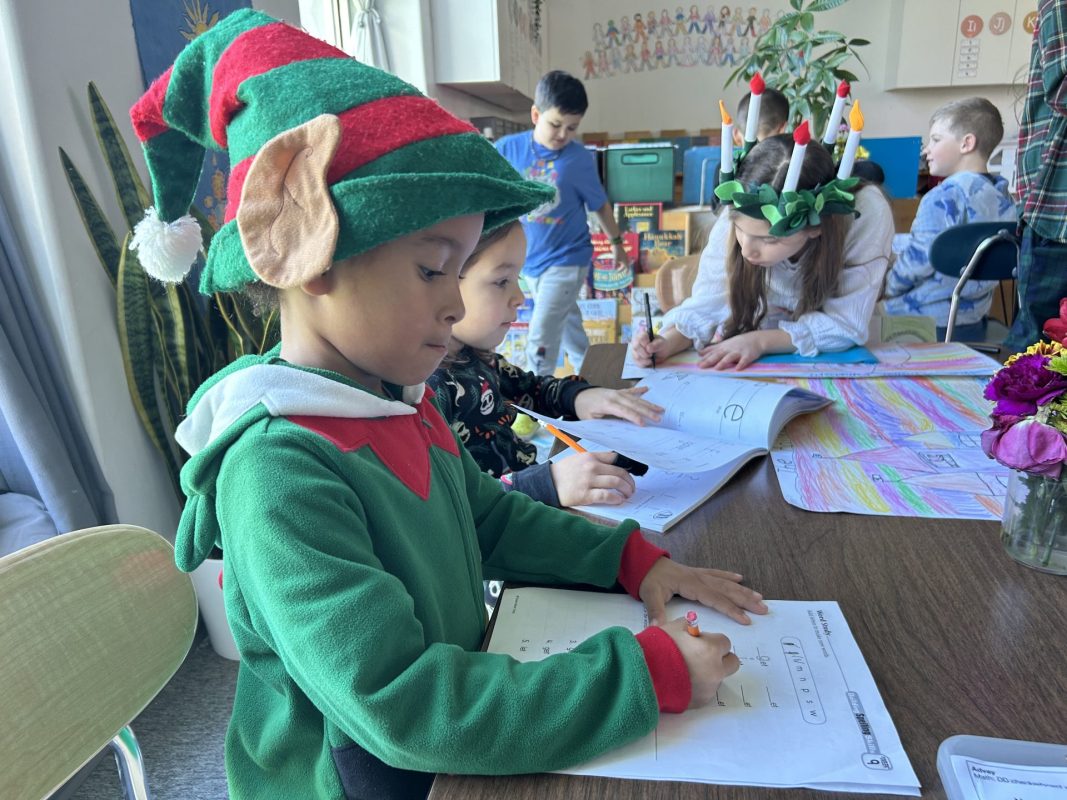
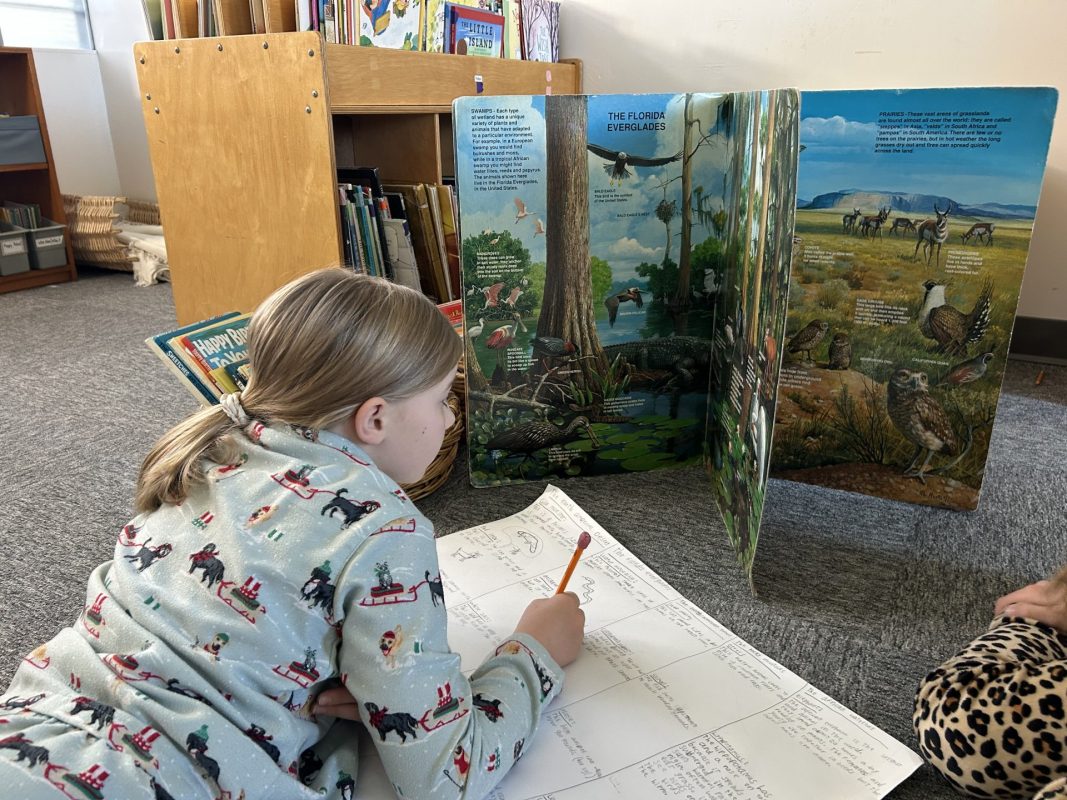
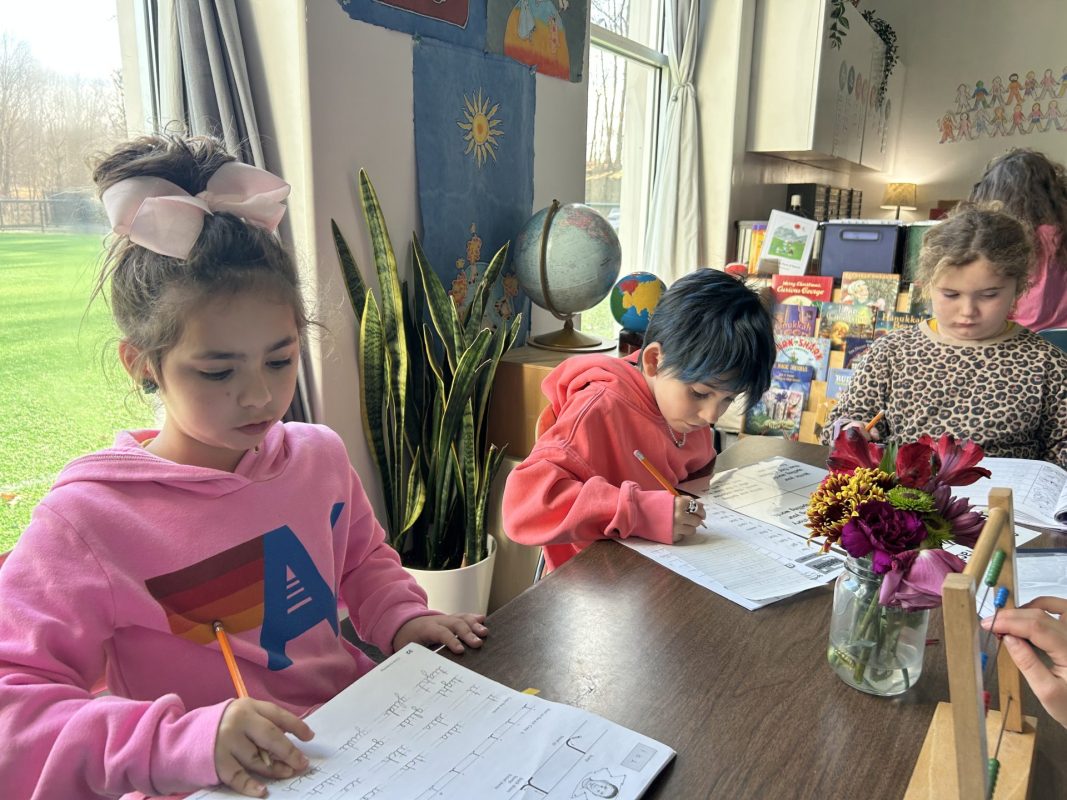
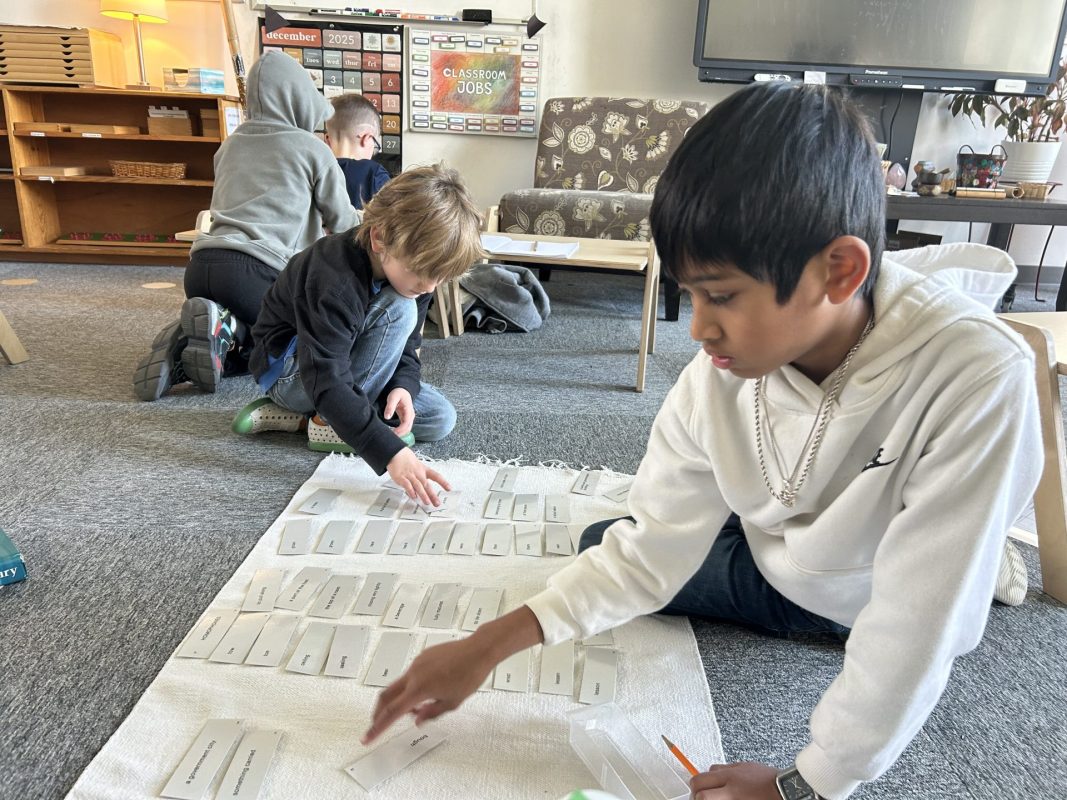
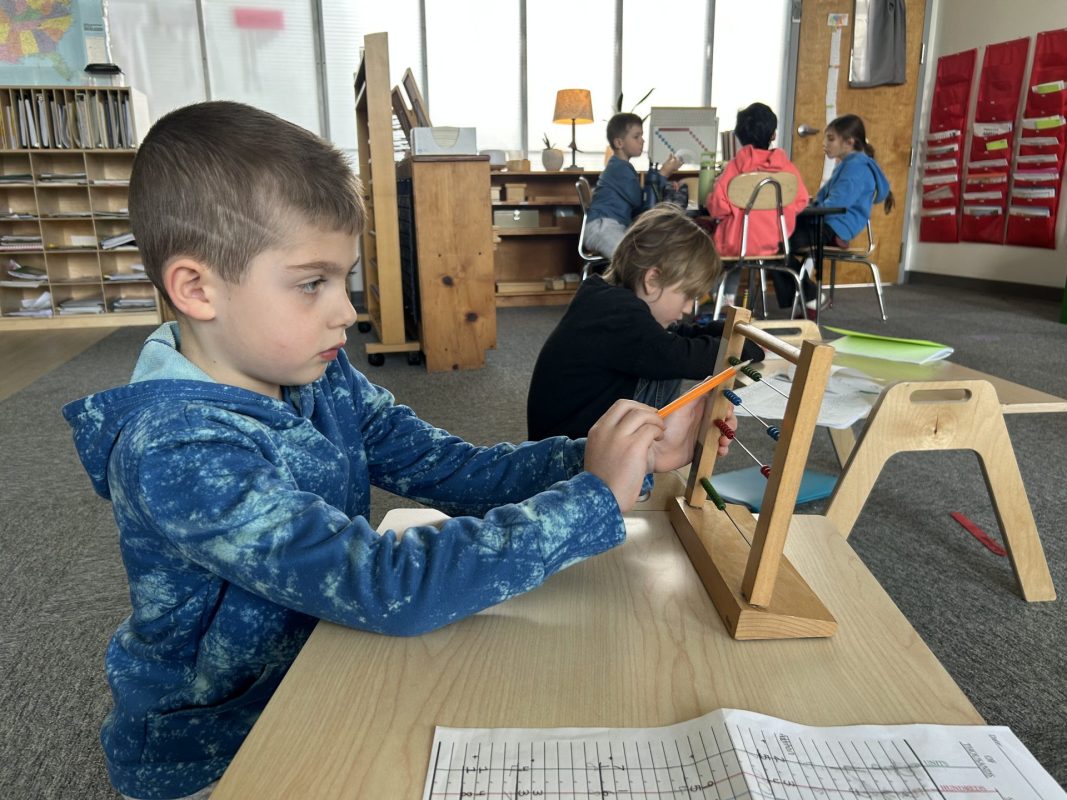
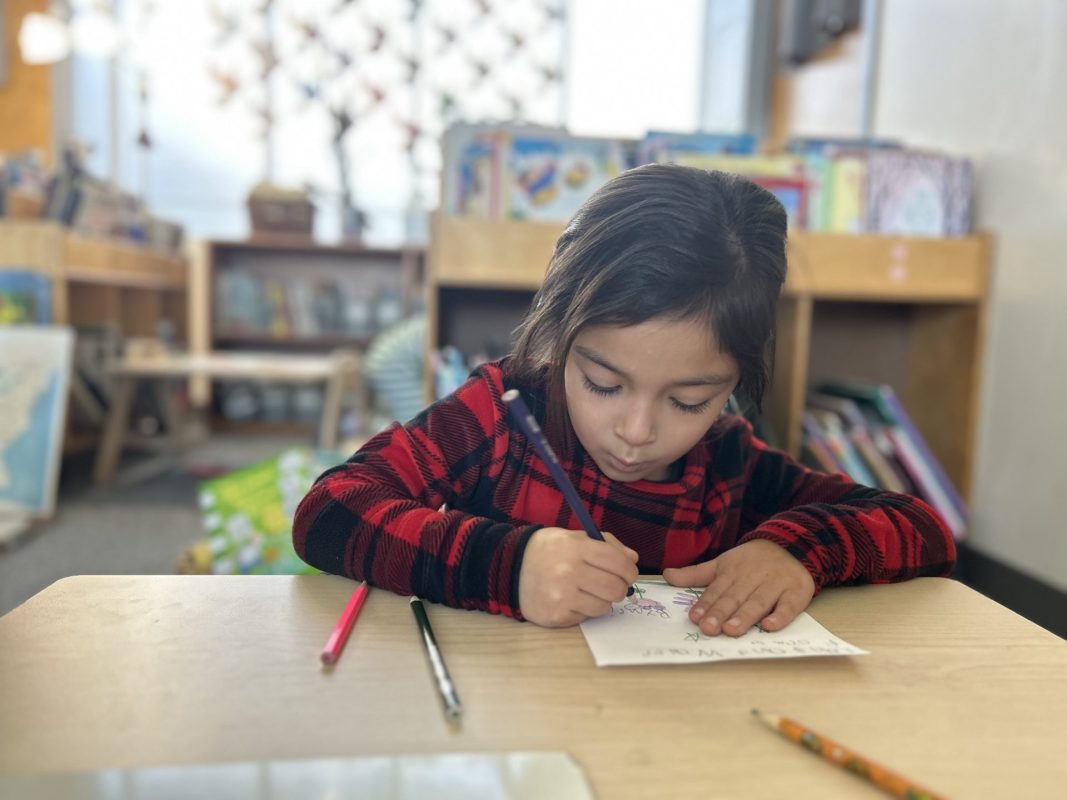
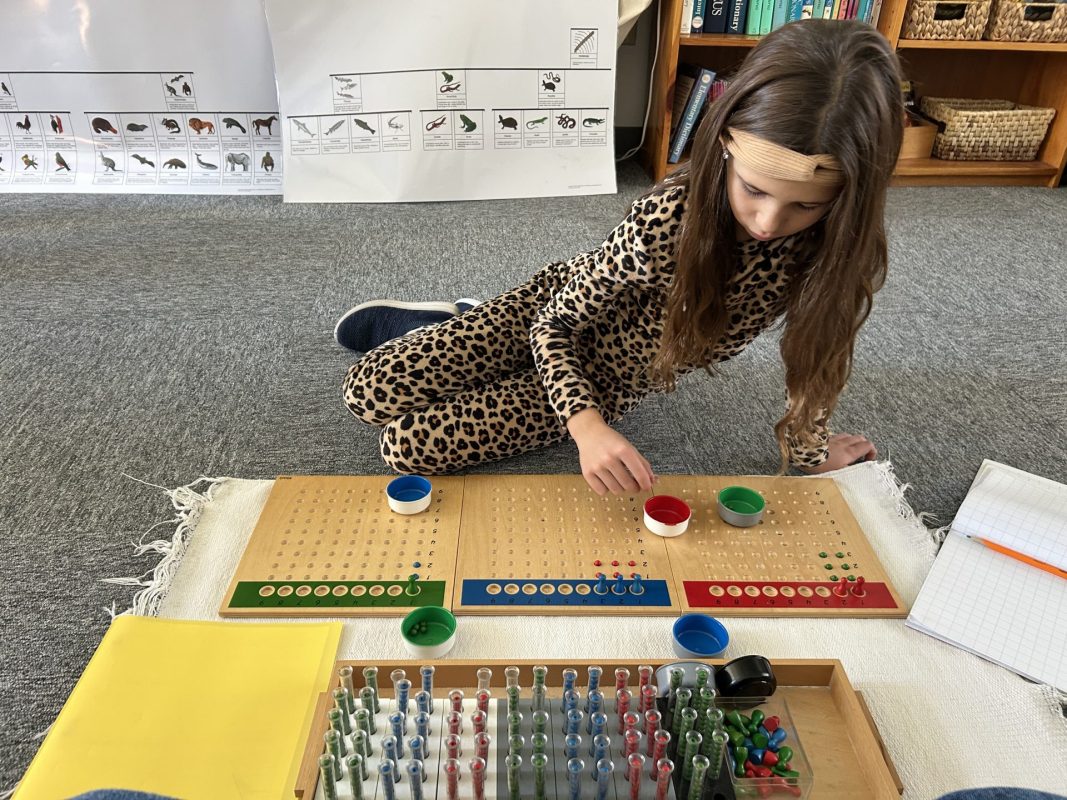
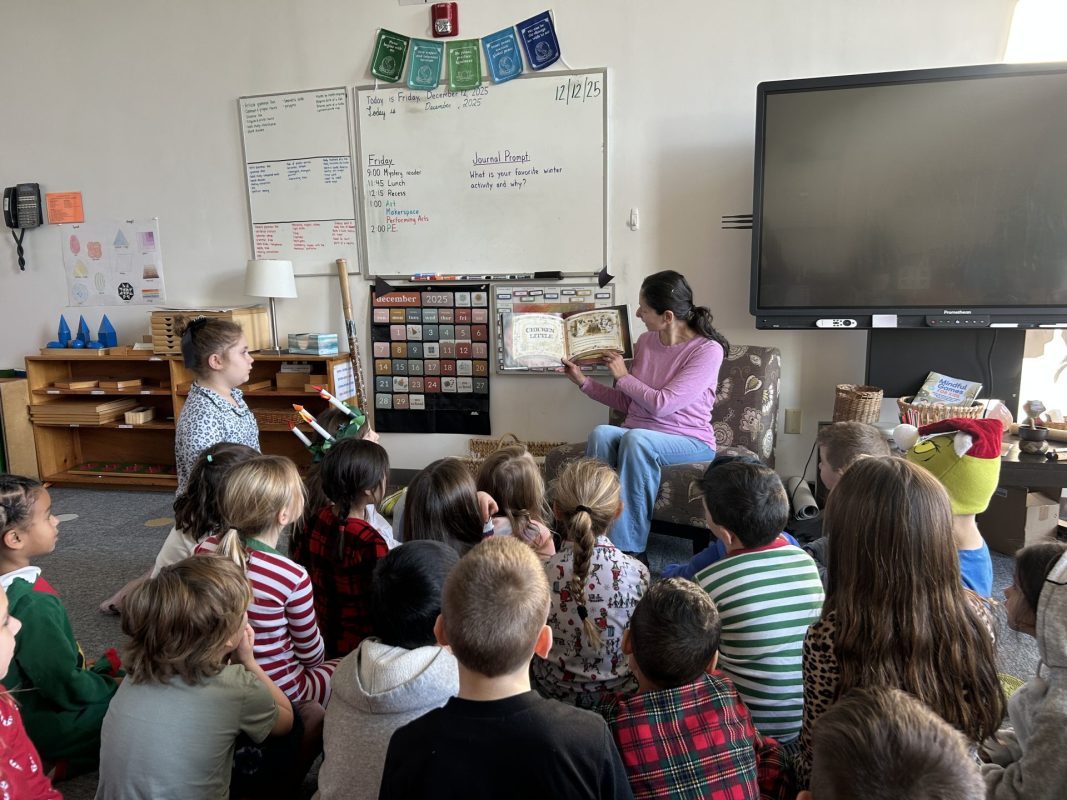
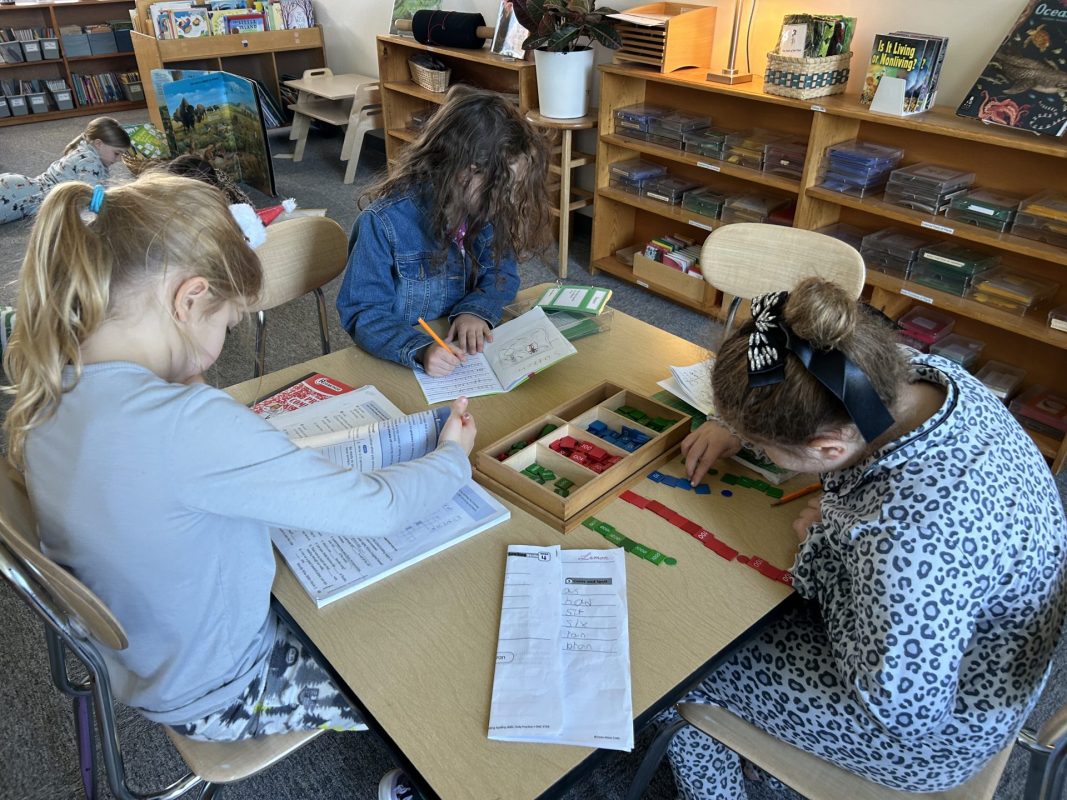
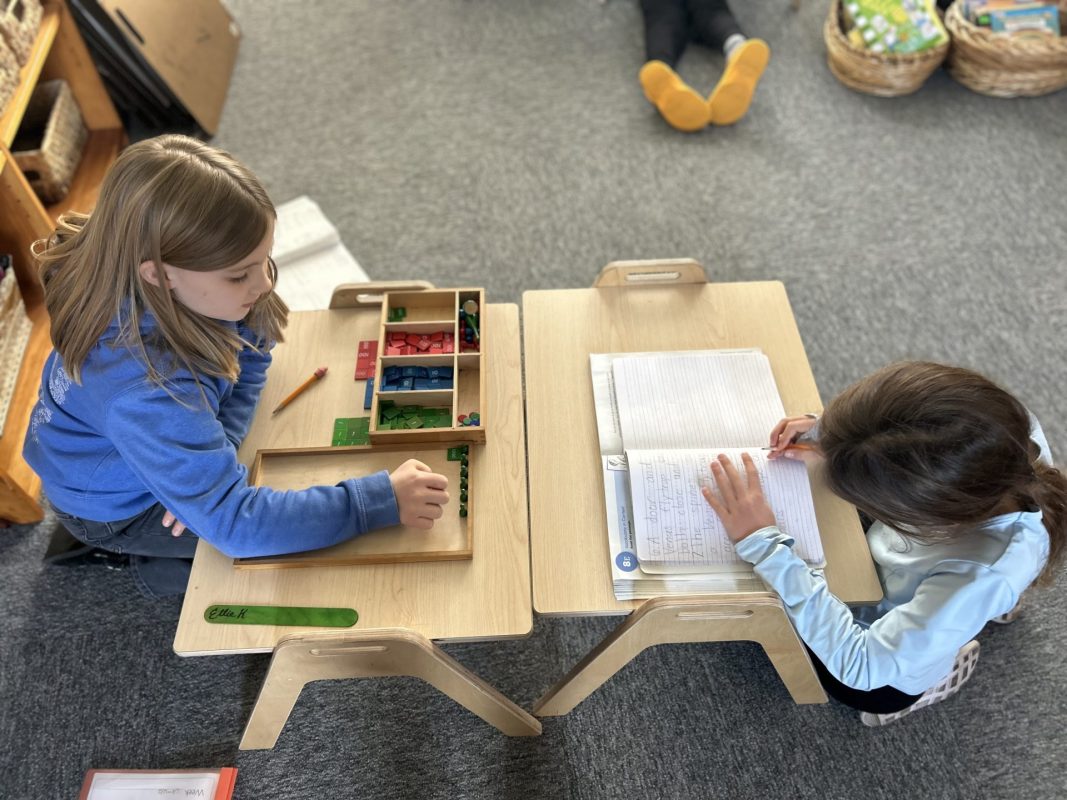
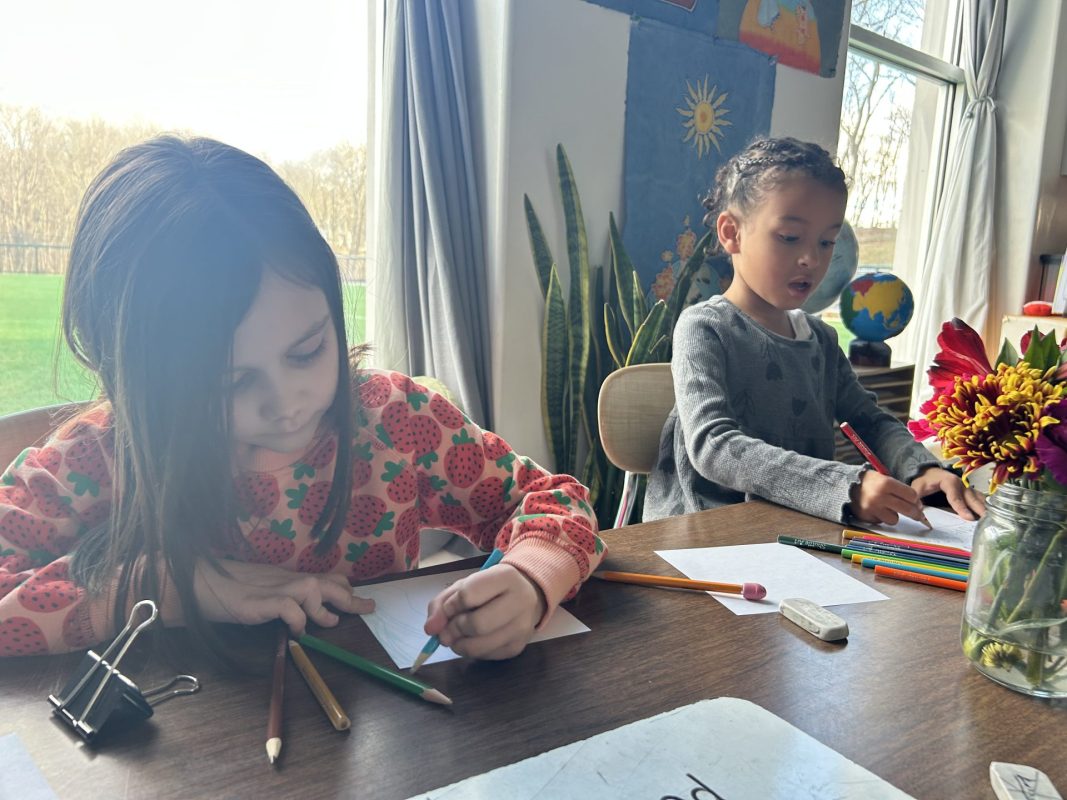
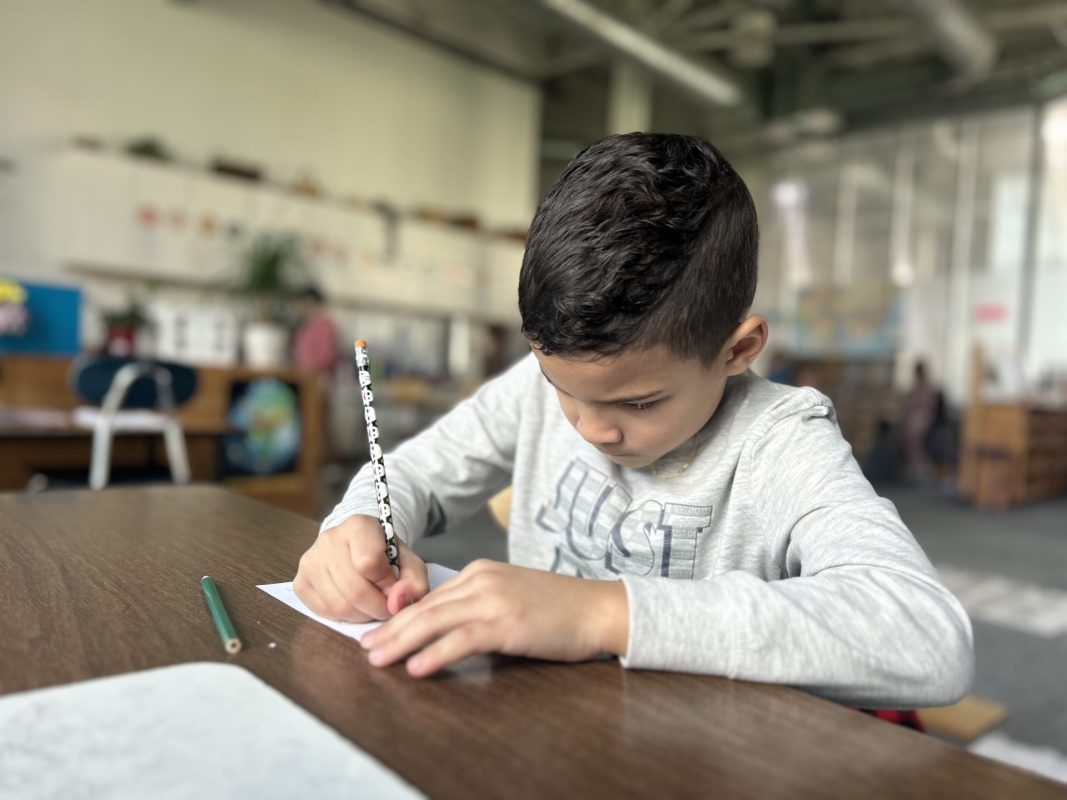
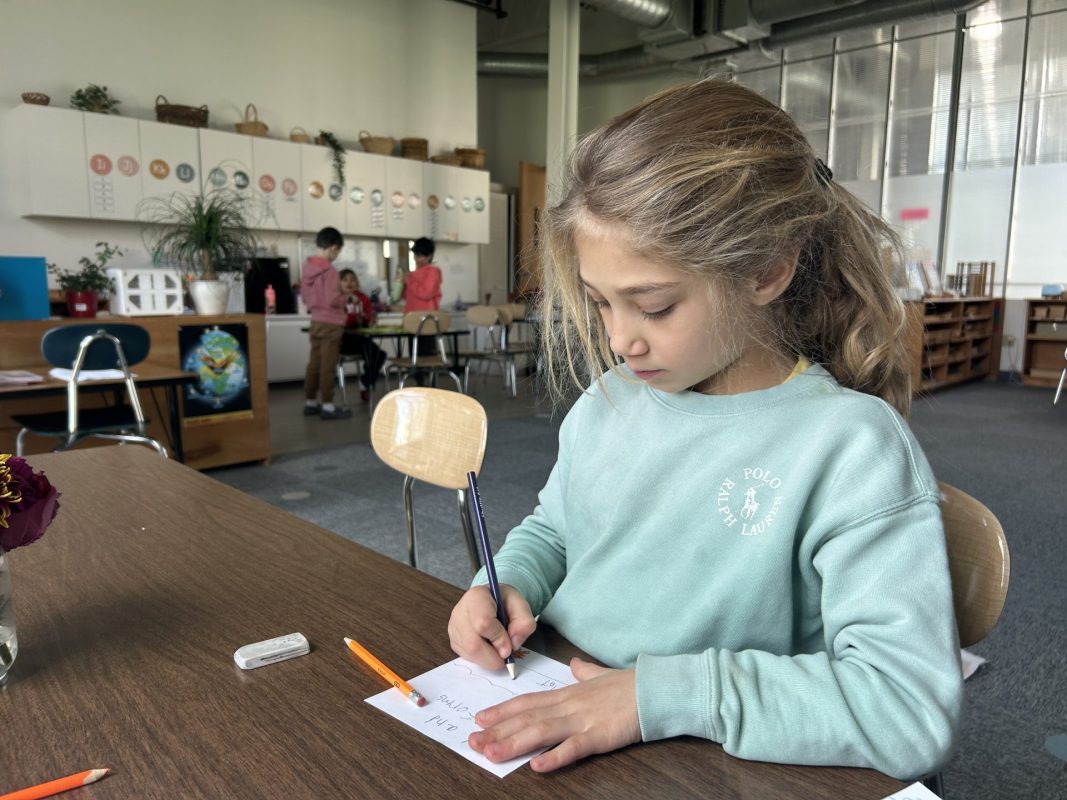
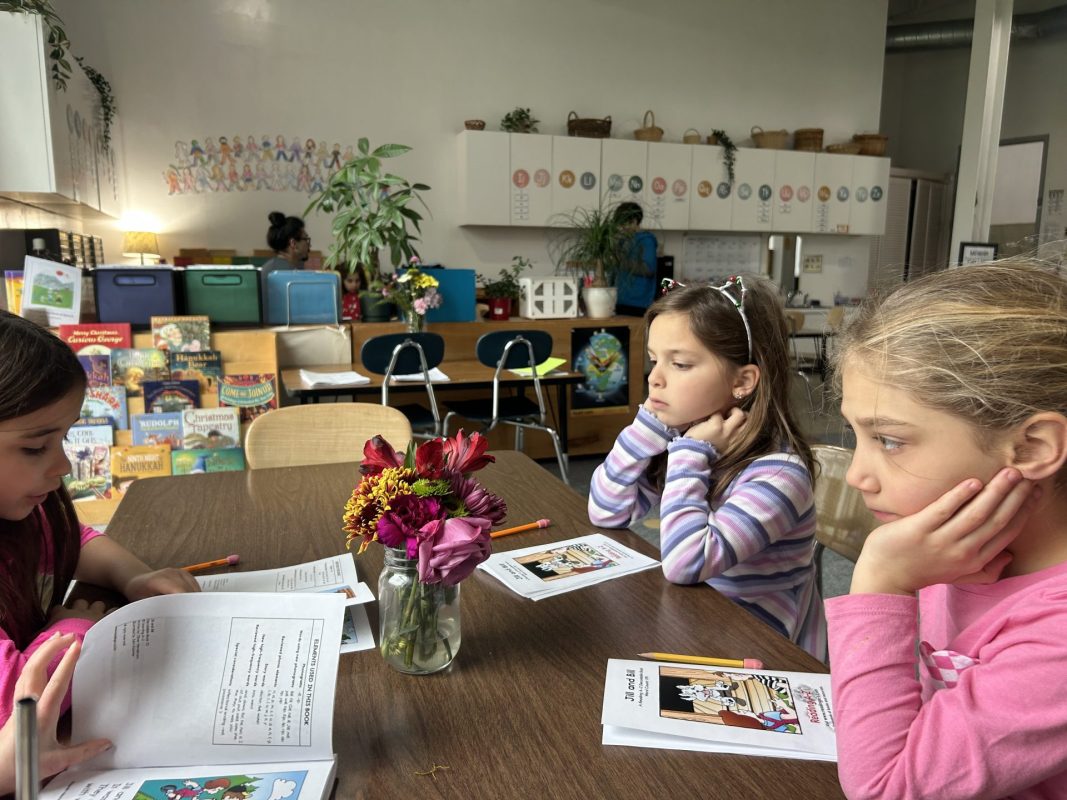
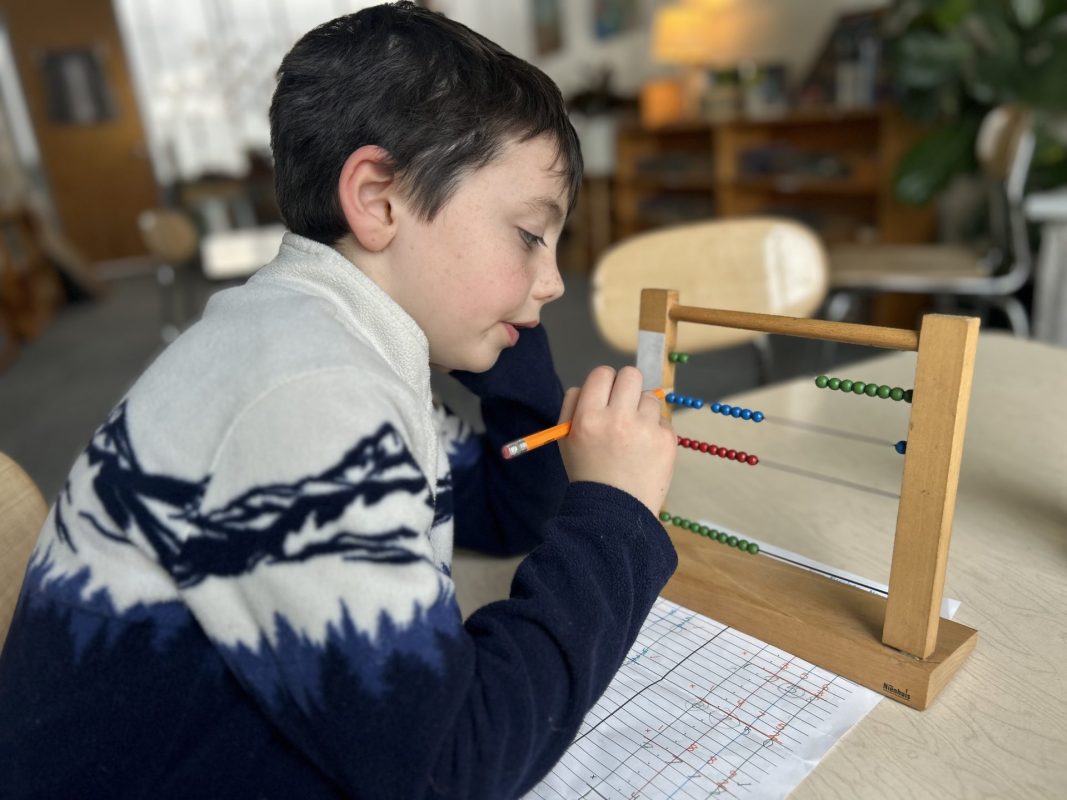
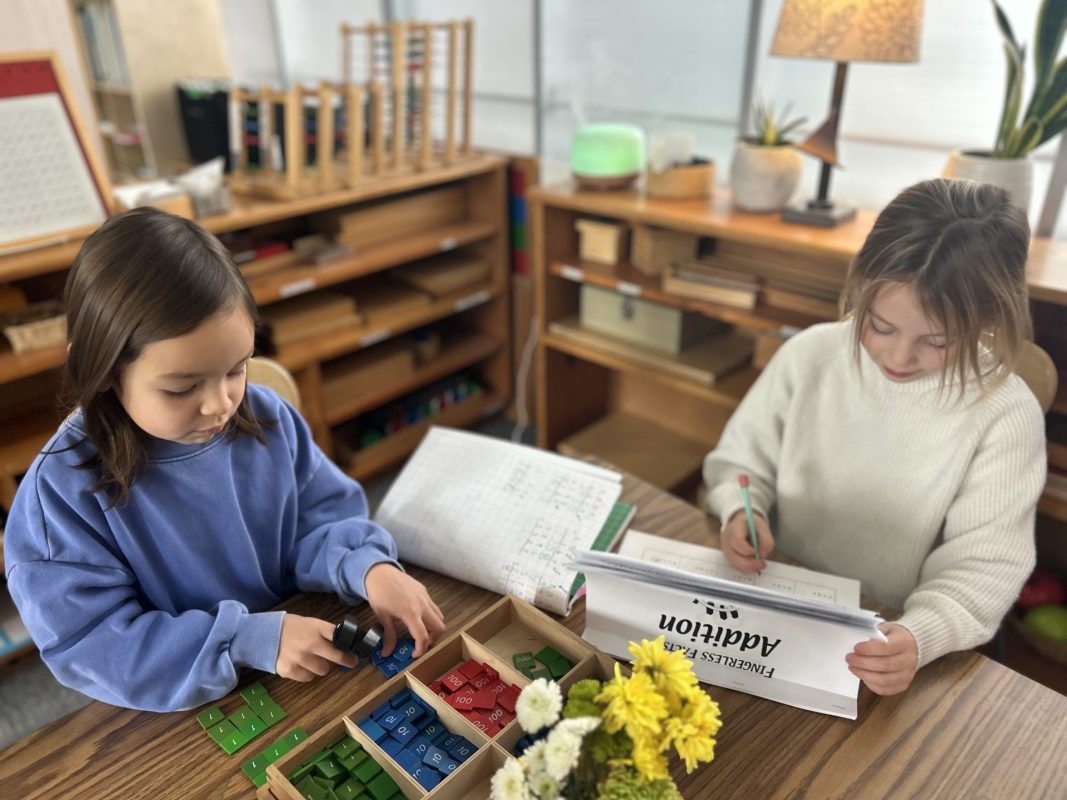
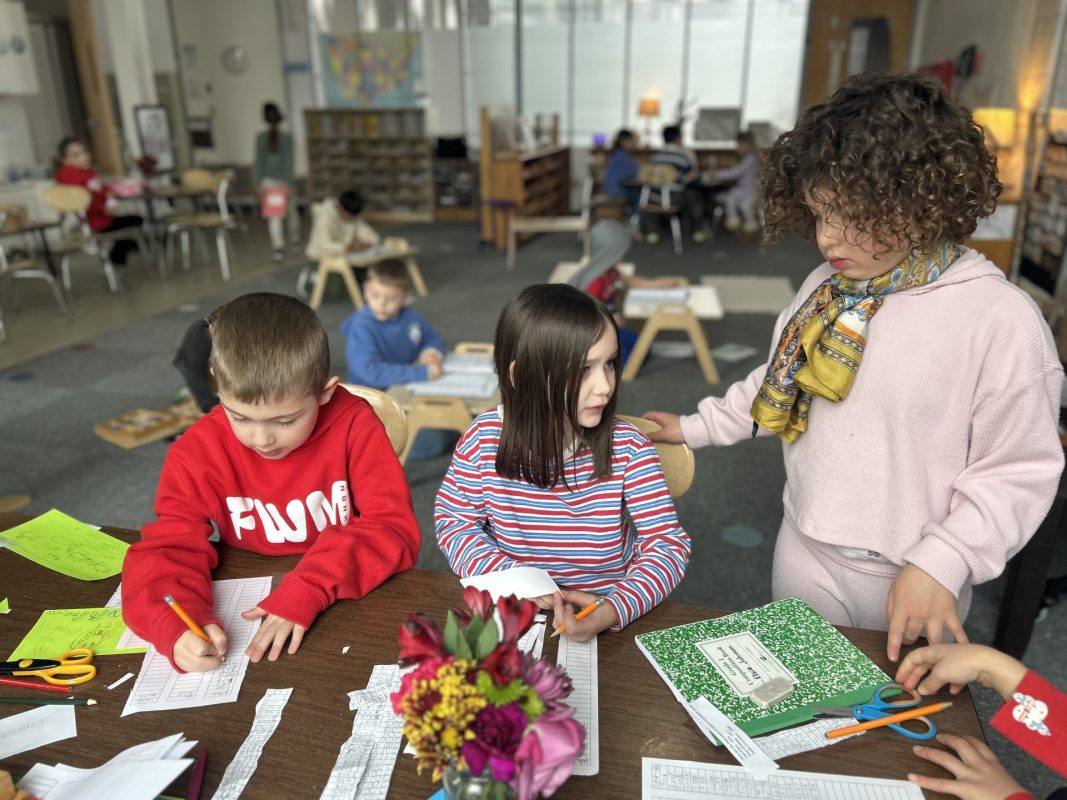
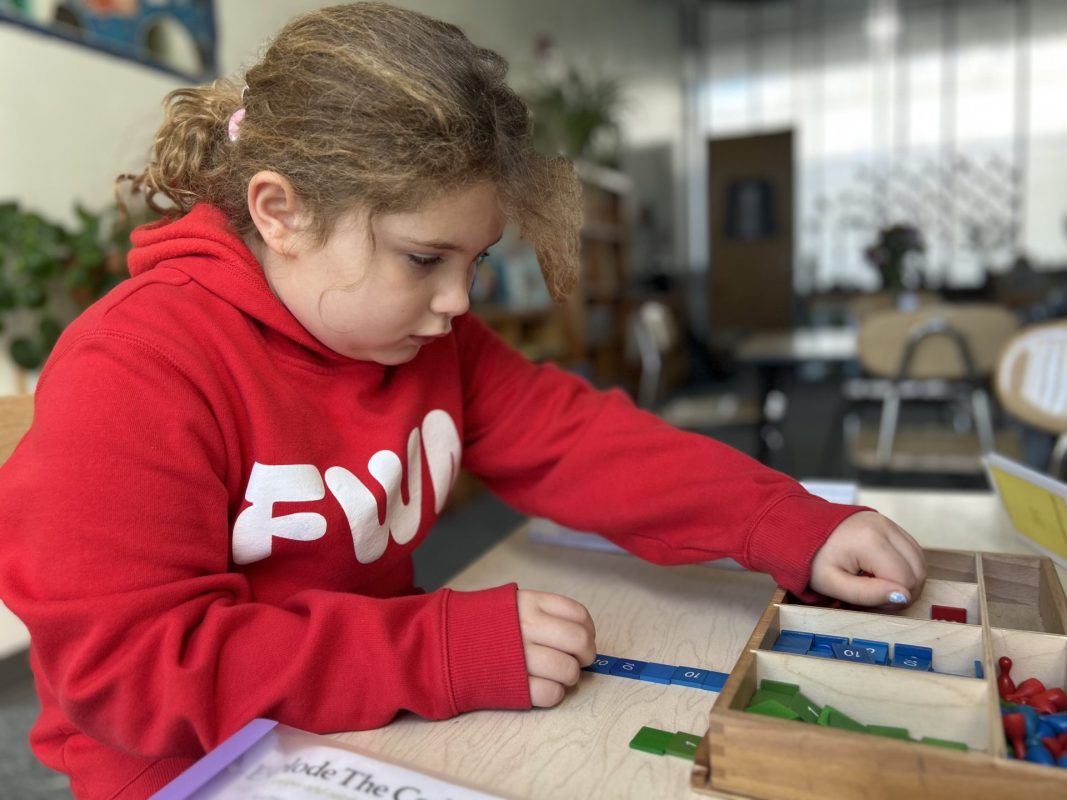
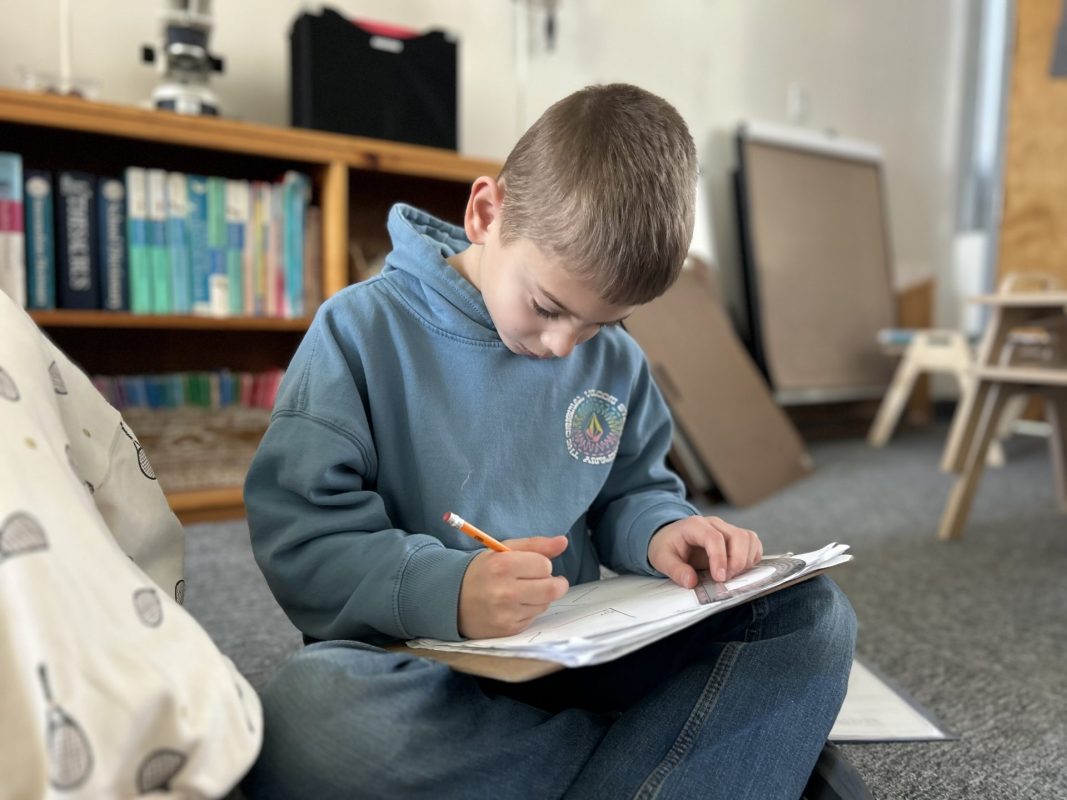
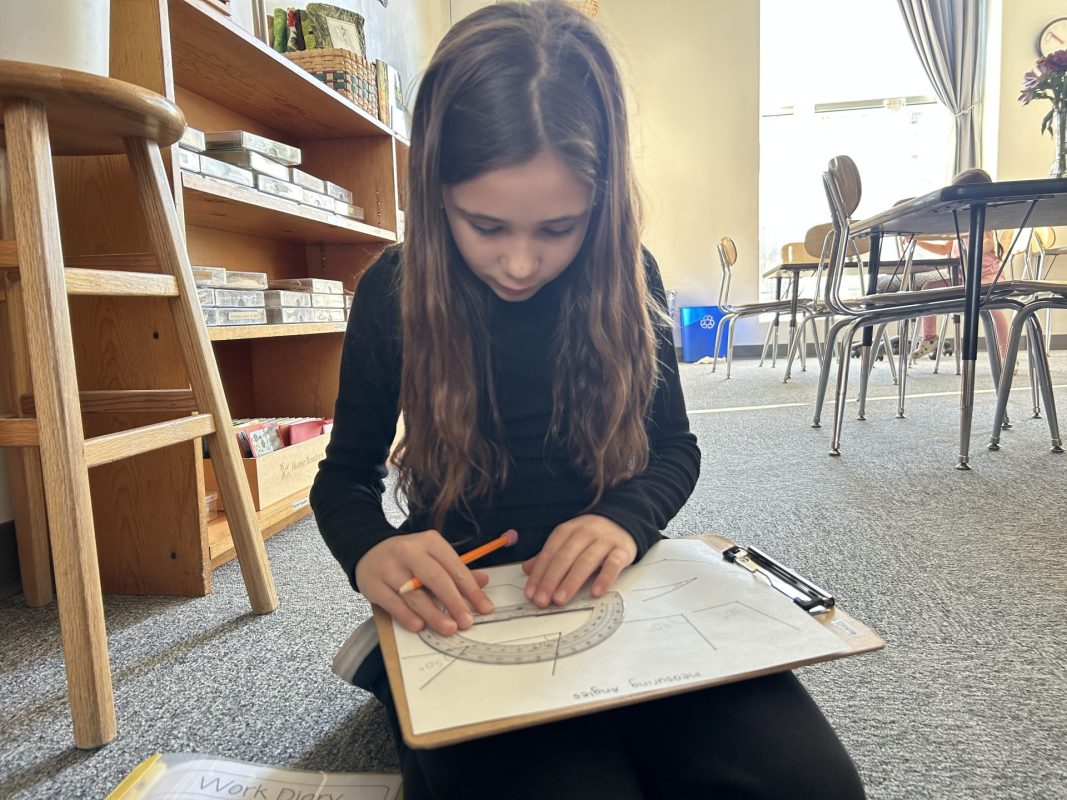
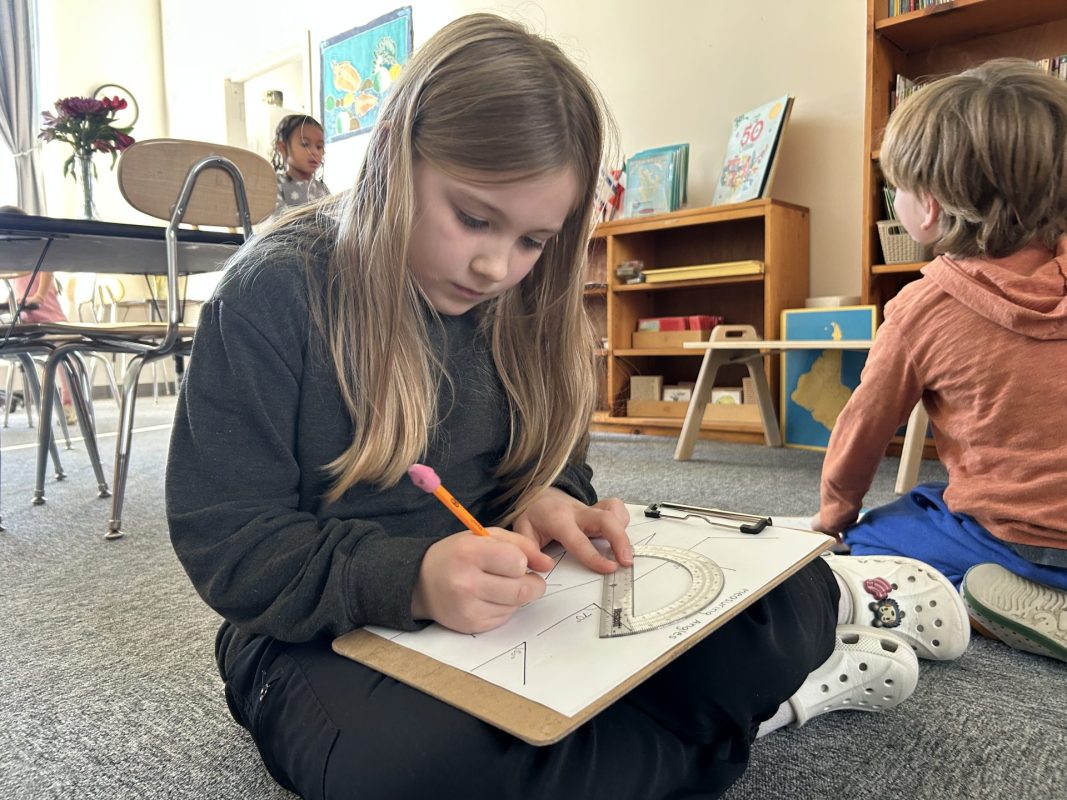
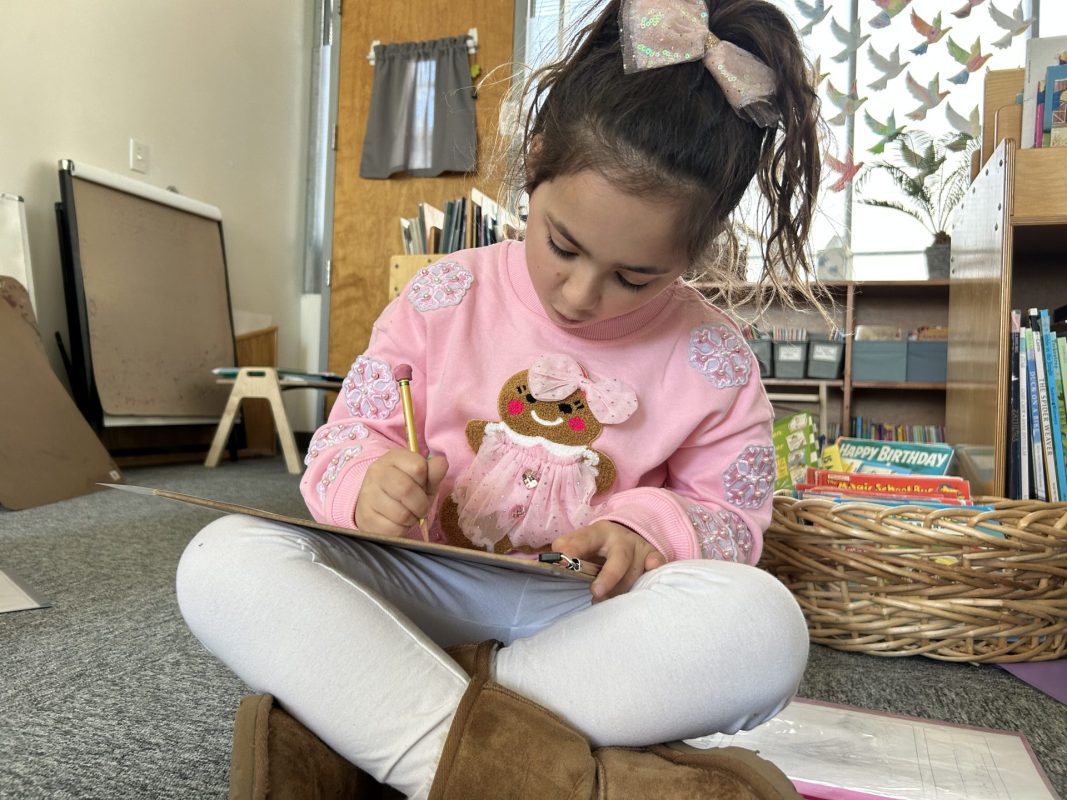
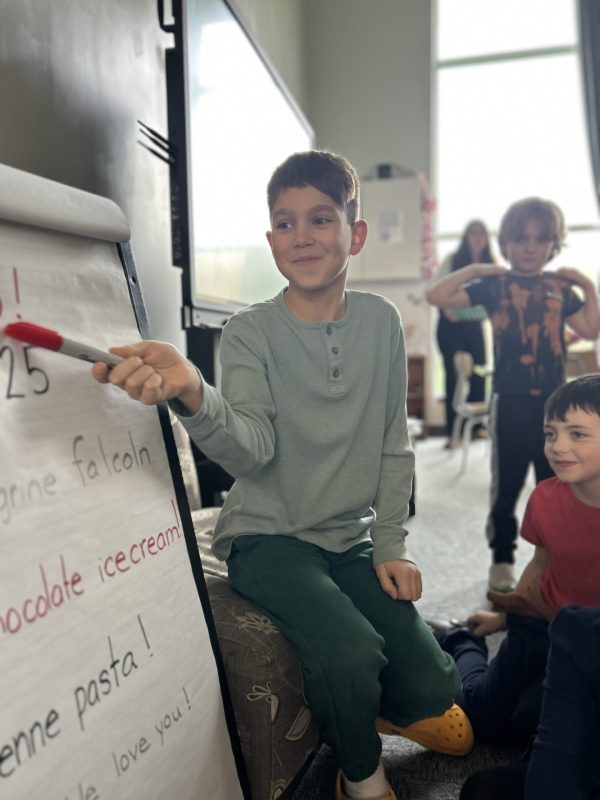
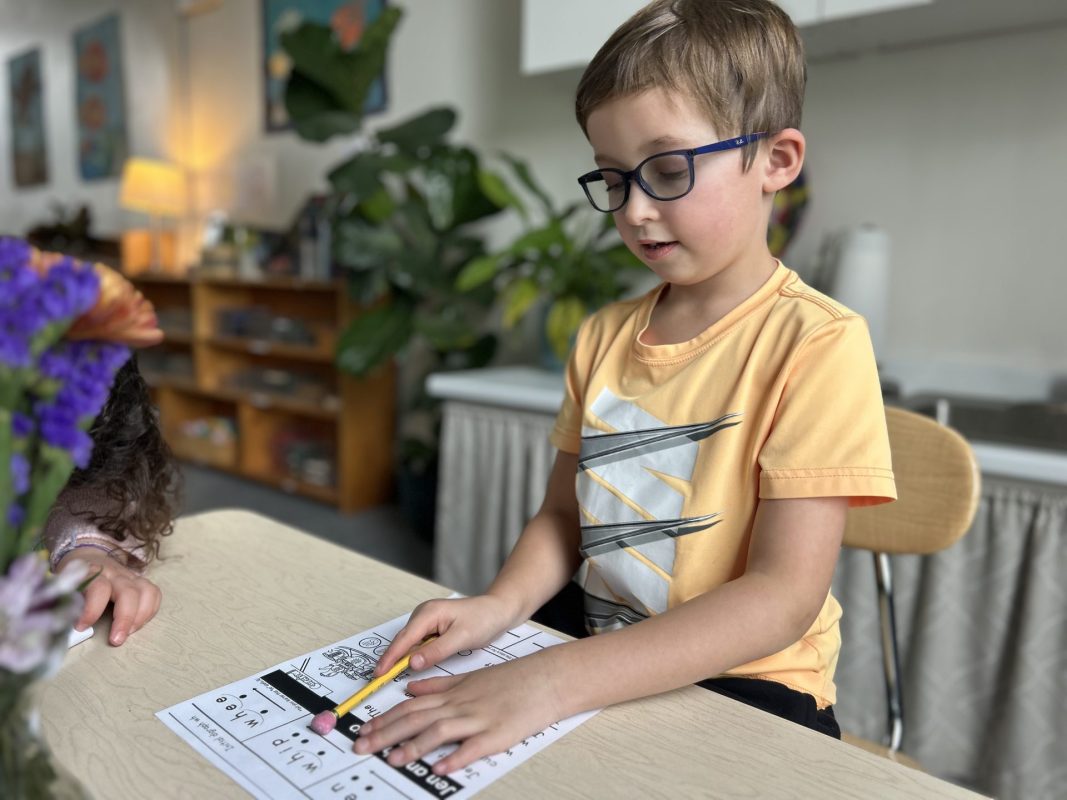
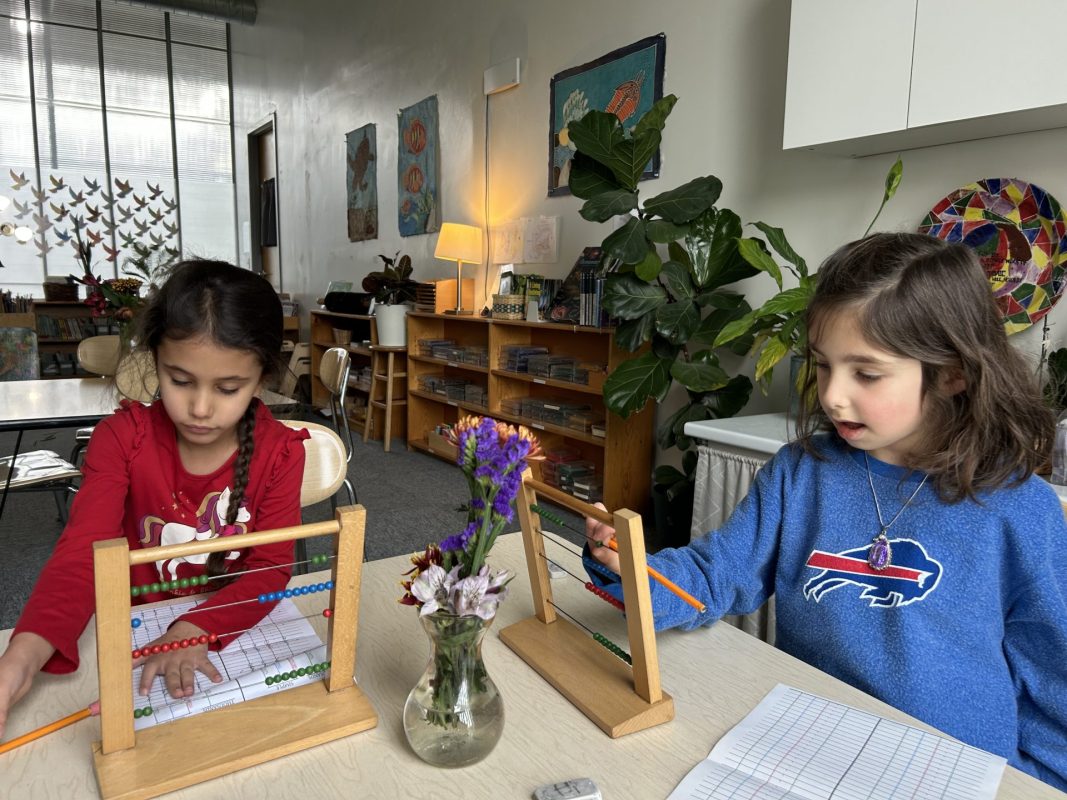
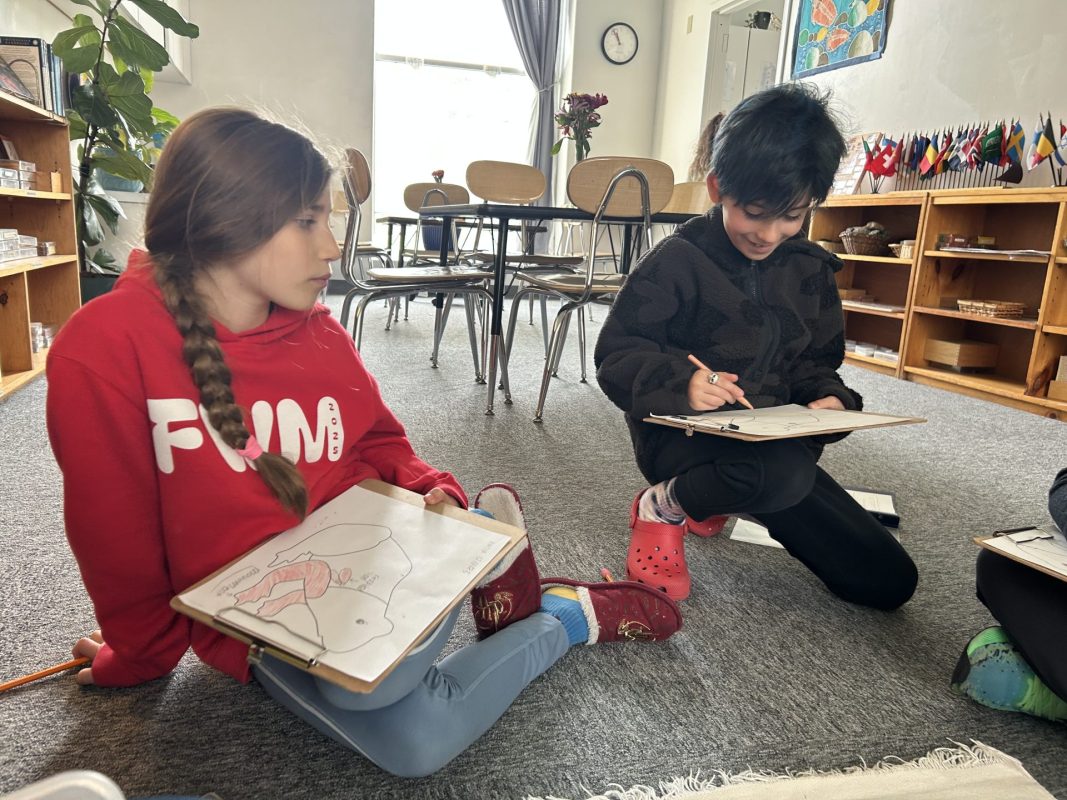
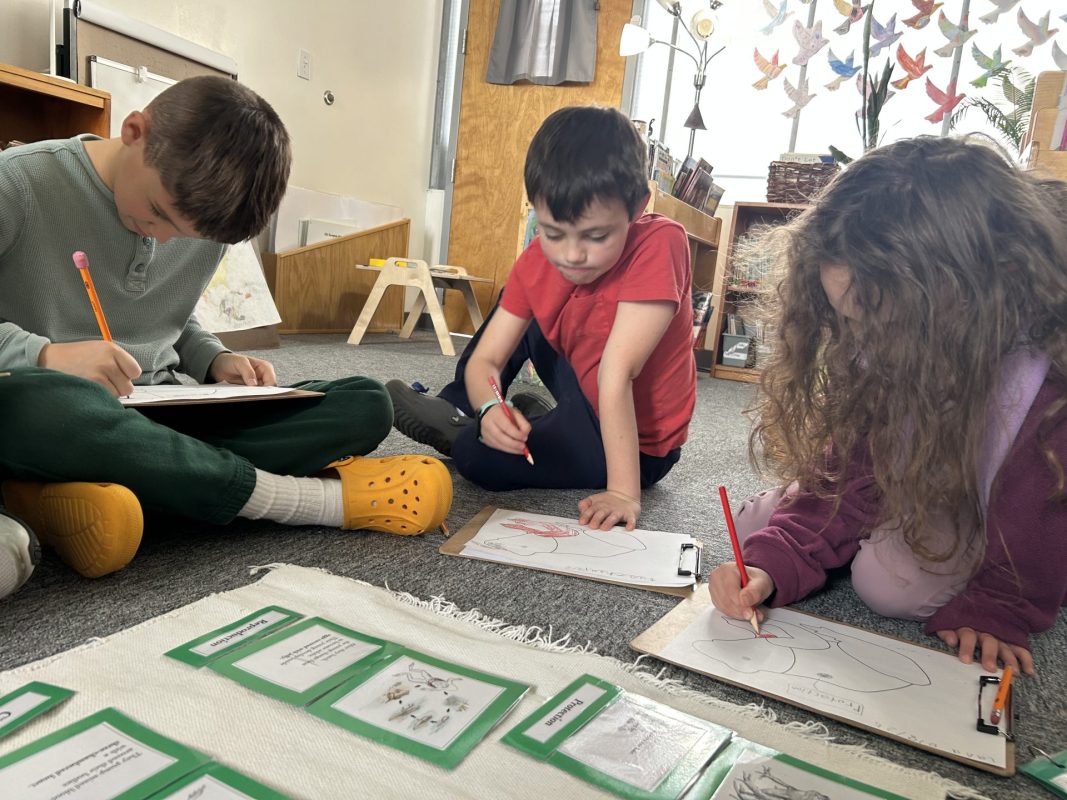
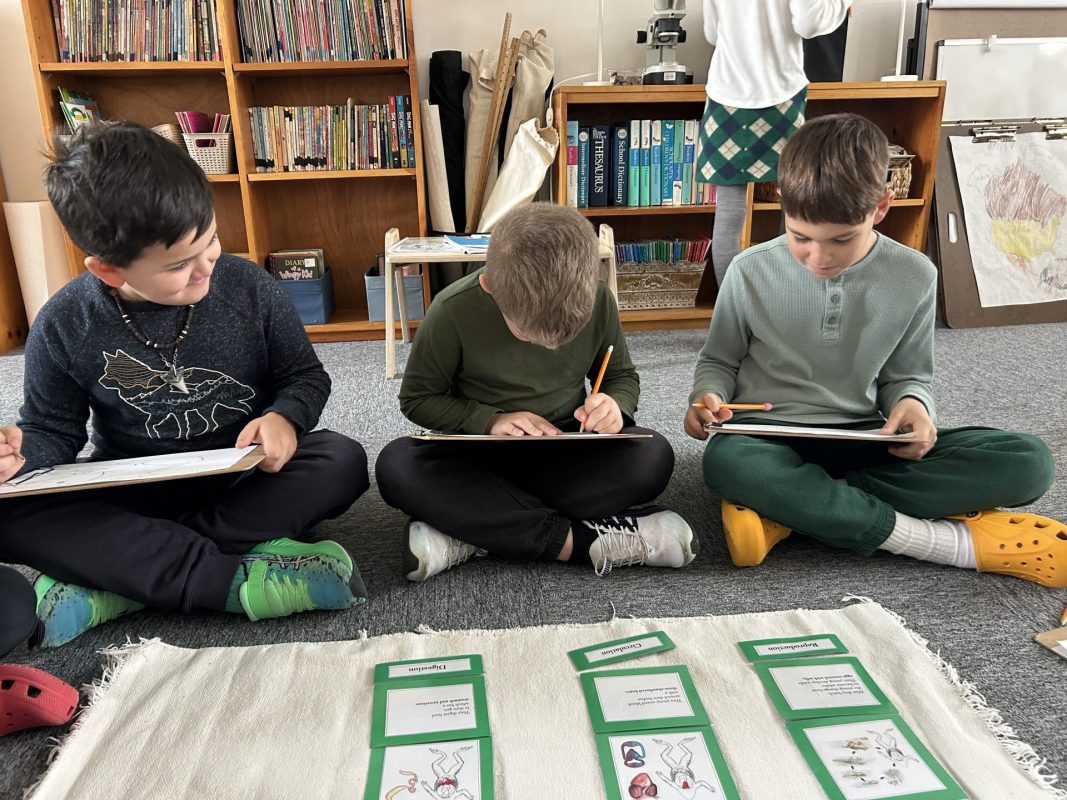
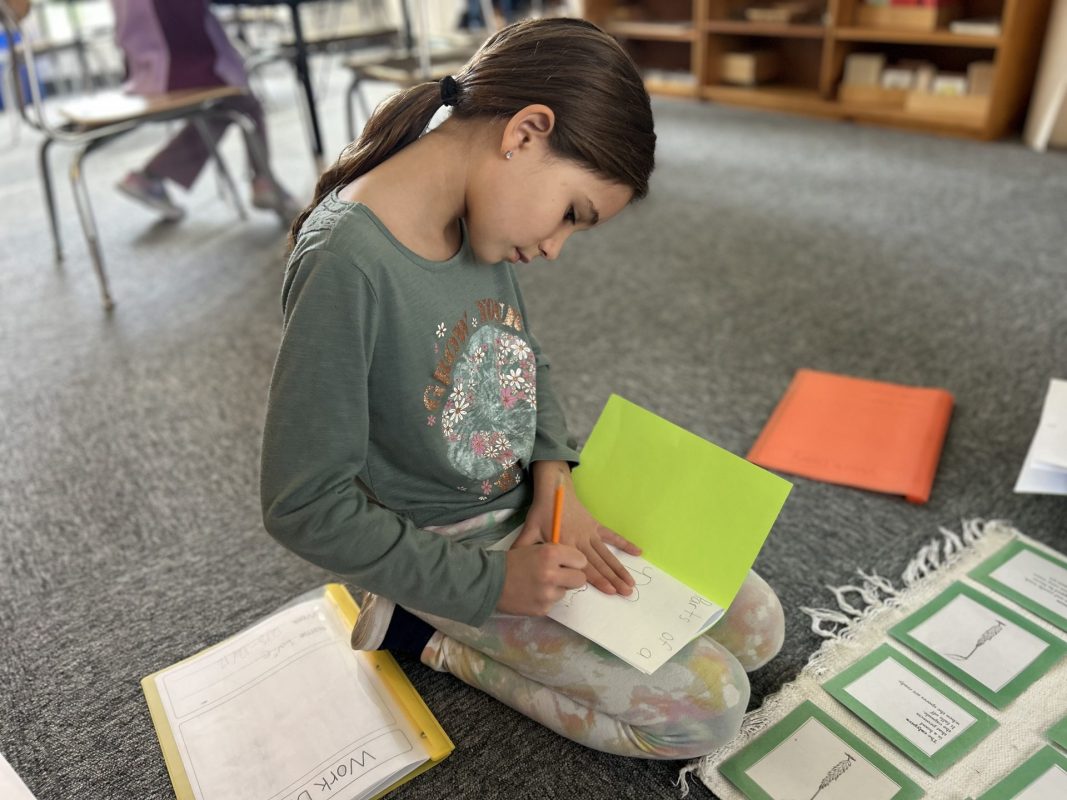
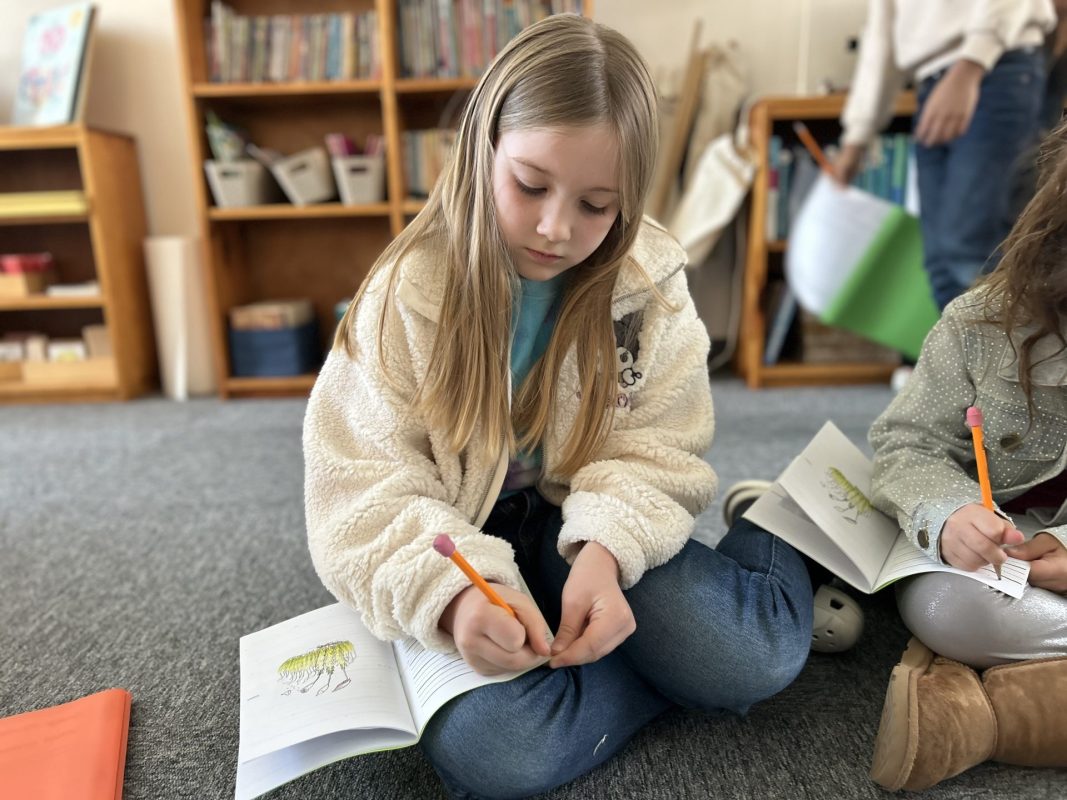
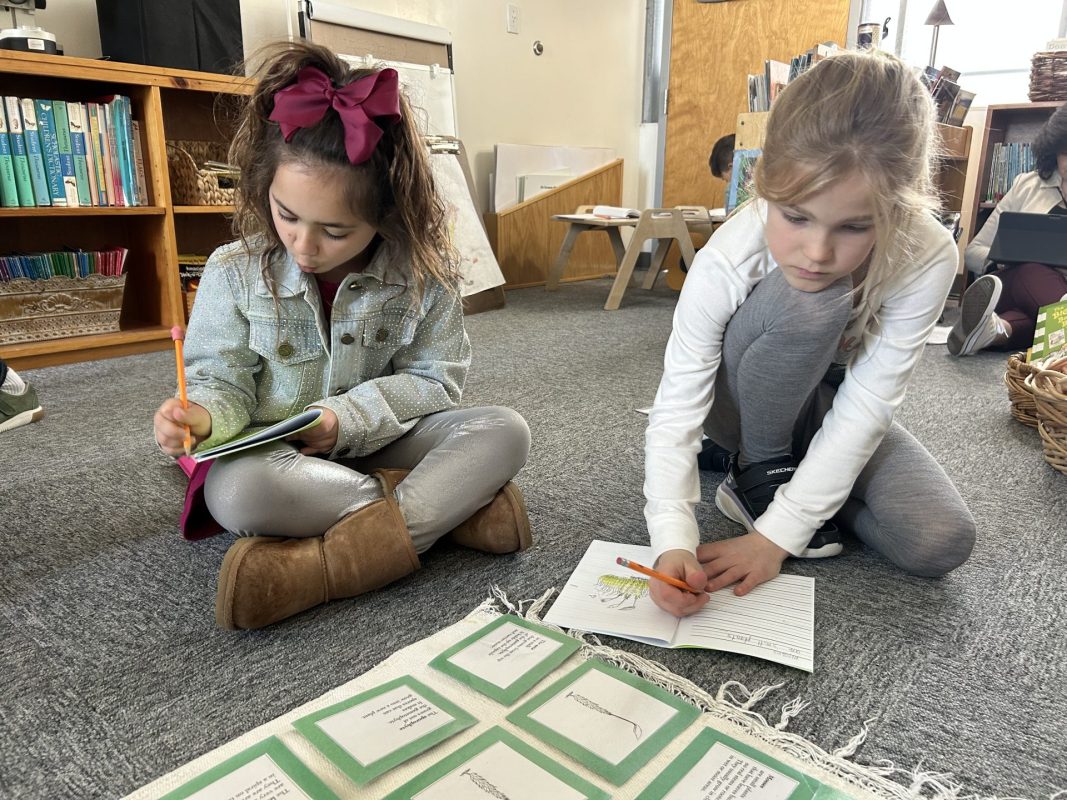
Our classroom has been buzzing with biology work lately. We bring the study of nature to the children with genuine enthusiasm, offering presentations and experiences that feed their growing curiosity. Elementary children have a powerful need to explore living things, to observe their characteristics, and to begin asking how and why life functions as it does.
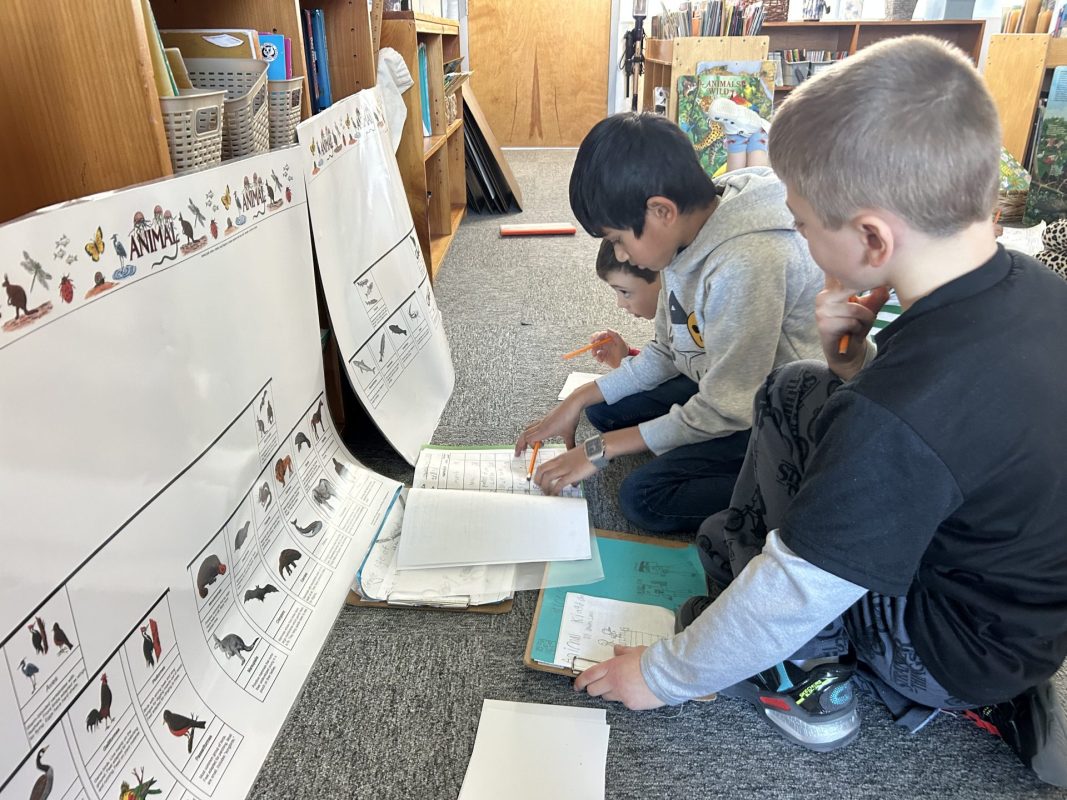
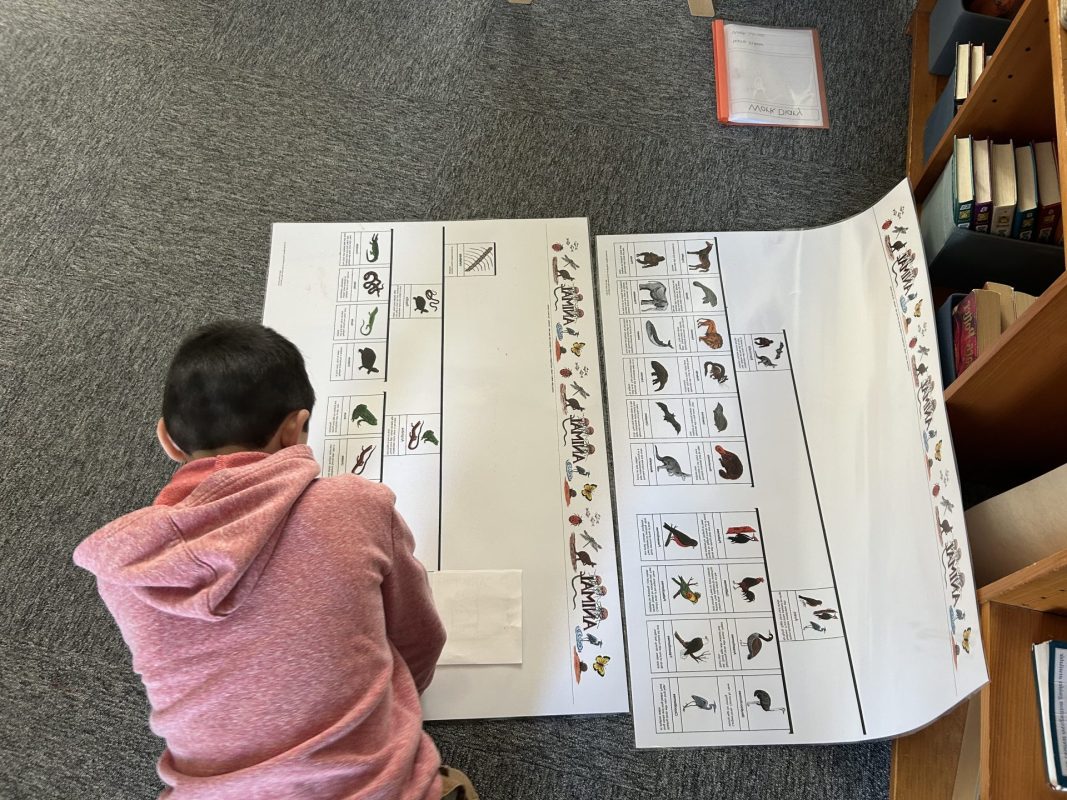
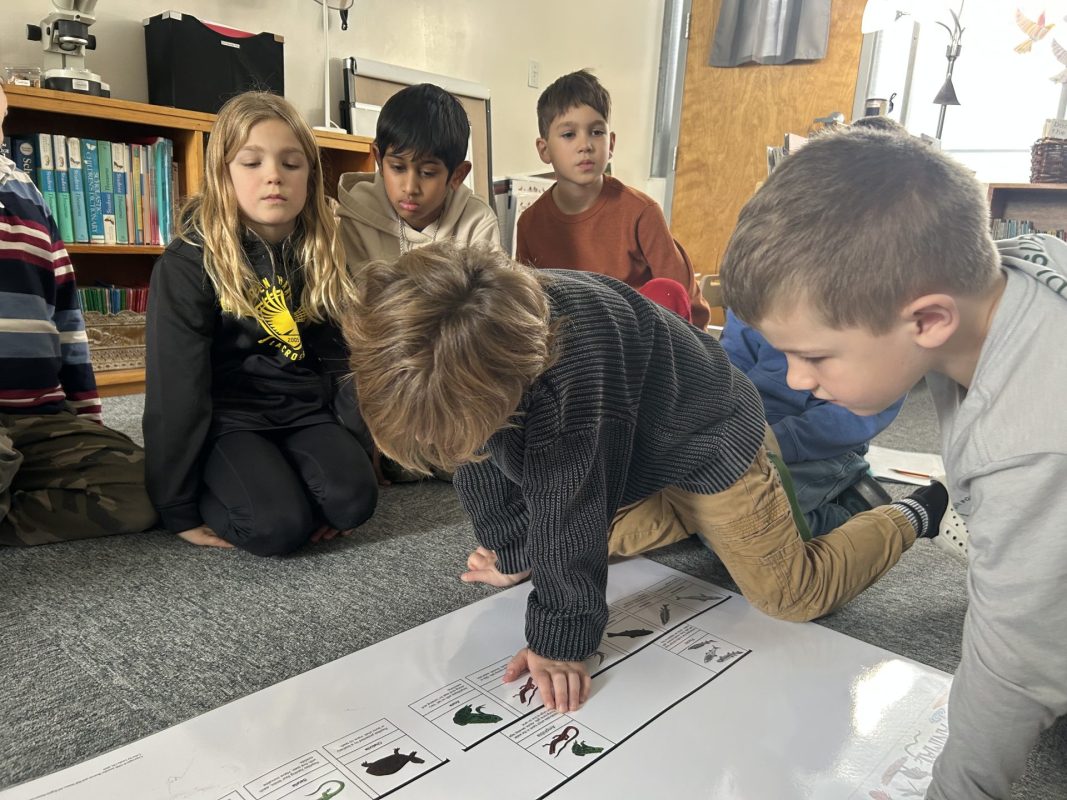
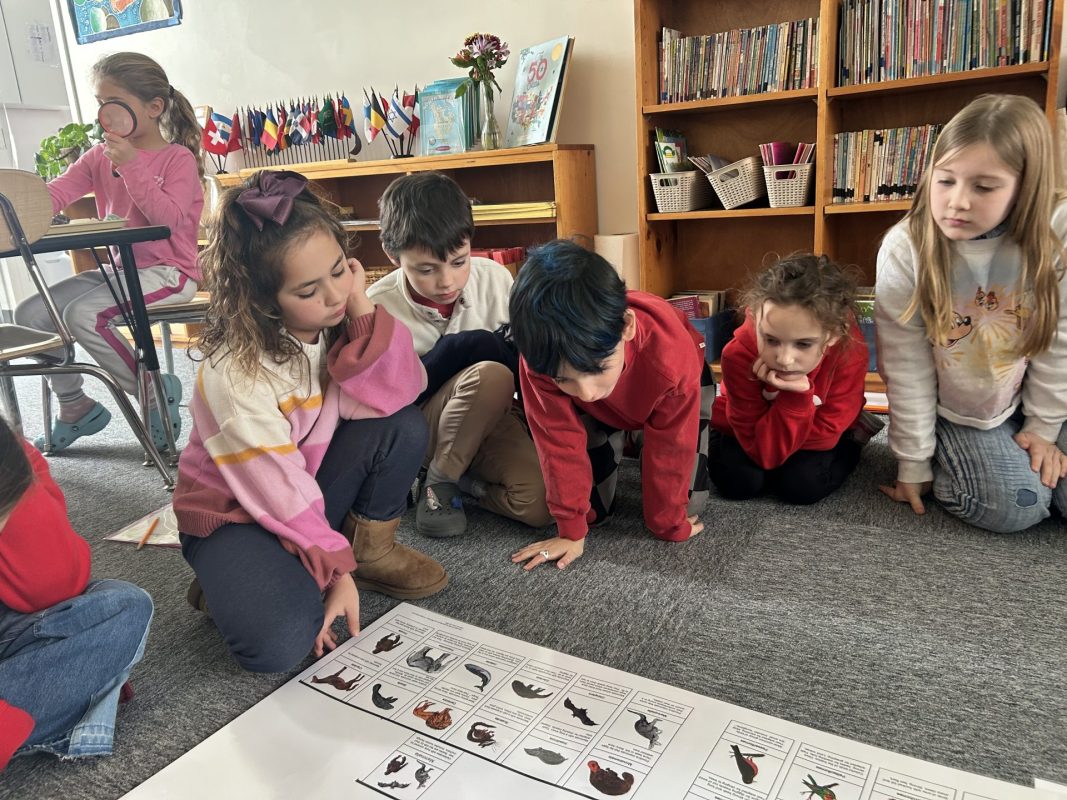
Each grade level has taken on its own exciting focus in our exploration of biology. The first graders have been eager to learn about the external parts of the frog, using illustrations and models to observe how each feature supports the animal’s way of life. The second graders have moved into wider classifications, exploring the kingdoms of life and defining the distinct characteristics of different animals. They have been working to differentiate vertebrates from invertebrates and identify the traits that link various animals together. Their studies have also included a closer look at body functions in animals, while the third graders have expanded this work by examining the body functions of plants, comparing how different organisms meet their needs for survival.
At the elementary level in Montessori, biology unfolds through Cosmic Education, inviting children to look closely at the details of life and then lift their gaze to the larger patterns that shape the natural world. Classification becomes a meaningful tool in this process. It helps children discover the balance that exists on Earth between living and nonliving things, and between human beings and other cosmic agents. Our goal is to spark wonder and gratitude through the cleverness of nature, helping classification create a sense of familiarity with the unfamiliar. This way of organizing the living world becomes an important part of the development of a global citizen who feels connected to life in all its forms, both familiar and new. As we classify and explore all living things, we hope to inspire admiration for the diversity that exists, encourage more questions and research, and support the child’s growing identity as both an explorer and a steward of the Earth.