
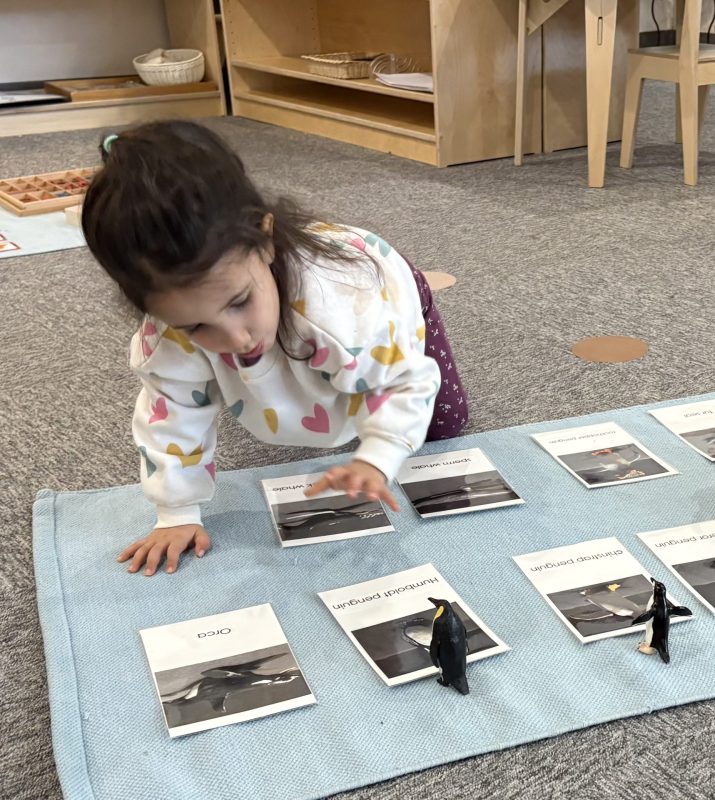
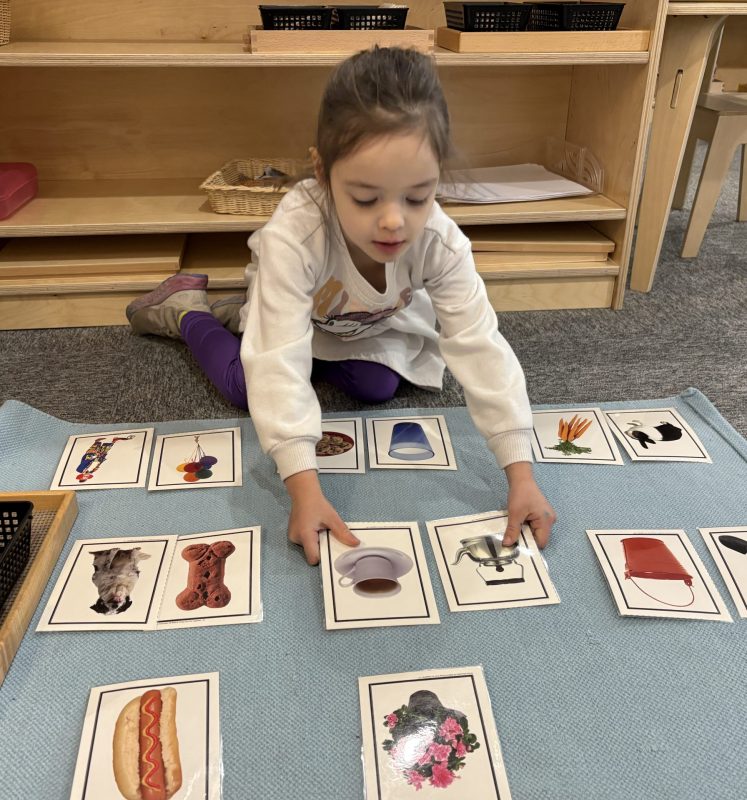
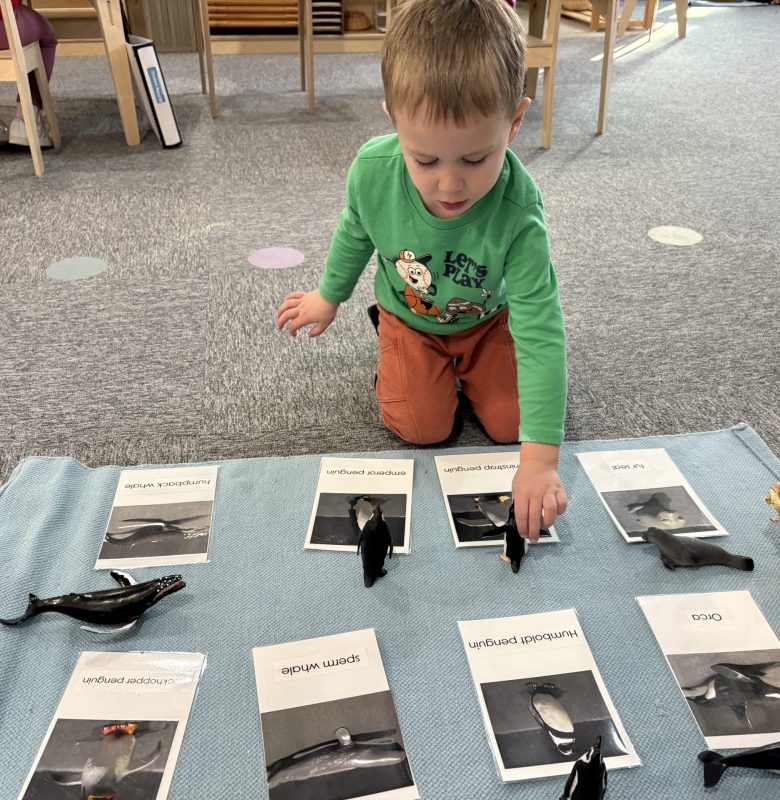
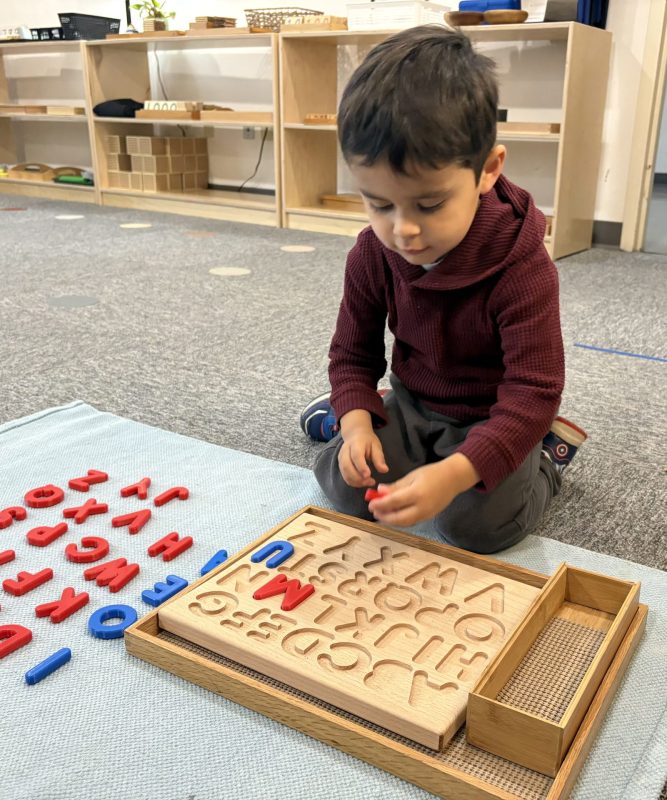

Over the past few weeks, the classroom has been exploring a question that fascinates children and adults alike: how do animals survive the harsh winter months? The children learned that animals use three main strategies—hibernation, migration, and adaptation—to make it through cold weather and scarce food supplies.
We discovered which animals hibernate, entering a deep sleep where their body temperature drops, their heartbeat and breathing slow down, and they conserve energy. The children were amazed to learn that hibernation can happen in caves, nests, and dens above ground, or in burrows and holes below ground. We also explored migration, understanding why some animals travel to warmer climates where food is more plentiful. Finally, we examined how certain animals adapt by staying active and changing their behavior and even their physical appearance to survive winter conditions.
As the cold weather becomes more frequent here in Connecticut, the children have been playfully asking each other: “Are you going to hibernate or migrate?” Their connection to this content shows how relevant and engaging real-world learning can be.
Extending Learning at Home
- During walks, look for signs of how animals in your neighborhood are preparing for winter (bird feeders emptying quickly, squirrels gathering nuts)
- Read books about animal survival strategies together
- Keep a winter nature journal where your child can draw and note any animals they observe and what they might be doing to stay warm
ANNOUNCEMENTS & UPCOMING EVENTS
This Week
Tuesday, December 16: Classroom Hanukkah celebration
Thursday, December 18: Classroom Christmas celebration
Friday, December 19: Winter Showcase* (Buses begin at 9:15 a.m., Concert begins 10:30 am), Half-Day Dismissal for All Students 11:30 am
* All Primary children participate in the Winter Showcase. Please check the dashboard for more information.
Winter Break
Monday, December 22, 2025 – Friday, January 2, 2026
School resumes on Monday, January 5, 2026