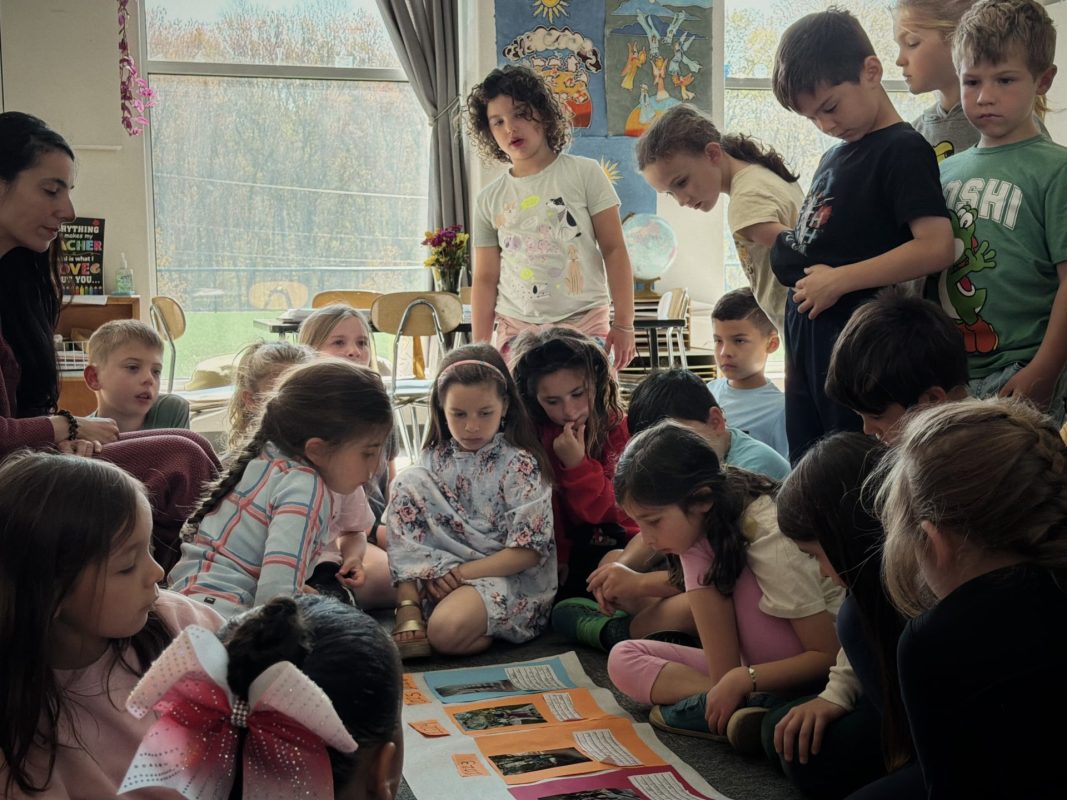
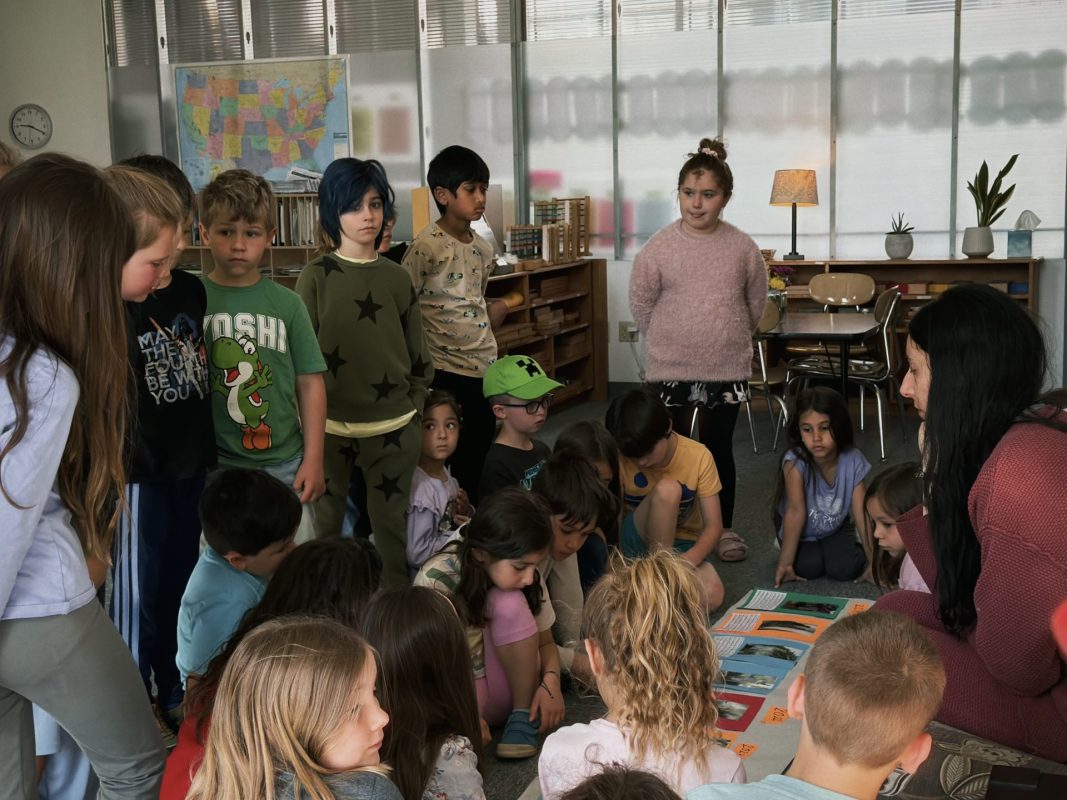
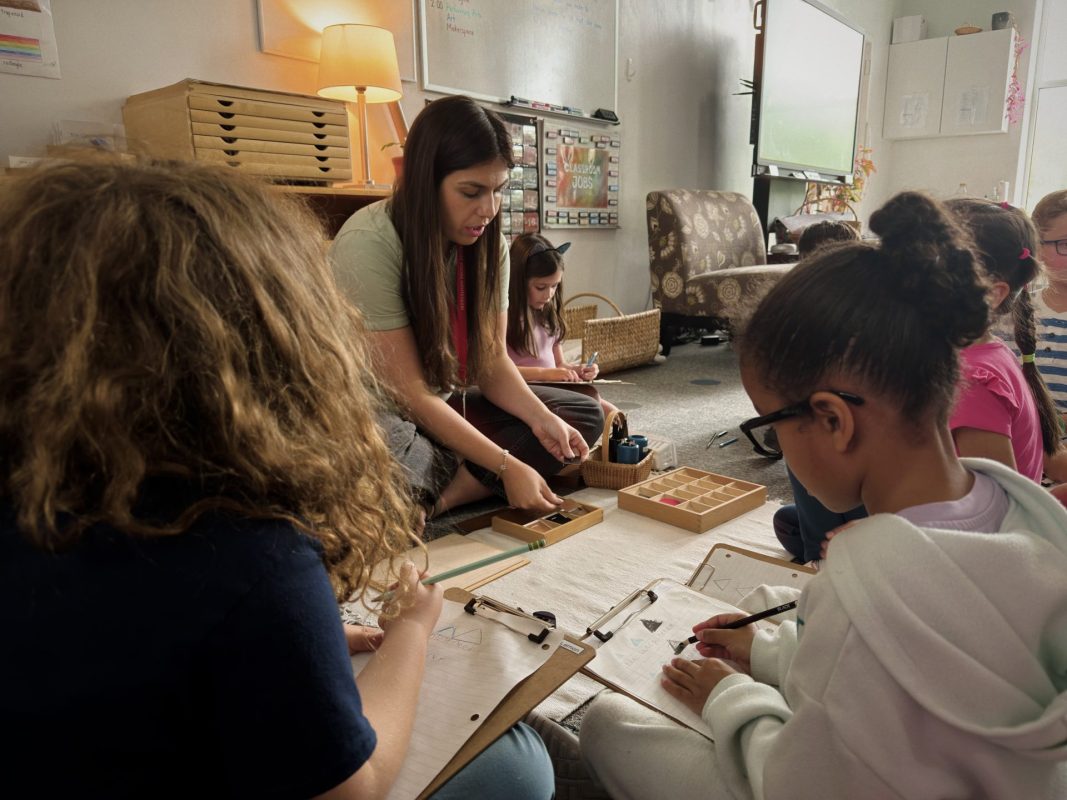
One of the many roles of the Montessori teacher is to guide children on their own individual journeys of discovery. We aren’t meant to teach in a traditional sense by imparting knowledge, but rather to guide children toward finding answers for themselves, recognizing patterns, making connections, and allowing them to come up with their own strategies. There truly is nothing better than witnessing that “aha” moment when a child lights up after making their own discovery.
The Montessori materials support this process by giving children enough sensorial experience to derive formulas, rules, and understanding from their own work. Through repeated experiences with the materials, children begin to build generalizations based on the patterns and relationships they discover for themselves.
The elementary child is naturally drawn to “big work.” Big work is work that completely absorbs the child in a large endeavor of time, space, or complexity. It may be physically large in size, deeply detailed, intellectually challenging, or all of the above! We provide the child with essential details and guidance, while we encourage them to go further and research, explore, and discover more on their own.
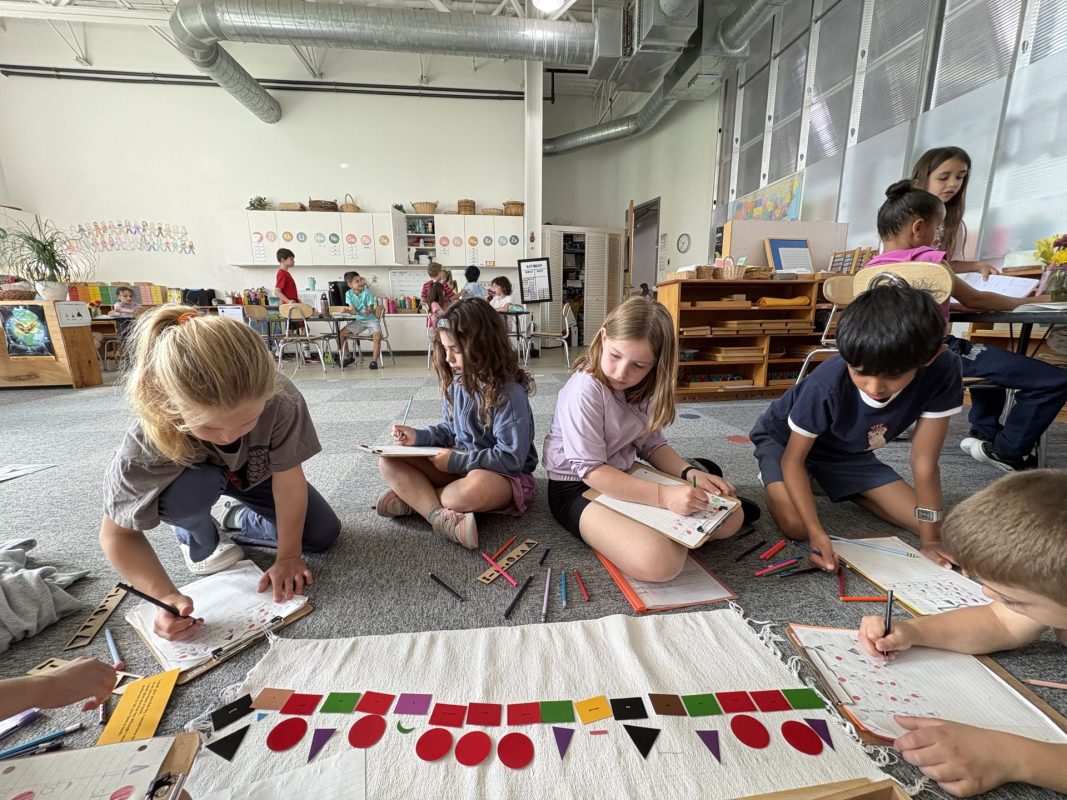
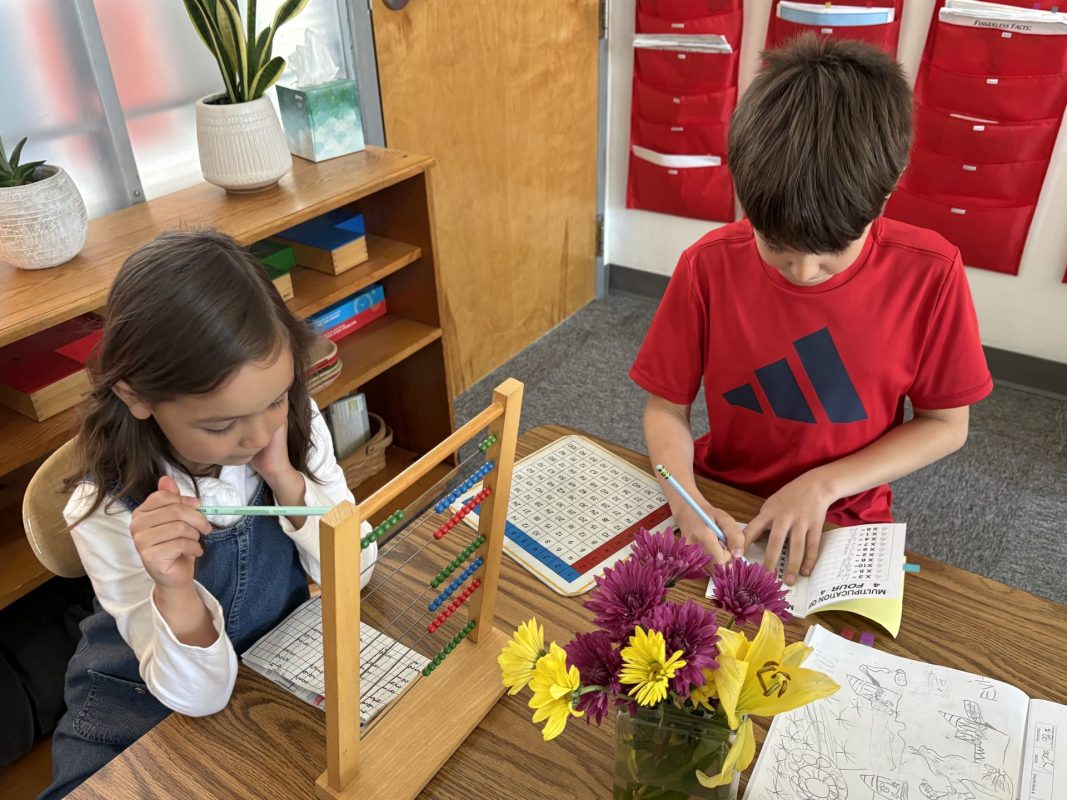
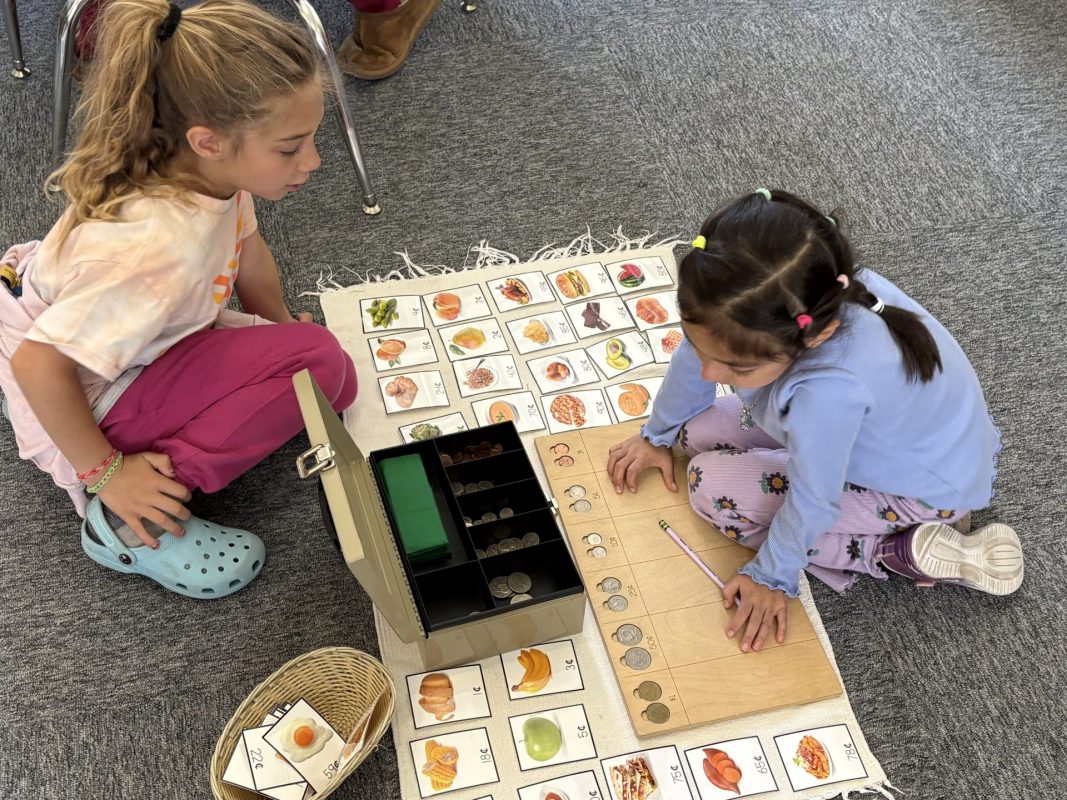
Big work can happen in any area of the curriculum; it is not limited to one subject or one type of material. It is really about the child entering into work that fully captures their attention and invites them to go further than what was initially presented. This week was filled with beautiful examples of big work unfolding naturally with math work in the classroom.
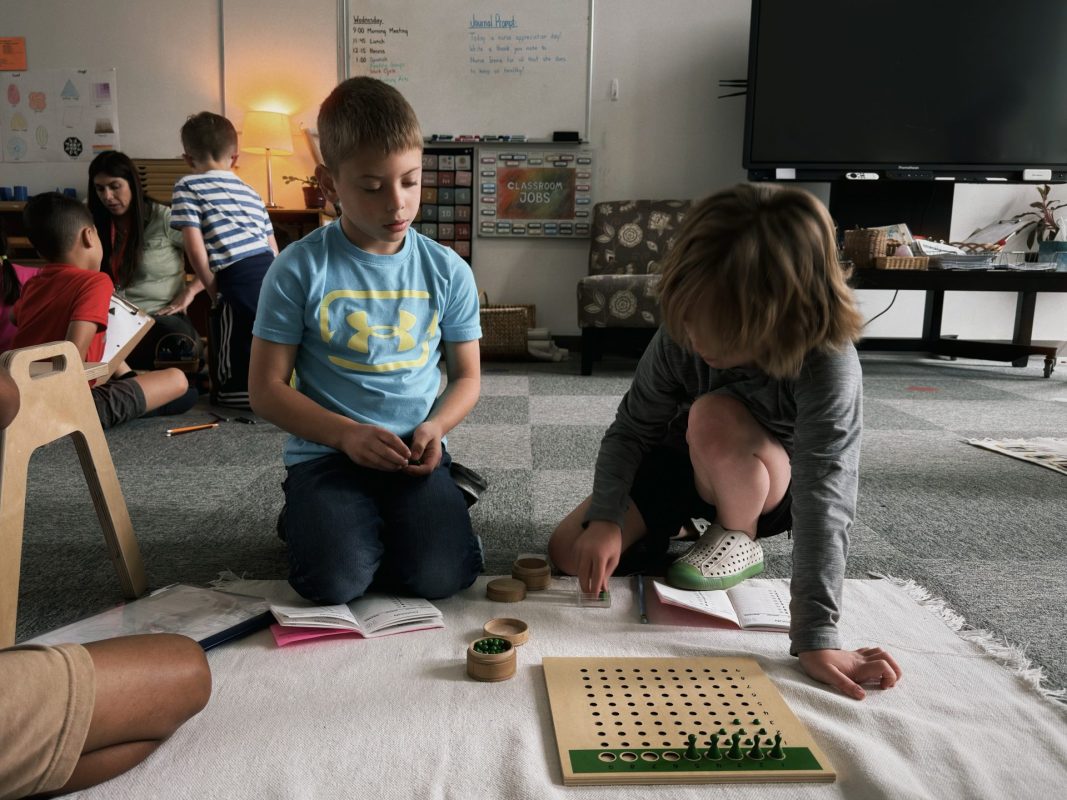
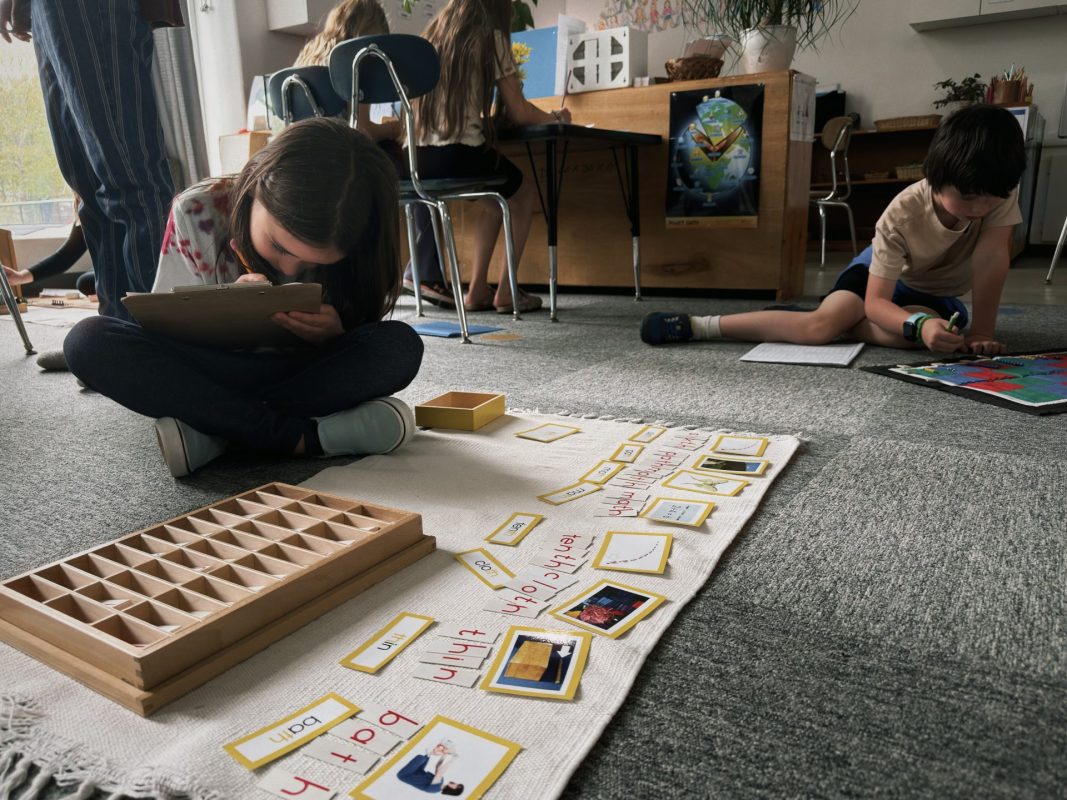
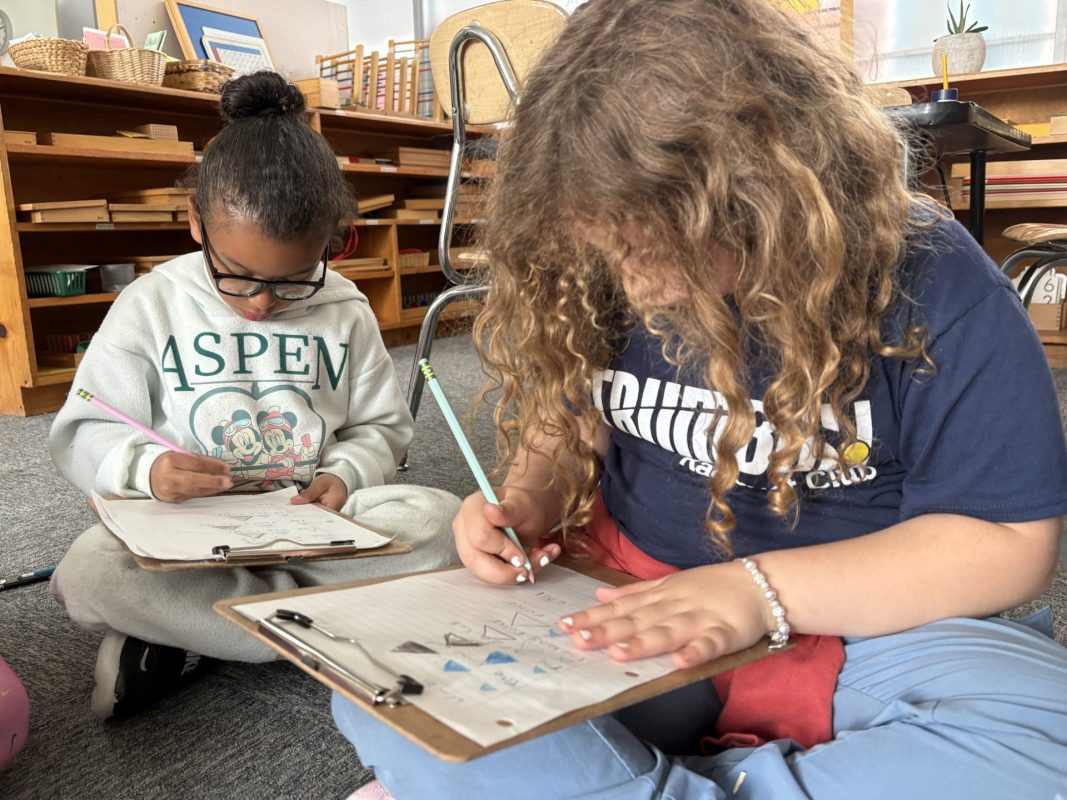
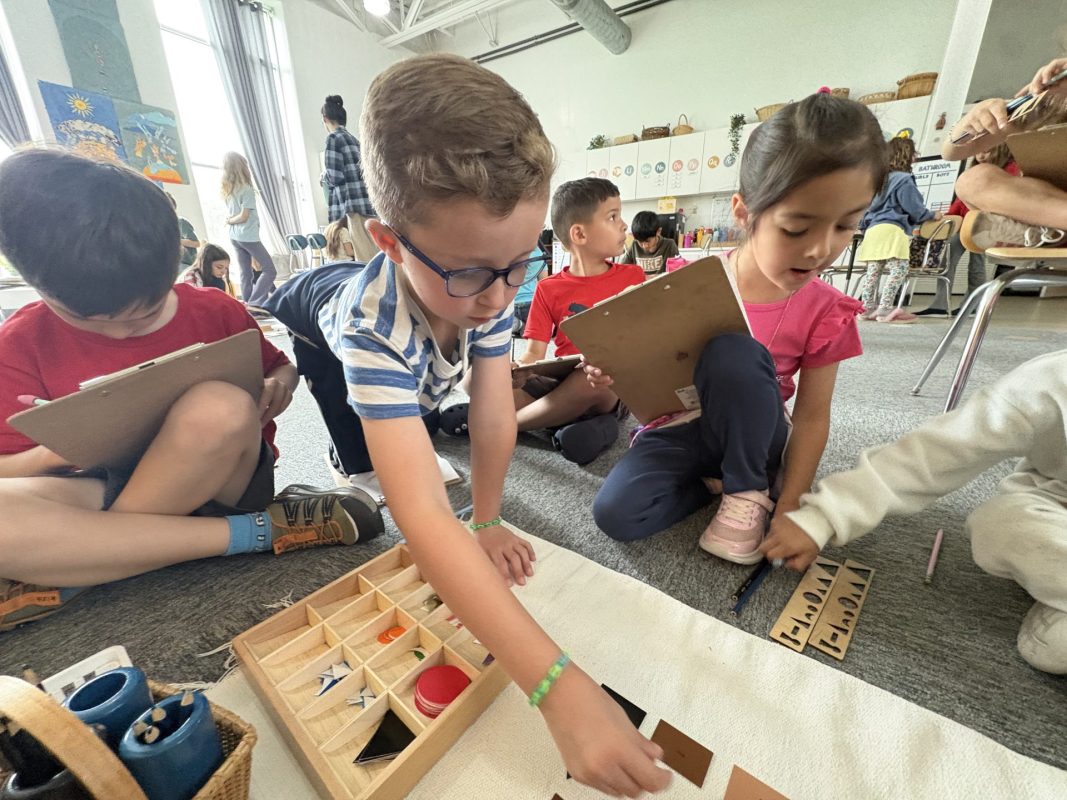
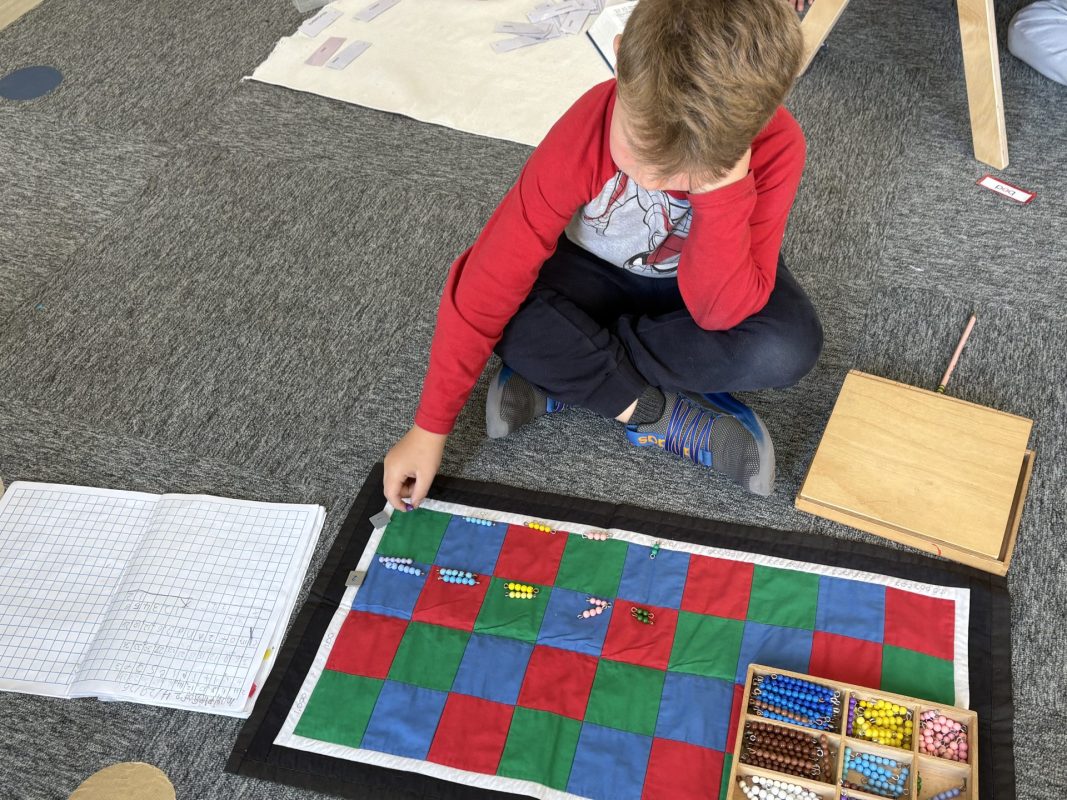
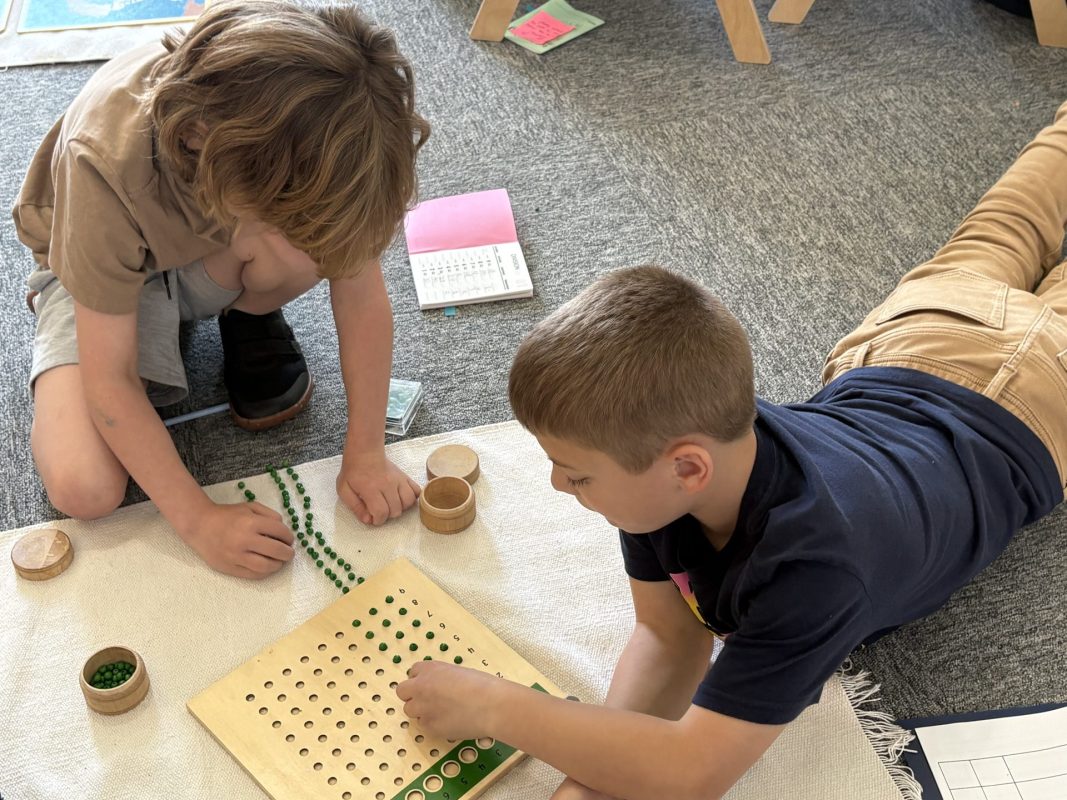
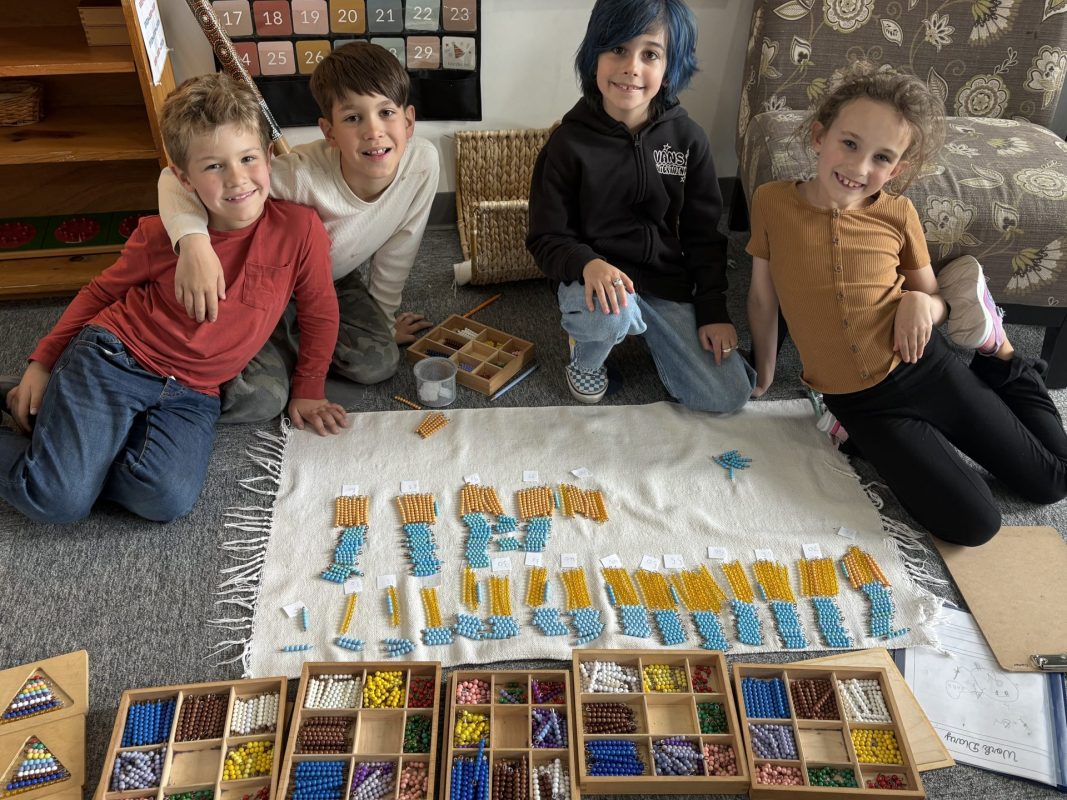
A group of children began working with multiples and quickly moved far beyond the scope of the original lesson. What started as simple follow-up work to a presentation they were recently given turned into an enormous mathematical investigation that required the children to work through every box of bead bars in our classroom. When we ran out, the children eagerly borrowed more from Upper El so they could continue the work. Their excitement only grew as new patterns emerged and they made new discoveries. The school day ended before their work did, and the children pleaded to leave the work out so they could continue discovering more multiples on Monday. Their concentration, collaboration, and pure joy in the work were a reminder that children are capable of far more than we often imagine when they are given the freedom to follow their curiosities.
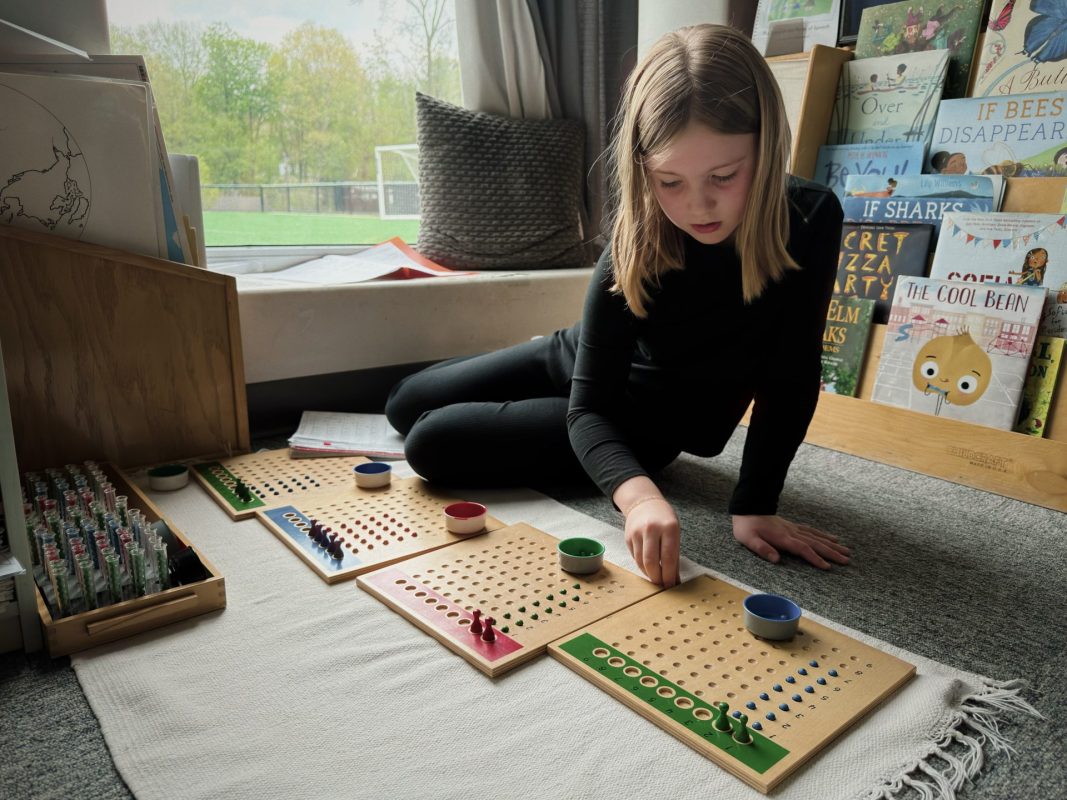
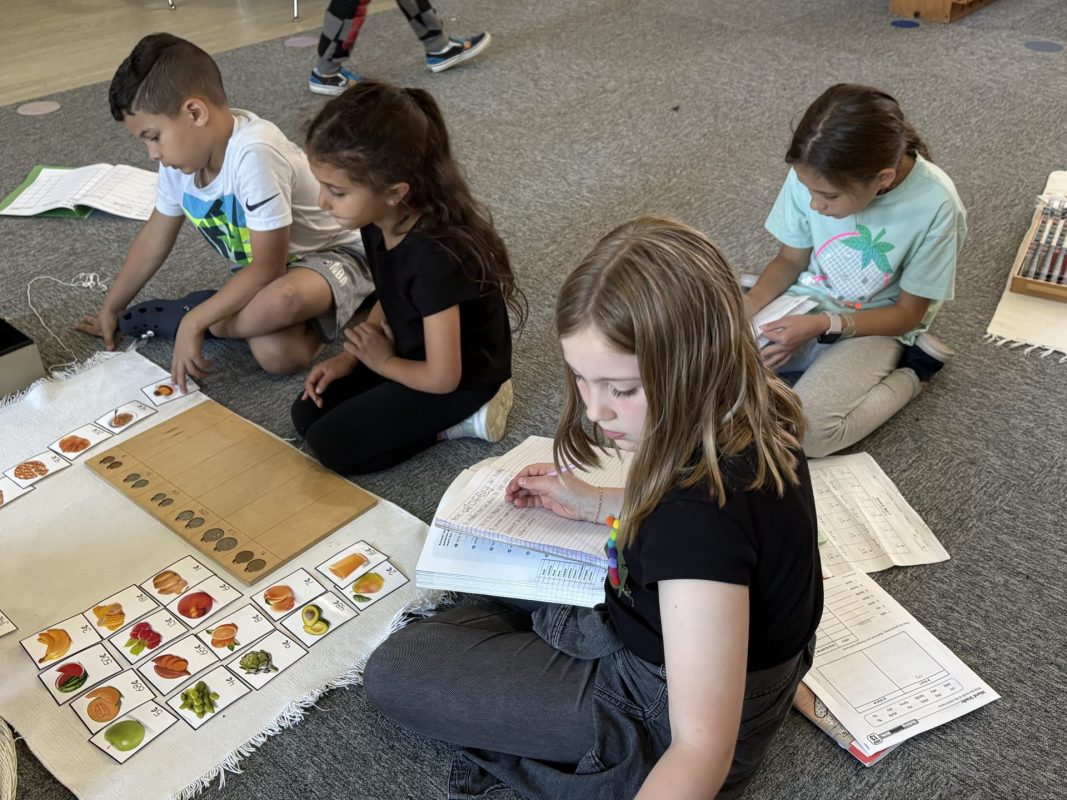
Another child experienced a similar moment while working with test tube division. After successfully working through the material as it was presented, there was a sudden pause followed by an excited realization of being able to go beyond the material. That single moment led to an entirely new exploration. The child realized they could borrow the racks and boards from other test tube division sets in order to create dividends beyond the millions and divisors greater than four digits. This was a powerful reminder of how the materials are usually far more limited than the Elementary child’s reasoning mind.
In the beginning stages of working with a material, we often need to support the child in creating equations or problems that are appropriate for their level of understanding. However, once a child has developed a solid understanding and a strong level of independence with the material, it becomes important to step back and allow them to create their own problems. This is often when the most meaningful learning happens. This allows the child to take greater ownership of their work and a much deeper connection to it.
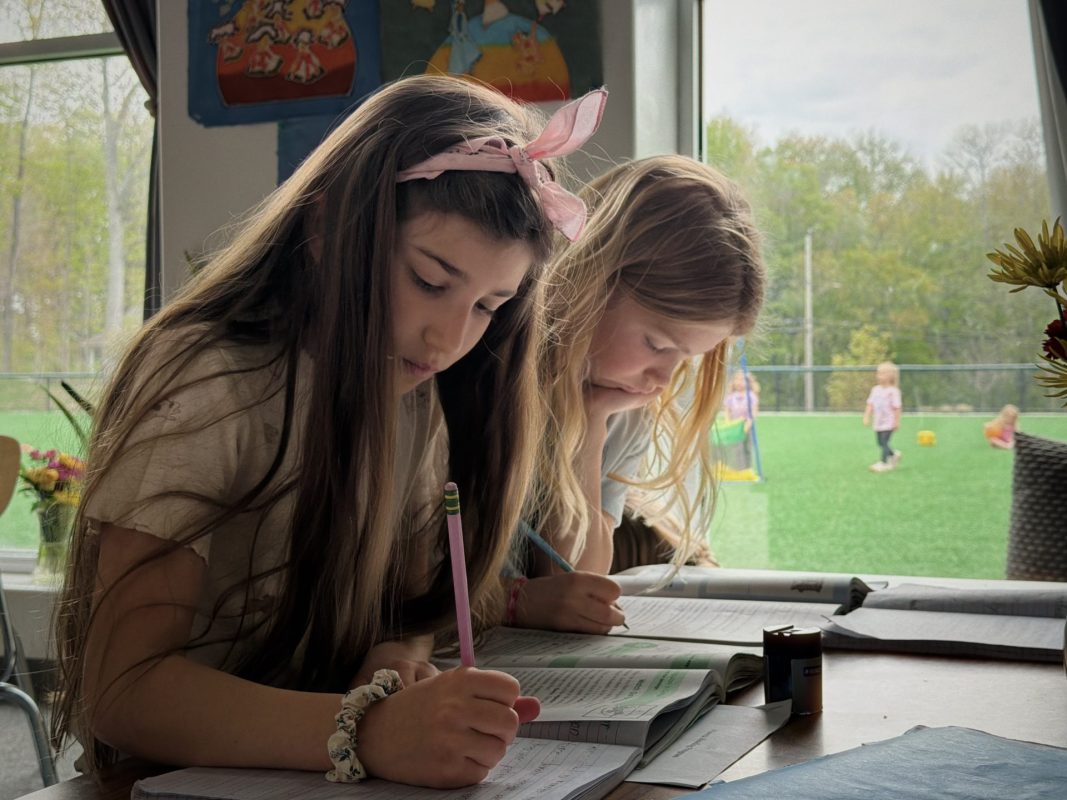
It is common for elementary children to create elaborate work and extensive mathematical equations that are far beyond what an adult may have assigned. To the second plane child, the bigger the work, the better. When work comes from their own interests and ideas, they take a much greater sense of ownership in it. They are more invested, more connected, and more motivated to see the work through to completion.
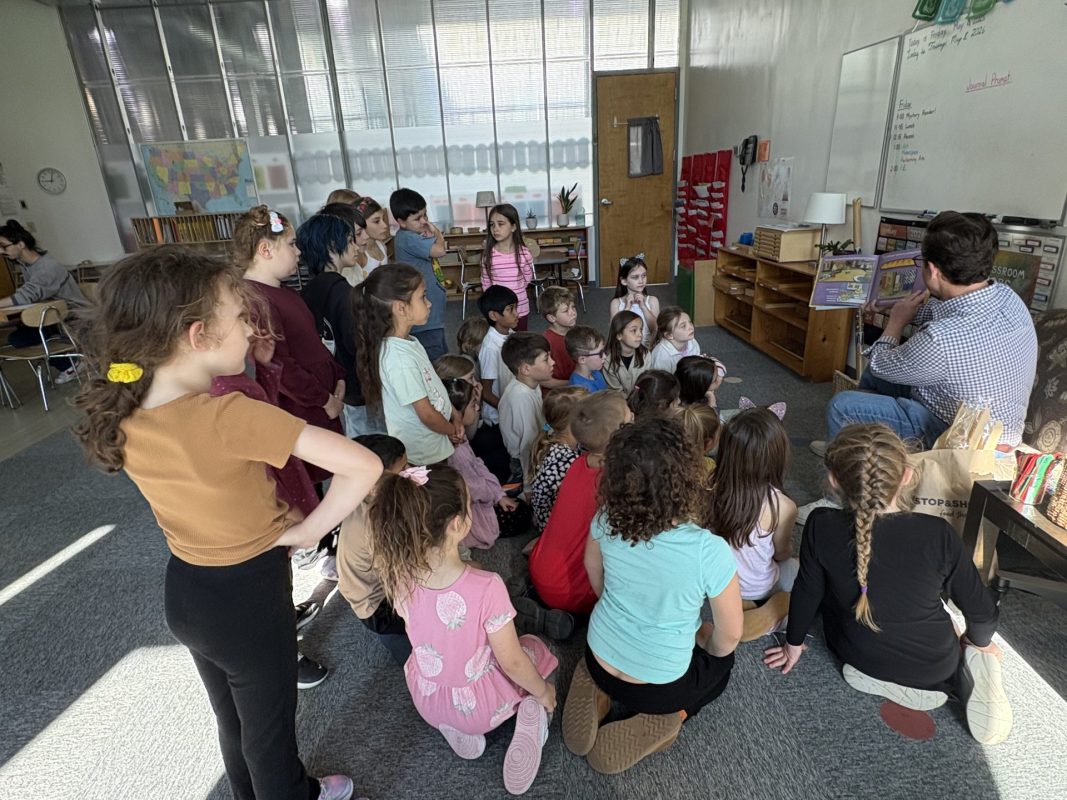
This self-directed approach to learning, paired with thoughtful guidance from the adult, is at the heart of the Montessori elementary environment. While our role is to ensure balance across subject areas and support children in meeting academic expectations, it is essential to protect the child’s freedom to engage deeply in meaningful work. Within this balance, children develop independence, confidence, concentration, and a genuine love of learning.