Blog

Lower Elementary- Class Meetings

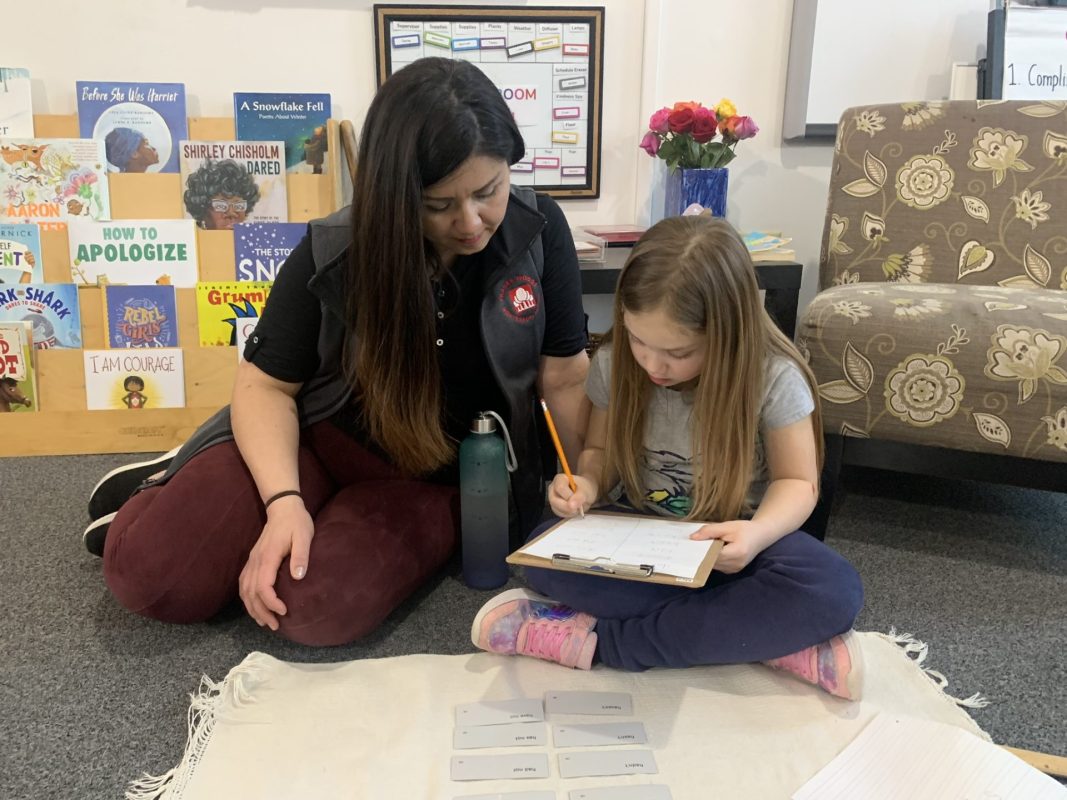
This week we implemented a new tool in our classroom called class meetings. The purpose of class meetings is to identify problems brought up by the children and brainstorm solutions as a community to fix the issue moving forward. When children feel involved in brainstorming and creating solutions, they are more likely to follow them. Below I listed some more details.

  • Our class meetings will take place 2-3 times per week.
  • There are jobs during Class Meetings:
    • Facilitator (I do this): Keeps the meeting on track, moves the meeting along, facilitates respectful sharing
    • Time Keeper (child’s job): Keeps track of the timing of each meeting segment and lets us know when the time is up
    • Scribe (I do this): Records the brainstormed suggestions of the class on chart paper
    • Secretary (child’s job): Records the problem and solutions in a notebook which is a permanent record of the meetings and is accessible to all students, anytime
  • There are four sections to the Class Meeting:
    • Compliments and Appreciations: This is a five to eight-minute opening where each person can give and receive a compliment or a thank you.
    • Review of a past agenda item: The secretary reads one problem and solution from a previous meeting with a quick discussion to review how it’s going.
    • Brainstorming: The person who added the agenda item being discussed shares it, and we take turns brainstorming solutions. After the brainstorming, we vote (if it’s a class problem), or the person who shared the item chooses a solution (if it’s not a whole-class issue).
    • Connection Activity: This is a fun closing where we share jokes, riddles, or two-minute mysteries.


Middle School: Week in Review

Happy first Friday of March! What a great week it has been!

Humanities

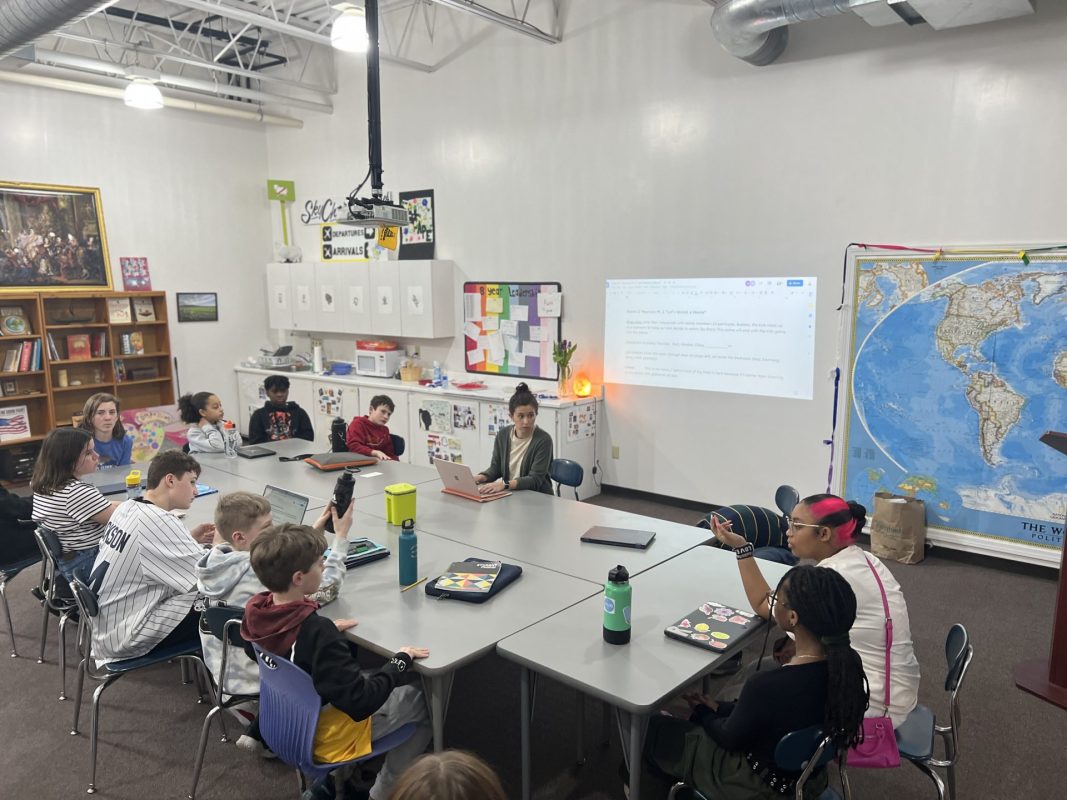
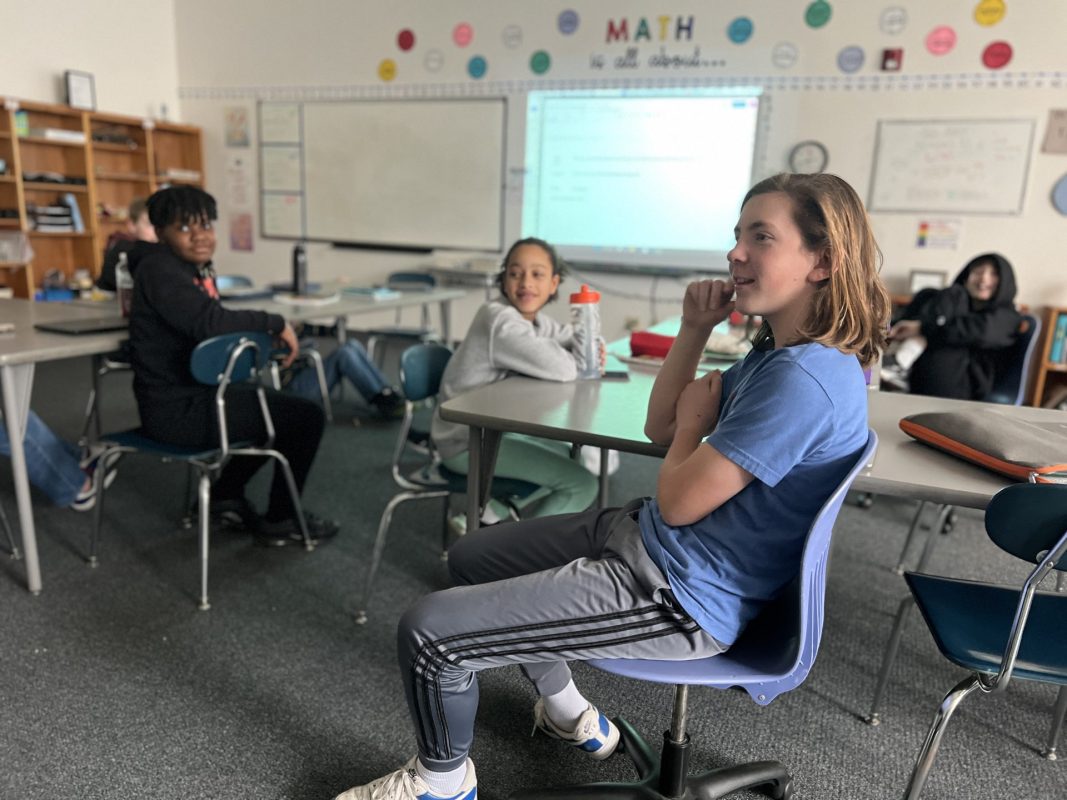
This week’s humanities classes consisted of plot development, character development, and scene writing for the middle school play they are calling “The Movie Play” for now. Students reviewed important elements of the plot structure that need to be included and are learning how to translate that into dialogue. It is exciting watching it all come together and knowing that in another week, students will have composed a play!

Math

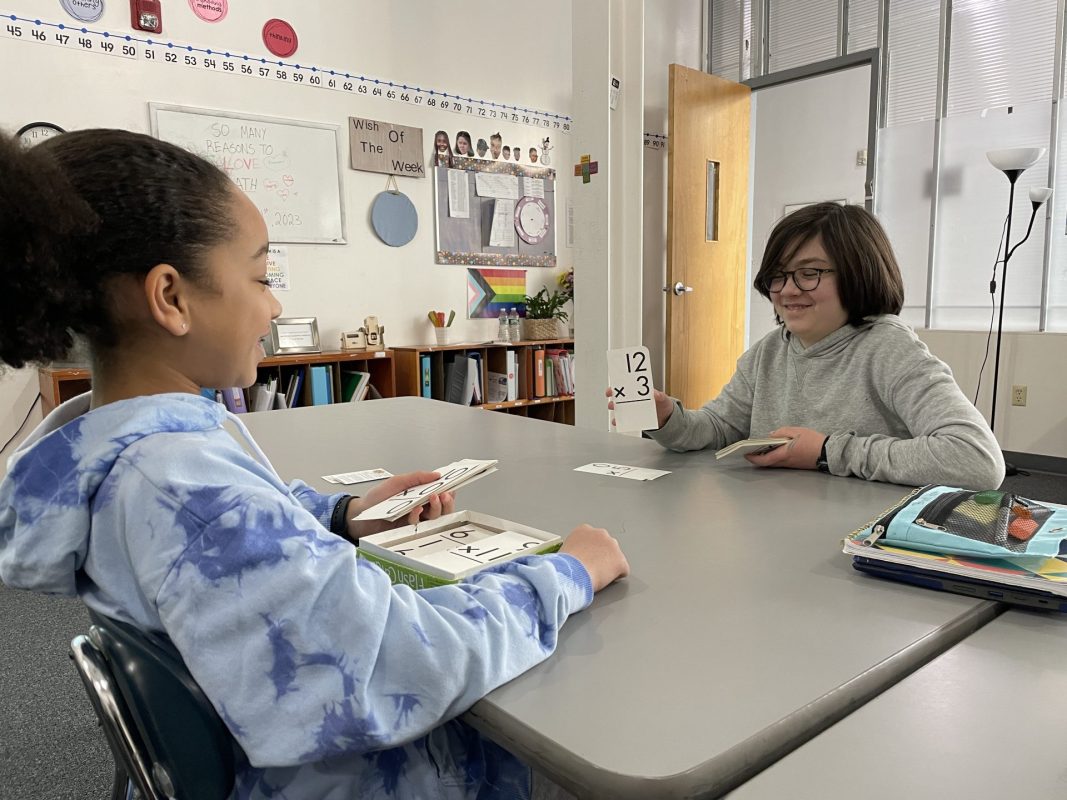
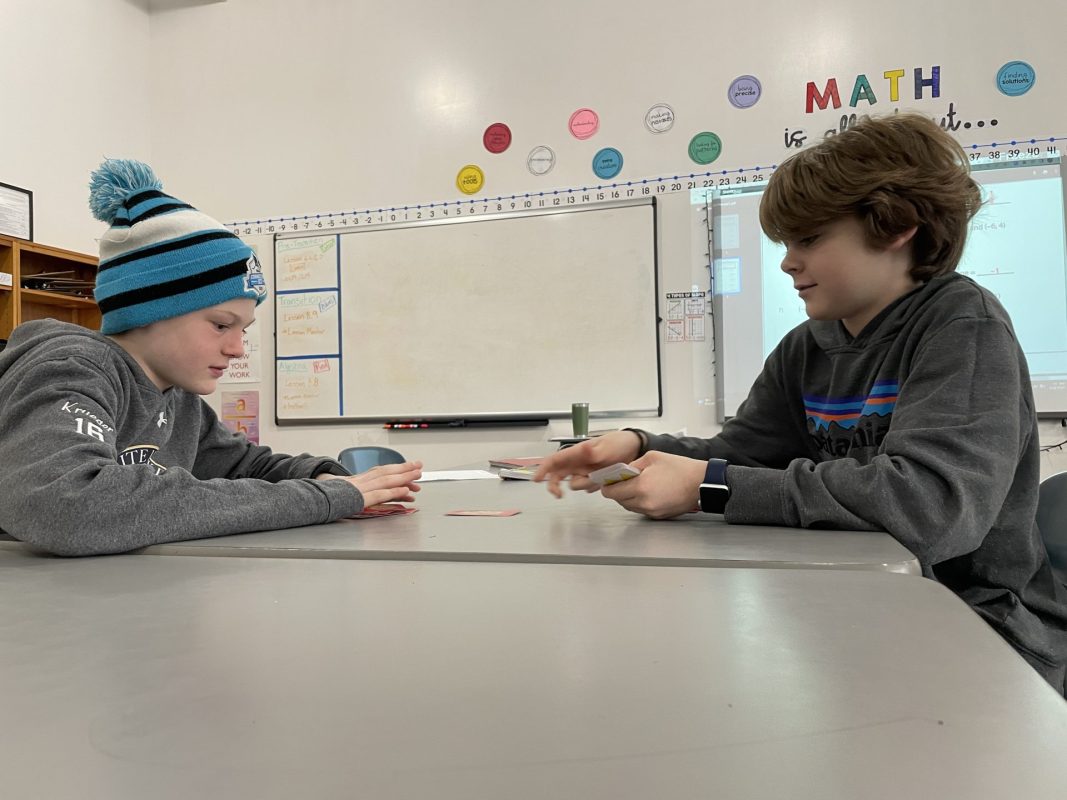
In the Pre-Transition math class, students concluded their learning of Chapter 6 this week and are studying for their Unit Test, which is scheduled for Tuesday, March 7th. The class reviewed multiplying mixed fractions and operations with negative numbers. This class has a complete understanding of multiplying decimals, using order of operations, and expanding the power notation of a value.
In the Transition math class, all students started exploring new ideas in Chapter 7, Multiplication in Geometry. This class learned how to use the distributive property, find the area of a variety of shapes, and how to draw an array to represent multiplication pictorially.
In the Algebra math class, students began investigating quadratic equations and functions. This class can graph an equation with a degree of 2 and explain the parabola’s vertex, intercepts, and orientation. Next week, students will learn about the quadratic formula and practice graphing their functions without Desmos.
As a reminder, Pi Day is officially Tuesday, March 14th, so get your Pi Math Jokes ready! 
What is a math teacher’s favorite dessert?…… Pi
There will be no Math homework assigned over the Spring Break vacation. However, Ms. Sutherland highly recommends students take a few moments to review trimester 1/2 key concepts before returning to classes. Our next regular math classes are scheduled for after immersion week.
Science

6th-year Earth Science students have continued working on designing both their hydroelectric and wind turbines for their unit, Natural Resources. Once each turbine has been 3-D printed, they will test the efficiency of each design in class. The next unit will be Earth, Sun, and Moon Systems. The first concept students will explore within this unit will be Tides. The objective of this concept is for students to be able to explain what tides are, what causes high and low tides, describe the difference between high and low tides, and explain the relationship between the sun, moon, and Earth concerning tides.
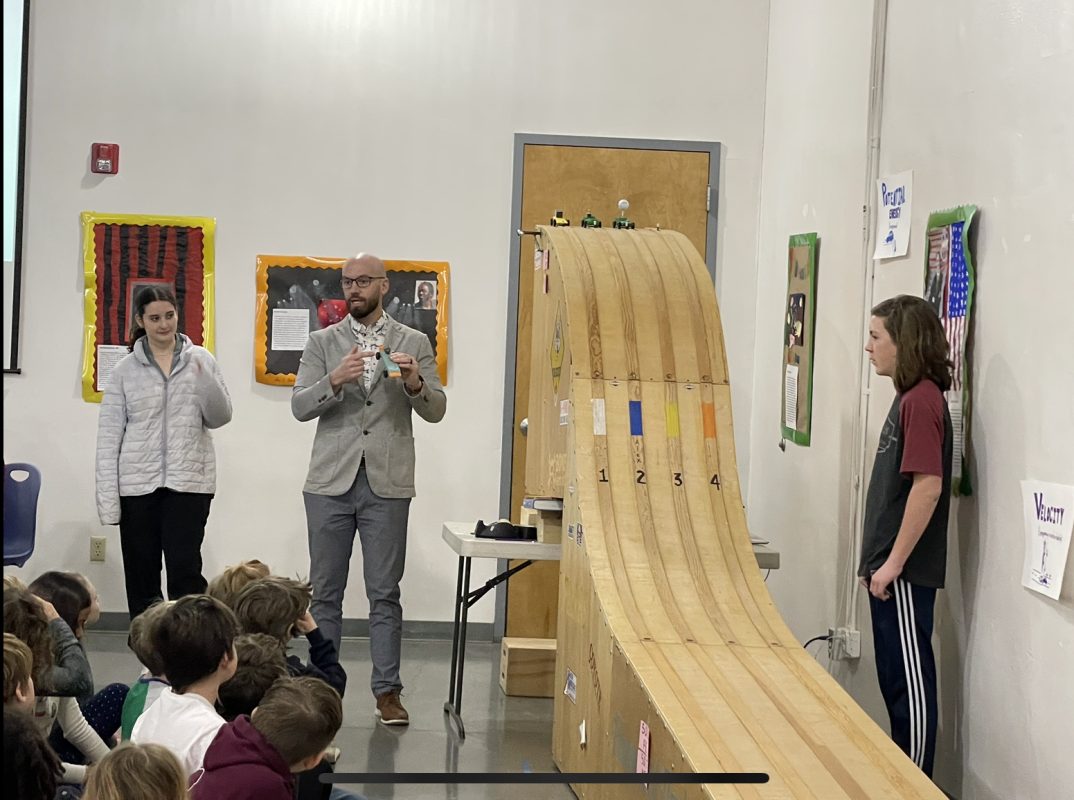
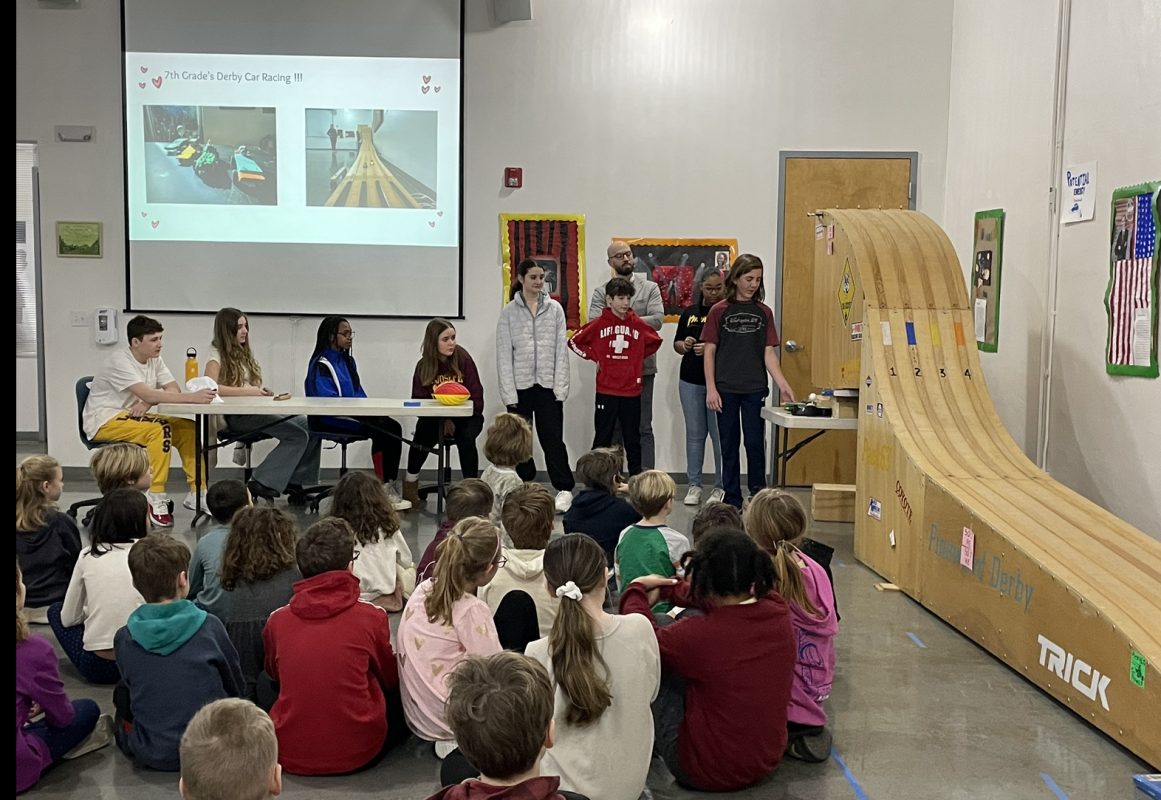
7th-year Physical Science students finished constructing their Pinewood Derby cars for their Kinetic and Potential Energy unit. Students did an excellent job designing, building, assessing, and redesigning their cars. In addition, during this week’s Middle School News, students could explain and demonstrate to the Upper and Lower Elementary students the kinetic and potential energy principles applied in constructing their car.
8th year Life Science students finished their unit, Influencing Inheritance. The next unit to be introduced will be, Genes. By the end of the lesson, students should be able to explain the purpose and function of a gene, how genes are organized within DNA,  the relationship between genotypes and phenotypes, and describe and compare the effects of genetics and environment on an organism’s characteristics.
Have a great weekend!

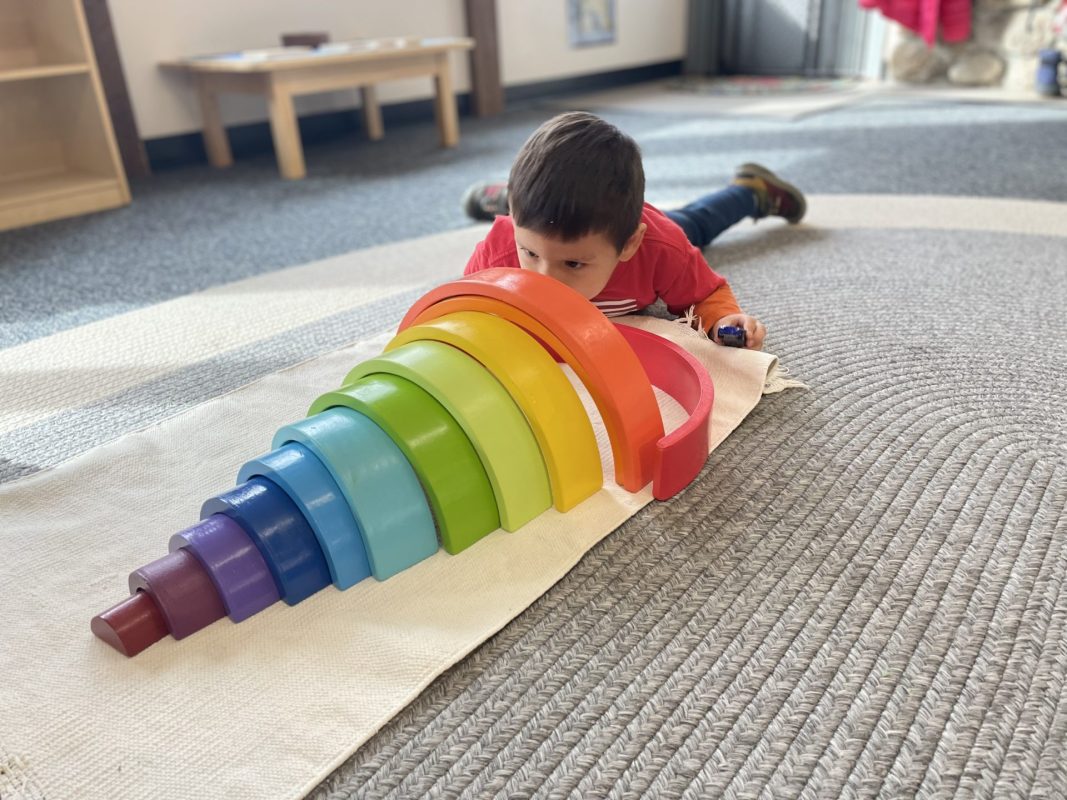
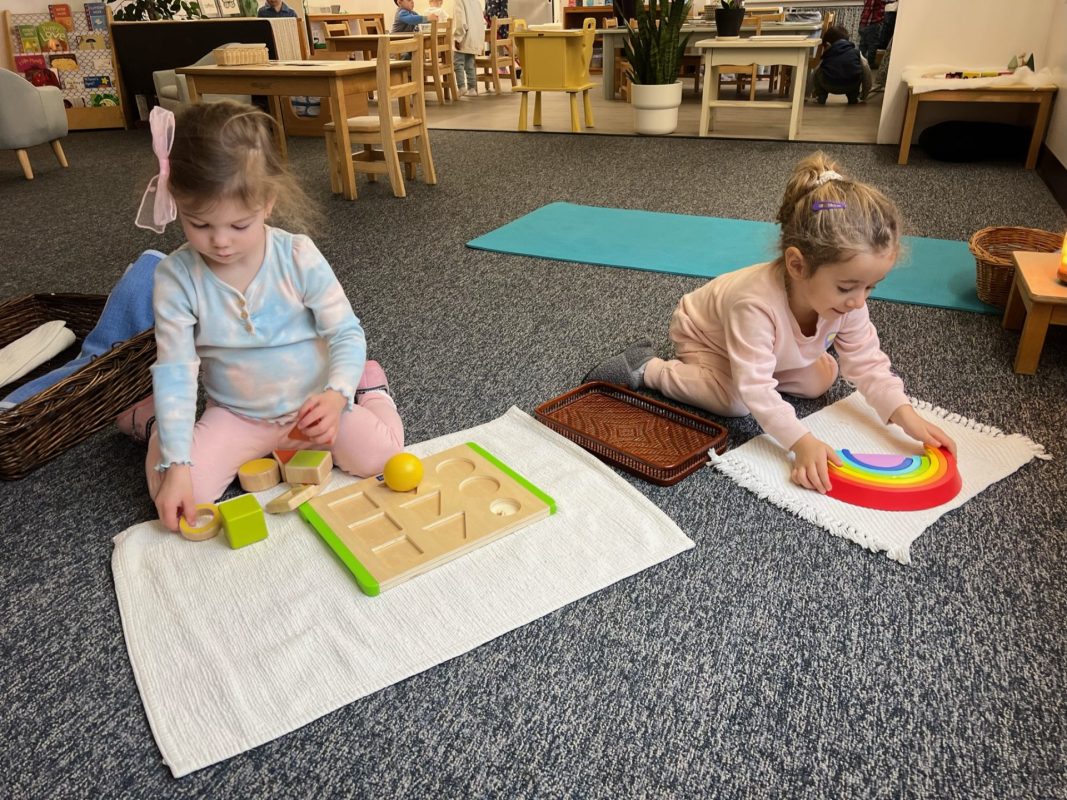
Mrs. Hood’s: Exploring the Rainbow!

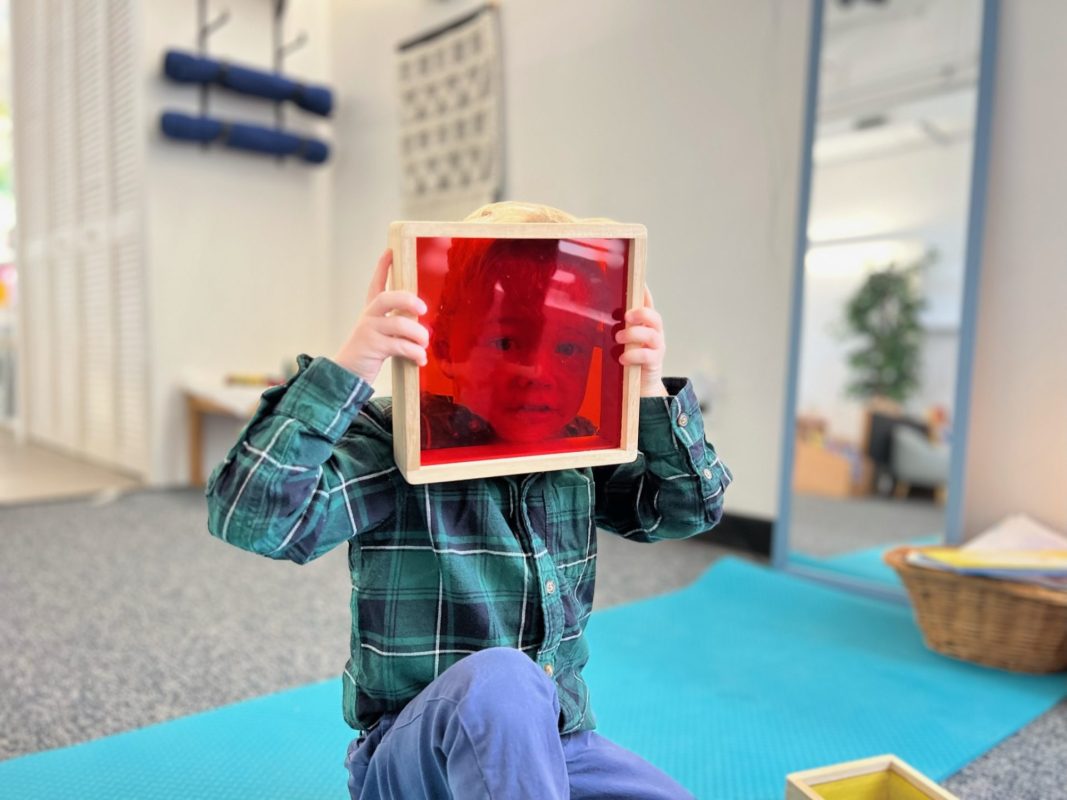
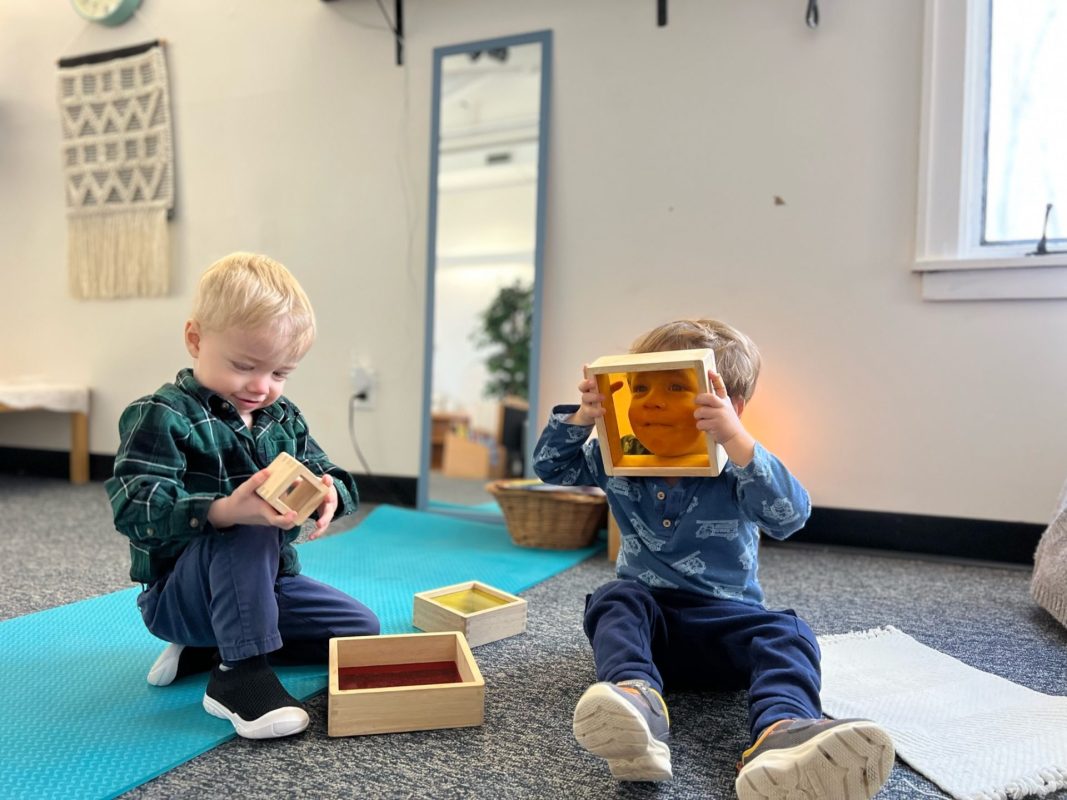
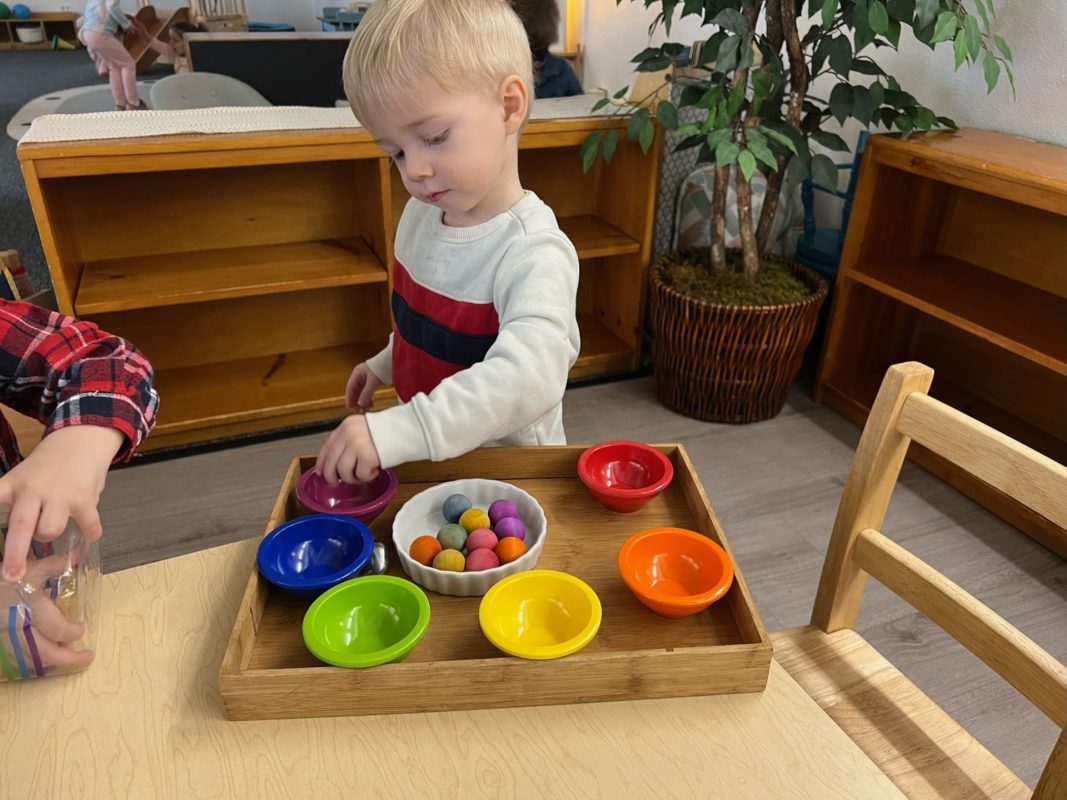
Color recognition can provide children with essential learning tools in life. For example, color recognition is used in mathematics to categorize, sort, compare, and organize. Additionally, as children learn to identify colors and use color as a language tool to describe things, it develops and strengthens their ability to communicate effectively. Recognizing and identifying the color names is important to a child’s development. It is considered a marker and milestone in a child’s cognitive process.

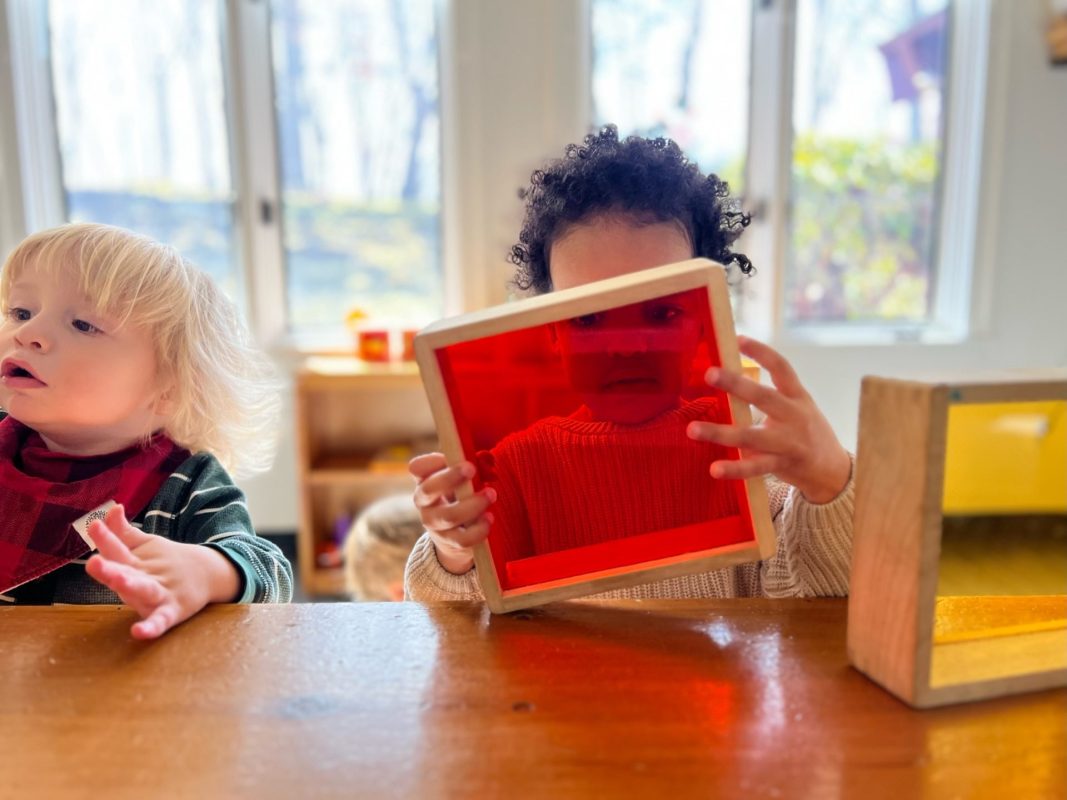
Colors are part of our daily lessons throughout the school year when using the different materials, games, books, songs, and activities in our environment. However, during the next weeks, we will purposely focus on studying the colors of the rainbow.

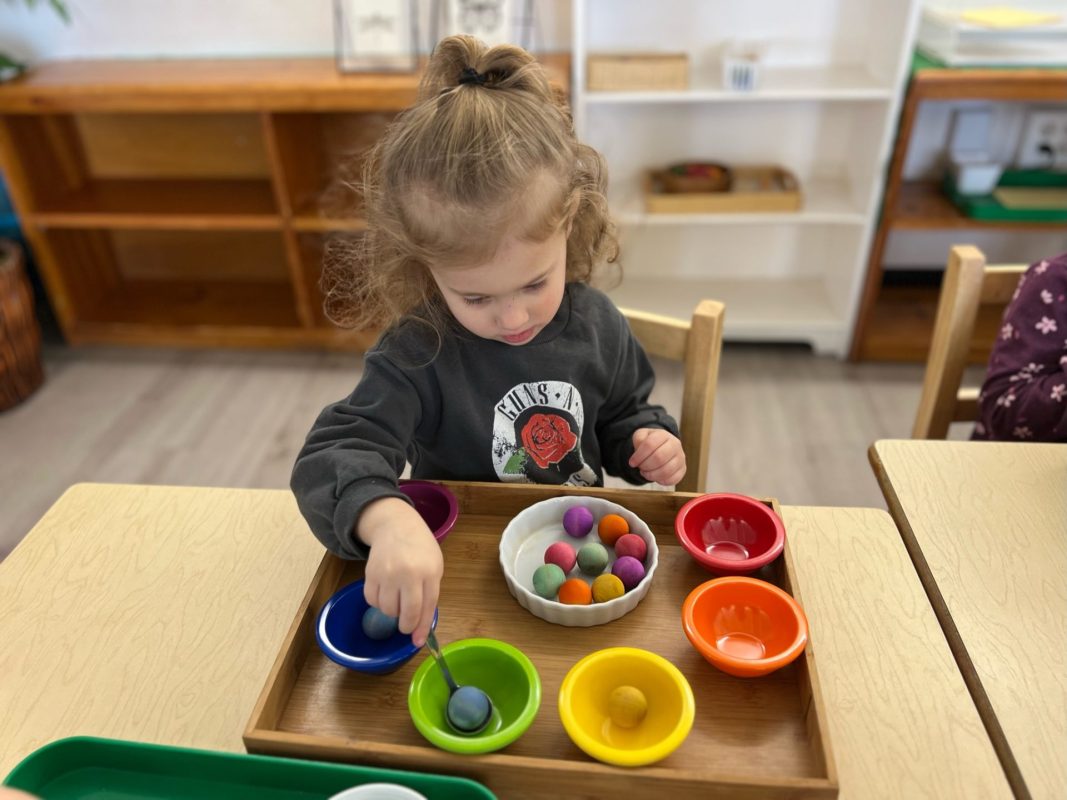
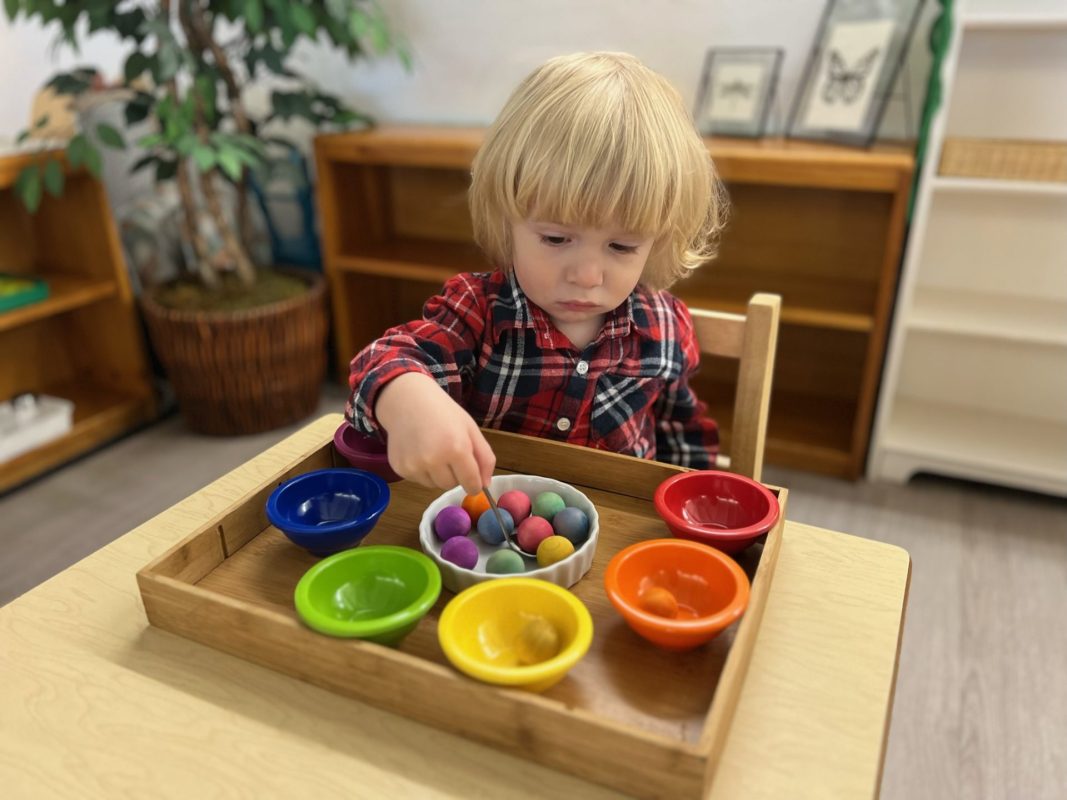
As introductory activities this week, we used a lot of verbal communication, sorting, and small group games. Verbal communication is a great way to teach the children about colors as we give them some vocabulary for starting to describe the world around them. With our youngest, we focused on the primary colors, and with our oldest, we worked on recognizing and identifying secondary colors and their light and dark shades.

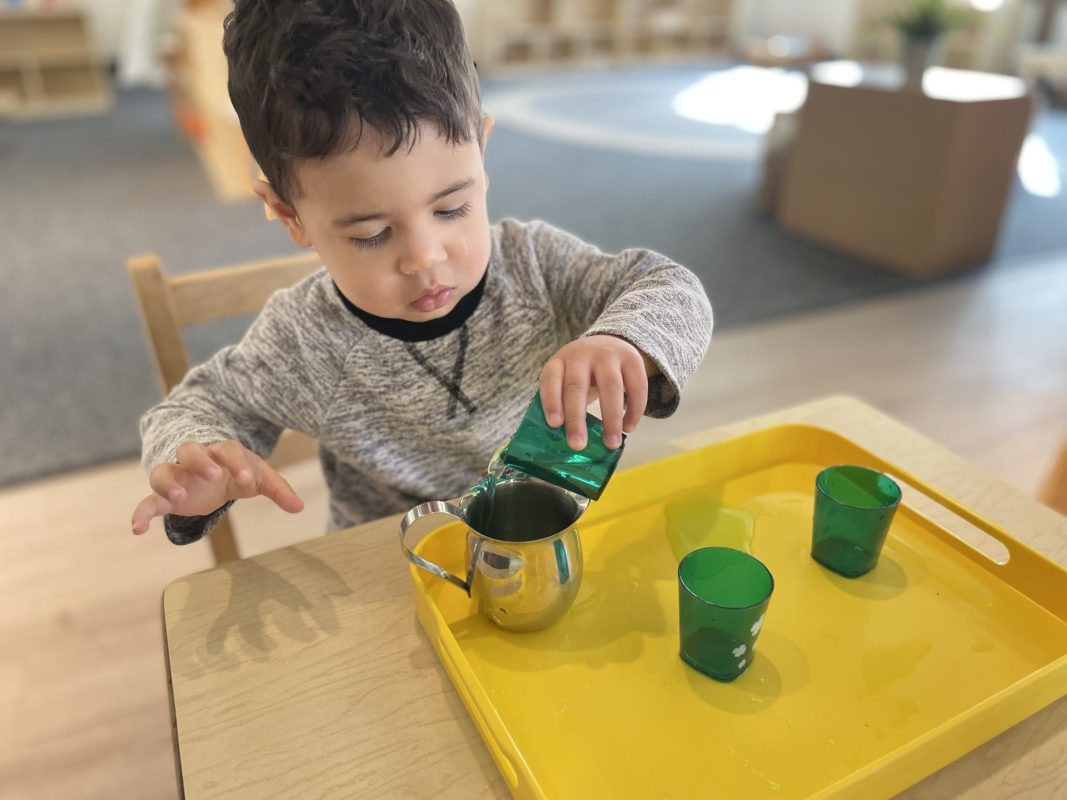
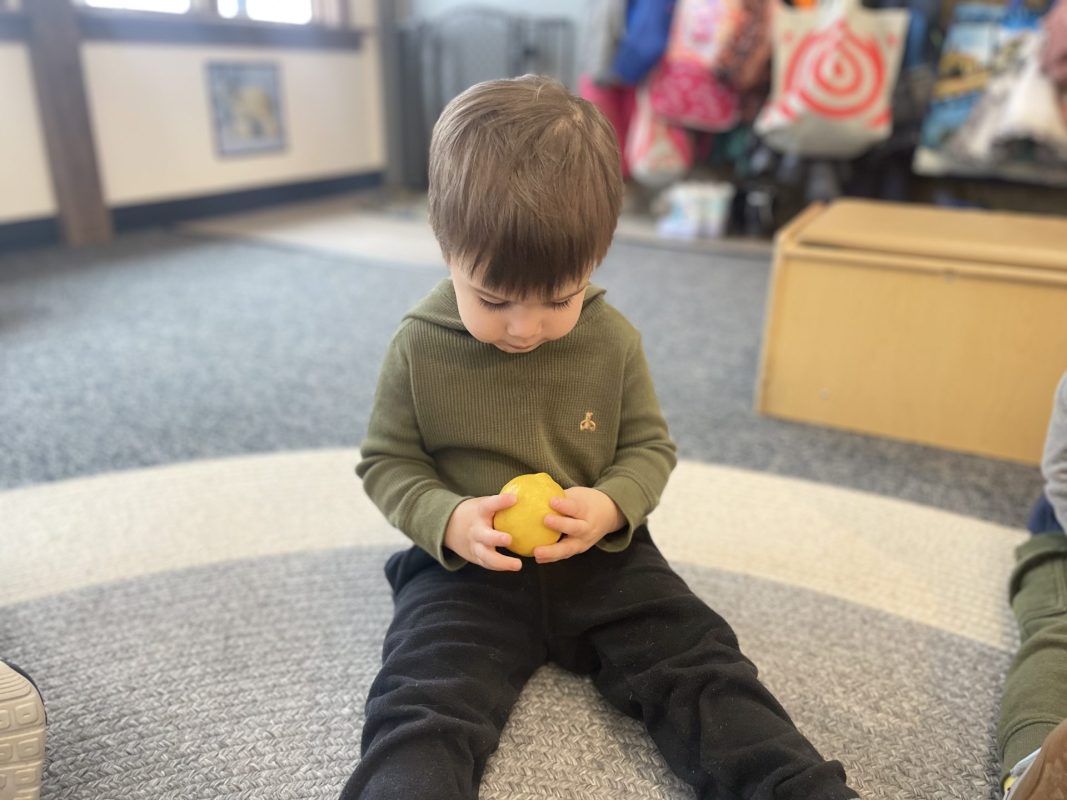
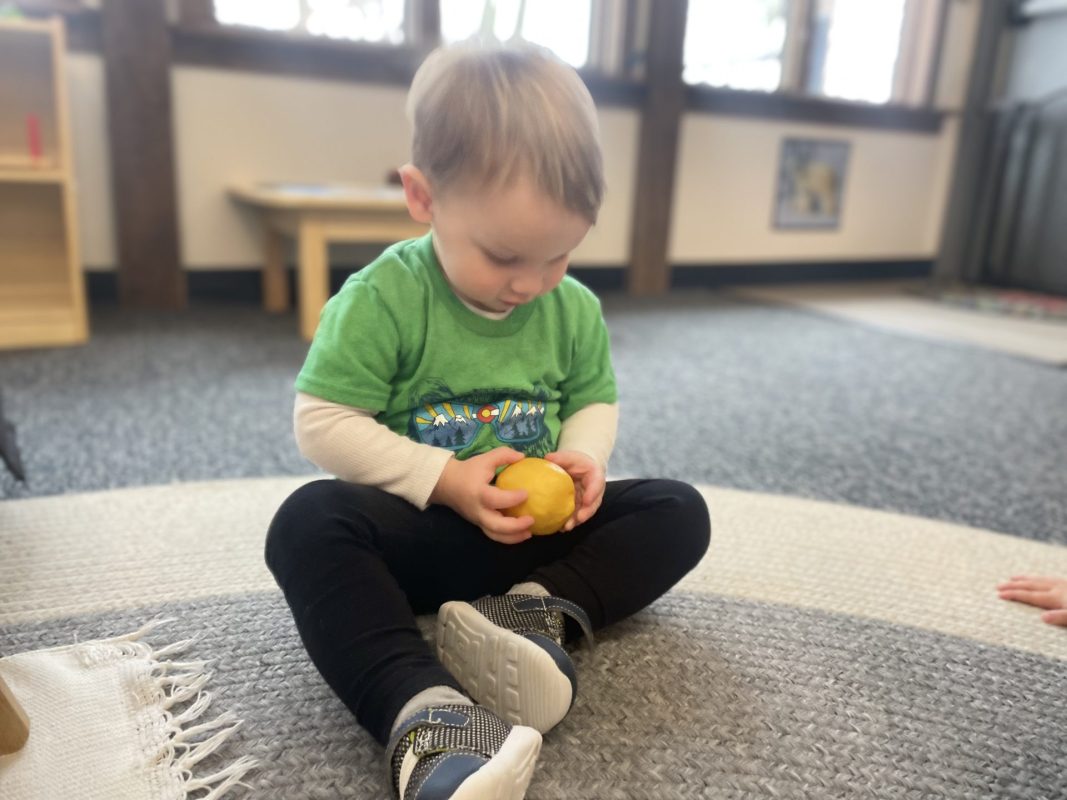
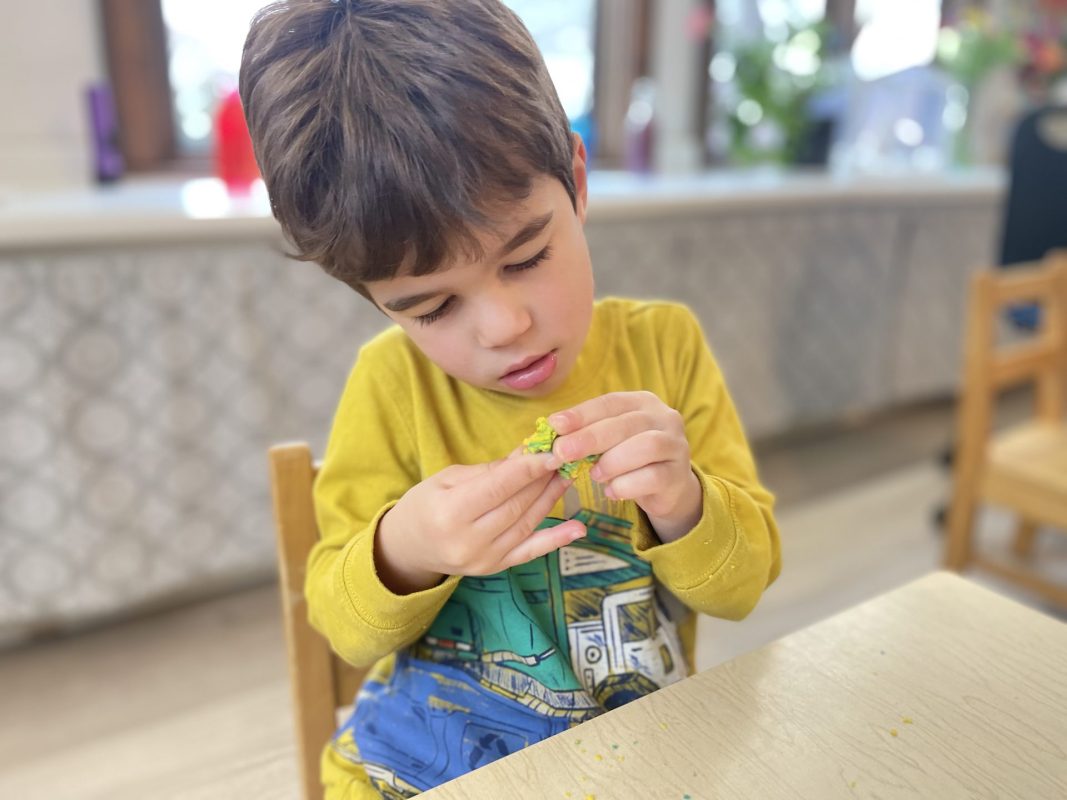
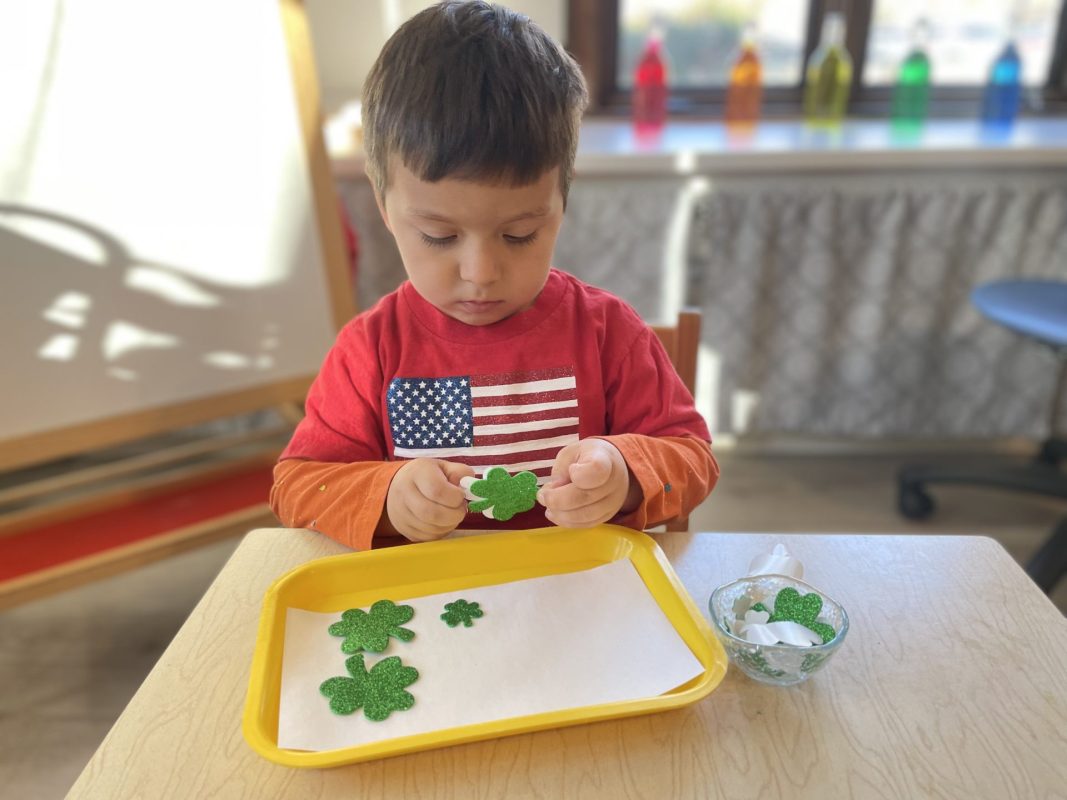
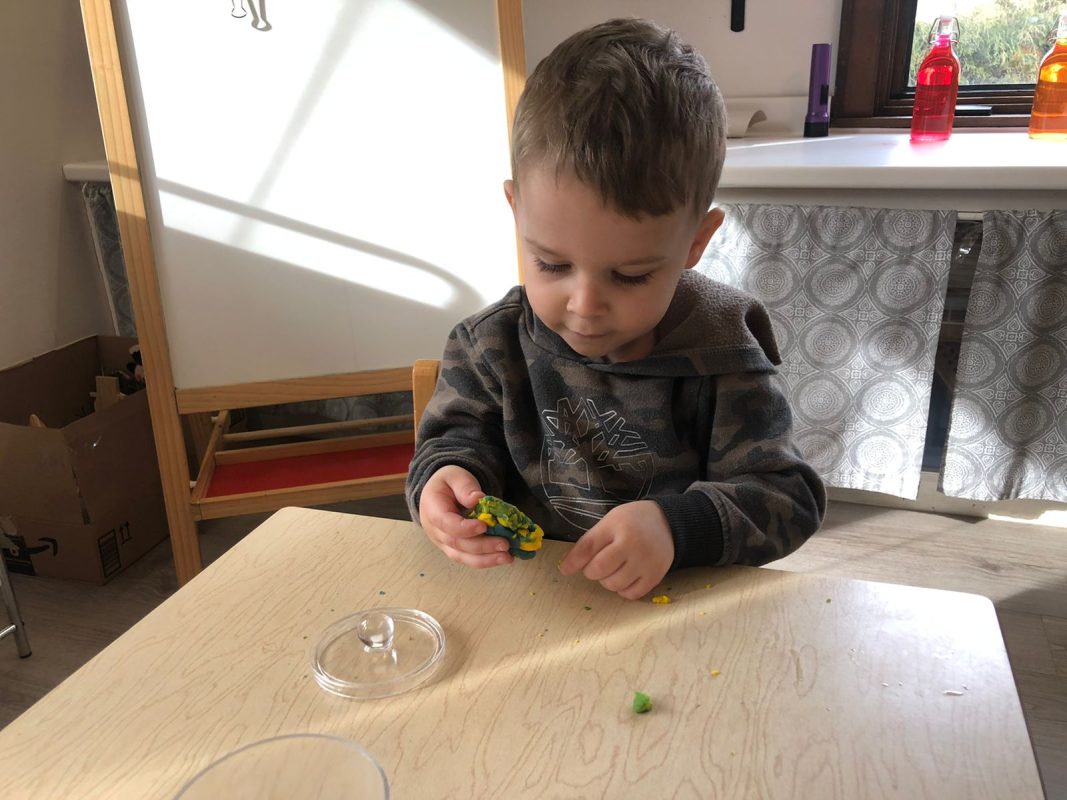
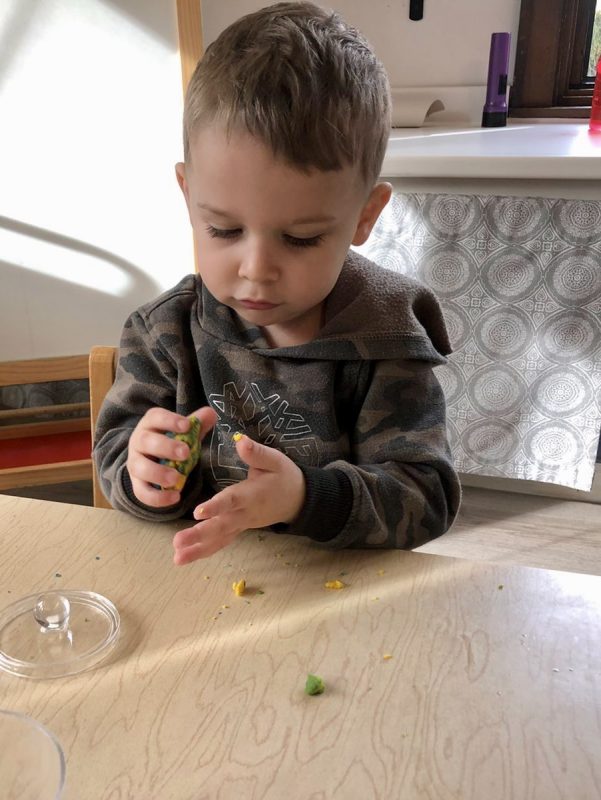
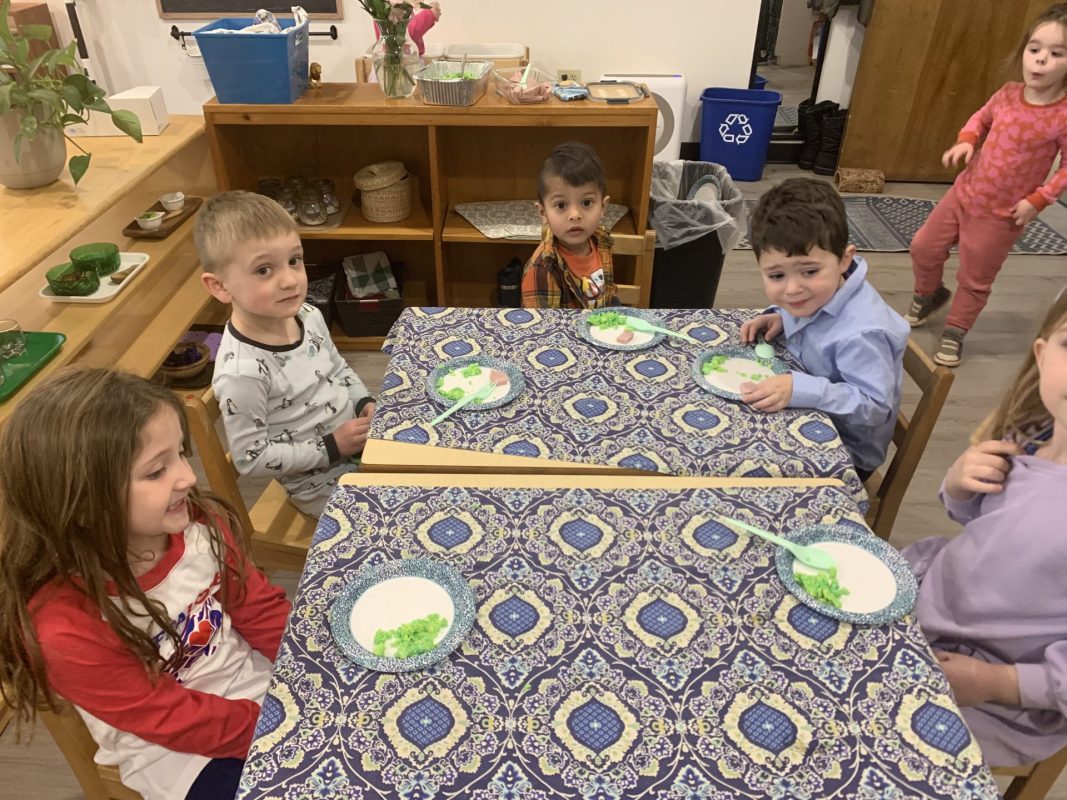
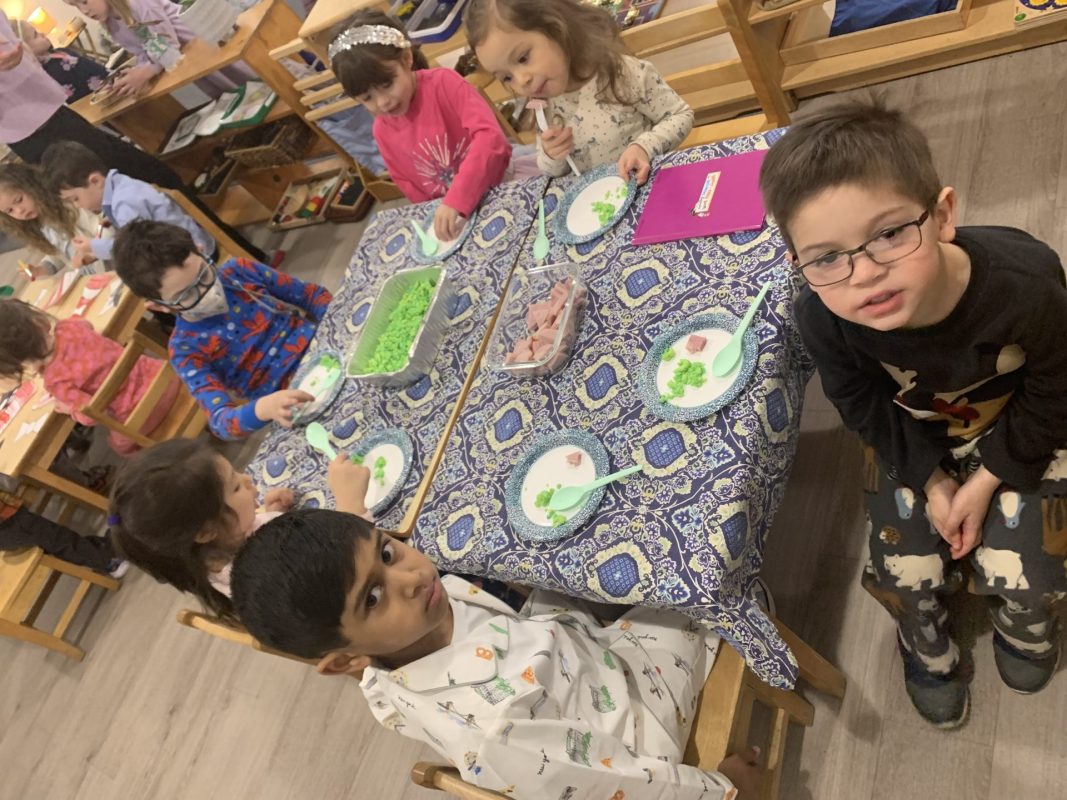
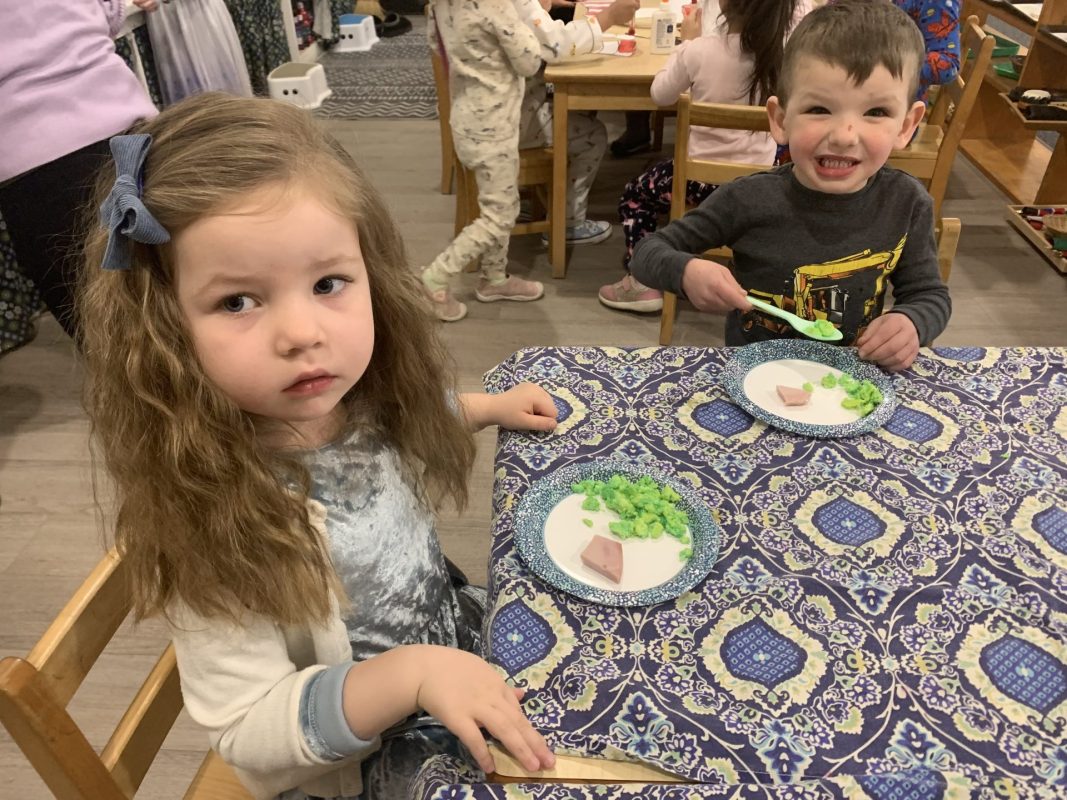
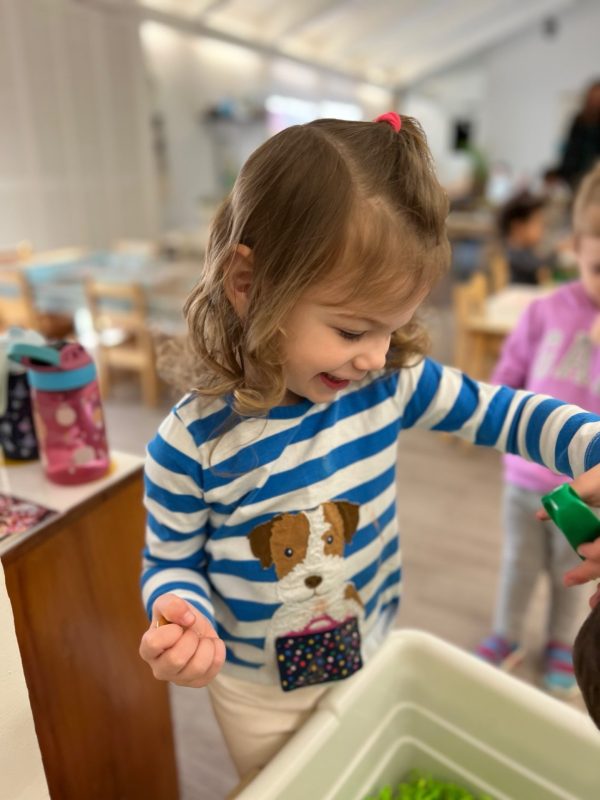
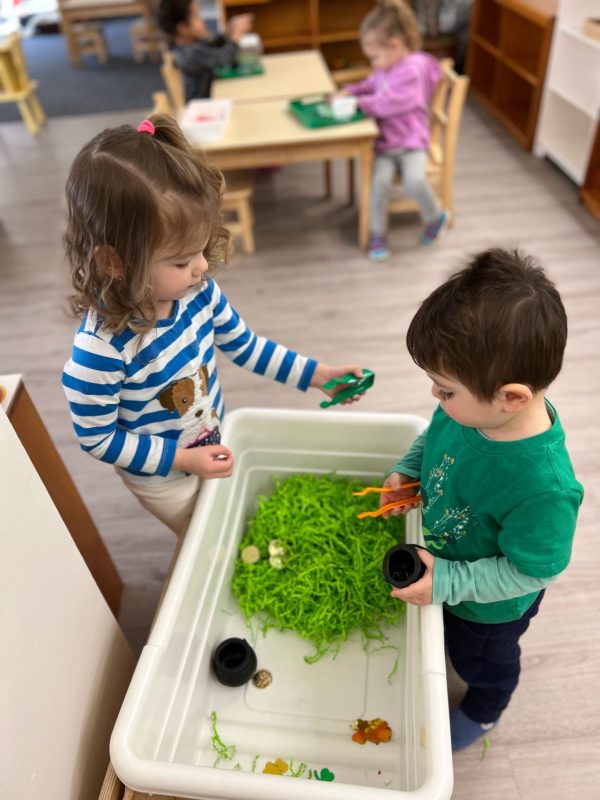
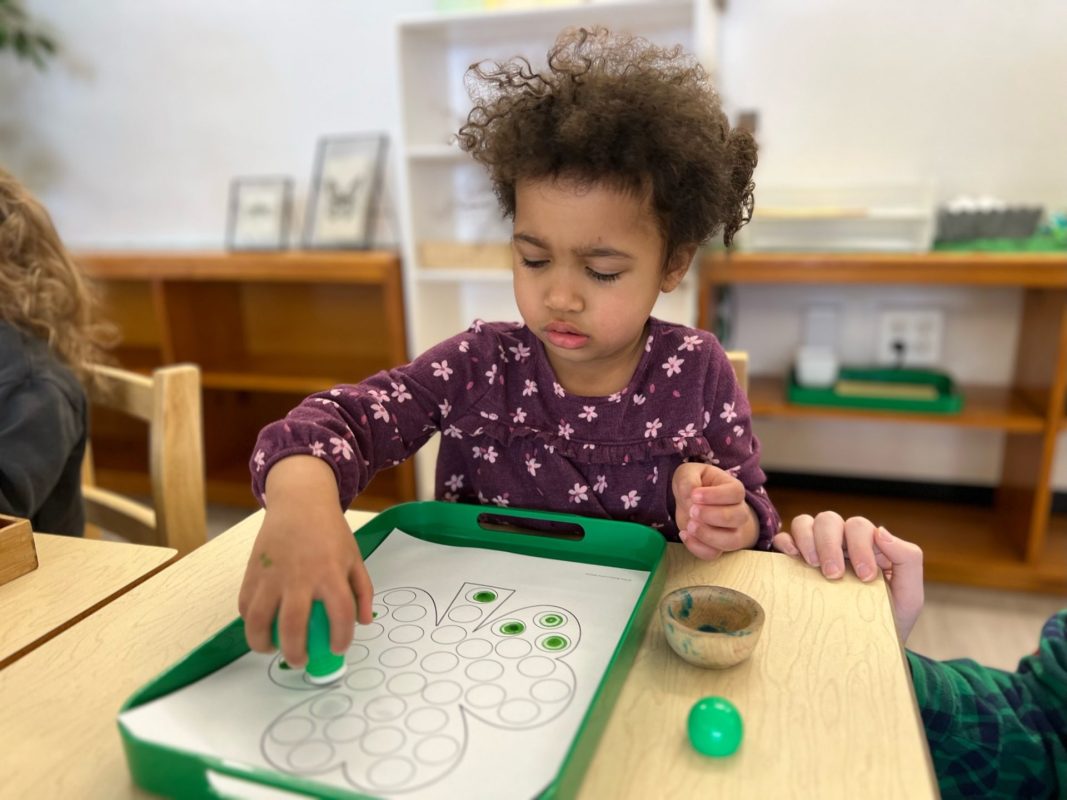
As a Sensorial experience, we decided to explore together the color green a little bit more since many of the materials and decorations in our environment have this color right now due to San Patrick’s day coming up. Children were encouraged to create green by mixing yellow and blue playdough! And oh boy! They seemed to enjoy that!

Exploring food color is one fun way to connect children with their surroundings. Who knew that colors also serve a nutritional purpose? 🙂 Children learned that it’s important to “eat a rainbow,” meaning eating fruits and vegetables from each color to keep our bodies strong and healthy. During snack and lunch, children started to share and discuss the colors they saw on their plates. We encourage you to do this at home as well.

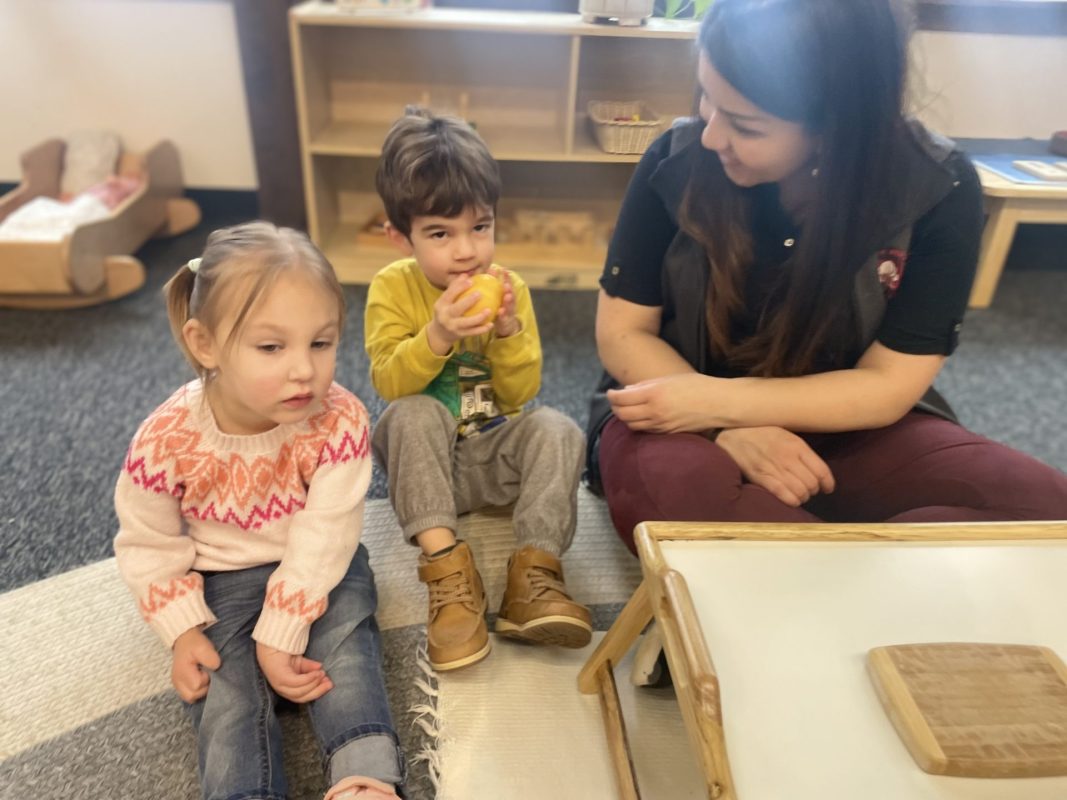
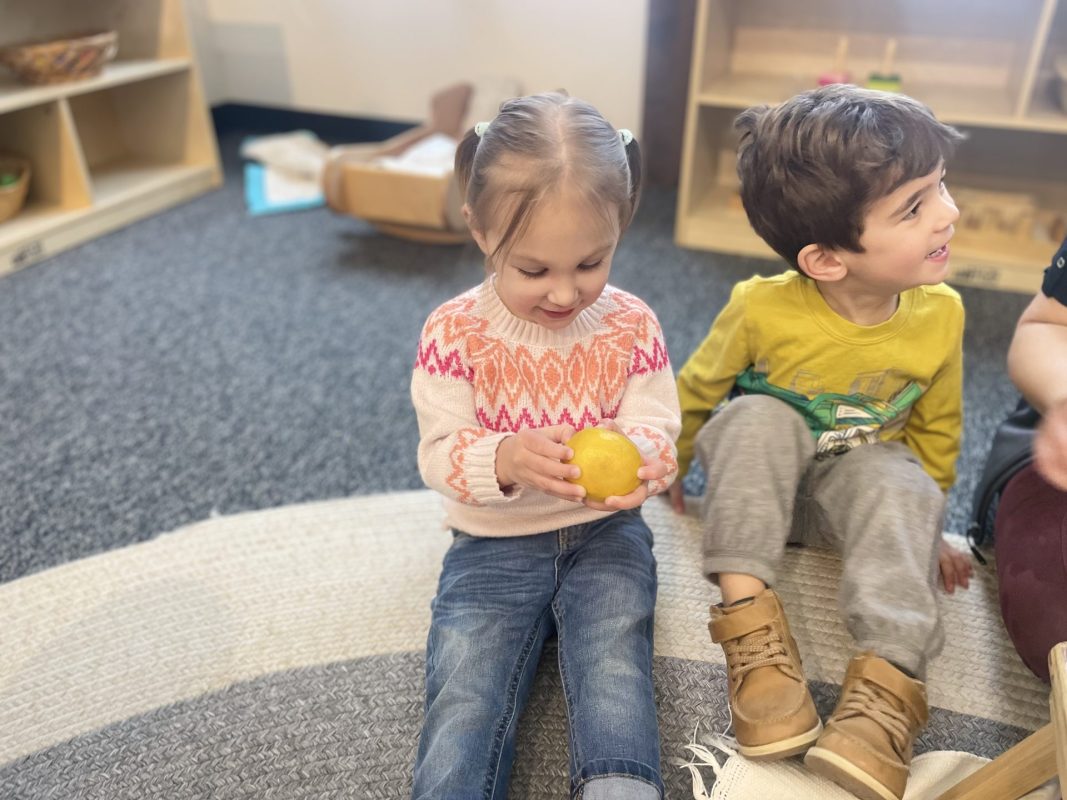
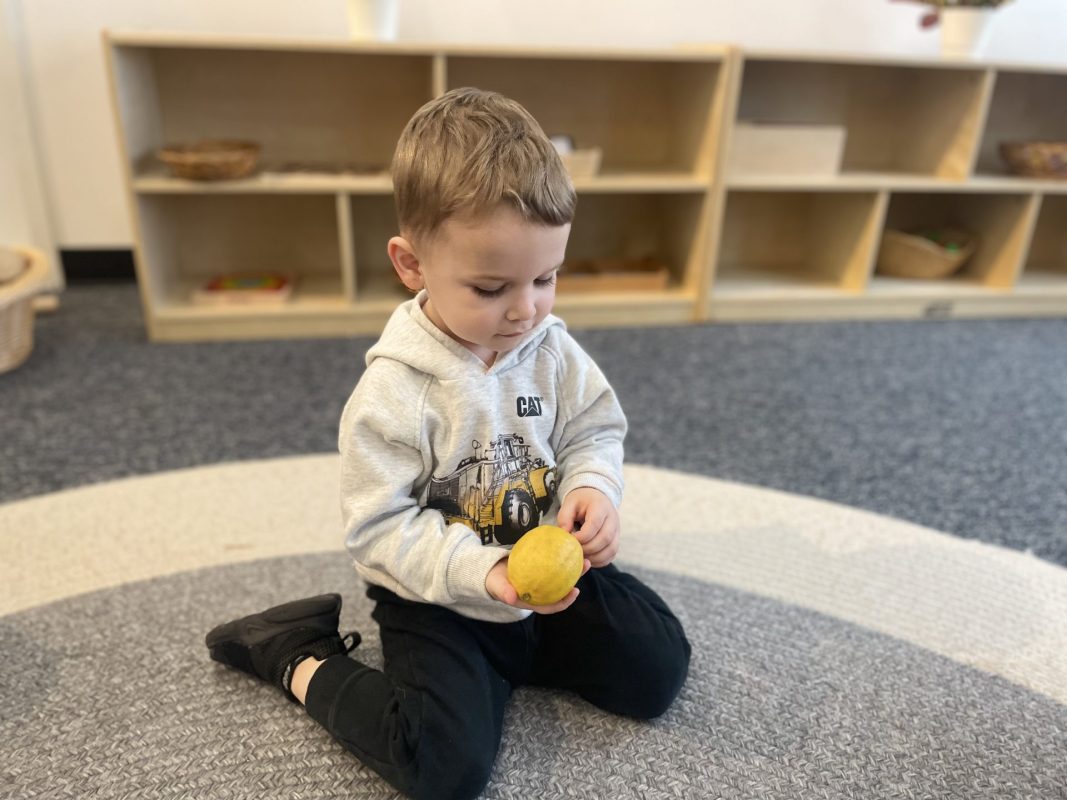
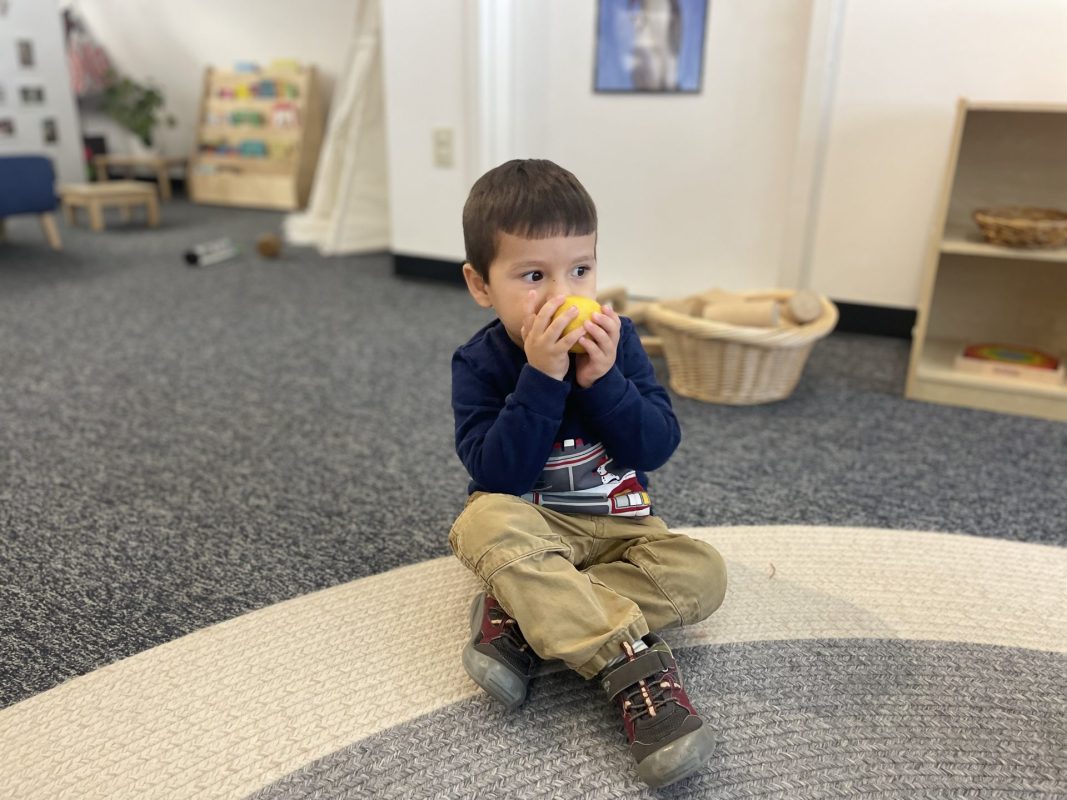
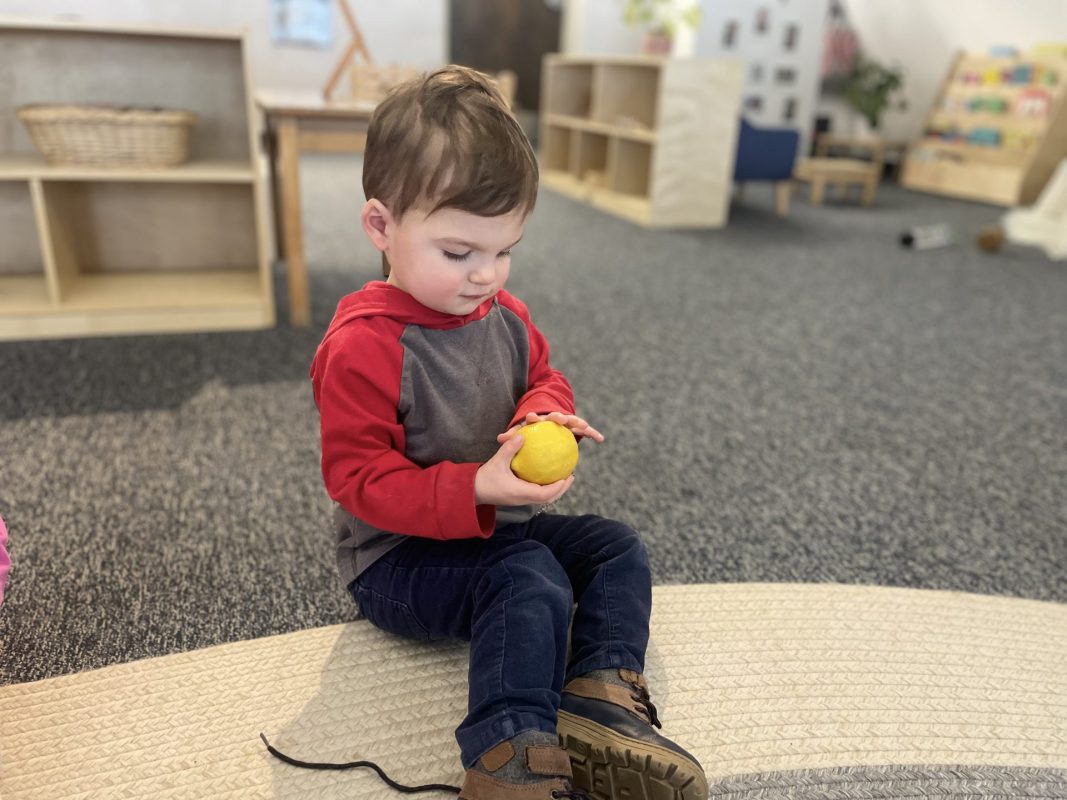
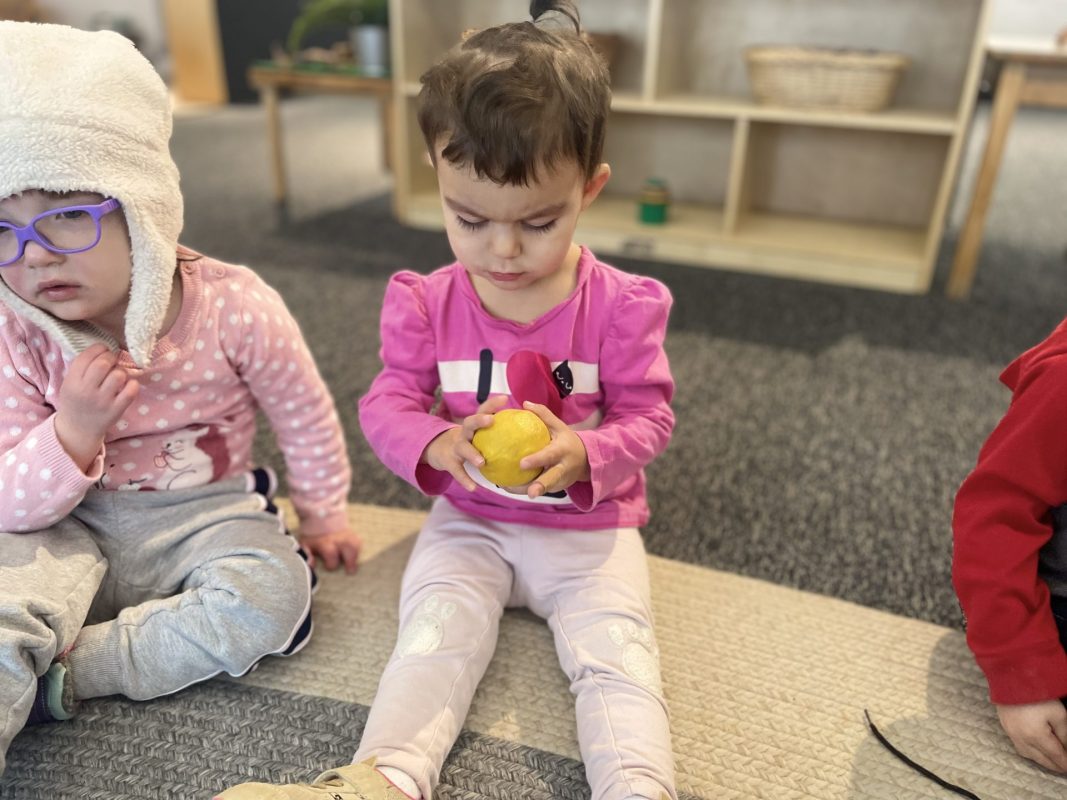
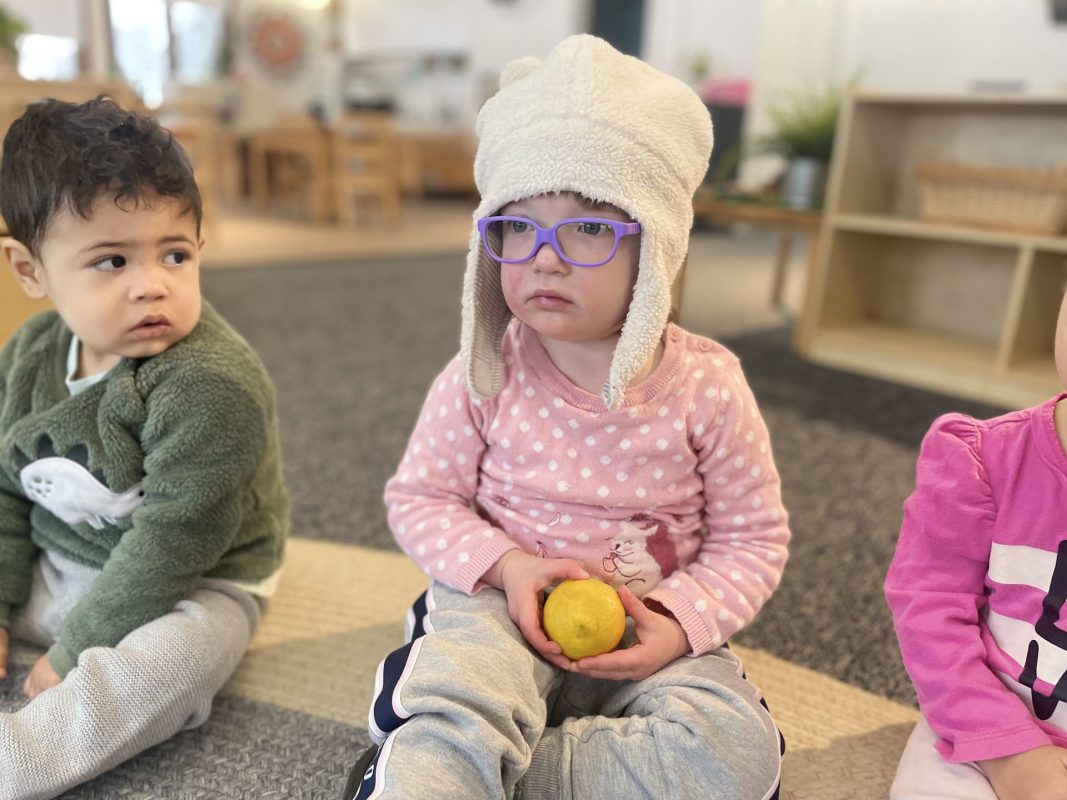
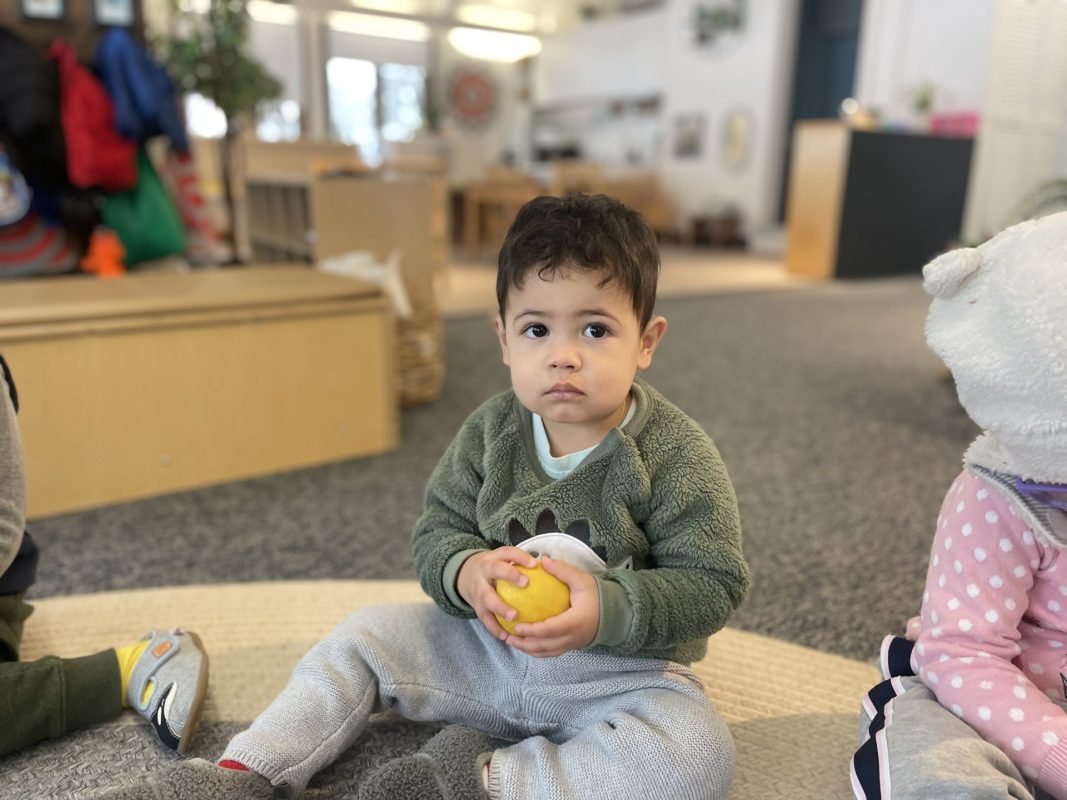
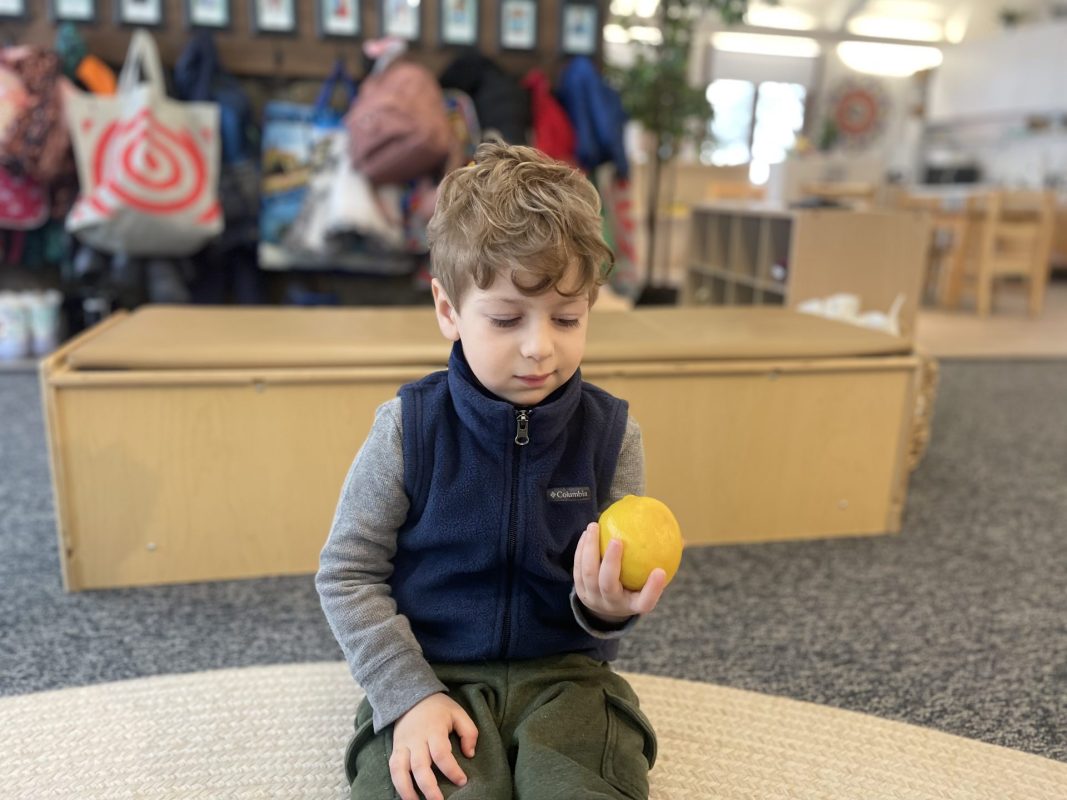
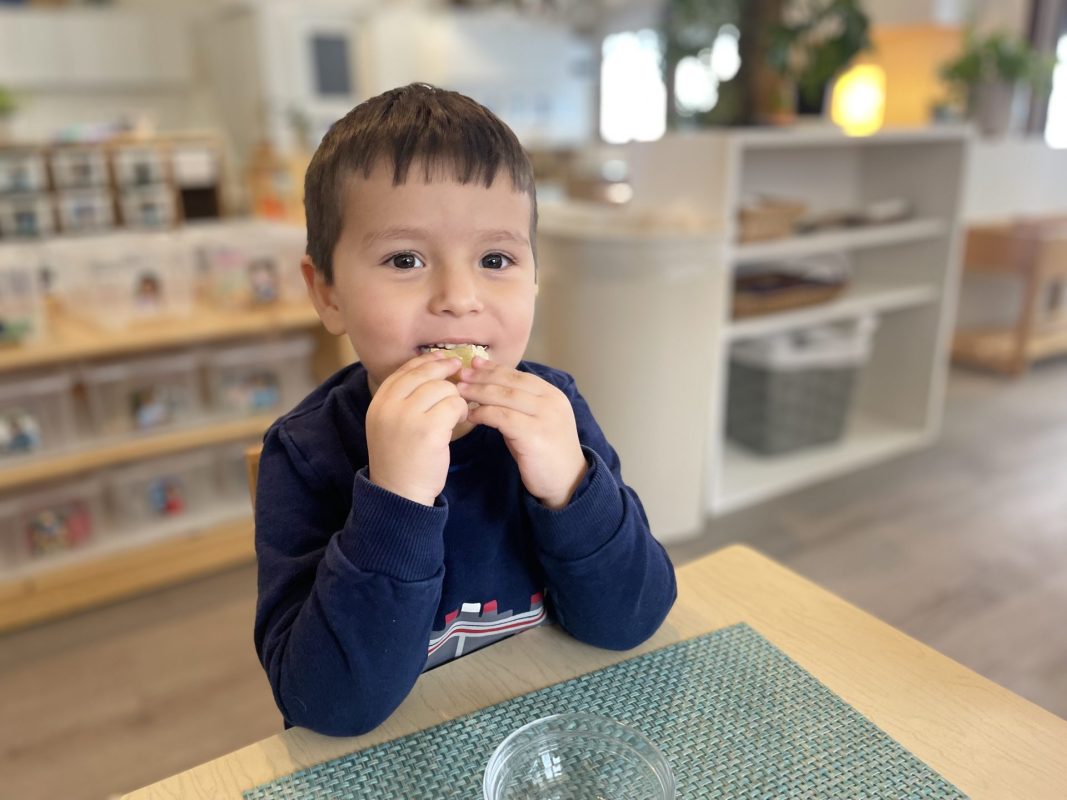
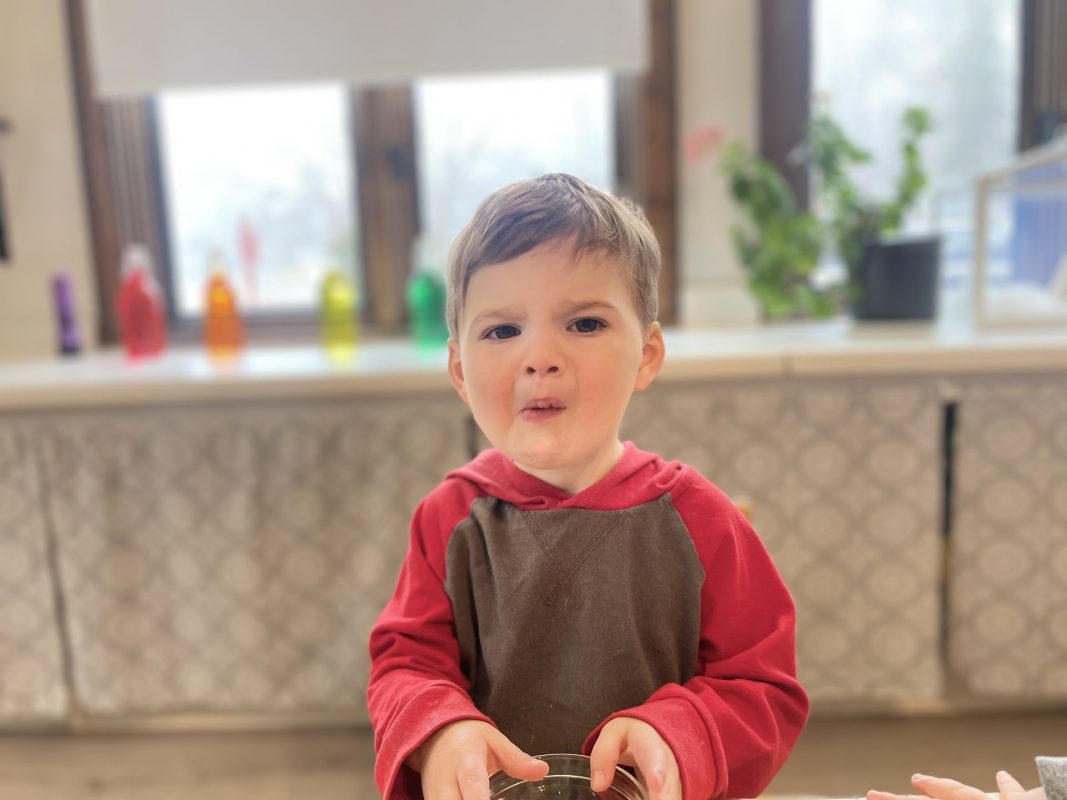
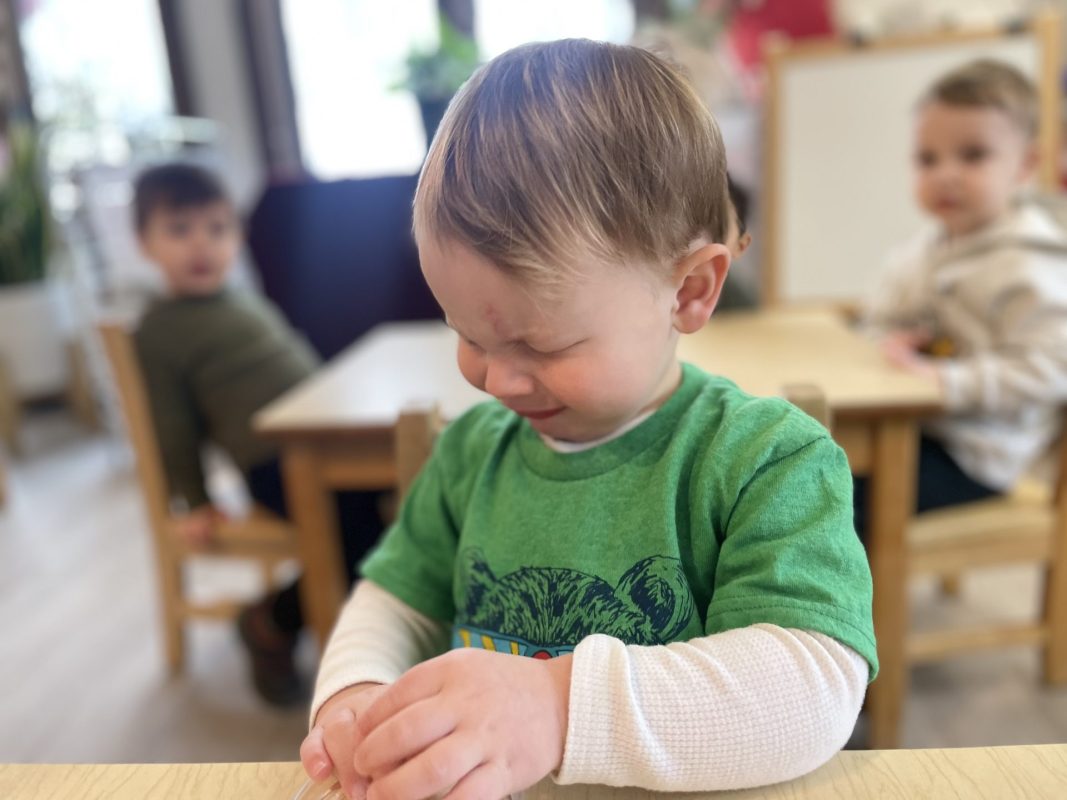
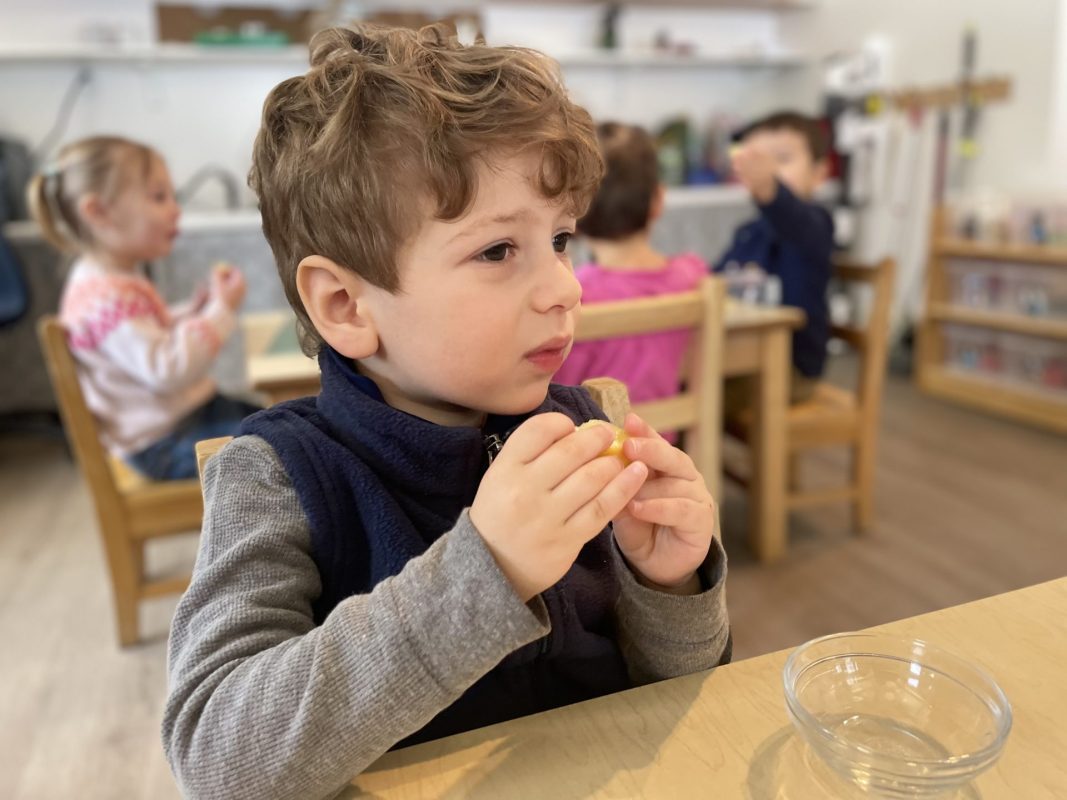
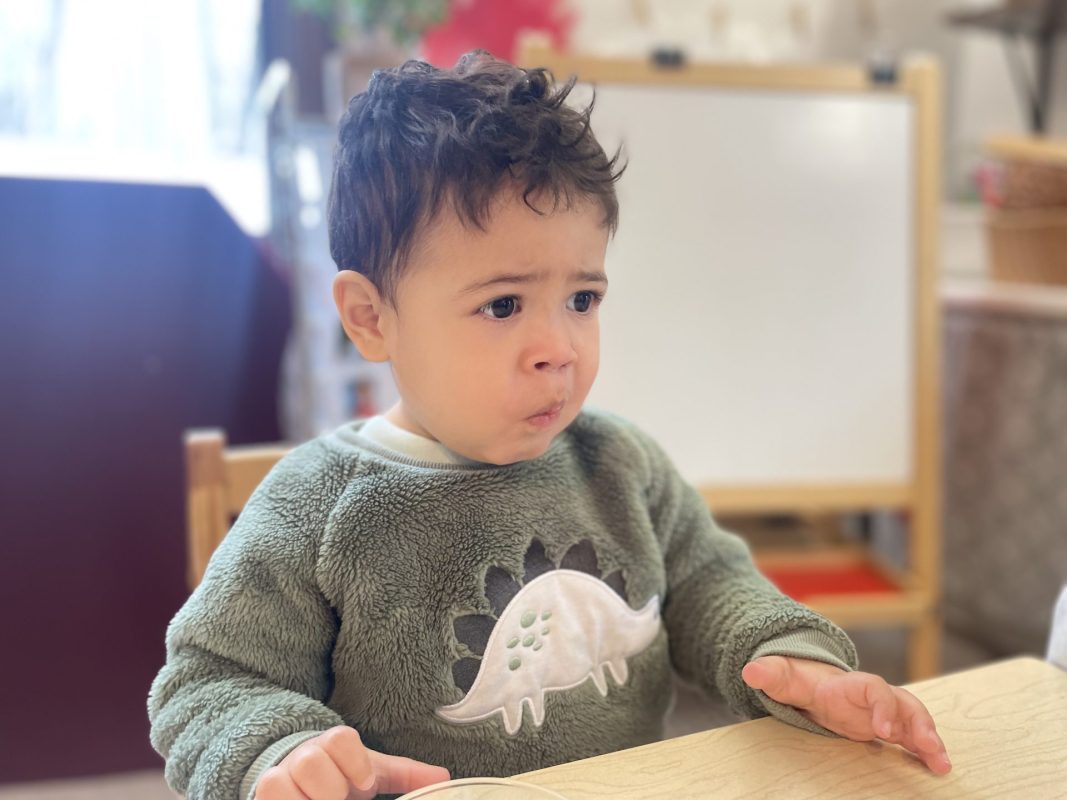
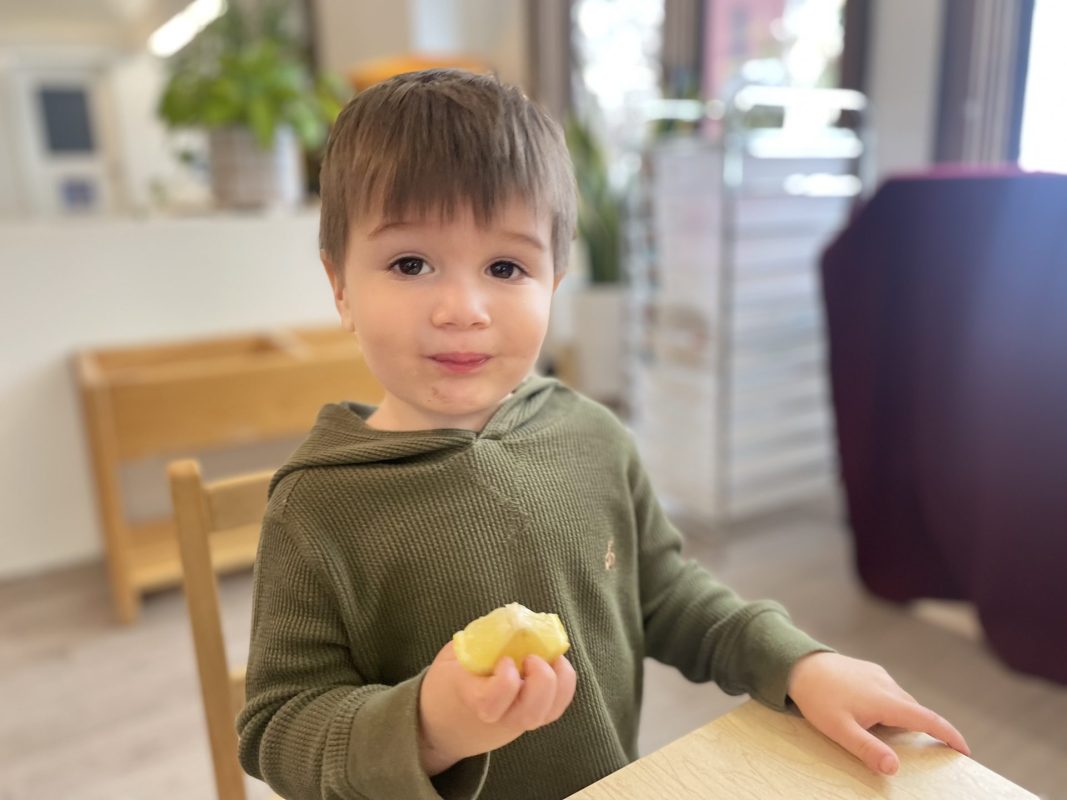
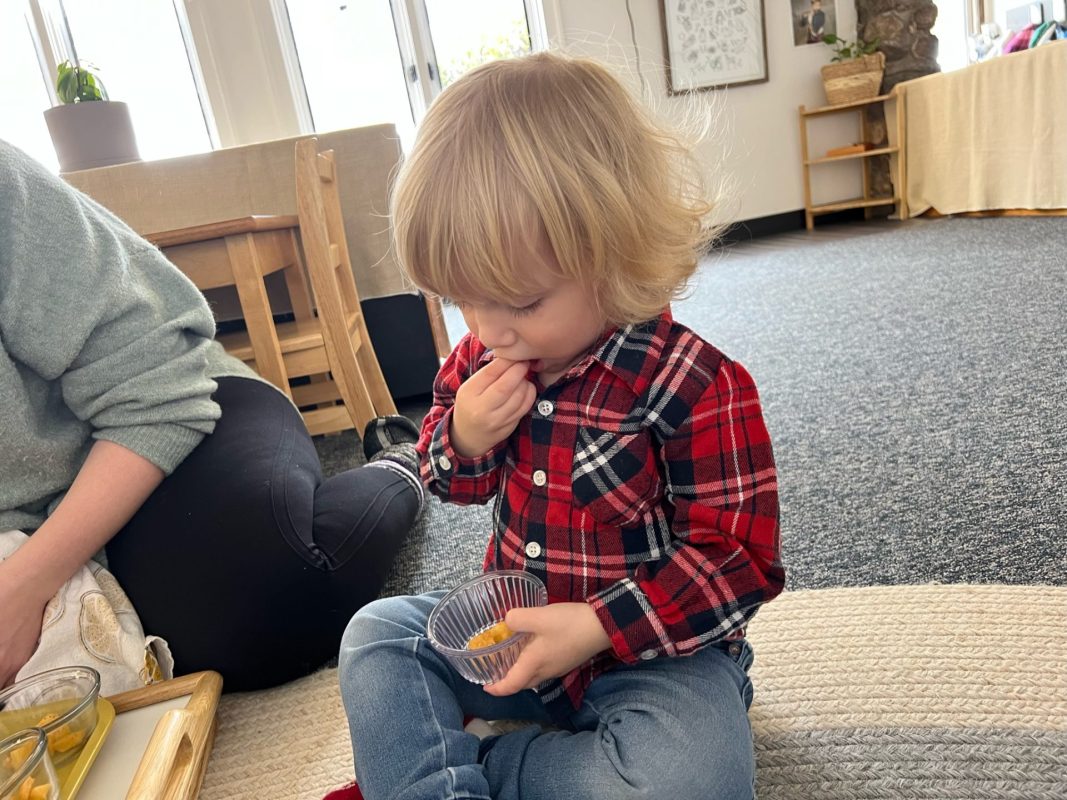
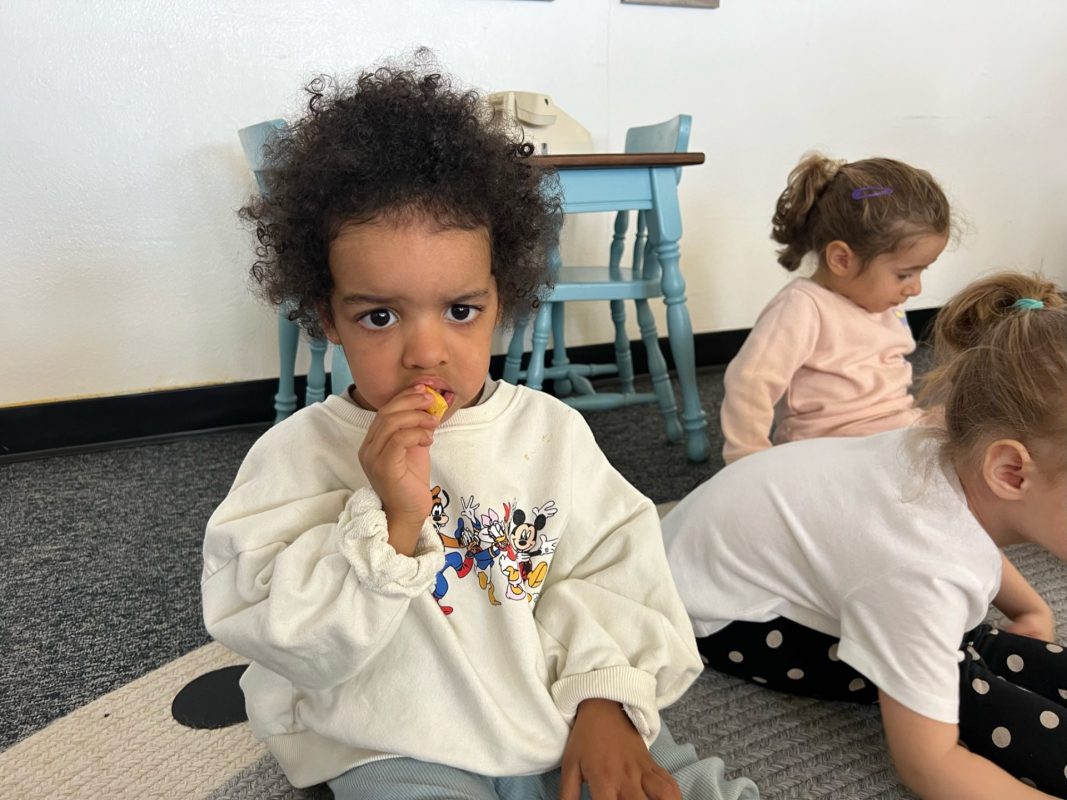
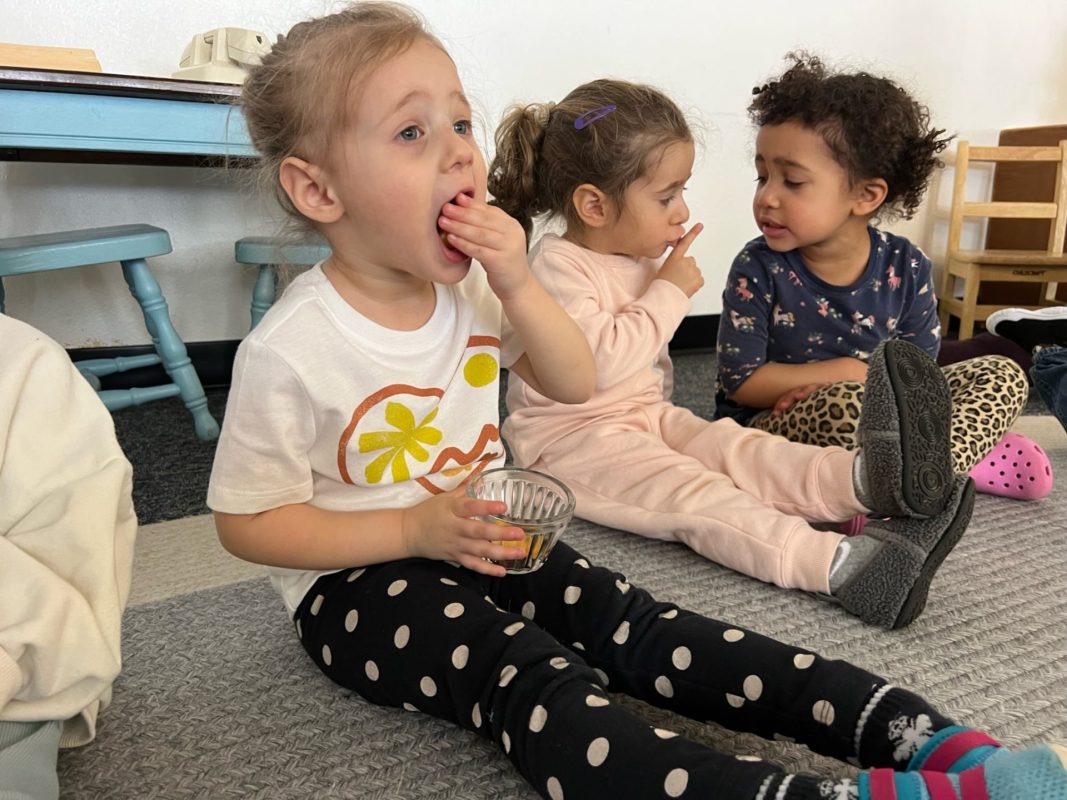
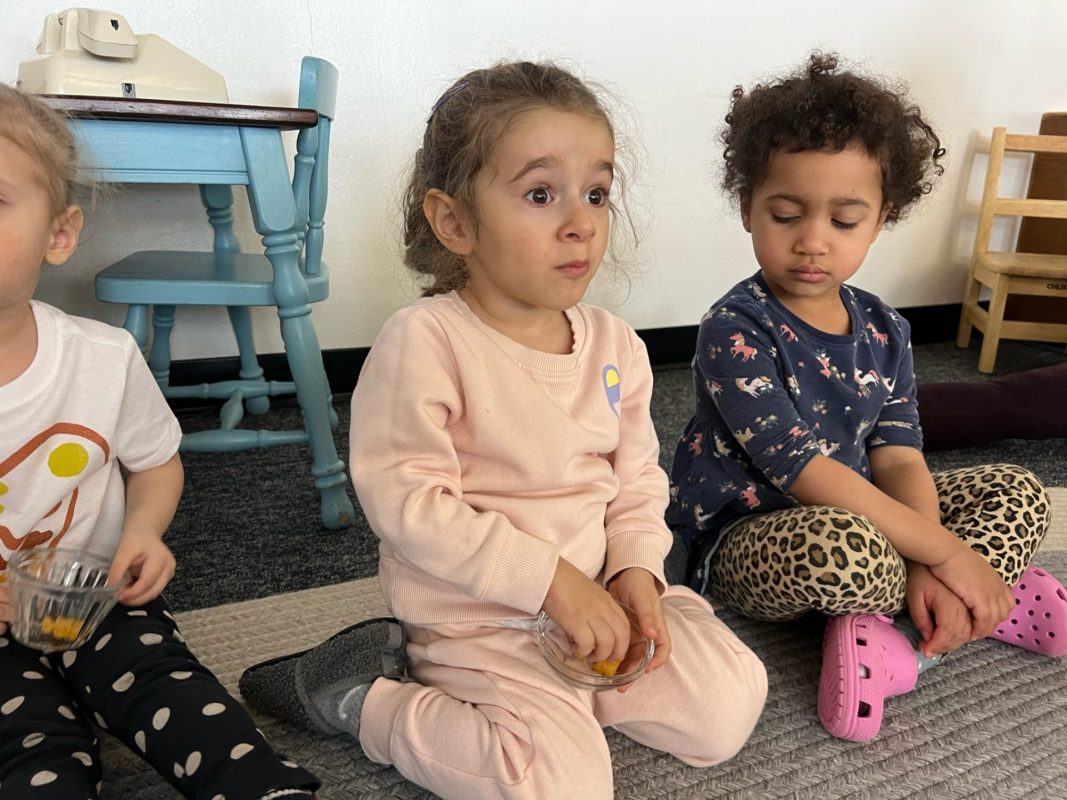
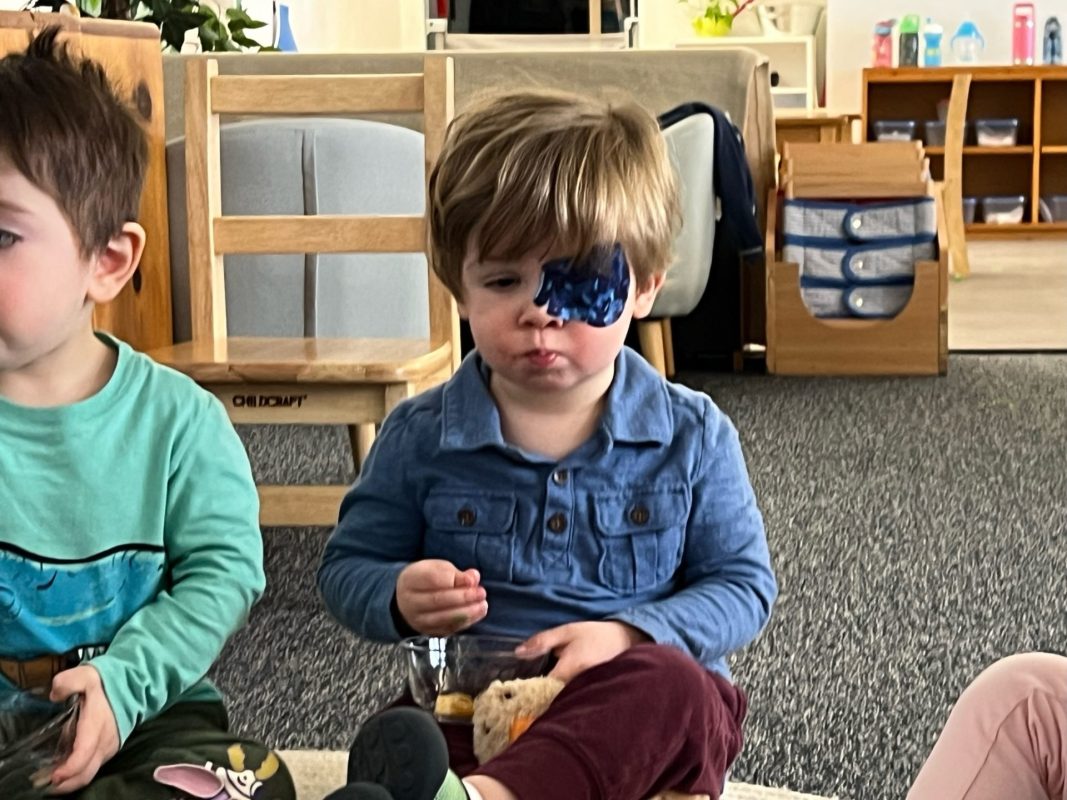
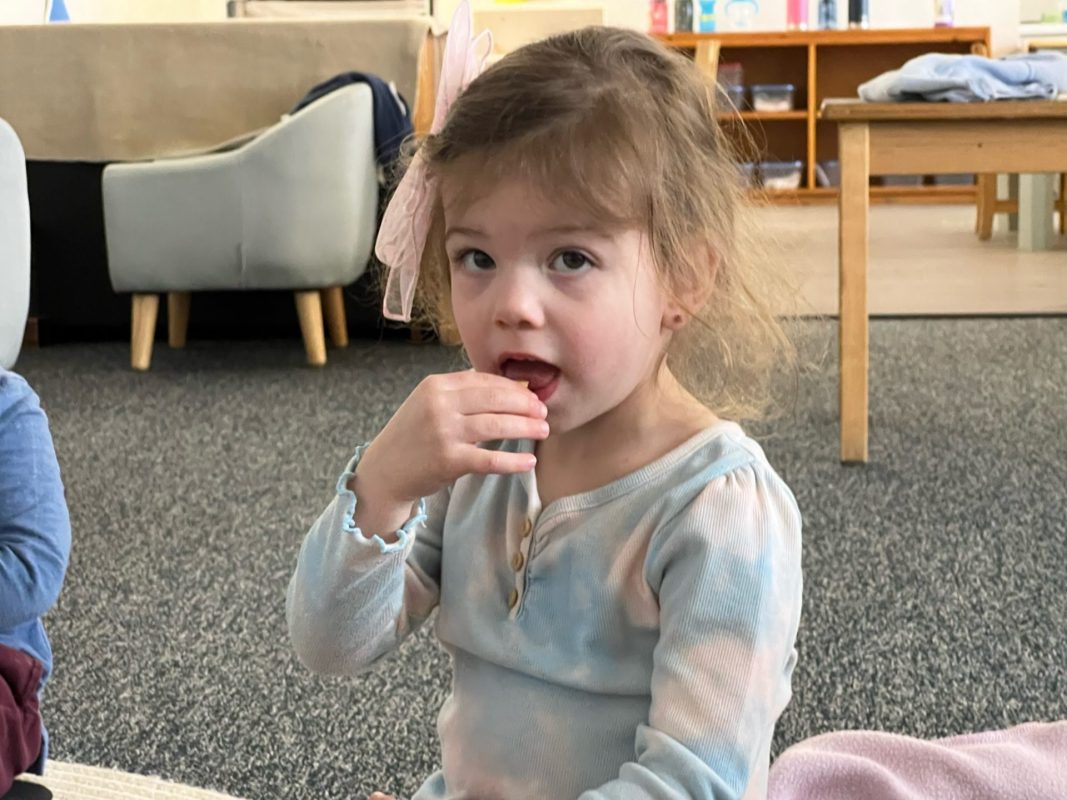
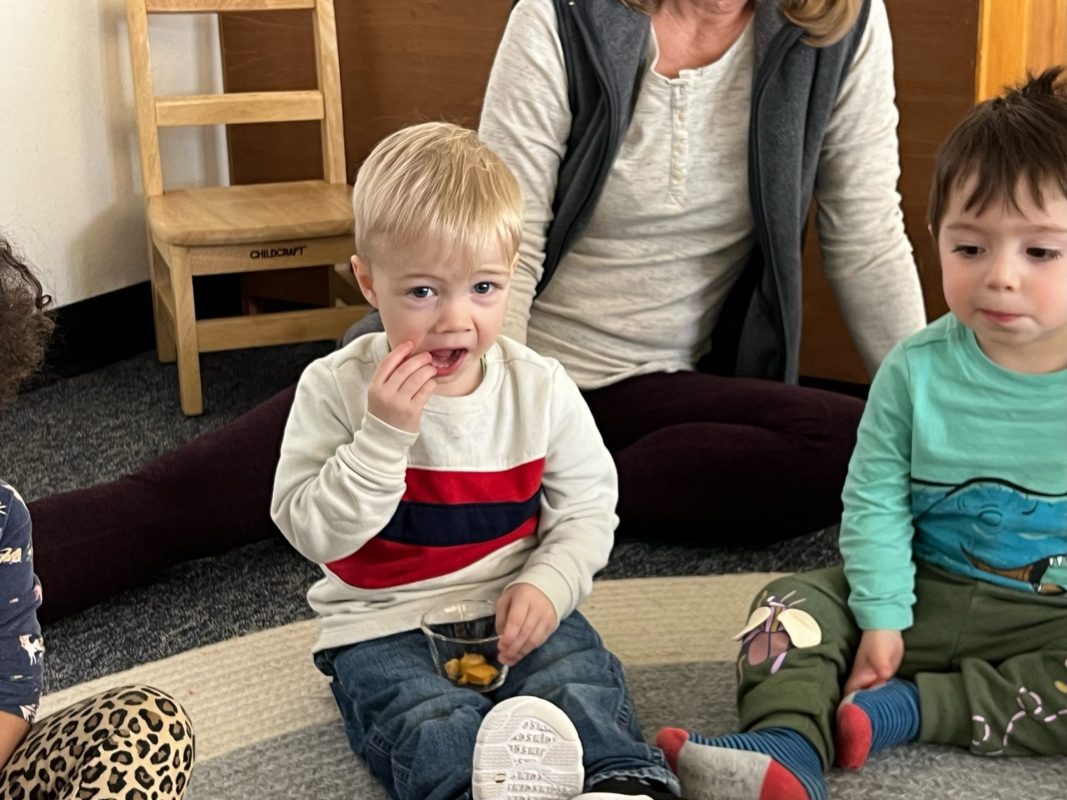
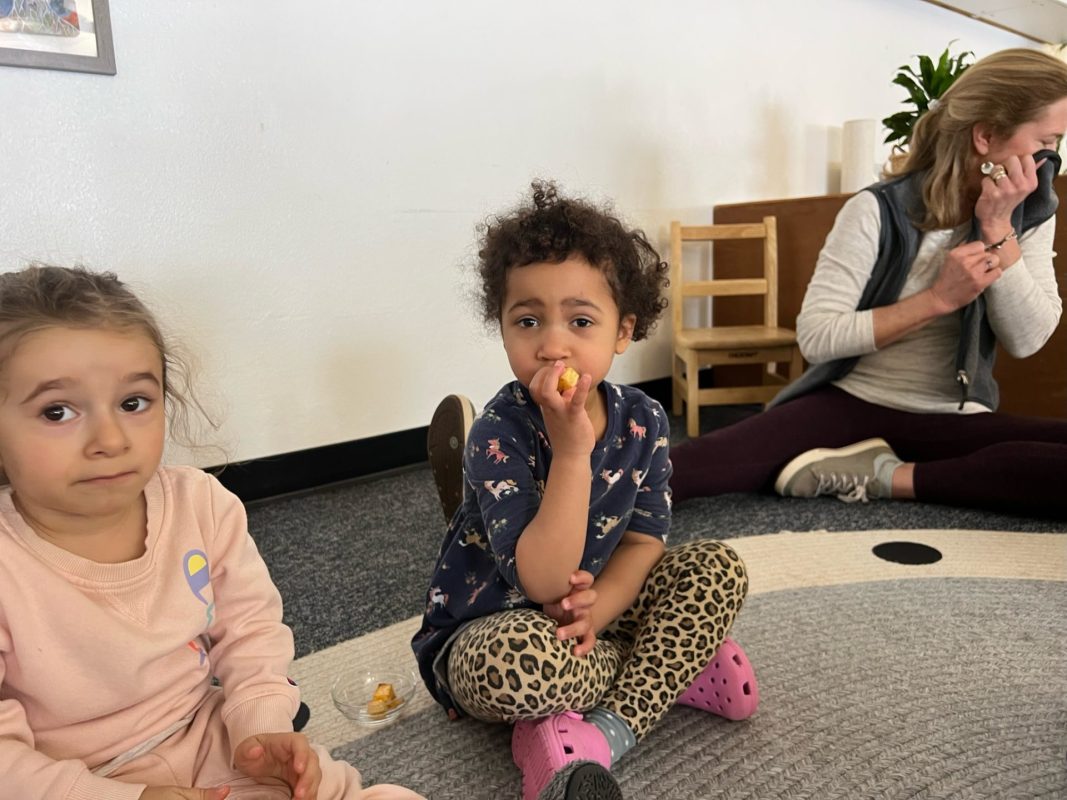
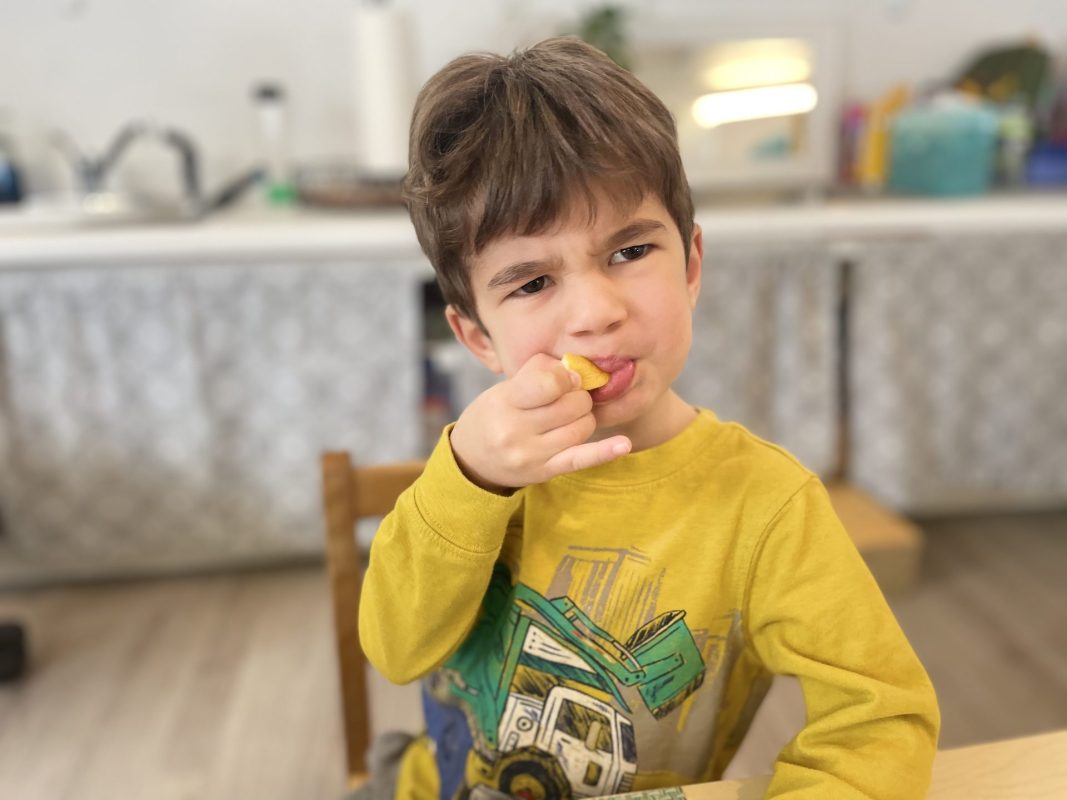
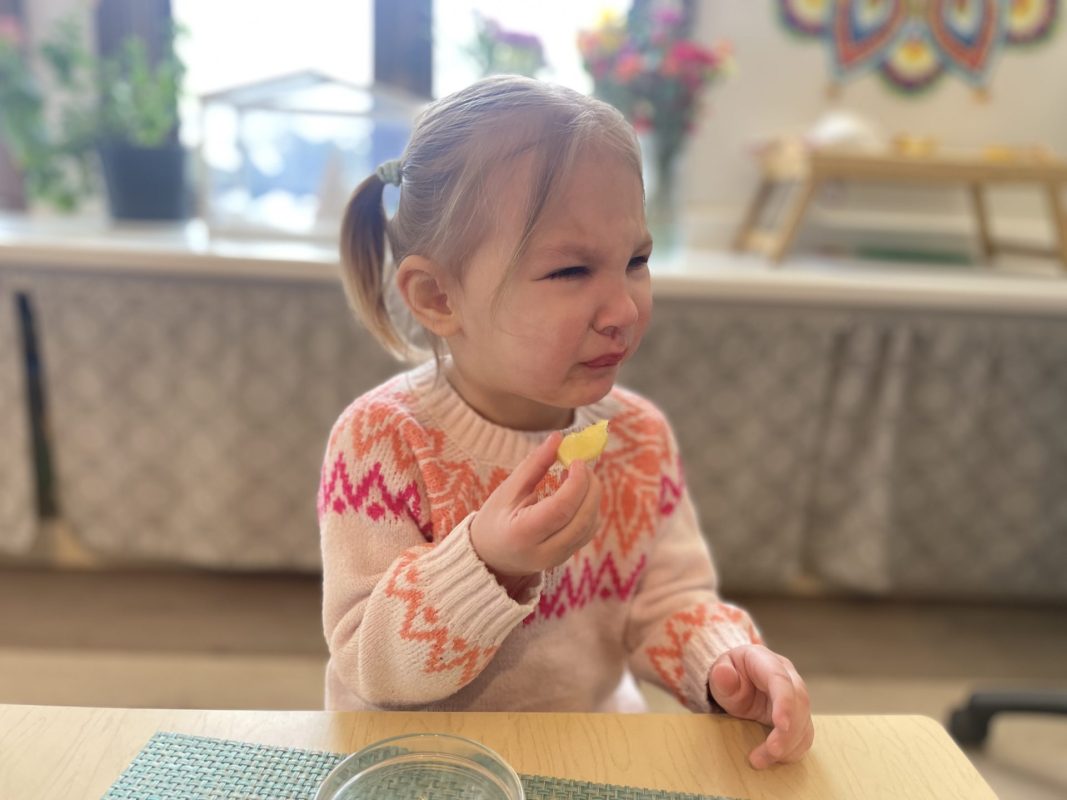
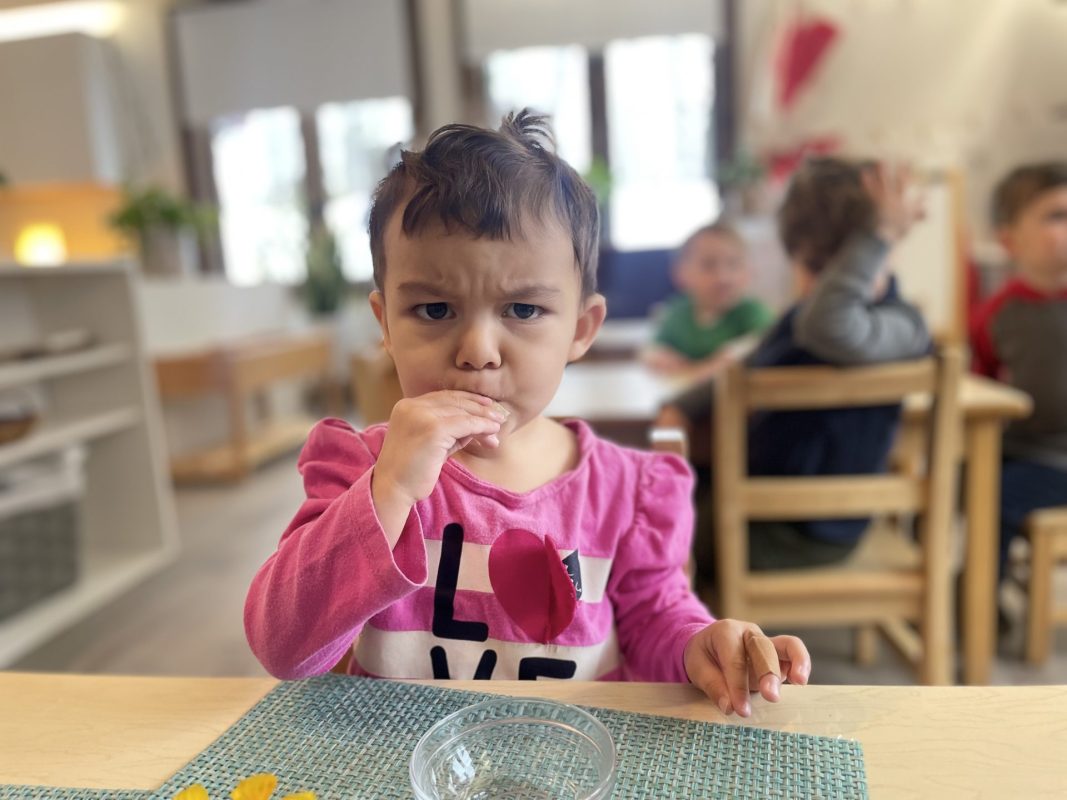
On another note, the children were very curious about what food we would taste this week, as they recognized this activity as a part of our weekly routine. So, the children explored and tasted lemons, which was very well received by most of the children, and we enjoyed the pucker little faces. Sour and juicy were the words to describe this fruit.

Reminder: Please make sure your child has proper snow gear at school. This includes snow pants and boots, a winter coat, a hat, and waterproof mittens with their clips. We want your child to be comfortable and safe while exploring outdoors. Thanks!

See you next week,

Mrs. Hood and Ms. Marissa


Mrs. Semmah: Oh, The Places You’ll Go!

You can find magic wherever you look. So sit back and relax, all you need is a book.  

                                                                                                                                                                    —–Dr. Seuss

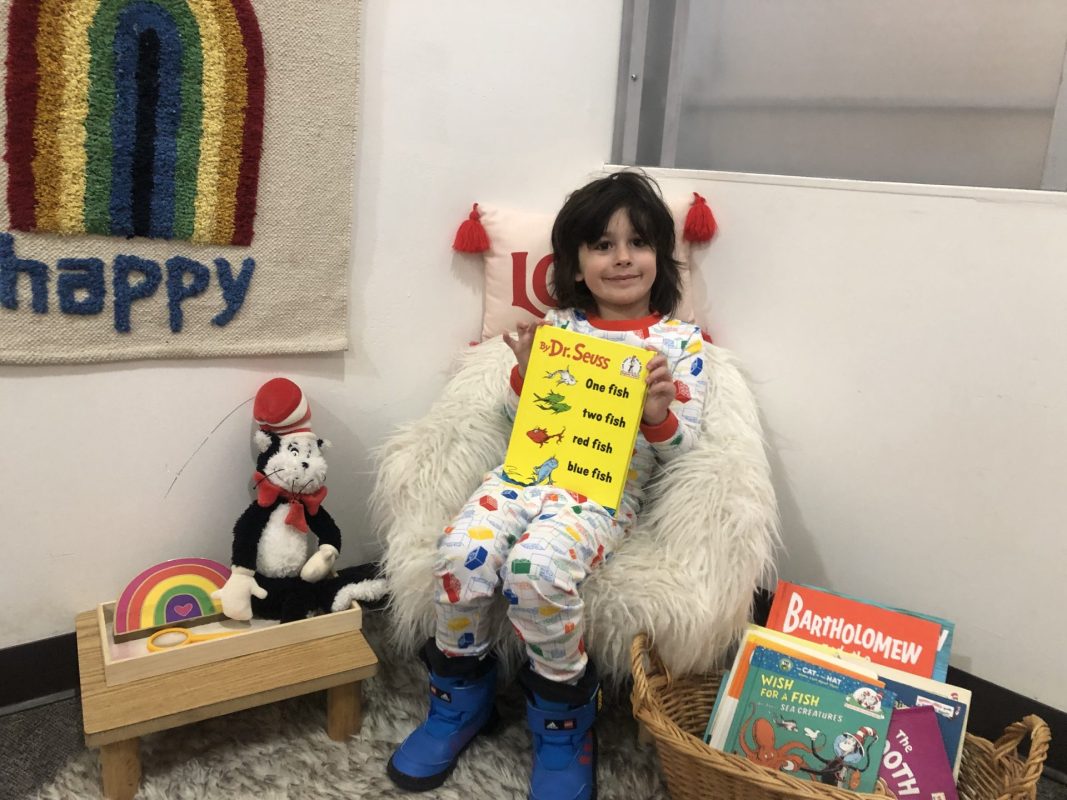
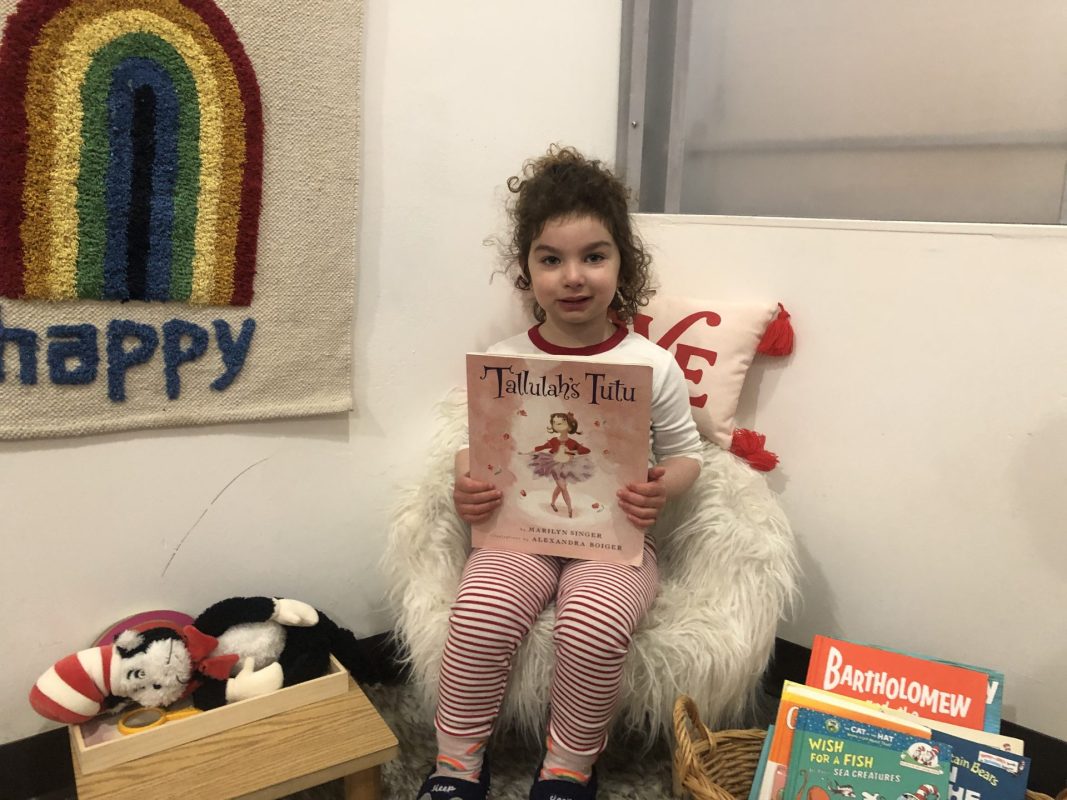
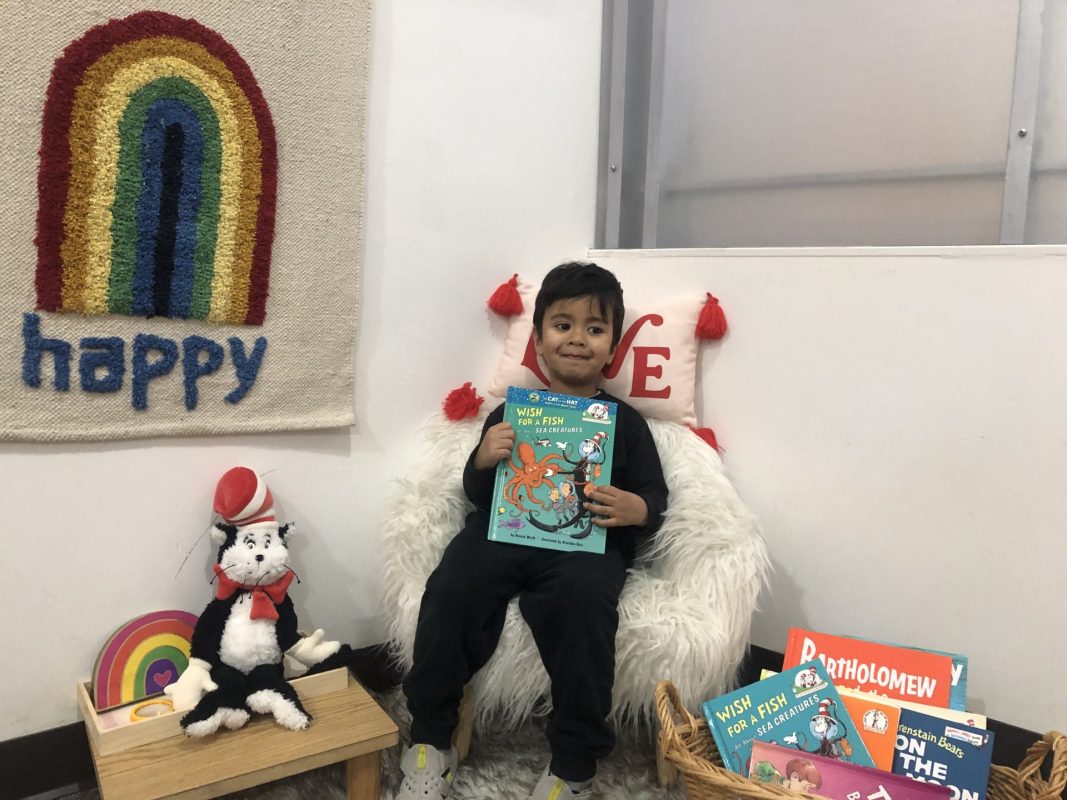
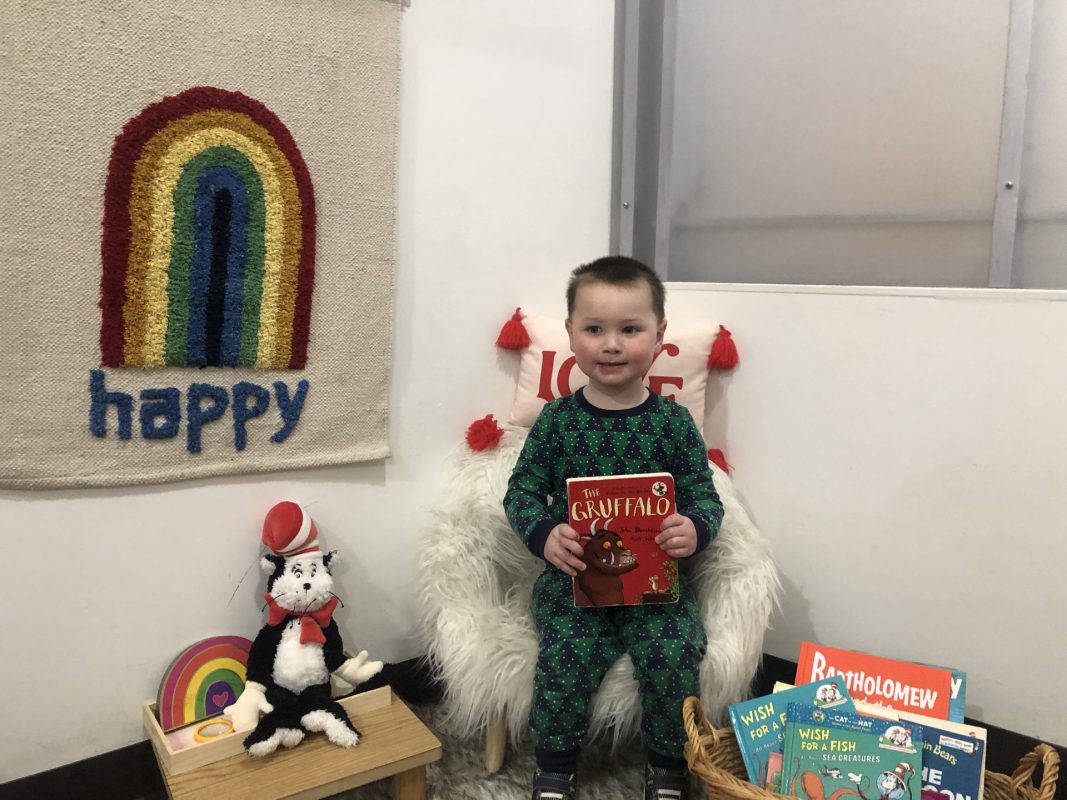
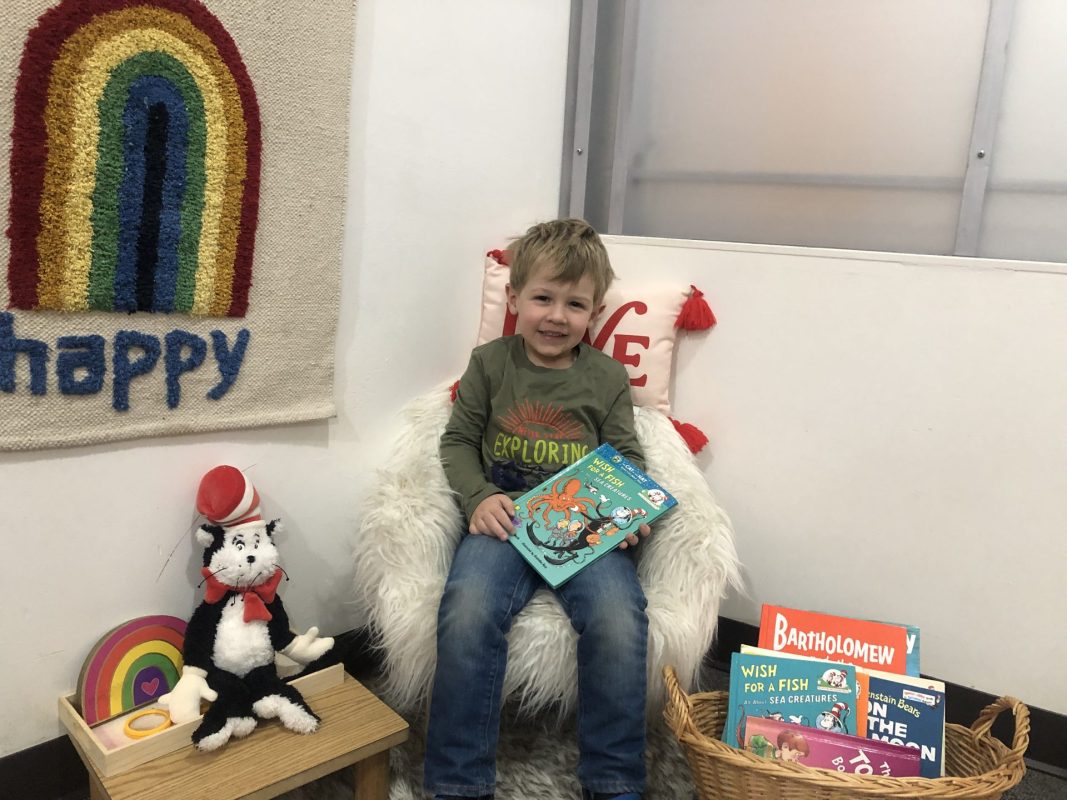
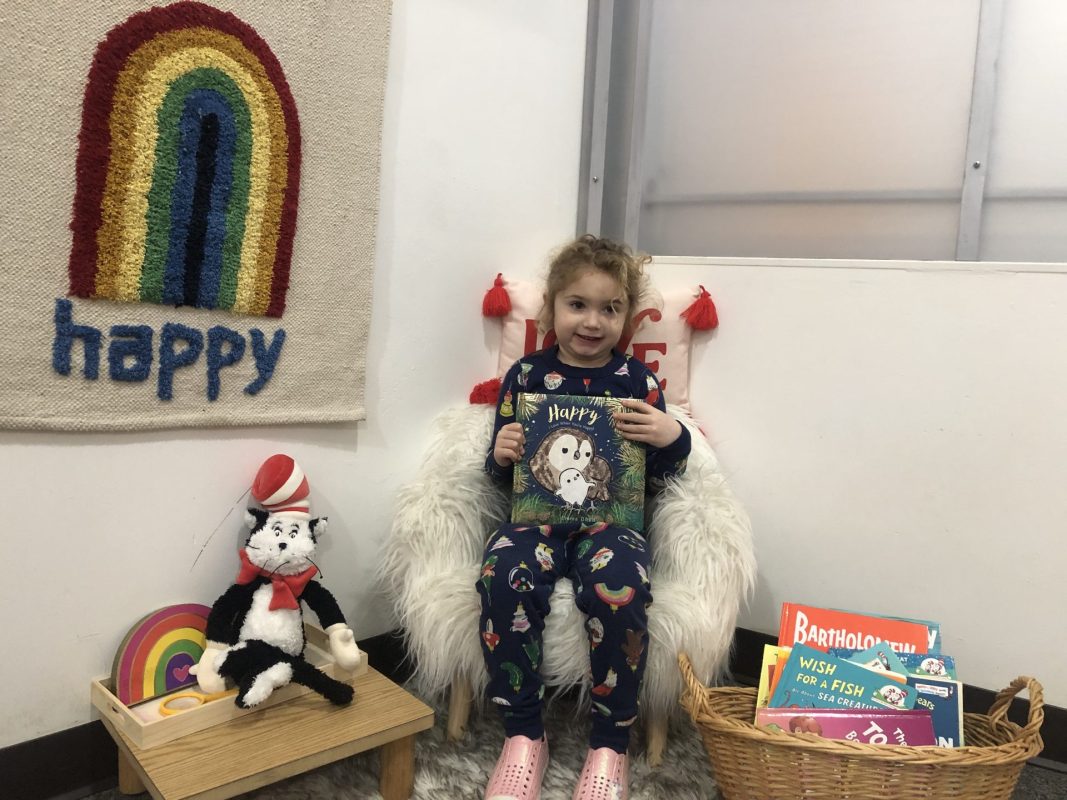
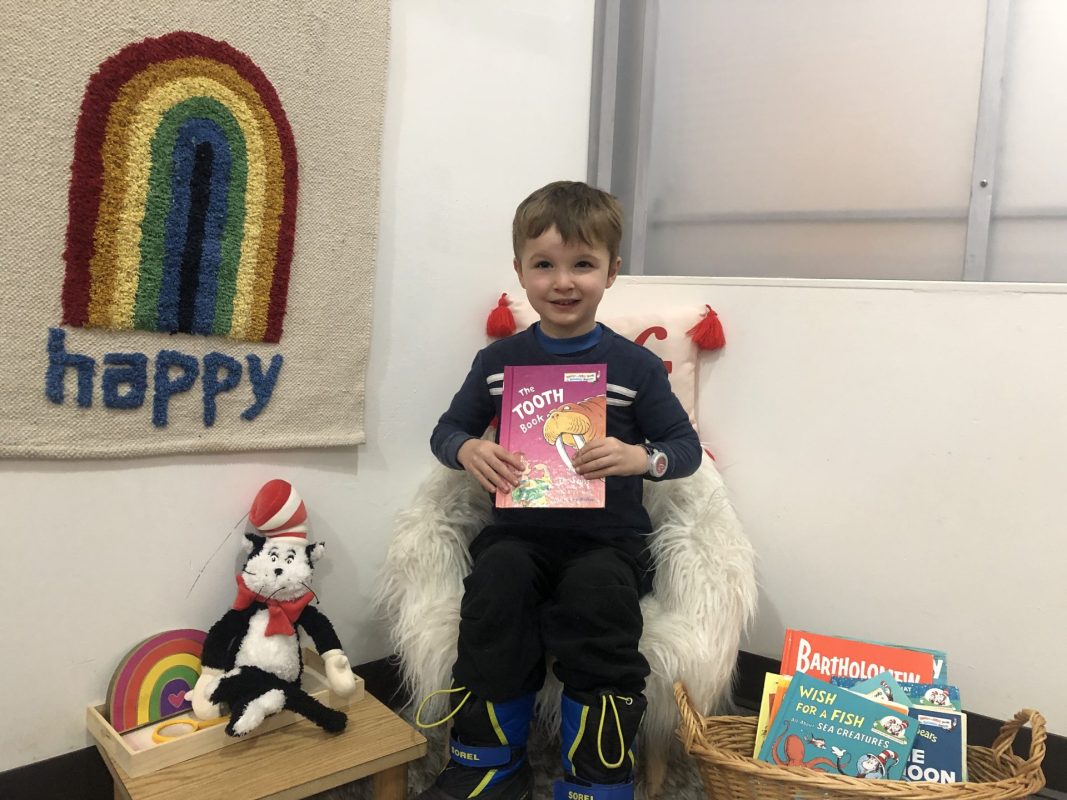
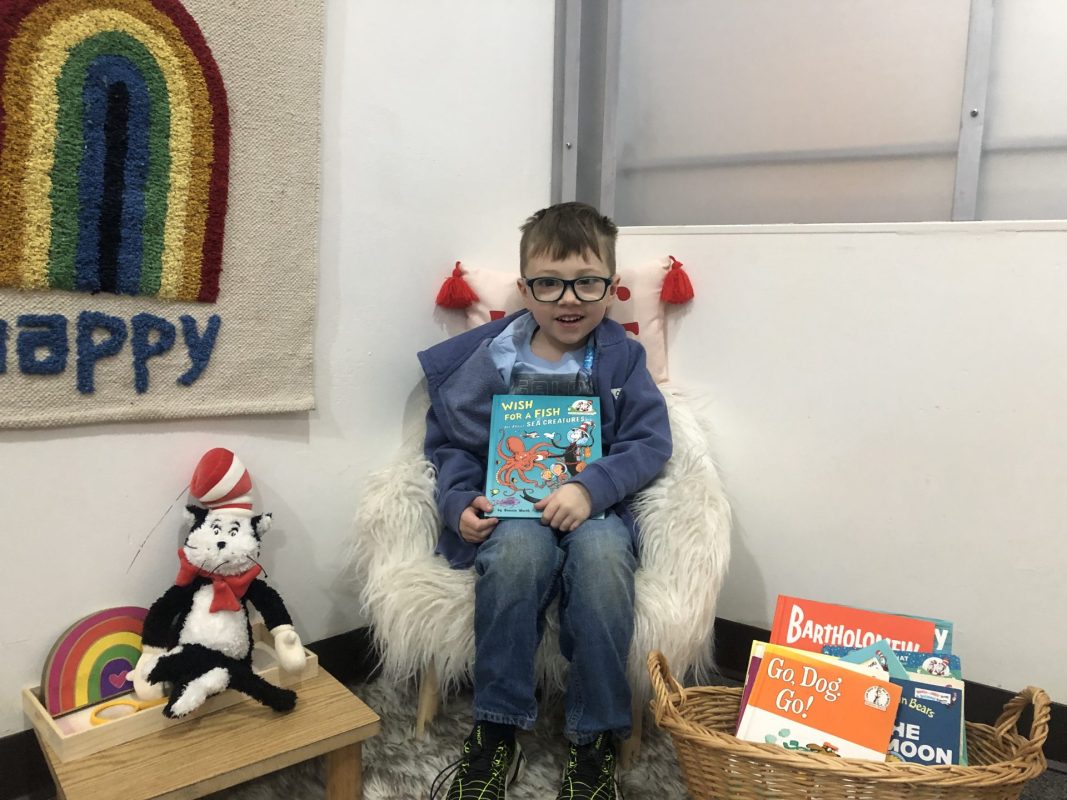
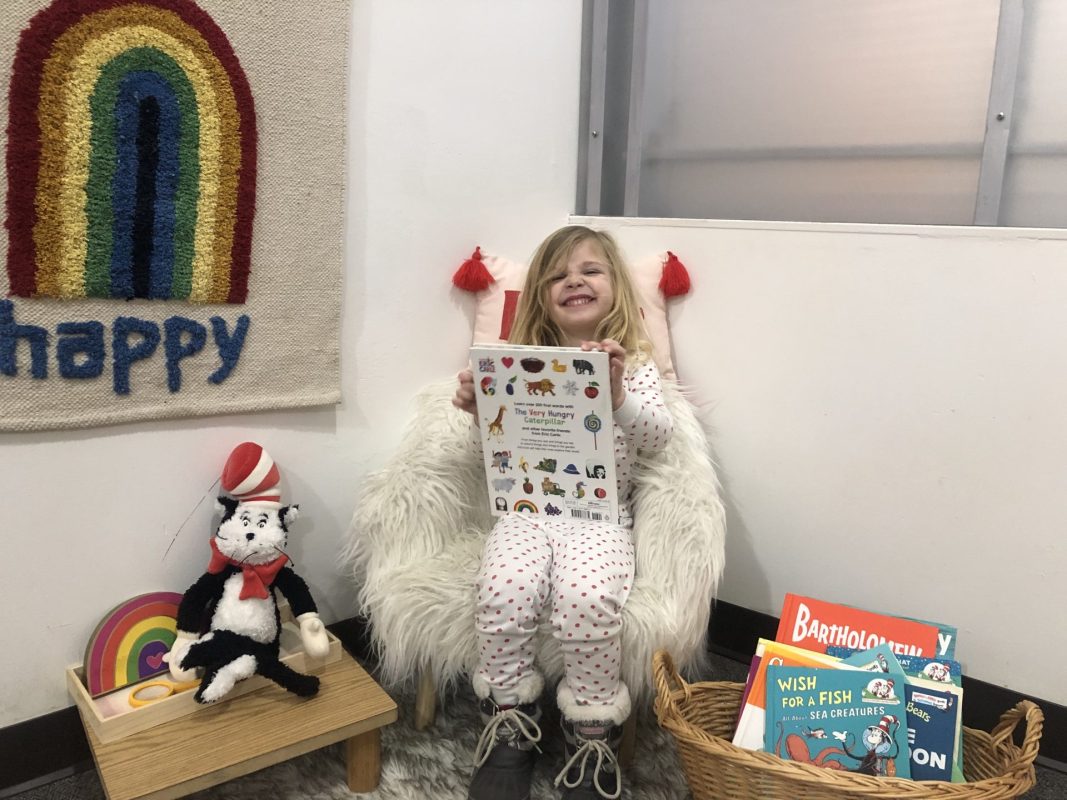
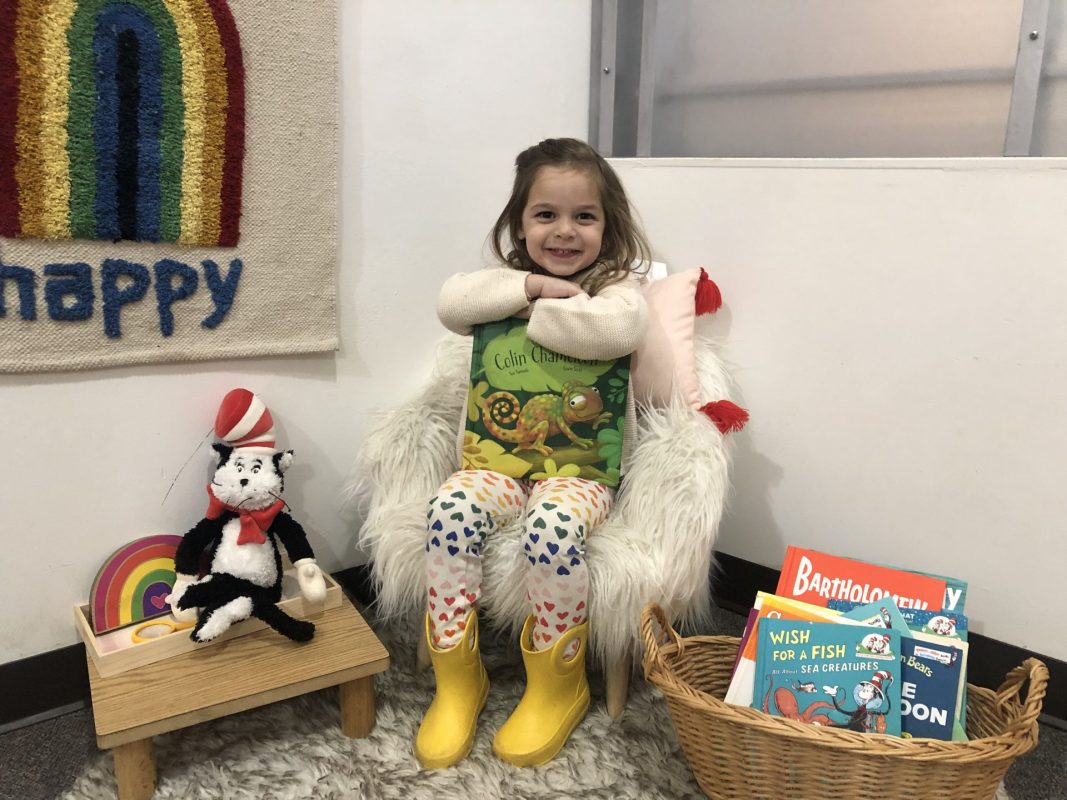
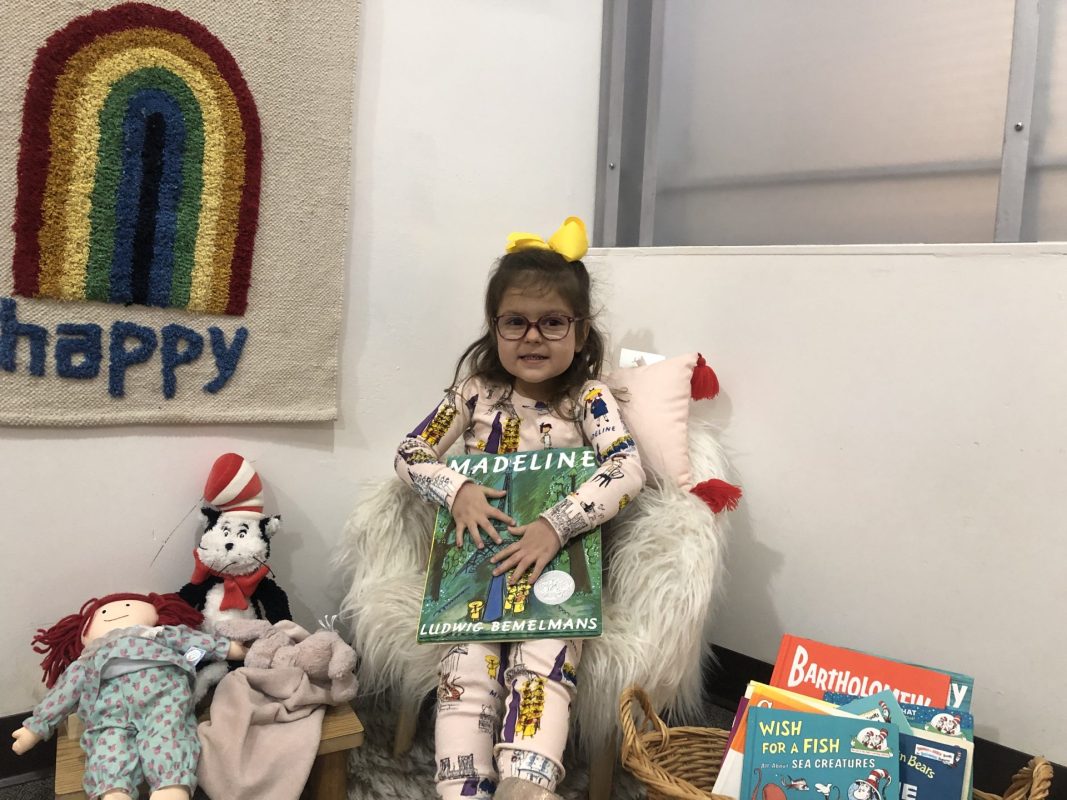
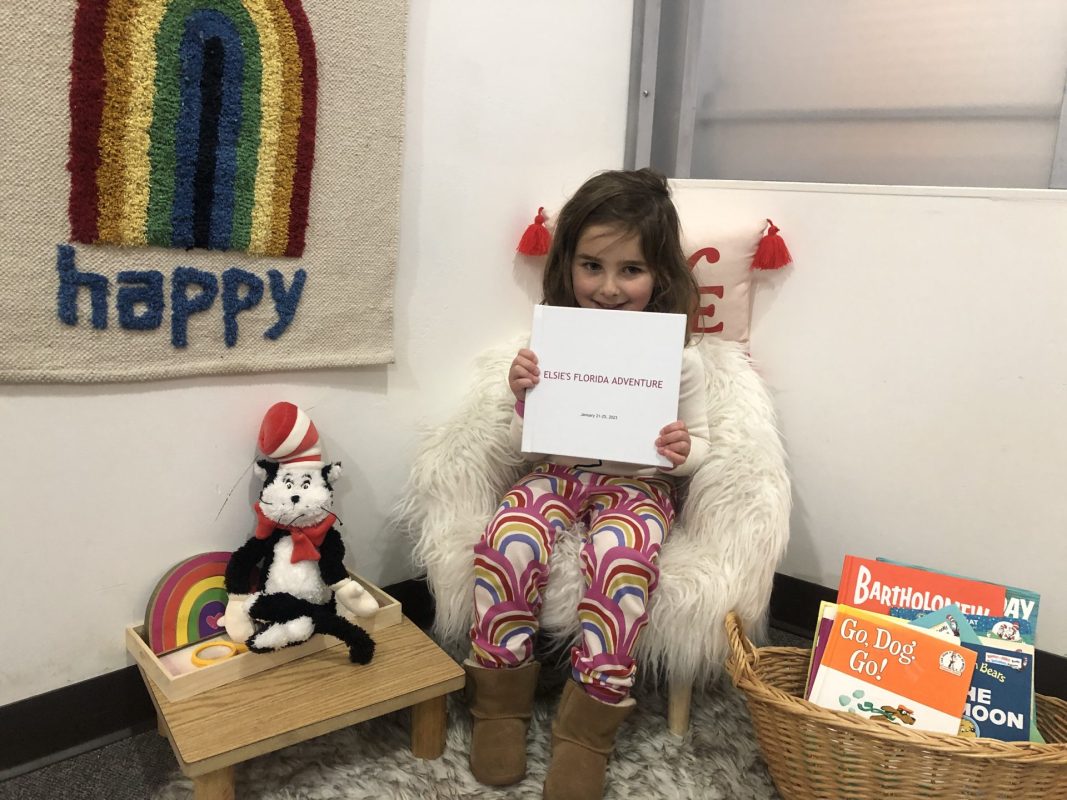
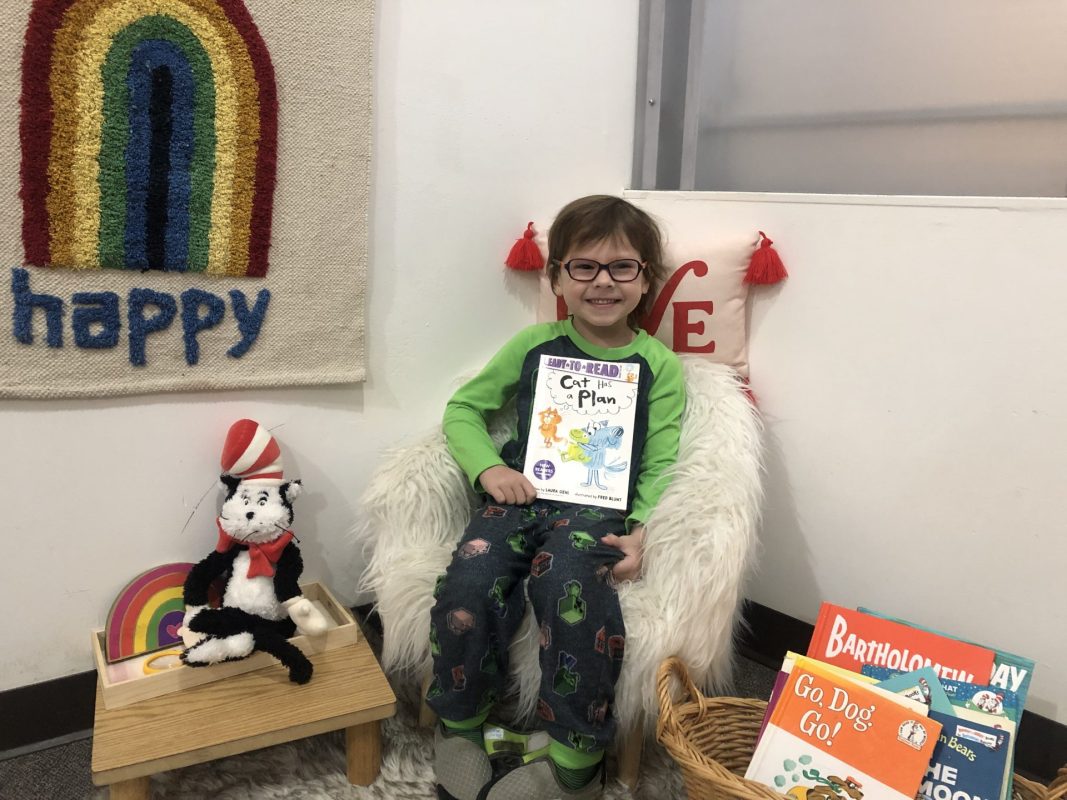
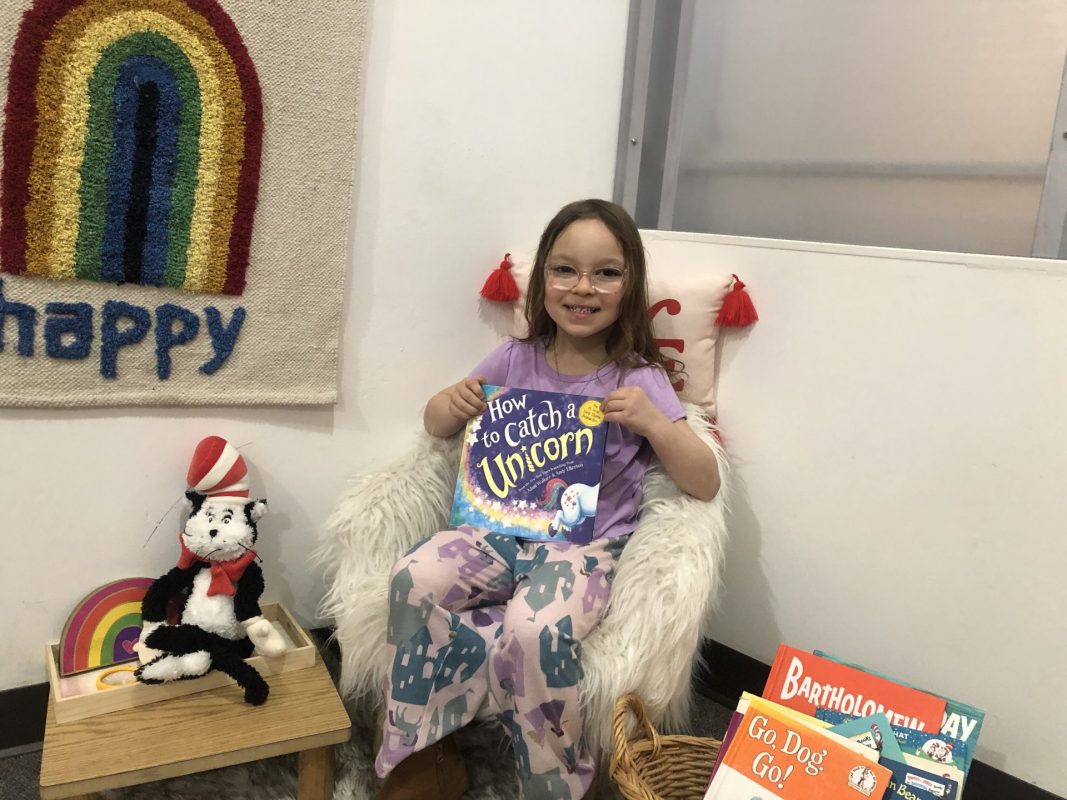
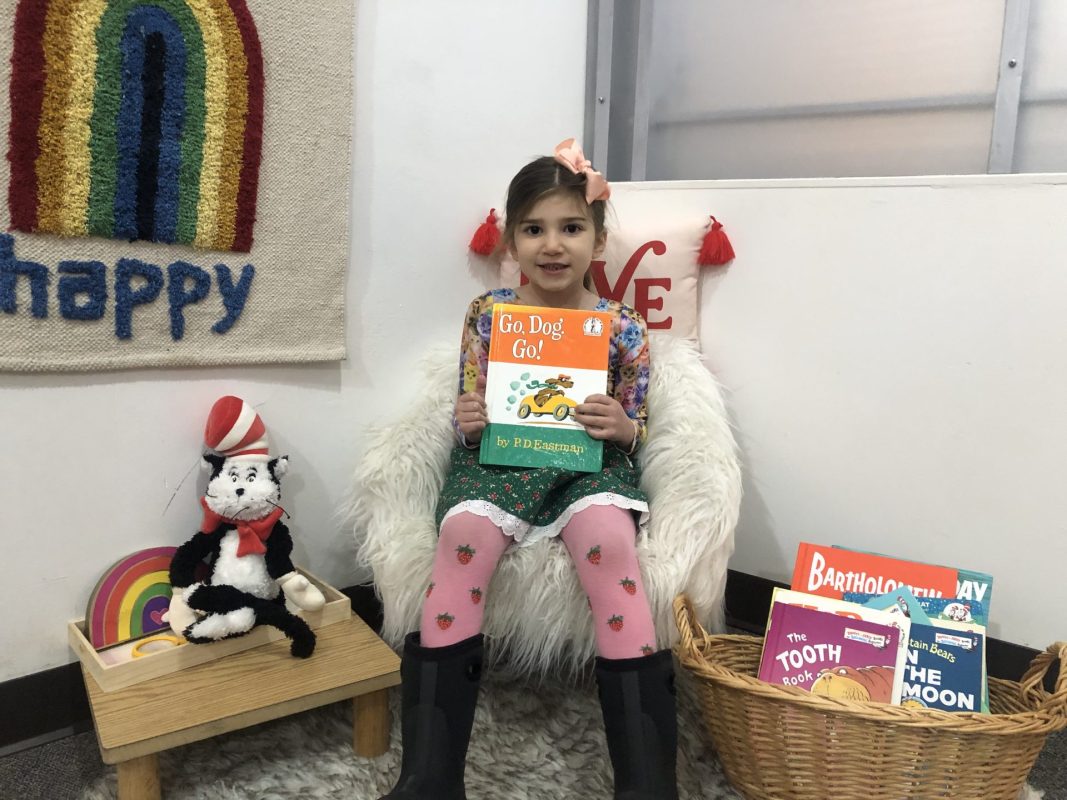
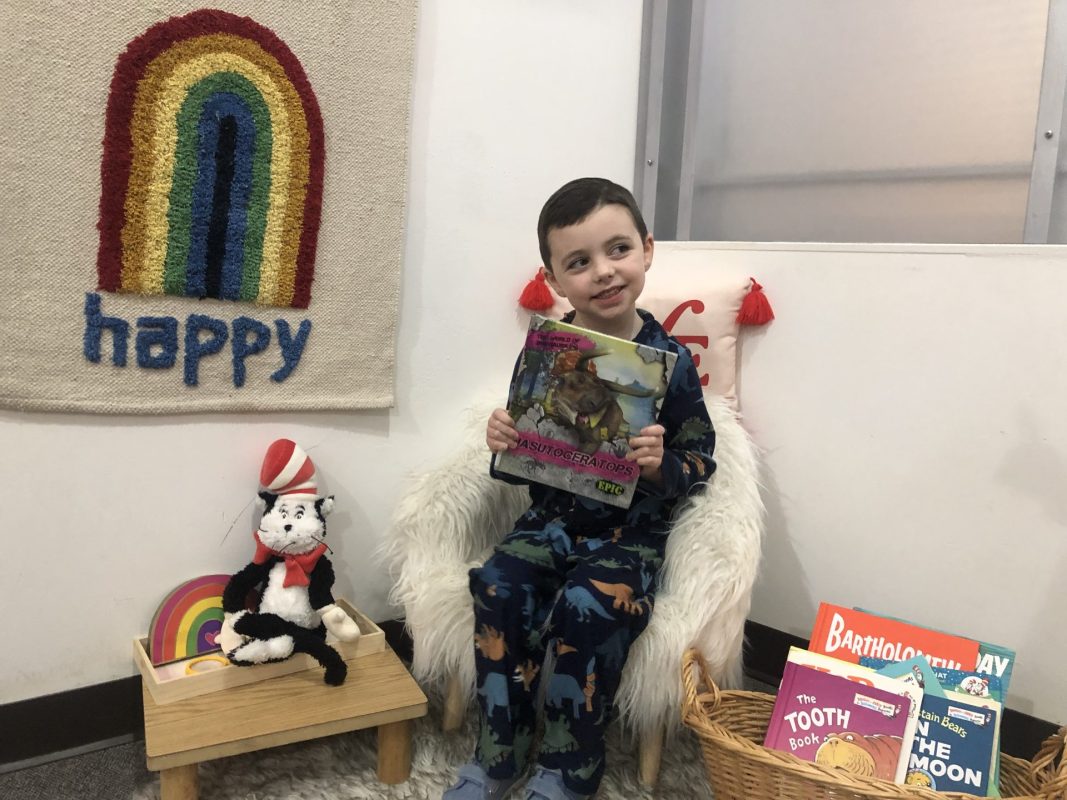
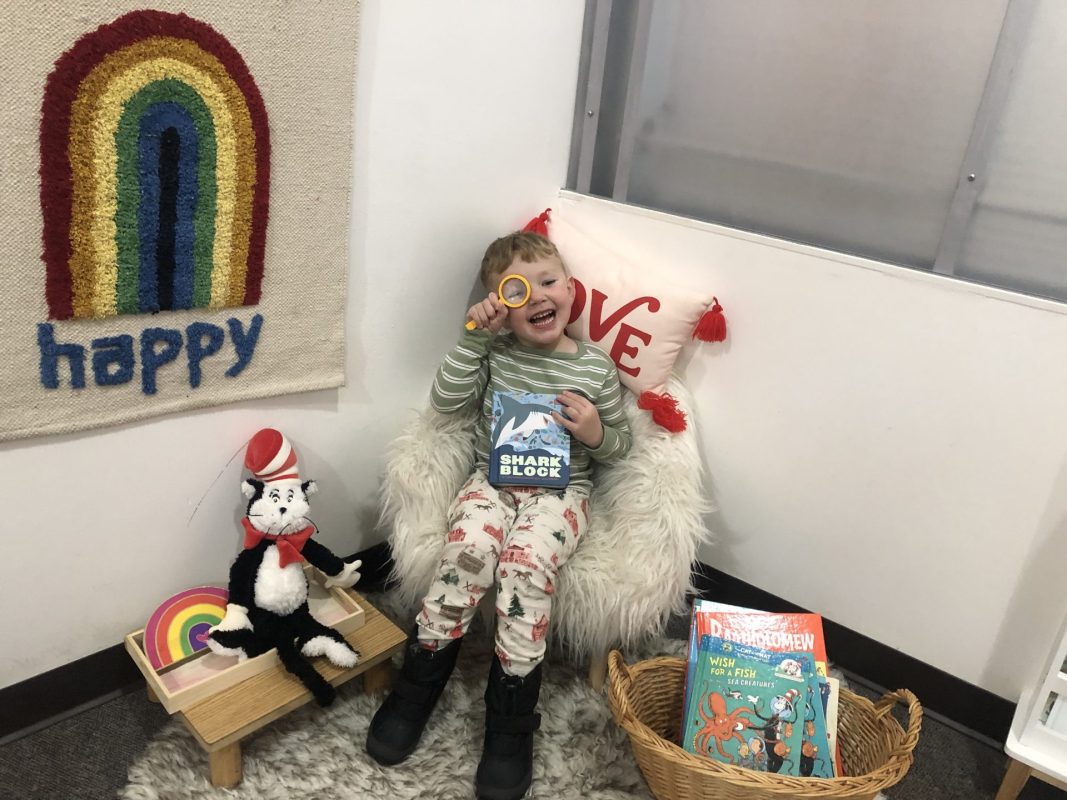
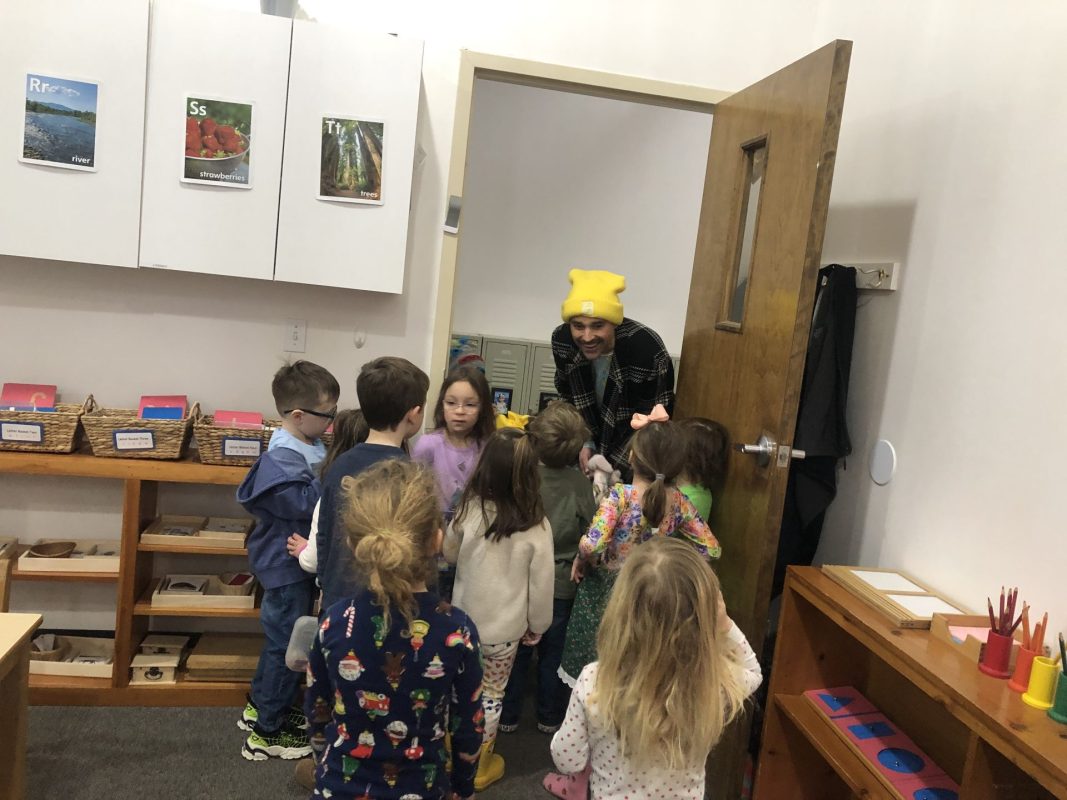
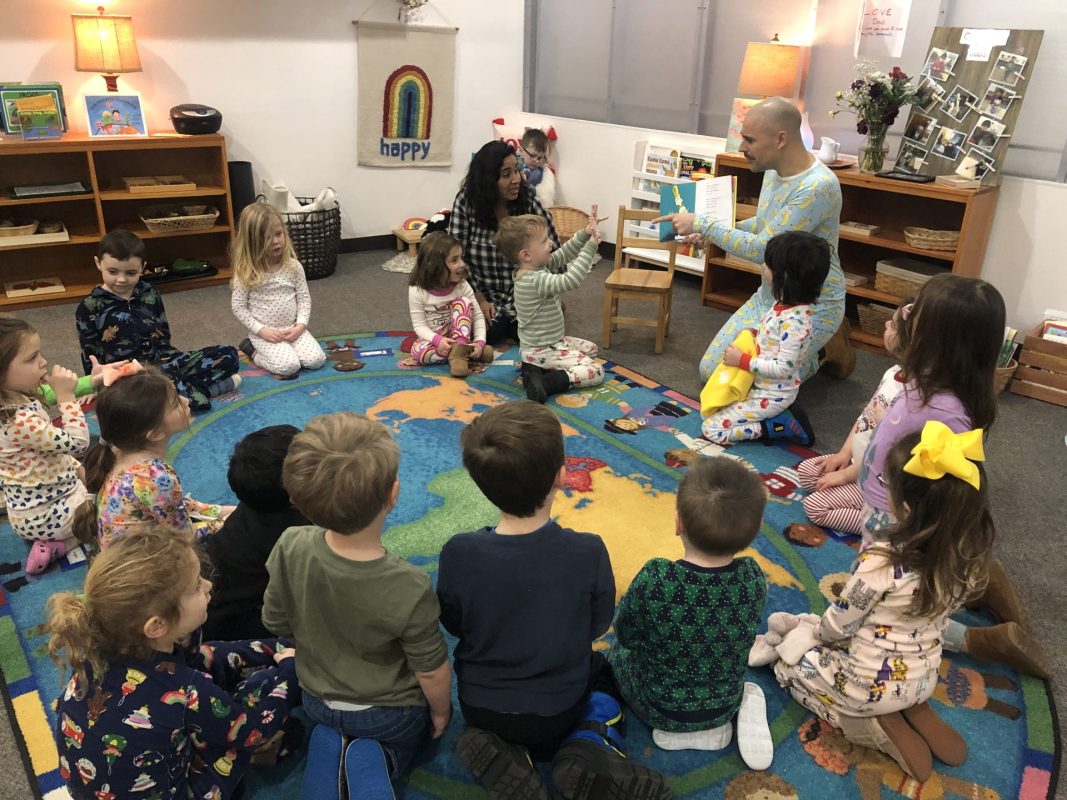
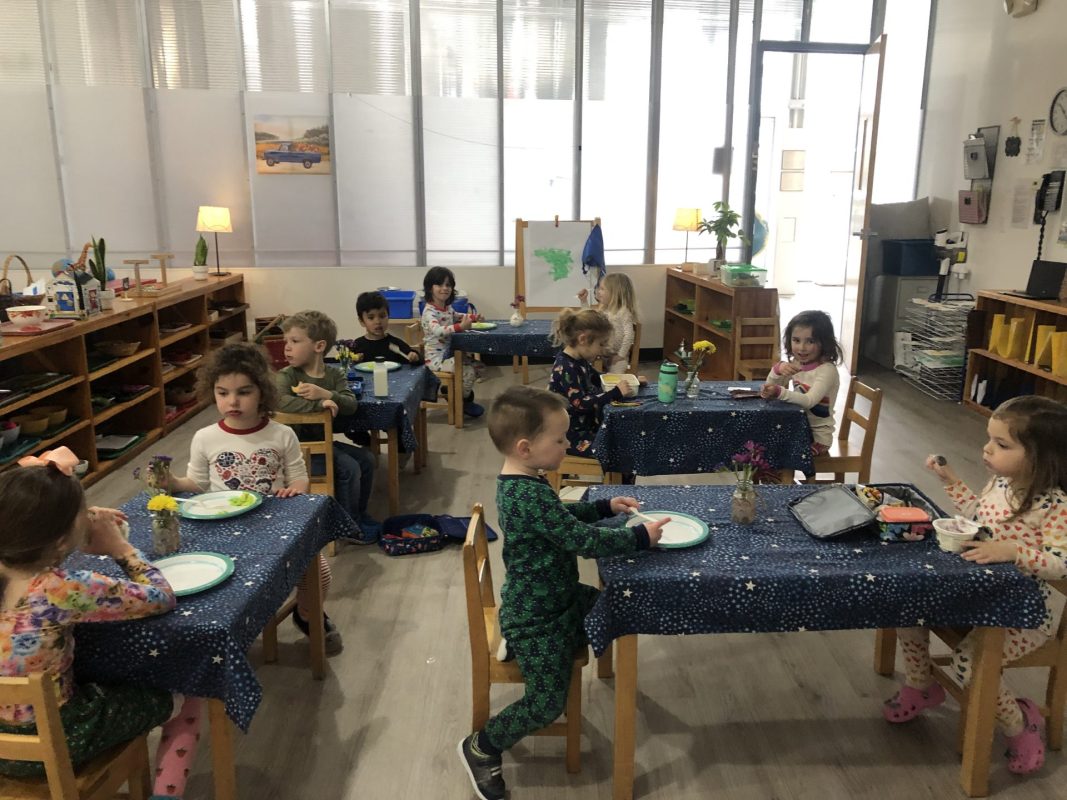
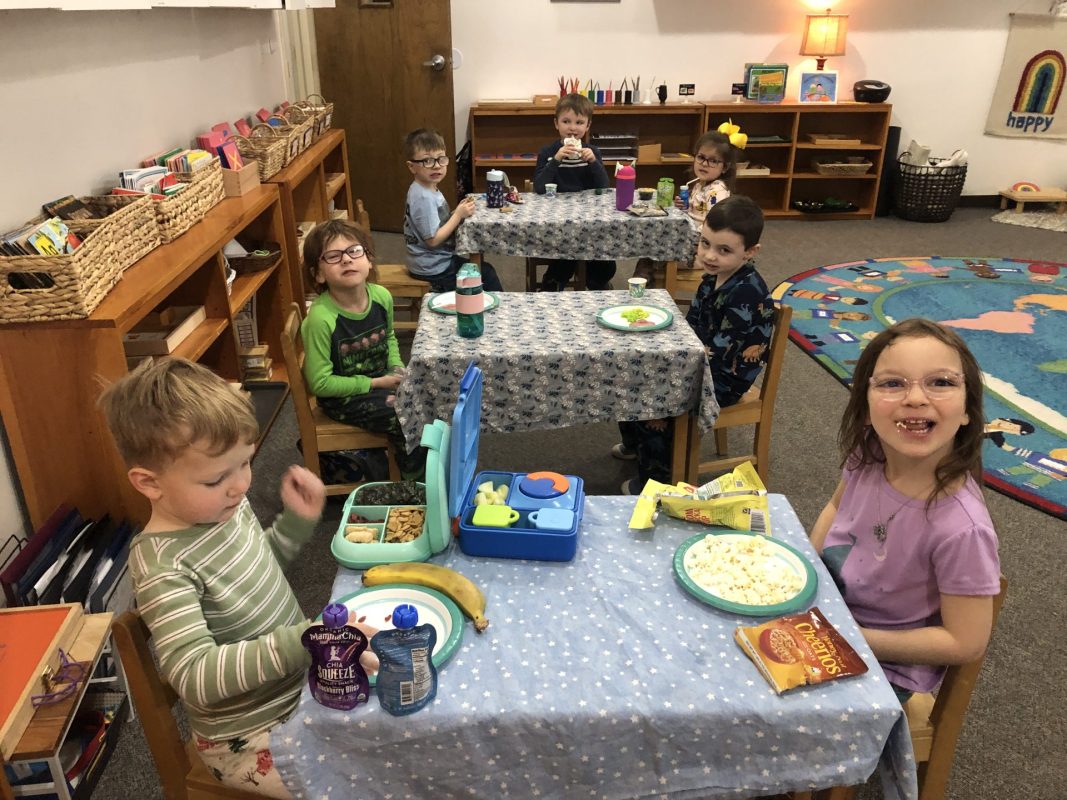
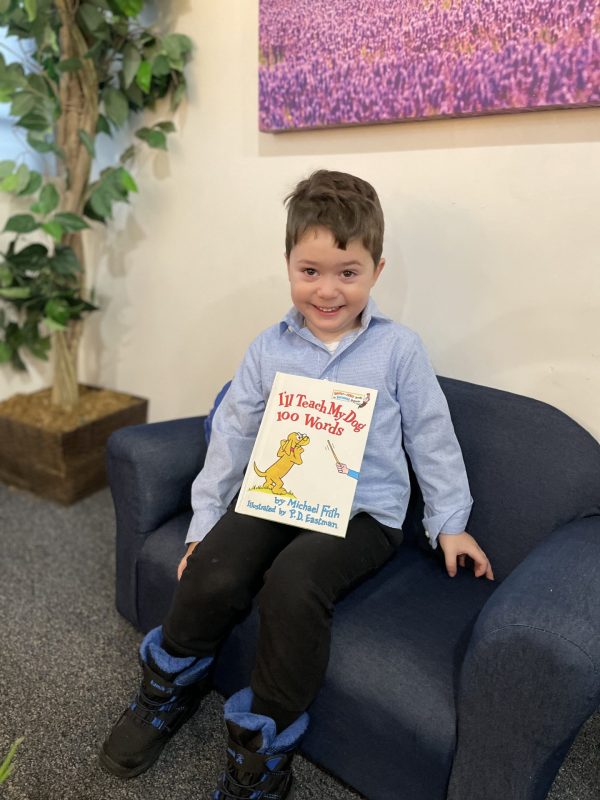
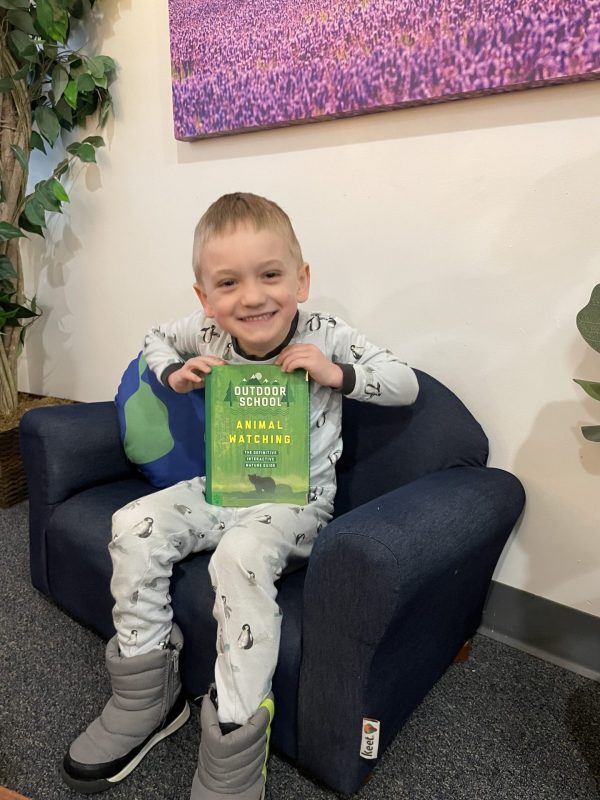
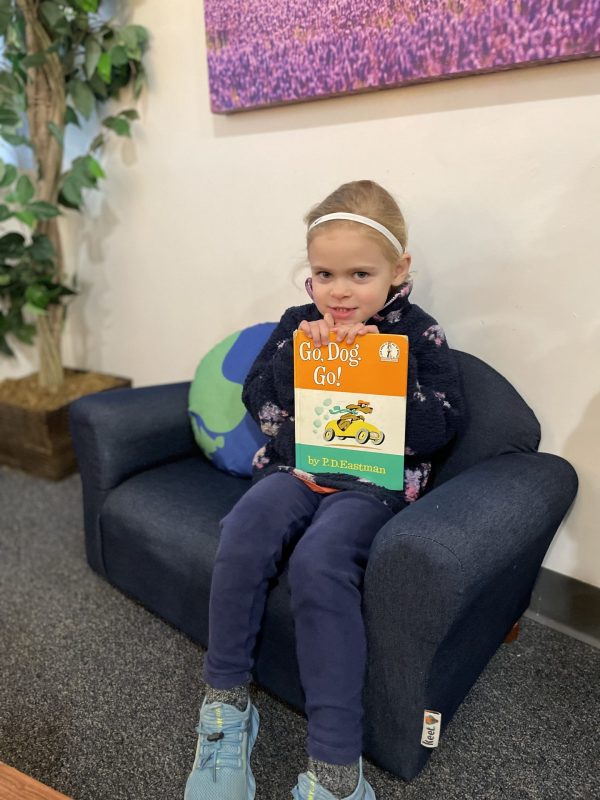
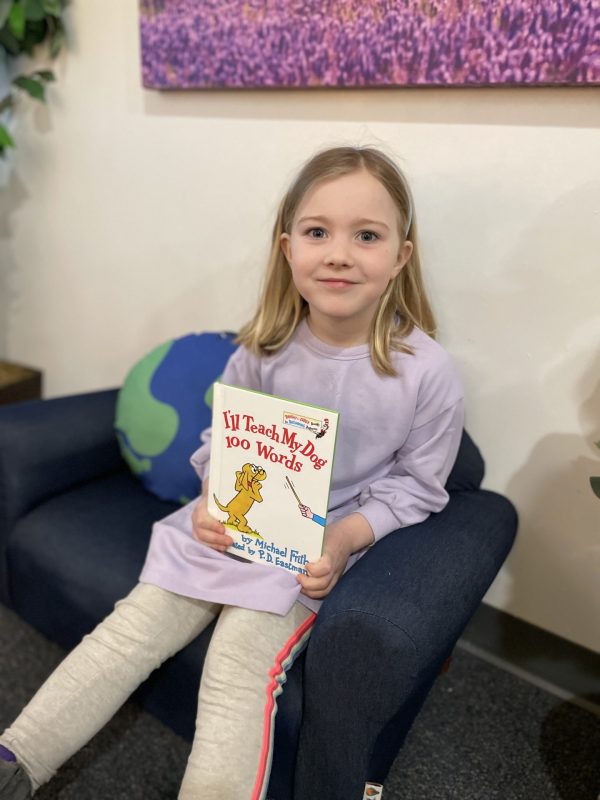
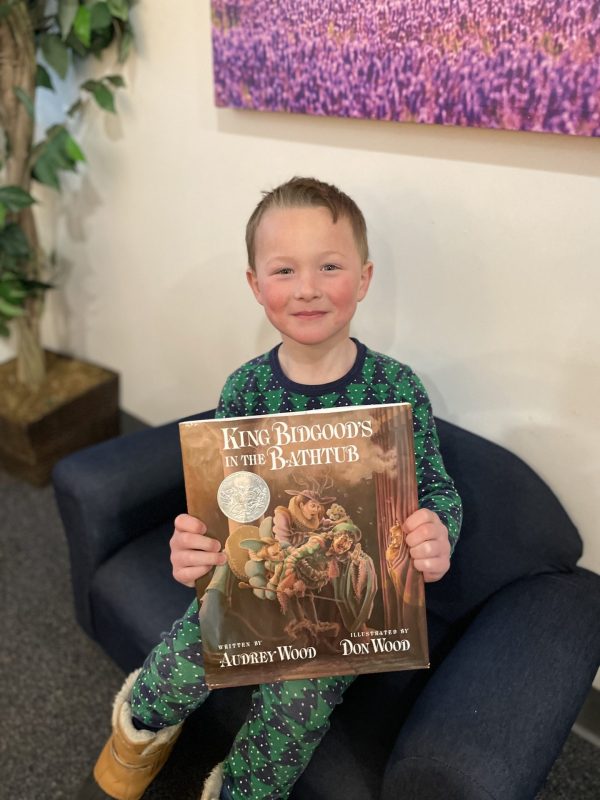
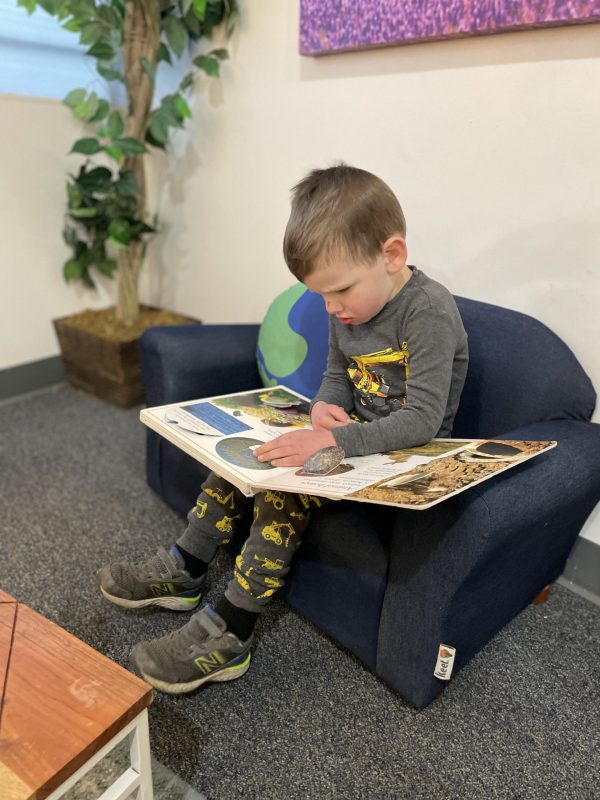
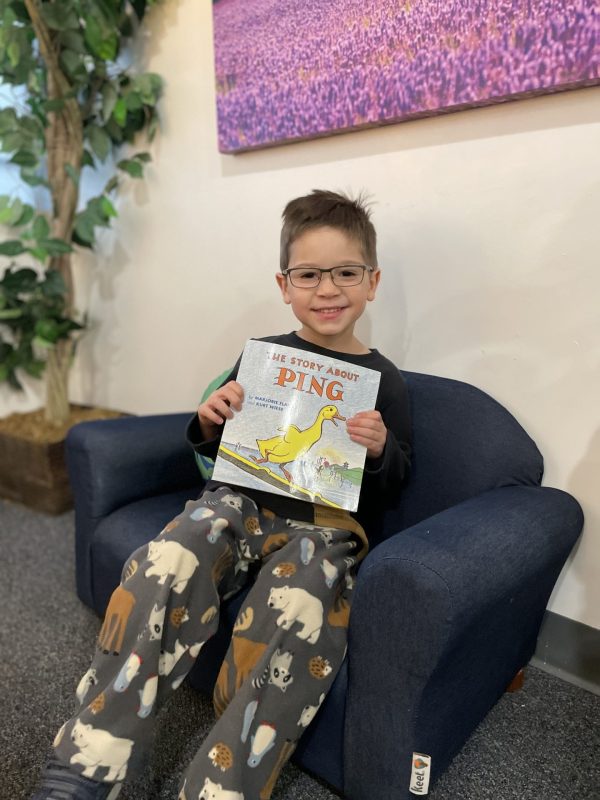
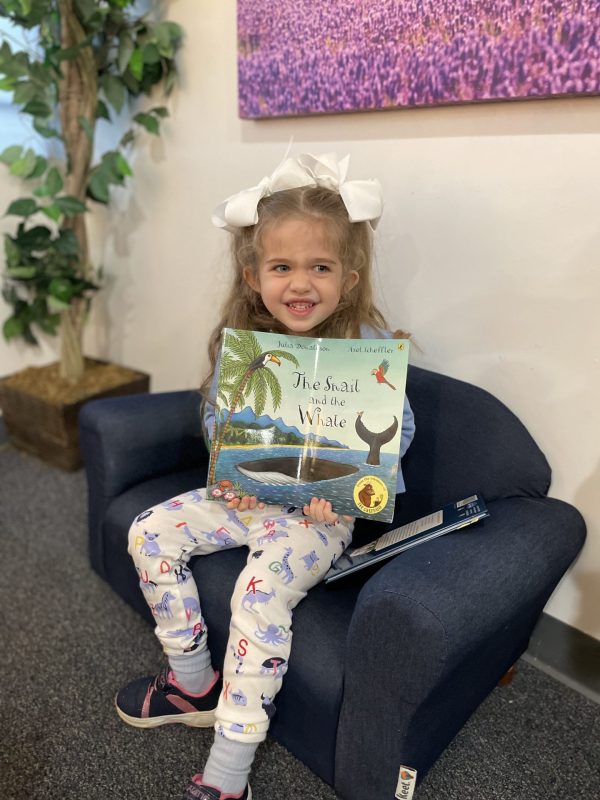
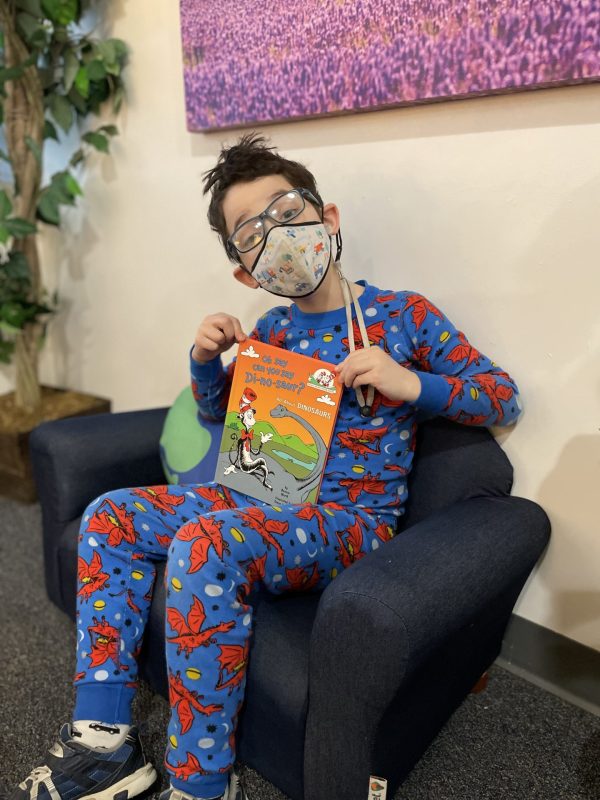
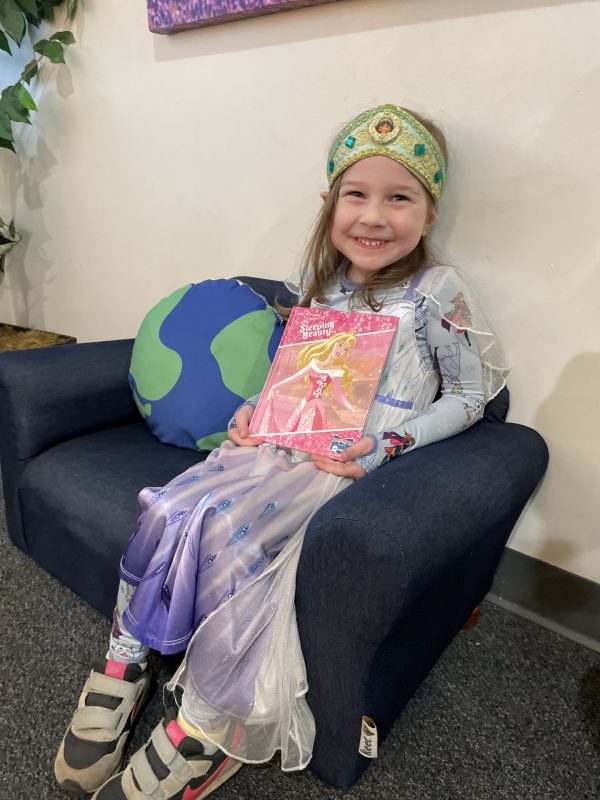
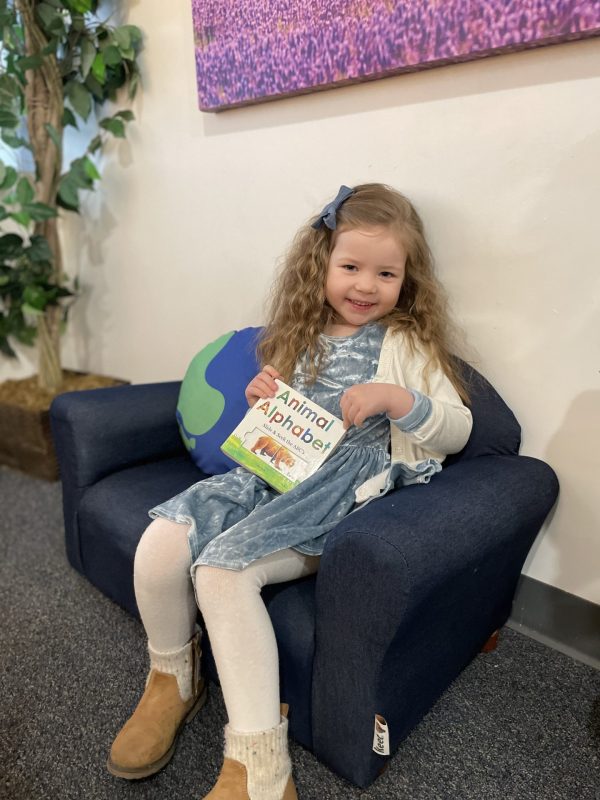
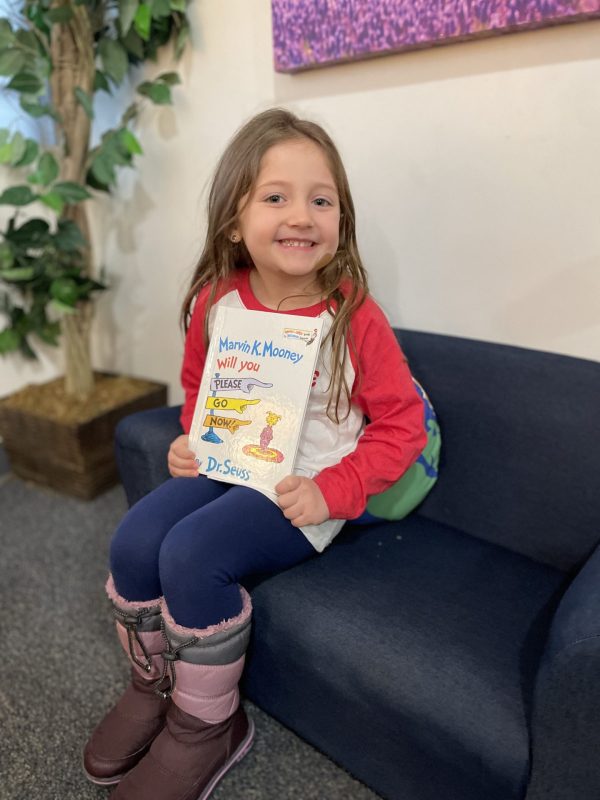
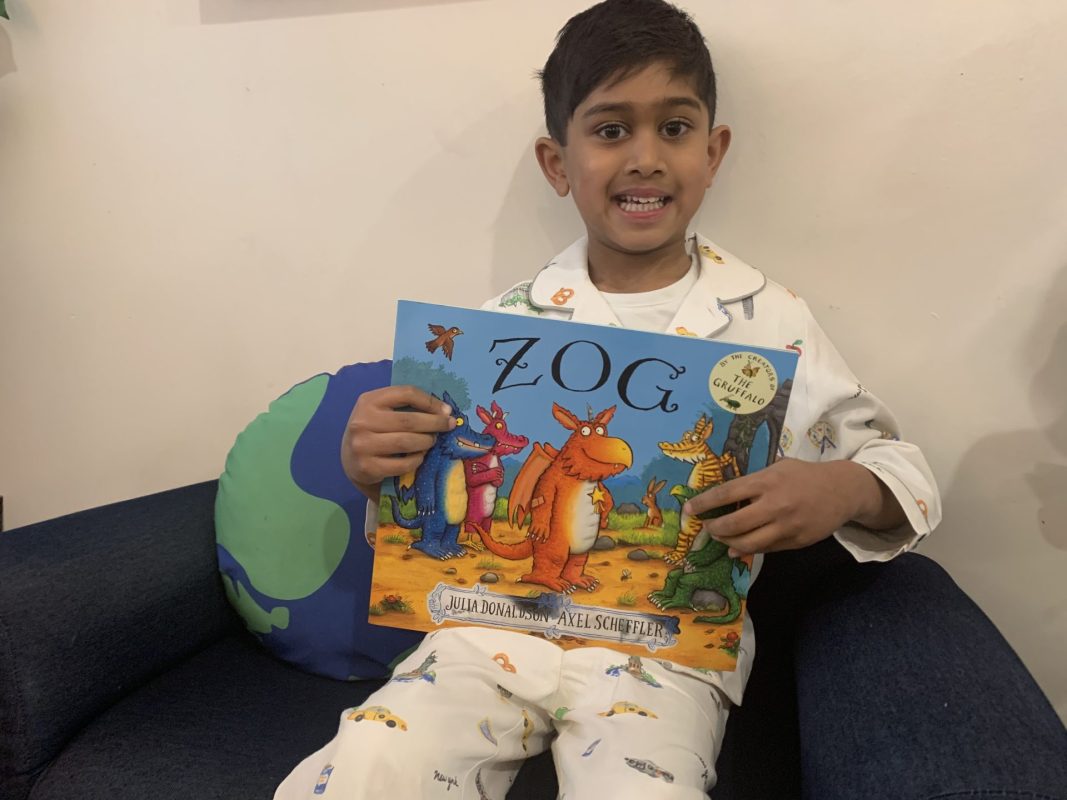
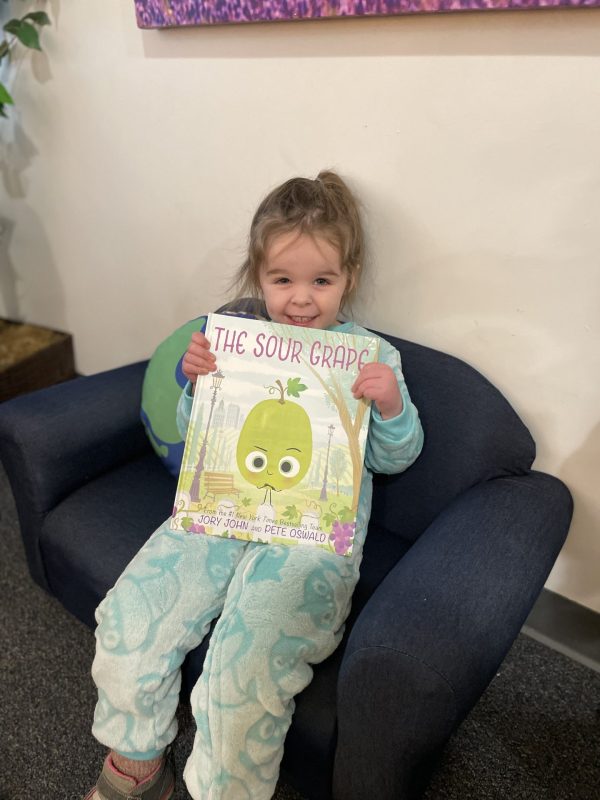
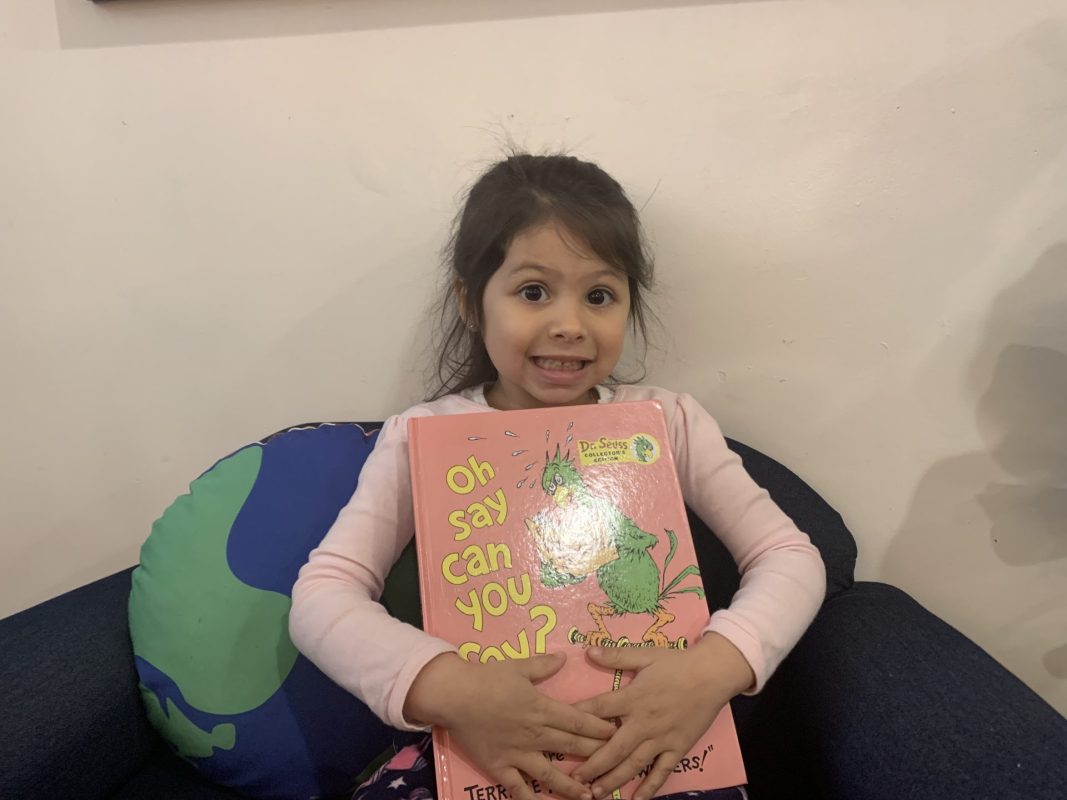
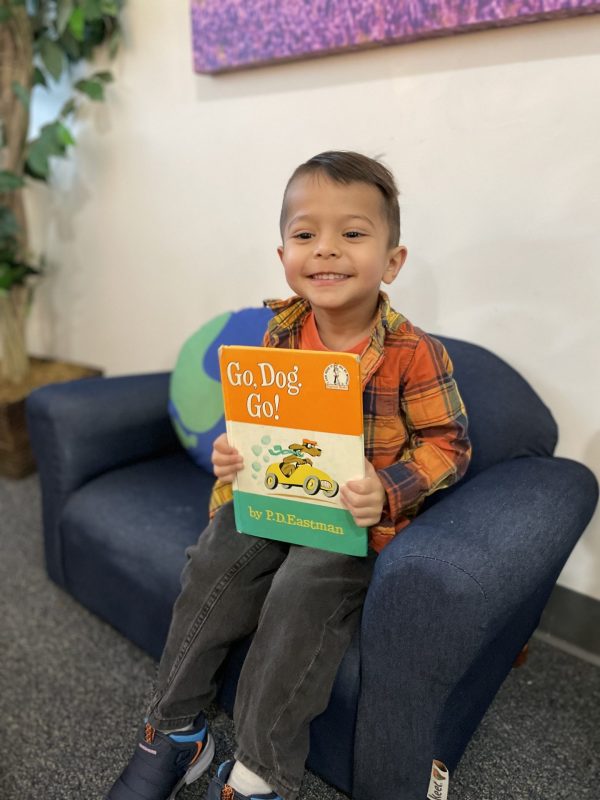
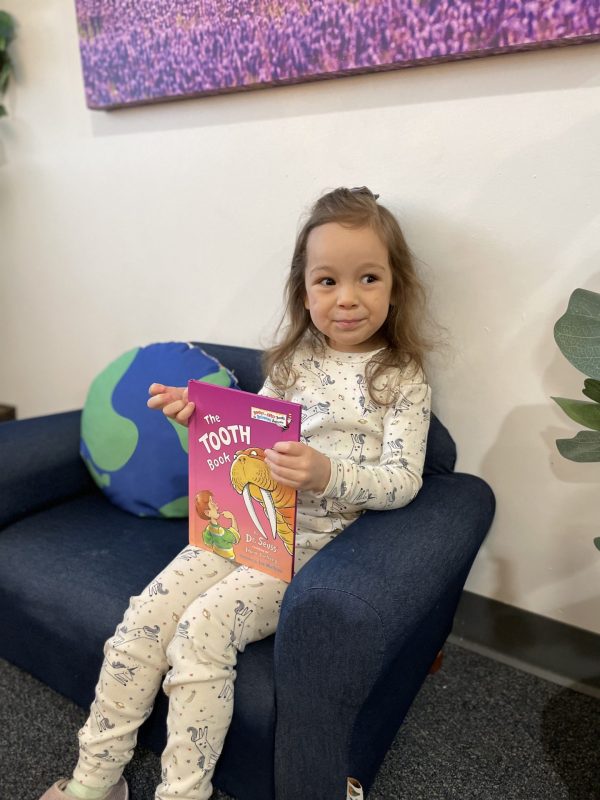
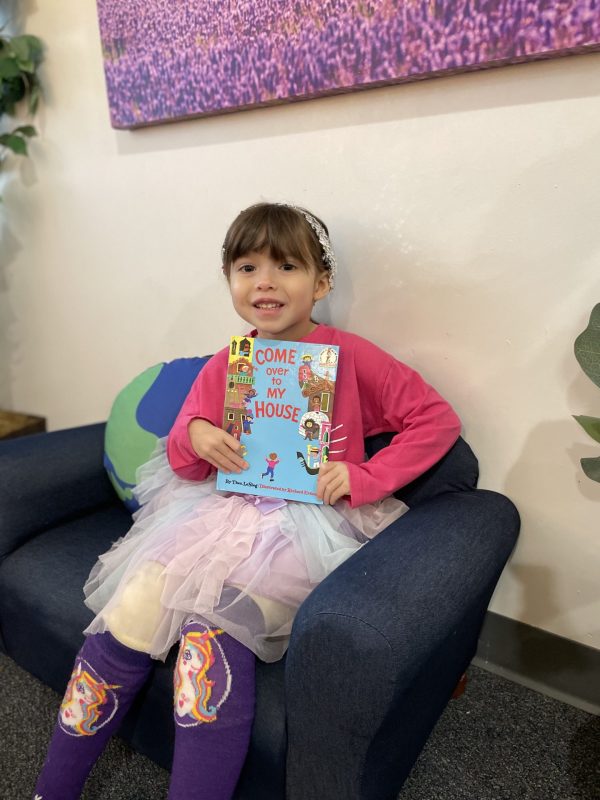
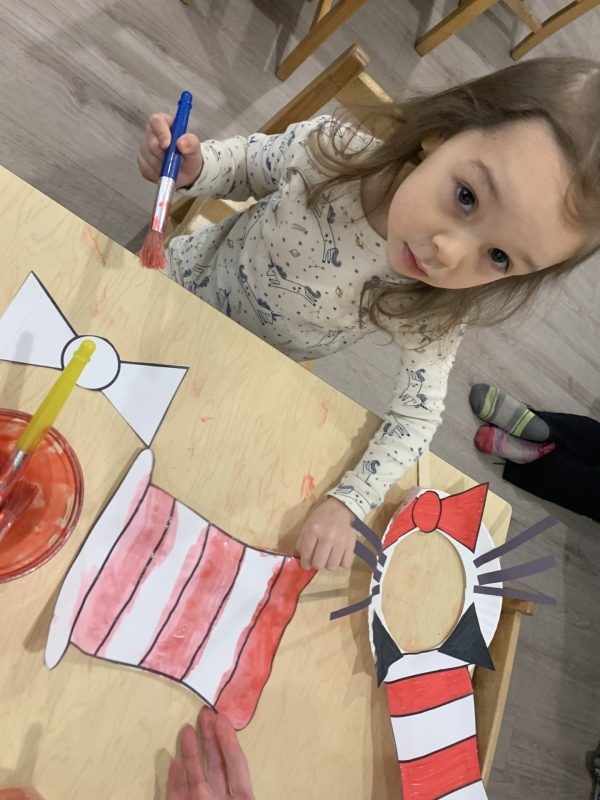
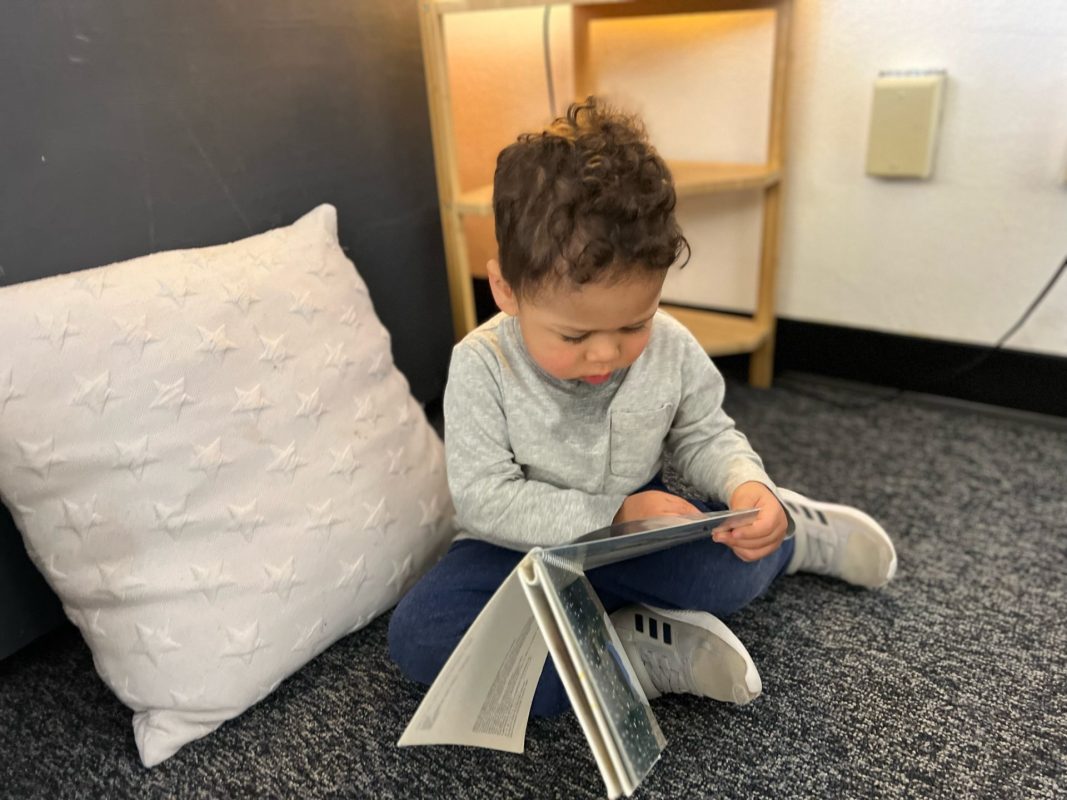
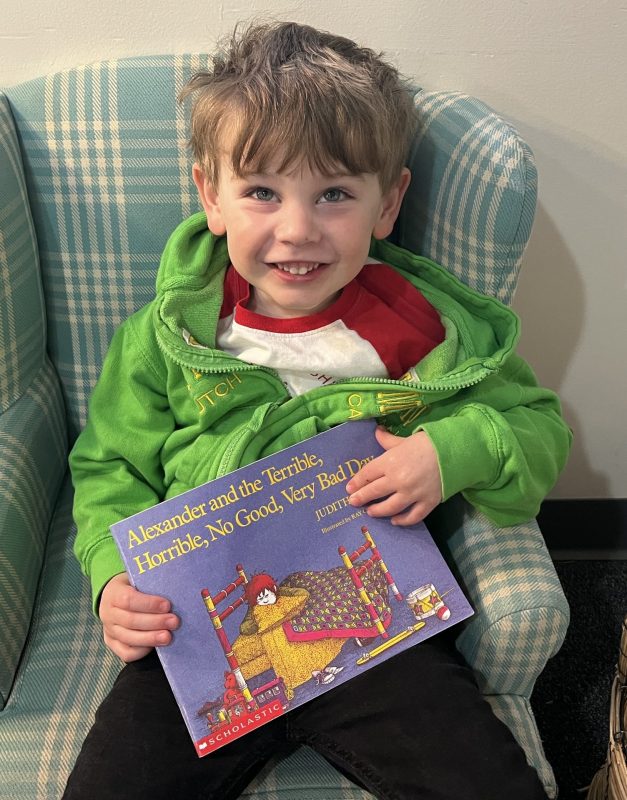
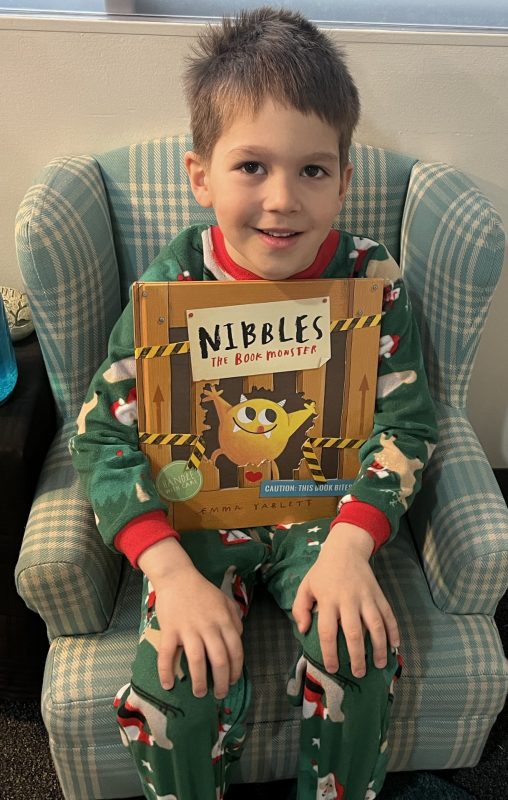
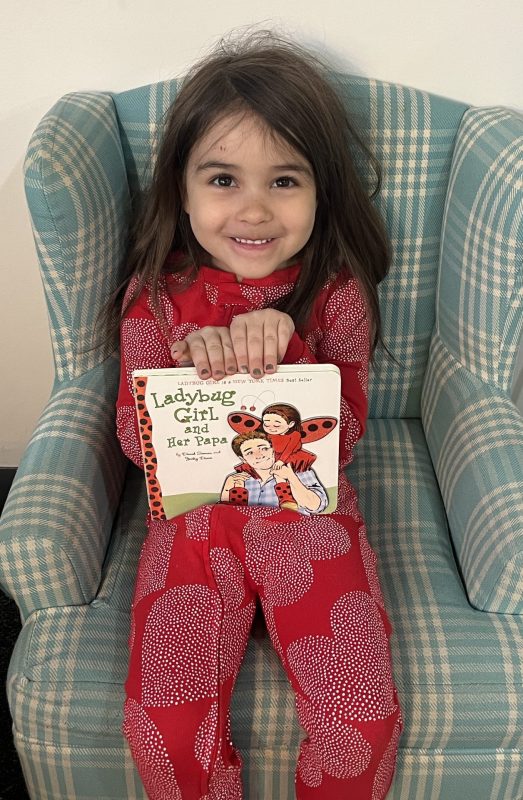
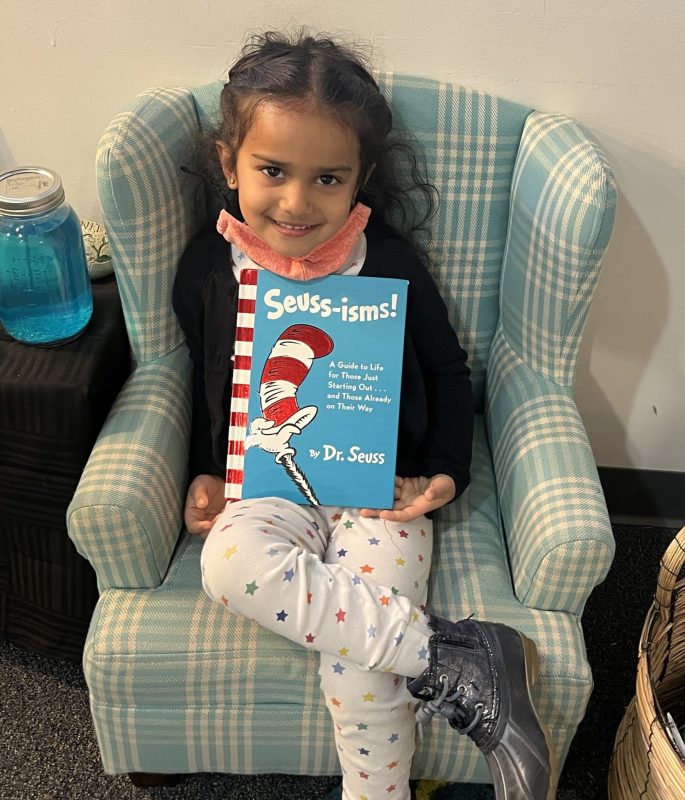
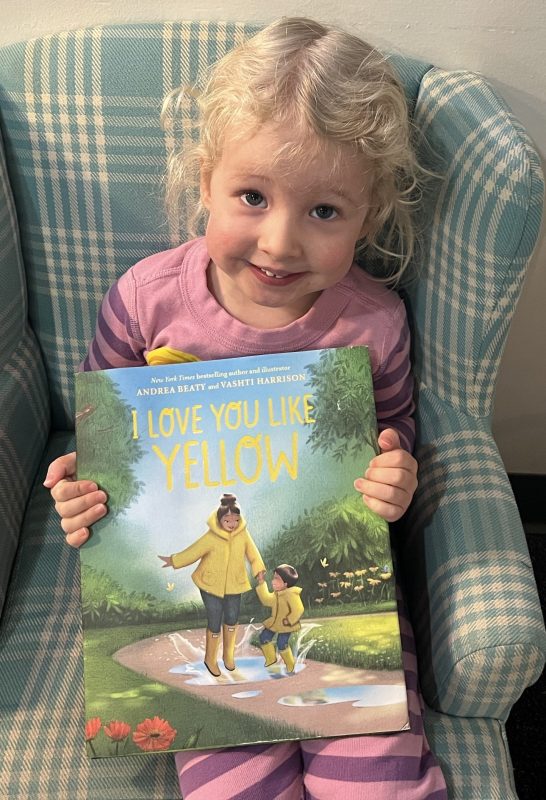
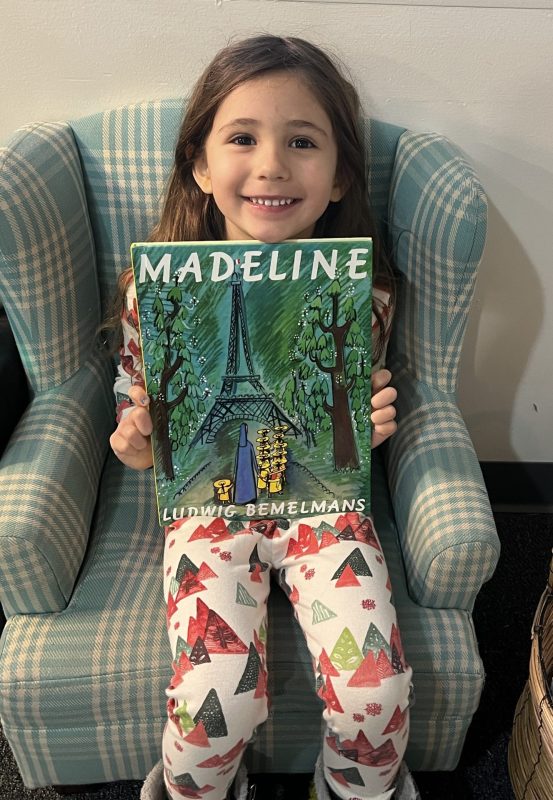
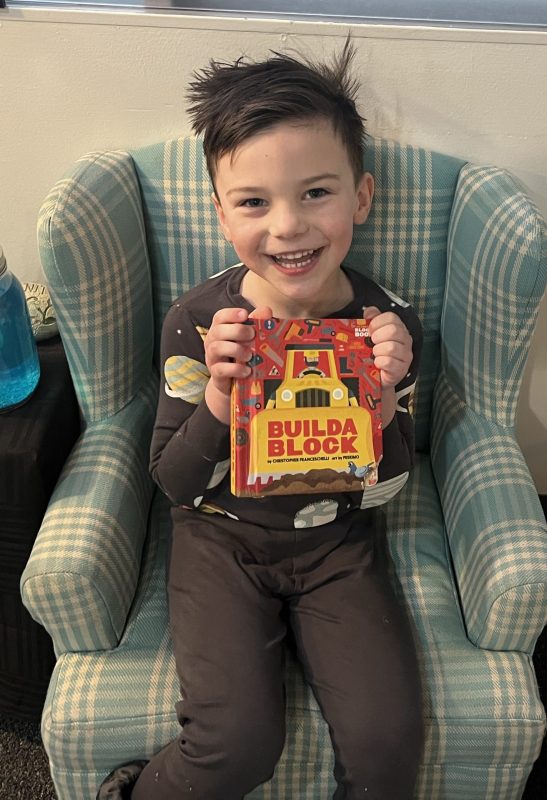
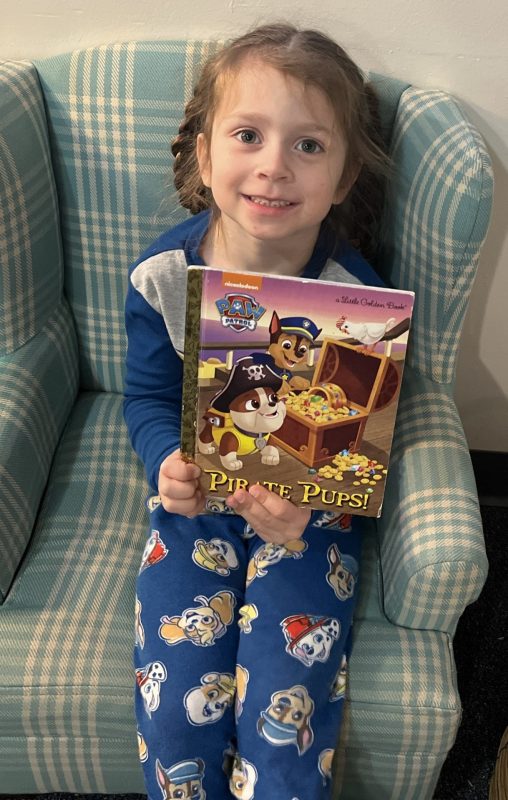
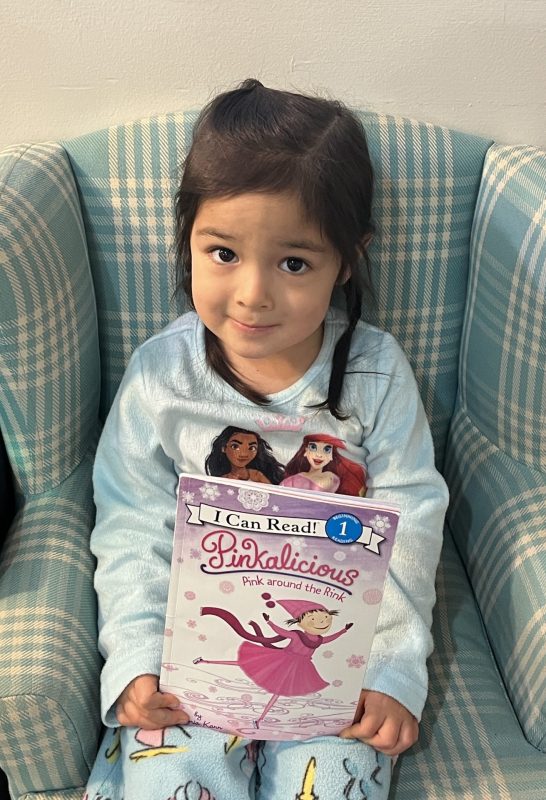
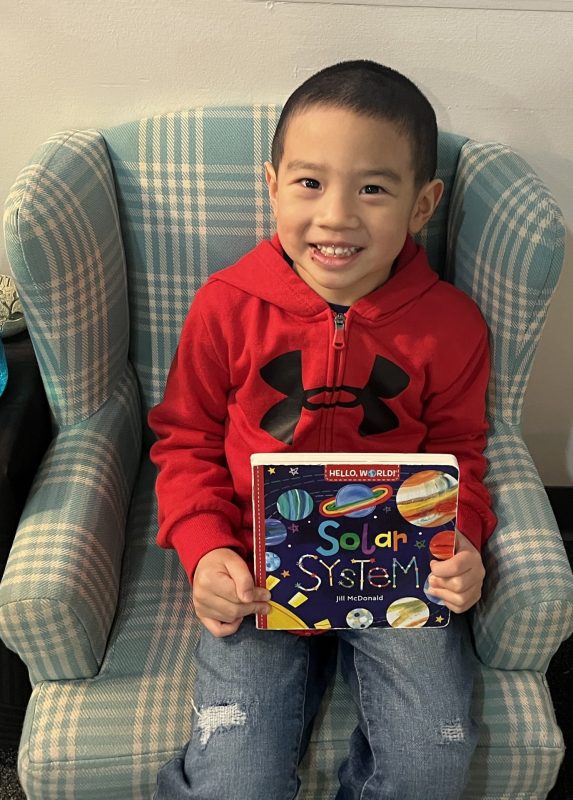
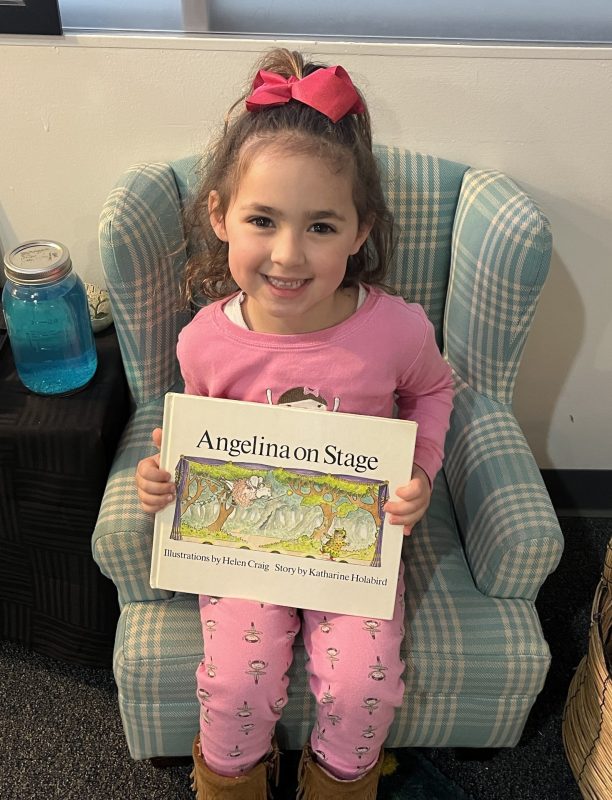
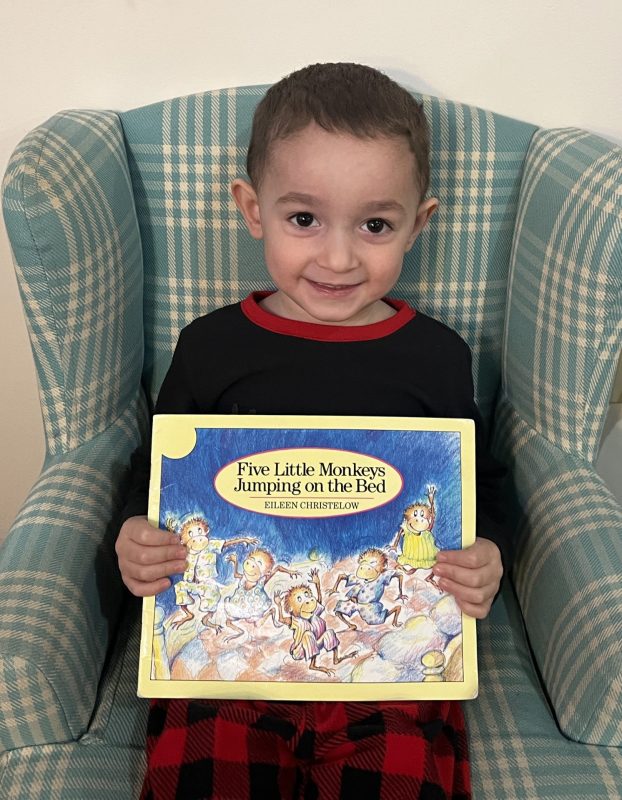
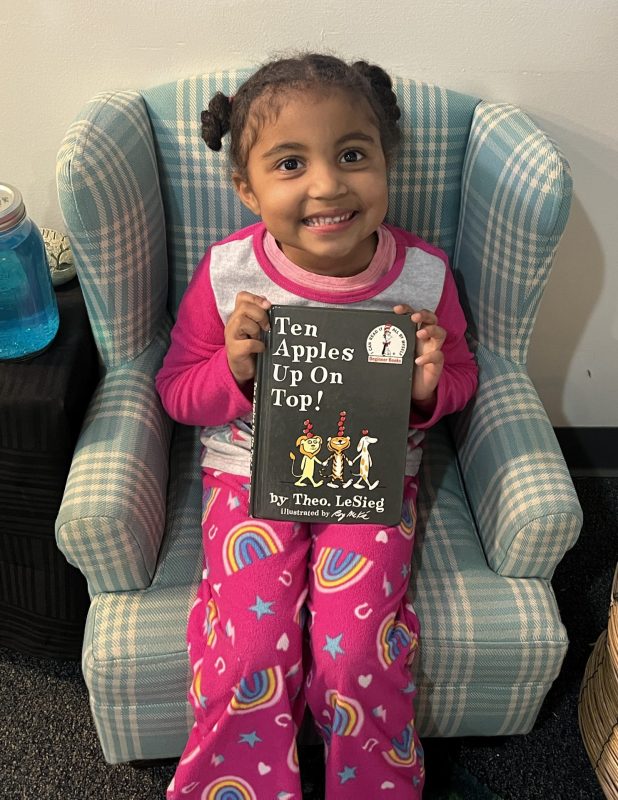
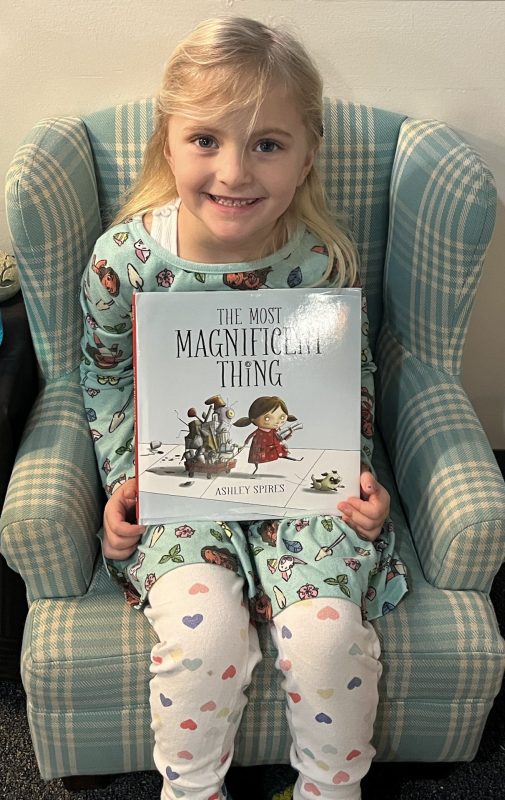
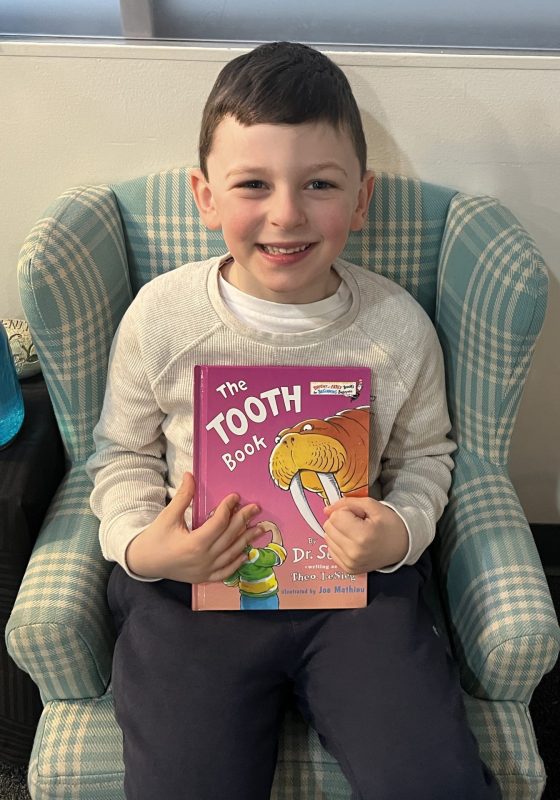
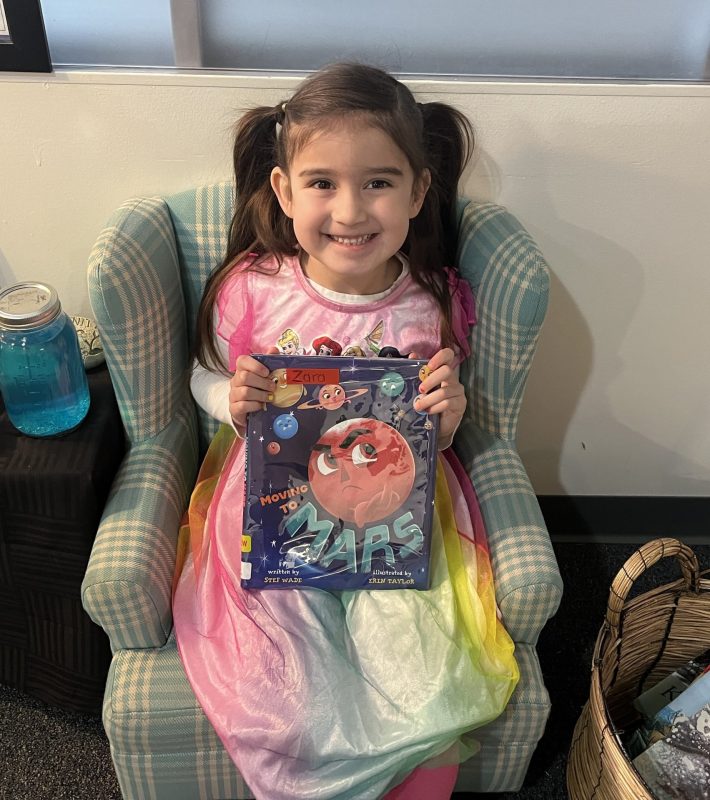
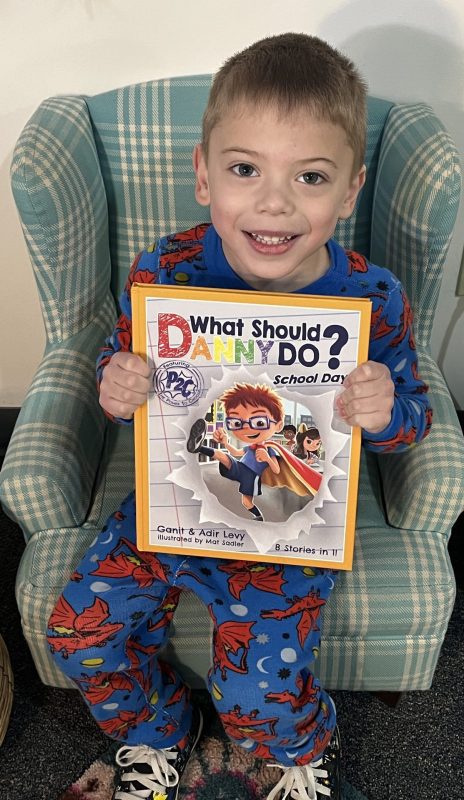
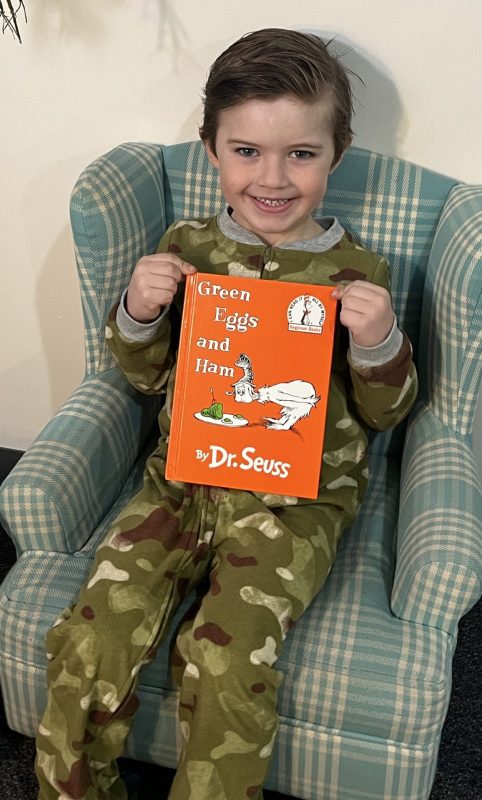
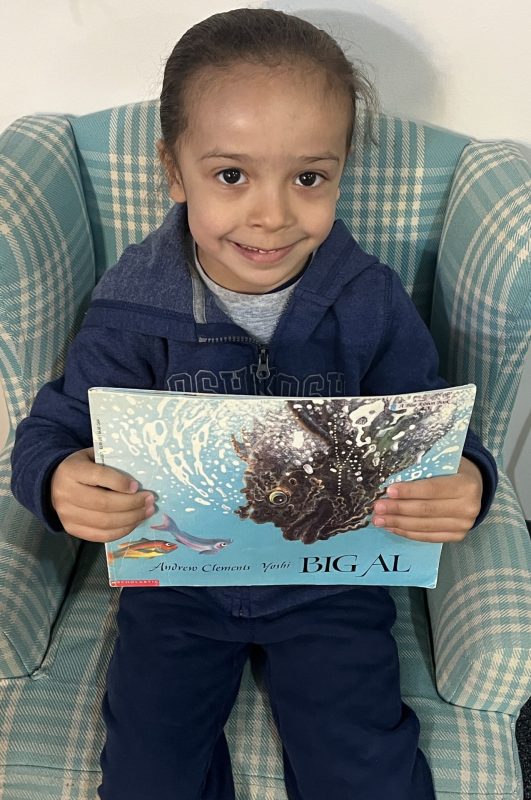
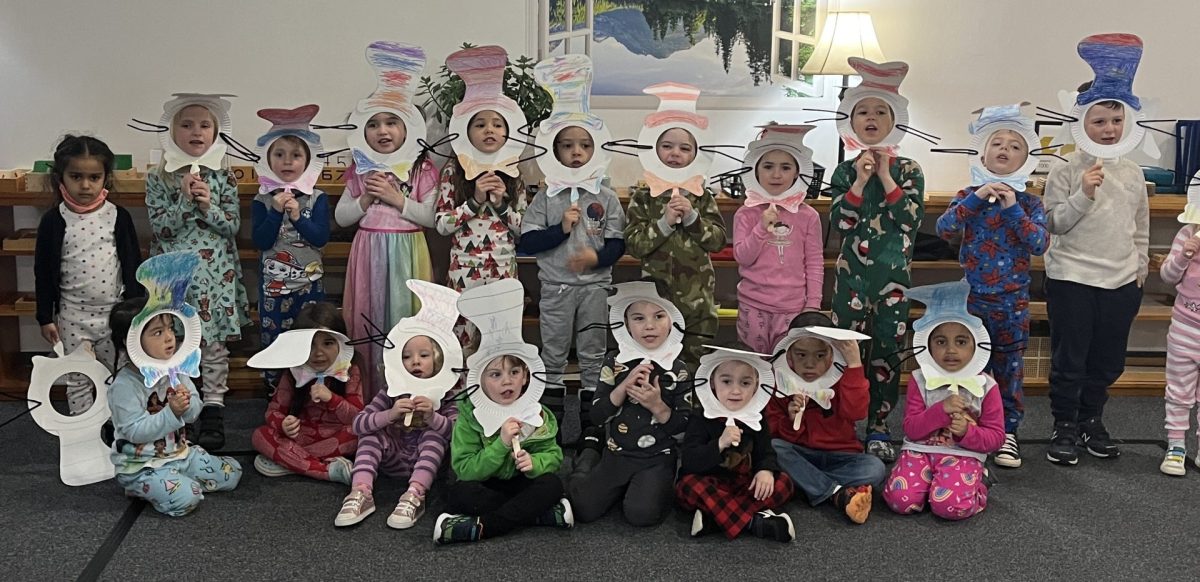
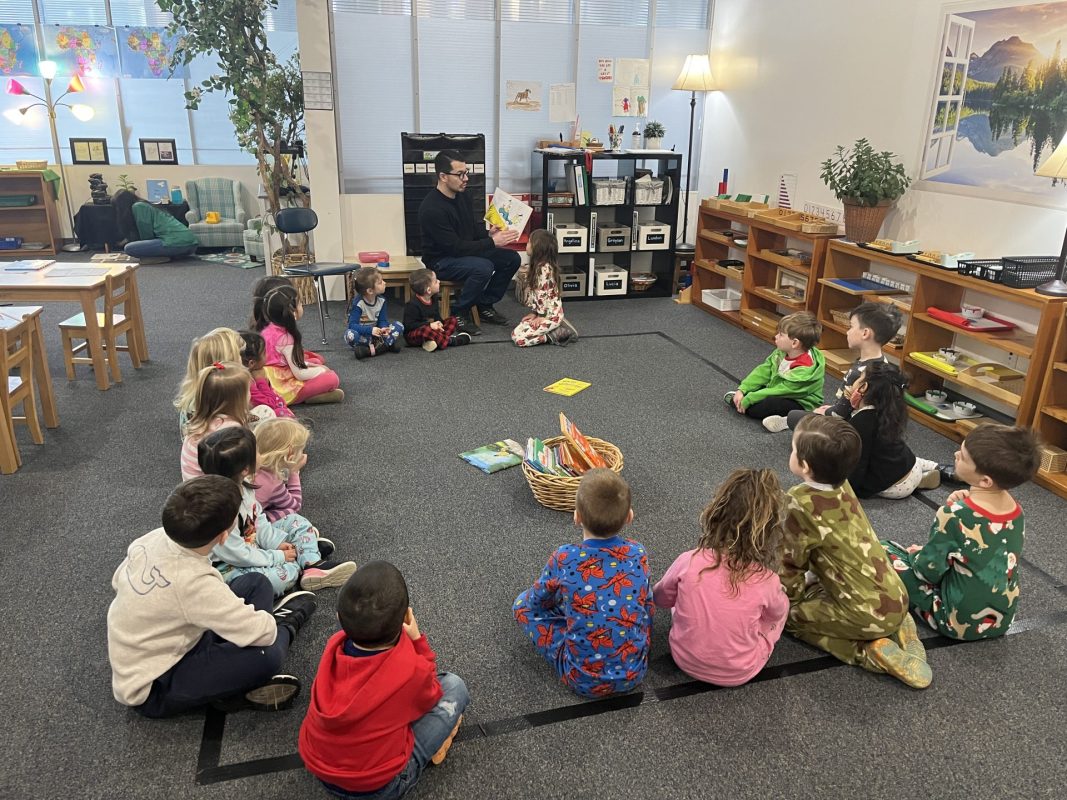
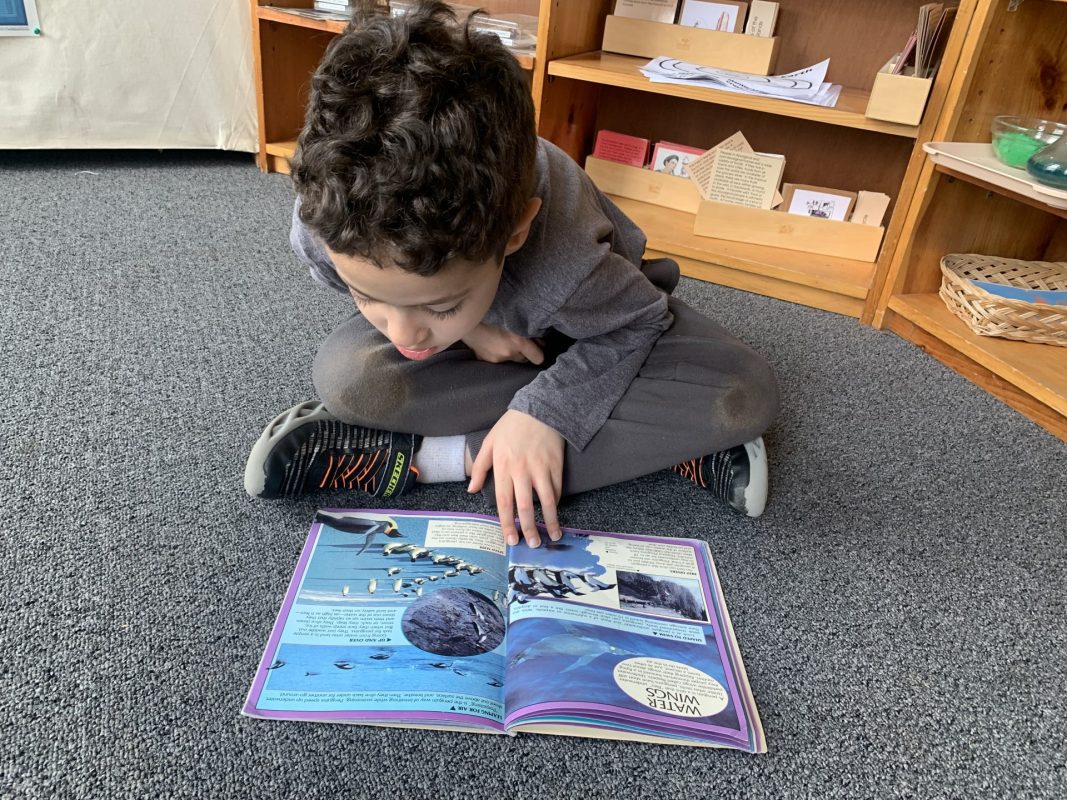
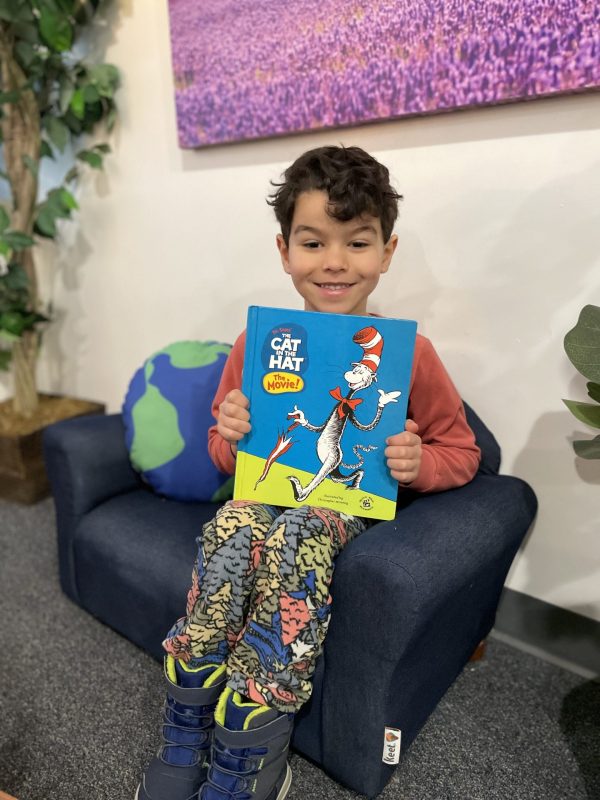
Read Across America is a national event celebrated on March 2nd, the birthday of Dr. Seuss. This initiative was created by the National Education Association and implemented to encourage a love of reading in children. At FWM, we also turn that day into Pajama Day, and the children bring their favorite book to share. We hope you enjoy the pictures.

An online article from nationaldaycalendar.com has some beautiful ideas on how to motivate children to read wherever they are.

  • Keep books everywhere you spend time. Put them in the car, in every room of the house, and tuck them in backpacks and purses. Make them easily accessible.
  • Visit the library often. Knowing how to use the library and learning the benefits of a library fosters a love of reading as well as genuine respect for the services libraries provide.
  • Get caught reading. Children imitate what they see the adults around them do. Whether they see you read a magazine, newspaper, or novel, let them know reading is the cool thing to do.
  • Read to your children. No matter their age, reading aloud strengthens their vocabulary and language skills. It also opens up opportunities for discussion.
  • Have your children read to you, too. You never know what you might learn!

In our classroom, we call books treasures. Reading is an integral part of each school day. I hope that Miss Lizette and I can pass on our passion for literature to your children.

Happy Reading!

Kaoutar and Lizette


Mrs. Lopes: Oh, the Places You’ll Go!


You can find magic wherever you look. So sit back and relax, all you need is a book.  

                                                                                                                                                                    —–Dr. Seuss

Read Across America is a national event celebrated on March 2nd, the birthday of Dr. Seuss. This initiative was created by the National Education Association and implemented to encourage a love of reading in children. At FWM, we also turn that day into Pajama Day, and the children bring their favorite book to share. We hope you enjoy the pictures.

An online article from nationaldaycalendar.com has some beautiful ideas on how to motivate children to read wherever they are.

  • Keep books everywhere you spend time. Put them in the car, in every room of the house, and tuck them in backpacks and purses. Make them easily accessible.
  • Visit the library often. Knowing how to use the library and learning the benefits of a library fosters a love of reading as well as genuine respect for the services libraries provide.
  • Get caught reading. Children imitate what they see the adults around them do. Whether they see you read a magazine, newspaper, or novel, let them know reading is the cool thing to do.
  • Read to your children. No matter their age, reading aloud strengthens their vocabulary and language skills. It also opens up opportunities for discussion.
  • Have your children read to you, too. You never know what you might learn!

In our classroom, we call books treasures. Reading is an integral part of each school day. I hope that Ms Hema and I can pass on our passion for literature to your children.

Happy Reading!

Amanda & Hema


Mrs. Wilson: Snow Fun!

“Snow is a beautiful reminder of life and all its quirks. It makes me pause. Think. Stay still. Even my mind takes the hint. It makes me feel giddy. Like a kid.” – R.B. O’ Brien

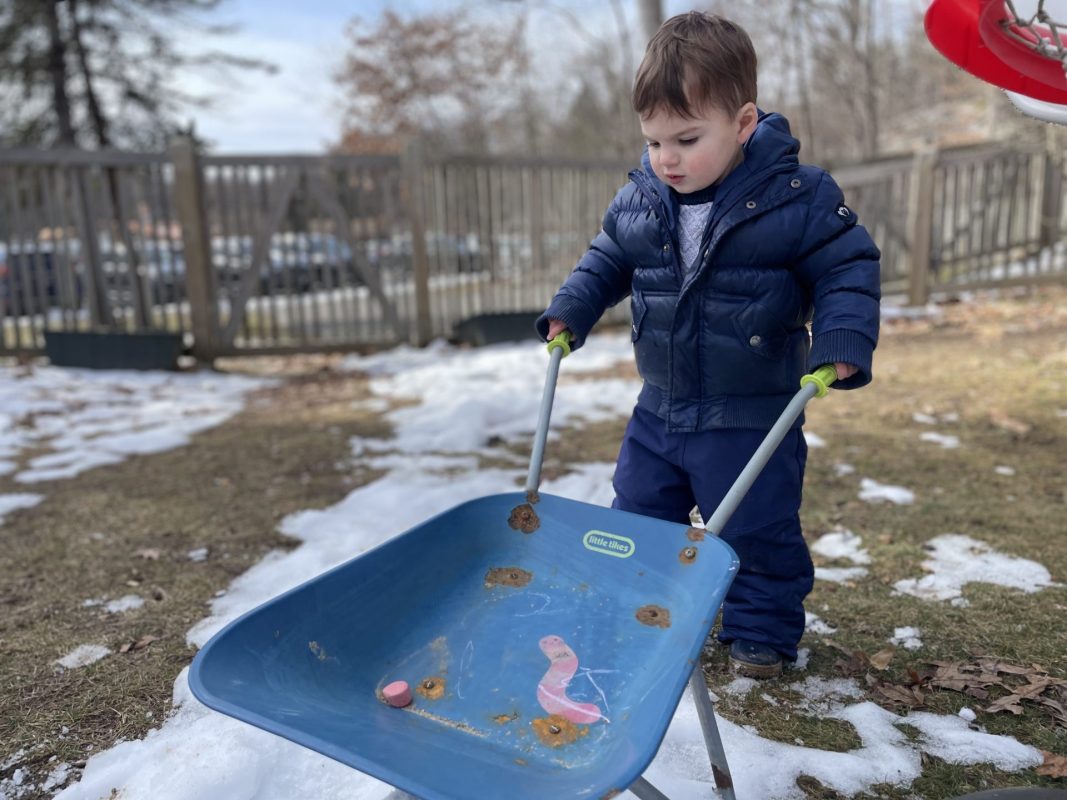
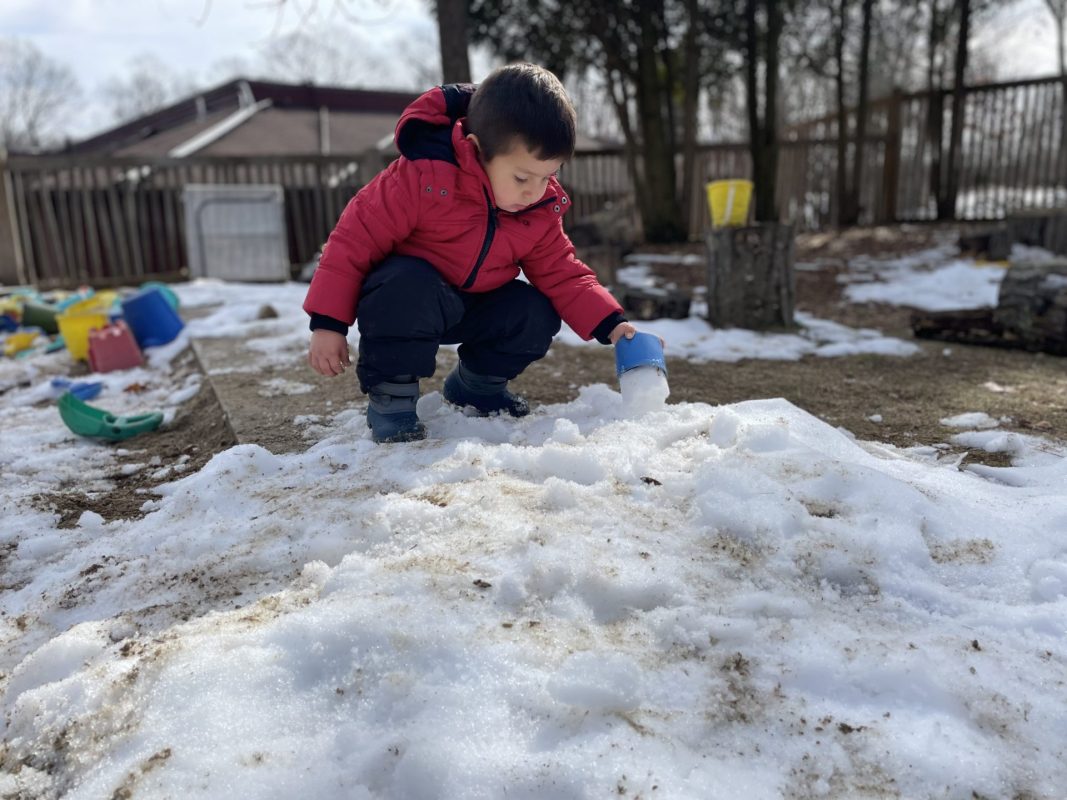
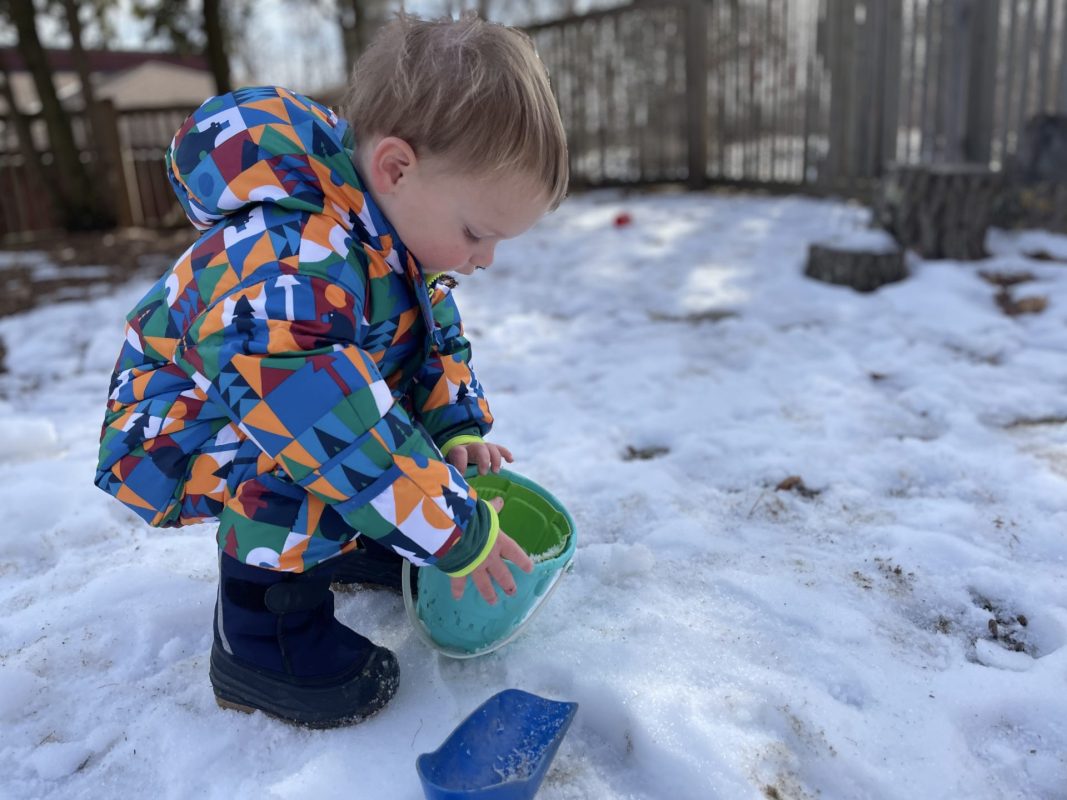
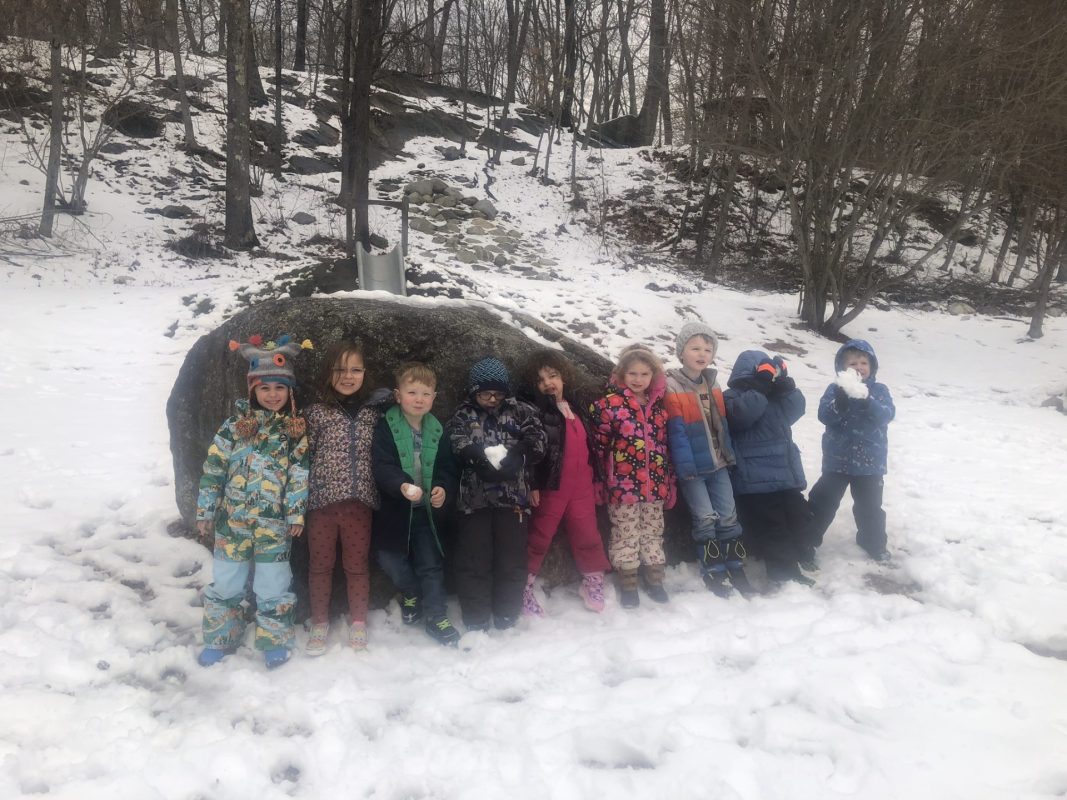
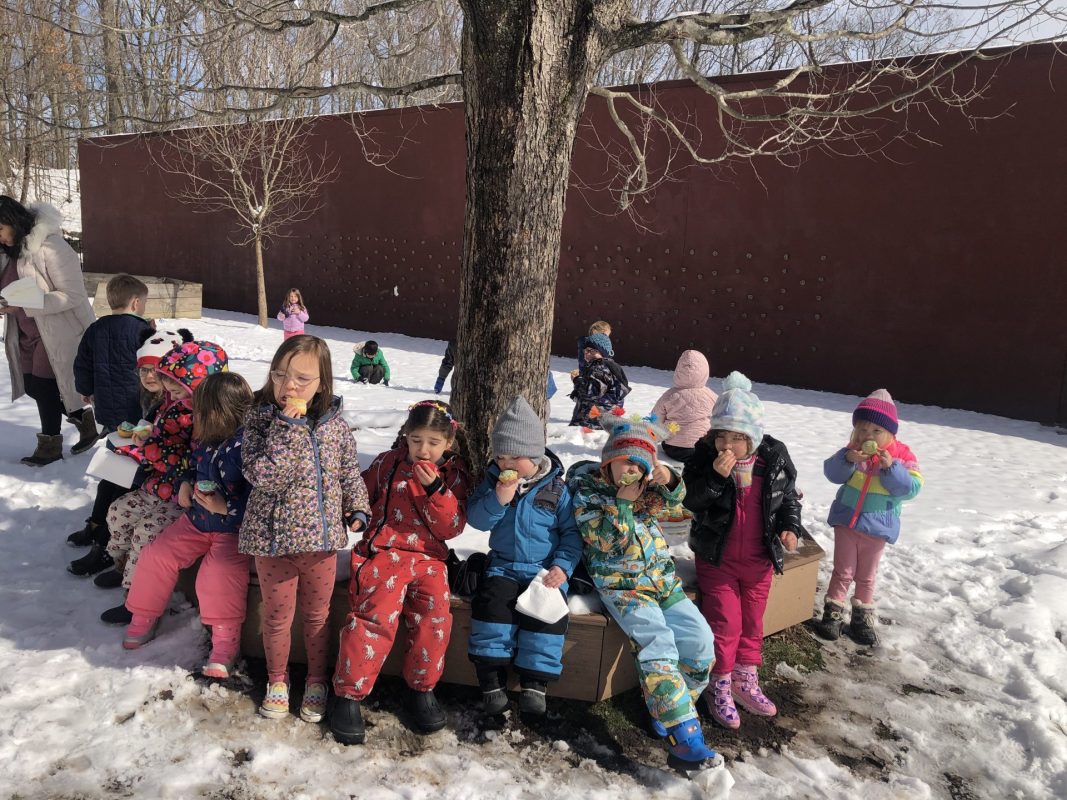
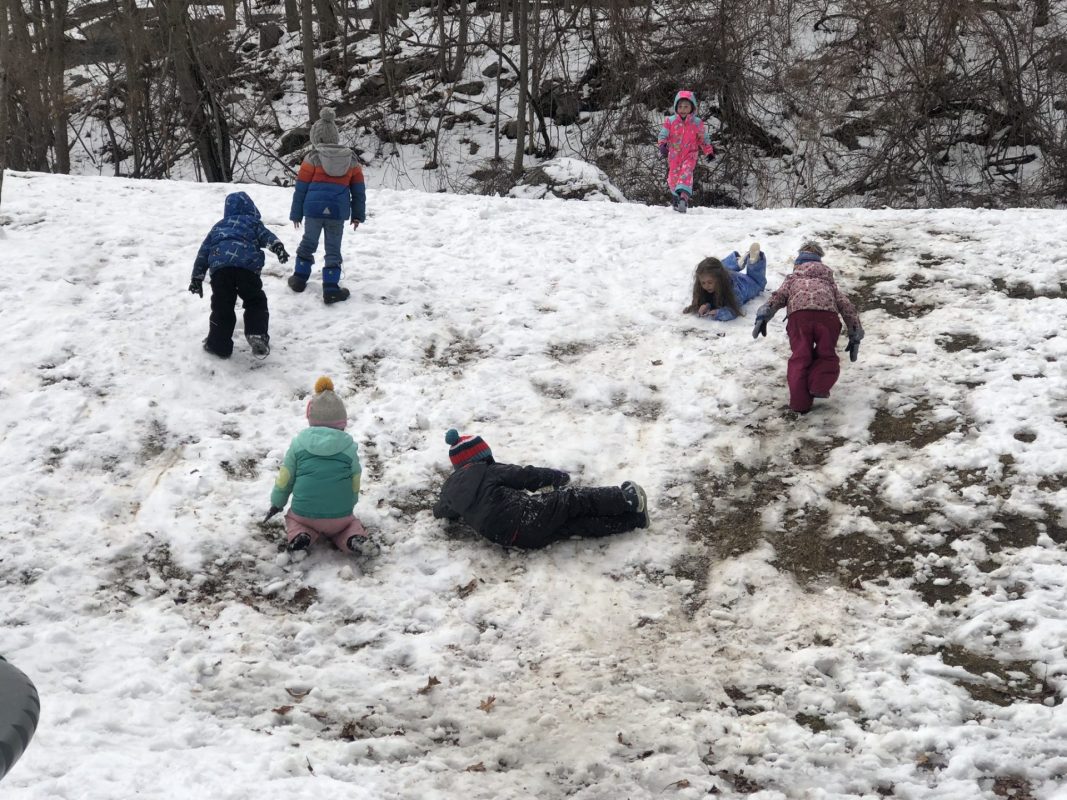
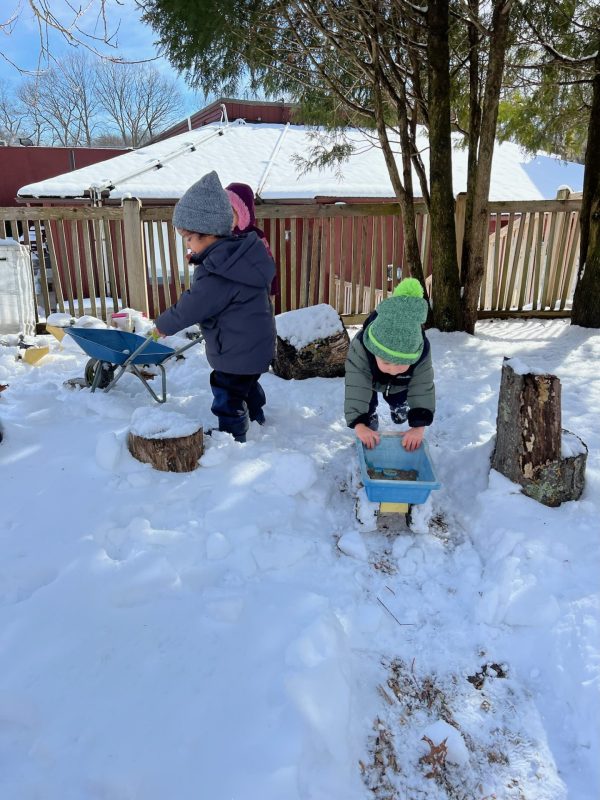
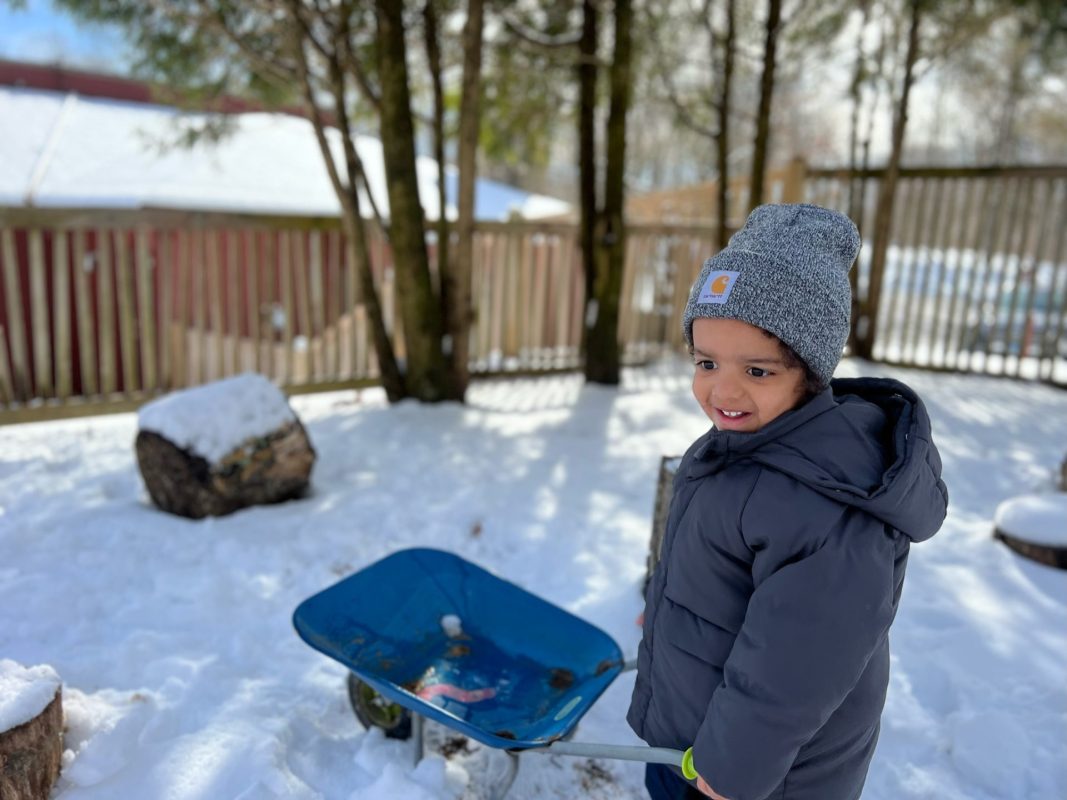
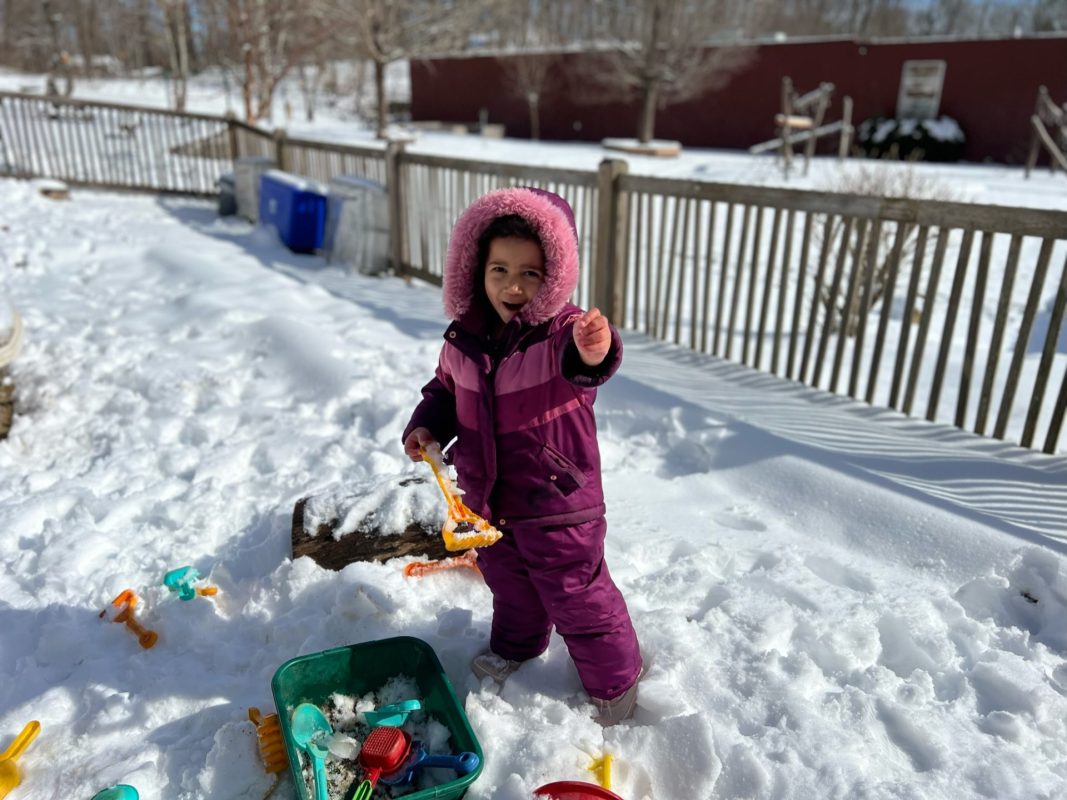
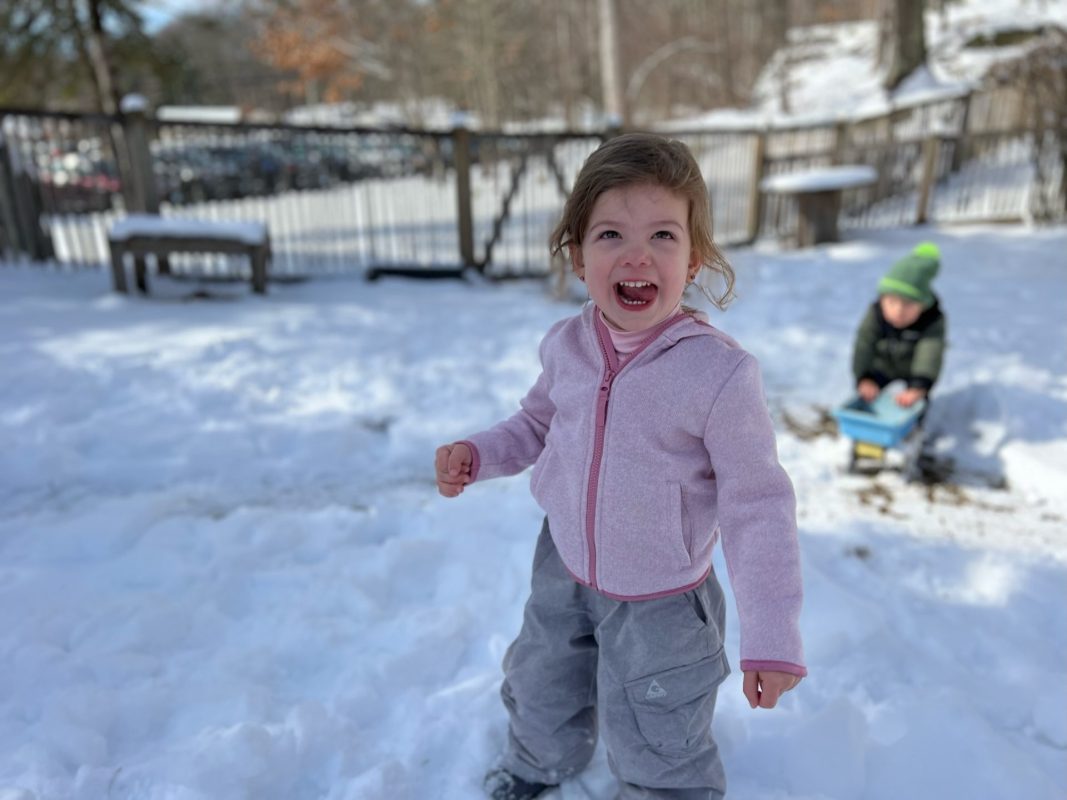
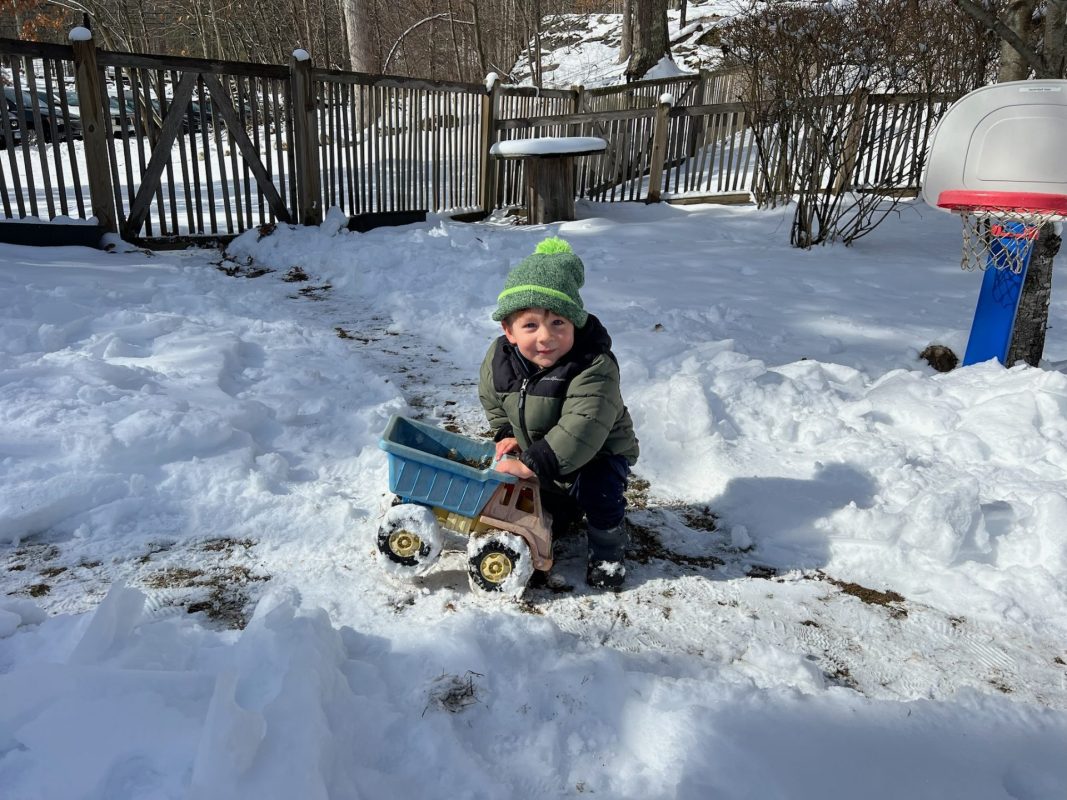
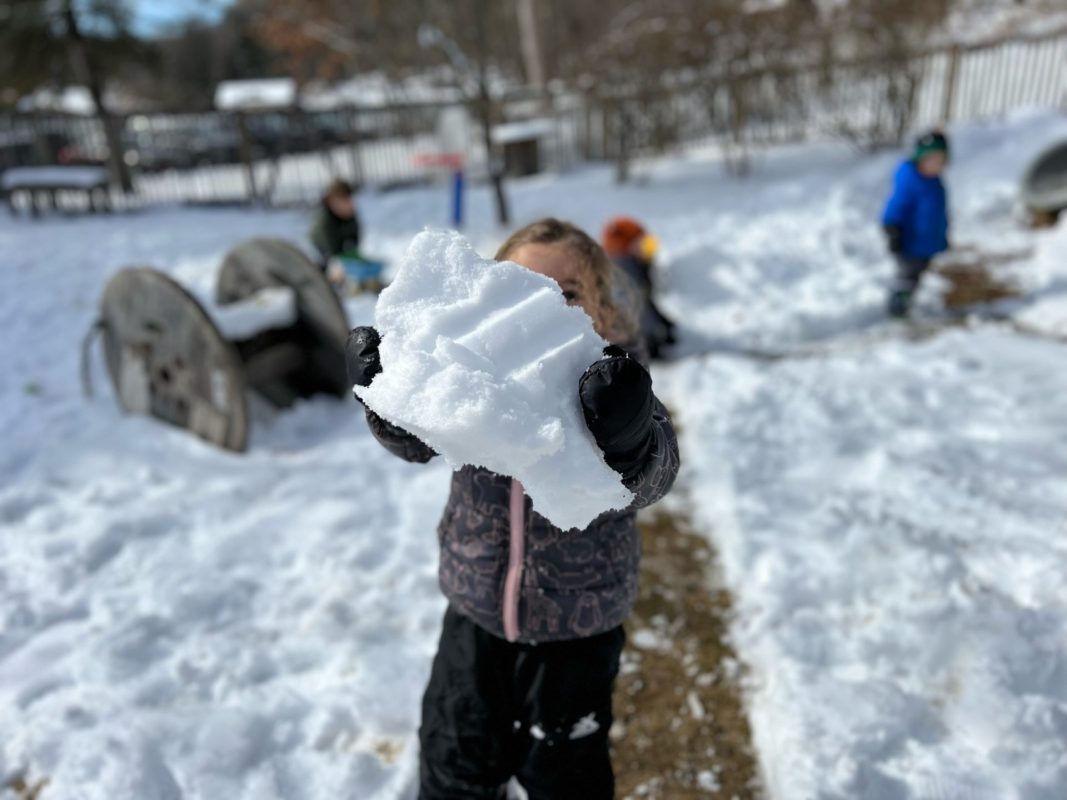
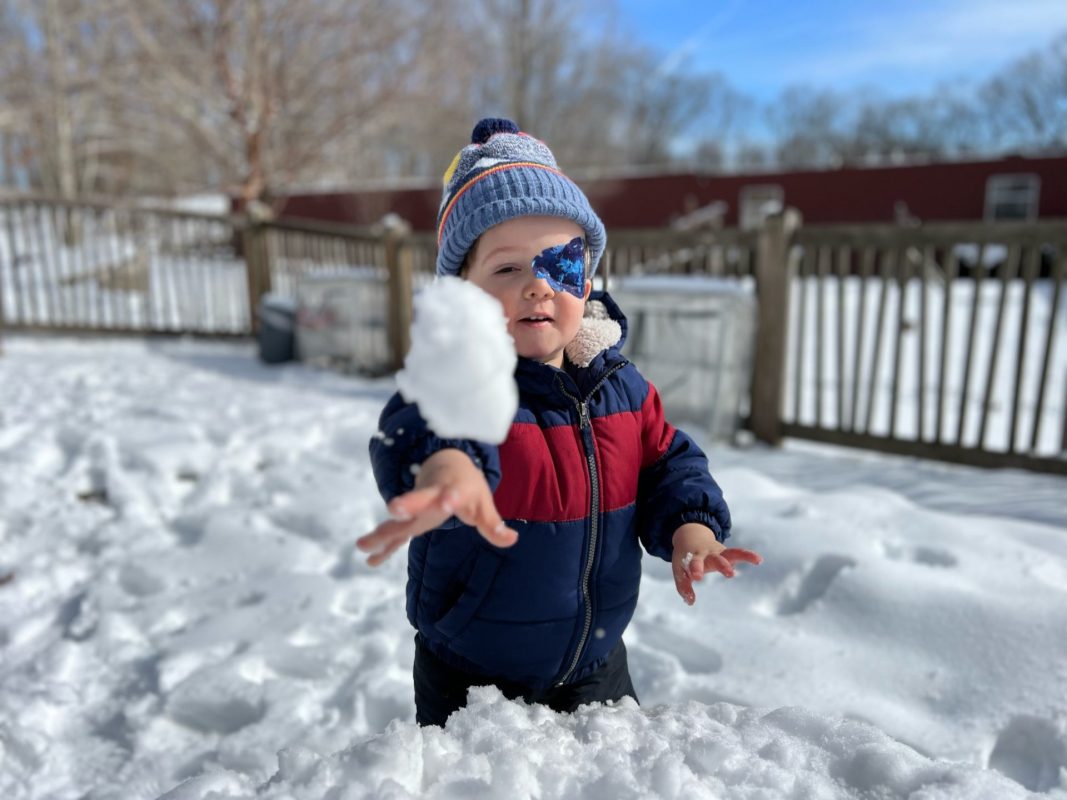
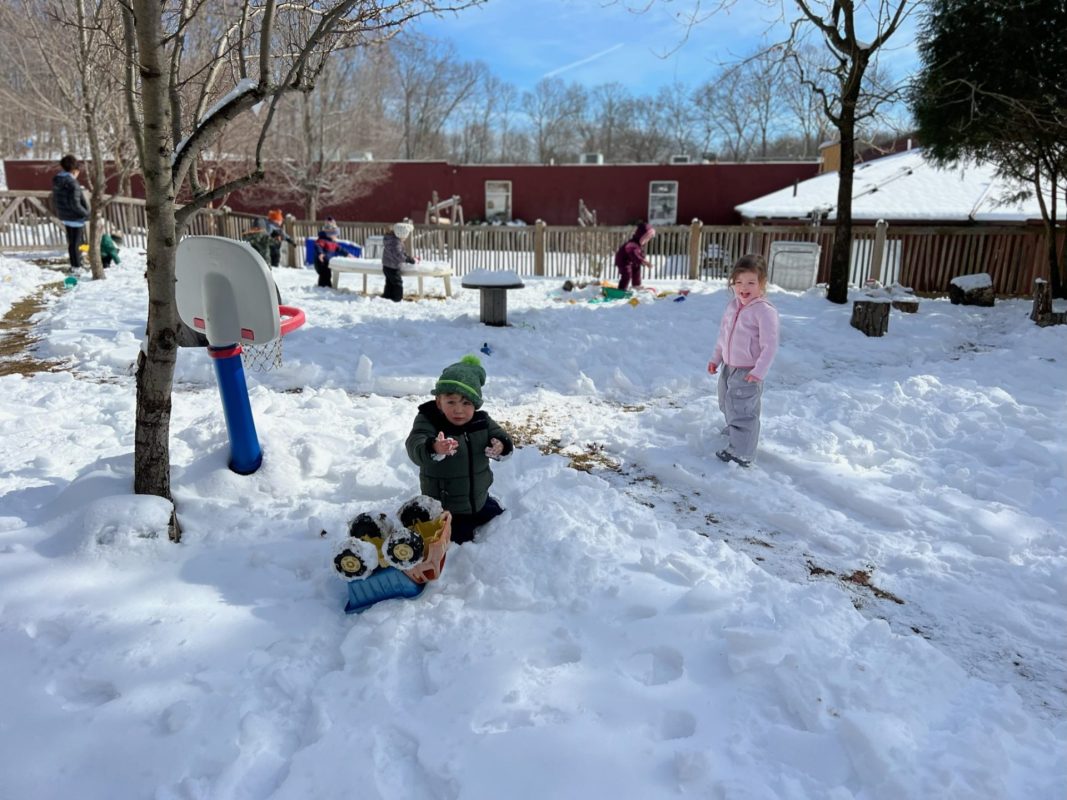
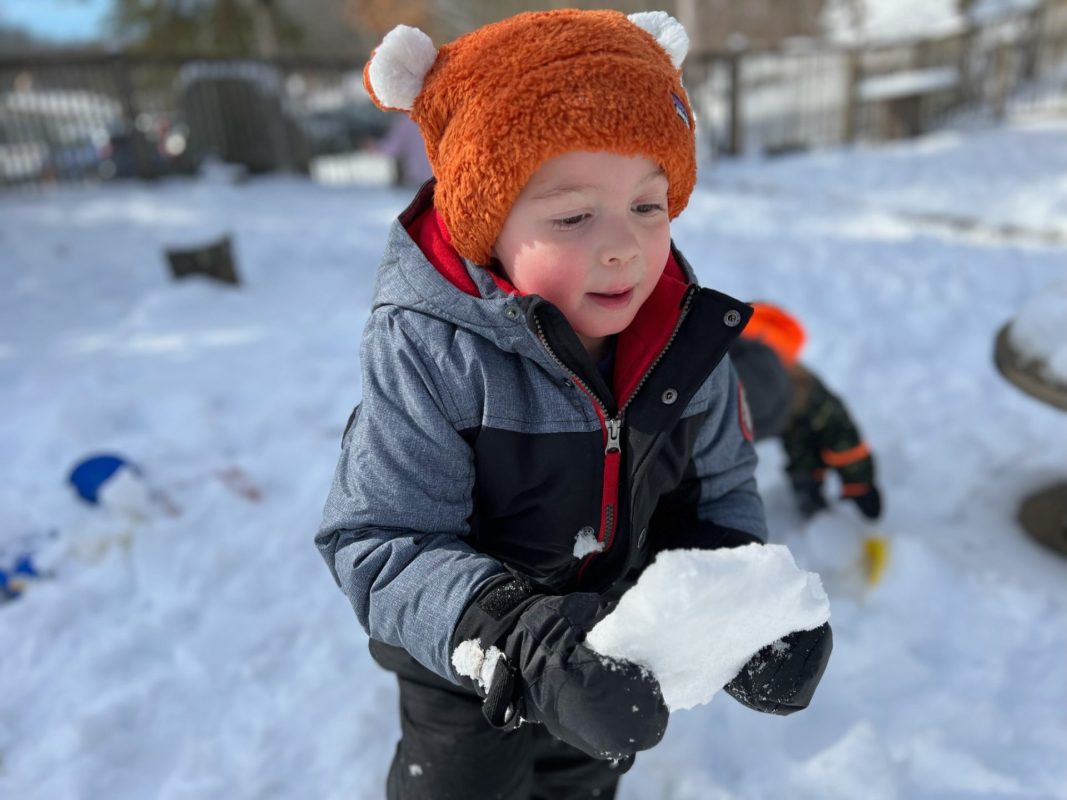
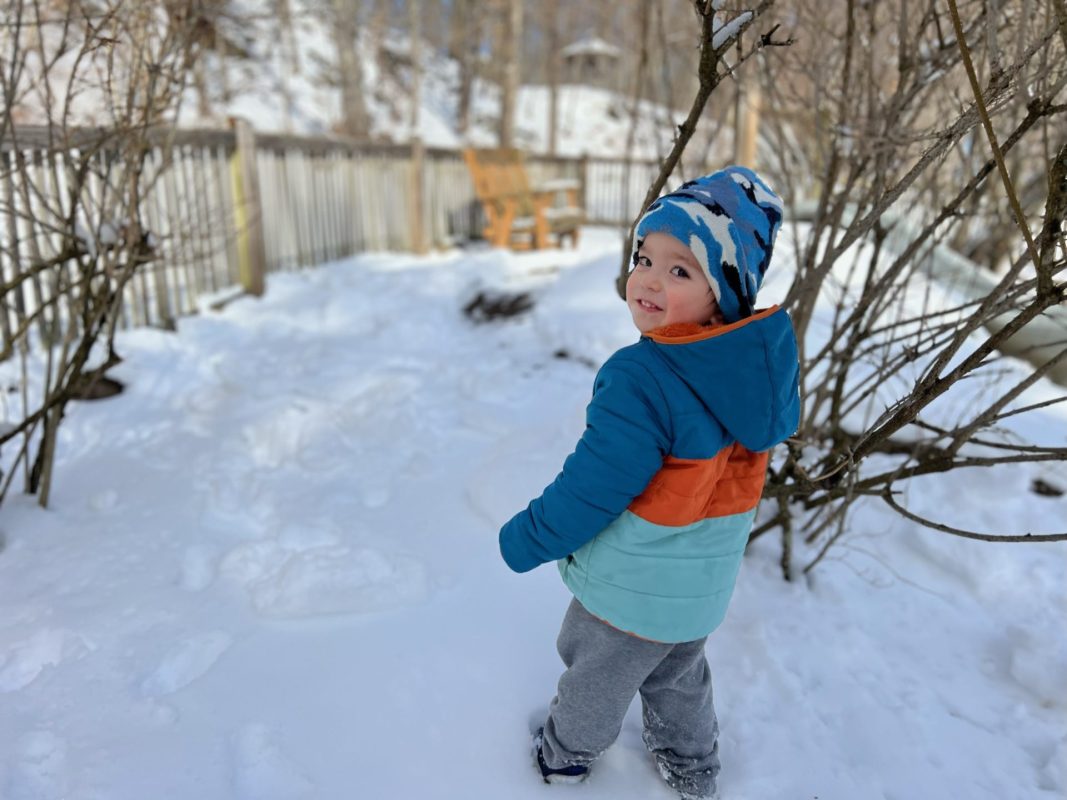
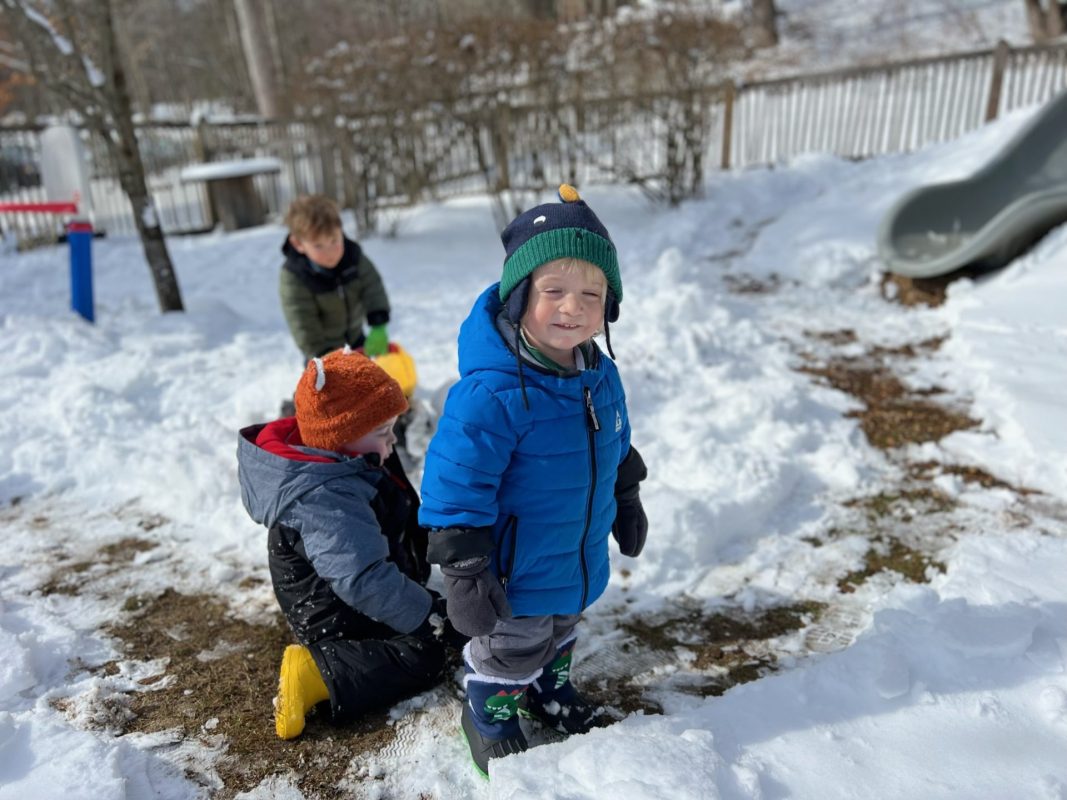
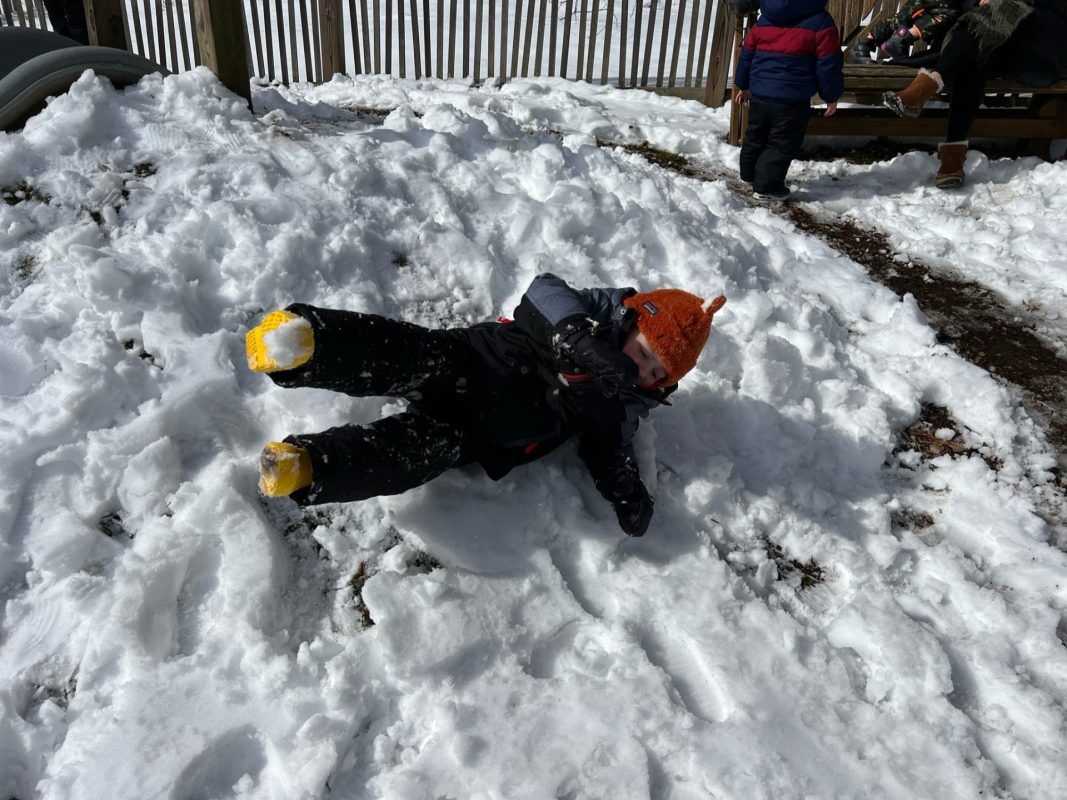
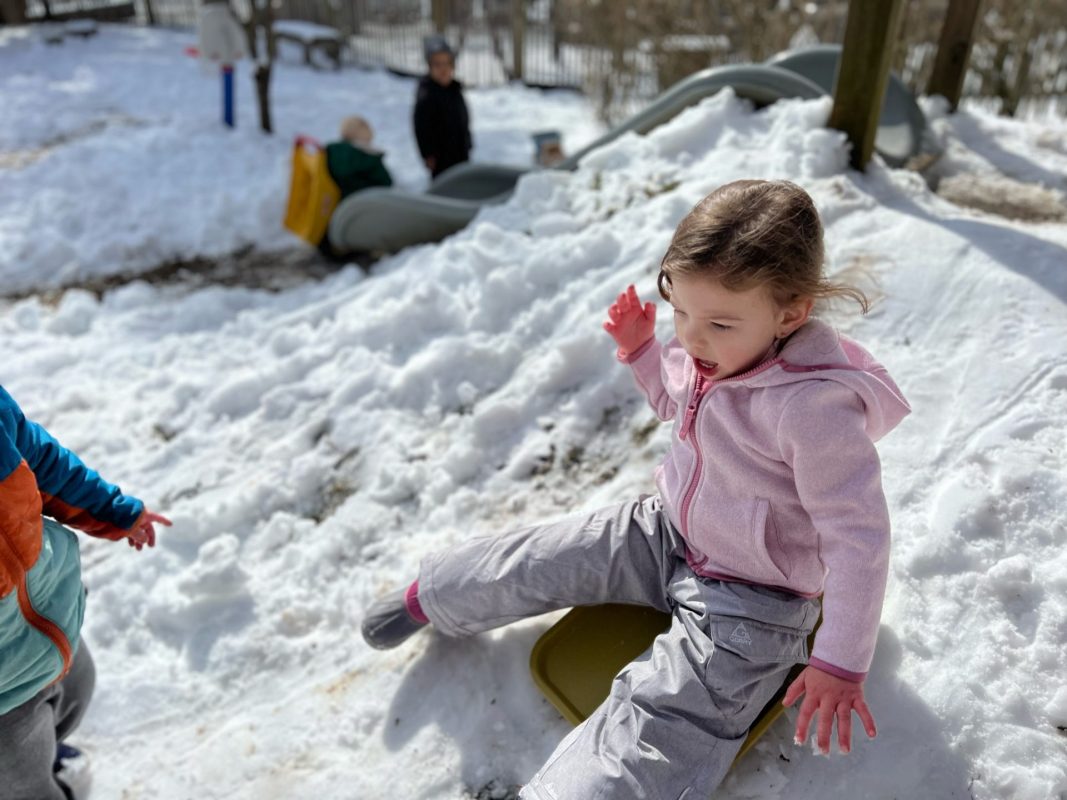
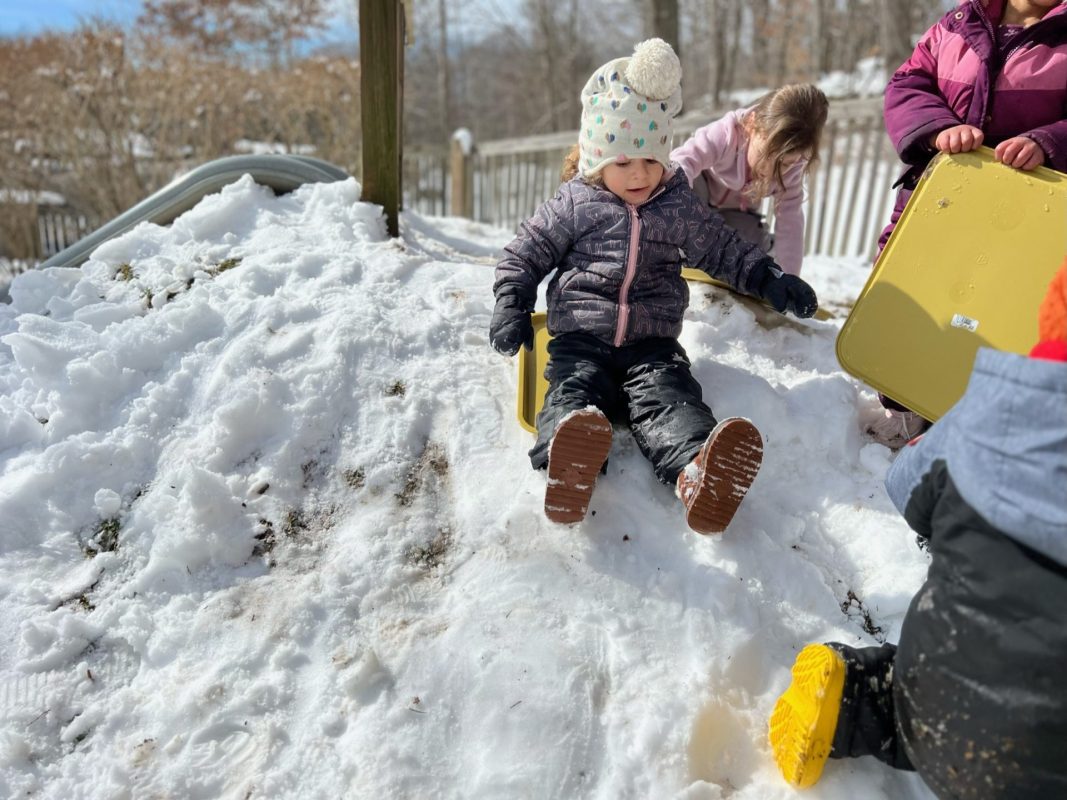
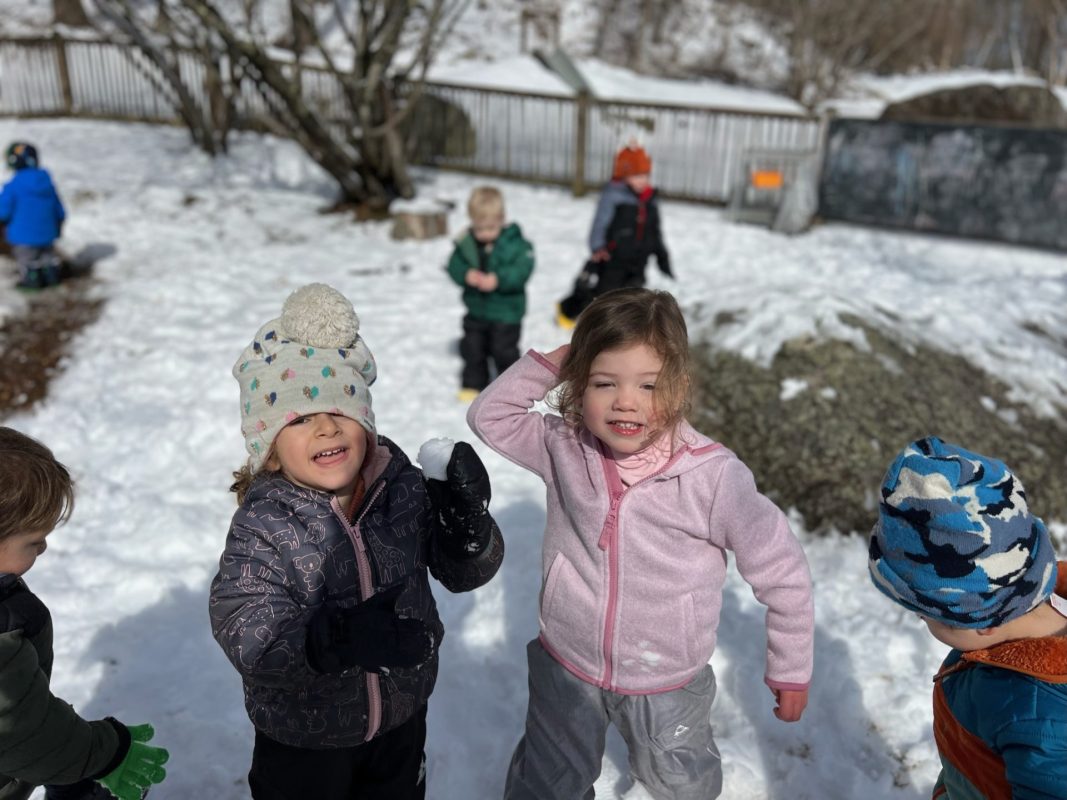
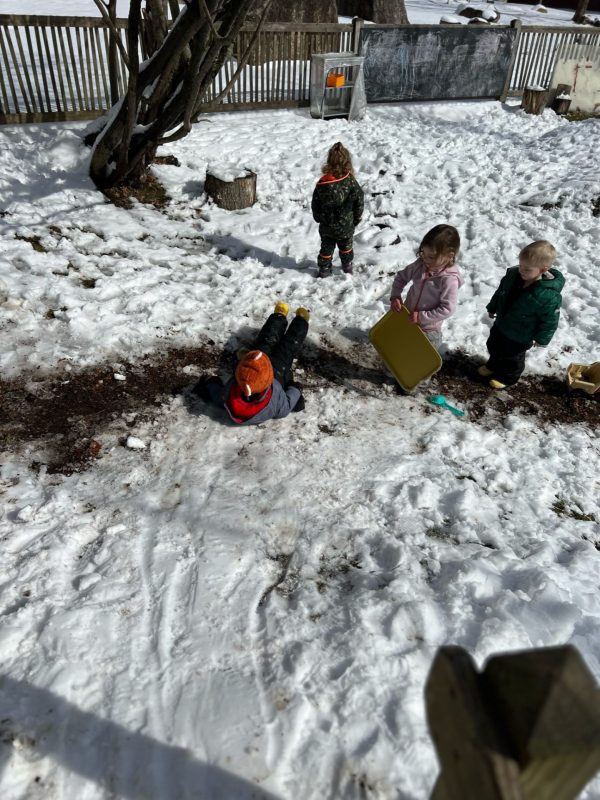
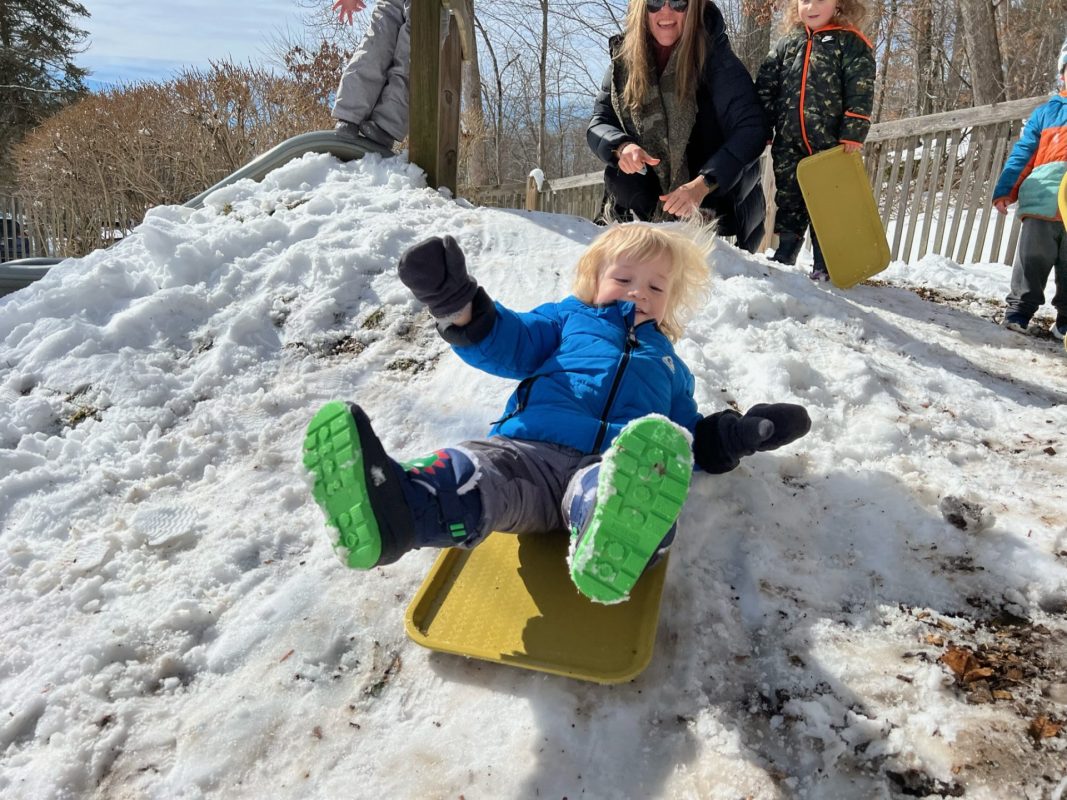
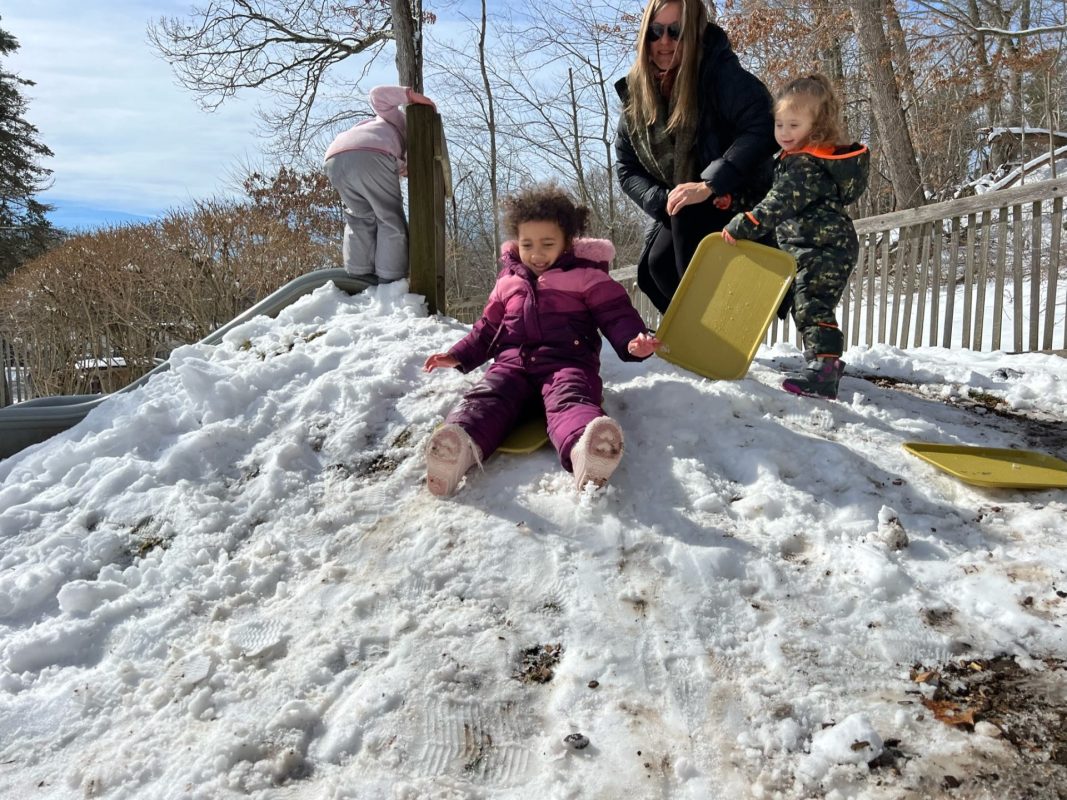
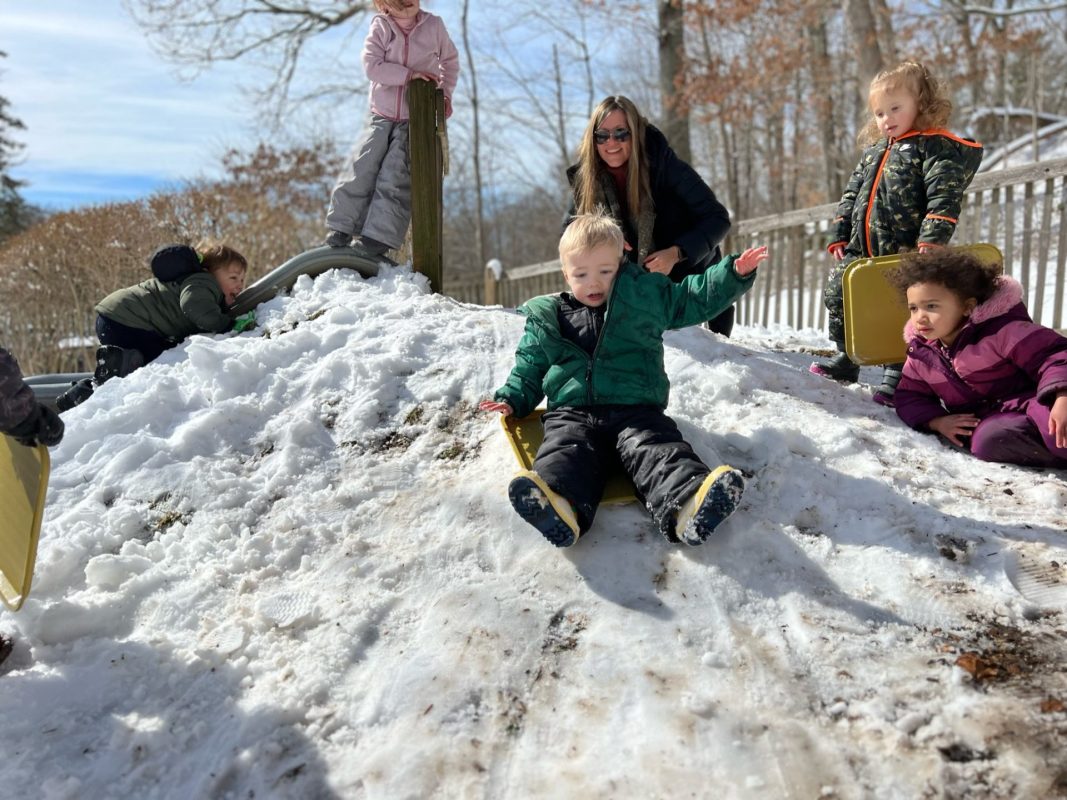
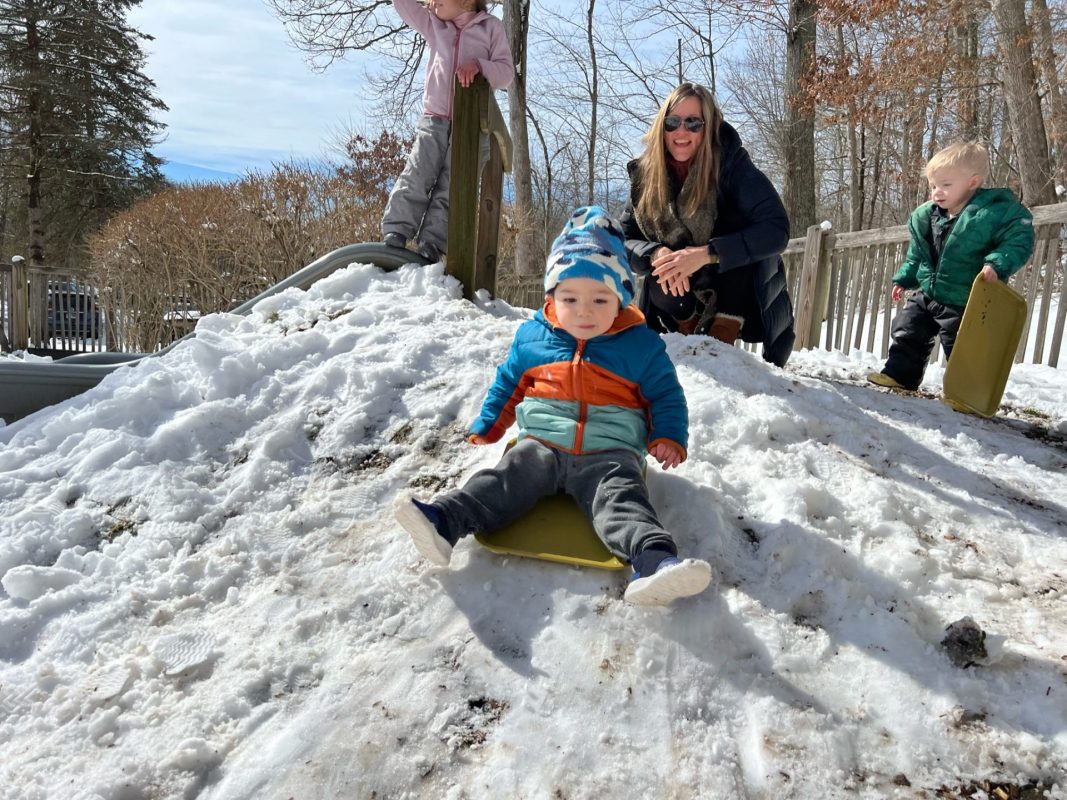
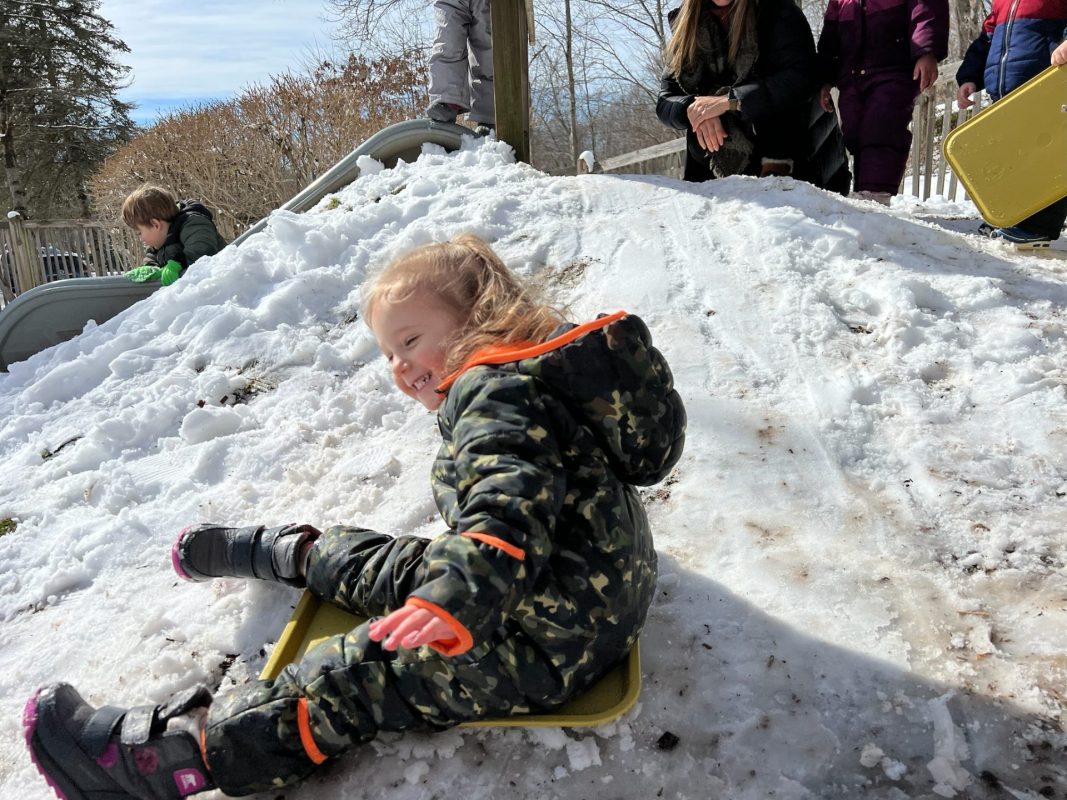
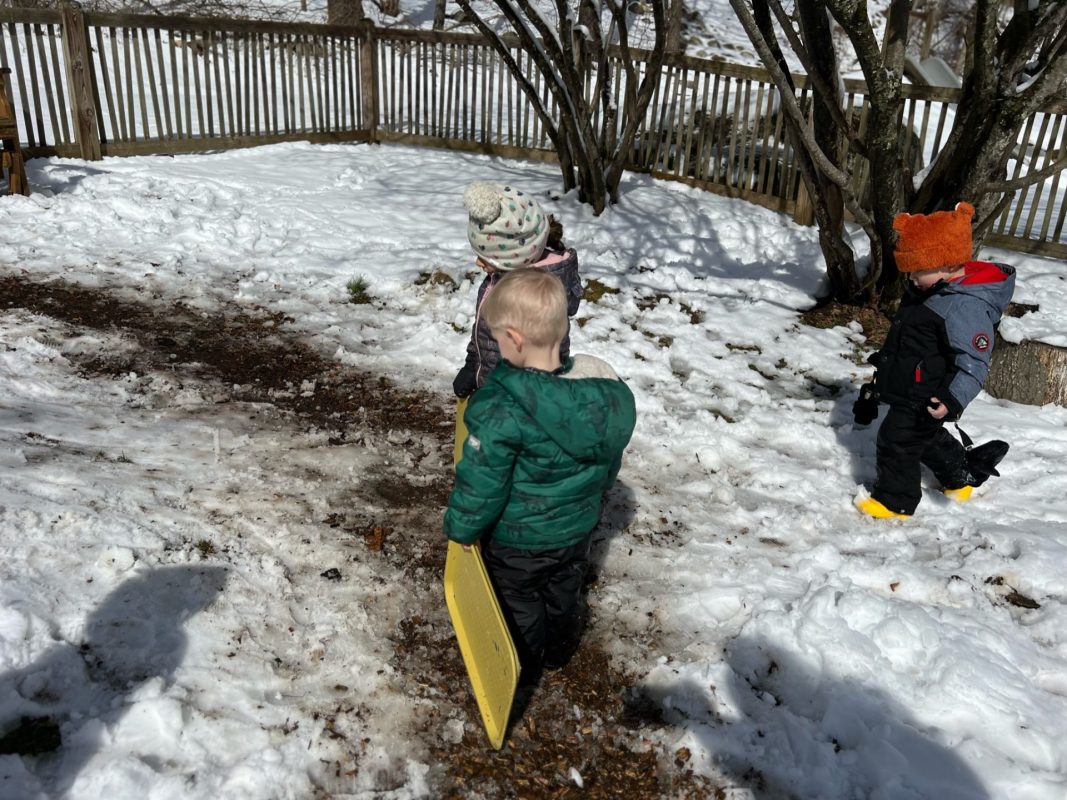
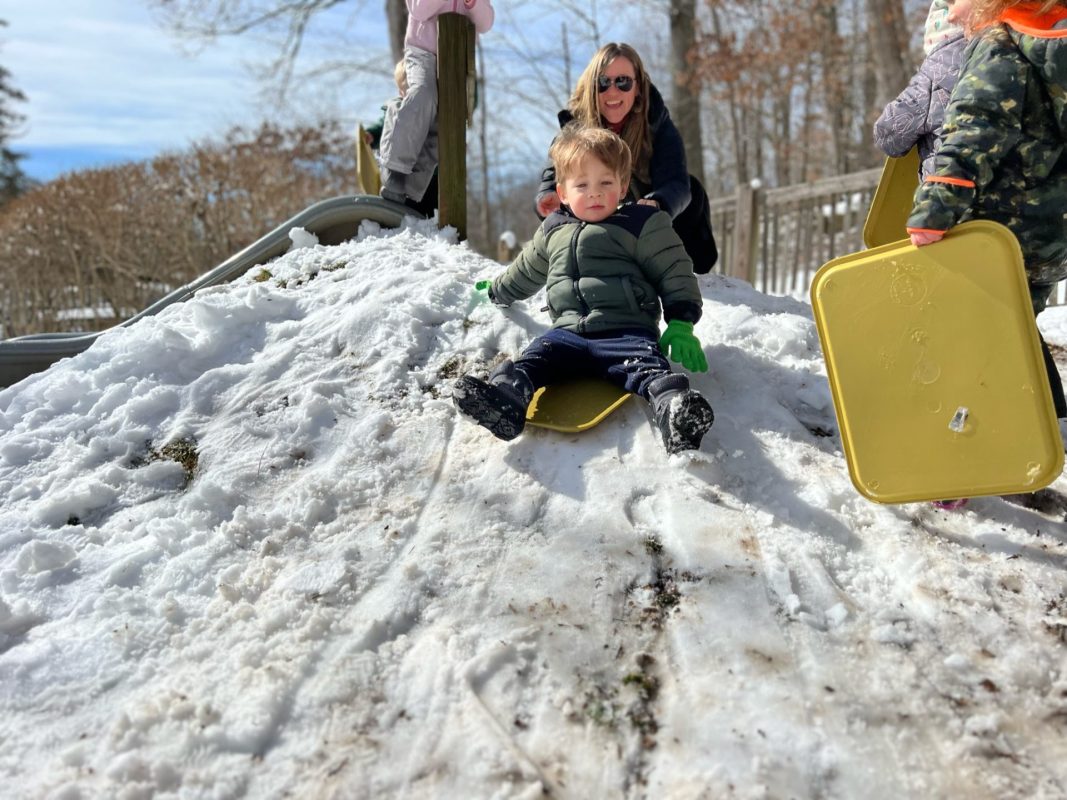
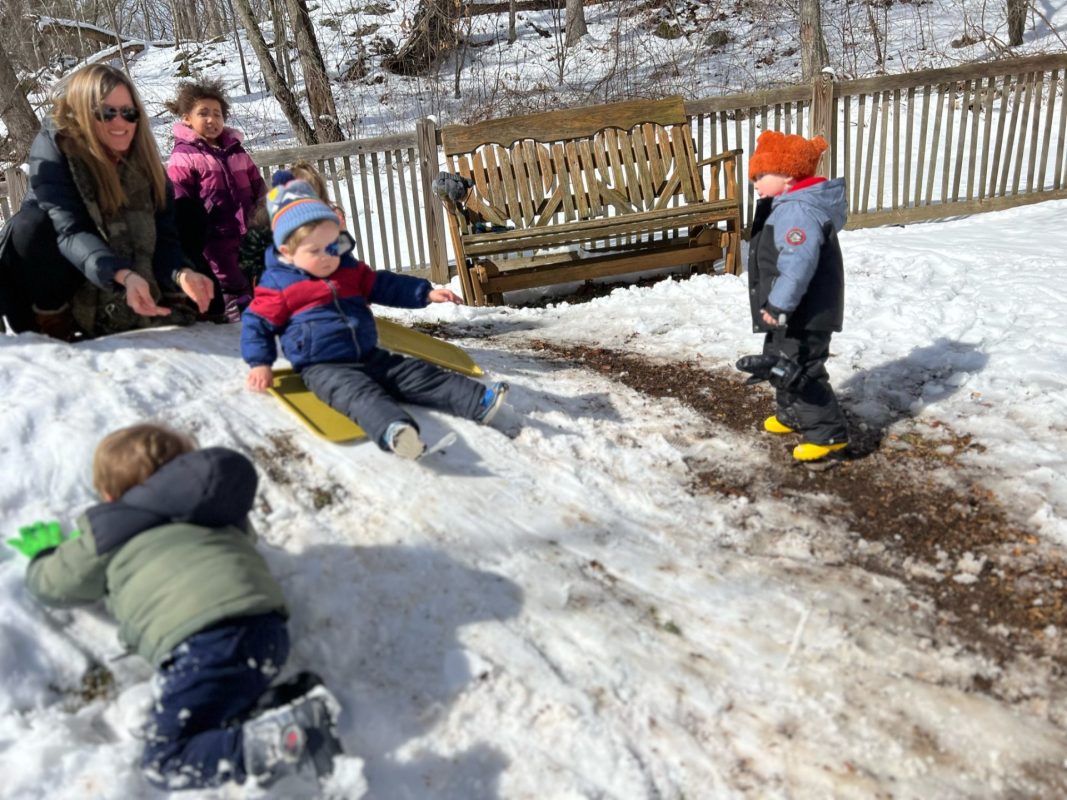
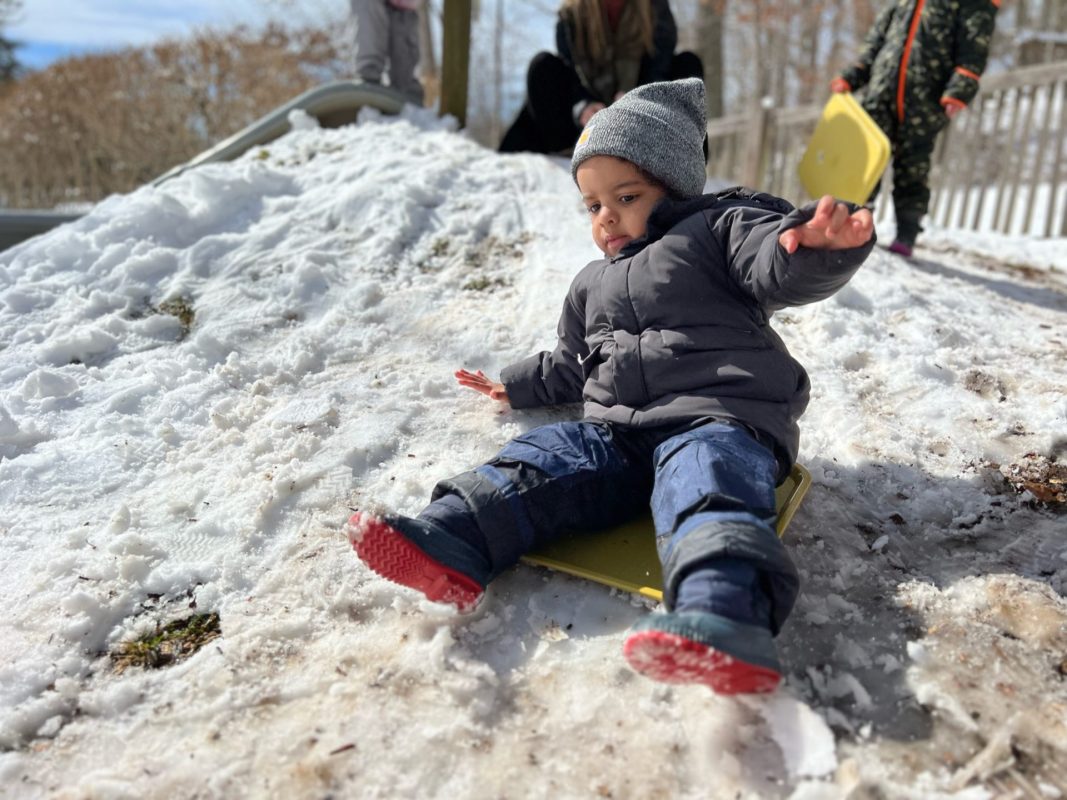
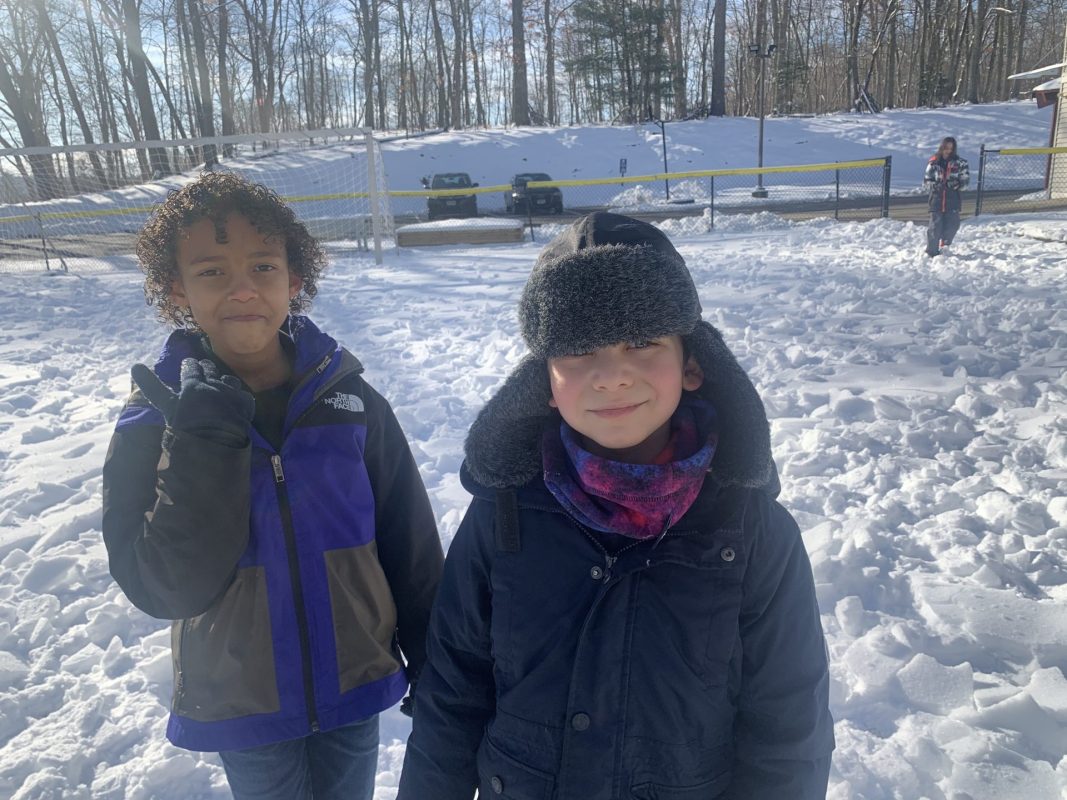
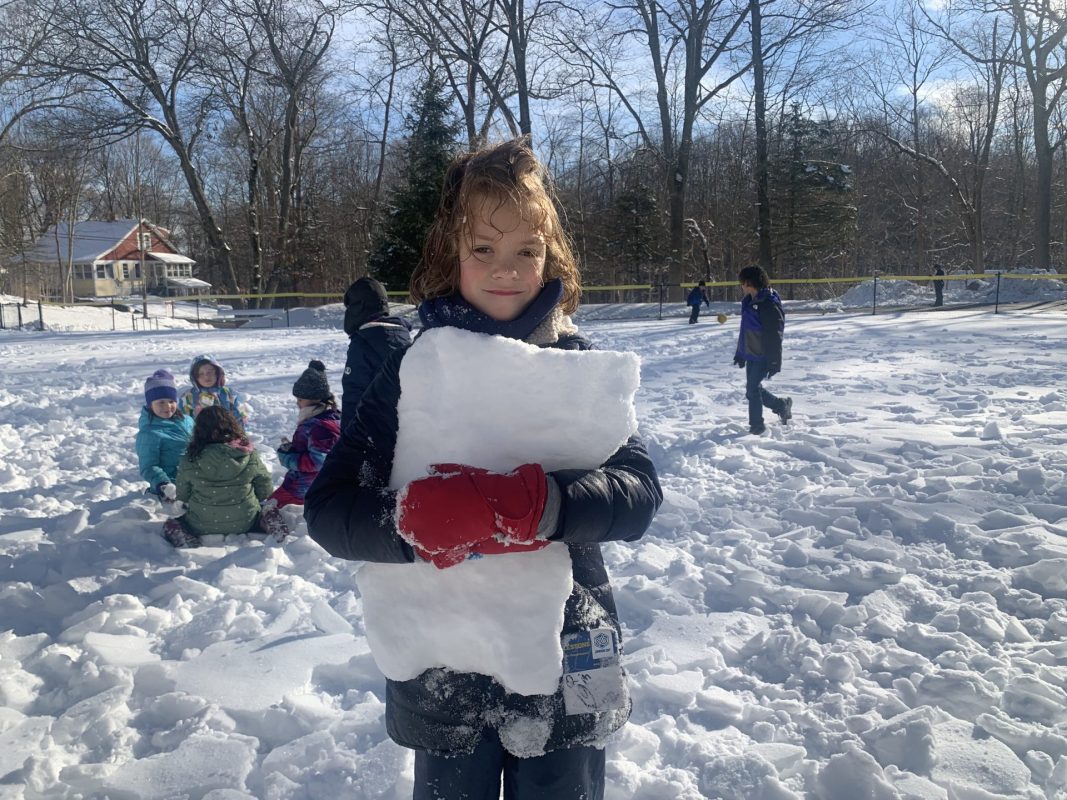
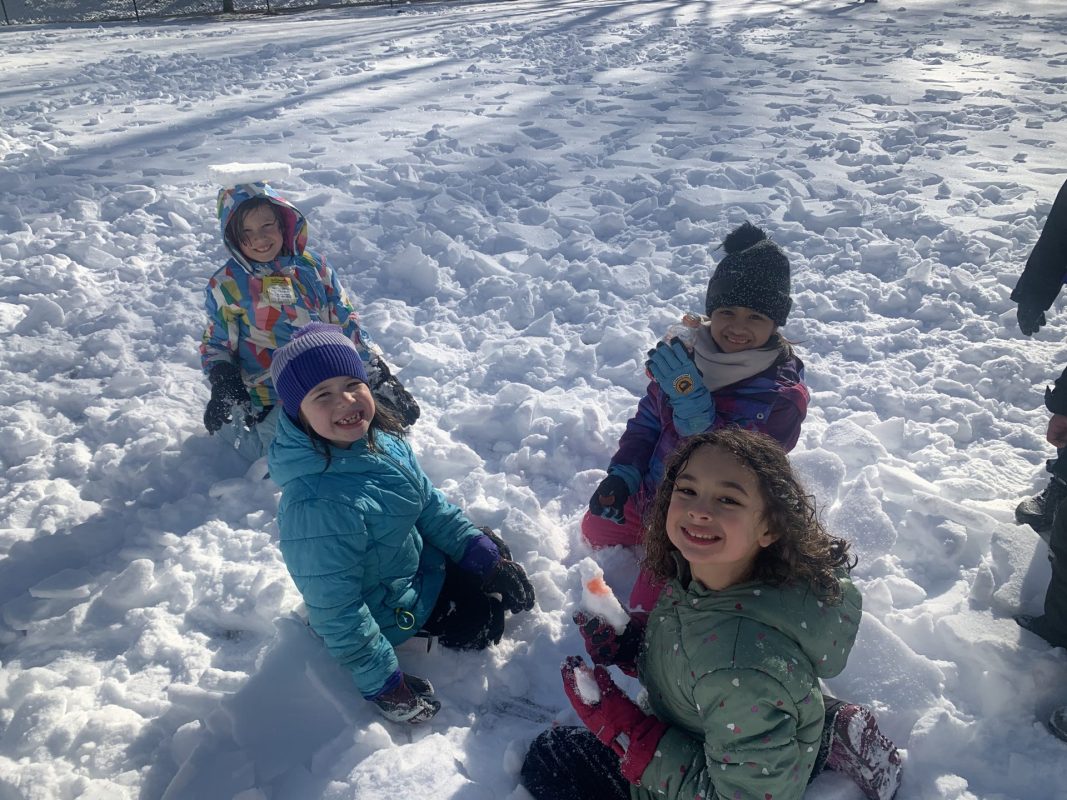
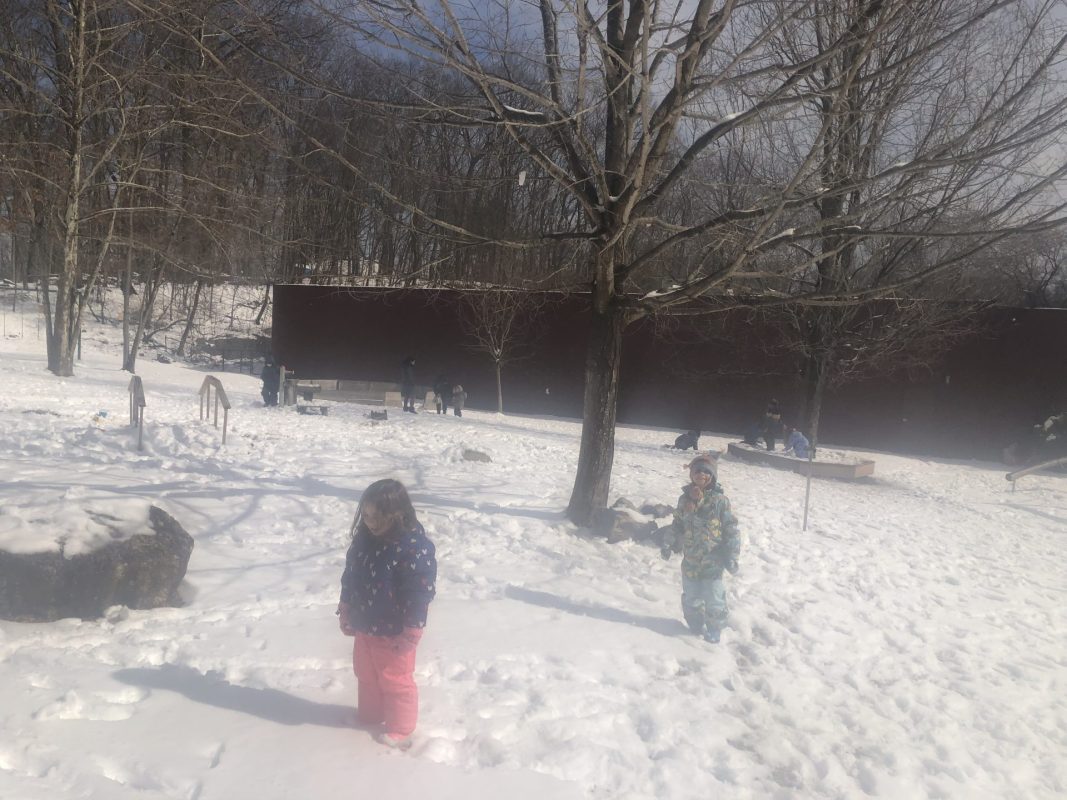
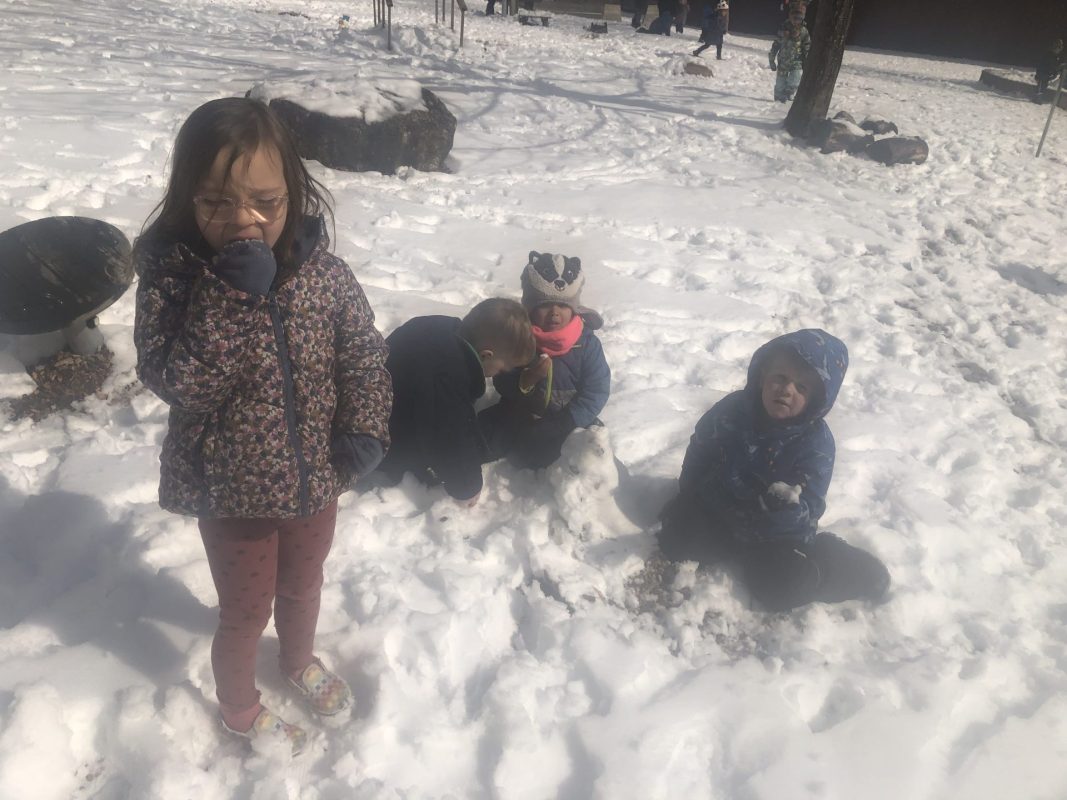
Snow days are a gift. I hope you enjoyed yours with your family on Tuesday. On Wednesday, the temperature was warm enough for us to spend significant time enjoying the snow. The children found their own ways to play in the snow. Some rolled down the hill, while others threw small snowballs at each other. Some used trucks, buckets, and snow shovels. Then we did some old-school sledding using lunch trays as a sled. They were the perfect size for our toddler friends. There was so much joy and laughter!

This month the children will focus on colors and St. Patrick’s day. The children helped pack our February materials and replace the lessons with rainbow, green, and shamrock items.

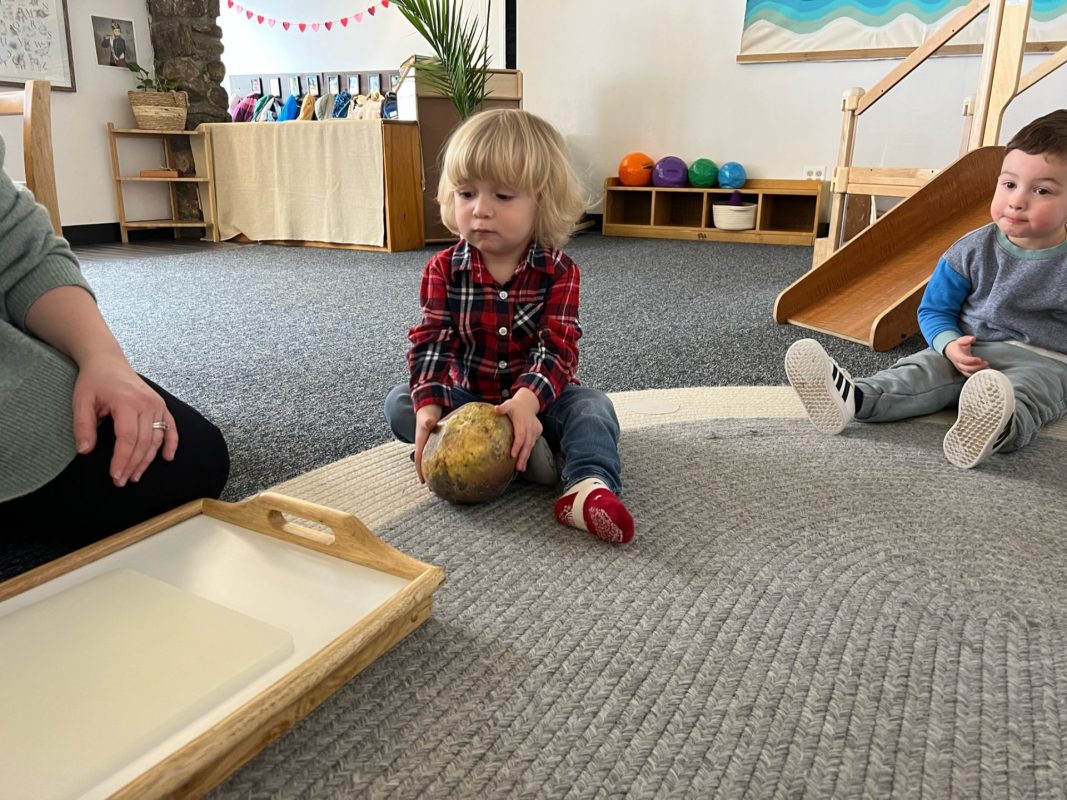
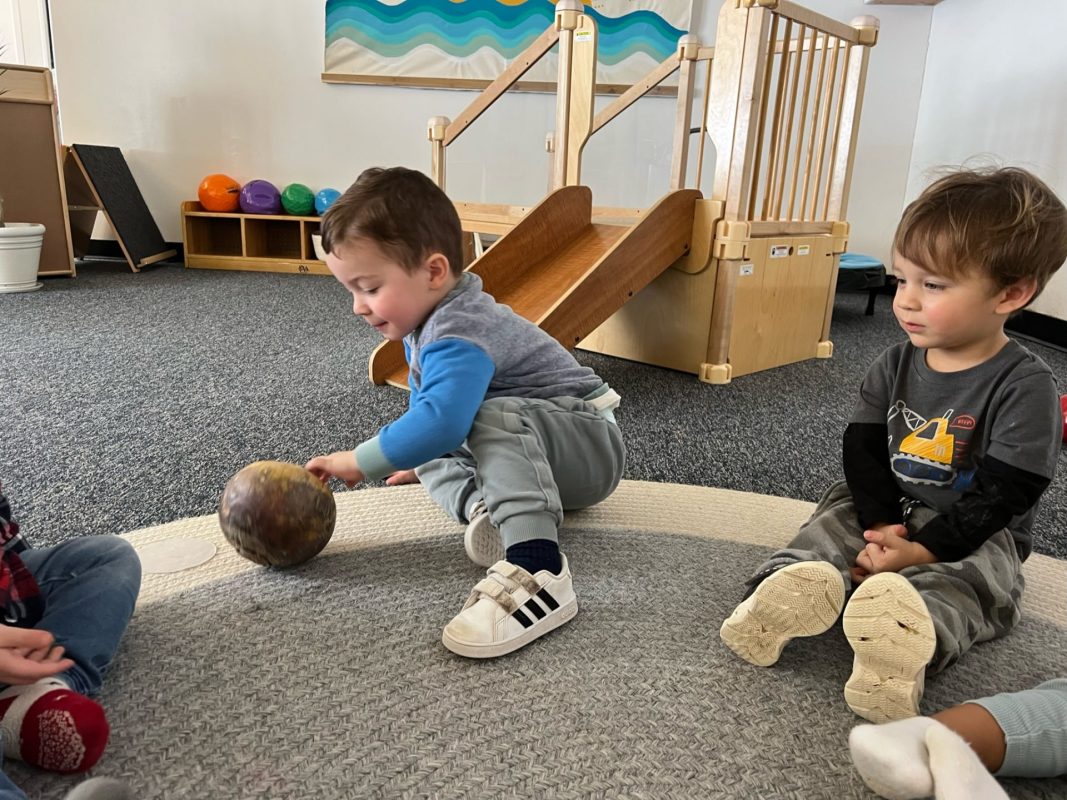
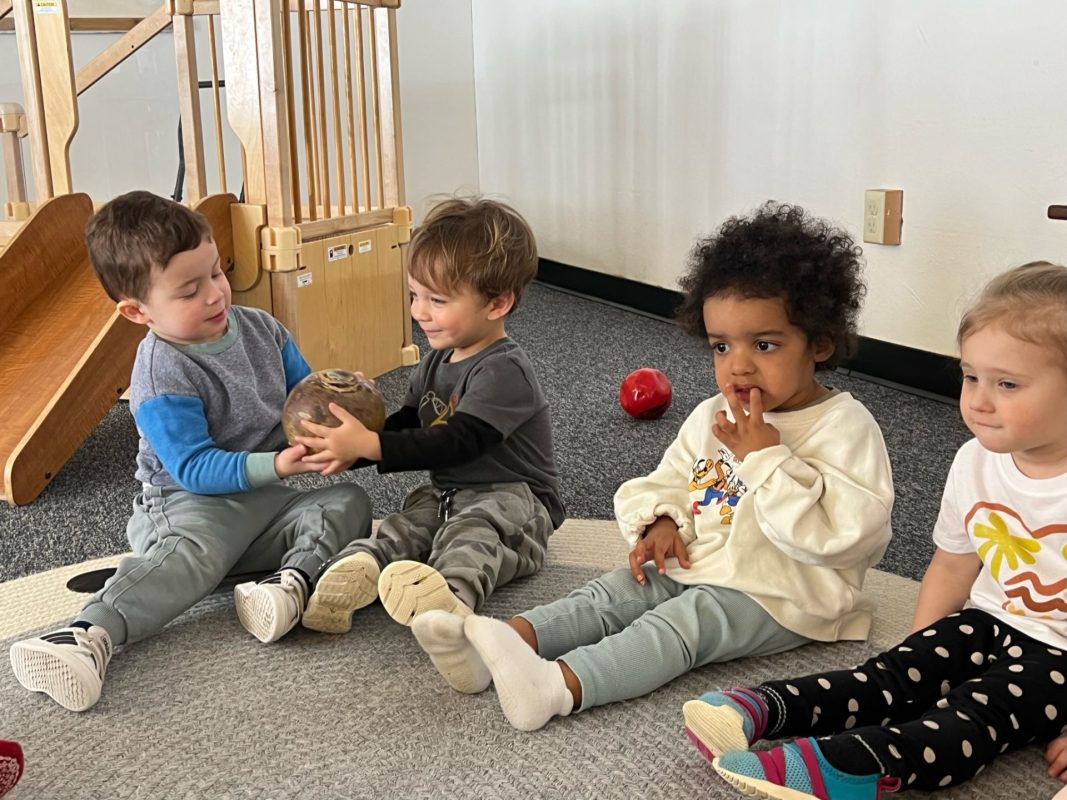
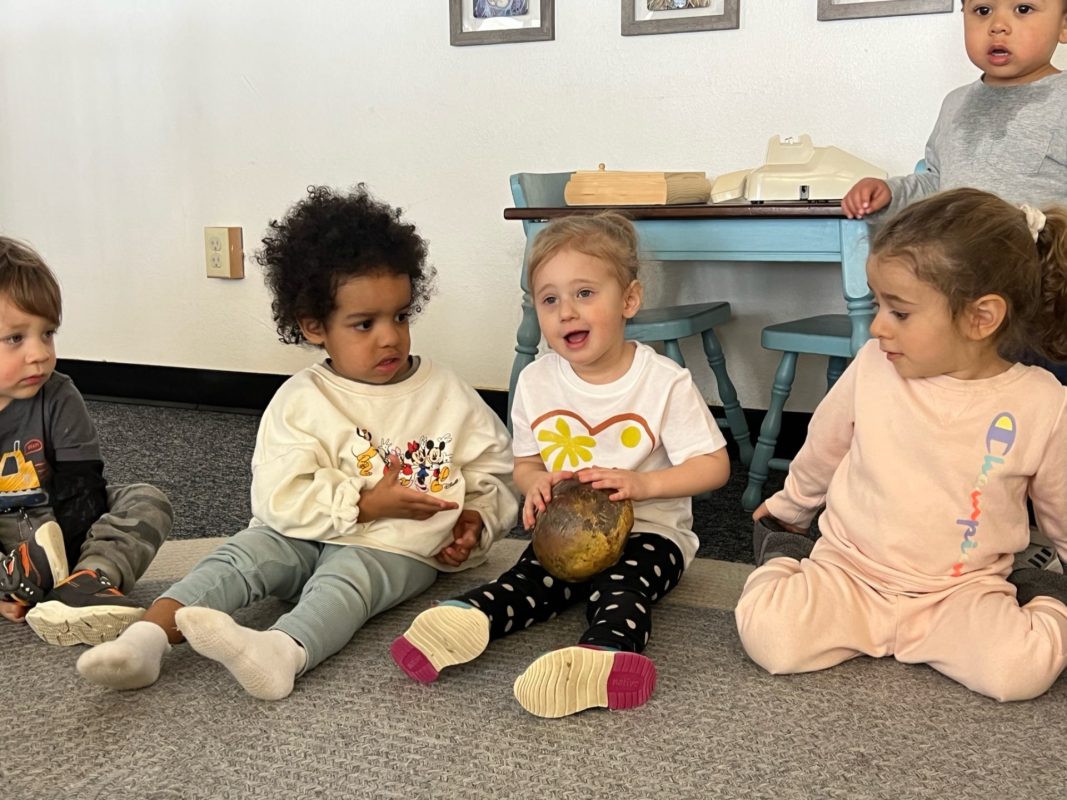
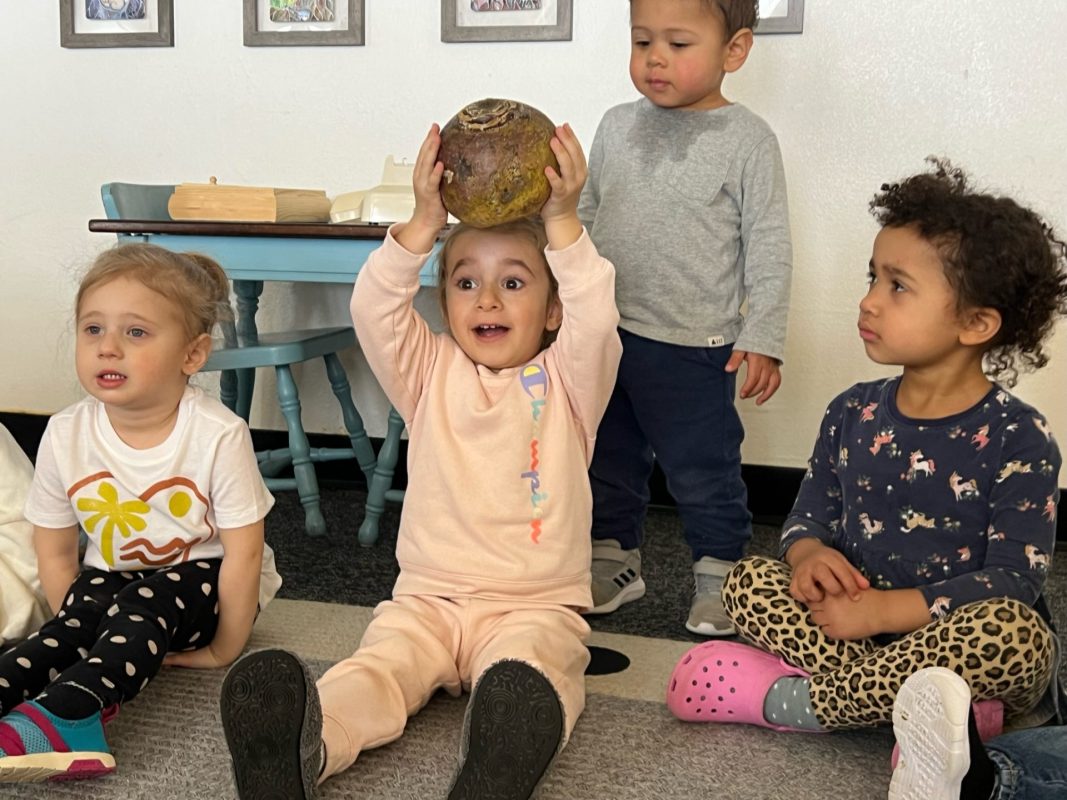
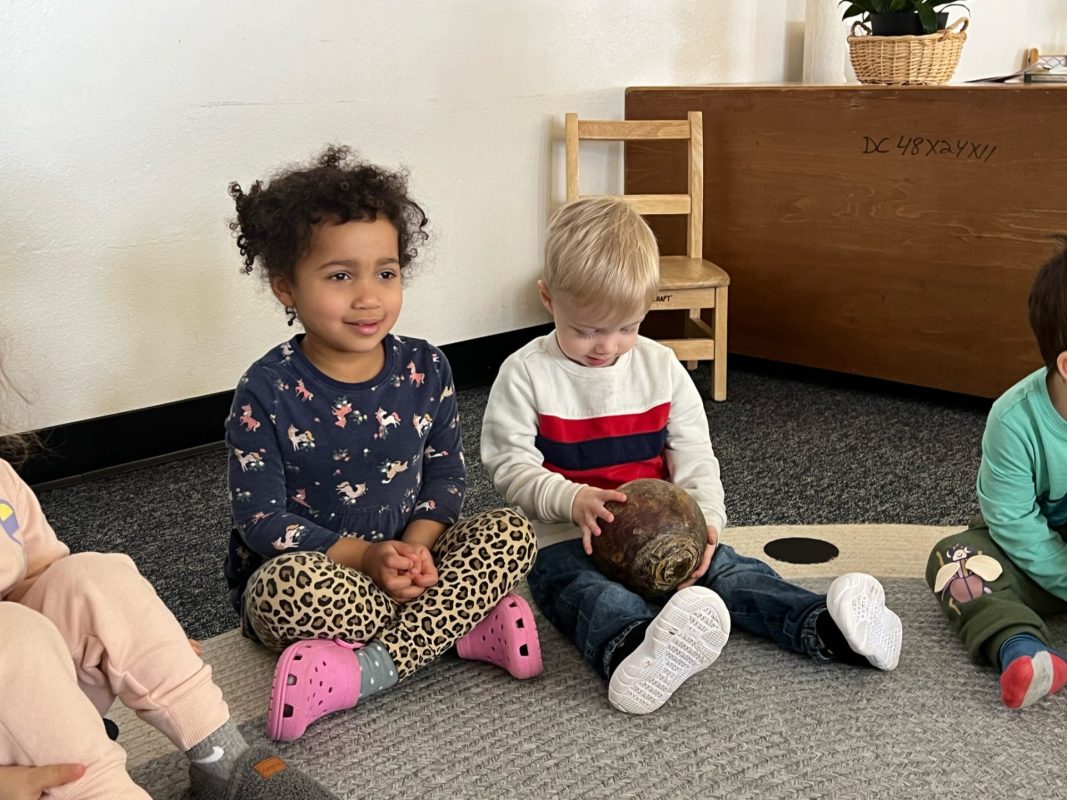
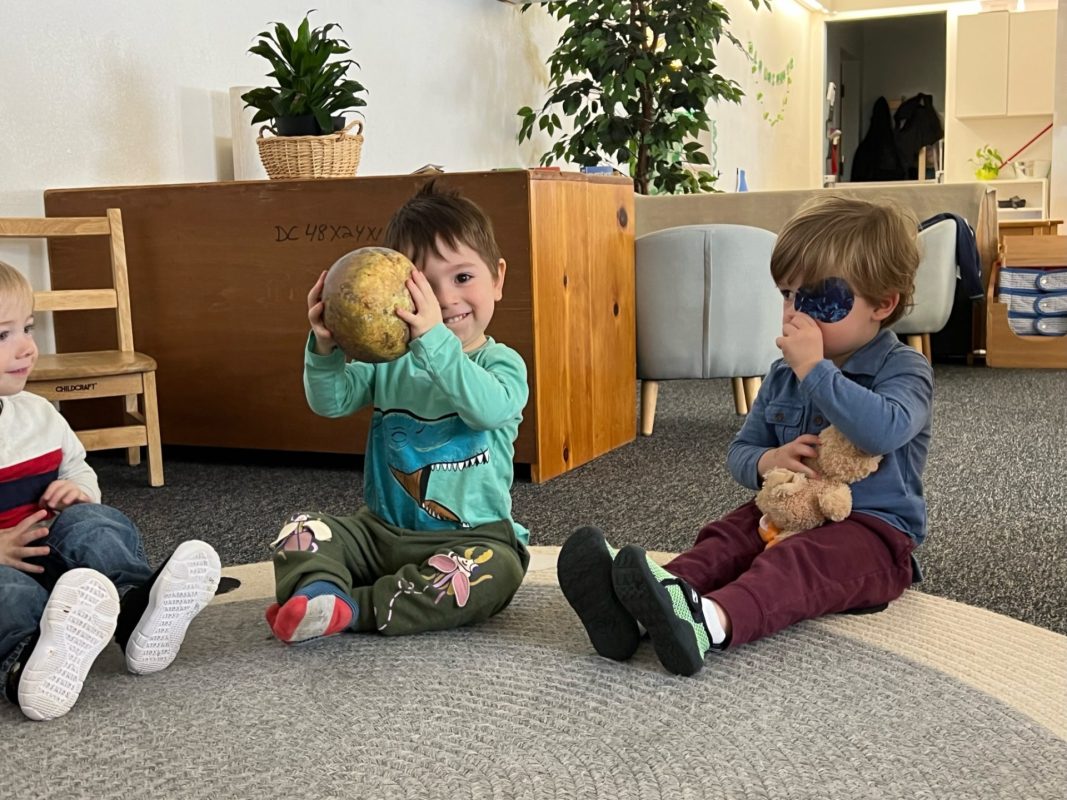
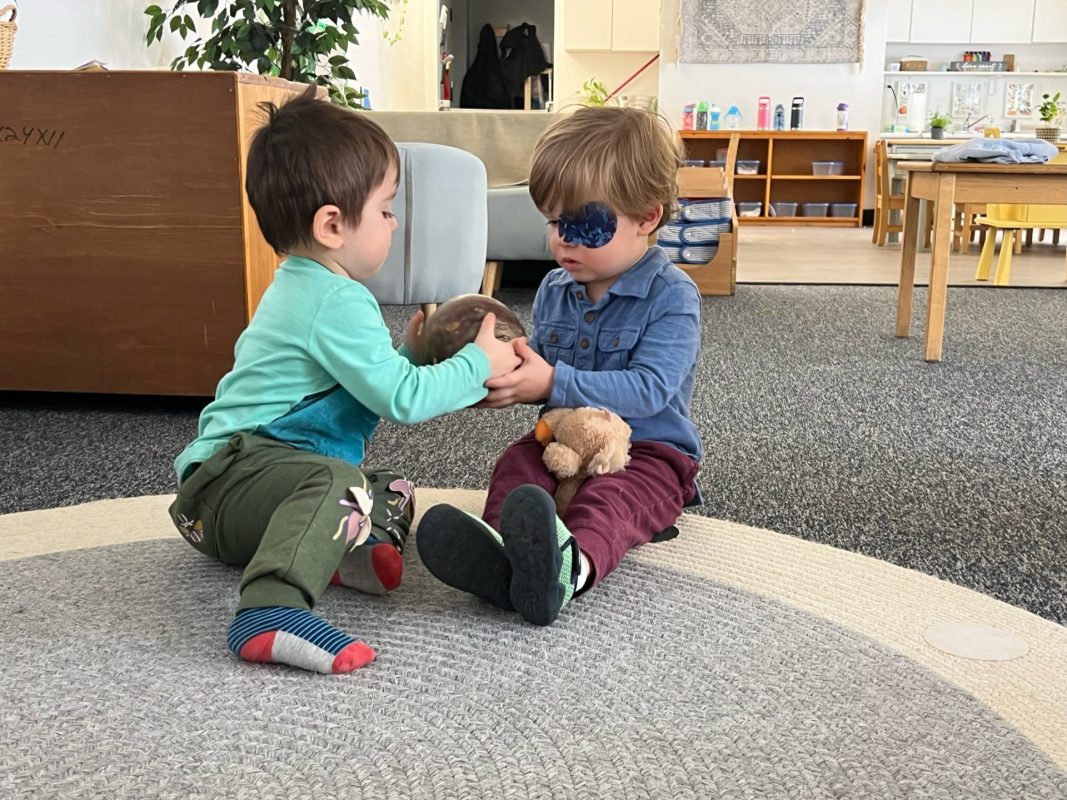
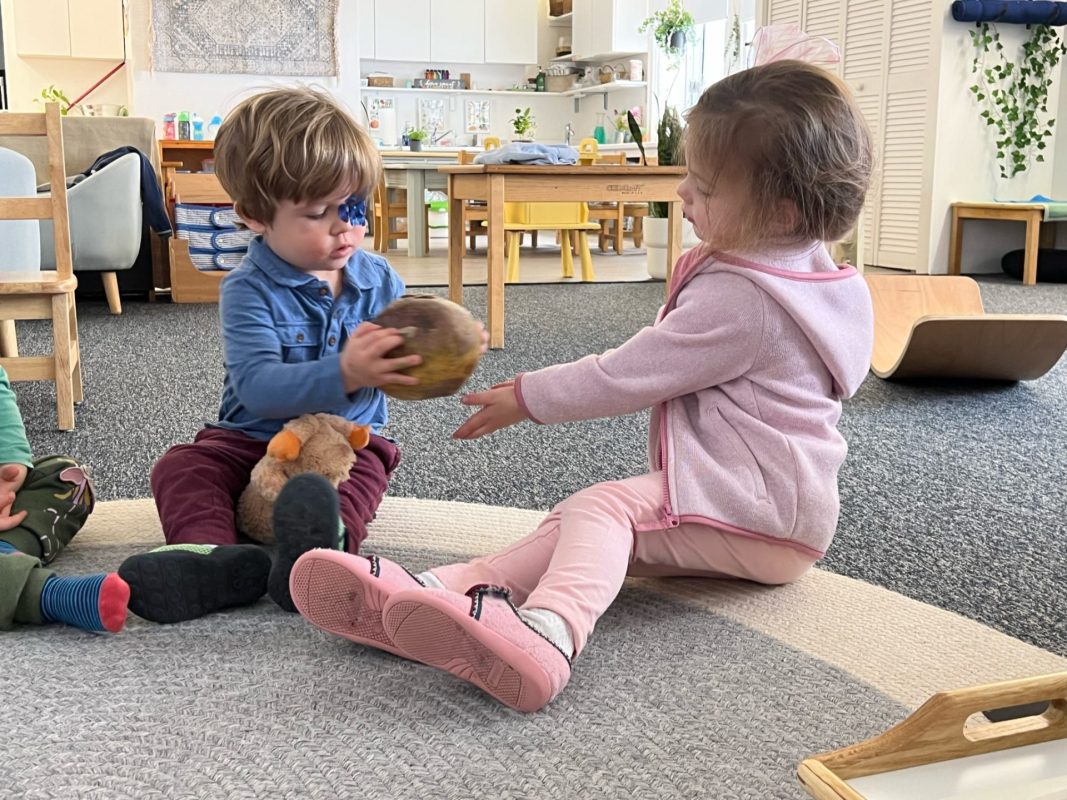
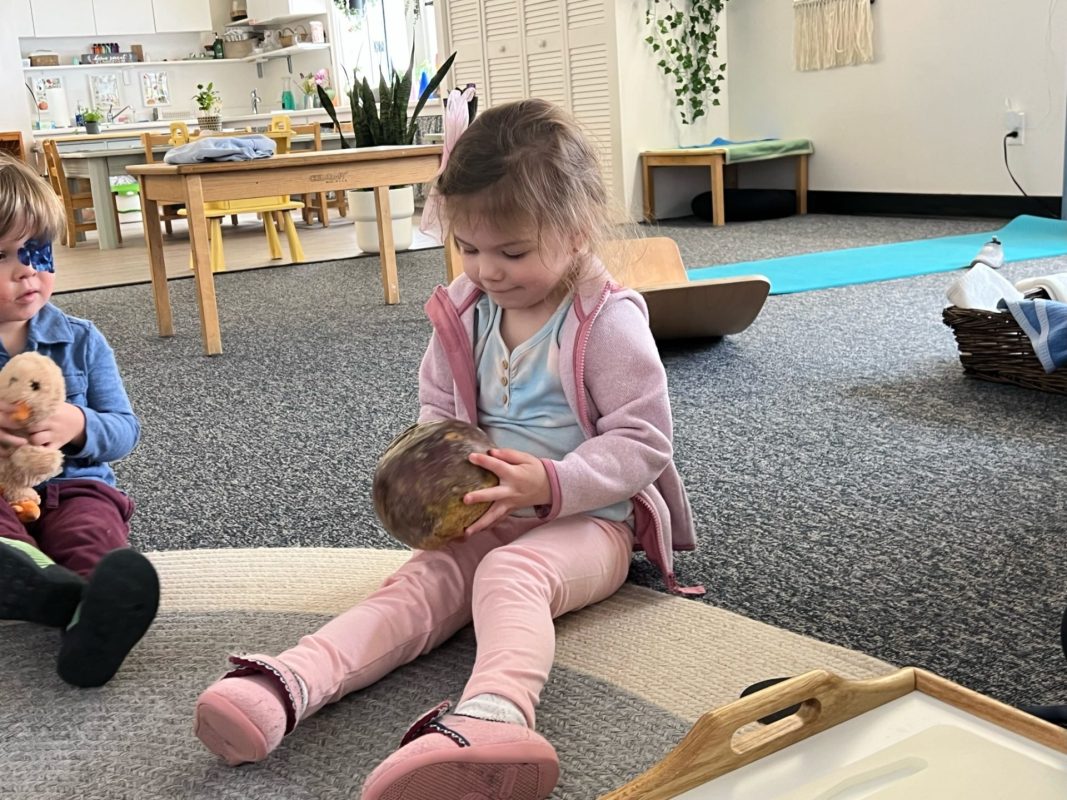
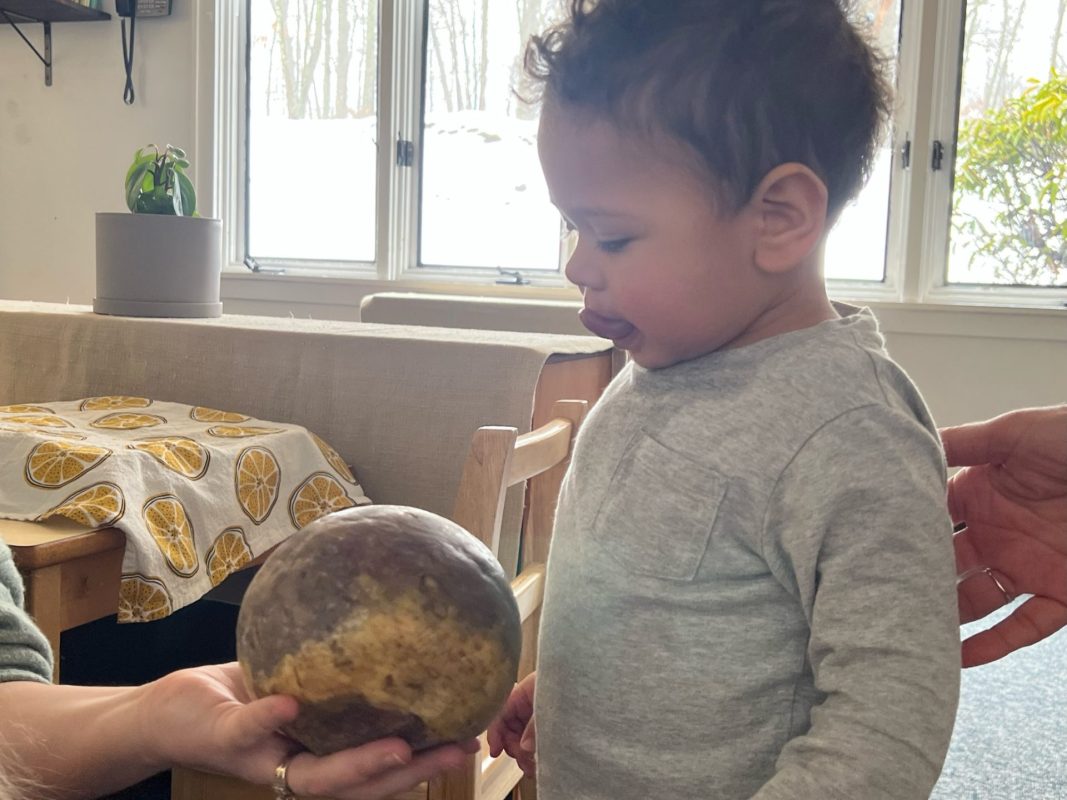
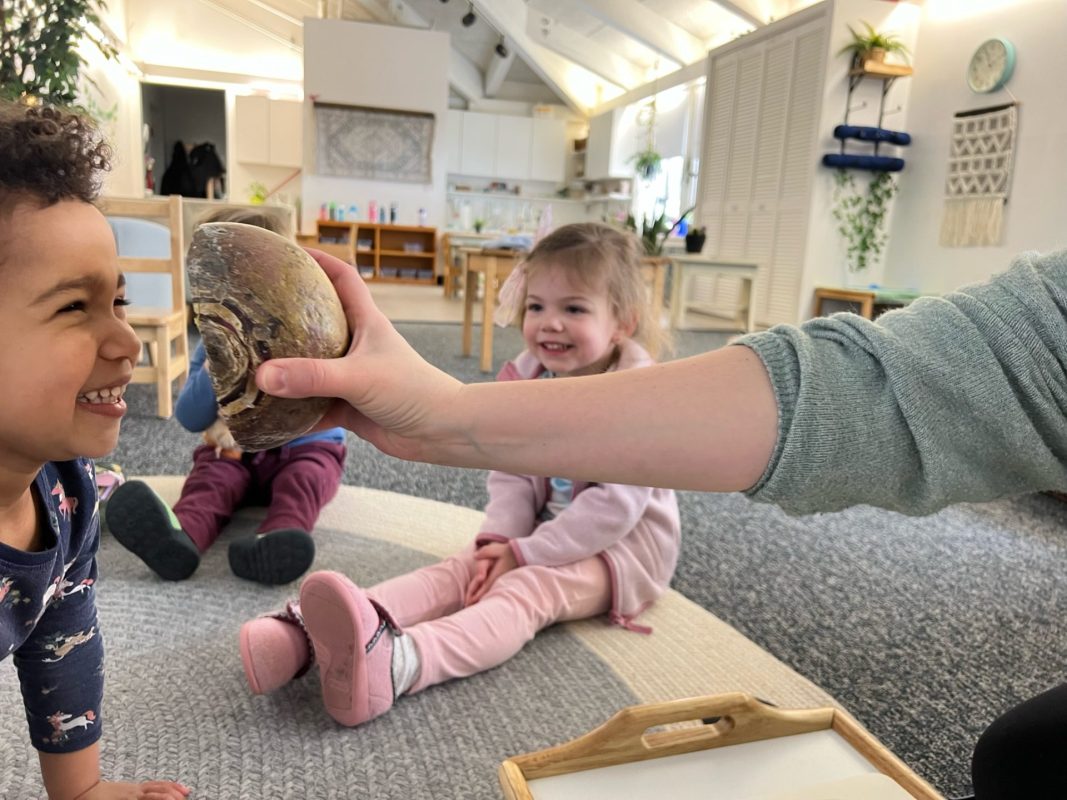
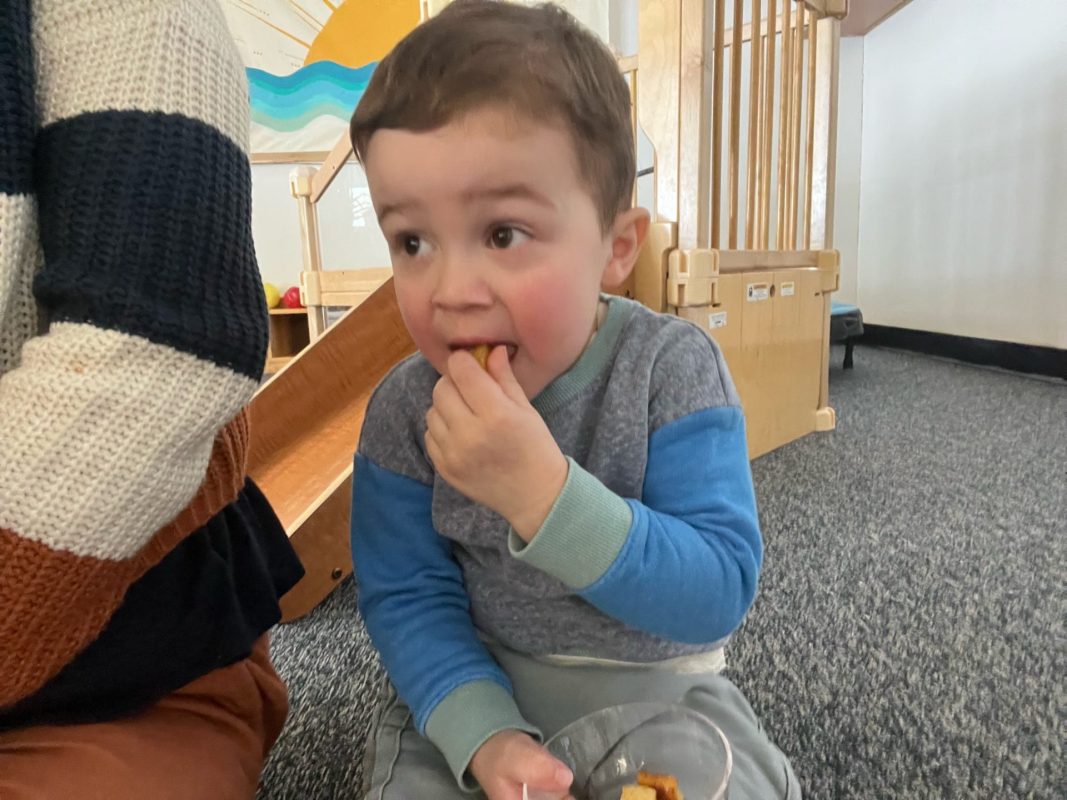
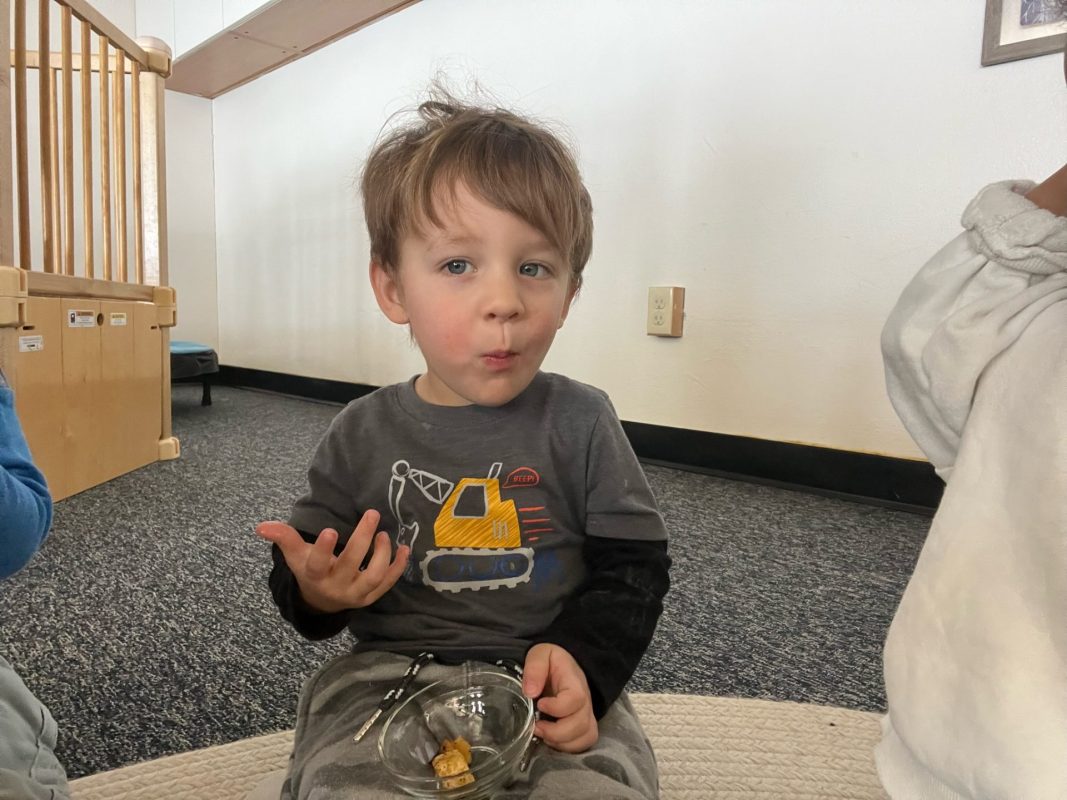
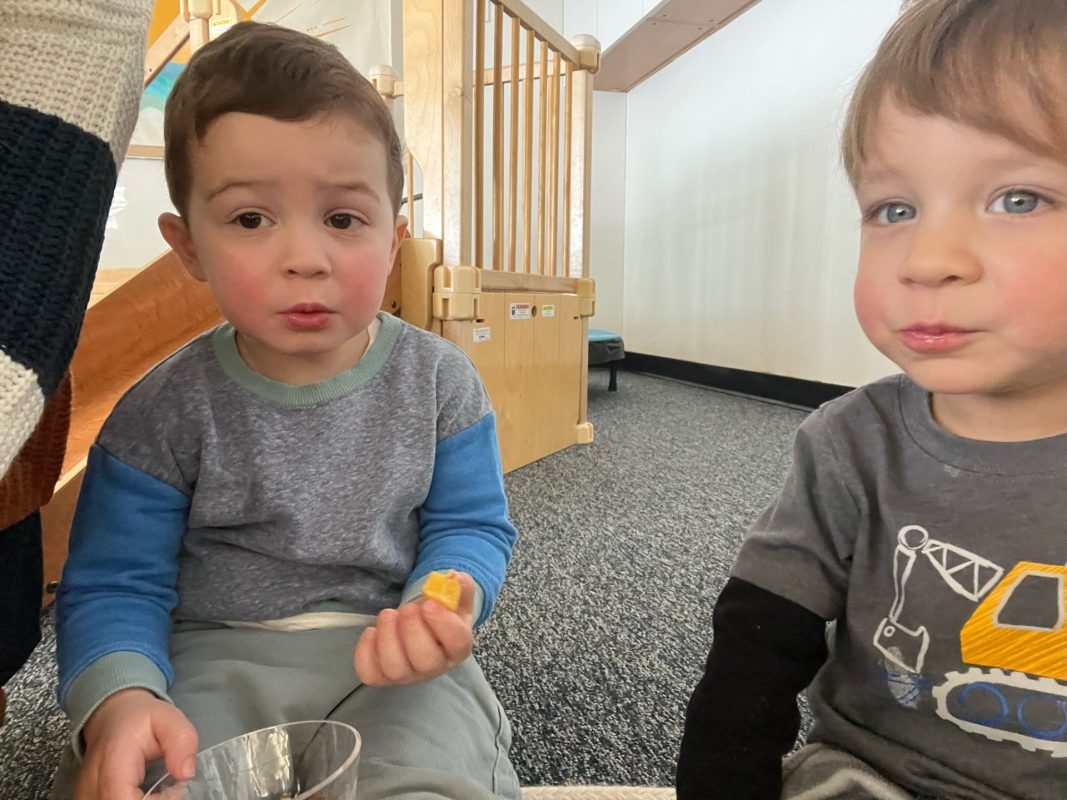
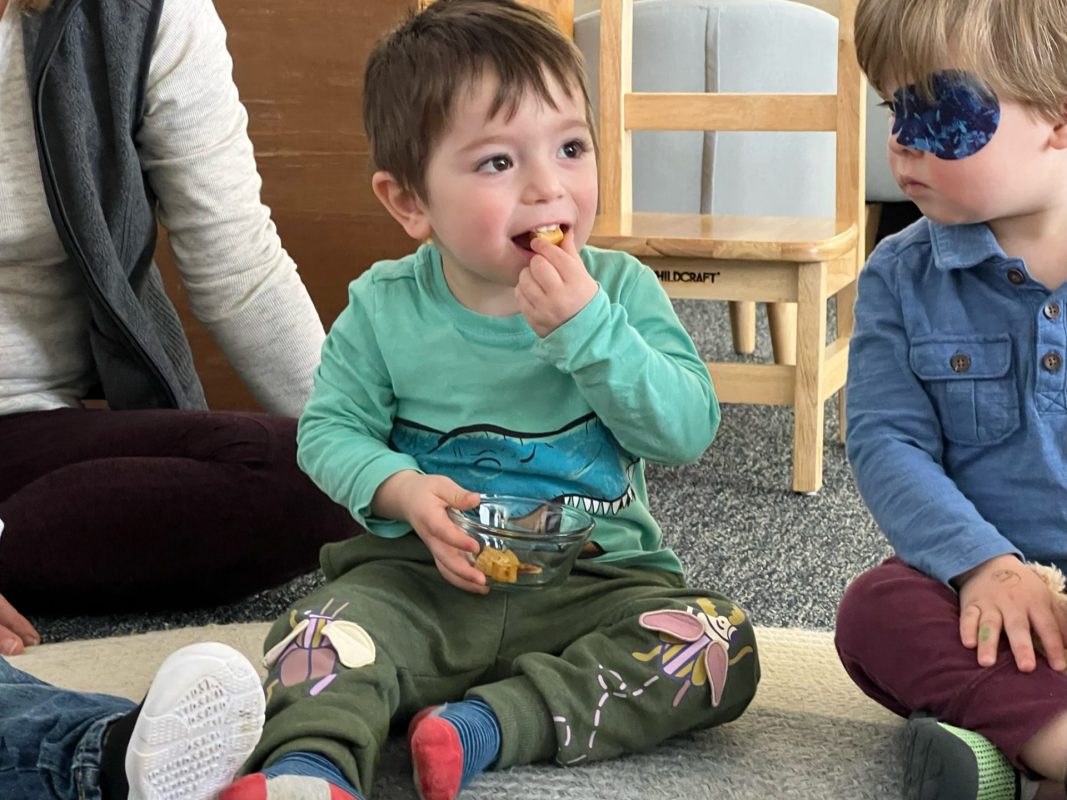
Food Tasting this week was a rutabaga. This was my first time tasting rutabaga, and it was delicious. We passed the rutabaga around to feel how heavy it was. They all seem to enjoy the roasted rutabaga.


Mrs. Doyle: Oh, The Places You’ll Go!


You can find magic wherever you look. So sit back and relax, all you need is a book.  

                                                                                                                                                                    —–Dr. Seuss

Read Across America is a national event celebrated on March 2nd, the birthday of Dr. Seuss. This initiative was created by the National Education Association and implemented to encourage a love of reading in children. At FWM, we also turn that day into Pajama Day, and the children bring their favorite book to share. We hope you enjoy the pictures.

An online article from nationaldaycalendar.com has some beautiful ideas on how to motivate children to read wherever they are.

  • Keep books everywhere you spend time. Put them in the car, in every room of the house, and tuck them in backpacks and purses. Make them easily accessible.
  • Visit the library often. Knowing how to use the library and learning the benefits of a library fosters a love of reading as well as genuine respect for the services libraries provide.
  • Get caught reading. Children imitate what they see the adults around them do. Whether they see you read a magazine, newspaper, or novel, let them know reading is the cool thing to do.
  • Read to your children. No matter their age, reading aloud strengthens their vocabulary and language skills. It also opens up opportunities for discussion.
  • Have your children read to you, too. You never know what you might learn!

In our classroom, we call books treasures. Reading is an integral part of each school day. I hope that Miss Maria and I can pass on our passion for literature to your children.

Happy Reading!

Michelle & Maria


Upper El – Binomial Equations

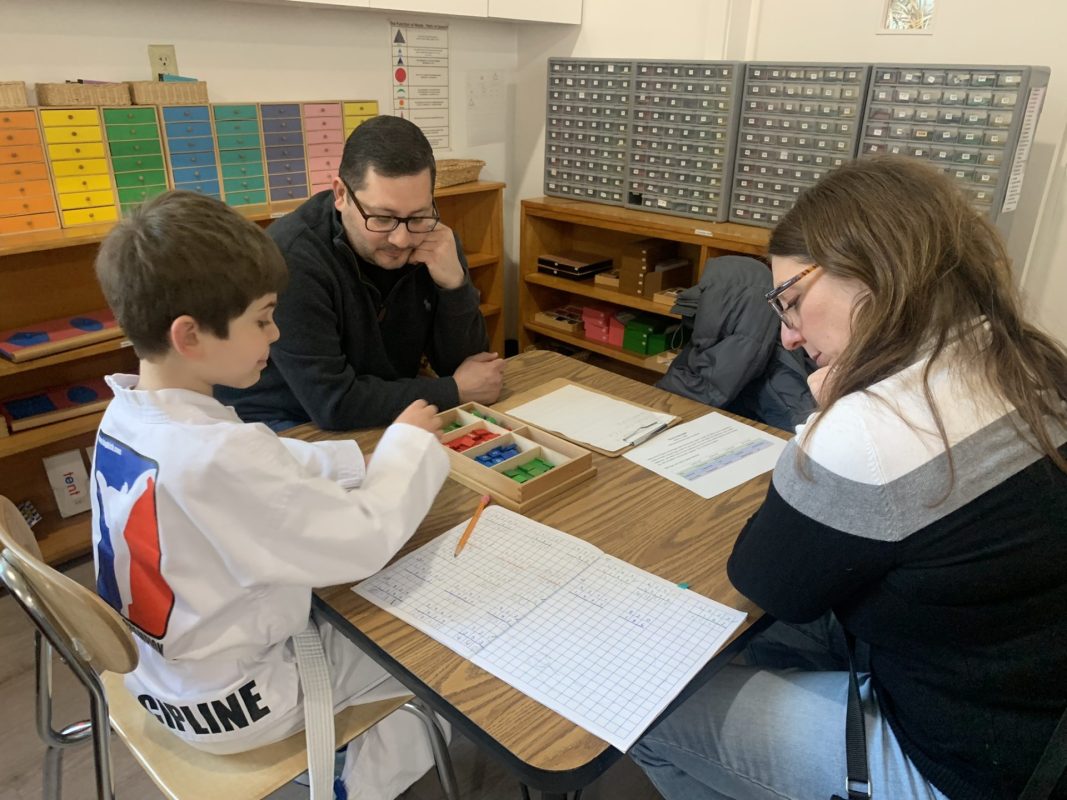
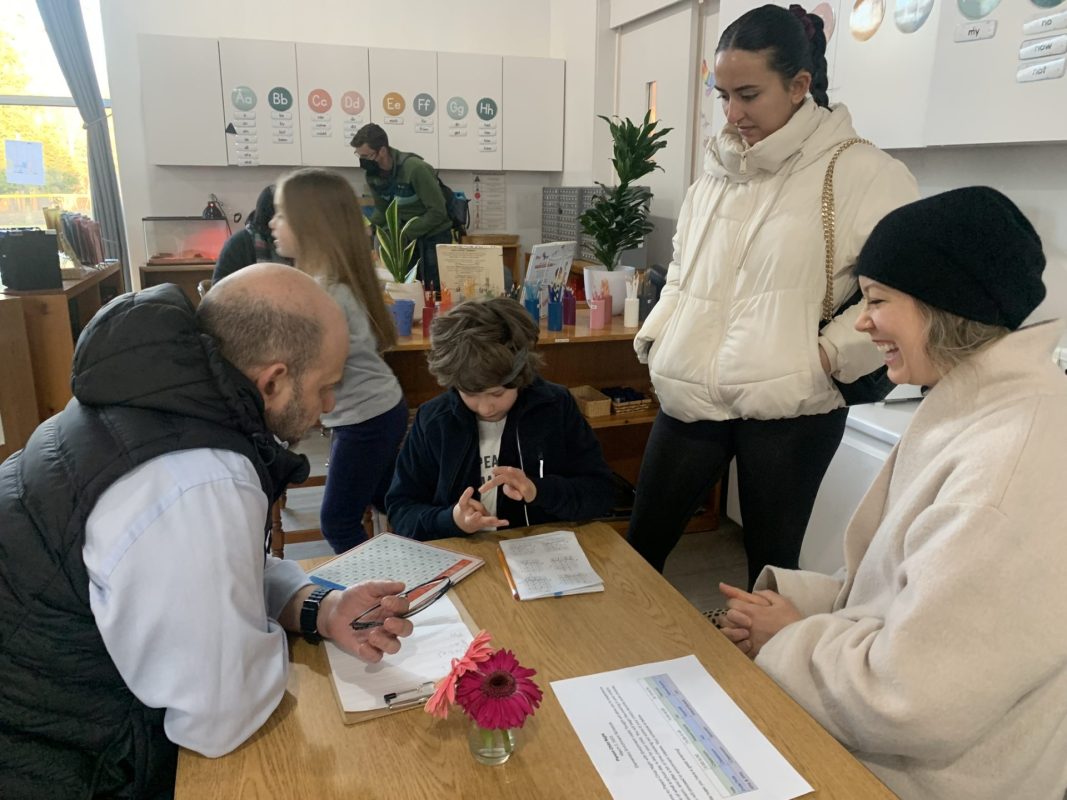
Thank you for taking the time to come in and chat about your child’s progress in school! It was a pleasure spending time with each of you. We also thank you for your generous donations to the Brian Bags we assembled on Valentine’s Day. We were fortunate to receive photos of appreciative recipients of the bags.

We want to extend a warm welcome to a new member of our class this week. We are so happy Virginia has joined Upper El!

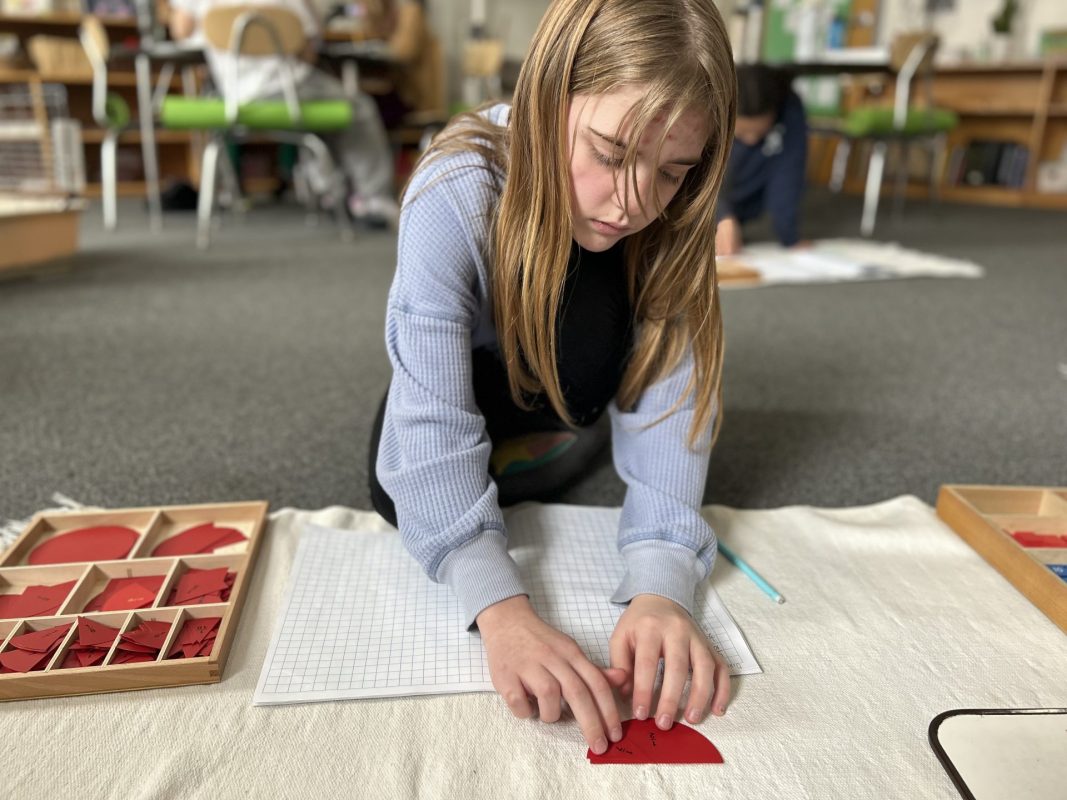
After learning about fractions and decimals for the last few weeks, this week, we will look at squaring and preparation for finding square roots.

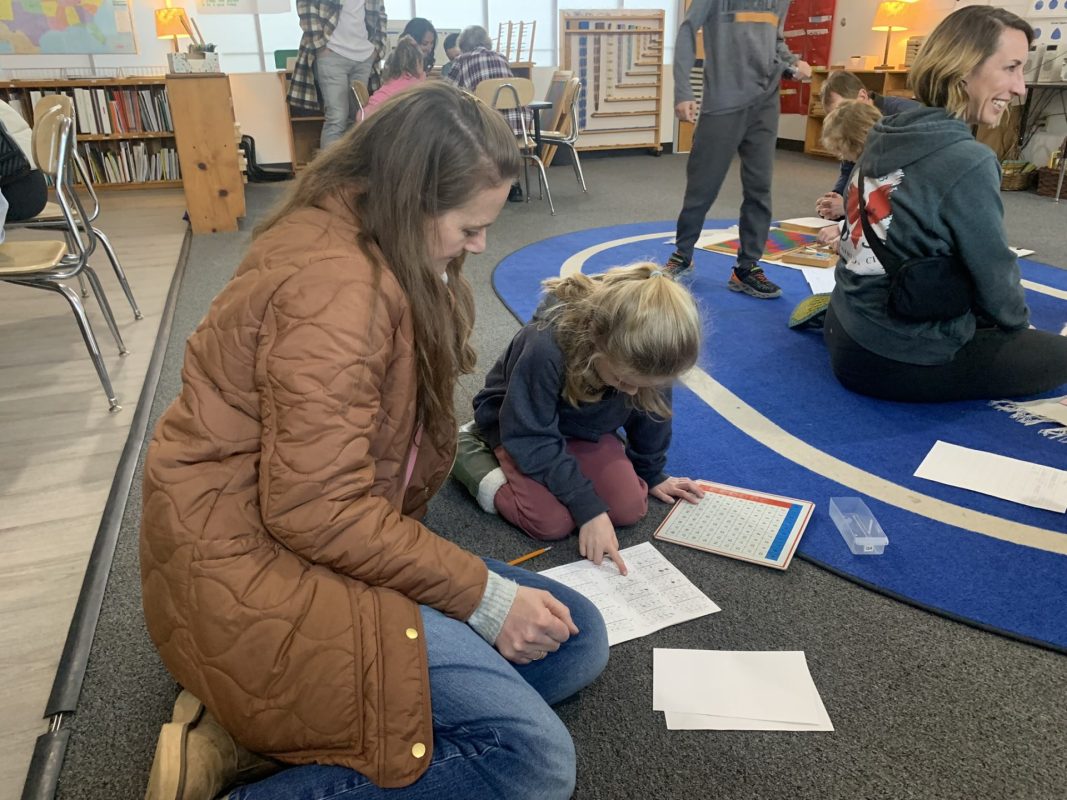
These lessons “test” multiplication abilities and give children experience in complex, multi-step multiplications with geometric and hierarchical relationships becoming apparent and predictable with practice. Students are looking at the shape and value of a product and thinking ahead.

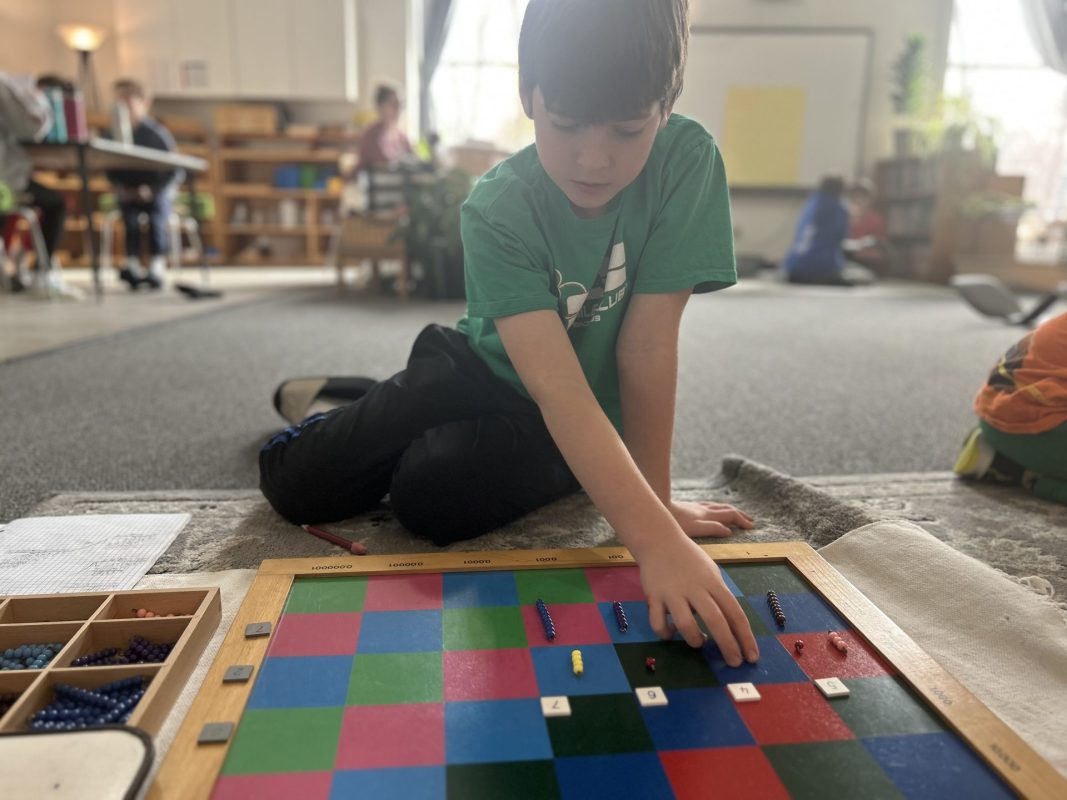
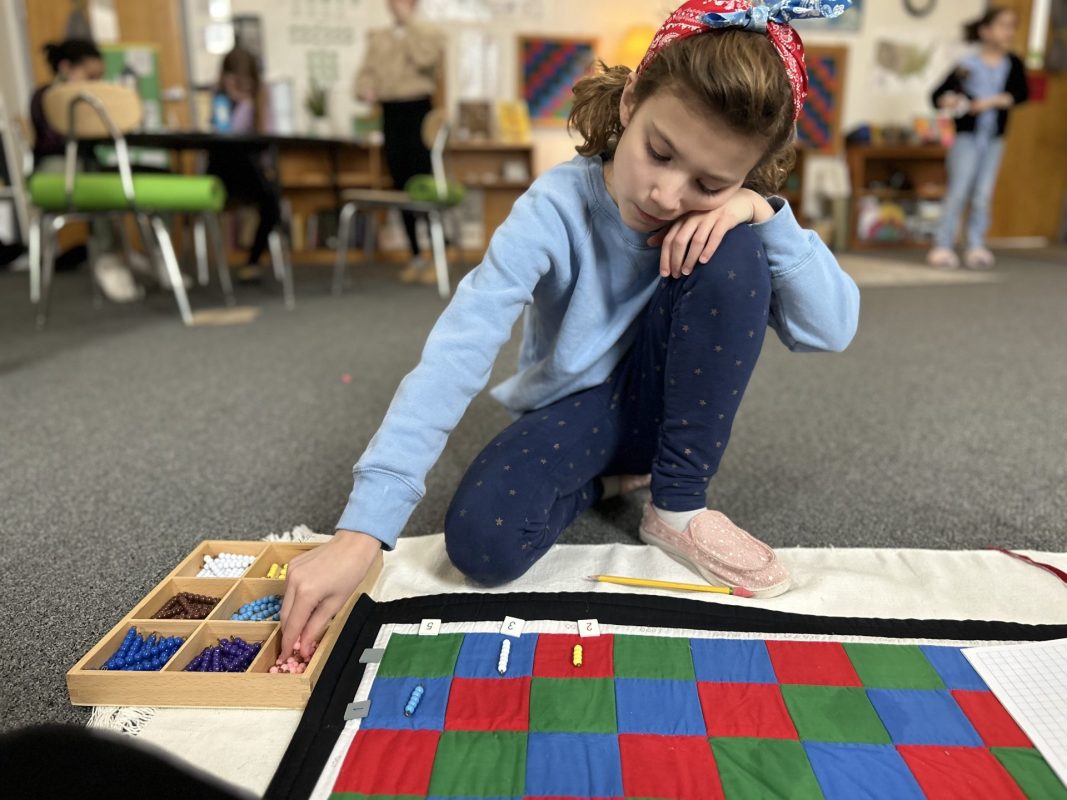
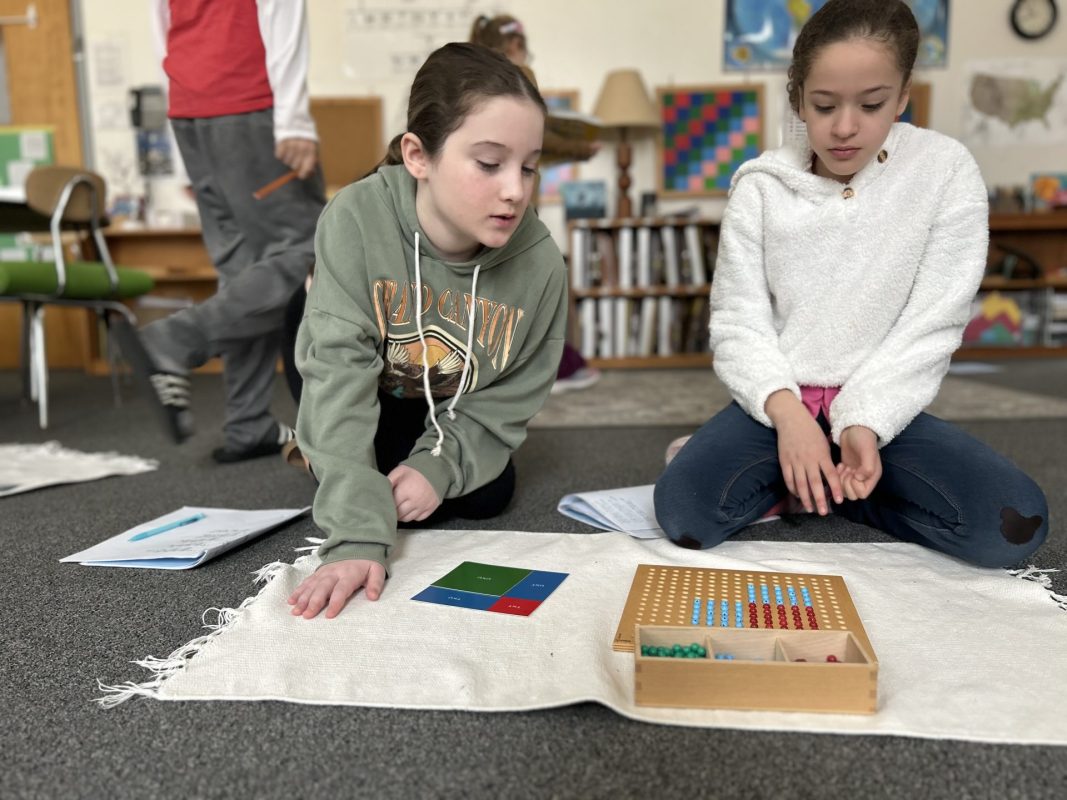
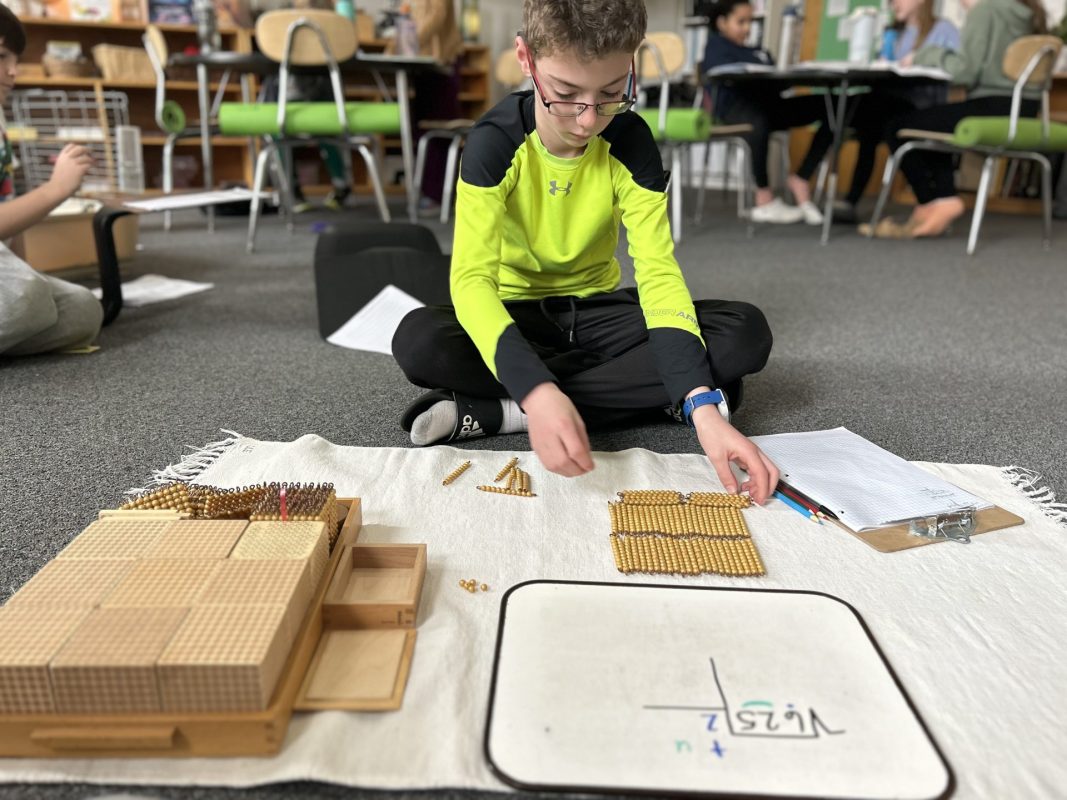
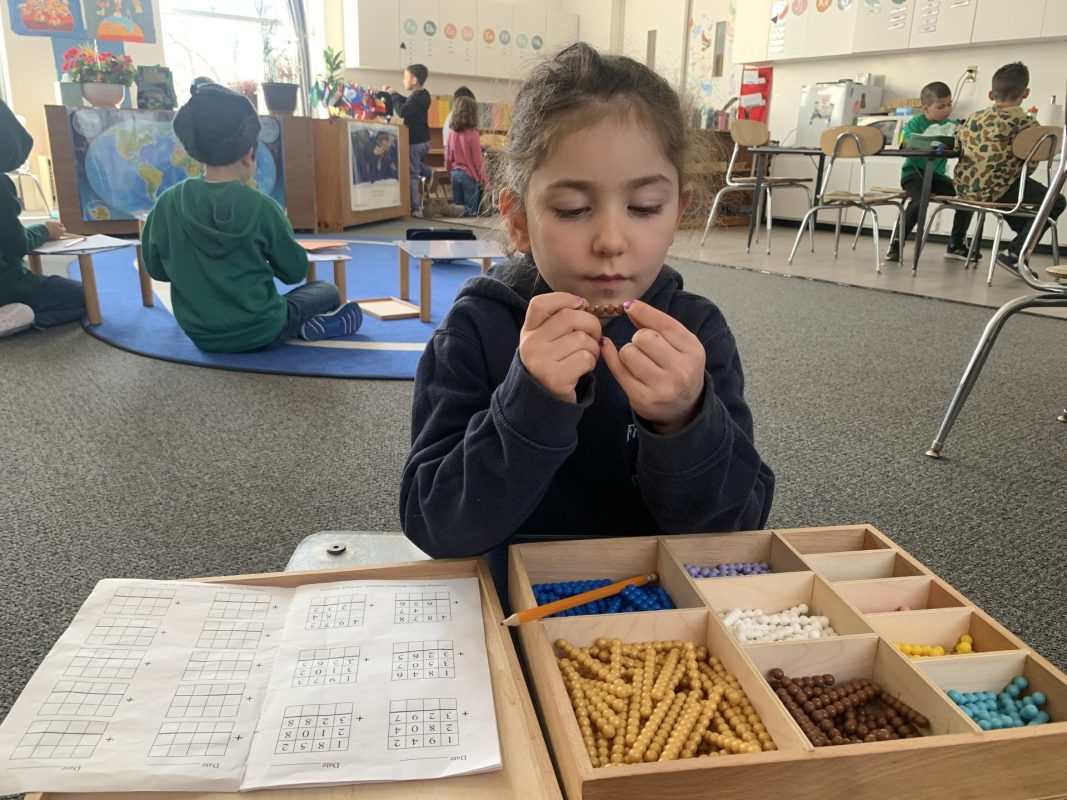
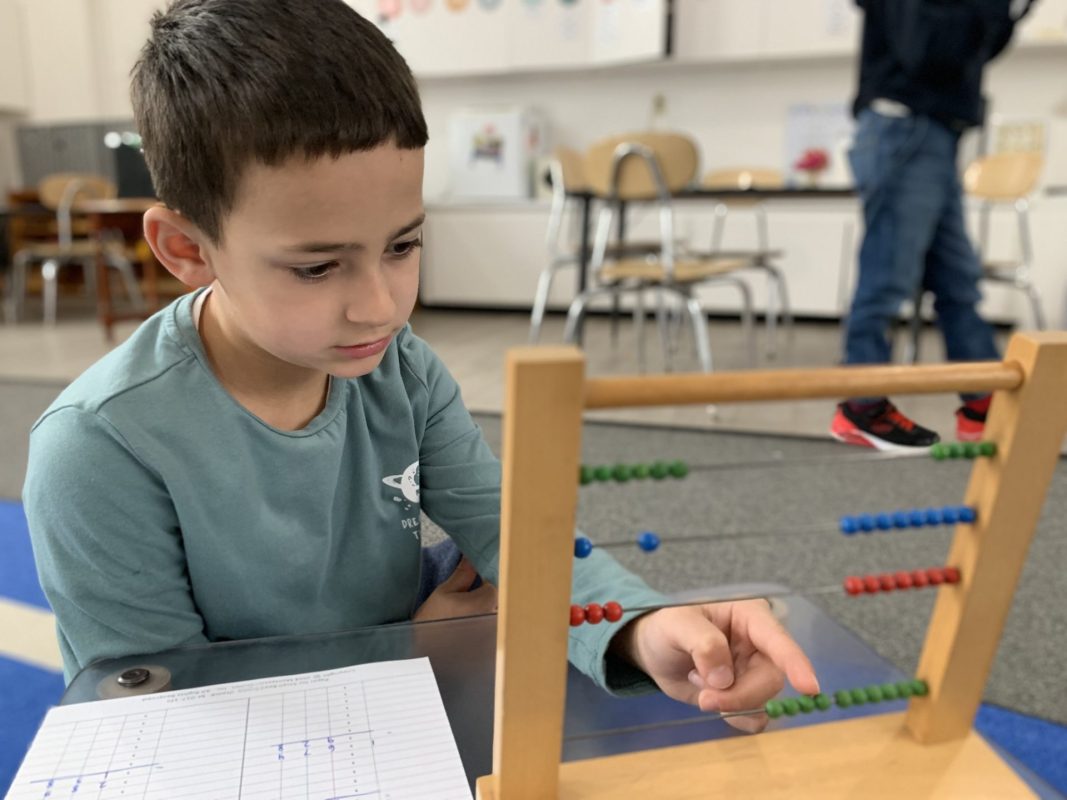
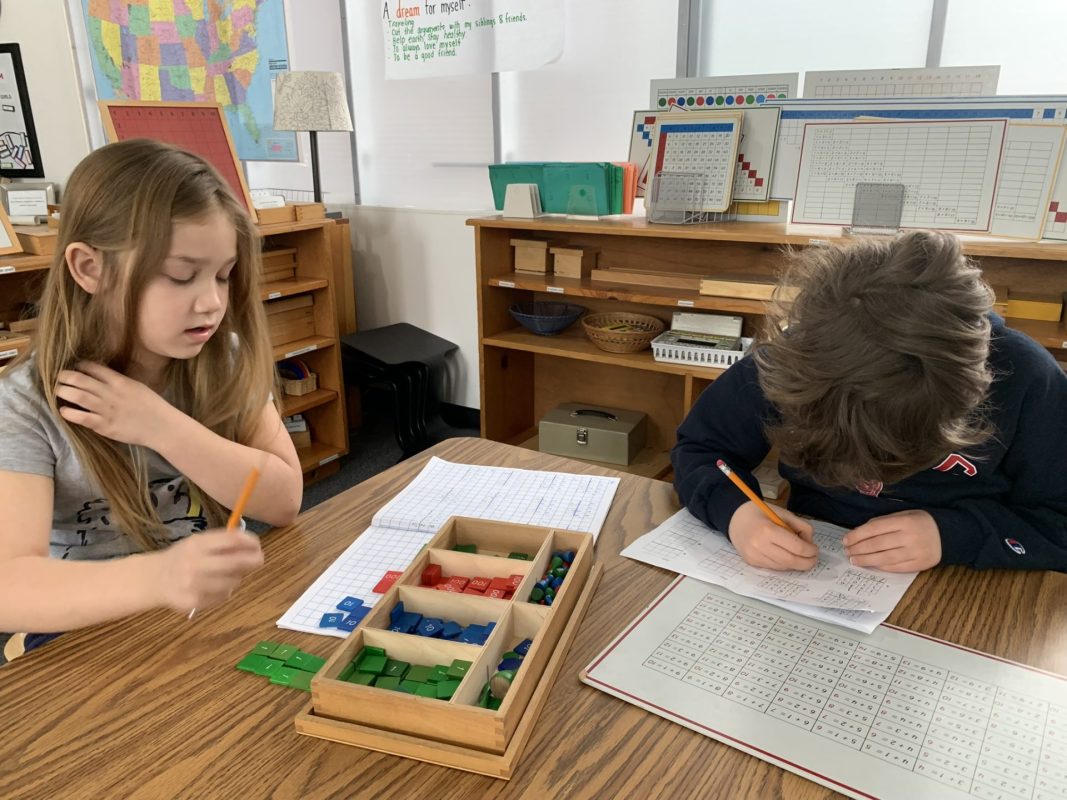
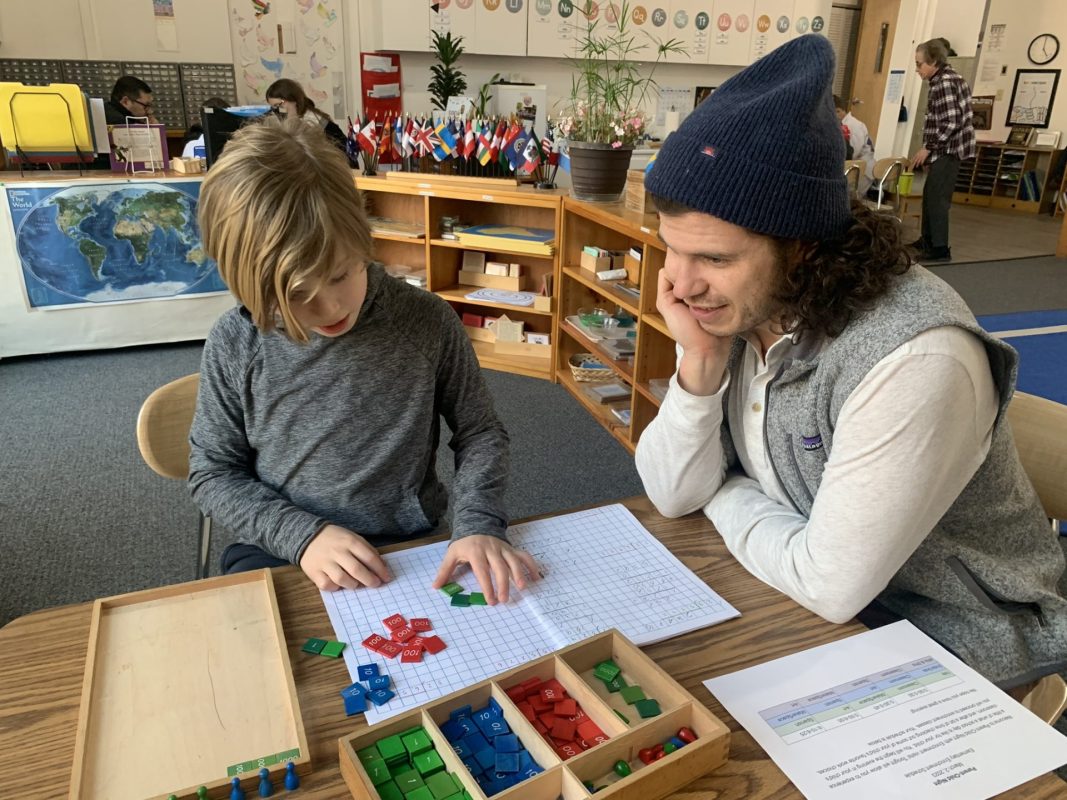
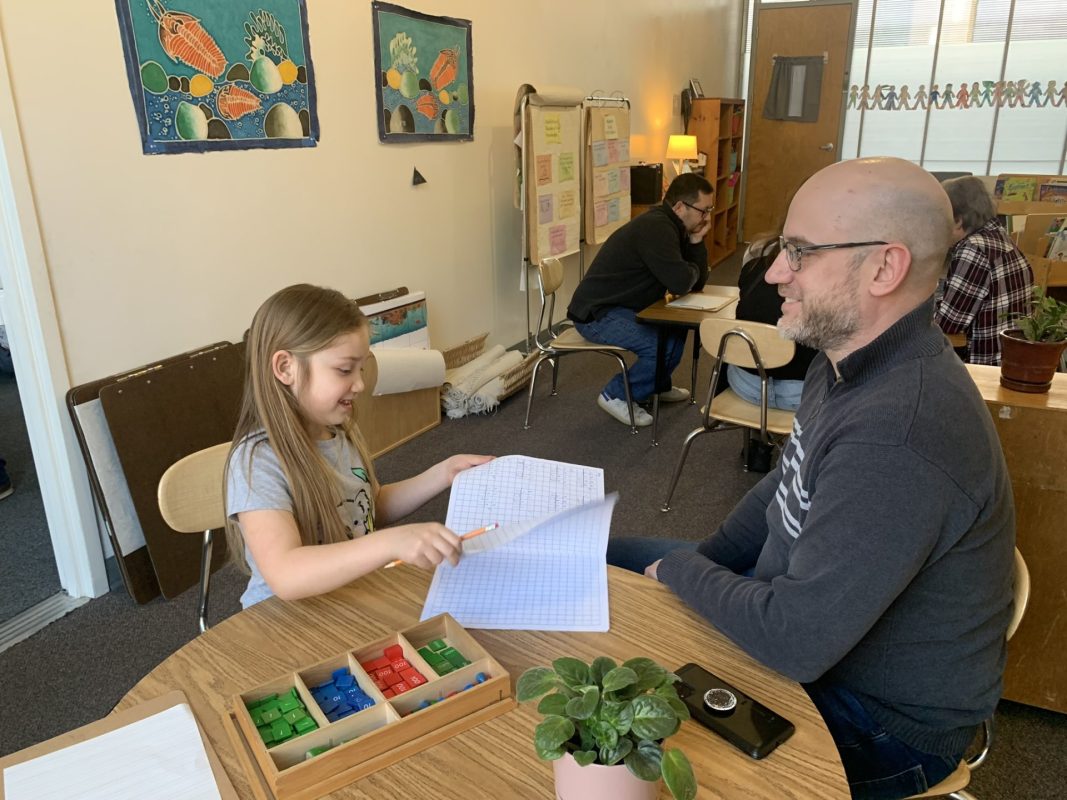
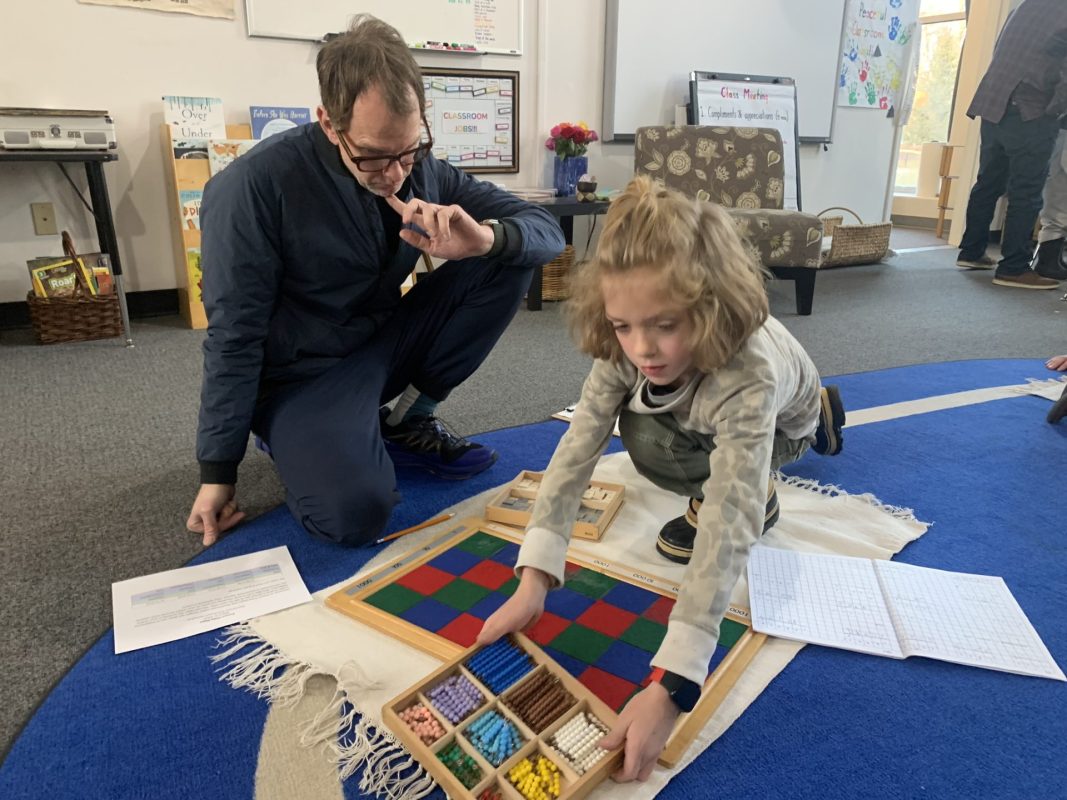
The first two lessons in this series focus on multiplying a binomial by a binomial, first (7+3) x (4+2), and then 23 x 25. First, the problem is represented with bead bars, focusing on the shape the beads form (rectangles), and then the equation is recorded.

From here, we move on to squaring a binomial, 16². This is in preparation for finding the square root of a number. Like in the first two lessons, bead materials are used to geometrically represent the parts of the equation, 10² + 2(10×6) + 6². The point is for students to see that when a number is multiplied by itself, the product of that multiplication is a square, which is a measurement of surface, not a linear measure.

Let me know if you’d like a lesson. I’m happy to demonstrate this for you.

Wishing you a lovely weekend,
Karen and Angie