Blog

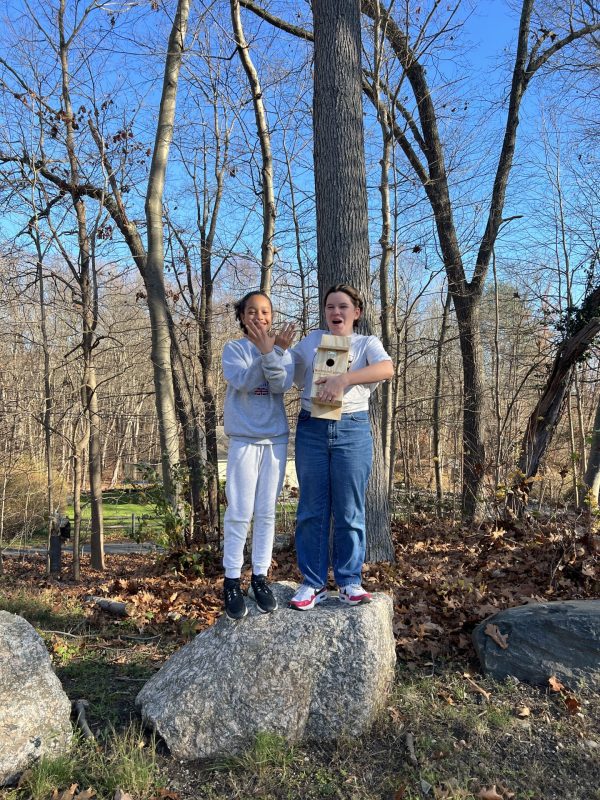
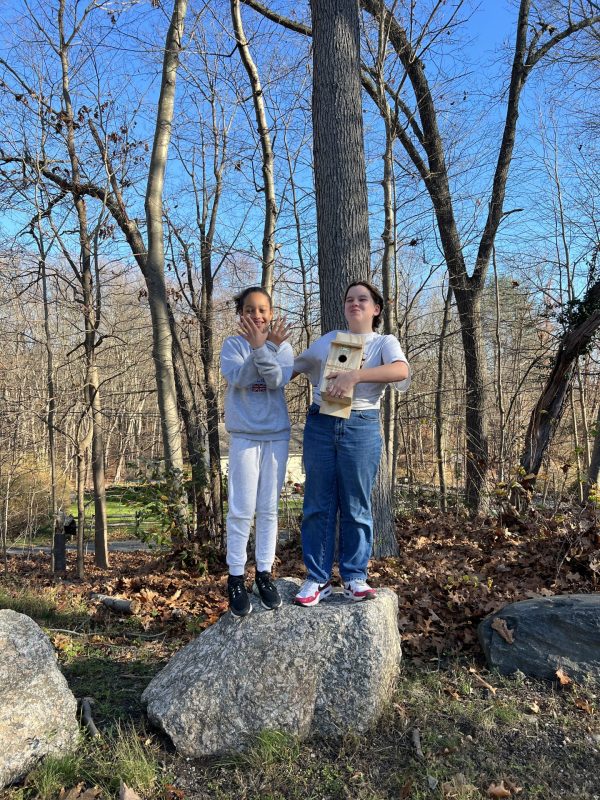
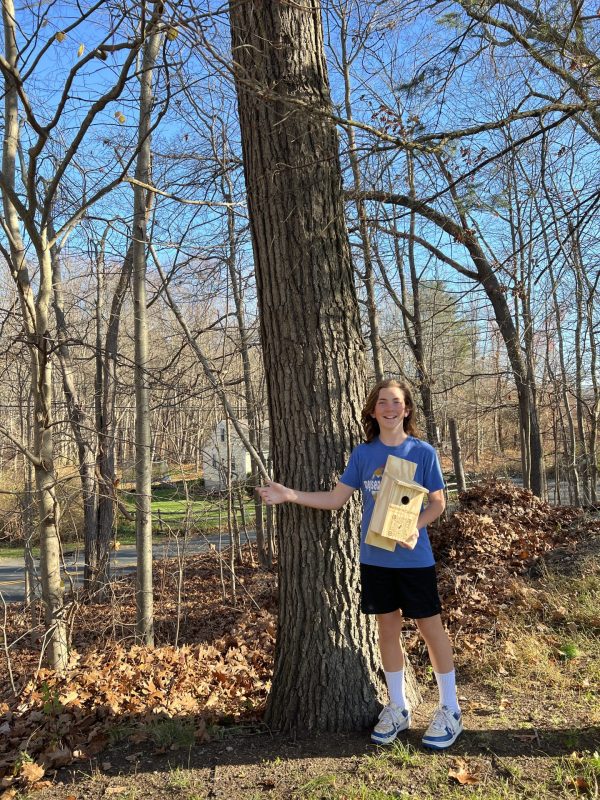
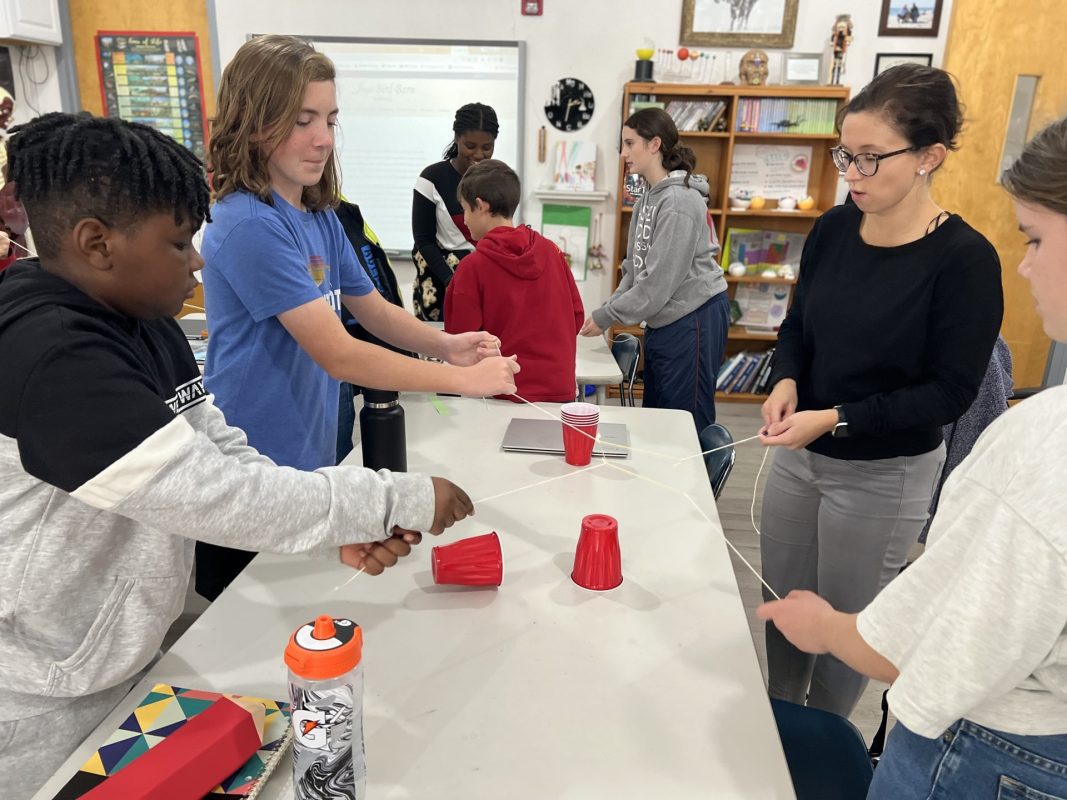
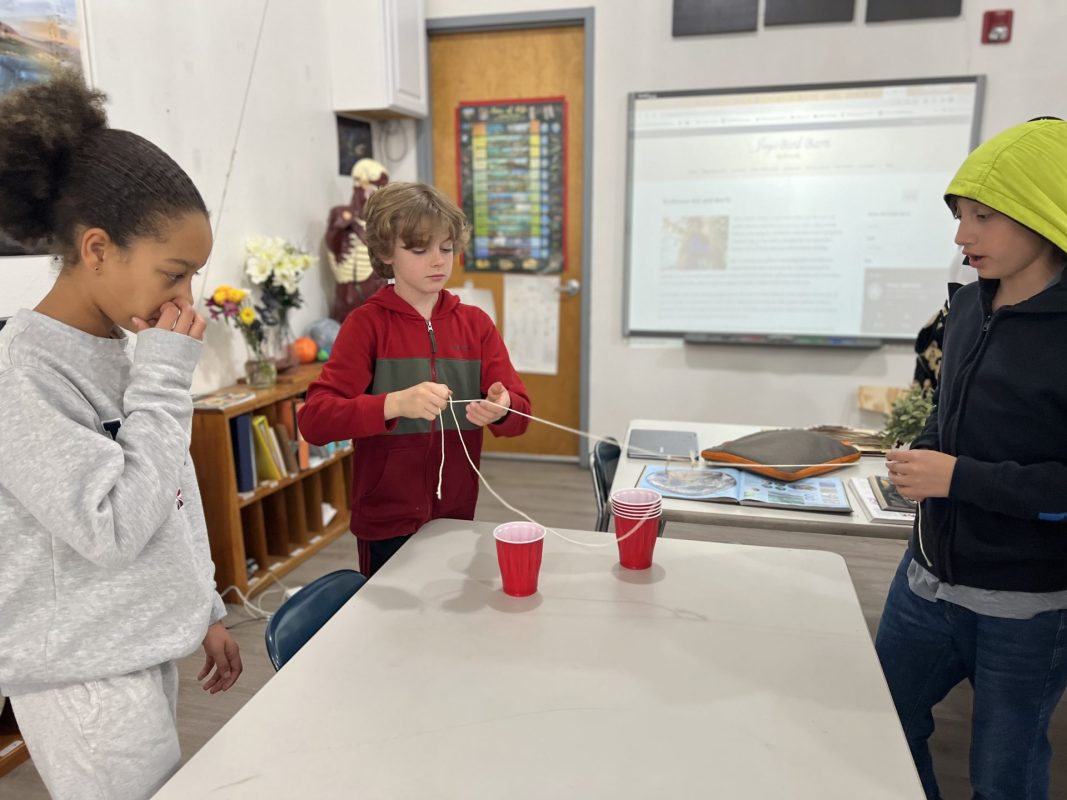
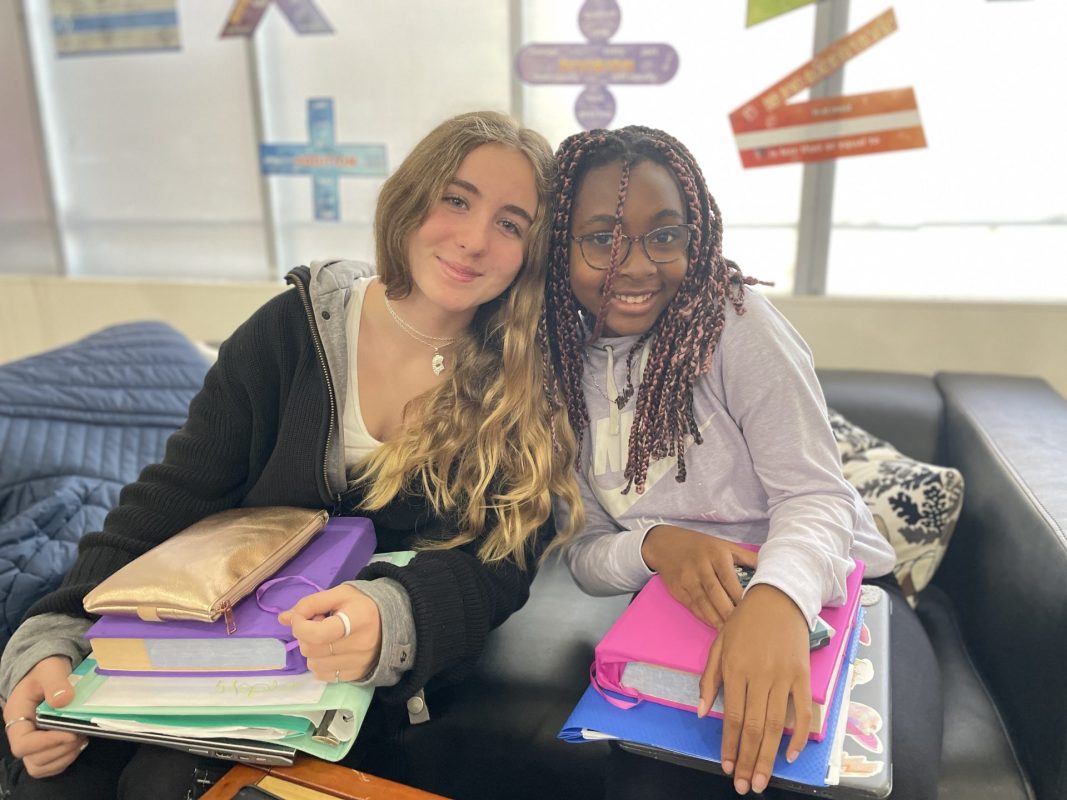
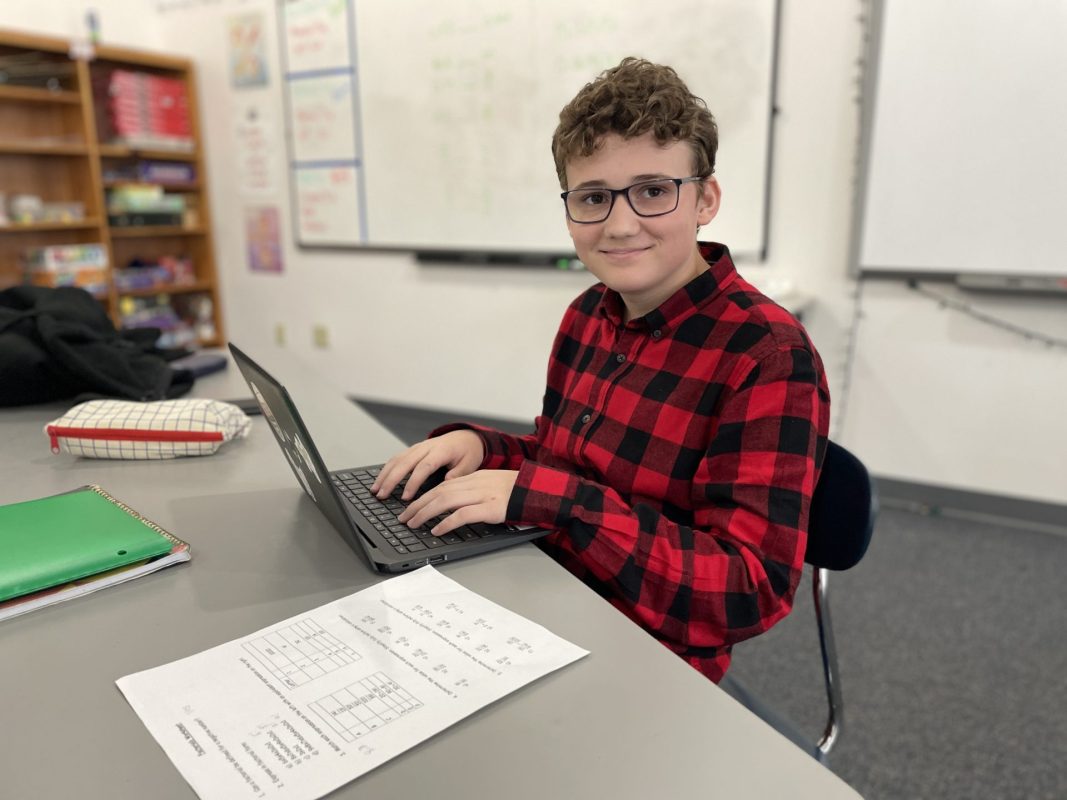
Middle School: Week in Review

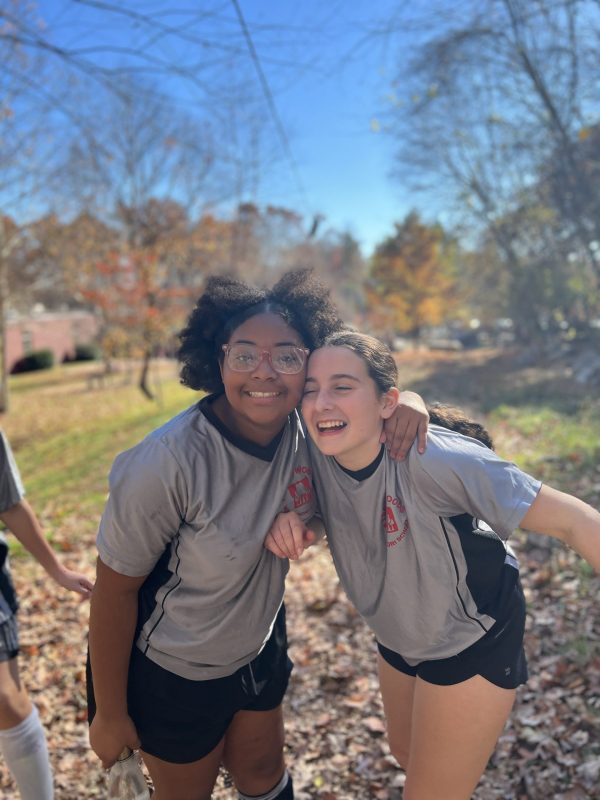
It’s been a great week in Middle School! We are asking students and parents to check the temperature and make sure that students’ attire aligns. We will be going outside for recess when possible even through the winter months, so having legs covered and a jacket or other heavier layer on top to cover the arms is expected. Thanks!

LOOK OUT for the email this weekend regarding how you can help next week with our Thanksgiving Food Drive for a family in need in Newtown. The 8th grade just received information from WIN (Women Involved in Newtown), and they have put together a Sign Up Genius that will go out to the community this weekend.

Humanities

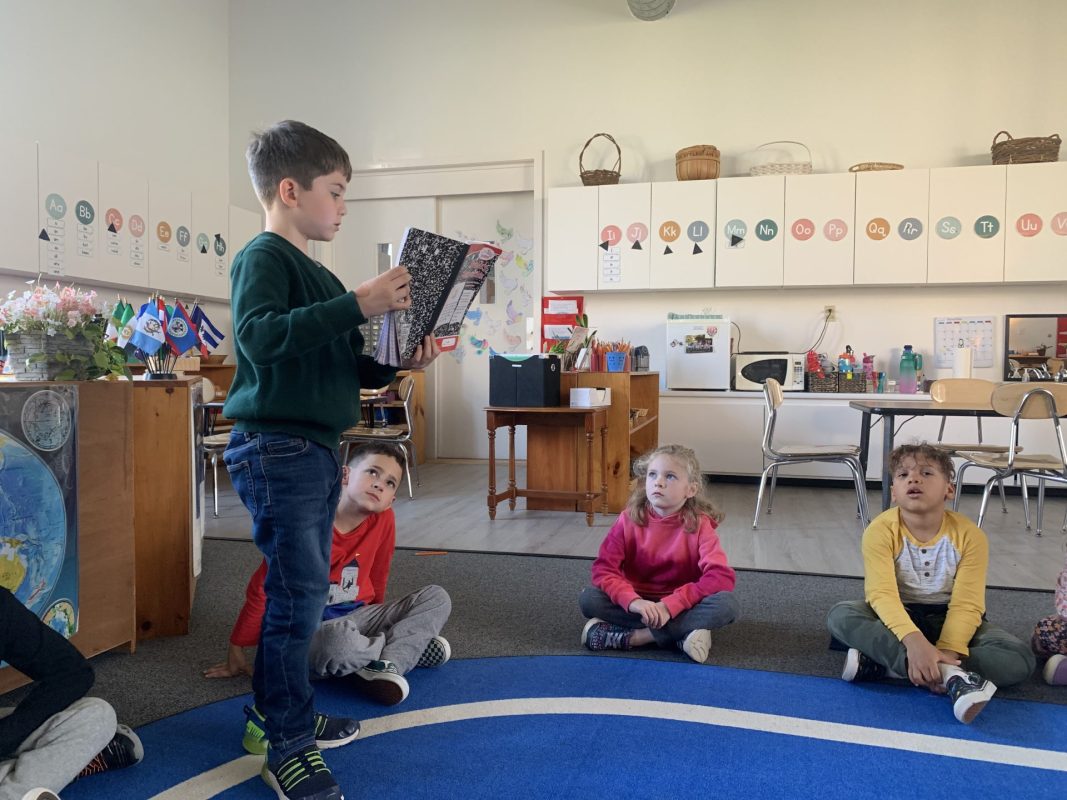
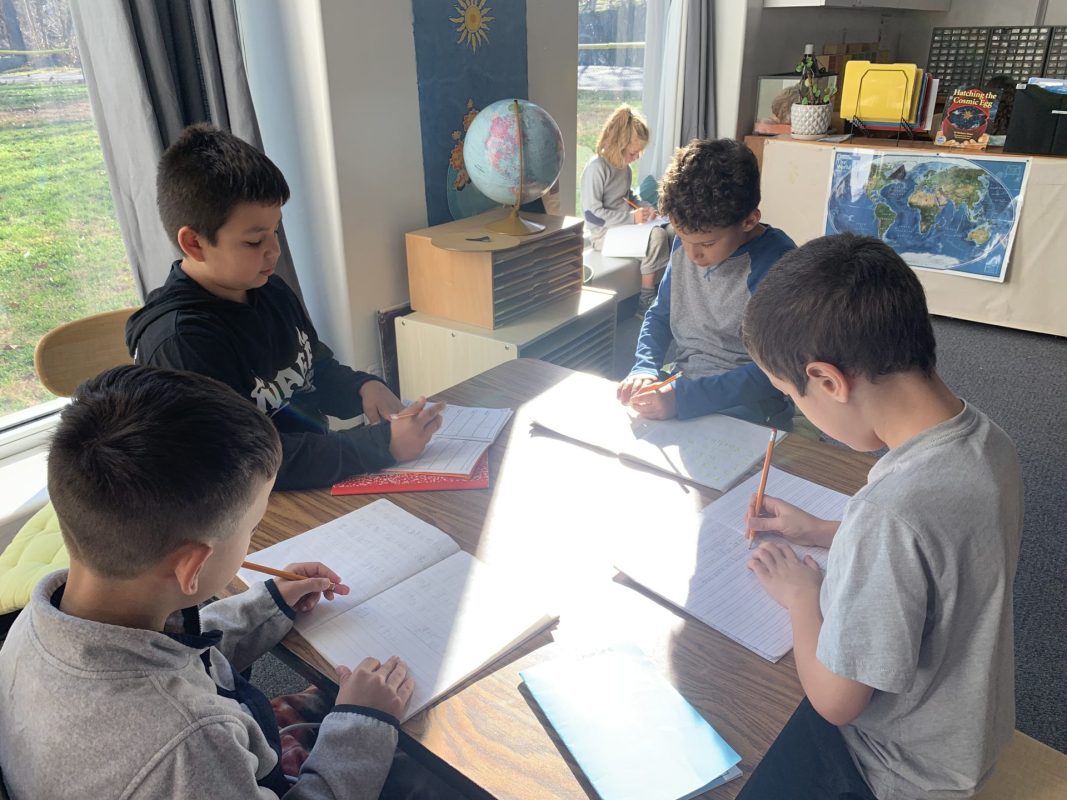
All Humanities classes began the week presenting their current events. The topics were thought-provoking and presenters were informative and led great discussions.

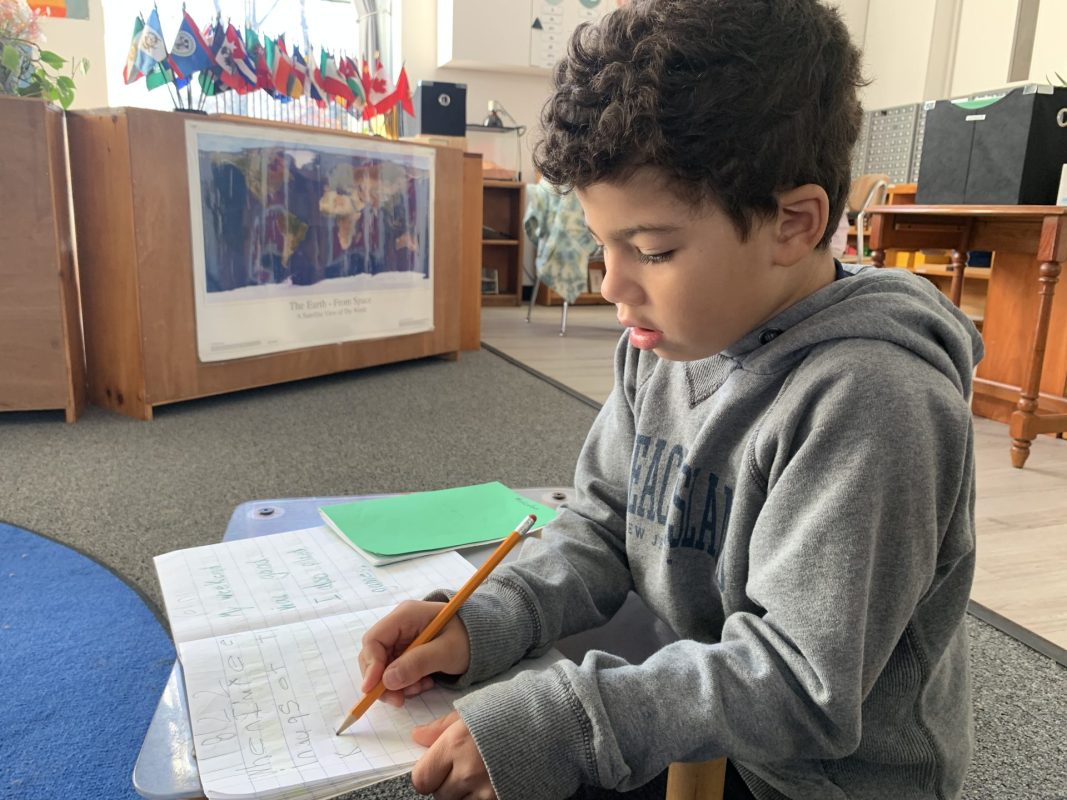
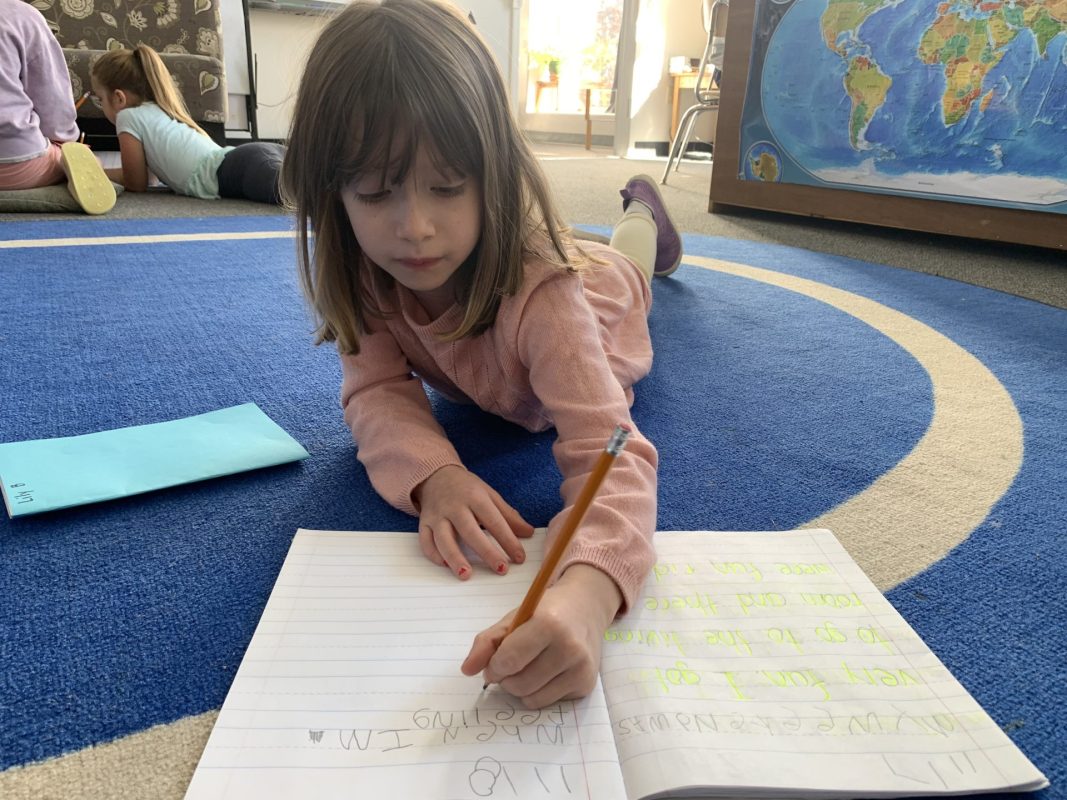
6th grade Humanities classes are in the second half of their class novel, Out of My Mind. While students typically answer questions related to their chapters during and after daily reading, they attempted annotations towards the end of the week instead. In class, they have been guided in their questions this week towards locating what is important, what gives them a reaction, and what they question. As they continue to read and practice annotation, their skills will strengthen, and students will build their confidence. Also, 6th grade students worked on organization in their paragraphs to enhance their writing.

7th grade Humanities classes focused on early 20th century China. We reviewed the following terms from earlier in the year, as they are the focus of the events occurring at this time in China: republic, imperialism, and nationalism. Students studied events and people that affected Chinese views of these terms such as WWI and the signing of the Treaty of Versailles, the May Fourth Movement, Sun Yat-Sen and the Xinhai Revolution, the rise of the CPC, and Chiang Kai-Shek. Students showed interest in the Chinese involvement in WWI through helping to dig the trenches in Europe, so the class researched Trench Warfare a bit further. Also, they read from the National Archives about the Chinese Exclusion Act and the Johnson Reed Act, which were early US Immigration Policies that affected the Chinese coming to the US and those already in the US at the time.

8th grade Humanities classes are still working on the Jamestown Colony and its relationship with the Powhatan. Mainly, this week they focused on the truth that exists from the myth of Pocahontas, the “Indian Princess”. After reading an interview in Smithsonian Magazine with historian, professor, and author Camilla Townsend, and watching Smithsonian’s documentary about Pocahontas and John Smith, classes discussed how the stories of history can change over time. They also discussed why they change and how they might be written in the first place.

Science

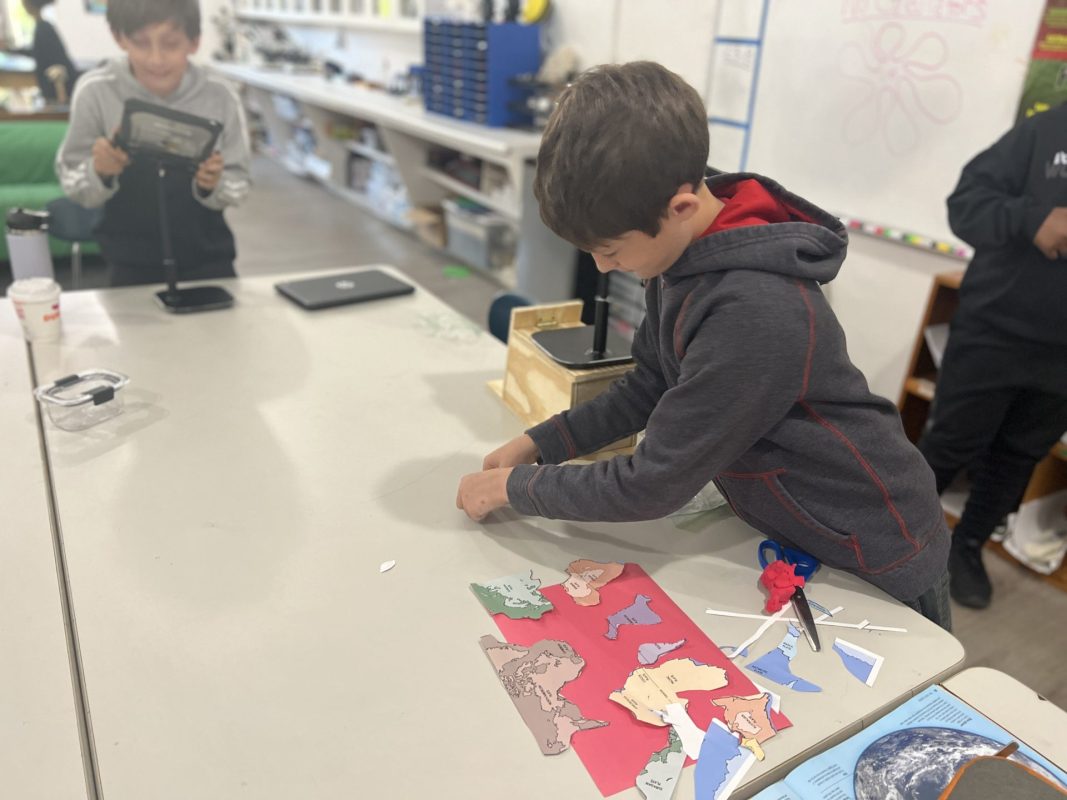
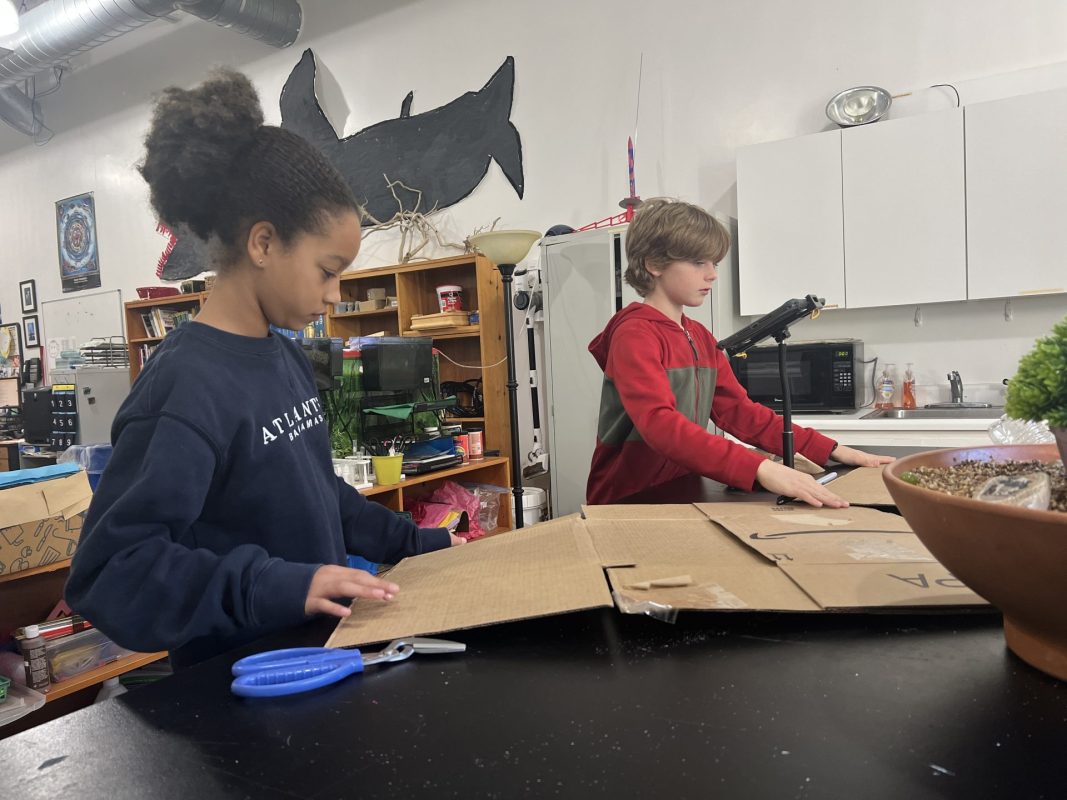
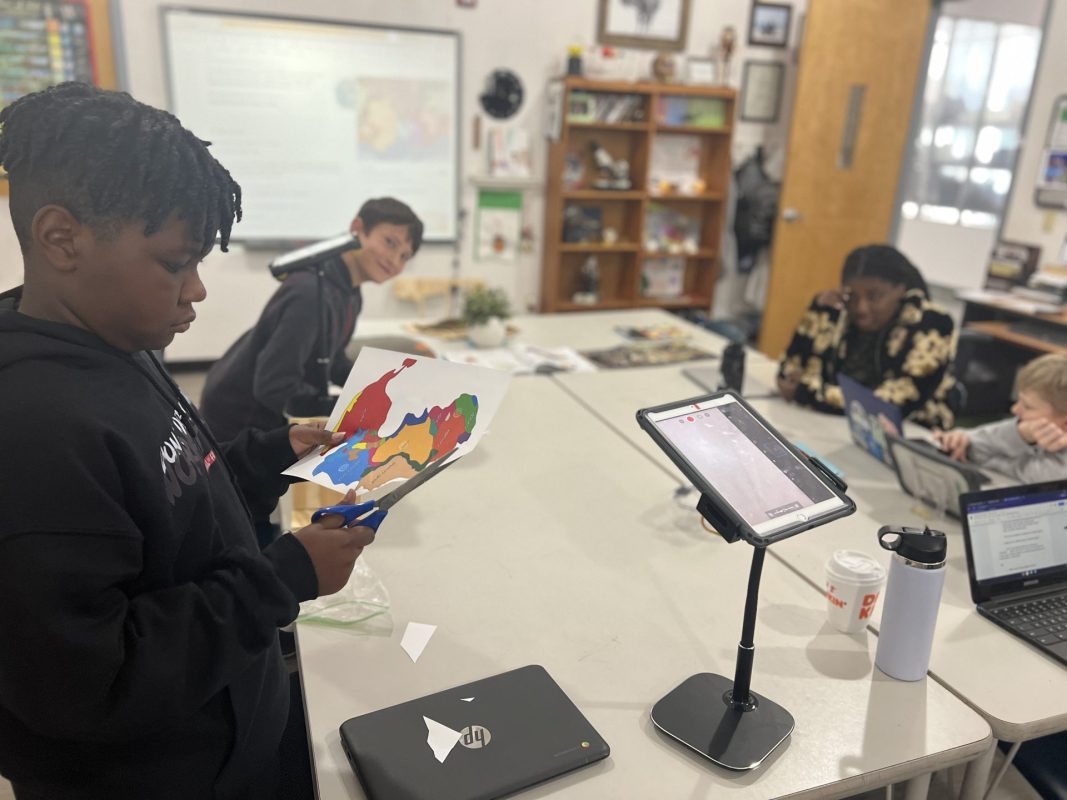
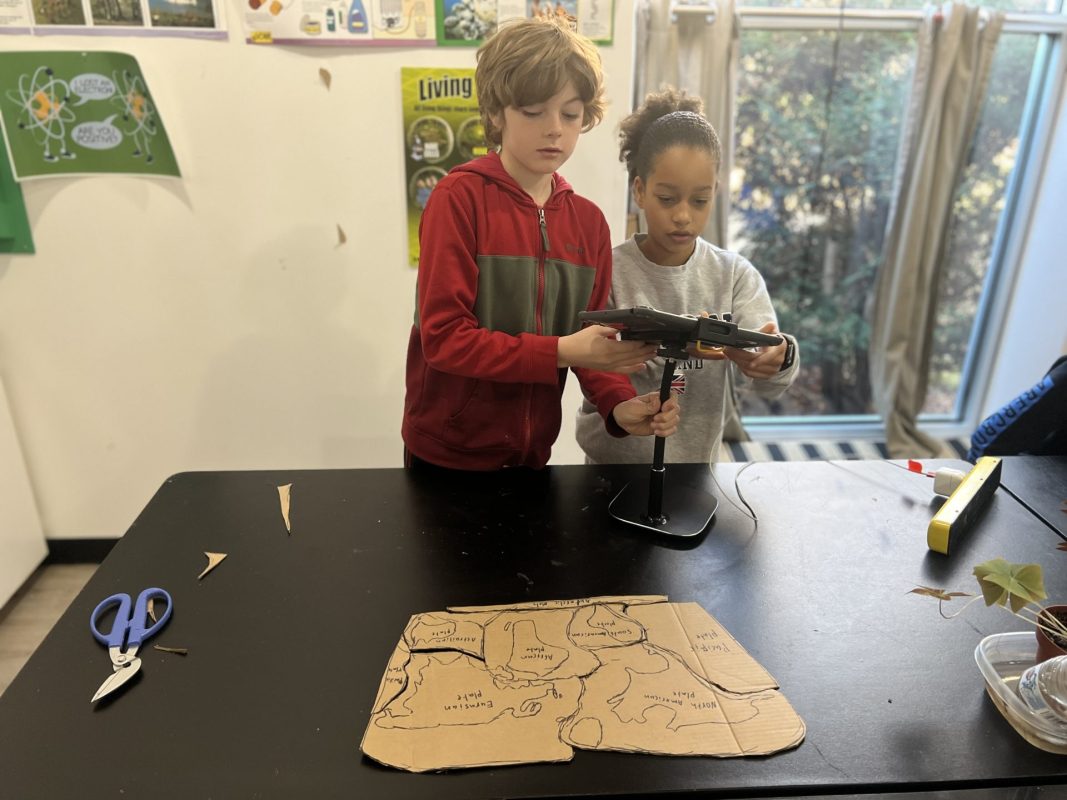
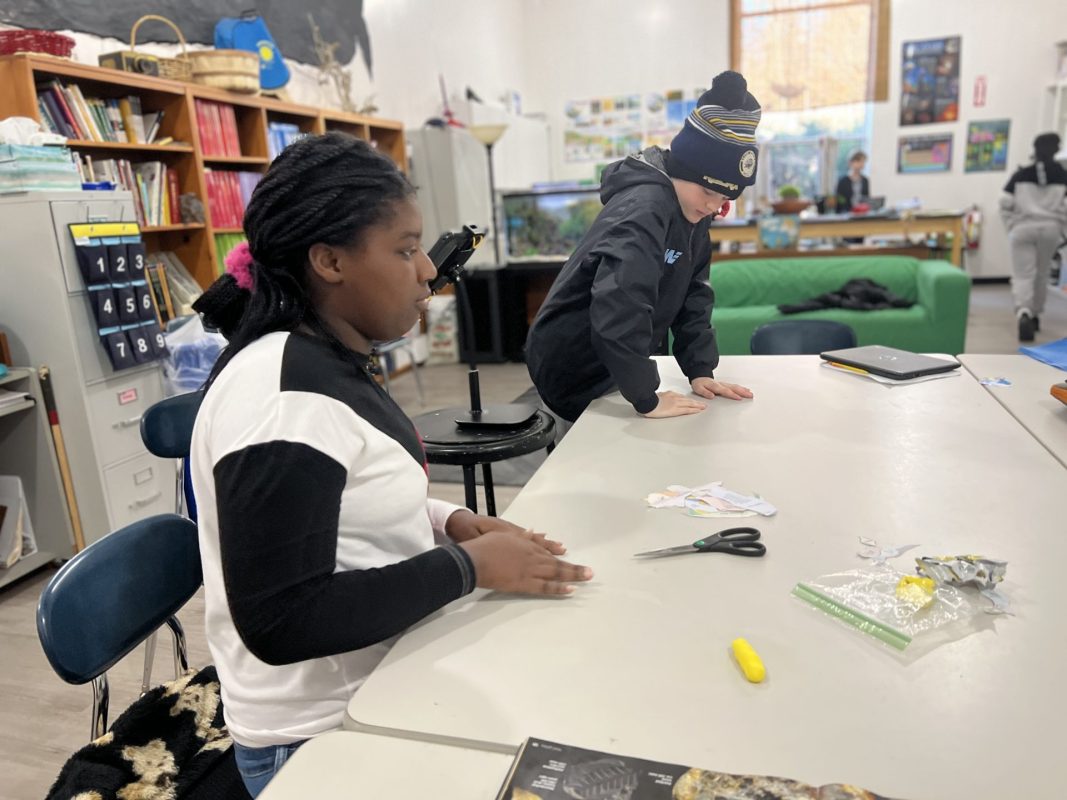
6th year Earth Science students are working on representing their unit, Tectonic Plates, by creating stop motion videos. Students are asked to represent what tectonic plates are, what causes them to move, what the 3 different types of plate boundaries are, and how tectonic plate movement influences our landscape. Students have the ability to choose from a variety of artistic representations to base their videos off of.

7th year Physical Science students are finishing their unit, Characteristic Properties of Matter. Throughout the unit, students conducted several experiments and lab reports which tested the physical and chemical properties of unknown substances. Some of the experiments conducted tested electrical conductivity, malleability, density, pH, and combustibility. Our next unit will be States of Matter.
8th year Life Science students have been working on their unit, Cellular Respiration. This week students were asked to begin the unit by first understanding the differences between respiration (breathing) and that of cellular respiration (obtain energy from food). Students will be asked to break the unit into 3 main parts (glycolysis, Kreb’s cycle, and the electron transport chain).
Math

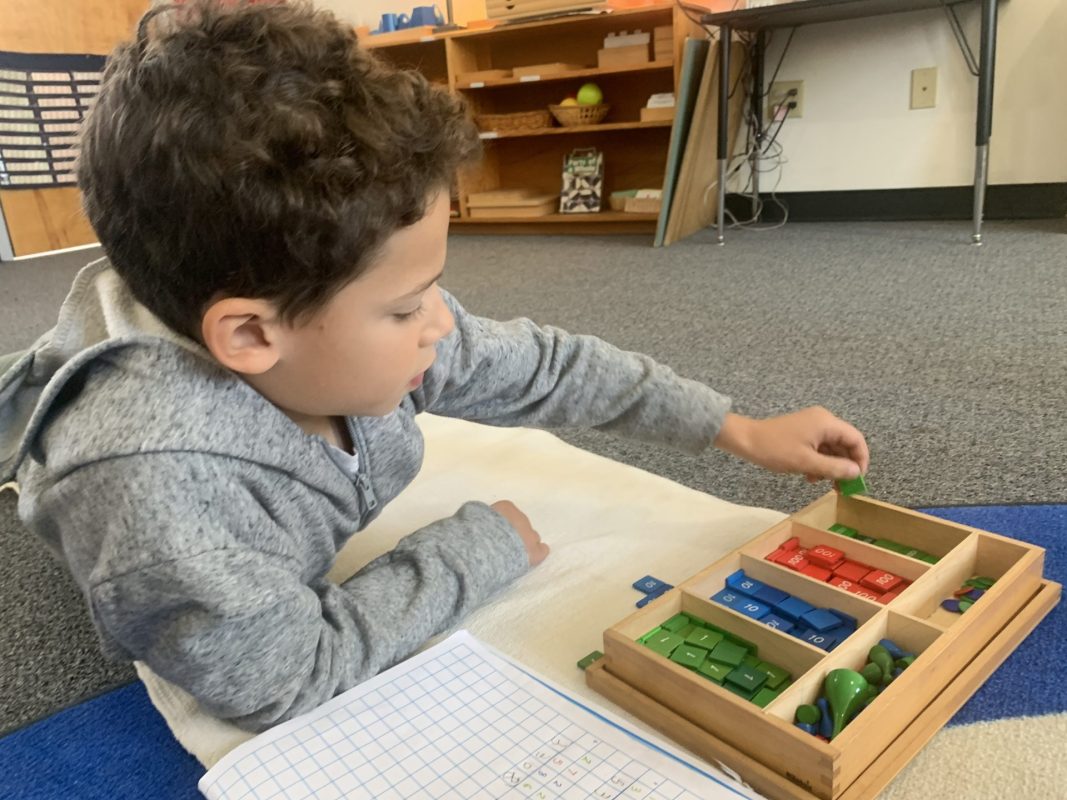
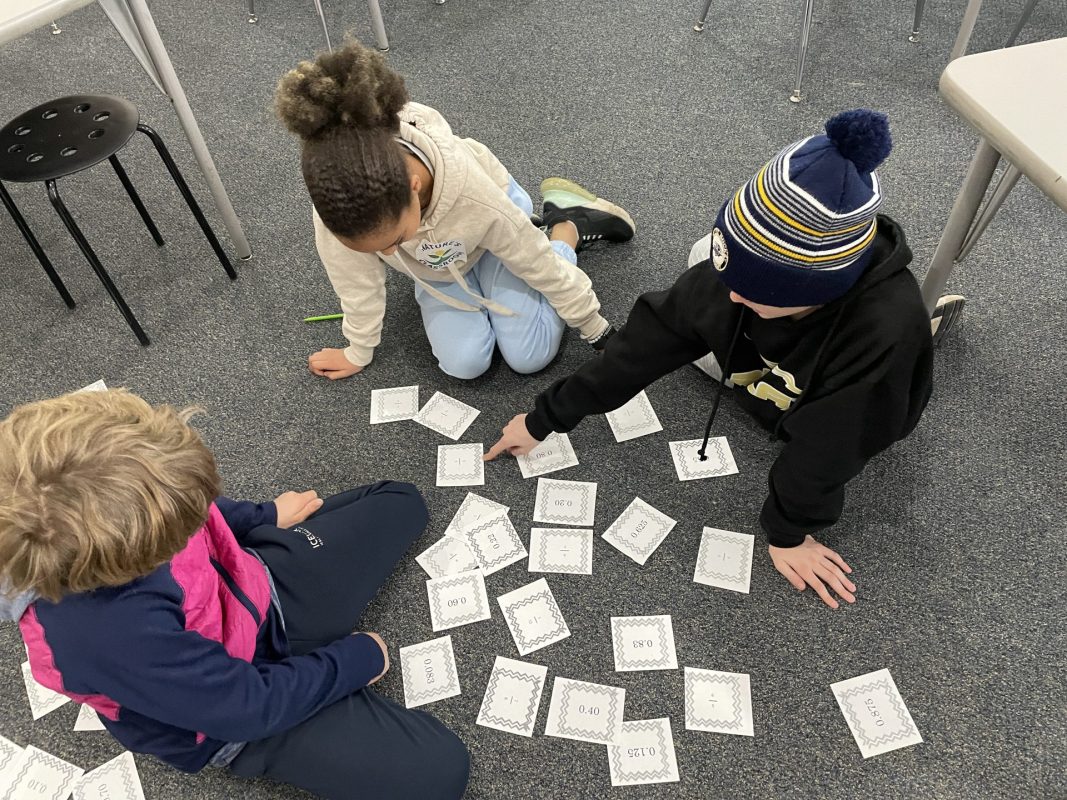
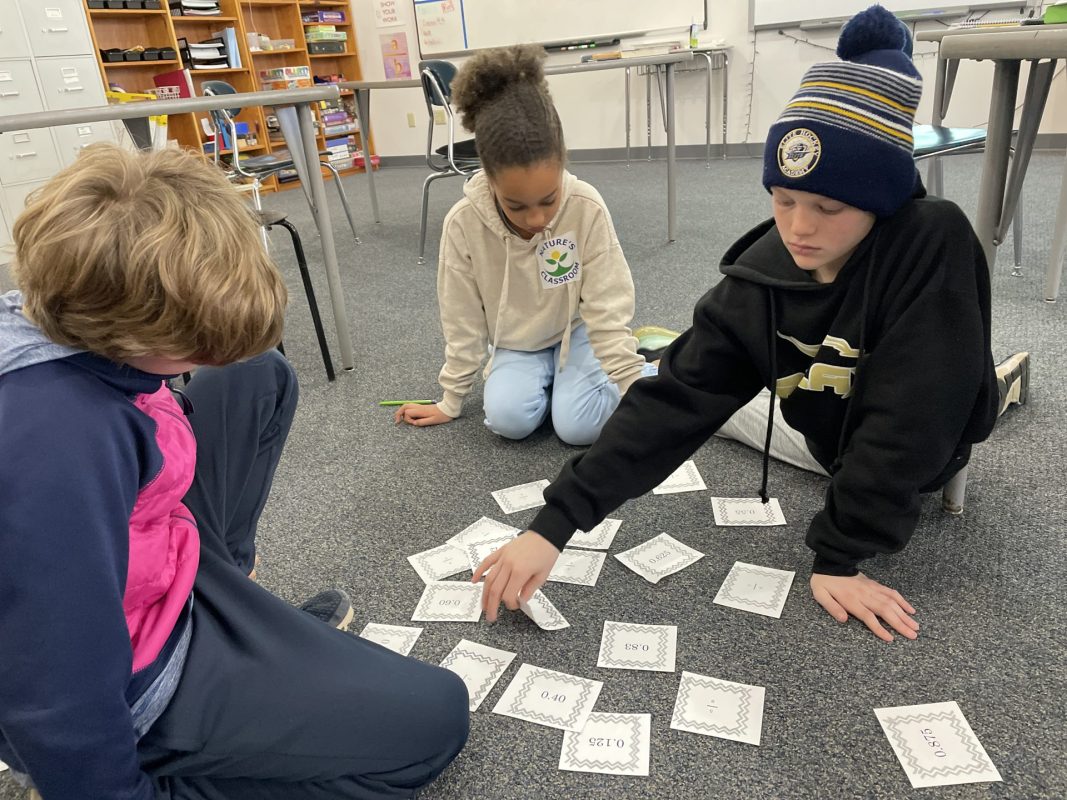
In the Pre-Transition math class, students concluded their learning of Chapter 2. This chapter covered topics such as converting between decimals, fractions and percentages, rounding values, and identifying repeating or terminating decimals. Next week, we will explore integer values and learn how to use both positive and negative numbers.

In the Transition math class, students were excited to learn about simple interest, sales tax, and how to find the discount price of an item. We worked on calculating the square root of a number as well as how to convert between decimals, fractions, and percentages.

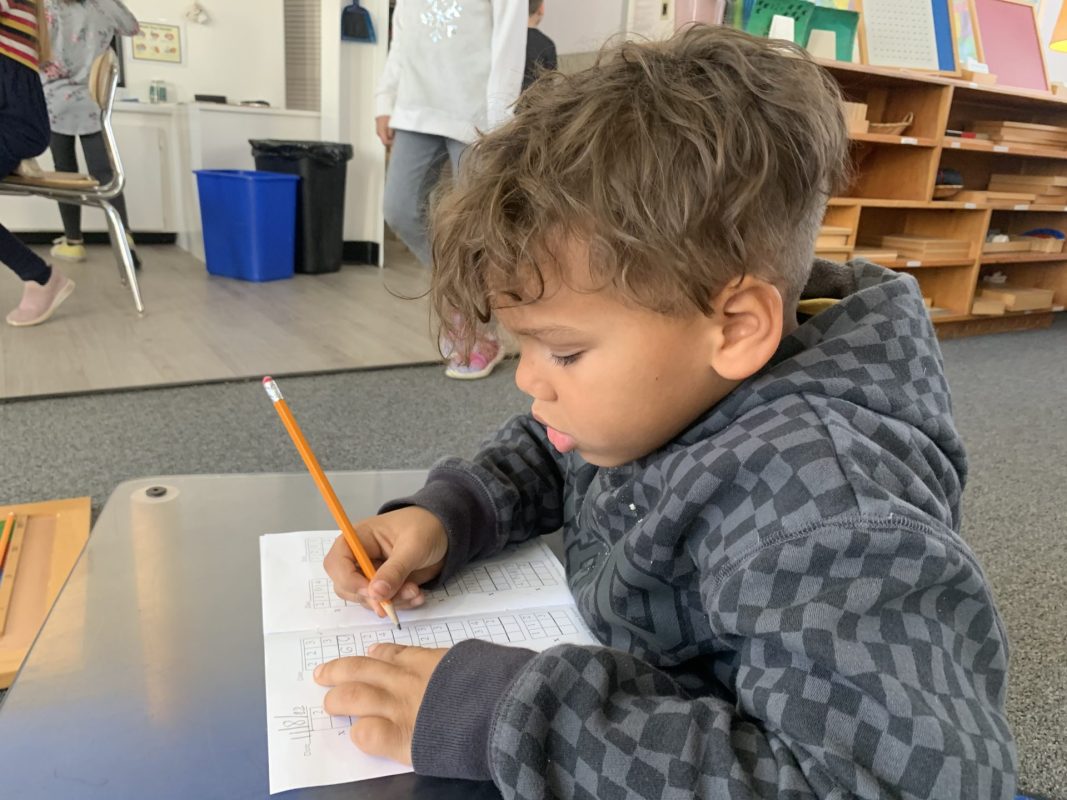
In the Algebra math class, students learned how to solve equations with variables on both sides of the fulcrum. Students can successfully solve equations in the form ax + b = cx + d as well as graph horizontal and vertical lines on a coordinate grid.

Math Joke: Why did the two 4’s skip thanksgiving dinner?….Because they already 8

We hope you have an awesome weekend!

Mrs. Doyle: First Stop, North America!
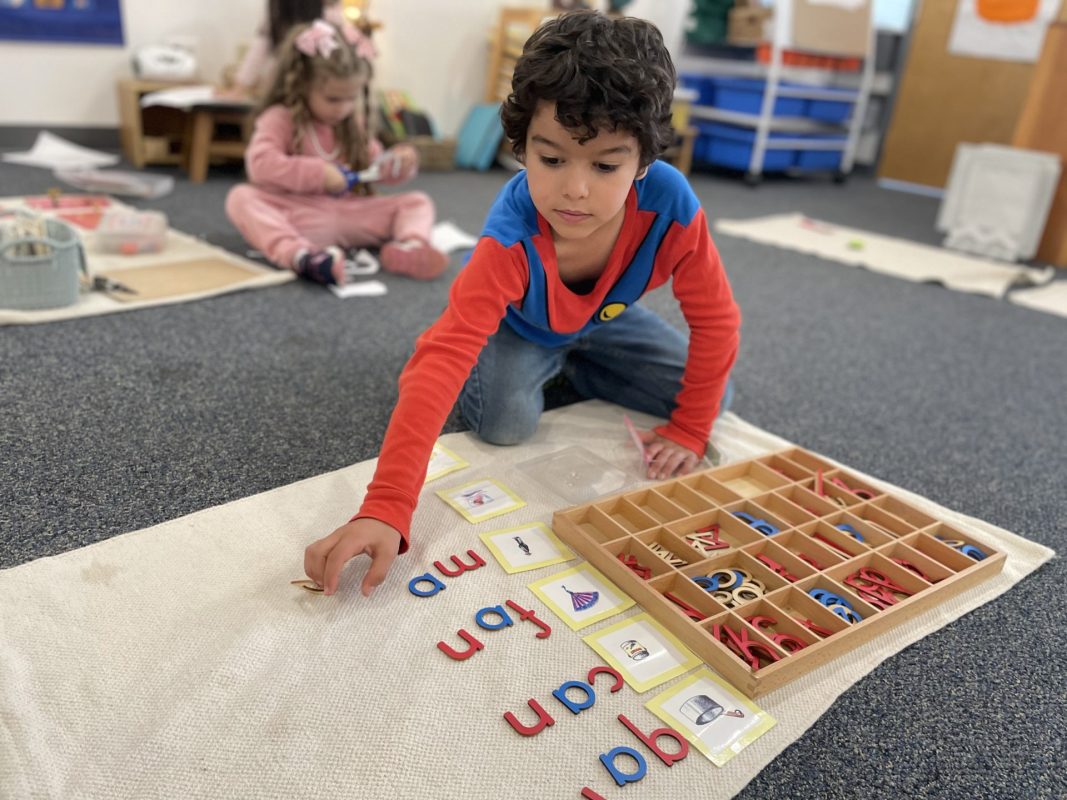
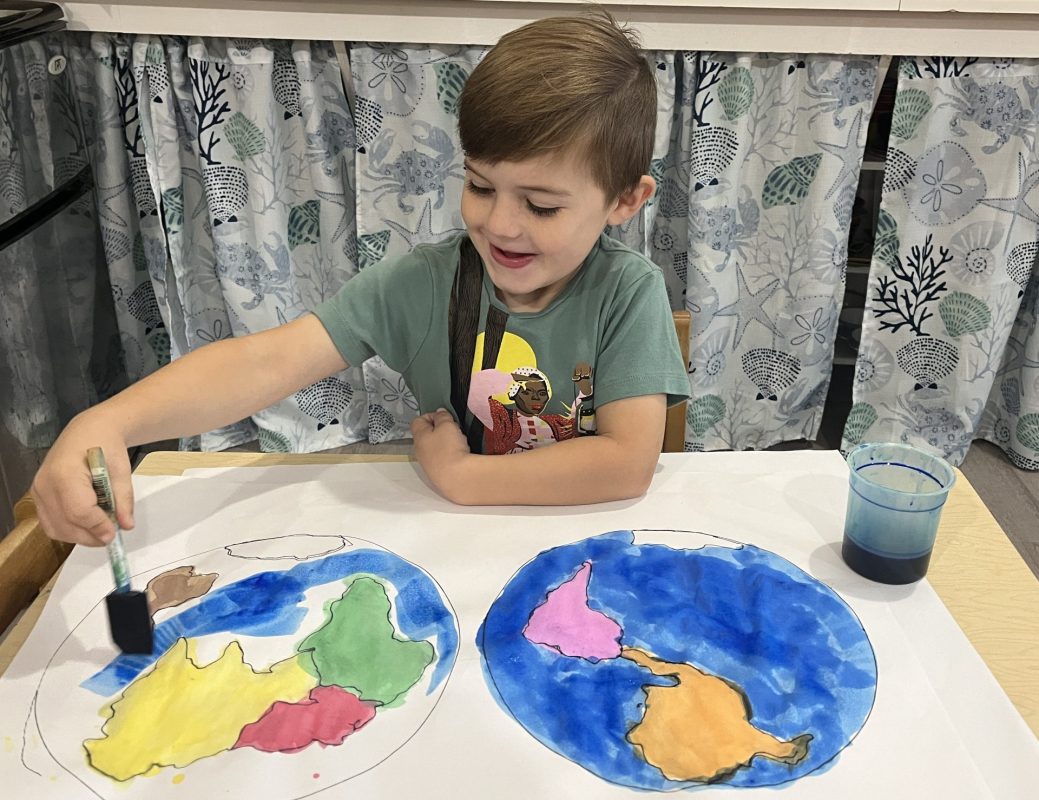
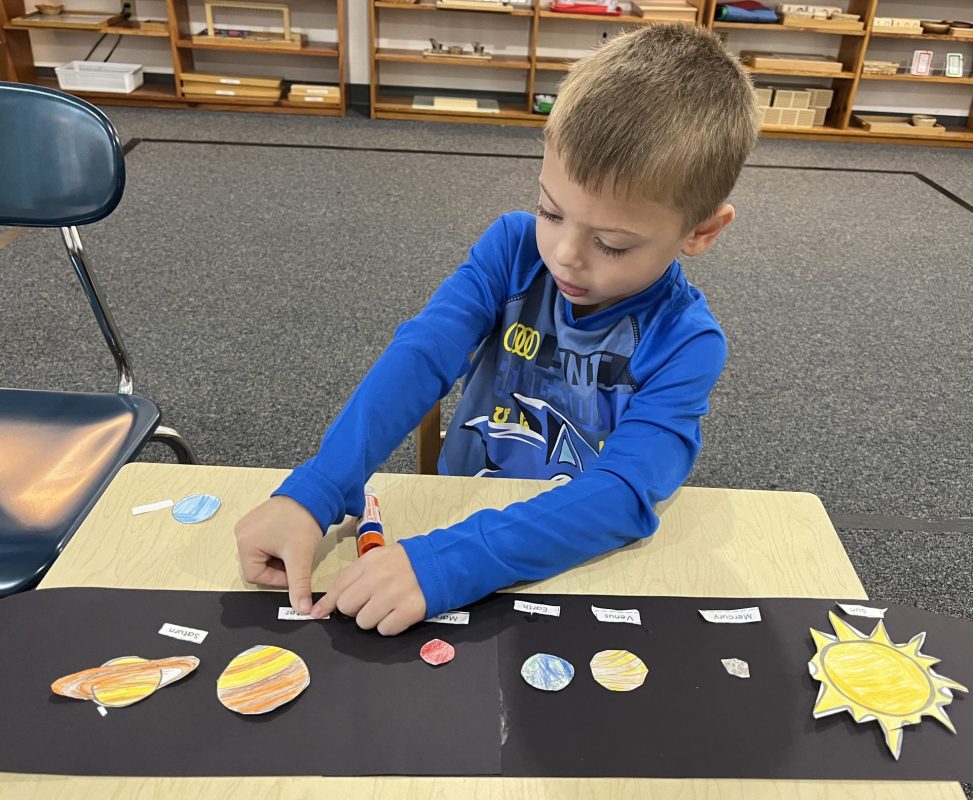
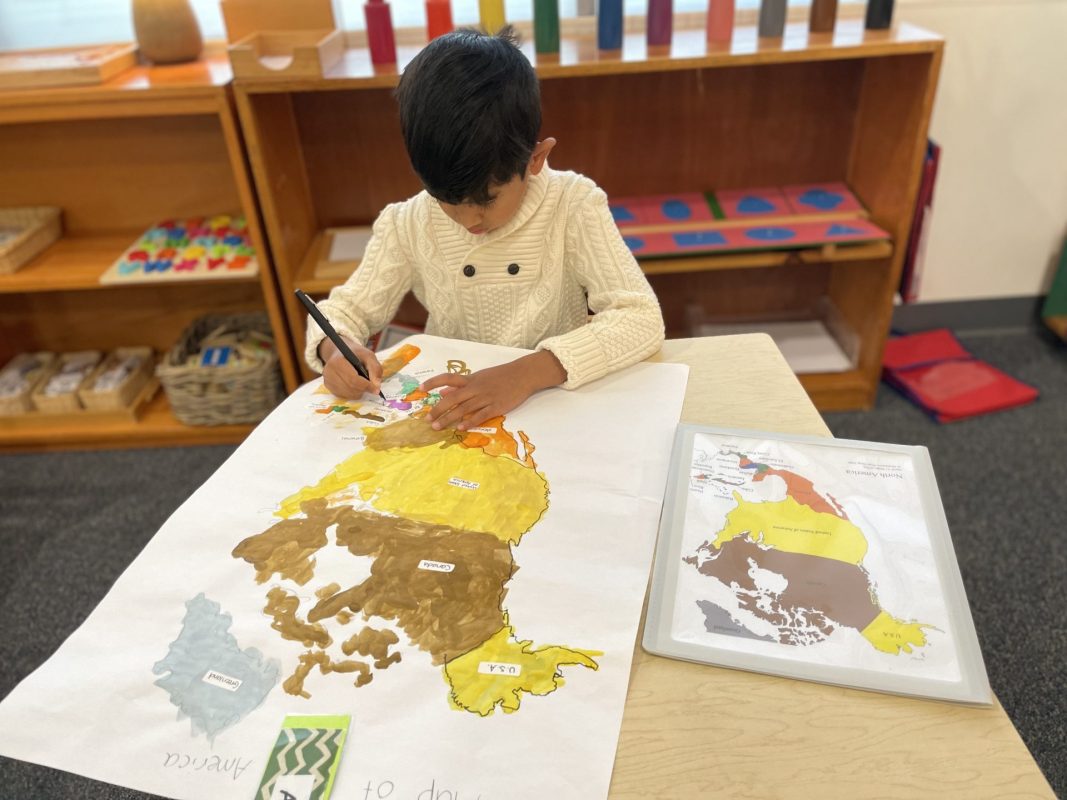
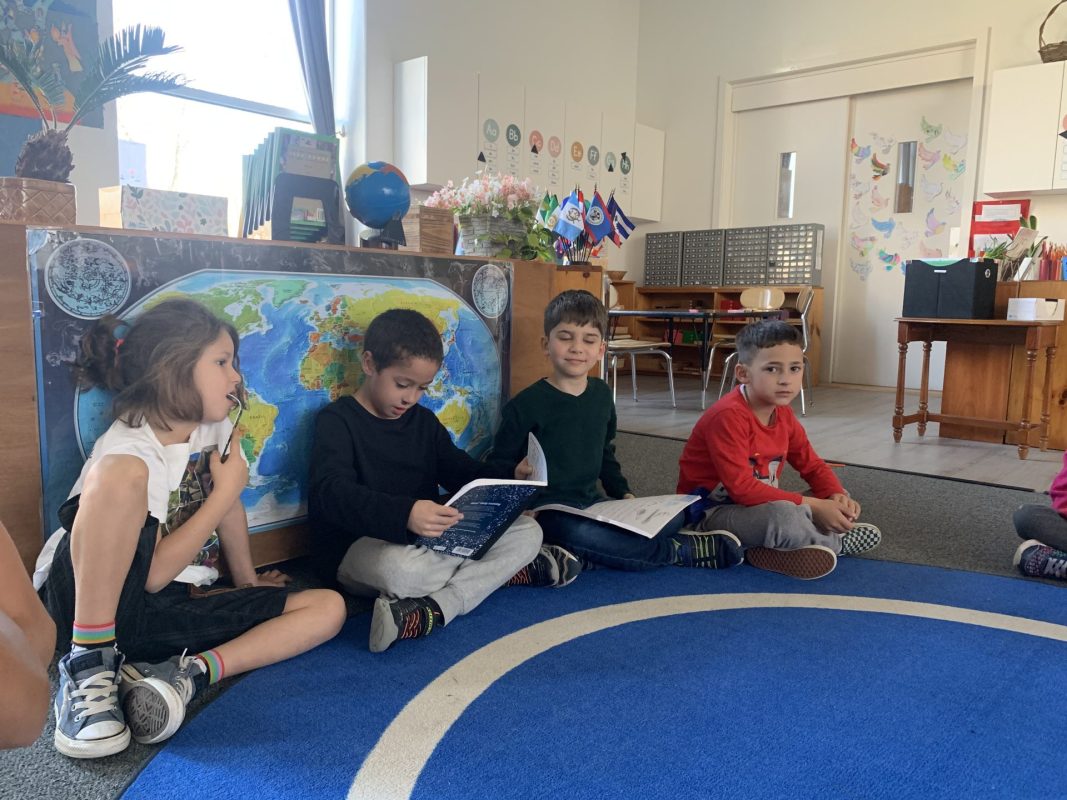
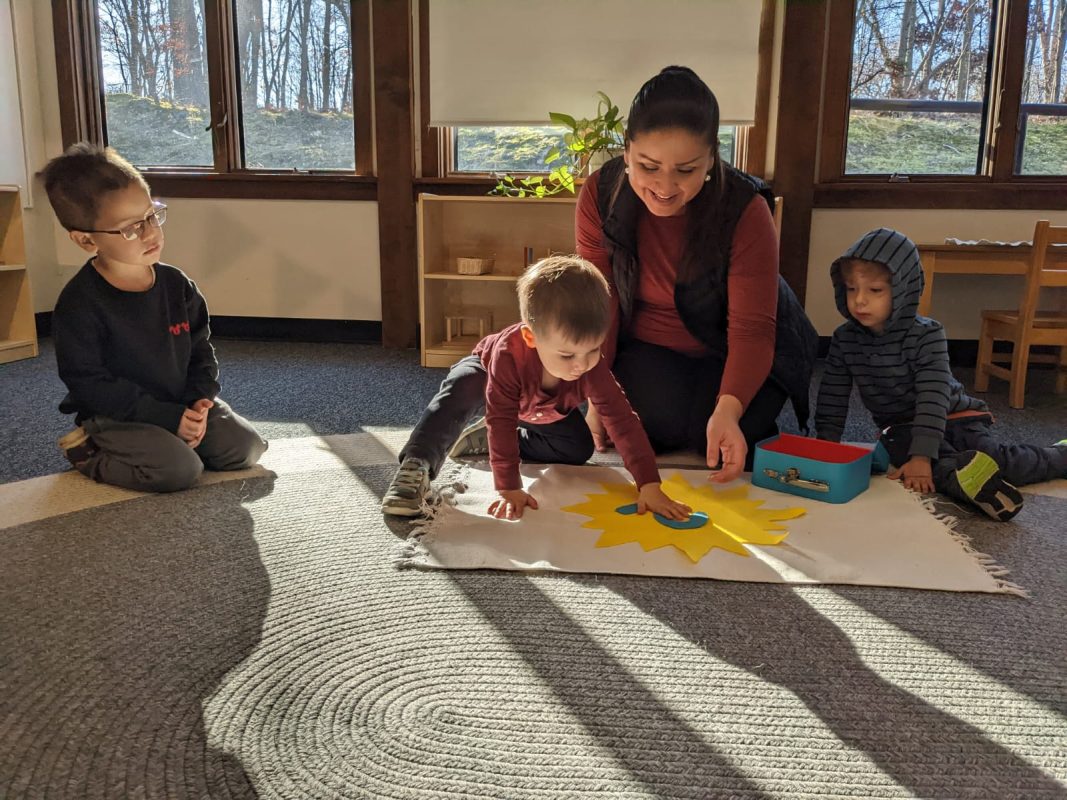
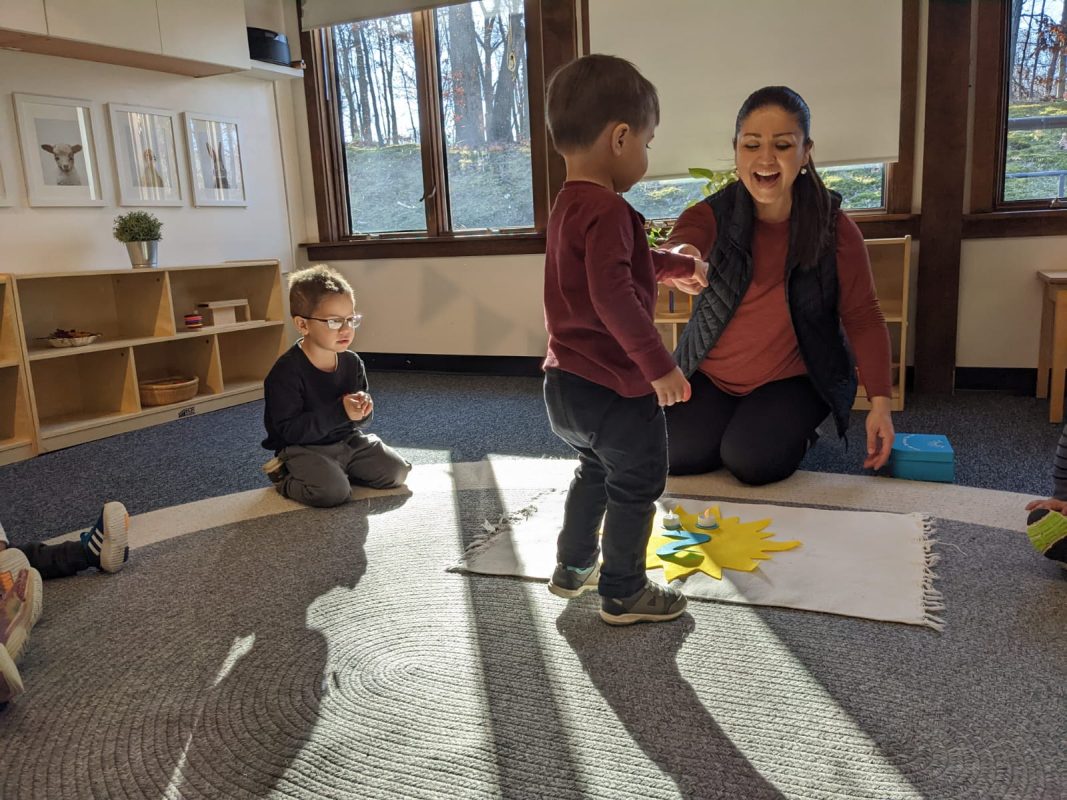
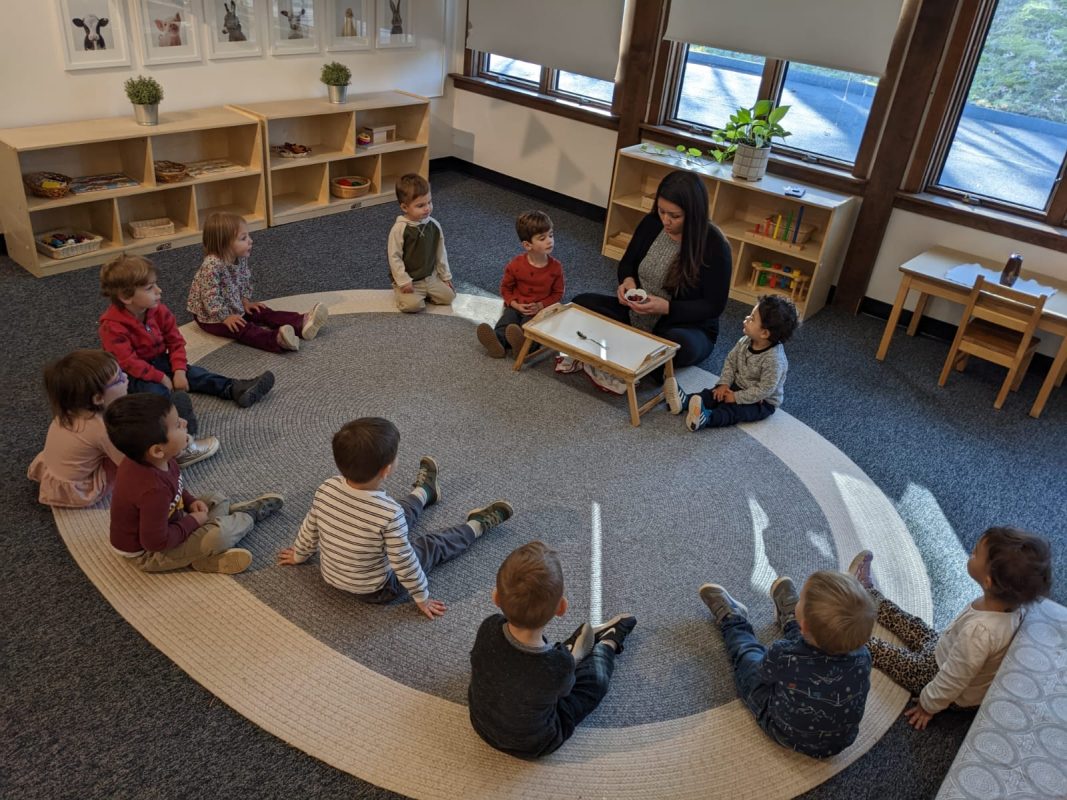
These last few weeks have been a particularly busy and exciting time with your children. We have traveled through space, explored the eight planets, discovered that the sun is a star, and rocketed back to planet Earth. We are now exploring the first of seven continents, North America.  You may hear your children call it the orange continent. This is because on the Montessori globe and map, North America is indeed orange. We will continue to explore the animals native to our continent, map North America’s countries, examine topography, and study how a continent’s proximity to the equator impacts its climate.

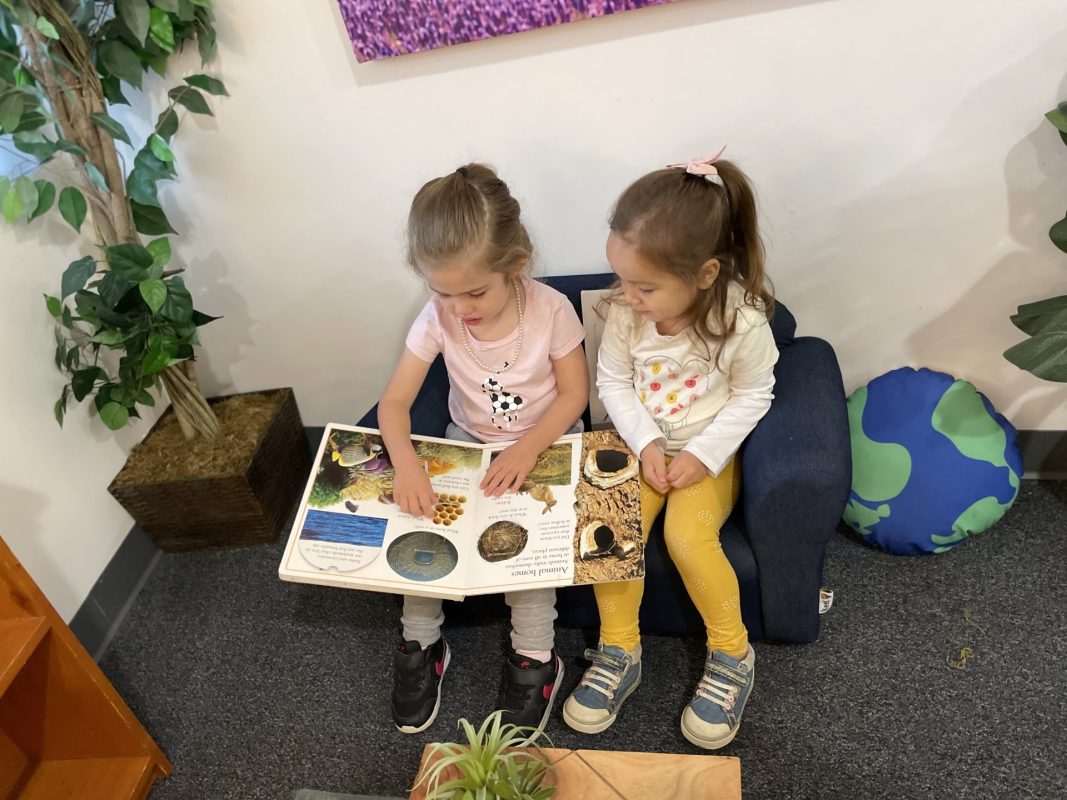
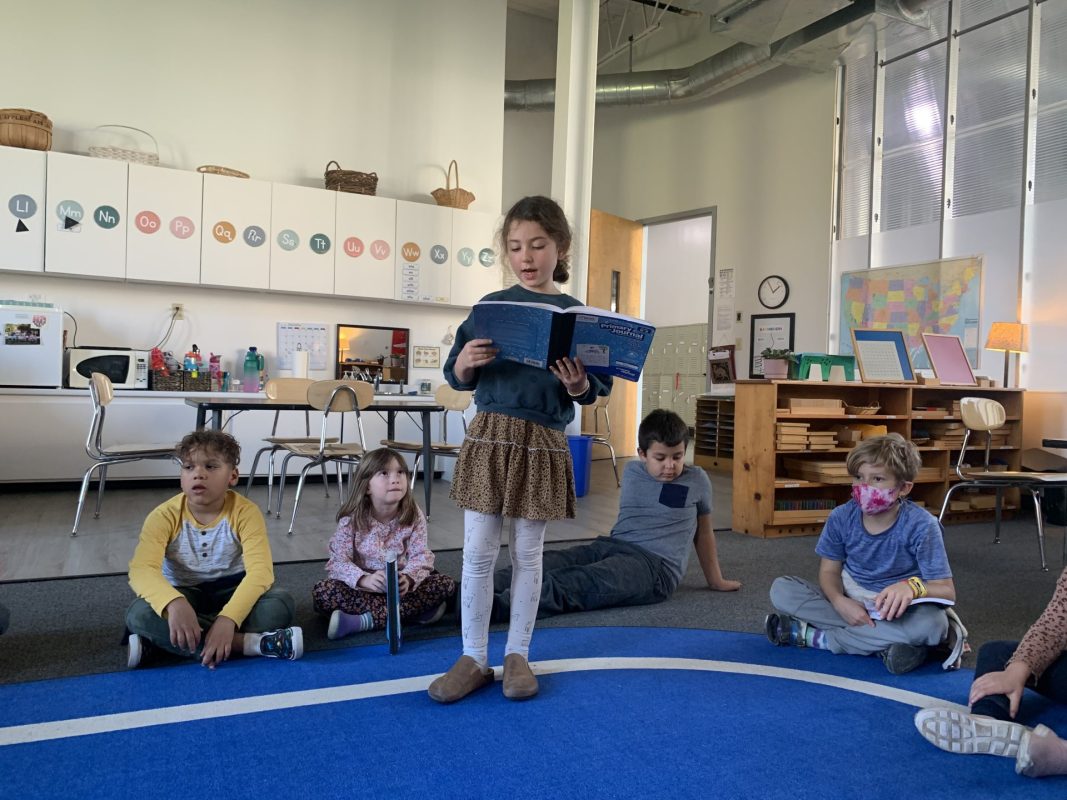
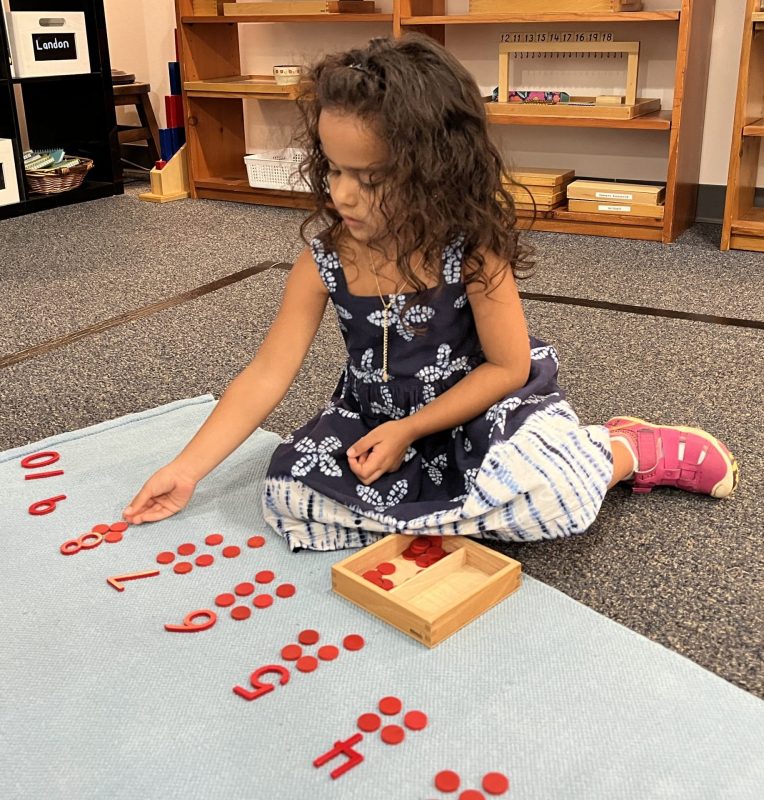
The Montessori cultural studies curriculum provides children with an opportunity to explore the whole world, including the continents, countries, people, animals, terrain, music, and arts. Children use didactic Montessori materials to familiarize themselves with the needs of all humans for such things as food, housing, and clothing. This early cultural awareness helps cultivate independent, joyful citizens of our world.

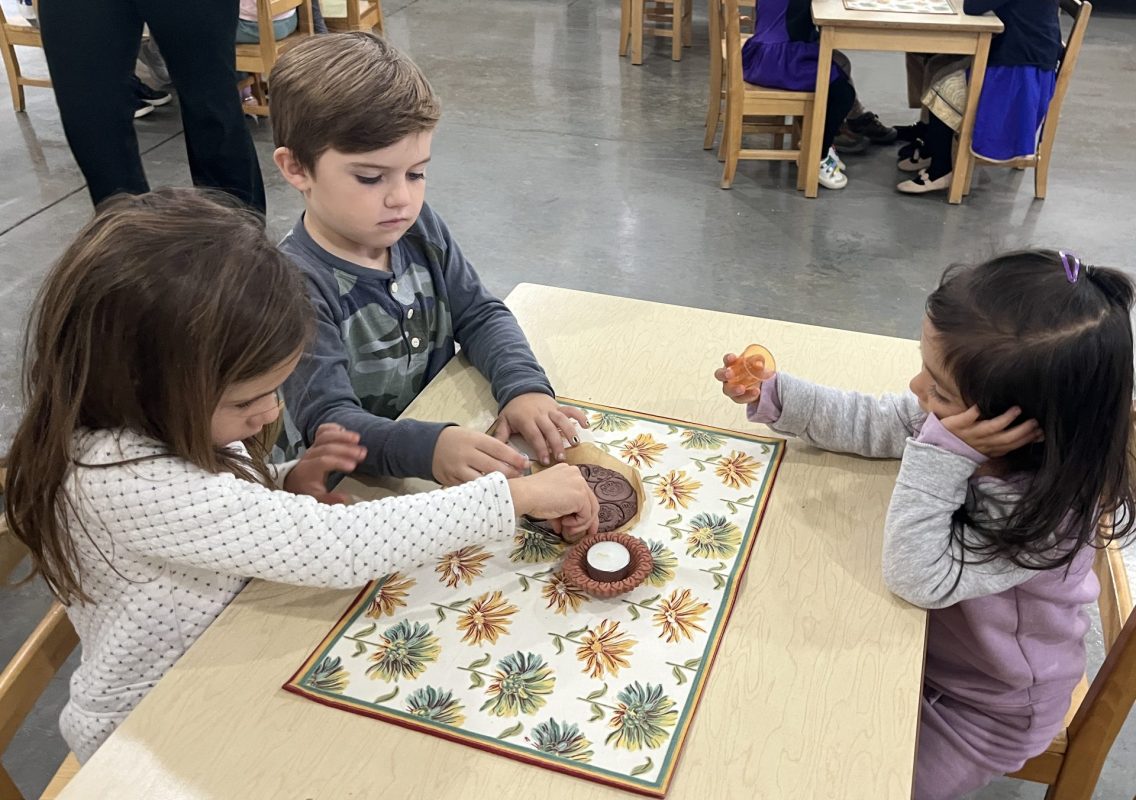
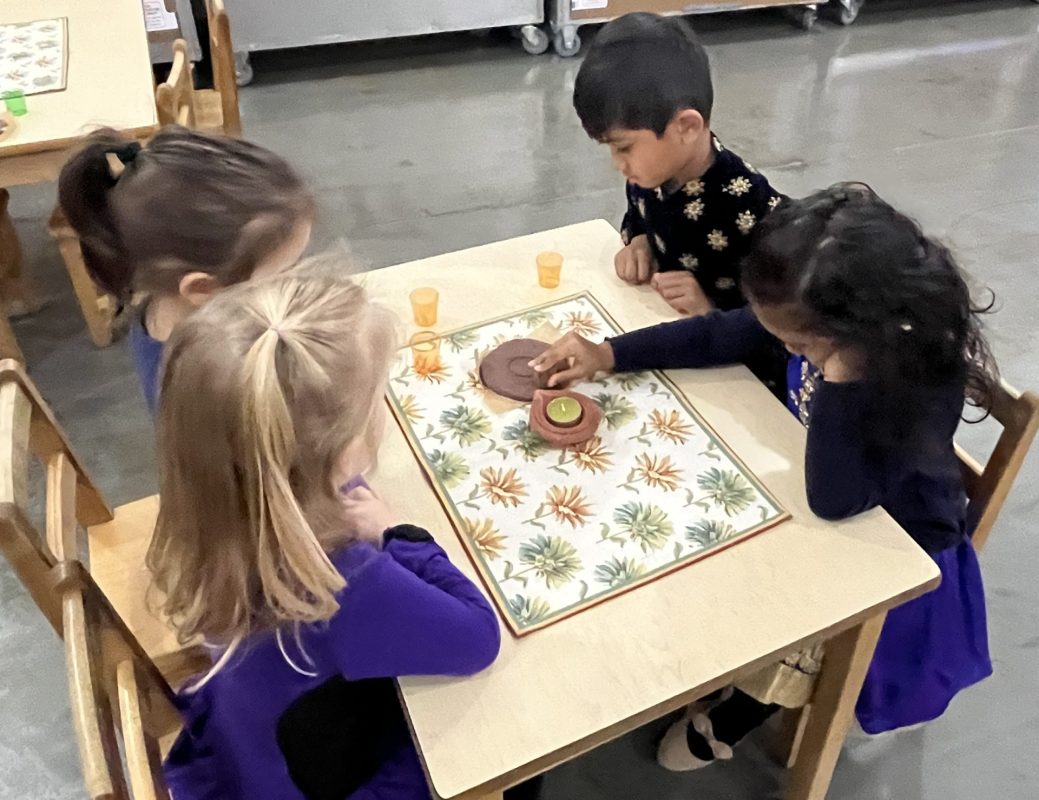
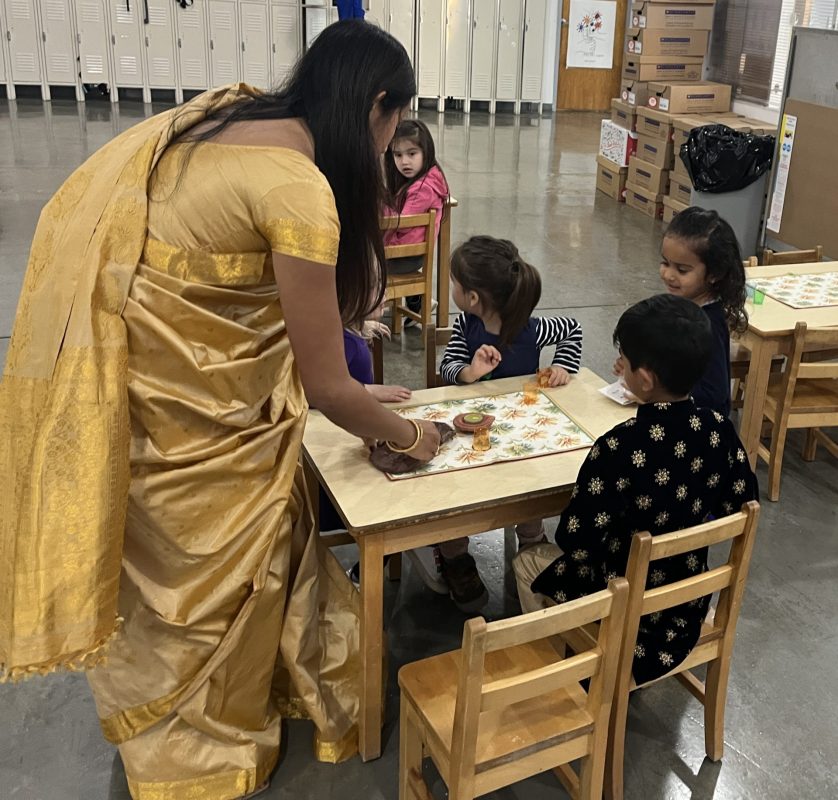
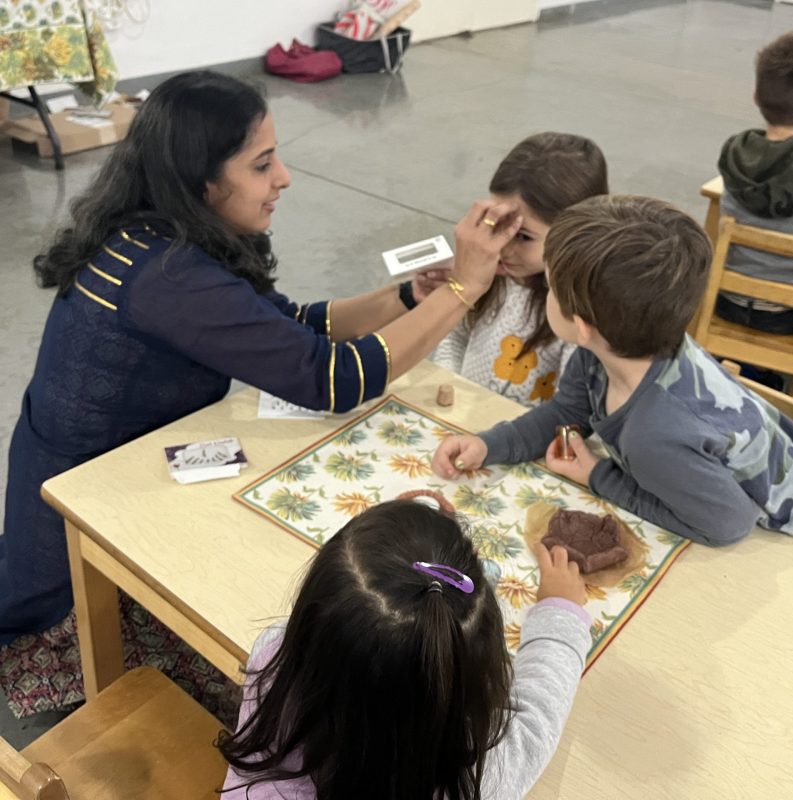
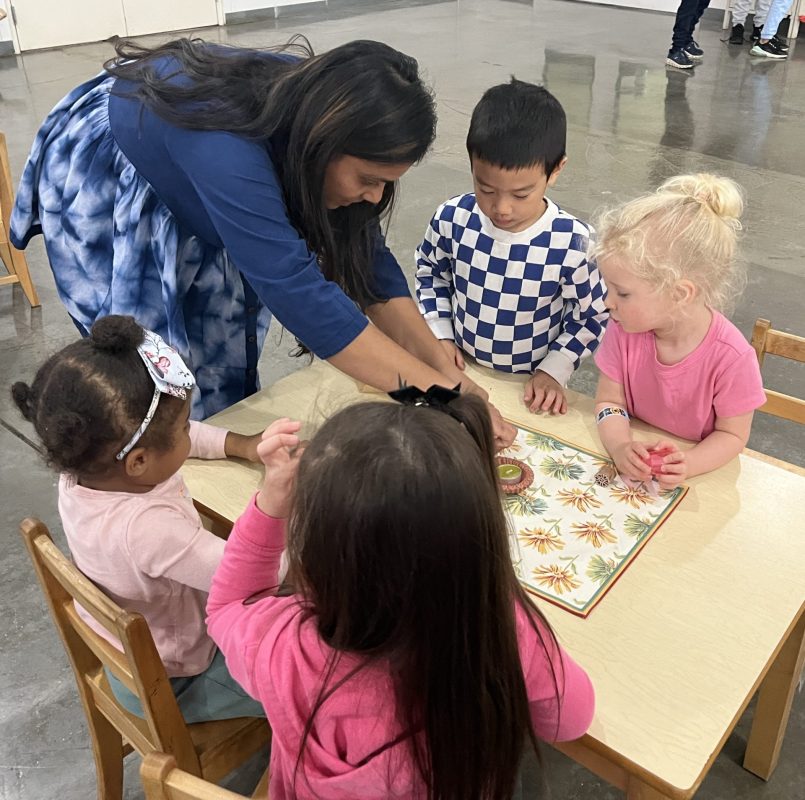
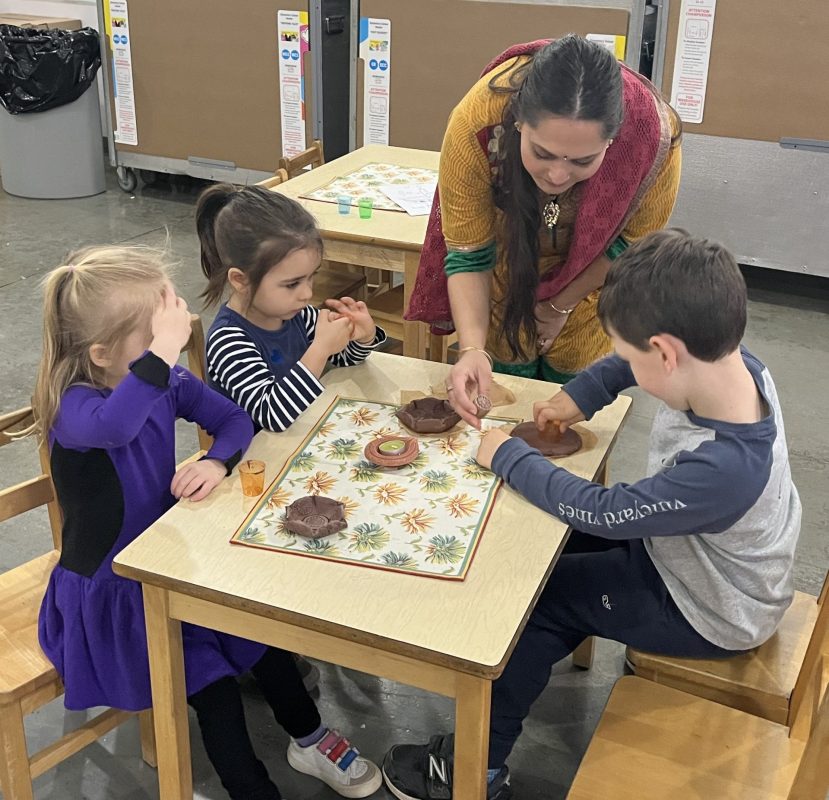
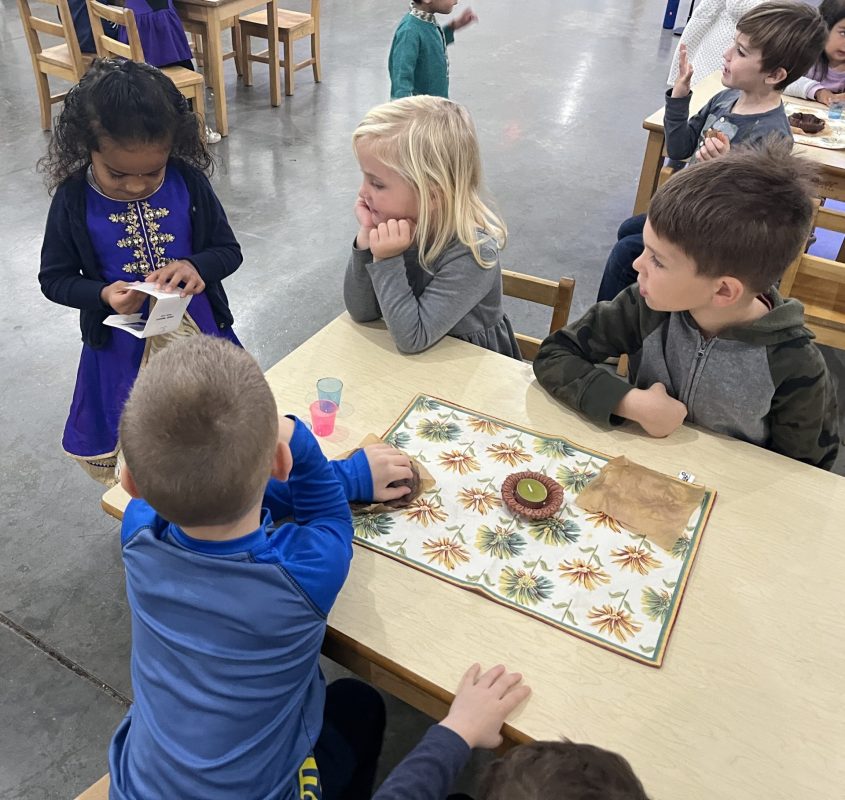
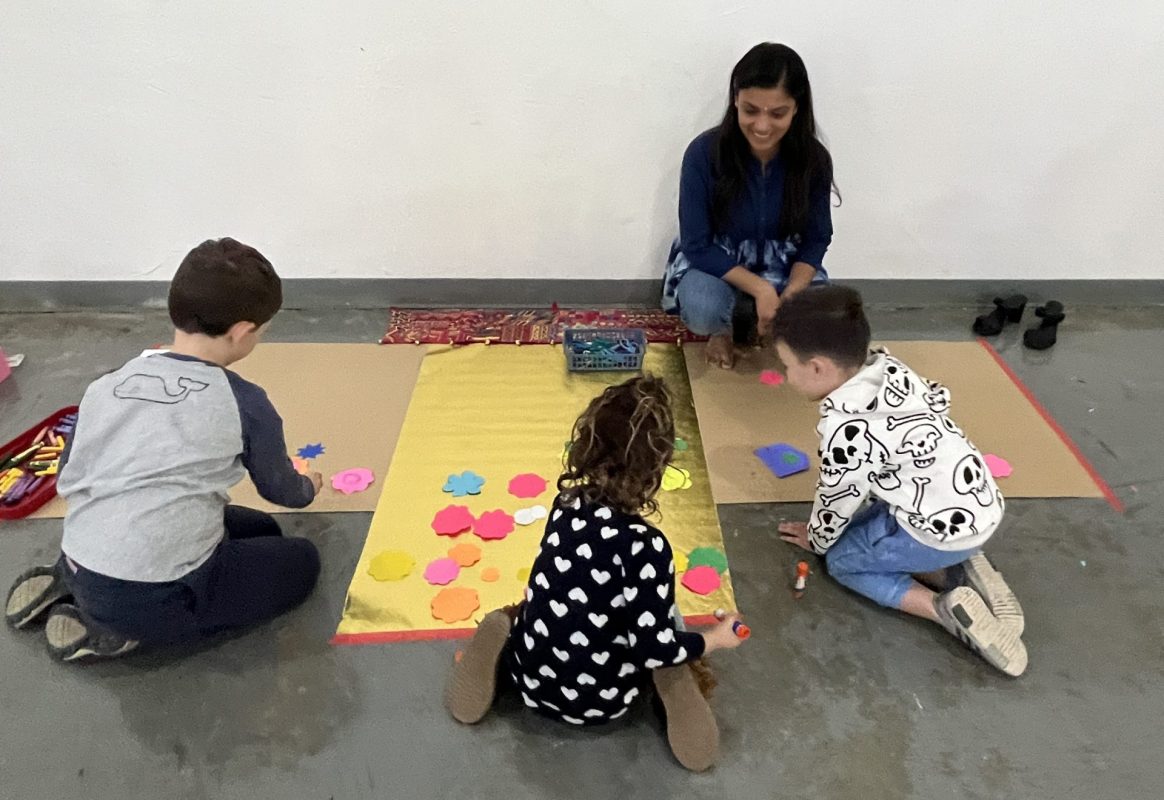
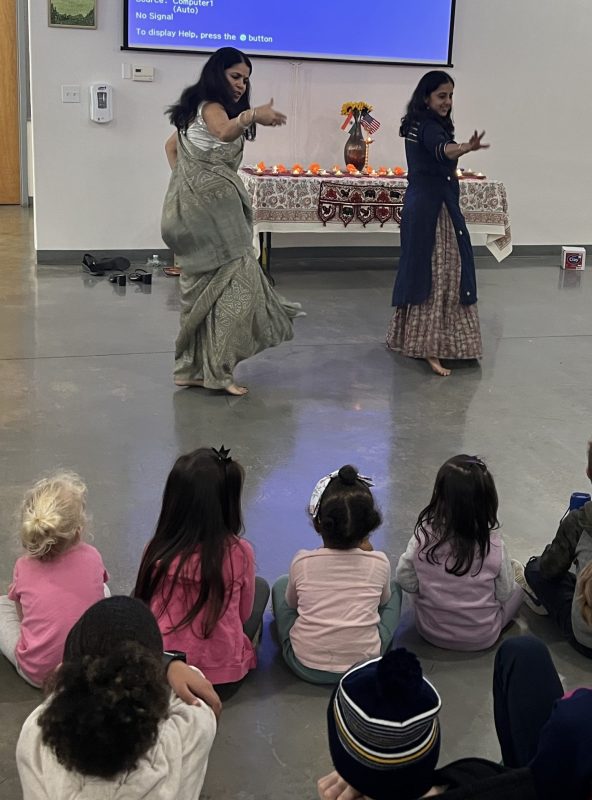
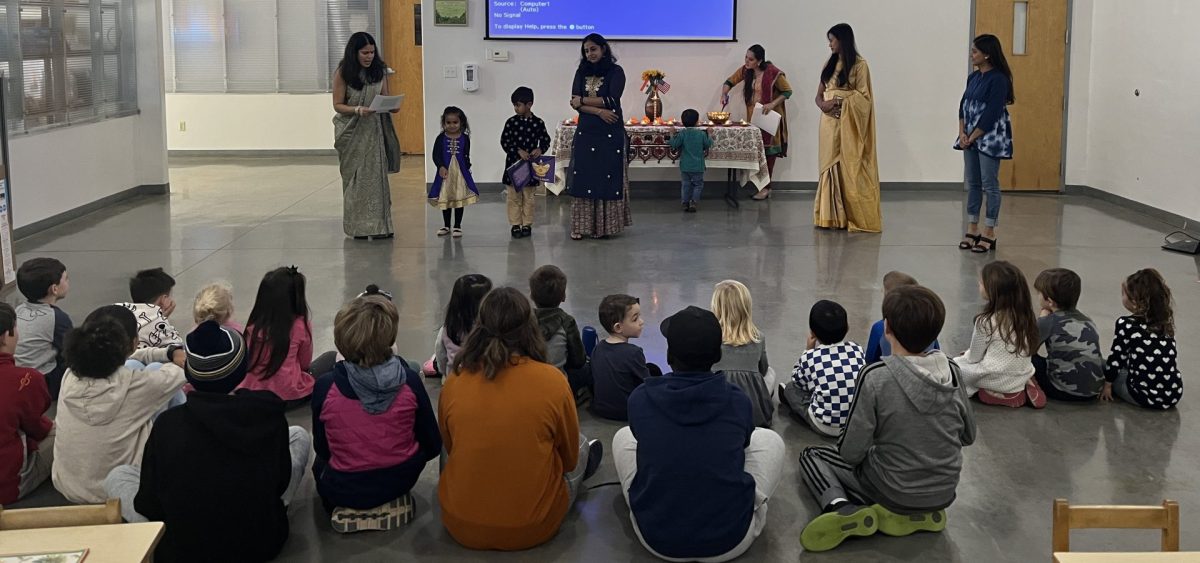
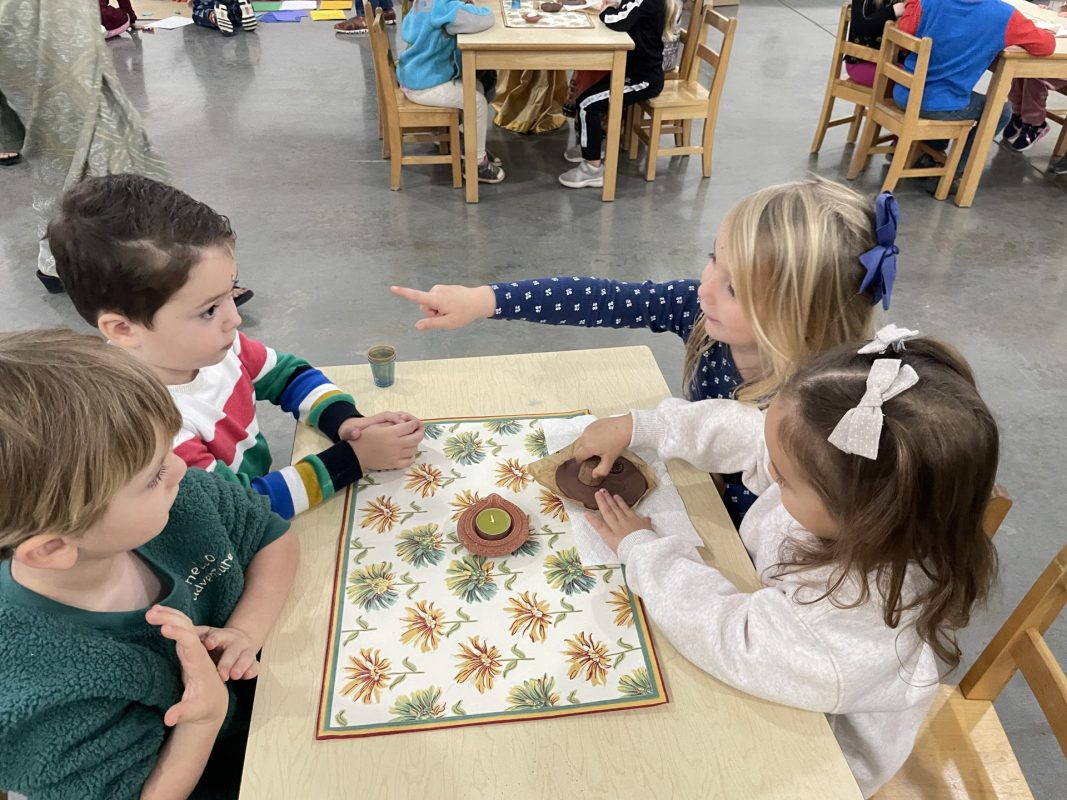
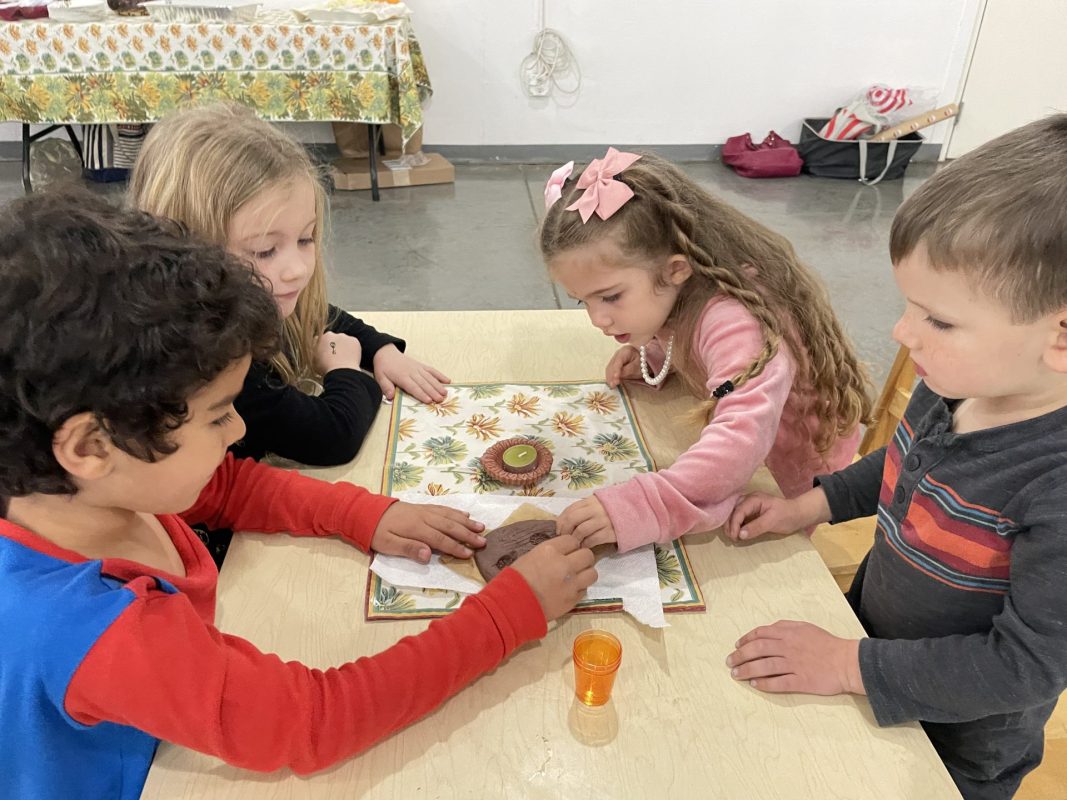
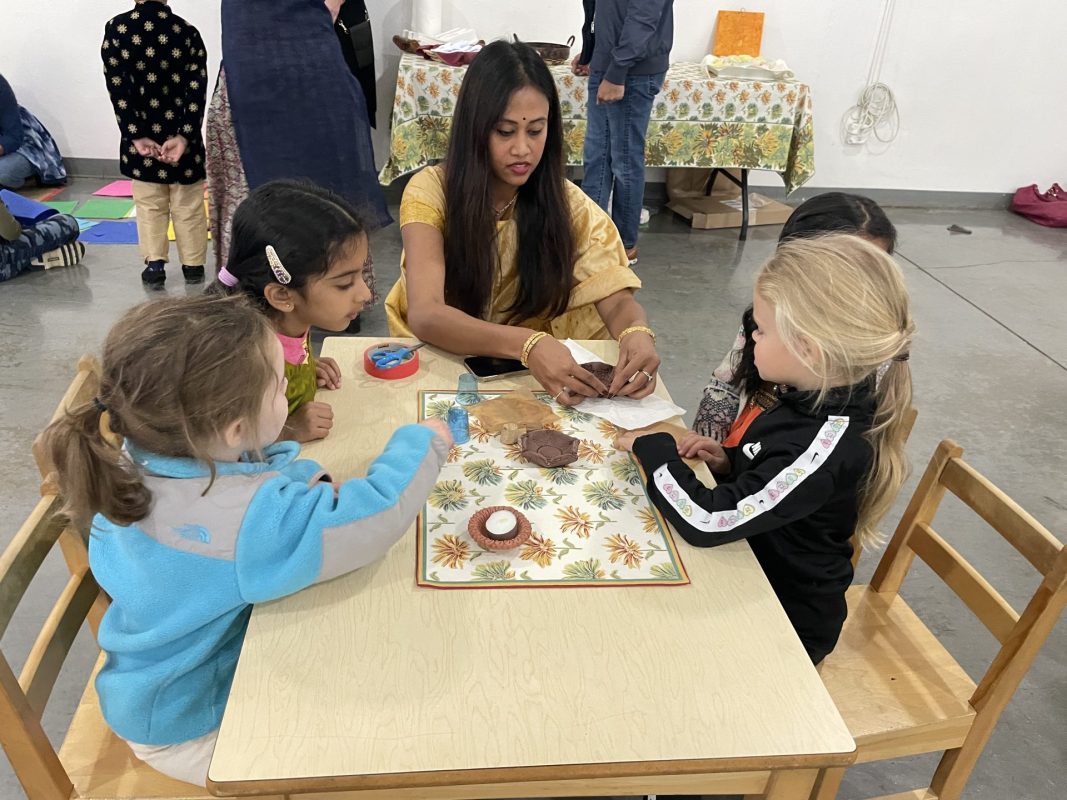
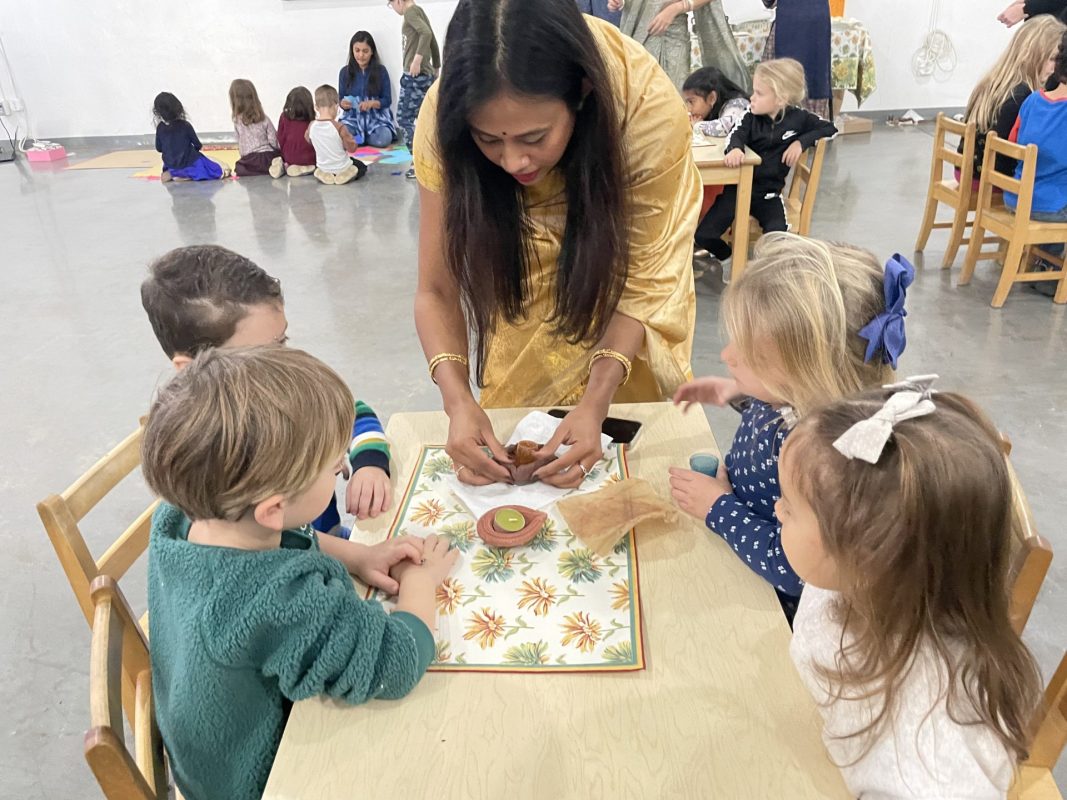
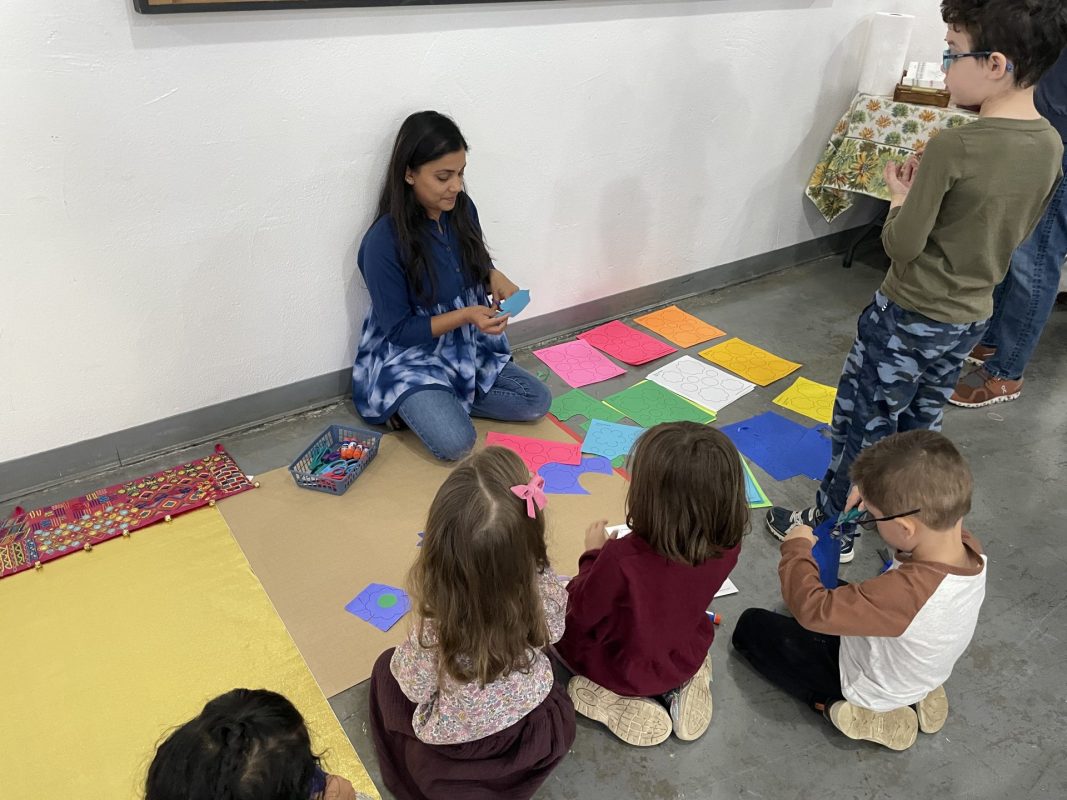
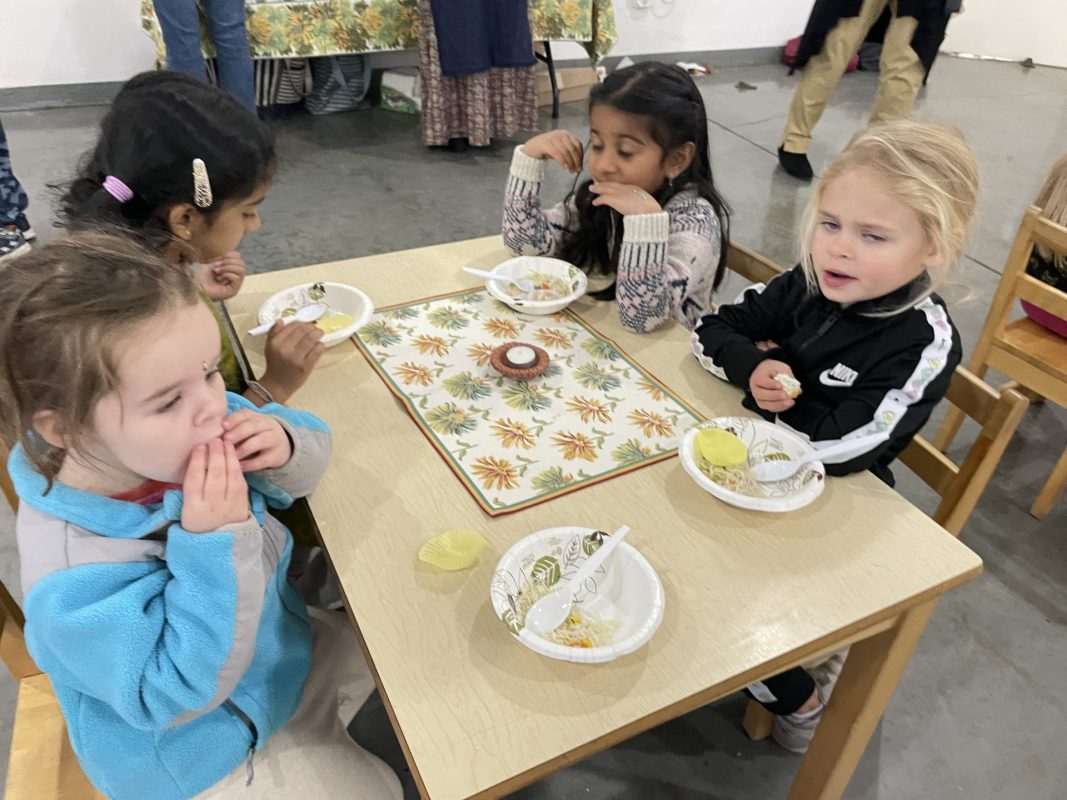
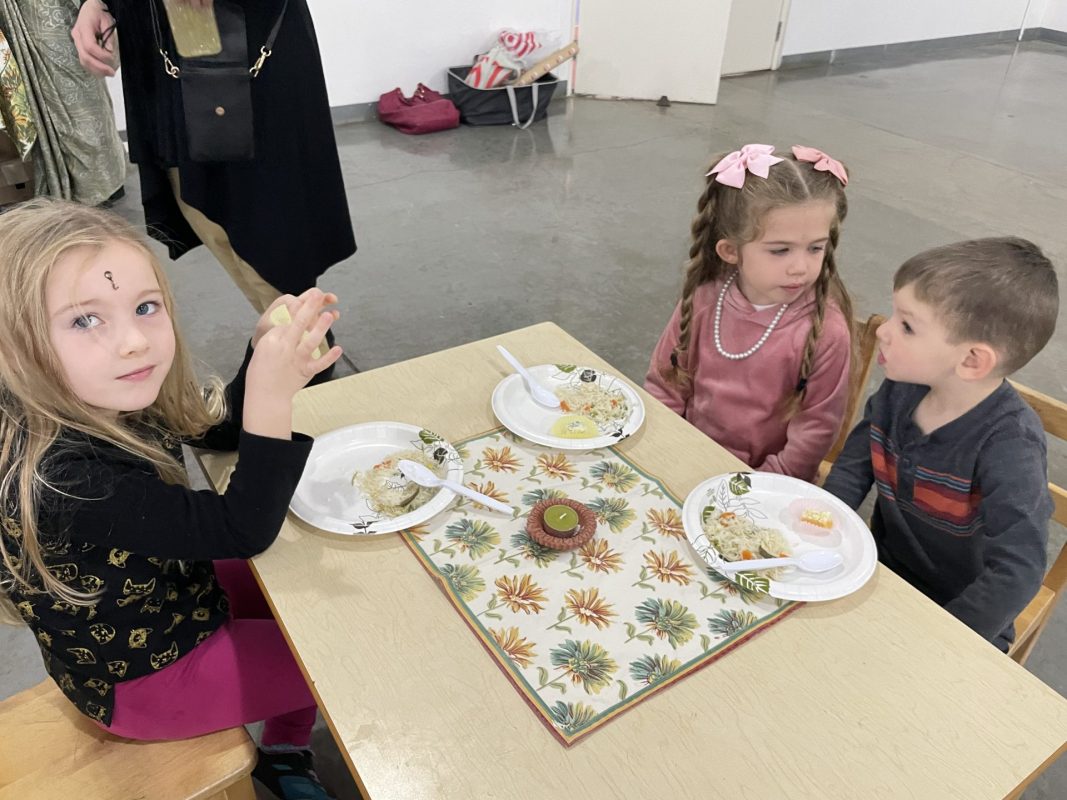
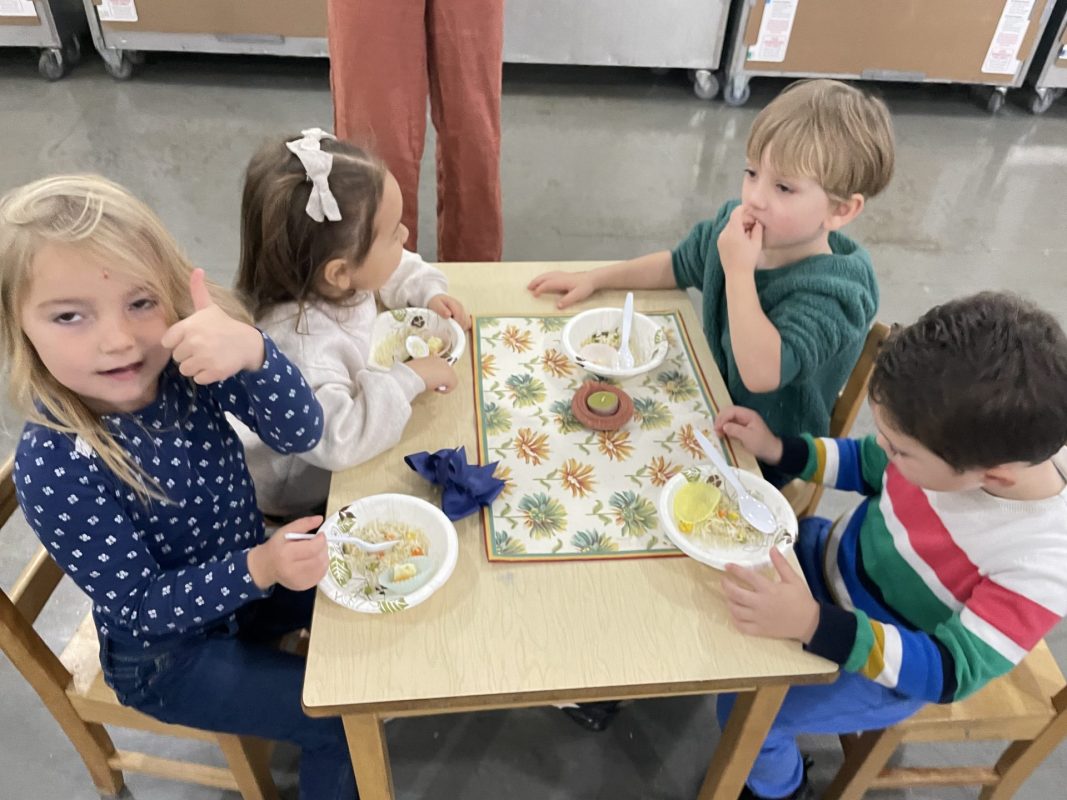
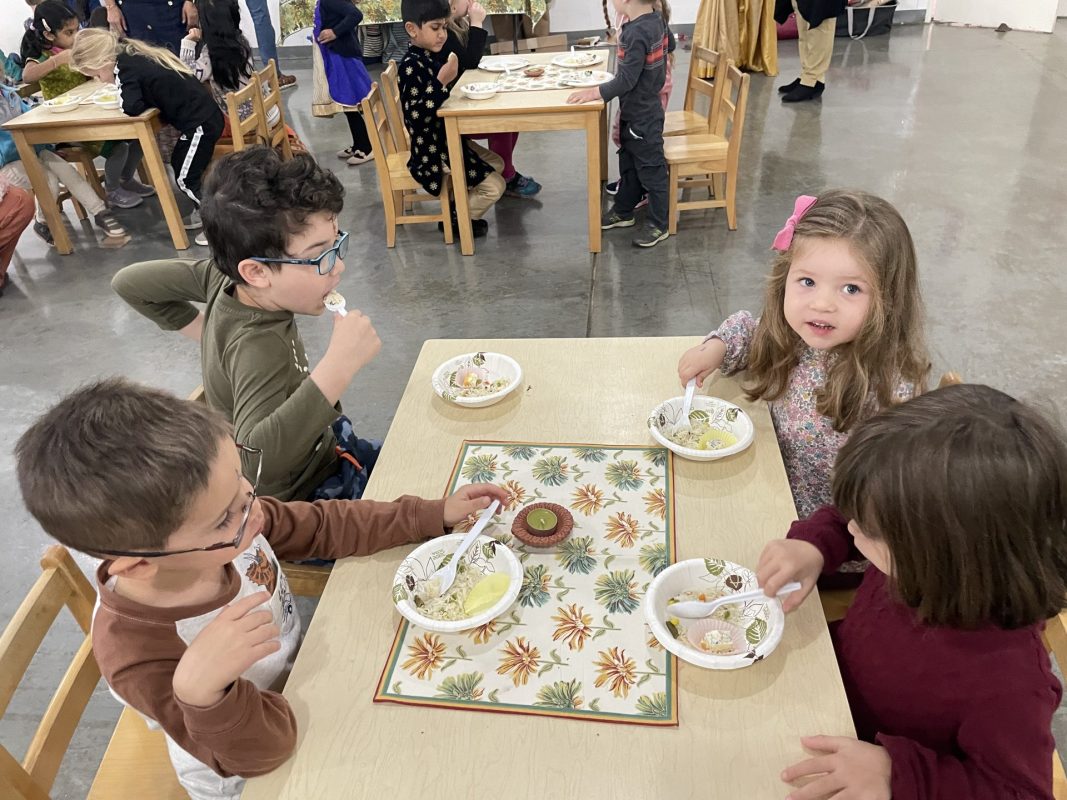
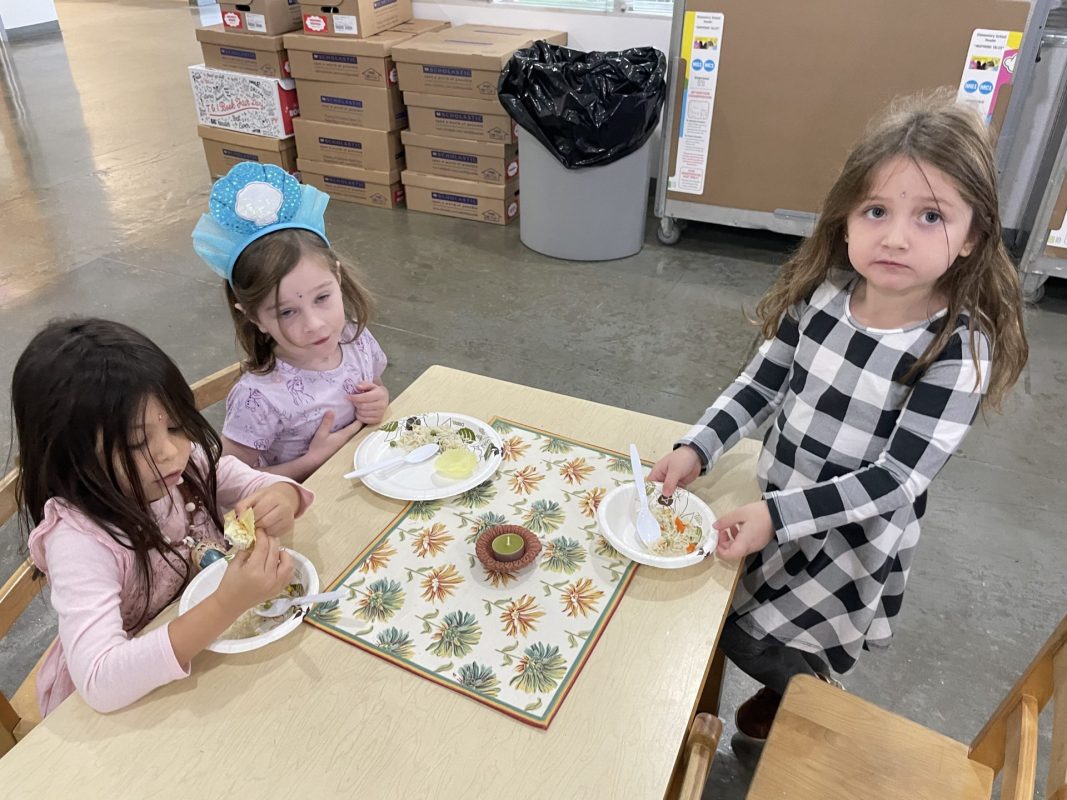
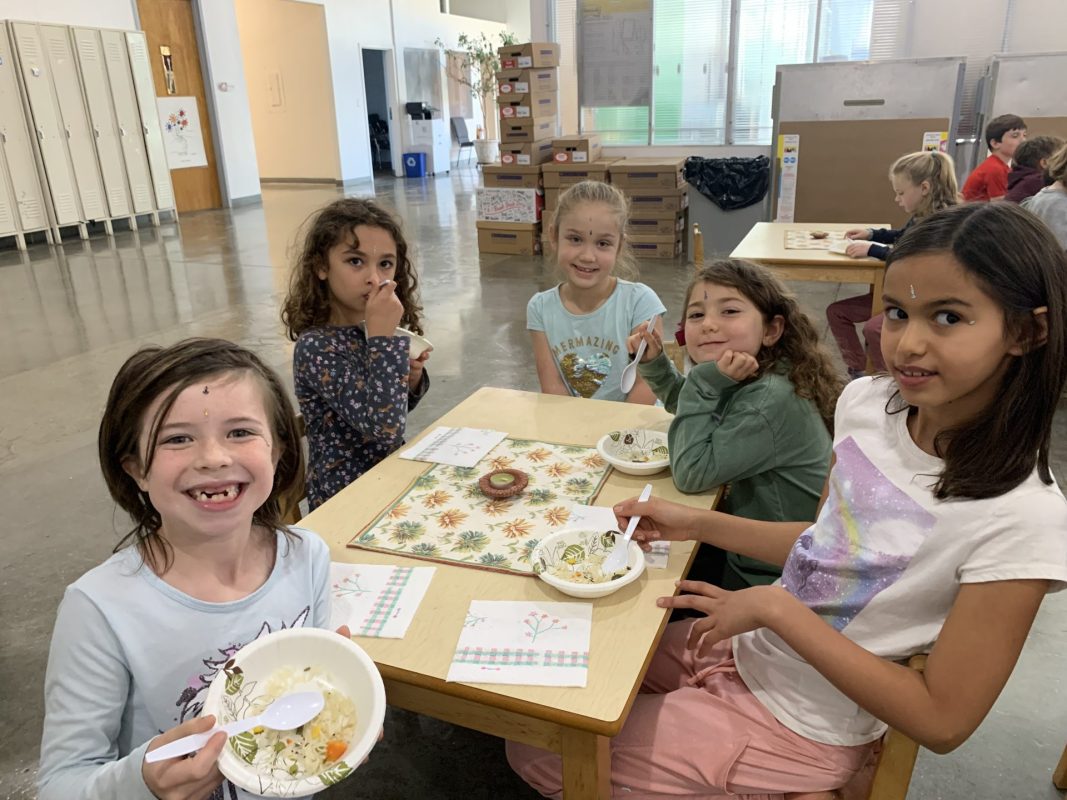
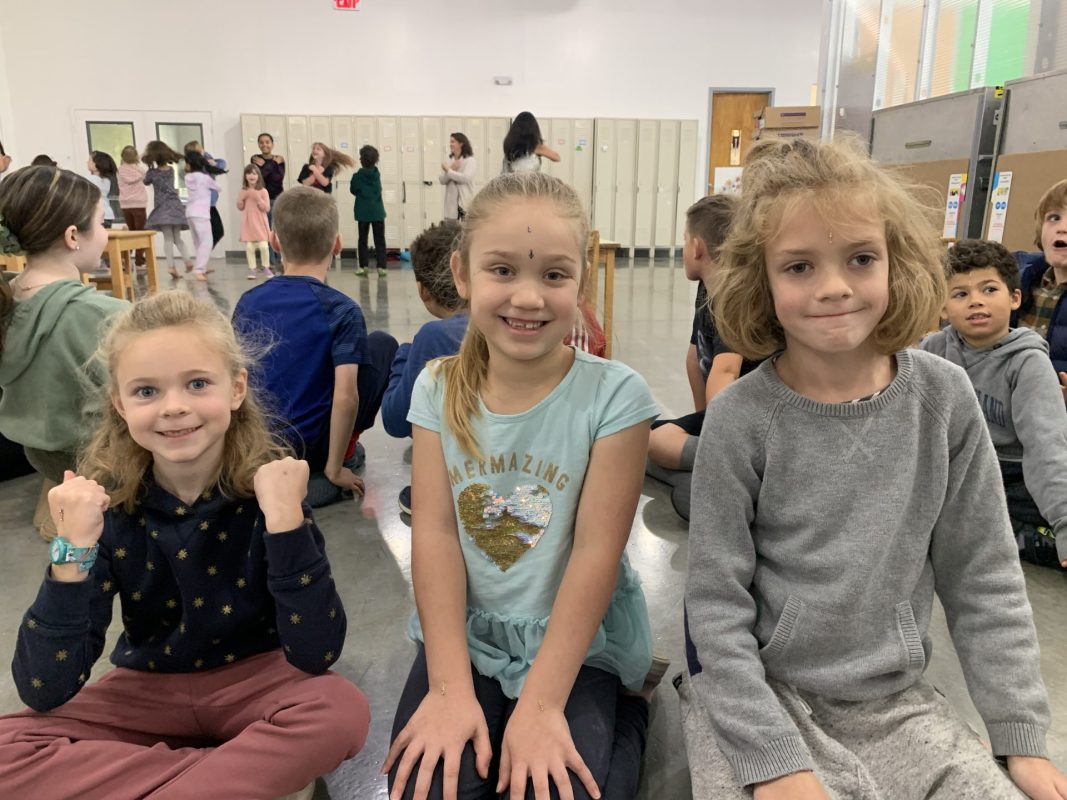
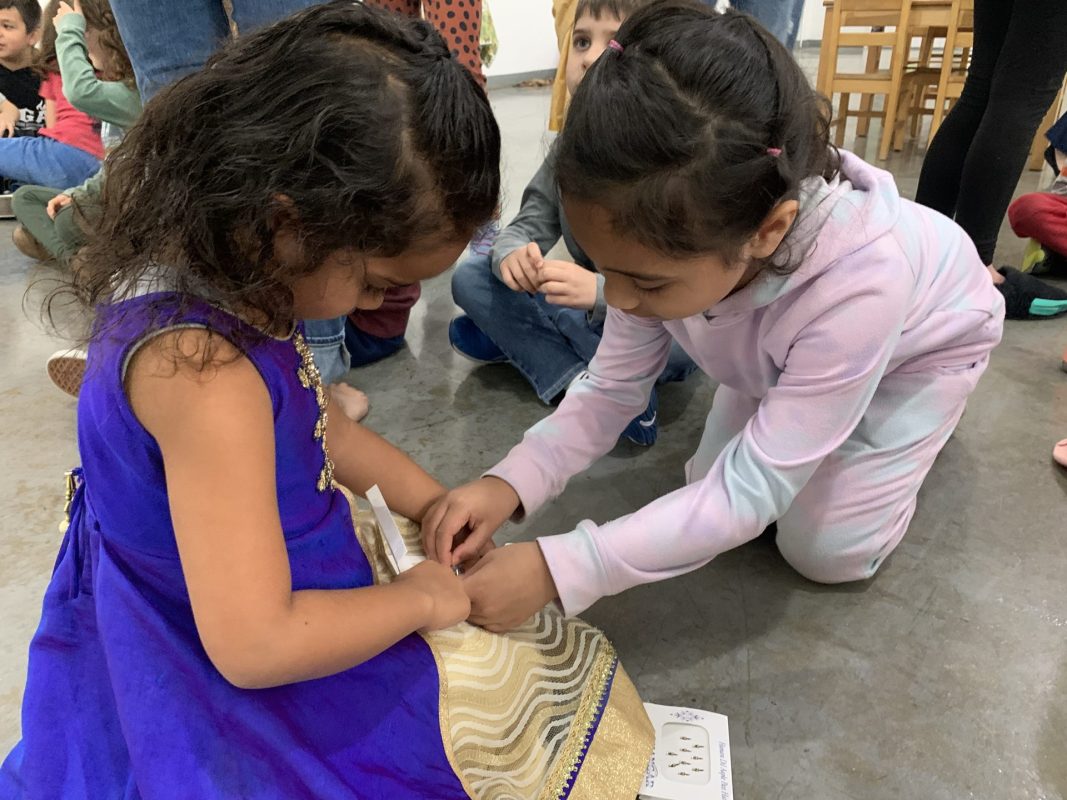
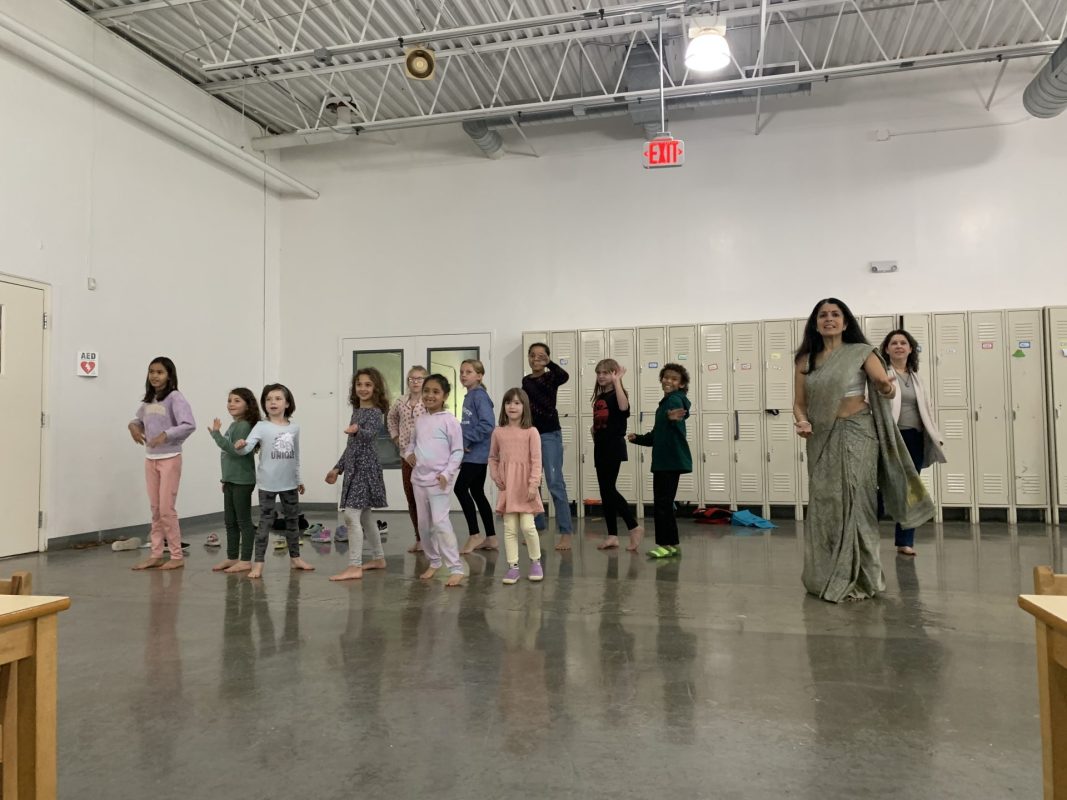
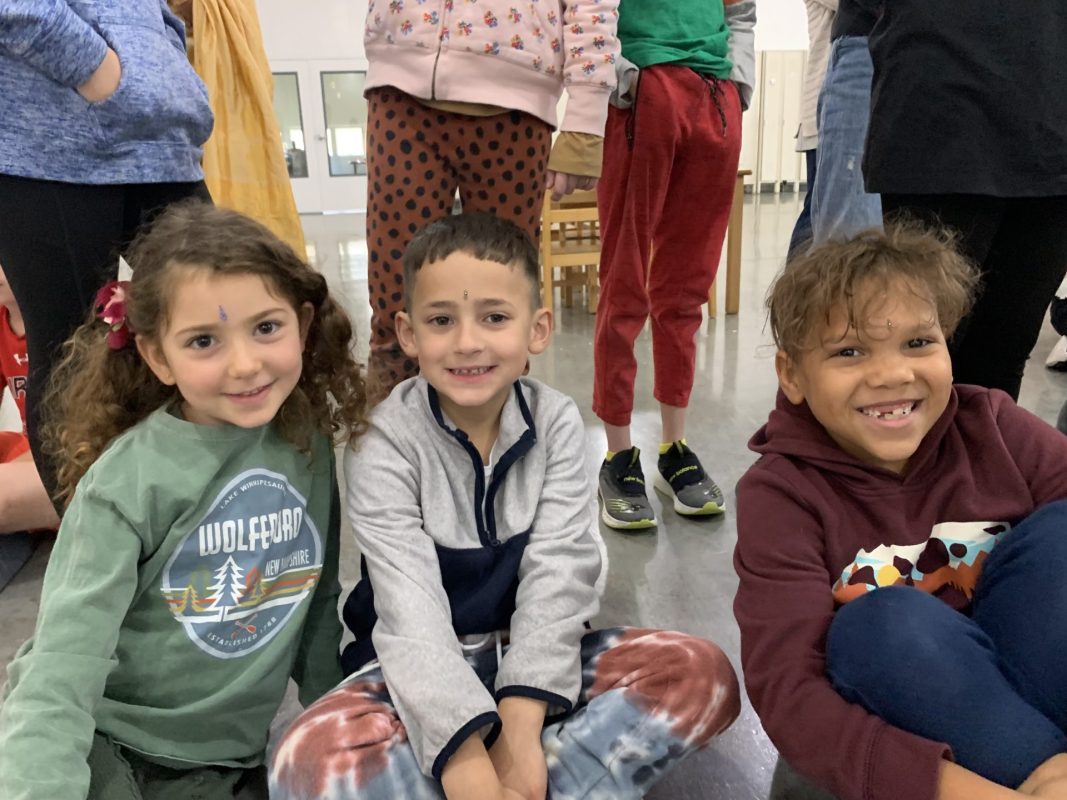
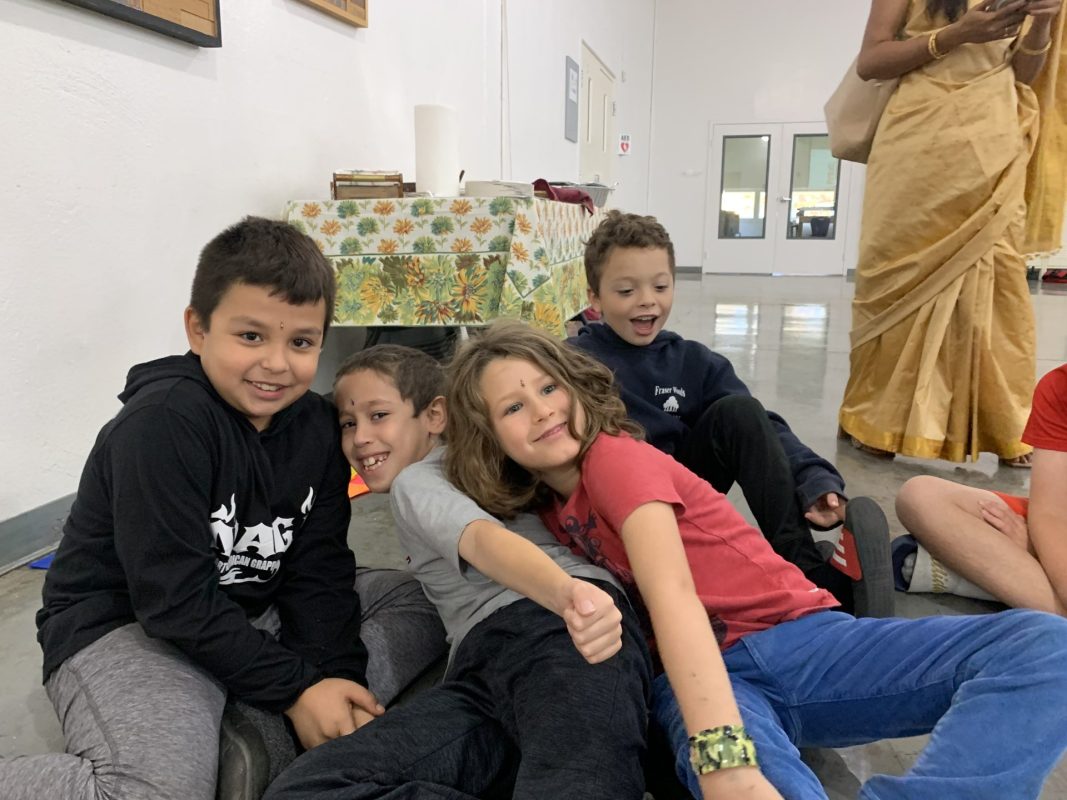
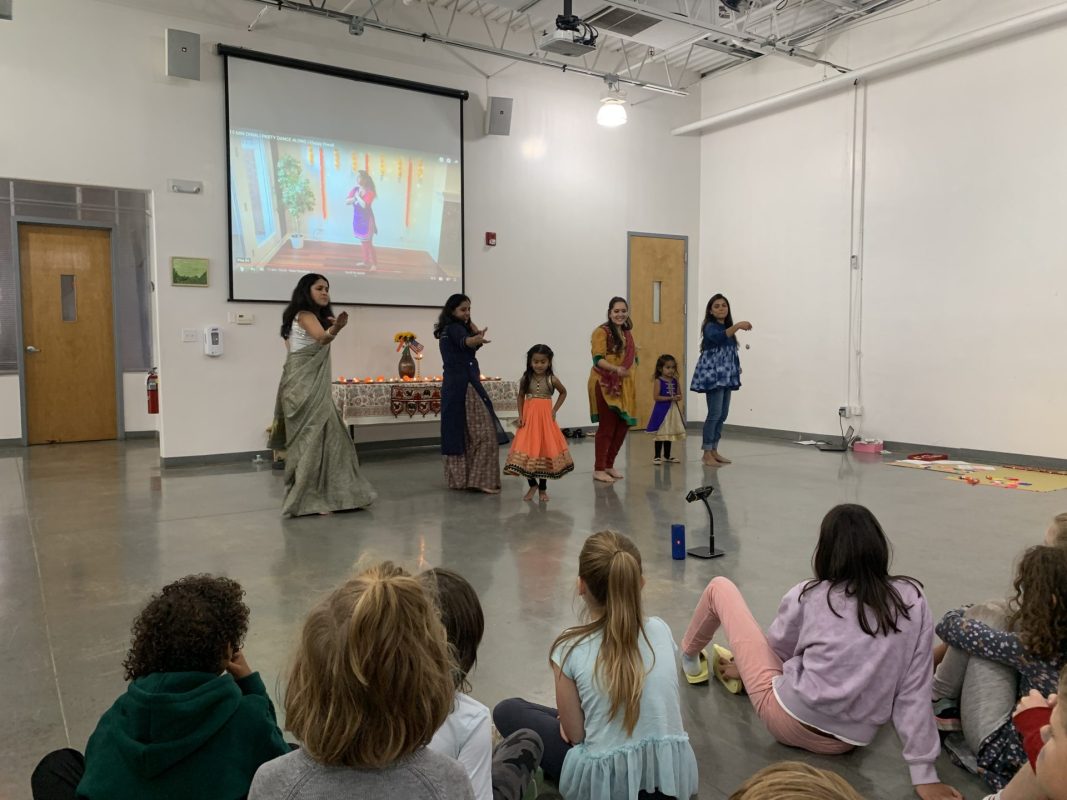
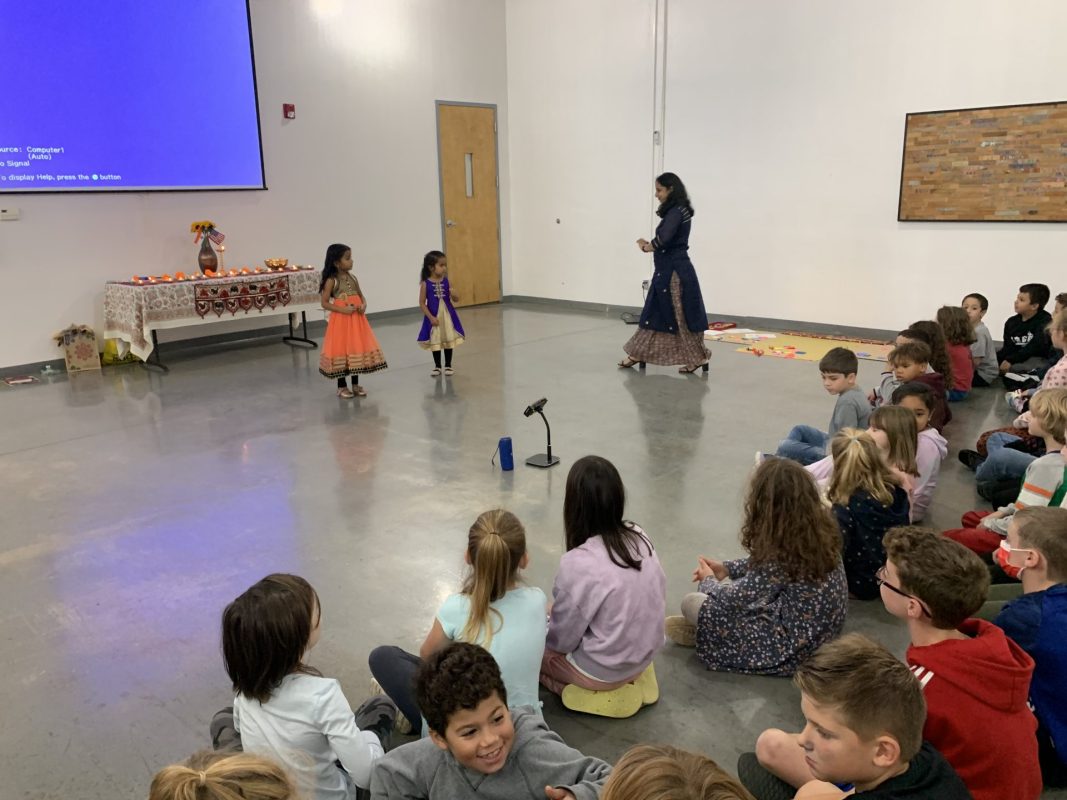
On Tuesday, we were treated with a special presentation about Diwali, organized by Ms. Paromita, Ms. Hema, and a few of the parents.  We had so much fun learning about this holiday, as well as the dancing, food, and crafts.

Wishing everyone a week filled with peace and love!
Michelle & Maria


Mrs. Lopes: First Stop, North America!

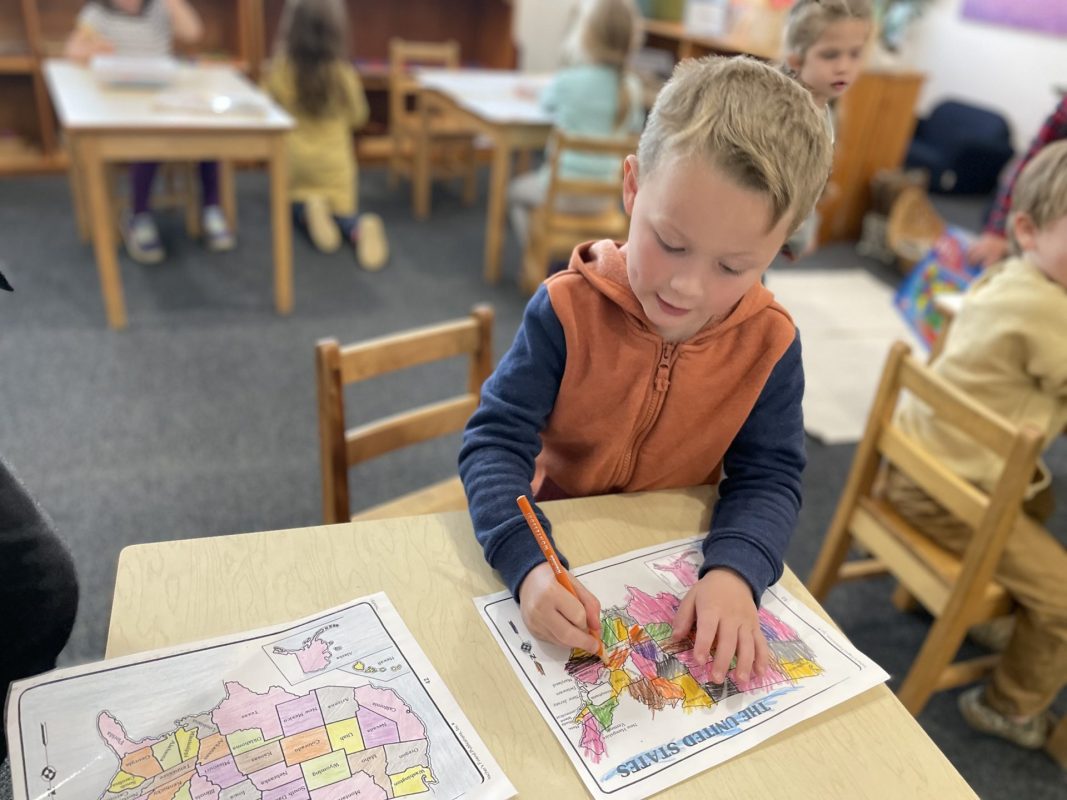
These last few weeks have been a particularly busy and exciting time with your children. We have traveled through space, explored the eight planets, discovered that the sun is a star, and rocketed back to planet Earth. We are now exploring the first of seven continents, North America.  You may hear your children call it the orange continent. This is because on the Montessori globe and map, North America is indeed orange. We will continue to explore the animals native to our continent, map North America’s countries, examine topography, and study how a continent’s proximity to the equator impacts its climate.

The Montessori cultural studies curriculum provides children with an opportunity to explore the whole world, including the continents, countries, people, animals, terrain, music, and arts. Children use didactic Montessori materials to familiarize themselves with the needs of all humans for such things as food, housing, and clothing. This early cultural awareness helps cultivate independent, joyful citizens of our world.

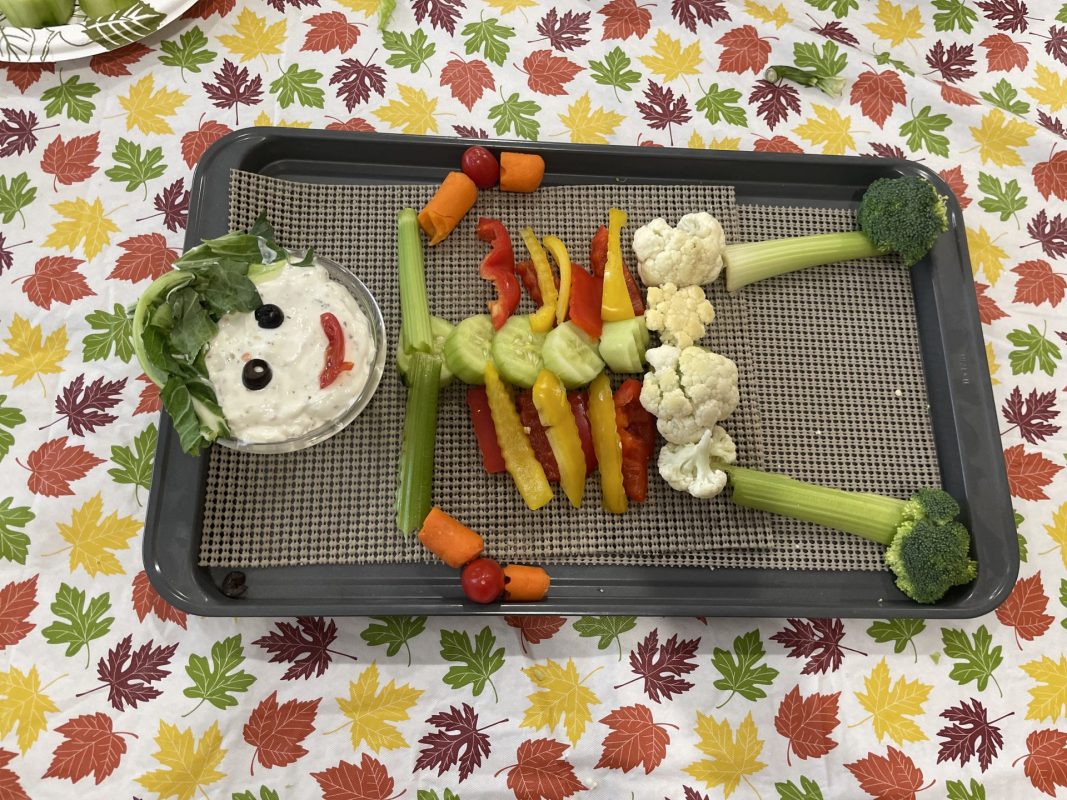
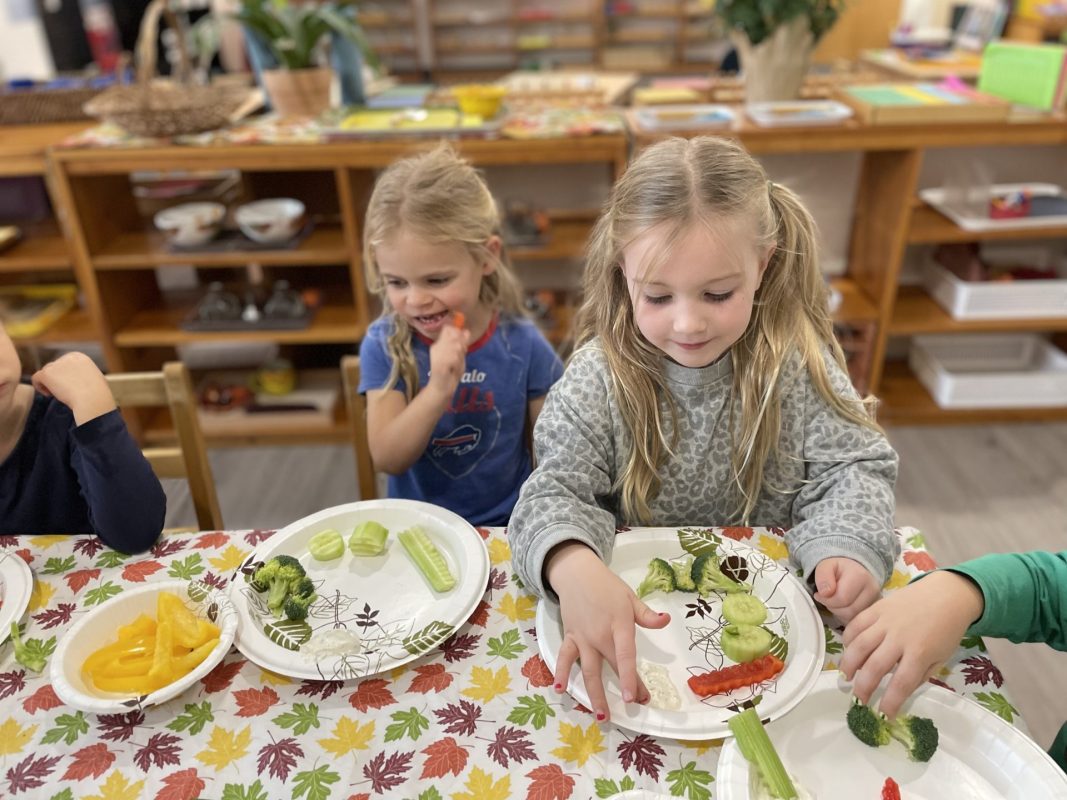
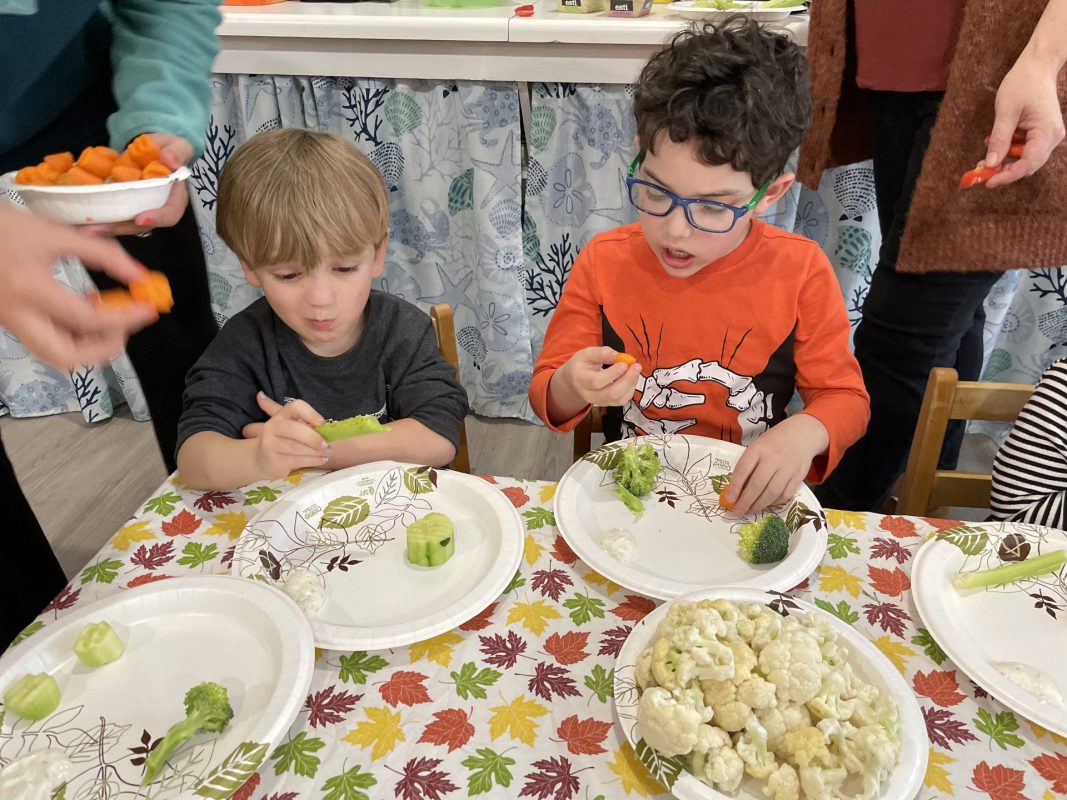
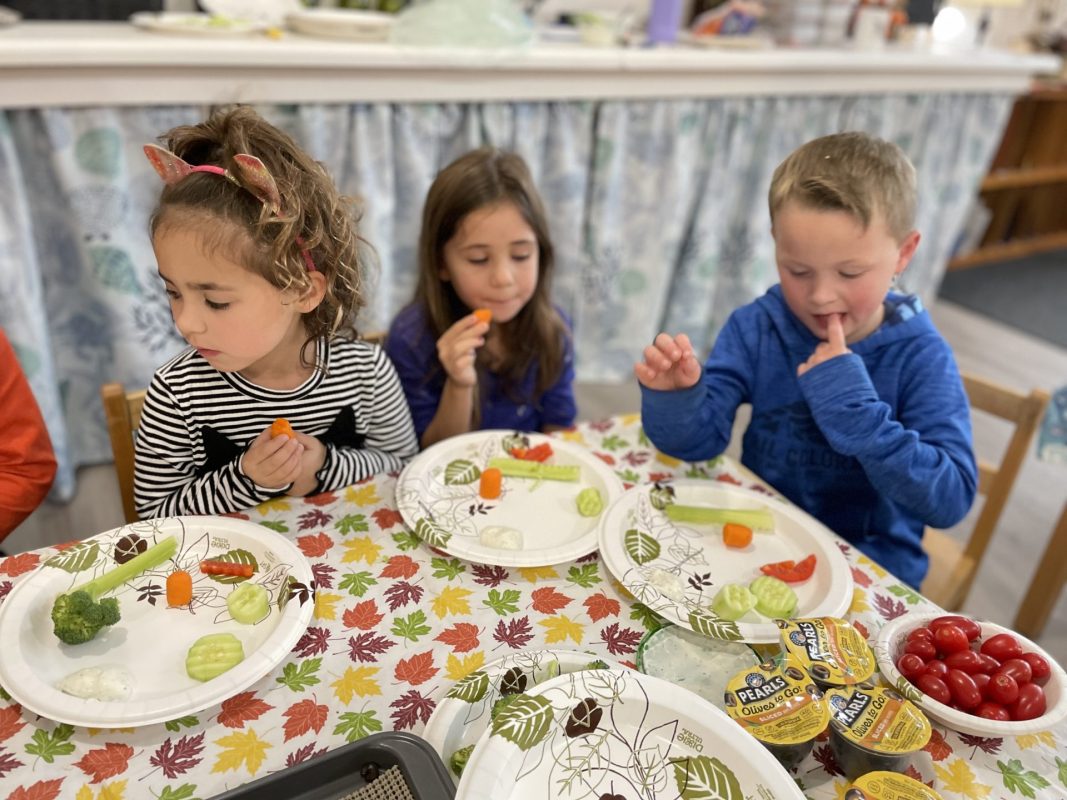
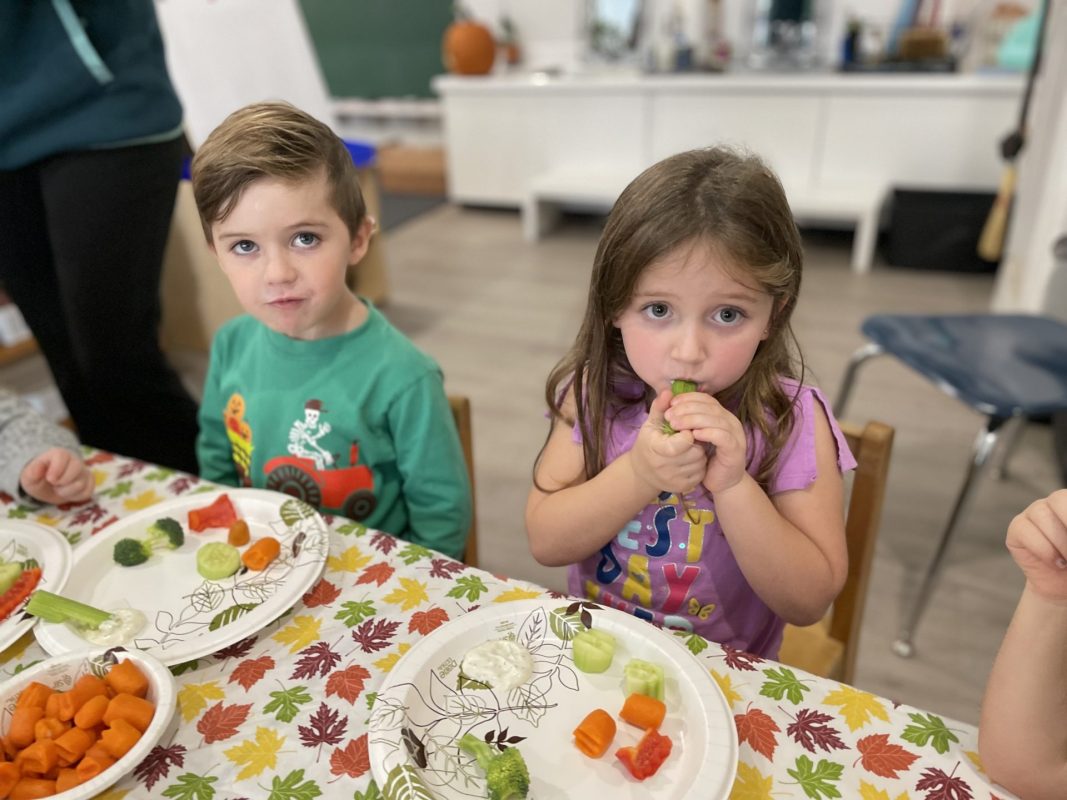
In addition, meet Jack, our veggie skeleton prepared by the kindergarten students last week on Halloween.  It is always so wonderful to hear the children say they don’t like this vegetable or that one and then devour all of it!  On Tuesday, November 8th, we were treated with a special presentation about Diwali organized by Ms. Paromita, Ms. Hema, and a few of the parents.  We had so much fun learning about this holiday, as well as the dancing, food, and crafts.

Wishing everyone a week filled with peace and love!

Amanda & Hema


This Week in Lower El

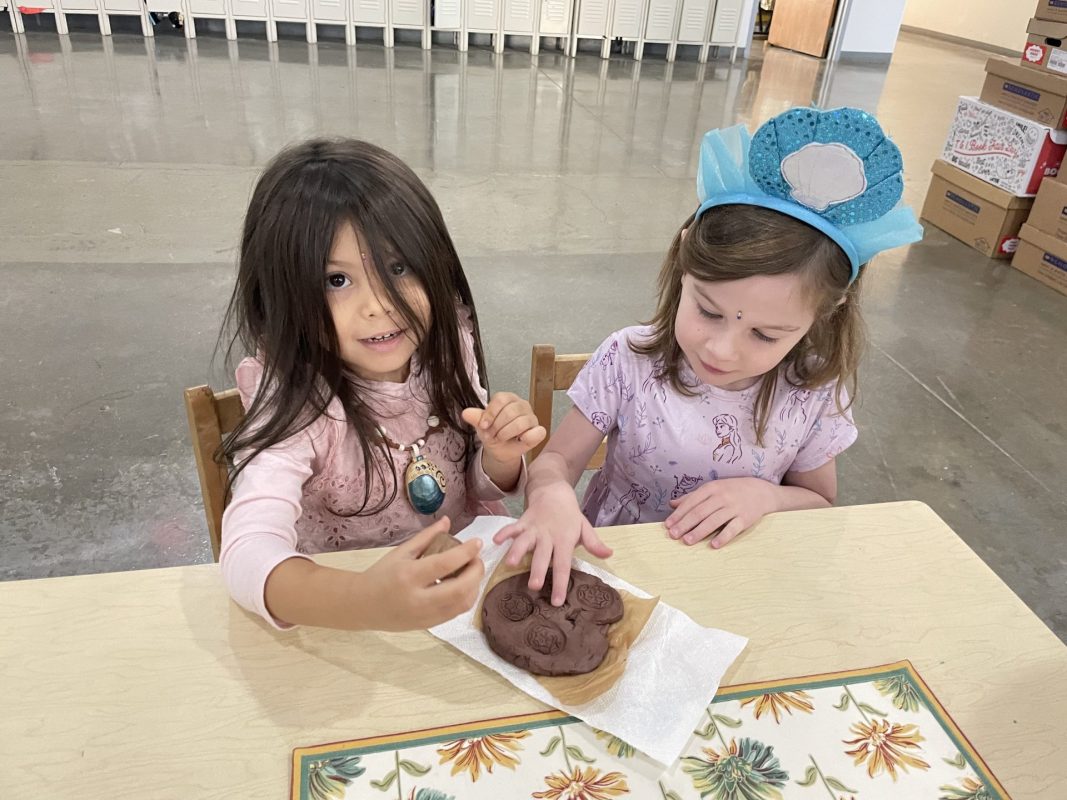
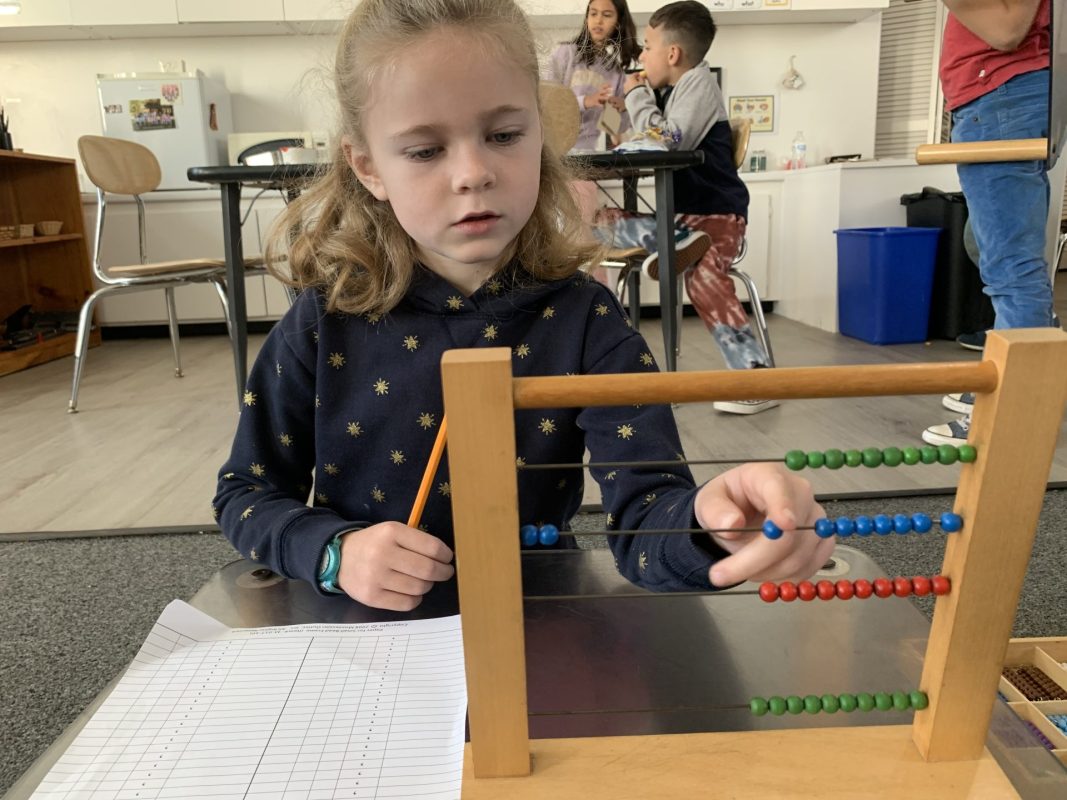
First, second, and third grade students are currently learning about physical geography. Third graders are learning to identify several parts of a mountain. Second grade students are building on their lessons from last year by learning about advanced land and water forms; most recently strait, canal and channel. First graders are learning about inverted land and water forms. Last week they learned about lakes and islands, and this week they’re studying isthmus and straits. They make the forms using clay and water.

In addition, we were very excited to attend a Diwali presentation hosted by staff members and parents of the community. Diwali was celebrated on October 24th,  but we felt fortunate to celebrate it with our Fraser Woods friends as a community in school on Tuesday.  Diwali is an important religious and cultural festival, celebrated by Hindus in Asia.  Diwali, or Deepawali, is India’s biggest and most important holiday of the year. This signifies the victory of good over evil.  Diwali or Deepawali means row of lights in India. People decorate their houses with beautiful Diyas, lights, delicious food and make Rangoli designs to observe the festival. People buy new clothes for their friends and families. Lower Elementary engaged in dancing, craft making and even enjoyed some delicious foods!


Mrs. Wilson: Fall Is In The Air!

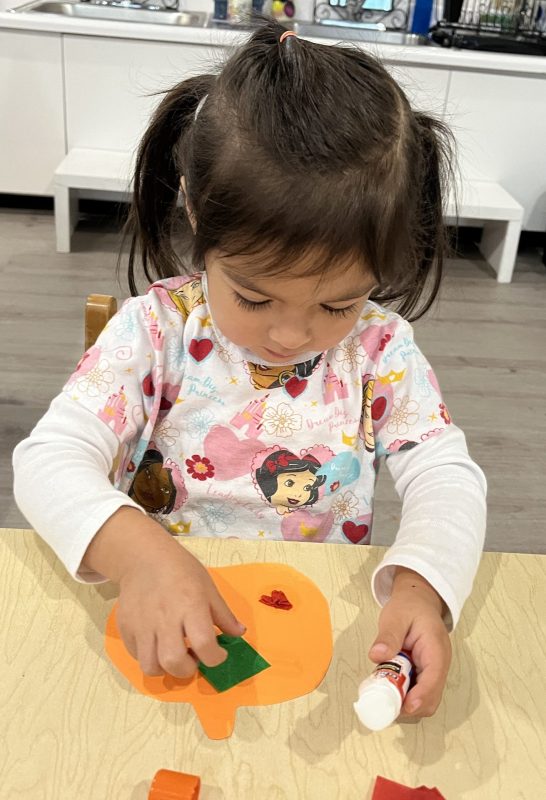
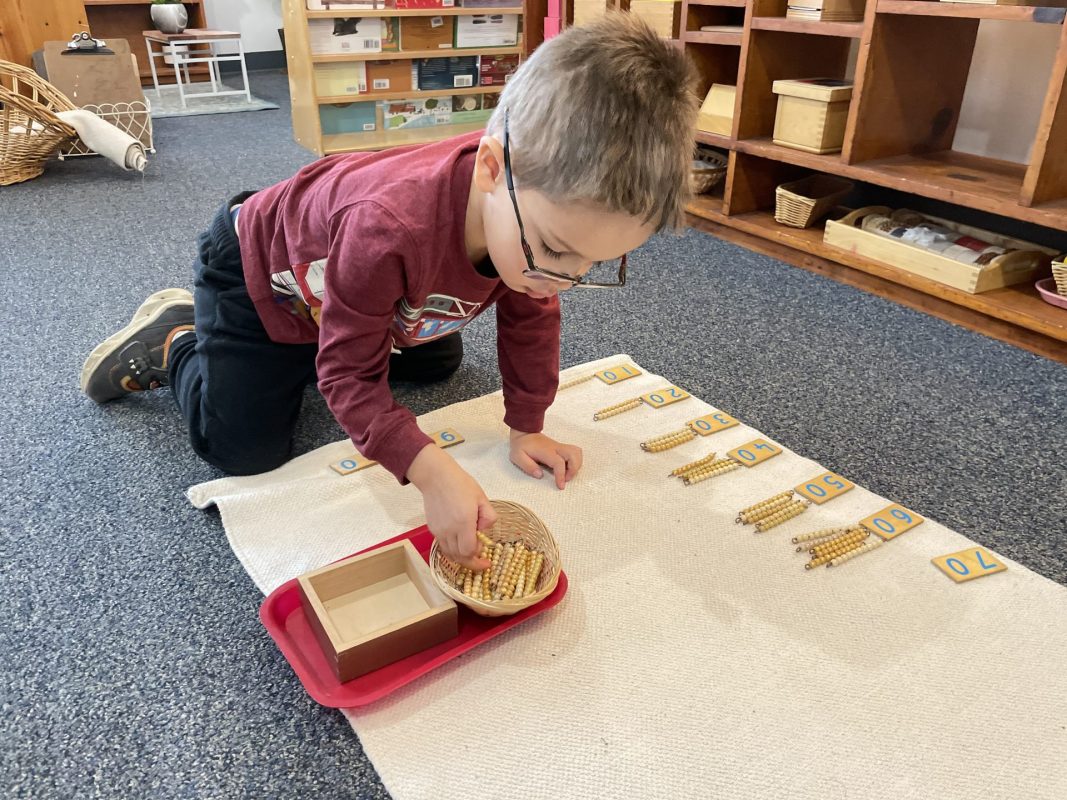
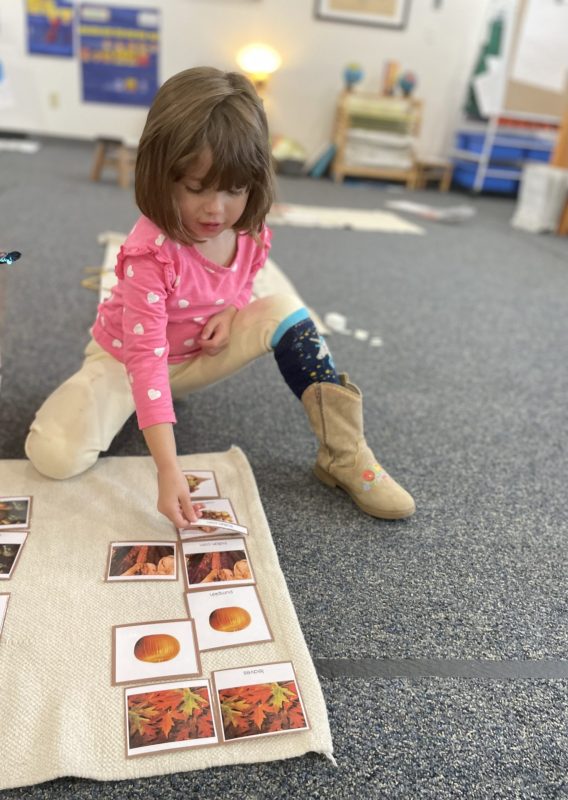
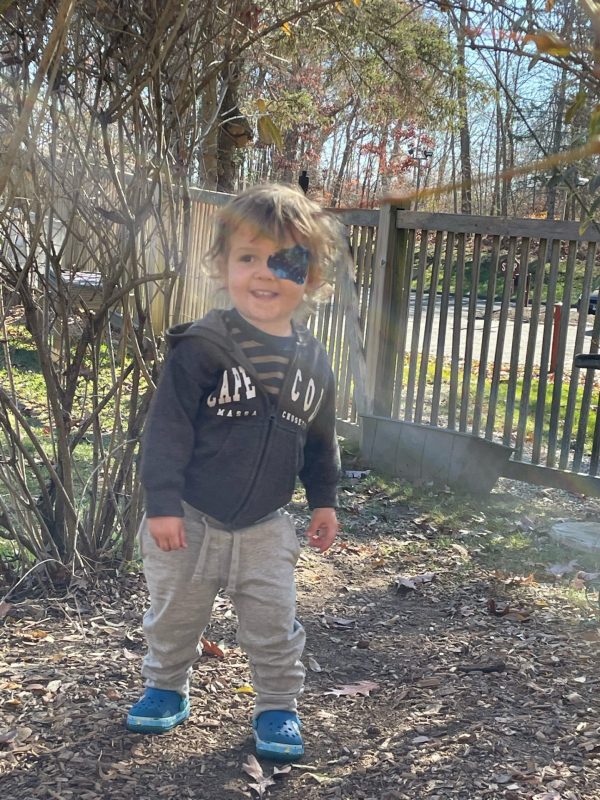
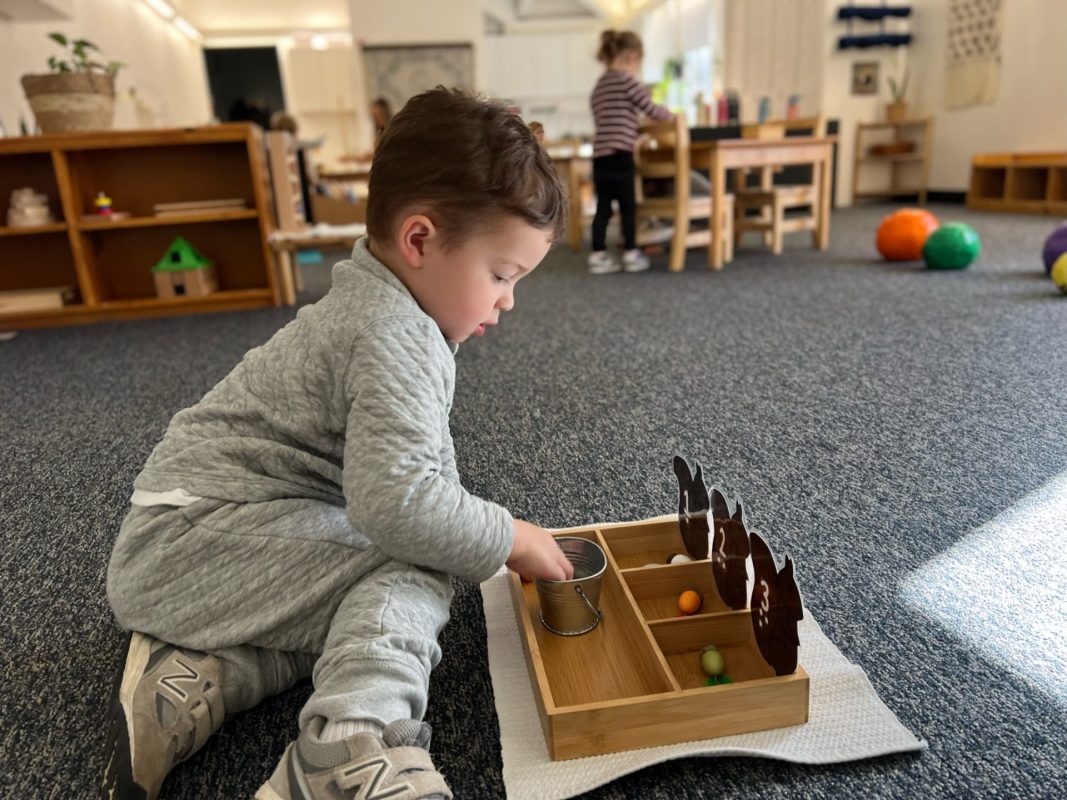
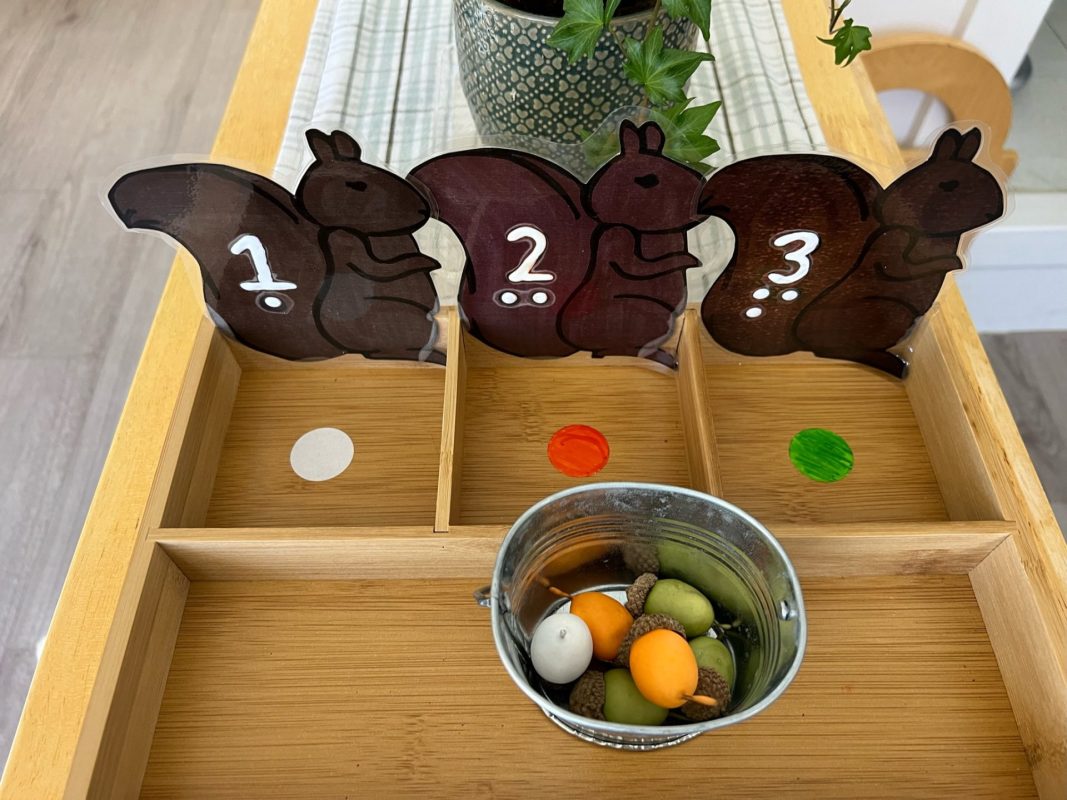
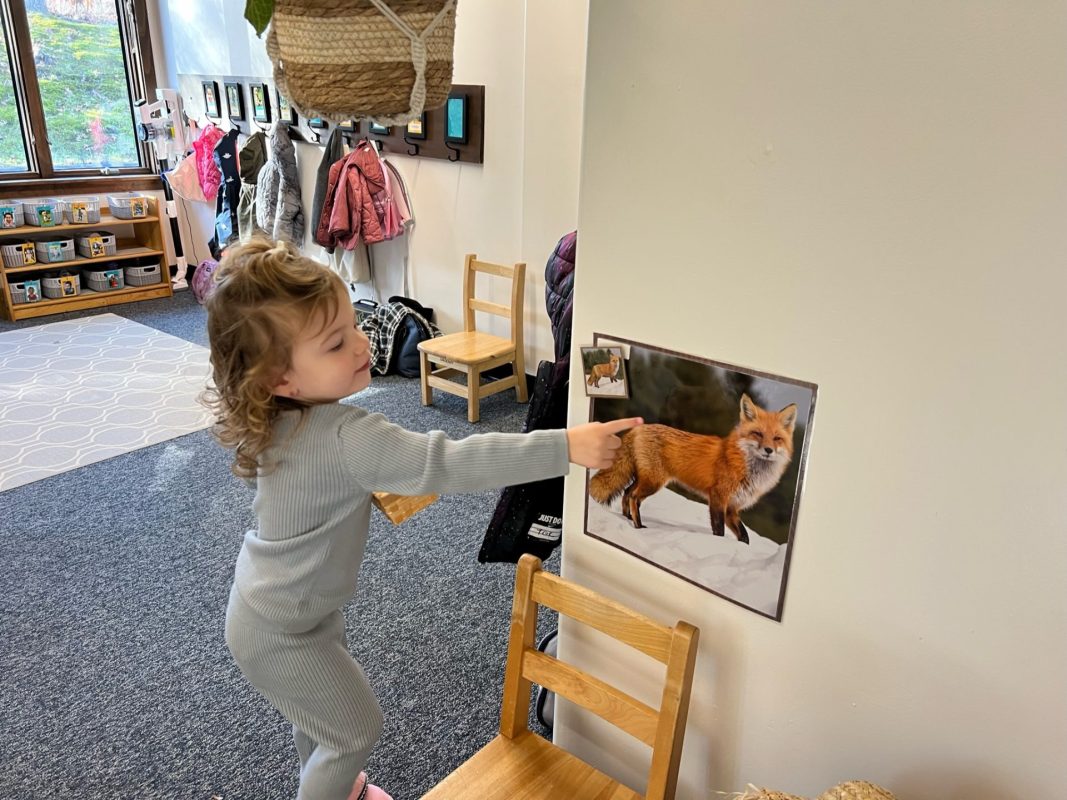
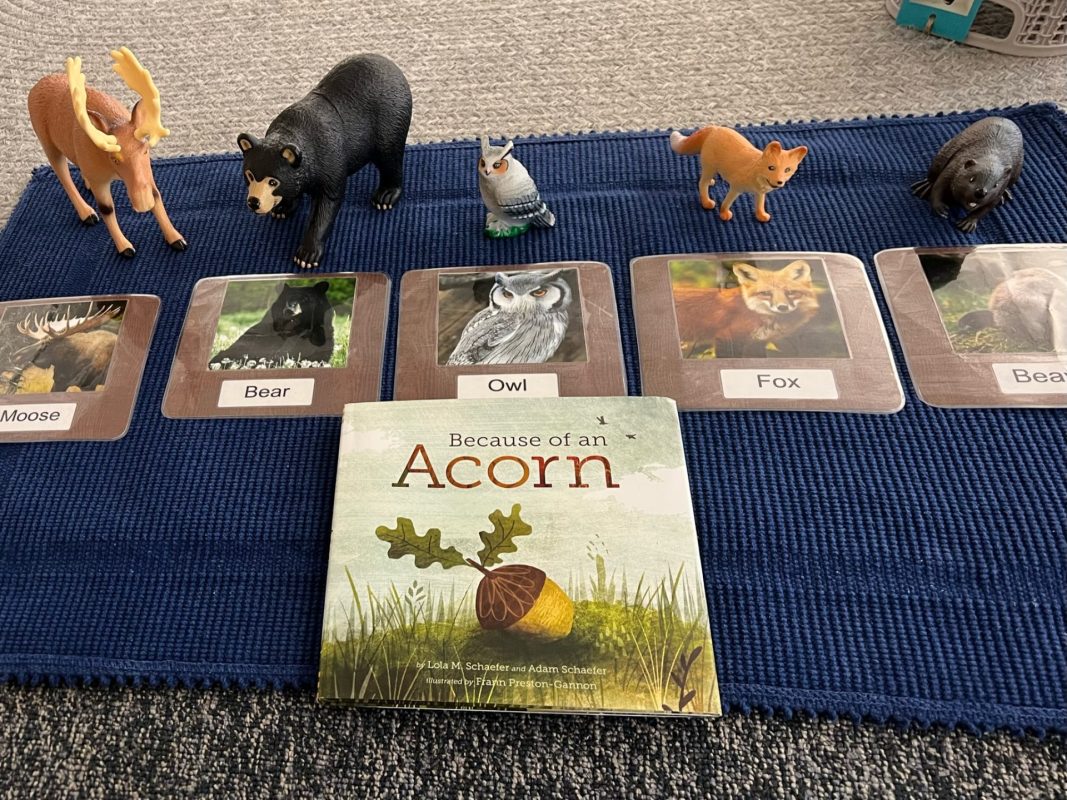
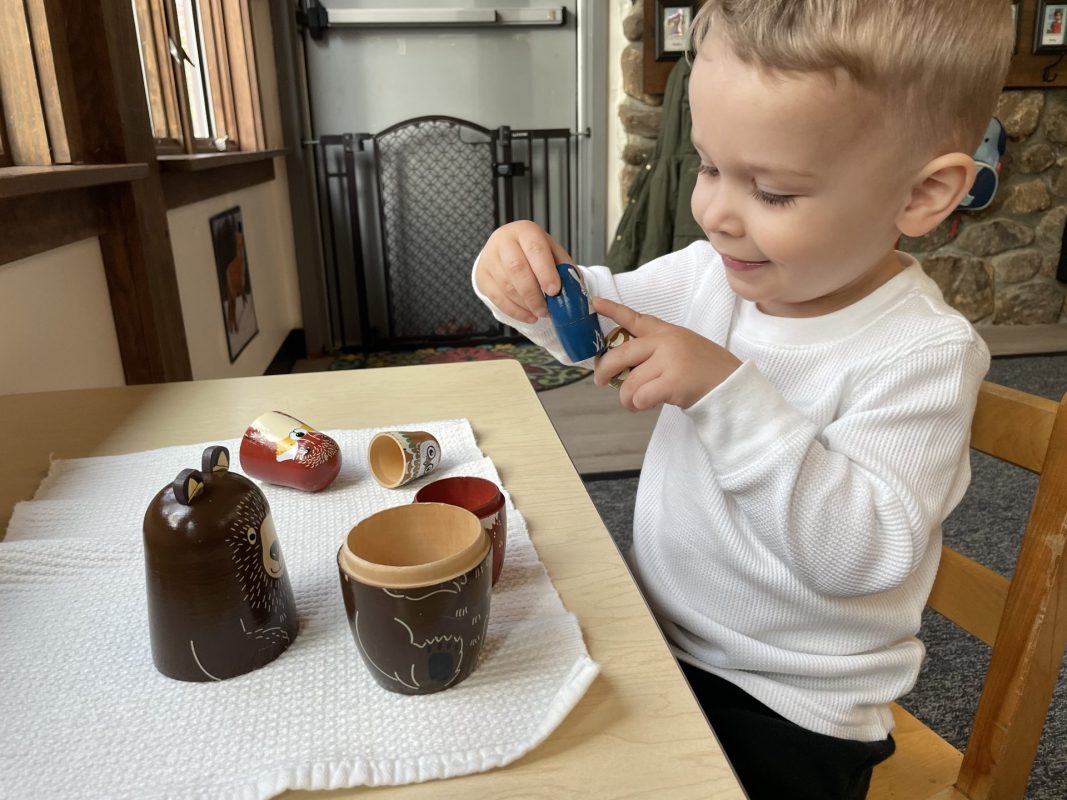
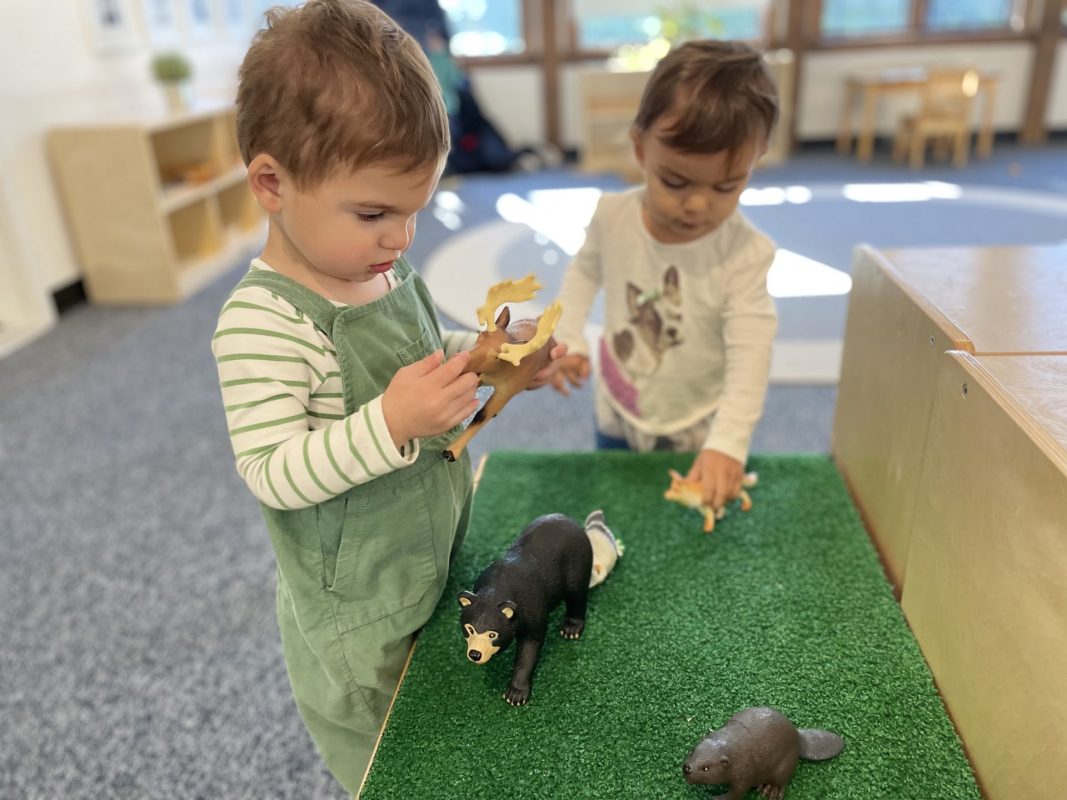
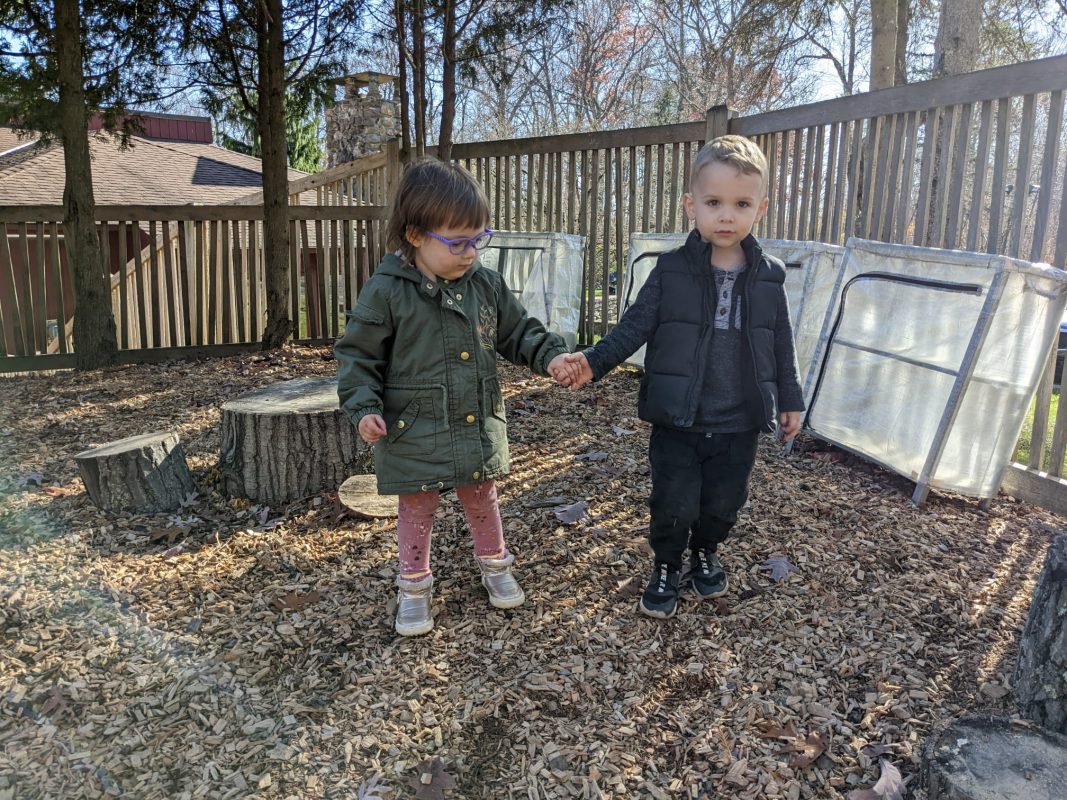
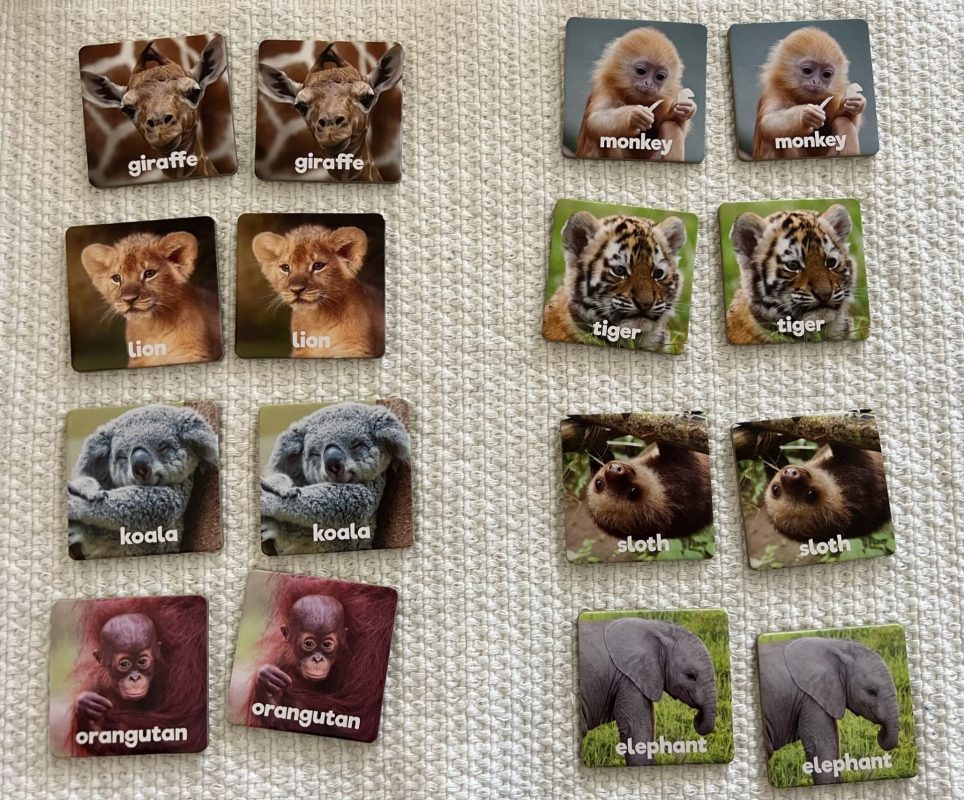
This month we are focusing on the fall season. Some of our lessons have objects such as acorns, leaves, and pinecones. These objects are used for sorting by color, size, and quantity as well as language by labeling.  We introduced five woodland animals: bear, moose, fox, owl, and beaver. These figurines are available for the children to explore and match to the corresponding photograph.

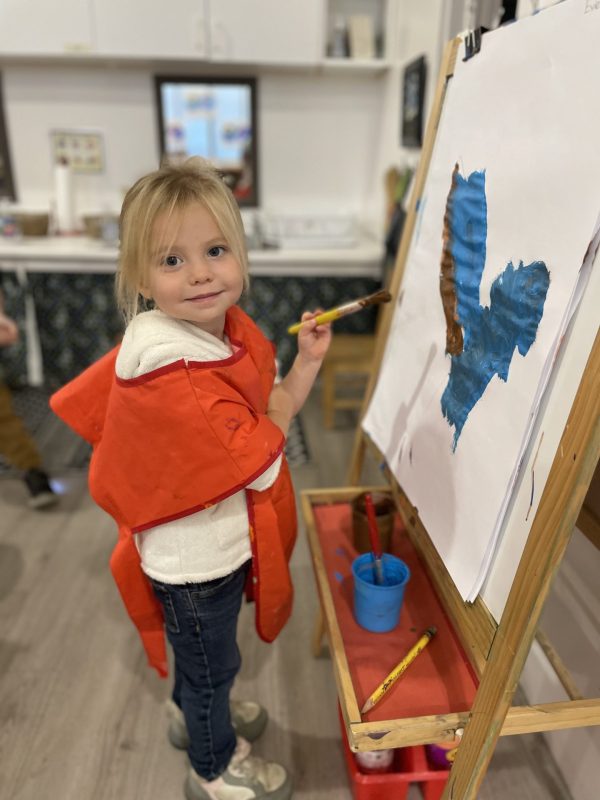
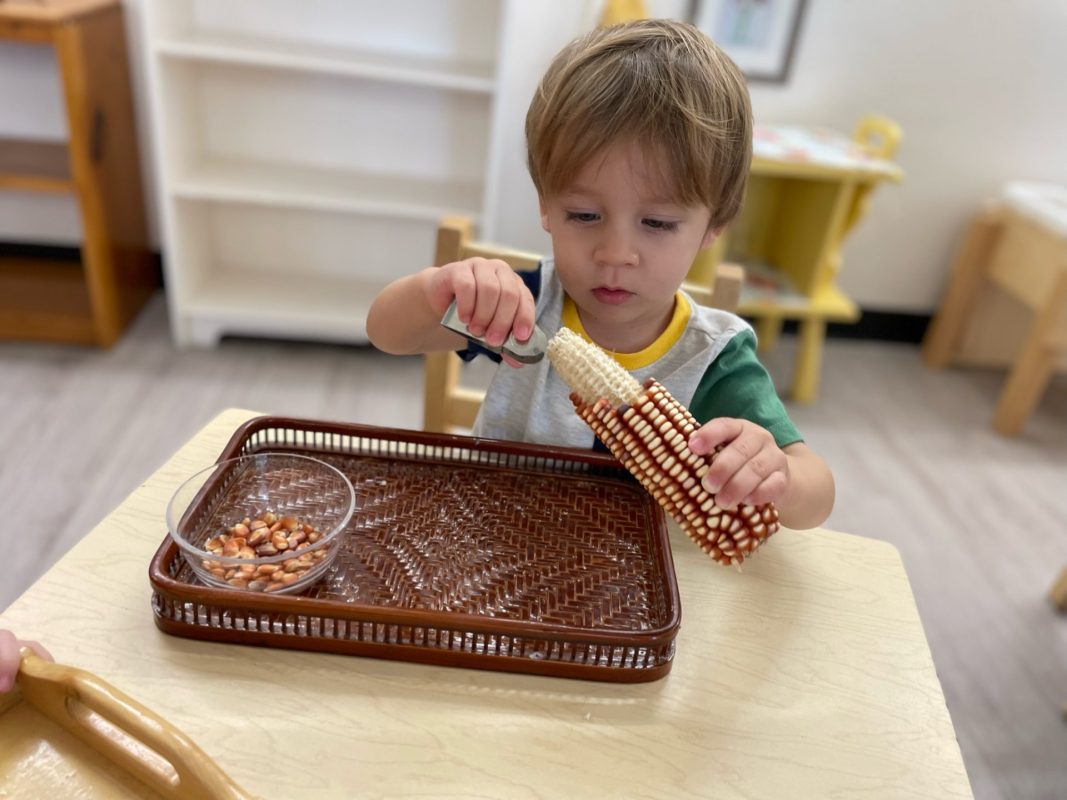
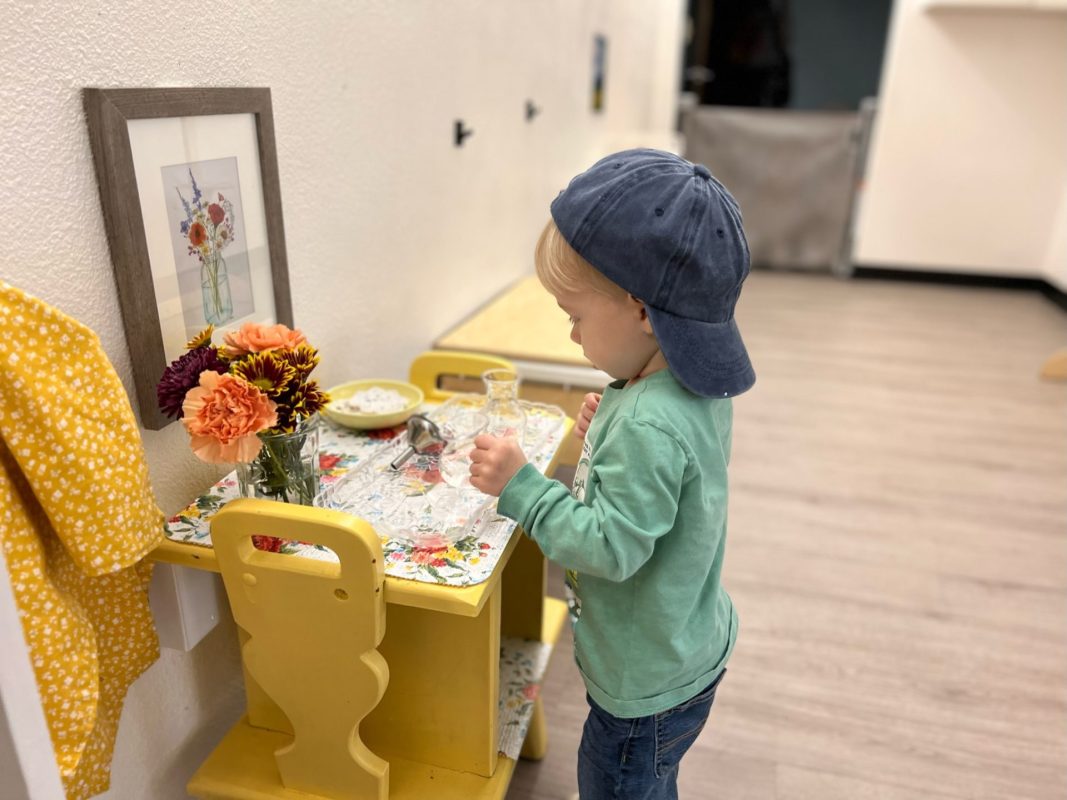
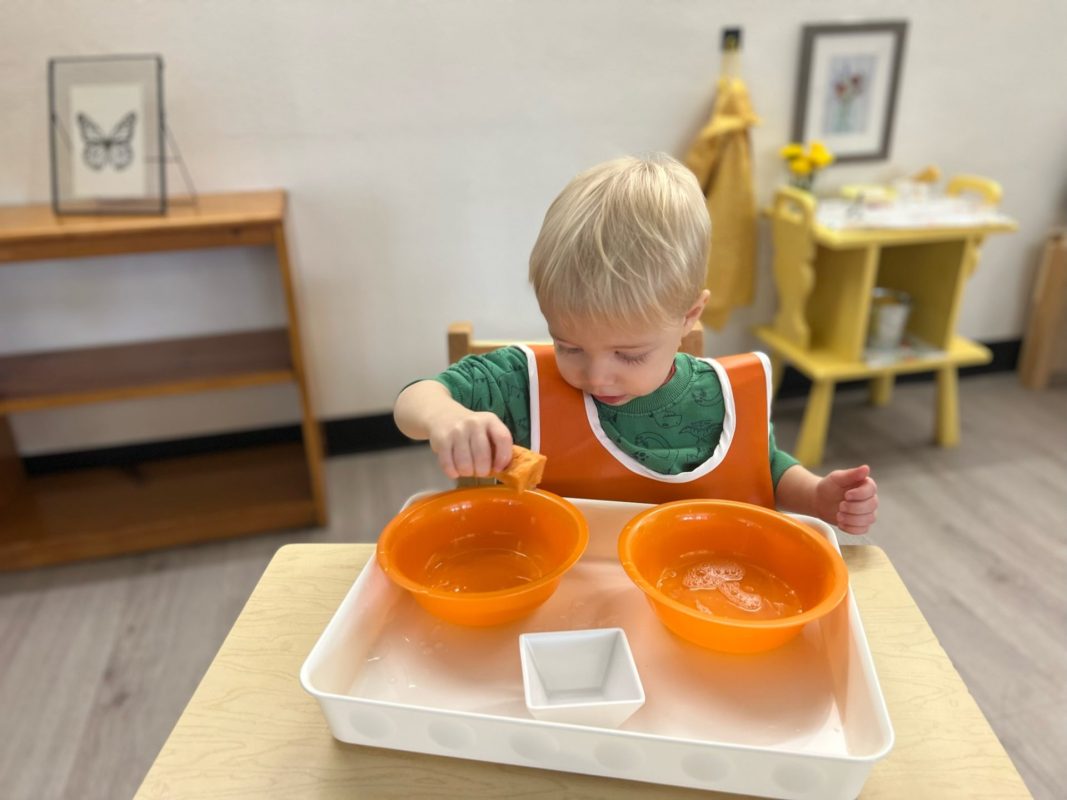
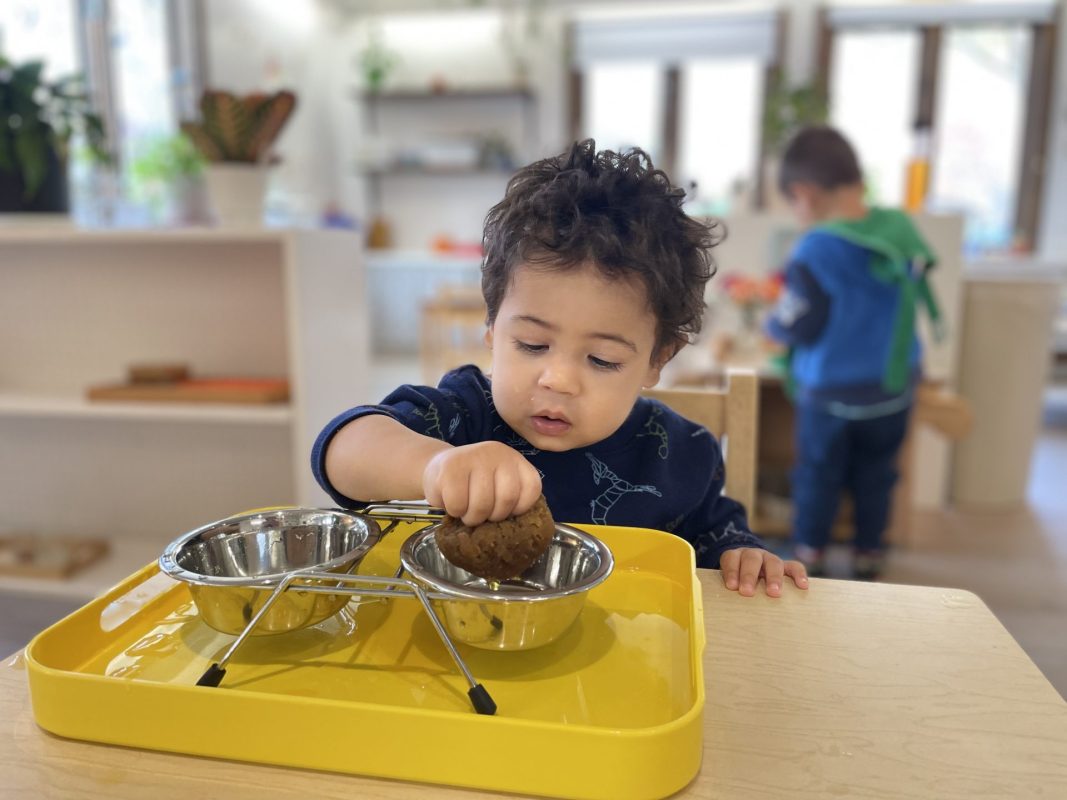
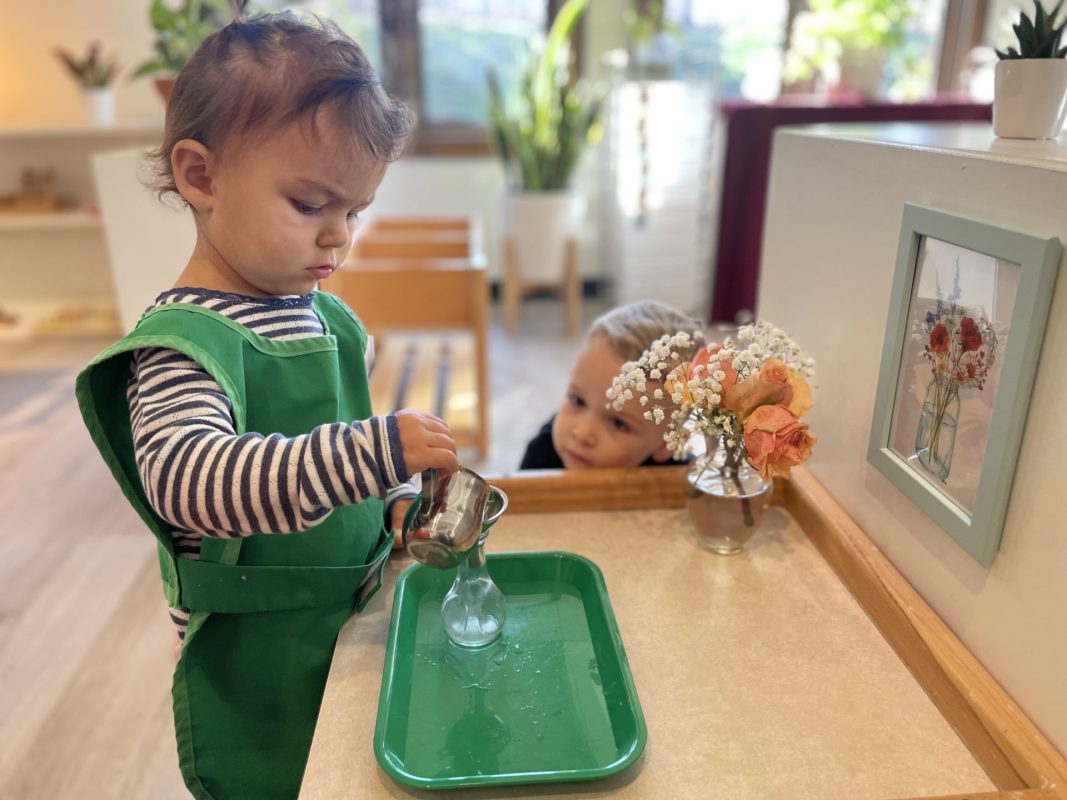
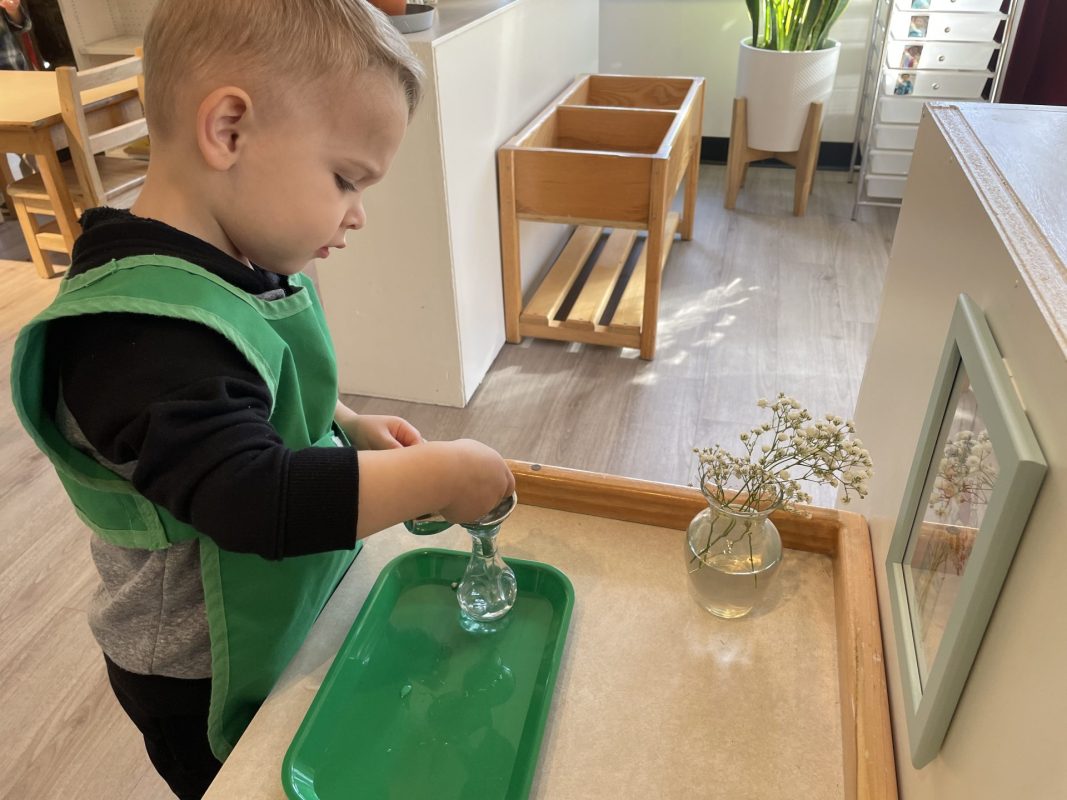
The refinement of the hand shelf has expanded. We are working on more challenging exercises to really strengthen their hand muscles. A new favorite is the water transfer work. The children transfer water from one bowl to the next by using a sponge to soak up the water and squeeze the water out into the other bowl. They continue this movement until the bowl on the left is empty.

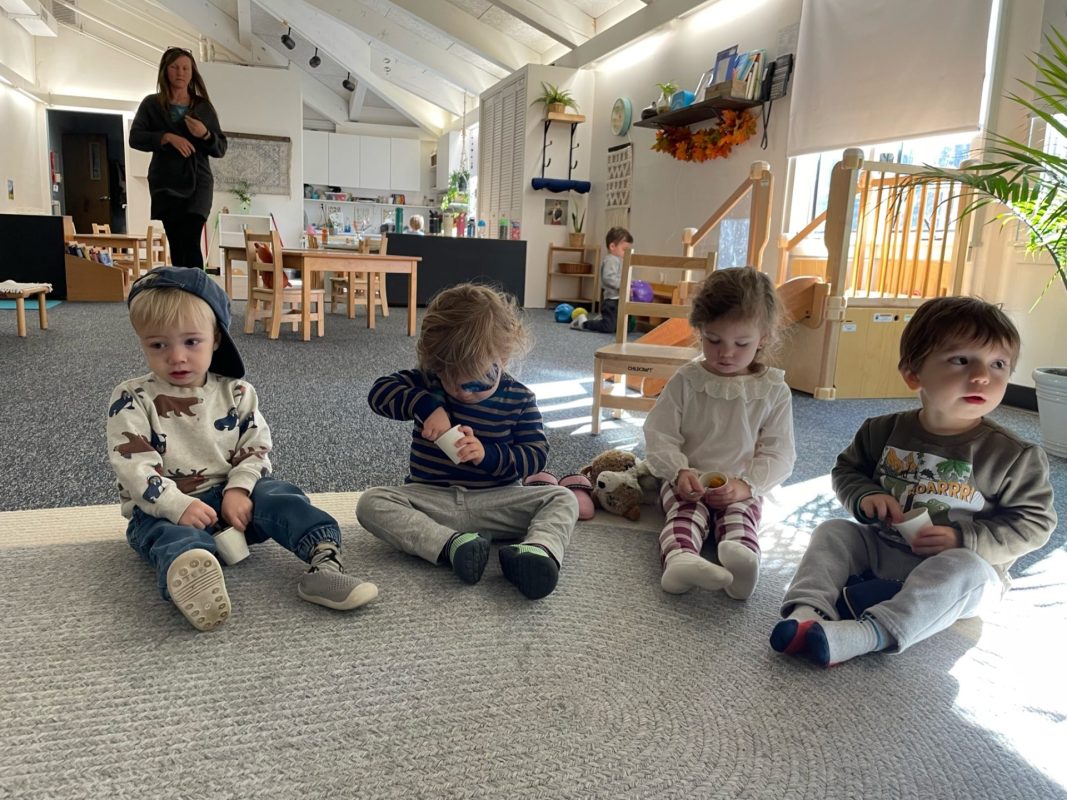
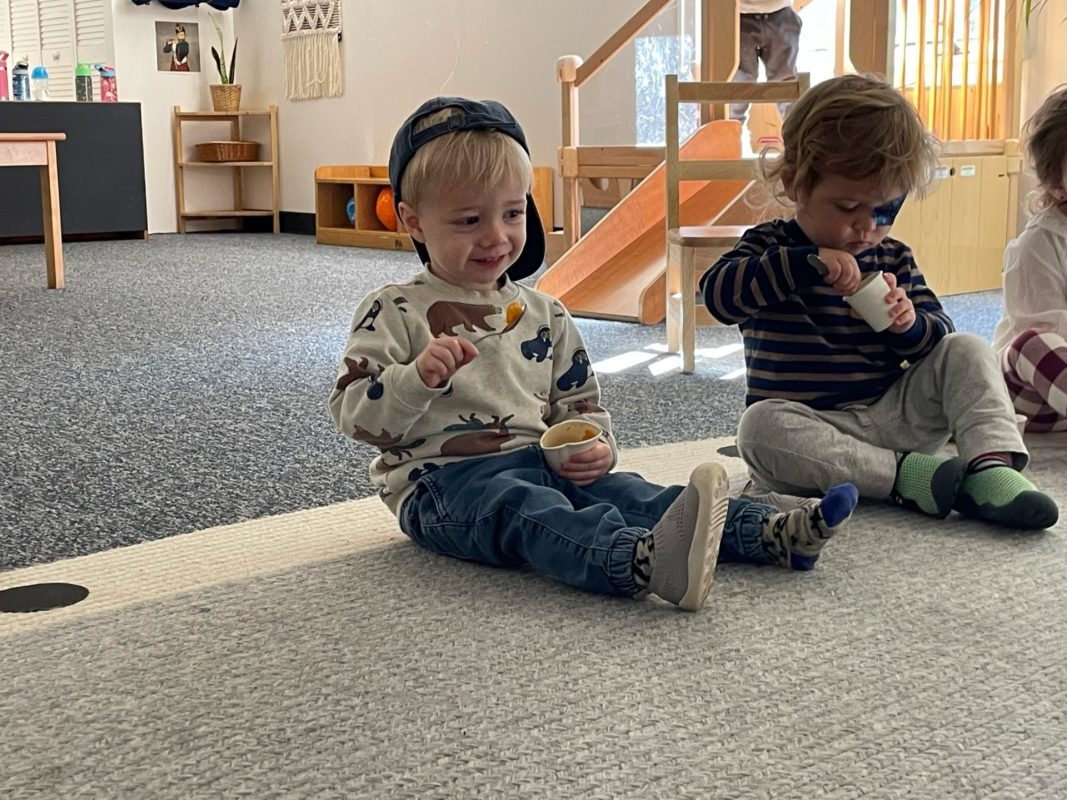
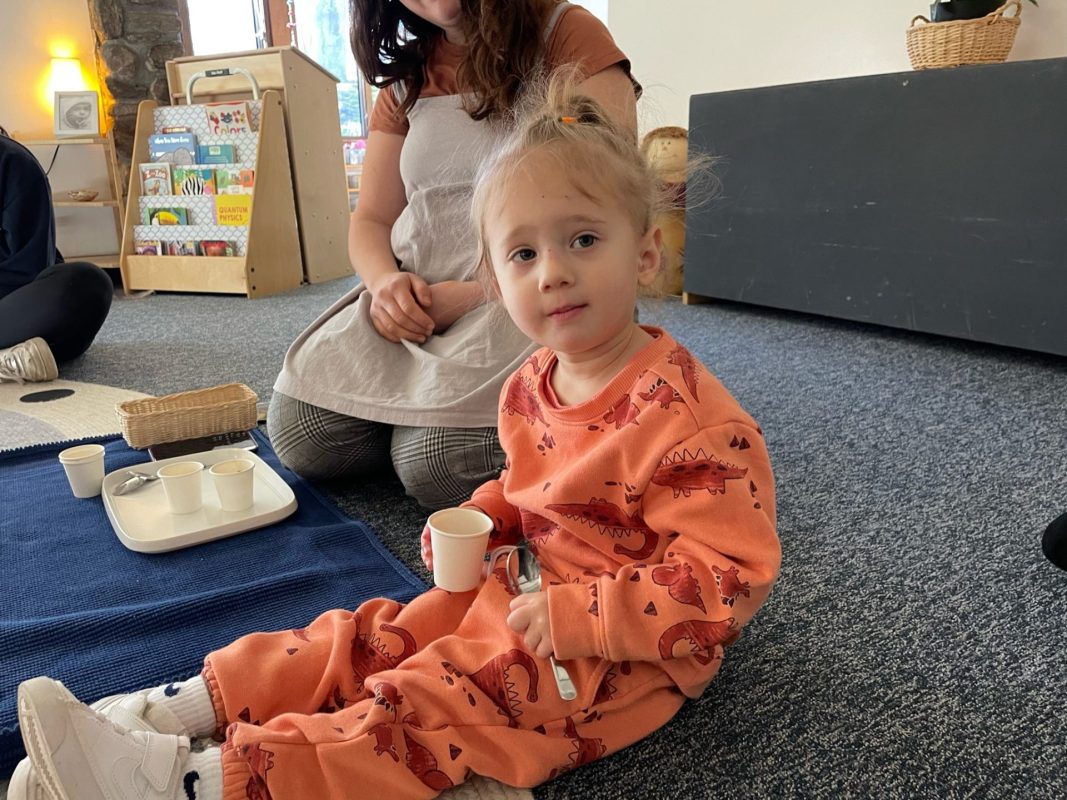
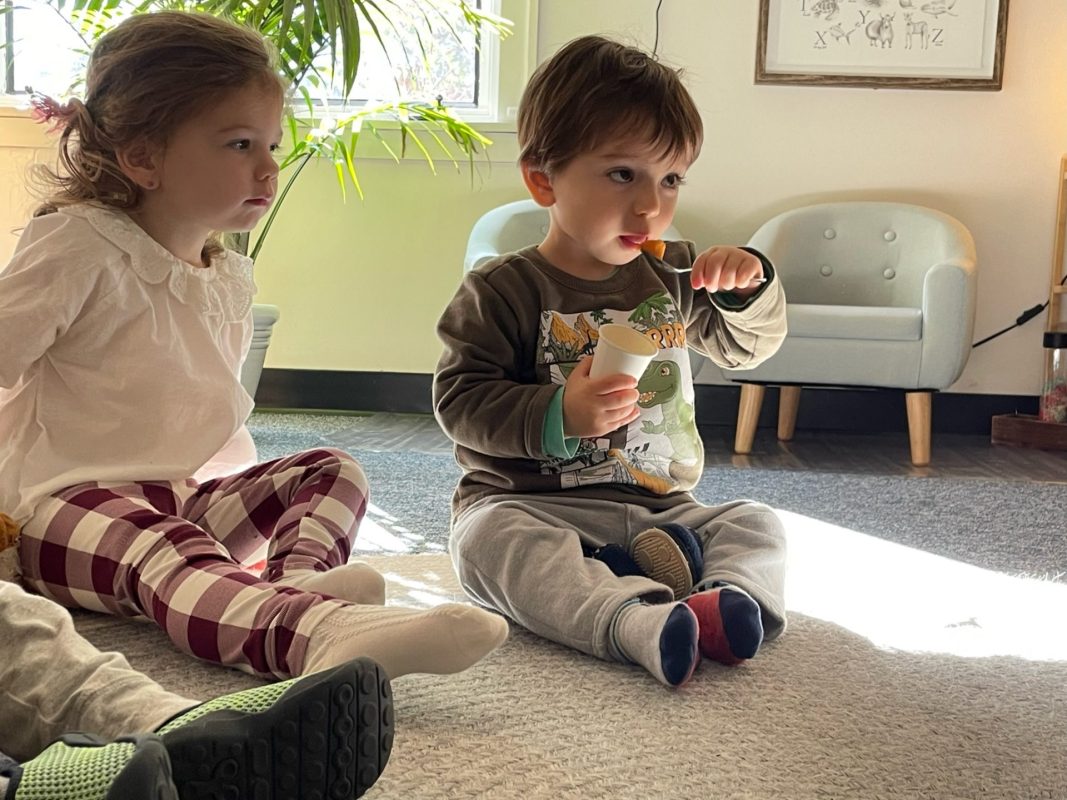
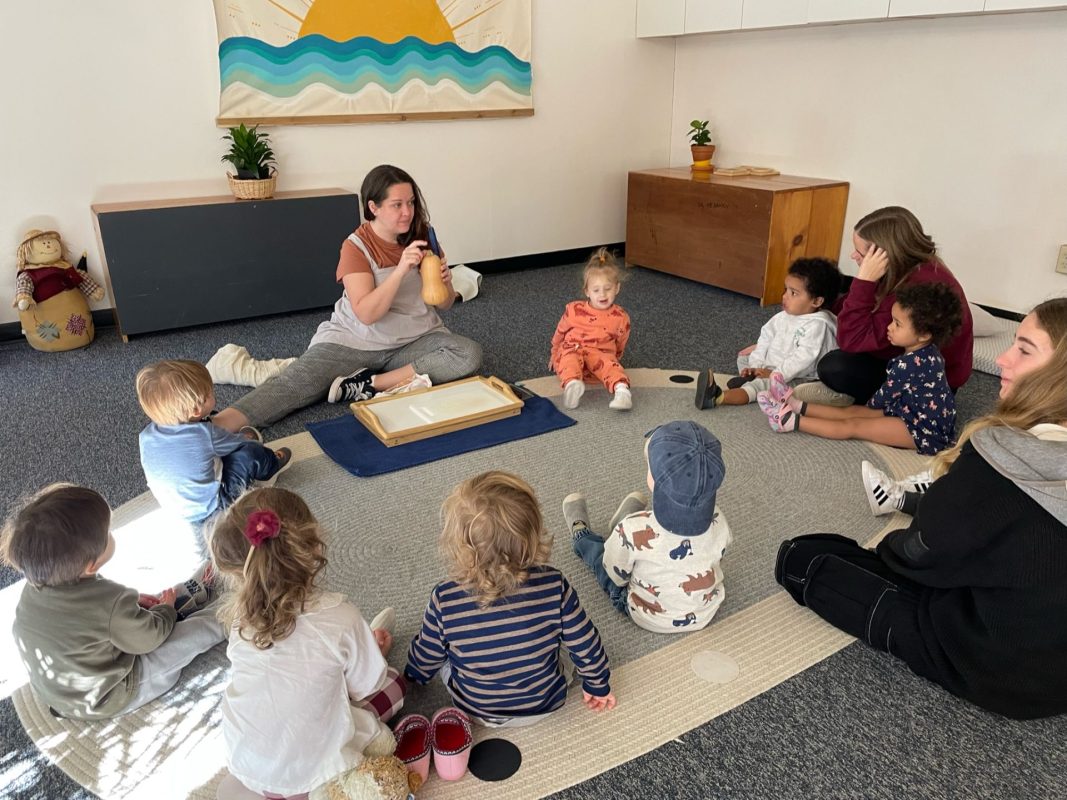
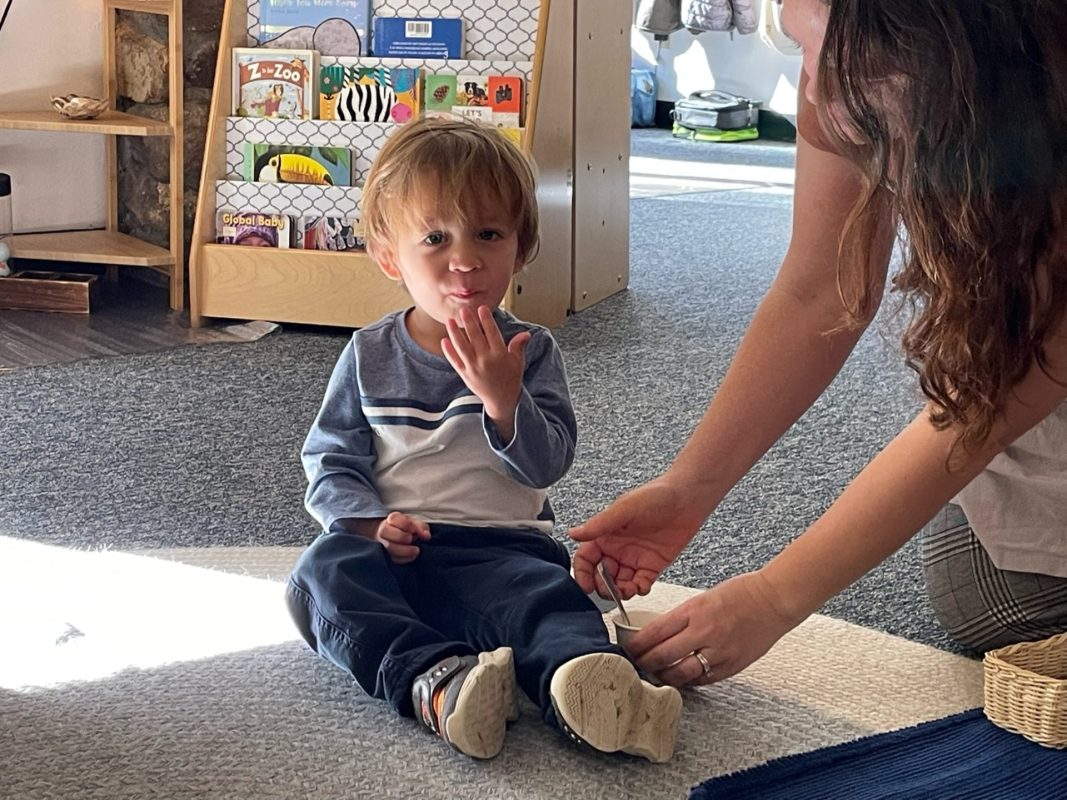
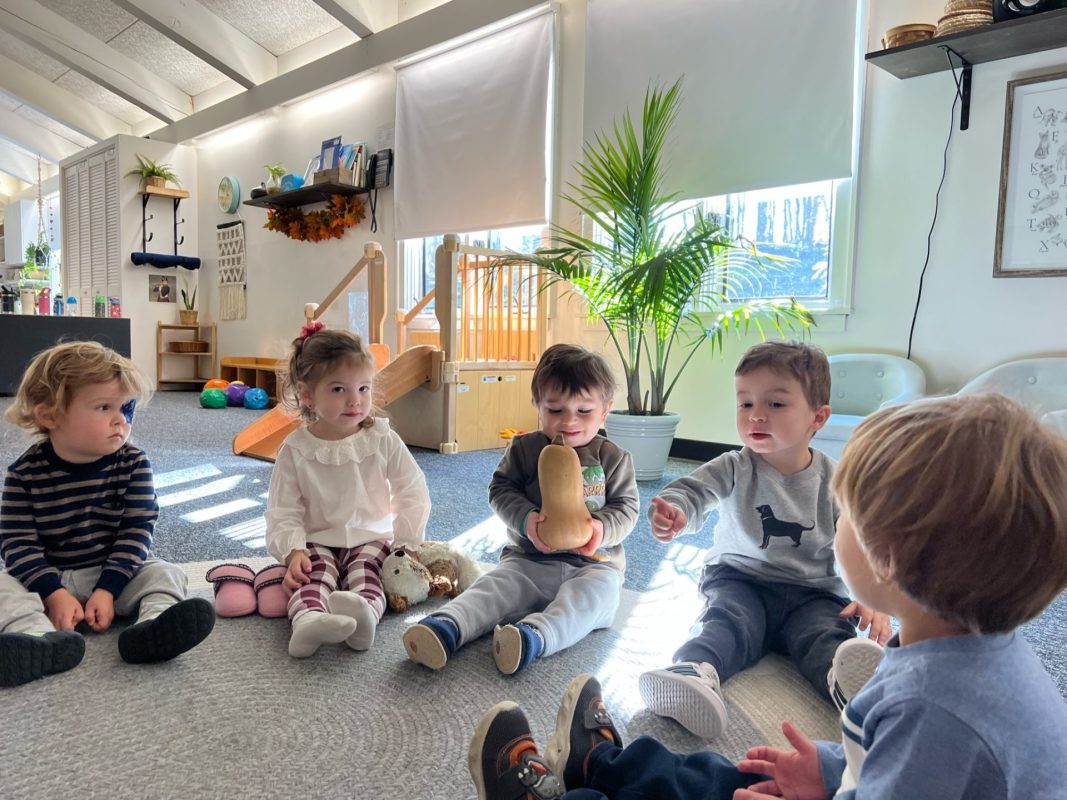
Food Tasting this week was butternut squash. Not all the children wanted to taste but the ones who did seemed to prefer this over the pumpkin.


Mrs. Hood: With my eyes and my hands!

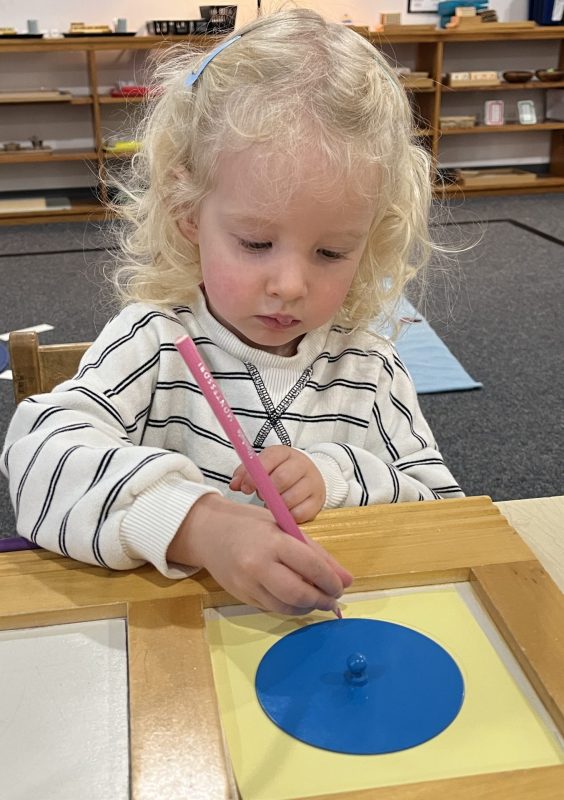
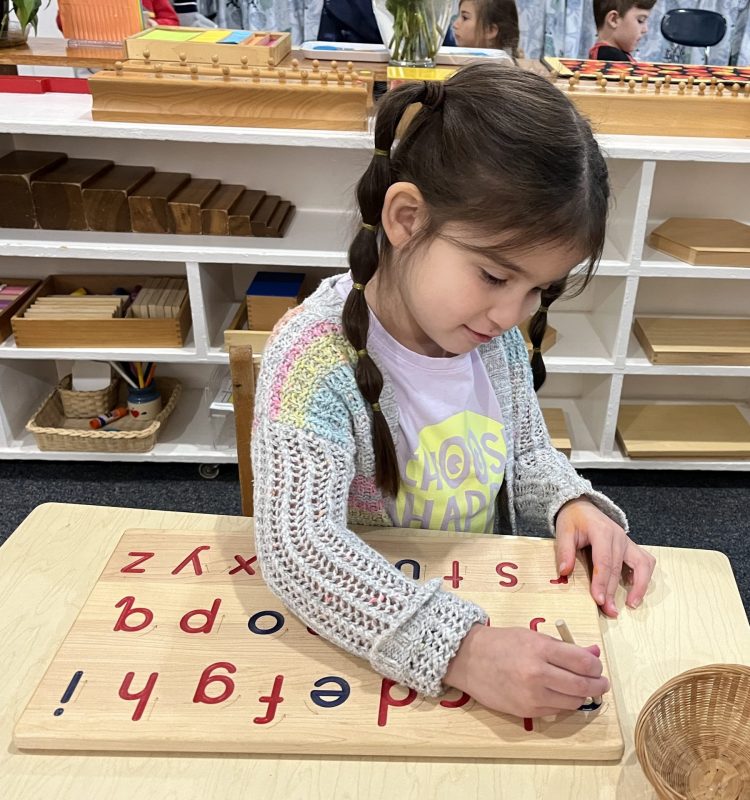
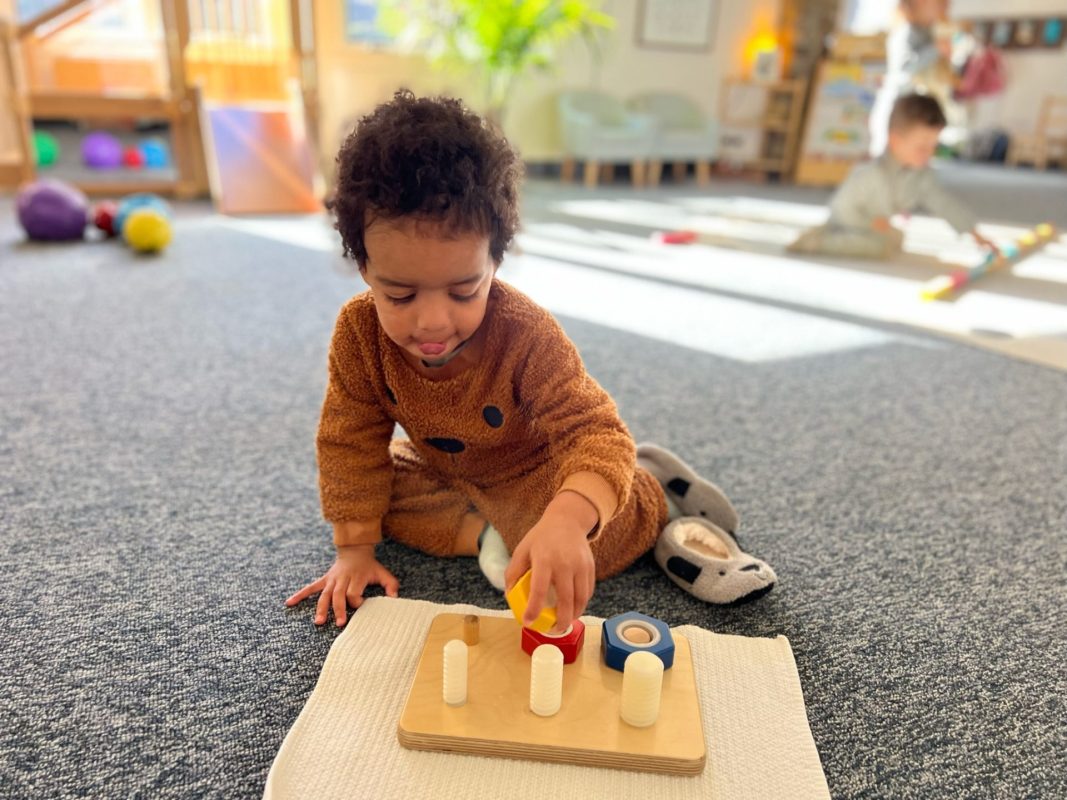
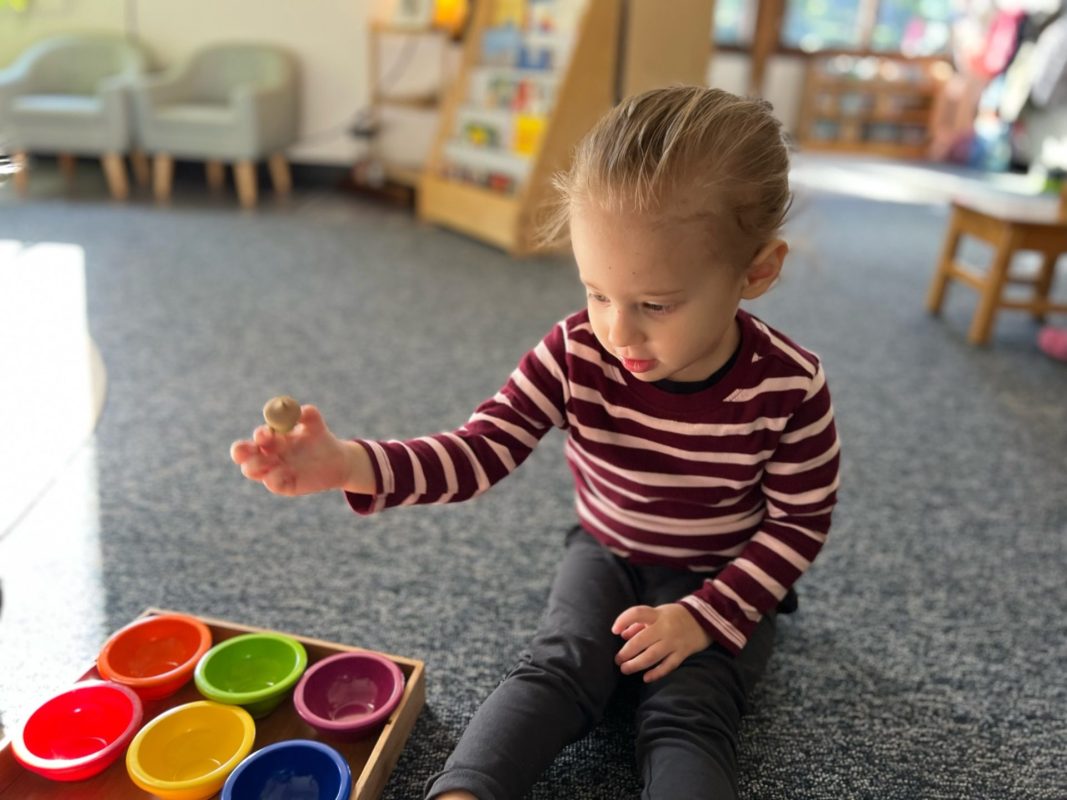
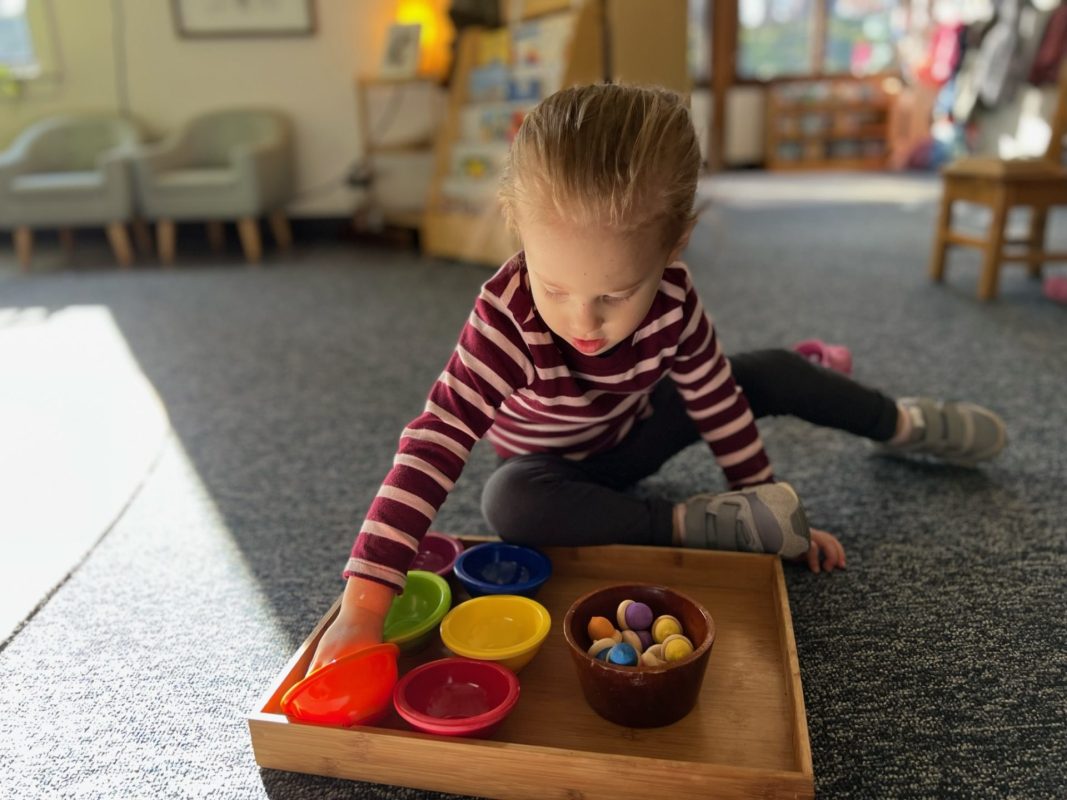
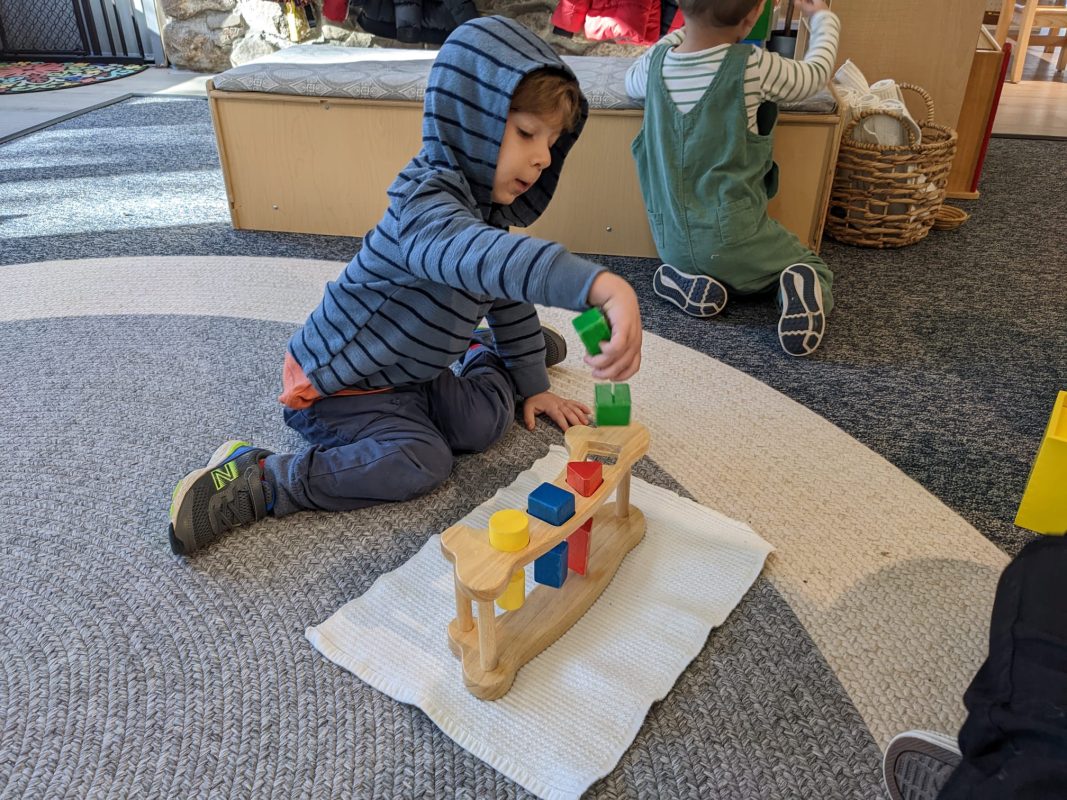
Hand-eye coordination is one of the most important parts of the learning process. It helps your child track the movements of their hands with their eyes, which is essential for reading and decoding. Because your child also uses their visual system with hand-eye coordination, it can greatly impact their writing skills and handwriting as they use their eyes to guide, direct, and control their hand movements across the page as they write letters and words.

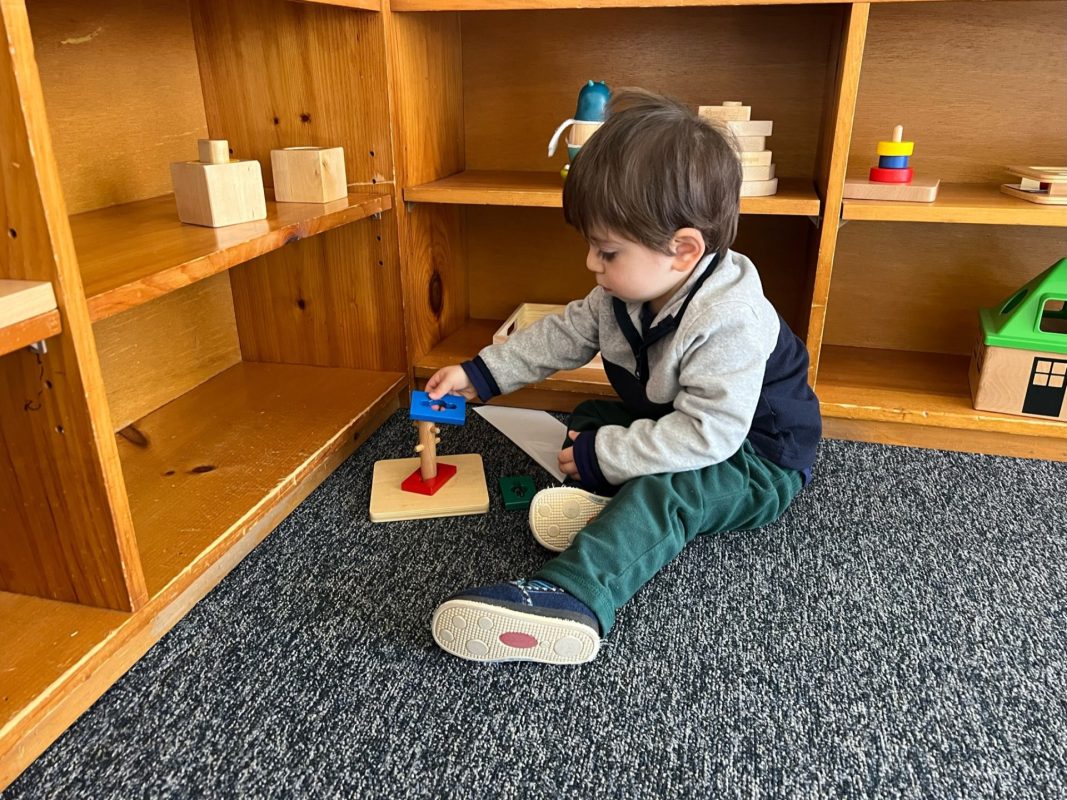
Our Toddler environment is set up in a specific way, looking to sharpen and challenge these skills while meeting your child exactly where they are developmentally. Each material is displayed in progressive order, from easiest to hardest, and from left to right. This logical structure encourages children to organize their thinking and to absorb the outcome of the material at their own pace. The left to right orientation of the materials also assists children with preparation for reading and writing, and is the way that the brain naturally processes information.

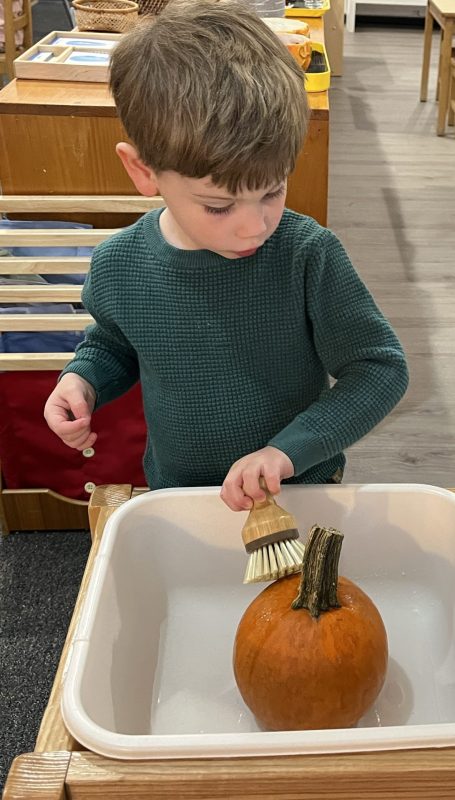
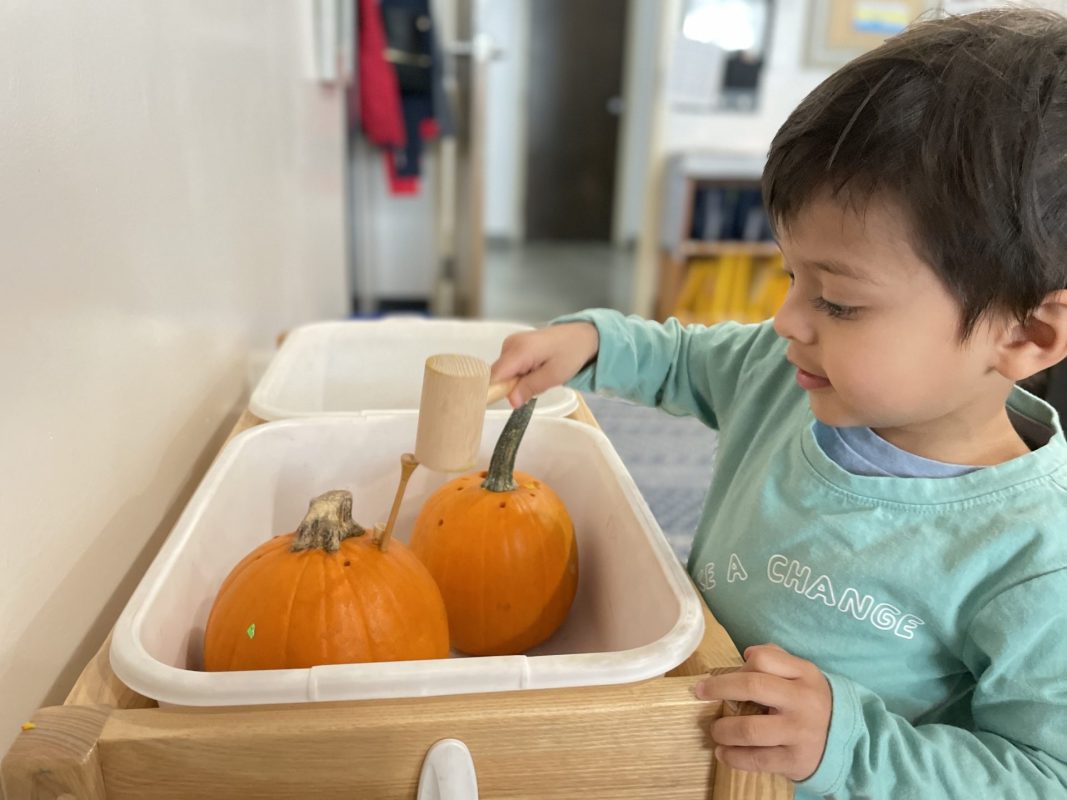
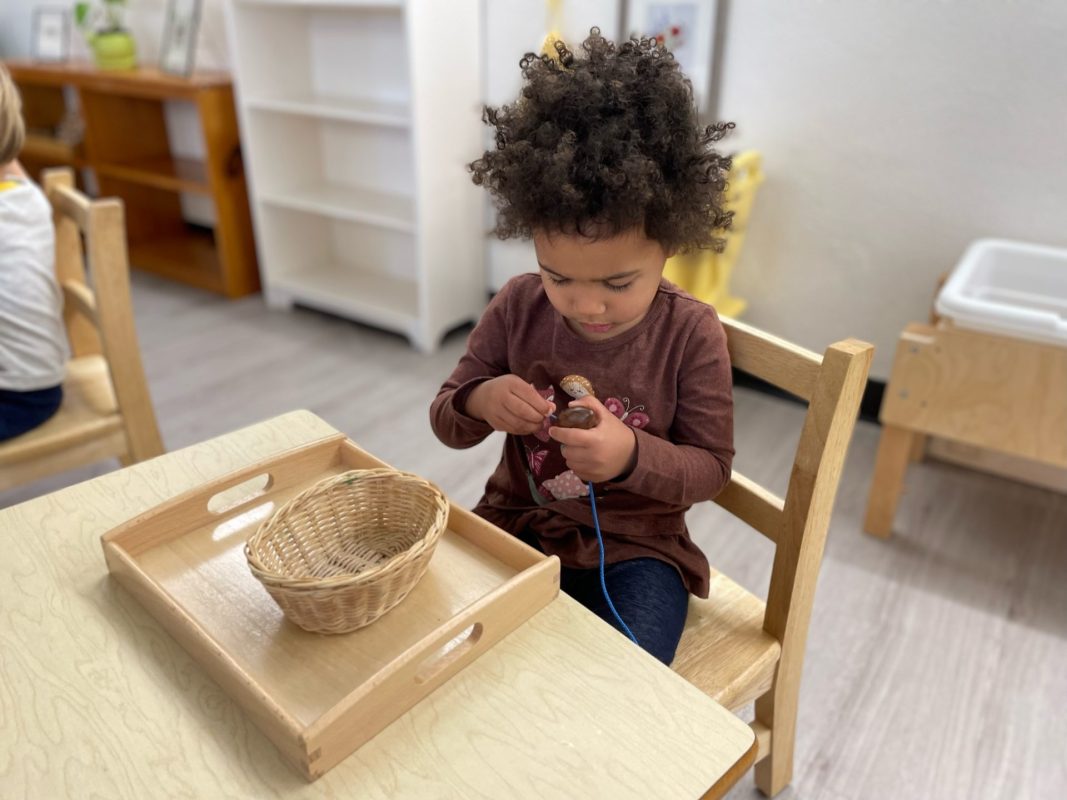
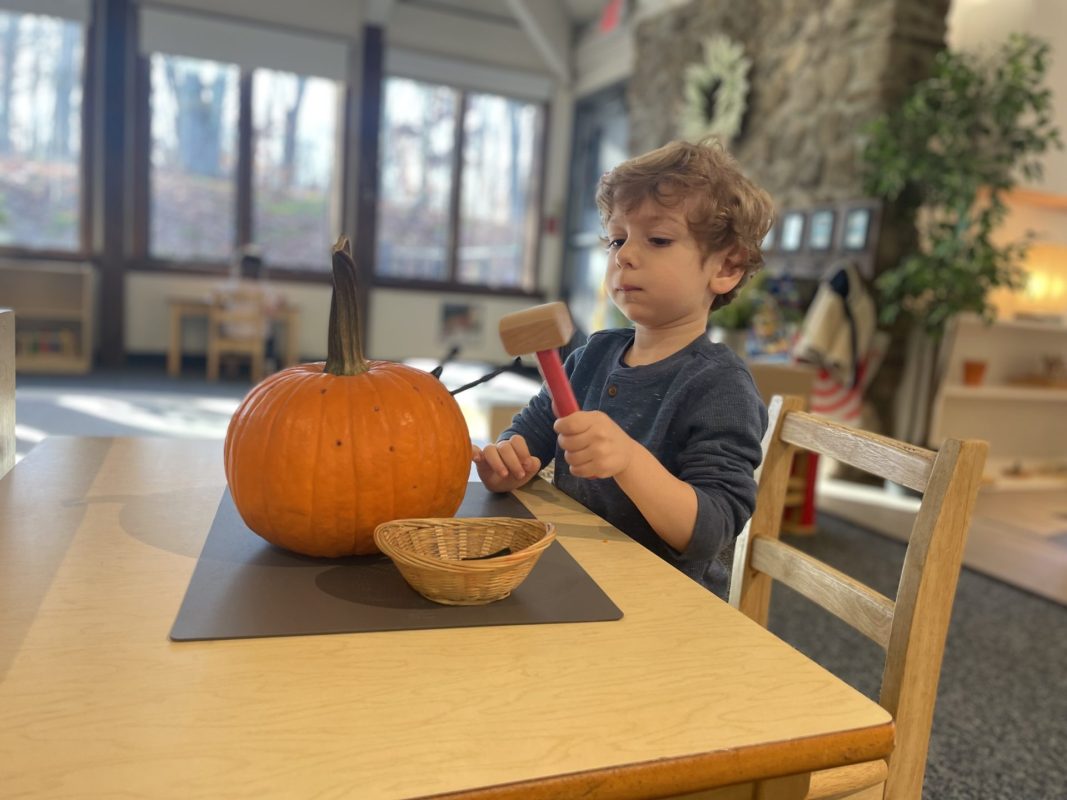
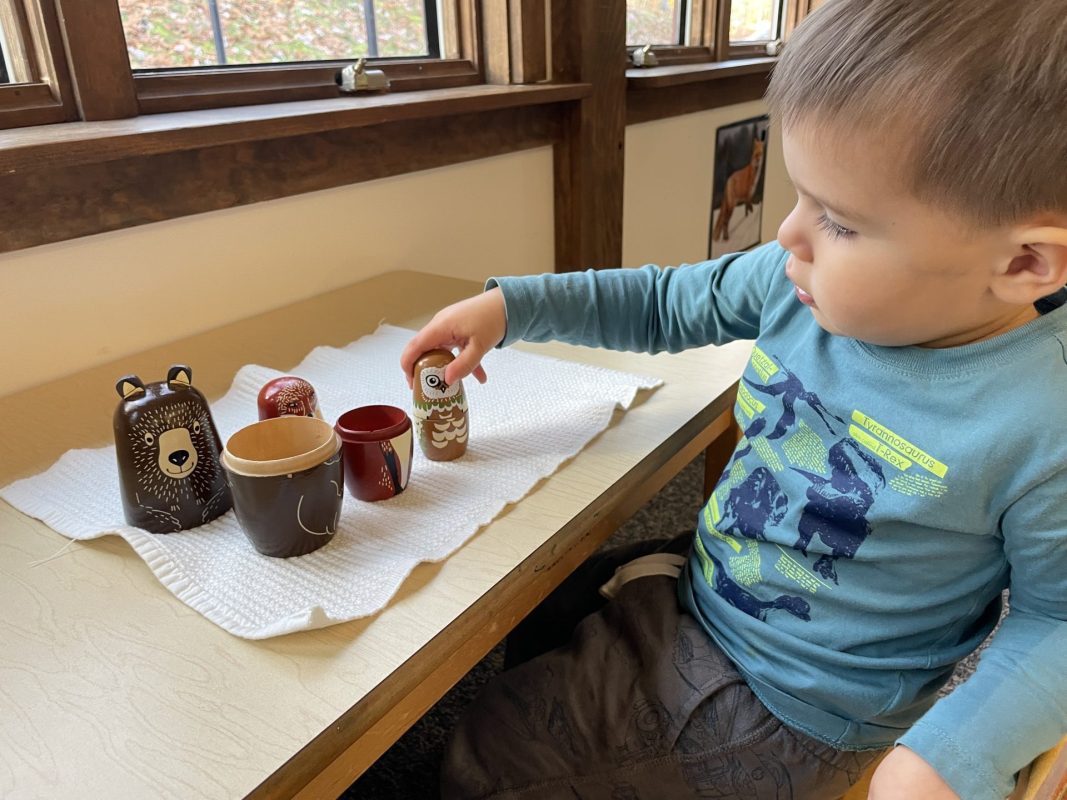
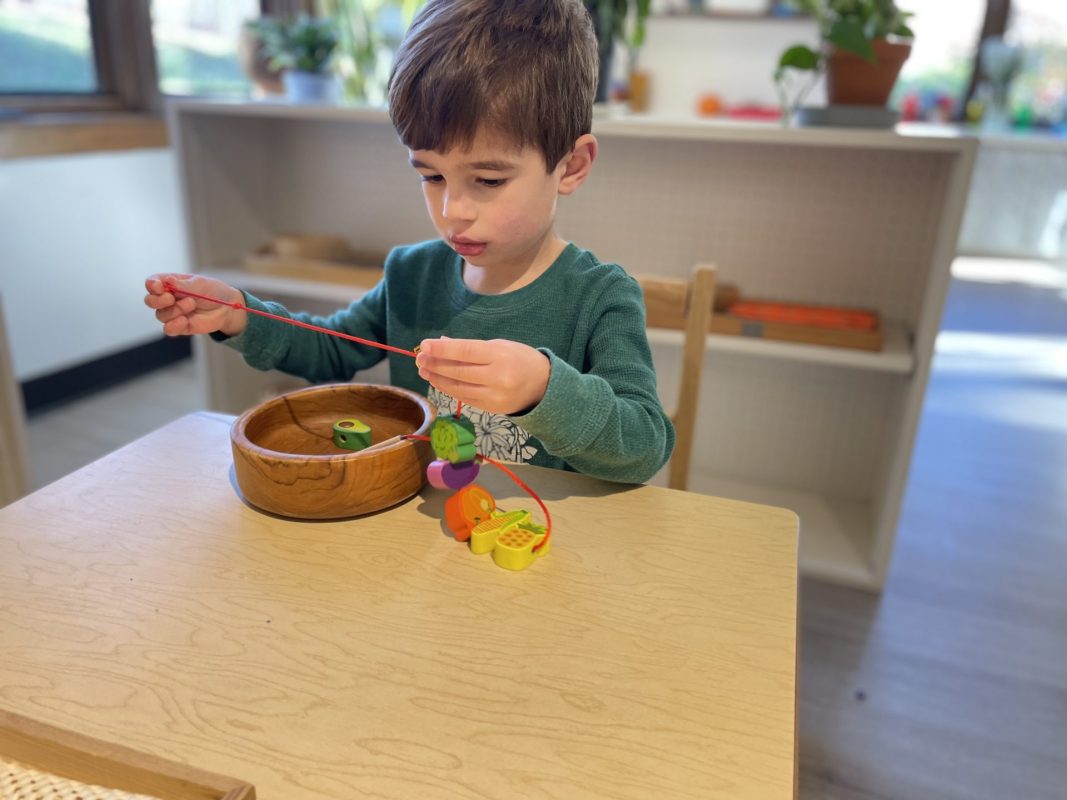
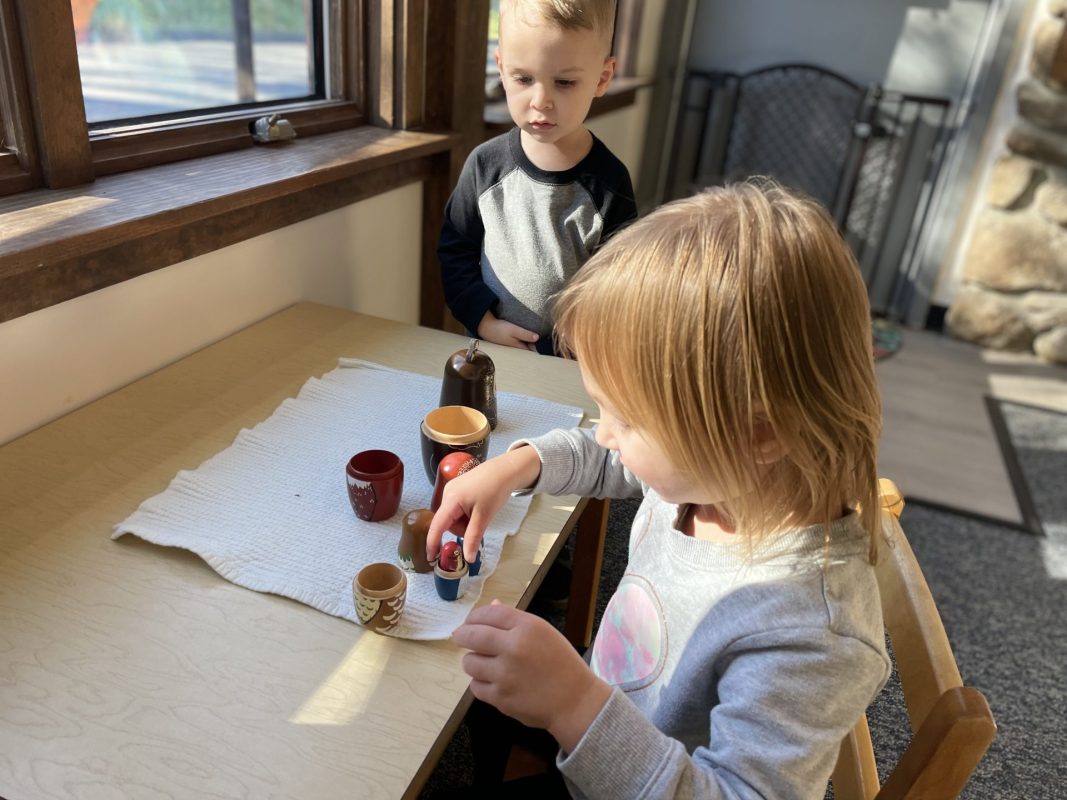
Some of the most popular works in our environment these days, sharpening these skills, are hammering wooden golf tees into a pumpkin, nesting forest animals, the ring box, opposites language cards, leaf sorting, hand transferring pumpkins, spooning pumpkins, threading wooden fruits and many more. 

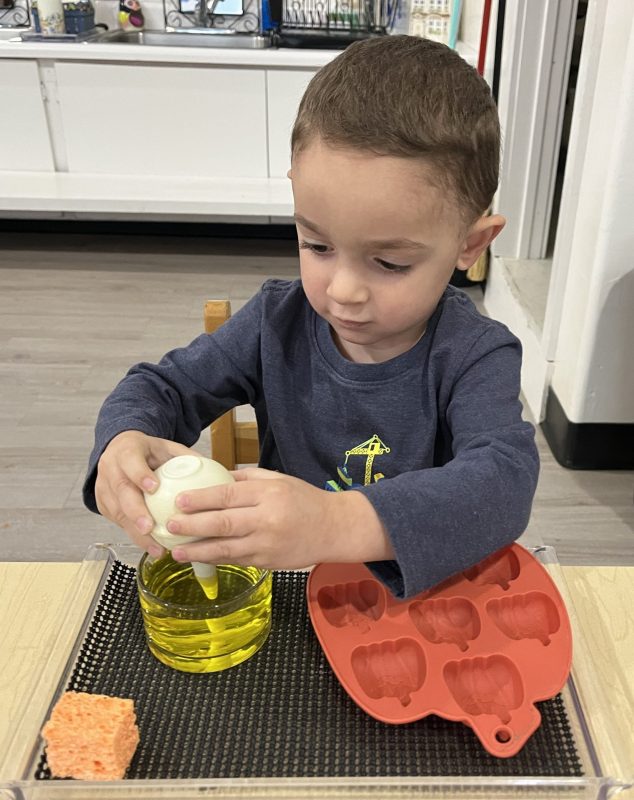
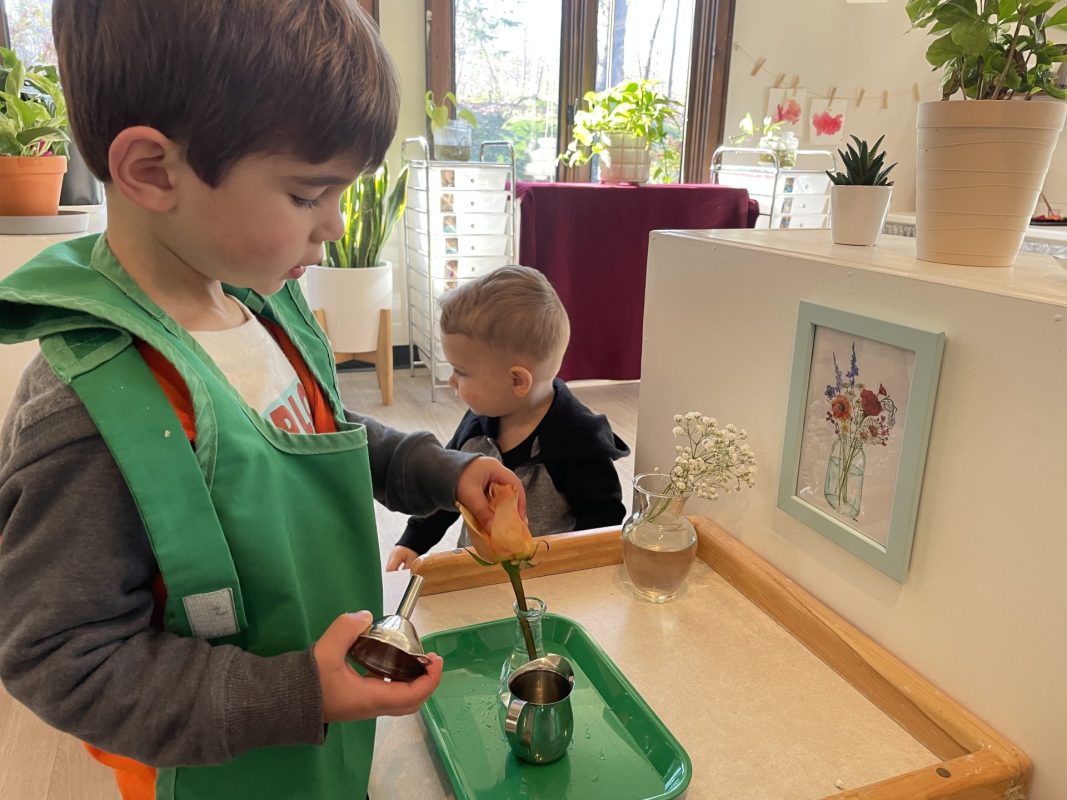
In the practical life area we added two great fundamental lessons, one of them is water transferring. To make it even more interesting we used a sea wool sponge for transferring. As basic as it sounds, it’s one of the popular works these days.  The “magic” of watching the water disappear and get inside the sponge is fun but it’s even more fun when suddenly you squeeze the sponge and all the vanished water comes out. Children received two new vocabulary words when observing the bowls used for the transferring. They like to repeat them over and over: empty and full. At the end of the activity they were encouraged to look for spills and wipe up all the spills with a towel.

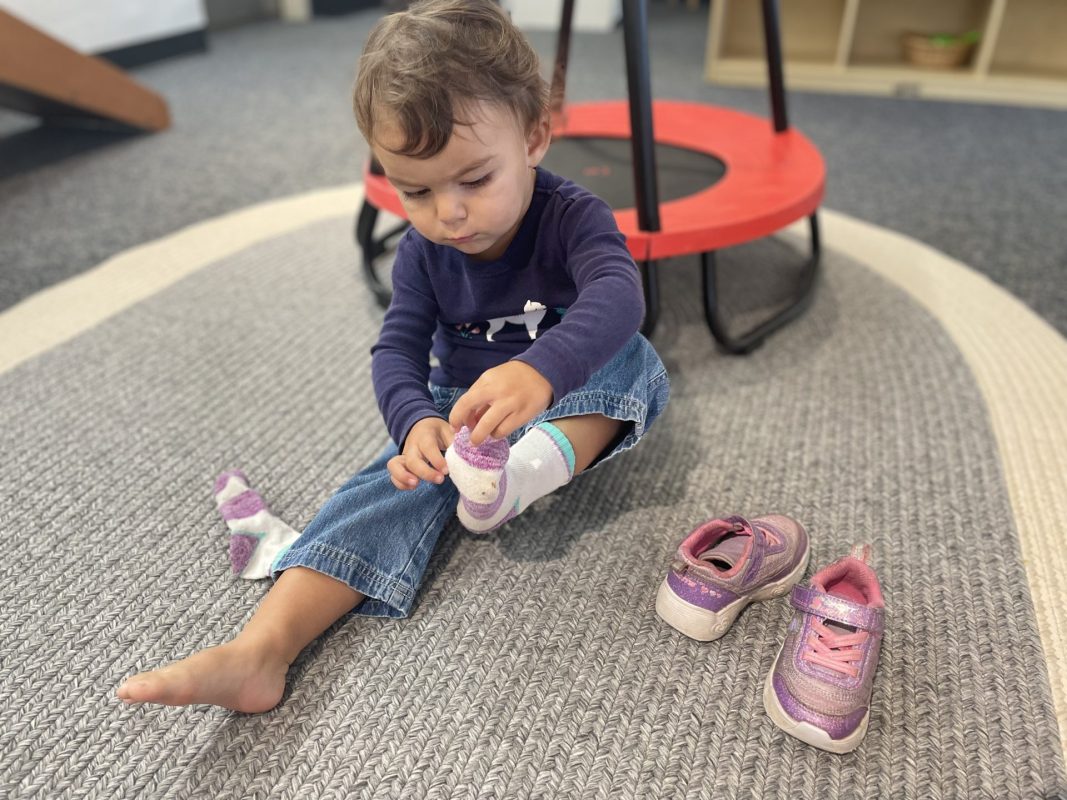
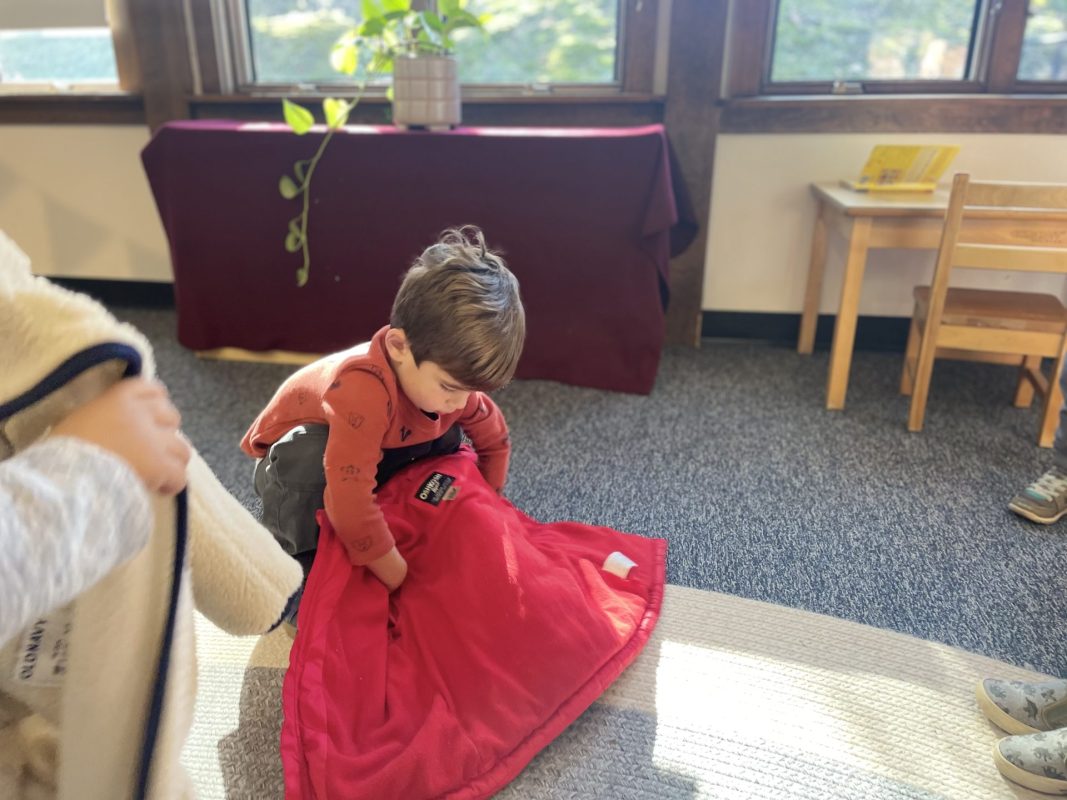
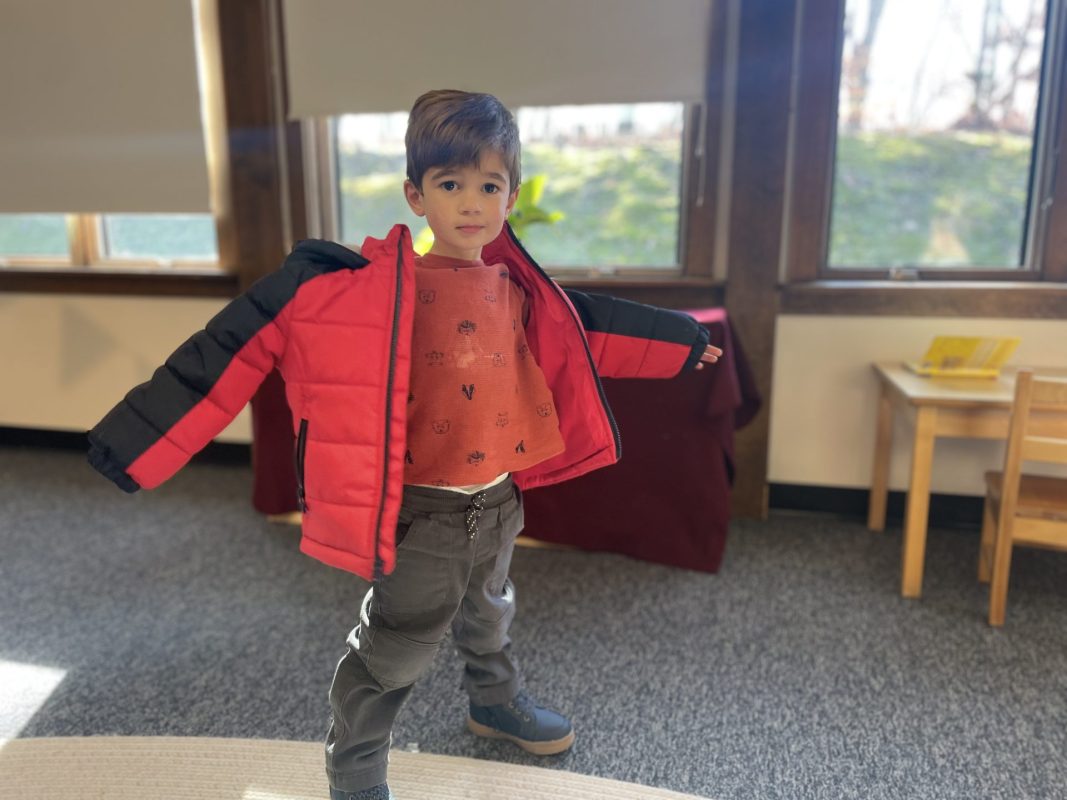
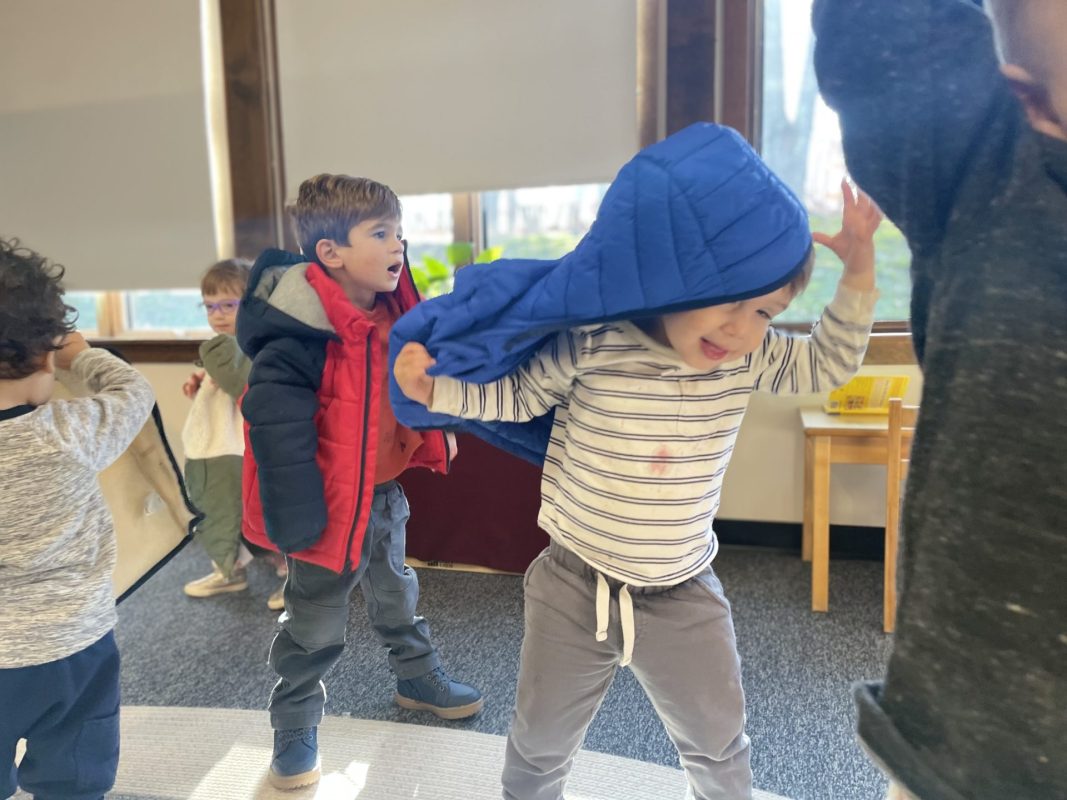
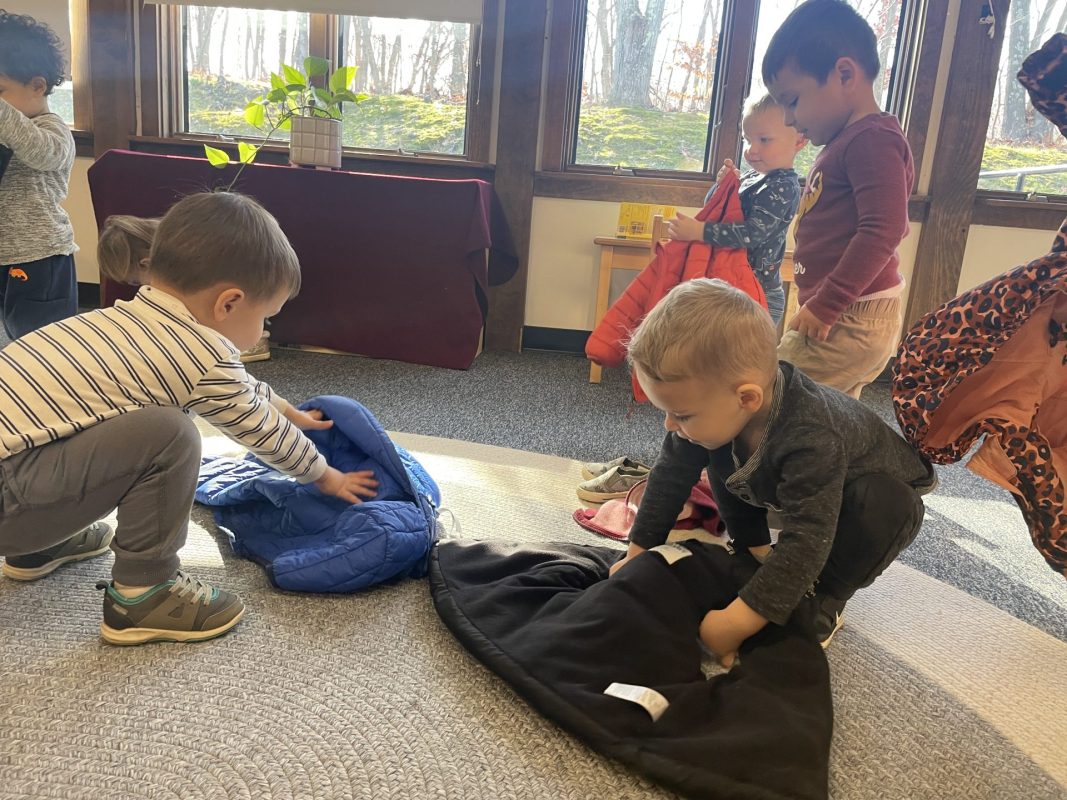
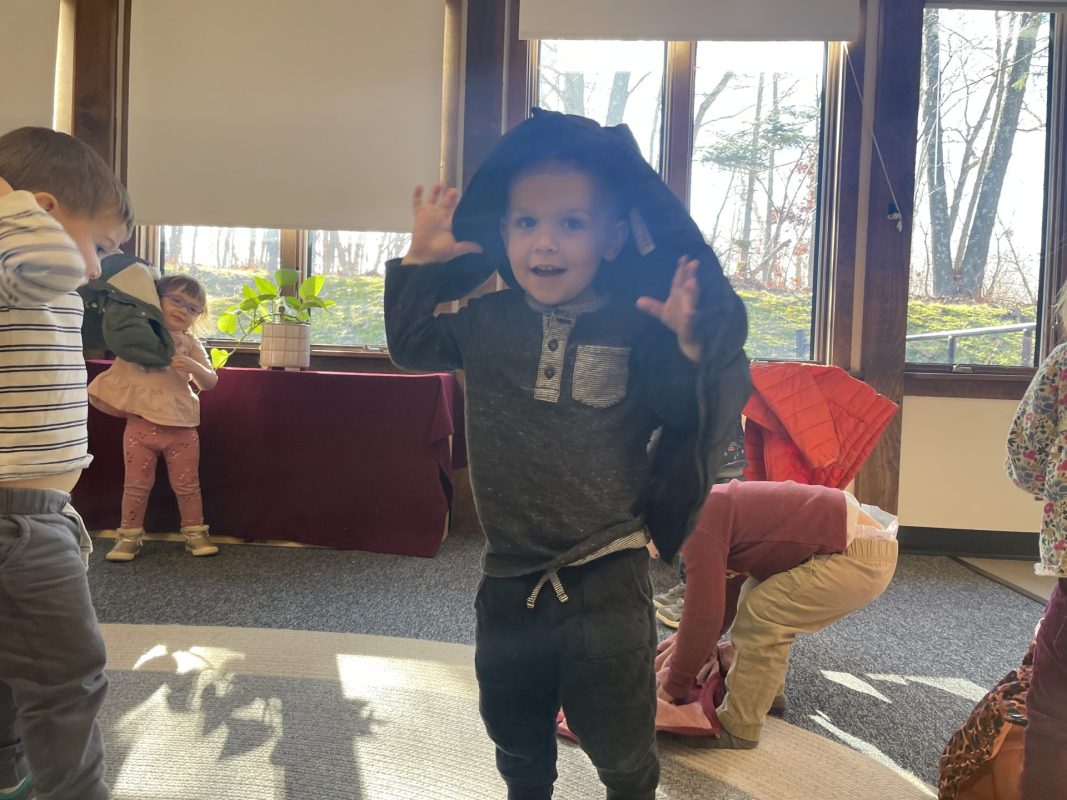
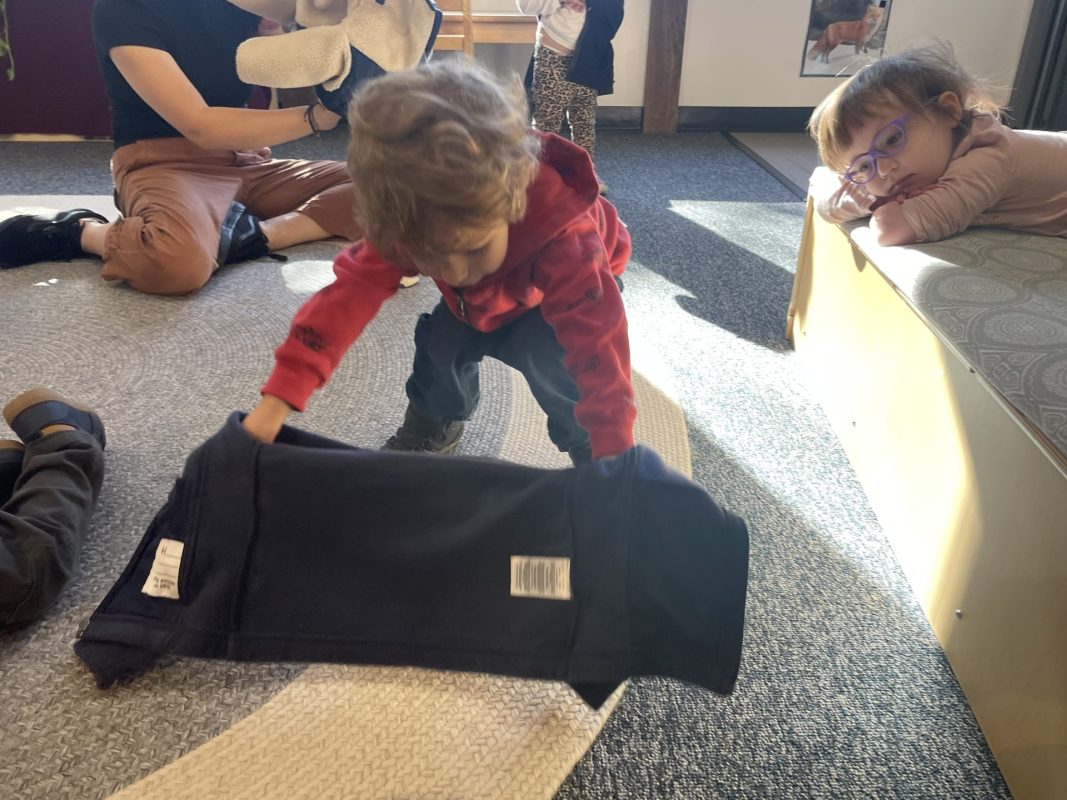
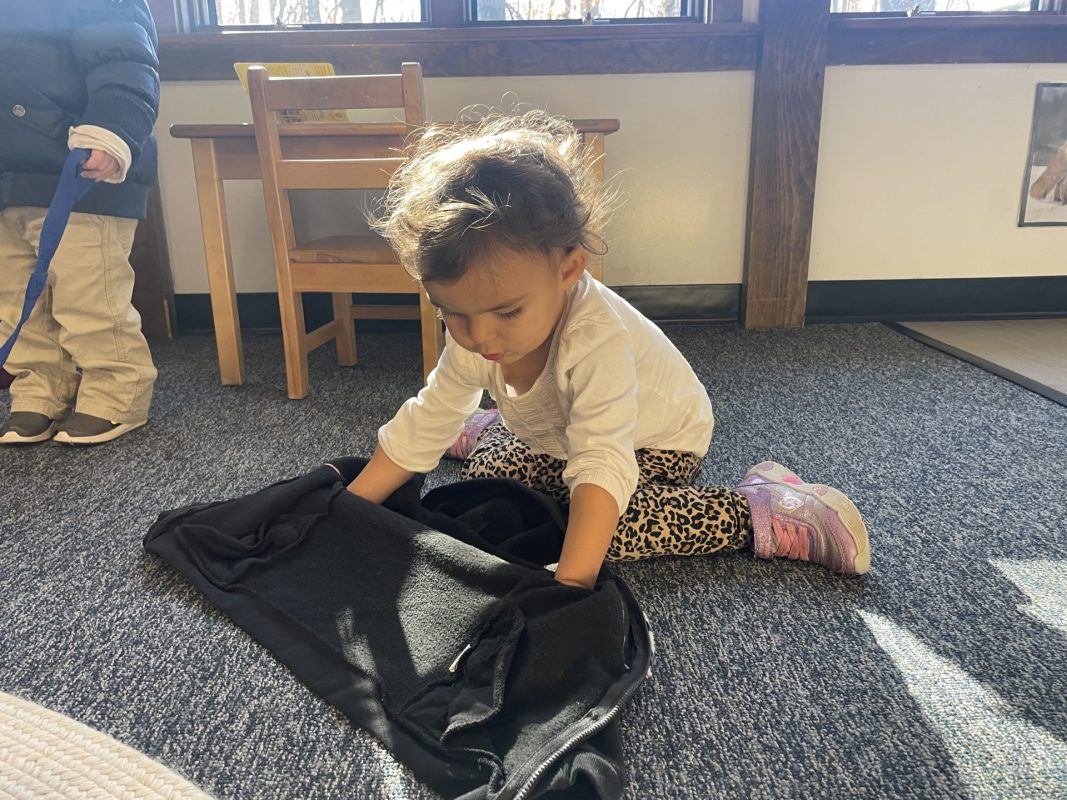
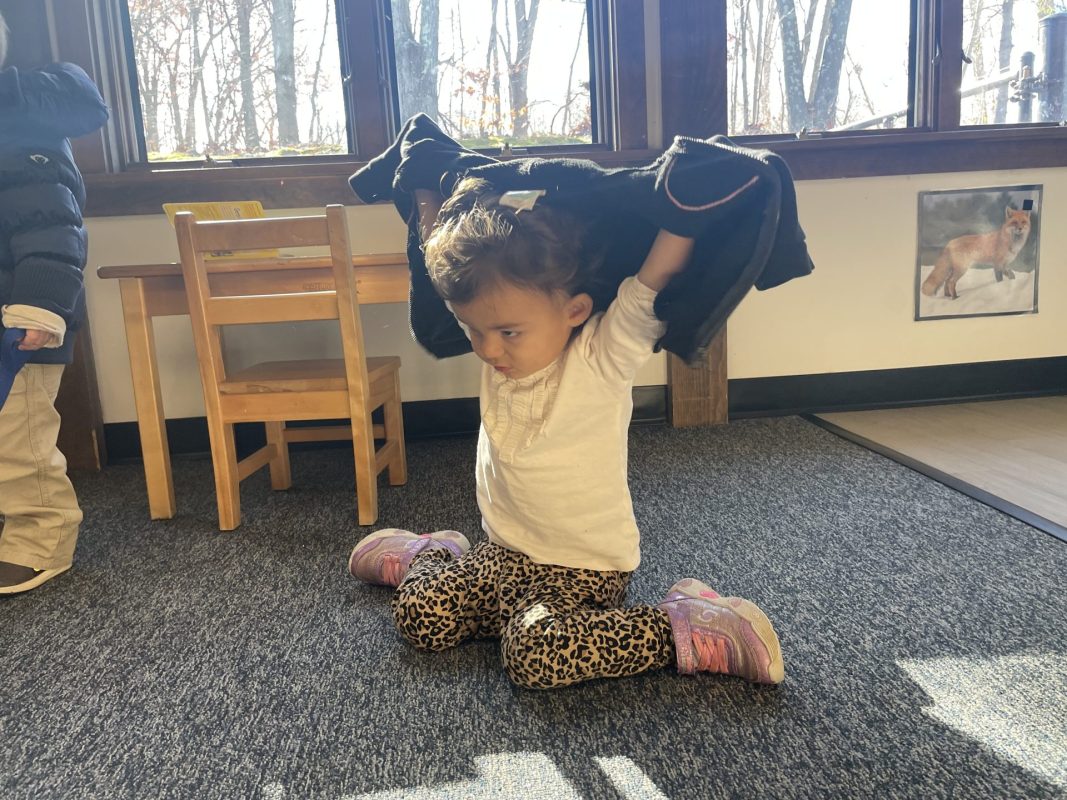
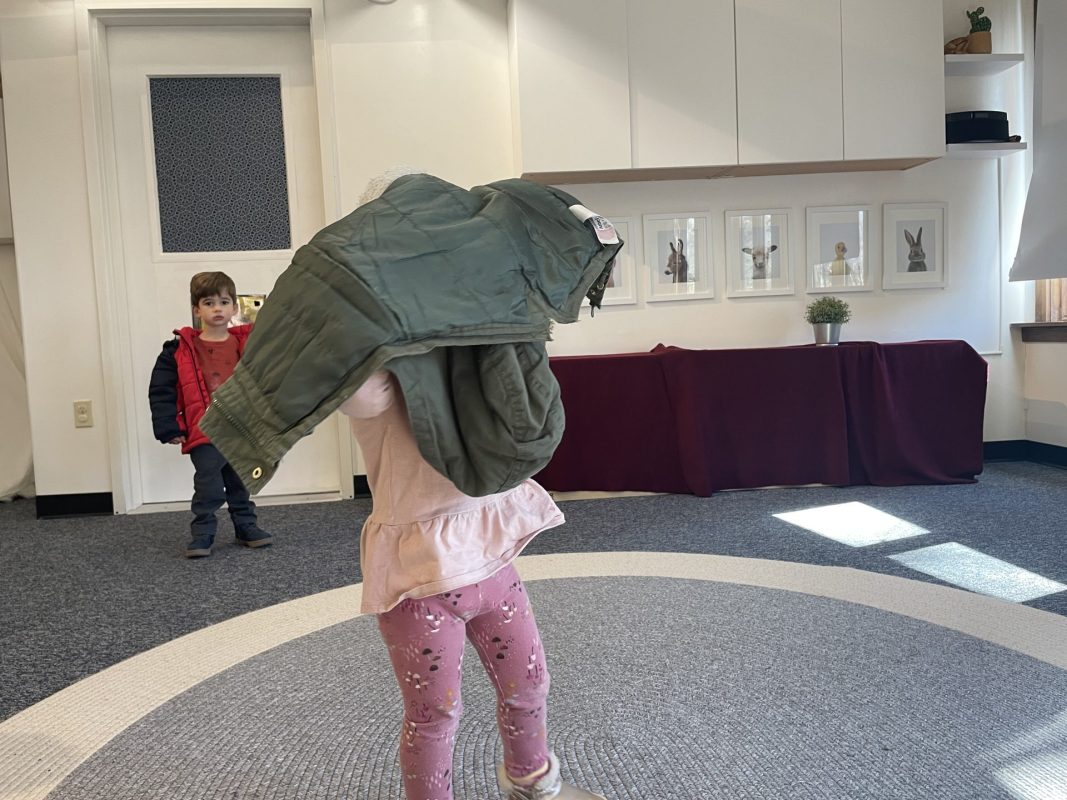
The other lesson was putting on a jacket. Children received a lesson using what we called the “fliparoo” trick. Children have been practicing this skill over and over. Please see the below video on the lesson and please support your child at home to practice this skill. 

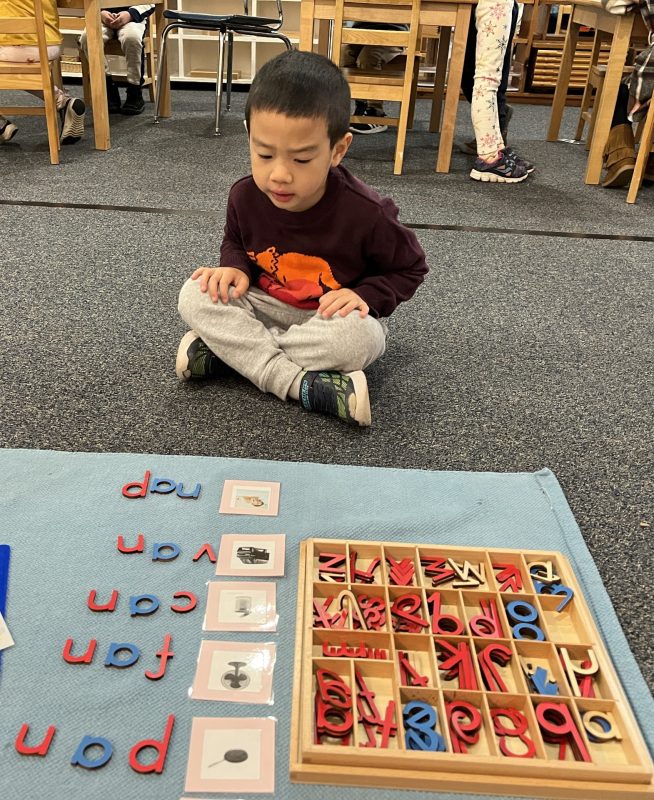
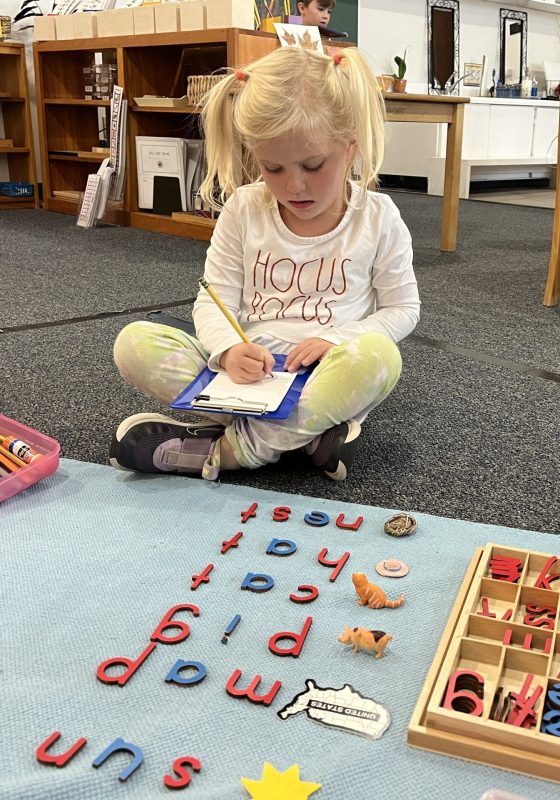
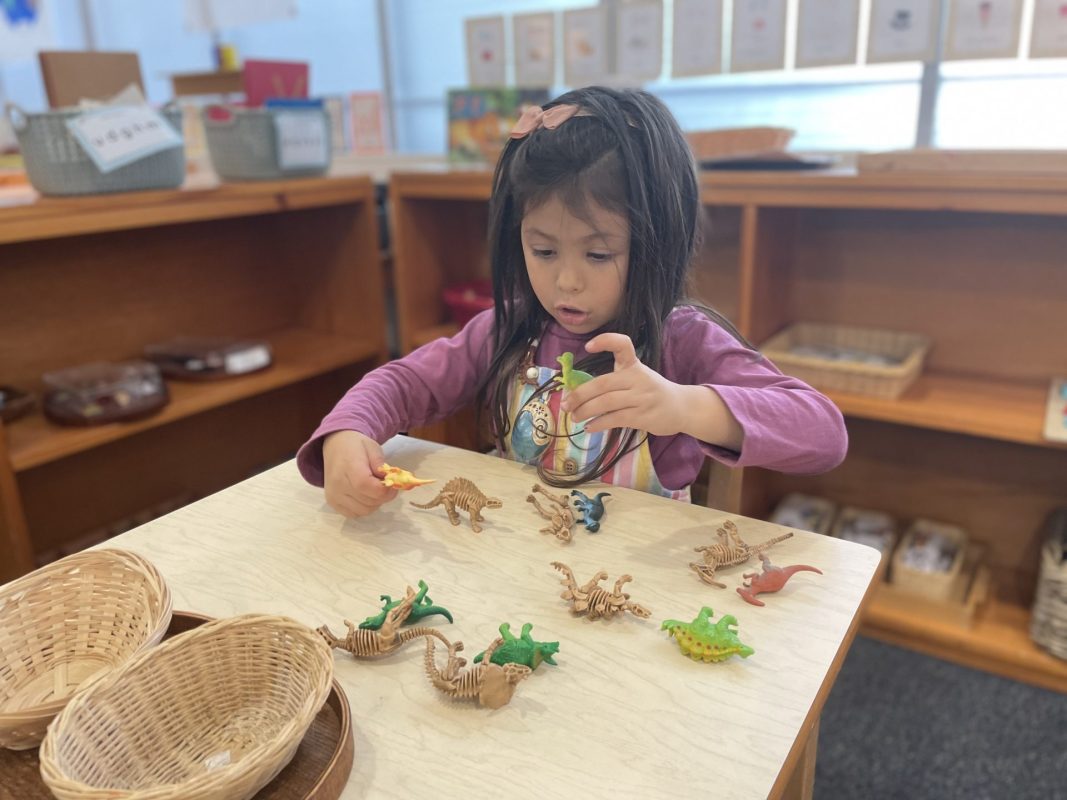
In language we introduced woodland animals. This week we focused on introducing the names of a moose, owl, beaver, black bear, fox, squirrel and deer, and children continue to work on the names and colors of land, air and water vehicles. 

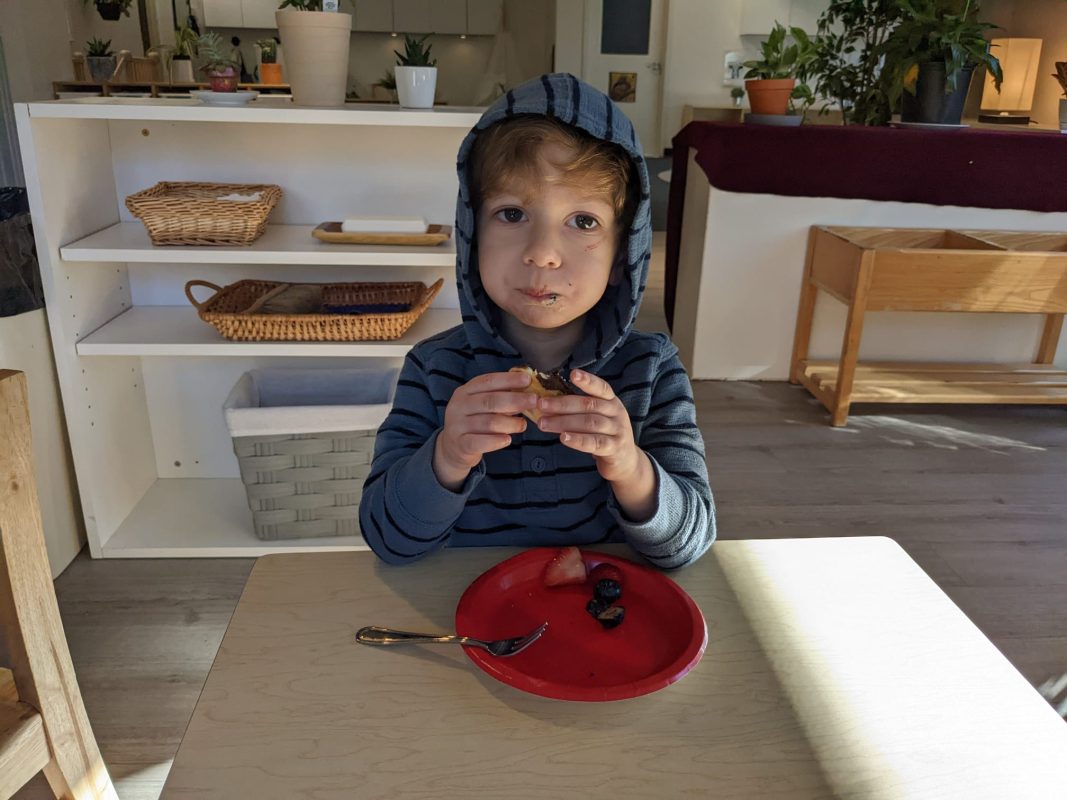
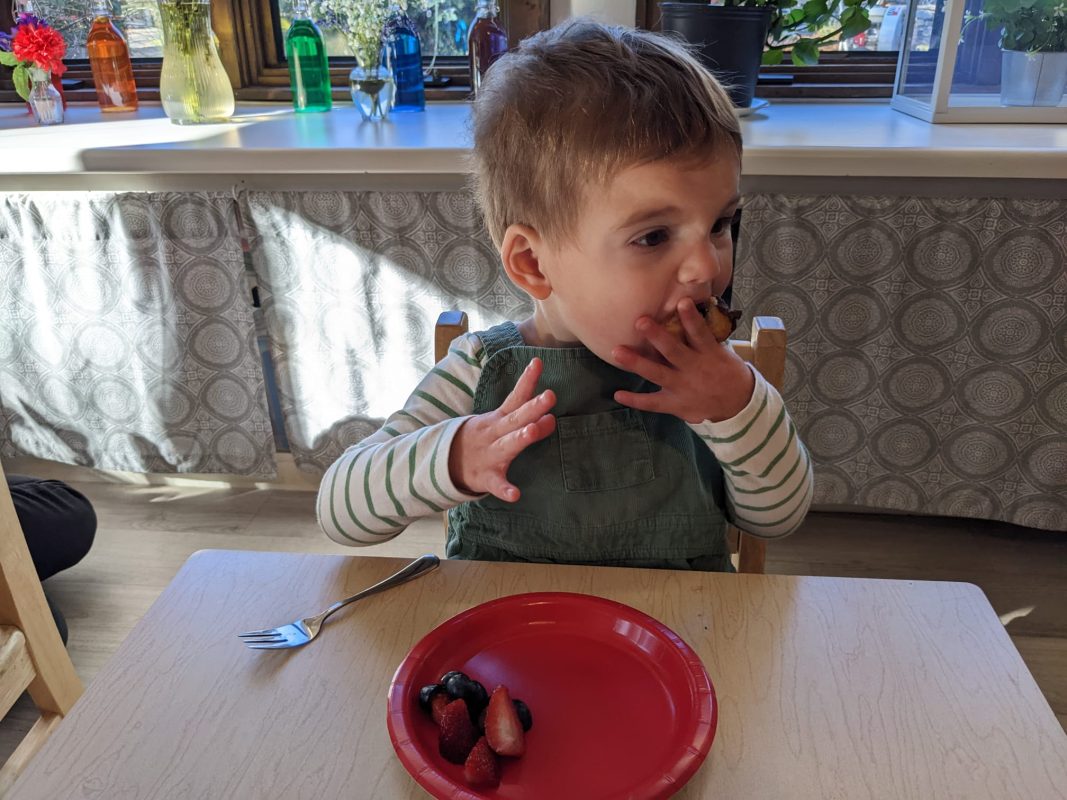
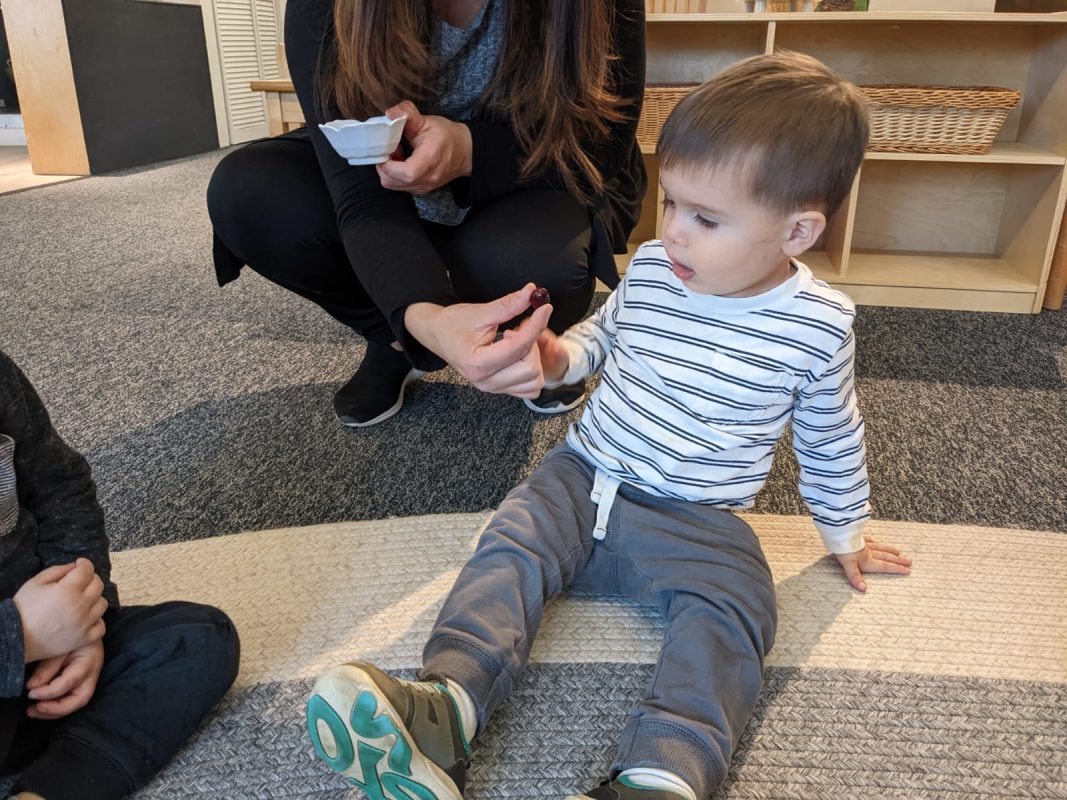
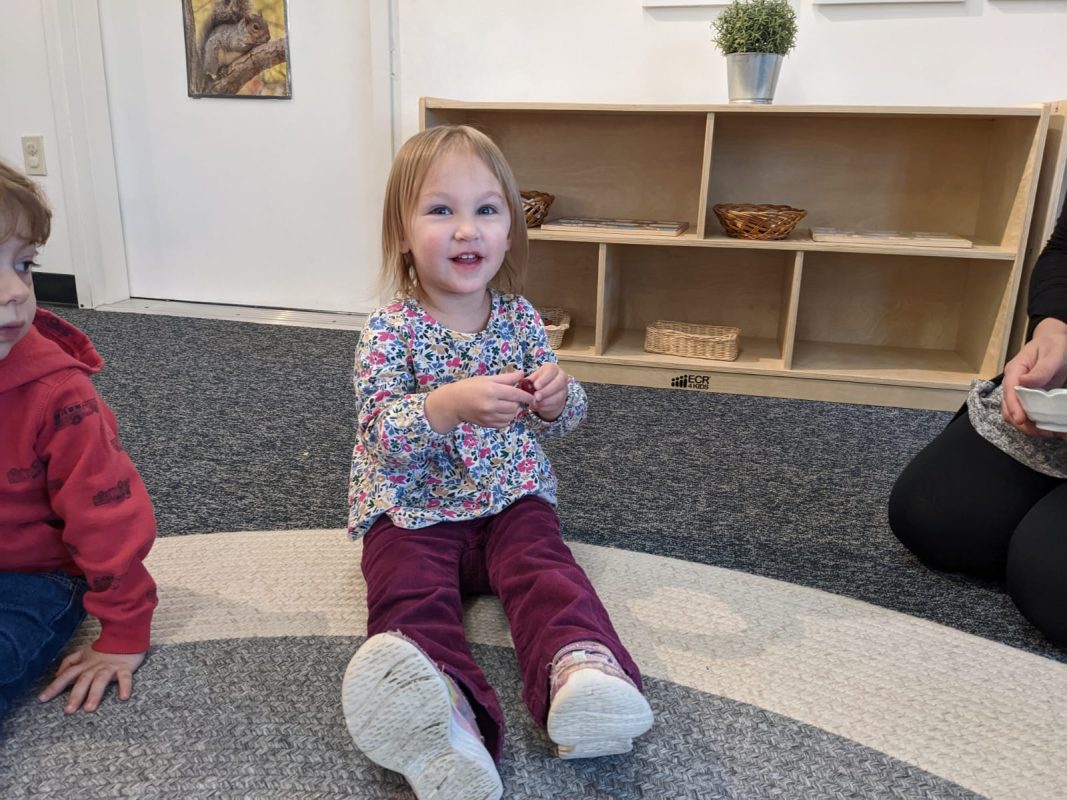
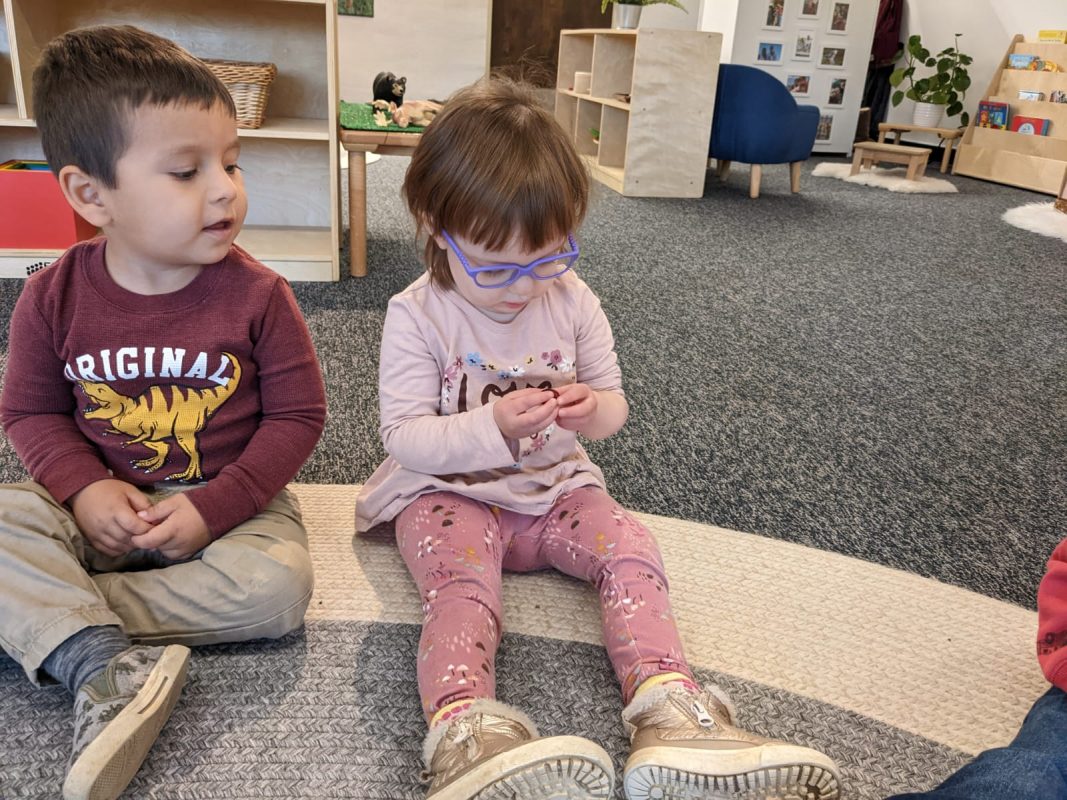
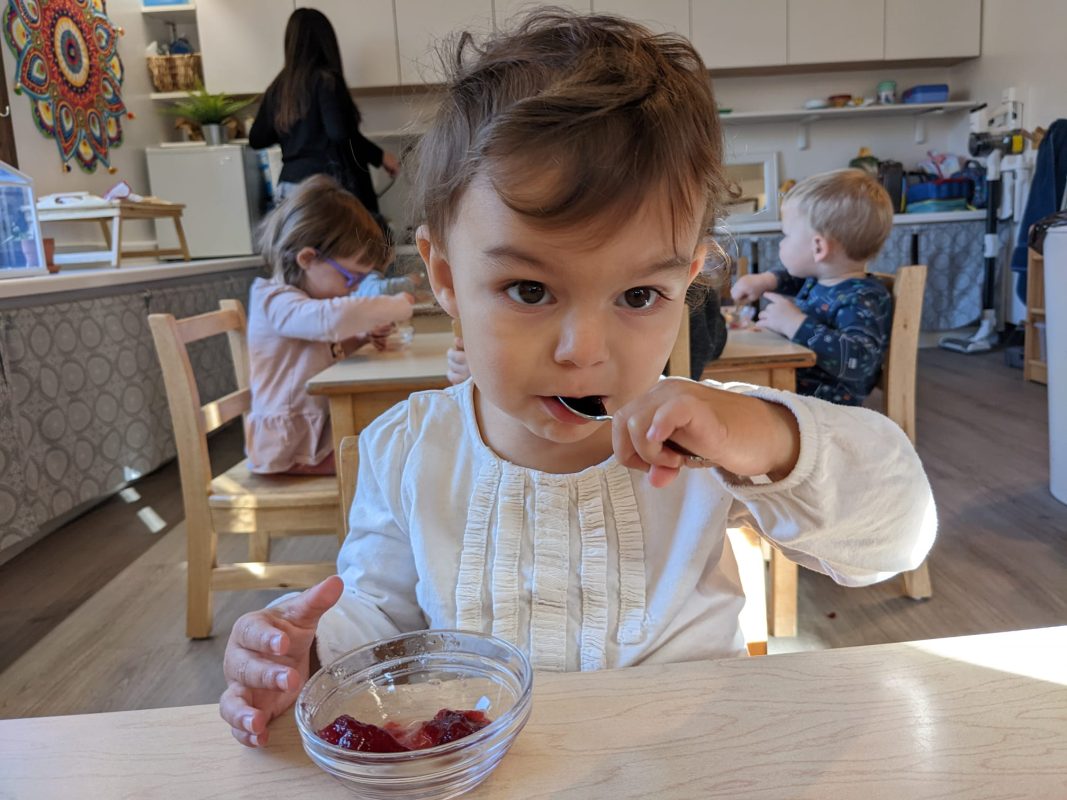
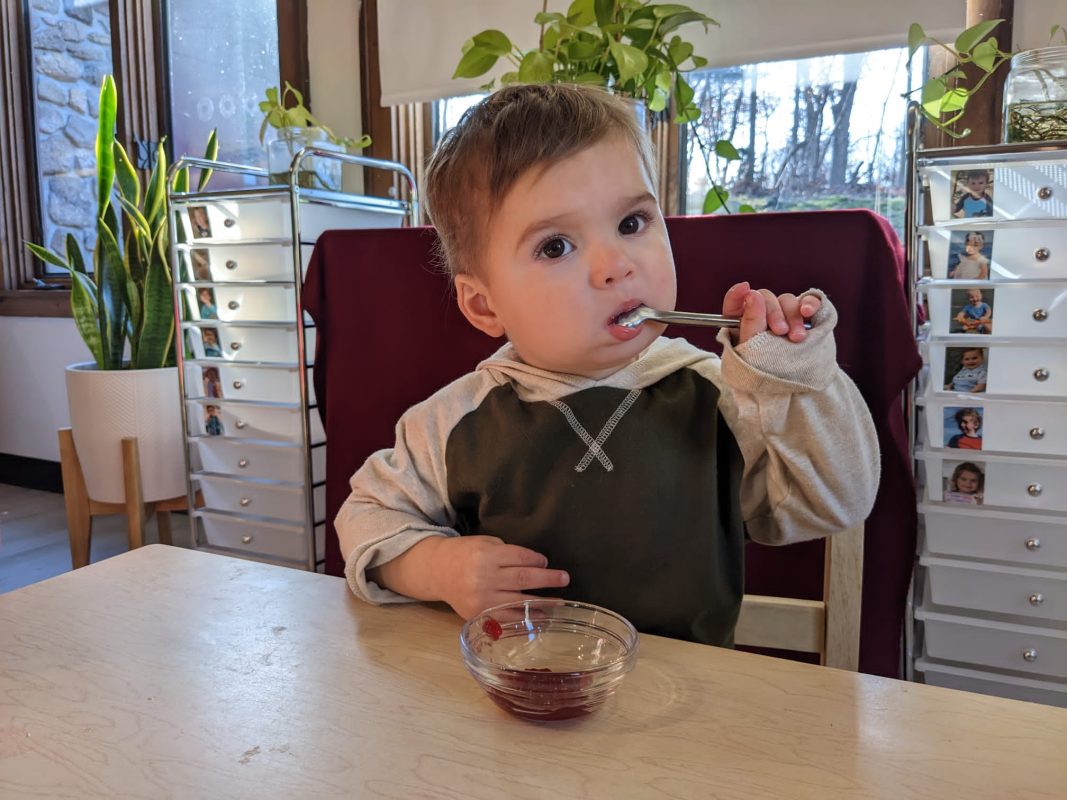
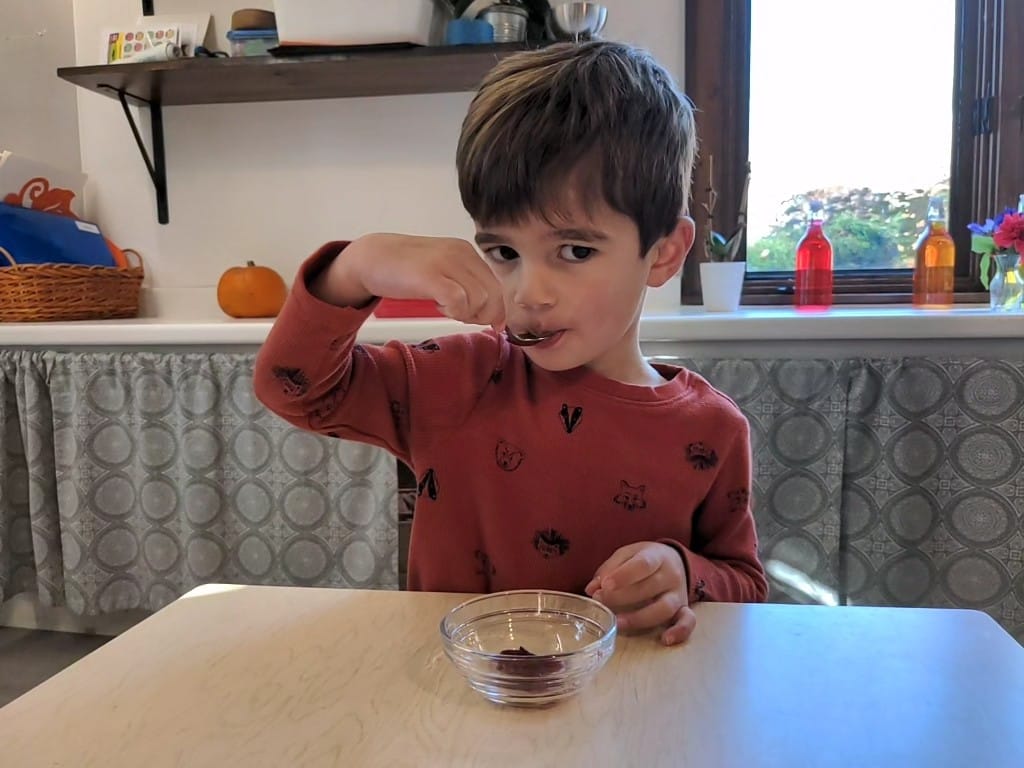
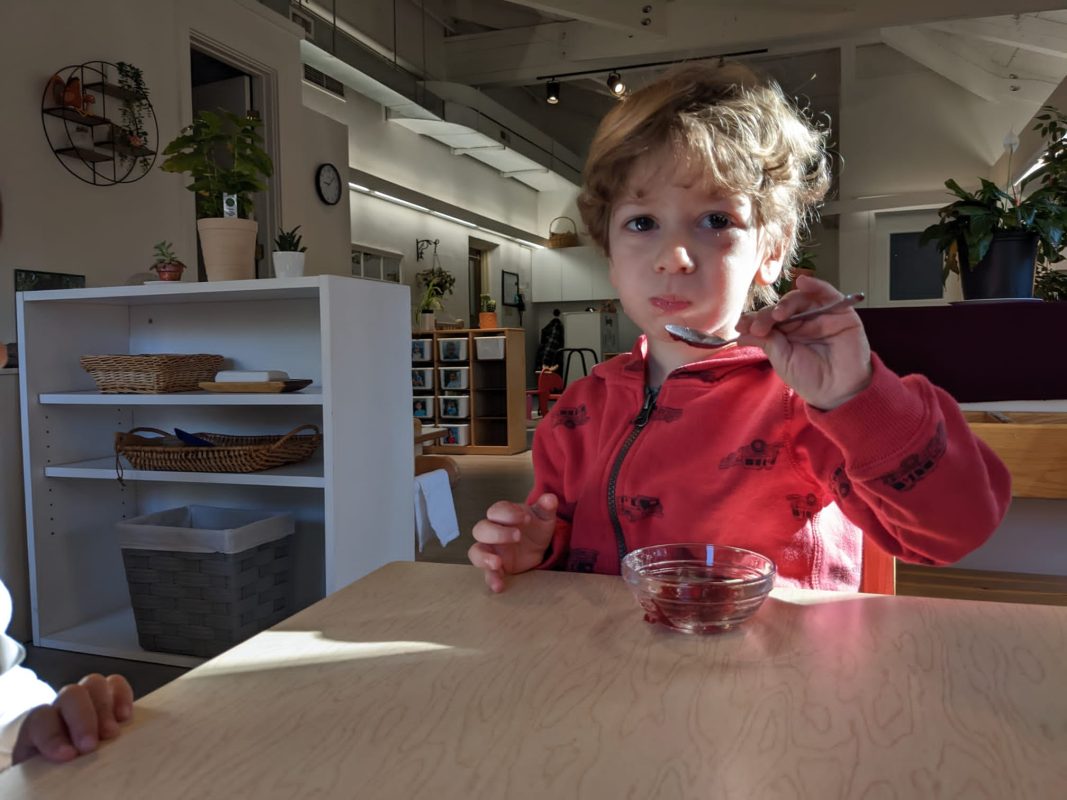
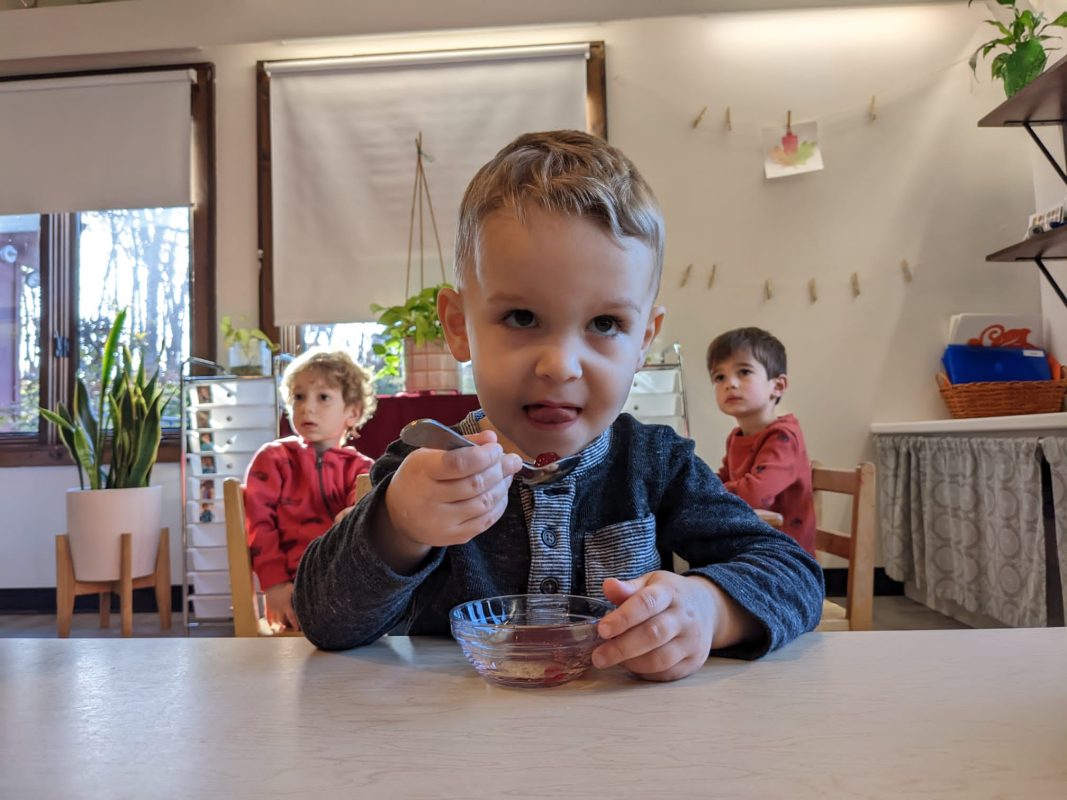
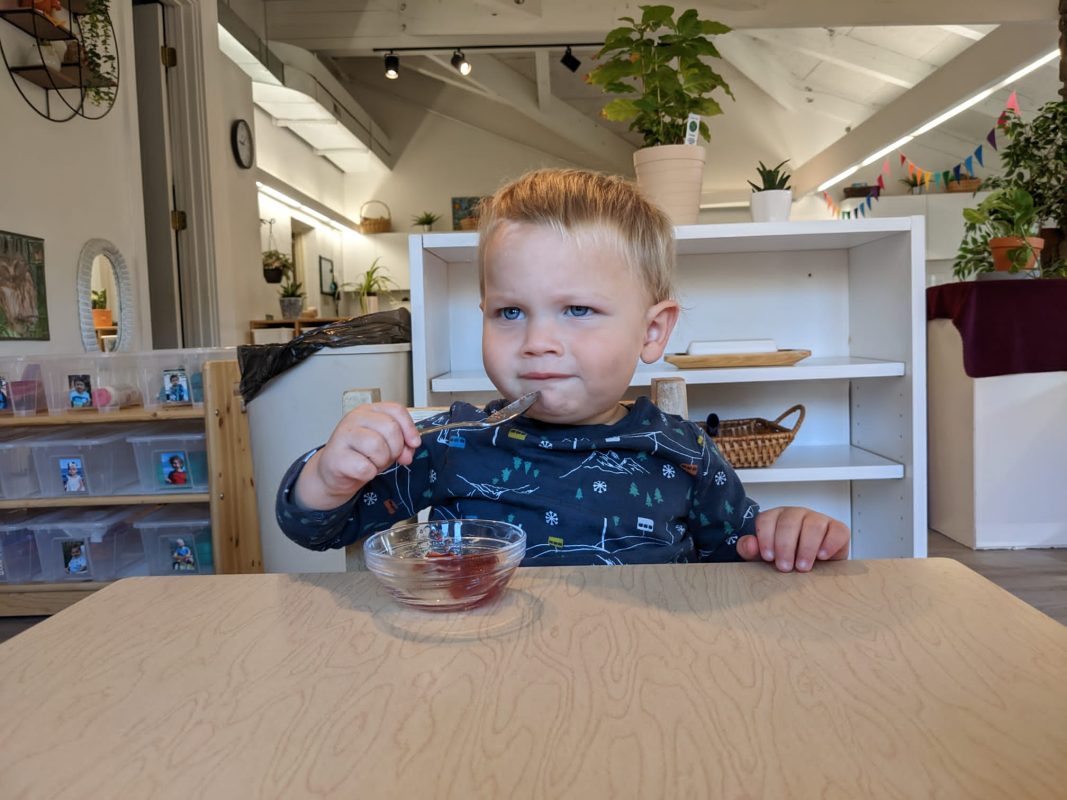
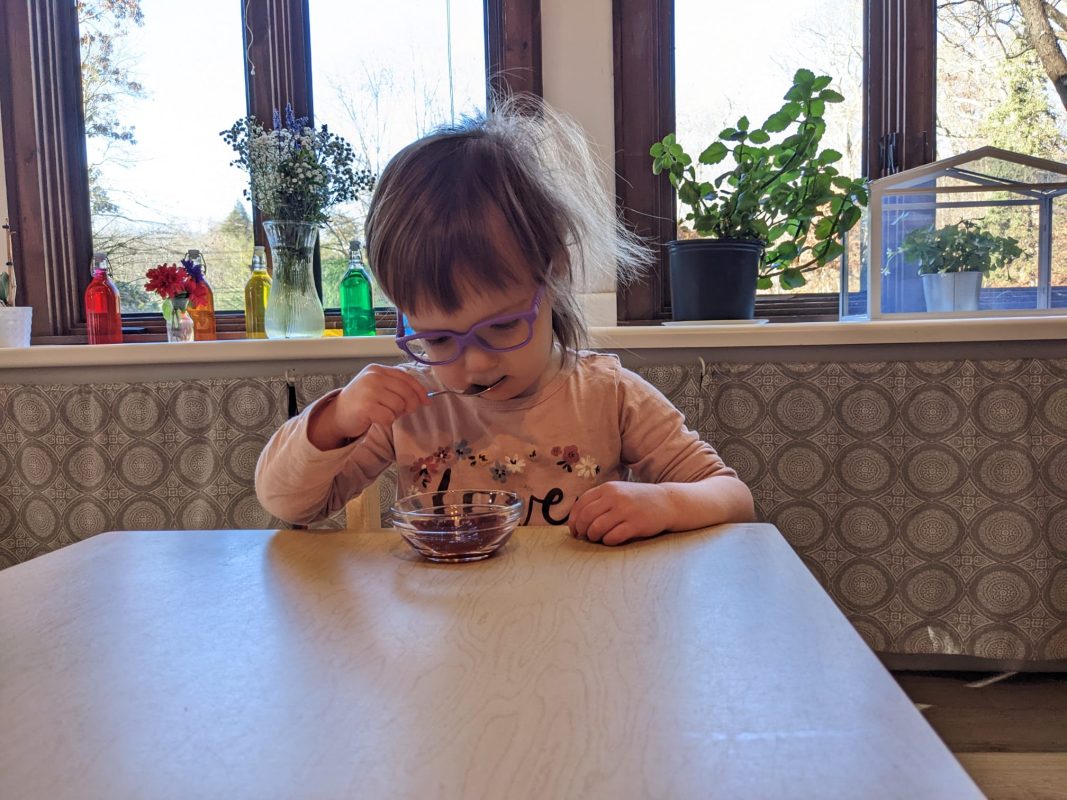
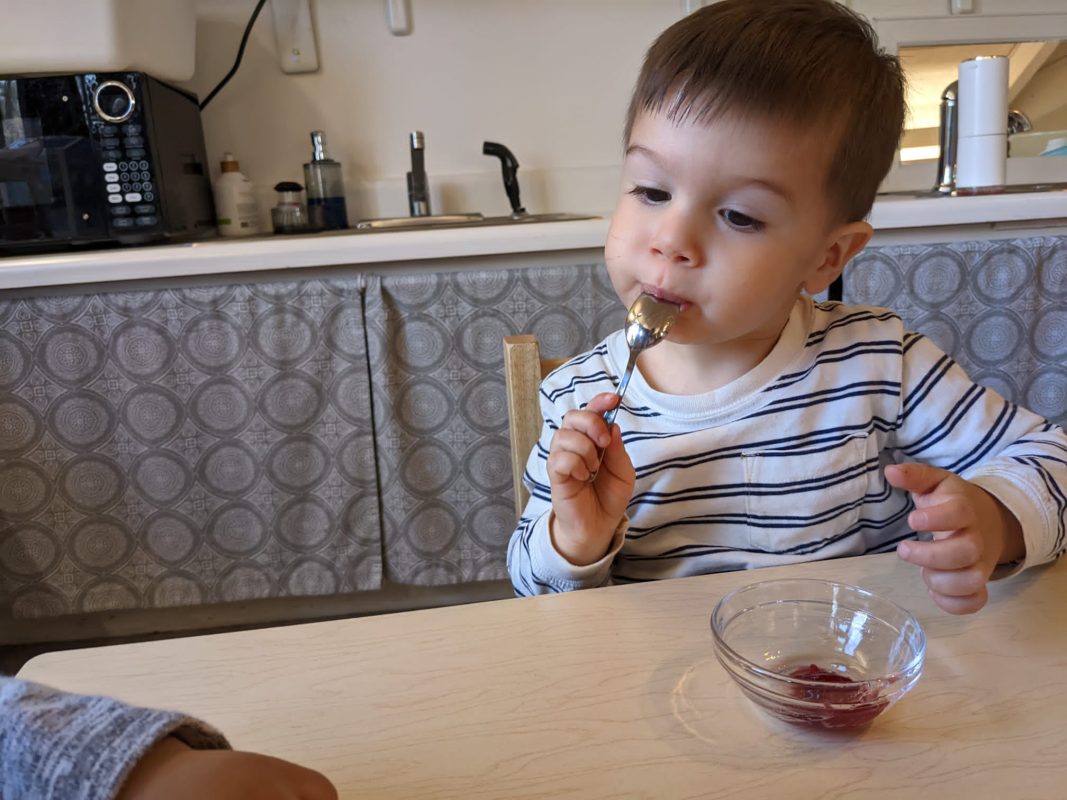
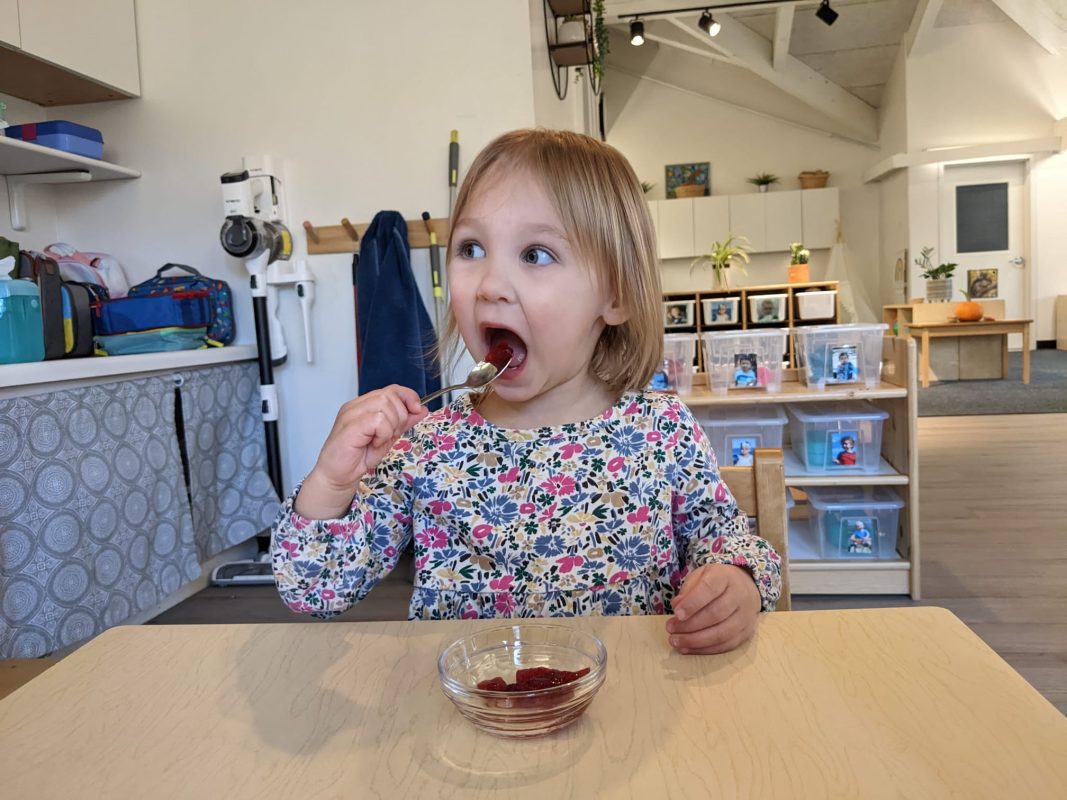
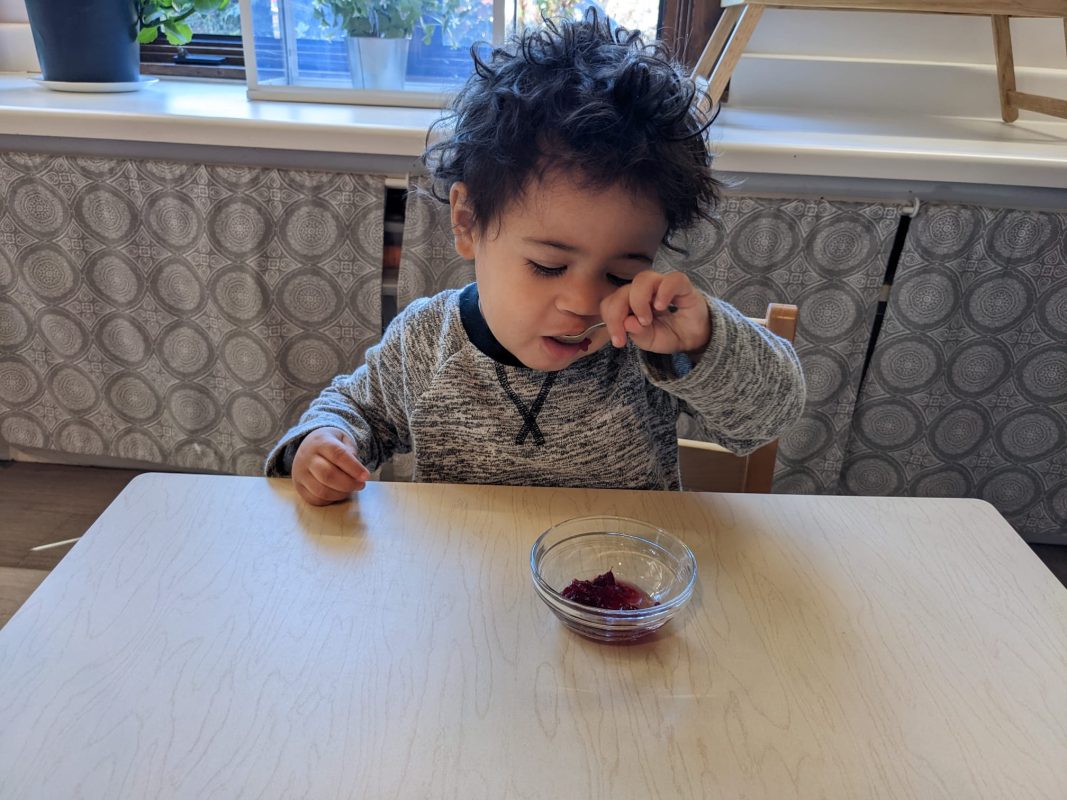
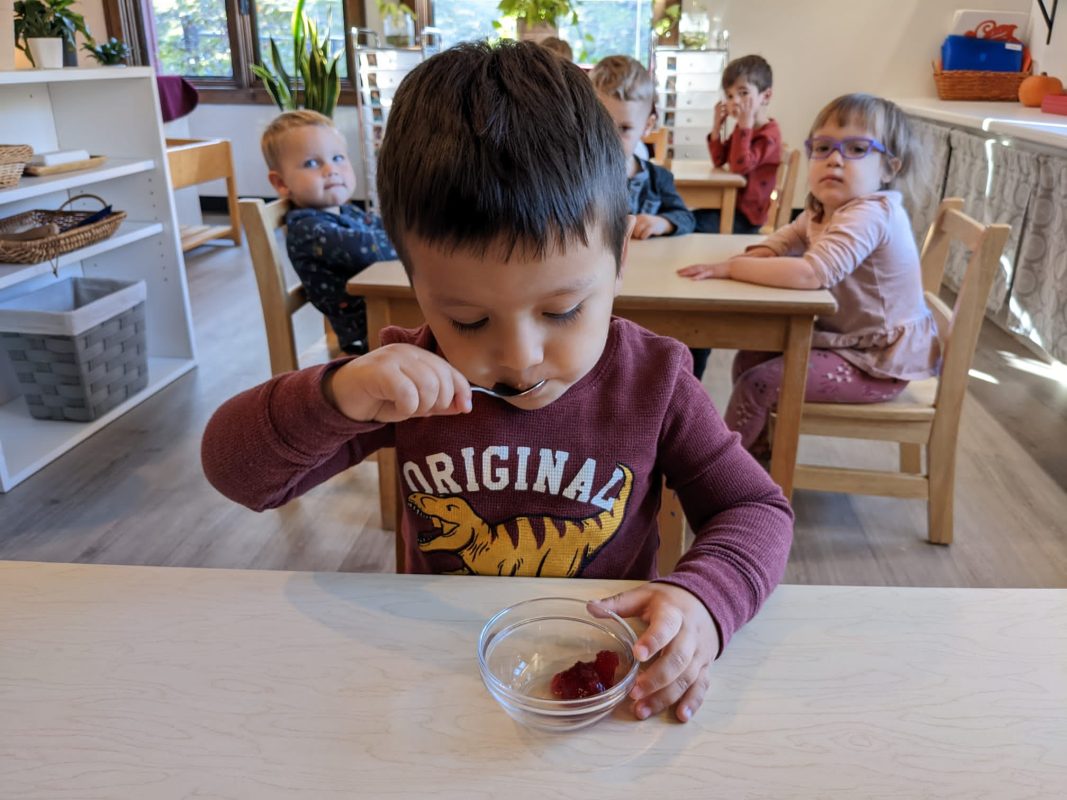
For food tasting we explored cranberries and, oh boy! How well received was this fruit! Make sure they get some during your Thanksgiving dinner. They all kept asking for more and more! 🙂 

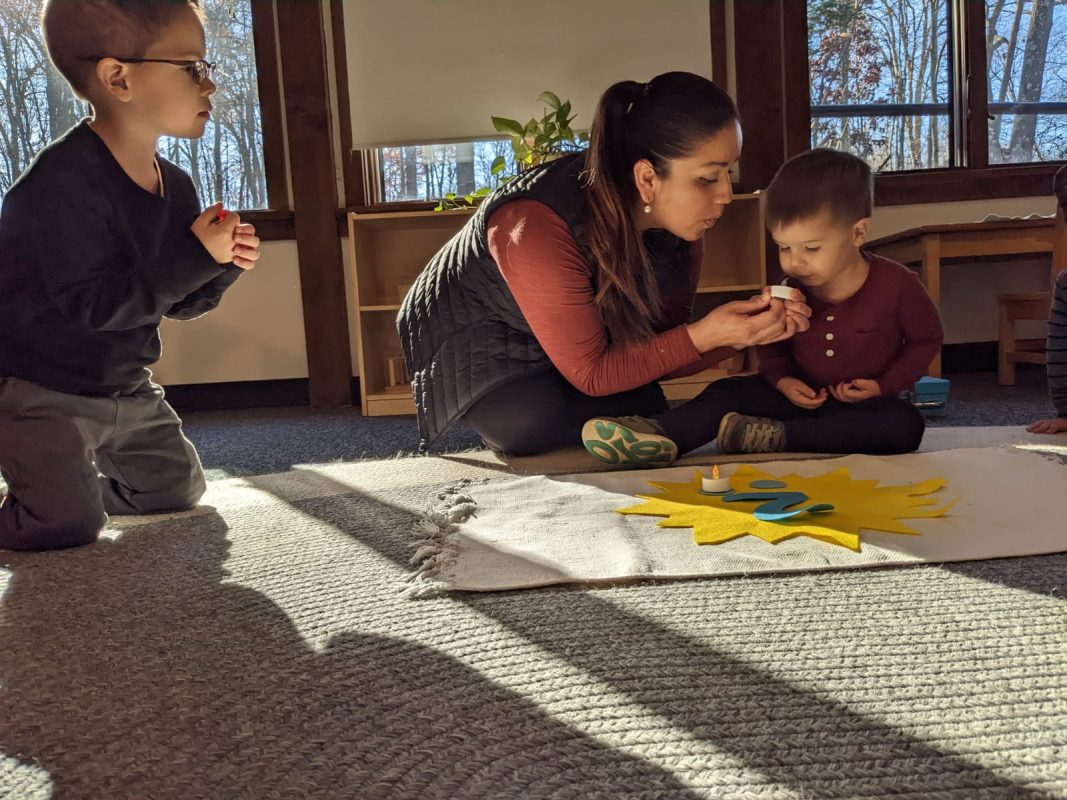
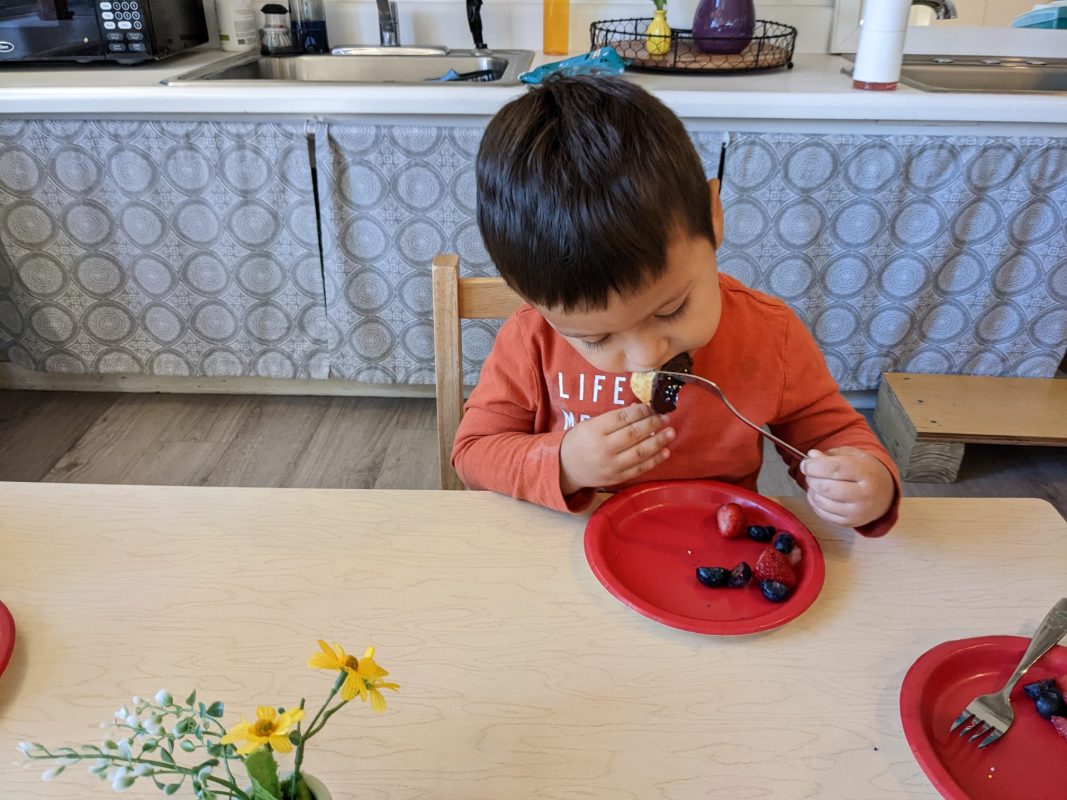
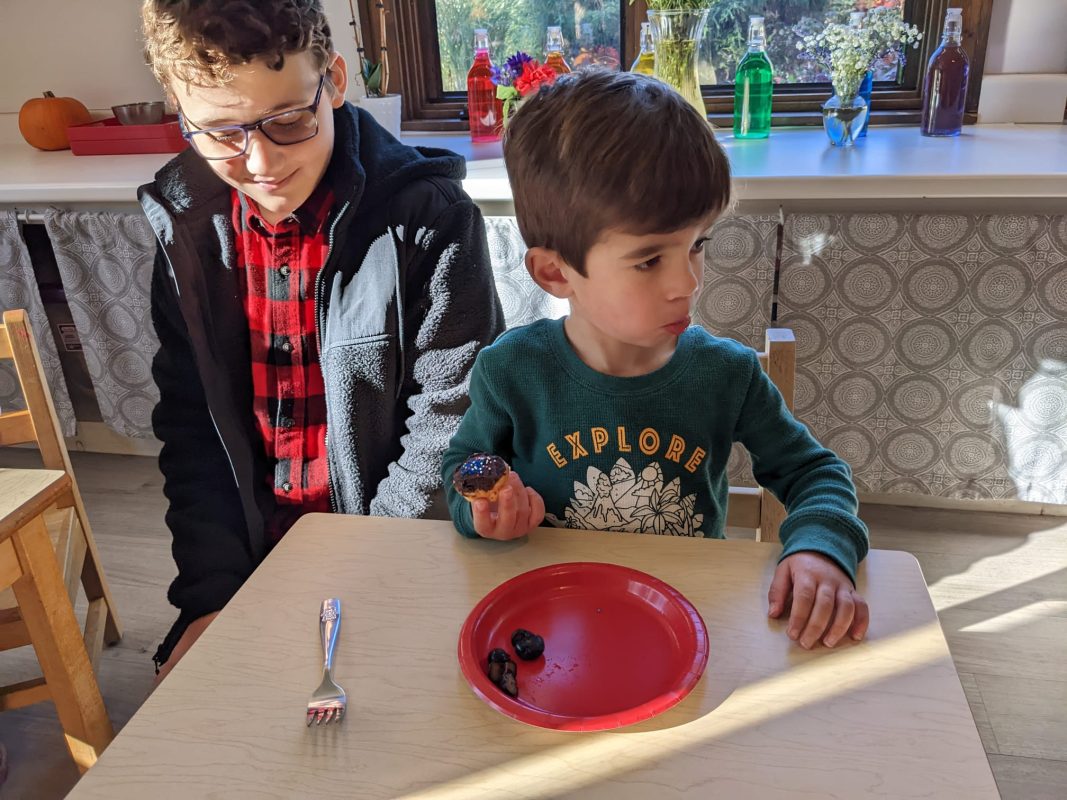
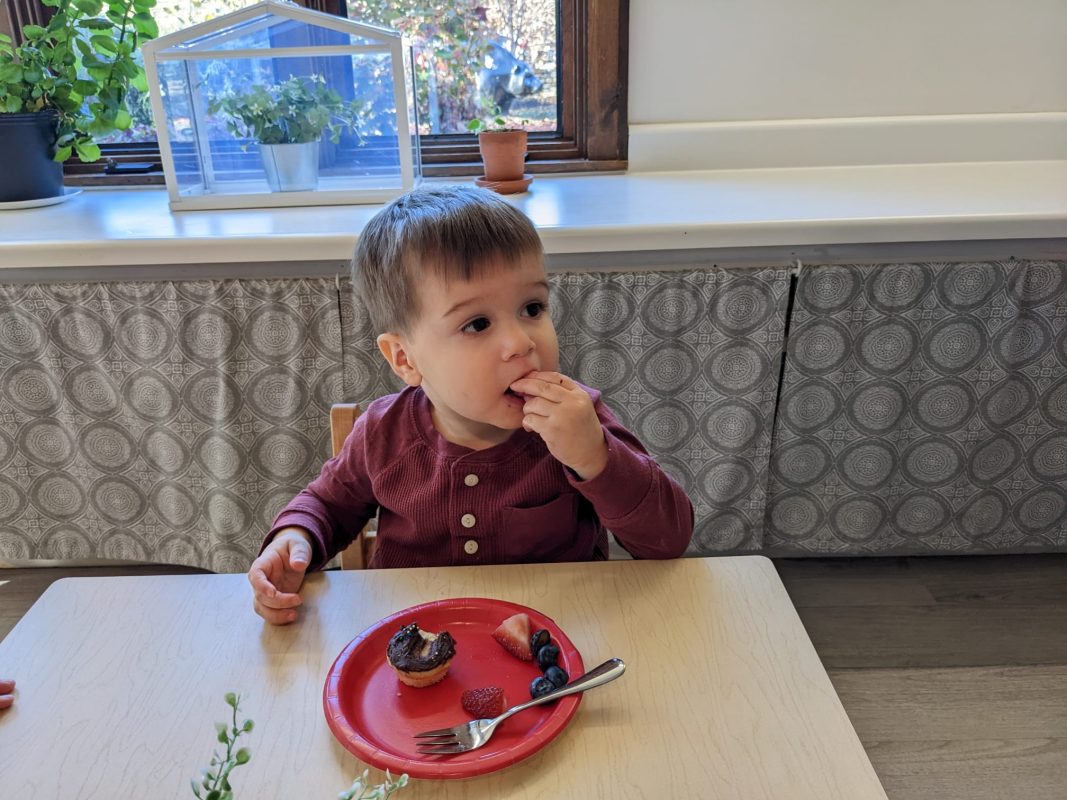
Lastly, we had fun celebrating a birthday number two and enjoyed some treats together!

Have a great weekend, 

Mrs. Hood and Ms. Bethann


Parent Testimonial 4

My kids feel seen at Fraser Woods. With three children across three different cohorts in the school, the warmth and care of both the faculty and the classroom communities support each of my children individually for who they are and where they are in their educational journeys. And because of the confidence Fraser Woods nurtures my children are eager to rise to the challenge of and take ownership in their learning. We are so grateful our kids are receiving an education of both the mind and the heart.


Parent Testimonial 3

All 4 of our children have attended Fraser Woods Montessori; we could not have given them a better gift. Fraser Woods teaches to the student, not to a test. The school cultivates a true love of learning, and students are curious, engaged, and absorbed. Mixed grade classrooms foster a collaborative spirit and a strong sense of community. The busy, peaceful joy of an FWM classroom is everything that education should be.