
Blog

The Montessori Work Cycle, Another Head of School for the Day, Summer Camp is ON! No School on Monday, Memorial Day

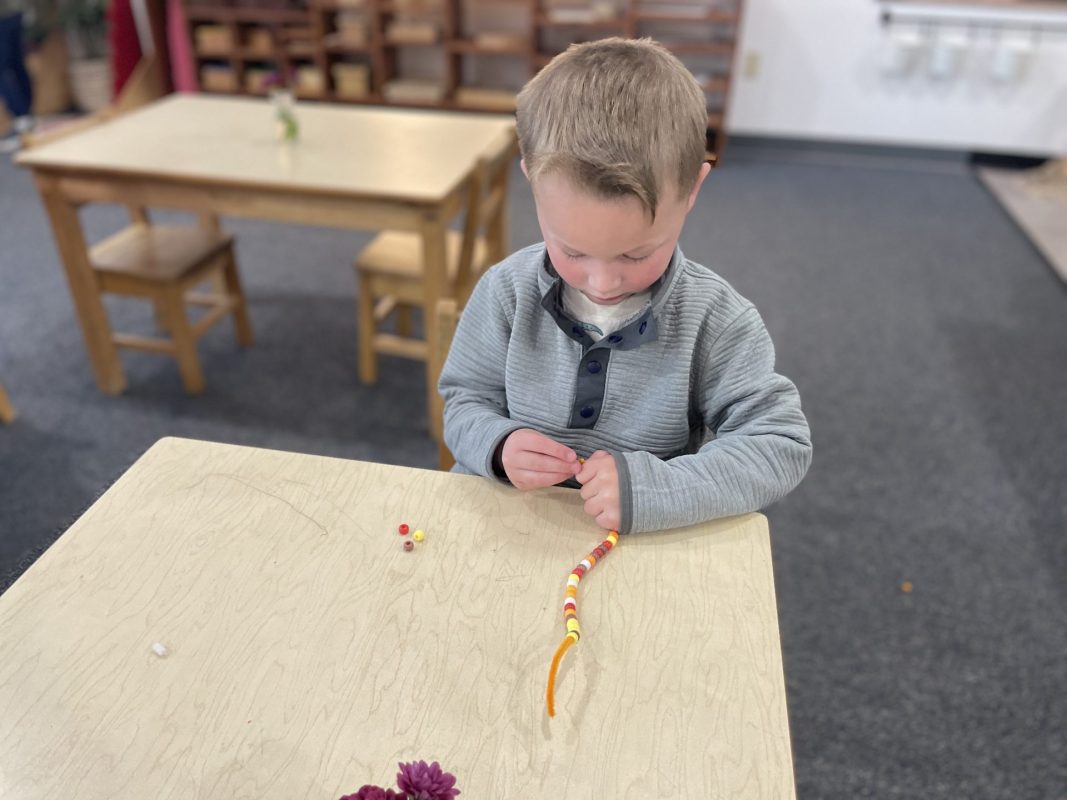
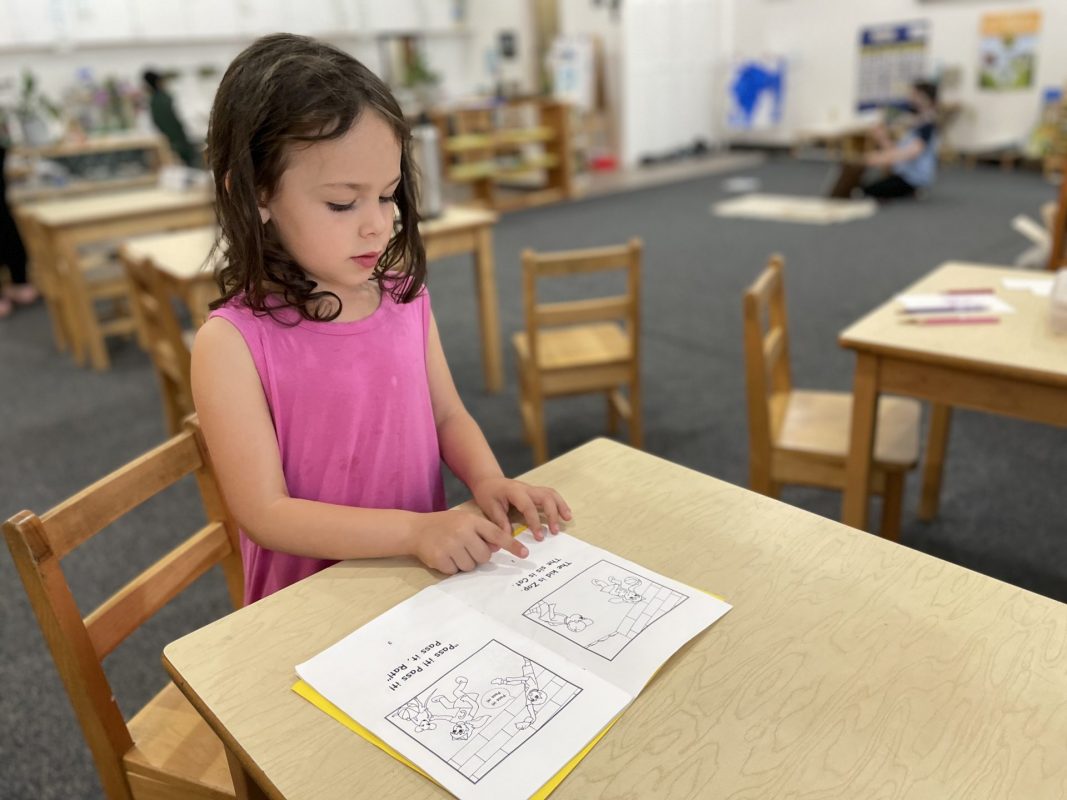
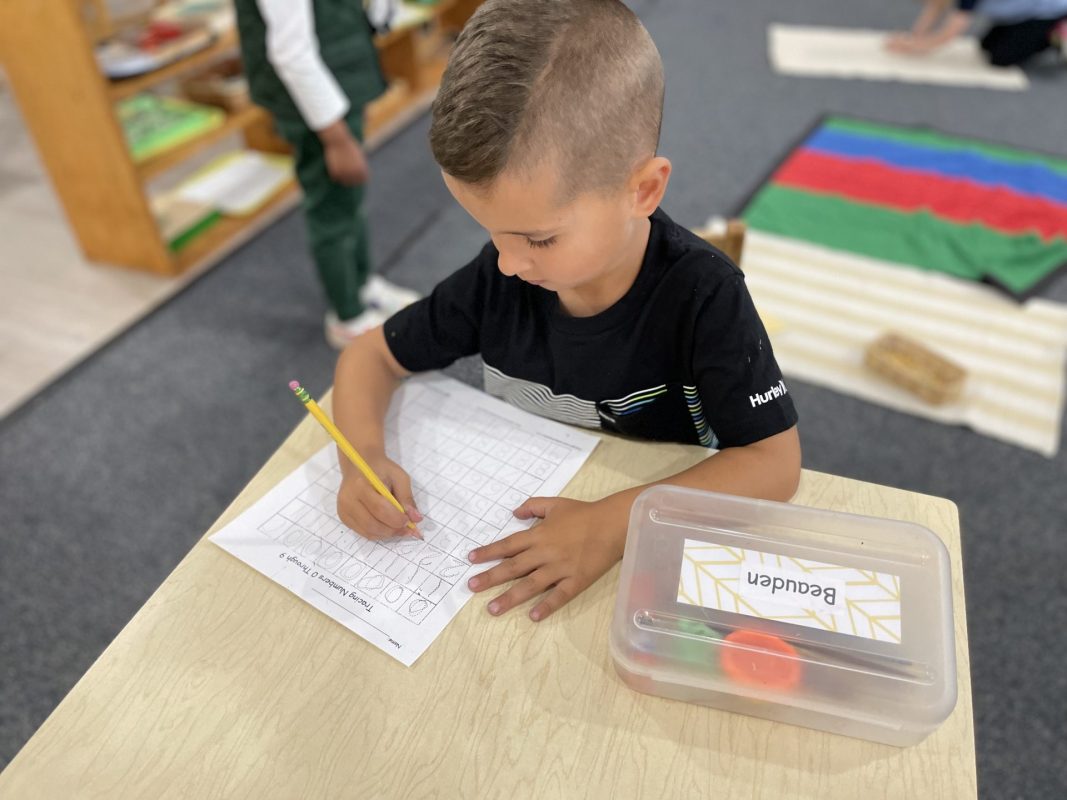
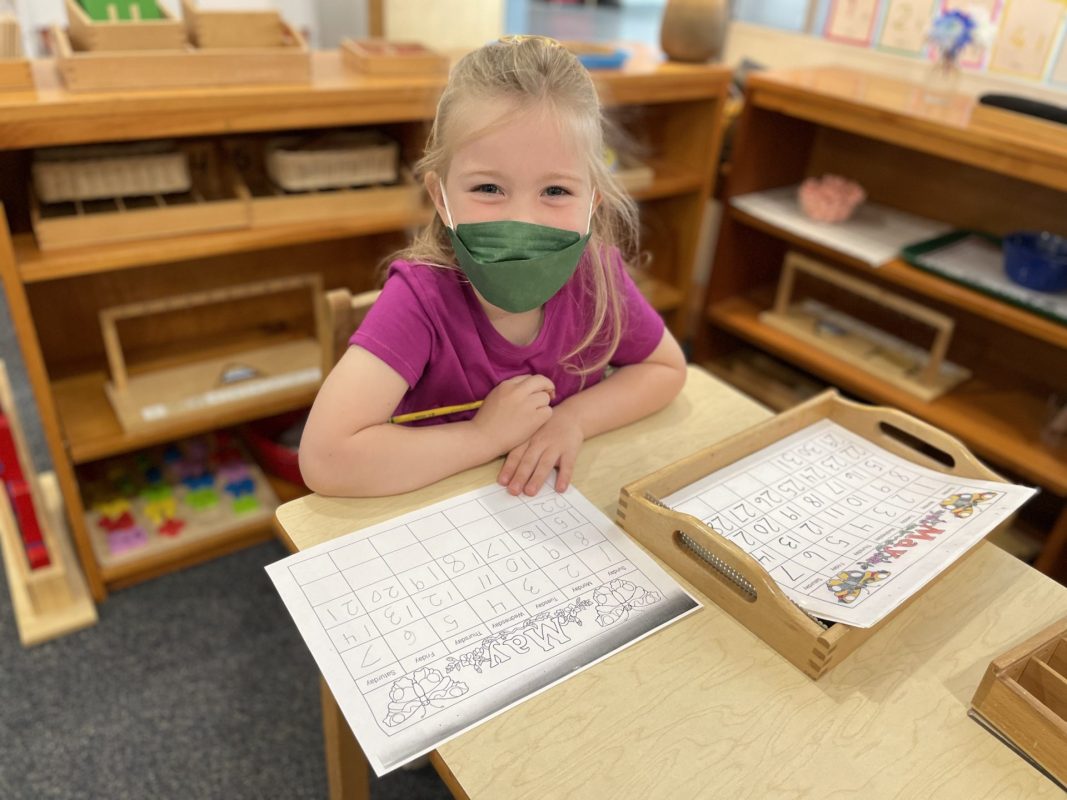
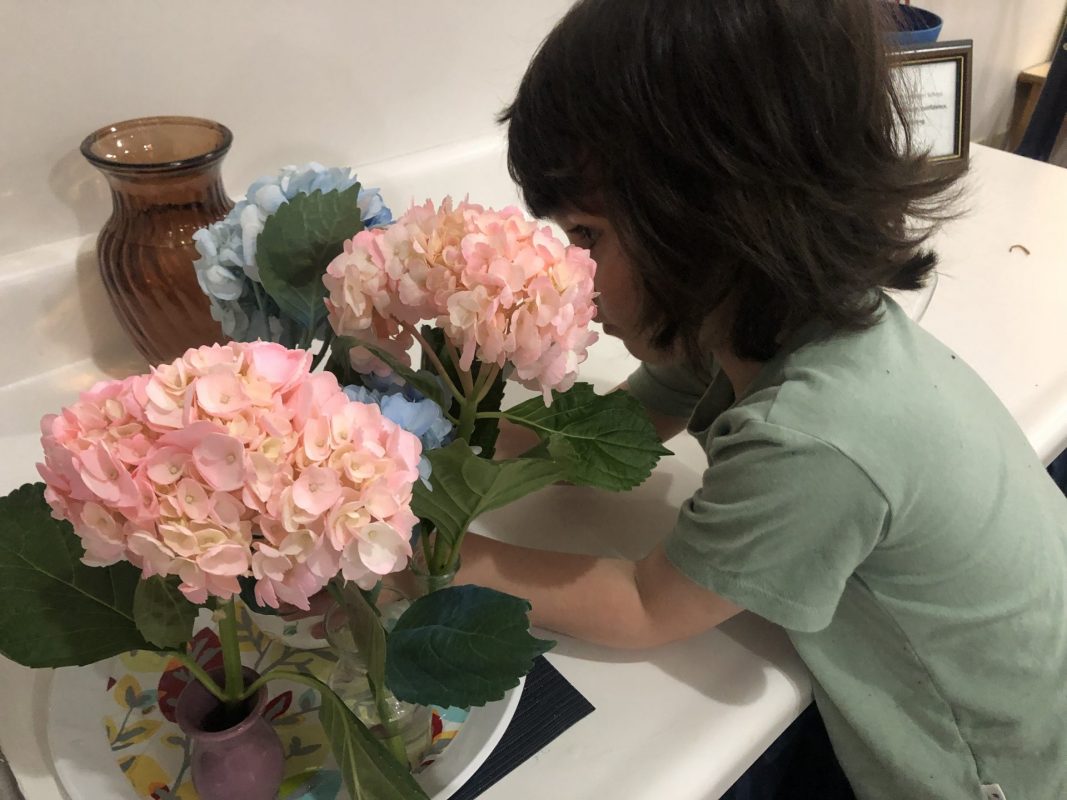
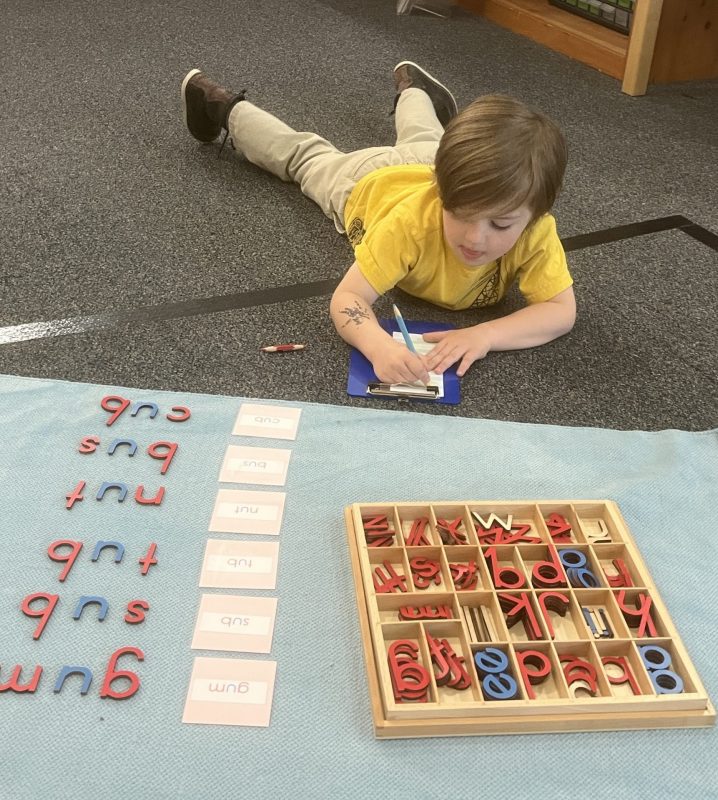
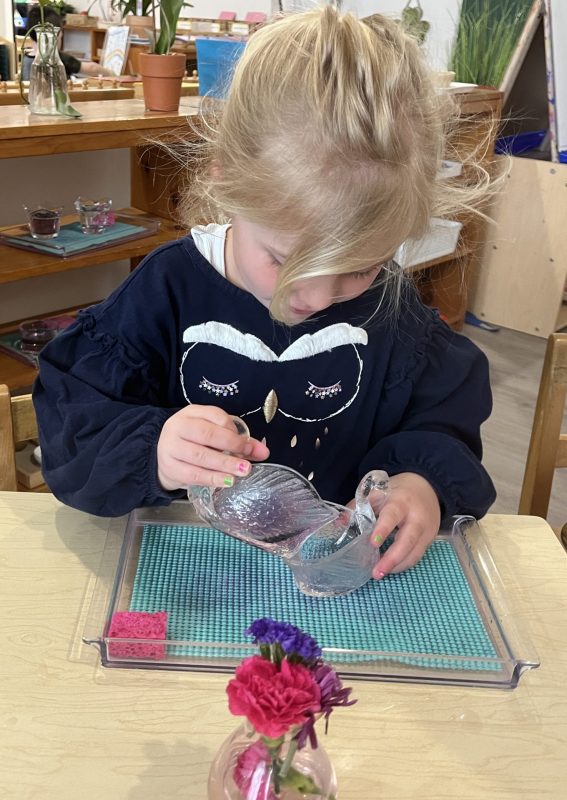
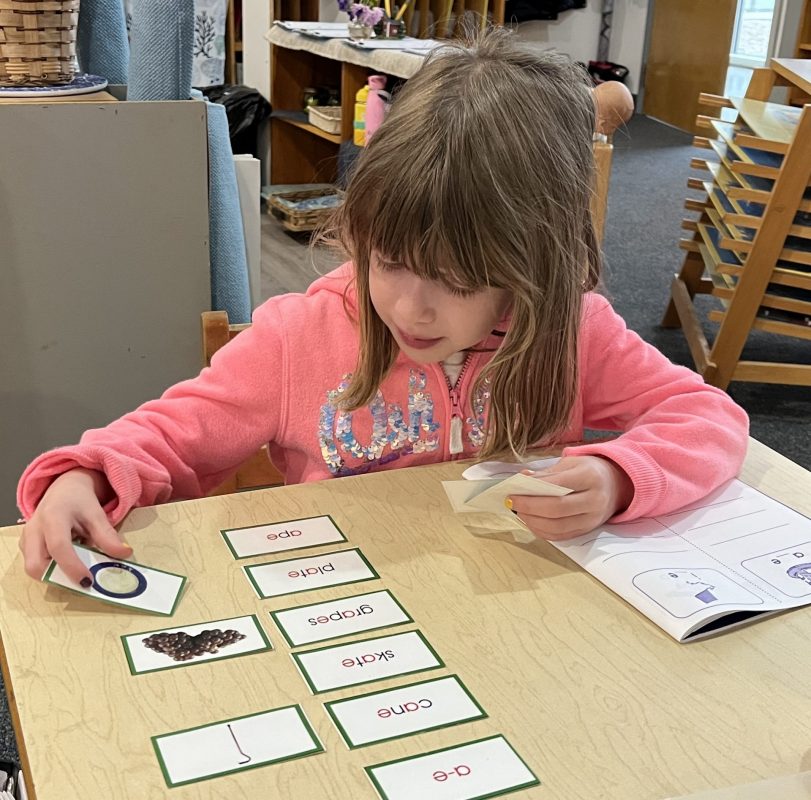
The Montessori Work Cycle

“The mind takes some time to develop interest, to be set in motion, to get warmed up into a subject, to attain a state of profitable work. If at this time there is interruption, not only is a period of profitable work lost, but the interruption produces an unpleasant sensation which is identical to fatigue.”

-Dr. Maria Montessori, What You Should Know About Your Child

As an adult, think about what you need to do your best work? 

  • What should your workspace look like? 
  • What do you need from others? 
  • What restrictions do you need removed in order to meet your goals?

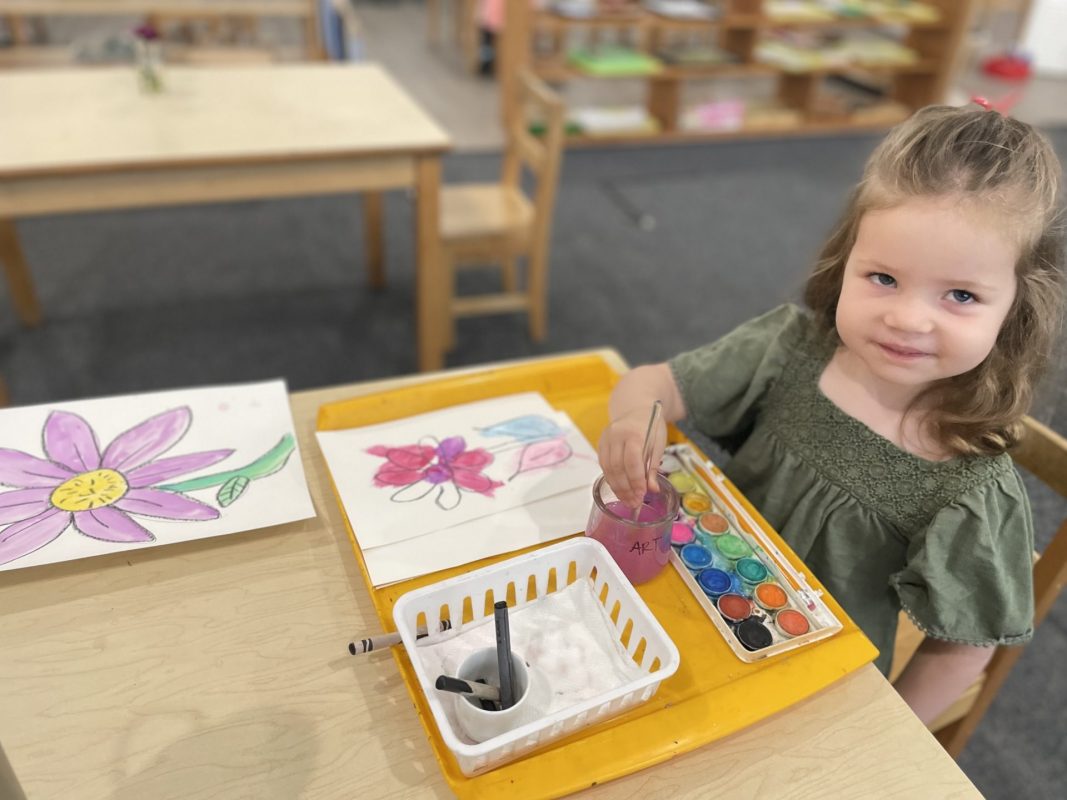
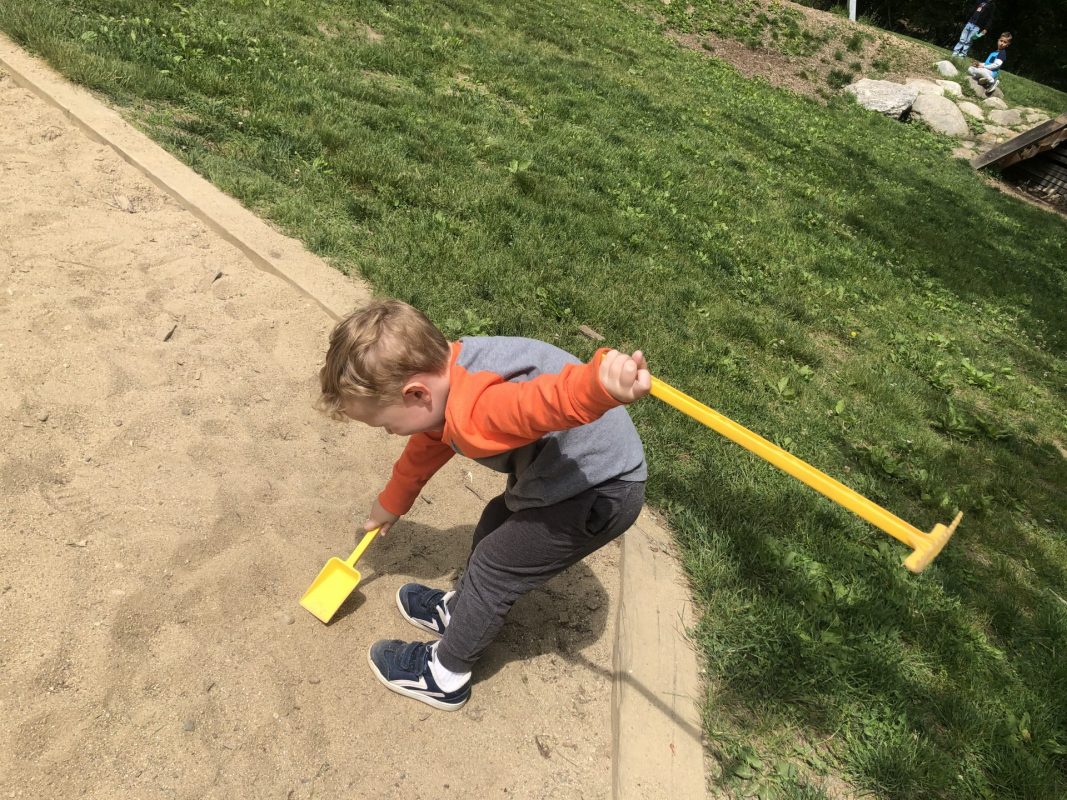
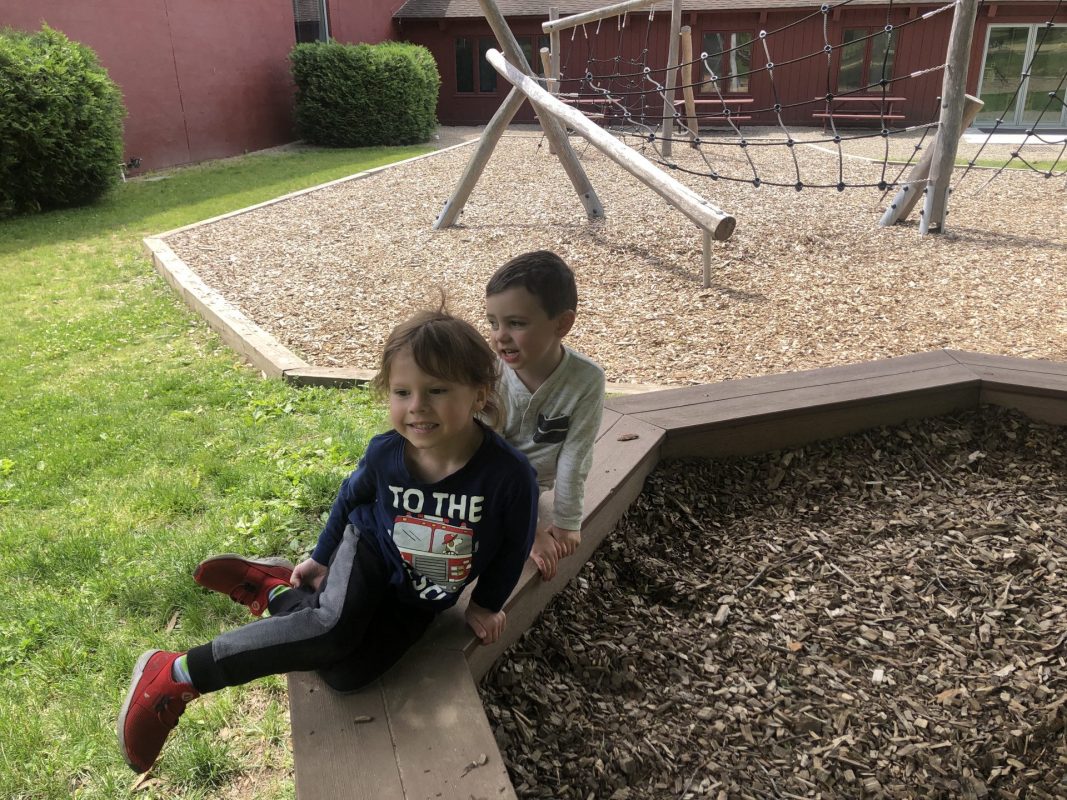
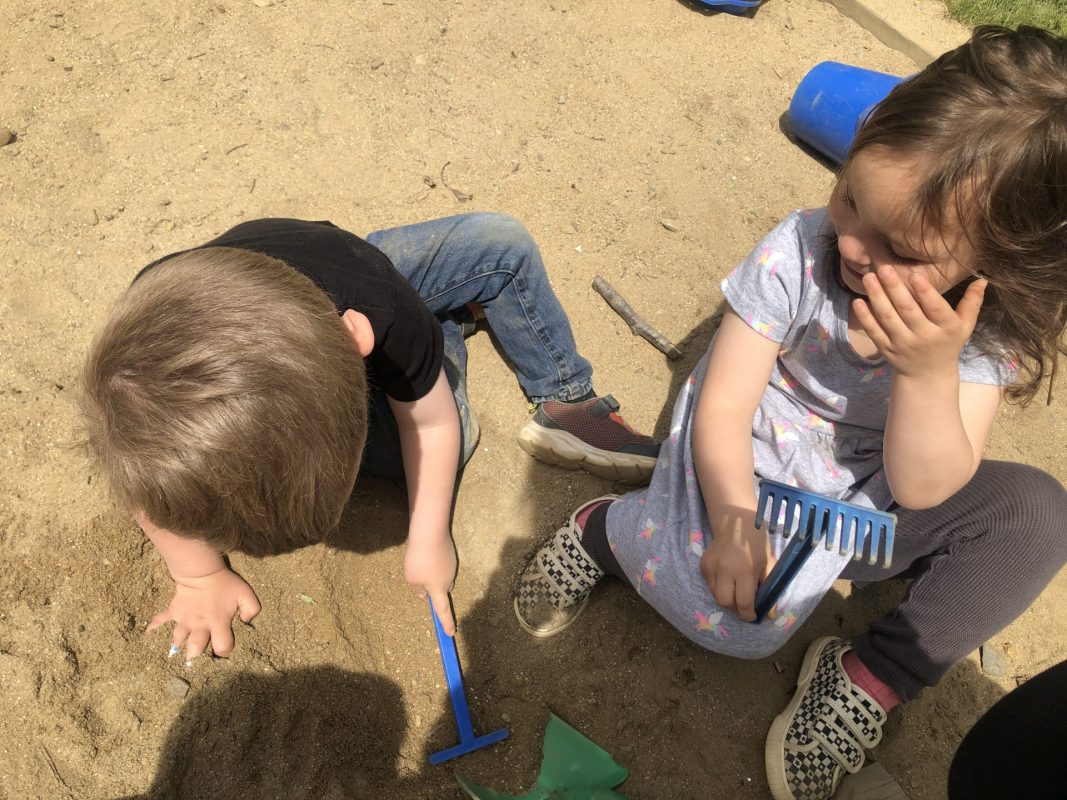
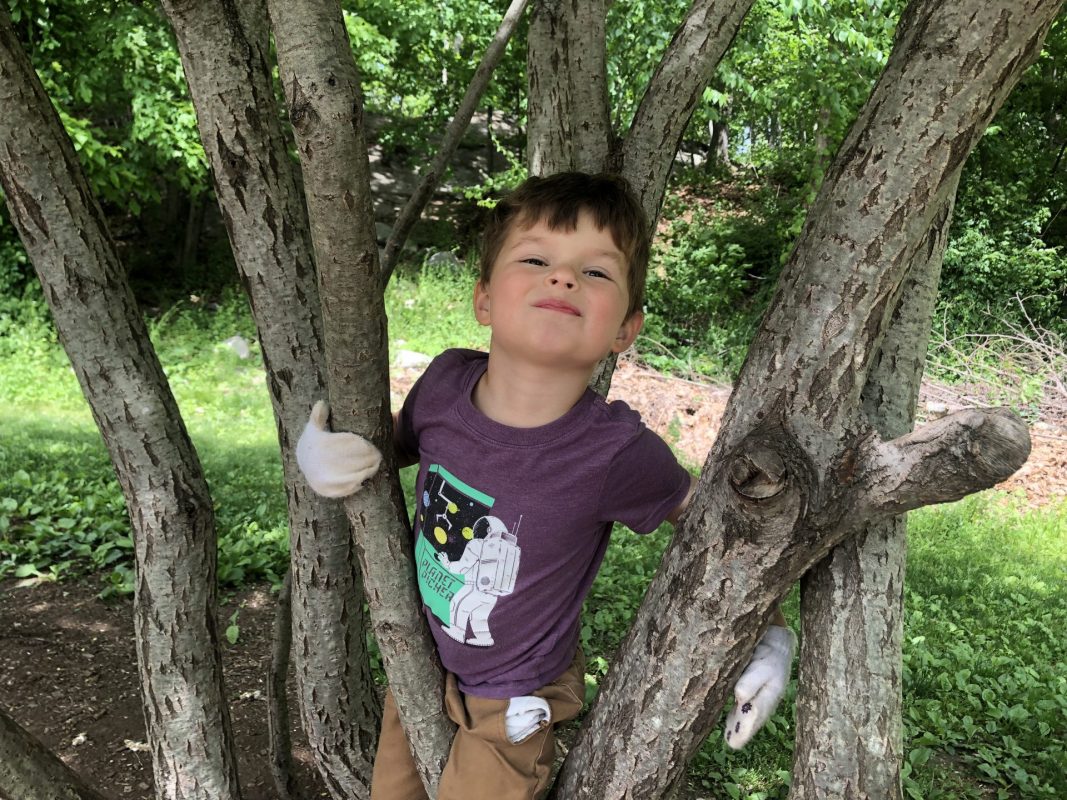
Dr. Montessori spent years observing children as they played. She recognized that significant learning takes place during play, so much so that she called it the “child’s work”.  

Children, even very young children, have the potential for intense concentration. Children do have the innate ability to work through problems and come to solutions all on their own. 

Montessori saw that they want to do these things and they do it with a sense of self-satisfaction; not because it is demanded or expected. 

What Montessori realized is that we, as adults, often imagine the children require more help than they actually do, or that we must offer rewards or incentives to ensure they do their schoolwork. What children really need is time, respect, and an environment where they can focus deeply on their work.

So, the work period or the work cycle was born. Generally spanning between two or three hours in the morning, this precious time is a cornerstone of Montessori education.

How does it begin?

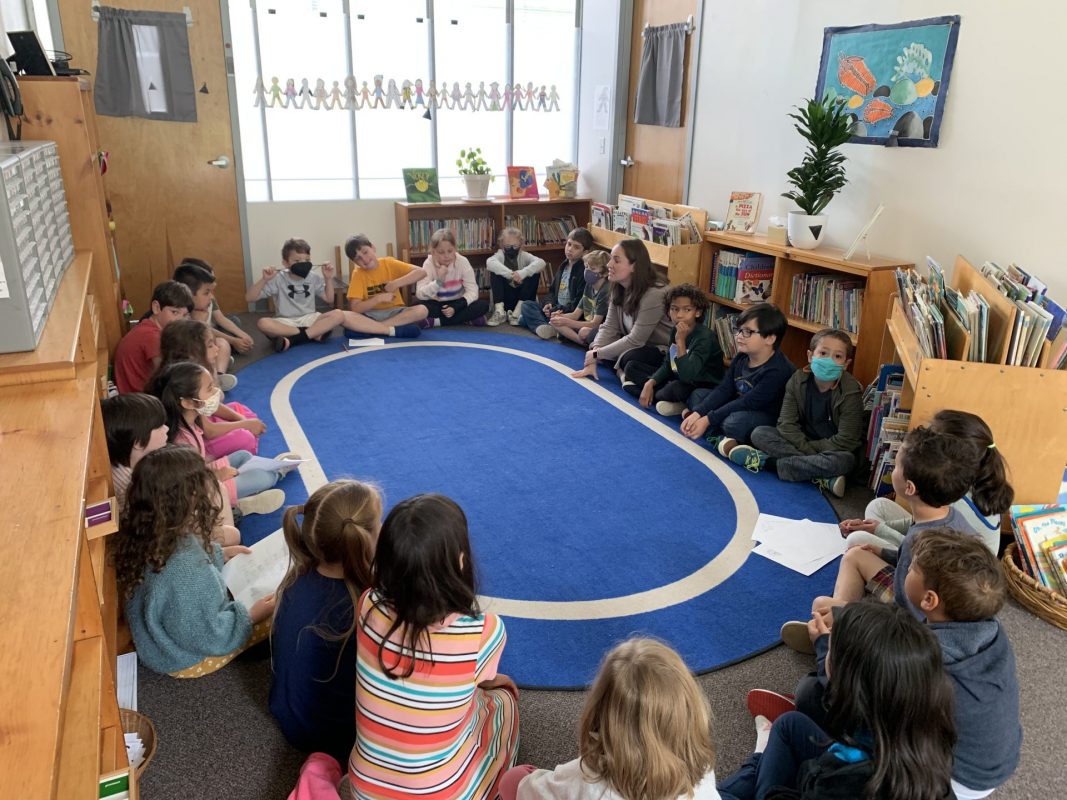
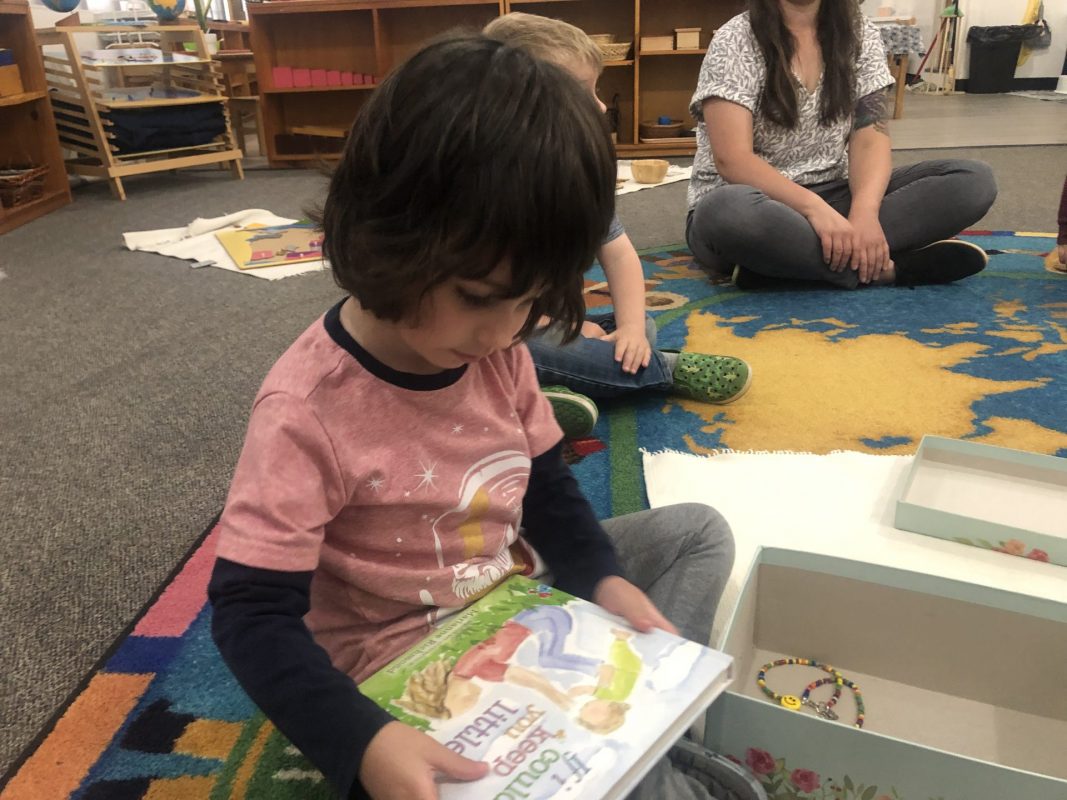
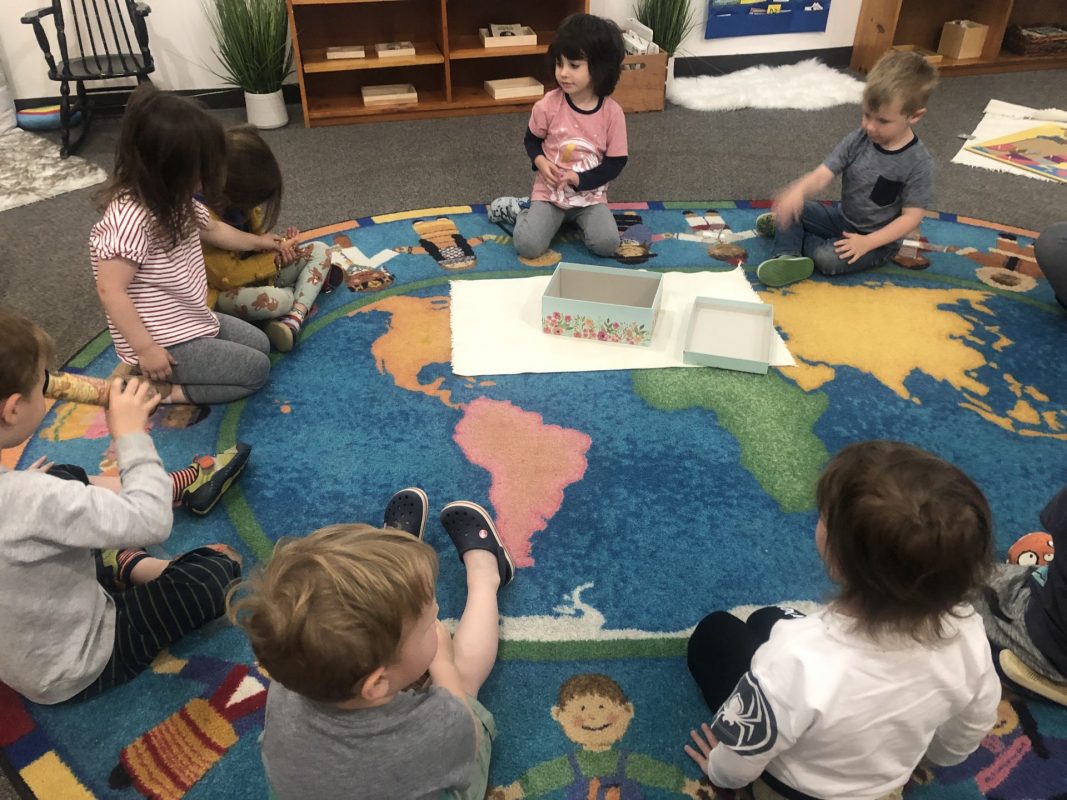
The start of the work can vary from classroom to classroom but typically begins as children arrive in the morning. For some classes, there may be a whole class morning meeting or circle time at the start or end of the work cycle.

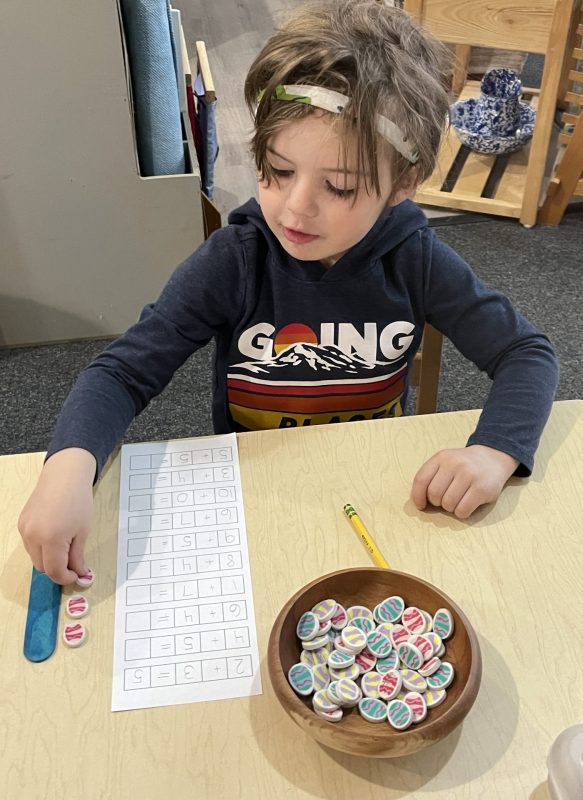
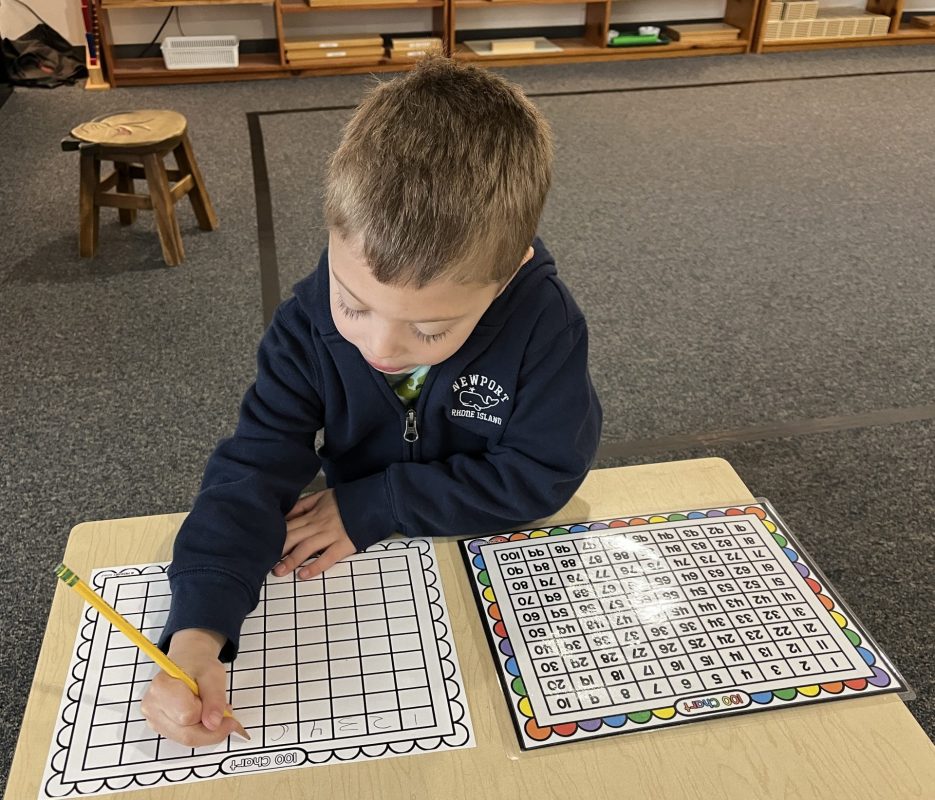
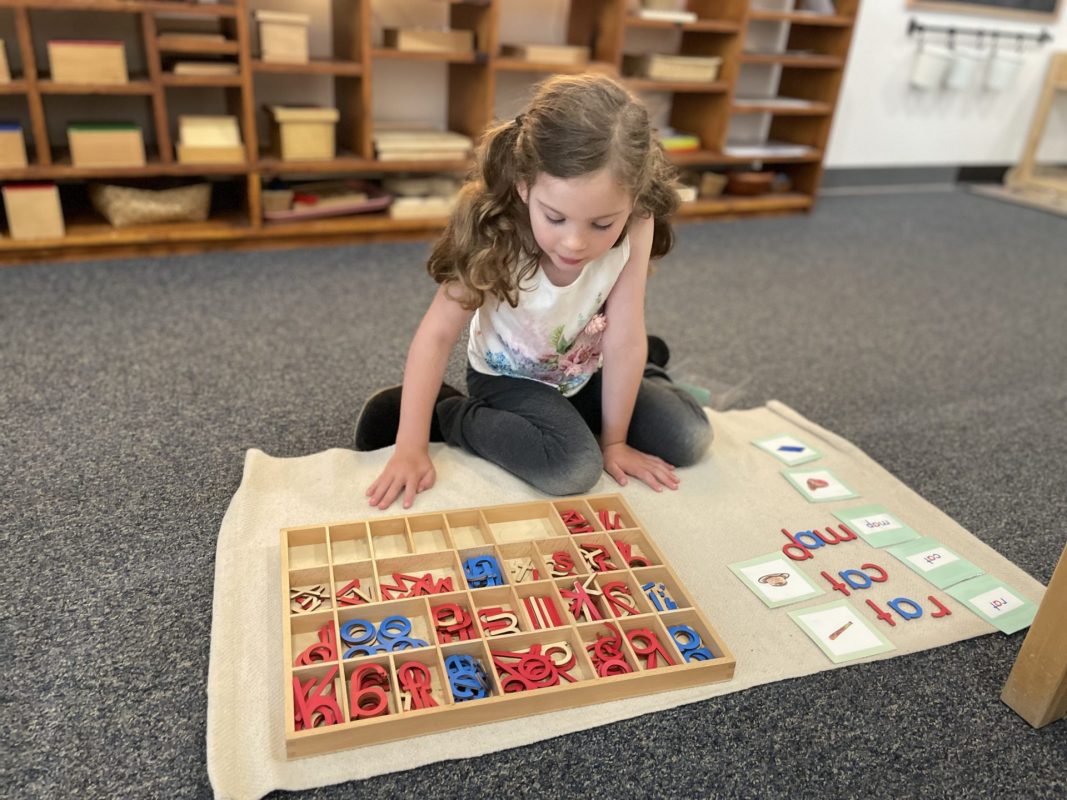
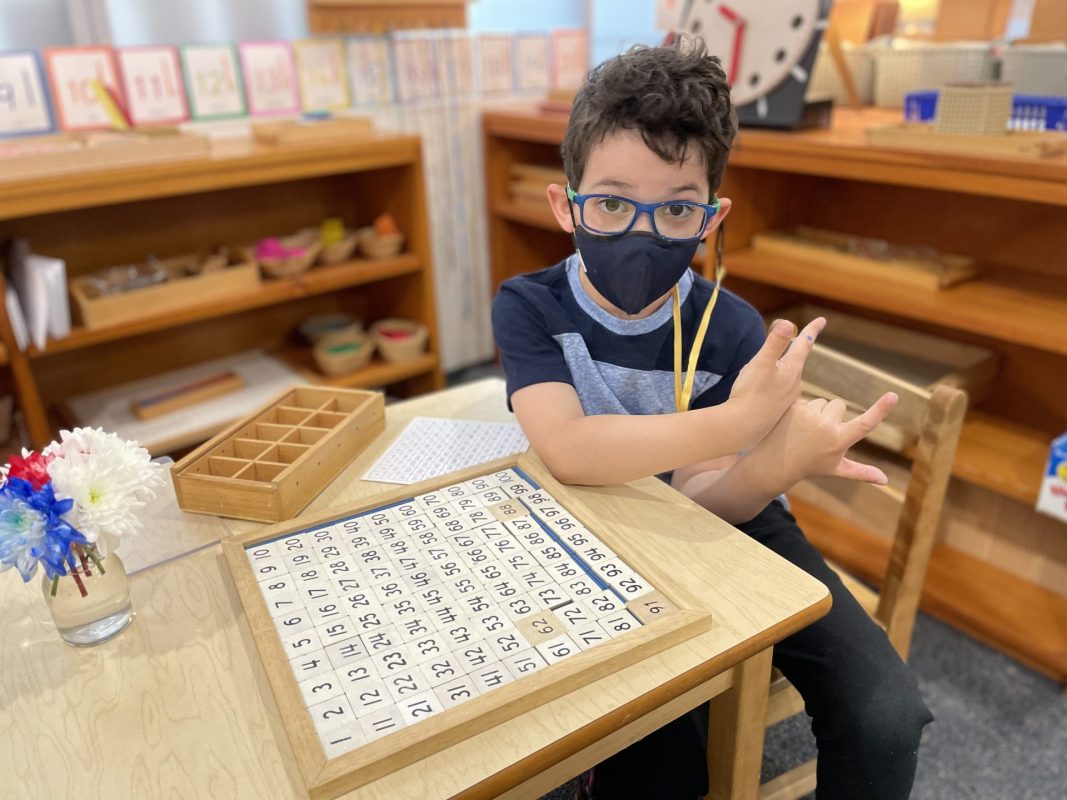
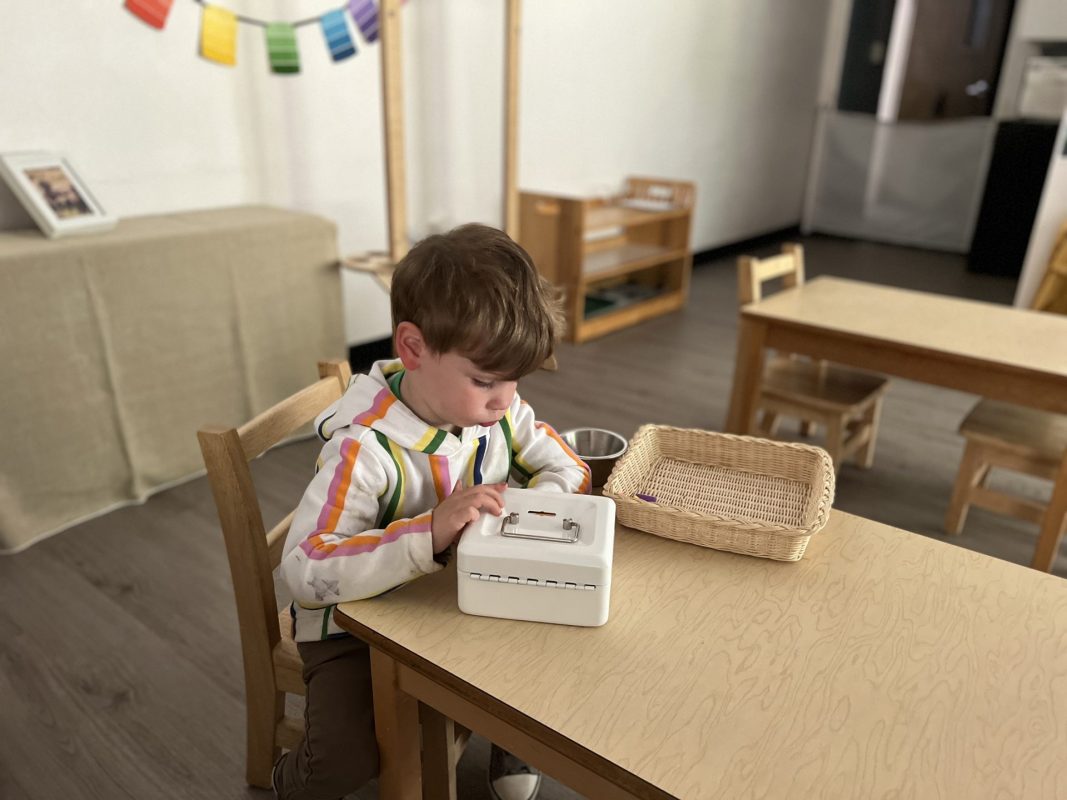
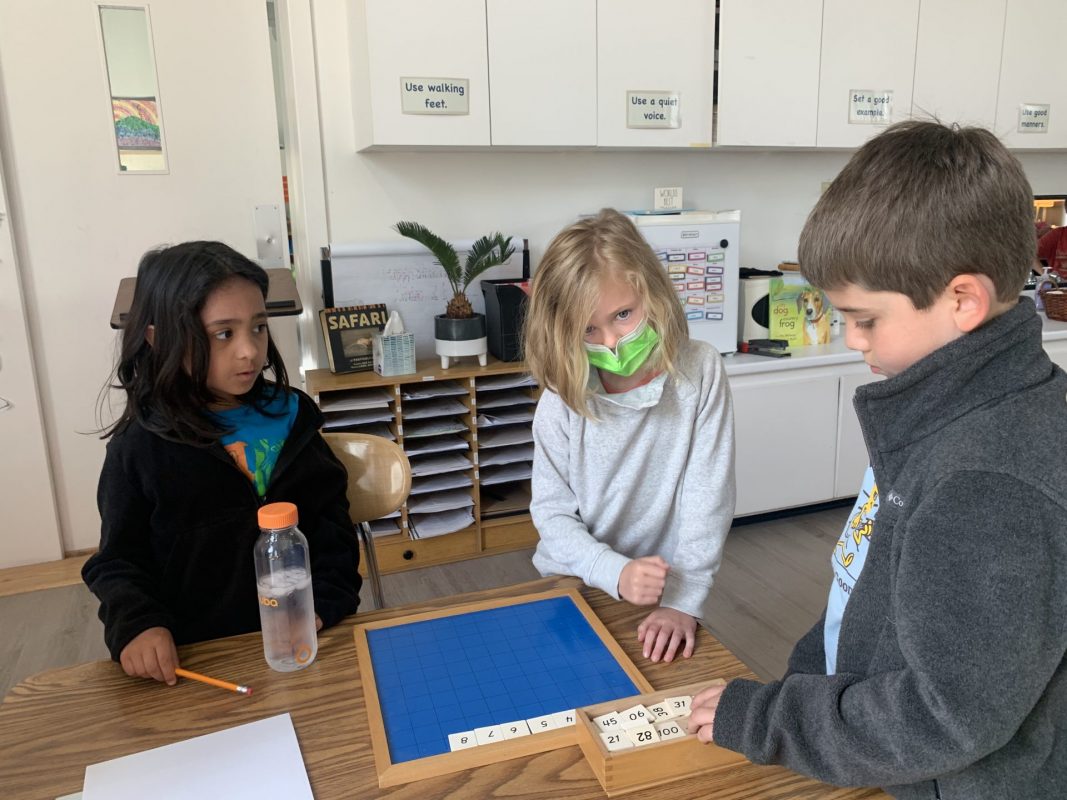
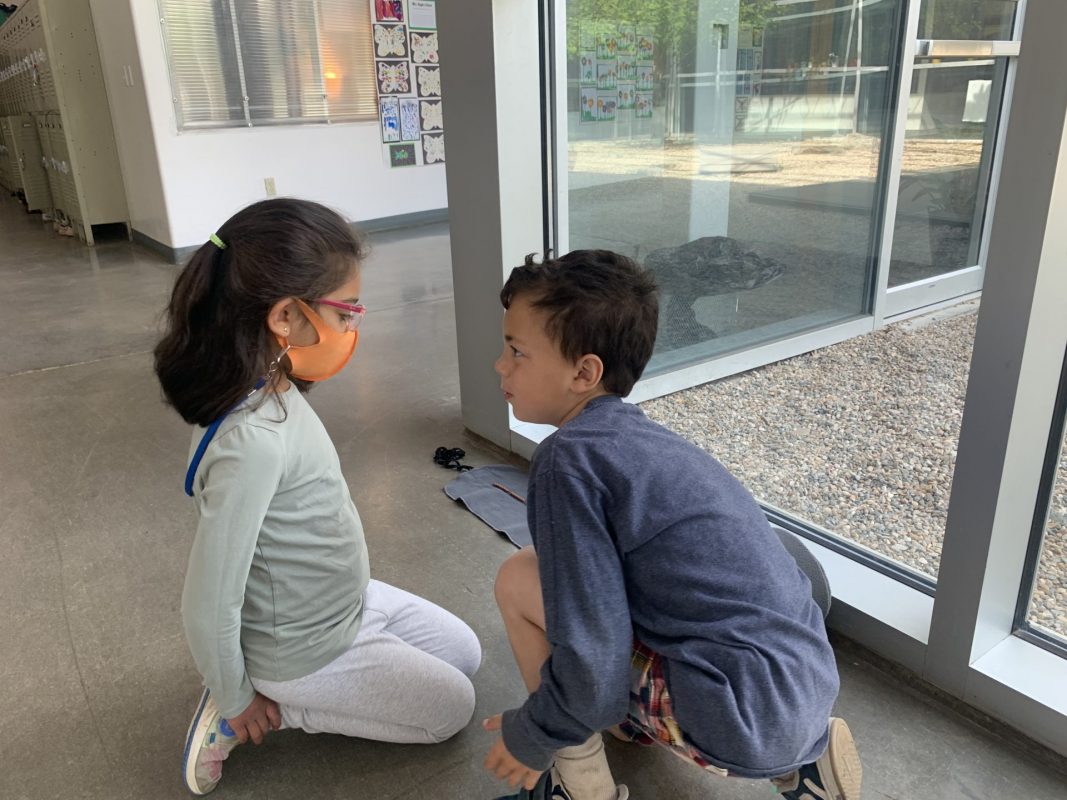
A typical day begins with the child hanging their belongings in their locker, changing into their indoor shoes, and greeting their teacher as they walk into the room. Children may say hello to a friend or two, take a moment to transition themselves, and then select a work from the shelf.  

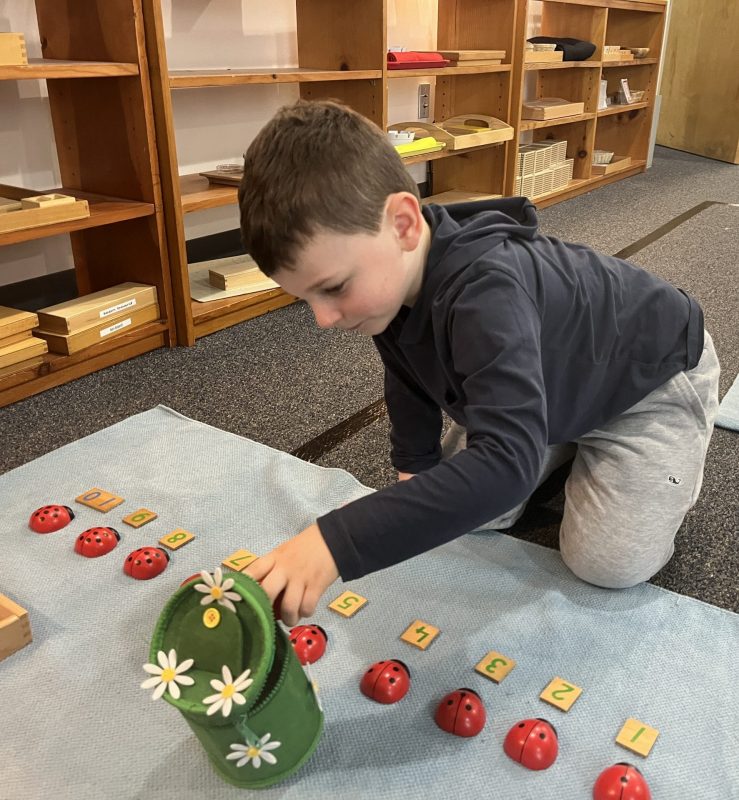
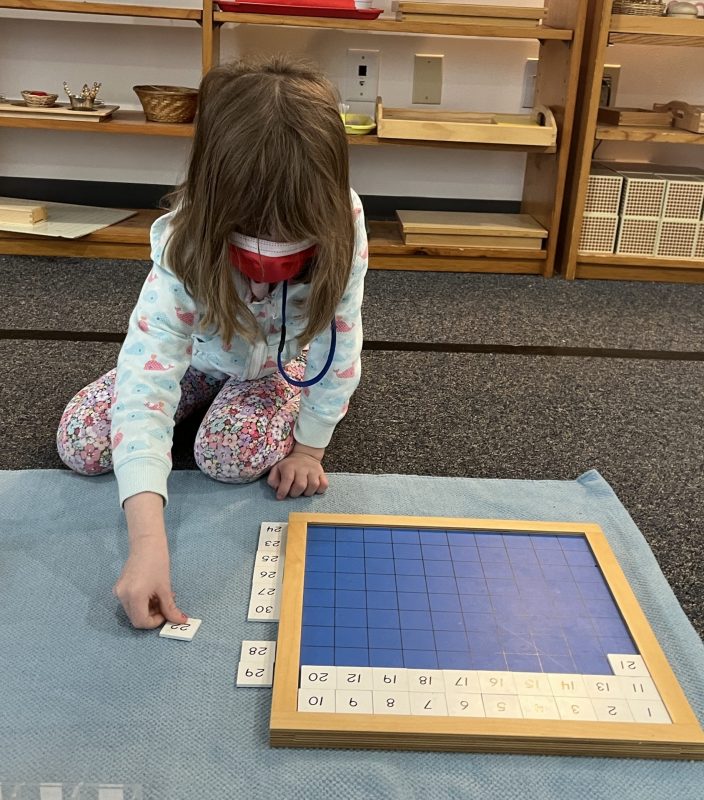
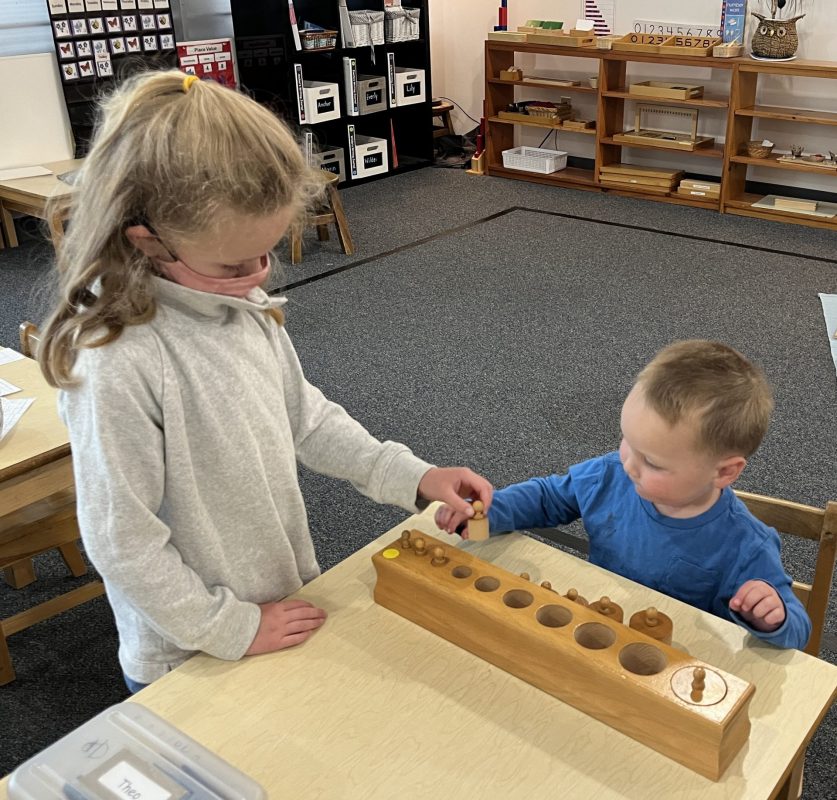
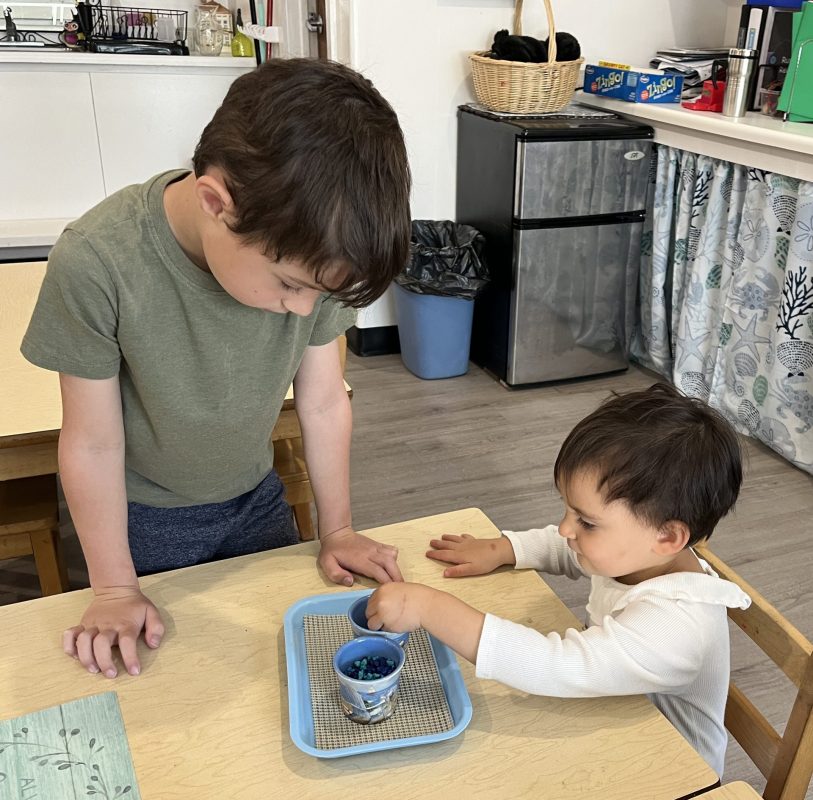
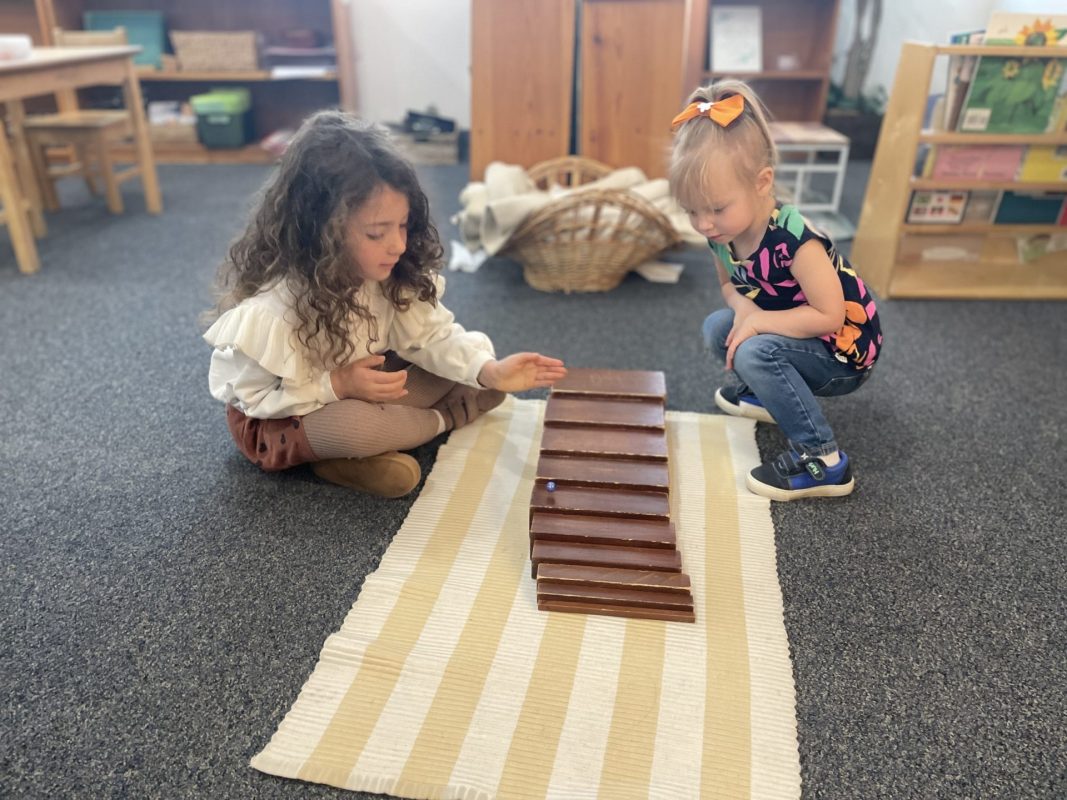
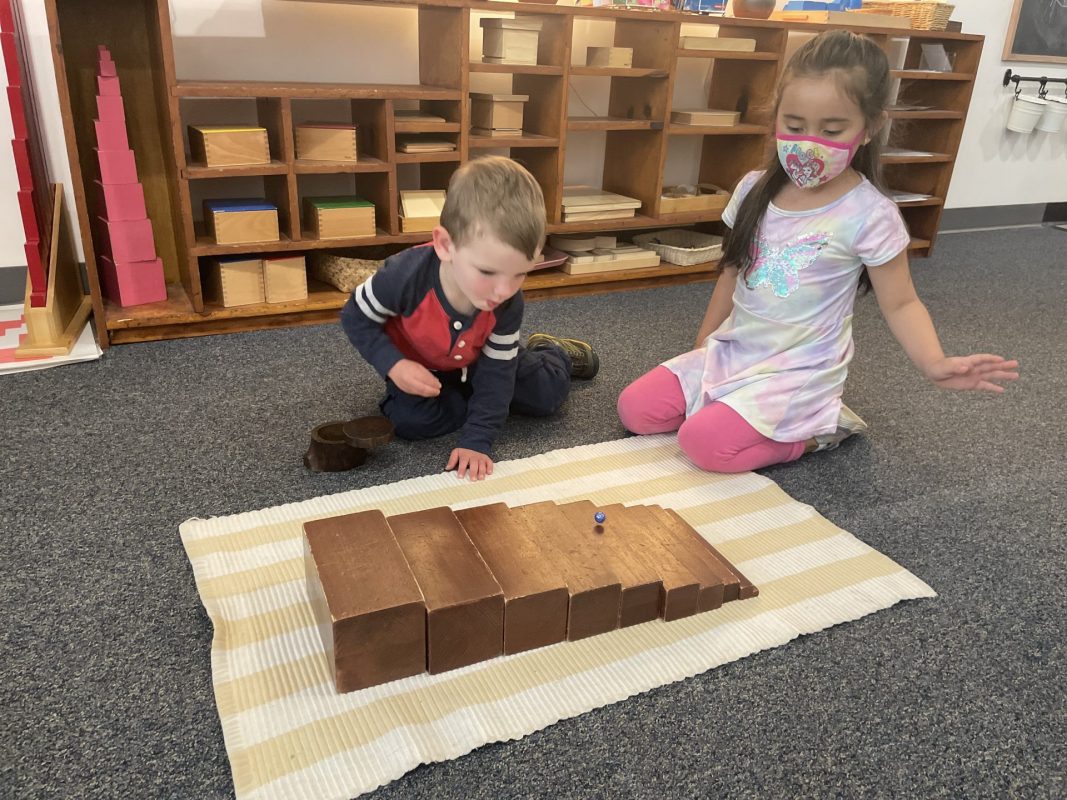
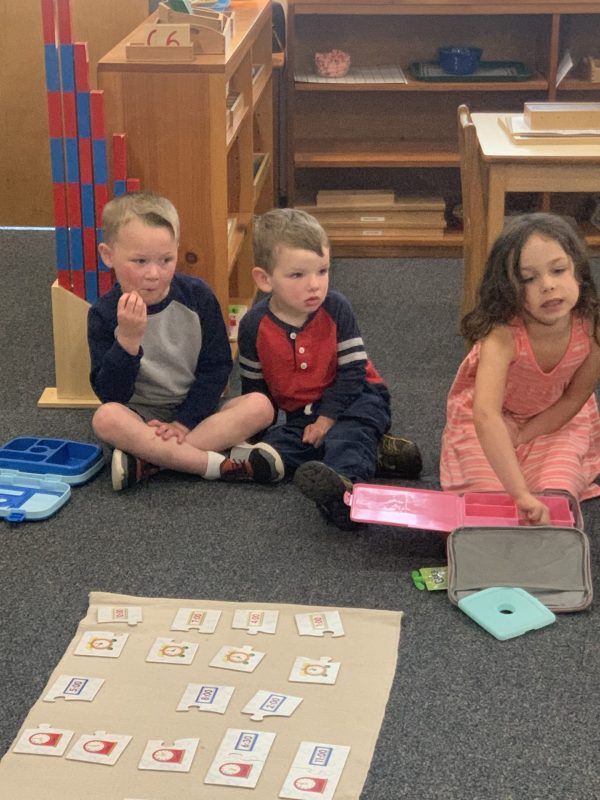
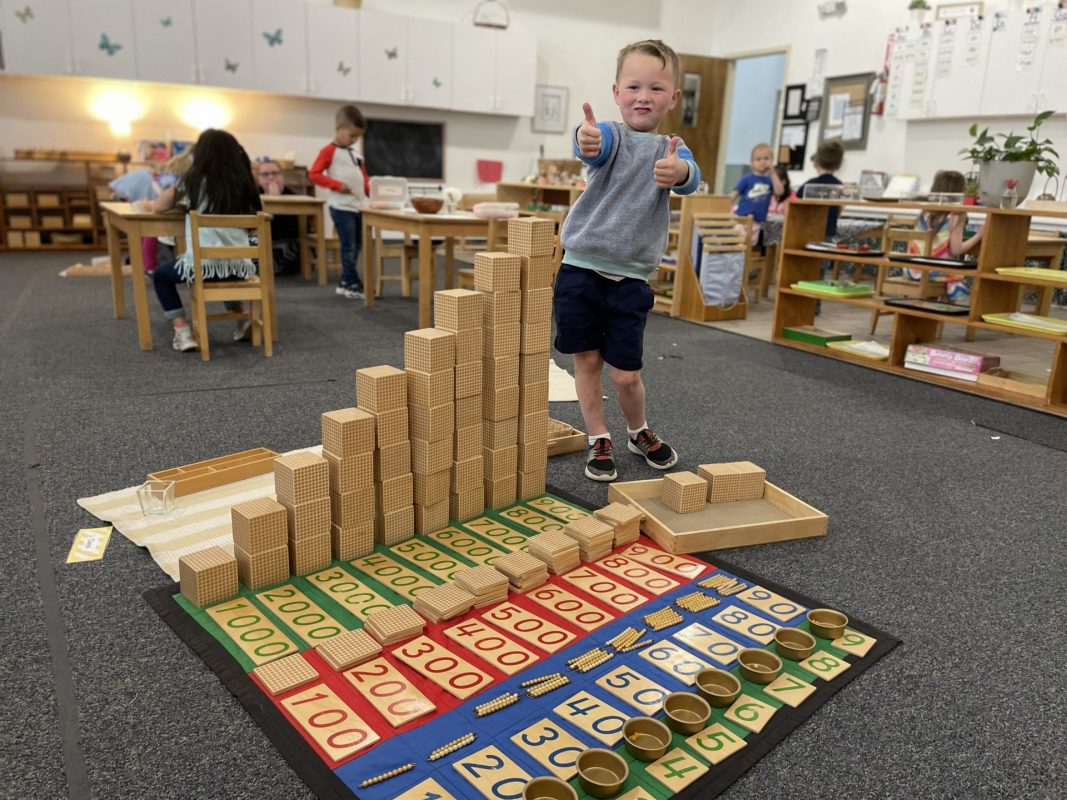
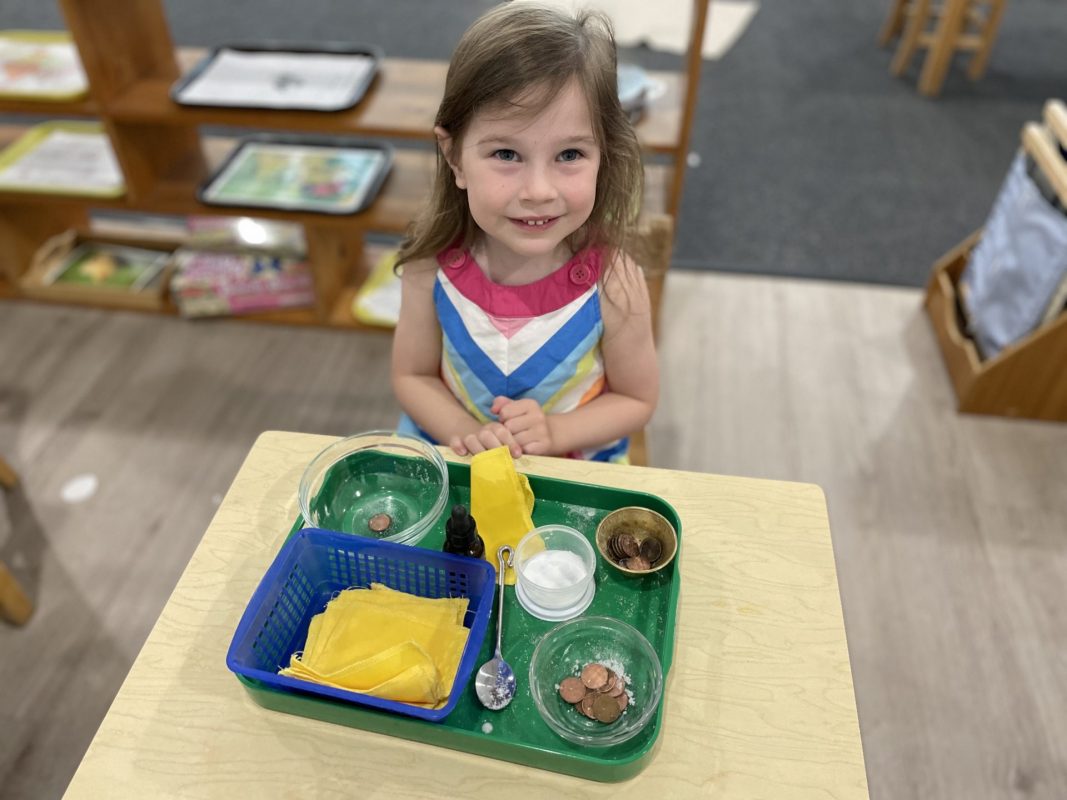
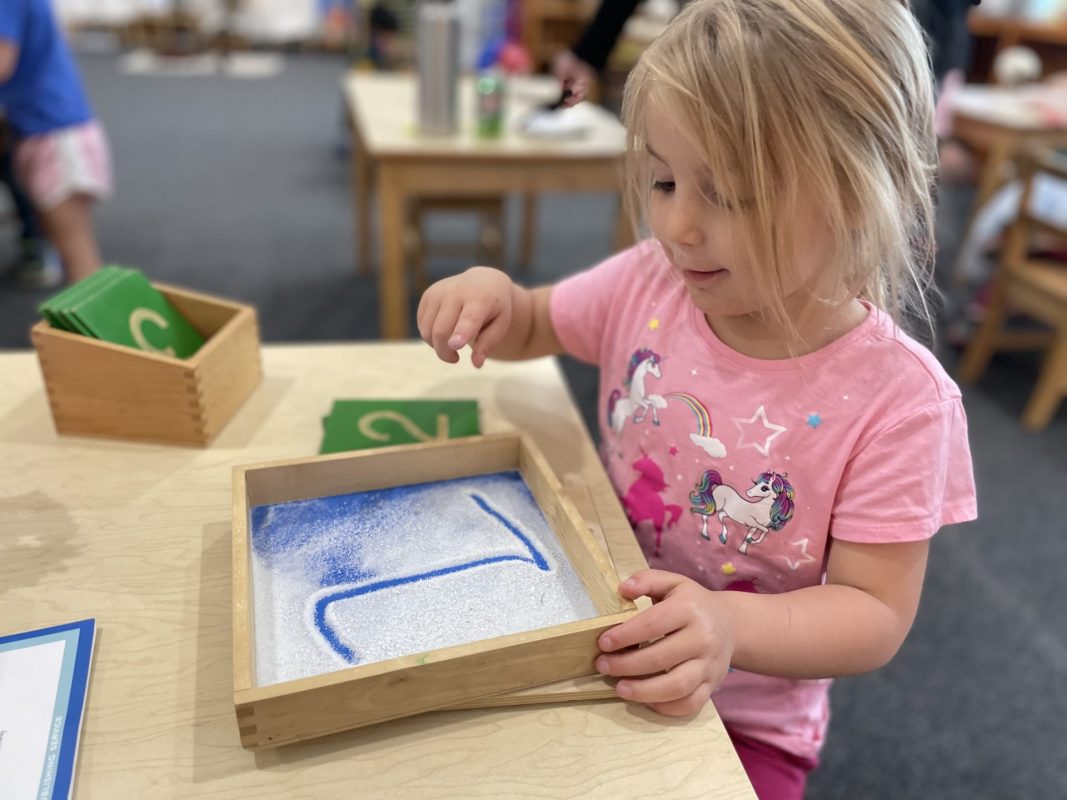
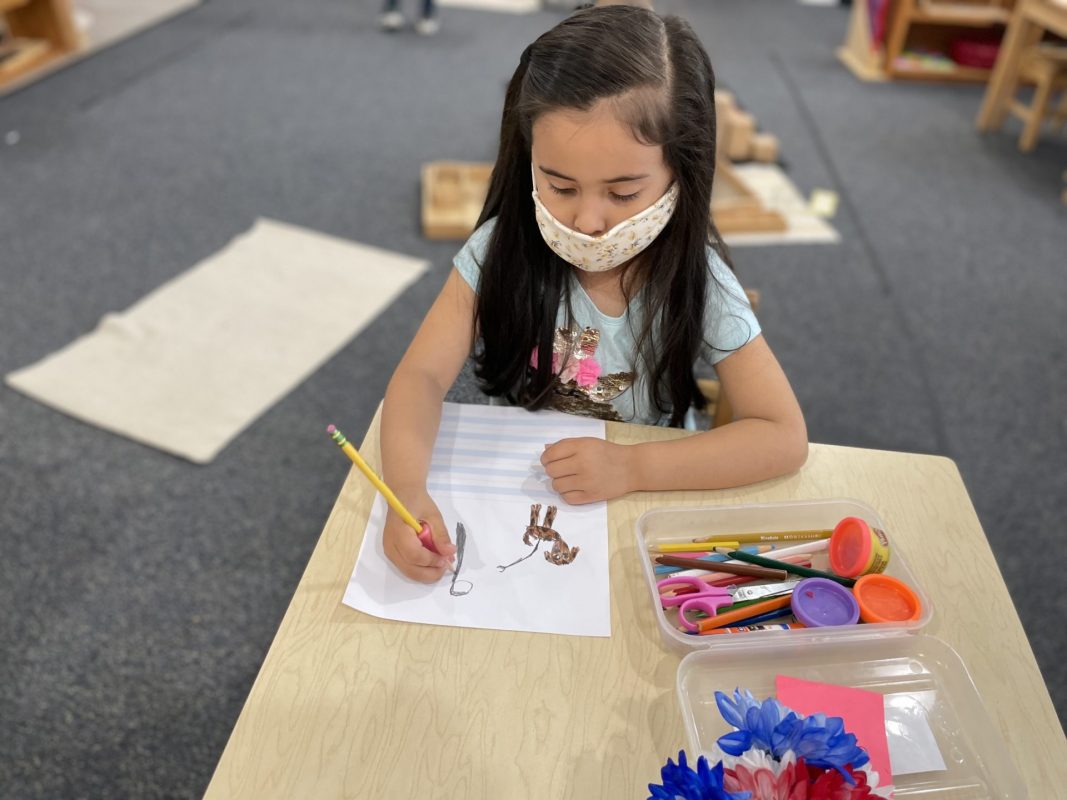
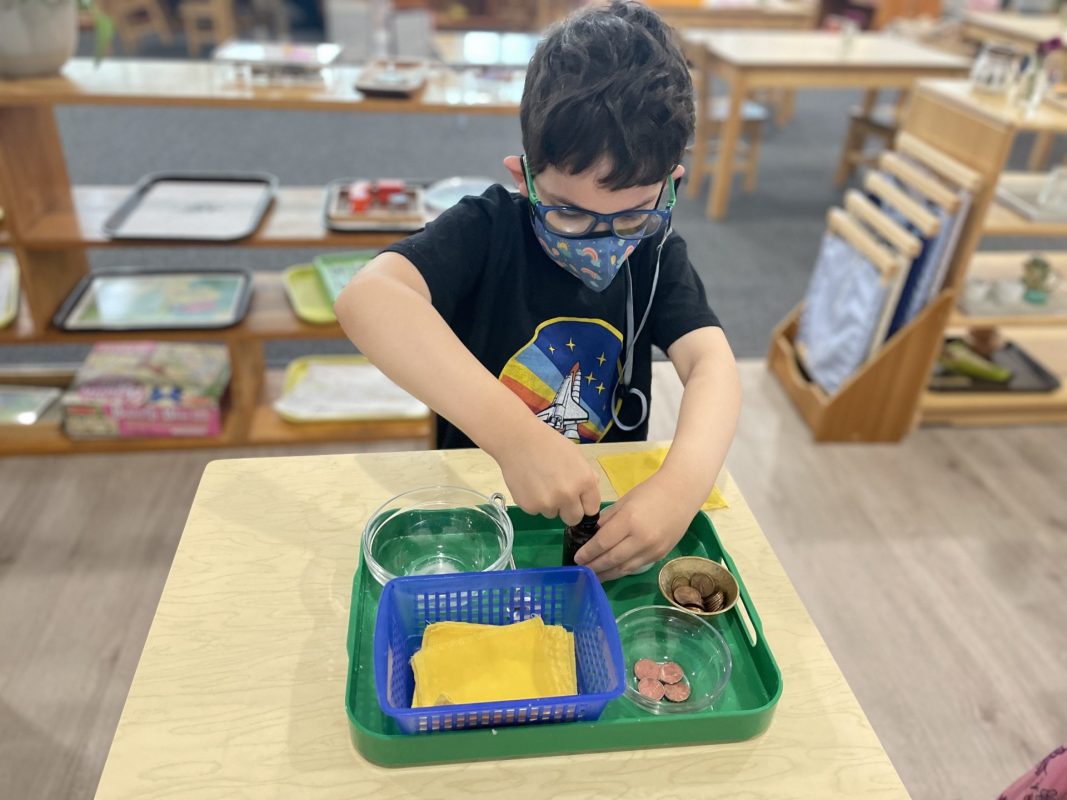
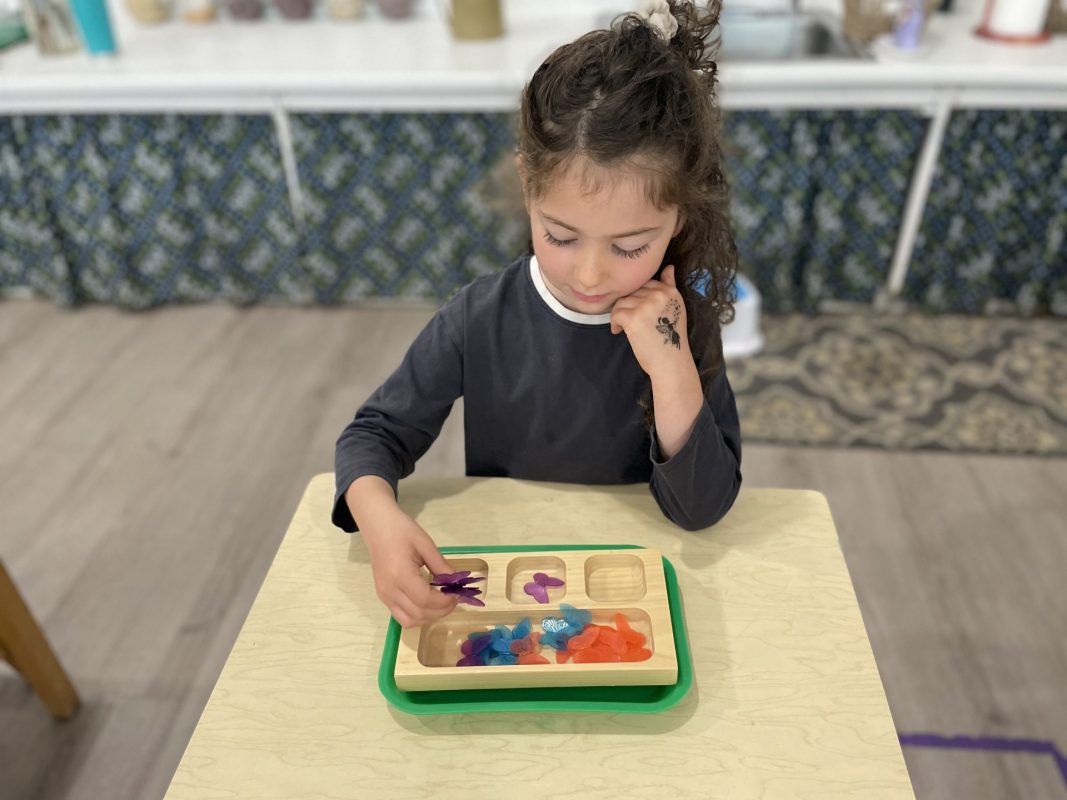
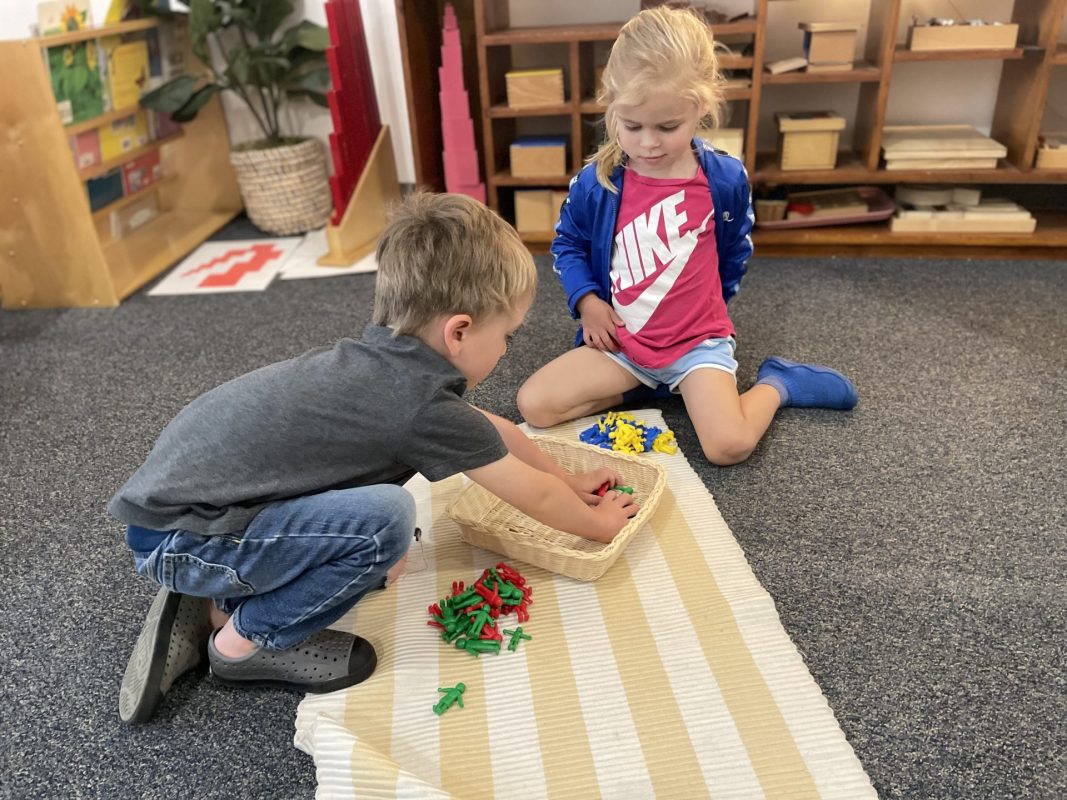
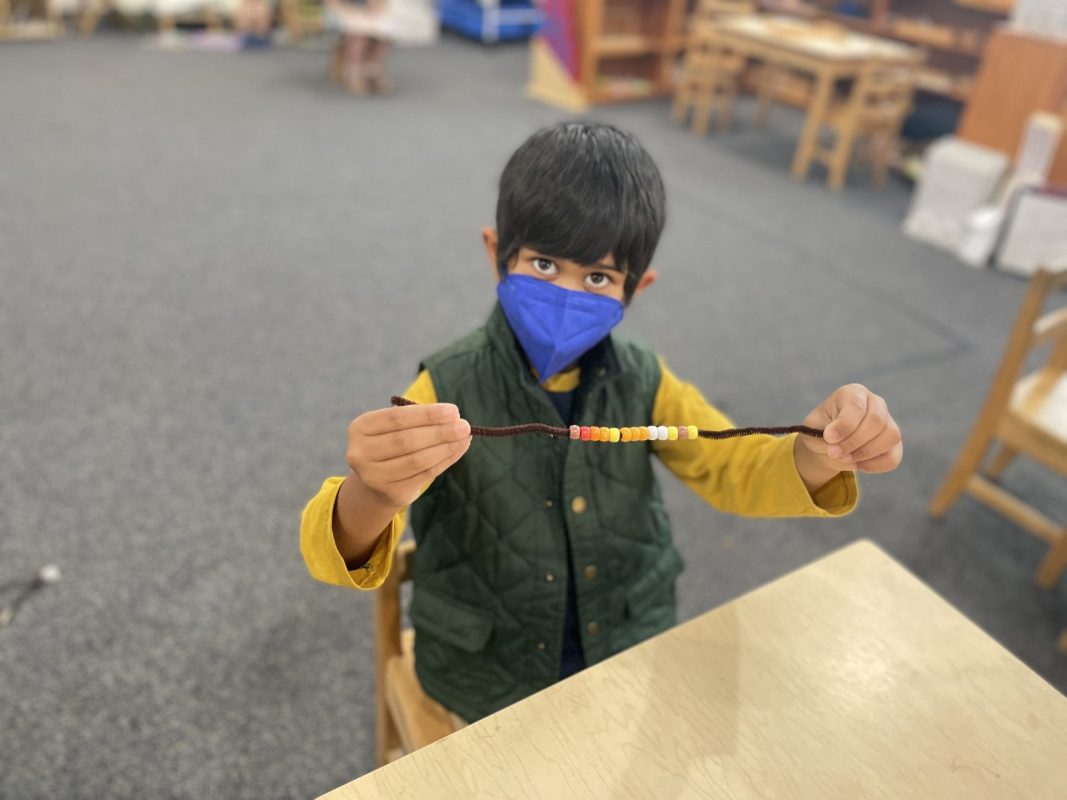
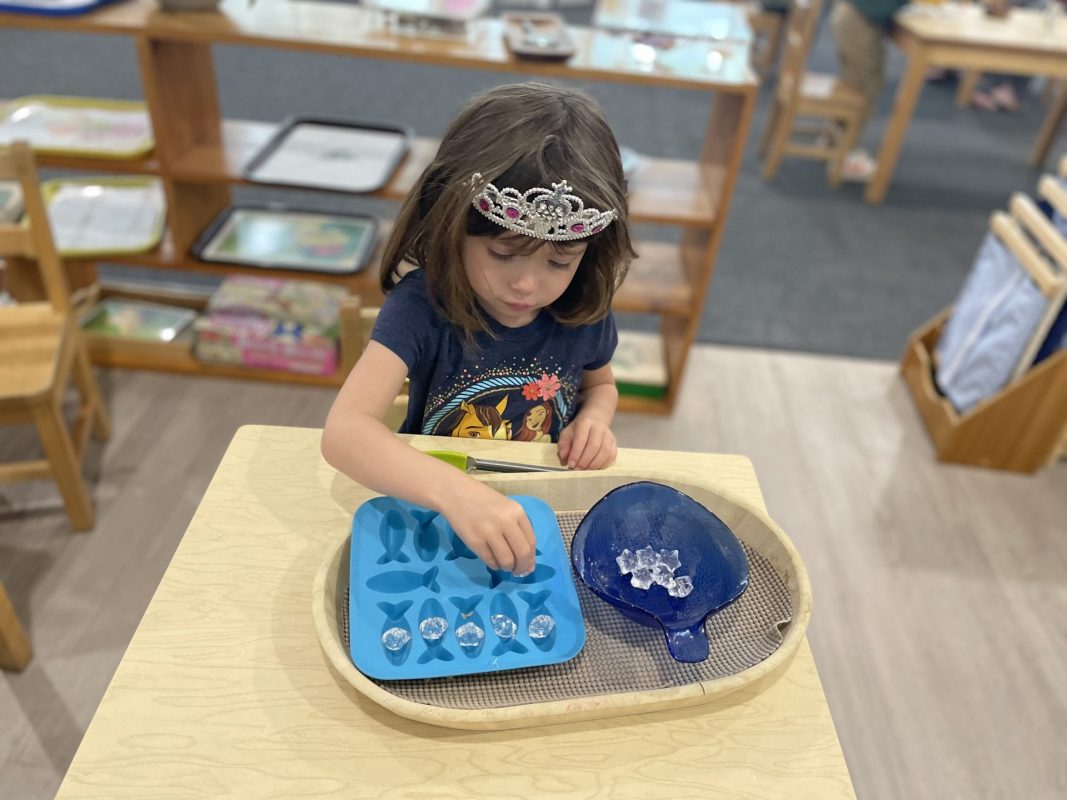
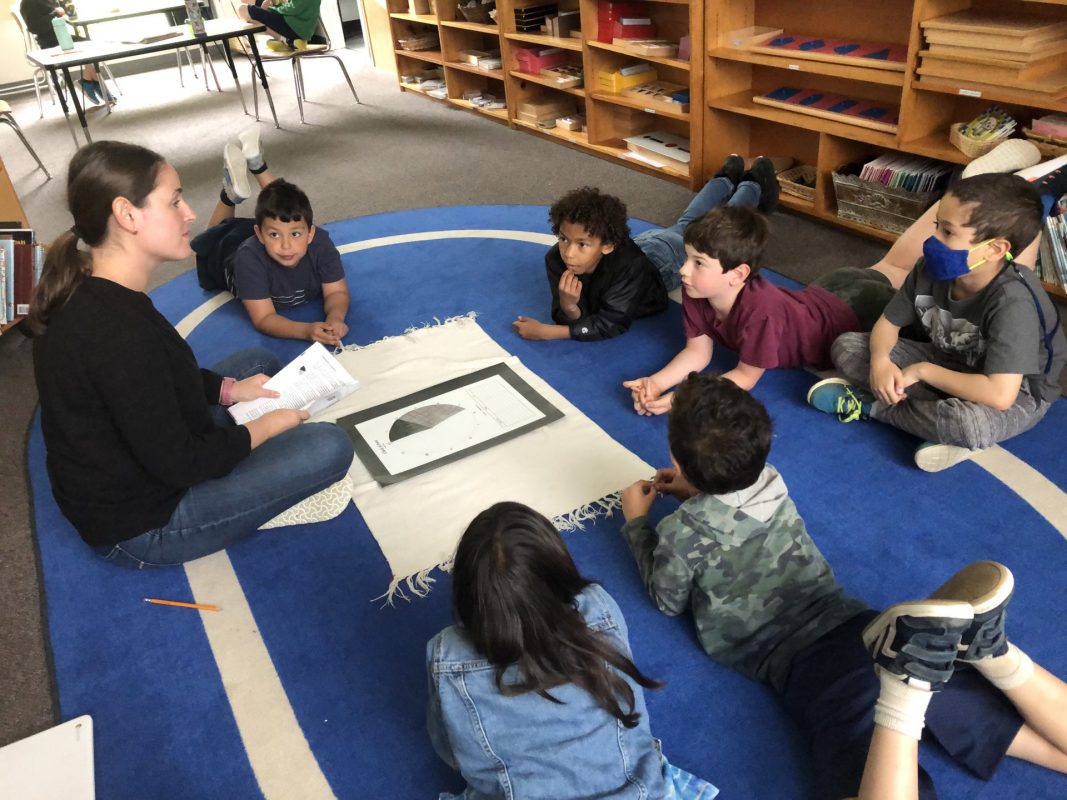
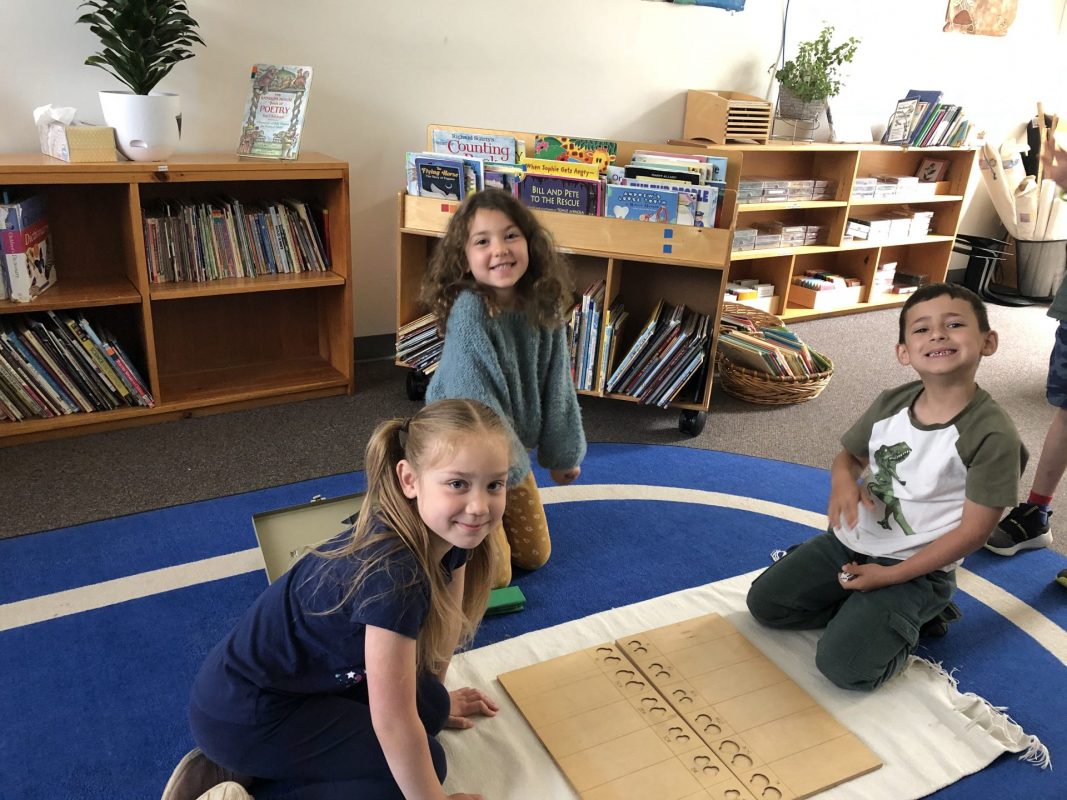
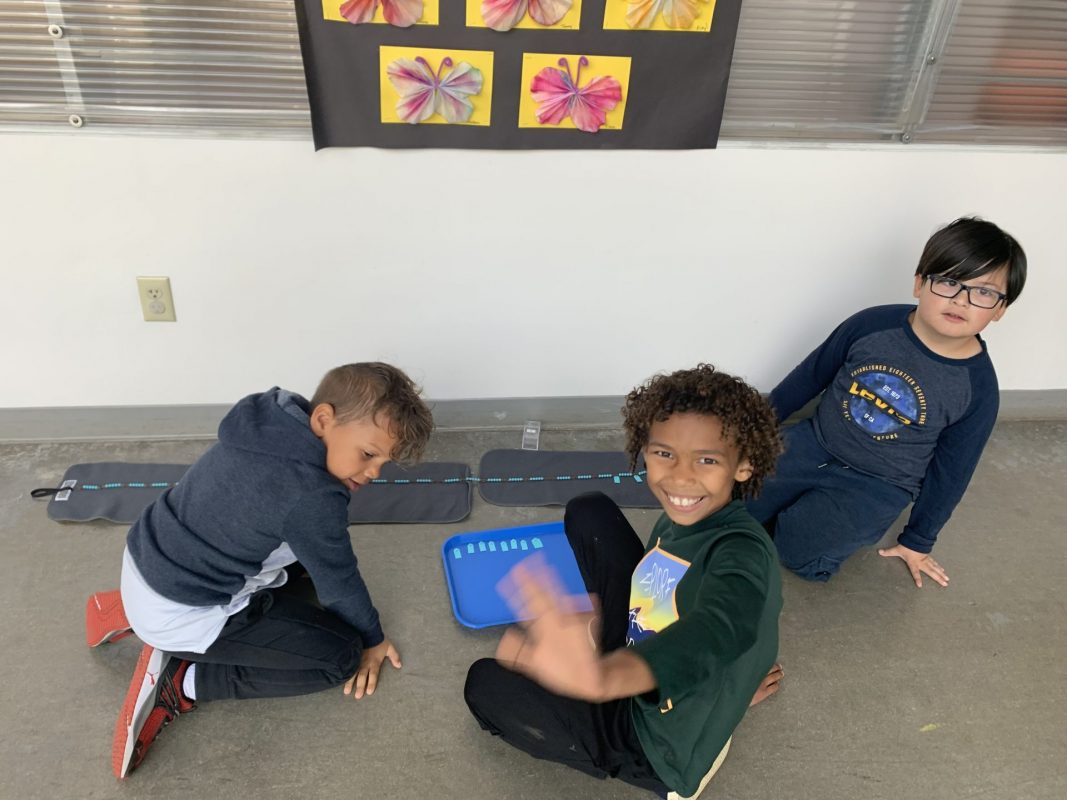
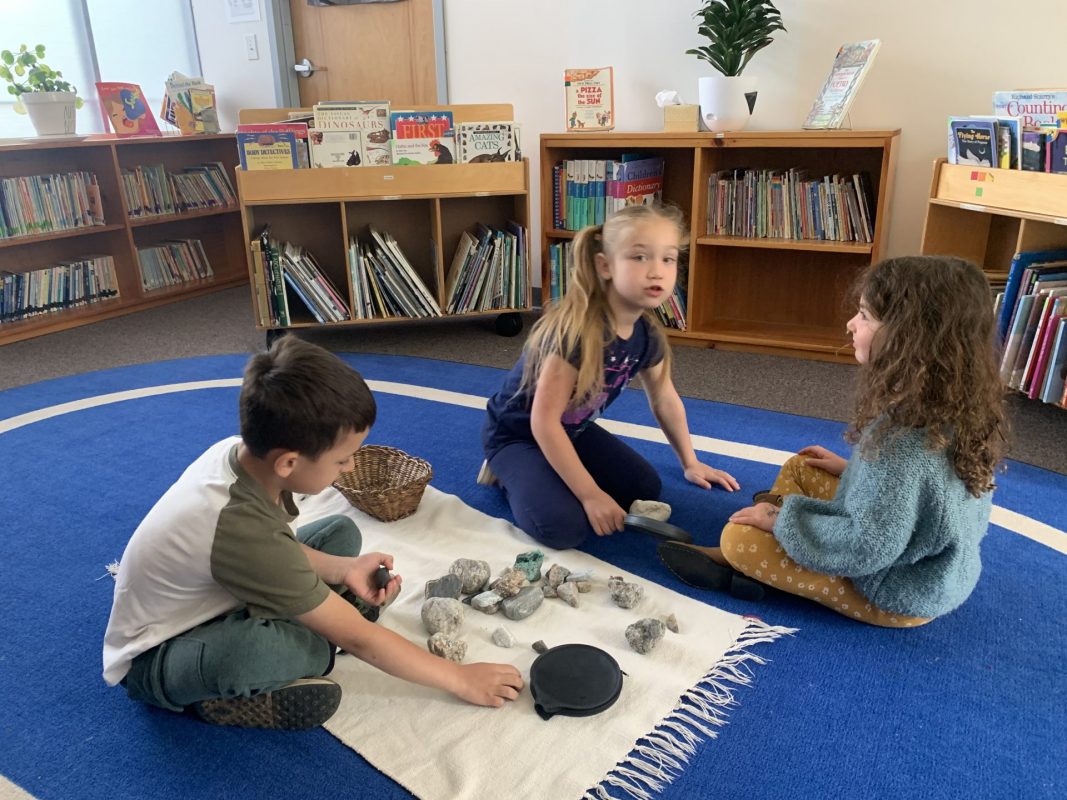
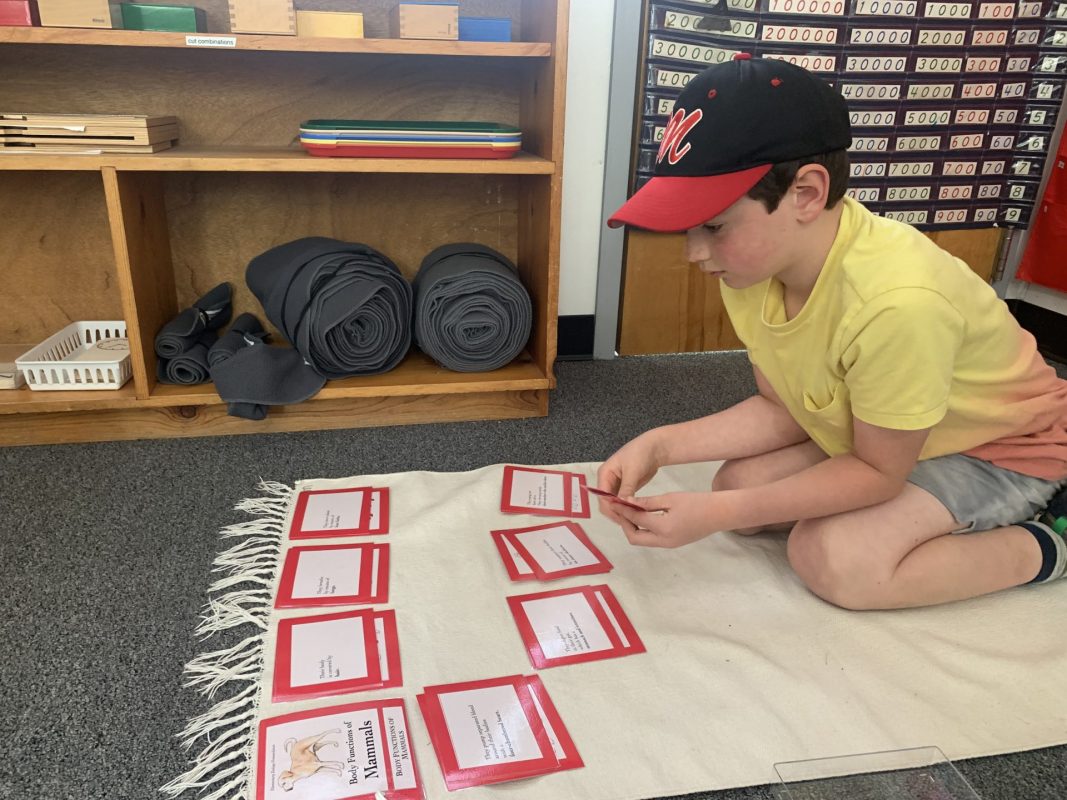
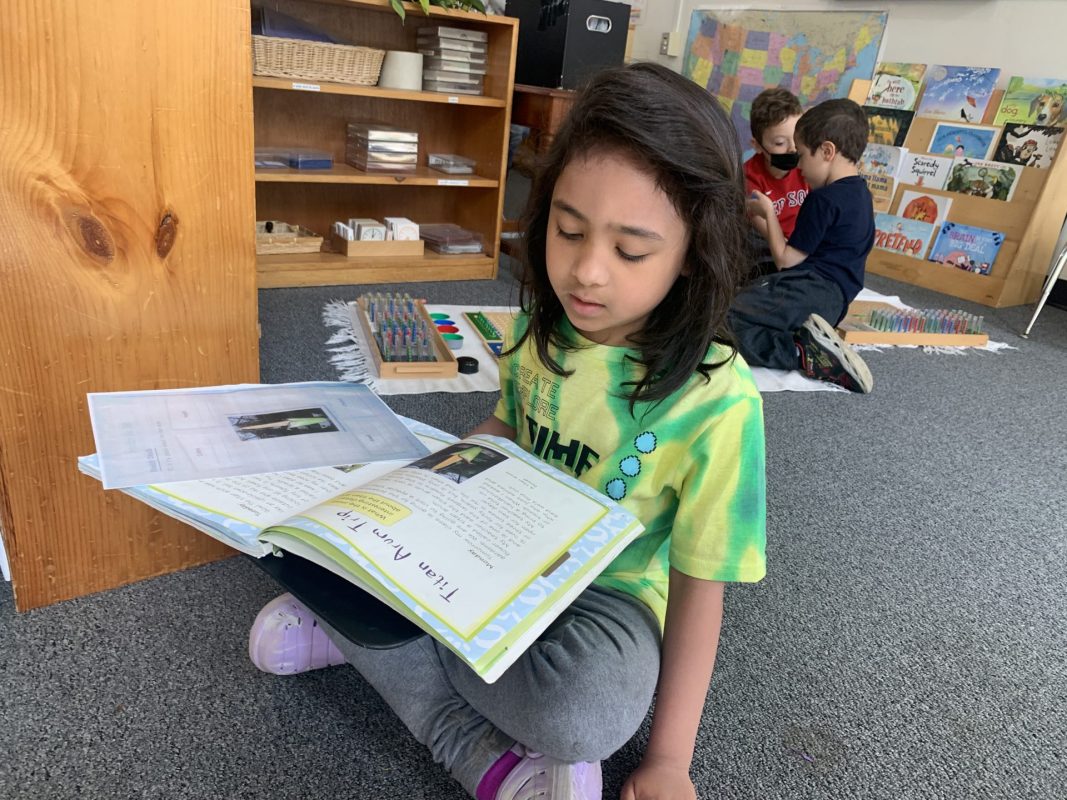
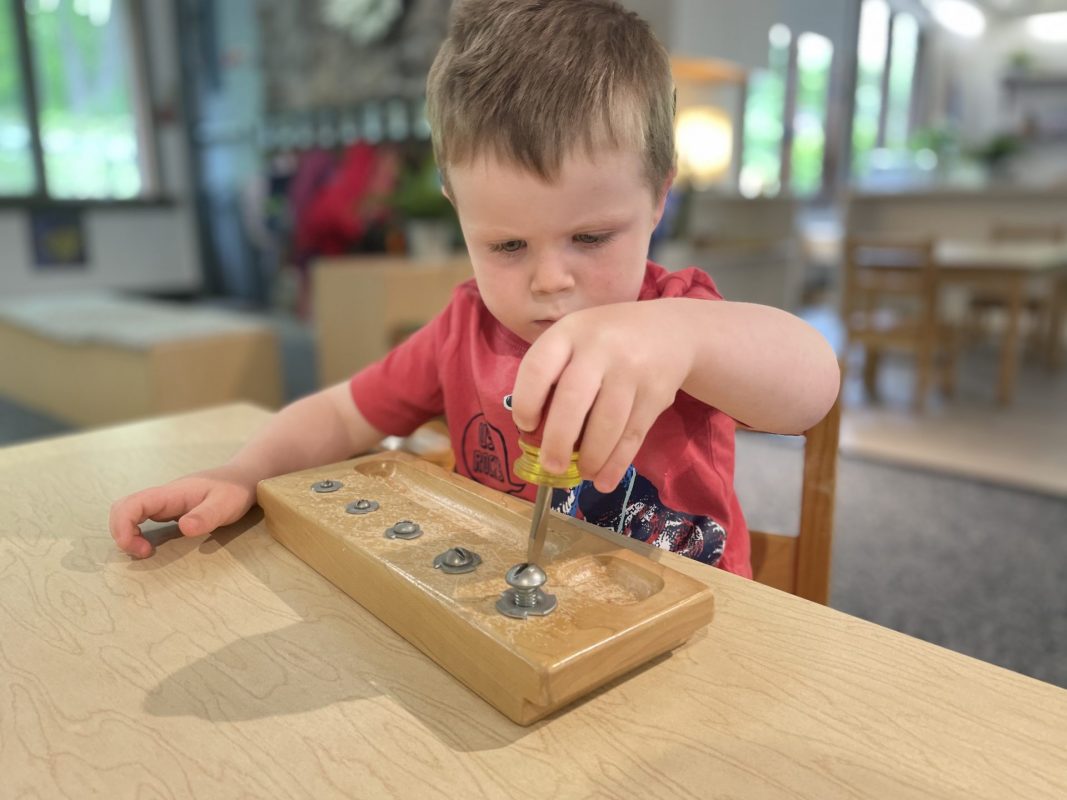
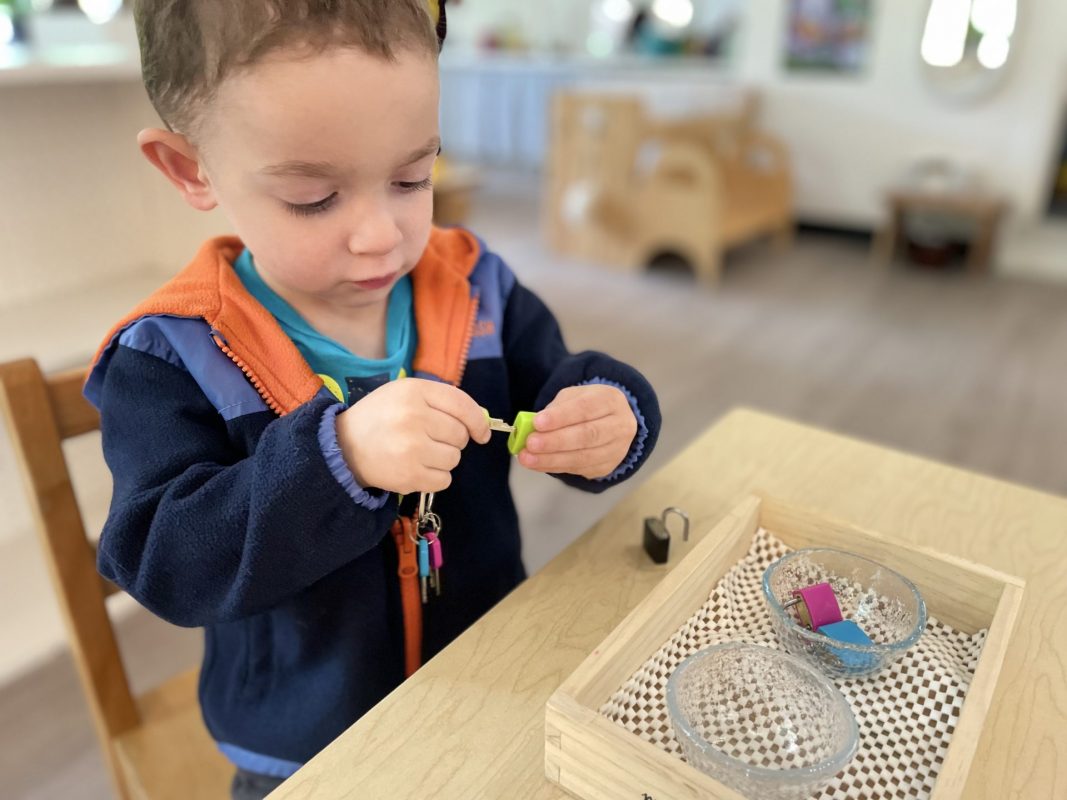
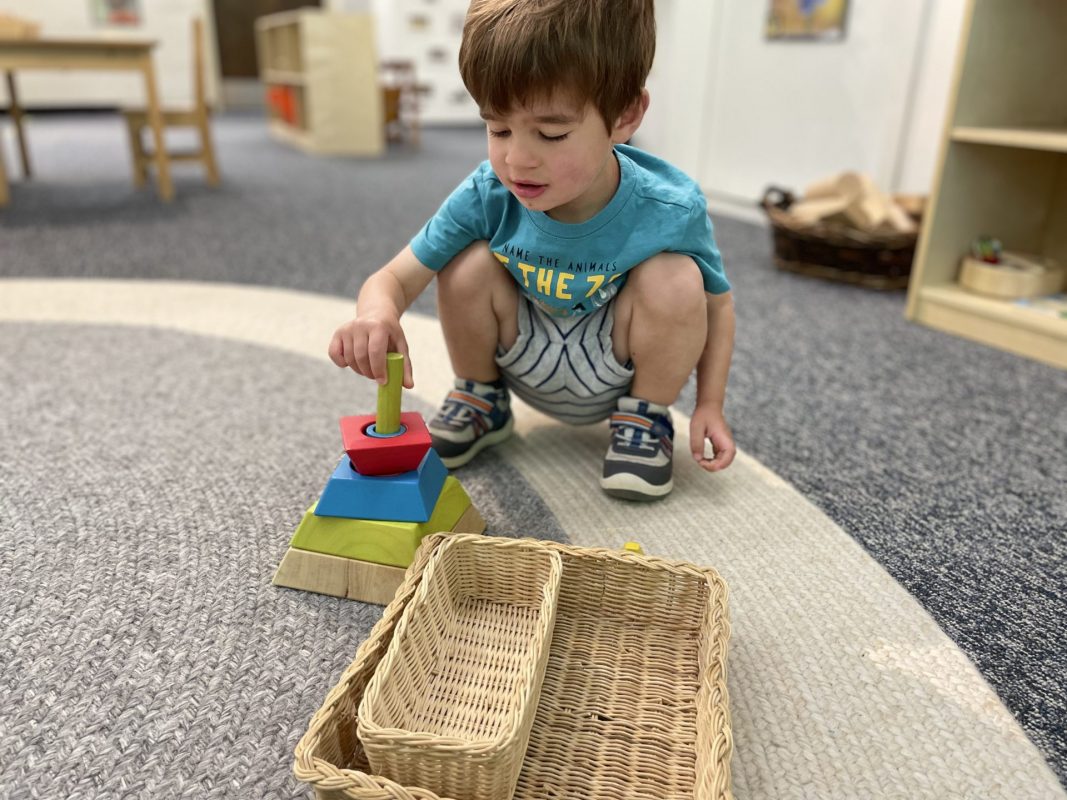
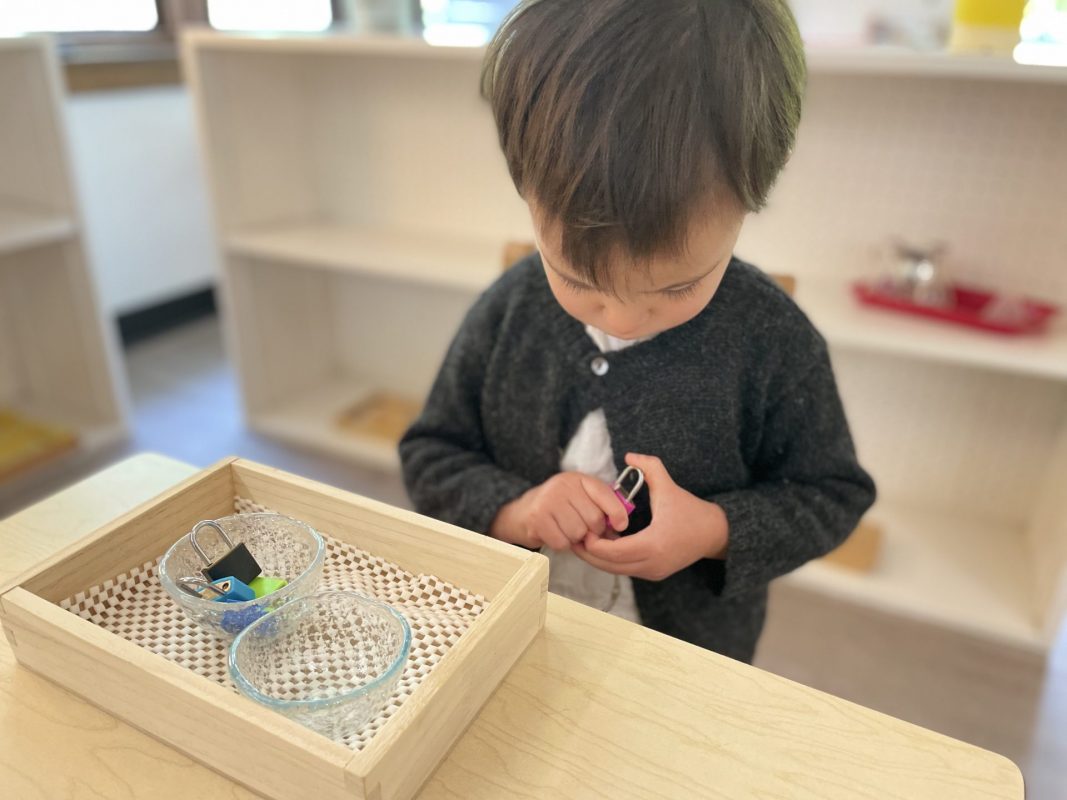
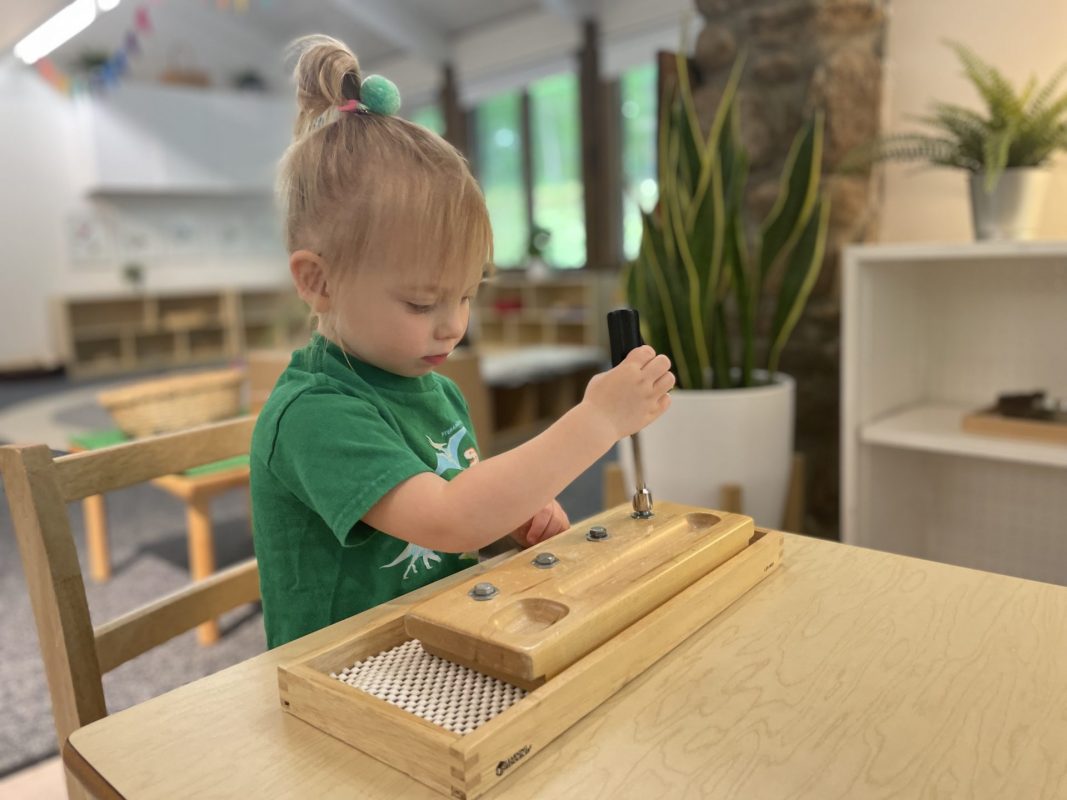
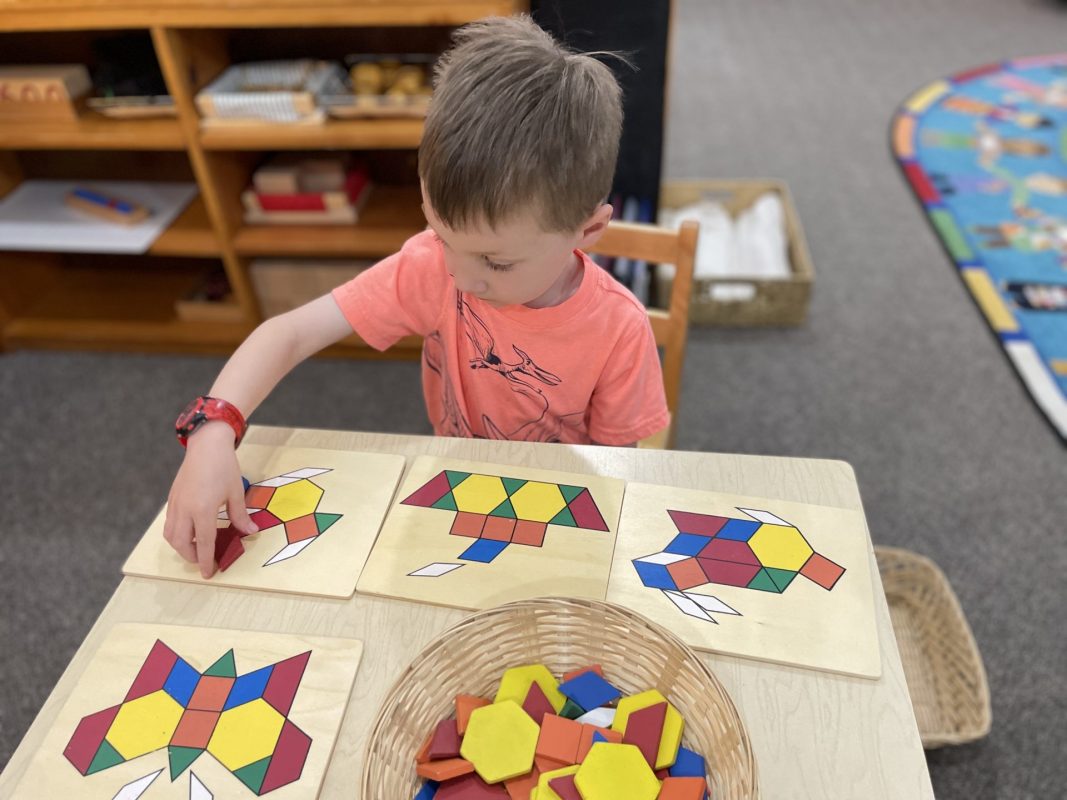
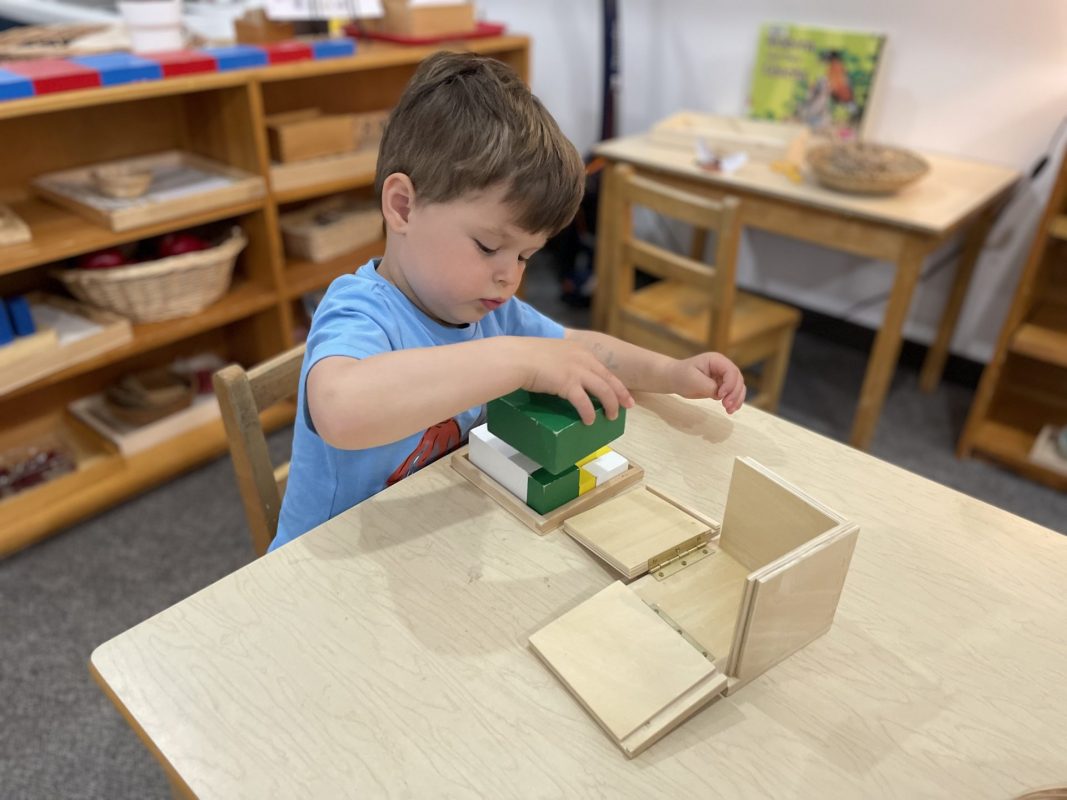
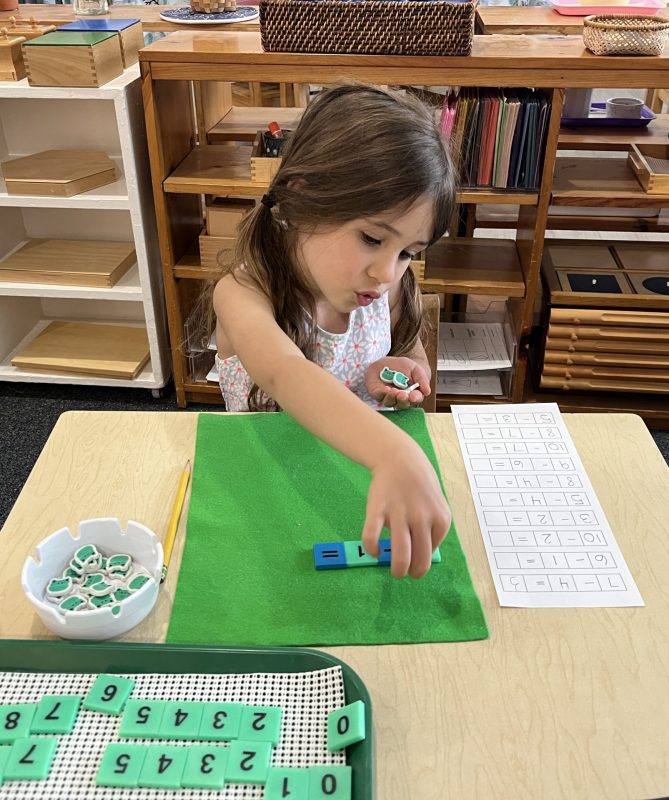
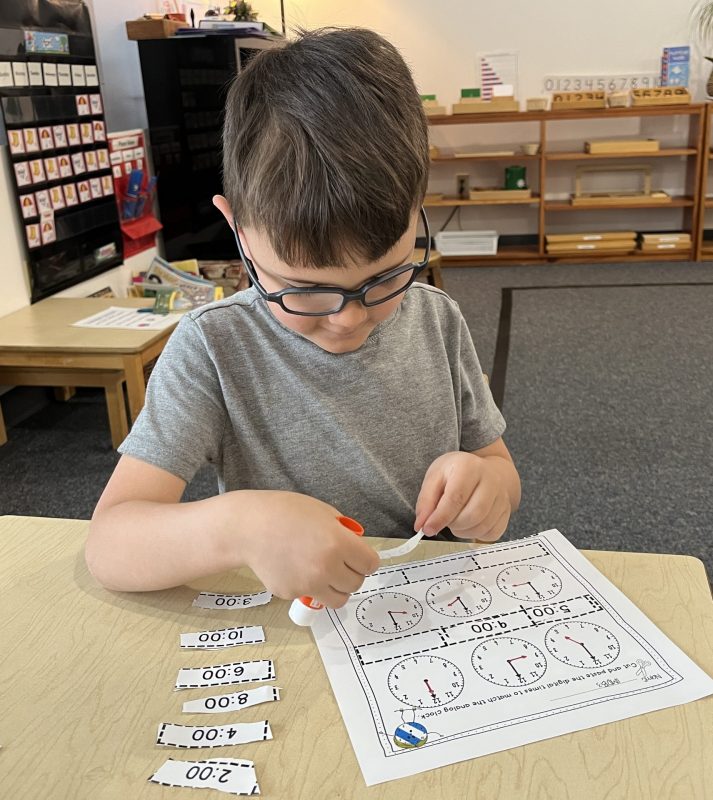
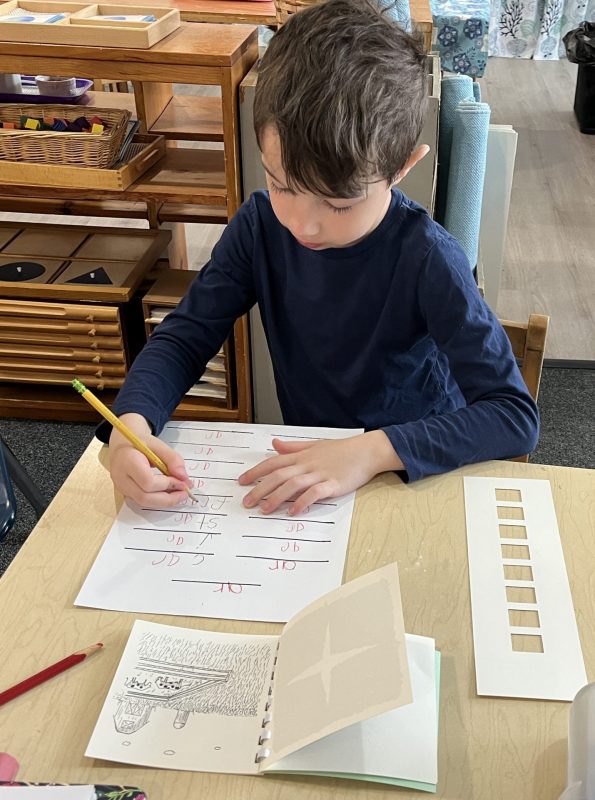
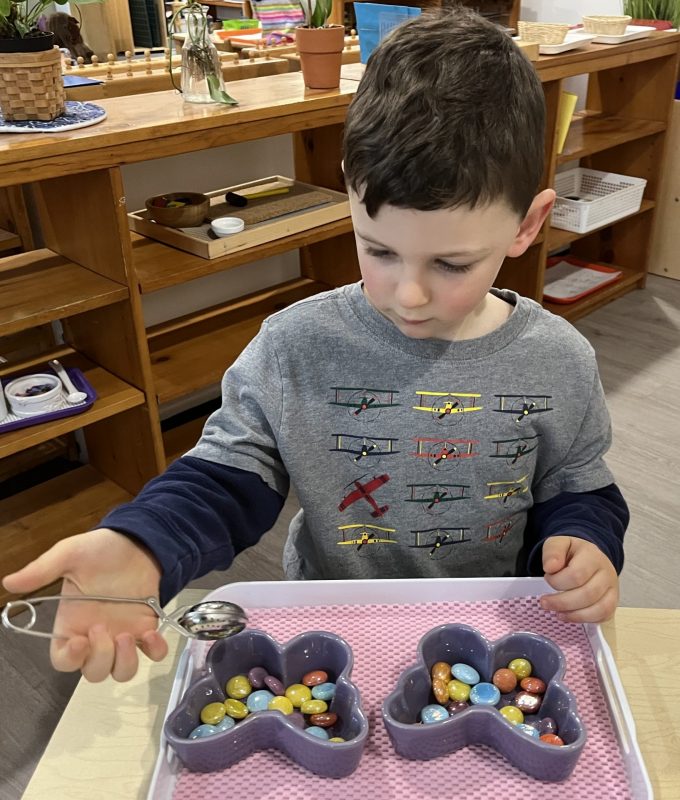
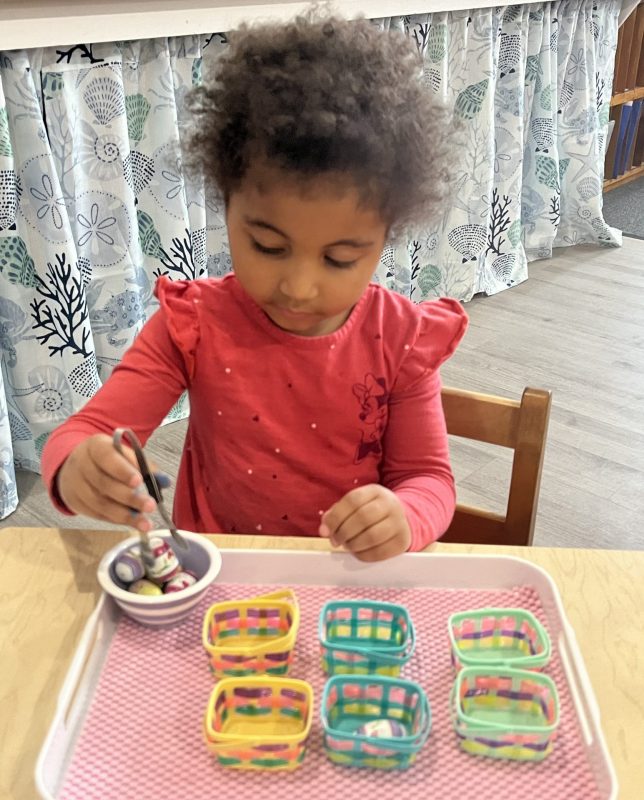
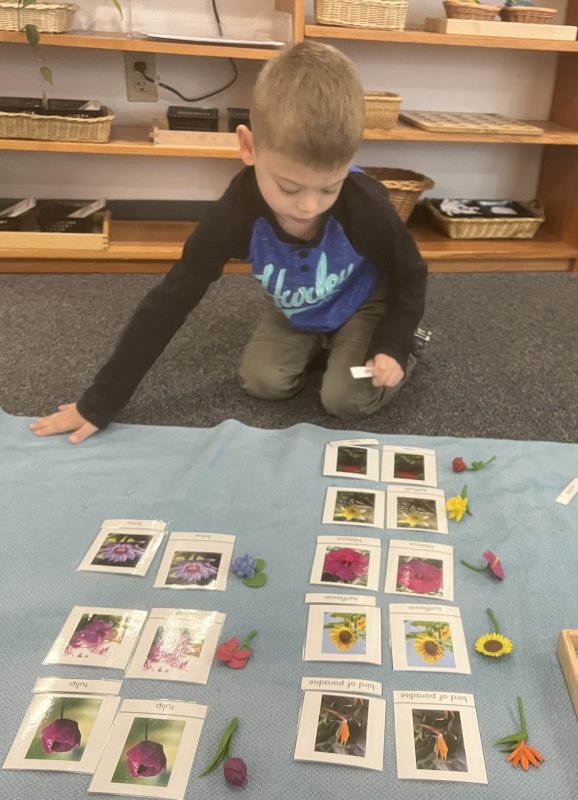
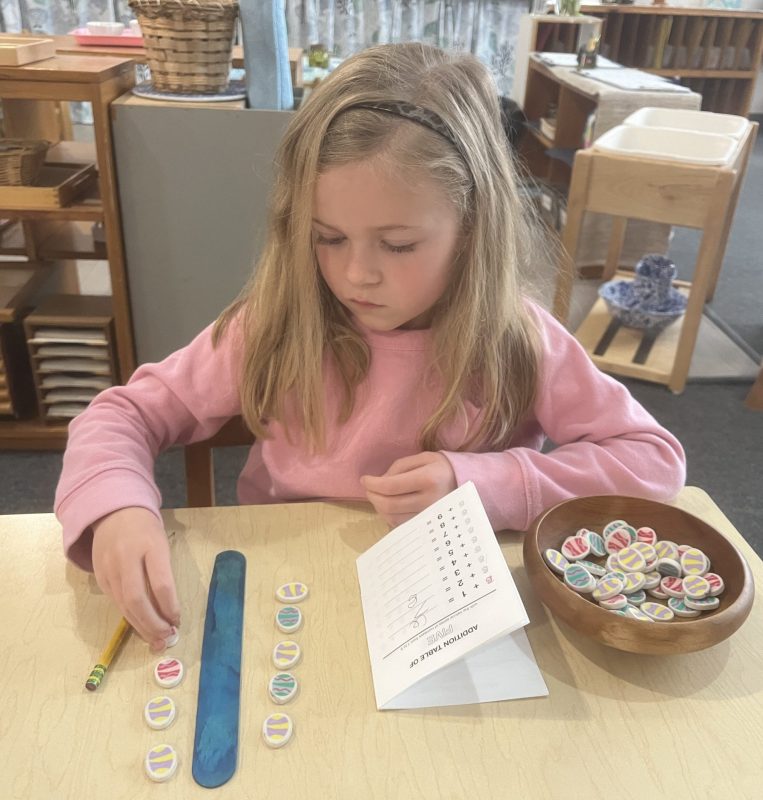
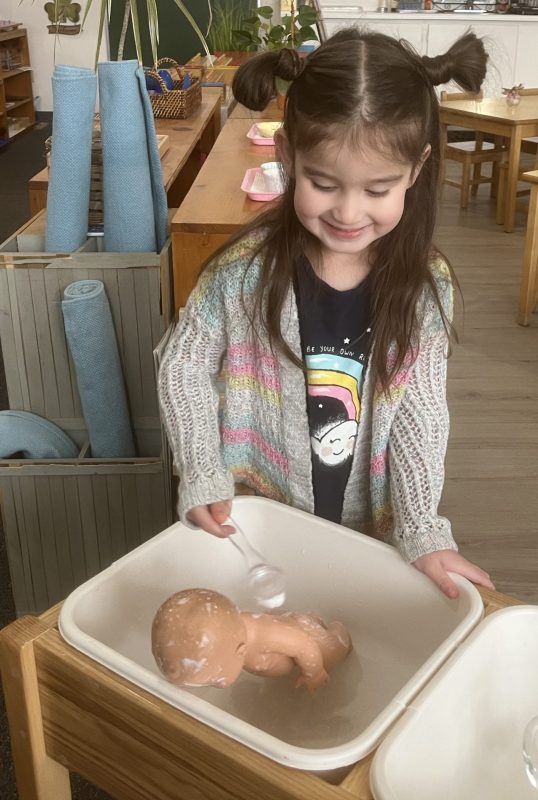
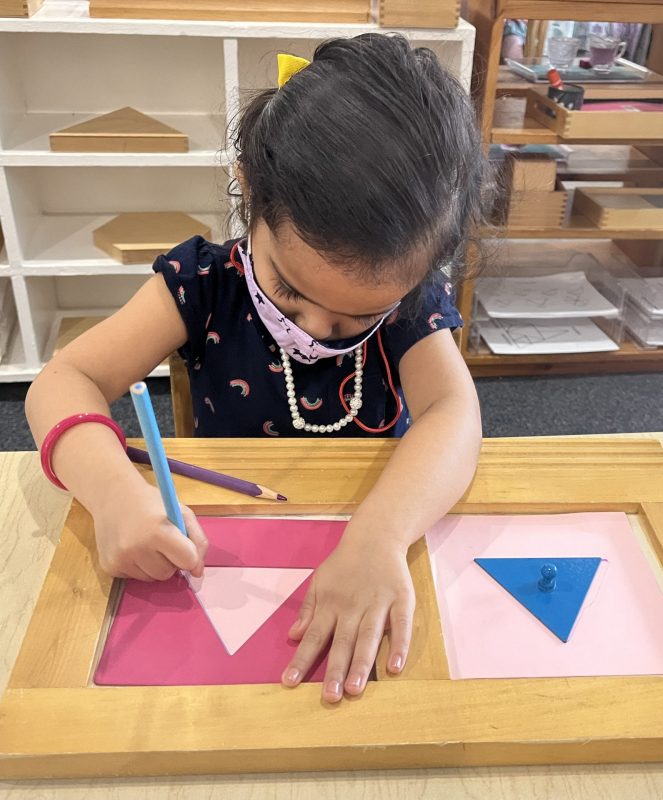
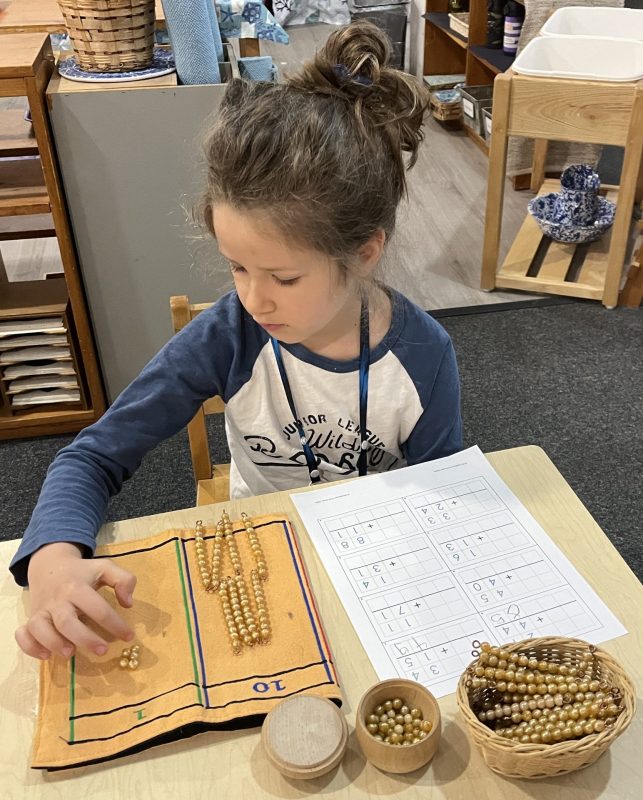
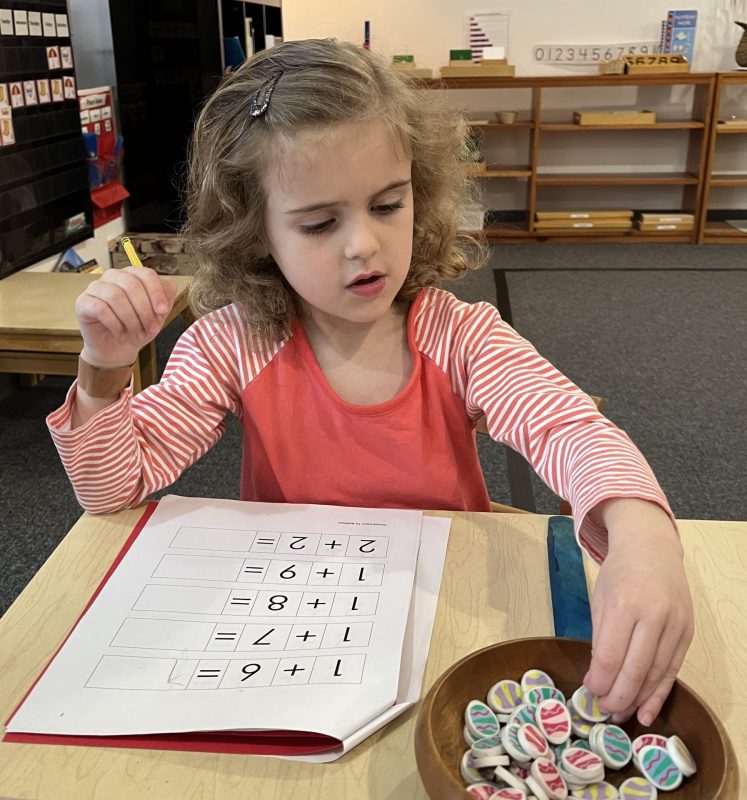
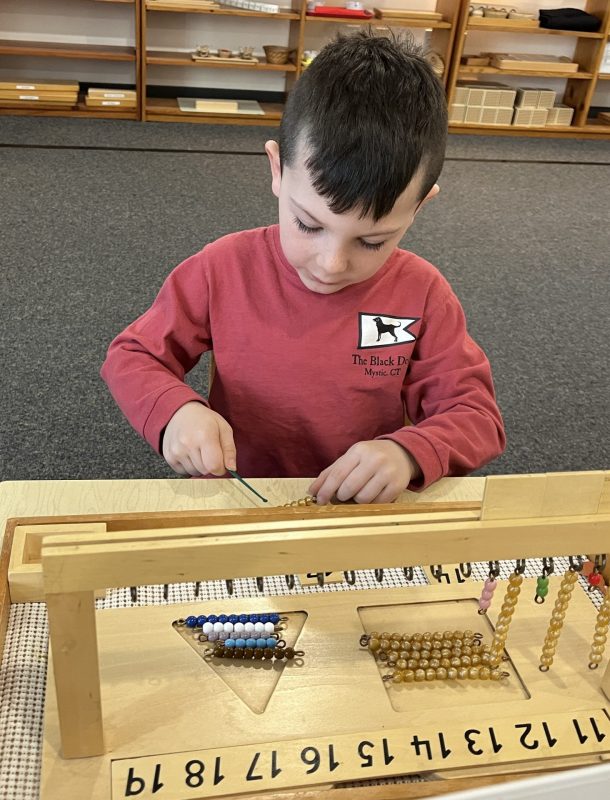
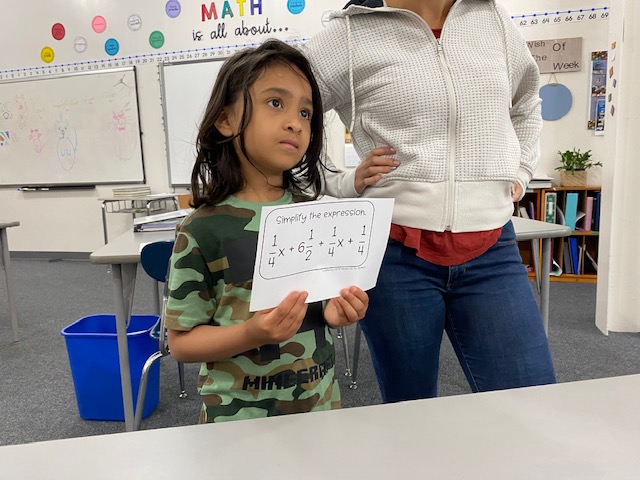
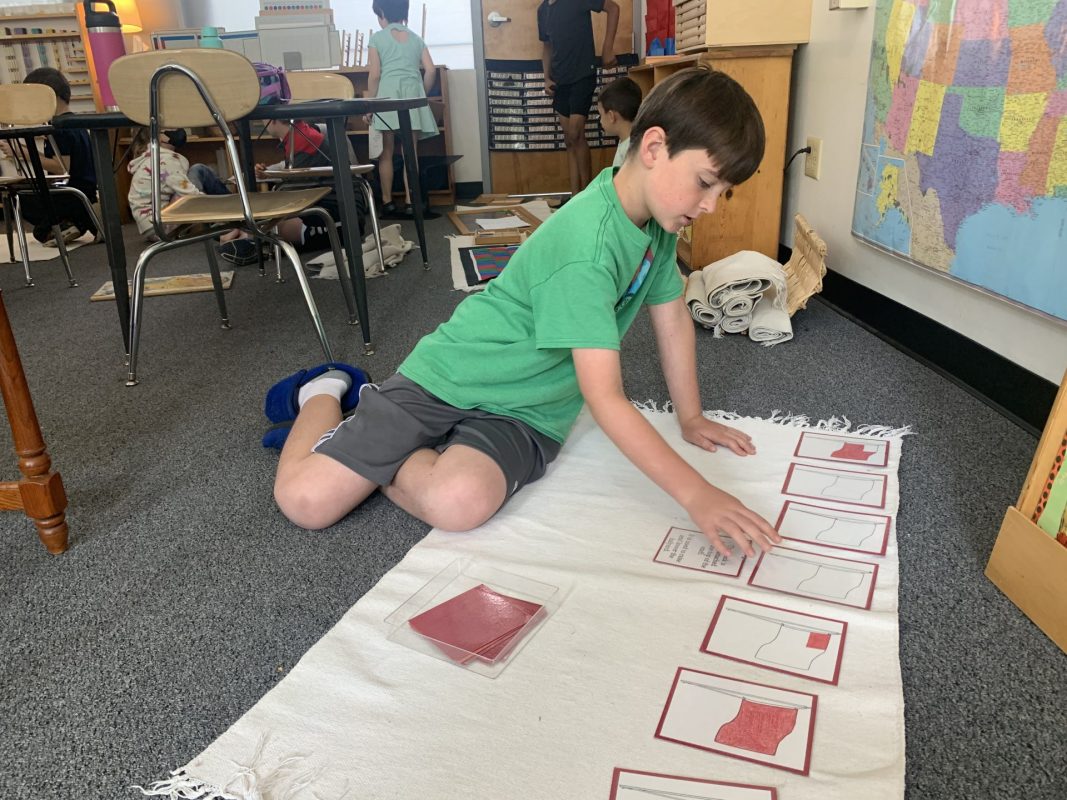
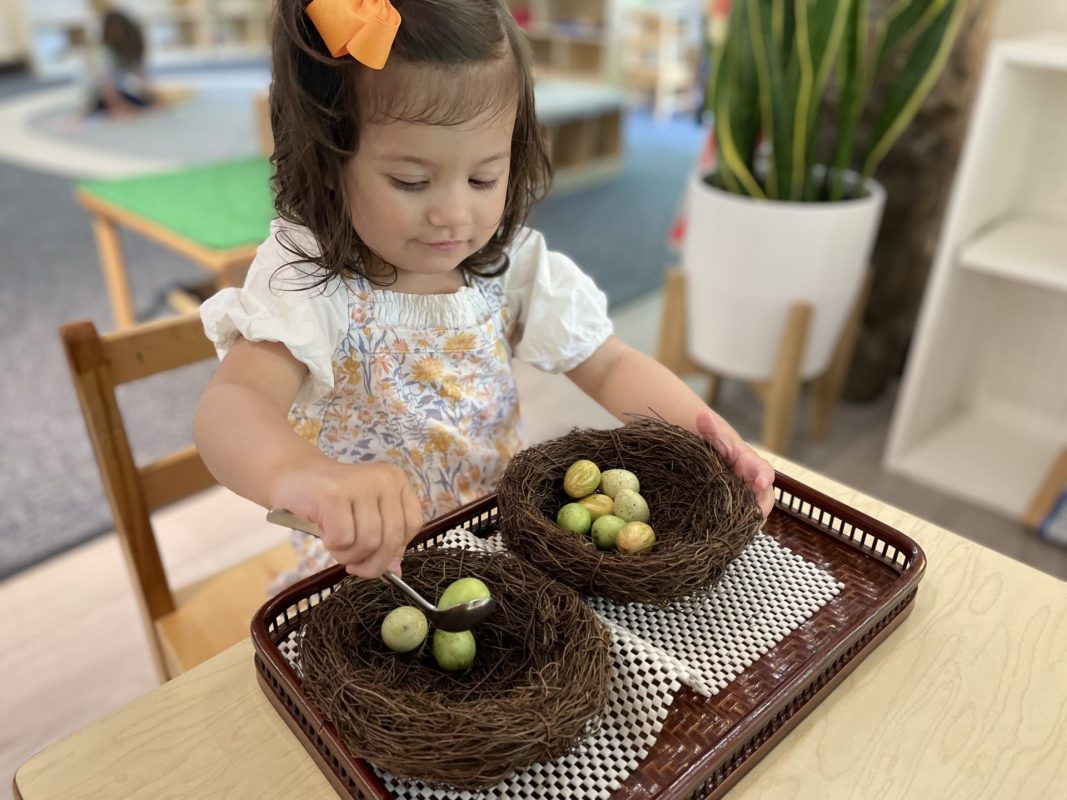
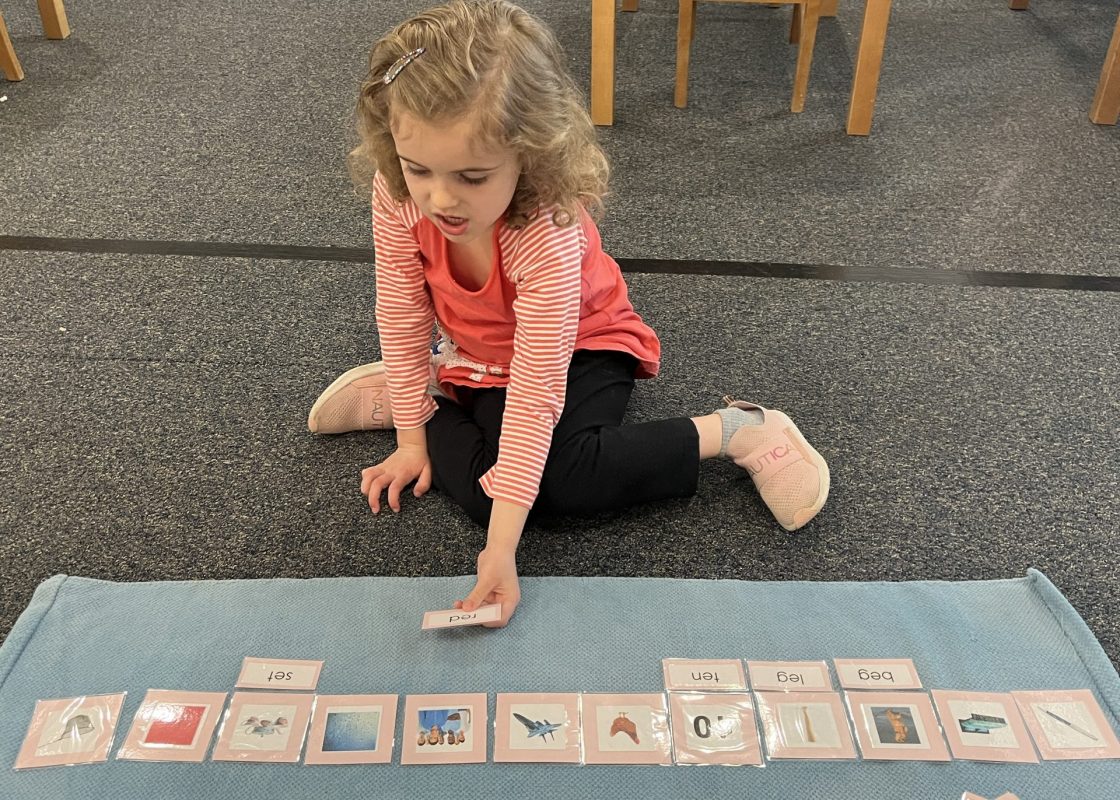
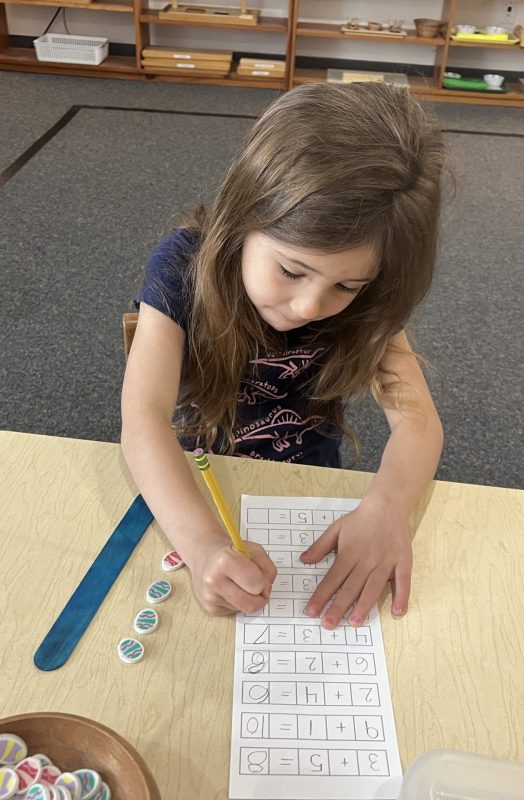
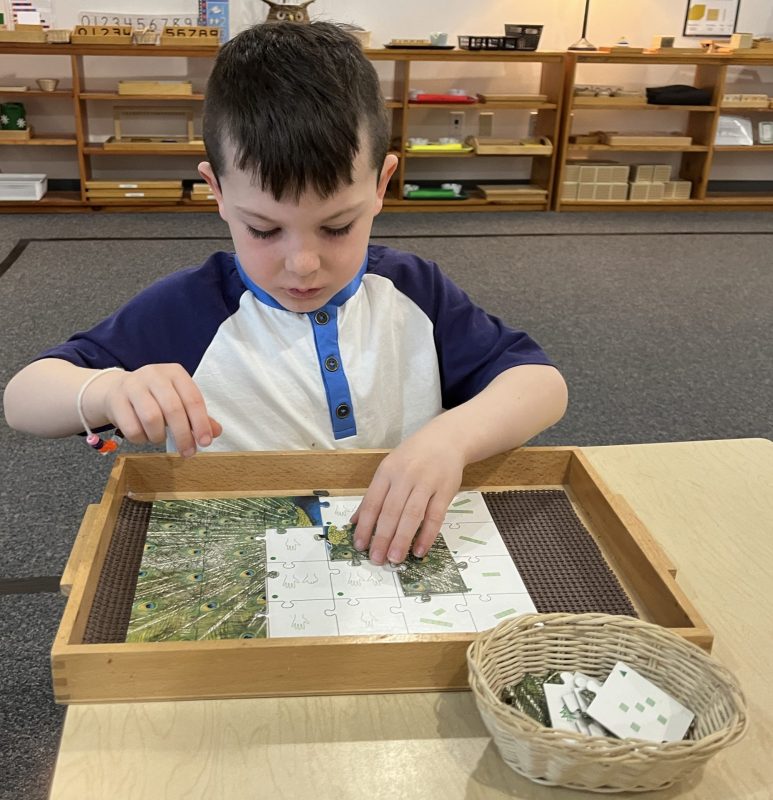
Prior to age six the children will often work by themselves, but near their peers. They may lay out a work rug, set up their material, and delve into a deeply concentrated state. They use the materials in the way they have been taught, then clean up and replace everything when they are done. 

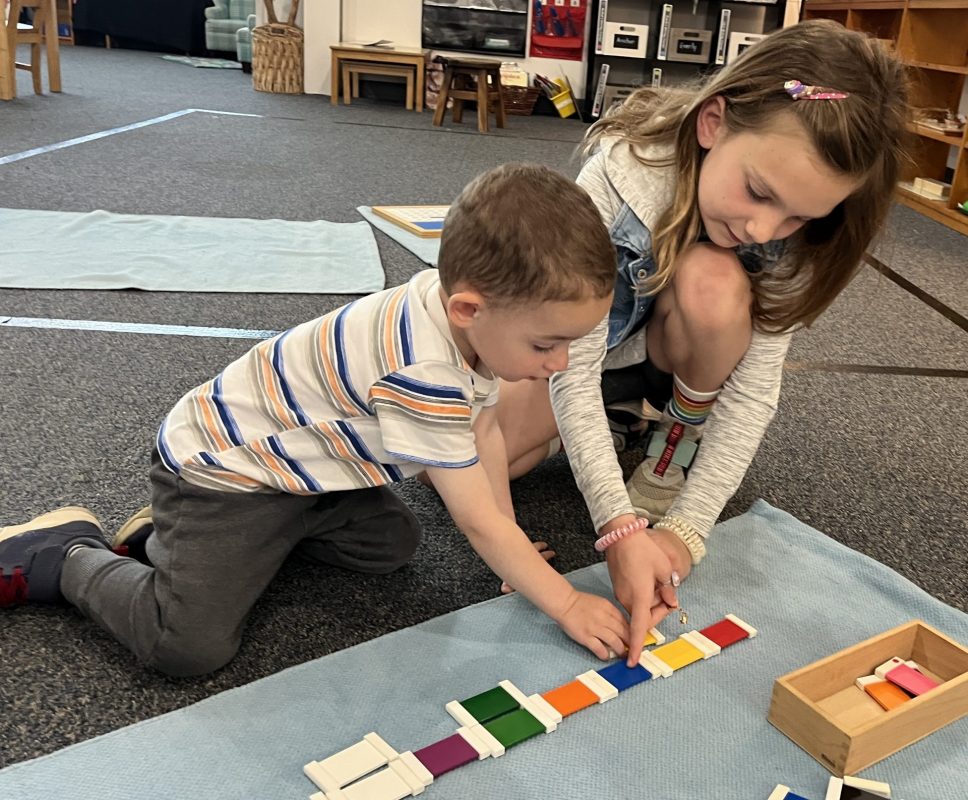
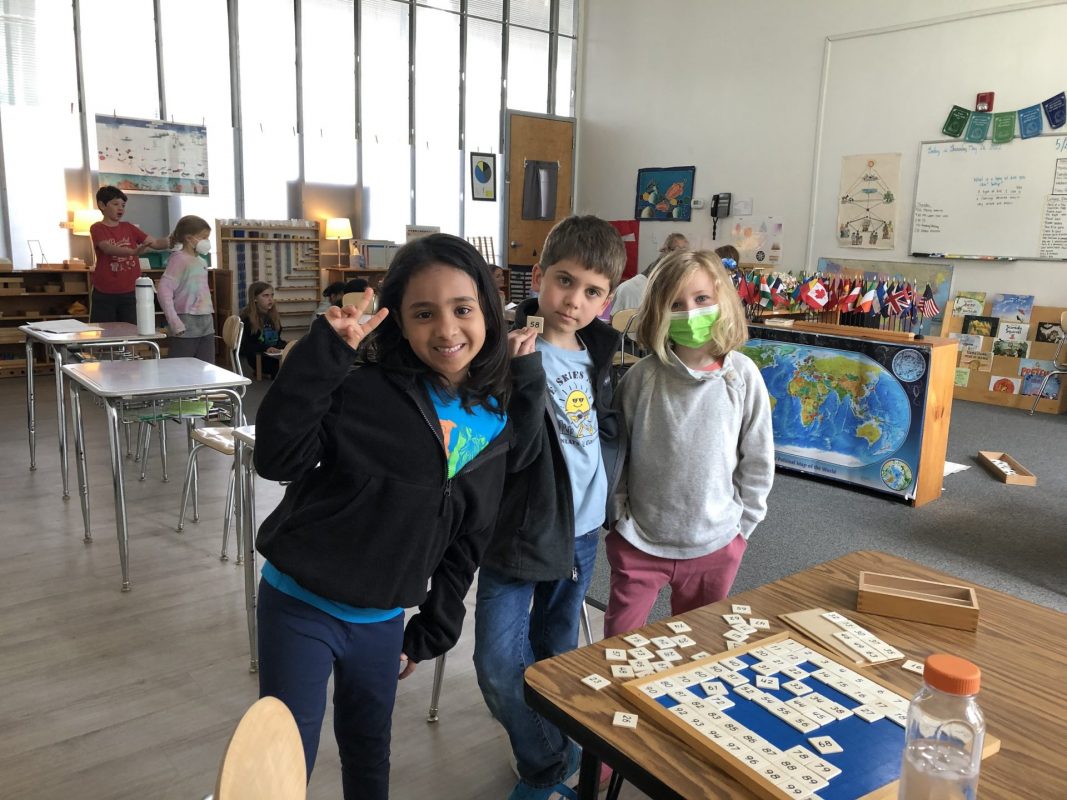
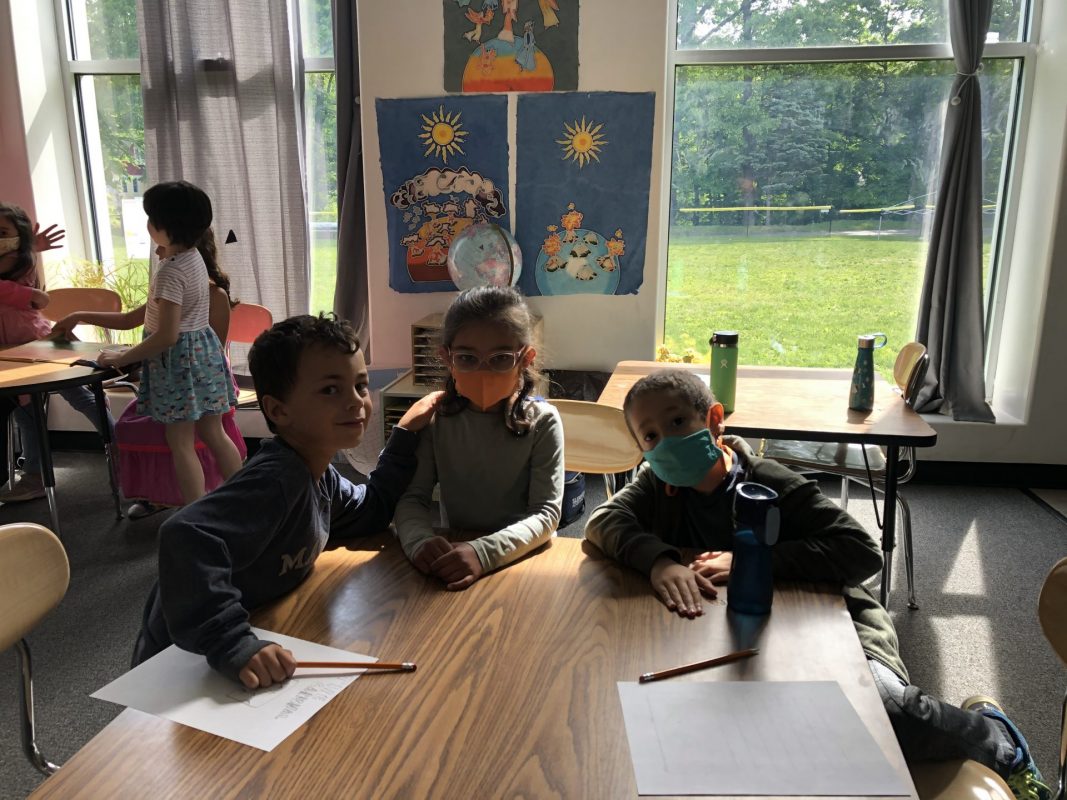
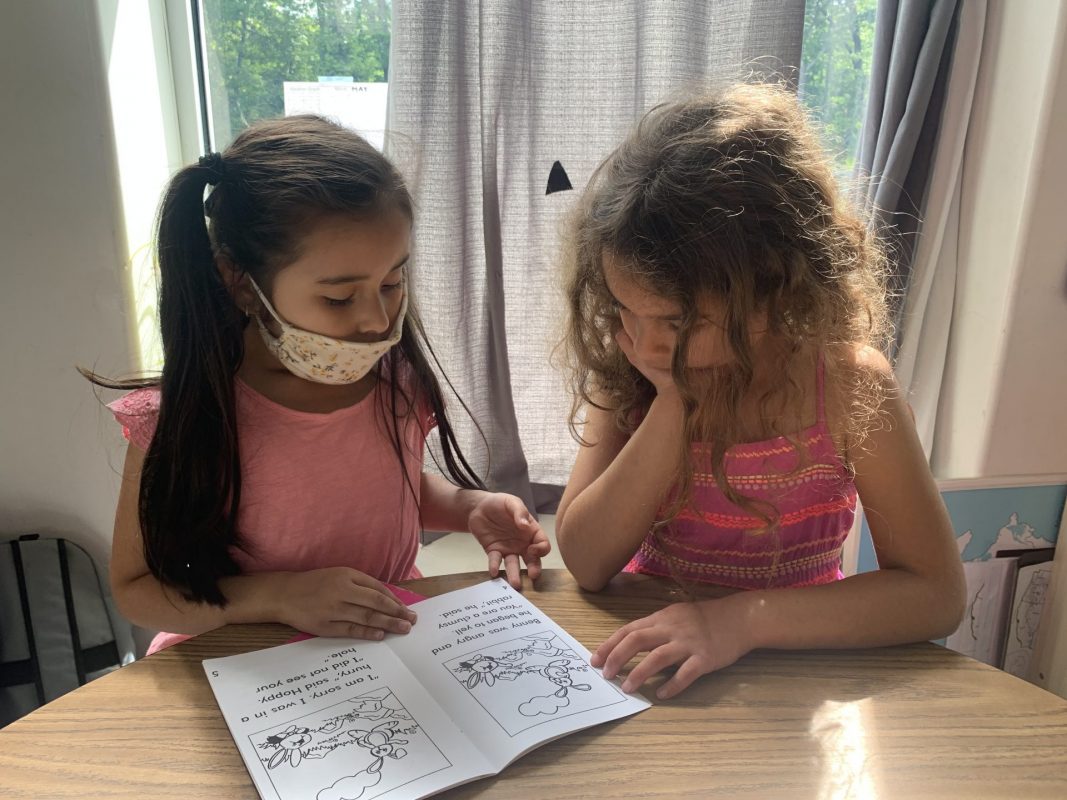
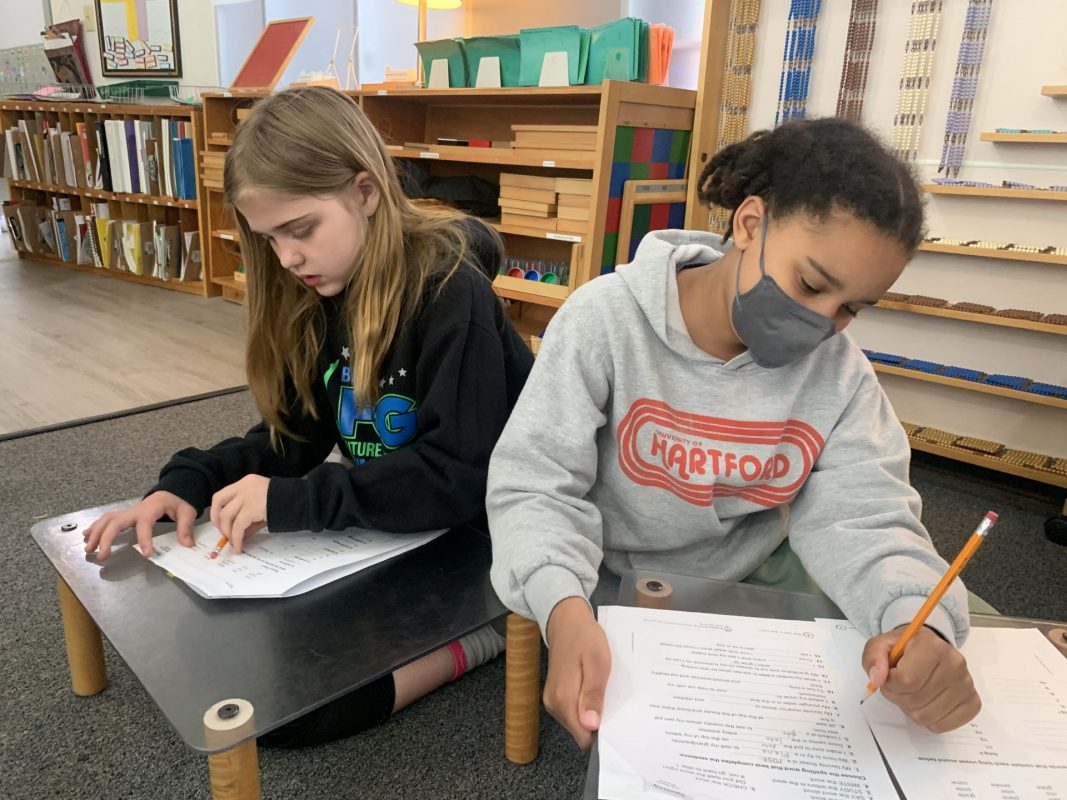
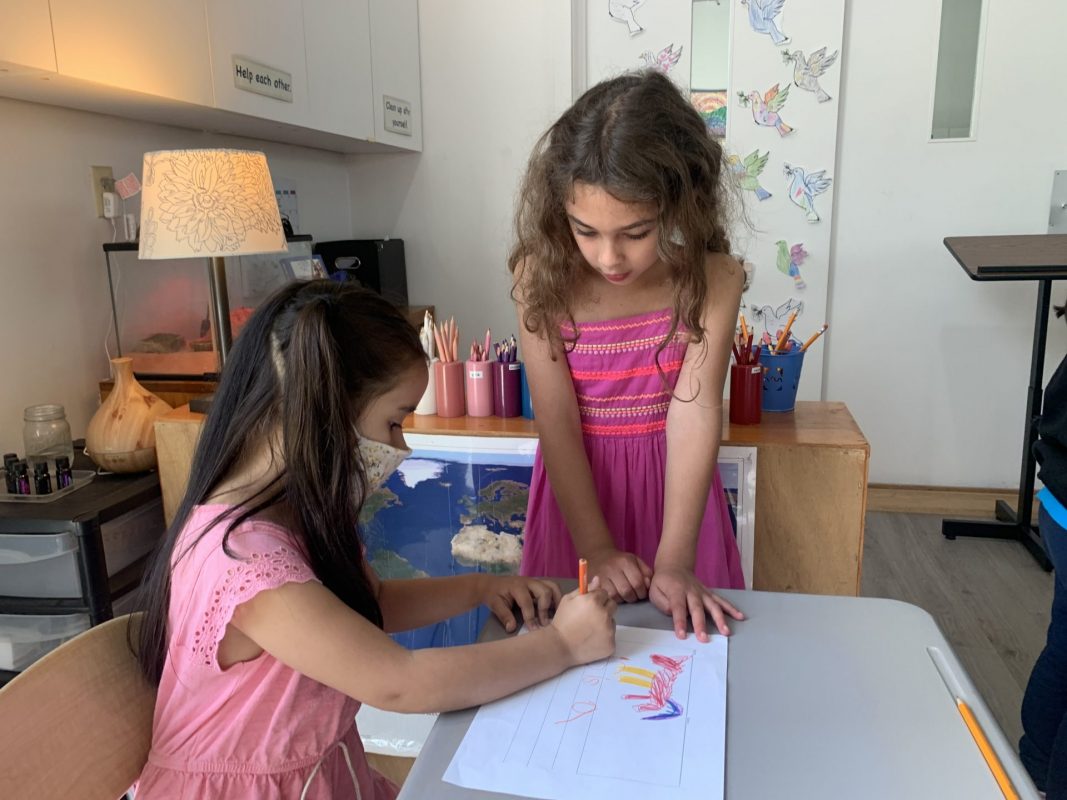
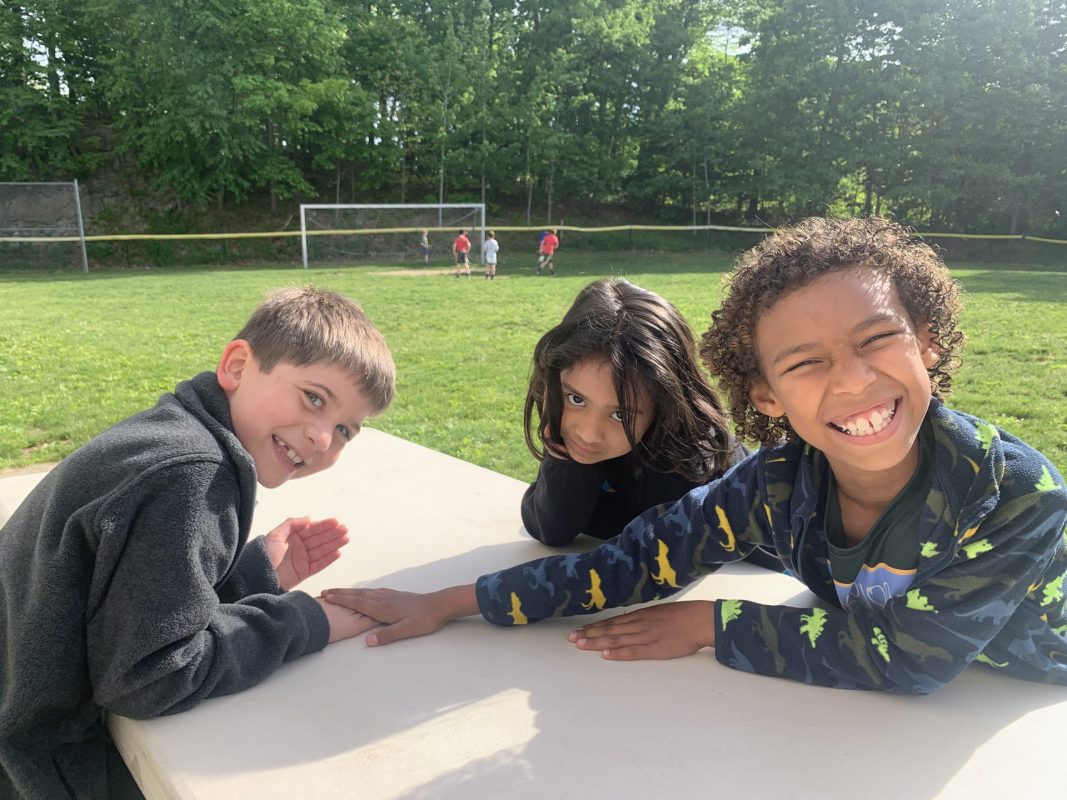
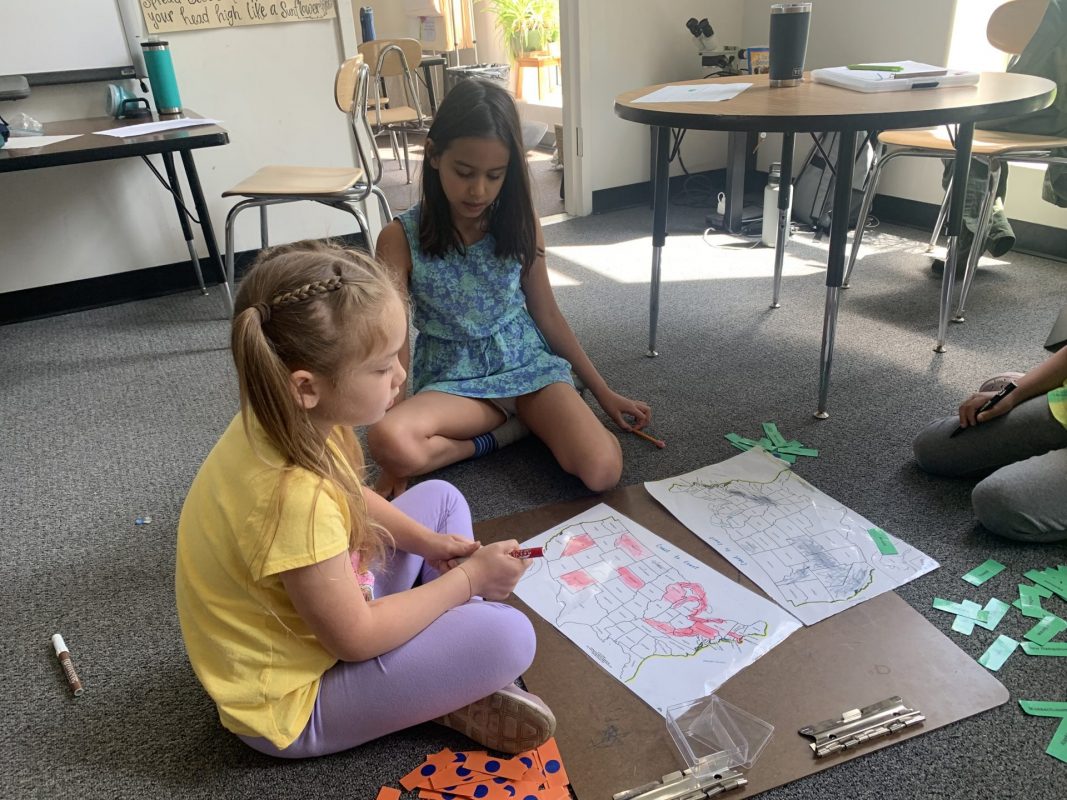
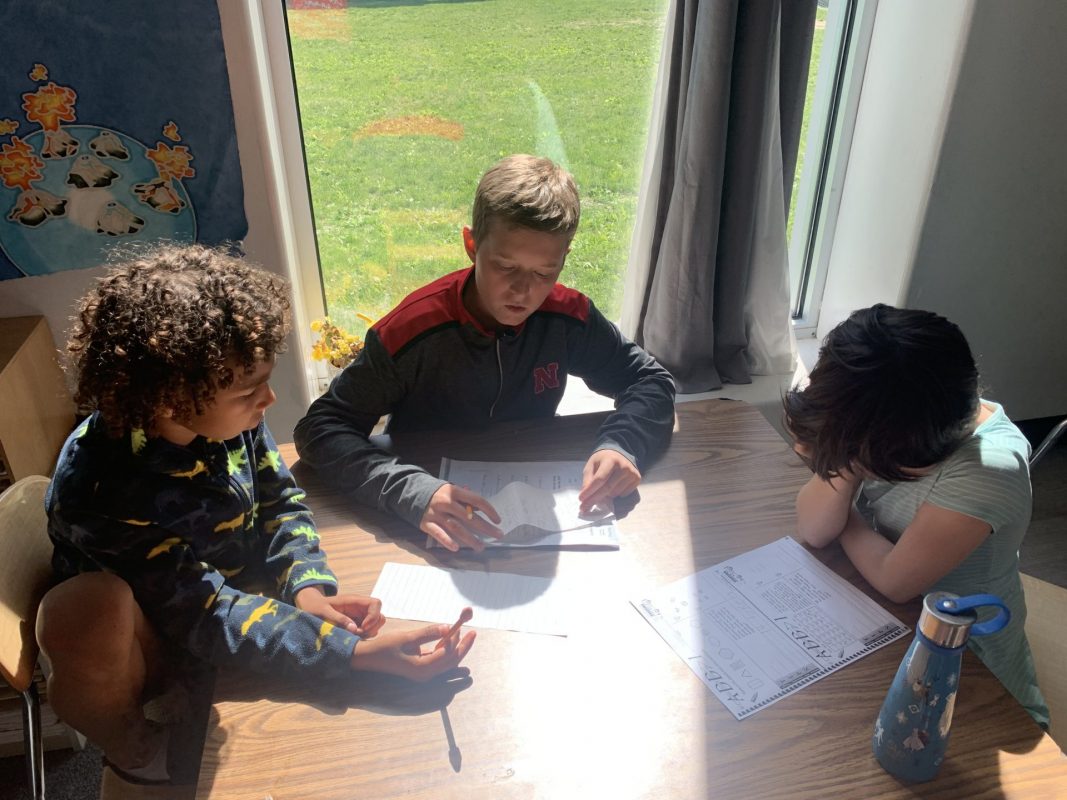
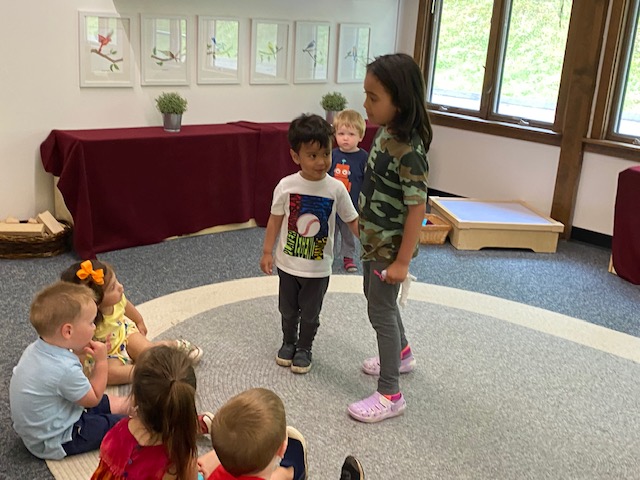
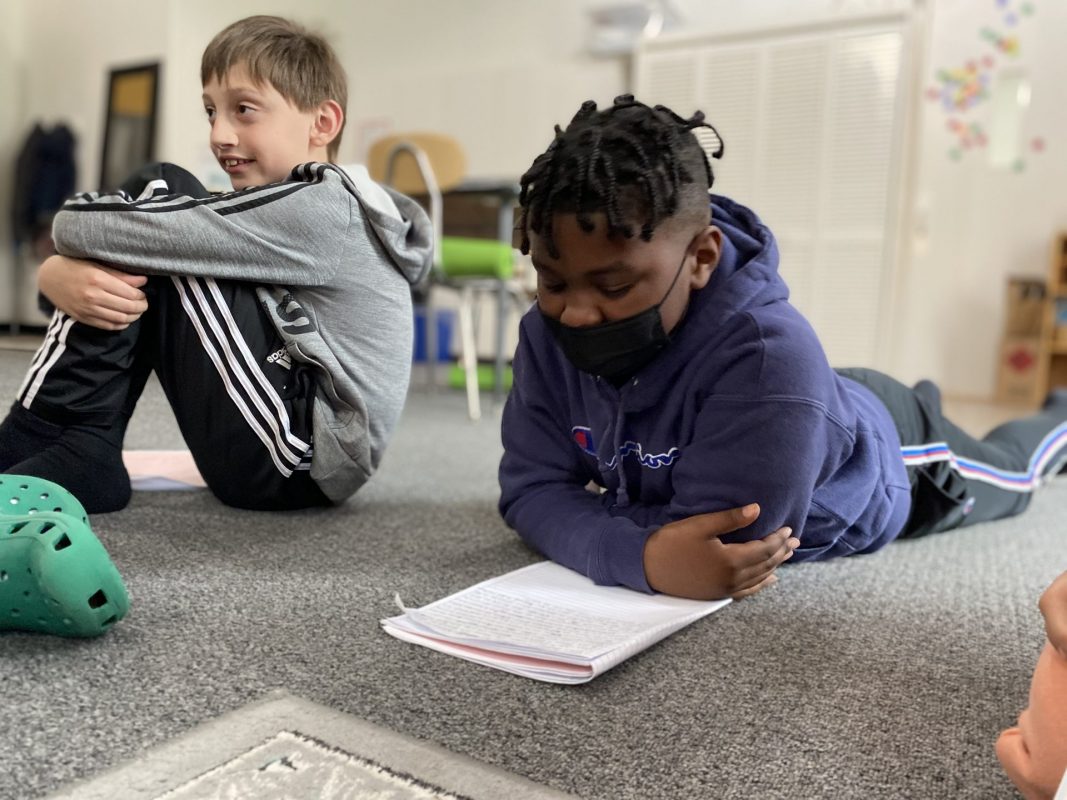
In the classrooms with children older than age six, the start of the day can be a bit noisier and more chaotic due to their level of social development and their desire for social connection. They still get to work rather quickly, although it’s often in the form of group or partner work.

What do the teachers in the room do?

A Montessori classroom typically has two adults present: the teacher and an assistant. The assistant busies themselves with ensuring the room stays neat and orderly and that everything the children need is available to them. If children need help or redirection, the assistant is quick to engage while still allowing the child to maintain an appropriate level of independence.

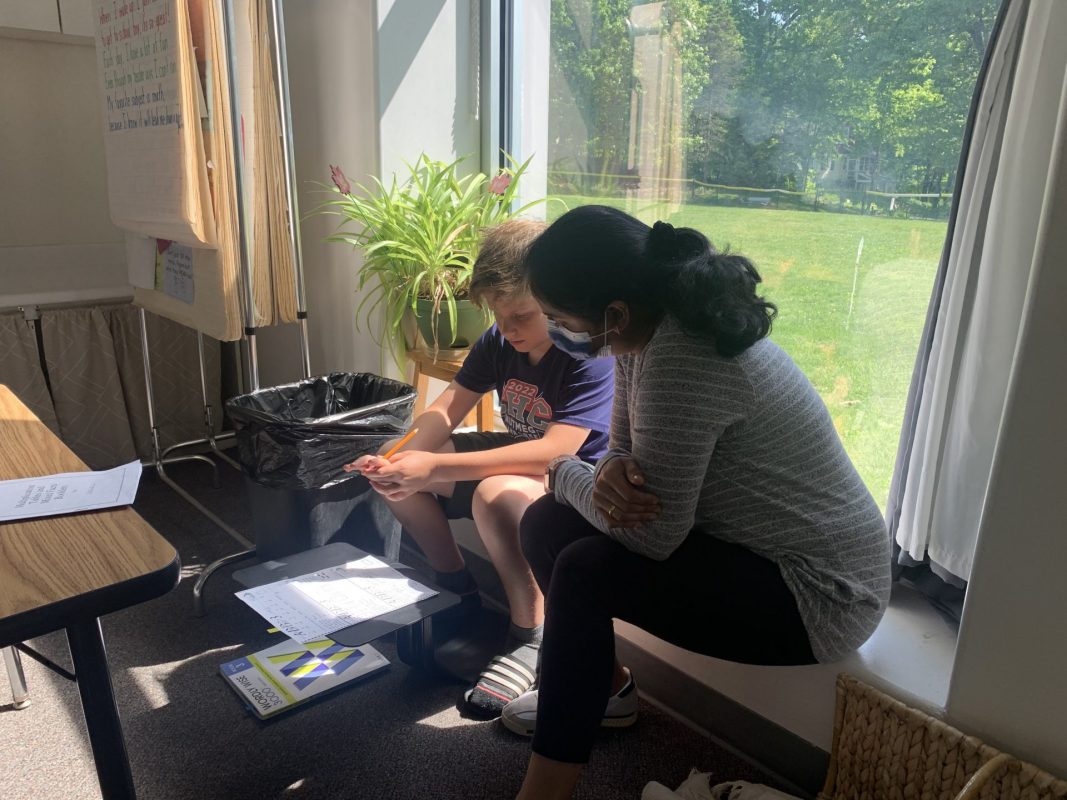
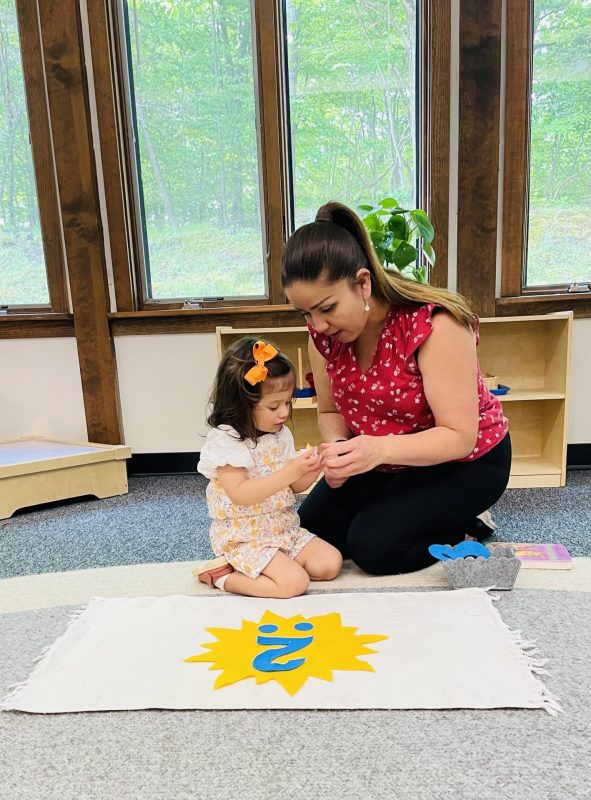
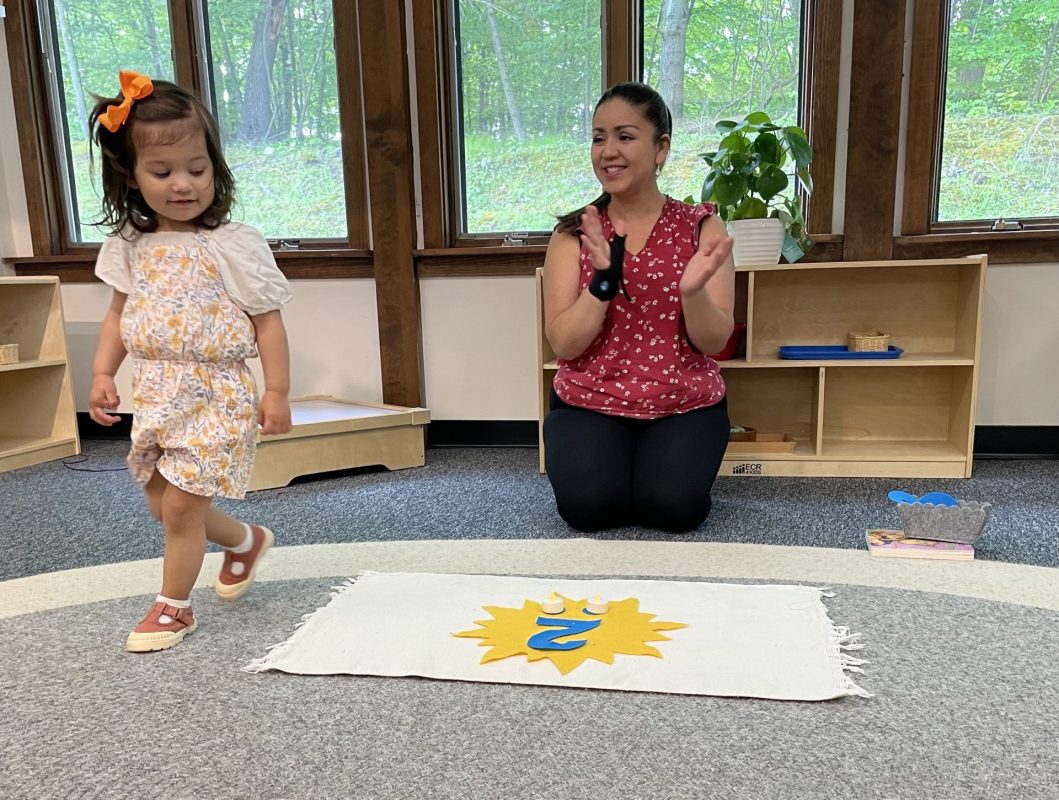
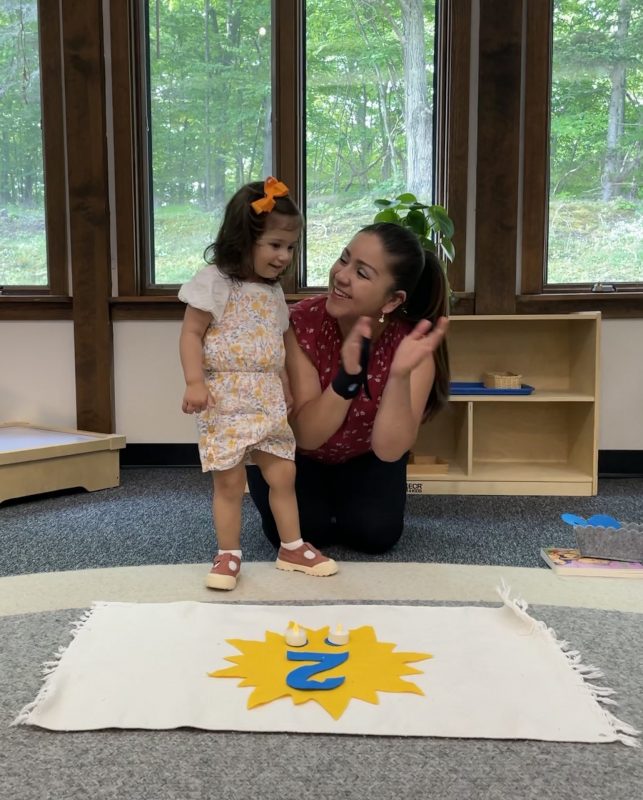
This allows the head teacher to focus on two main tasks: observation and presenting lessons. During the work cycle, teachers give lessons to individual students or small groups of children. Adults in a Montessori classroom do their best not to interrupt the work of the child. 

Do children really focus the entire time?

Can anyone truly focus for three hours straight without a break? 

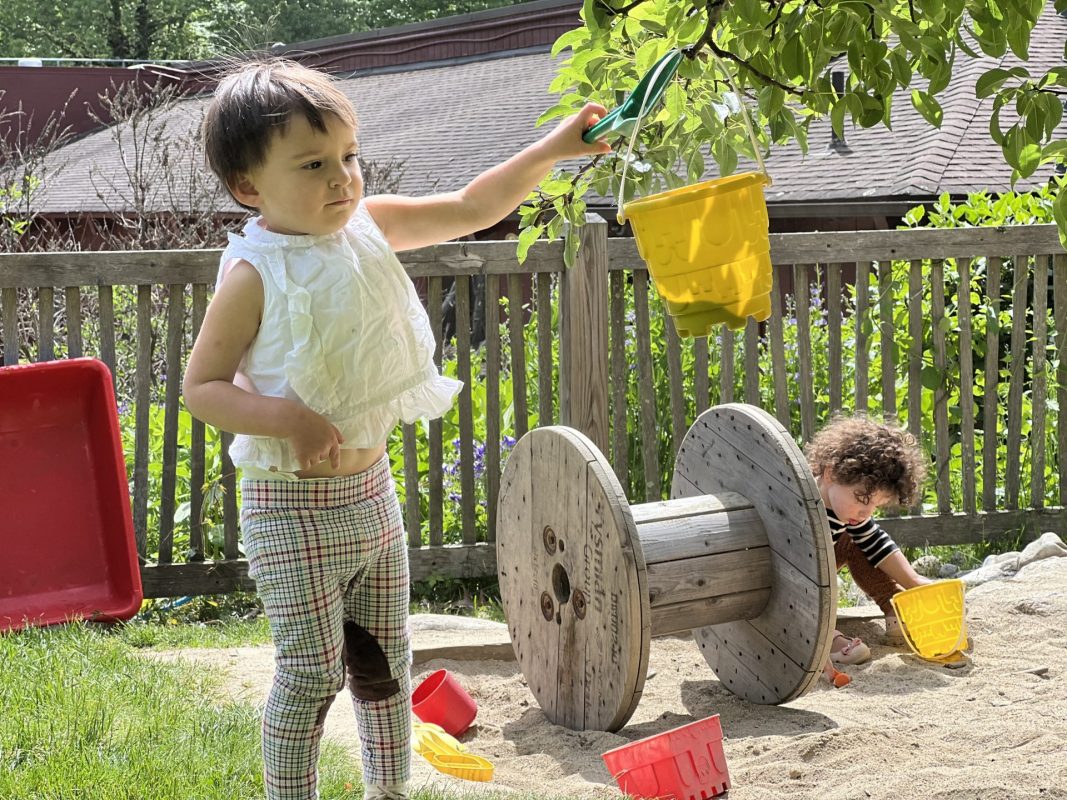
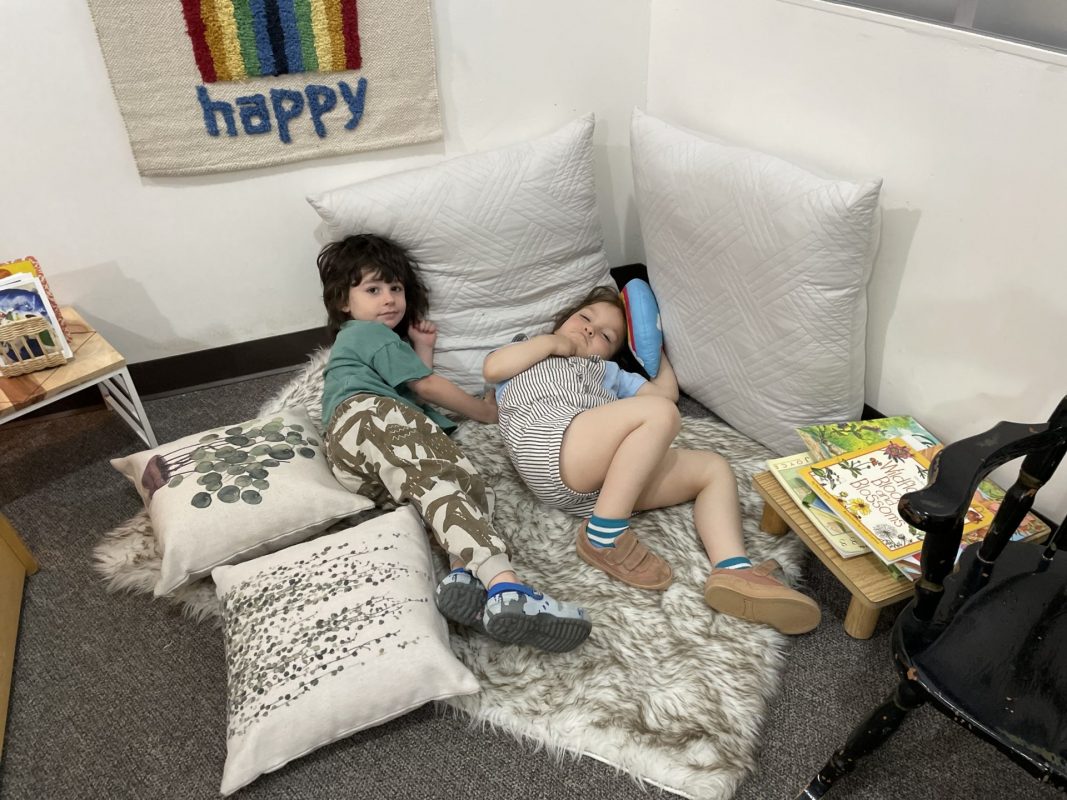
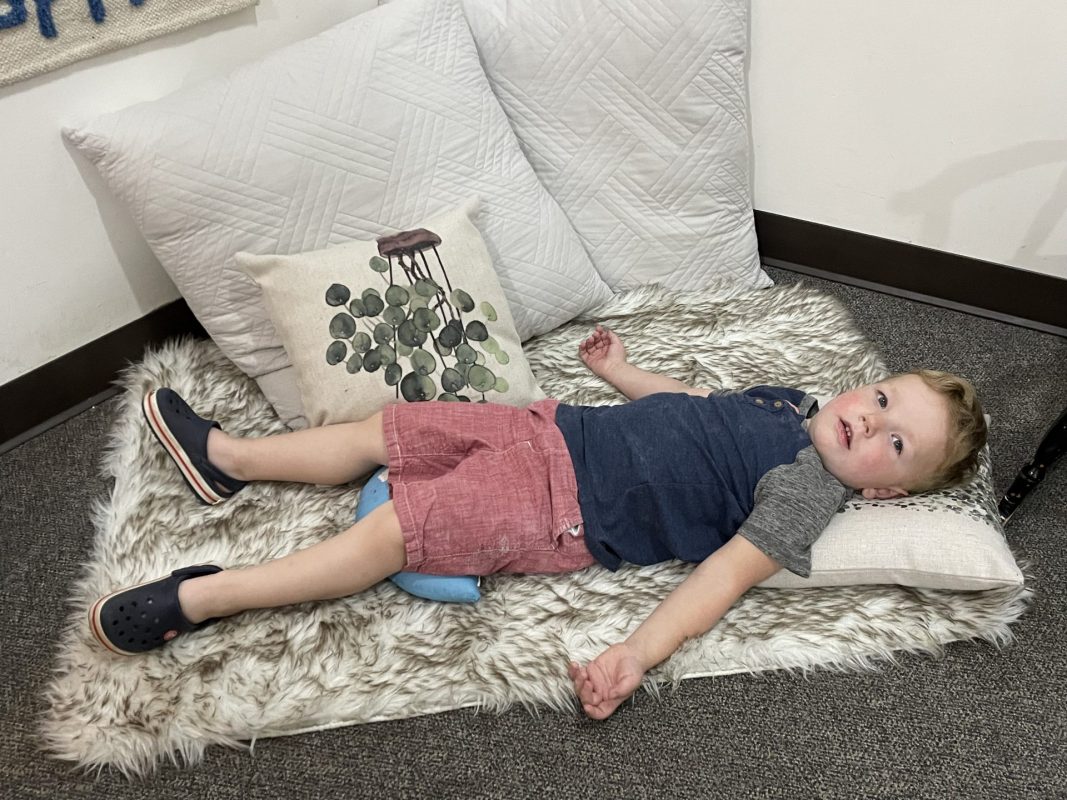
This is one of the reasons our environments are designed for students to meet their own needs independently:  If they feel hungry, they are welcome to have a snack. If they need to use the restroom, they don’t need to ask permission. Even if they just need to get up and stretch their legs or look out a window – we do not prevent children from doing these things. Allowing for breaks lets us all focus better in the long run.

There is one interesting phenomenon worth mentioning here. Sometime around 10:00-10:30 in the morning, toward the end of the work cycle, classroom communities often experience what we refer to as false fatigue. 

Like clockwork, the volume of the children’s voices will rise, there is noticeably less engagement with the materials, and fewer children are sitting in one place – rather they seem to be wandering around the room. 

The adult instinct is to ring a bell and make a plea for re-engagement, but we have learned to hold back. False fatigue is a normal part of the flow of the day. If we pause, observe, and wait even two or three minutes, we will see the children find their way back into their work. It can be pretty amazing to observe.

Curious to see what a morning work cycle looks like in action? We would love to have you visit. Please contact Paromita at pduttkunzweiler@fraserwoods.com to arrange an in class observation. 

Head of School for the Day

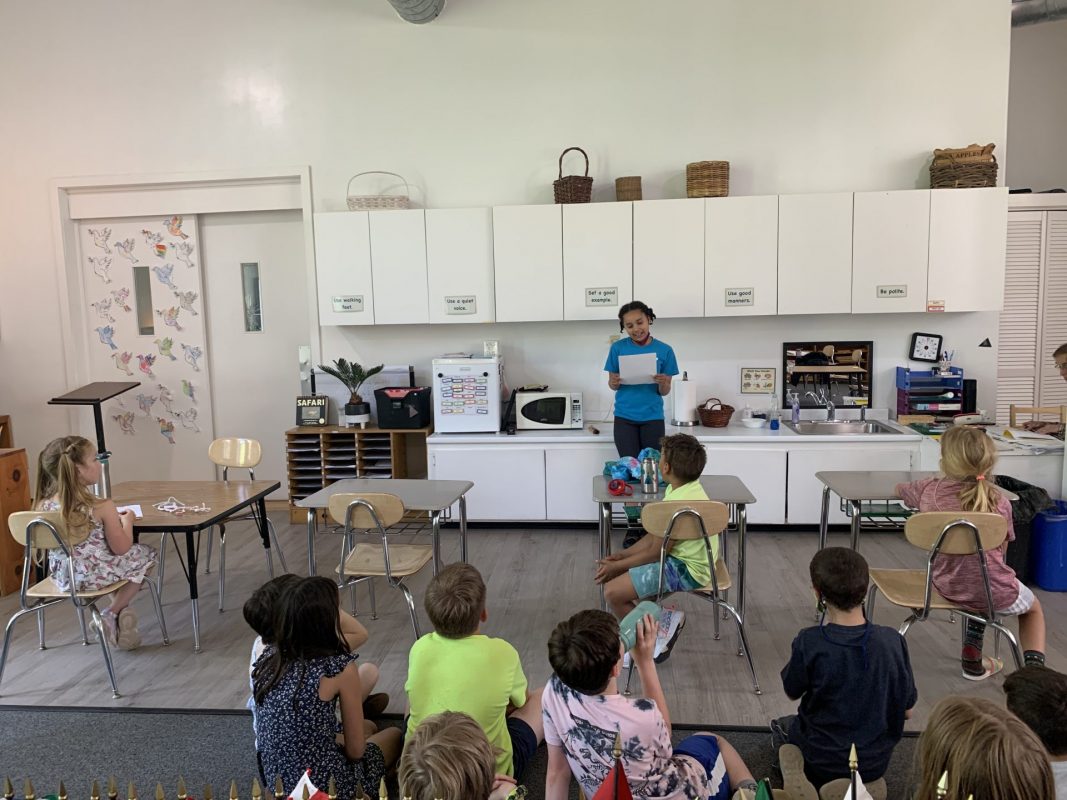
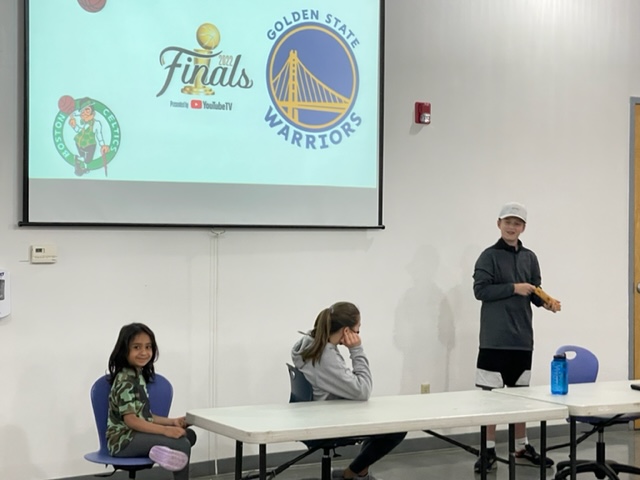
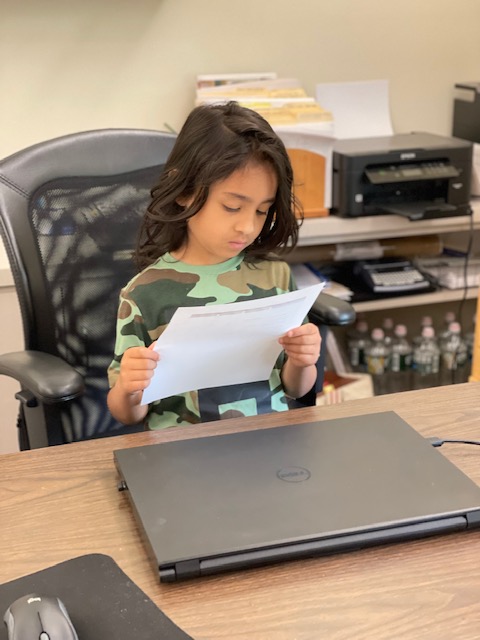
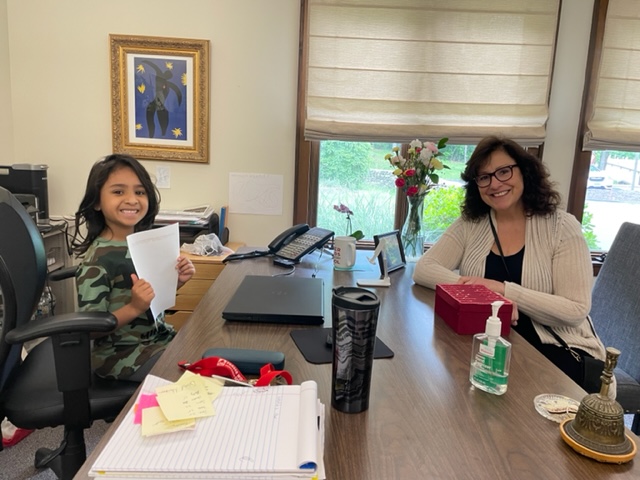
Olivia Labastida was FWM’s Head of School for the day on Friday, May 27th. Olivia began the day with the 8th years as they delivered the weekly news in the FWM Commons. Olivia announced, “Popsicles for everyone and extra recess for Lower El, Upper El, and Middle School.

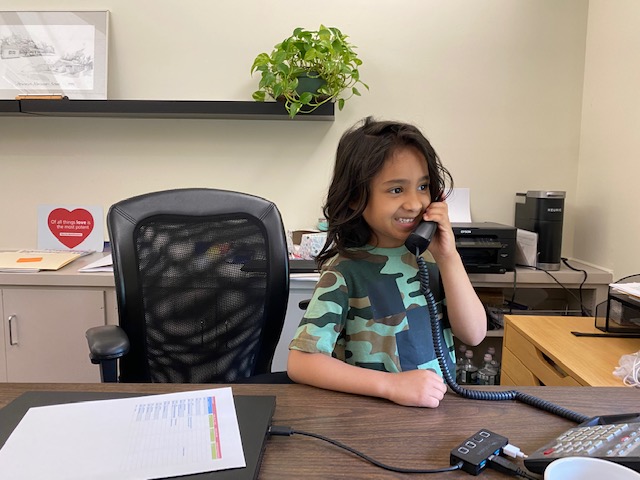
Olivia took her place at the desk in the head of the school’s office and called to check in and say hi to her family. After that, Olivia got right to work. She visited several classrooms to get a real look at the work that goes on in each of our classrooms at FWM, just as Ms. Gina does.

Olivia and Ms. Gina talked about how we can bring back the annual school dance. Our parent’s association were the planners and organizers; however, Olivia worked on two themes for the dance we hope to back.

All in all, a GREAT day for a Head of School!

Enhanced Police Presence

Given the tragedy in Texas, it was confirmed with me Wednesday morning that Newtown Police will provide an enhanced presence at all schools including FWM. In addition, our security company briefed our guard before he arrived on Wednesday as to the heightened protocols he is to take.

Summer Camp is ON

We are happy to let you know that we have enough students registered for camp to run all of our programs. Registration is still open!

If you would like your child to participate in FWM’s Summer Camp, please register as soon as possible. 

To Register:

  1. Log in to your  MyFWM.org account
  2. Click on PARENTS Widget and click FWM PROGRAMS
  3. Find the program and click REGISTRATION DETAILS

Click here for the:

FWM School Calendar 2022-2023

Memorial Day-Monday, May 30- No School

Wishing you a warm and Happy Memorial Day; let us remember all our heroes who have left us while preserving our lives, our freedom, and our country.
Mrs. Doyle’s Class: Fun At Flanders


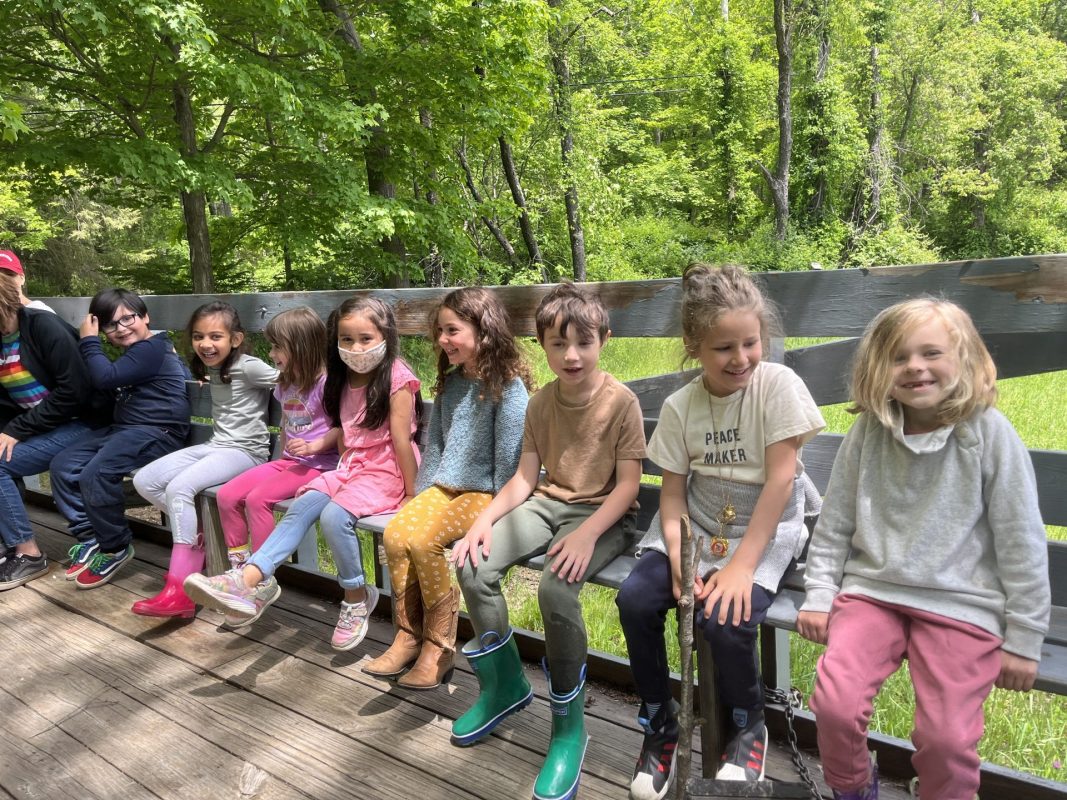
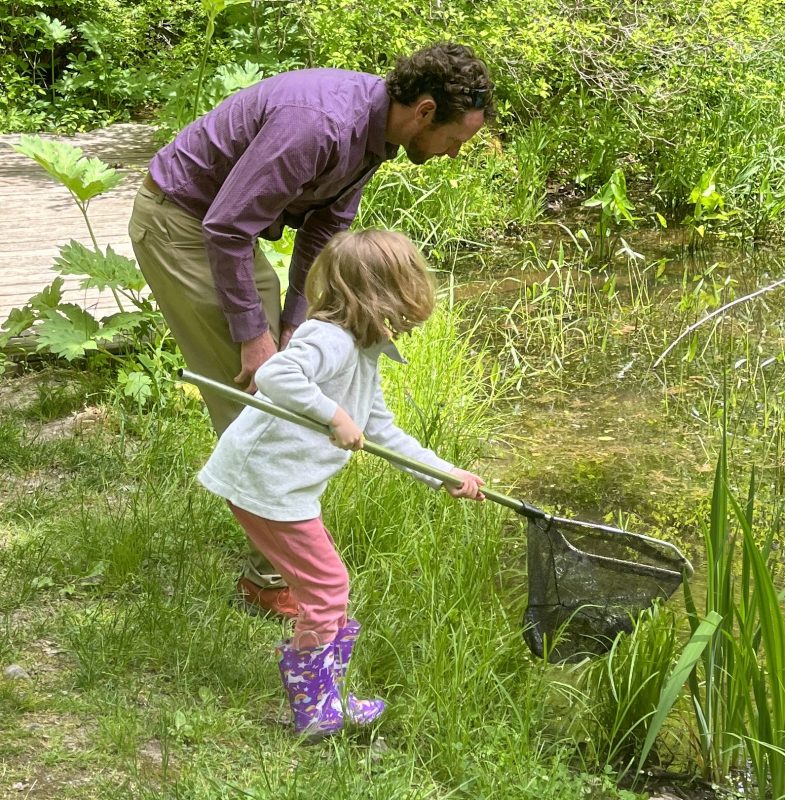
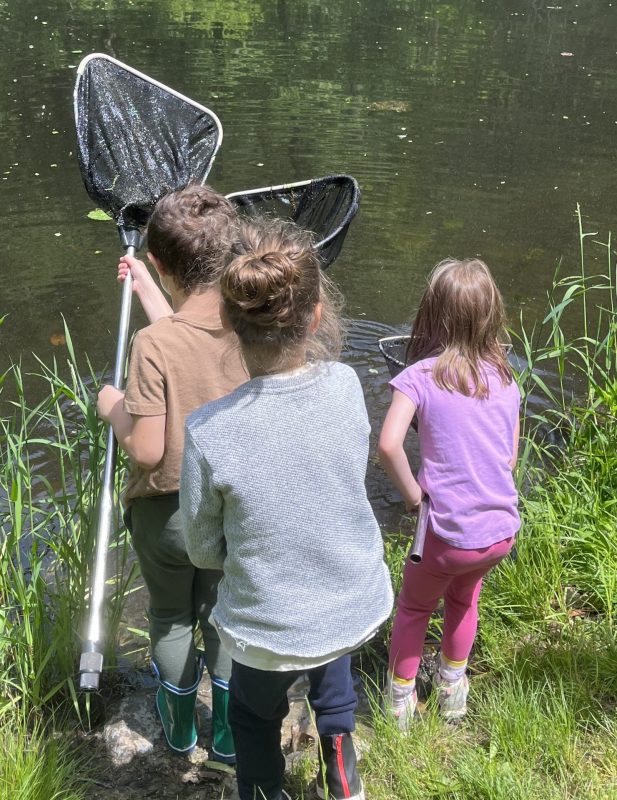
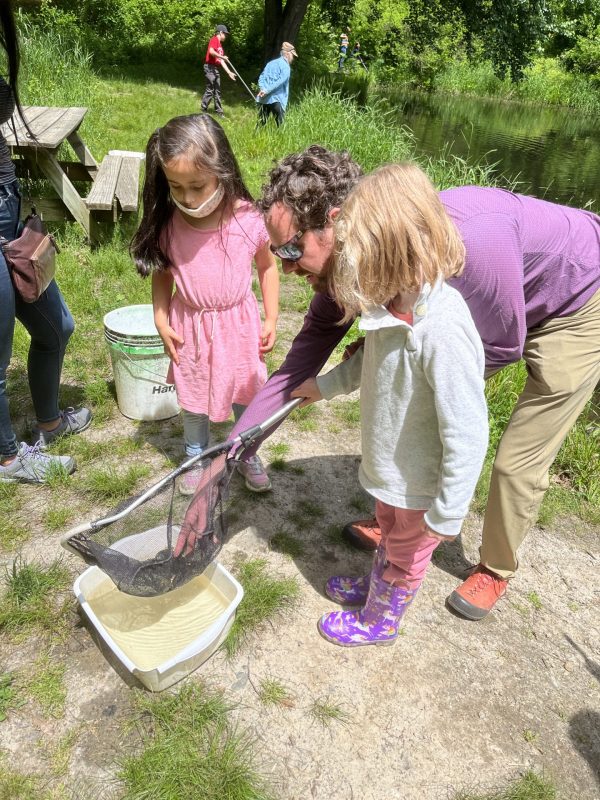
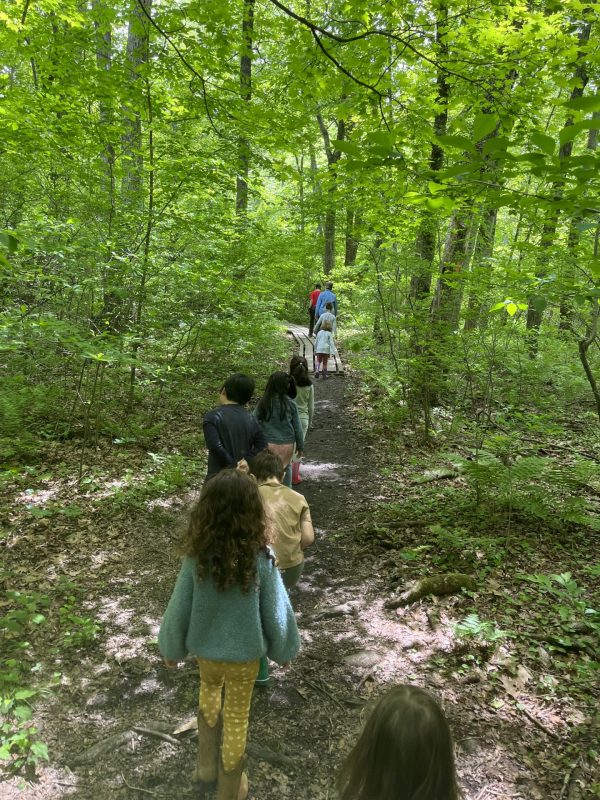
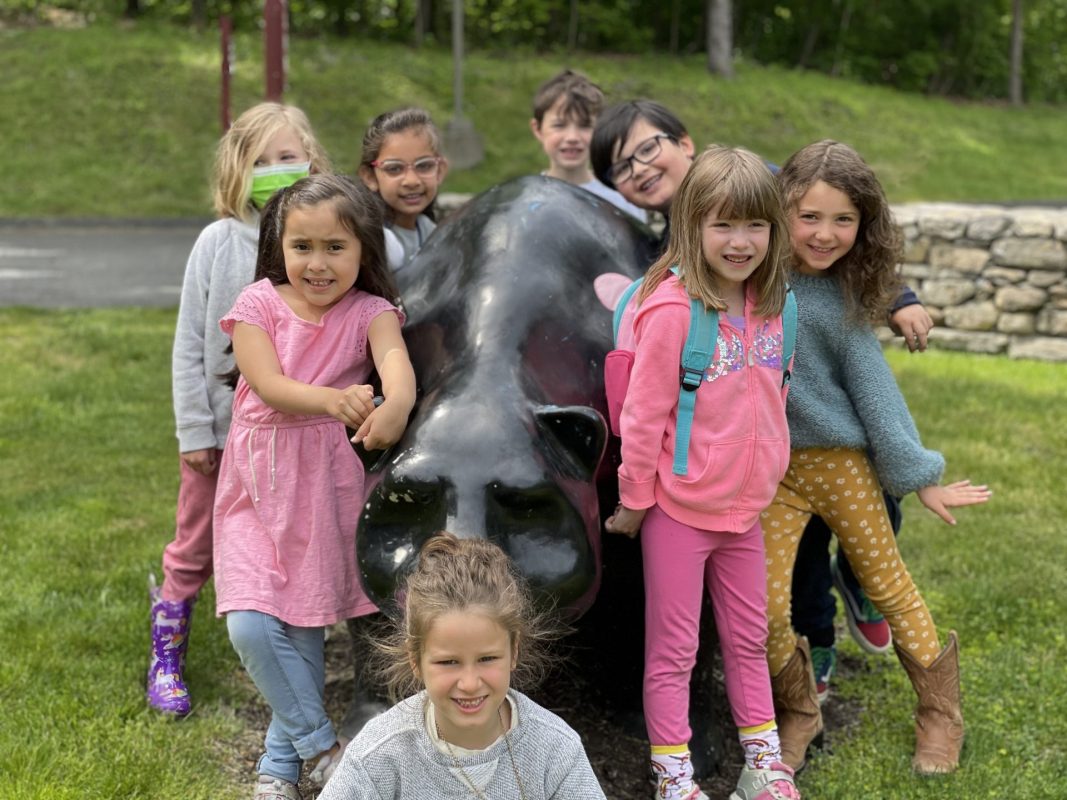
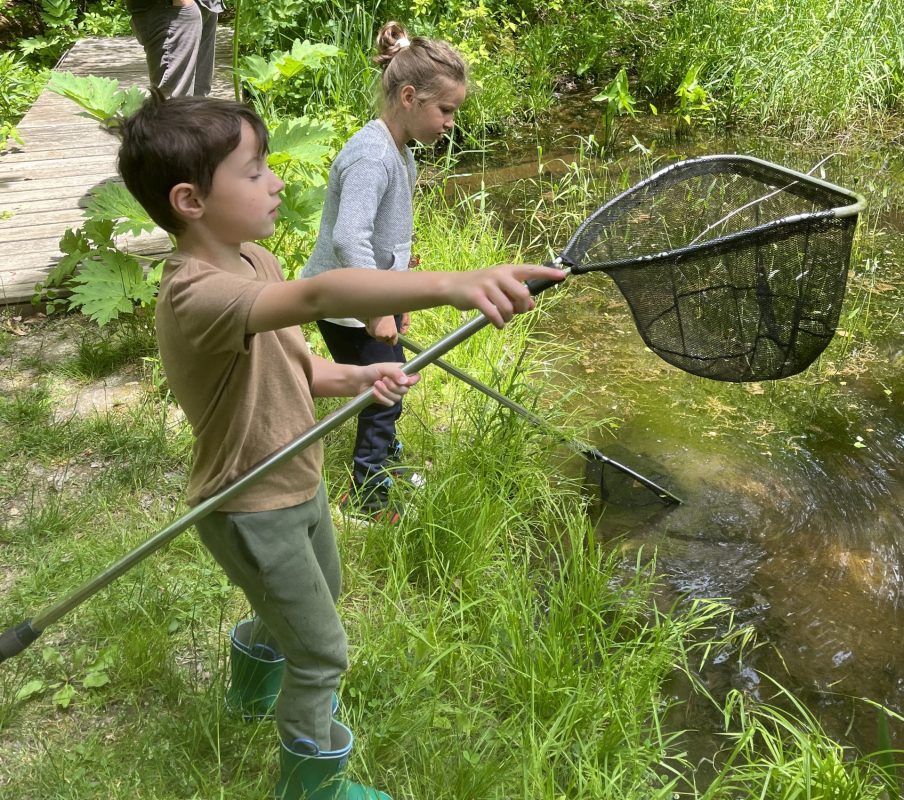
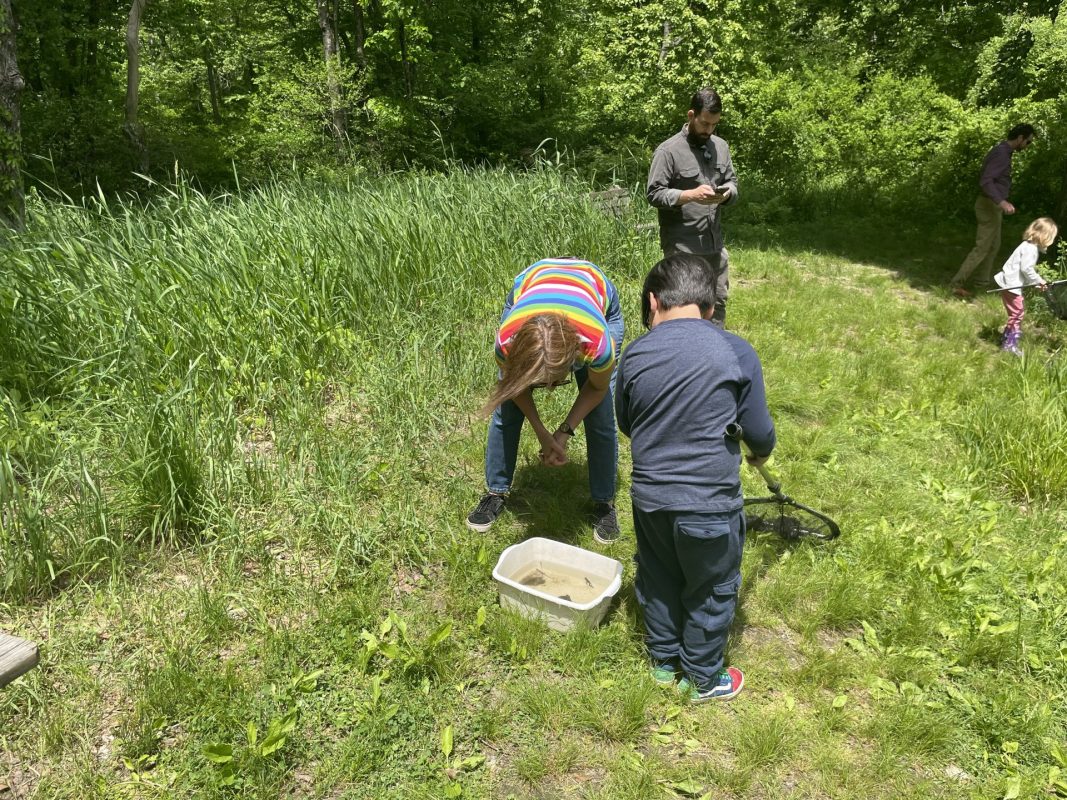
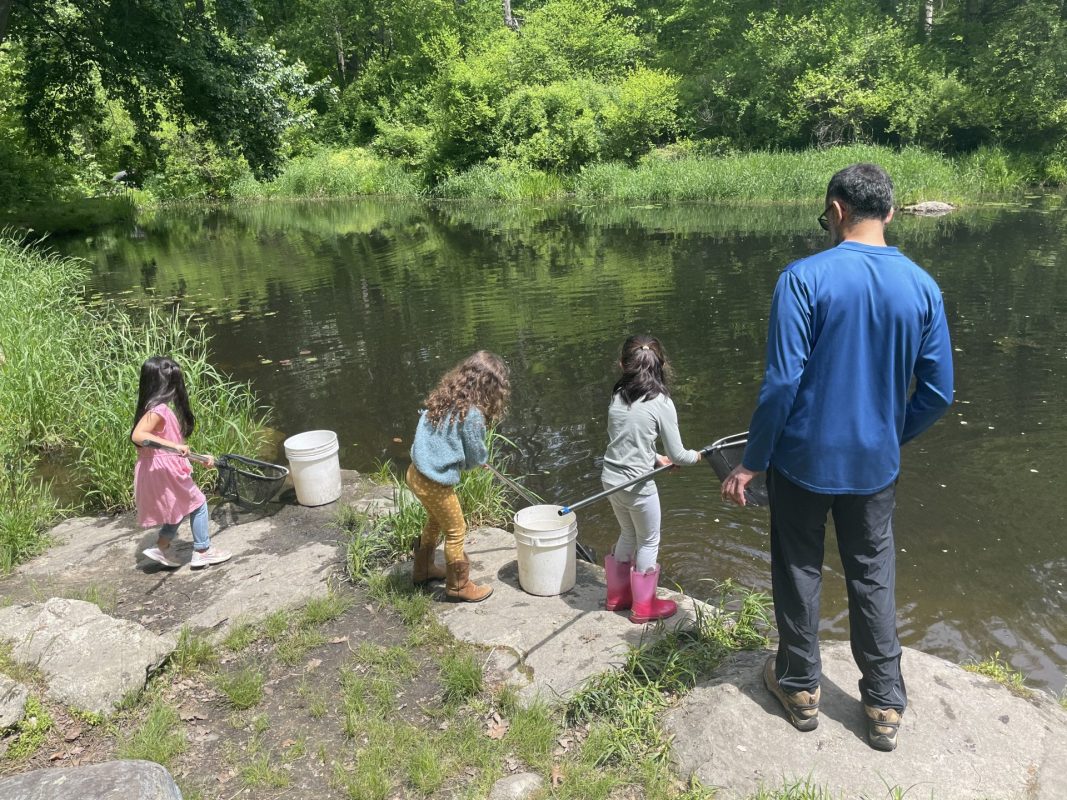
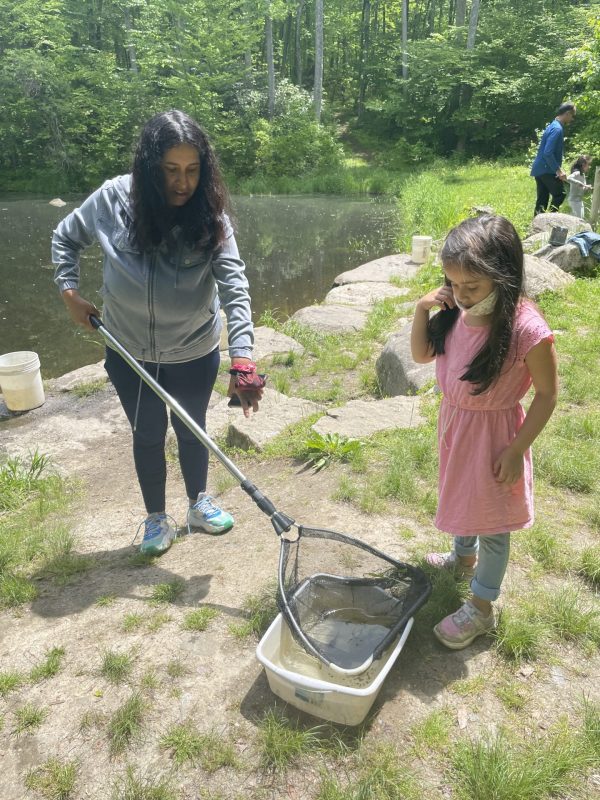
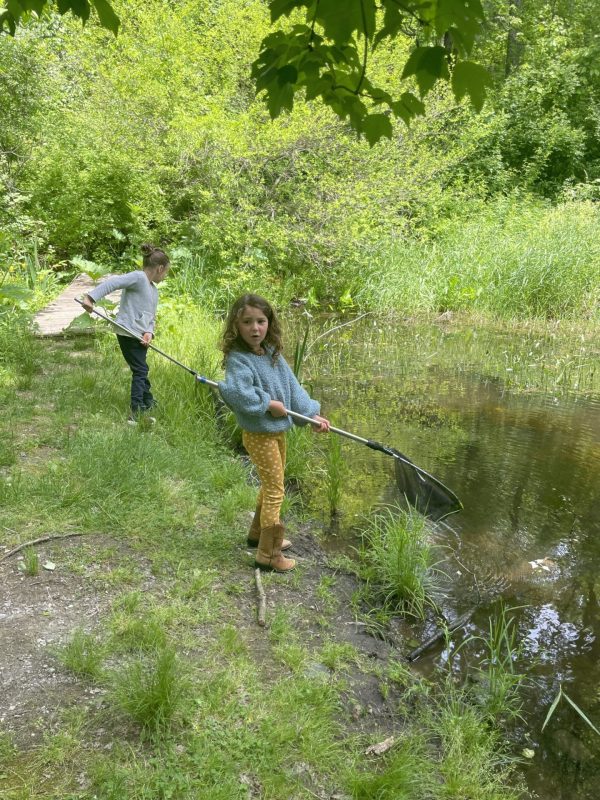
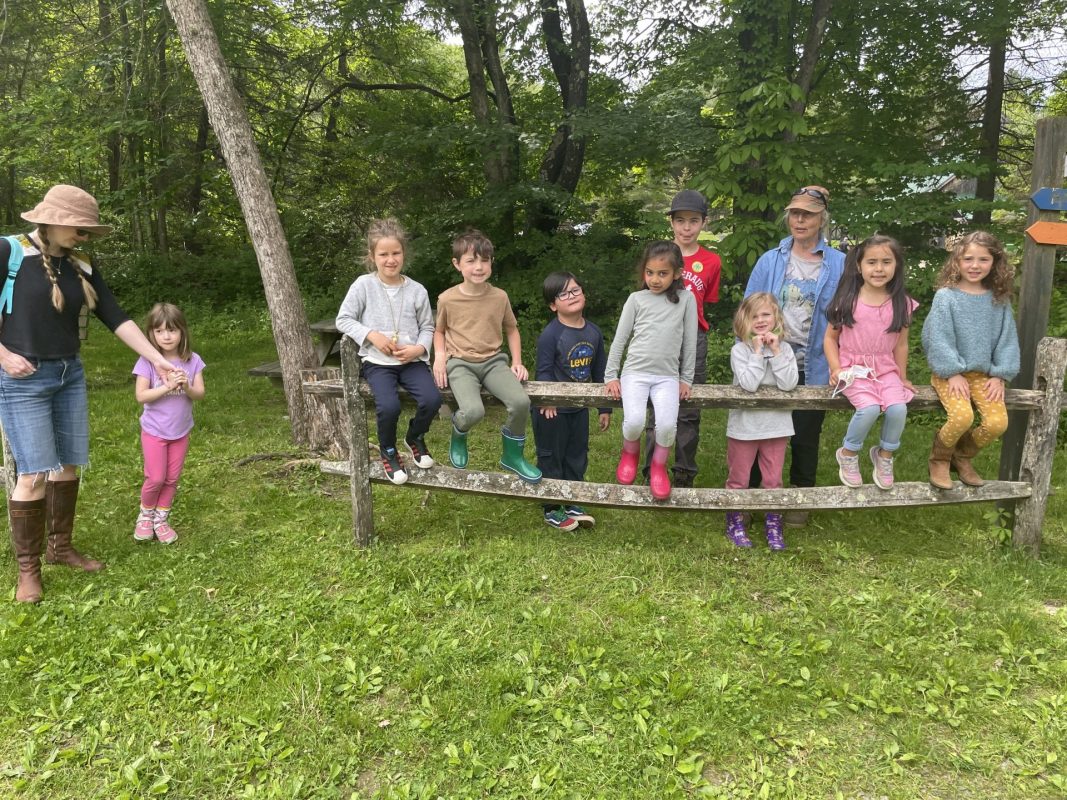
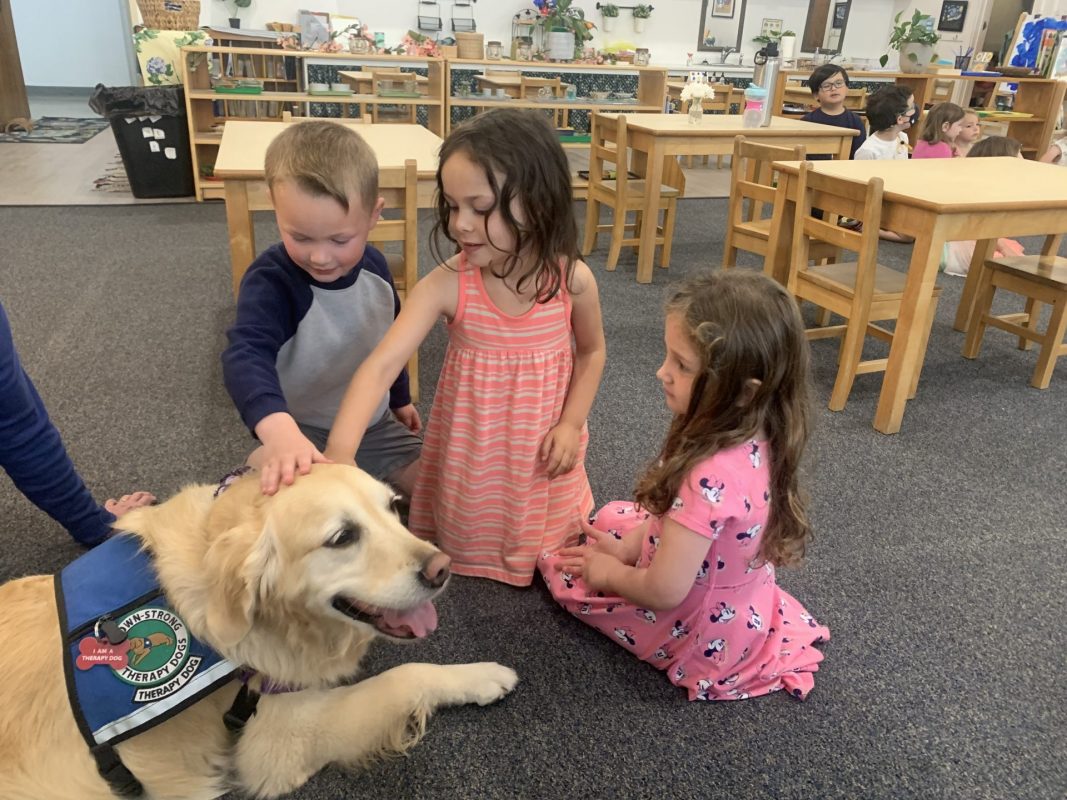
On Thursday, the Kindergarten children spent time at Flanders Nature Center in Woodbury.  First, we gathered our nets and took a hike through the woods to the Botany Pond. The children then had the opportunity to catch and identify amphibians, reptiles, and insects. We found tadpoles, beetles, newts, giant water bugs, and salamanders.  We observed turtles resting on a rock, fish swimming, and even found one of those elusive frogs.  When we were done, we released any living thing we had collected and then climbed aboard for a tractor ride.  We observed a blue heron flying and landing and got up close to a beaver lodge.  It was both informative and impressive to speak with a Flanders volunteer, who explained how and why the beavers dam up a culvert each night.  Walking back, several children shared what a great day it was! Flanders is open to the public and we encourage you to take advantage of this amazingly beautiful nature center.  They also offer several summer programs.  You can find more information on their website.
Wishing you all a week filled with much peace and love.

Michelle & Liset


Mrs. Lopes: Field Trip to Flanders

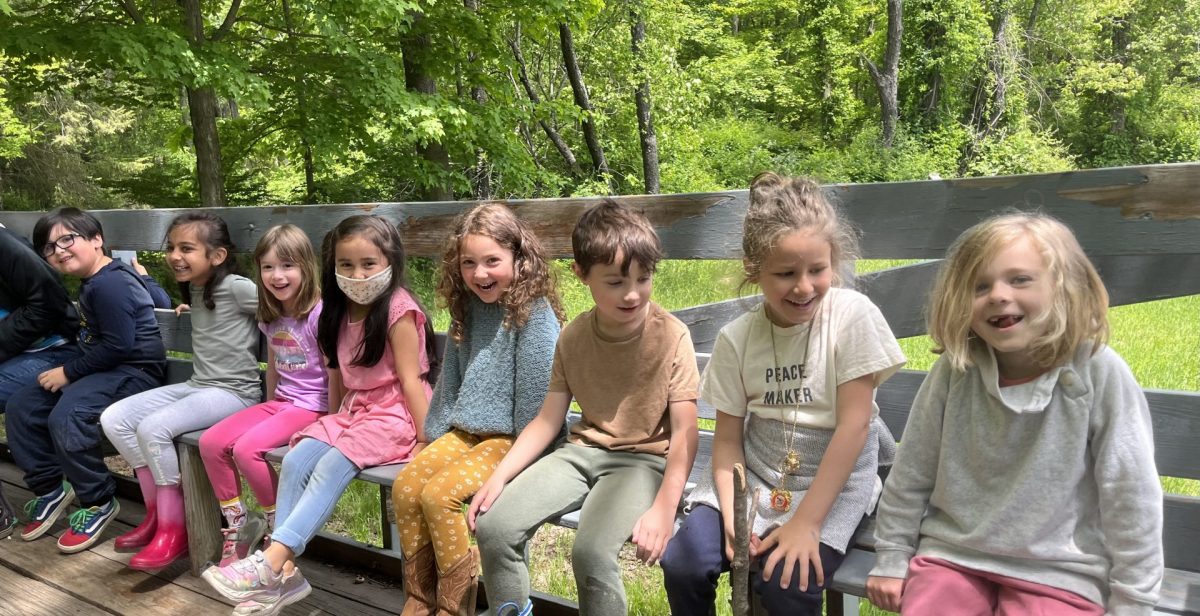
On Thursday, our Kindergarten children went on a field trip to Flanders Nature Center in Woodbury, CT.  This was a great introduction to amphibians and the life cycle of a frog.  The children first took a hike through the woods to a pond.  Once at the pond they were introduced to some of the species that live there and were given nets to do some exploration on their own.  We had so much fun catching tadpoles, newts, dragonfly nymphs, and even a large green frog!  We then went on a hayride through the fields where we witnessed a blue heron searching for food.  We also learned about the beaver family who built a lodge in the nature center’s pond and continues to dam up the town’s water supply.  We got to talk with one of the nature center’s staff who was unclogging the pipe while we were there and said he has to unclog the pipe every 2-3 days!
I would encourage you all to visit the beautiful Flanders Nature Center for a fun outdoor family activity: www.flandersnaturecenter.org.
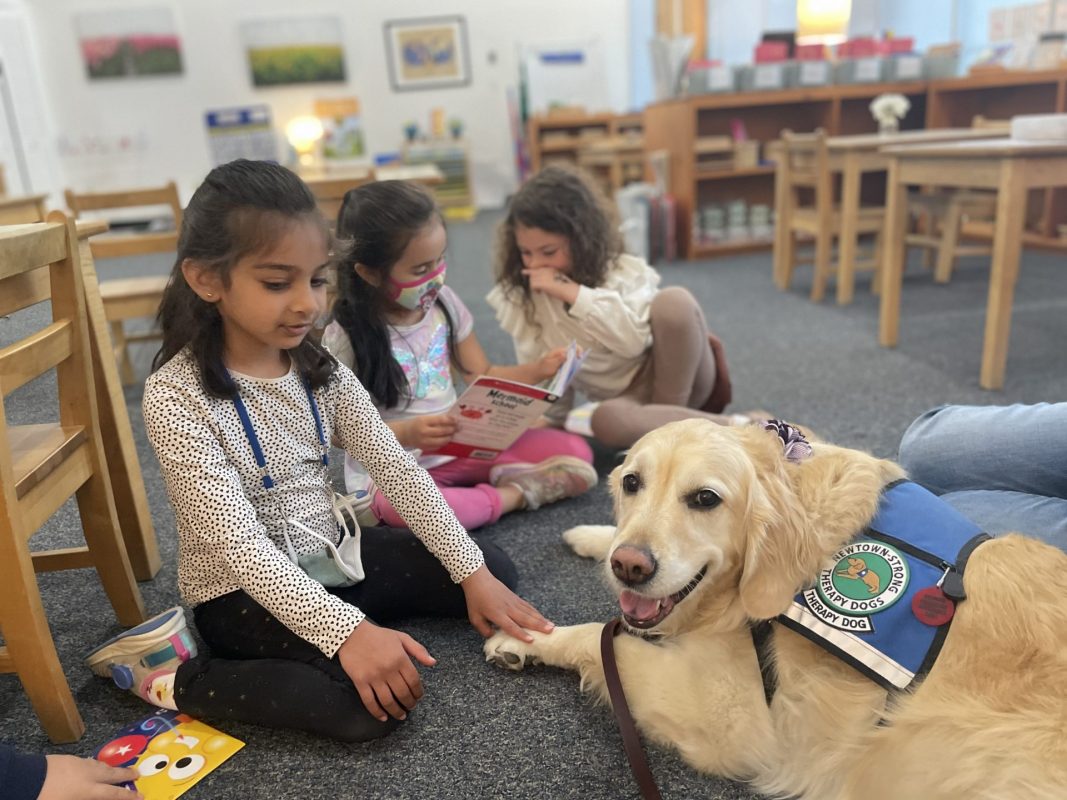
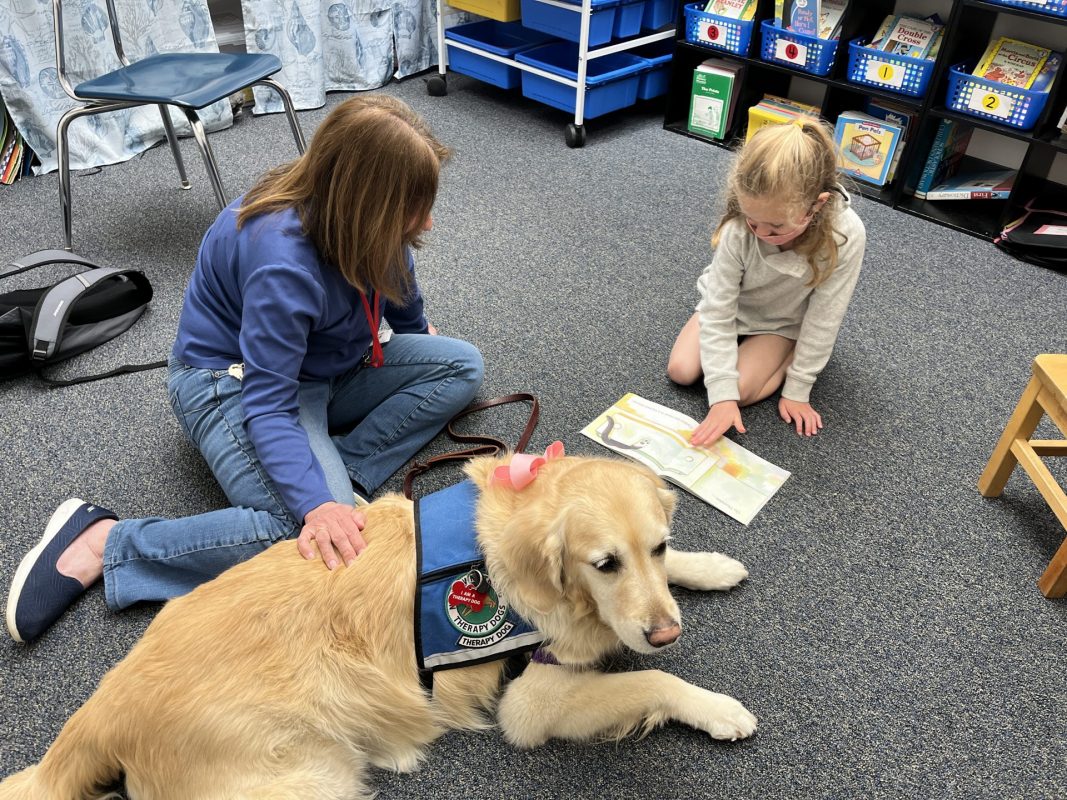
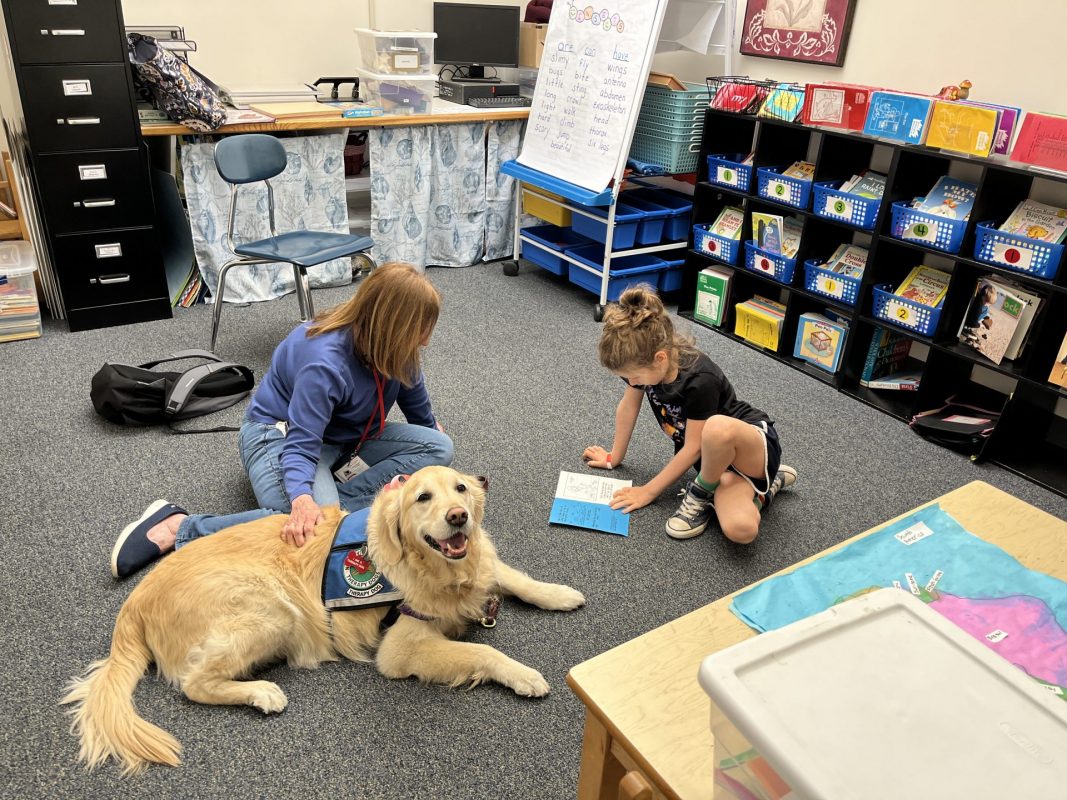
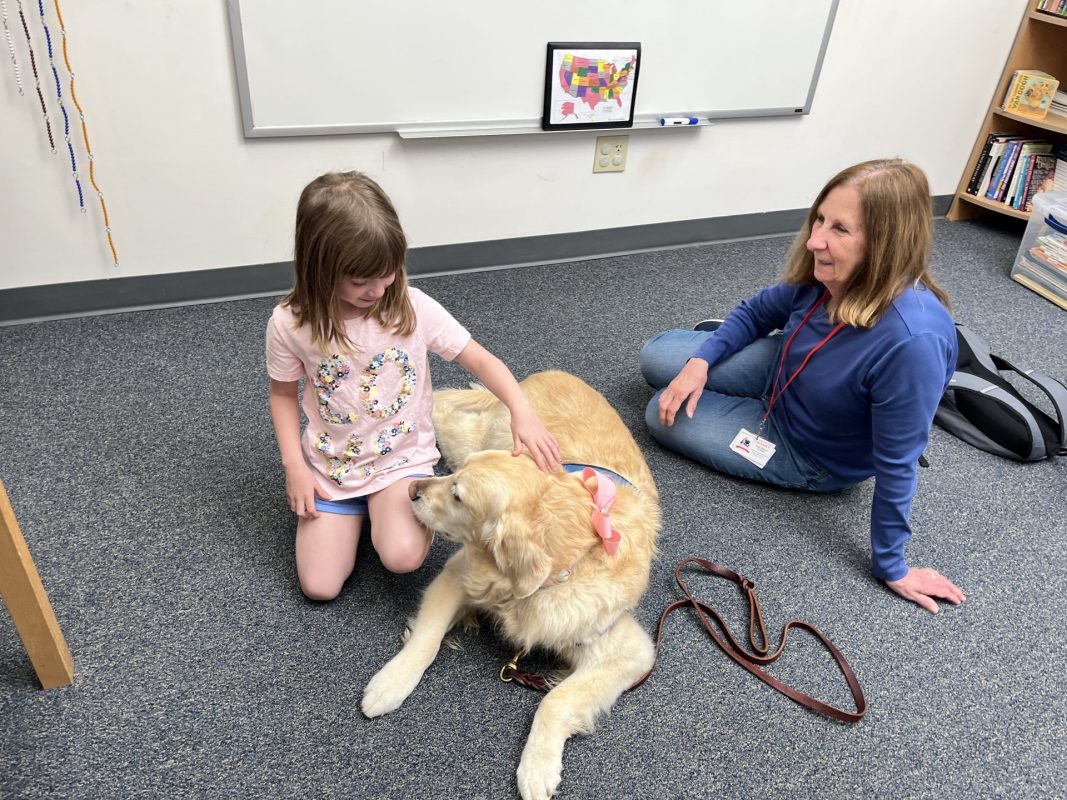
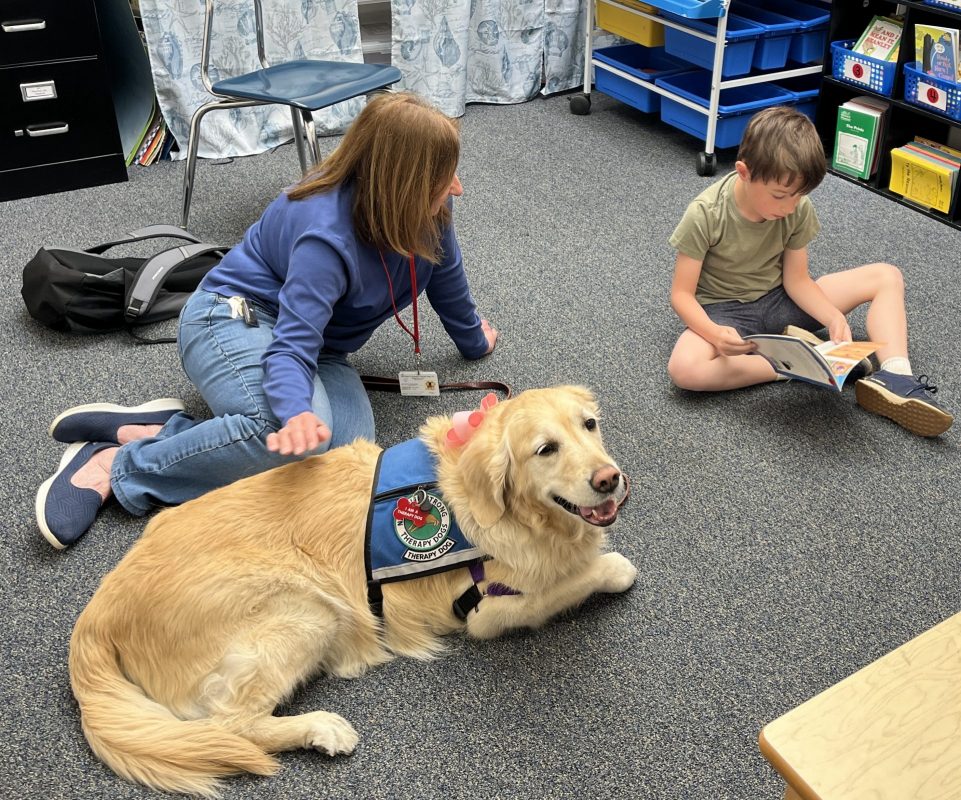
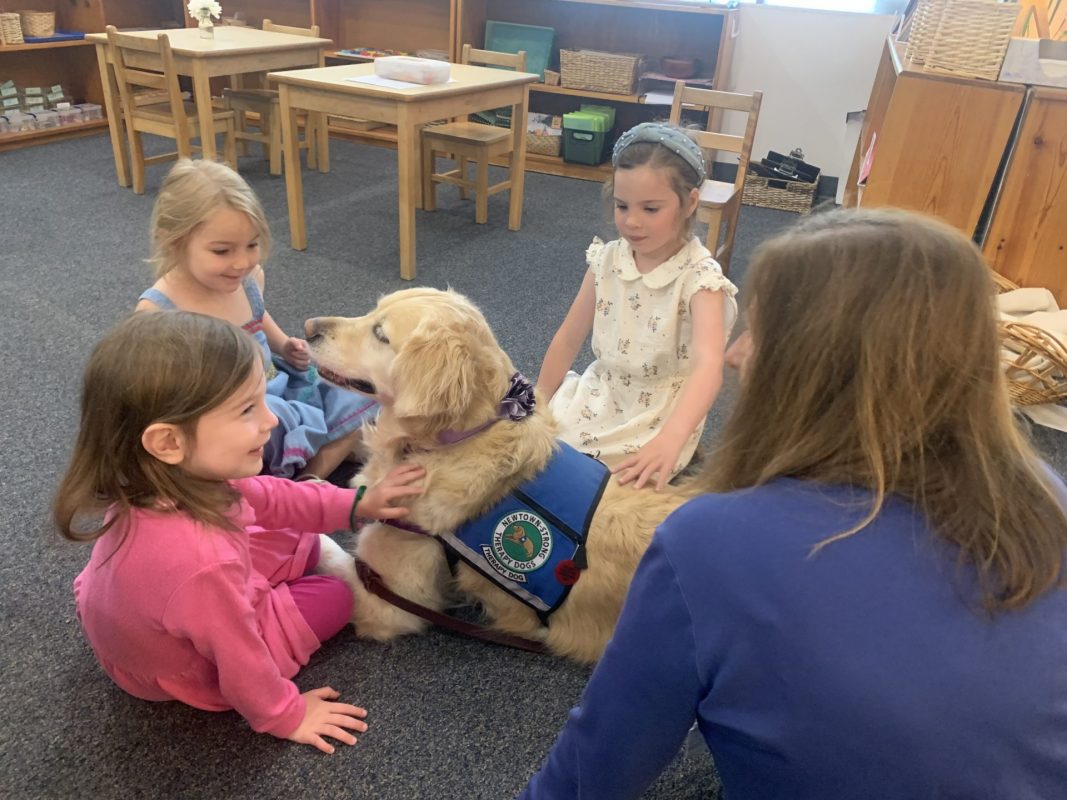
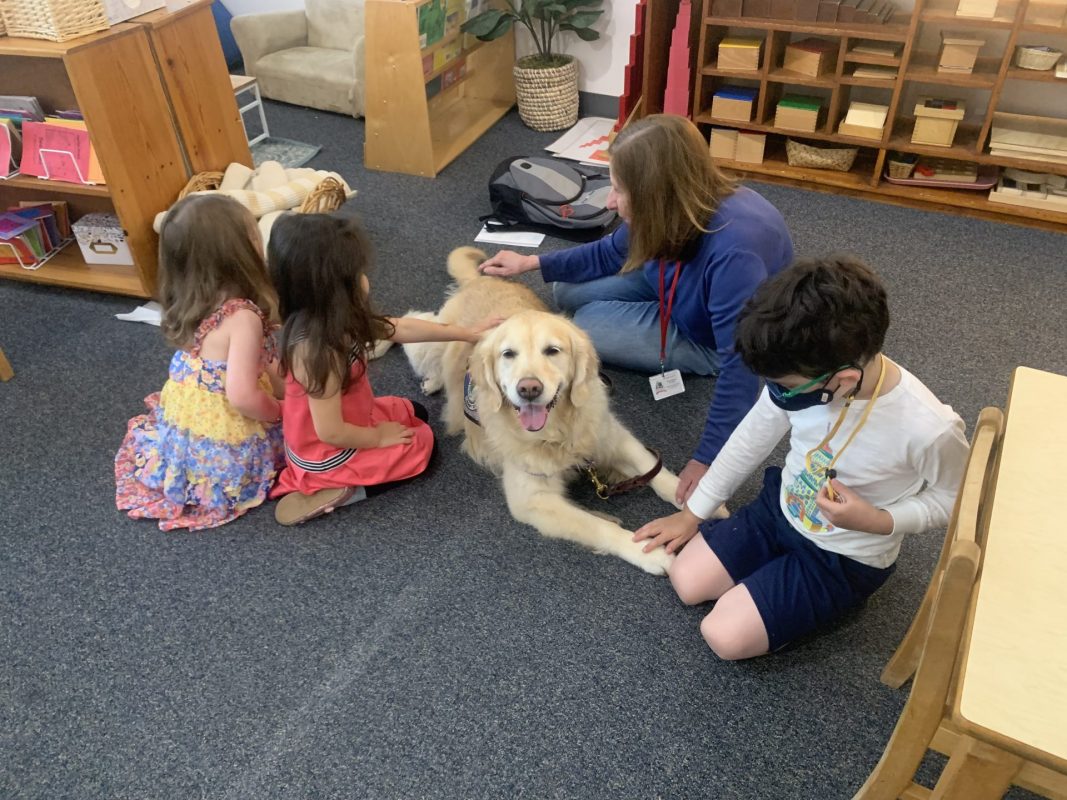
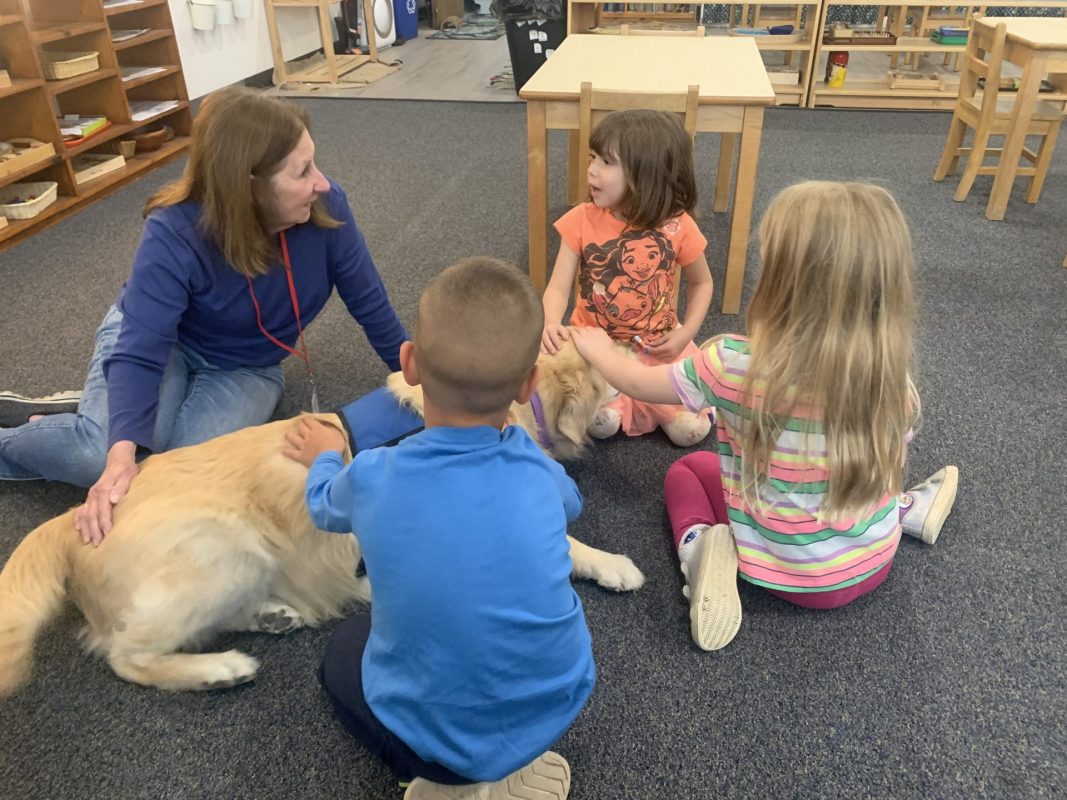
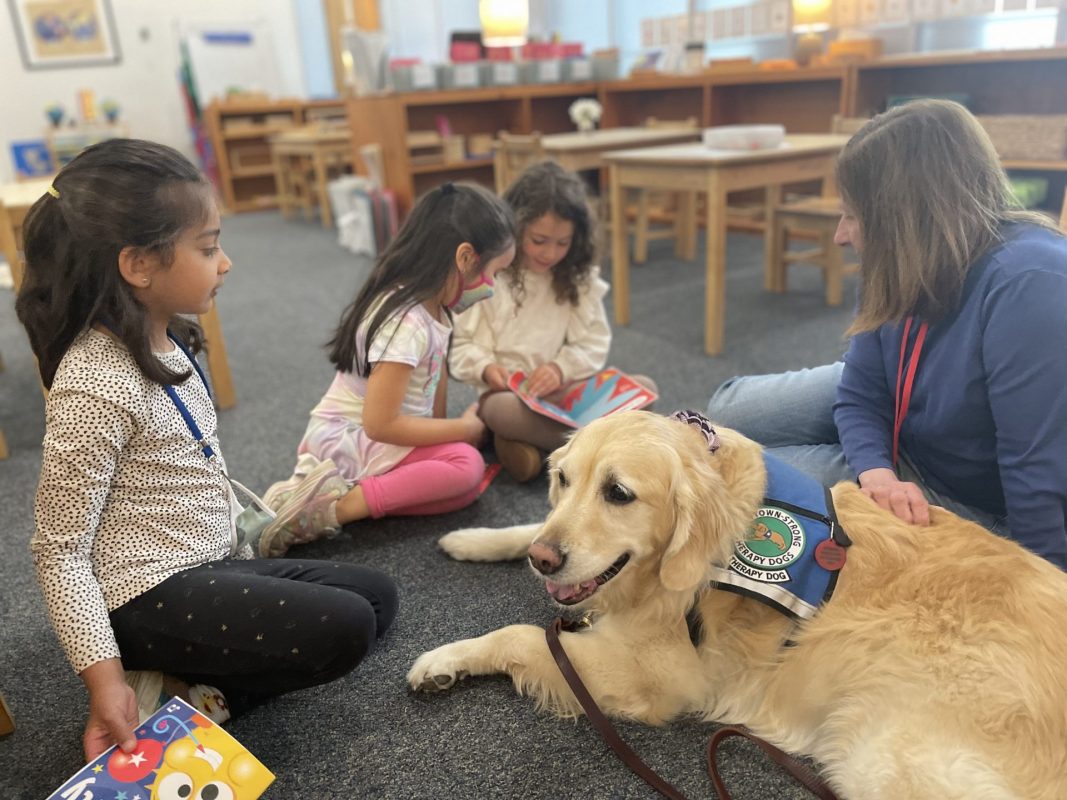
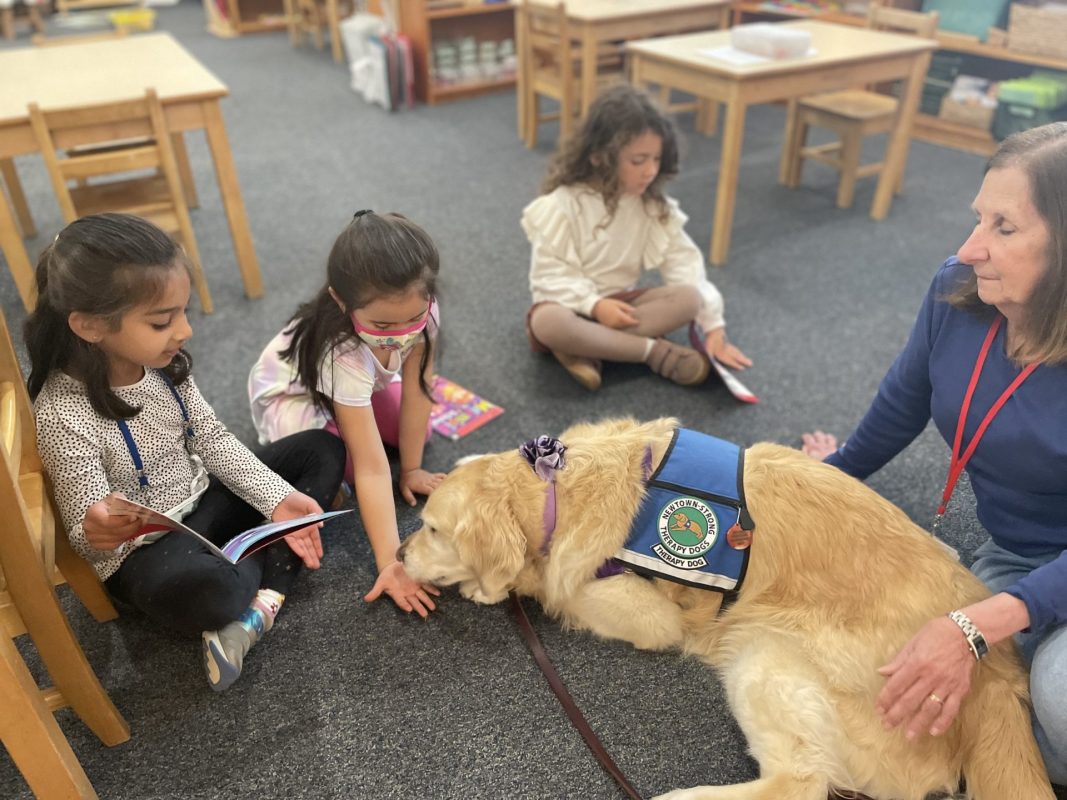
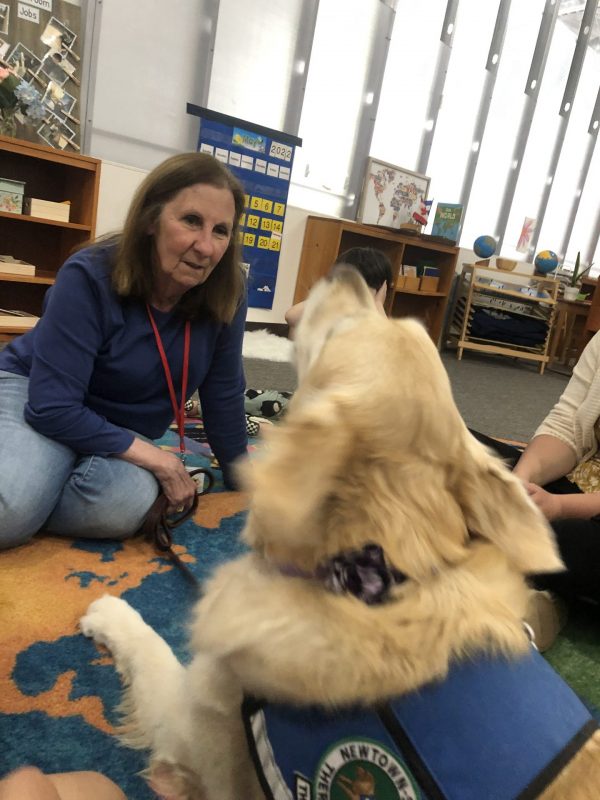
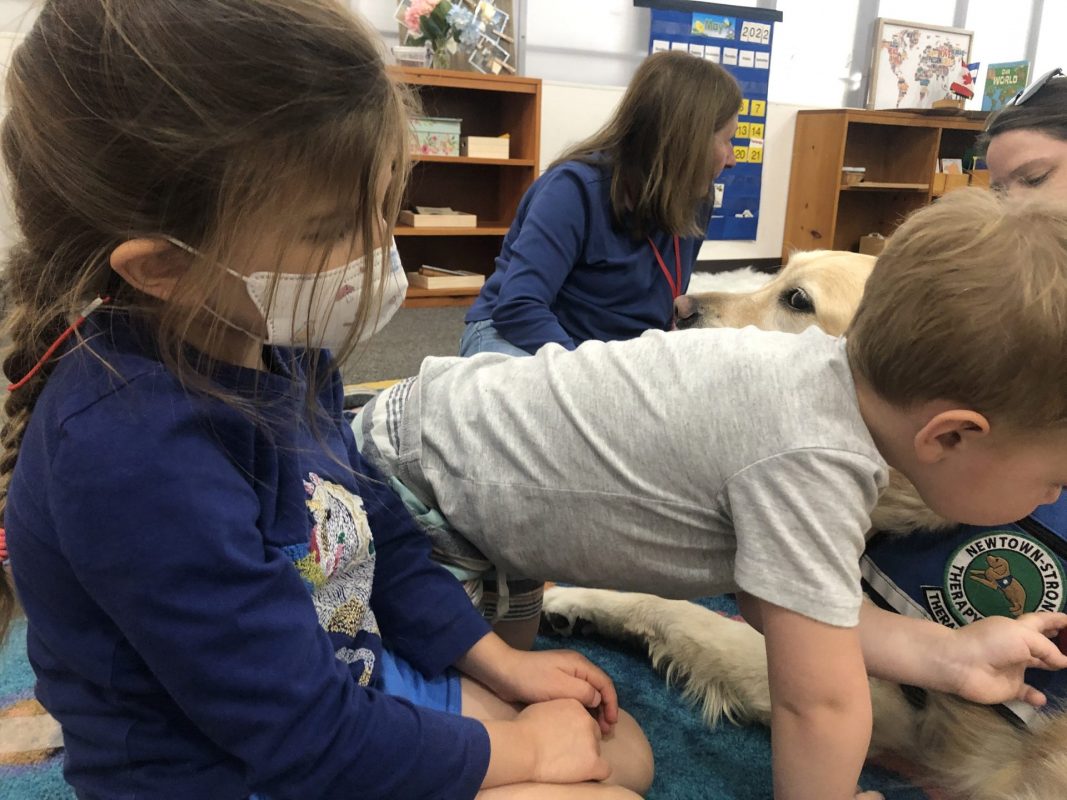
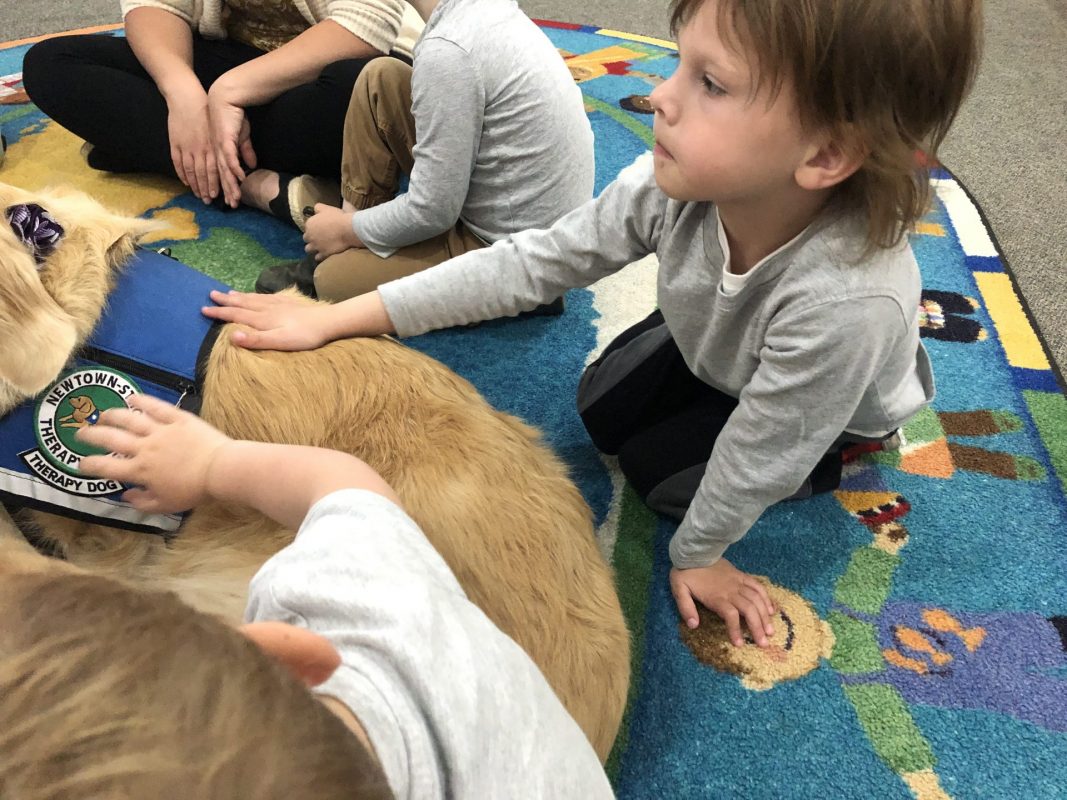
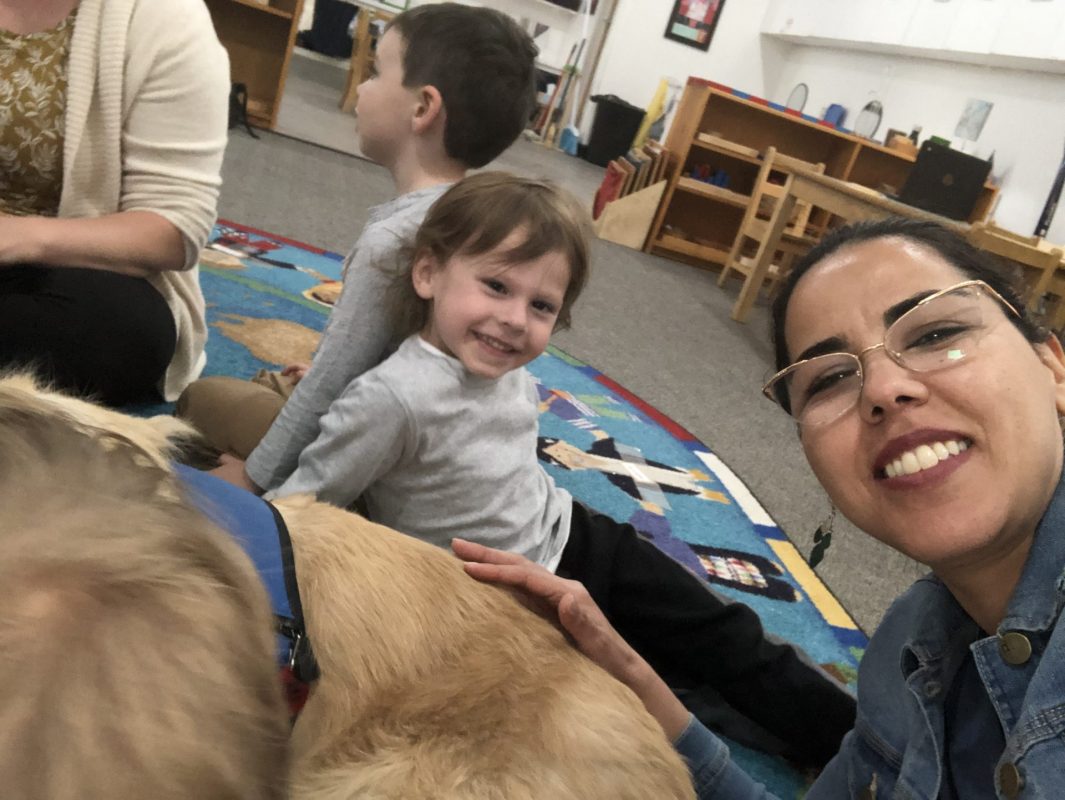
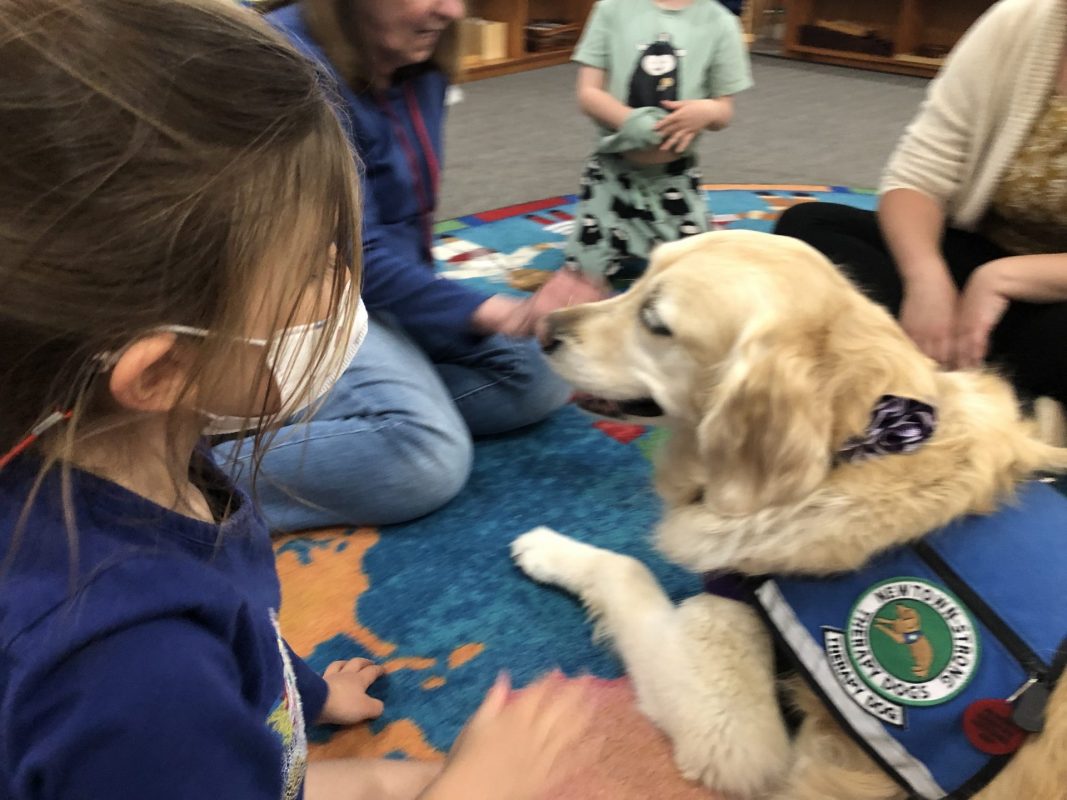
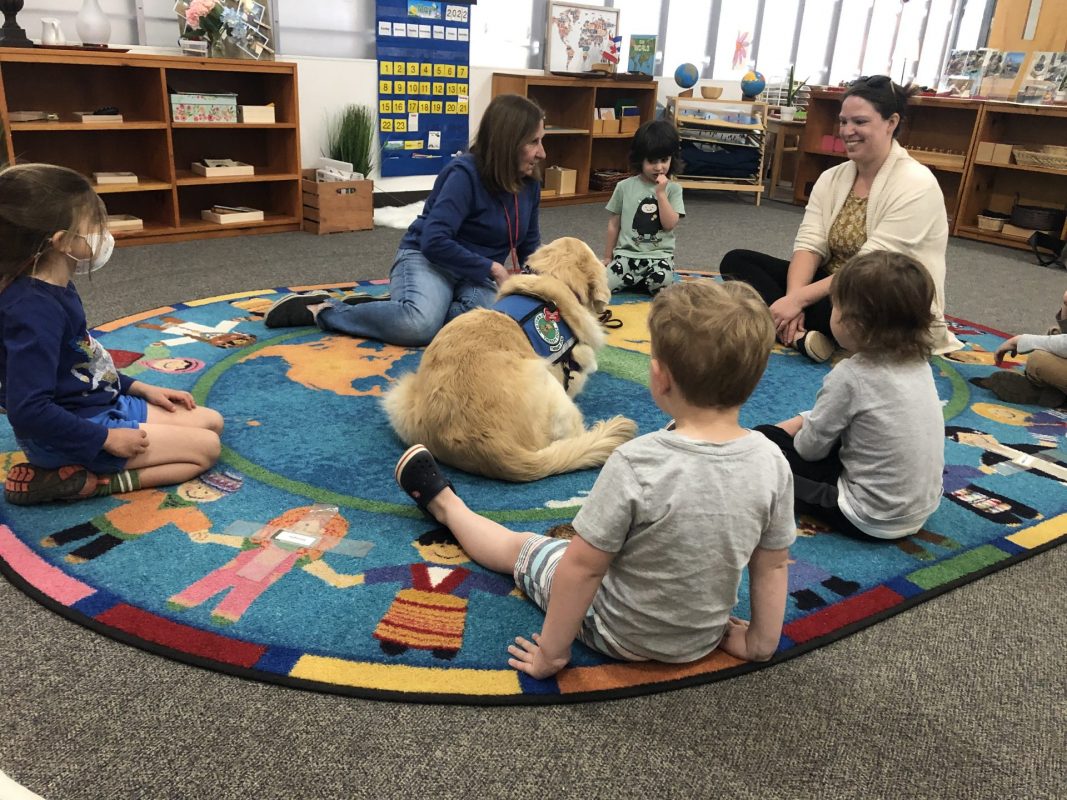
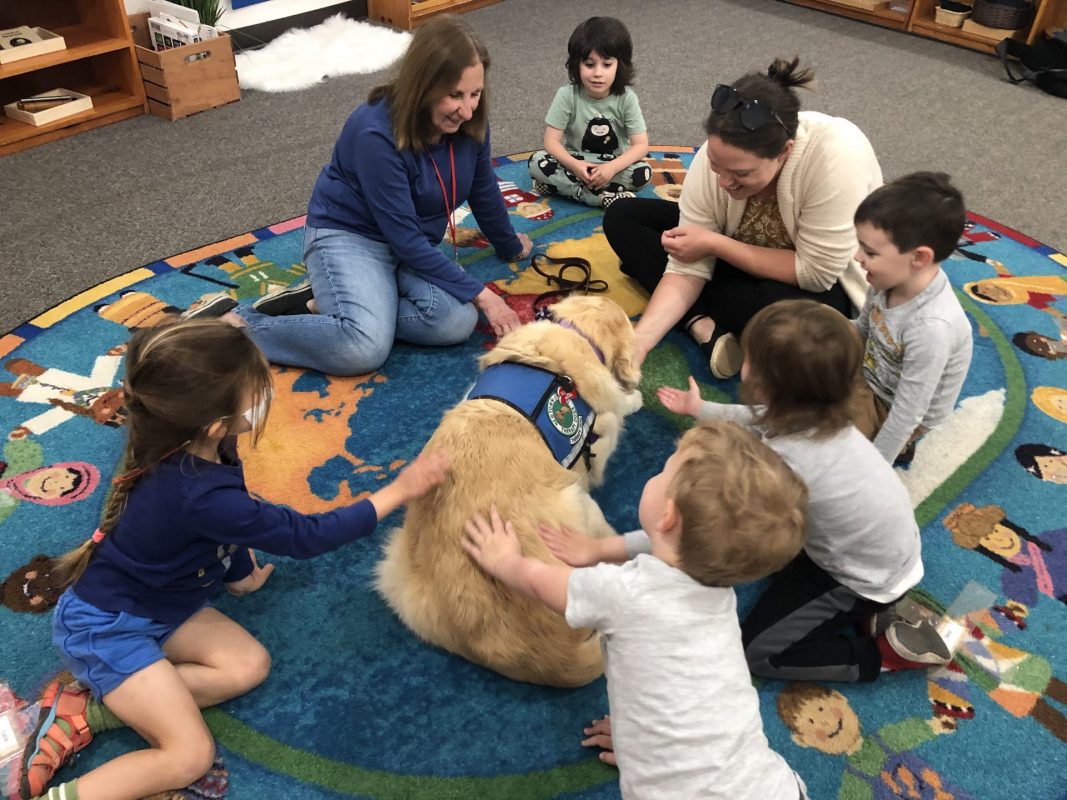
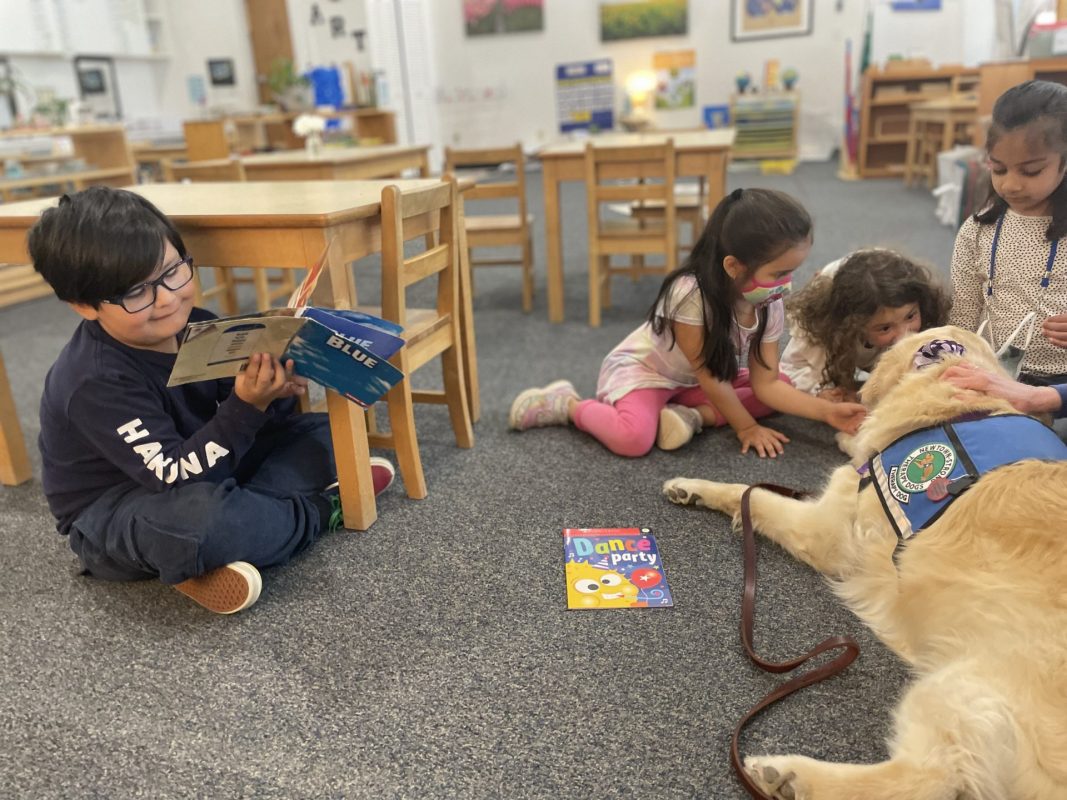
In addition to a field trip, we also had a few toddlers visit our classroom this week and on Tuesday we had a visit from Maggie, a member of the Newtown Strong Therapy Dogs!

Wishing you a peaceful week,

Amanda and Heather


Mrs. Wilson: Here Little Birdie


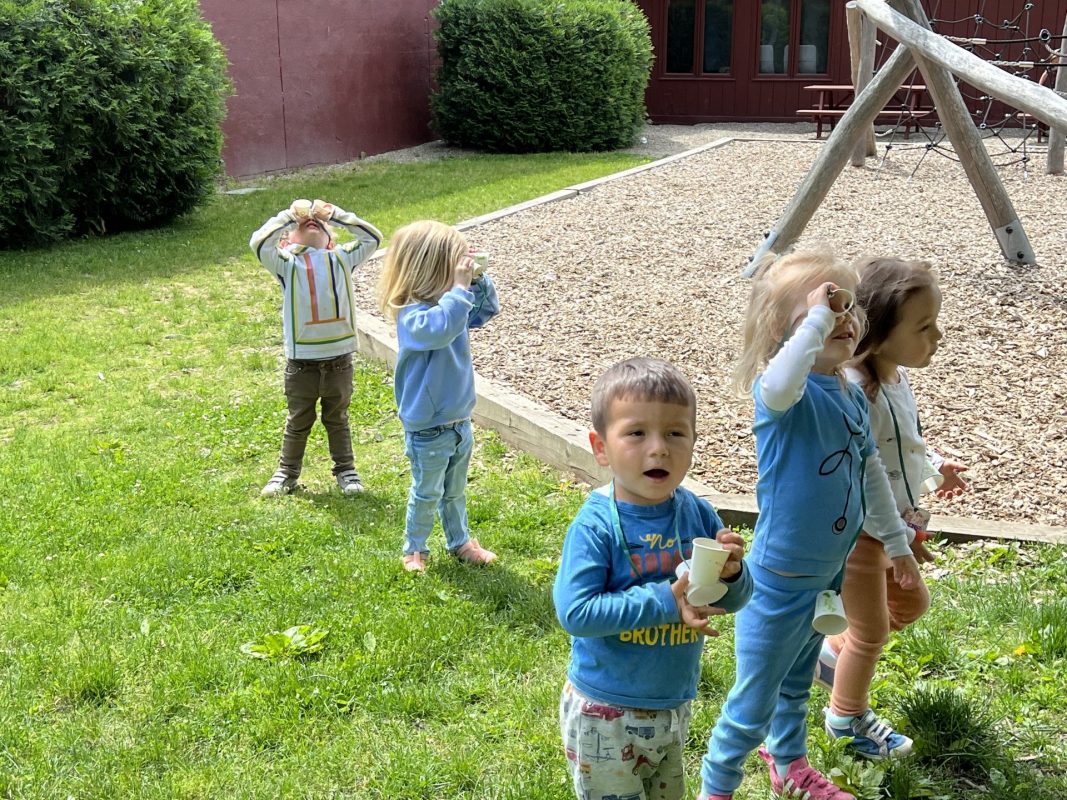
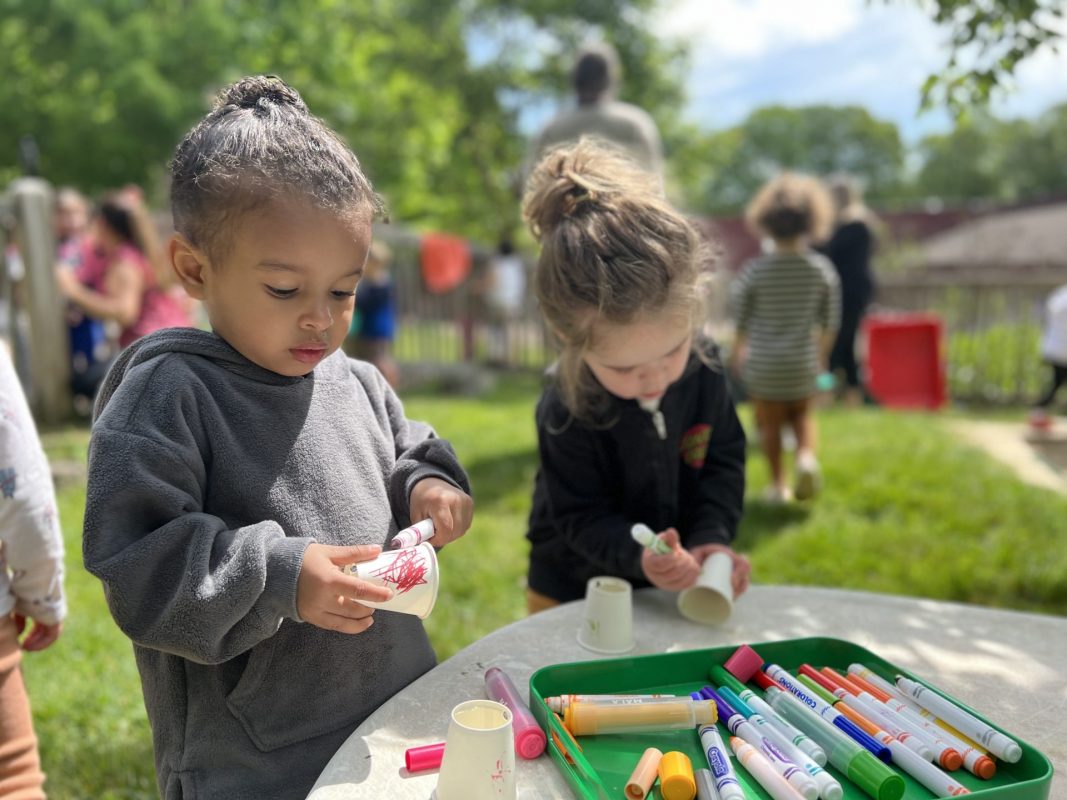
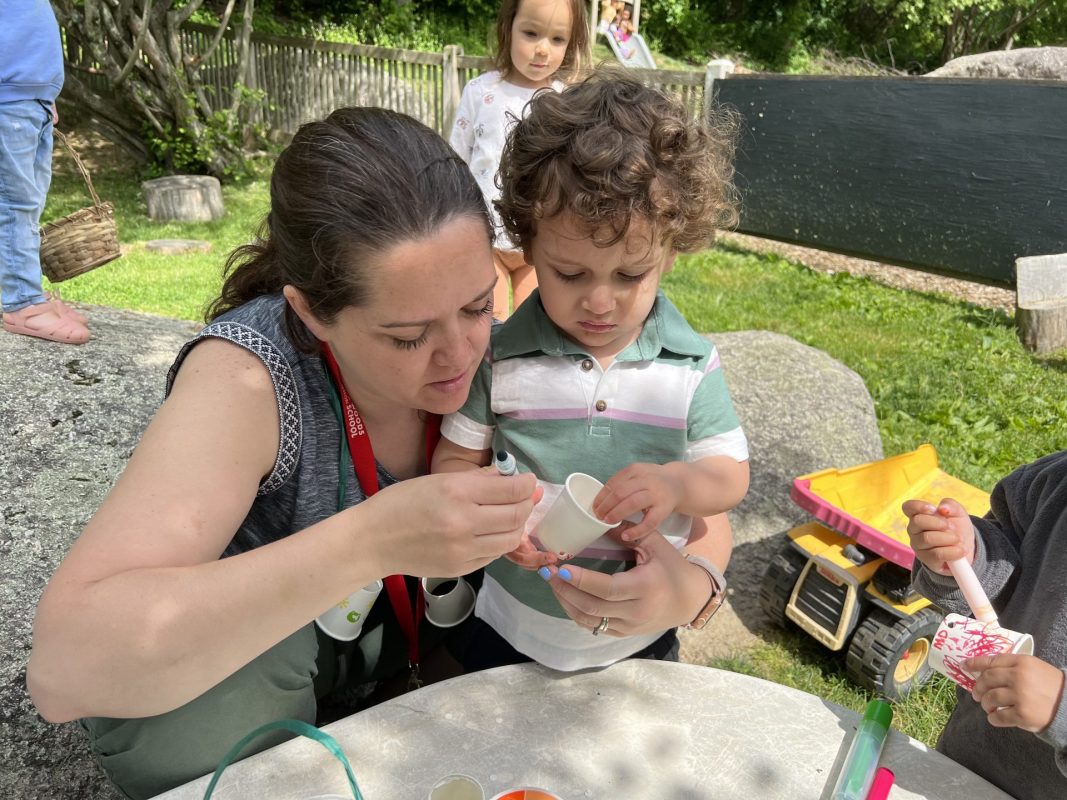
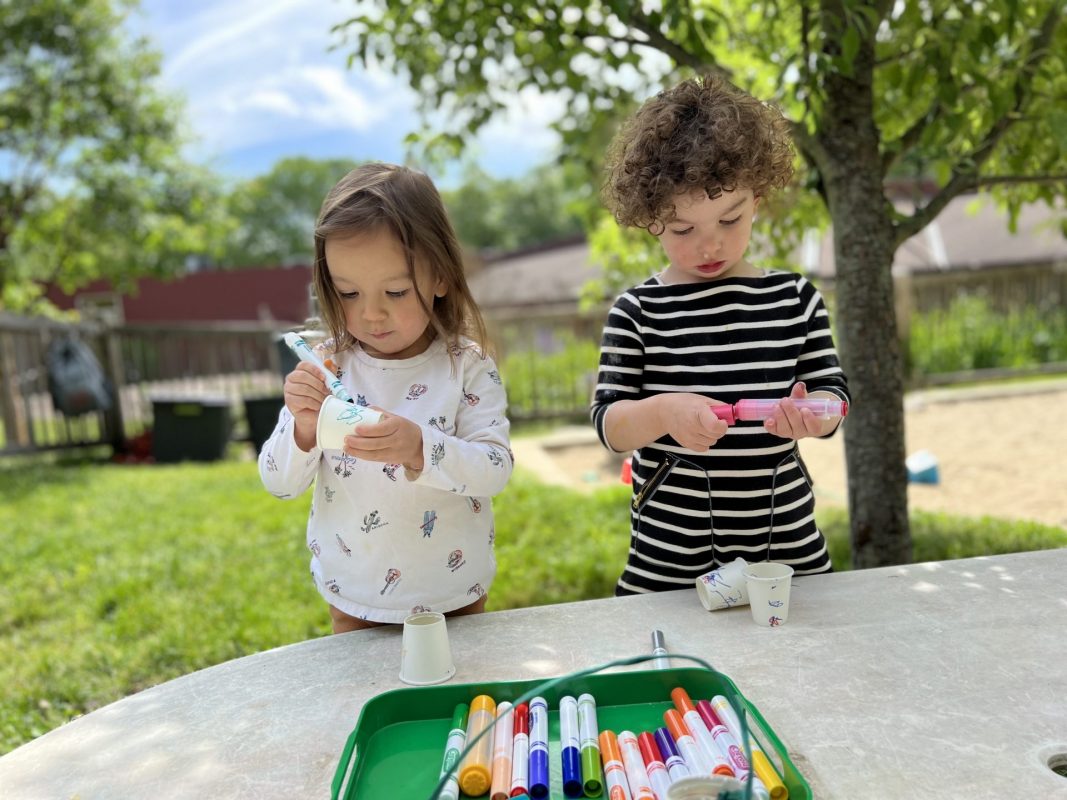
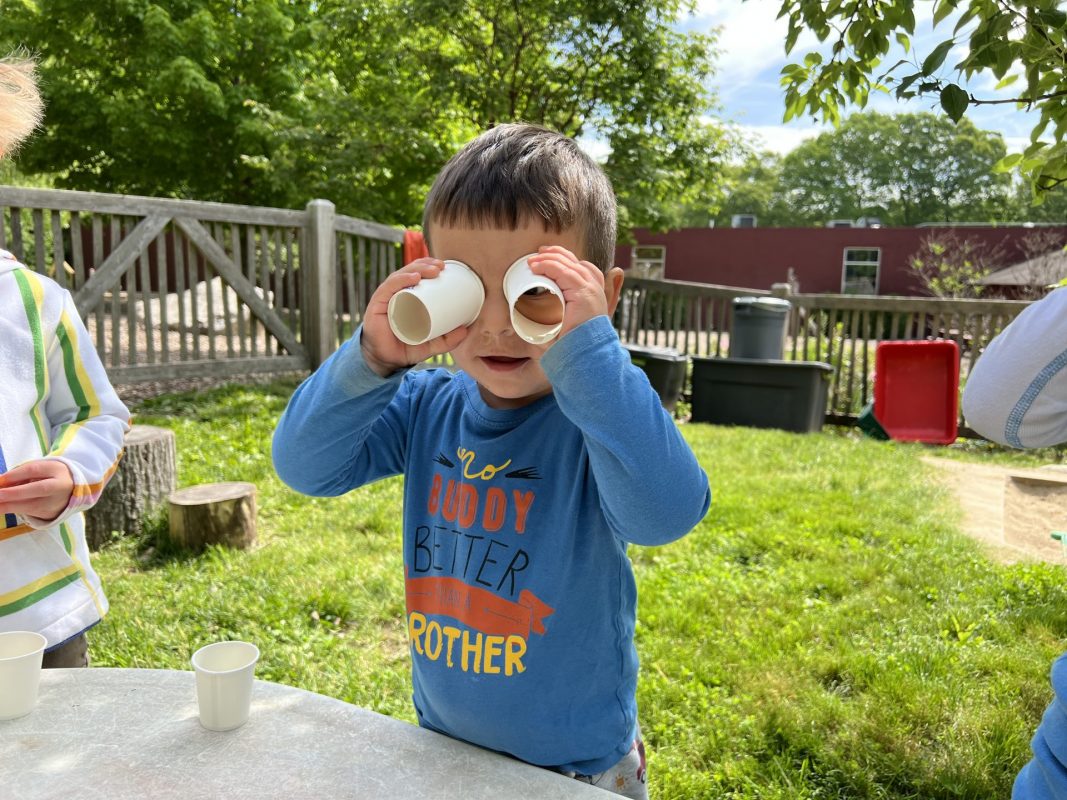
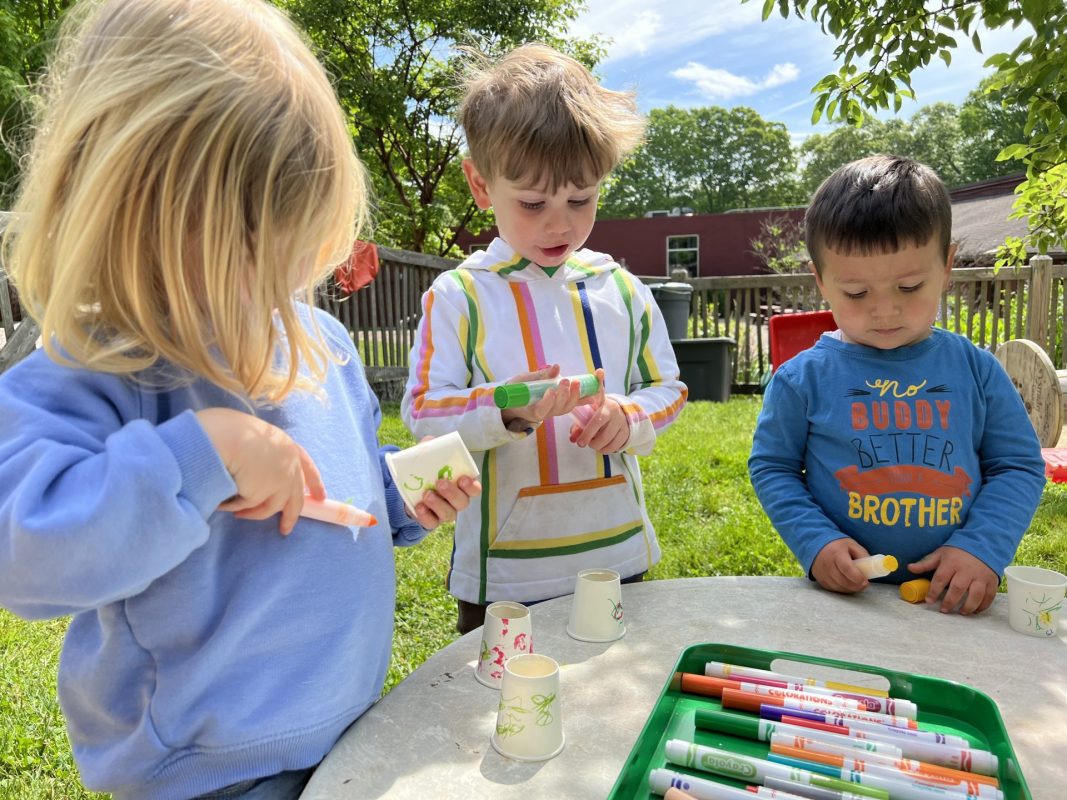
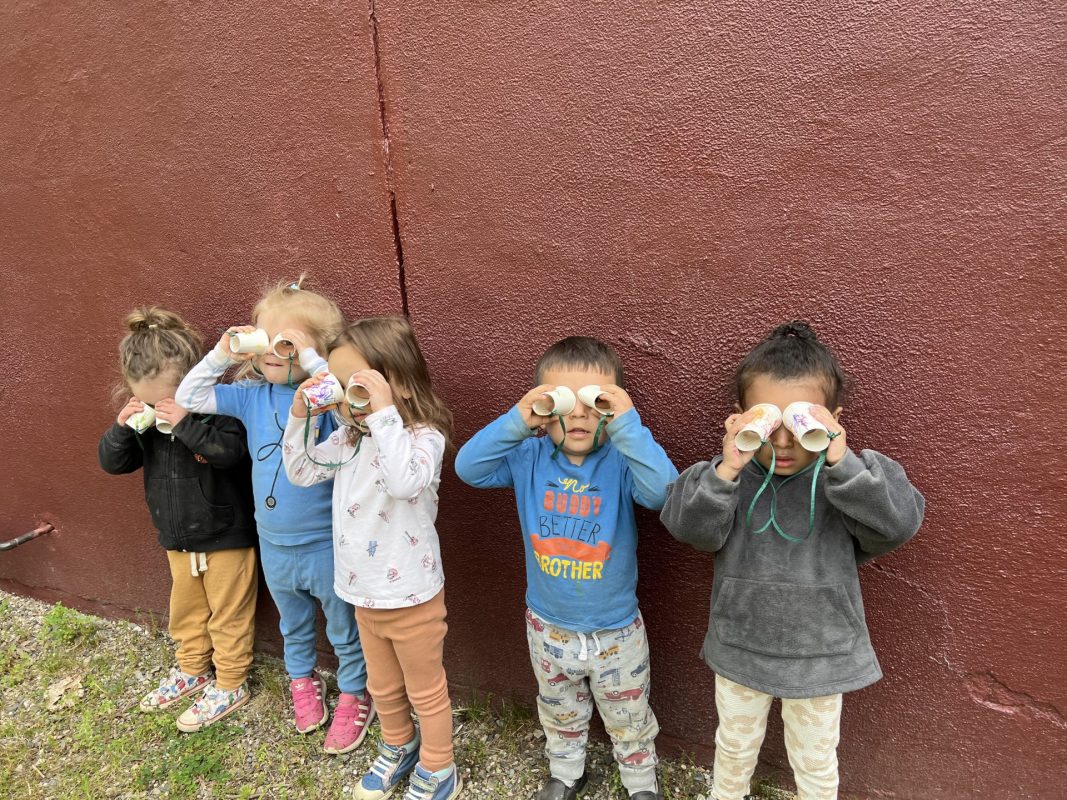
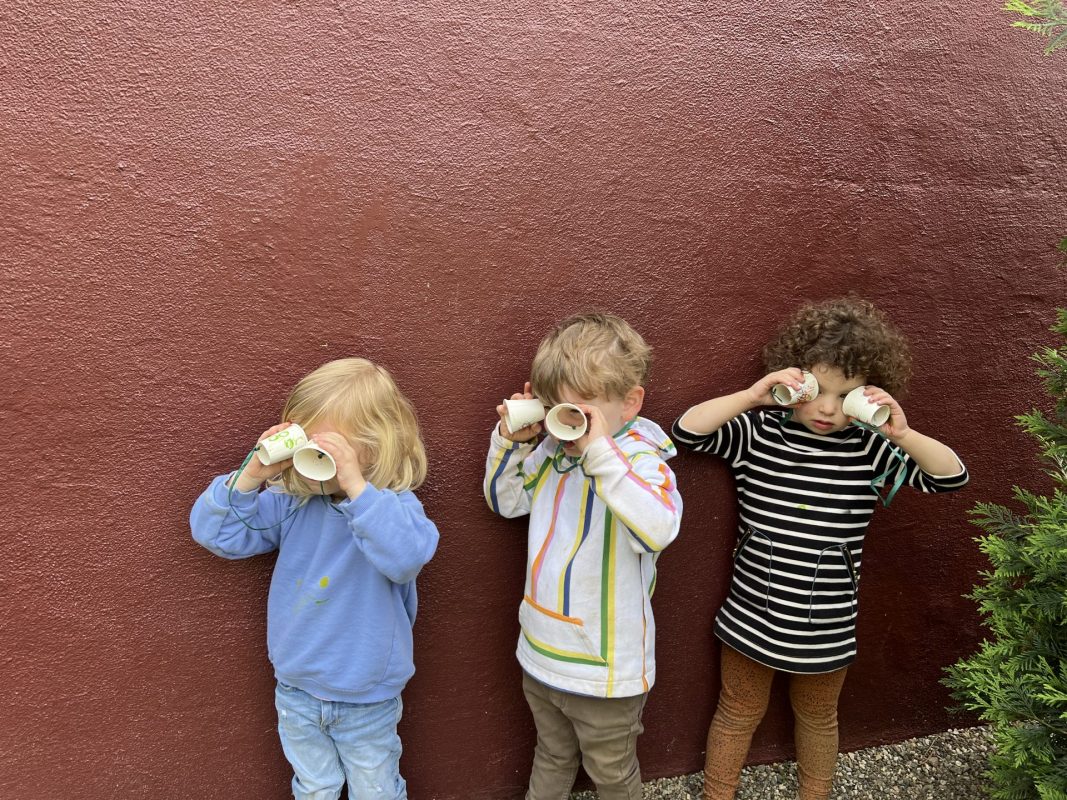
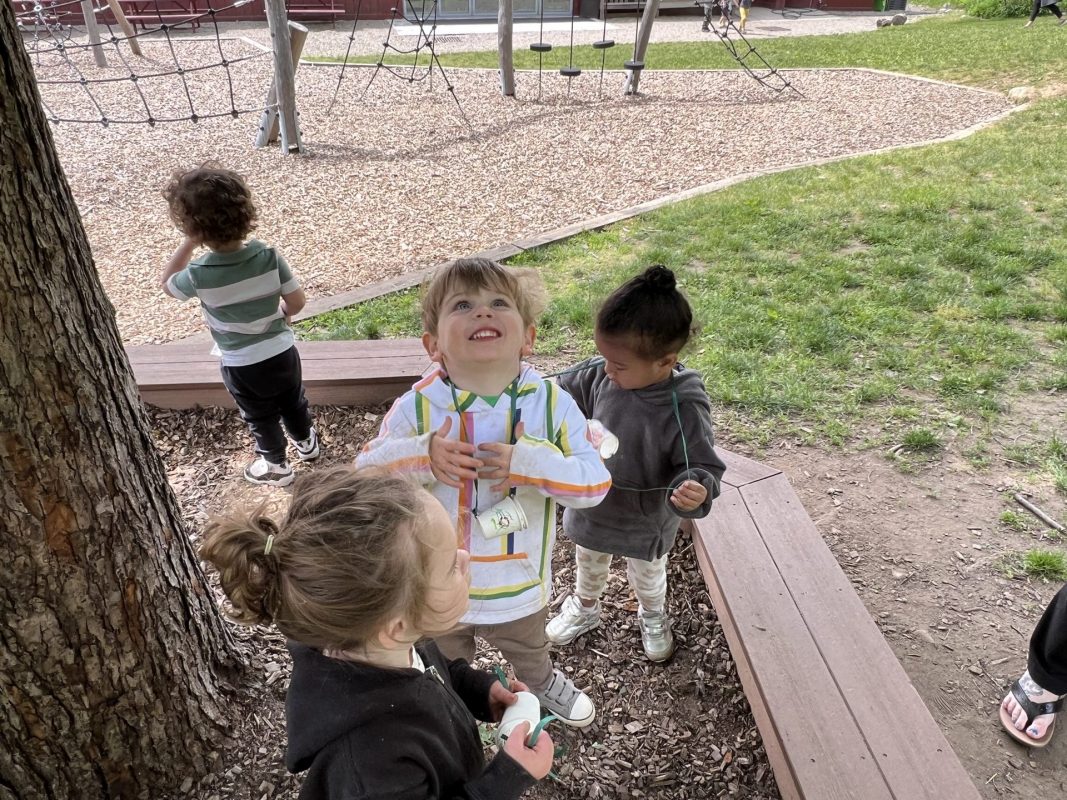
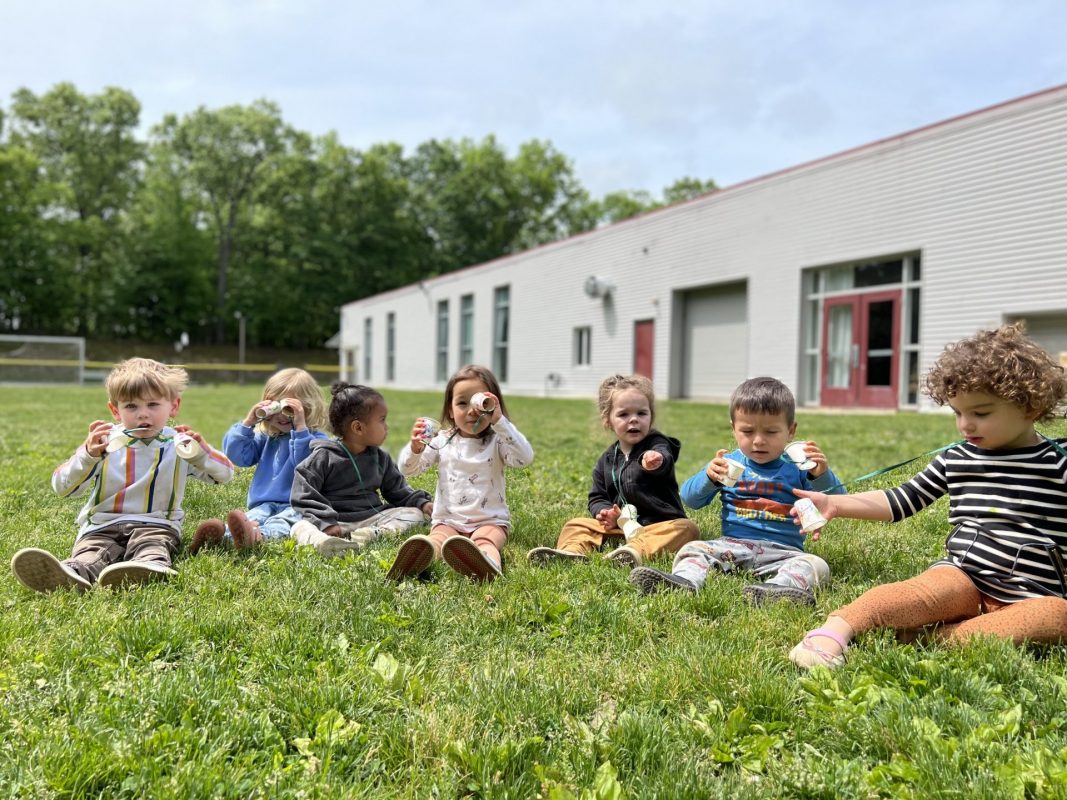
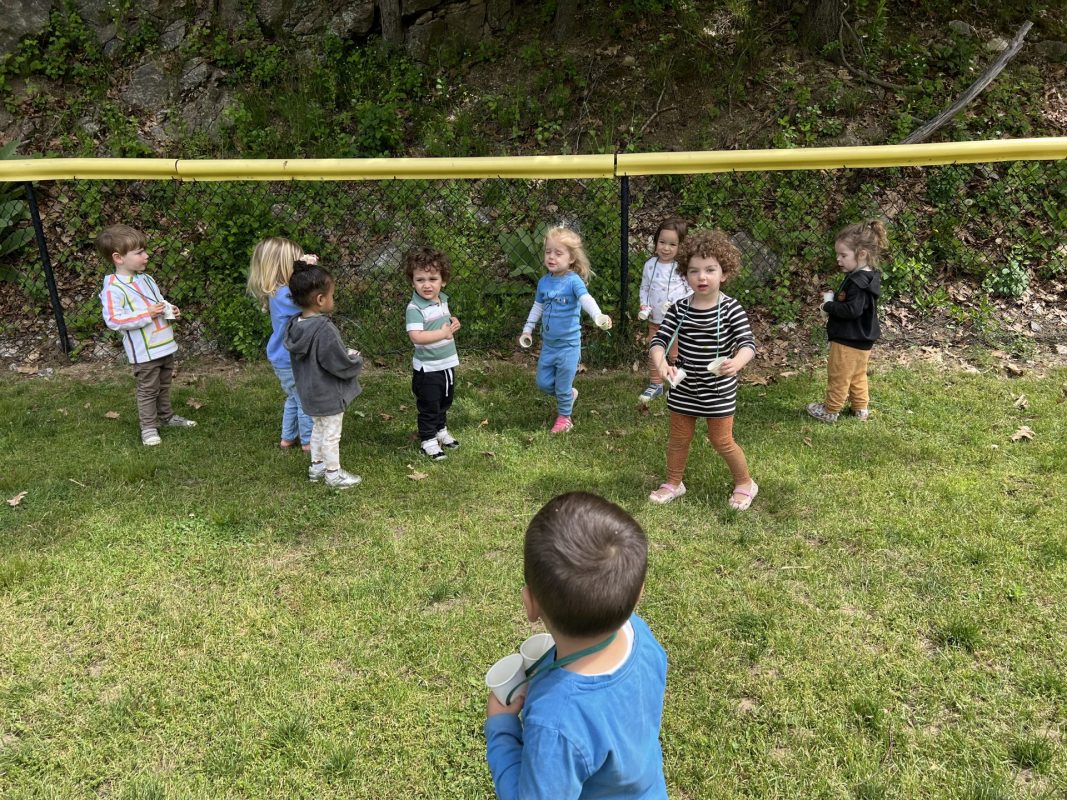
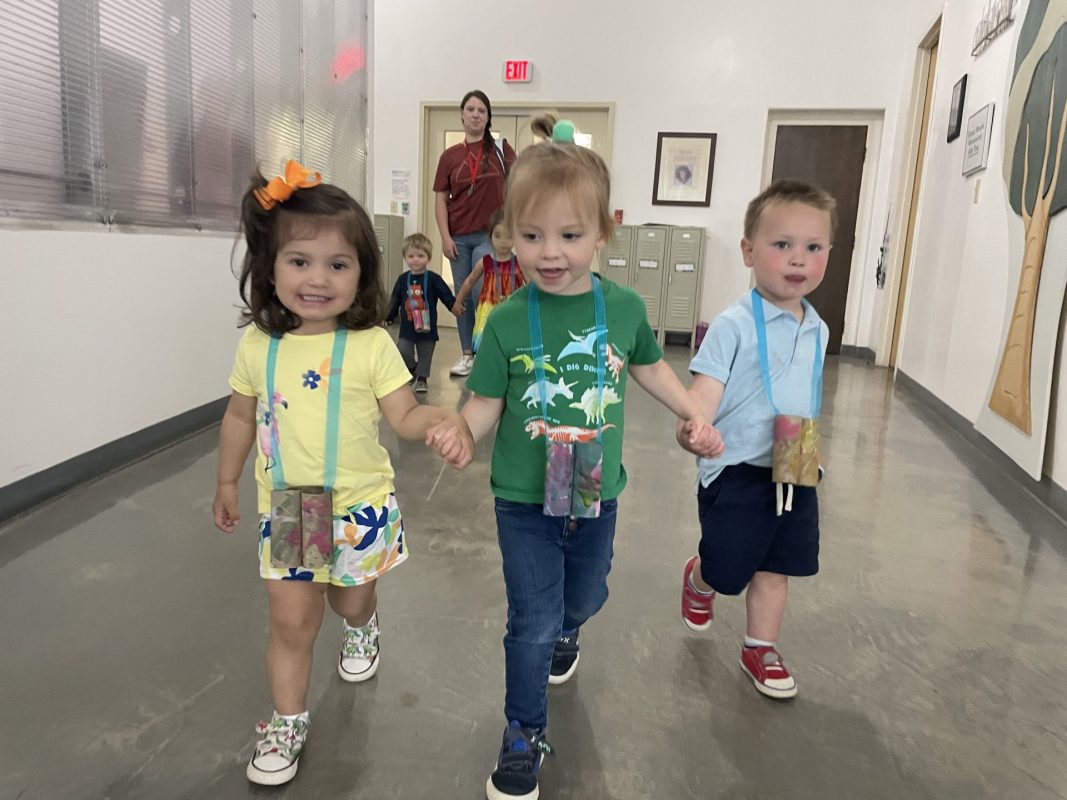
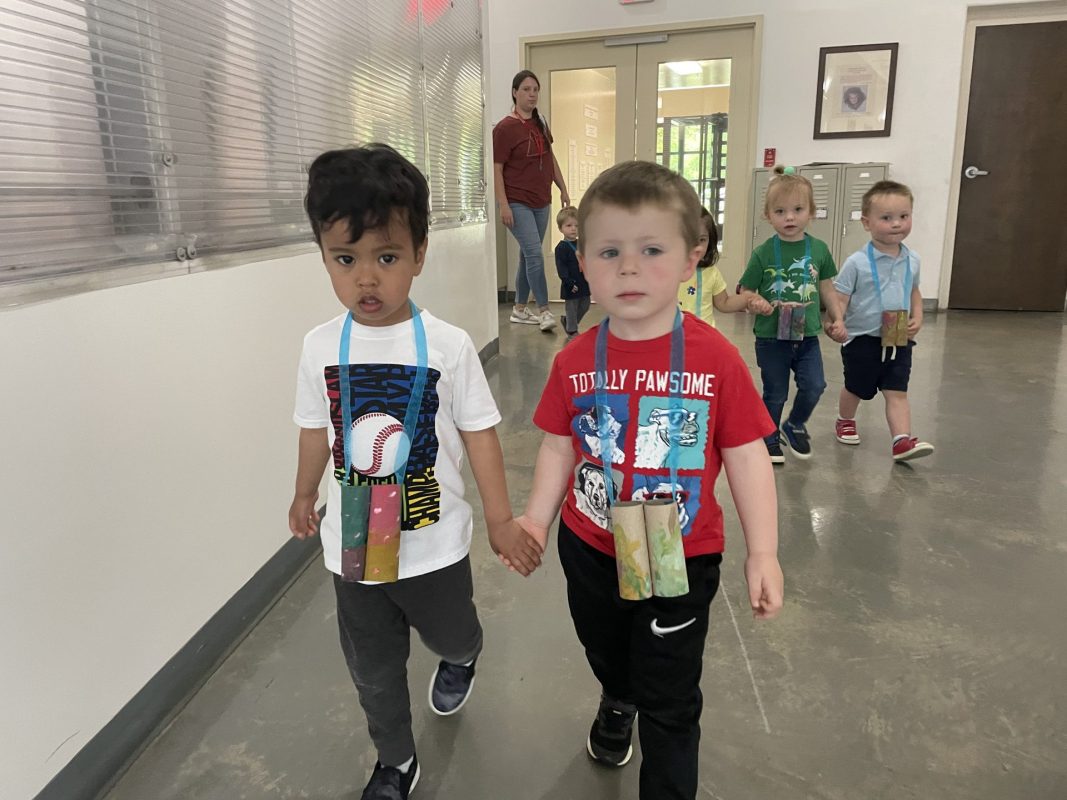
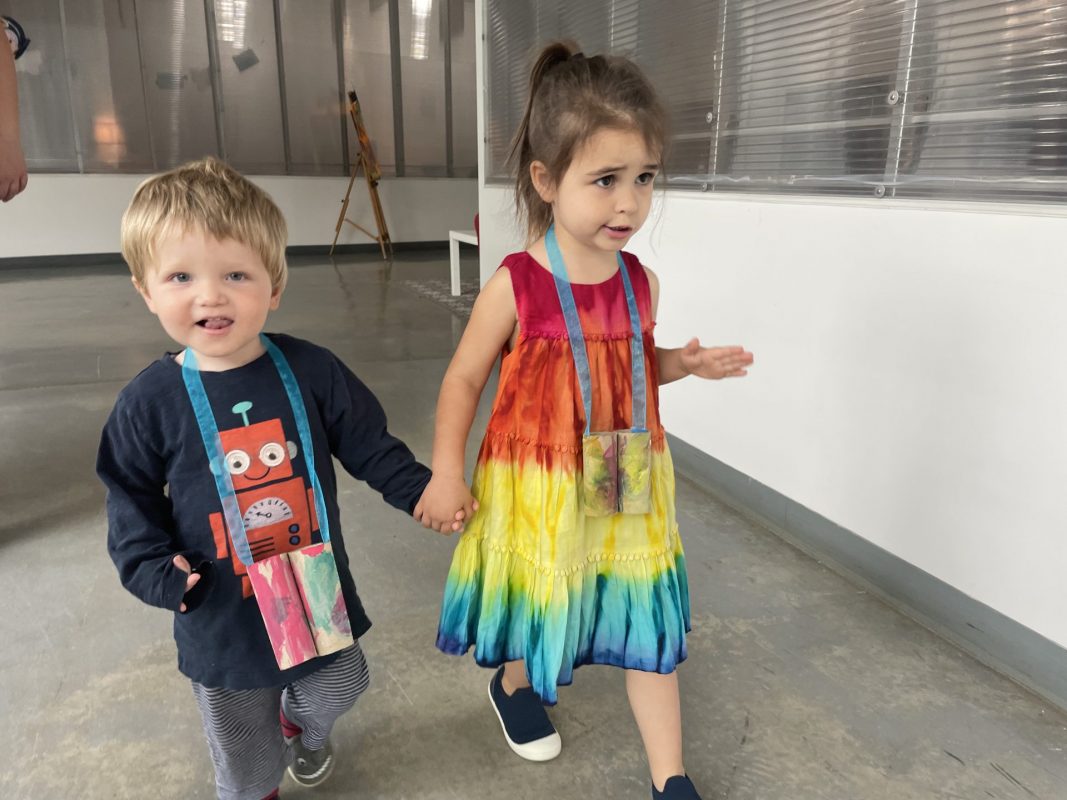
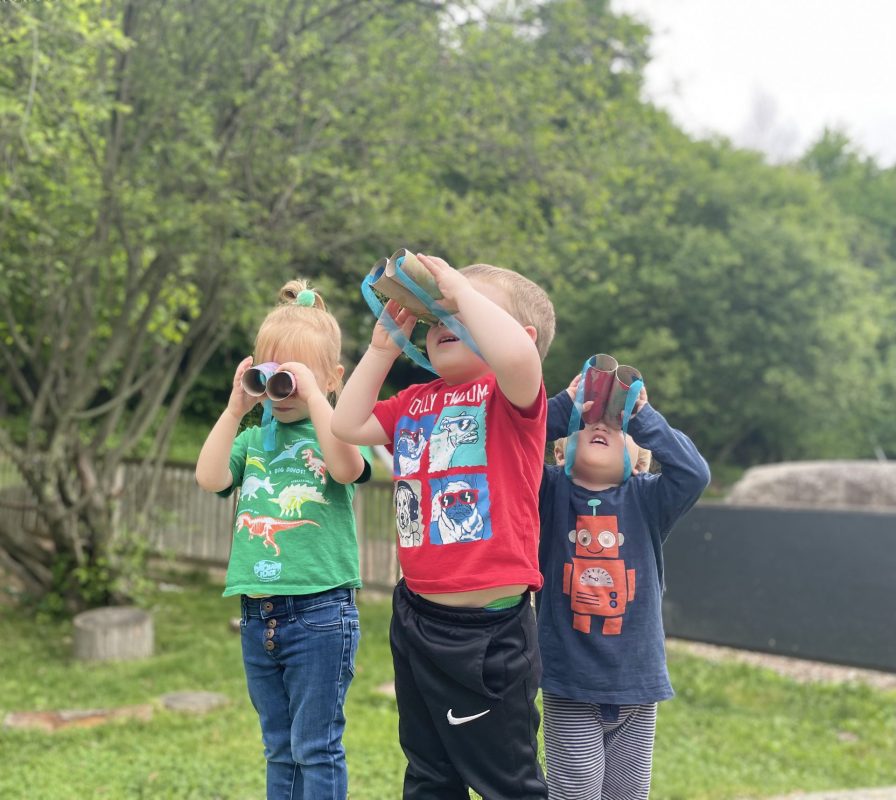
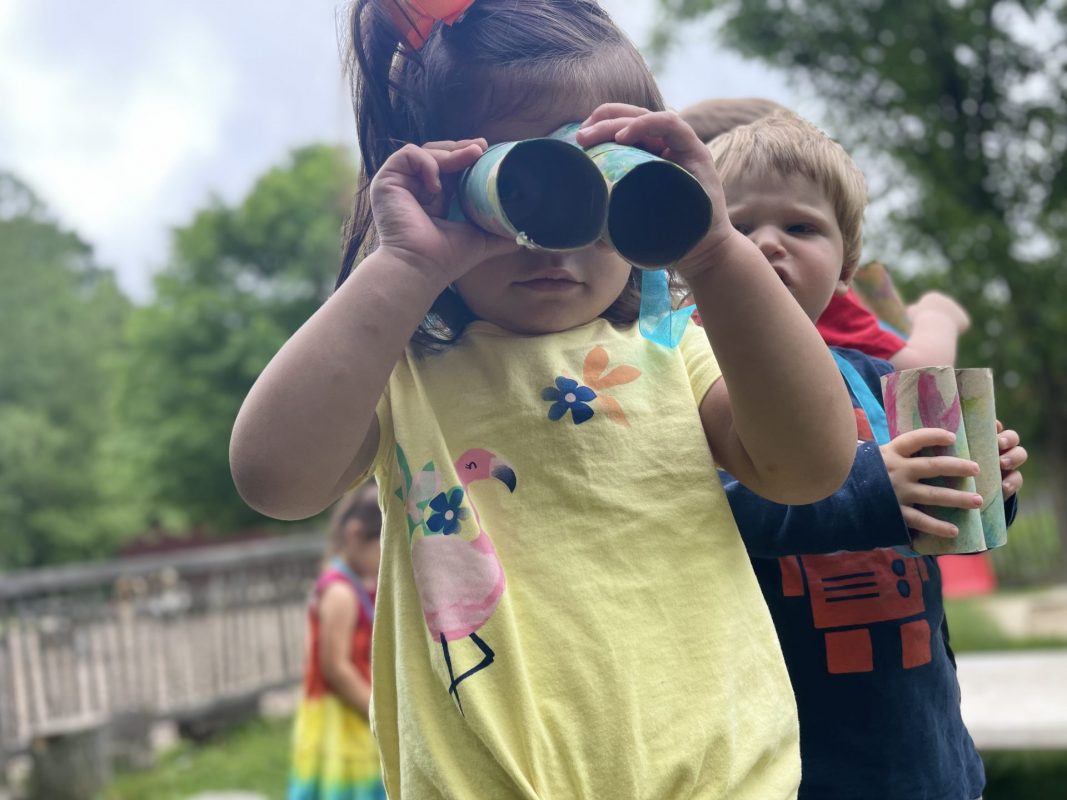
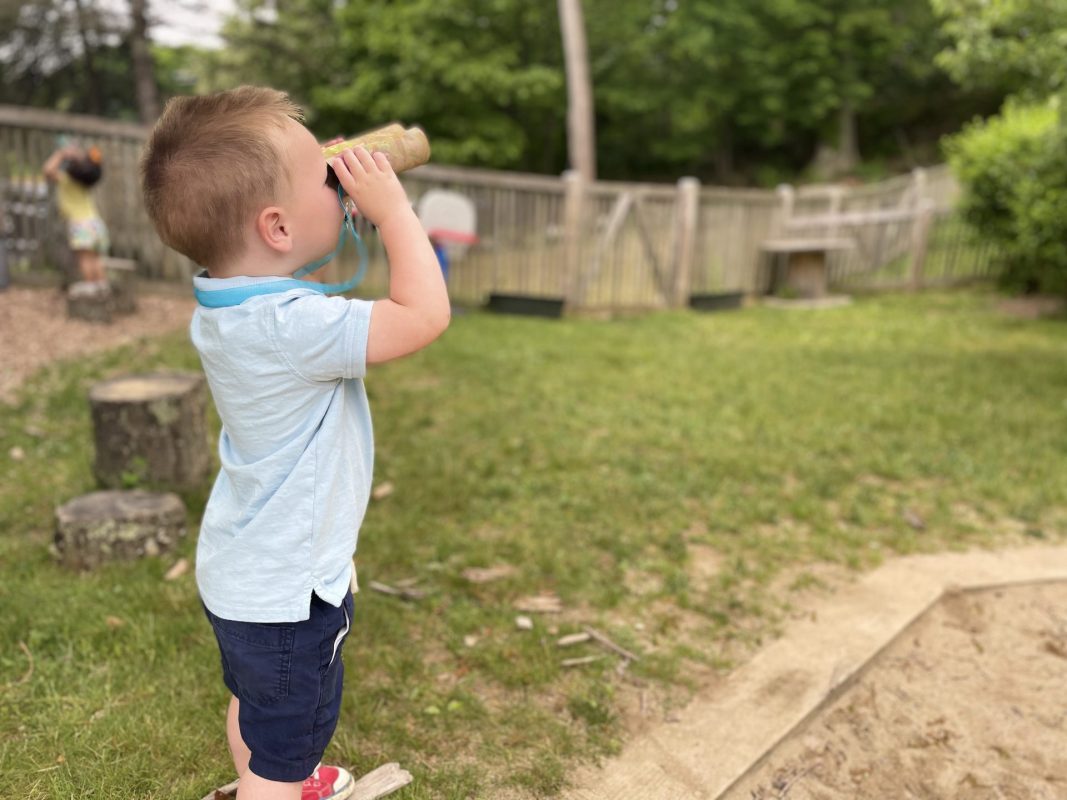
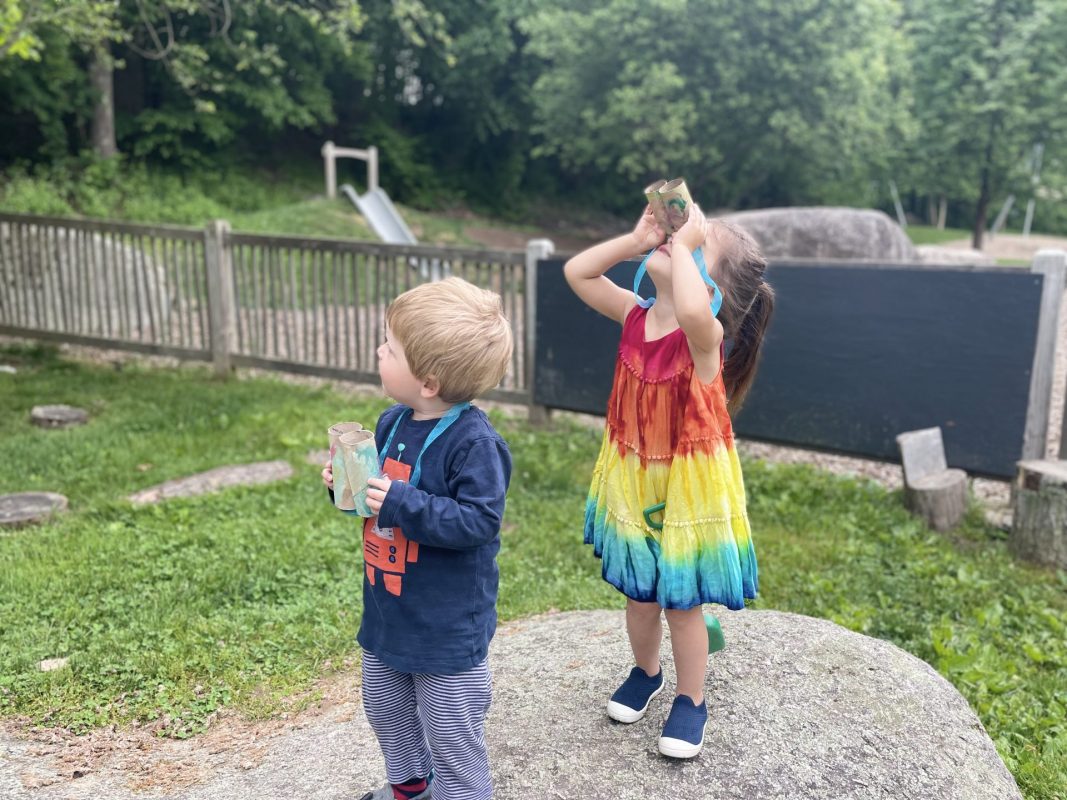
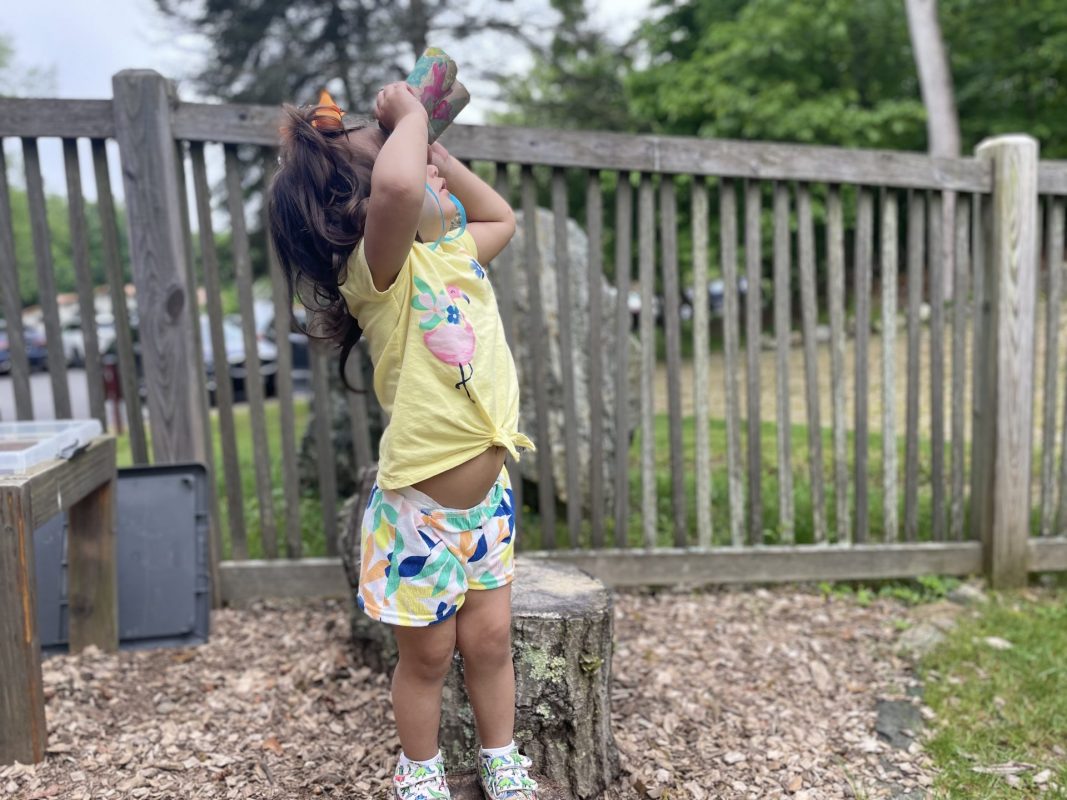
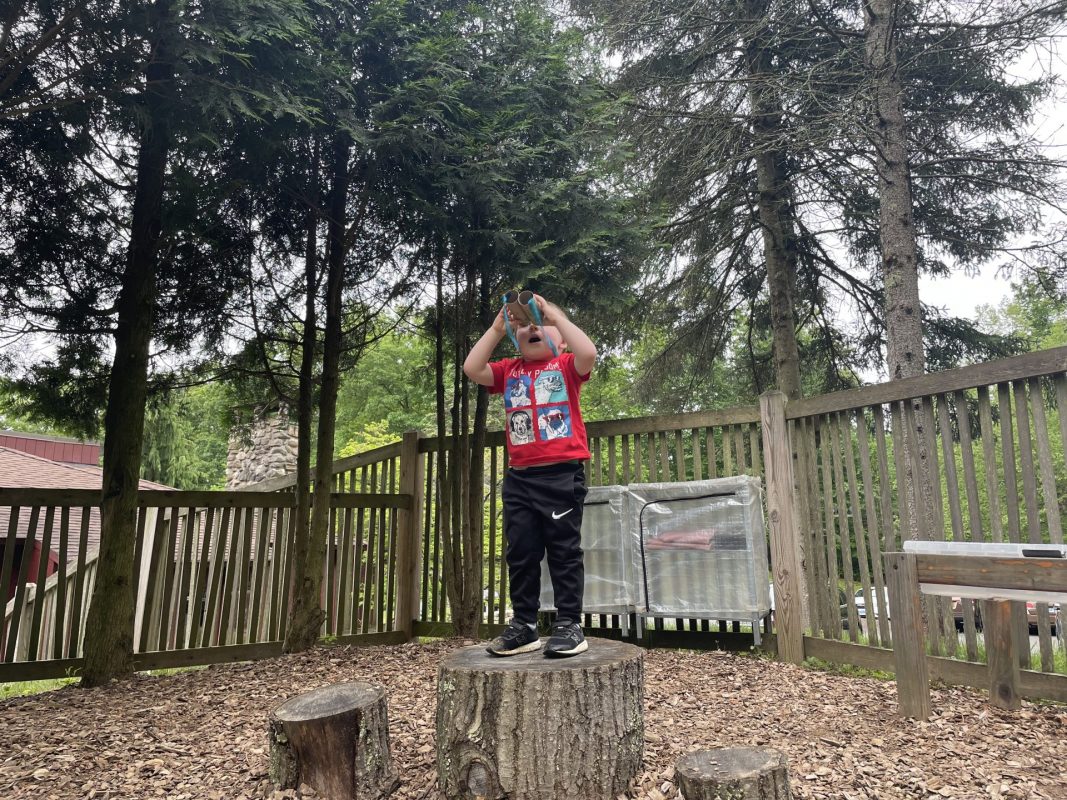
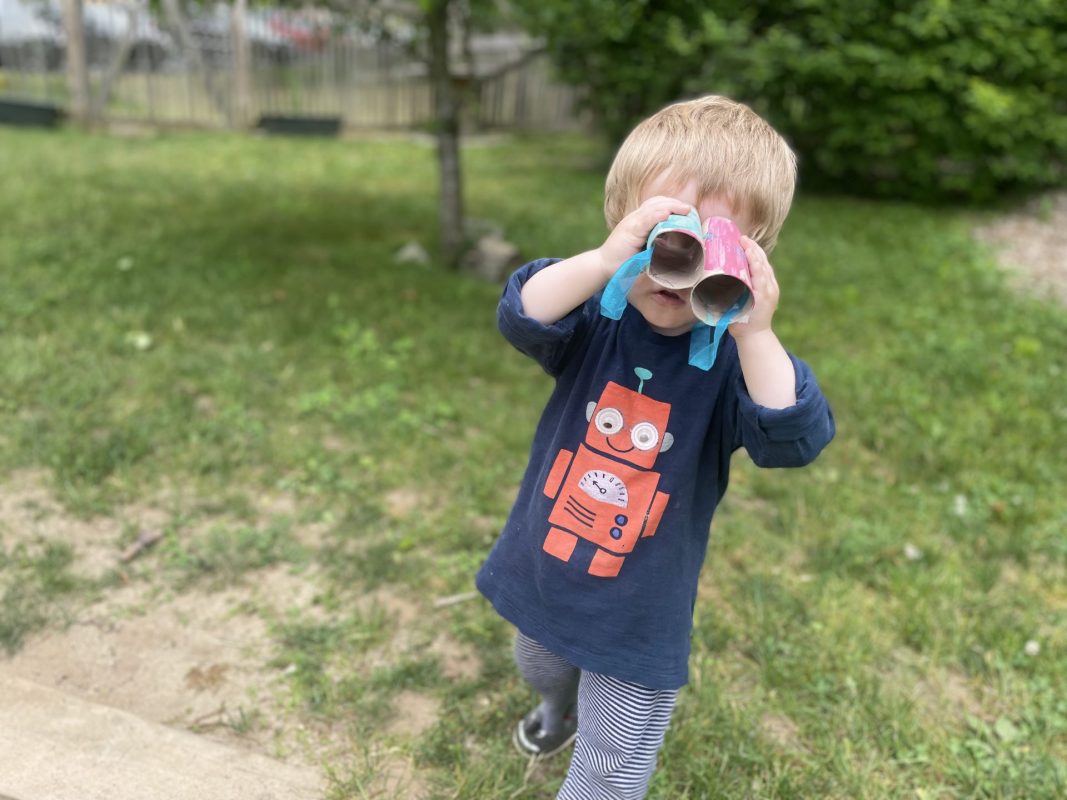
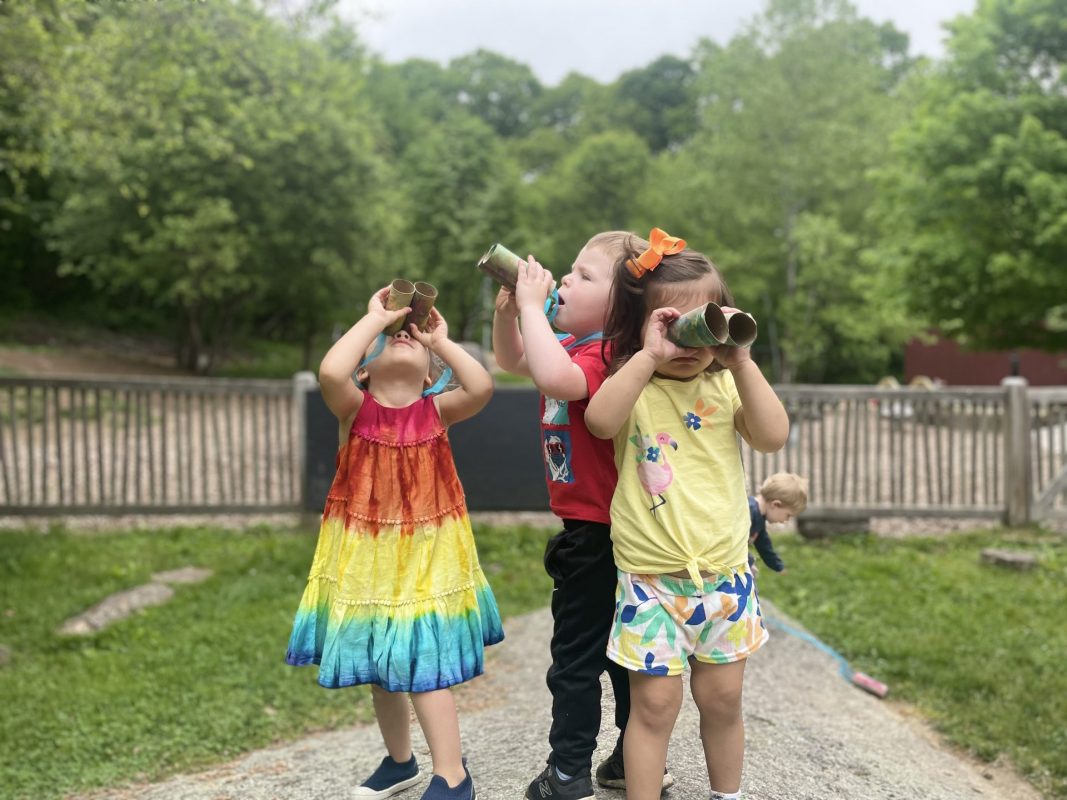
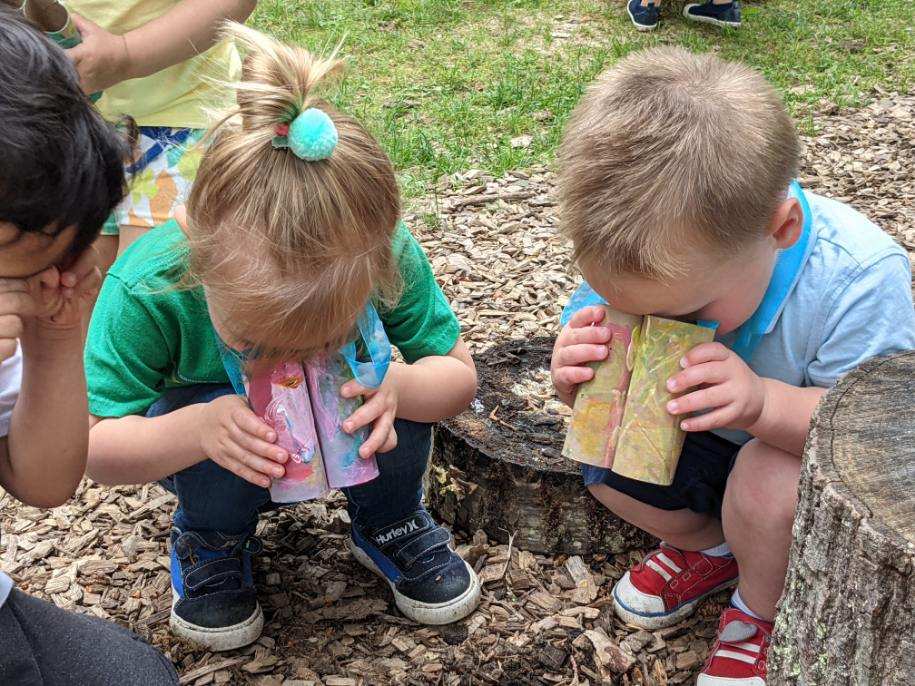
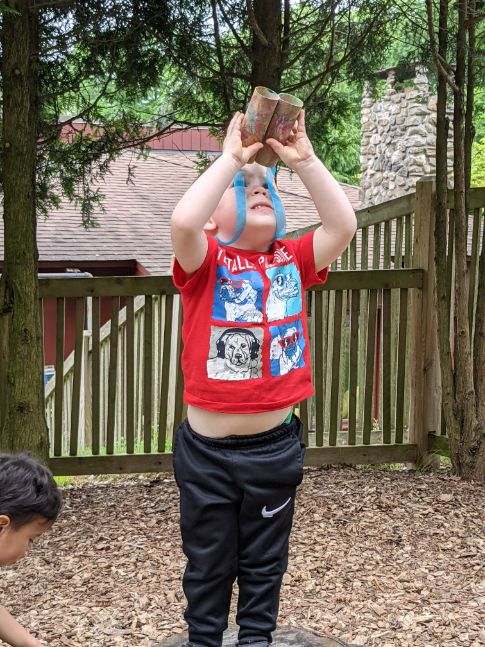
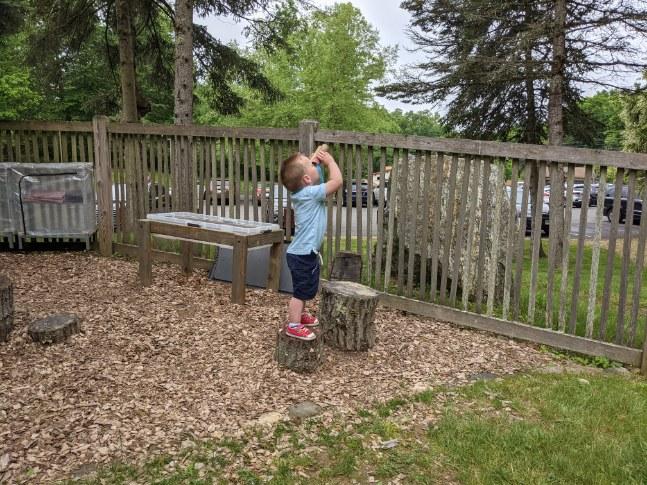
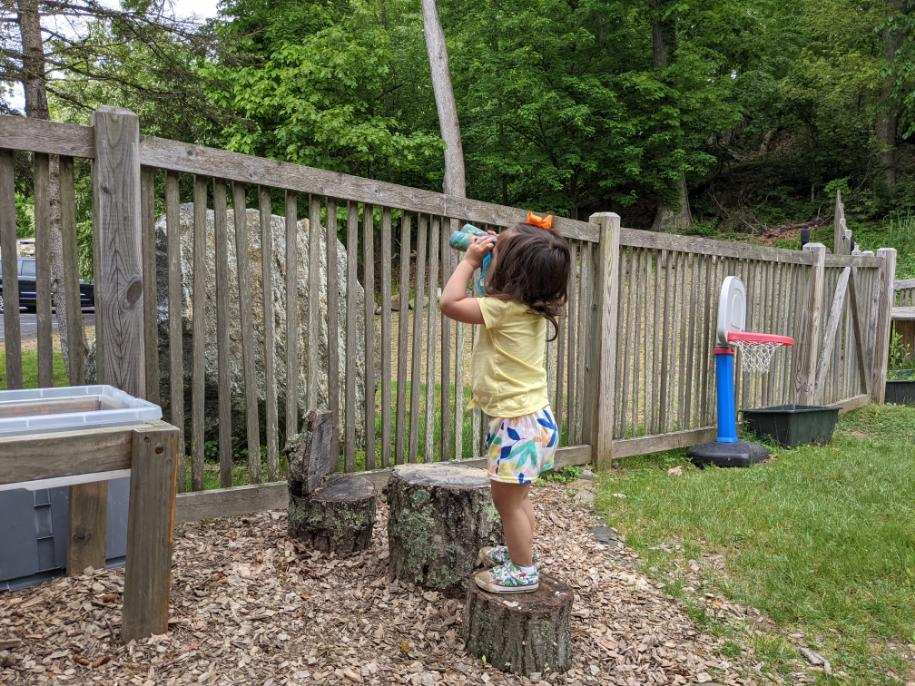
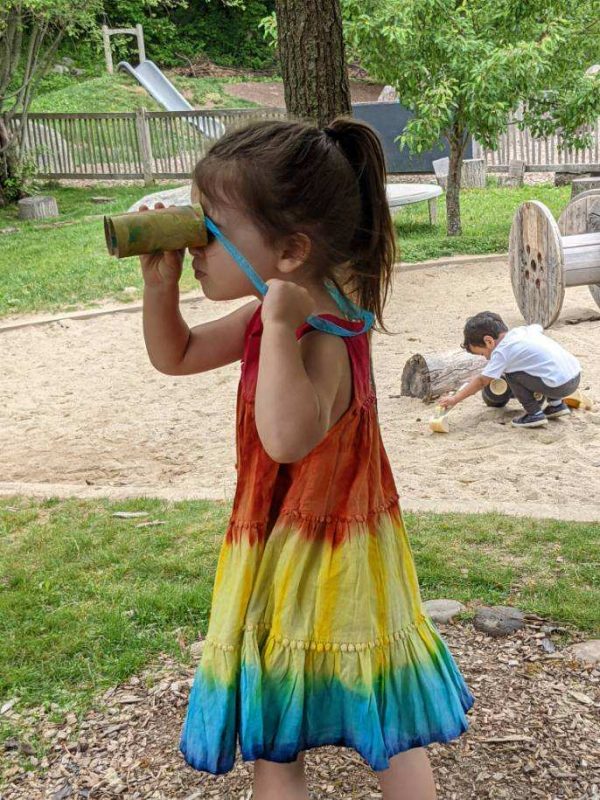
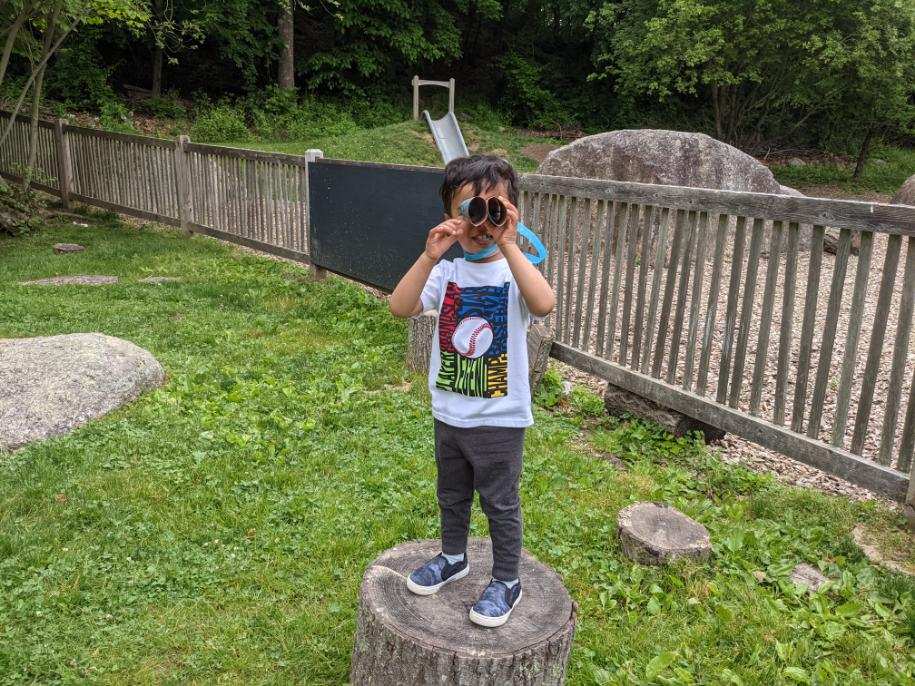
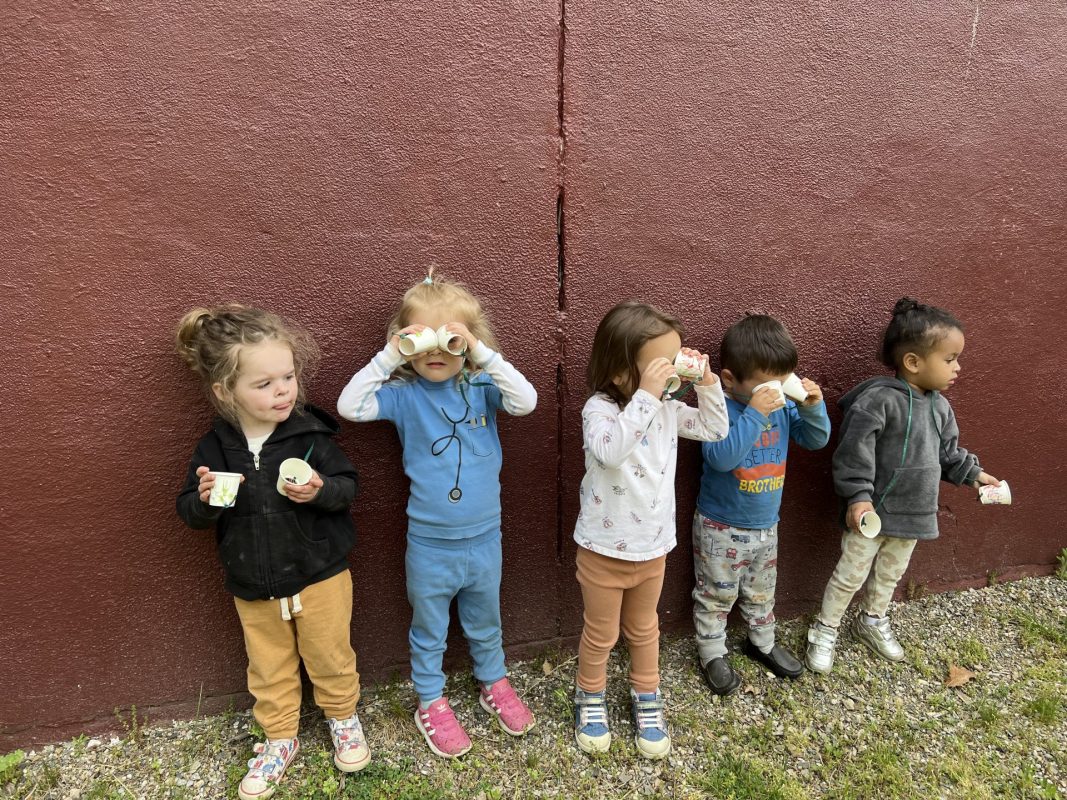
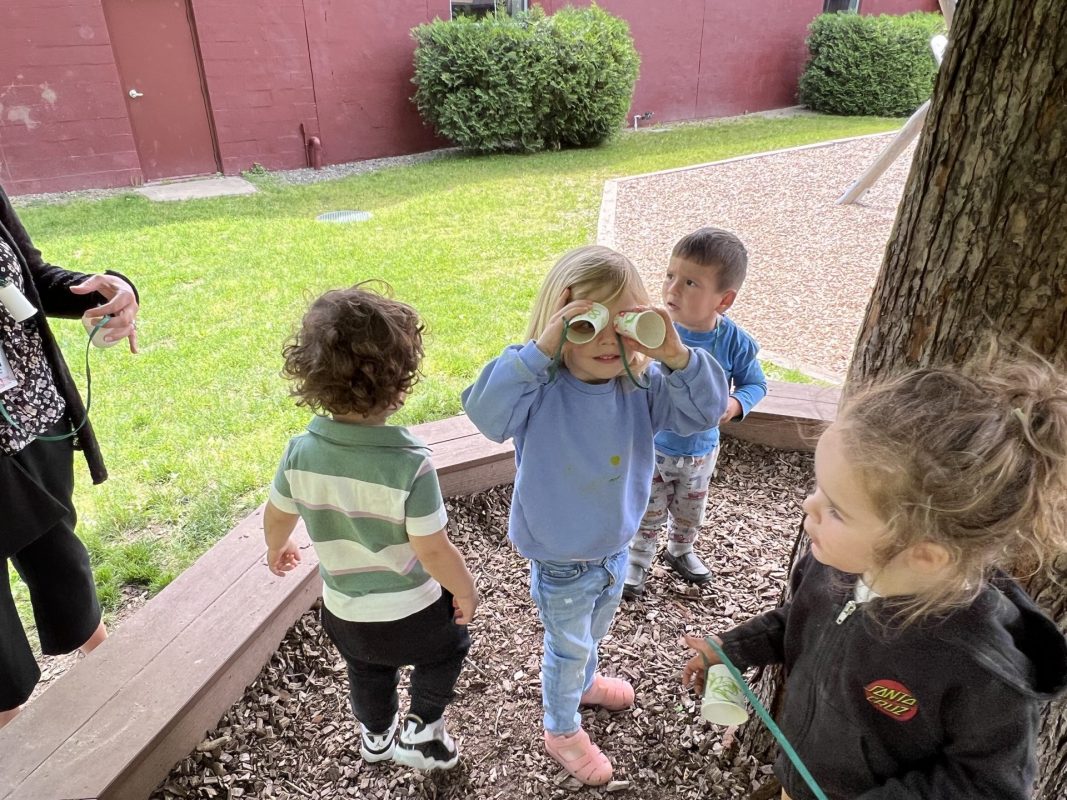
We are continuing our exploration of birds. This week we made binoculars out of paper cups. The children colored their paper cups with markers and stamps. We then went on a bird-watching walk to look for birds. We took time to sit and practice mindfulness so that we can quiet ourselves and listen to the sounds of birds.

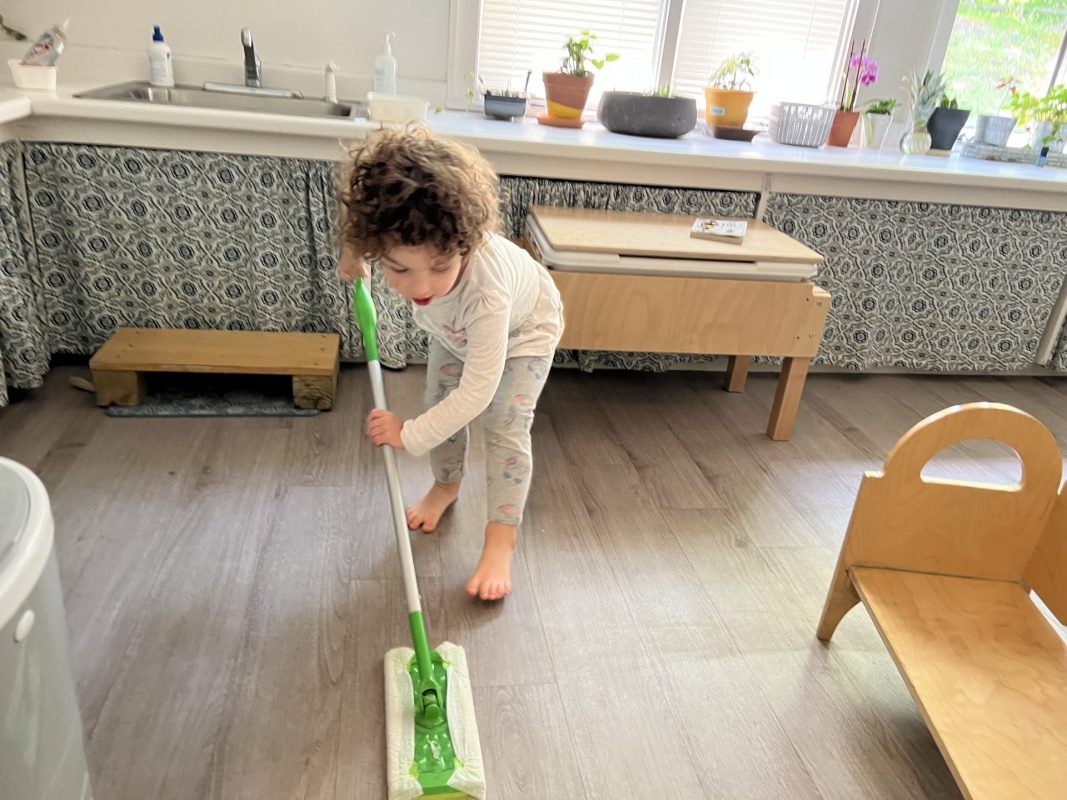
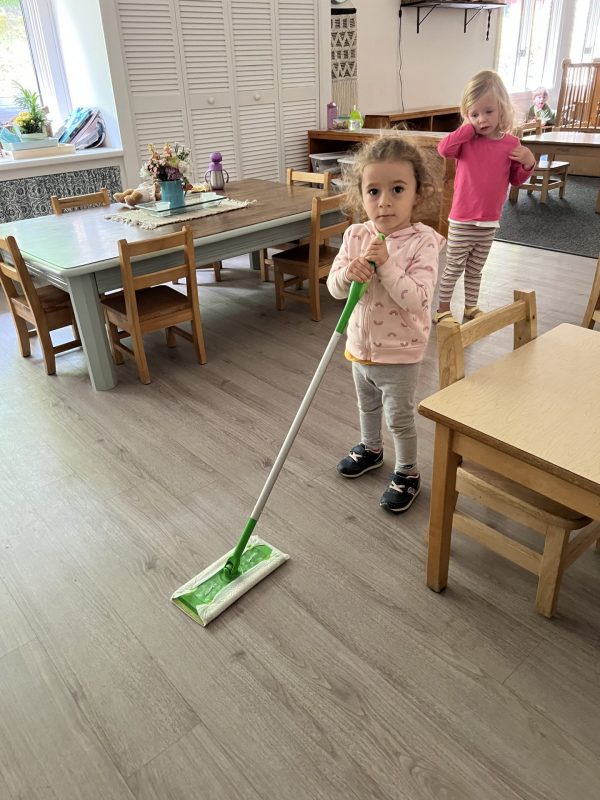
The children have a new cleaning tool in practical life. I added a Swiffer for them to use. This is a wonderful tool for them to use to help care for the environment while getting in some gross motor activity. You can easily implement this in your home by removing one section of the pole on a Swiffer.
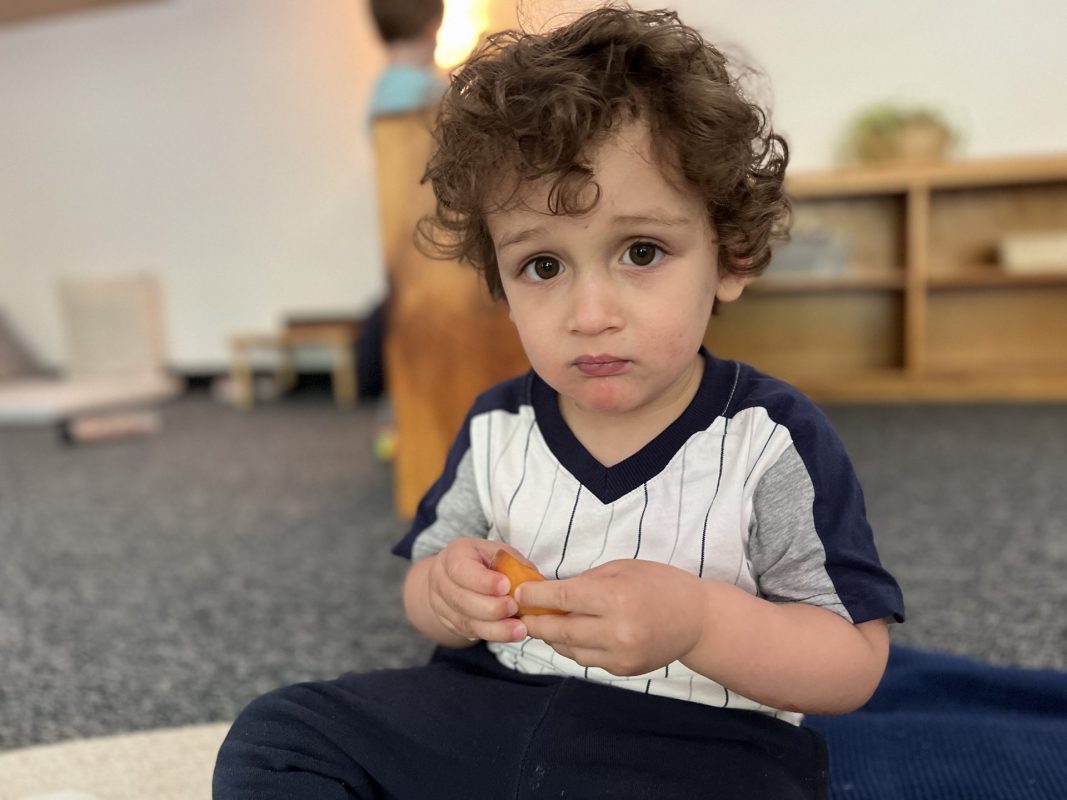
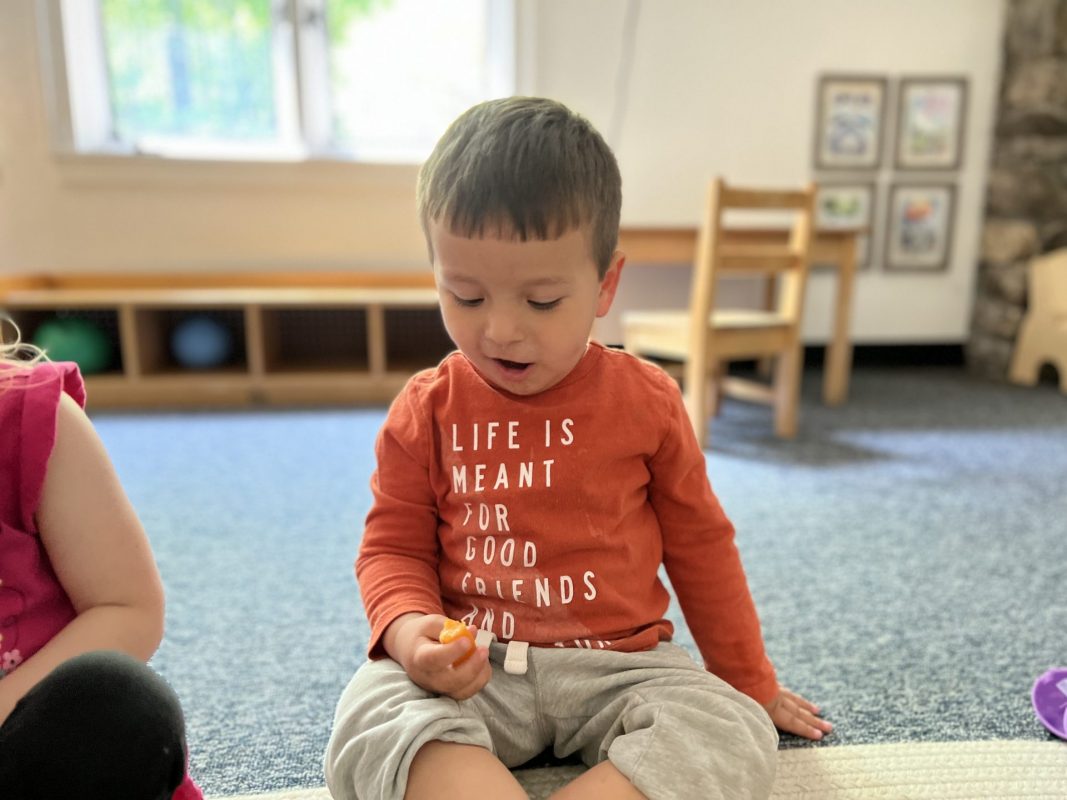
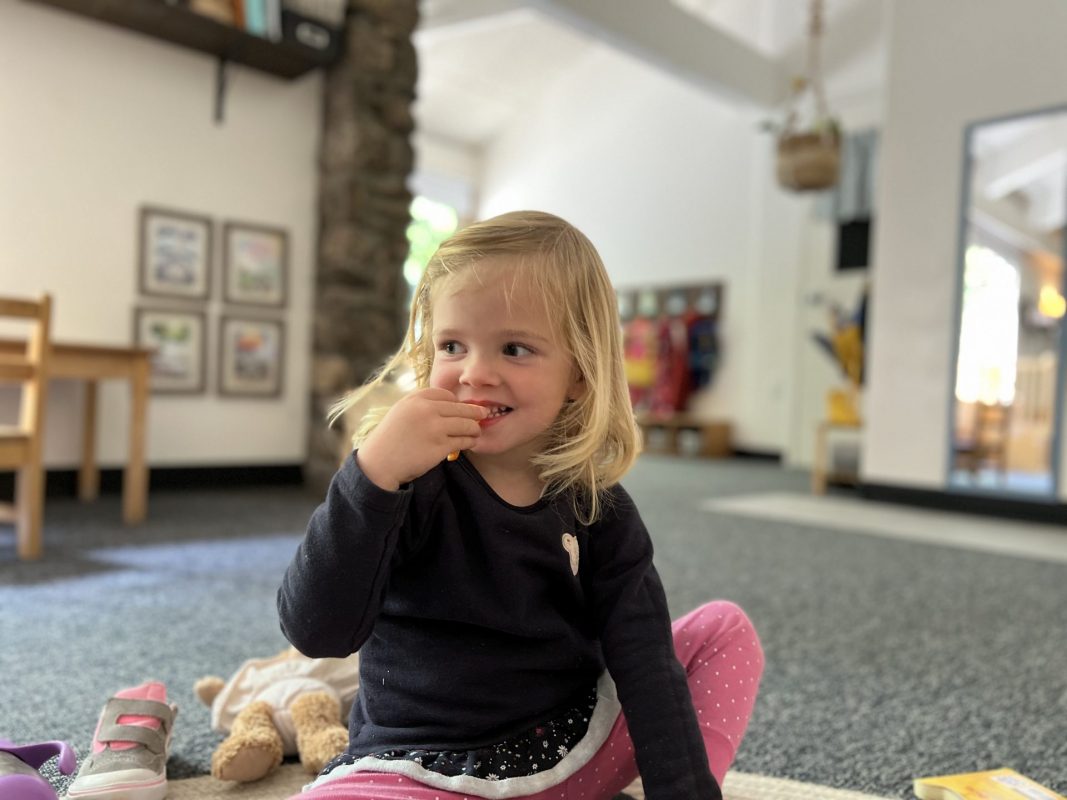
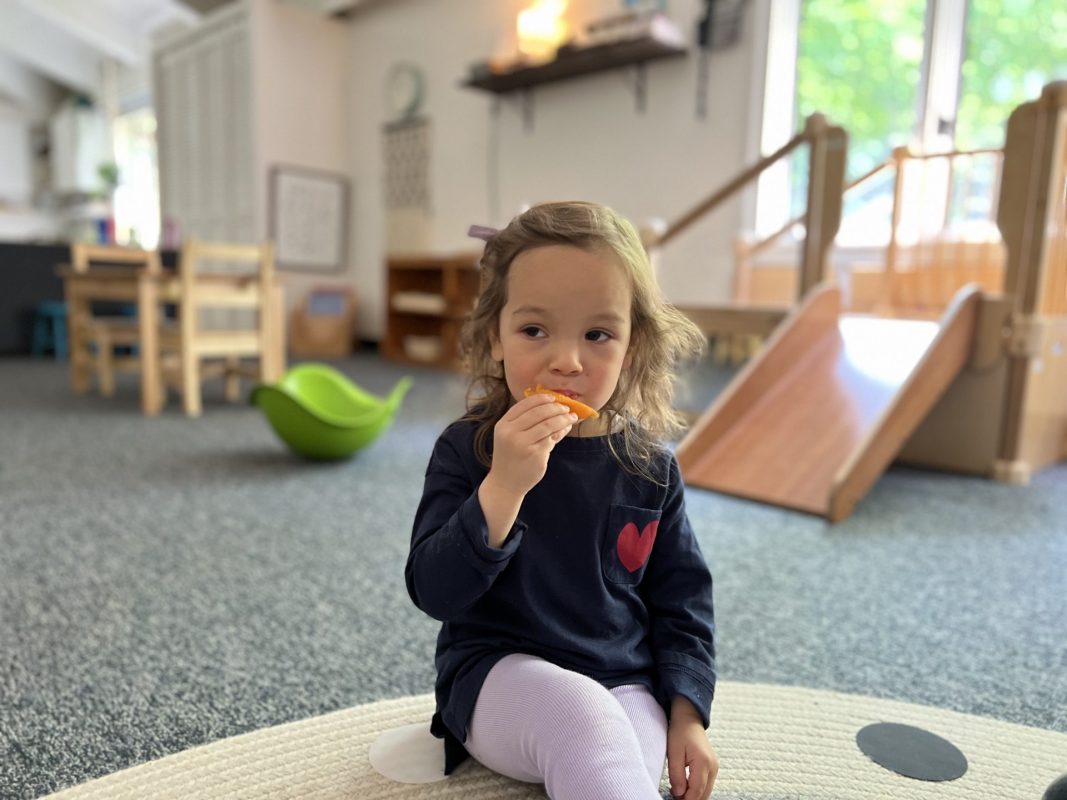
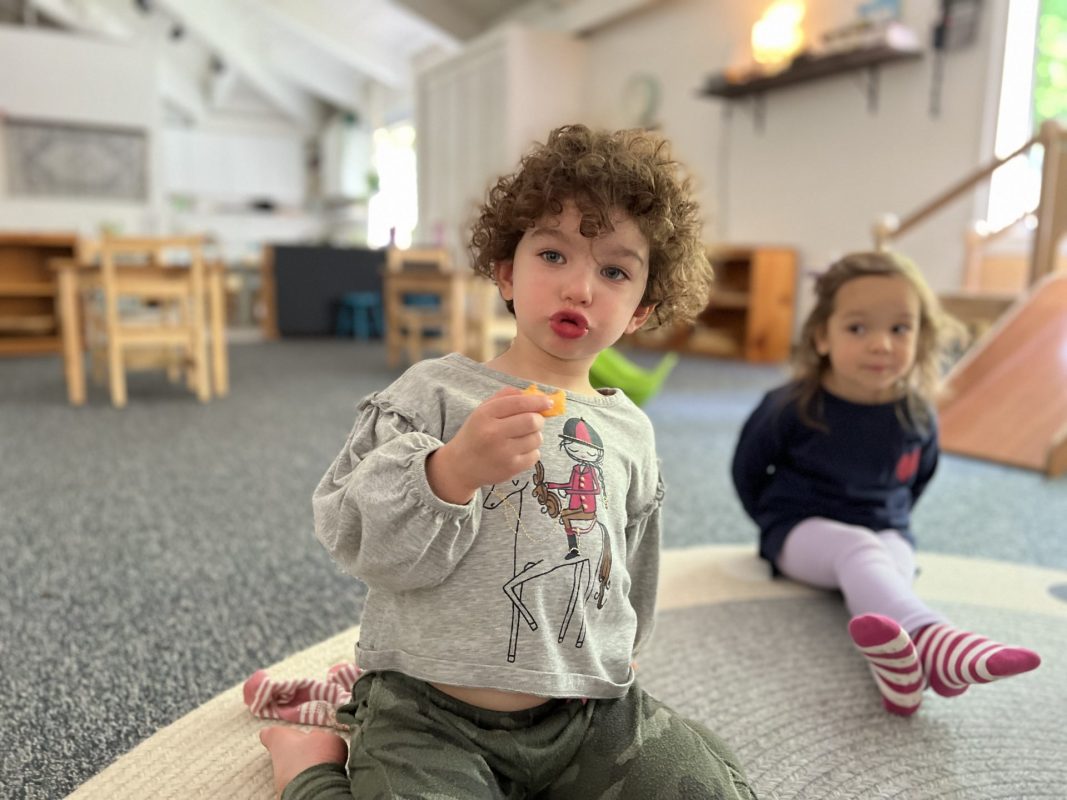
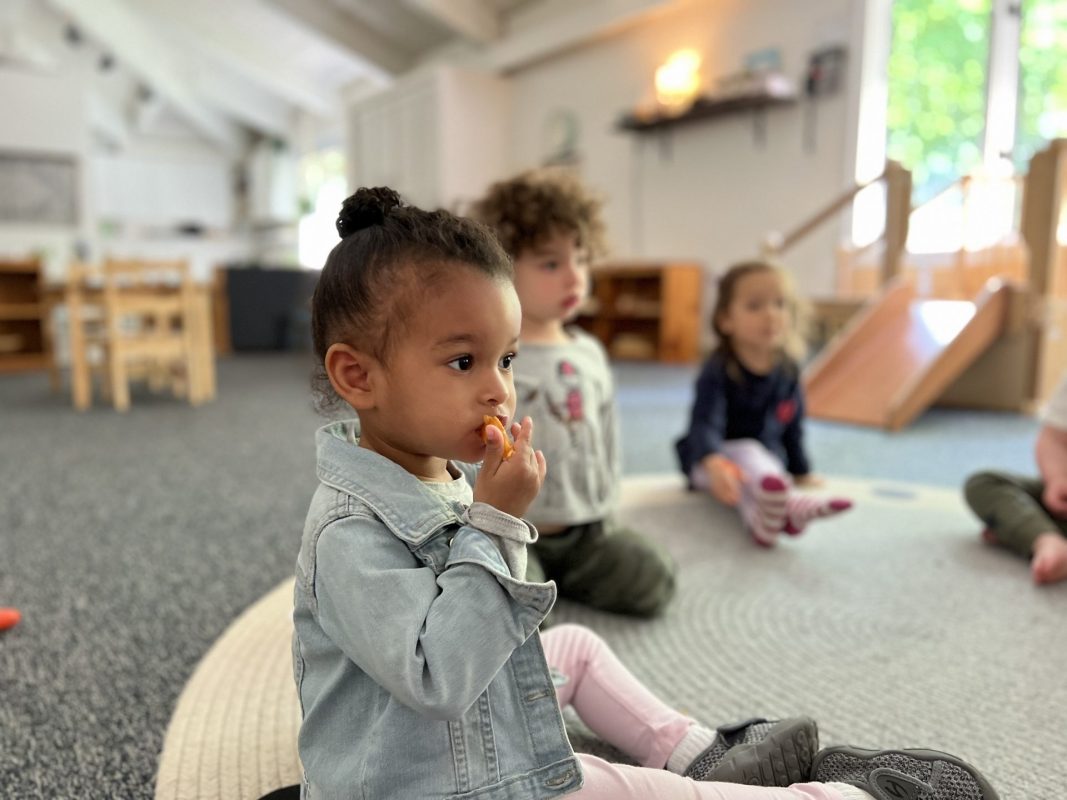
Food Tasting: The children tasted and enjoyed an apricot.


Lower El: History Lessons

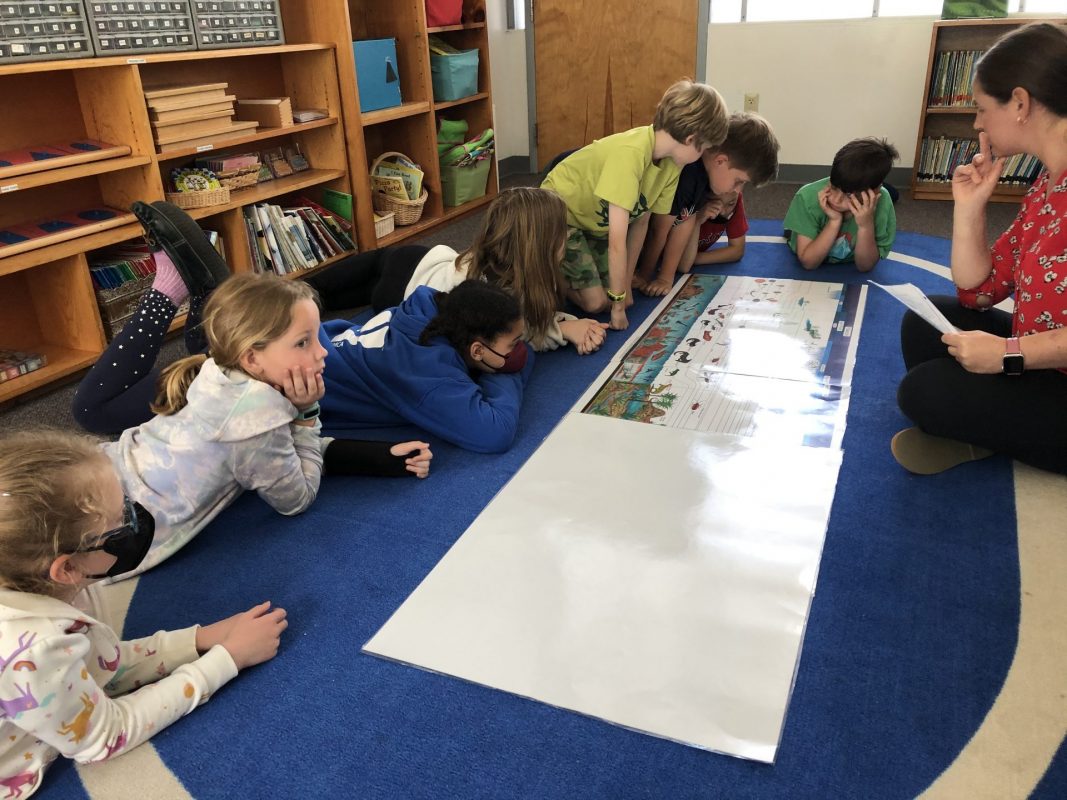
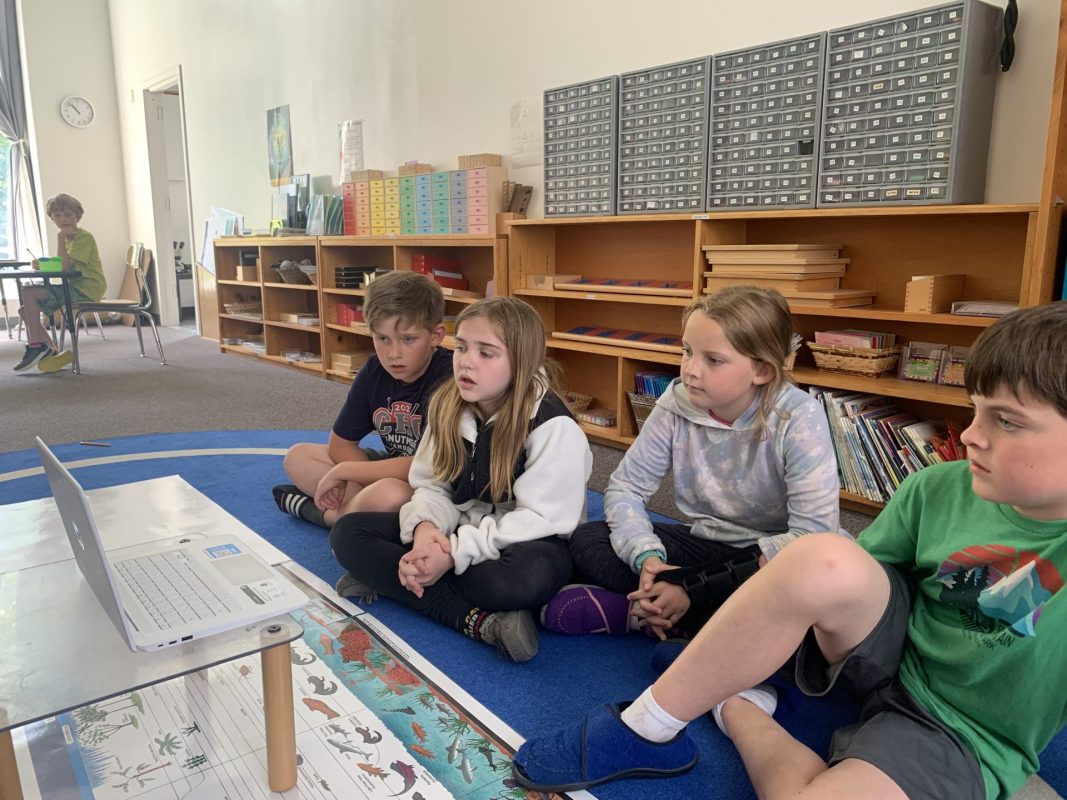
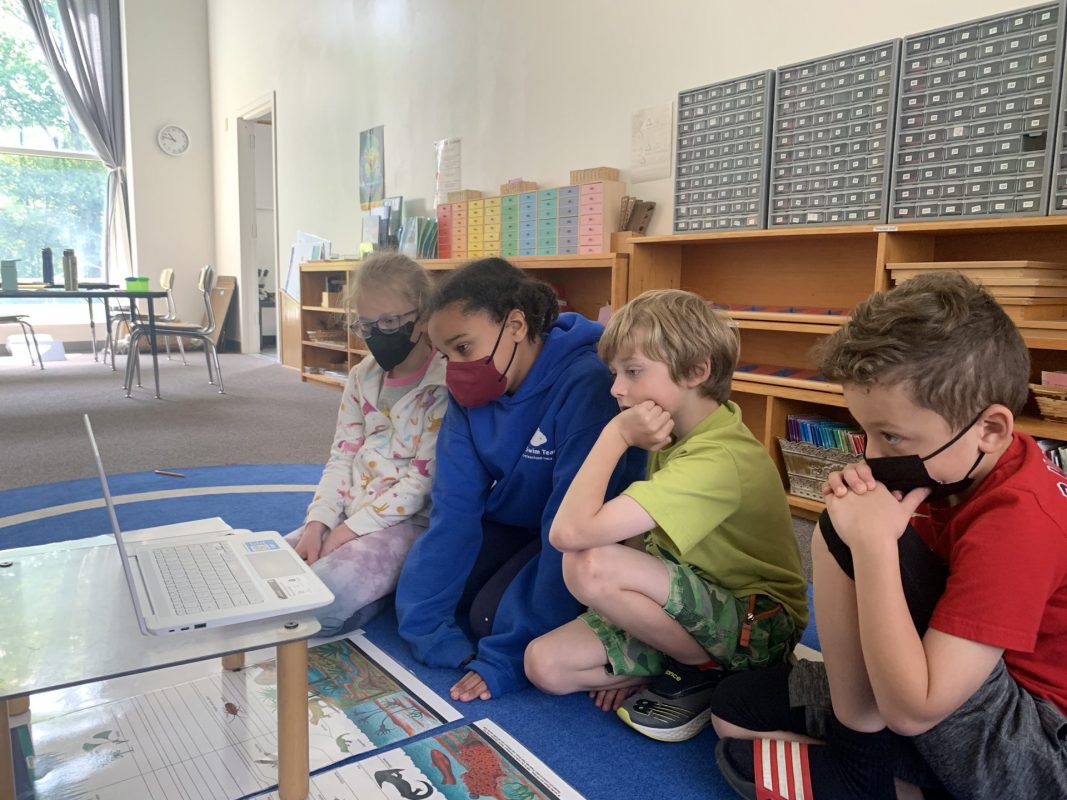
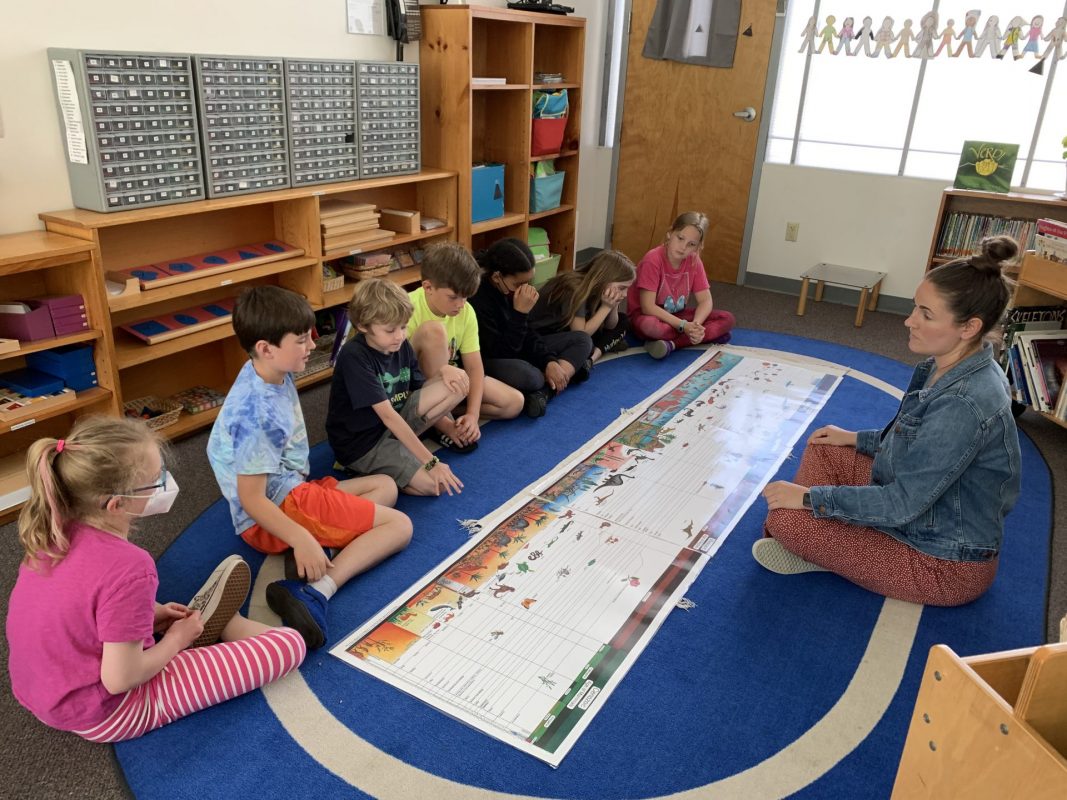
The year is winding down, but Lower Elementary isn’t! This week the children were engaged in History lessons. The first year children had the lesson of The Long Black Line. This lesson is meant to strike the imagination of the children and create a humbling feeling of the appearance of humans on Earth in the perspective of the vast amount of time that Earth has existed. The second year children had lessons on the Clock of Eons. These lessons introduce the sequence of events that resulted in the evolution of life on Earth, give the history of life on Earth, and introduce the interrelatedness of all organisms and the fragile balance that maintains life. Specifically, the second graders explored the Hadeon eon. The third year students had lessons on the Time Line of Life. These lessons focus on the interrelatedness of Earth to those who live on it and on the evolution of life on Earth. The third graders learned about the Paleozoic and Mesozoic era of time.

Looking ahead, spirit week and field day are the last week of school (6/6-6/10)! Check out my email for details about each day of the week!


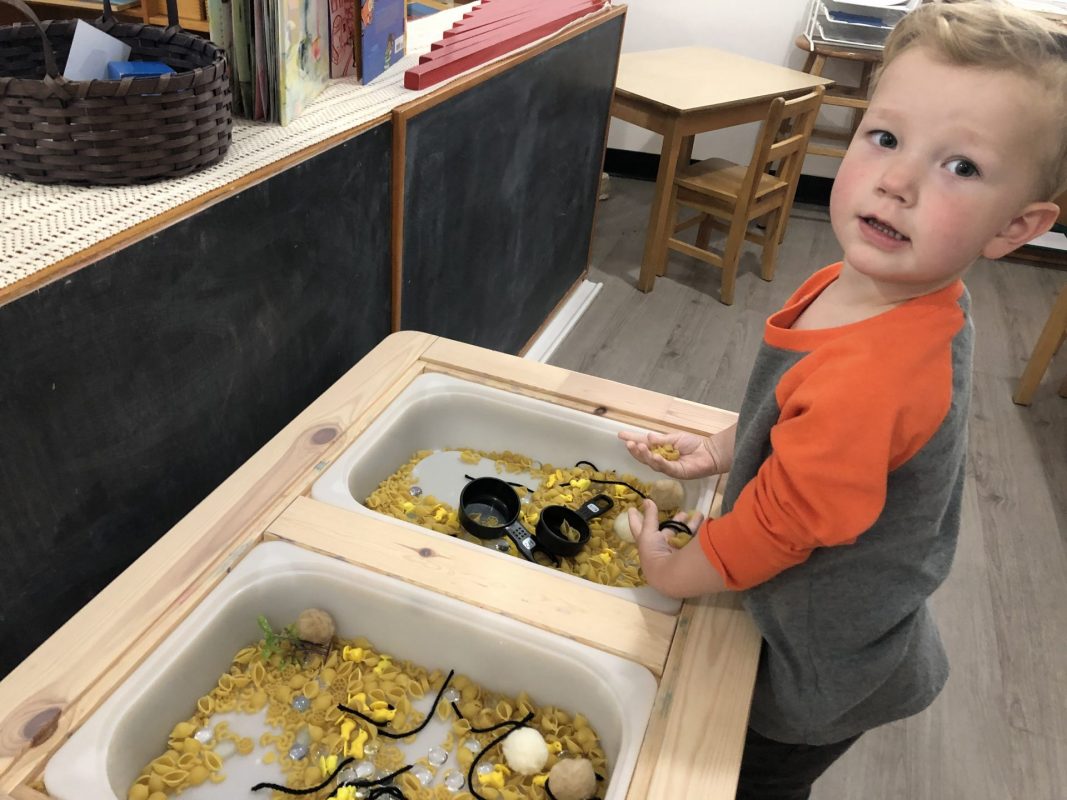
Mrs. Hood: Sensory Fun!

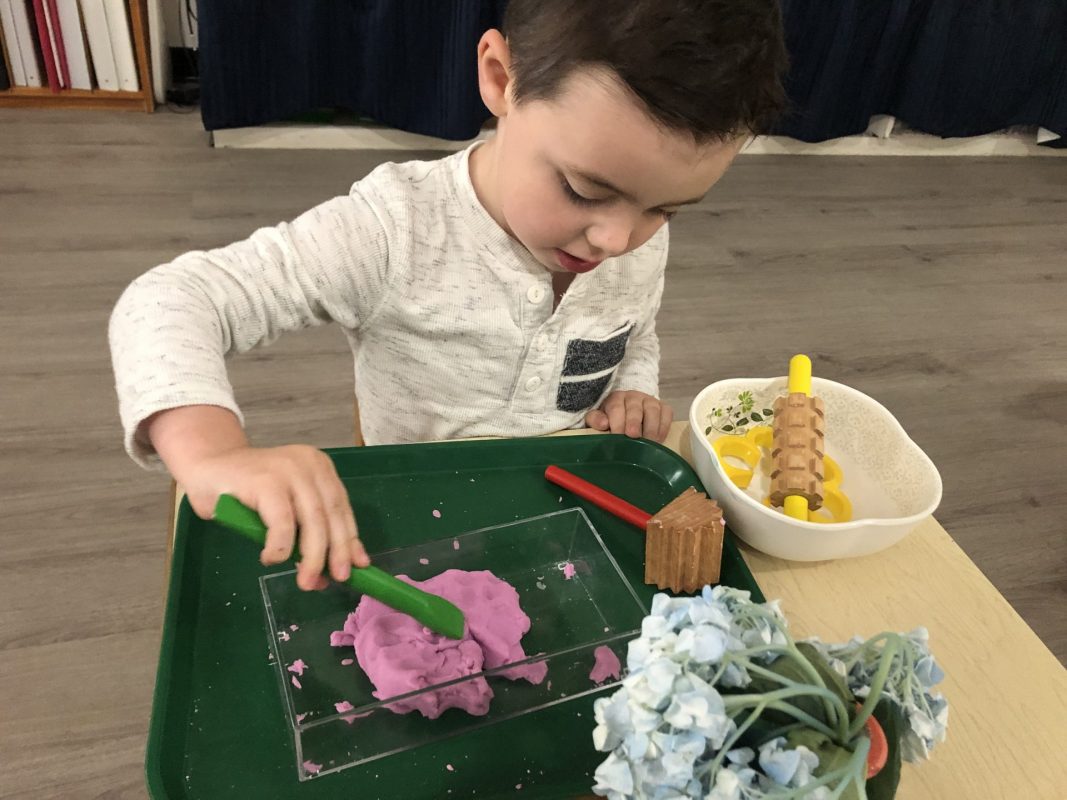
Maria Montessori believed that nothing comes into the mind except through the senses. During the early years, as children develop their senses, their attention is directed toward the environment. The purpose of the Sensorial activities is to help the child in their efforts to sort out the many varied impressions given by the senses. These activities are specifically planned to help the child develop discrimination, order, and to broaden and refine the senses. These experiences also help prepare them to be a logical, aware, and perceptive person.

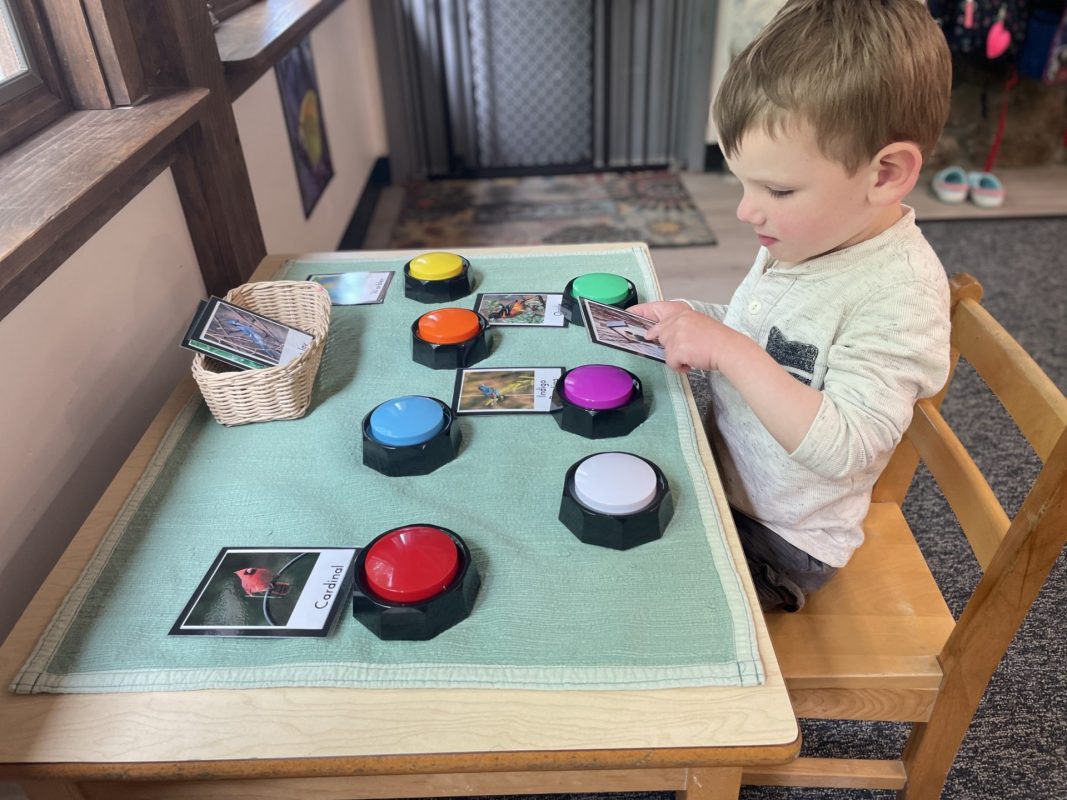
As we continue our studies on birds, this week the children received a lesson on the birds’ calls and songs. Children are learning to identify each bird sound through a fun work where the children press a button, hear the bird and have to match the picture card with the sound. As every work in our environment has a control of error built within it, the child has the opportunity to self correct by matching the color dot behind the card to the color of the button, helping the child to match the sound to the correct bird. As children practice this work they will learn to identify the birds just by listening and they won’t need to look at the back of the card anymore to be successful. To say that this has been a big favorite work is an understatement! It has been precious observing the children taking the time to listen carefully and observe the details of the birds’ pictures.

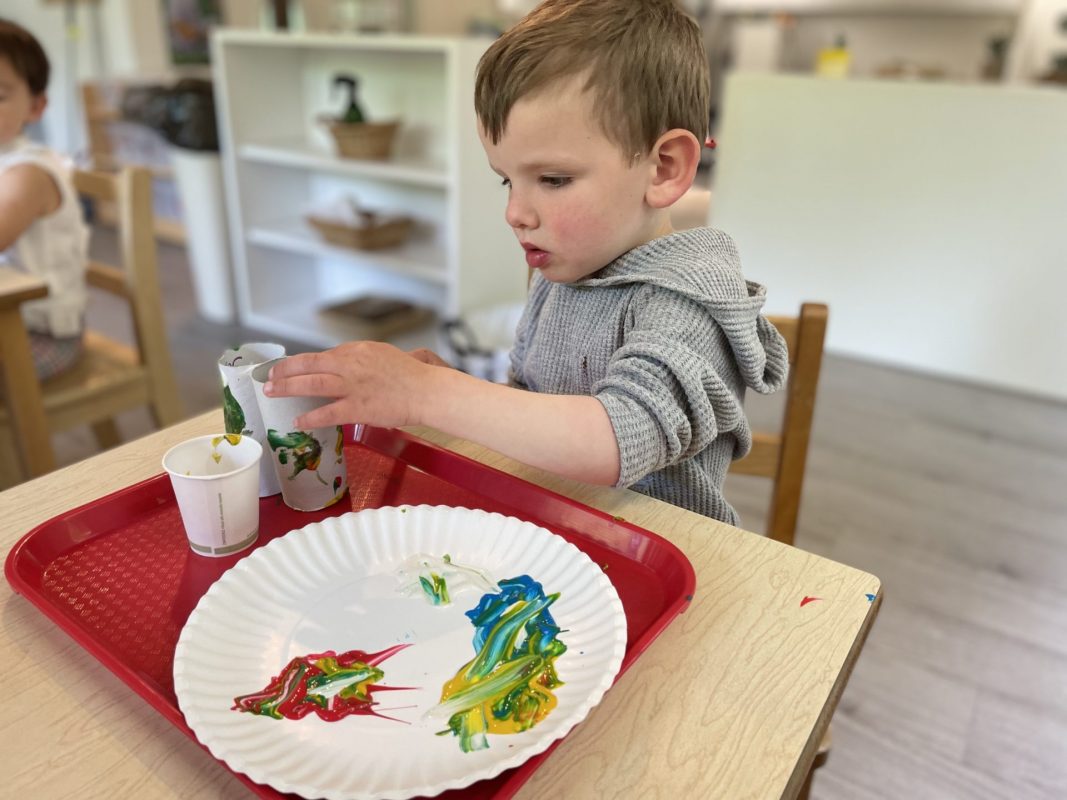
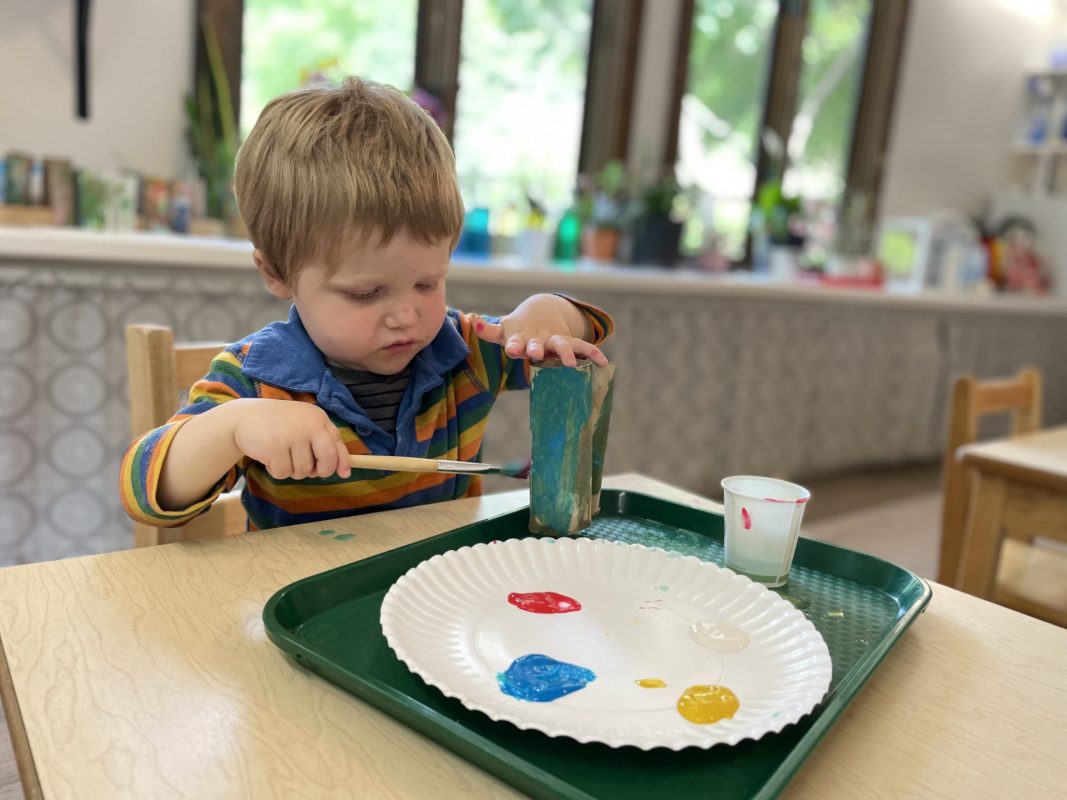
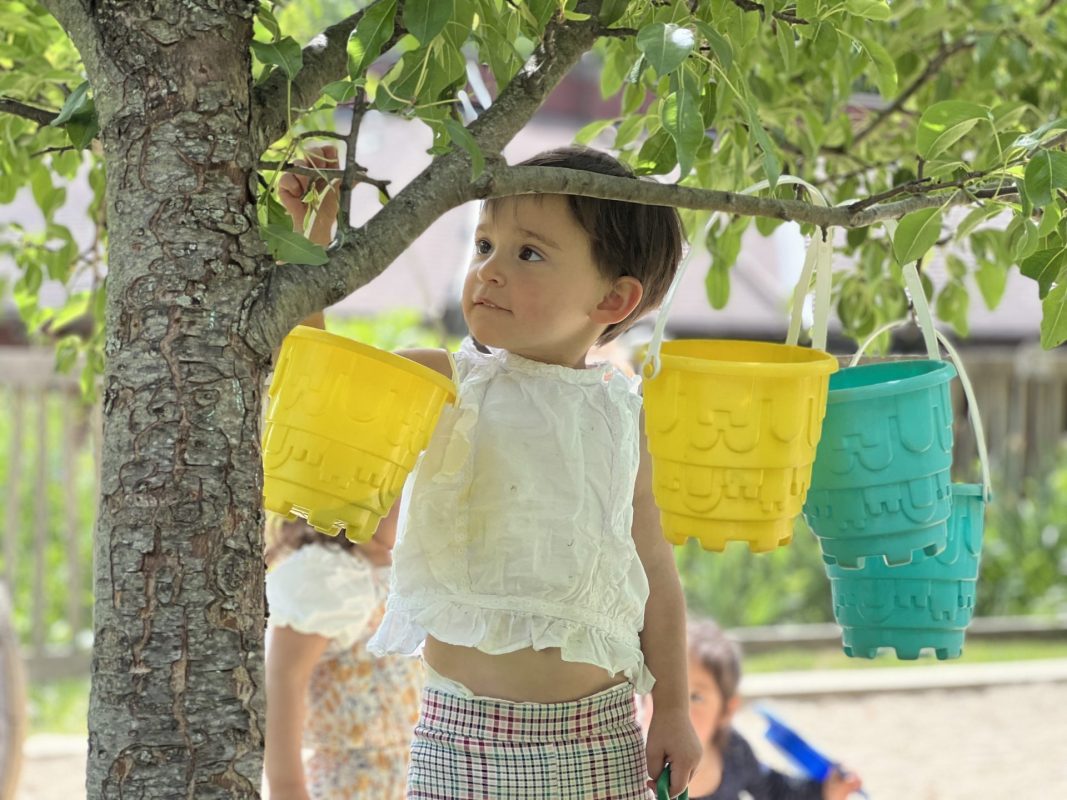
Children also worked on an art project creating their own binoculars so, as the great ornithologists that they are, they could spot birds in the playground and learn to identify them. How proud they seem every time they spot a bird!

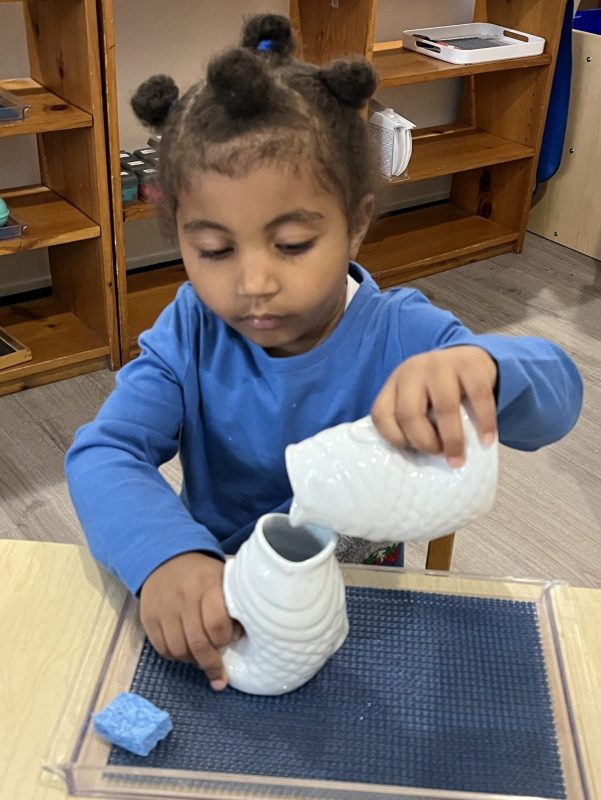
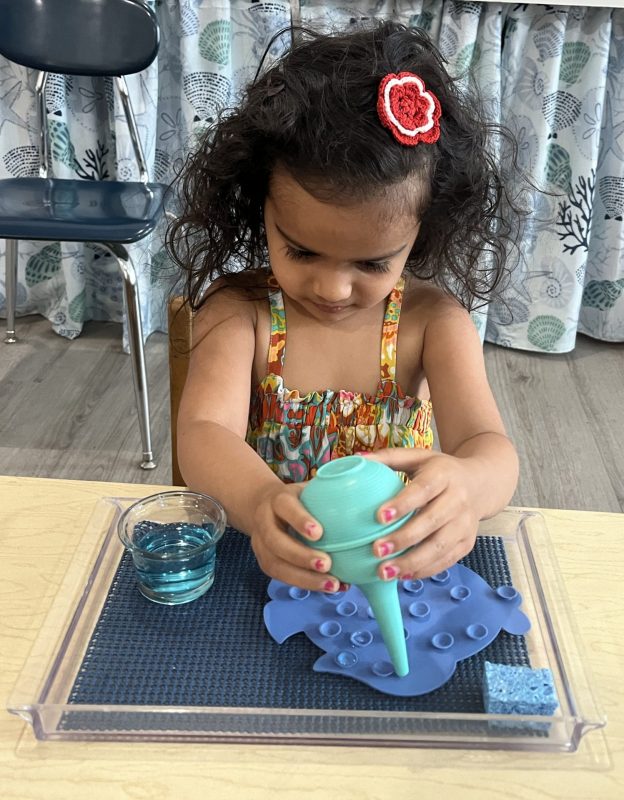
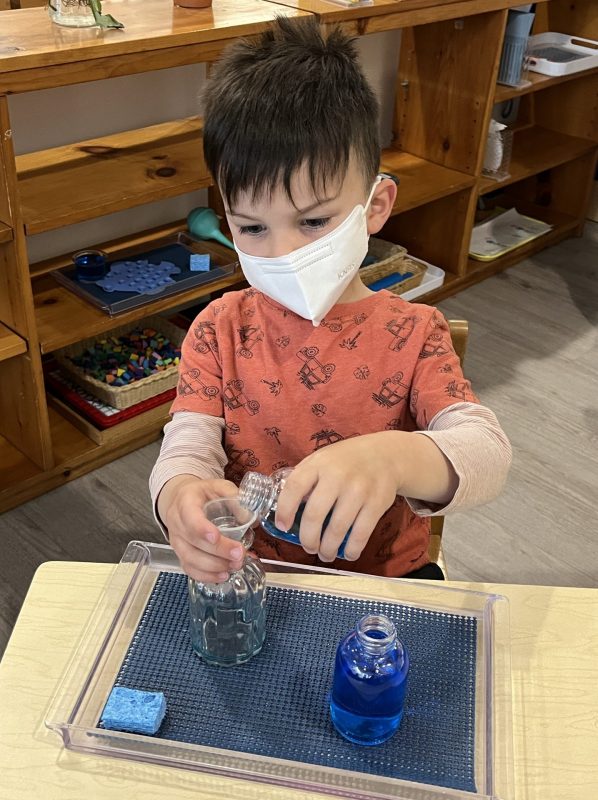
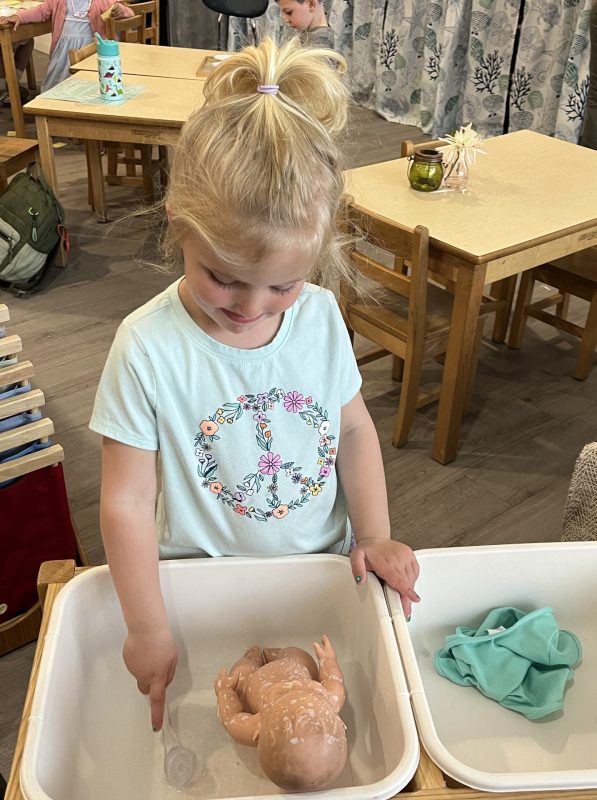
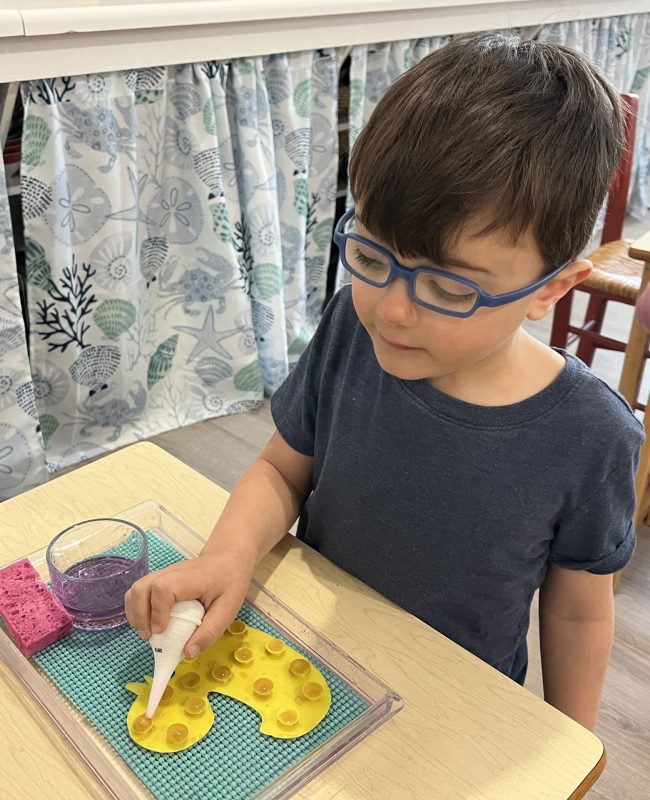
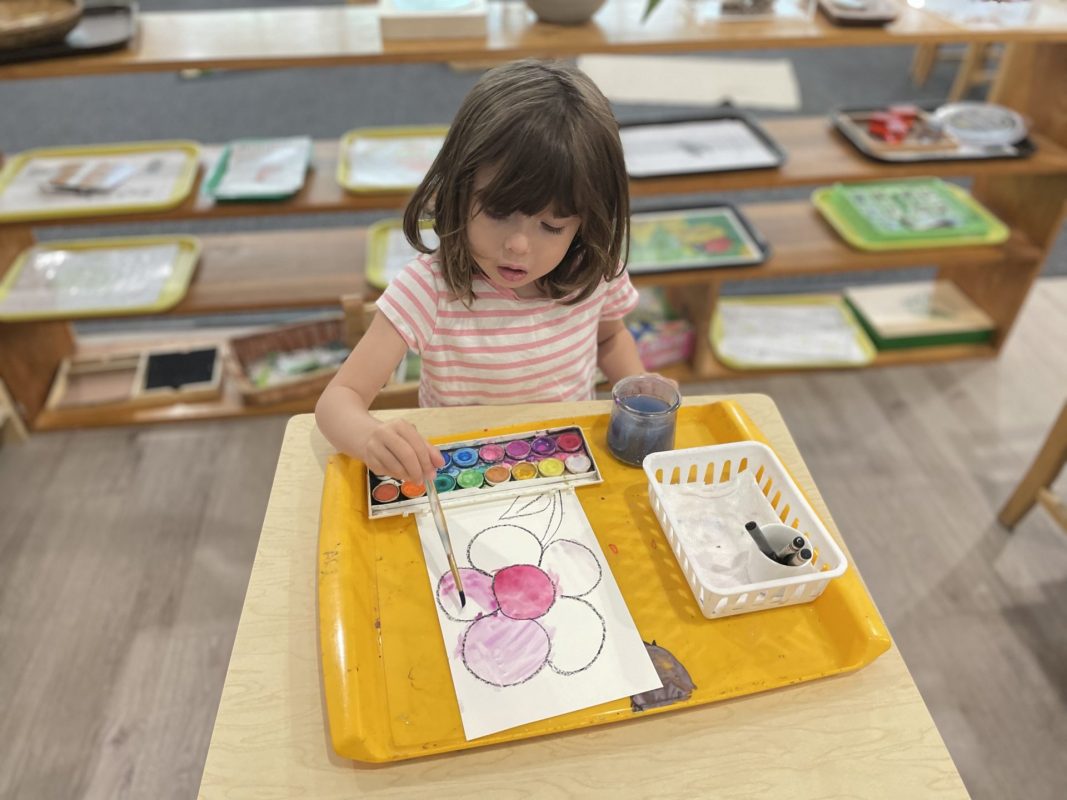
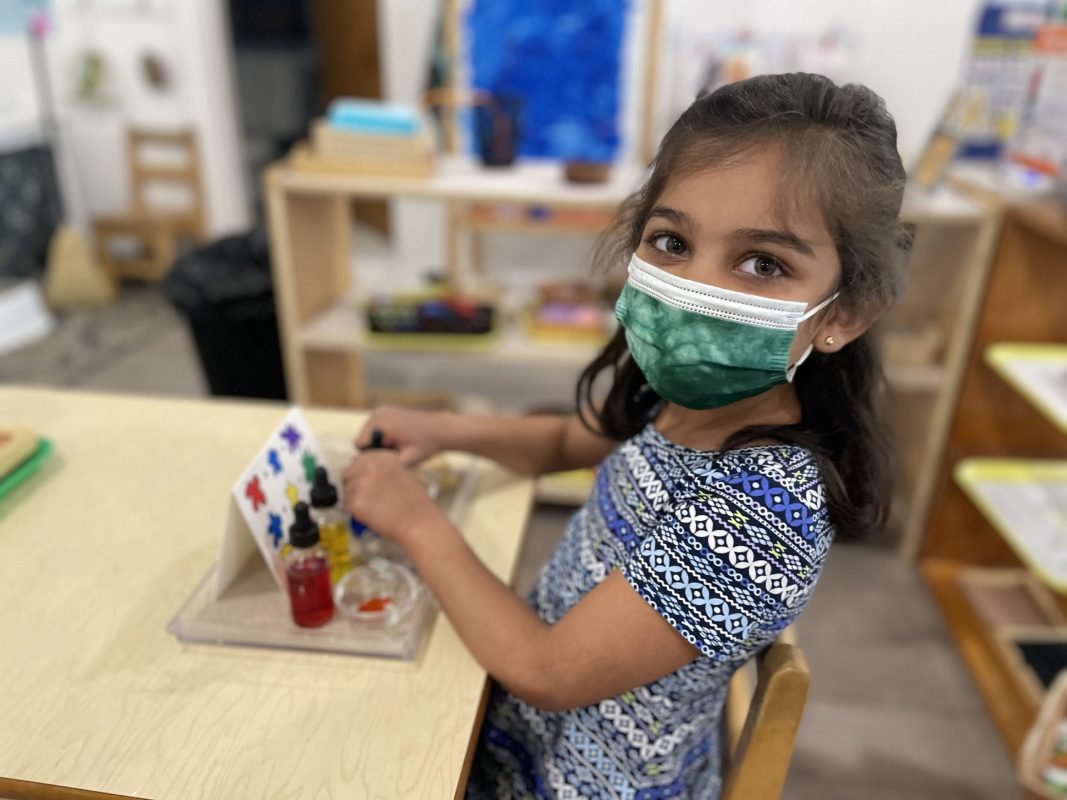
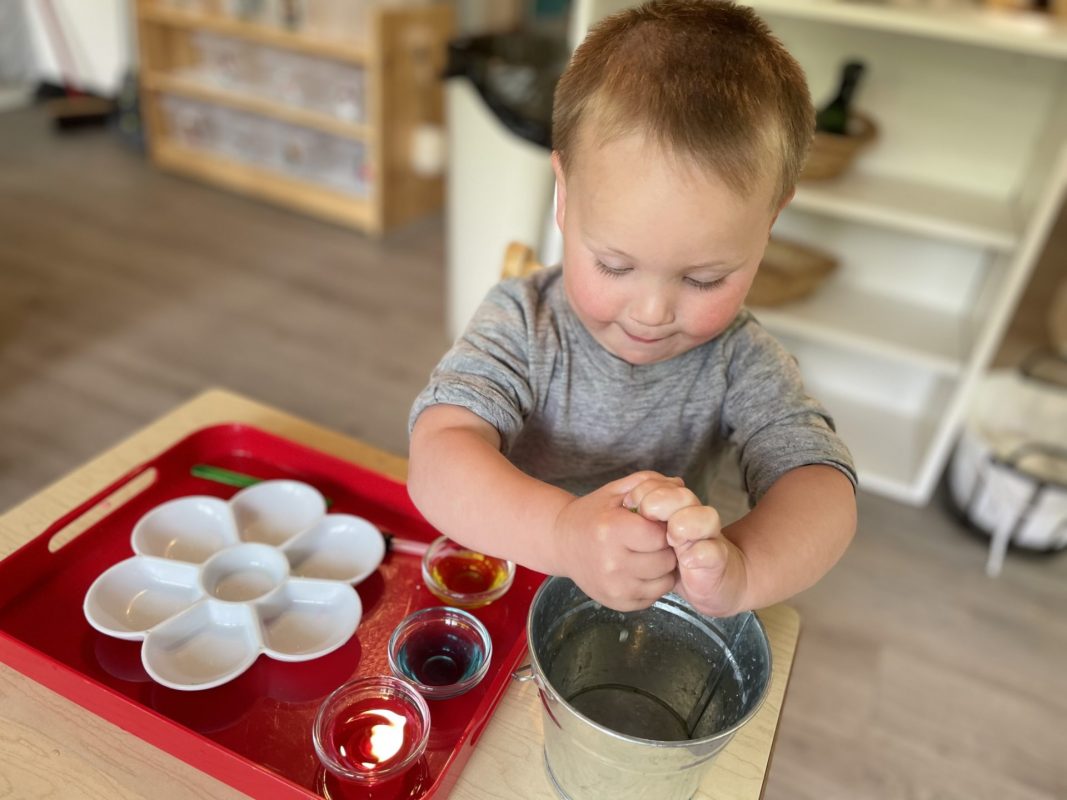
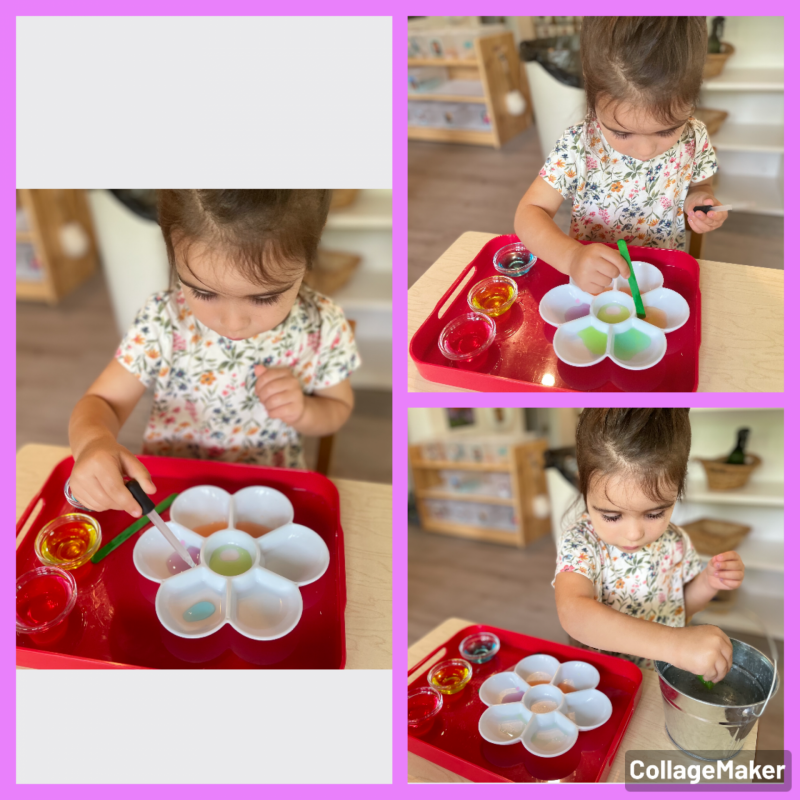
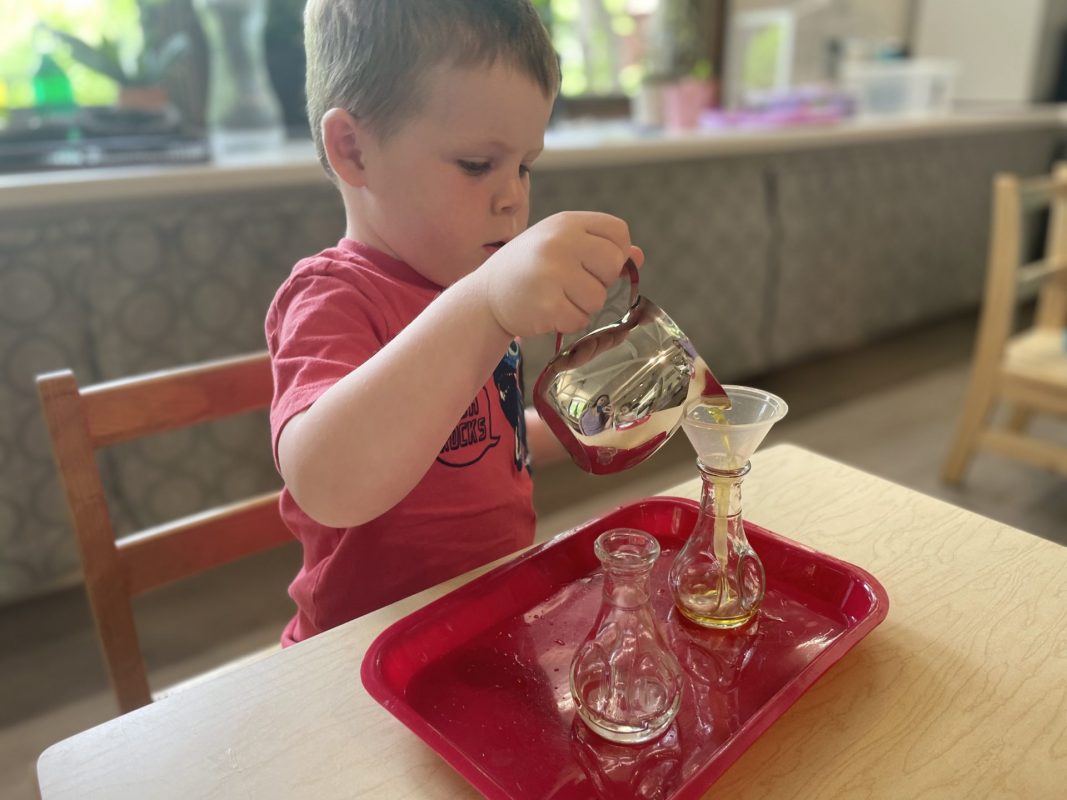
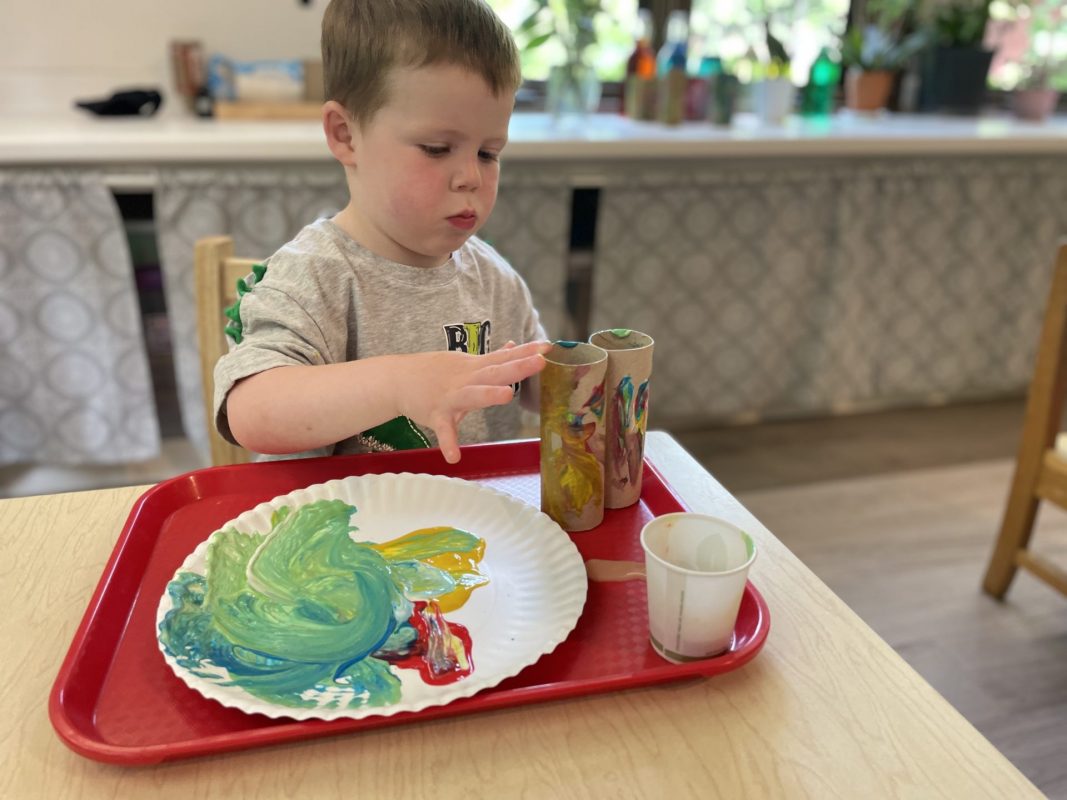
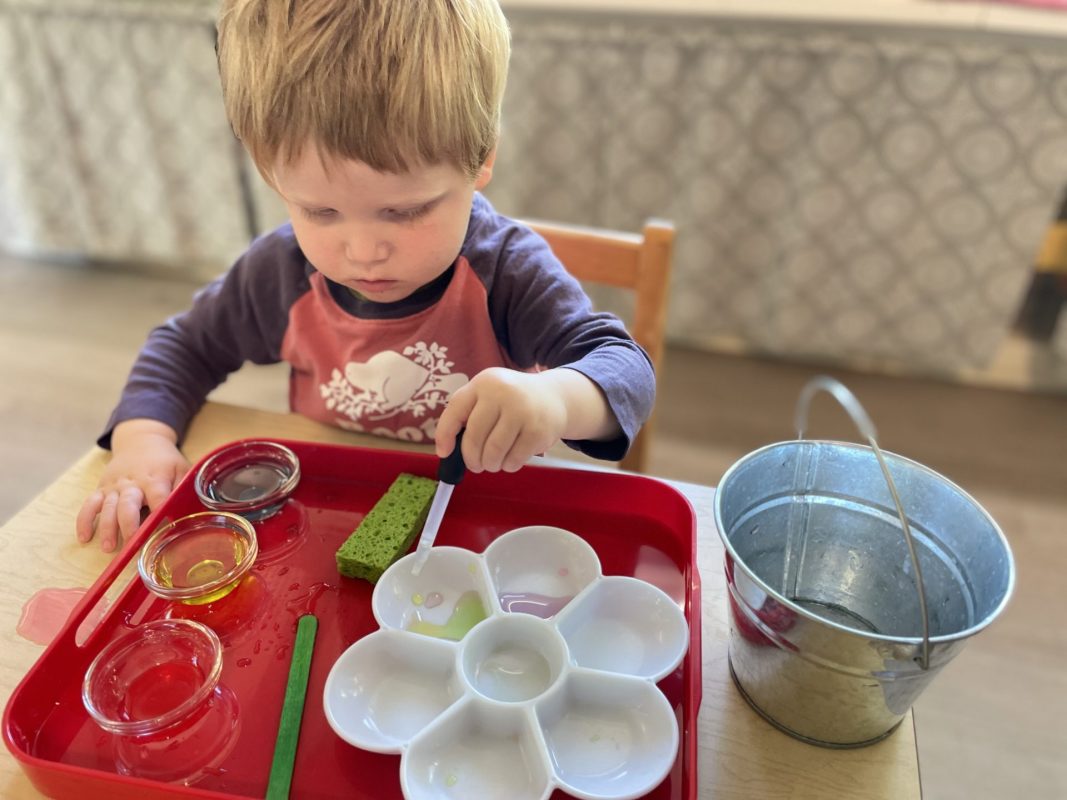
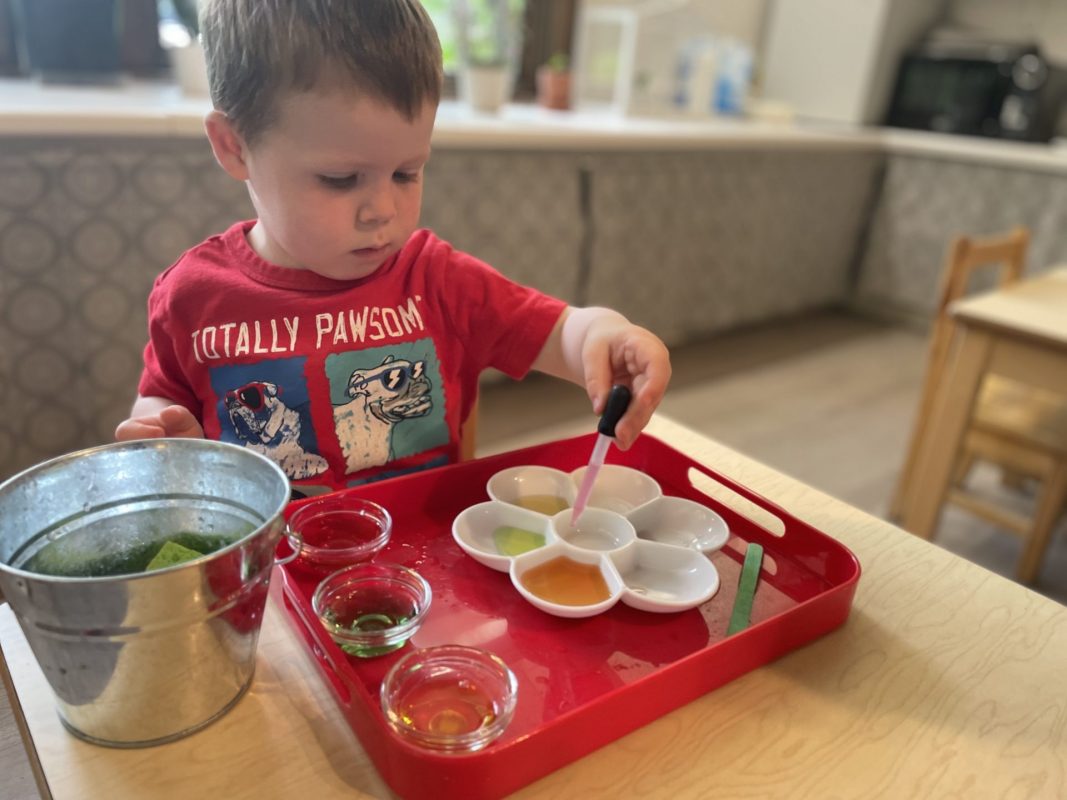
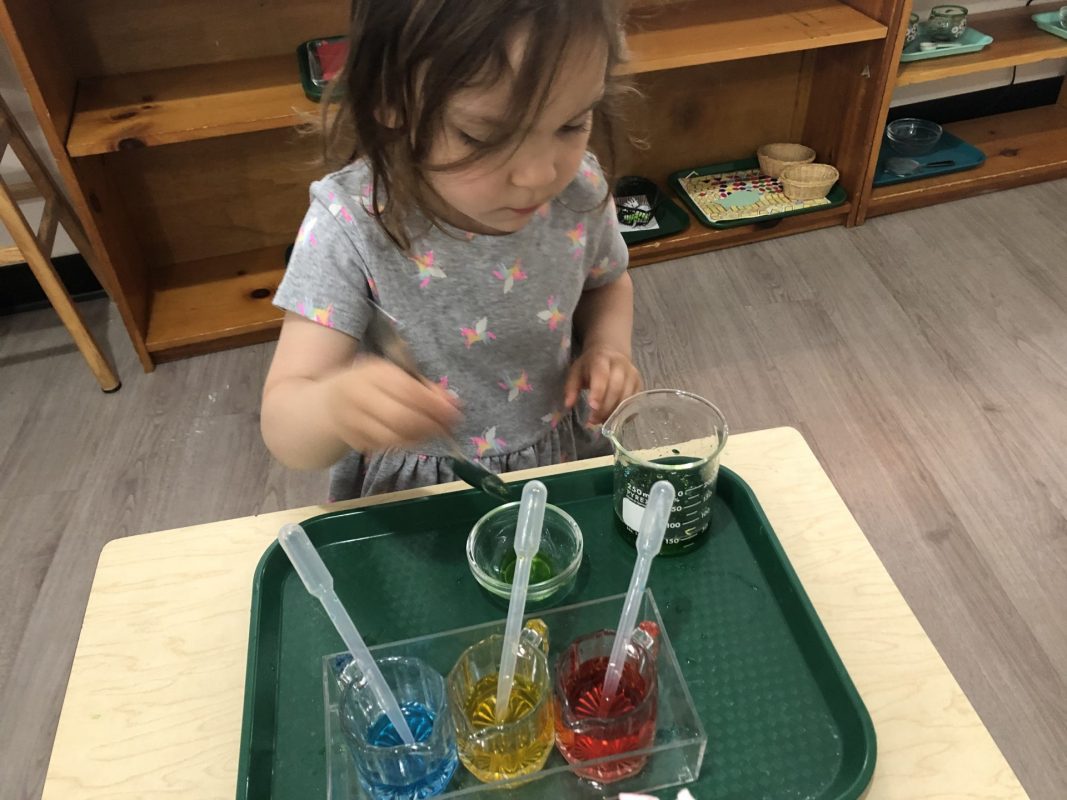
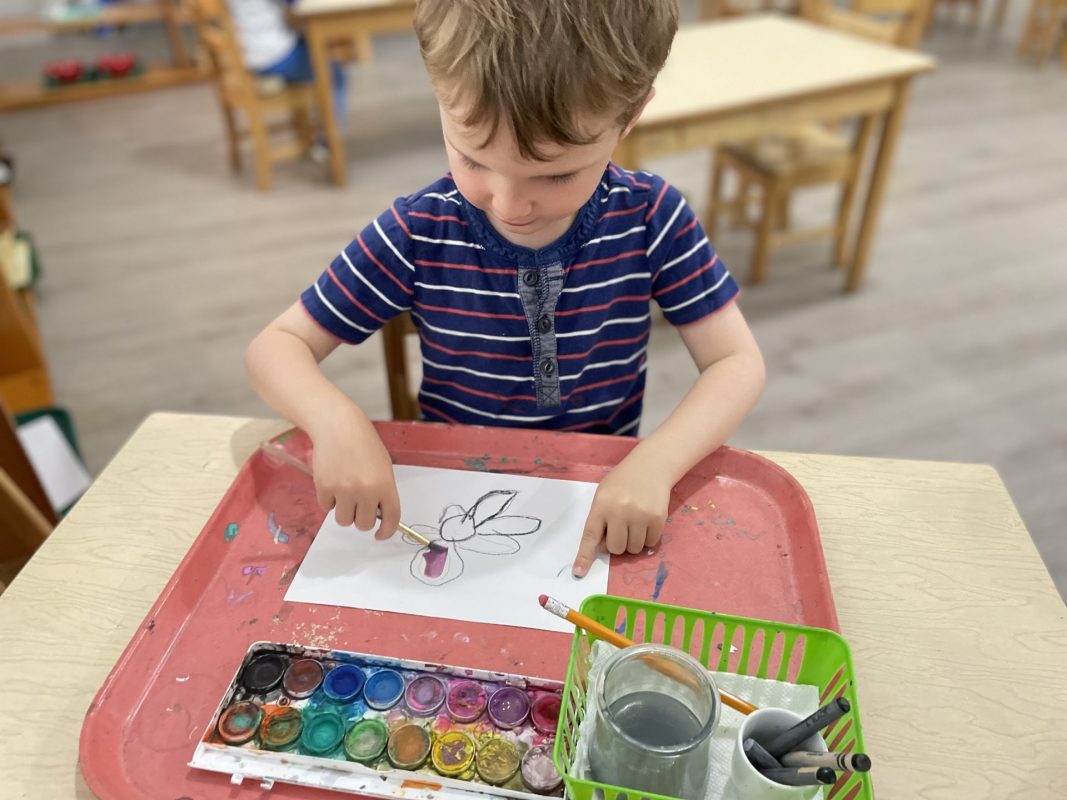
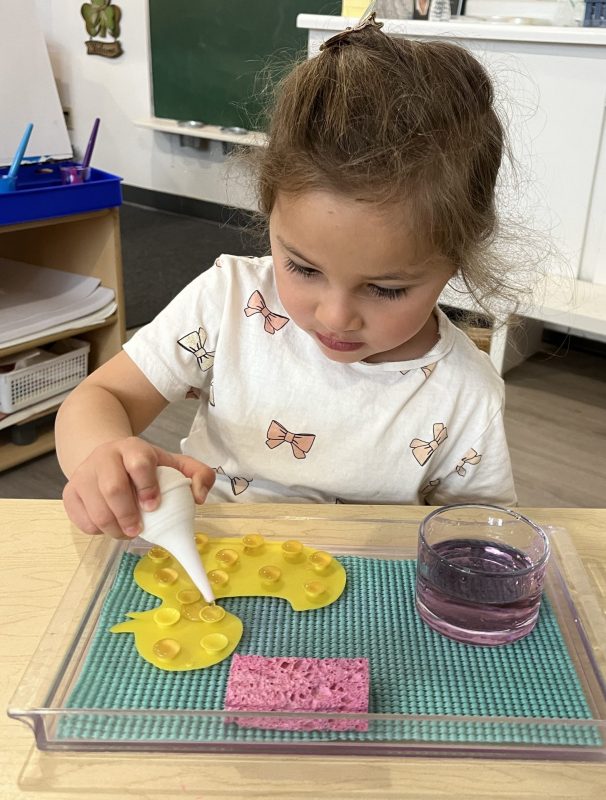
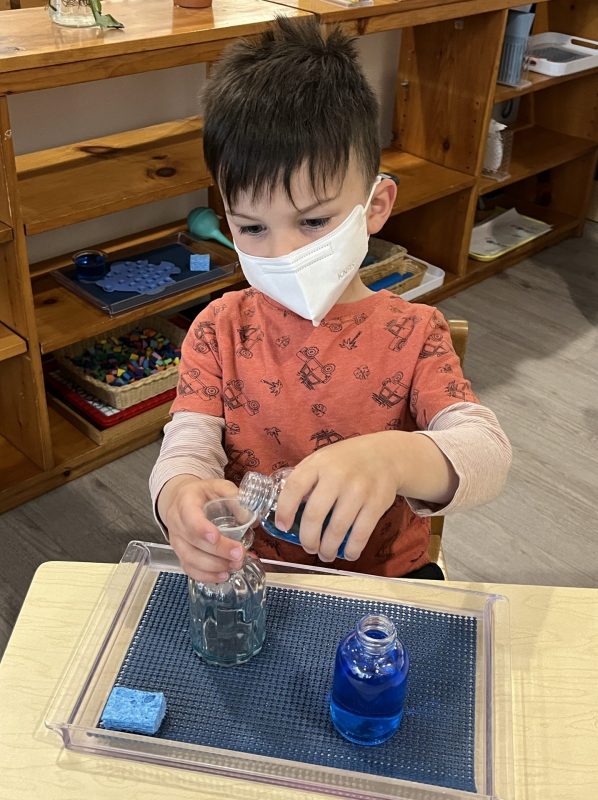
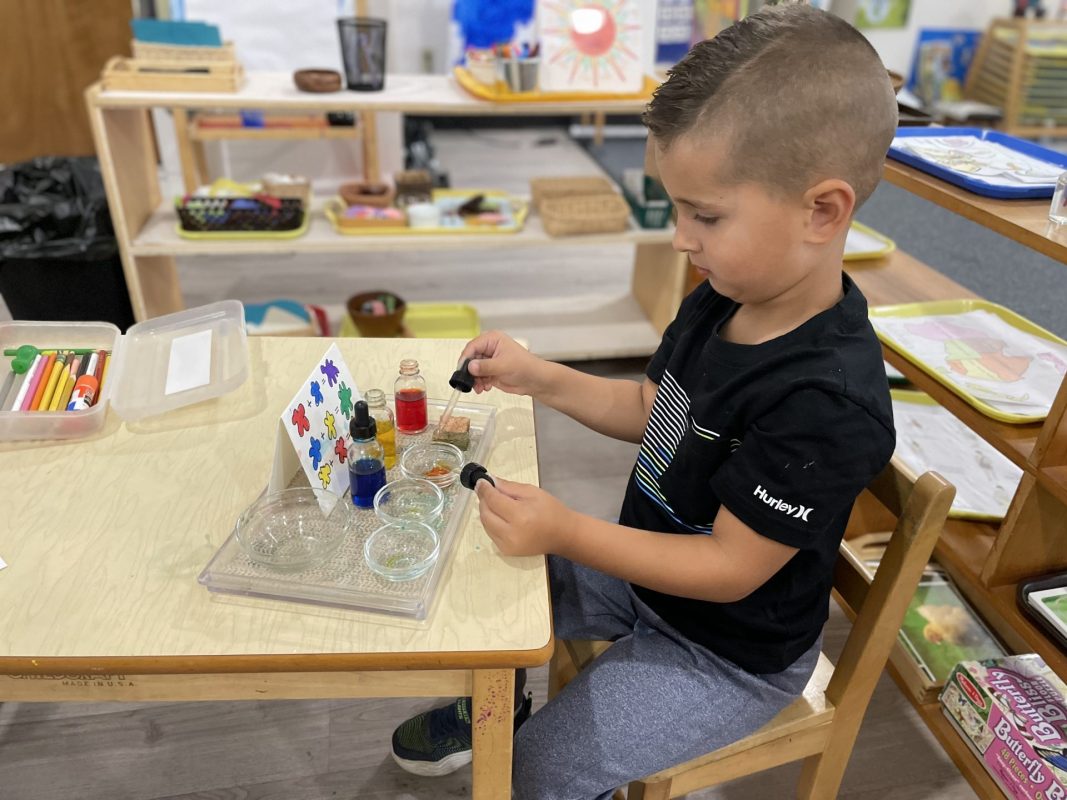
Another popular work this week has been a water work, mixing colors. This is a multi-step work your children seemed to love, again bringing longer periods of concentration and great sensory stimuli.

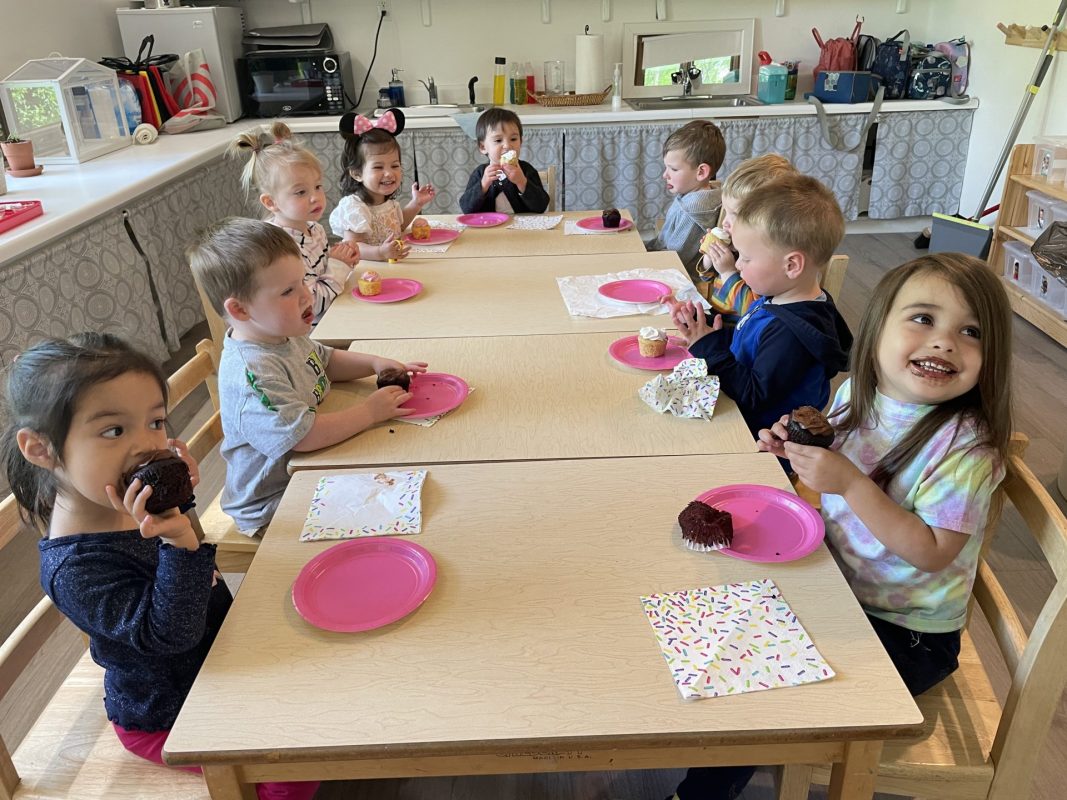
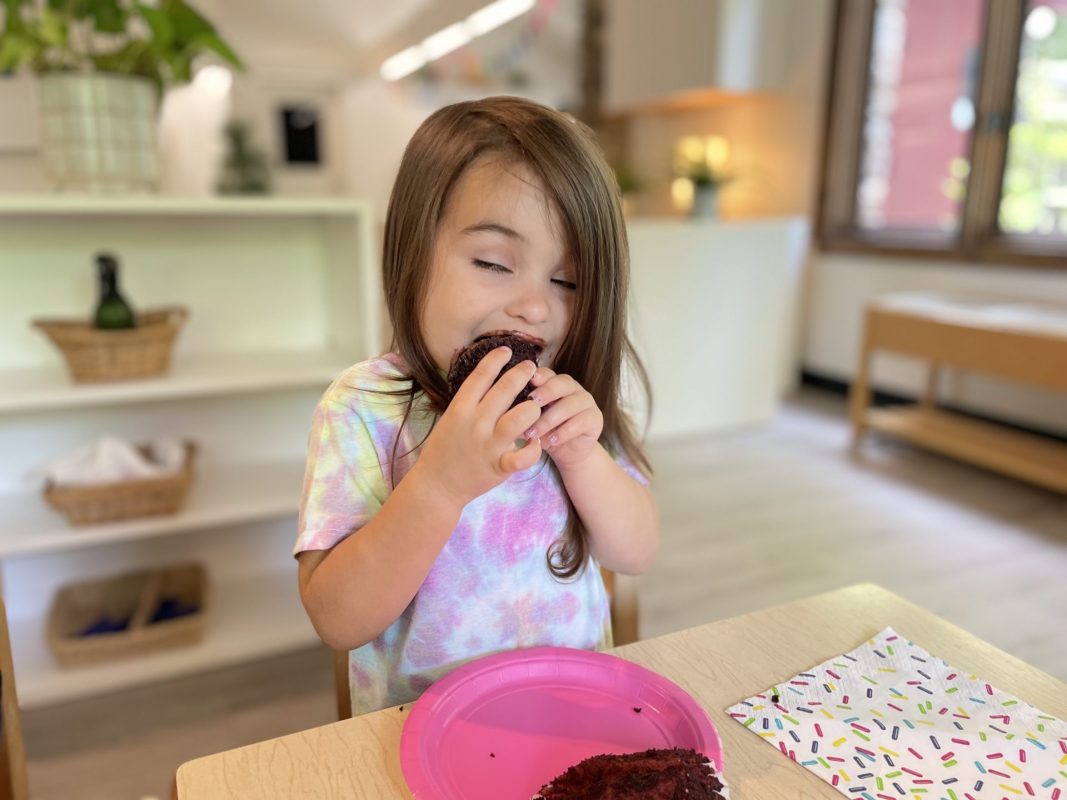
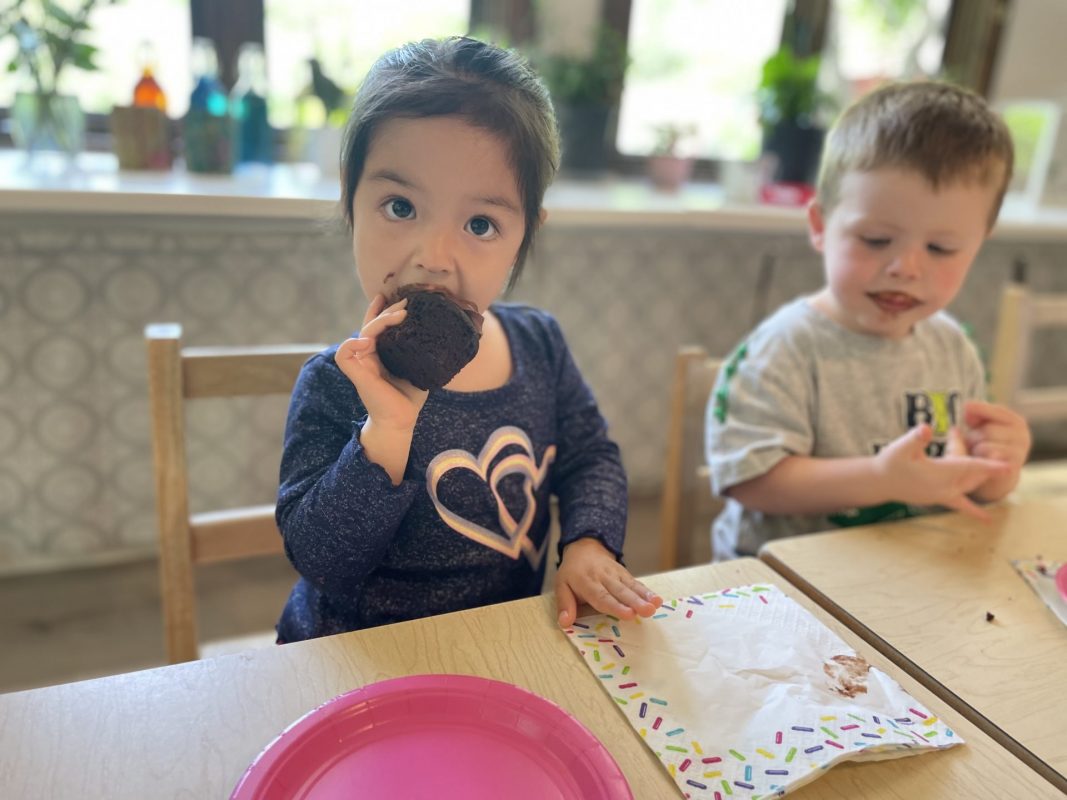
As we celebrated together another birthday this week, we wanted to thank you once again for trusting us with your little ones. To be able to assist them, watch them grow and bloom has been a blessing we don’t take for granted.

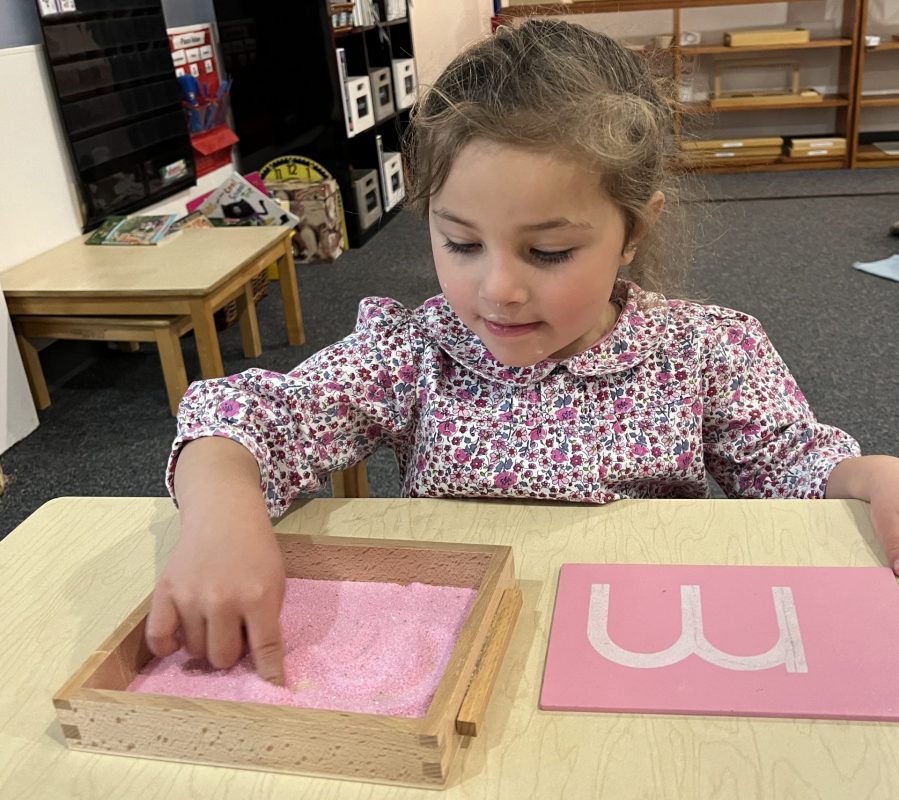
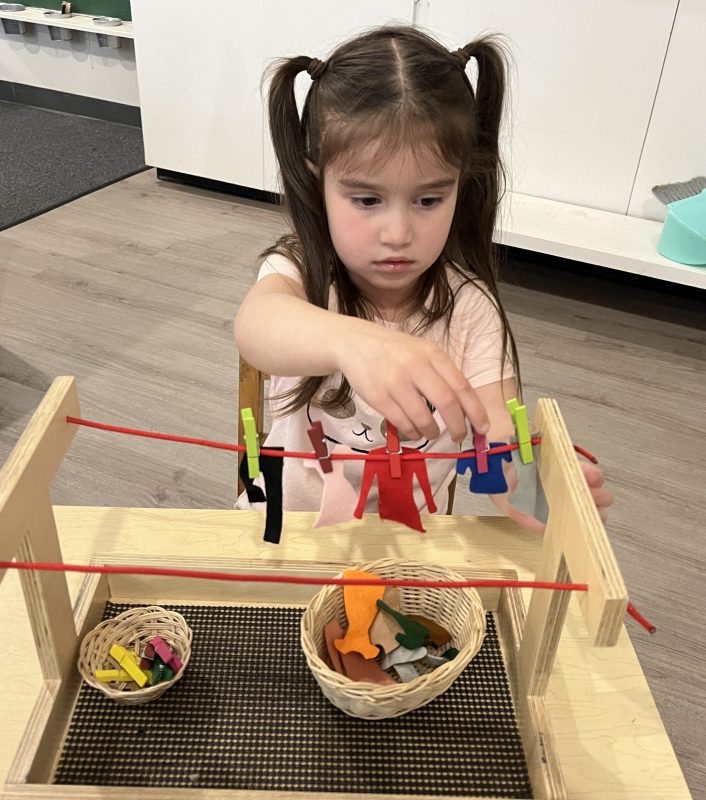
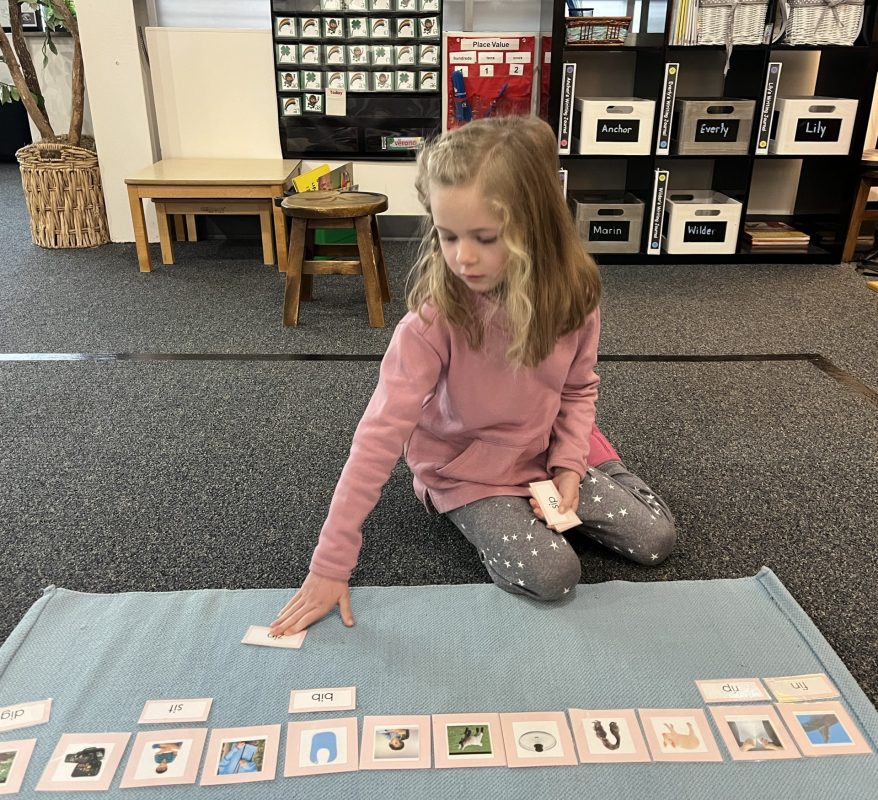
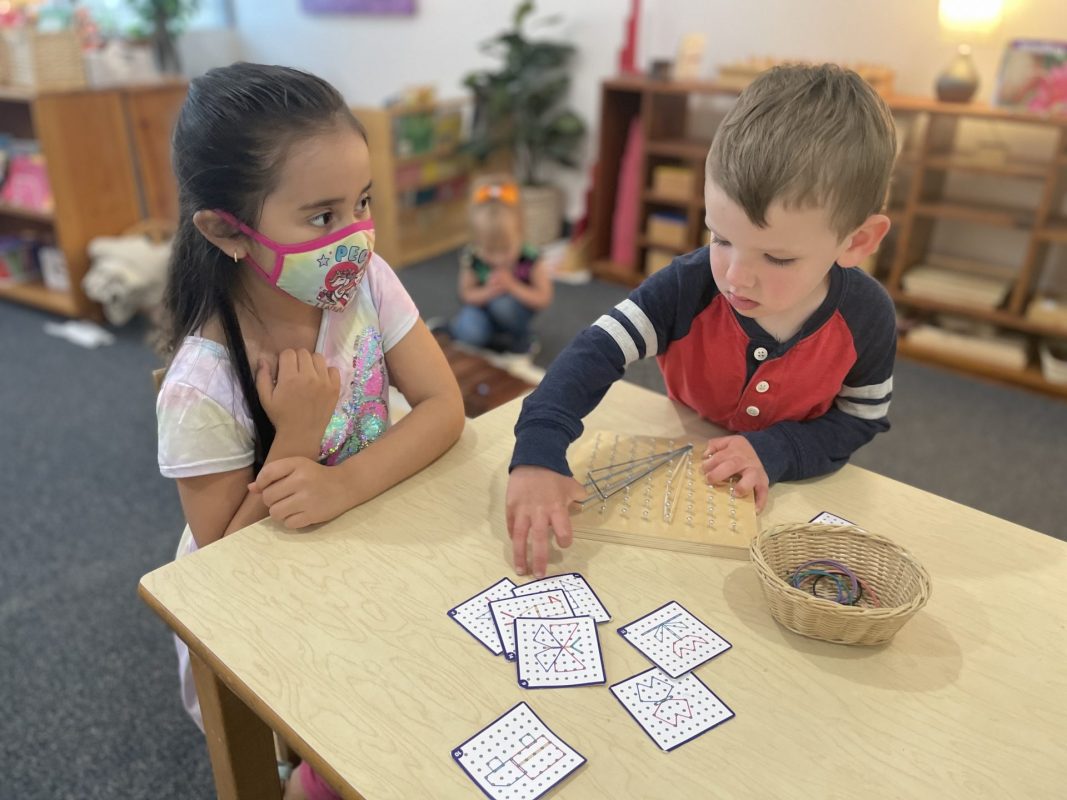
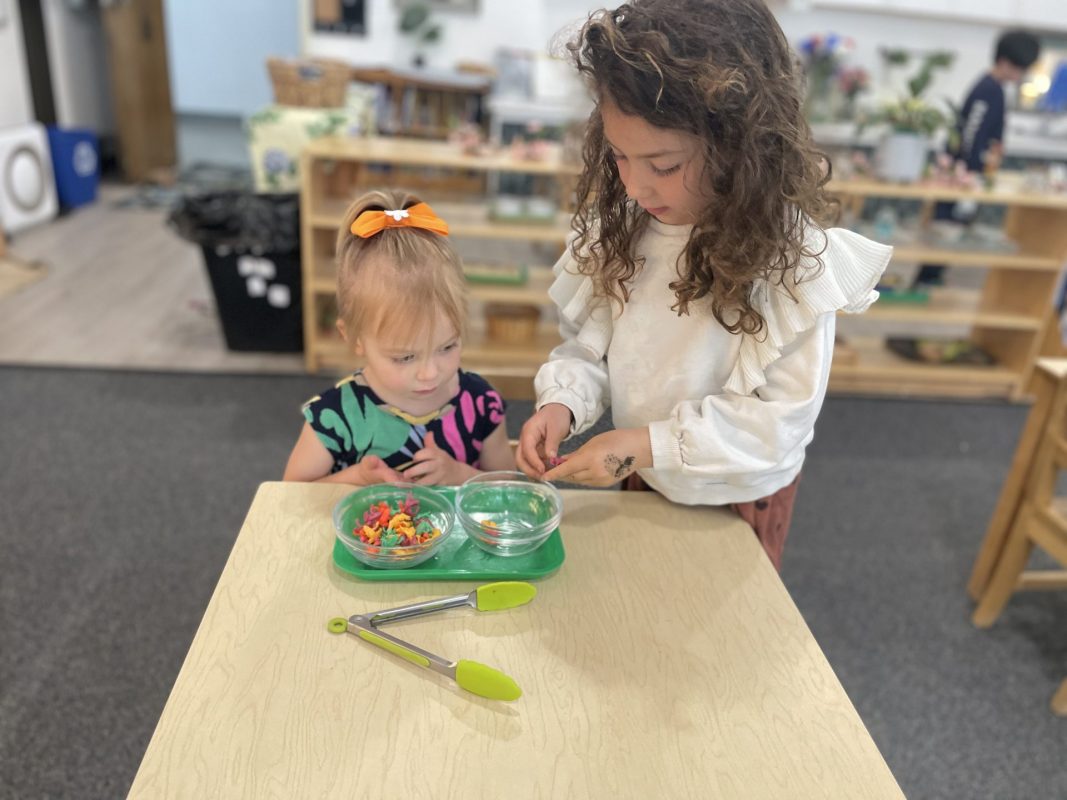
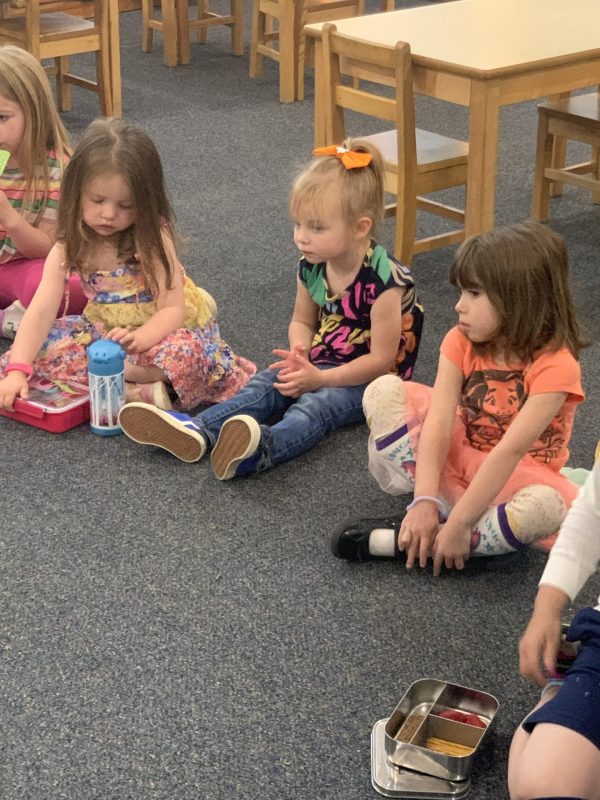
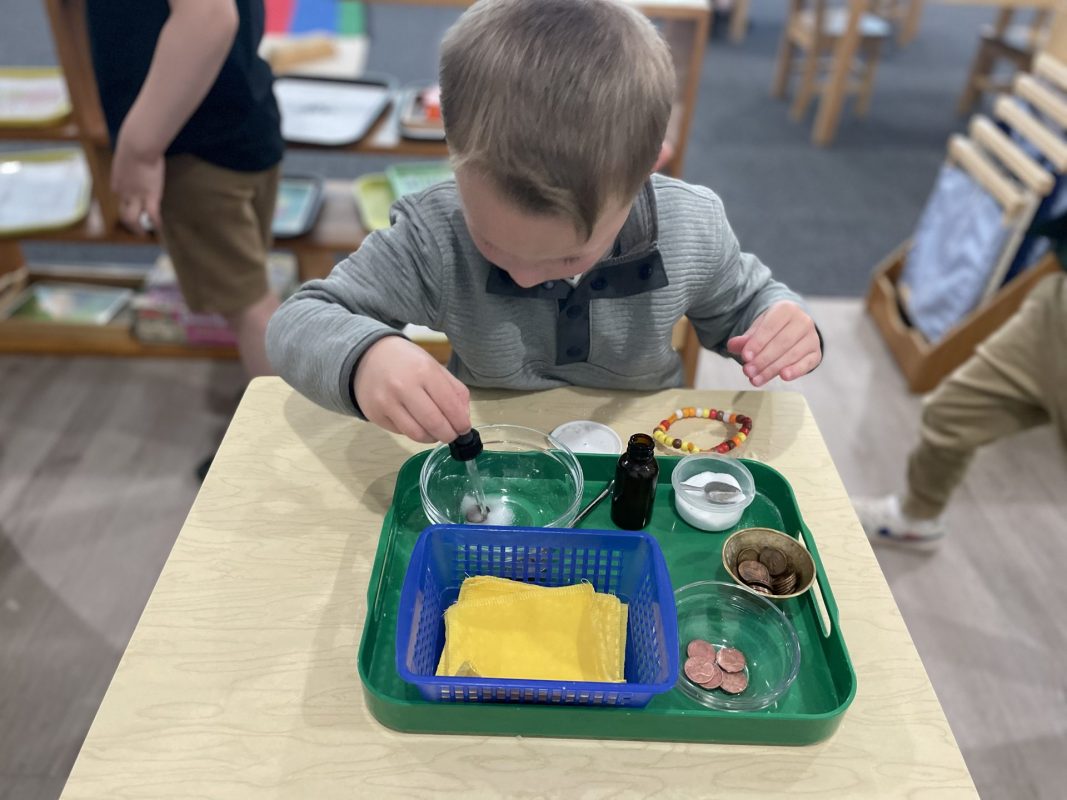
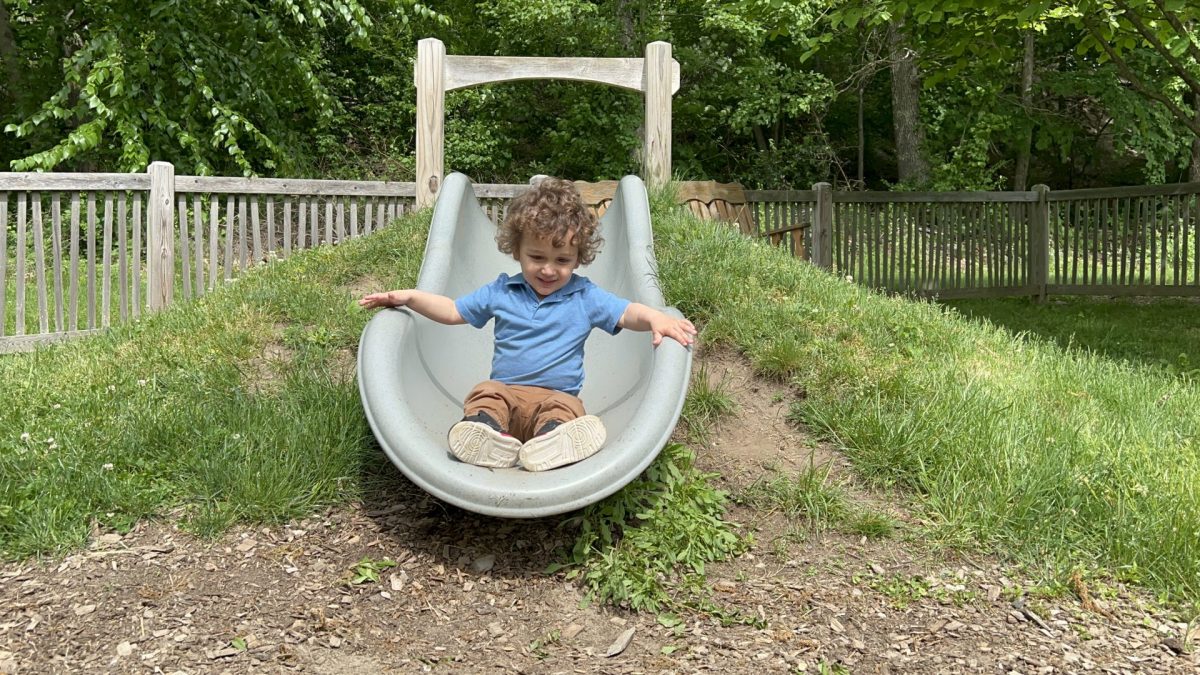
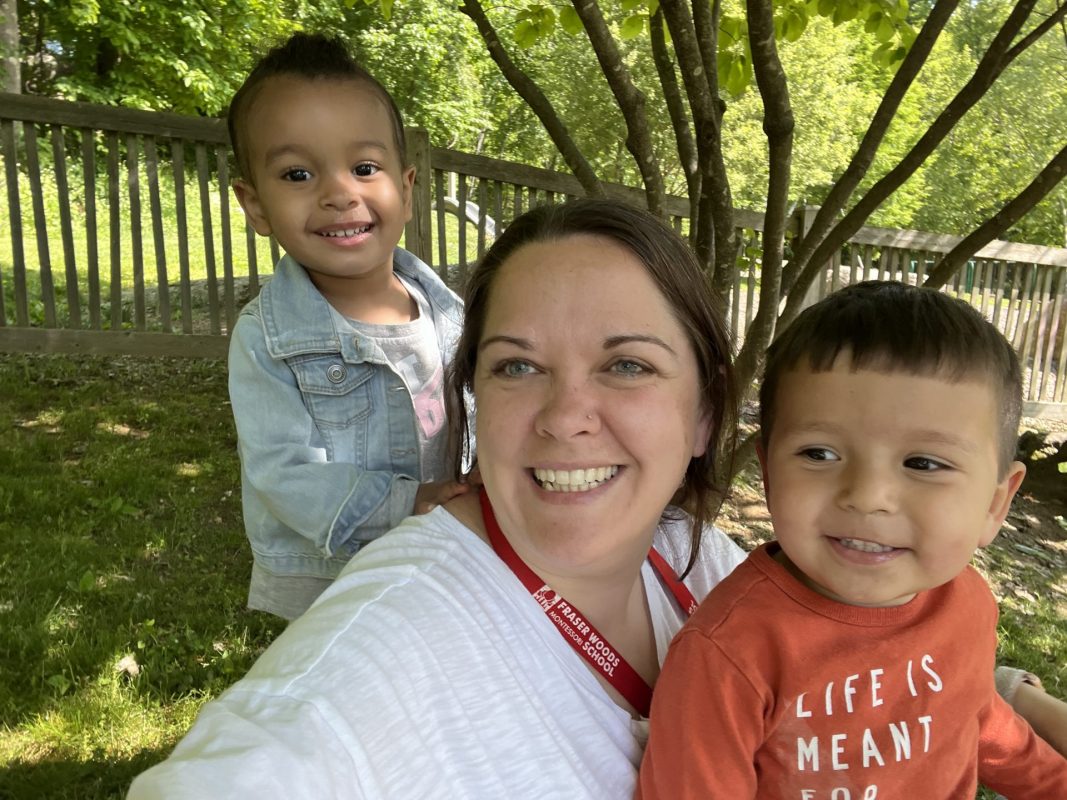
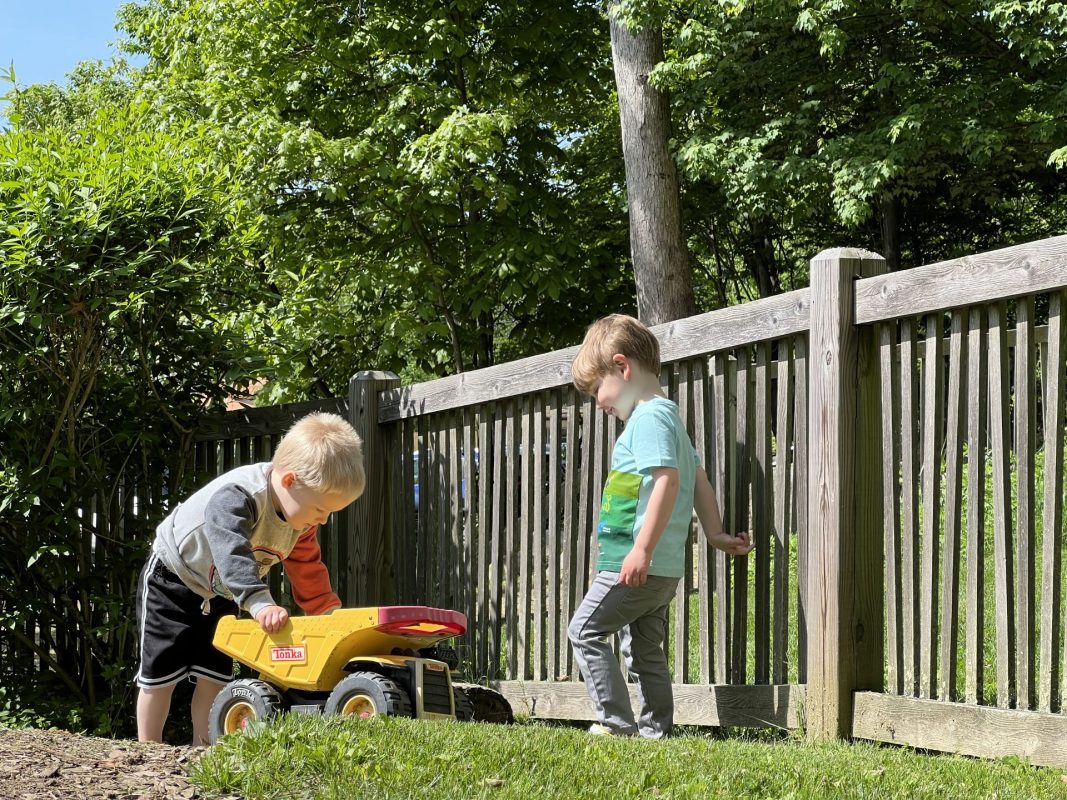
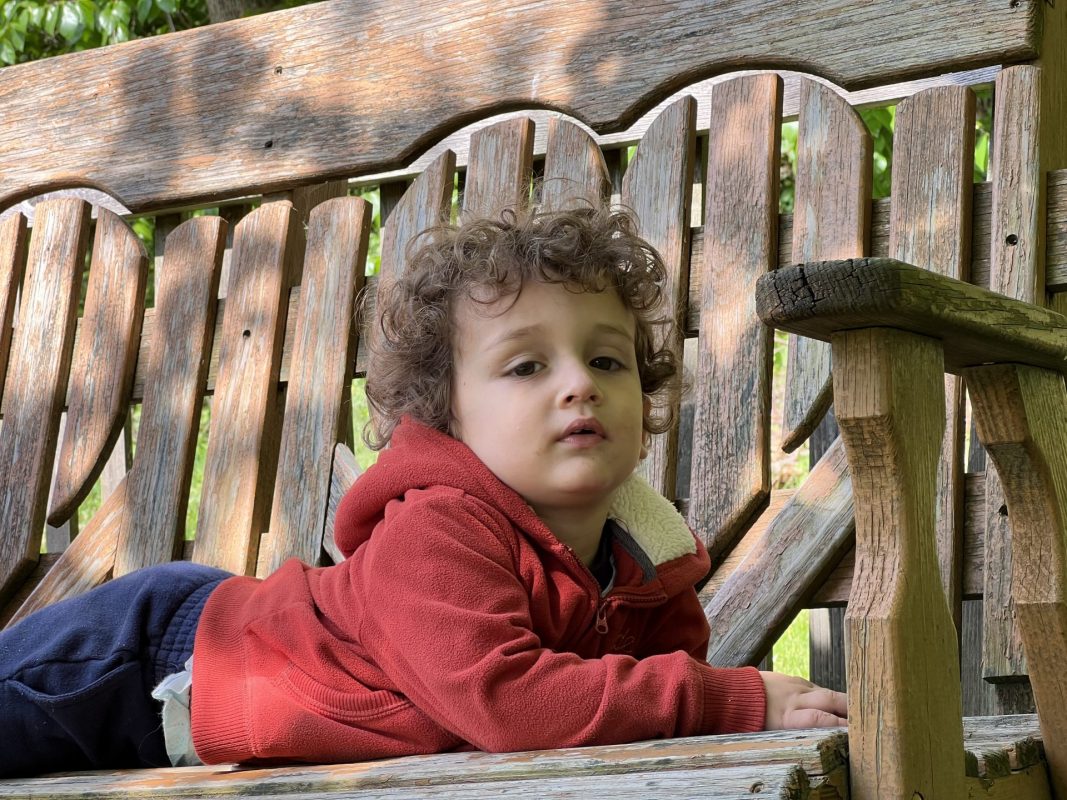
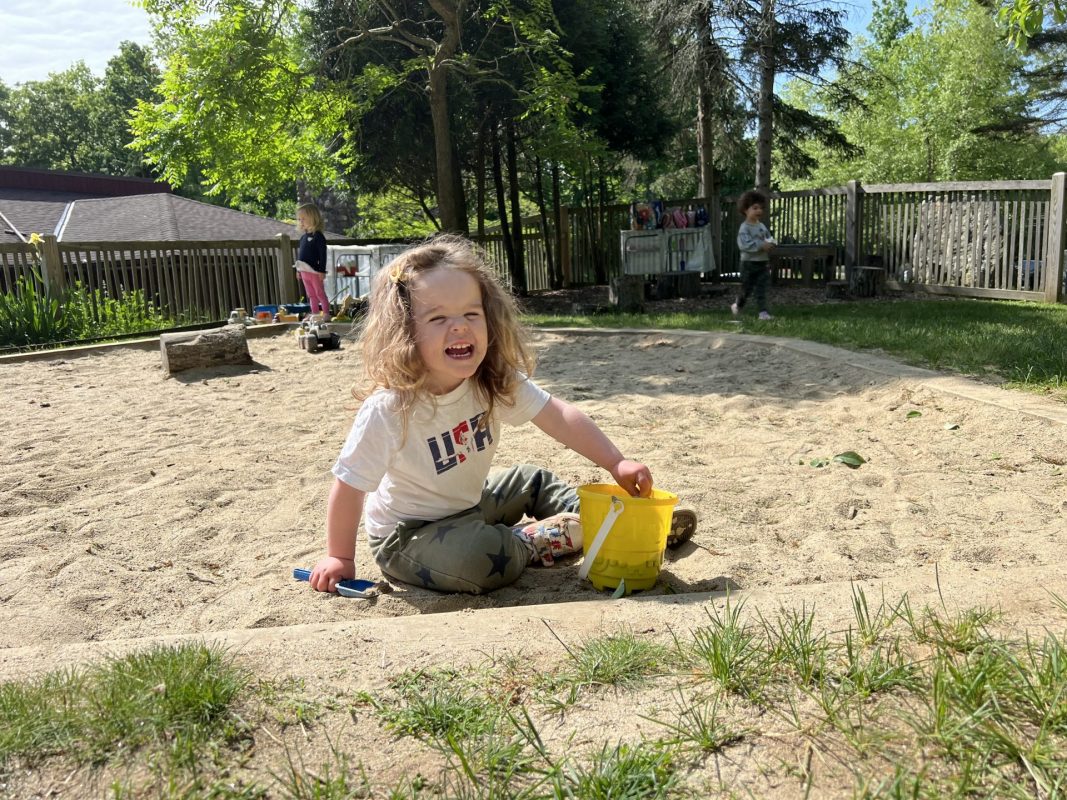
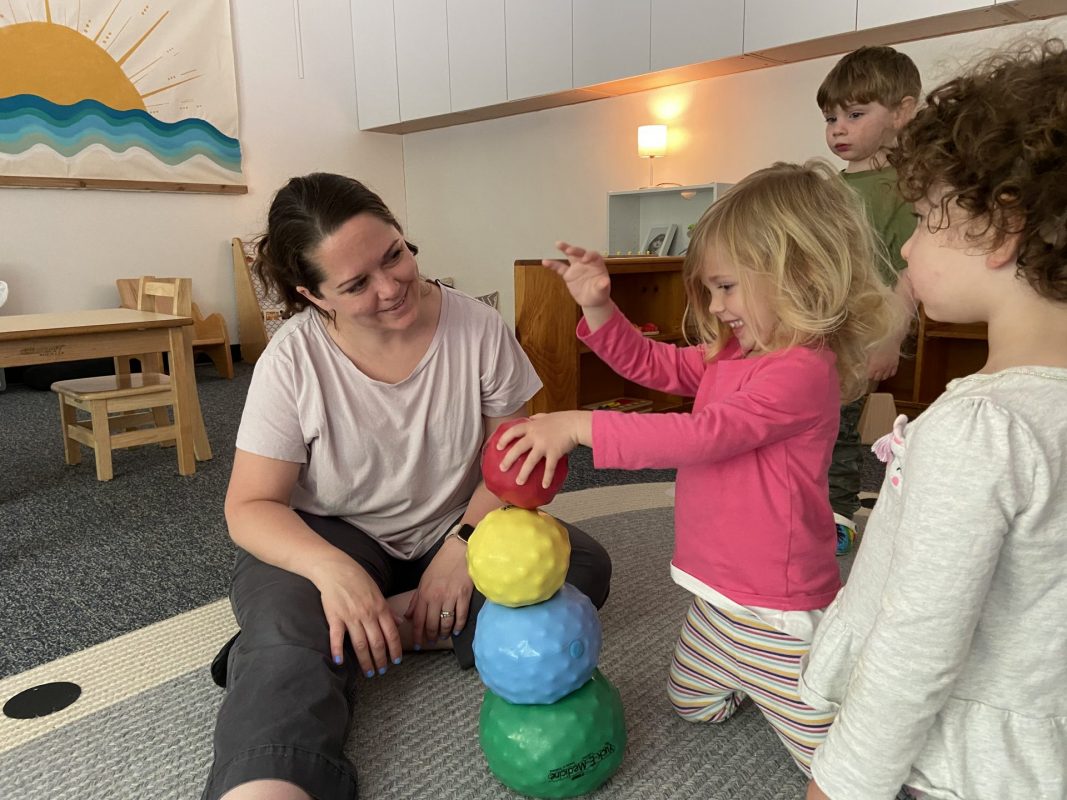
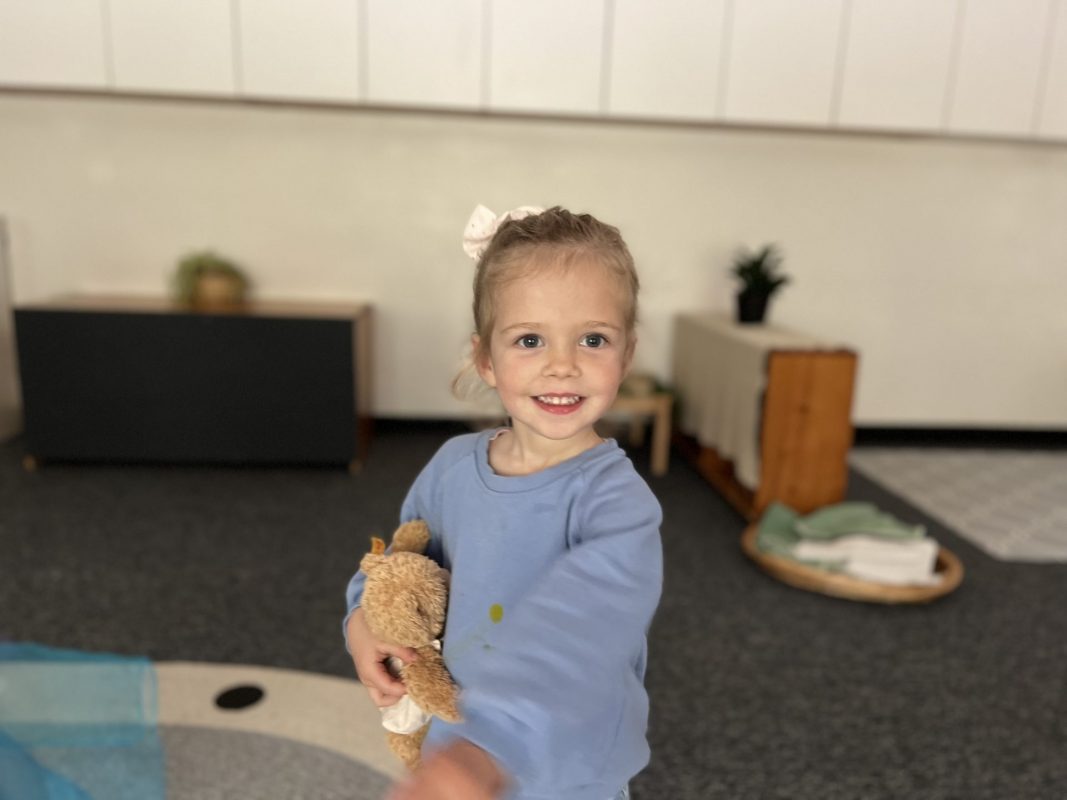
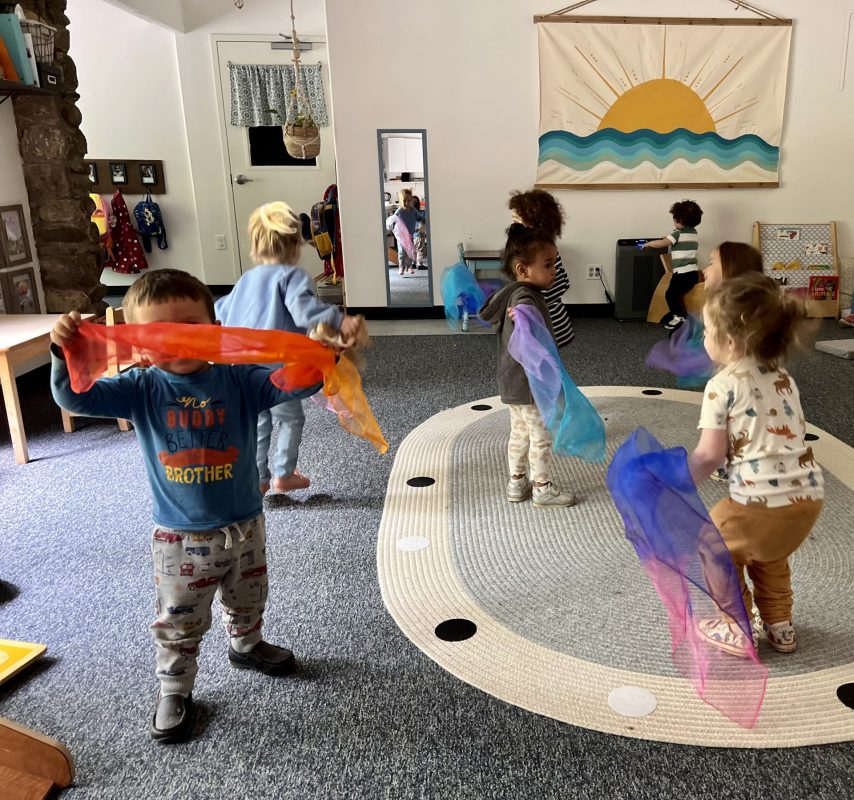
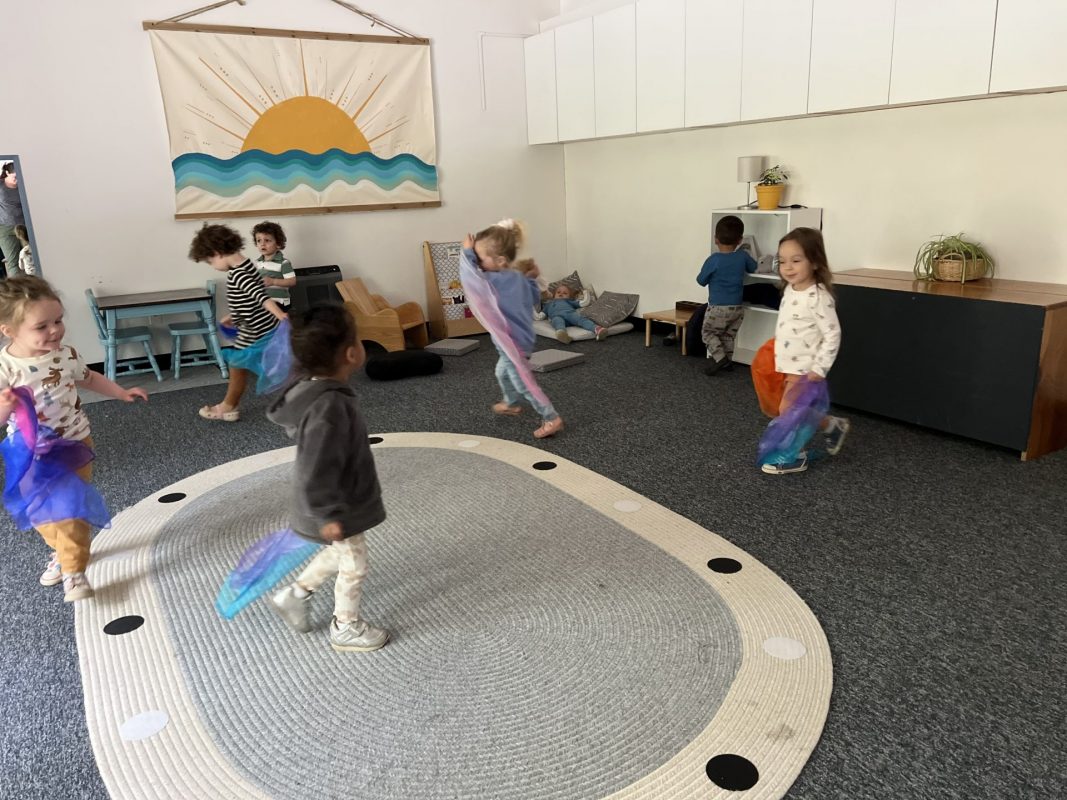
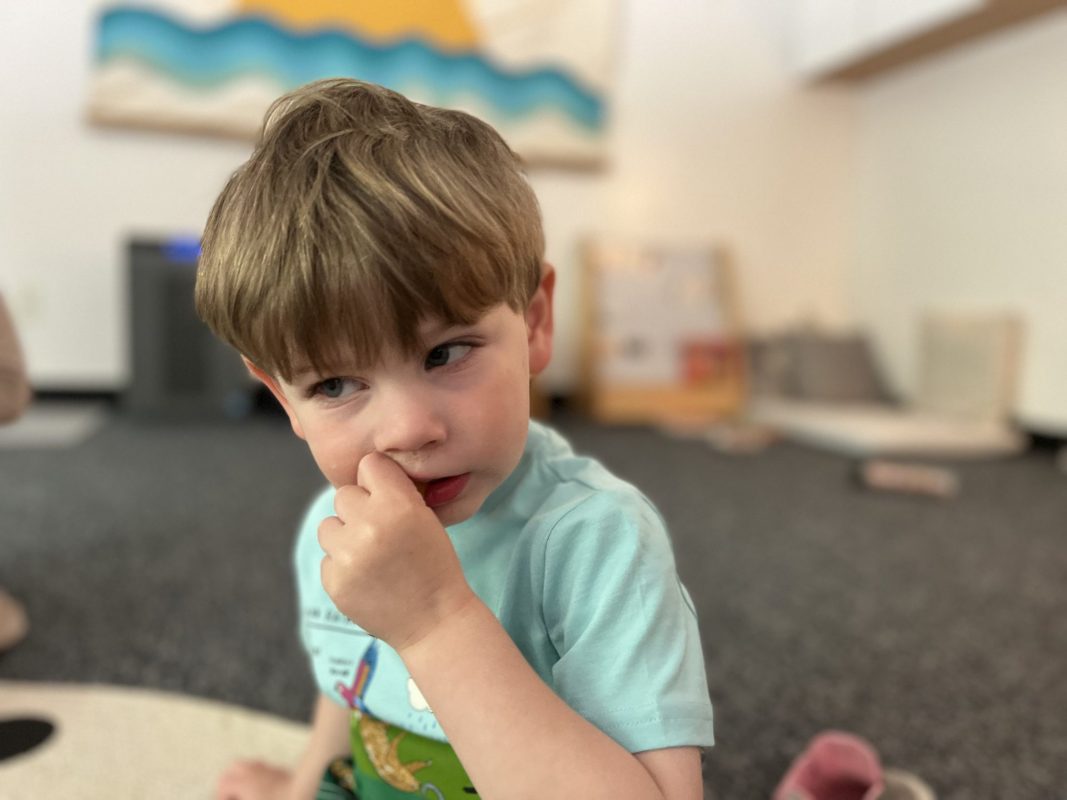
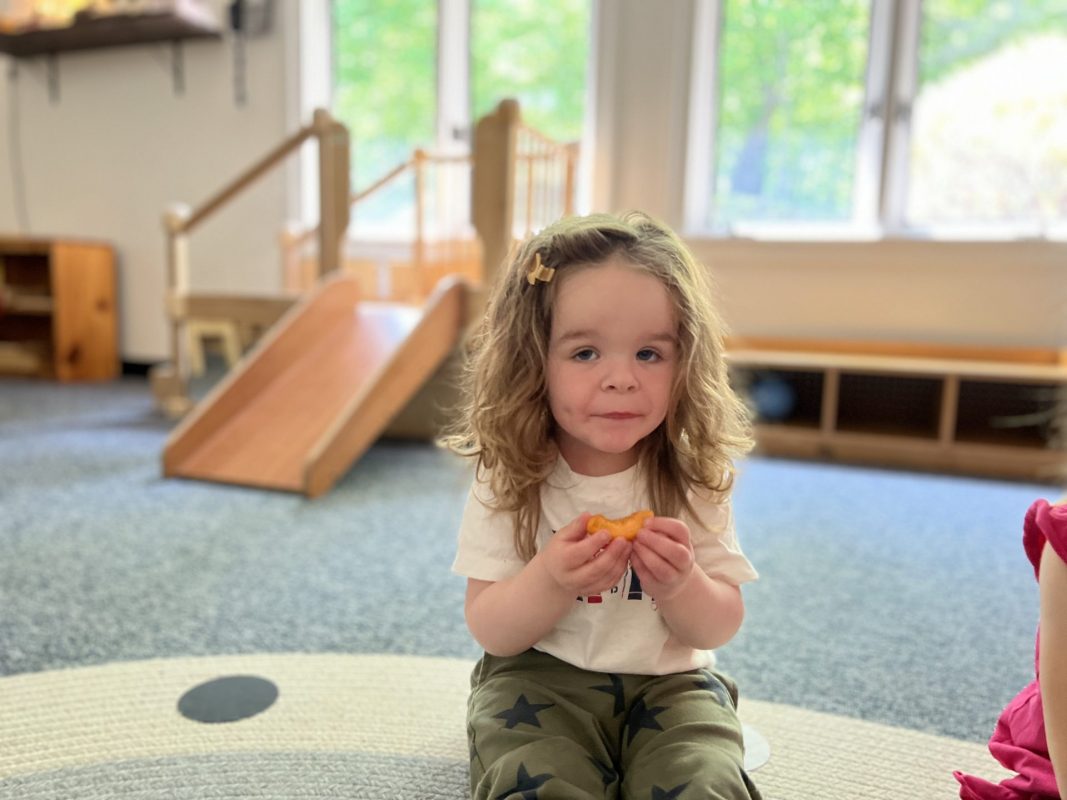
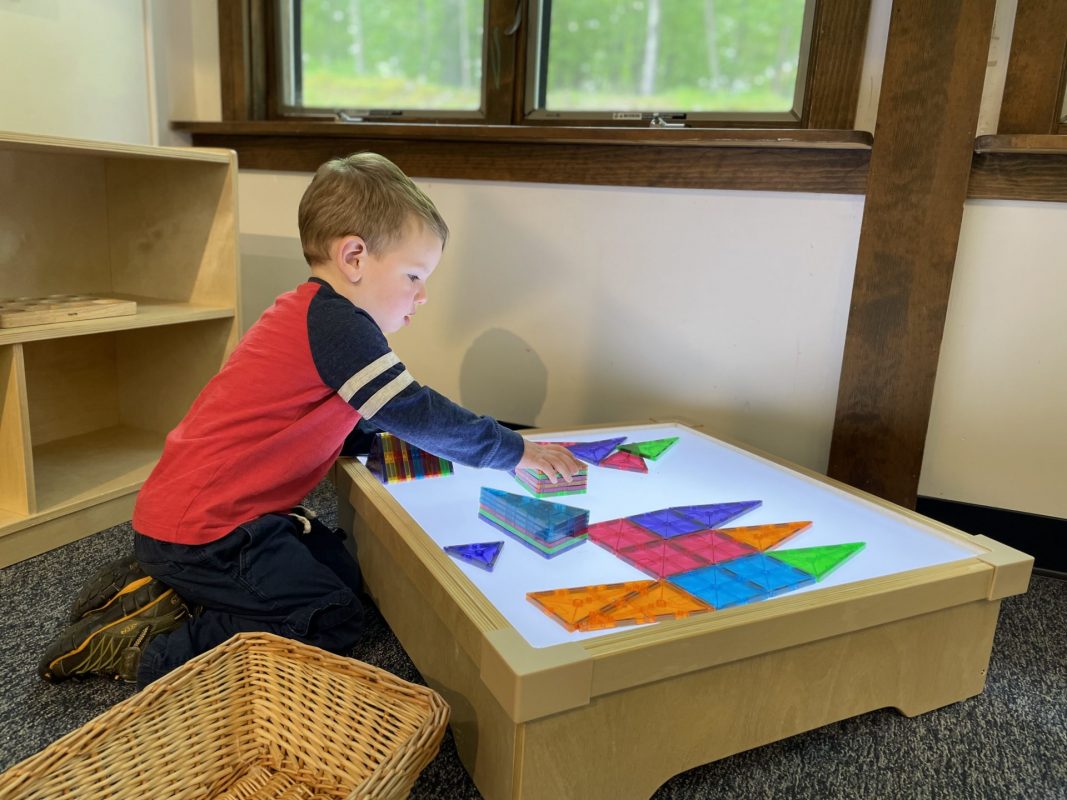
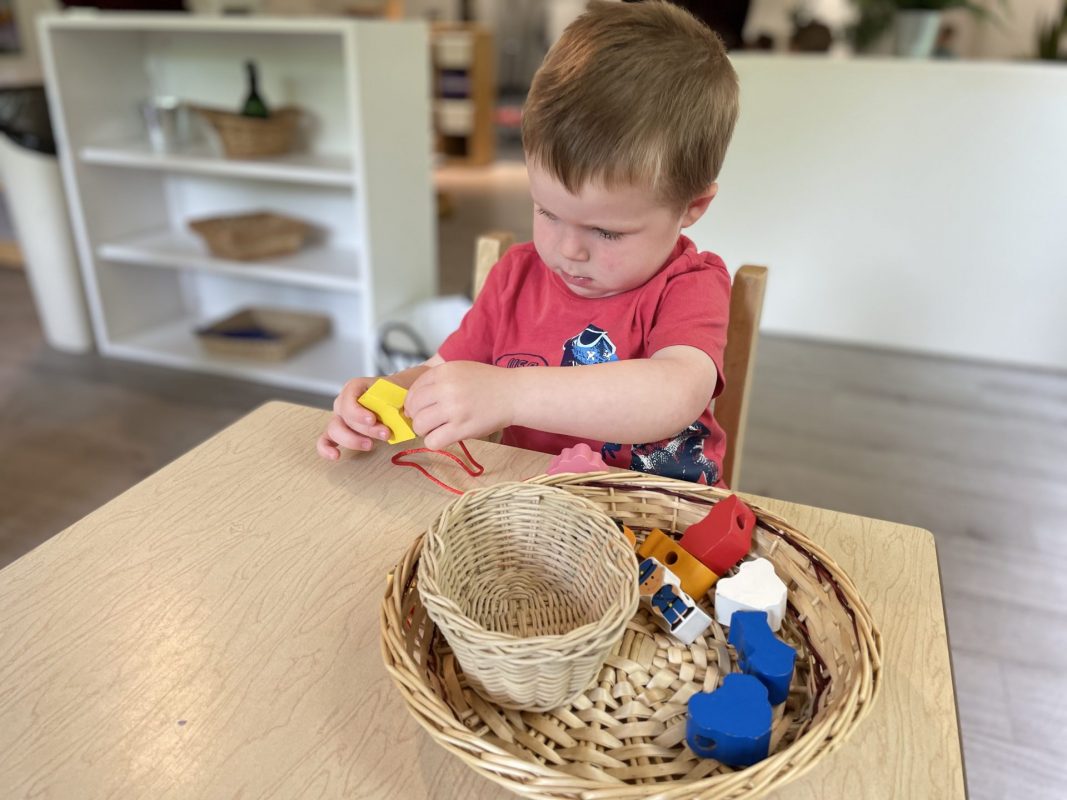
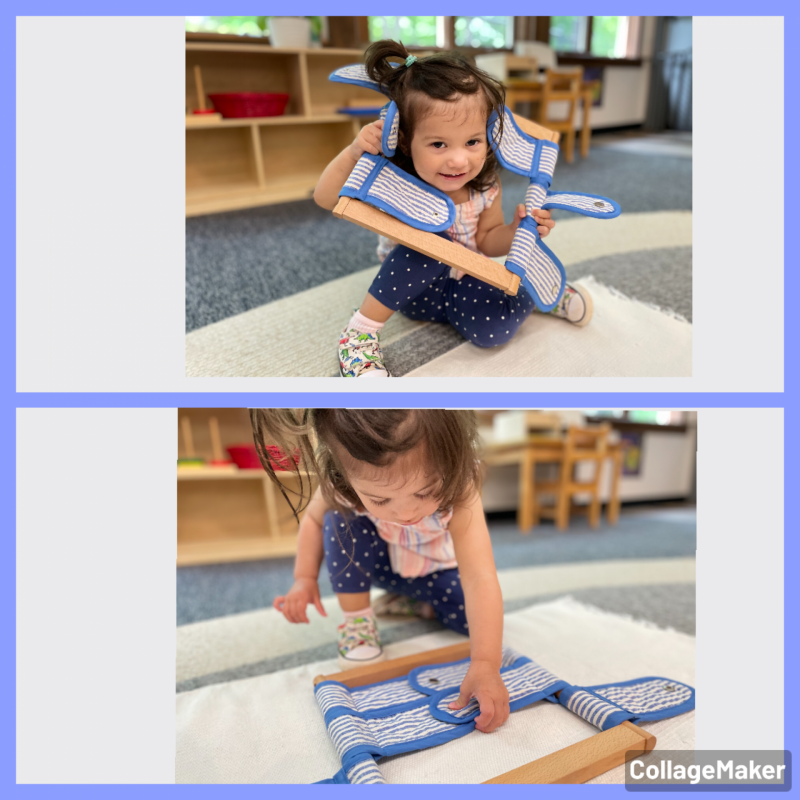
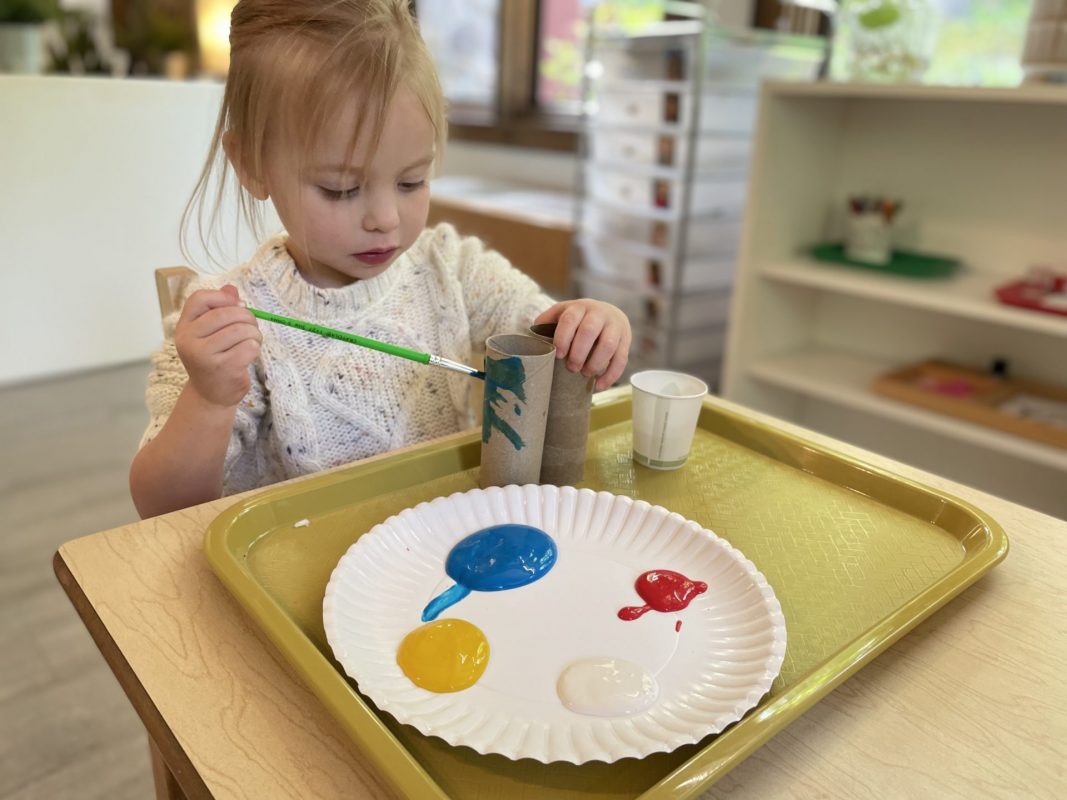
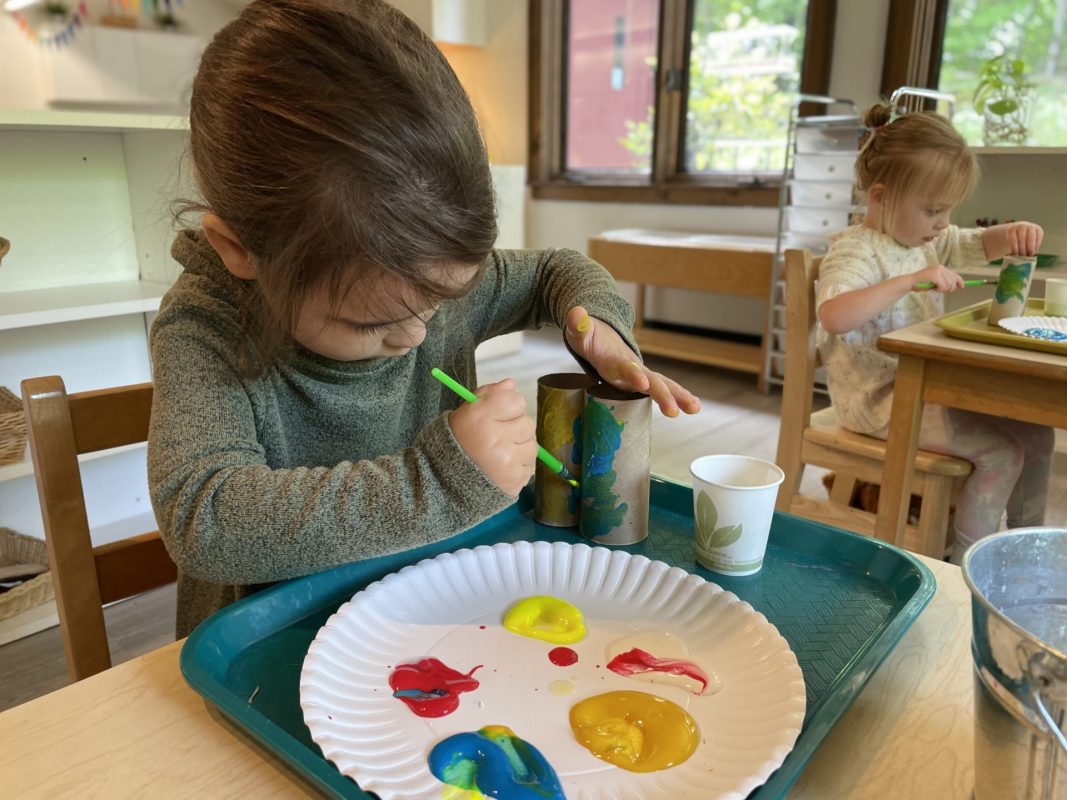
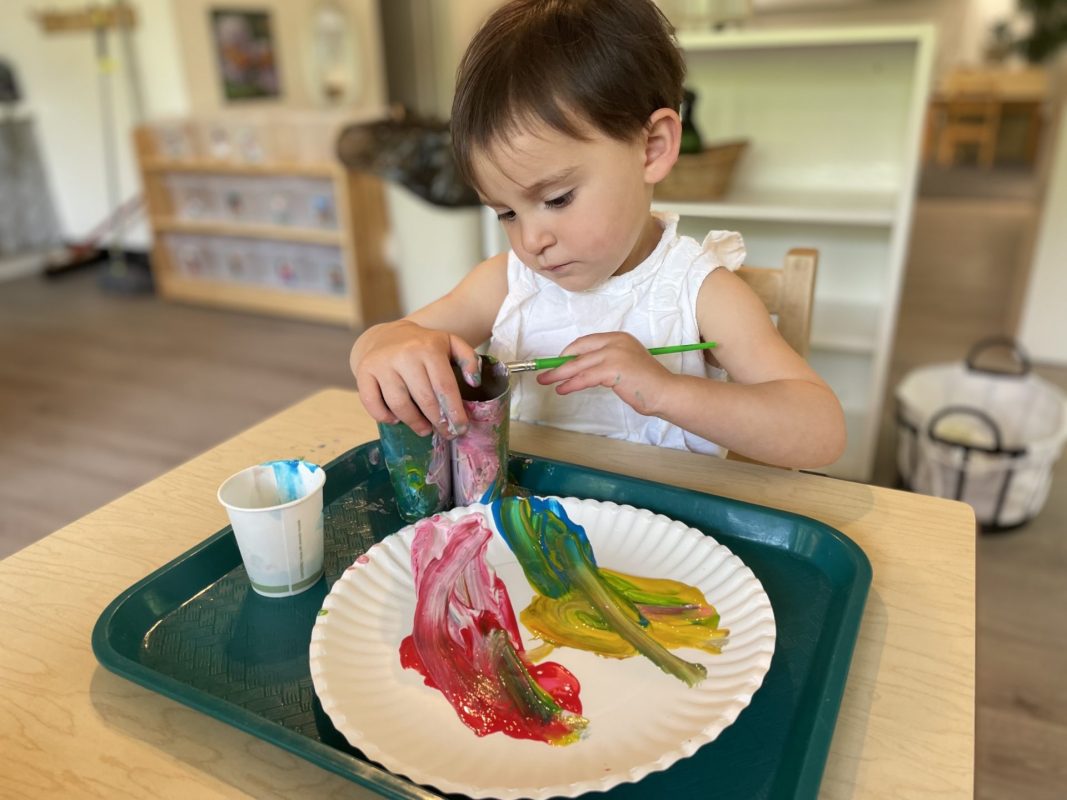
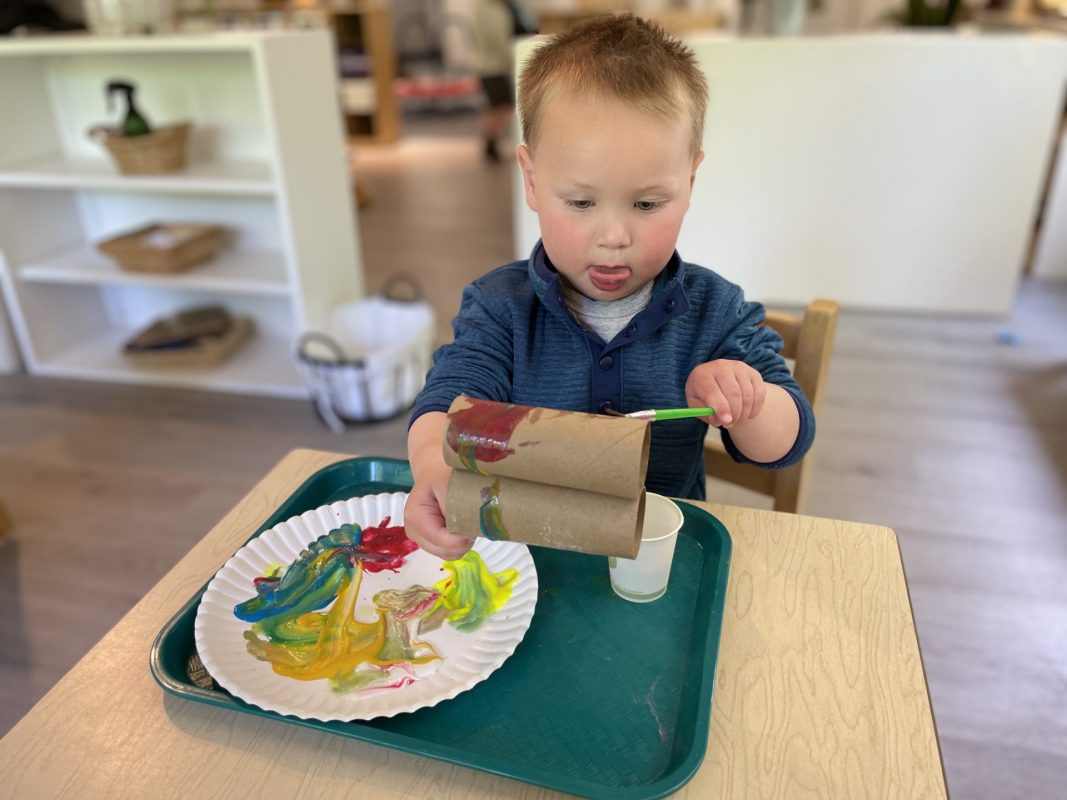
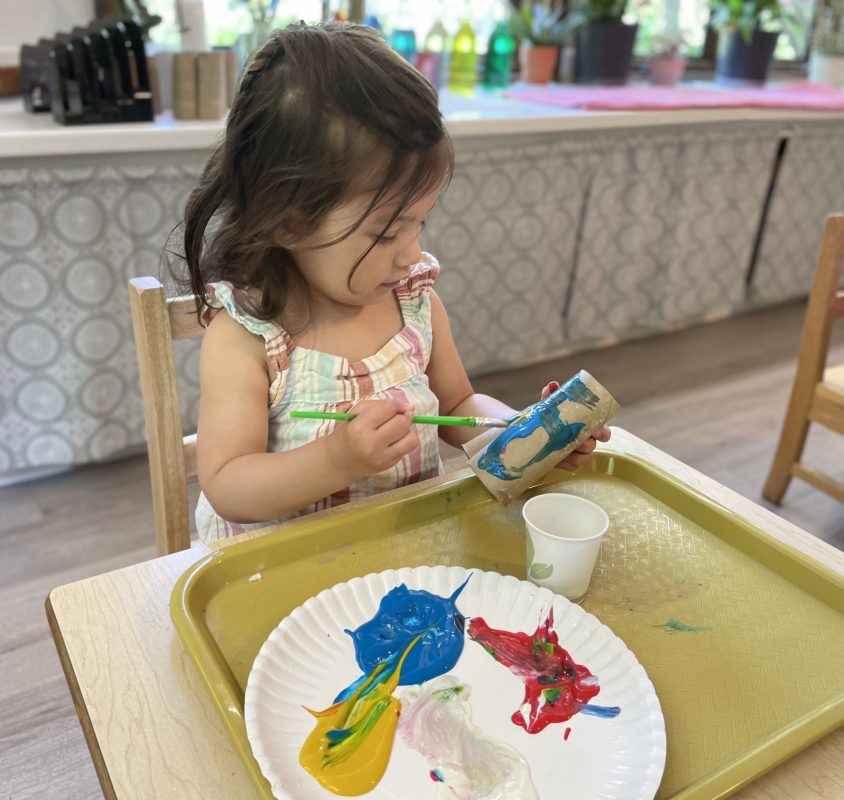
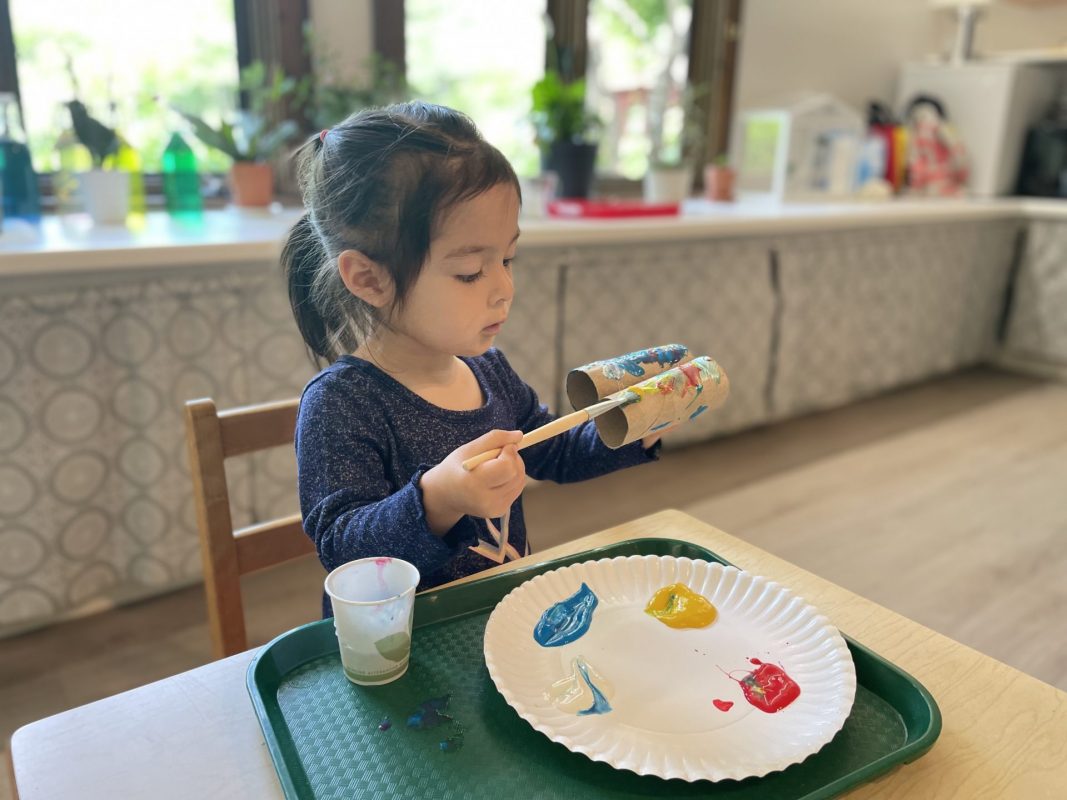
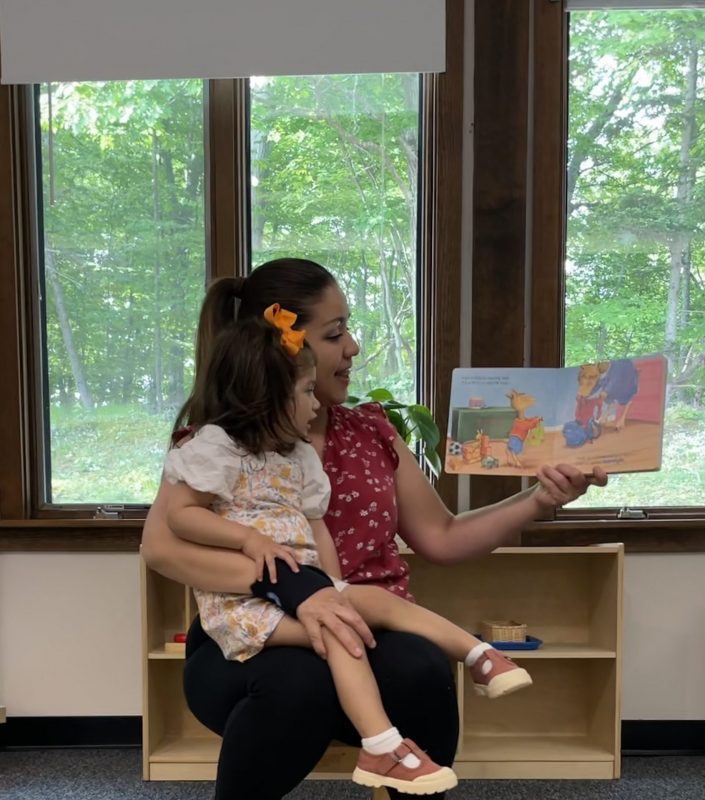
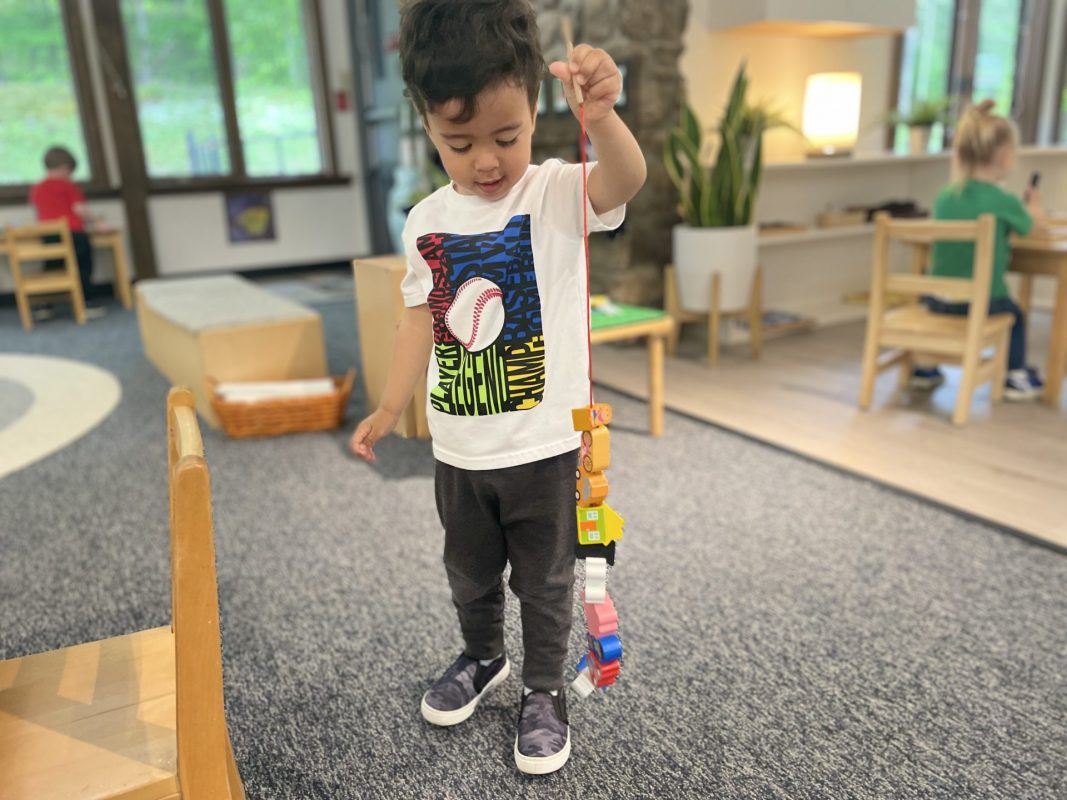
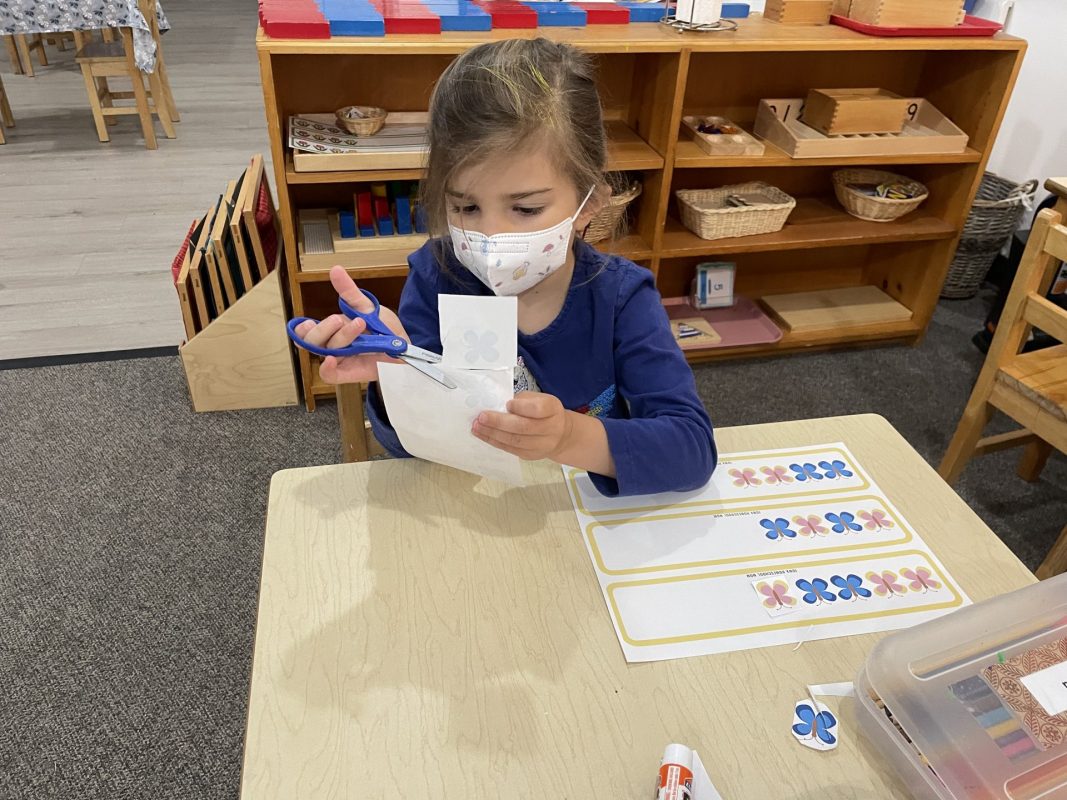
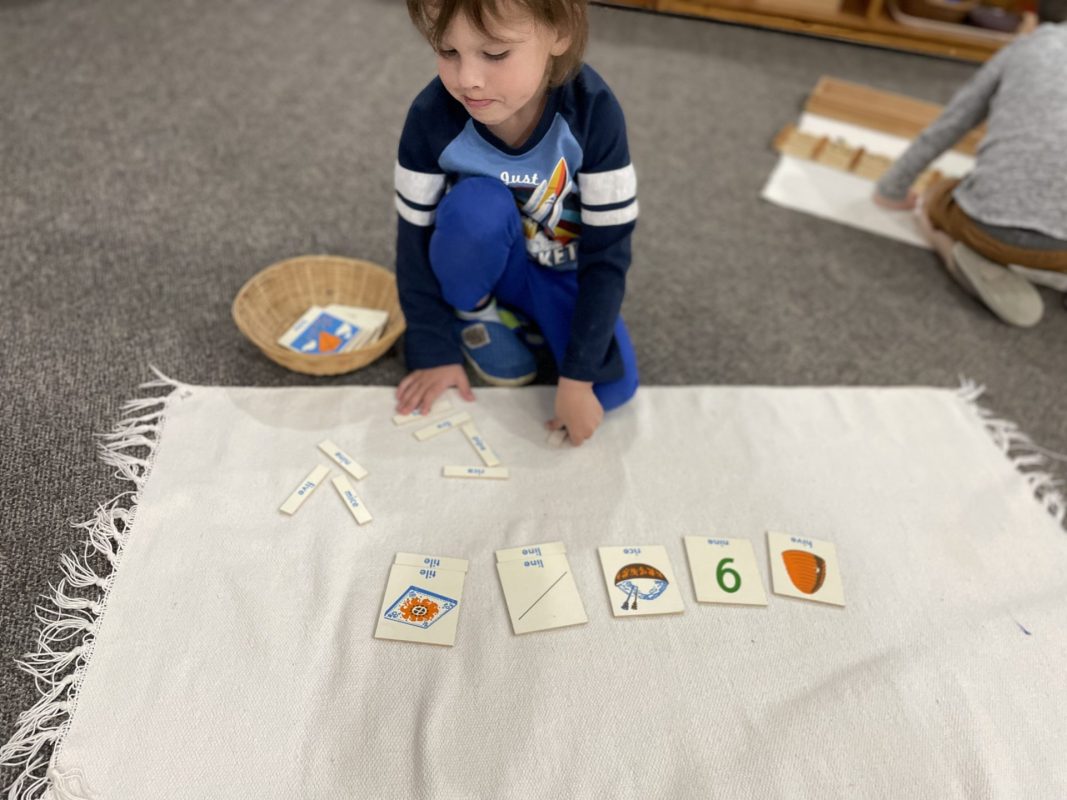
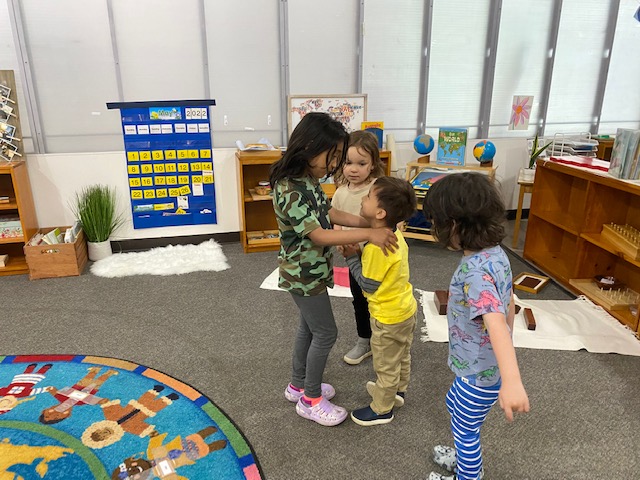
Enjoy a little peek into our work cycle:

Mrs. Hood and Ms. Maria


Mrs Semmah: The Love of Geography

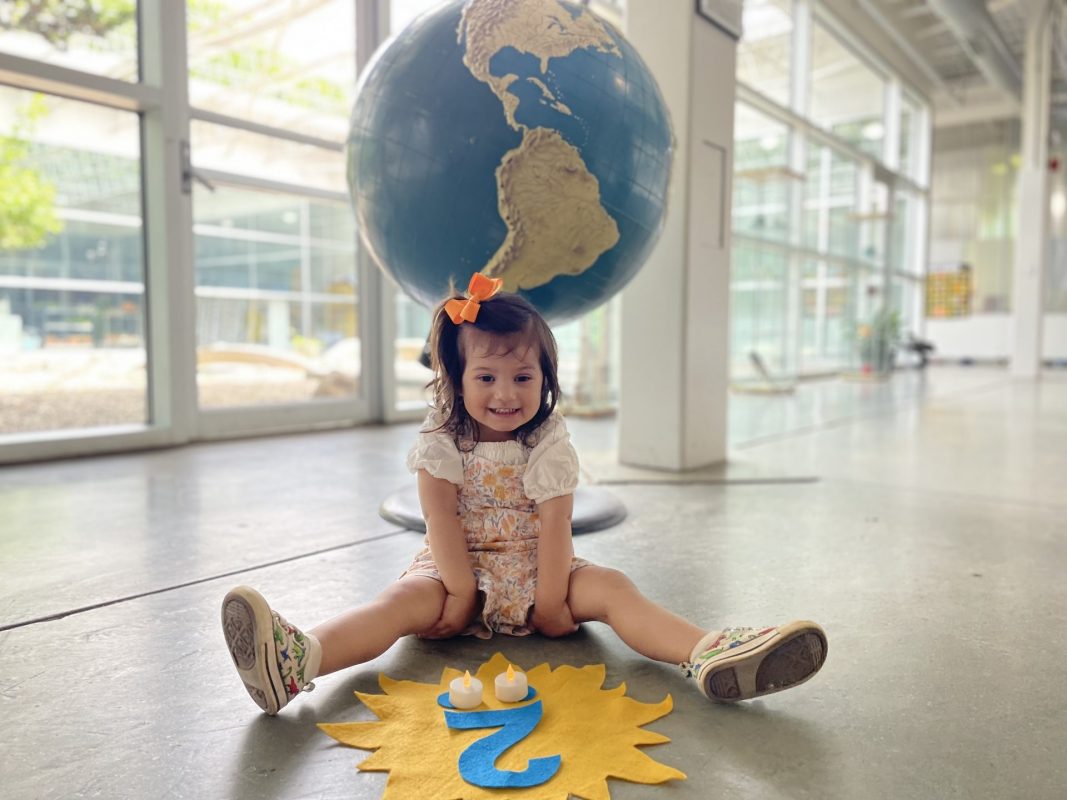
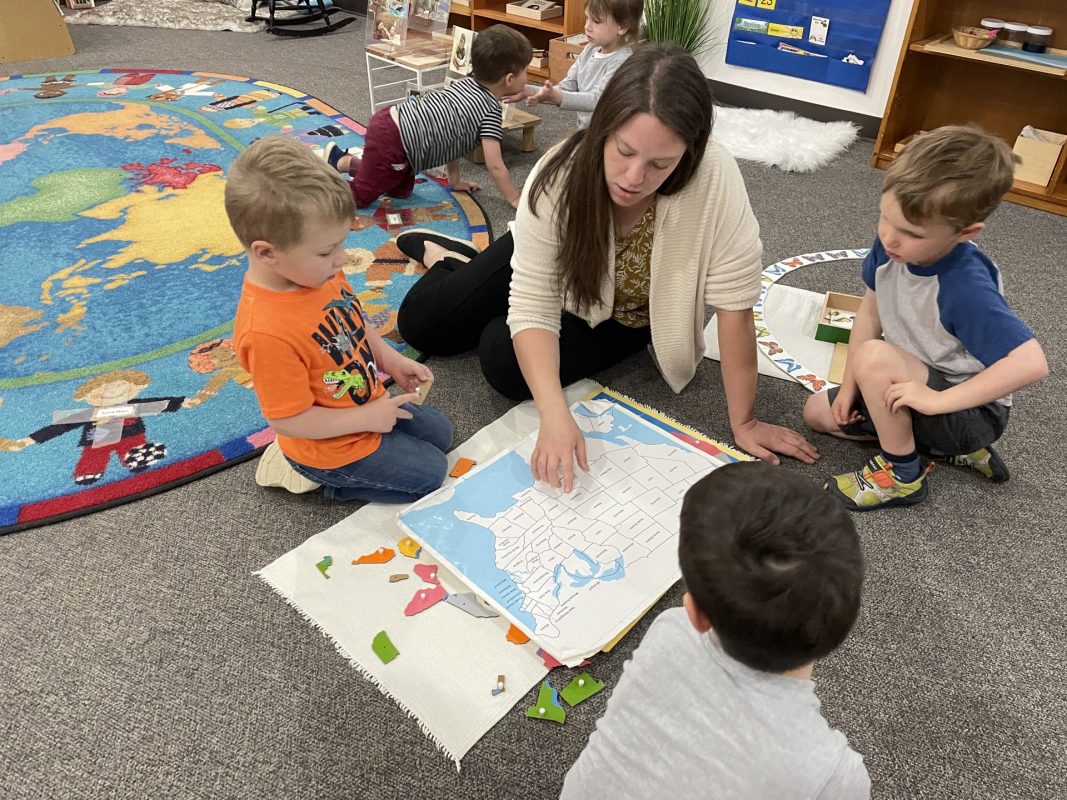
One of the many gifts a Montessori education brings is a lifelong love for geography. There are two main purposes of presenting geography to our three to sevenyear-old children. First, to help the children visualize the Earth and localize our country and state, and second, to learn about other countries and cultural differences.

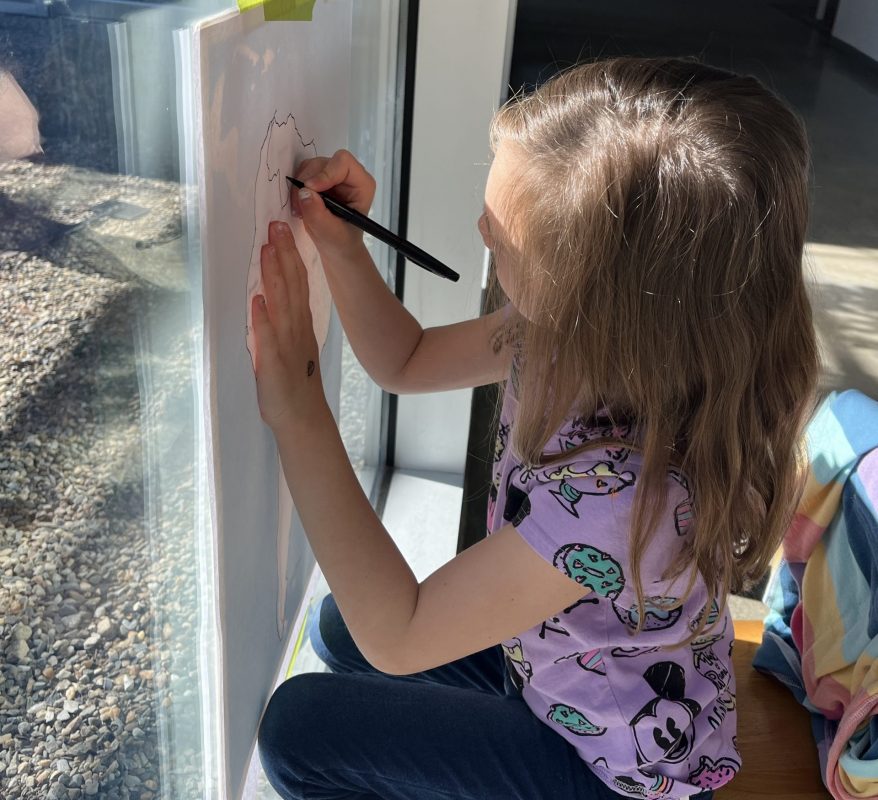
Maria Montessori divides geography into physical geography, cultural geography, political geography, and cartography. We introduce physical geography to three year old children through the sandpaper globe and show the land and water. The political geography includes the globe of the continents, the painted globe, and the puzzle map of the world with the continent outline map that is known as control of errors.

Every day, the children visit the Geography area, either to explore the globes or to use the continent puzzle maps. Our classroom has just three year and four-year-old children. However, there is always a level at which even the youngest children can have a sensory experience that will prepare them for a deeper understanding in the future.

Wishing you a peaceful long weekend.
Kaoutar and Sara


Mrs. Doyle: Our Future Is So Bright Please Put On Your Shades!

It’s always a little startling to realize that the end of the school year is quickly approaching. May is an amazing month because we look back to see all that we have accomplished and take stock of what we have left to do. Each child’s learning at this point is very much cumulative and continues to build upon all of the skills that have been mastered since August. A perfect example of this is the kindergarten animal research project the children have been working on for several weeks. We start this project in late spring because we need a foundation of reading, writing, geography, science, and even math in order to be successful. I was ‘interviewing’ the kindergartners for the About The Author section of their books and, as typically happens, several other children quickly wanted to be interviewed and share their future career aspirations. Their answers are sure to brighten everyone’s day.

  • Anchor:  Wants to be a You Tuber with his own channel.
  • Everly:  Wants to be a veterinarian who makes everyone’s pets feel better.
  • Lily:  Wants to be a teacher who teaches big kids about plants and berries or a dentist because they get to give everyone the best toys.
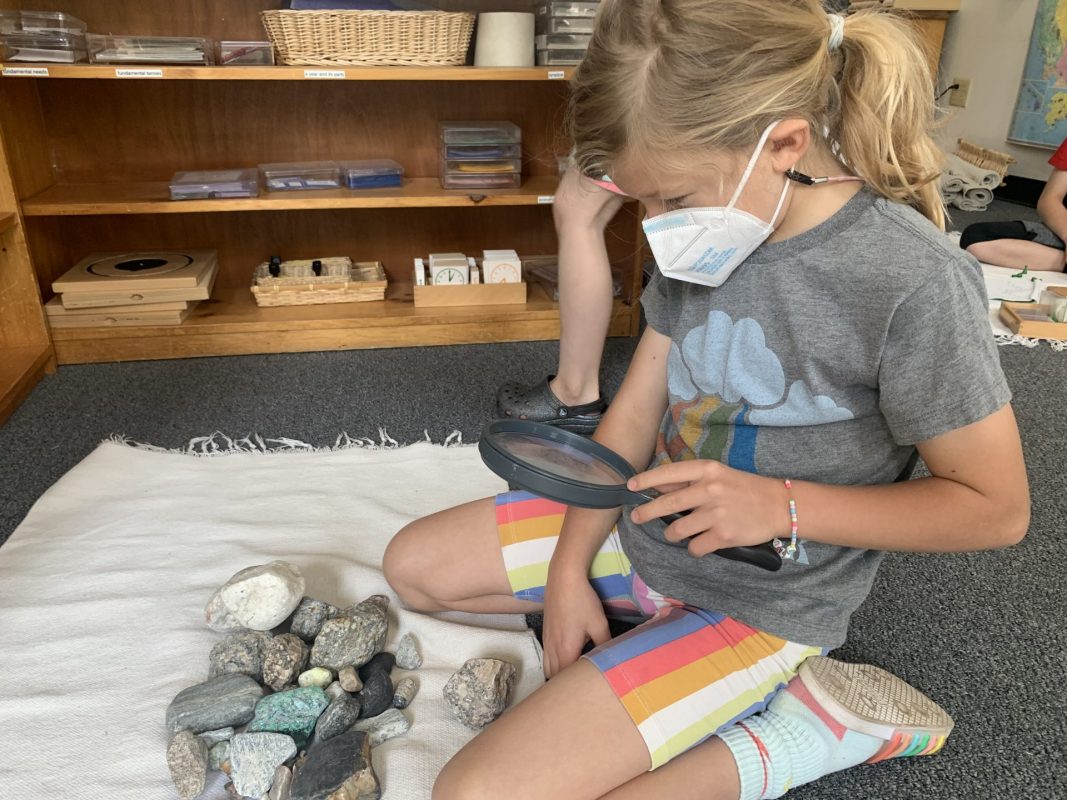
  • Marin:  Wants to travel the world and study rocks.
  • Wilder: Wants to be an event planner like his dad.
  • Emma:  Wants to be a mom and have two children.
  • Greyson:  Wants to be an artist whose work is hung all over the world.
  • Landon: Is only 4 and a half so he won’t make a decision until he is 5 in June.  He will definitely let us know though!
  • Luca:  Wants to play soccer or football for a team with blue uniforms.
  • Olivia: Wants to be a paleontologist who studies everything there is to know about dinosaurs.
  • Theo:  Wants to be a wrestler who wears a red, white, and blue uniform but is not sure of his wrestling name yet.
  • Virginia: Wants to be a scientist who studies lions and tigers.
  • Bodie: Wants to build houses.
  • Emma Jo:  A crafter who makes butterflies and sells them to everyone.
  • Isla:  Wants to work at Sacred Heart University and be a teacher.
  • Micaela: Wants to drive an excavator.
  • Saanvi:  Wants to be a cook who makes a lot of buttered pasta.
  • Stephen:  Wants to be a doctor who treats zebras and horses or maybe a policeman or fireman.
  • Zara: Wants to be a scientist or an artist who paints.

Wishing you all a week filled with peace and love!

Michelle & Liset