Blog

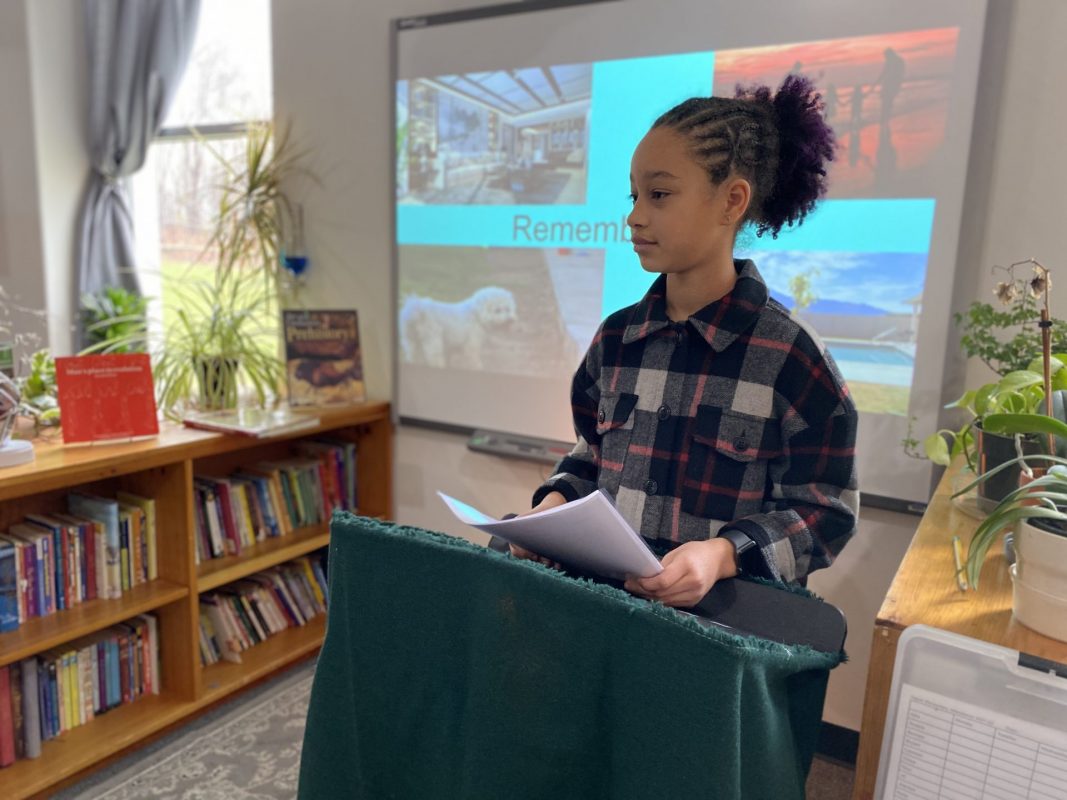
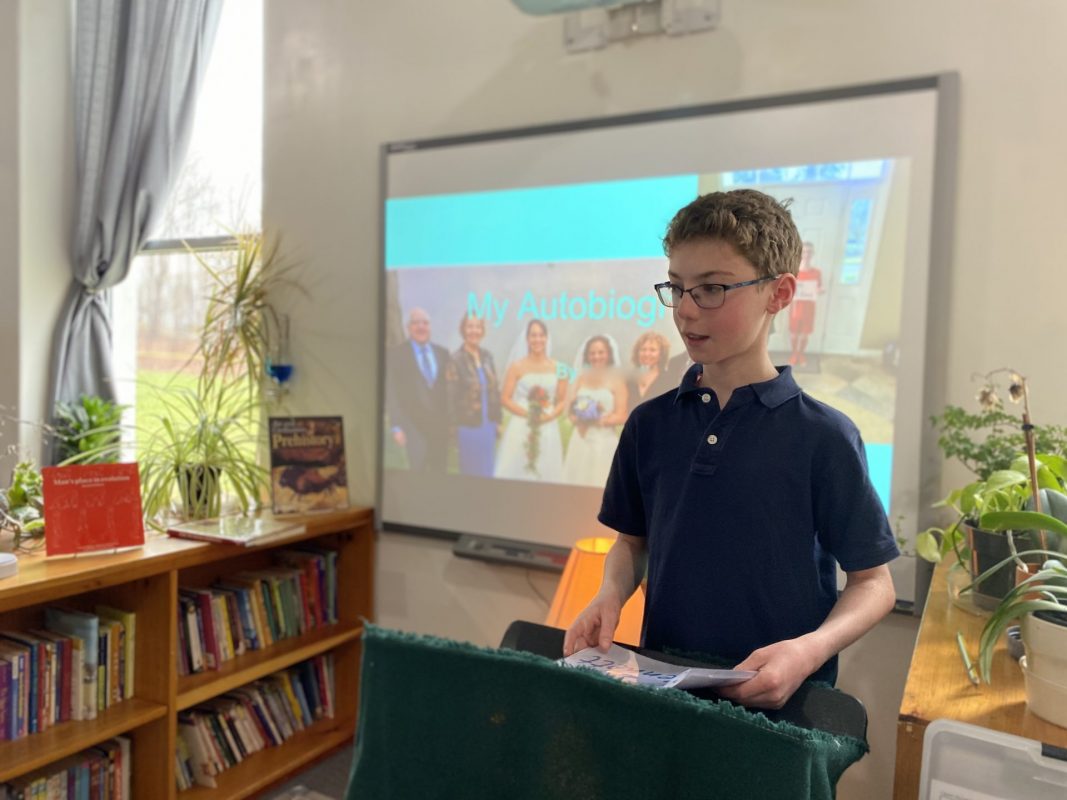
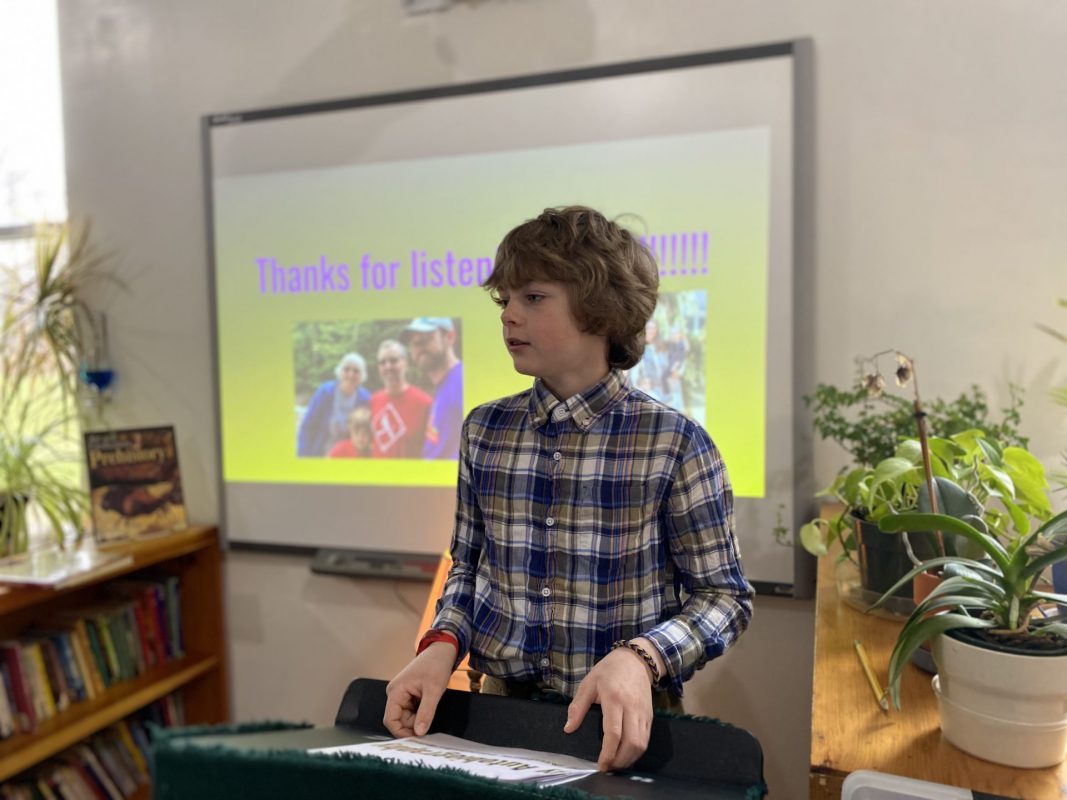
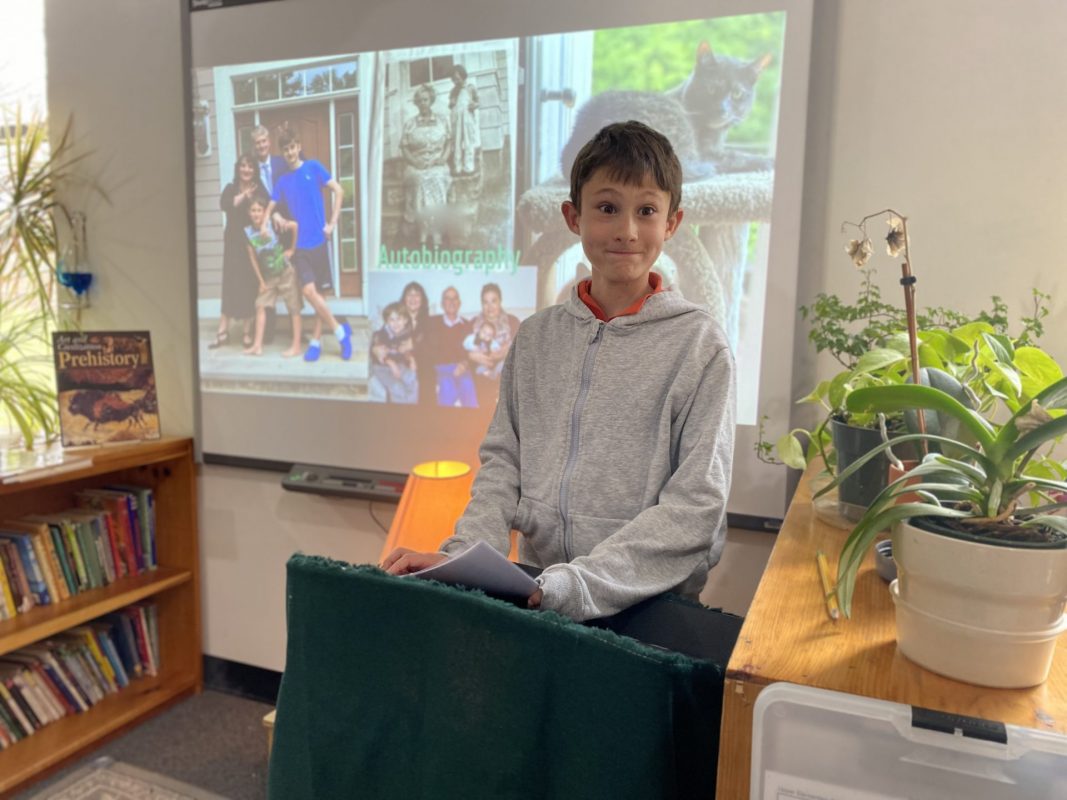
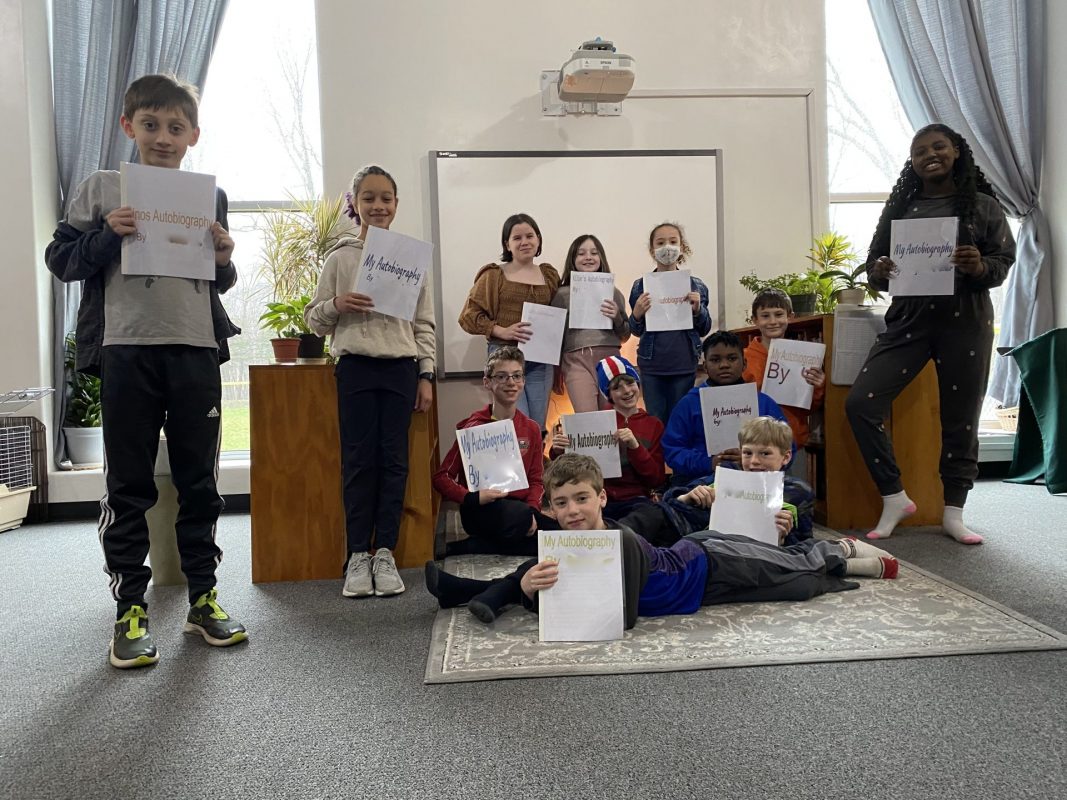
Upper El Autobiographies

“Joy, feeling one’s own value, being appreciated and loved by others, feeling useful and capable of production are all factors of enormous value for the human soul.” -Maria Montessori

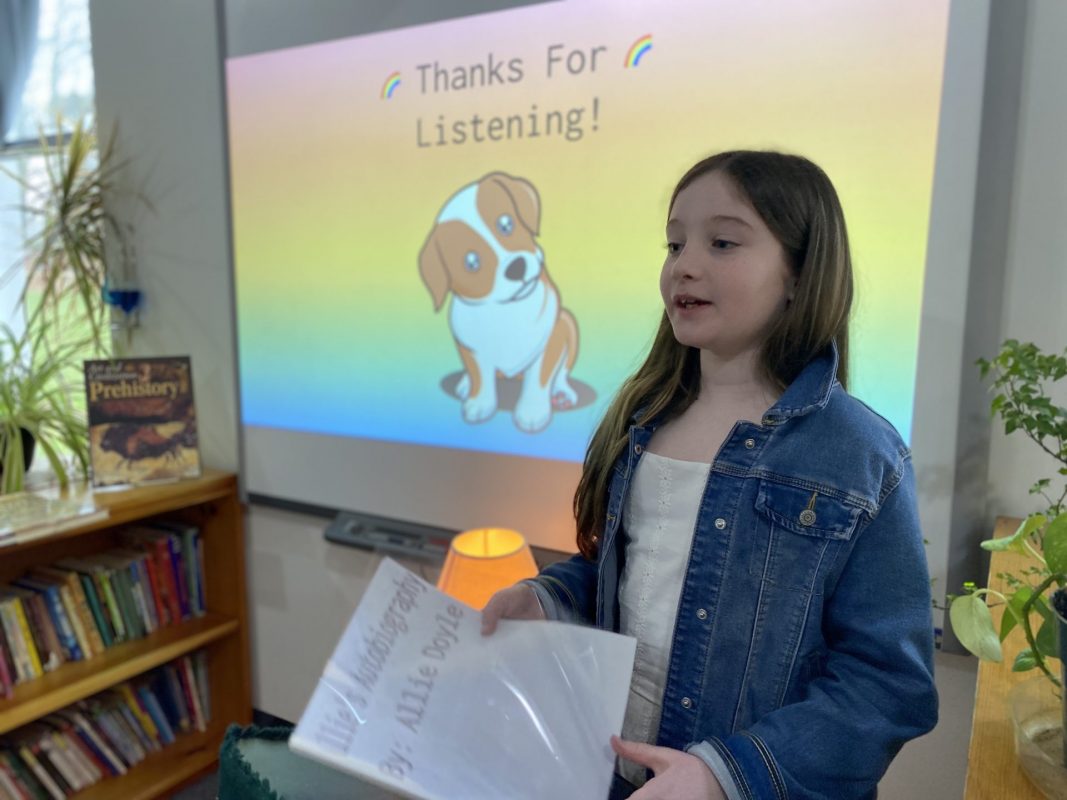
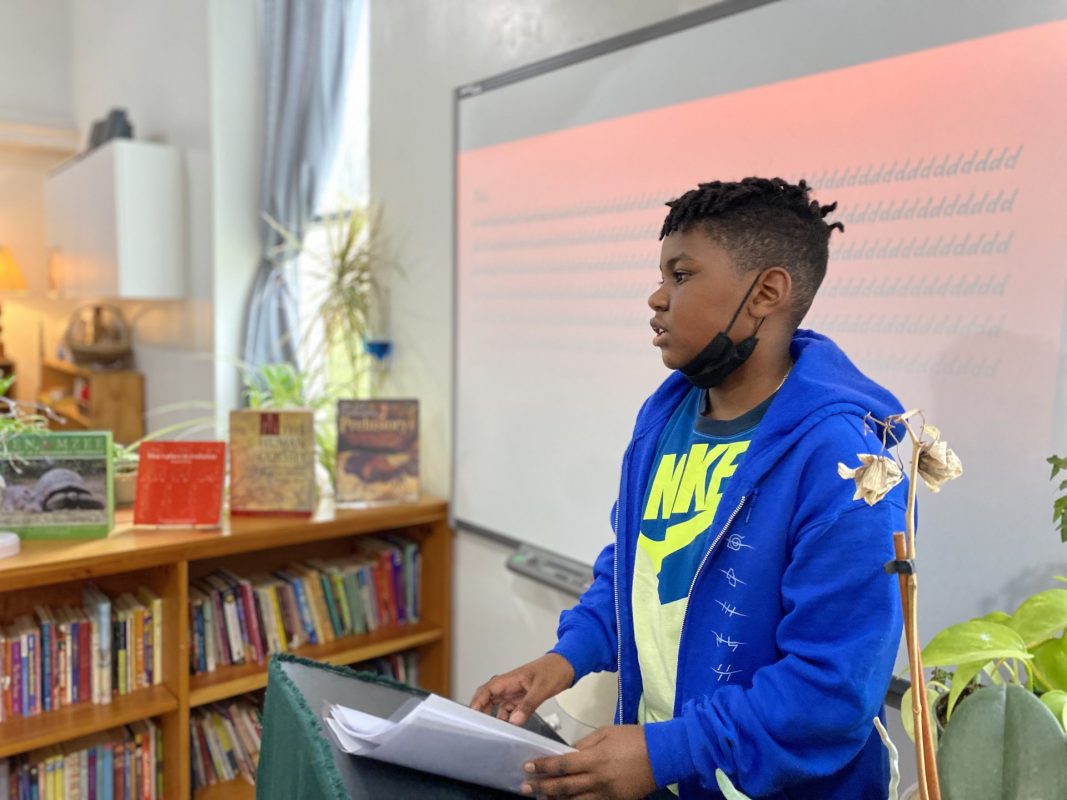
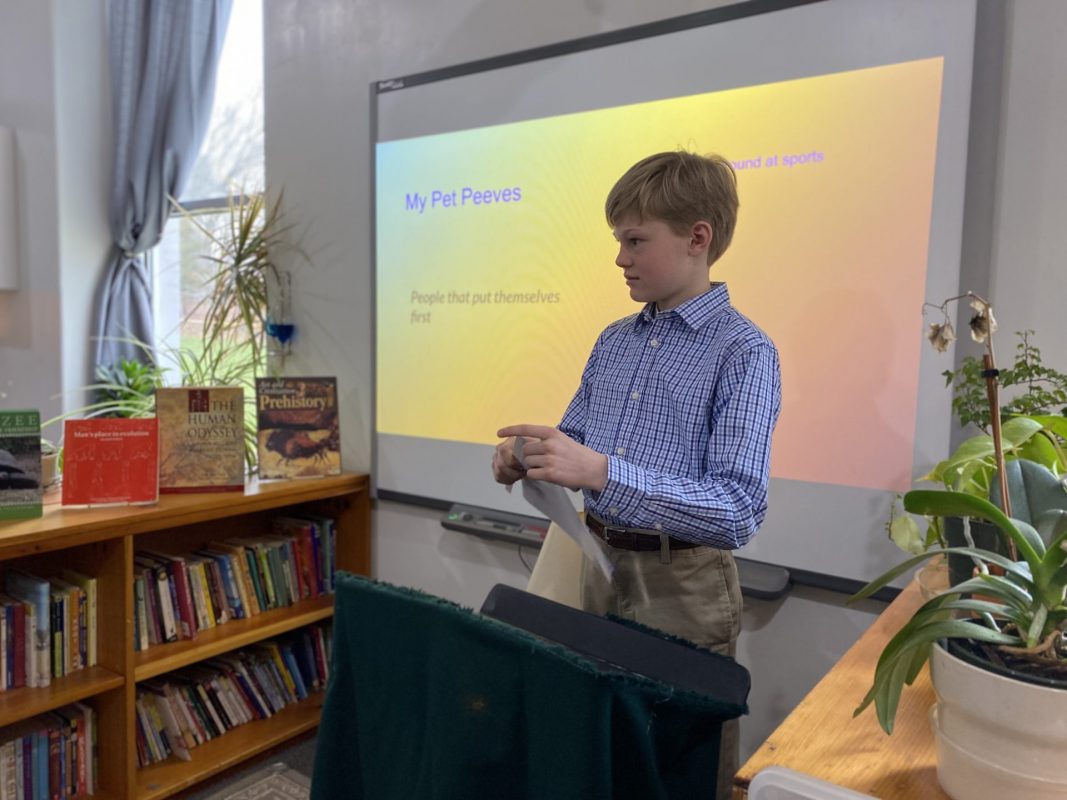
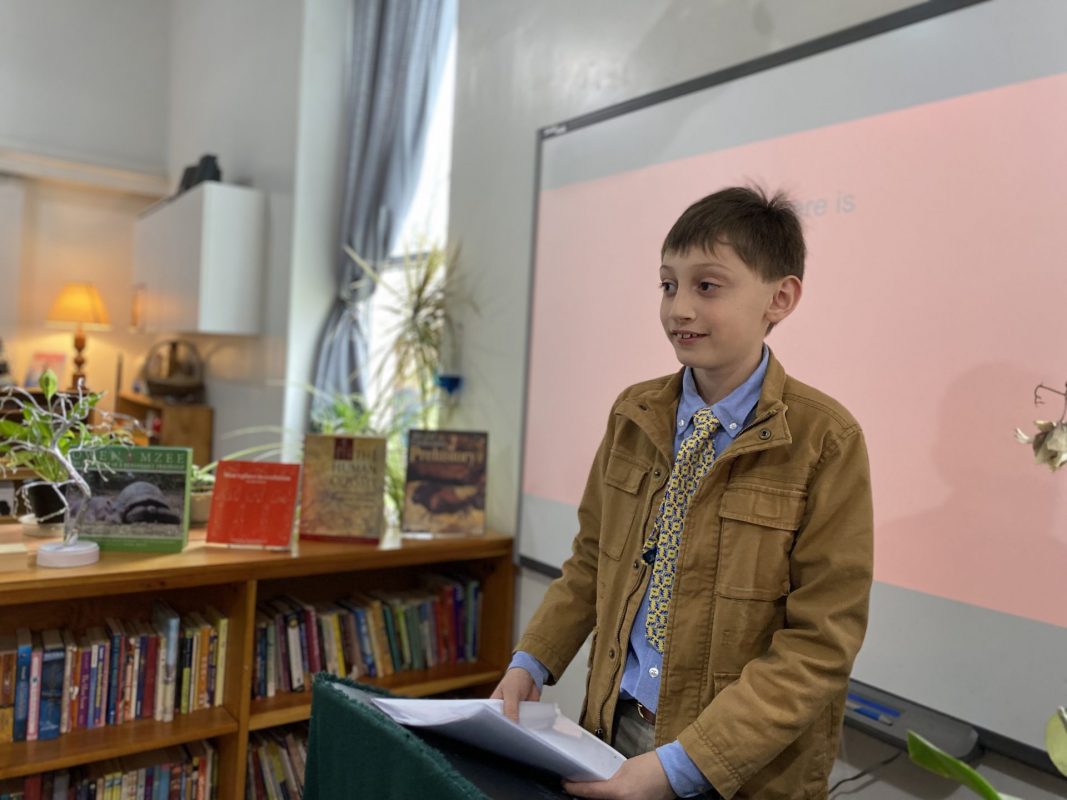
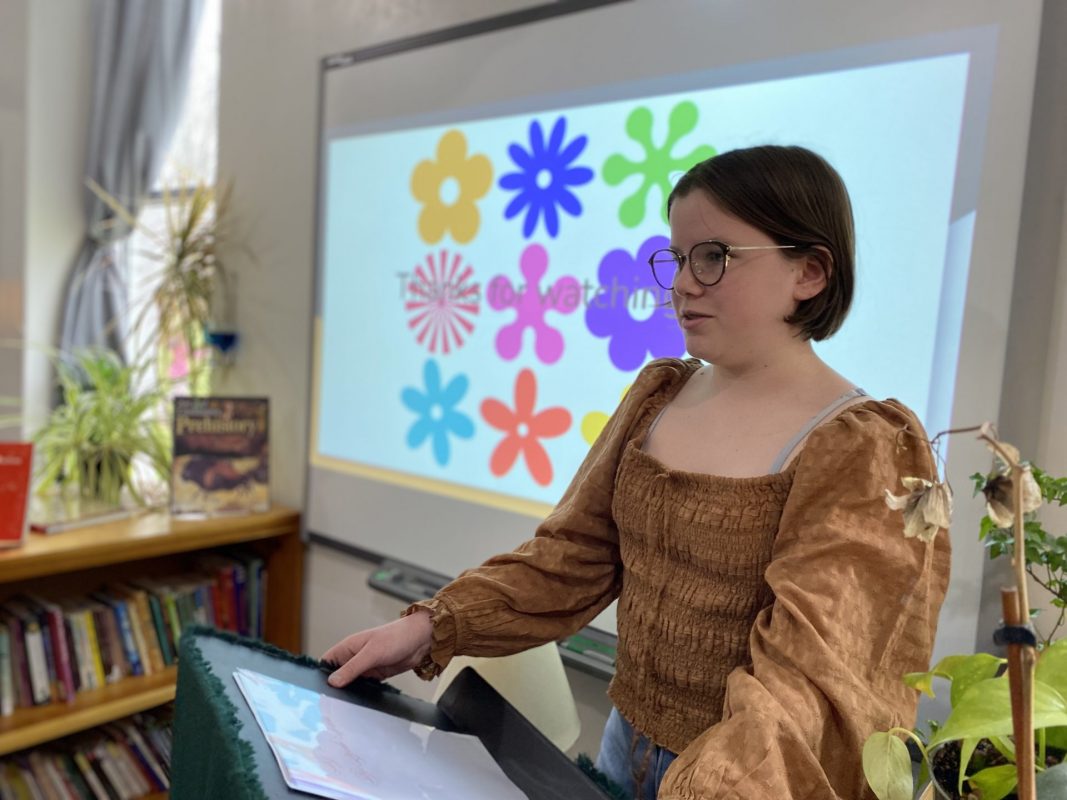
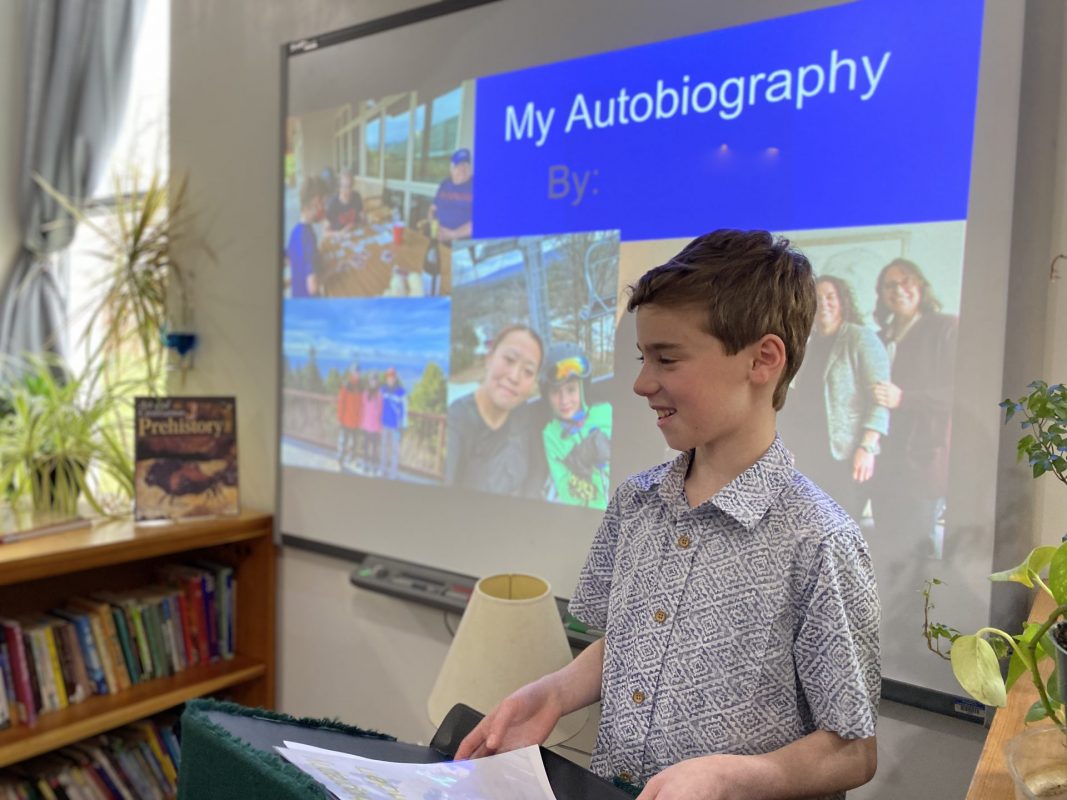
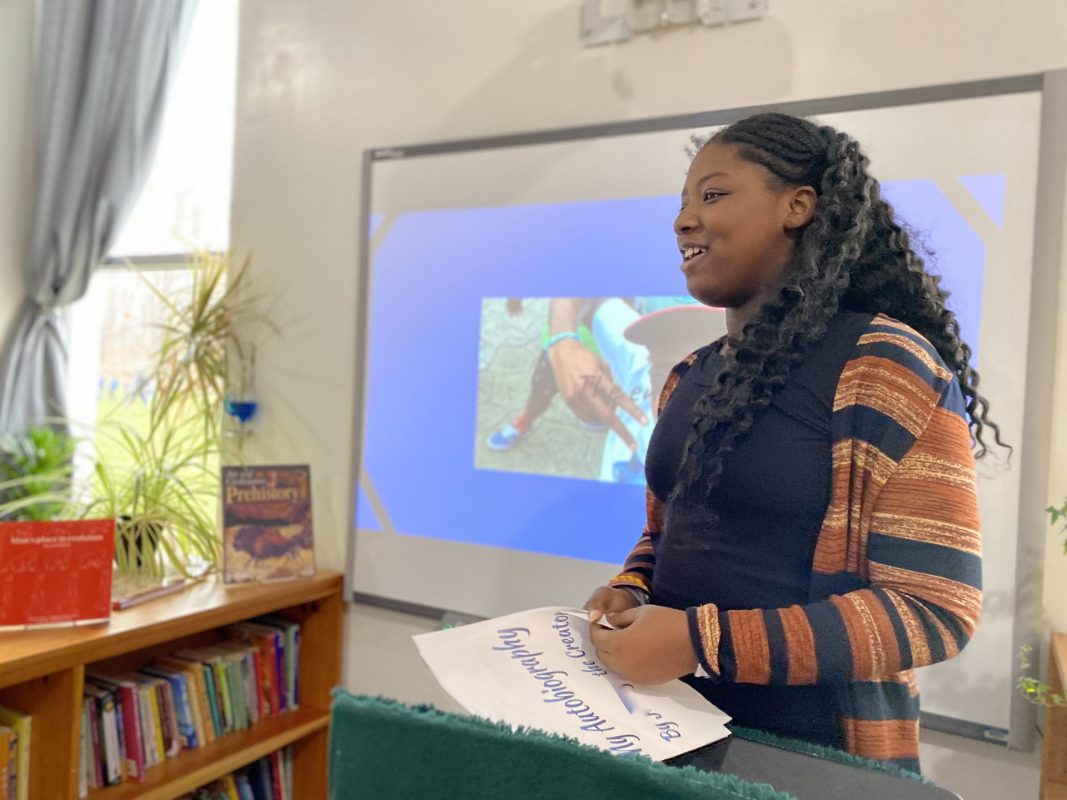
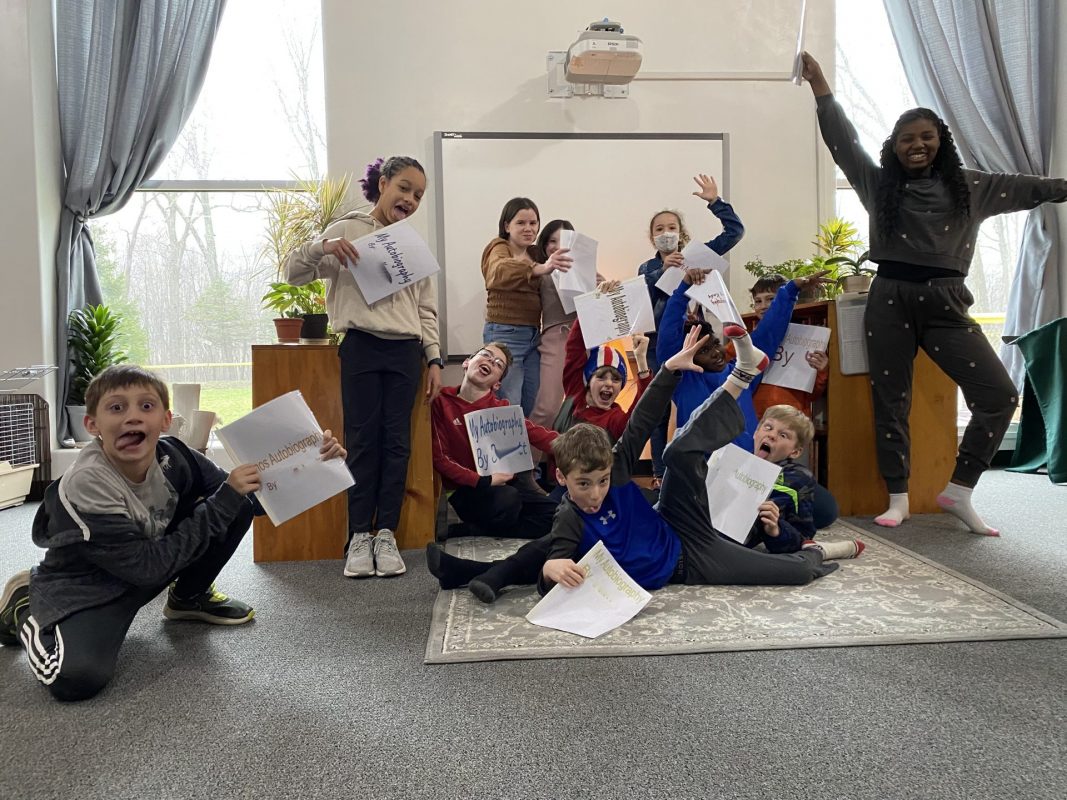
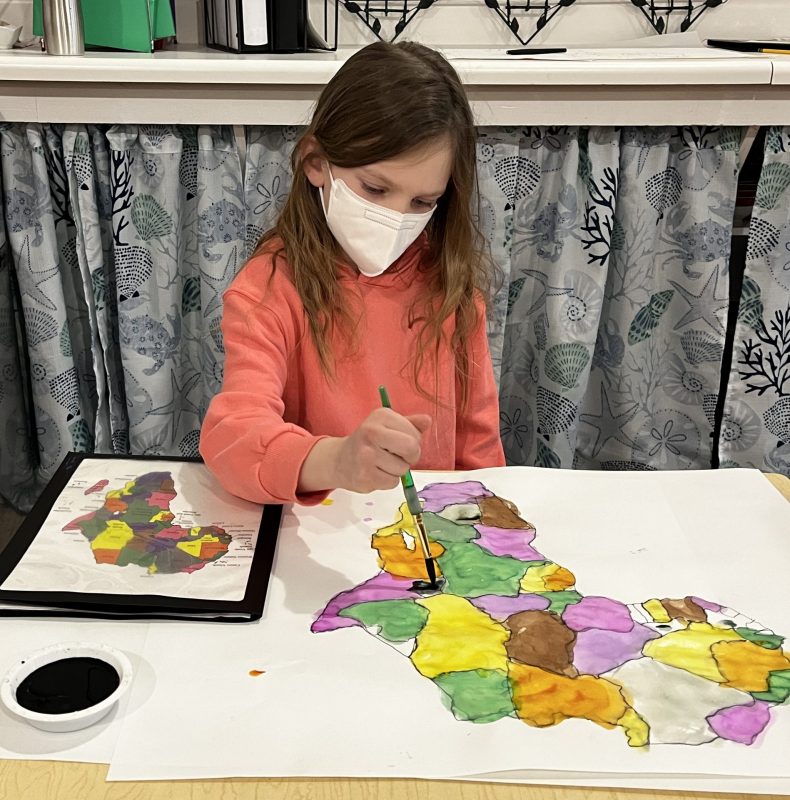
After three months of gathering information, interviewing family members, and writing research papers, the Autobiography Project is complete! Upper El students did an amazing job preparing and presenting their projects this week. They all seem to feel a real sense of accomplishment, seeing everything come together after so much focused work. They should all be very proud of themselves. As I watched each presentation, I noticed there was such a sense of joy among the students. We all enjoyed learning more about each other throughout this process. I hope you relished the opportunity this project provided to make connections and share details of your family’s history with your child. I am working on editing the video of presentations and will share it with you this weekend.

Please check your email for information about our overnight field trip to Nature’s Classroom coming up on May 24th through 26th. There are important documents to be filled out and returned to school which are coming home with students today.

Have a wonderful weekend!

Karen


Mrs. Doyle’s Class: I Sense Something Amazing In Our Class!

What the hand does, the mind remembers. —Maria Montessori

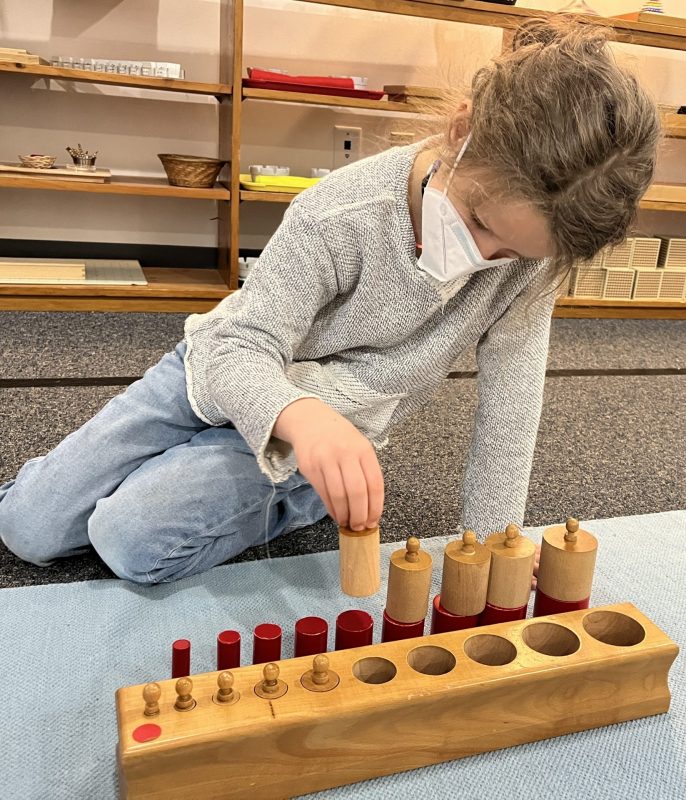
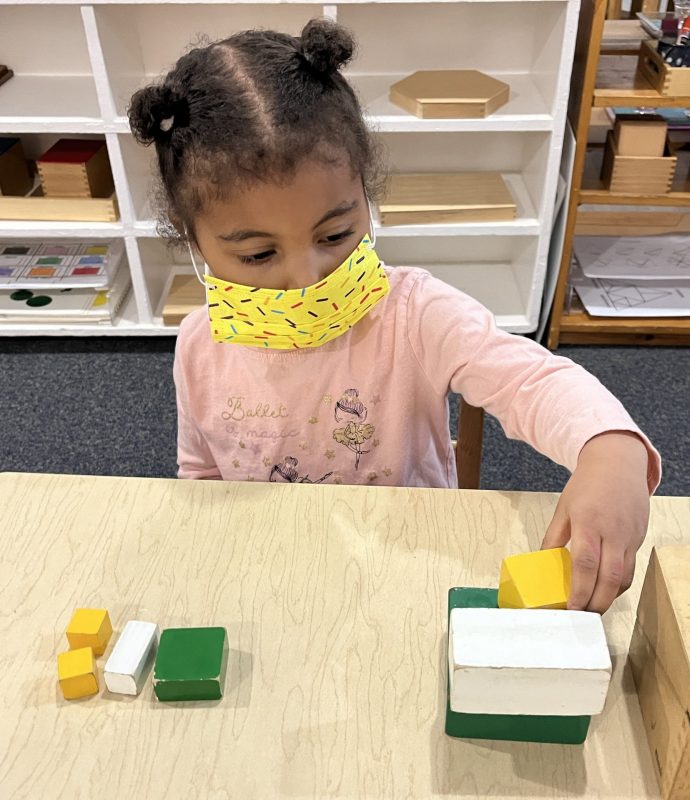
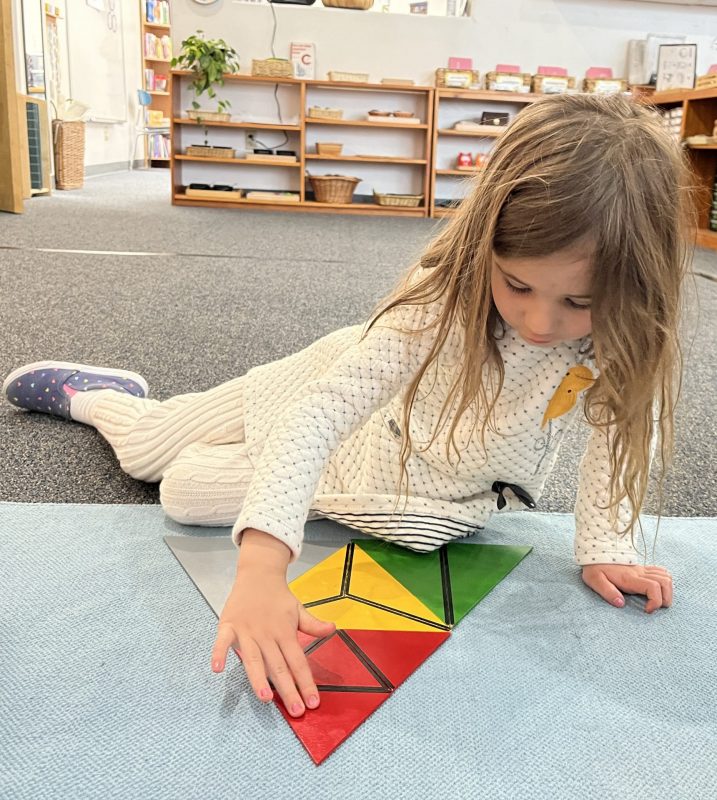
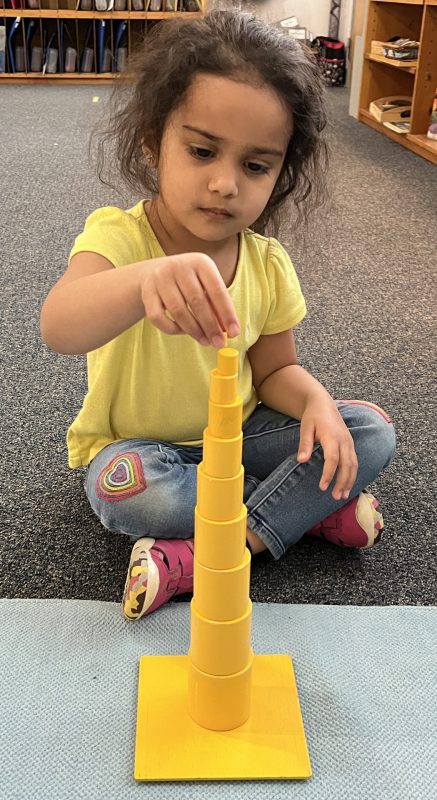
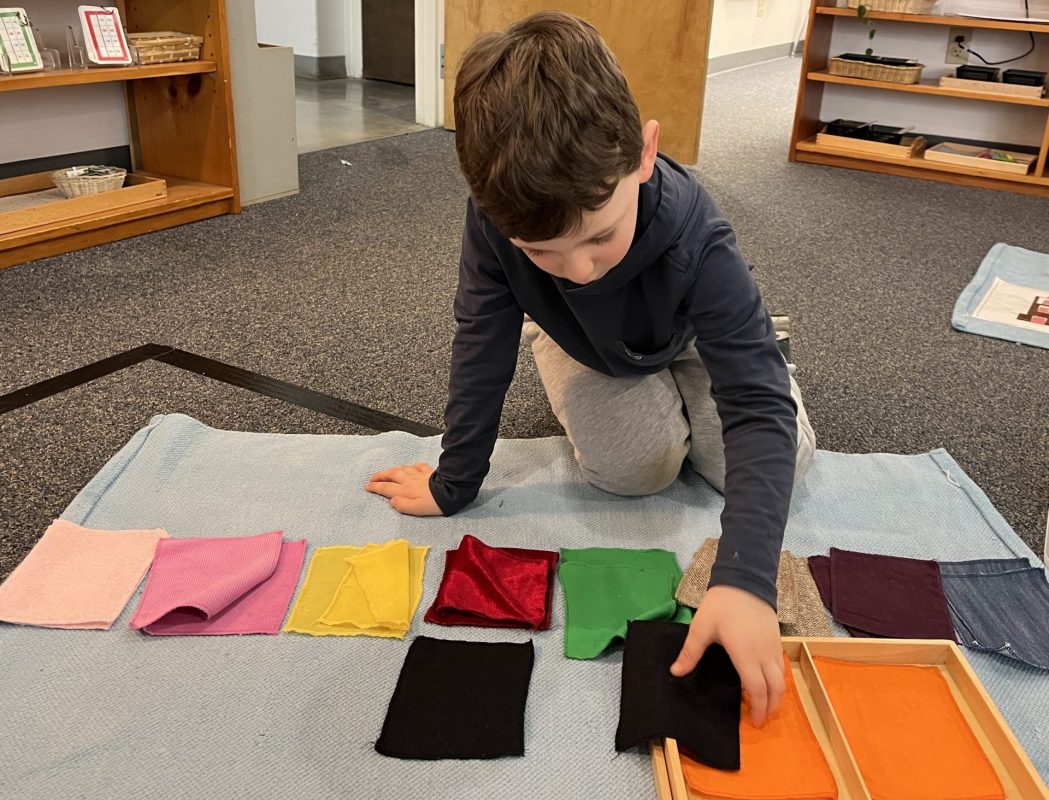
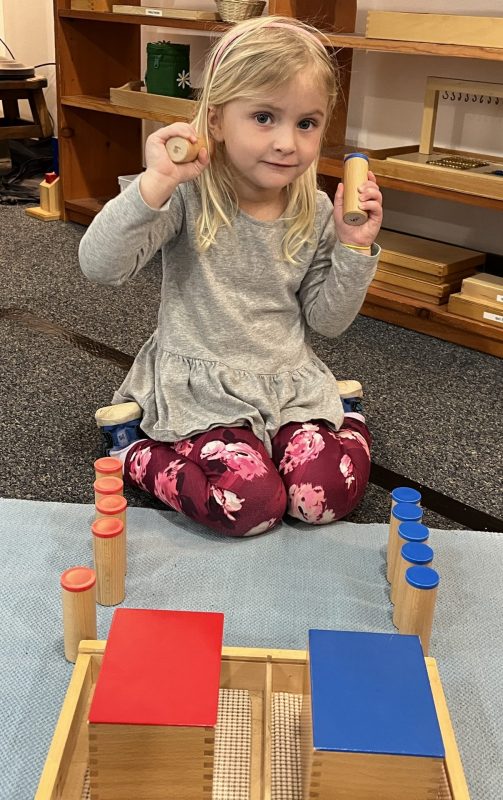
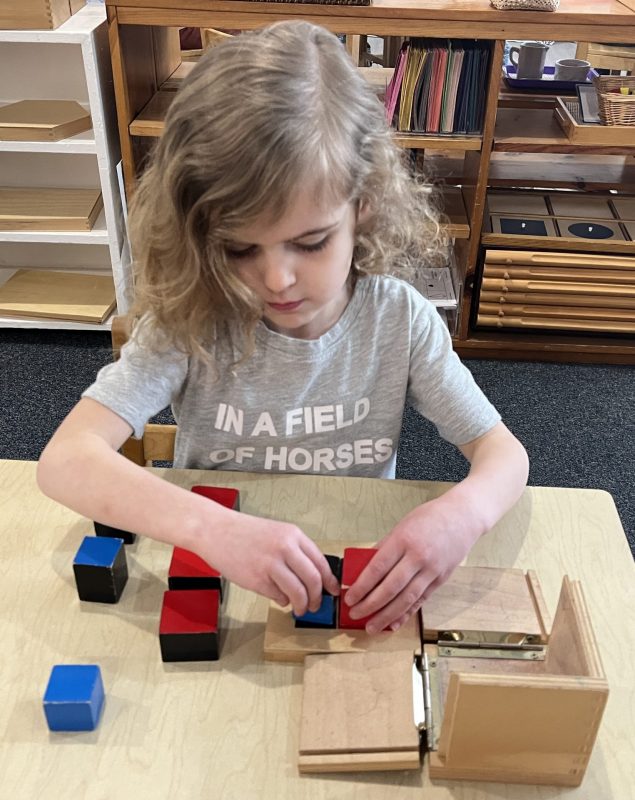
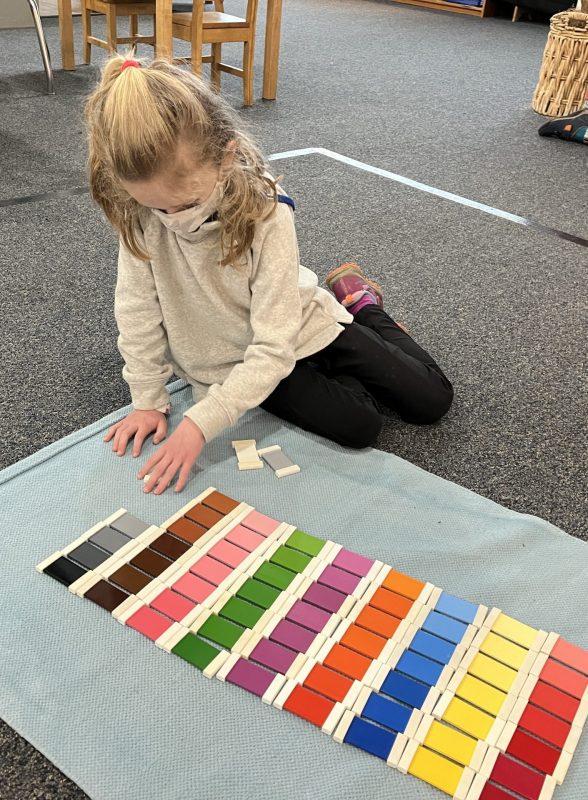
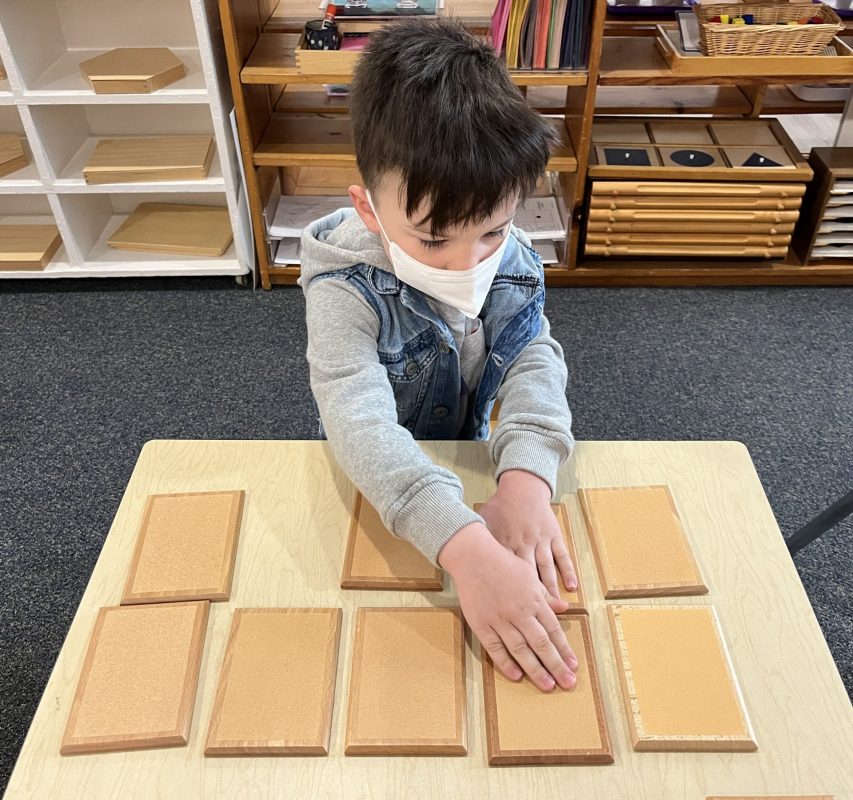
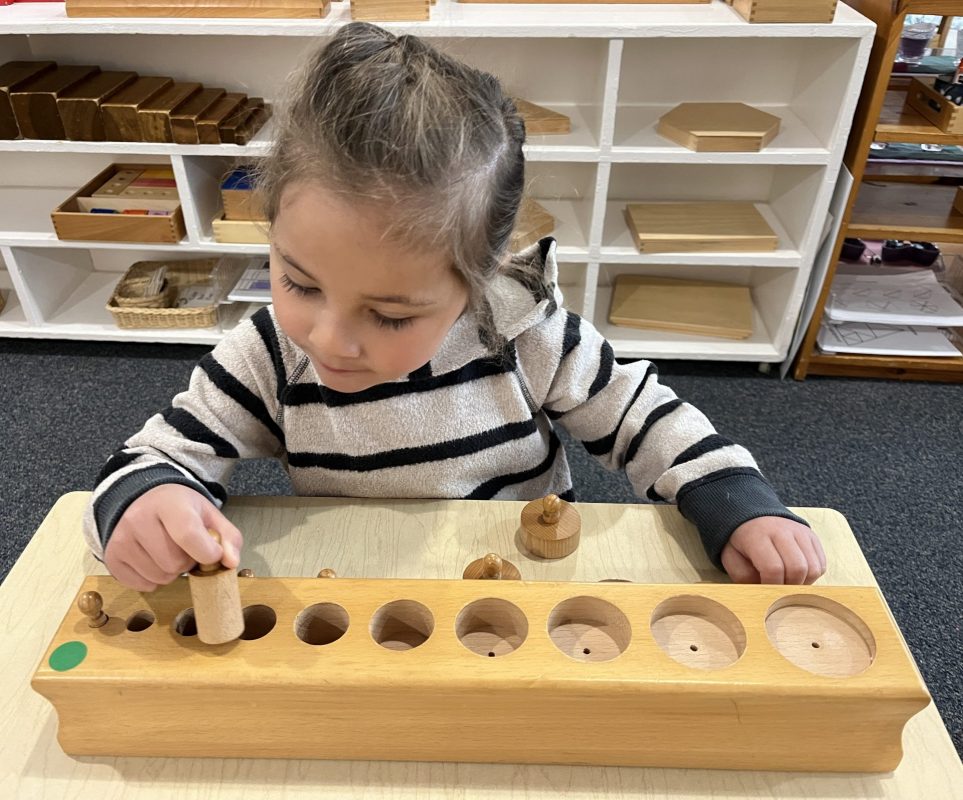
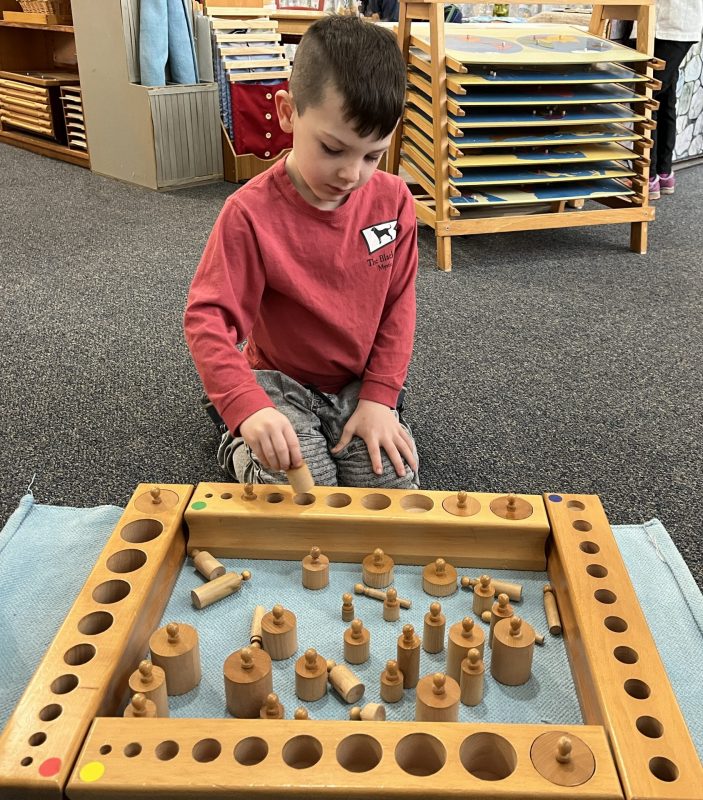
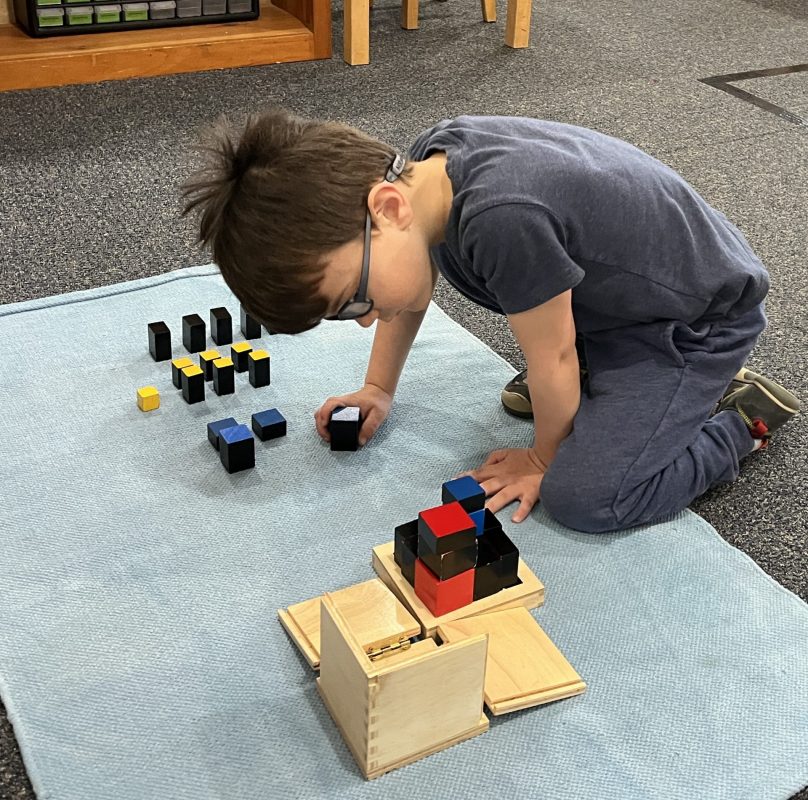
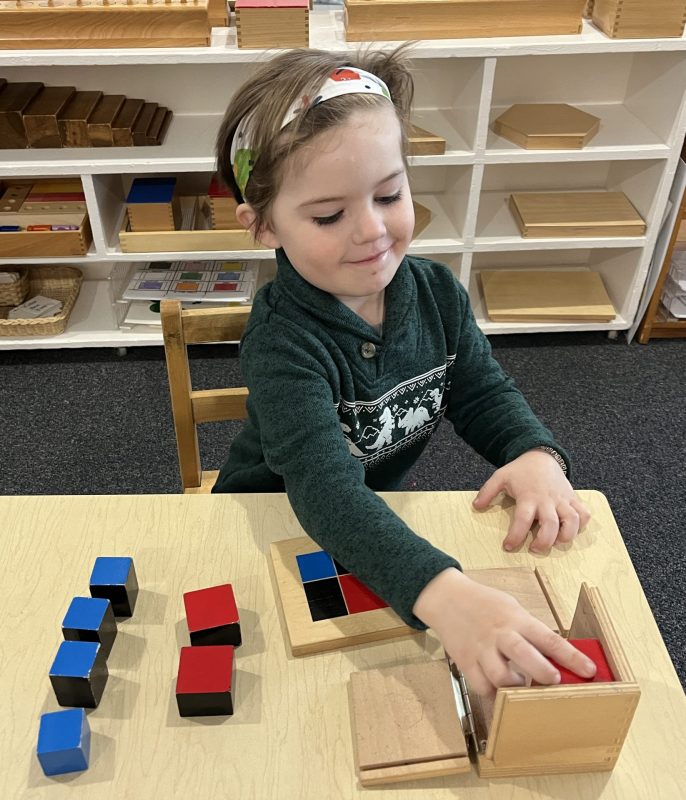
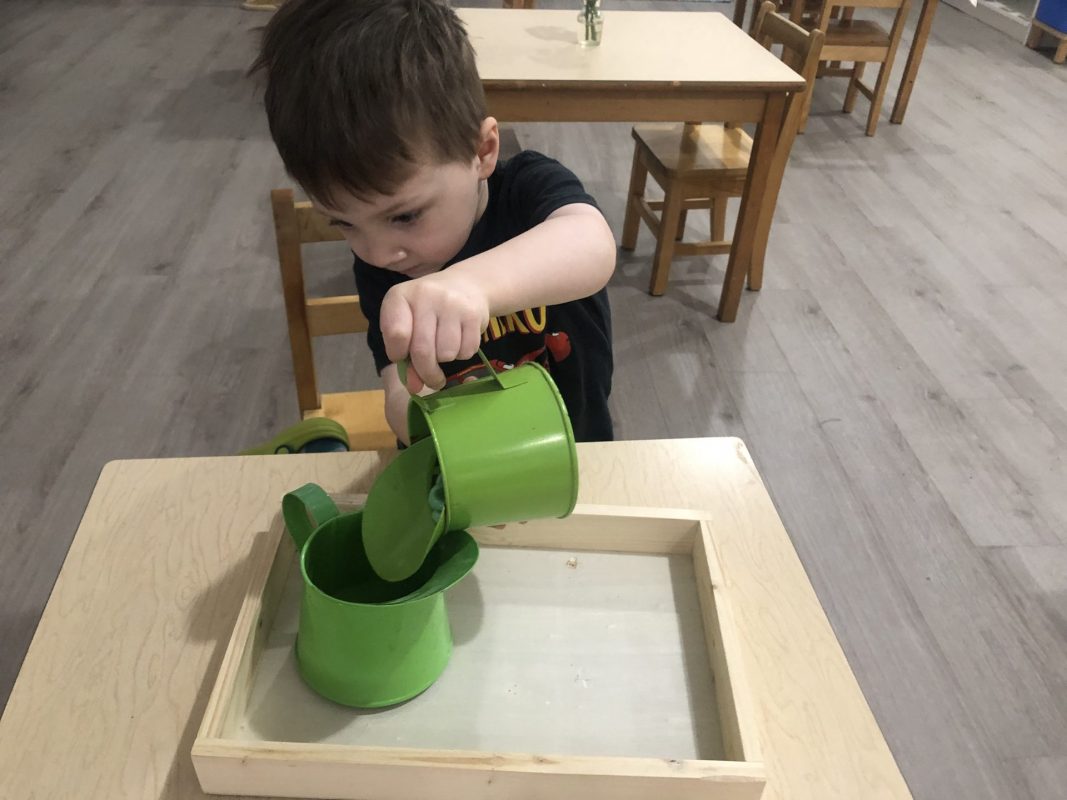
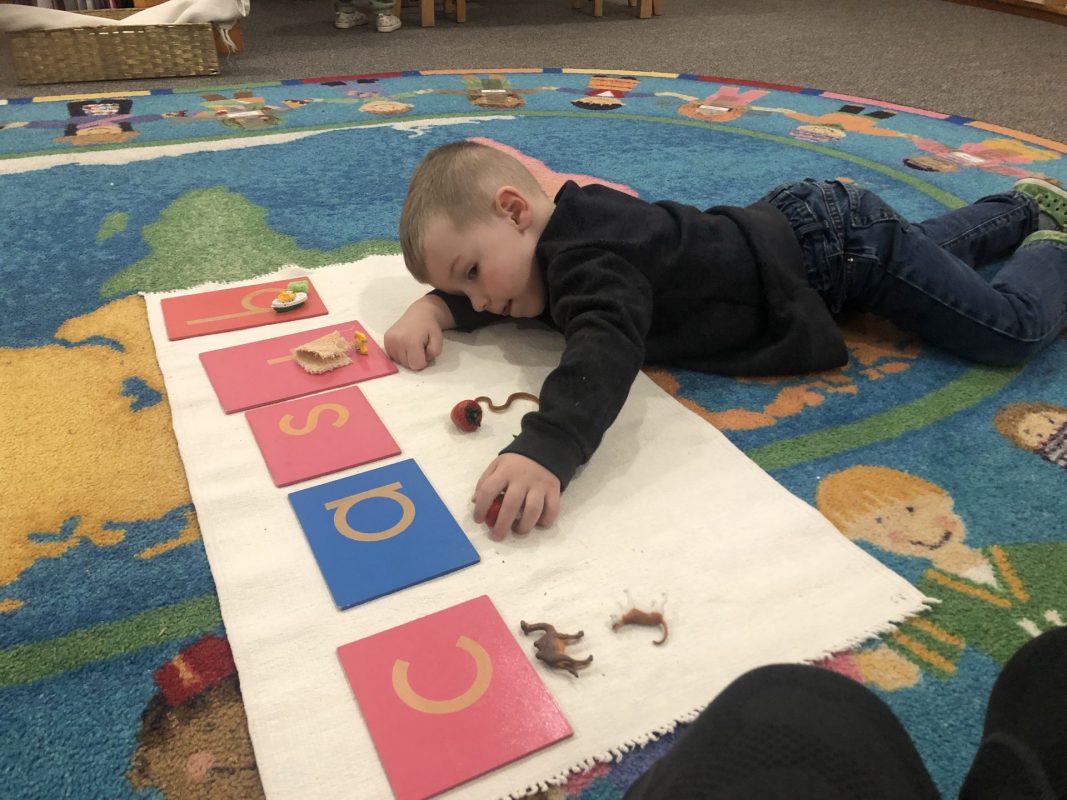
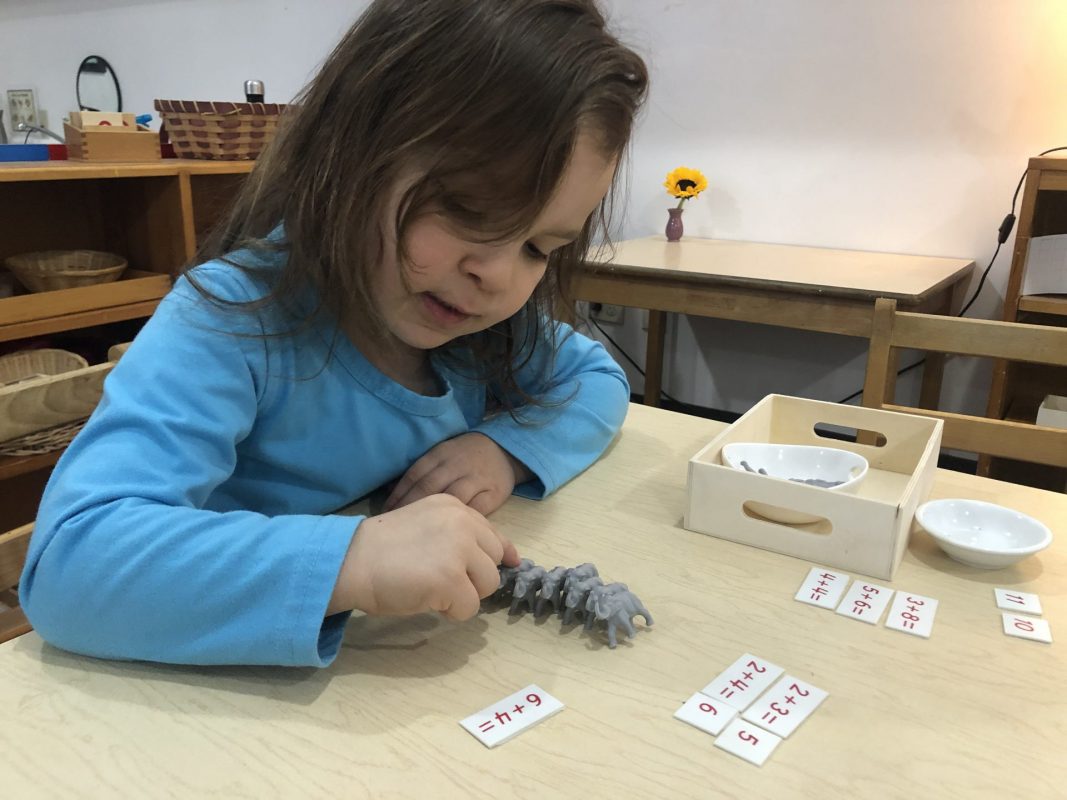
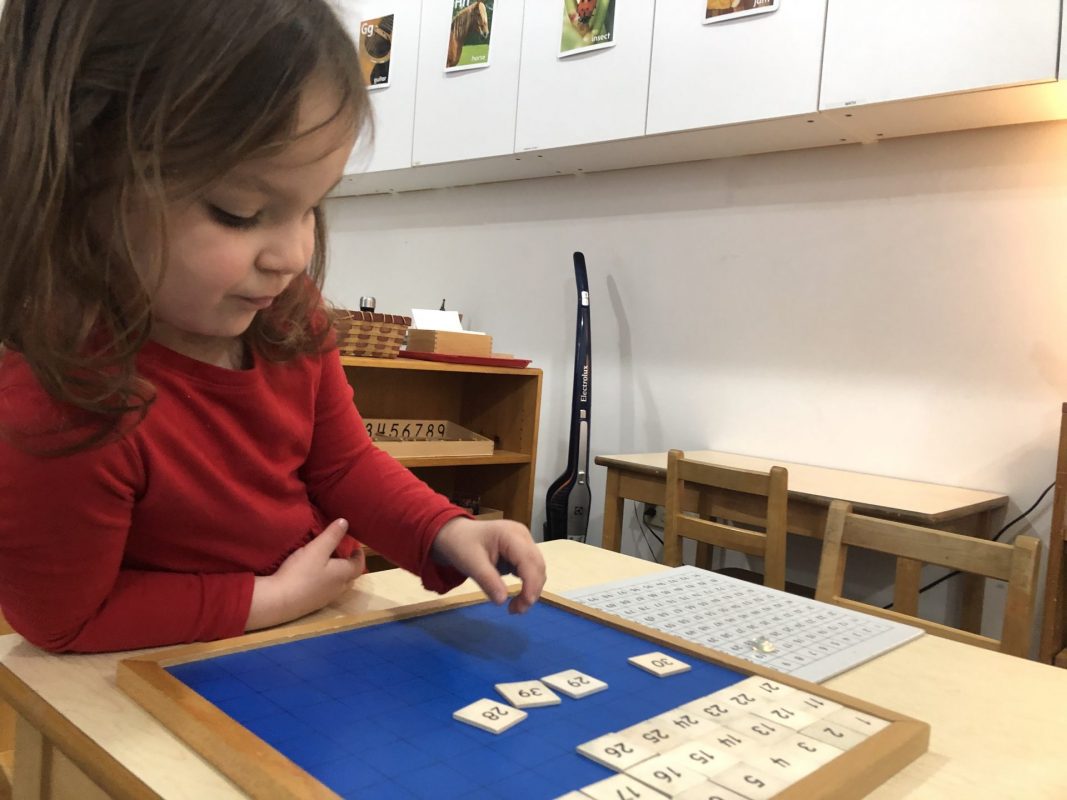
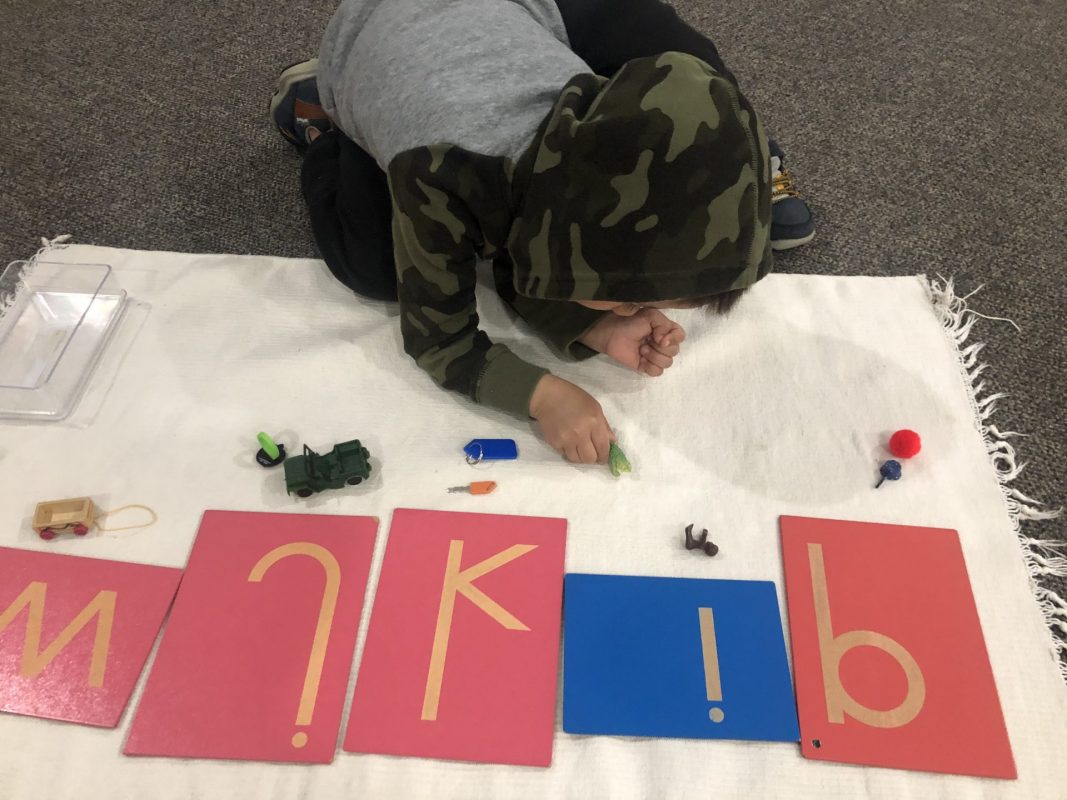
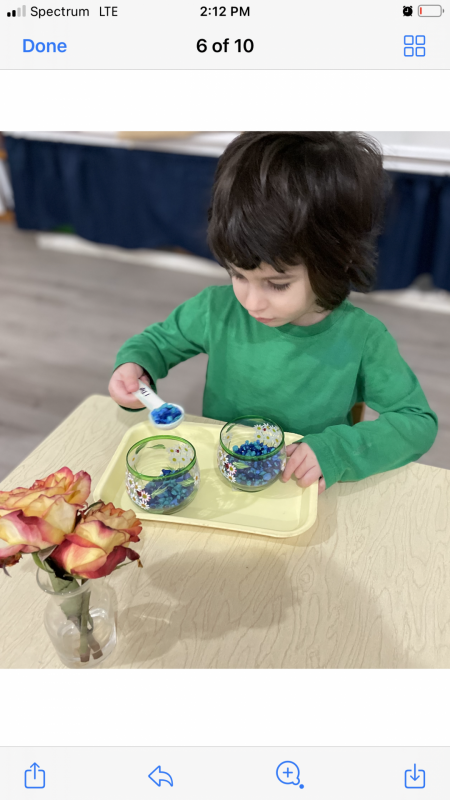
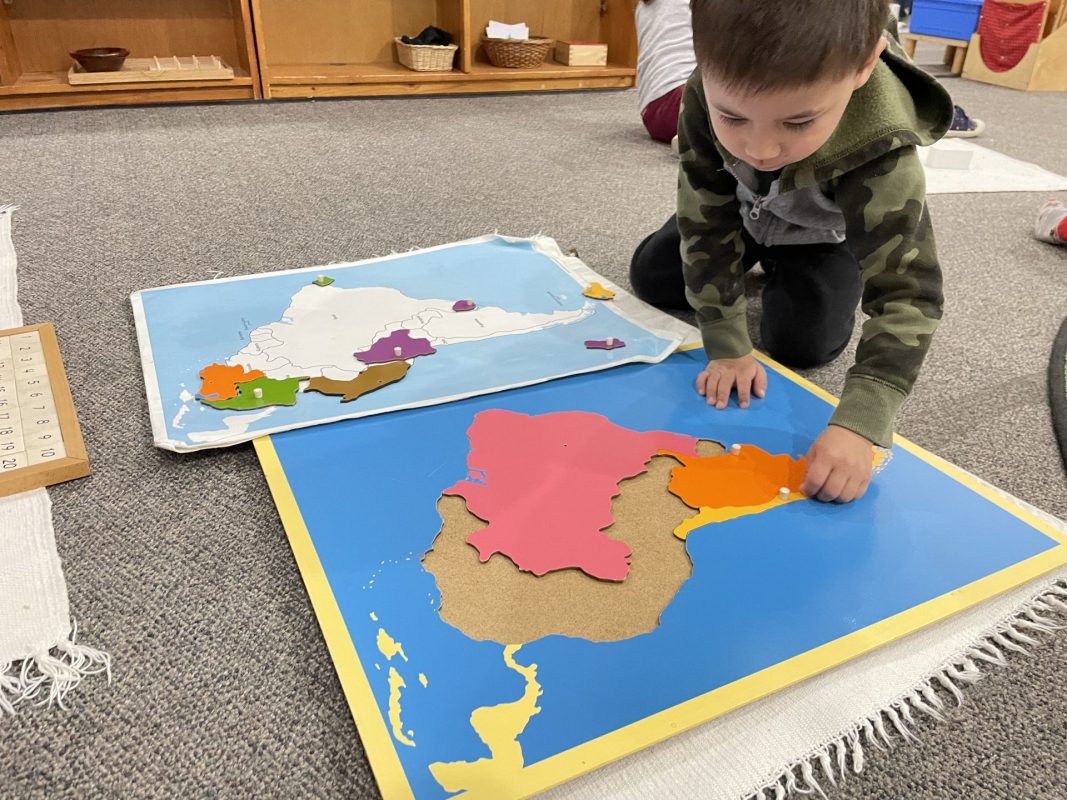
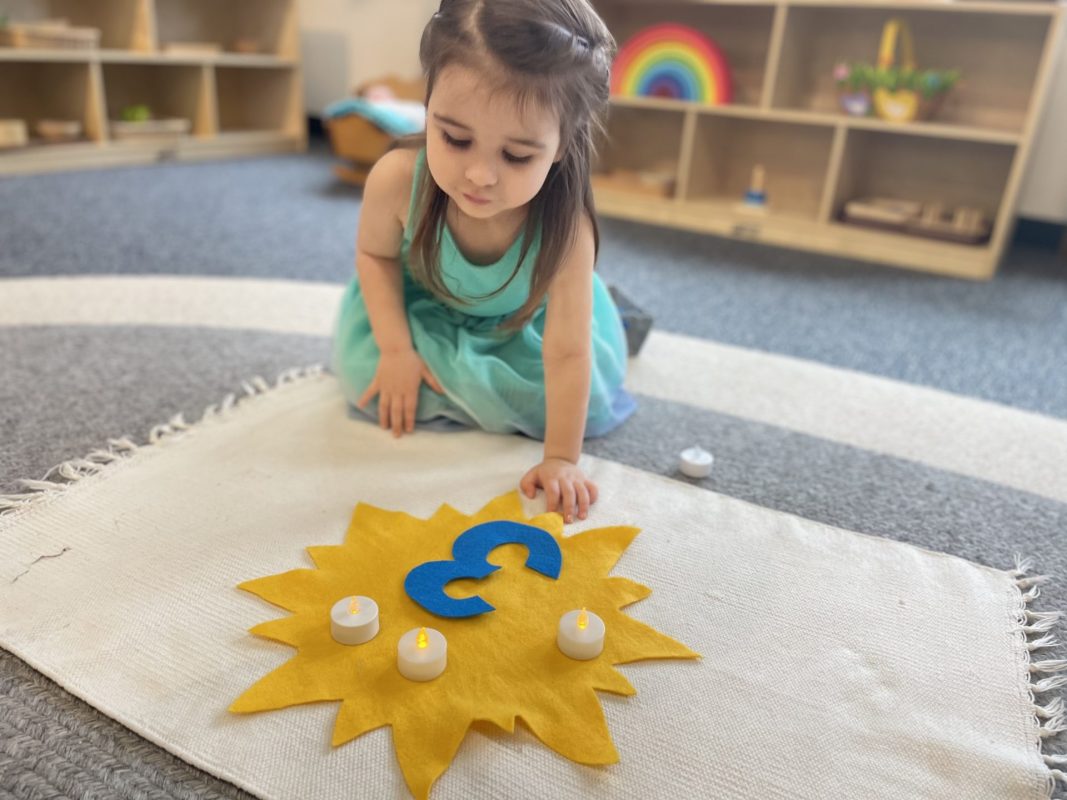
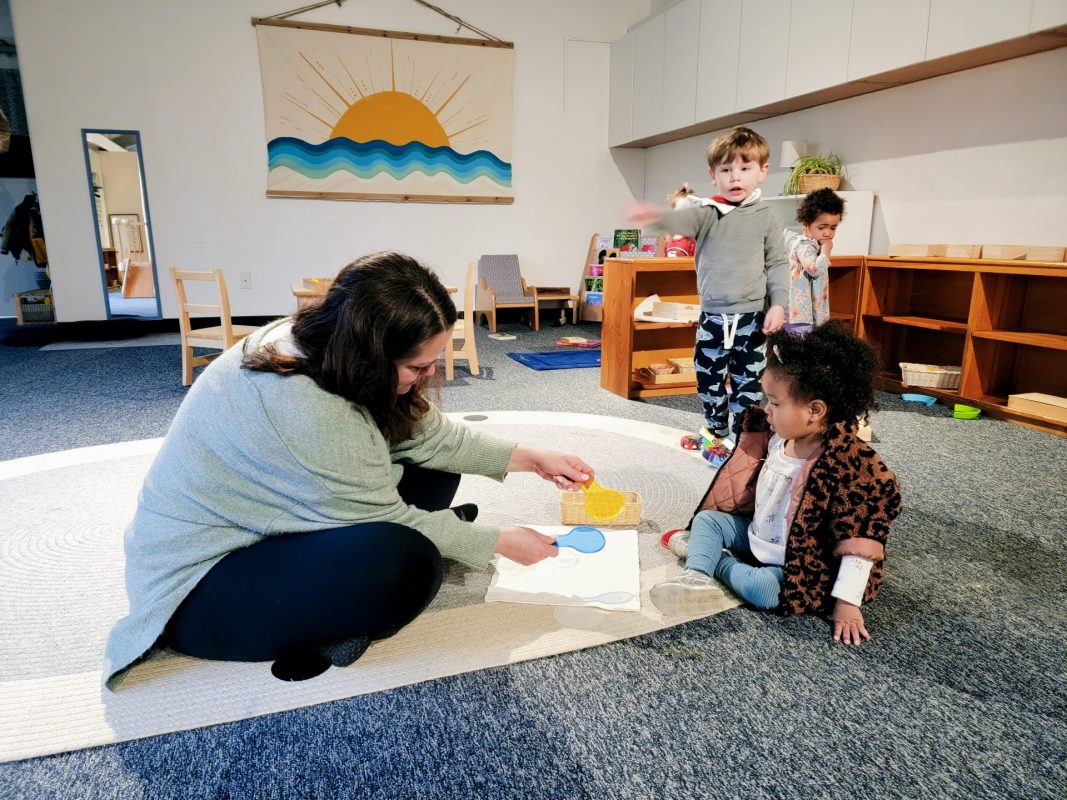
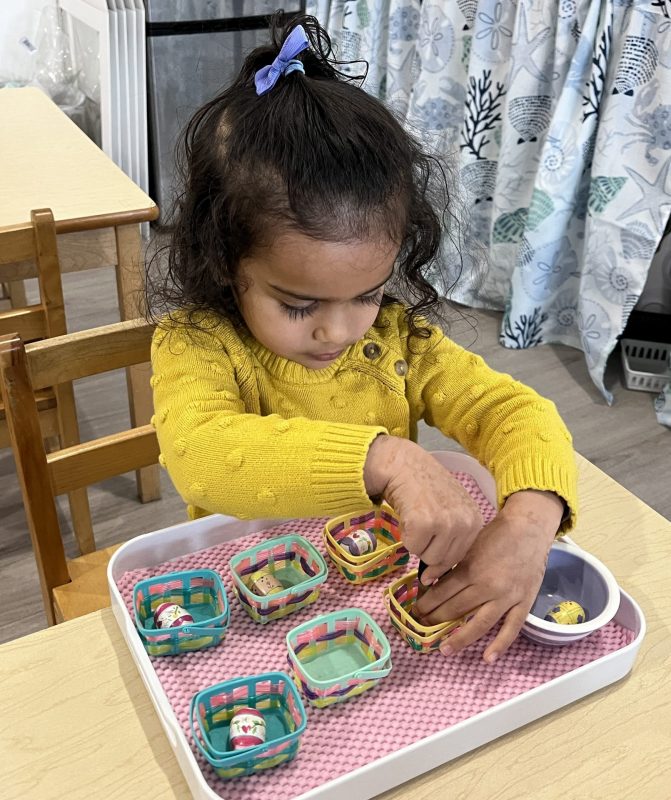
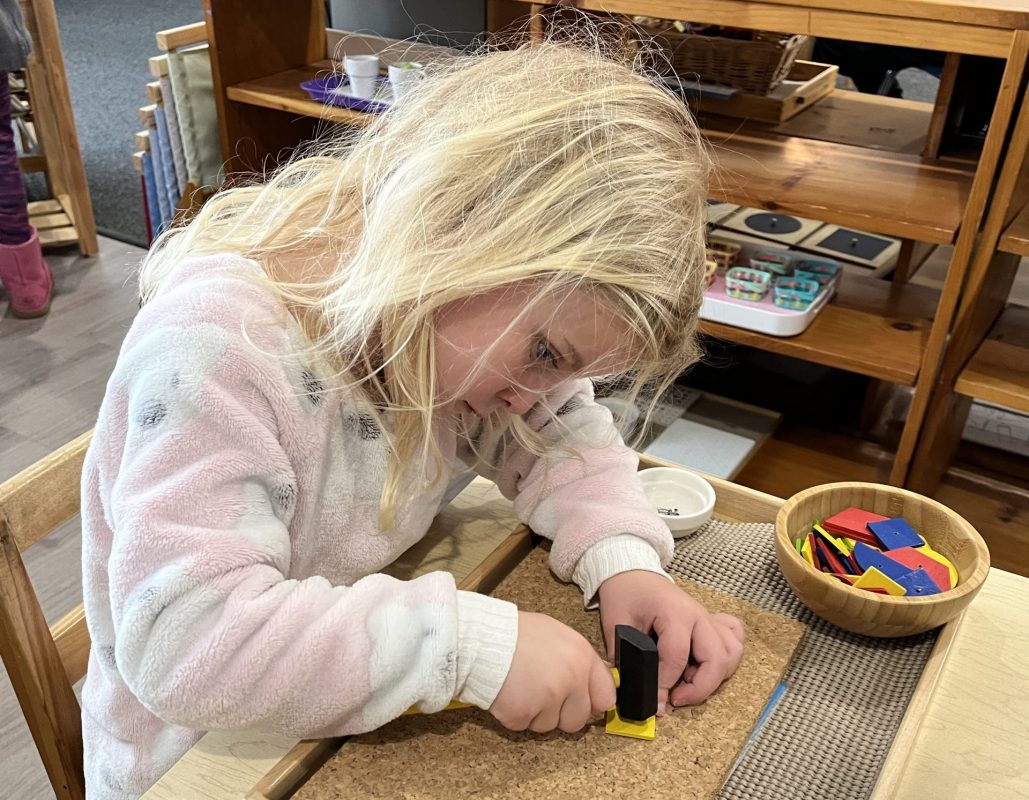
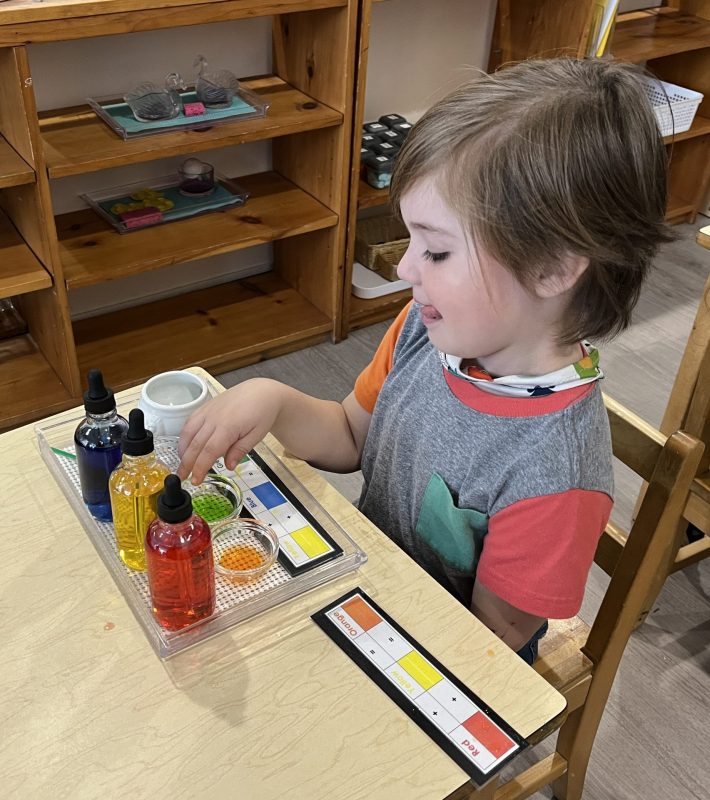
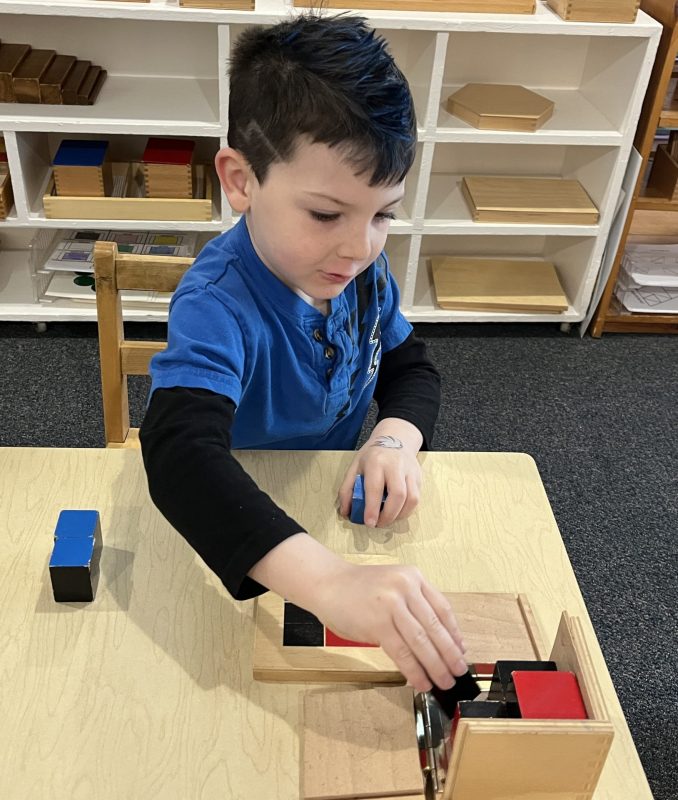
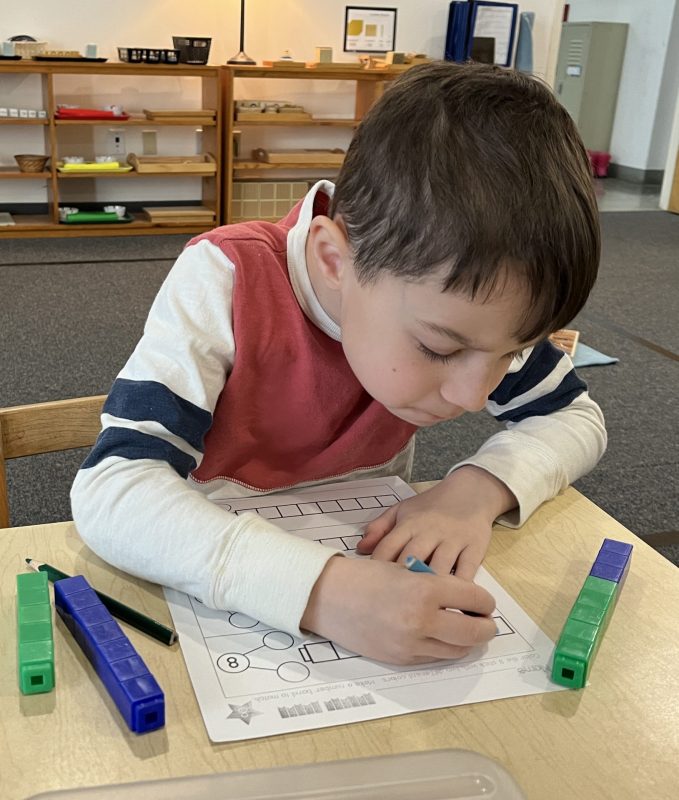
In every Montessori classroom there is a Sensorial area and it is filled with materials that help the child study their environment through their five senses. Maria Montessori believed that for every child, sensorial experiences begin at birth and by refining these skills they begin to understand their surroundings. The sensorial materials allow the child to acquire concise information and classify things around them.  They use their senses to not only to create their own experiences and knowledge but to also help them figure out different impressions received by each sense. The child is therefore a natural “sensorial explorer.”

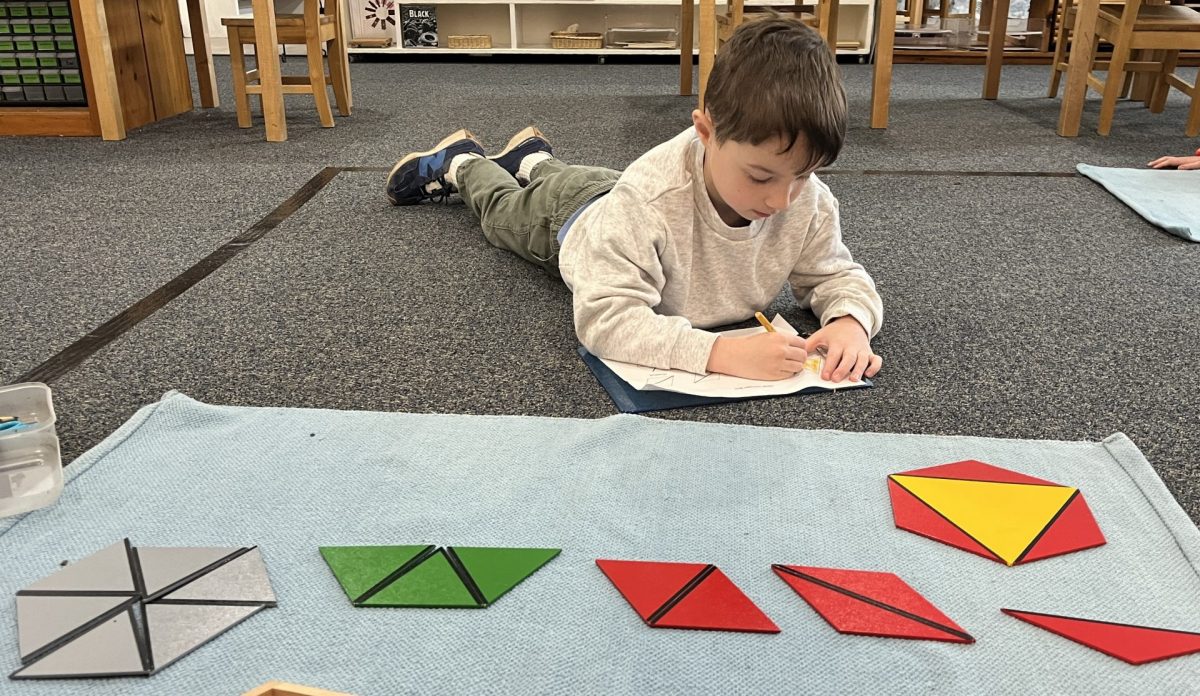
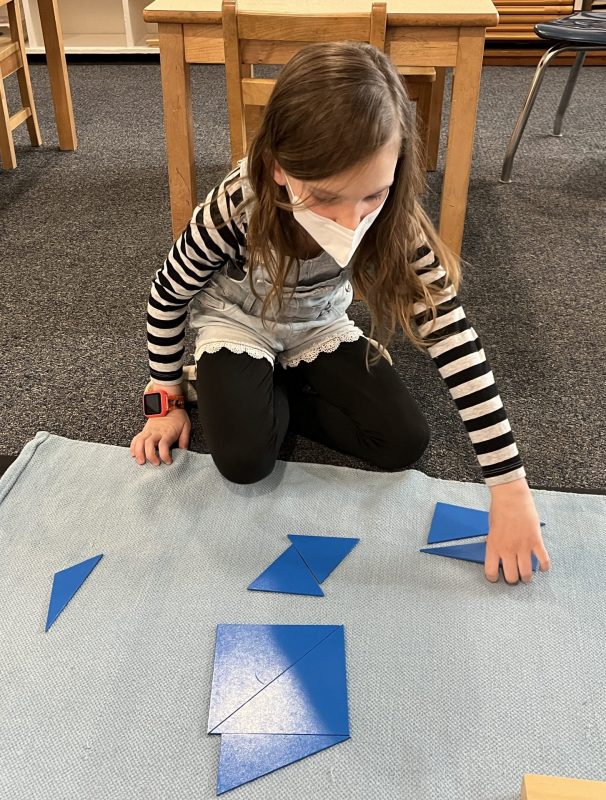
Each material in this area has a built in control of error, so that after an initial lesson, little teacher direction is needed.  This control of error helps a child determine what needs to happen in order to successfully complete the lesson. The children are able to distinguish, to categorize, and to relate new information to what they already know. Each of the sensorial materials isolates one specific quality such as color, weight, shape, texture, size, sound or smell. These materials emphasize this one particular quality by eliminating or minimizing other differences. Many of the sensorial materials are also the basis of future mathematical concepts the children will learn.

Wishing you a week filled with peace and love.

Michelle & Liset


Mrs. Semmah: Spring Into Science

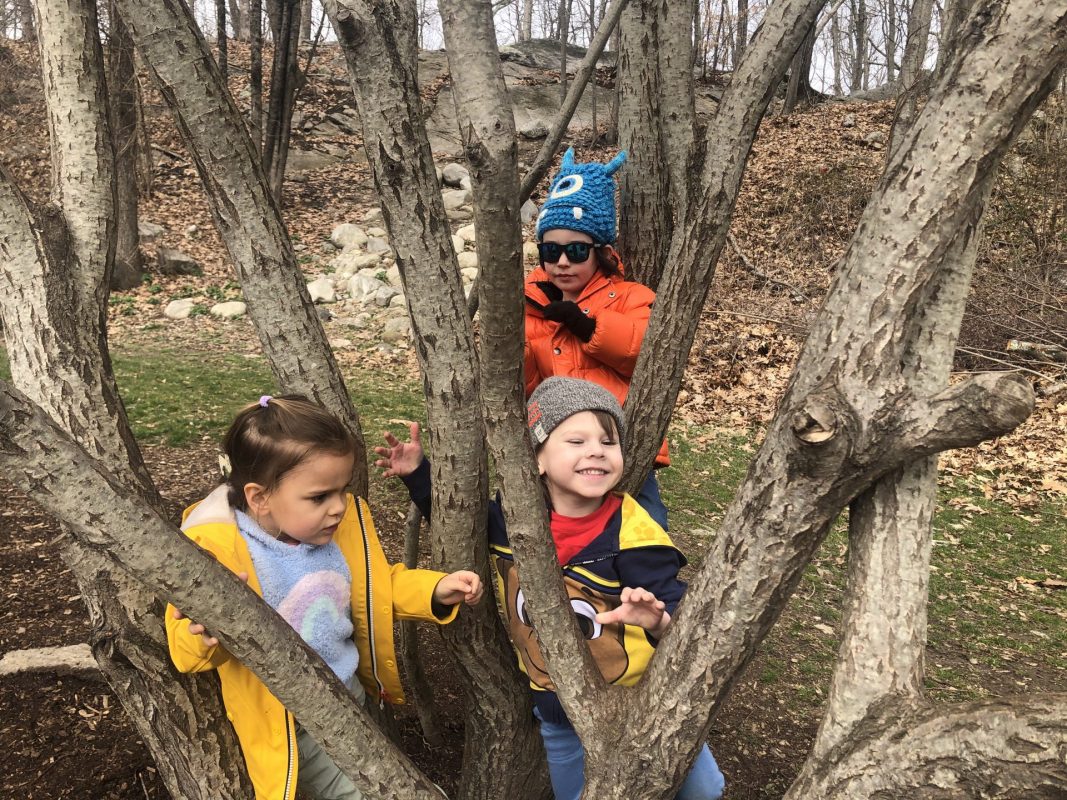
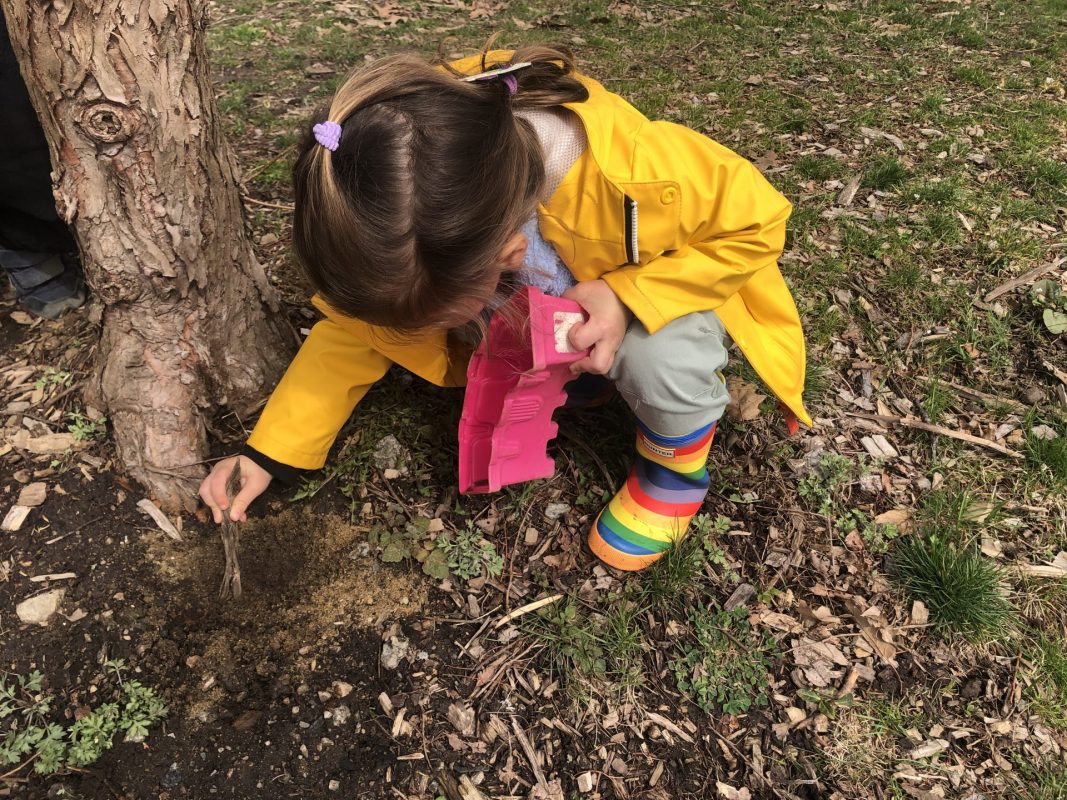
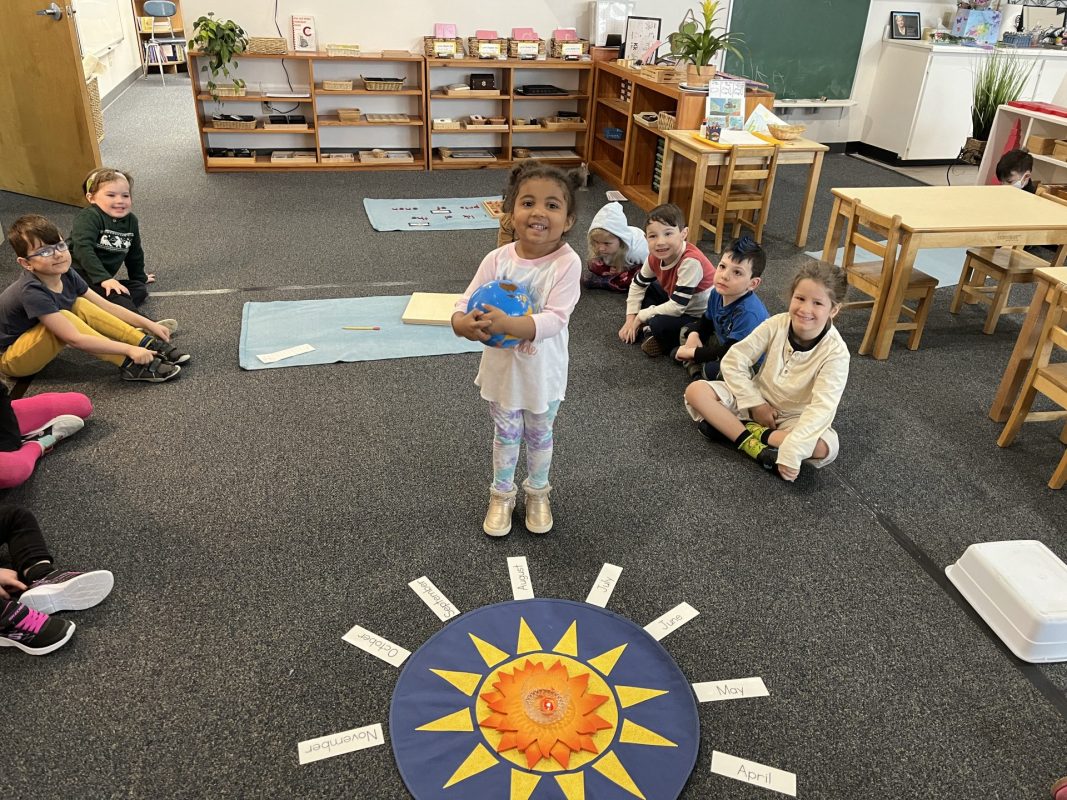
Spring is here. The days are warmer, and the trees are sprouting. The weather is welcoming us to go outside more often than any other time of the year. The children start wondering about the changes around them in the spring season. It introduces a wonderful occasion to grow their curiosity to explore their environment.

As we know, the Montessori approach focuses on caring for our environment. Part of our daily classroom tasks revolves around taking care of our indoor plants by watering them, ensuring access to sunlight, and shining the leaves with wet cotton.

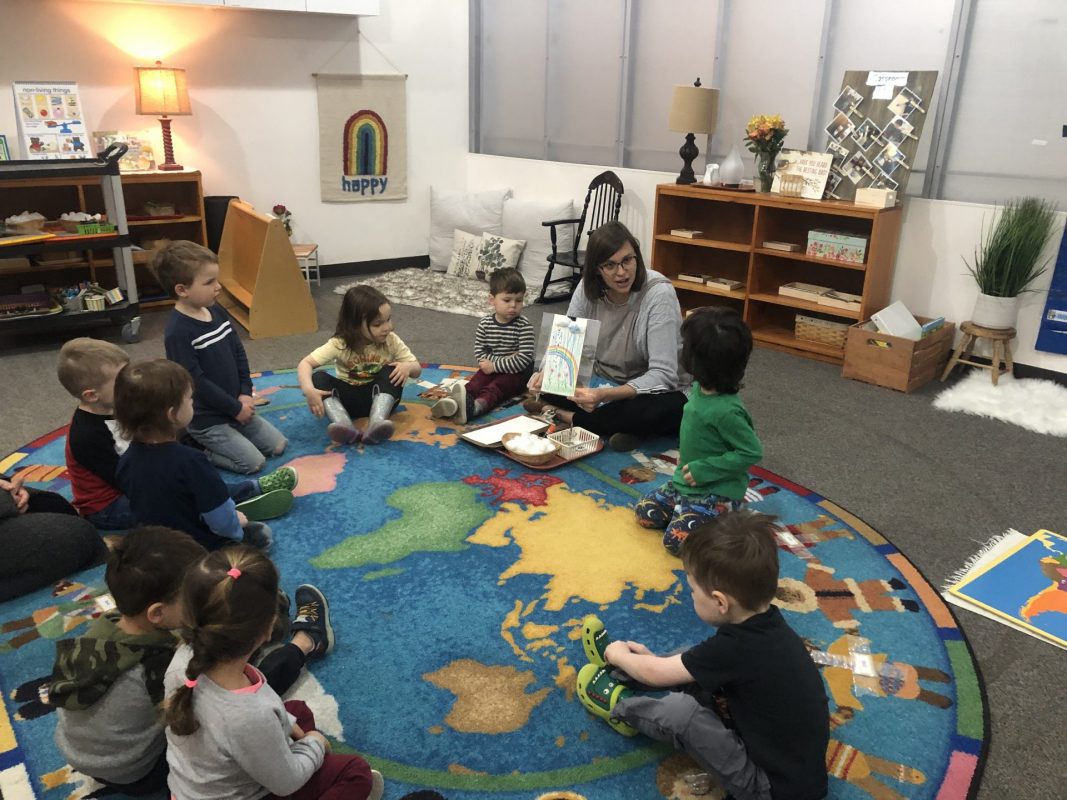
During spring we are going to learn about planting and gardening. The thematic unit of plants can extend for several weeks, with different activities to plant and observe the changes. This week we learned about living things and non-living things. At circle time, we showed the children images of living things and explained their need for food and water, to move, grow, breathe, and reproduce. Nonliving things don’t eat food, can’t move on their own, don’t breathe, and can’t reproduce or grow. We also read books about living and non-living things. The children are so excited to bring one item from home that is living and non-living.

Enjoy your wonderful weekend.

Kaoutar and Sara


Scenic Design and Prop Building in Art!

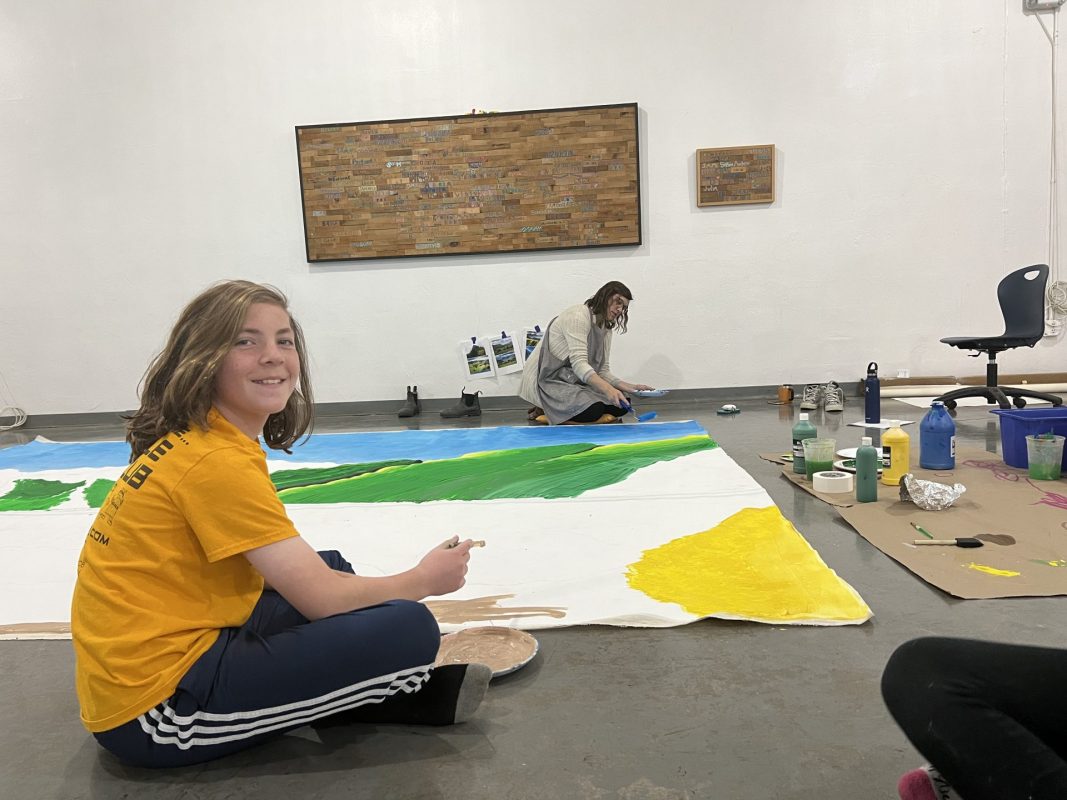
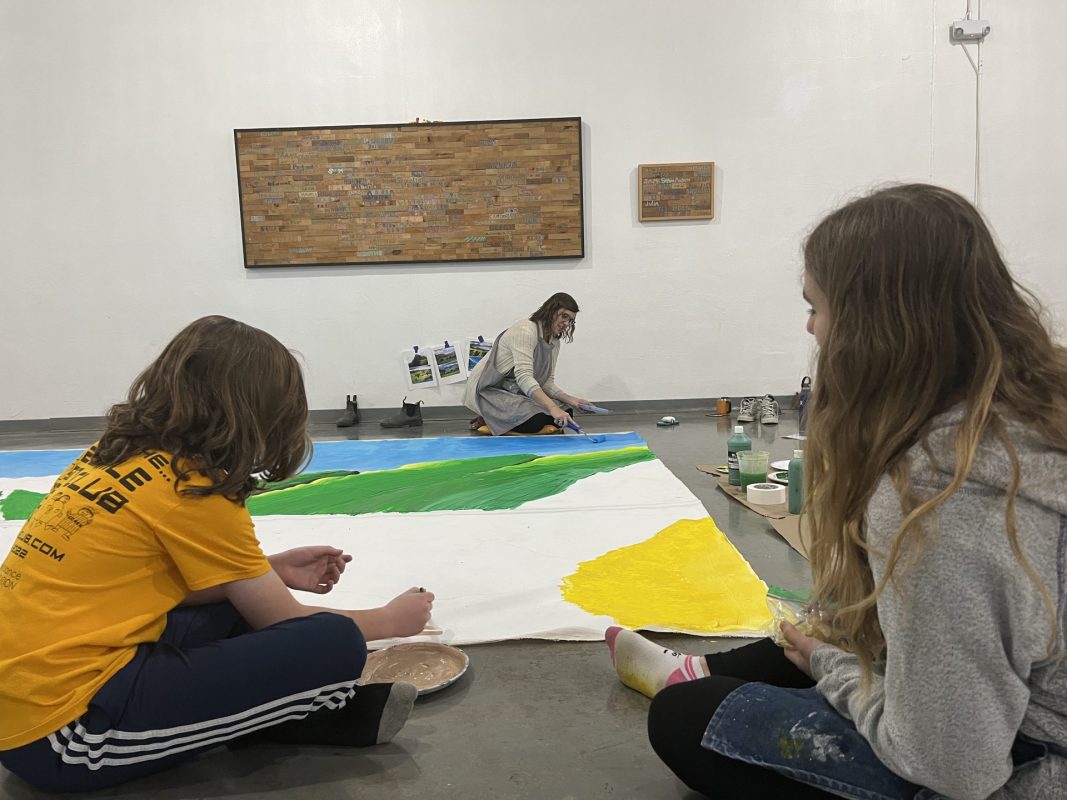
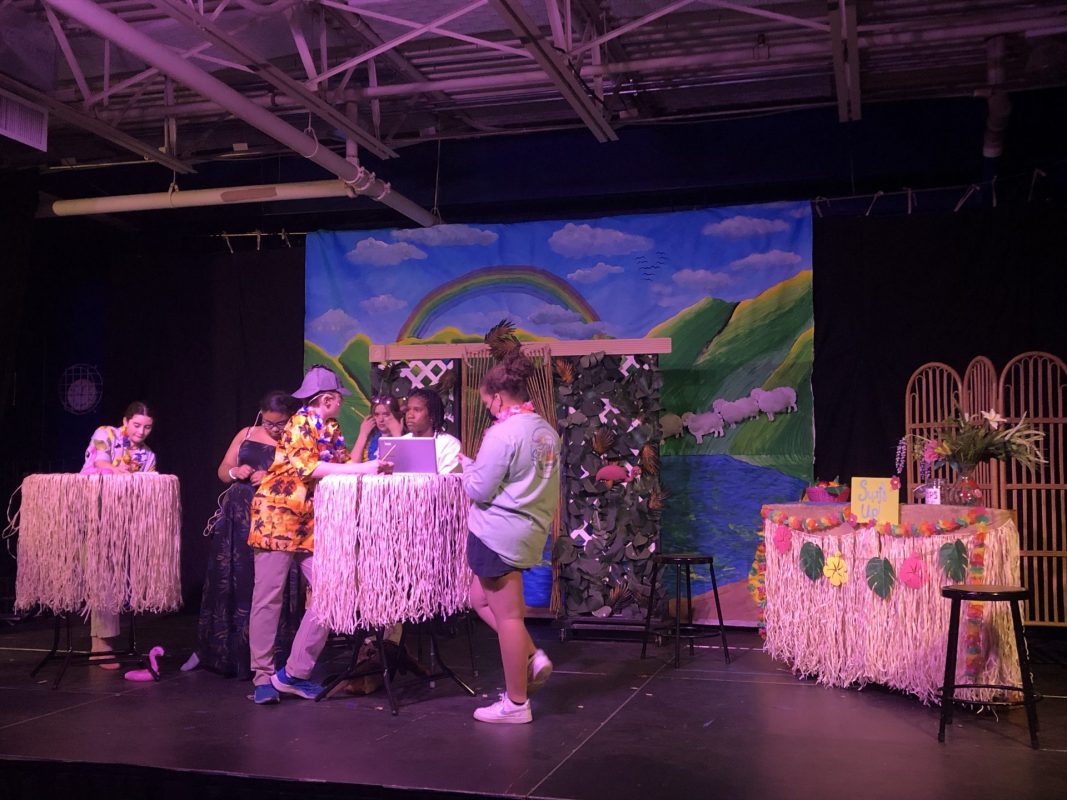
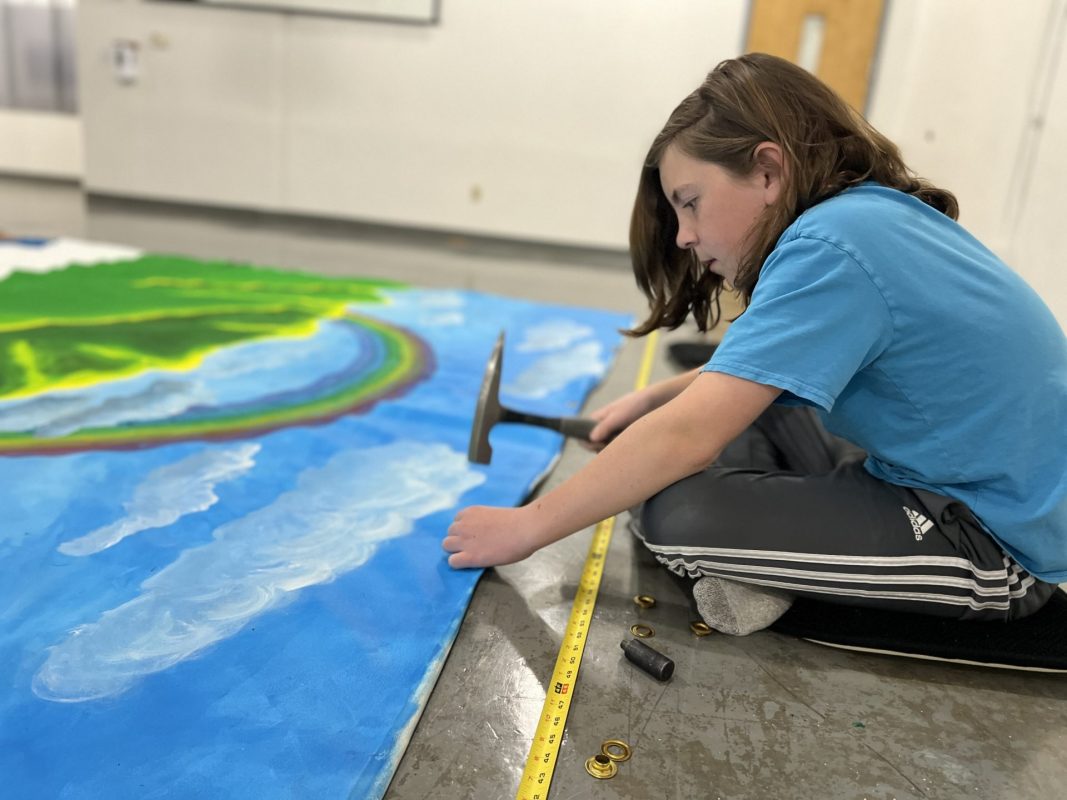
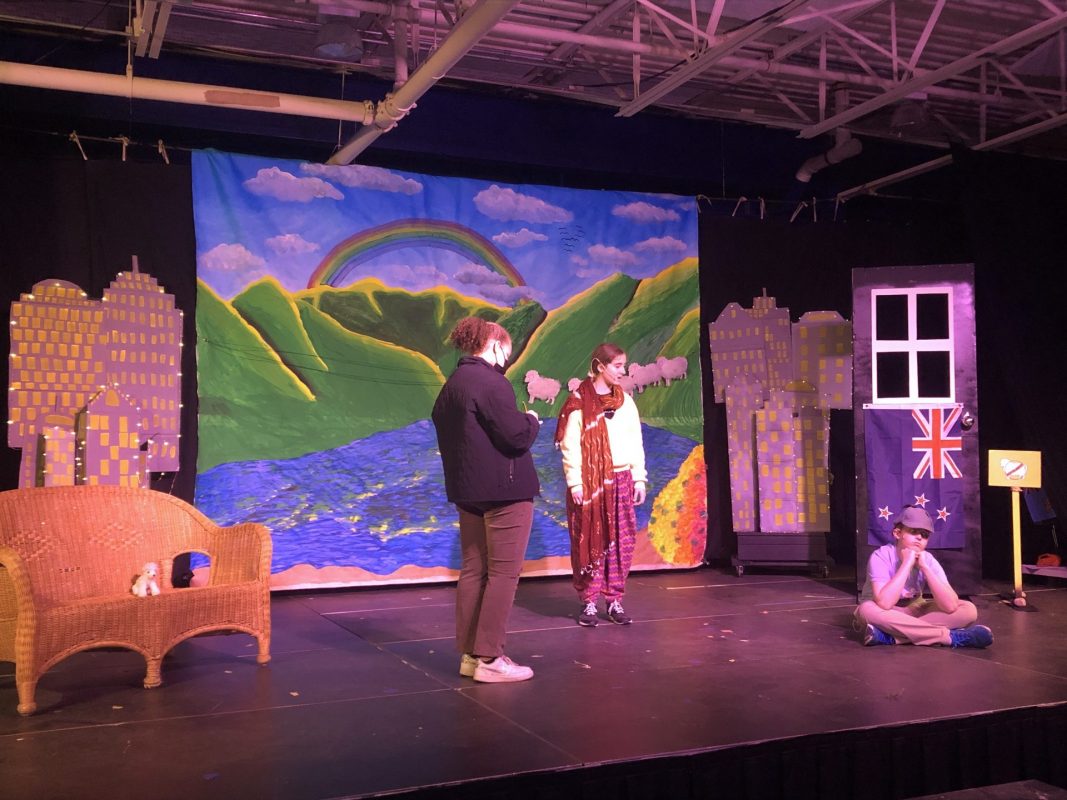
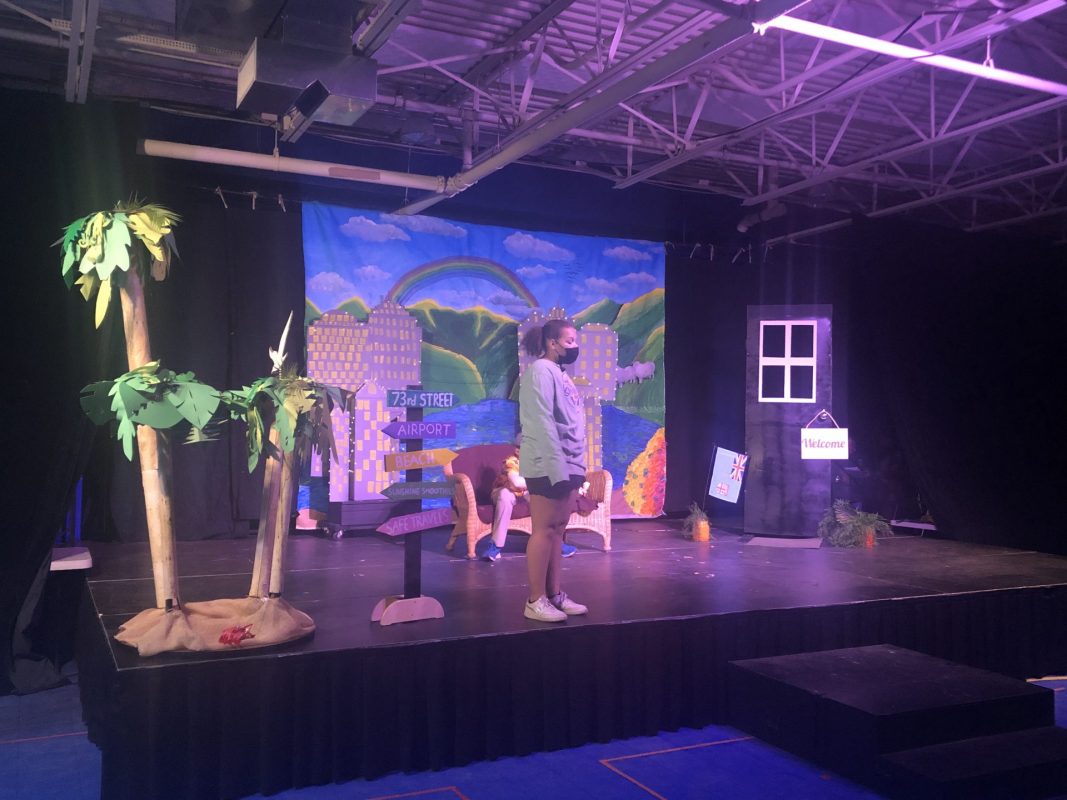
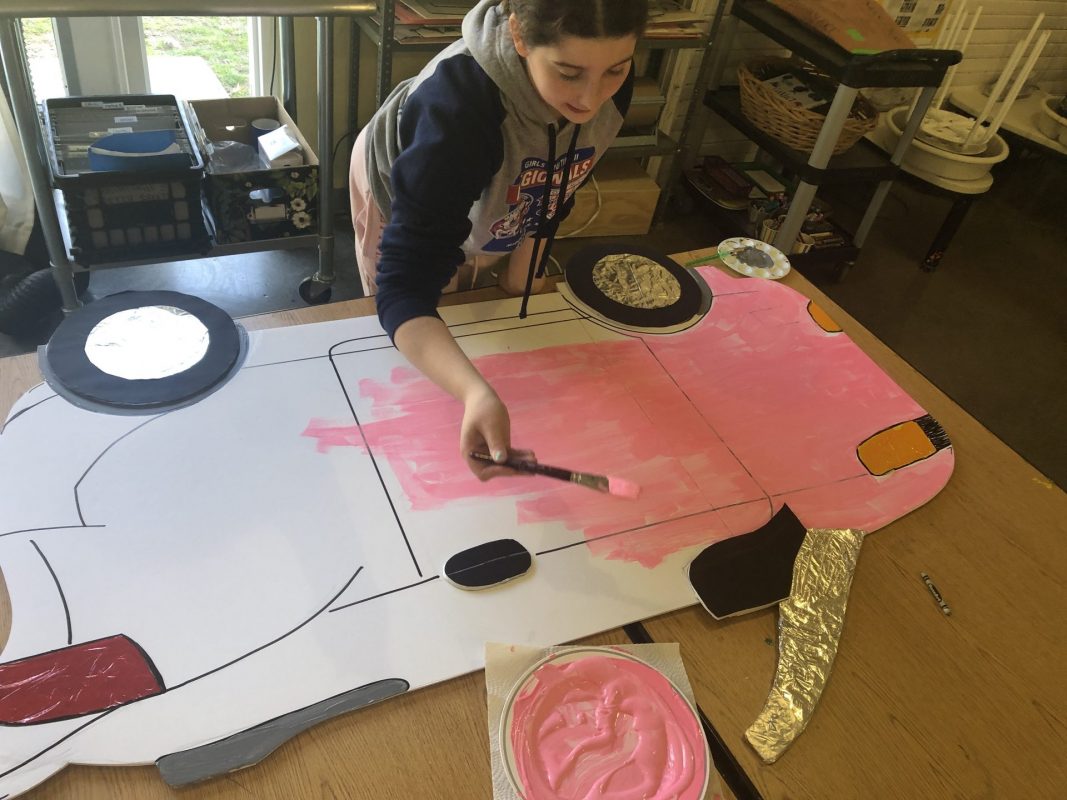
Over the past week and a half, Middle School students have been hard at work collaborating on set and prop design for the amazing play they wrote: The Masamune Mystery.

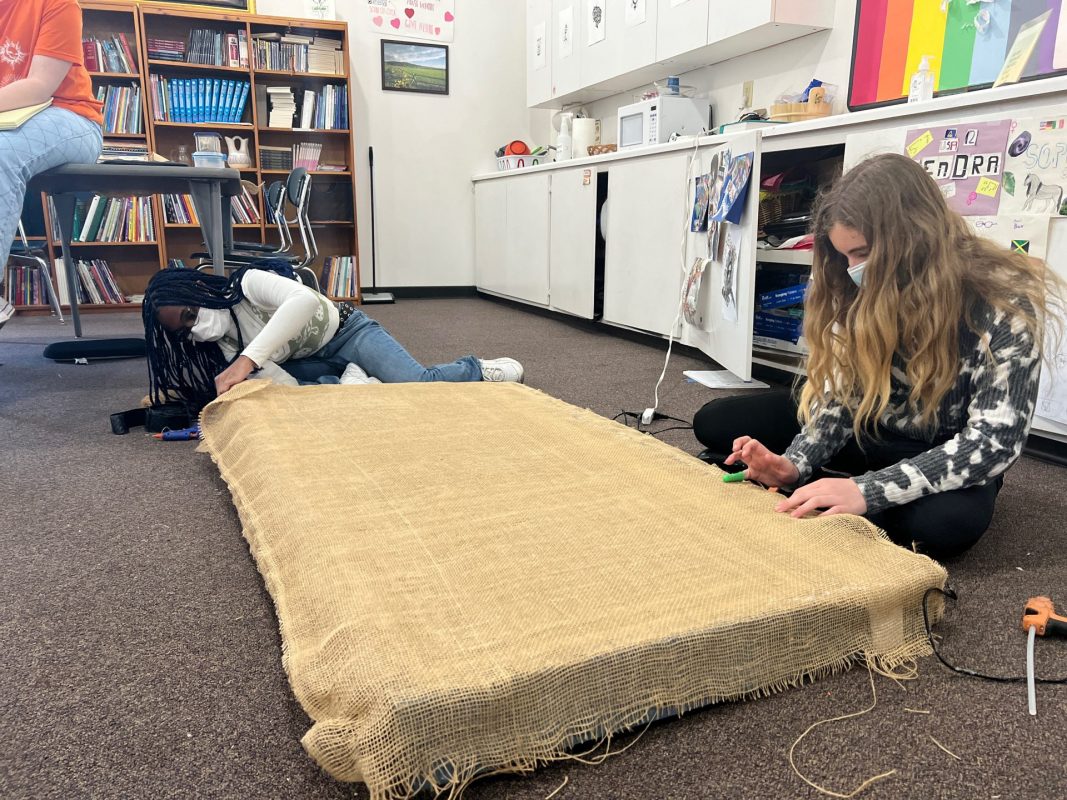
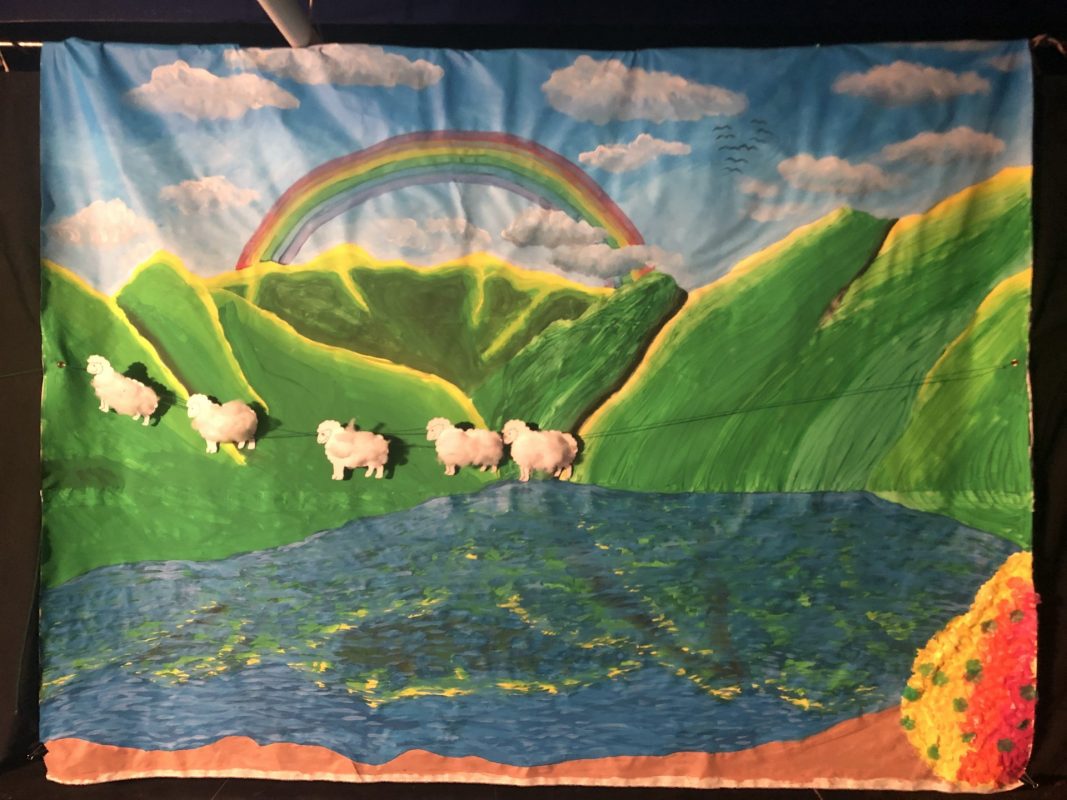
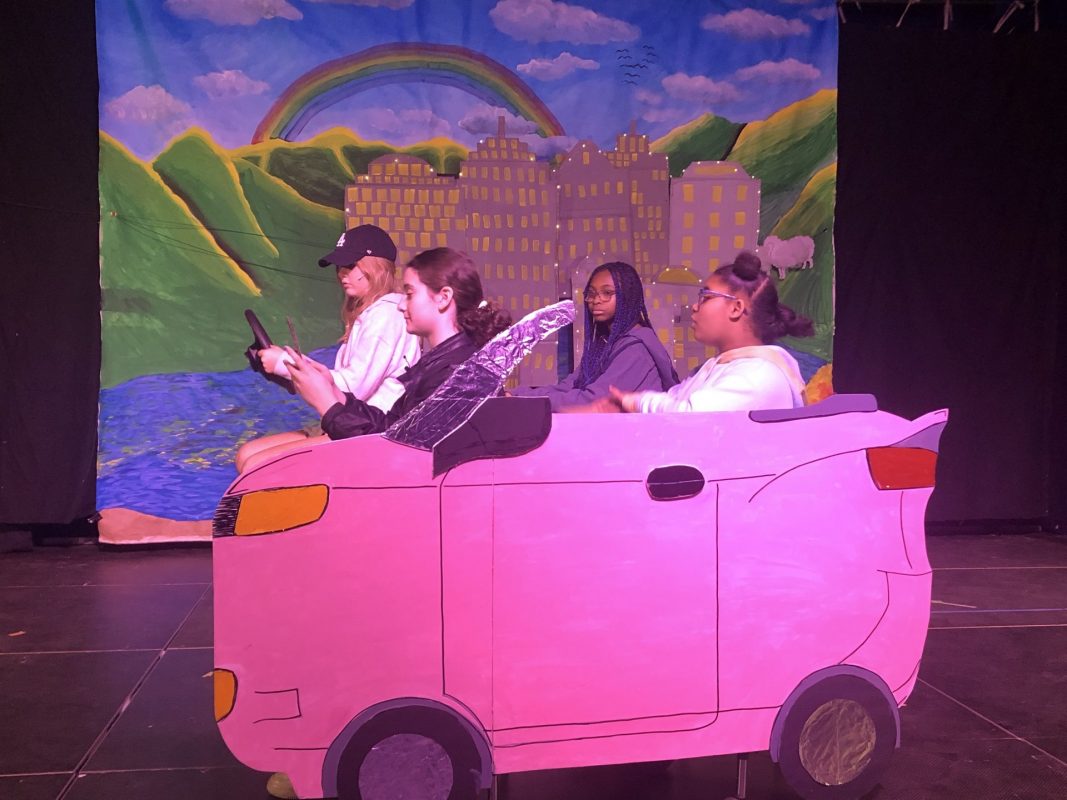
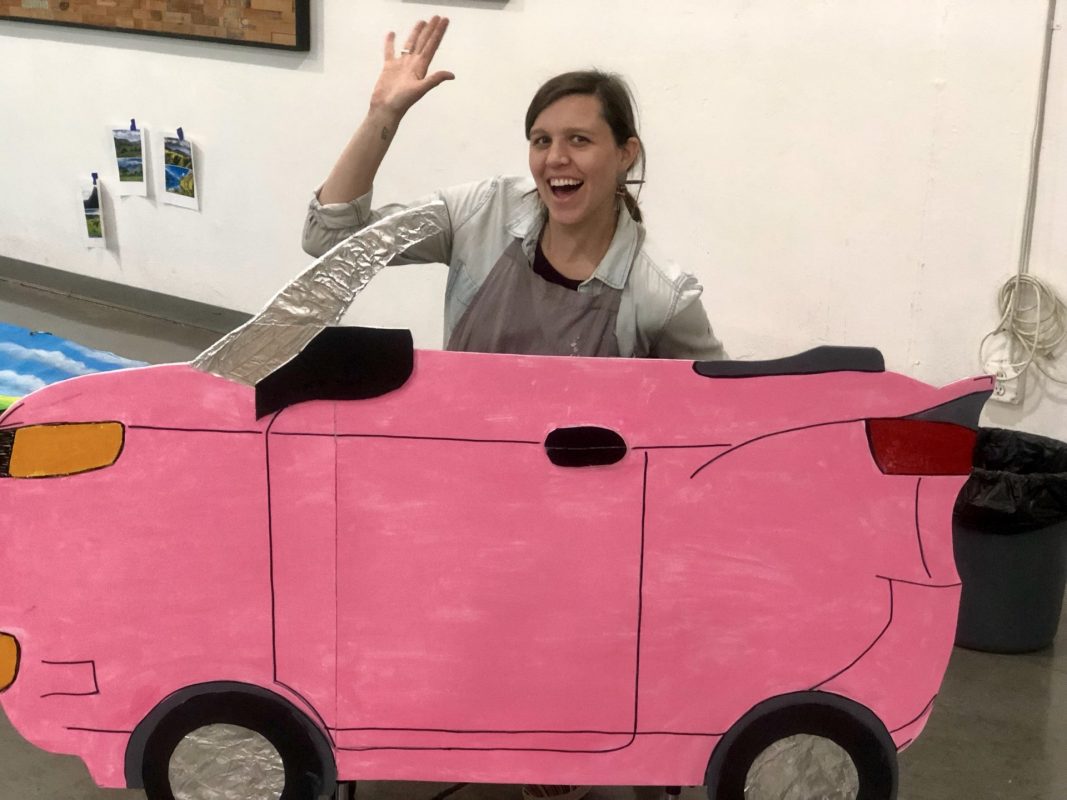
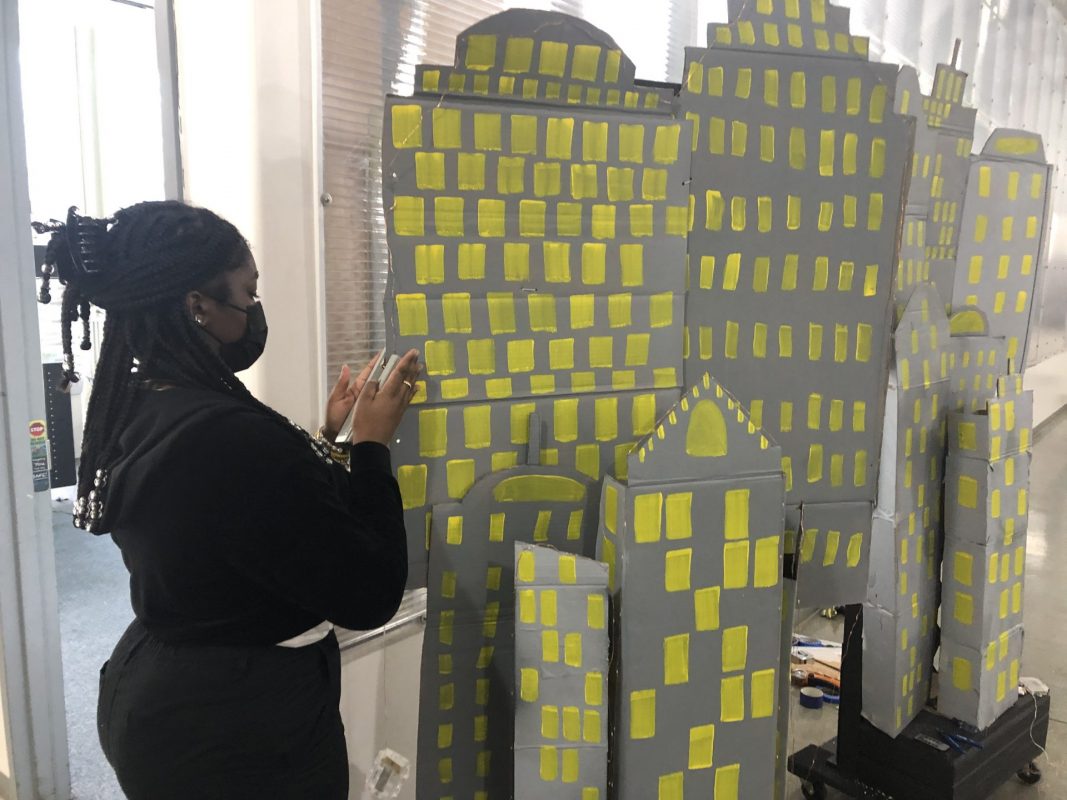
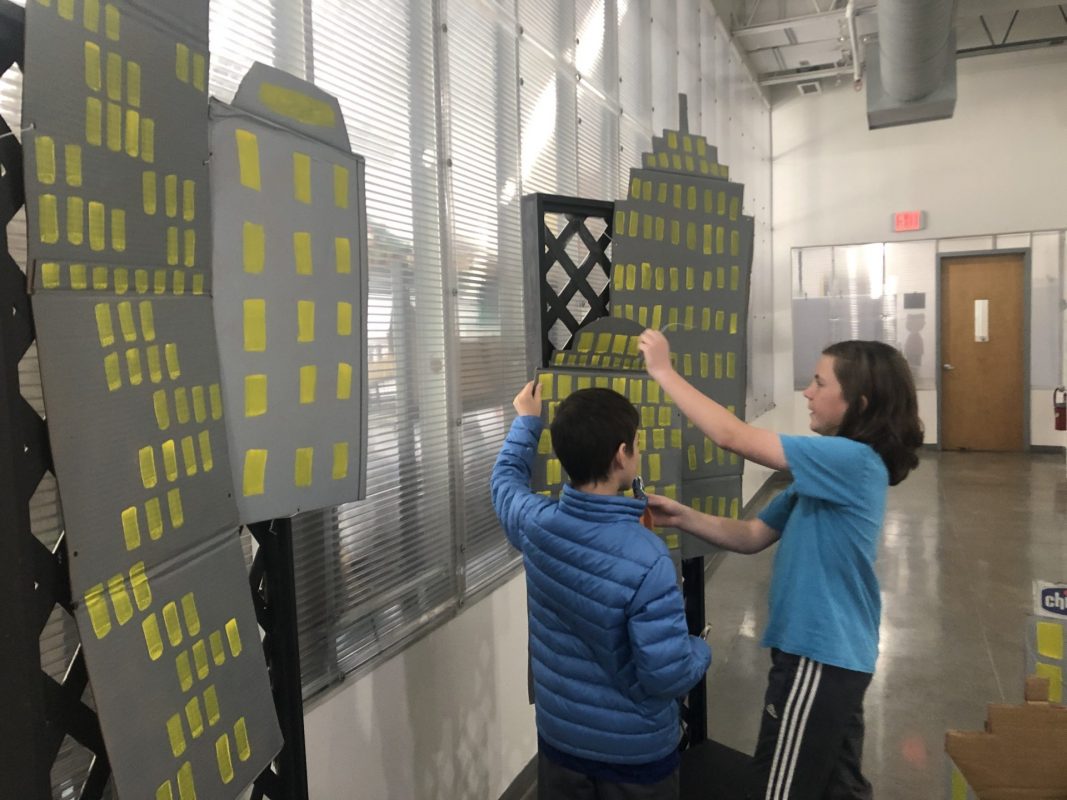
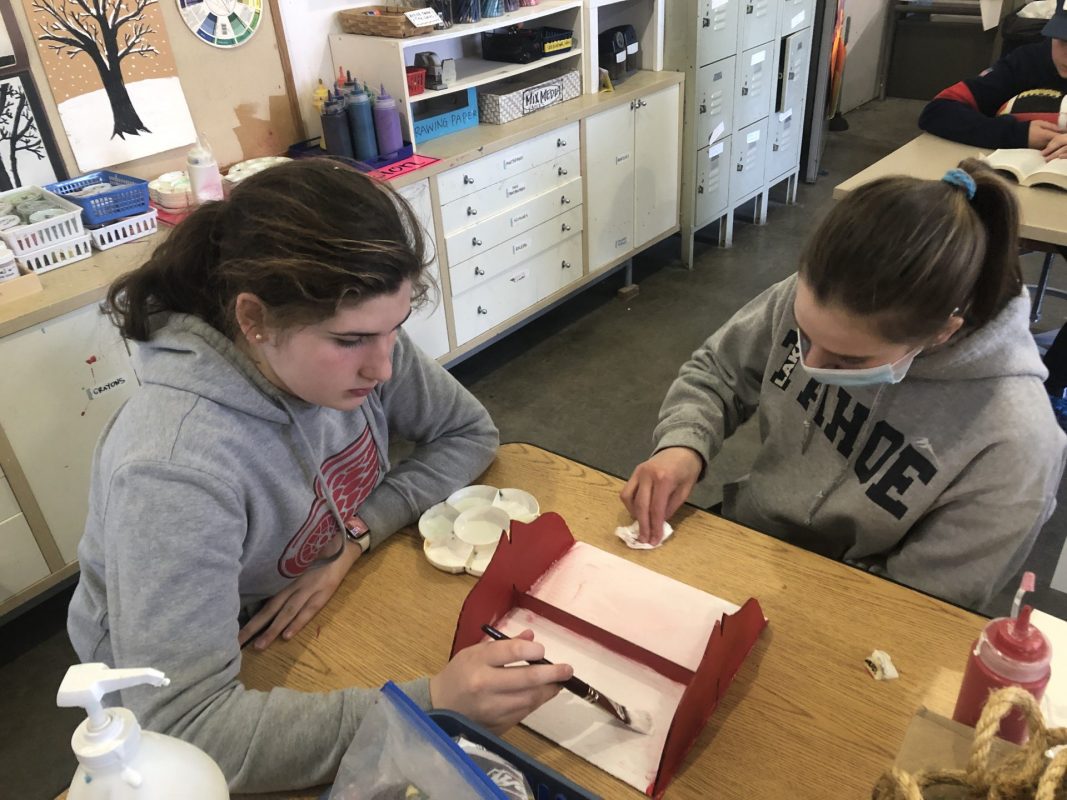
Under the guidance of myself, Mr. Fuchs, and Mr. Brown, students used a range of materials and techniques to construct, paint, and arrange various parts for this complex and colorful set. The largest set display piece was the painted canvas backdrop; which required lots of preliminary planning, sketching, and hours of painting with colorful acrylics to complete the landscape scene. We also constructed a movable component to the backdrop in which cardboard sheep were attached to a pulley system made from string and grommets, and were used to depict sheep running across a meadow. Other hand-made props included a city constructed from cardboard and LED lights, a car made out of foam board, a smoothie shop bar constructed from cardboard, burlap and fake luau hay grass, a cluster of palm trees made out of cardboard tubes and layers of leaves cut from green construction paper, and various hand drawn or laser-cut signs.

Throughout each stage of the design and building process, students gained hands-on experience of how much work and problem solving goes into scenic design for theater productions. Theatre is a visual medium, and the scenic designers and creative team are the driving force for bringing the vision of the show to life. We are all so impressed with how well the students have worked together to bring this play together in such a creative and inspiring way!


Mrs. Hood: Eggs, Chickens and More

Life cycles are all around us. They are part of us and part of every living thing. Explaining and illustrating life cycles can be an important milestone for children, helping them to learn how better to respect and care for those around them.

Spring is definitely the perfect season to introduce these concepts as the children not only receive information about it but learn to observe and appreciate so many of these wonders happening  just in front of their eyes.

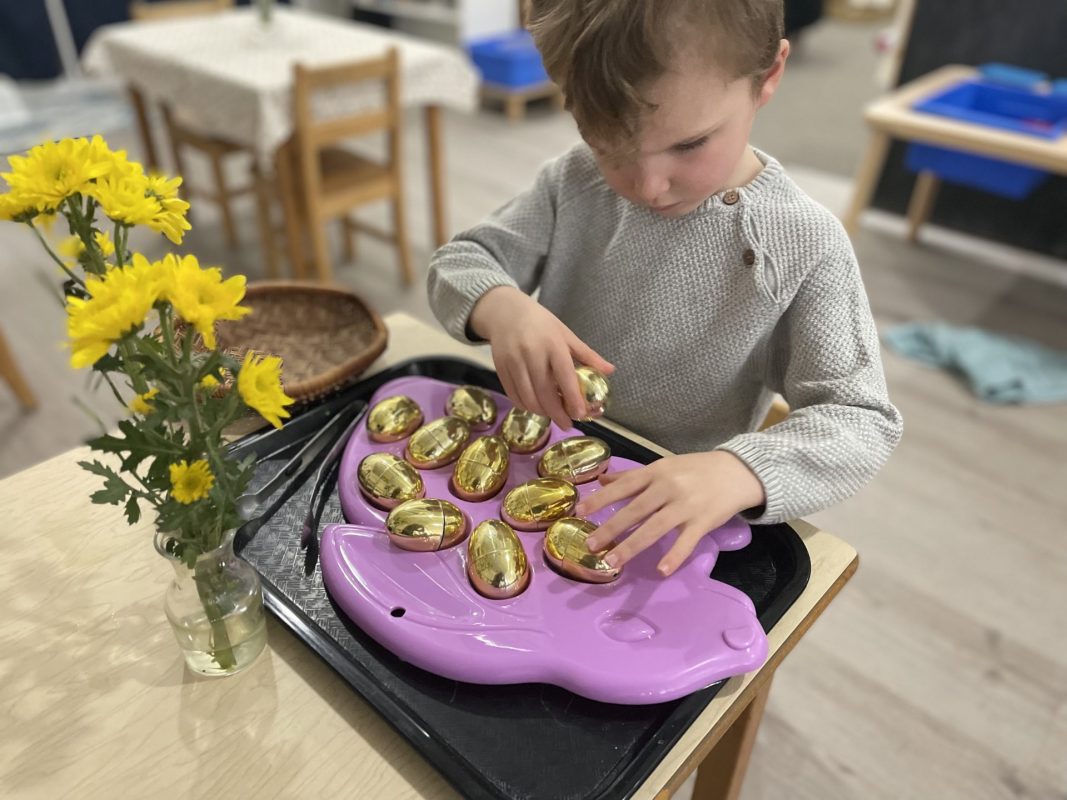
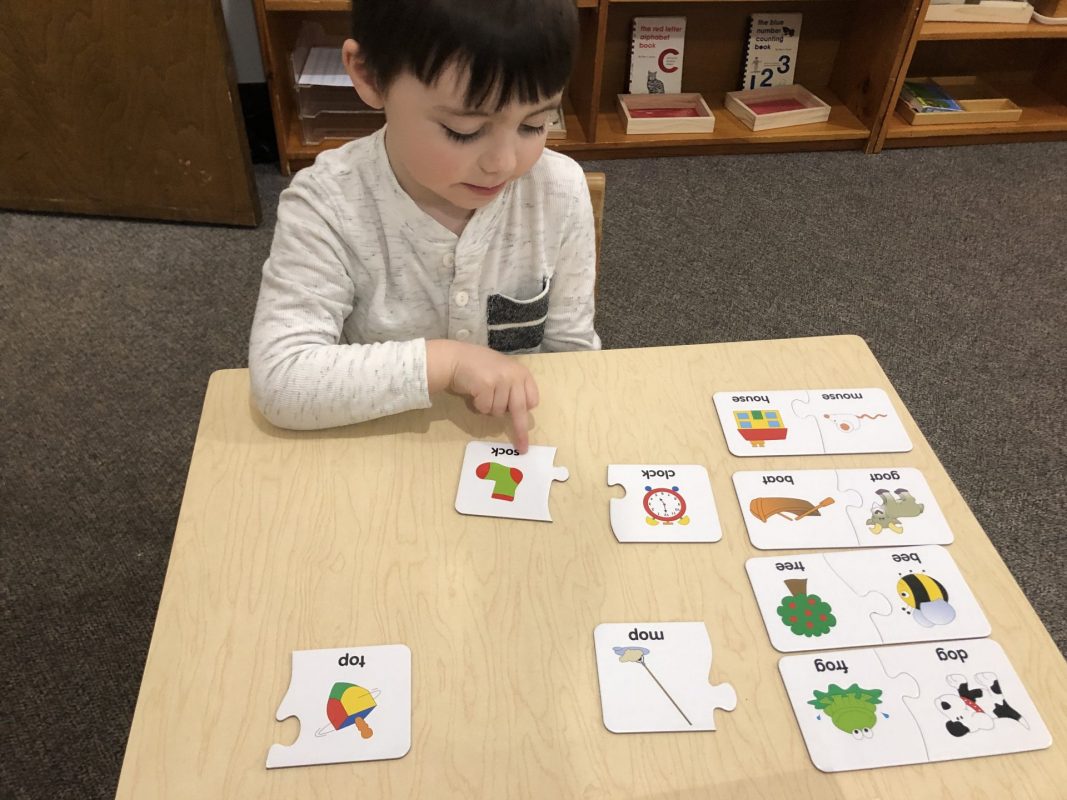
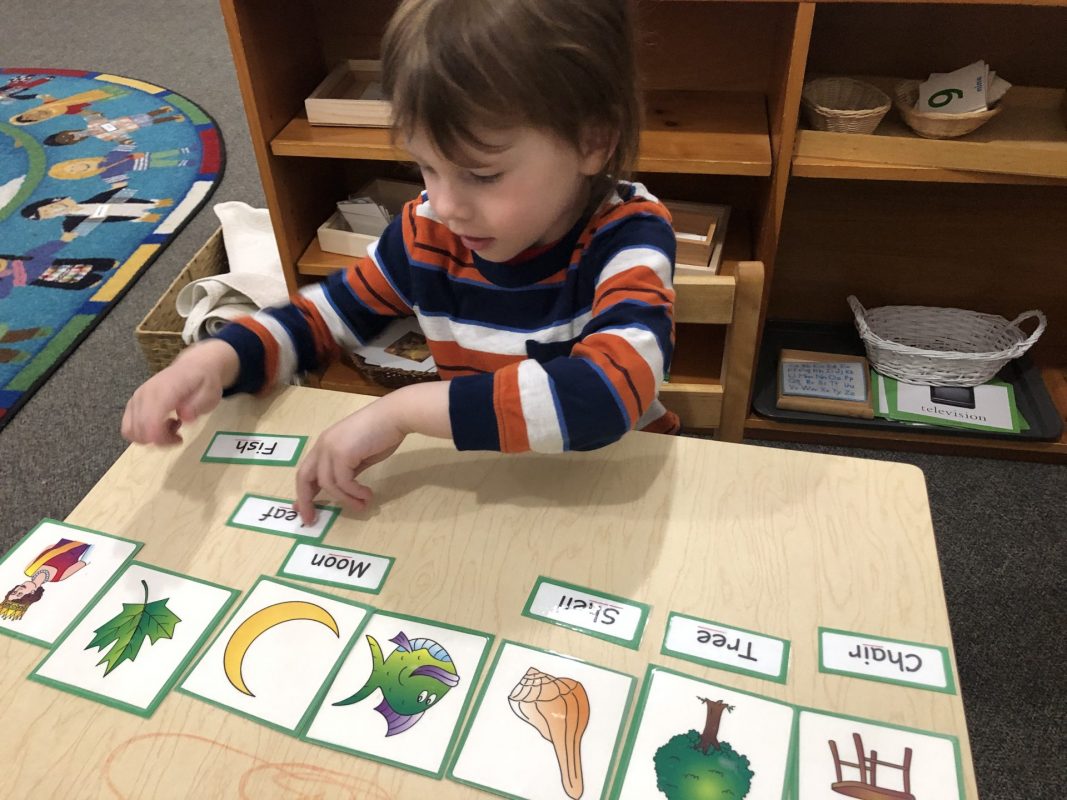
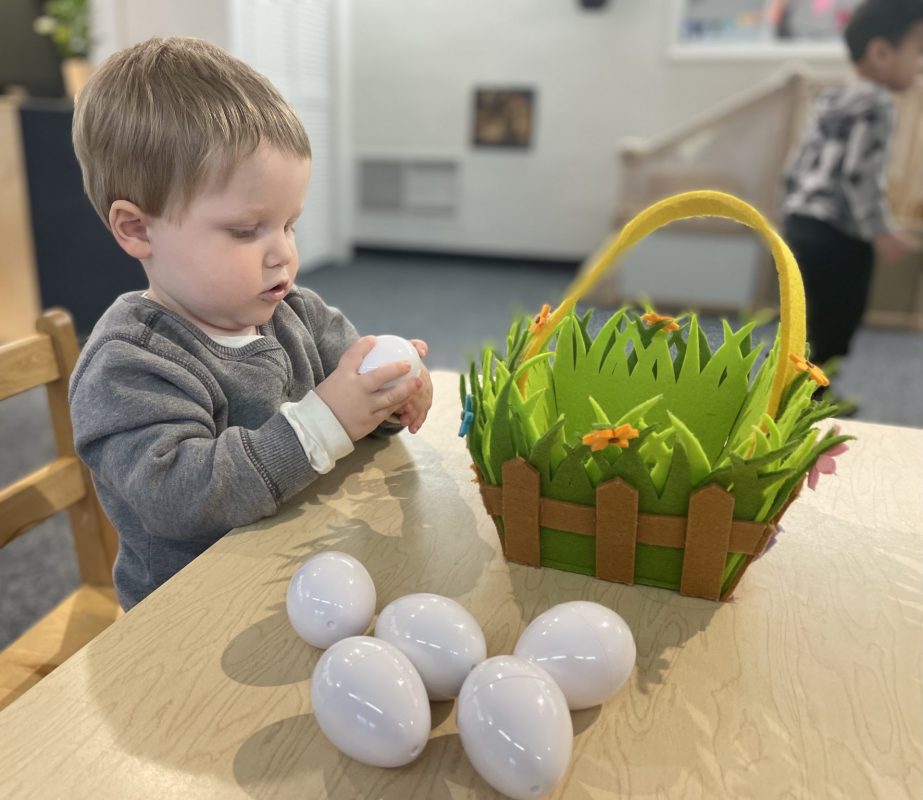
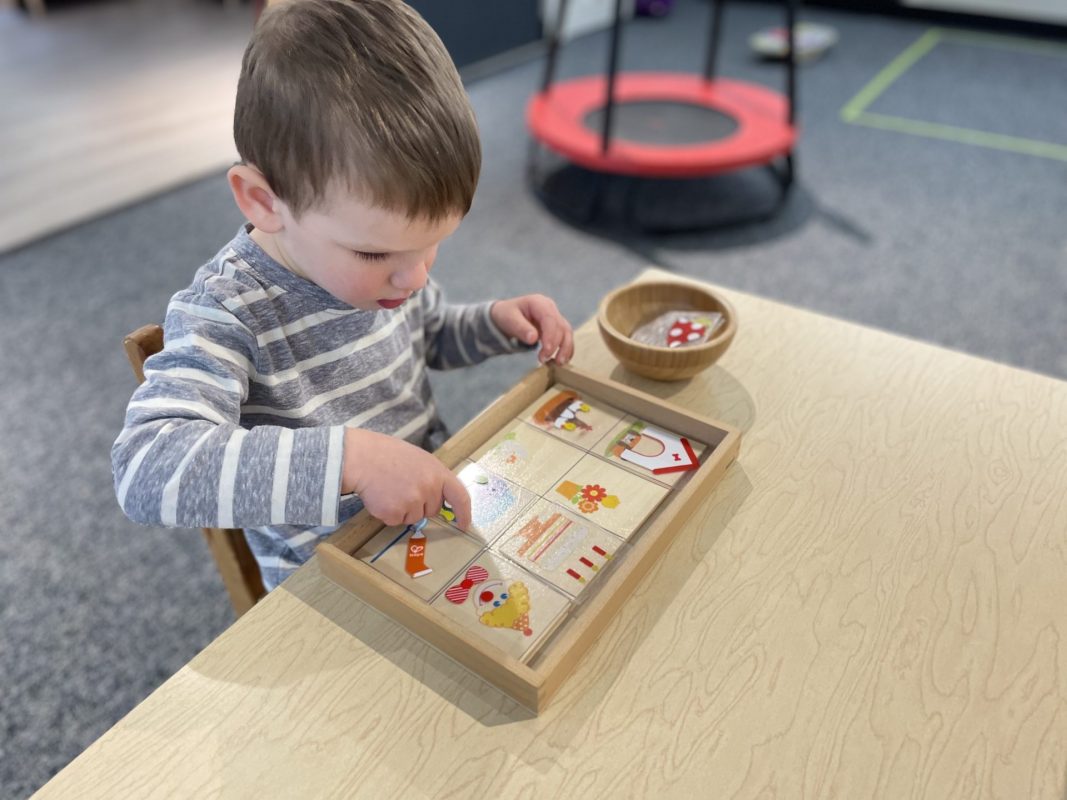
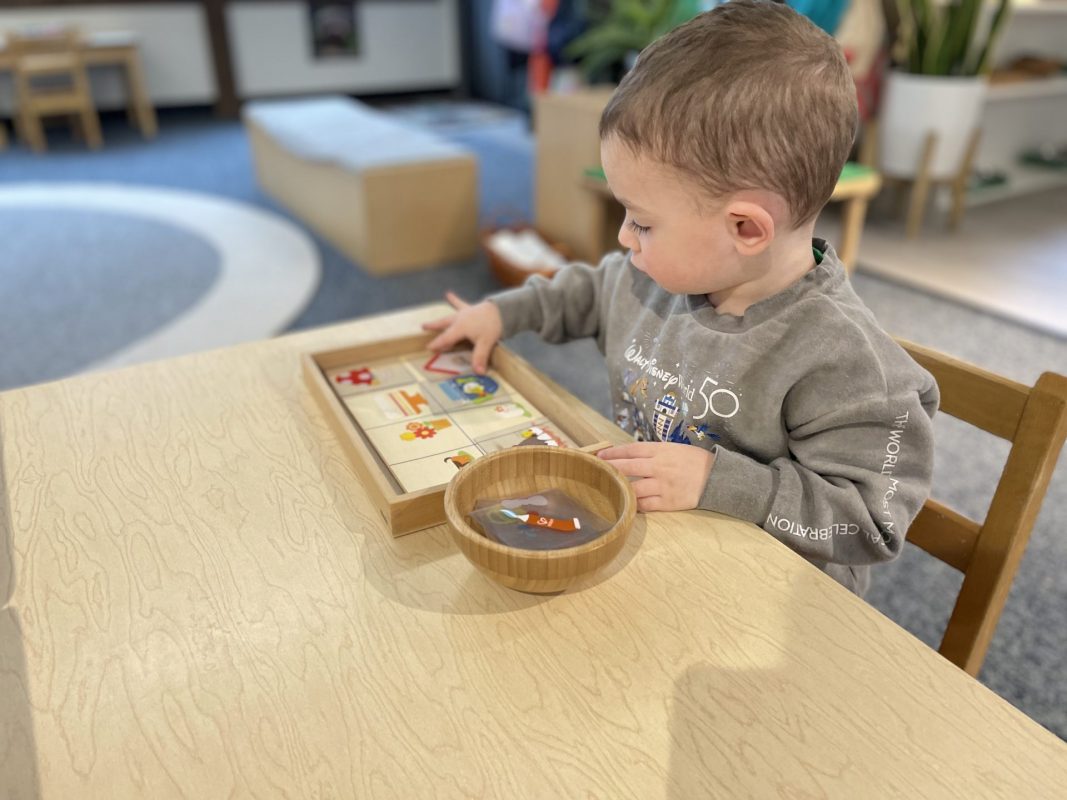
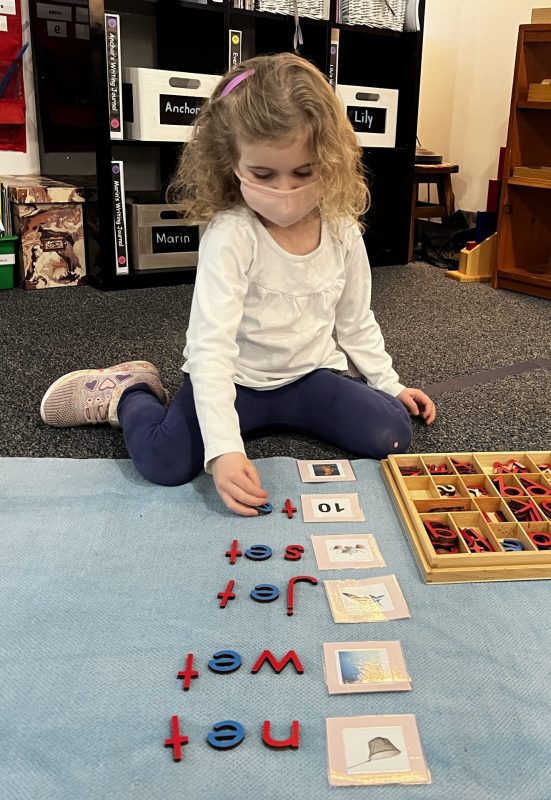
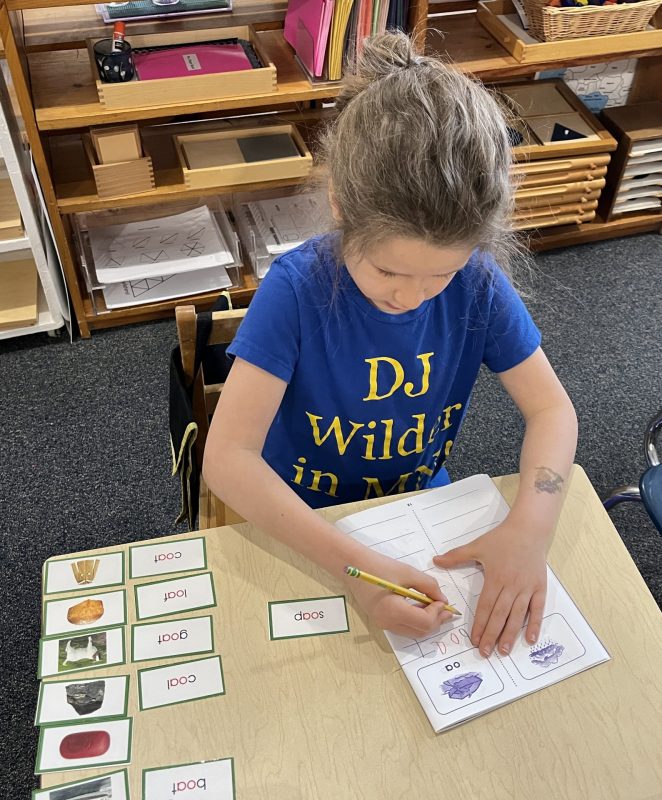
In our language area, this week we introduced “Eggs and Chickens” as a unit of study for the next few weeks. We focused on two concepts so far: chickens come from eggs, and a baby chicken is called a chick.

Using books and an educational video clip, children got to observe how a chicken comes out of the egg and the smiles on the children’s faces demonstrated the amazement that life brings. There were giggles of happiness and many “cheep, cheep,”  “pio, pio,” and “gobble, gobble” sounds from the children’s mouths. Children even clapped their hands at the end of the video :). There is also a matching object to picture work on the shelf and plenty of other works using eggs to reinforce this topic.

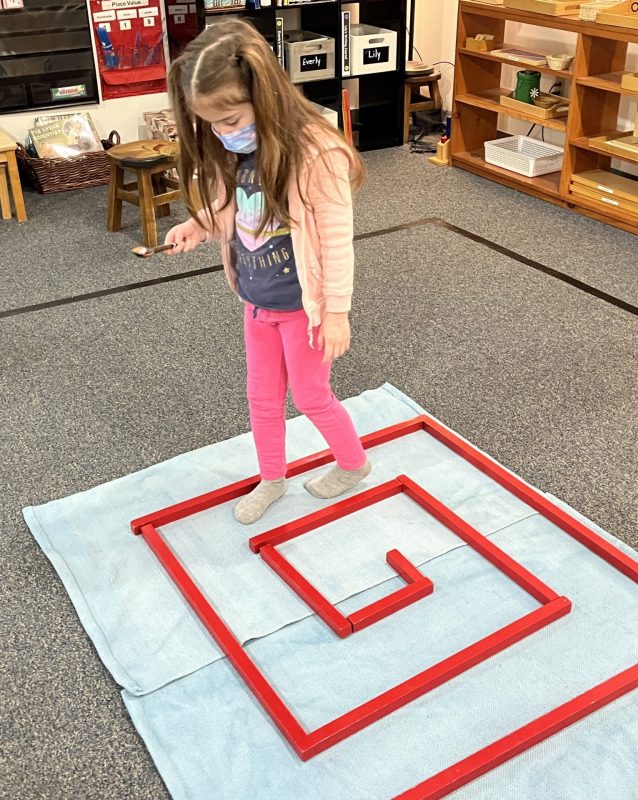
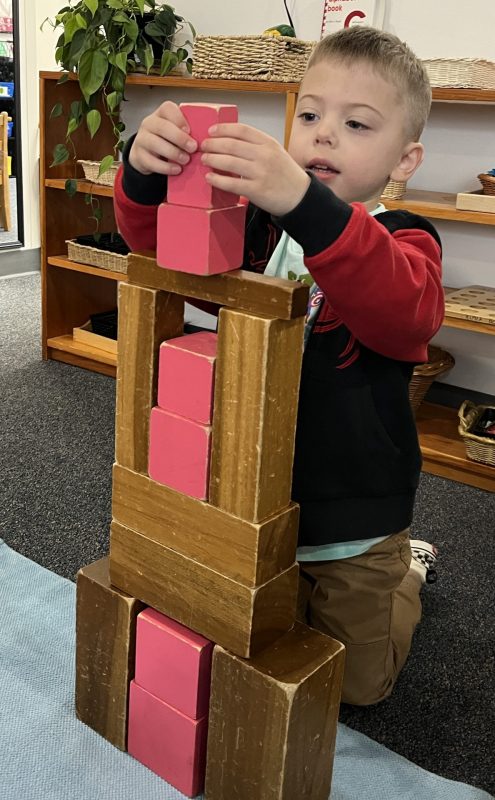
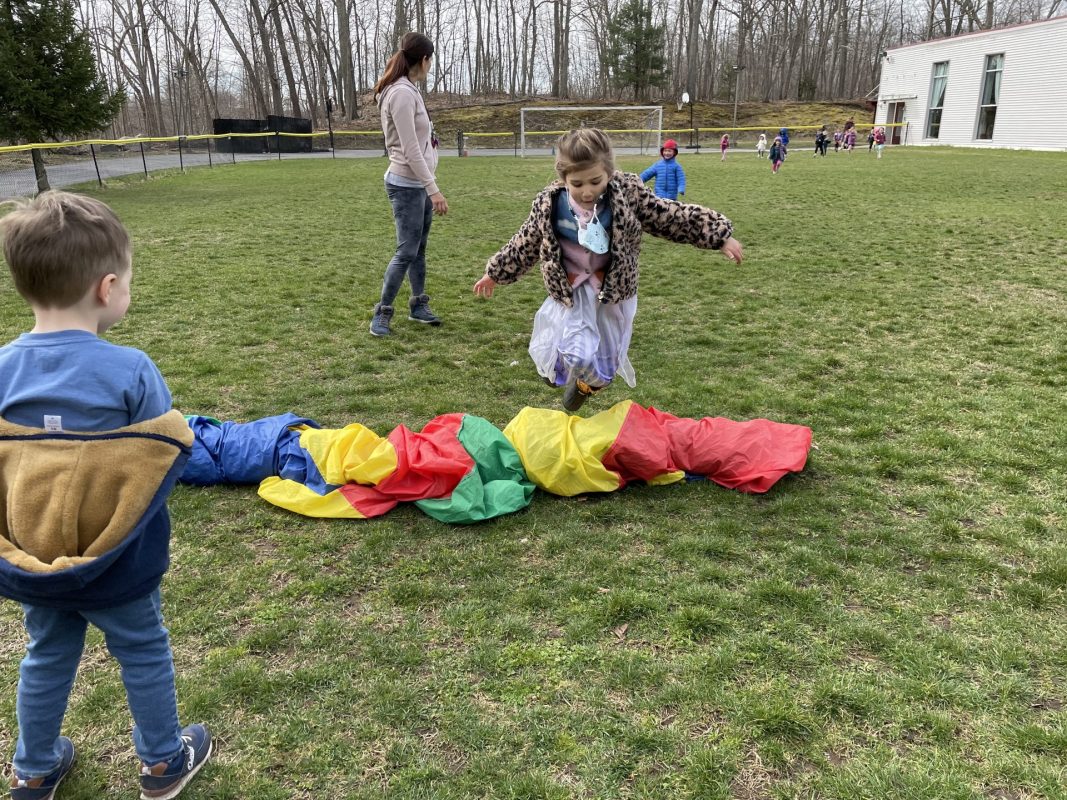
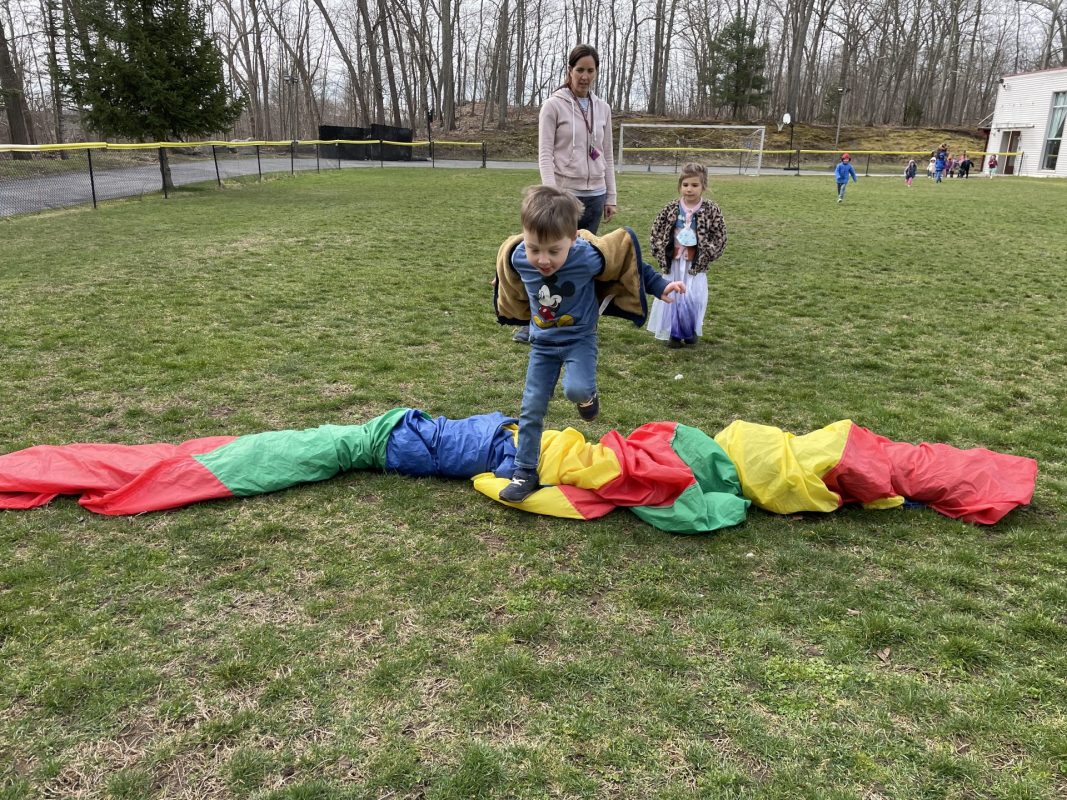
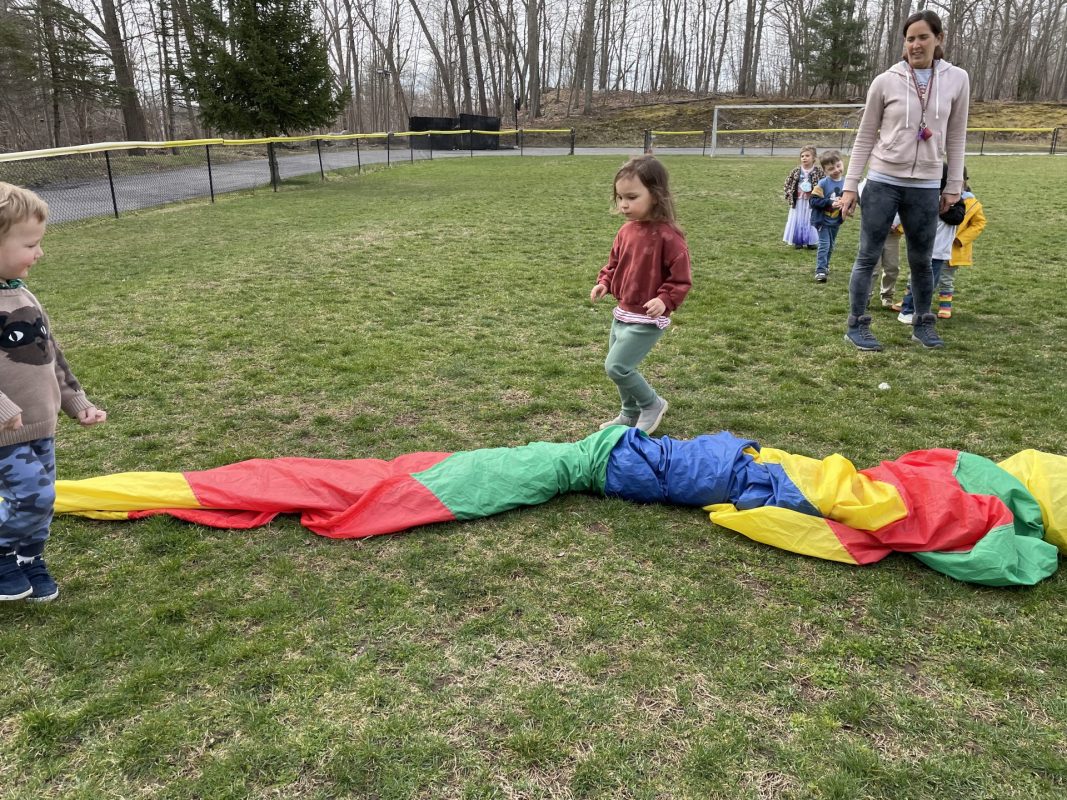
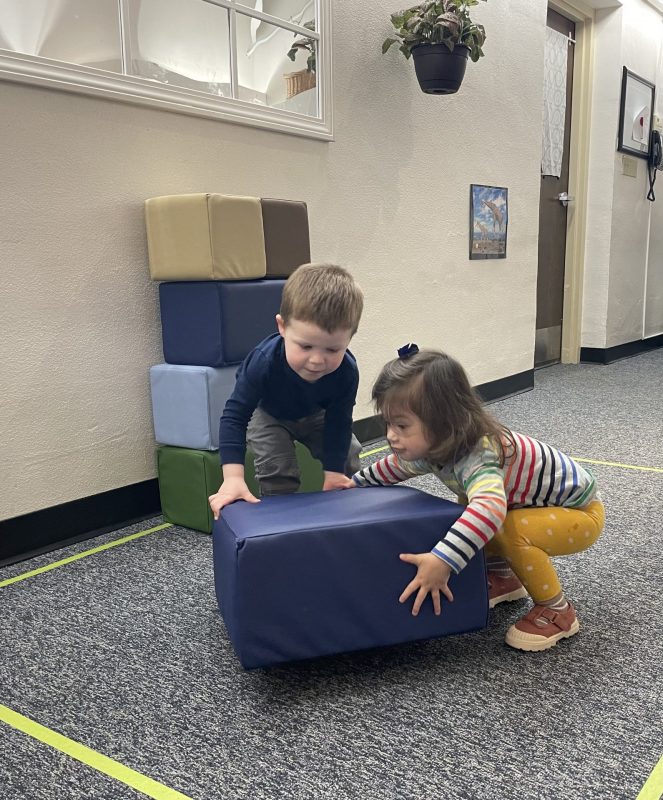
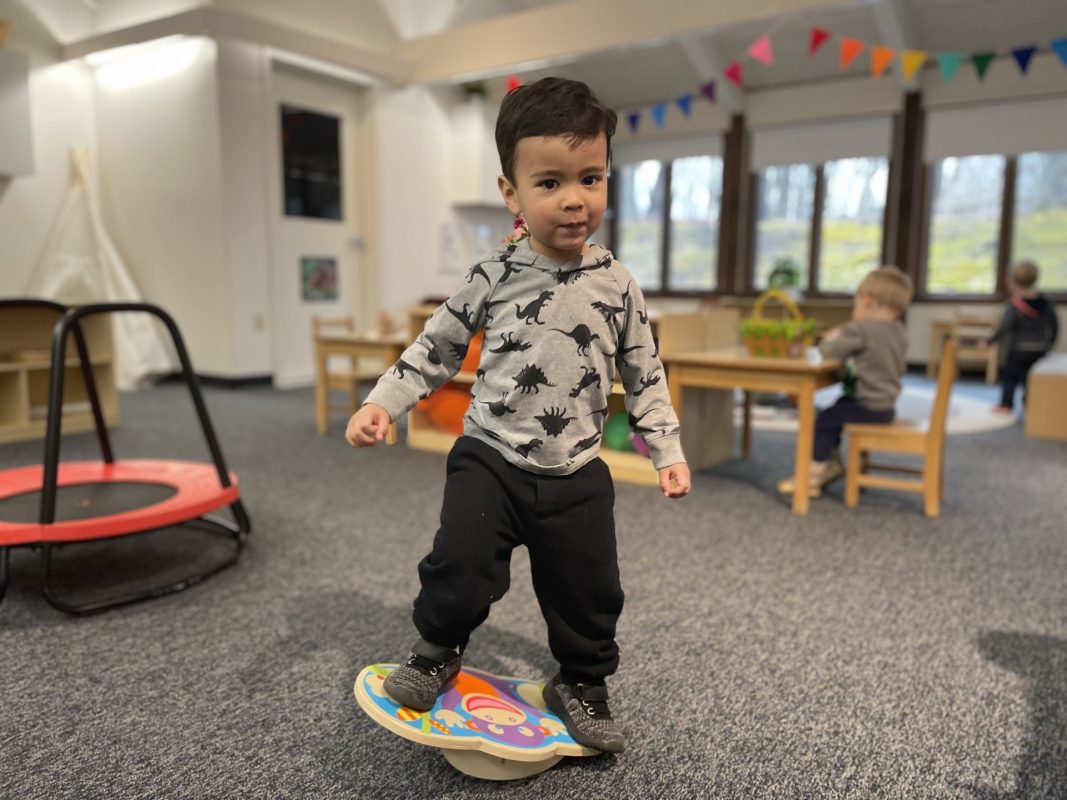
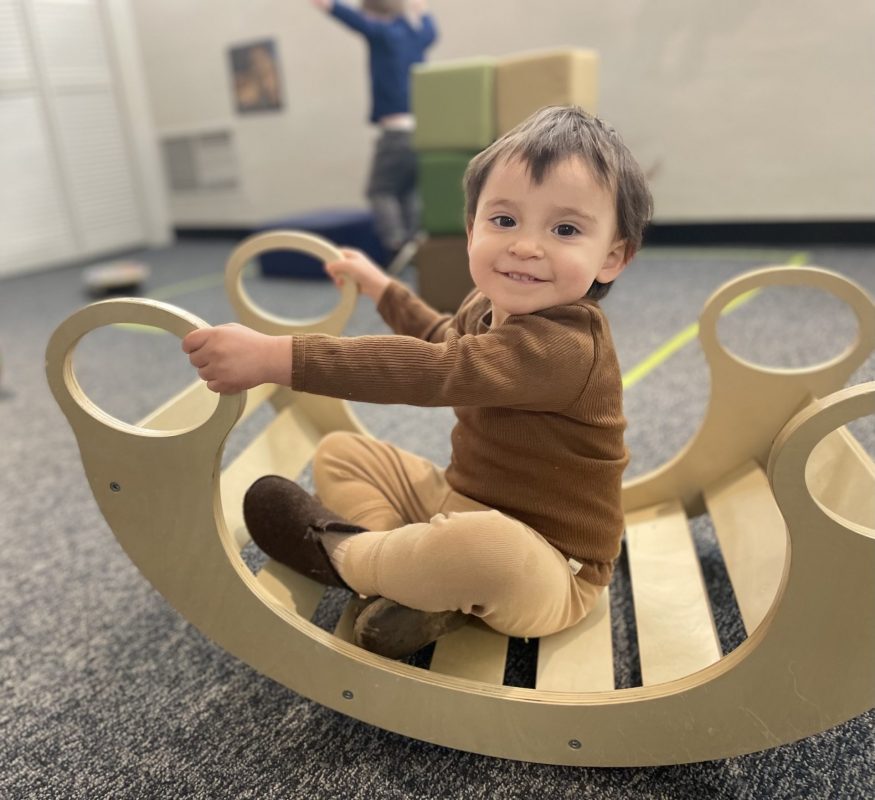
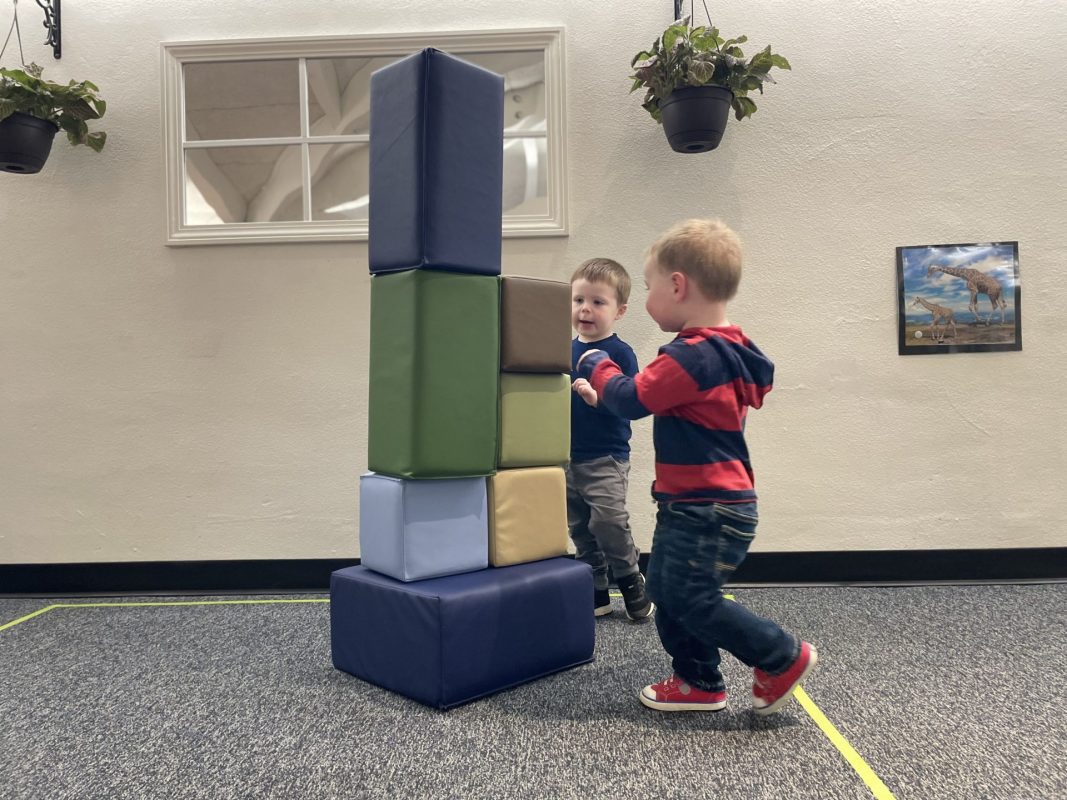
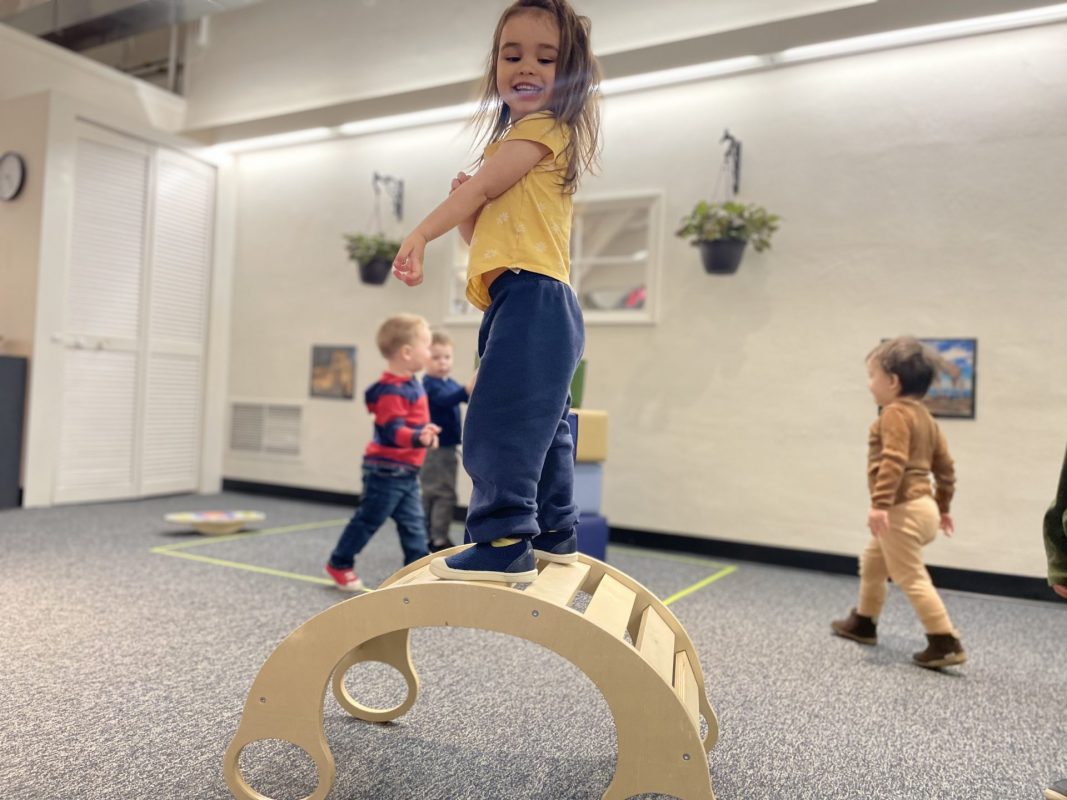
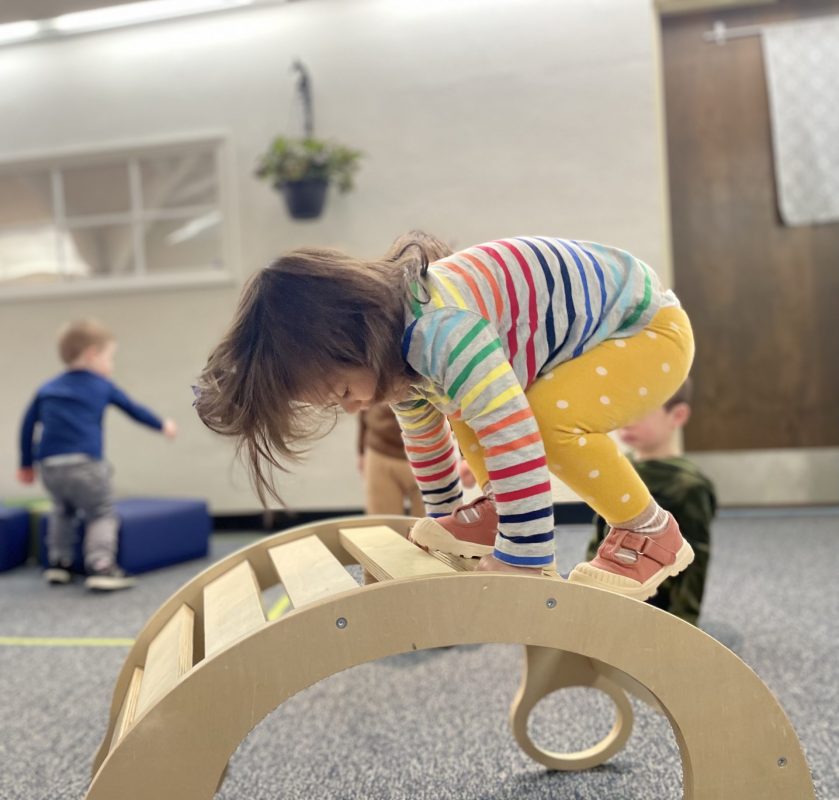
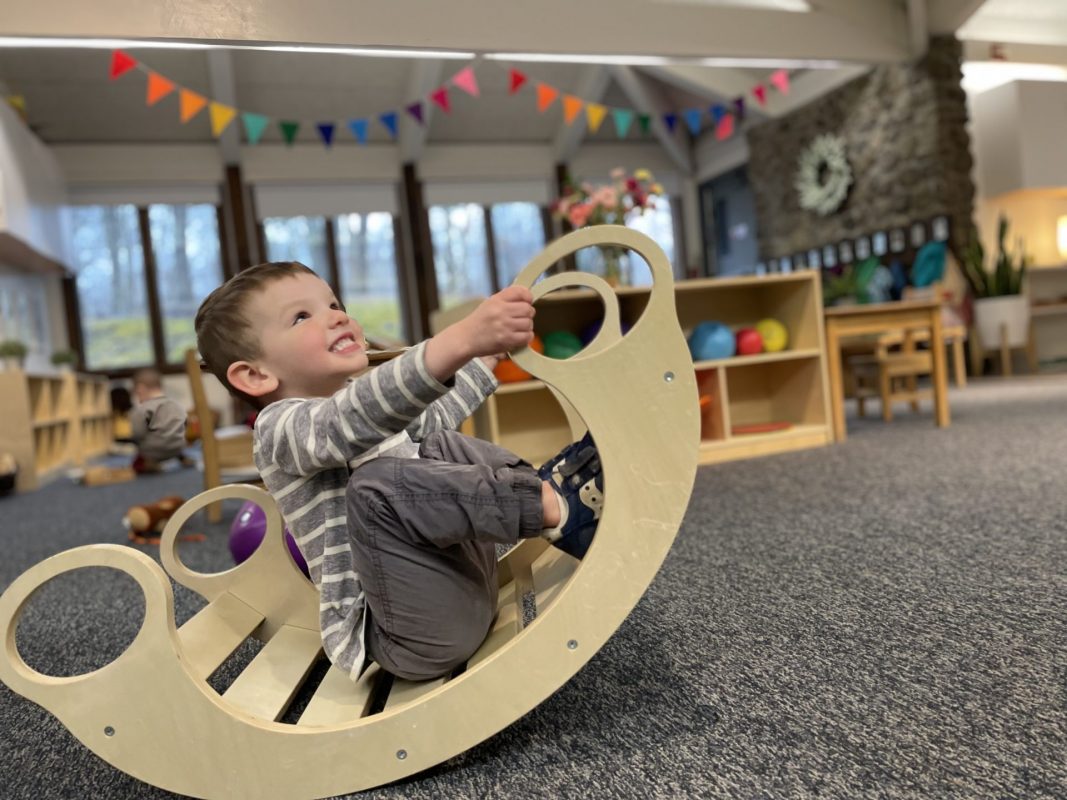
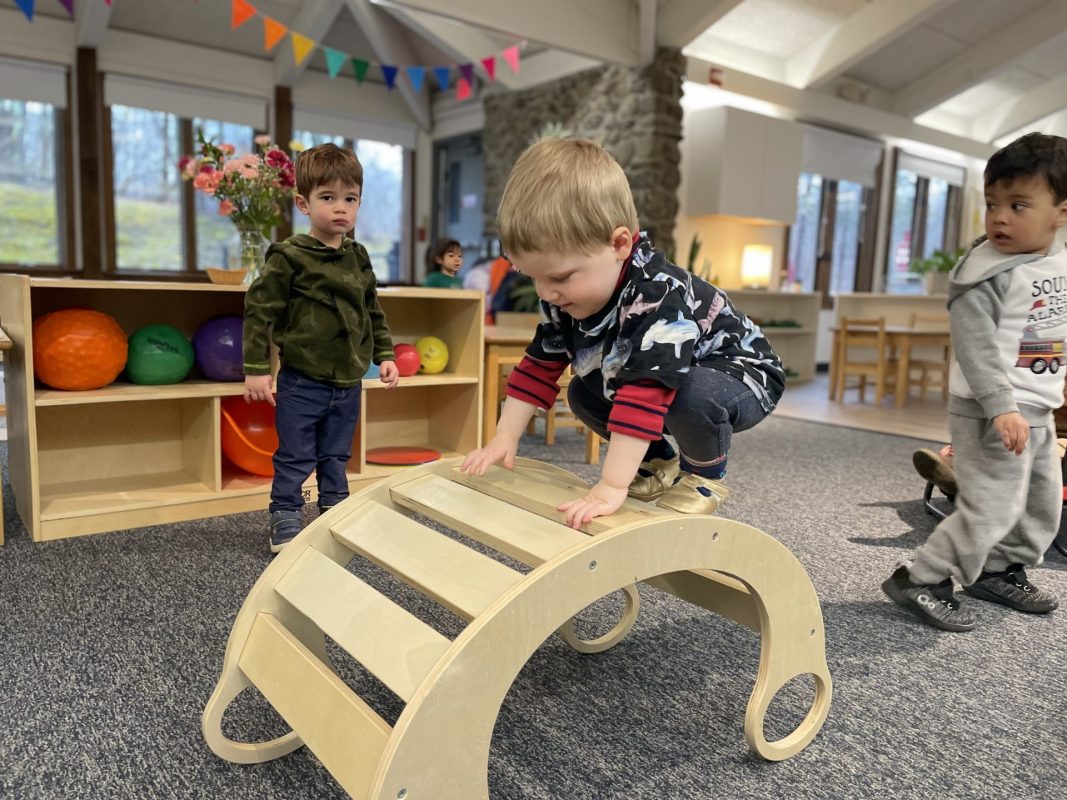
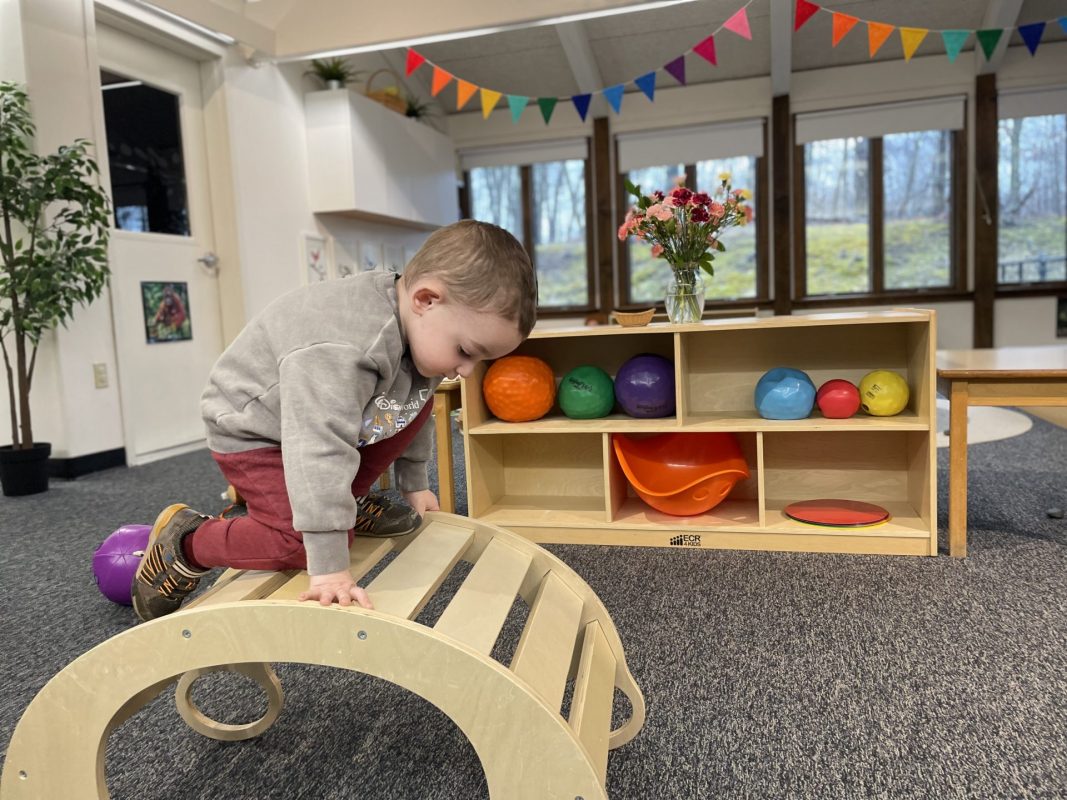
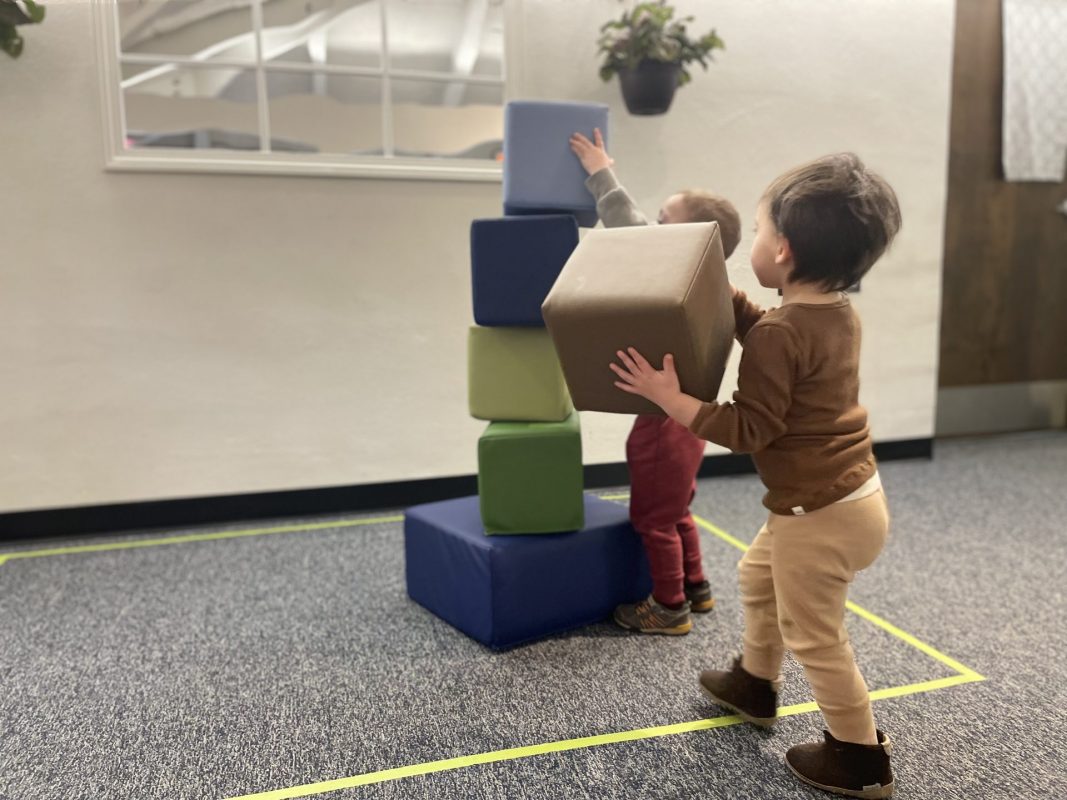
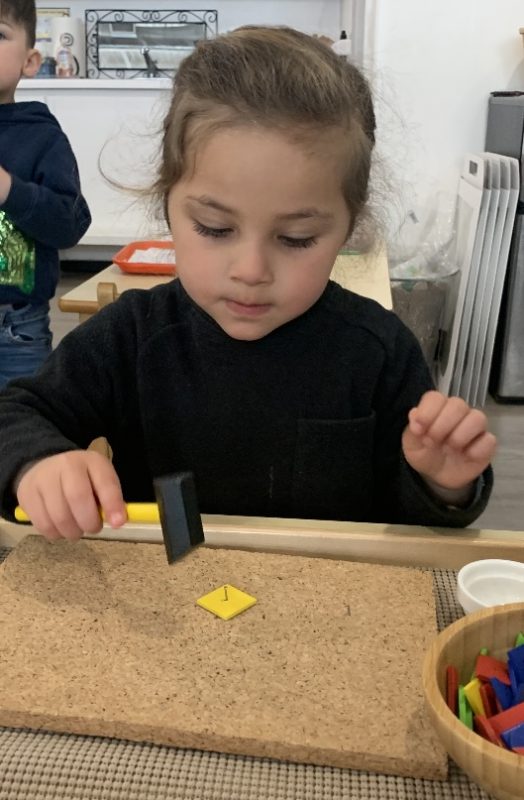
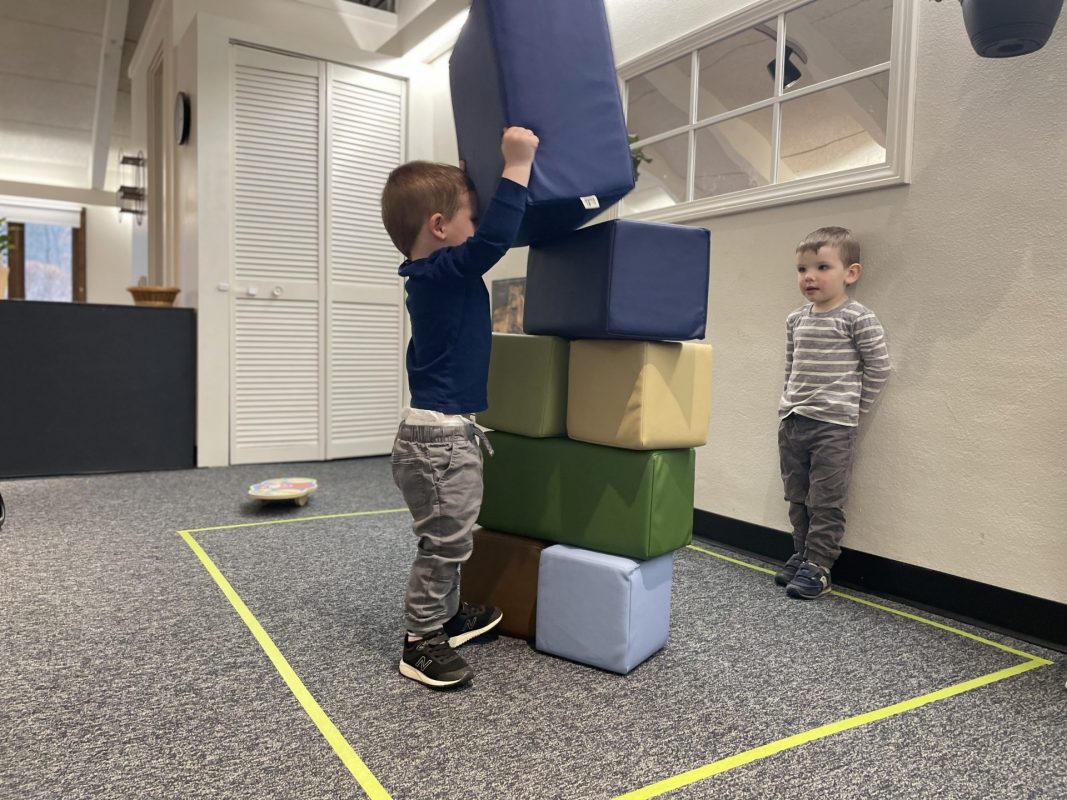
On another note, we introduced two new works in the movement area. These both were the most popular works in the environment this week. The first was oversized blocks for building and imagination. Children exercise their need for maximum effort through this work and it offers a great opportunity for problem solving and bonding with a peer. The second: a new individual rocker that is also used as a climber!

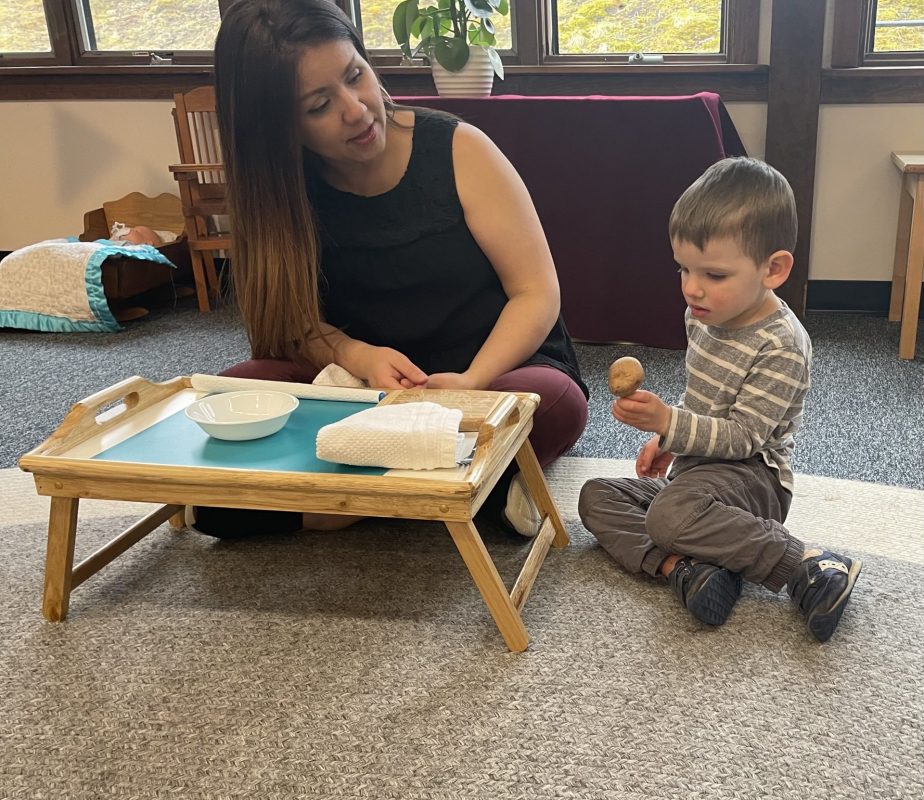
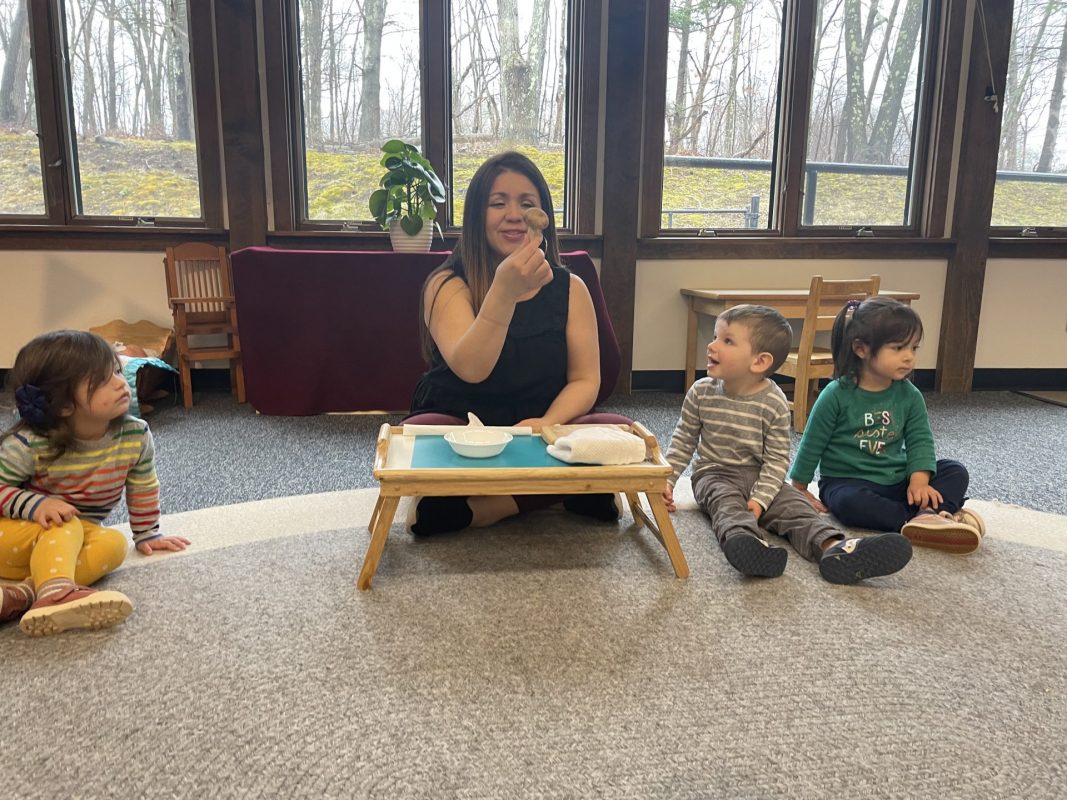
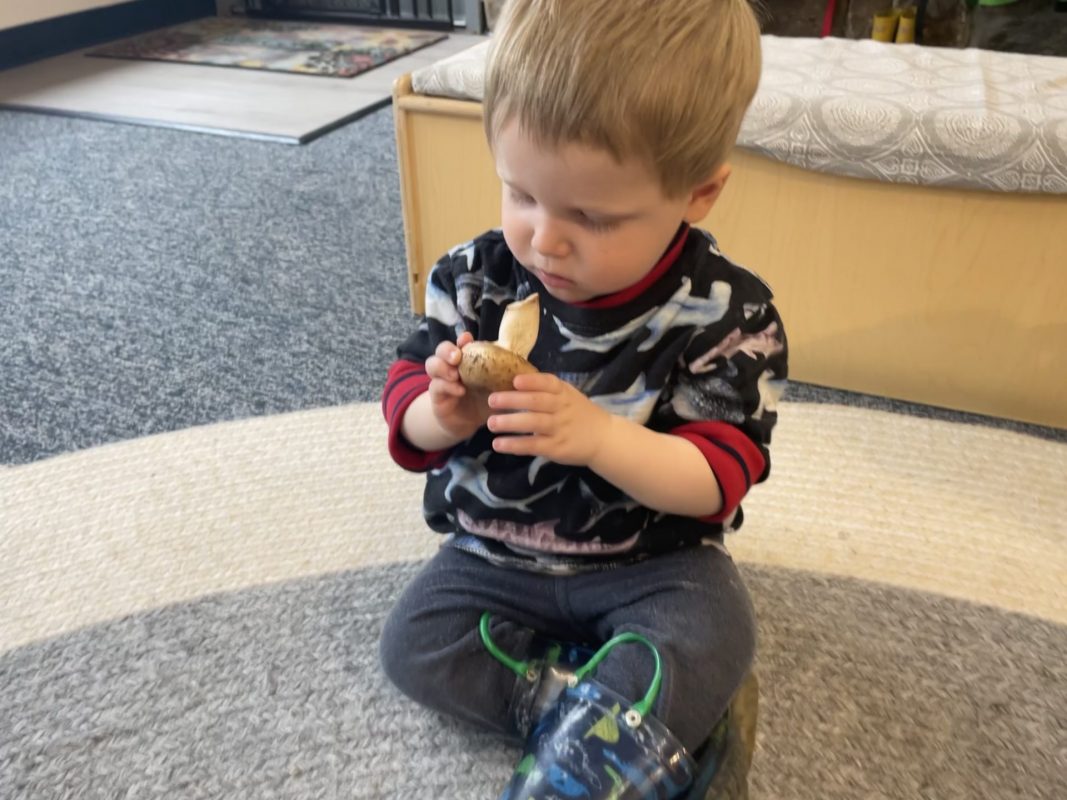
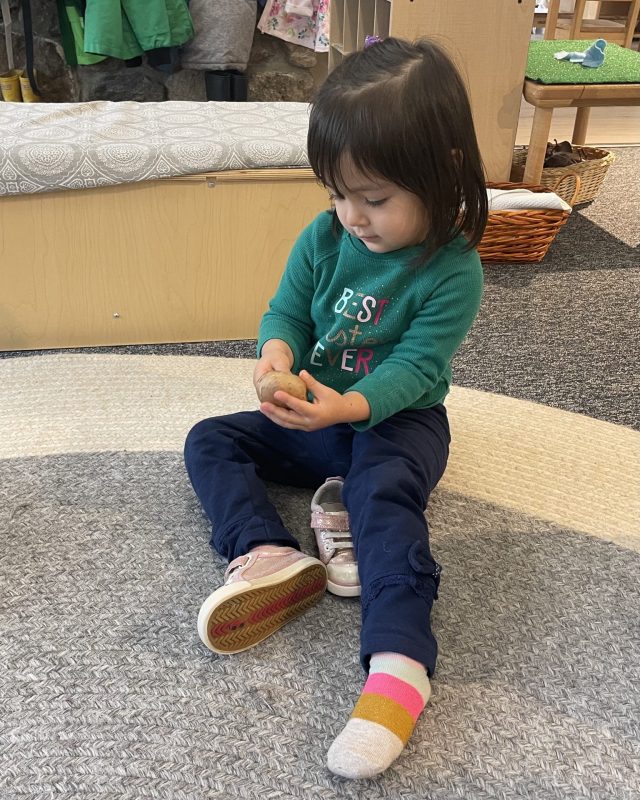
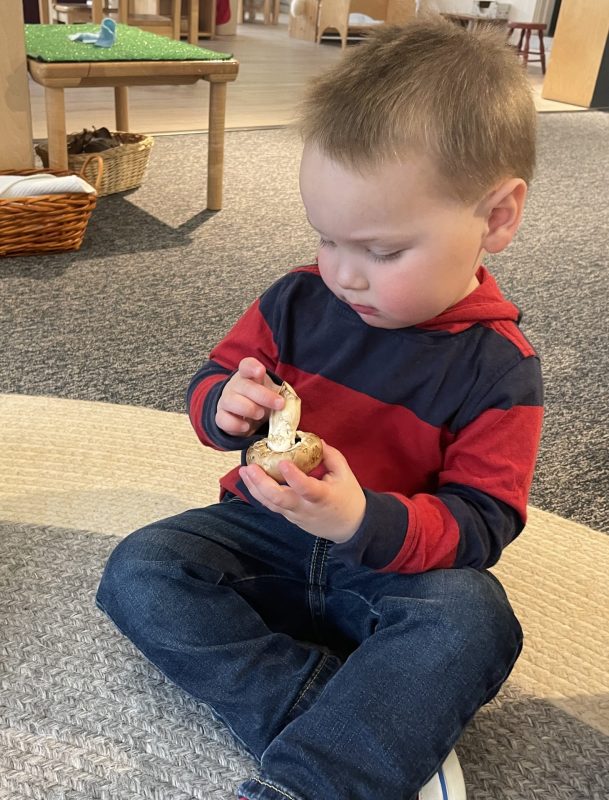
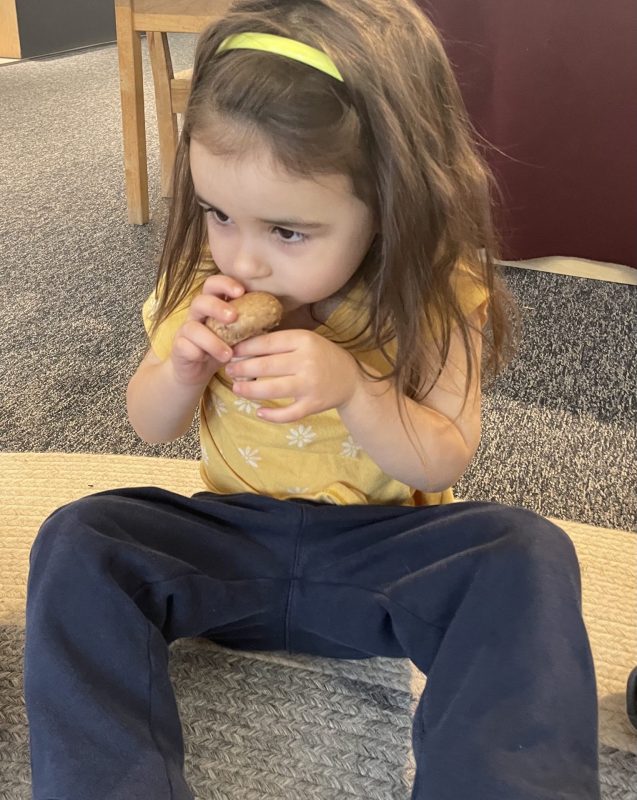
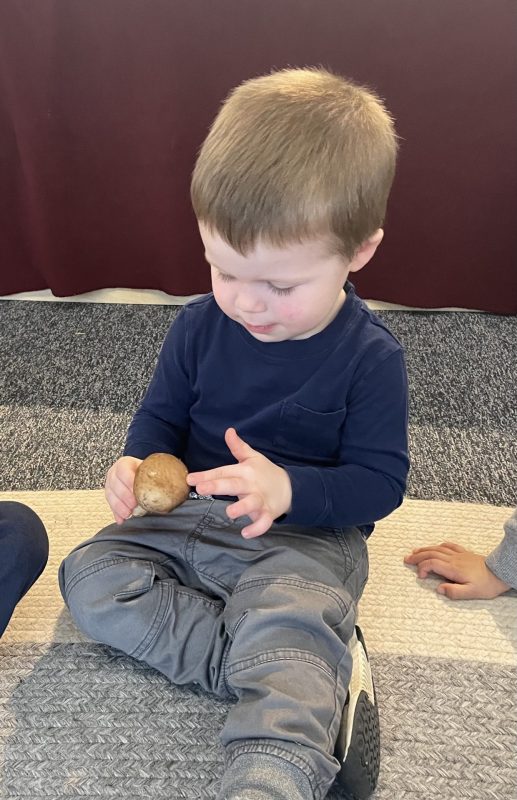
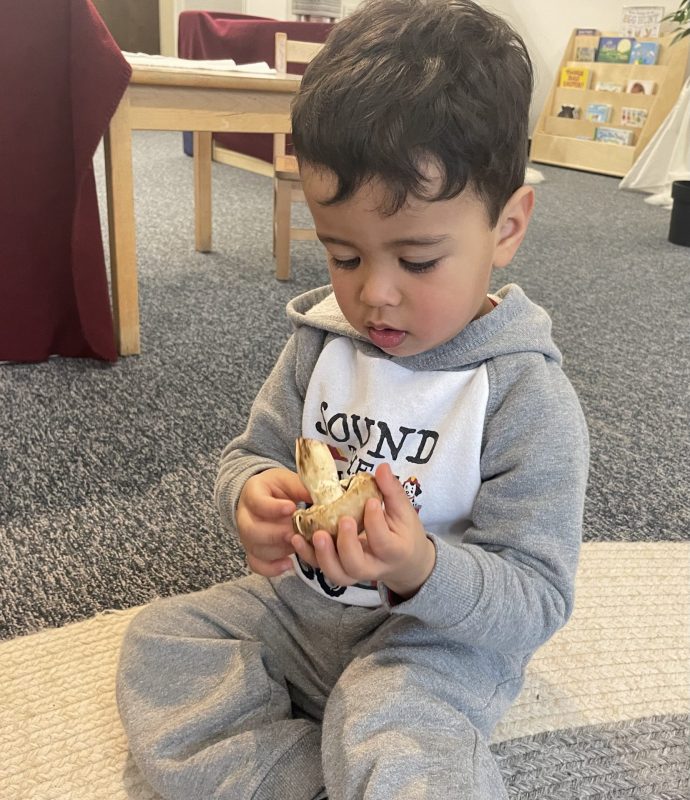
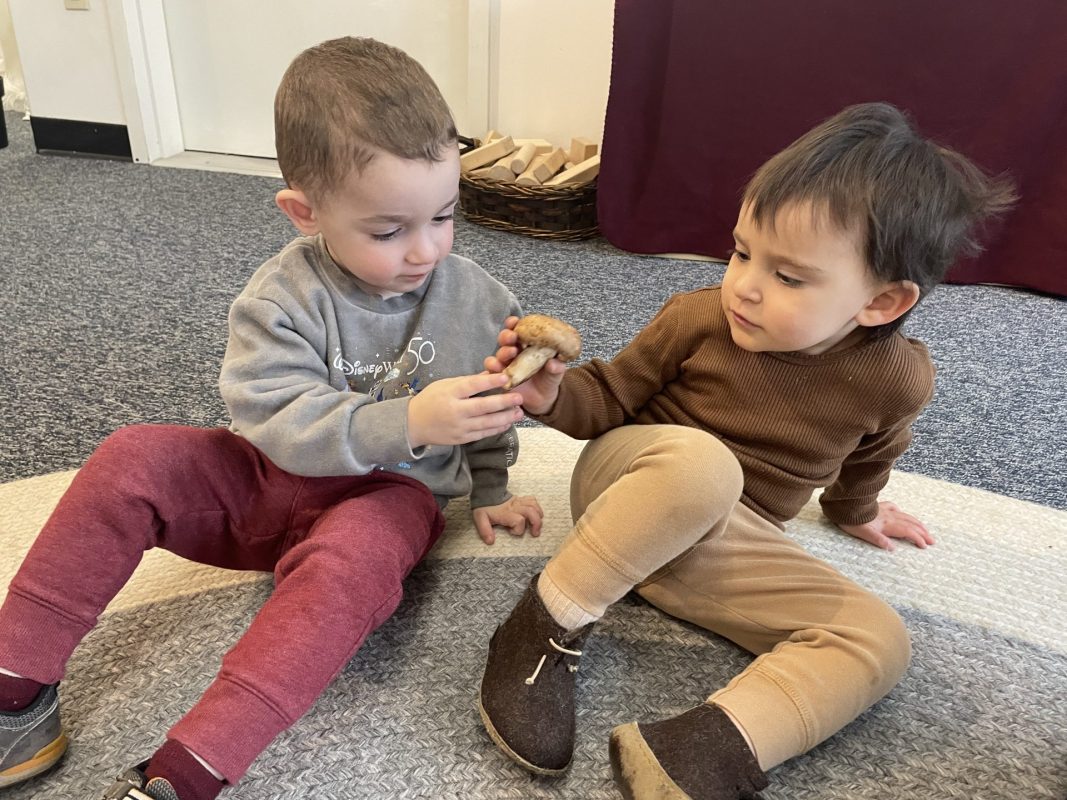
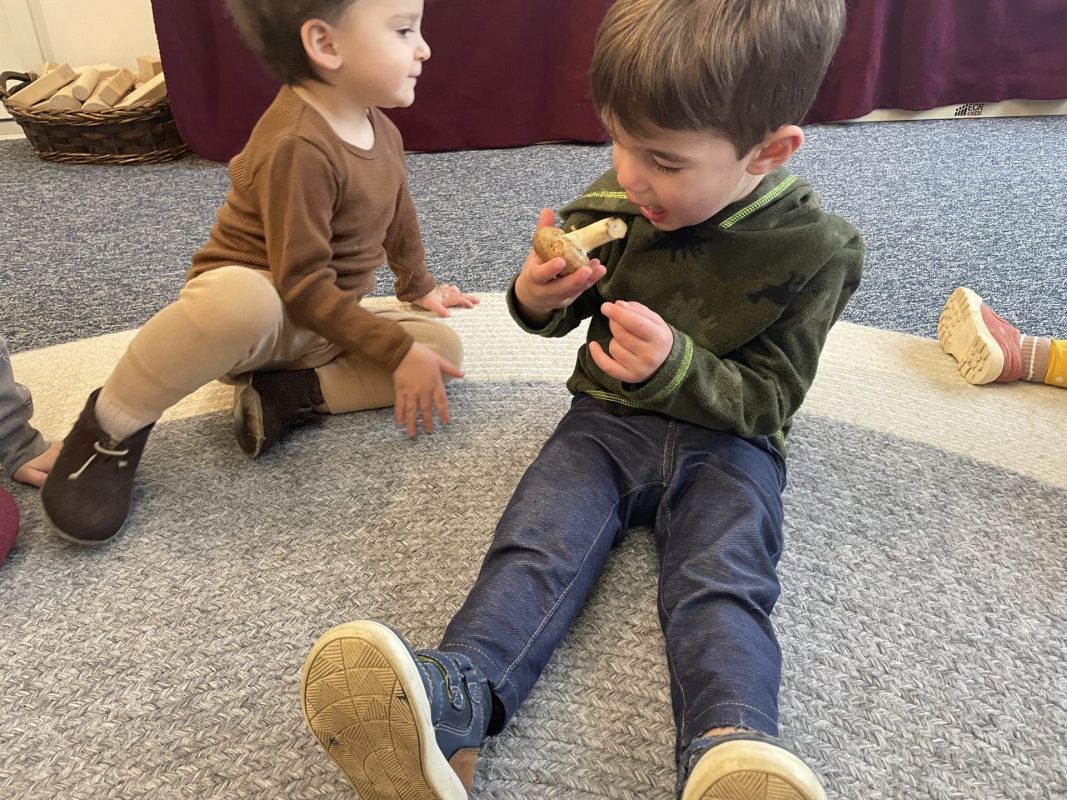
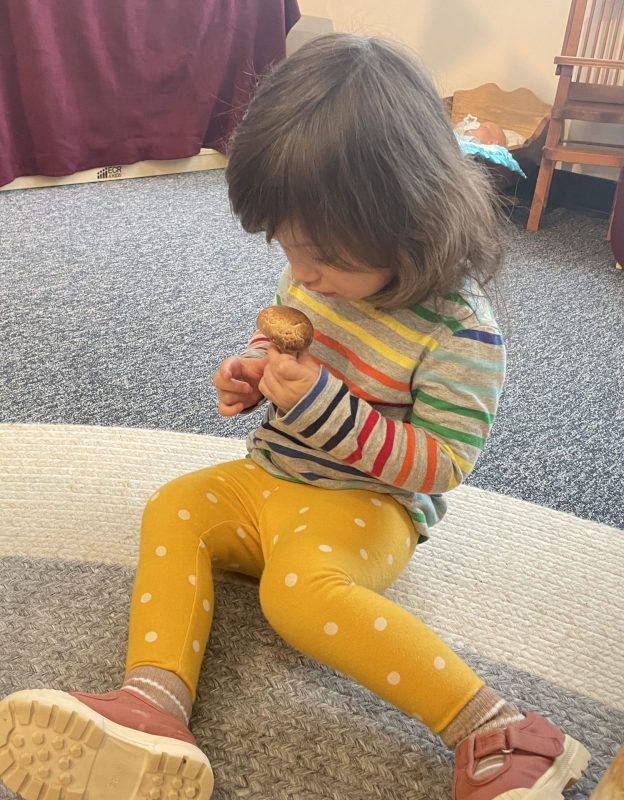
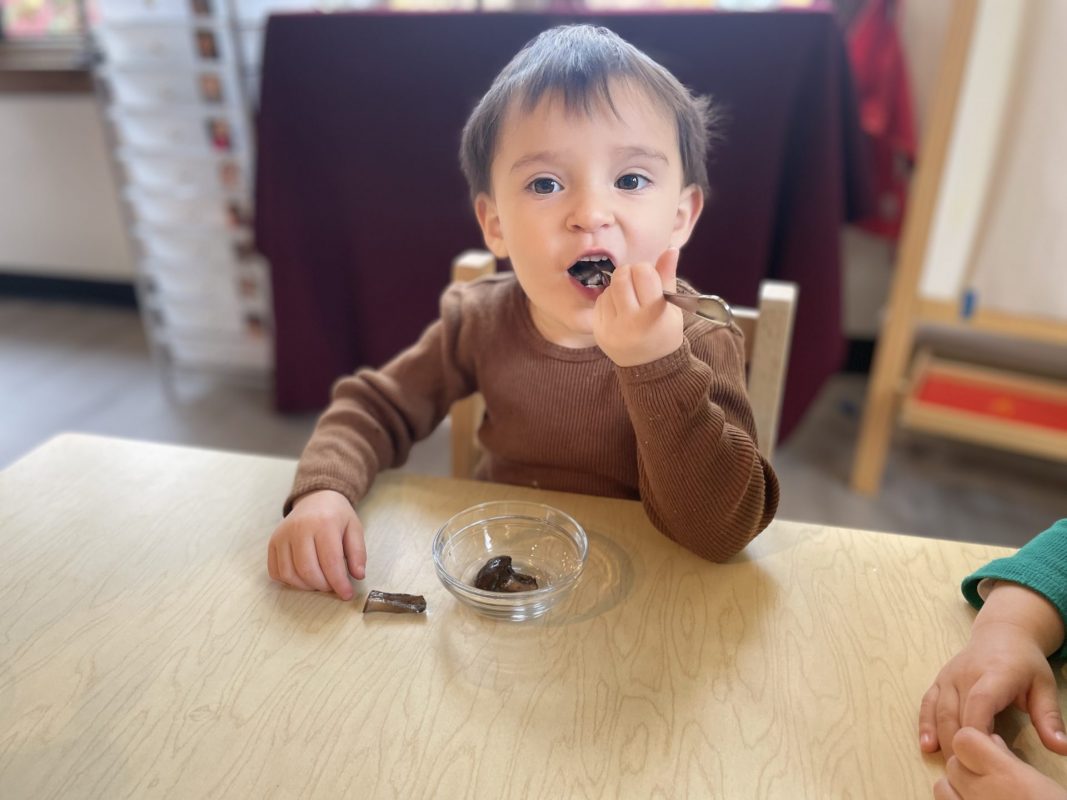
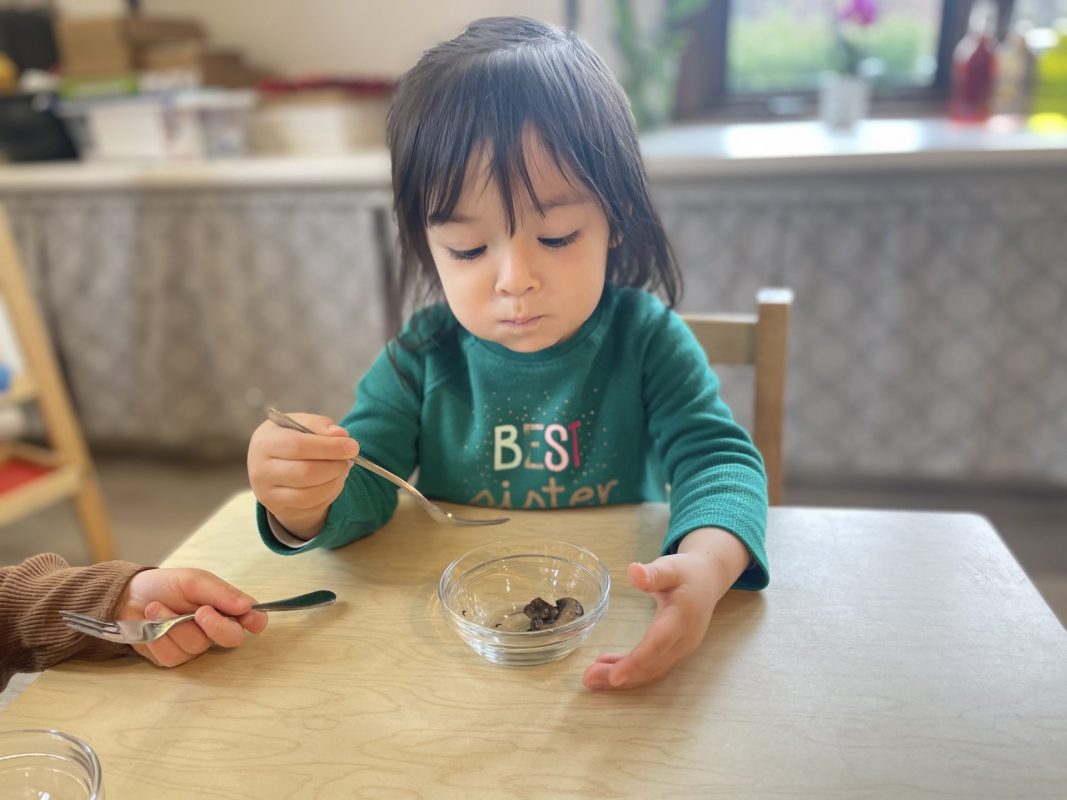
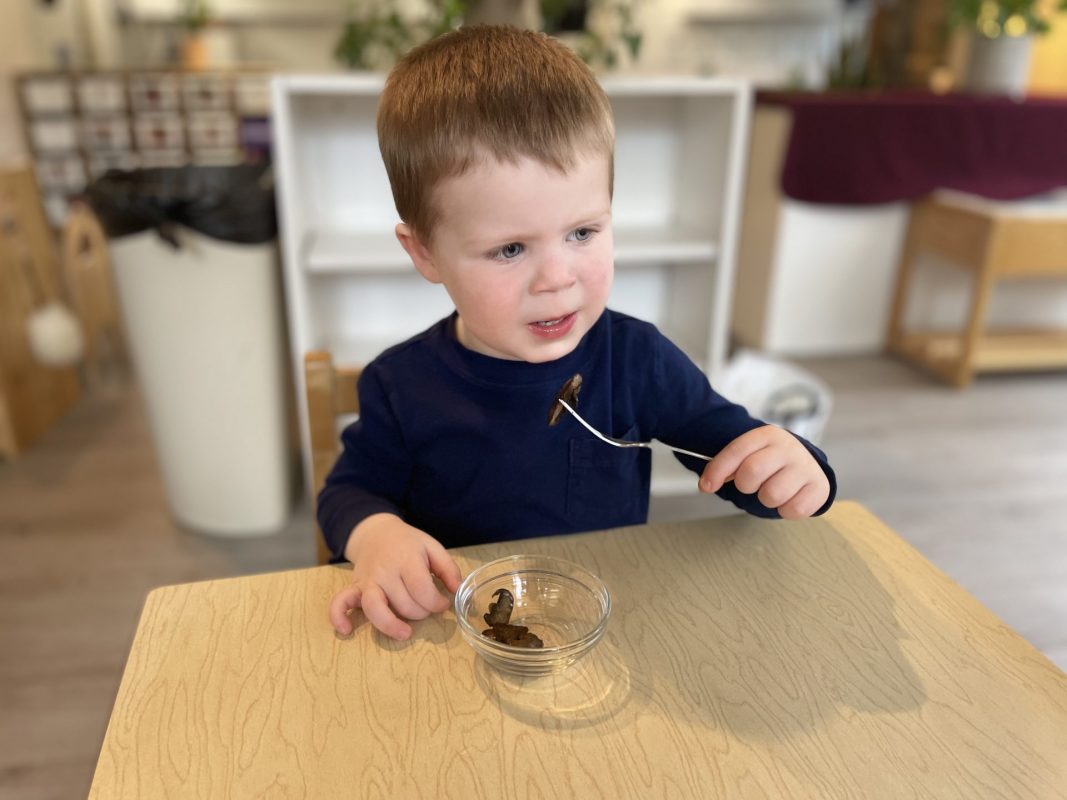
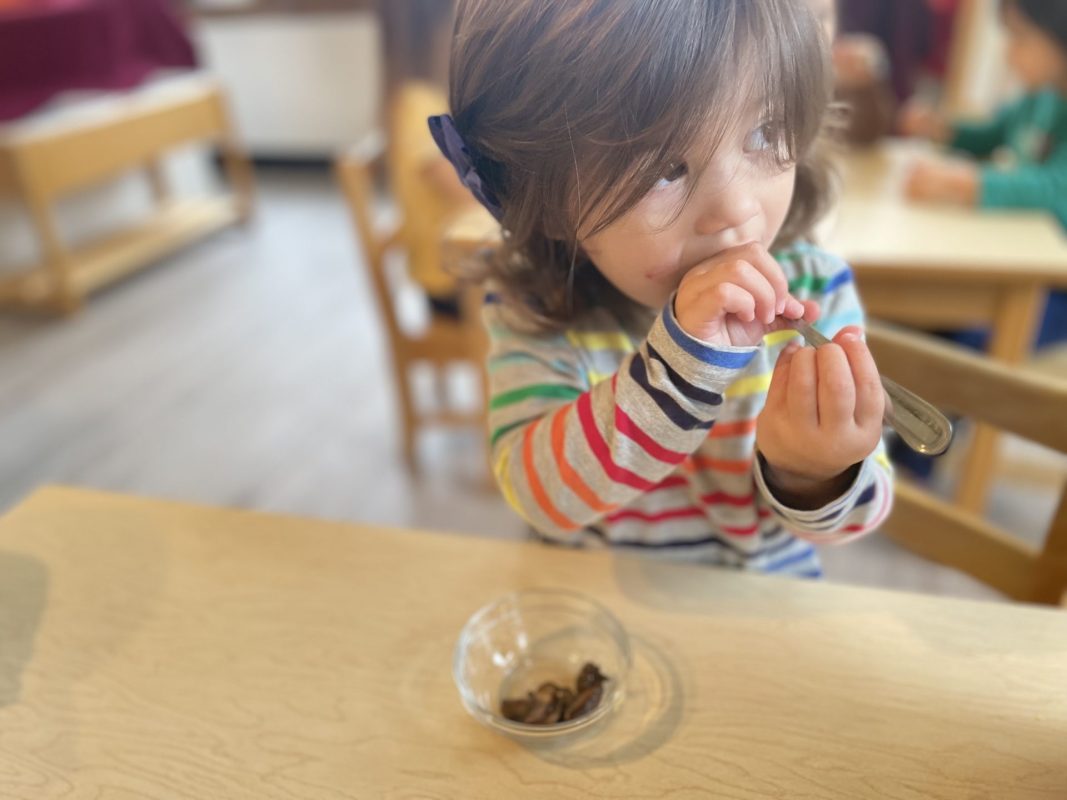
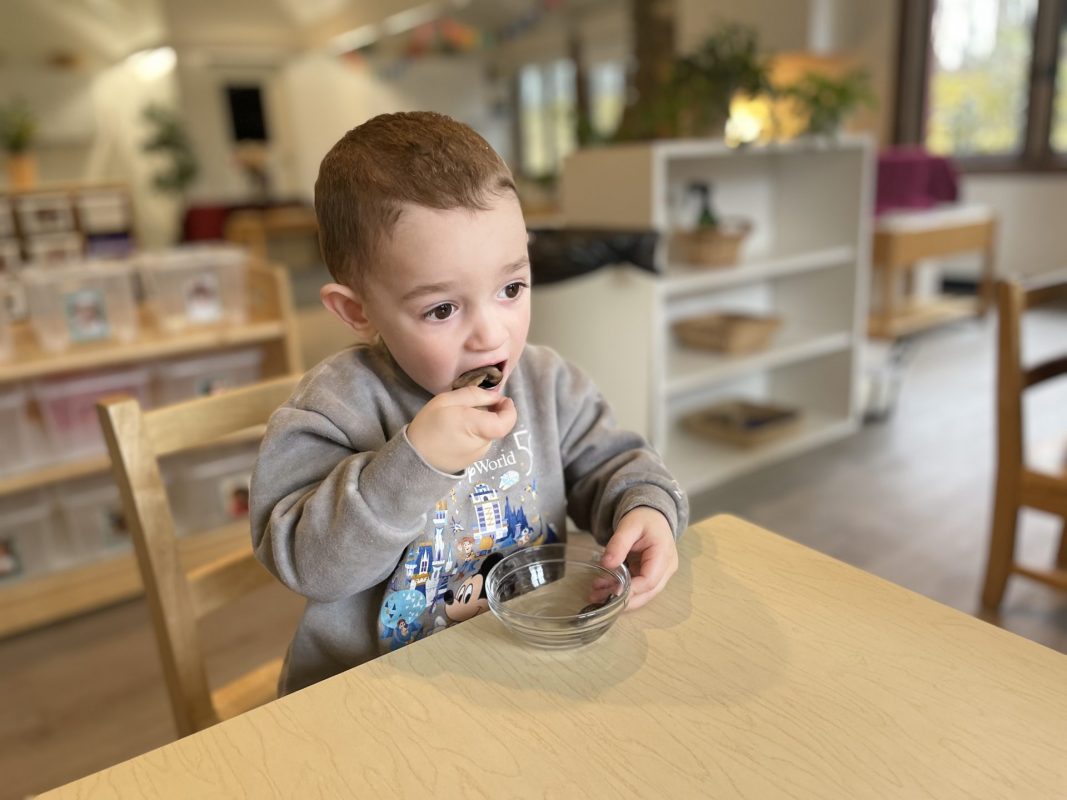
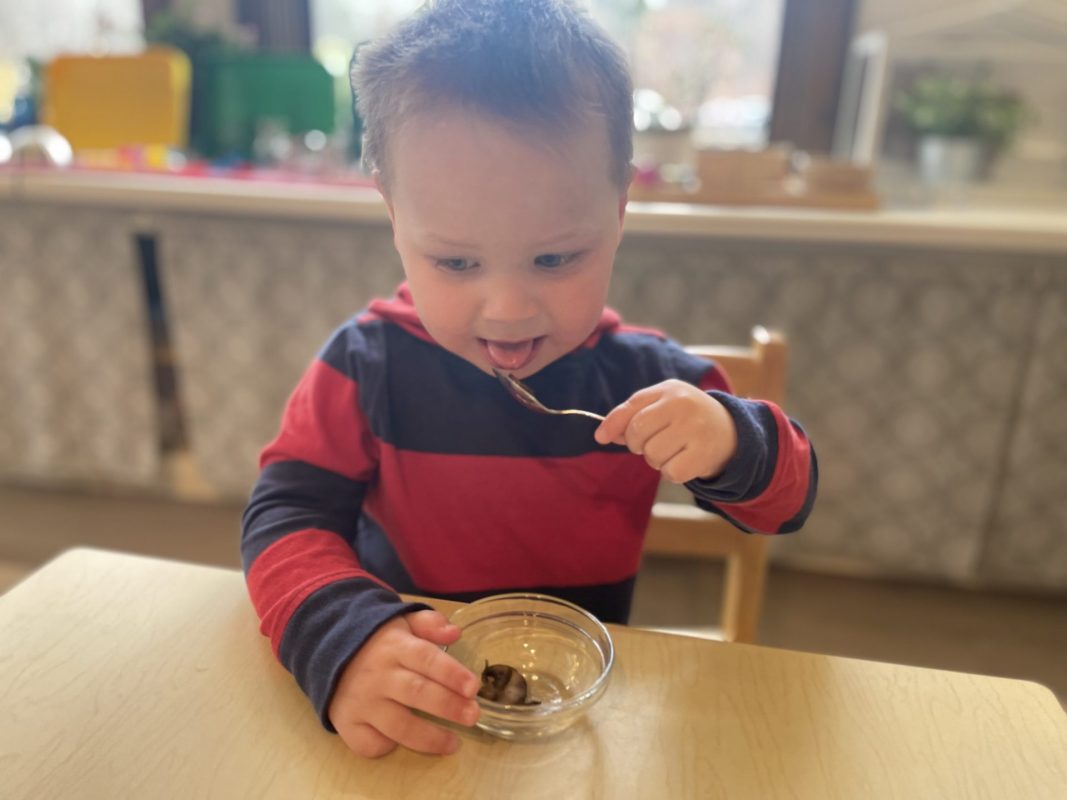
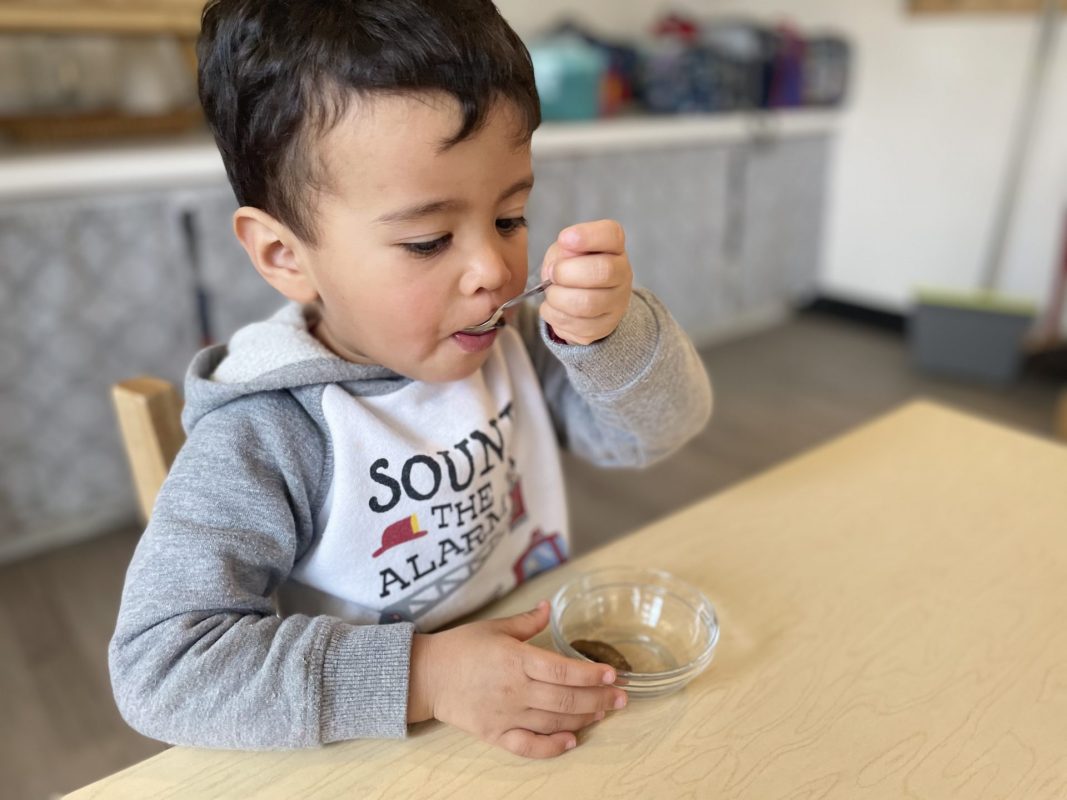
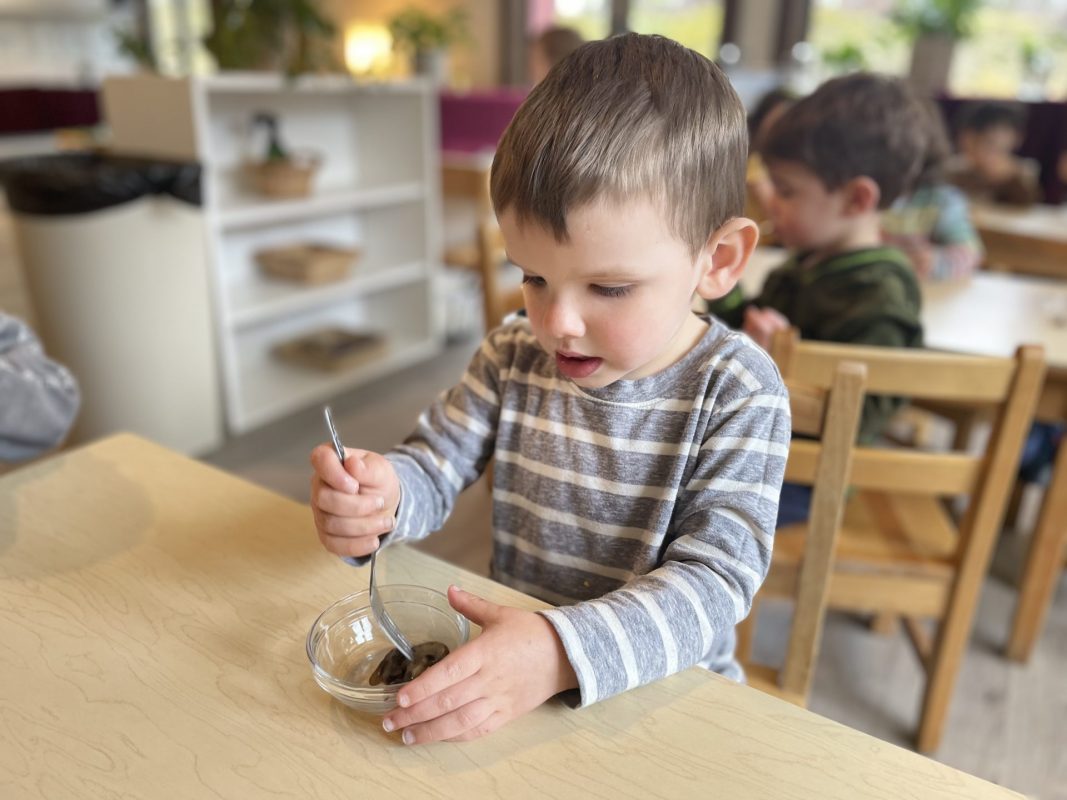
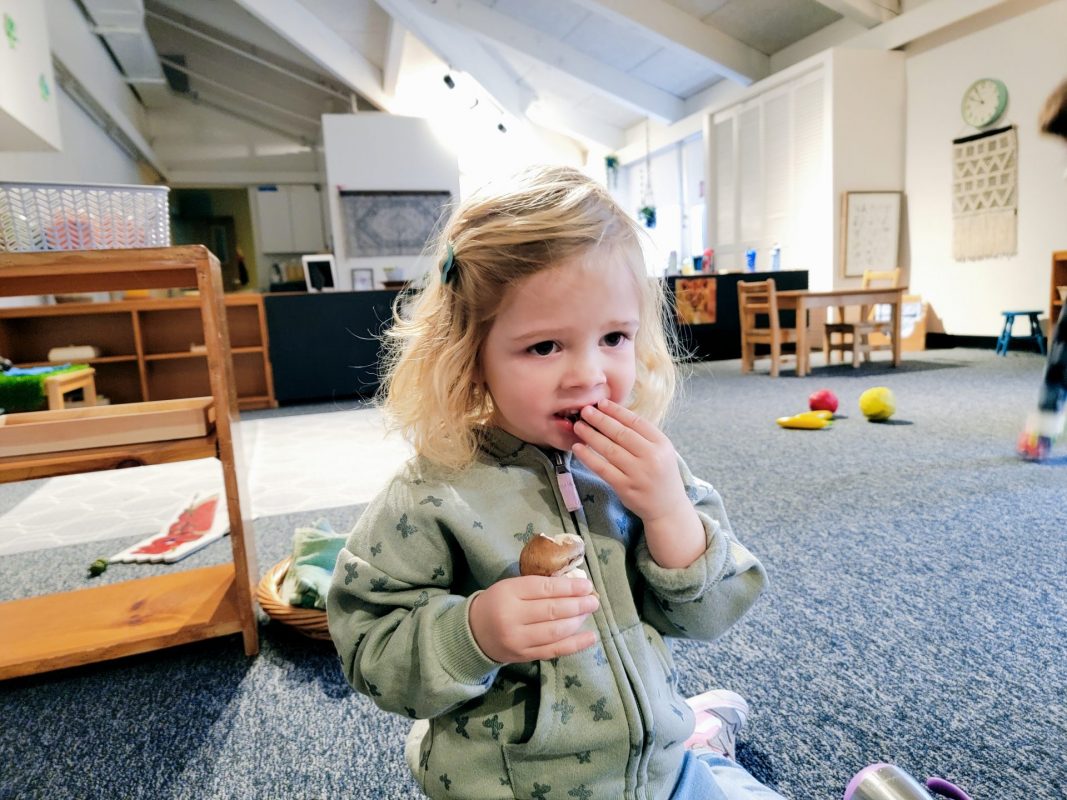
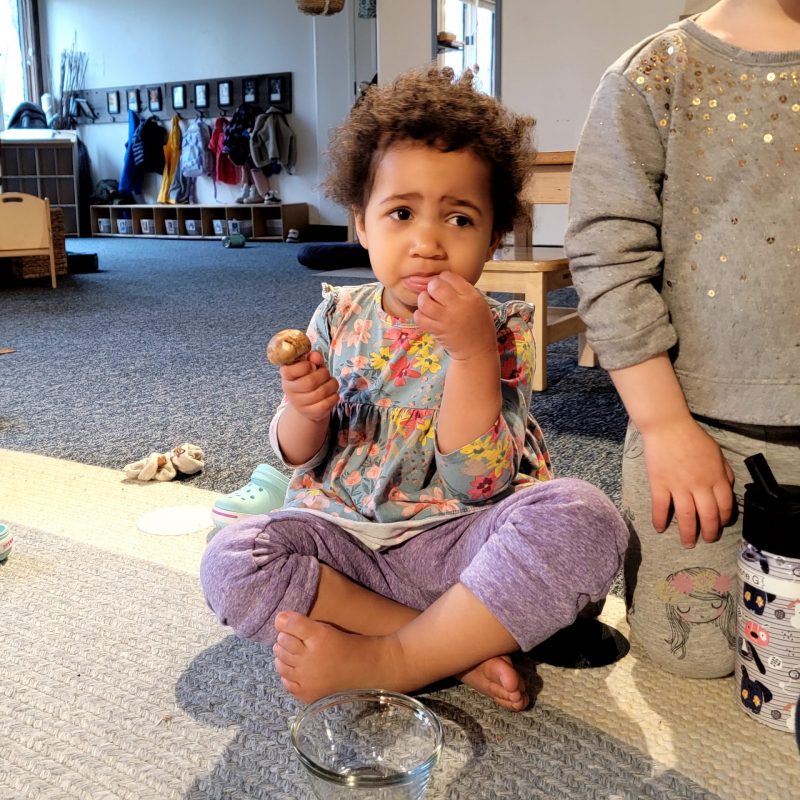
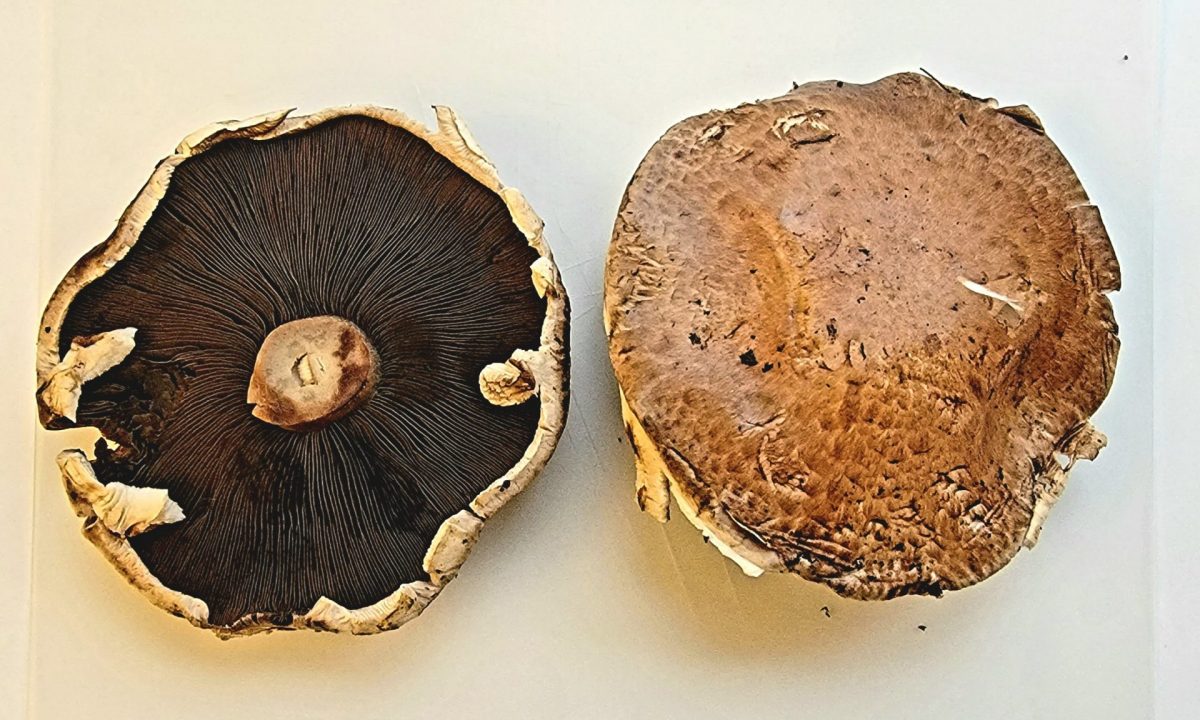
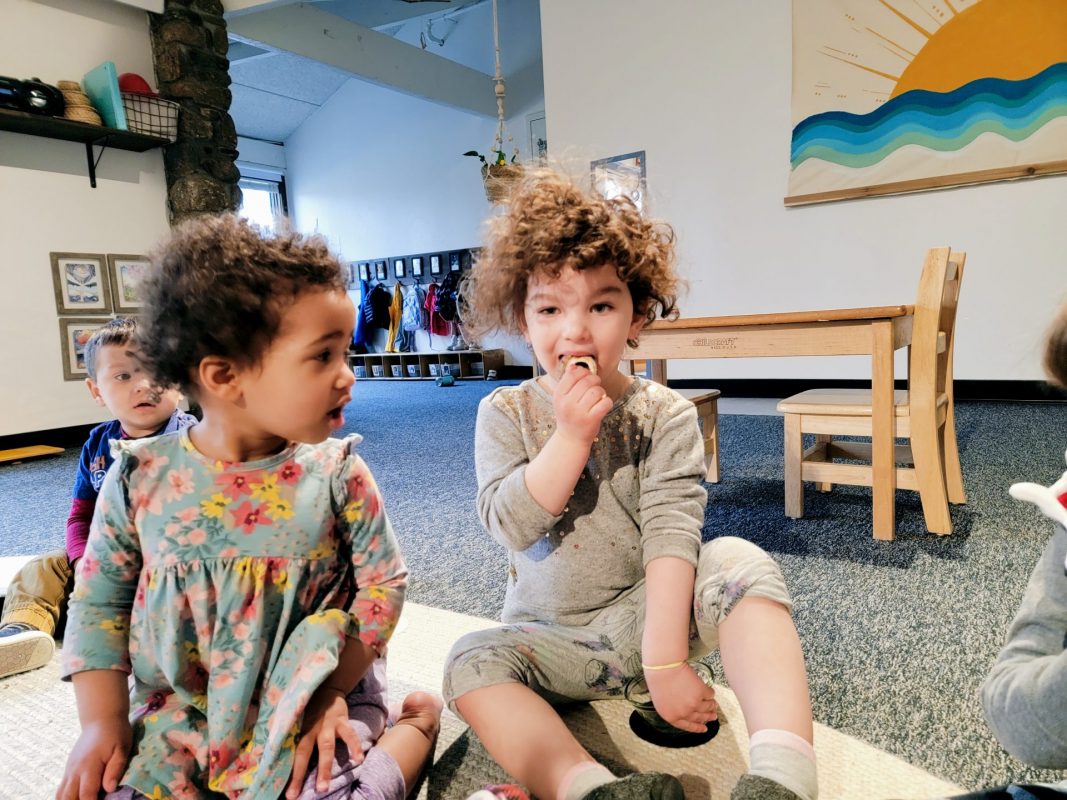
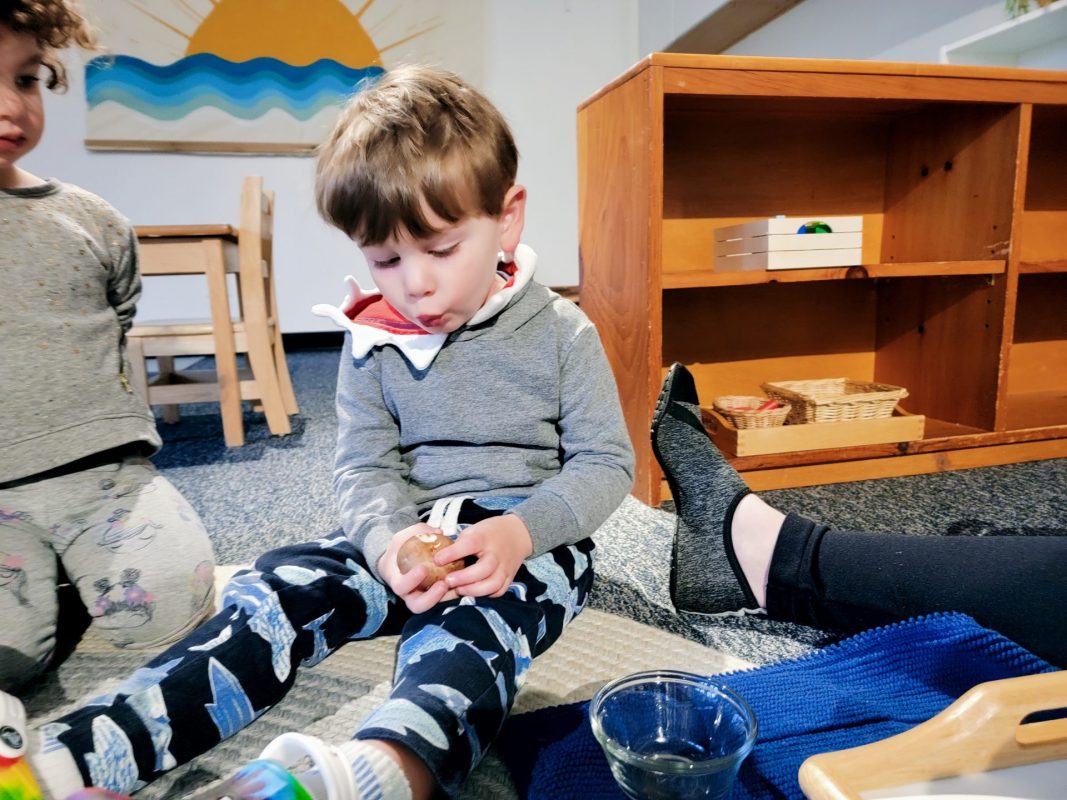
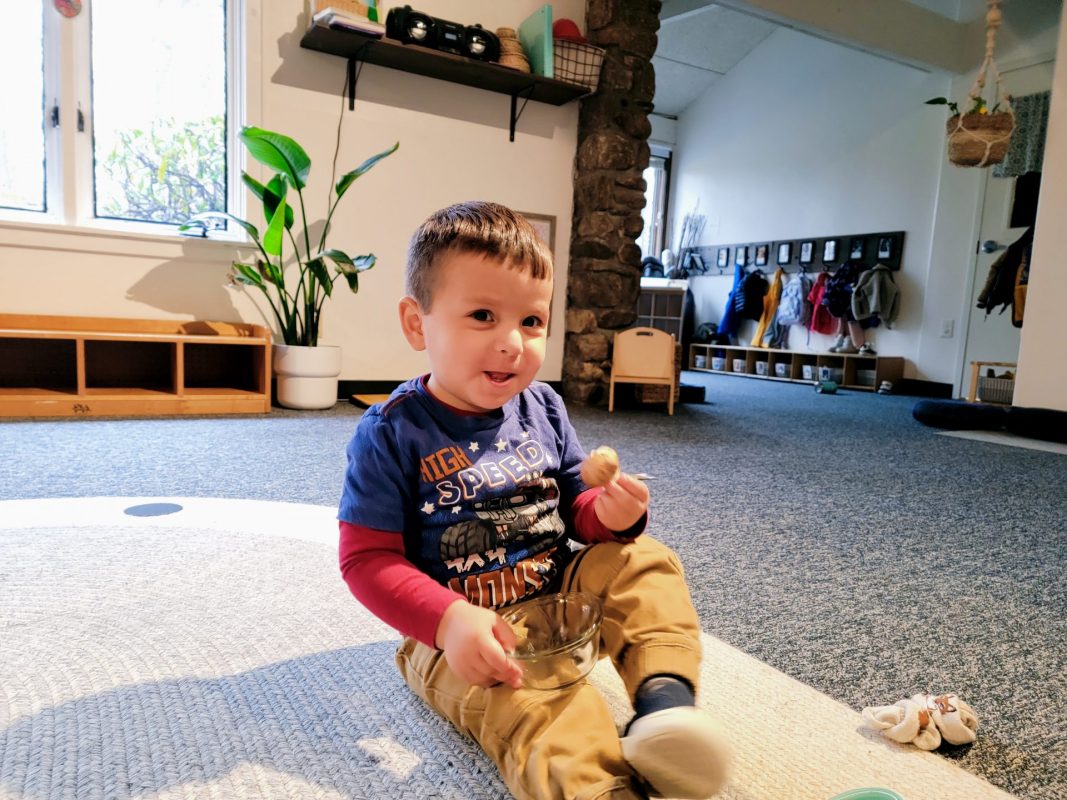
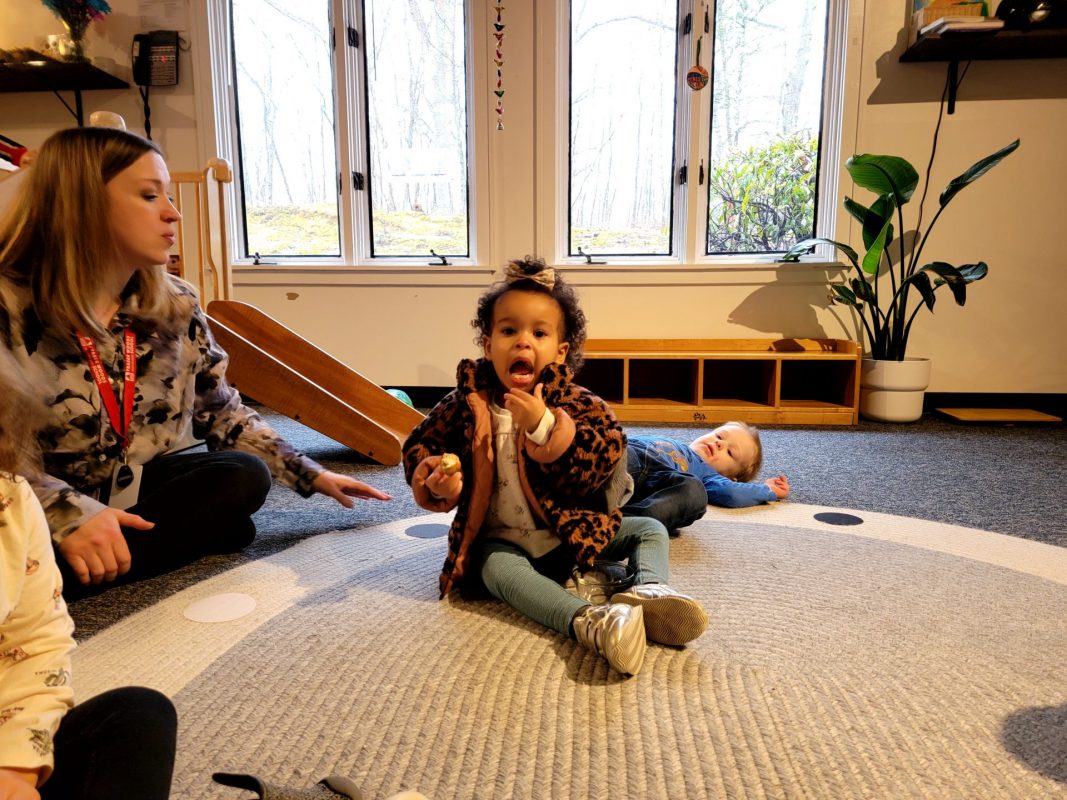
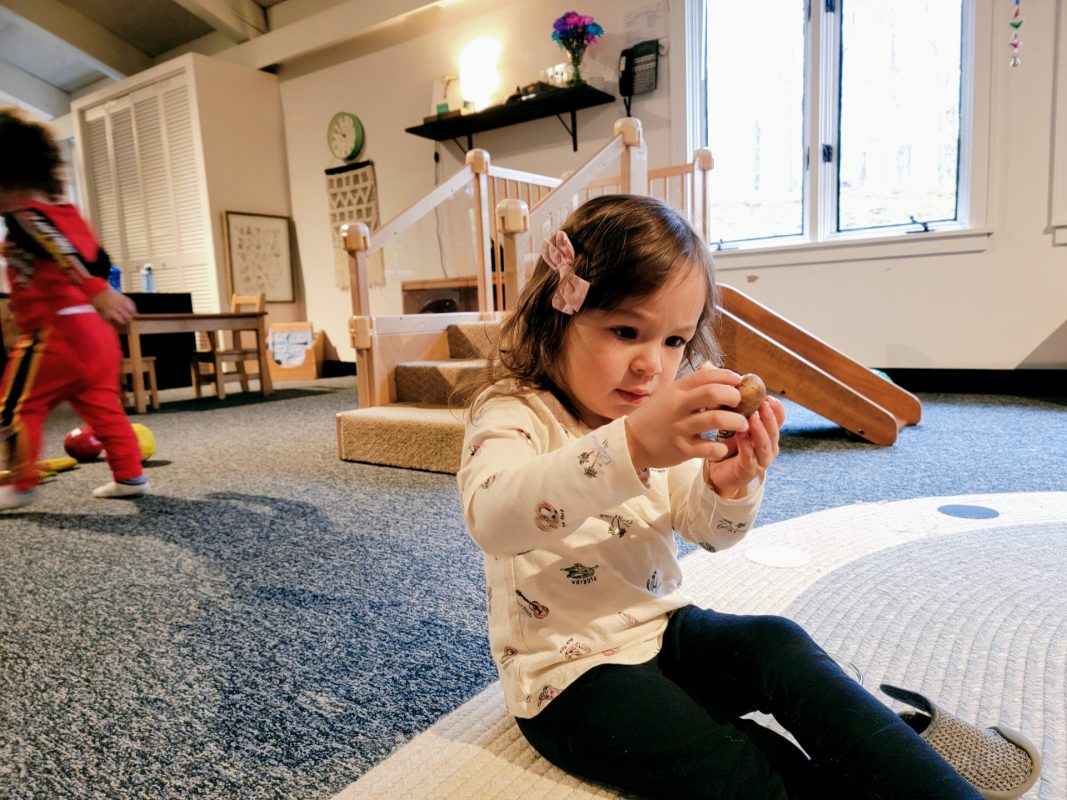
For food tasting, we explored a mushroom. As children touched, observed and smelled the mushroom, the most recurrent adjective we heard was “stinky,” however, as we encouraged the children throughout  the presentation to not get deceived by the looks or smells of a food, but always try the food since they might get surprised, children followed the advice and I happily report that the mushroom was very well received by 98% of the class who kept asking for more and more at the moment of tasting it.

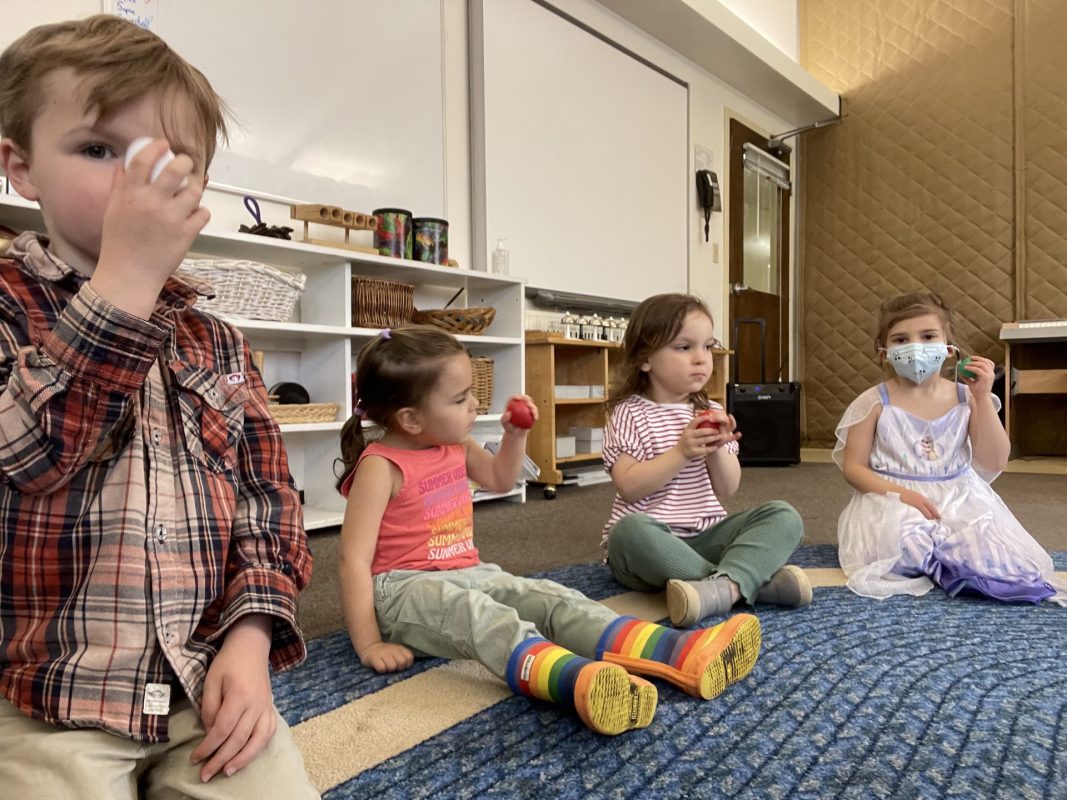
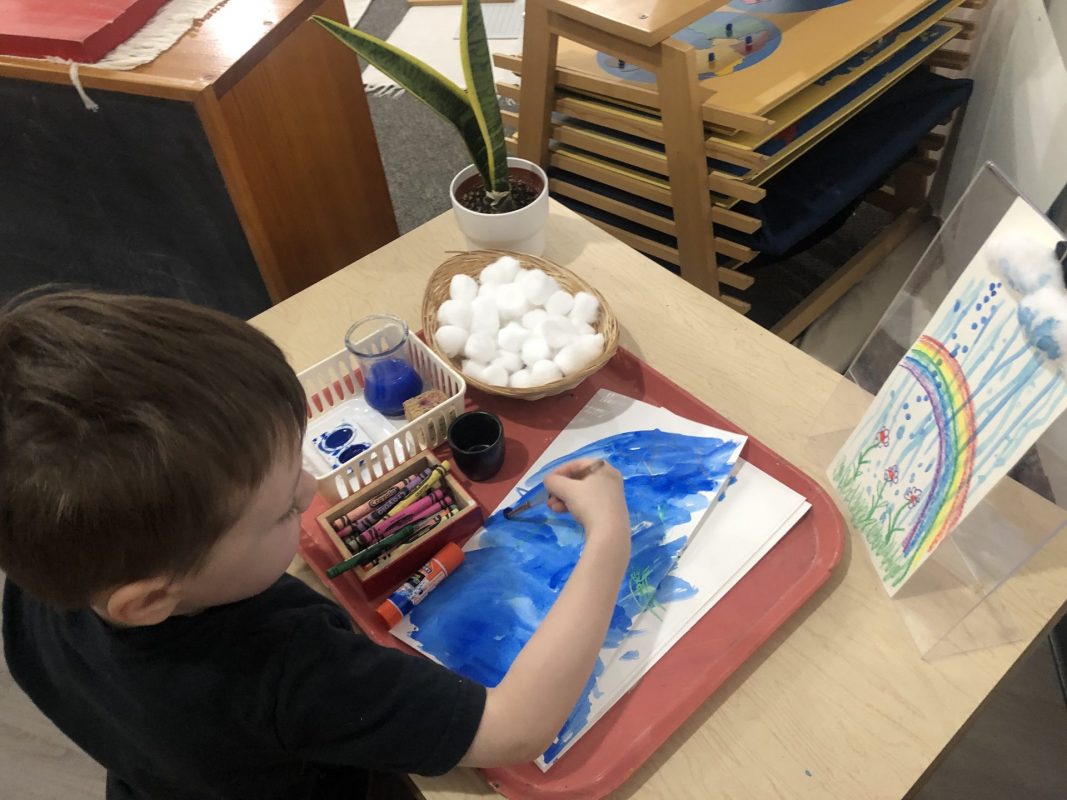
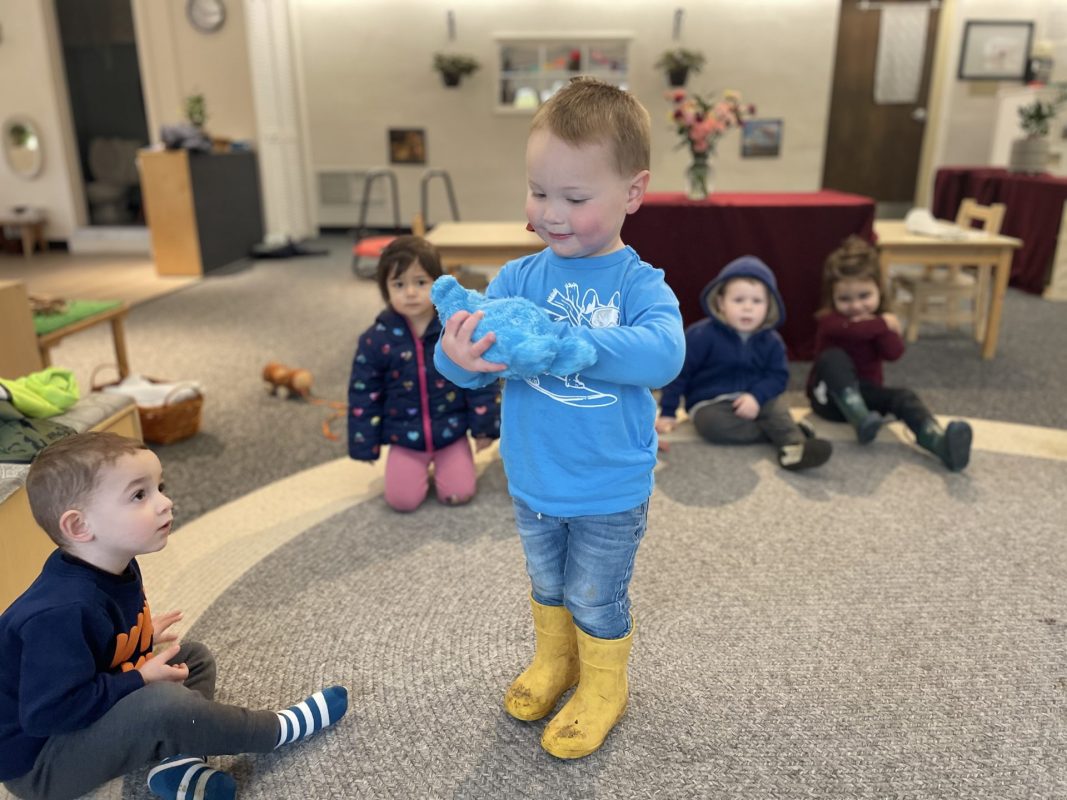
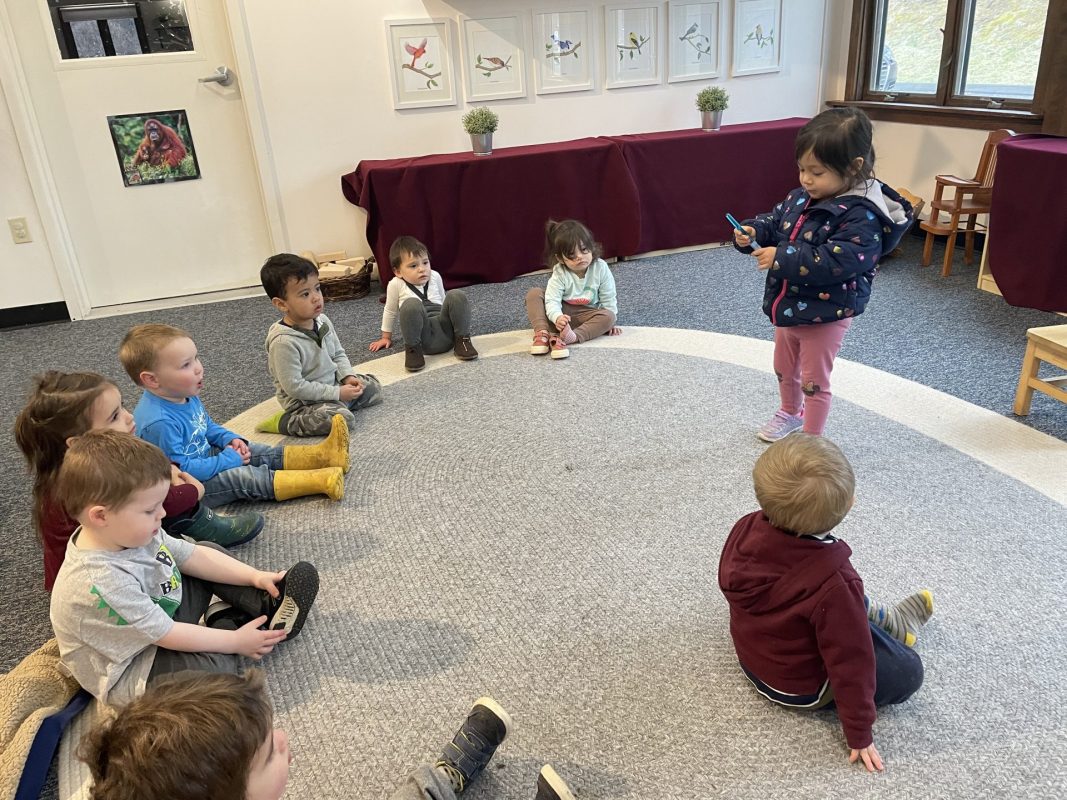
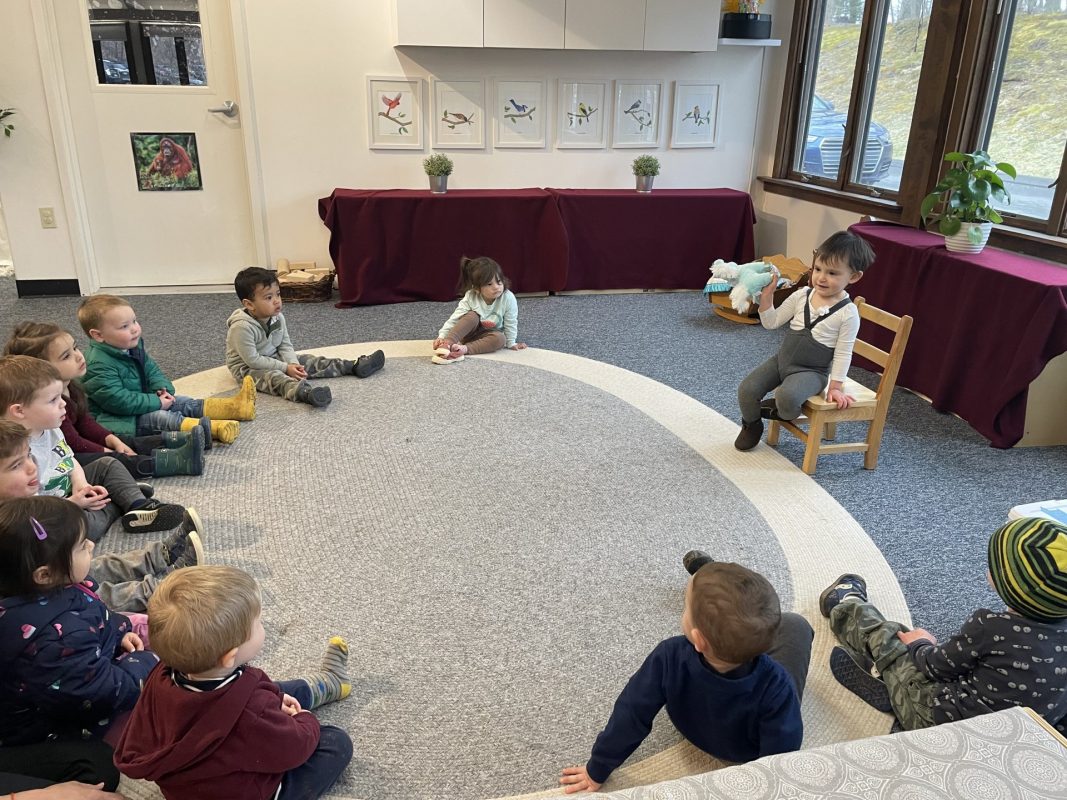
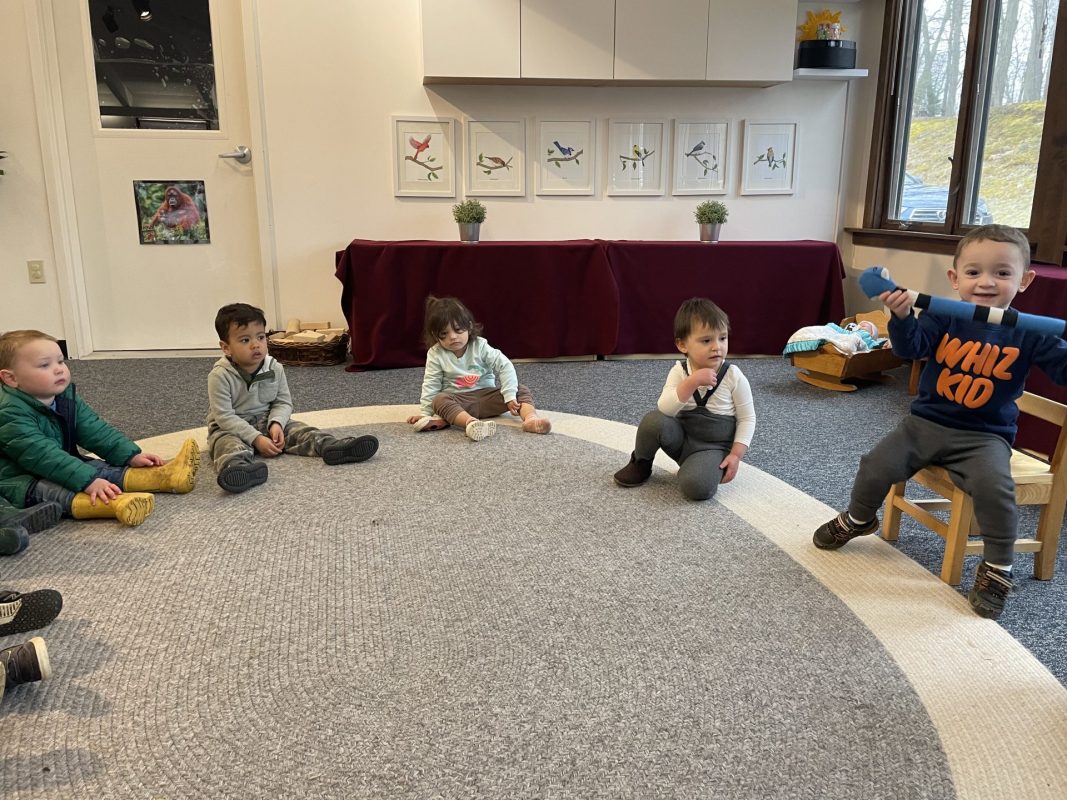
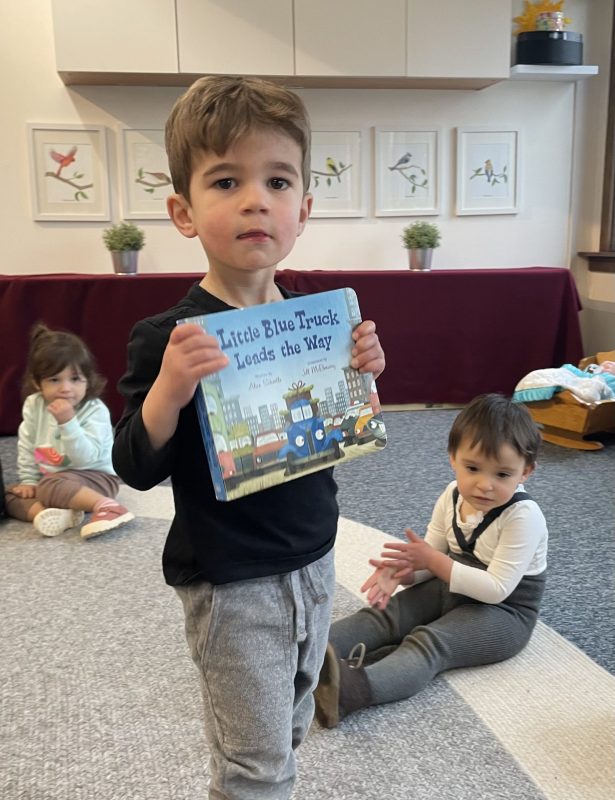
This week we explored the color BLUE.  Children seemed to enjoy sharing their blue items brought from home for our sharing time. They were thrilled to be able to sit in the teacher’s chair this week and share verbally about their objects. With few or many words, this is becoming one beloved activity in our environment. We thank you again for your support to make this happen.

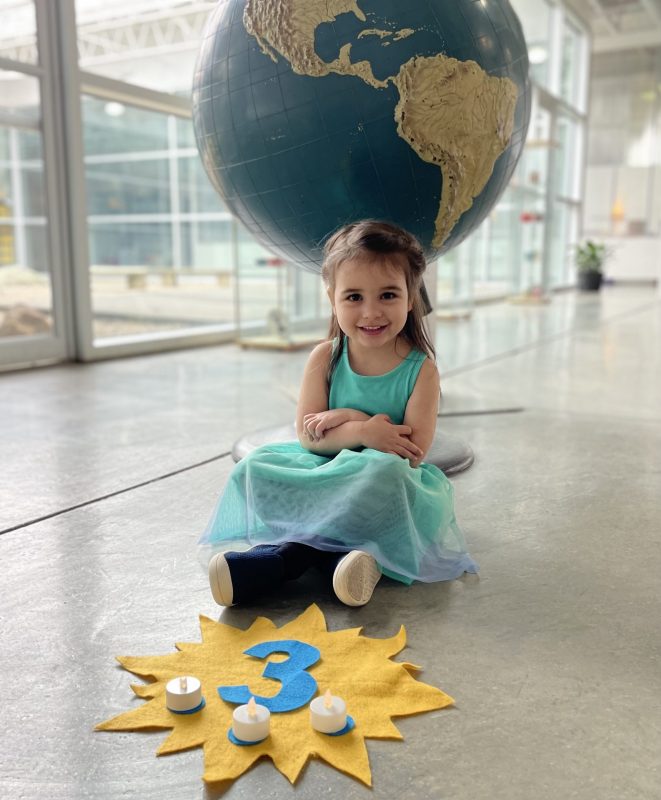
Lastly, we celebrated together the life of one of our special friends and we couldn’t be more proud of how much growth has happened in her life.

Enjoy the weekend and see you next week!

Mrs. Hood and Ms. Maria
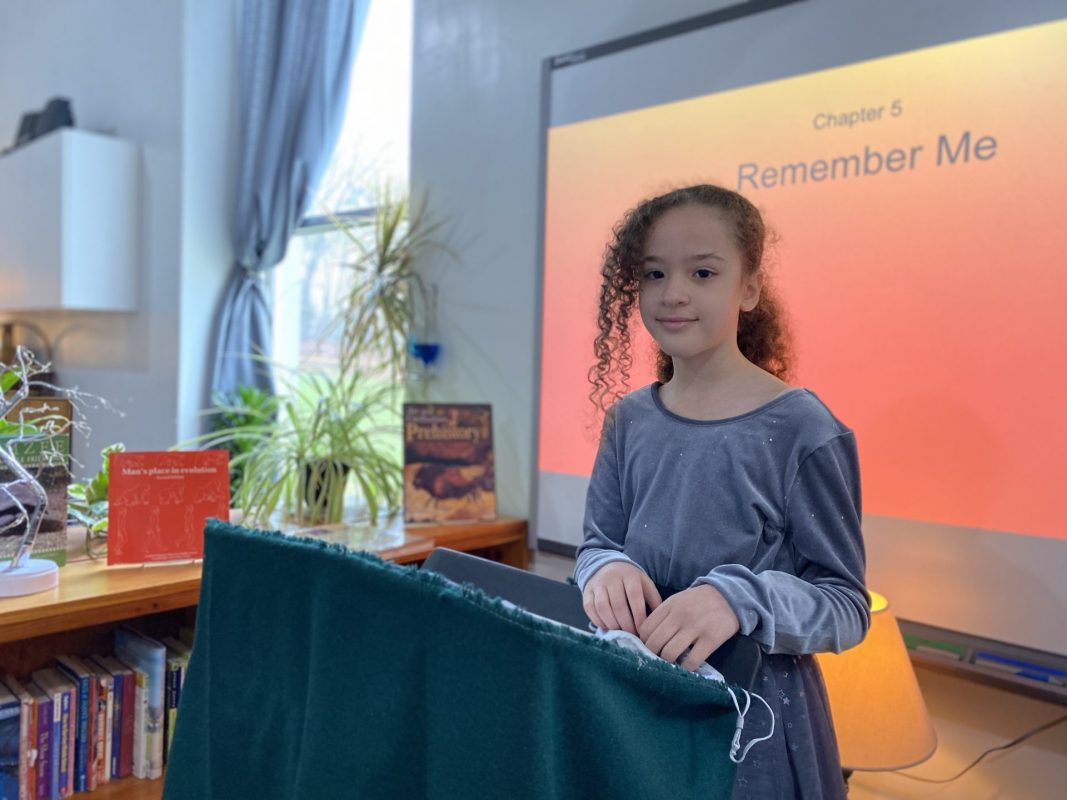

A few words from Alumni Parent: Toni Earnshaw

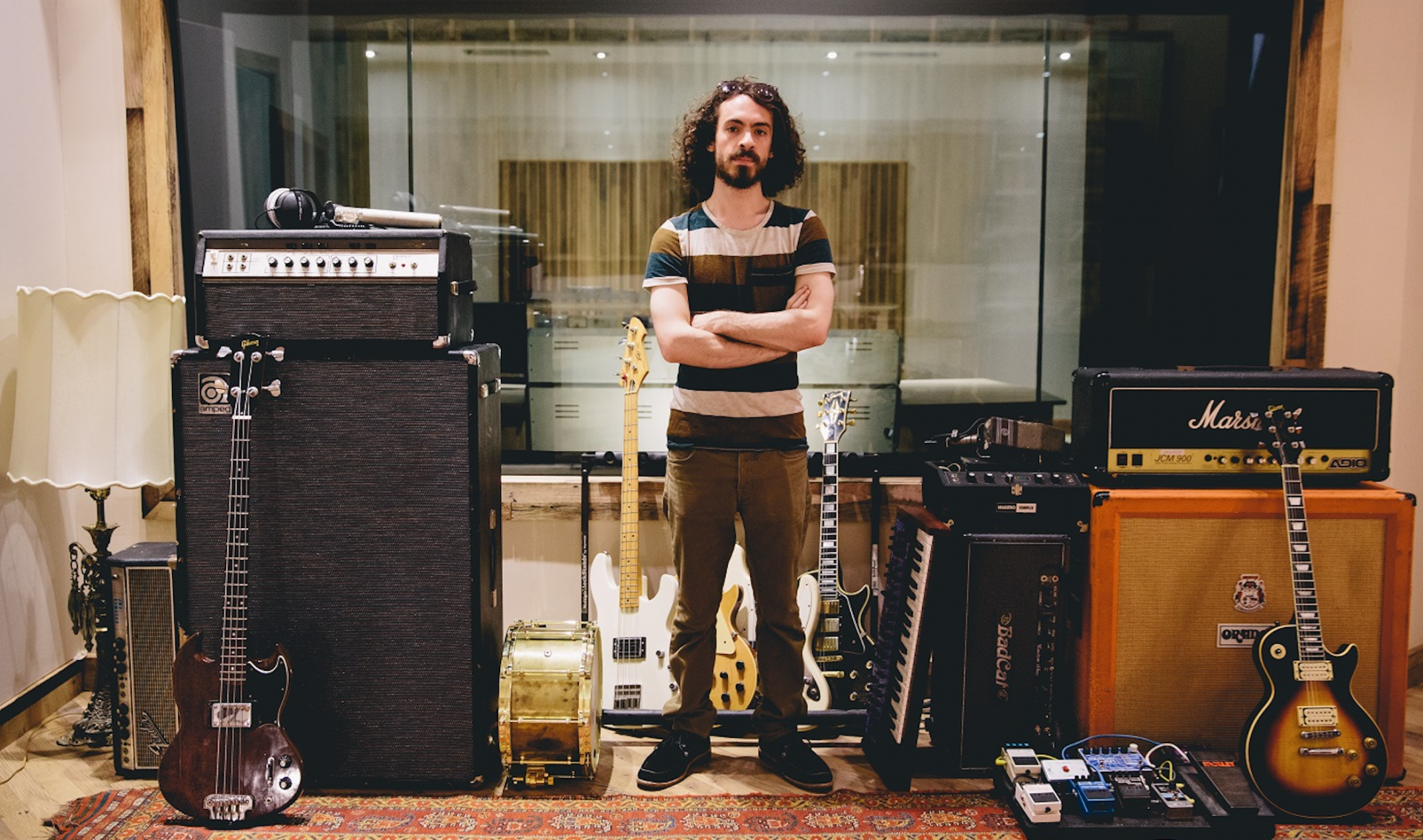
“When I think about what we loved about Fraser Woods, I think of the flexibility it offered Alex to work at his own pace. But most important, I think of the magnificent teachers that nurtured, inspired, and challenged him.  We remain grateful to all of them and to the leadership of Myriam Woods who made the school what it was when Alex attended. In my view, two skills in particular that Alex learned at Fraser Woods have served him well: writing skills and presentation skills.  I’ll never forget the many events where every student from the youngest to the oldest had to “perform” in public.  What a valuable thing it was for the school to give students the ability and the confidence to express themselves clearly and persuasively.  I wish all students everywhere had that opportunity. There is a warm spot in our hearts for Fraser Woods and there always will be.” -Toni Earnshaw, Parent of Alex Santilli FWM Class of 2003
Mrs. Wilson: Celebration of Life

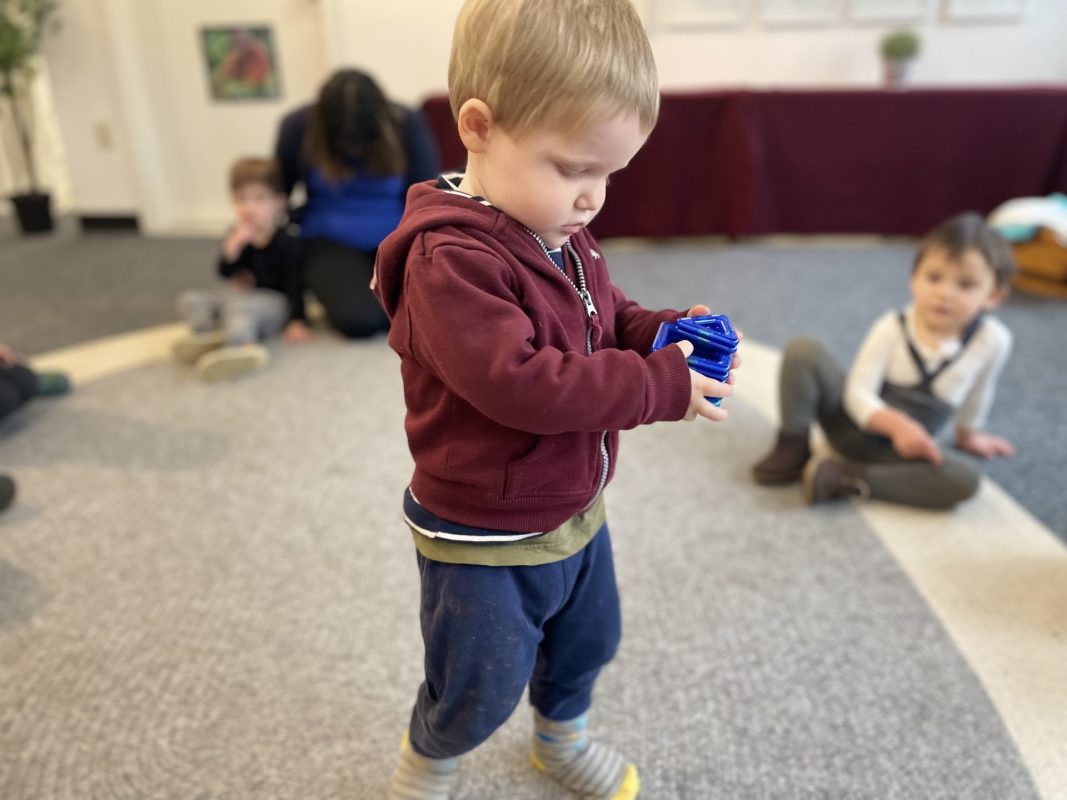
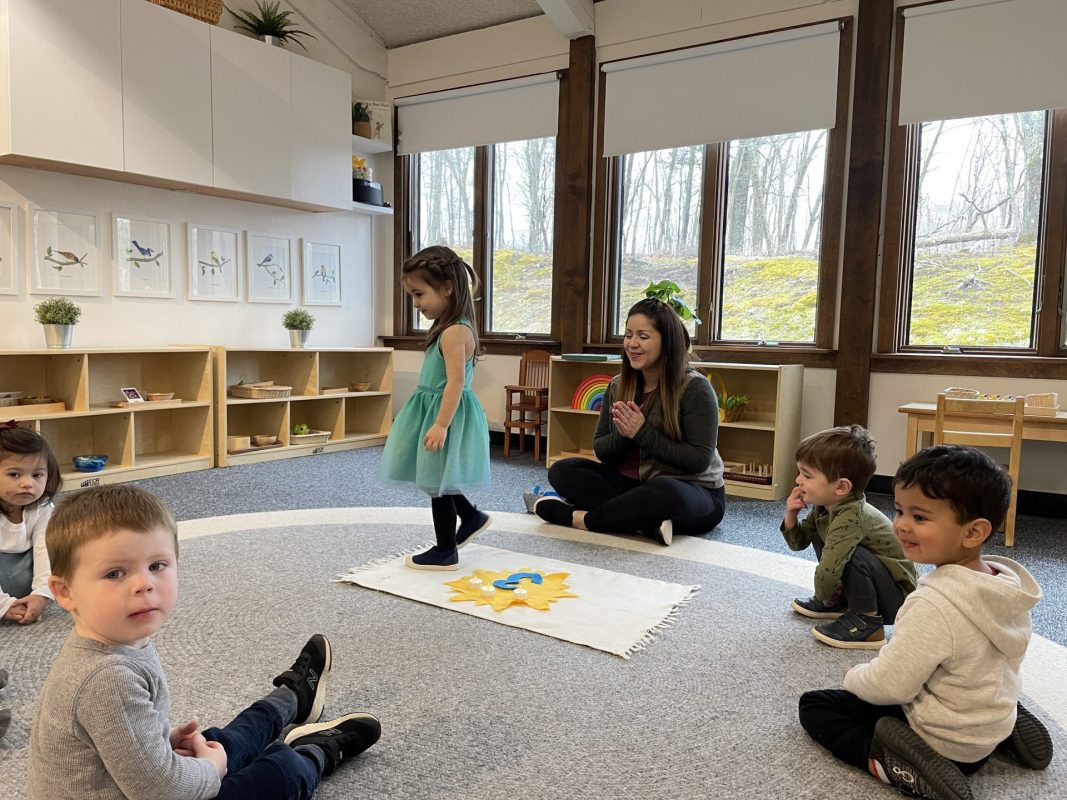
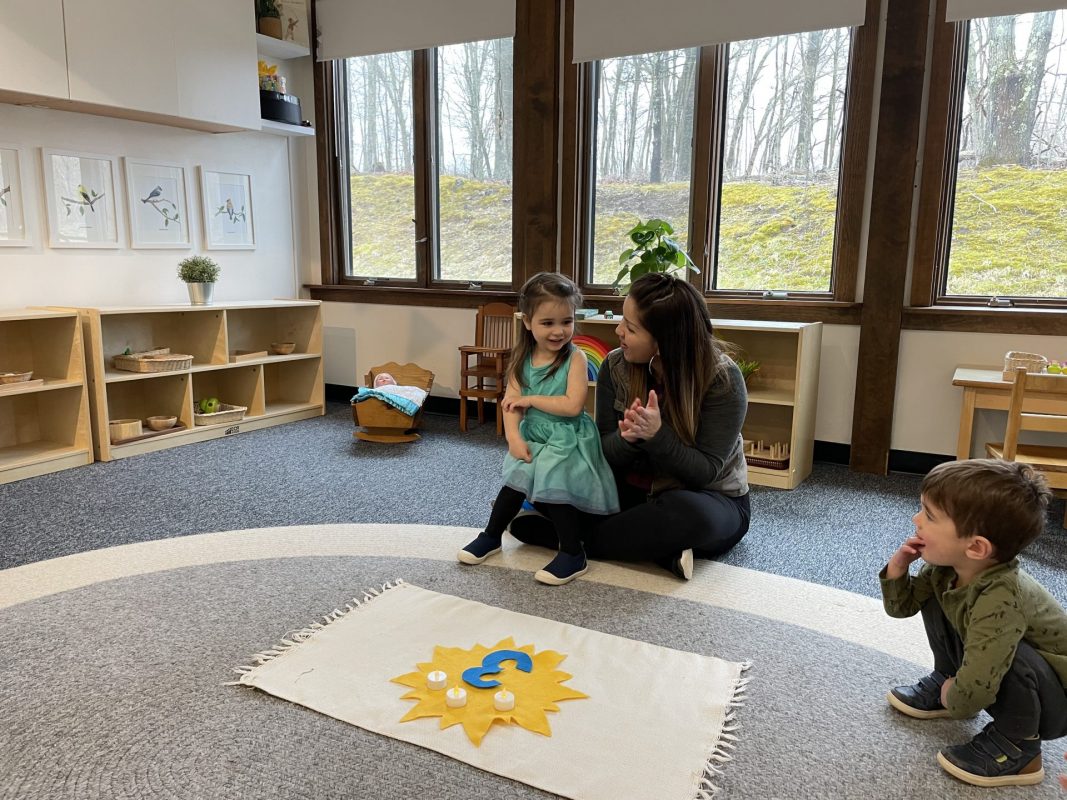
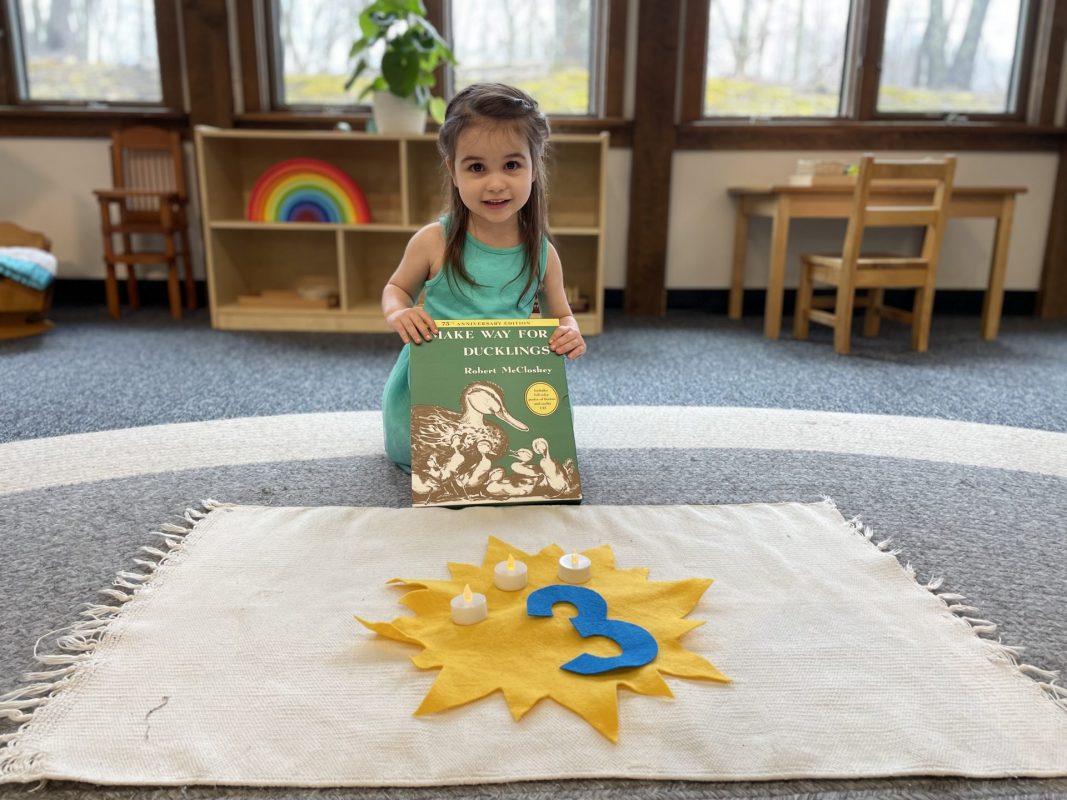
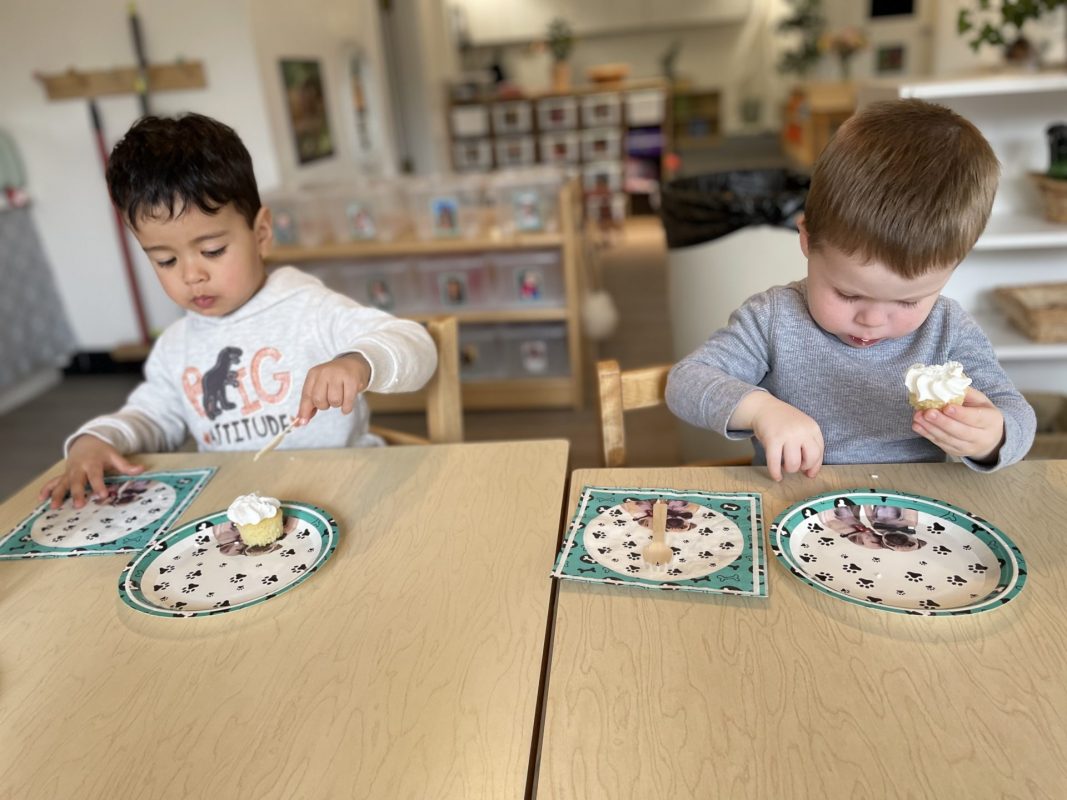
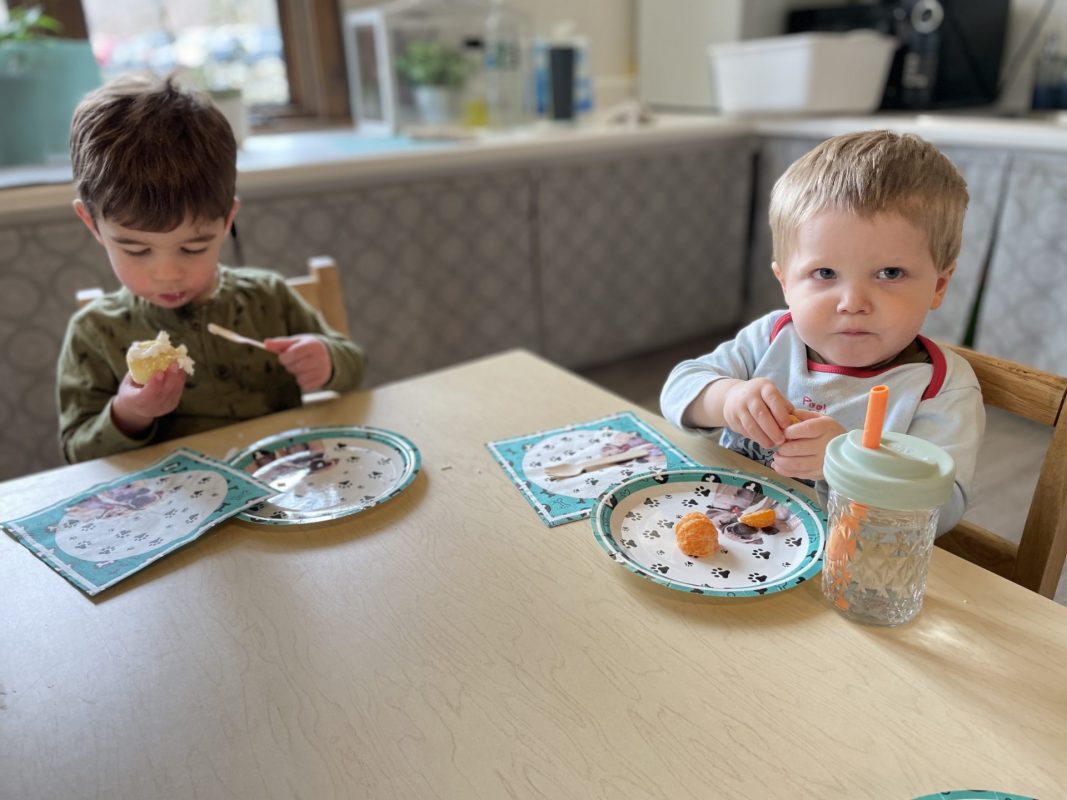
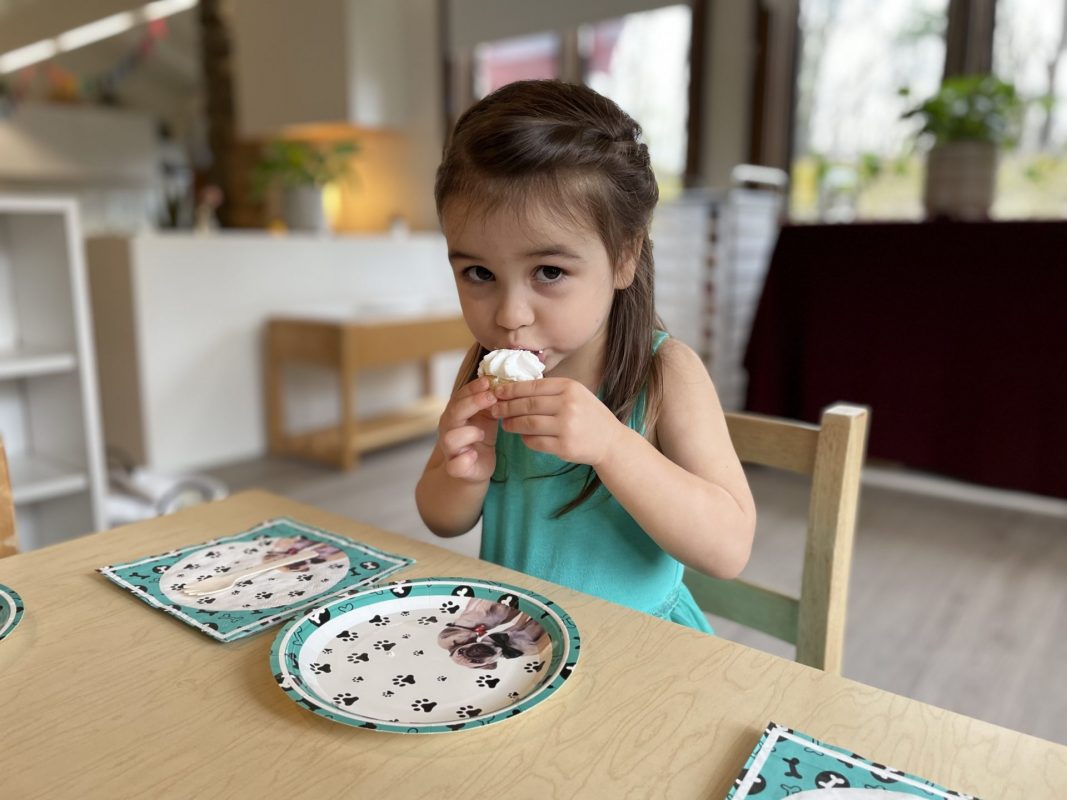
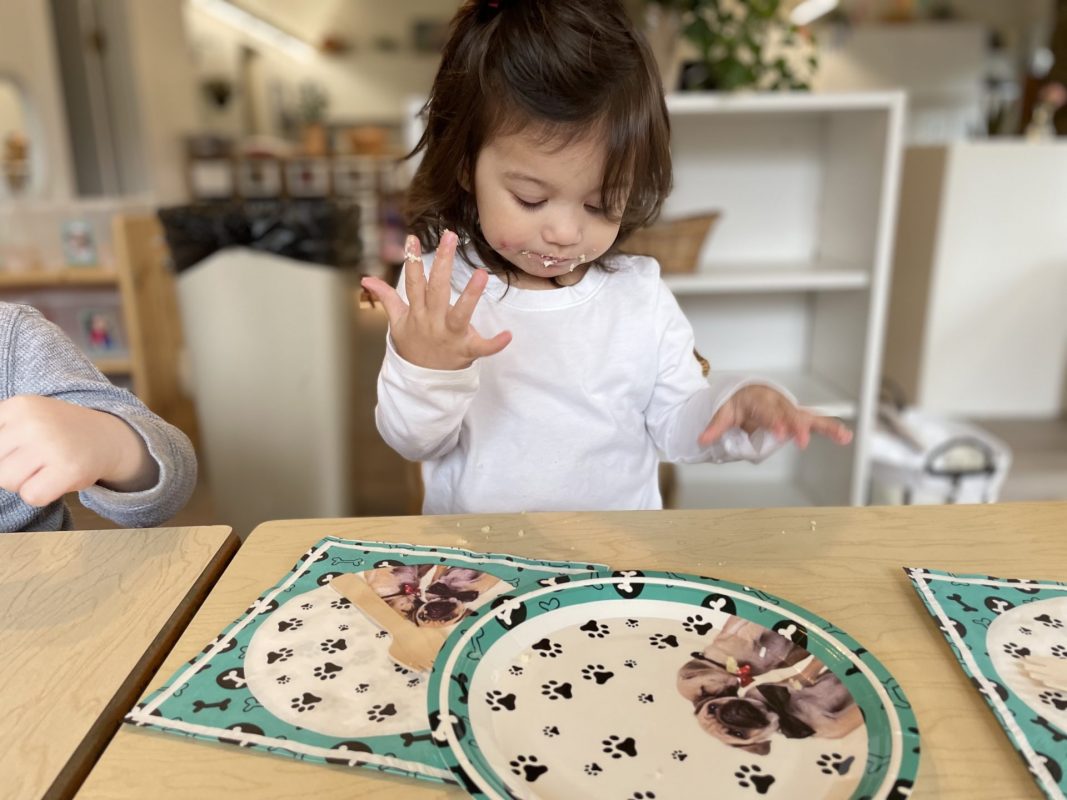
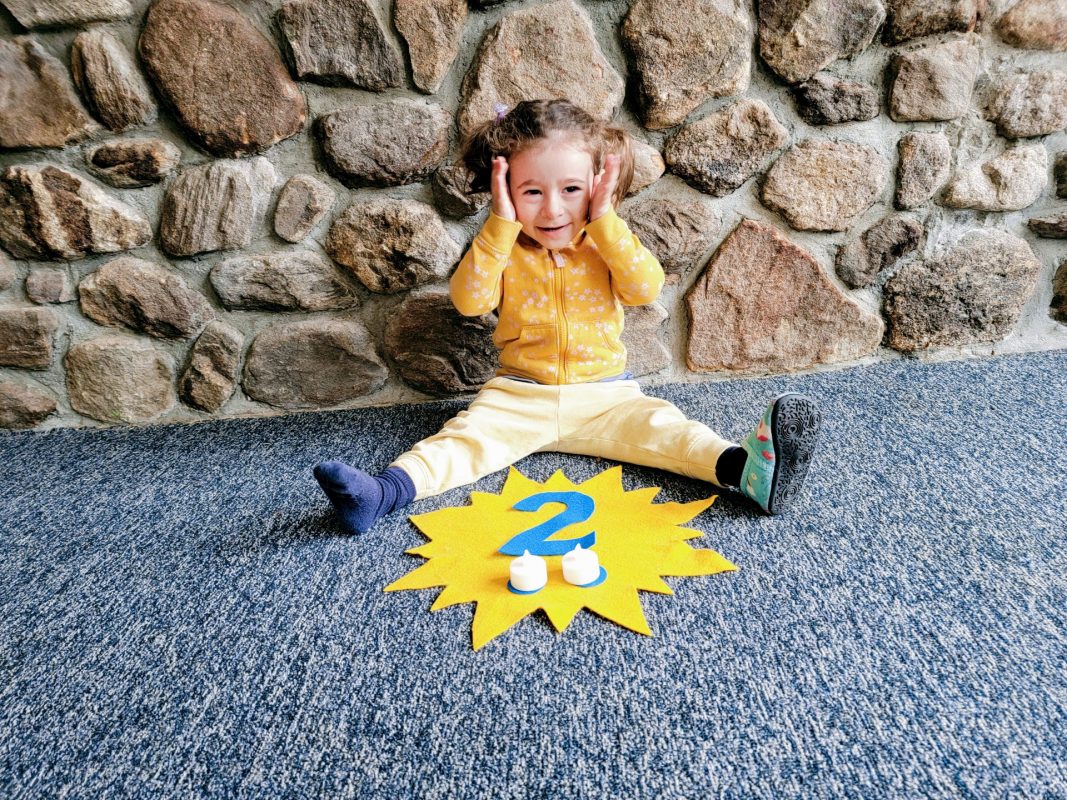
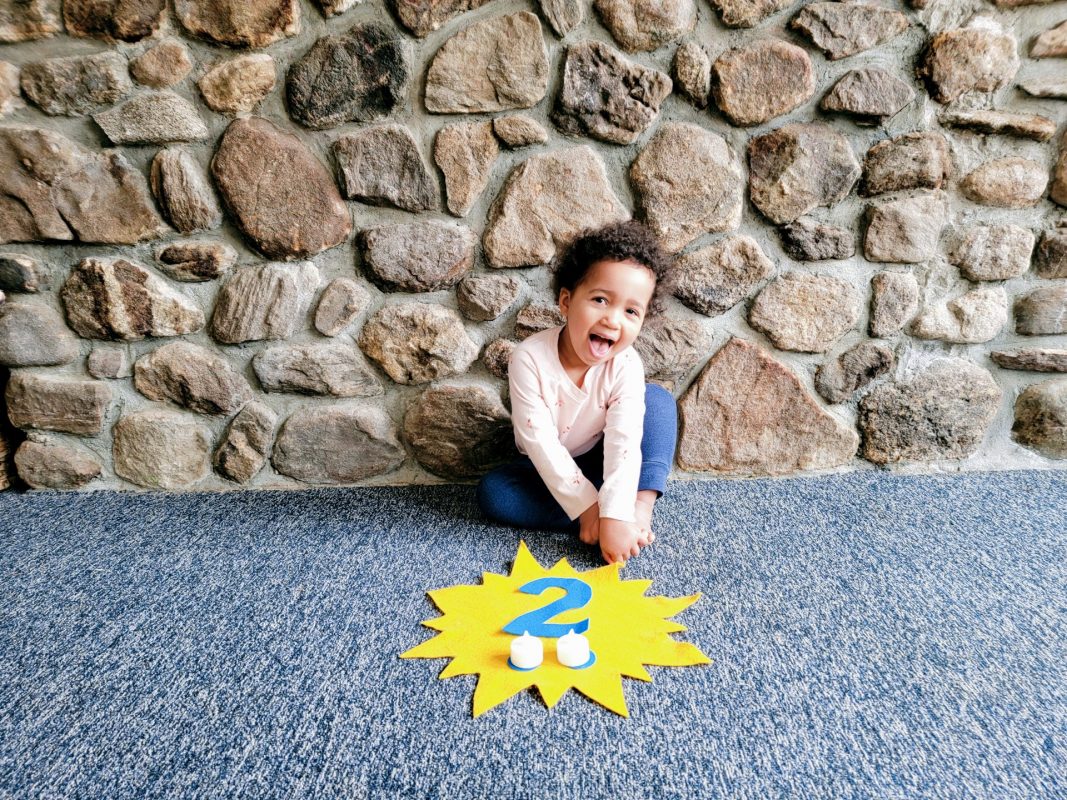
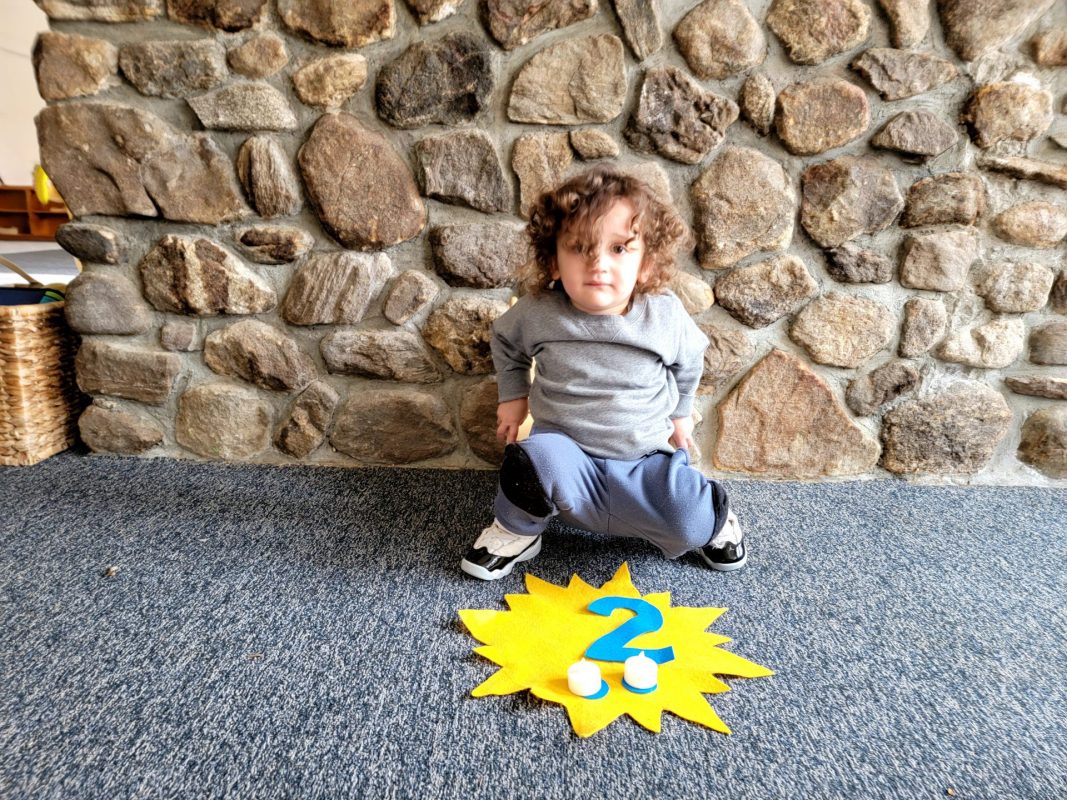
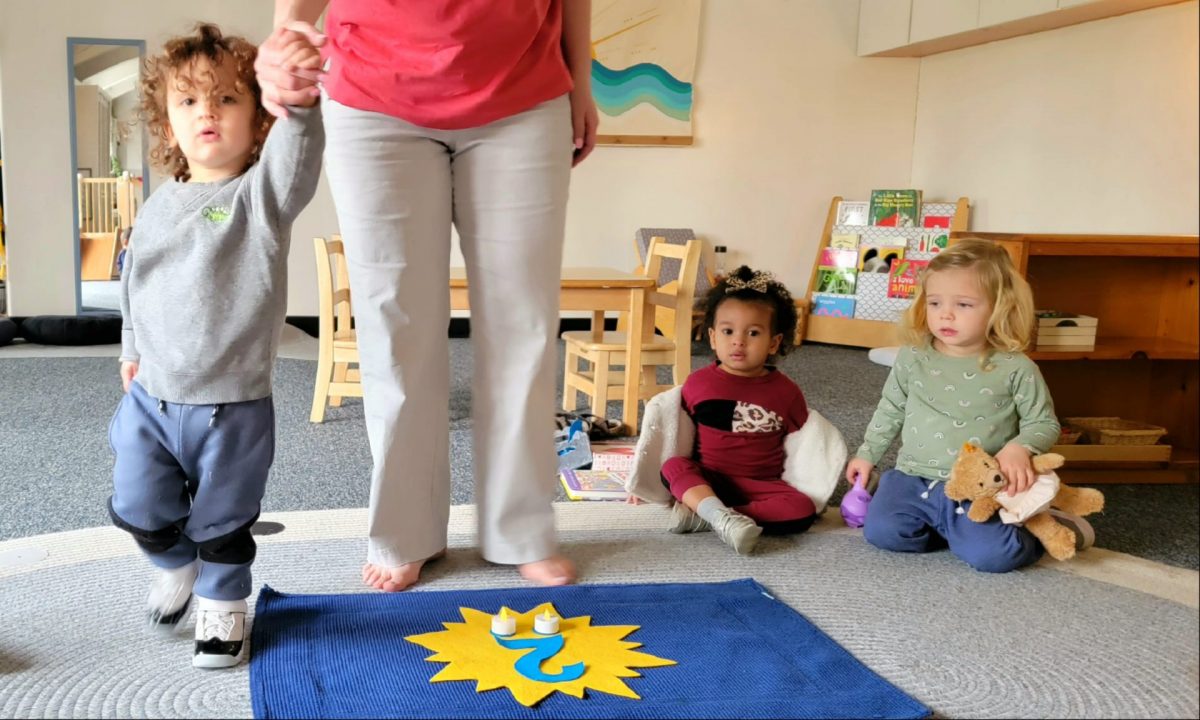
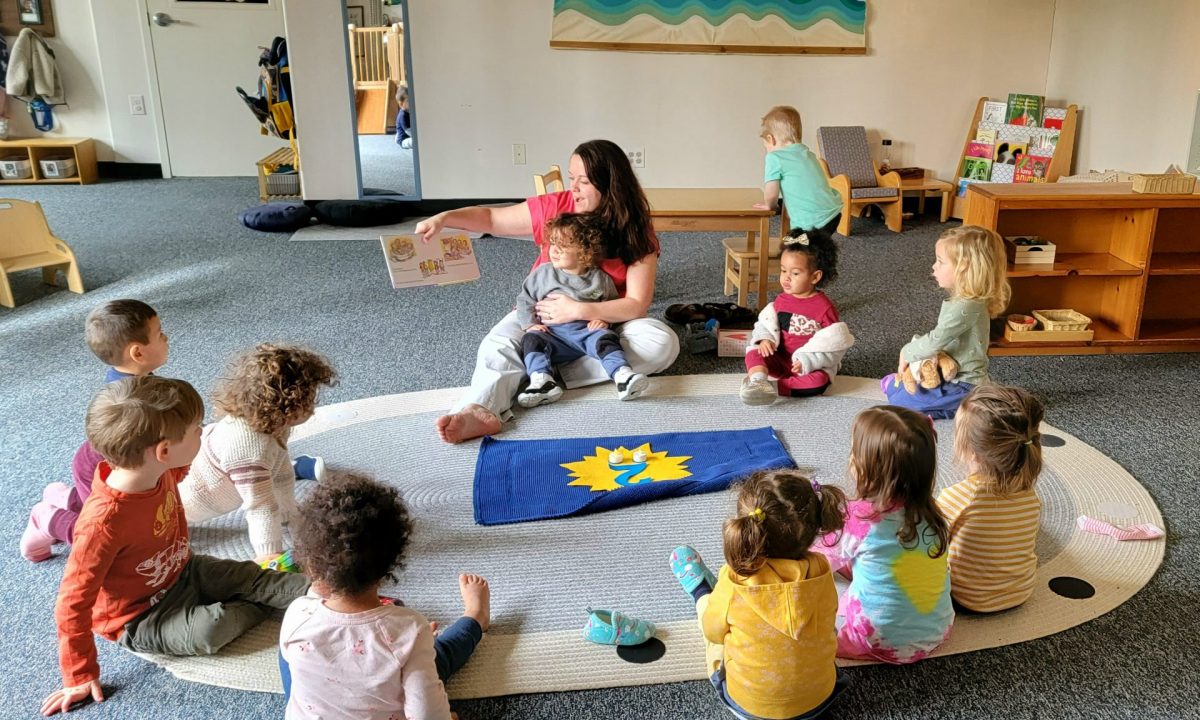
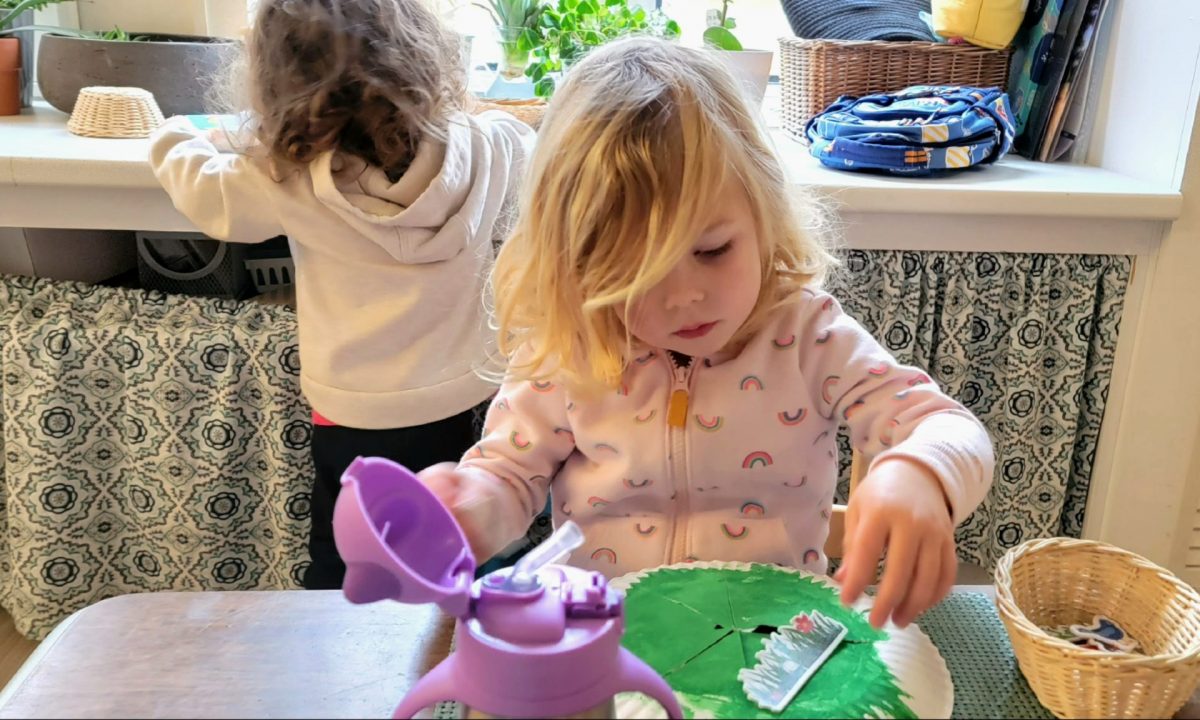
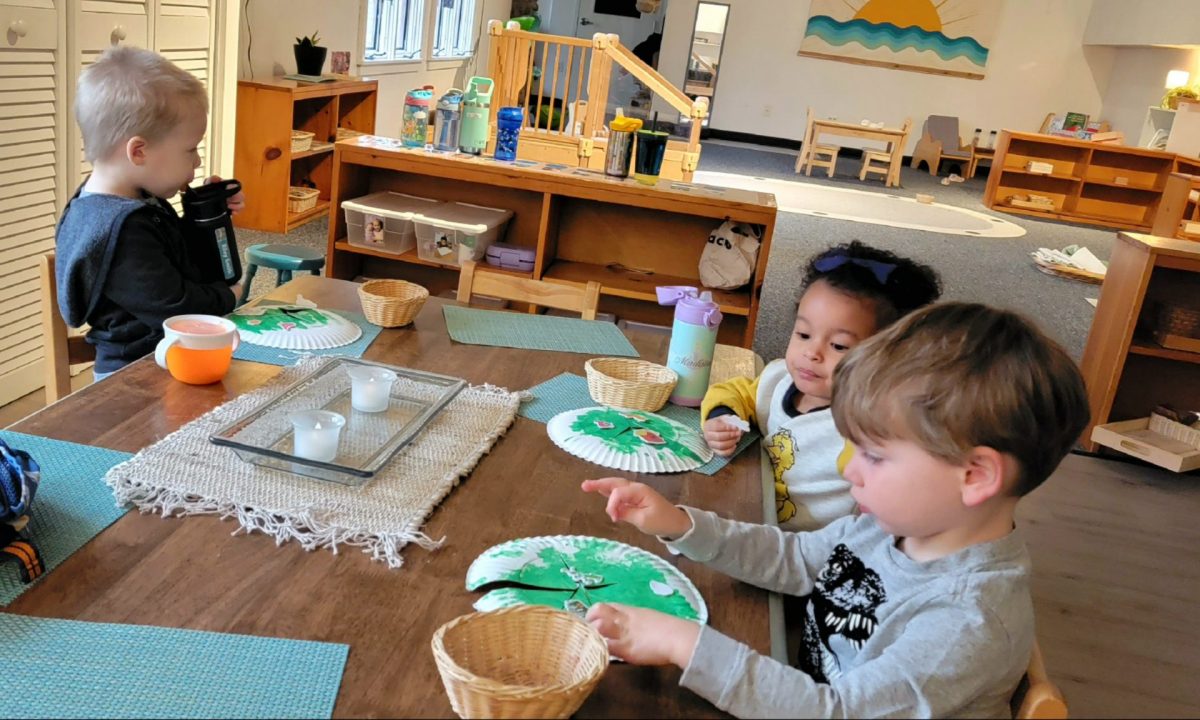
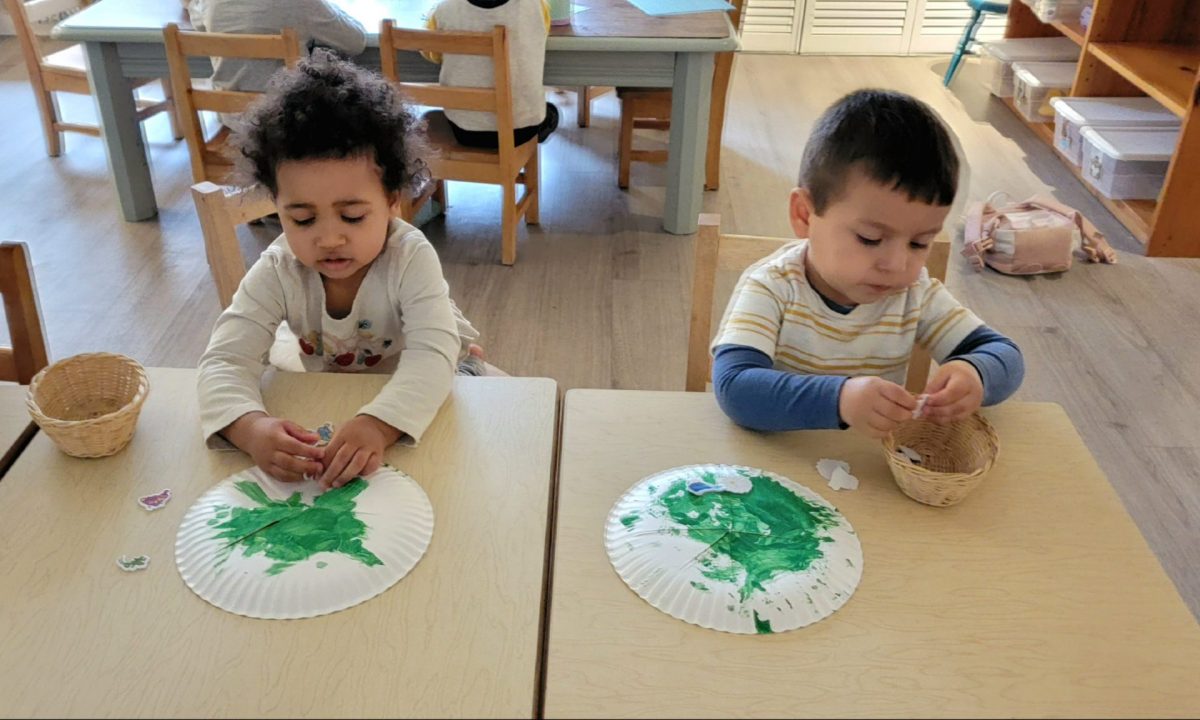
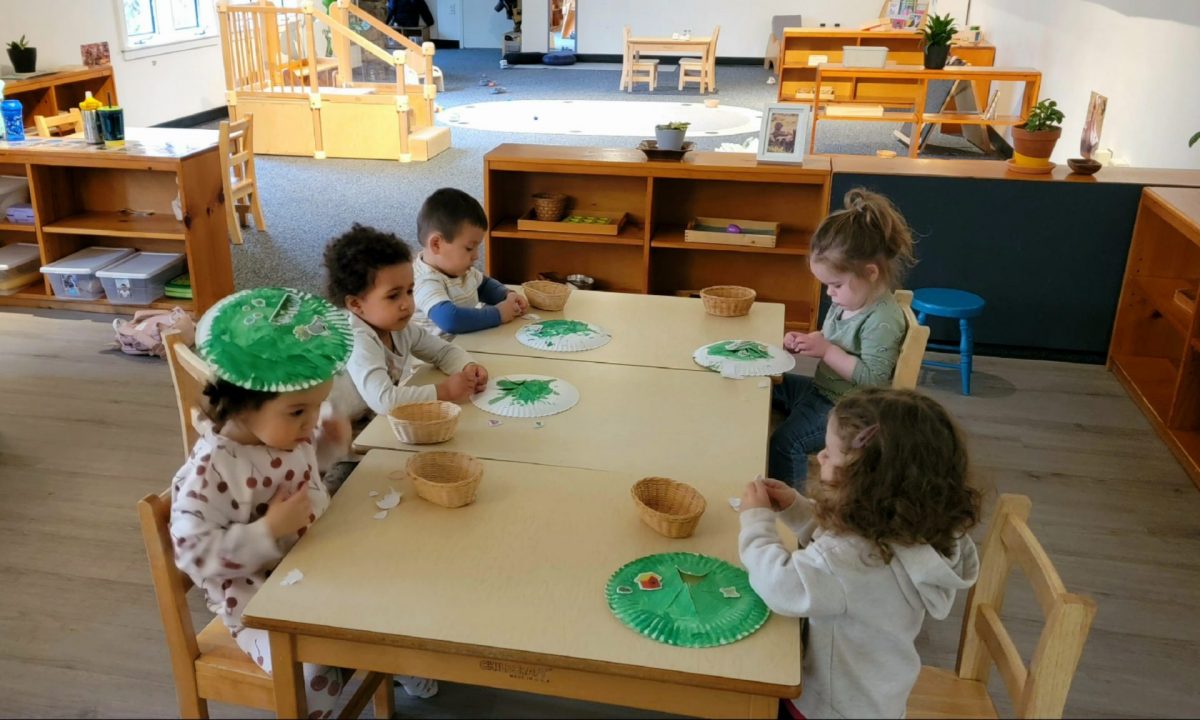
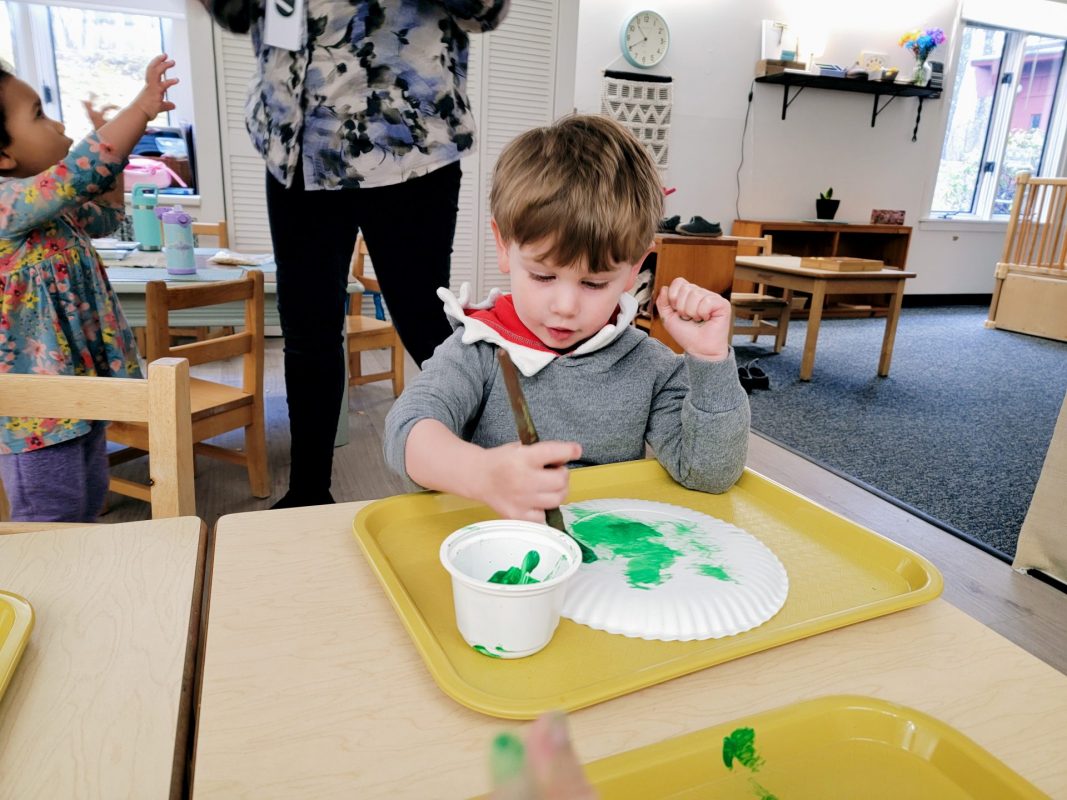
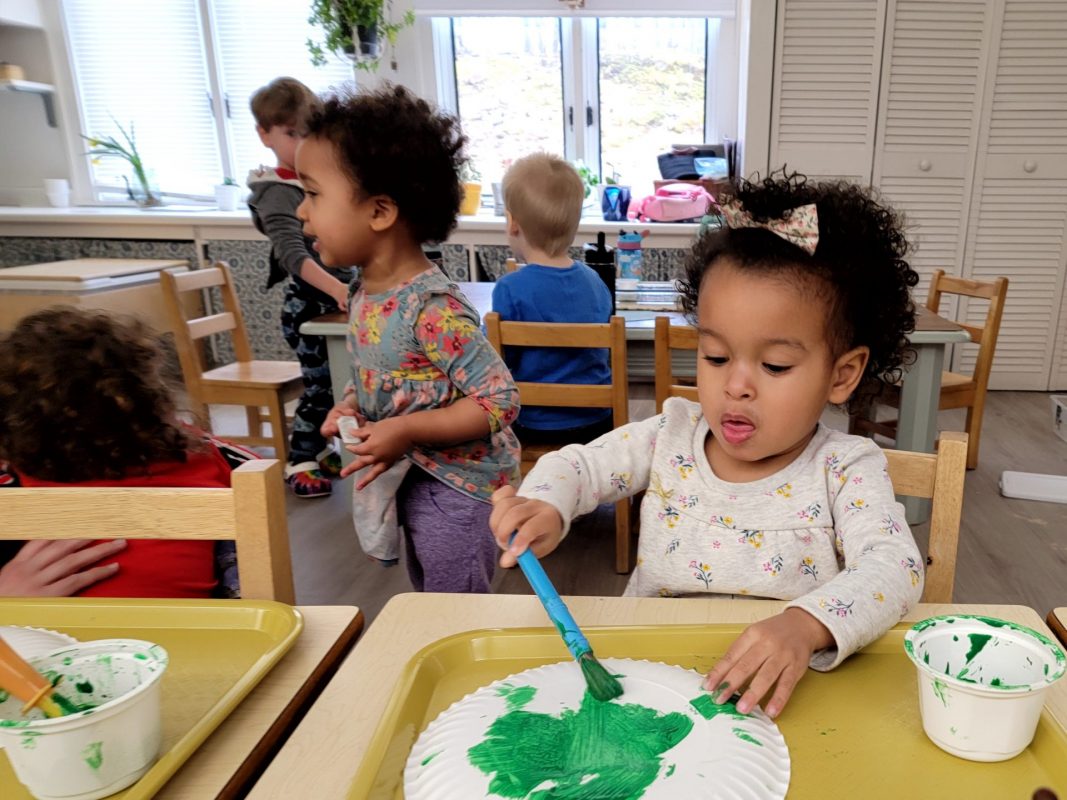
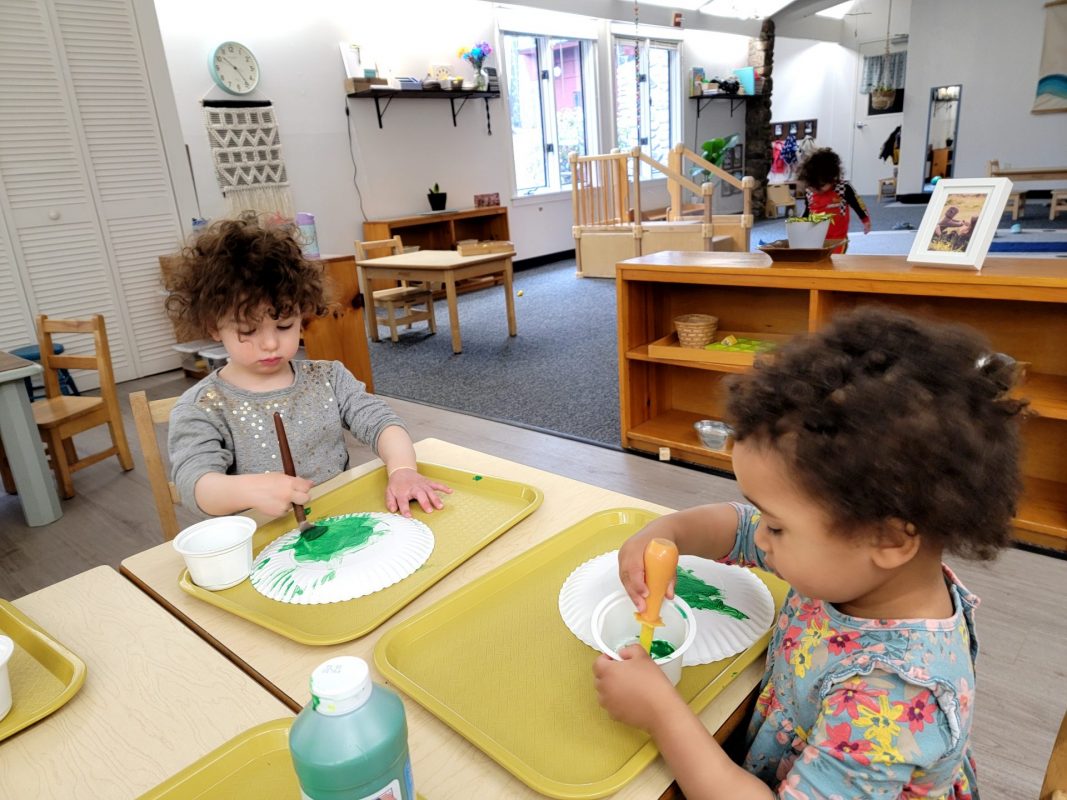
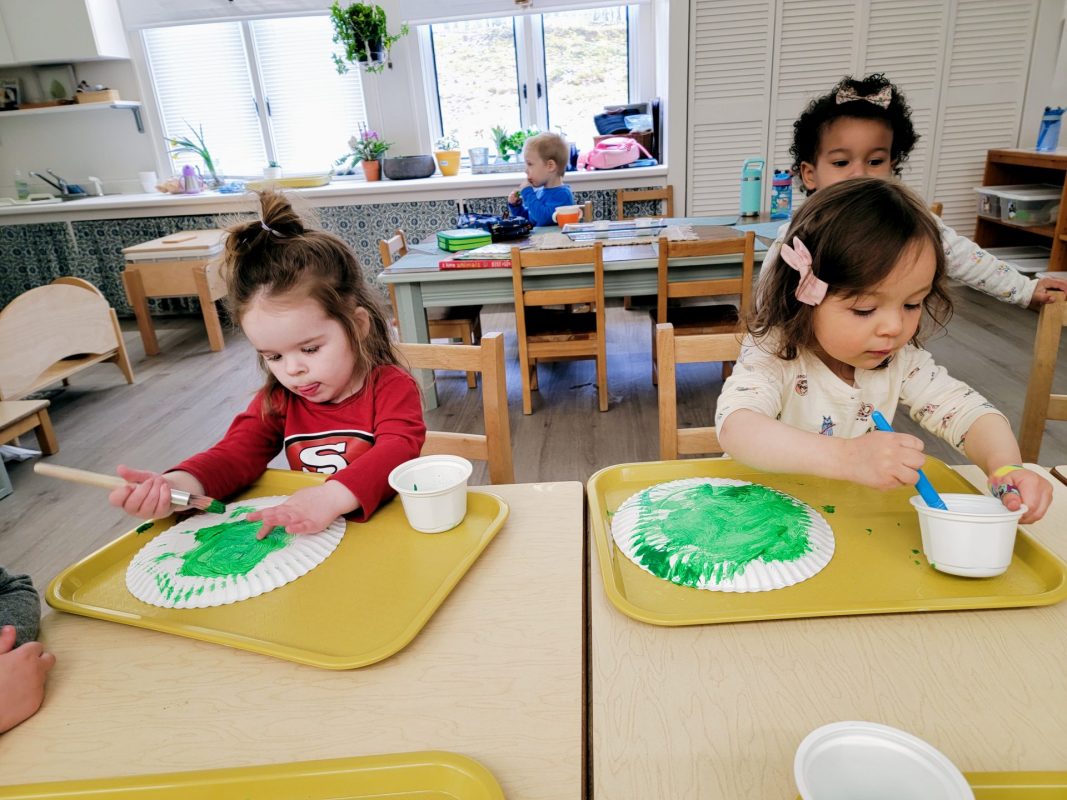
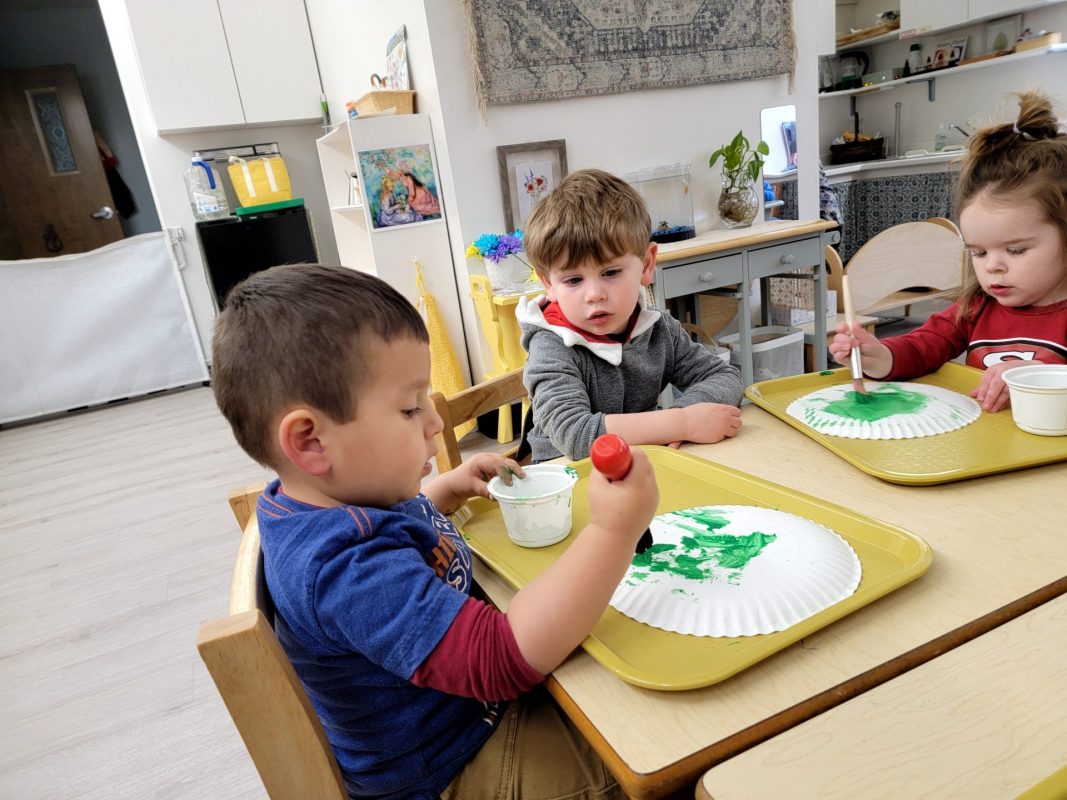
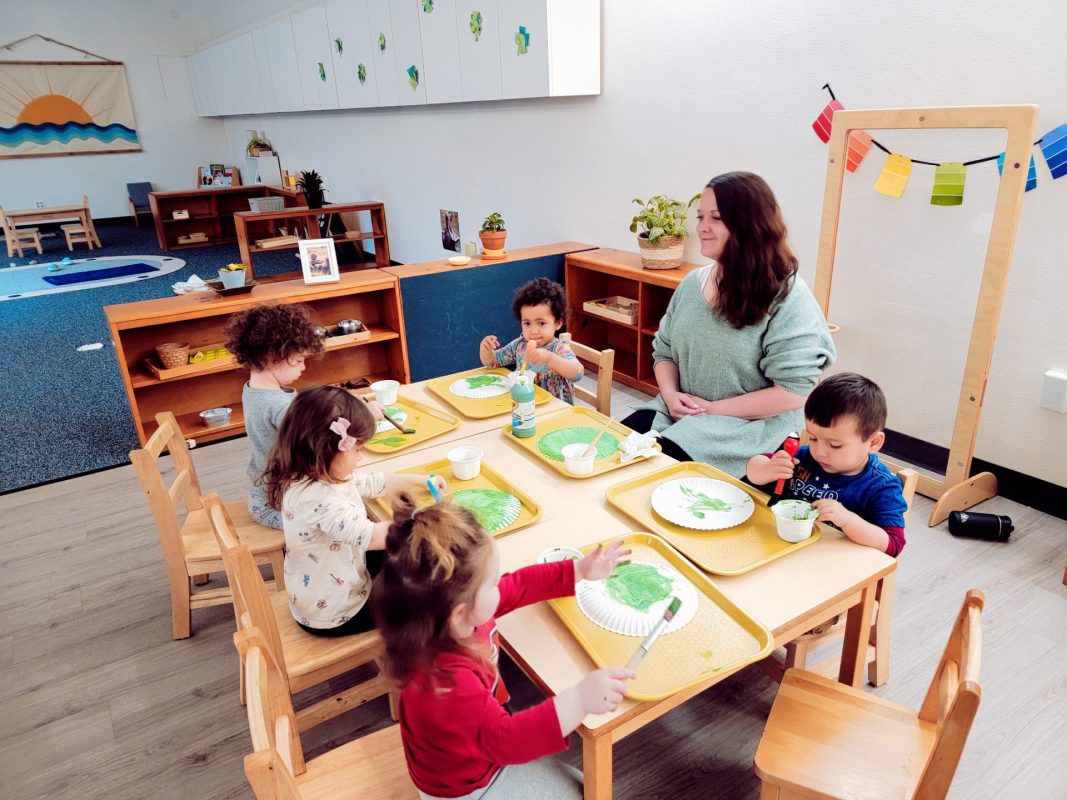
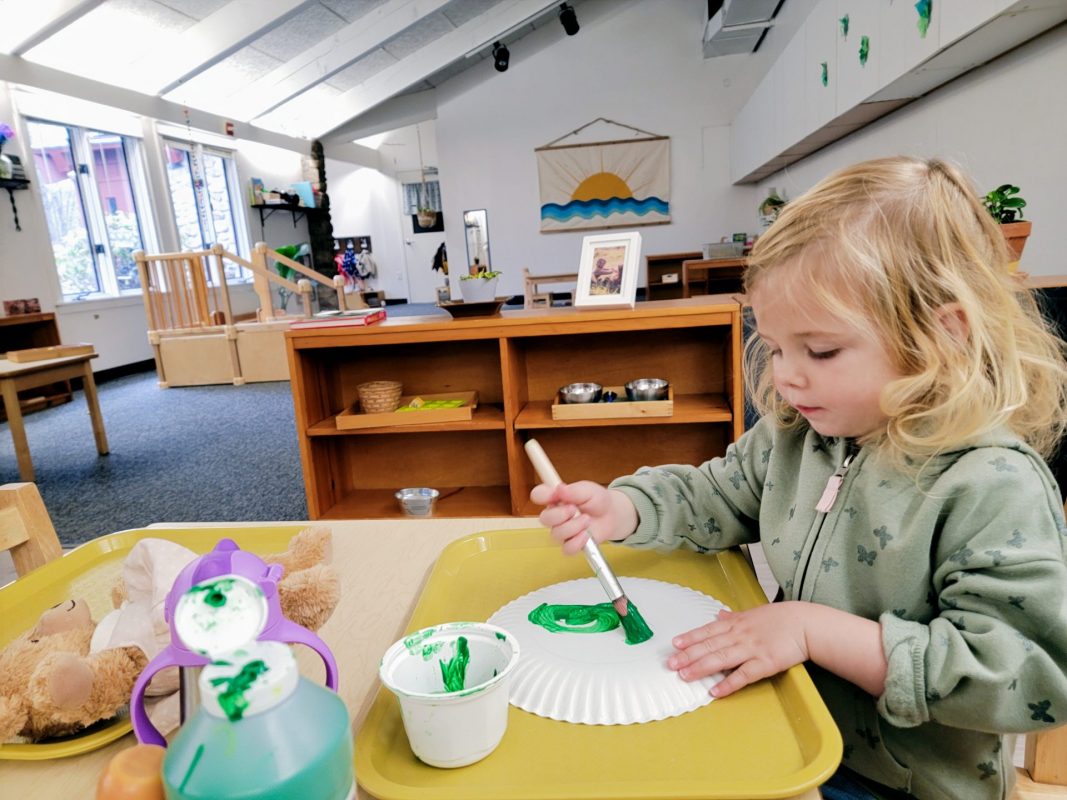
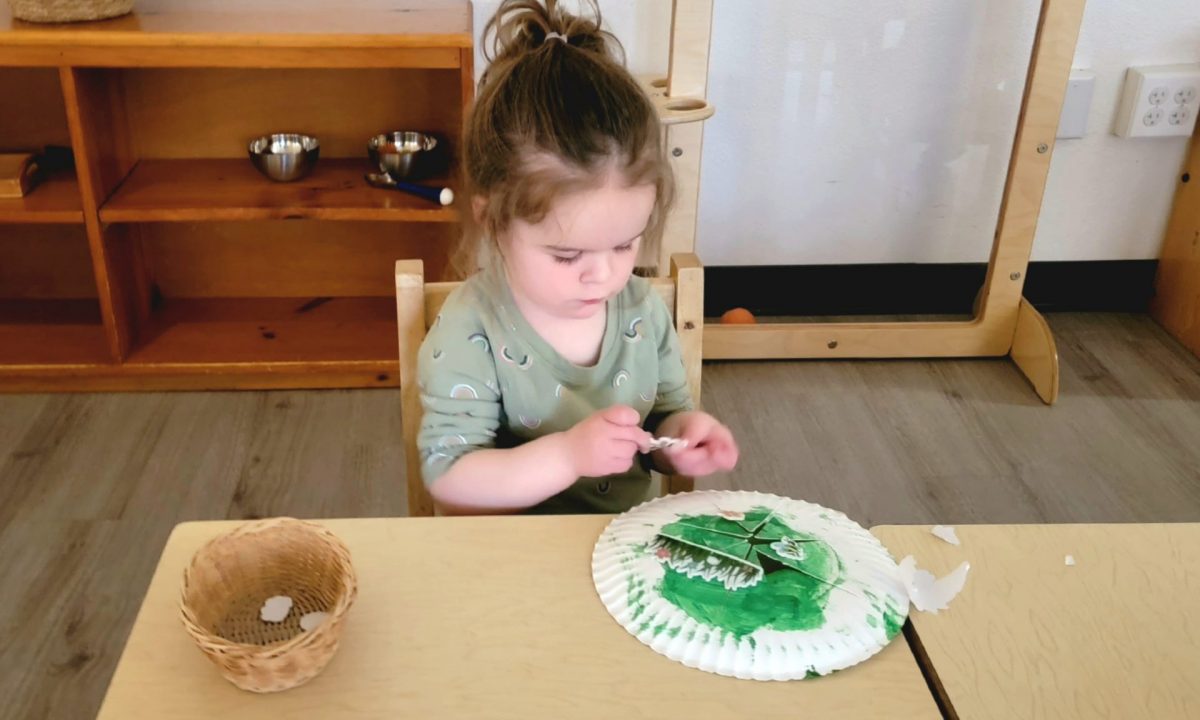
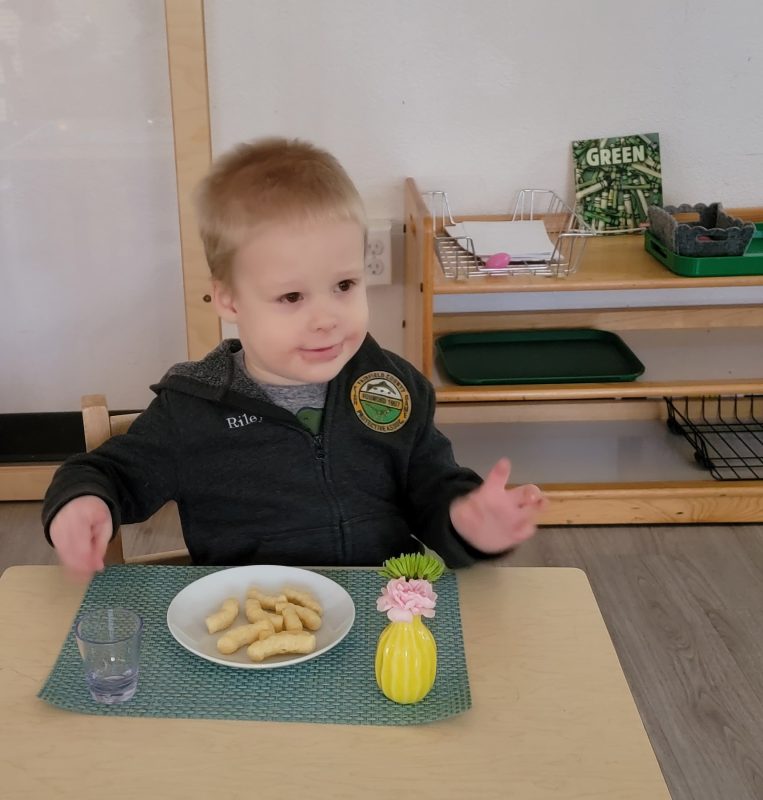
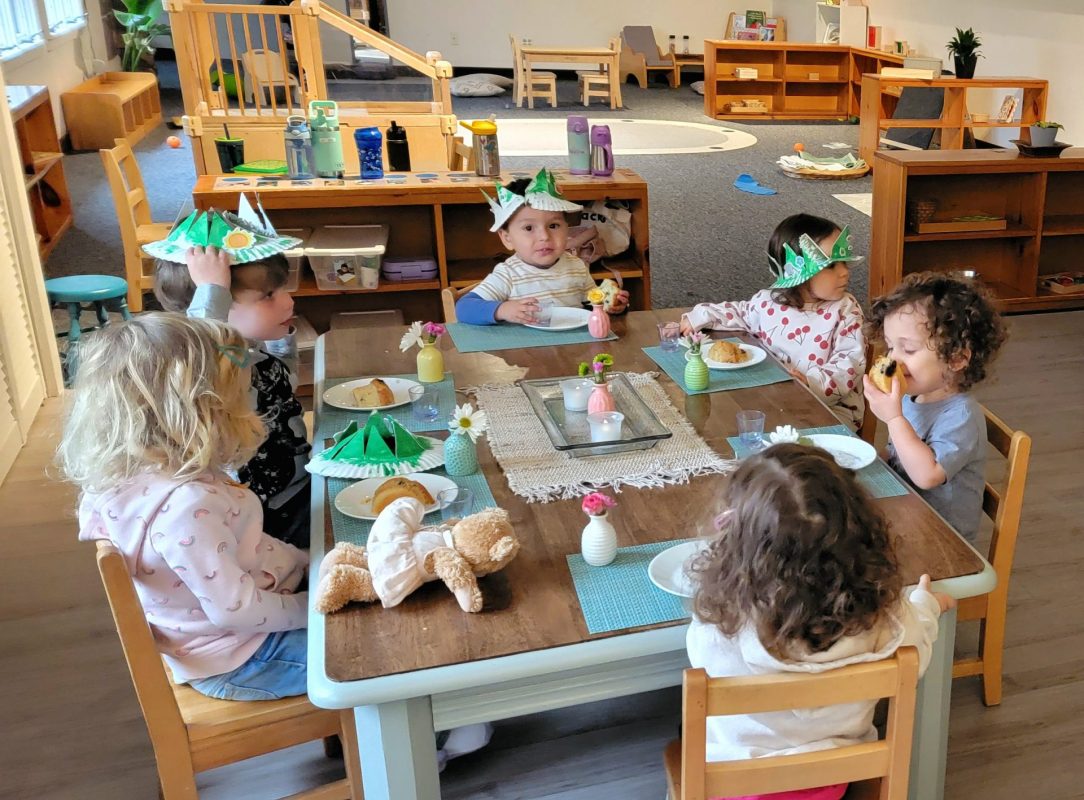
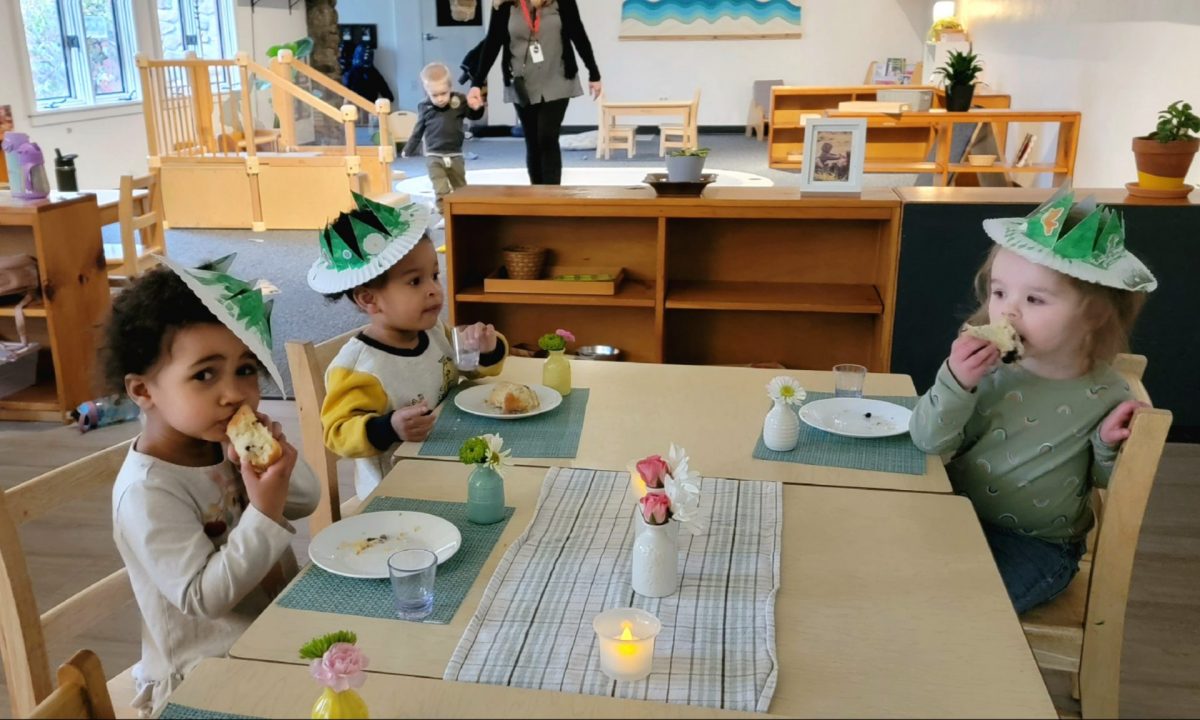
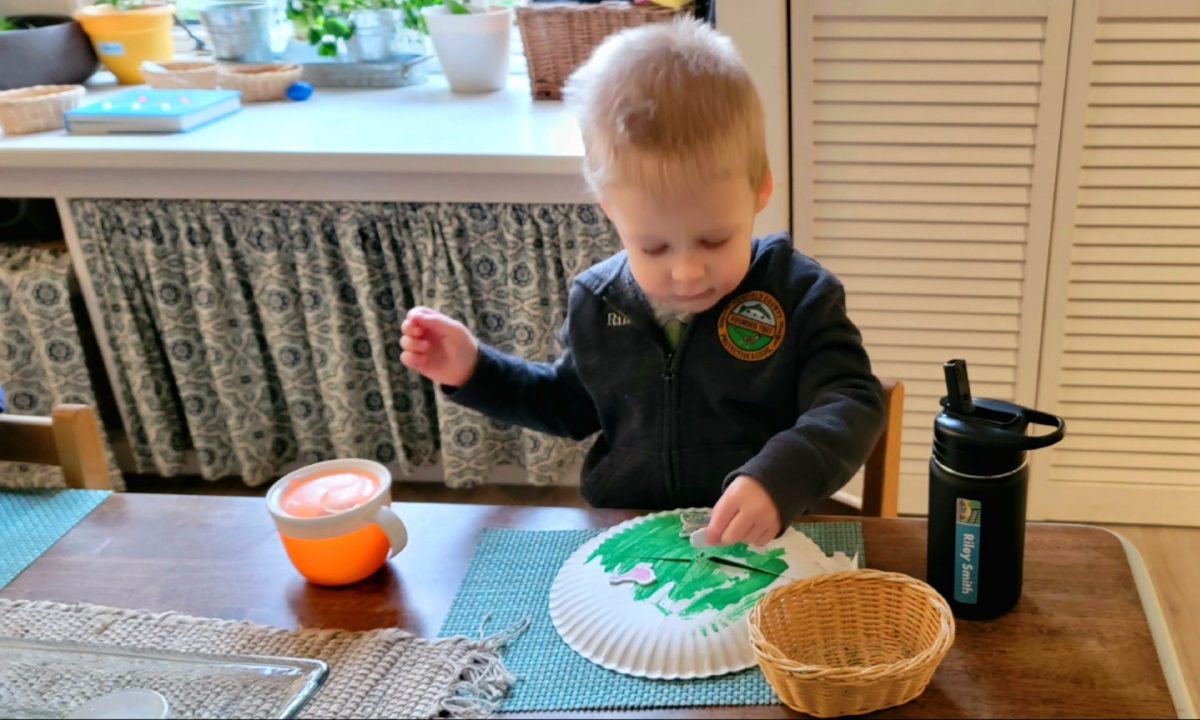
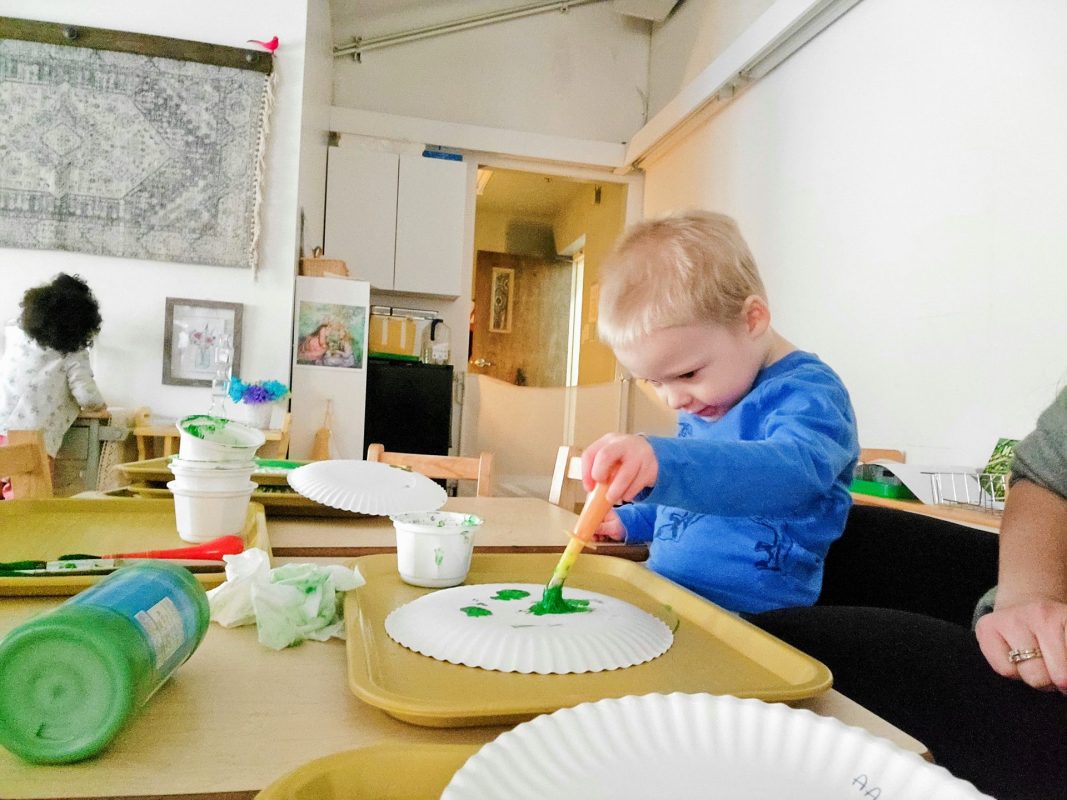
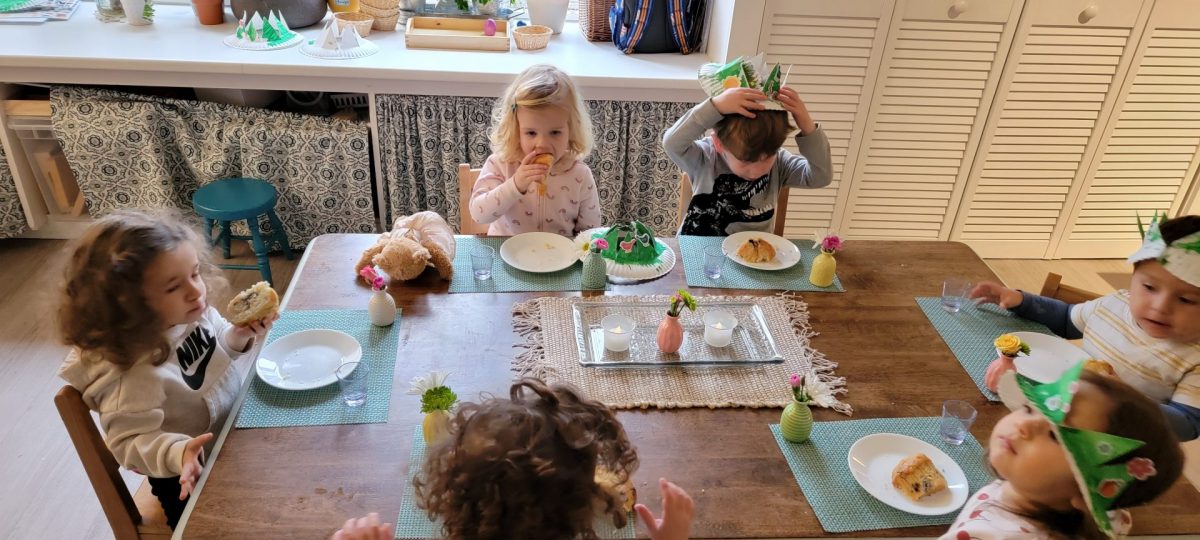
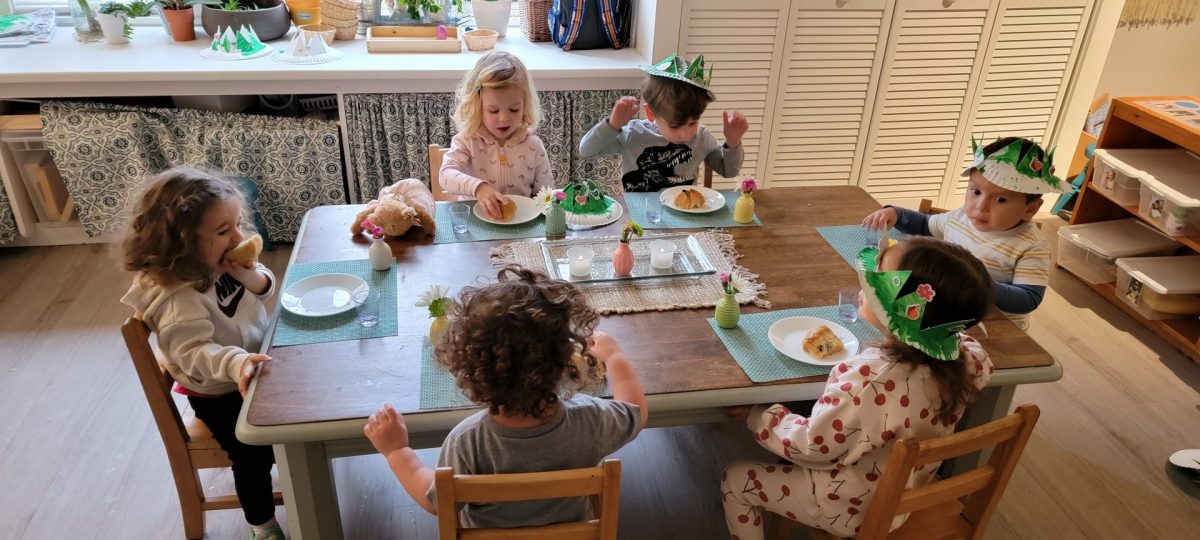
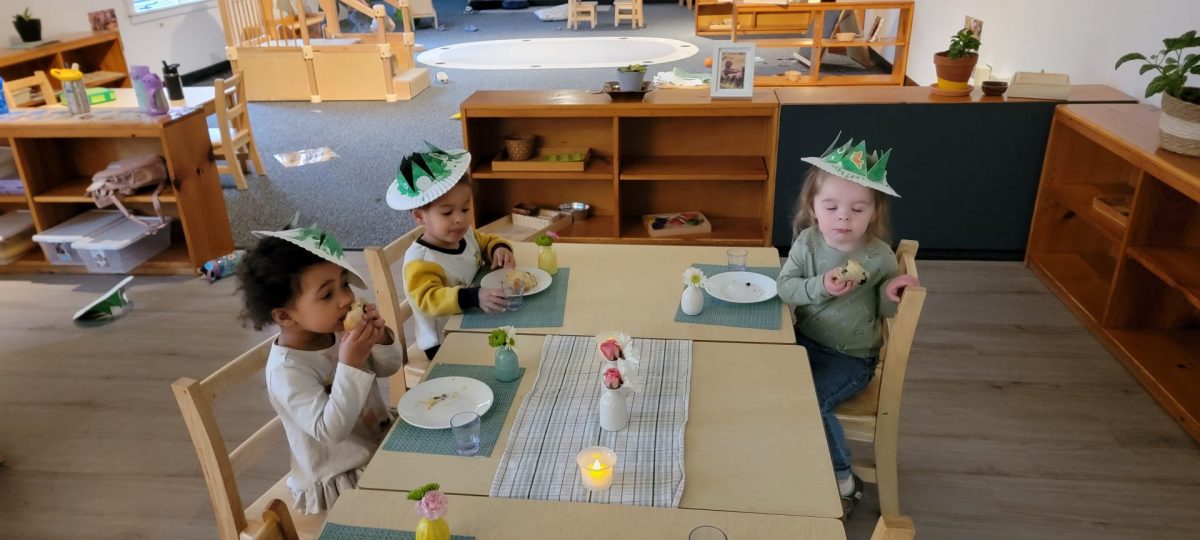
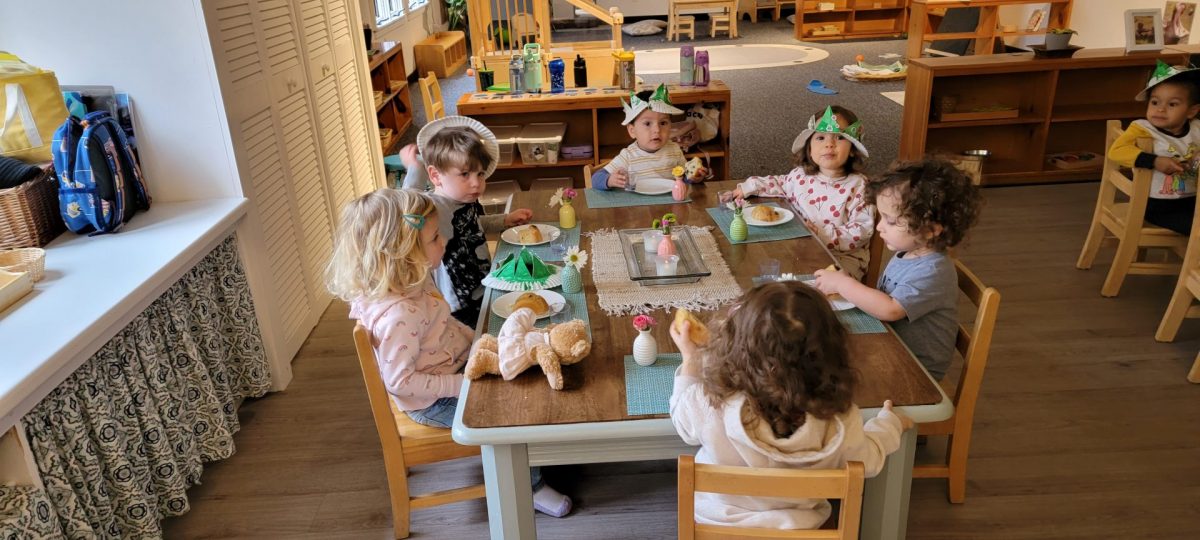
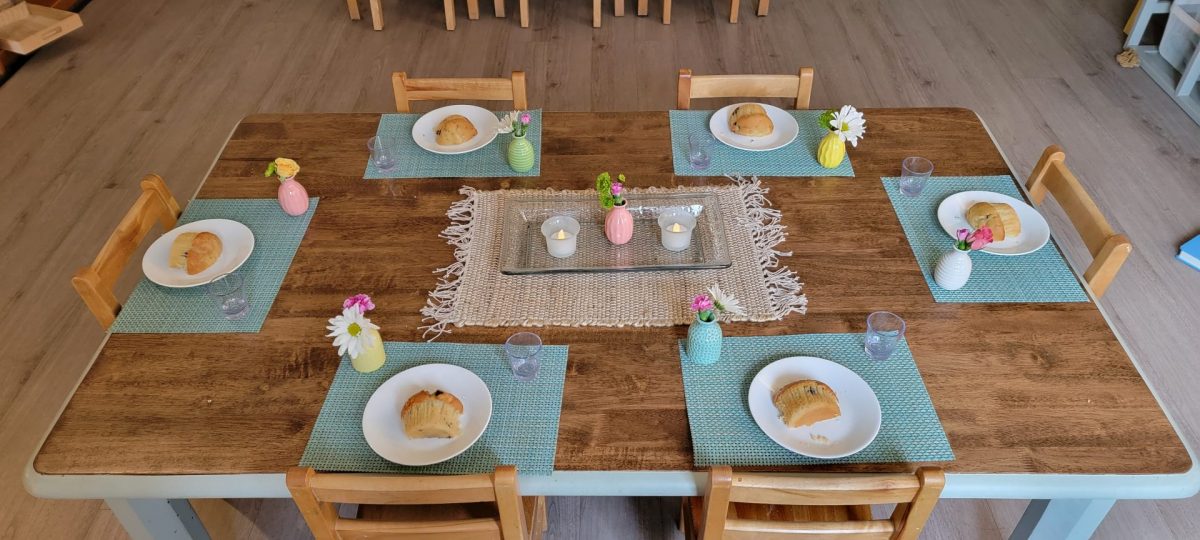
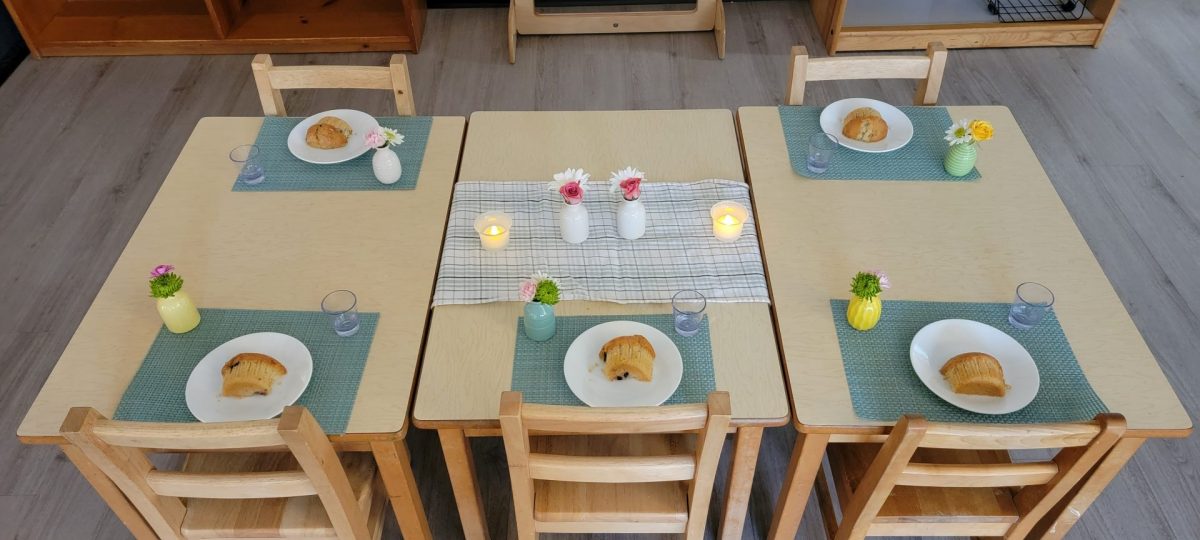
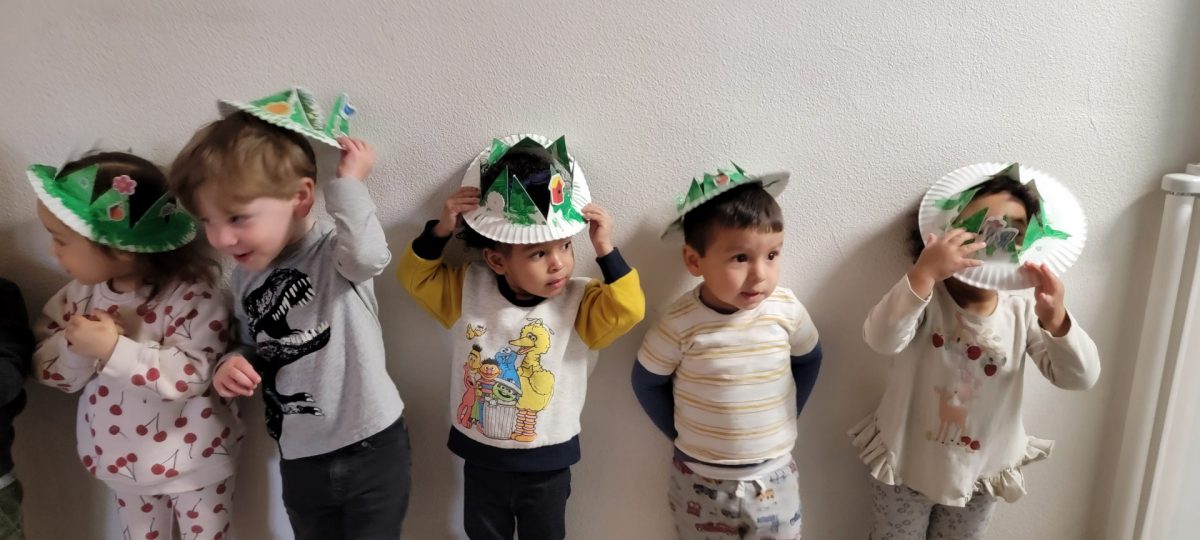
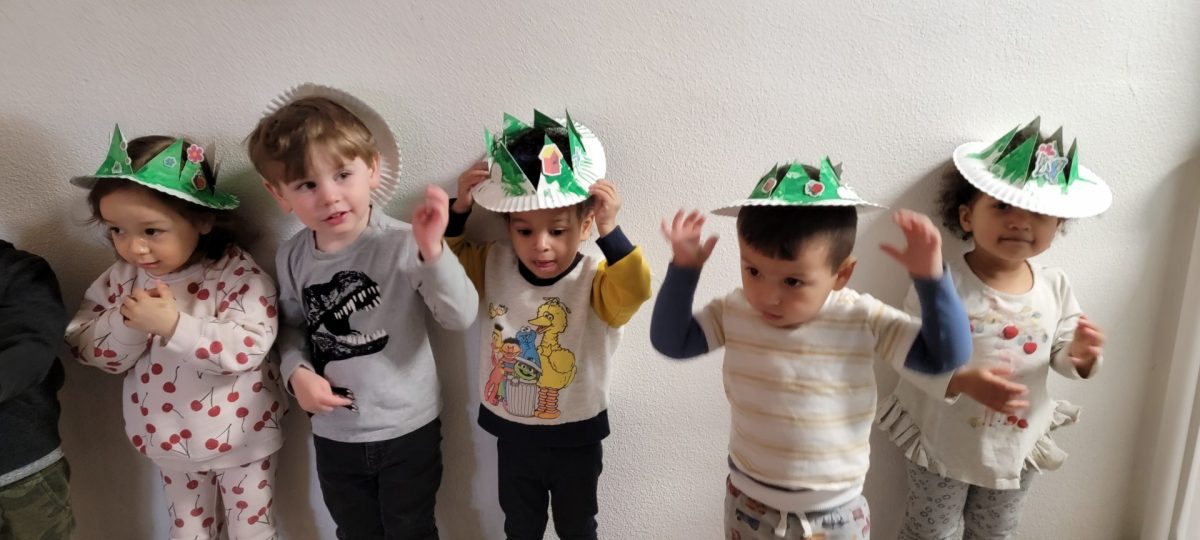
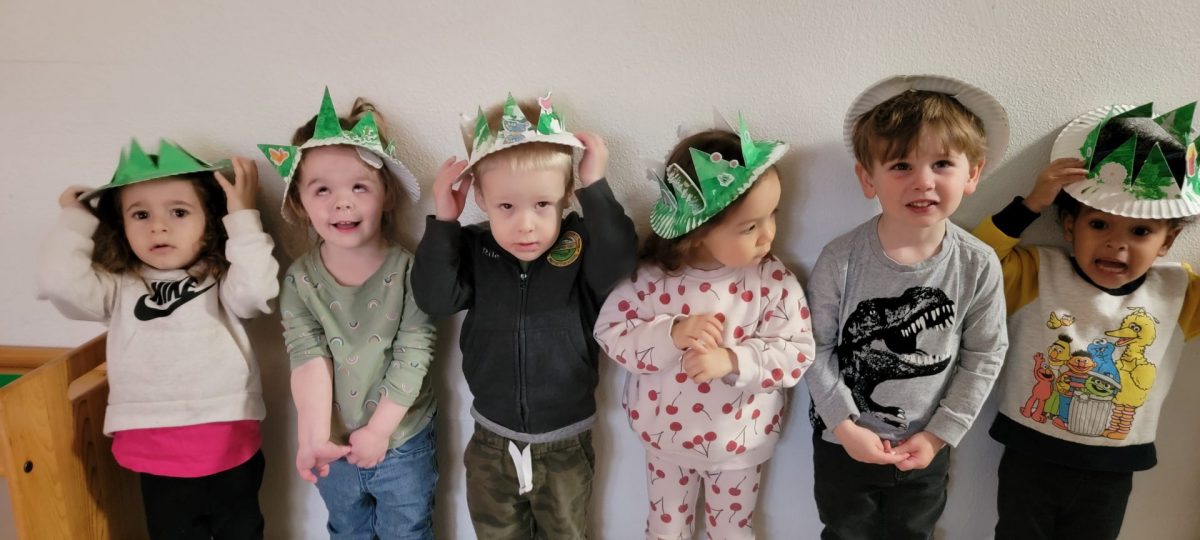
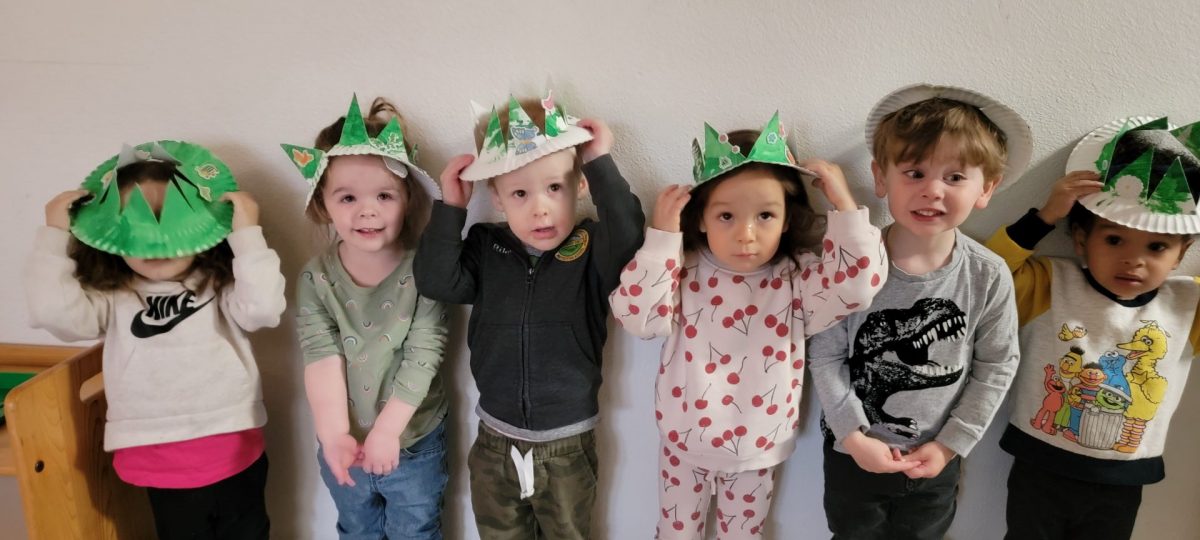
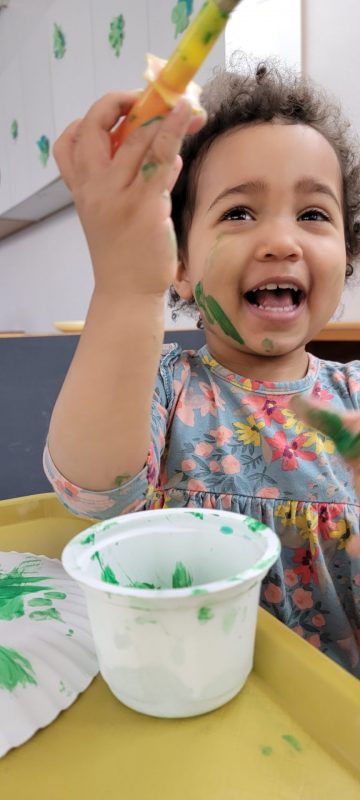
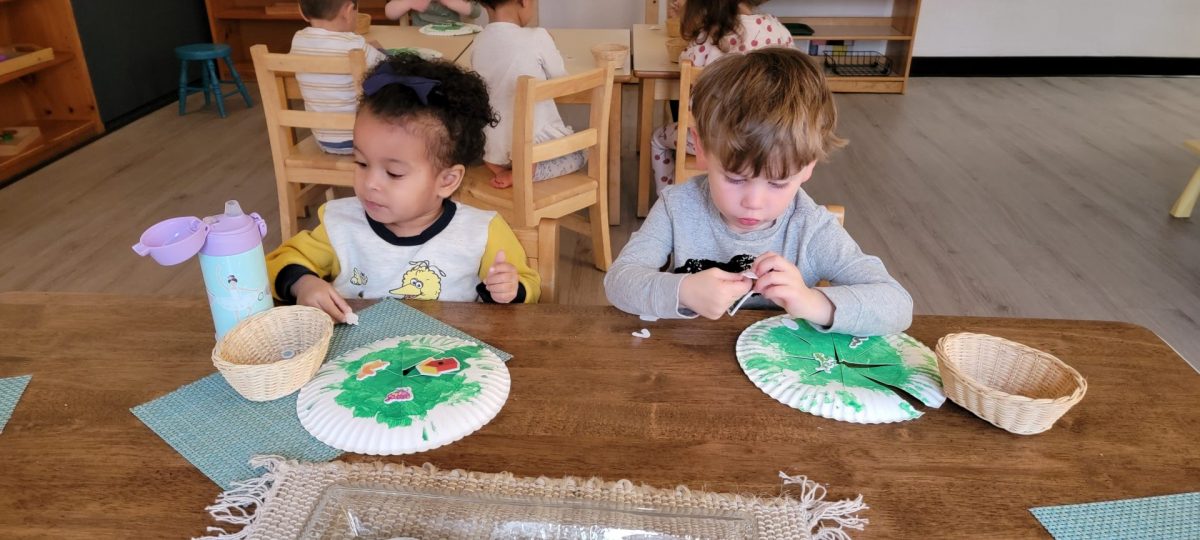
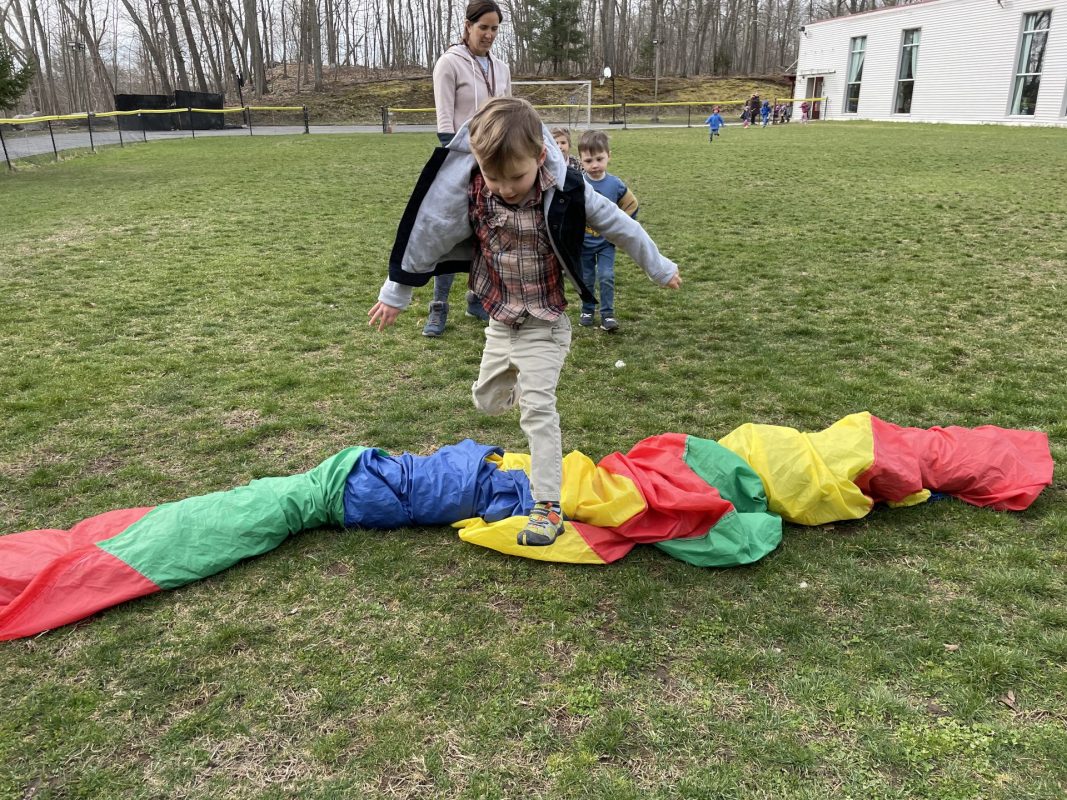
This week we had a lot to celebrate. We celebrated the last three of this year’s birthdays. We also celebrated spring. The children painted paper plates green to create a grass crown. During our spring party, they worked hard peeling the paper off of spring themed stickers to apply to the crown they painted the day before. The children enjoyed a delicious blueberry muffin for a special treat. Their friend Fi gifted them with a beautiful vase with some flowers to bring the celebration home.

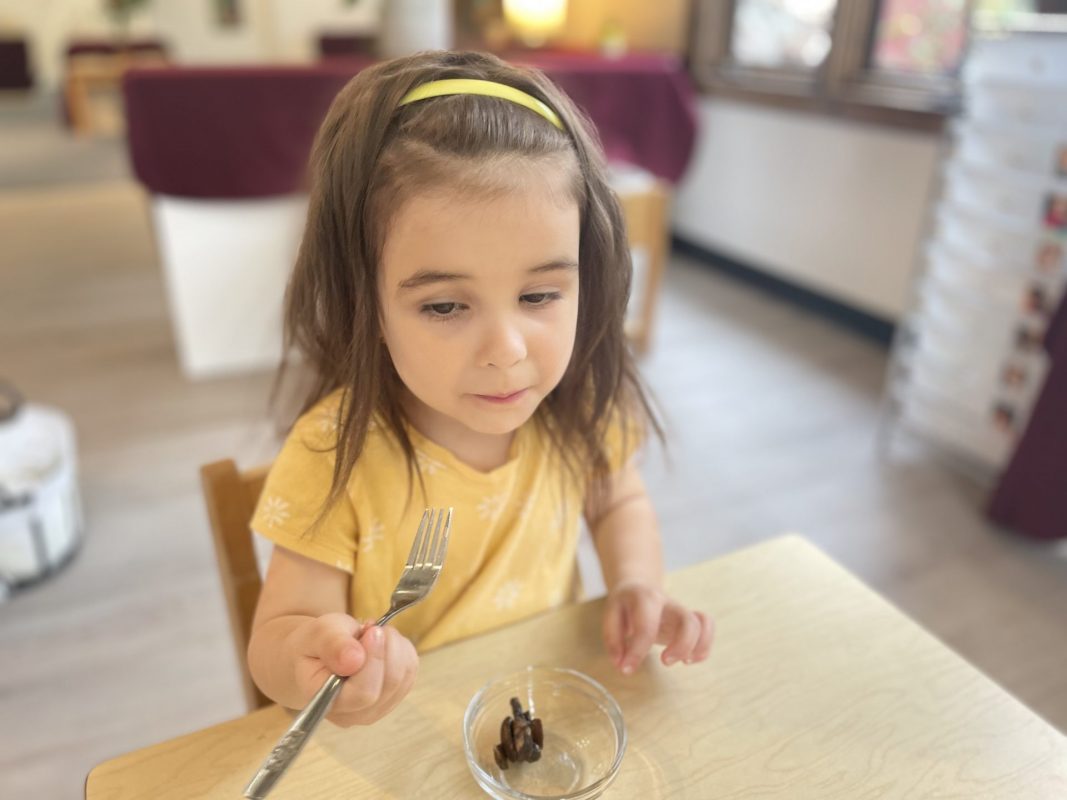
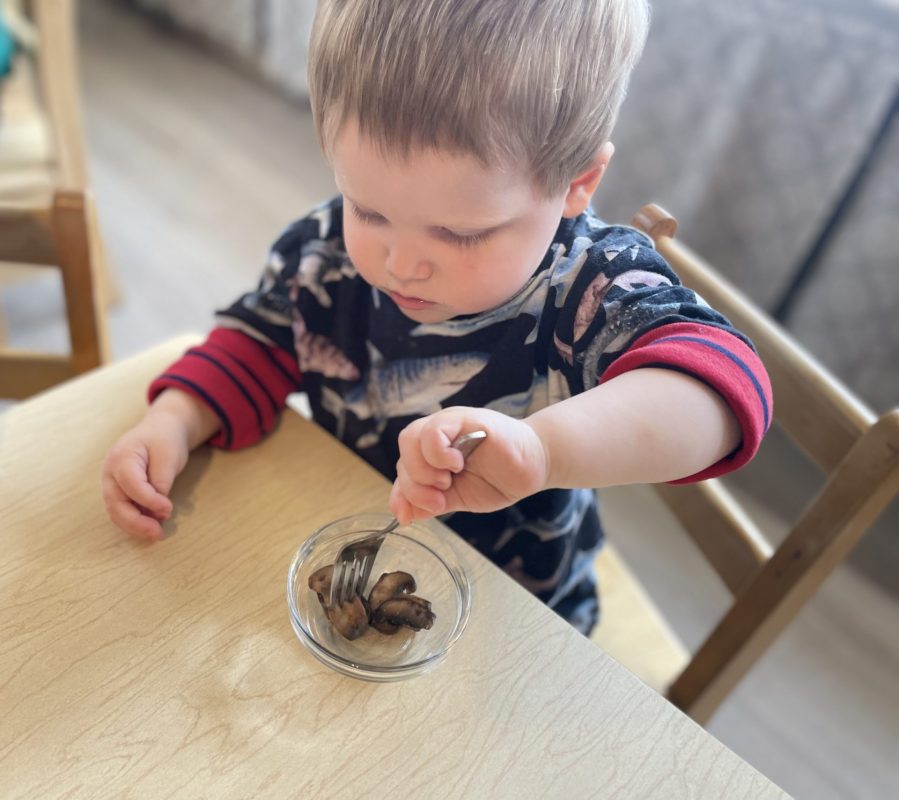
Food Tasting: The portobello mushroom unfortunately was not celebrated, as many of our children immediately spit it out. The poor baby bella was the least liked food tasting this year.


Mrs. Doyle: Reptile or Amphibian?


We hope everyone had a relaxing break and we were so happy to be back in class together again!

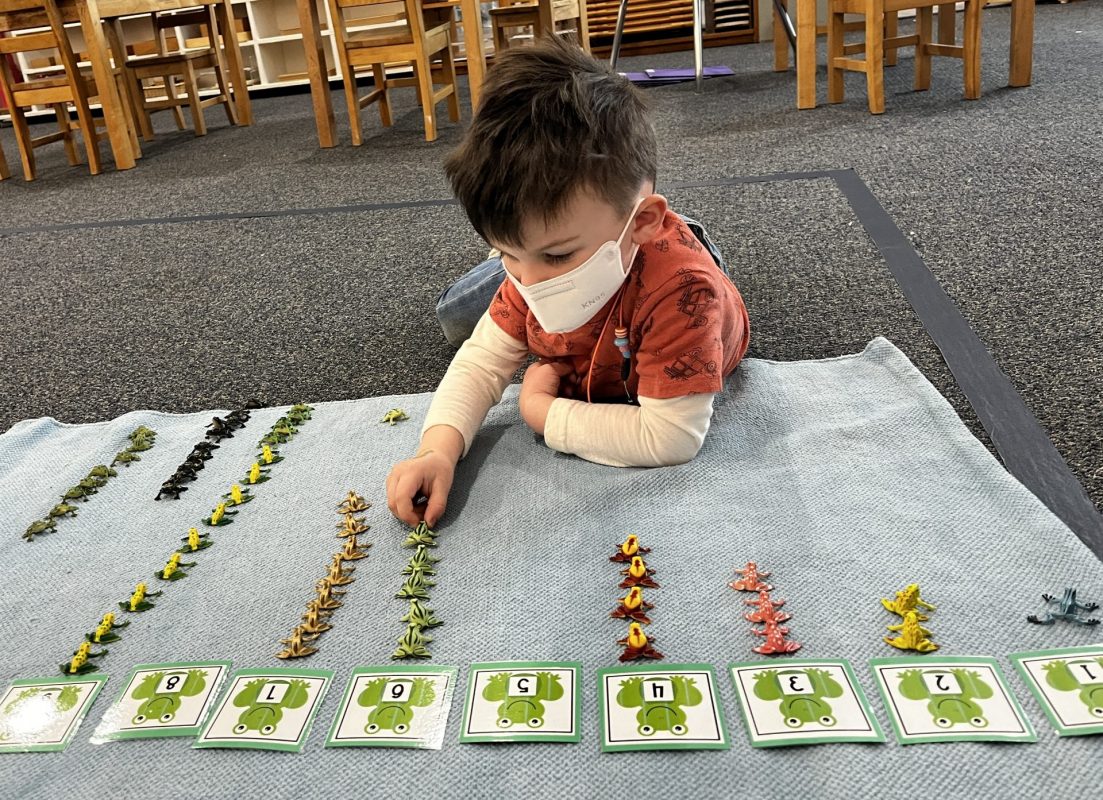
We are continuing our studies on the different classes of animals. So far, we have learned about mammals and reptiles. Currently, we just finished studying amphibians.

We have learned that:

  • The word amphibian means two-lives. This makes sense because amphibians spend part of part of their lives in the water and part of their lives on land. Most amphibians begin their life in water with gills and tails. As they grow, they develop lungs and legs for their life on land.
  • Amphibians are cold-blooded, which means that they are the same temperature as the air or water around them.
  • There are more than 4,000 different kinds of amphibians. Members of this animal class are frogs, toads, salamanders, and newts.
  • Most amphibians have thin, moist skin that helps them to breathe.
  • Amphibians have a backbone, so they are vertebrates.

We have also been learning about the life cycle of a frog and what happens at each stage of development.

The easiest way to answer the question, “What exactly is the difference between reptiles and amphibians?,” is you need to look at their skin. Reptiles have dry, scaly skin and amphibians have moist skin that can be either smooth or rough.  Other differences include their eggs and relationship with water. Both reptiles and amphibians hatch from eggs, although their eggs are very different from one another.  Amphibian eggs are transparent and jelly like.  An amphibian goes through a metamorphosis to look like its adult self. Reptile eggs can be leathery or have a delicate coating. Newborn reptiles are a miniature version of their adult self.  Amphibians need a habitat that includes water, as they spend part of their life cycle in the water. Most amphibians will also lay their eggs in water. However, a reptile does not need water for its habitat, although it will often live near water.

Next, we learn about birds.

Wishing you a week filled with peace and love.

Michelle & Liset