Blog

Lower El Research Projects

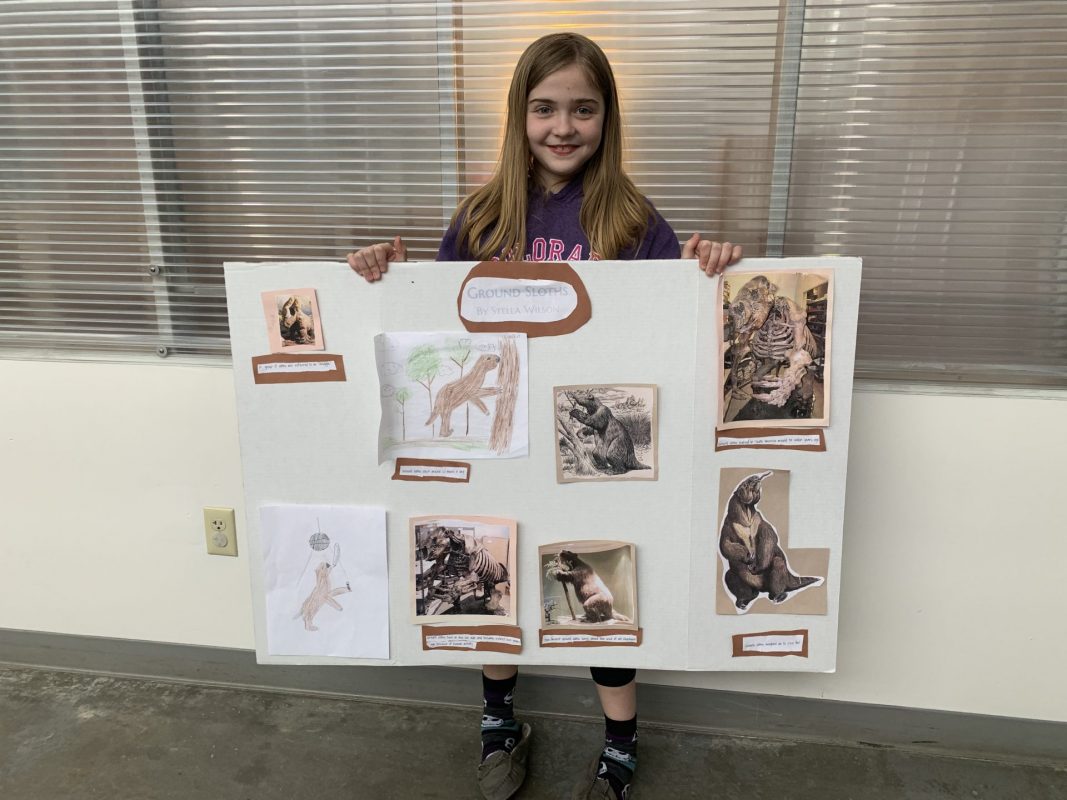
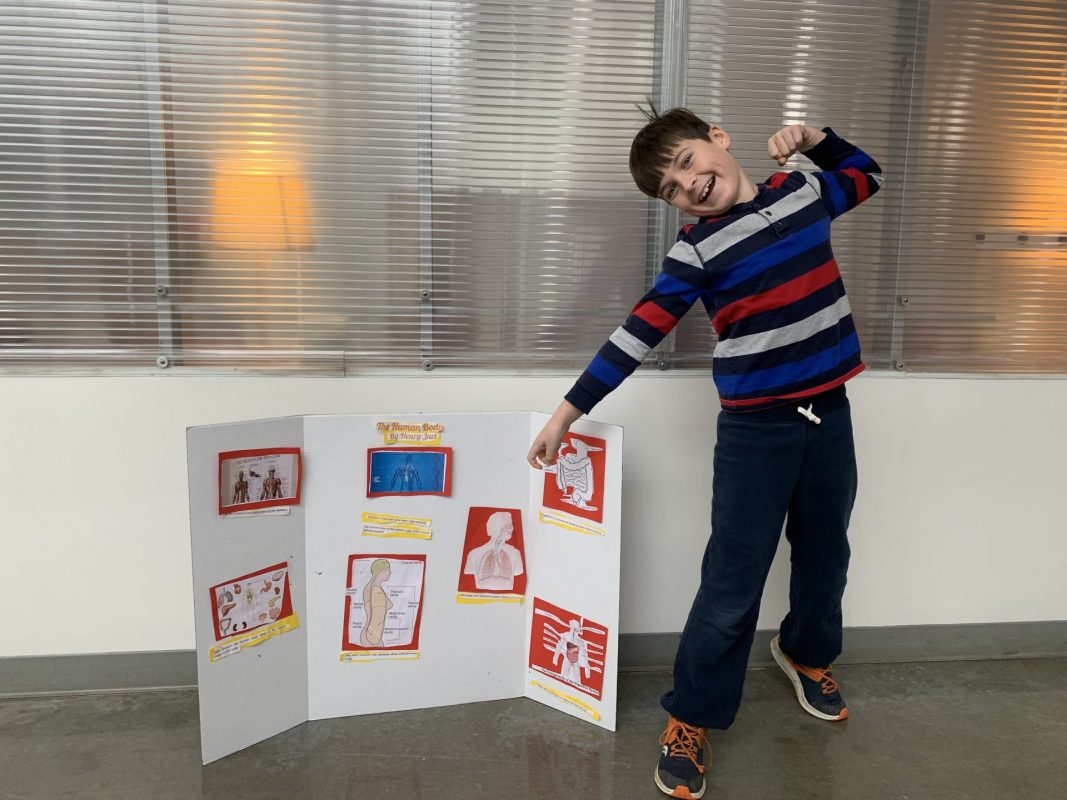
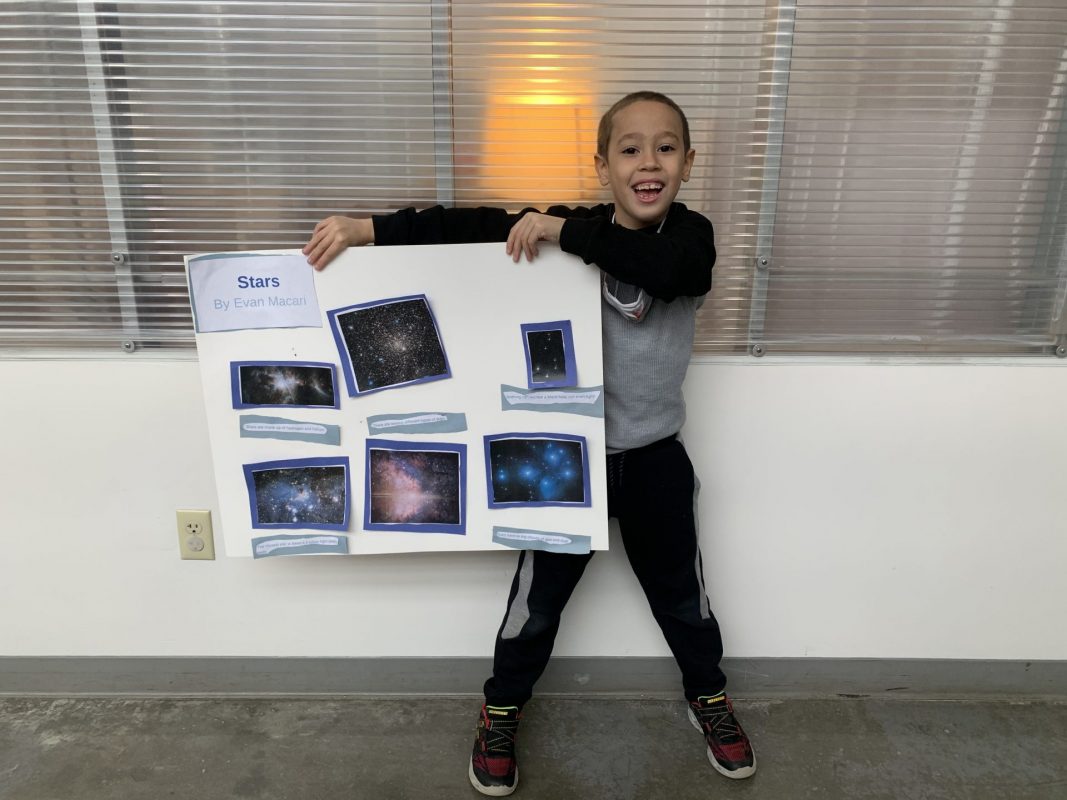
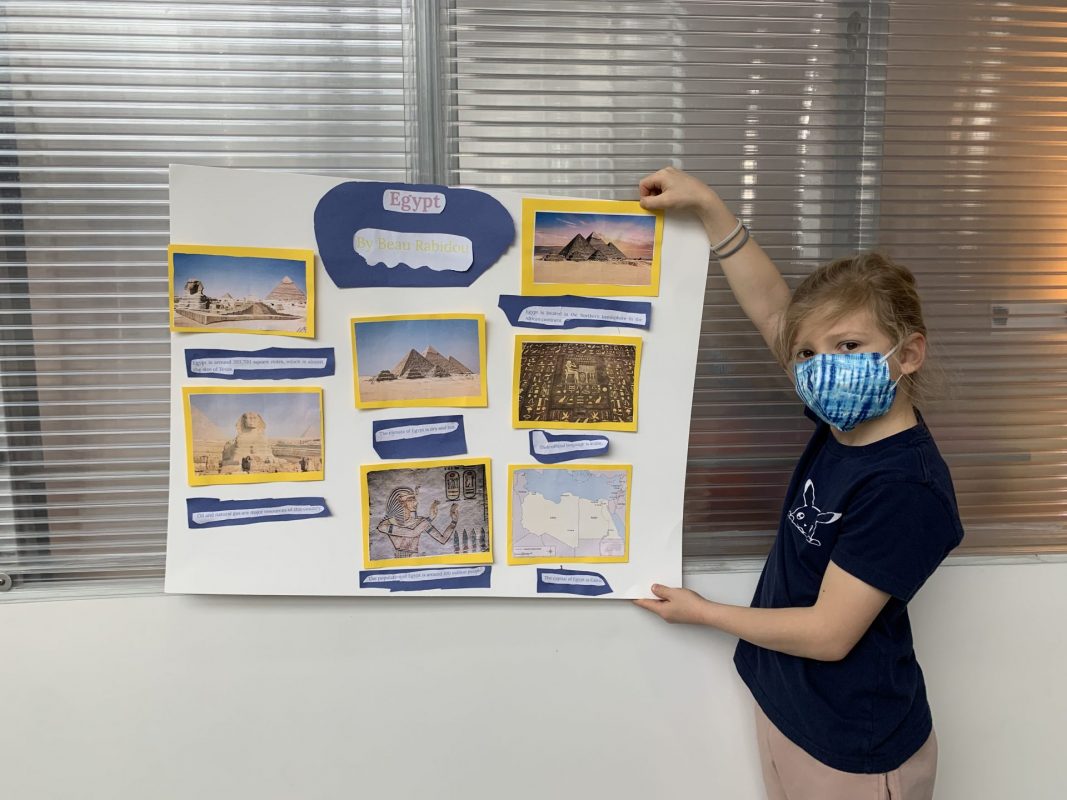
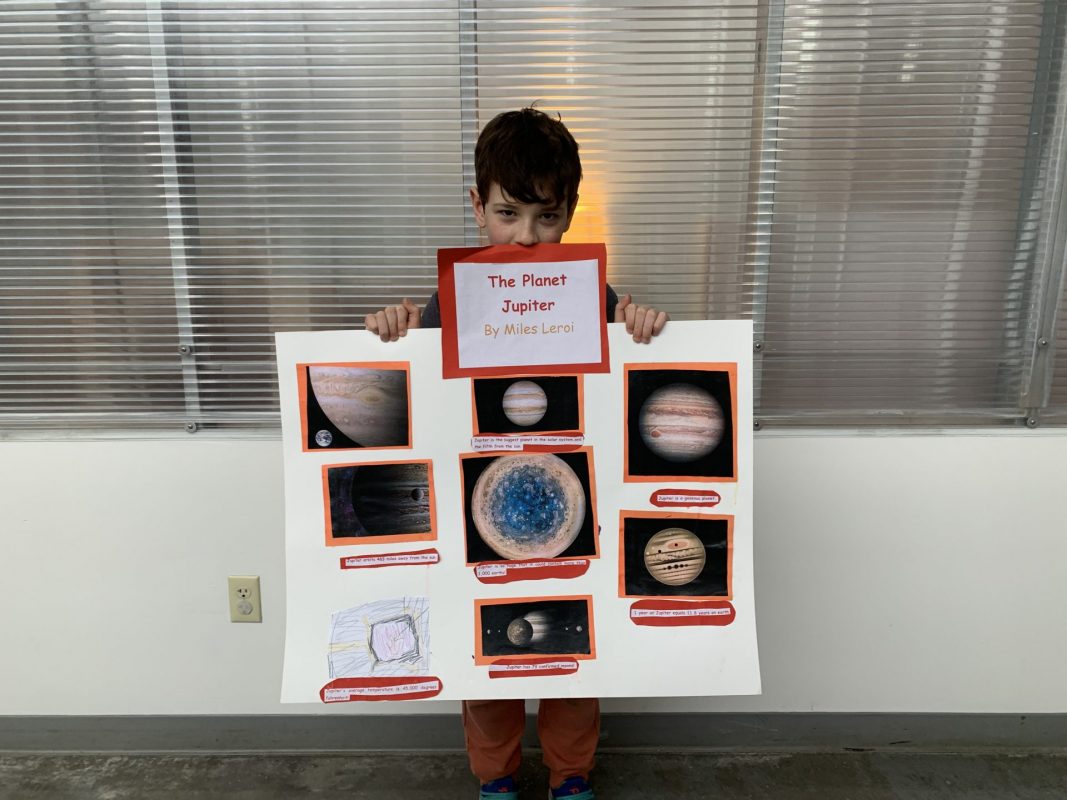
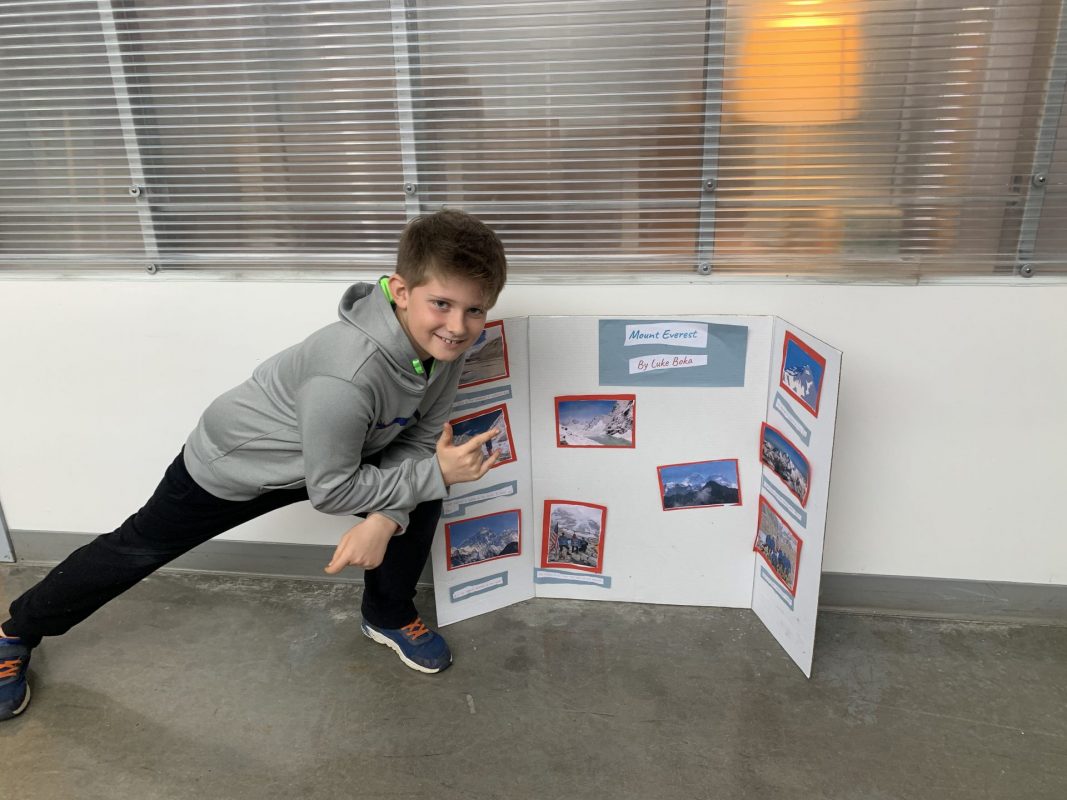
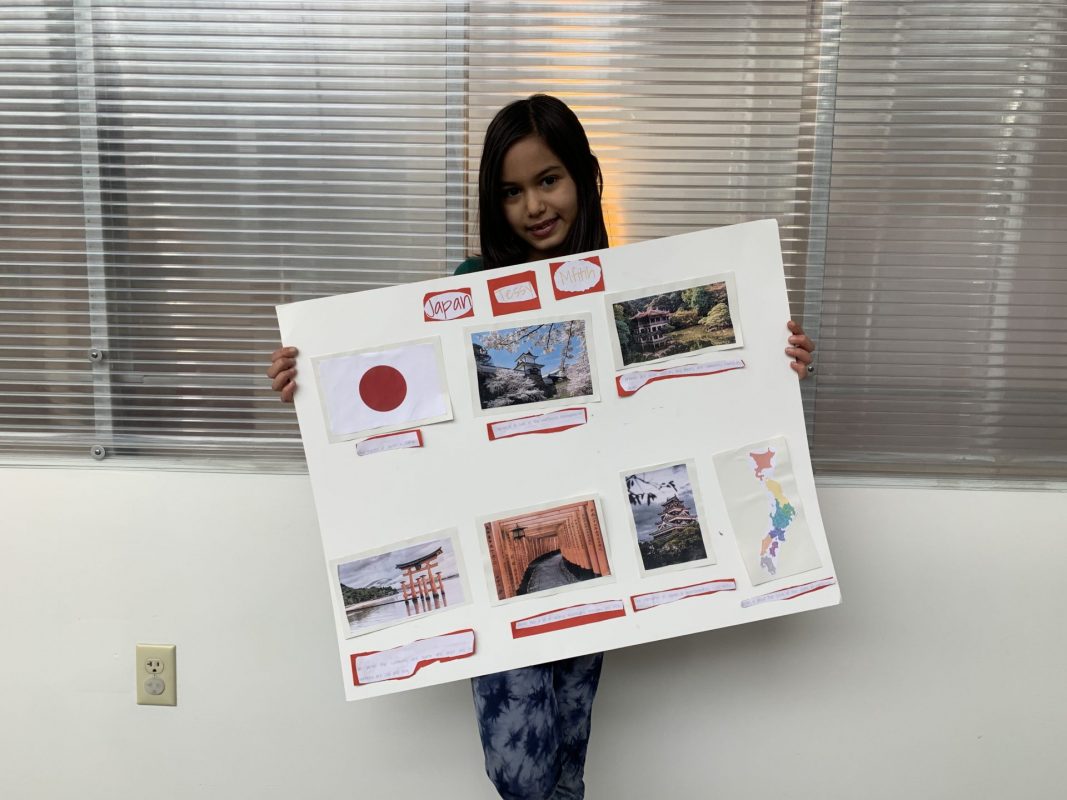
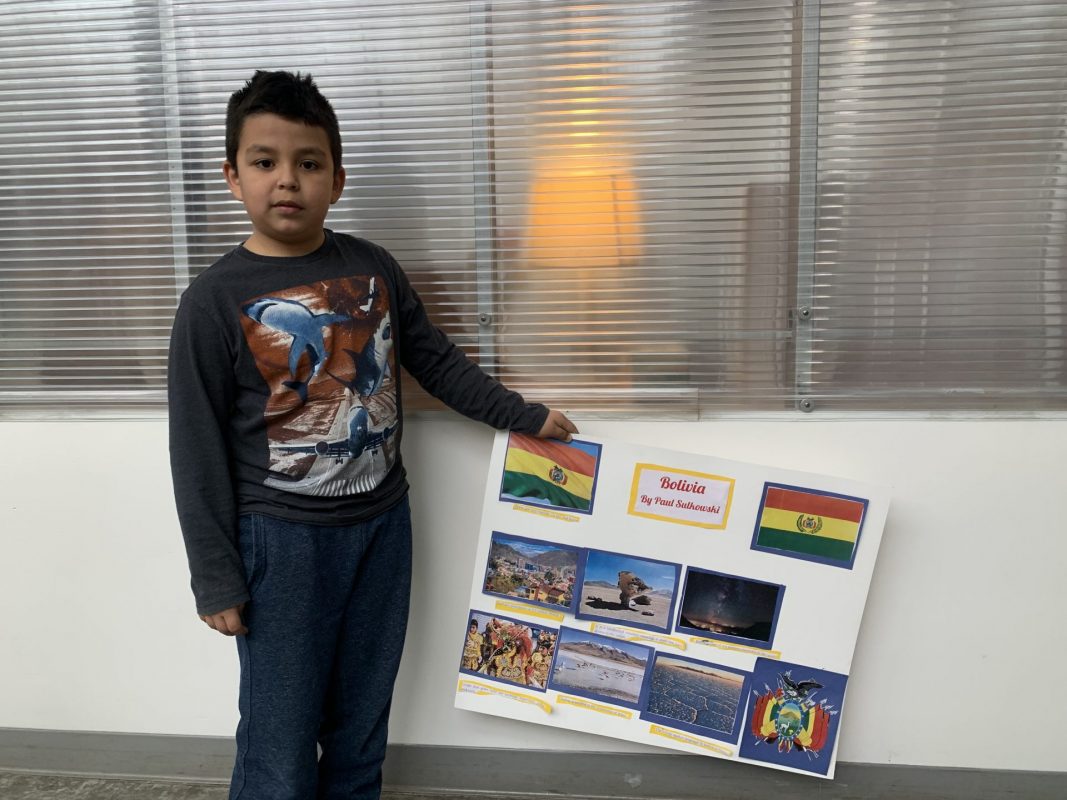
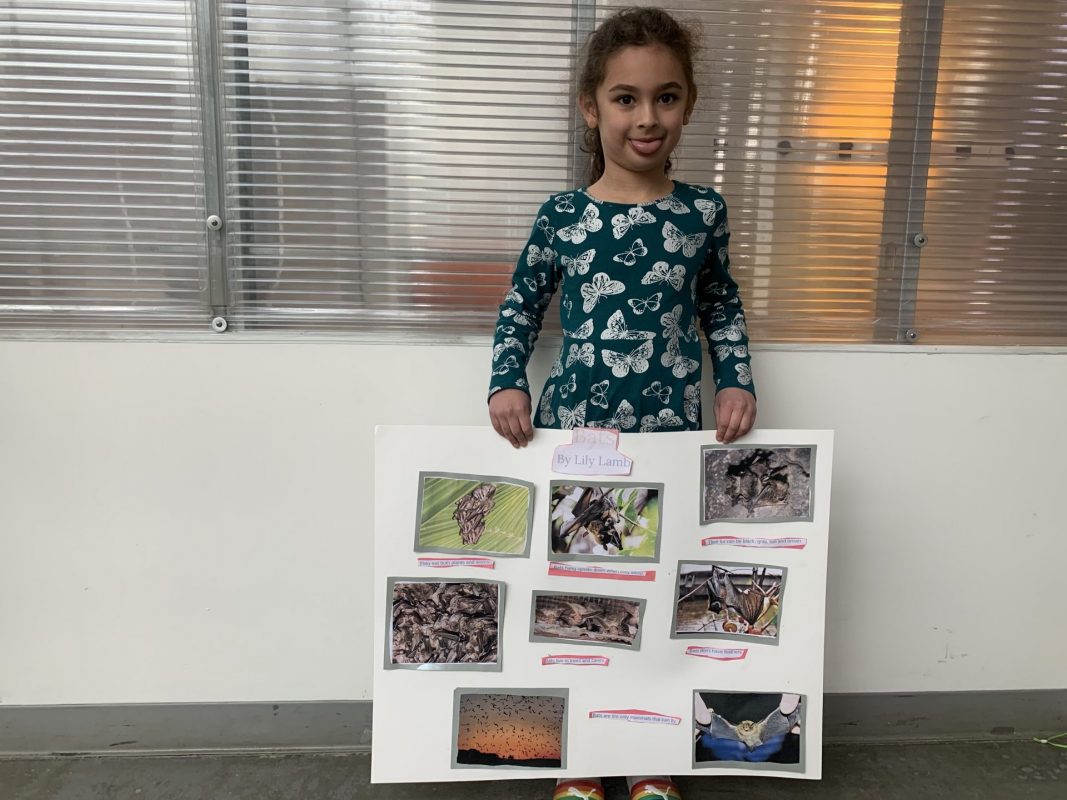
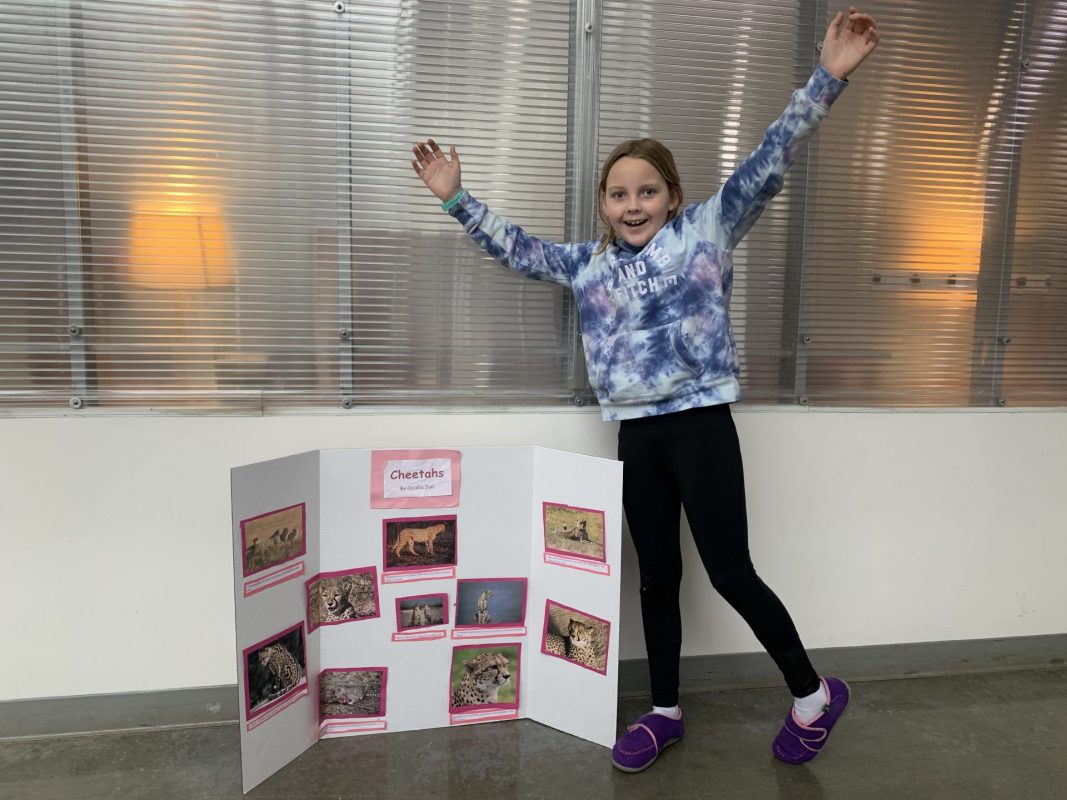
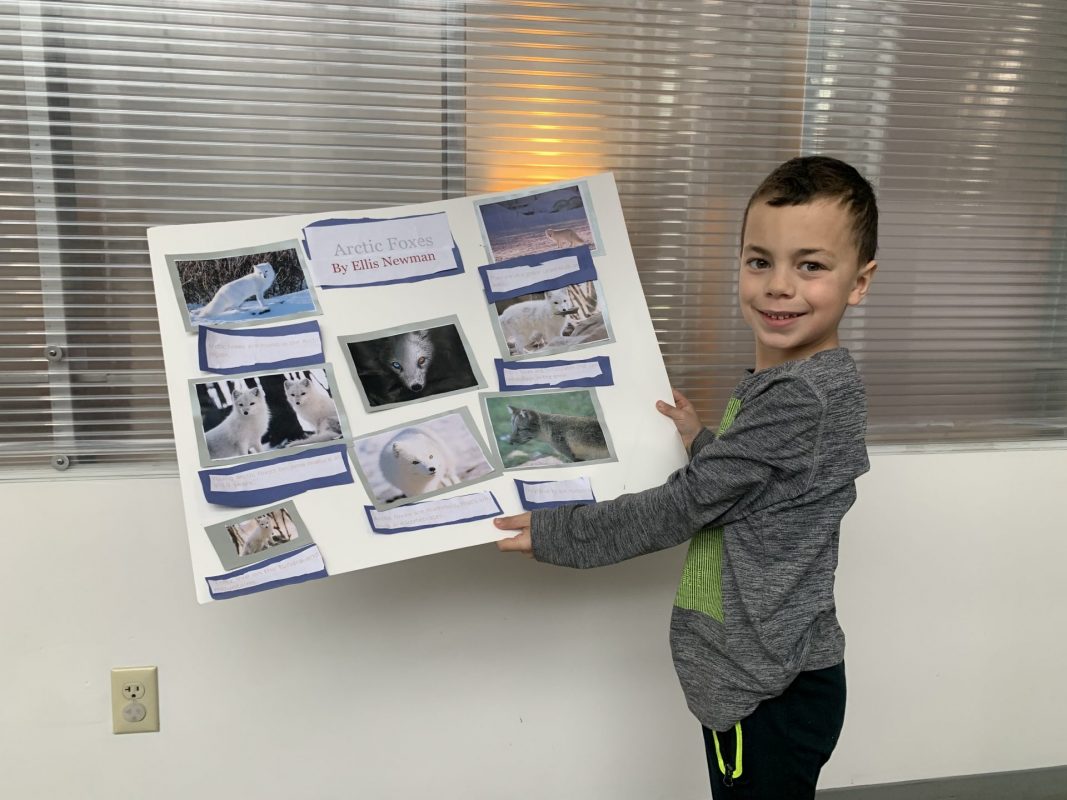
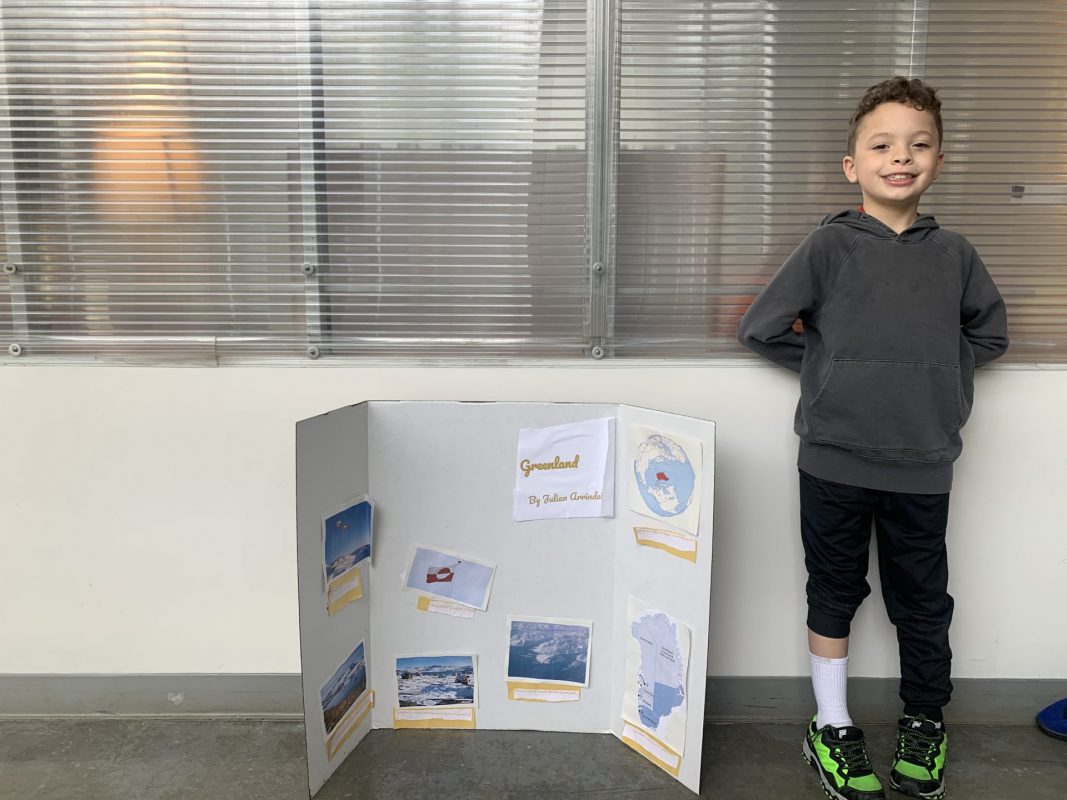
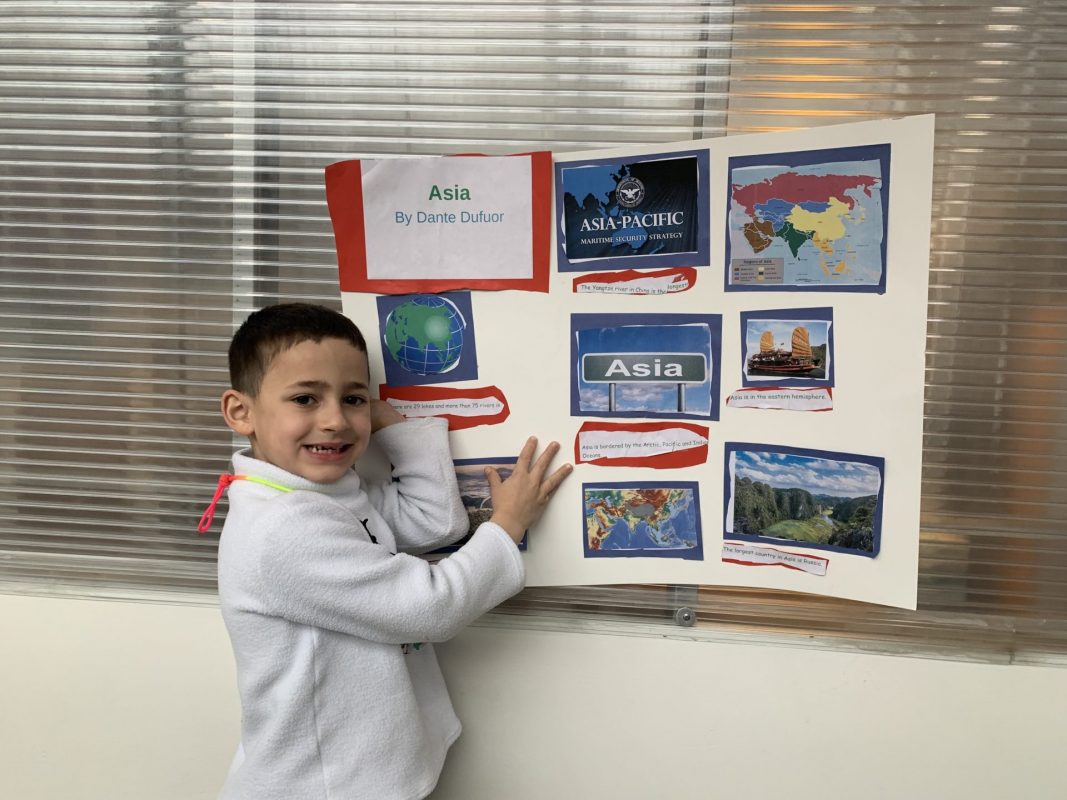
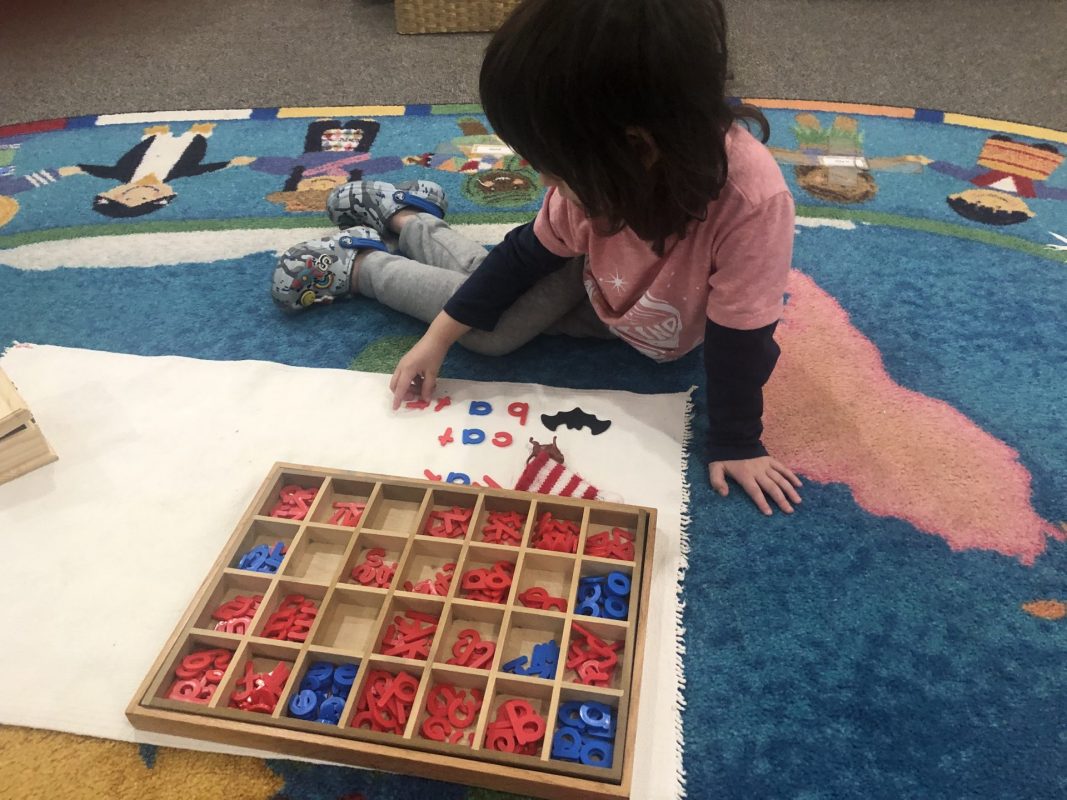
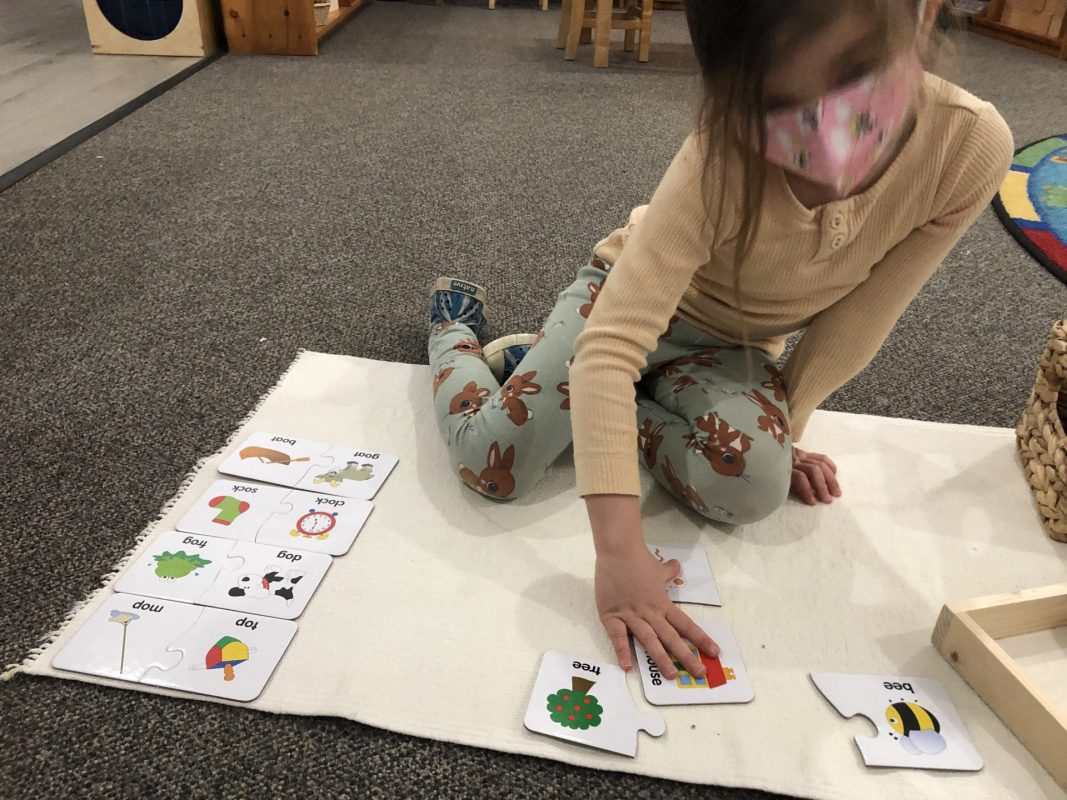
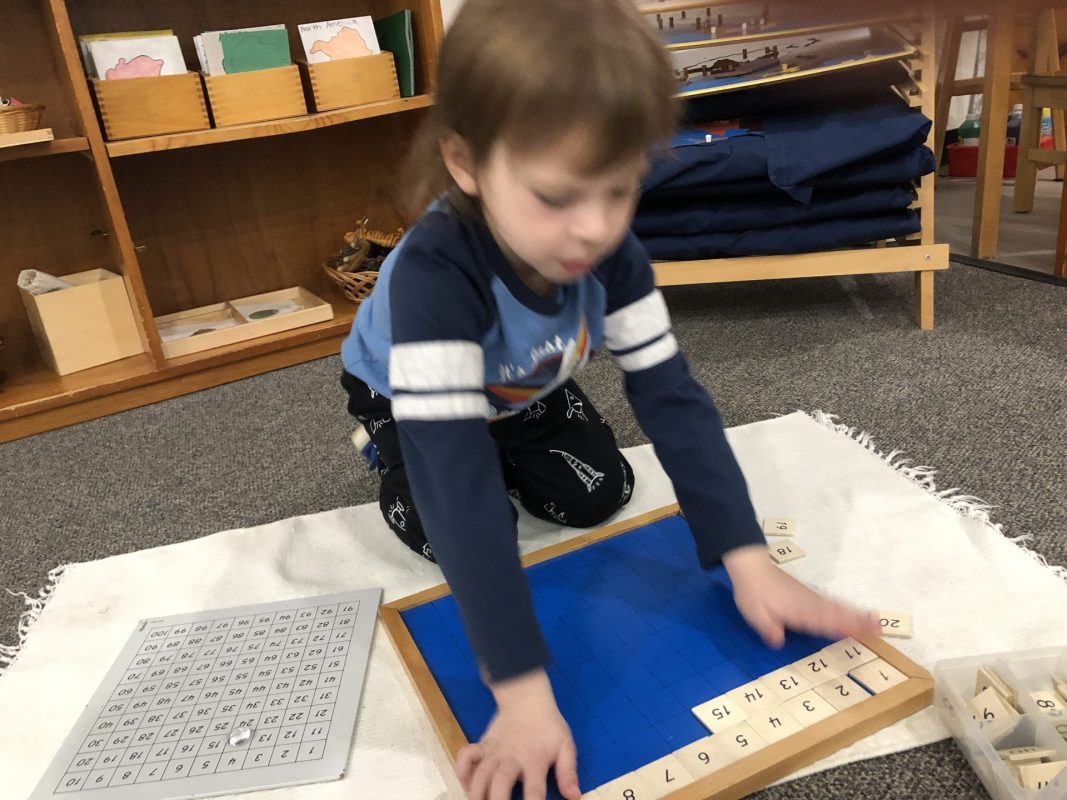
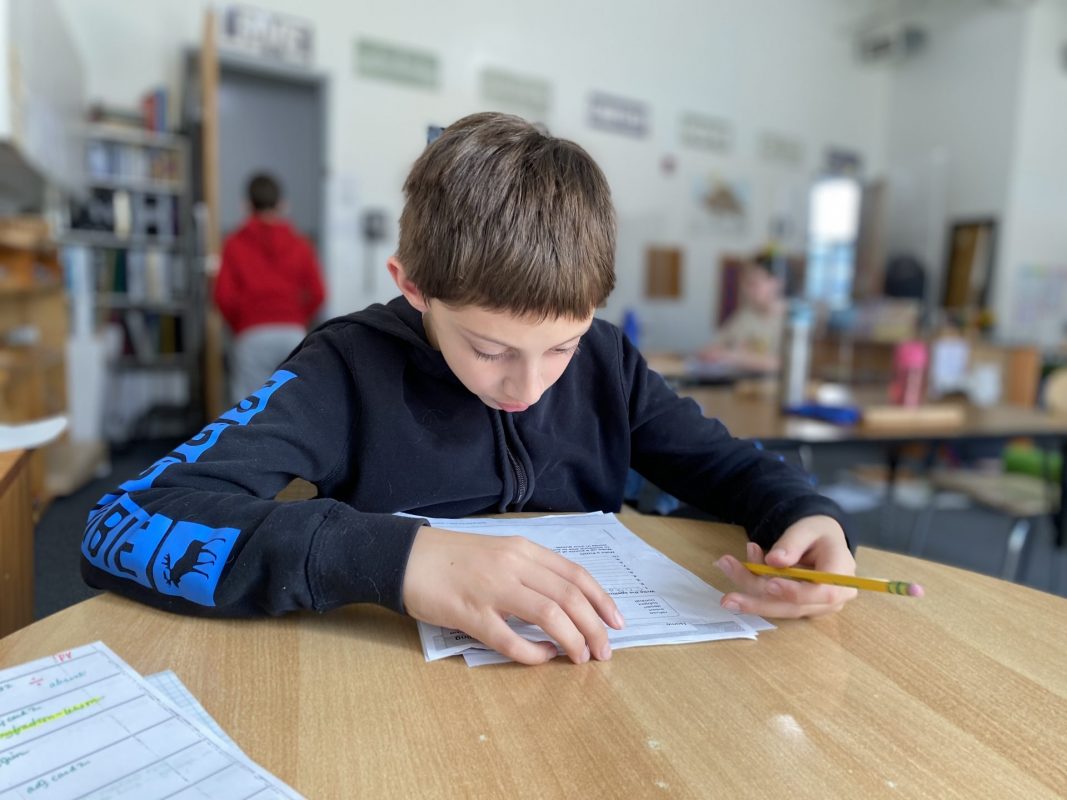
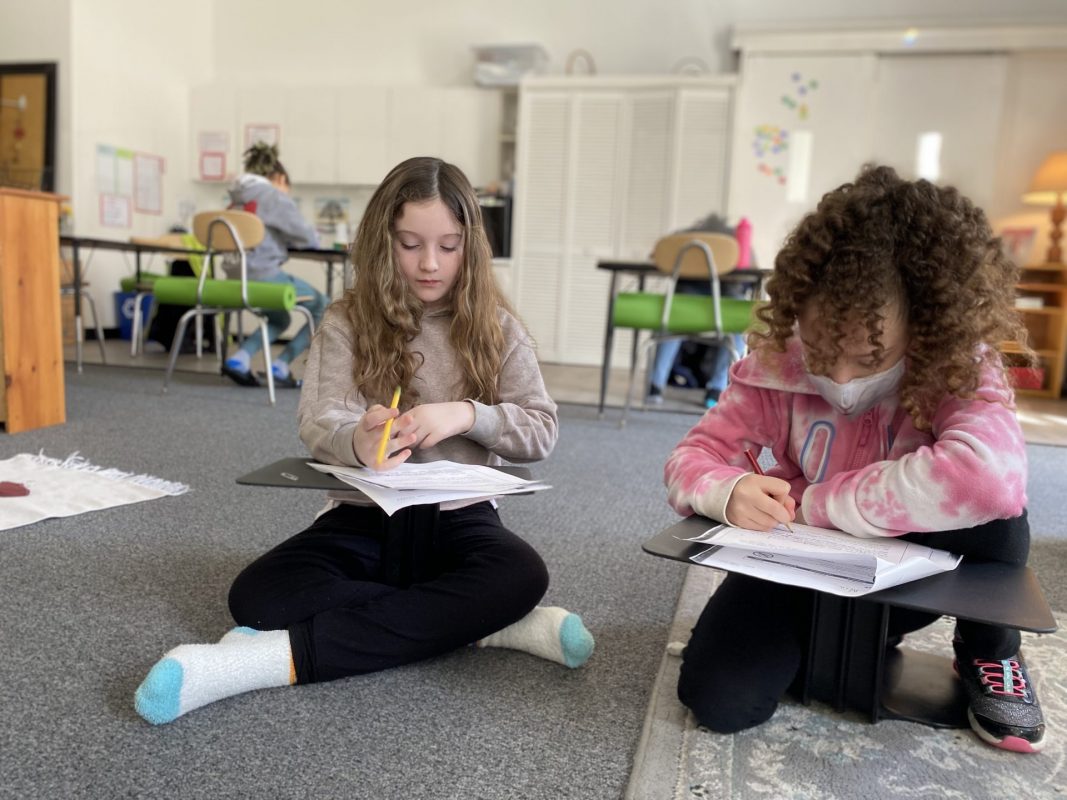
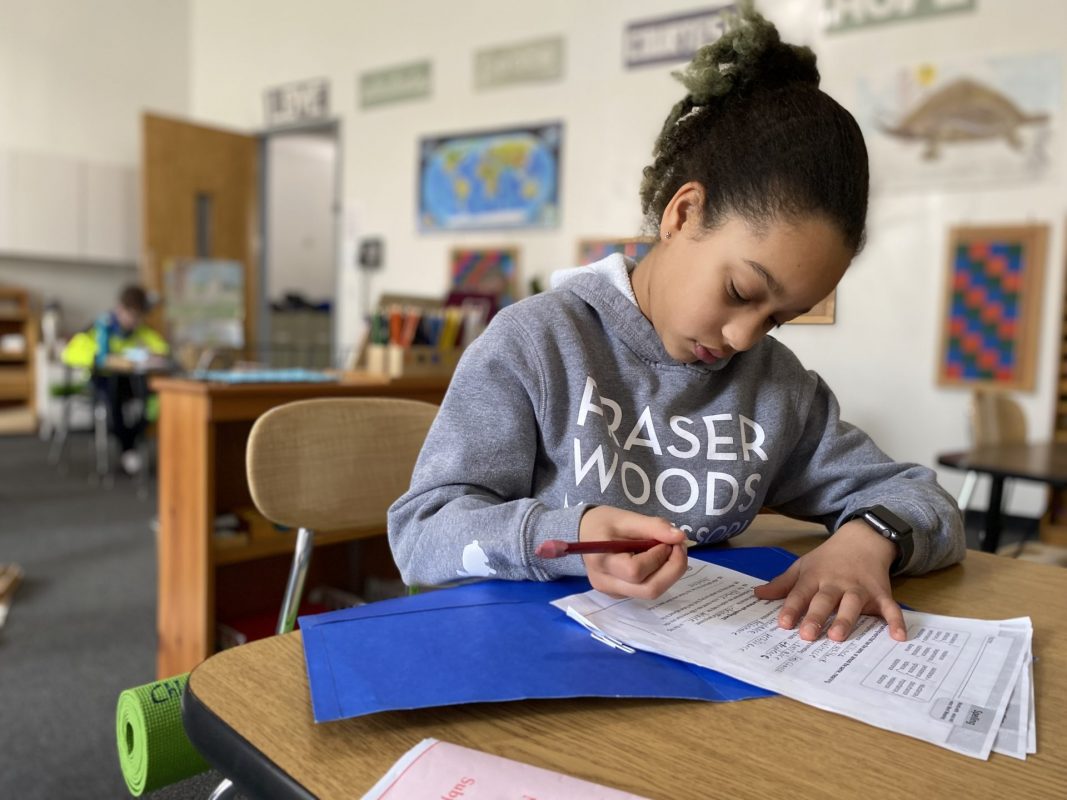
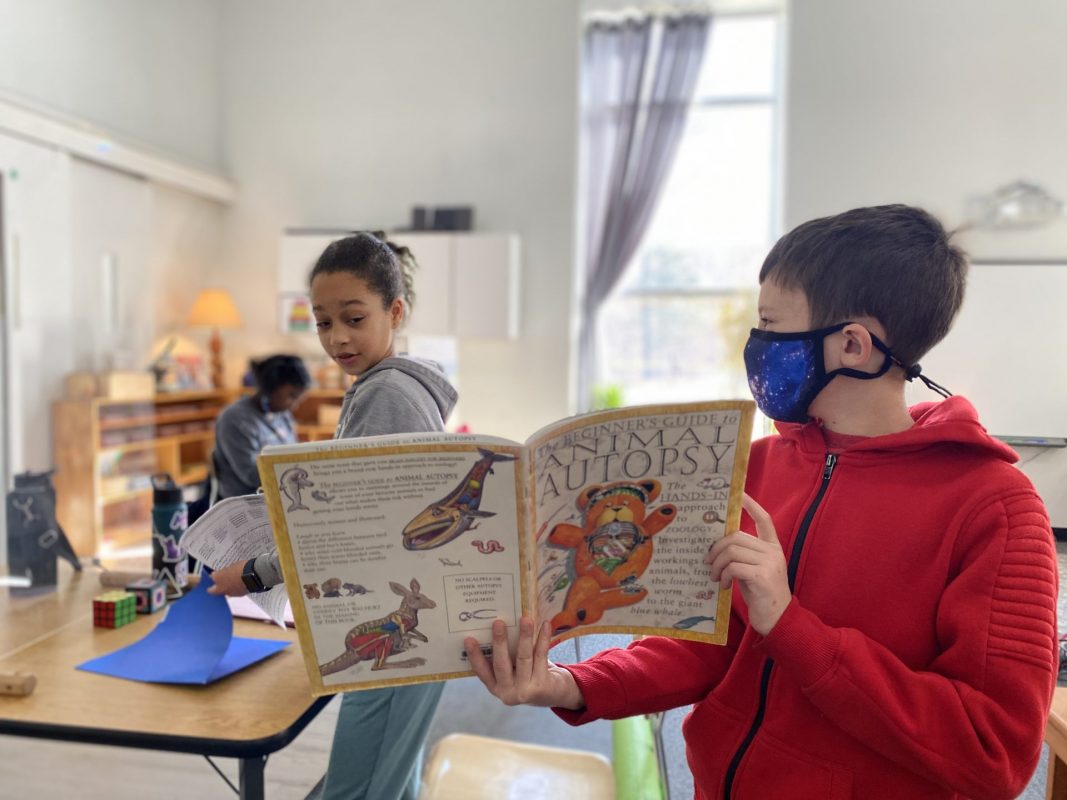
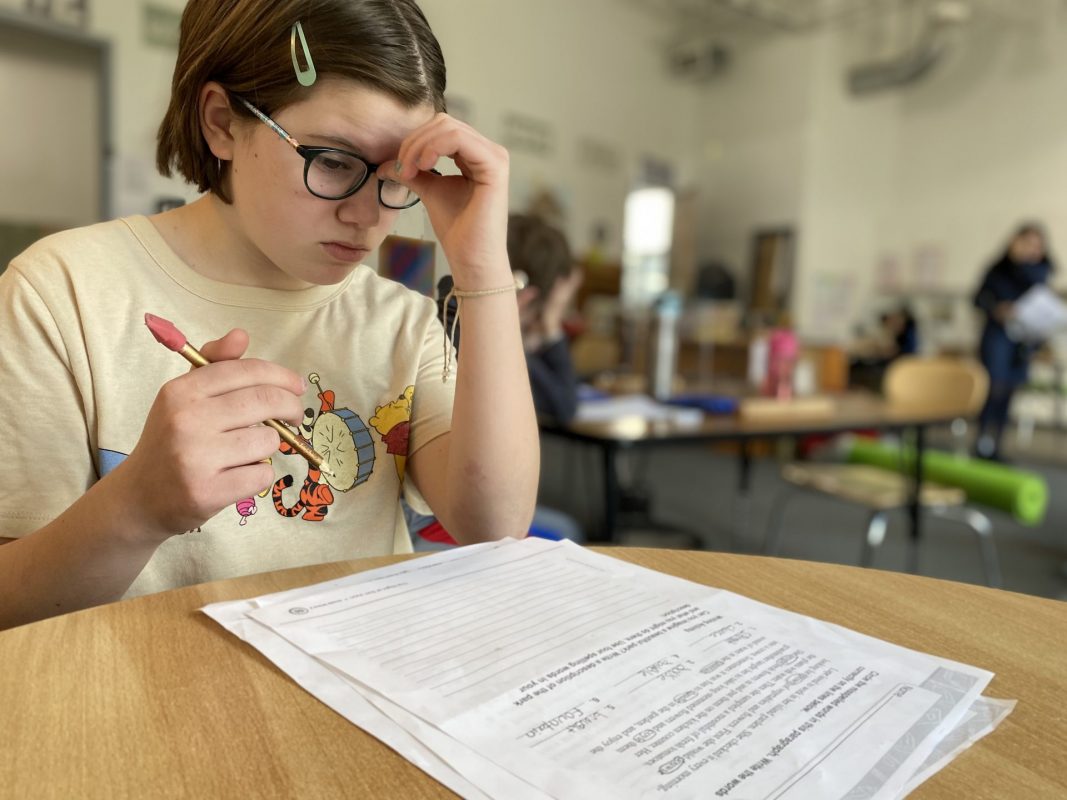
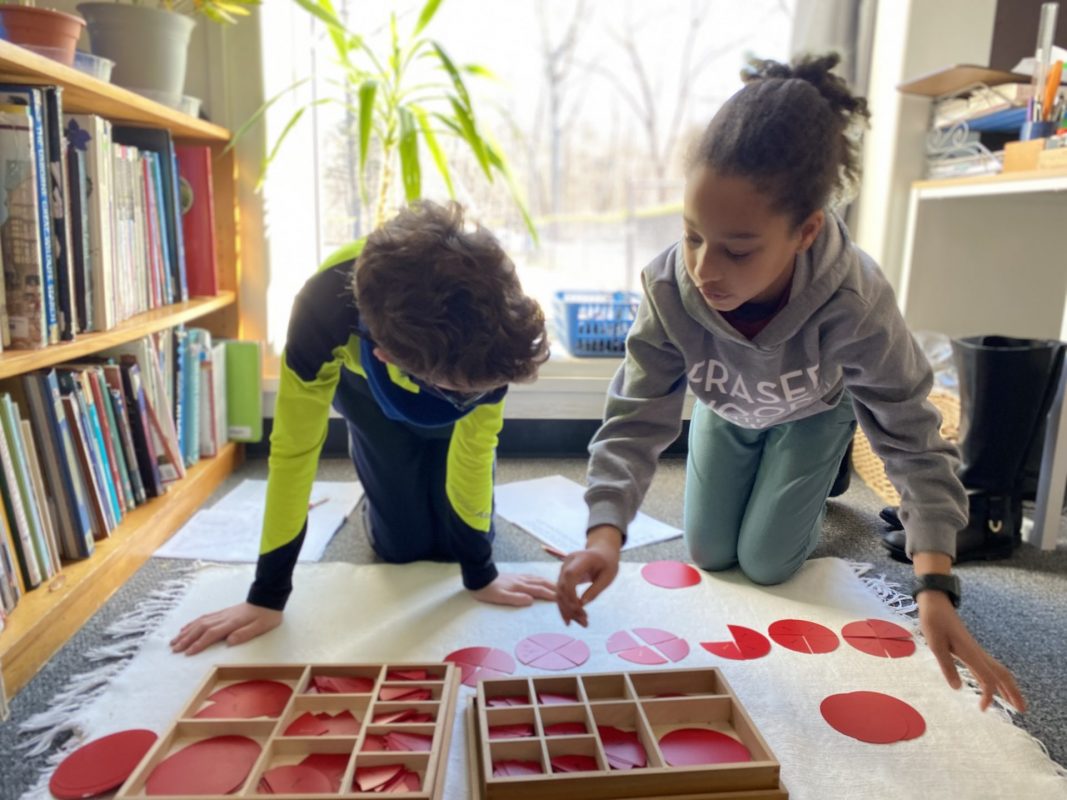
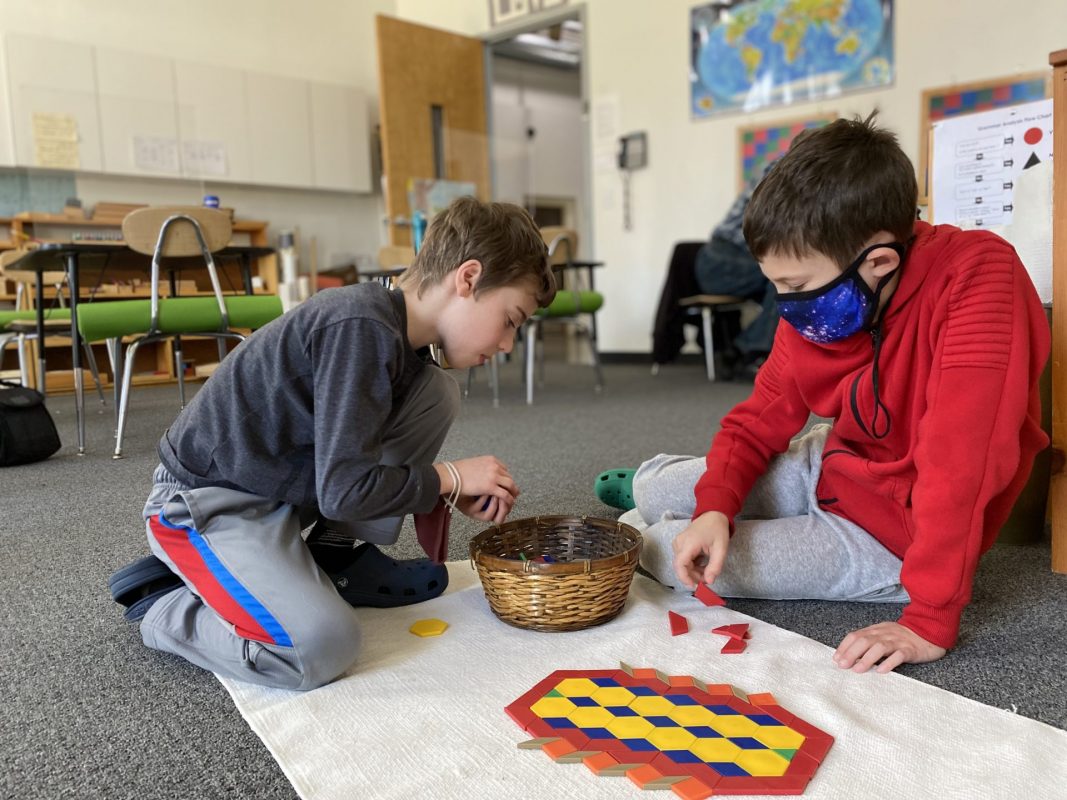
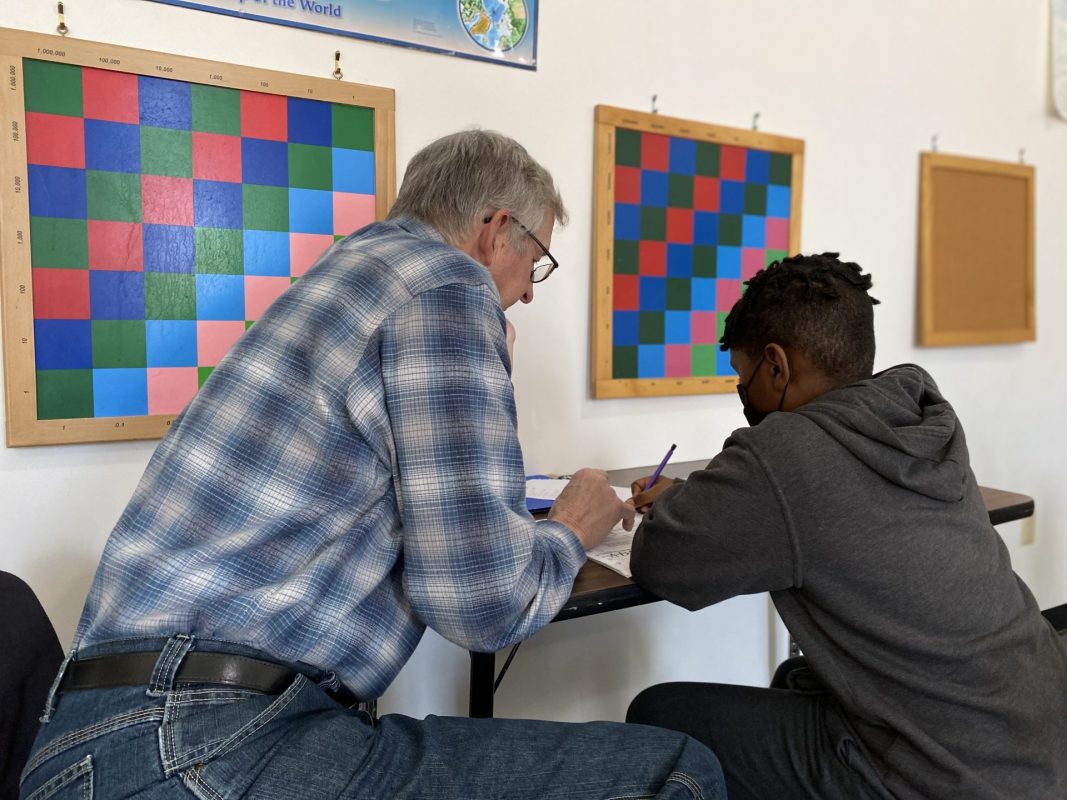
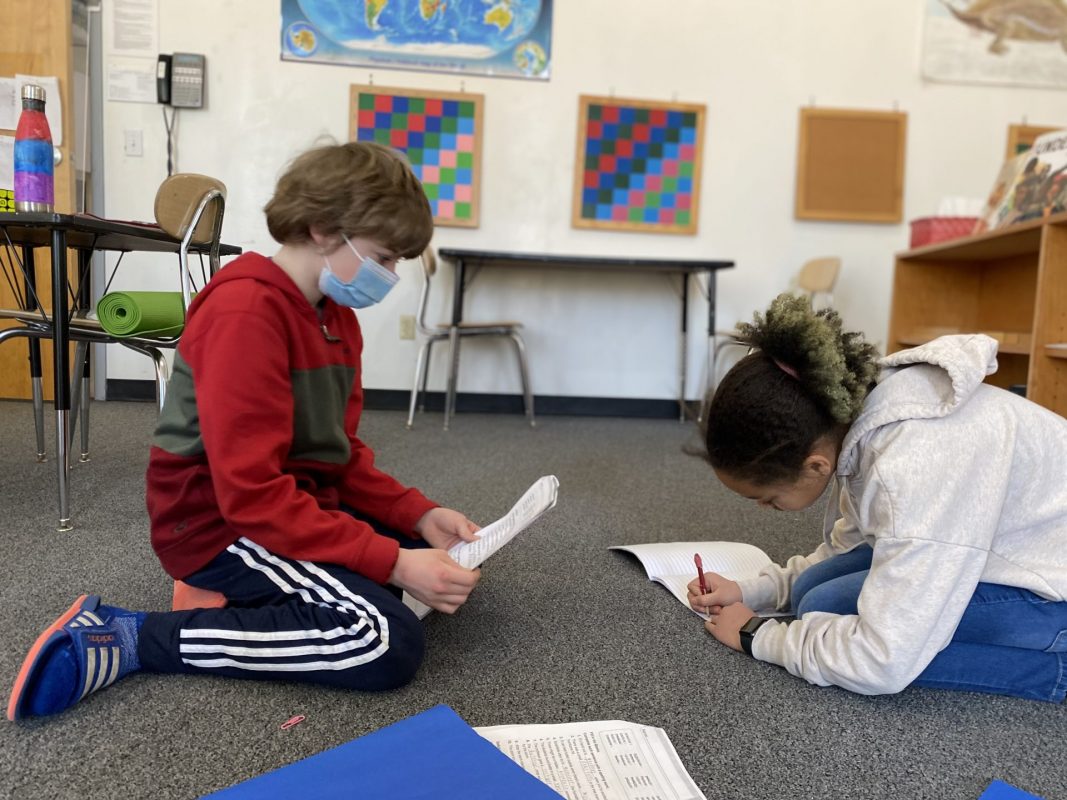
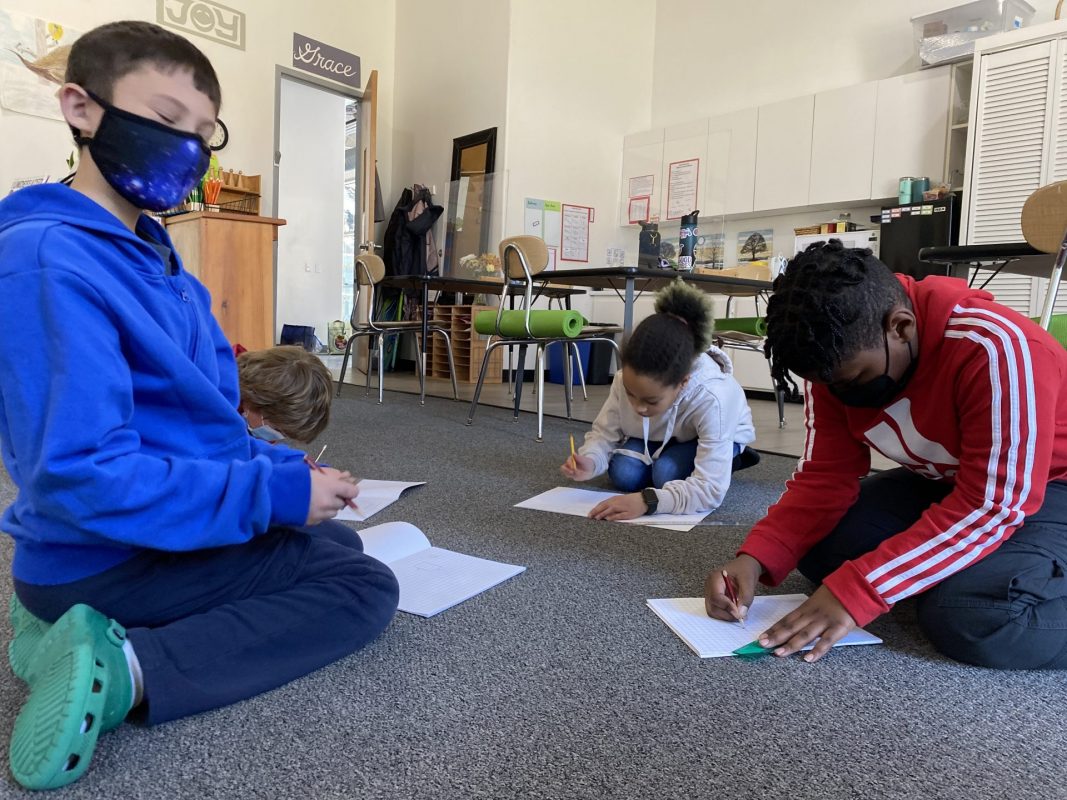
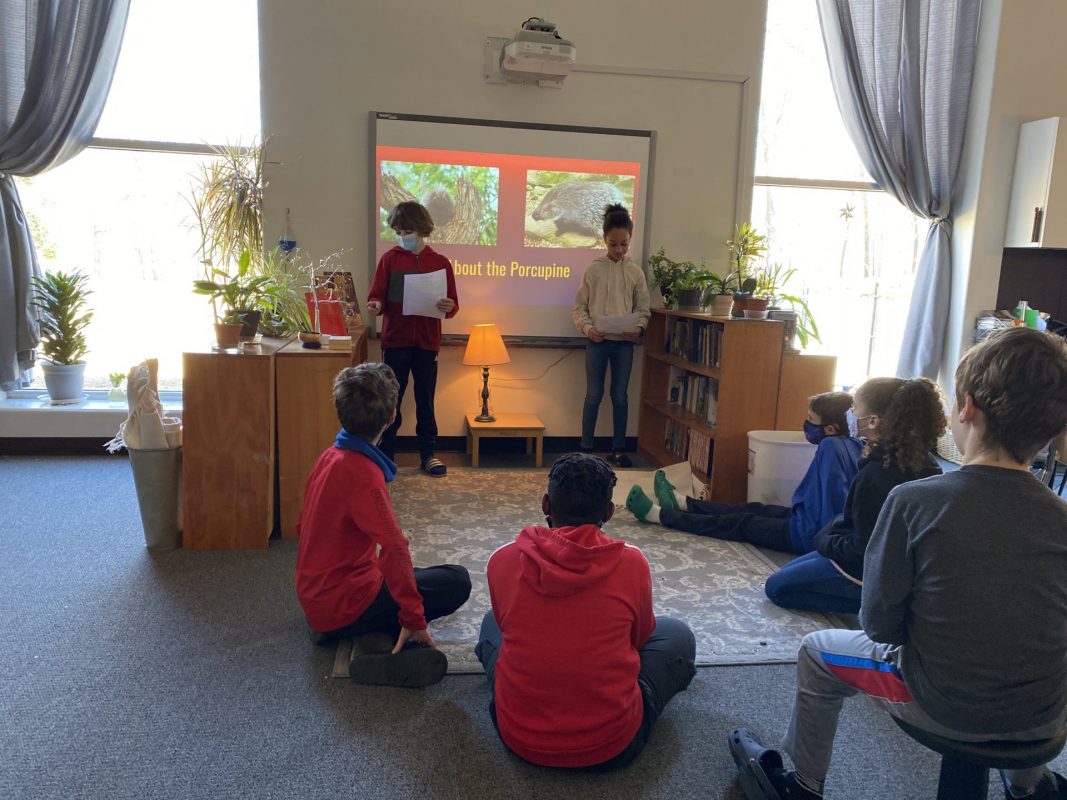
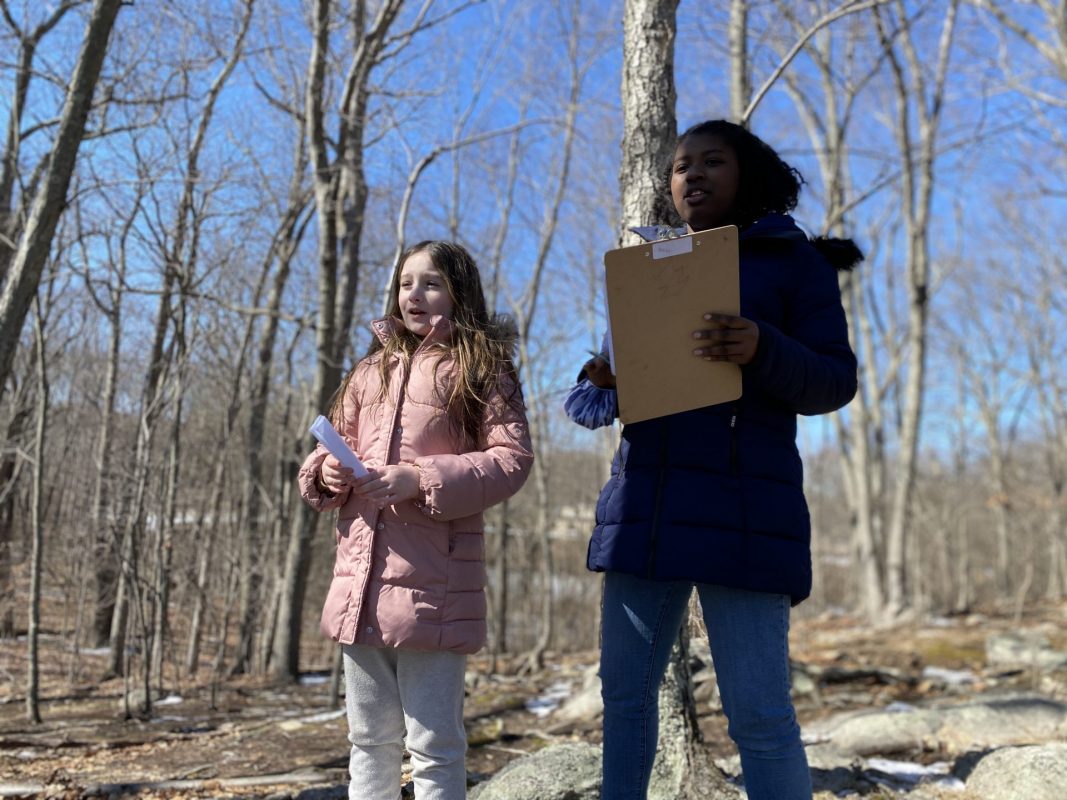
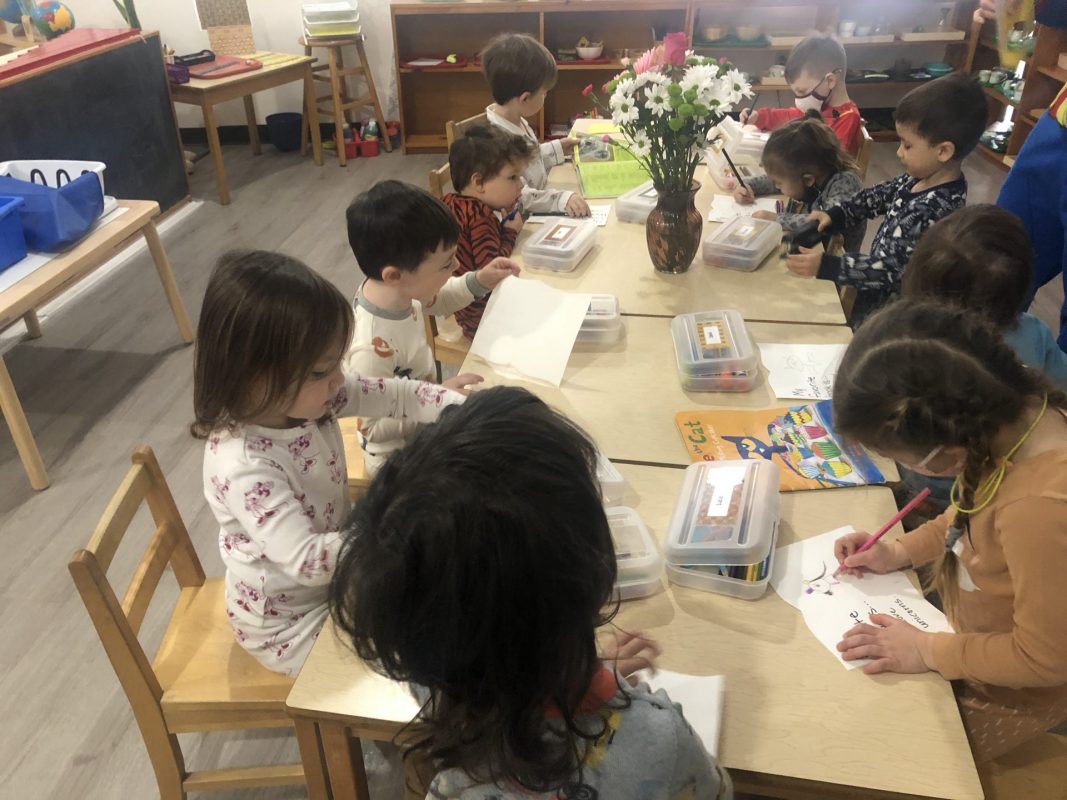
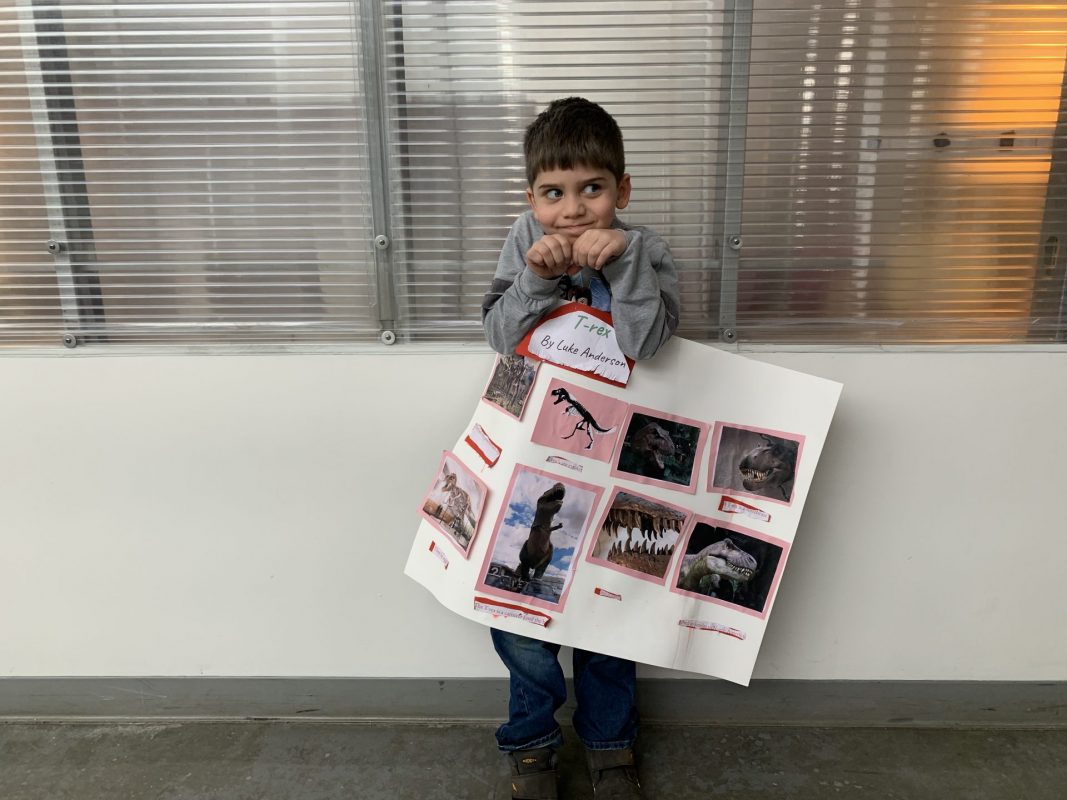
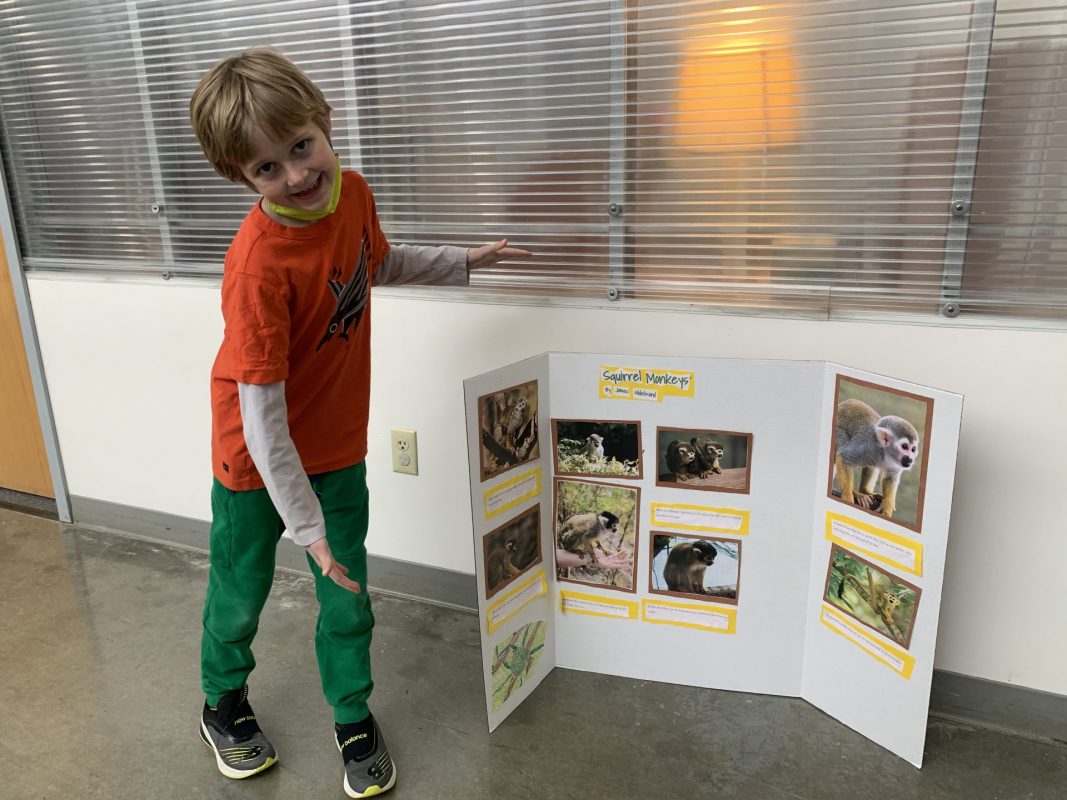
The children were so excited the past few weeks as the anticipation of sharing their research with their friends and family crept up. They were thrilled to be sharing their projects with their classmates, who they love so deeply. The third-year students had their first official public speaking experience, presenting to their classmates. They were amazing! Although it was optional, some second and first years wanted to present to their peers as well! They were all so brave! All of the children worked diligently and should be very proud of their work, as am I.

I hope everyone has a great spring break! See you in two weeks.


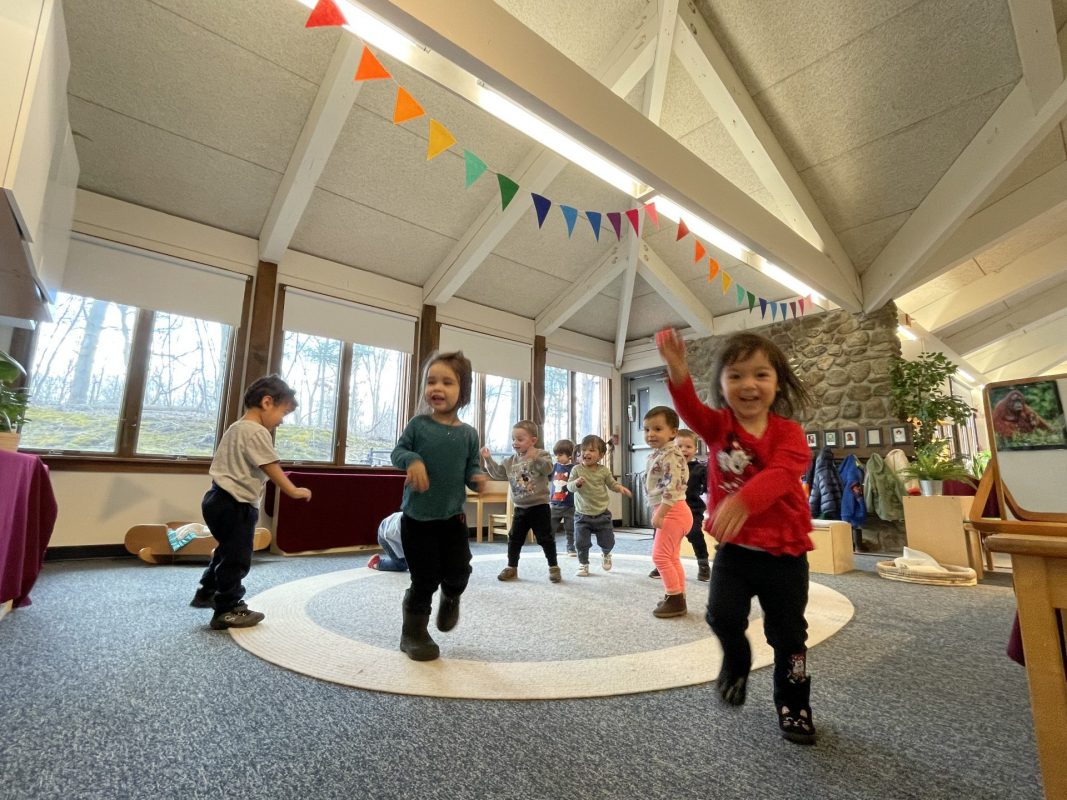
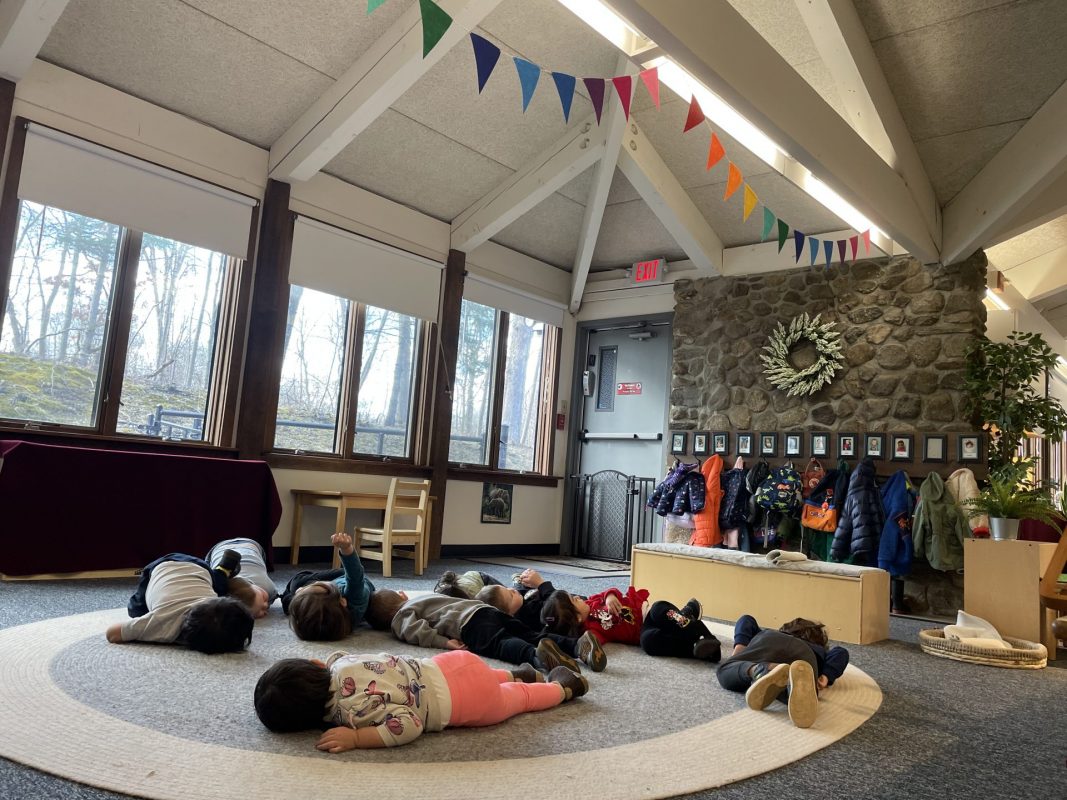
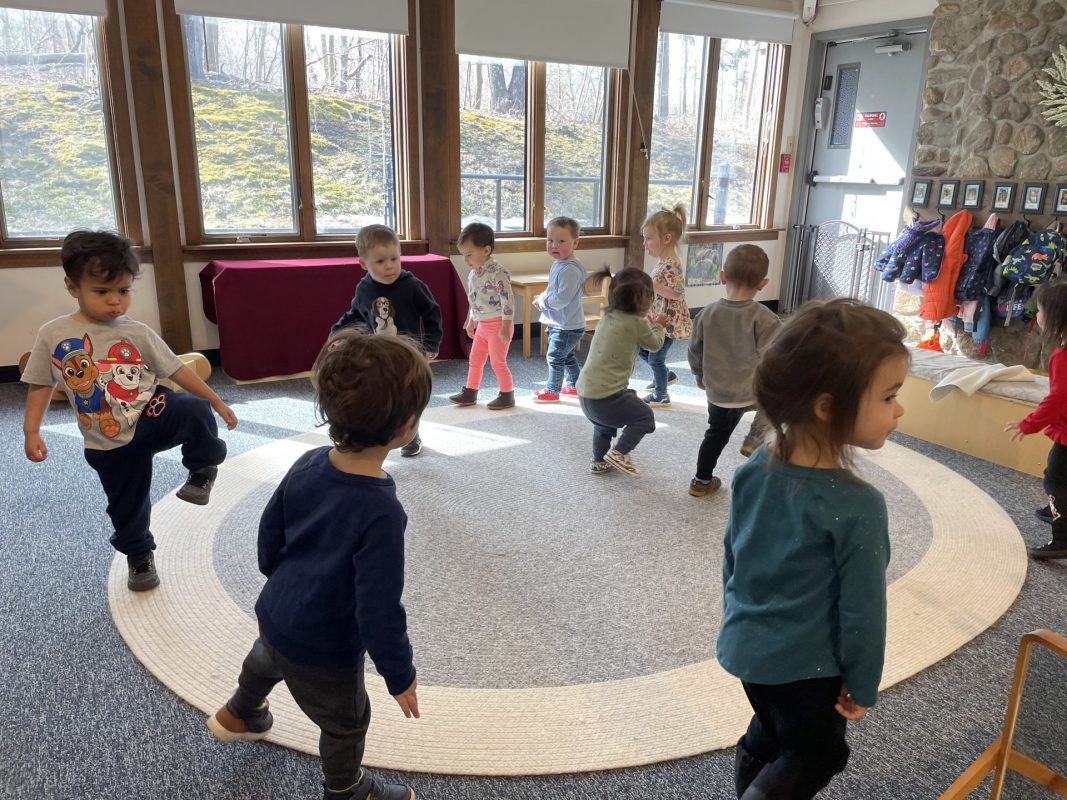
Mrs. Hood: Exploring Our Colorful World!

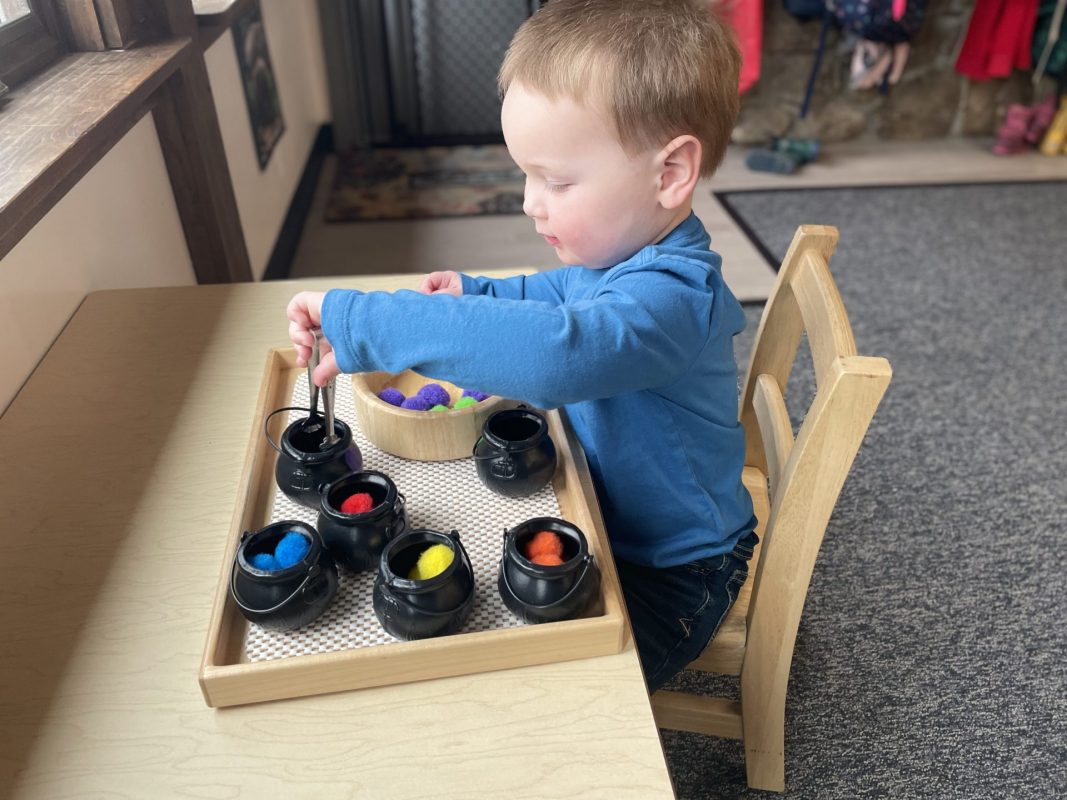
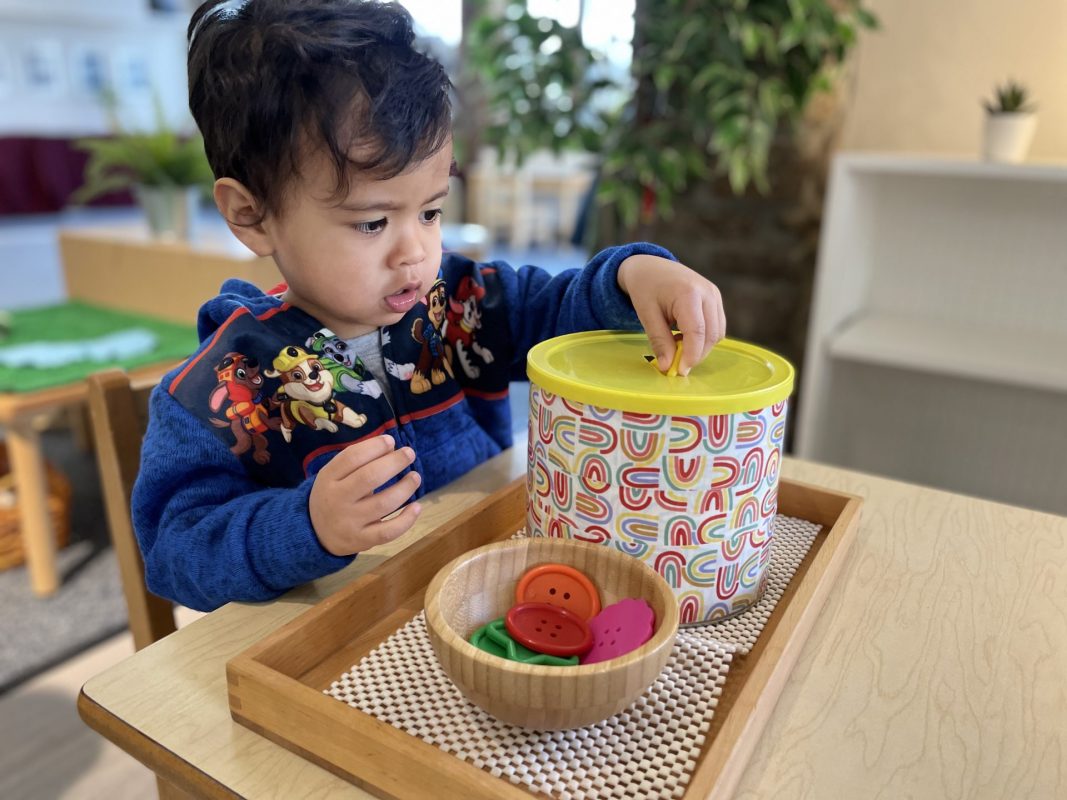
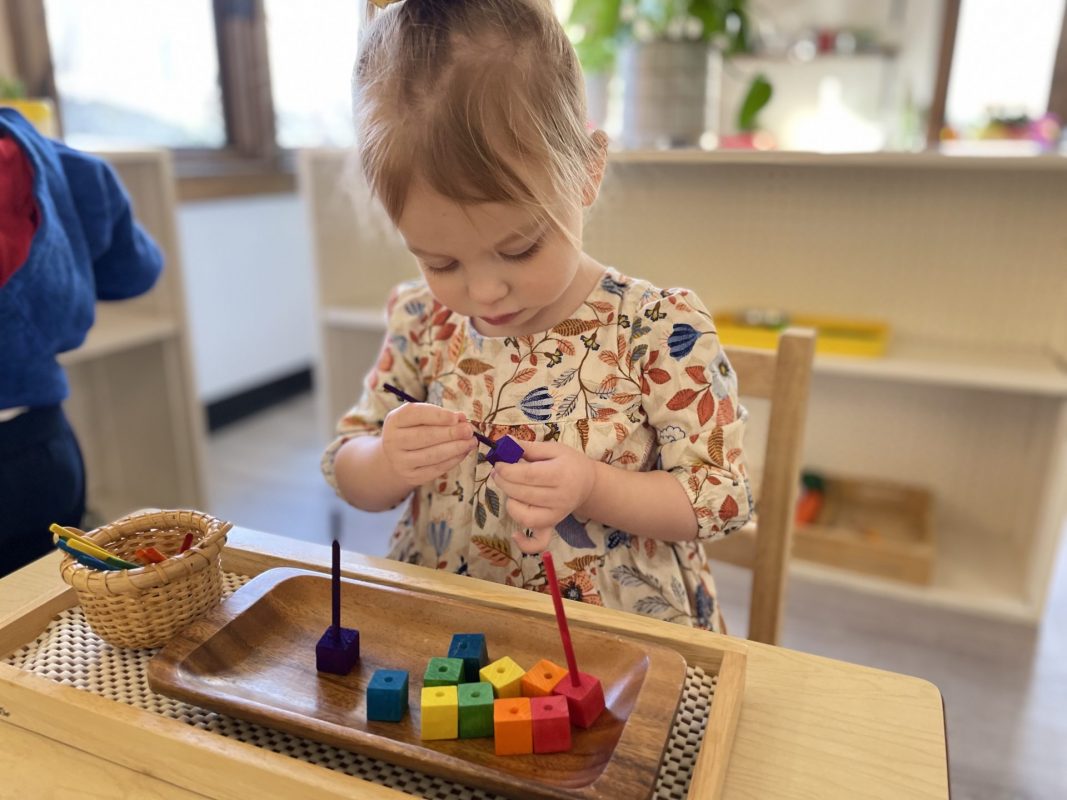
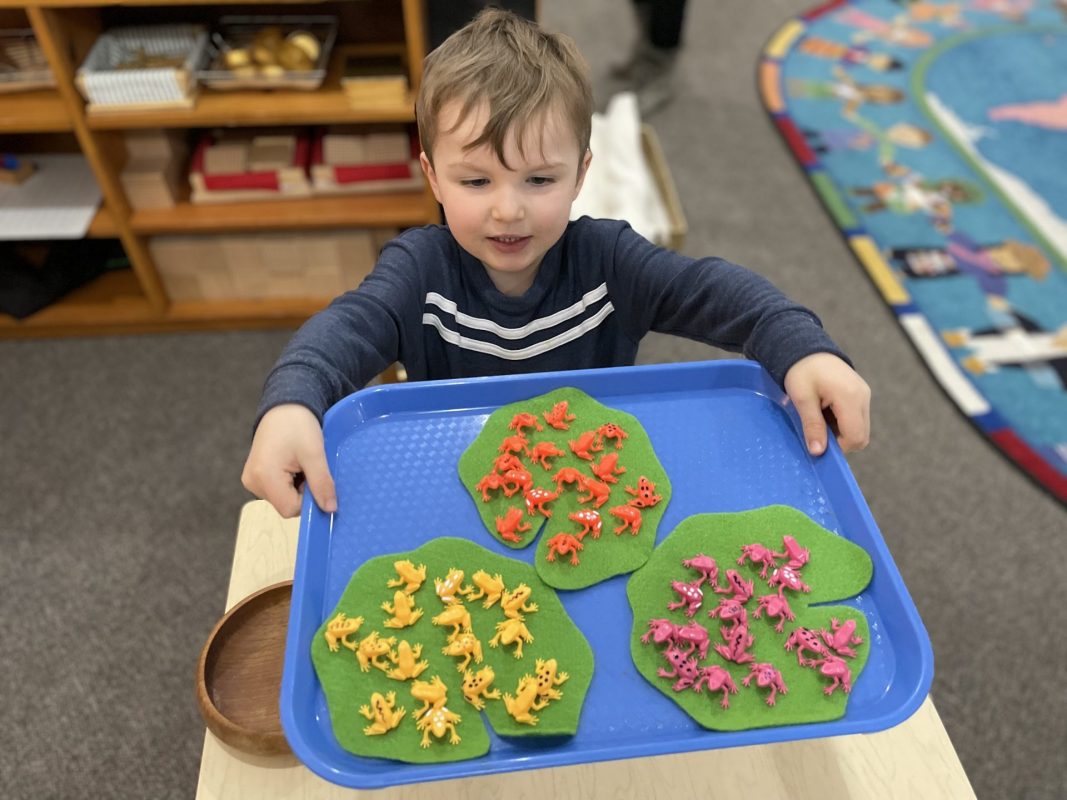
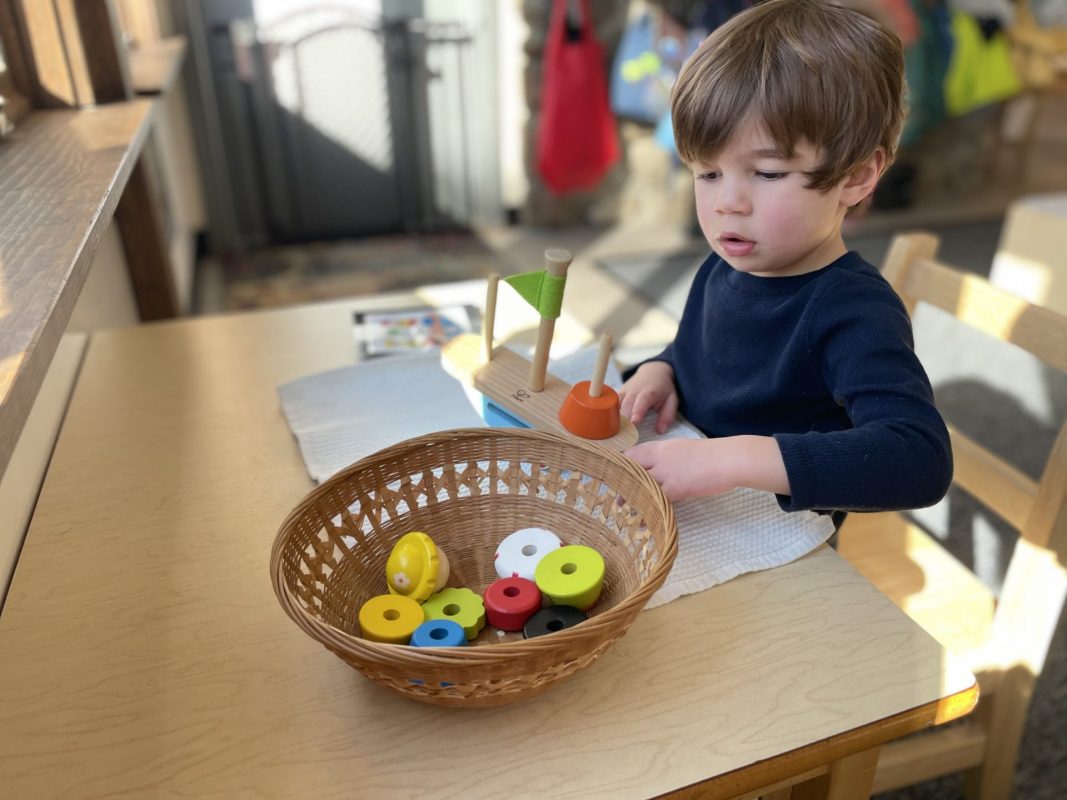
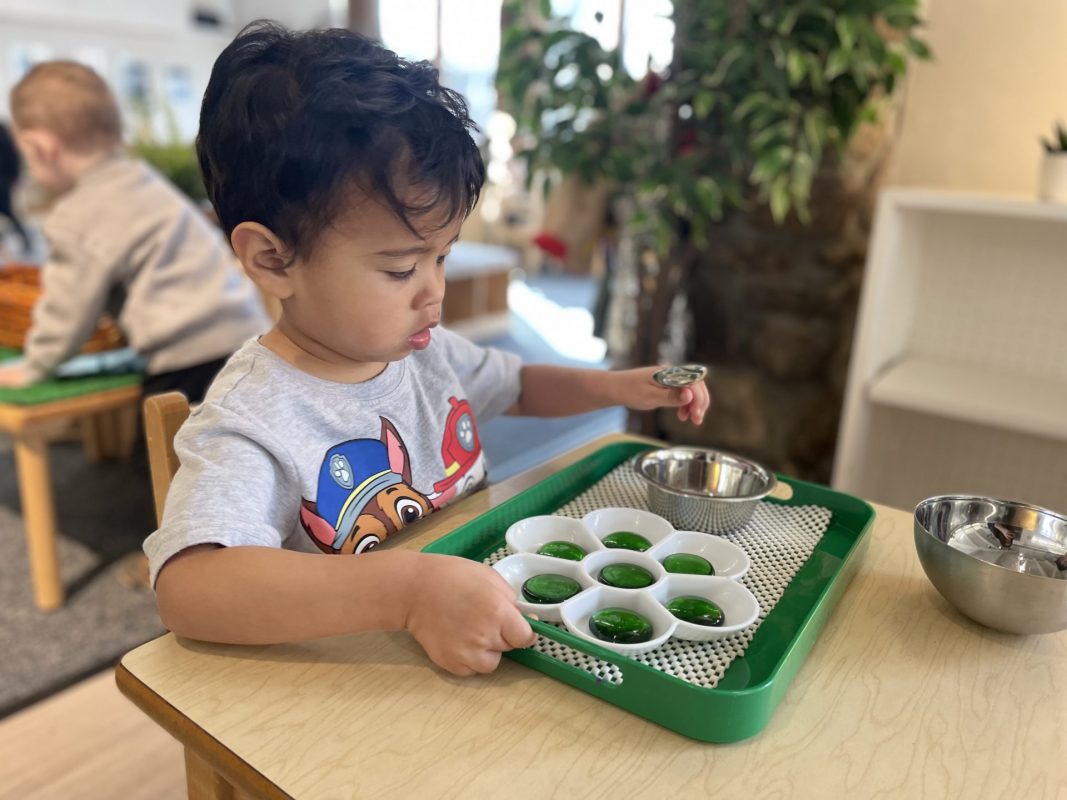
Color recognition can provide children with essential learning tools in life. For example, in mathematics, color recognition is used to categorize, sort, compare, and organize. Additionally, as children learn to identify colors and use color as a language tool to describe things, it develops and strengthens their ability to communicate effectively. Recognizing and identifying the color names is an important part of a child’s development. It is considered a marker and milestone in a child’s cognitive process.

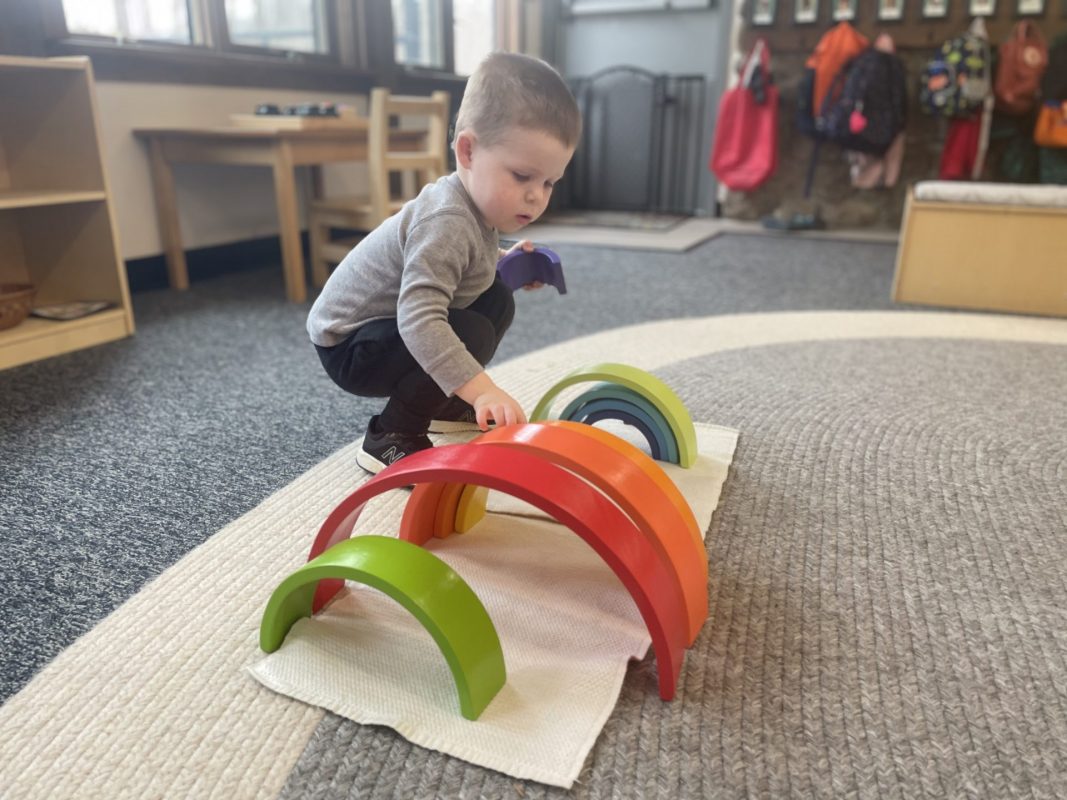
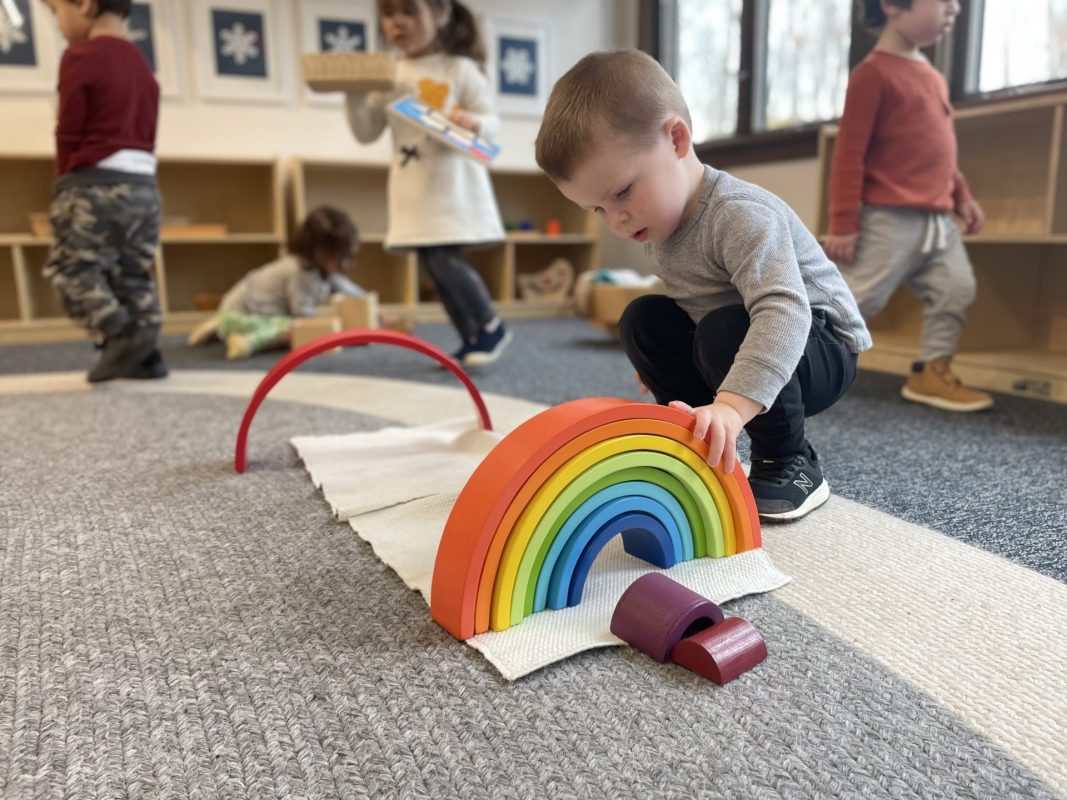
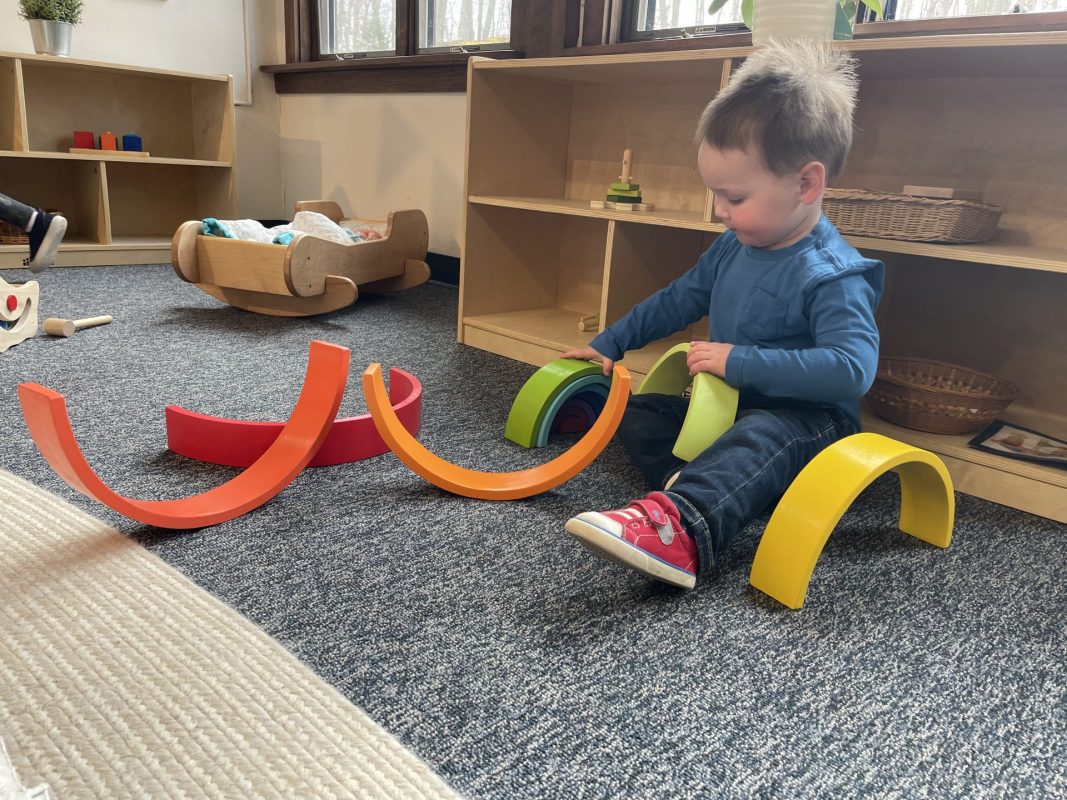
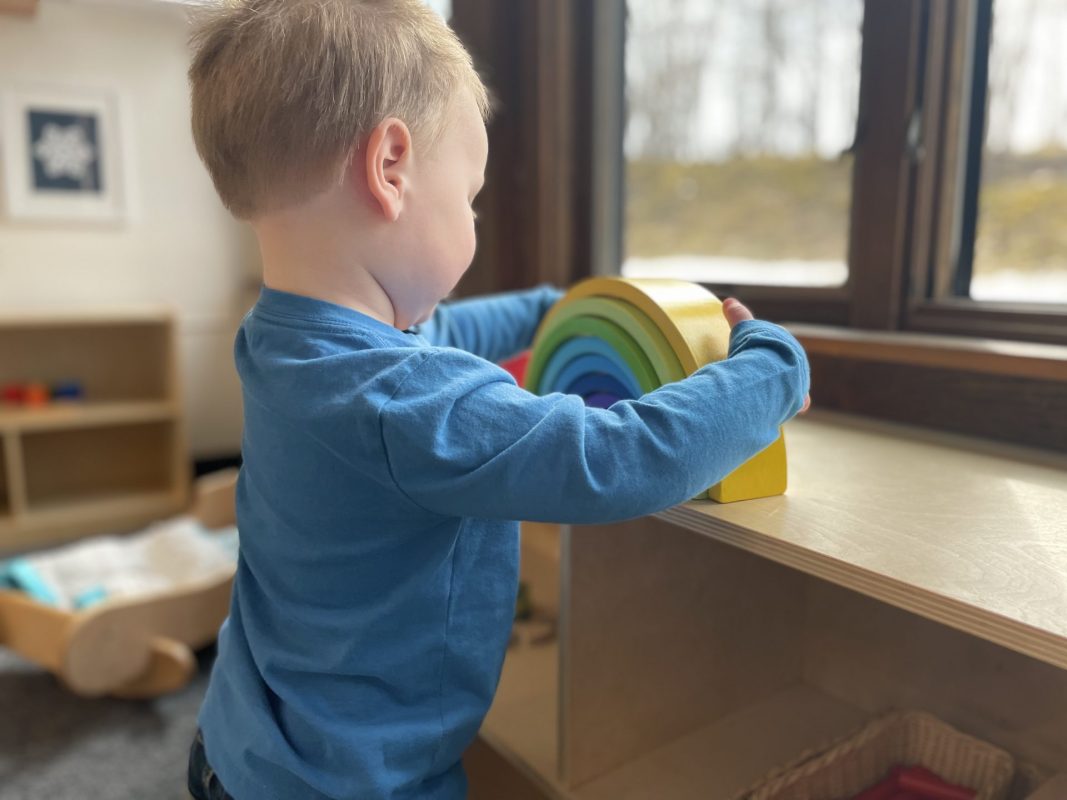
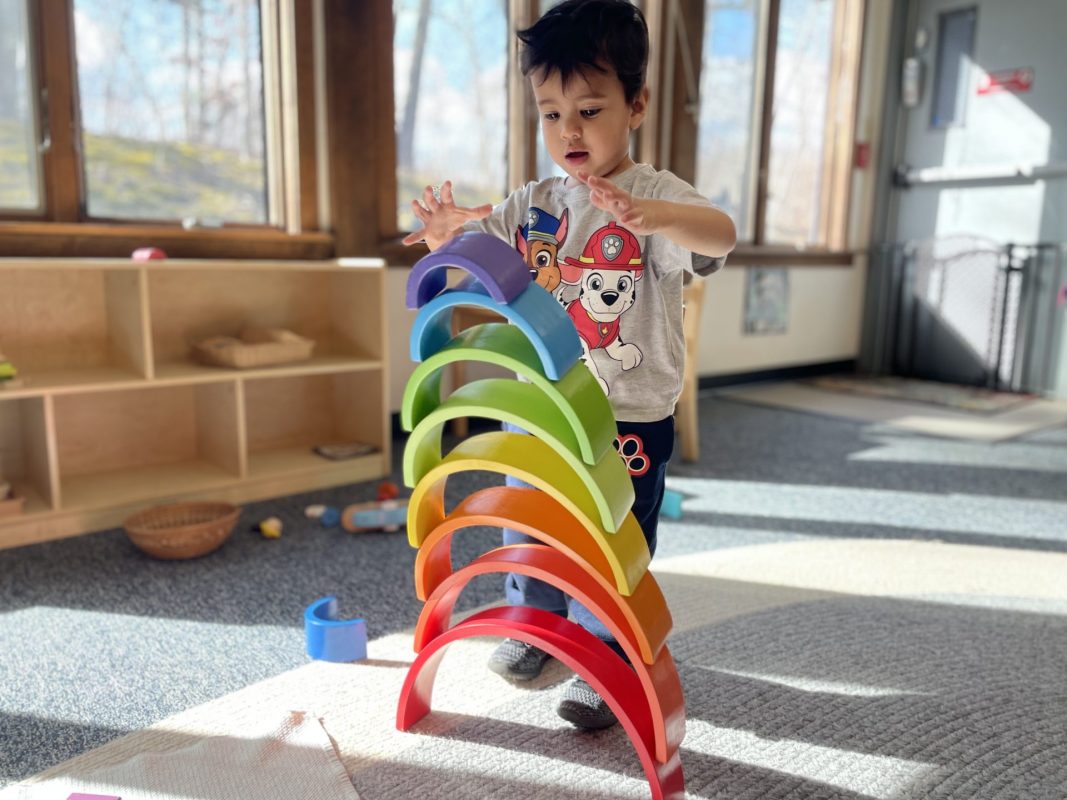
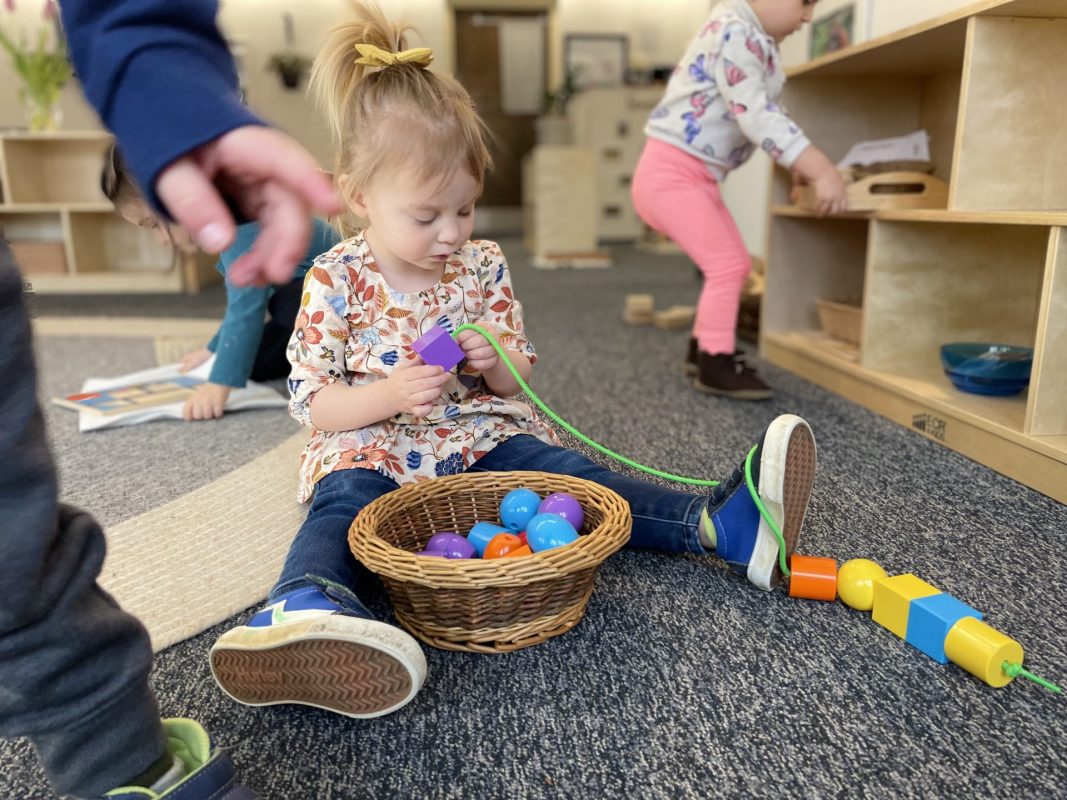
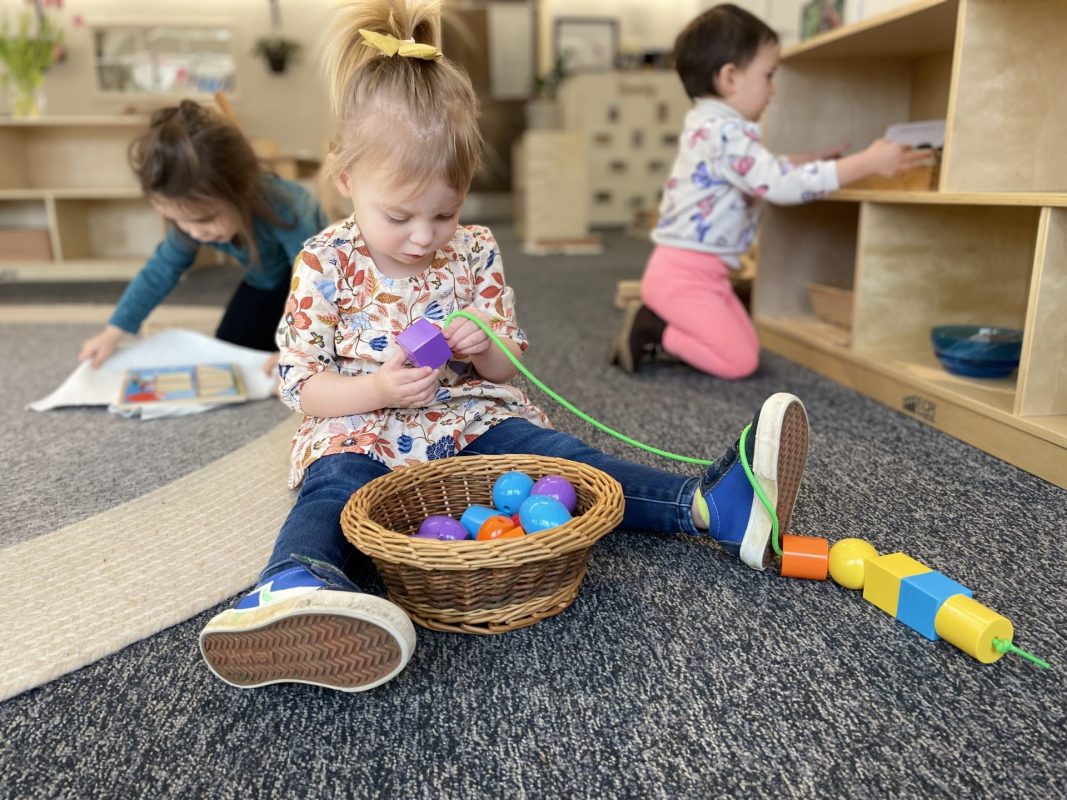
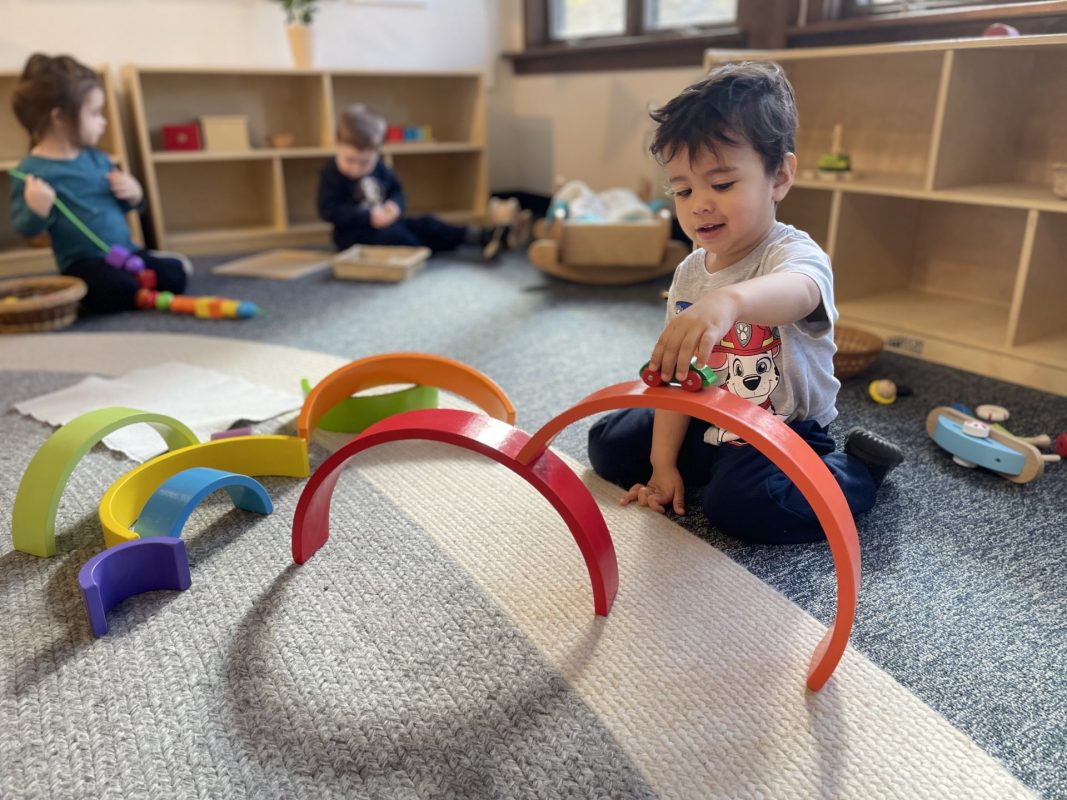
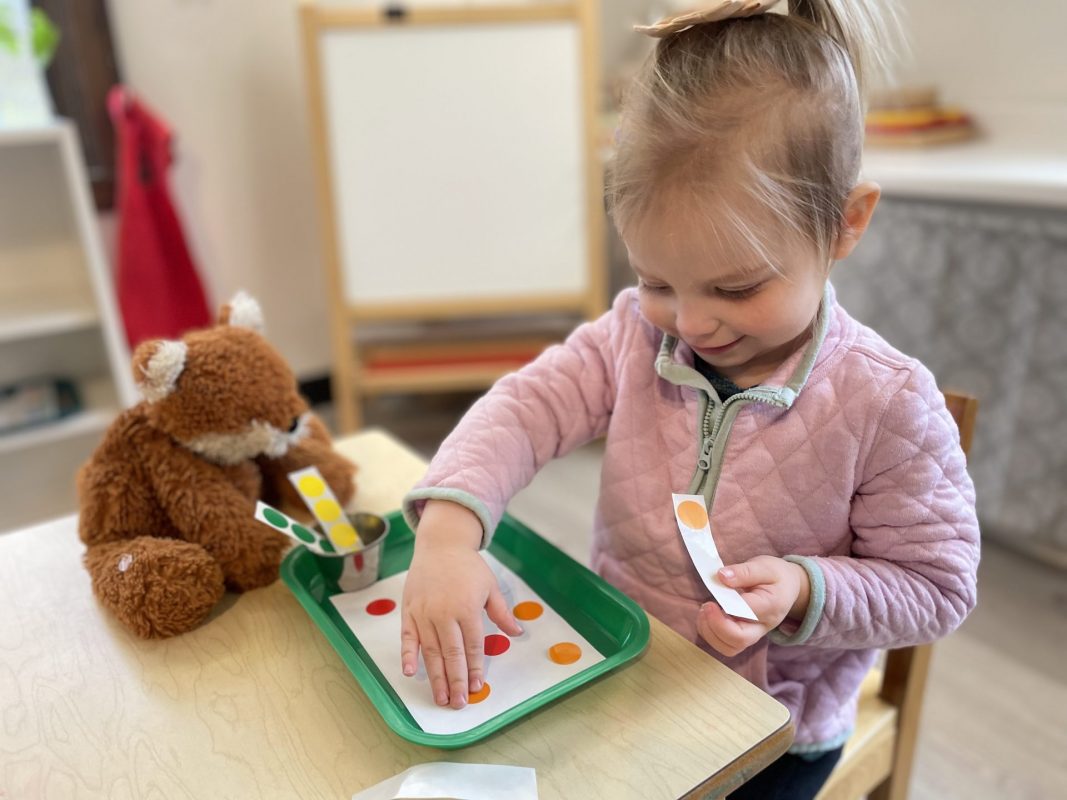
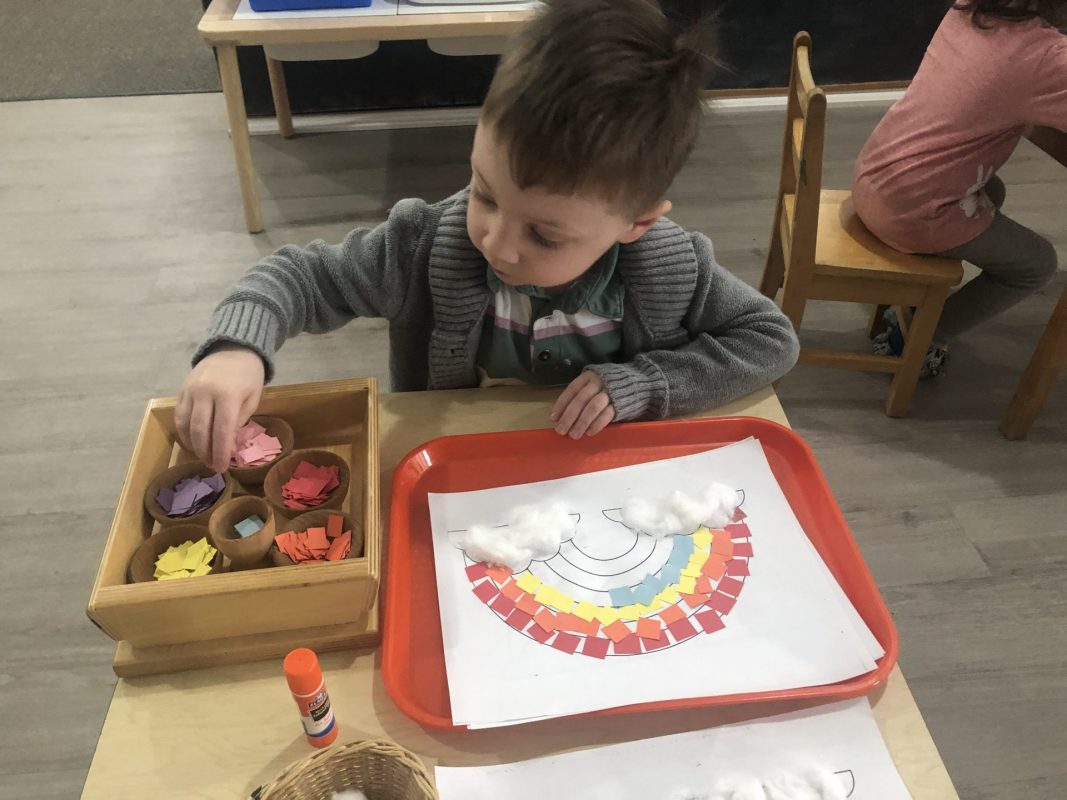
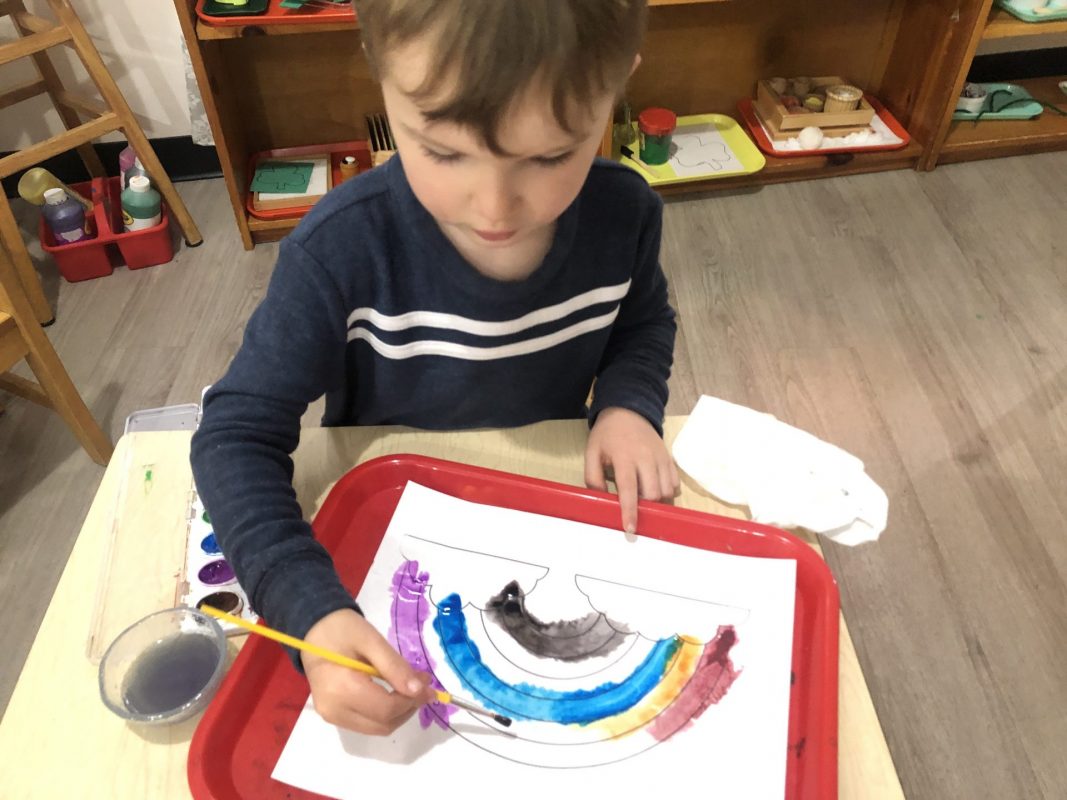
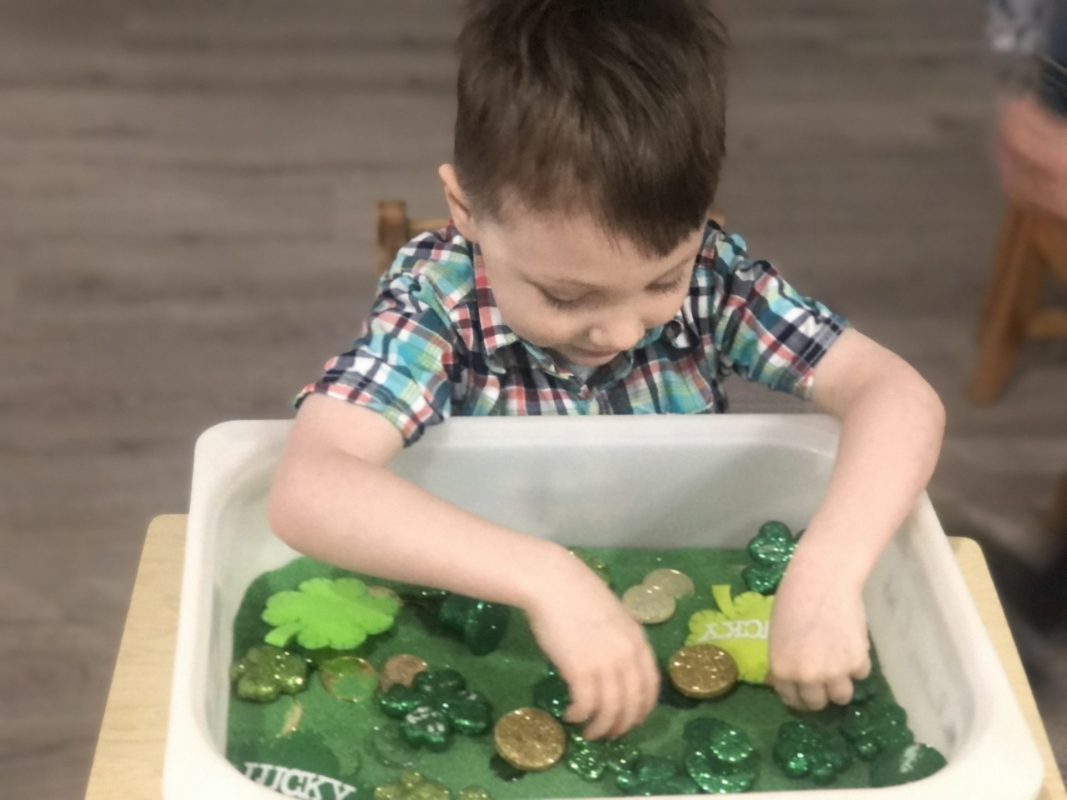
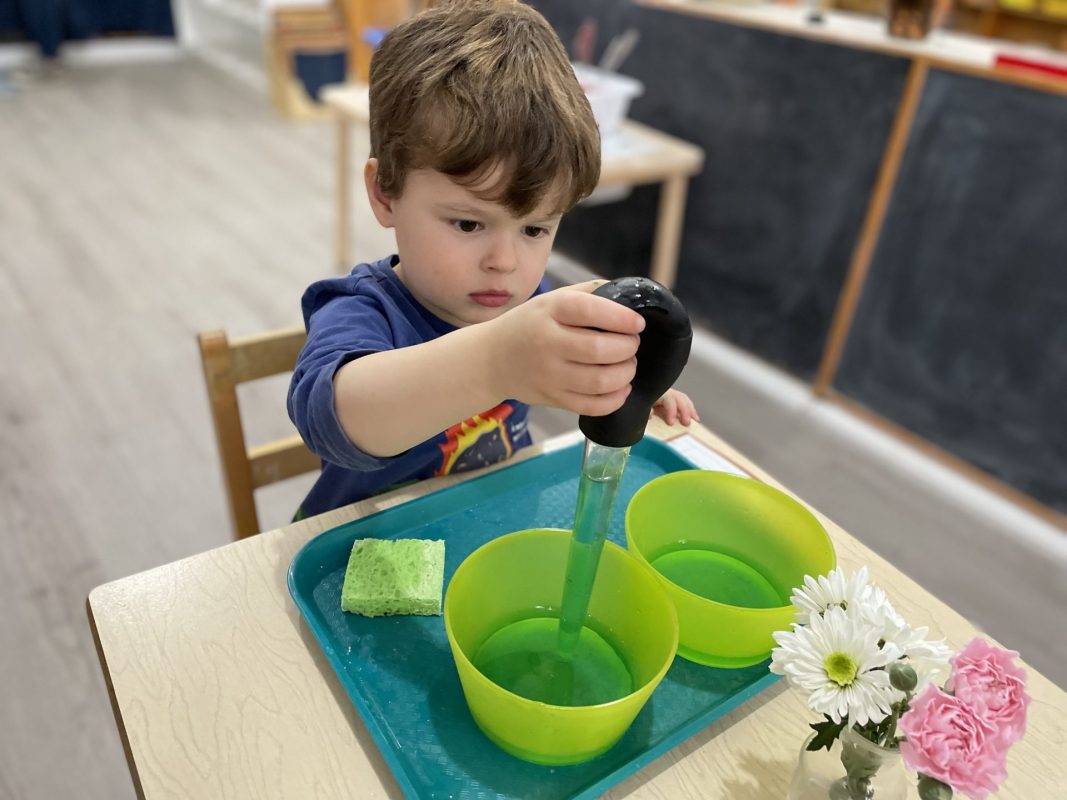
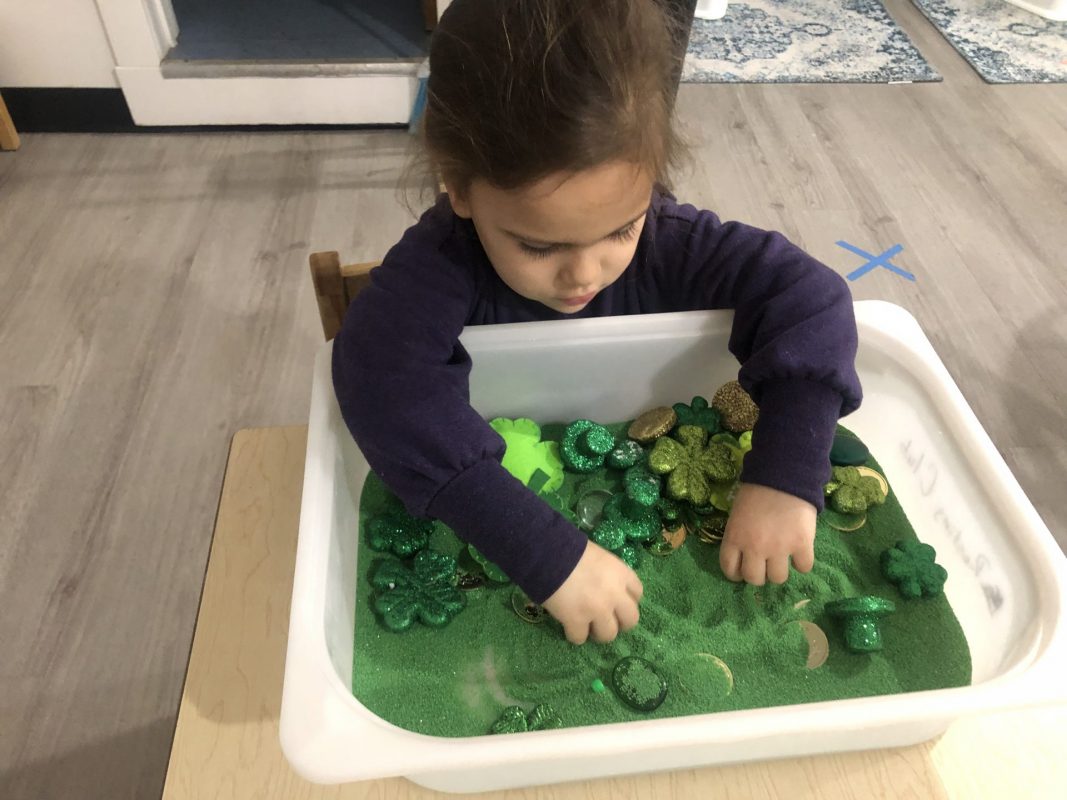
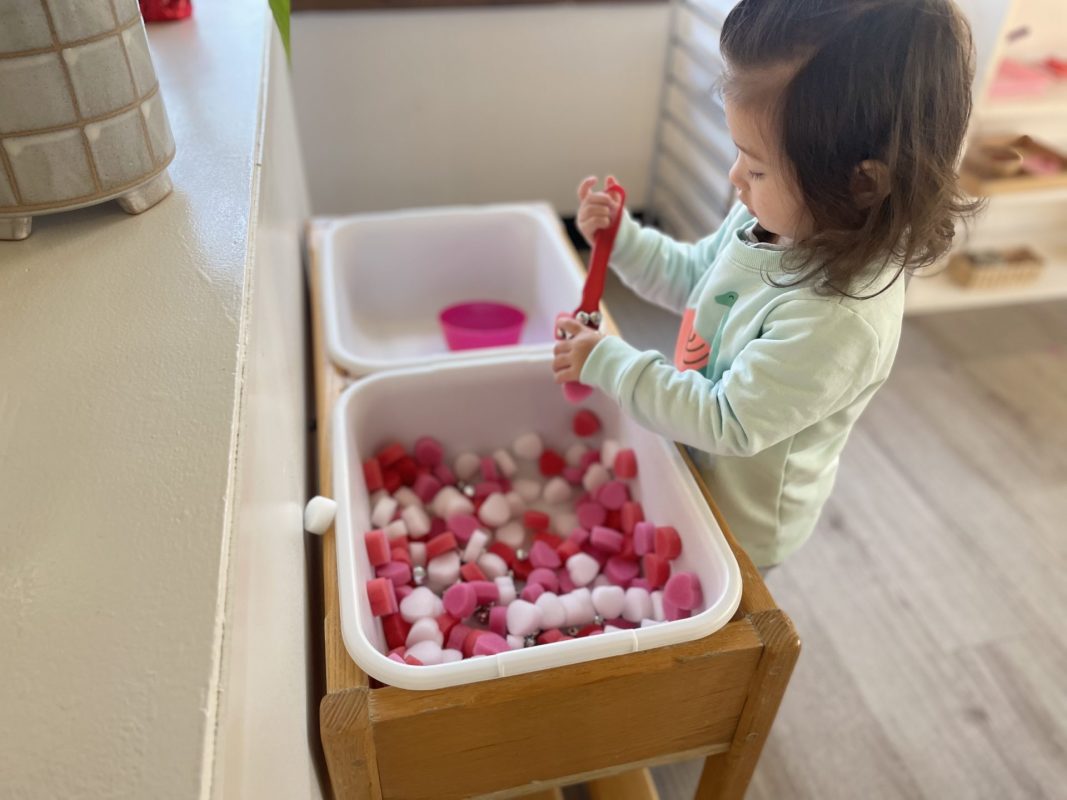
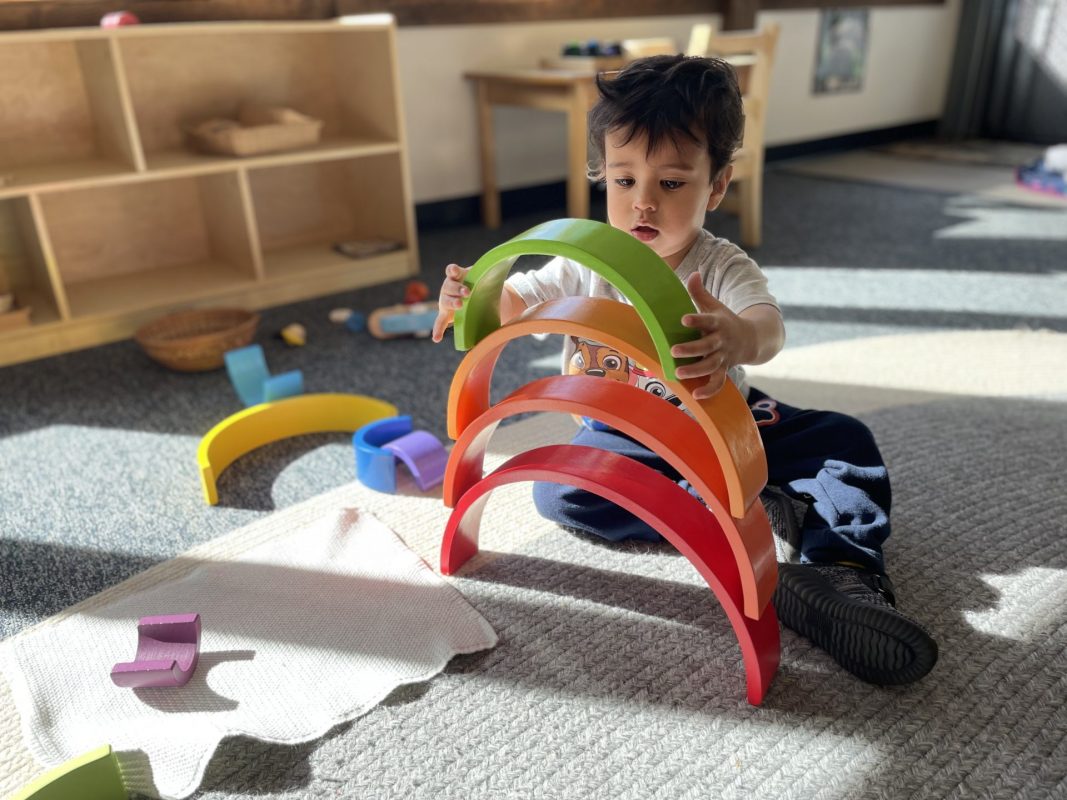
Colors are part of our daily lessons throughout the school year when using the different materials, games, books, songs, and activities in our environment. This week, due to the upcoming holiday of St. Patrick’s day, we focused on studying the colors of the rainbow and children just seemed to love it!

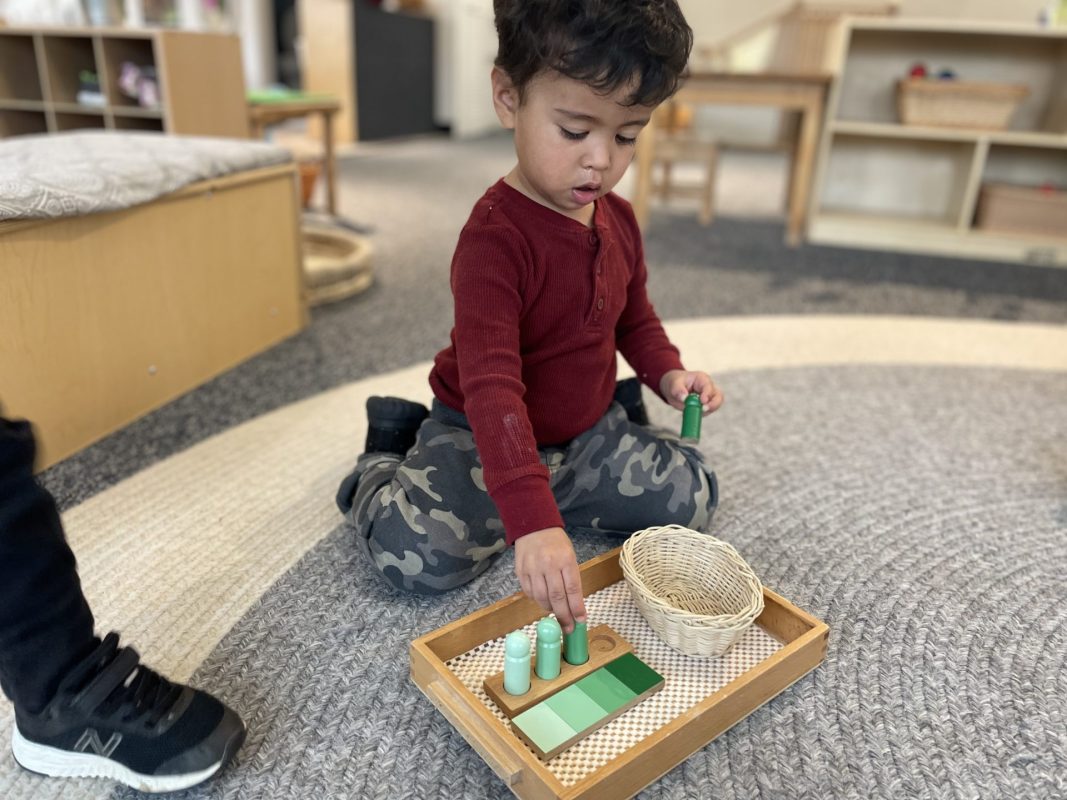
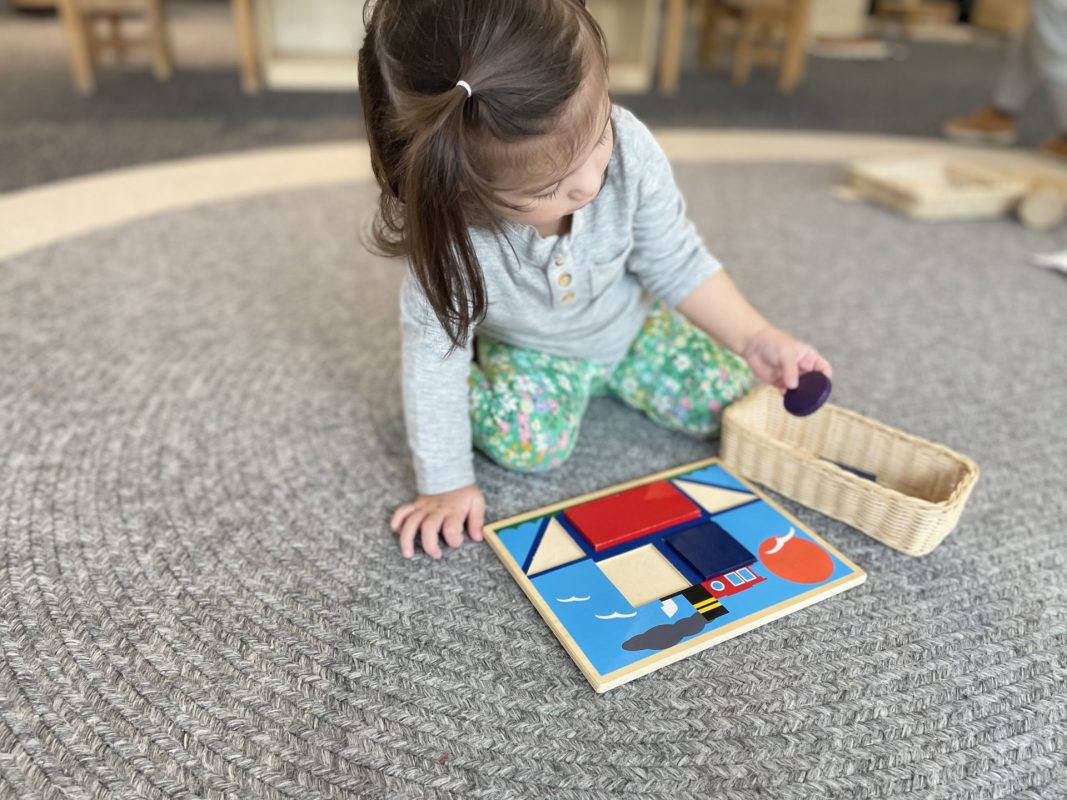
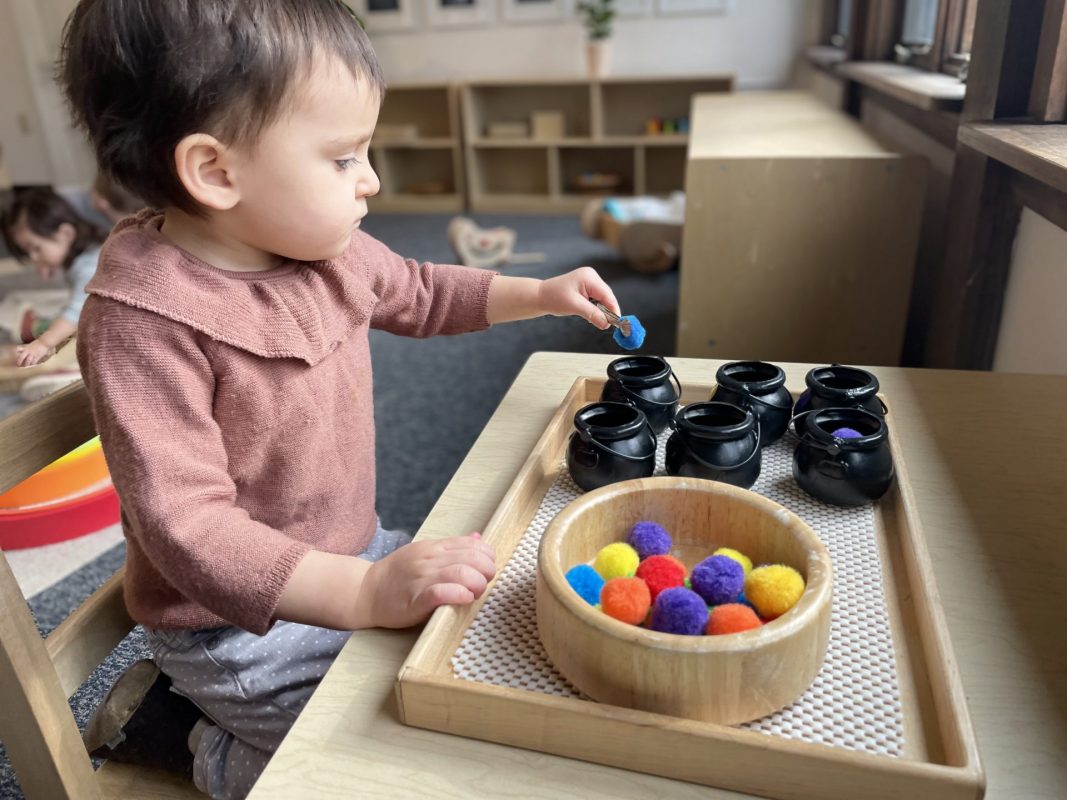
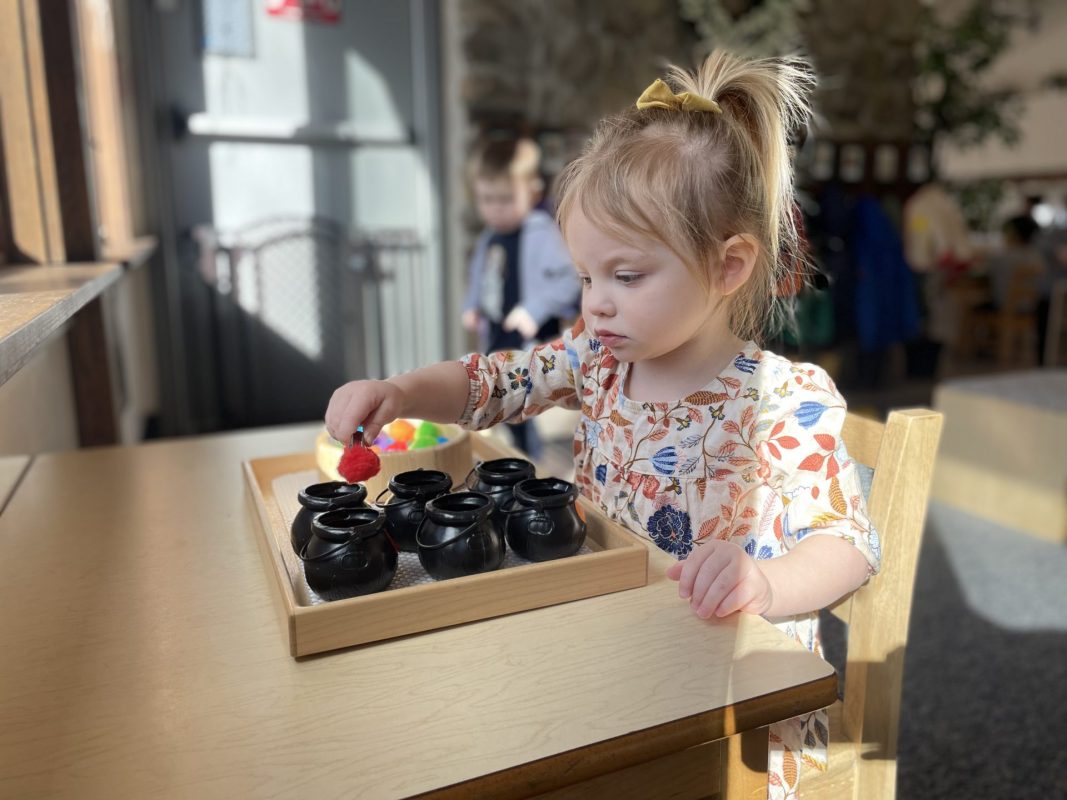
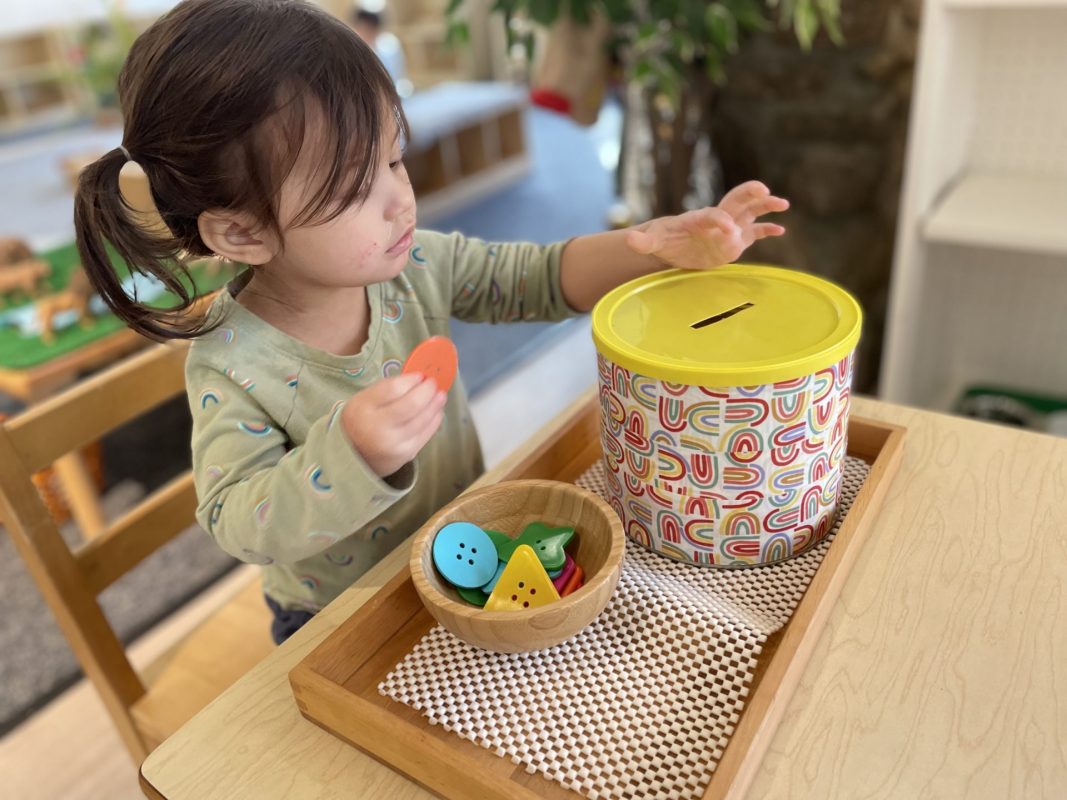
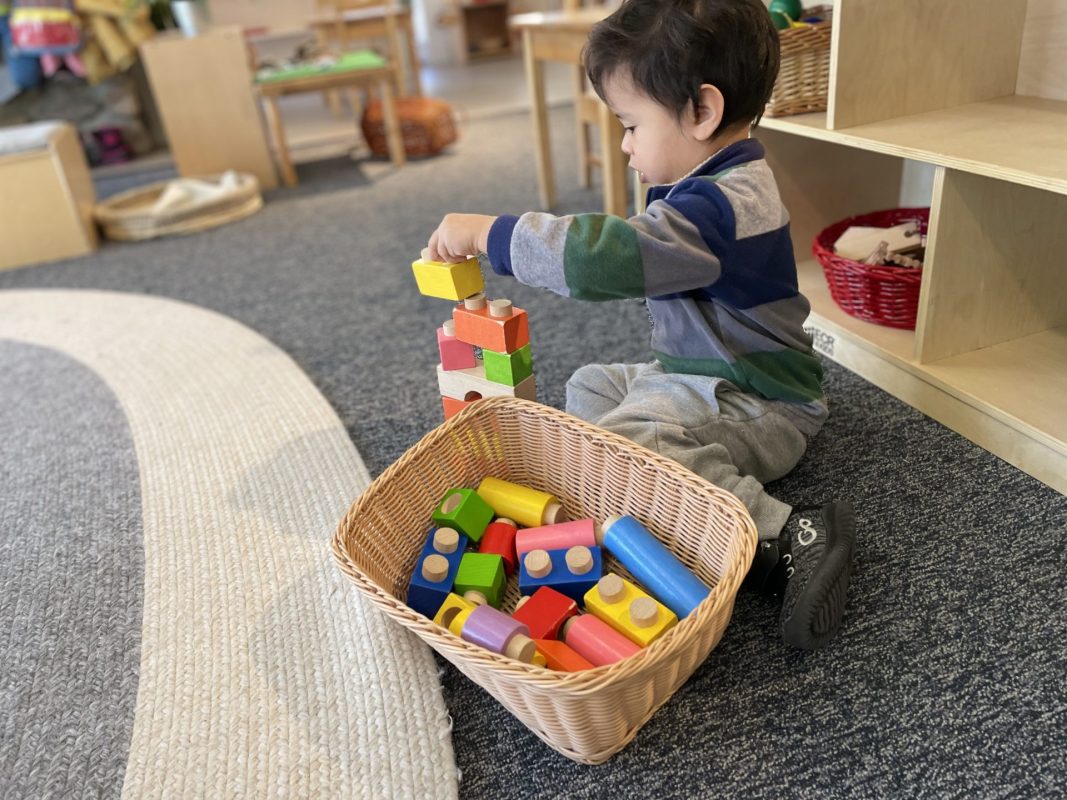
As introductory activities this week, we used a lot of verbal communication, sorting and classifying games and activities. Verbal communication is a great way to teach the children about colors as we give them some vocabulary for starting to describe the world around them. With our youngest we focused on the primary colors, and with our oldest we worked on recognizing and identifying secondary colors and their light and dark shades. 

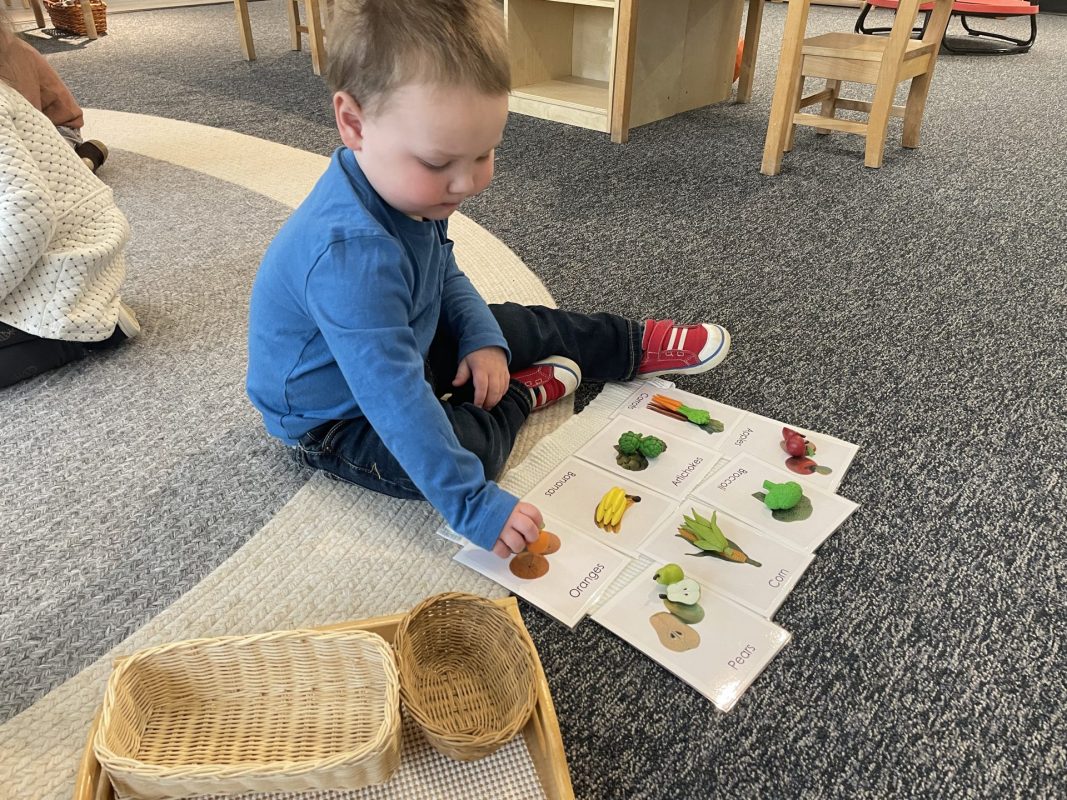
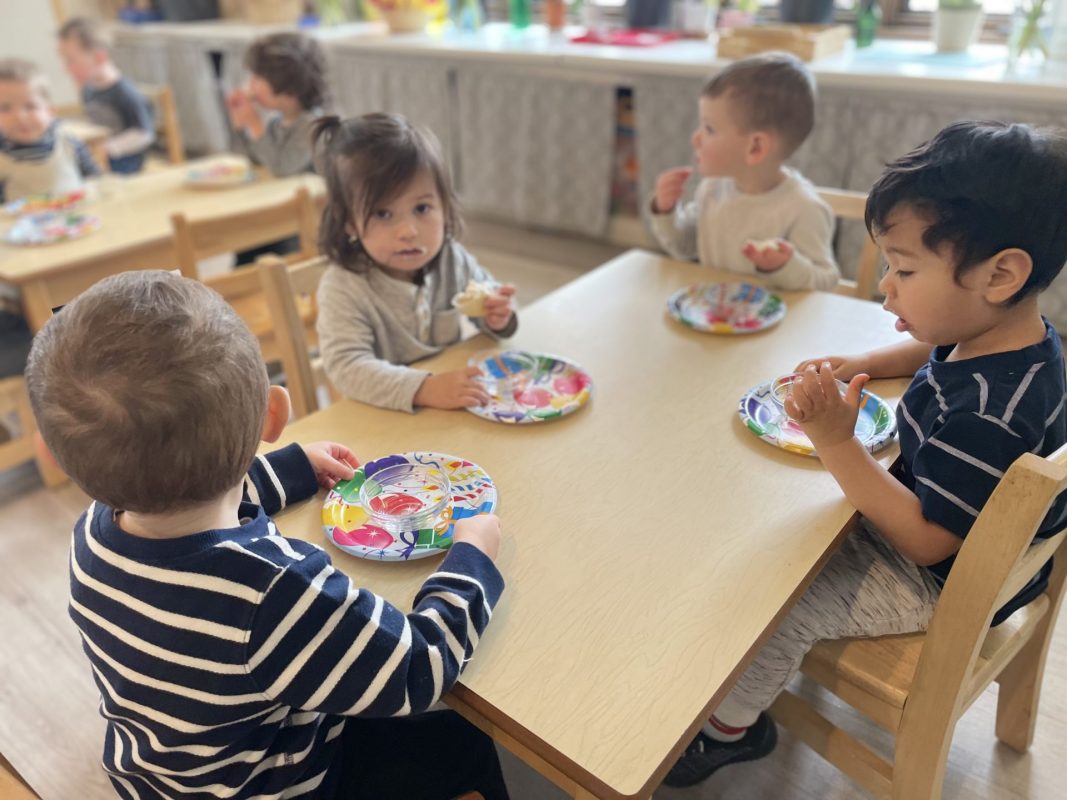
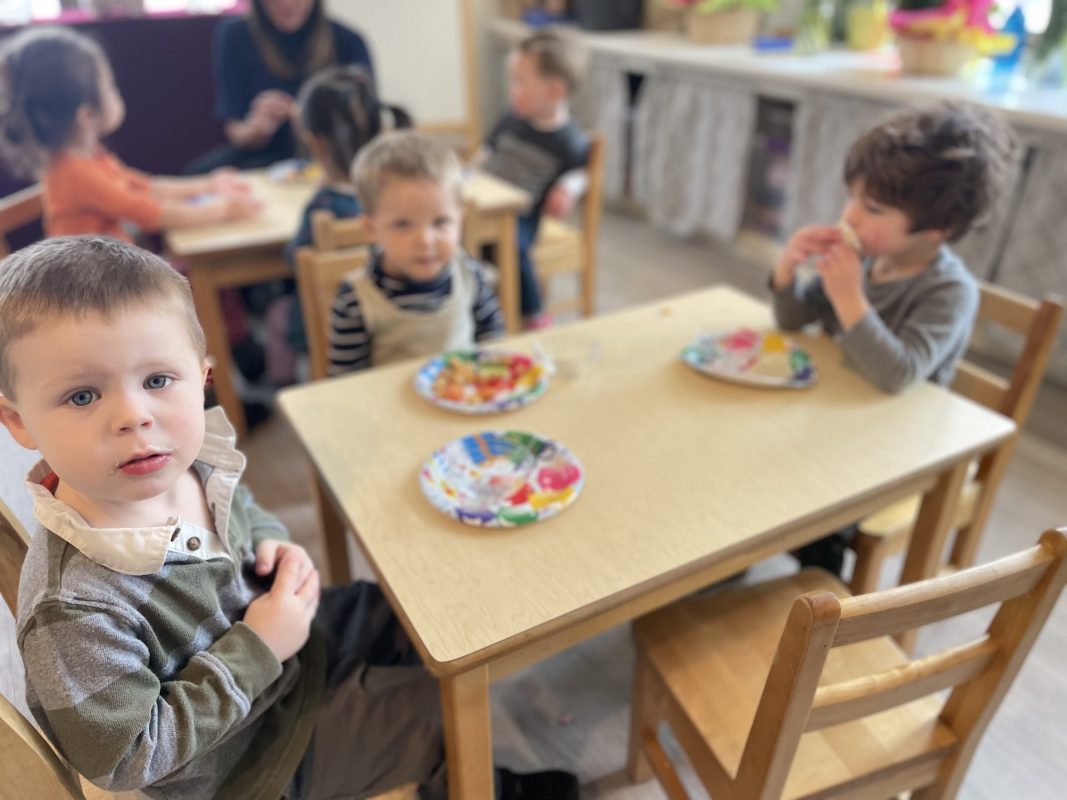
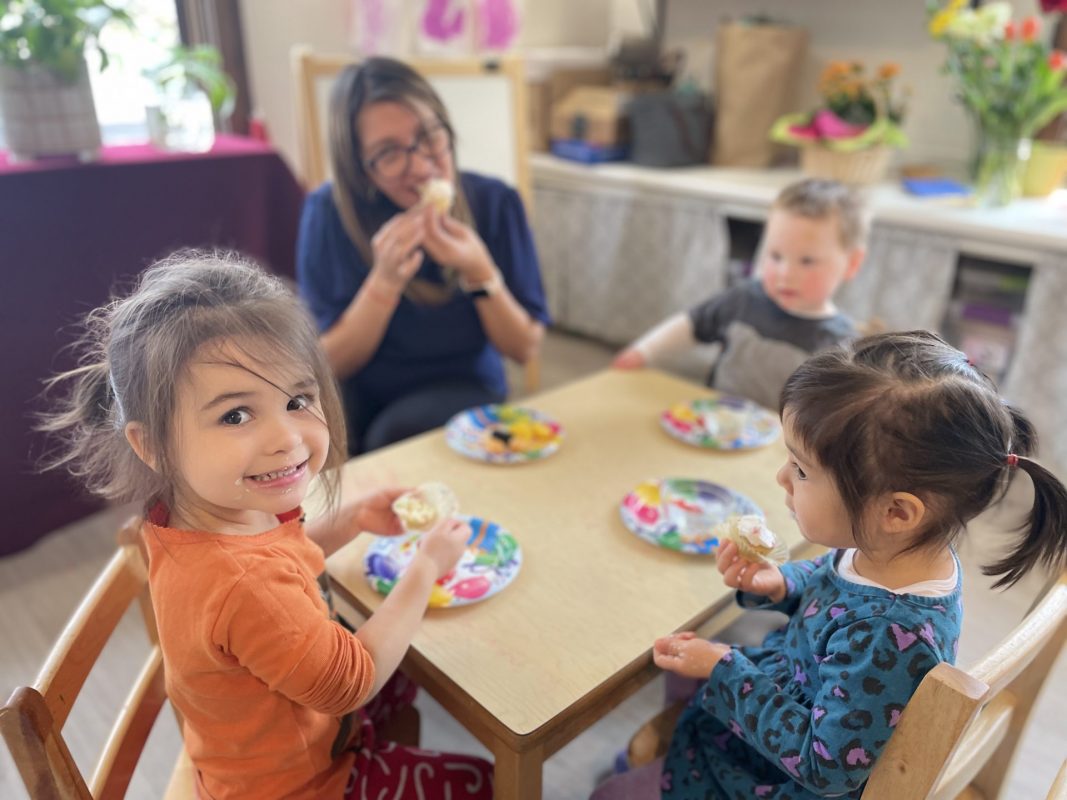
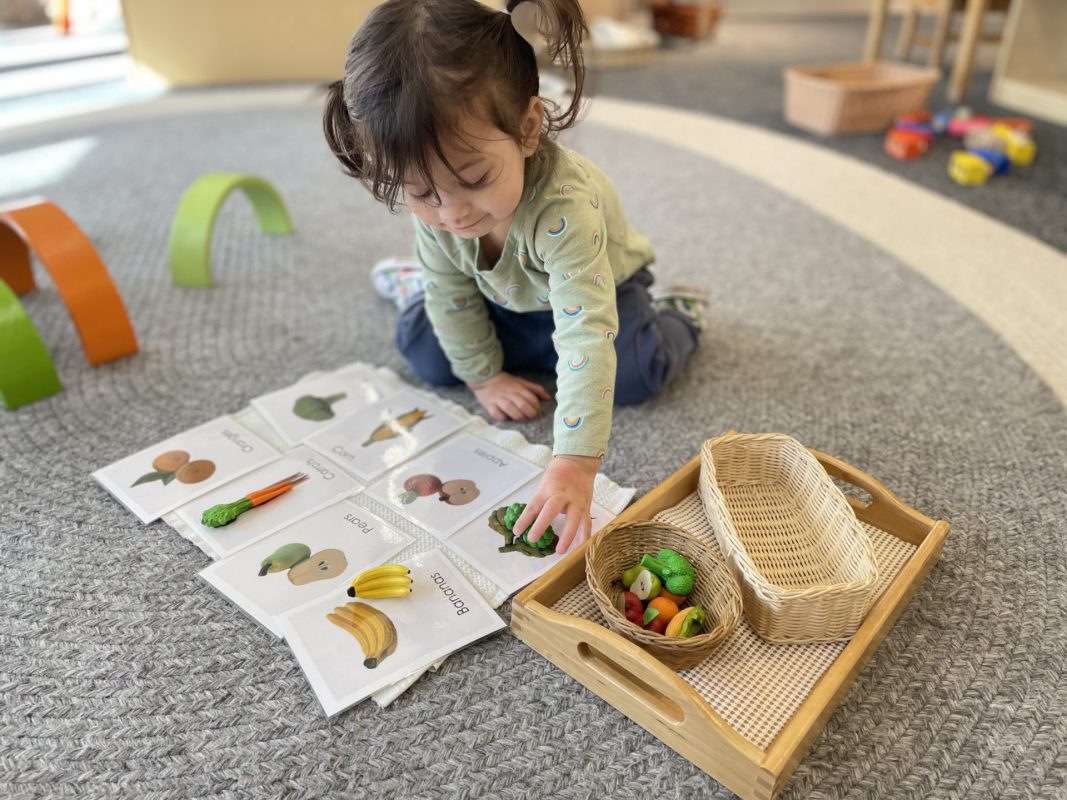
Exploring food color is one fun way to connect children with their surroundings. Who knew that colors also serve a nutritional purpose? 🙂 Children learned that it’s important to “eat a rainbow” meaning that it’s important to eat fruits and vegetables from each color to keep our bodies strong and healthy. During snack and lunch, children started to share and have conversations about the colors they saw on their plate. We encourage you to do this at home as well.  

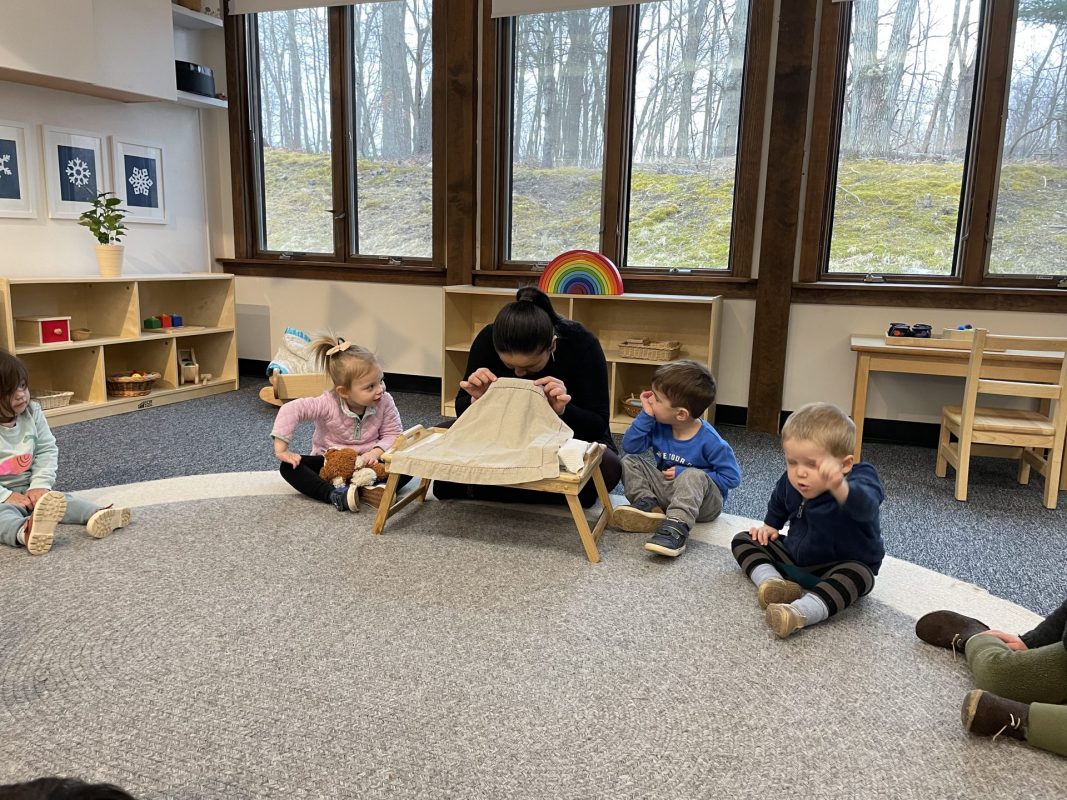
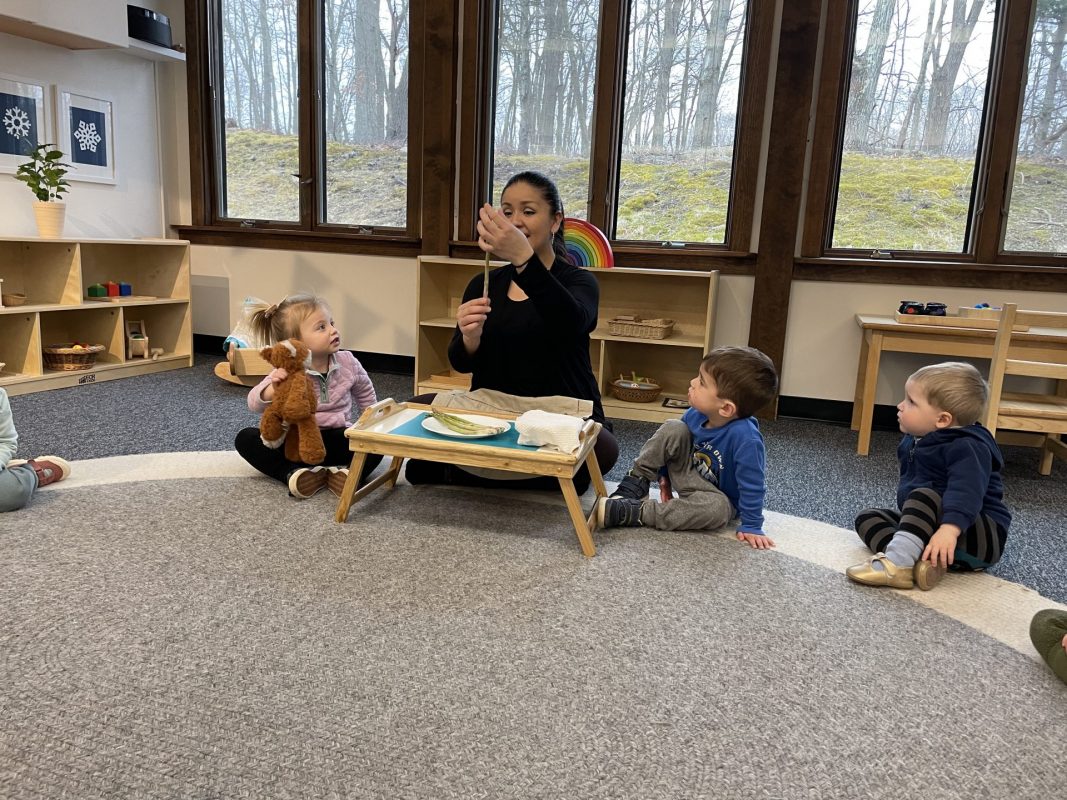
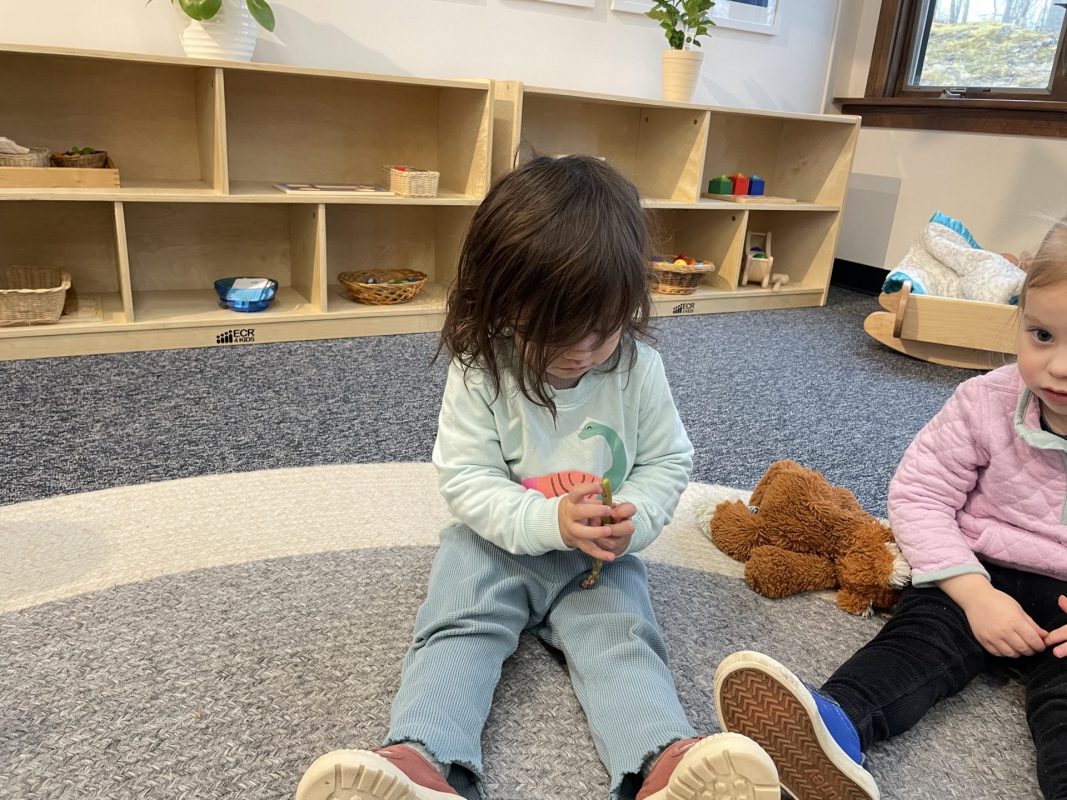
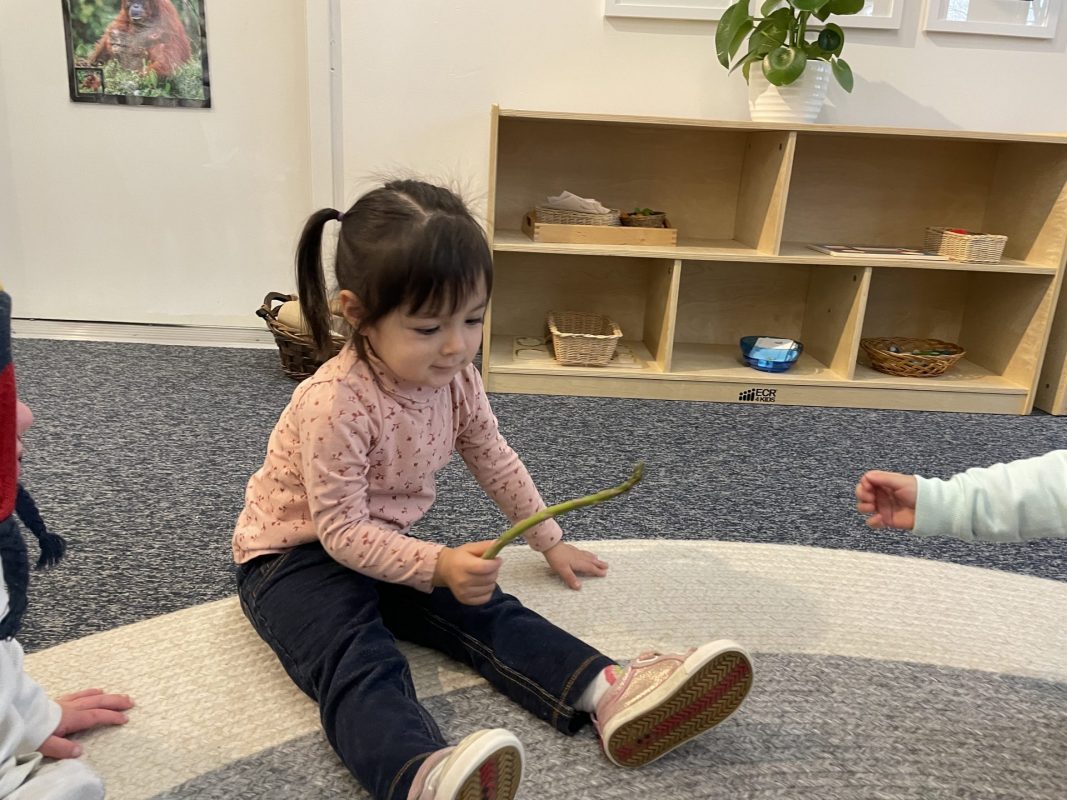
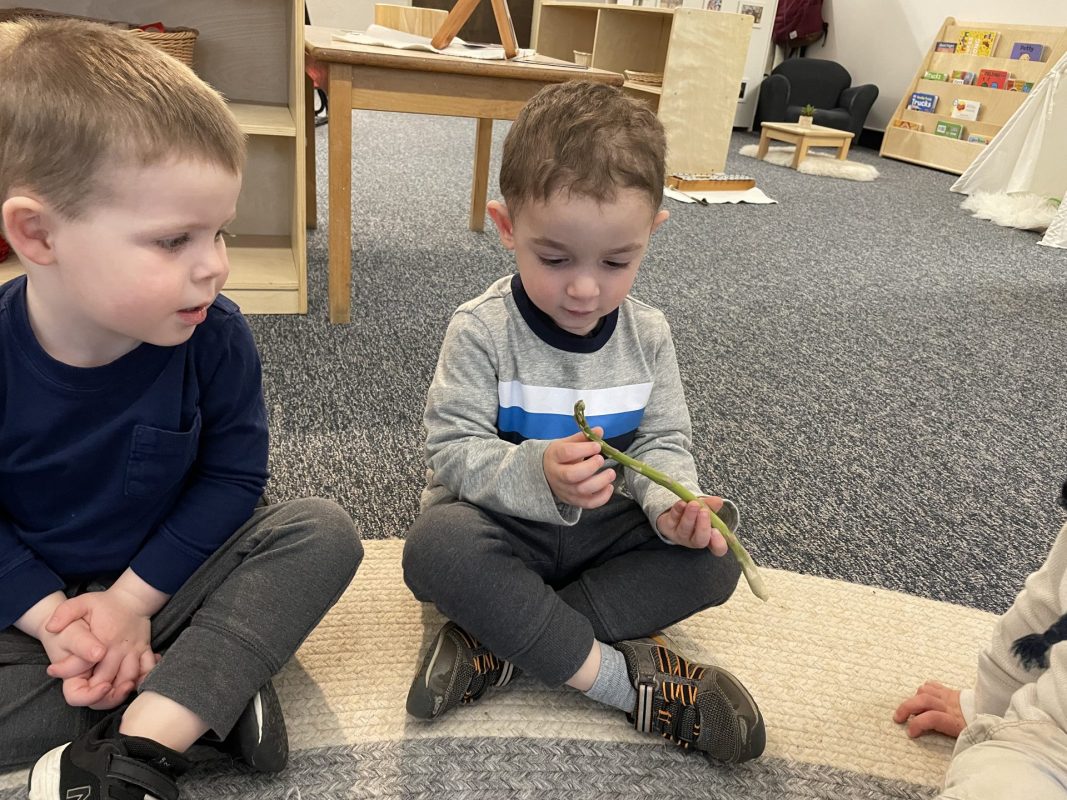
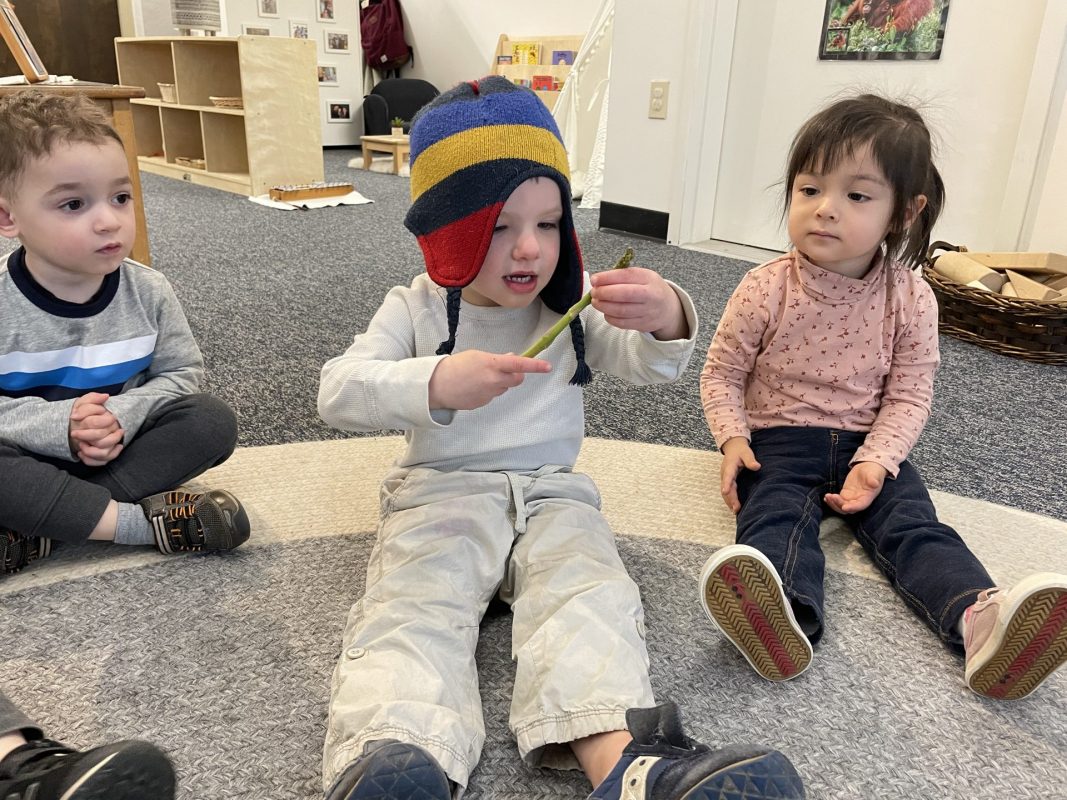
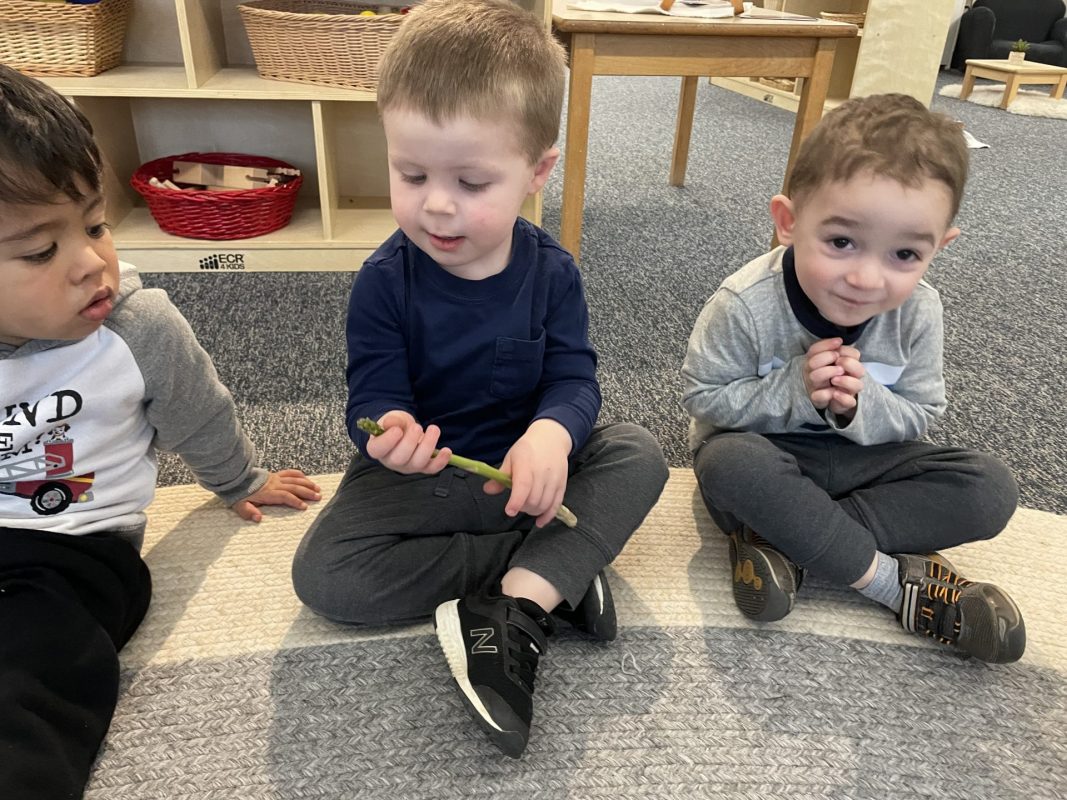
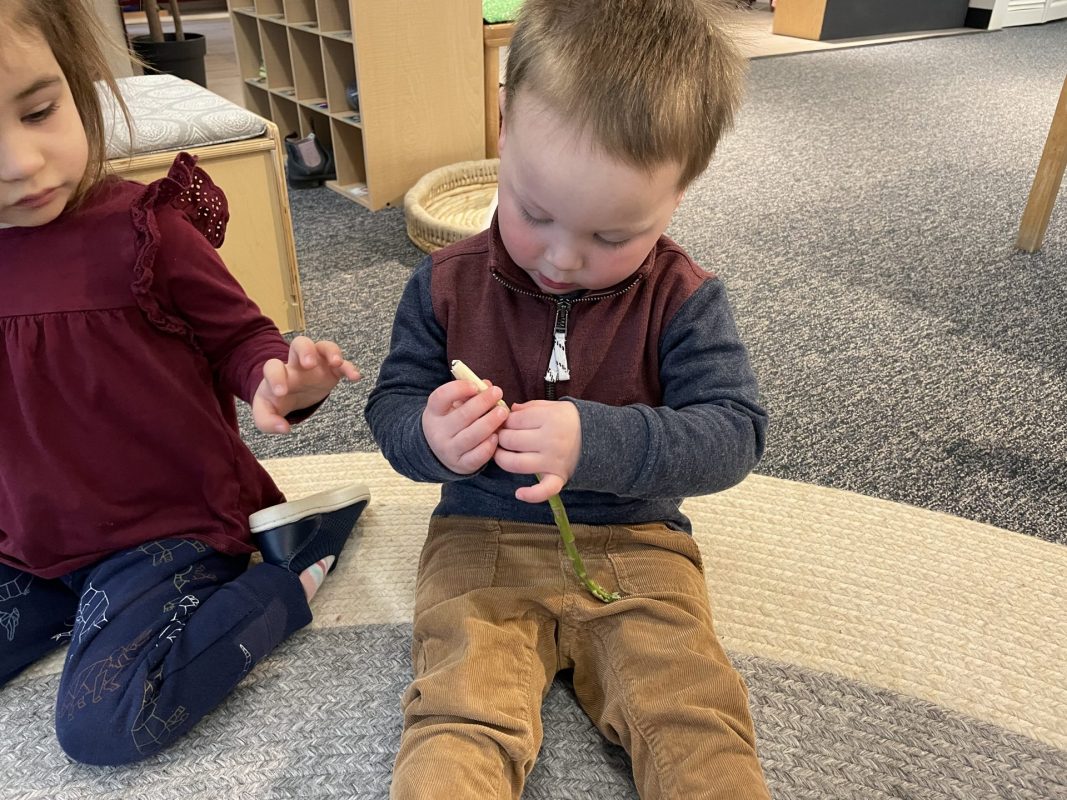
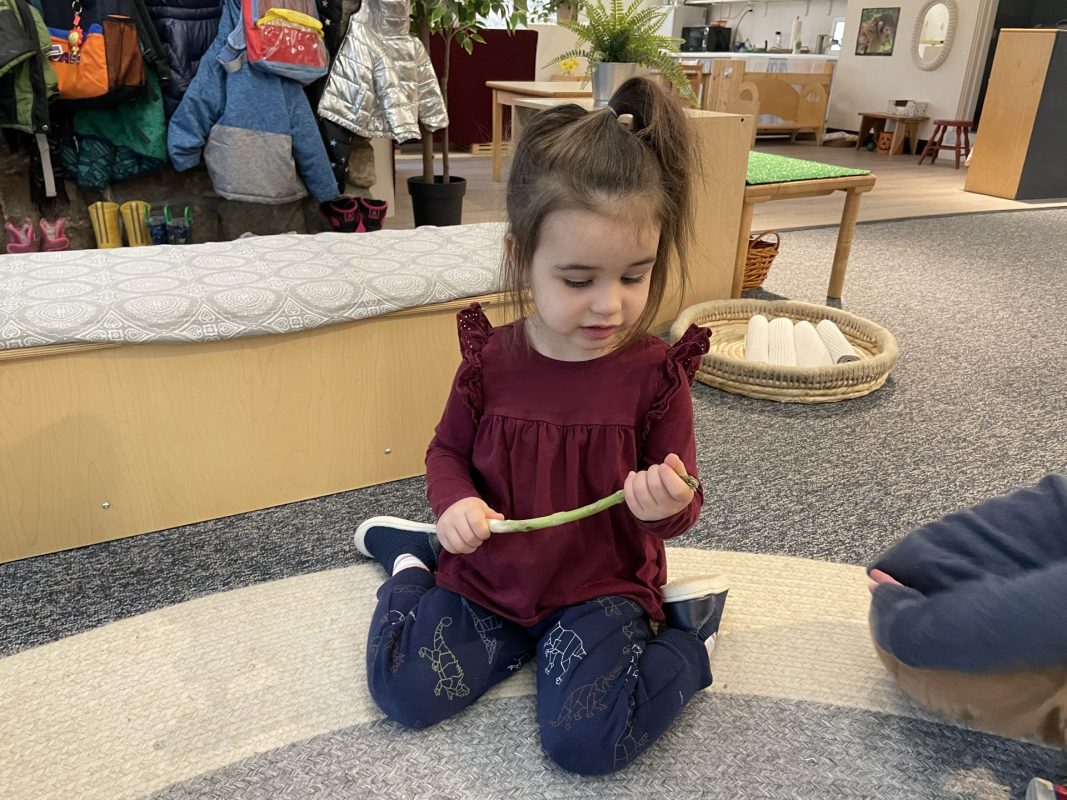
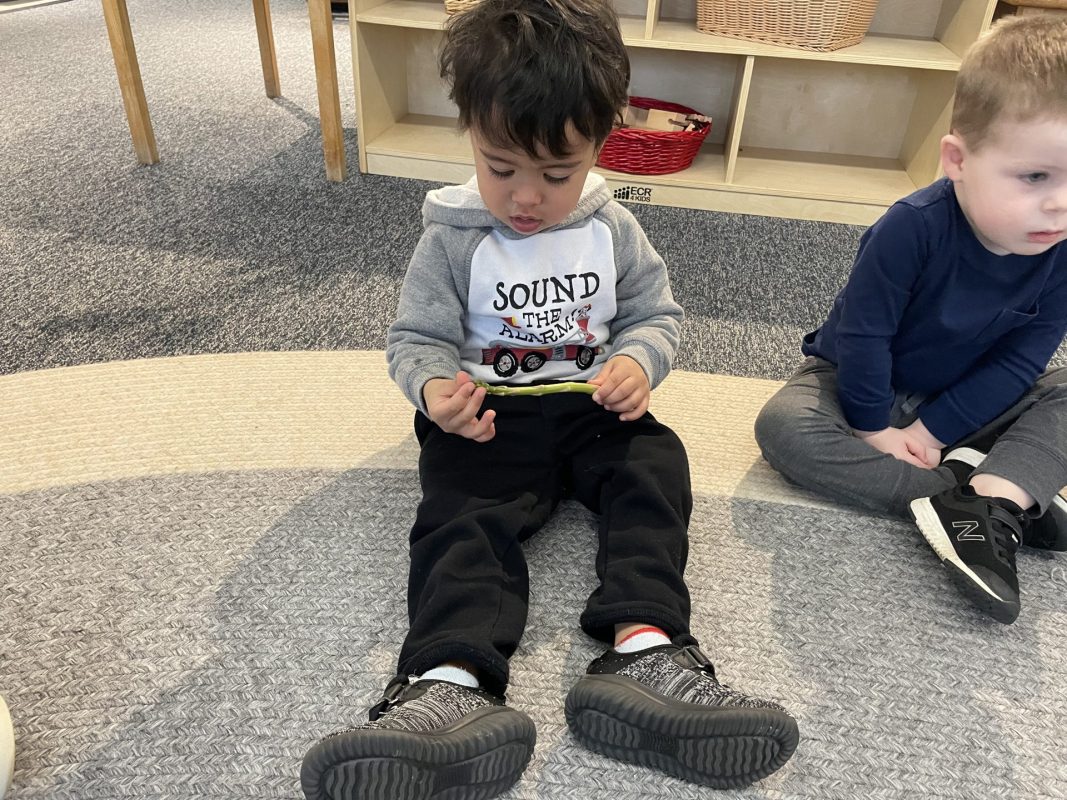
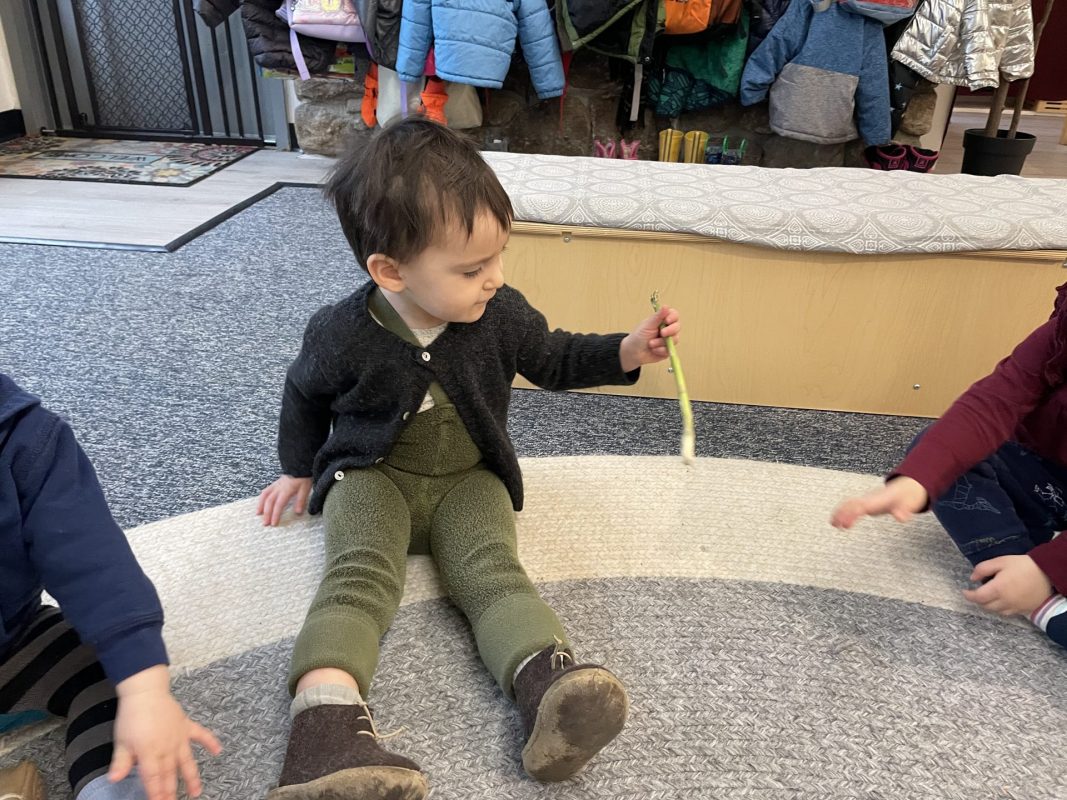
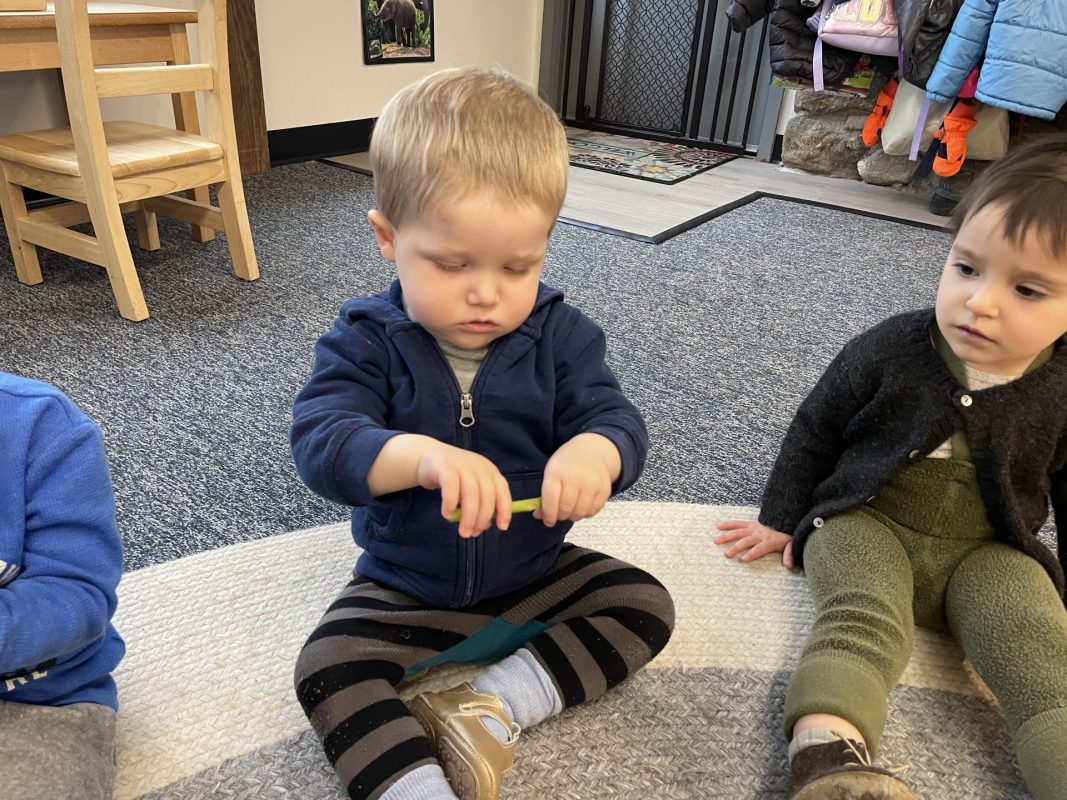
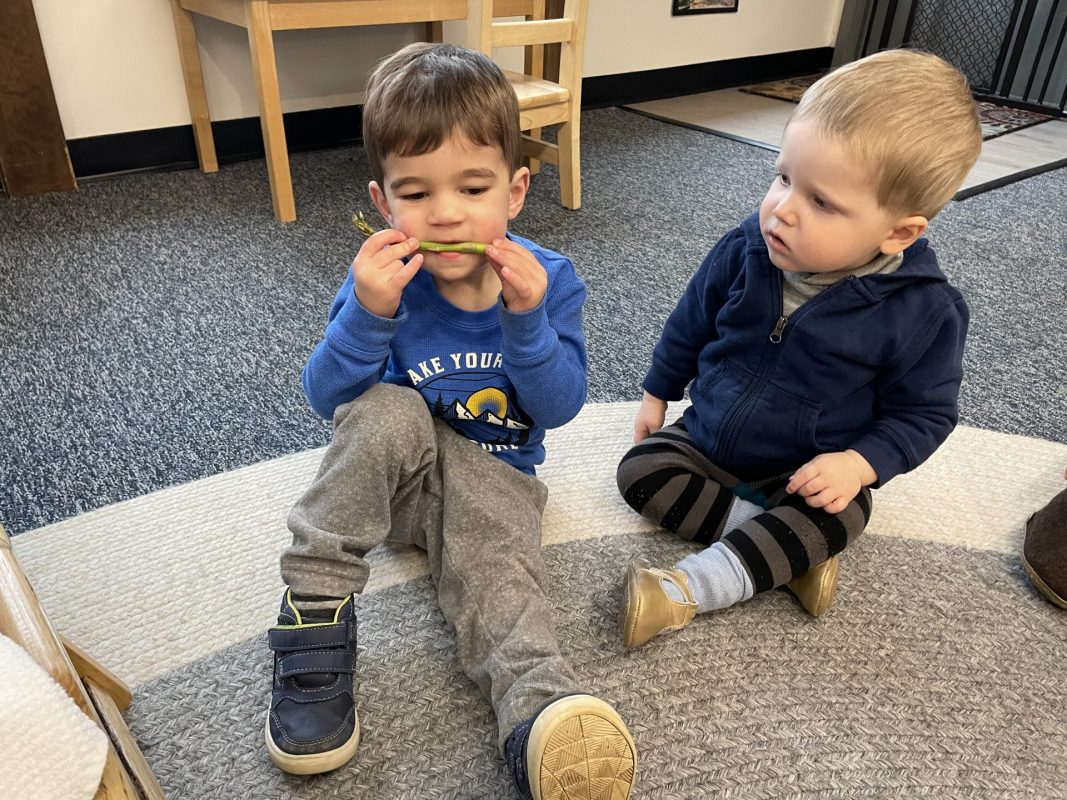
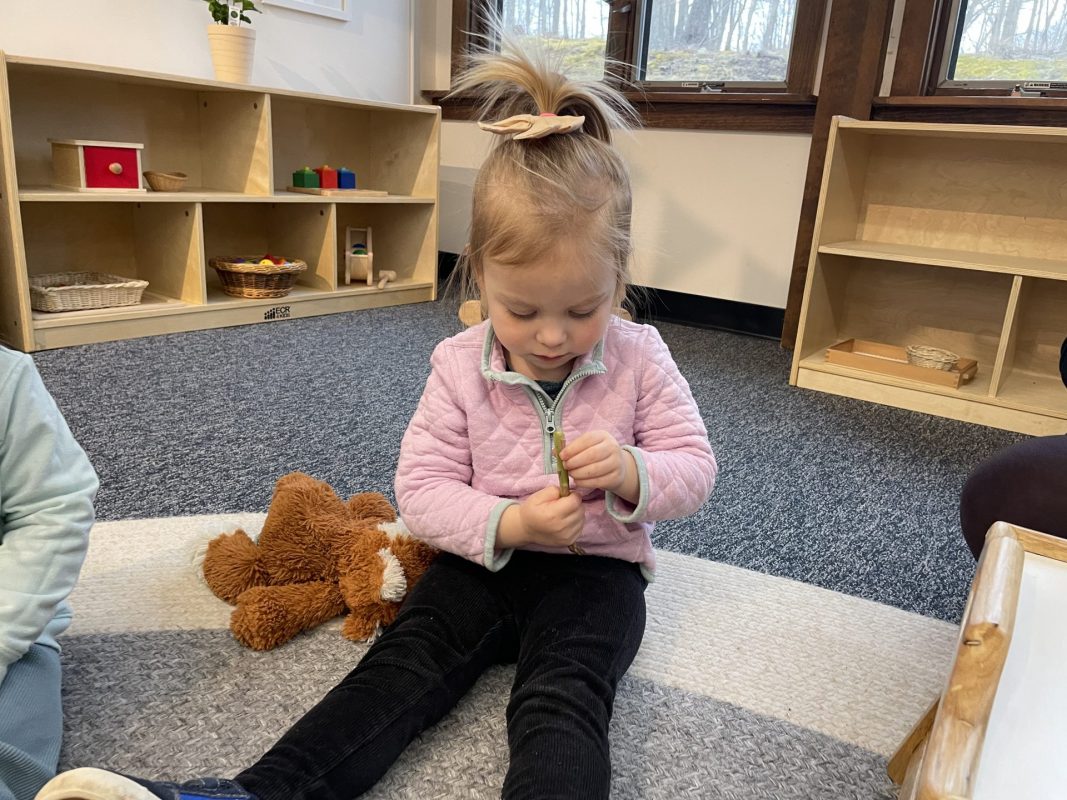
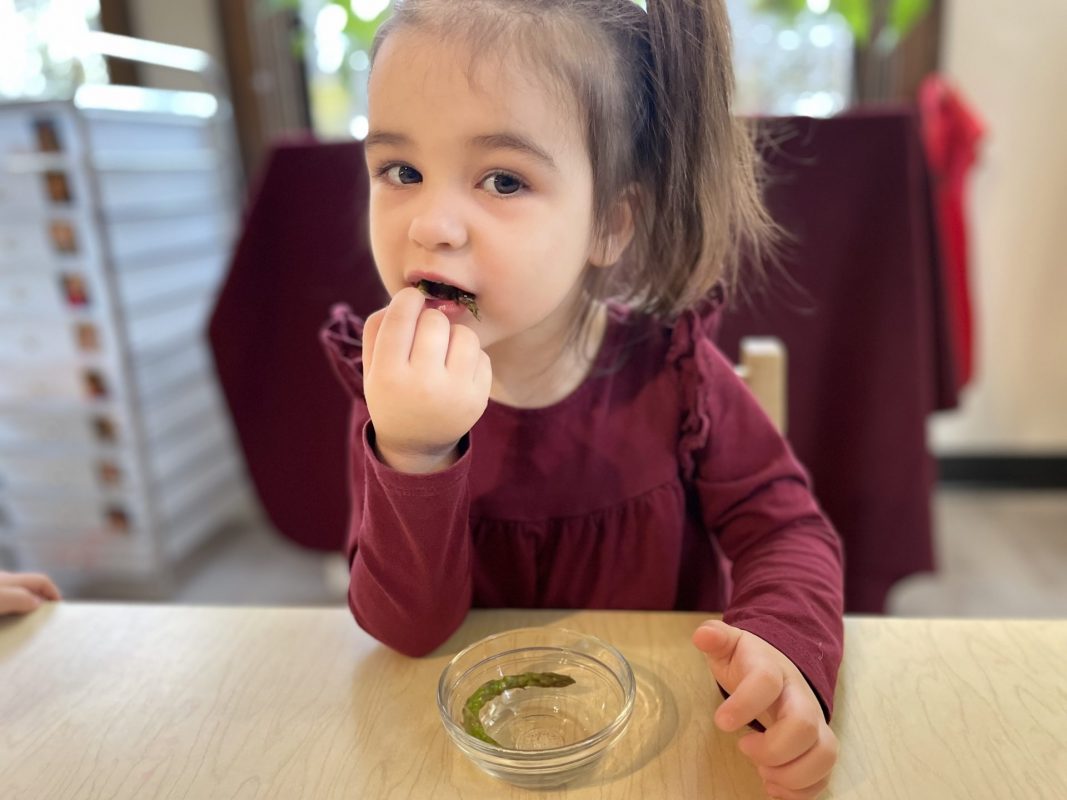
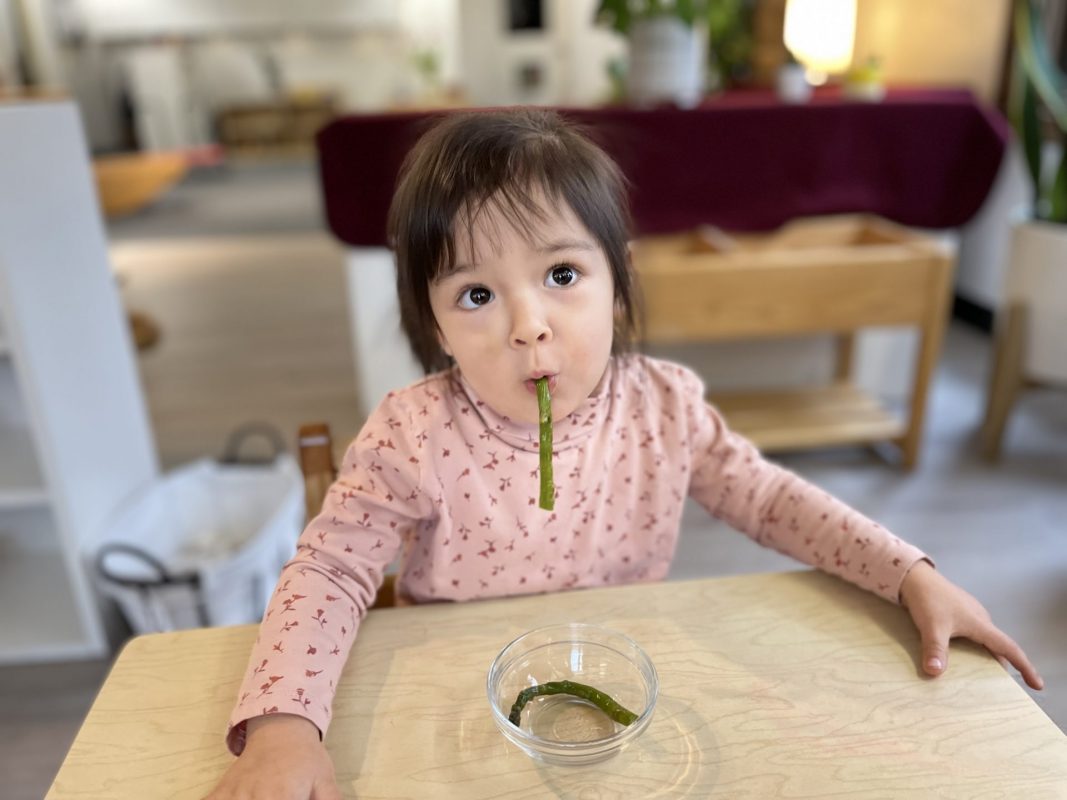
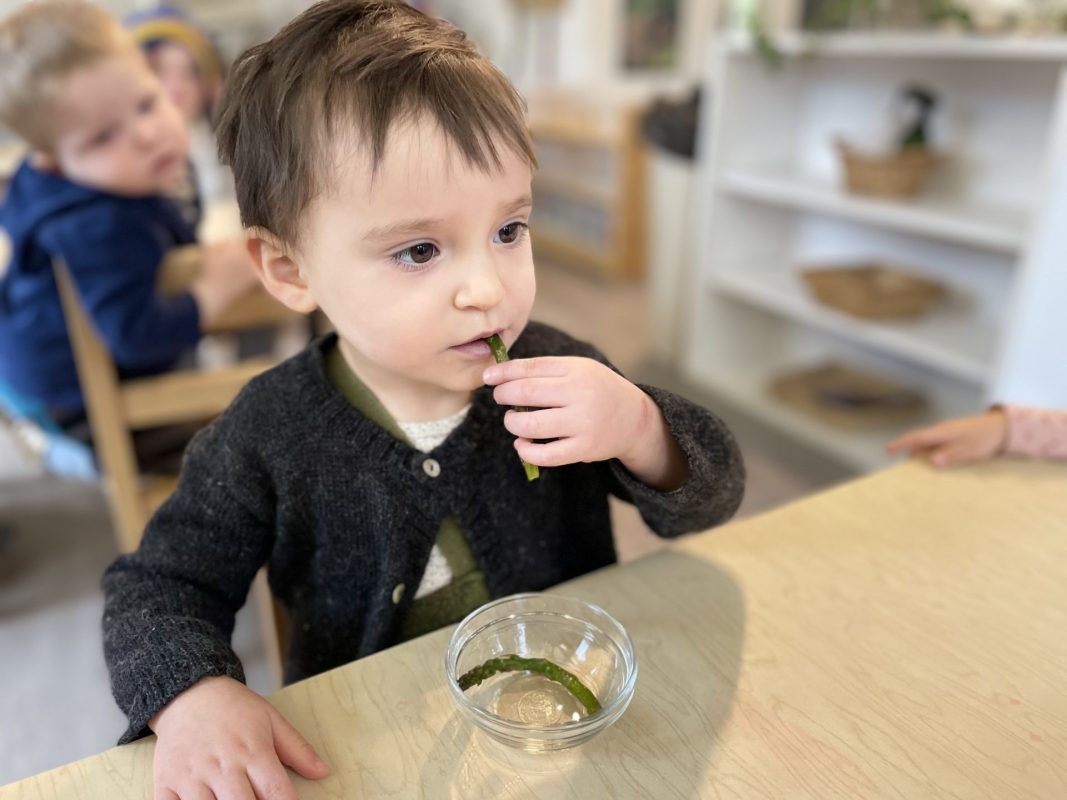
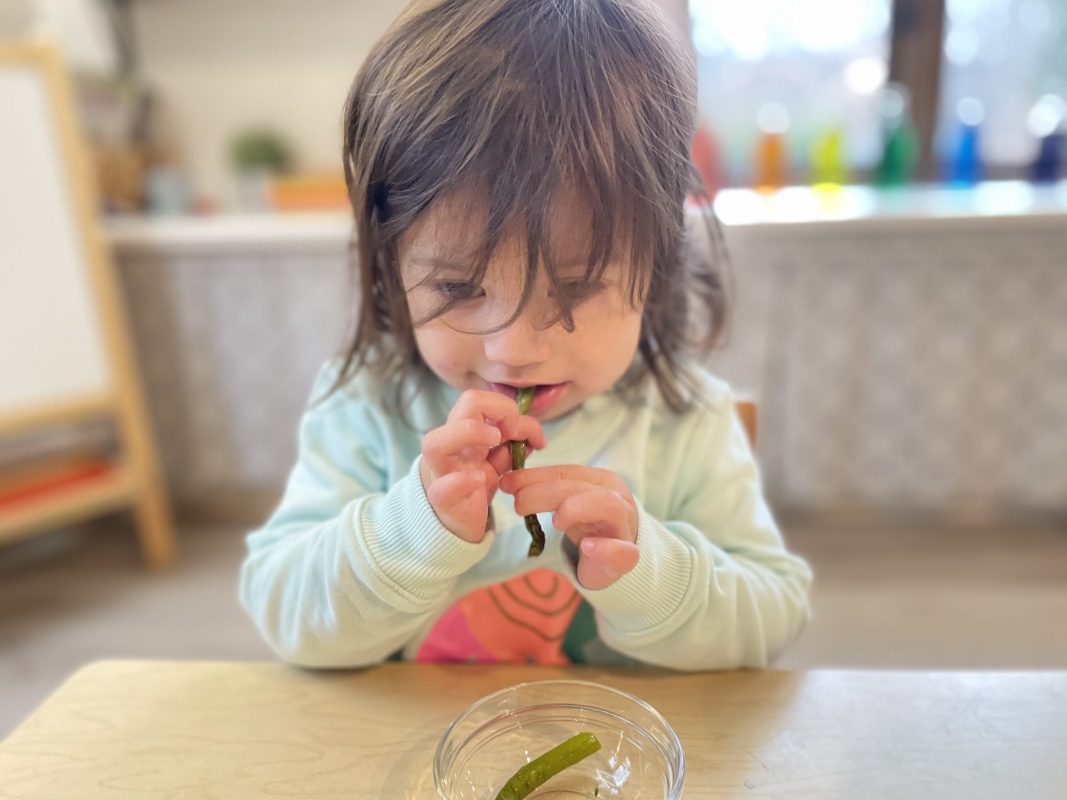
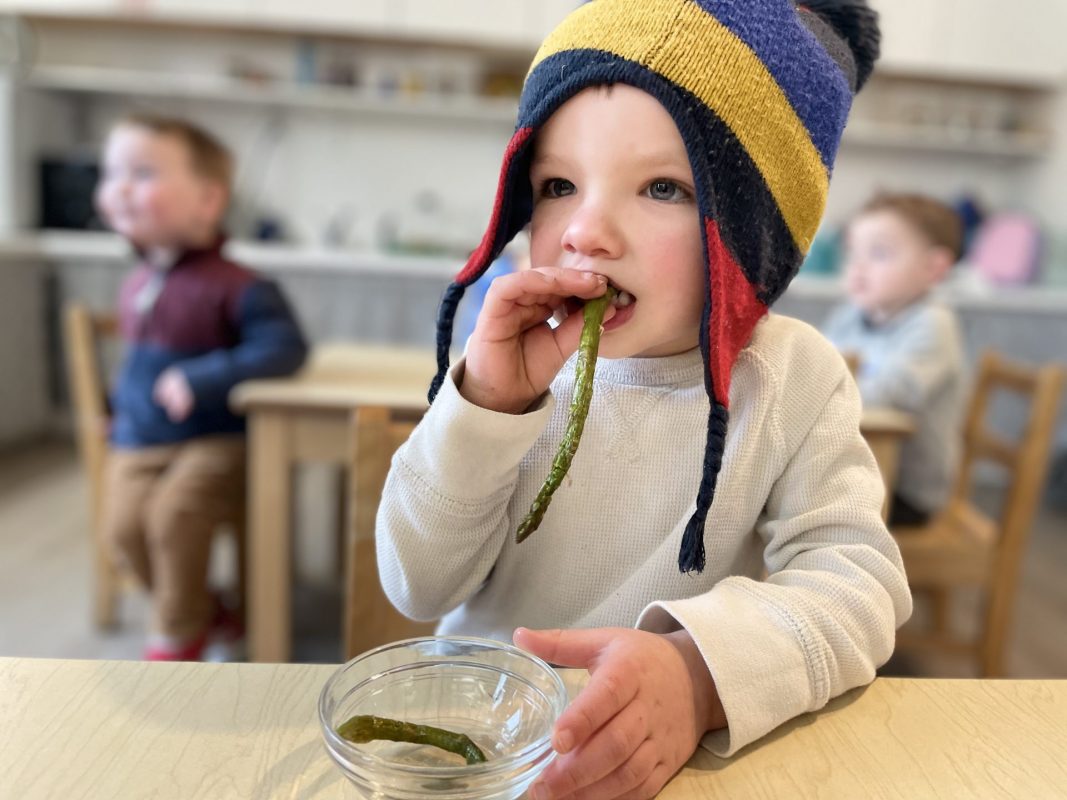
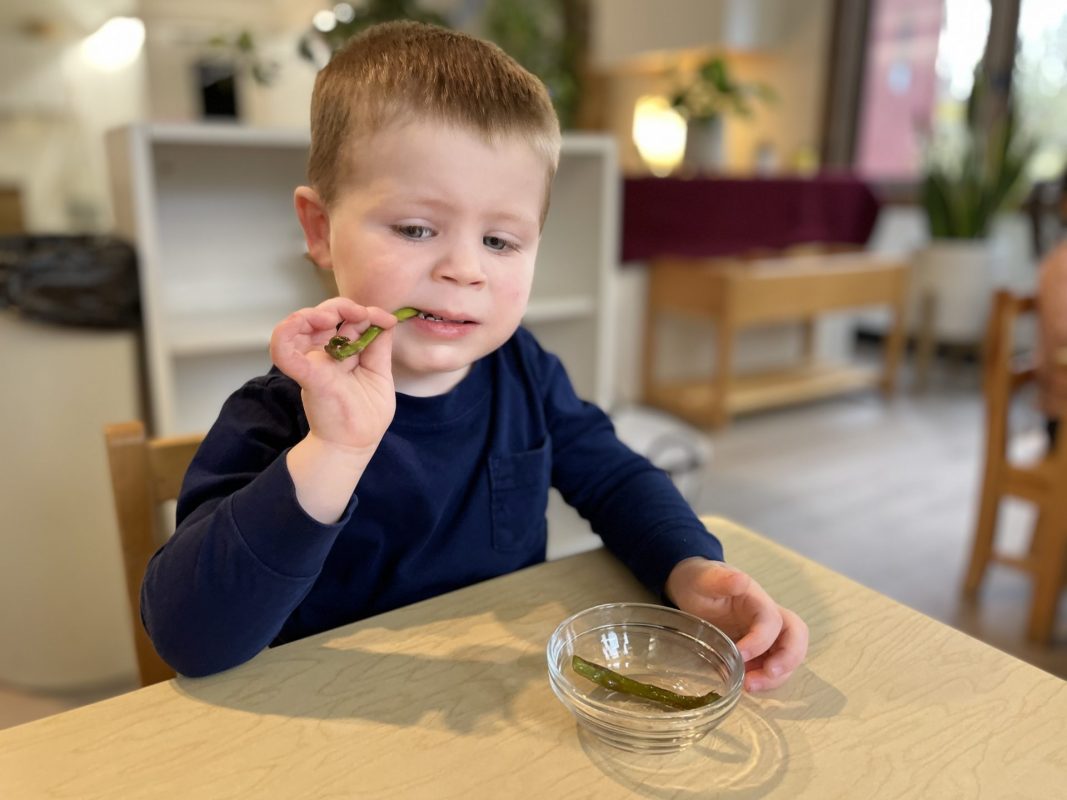
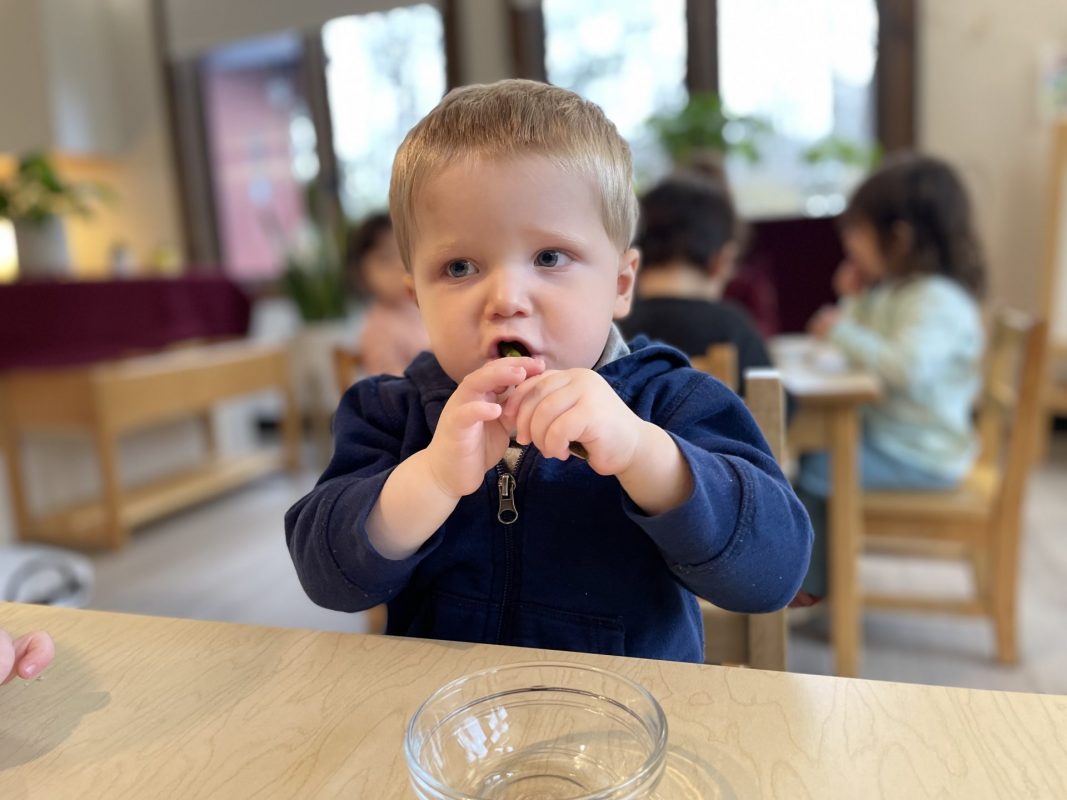
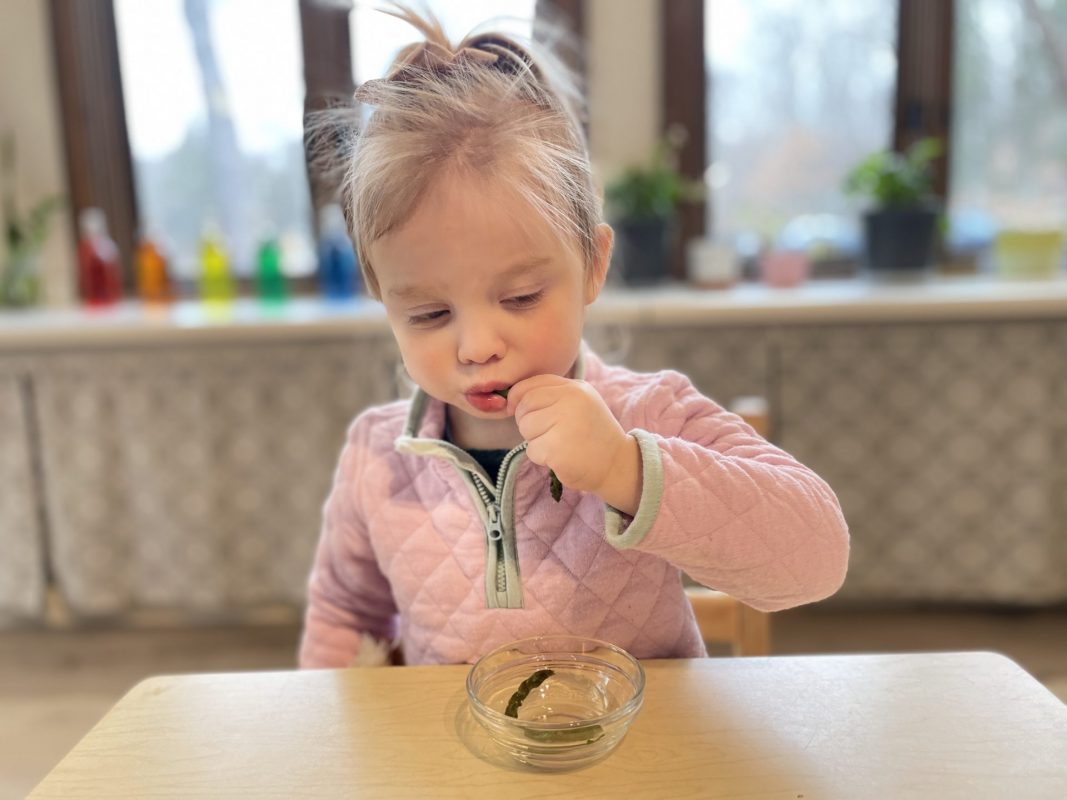
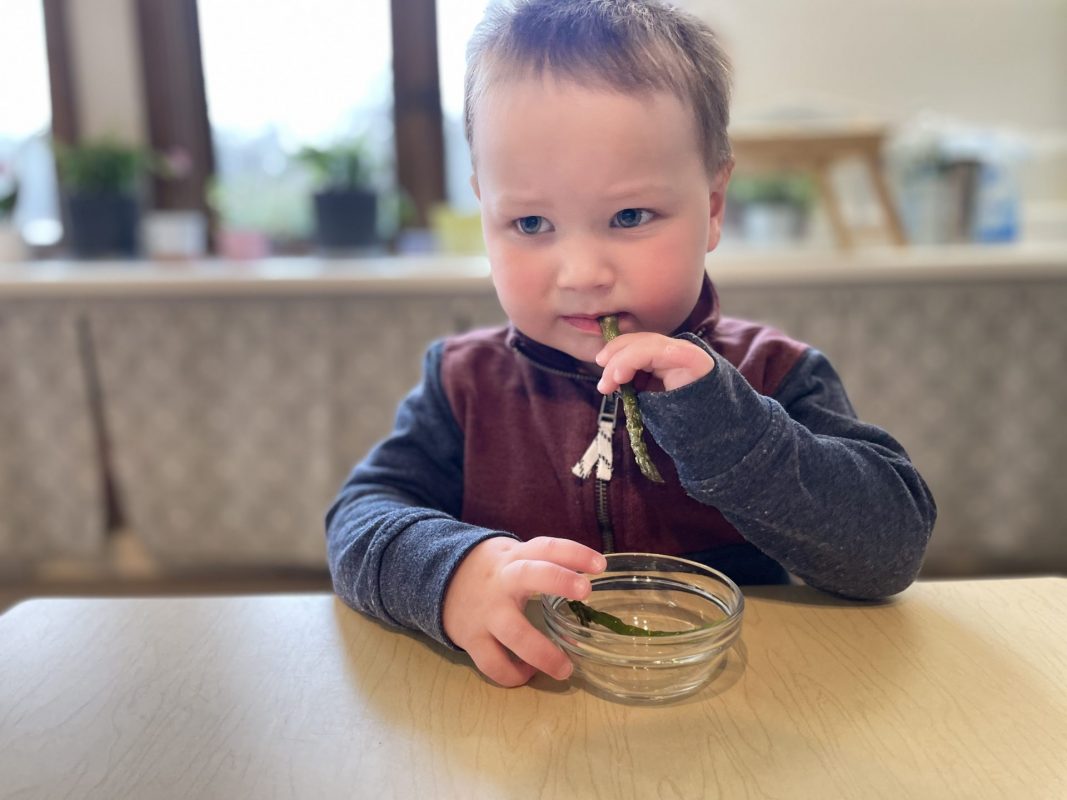
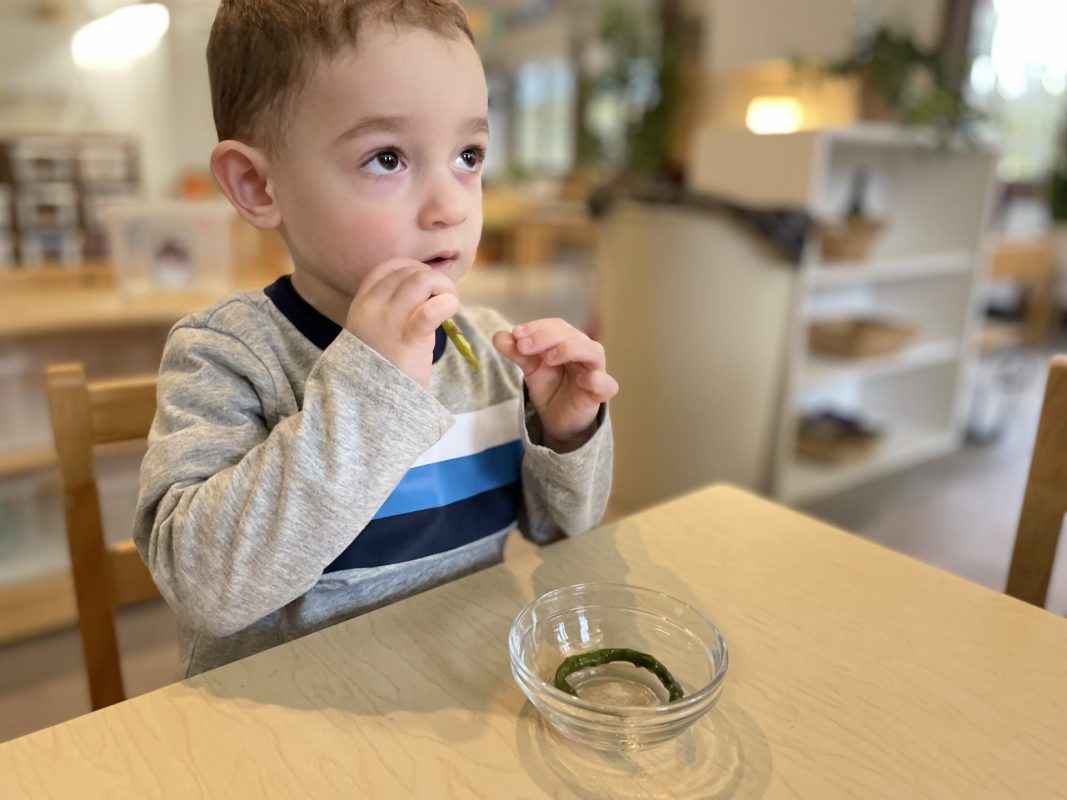
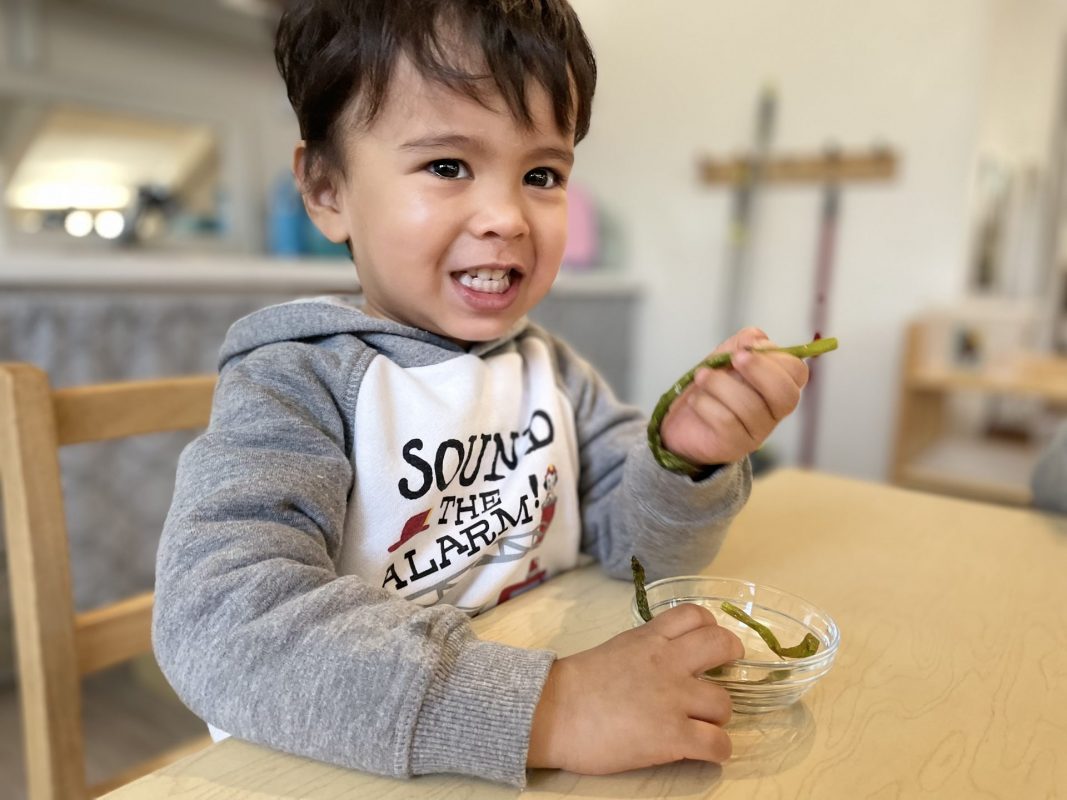
On another note, children were very curious about what food we were going to taste this week as they recognize this activity as a part of our weekly routine. Every week they are hopeful the food tasting item is cake. 😉 Children explored and tasted asparagus, which was very well received by most of the children.  

We can’t wait to continue to explore this beautiful, colorful world with your children when they return. 

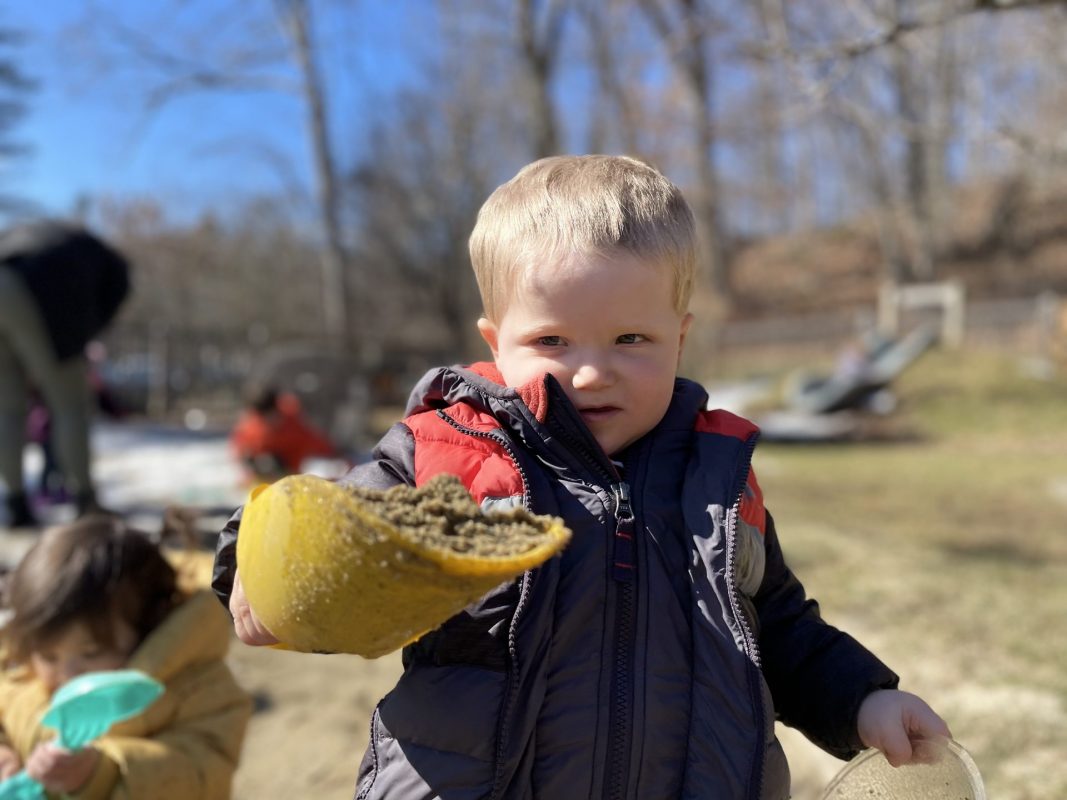
Enjoy the pictures and we hope you have a fantastic Spring break!

Stay safe, warm and happy!

Mrs. Hood and Ms. Maria 


Mrs. Semmah: Montessori Practical Life – Washing a Table

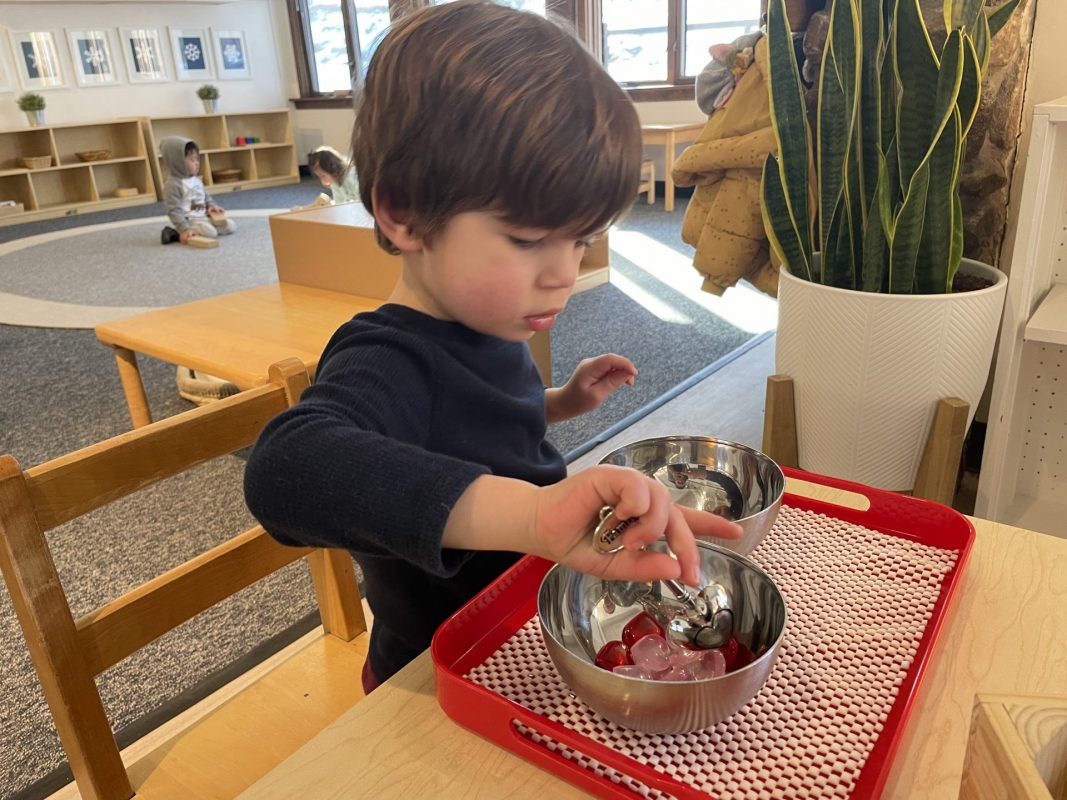
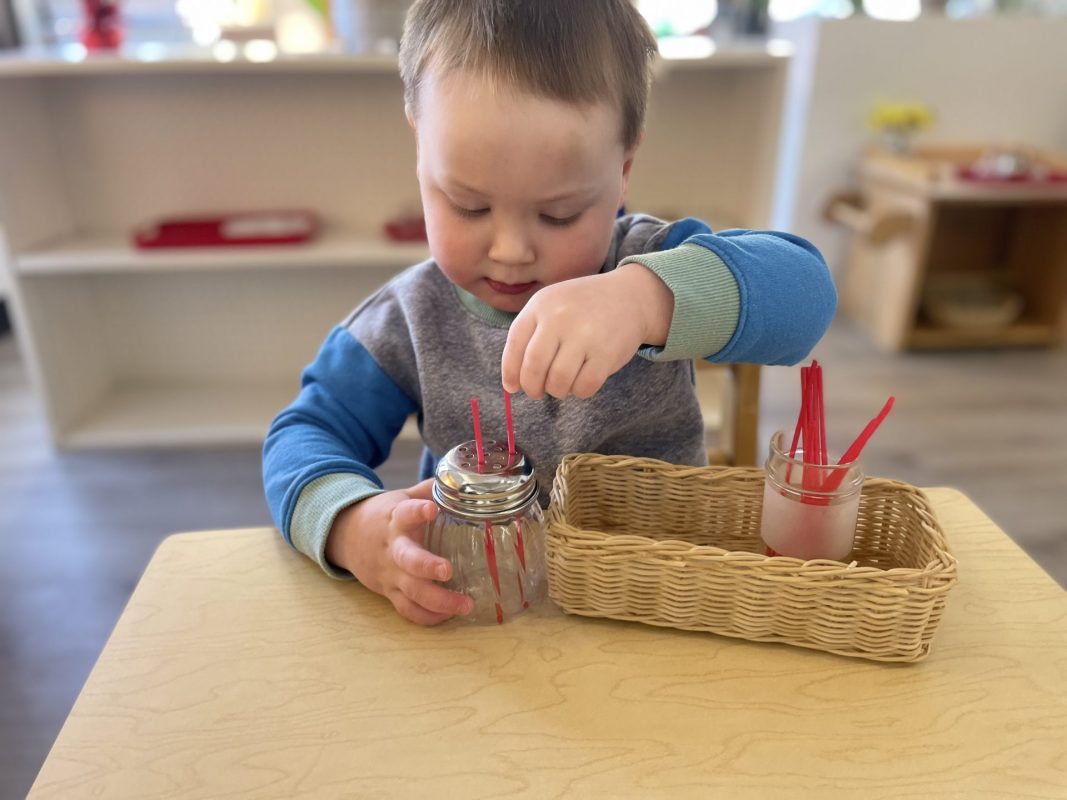
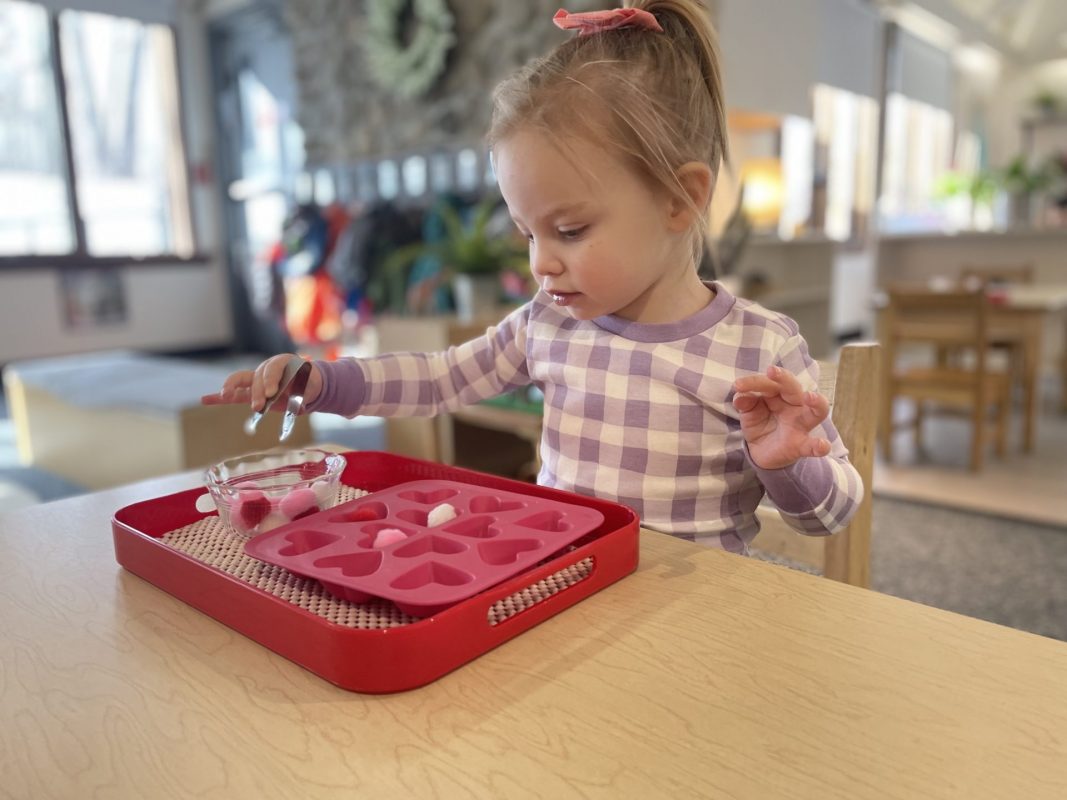
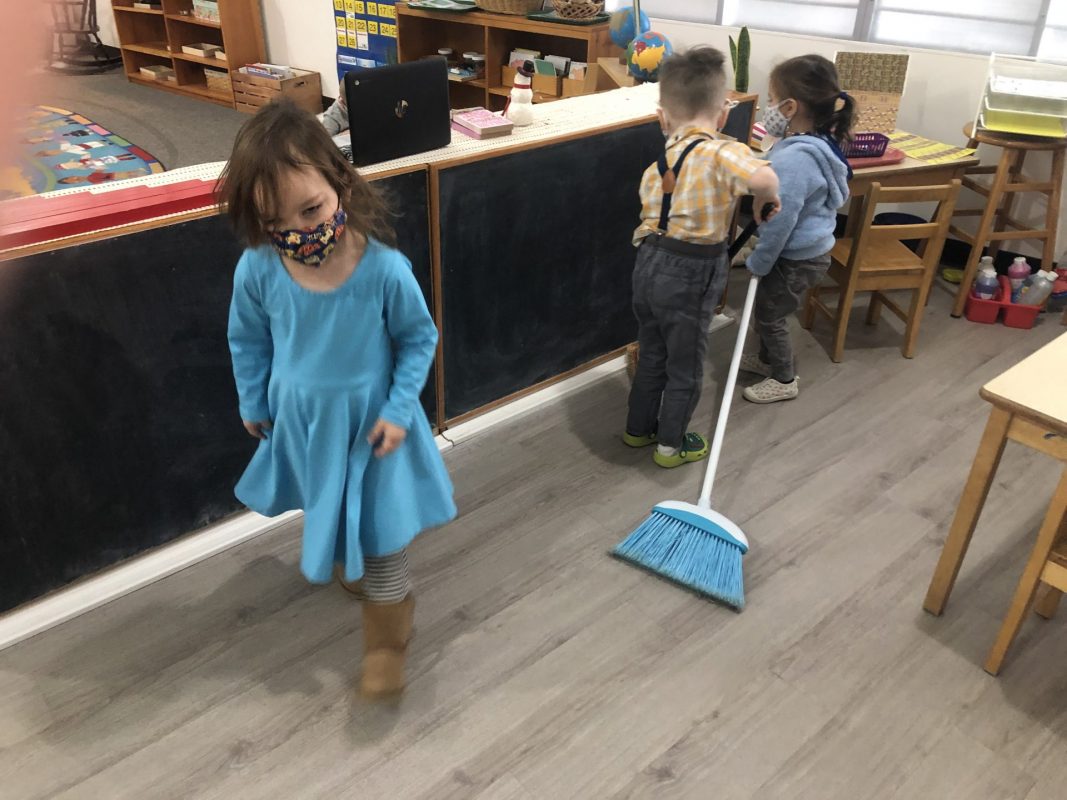
Children always love to mimic their parents, especially when it comes to chores. They are motivated by their sense of exploration, independence, and the fun of learning new skills. For three year old children, there is something very special about chores that people consider regular, like washing dishes, washing clothes, slicing carrots, etc. These activities are very exciting and stimulating for the children.

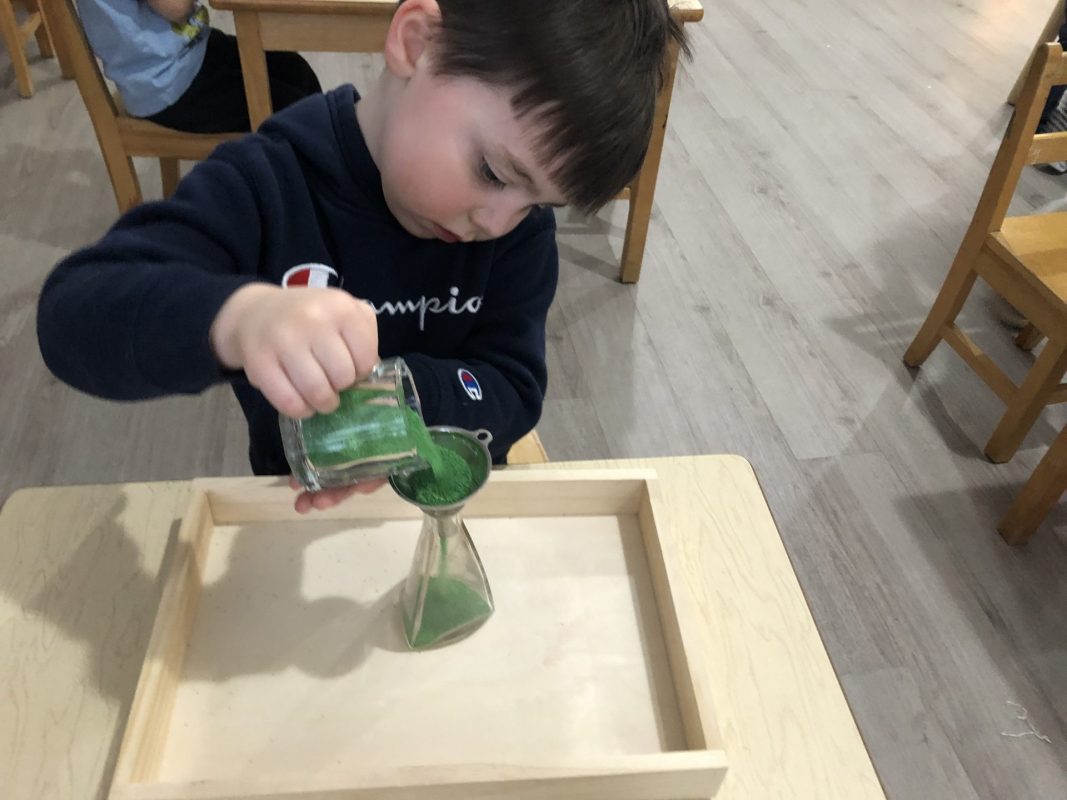
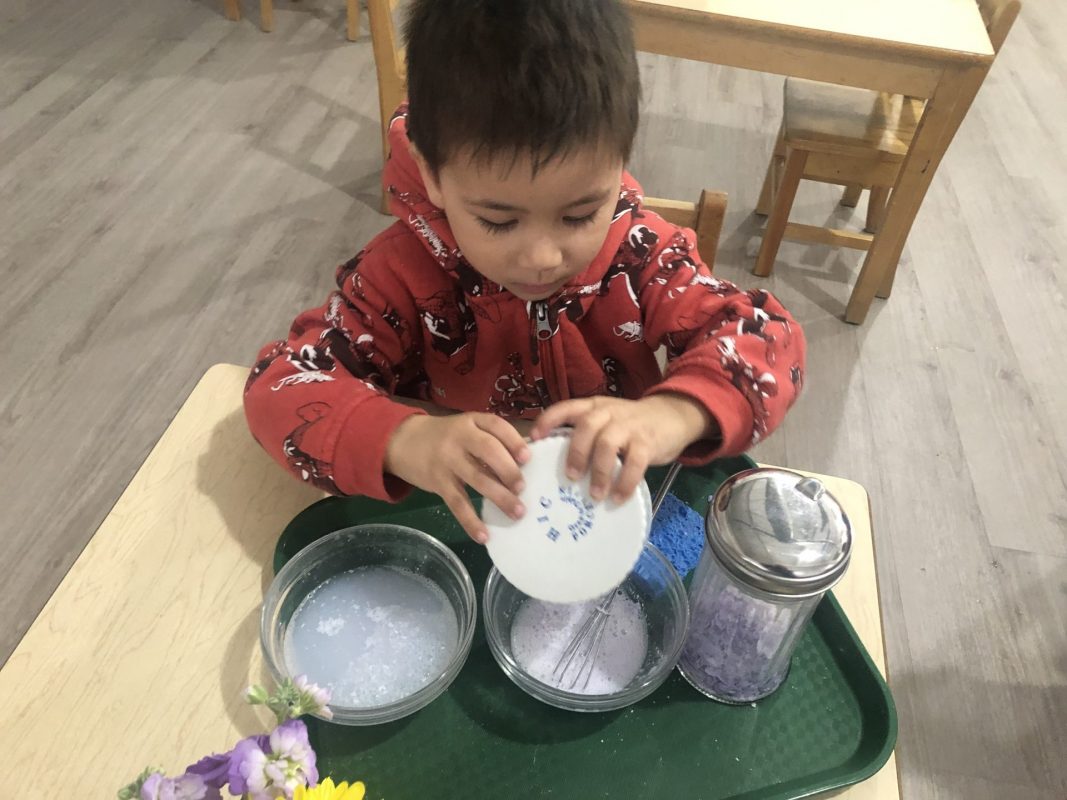
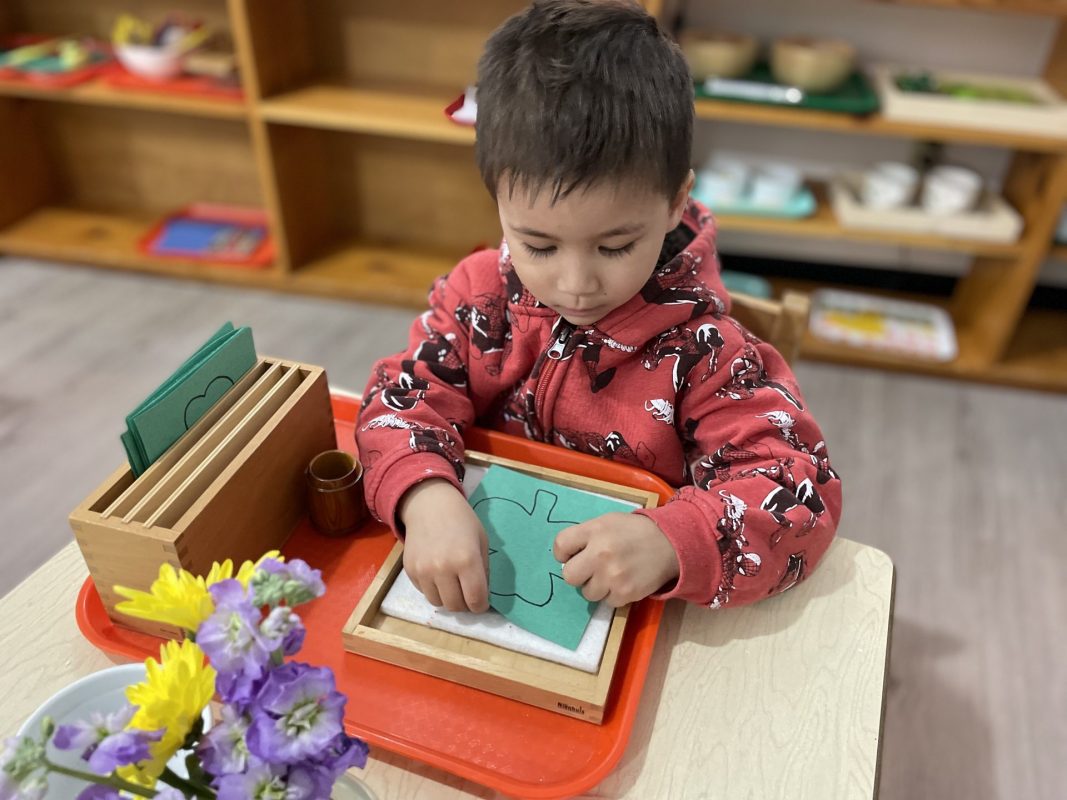
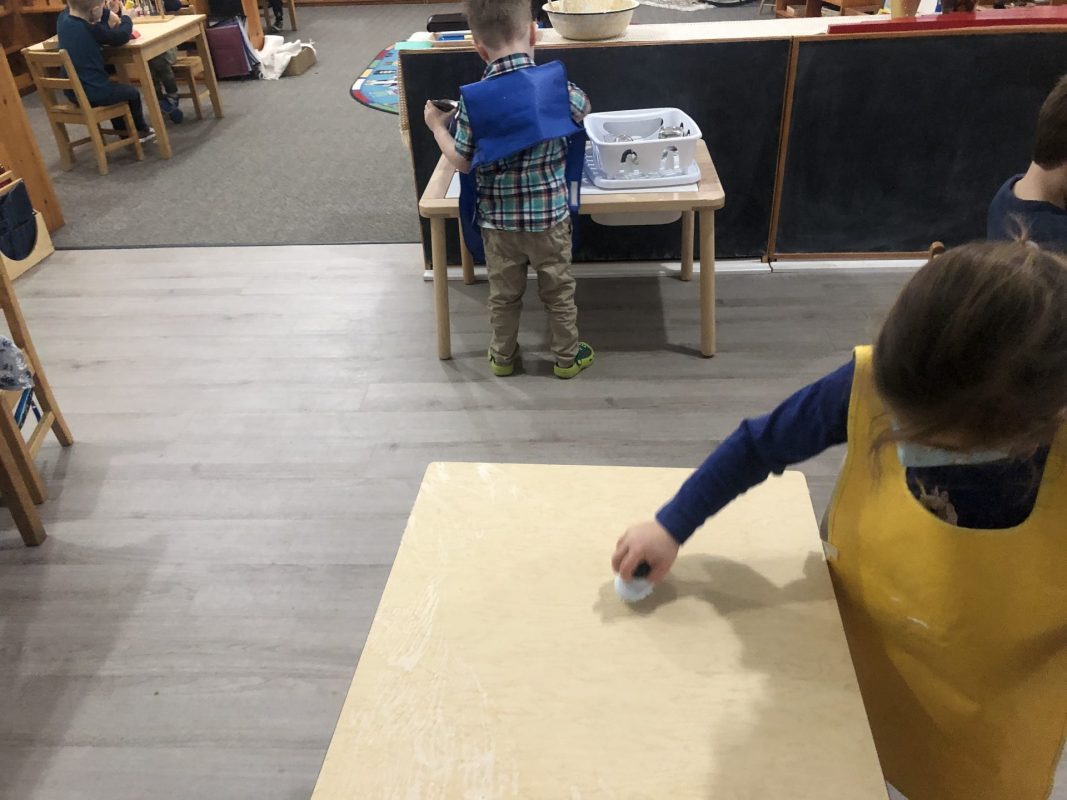
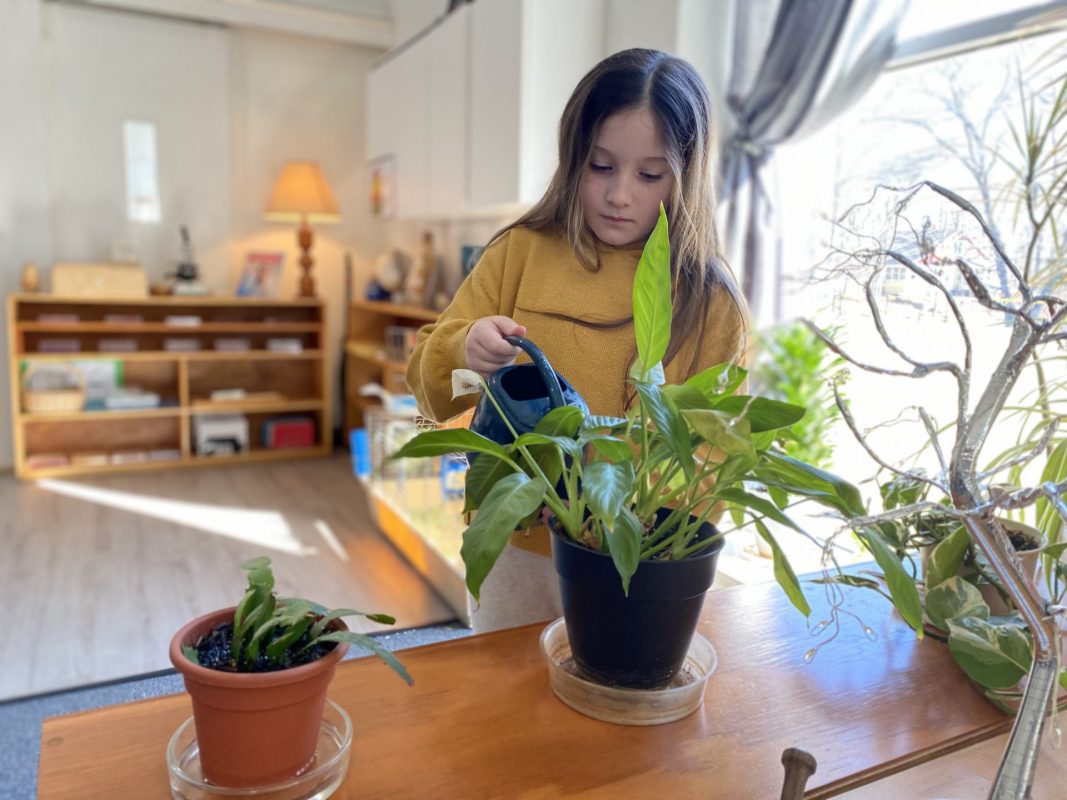
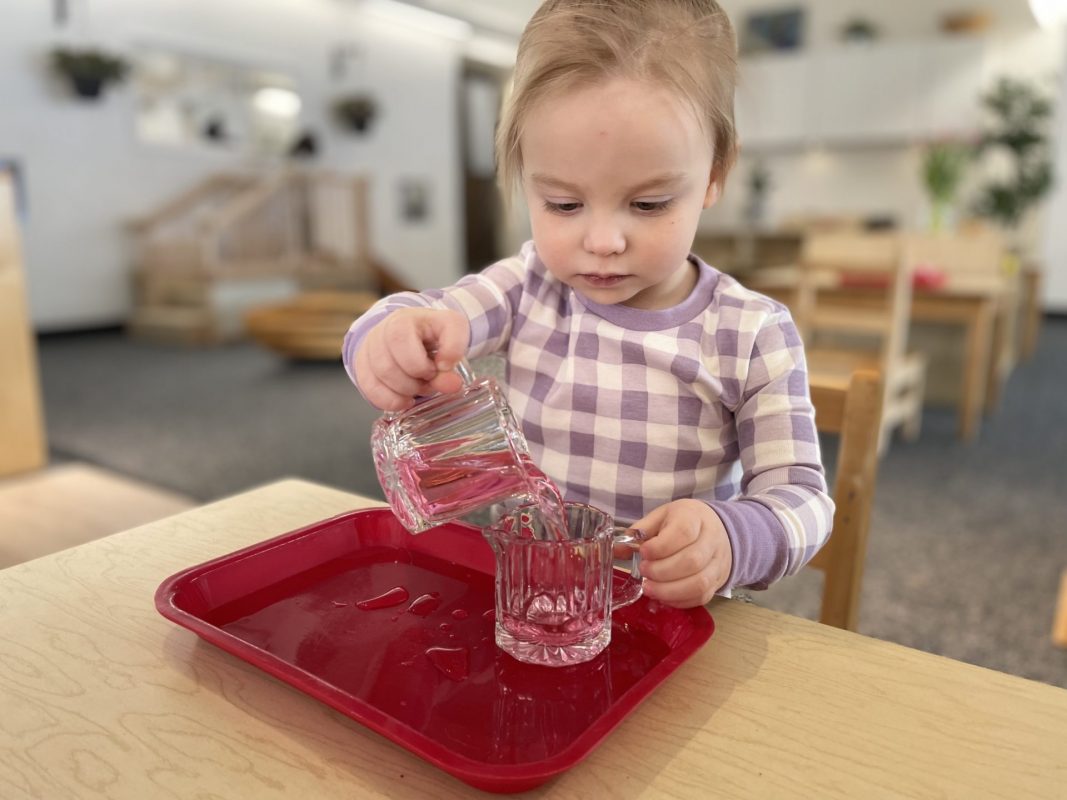
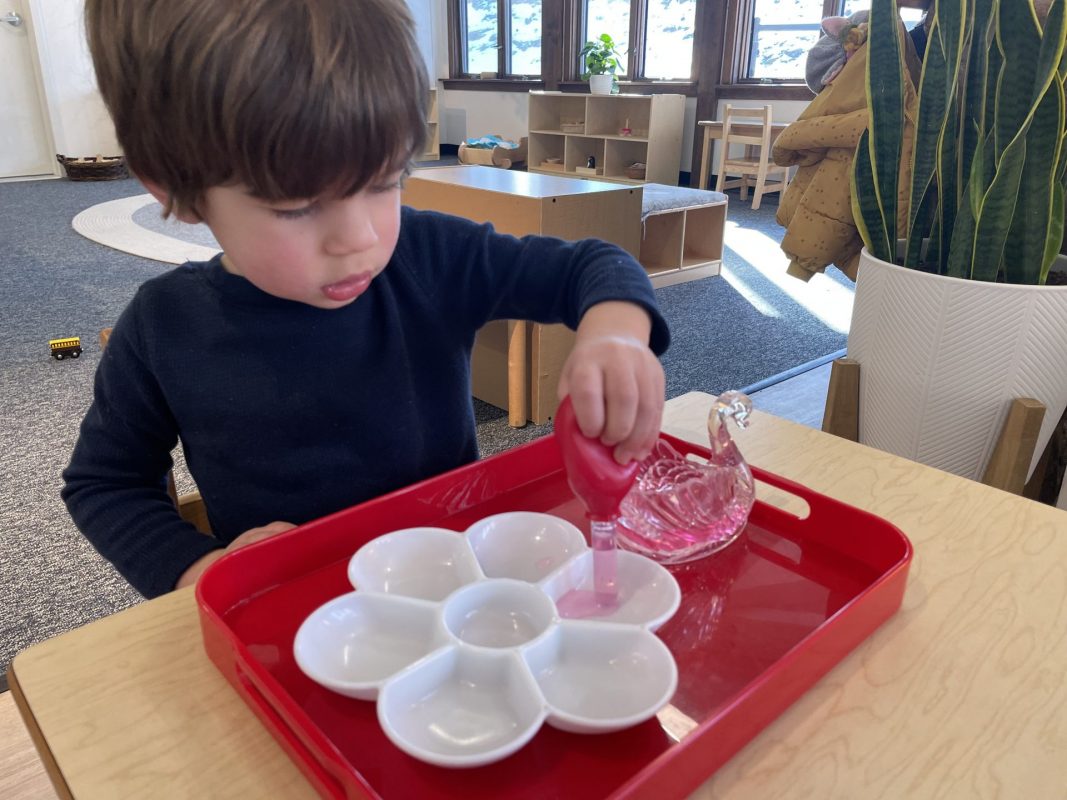
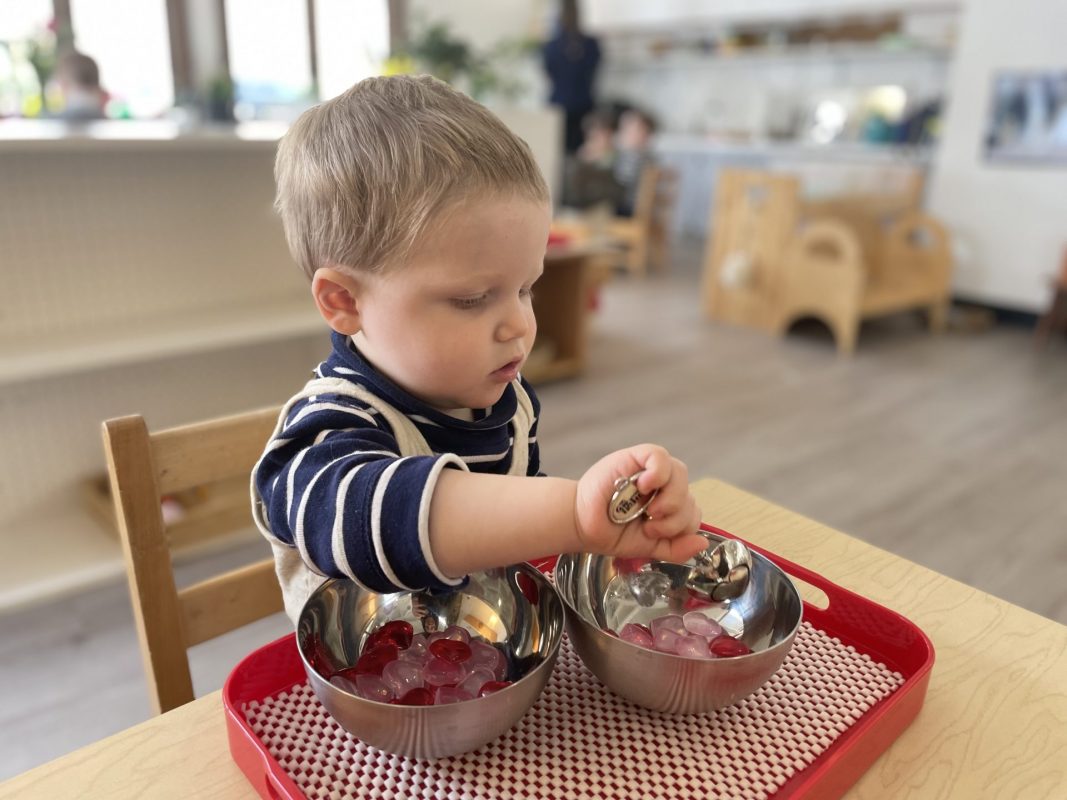
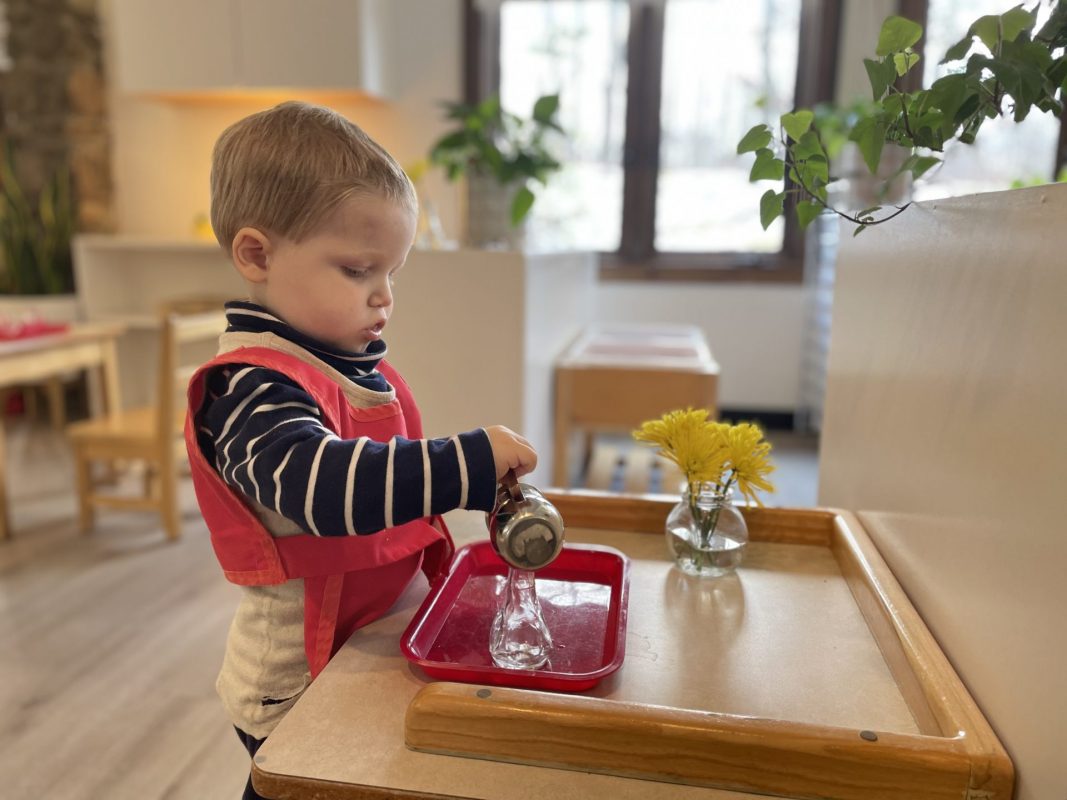
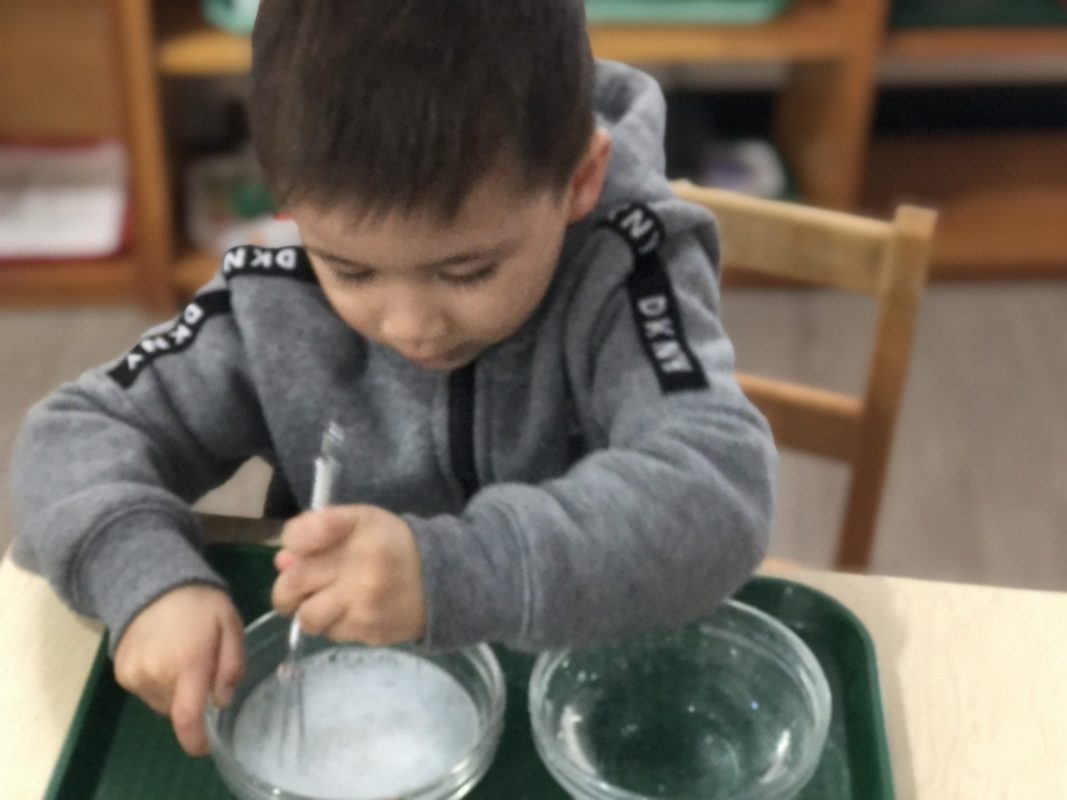
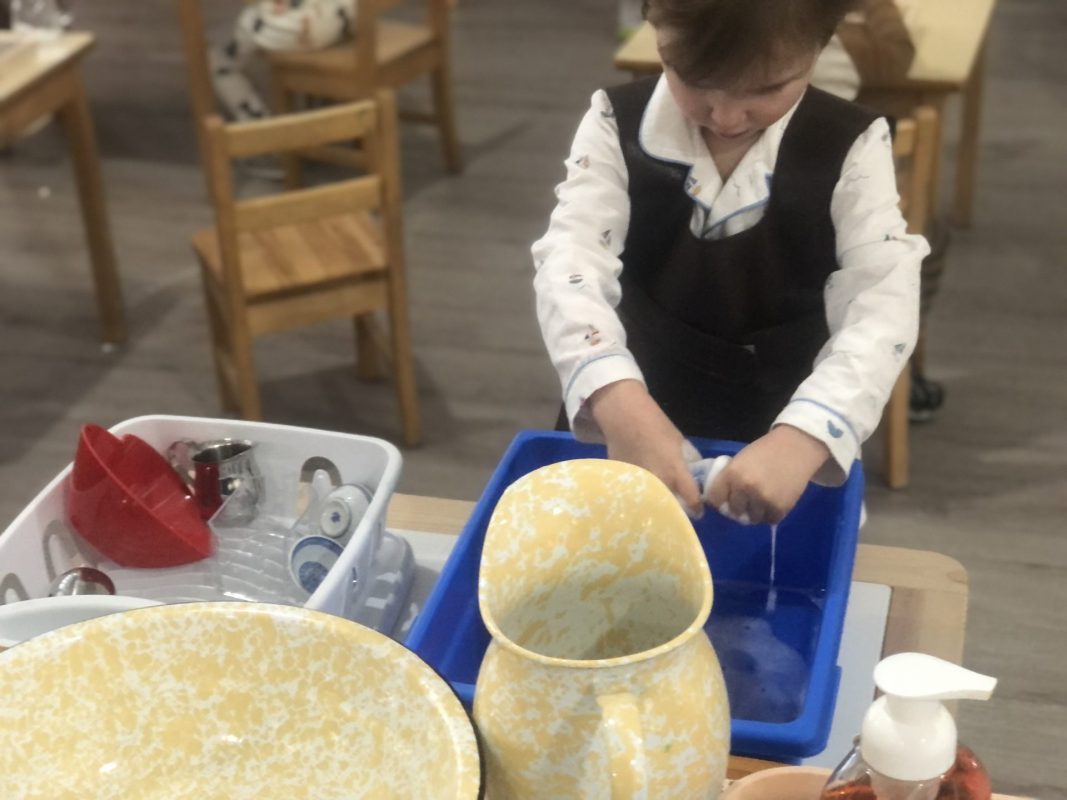
Many exercises of the practical life area in our classroom include the use of water and the children are spontaneously drawn to play with it. After introducing the beautiful work of washing a baby, washing little animals, and washing dishes, we introduced washing a table this week. The activity seems very simple, but there is much more to this practical life lesson that interests the children. Beginning with carrying the water in a pitcher and pouring it in a basin, this activity enhances the children’s coordination to follow a sequence of steps. When the children become engaged in scrubbing the table in a circular motion, they increase their span of concentration. In the process, they indirectly memorize the sequence of steps to wash a table. Finally, they develop a nice work habit by putting away the lesson where it belongs.

We encourage children to do fun tasks and activities at home with their parents or their older siblings like cooking, baking, or washing dishes. Children love to see and feel their contribution to the whole family.

Enjoy your spring break.

Kaoutar and Sara


Upper El Odds and Ends

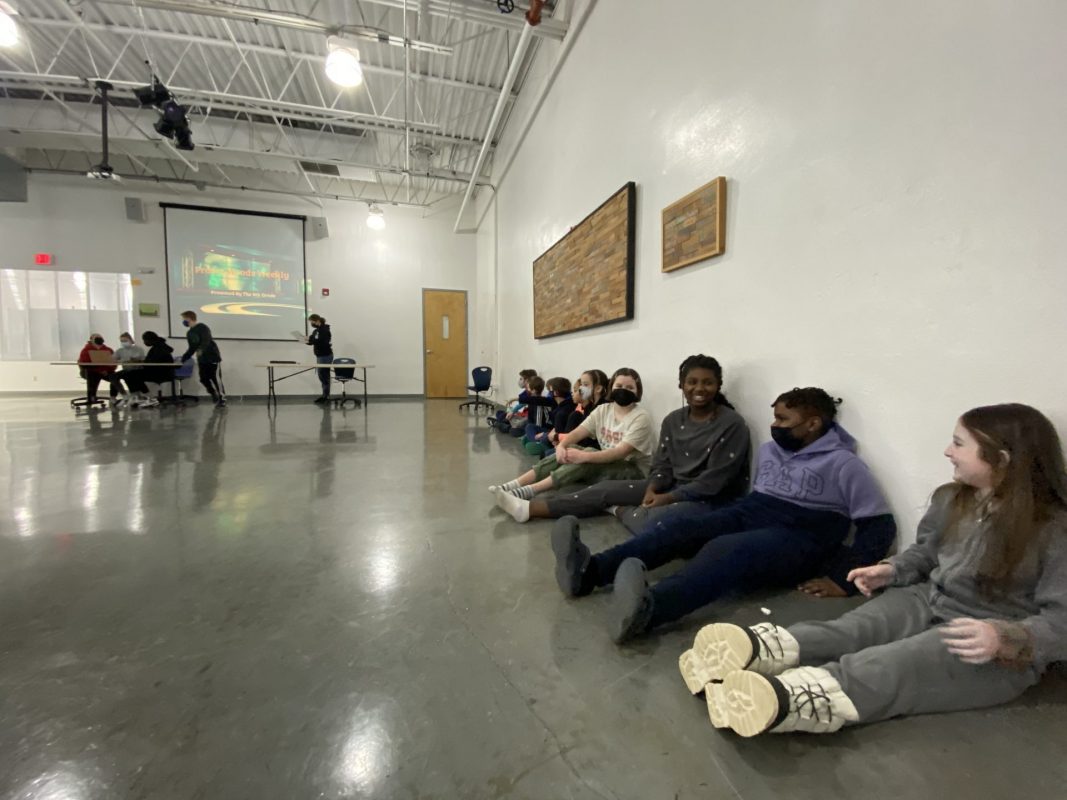
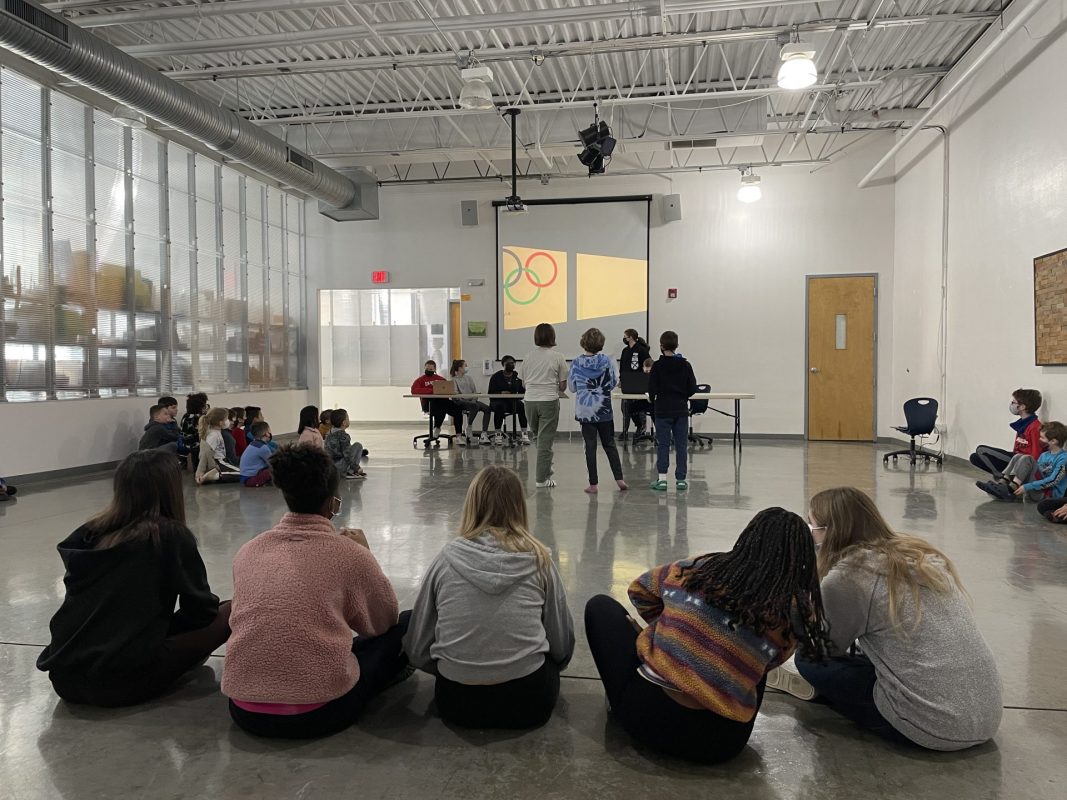
This week we were excited to return to our in-person Monday morning meeting with Lower Elementary and Middle School. The eighth graders run the meeting and present current news and events at FWM and in the larger global community. The elementary students love this tradition and were very happy to be able to reconnect – spaced appropriately – with their older and younger peers.

Our recording of autobiography presentations is coming up. We will start recording presentations of those who are ready next week and will send the recording out to parents as soon as all are completed. If your child will not be ready to complete their paper by next week, please reach out so I can support you. I hope to be able to send the video by next Friday but I understand some may need a little more time to connect with extended family.

I have been in touch with Nature’s Classroom in Charlton, Massachusetts and our reservation for our overnight field trip is set! Our trip will be from the morning of May 24th to the afternoon of May 26th. Once we have received the cost from Nature’s Classroom and the bus company, I will send an email with details about cost, activities, packing list, and information. This is always a great trip for the students who go and, in addition to all of the wonderful experiences planned during Nature’s Classroom, even deeper bonds are formed between students during the trip. I will plan an informational meeting after we receive the paperwork from Nature’s Classroom.


Mrs. Hood’s Class: Emotional Intelligence

Human emotion. We are so very lucky to each experience such a wide-ranging set of feelings, but that experience can be quite the roller coaster, especially if you are a toddler.

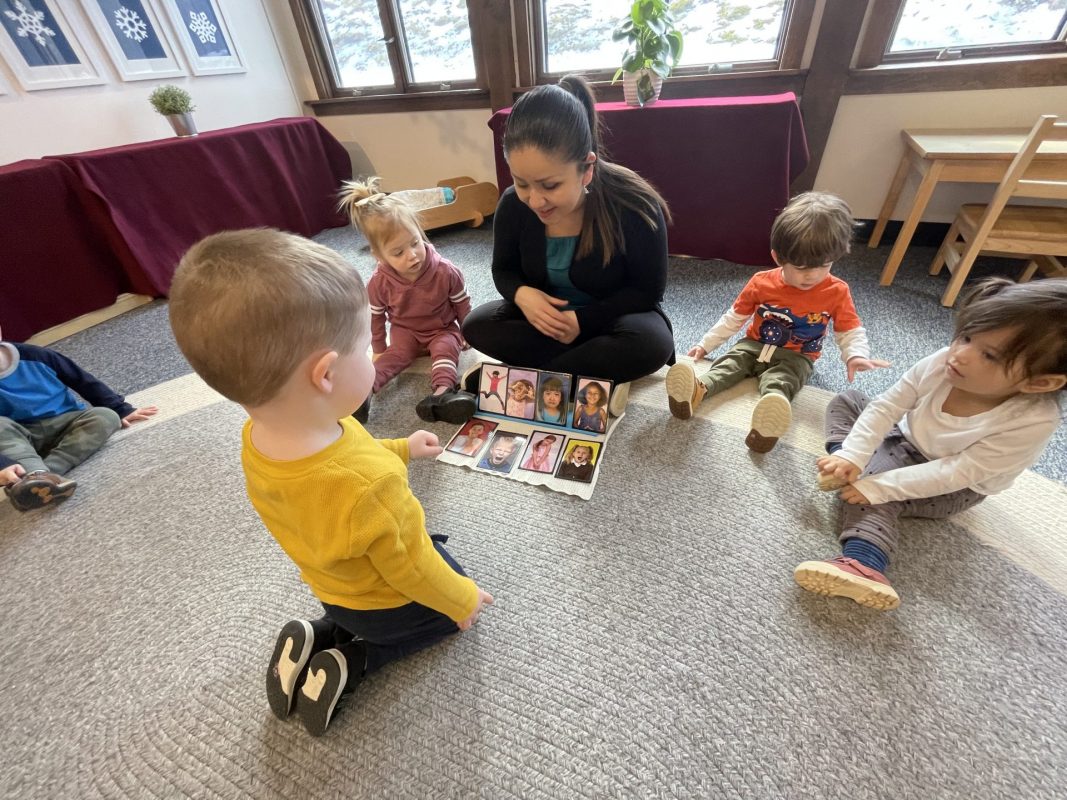
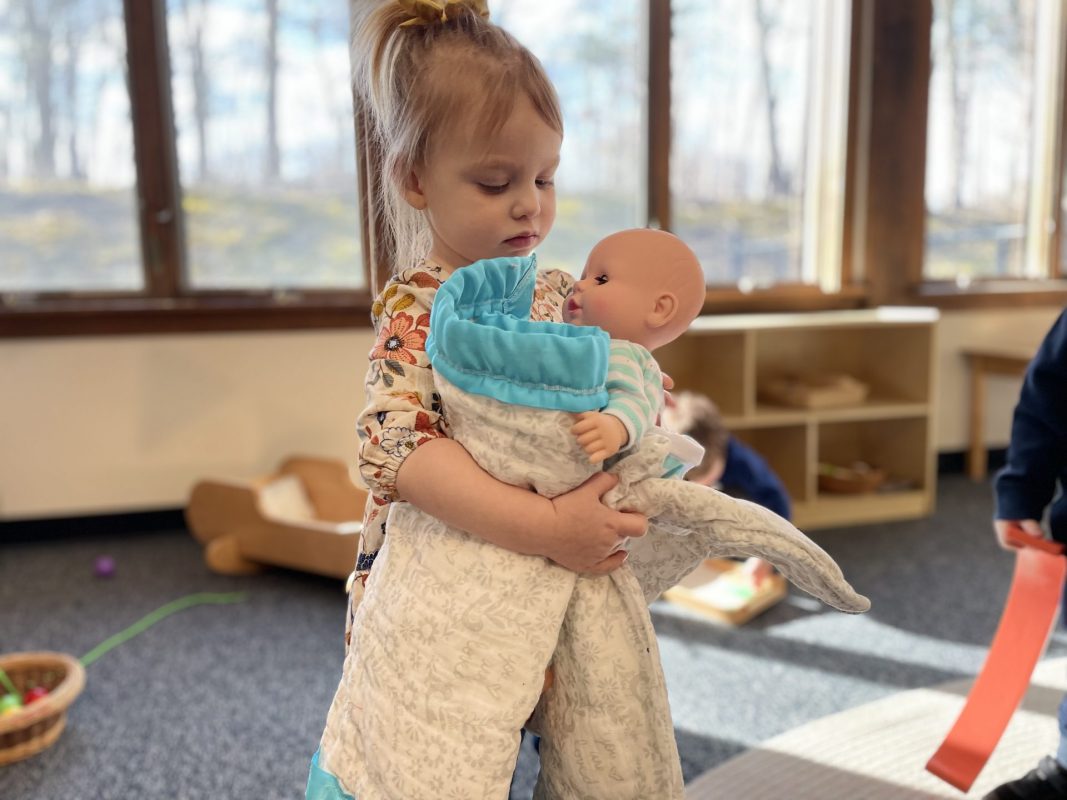
Supporting and teaching  emotional intelligence to our students is  definitely one of our main goals. We do so, first of all, by teaching the toddlers to identify and name emotions; their own emotions and the emotions they see in others.  It’s also a good to teach children there are a range of emotions and ALL  emotions are OK. Once children can name their emotions they can better express themselves, feel heard and understood. We can then help the child develop techniques to manage the emotion.

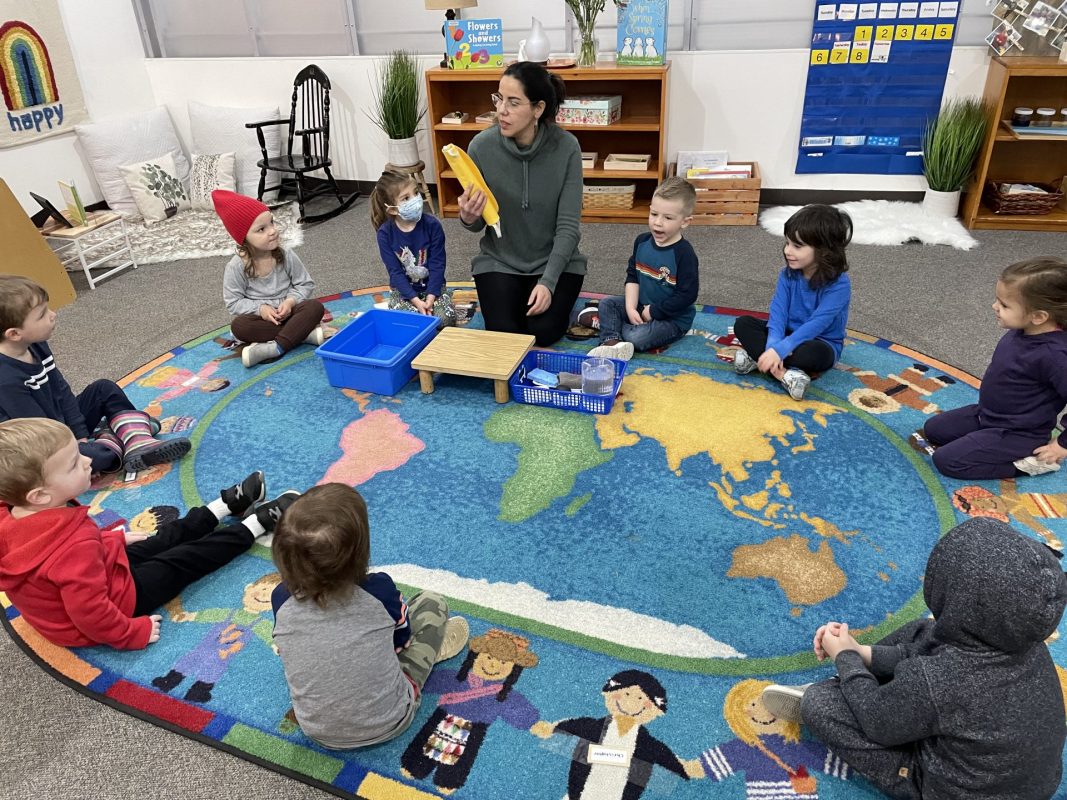
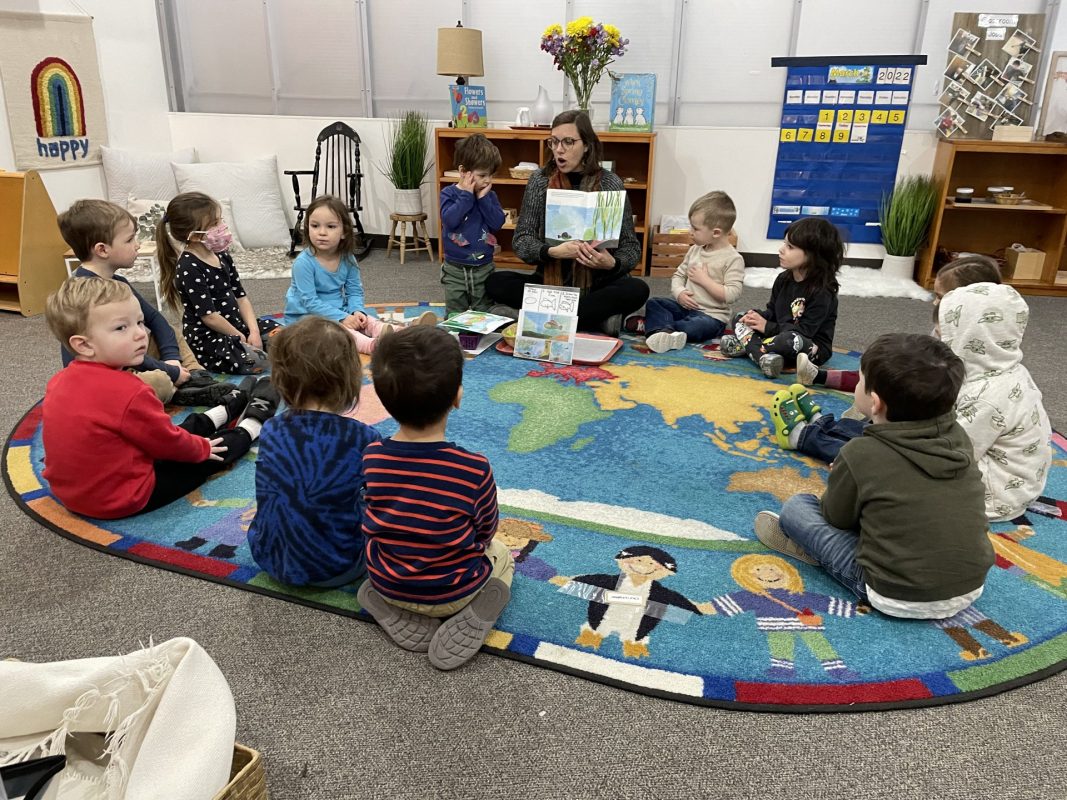
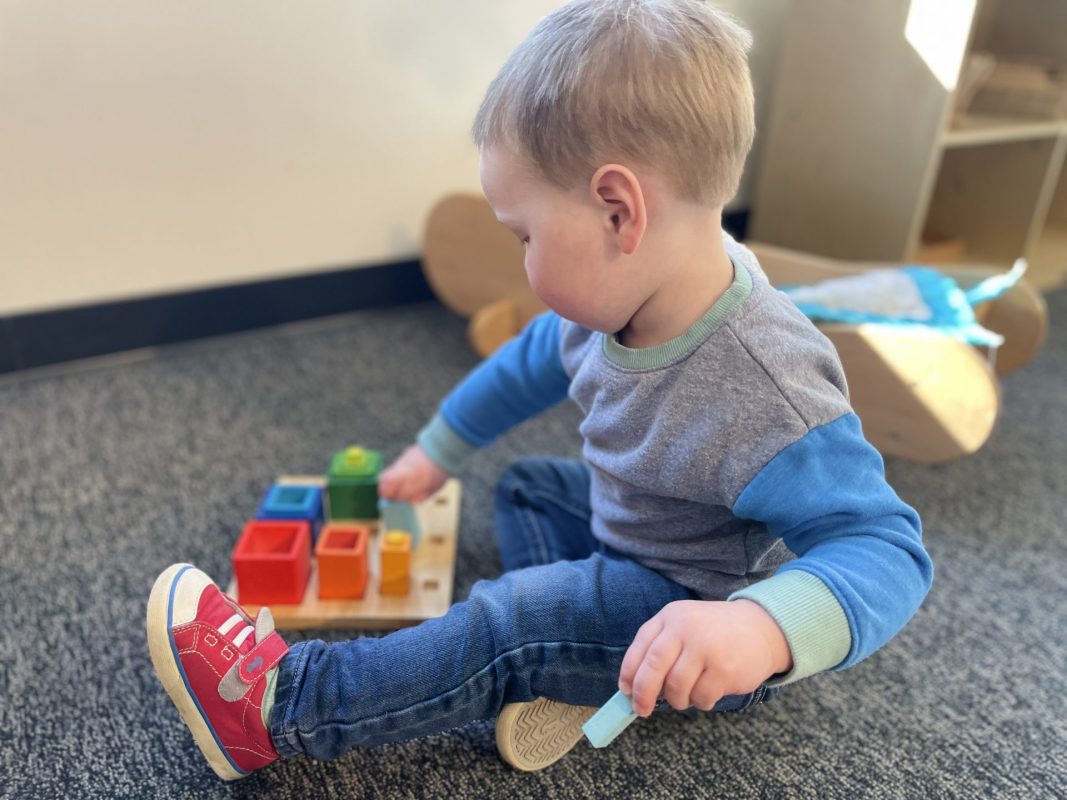
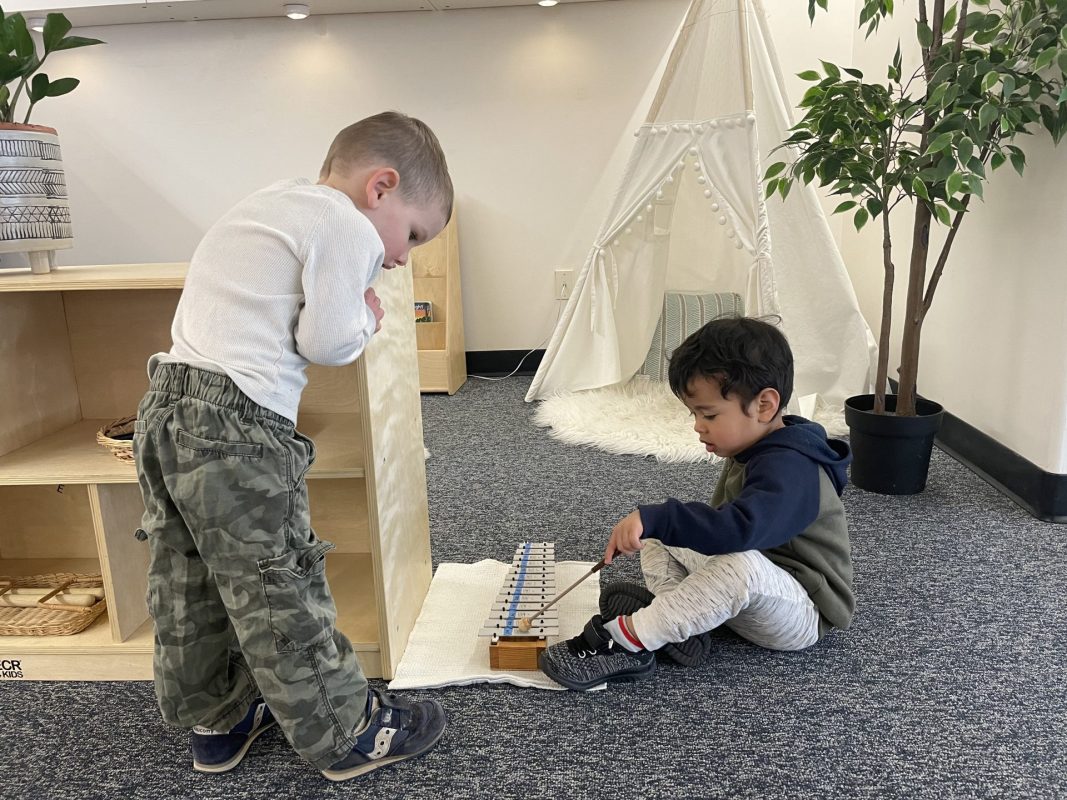
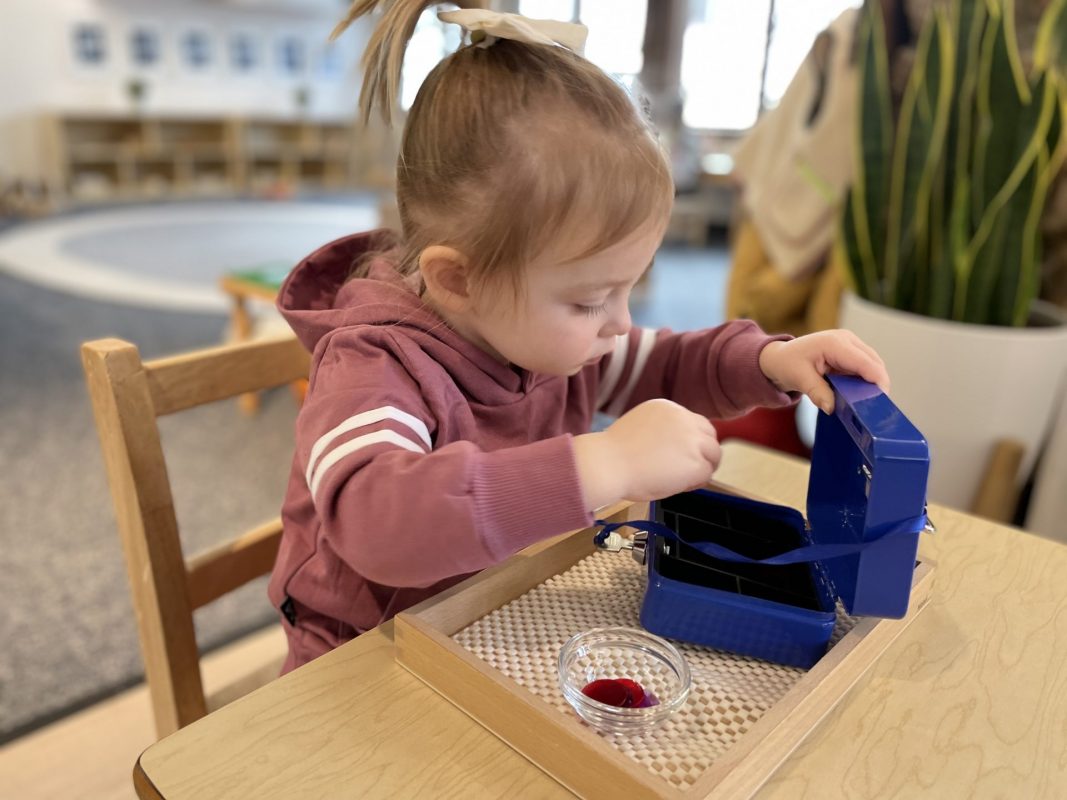
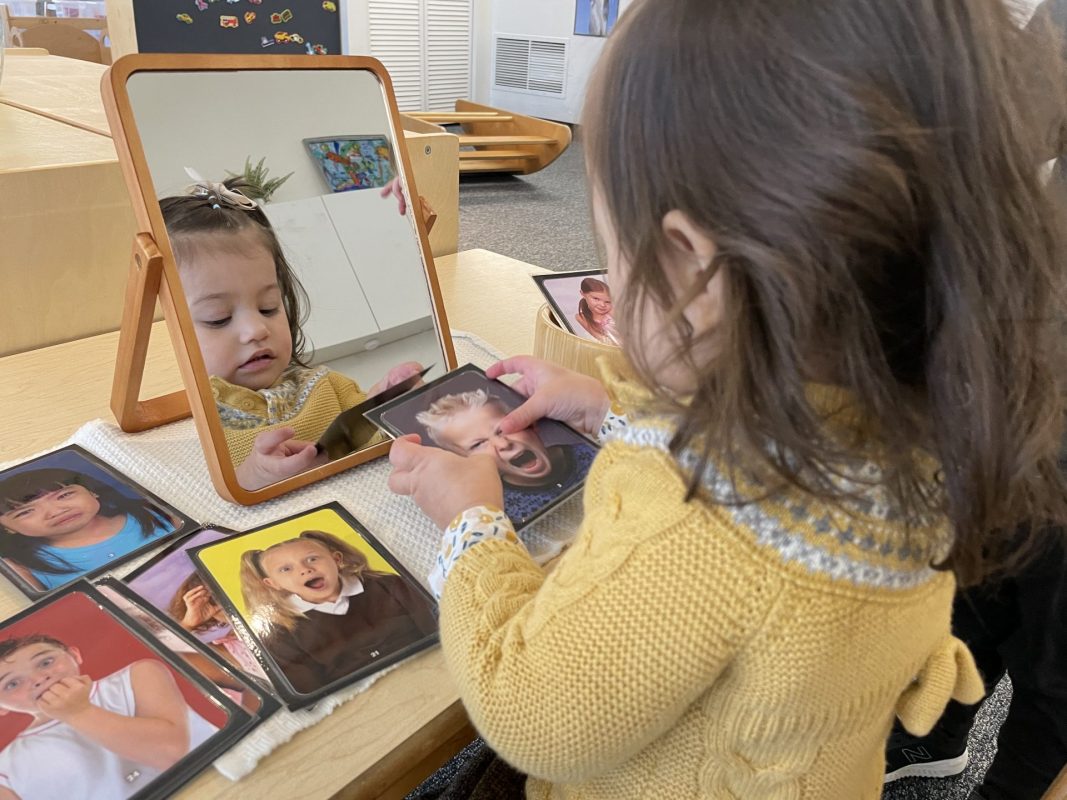
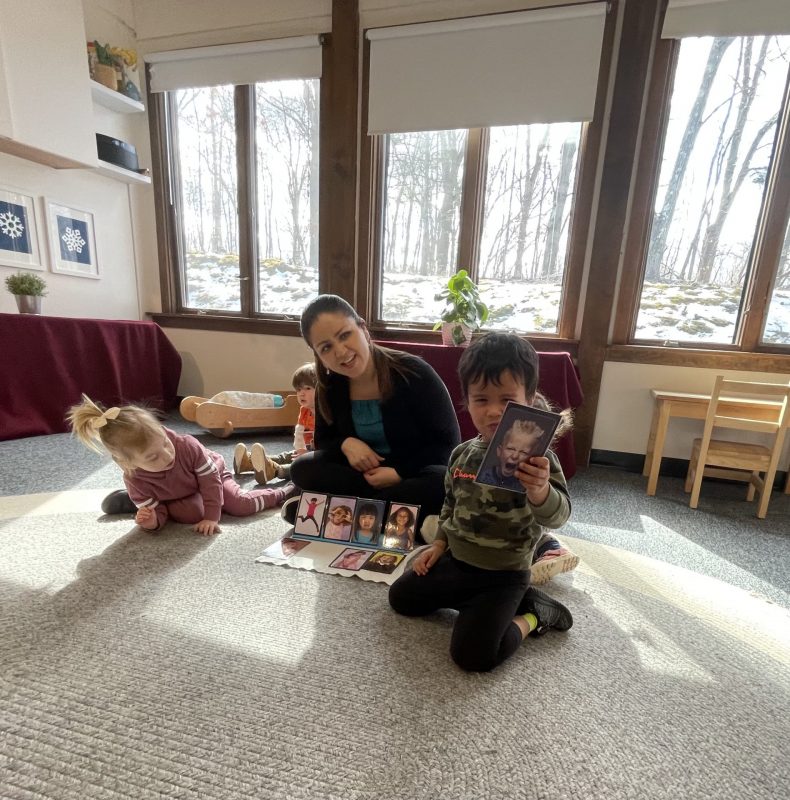
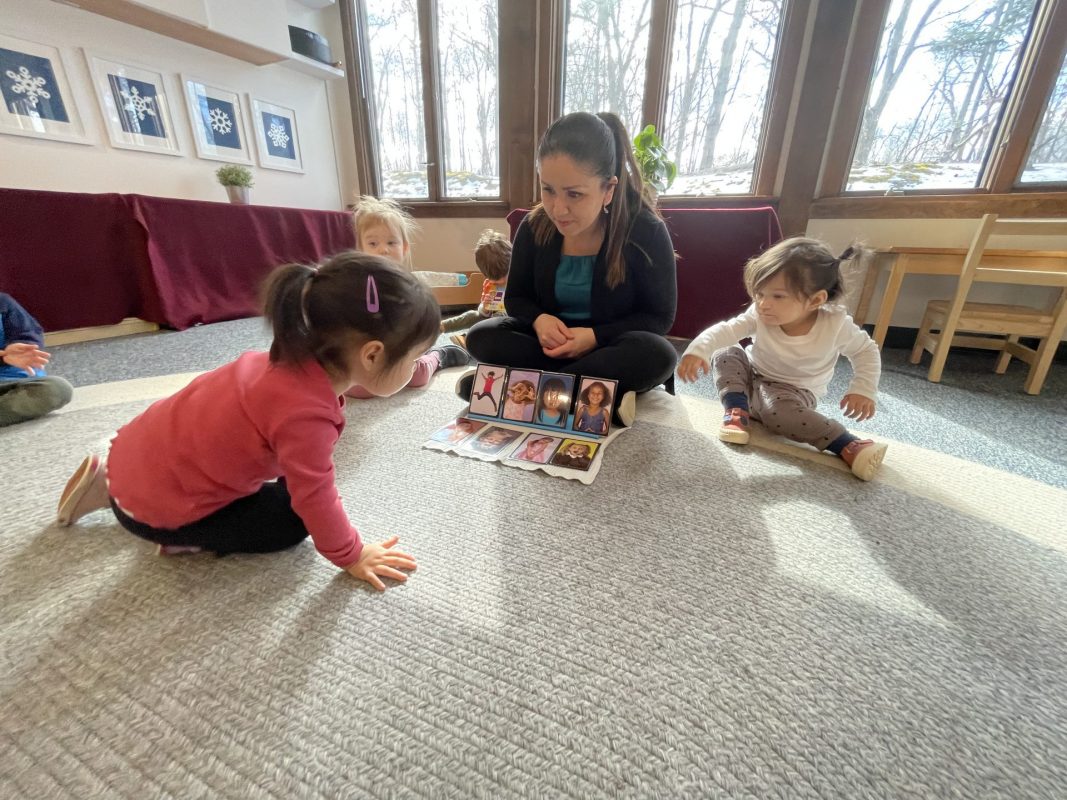
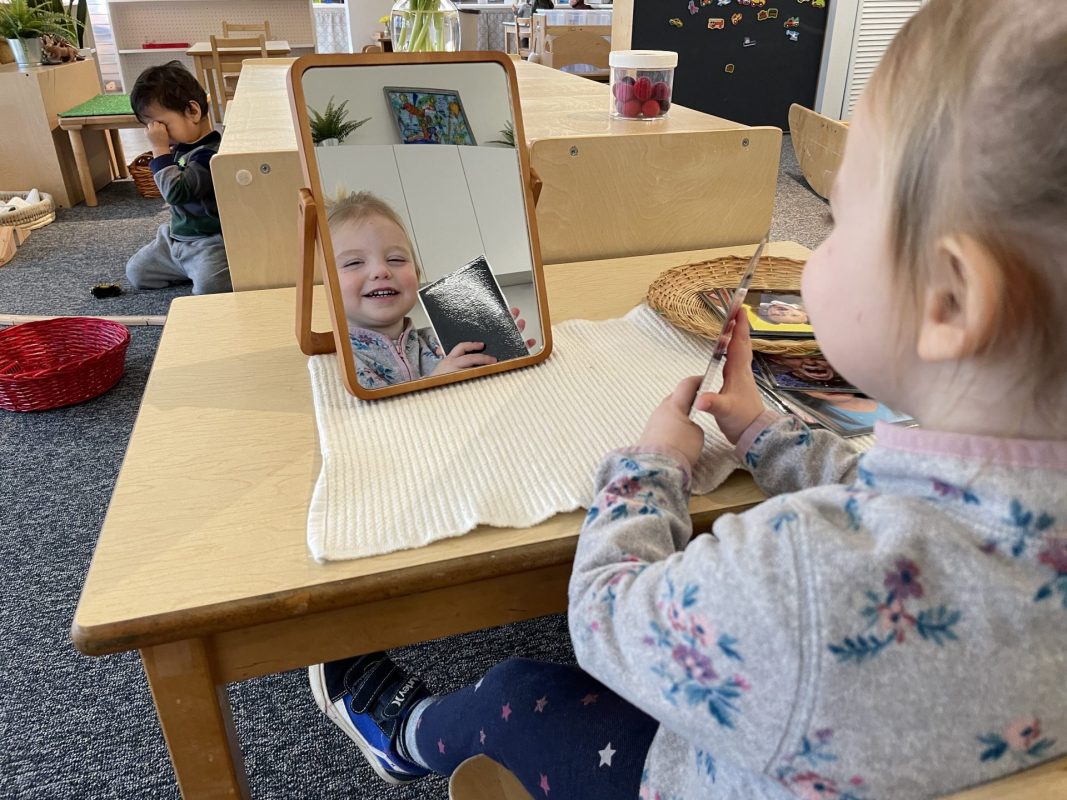
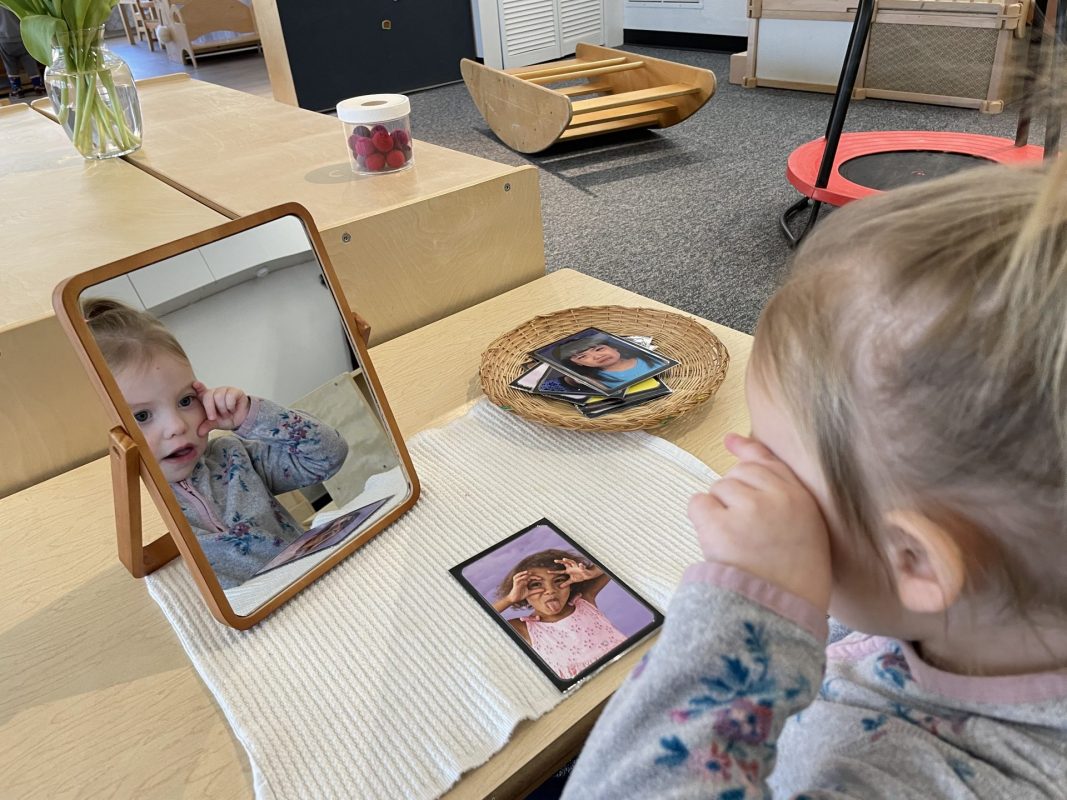
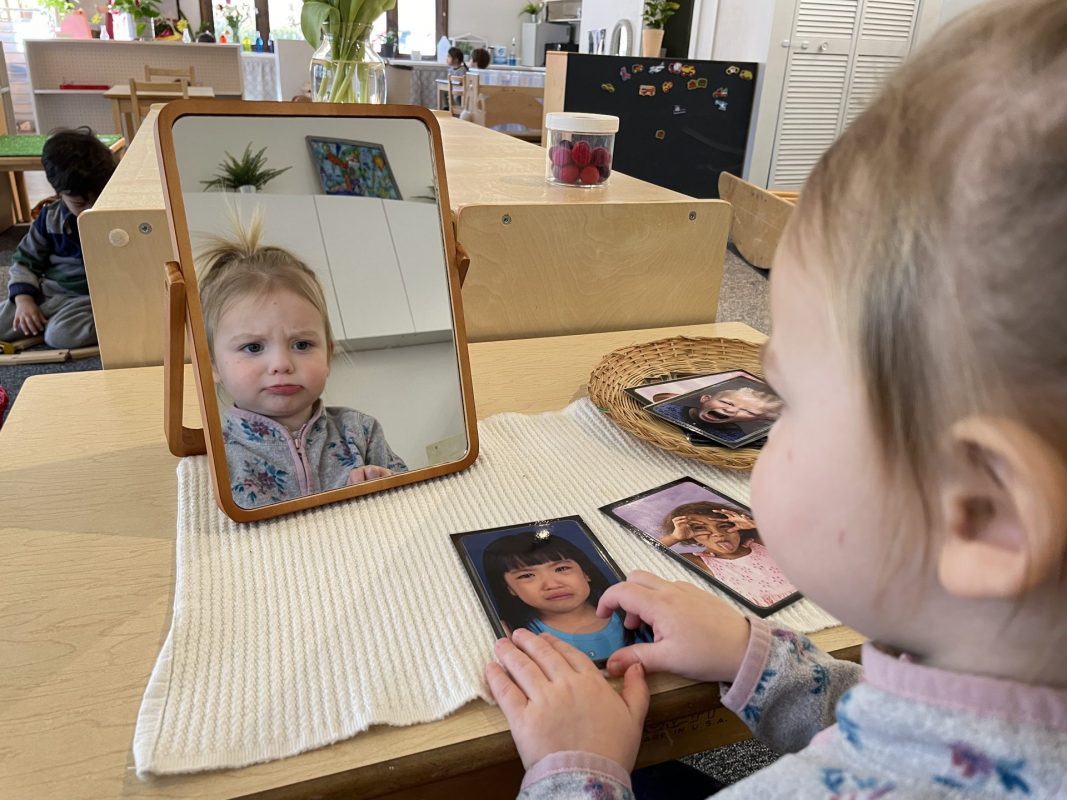
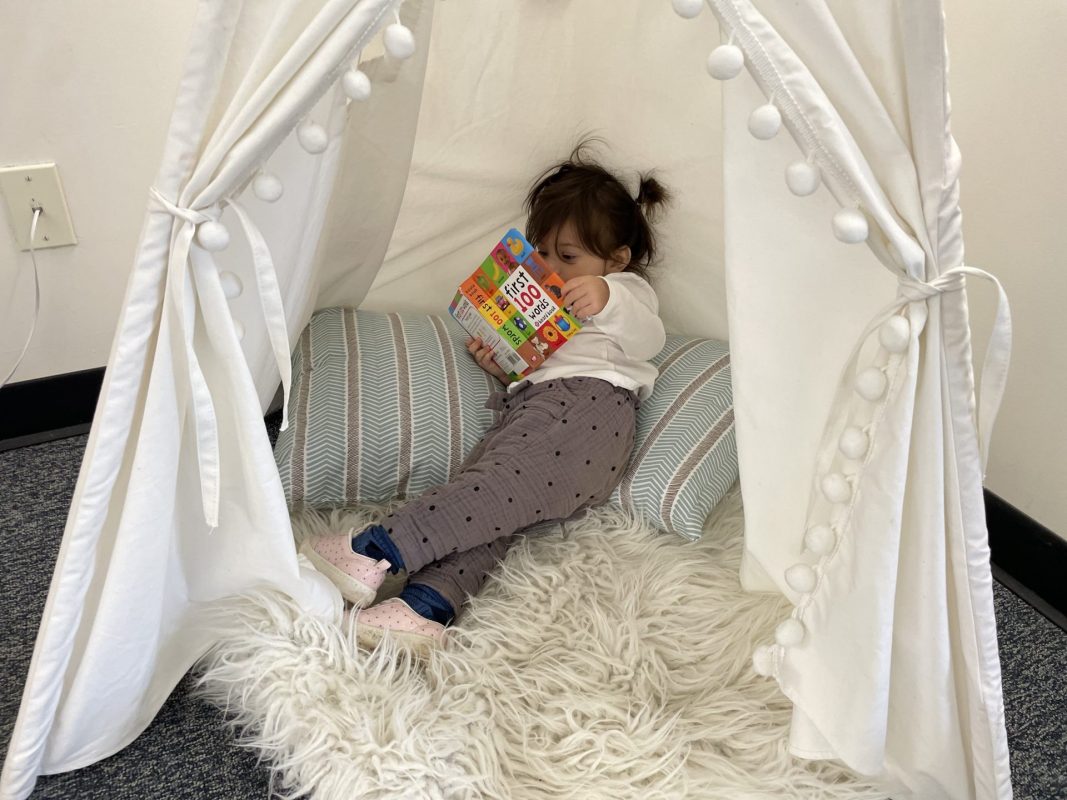
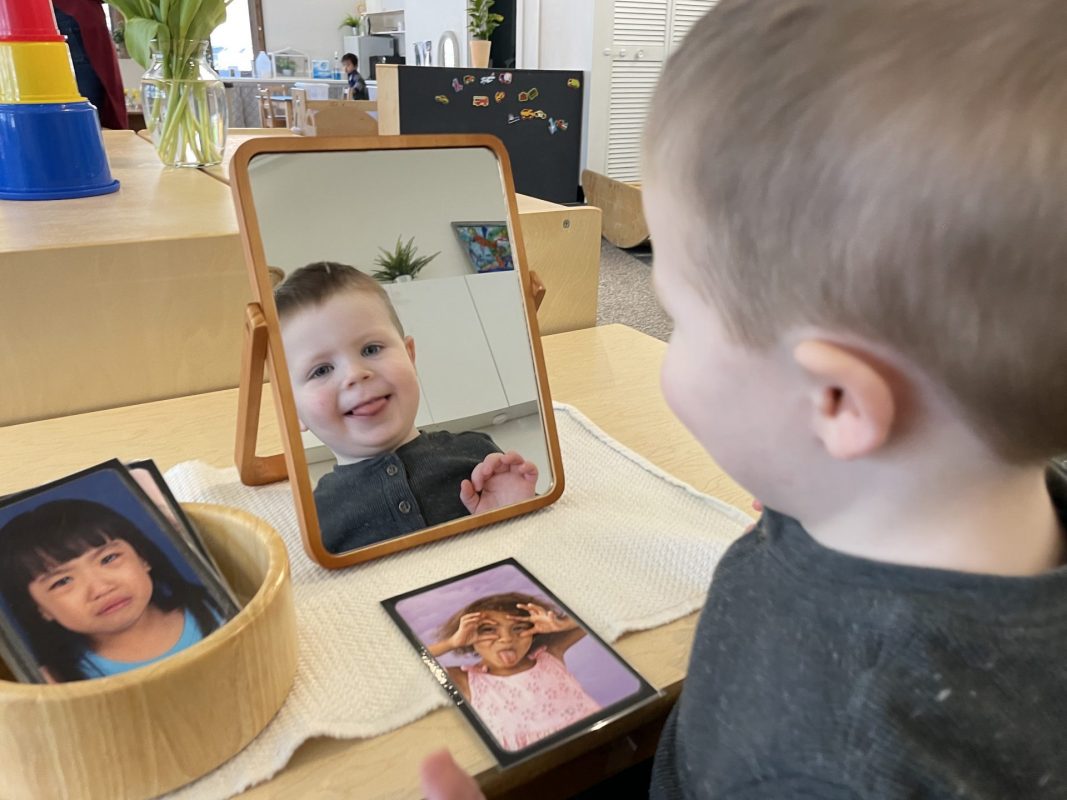
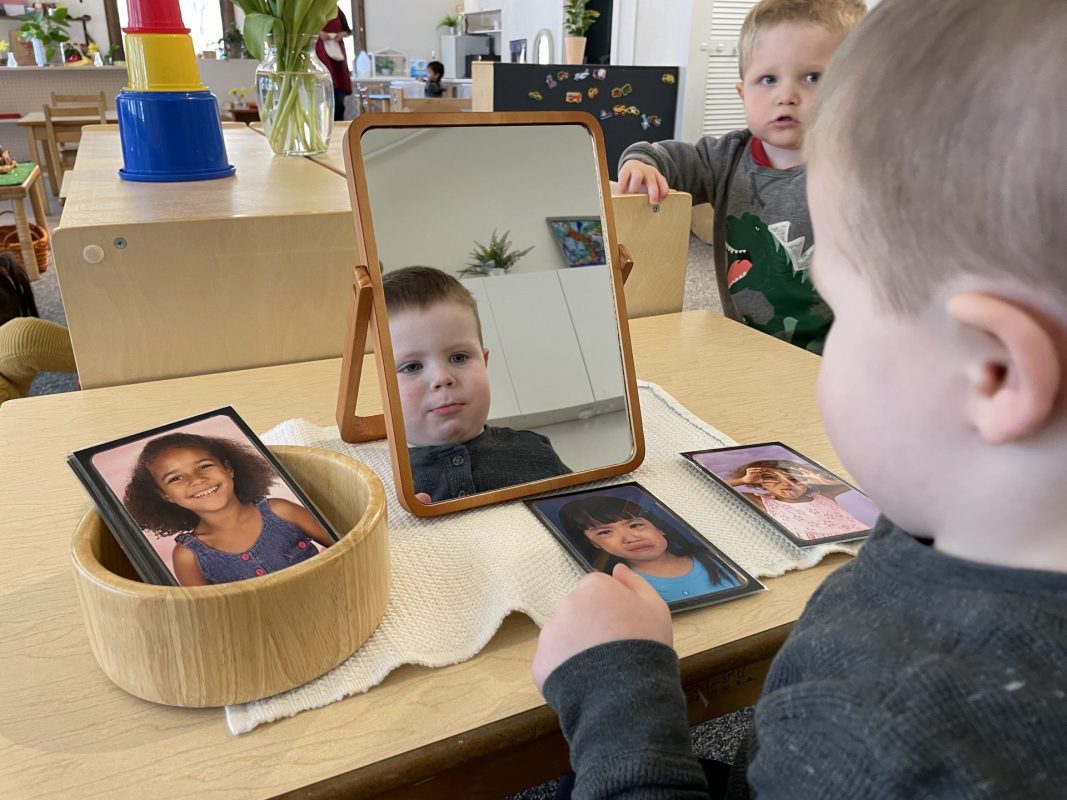
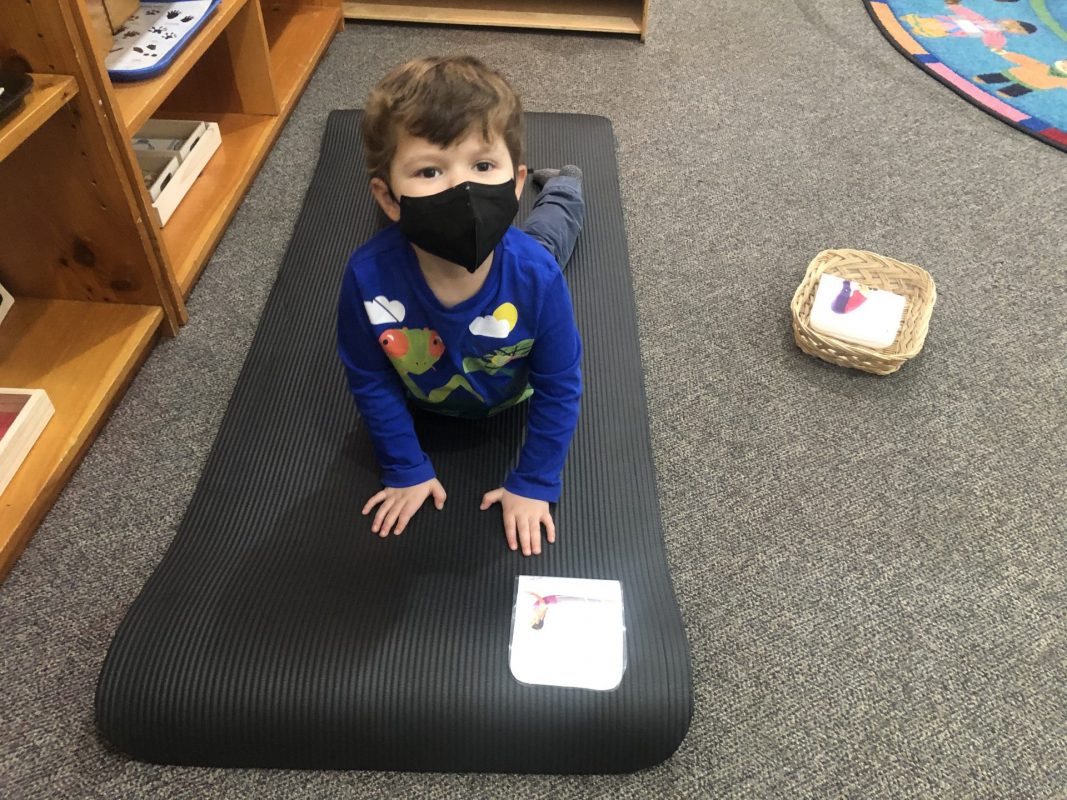
During the last couple of weeks we have focused on talking about this in our environment. We use songs, group games, emotion cards and beautiful books to practice their names and what that emotion looks like. This week, children also had the opportunity to use the emotion cards as an individual work using a table mirror. The children seem to love to observe  the picture cards and copy the facial expressions in the mirror. With the older toddlers, we also use this work as enrichment of vocabulary activities  by establishing conversations with the child and wondering together what they think happened to the children in the picture. Why are they feeling that way? Oh! the stories they come up with are just so great!

Some of the emotions the children have been already introduced to are: happy, sad, angry, silly, excited, scared, shy and surprised. In the coming months we will continue to add more to the list.

For some of you that are very interested in the books we read in the classroom, the favorite books this week has been: In My Heart by Jo Witek, The Feelings Book by Todd Parr, The Color Monster by Anna Llenas, The Calm Down Time and Feet Are Not For Kicking by Elizabeth Verdick. In another note Where is the Poop by Julie Markes and Come Out Mr. Poo by Janelle McGuiness are some of the favorite books as well 🙂

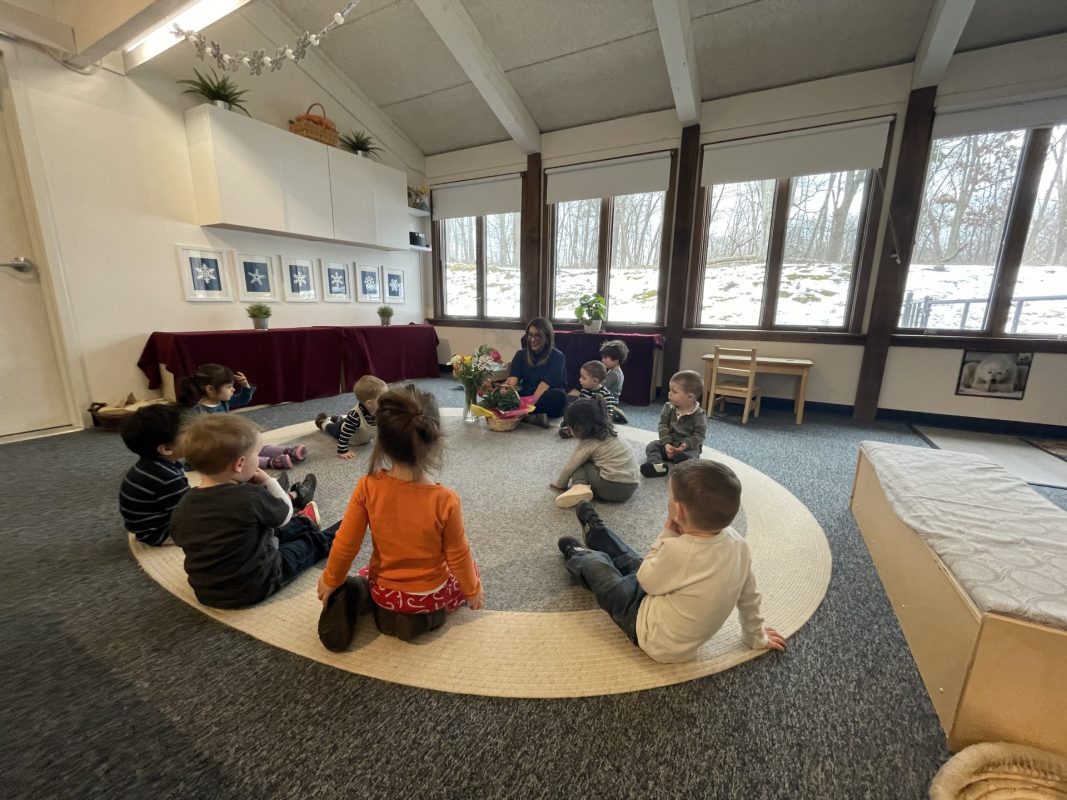
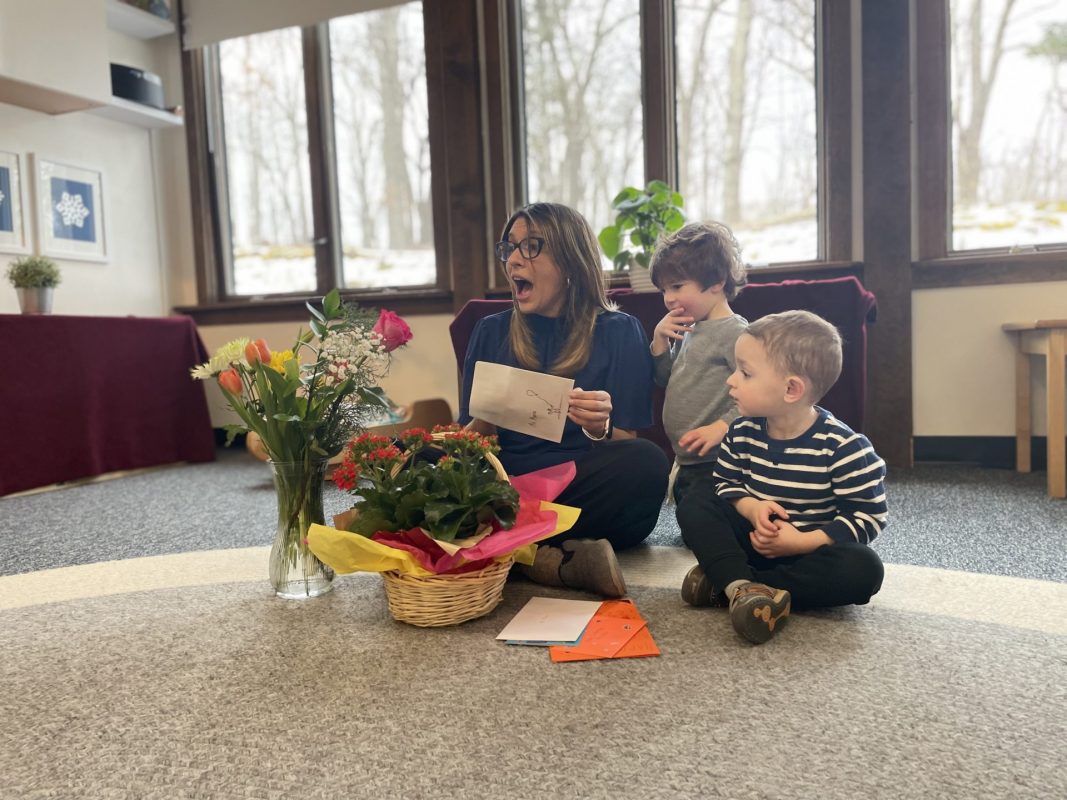
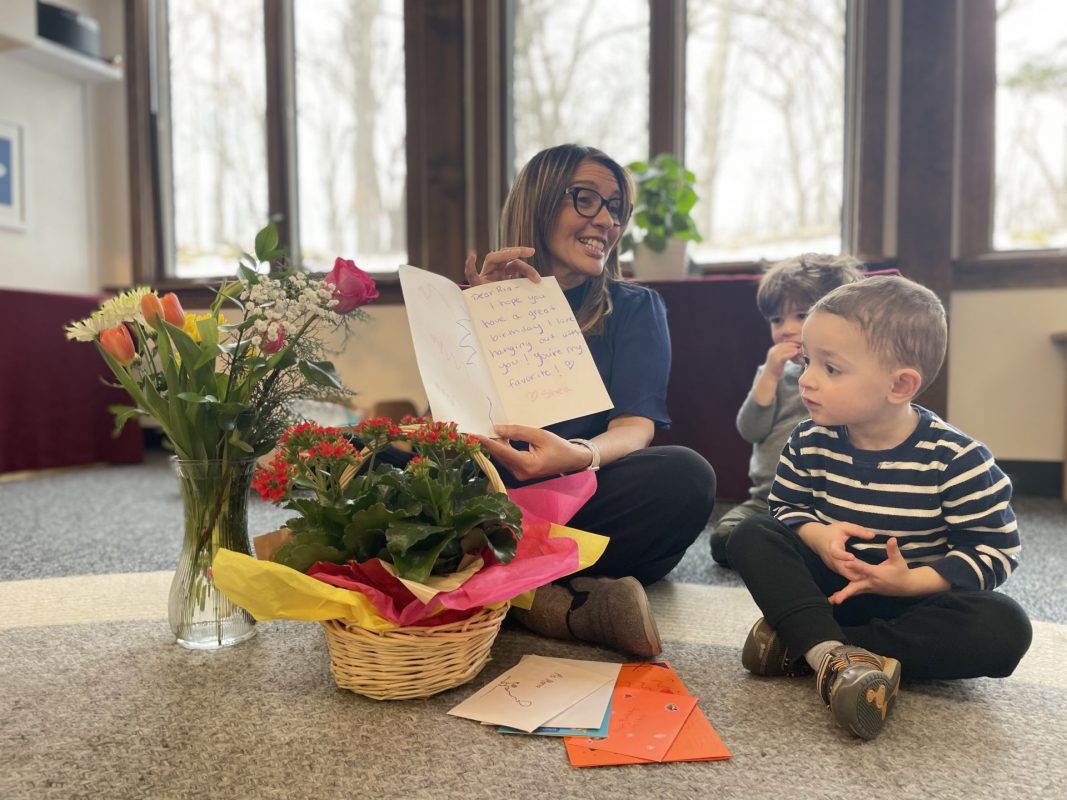
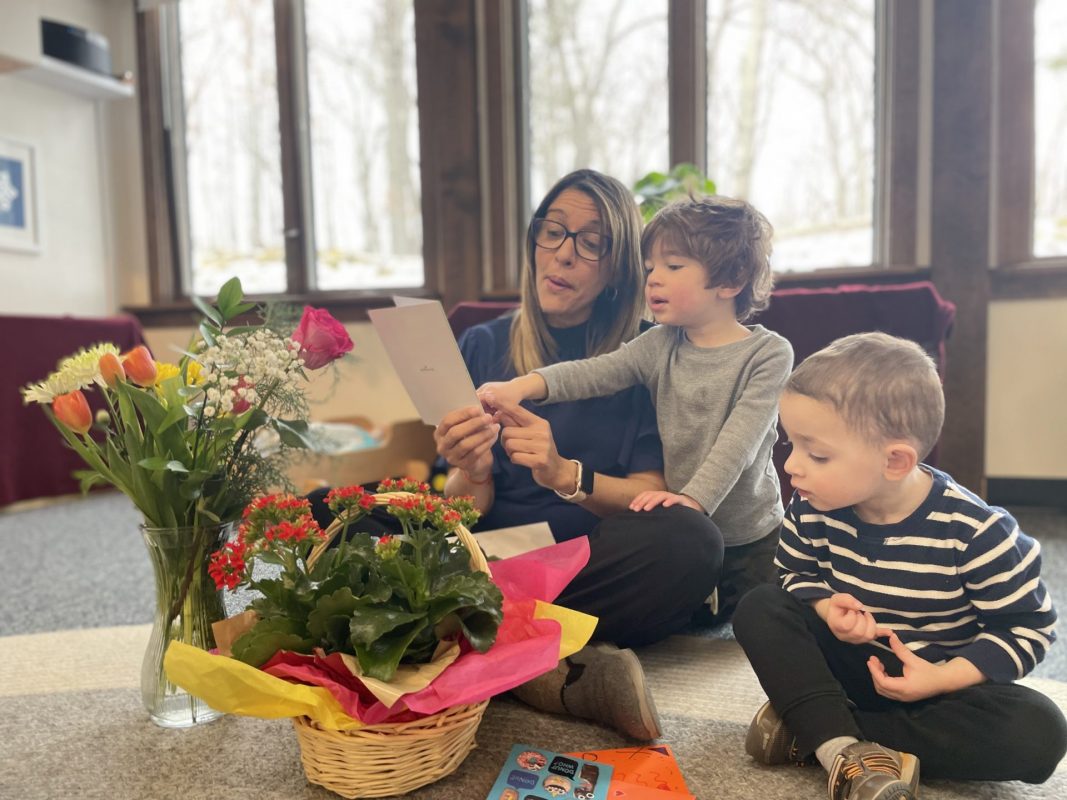
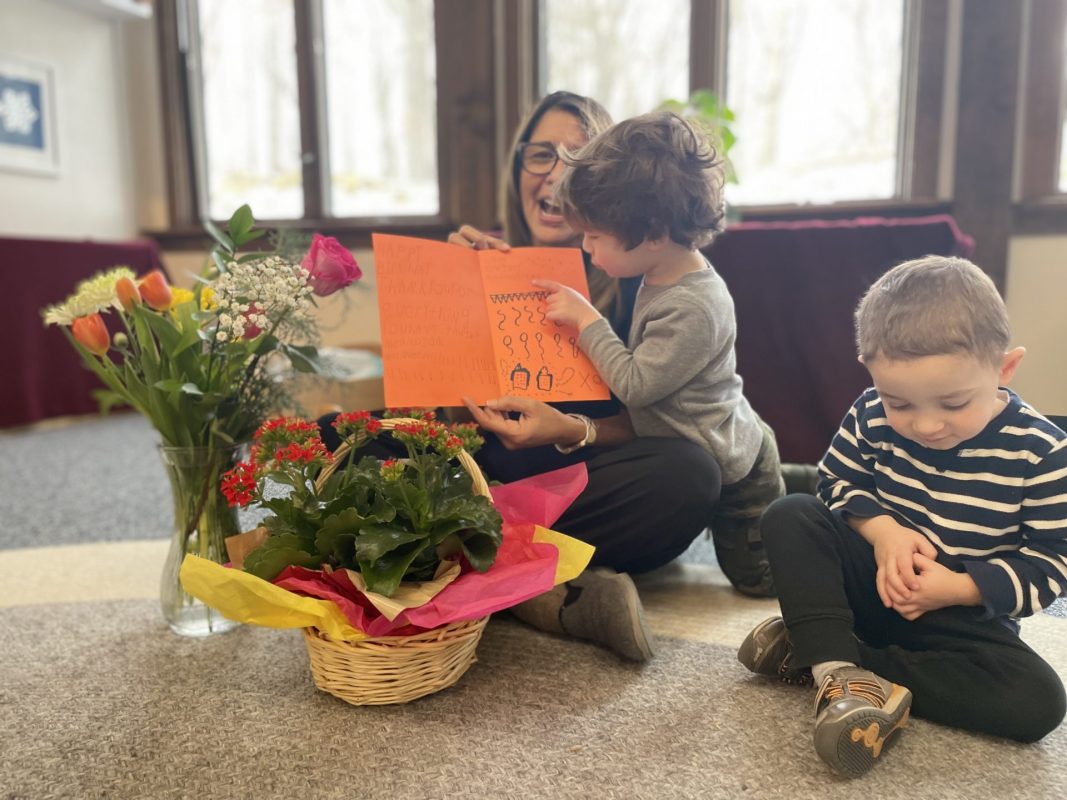
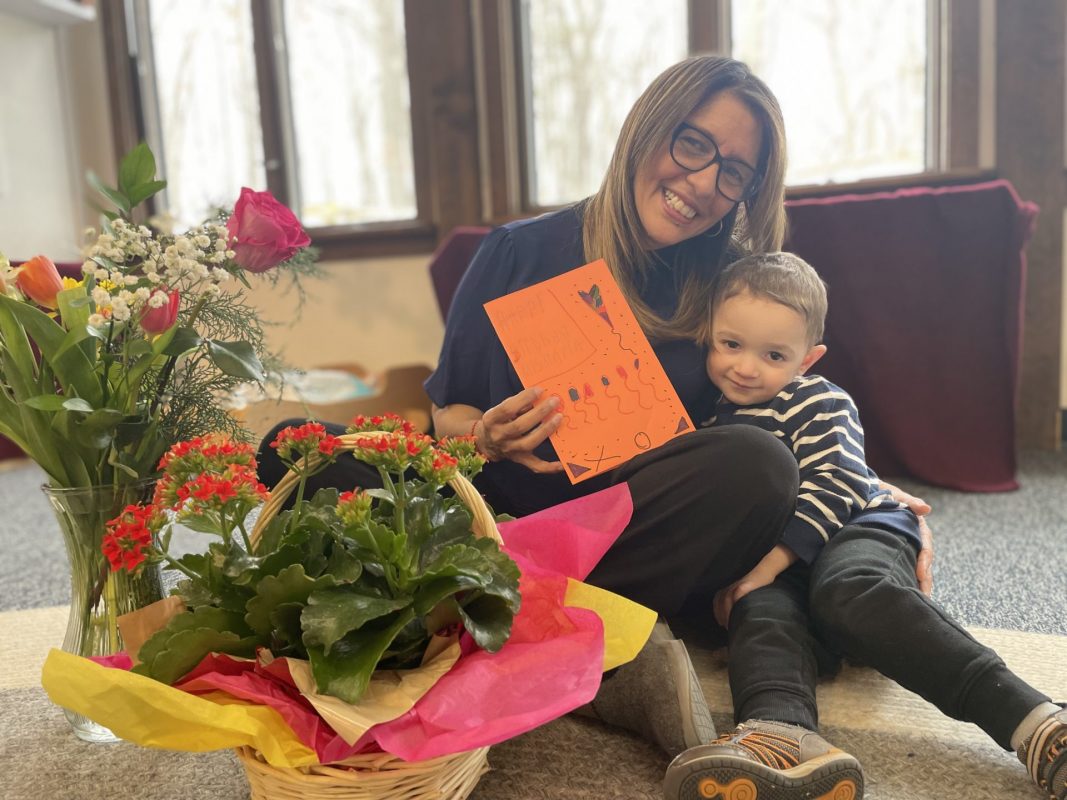
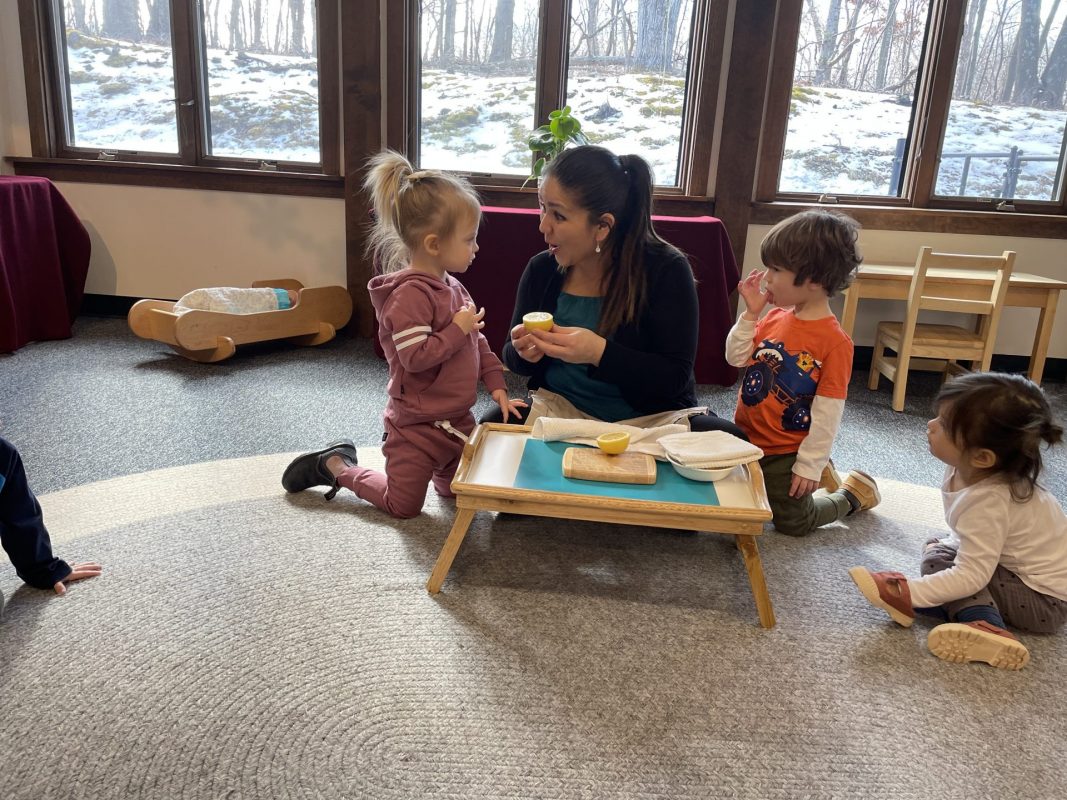
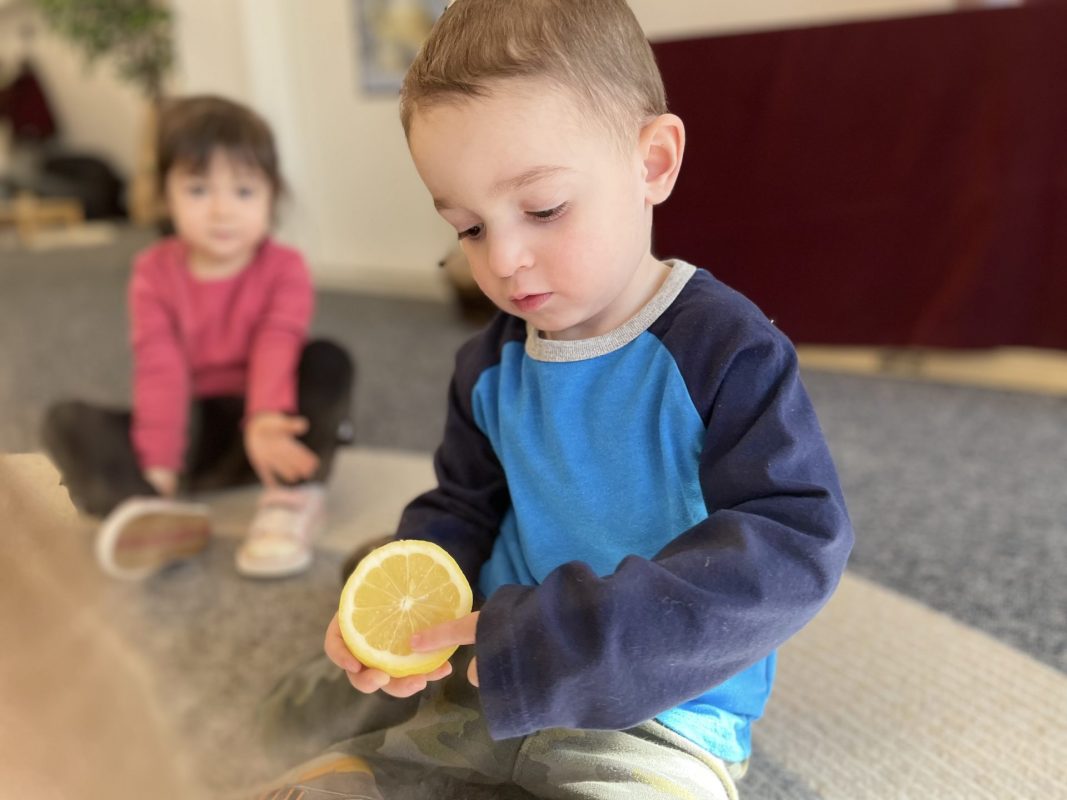
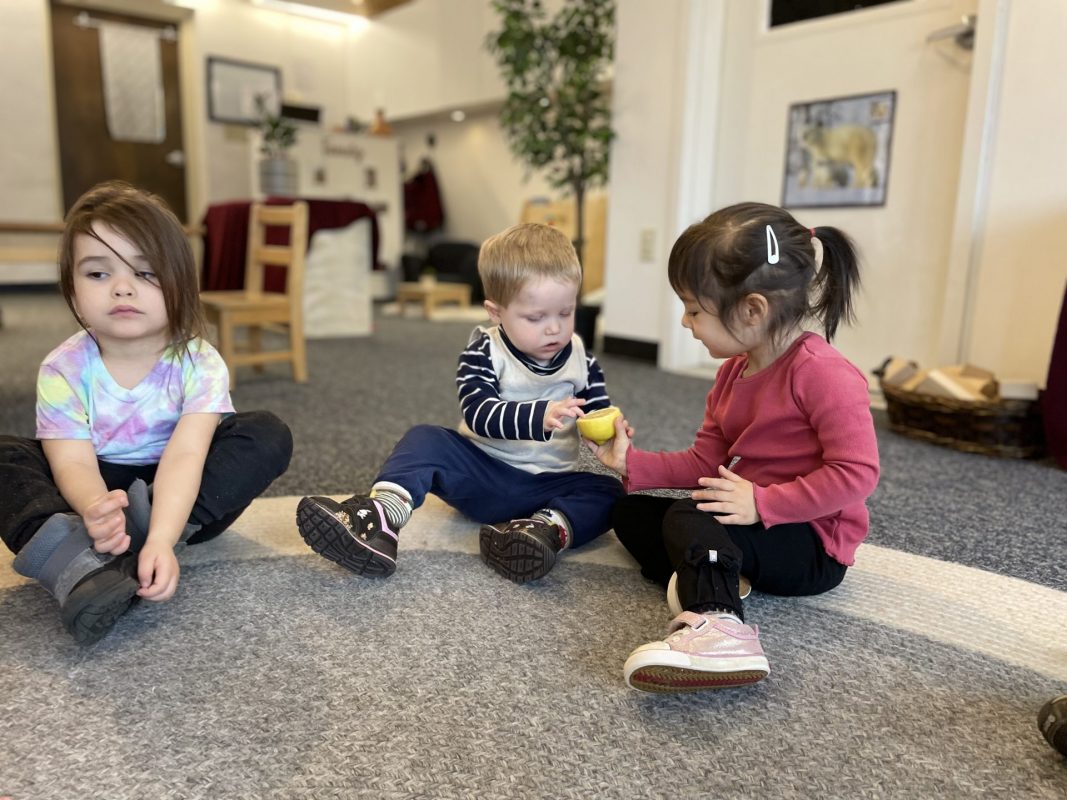
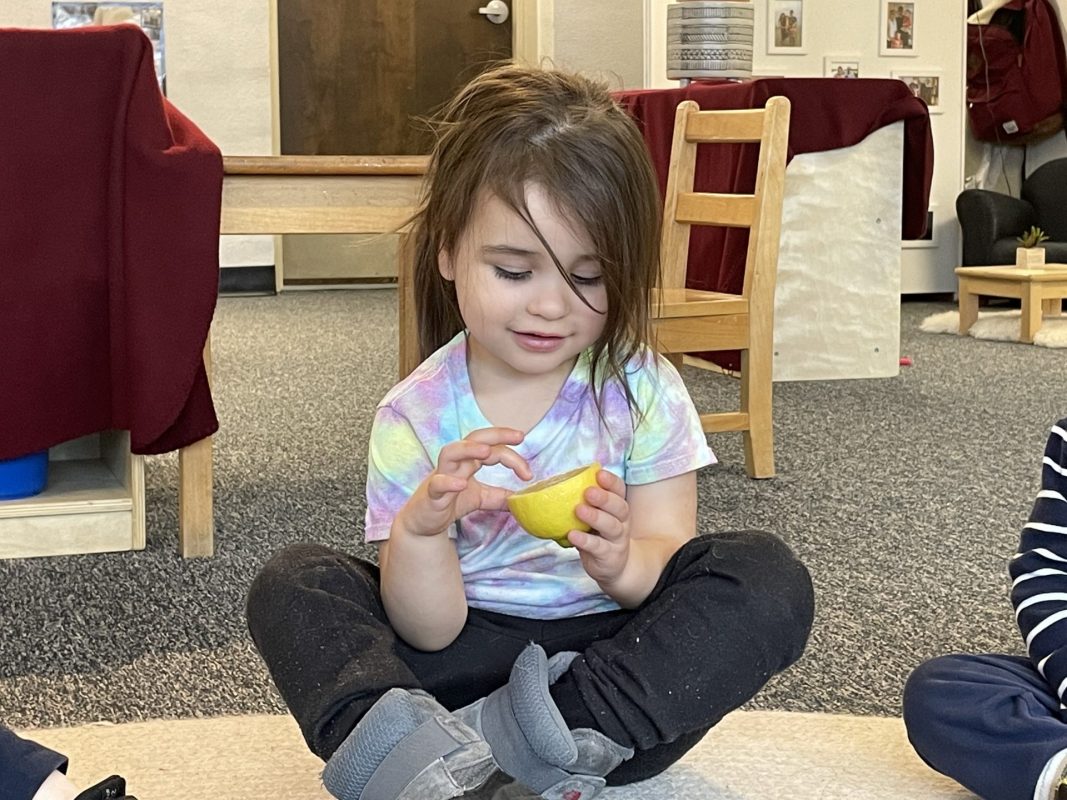
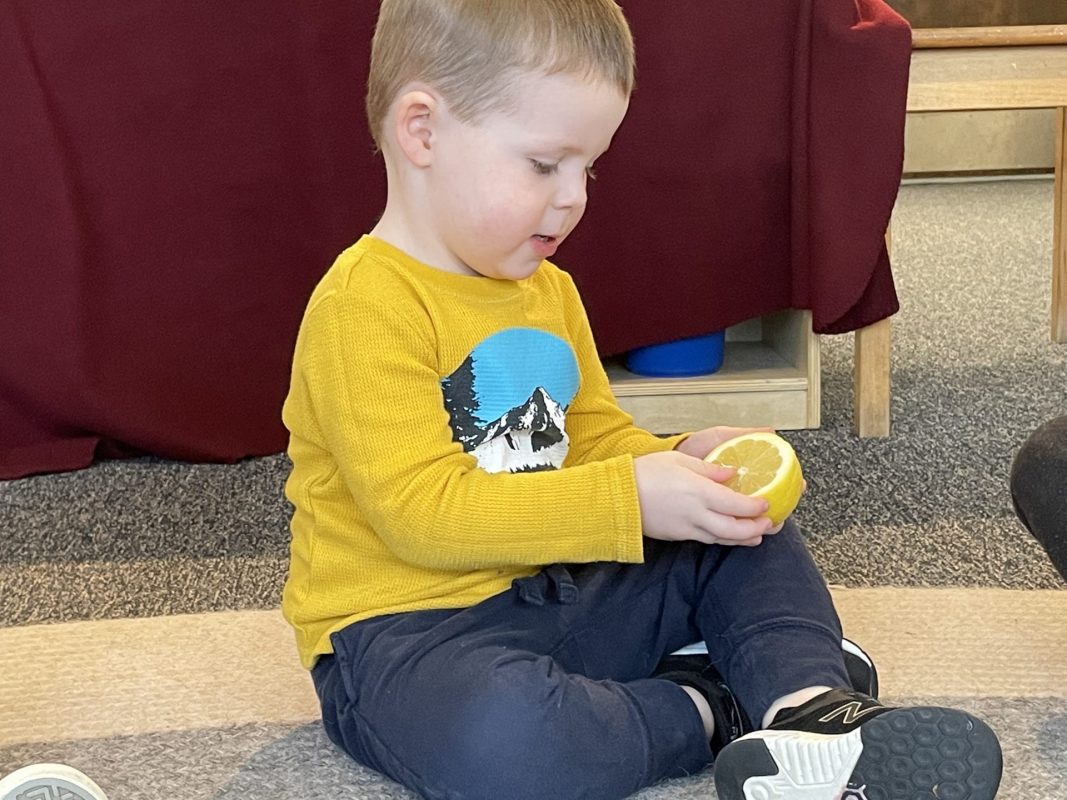
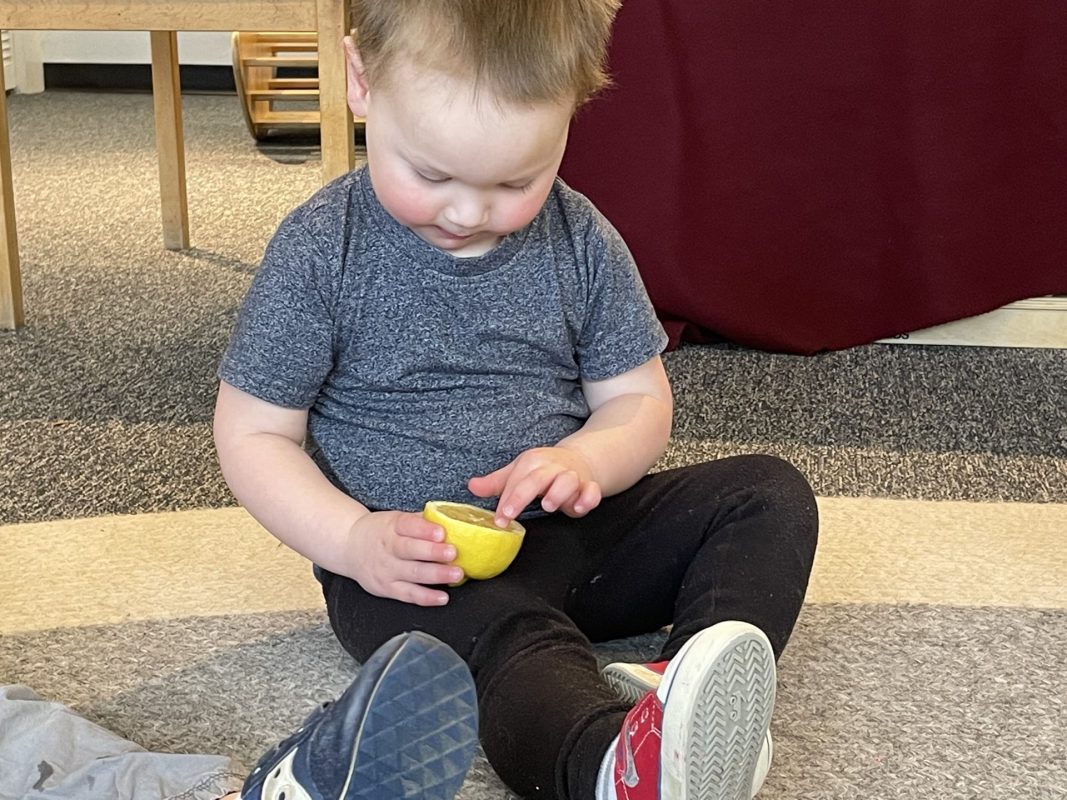
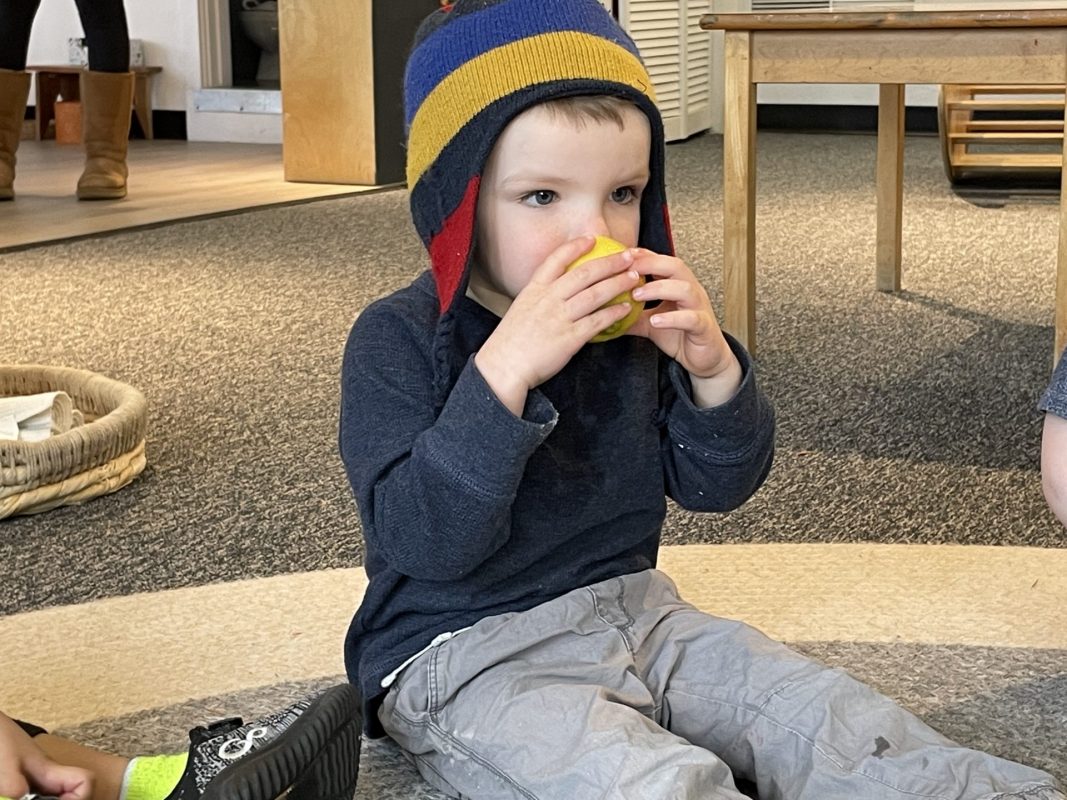
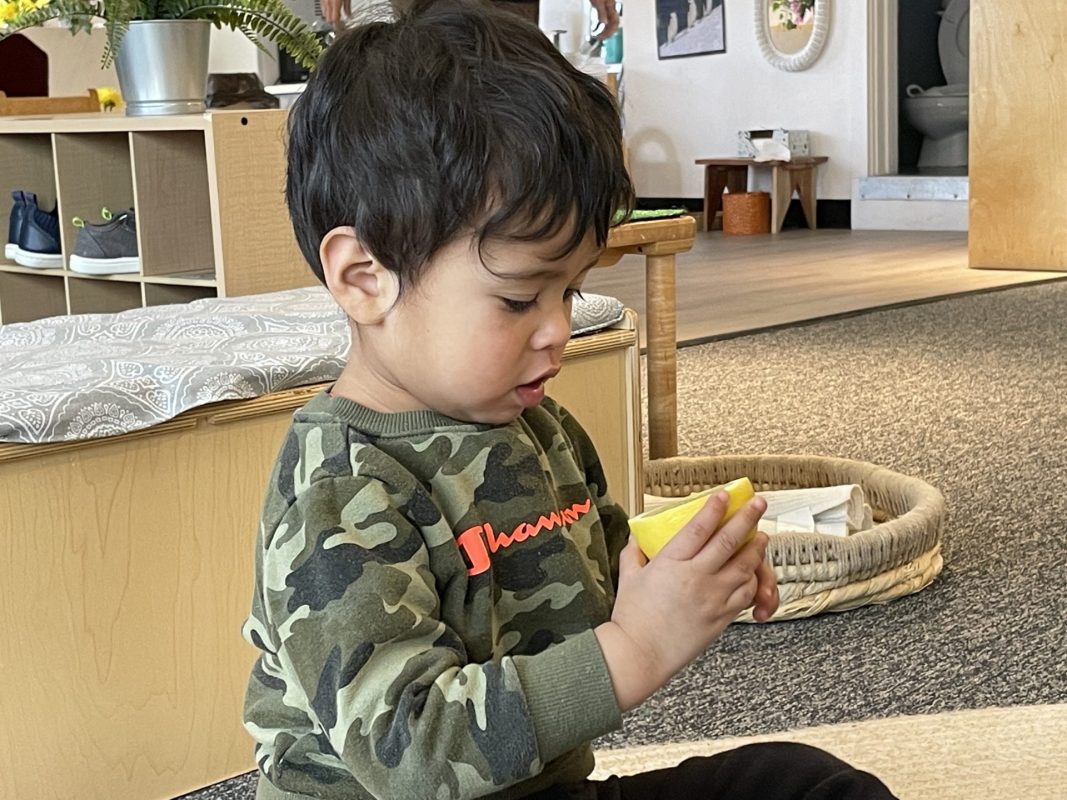
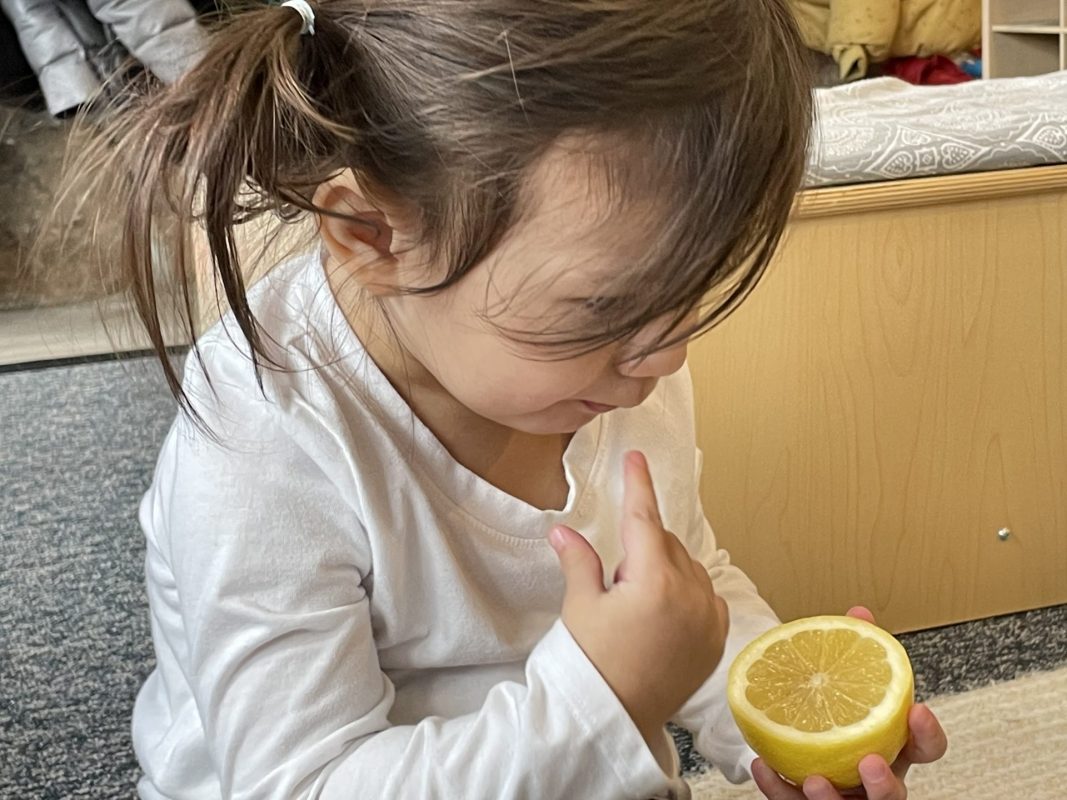
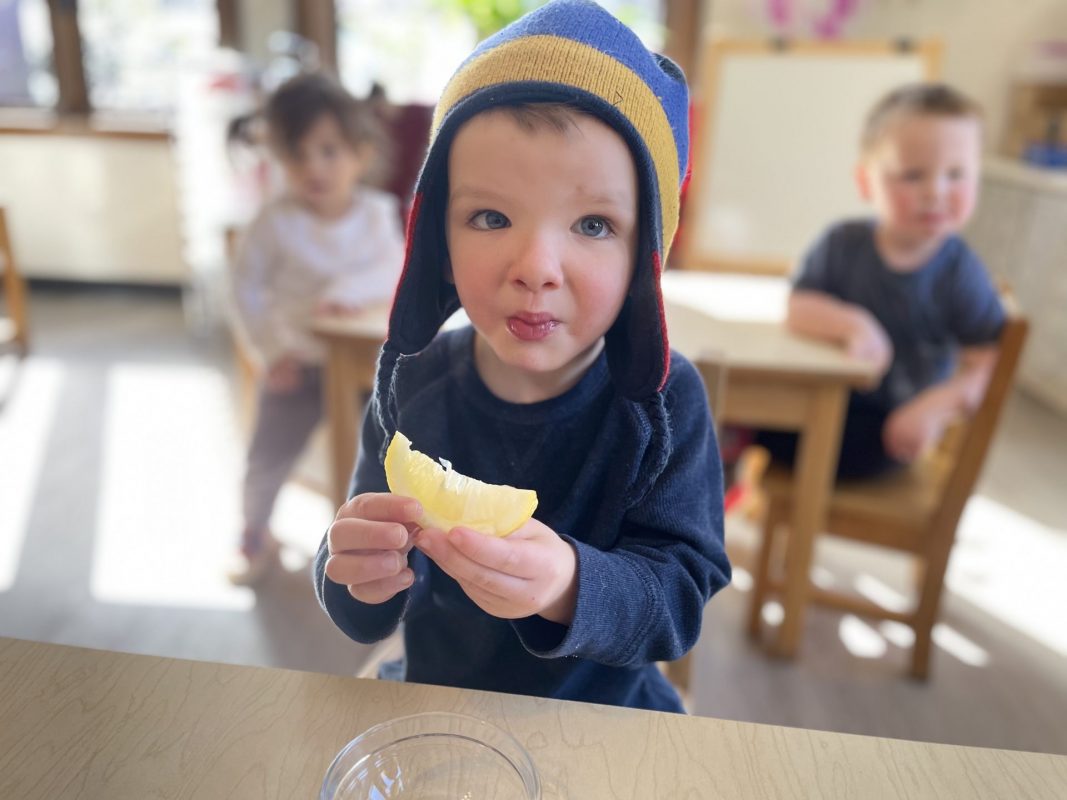
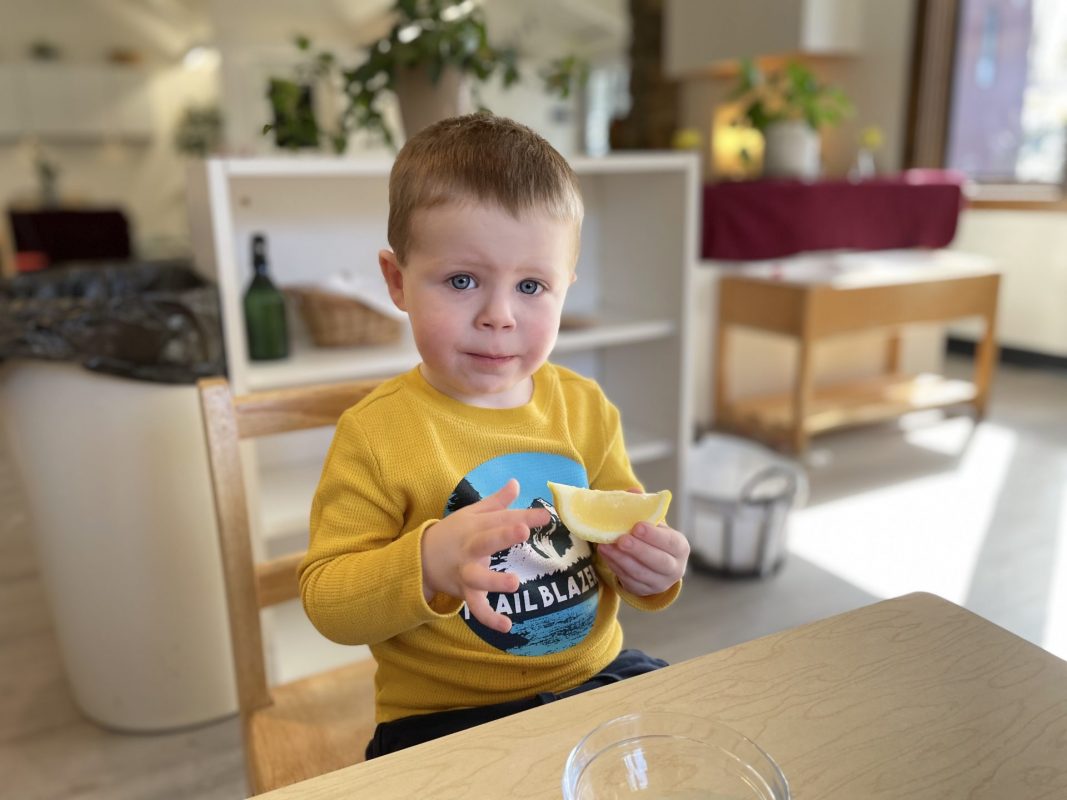
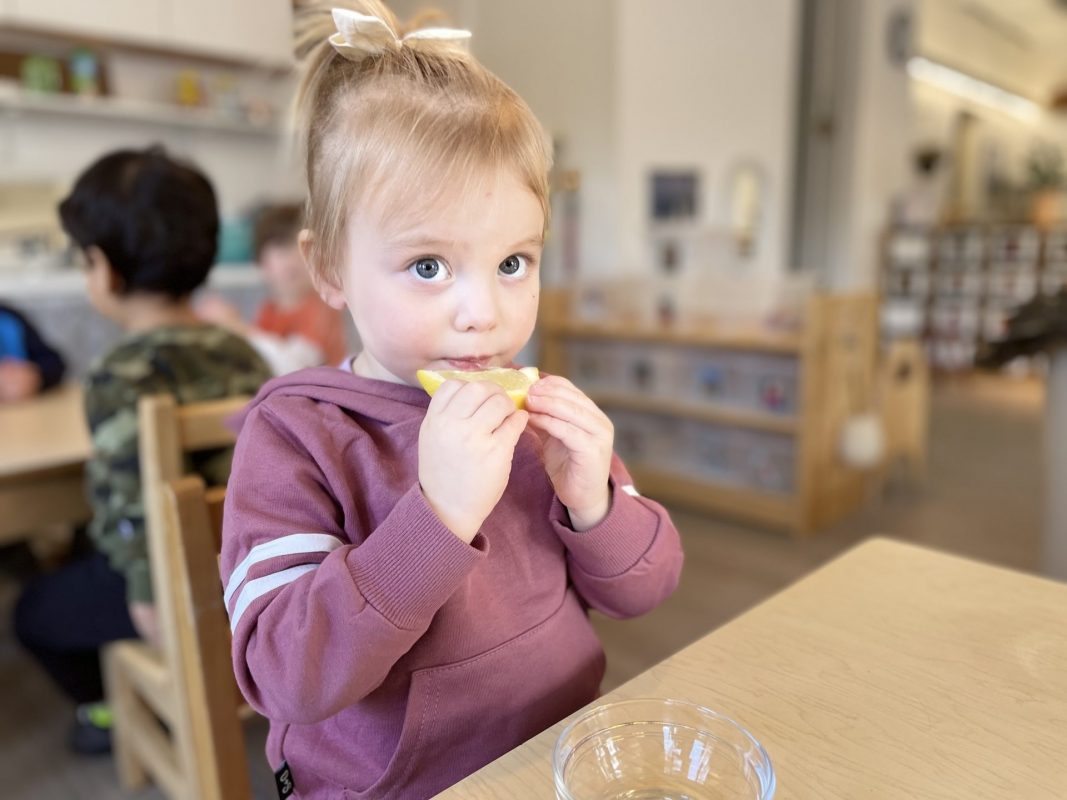
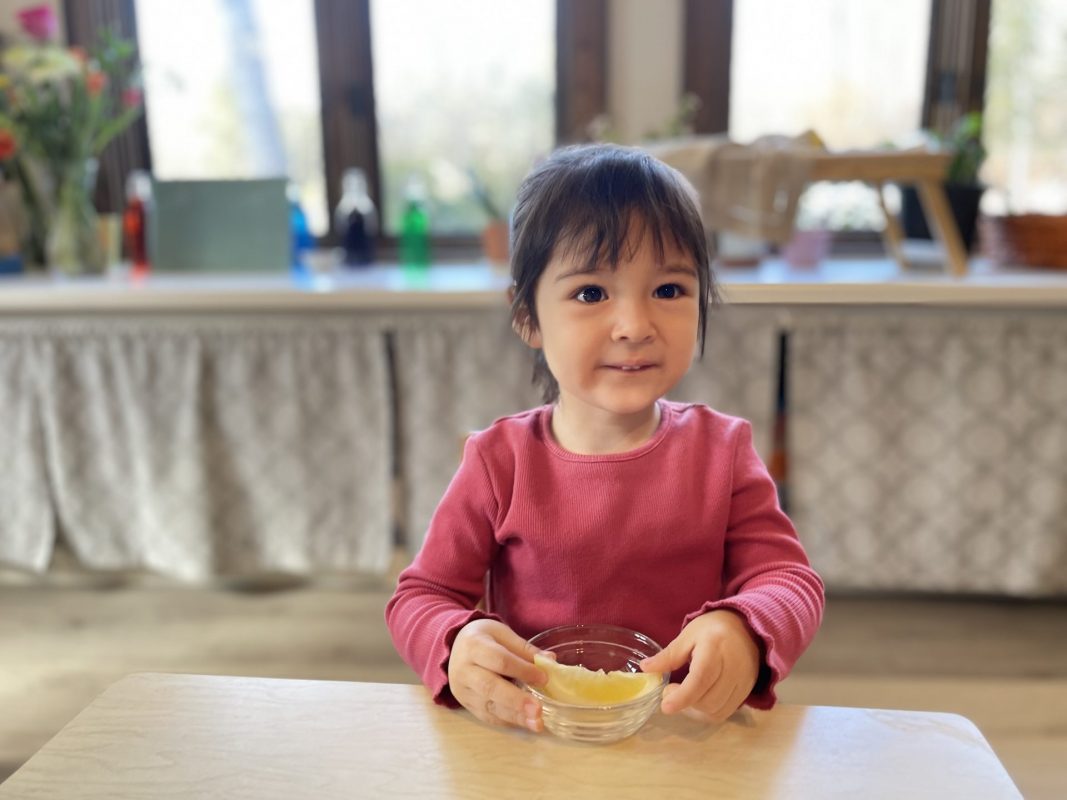
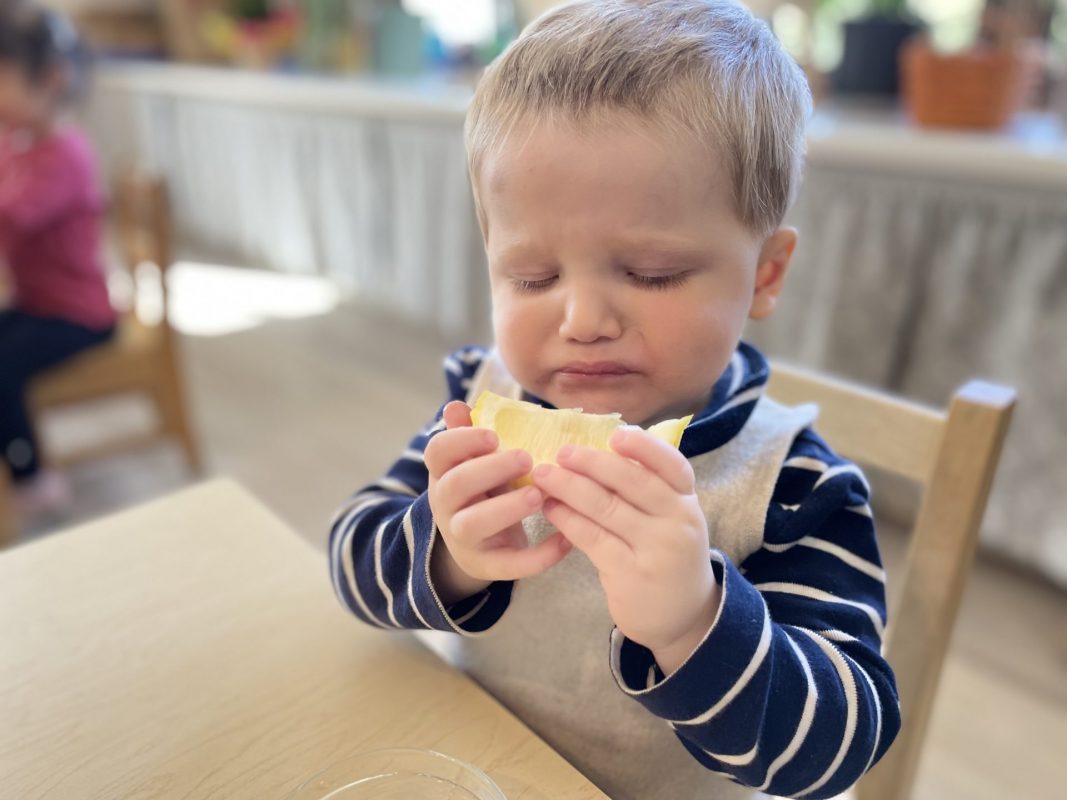
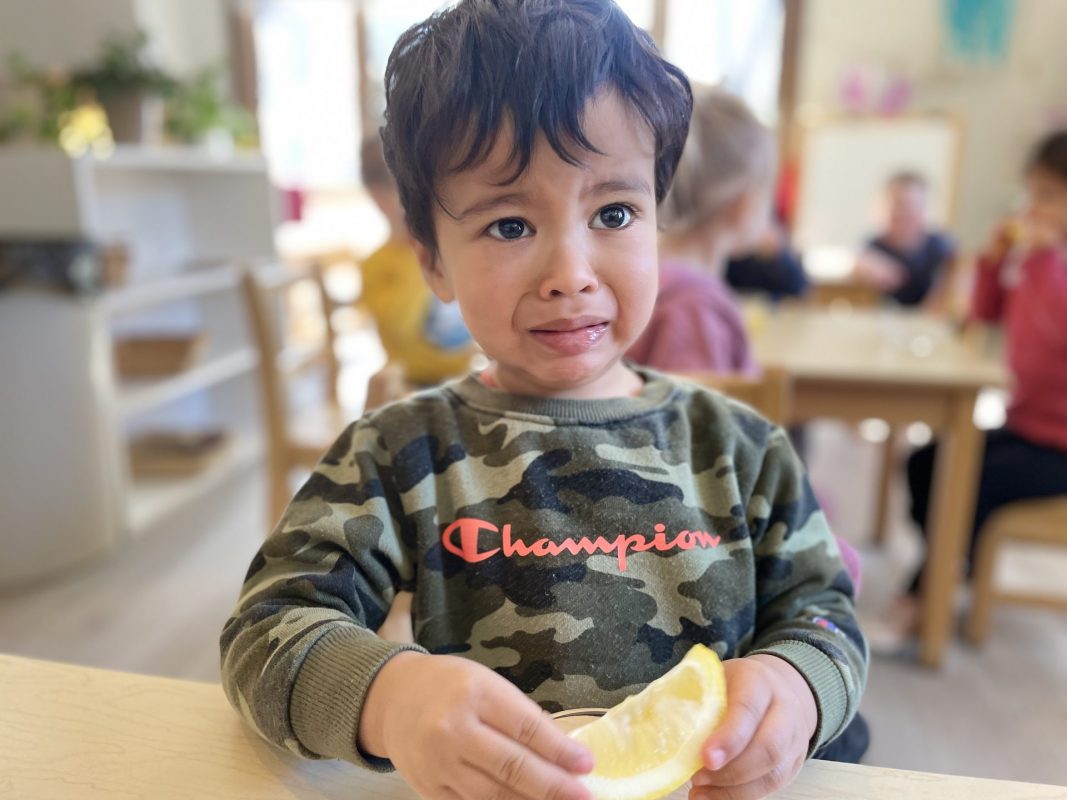
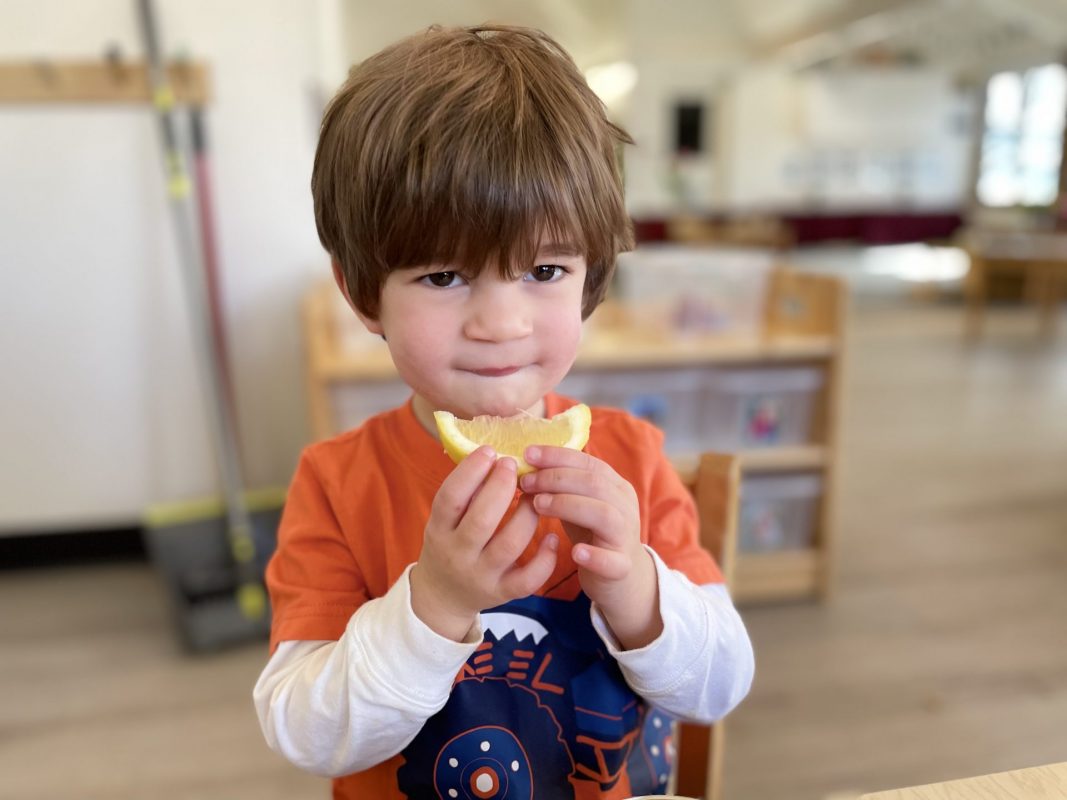
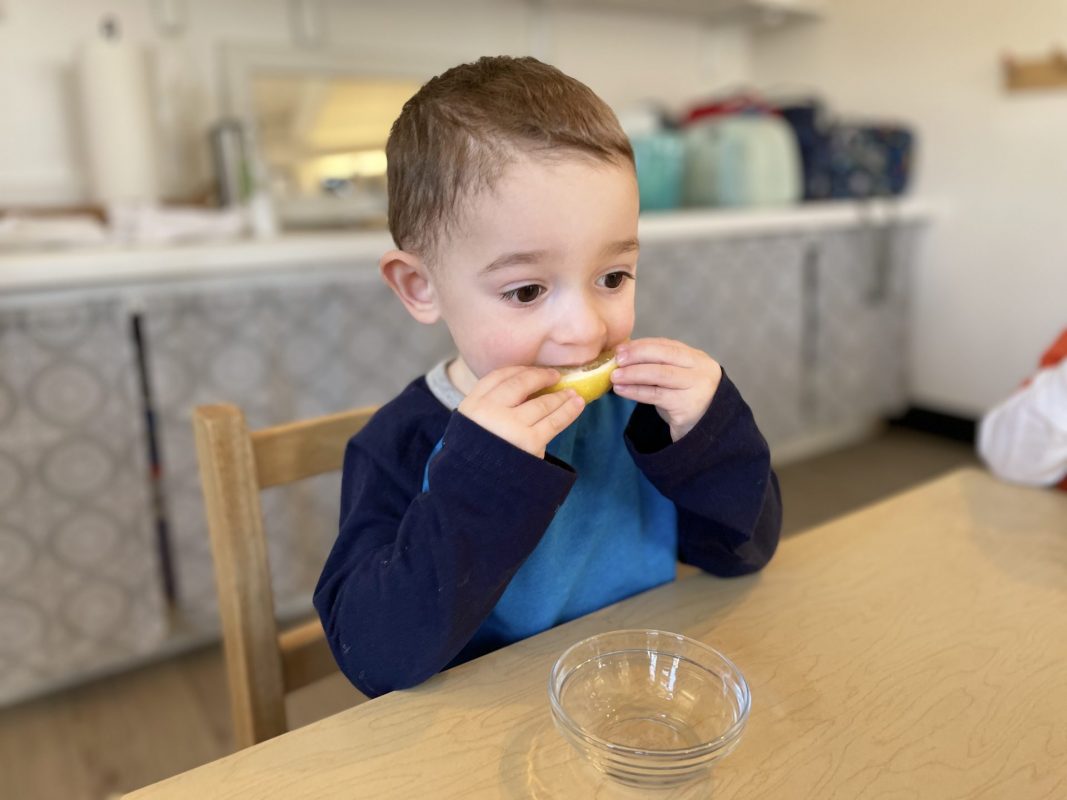
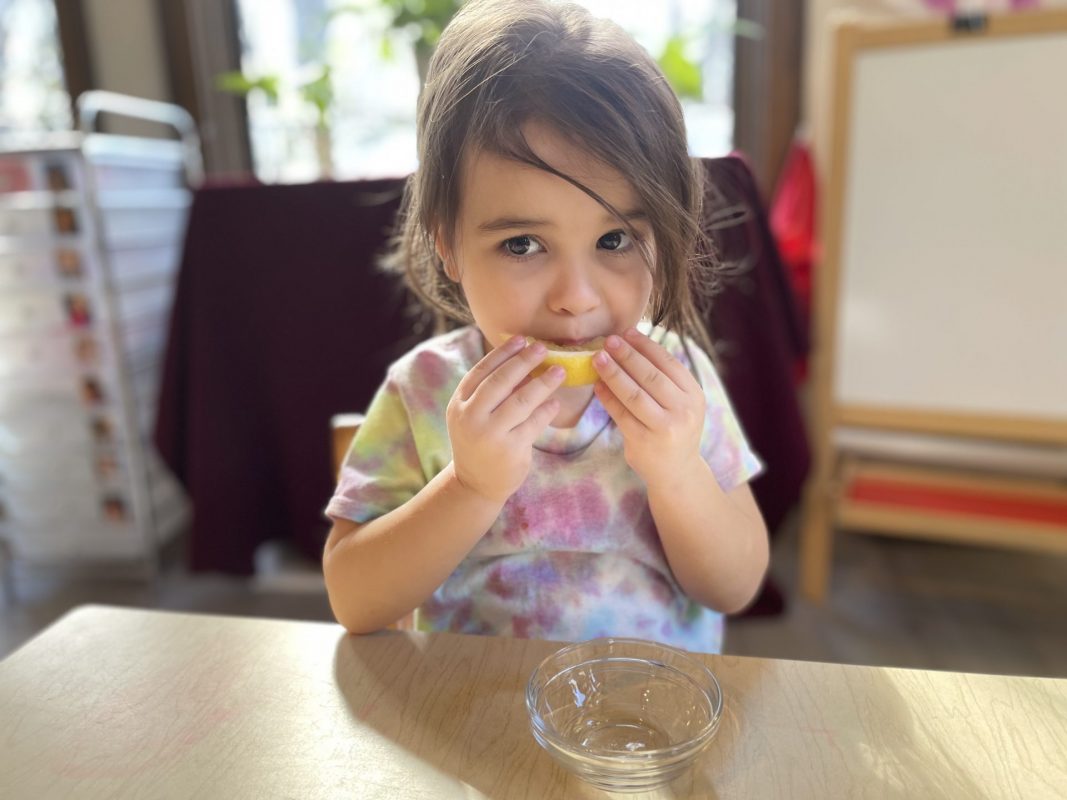
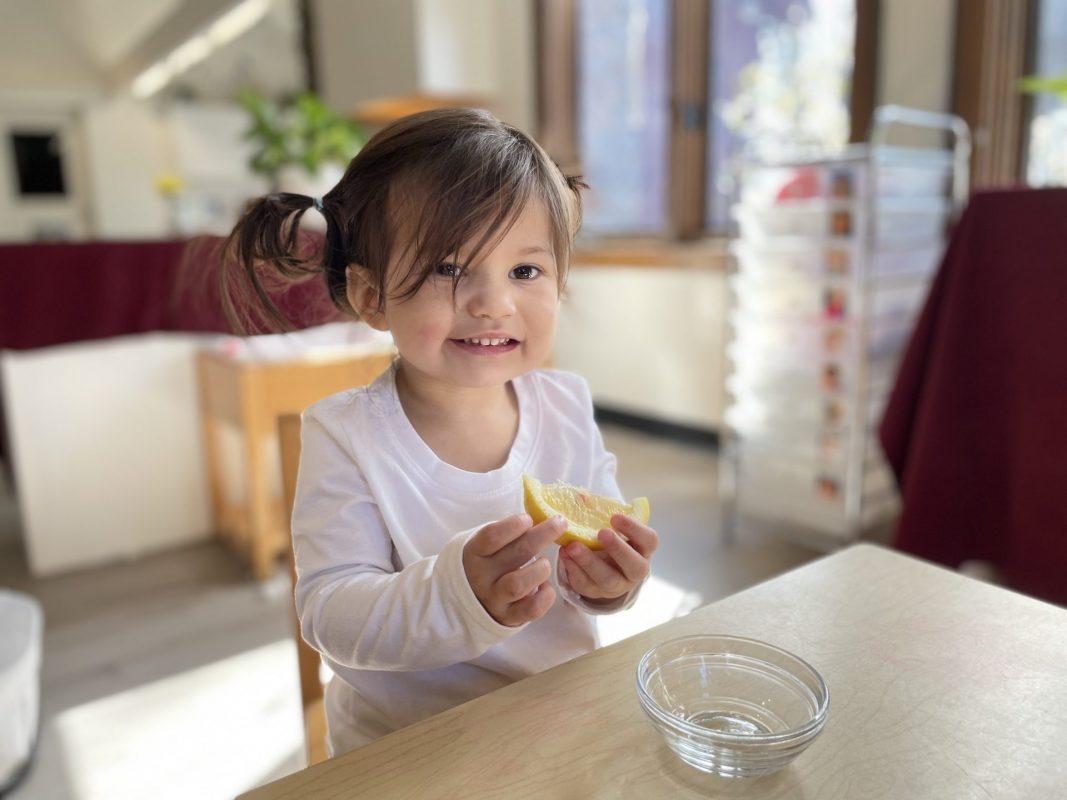
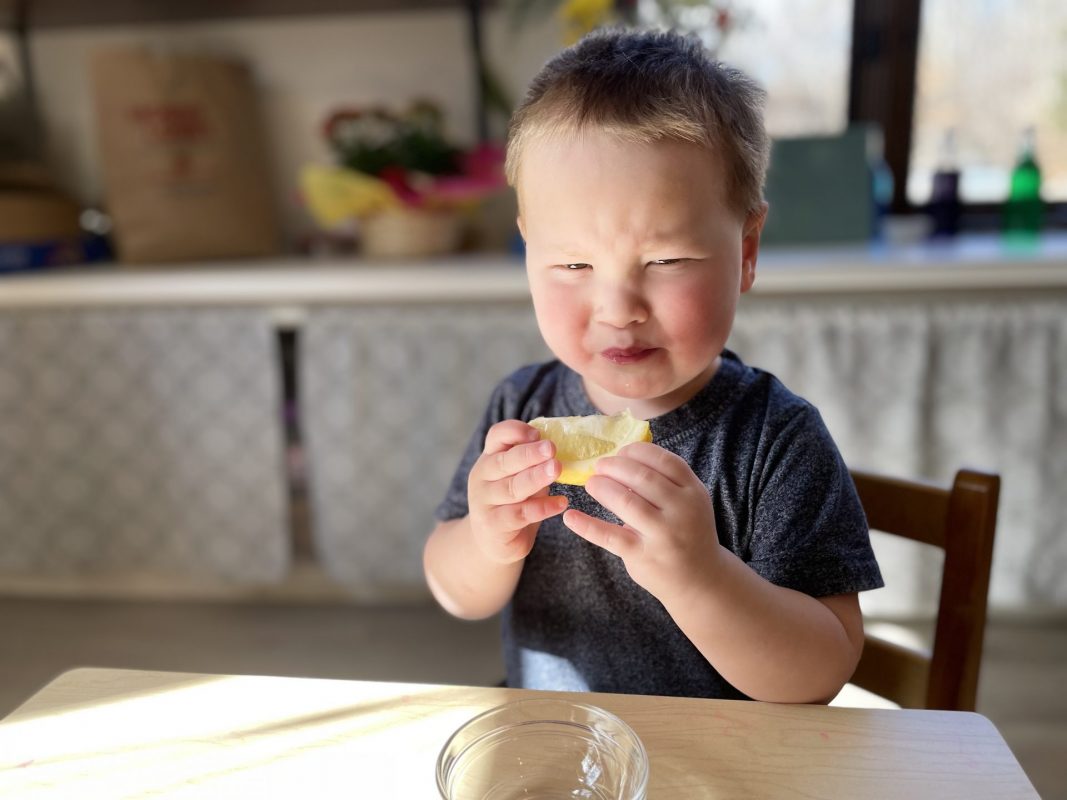
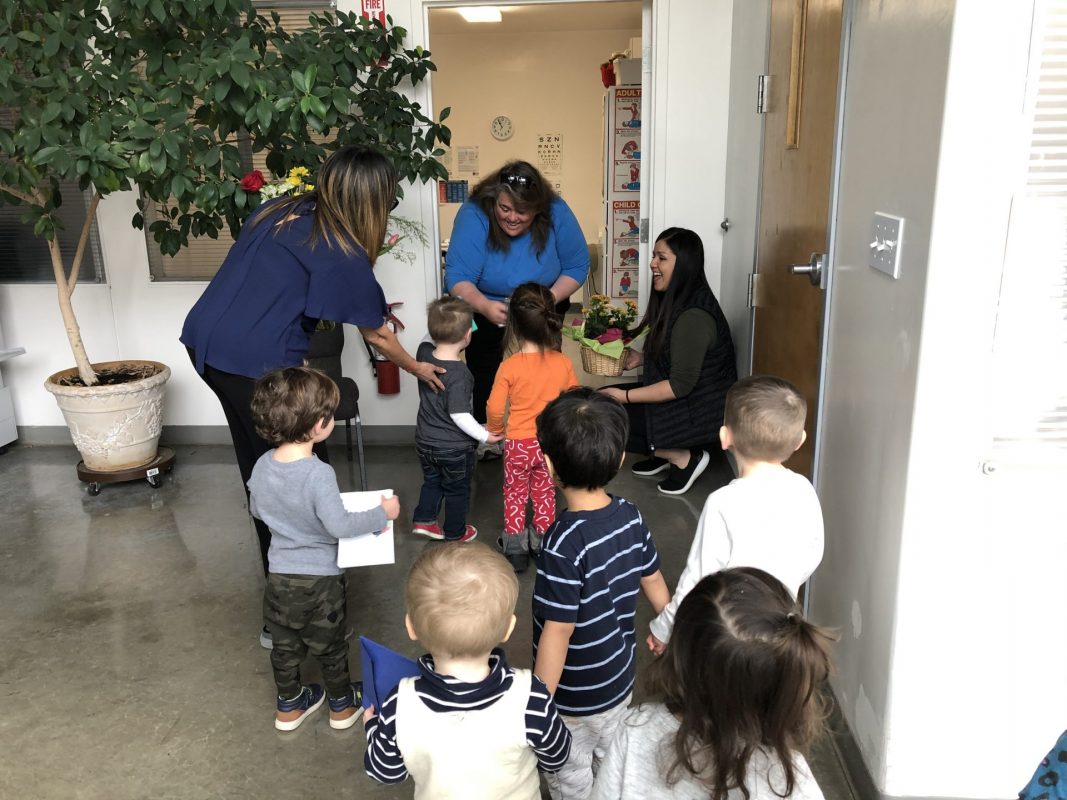
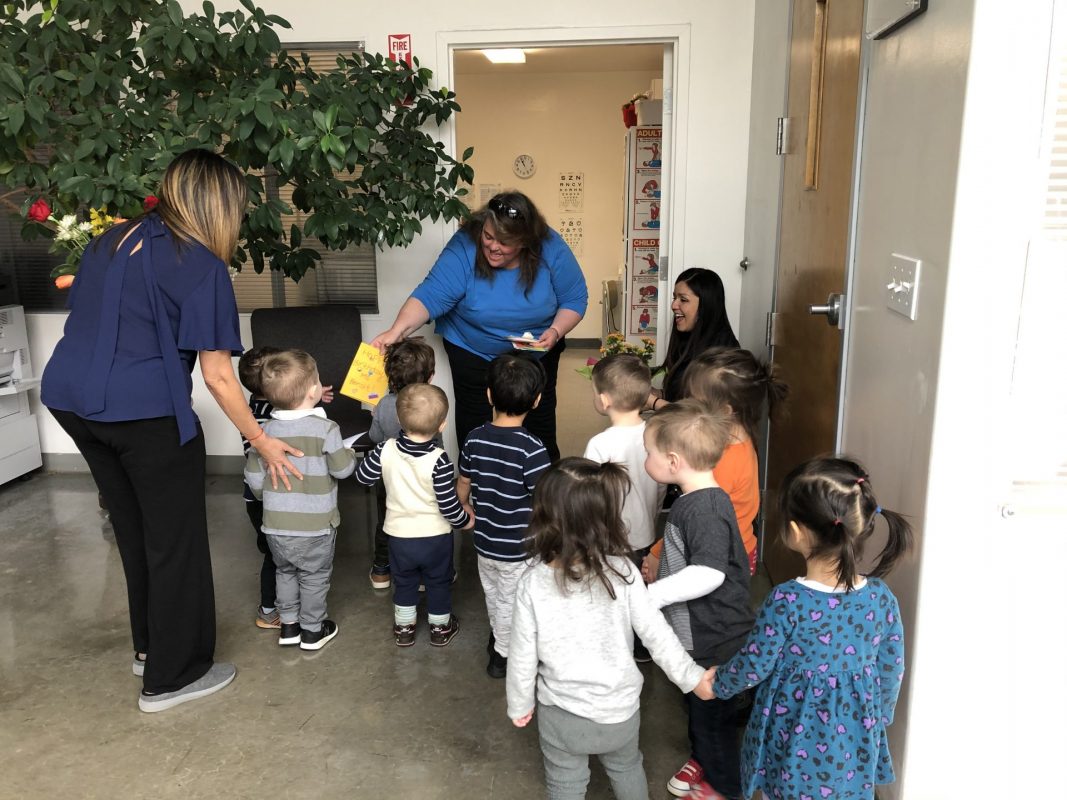
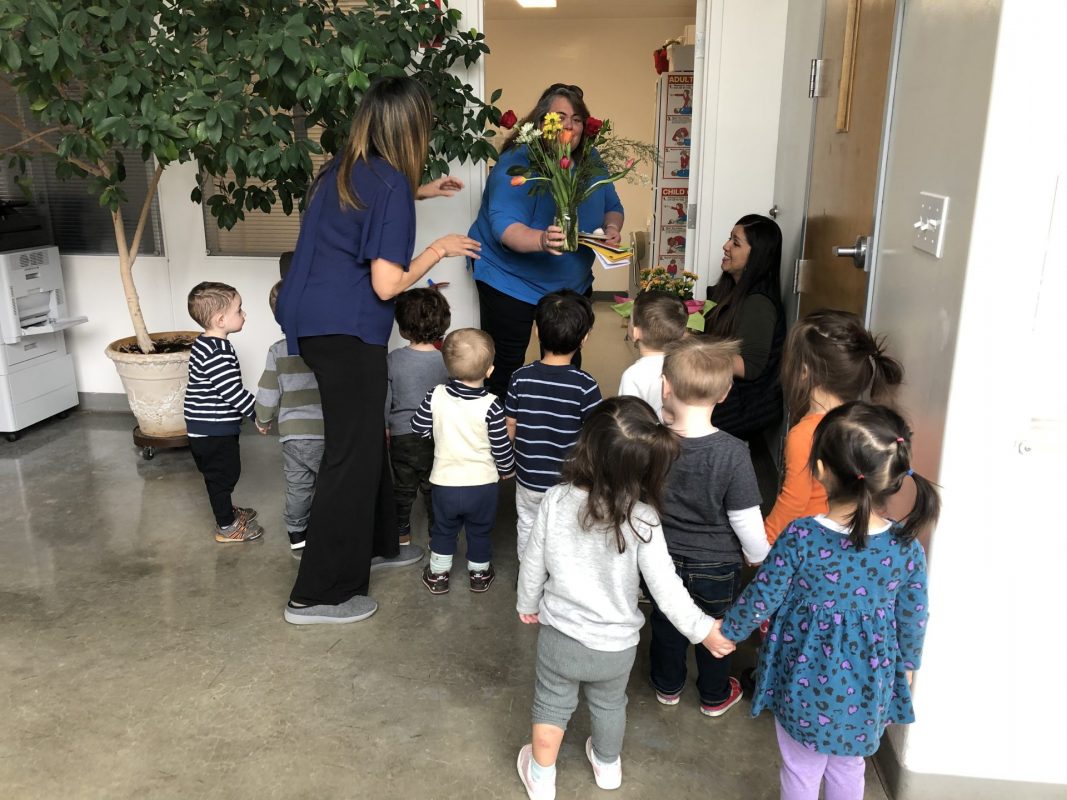
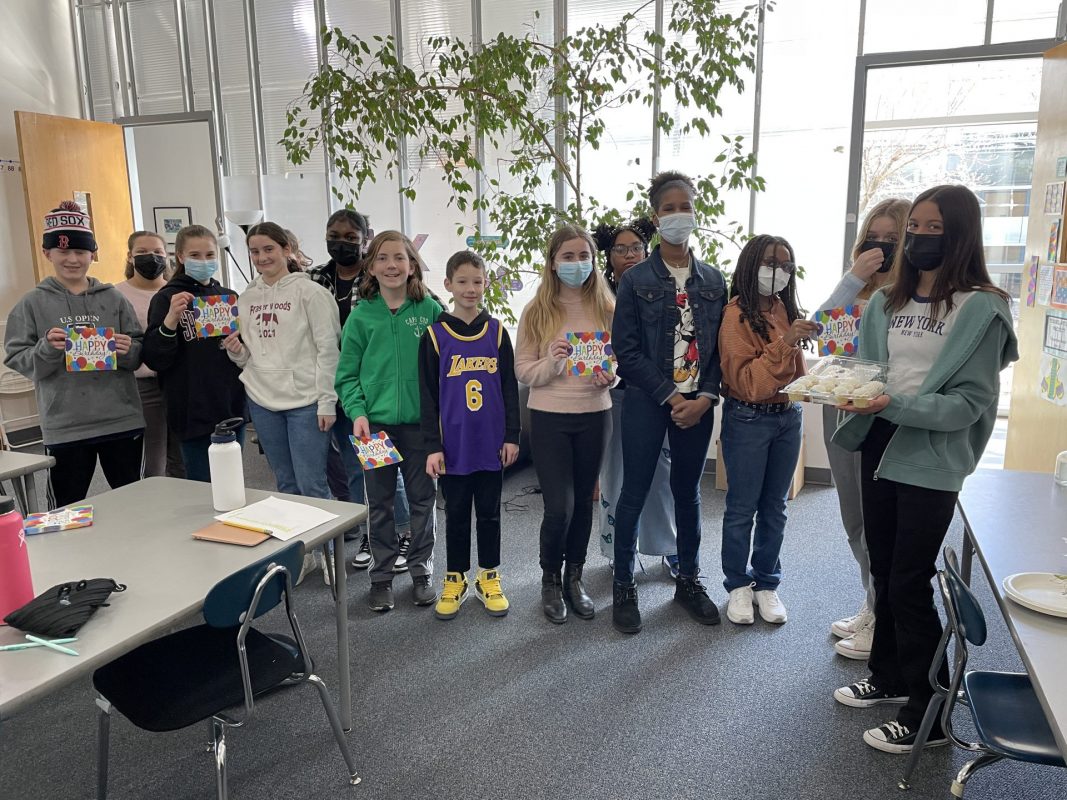
As final highlights, we welcomed a new student and her family to our class, had a blast celebrating wonderful Ms. Maria and we got to surprise our nurse, Mrs. Benoit!  For food tasting we explored Lemons and oh boy! It was fun! Children learned a new word and after tasting the lemon they couldn’t stop saying it: SOUR!

Enjoy the weekend,

Mrs. Hood and Mrs. Maria


Mrs. Semmah: Read Across America Day


Wednesday, March 2, 2022 is Read Across America Day!  It is also Dr. Seus
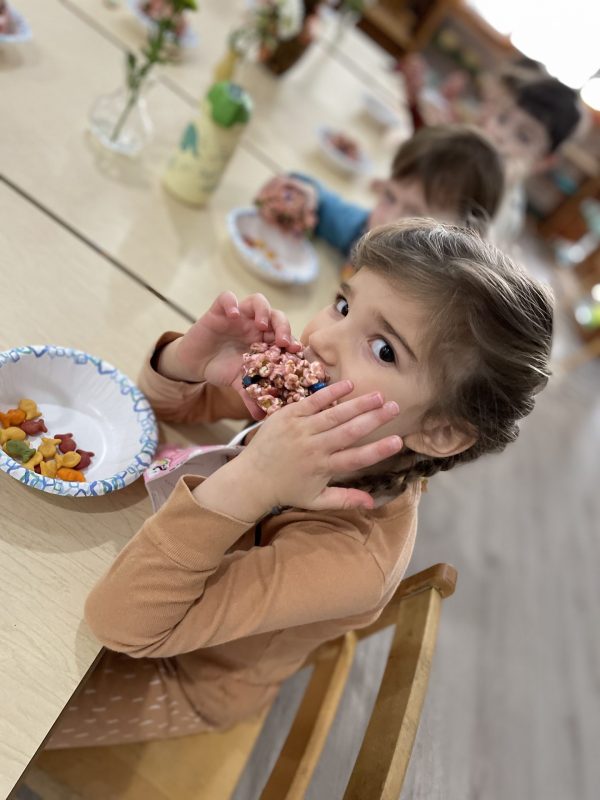
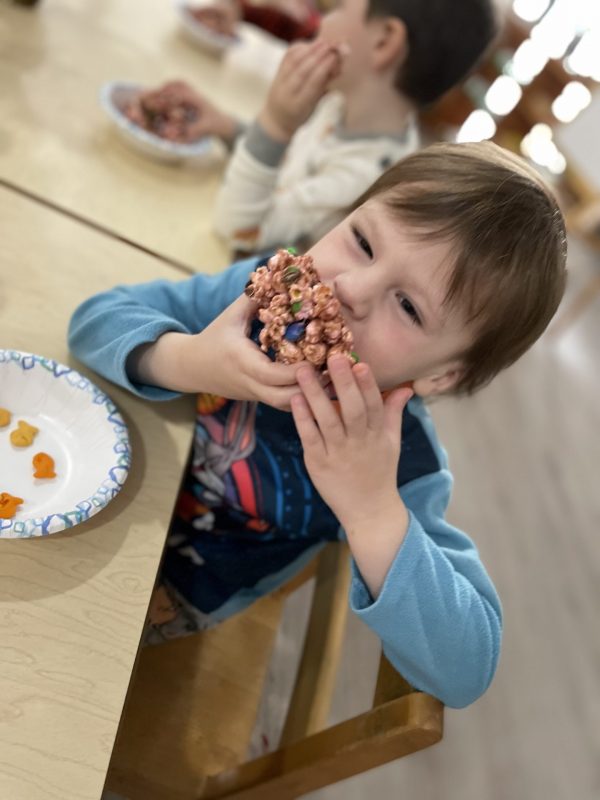
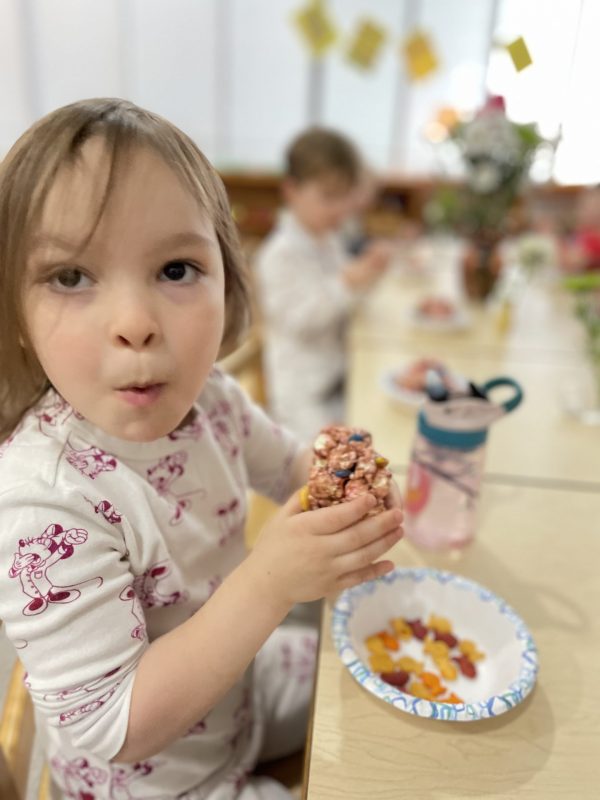
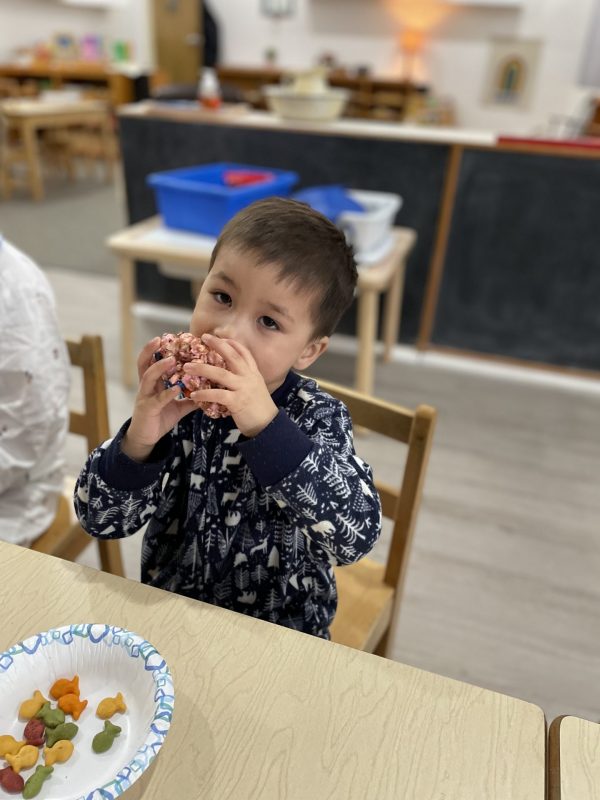
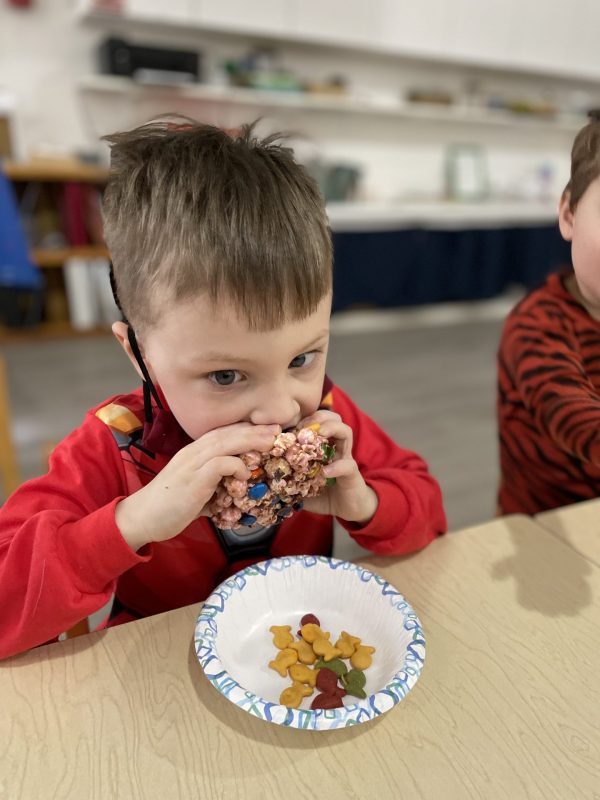
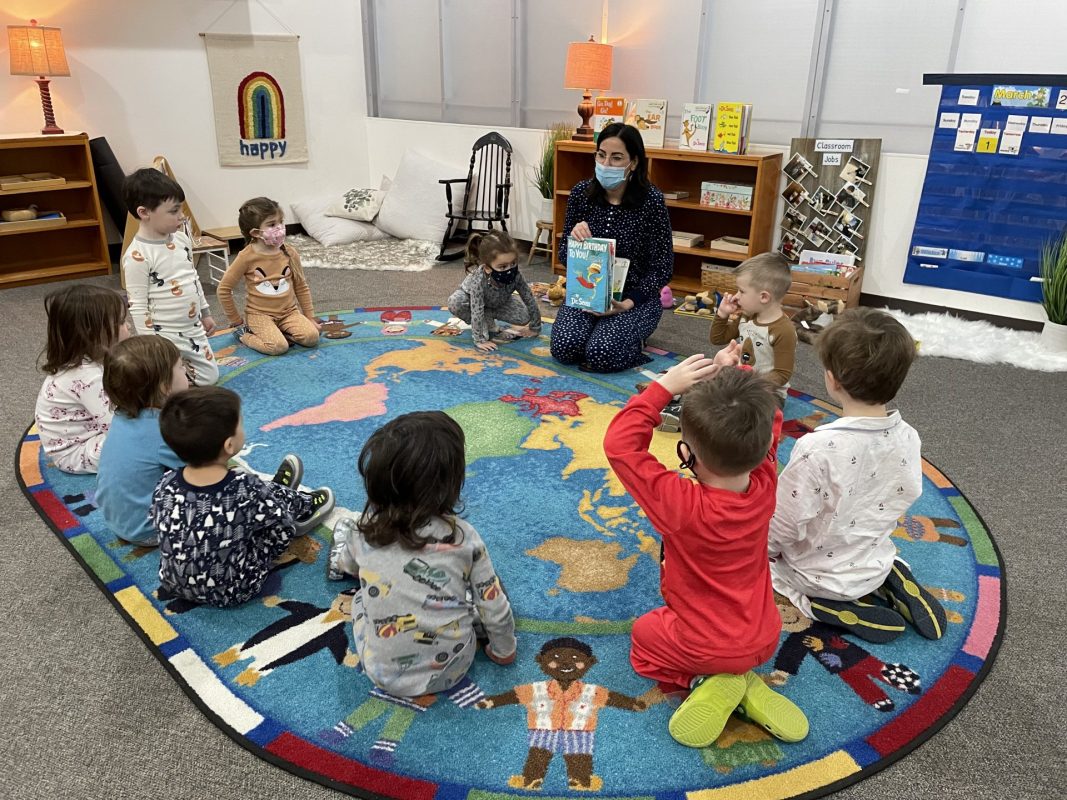
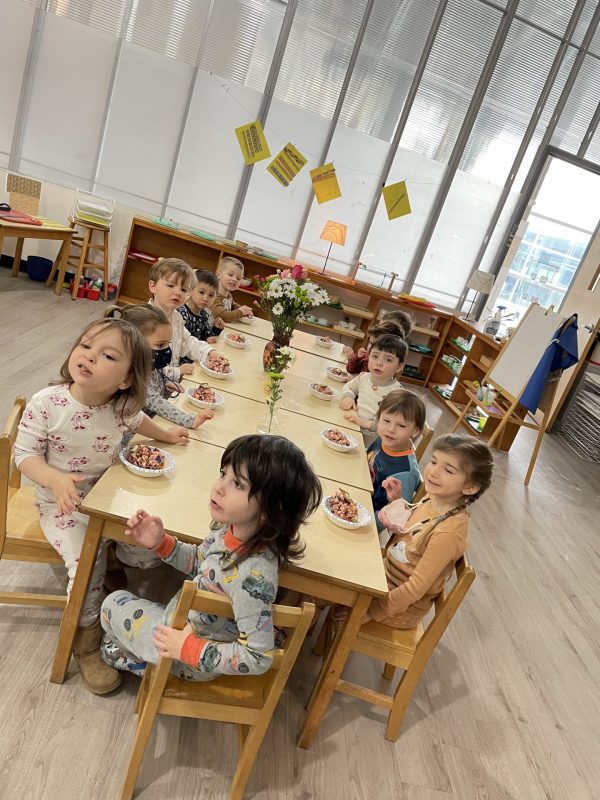
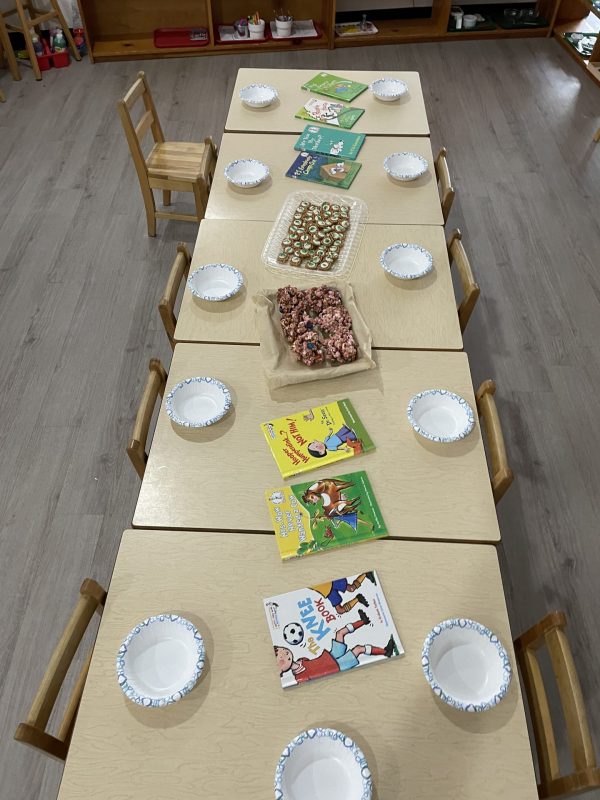
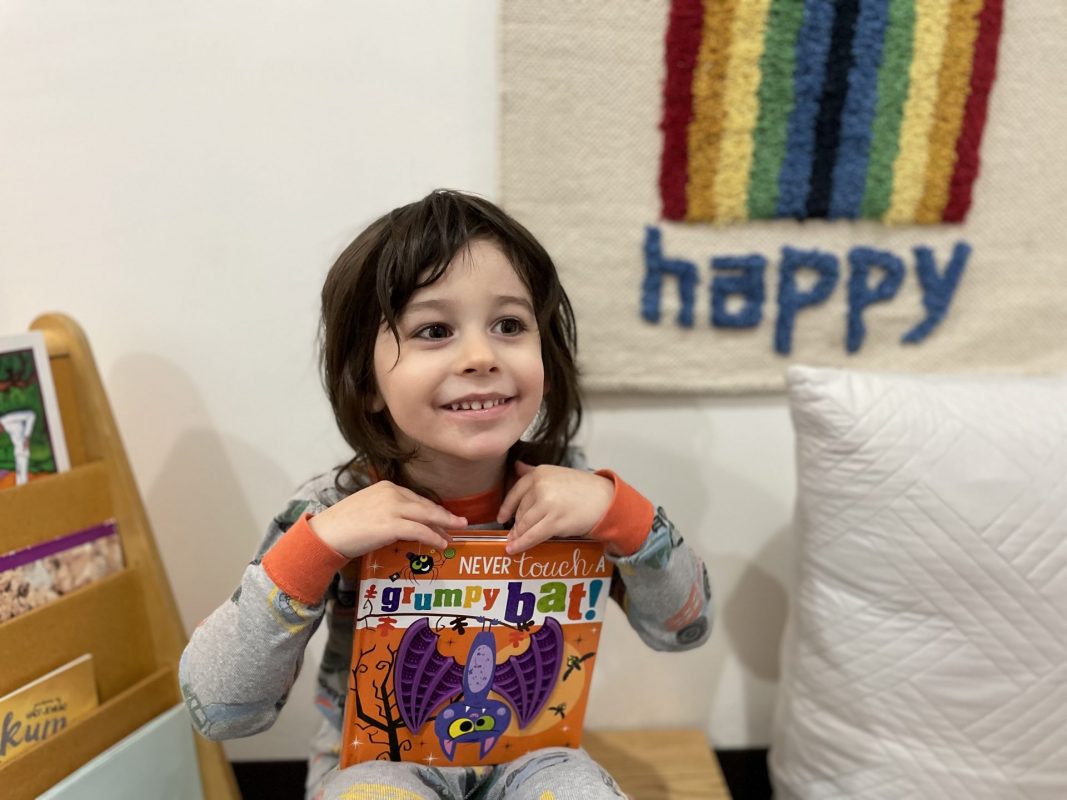
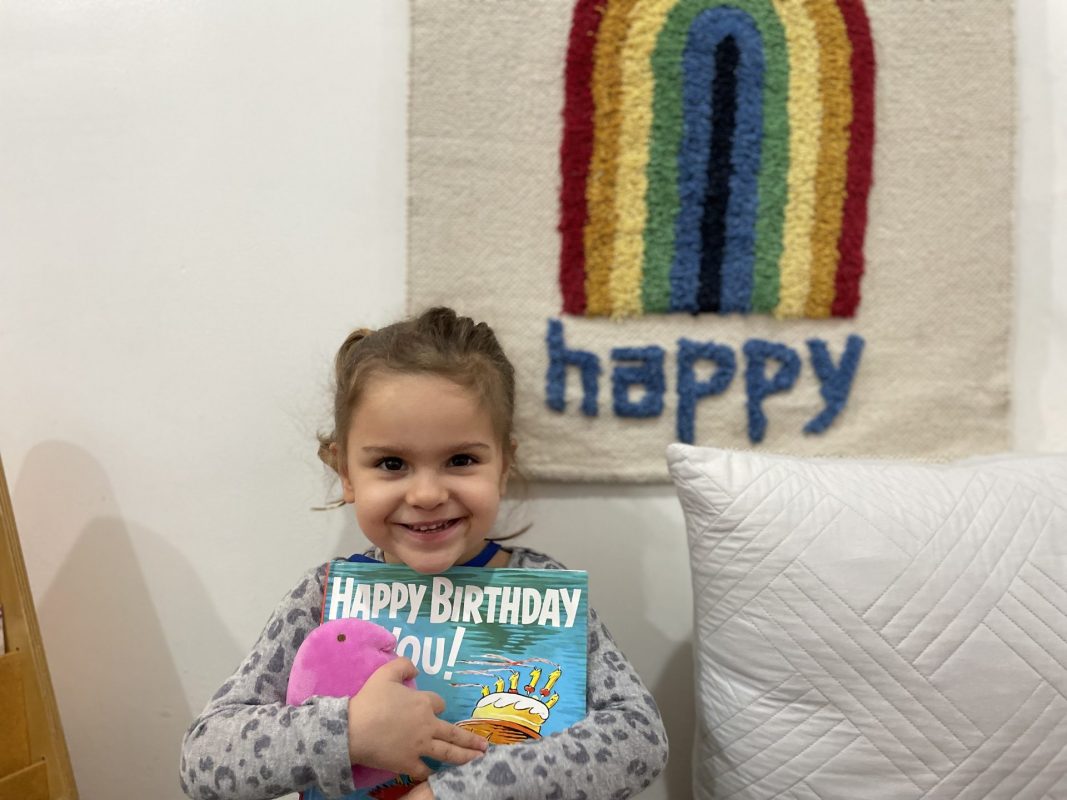
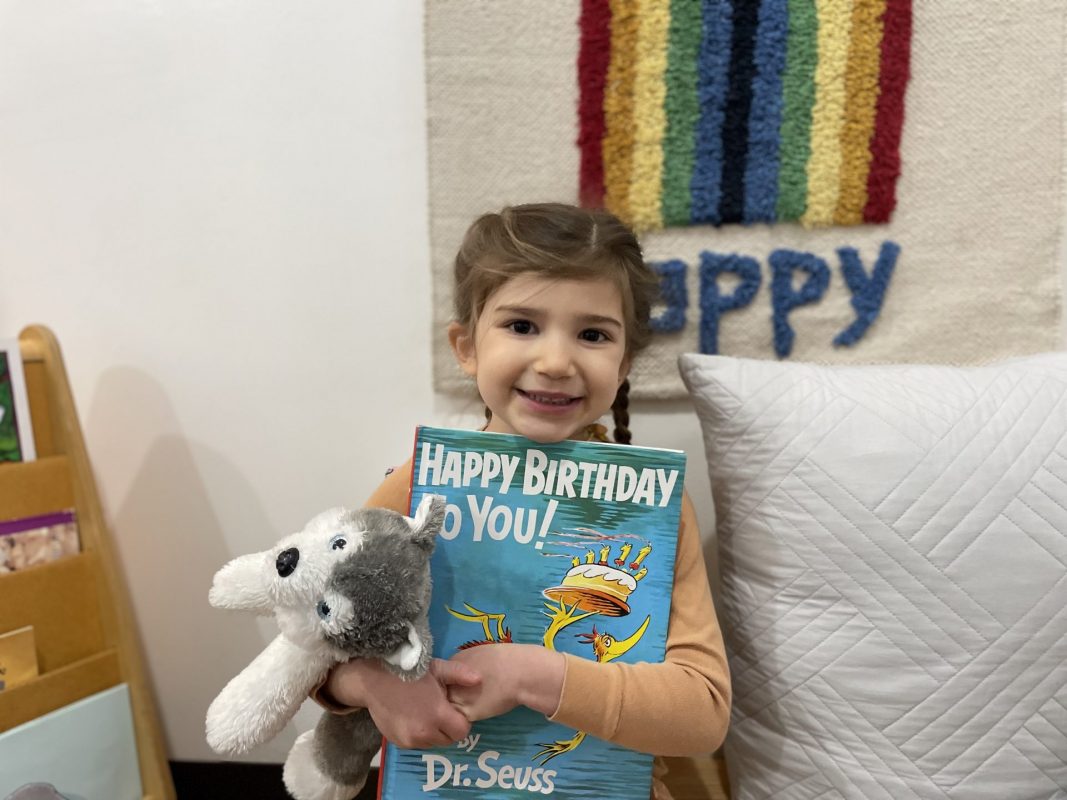
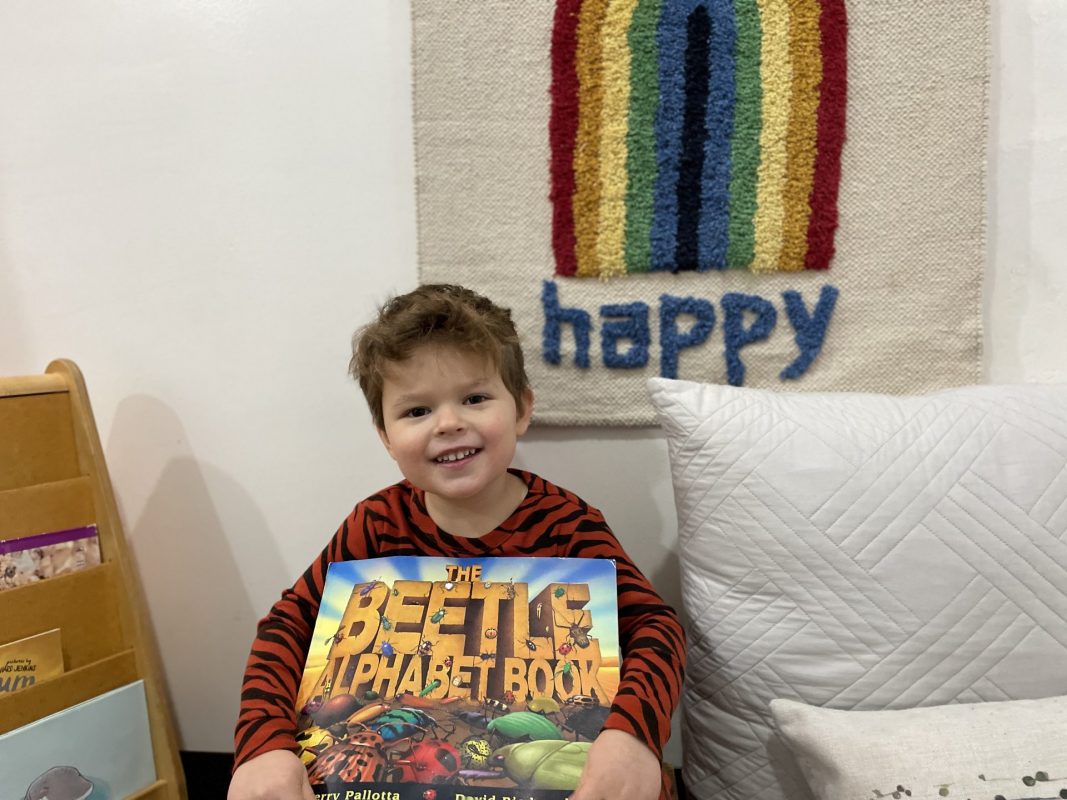
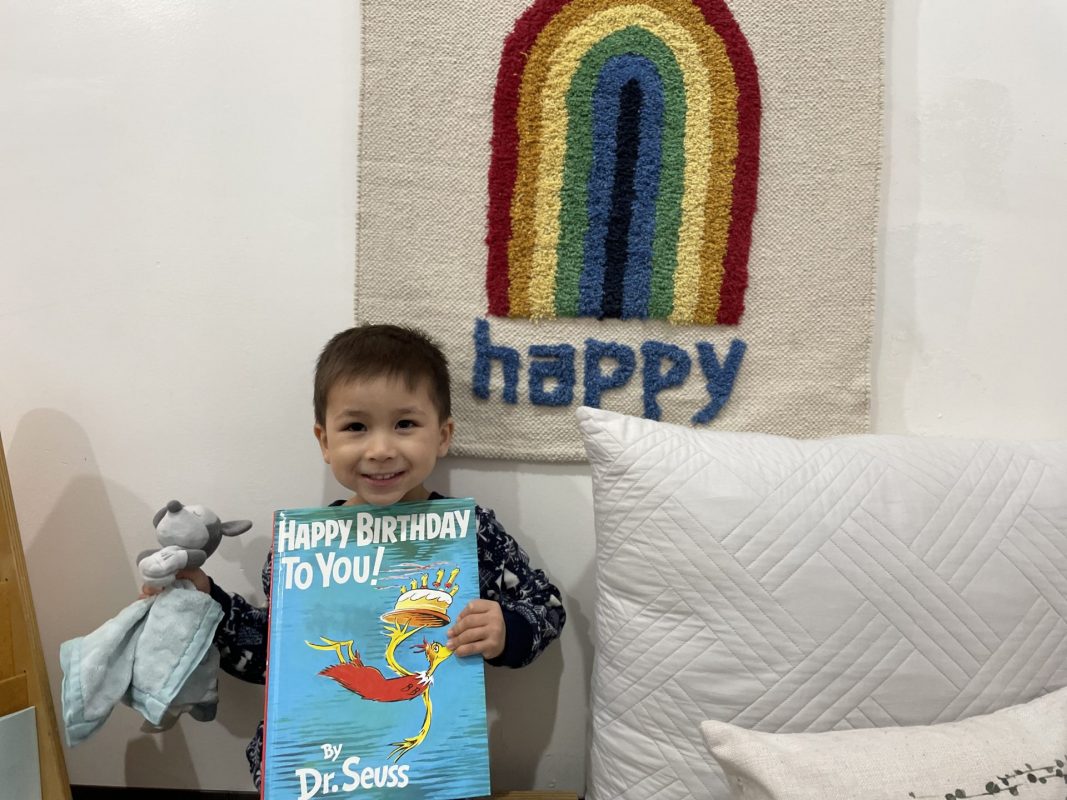
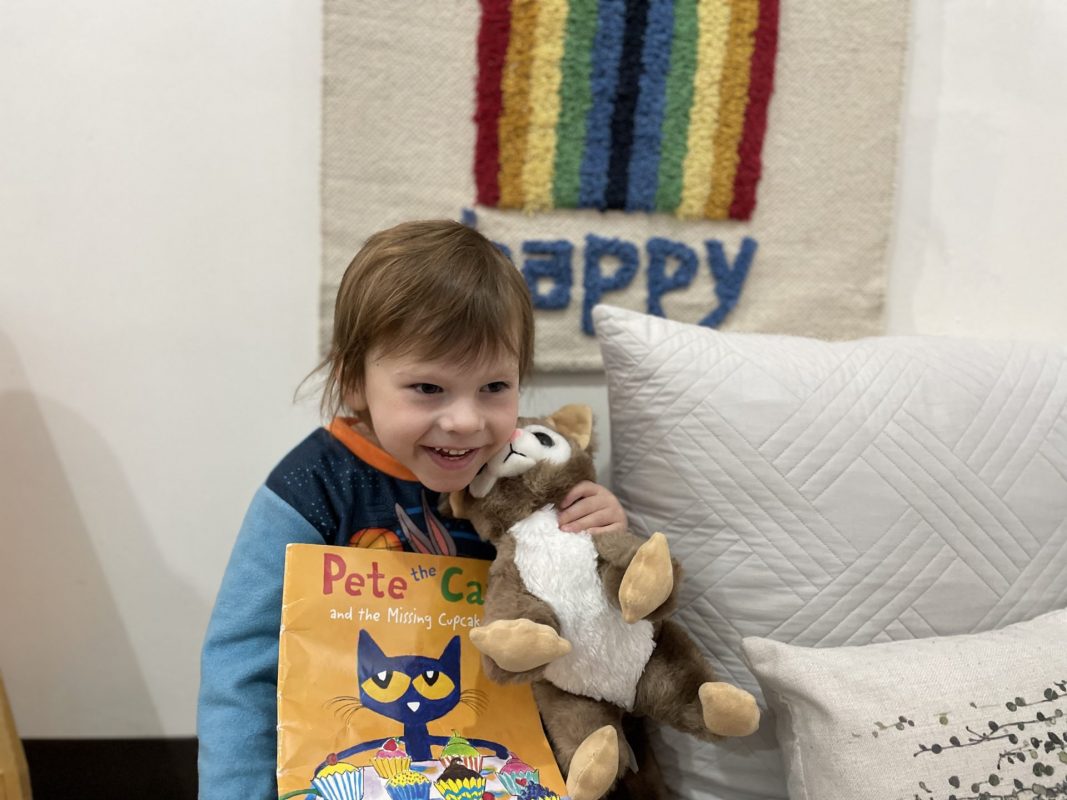
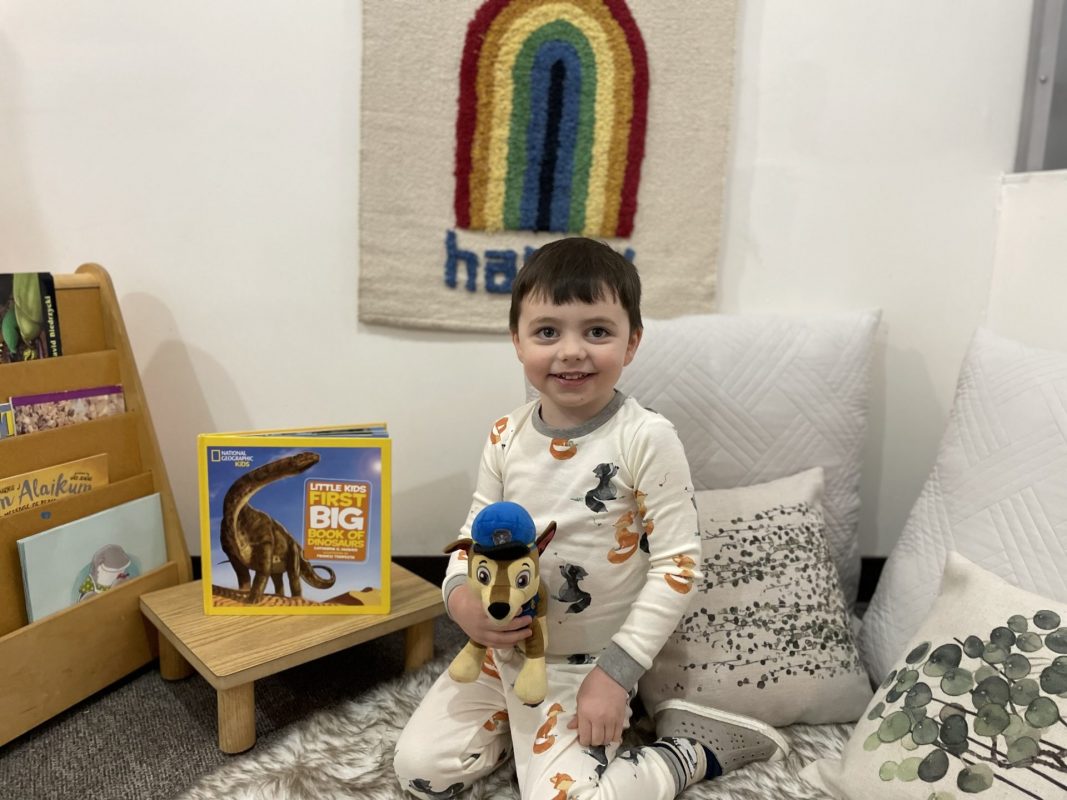
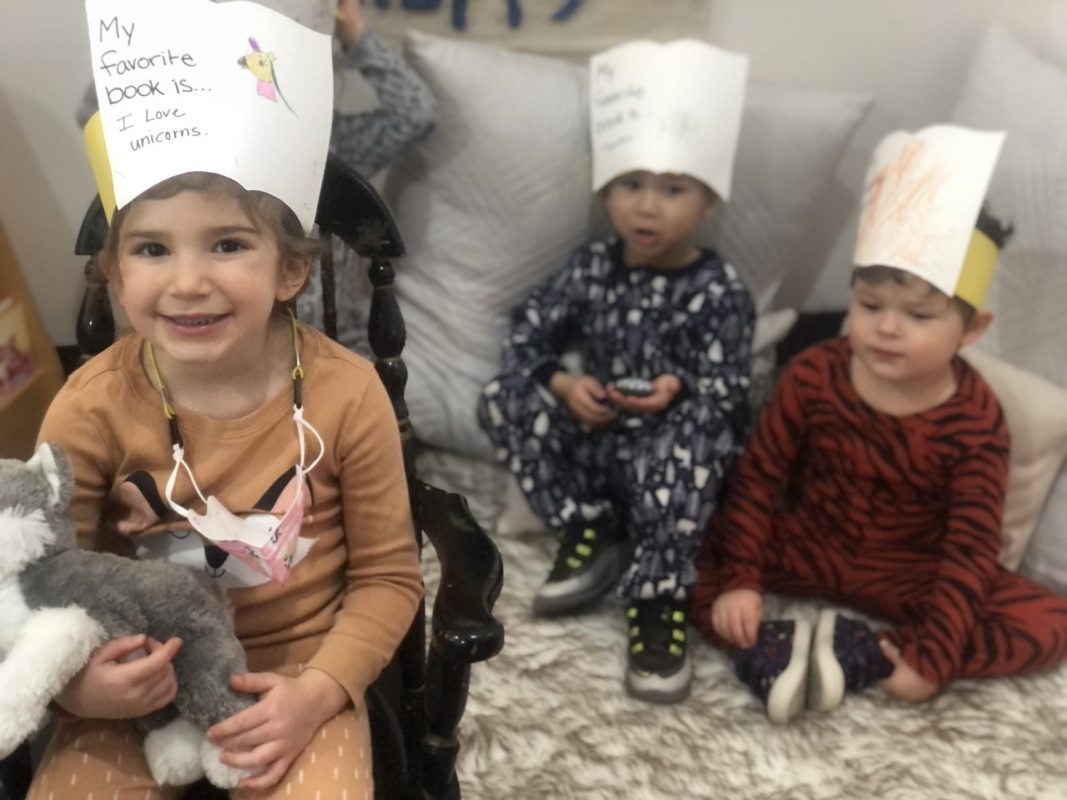
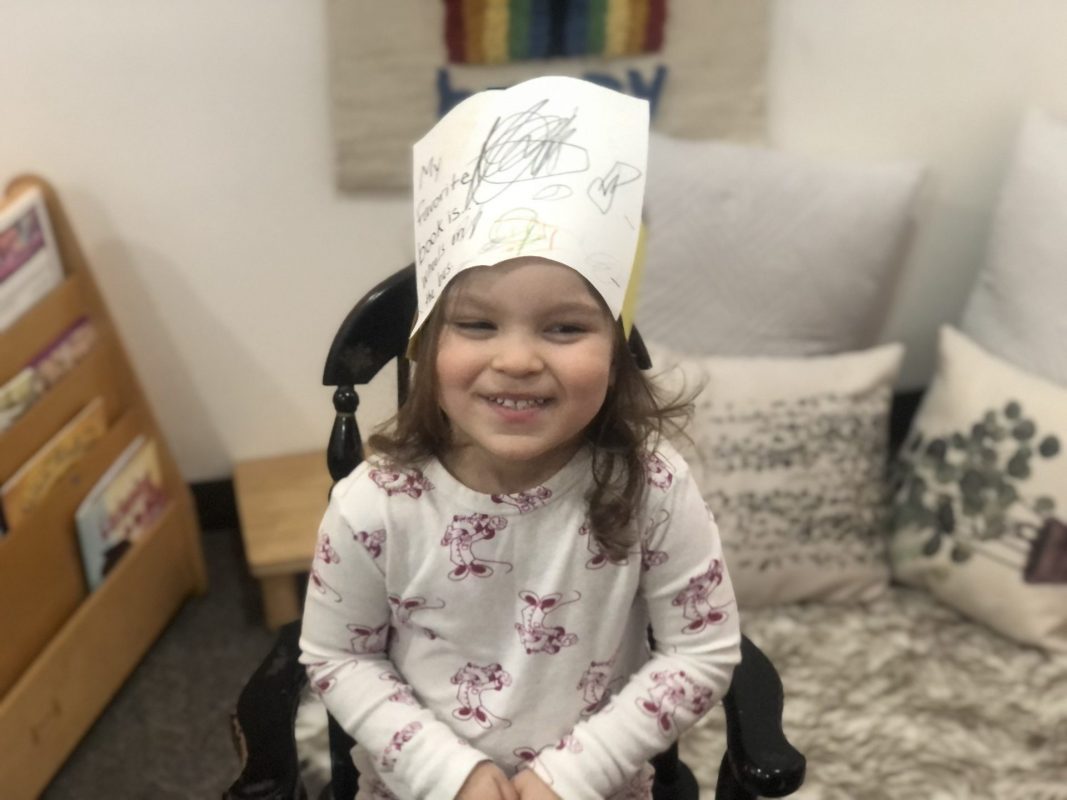
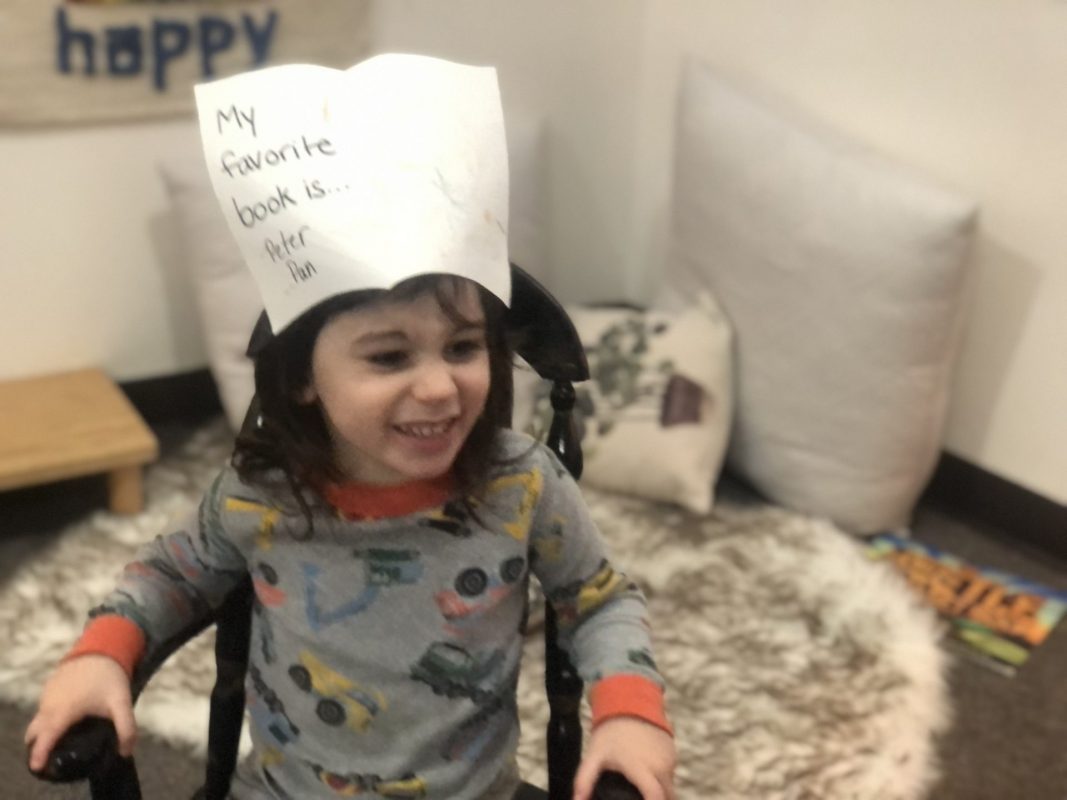
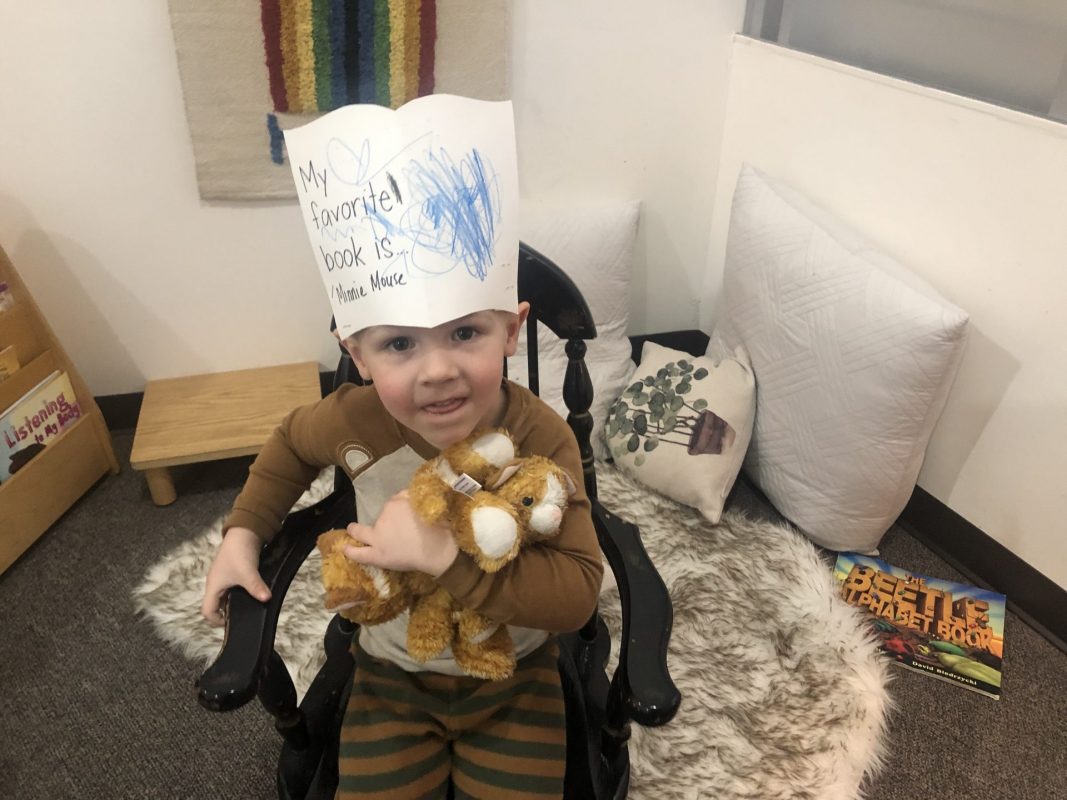
s’s Birthday. This is a day to celebrate the power of reading. We had lots of fun enjoying Green Egg and Ham pretzel treats and Hop on Pop Popcorn Balls,  creative snacks that were provided by our class parents. Many thanks for all the contributions and for making it an enjoyable Read Across America Day! The children were very happy to walk into the classroom wearing their pajamas, carrying their stuffed animals, and with their favorite books.They also loved reading aloud Dr. Suess’s rhyming book Hop on Pop.  

Helping your children master the language through a daily reading routine is essential to keep them engaged. Introducing the children to the joys of reading is a Montessori theme to entice their desire for learning from their early stages. The idea is to guide the children to grow a love of reading. Maria Montessori said that children “can go on to any limit guided by the single passion for reading”. We celebrate reading everyday to help the children develop a love of reading and books. So maintaining a consistent reading routine, every day, and at an early age is important to nurture the children’s profound love for lifelong reading.           

Have fun at reading time.

Kaoutar and Sara


News From Our Meet & Greet and New Research On Montessori

Meet and Greet with David Newman

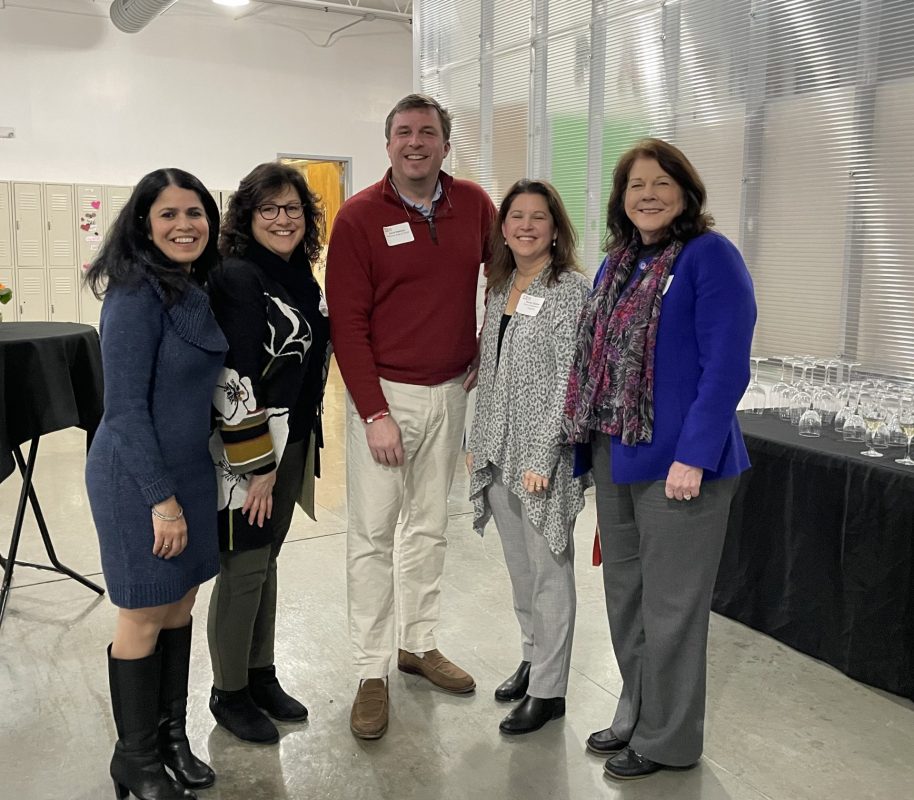
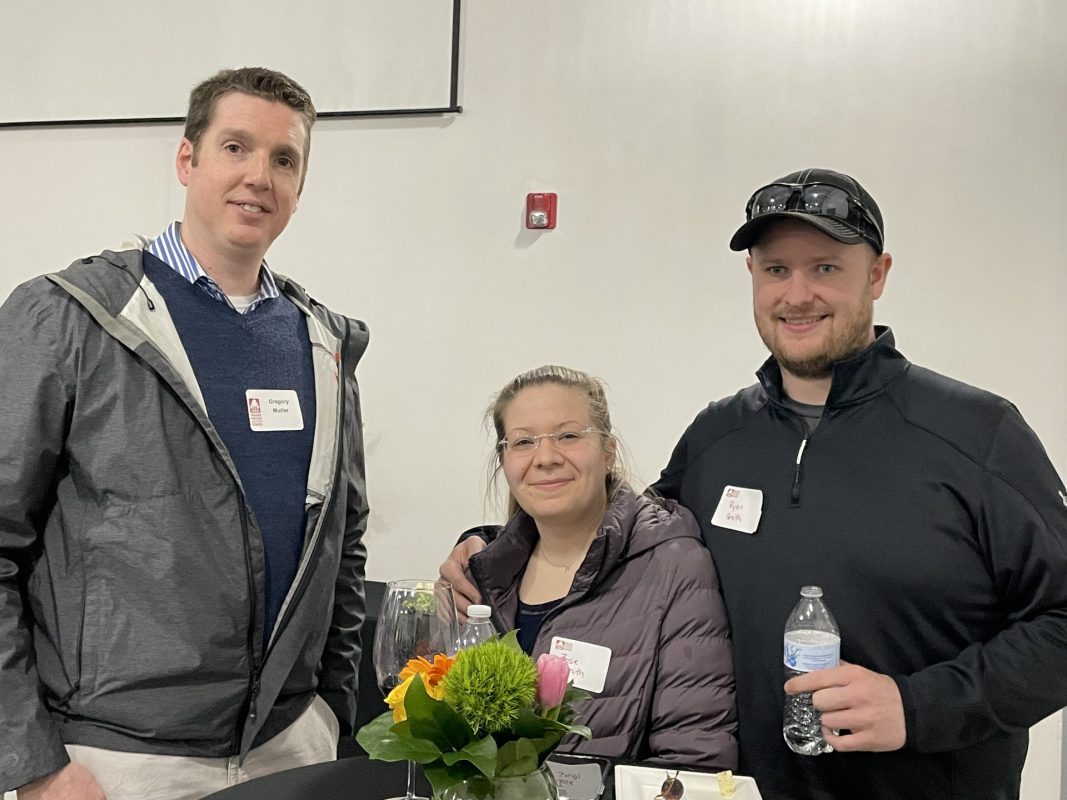
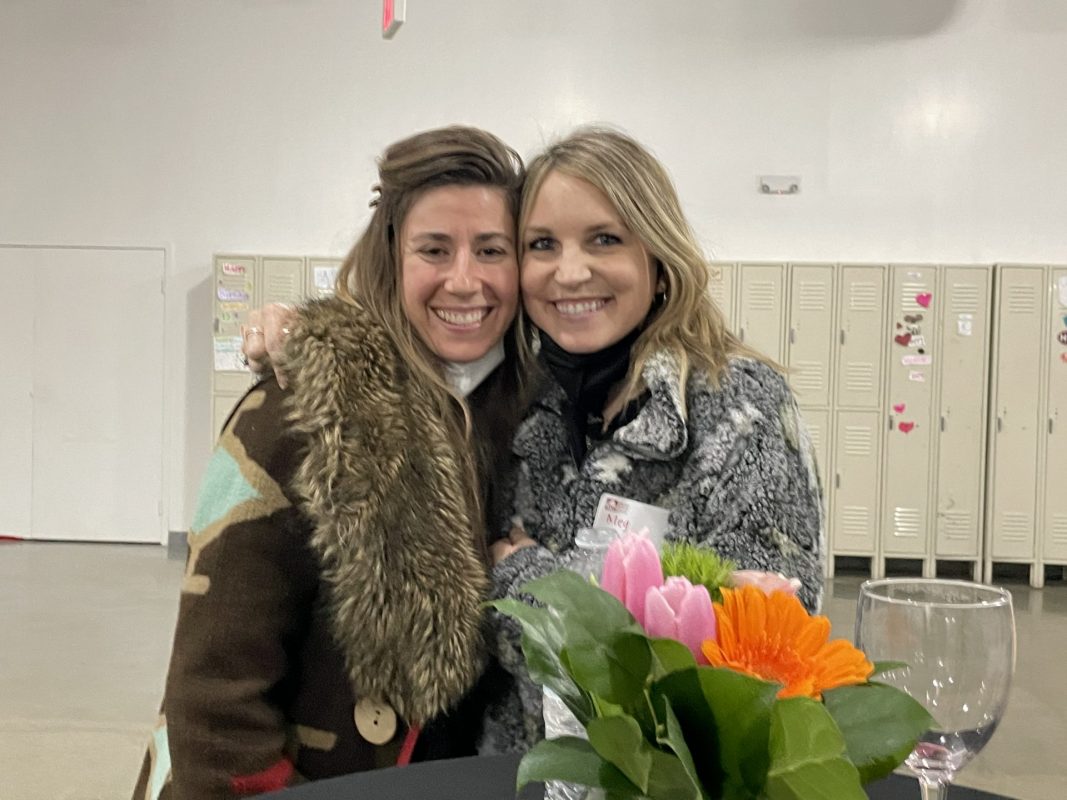
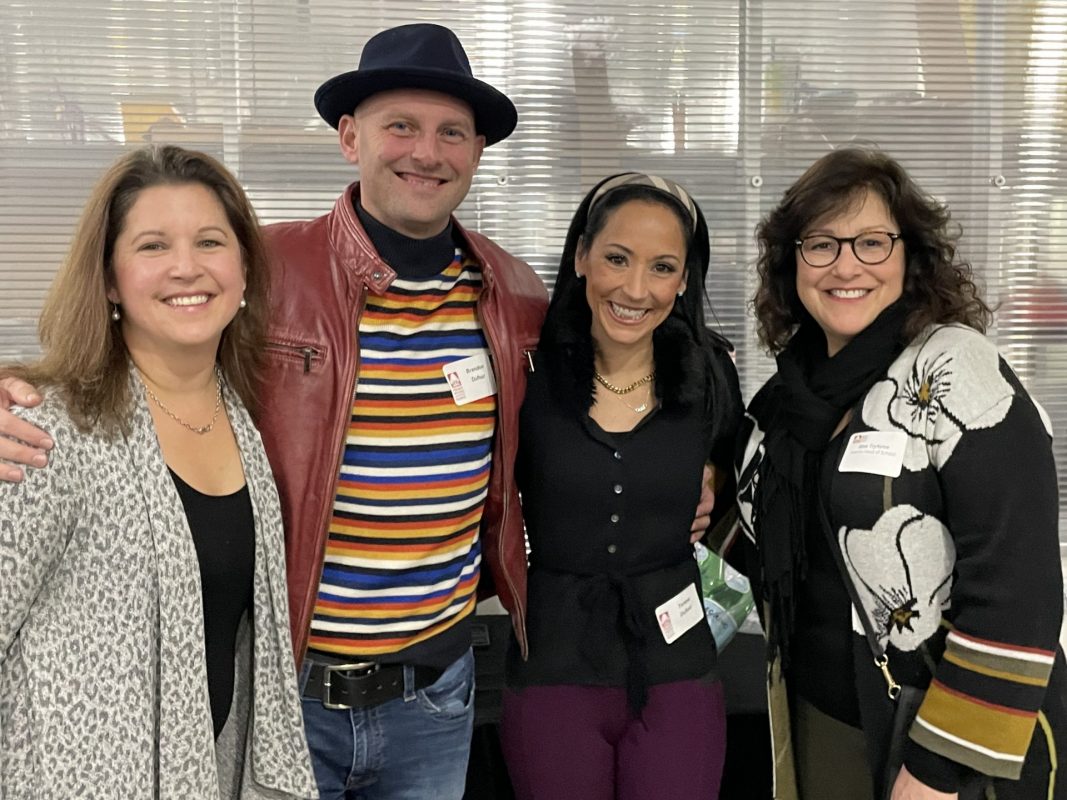
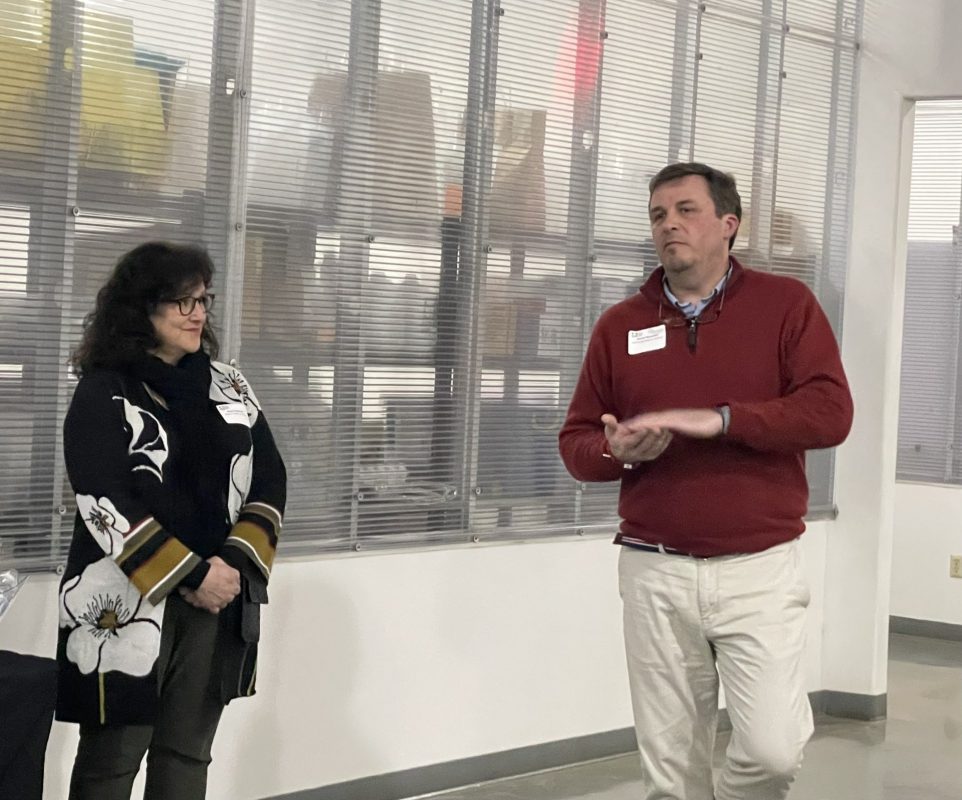
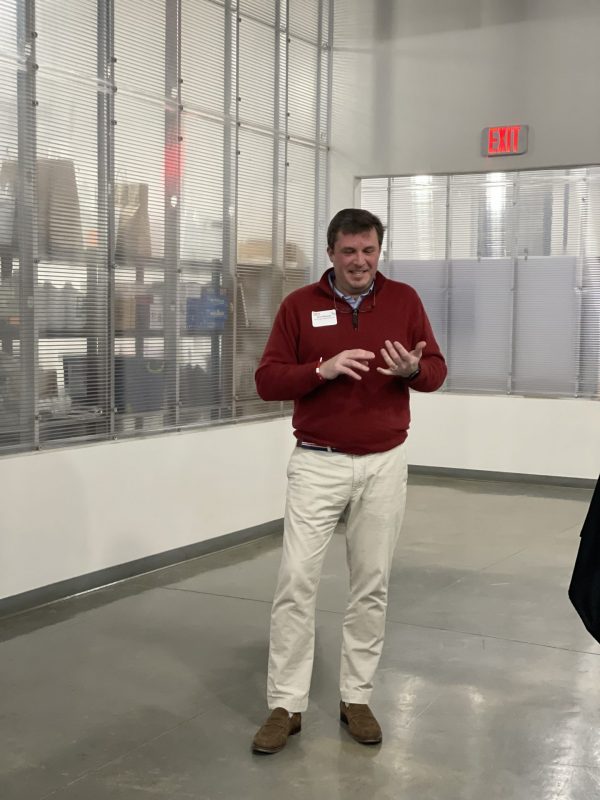
On Thursday evening, we welcomed our families to FWM for some light refreshments and to meet and talk with David Newman, our incoming Head of School.

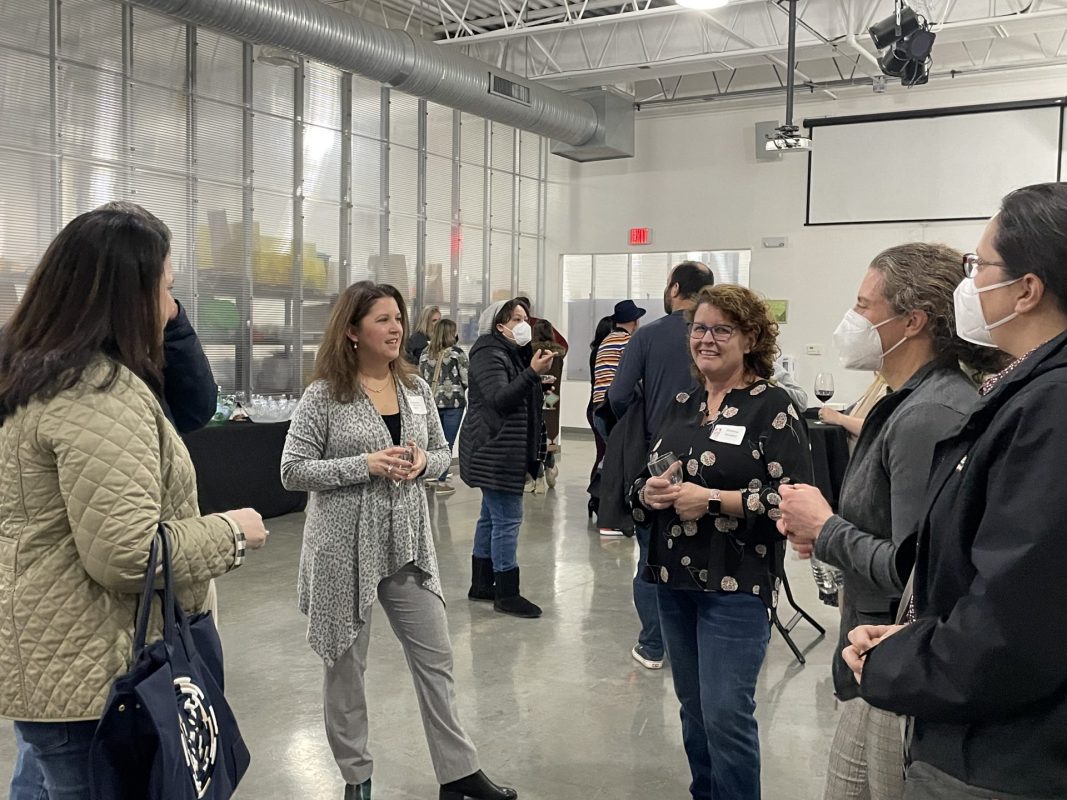
This was the first community gathering on campus to occur since early in 2020 and parents were excited to reconnect with one another and meet Mr. Newman- there is nothing quite like meeting in person!

It made our hearts full to see our close-knit community gather together again and it reminded us of why we are all a part of Fraser Woods Montessori School.

Families were grateful for the opportunity to say hello, enjoy a few laughs, learn a little bit more about David and welcome him to FWM, and David was delighted to connect with so many families. We look forward to our next Meet and Greet to take place later in the Spring.

New Research Highlights The Long-Term Benefits Of A Montessori Education

This article in FORBES.COM impressed me for two reasons. First, the author, Mark Travers, Ph.D., is a psychologist and contributor to the Innovation-Science column of the online magazine, not the Education column. Second, in his article, he shares the work of Dr. Angeline Lillard.

Dr. Angeline Lillard is a professor of psychology at the University of Virginia who has been studying Montessori’s methods for more than two decades. In her  book Montessori: The Science behind the Genius, Dr. Lillard presents Montessori’s theoretical principles, the scientific research that has followed them, and how they are implemented in a Montessori classroom.

The article talks about a research study that presents more evidence that a Montessori education may be superior to traditional methods of education, especially on measures relating to students’ long-term psychological health and well-being.

“The study is one more data point in a growing body of research suggesting Montessori pedagogy is better for humans than is the common model,” says Lillard. “And, since it is over 100 years since people began implementing Montessori, it has been beta-tested — we know how to implement this pedagogy and are doing so all over the world. More people should know about it.”

Please enjoy the full FORBES Article: New Research Highlights The Long-Term Benefits Of A Montessori Education

Middle School: A Week in Review!

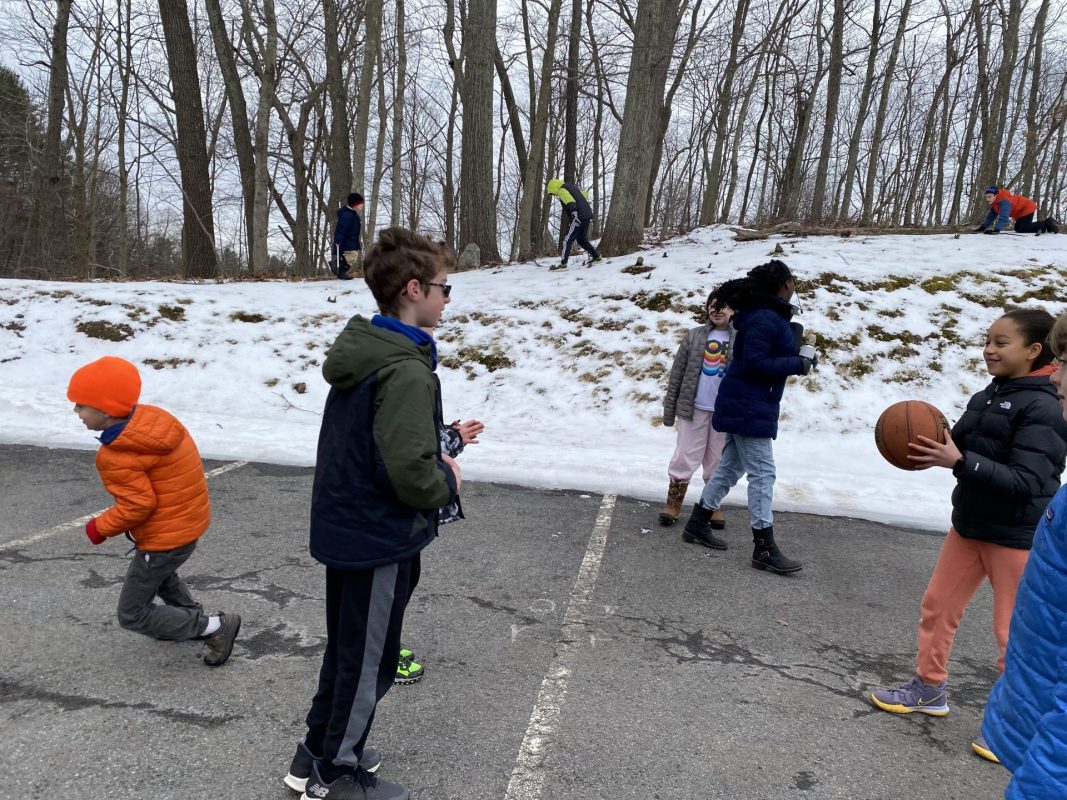
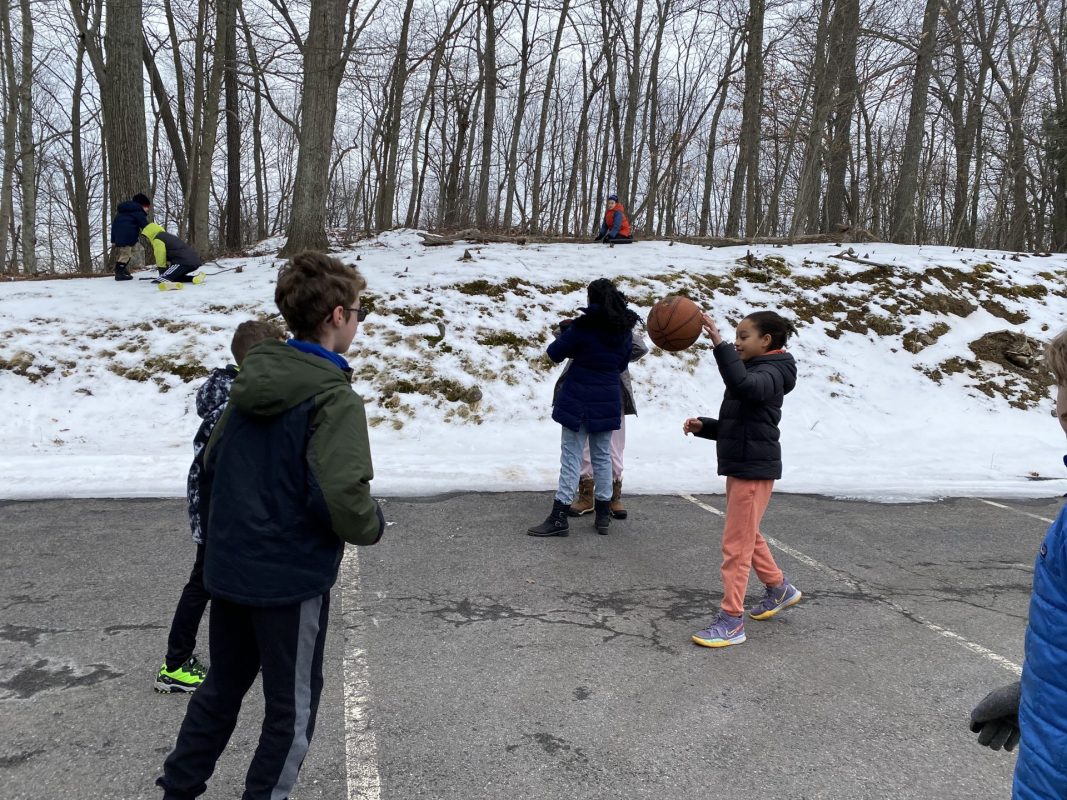
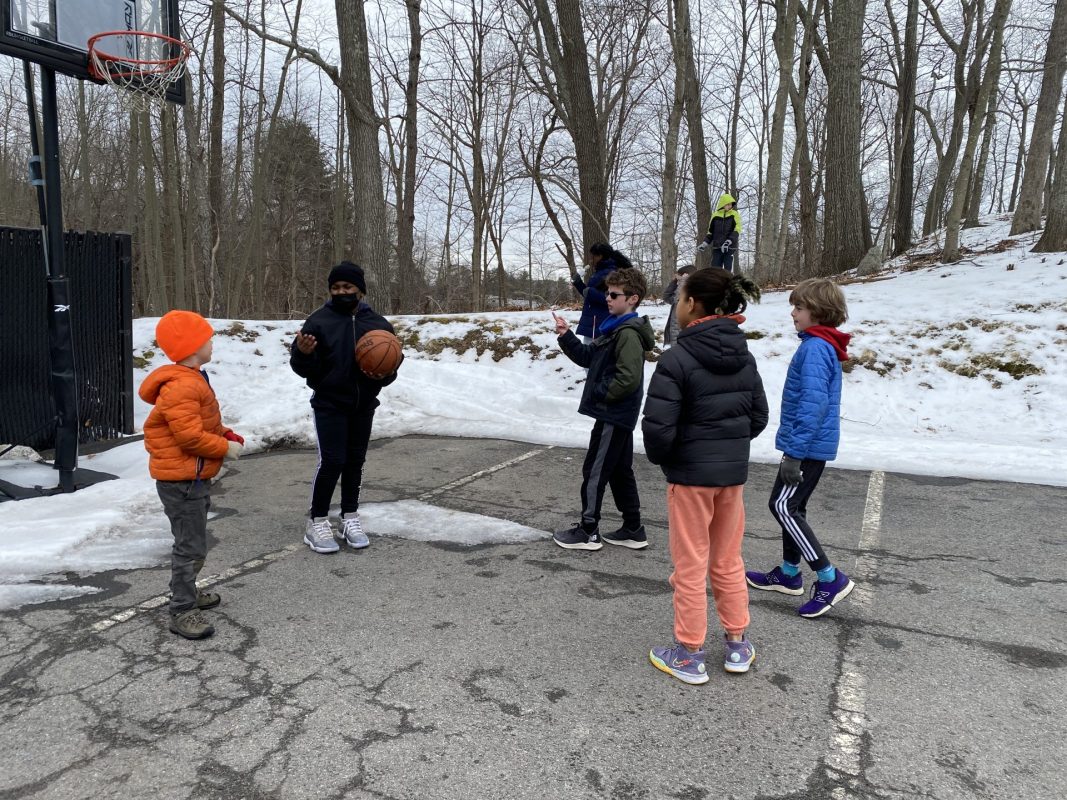
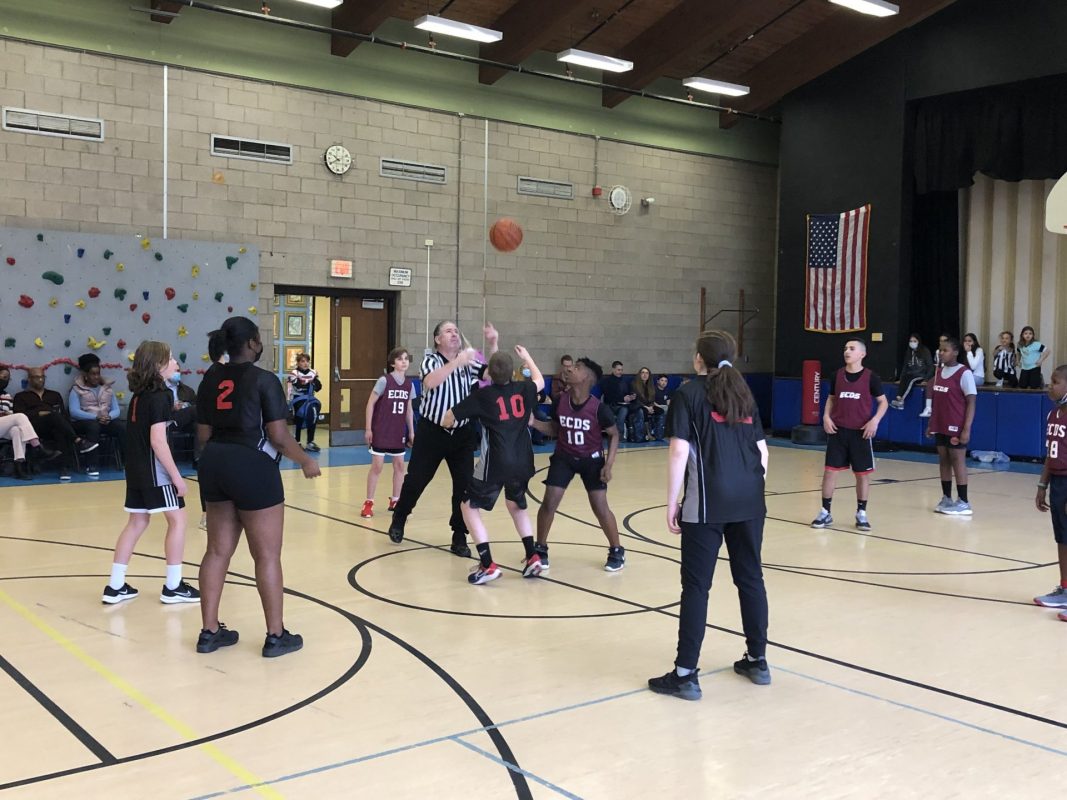
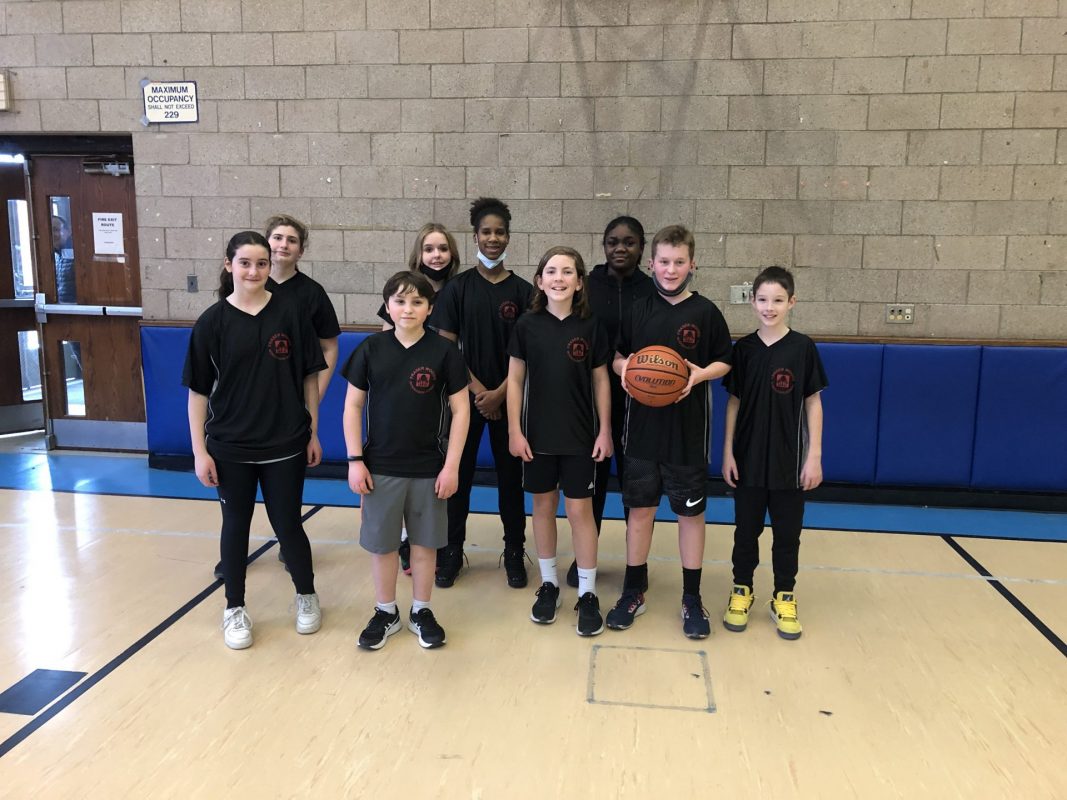
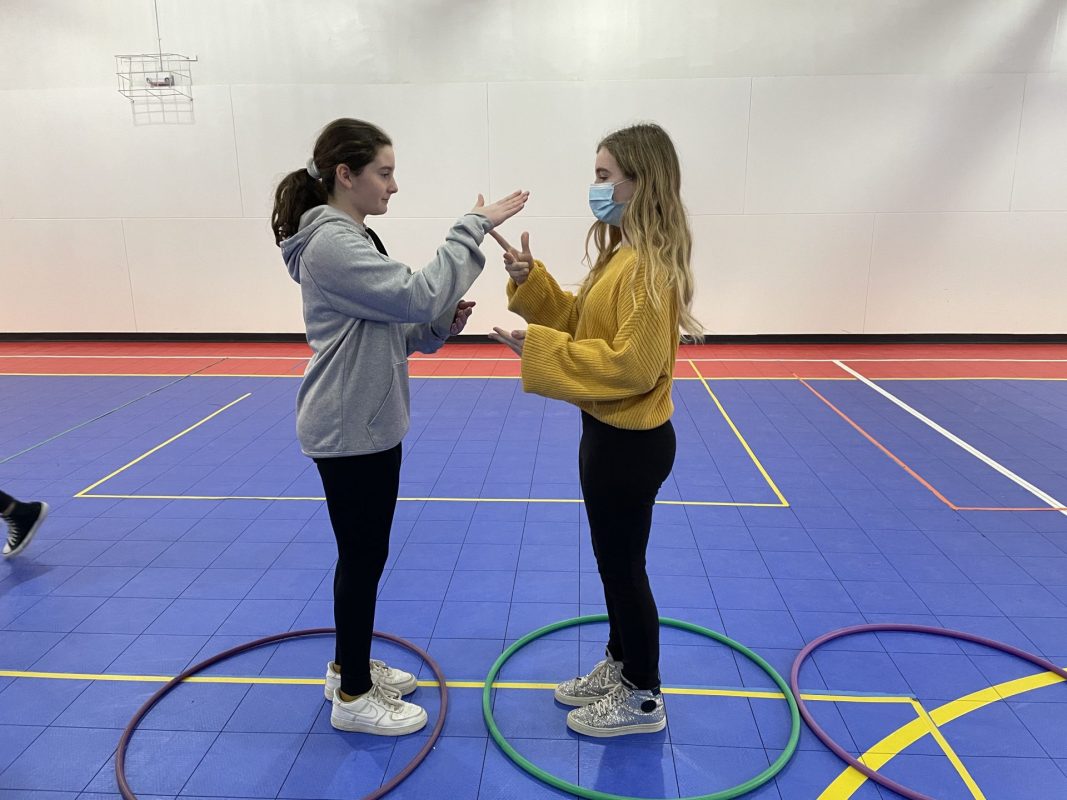
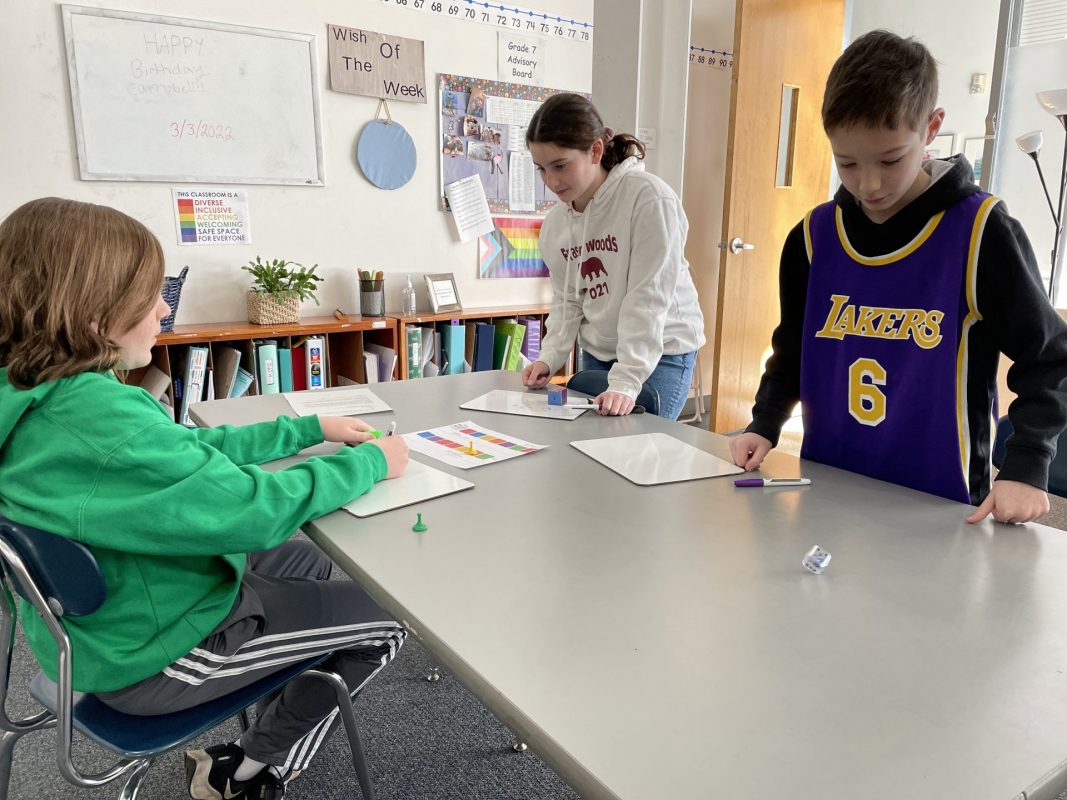
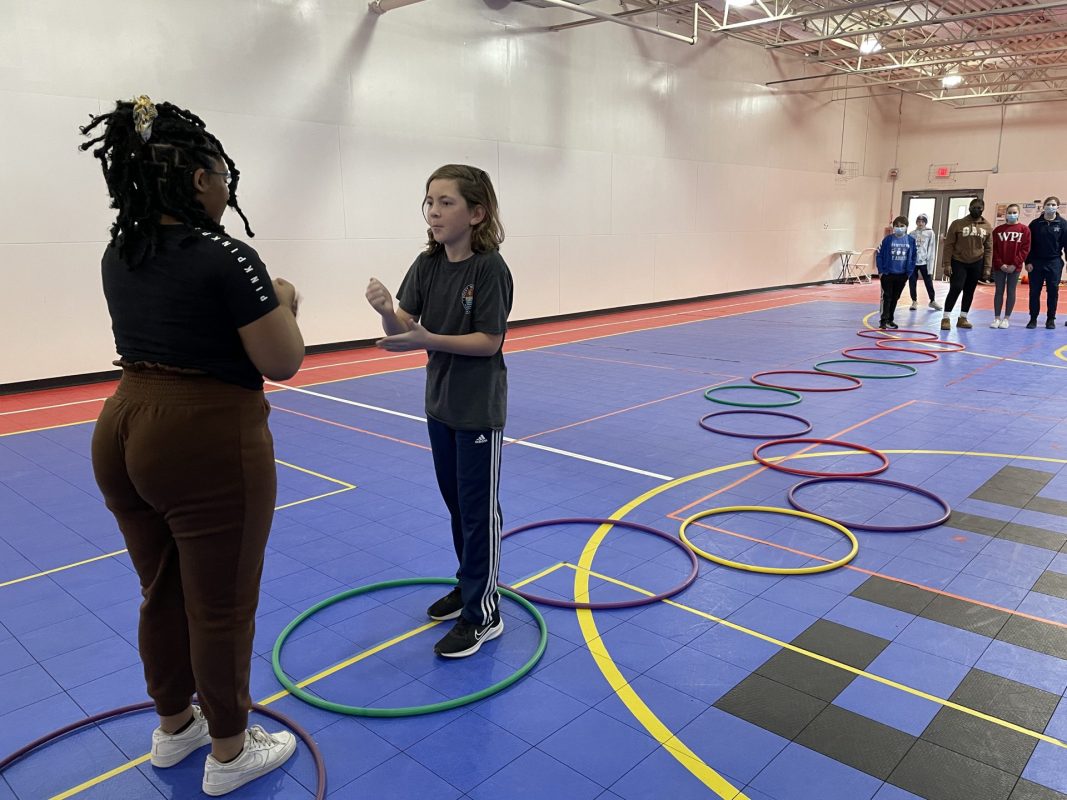
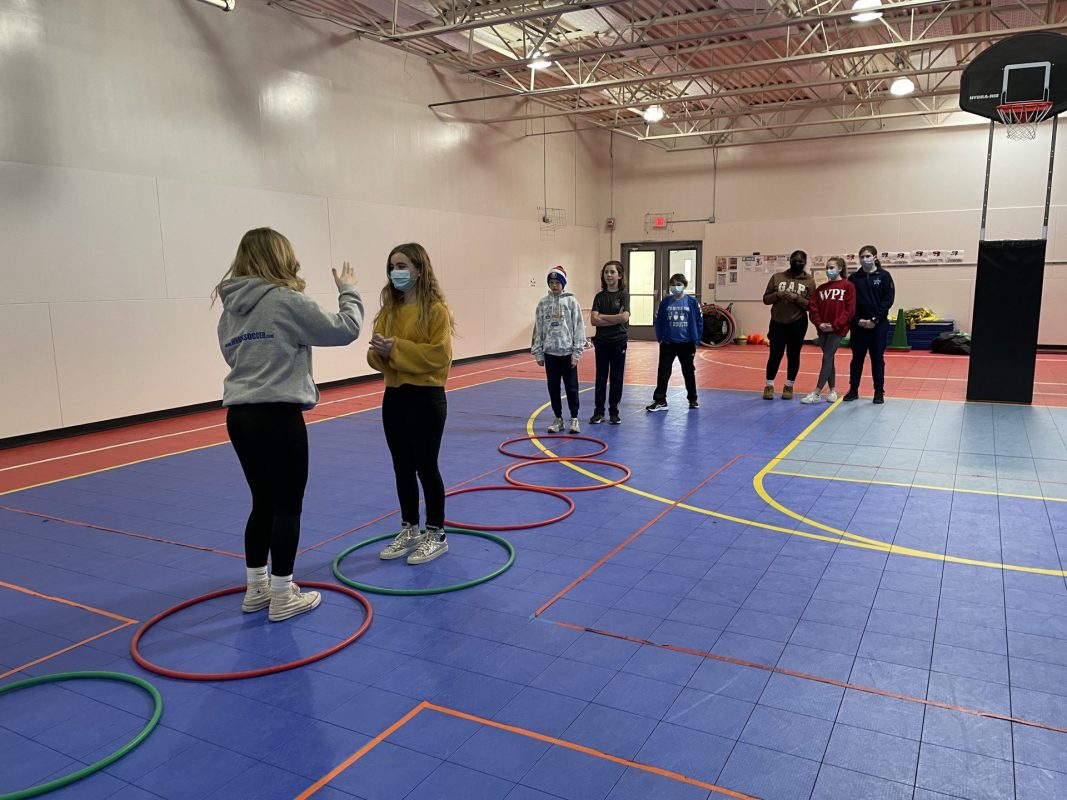
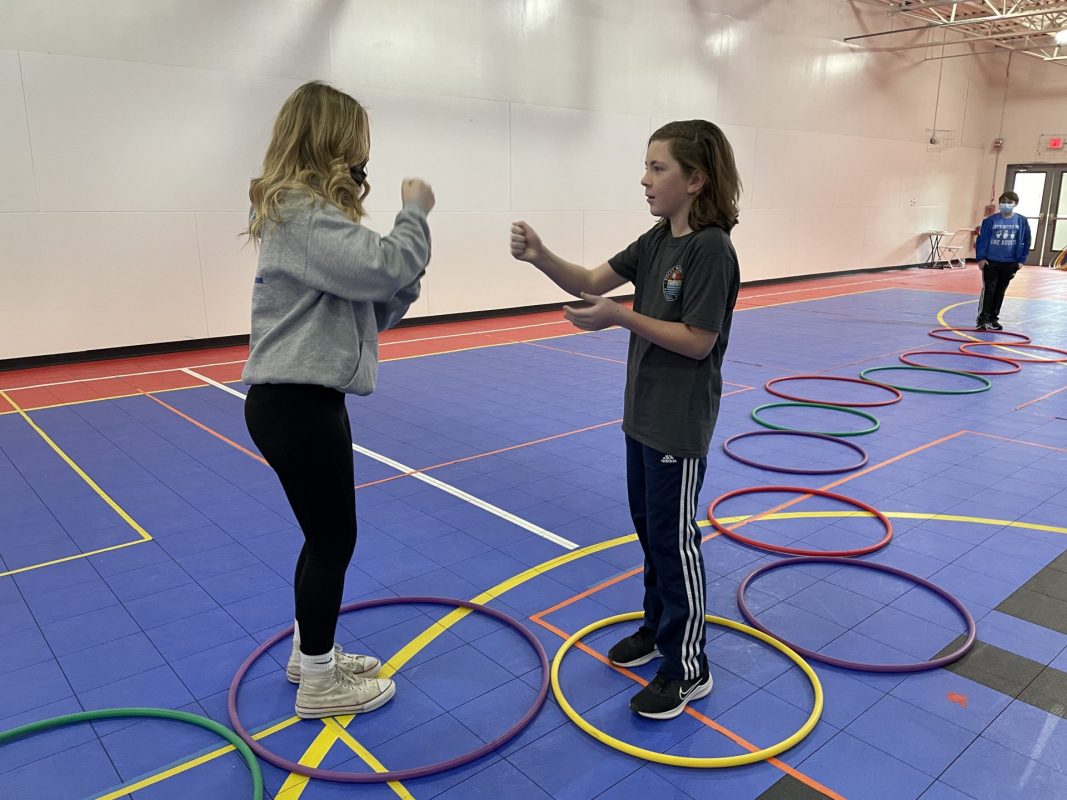
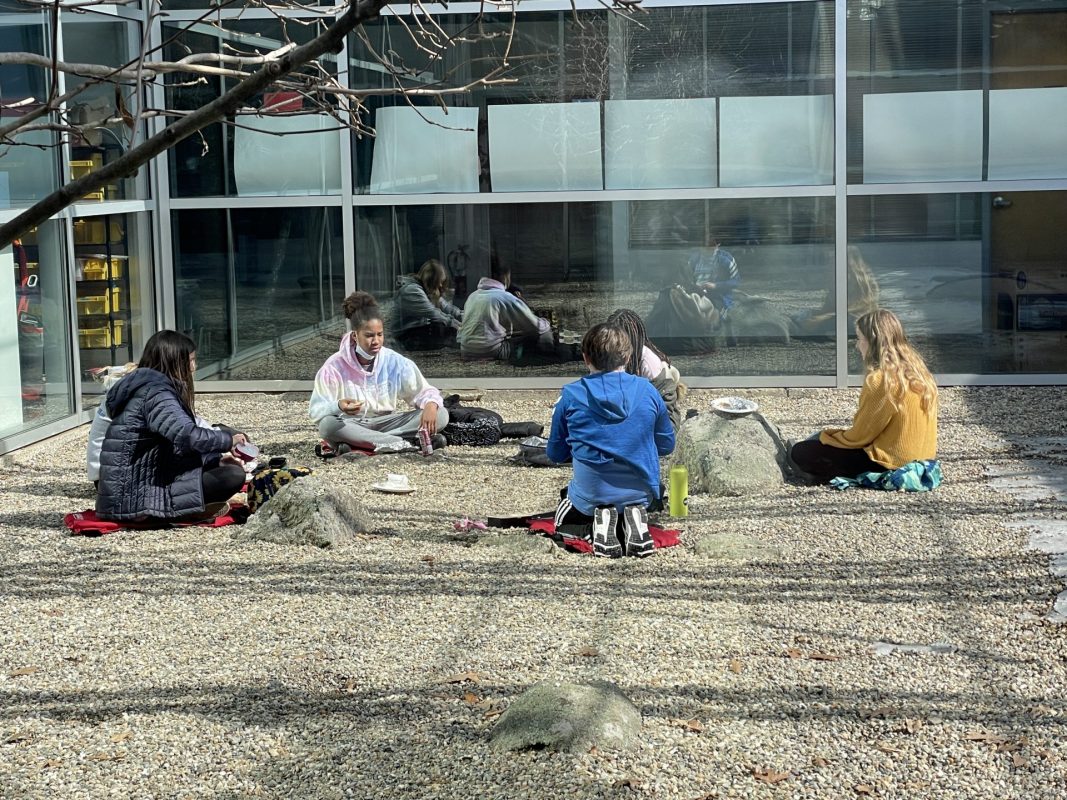
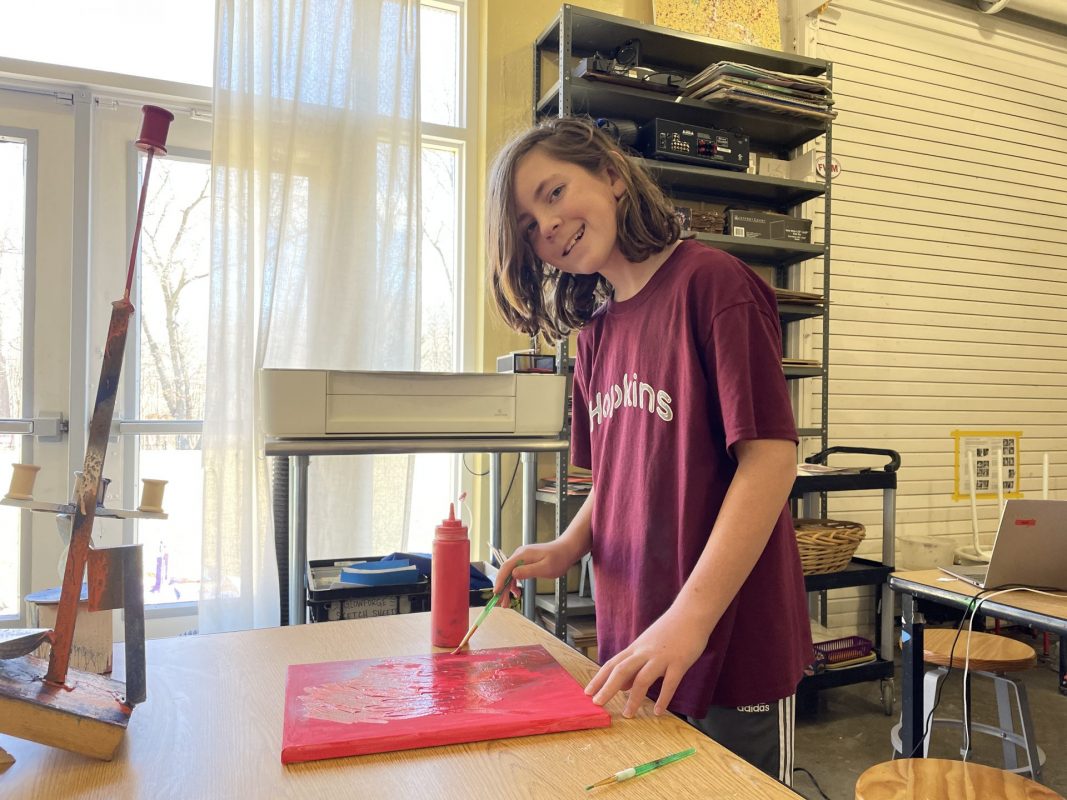
Middle School students had a busy week finishing art projects, playing in the second basketball game and delivering the morning news to the elementary classes. We are working hard as we enter the last week before the spring break vacation. We are all looking forward to the upcoming spring break holiday from March 14-25th.

SCIENCE

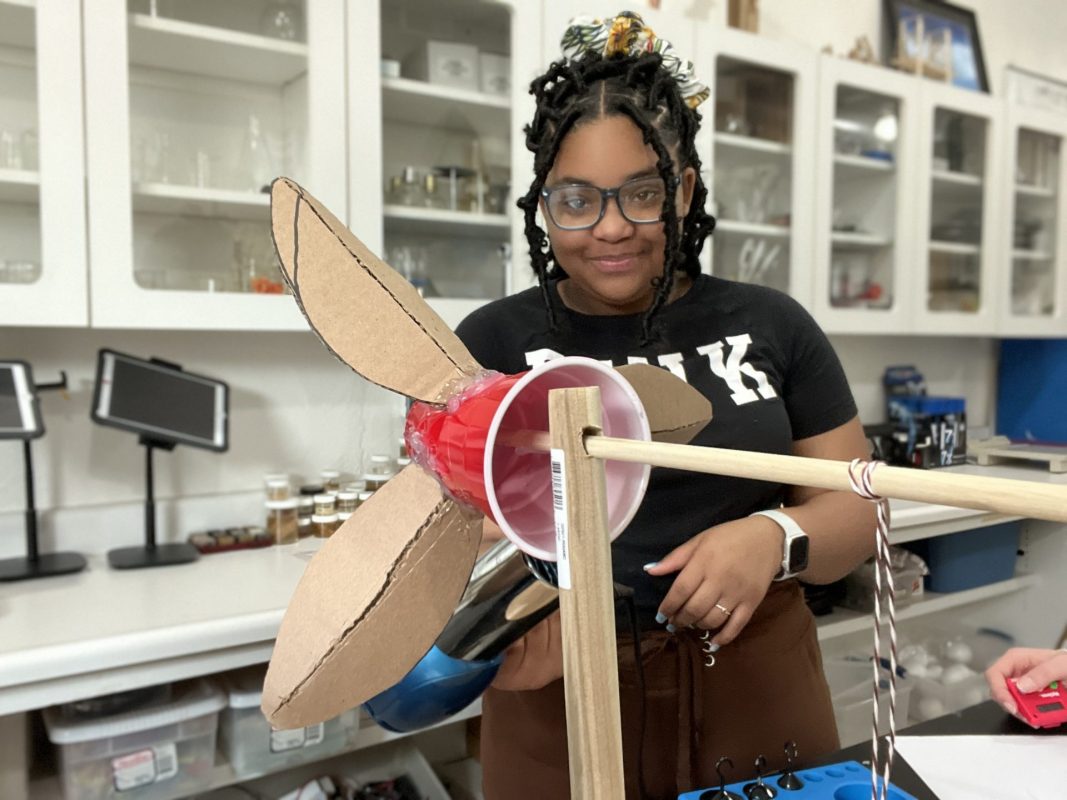
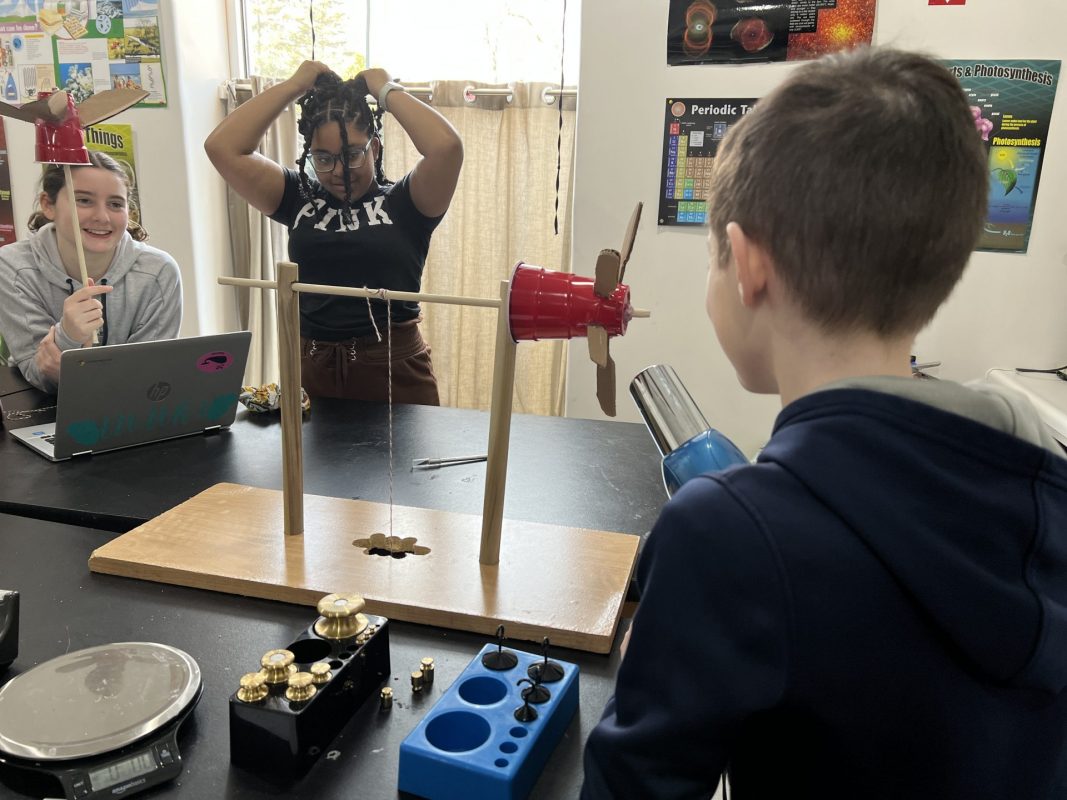
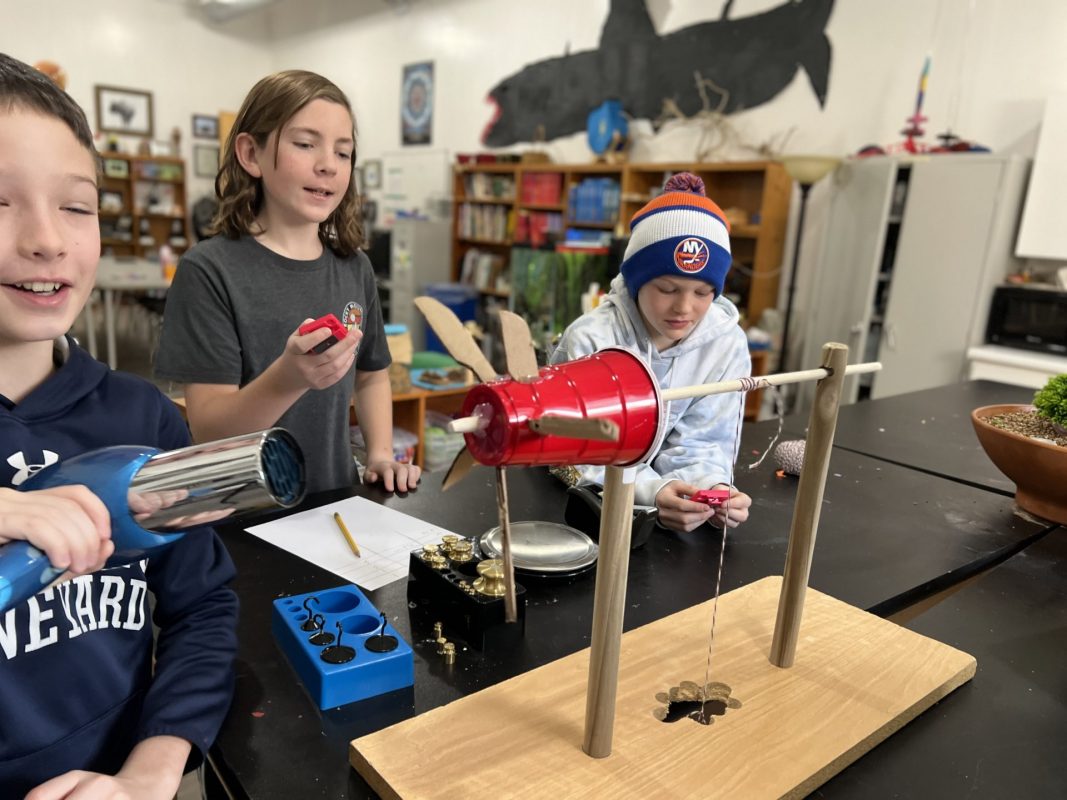
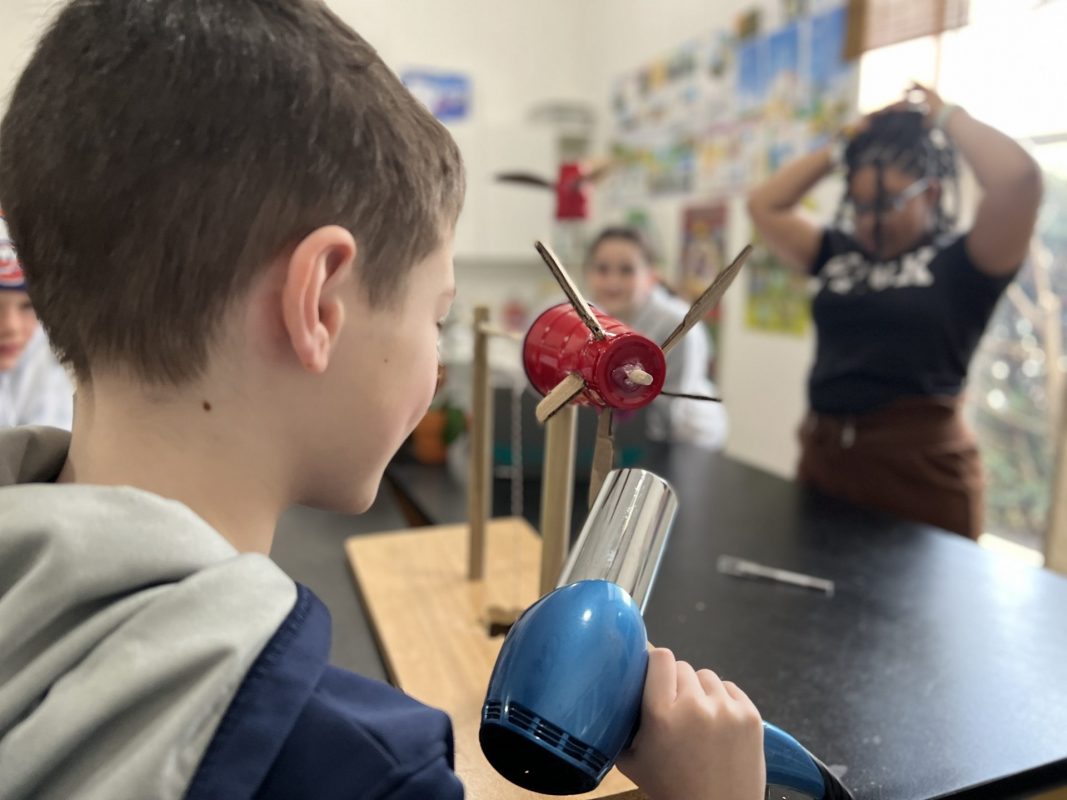
6th year Earth Science students were able to test their wind turbines as part of their unit “Renewable and Nonrenewable Energy”. Students tested their designs by seeing how efficient their blades were at raising a variety of weights in a certain amount of time. Following the tests, students were asked to analyze their data and complete a formal lab report.

7th year Physical Science students finished their unit on Kinetic Energy and have just begun their unit “Reflection”. Within this unit students will design an experiment to test the reflectivity of different materials, identify key characteristics of different types of mirrors, and describe how light reflects off different surfaces.
 
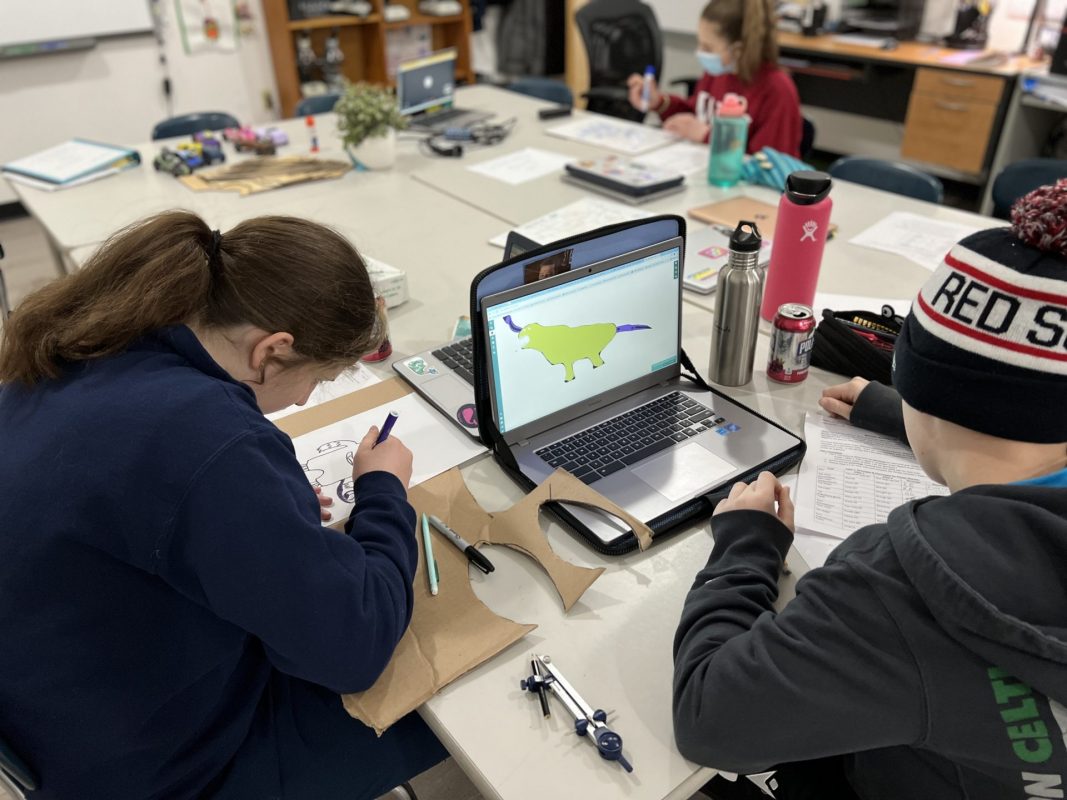
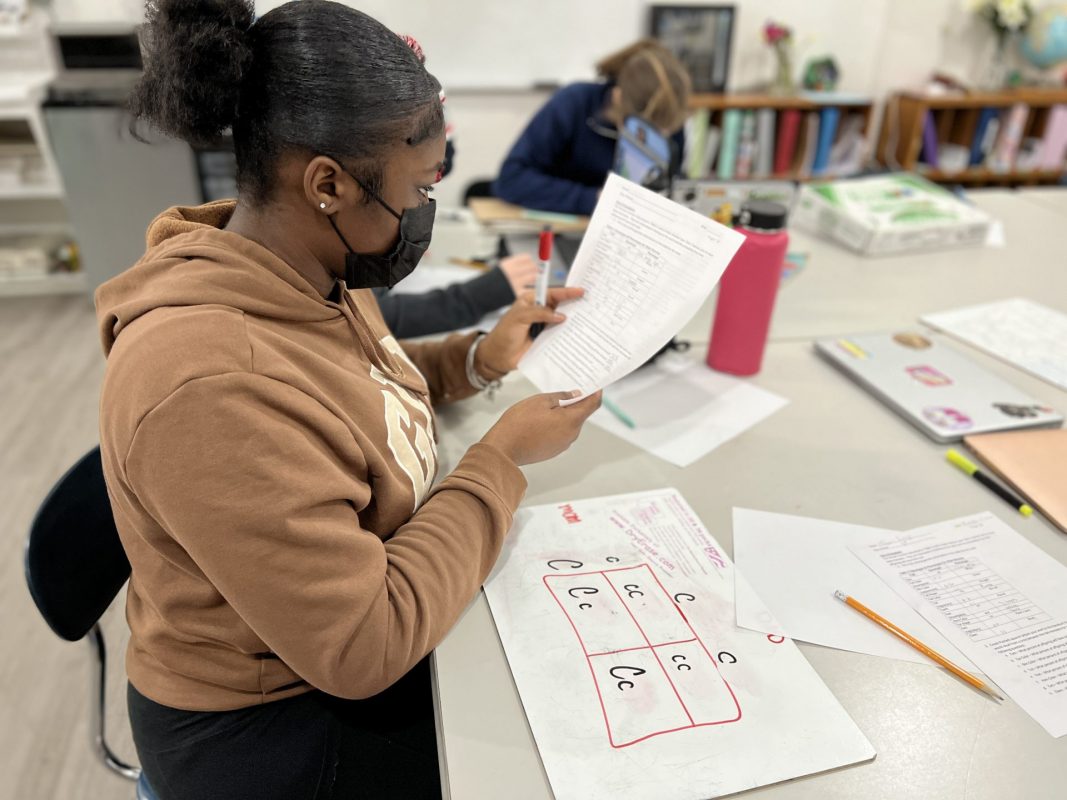
8th year Life Science students have been working on identifying the genotype and phenotype as part of an activity titled “Monster Genetics”. Students were asked to identify the genotype and phenotype of a monster by flipping a coin, then determine the probability of inheritances of an offspring using the Punnett Square (Gregory Mendell). I have asked students to illustrate both the parents and offspring to create a visual representation of physical characteristics passed down.
HUMANITIES
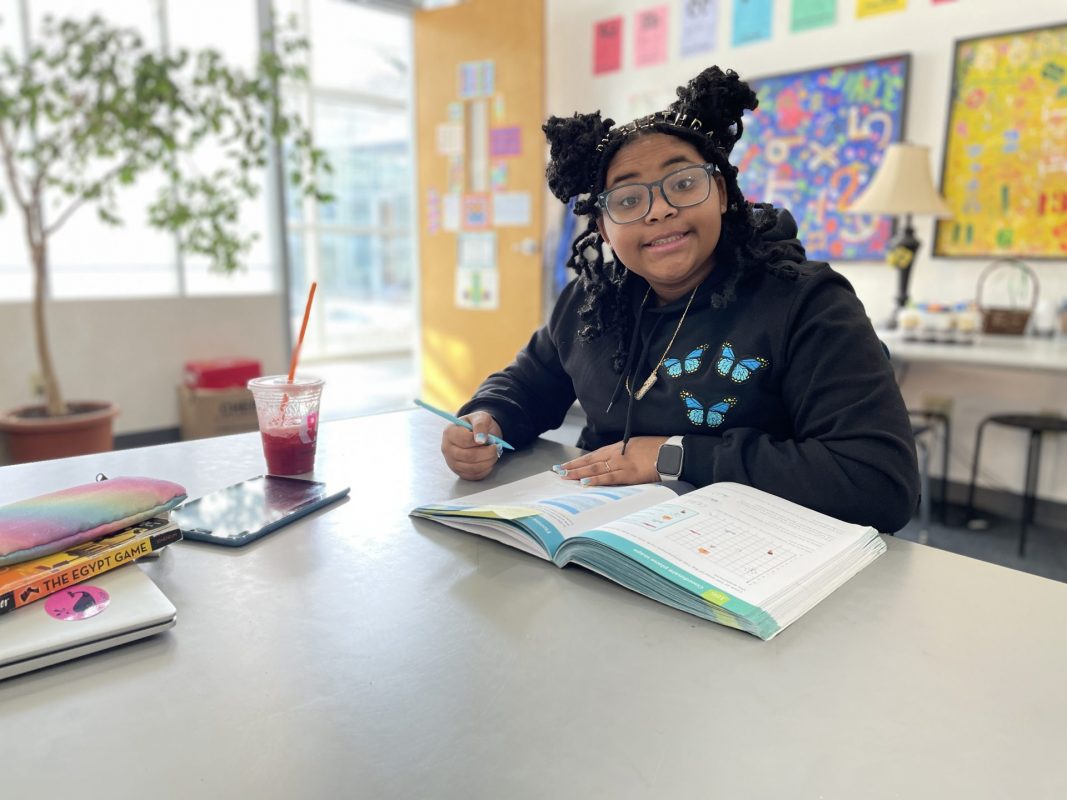
6th grade Humanities classes this week were split between our class novel, The Egypt Game, and writing the middle school play. In conjunction with the novel, students learned about Nefertiti and the process of mummification.
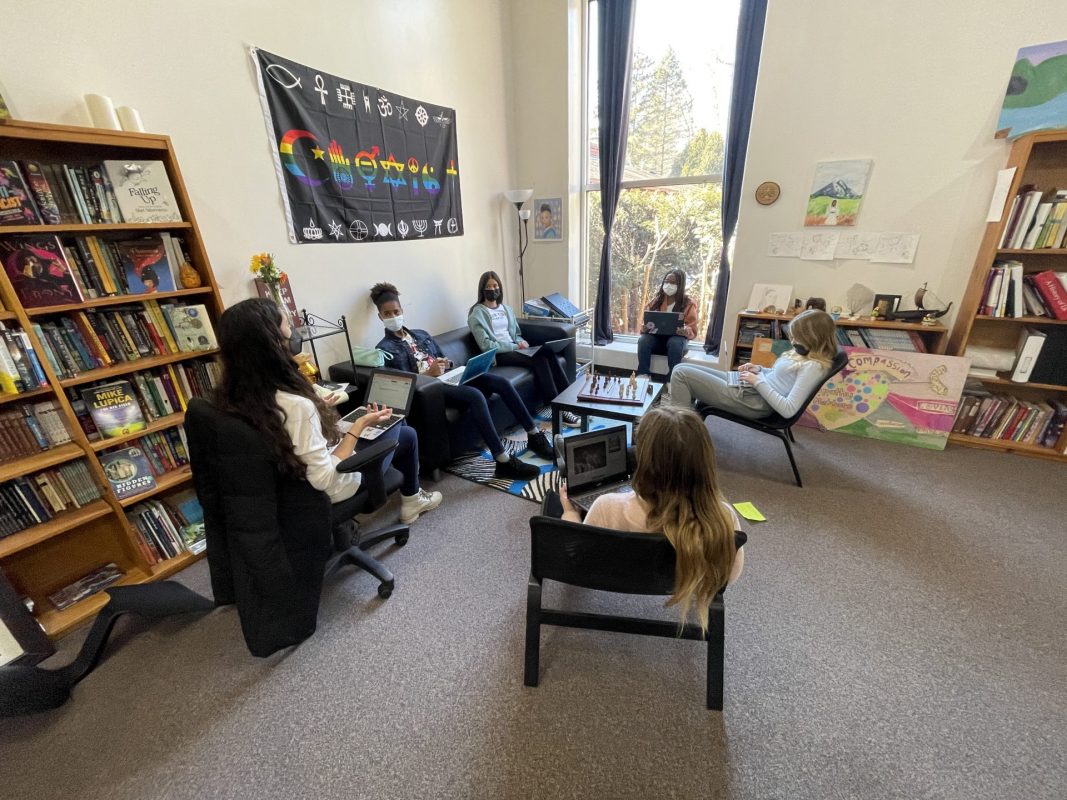
7th & 8th grade Humanities classes focused on the middle school play this week, and we are excited to finish the script next week. All middle school students helped to develop the overall plot by brainstorming ideas that turned into our scene overviews. They also developed their characters, established set ideas, and started writing the script.
MATH
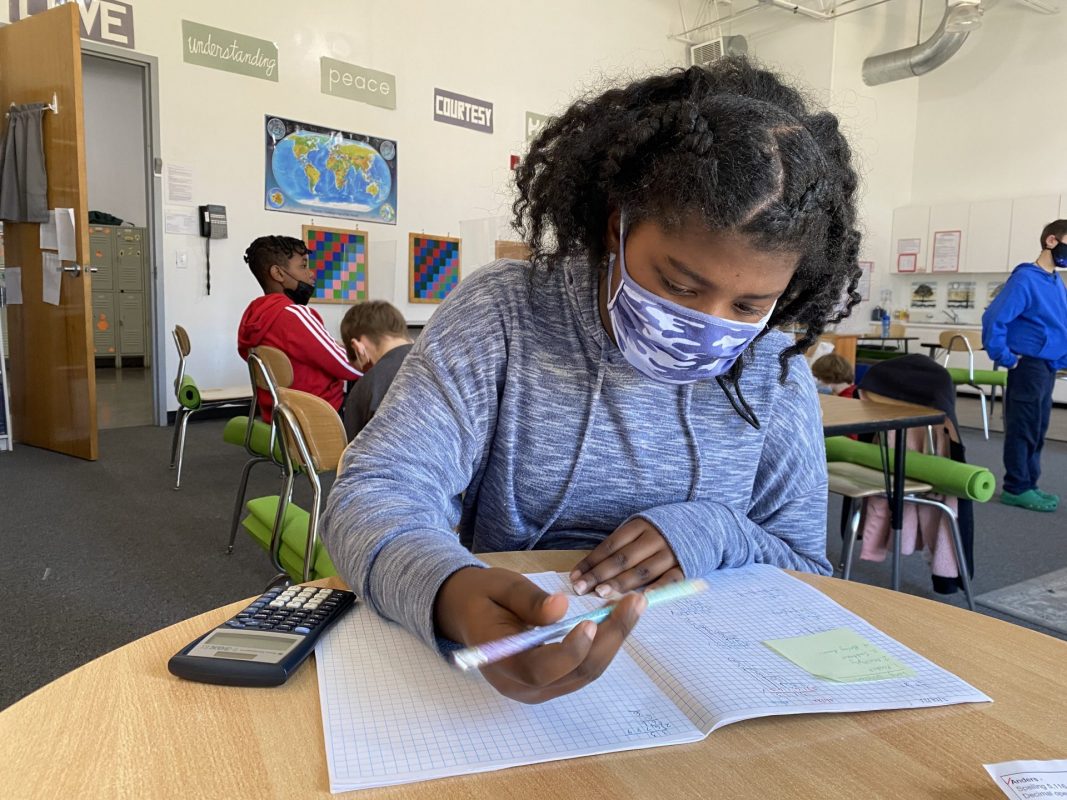
In Transition class, students began learning chapter 8  this week and are excited to work with new algebraic equations. This class is learning about the repeated addition property for multiplication, the rate factor model of multiplication, and how to multiply positive/negative numbers in a number sentence. We will continue to learn about combining percentages and solving single step equations next week in class.
 
In Algebra class, students are continuing to explore power and roots properties to simplify algebraic expressions. This class has been studying the Power of Powers rule, the Product of Powers rule, the Quotient of Powers rule and the Negative Exponent rule. We concluded the week with evaluating square roots and cube roots that involved multiple variables.
 
In Geometry class, students are learning about special quadrilateral shapes such as the trapezoid, parallelogram and right triangles. We are continuing to practice proving mathematical theorems and ideas with 2D shapes.  This class is using their postulate and theorem books to record new theorems such as the Sufficient Conditions for a Parallelogram Theorem and Distance between Parallel Lines Theorem.
 
Math Joke: Why do plants hate math?…….Because it gives them square roots.