Blog

Mrs. Wilson: Care of Self

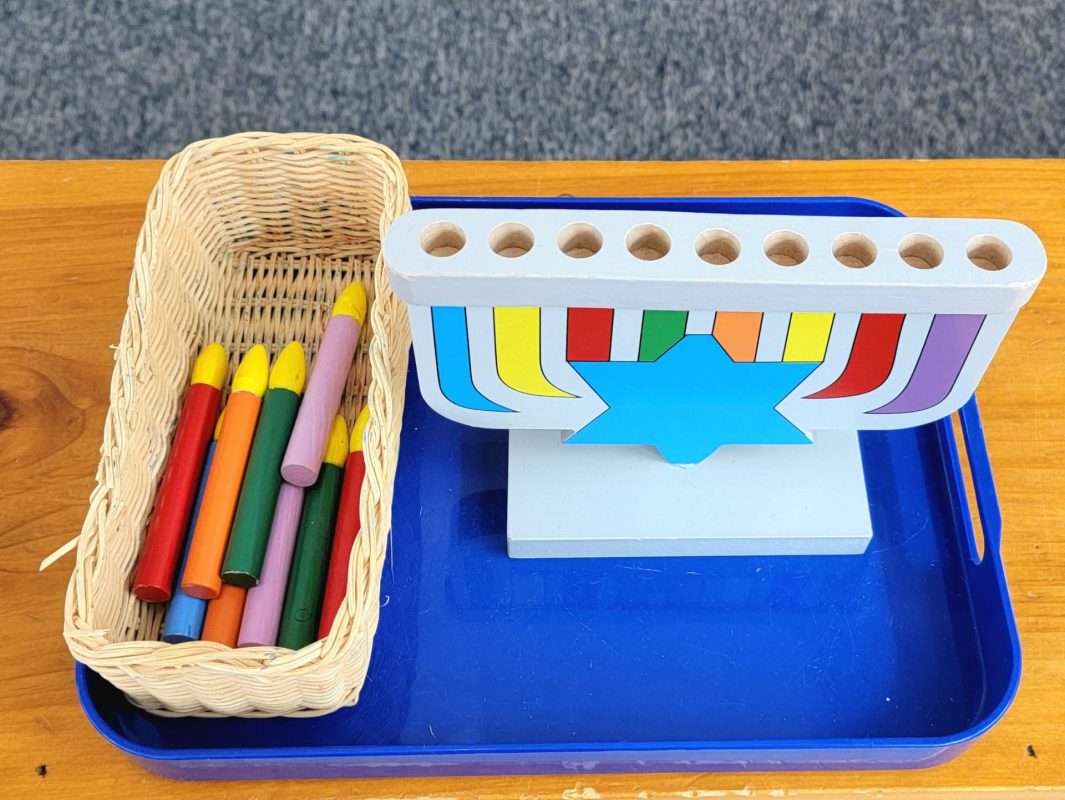
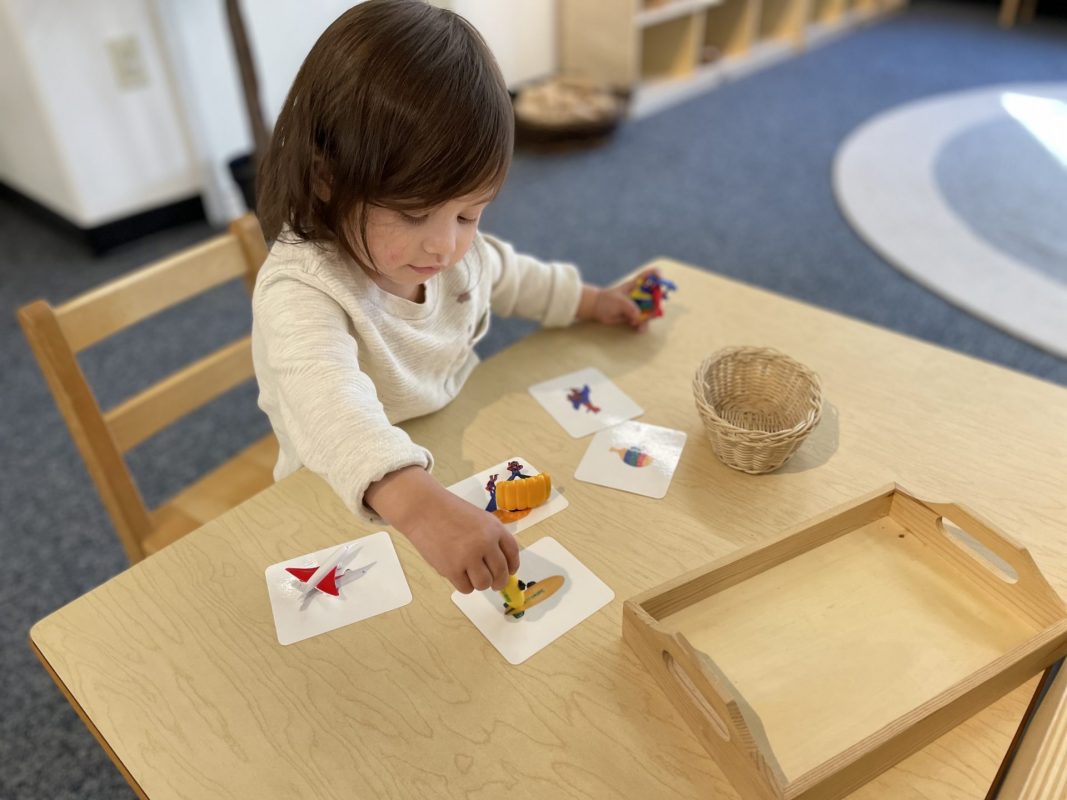
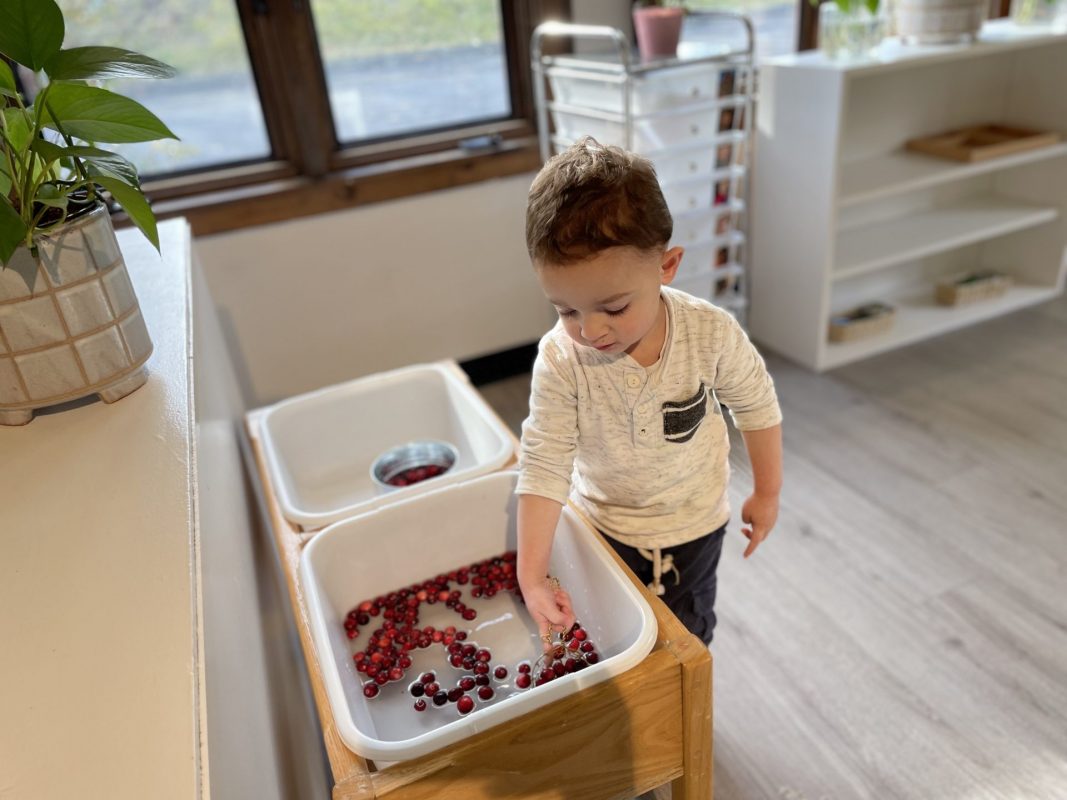
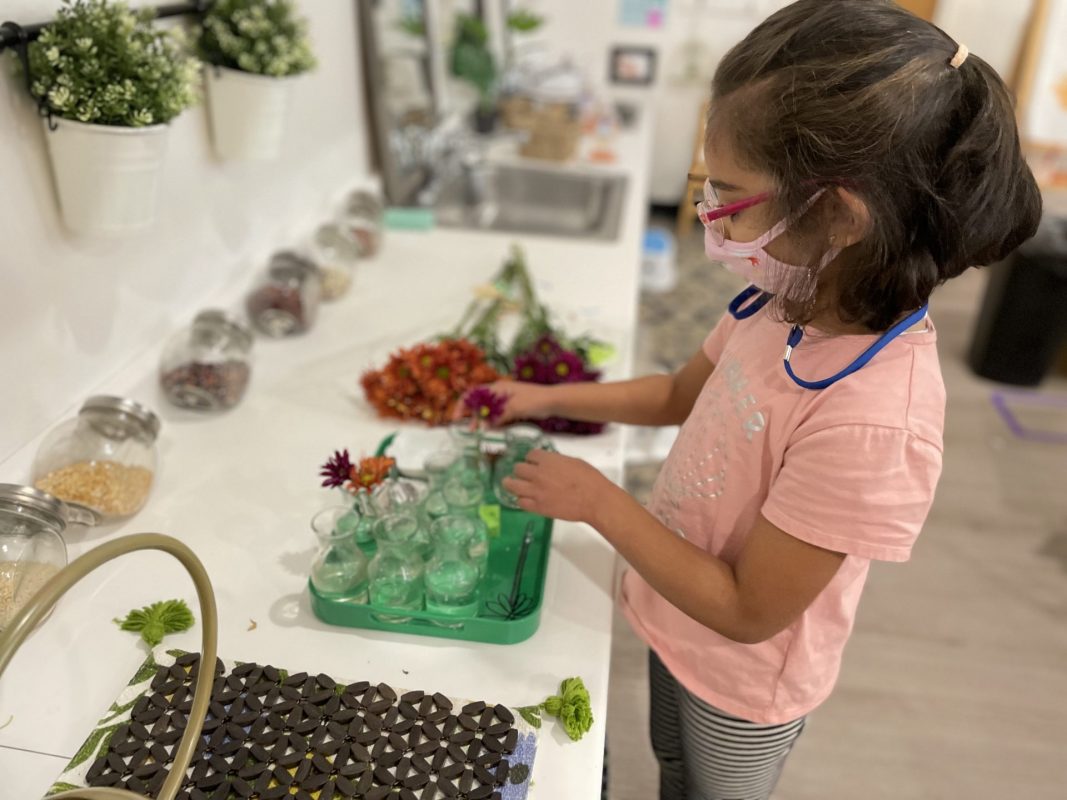
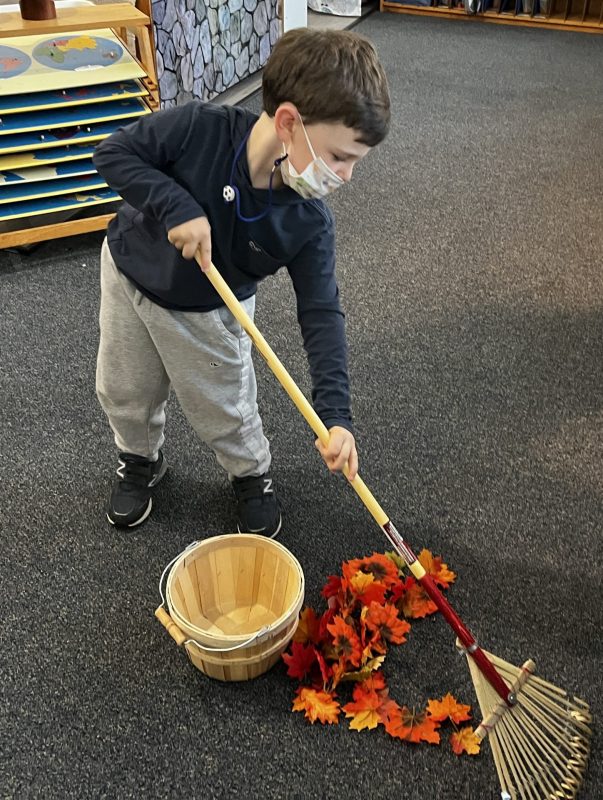
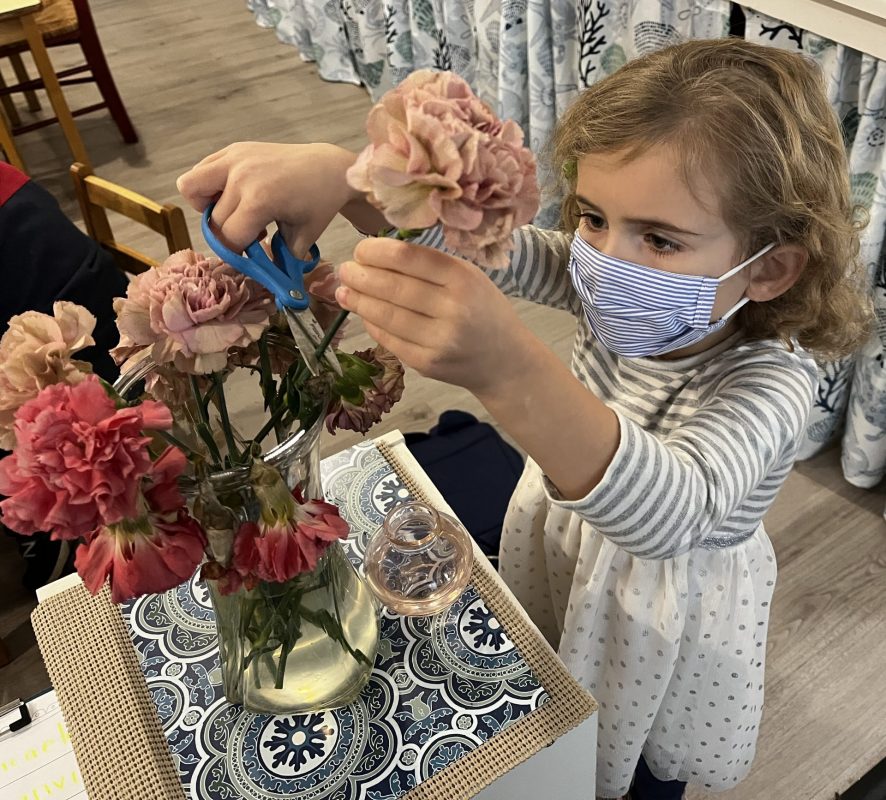
The week started off with us adding more “holiday” themed materials. This week we added lessons that represent Christmas and Kwanzaa. The new and exciting materials made the refinement of the hands area quite busy.

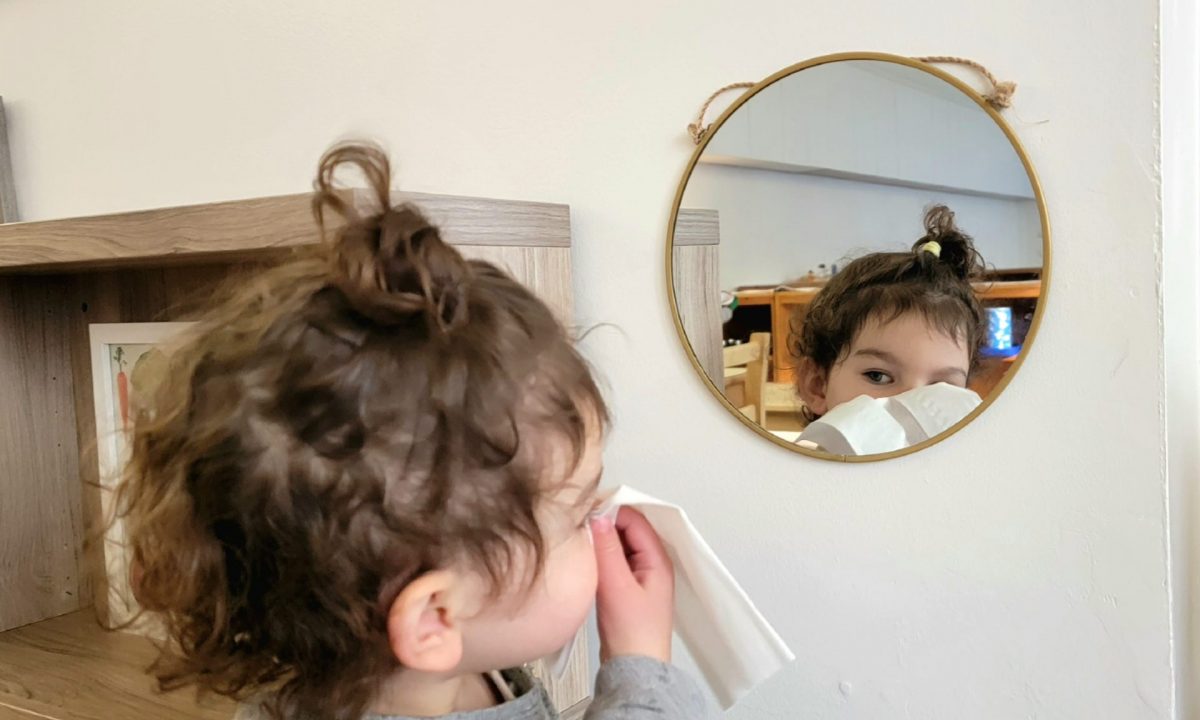
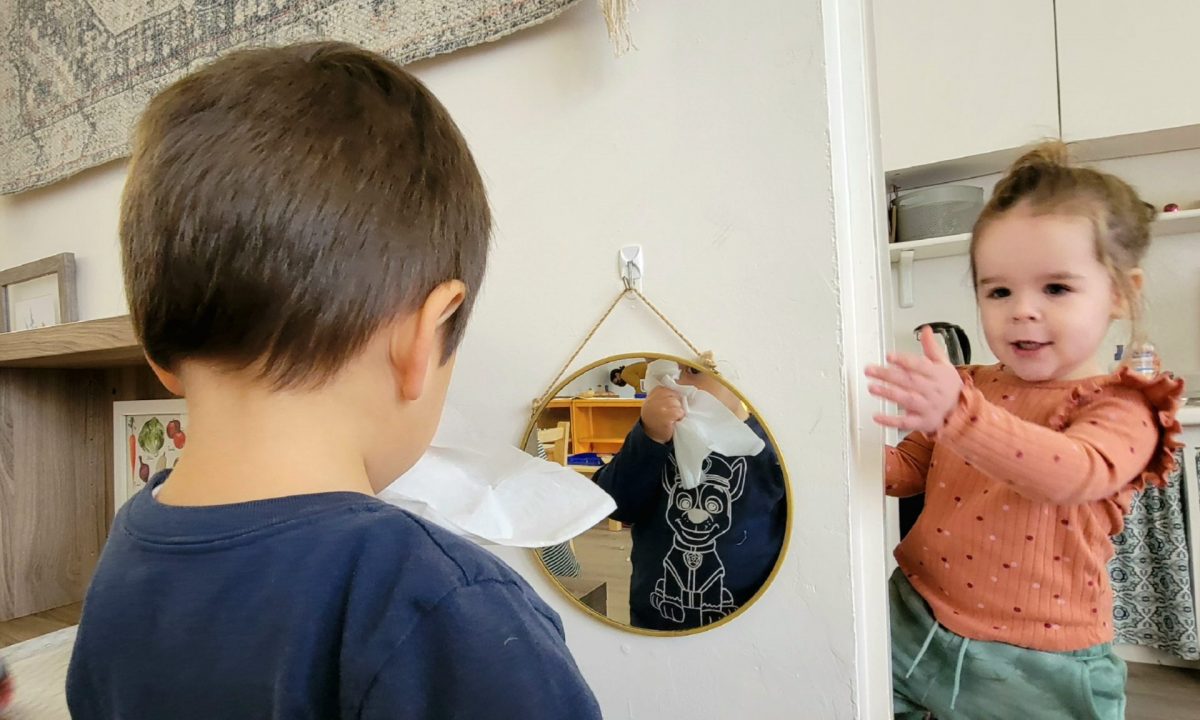
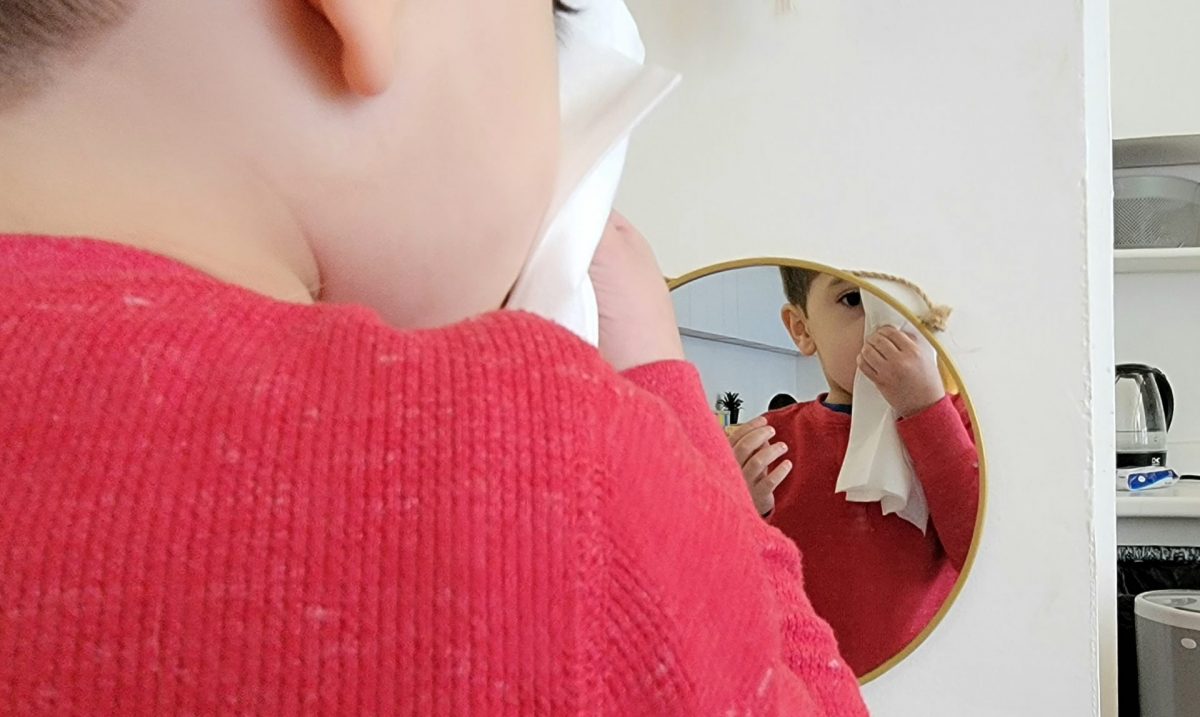
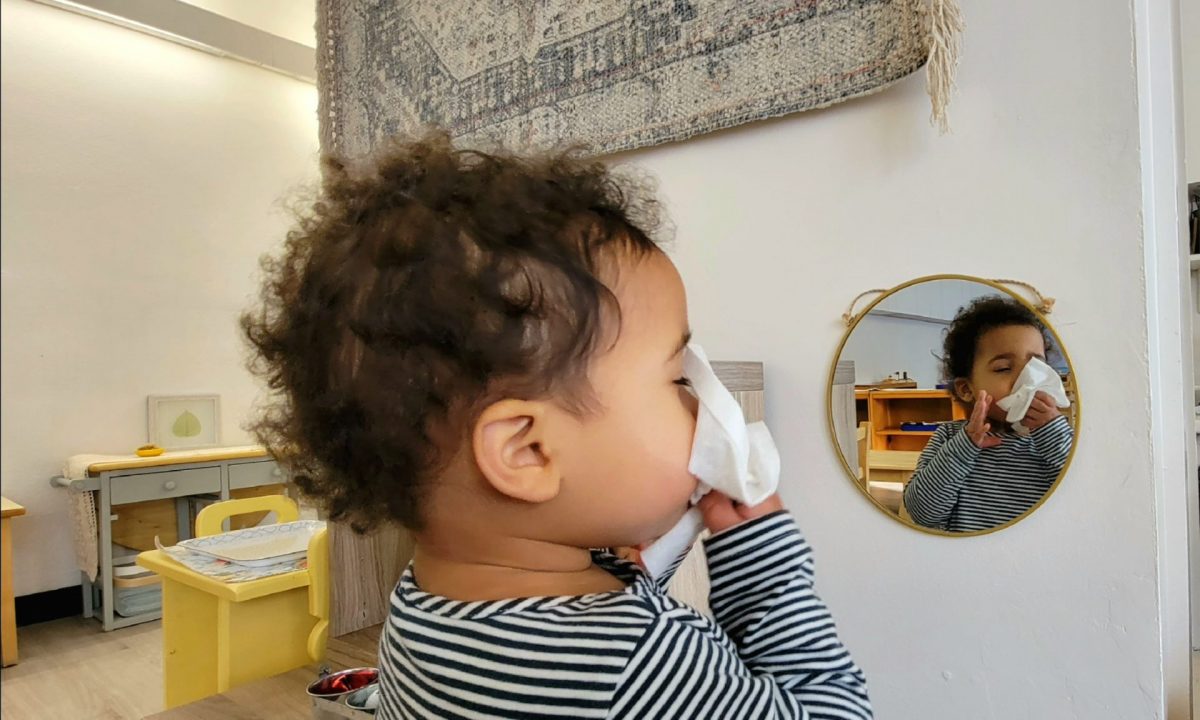
This is the time of the year we start to see more runny noses. With that, it is also a great opportunity to practice self-care. The children were invited for individualized lessons on cleaning their noses. I demonstrated how to take a tissue out of the box, hold the tissue, place the tissue over their nose, and then squeeze their nose. I use the phrase “squeeze your nose” vs wiping your nose because as you can imagine when they wipe they are more than likely to spread it across their face. Afterward, they throw away their tissue and wash their hands. Another good lesson to practice at home is to cover their cough and sneezes inside their shirts instead of their elbow. This helps keep all those germs off the outside of their clothing.

Mrs. Wilson


Mrs. Semmah Hanukkah Celebration

Teaching children about the diversity of the world starts with learning about other people from different cultures. The holiday season is an opportunity for the children to know about the different holidays around the world that focus on loved ones. Hanukkah  is one of the holidays that provides a time for people to focus on their loved ones, share good foods, and participate in family traditions.

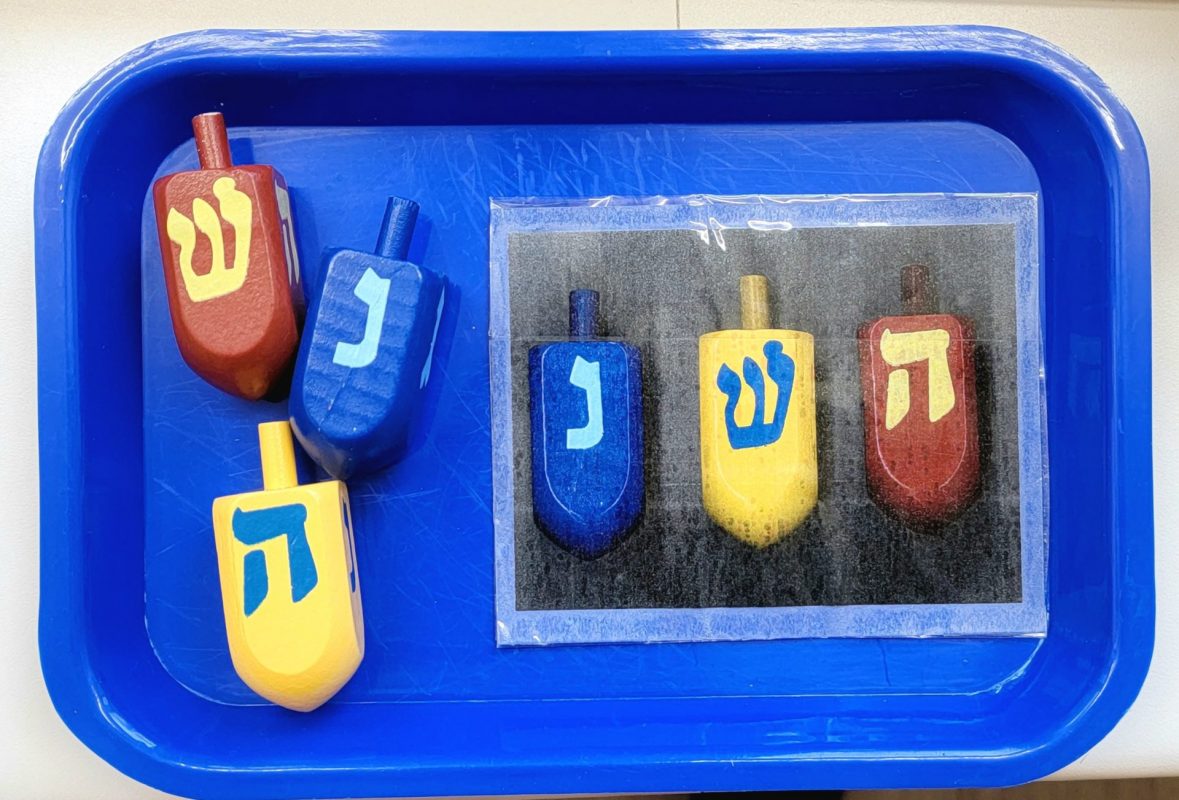
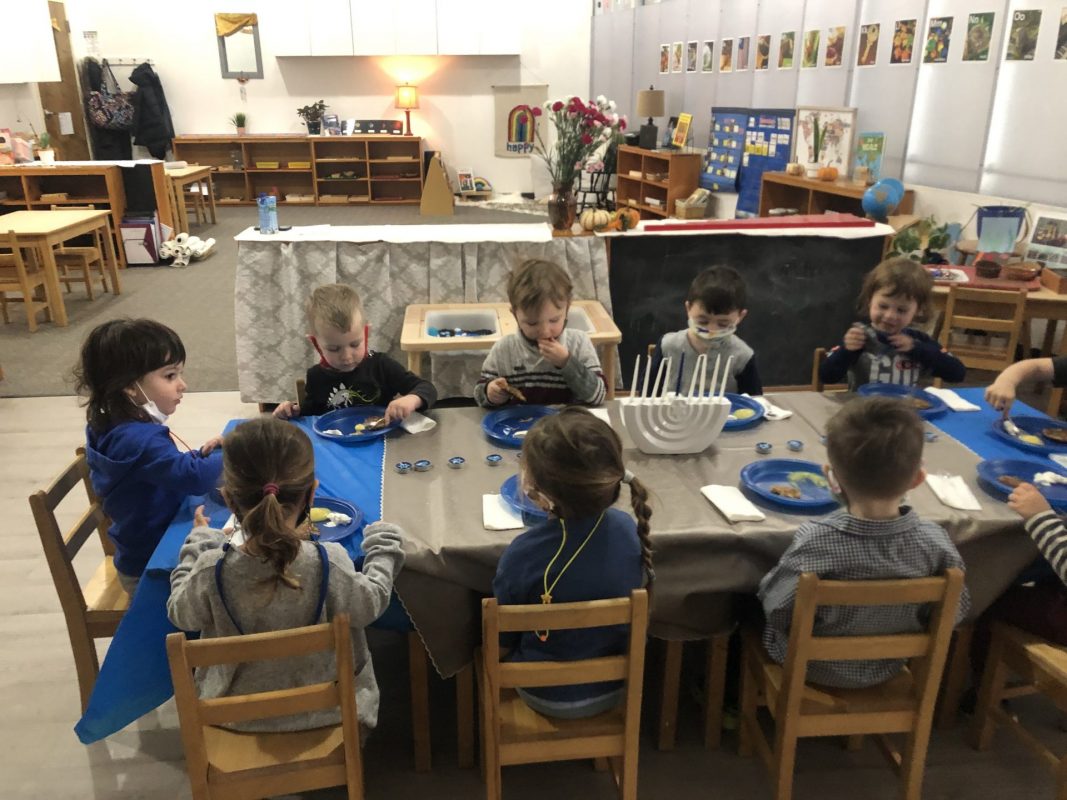
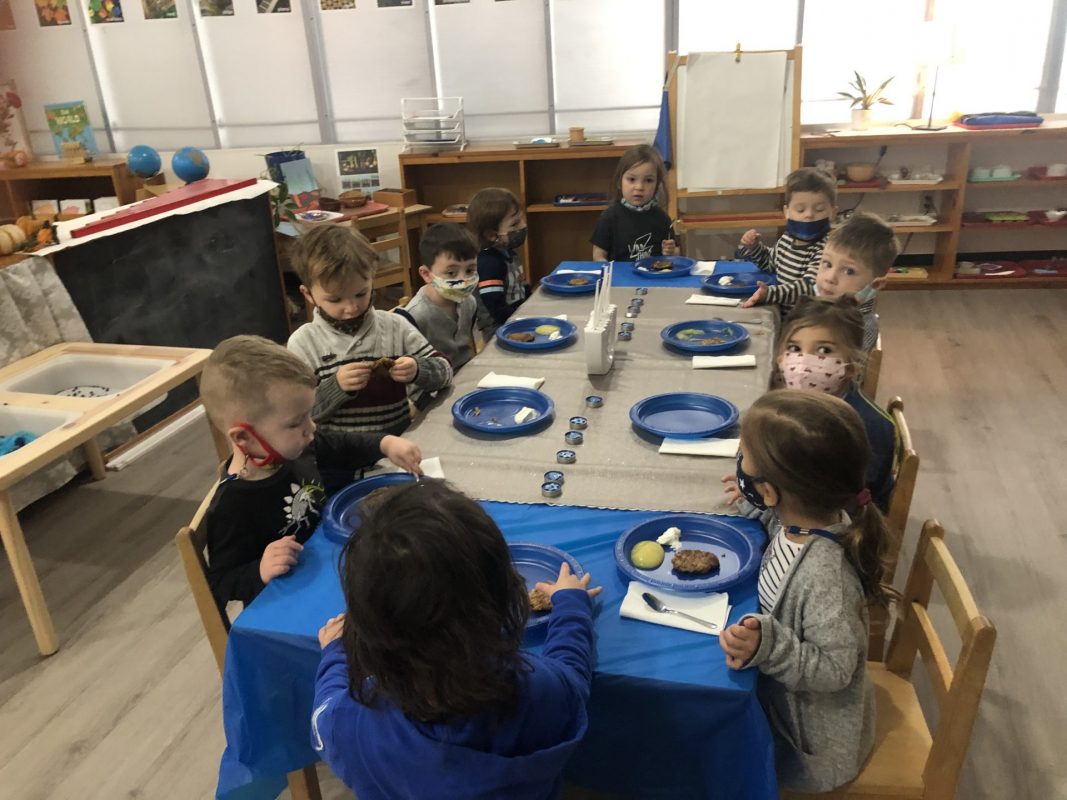
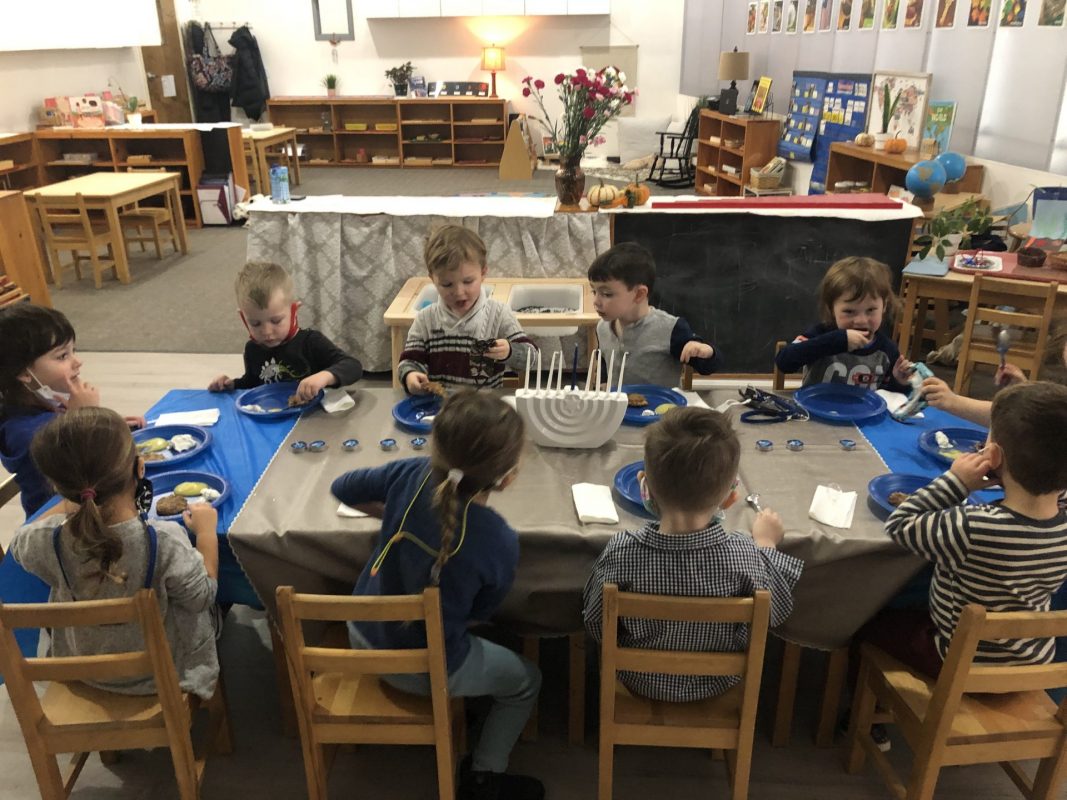
Last week we celebrated Hanukkah, the festival of lights, in our classroom. After reading the book My First Menorah, the children had a chance to know what a Menorah is.

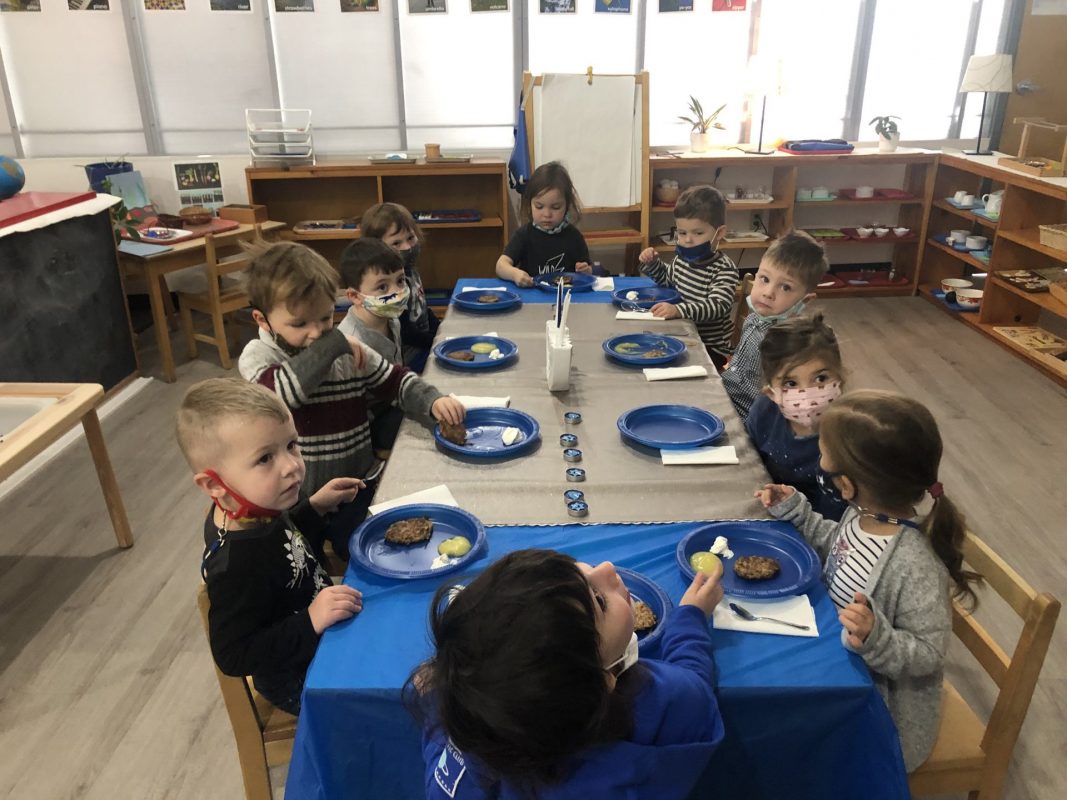
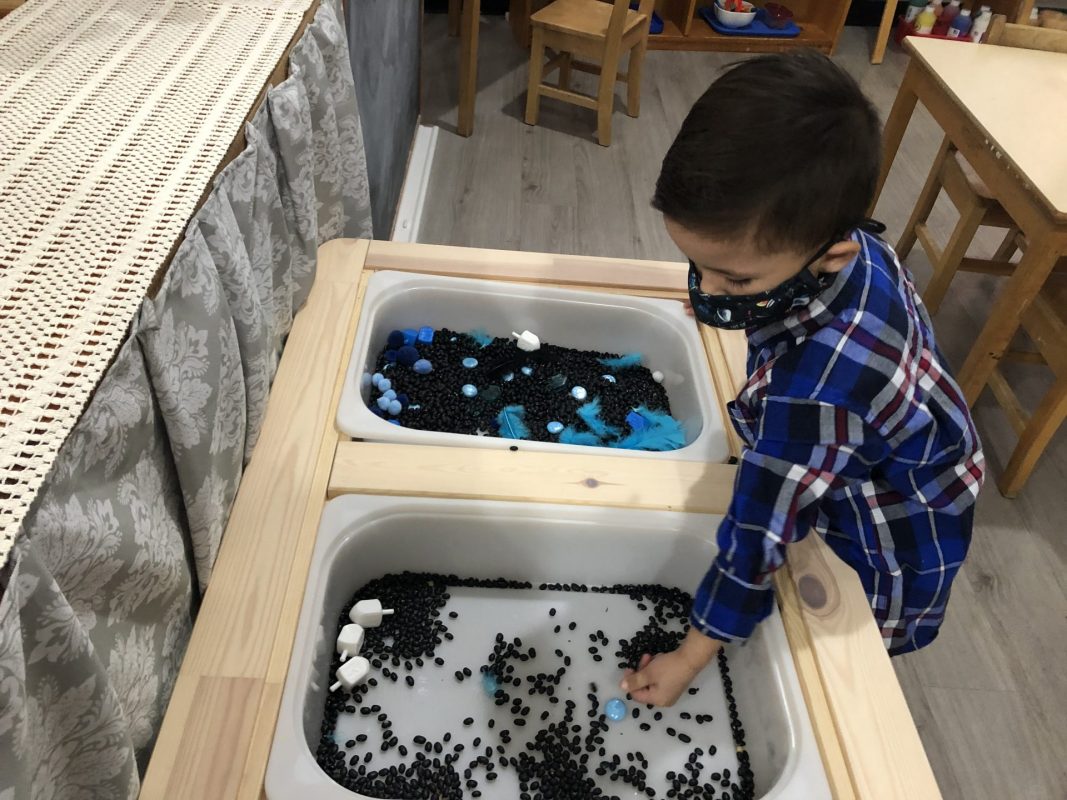
I also showed them a menorah that holds eight candles,plus a very special one called a shamash in the center and is used to light a new candle every night to celebrate Hanukkah. All the children joined the big table to share the delicious potato latkes, sour cream, and apple sauce.  It was very nice to see the children celebrating and having fun, they also decorated some dreidel art projects. The Hanukkah sensory bin was popular among the children. It includes black beans, blue feathers, blue beads, blue pompoms, and blue and white dreidels. During the holiday season, we celebrate many holidays, including Thanksgiving, Hanukkah, and Christmas. It is a cultural lesson about different celebrations of different people and sharing the joy and happy moments of the holidays.

A big thank you to Kenyon and Lidia for organizing this Hanukkah celebration. We also appreciated all the parents who have devoted their time and generosity in bringing in the delicious latkes, sour cream, and making the apple sauce from scratch. Children enjoyed every bit of the food.

Lots of love and peace.

Kaoutar and Sara 


Middle School: Week in Review

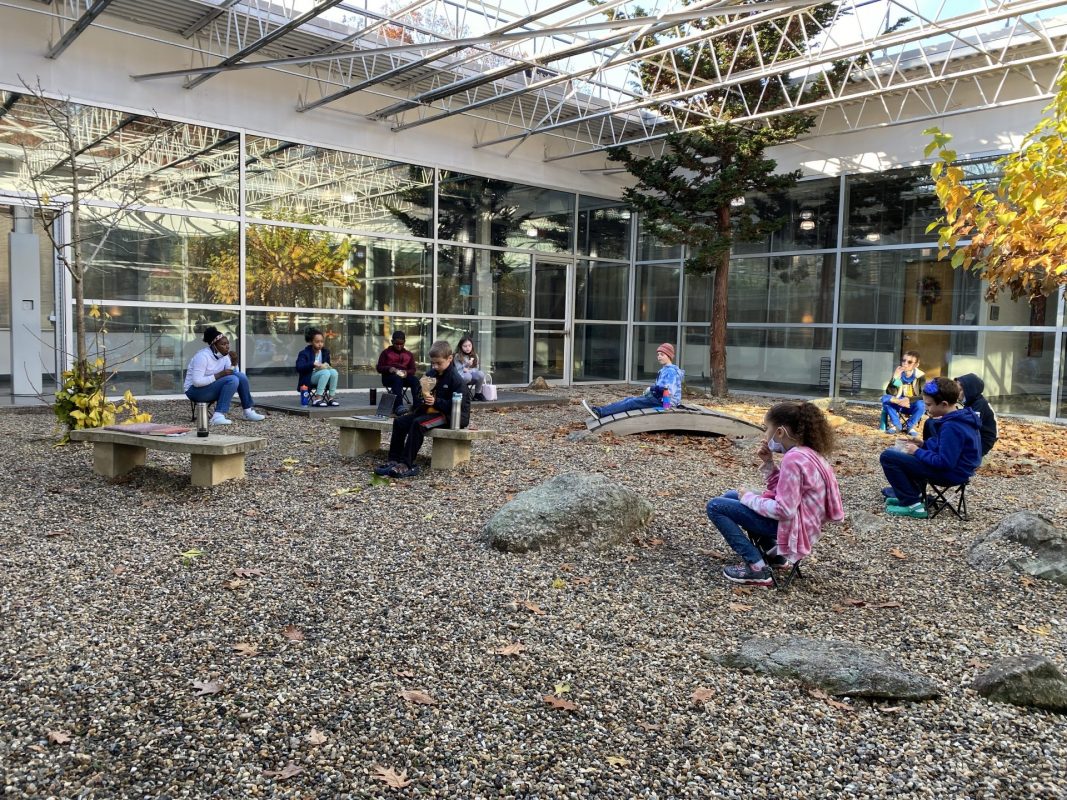
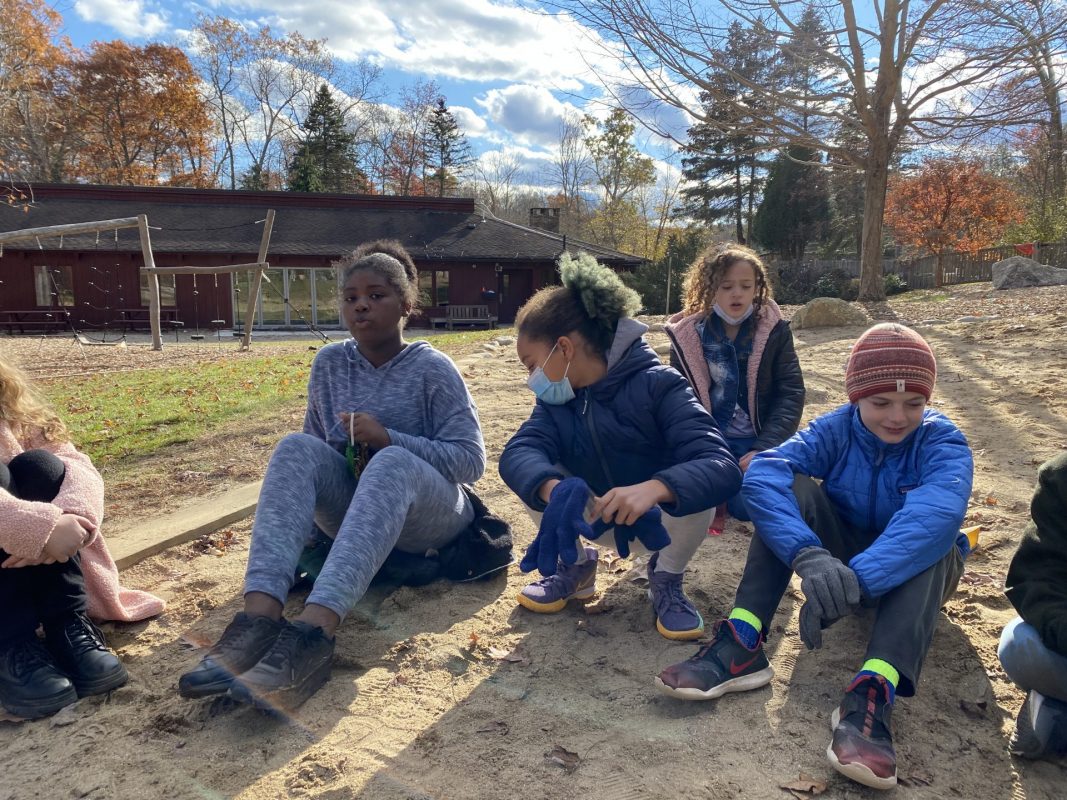
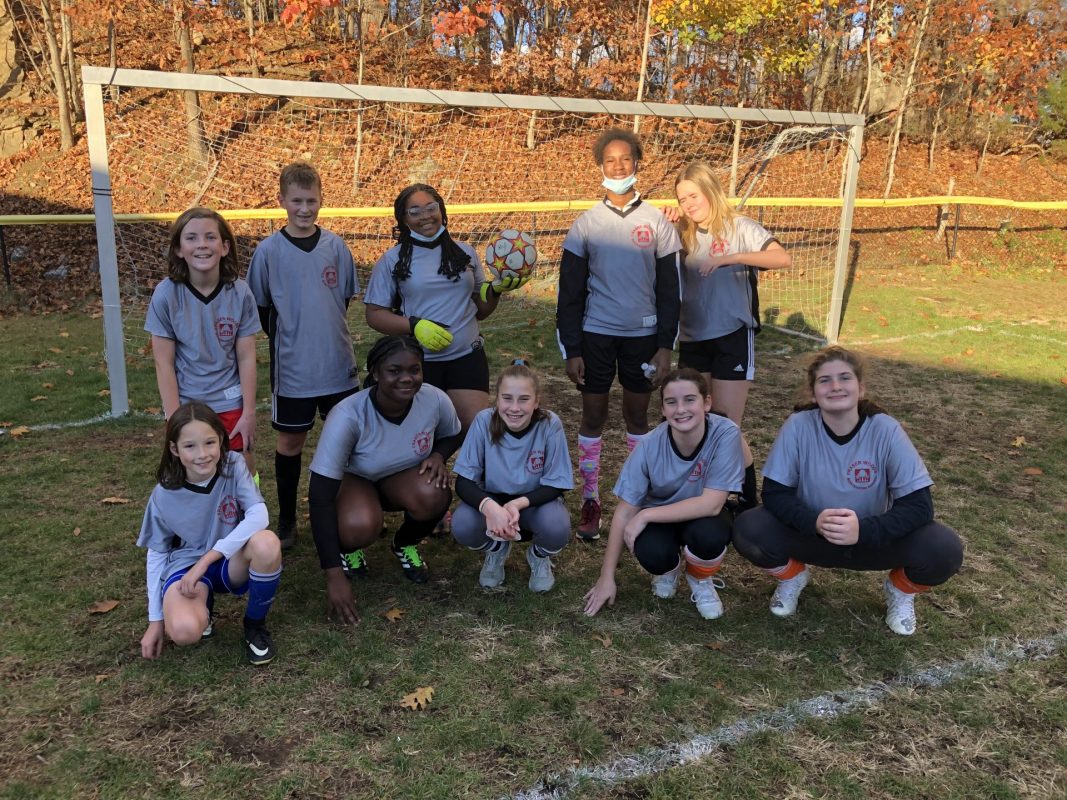
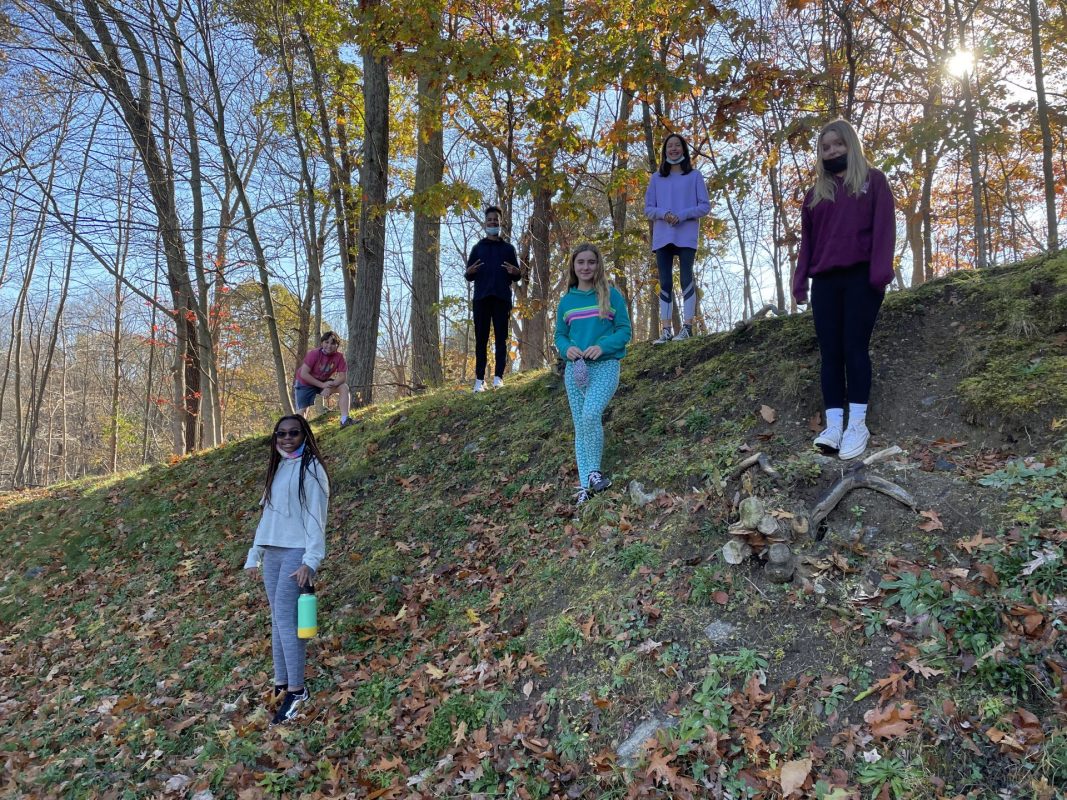
Winter break is one week away and the Middle School community is busy sharing their energetic festive spirit. All the Middle School students recorded their music video with Mr. Erik and the video should be available for viewing soon. We also began decorating our respective advisory doors with this years theme of Winter Wonderland. In addition, the grade 8 class completed the gift wrapping for all the wonderful donations brought in for the Family Gift Drive to support two families.

Next week we will be celebrating the students great accomplishments in 2021 with a fun holiday party on Friday December 17th. Please remember to have your child bring in their secret snowman gift (10$ spending limit) and any treats to share for our party. A respective SignUp genius was emailed to all families in order to help us bring in all the goodies we will need.

HUMANITIES:

6th grade Humanities class has been working on their independent reading novel this week. Individual goals are set for reading and the accompanying assignments will guide book discussions. This week, students have discussed and written about the importance of the setting in a plot as well, identifying the conflict, and making predictions for how the conflict will be resolved. Additionally, students completed another unit of vocabulary.
7th grade Humanities classes are continuing to work through Baba Wague Diakite’s memoir, A Gift From Childhood, that focuses on growing up in Mali during the second part of the 20th century. In addition to book discussion, students learned about the traditional ceremonies and celebrations surrounding boys becoming adults in Mali as well as Kenya. 7th grade students also learned about the qualities of a fable, since many of the stories that Baba tells could be considered fables. The class has begun prewriting for their own fables that will be drafted next week. Finally, students completed a unit of vocabulary.
In 8th grade Humanities, students learned about the Age of Exploration. This involved taking a deeper look at explorers, their reasons for wanting to travel west, where they ended up exploring, and the subsequent impacts. Students also continued reading their class novel, If I Ever Get Out of Here by Eric Gansworth. Finally, 8th grade students completed a unit of vocabulary.

MATH: 

In Transition class, students began working through chapter 7 in the UCSMP textbook. We will revisit chapter 6 in the new year all together. This class is learning about area and perimeter of 2D shapes, multiplying fractions and applying the commutative and associative property of multiplication. Students are also practicing how to use the distributive property when multiplying large values.
In Algebra class, students can successfully convert rates to a different unit and use ratios to compare two quantities. This class is practicing how to interpret percentile questions and how to solve proportions using a cross-multiplication method. We will conclude our learning of chapter 5 next week and encourage all students to begin long term studying for the chapter test scheduled for Tuesday December 14th.
In Geometry class, students are continuing to work through proof statements using properties of isometries. This class can successfully label alternate interior and exterior angles in a figure, as well as construct equilateral triangles from three non-collinear points. We will continue to work through the triangle-sum, quadrilateral-sum and polygon-sum theorems next week.
Math Joke: What’s the one shape you should avoid at all costs?…..a TRAP-ezoid.

SCIENCE:

This week in Earth Science, students have worked on locating the epicenter of an earthquake using data obtained by 3 seismic stations. Students were tasked with identifying the difference in arrival of P and S waves recorded from a seismograph which were used to determine the distance to the epicenter. Students graphed circles on a map, representing areas of seismic activity through earth’s crust. By graphing 3 different seismograms, students were able to determine the epicenter by locating the area of overlap of the 3 circles.

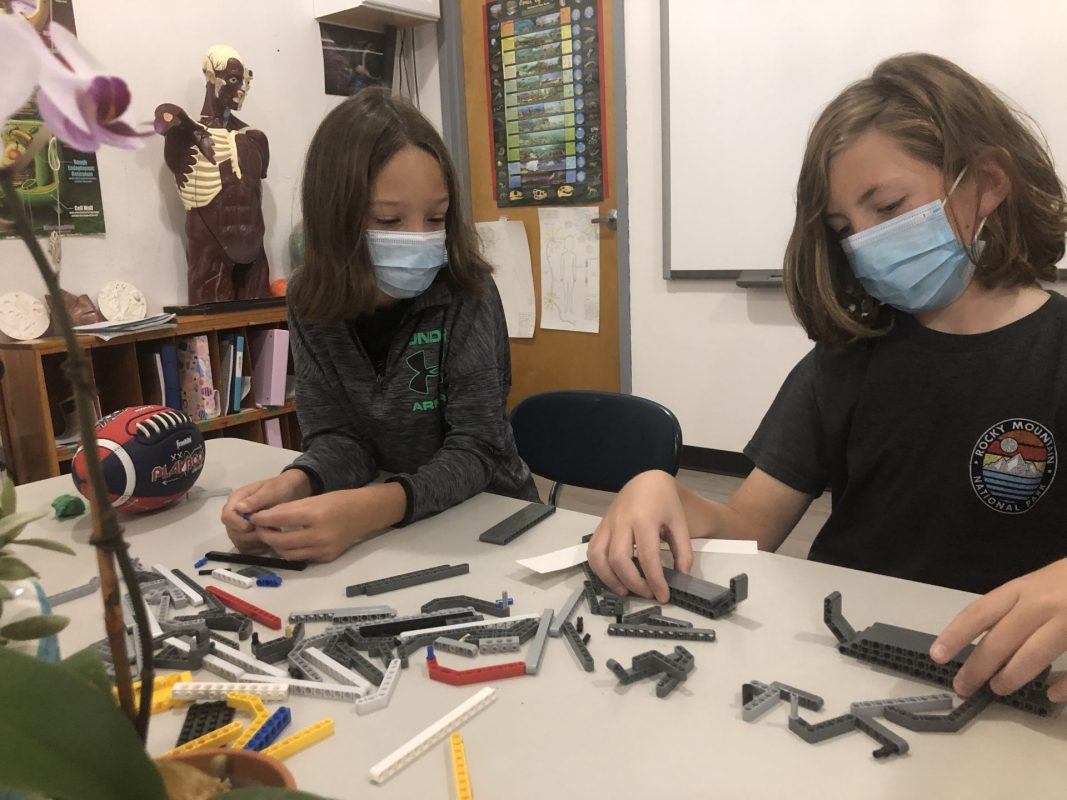
In Physical Science, students finished their stop motion video representations of covalent and ionic bonding of atoms. Students selected 2 molecules that each represented ionic and covalent bonds. The videos depicted the transfer/exchange of electrons between atoms that resulted in a specific type of bond. Throughout working on this project, students became familiar with the properties elements have and how the history of the periodic table of elements.
In Life Science, students finished their stop motion video representations of meiosis. Students created a stop motion video that illustrated the 4 main stages of meiosis (Prophase, Metaphase, Anaphase, Telophase). Students were able to show the difference between mitosis and meiosis as in meiosis, genetic variation occurs during prophase by the exchange of DNA by crossing over. Each student worked hard meeting each of the objectives.
Mrs. Hood’s class: Holiday joy!


Winter holidays are used in our environment as a fun way to keep children engaged, encourage joy of learning, and help us to introduce the passage of time and seasons. Since they bring a sense of light and joyfulness to the long, dark winter months and create a sense of community, we welcome them wholeheartedly. 

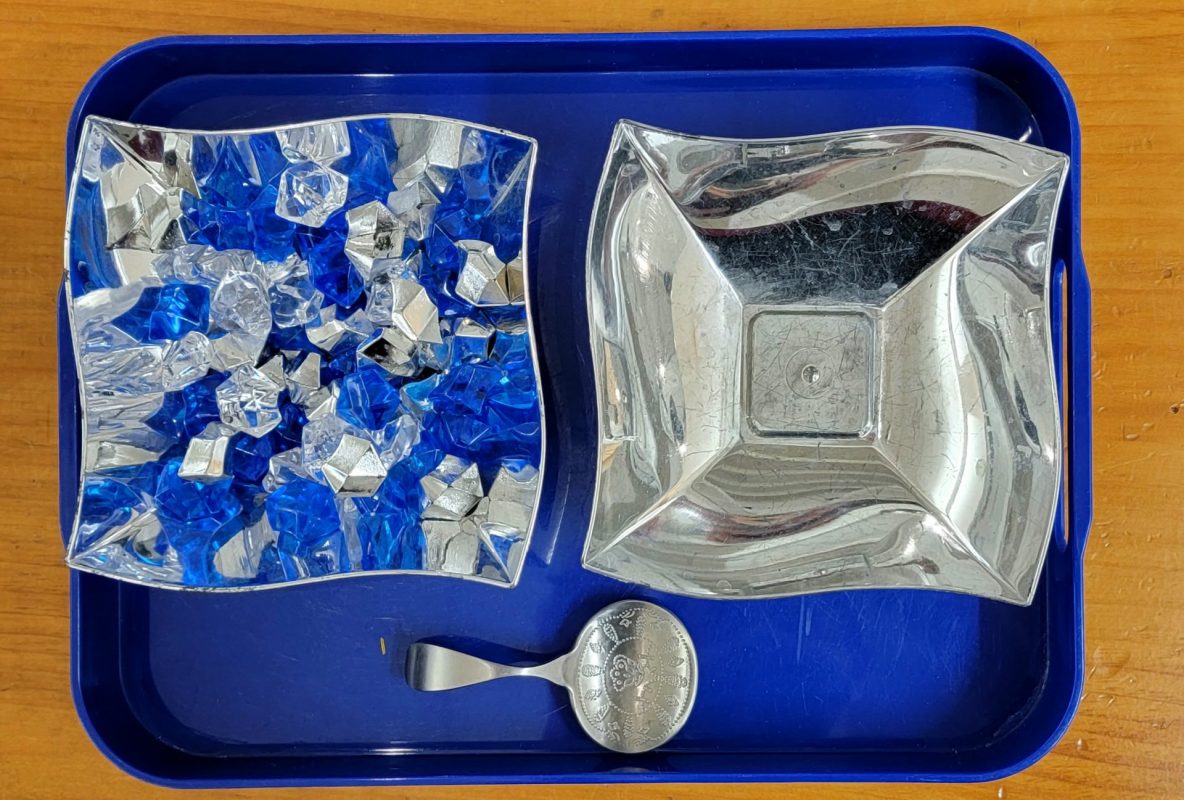
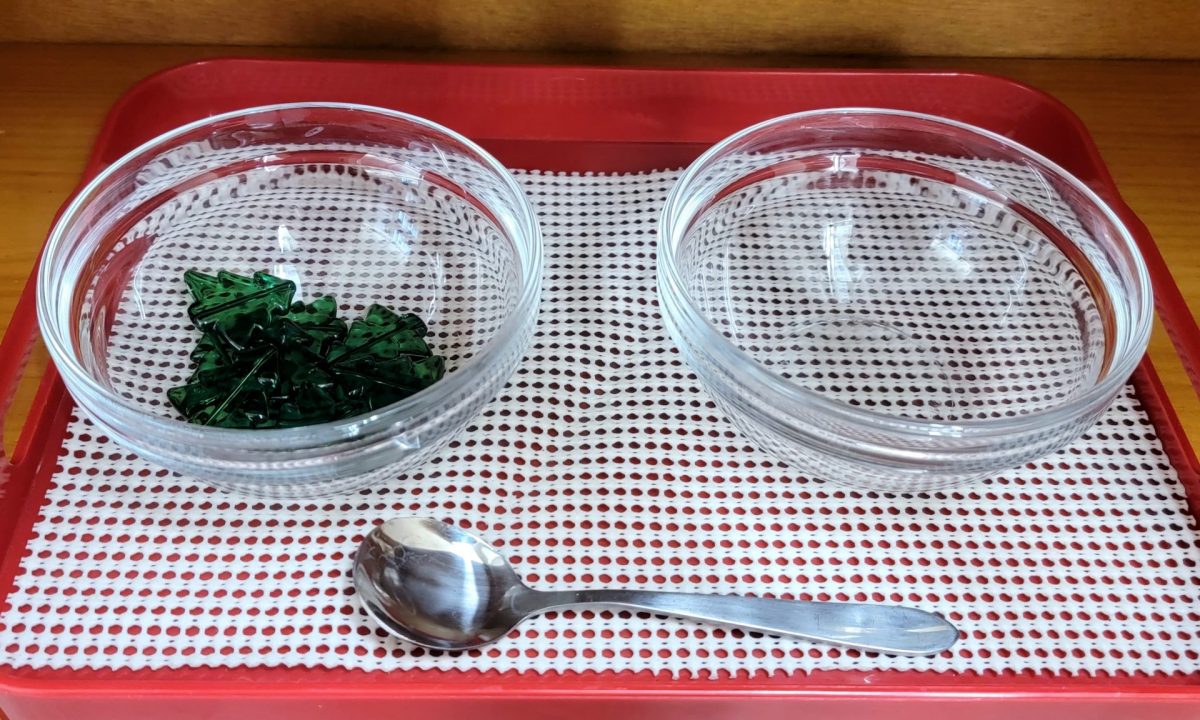
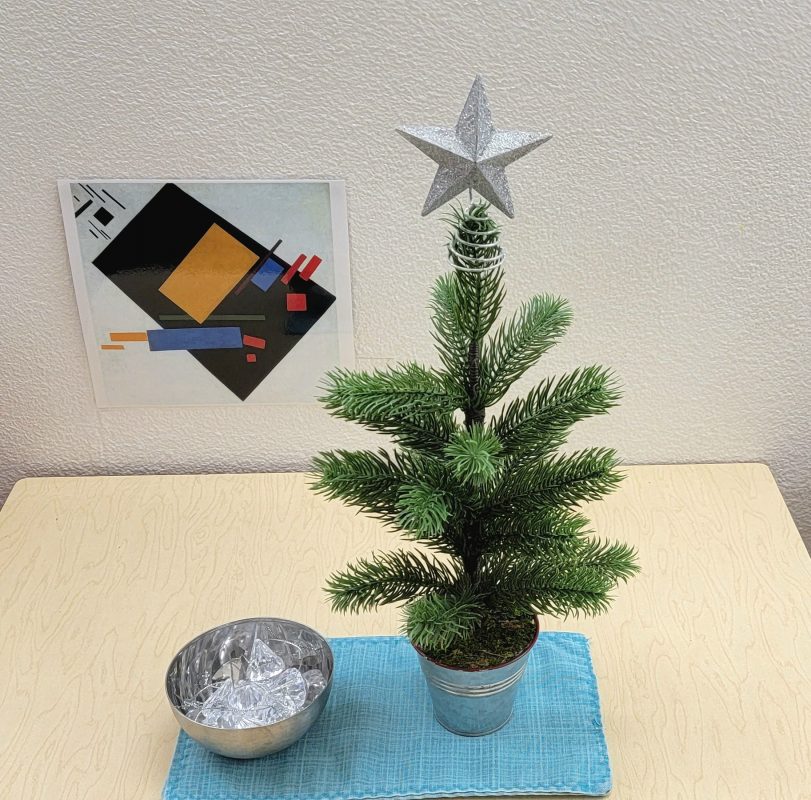
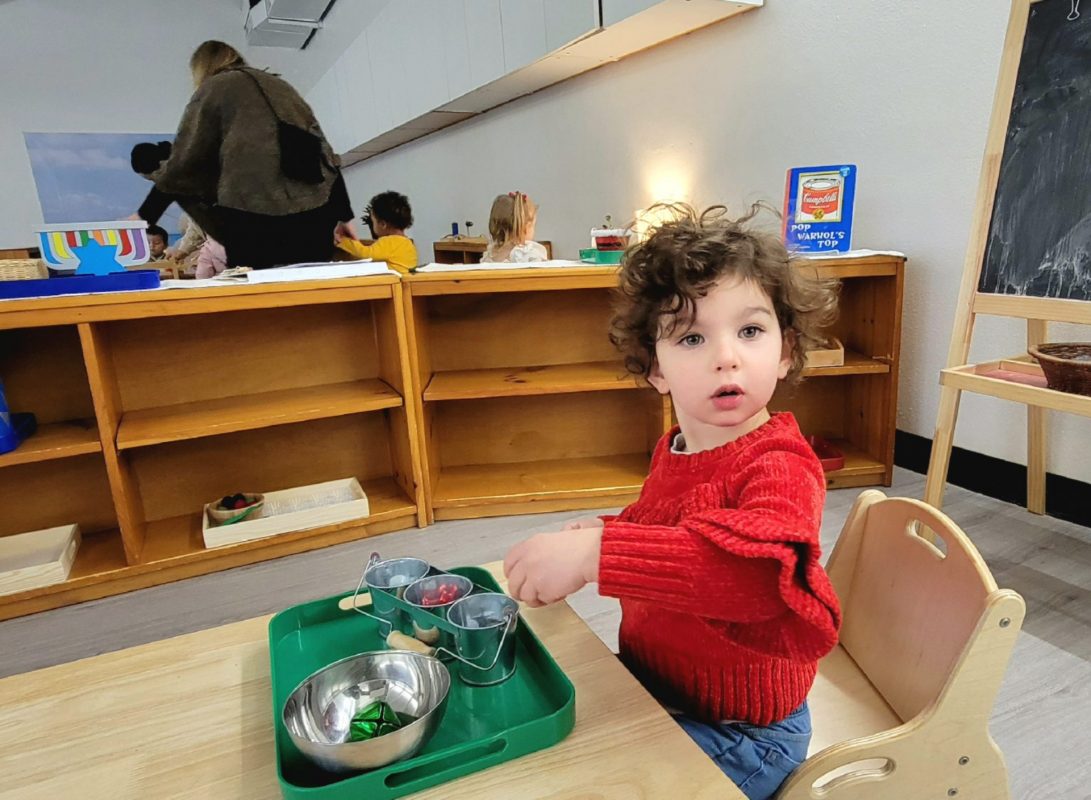
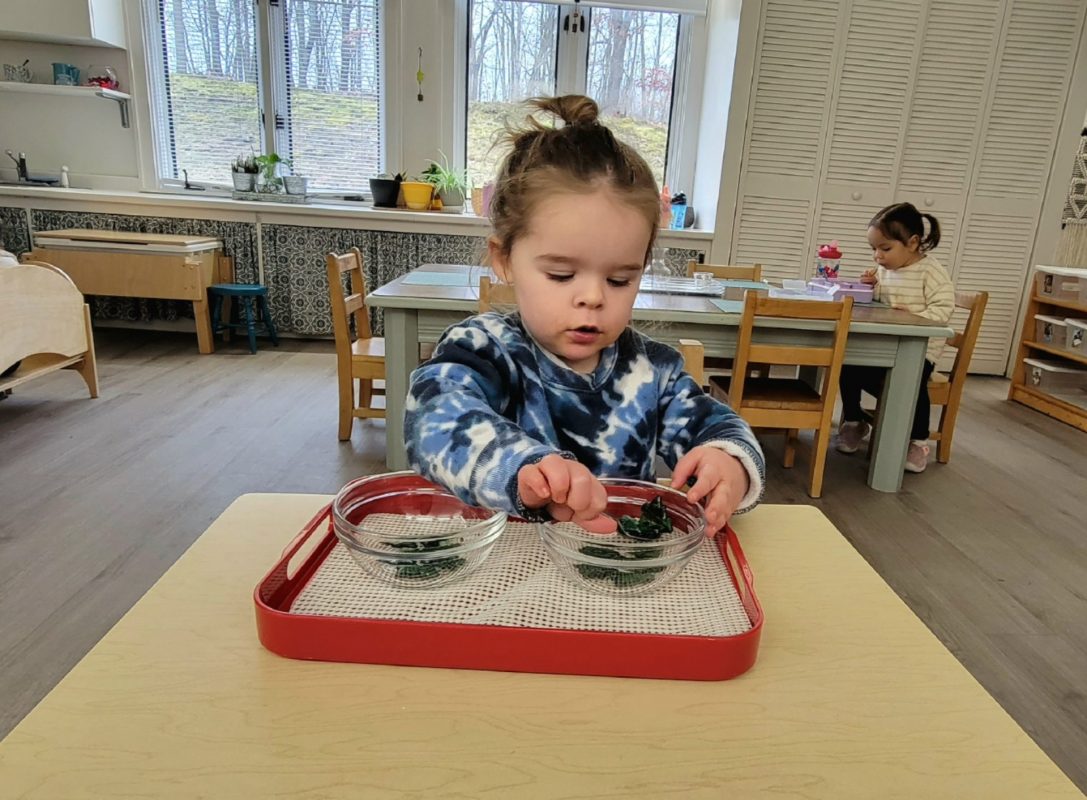
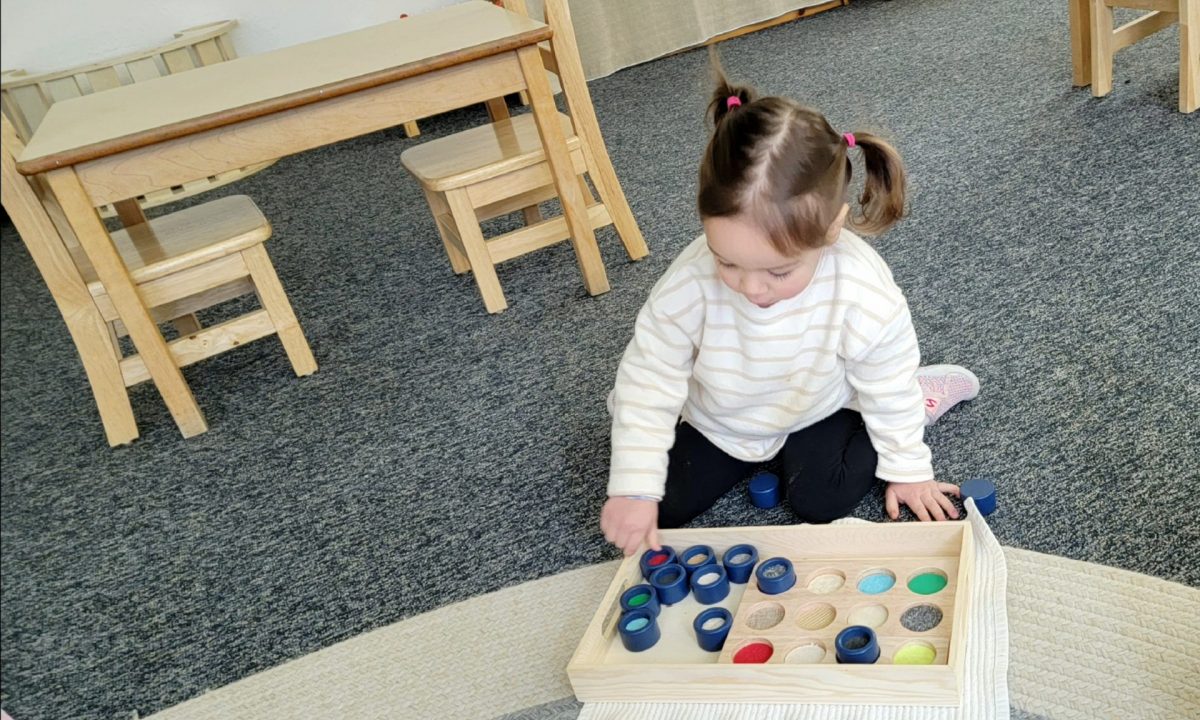
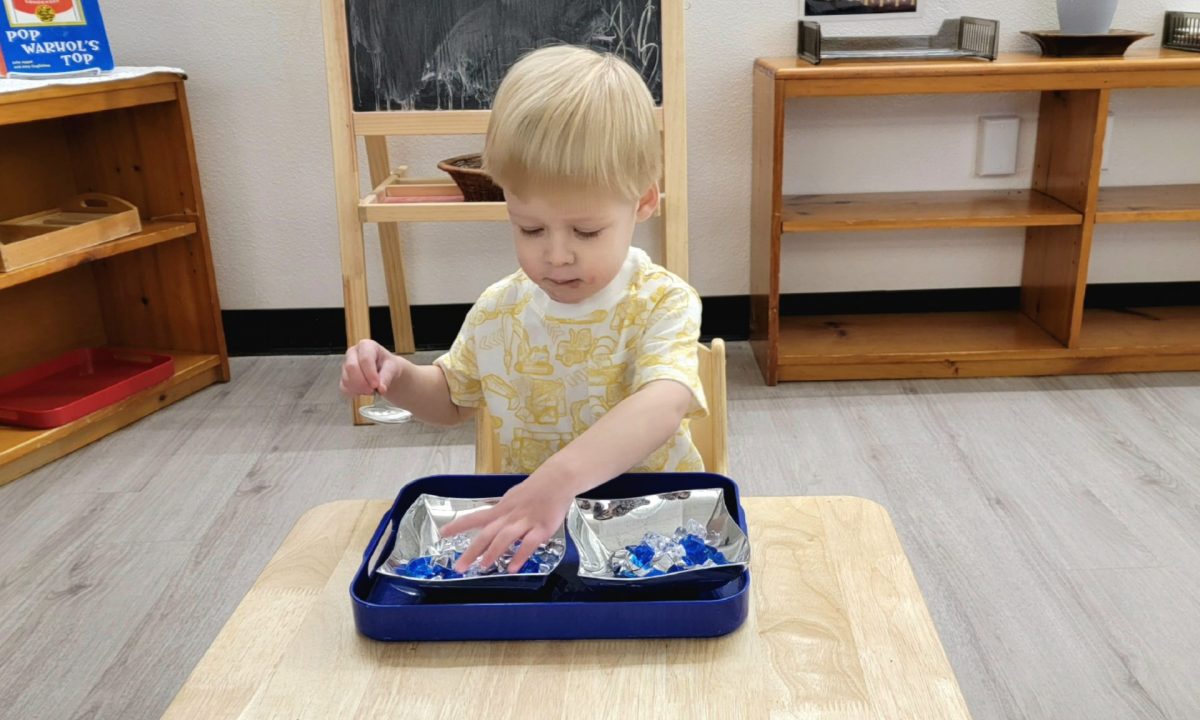
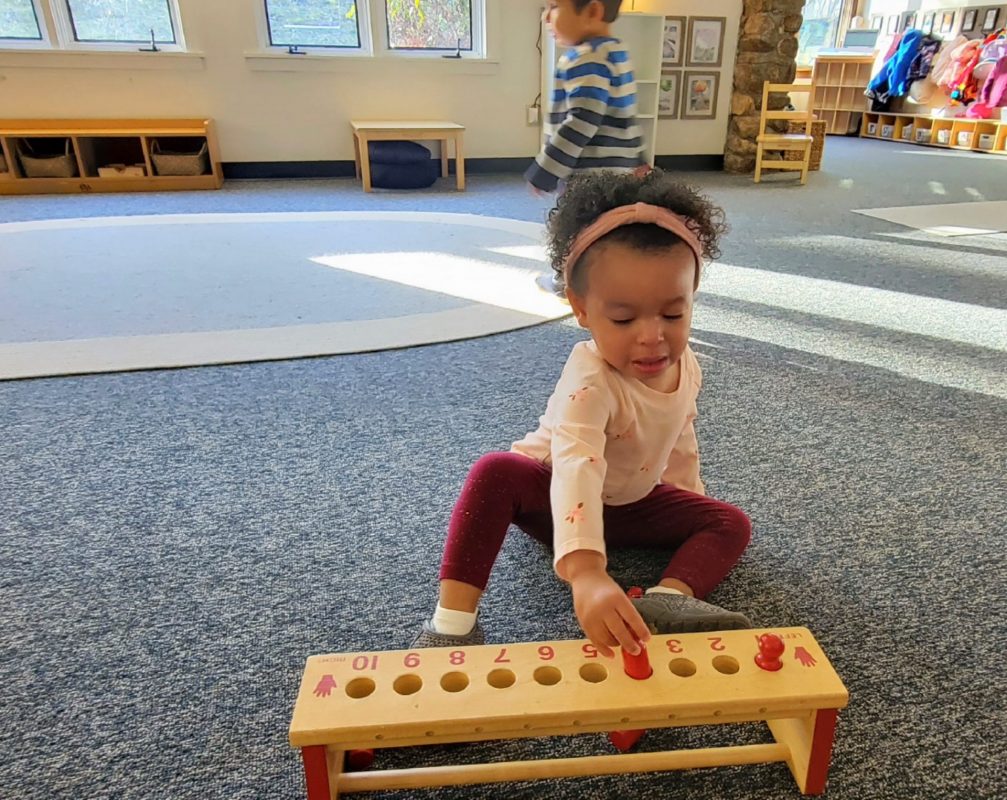
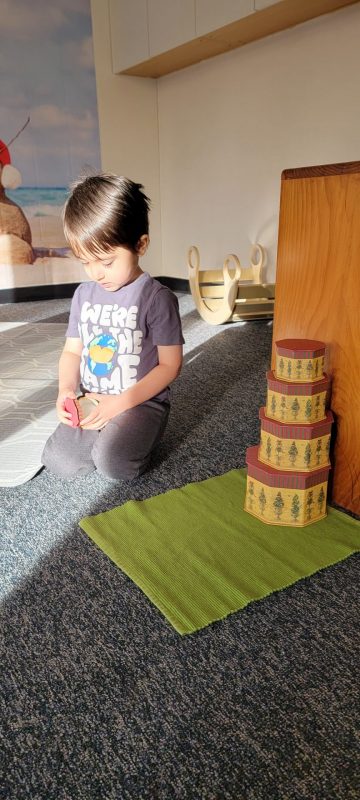
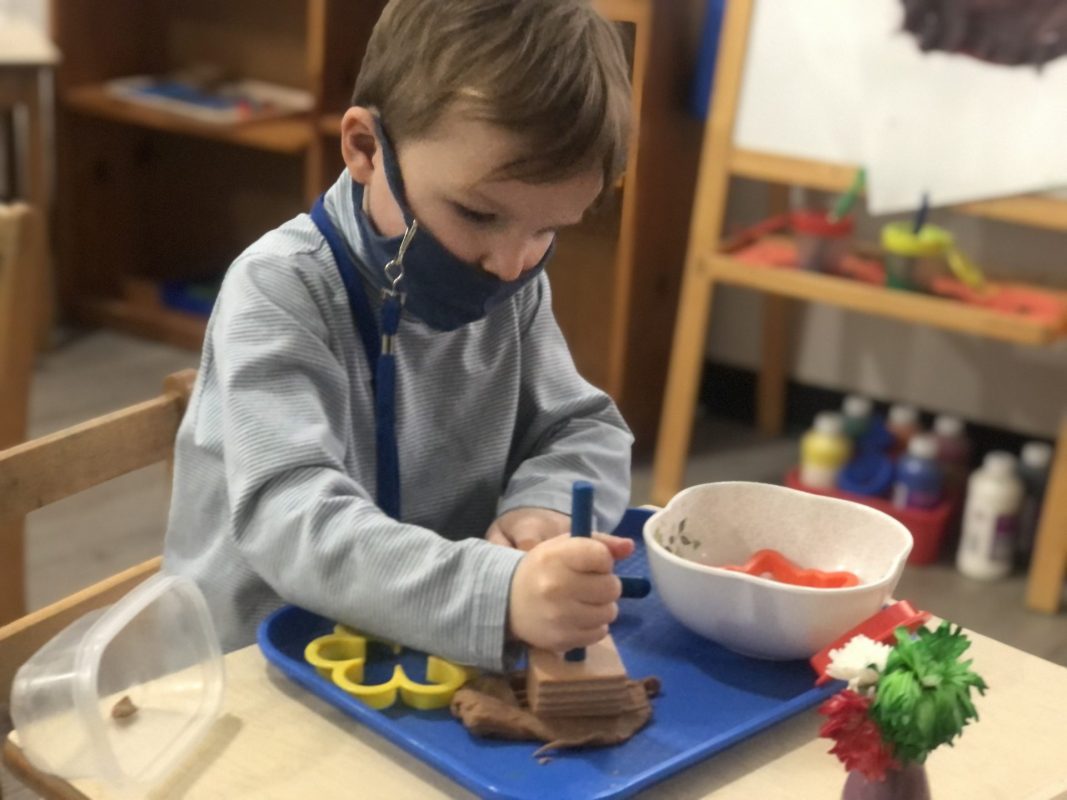
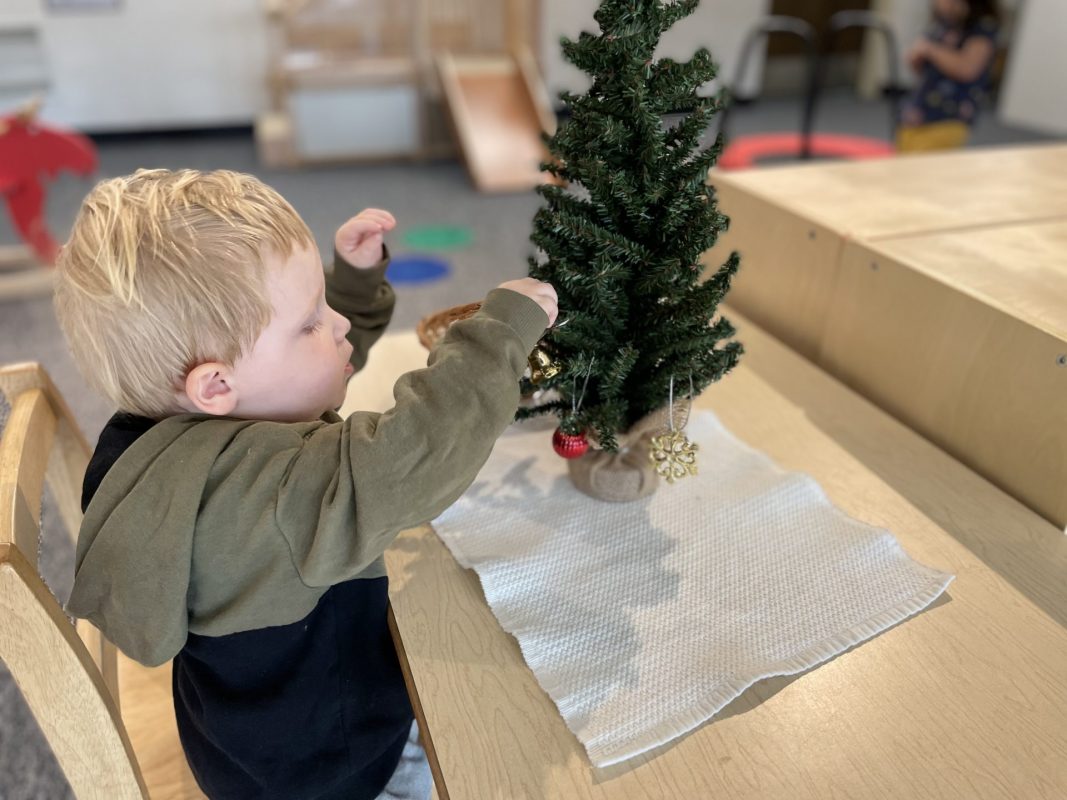
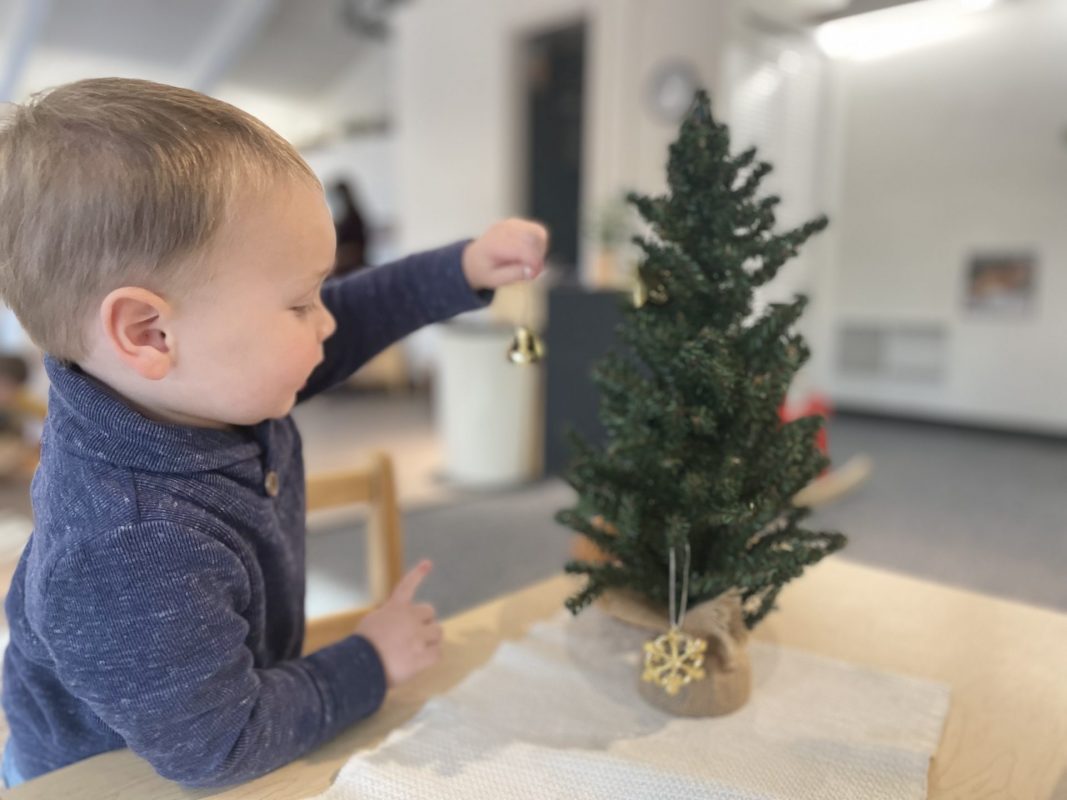
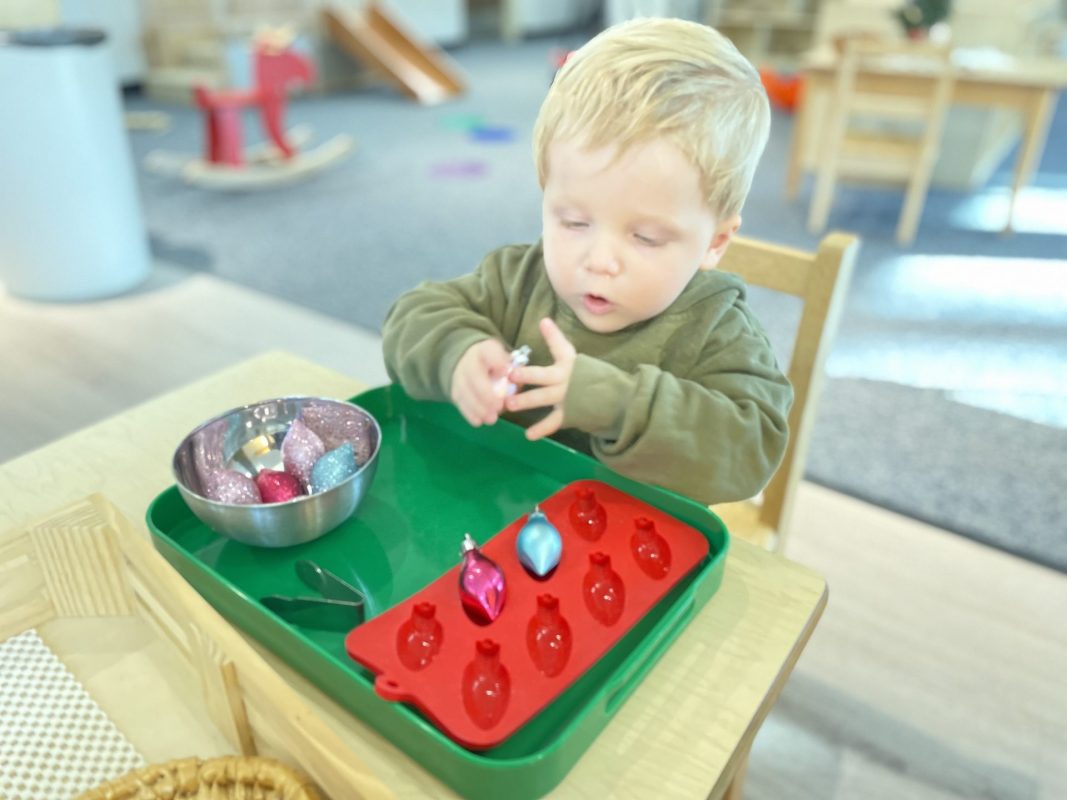
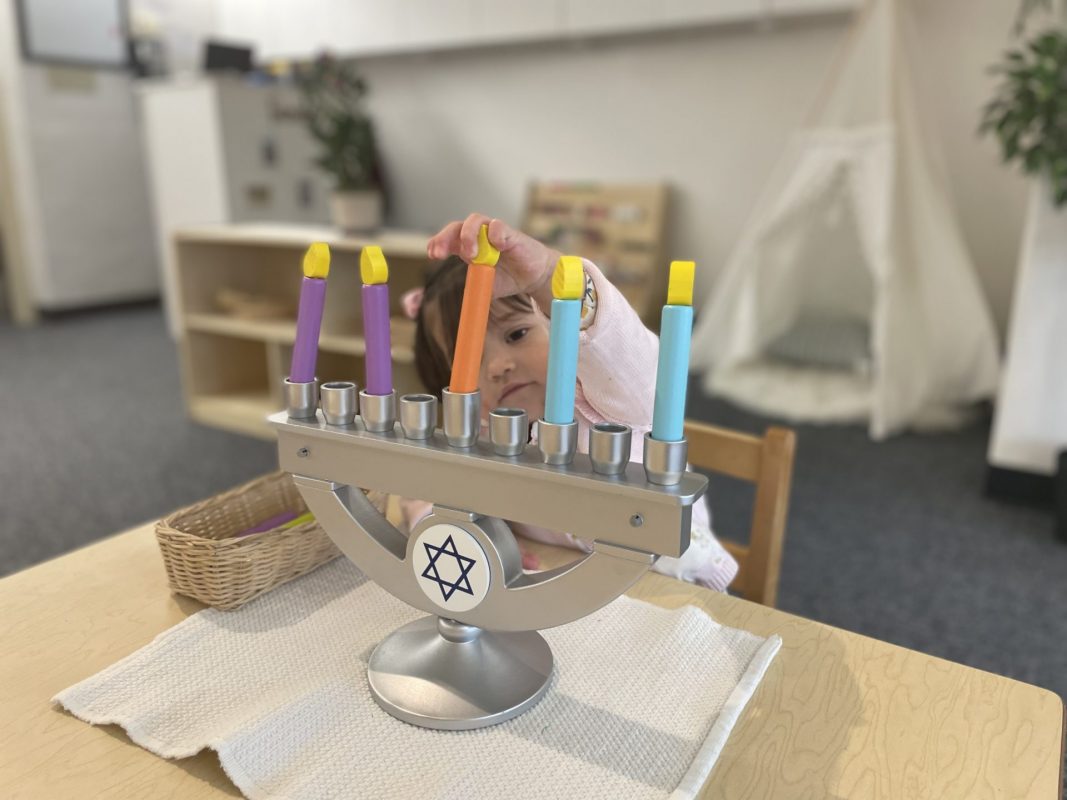
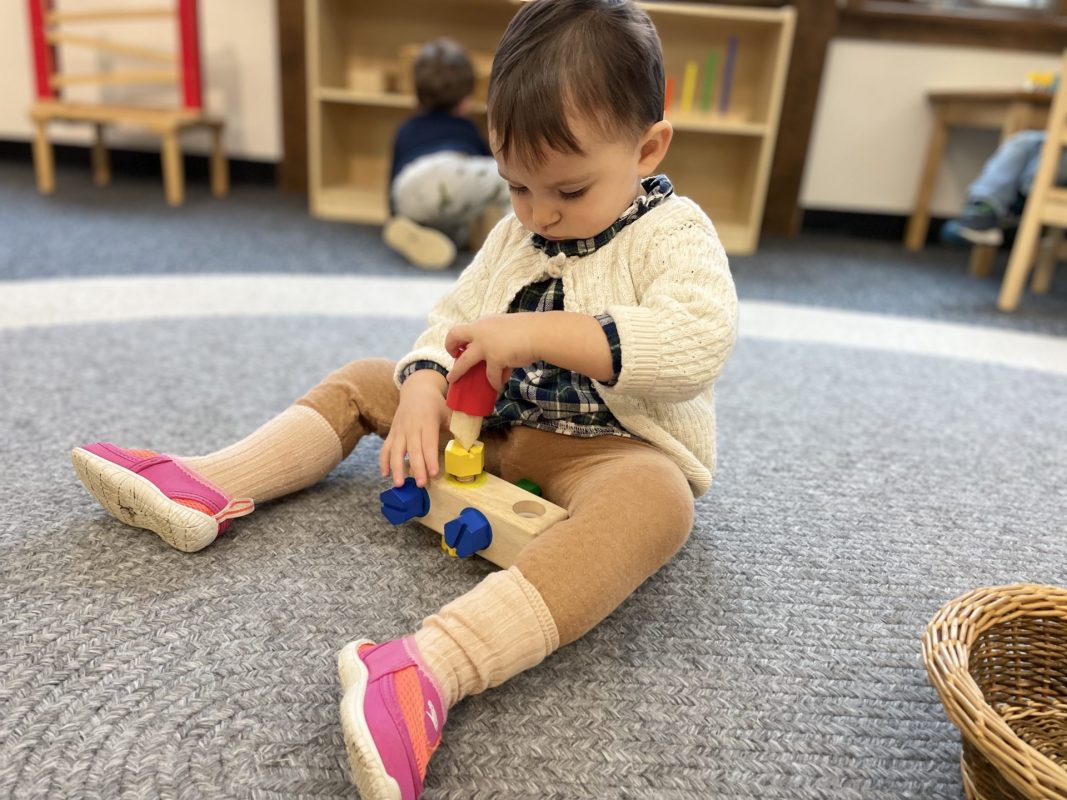
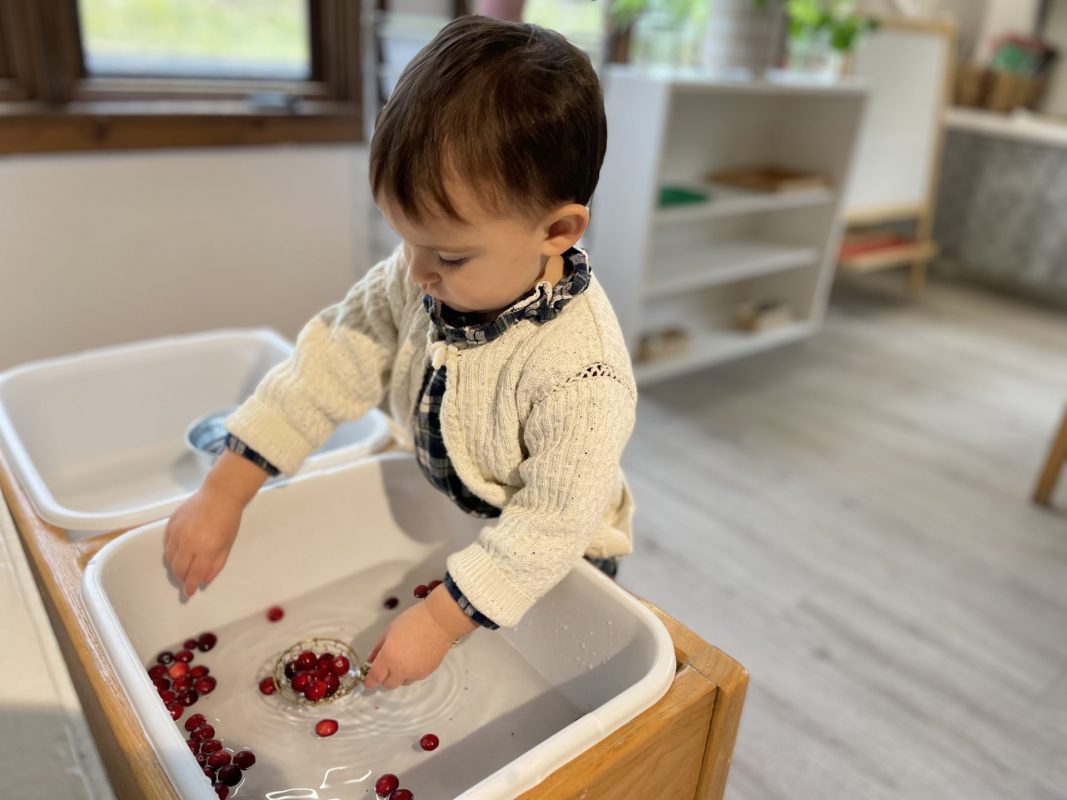
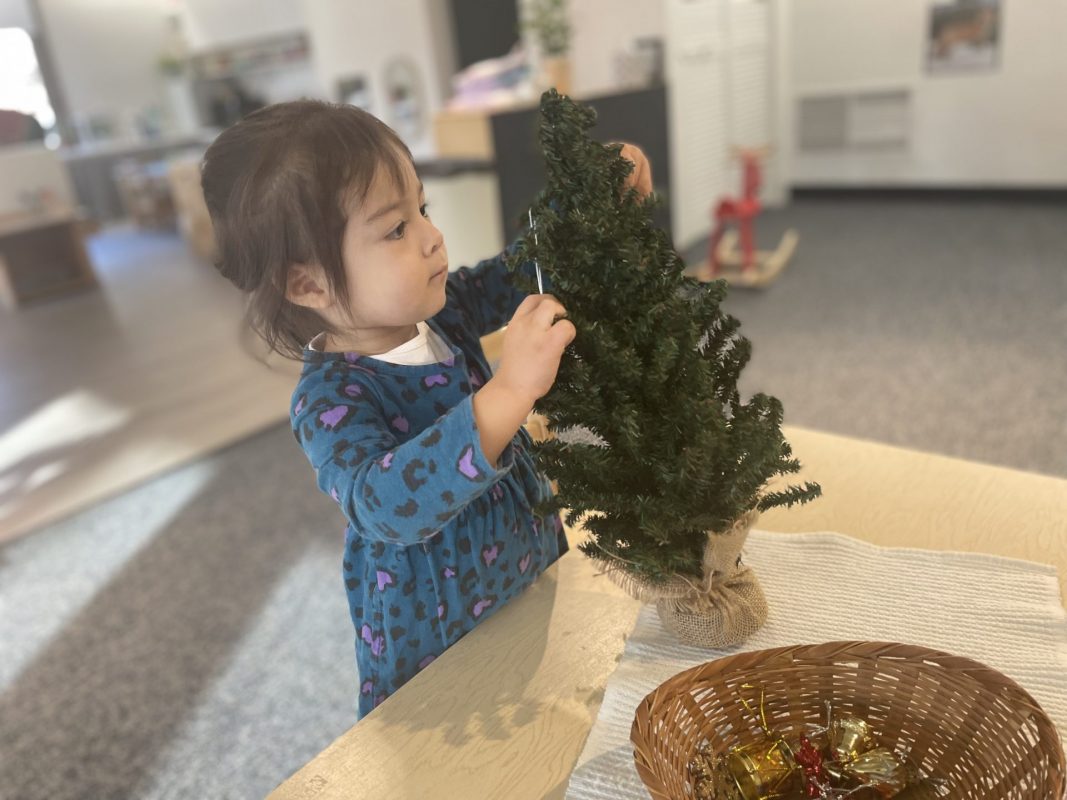
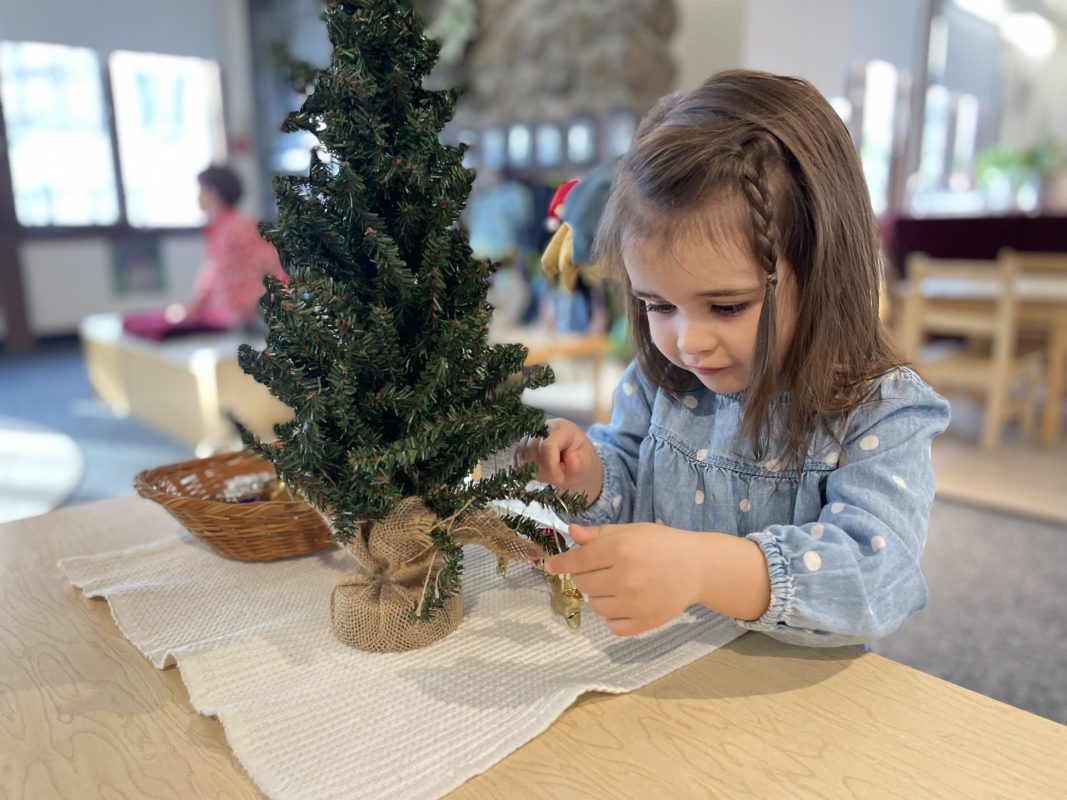
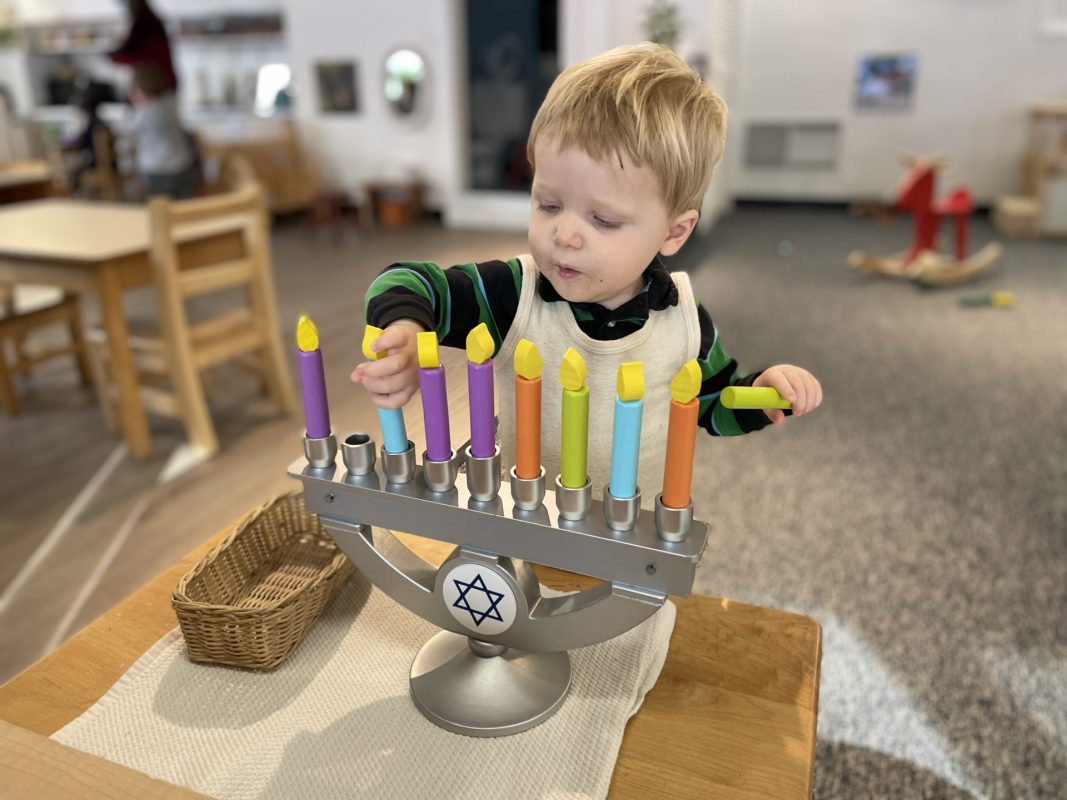
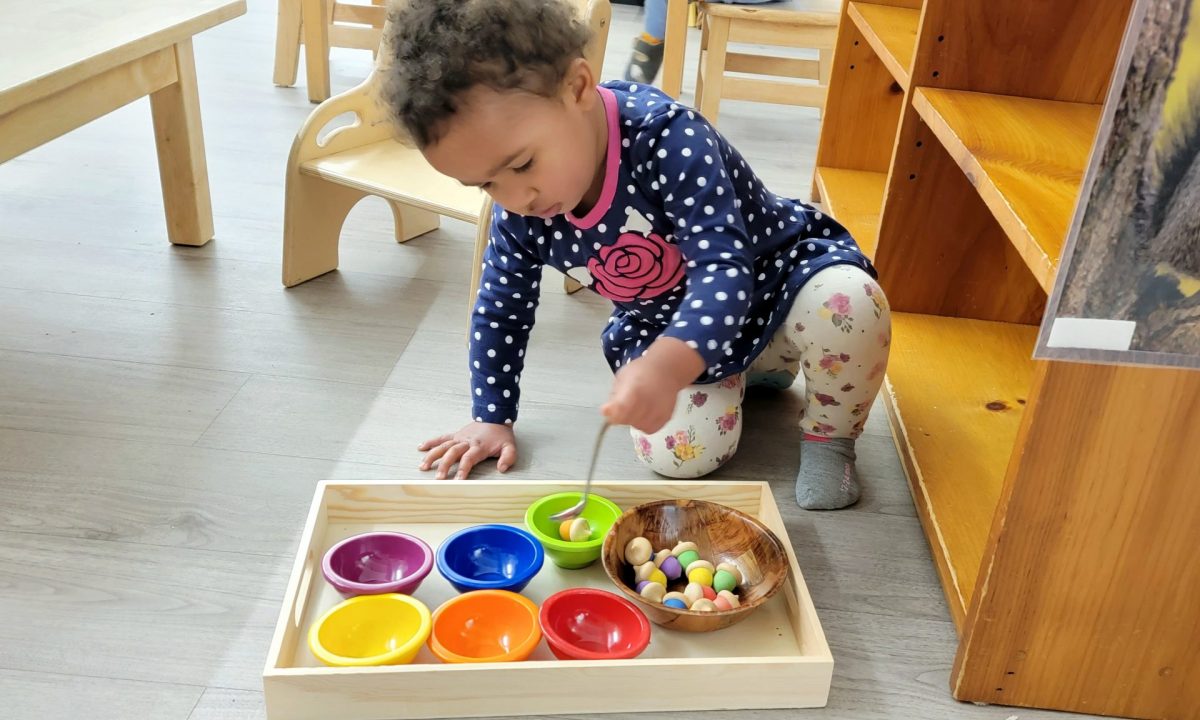
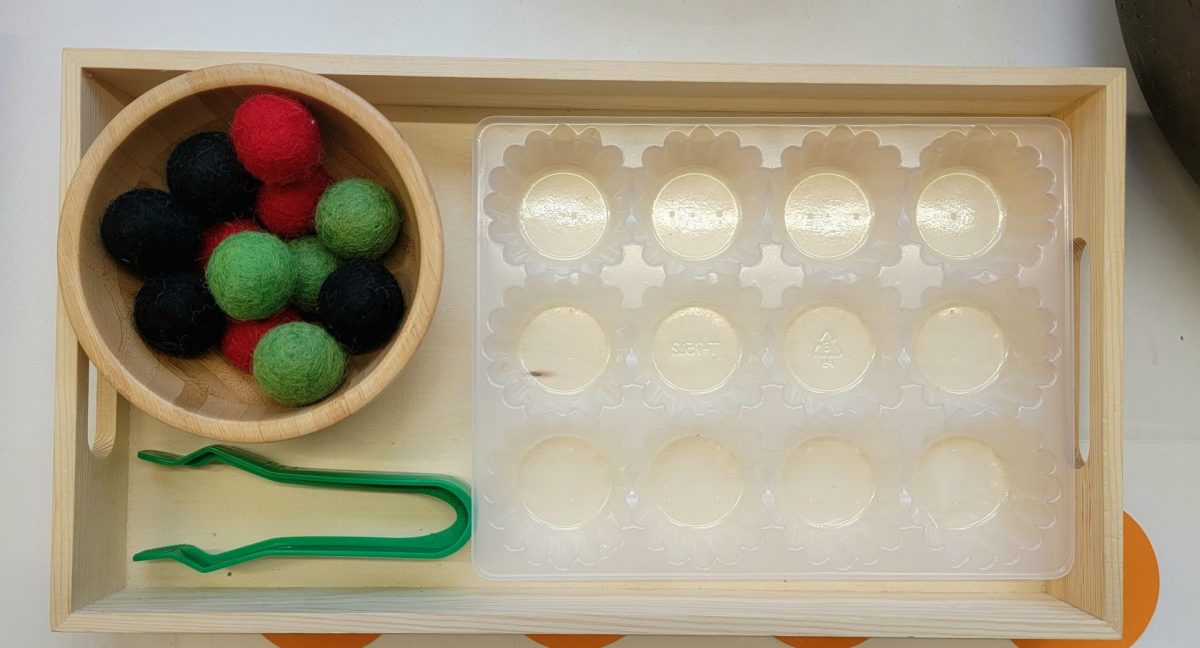
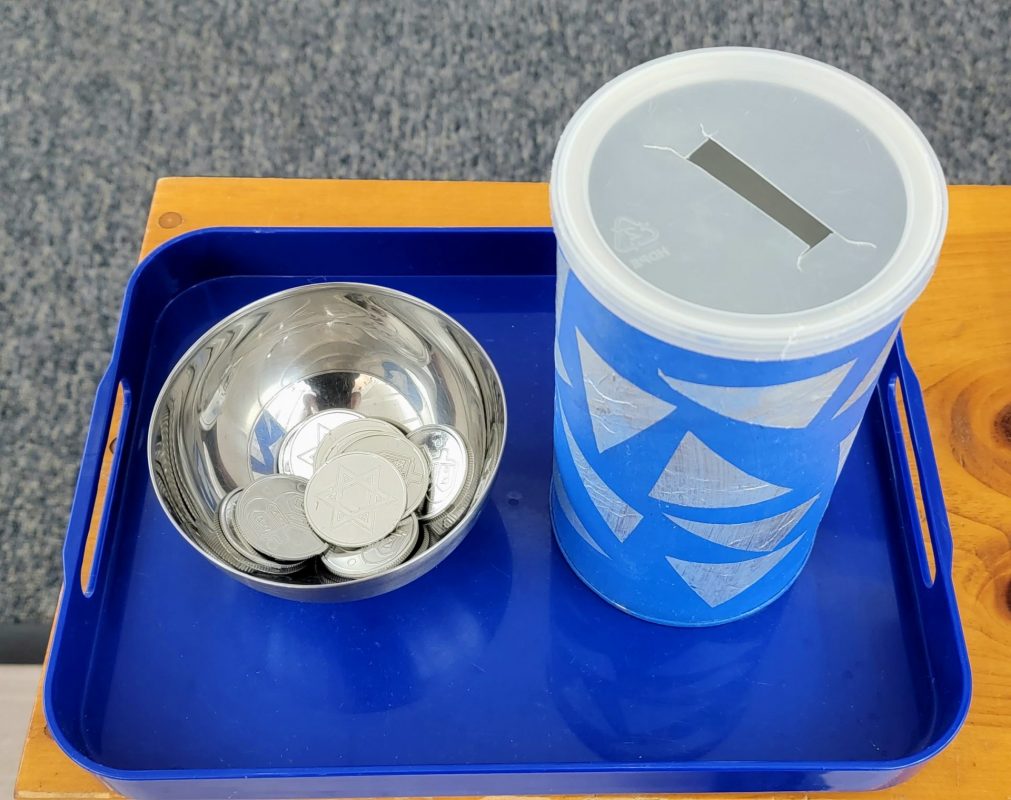
In addition to other materials, some of the favorite holiday works in our environment have been placing little ornaments onto the Christmas tree, placing candles on the Menorah, spooning and transferring holiday jewels  and colorful ornaments and flipping pretend latkes in the pan.

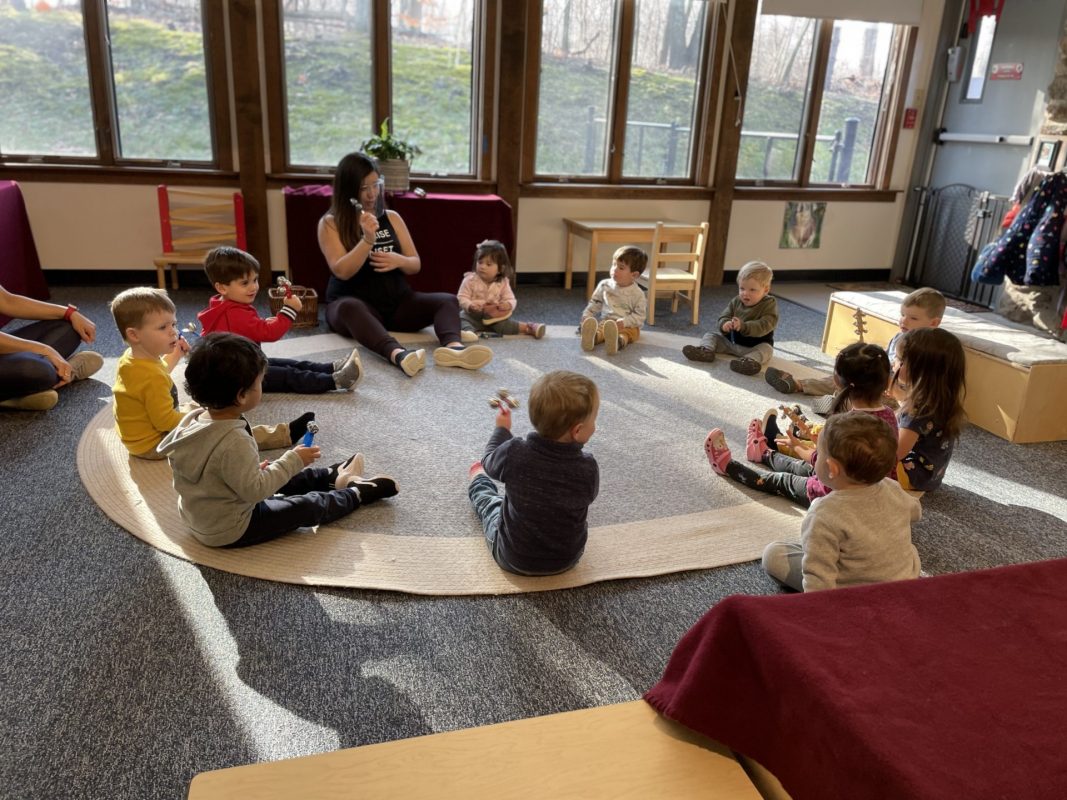
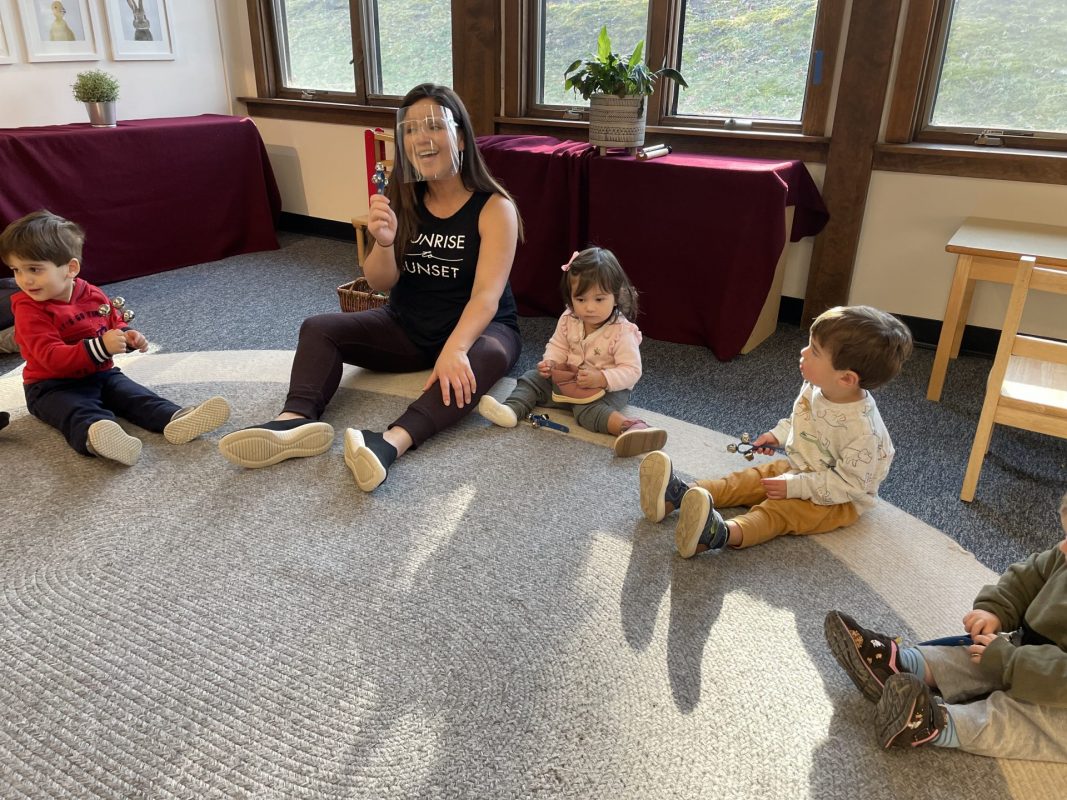
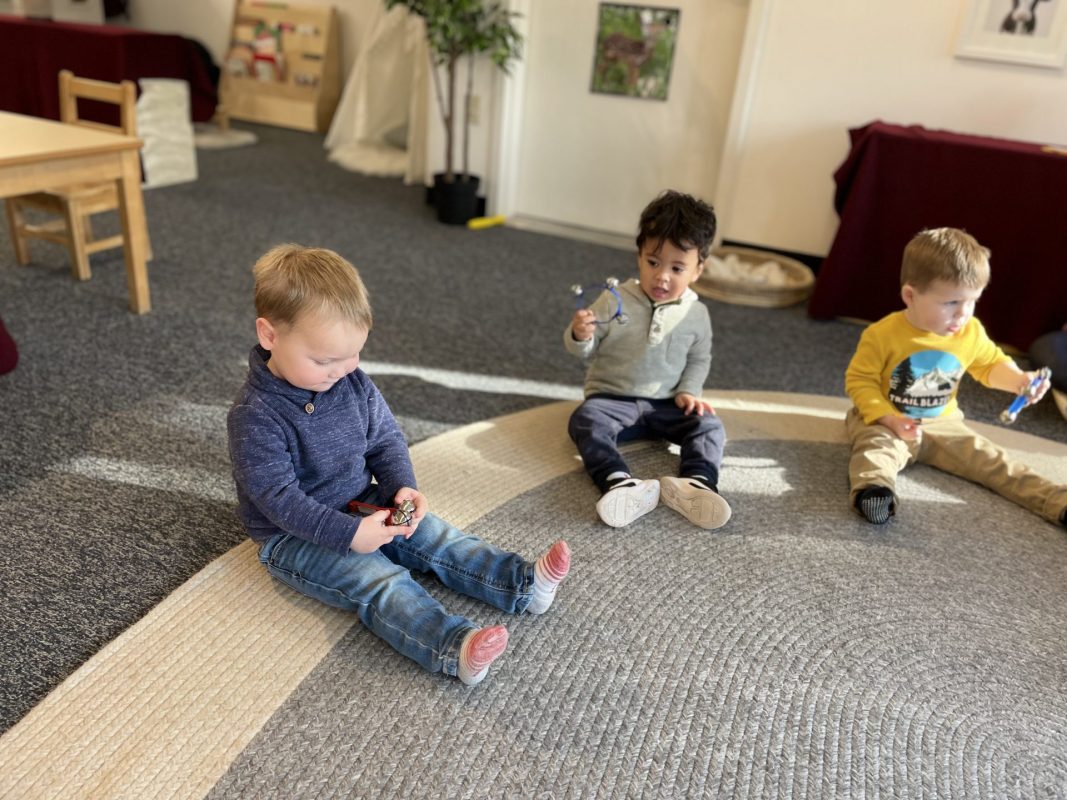
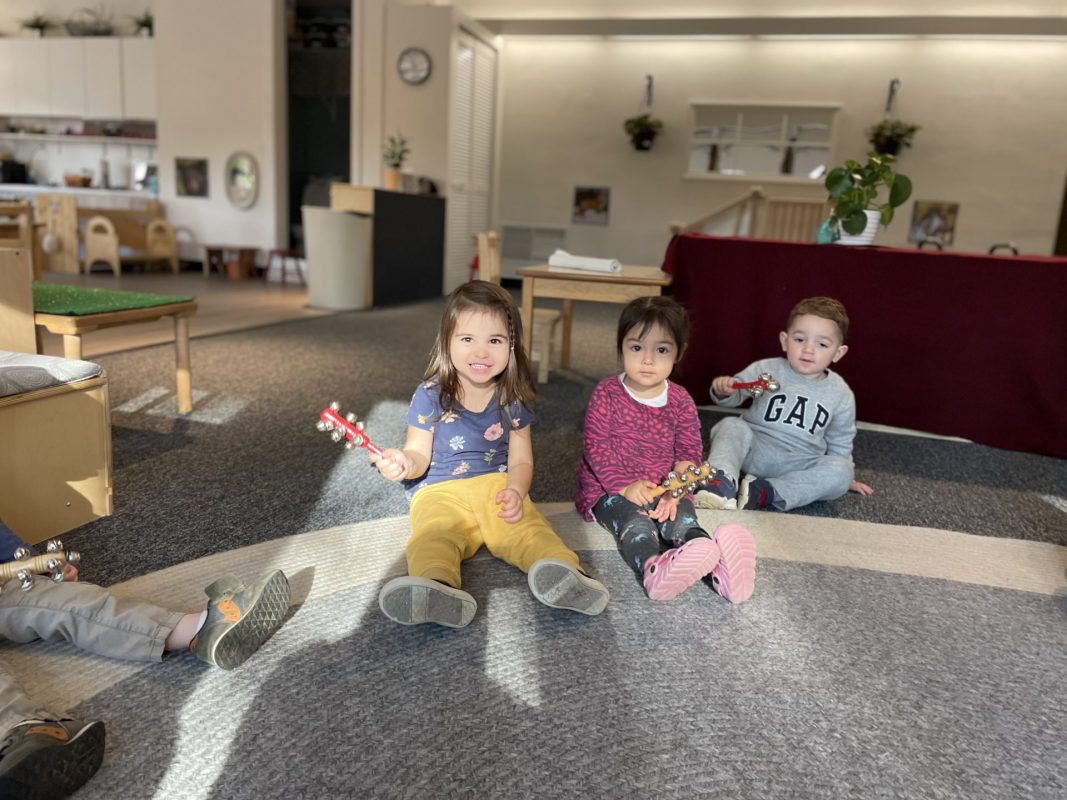
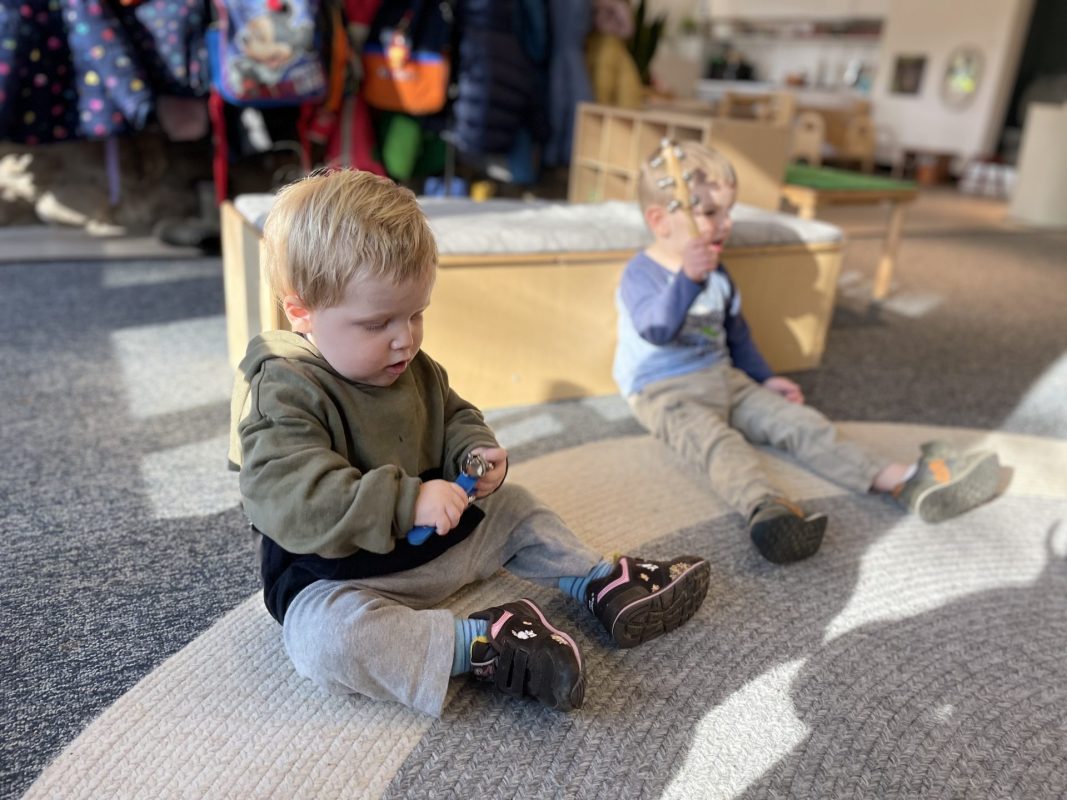
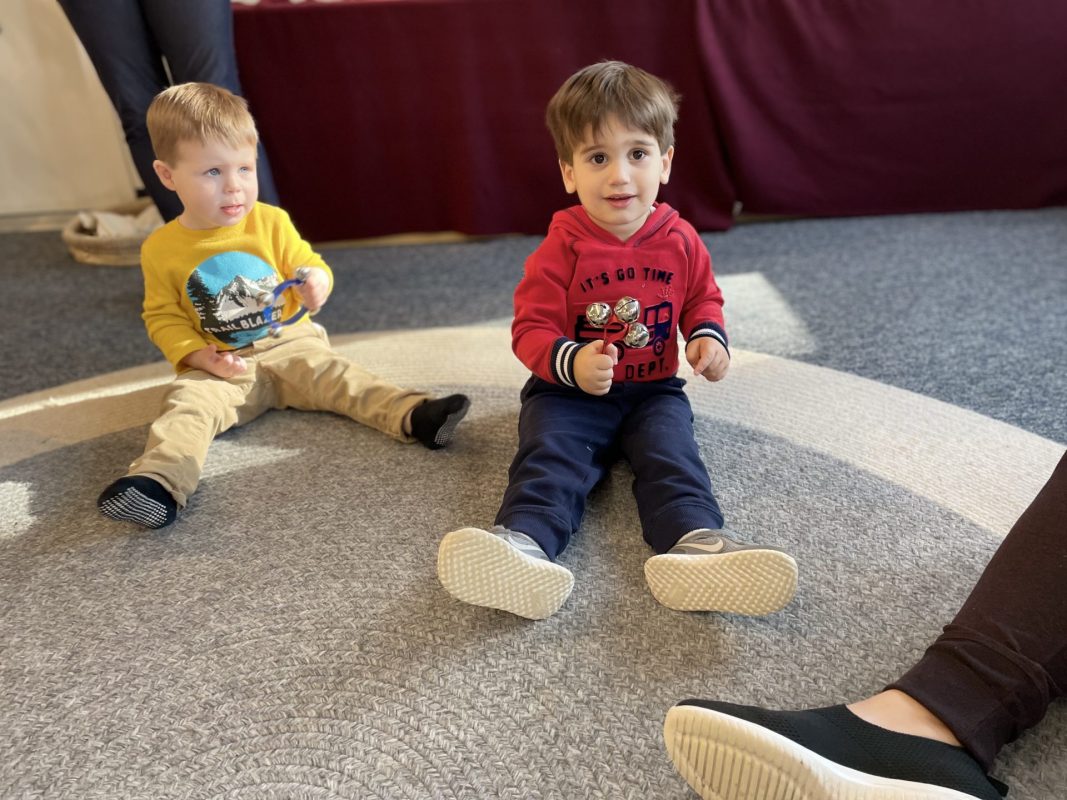
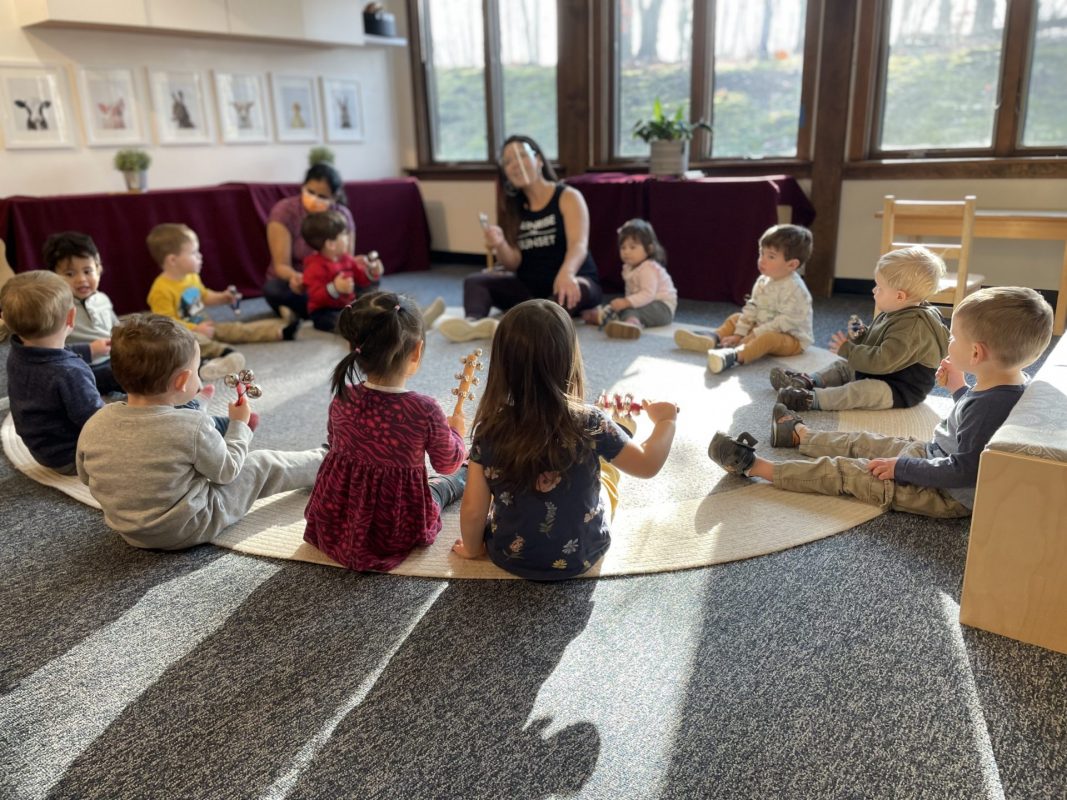
Holiday songs have also been present in our environment daily and children have had some fun times playing and dancing with the jingle bells!

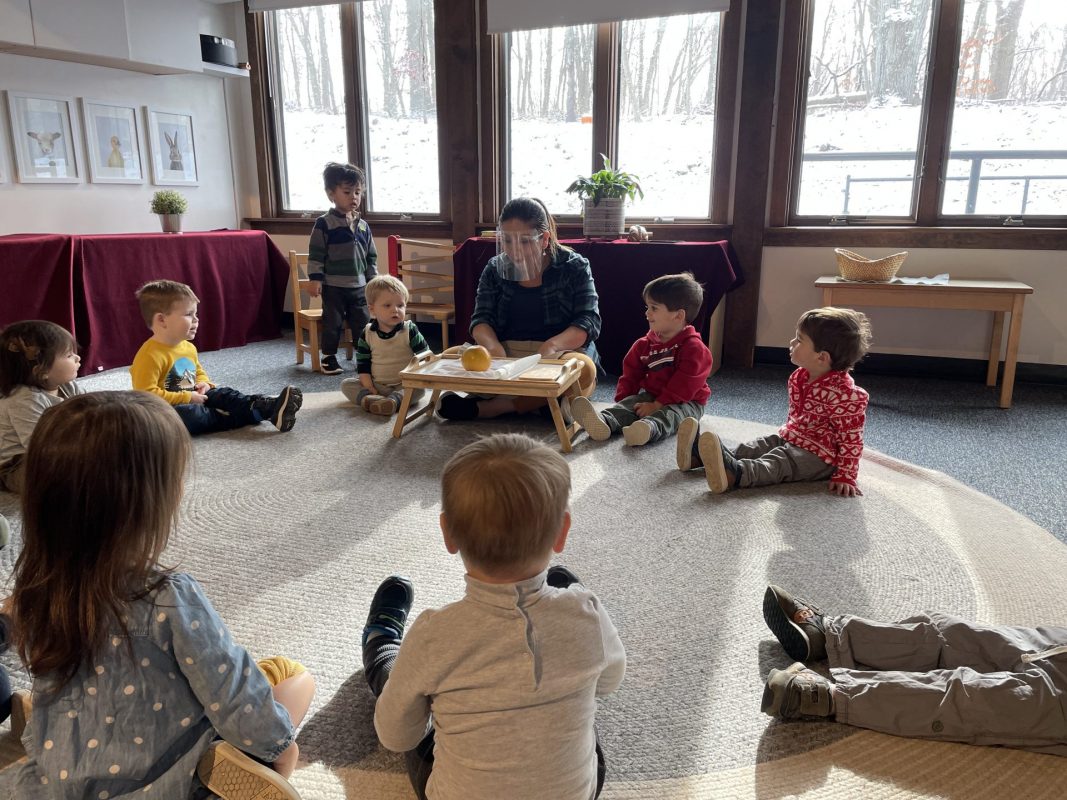
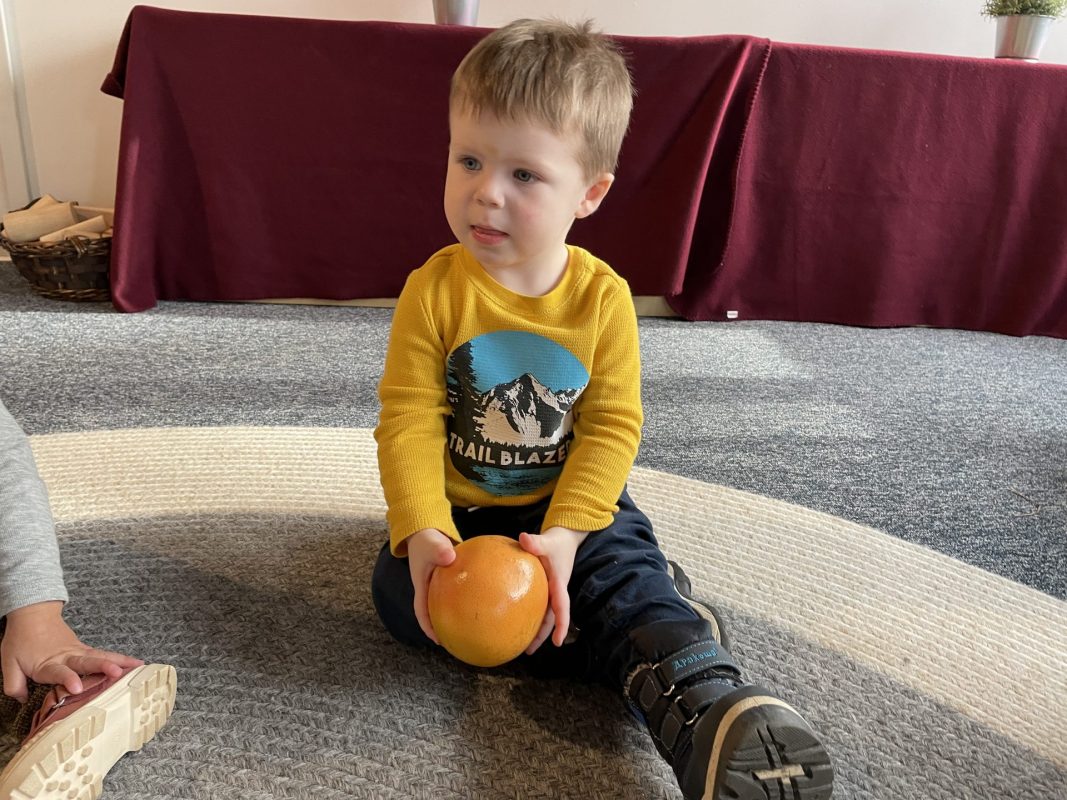
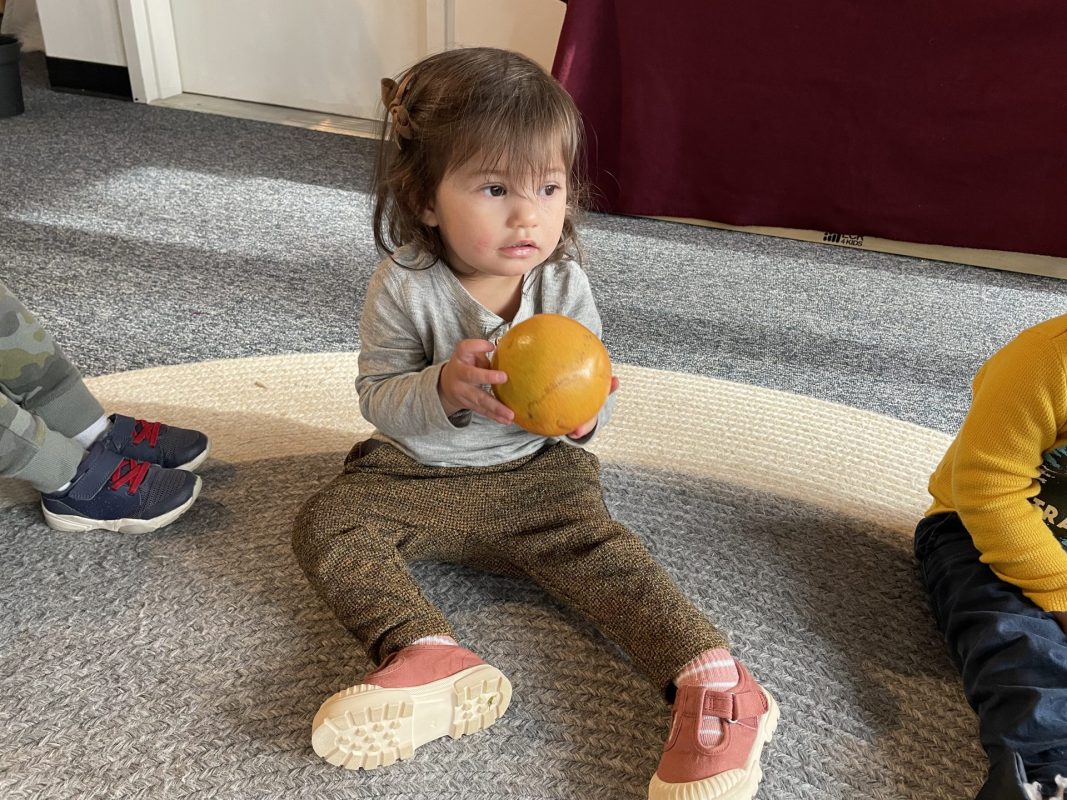
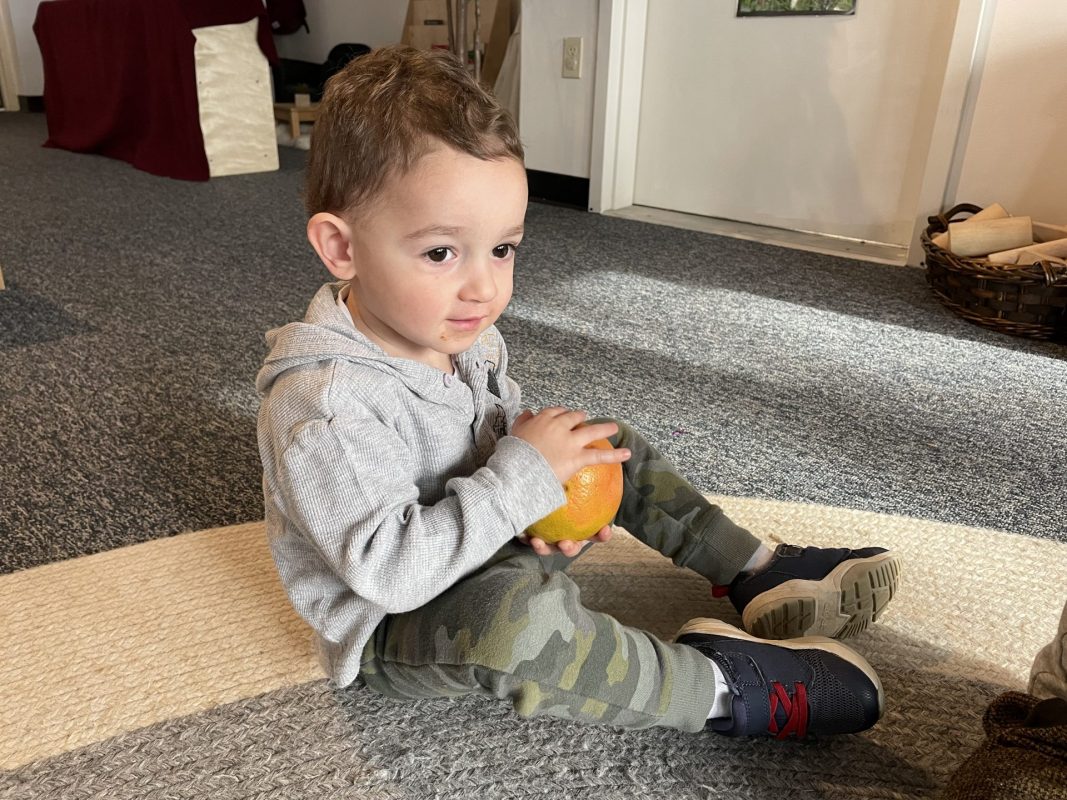
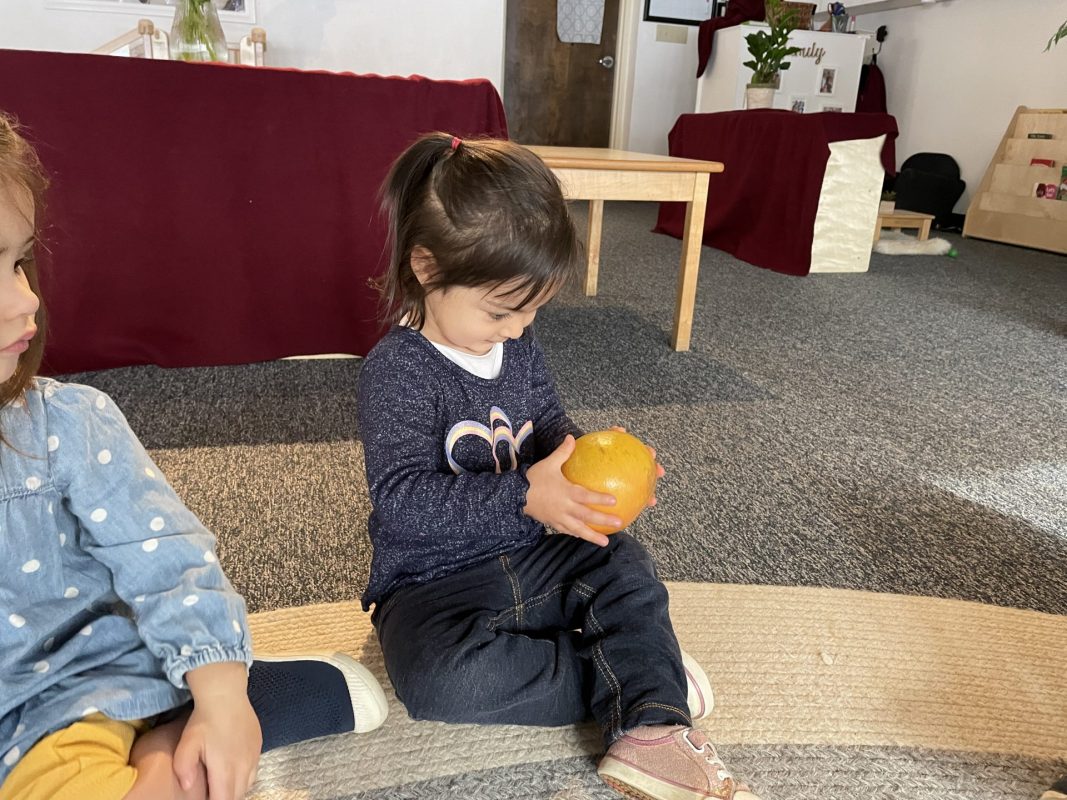
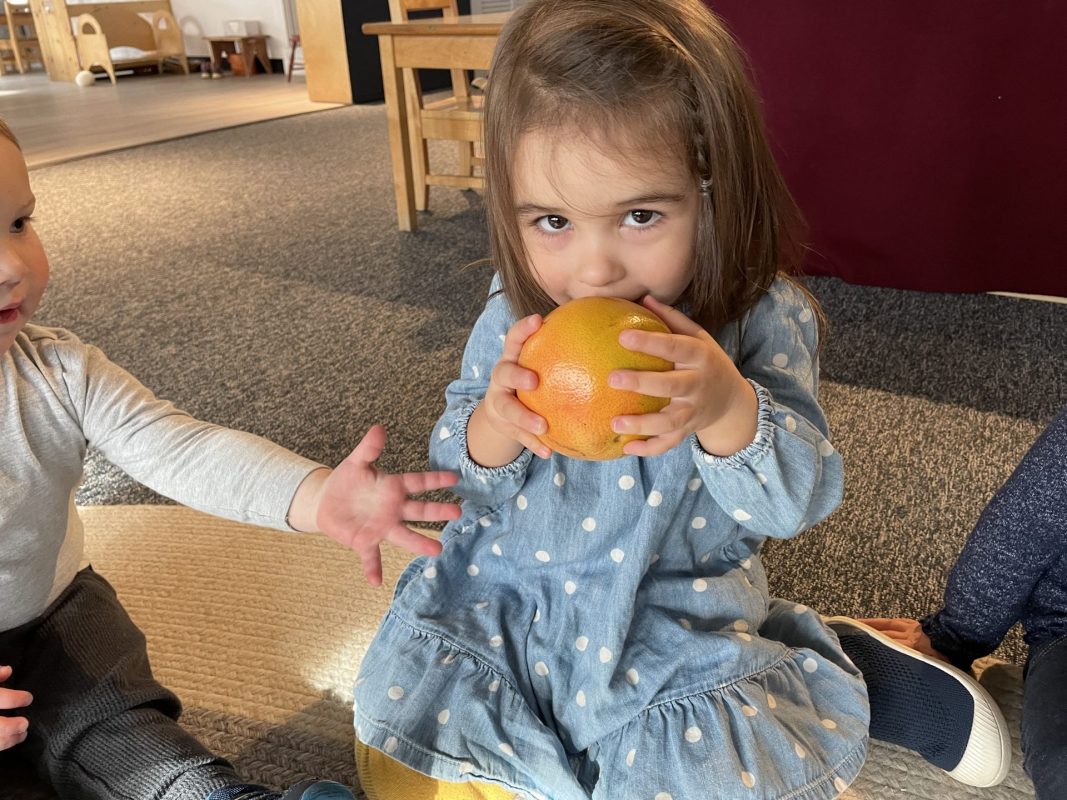
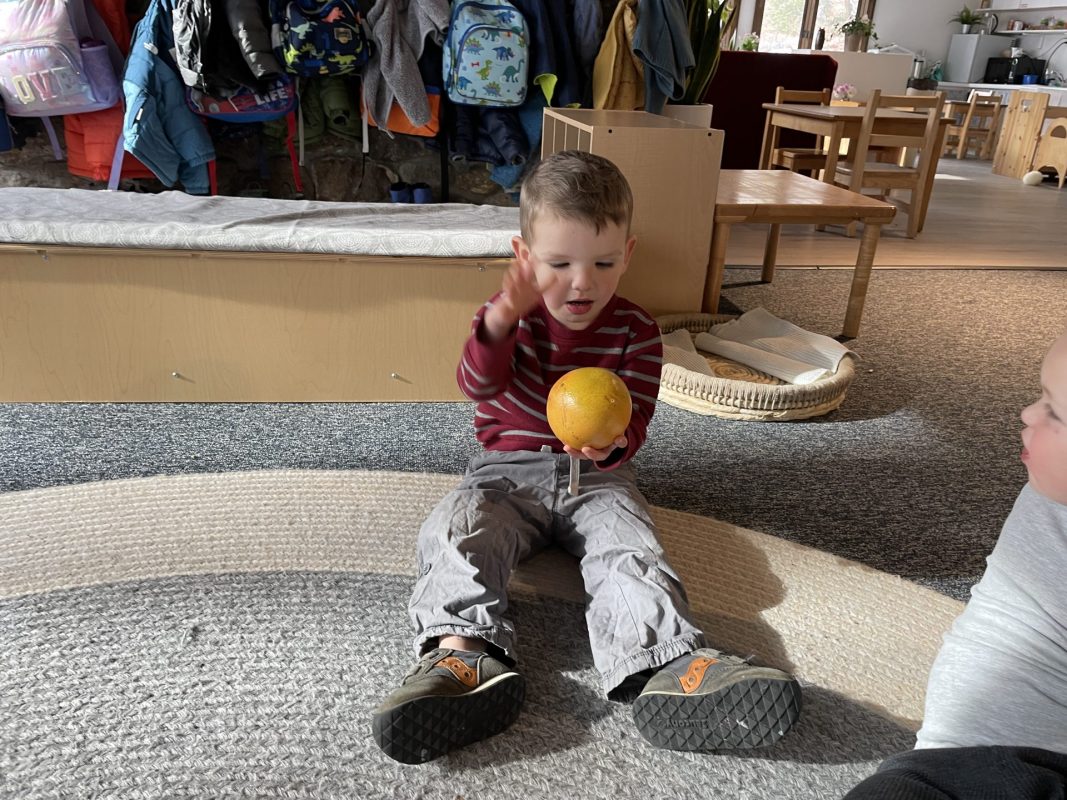
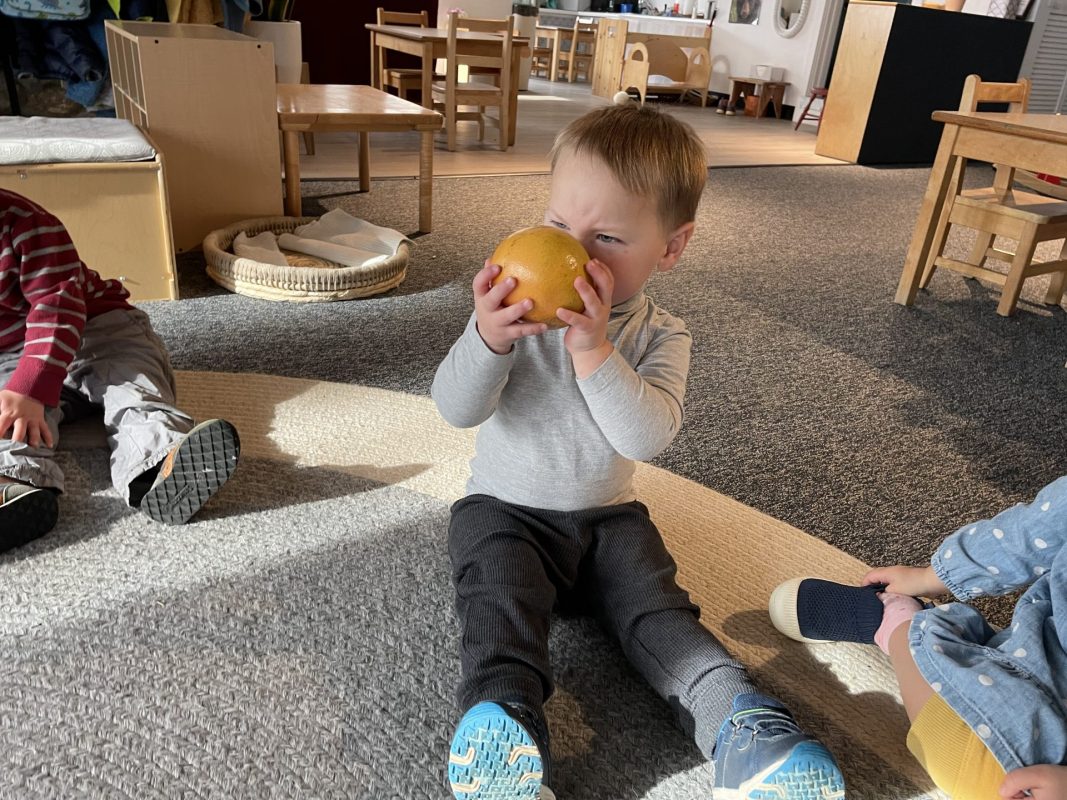
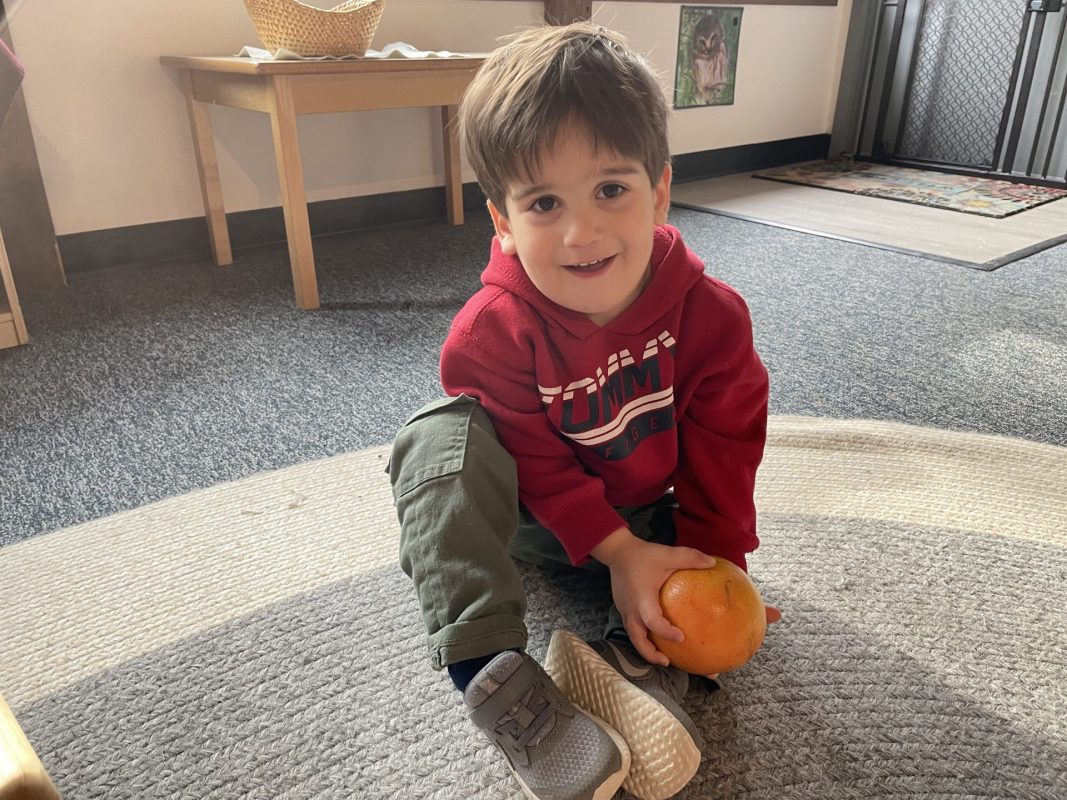
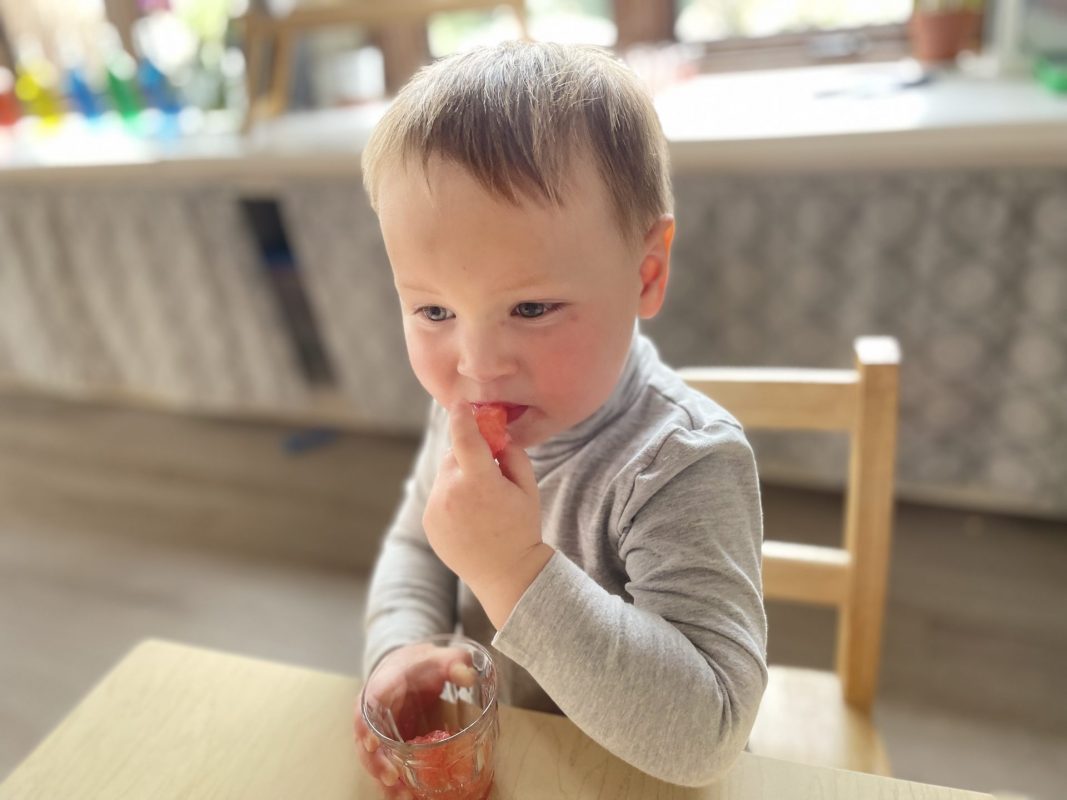
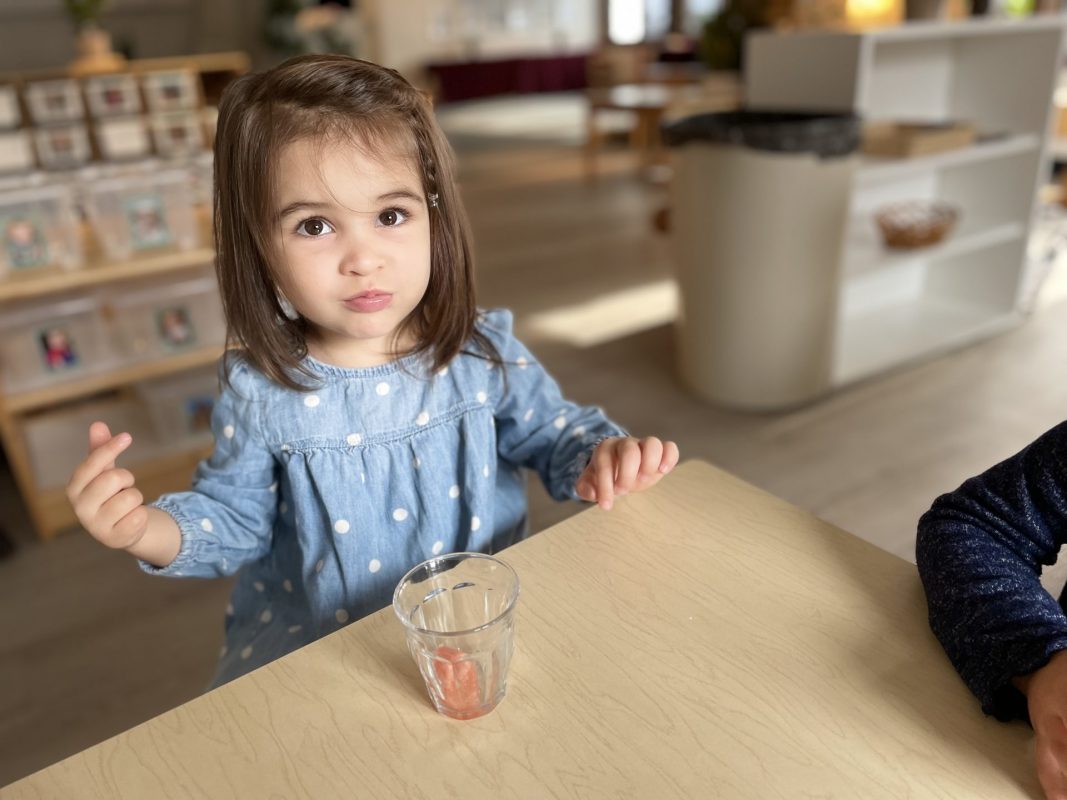
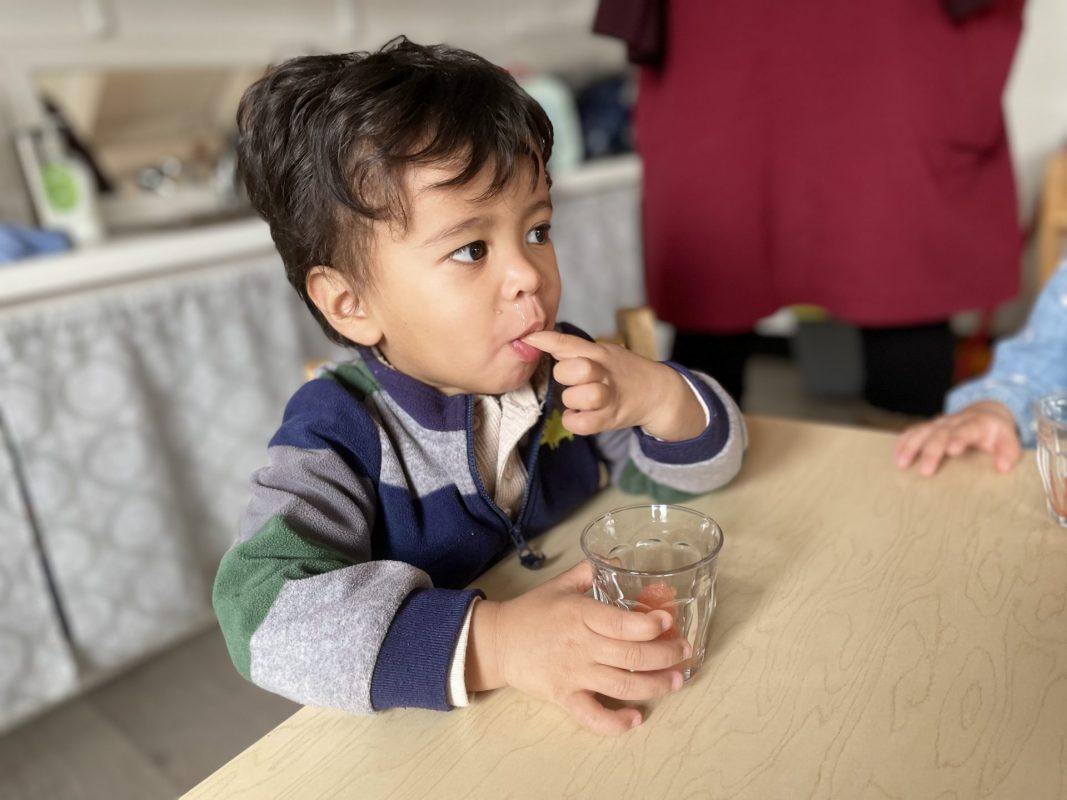
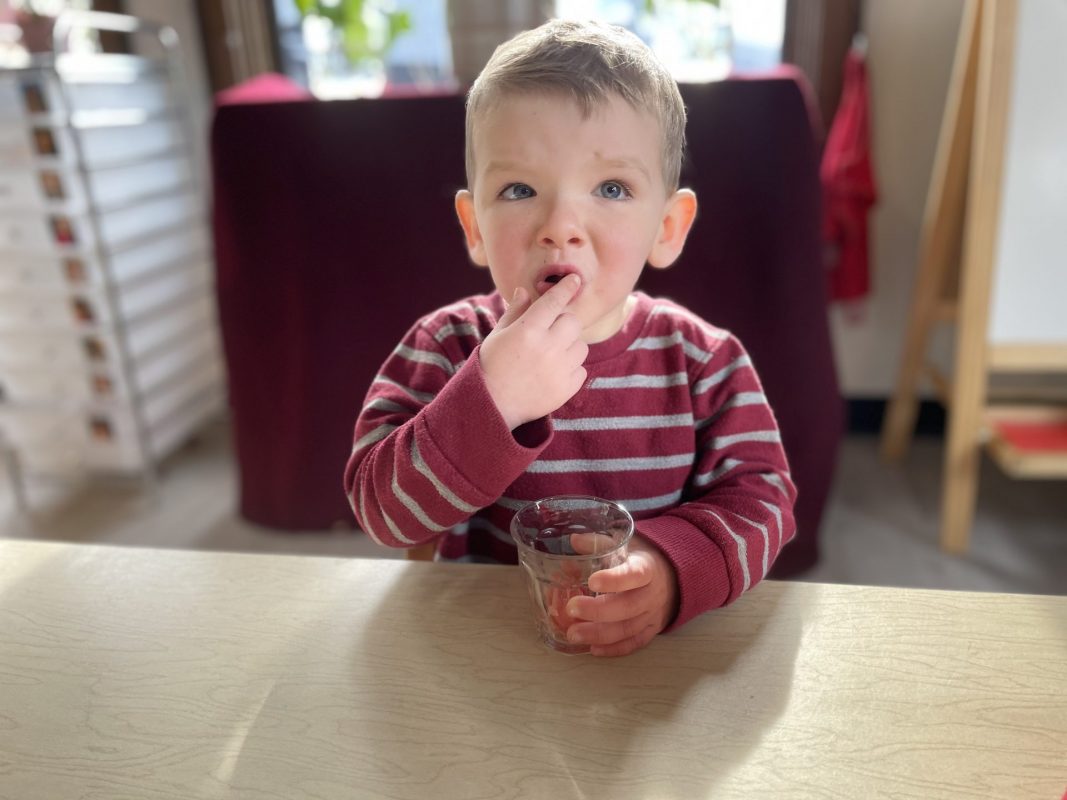
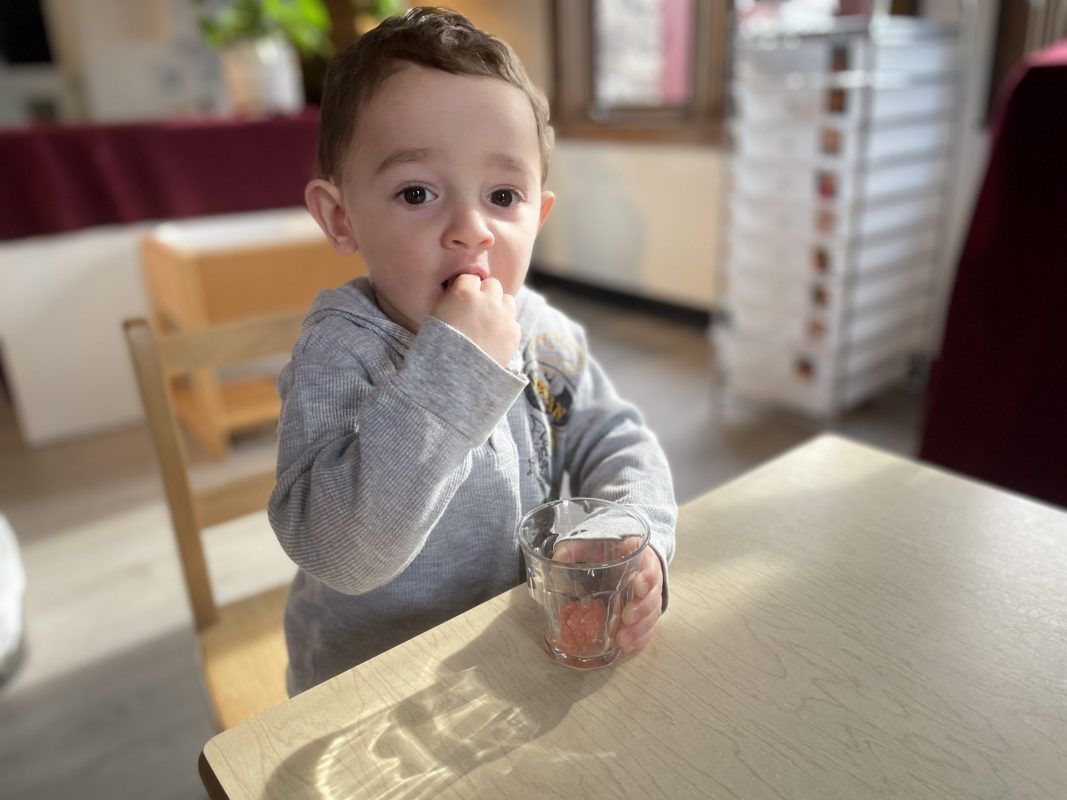
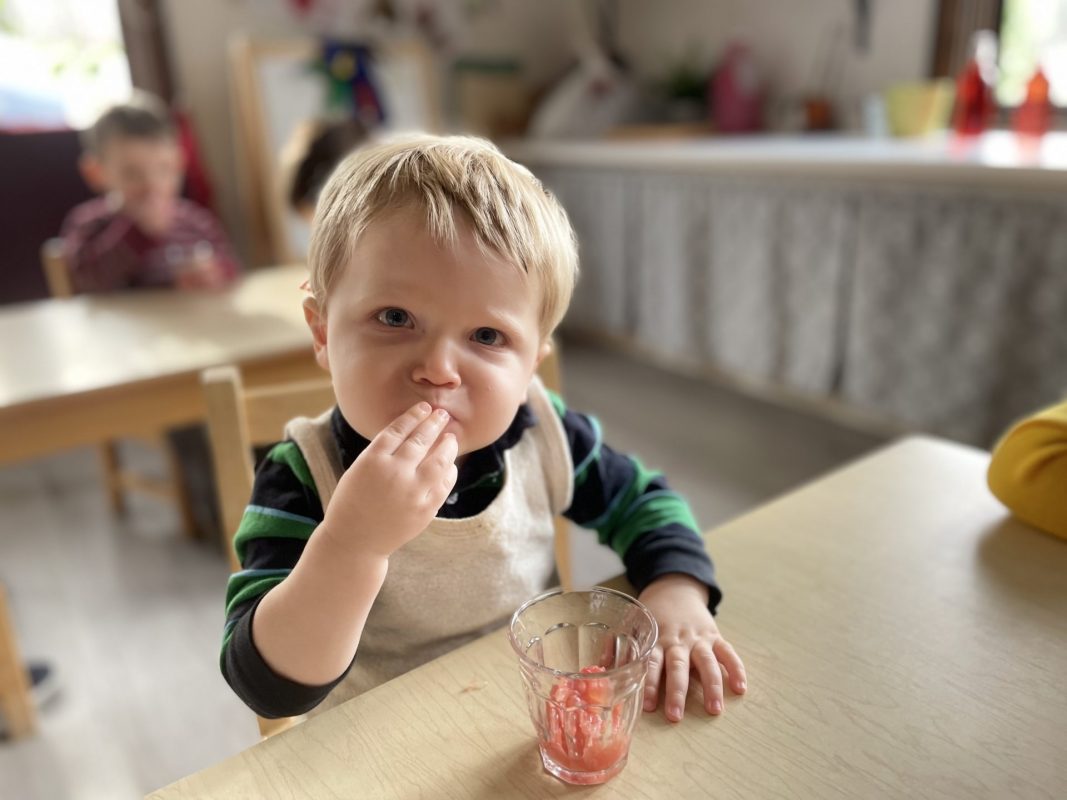
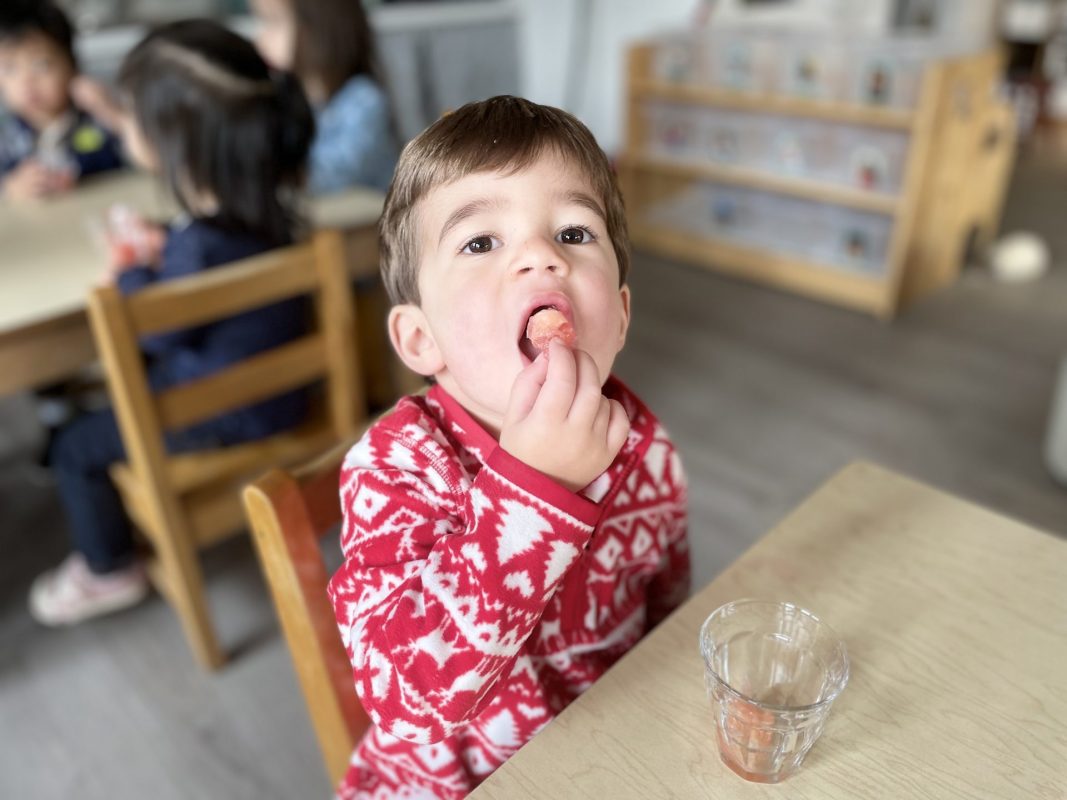
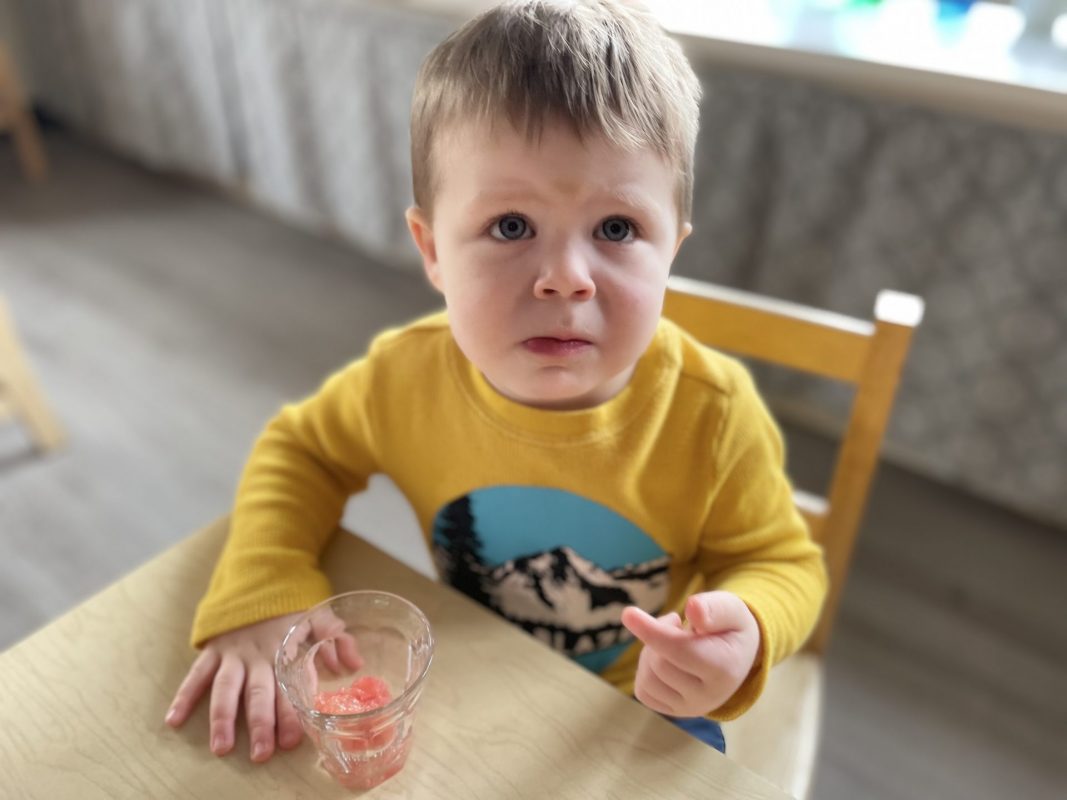
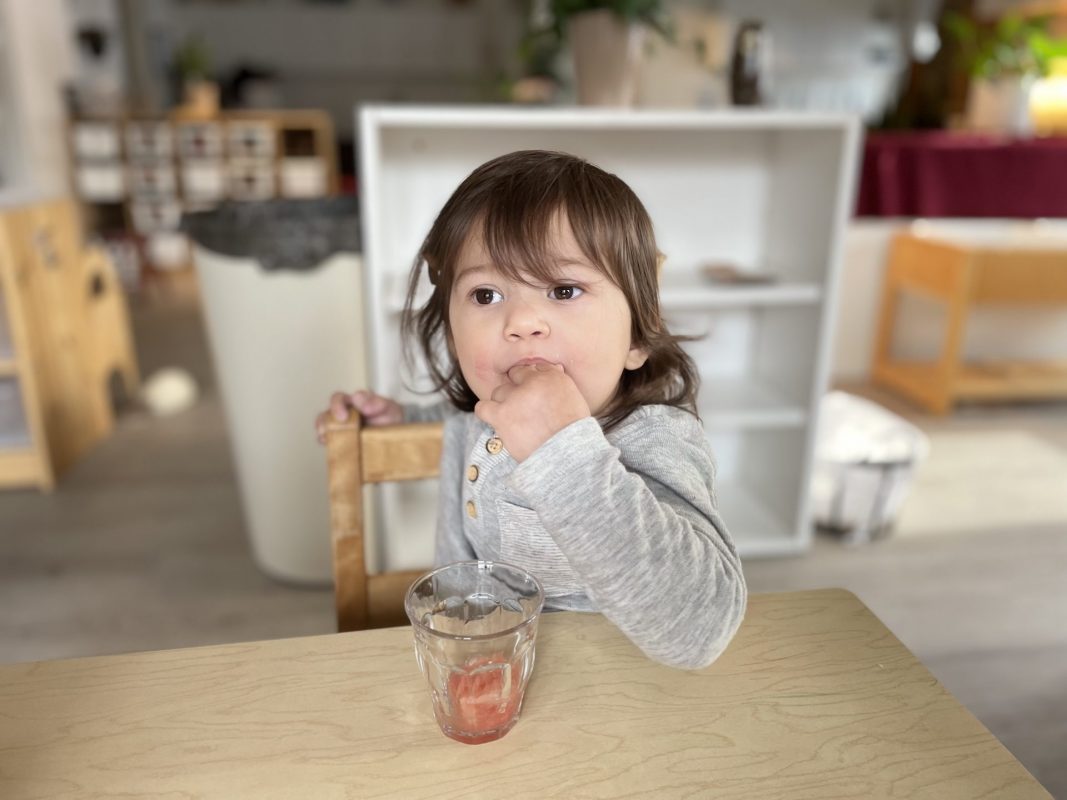
This week we also introduced grapefruit as food tasting and let me tell you how well  this fruit was received by your toddlers. Even students that don’t really like fruits were eager to try it and ask for more!  

We can’t wait for our holiday pajama celebration next week! Please feel free to send your child in pajamas on Wednesday, December 15th and thank you in advance for all your support to make this happen!

Have a joyful weekend,

Mrs. Hood and Mrs. Maria


The Learning Triangle in Montessori


When a child is given a little leeway, he will at once shout, ’I want to do it!’ But in our schools, which have an environment adapted to children’s needs, they say, ‘Help me to do it alone.’ ~Dr. Maria Montessori, The Secret of Childhood

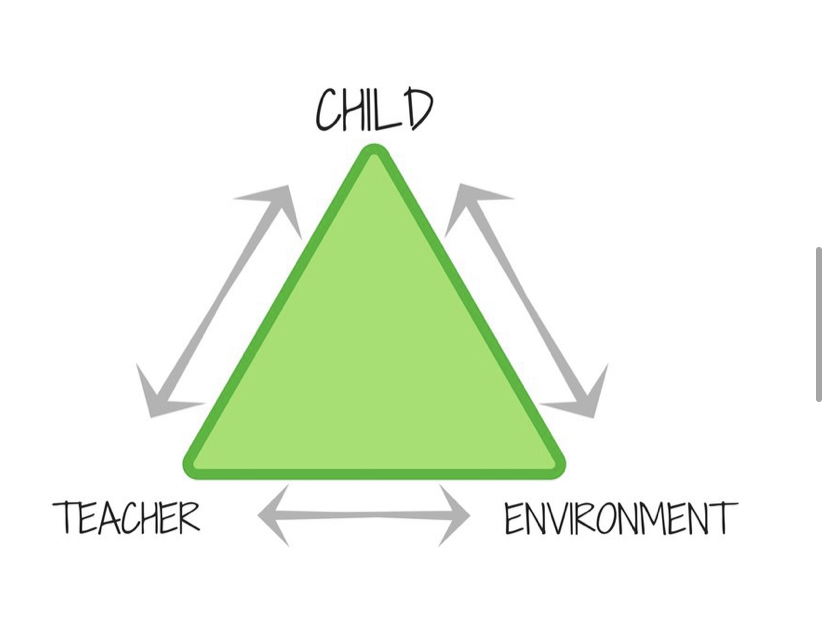
One of the hallmarks of a Montessori Education is known as the Learning Triangle. The Learning Triangle consists of the environment (classroom), the child, and the teacher.

What does that look like at FWM?

The Environment:

The classroom environment is prepared by the teacher to encourage independence, a sense of order and freedom within limits.

The Child:

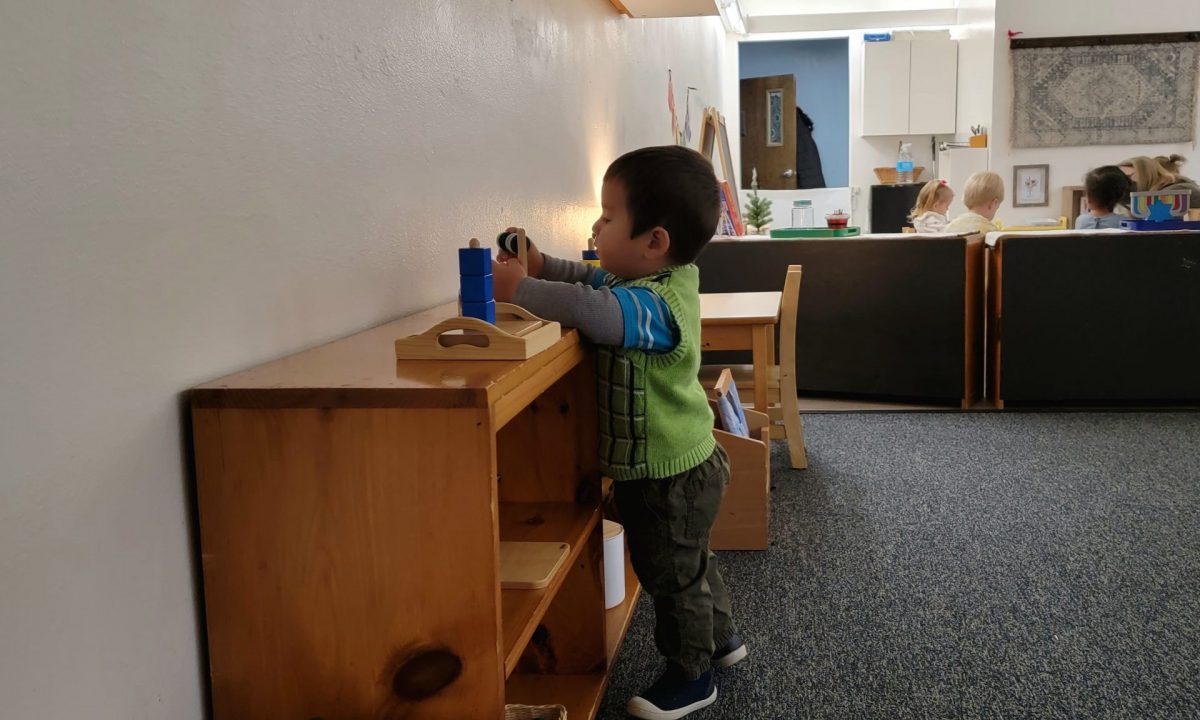
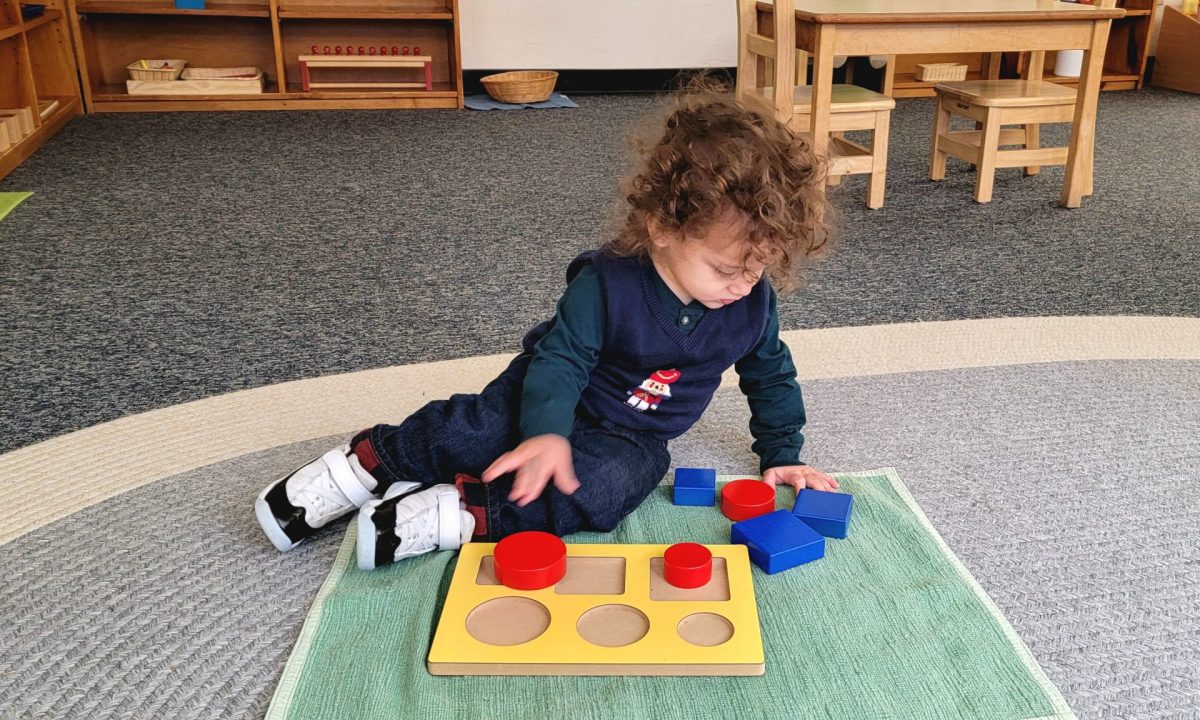
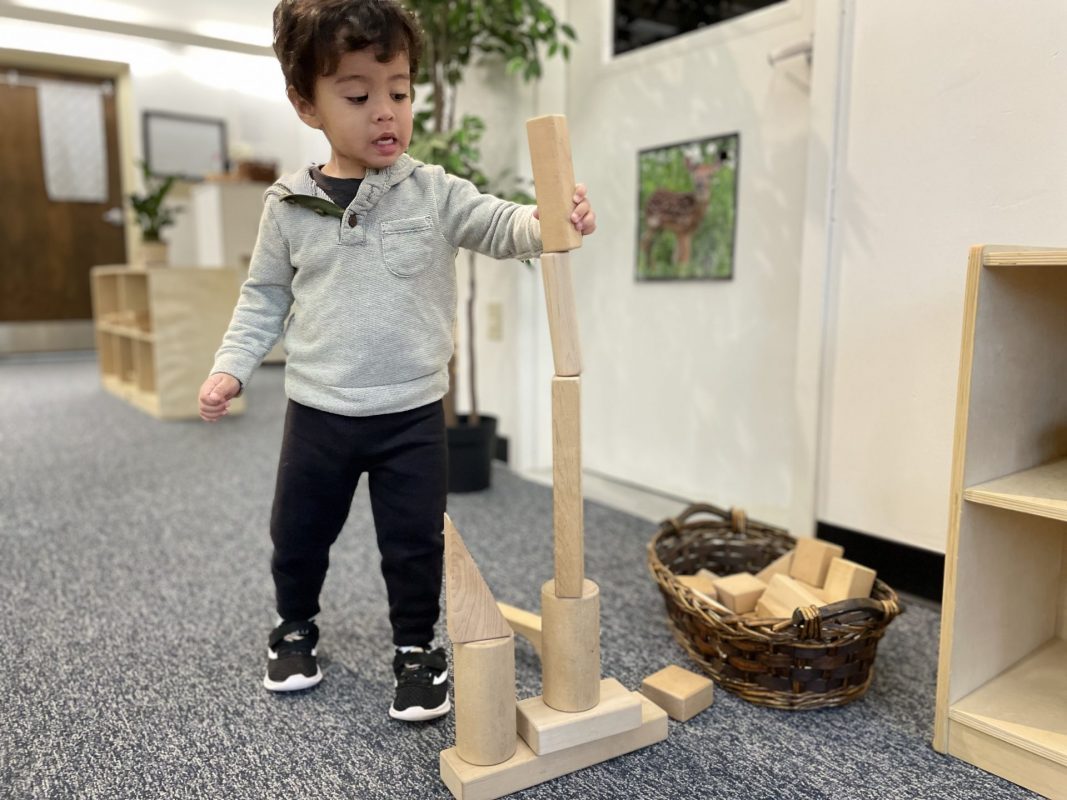
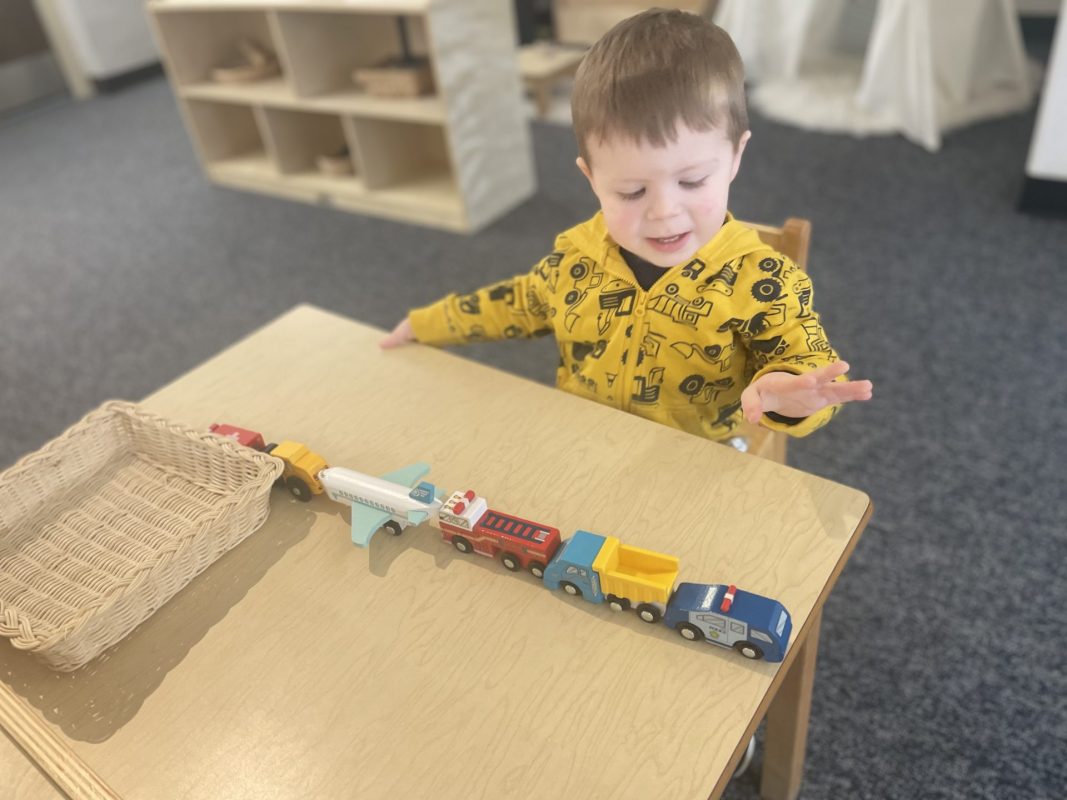
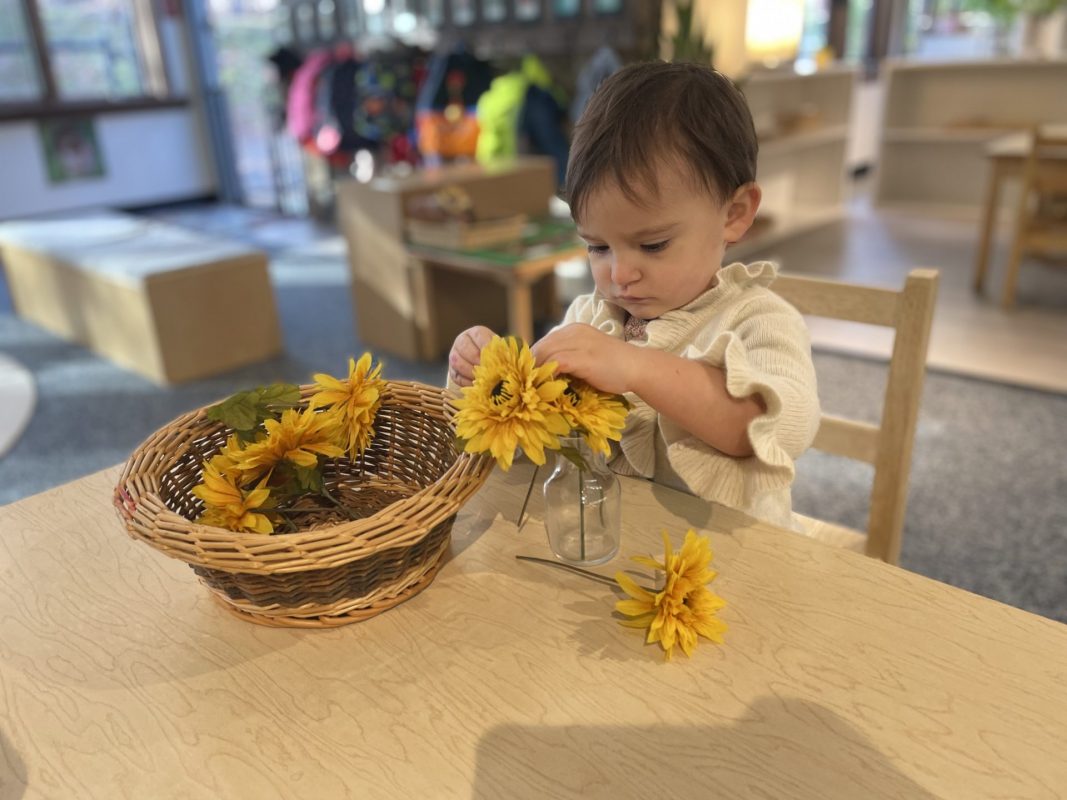
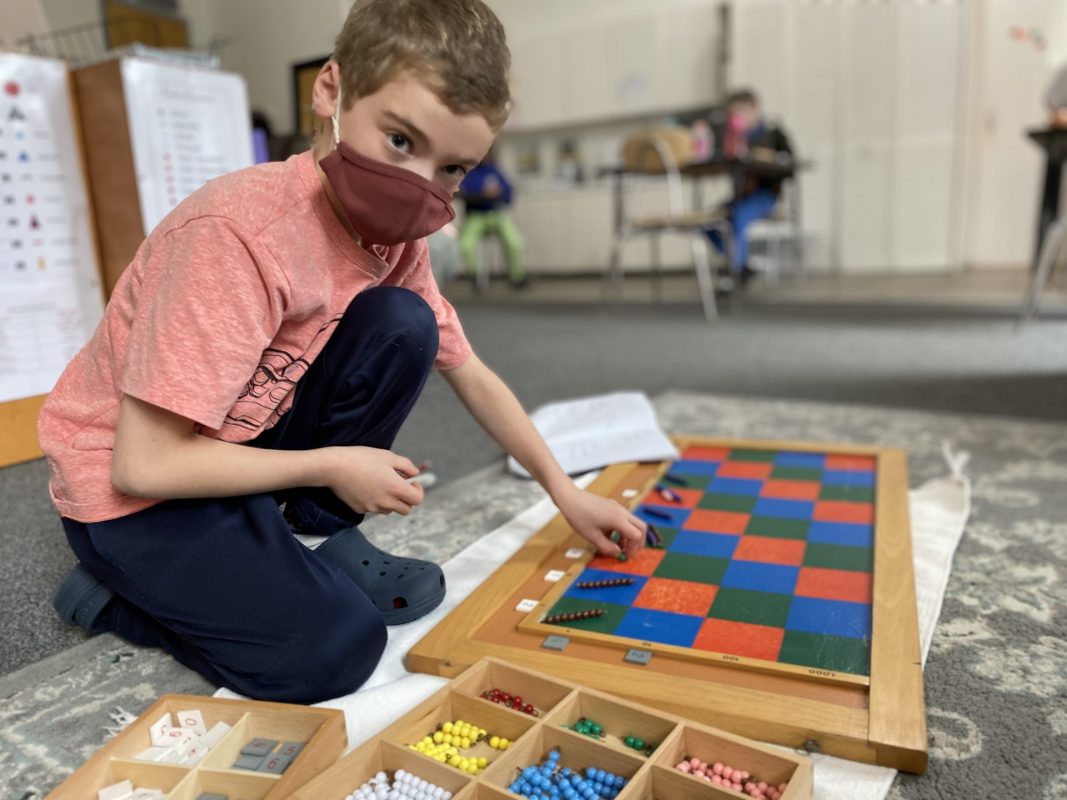
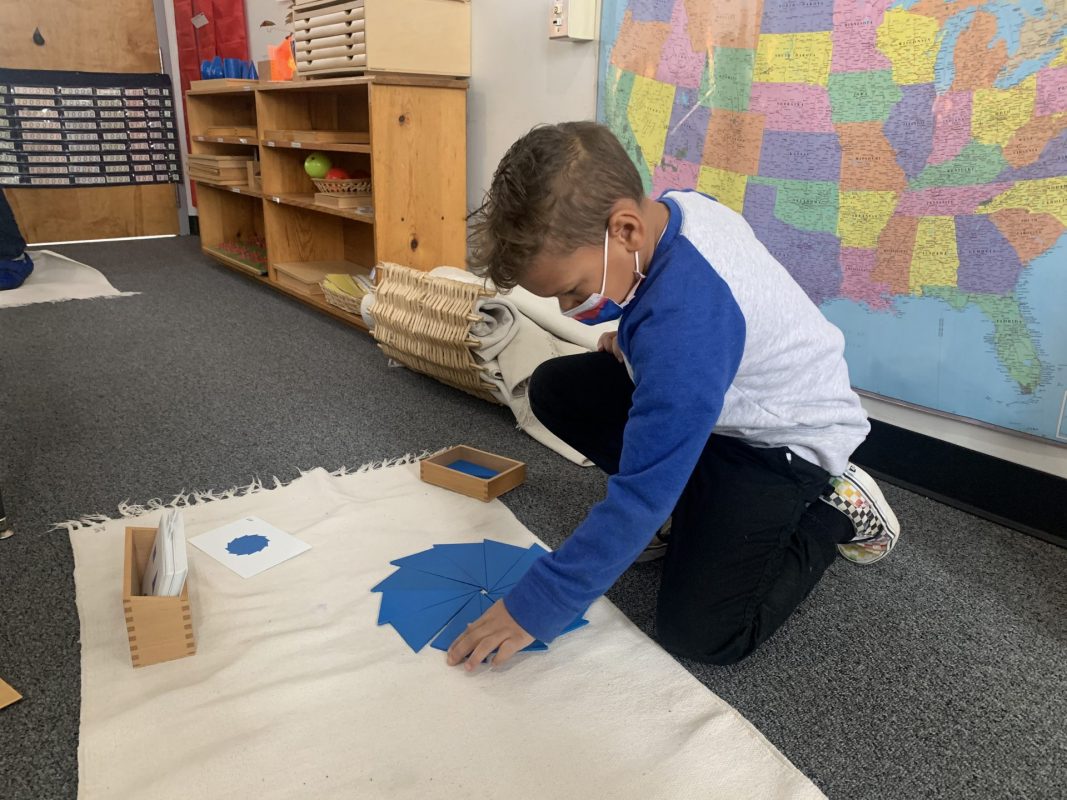
Given choice, children take advantage of the materials presented in the environment to develop themselves.
The Teacher:

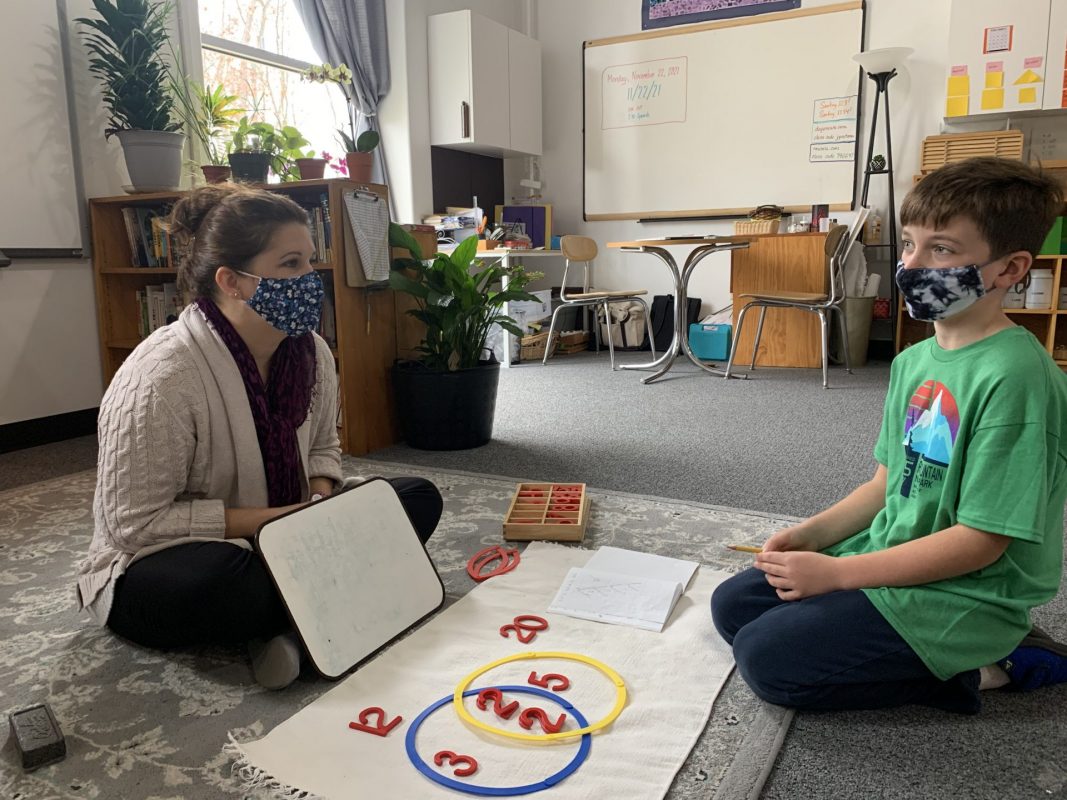
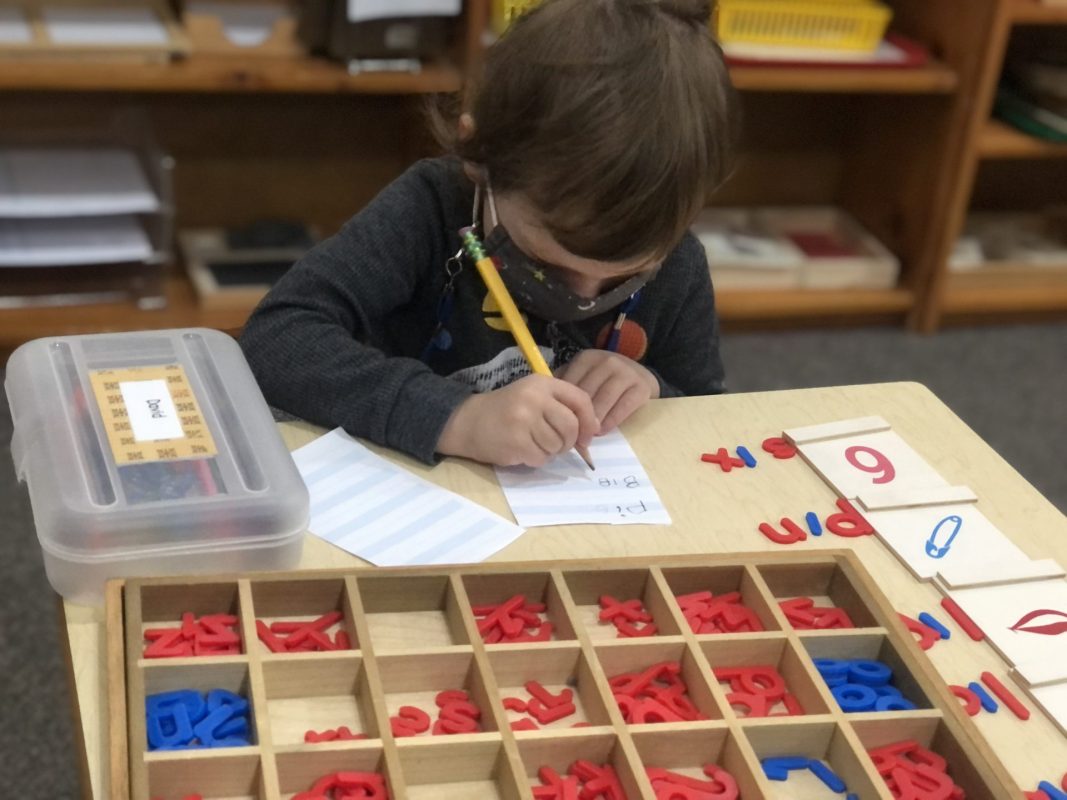
The teacher’s role is that of a Guide, Mentor, and Model or Directress/Director.  After individual lessons are presented to students, the students interact with their teacher when support and/or guidance is needed for the student to work successfully.

We see this at work every day.

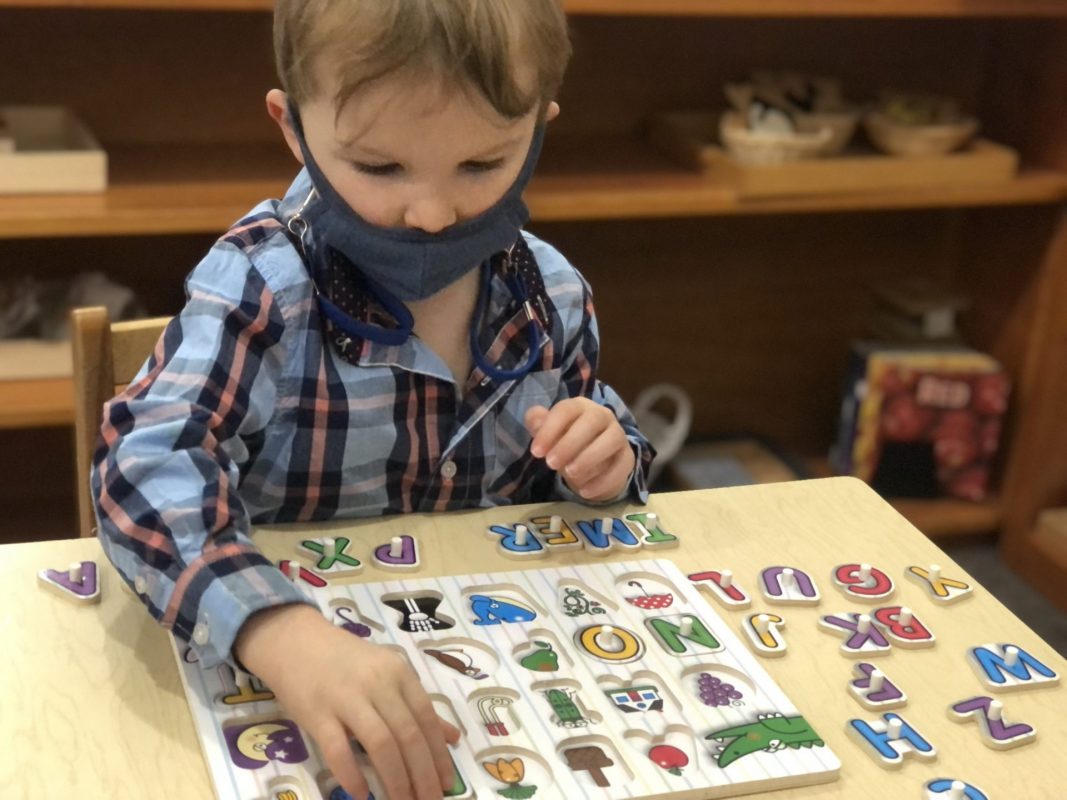
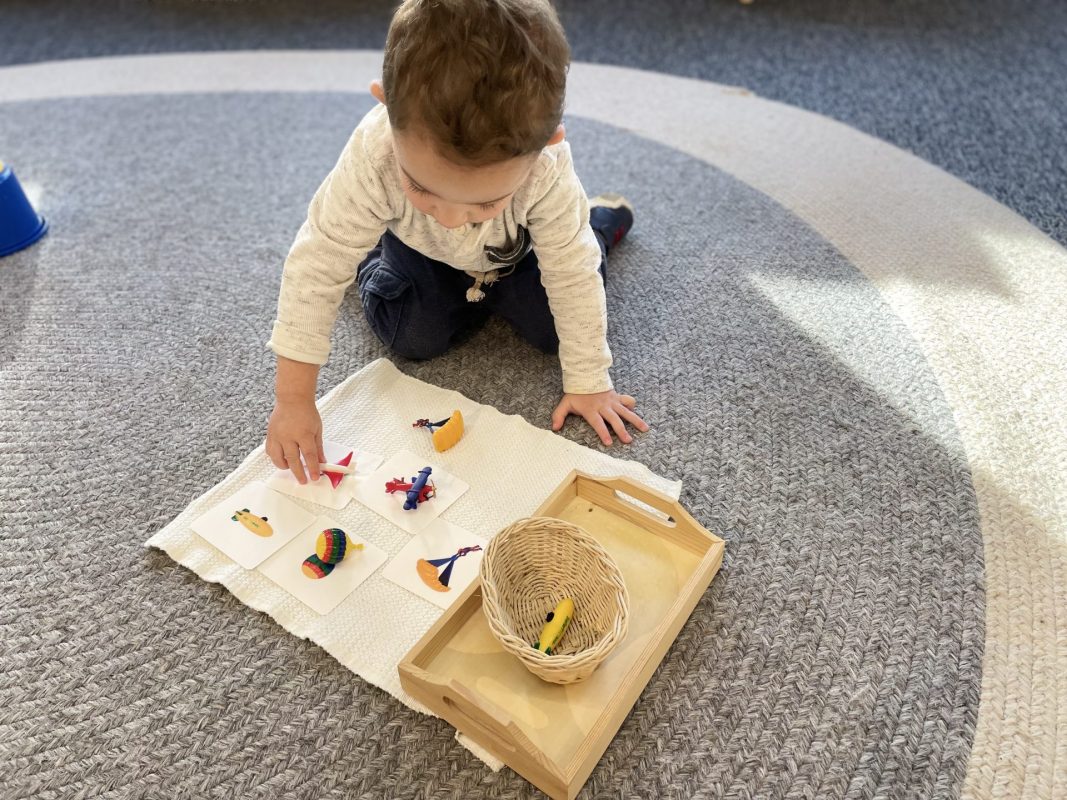
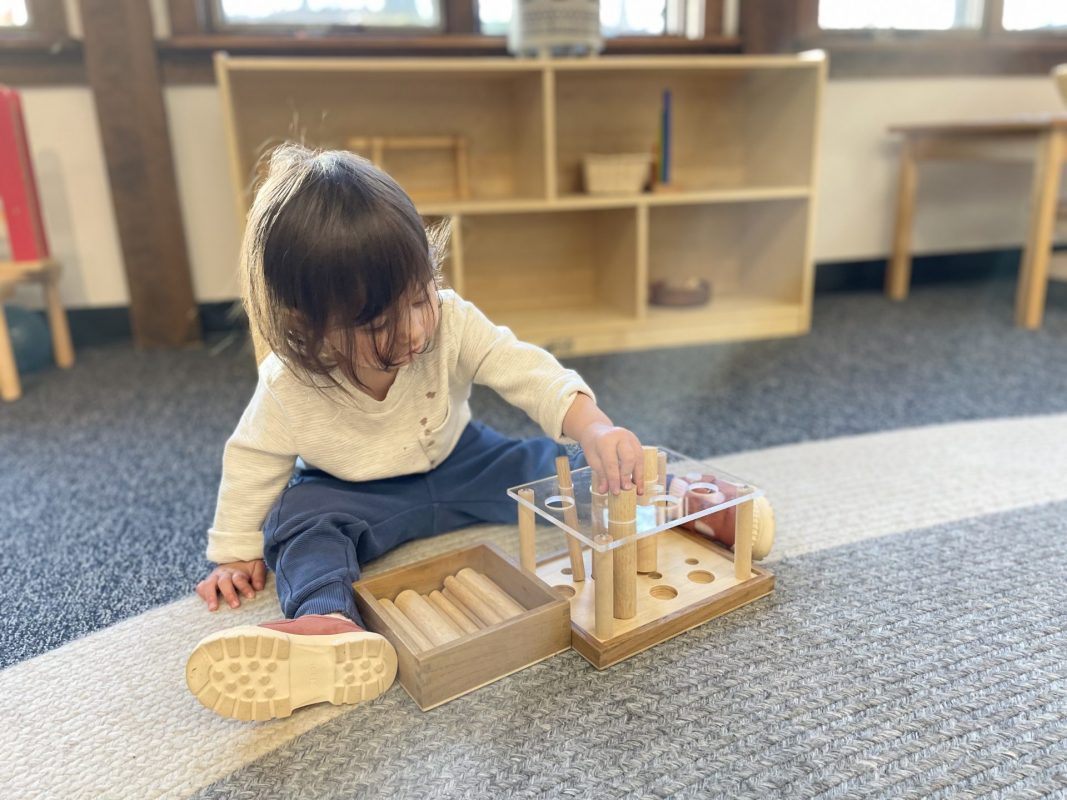
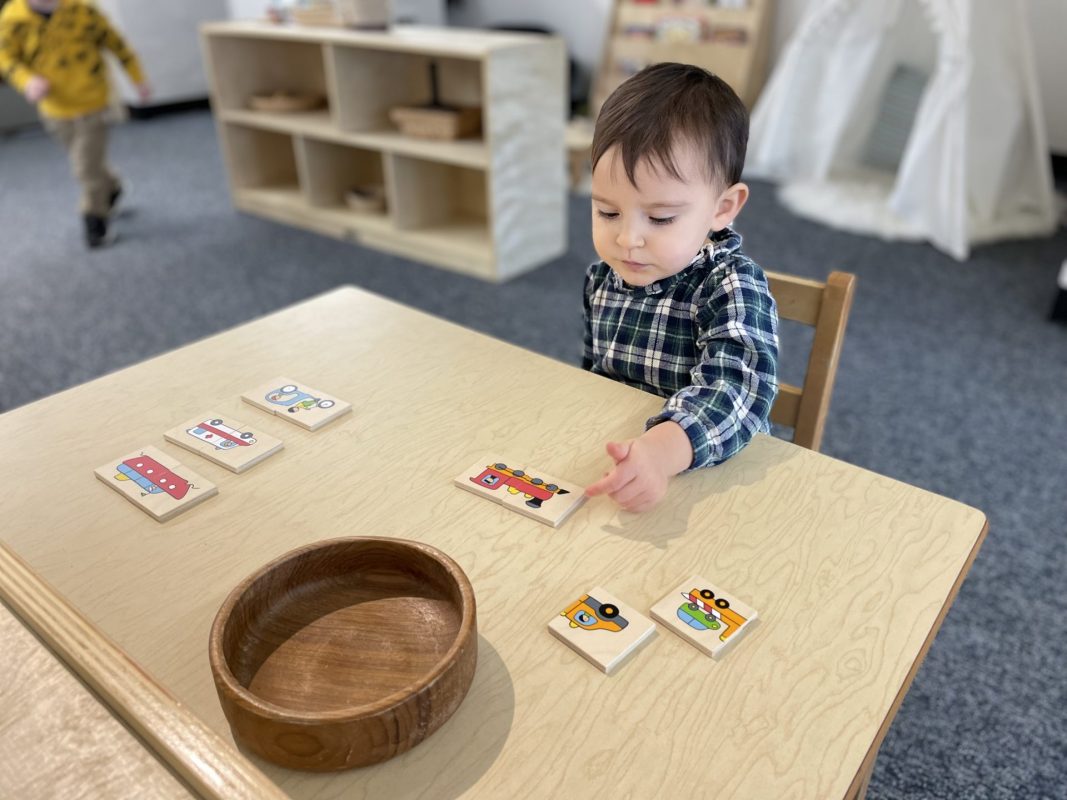
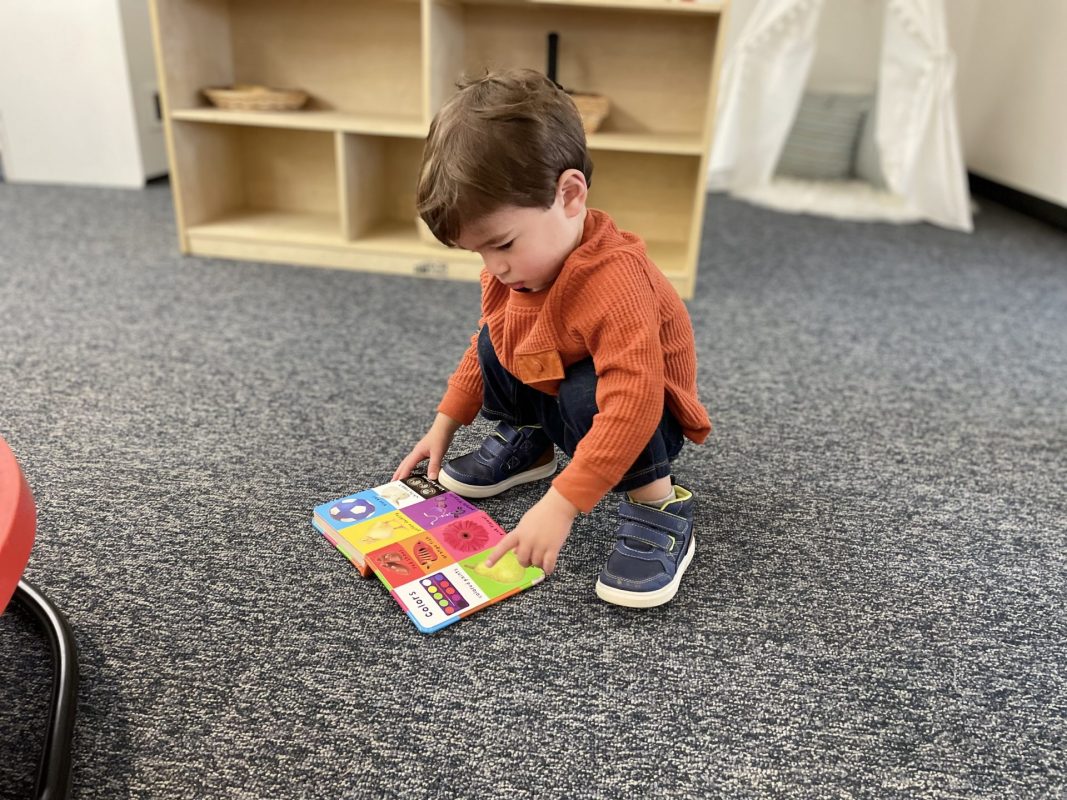
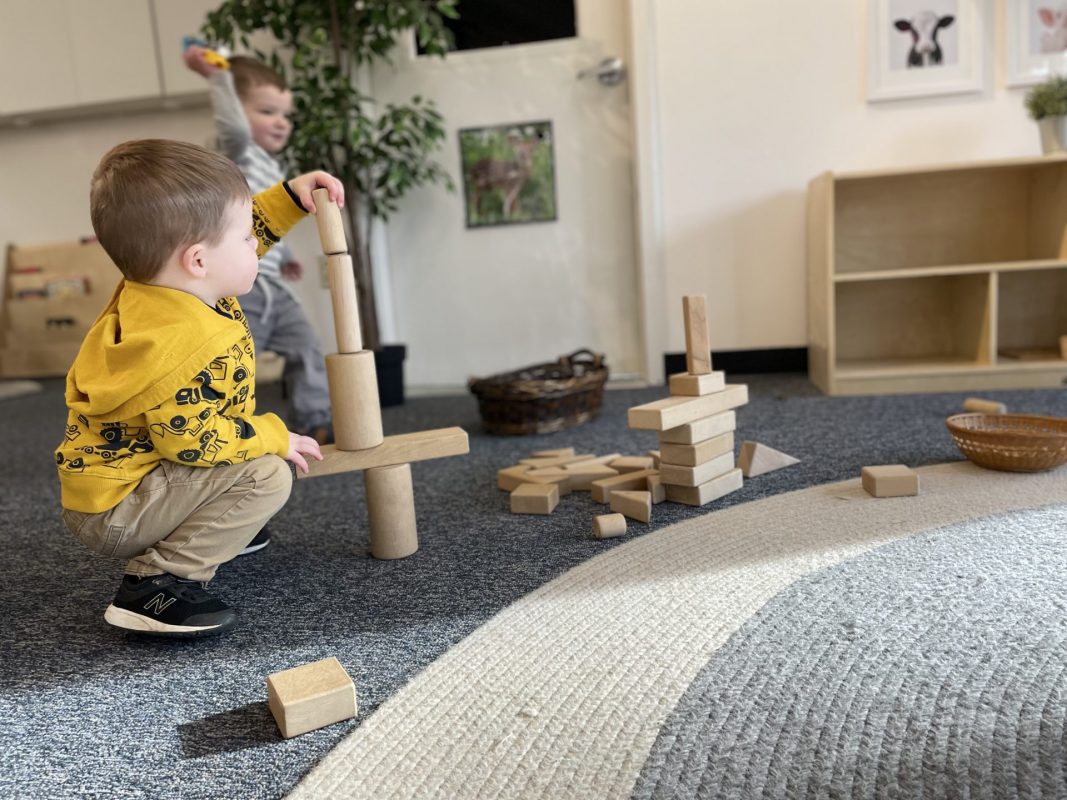
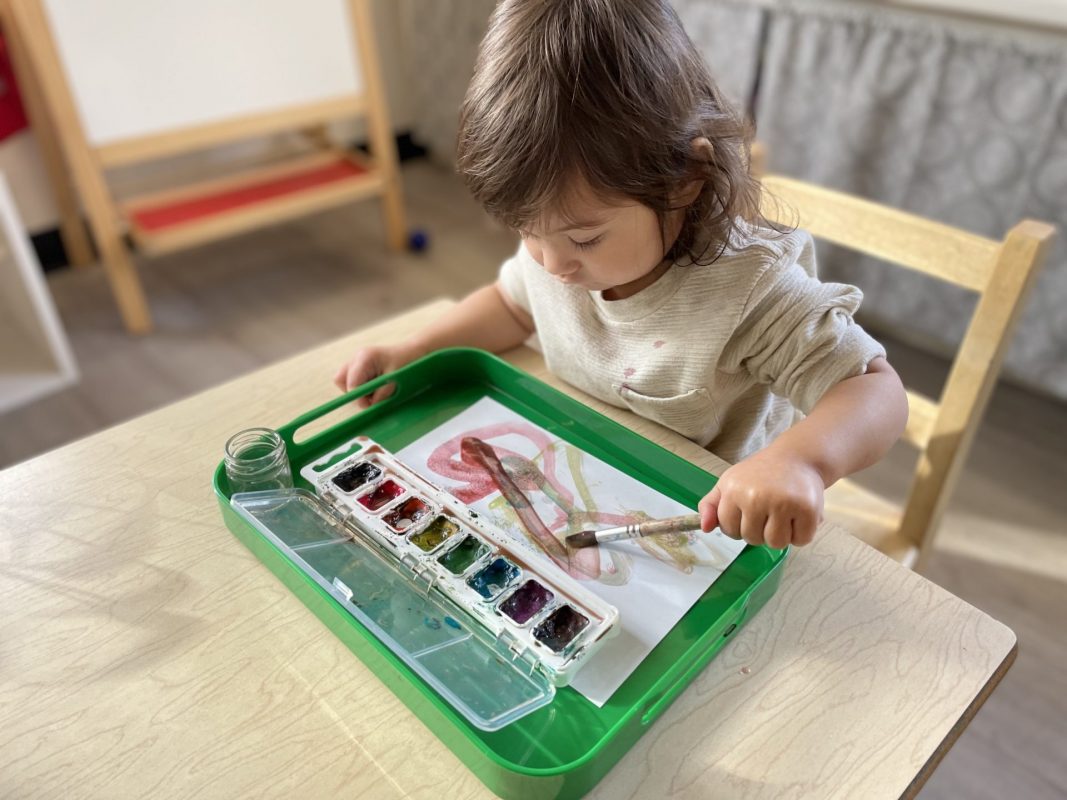
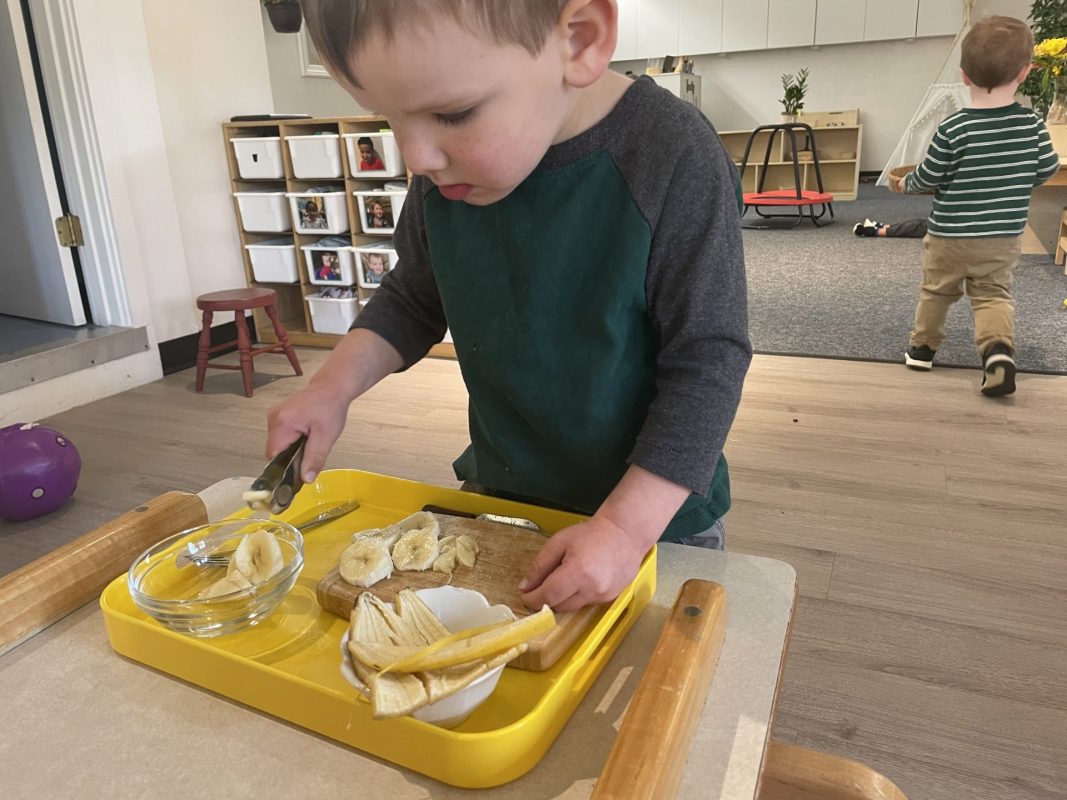
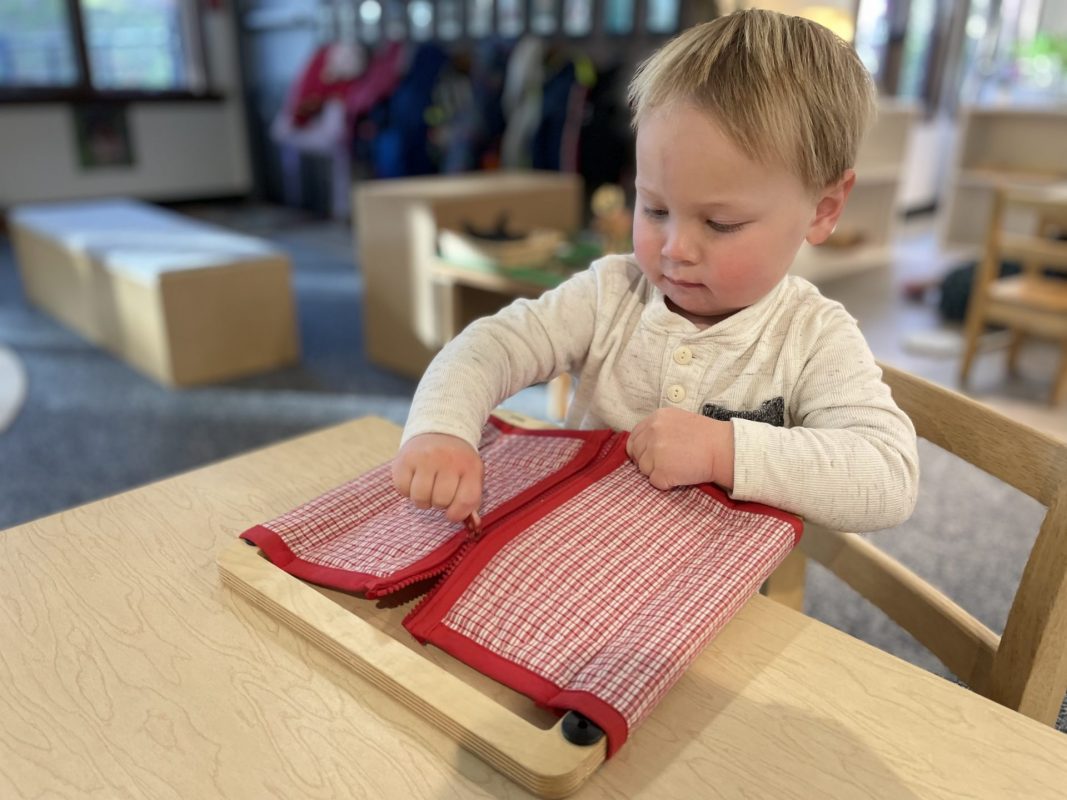
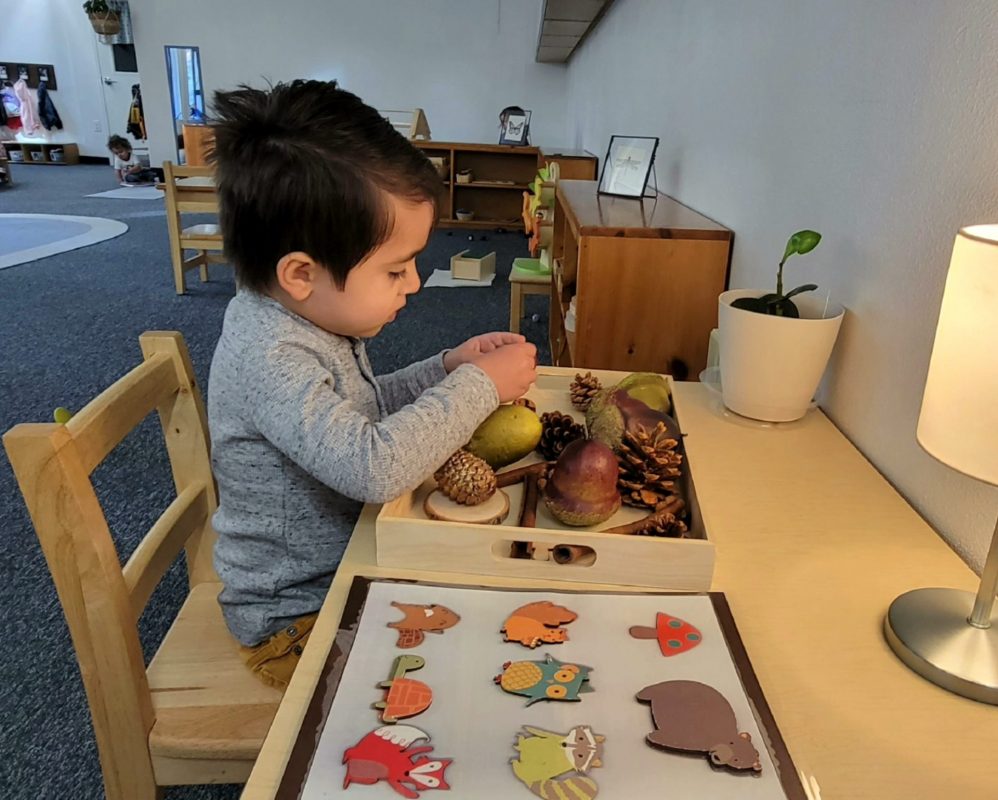
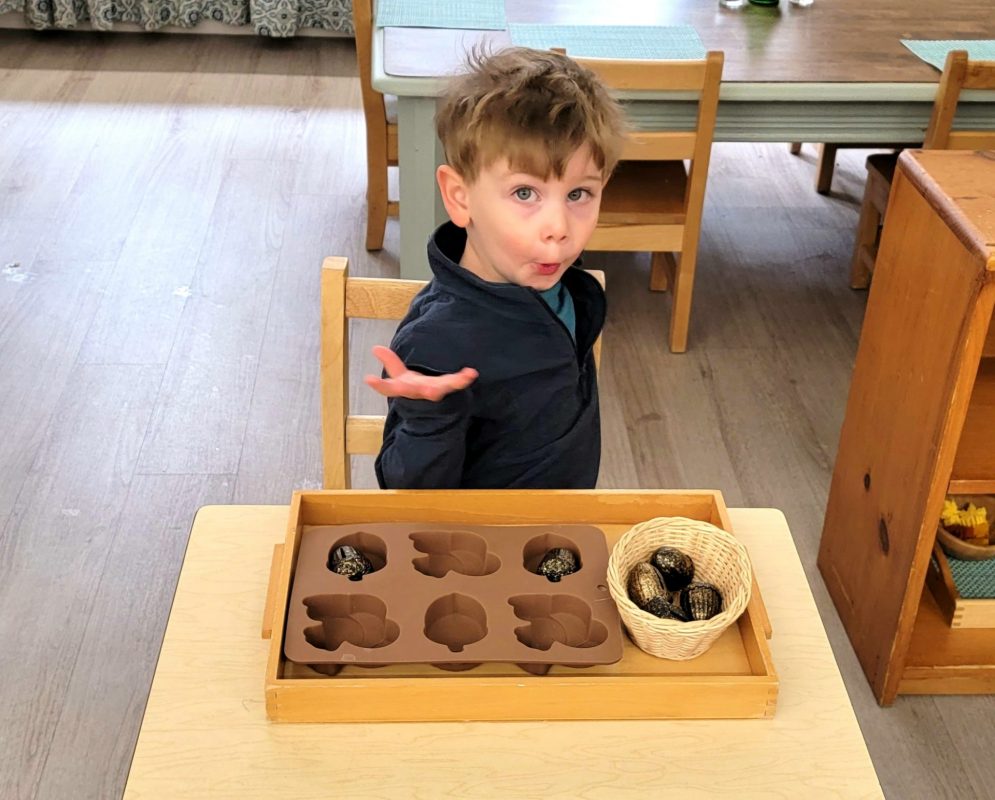
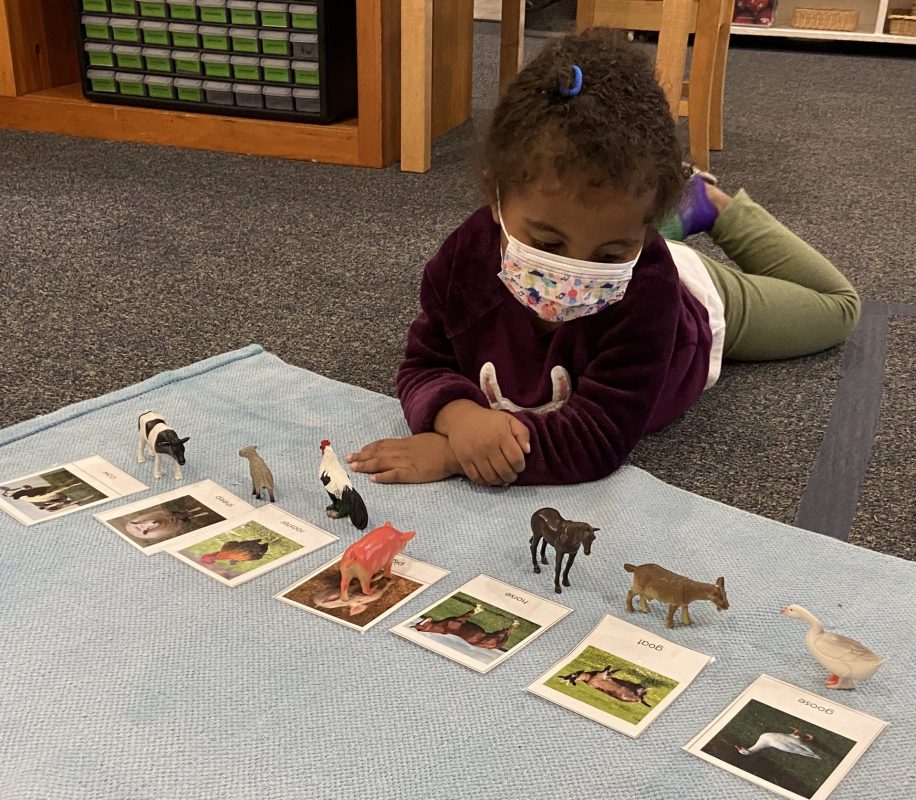
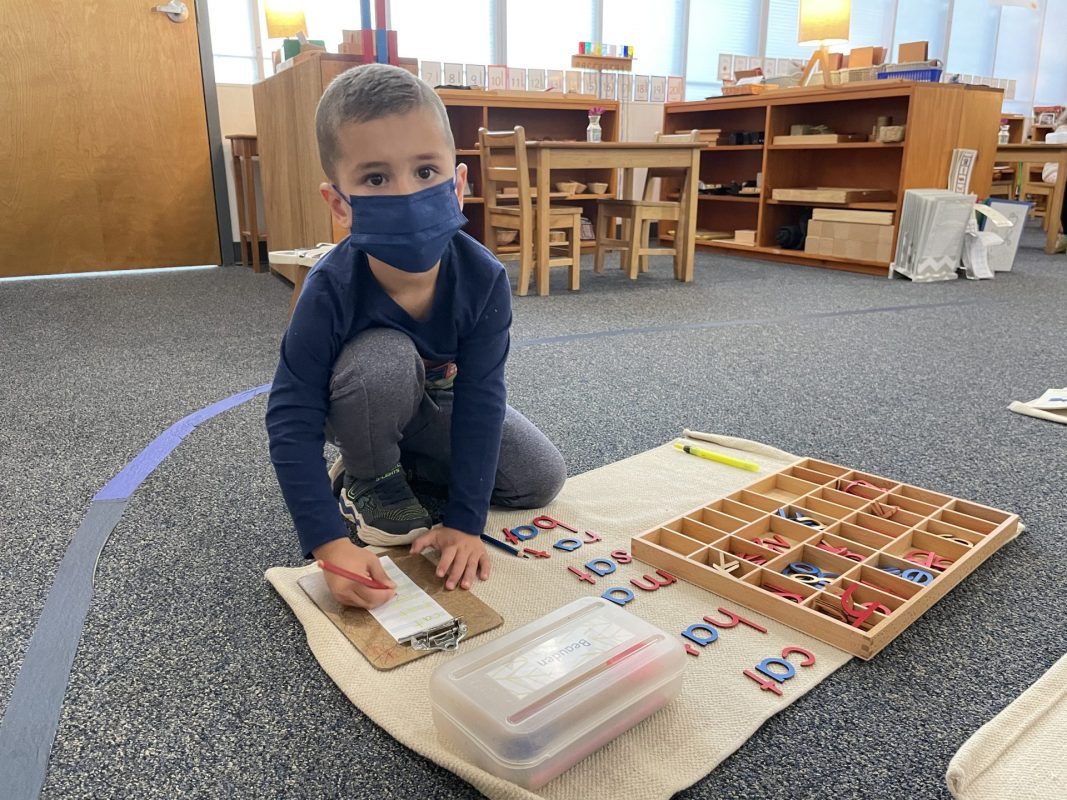
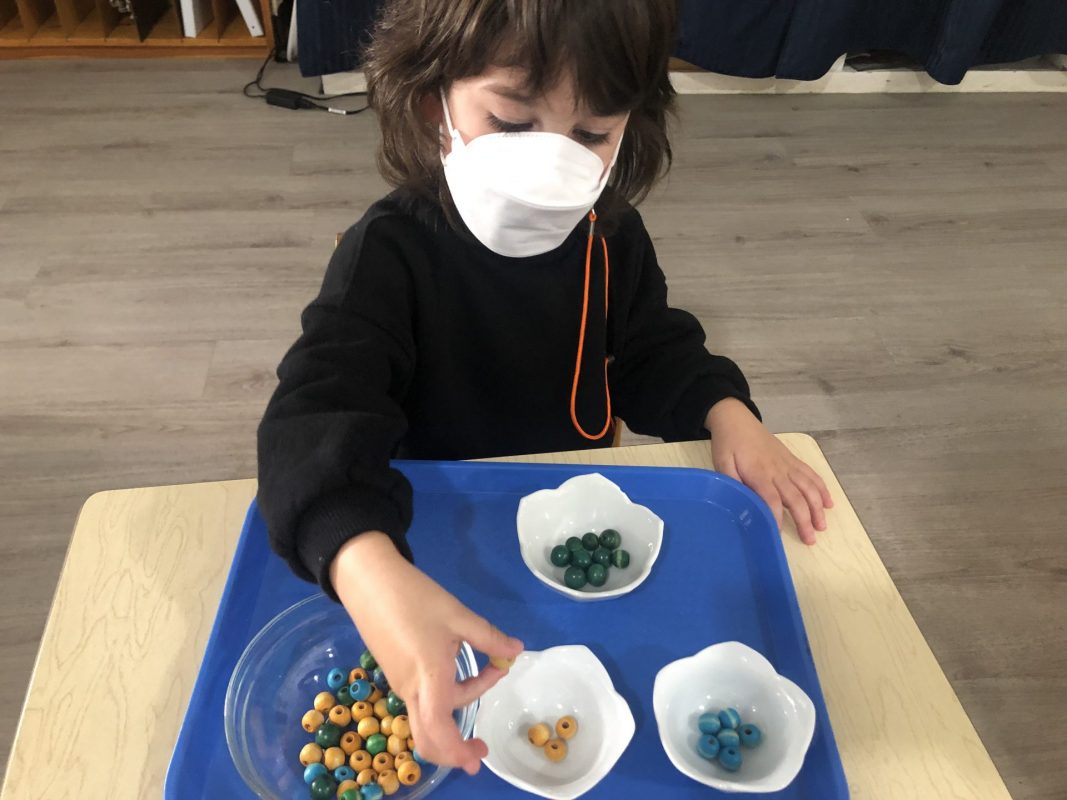
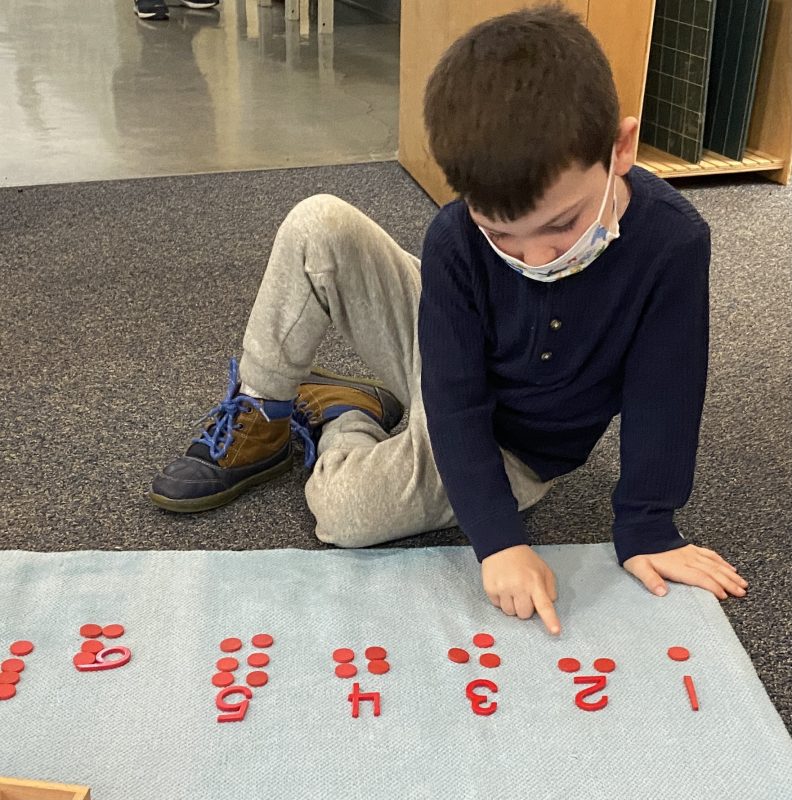
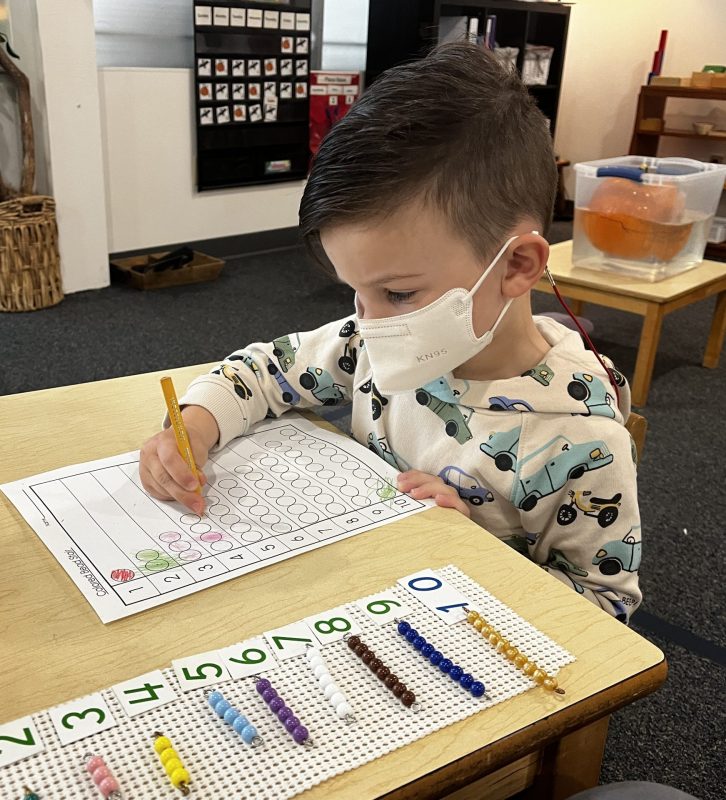
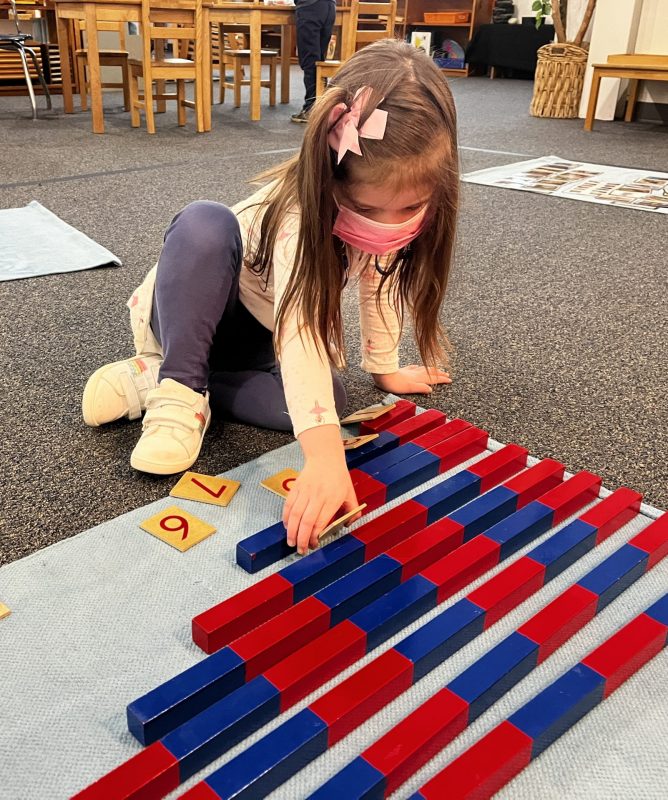
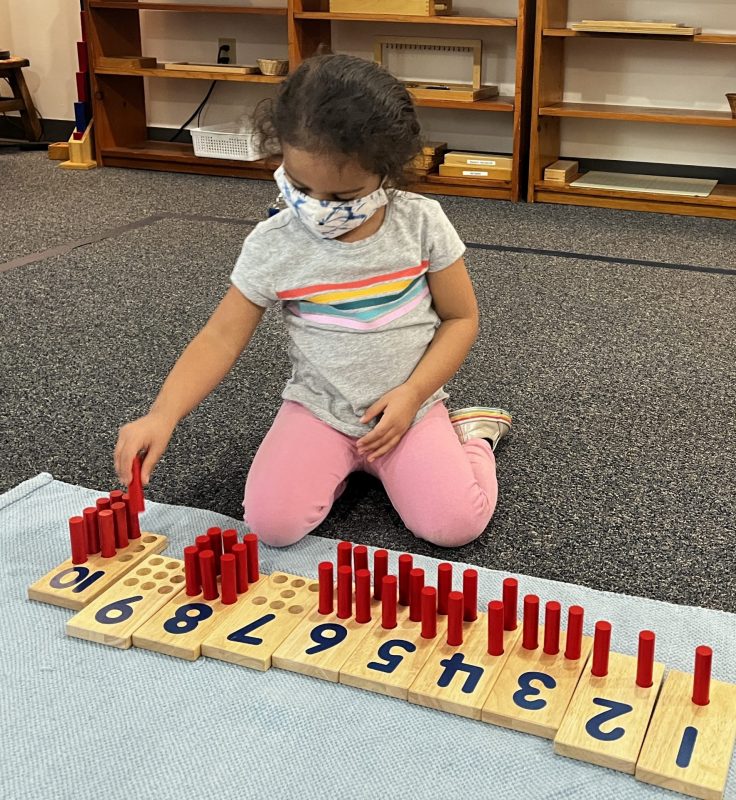
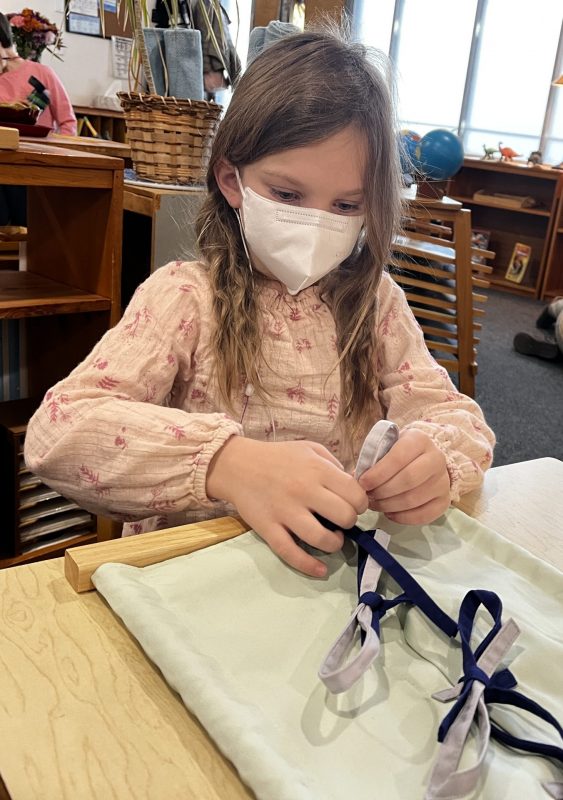
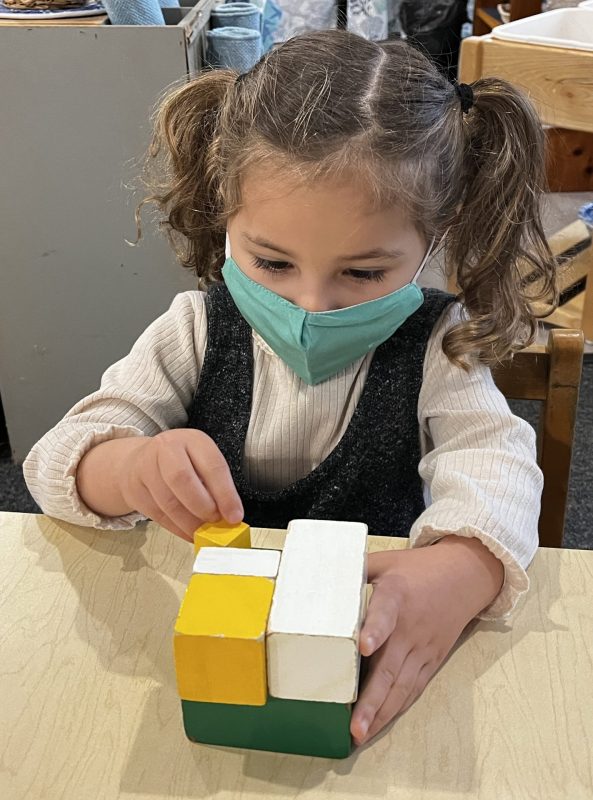
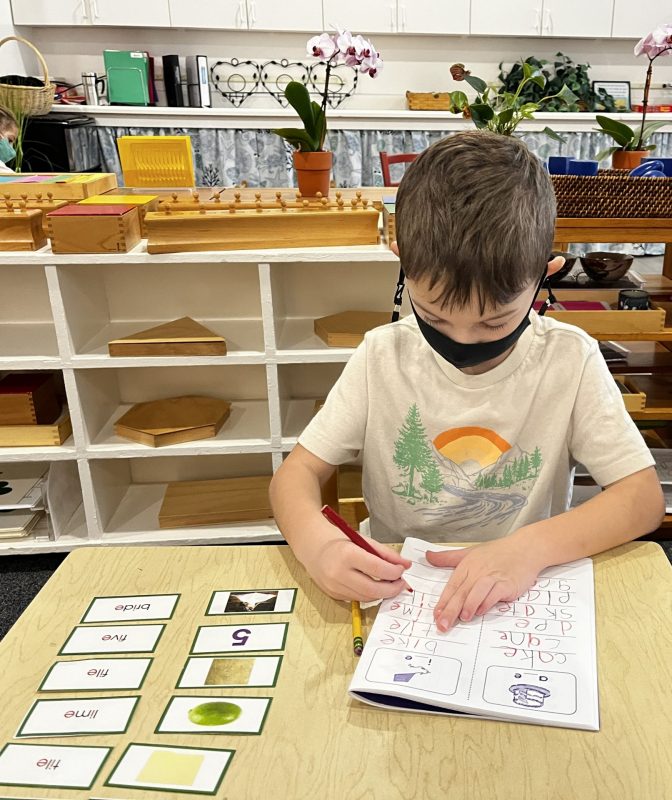
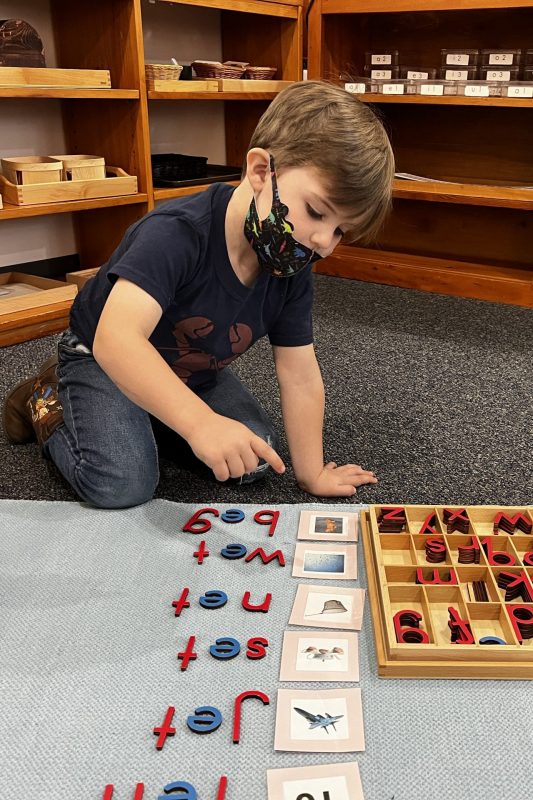
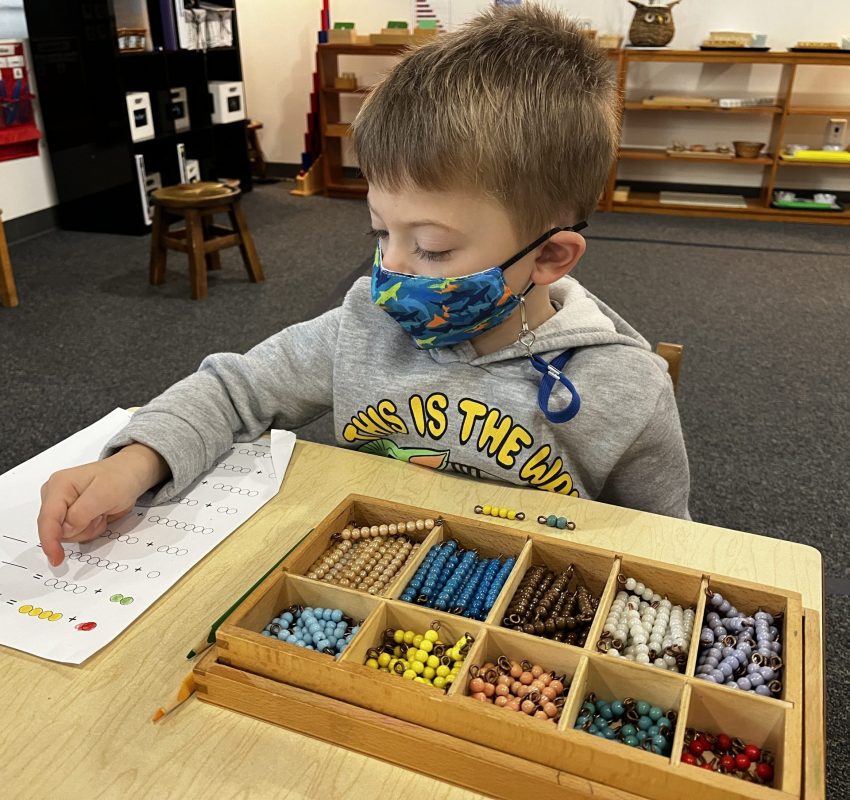
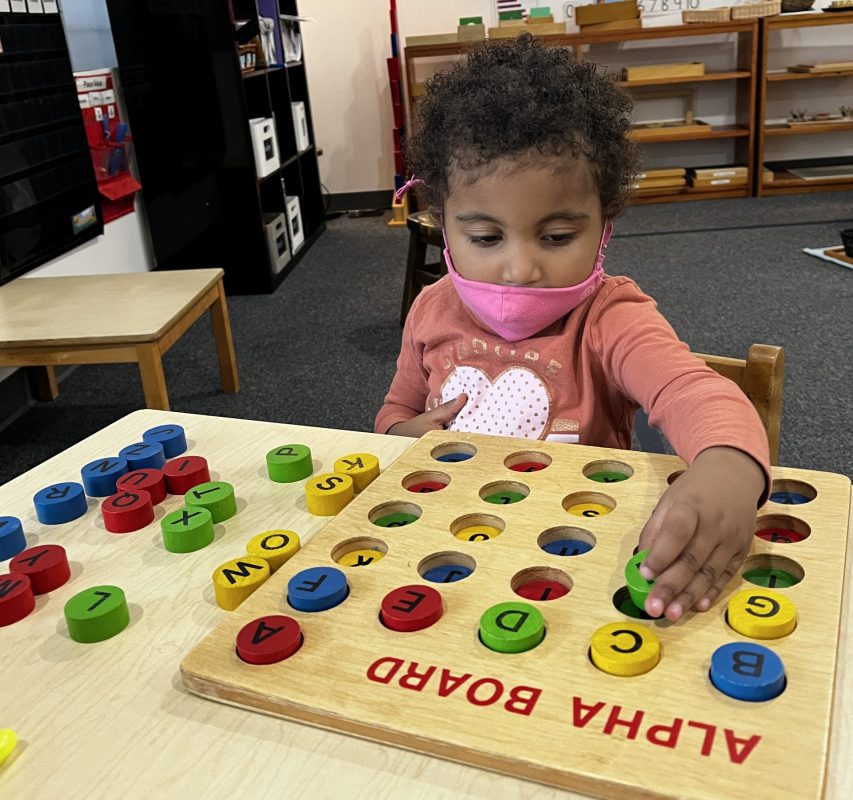
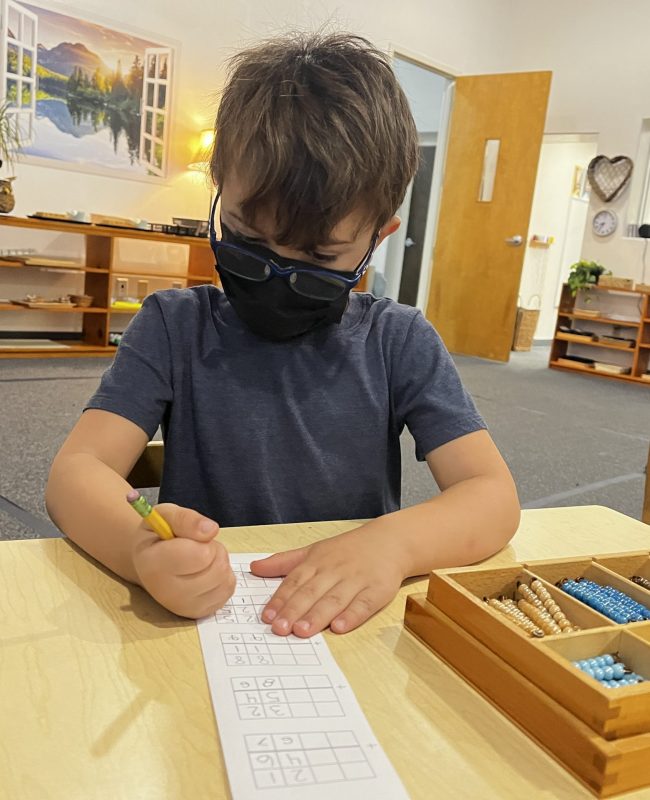
In Toddler and Primary the children are interested in real activities with an intelligent purpose. The classroom environment allows for the development of movement, language, work with small objects, toileting, order, music, grace and courtesy, senses, writing, reading, spatial relationships, and mathematics.

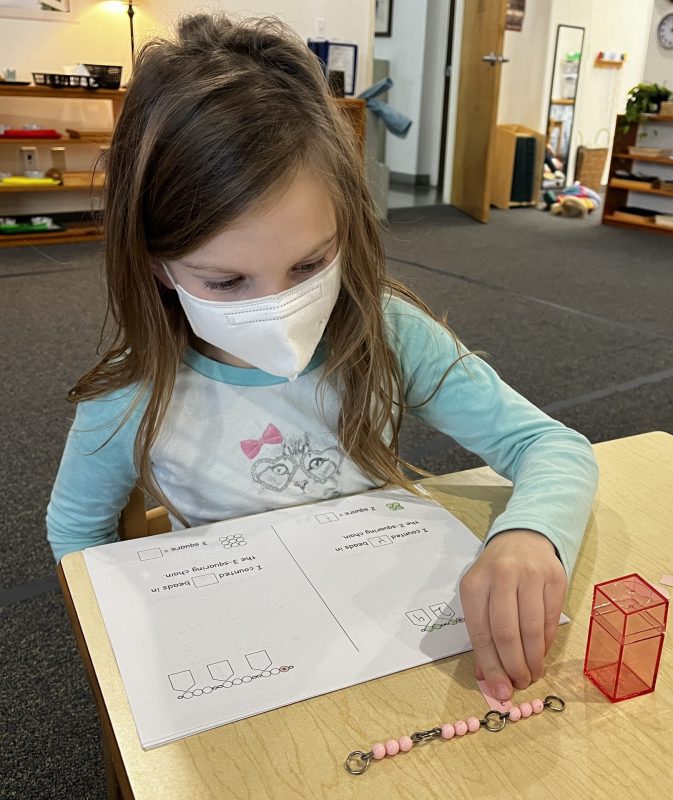
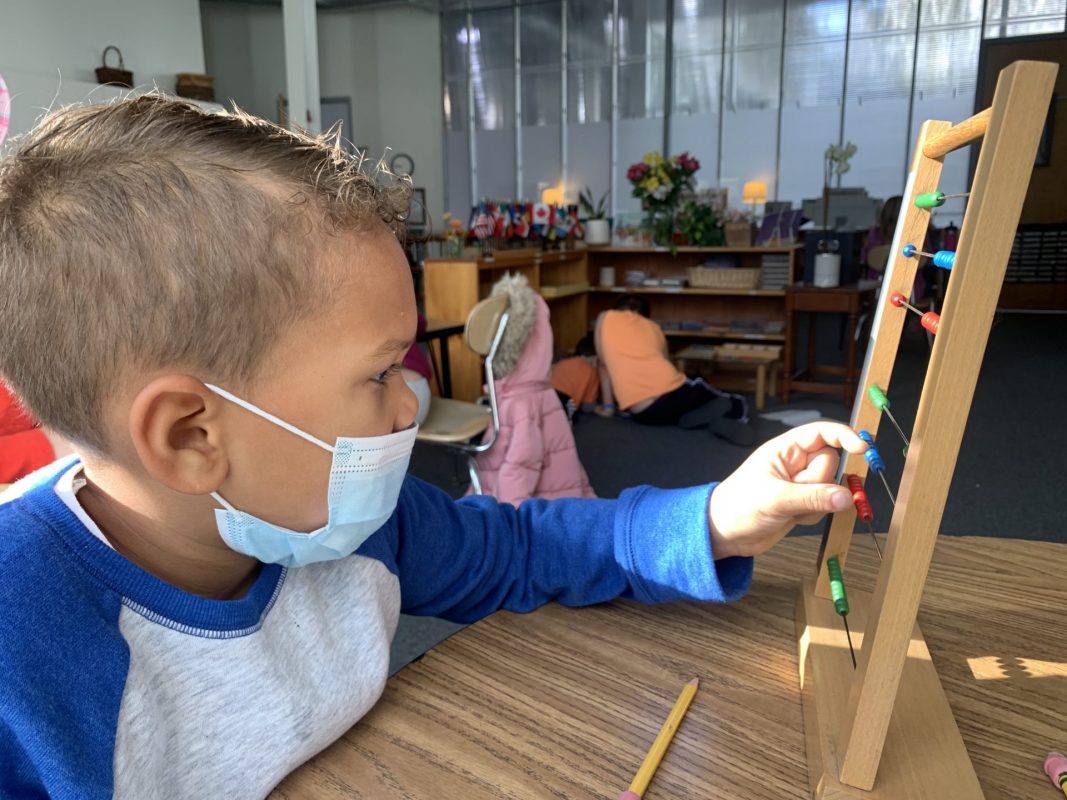
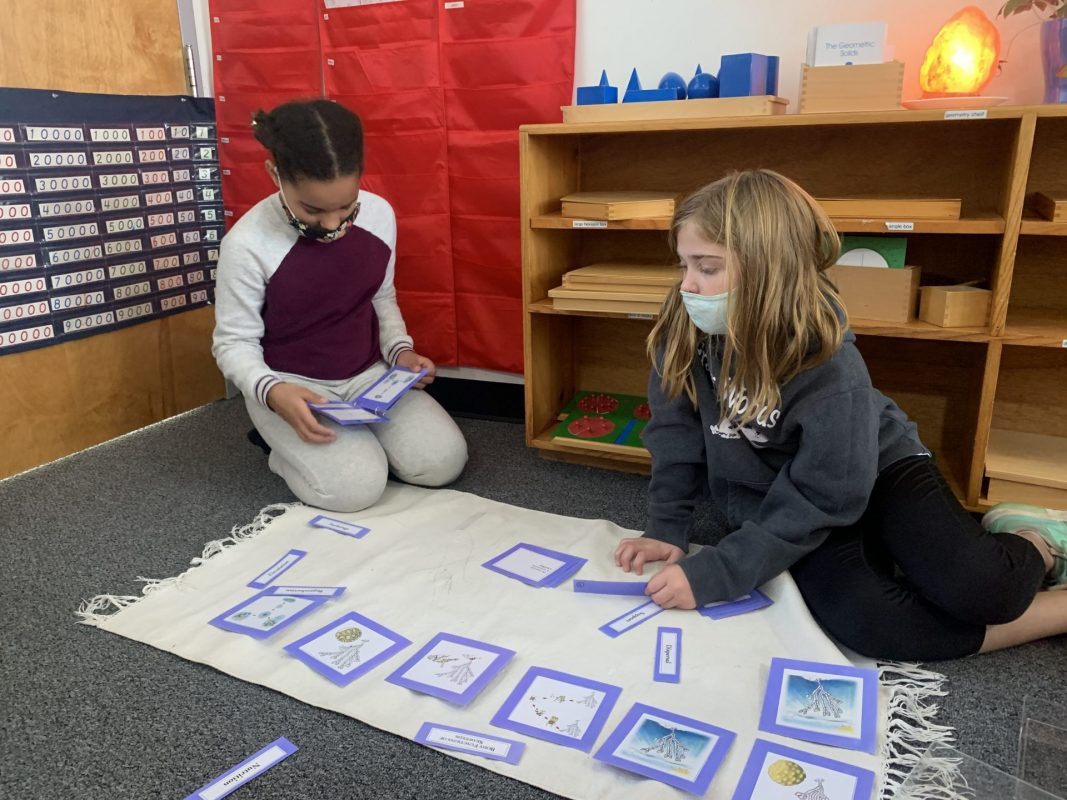
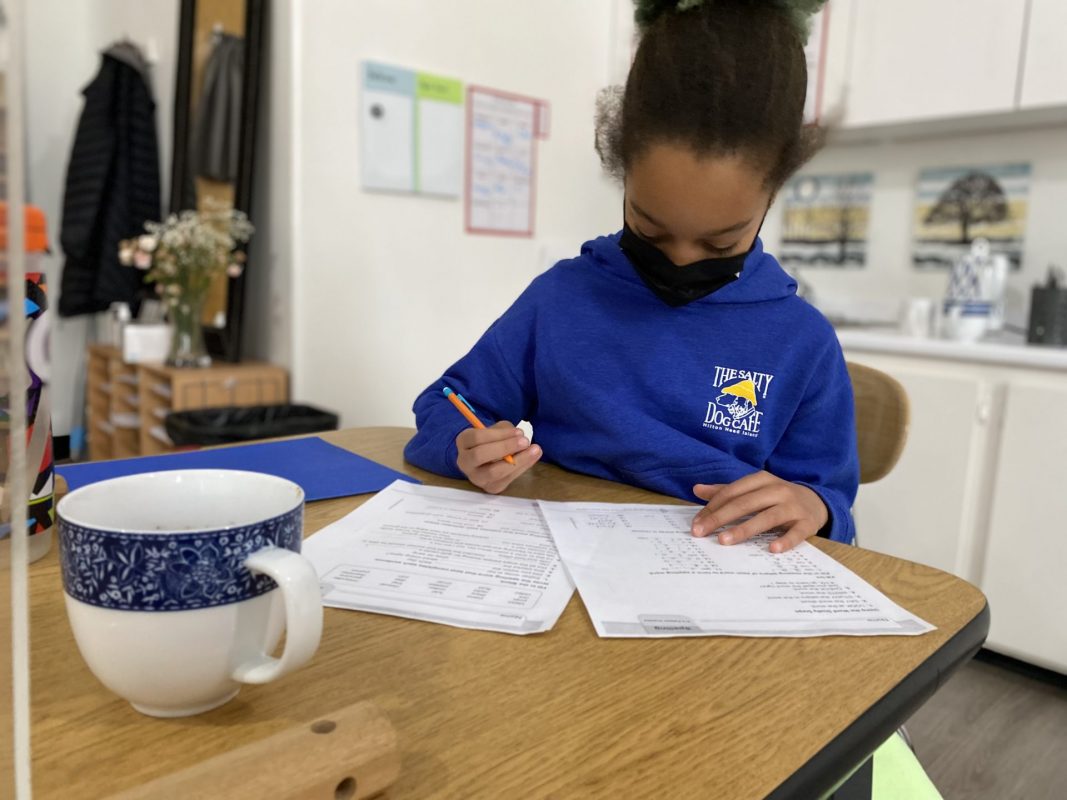
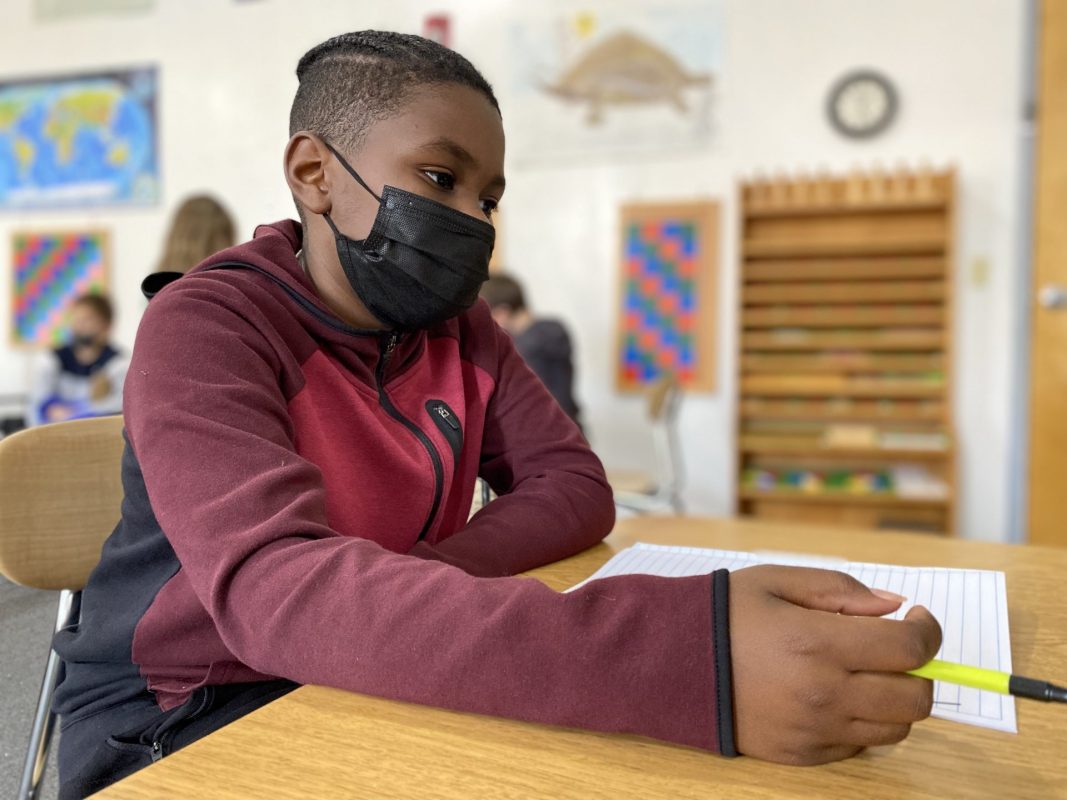
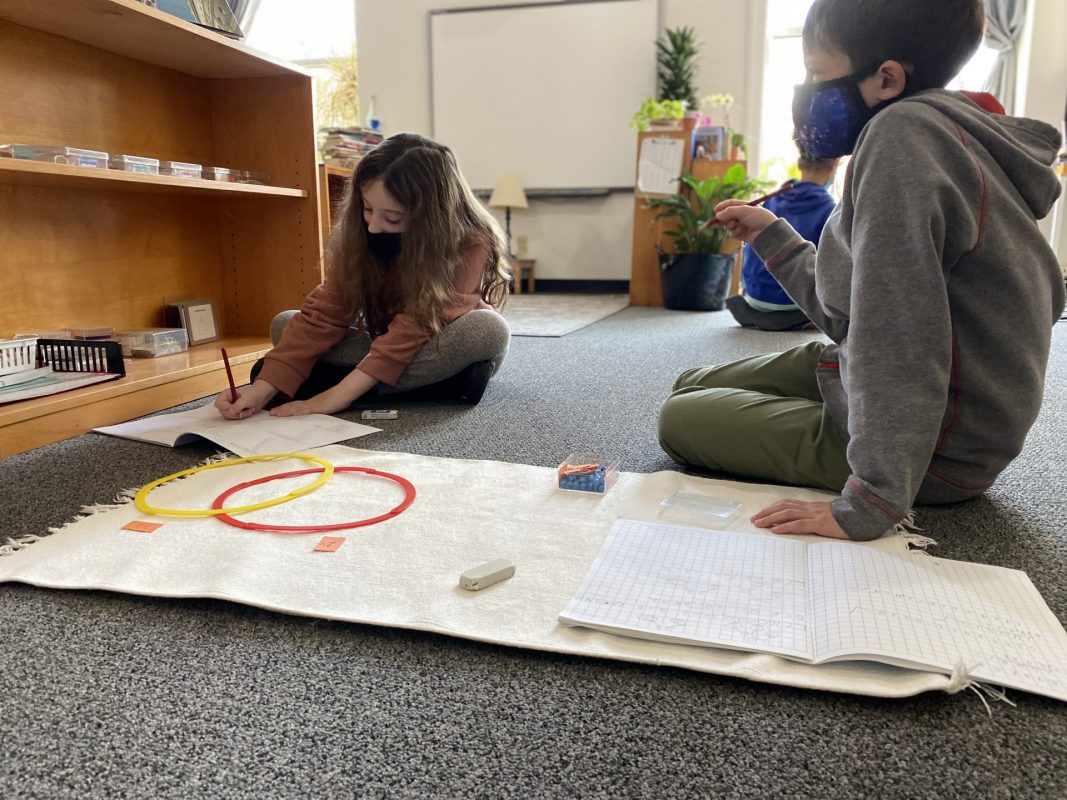
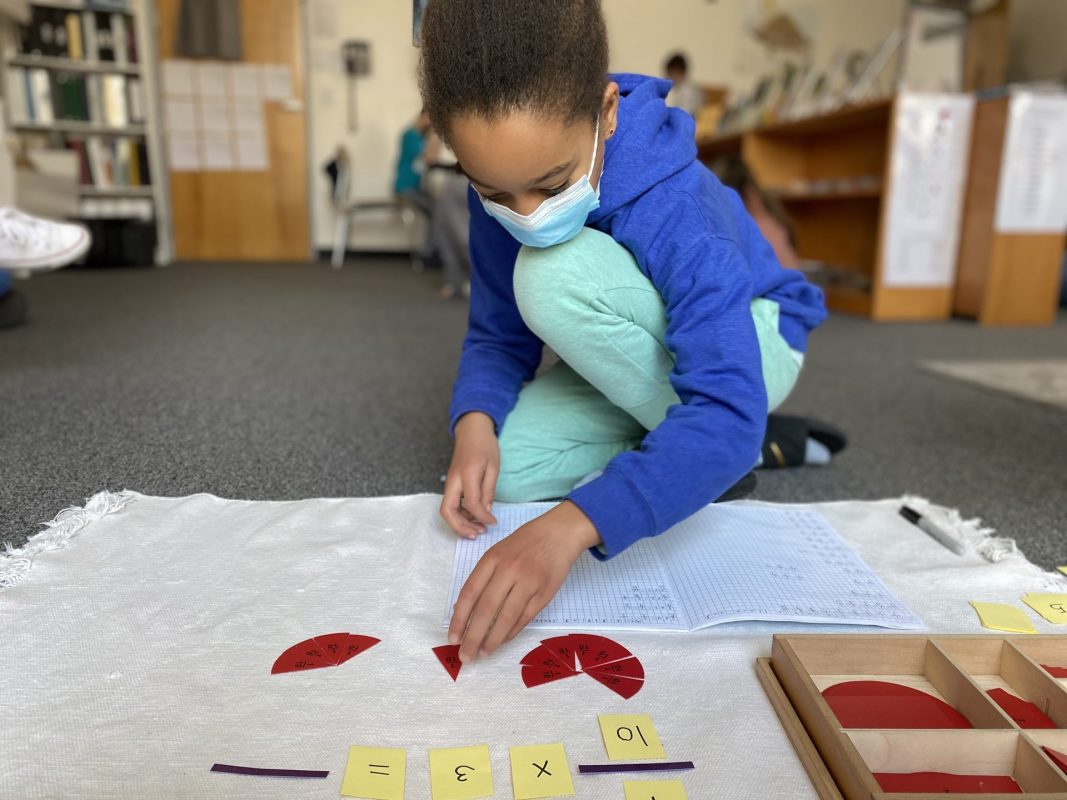
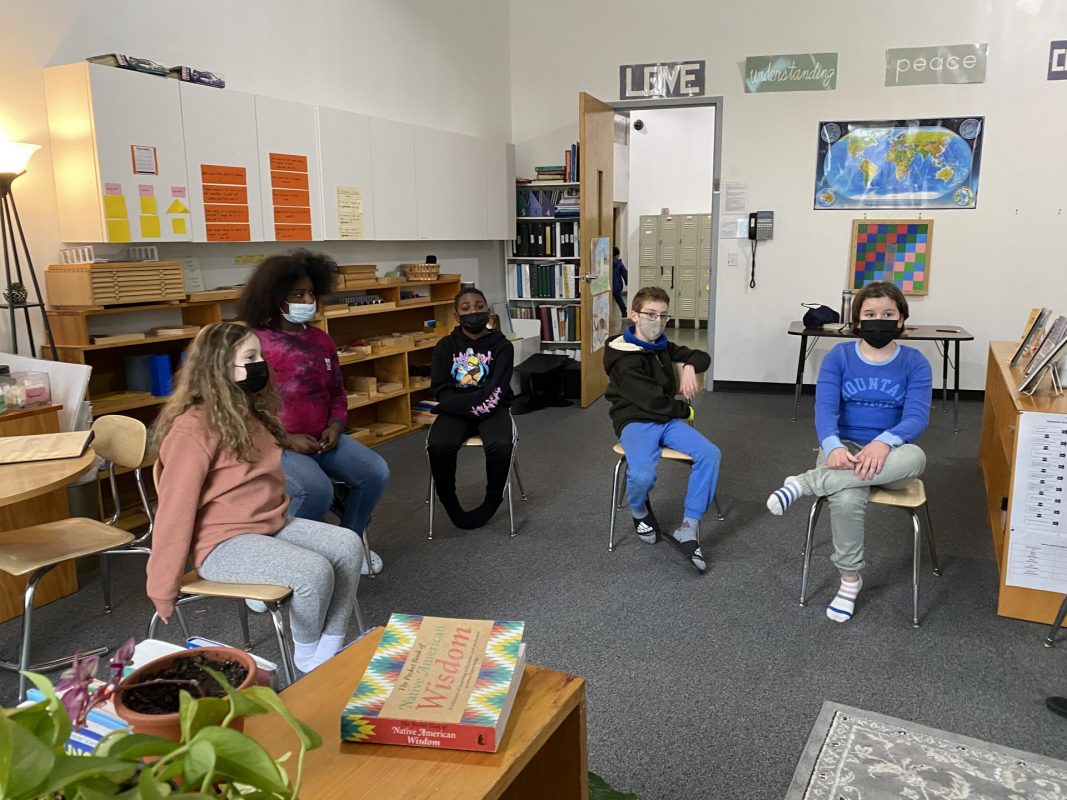
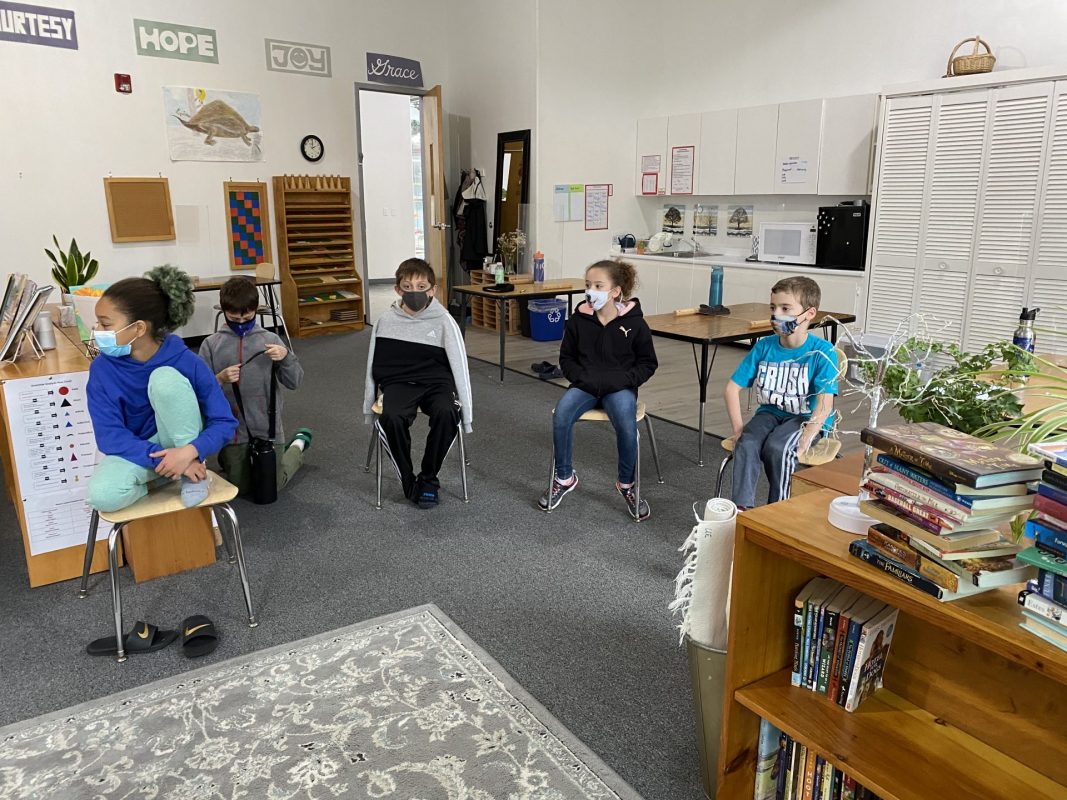
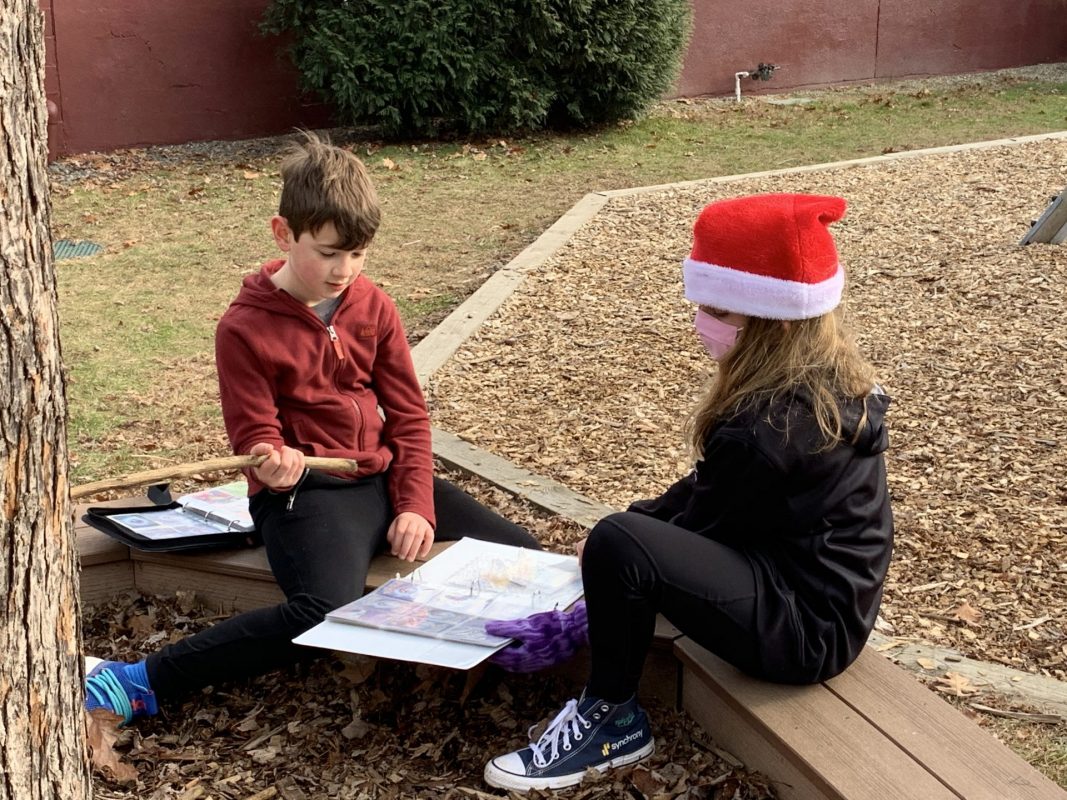
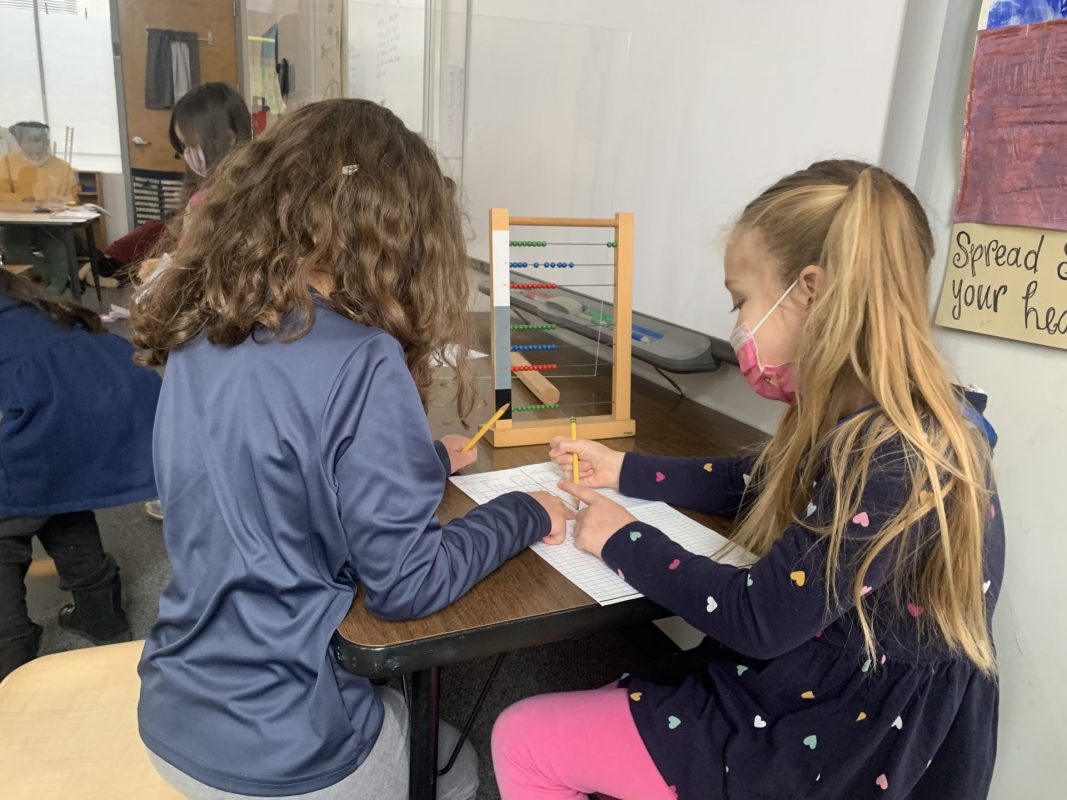
In the elementary classrooms, children have a desire for intellectual independence. Students explore their place within the world and come to appreciate the interconnectedness of all things. This is also the “bridge to abstraction” which is the students’ transition from concrete to abstract thinking.

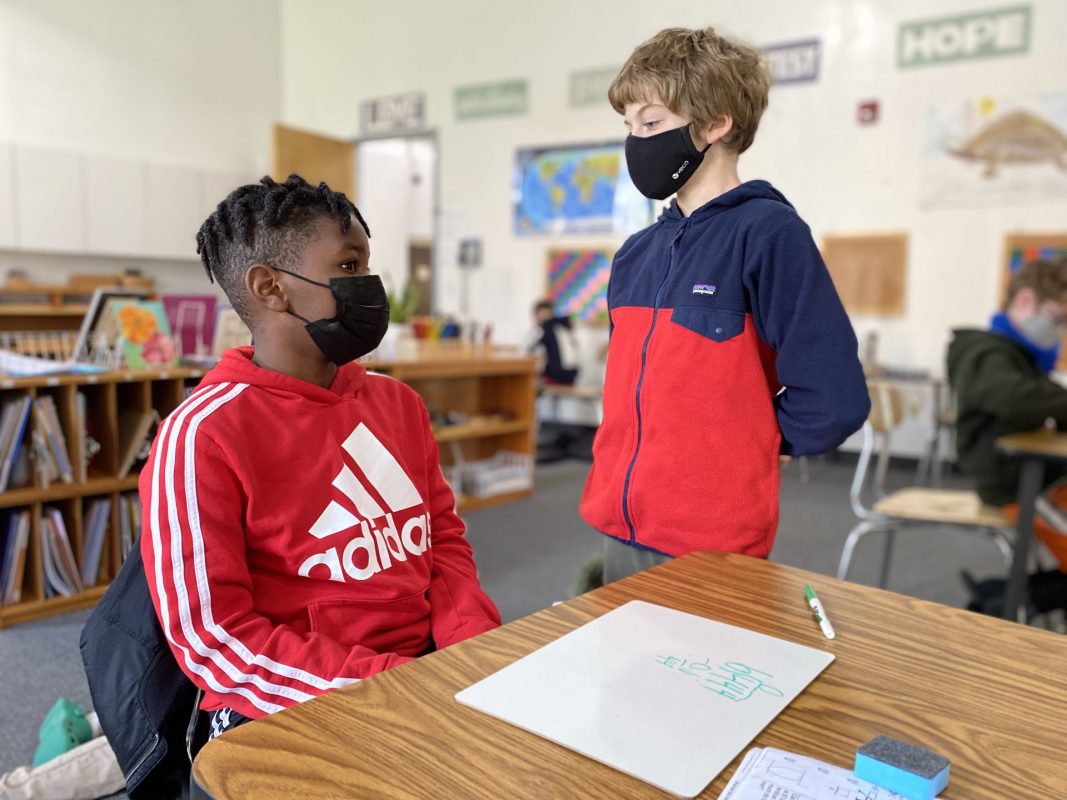
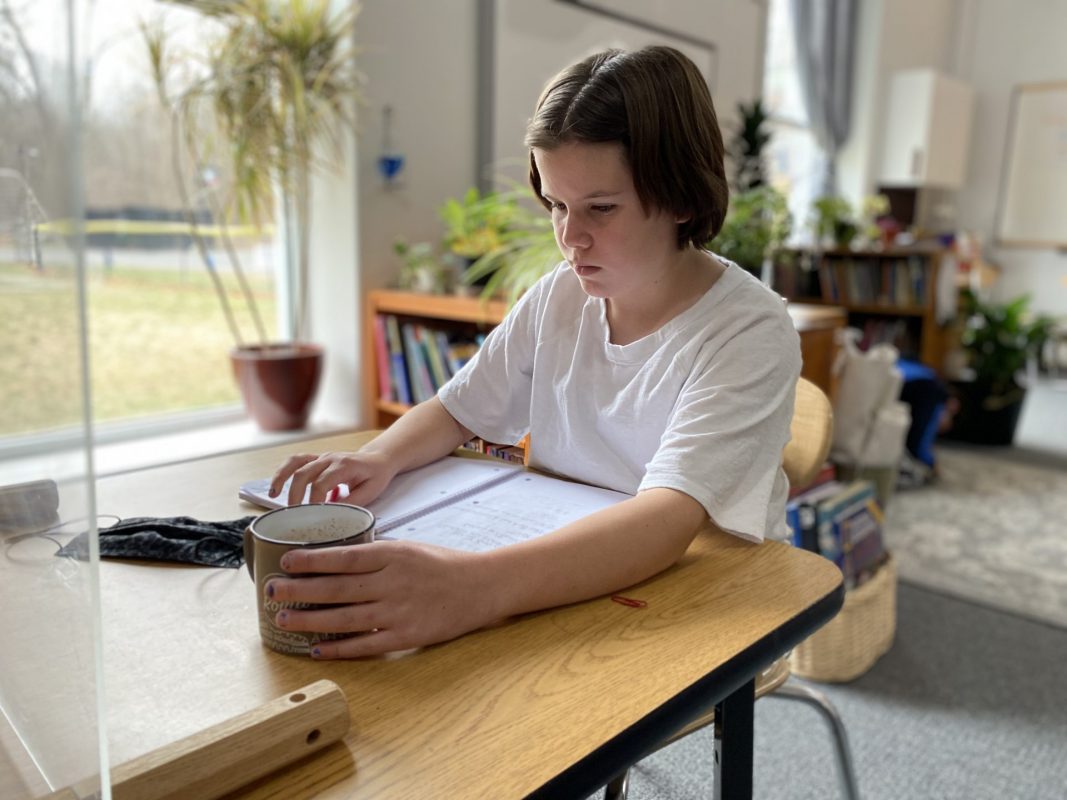
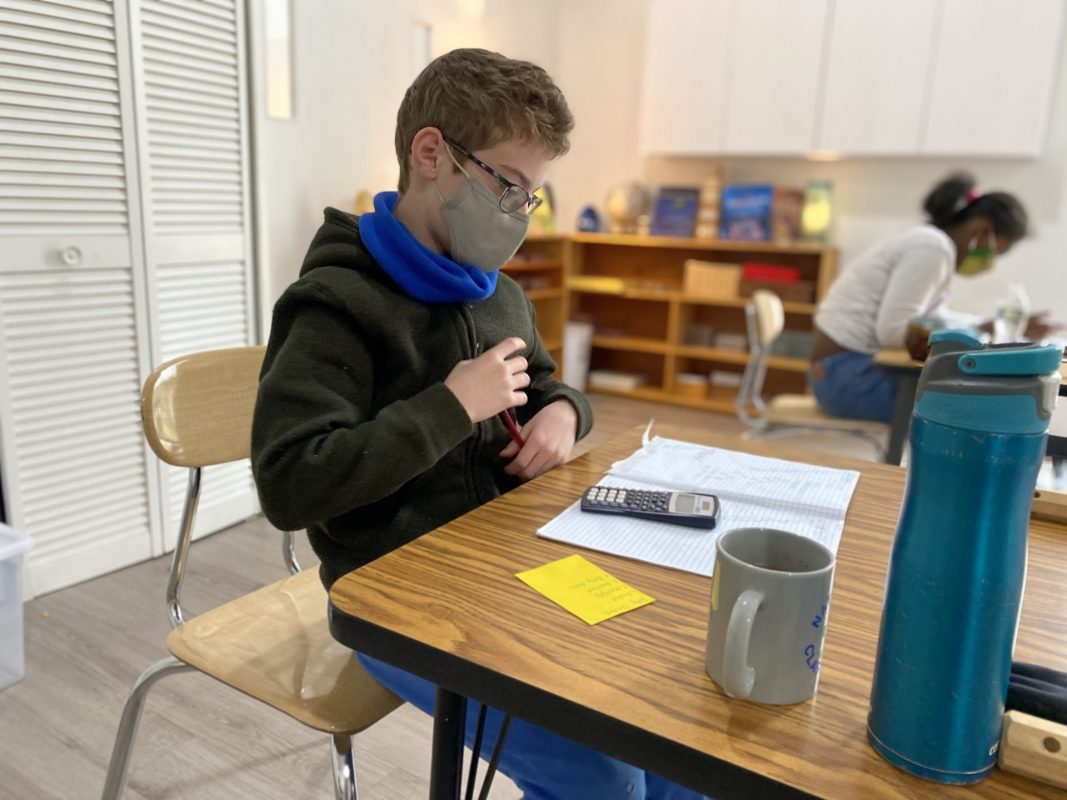
In middle school, students develop self-concern and self-assessment, critical thinking and exploring social and moral values, equity, and social justice. Adolescents also have a desire for emotional independence.

I am humbled by the work of our teachers and ever impressed by the care they take in preparing their classroom environments and the lessons they teach. Observing teachers as they guide, mentor, and model for their students assures me that The Learning Triangle is alive and well in every classroom at FWM.


Upper El: With Gratitude

“History should not be taught as a collection of dates and places. But rather be approached to arouse gratitude and appreciation. This gratitude should be aroused first to the law and order of the universe and the preparation of the environment into which human beings came.” -Maria Montessori
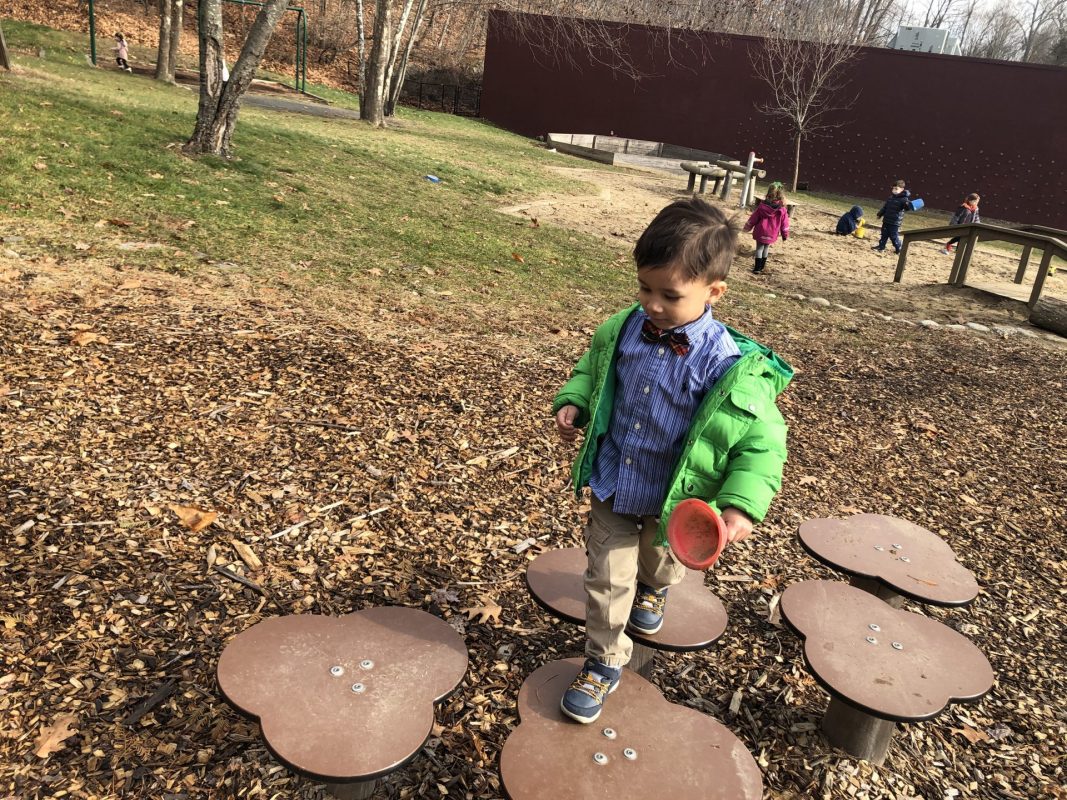
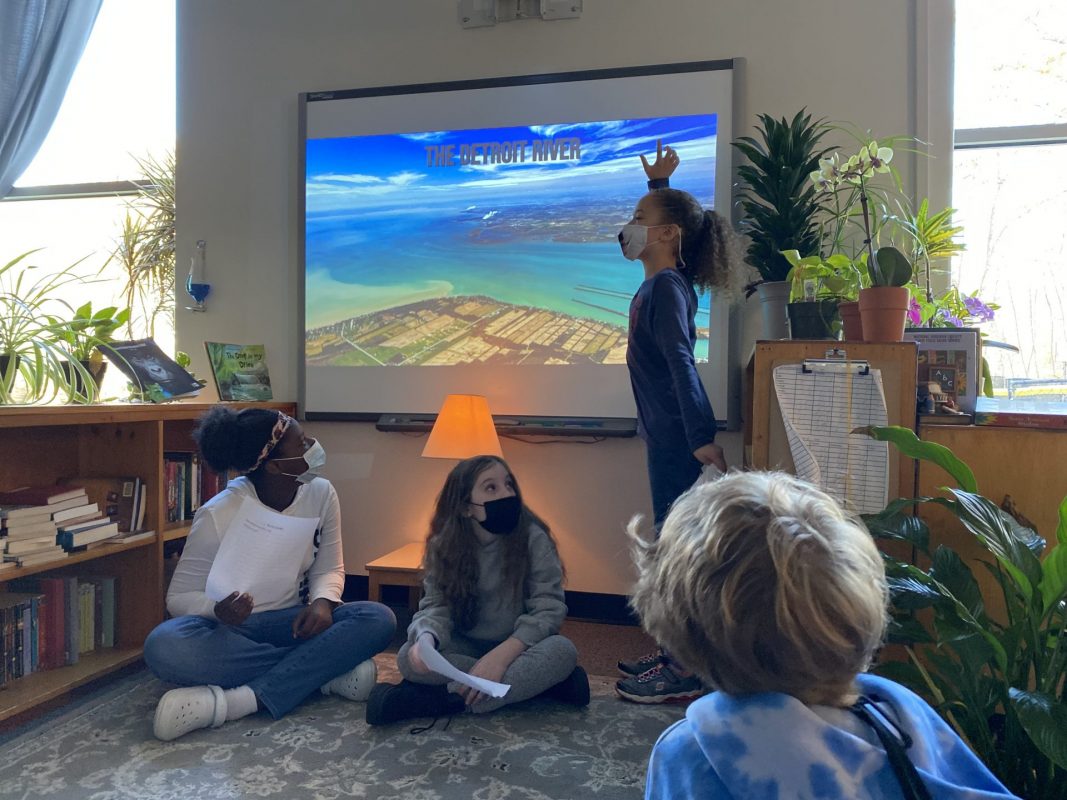
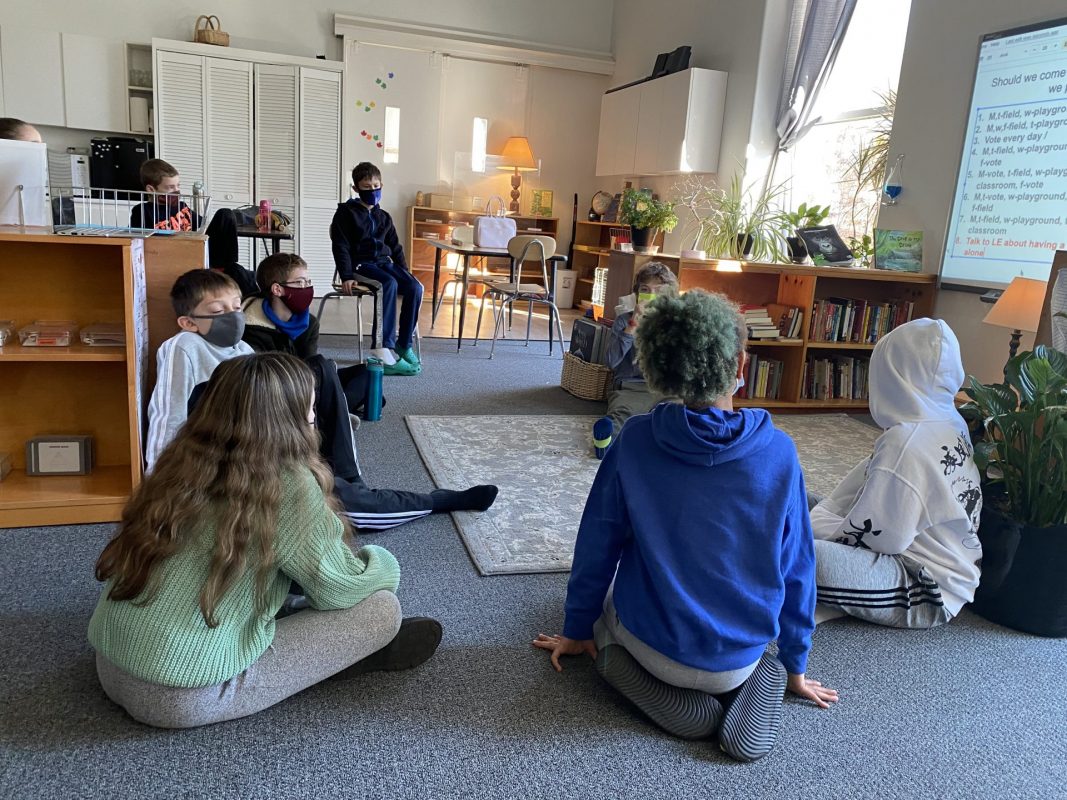
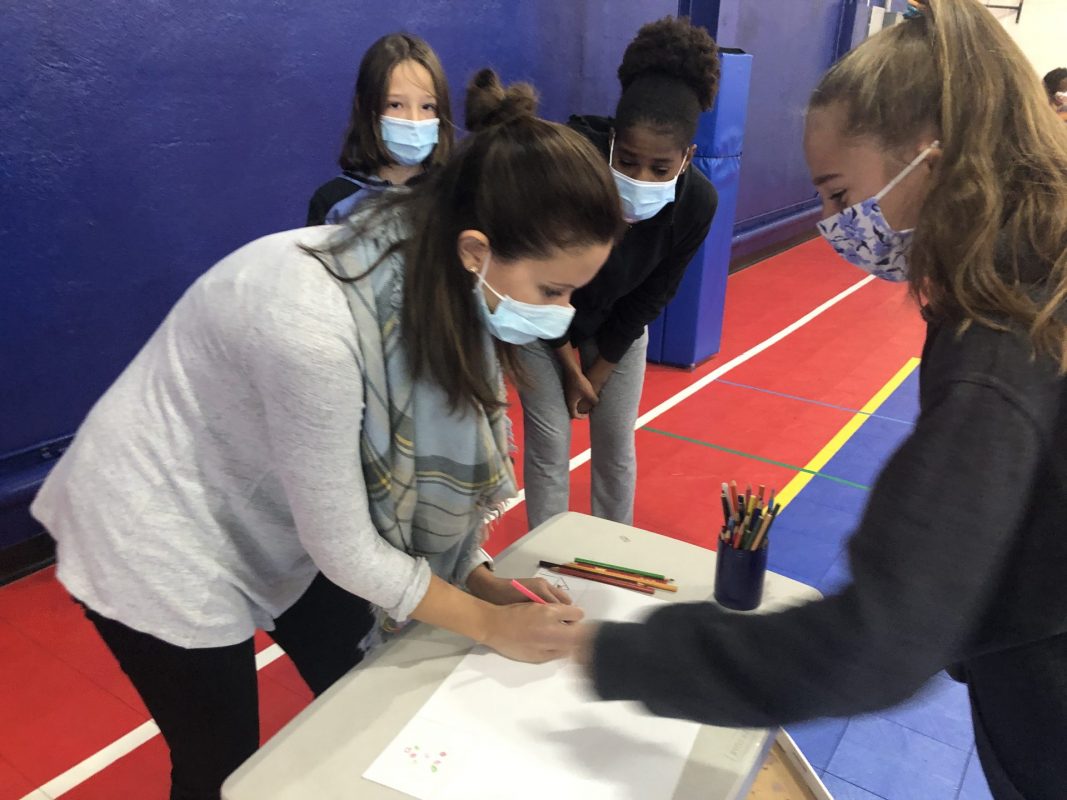
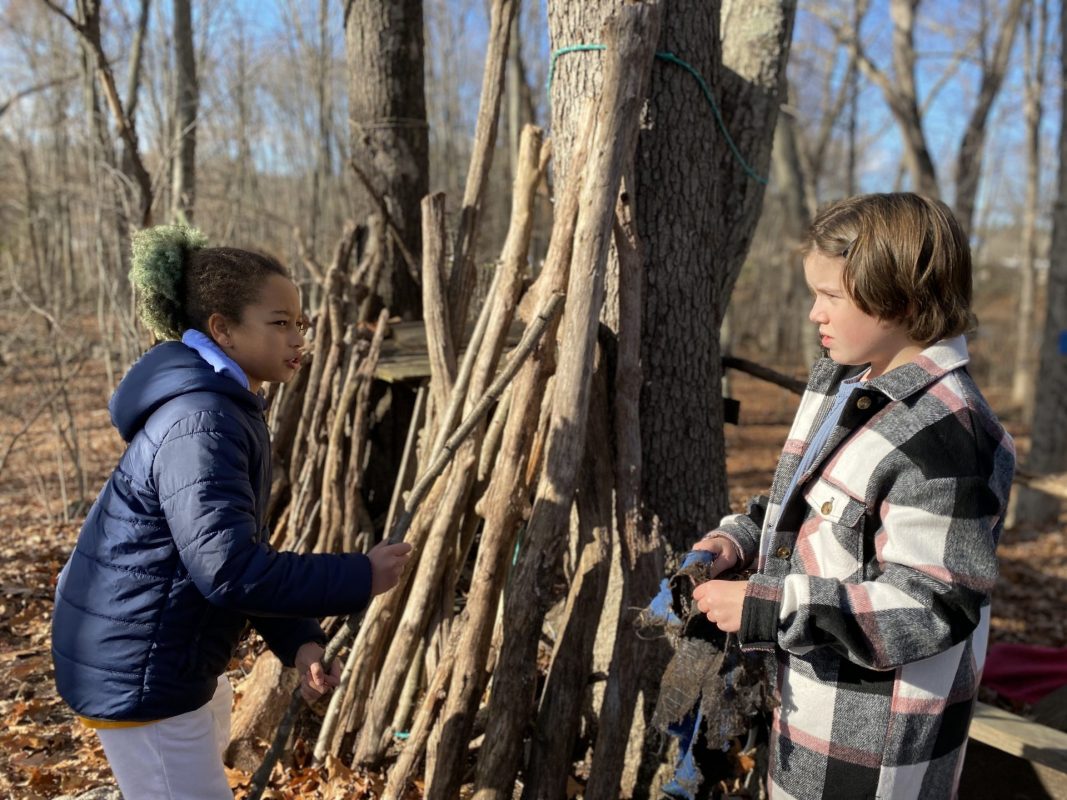
One of my goals for our Upper Elementary students is to become independent and have ownership in their classroom. Some ways we are working toward this are through the organization of the classroom so they are able to be self-sufficient, class-led community meetings that give them decision making power over their school life, and involving them in arranging field trips. I’m looking forward to sharing more about field trips with you soon.
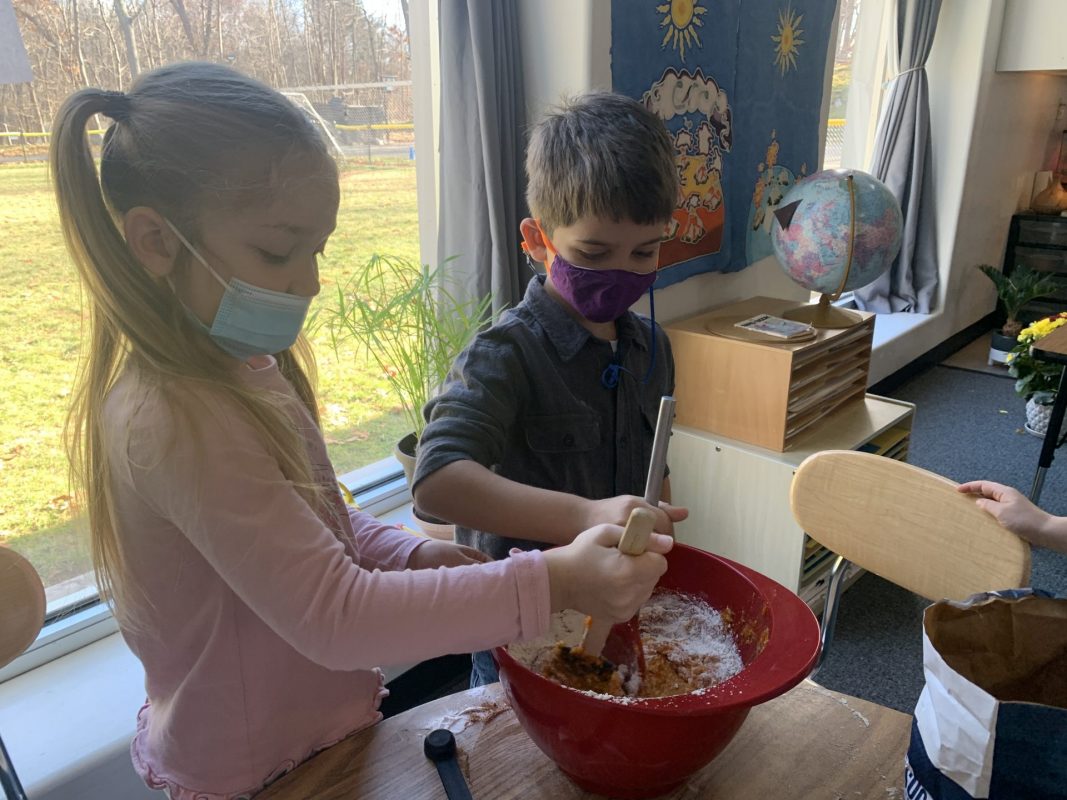
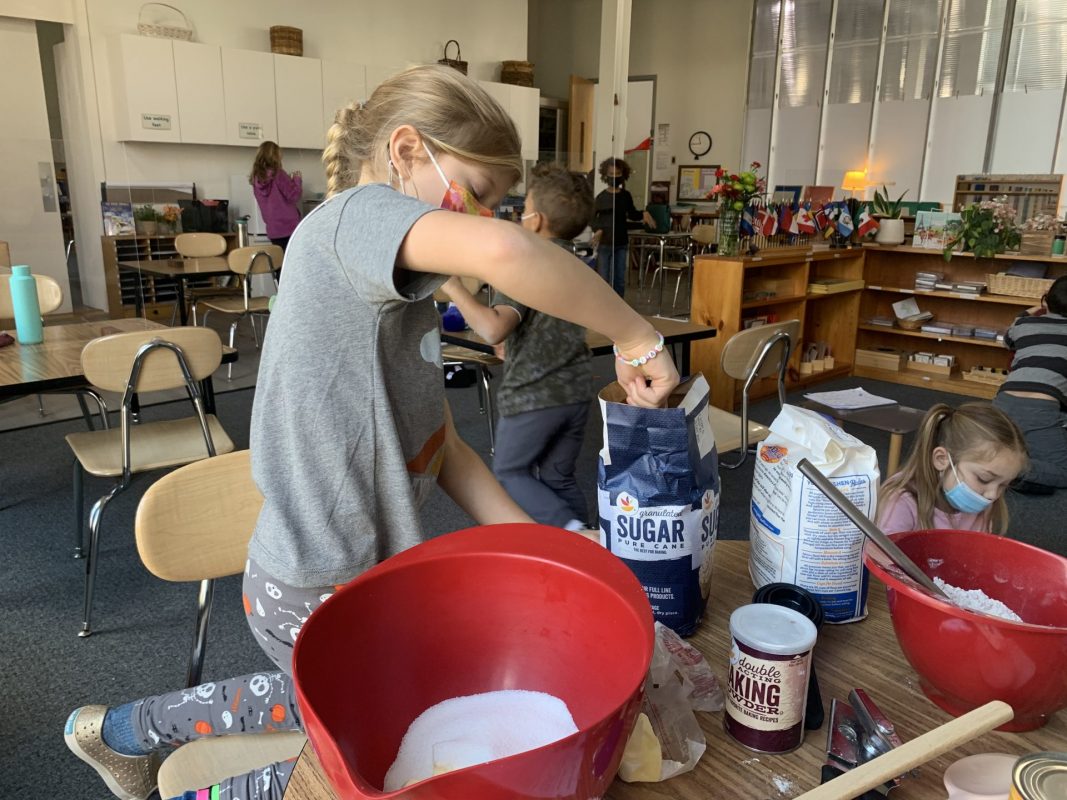
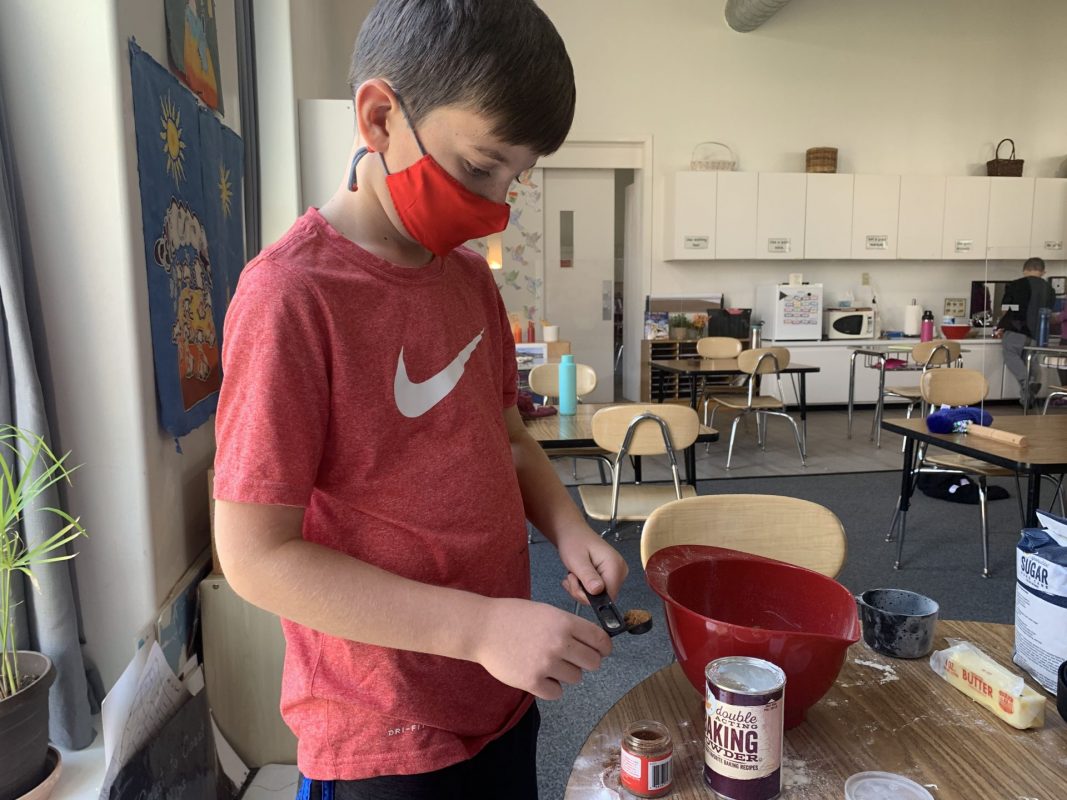
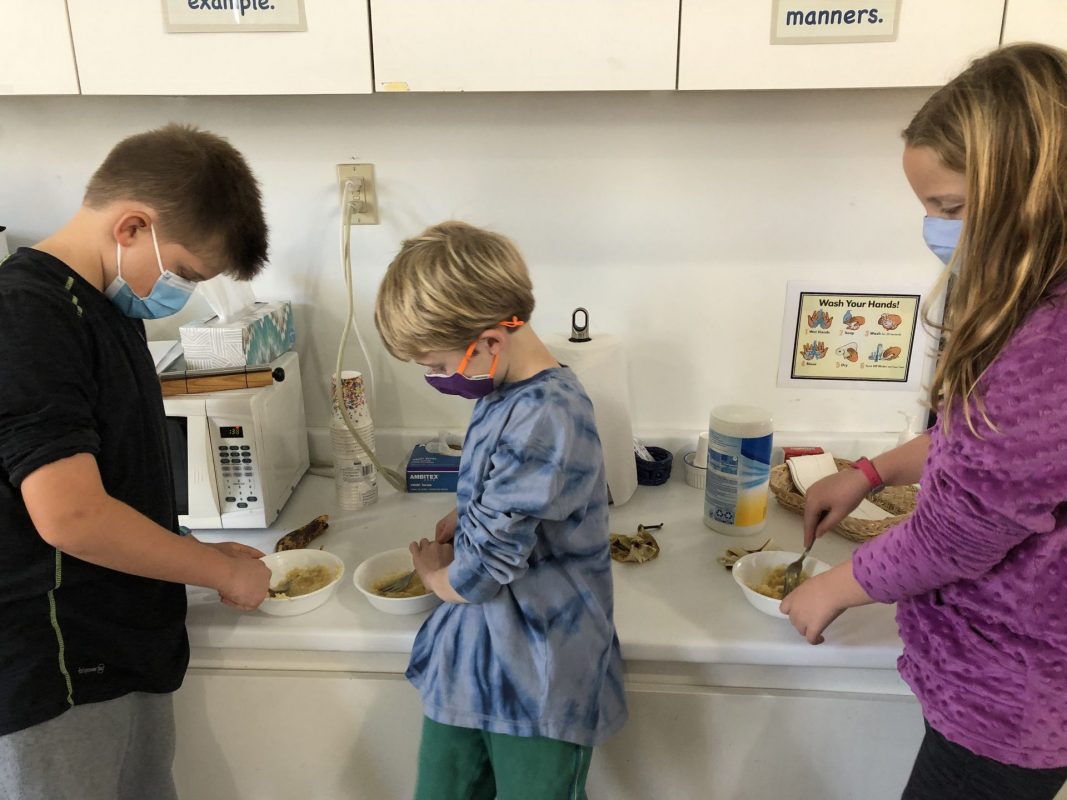
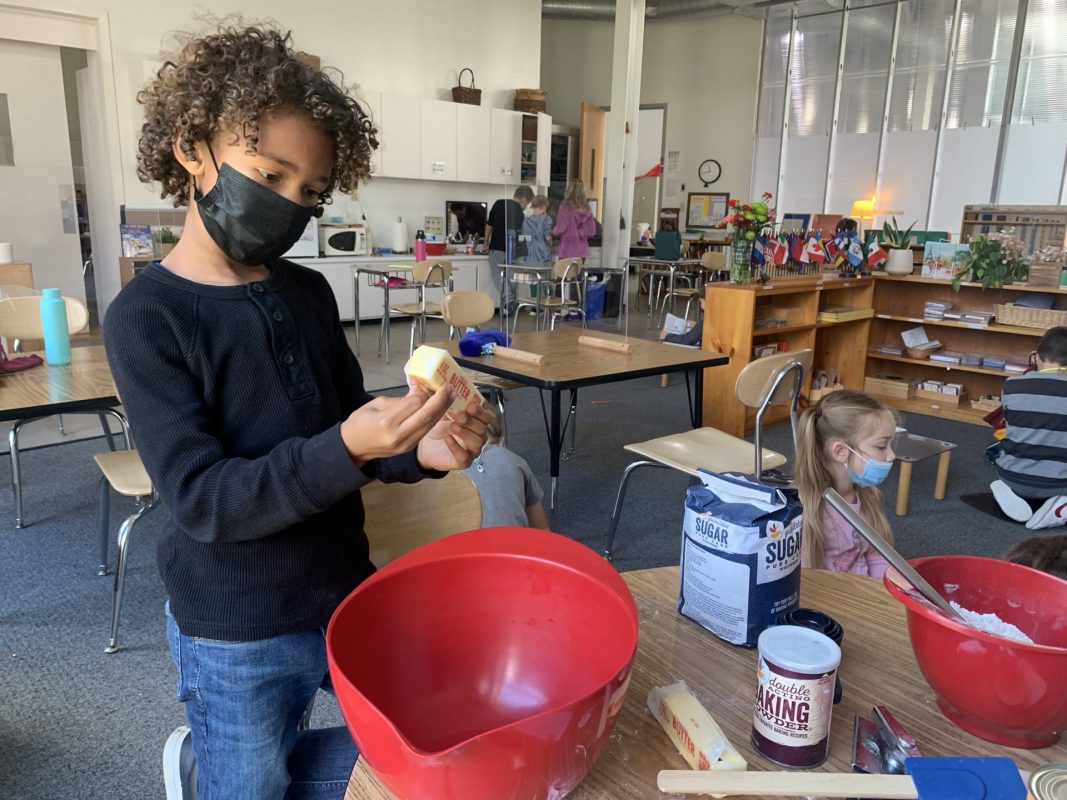
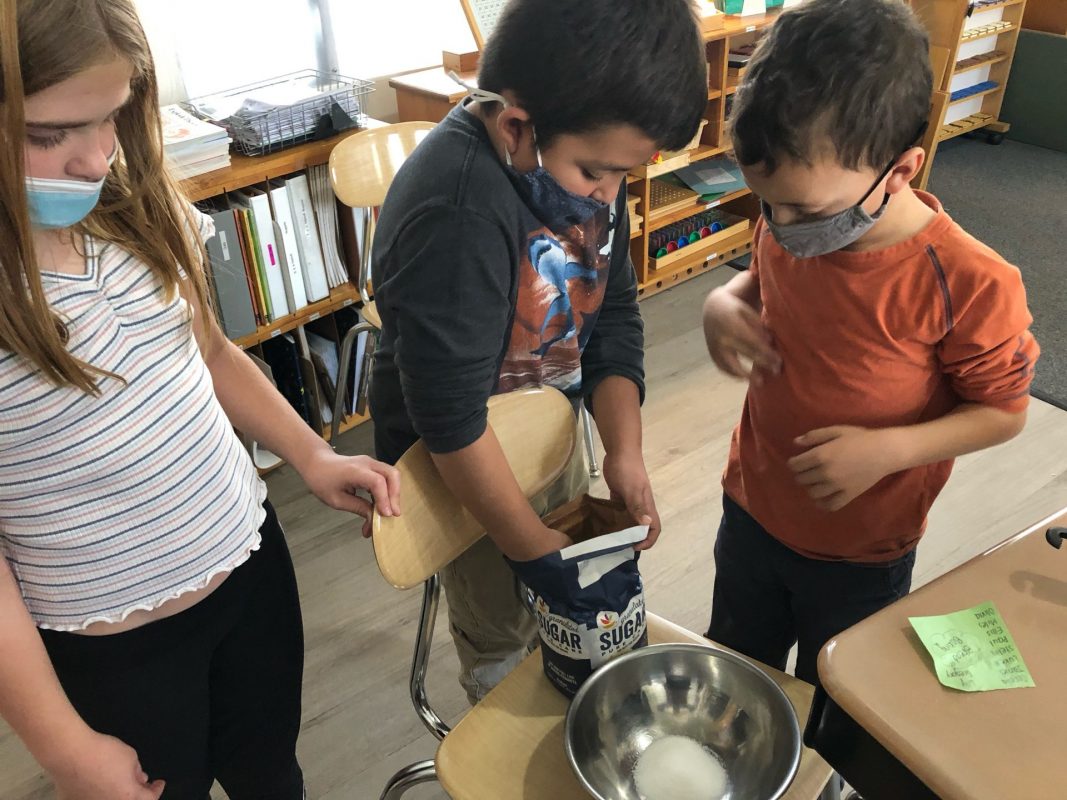
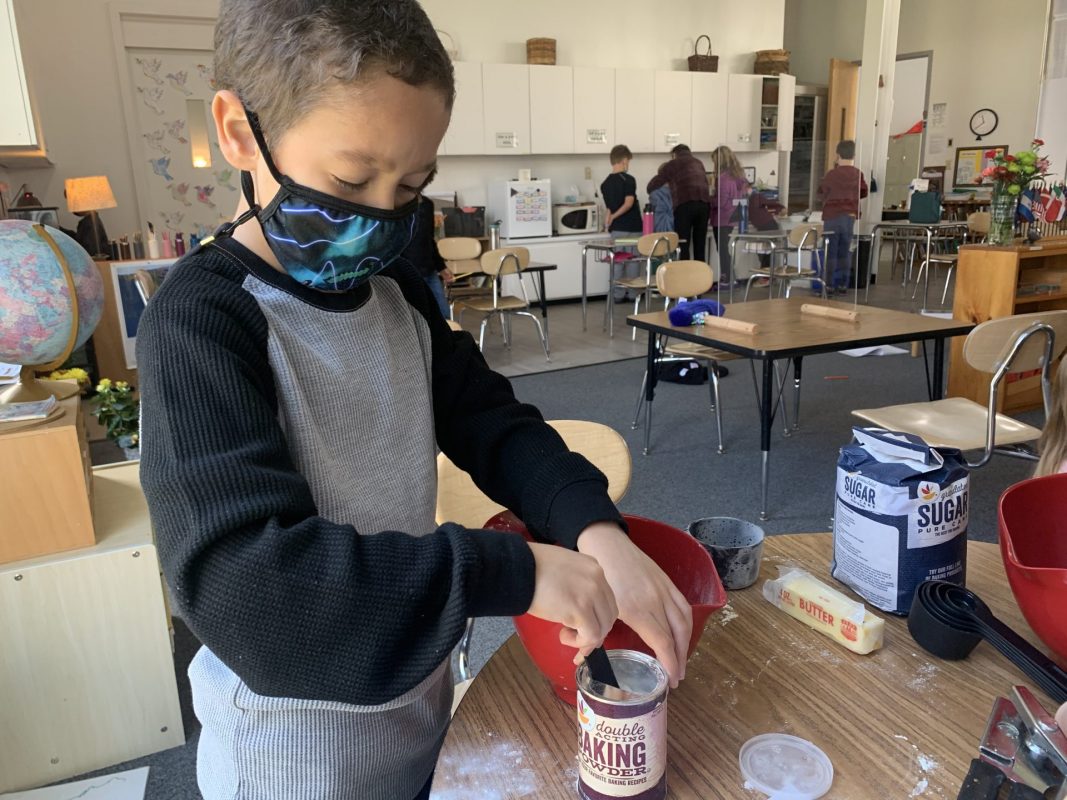
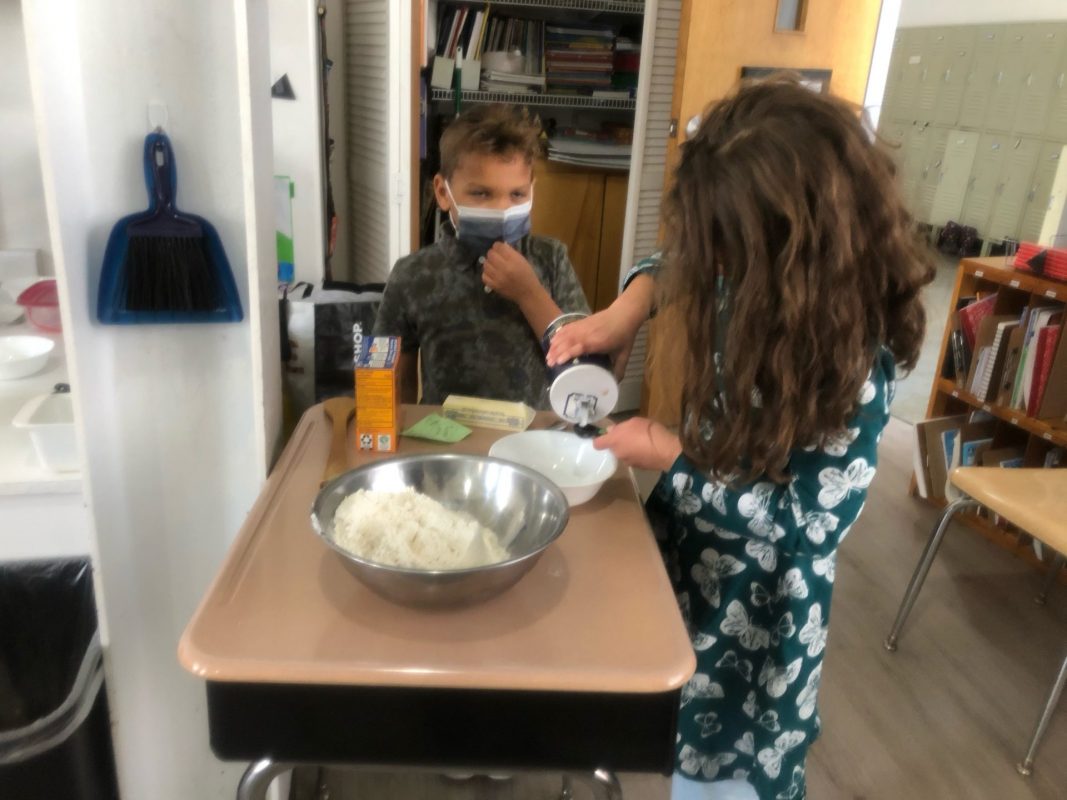
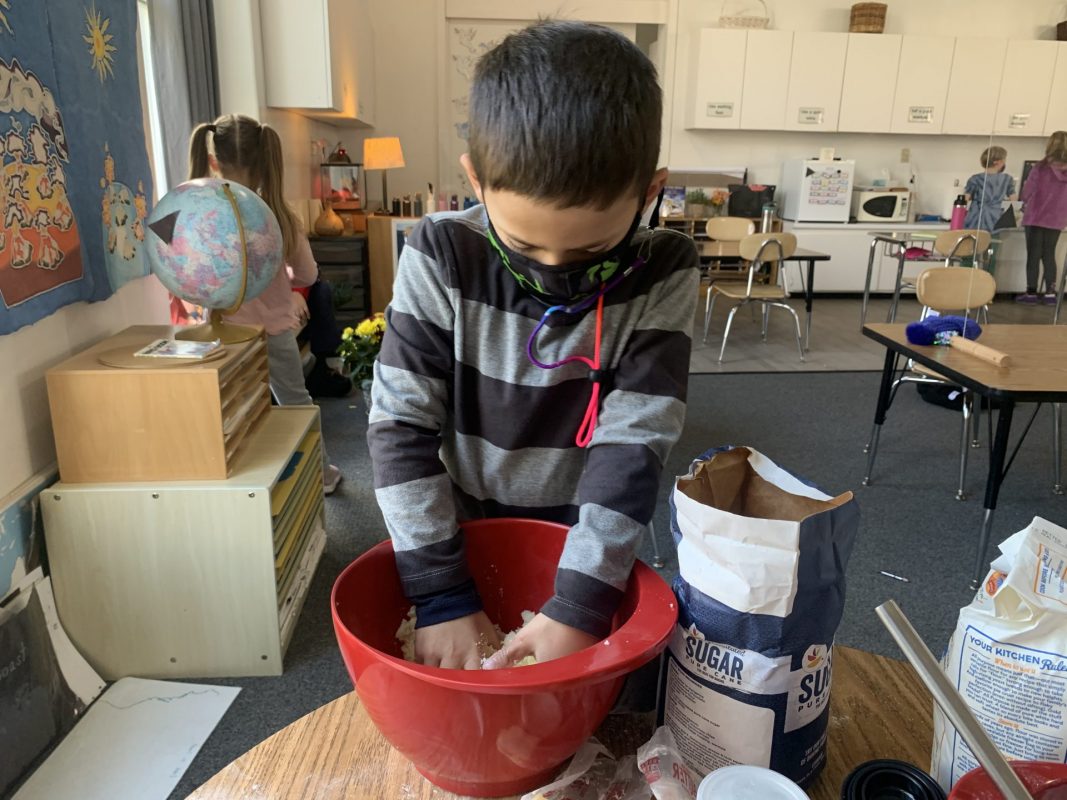
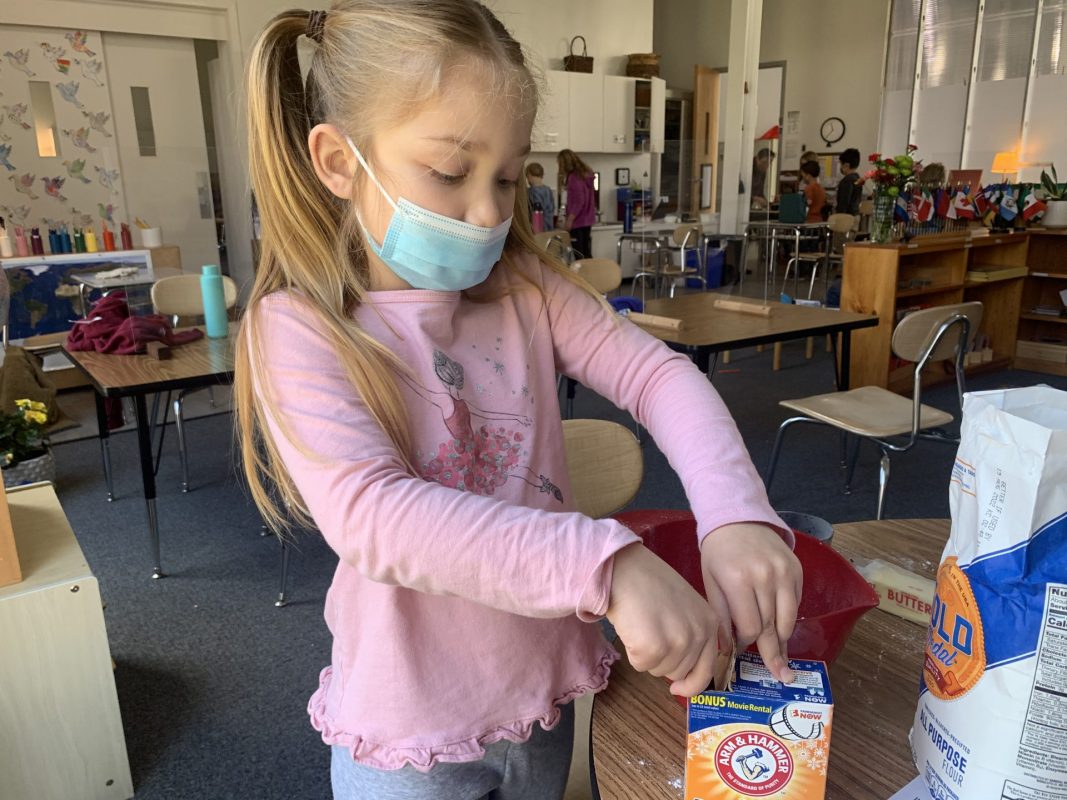
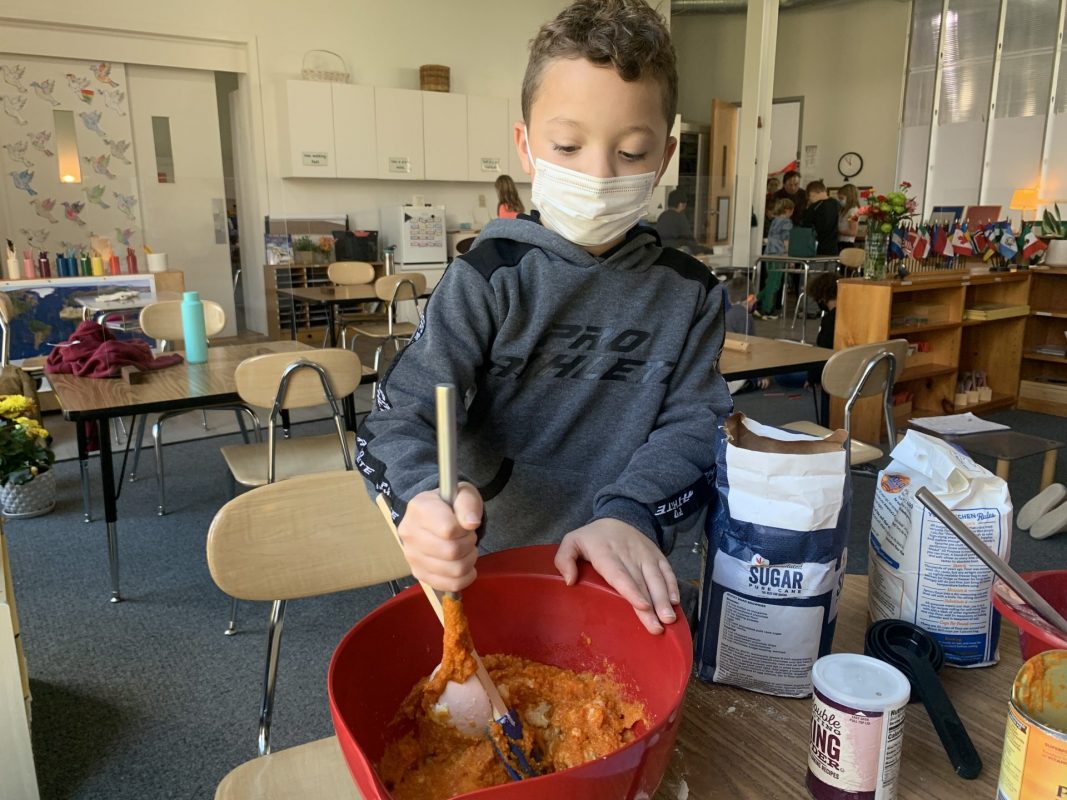
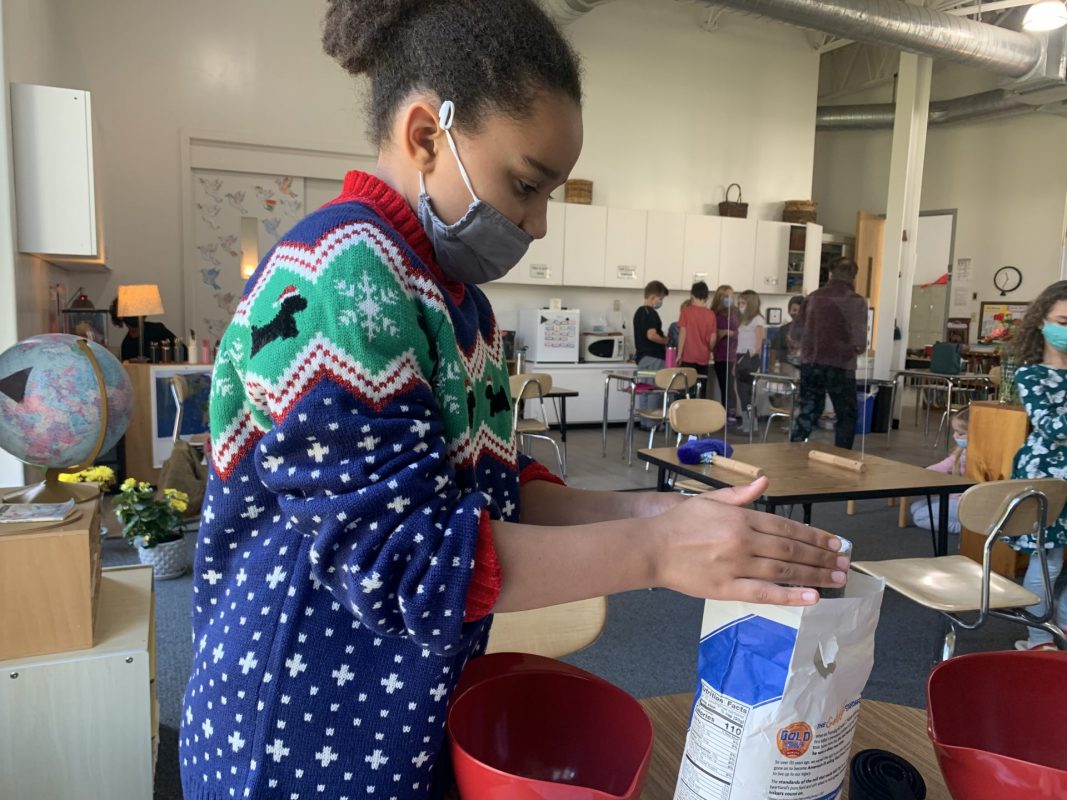
During our annual bread baking last week, Upper El students expressed how much they enjoyed making the pumpkin bread. They decided that they would like to start baking in the classroom on a regular basis. And so we shall! In the coming weeks, I’ll be gathering ingredients and some simple recipes for students to follow independently. Feel free to share any that you have at home. Each recipe will need to be gluten free and nut free.

Next week we will be making sandwiches and collecting hats and mittens for the St. Vincent DePaul Mission in Waterbury. These two volunteer opportunities have become a wonderful tradition in Upper El. It creates a great sense of joy at helping others in a very real and meaningful way. Our class parents sent a sign up for the hats and mittens already and you will soon be receiving one for the ingredients for making sandwiches.
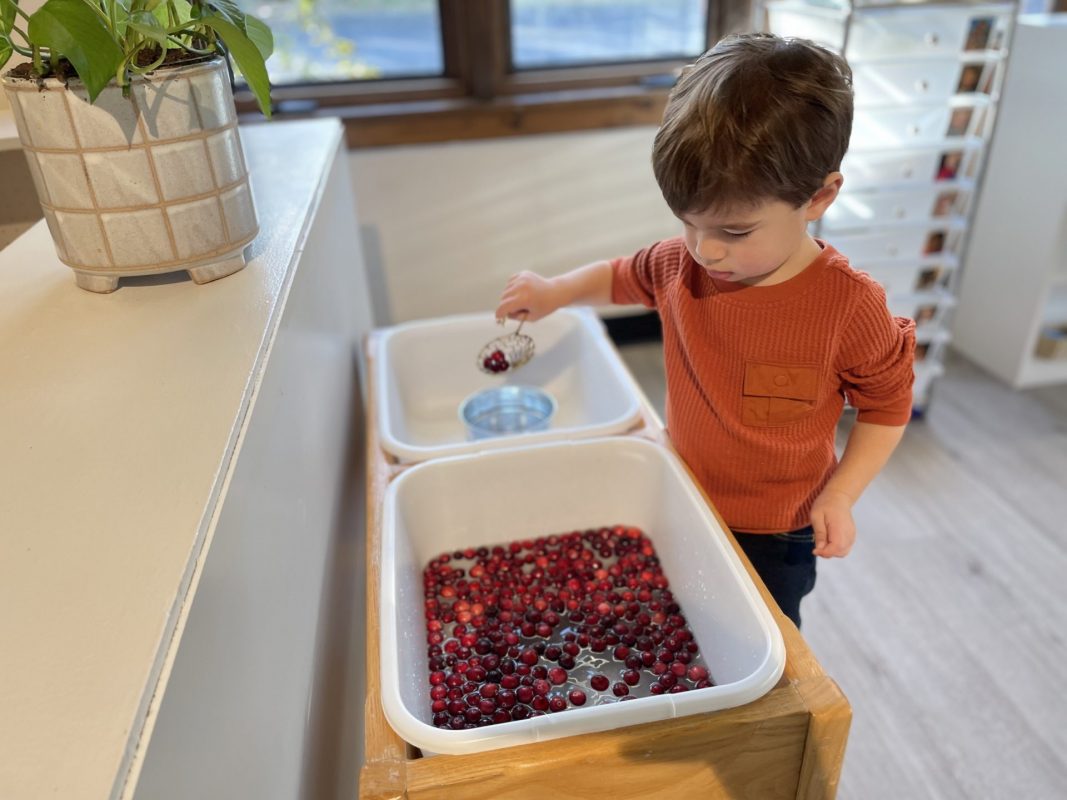
Hoping you have a wonderful weekend!


Mrs. Doyle: It’s Off to Work I Go!
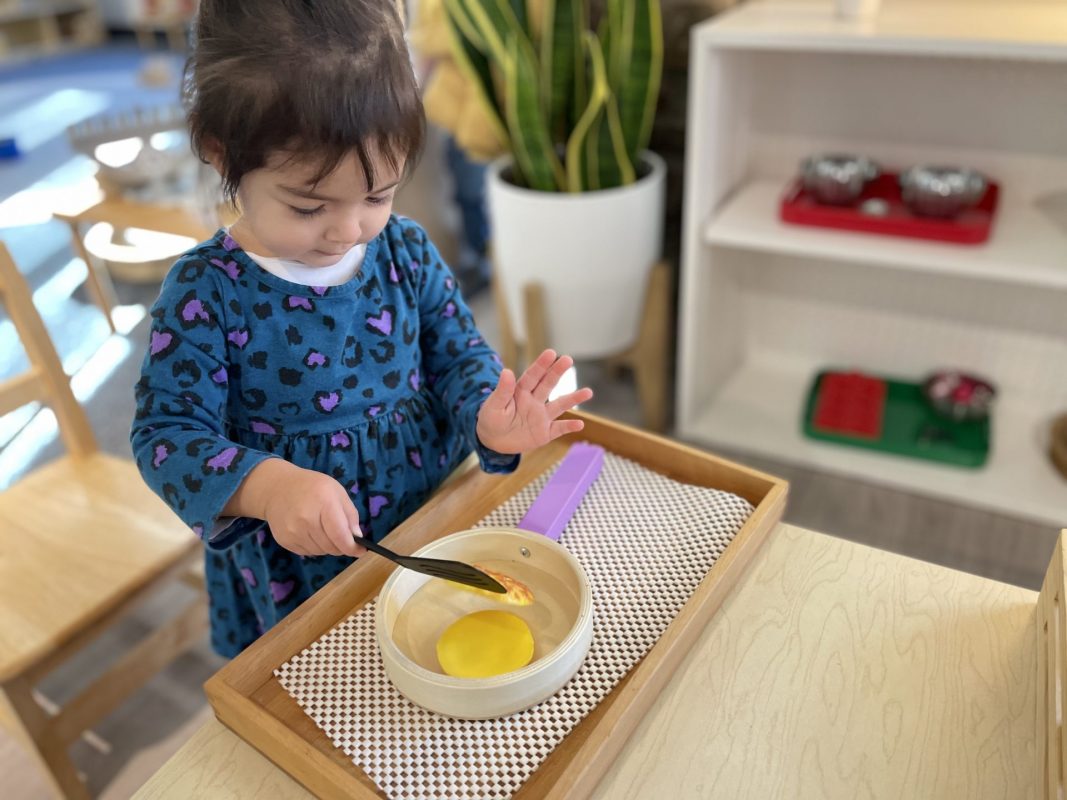
When a child works, he does not do so to attain some further goal.  His objective in working is the work itself. – Maria Montessori
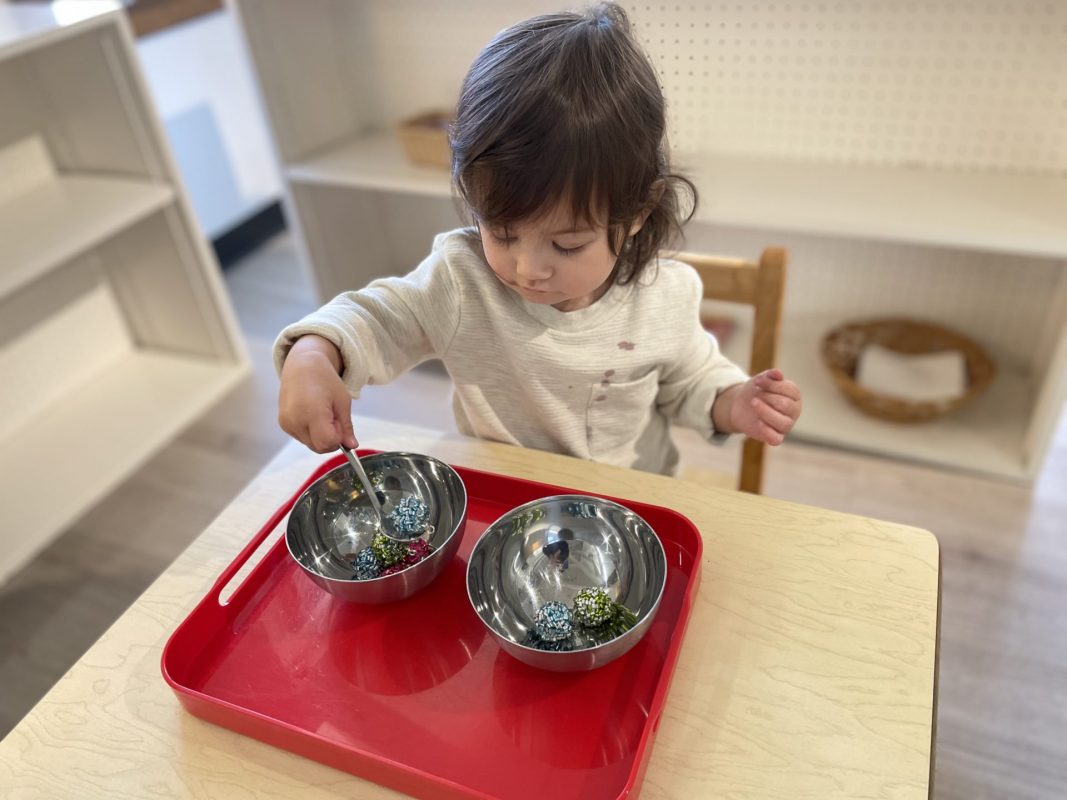
One of Maria Montessori’s more well known quotes is “play is the child’s work.”  We’re sure by now you have heard your child talk about their work at school. Dr. Montessori preferred the word work rather than the word play, to describe the learning process children are constantly undergoing. Work conveys the amount of effort that children put into their physical, social, emotional, and academic growth. As adults, our definition of work has a very different meaning.

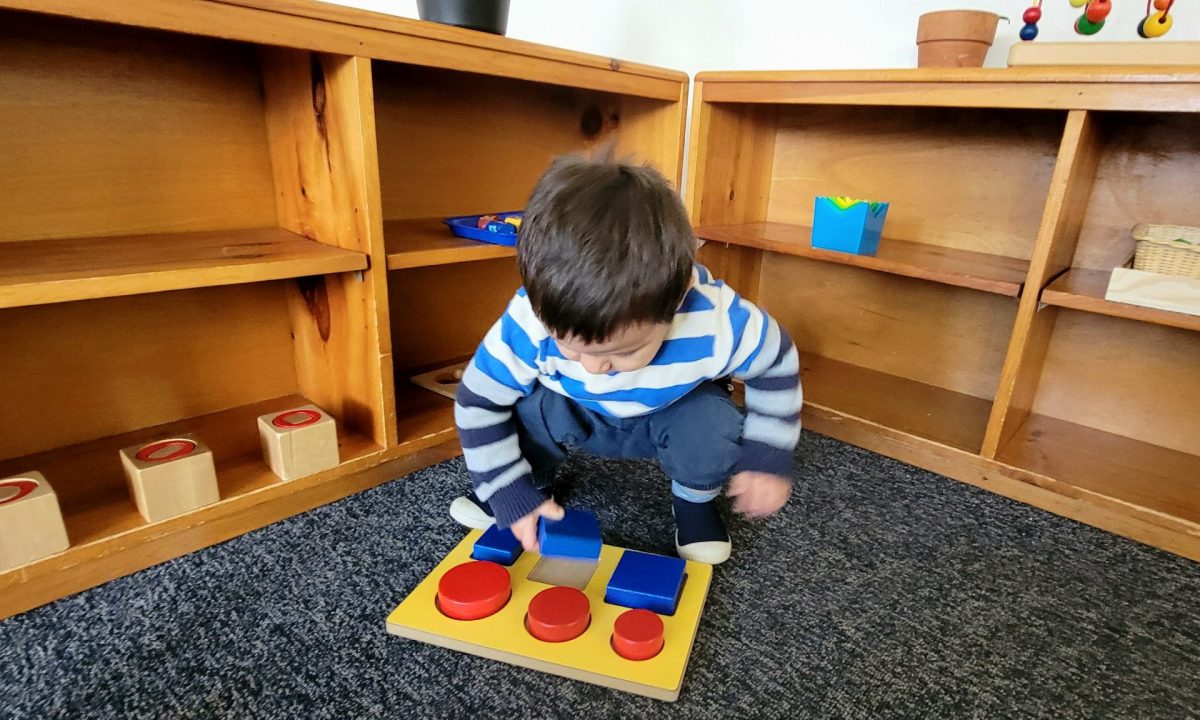
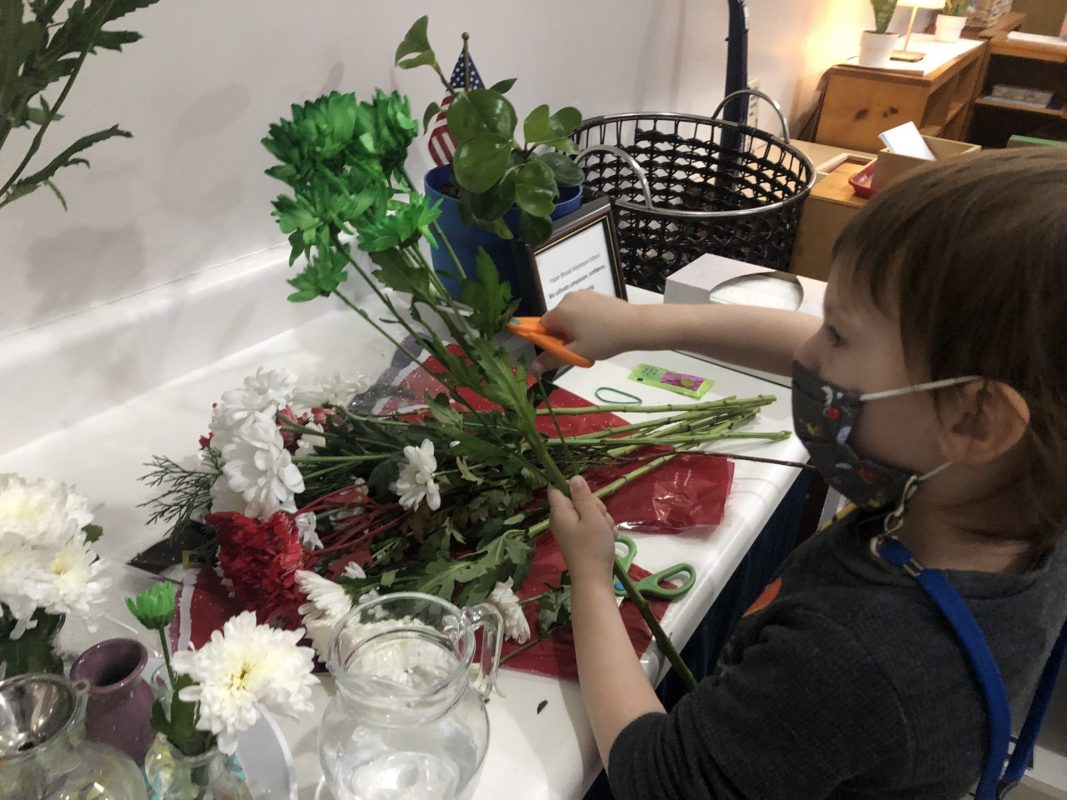
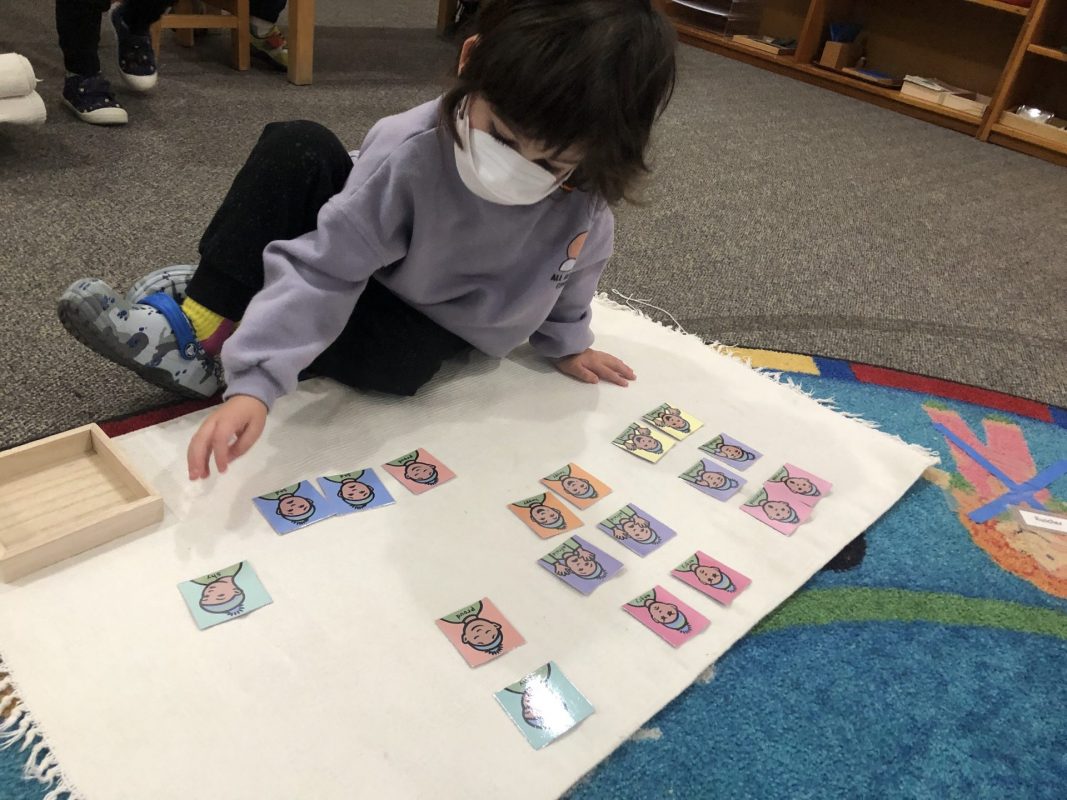
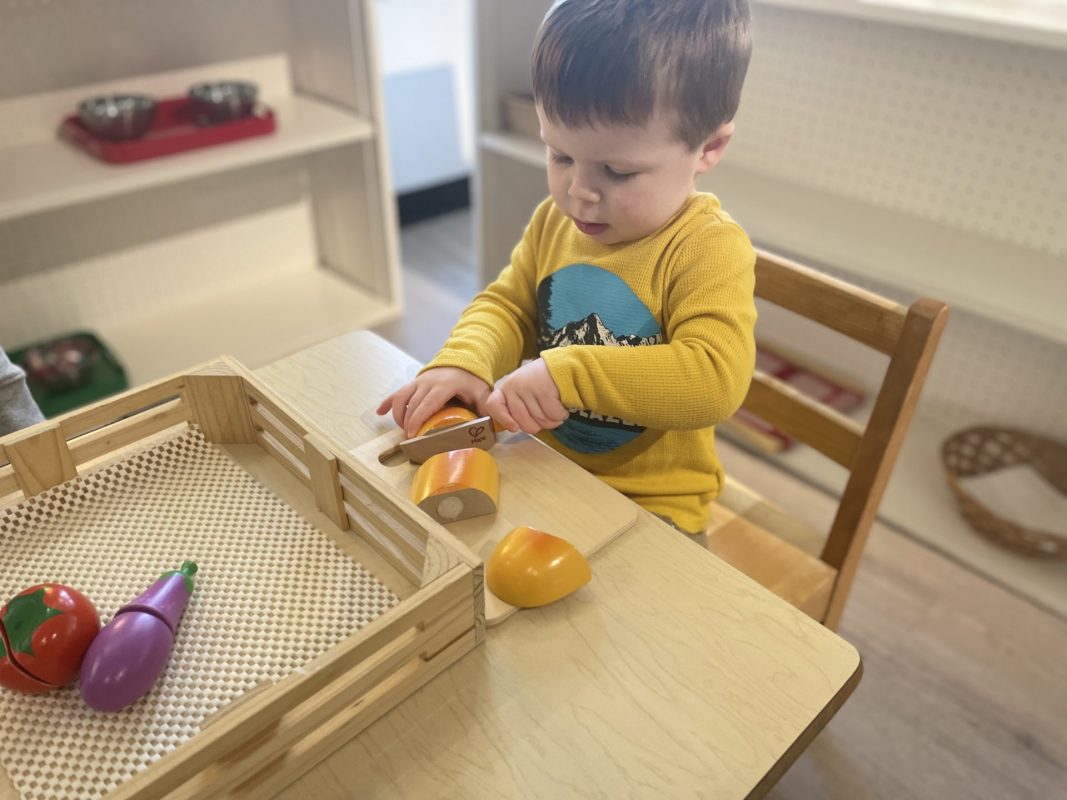
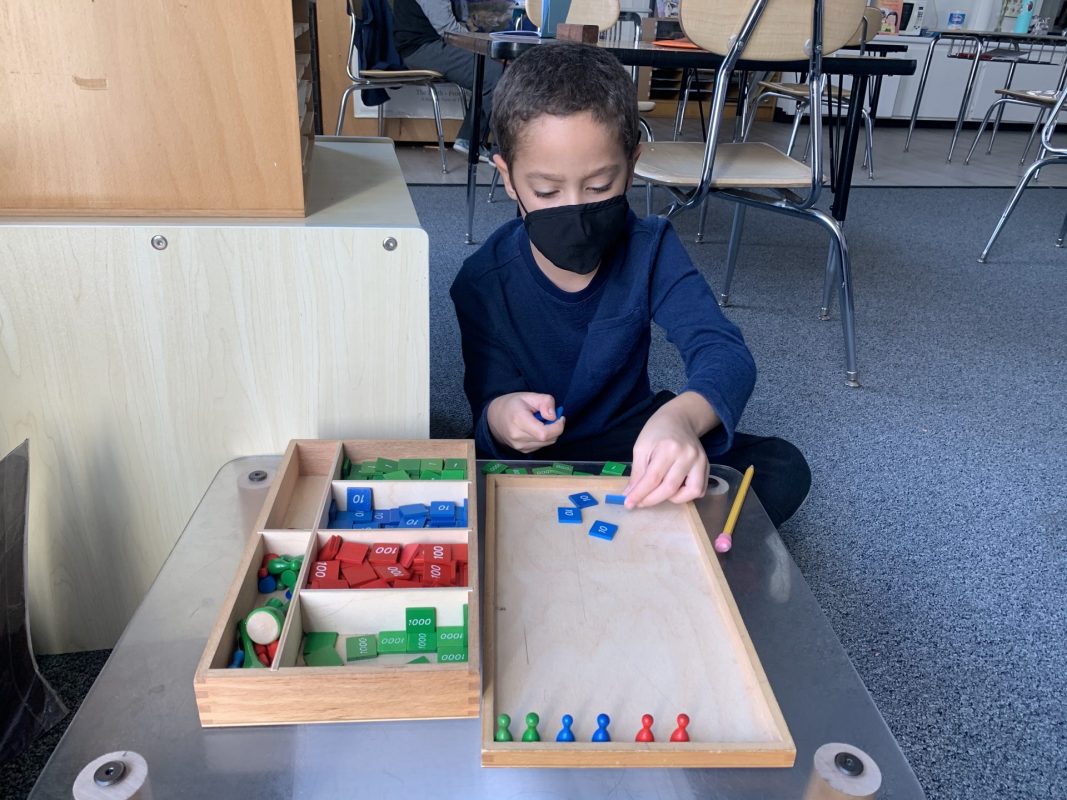
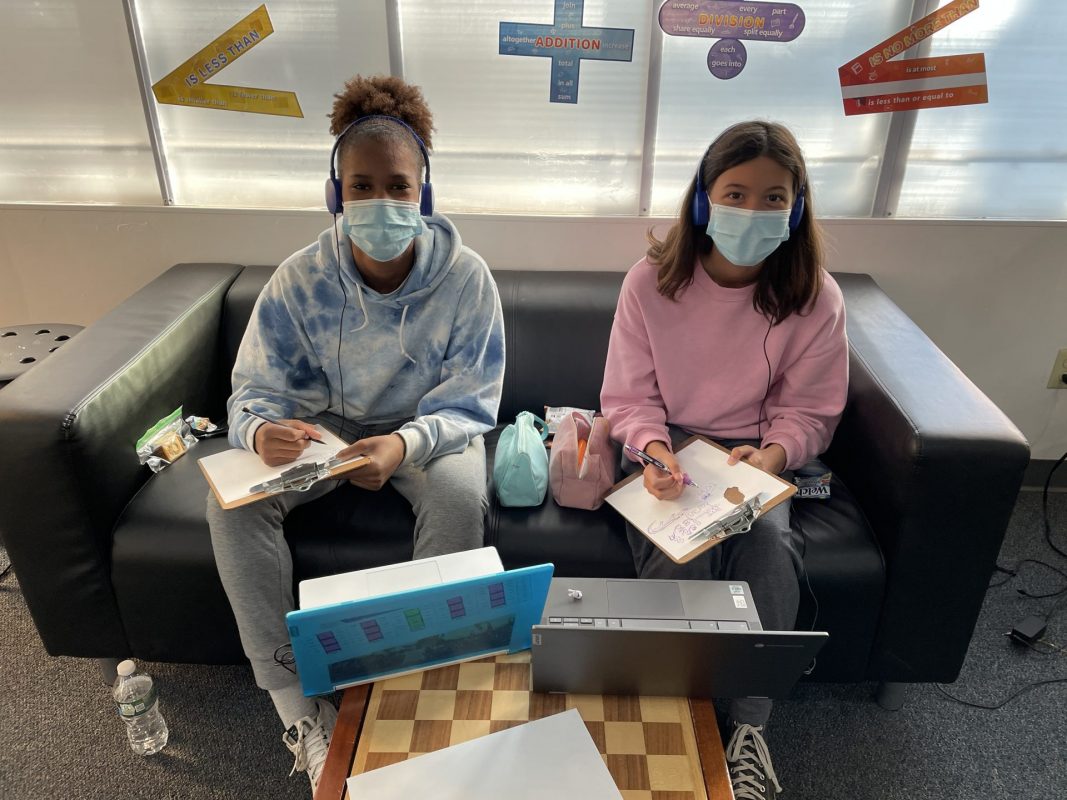
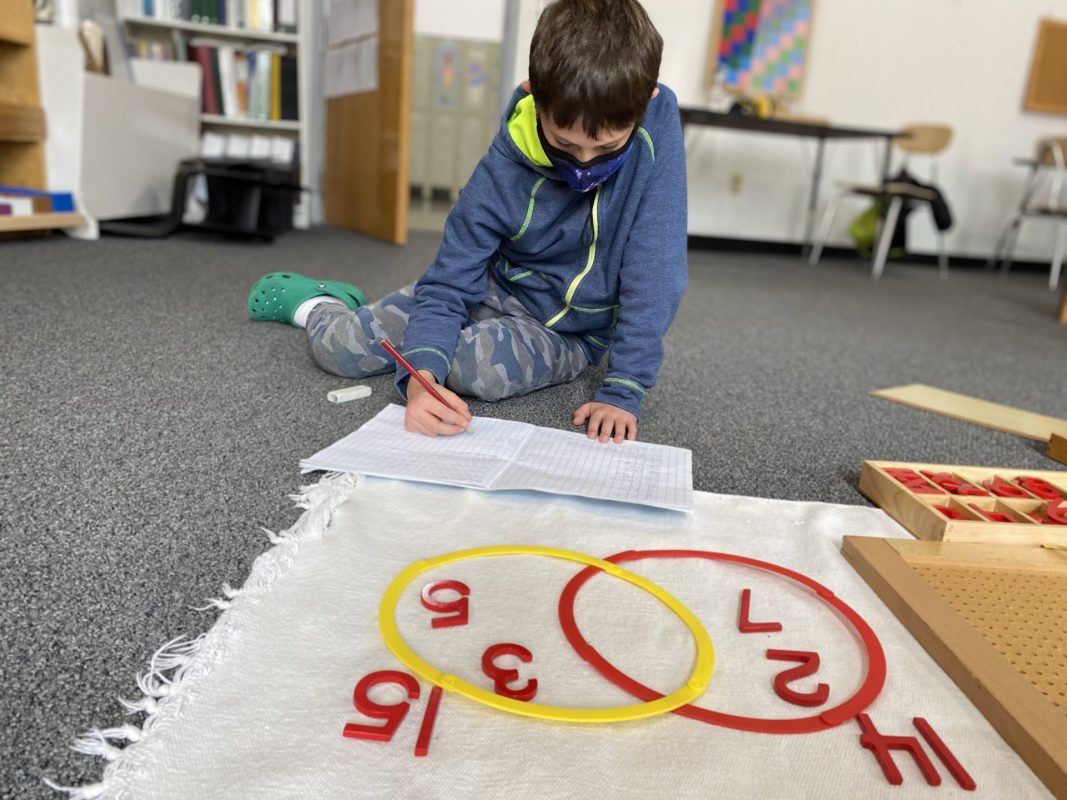
Children are driven by a strong unconscious internal growth process to seek out experiences that will meet their needs. Our role as Montessori teachers is to provide a well-prepared environment that encourages children to be independent and learn at their own pace. The children are free to choose their work and to use it repeatedly. So, while they are ‘working’ each child is also building independence, coordination, self-discipline, and concentration.

Enjoy your work!

Michelle & Liset


Lower Elementary Gives Thanks

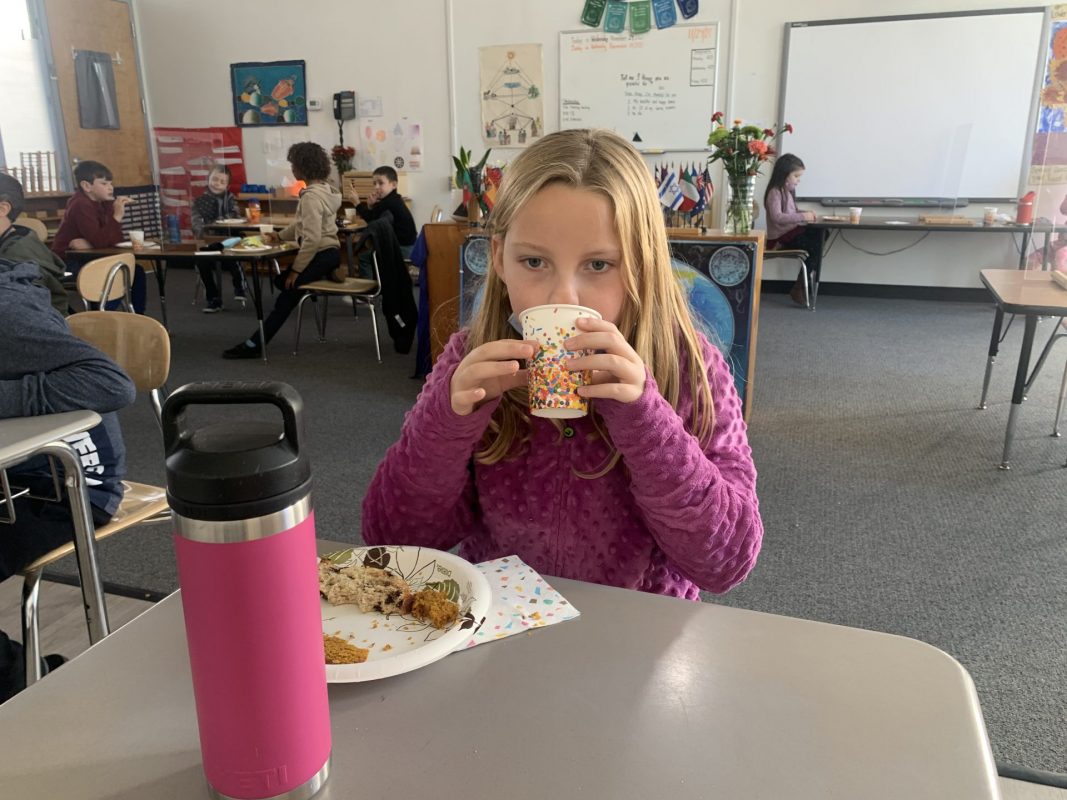
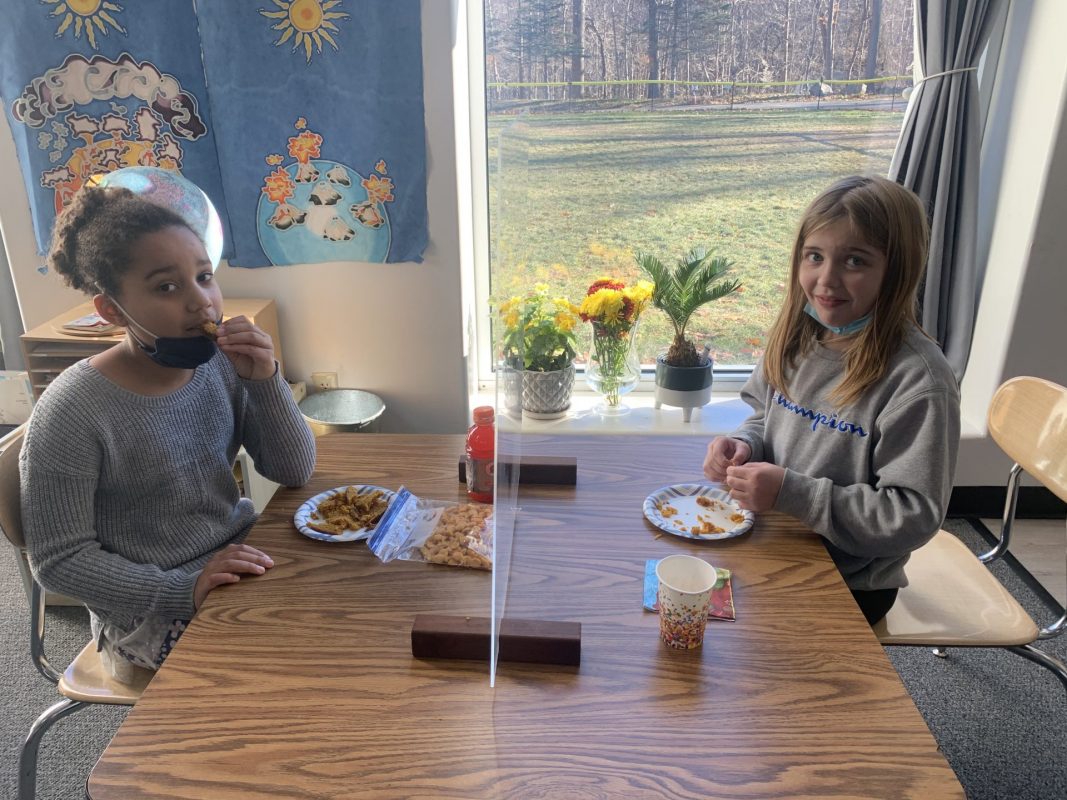
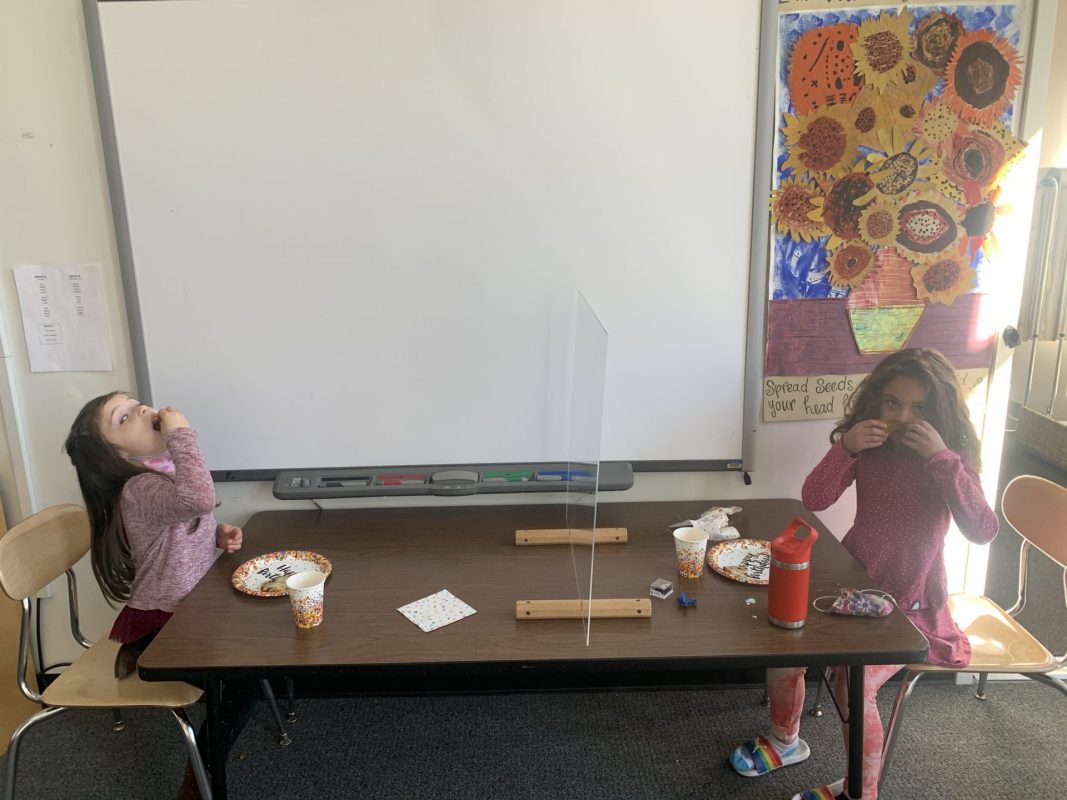
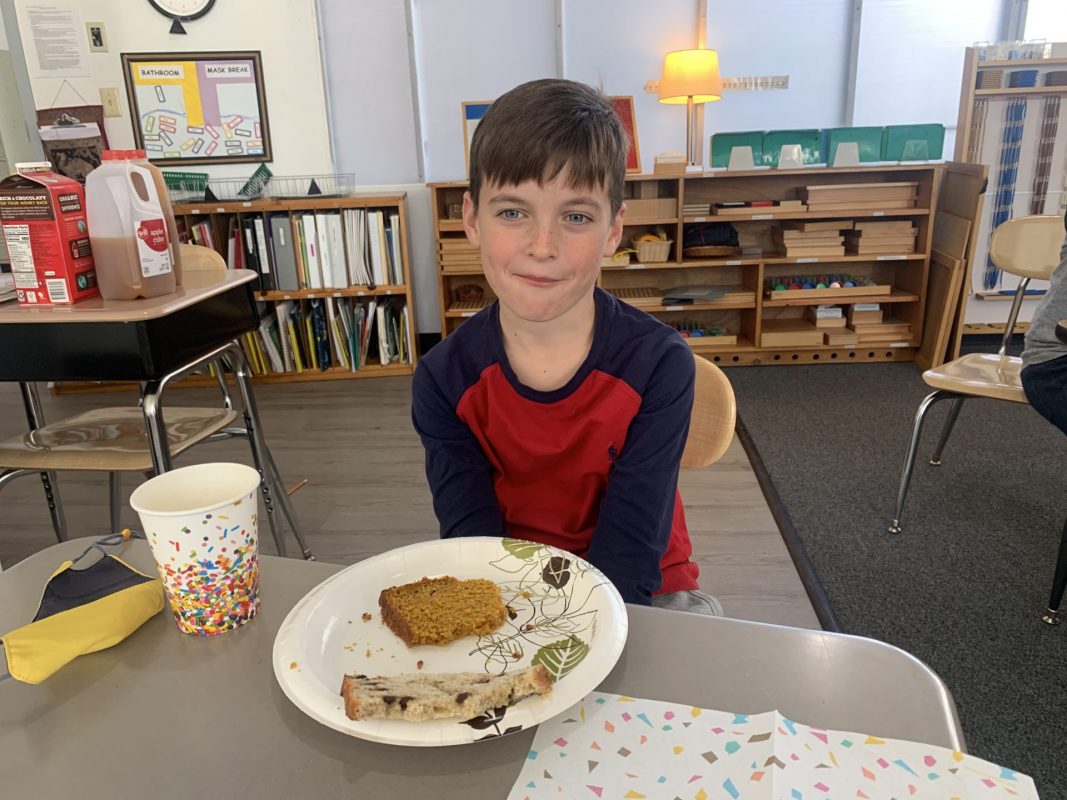
Last week we had a lot to be grateful for. We spent last Tuesday baking bread together with the generous donations and help from our parents. On Wednesday, we shared with each other as a class that we are thankful for many things. Among the most mentioned were: family, friends, our homes, the Earth, food, and our school.  Also, we enjoyed the pumpkin and banana bread we made as a classroom community!

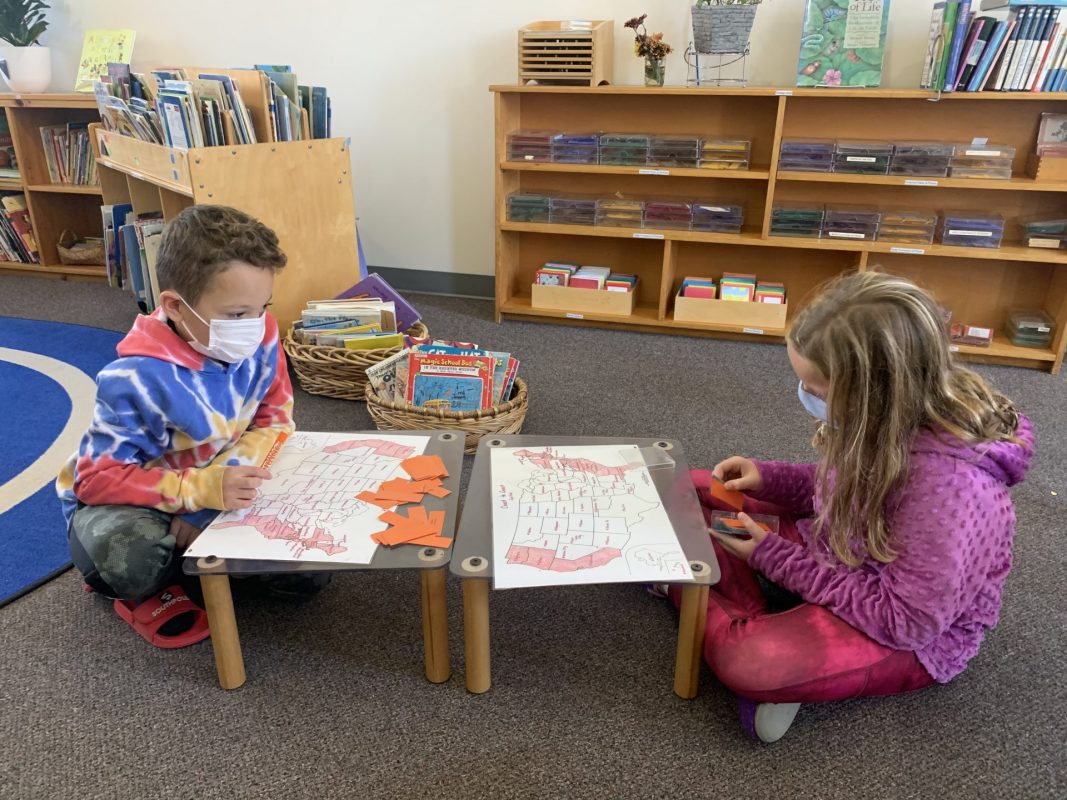
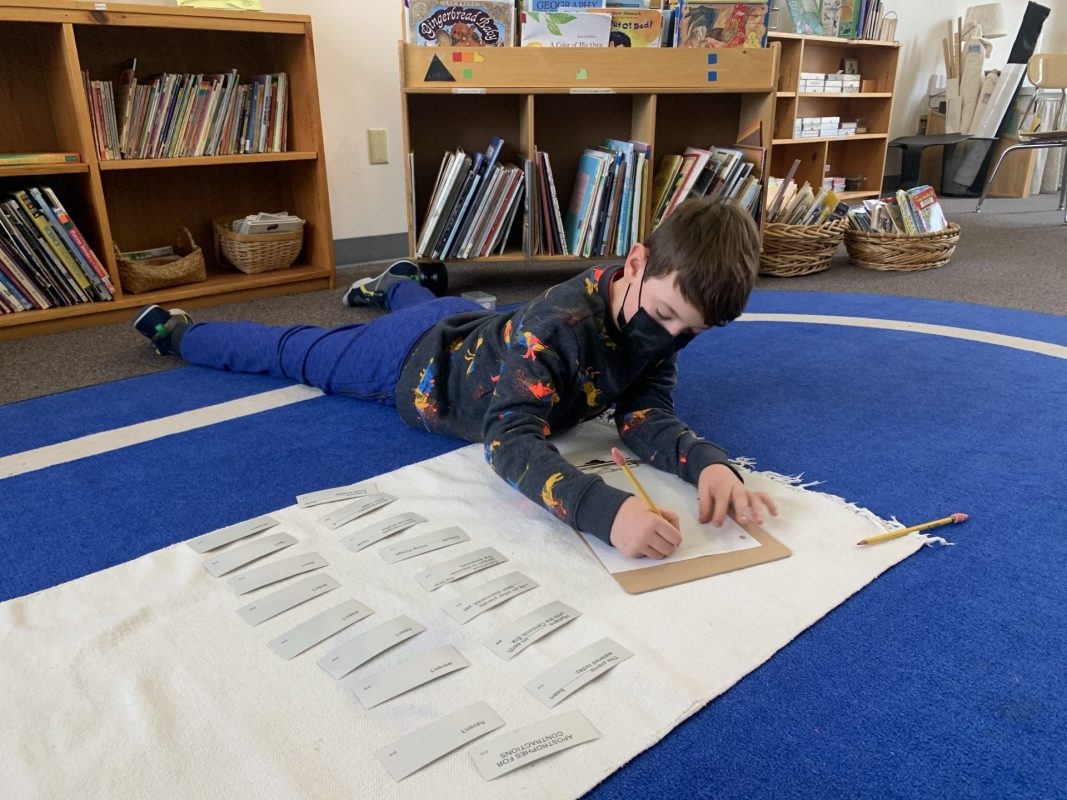
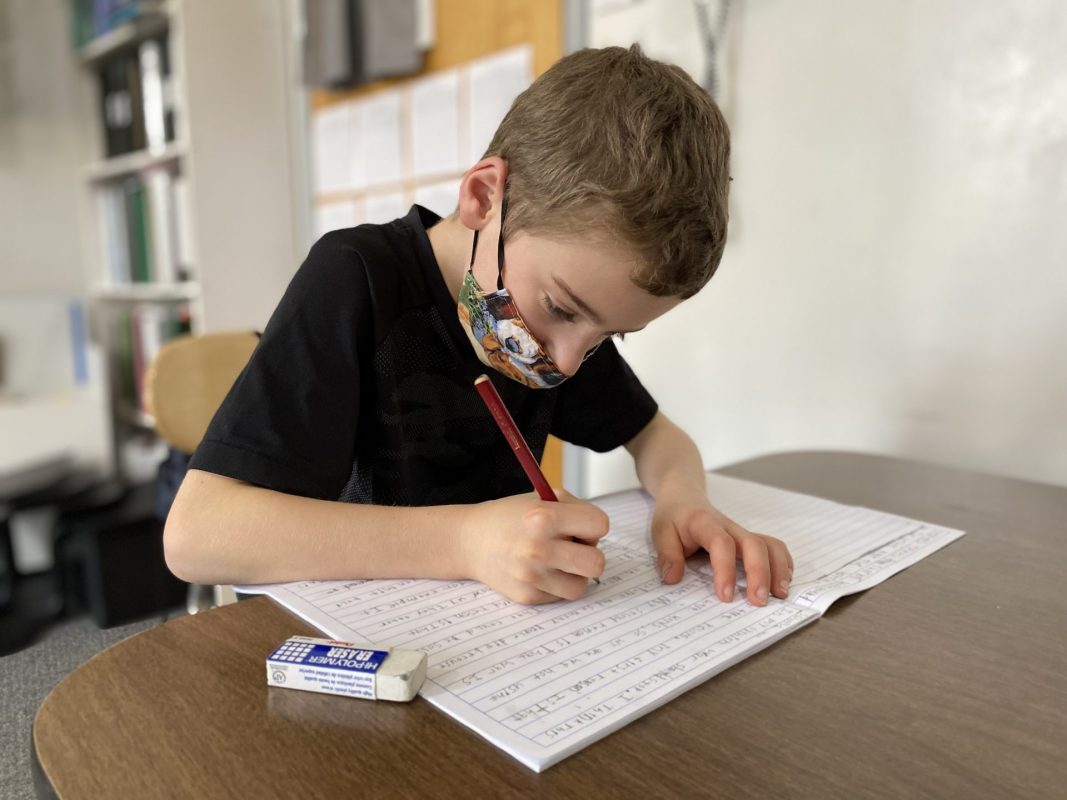
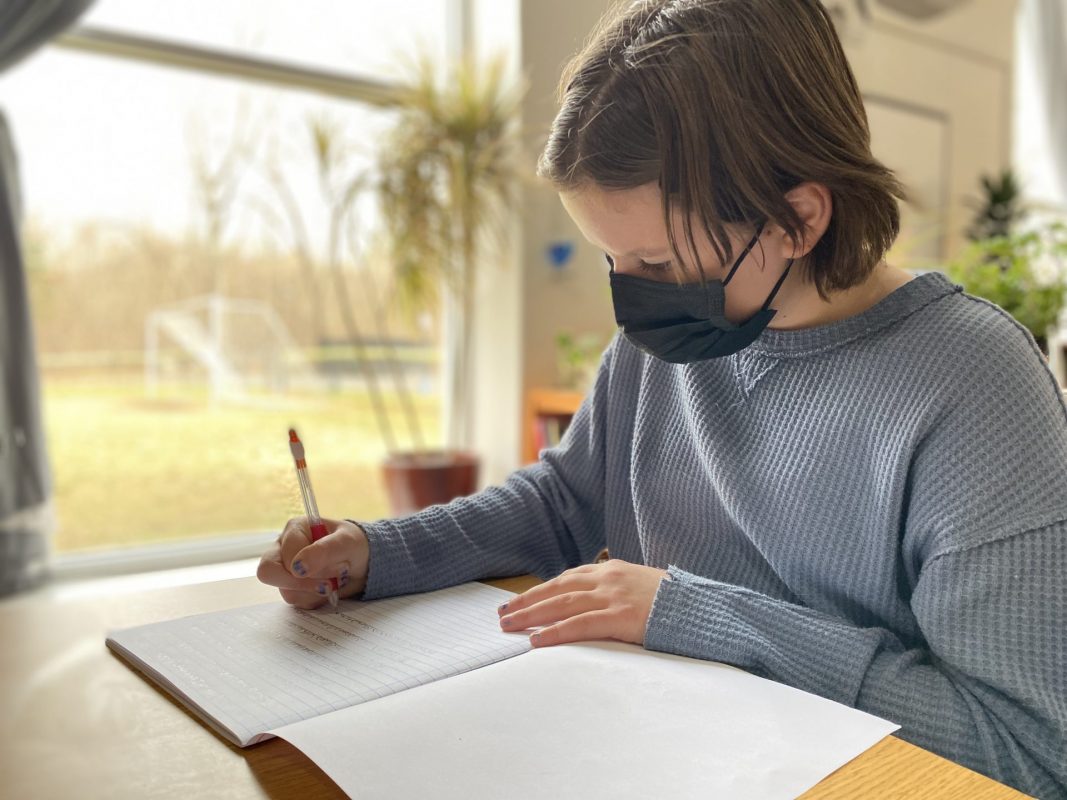
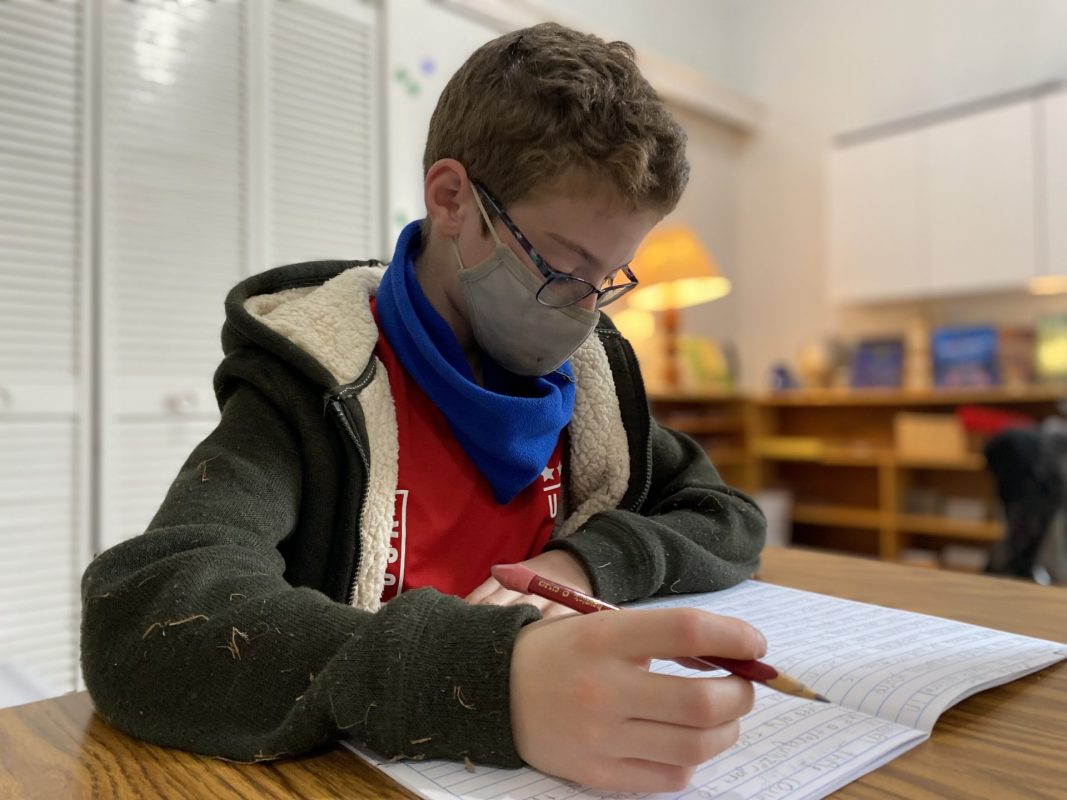
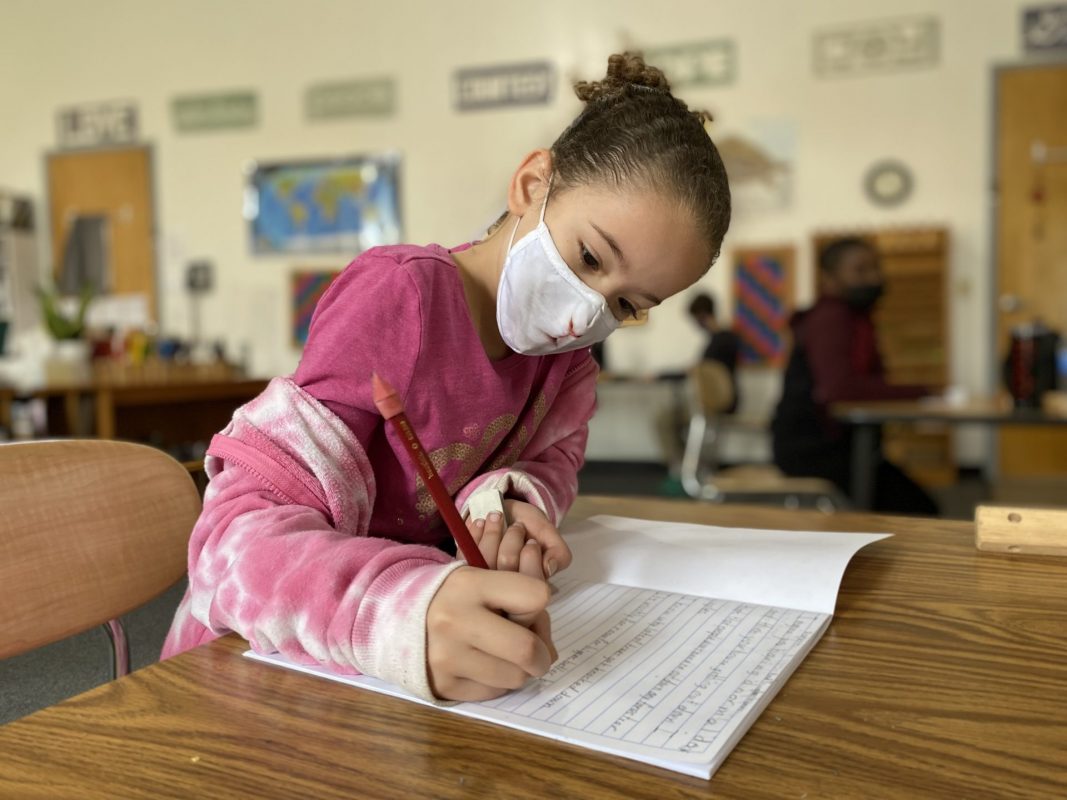
Our daily, uninterrupted work cycle has many benefits. It allows the opportunity for children to learn to concentrate, work on tasks until completion, and to participate in the planning of the work they will complete each day. They learn to work cooperatively with peers at their own grade level as well as younger and older children. This time also allows us to work individually with each child, giving lessons and providing guidance and help as needed with their work. It is also this work cycle that provides us with the ability to individualize math, spelling, and language lessons. The children have been hard at work this week, happily working with friends and independently.