Blog

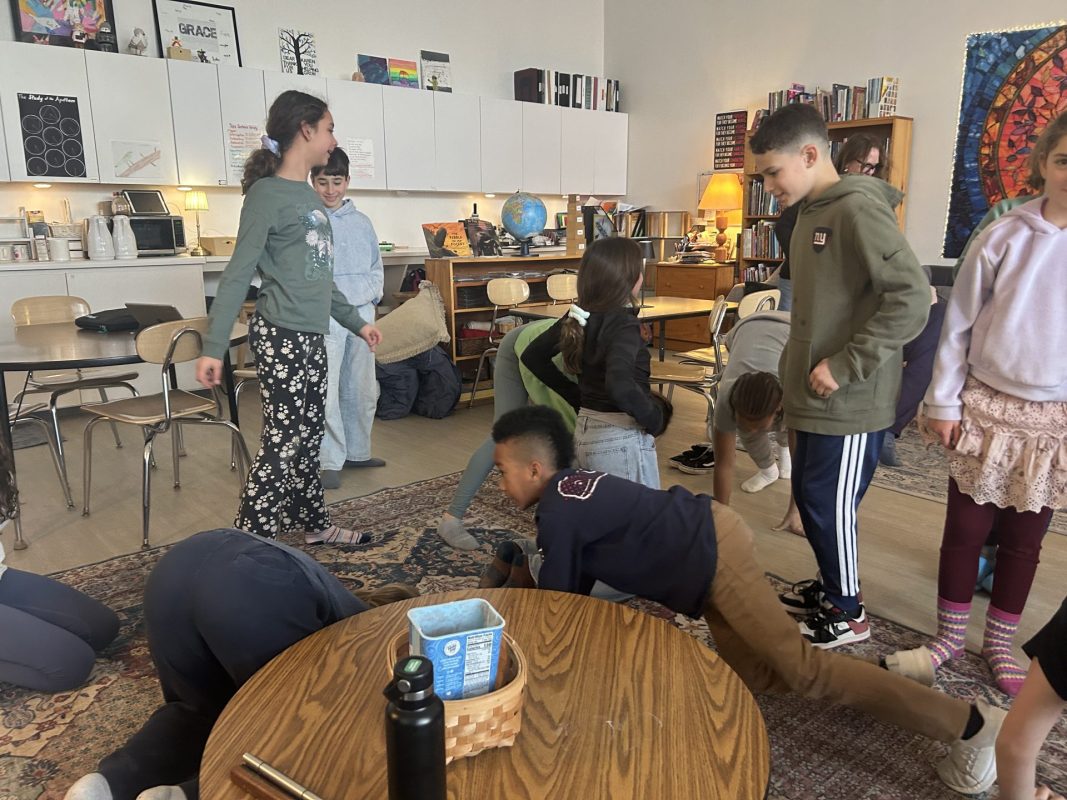
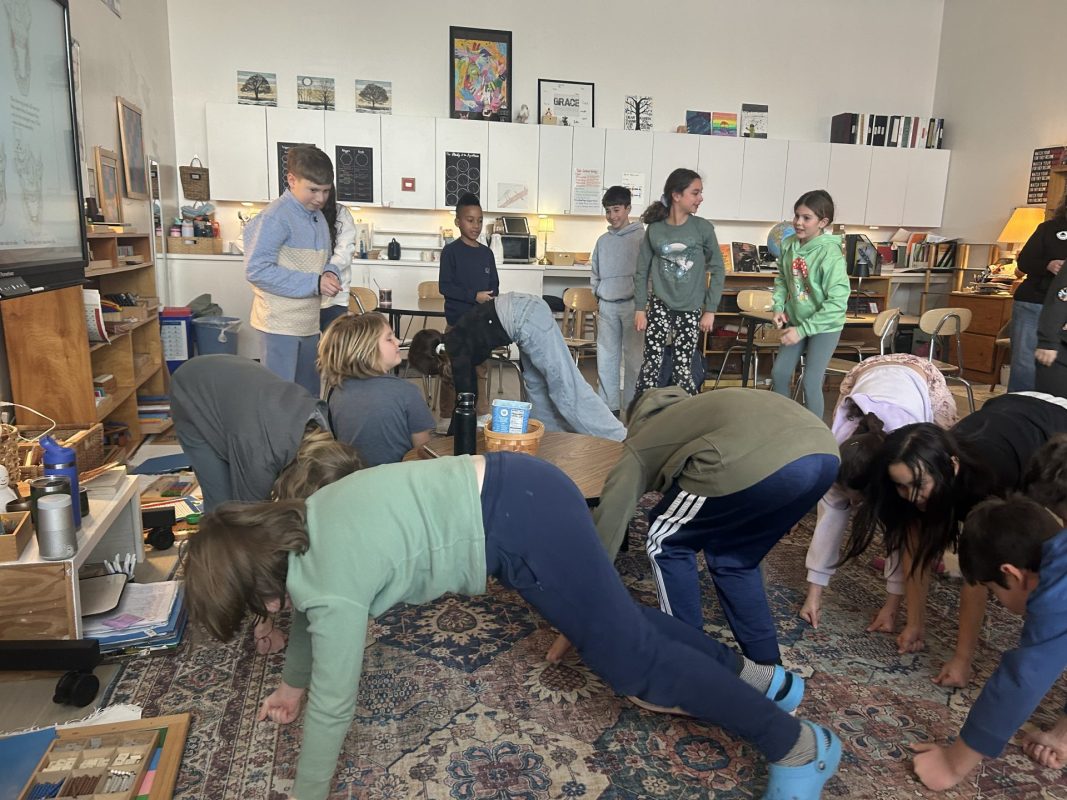
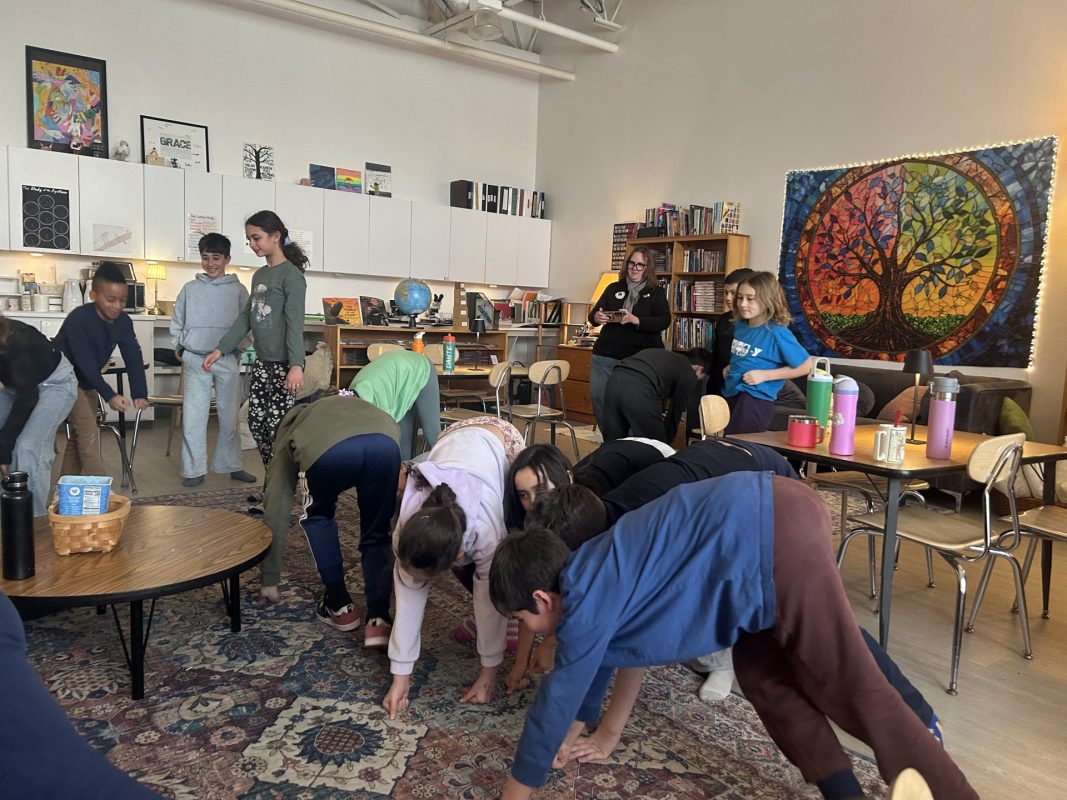
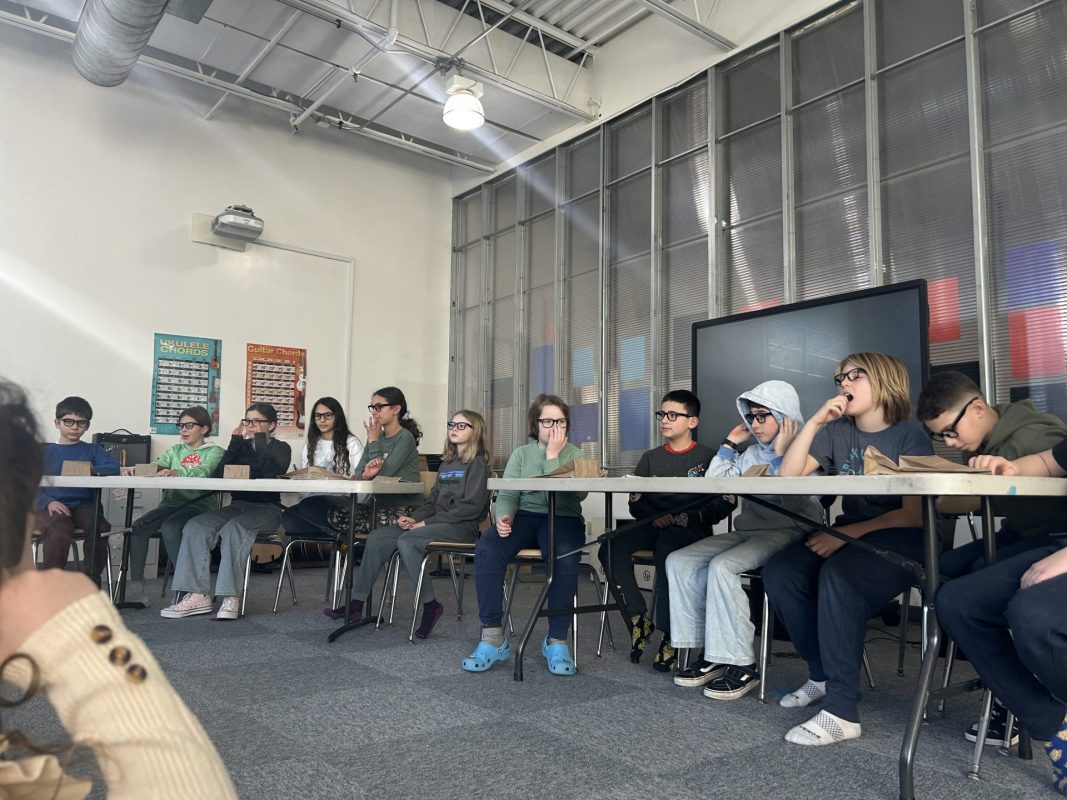
Middle School: Week in Review

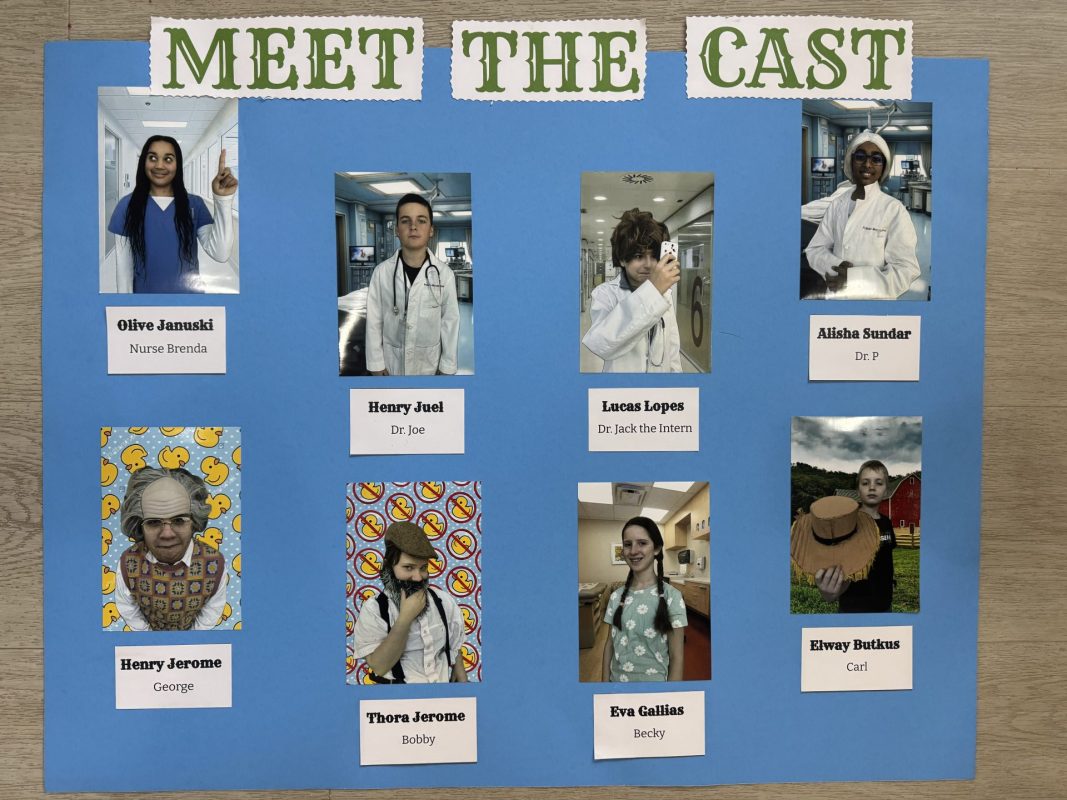
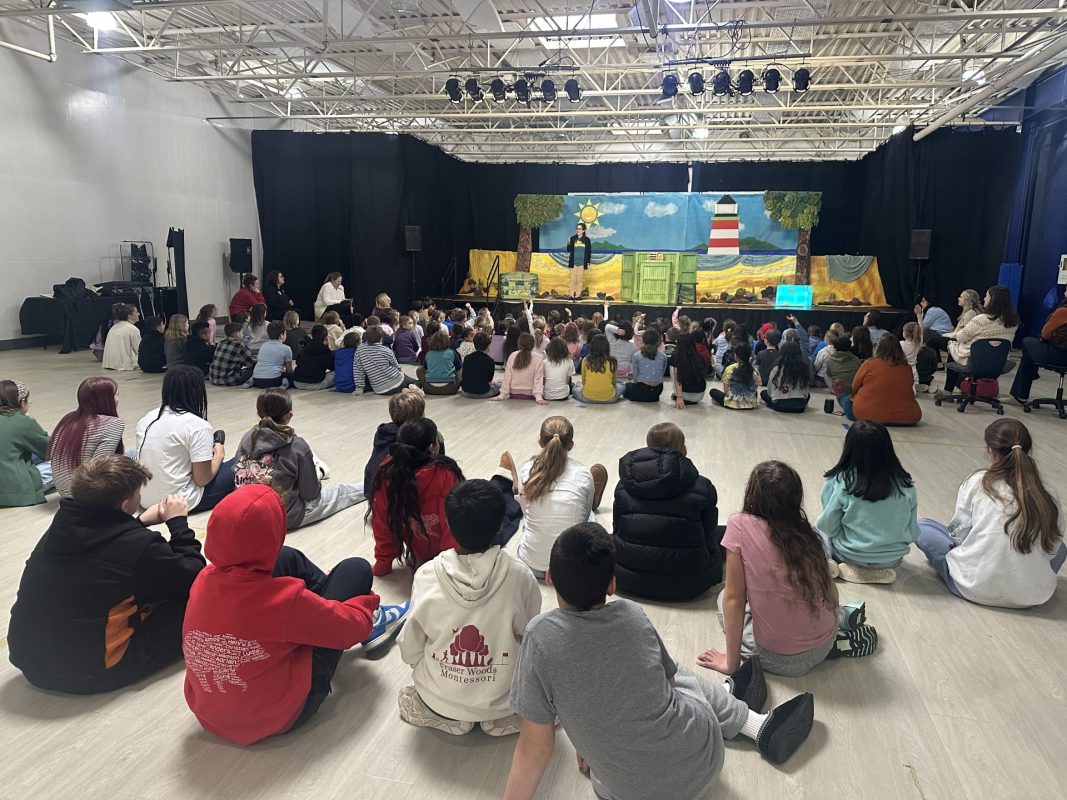
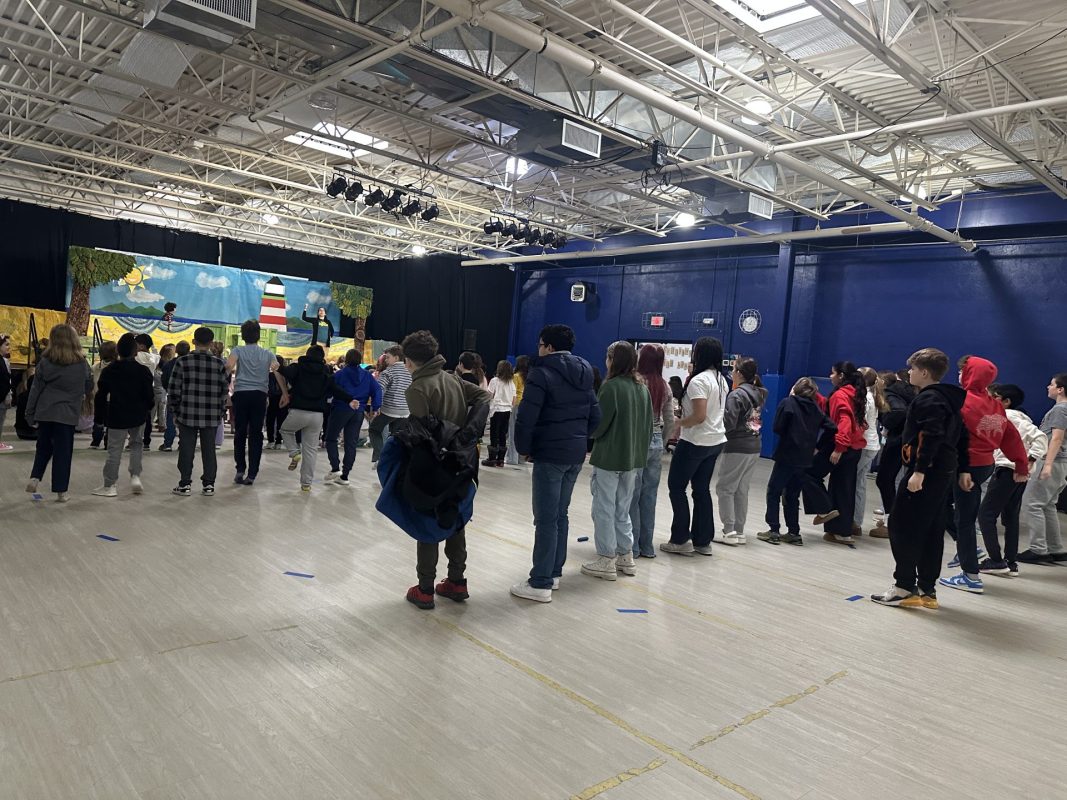
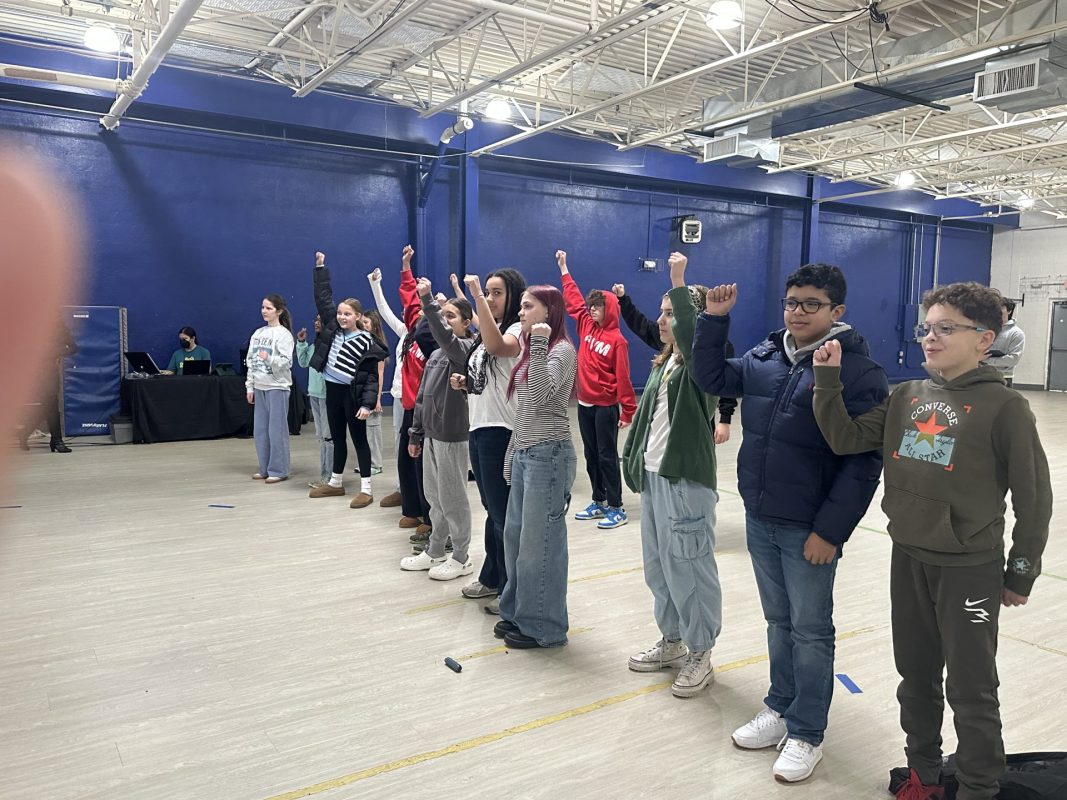
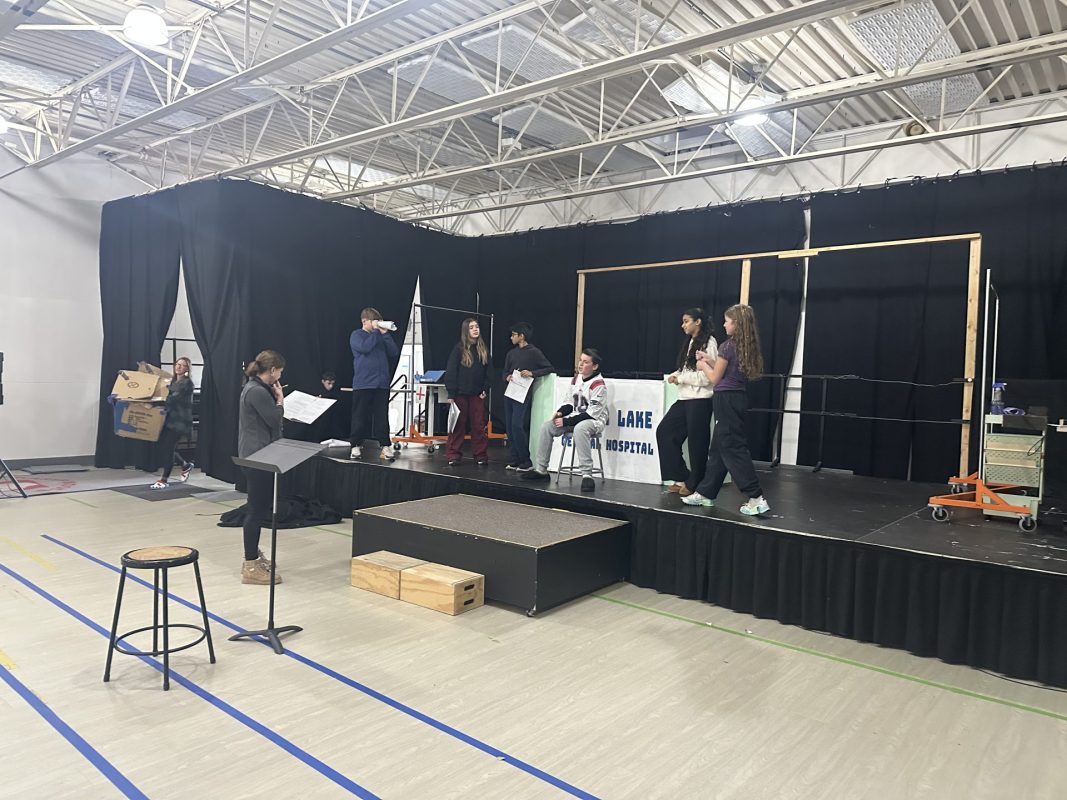
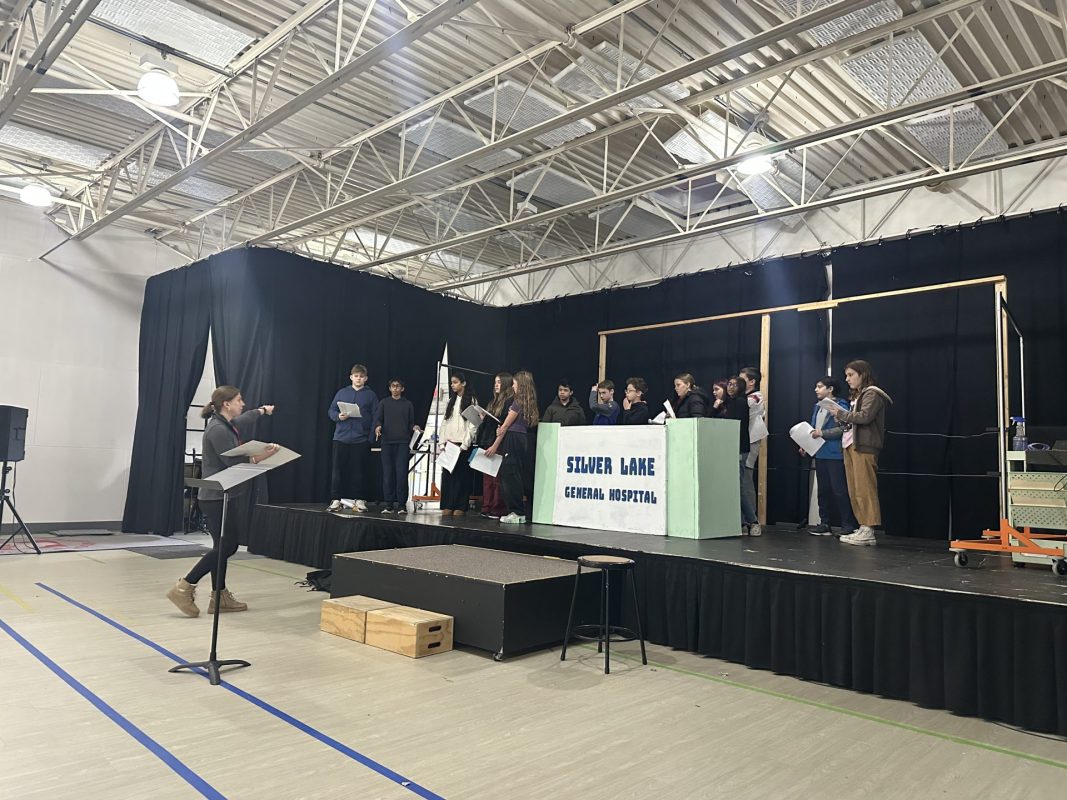
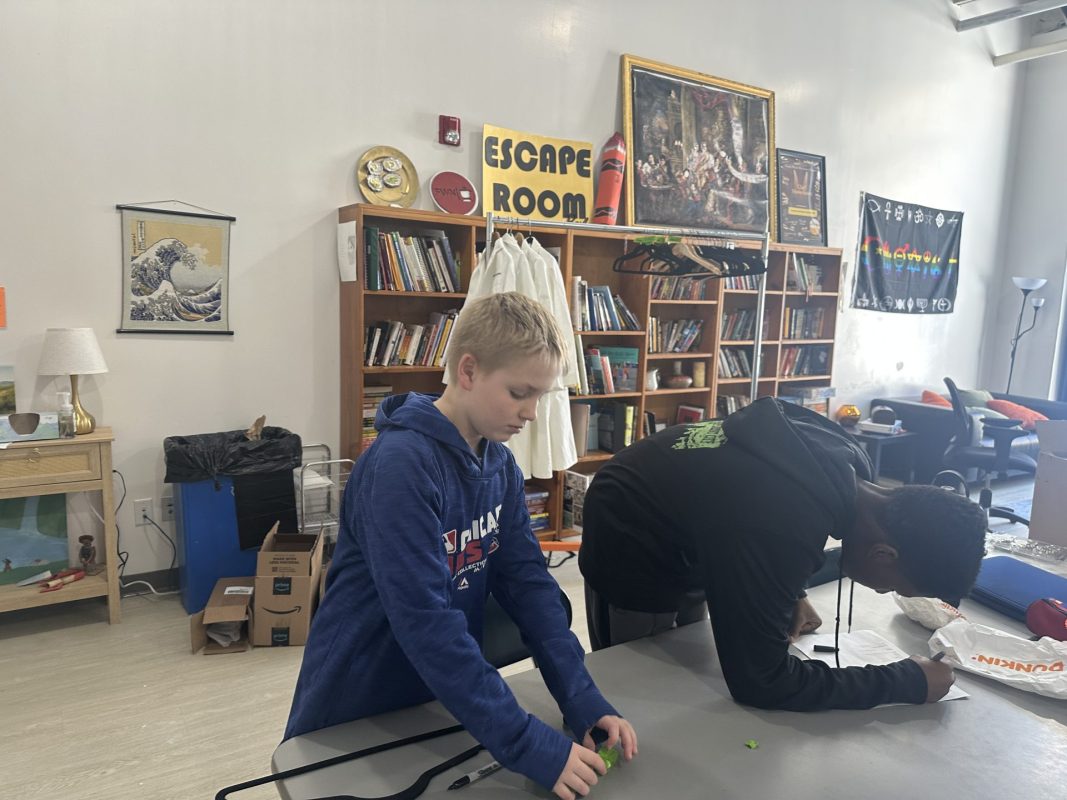
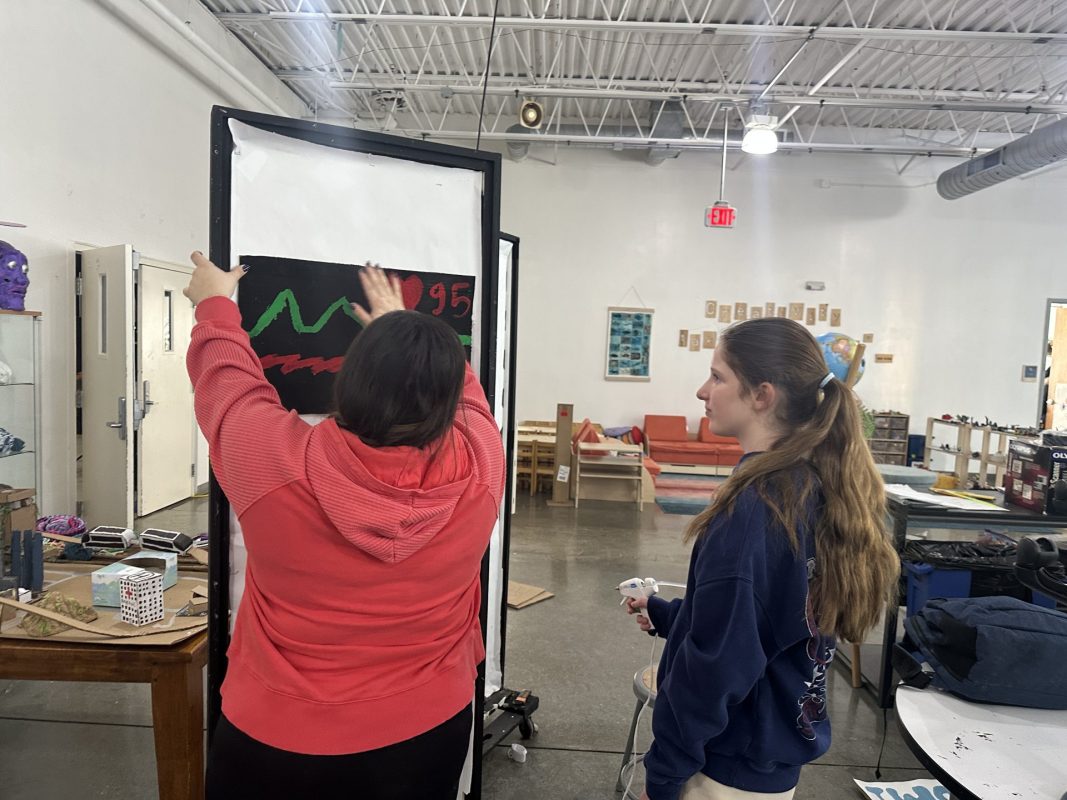
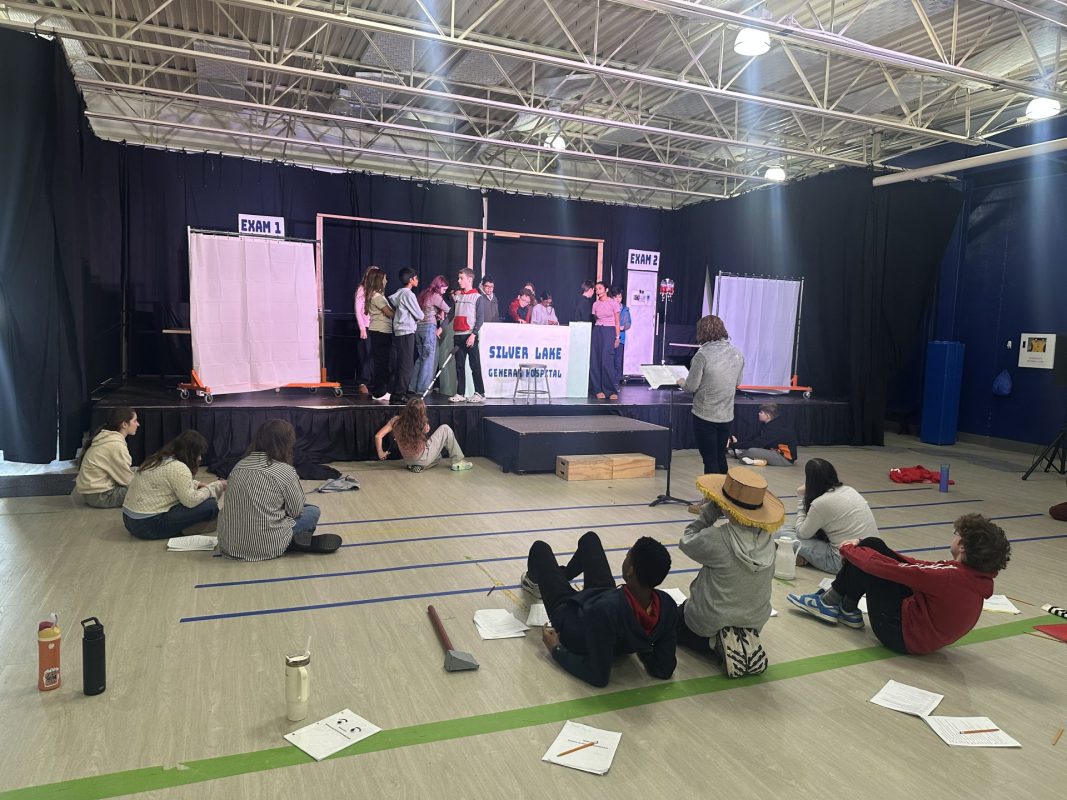
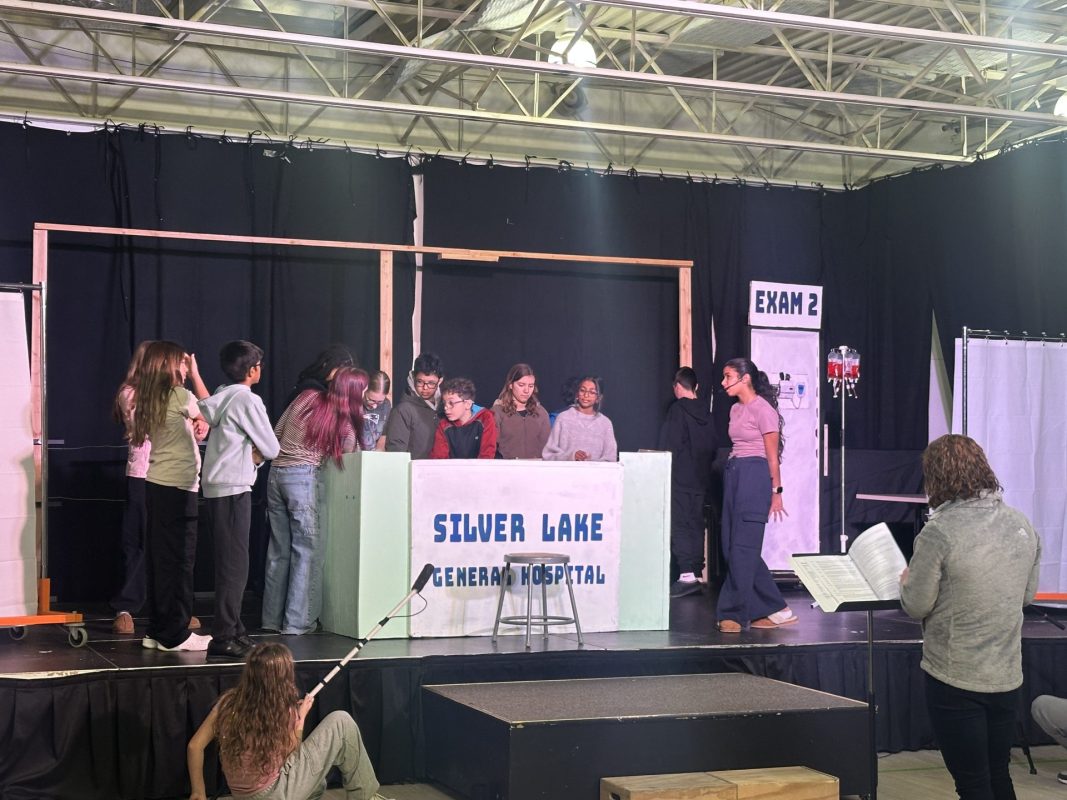
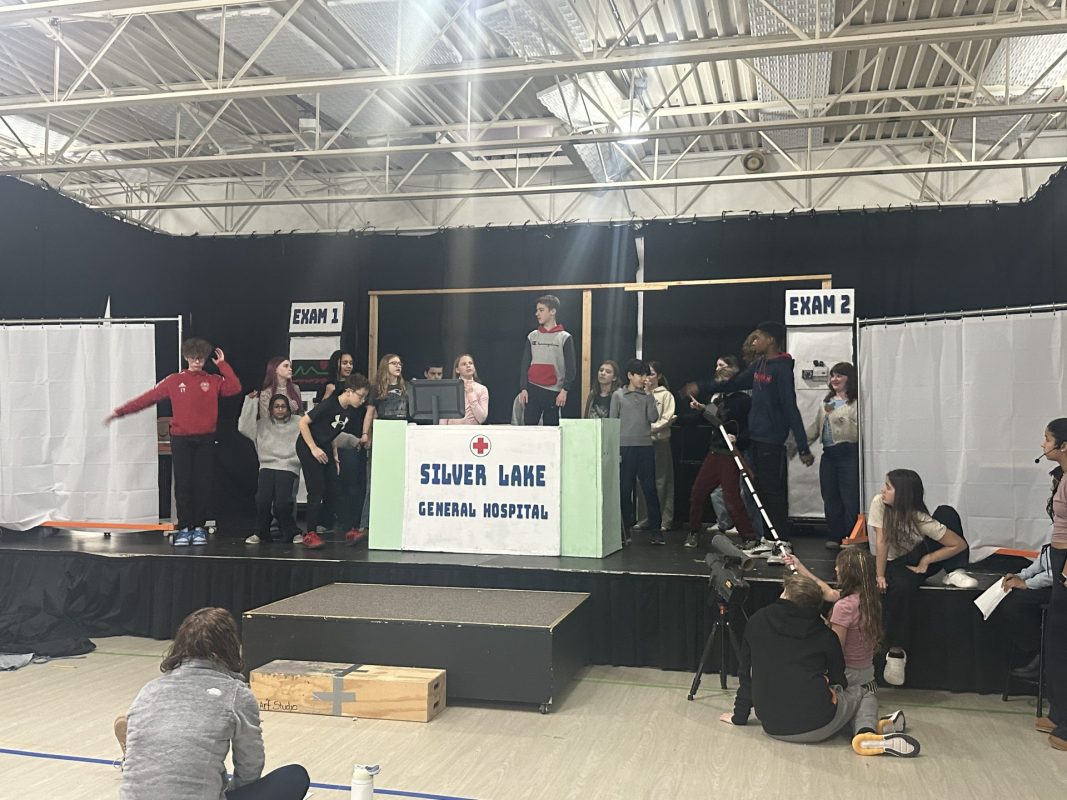
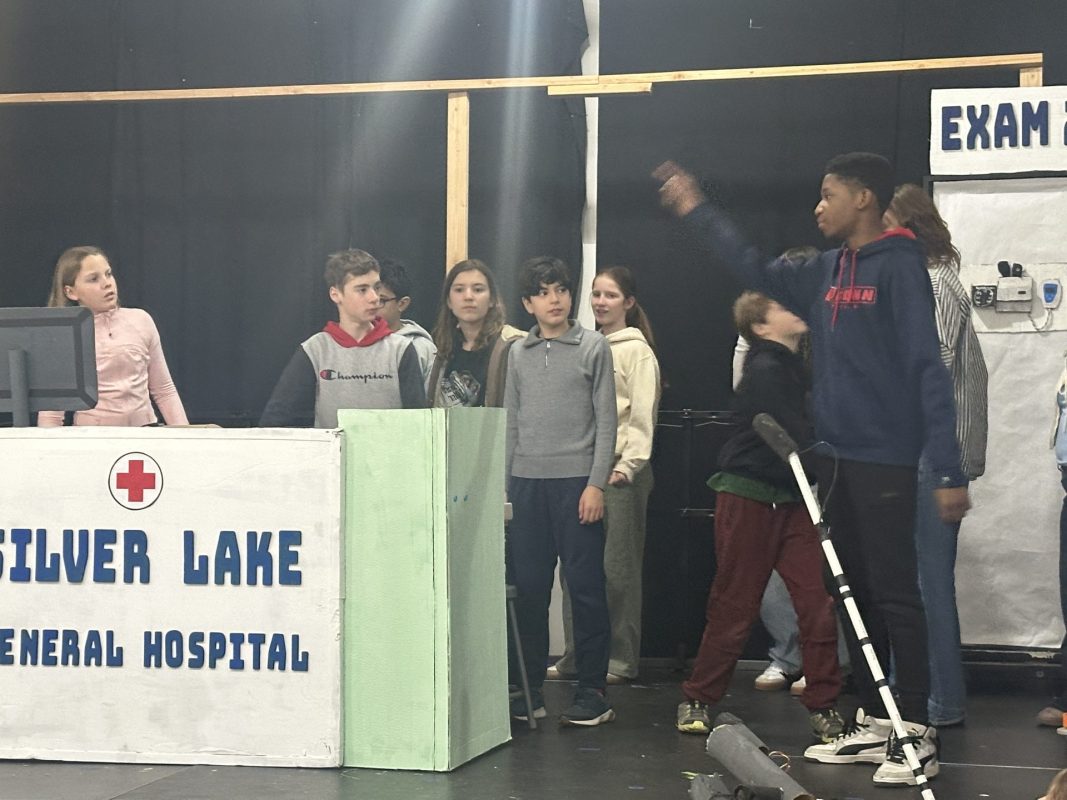
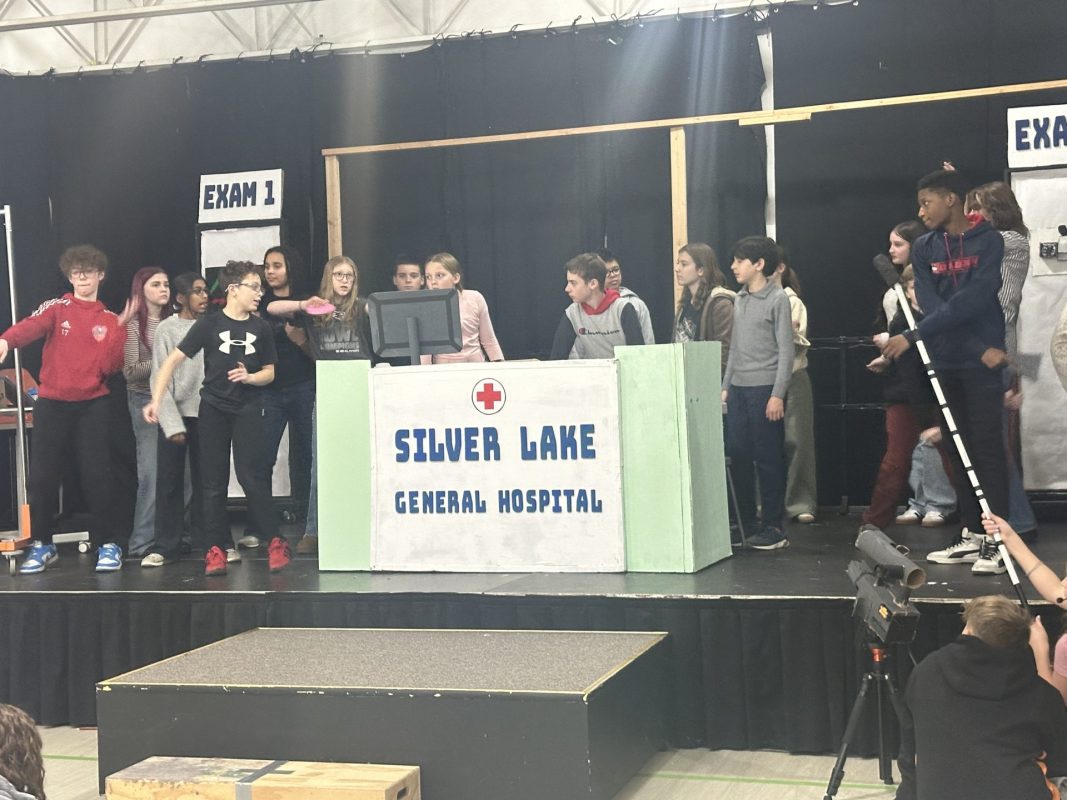
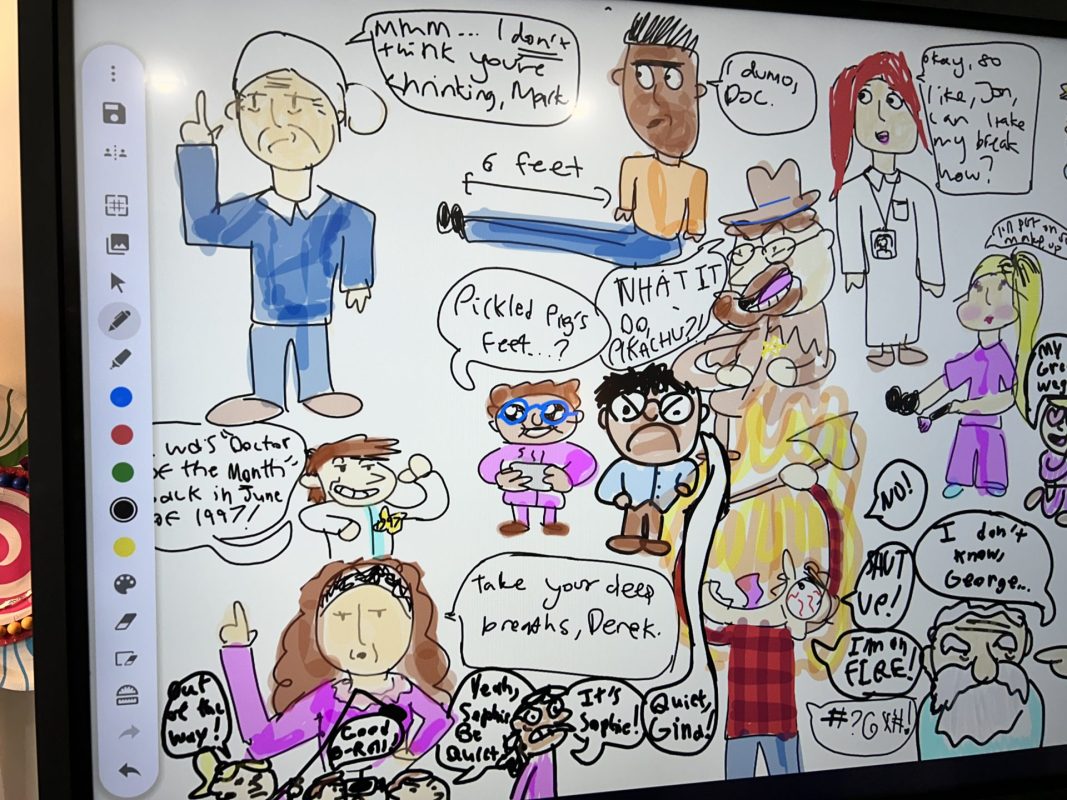
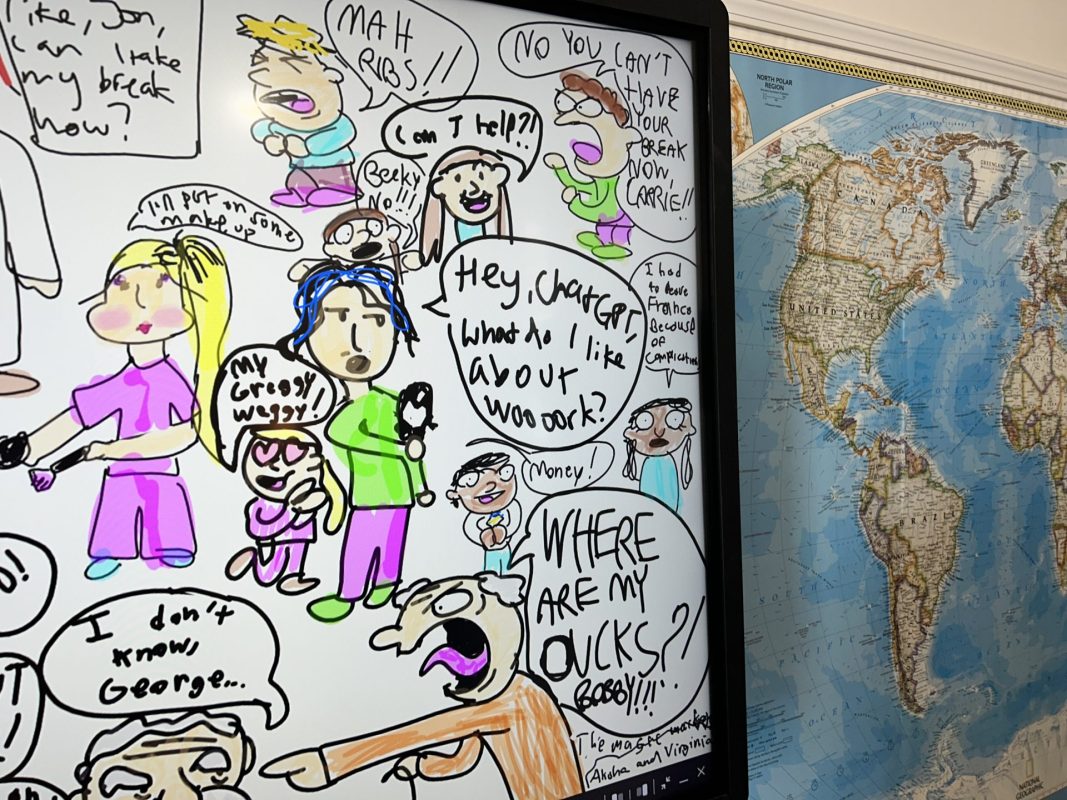
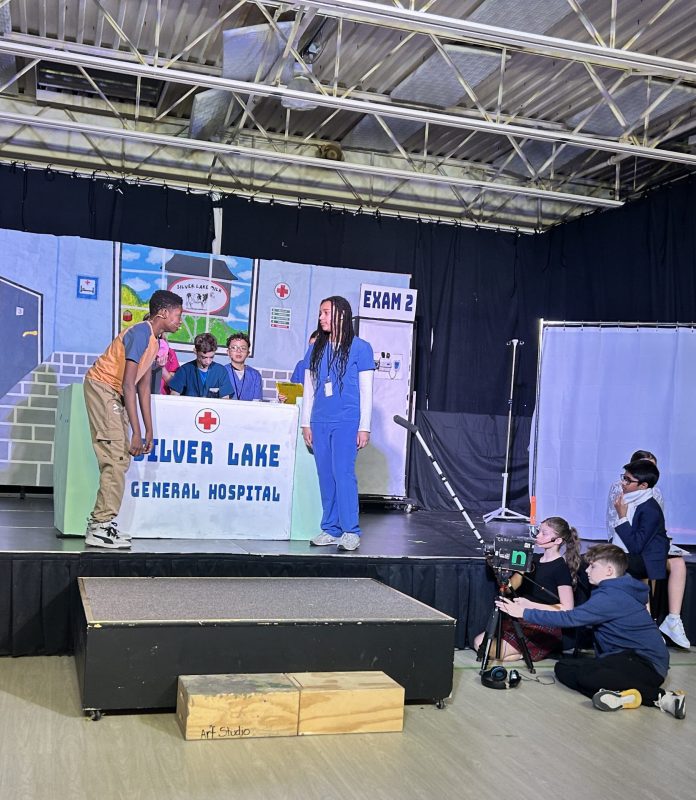
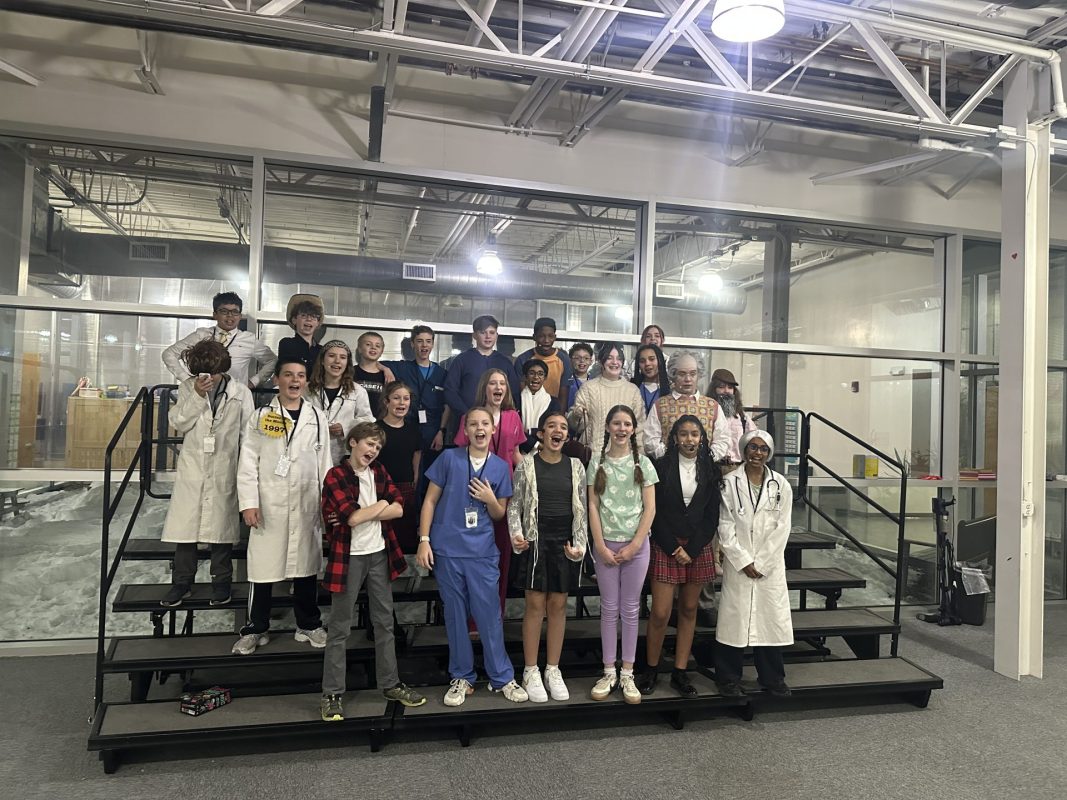
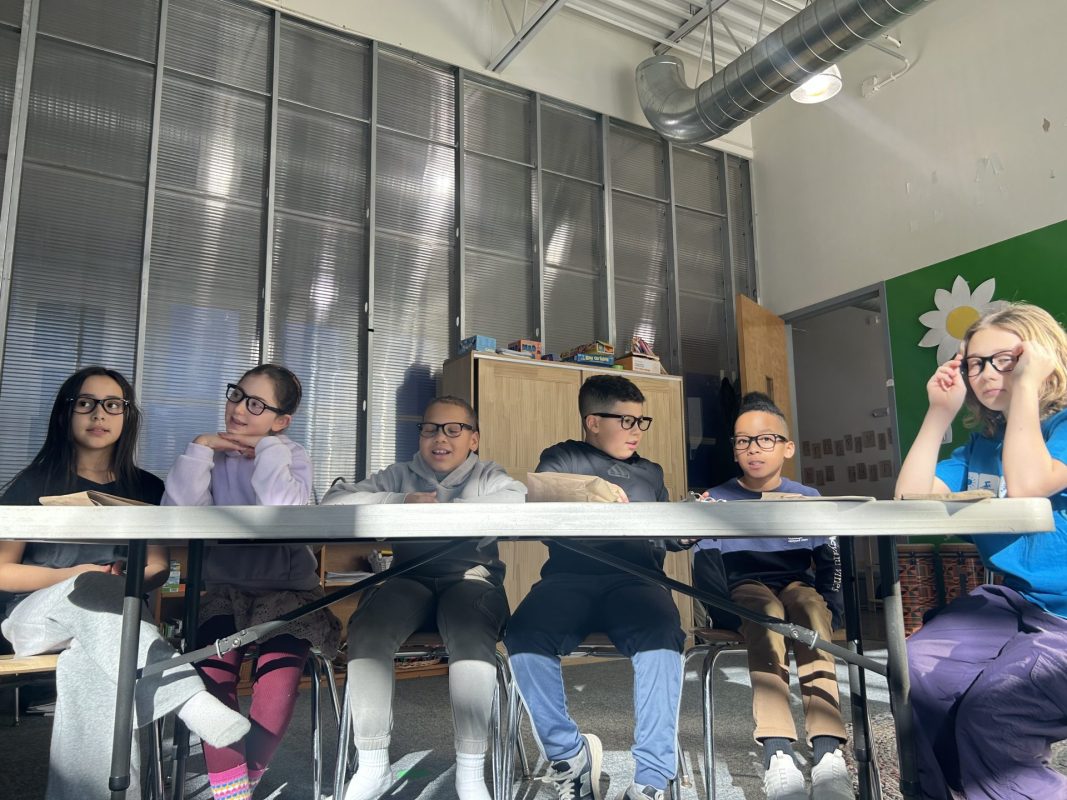
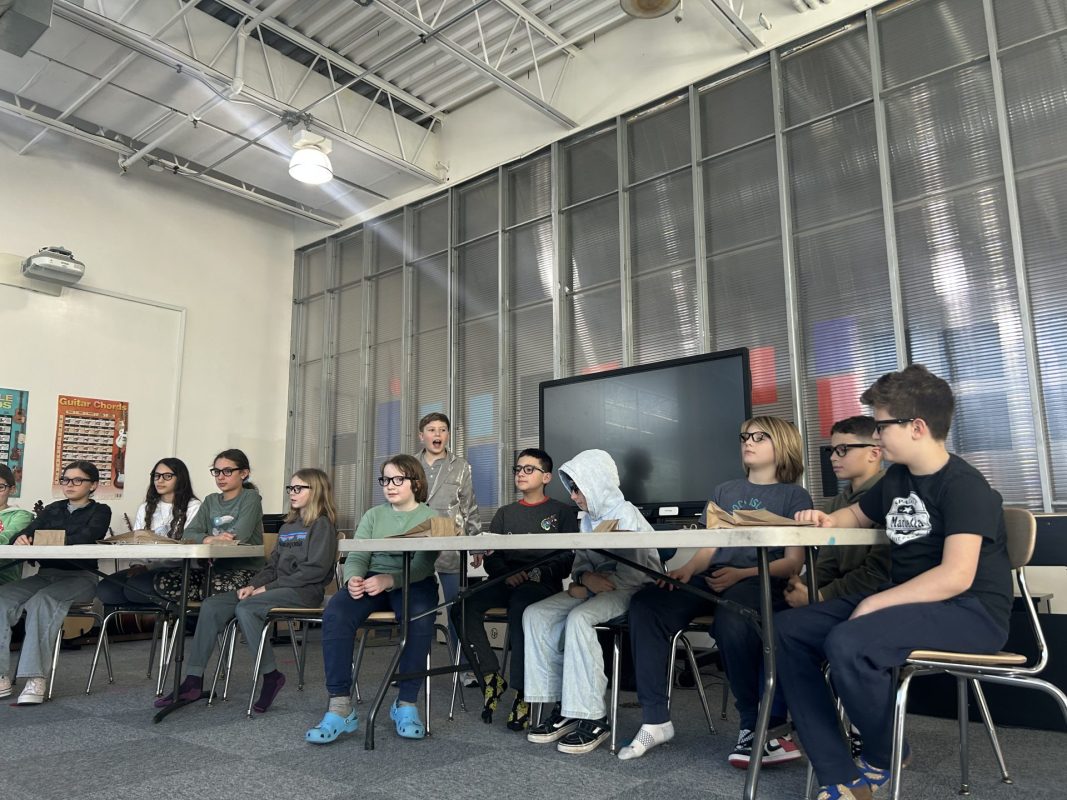
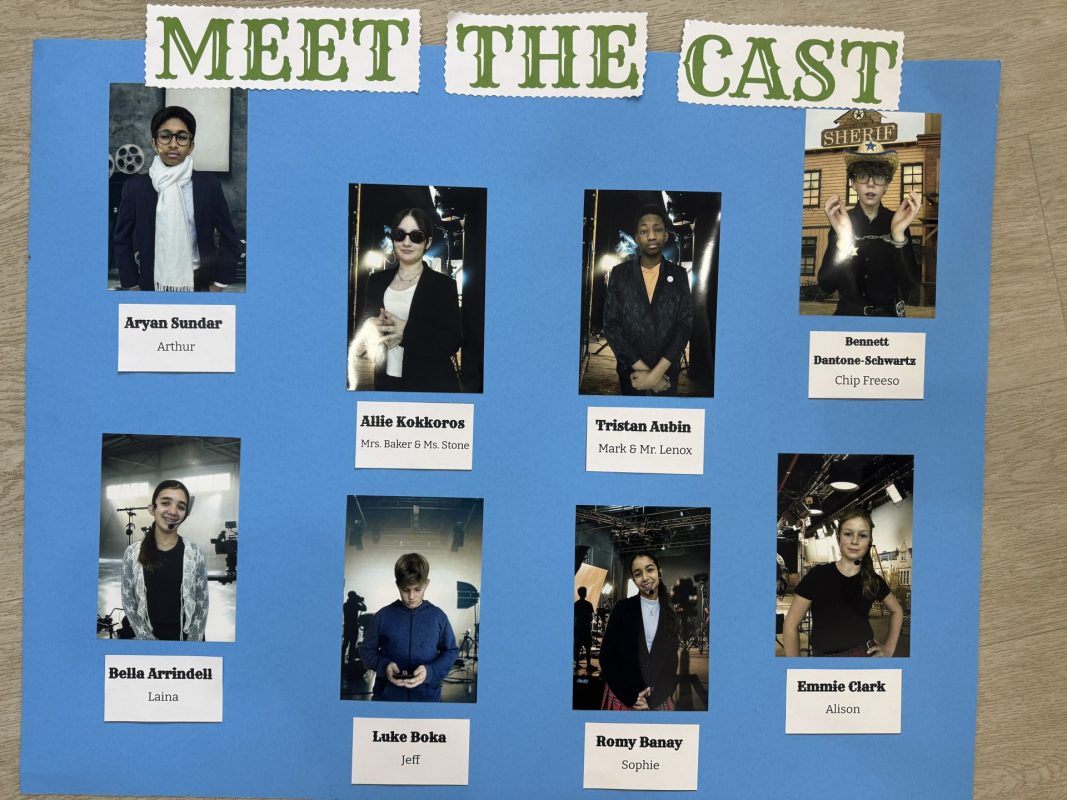
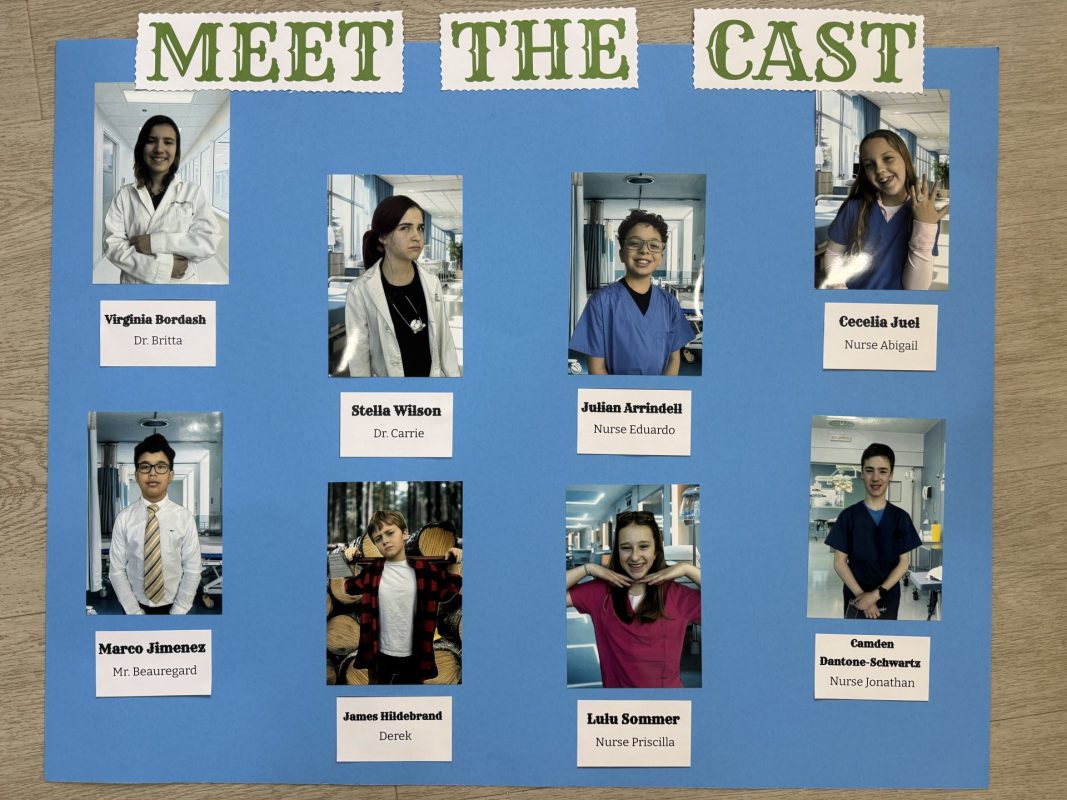
The Middle School started the week with their performance of Spoiler Alert! for students in Primary, Lower Elementary, and Upper Elementary. Afterwards, students in Lower and Upper Elementary stayed for a question-and-answer session about the writing and production process.

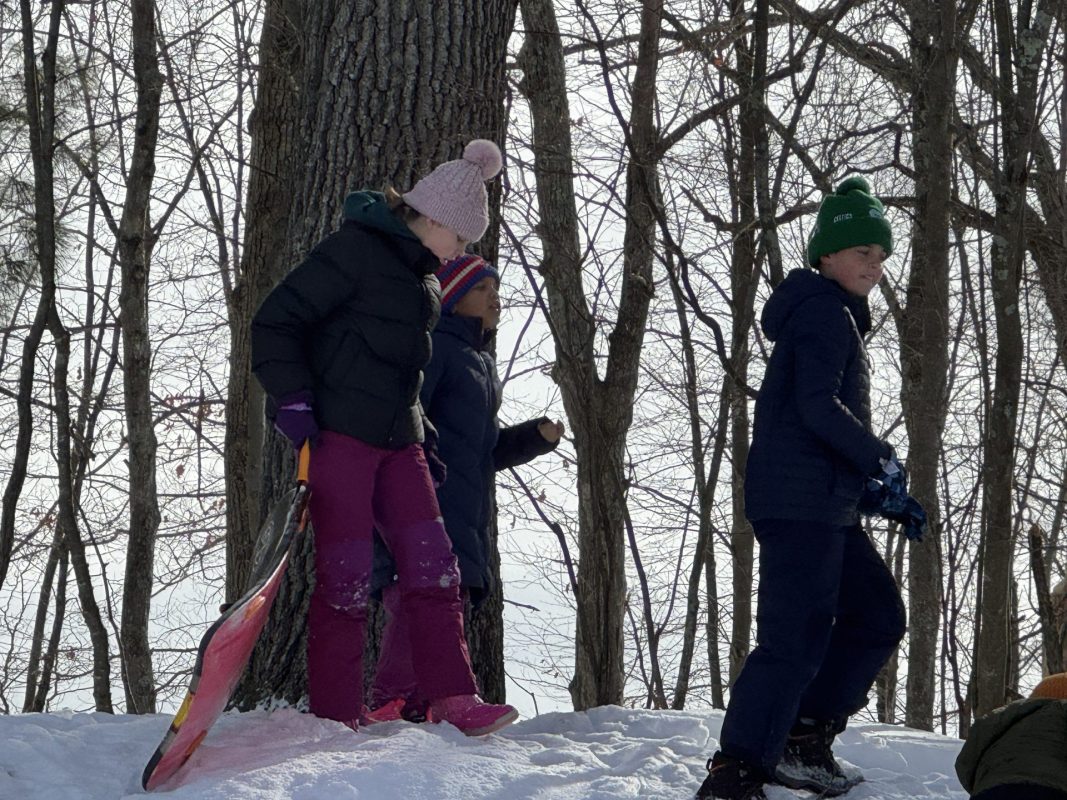
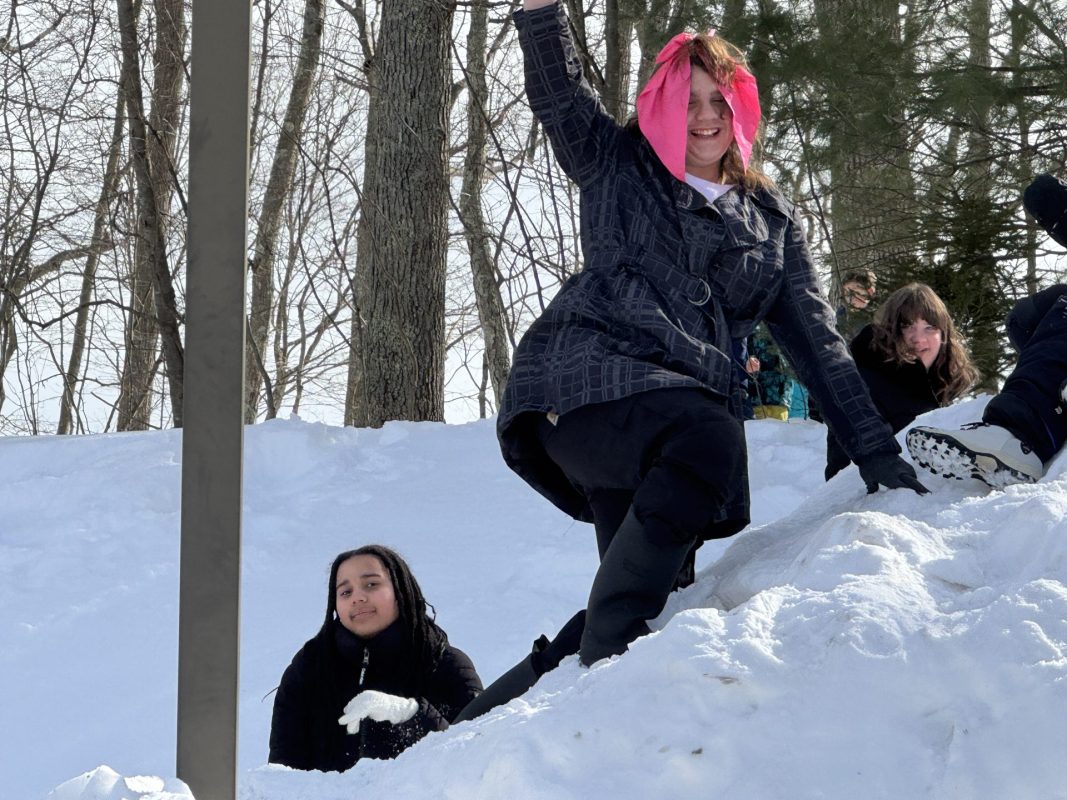
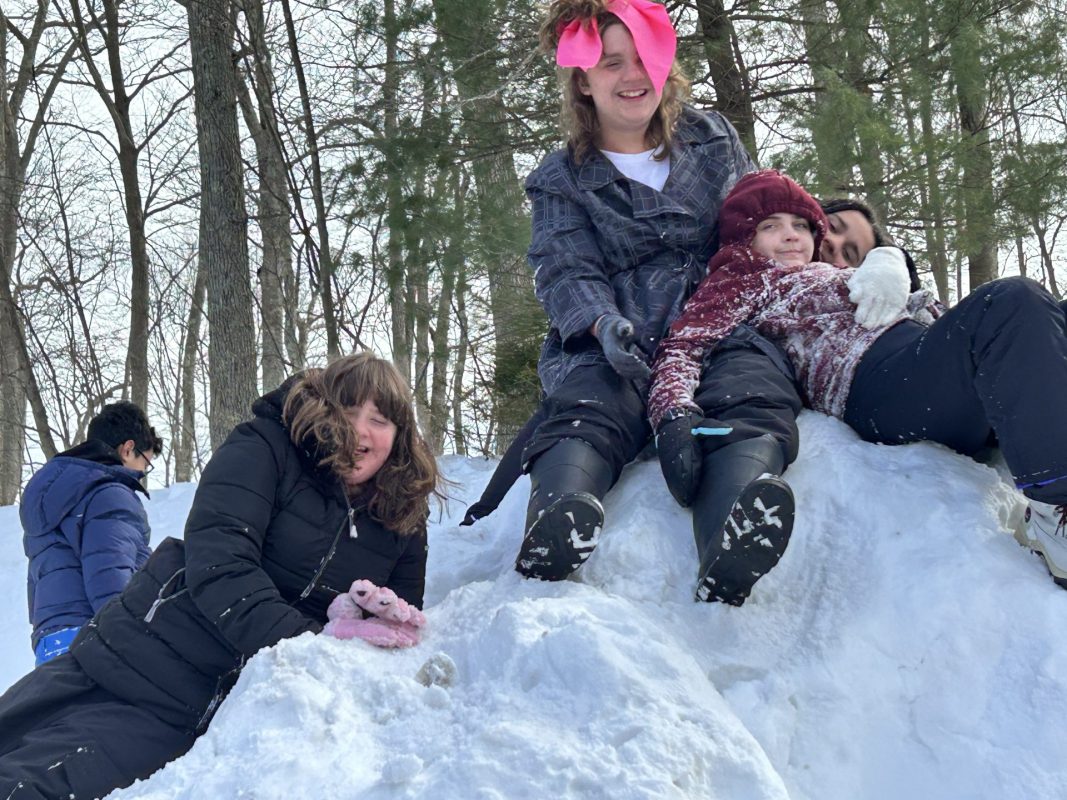
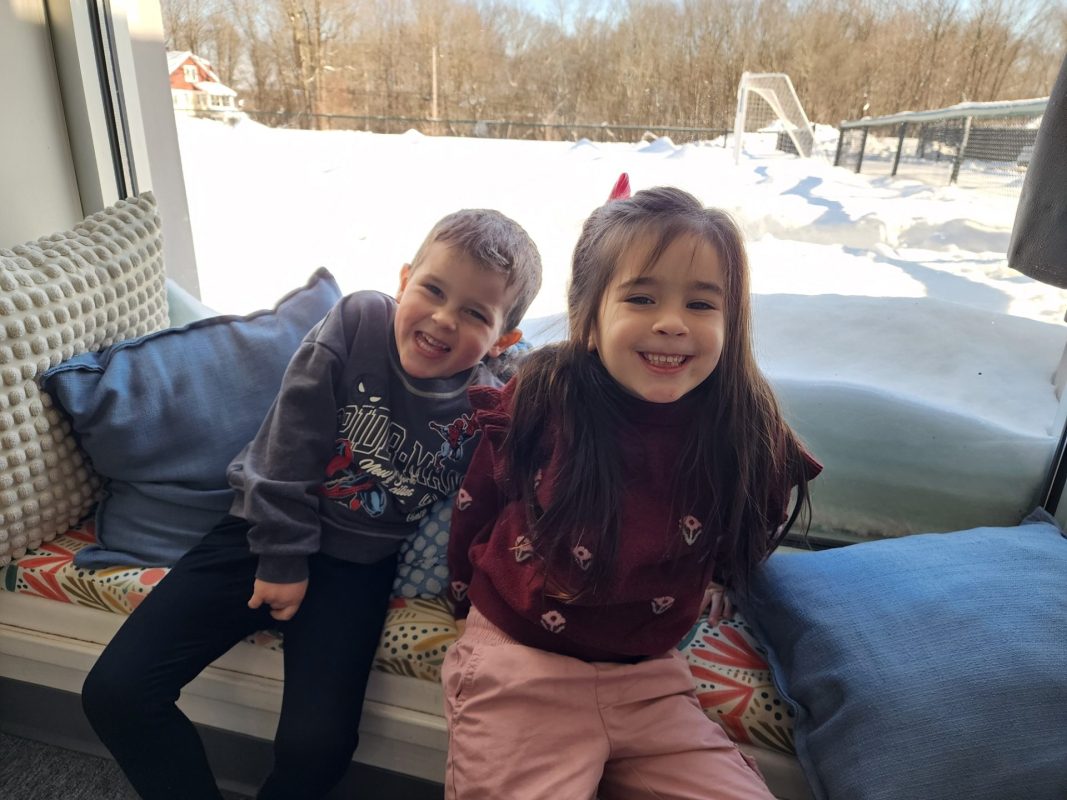
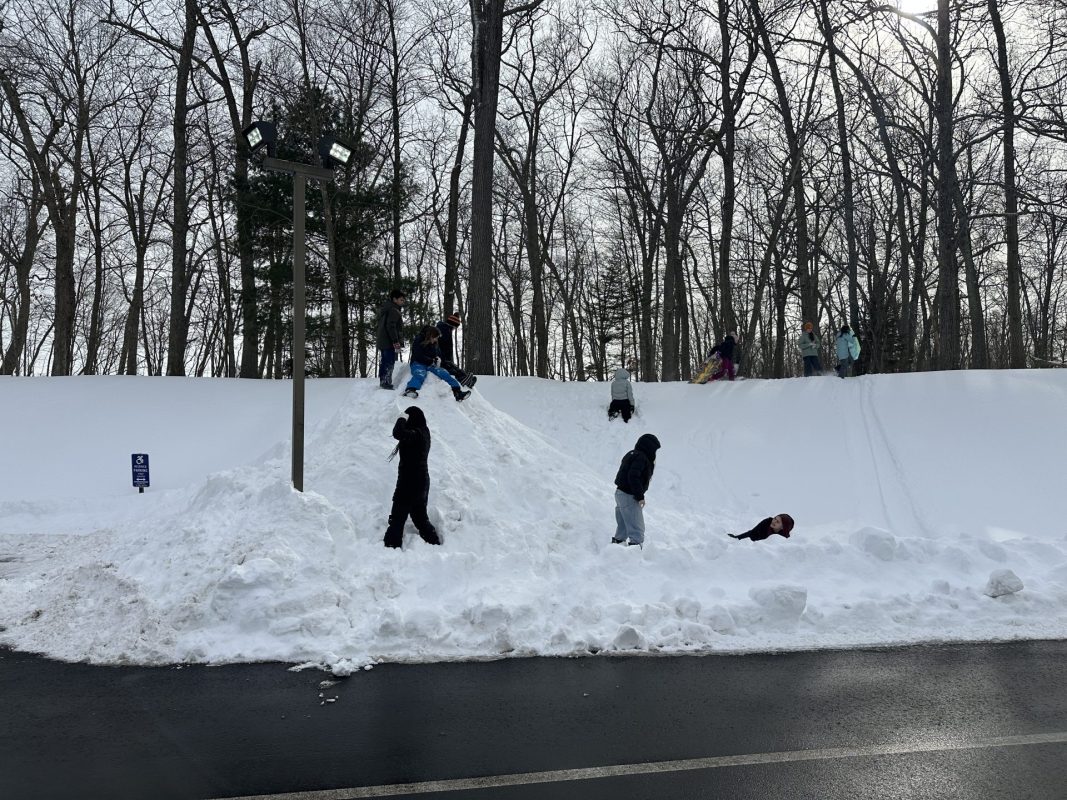
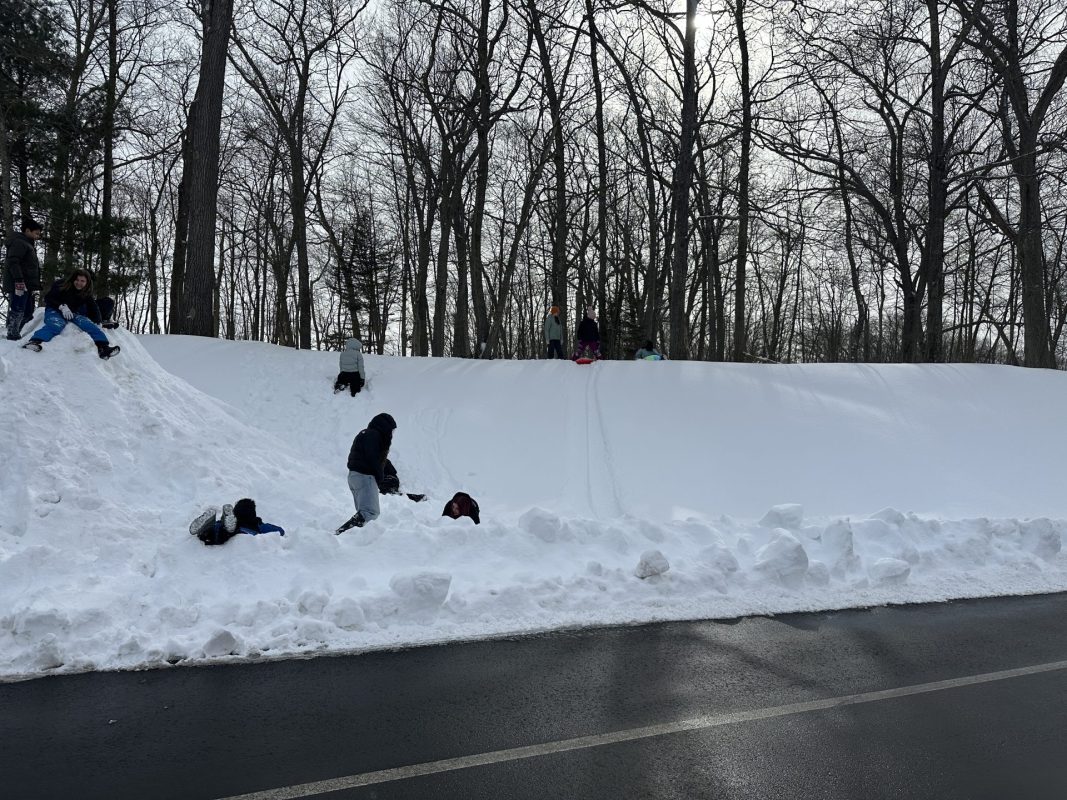
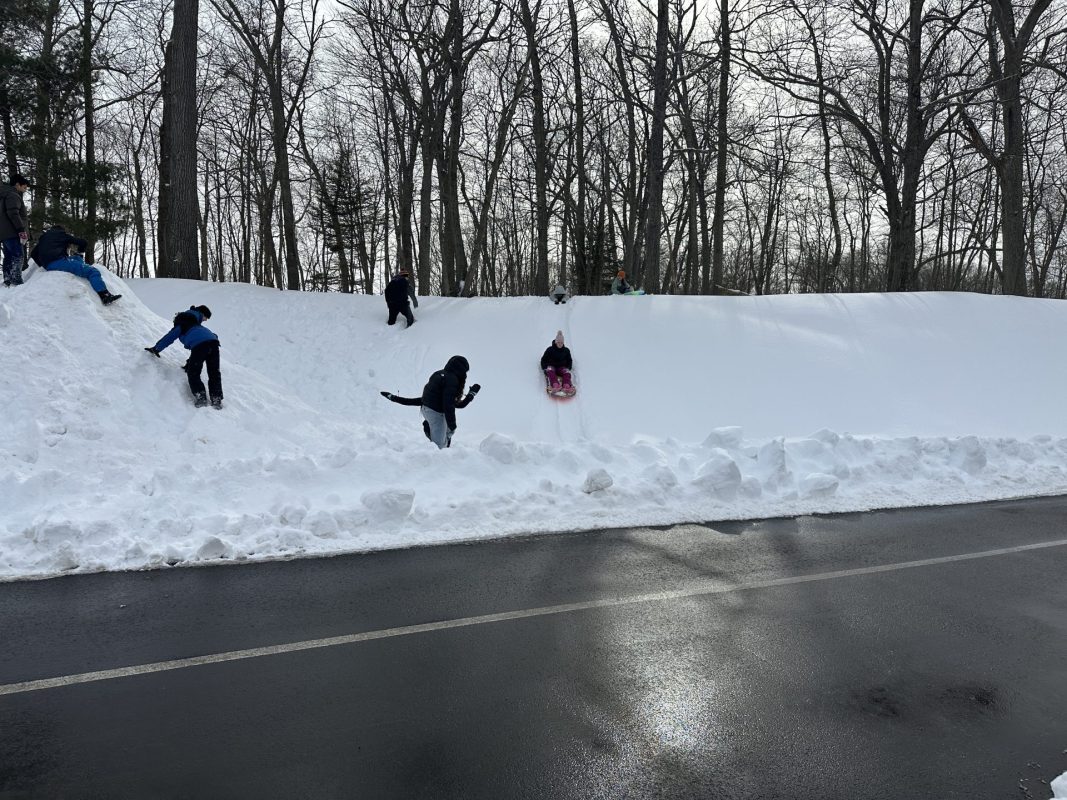
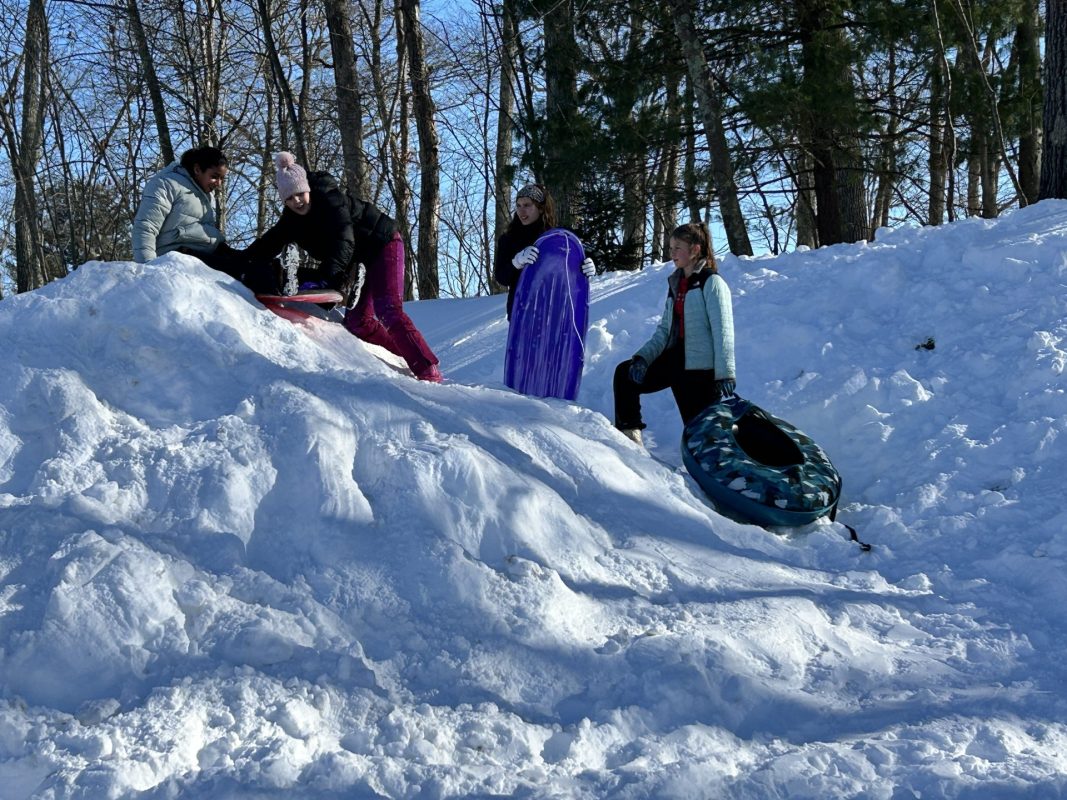
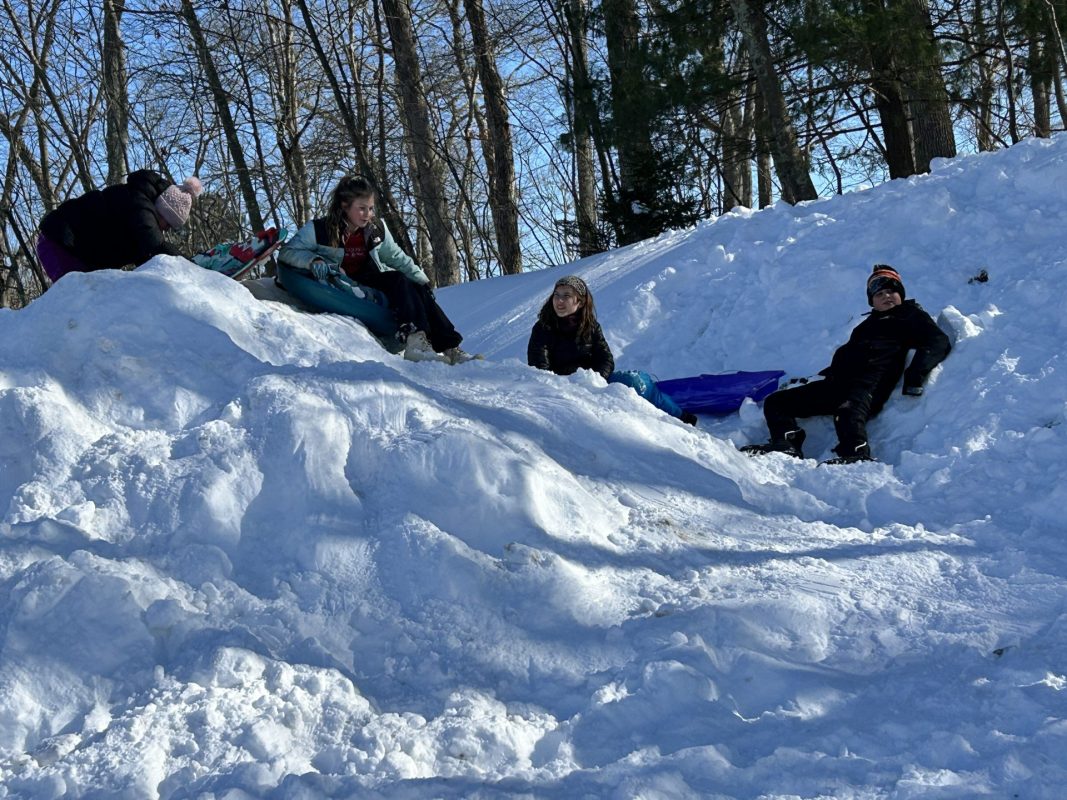
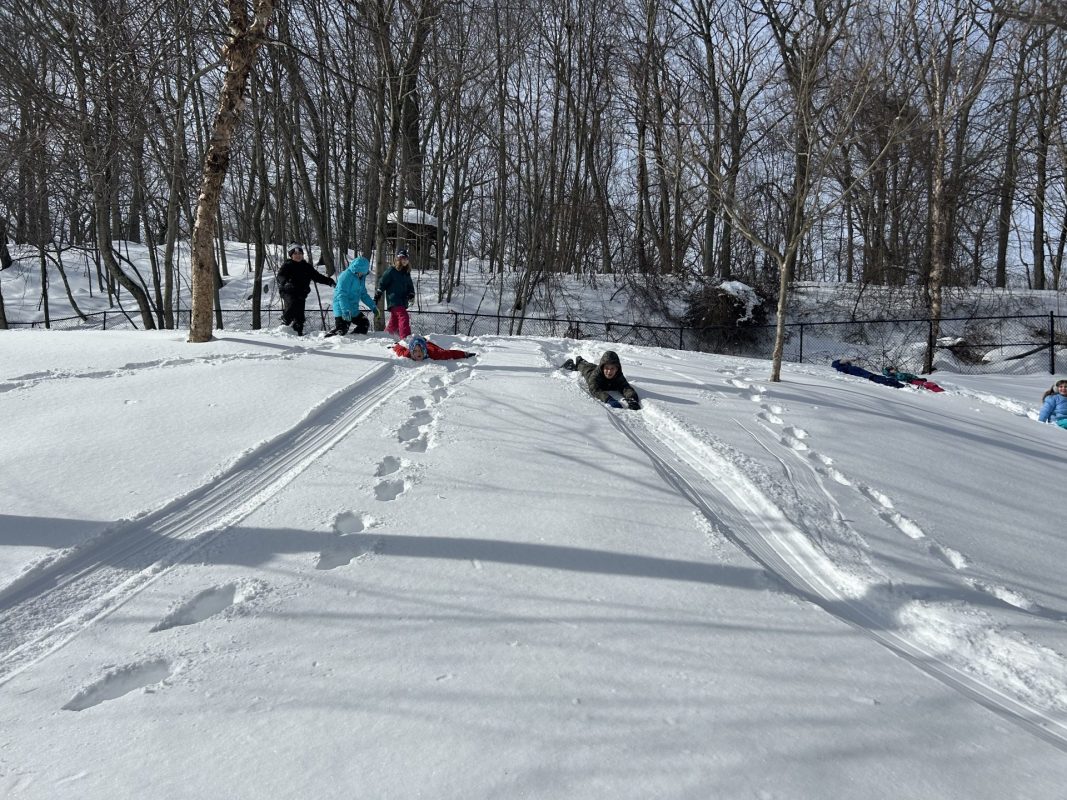
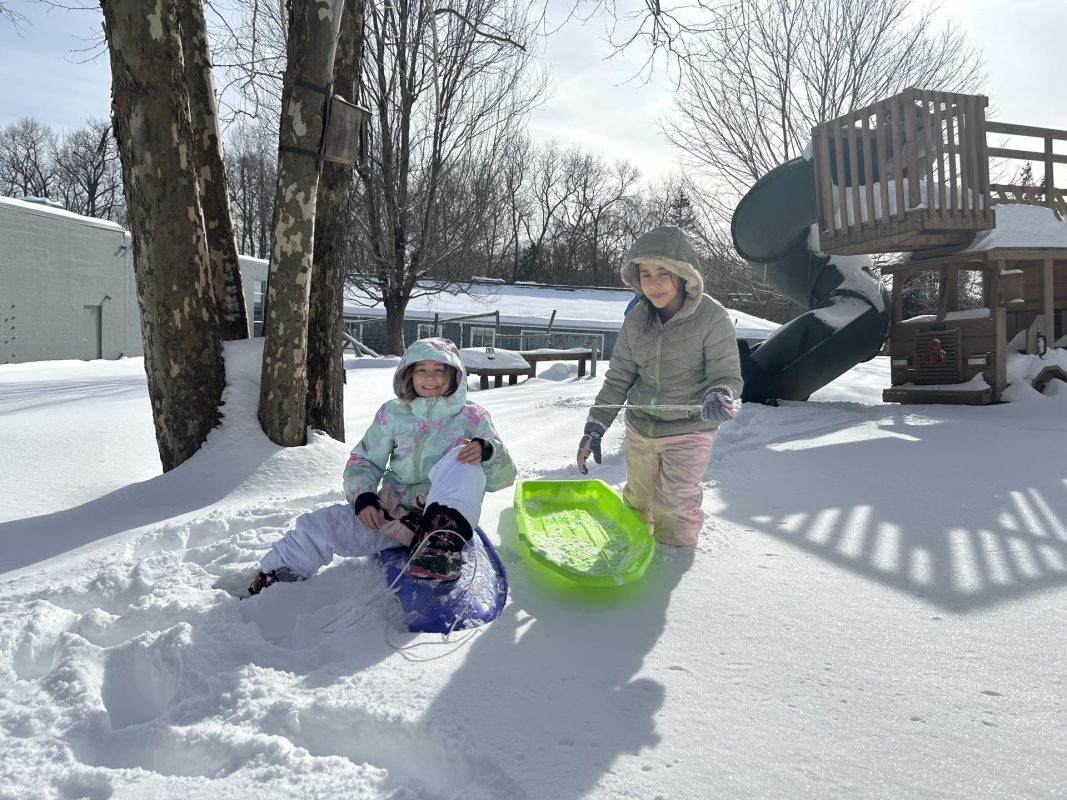
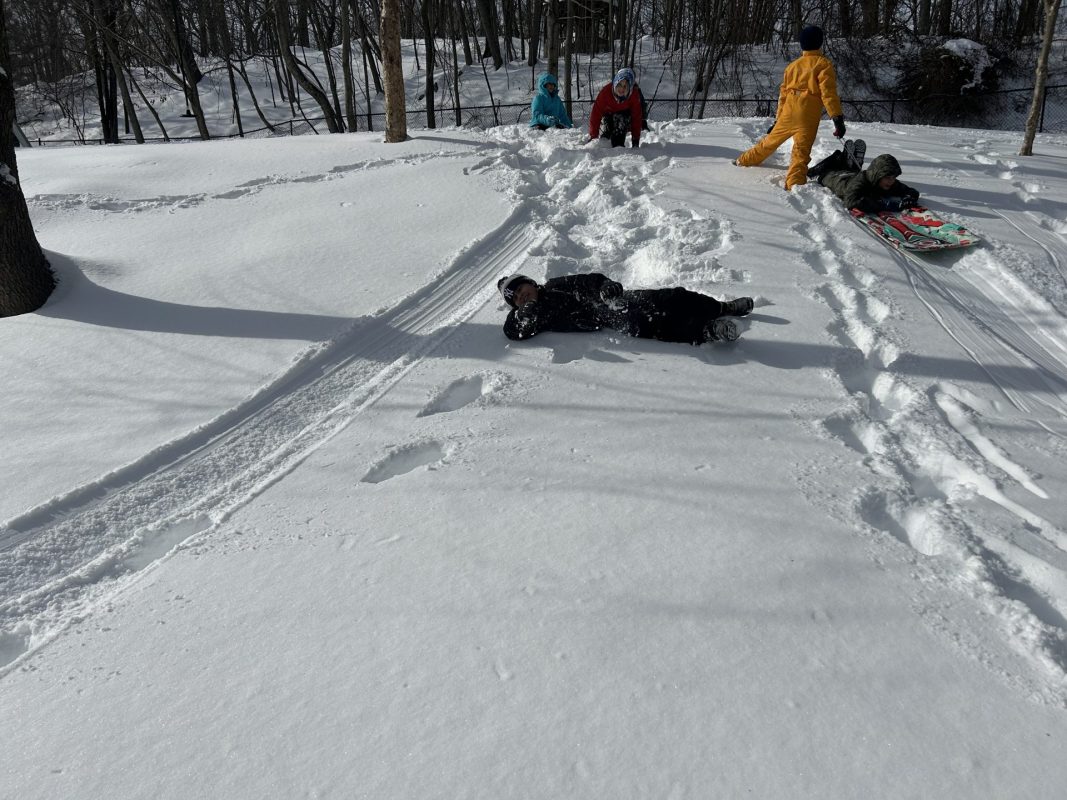
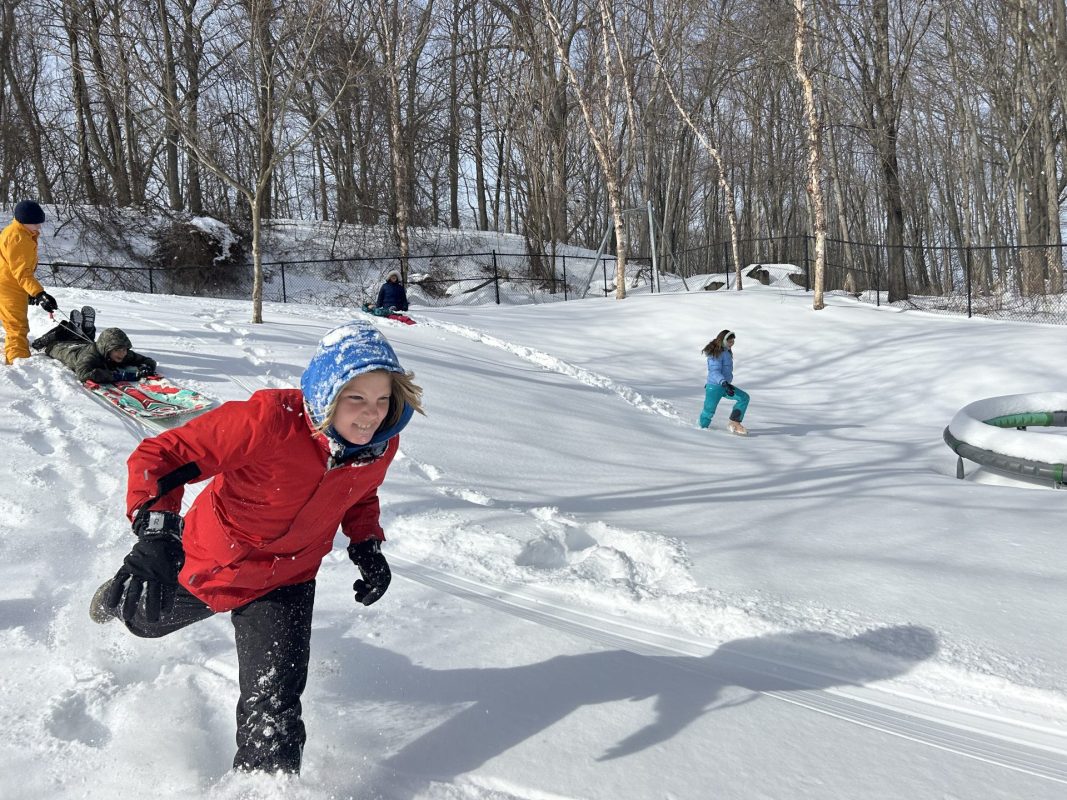
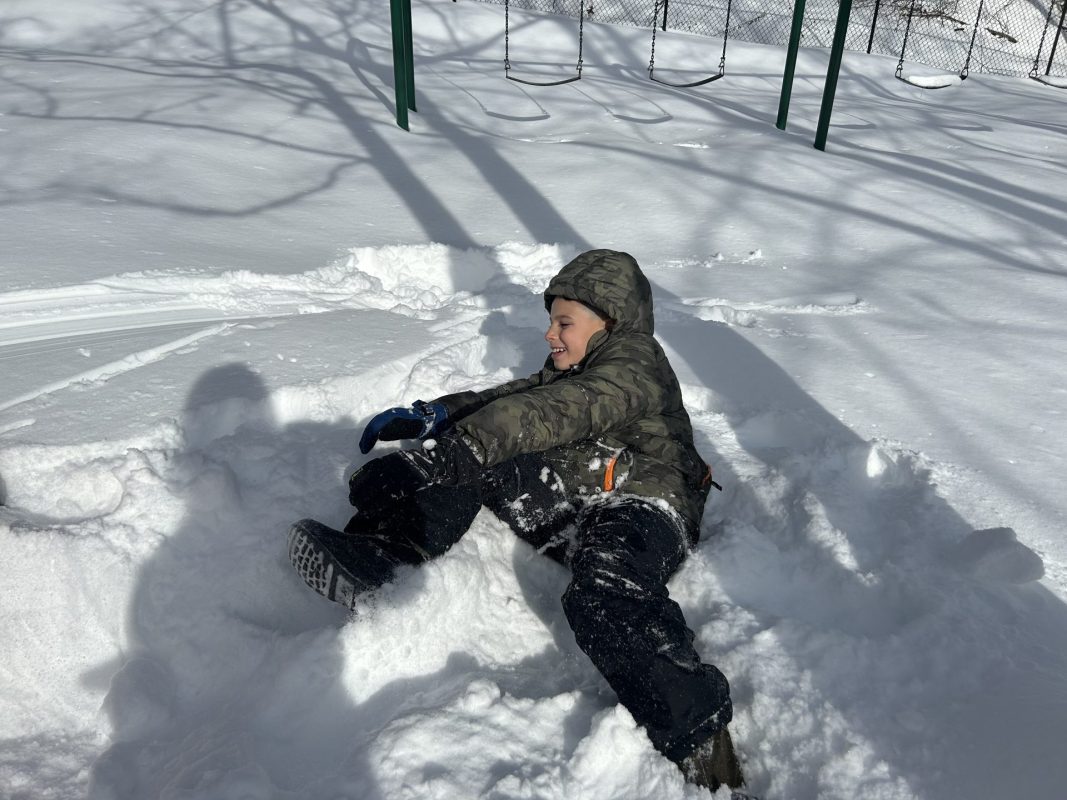
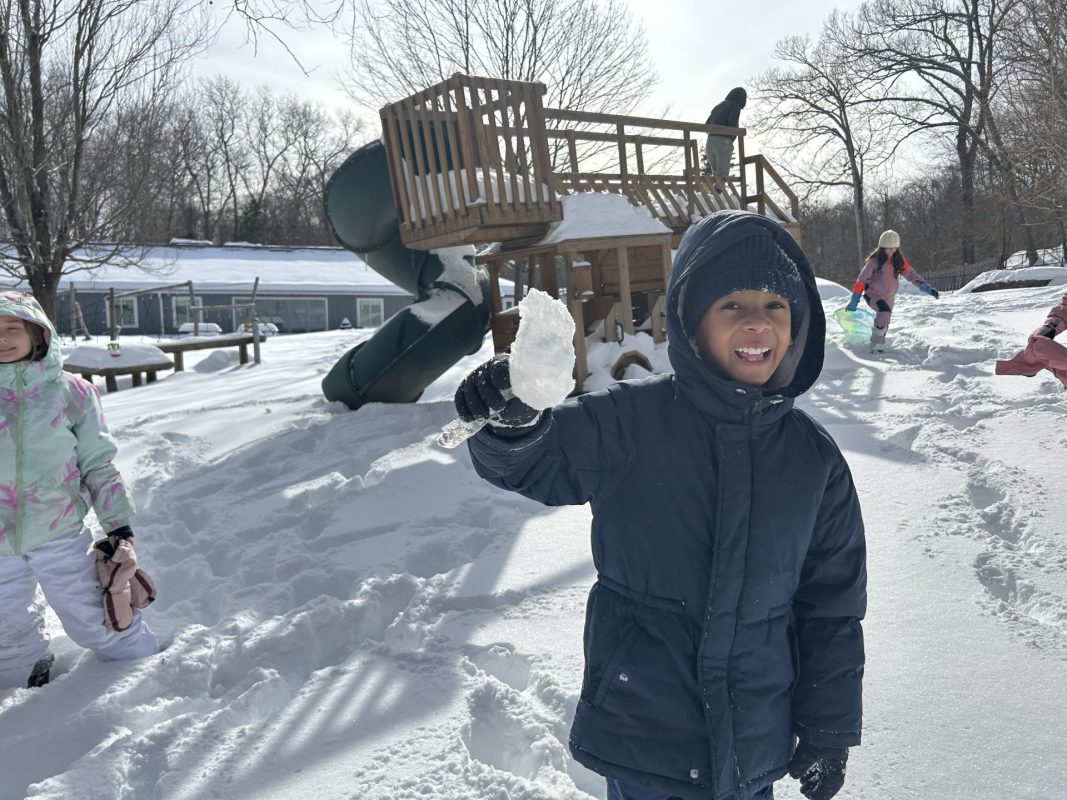
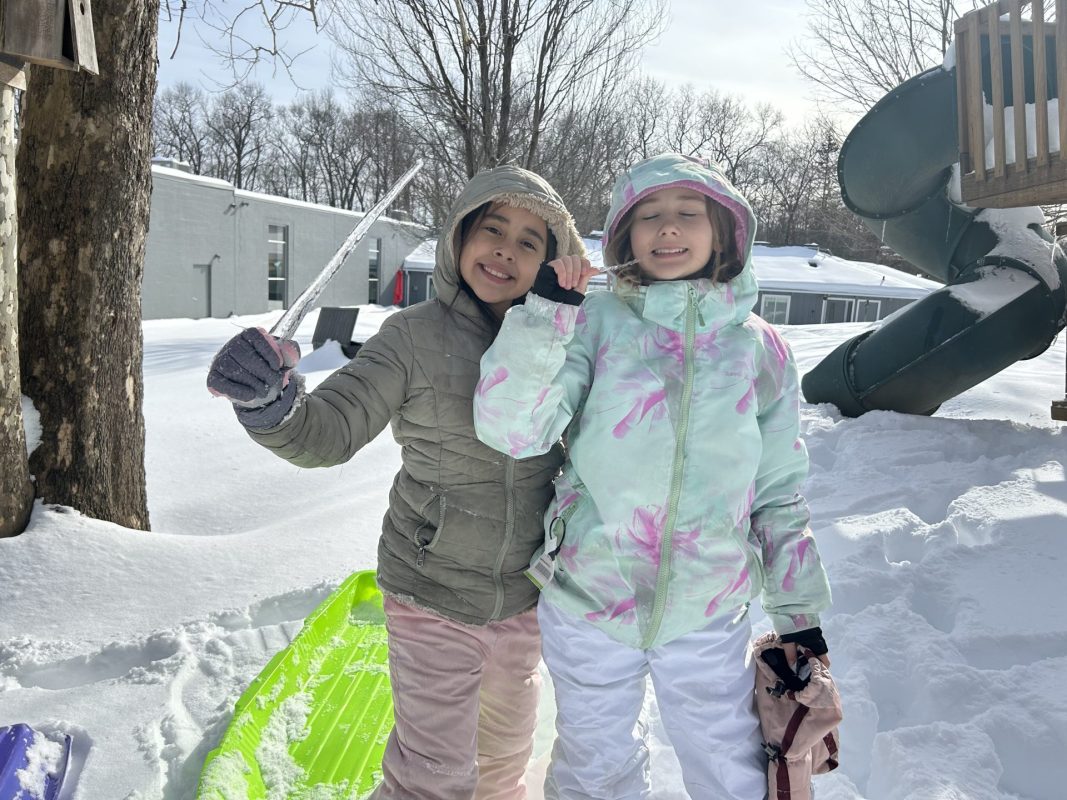
It was a great week to be outside at recess in the snow with temperatures slightly warmer than last week. Sledding has become a favorite activity while outside for many of the middle school students.

Announcements:

  • Monday, 2/9: Moving Up Day (Gr. 5 to join 6/7 classes for the day). 
  • 6th & 7th Grade Research Presentations Thursday, February 26th.CLICK HERE for more information.
  • Please check for appropriate winter attire for the outdoors. Most students will go outside with their younger peers during Community Service each week.
  • MS ARRIVAL BEGINS AT 8 am
  • MS Flower Schedule

Math

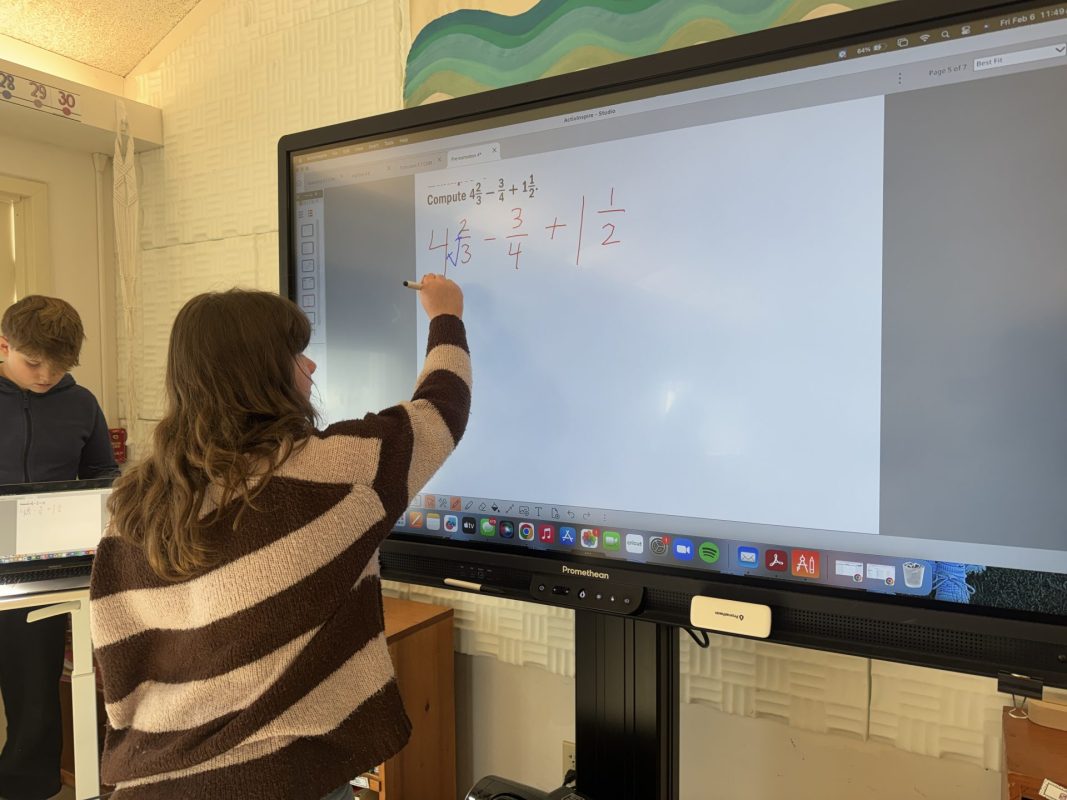
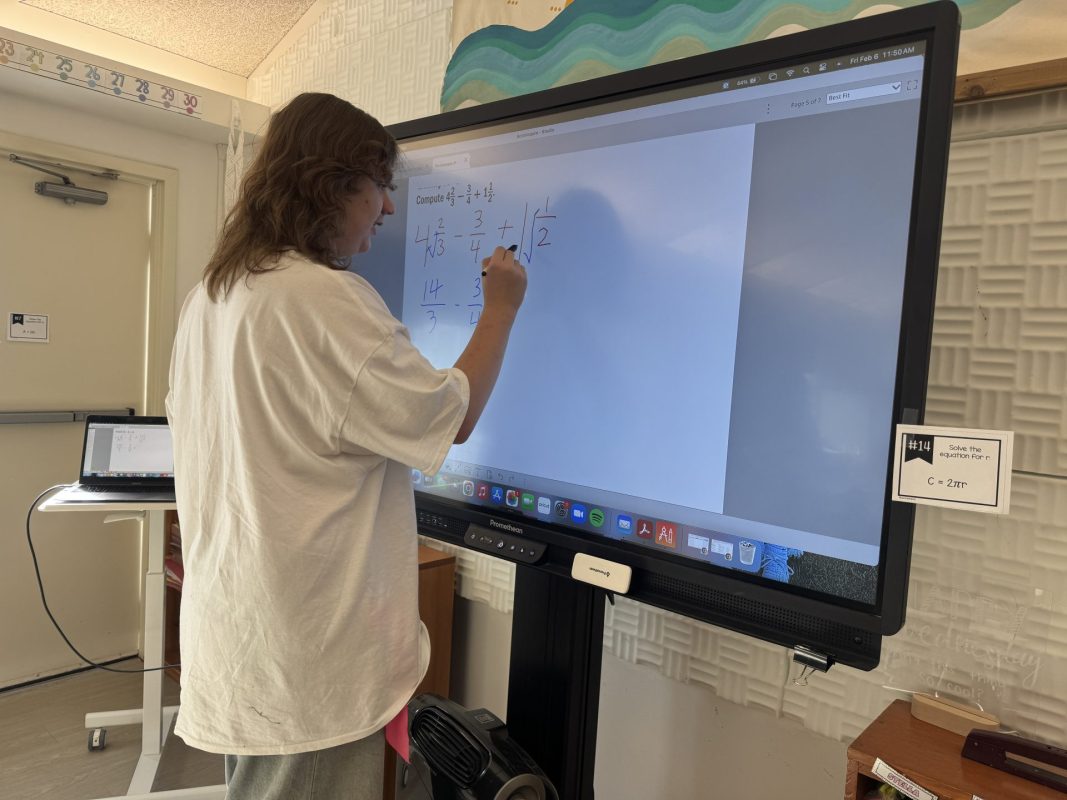
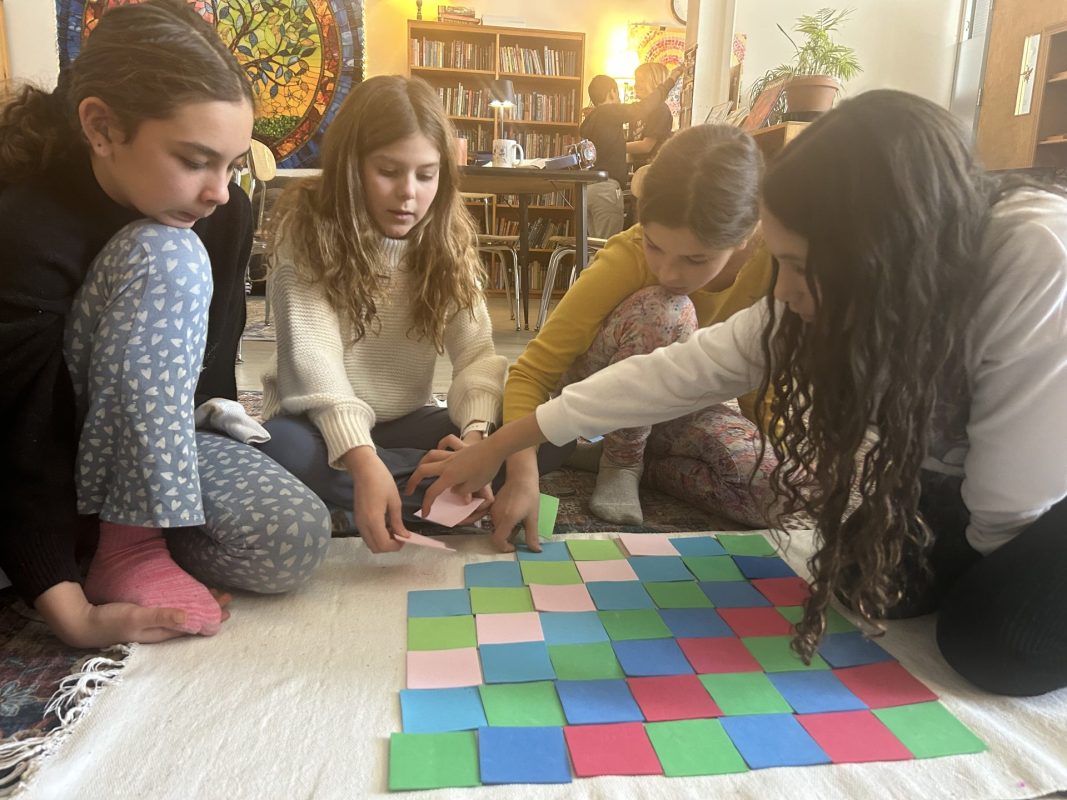
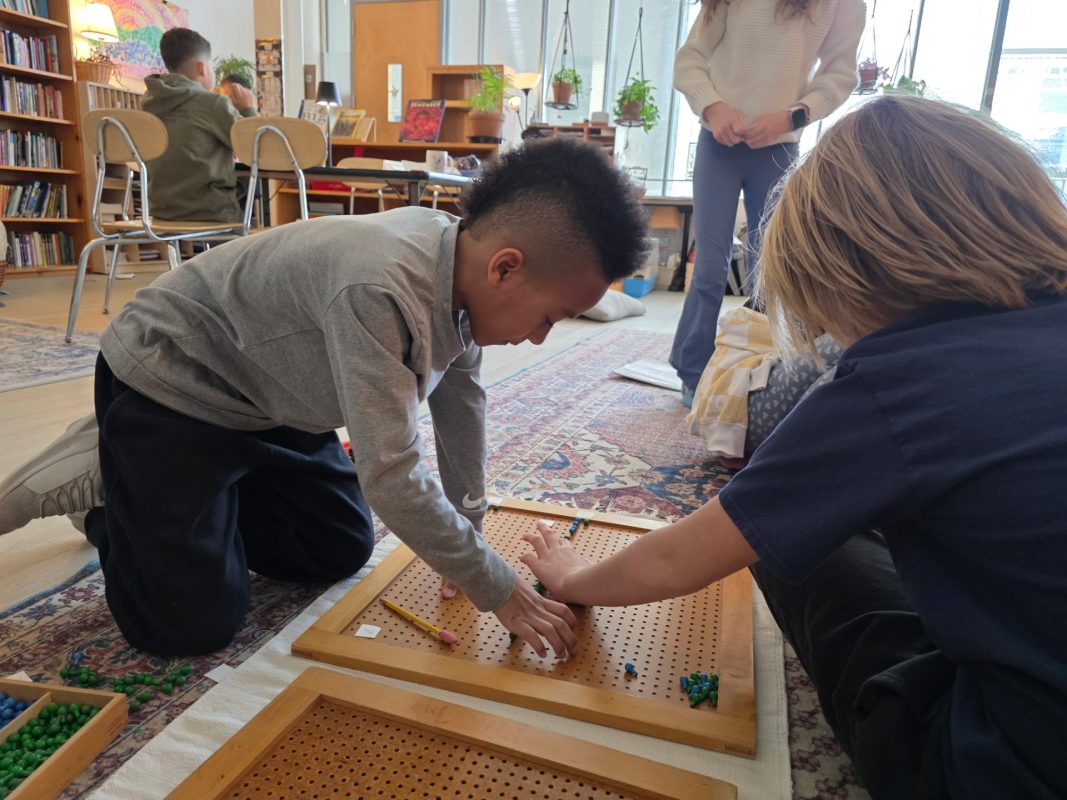
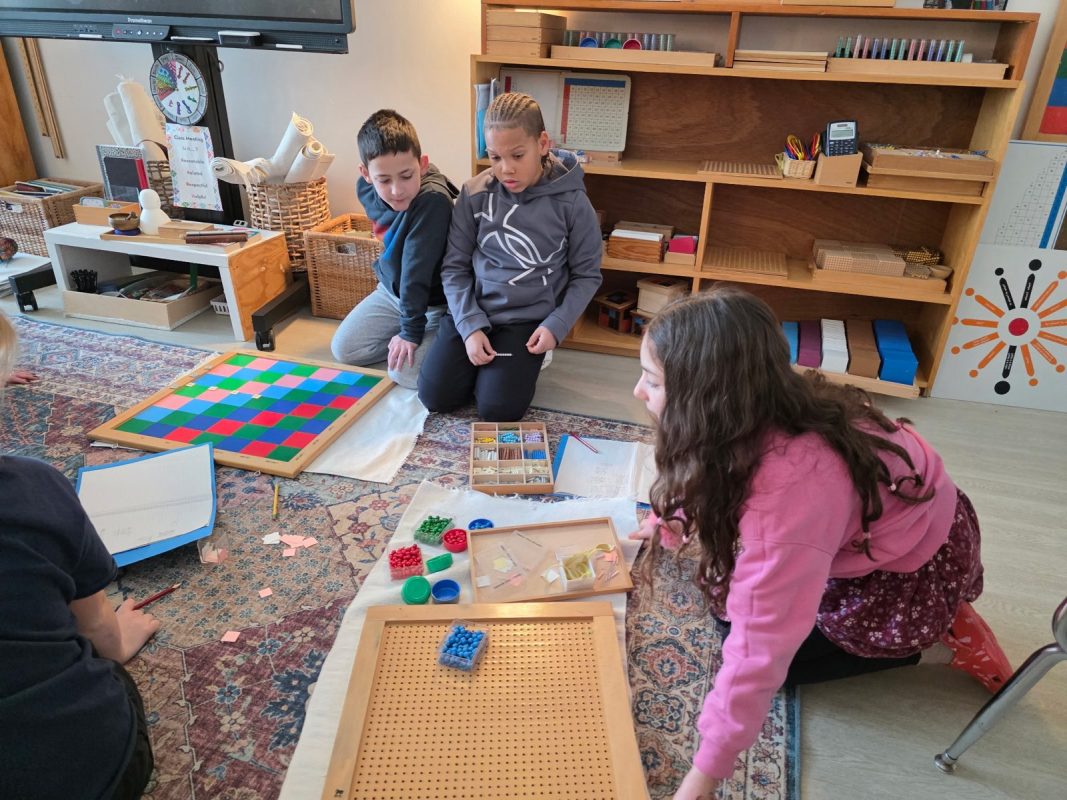
Pre-Transition: This week, students reviewed related facts while exploring angle relationships created by intersecting lines. They practiced identifying acute, obtuse, right, complementary, and supplementary angles and used angle properties to find unknown measures. Students also built confidence subtracting positive and negative fractions and mixed numbers.

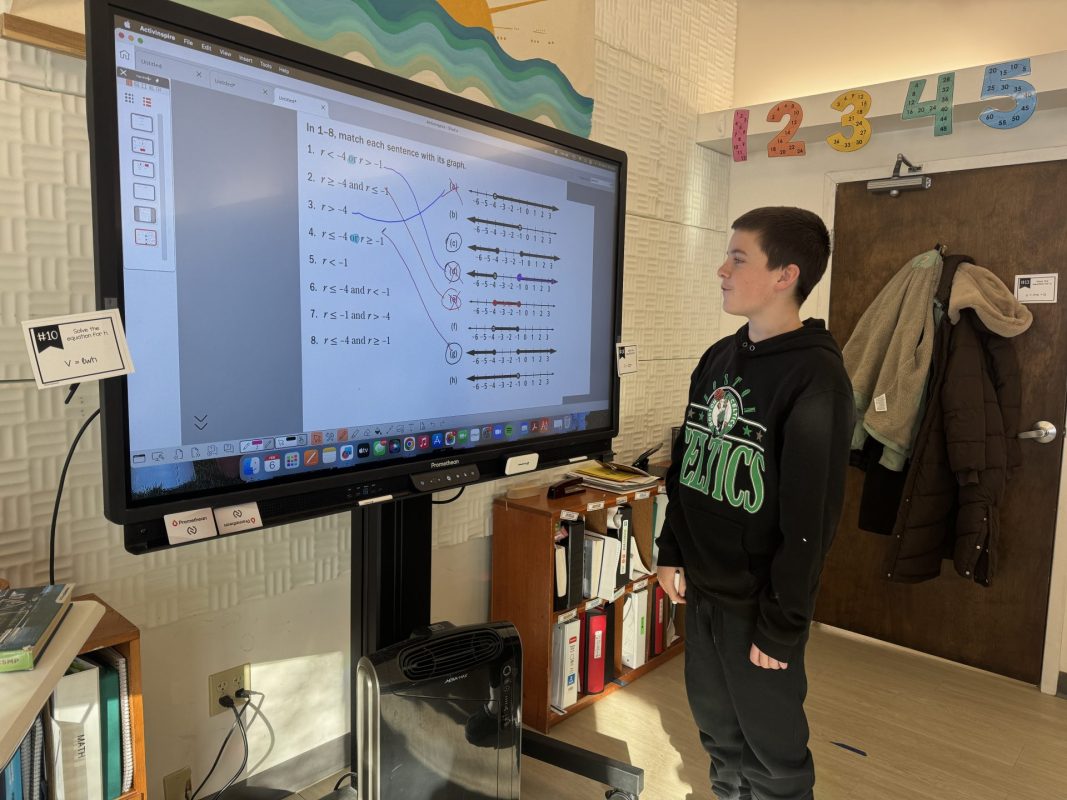
Transition: Students stepped further into algebra by using fact triangles to connect addition and subtraction. They practiced solving equations and inequalities in the form x + a = b and x + a < b, and they learned how to graph those solutions on a number line as well as a graph.

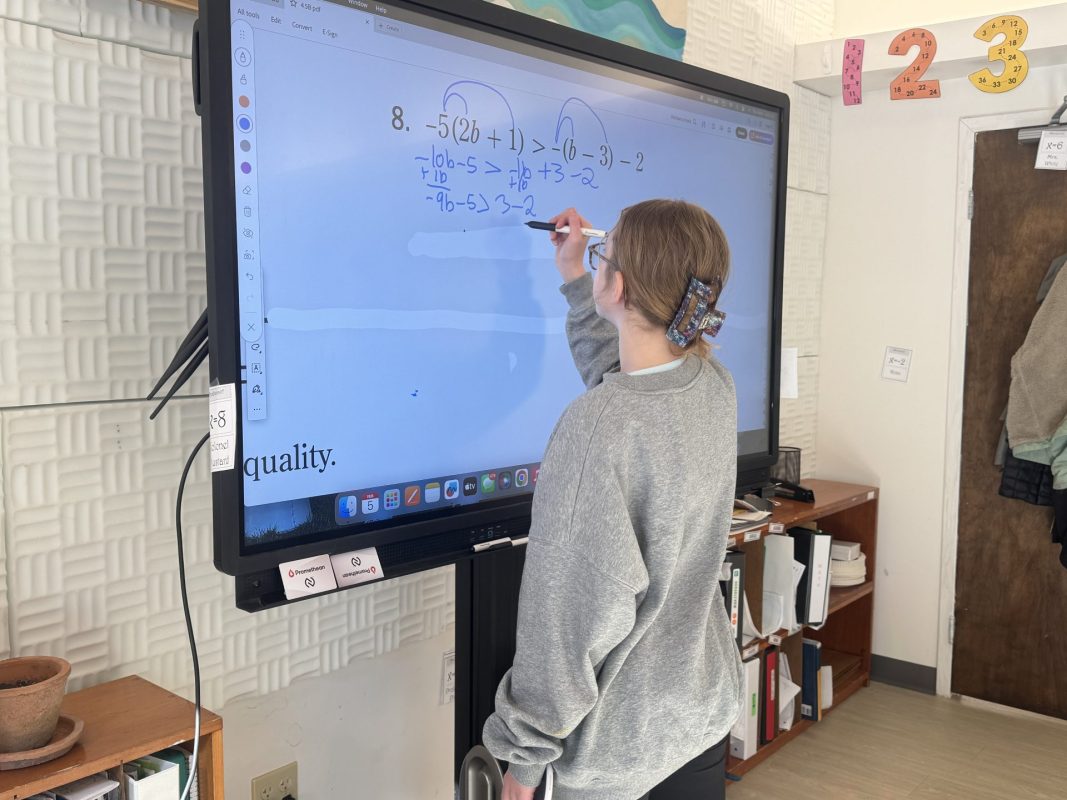
Algebra: Students worked on solving linear equations and inequalities with variables on both sides. They wrapped up the week by tackling literal equations and rearranging formulas to solve for a specific variable.

Geometry: After finishing Chapter 3 with a quiz, students began Chapter 4, Congruence Transformations. They learned how to reflect figures across a line of reflection and explored the Reflection Postulate and how reflections affect orientation.

Algebra II: Students learned how to find the line of best fit for data and explored both explicit and recursive formulas for sequences. They also practiced graphing recursive formulas and finished the week learning how to write formulas for linear (arithmetic) sequences.


Science

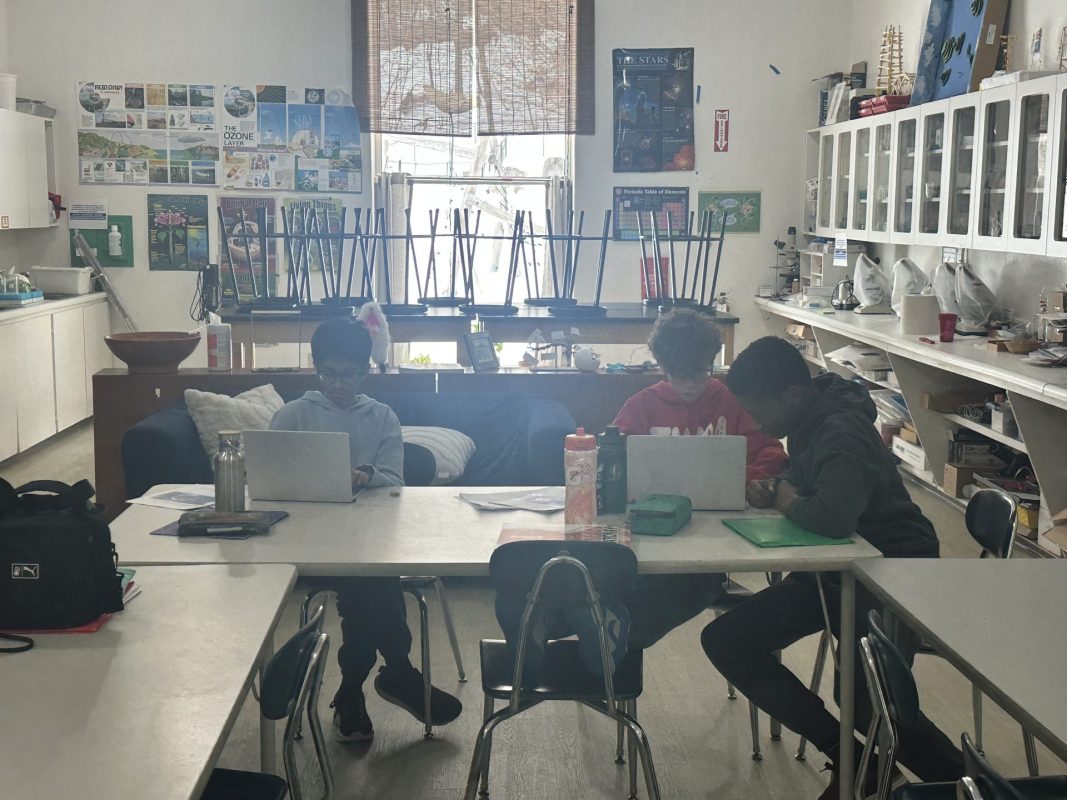
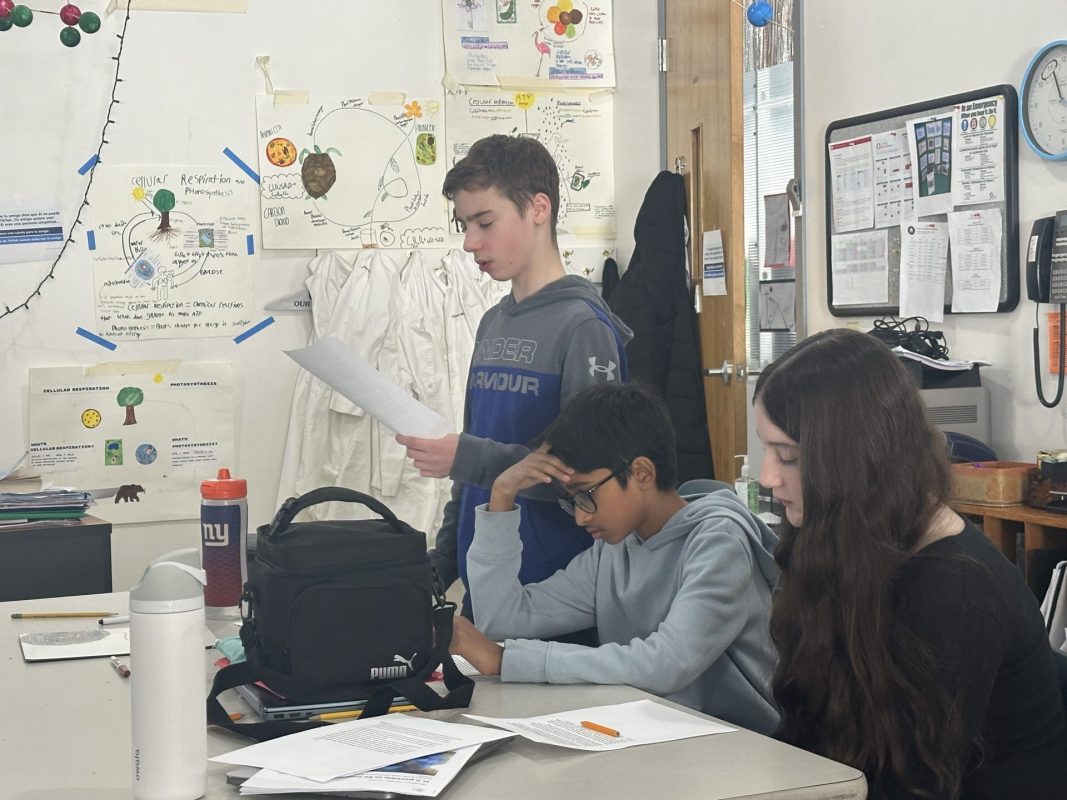
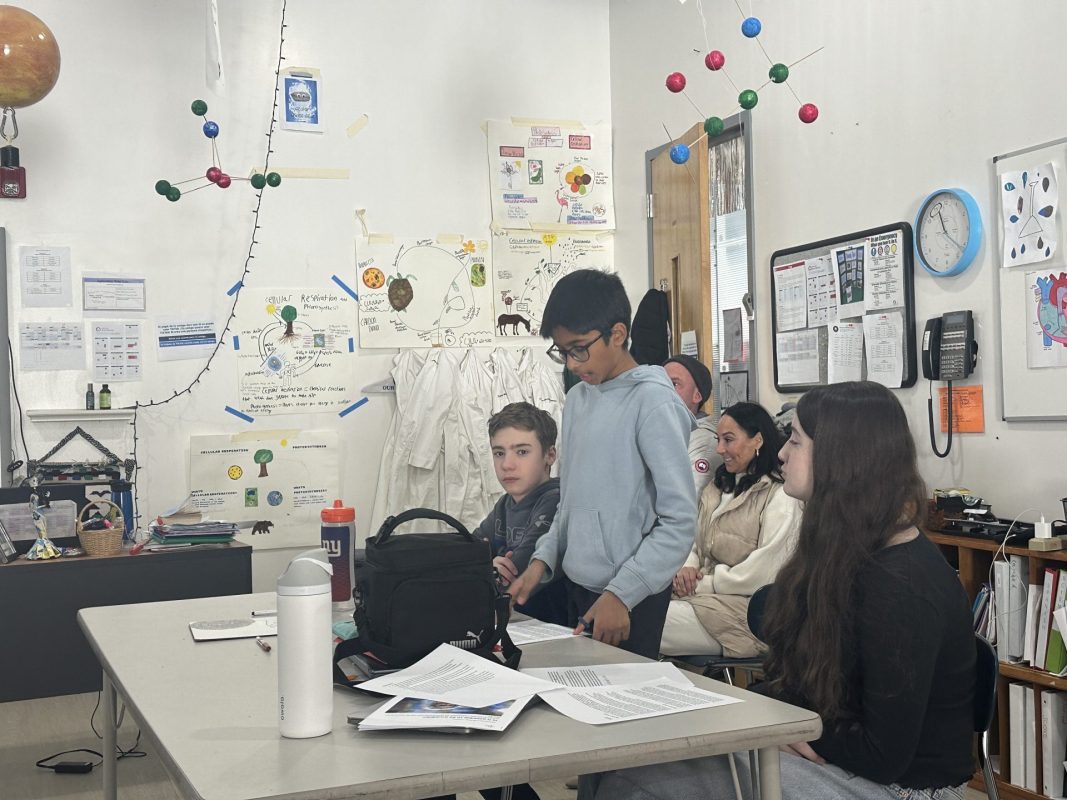
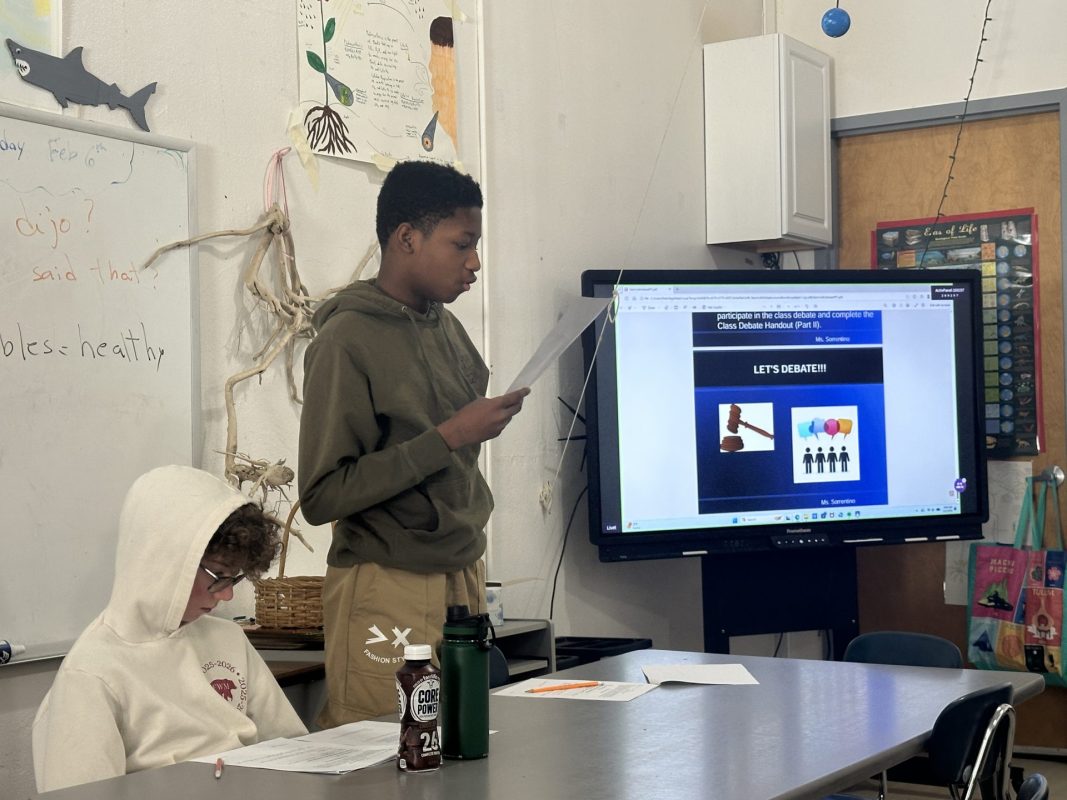
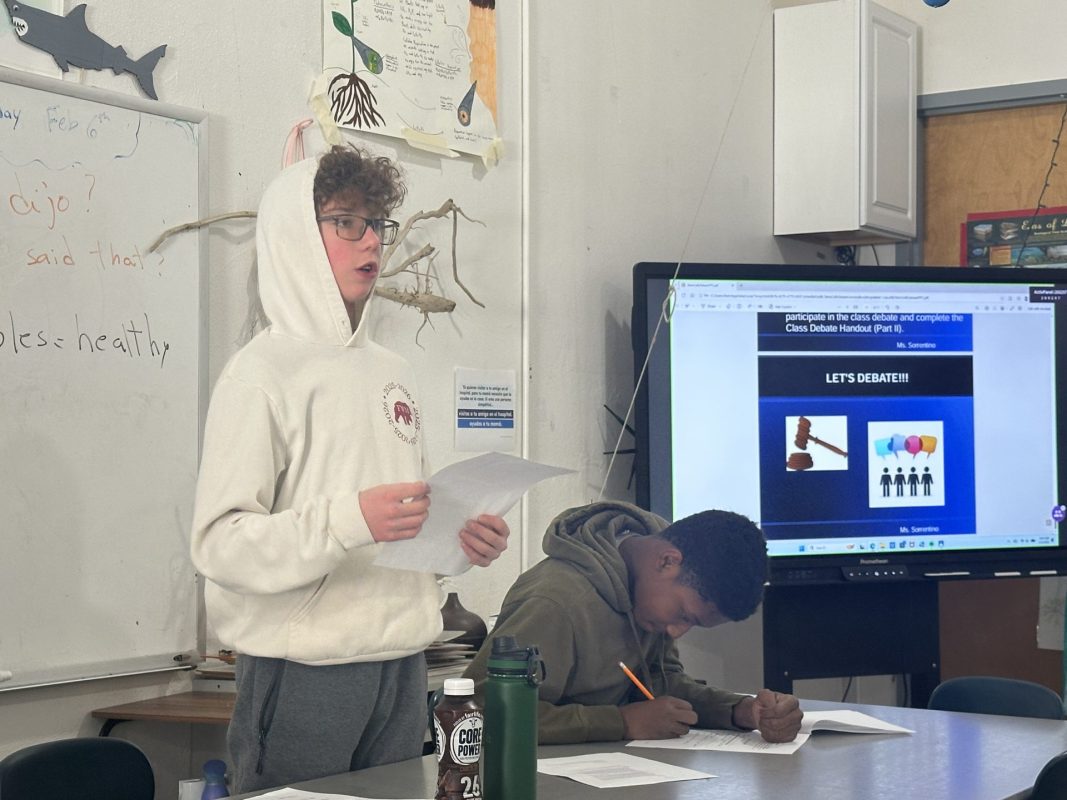
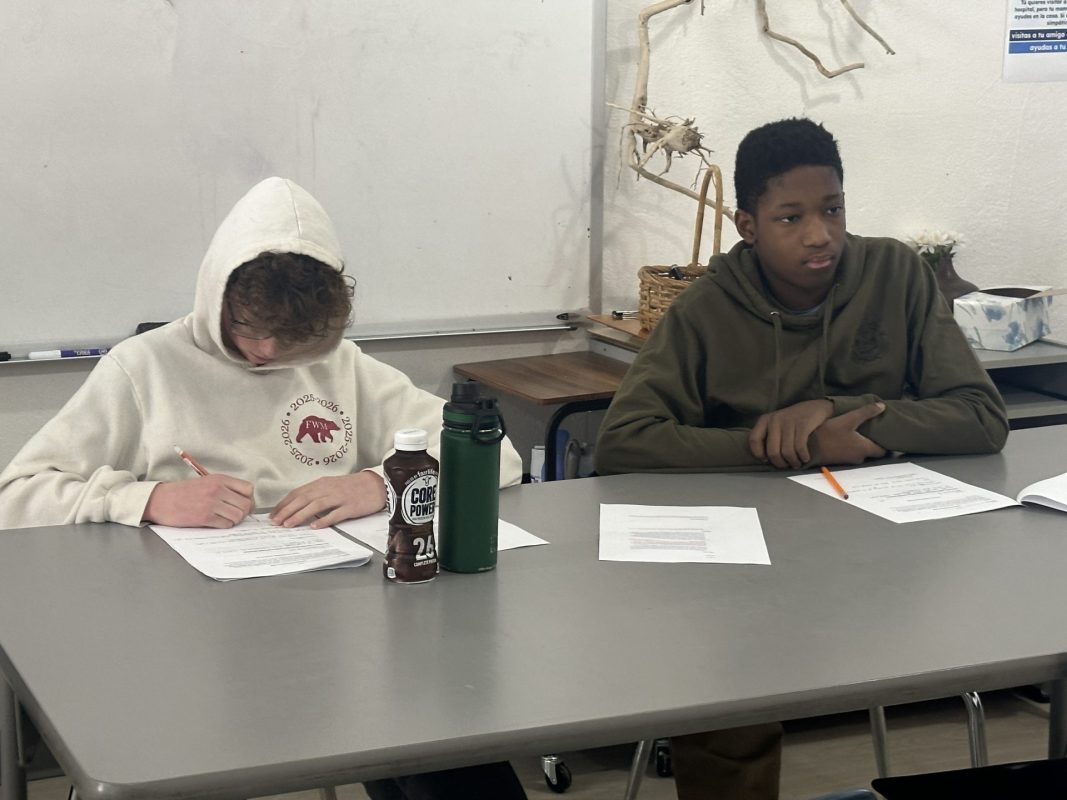
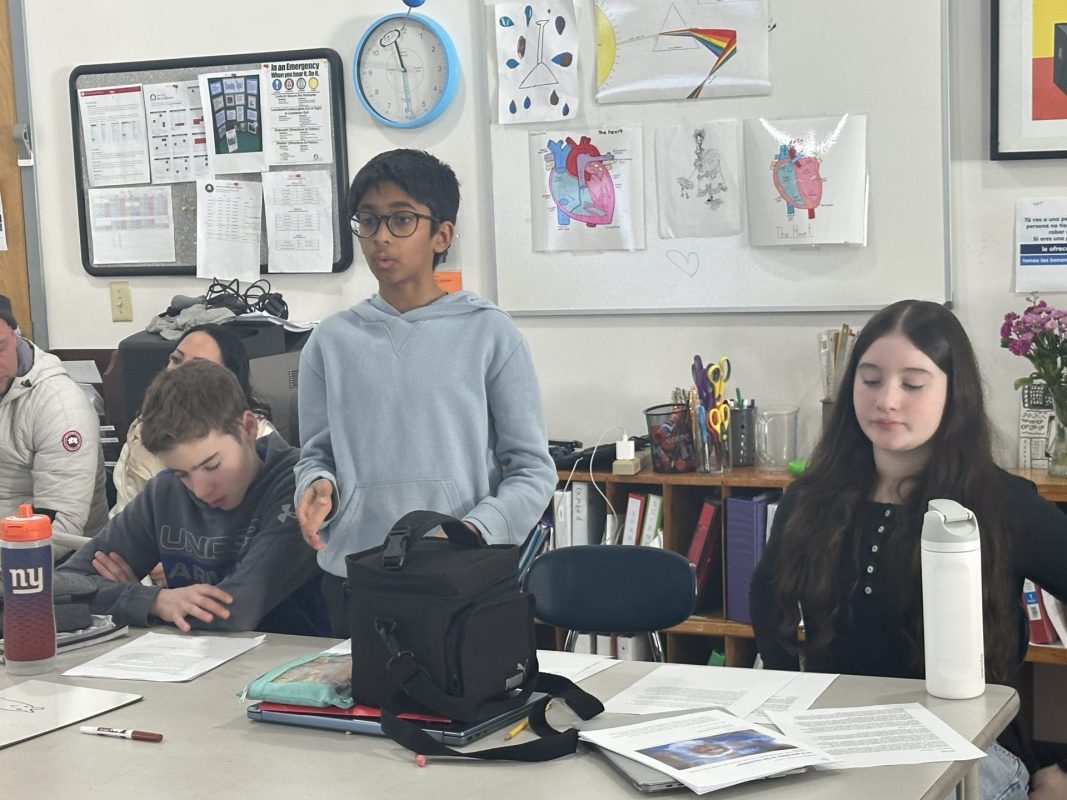
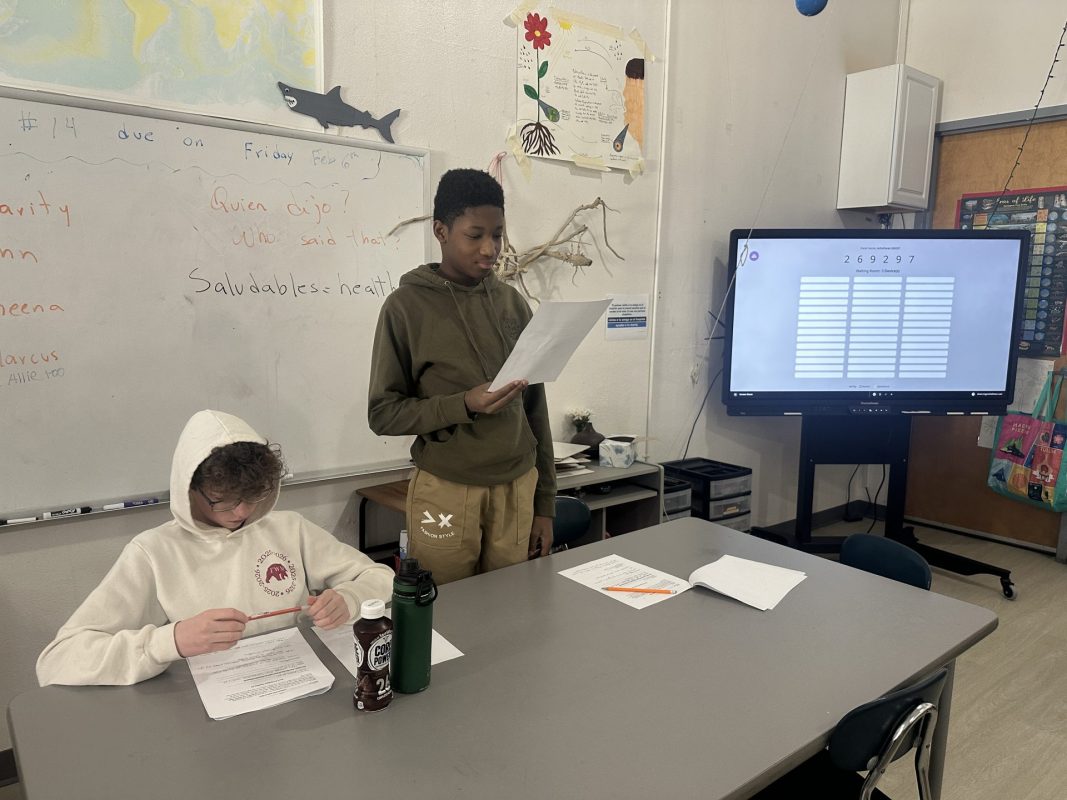
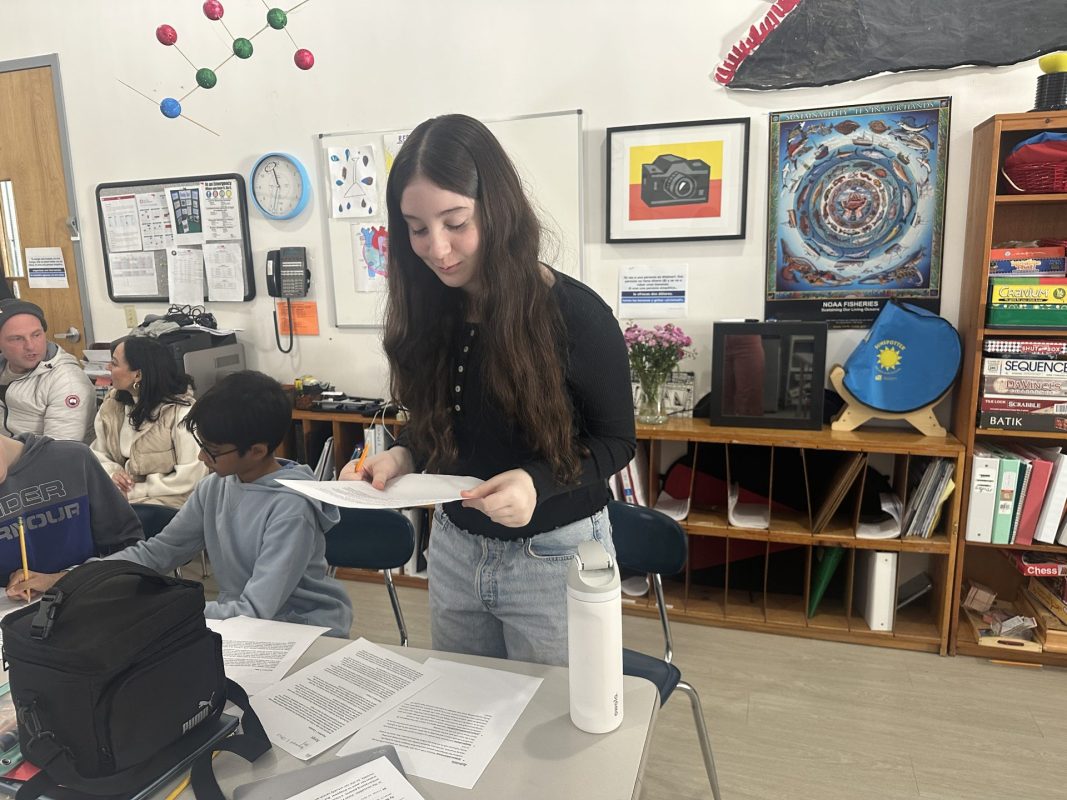
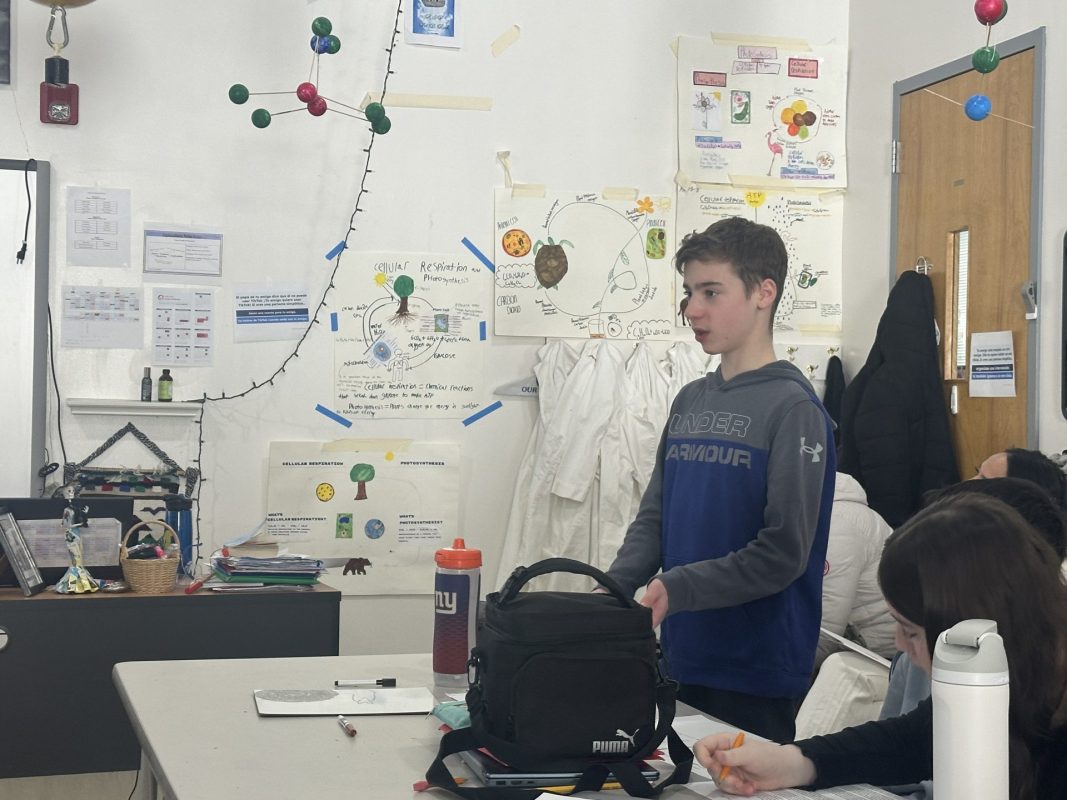
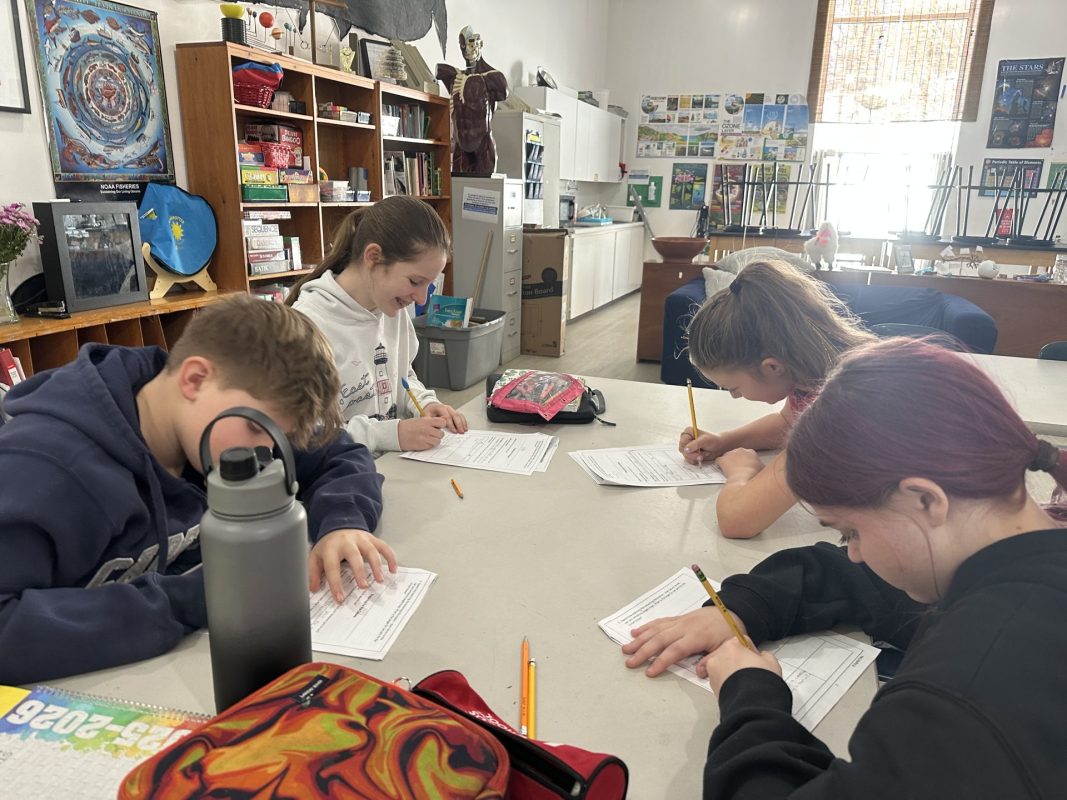
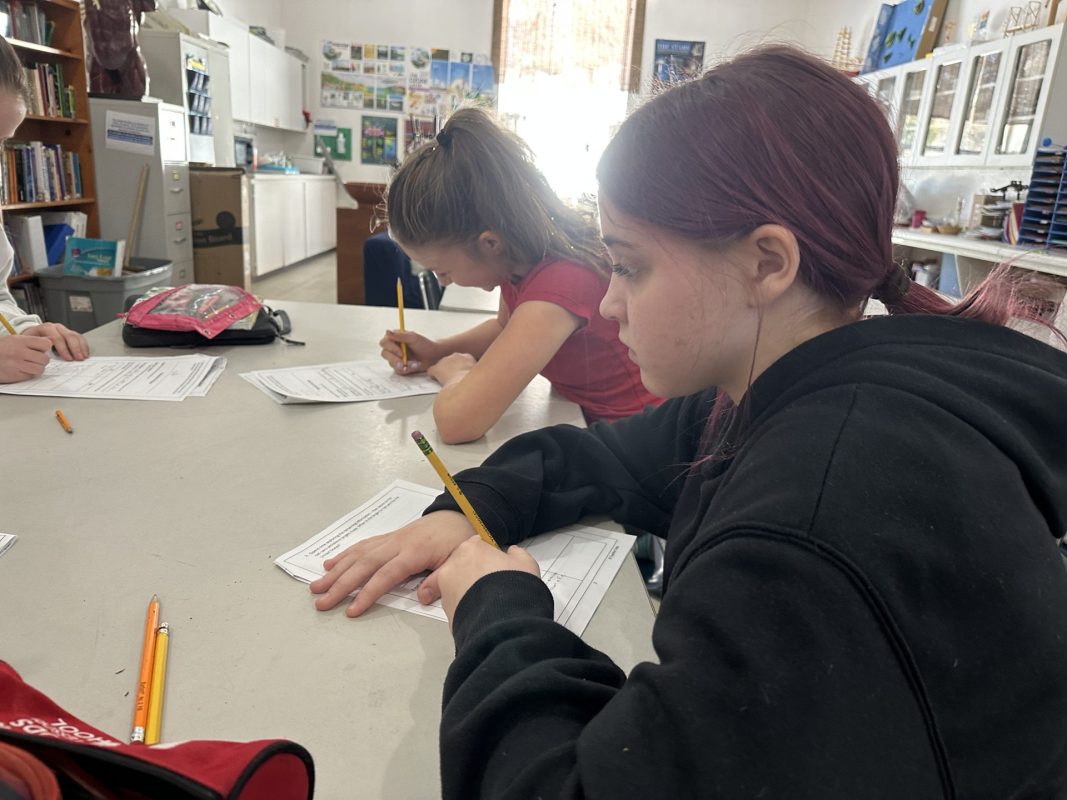
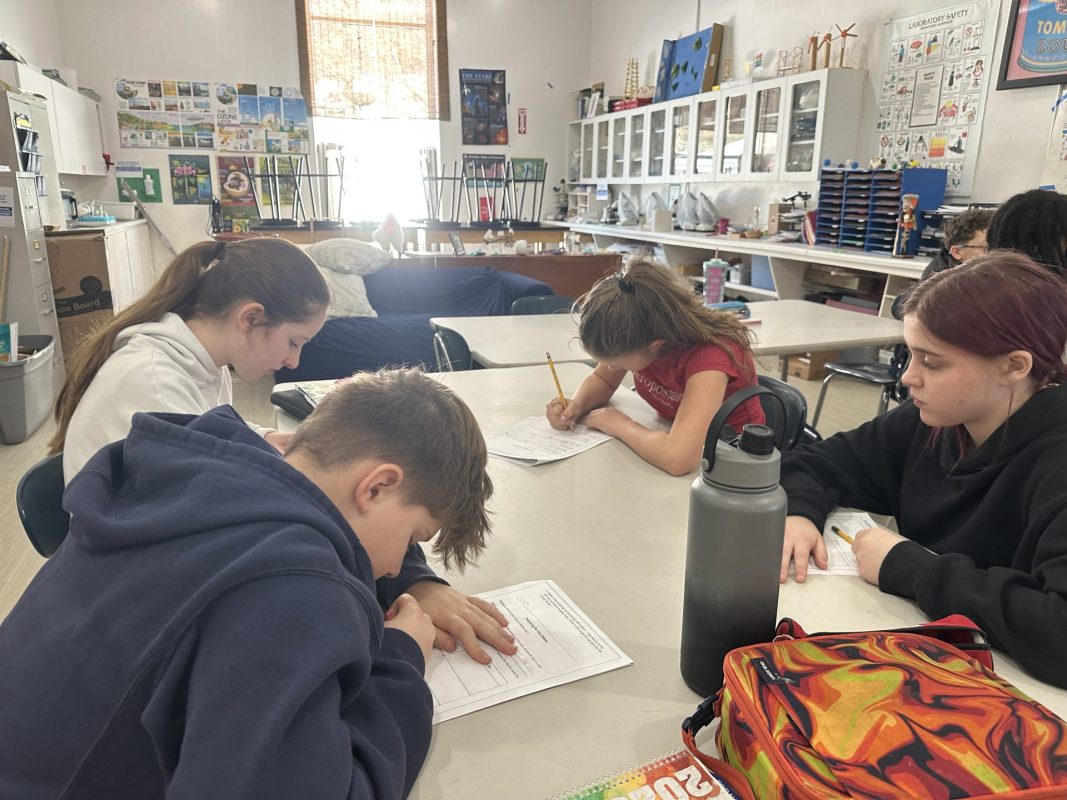
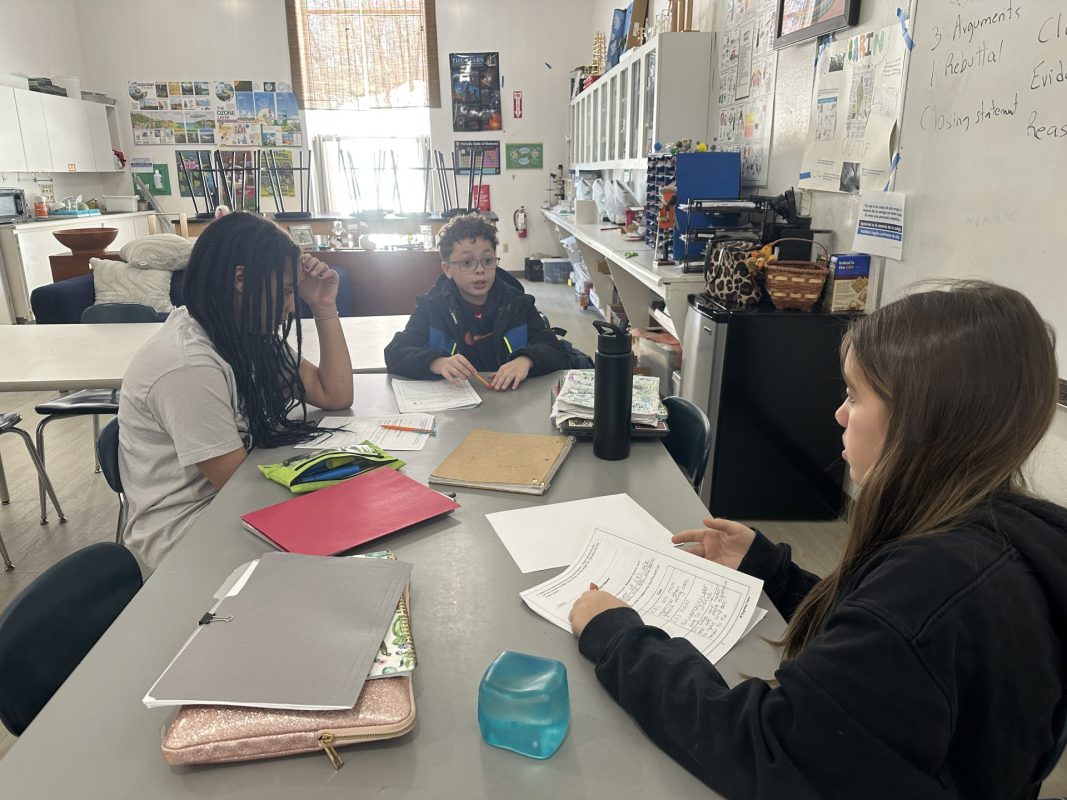
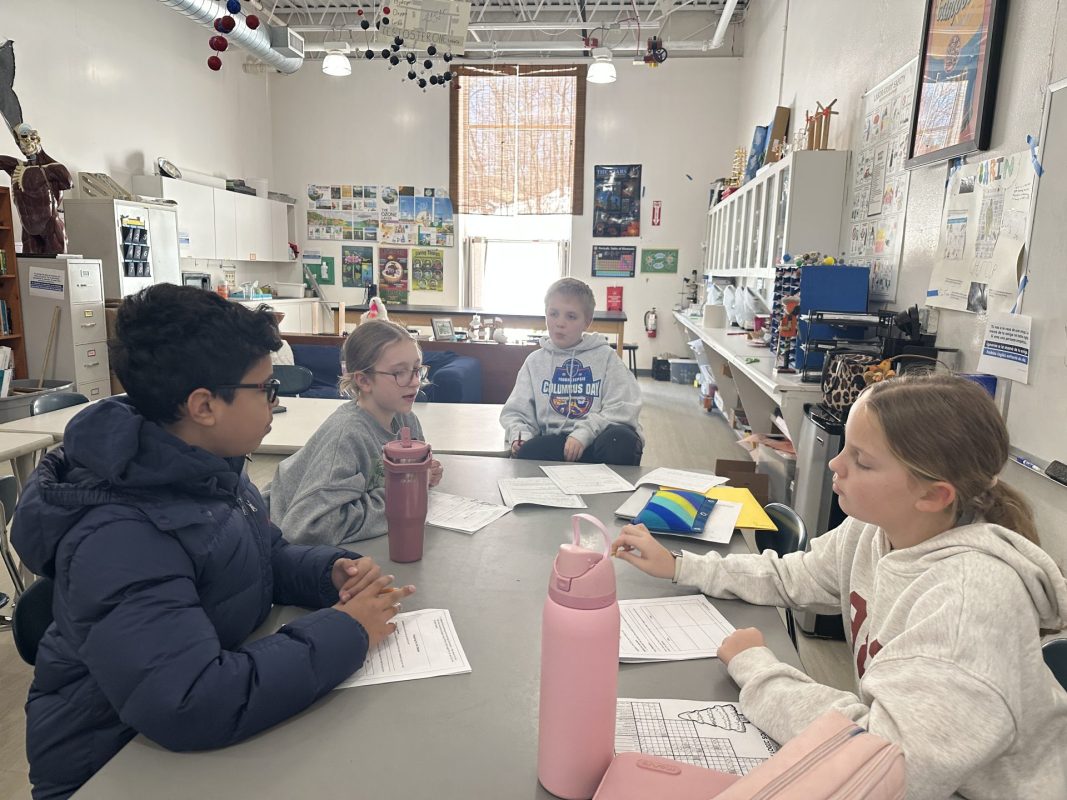
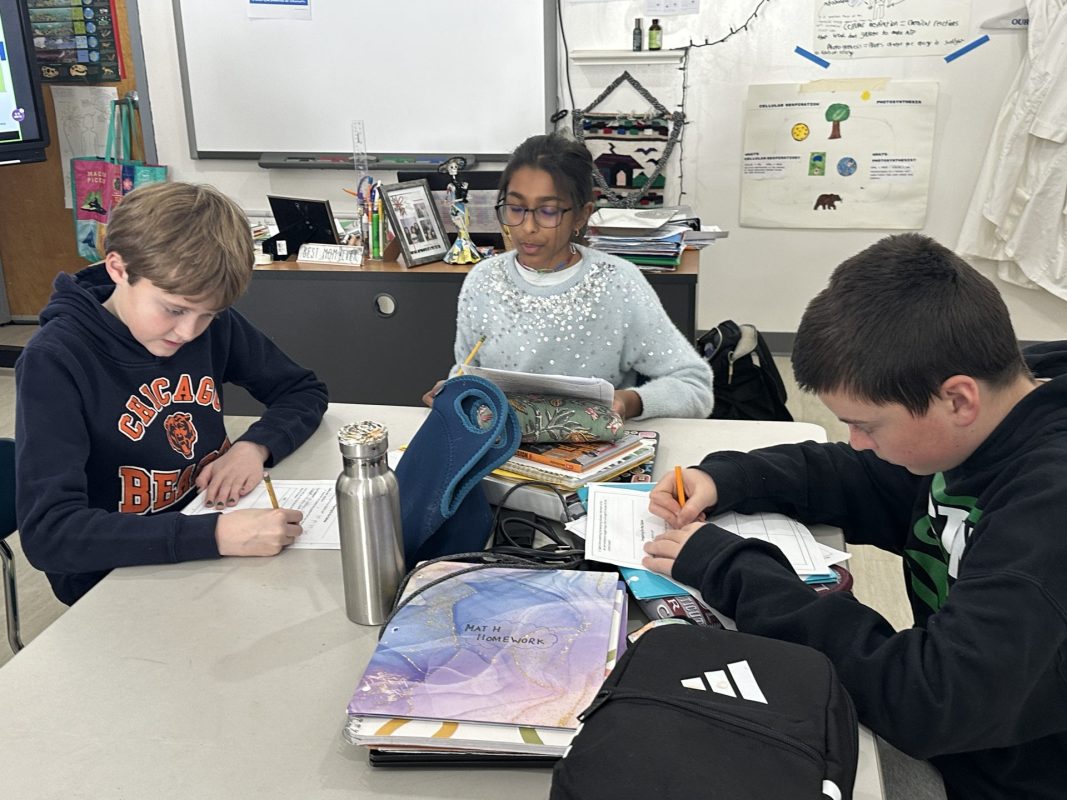
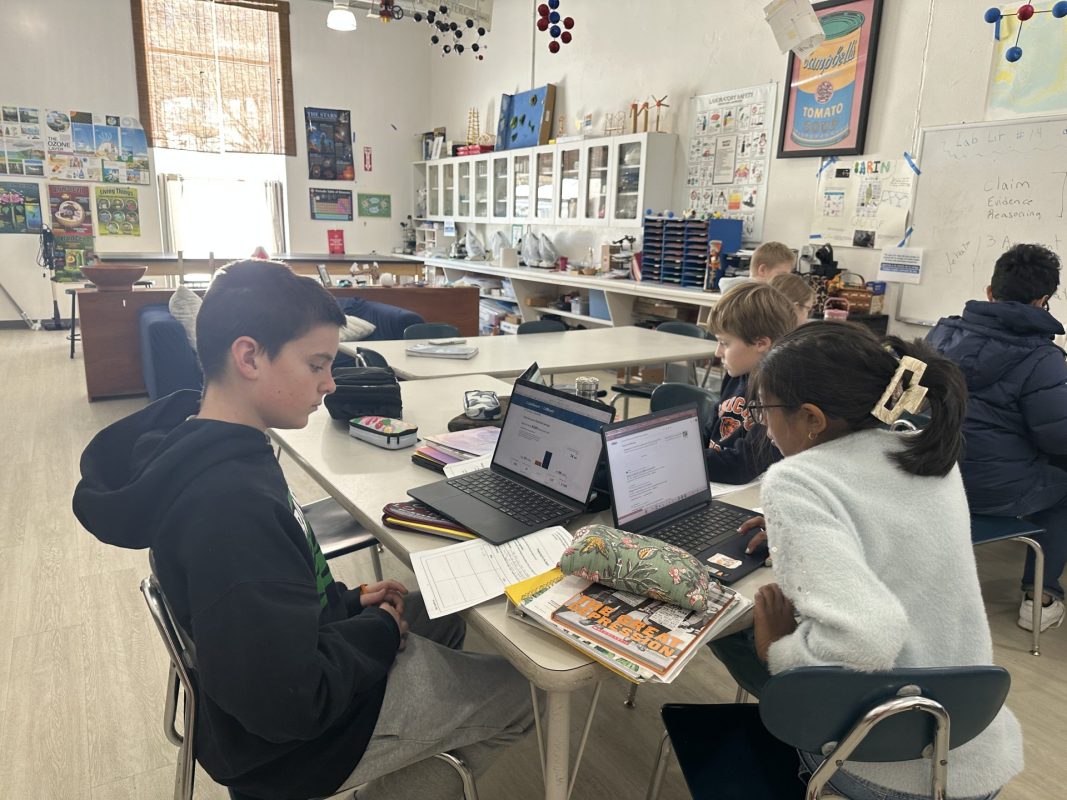
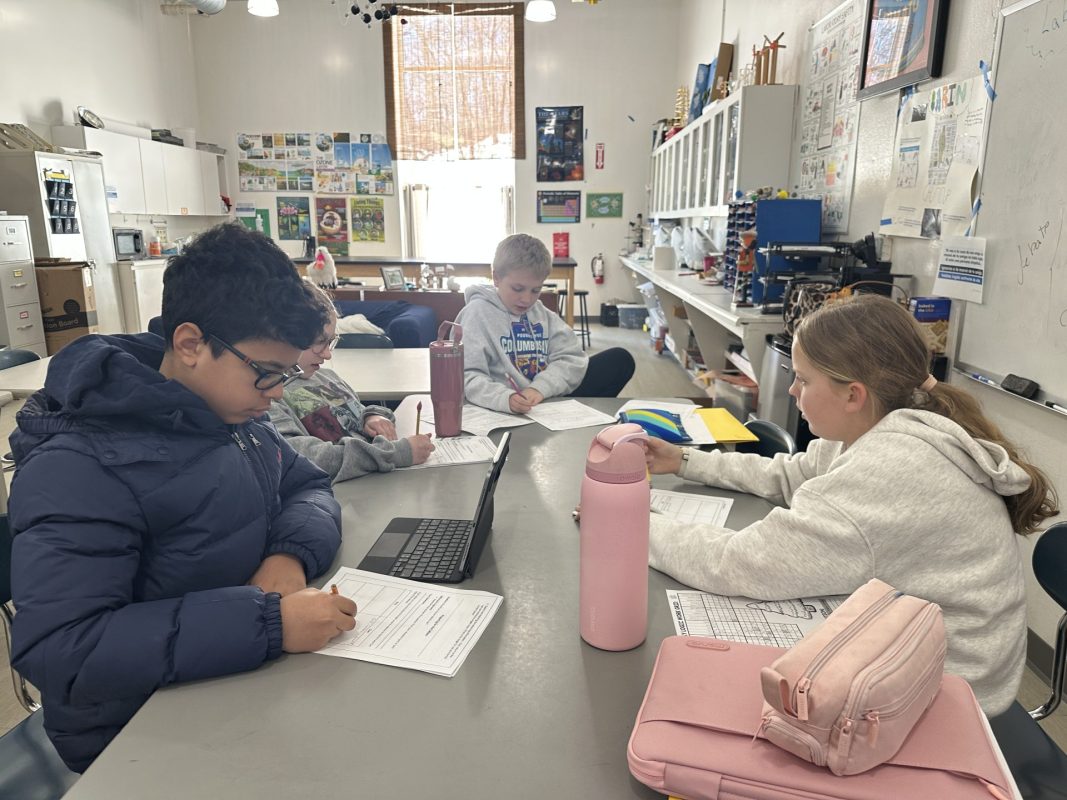
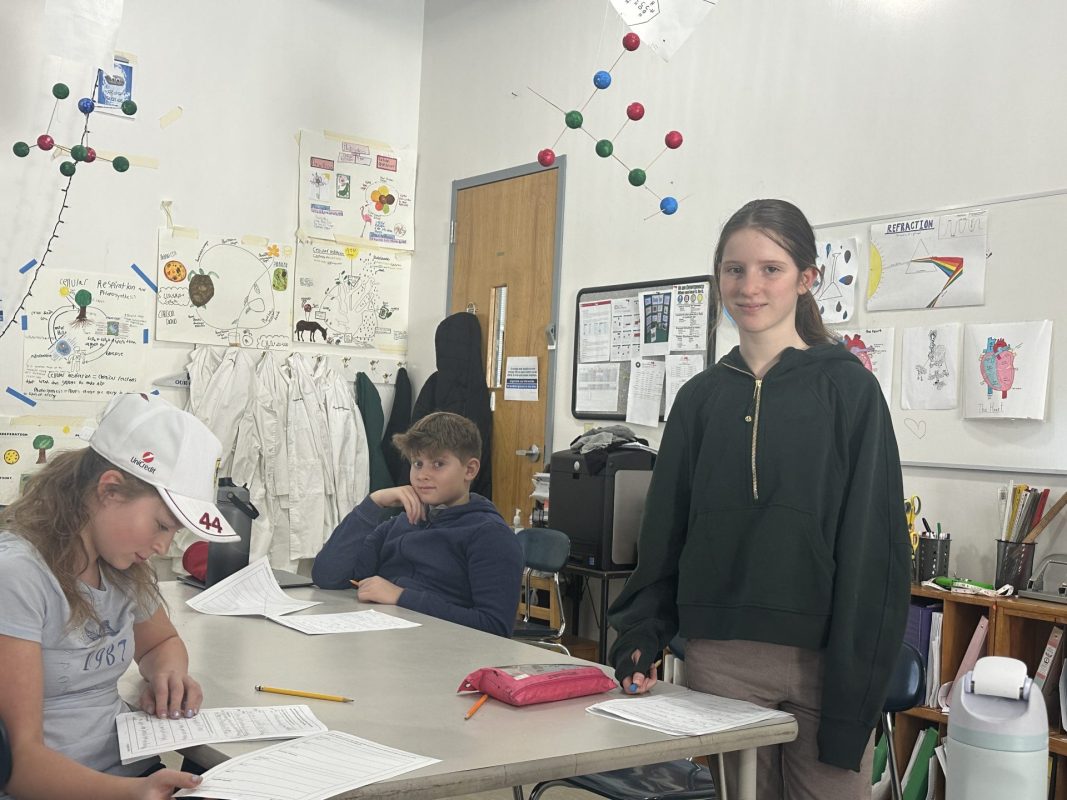
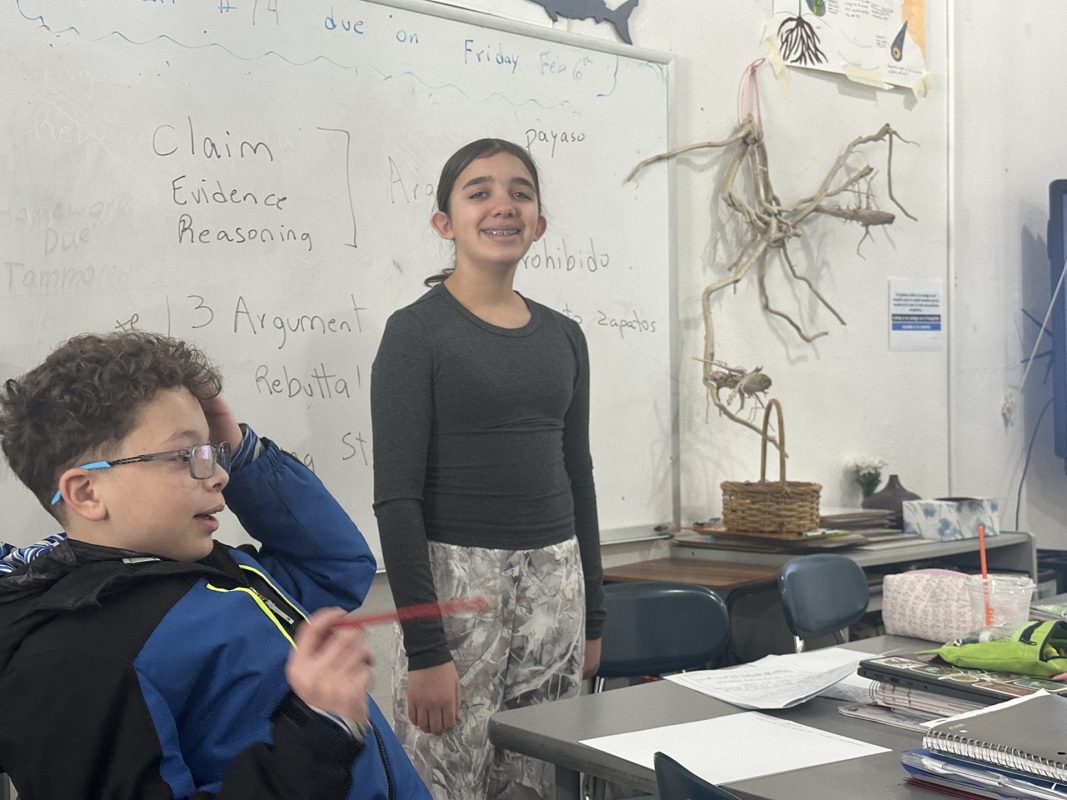
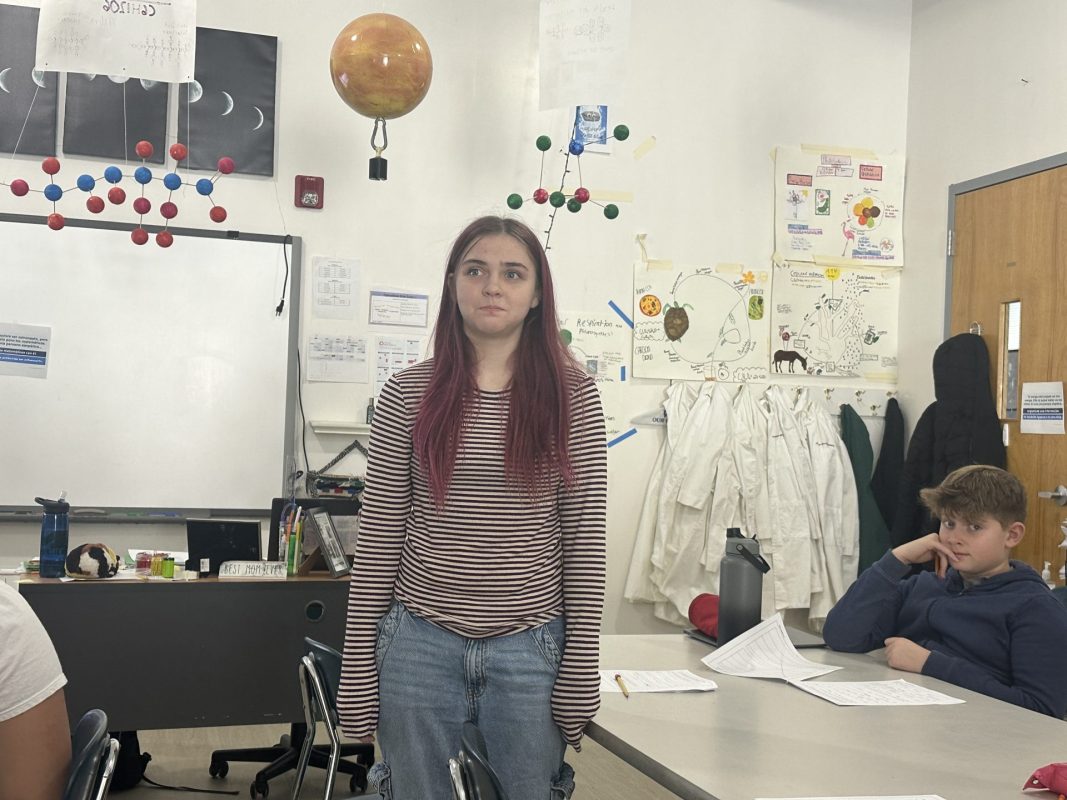
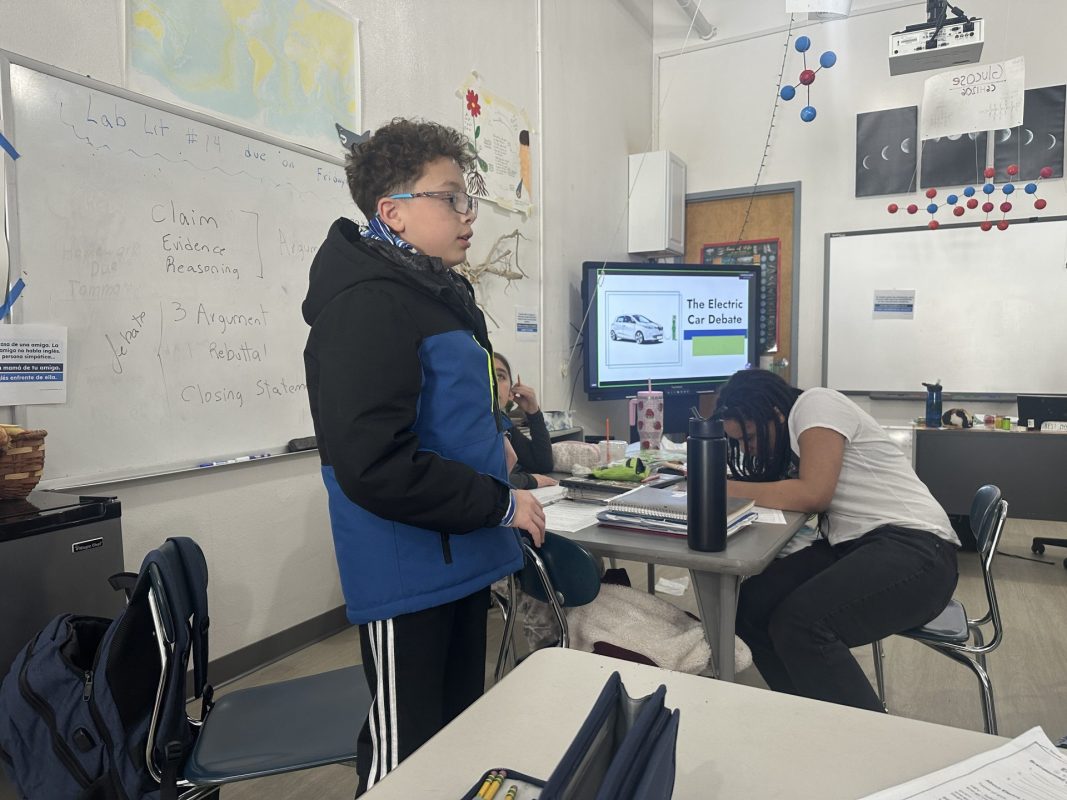
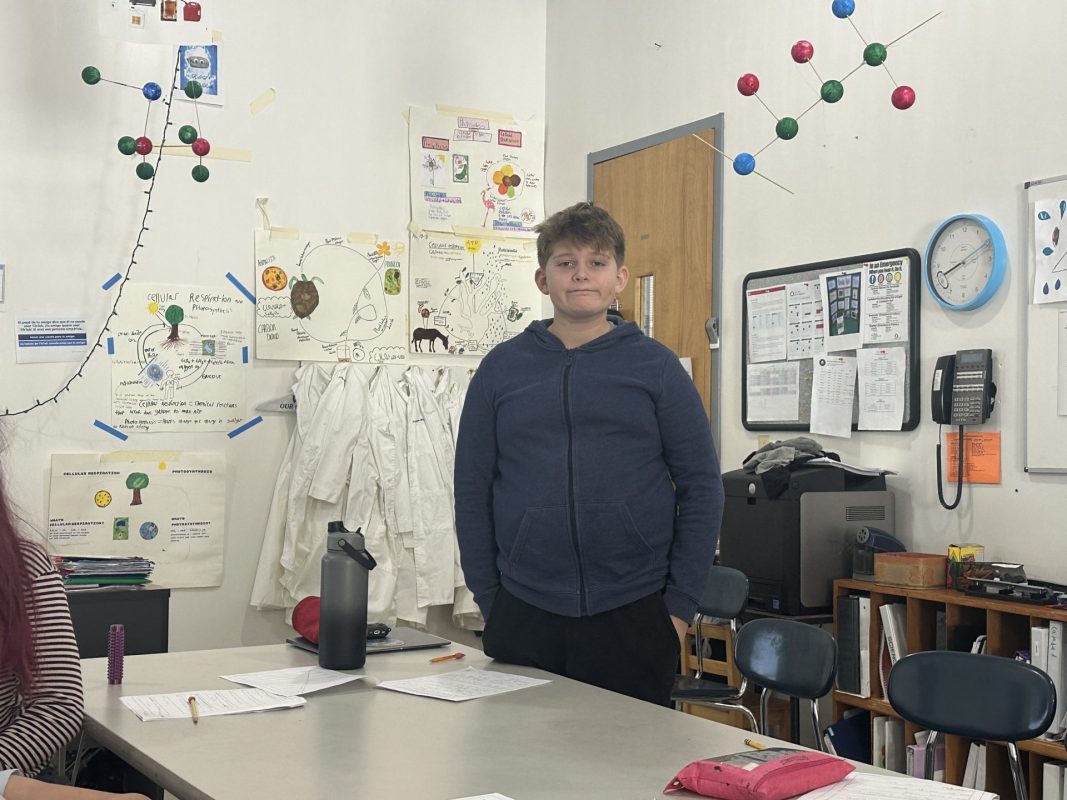
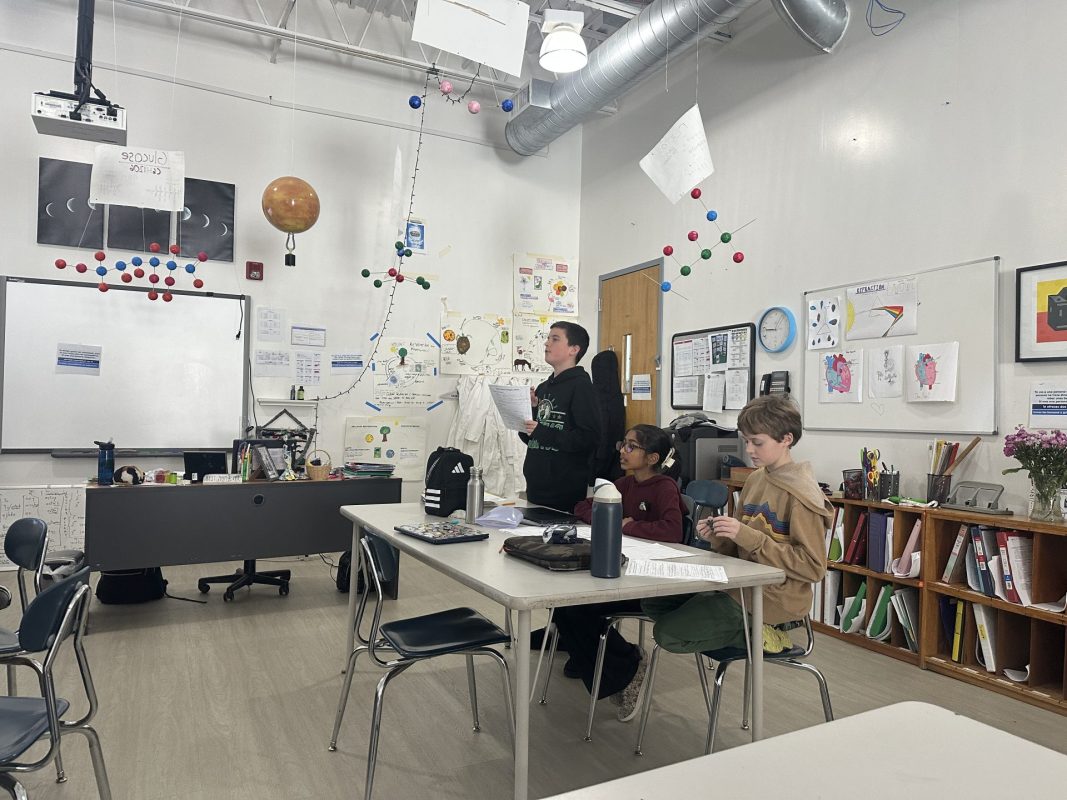
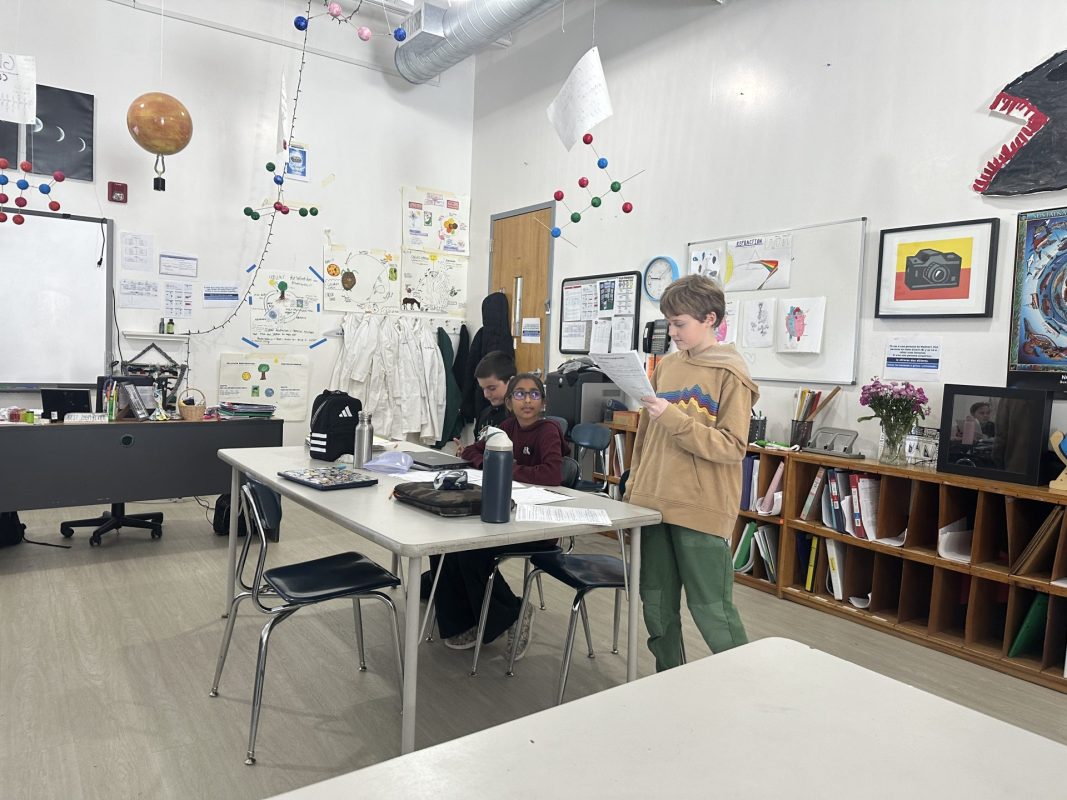
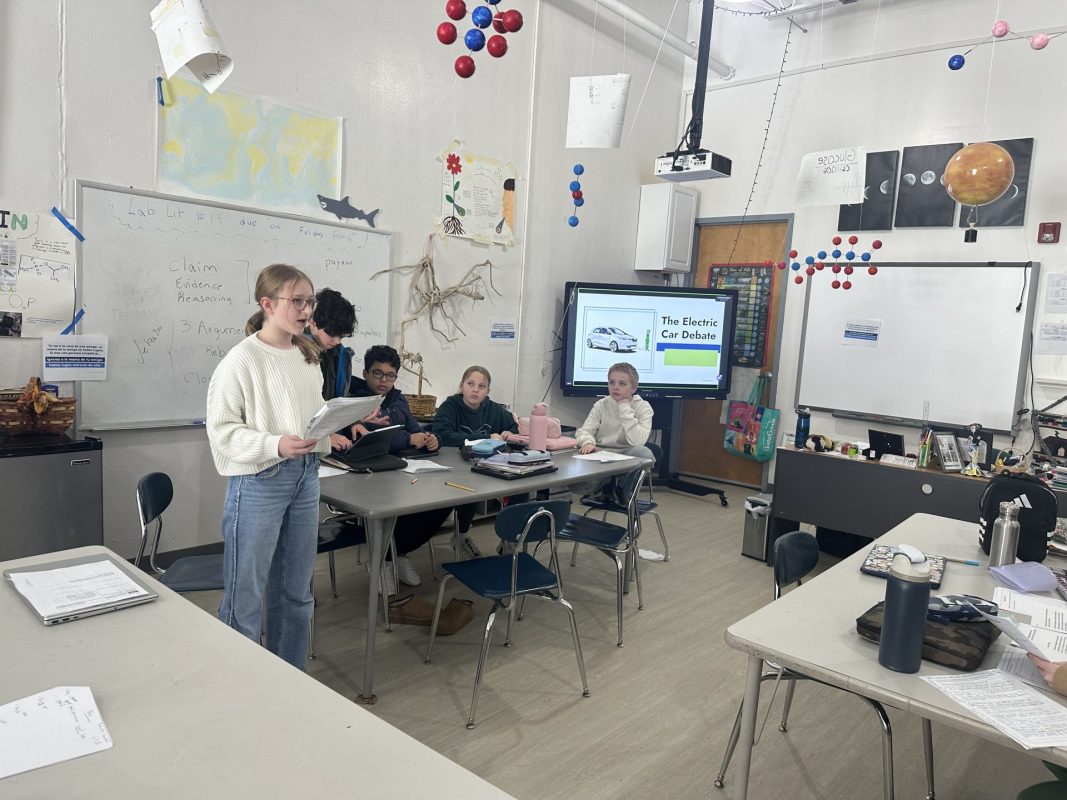
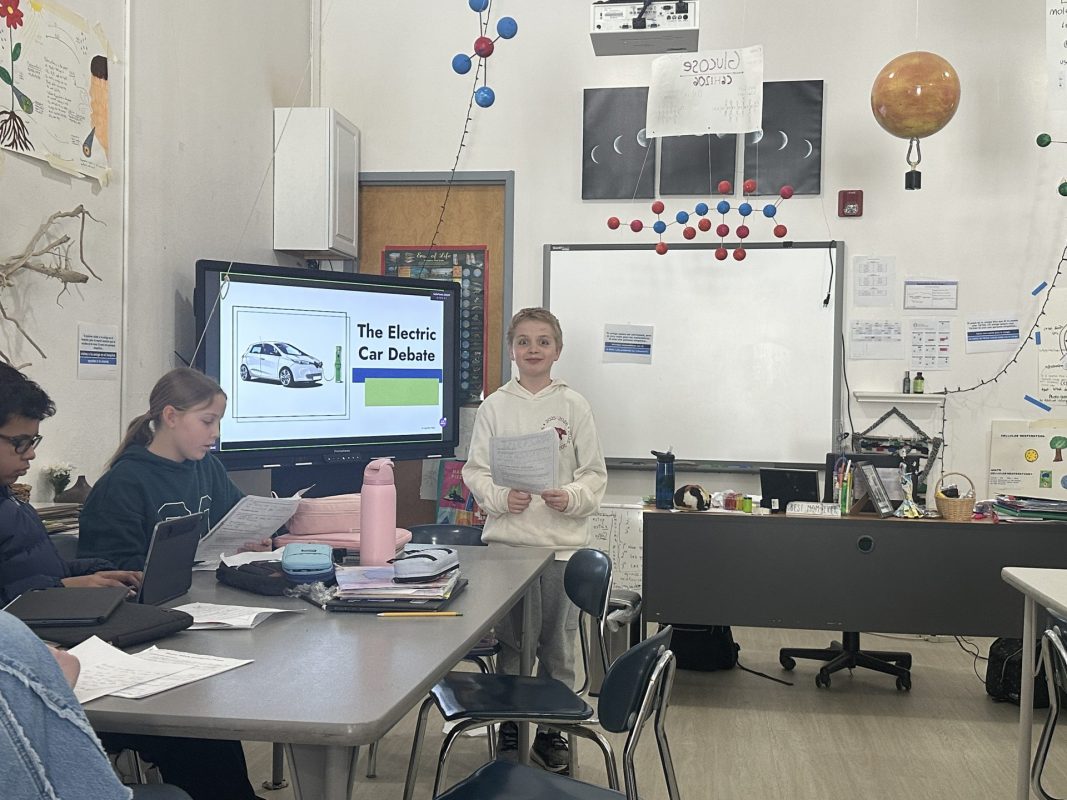
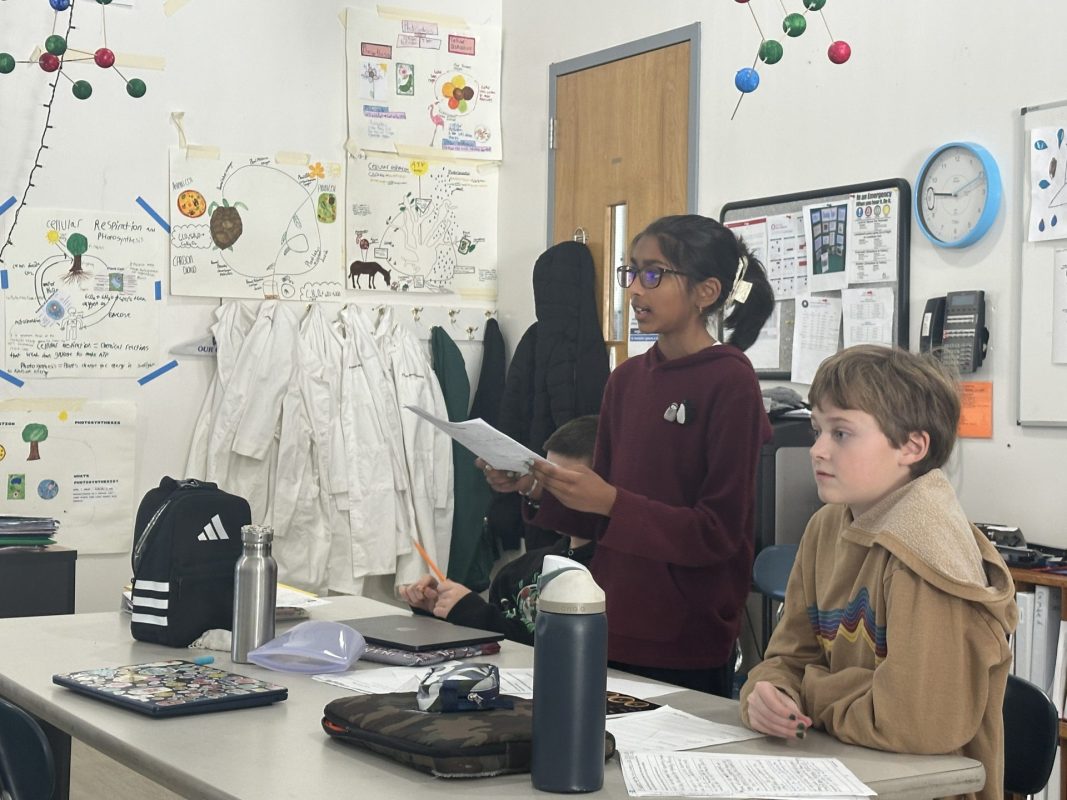
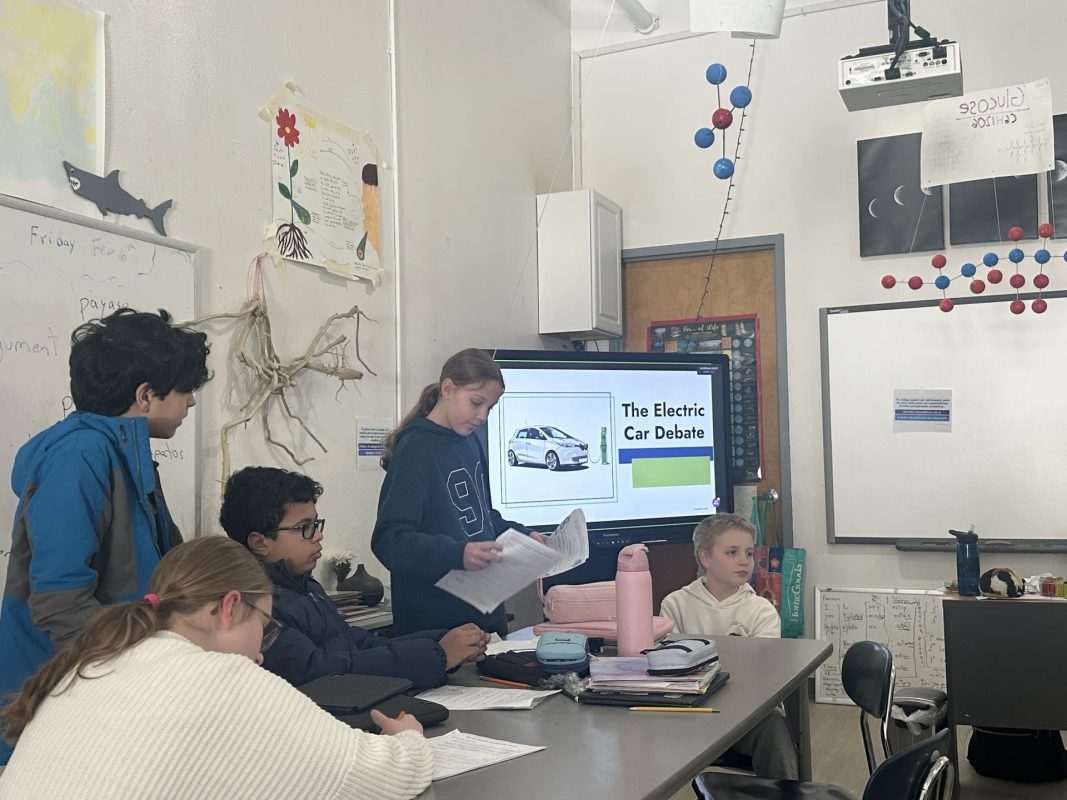
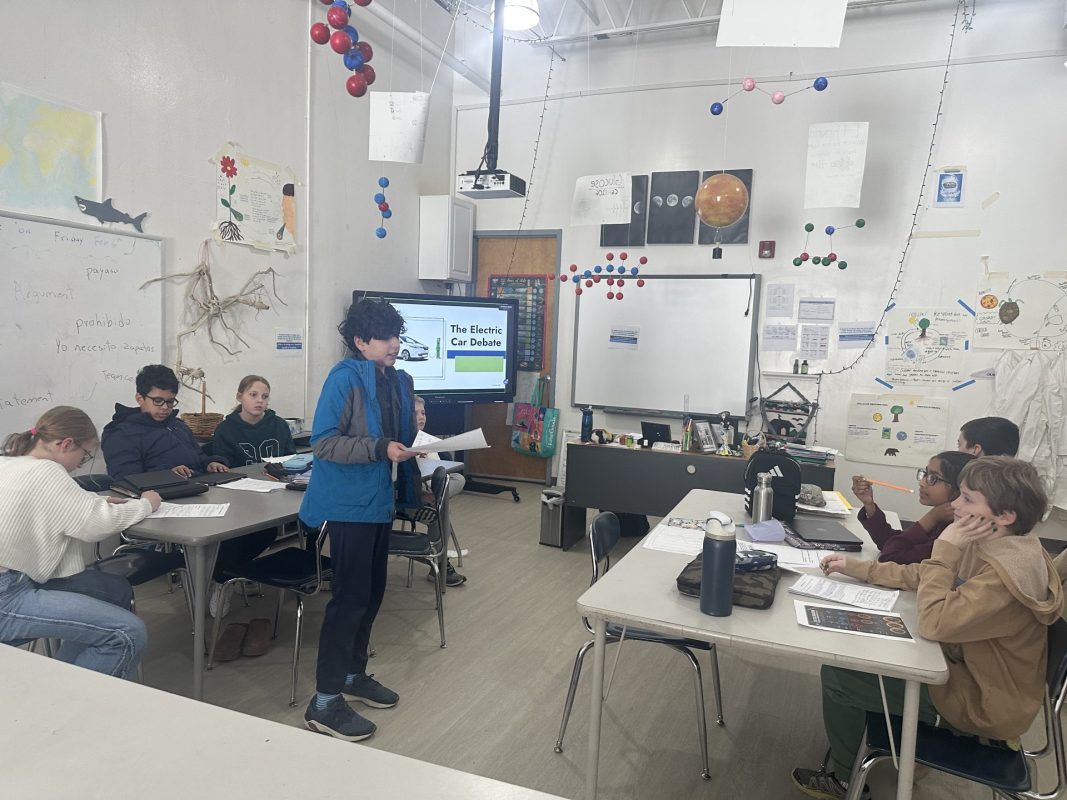
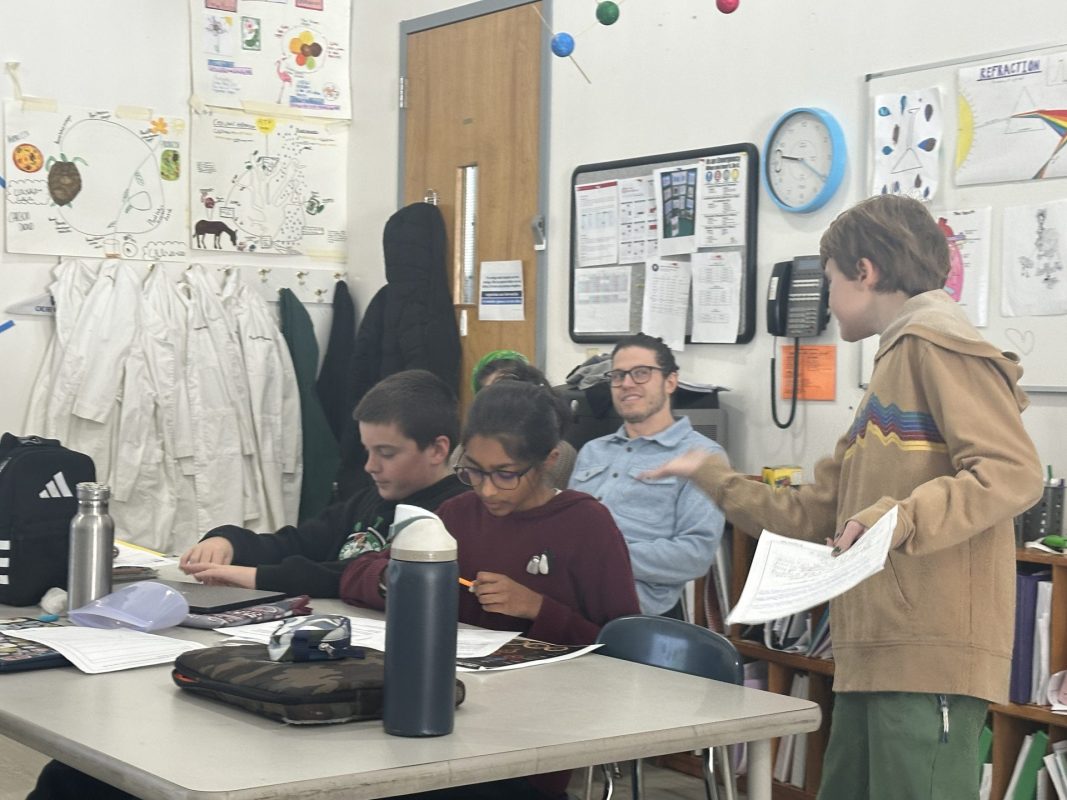
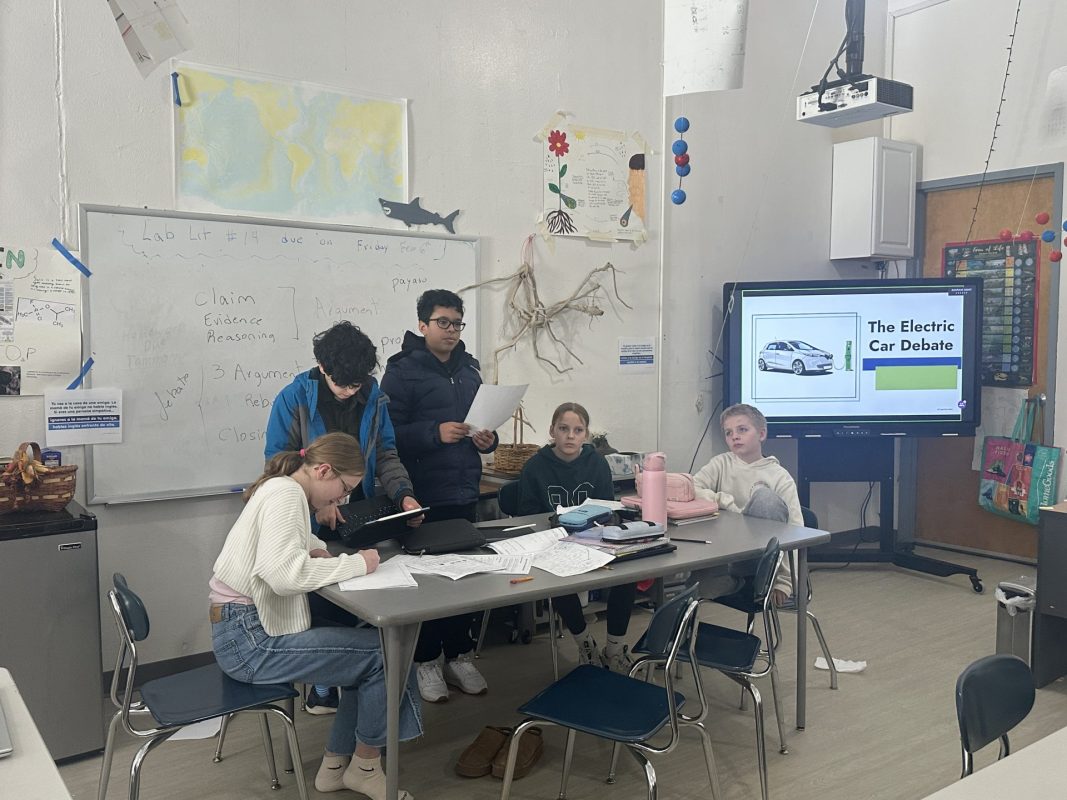
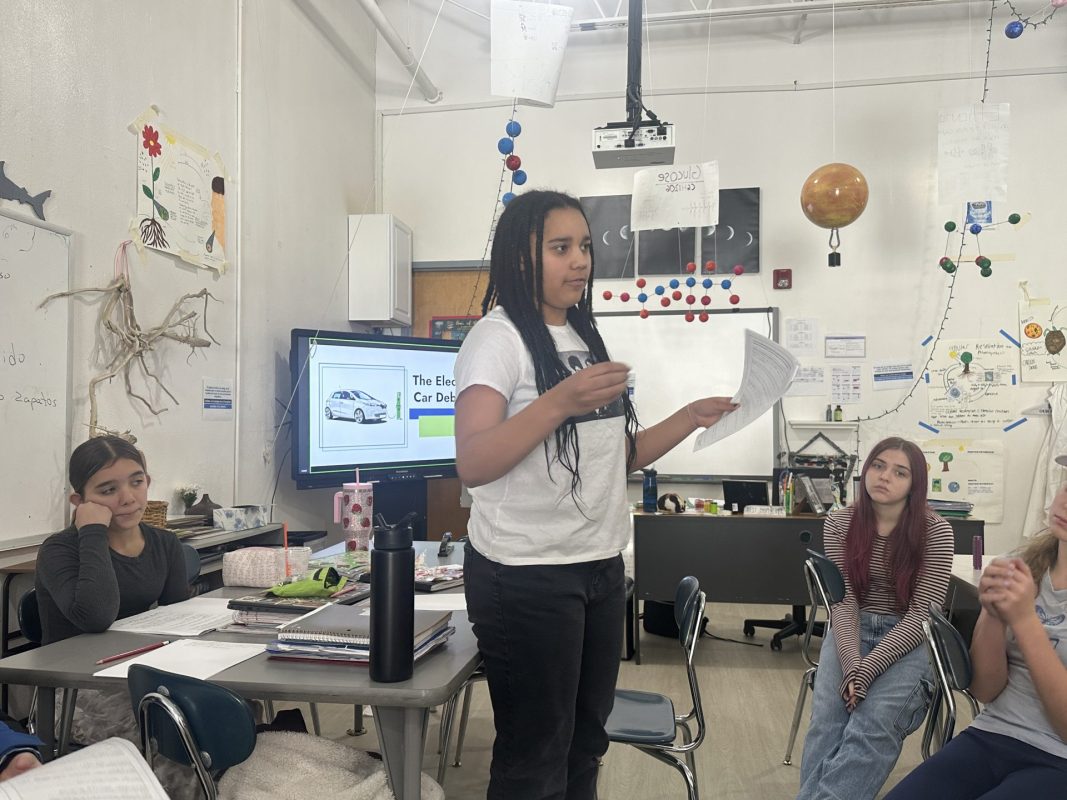
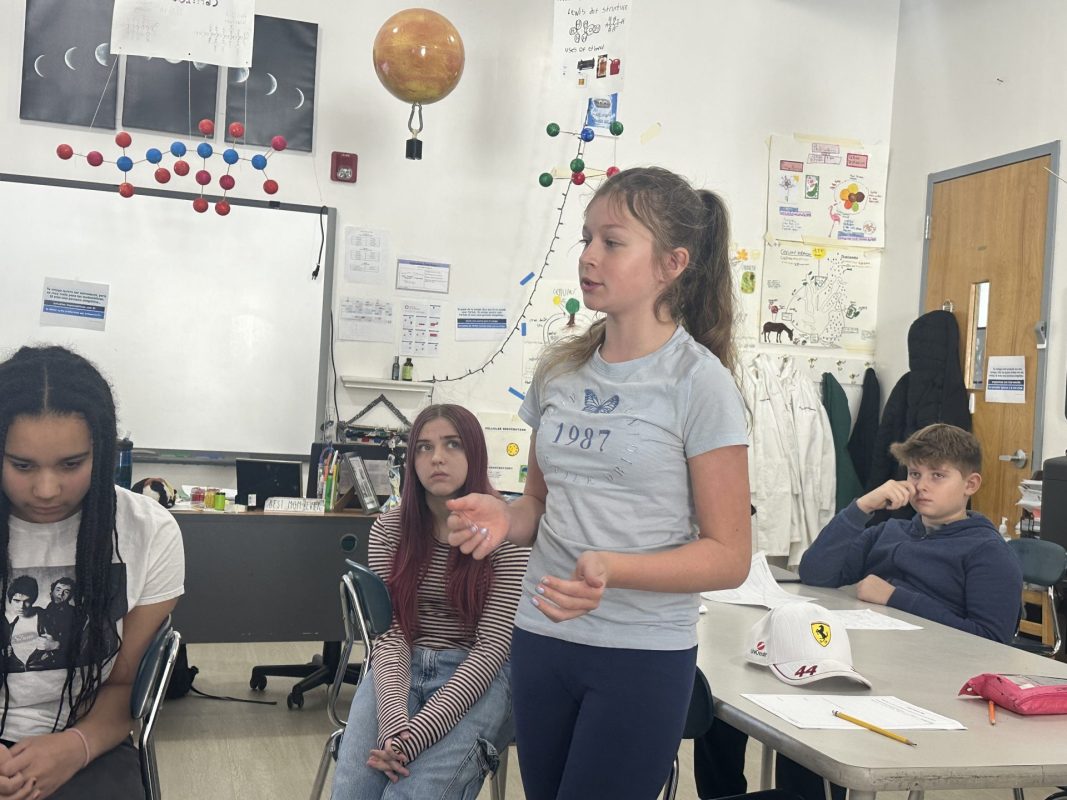
After immersion week, Middle School students got back to work on their debate project. They were very engaged in doing research to build their arguments. In their research, they used reliable sources to look for evidence to support their strongest arguments. Students from 6th-7th grade’s debate was about the usage of electric cars. They had two teams: Team Pro and Team Con.  Each team had between 3 and 5 members who participated actively in the debate. Each member of the team had 2 minutes to support their 3 strongest arguments with evidence and reasoning (using the CER framework to build their arguments). Each member of the team got very engaged, and they all did their best to convince the other team to switch sides.

8th graders also had a similar project; they worked hard doing research on general understanding about Stem Cell Research. In 8th Grade, they also had two teams: Pro and Con. Students got very engaged with the topic and supported their arguments in a very strong way with a lot of technical information. Each team started their debate, presenting their three strongest arguments, one rebuttal, and a closing statement. They were very persuasive in exposing their arguments and were clear that their job was to convince the other team to switch to the other side. All middle schoolers’ favorite part was the rebuttal, and they did a great job. They followed the guidelines and participated in the debate in a very respectful way. Ms. Liset was very pleased with the result of their first debate of the year.


Humanities

During Black History Month, all Humanities classes will begin by celebrating Black American leaders, innovators, and trailblazers.

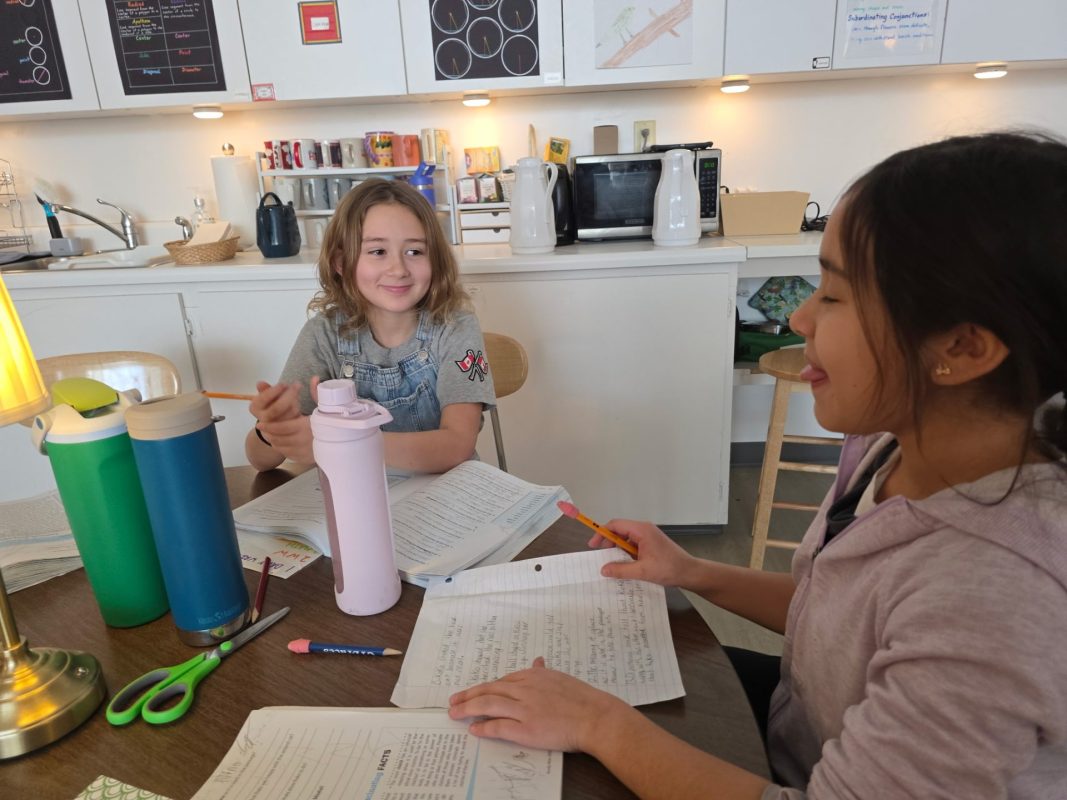
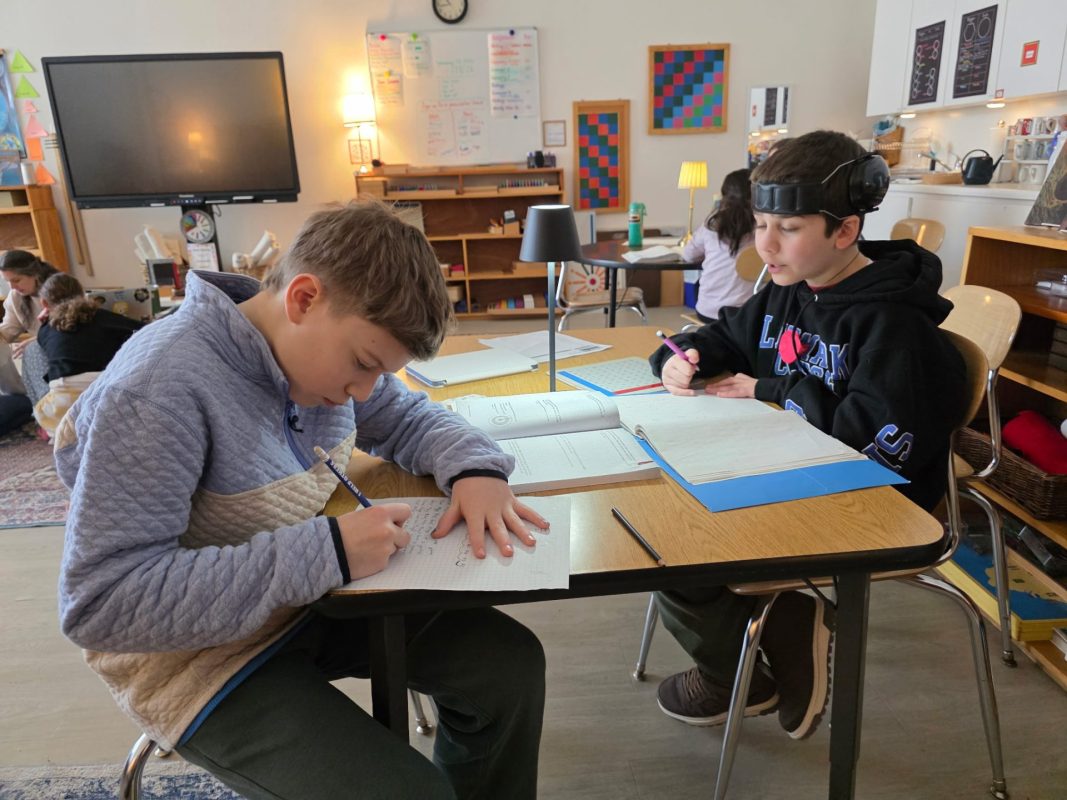
6th and 7th-grade students worked diligently on their research projects this week. They focused on transferring information from annotated articles to notesheets using the Cornell Note-Taking Method. This process helped students organize their research by source and topic. By annotating their articles first, students demonstrated greater success in paraphrasing key and important information. In addition, students developed thesis statements for the essays they will begin writing next week.

The 8th-grade Humanities classes focused on their Expert Projects this week. Each student had an extended check-in with Mrs. Lamb to ensure they were making progress with their research, staying focused on their thesis statements and intended focus, and creating goals for the next check-in. Additionally, some members of the class composed drafts of emails to send to potential experts. Finally, the week ended with a bit of history, learning about the separatists who settled Massachusetts.


Ms. Mollie: Hello February!

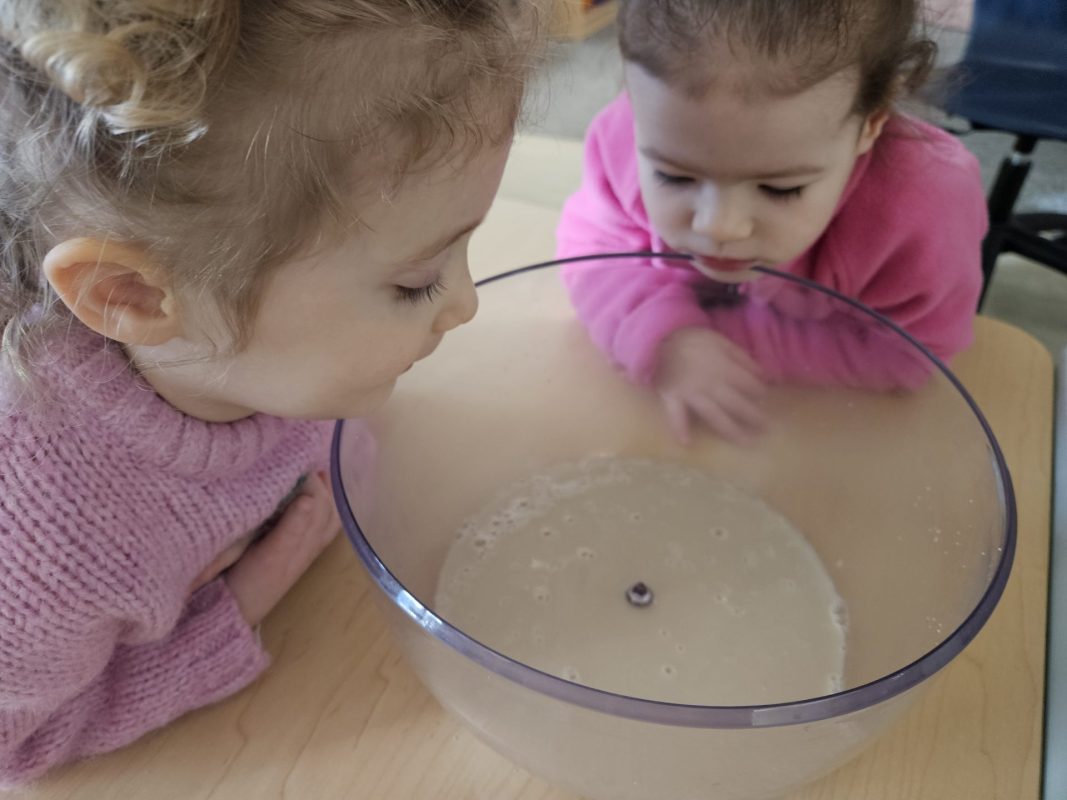
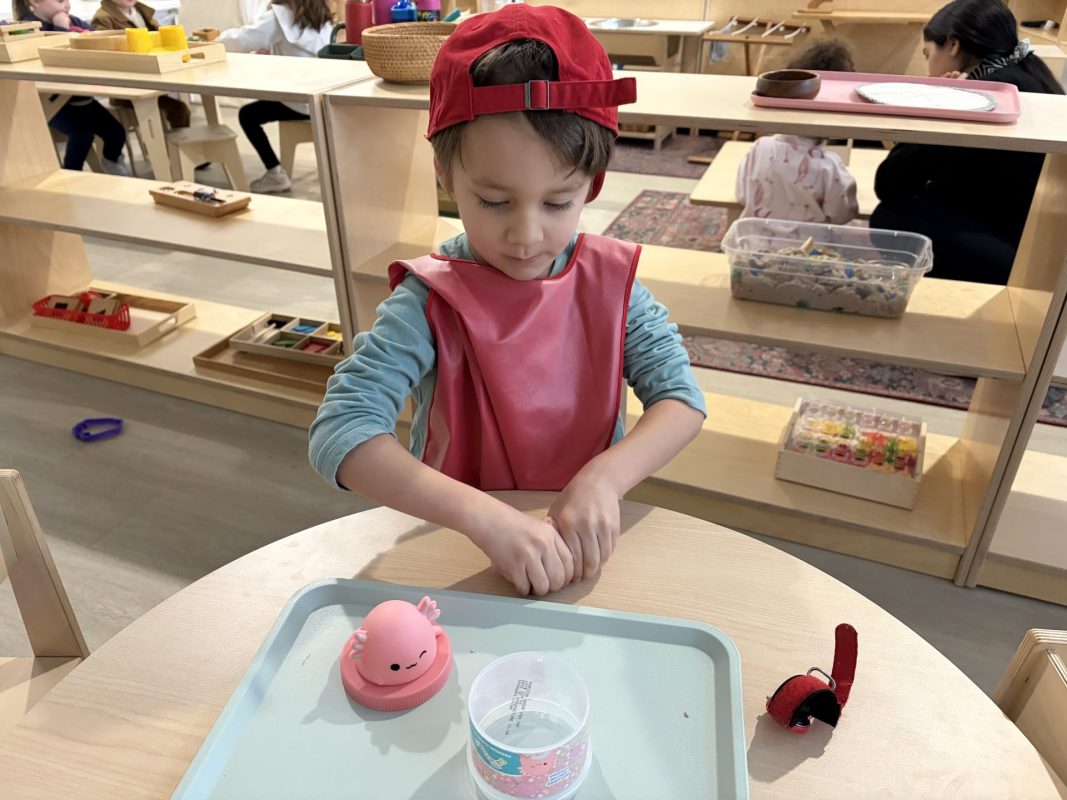
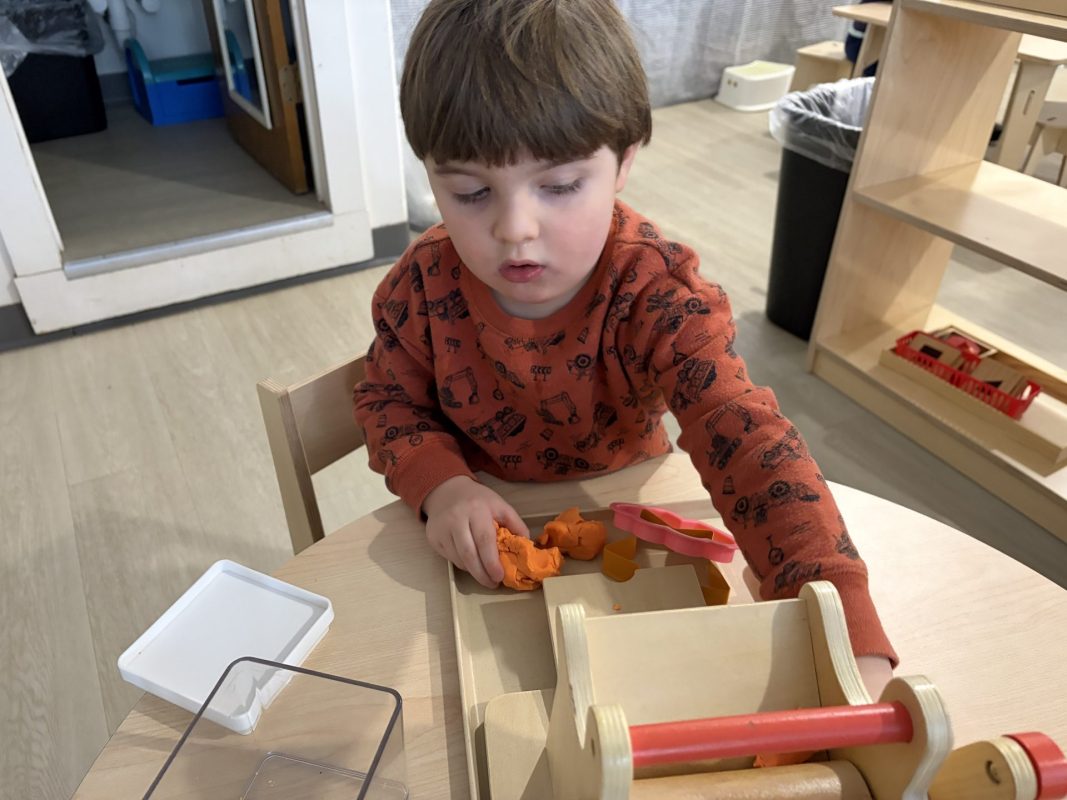
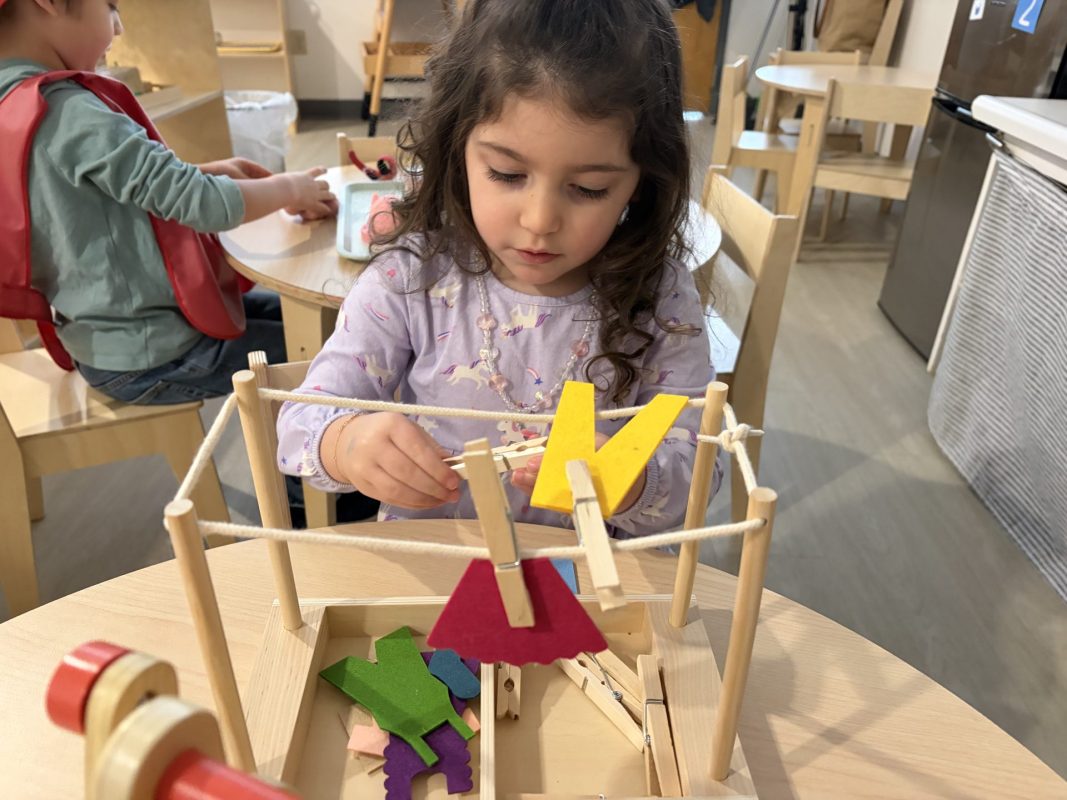
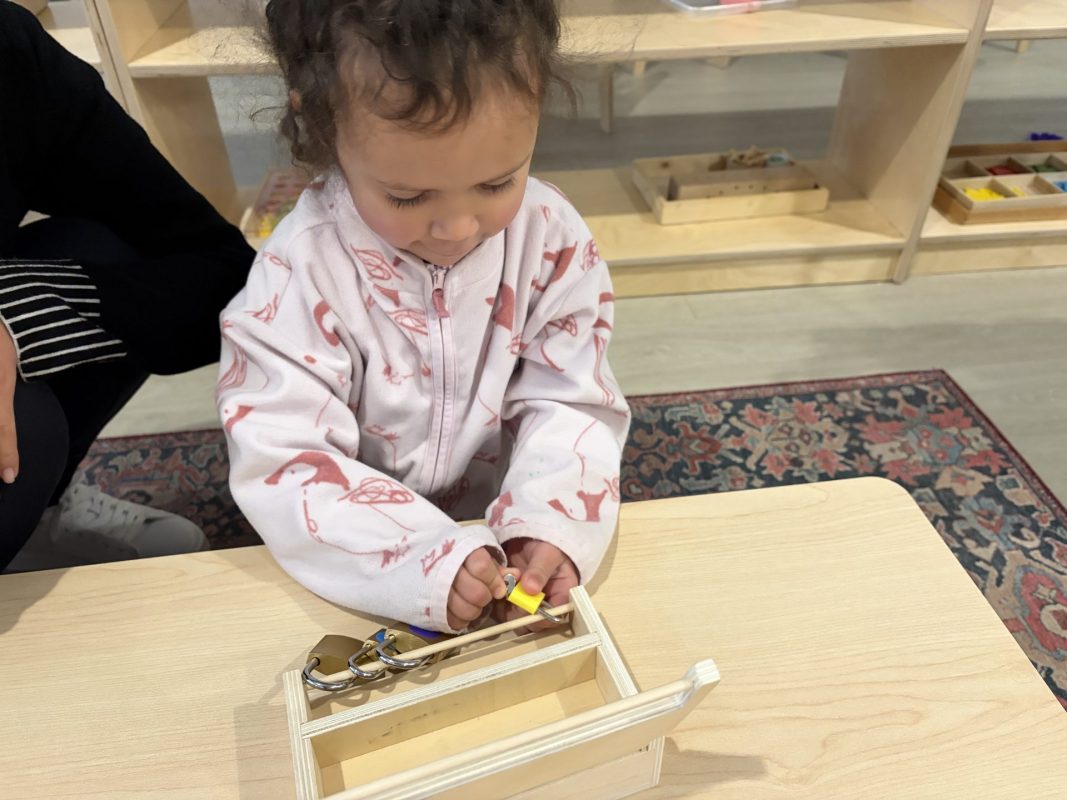
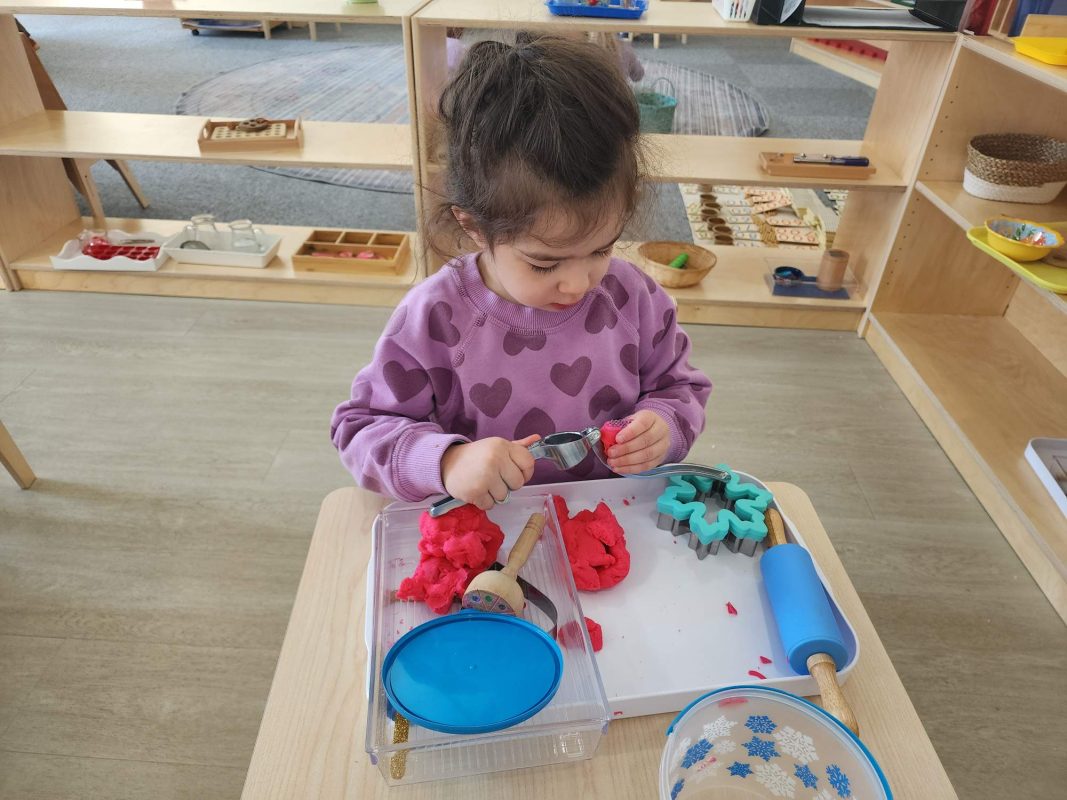
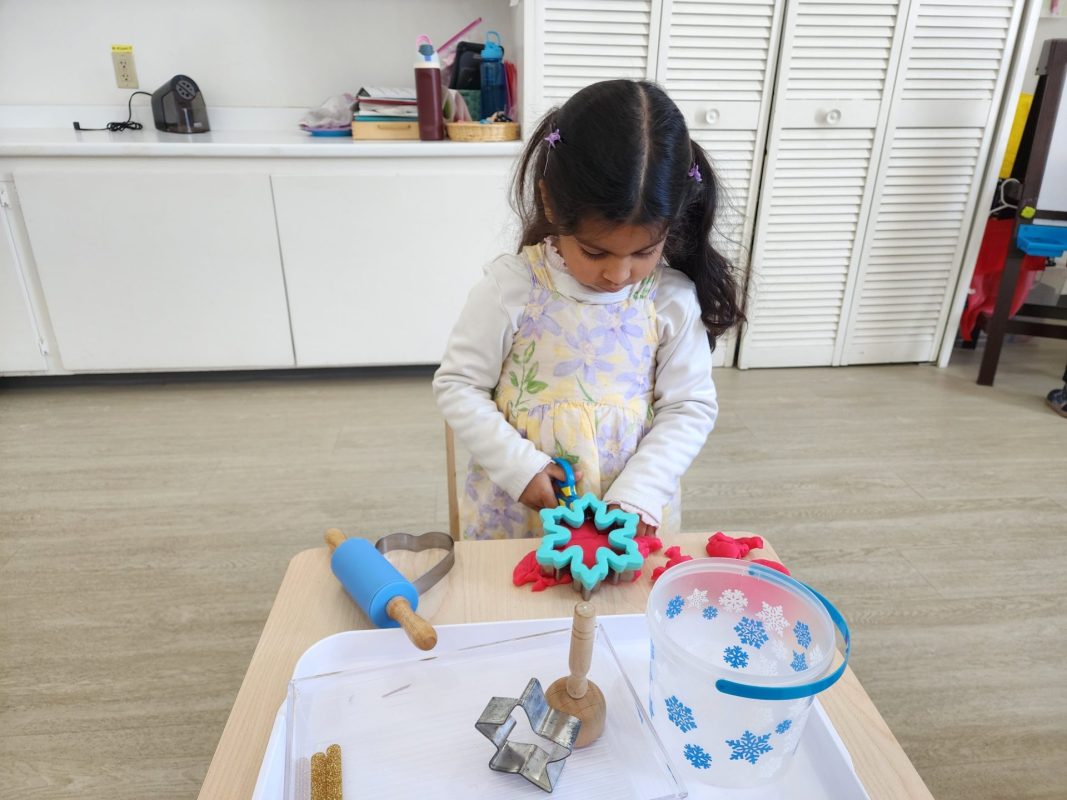
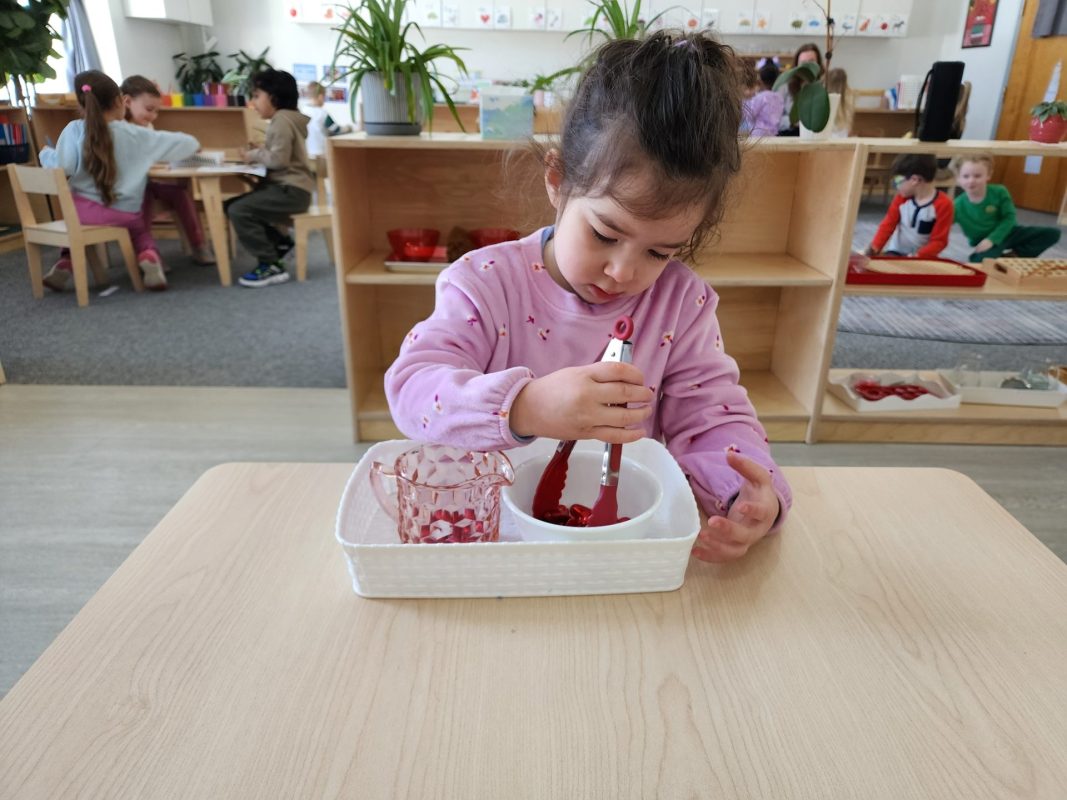
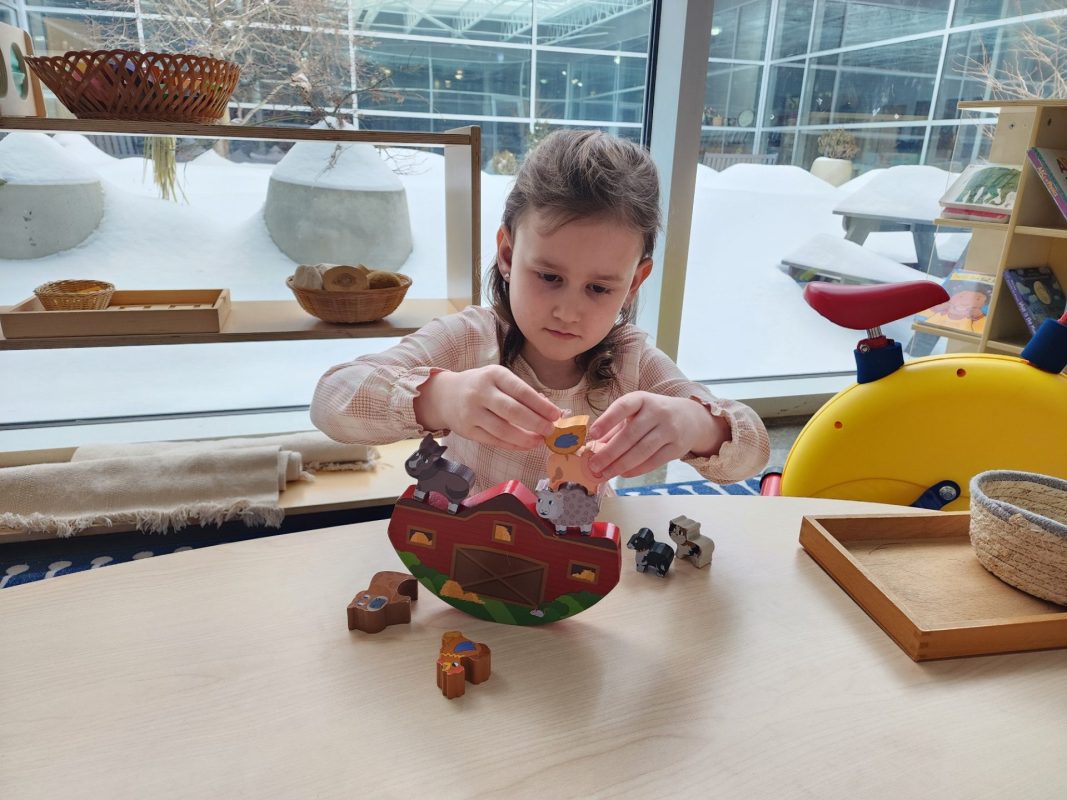
This week in our Montessori Toddler classroom felt like a beautiful mishmash of movement, creativity, and cozy togetherness. When winter lingers, and cabin fever starts knocking, we lean in rather than resist it.

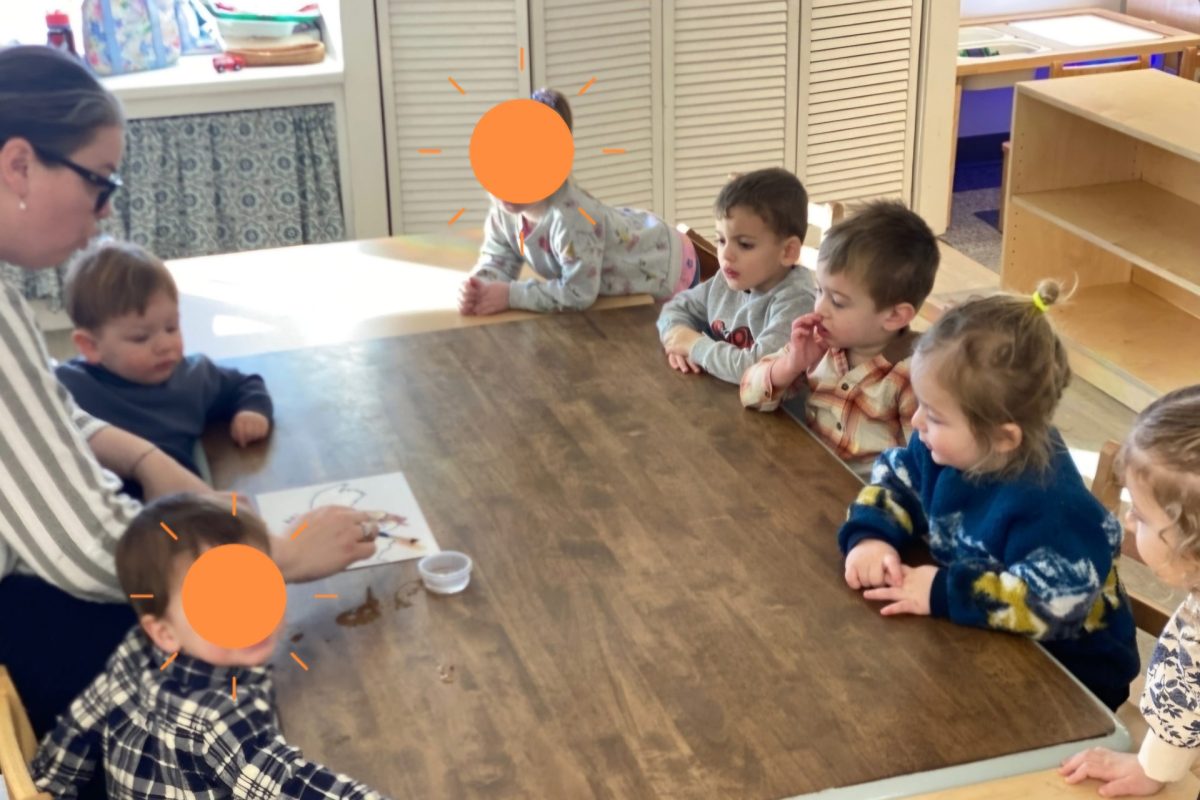
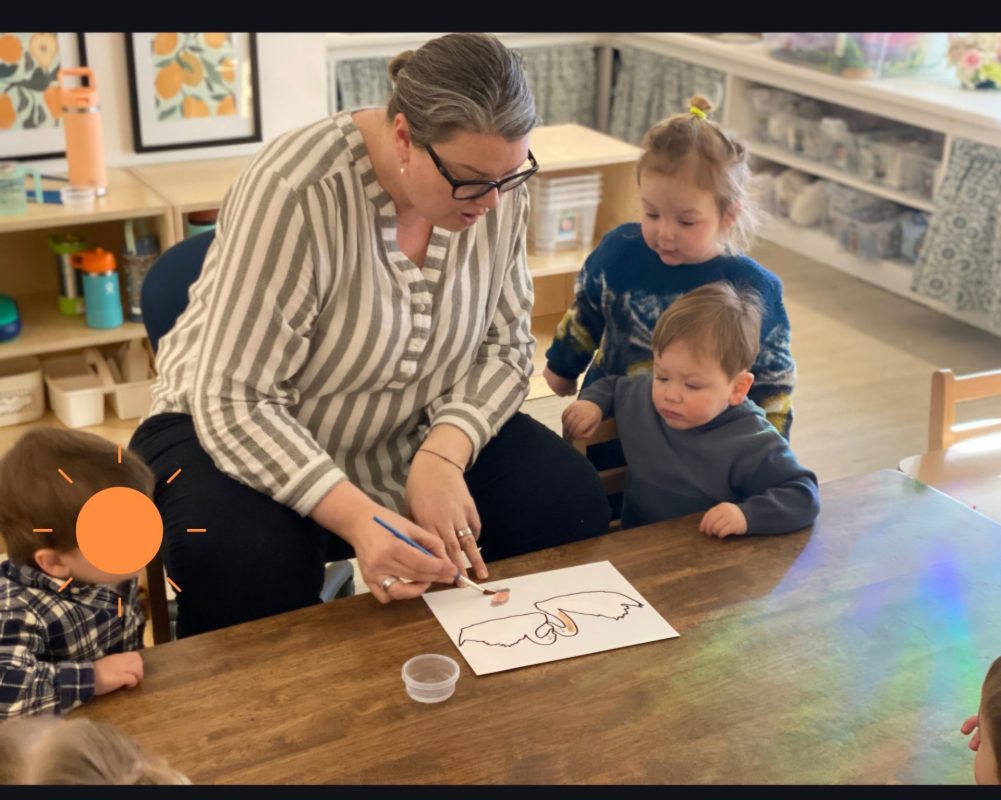
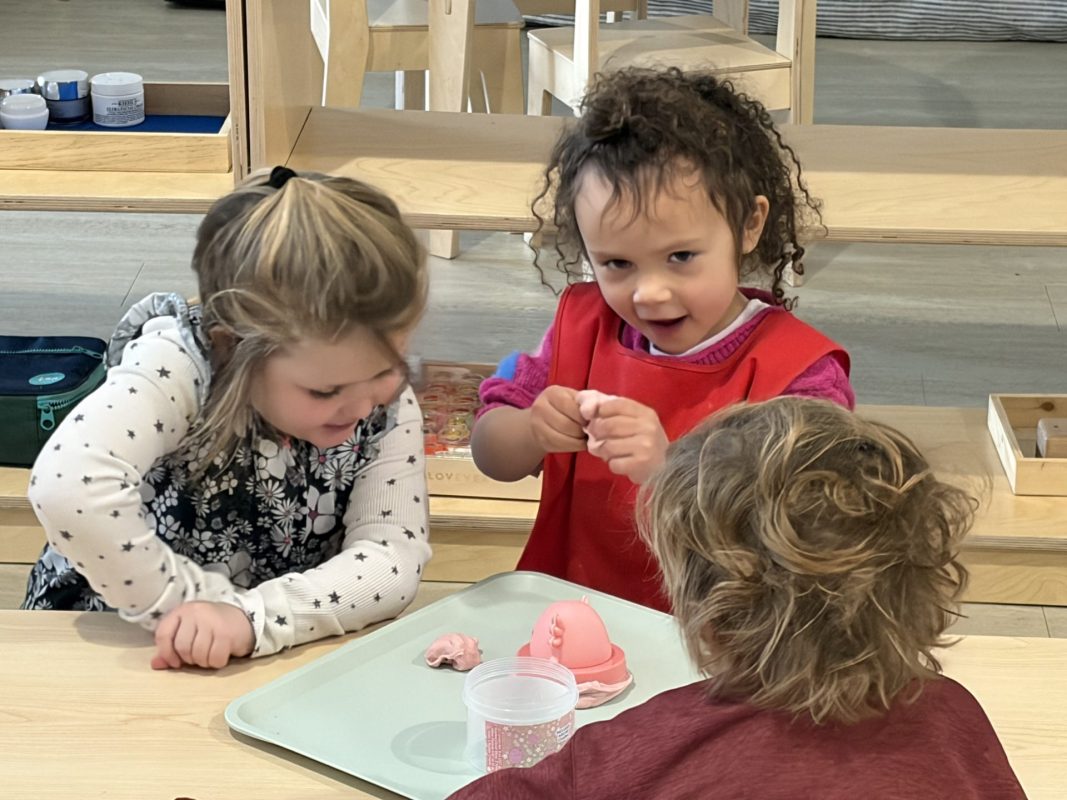
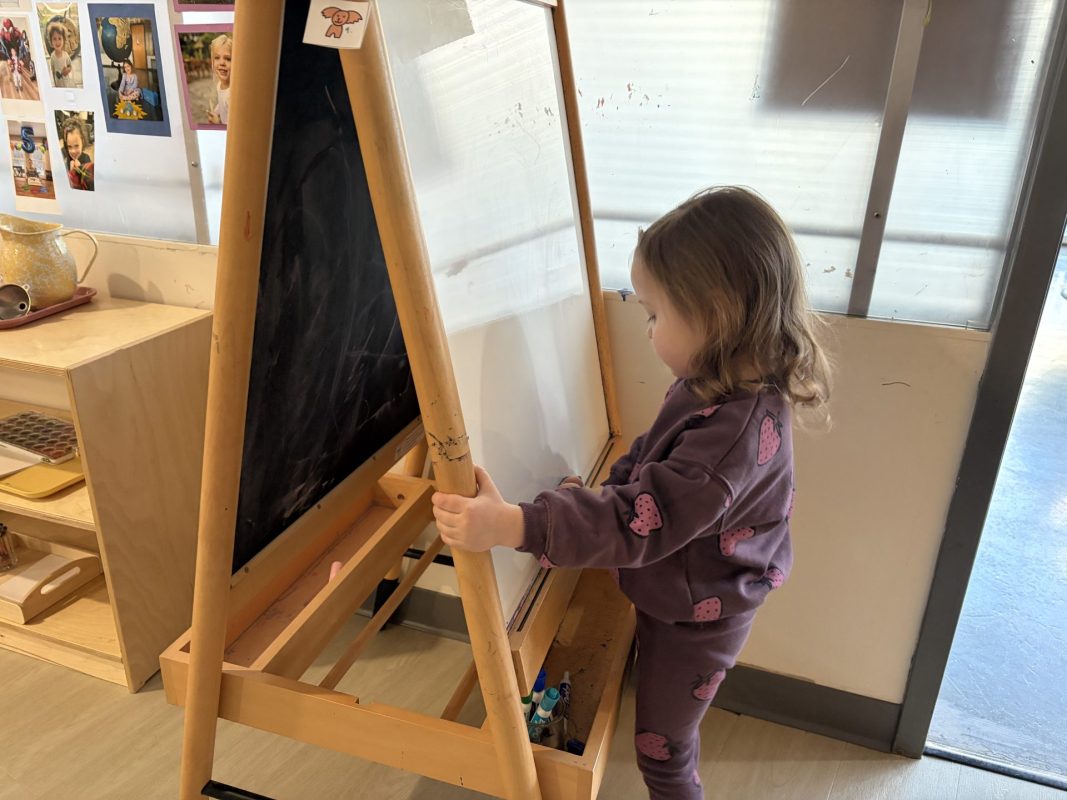
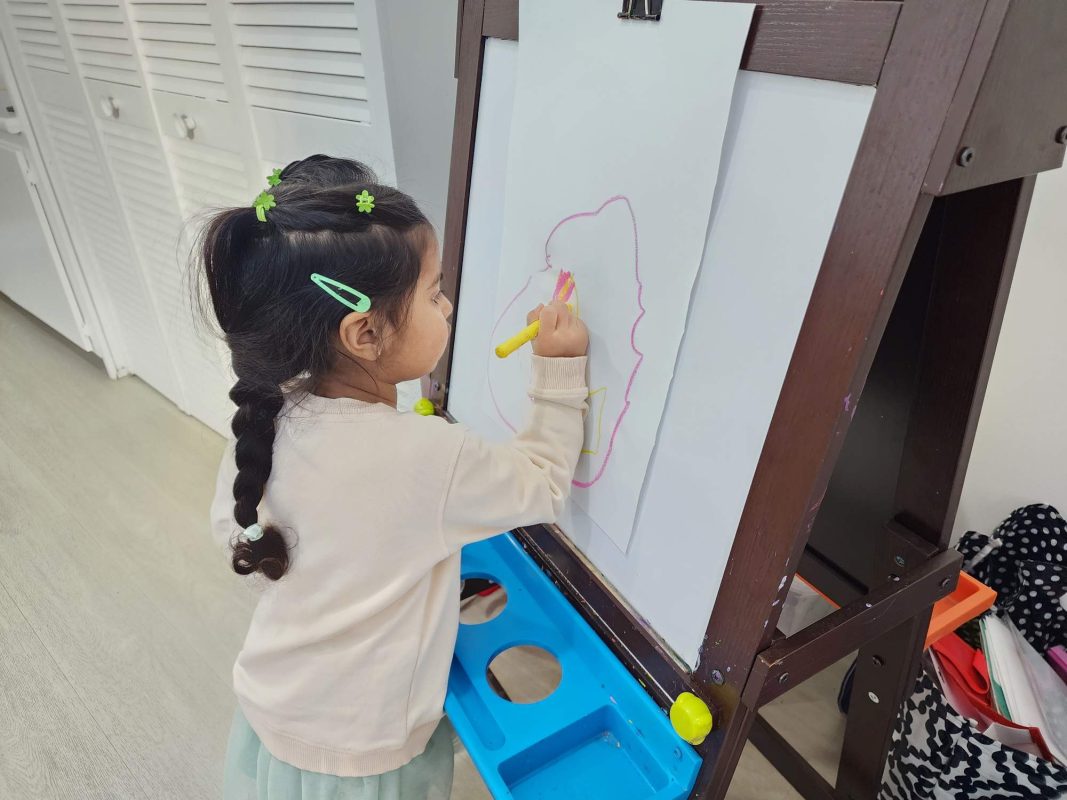
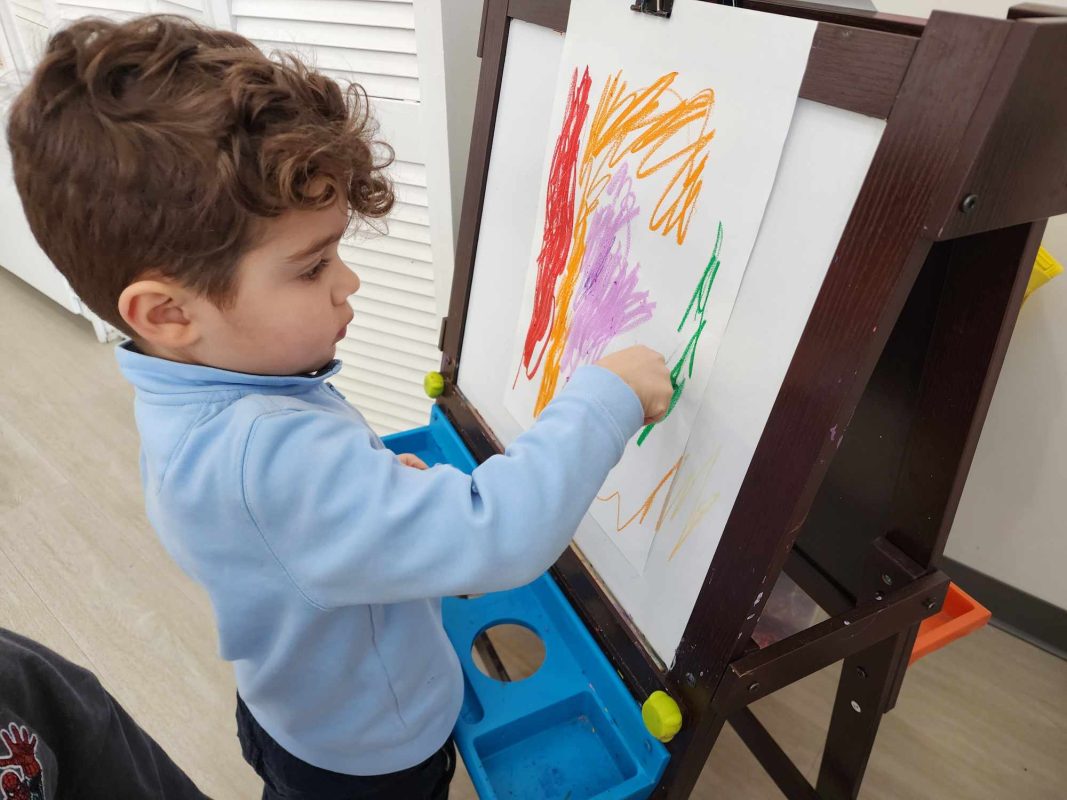
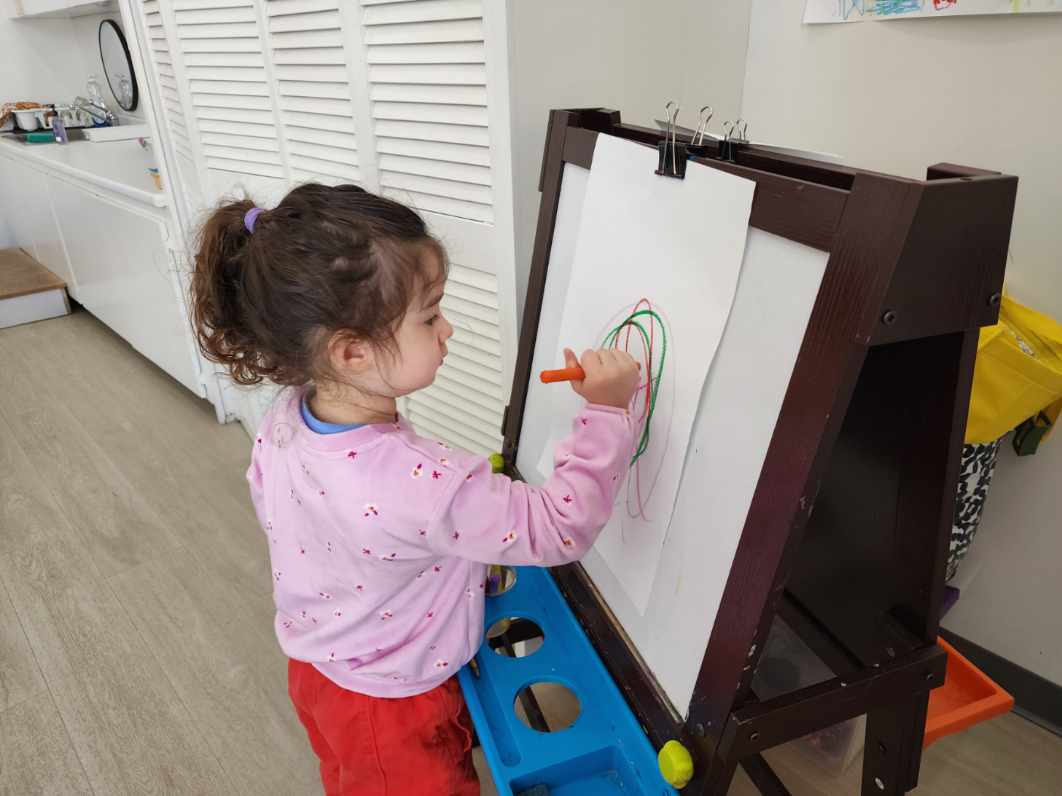
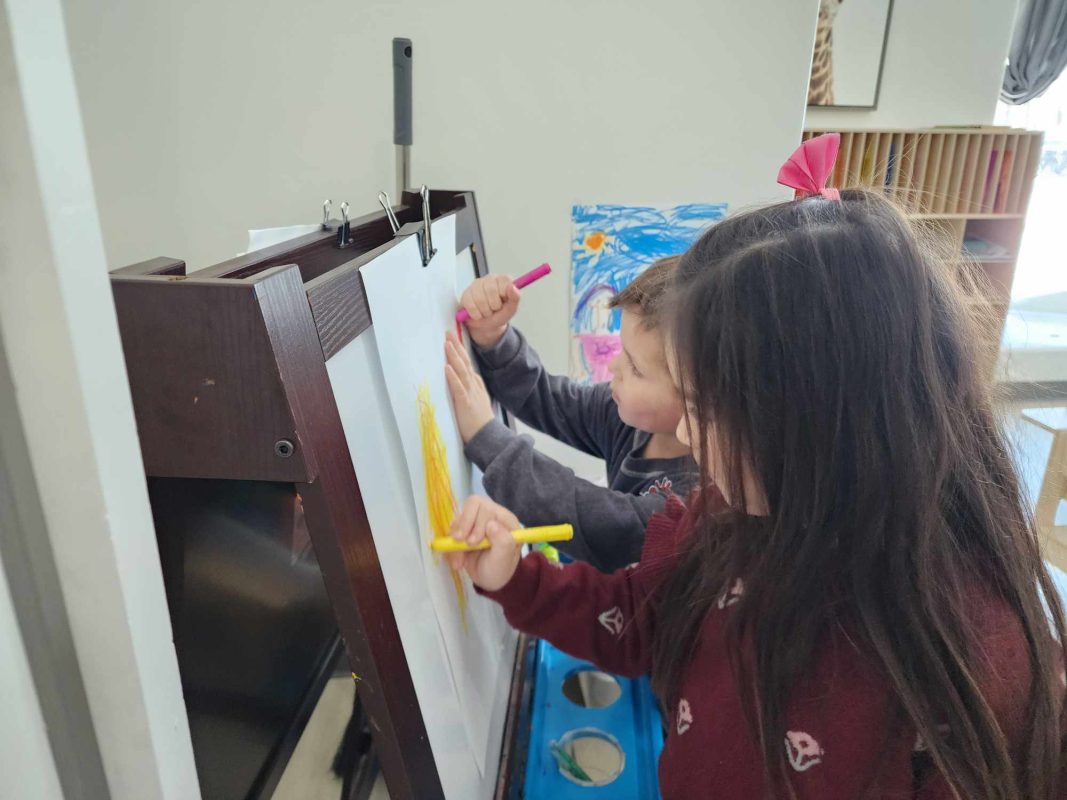
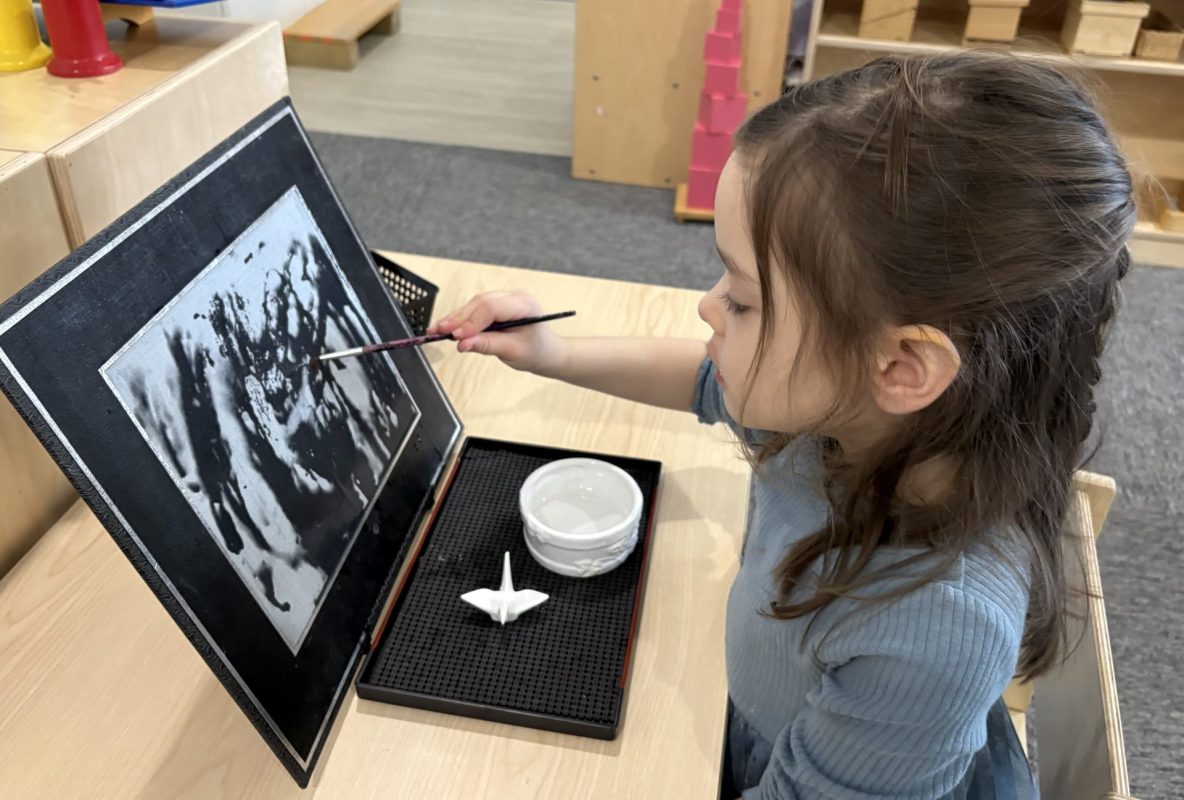
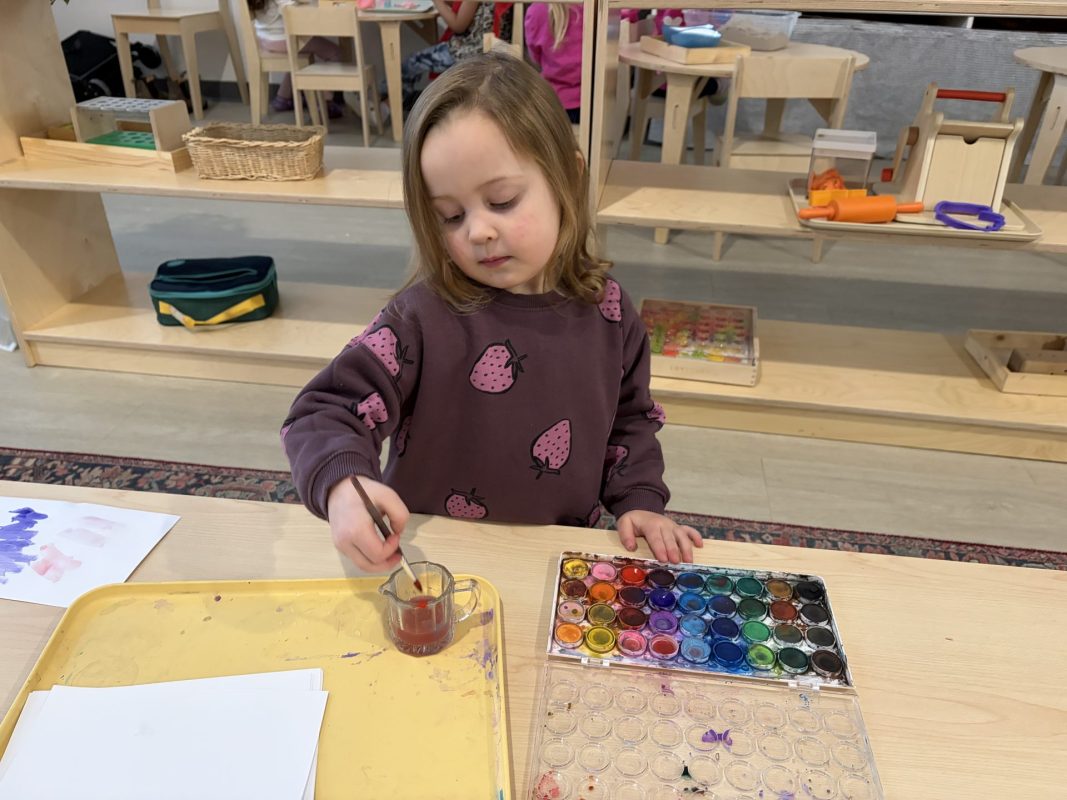
We painted at the easel and at the table — big arm movements, small, careful brush strokes, color mixing, and the simple joy of watching paint glide across paper. Art gives toddlers a safe way to express the extra energy they’re holding inside.

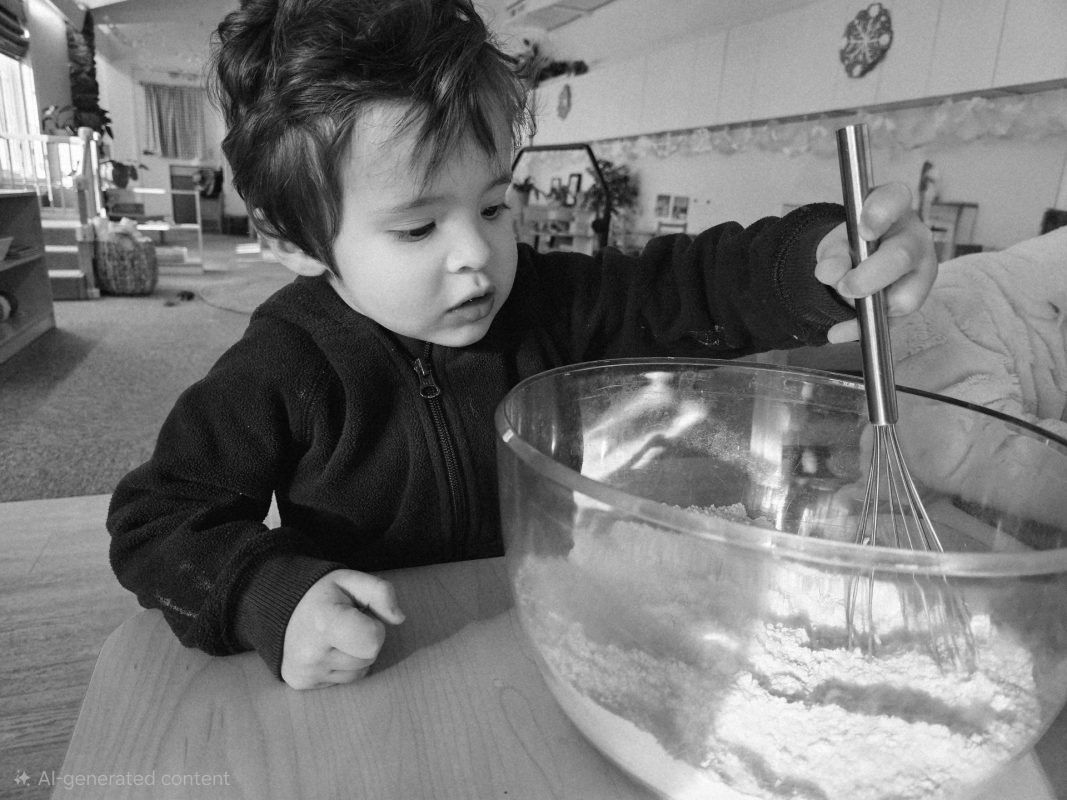
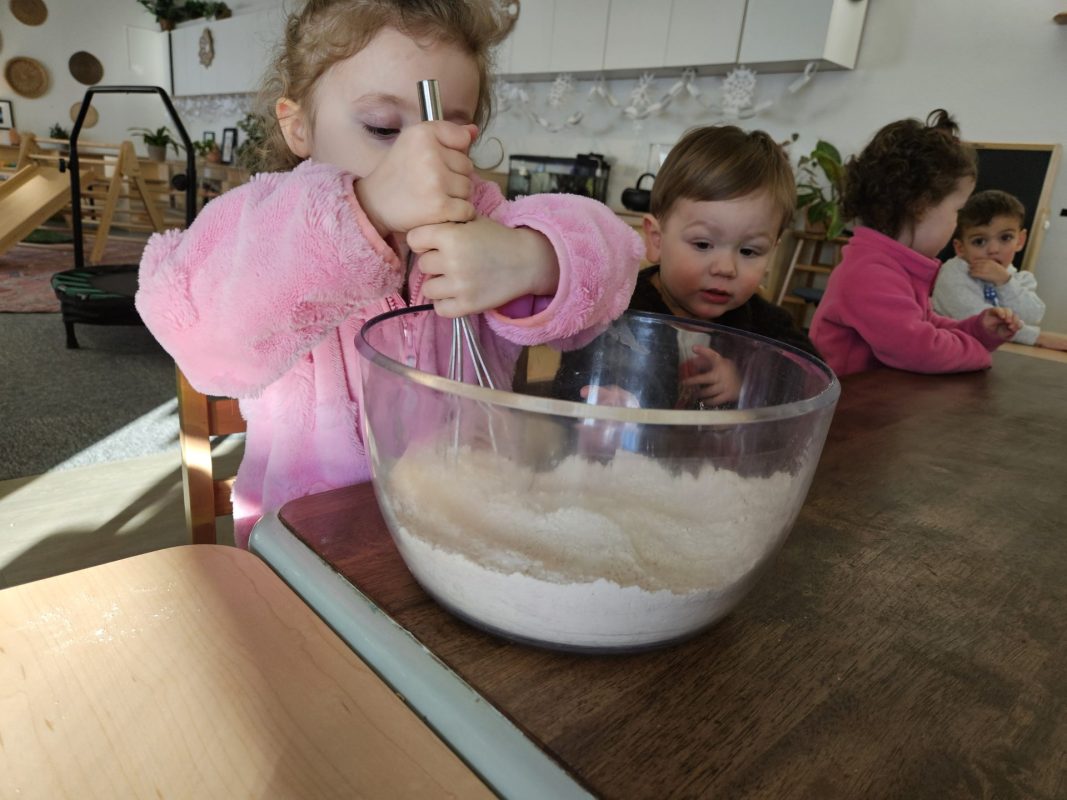
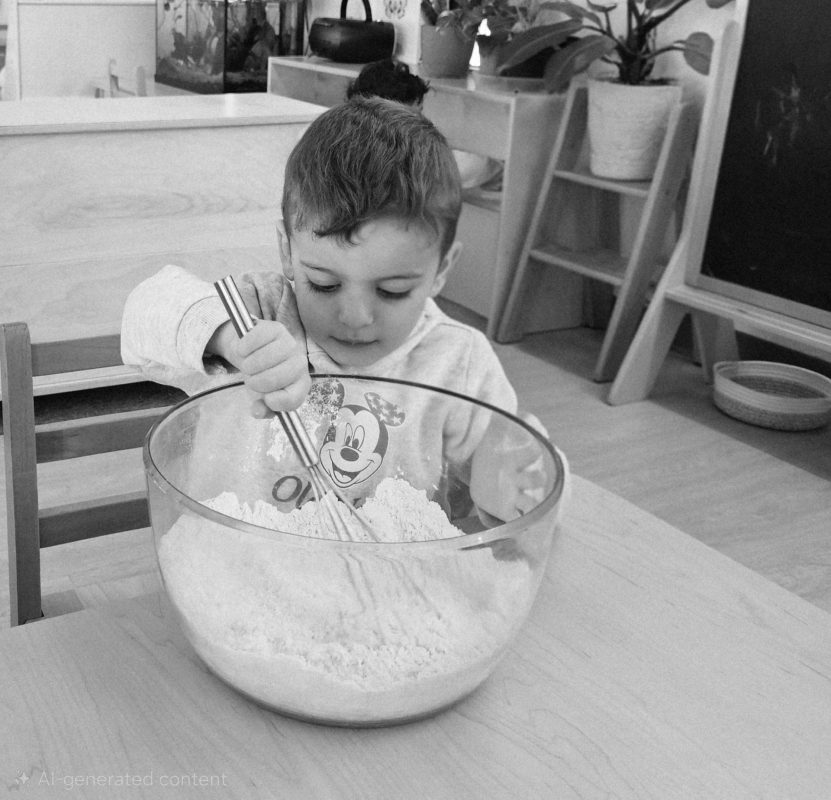
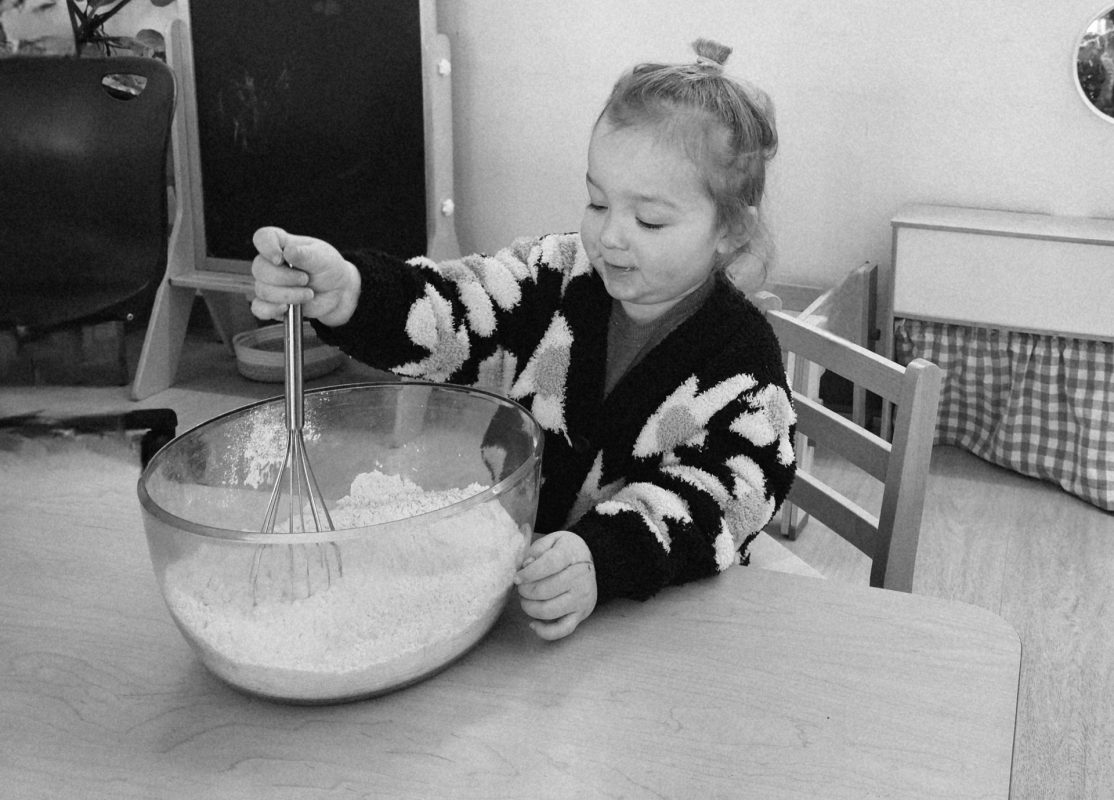
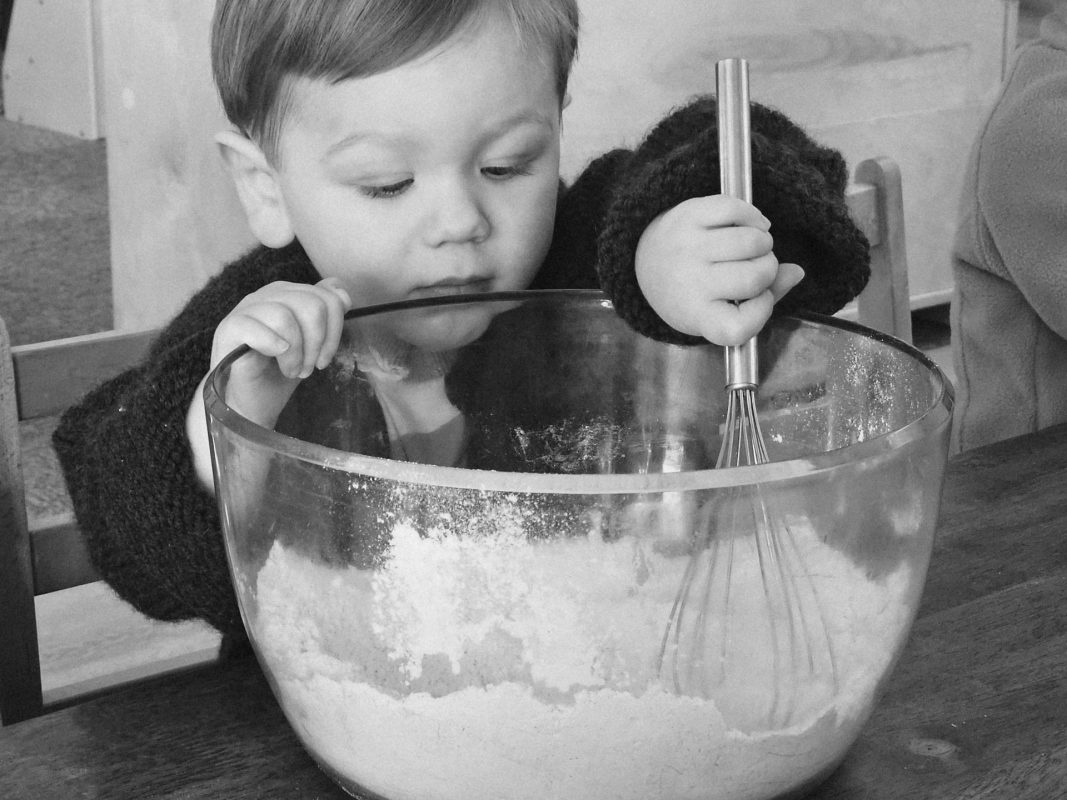
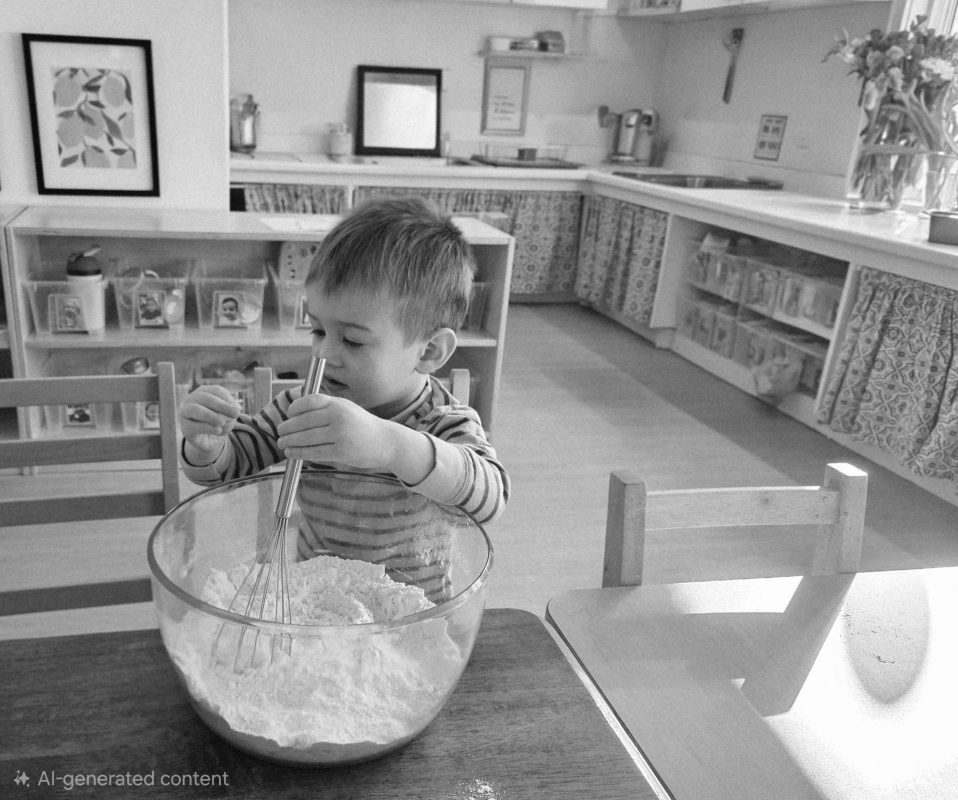
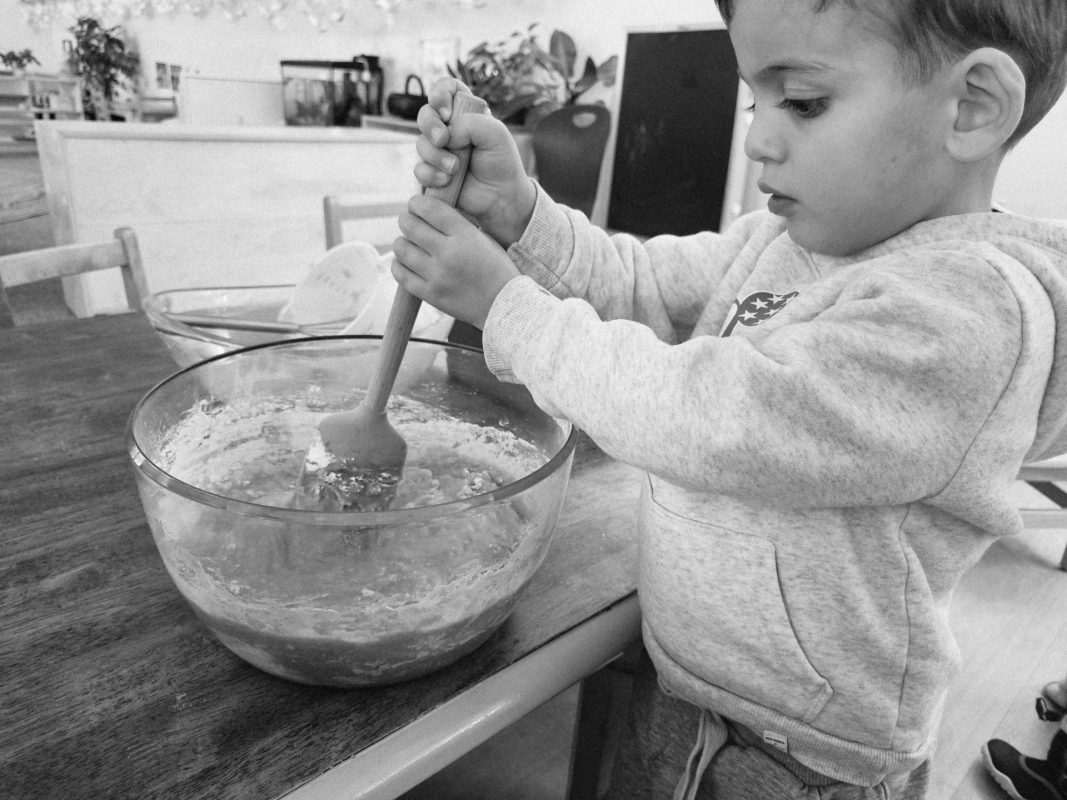
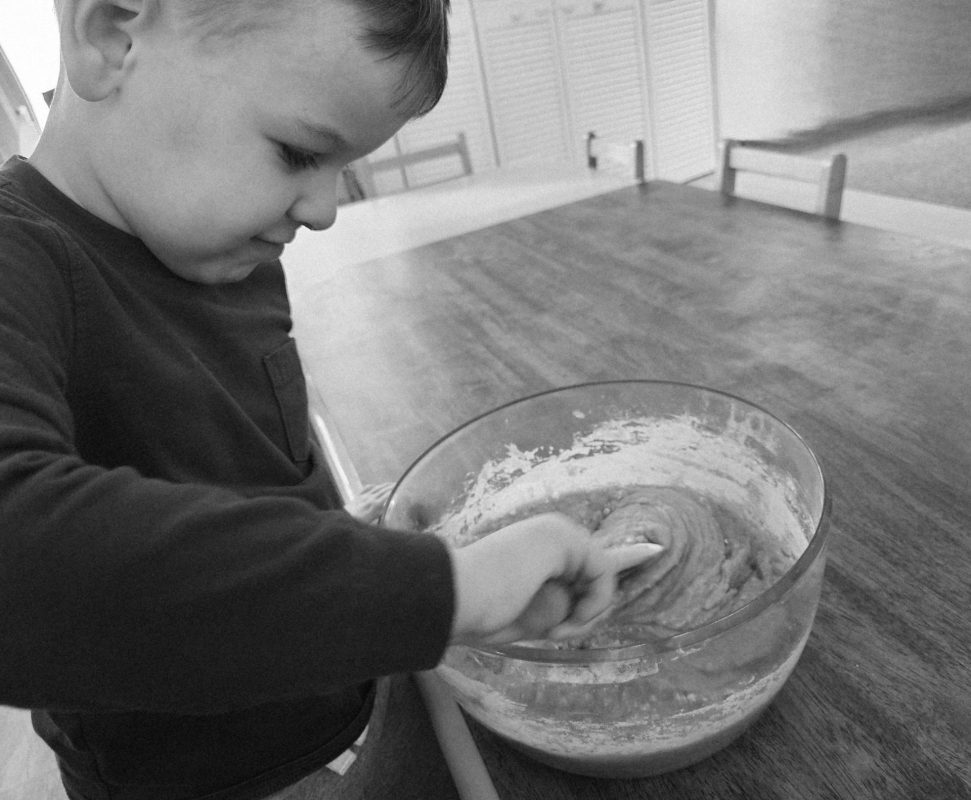
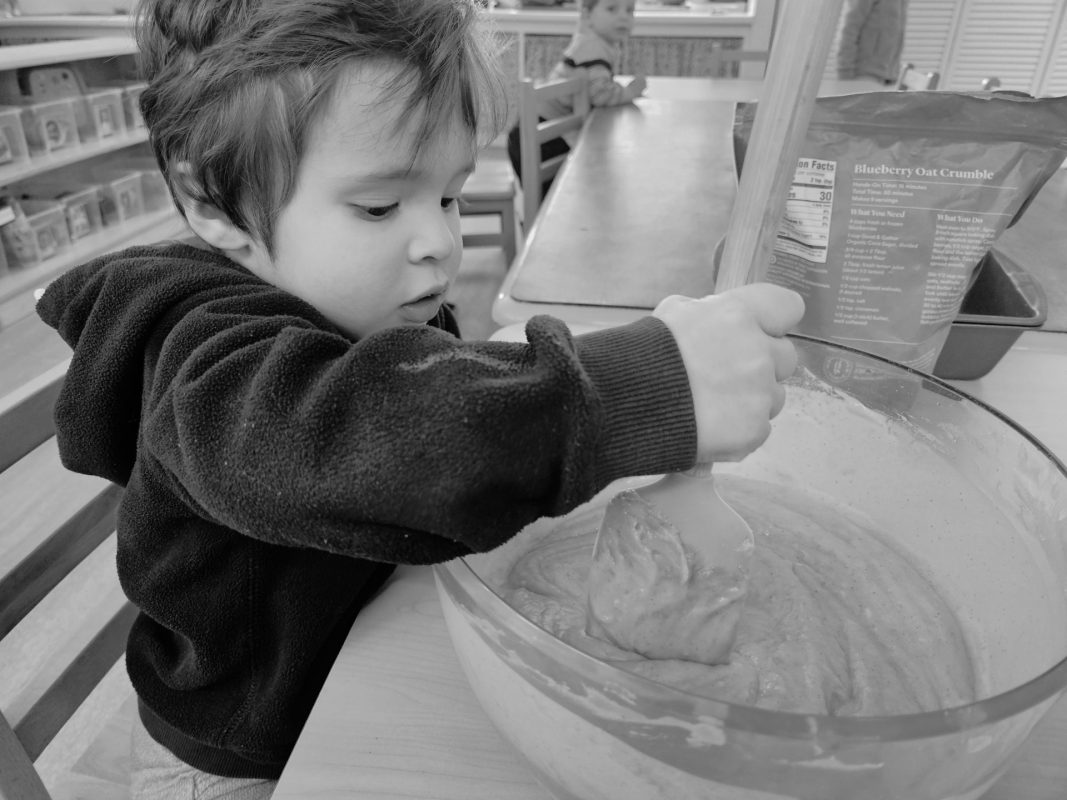
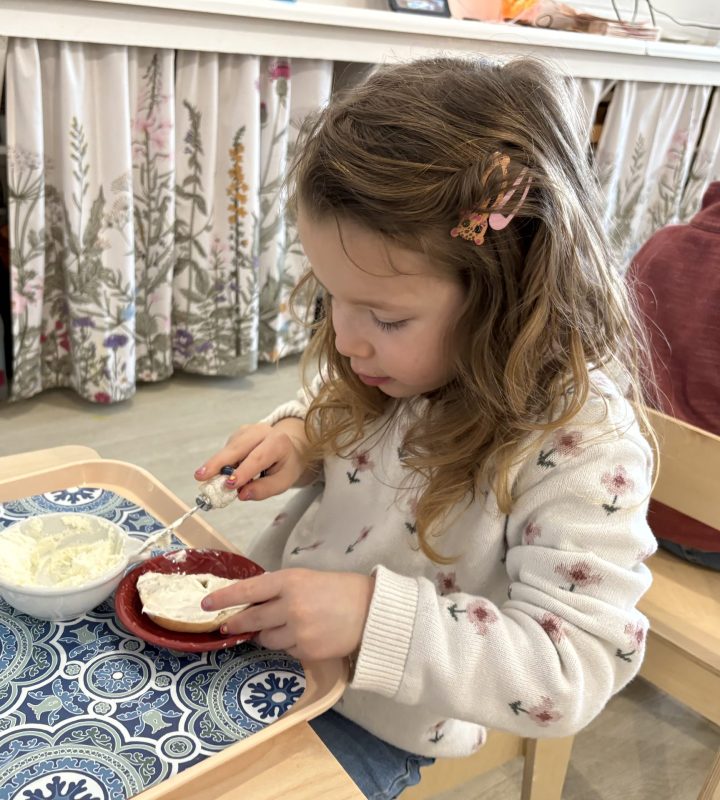
We baked together, measuring, pouring, stirring, and waiting (which is often the hardest part). The sensory experience of flour on fingers and the smell of something warm in the oven grounds us all.

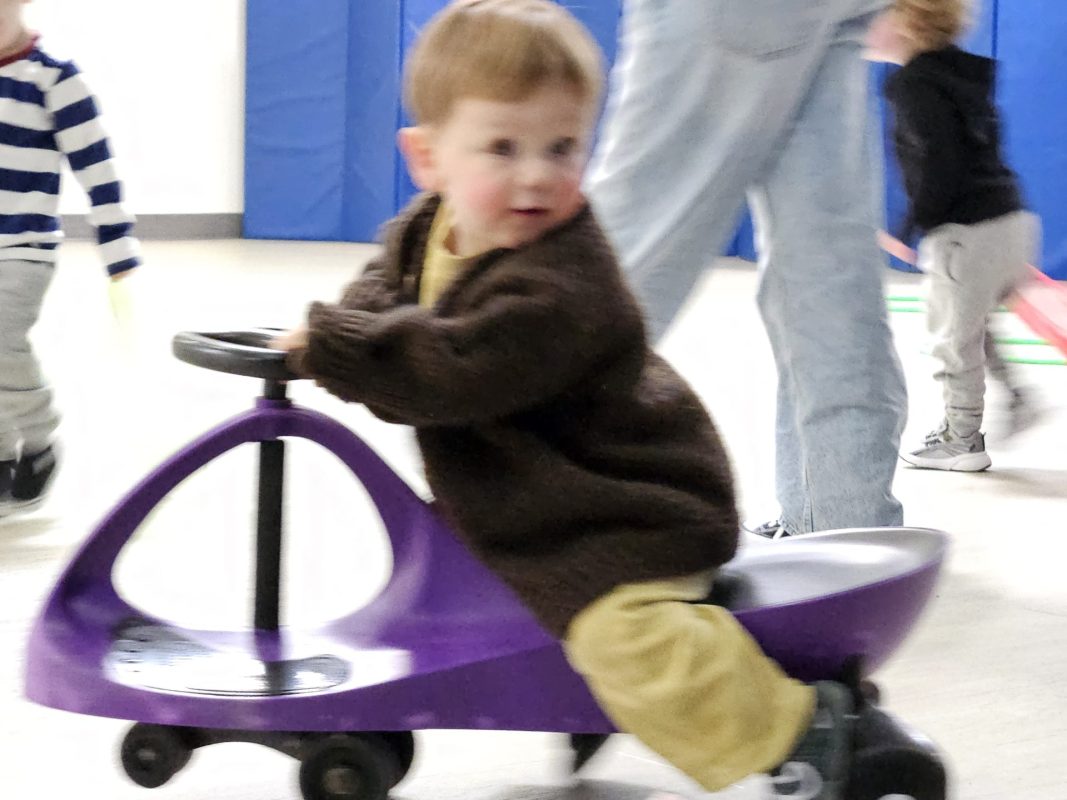
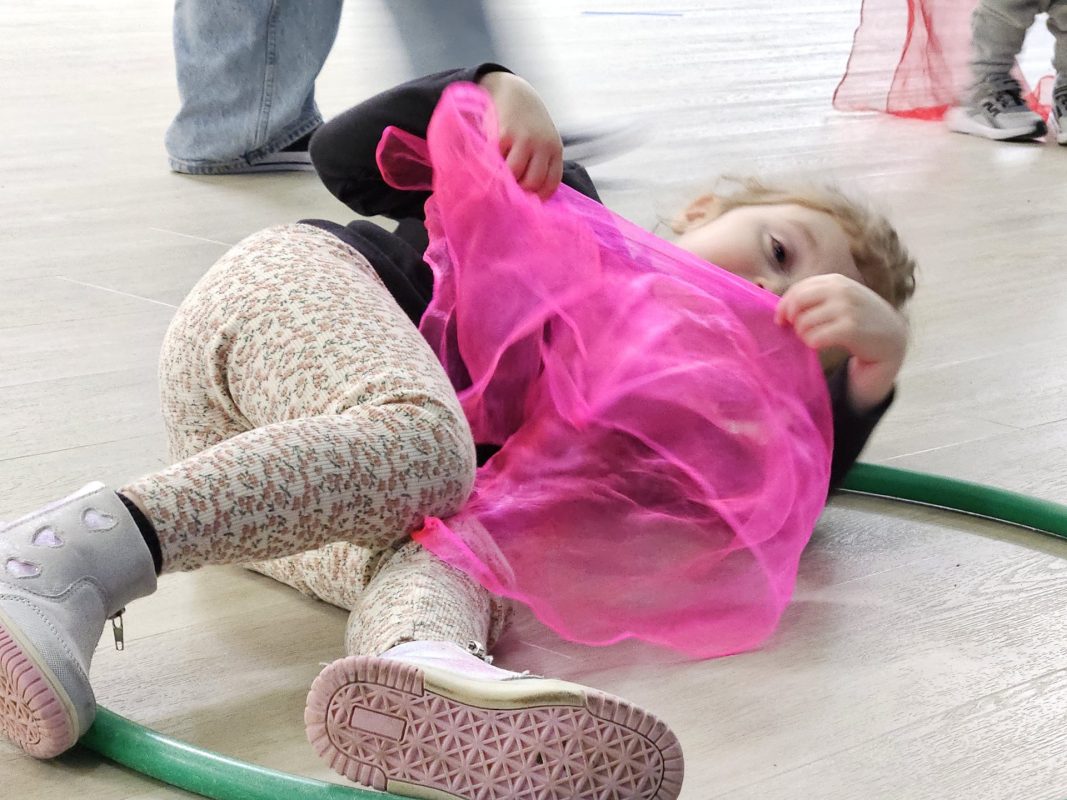
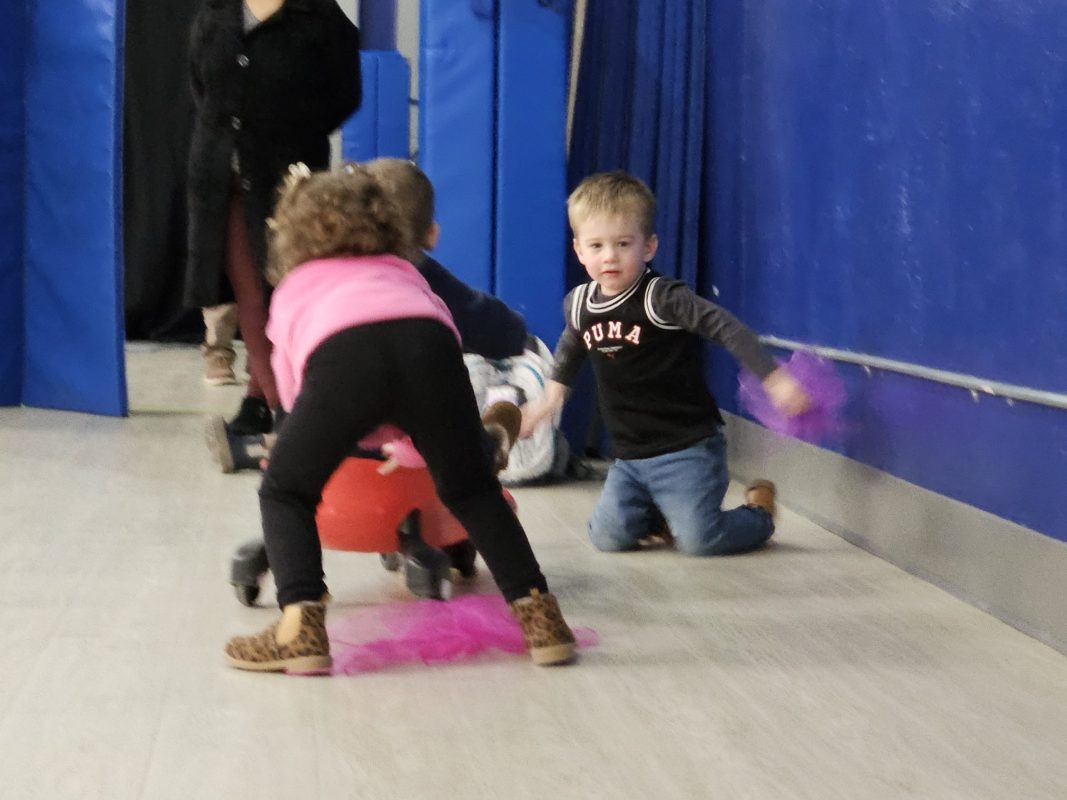
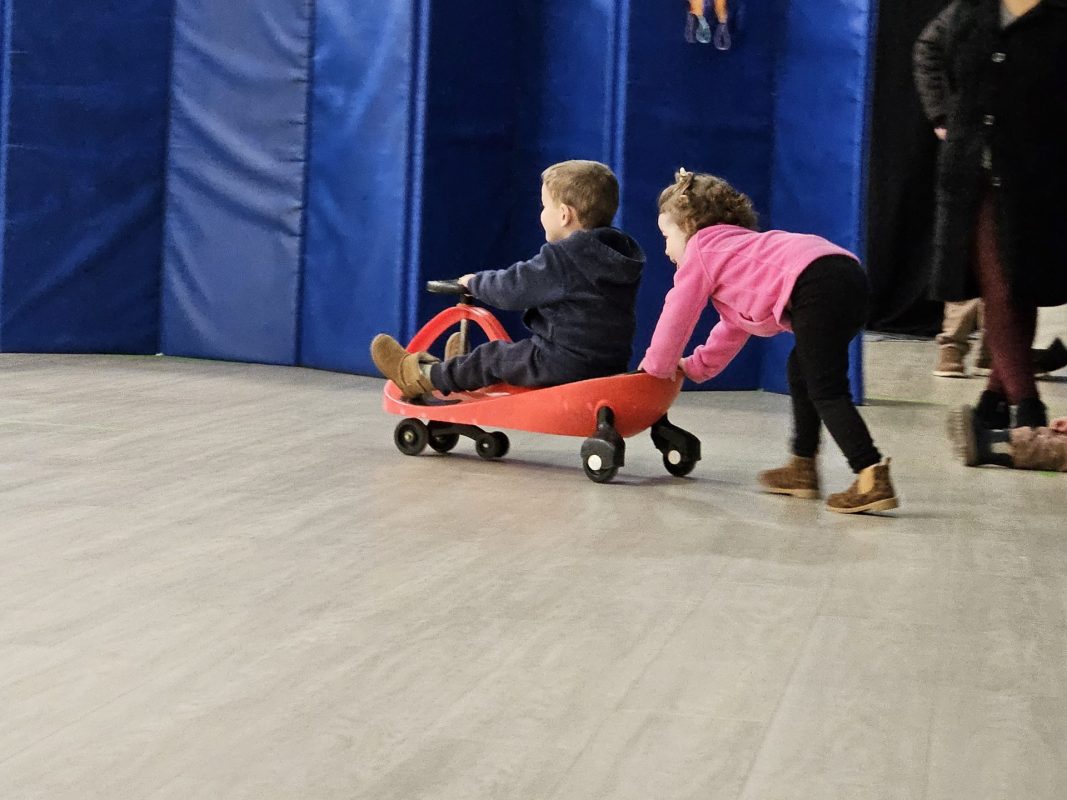
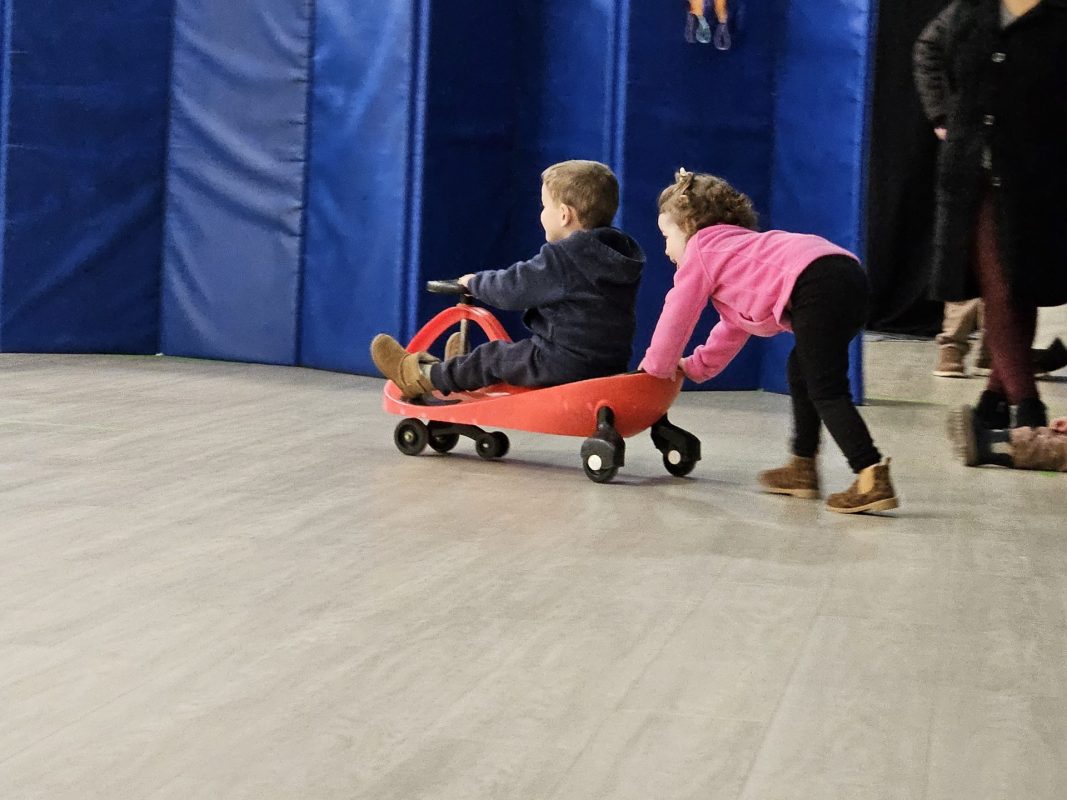
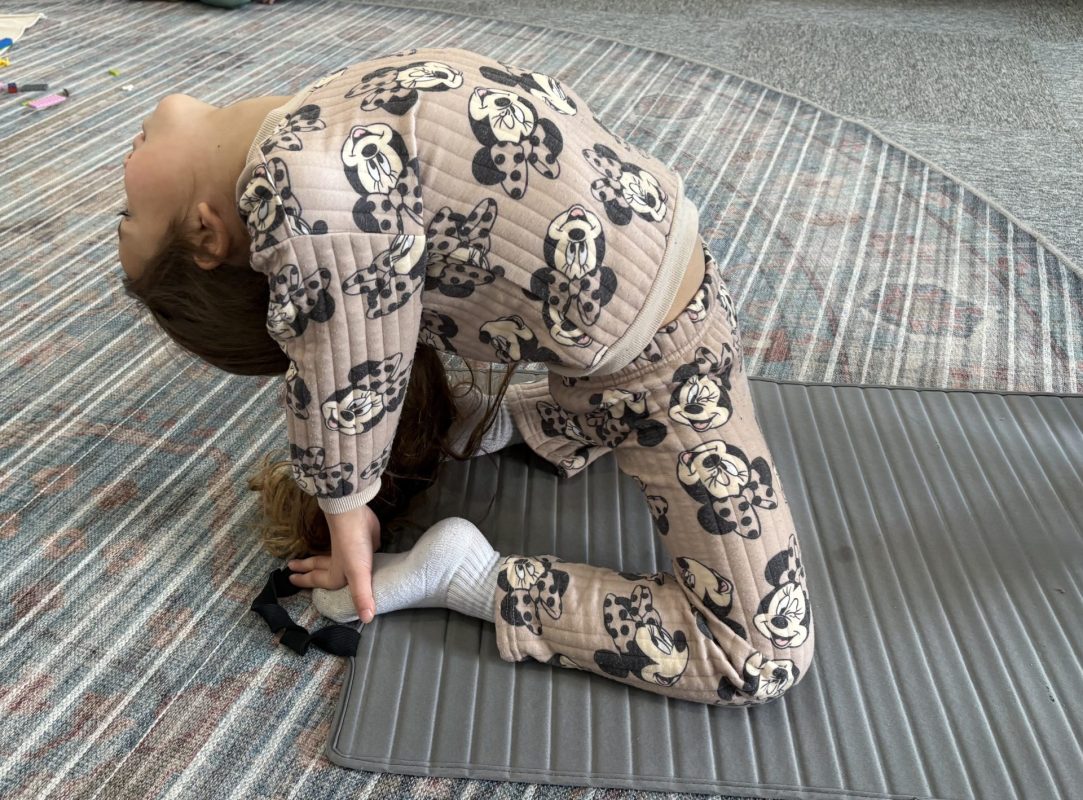
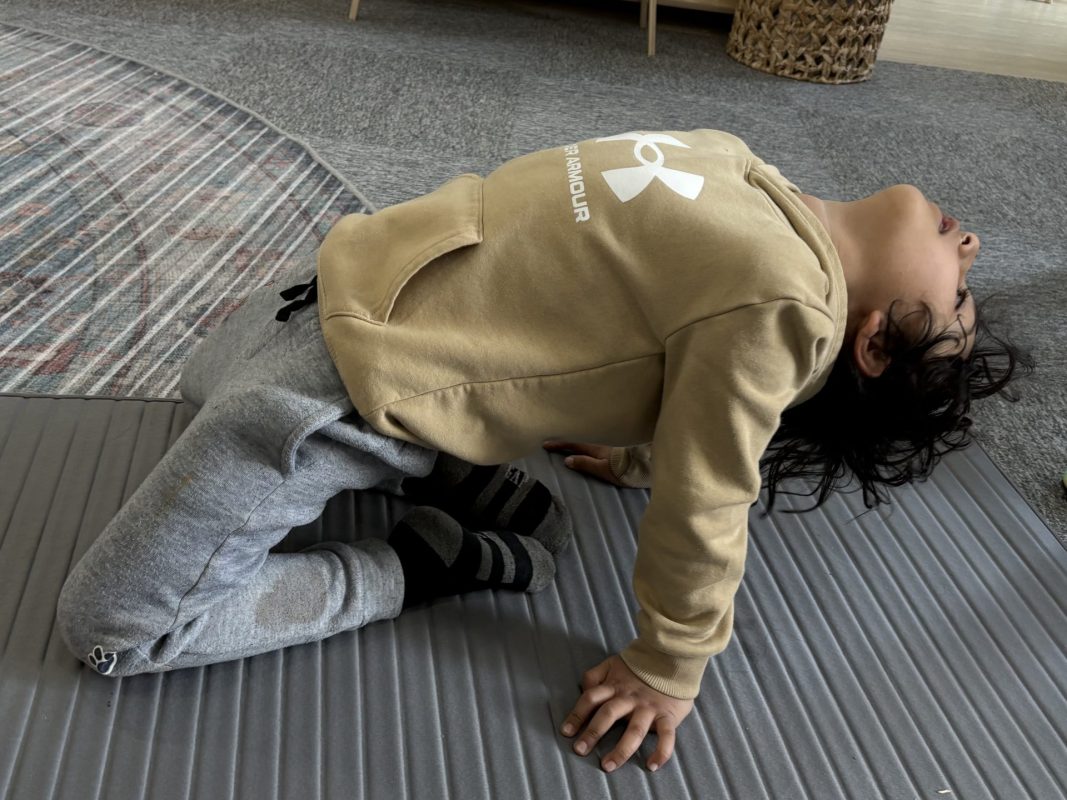
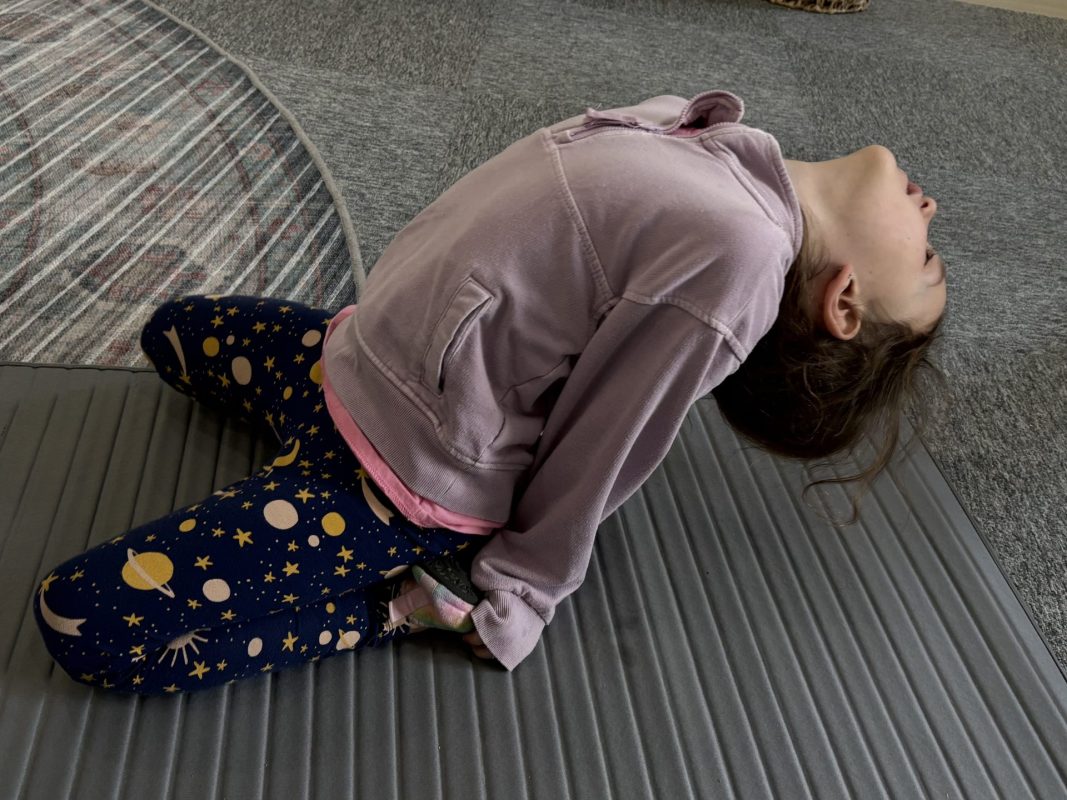
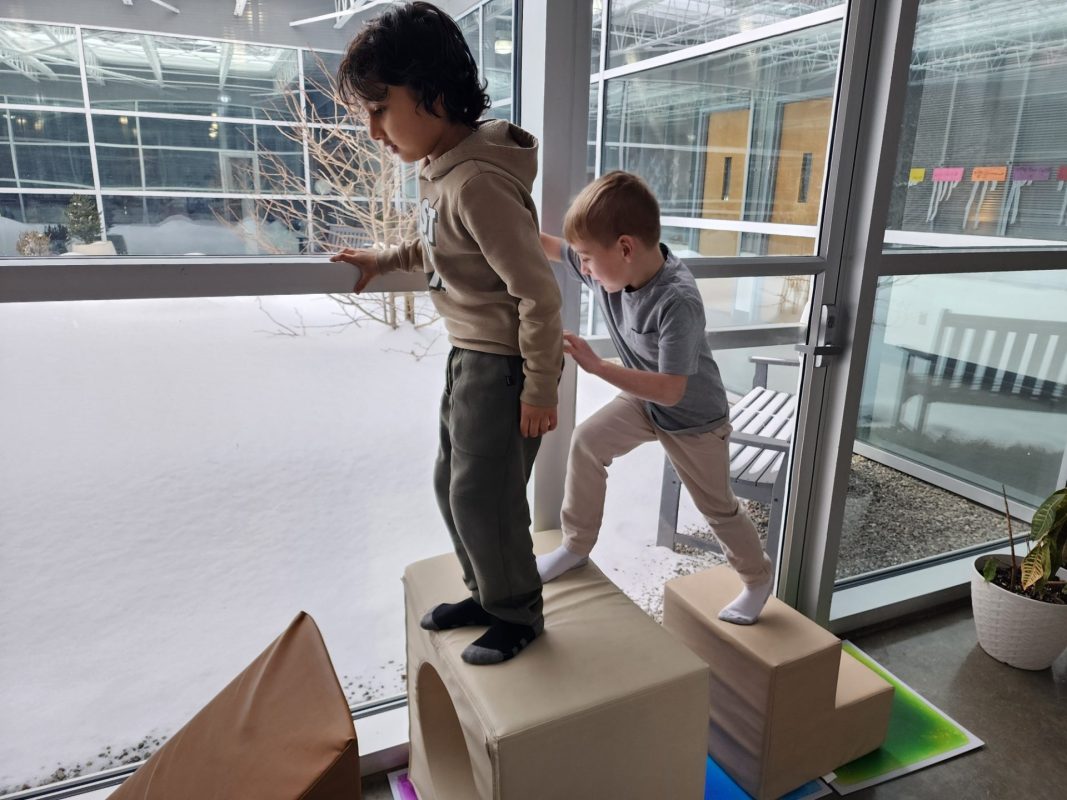
We added extra gym time and intentional movement, including climbing, balancing, carrying heavy objects, and pushing and pulling. Toddlers need big body work in the winter. Their behavior often softens when their bodies feel satisfied.

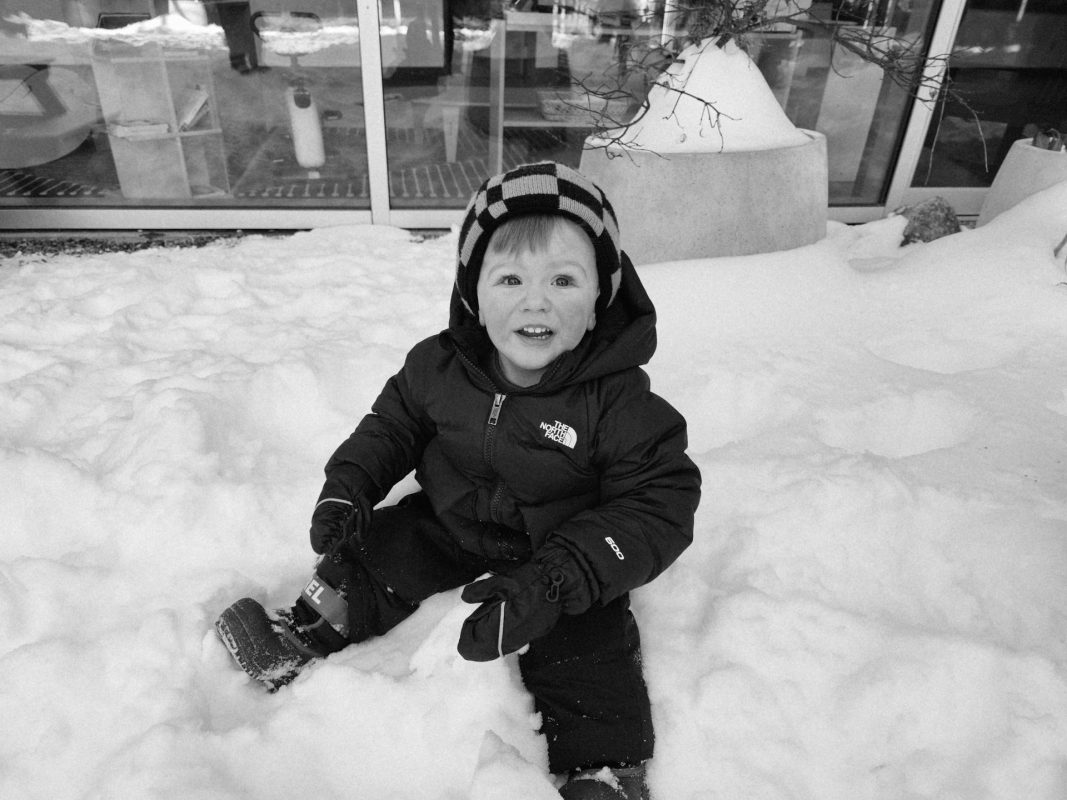
We bundled up for outside time, even if just for a short while. Cold air on rosy cheeks, boots crunching on frozen ground,  it resets everyone. Fresh air is powerful medicine.

And of course, we sang and danced. Sometimes the quickest way through cabin fever is to turn on music and simply move. Joy is regulating.

If cabin fever is visiting your home, here are a few simple Montessori-aligned ideas you can try:

  • Create a “movement break” basket with scarves for dancing, painter’s tape for a hopscotch line on the floor, or pillows for jumping.
  • Bake something simple together. Let your child scoop, pour, and stir …even if it’s messy.
  • Set up a small art invitation: paper, crayons, watercolors, or even painting with water on construction paper.
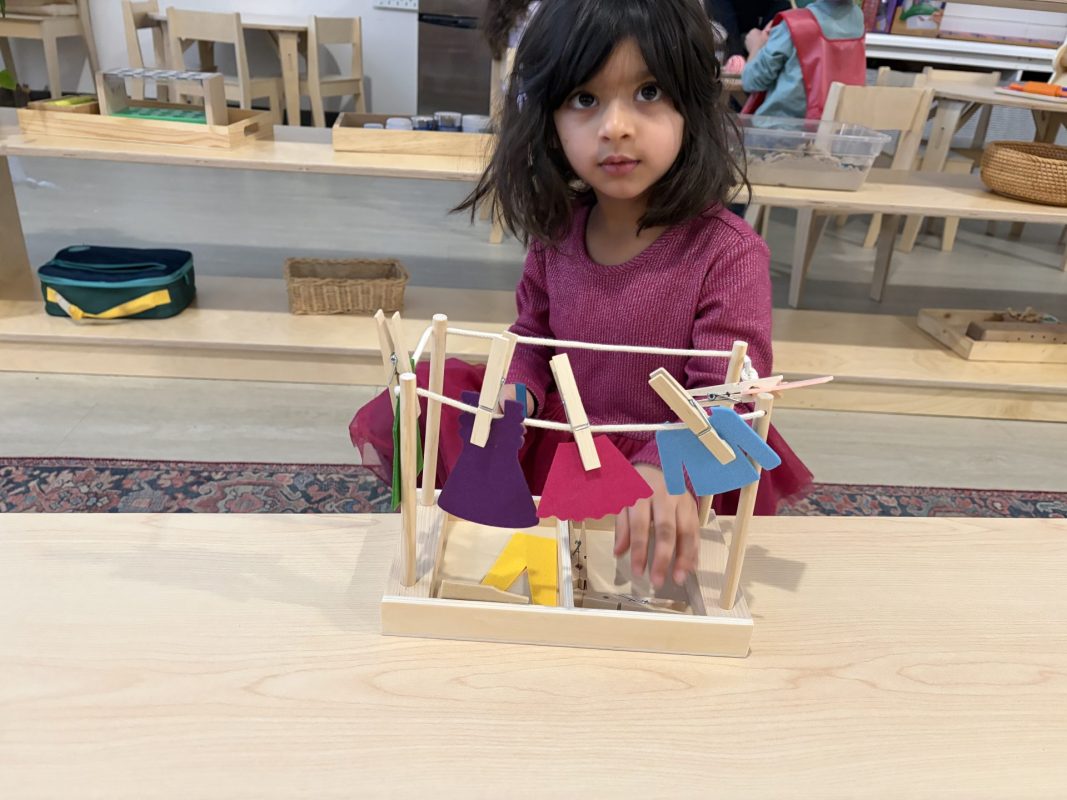
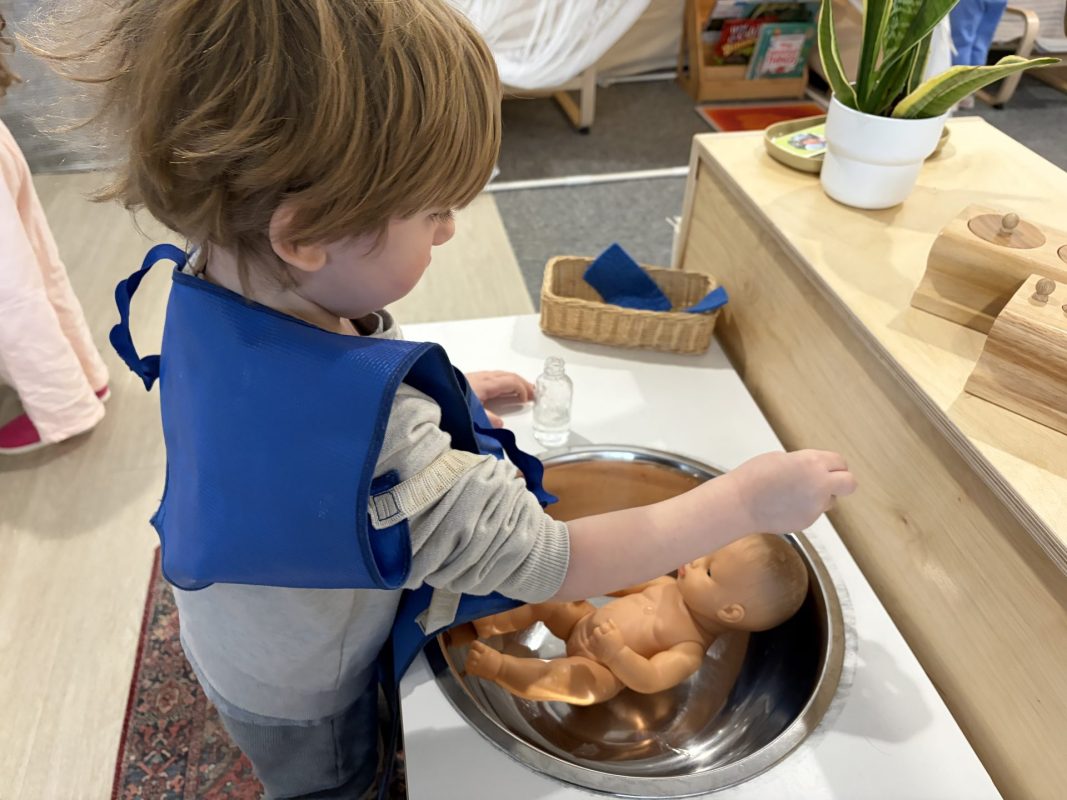
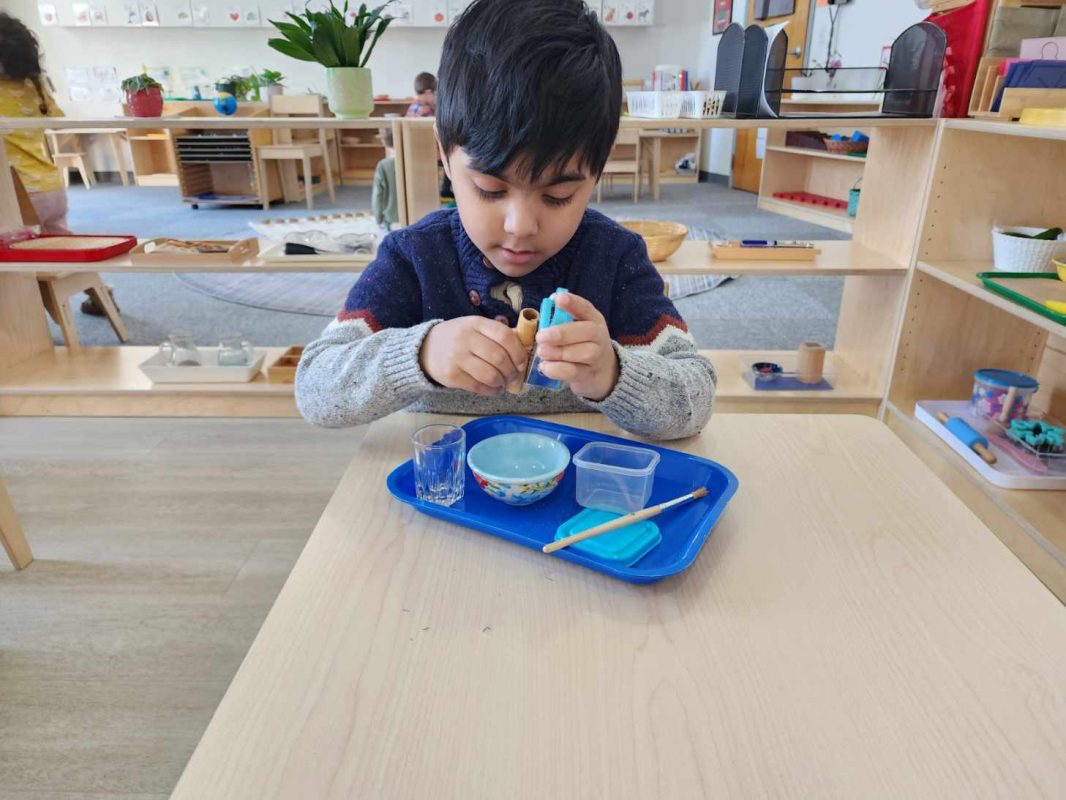
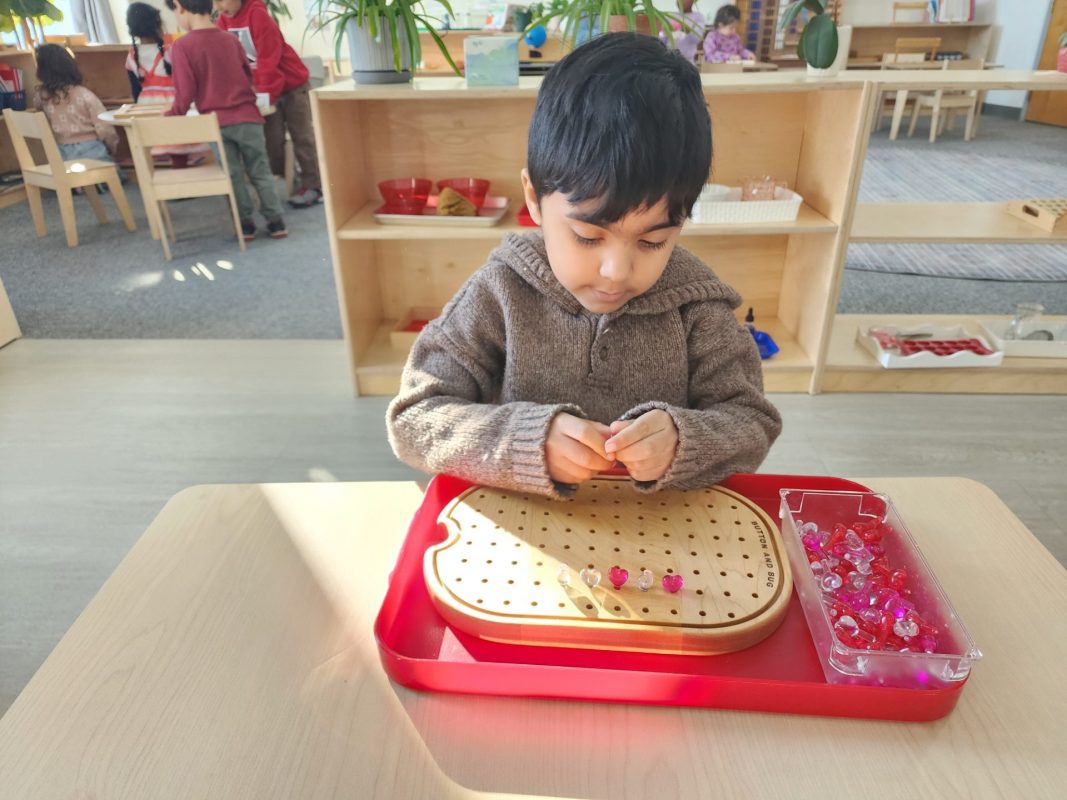
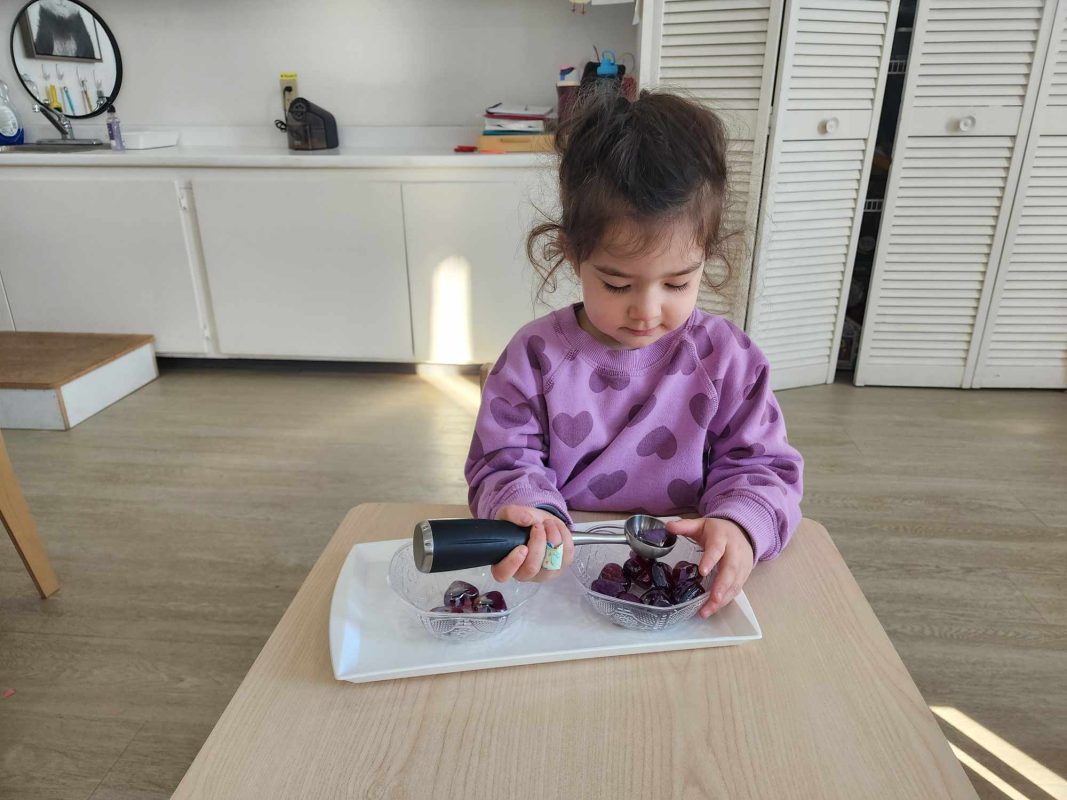
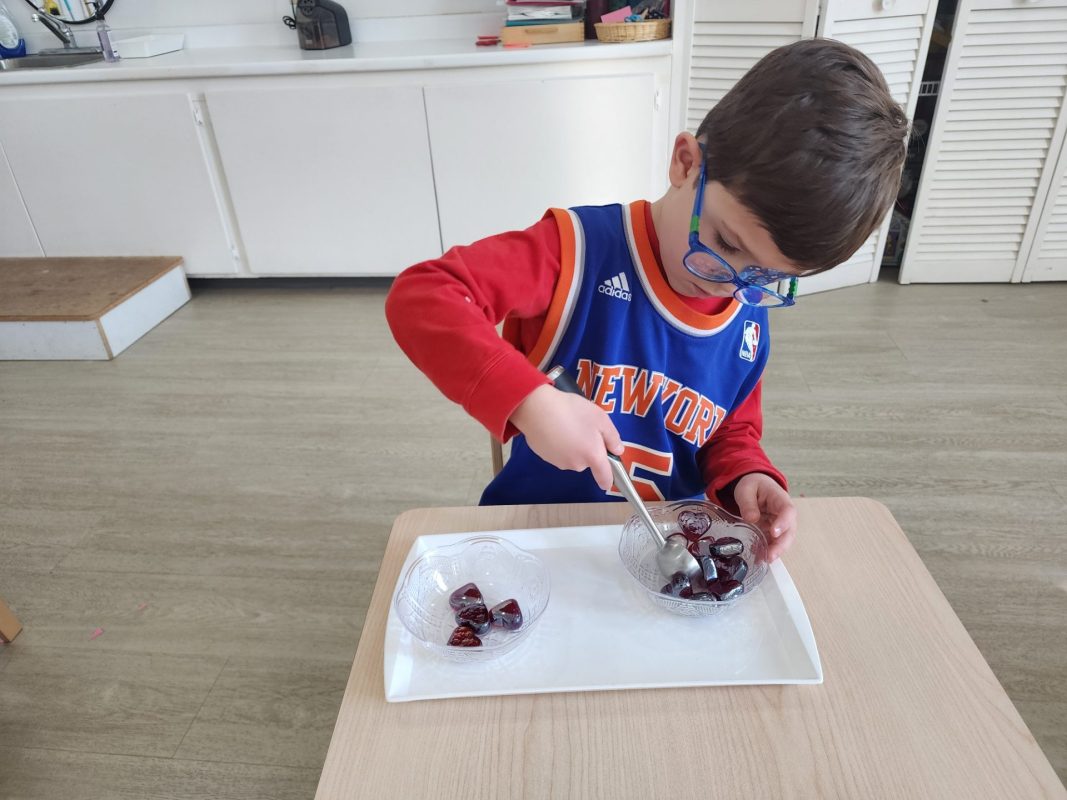
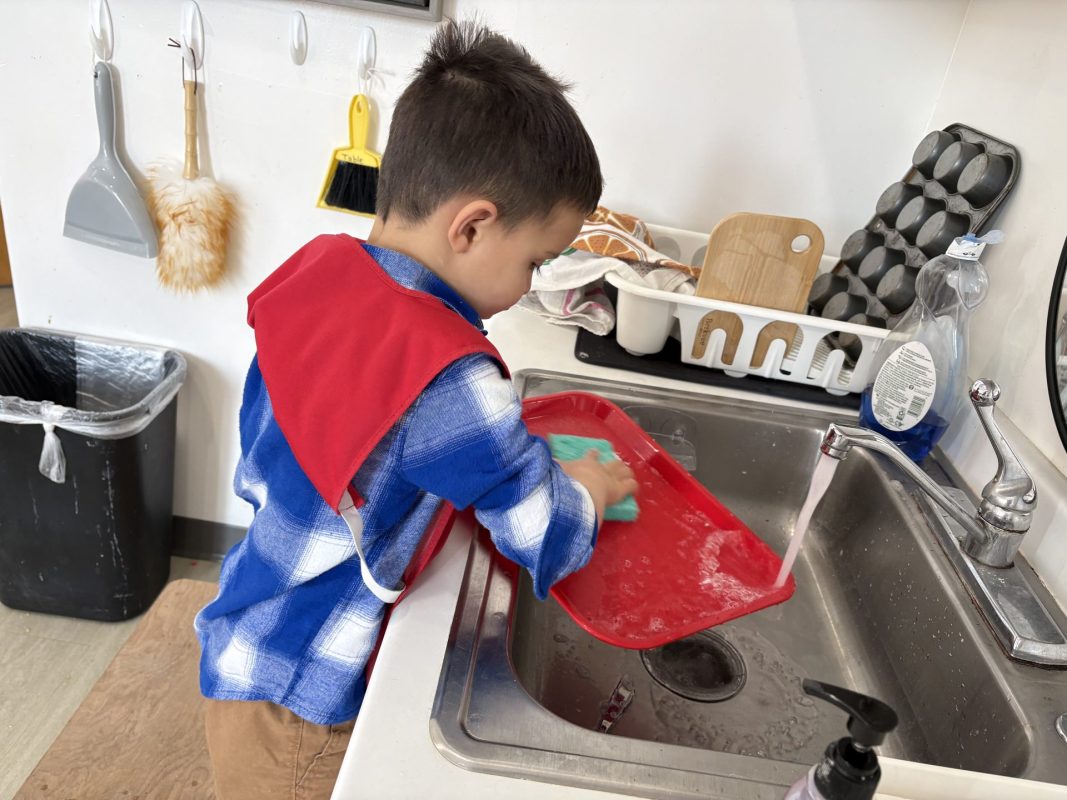
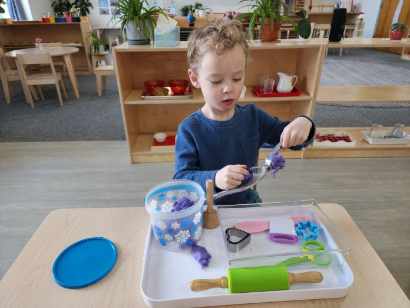
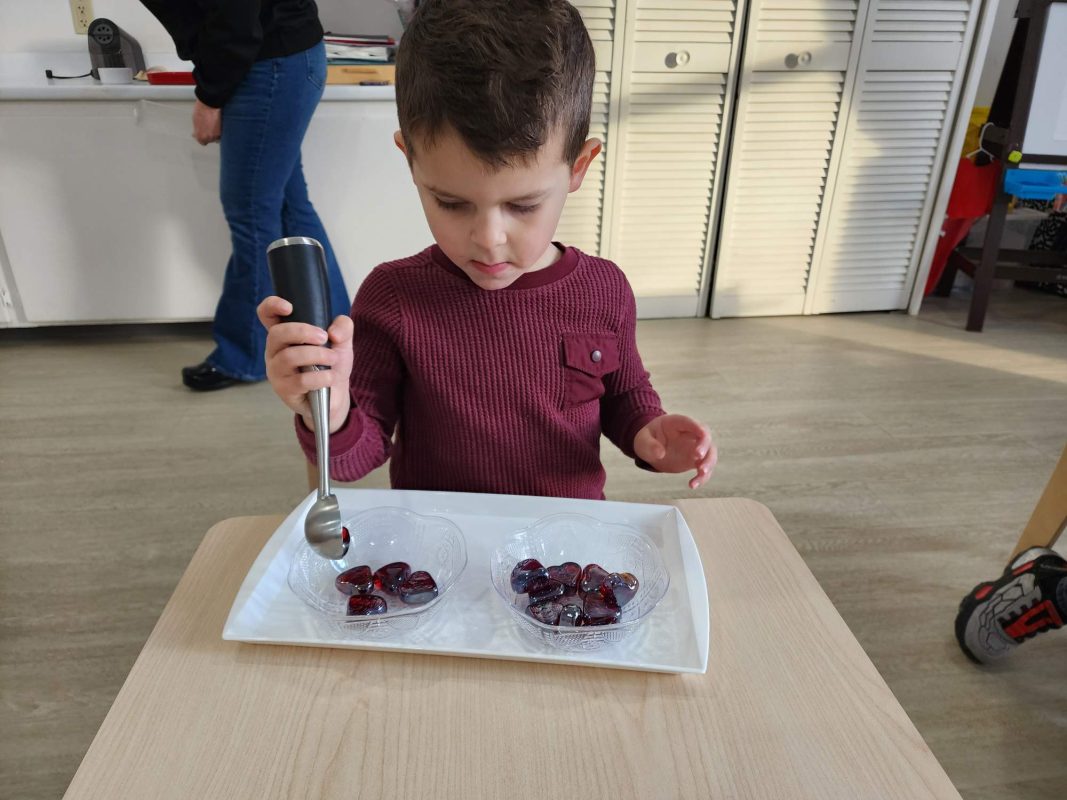
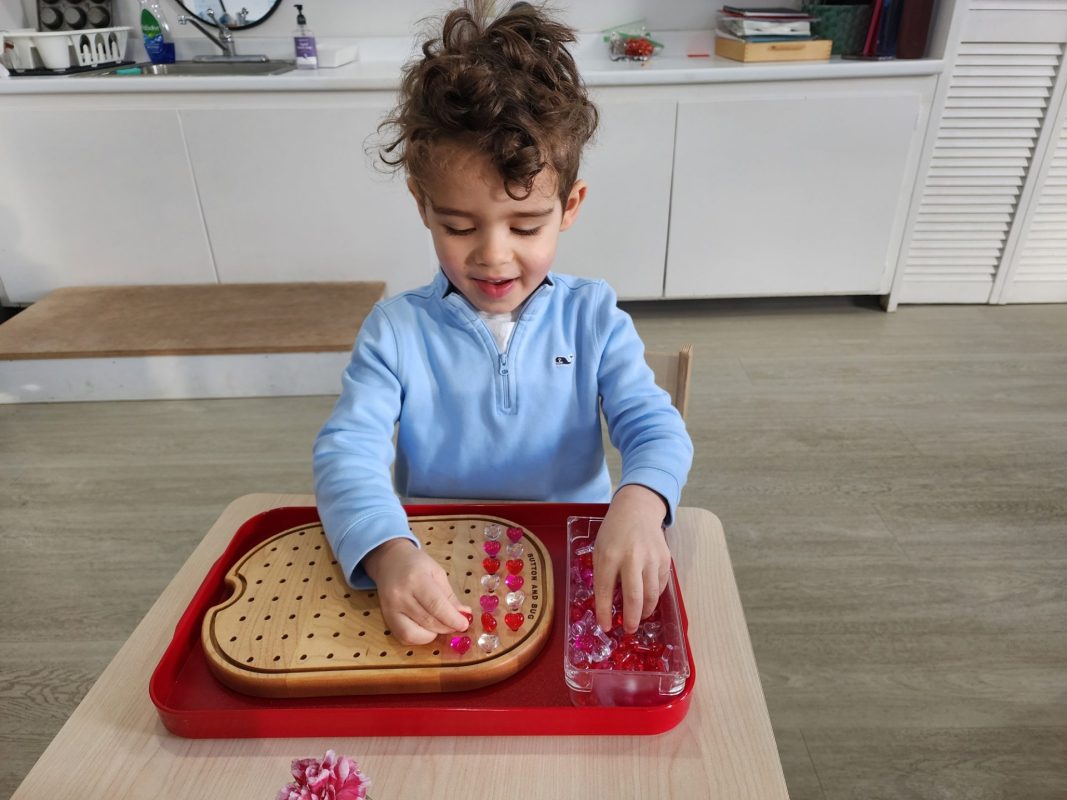
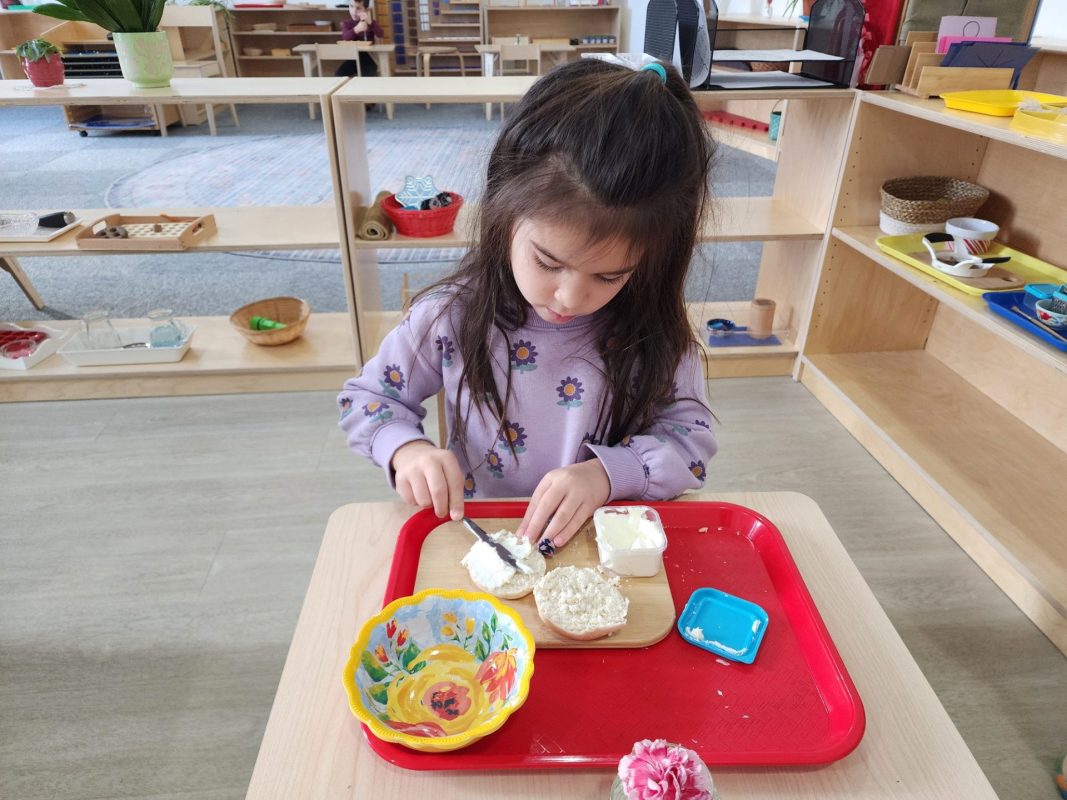
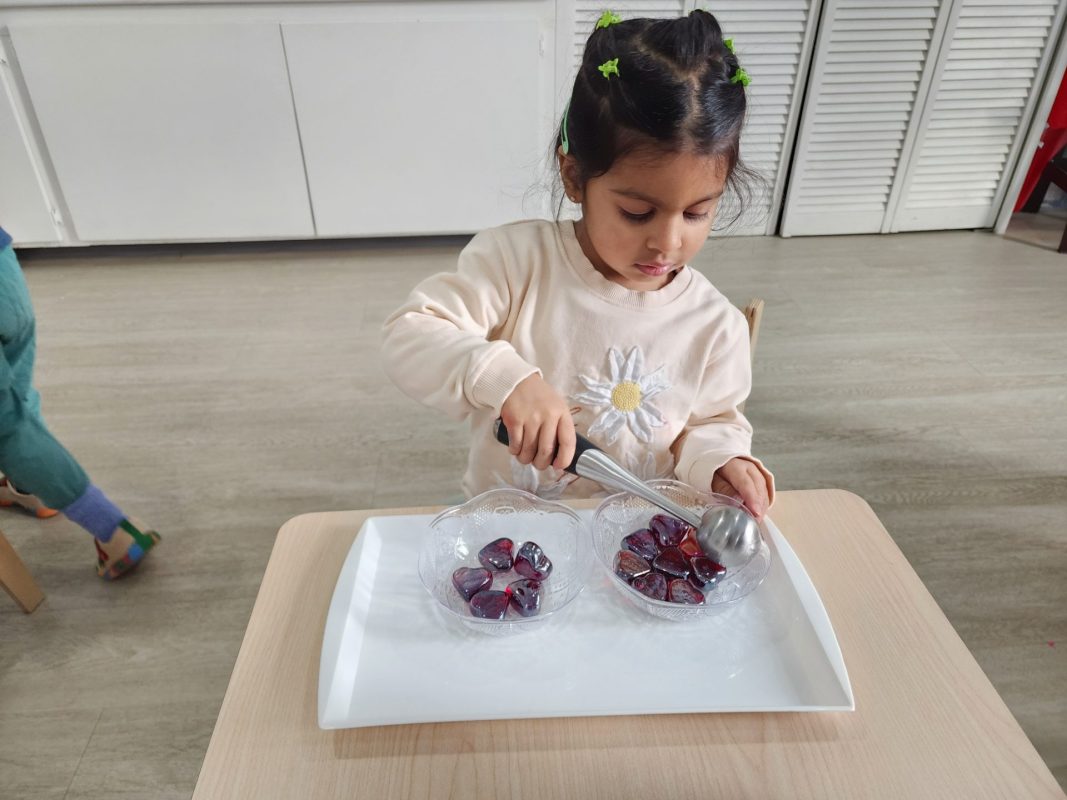
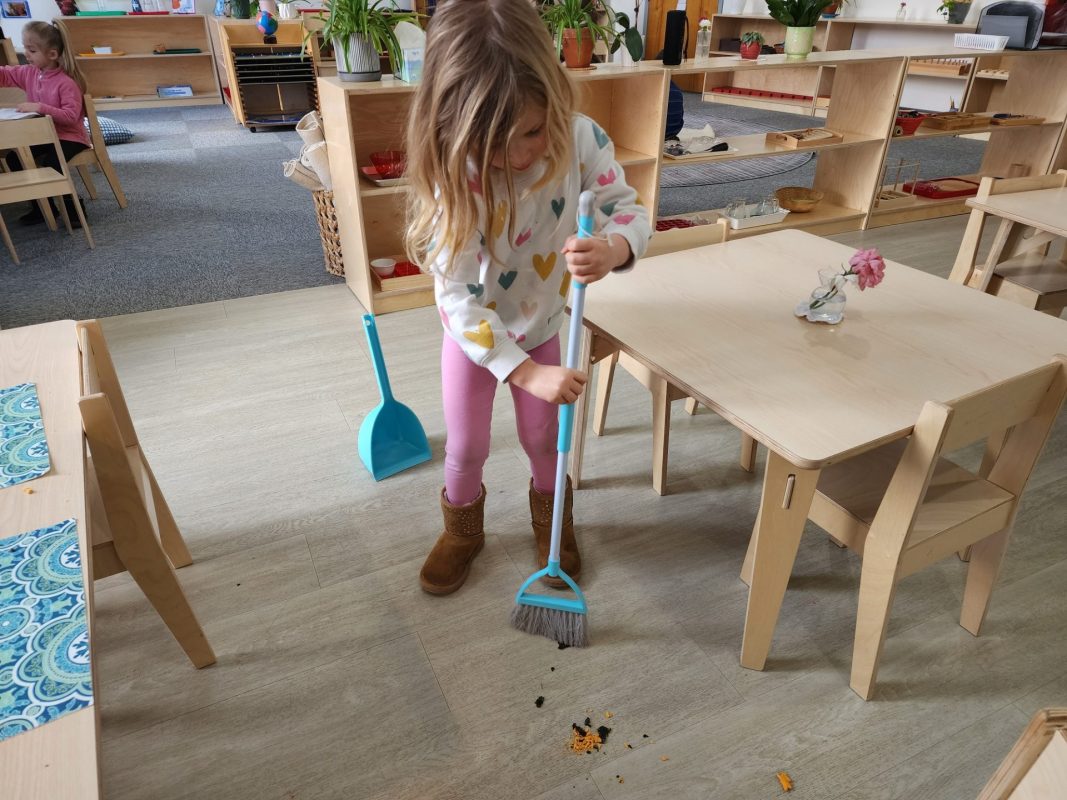
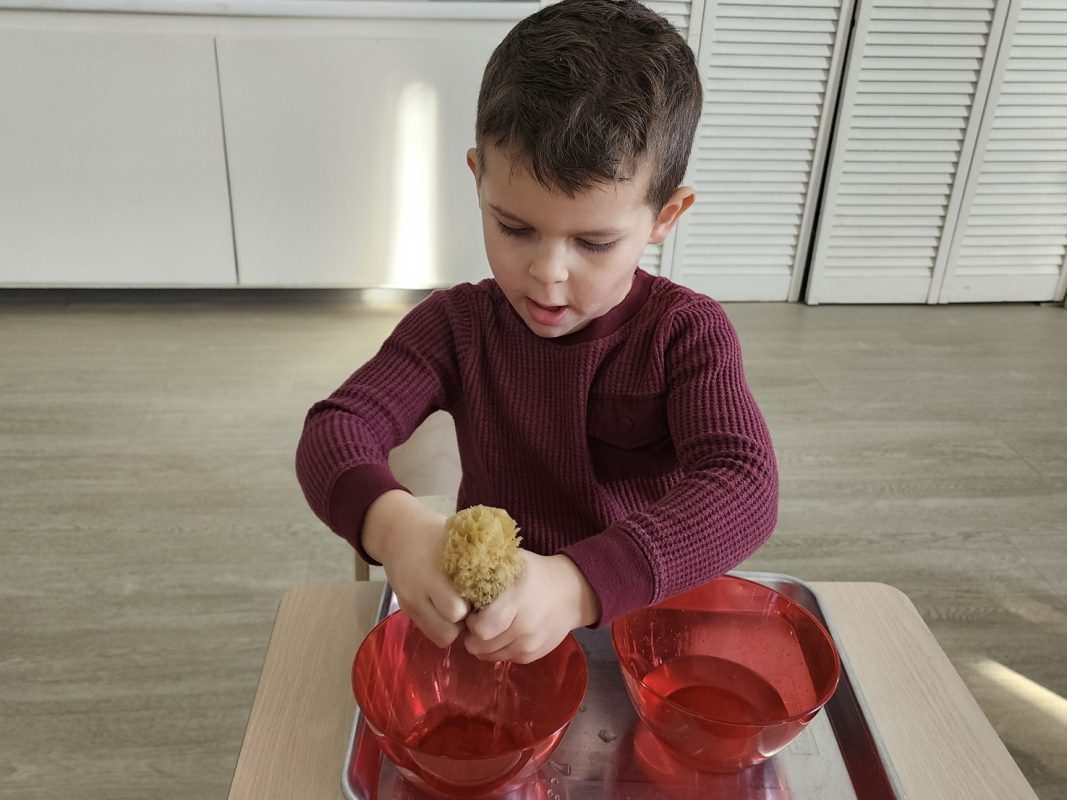
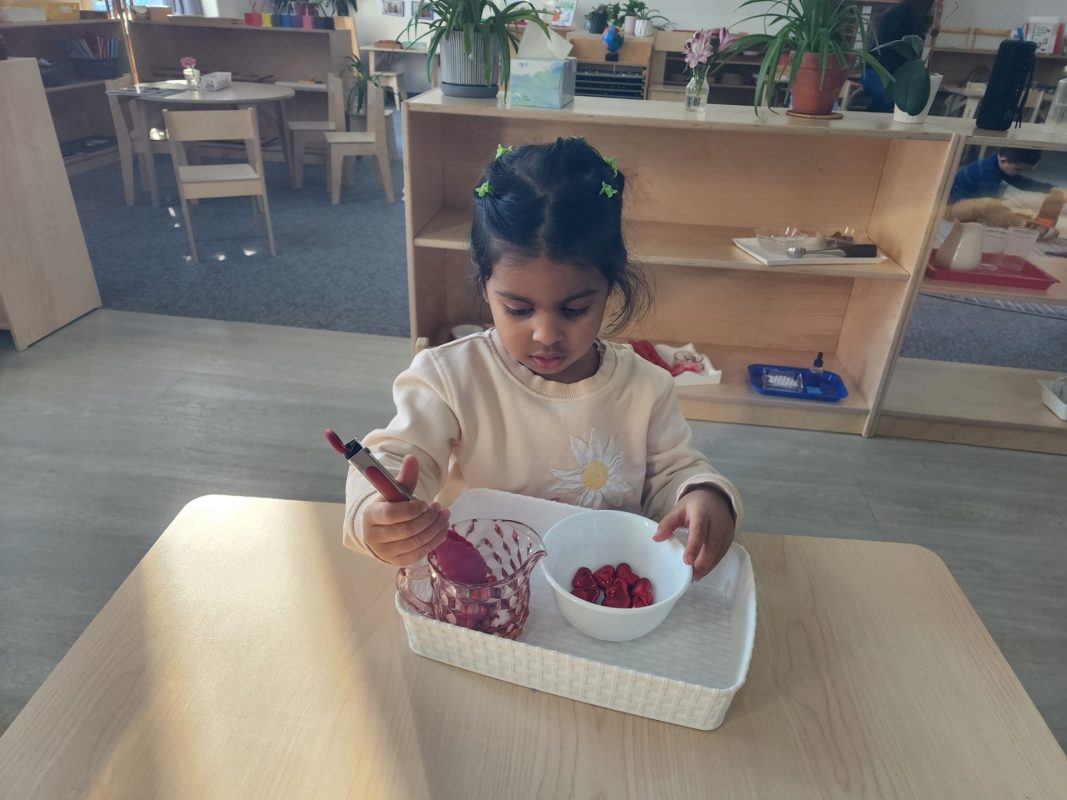
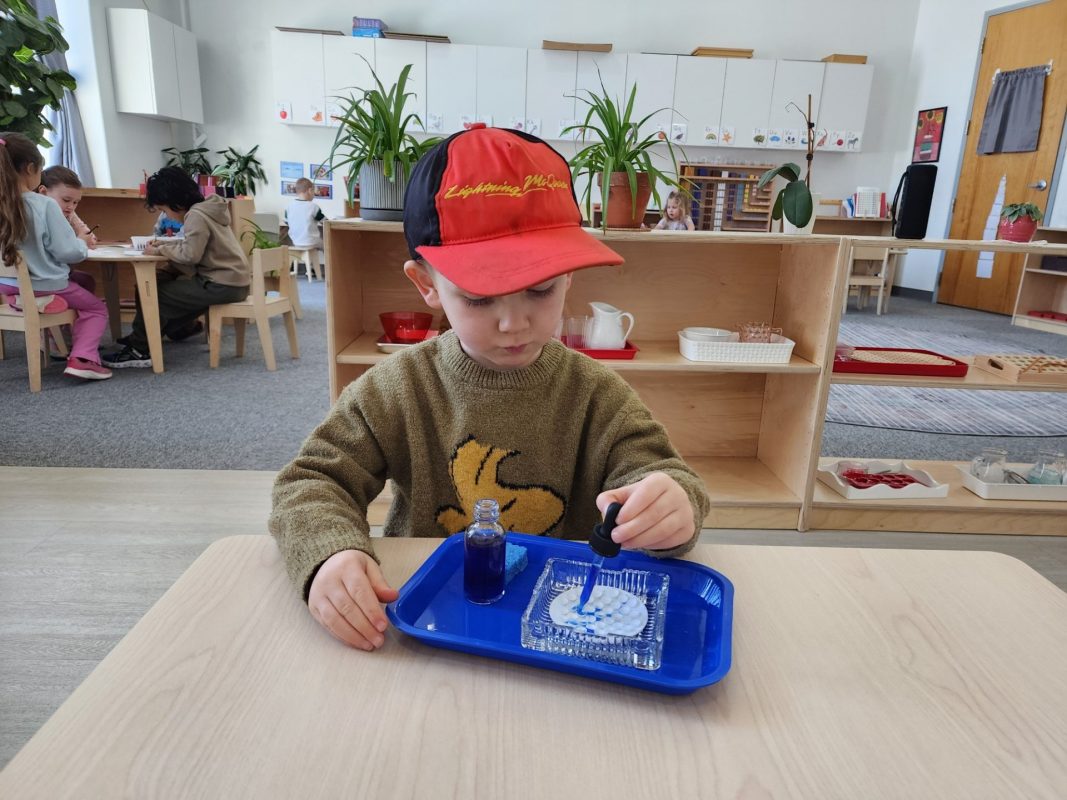
  • Do practical life work, washing dishes in a small basin, scrubbing a table, and transferring dry beans with a spoon. Purposeful work calms the mind.
  • Step outside, even briefly. Five minutes can shift the tone of the entire day.
  • Turn on music and have a family dance party.

Winter can feel long, but it also offers us the gift of slowing down and being together. When we follow the children’s need for movement, creativity, and connection, cabin fever turns into shared memories instead of frustration.

We’re not fighting the season; we’re moving with it.

With Full Hearts

Ms.Mollie and Ms. Lizette


Love, Order, and Limits Across the Years

At Fraser Woods, we understand that the way we show love to children evolves as they grow, but the fundamental truth remains constant. Children thrive when they feel both deeply loved and securely held by consistent boundaries. As Gabrielle Holt’s article reminds us, order and limits are not restrictions—they are powerful expressions of care that help children understand their world and their place within it.

Practical Guidance for Parents from Toddlers to Adolescents

Here’s how you can apply these principles at home, tailored to each stage of your child’s development at Fraser Woods.

Toddlers: Building Trust Through Predictable Routines

Our toddler program emphasizes real activities with intelligent purpose, and the same principle applies at home. At this age, children are experiencing their “sensitive period for order.” They have deep needs for consistency and predictability in their routines, the layout of spaces, and the people in their lives.

Practical Strategies for Home

Create consistent daily rhythms. Establish predictable sequences for morning routines, mealtimes, and bedtime. When toddlers know what comes next, they feel safe and can participate more actively.

Set up the environment for independence. Just as in our toddler classroom, provide child-sized tools and furniture. Low hooks for coats, accessible shelves for toys, and a step stool at the sink communicate, “You belong here, and you can do this yourself.”

Offer limited, clear choices. “Would you like to wear the red shirt or the blue shirt?” This respects their growing autonomy while maintaining your guidance.

Use calm, consistent language for limits. Instead of “No throwing!” try “Blocks stay on the floor. You can throw this soft ball.” Name the desired behavior and offer an alternative.

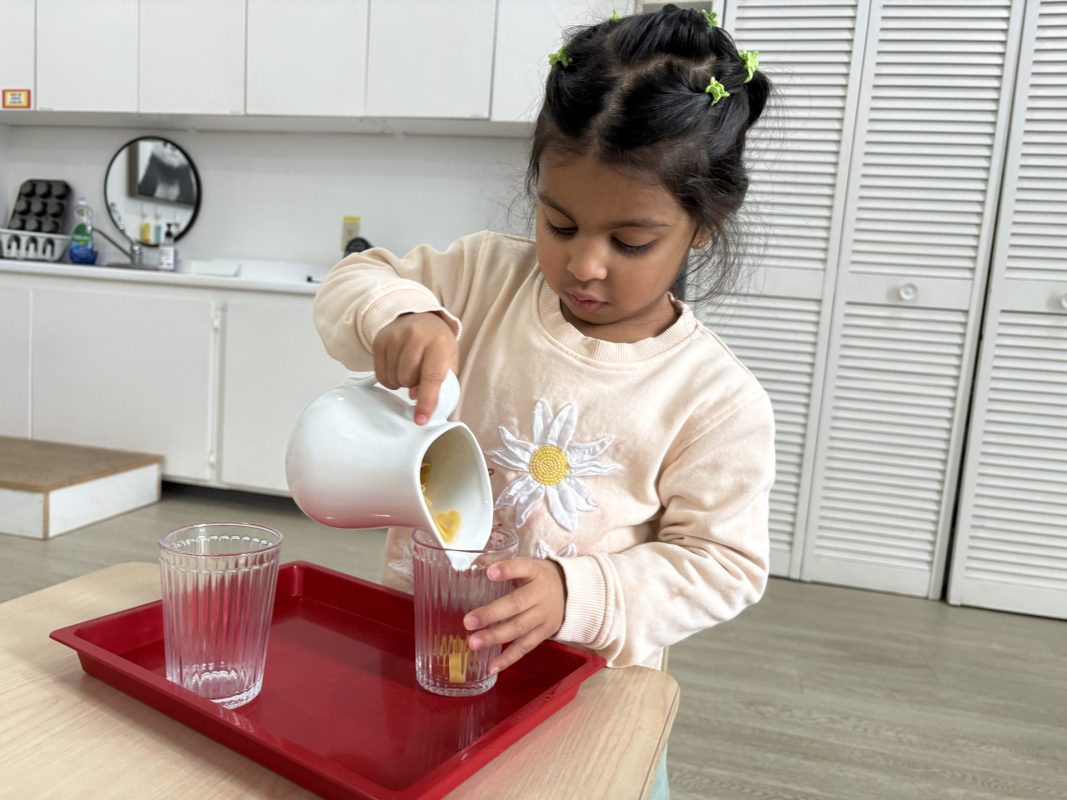
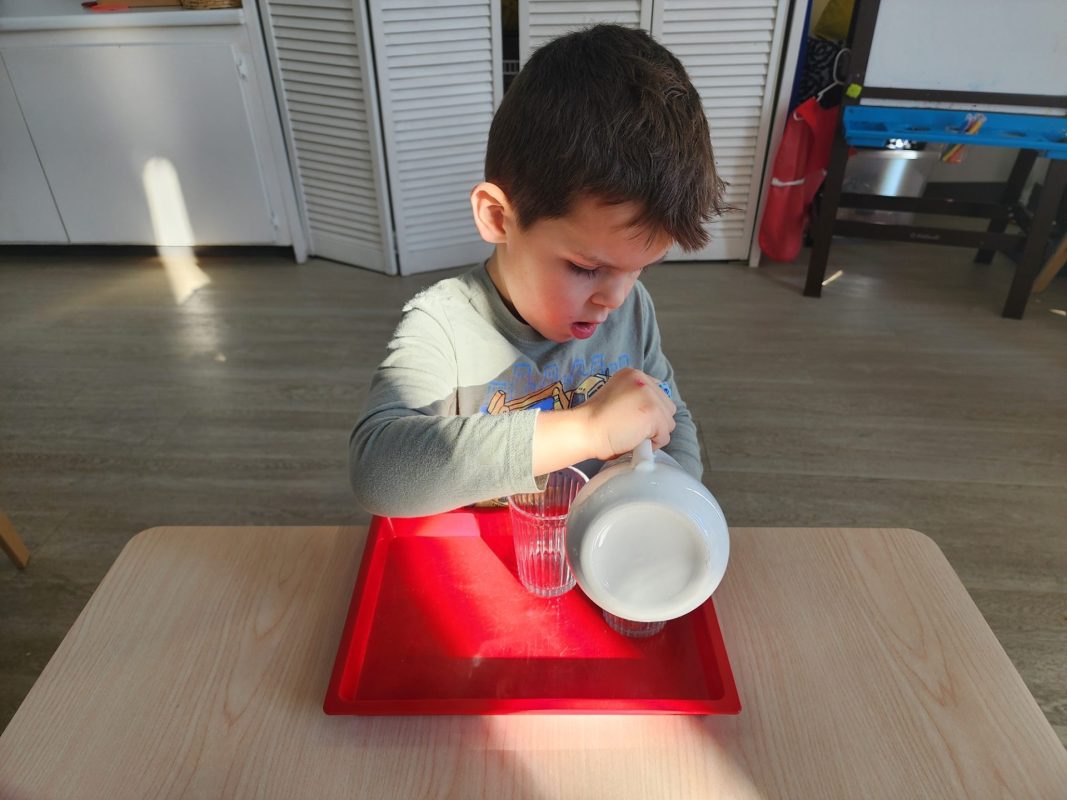
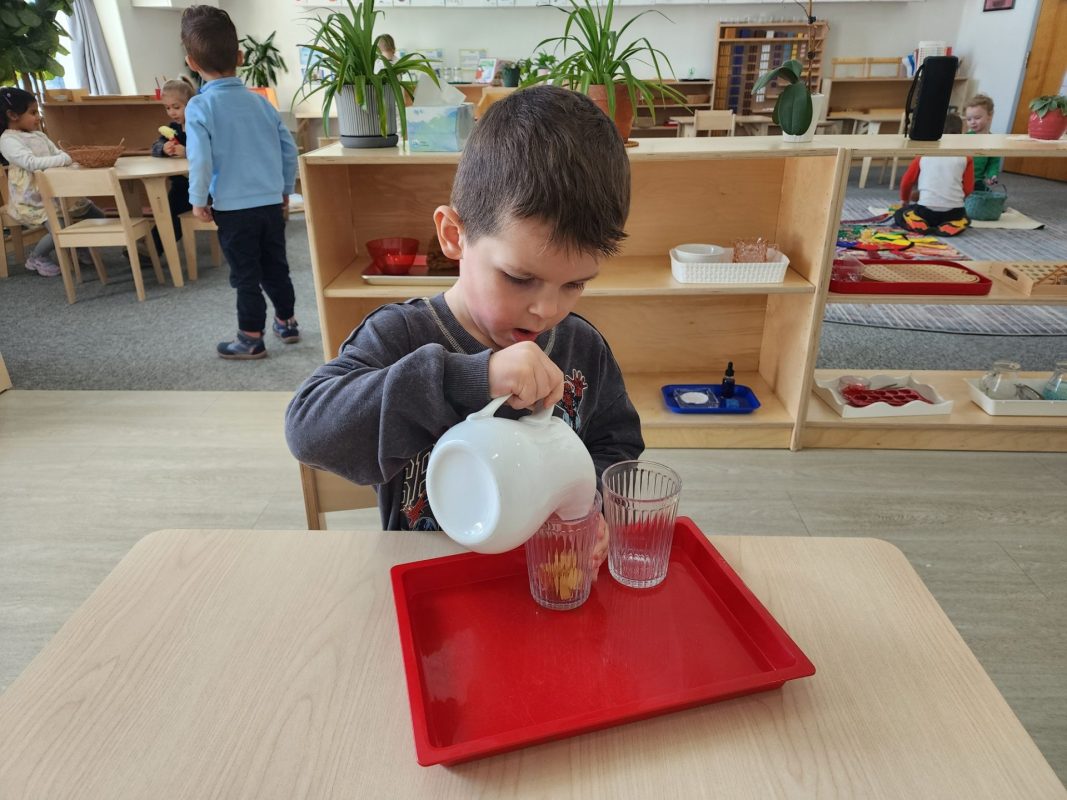
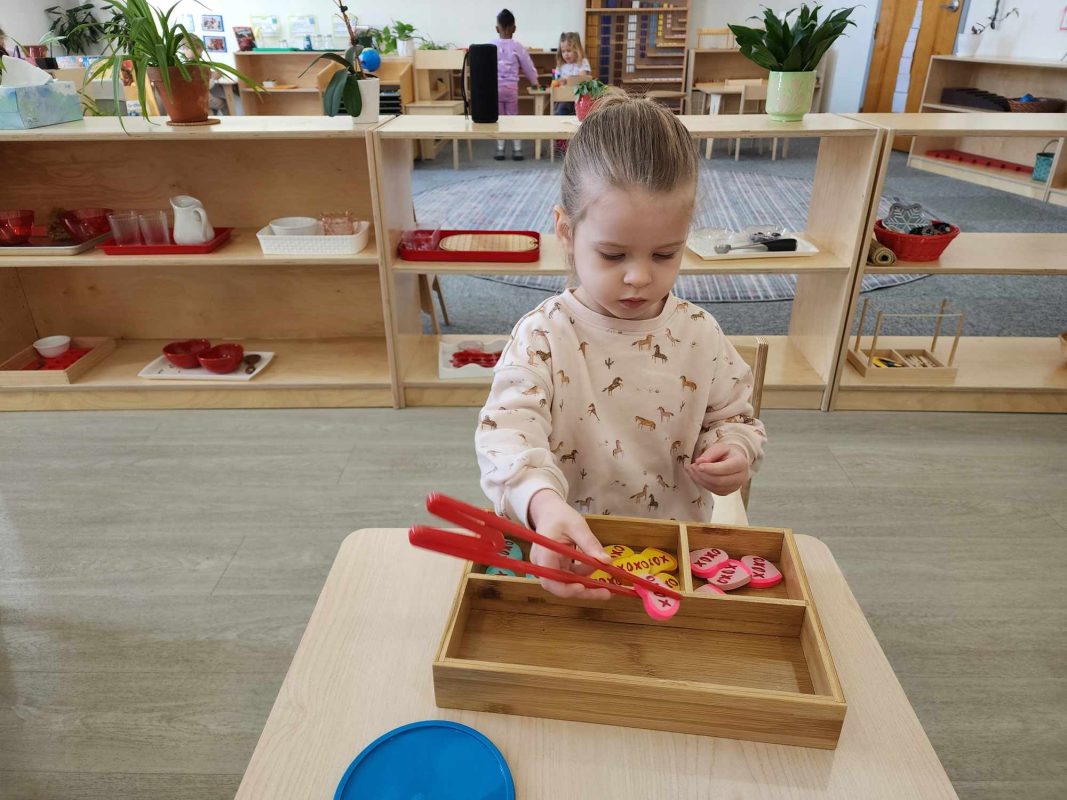
Honor practical life activities. Allow extra time for your toddler to pour their own water, help set the table, or carry their dishes to the sink. These activities build concentration, coordination, and confidence.

Ages 3-6: Freedom Within Clear Boundaries

In our Primary classrooms, children work within carefully prepared environments where freedom and limits coexist. The Montessori philosophy encourages freedom within limits, and this is essential at home as well.

Practical Strategies for Home

Establish family routines and stick to them. Consistent bedtimes, meal routines, and morning sequences provide the order Primary children crave while respecting their growing independence.

Create prepared spaces at home. Designate specific areas for different activities—a reading corner, an art space, a place for building. This external order supports internal organization.

Set clear expectations before transitions. “In five minutes, it will be time to clean up and get ready for dinner.” This gives children time to mentally prepare for changes.

Practice grace and courtesy. Model and gently remind children about social expectations: greeting people, saying please and thank you, waiting for their turn to speak. These aren’t arbitrary rules—they’re expressions of respect for others.

Allow natural consequences when safe. If your child refuses to wear a coat, let them feel chilly (assuming it’s safe). This teaches responsibility far better than lectures.

Maintain consistent responses. If jumping on the couch isn’t allowed on Tuesday, it shouldn’t be allowed on Saturday. Consistency helps children internalize expectations.

Ages 6-9: Supporting Intellectual Independence

As children transition from concrete to abstract thinking, they begin to question the “why” behind rules. This is healthy! In our Lower Elementary classrooms, we honor this developmental shift by explaining our expectations and involving children in problem-solving.

Practical Strategies for Home

Explain the reasoning behind limits. “We put our dishes in the sink after eating because it helps our family work together to keep our home clean.” Understanding the purpose makes cooperation more likely.

Involve children in creating family guidelines. Have family meetings where everyone contributes ideas about household expectations. When children help create the rules, they’re more invested in following them.

Establish routines for homework and independent work. Create a consistent time and place for homework. Provide support when asked, but resist the urge to hover. This age is learning to manage their own work.

Set clear boundaries around screen time and activities. Be specific: “We use screens for 30 minutes after homework on weekdays” rather than vague “not too much.”

Honor their need for physical activity and exploration. Just as in our classrooms where students use hands-on materials and take breaks to move, ensure home routines include outdoor time and movement.

Follow through consistently. If you say screen time ends at 5:00, it ends at 5:00—not 5:10 after negotiations. Consistency builds trust.

Ages 9-12: The Bridge to Adolescence

Our Upper Elementary program is designed as a bridge between childhood and adolescence, where students explore moral and ethical ideas as they seek to identify what makes them unique. At home, this means adjusting your approach while maintaining clear expectations.

Practical Strategies for Home

Transition from external to internal motivation. Rather than rewards and punishments, engage in conversations about values and choices. “How do you think that choice affected your friend?” encourages self-reflection.

Increase responsibilities gradually. This age can manage more complex tasks: packing their own lunch, managing their homework schedule, caring for a pet. Provide the structure, then step back.

Set boundaries around increasing independence. As children push for more freedom, establish clear parameters: “You can bike to your friend’s house if you text me when you arrive and leave.”

Create family rituals for connection. Regular family dinners, weekend activities, or bedtime check-ins become anchors as children become more independent.

Respect their need for privacy while maintaining oversight. Knock before entering their room, but maintain clear expectations about screen use, social media, and digital citizenship.

Model the behavior you expect. If you want your child to put their phone away at dinner, do the same. They’re watching everything you do.

Ages 12-14: Respecting the Emerging Adolescent

In our Middle School program, we emphasize self-discipline and personal accountability in an environment of unconditional respect. Adolescents need both structure and opportunities to practice independence—preparing them for the adaptations of high school and beyond.

Practical Strategies for Home

Shift from control to influence. Adolescents are developmentally driven to assert independence and make their own choices. Rather than trying to control their every decision, focus on maintaining a strong relationship built on trust and open communication. Stay connected even during disagreements—your influence comes from the strength of your bond, not from your authority.

Establish non-negotiables clearly. Be clear about your family’s core values and non-negotiable expectations (safety, respect, honesty) while allowing flexibility in other areas.

Create structures that support their responsibilities. Rather than nagging about homework, establish a family expectation: “Homework is completed before dinner” or “Sundays are for organizing the week ahead.”

Honor their need for social connection. Adolescents are forming their identity through relationships with peers. Support appropriate social activities while maintaining boundaries around safety.

Use natural consequences whenever possible. If your middle schooler forgets their lunch, resist the urge to rush it to school. The experience of being hungry teaches responsibility better than lectures.

Schedule regular one-on-one time. Adolescents may seem like they want distance, but they desperately need connection. Car rides, coffee dates, or walks create space for conversations without pressure.

Practice collaborative problem-solving. When conflicts arise, involve your adolescent in finding solutions. “I’ve noticed you’re staying up very late. How can we work together to ensure you’re getting enough sleep?”

Respect their growing need for autonomy while maintaining connection. They need to know you’re available while also trusting them to manage more of their own lives.

Universal Principles Across All Ages

Regardless of your child’s age, these principles remain constant:

Be consistent, calm, and clear. When we are predictable in our responses, children feel secure. This doesn’t mean being rigid, but it does mean following through on what we say.

Connect before you correct. Whether your toddler is melting down or your middle schooler is being defiant, connection comes first. Get down to their level, make eye contact, acknowledge their feelings, then address the behavior.

Limits are acts of love. When you maintain a consistent bedtime, insist on respectful language, or follow through on consequences, you’re teaching your child how to live respectfully with others. You’re showing them that you care enough to guide them.

Model what you expect. Children learn more from what we do than what we say. Show them what respectful communication looks like, what perseverance looks like, what integrity looks like.

Remember that order provides freedom. Just as in our Fraser Woods classrooms, when children know the boundaries, they’re free to explore, create, and grow with confidence within them.

At Fraser Woods, we partner with you to raise children who feel secure, capable, and loved. The consistency, thoughtful routines, and calm boundaries we maintain at school are most effective when reinforced at home. By providing this loving structure across all developmental stages, we’re responding to our children’s deepest needs: to understand how the world works and where they belong within it.

This is not about being perfect. It’s about being present, consistent, and intentional. When we hold loving limits, we give our children the security they need to grow with confidence and joy.


Ms. Marissa: Building Community

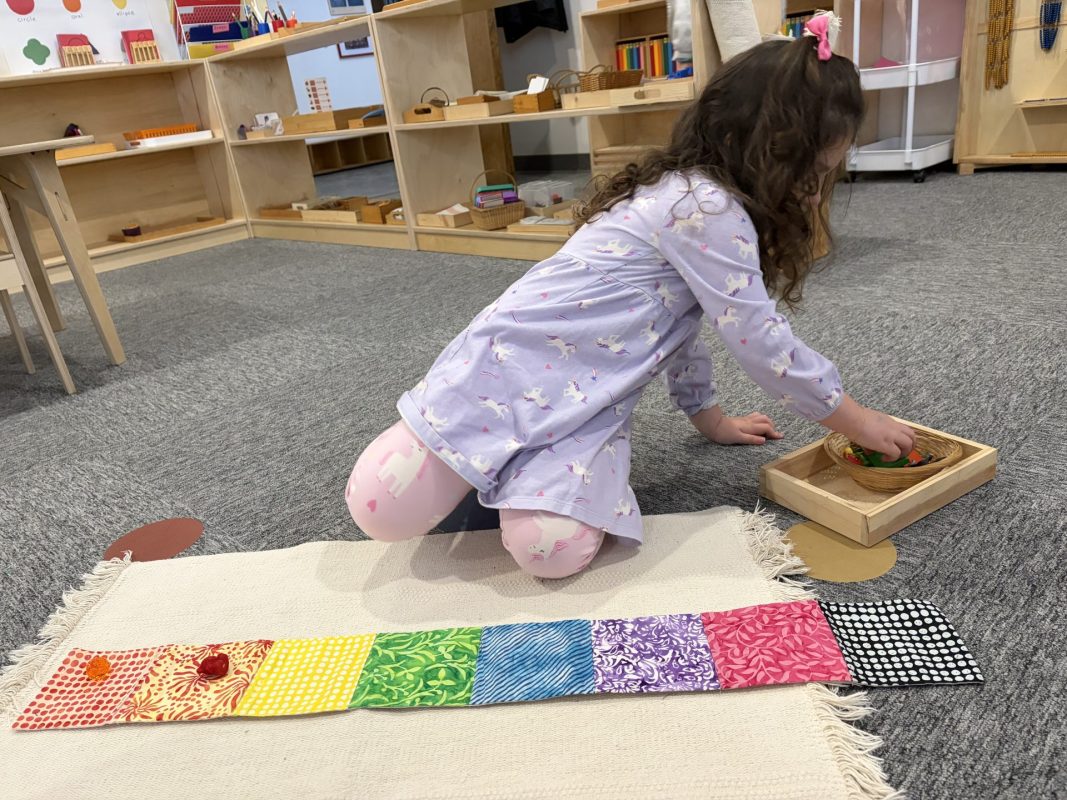
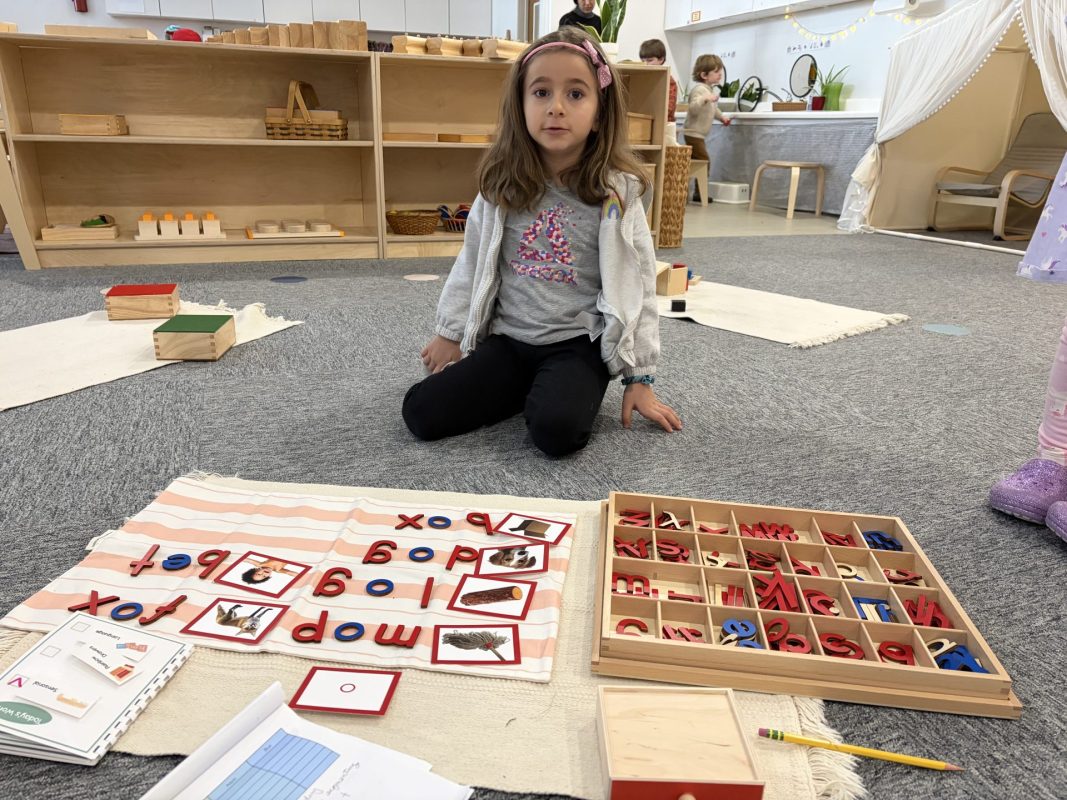
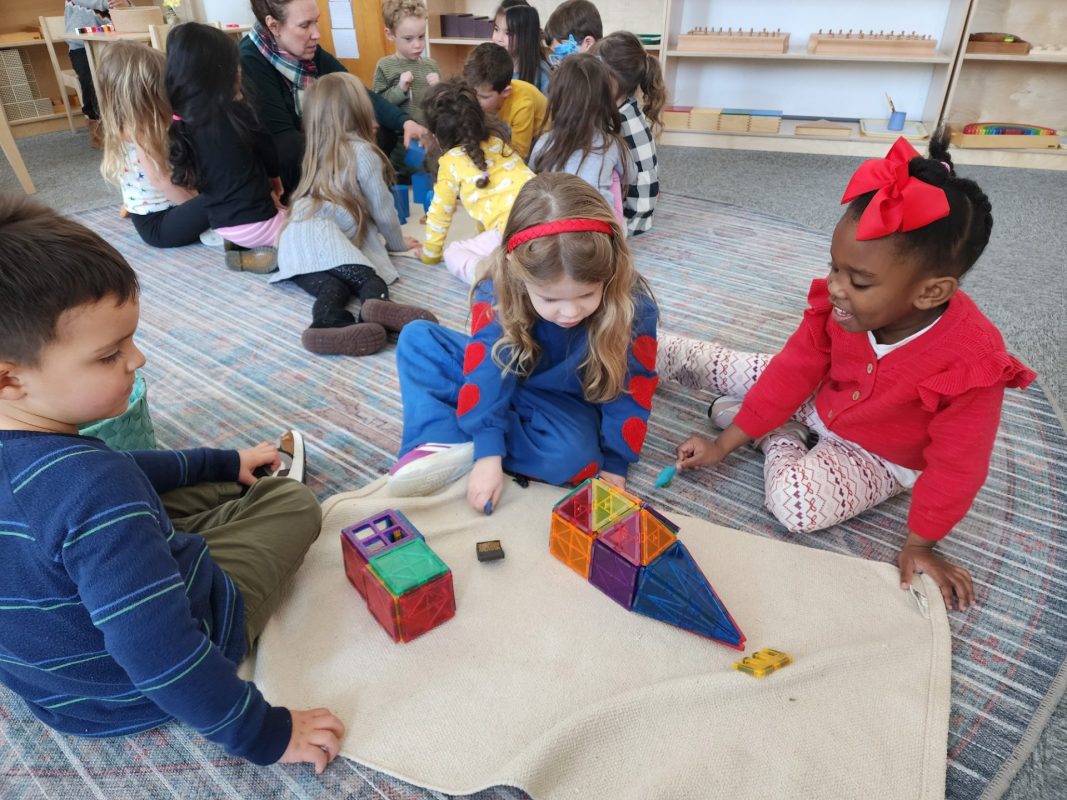
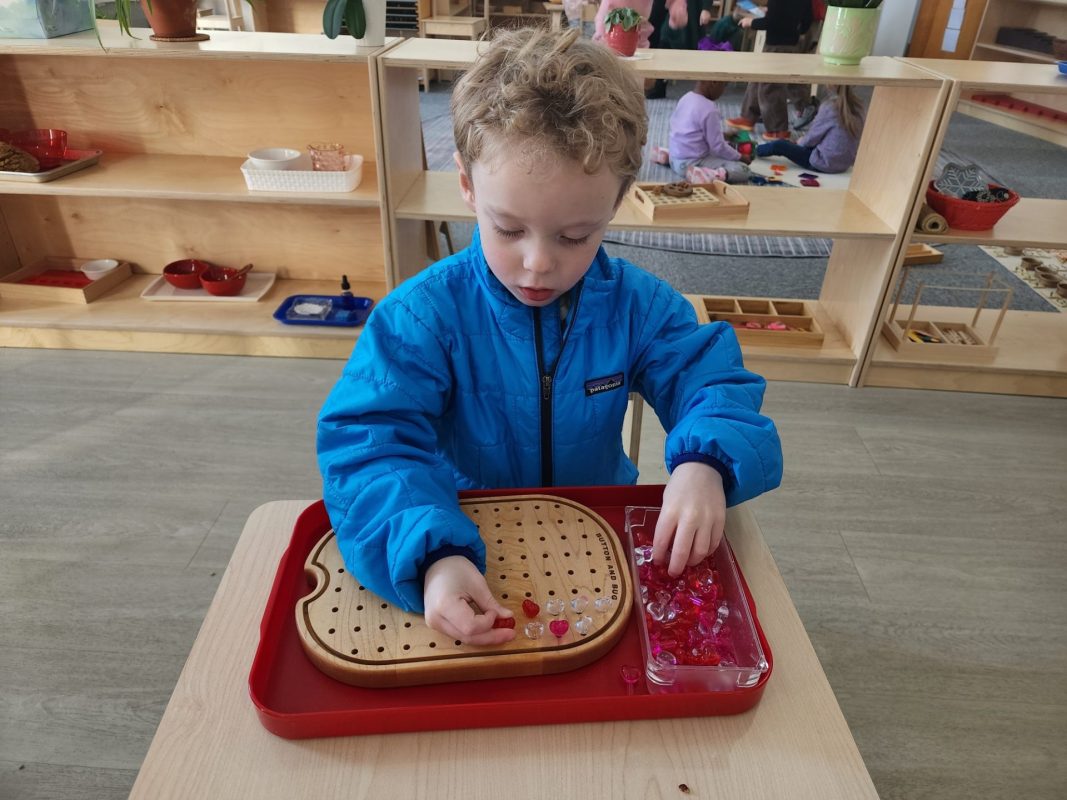
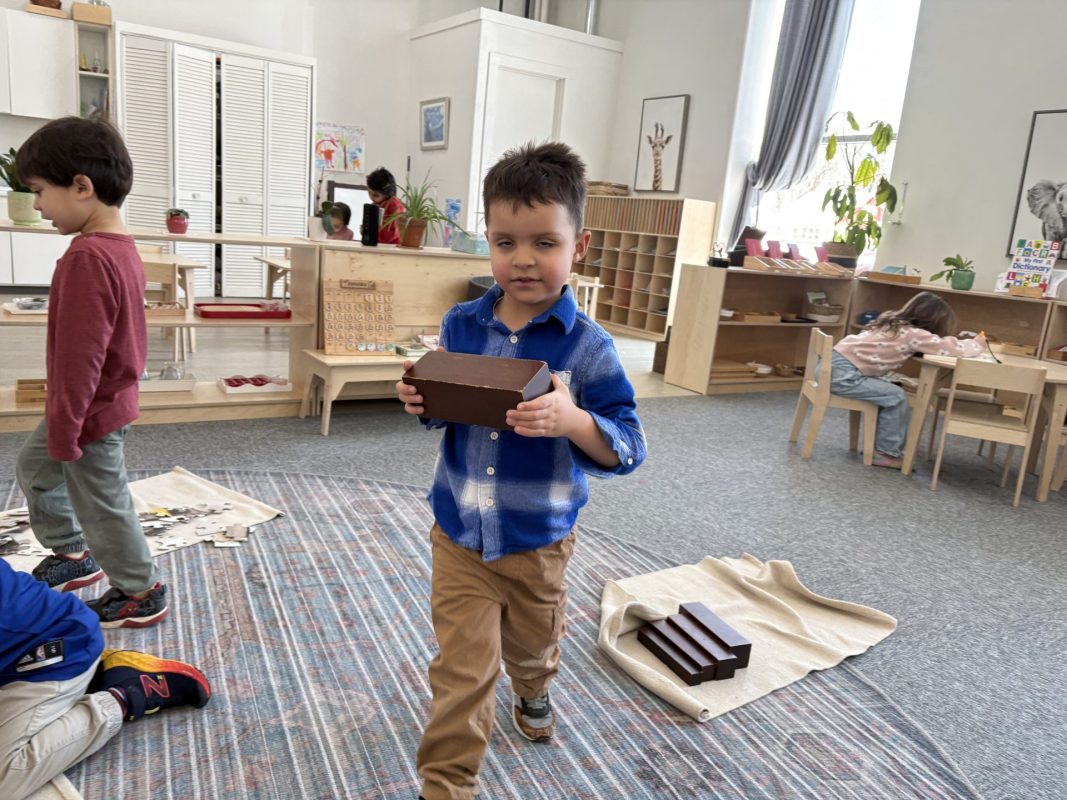
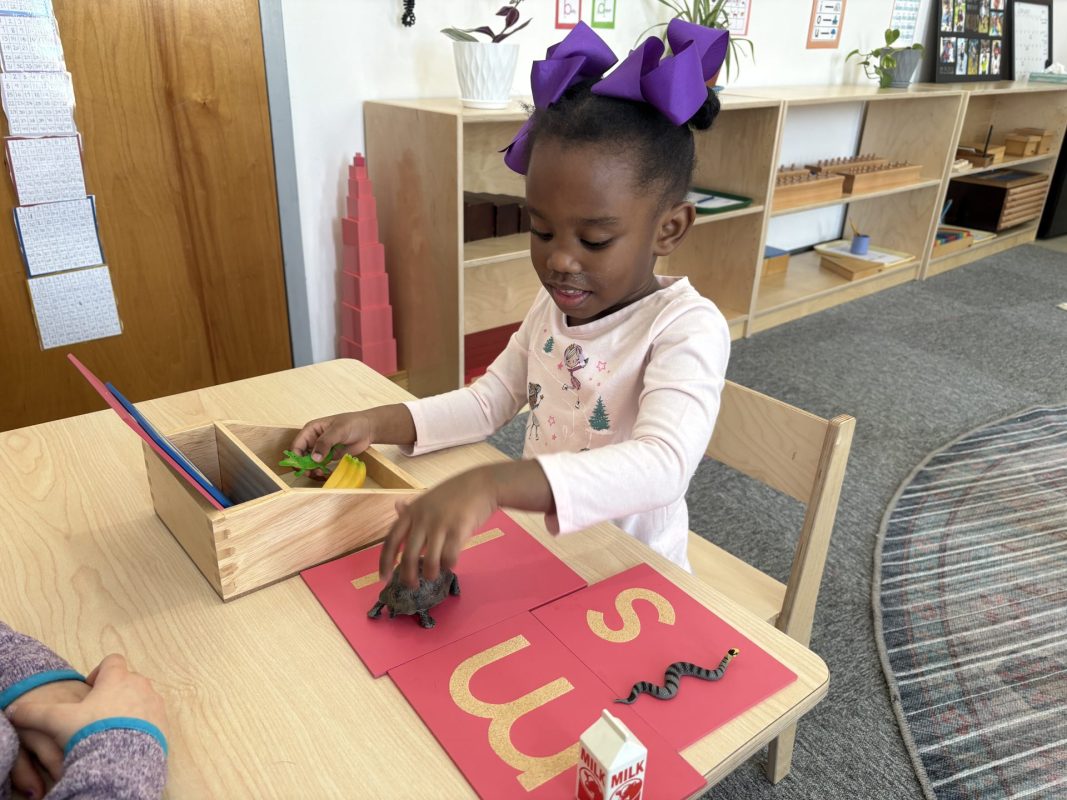
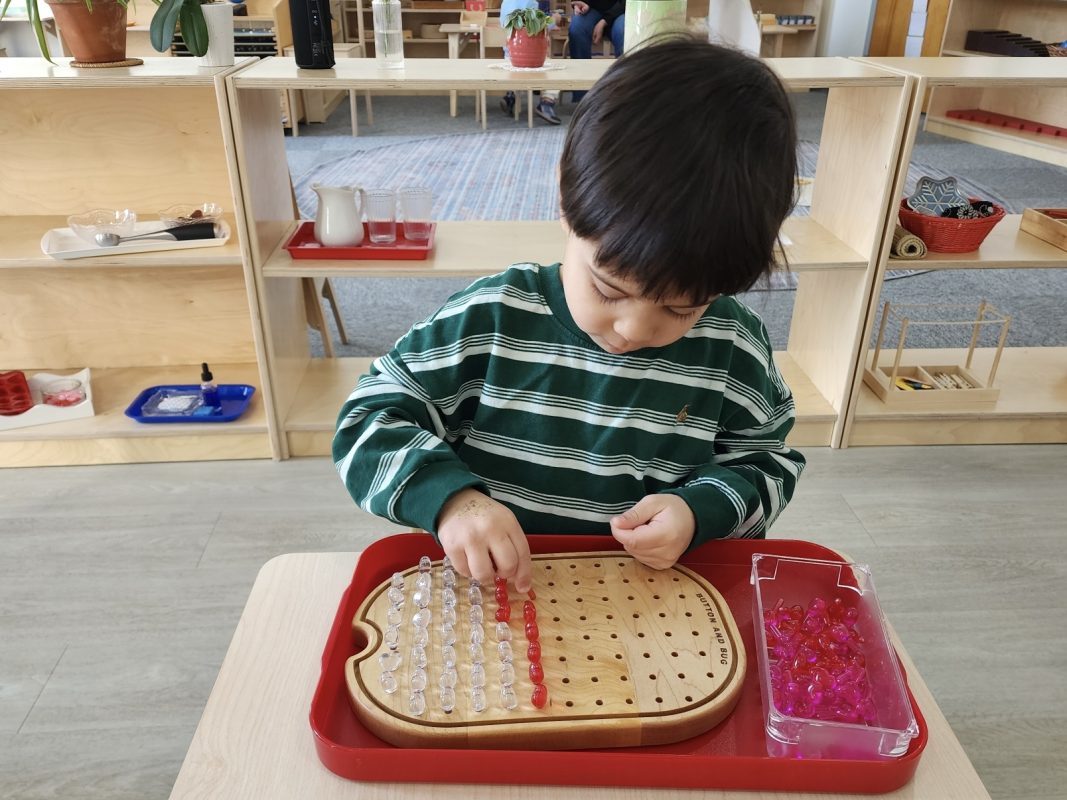
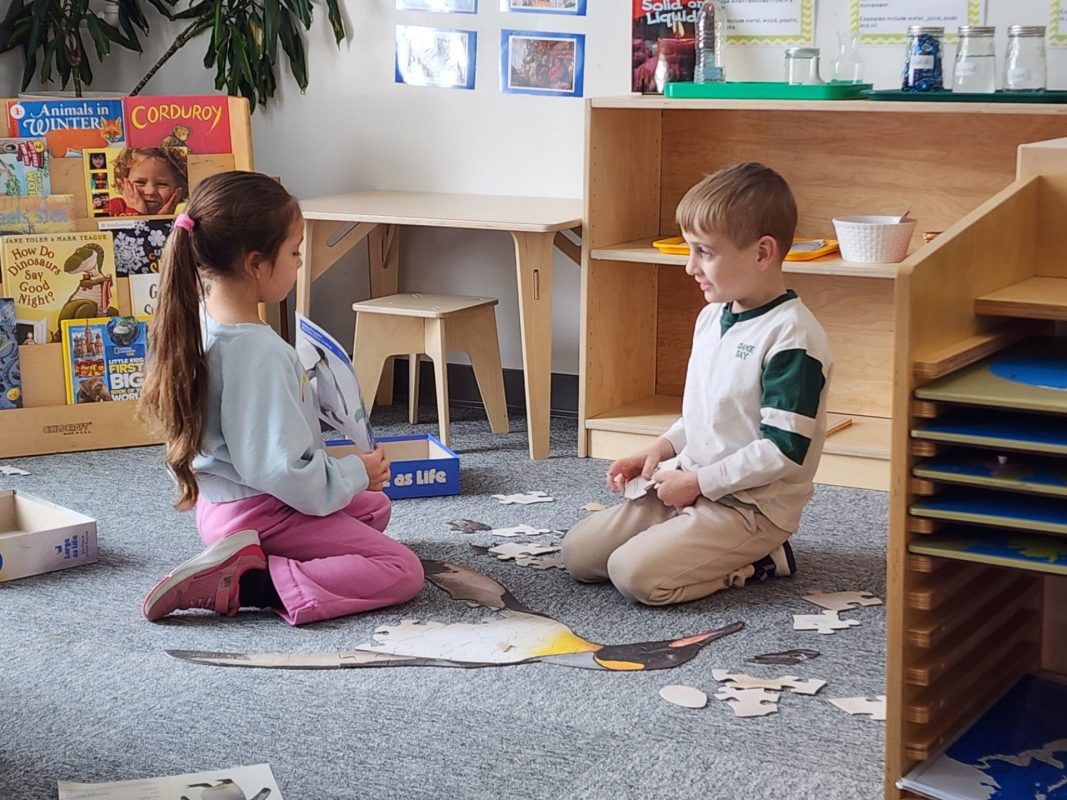
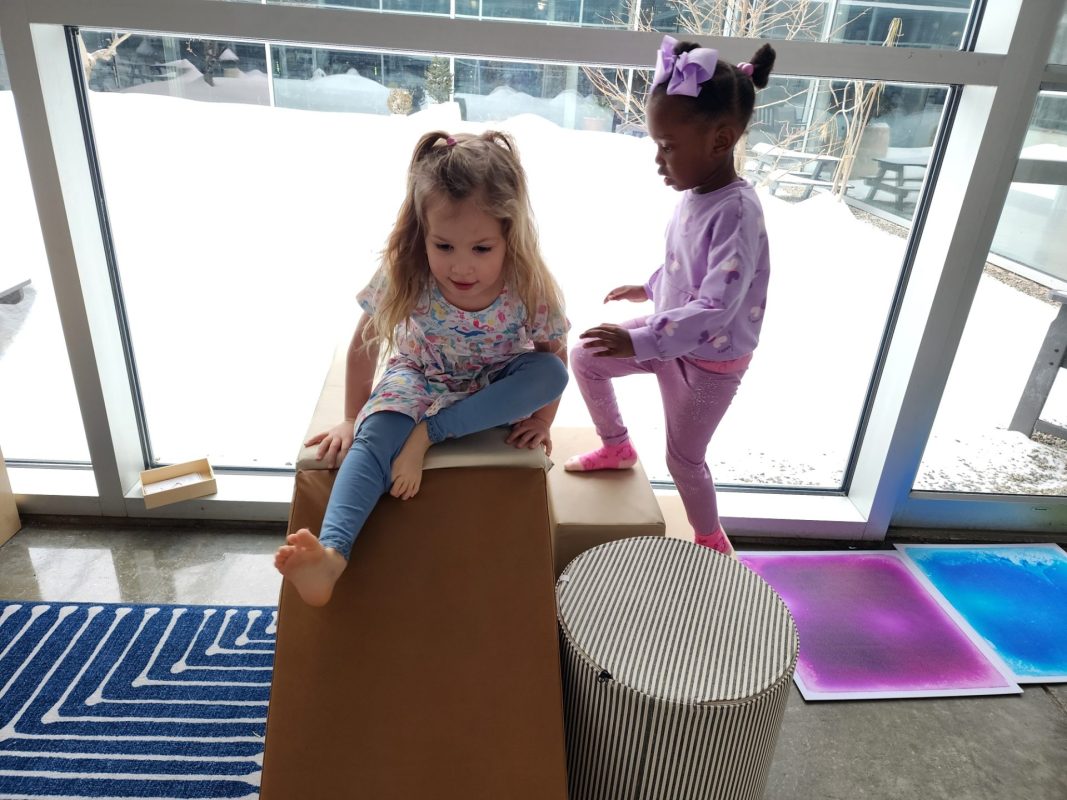
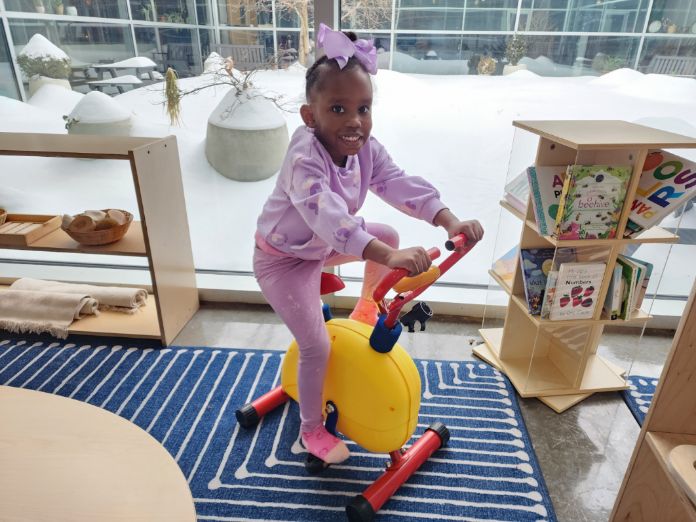
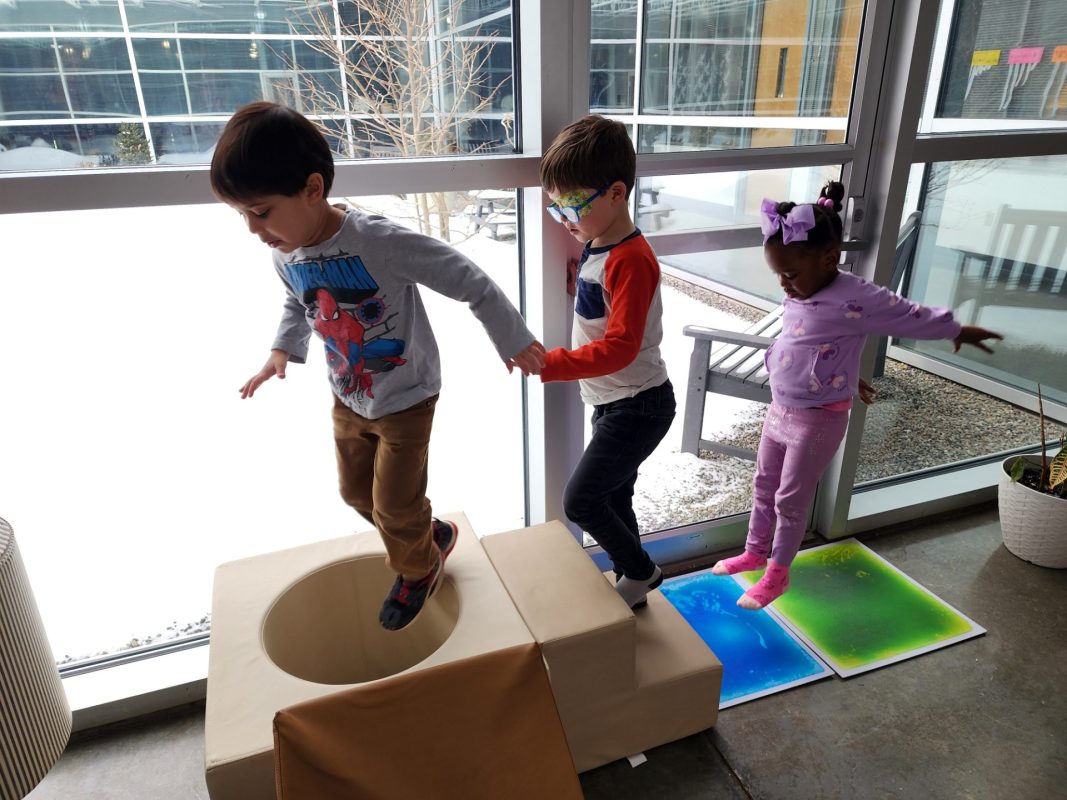
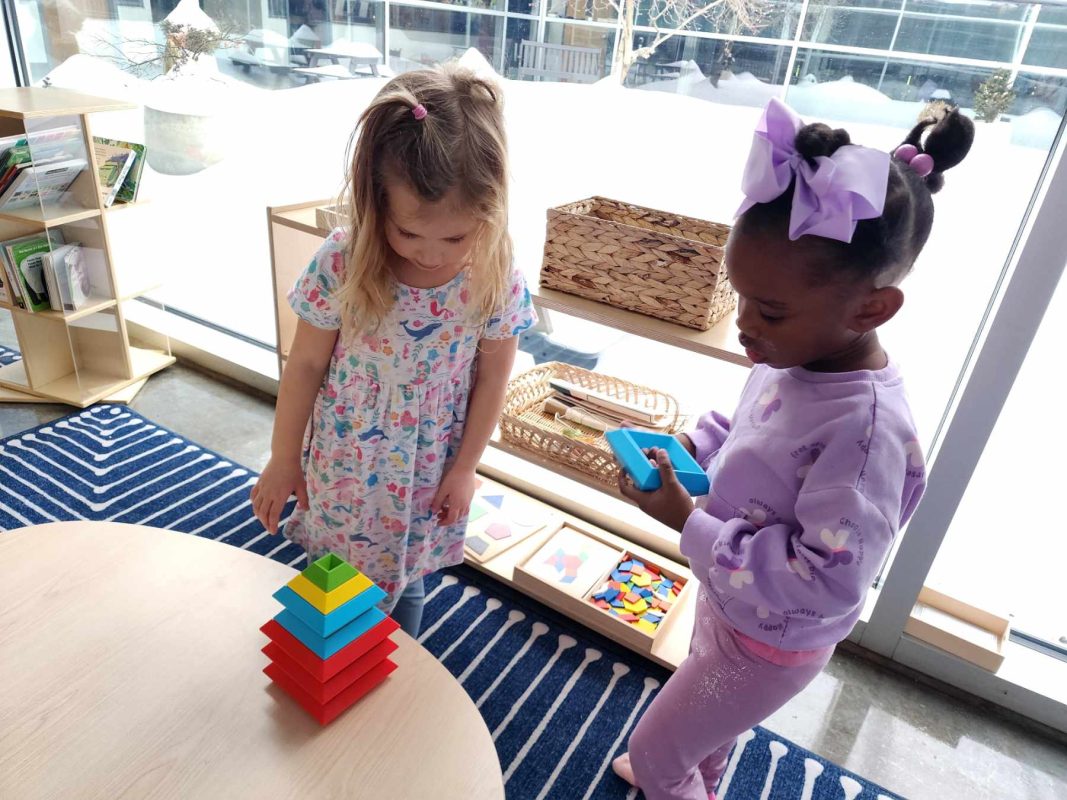
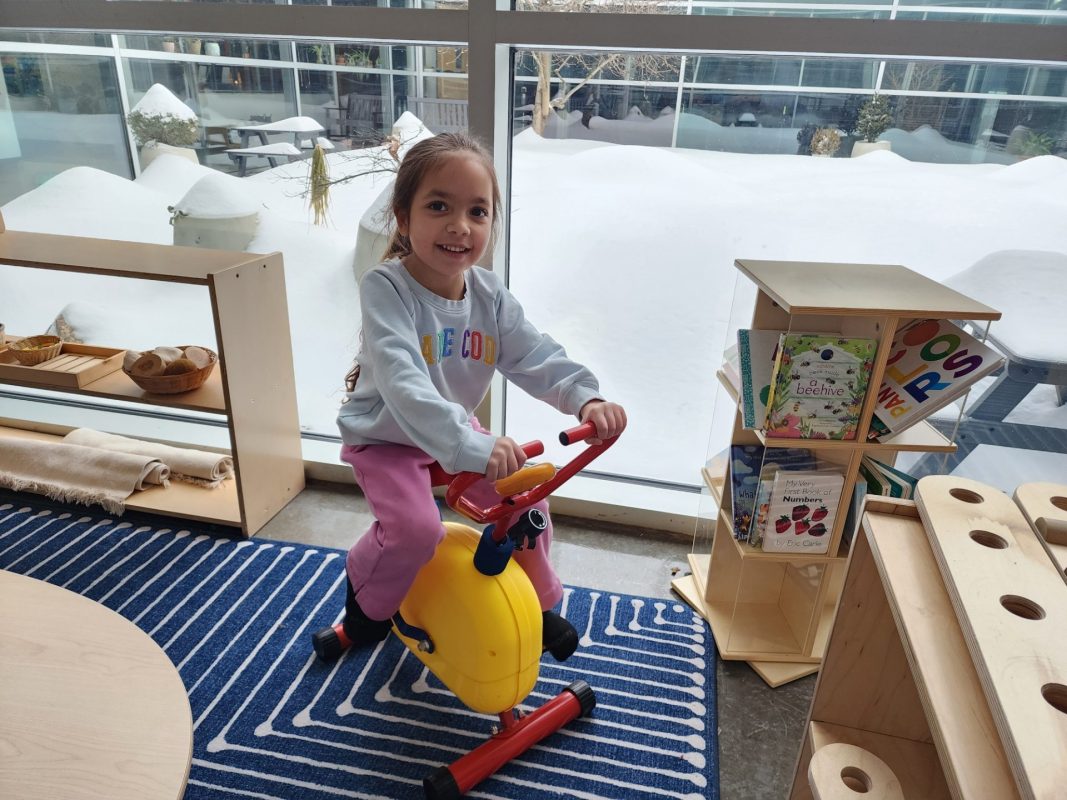
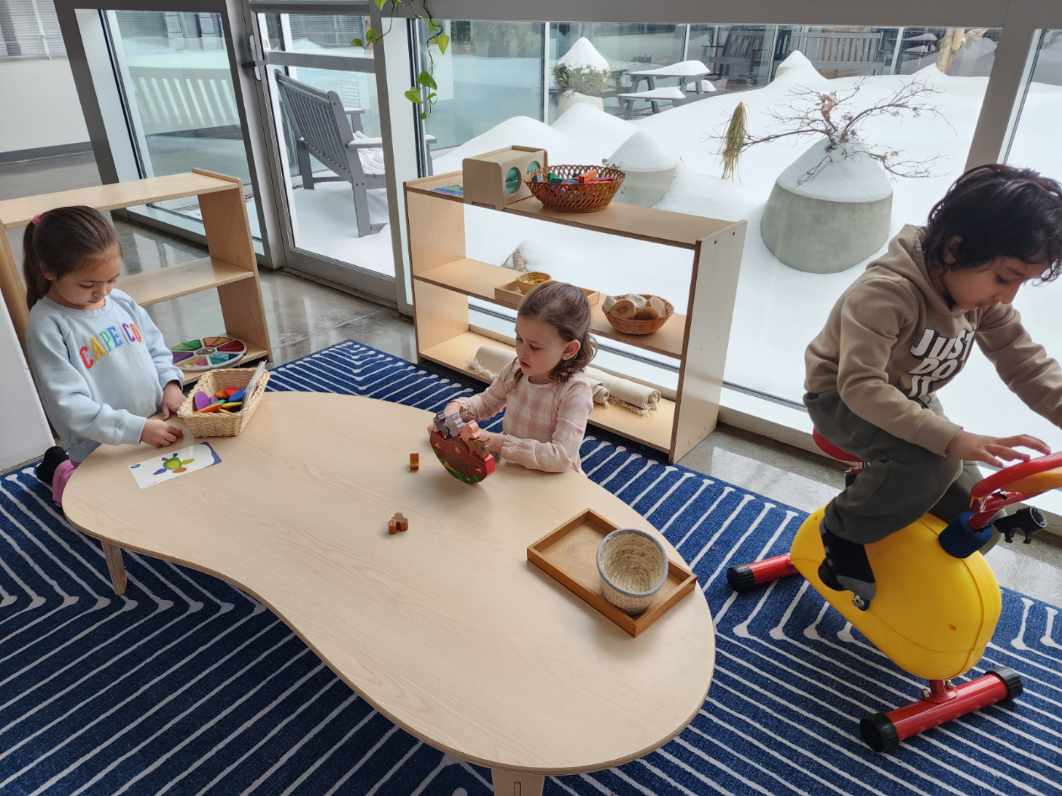
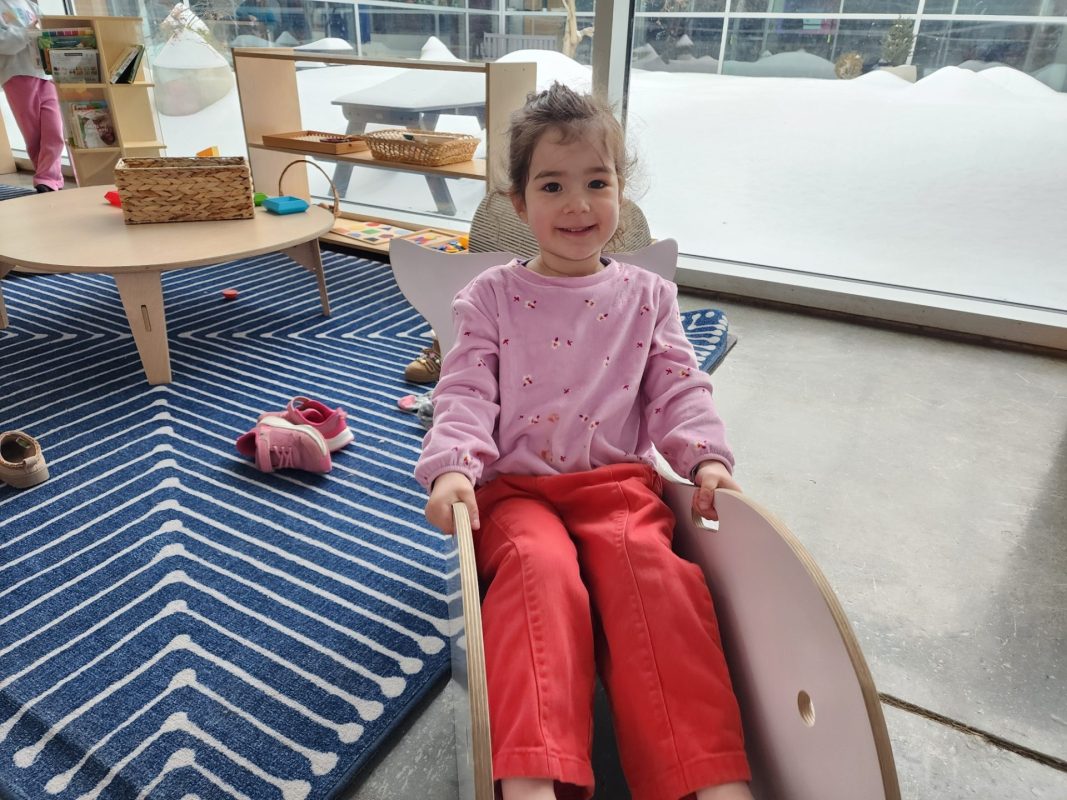
Last week, frigid temperatures kept us indoors, but we made the most of our indoor spaces! The children got excellent exercise in the gym and our Primary Open Space, using wobble boards, stationary bikes, climbing cubes, and more. This indoor time also provided wonderful opportunities for the children to strengthen their classroom community. One of the most beautiful developments we observed was how naturally the children are supporting one another. We always suggest to the children to “ask three friends before you ask a teacher” for help with work. This has been working beautifully, as we are seeing our little classroom community working together and collaborating. Watching older children guide younger friends through work and seeing peers problem-solve together demonstrates the power of our mixed-age environment. The children have easily adjusted to having me back from maternity leave, and I have really been enjoying getting to know all my “new” students! Their warmth and adaptability continue to impress me daily.
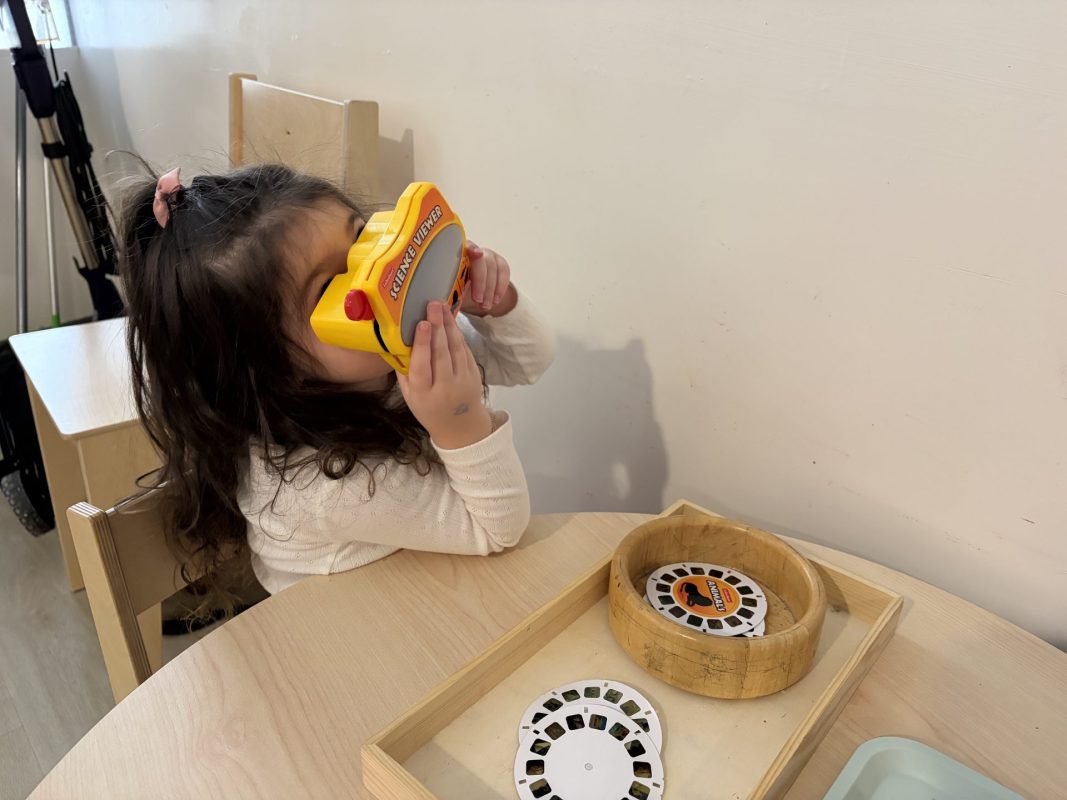
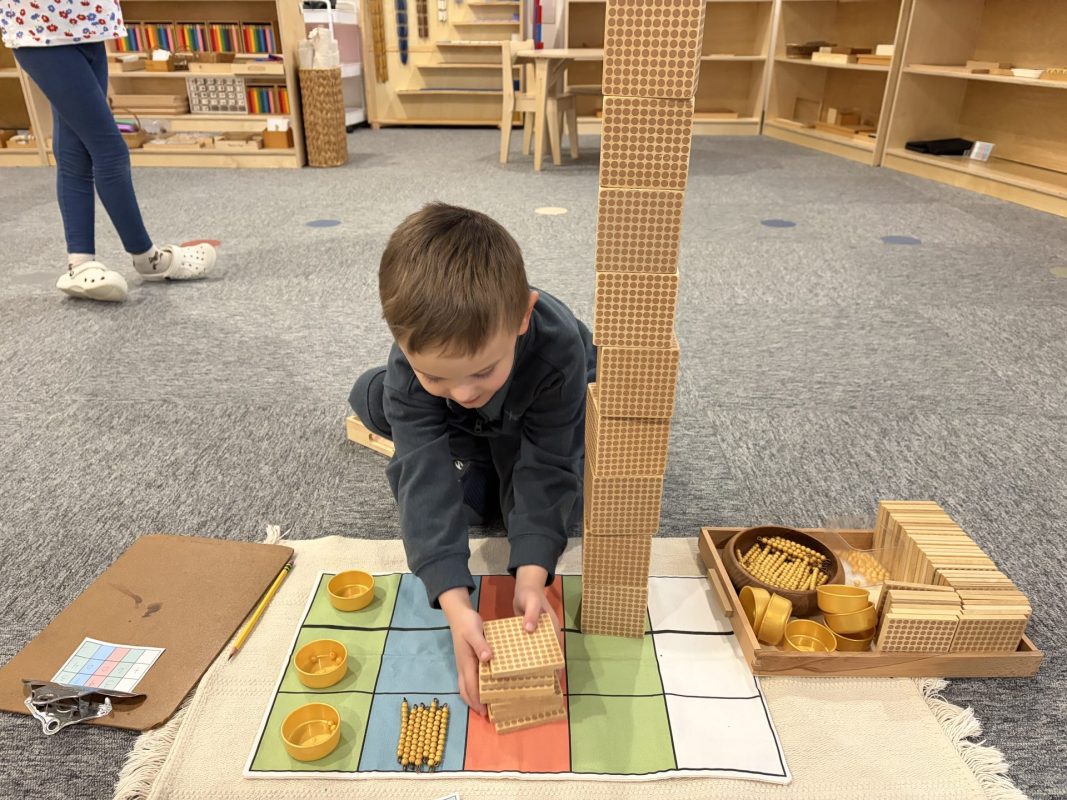
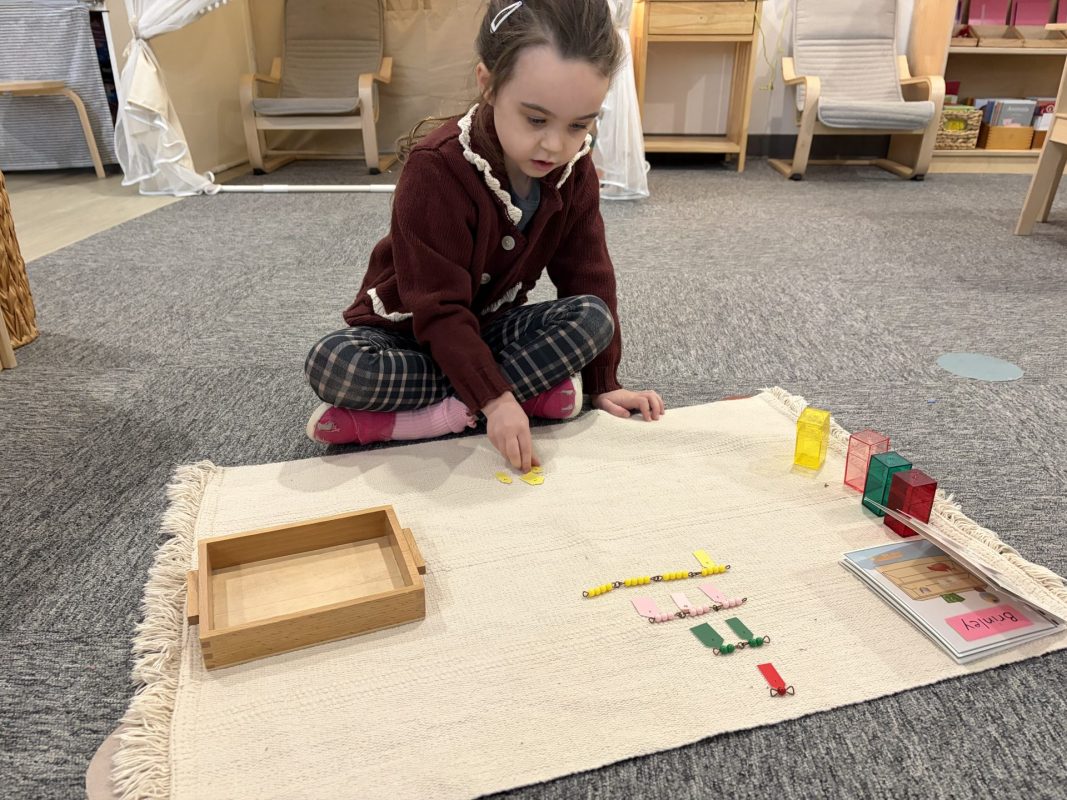
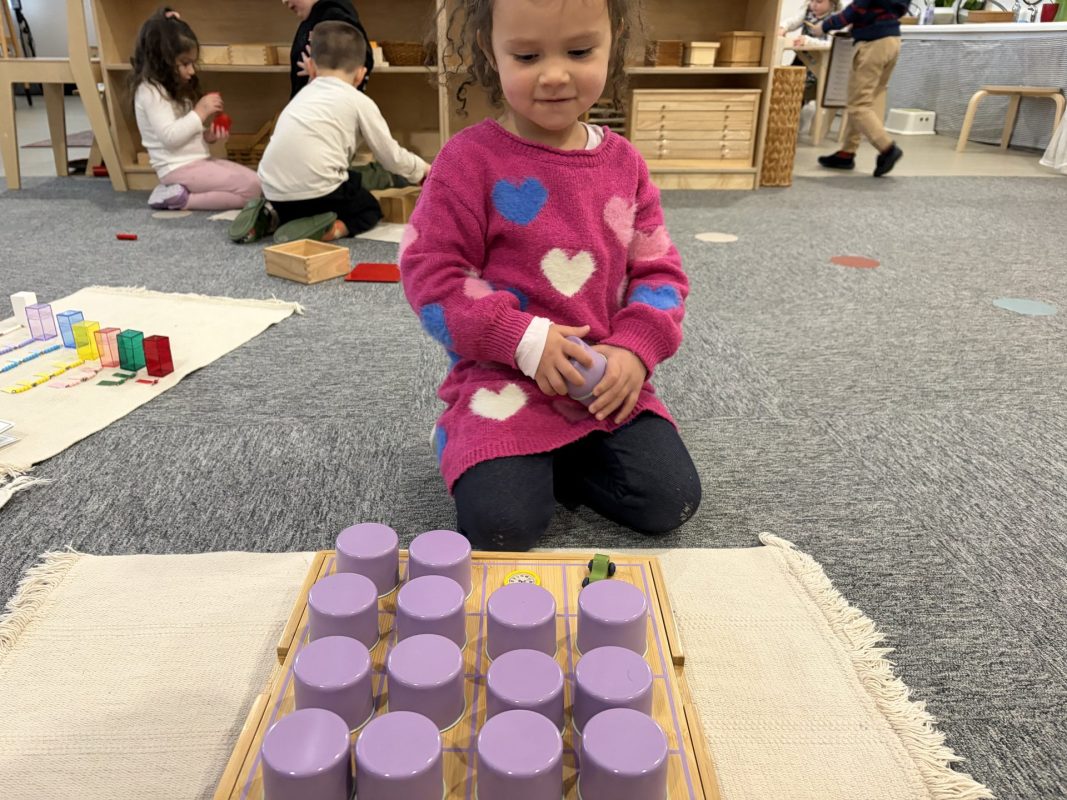
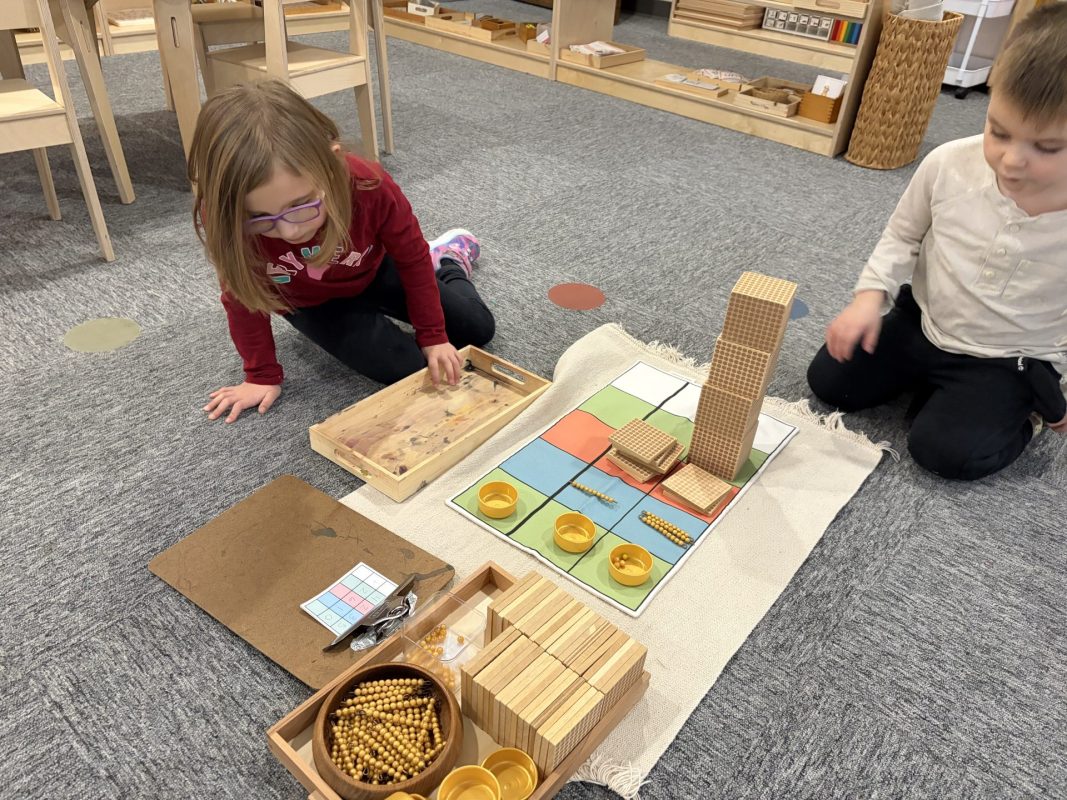
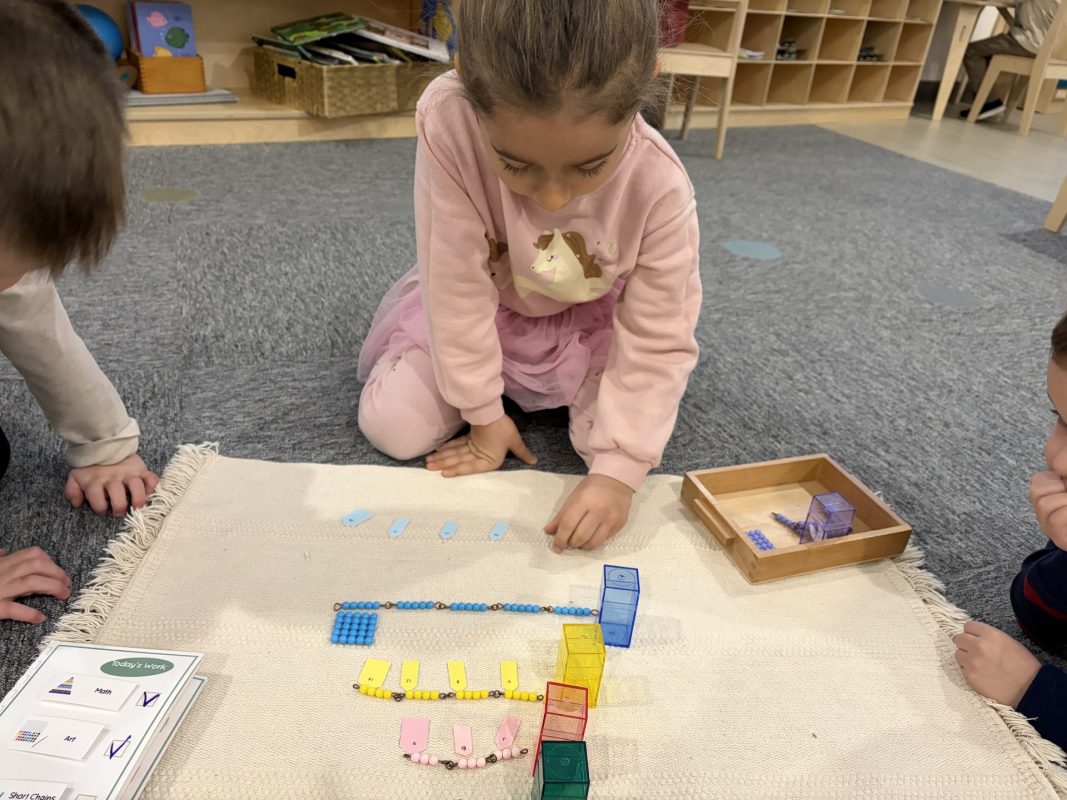
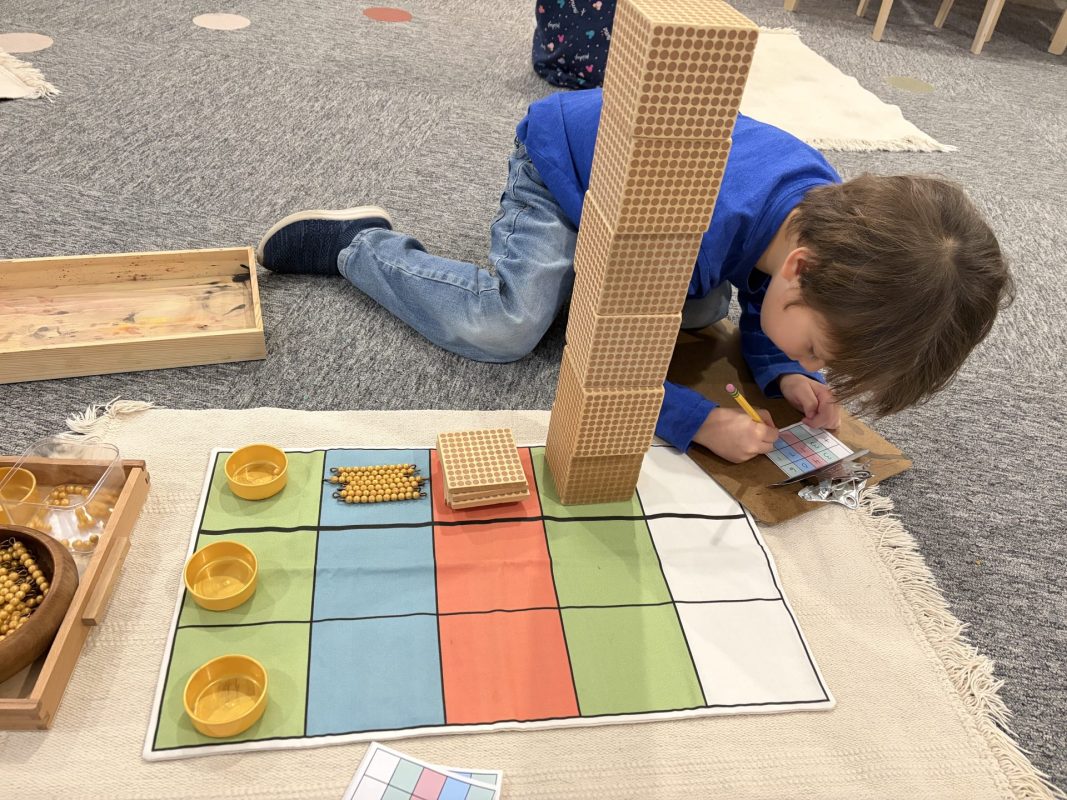
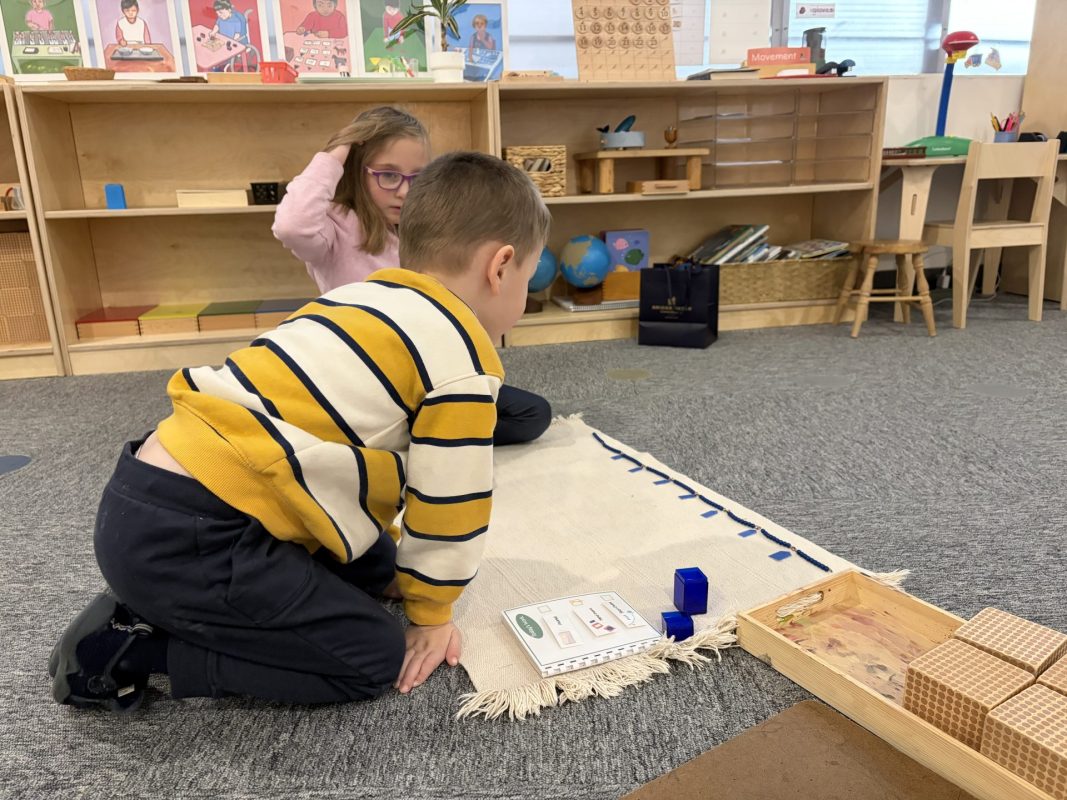
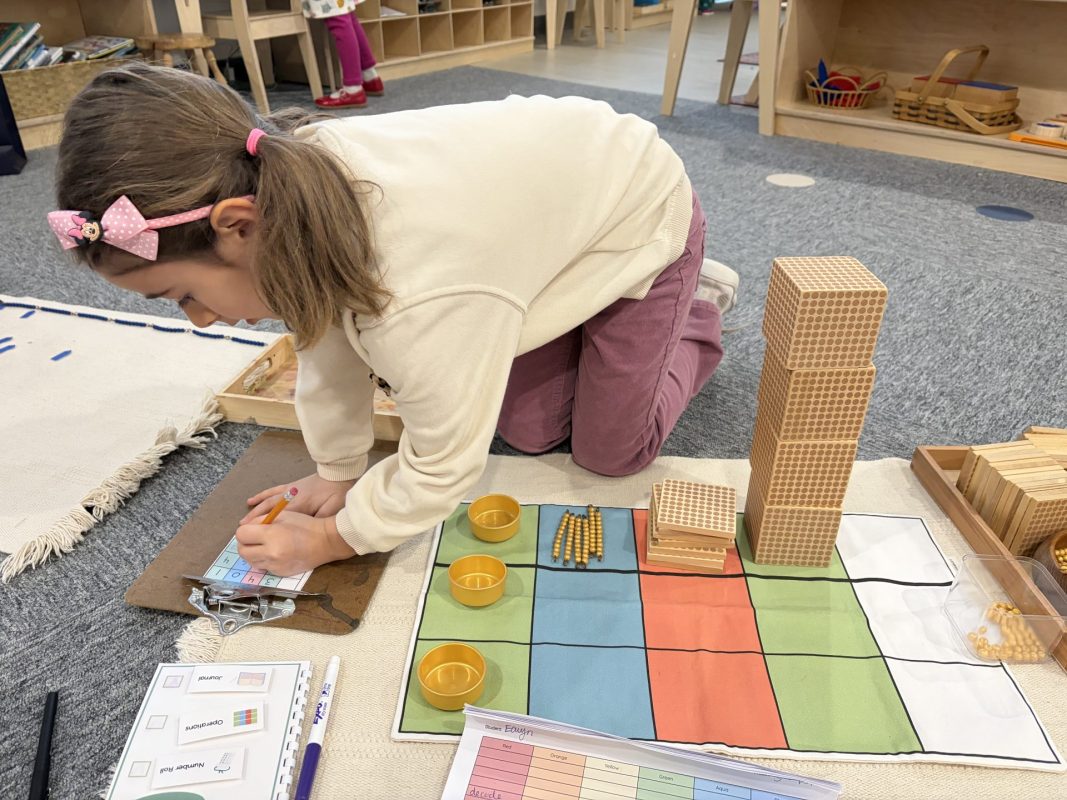
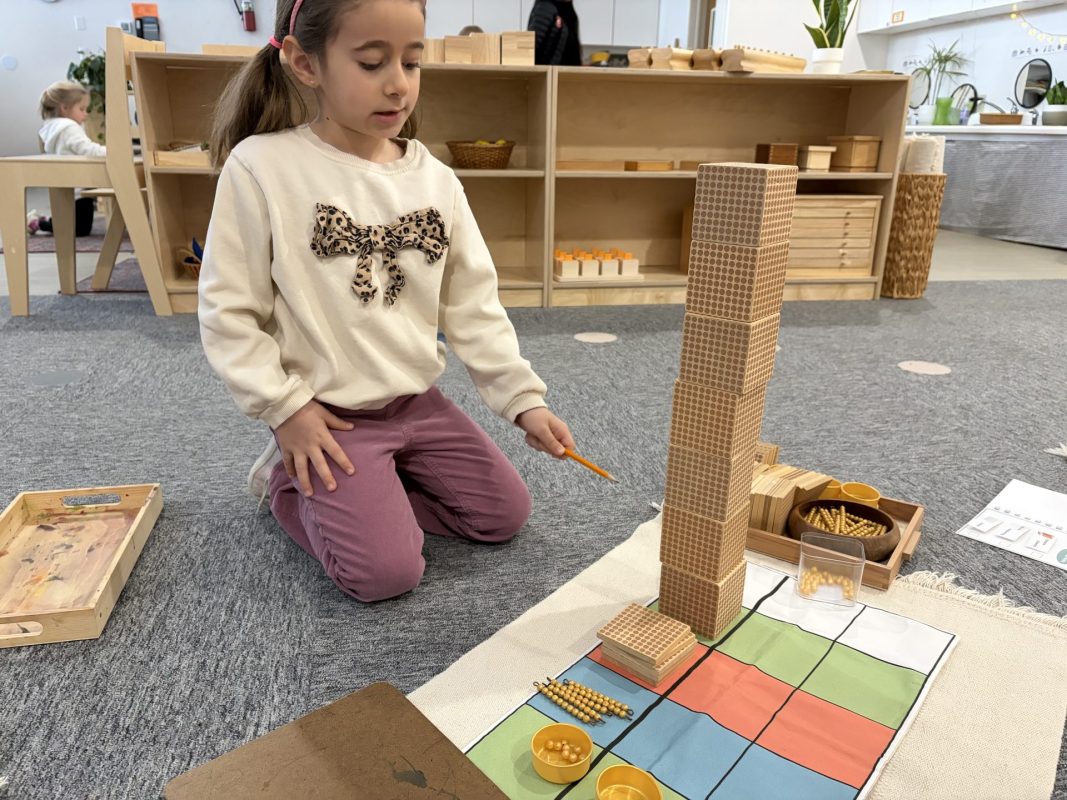
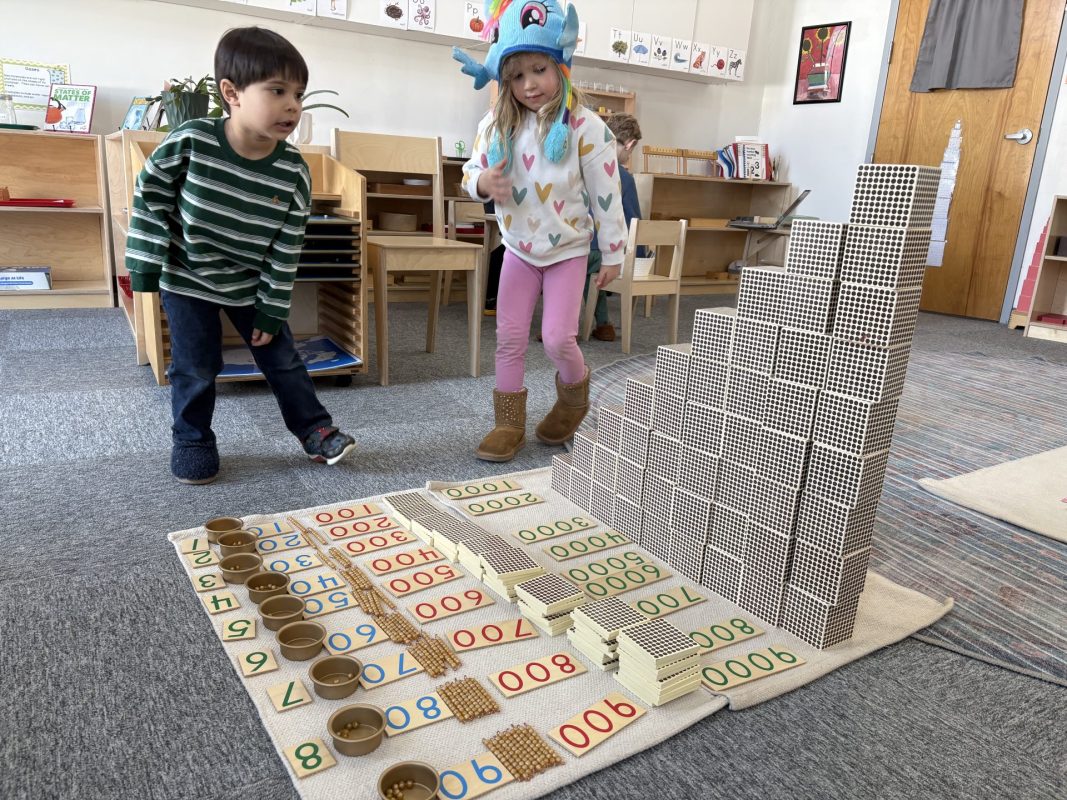
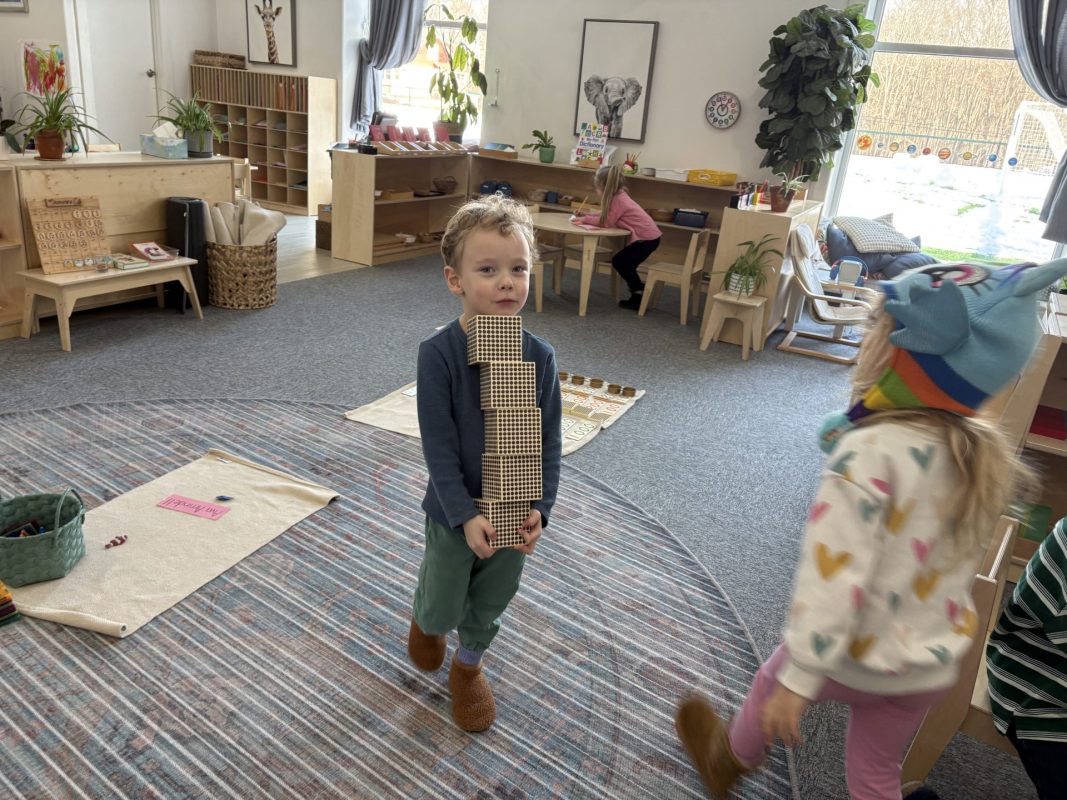
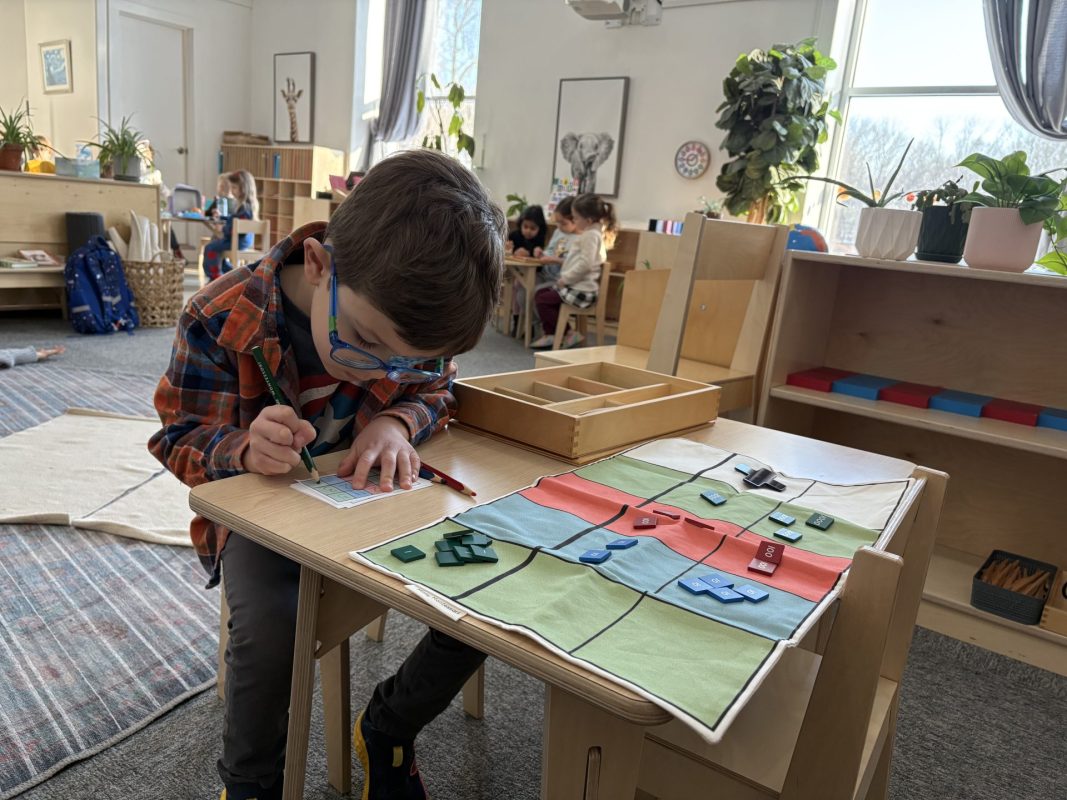
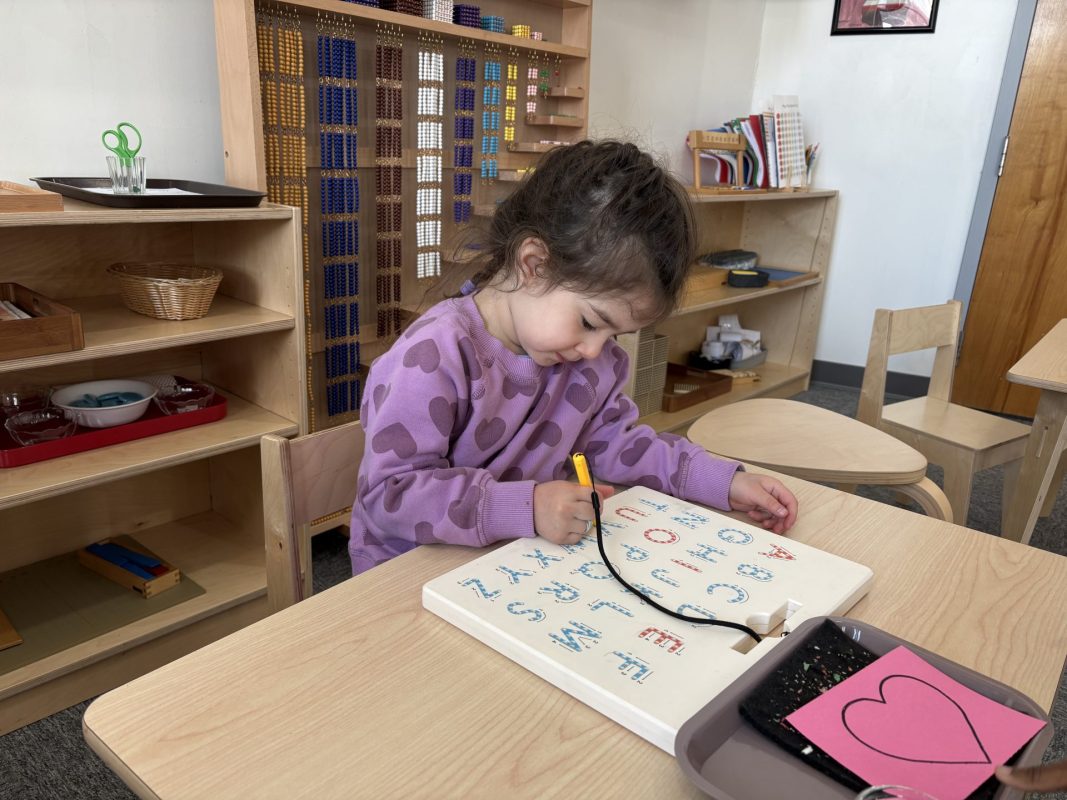
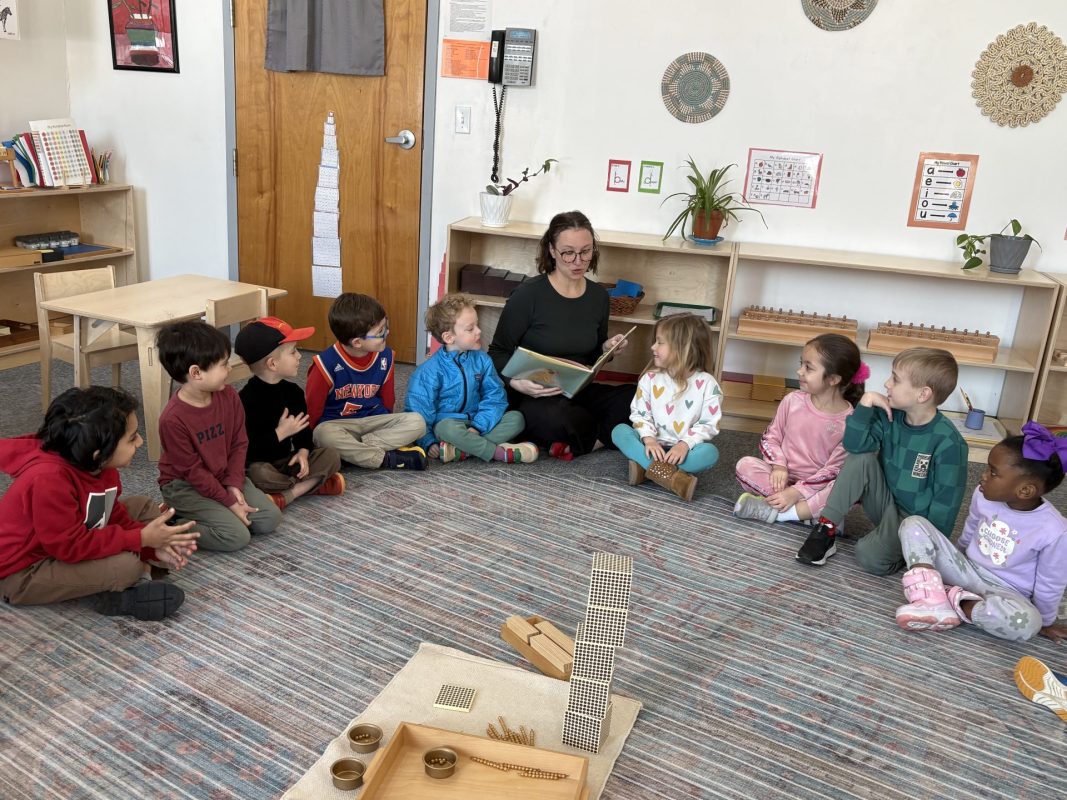
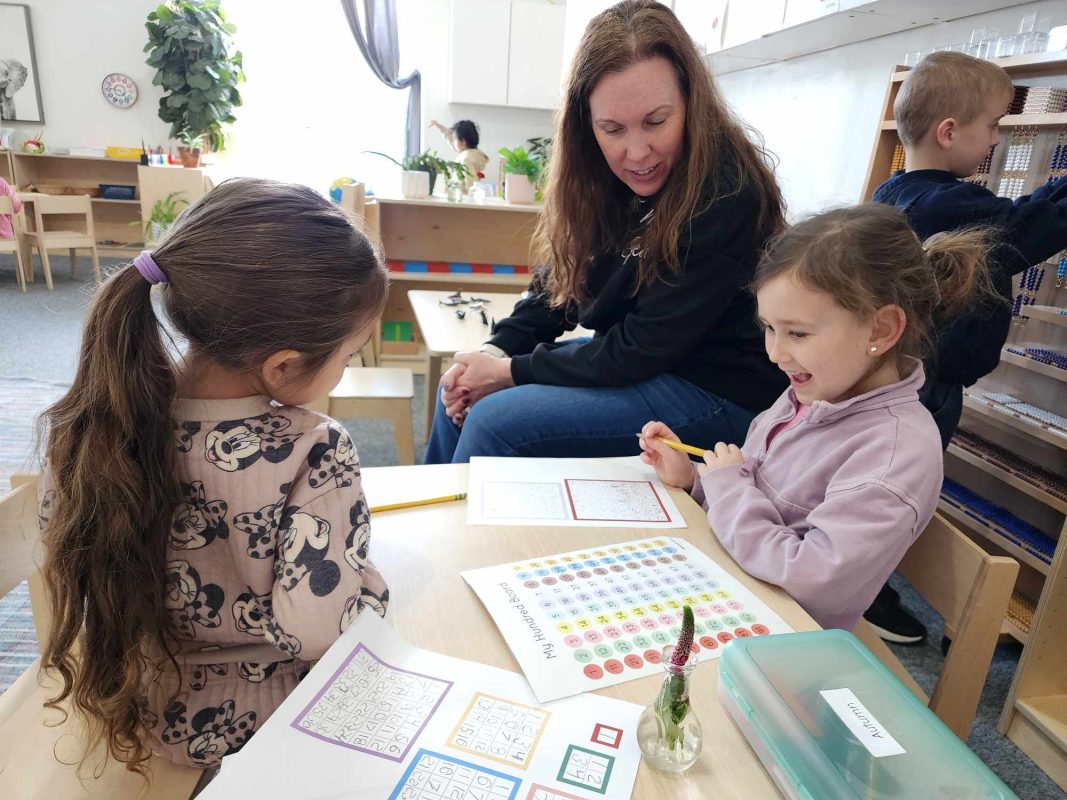
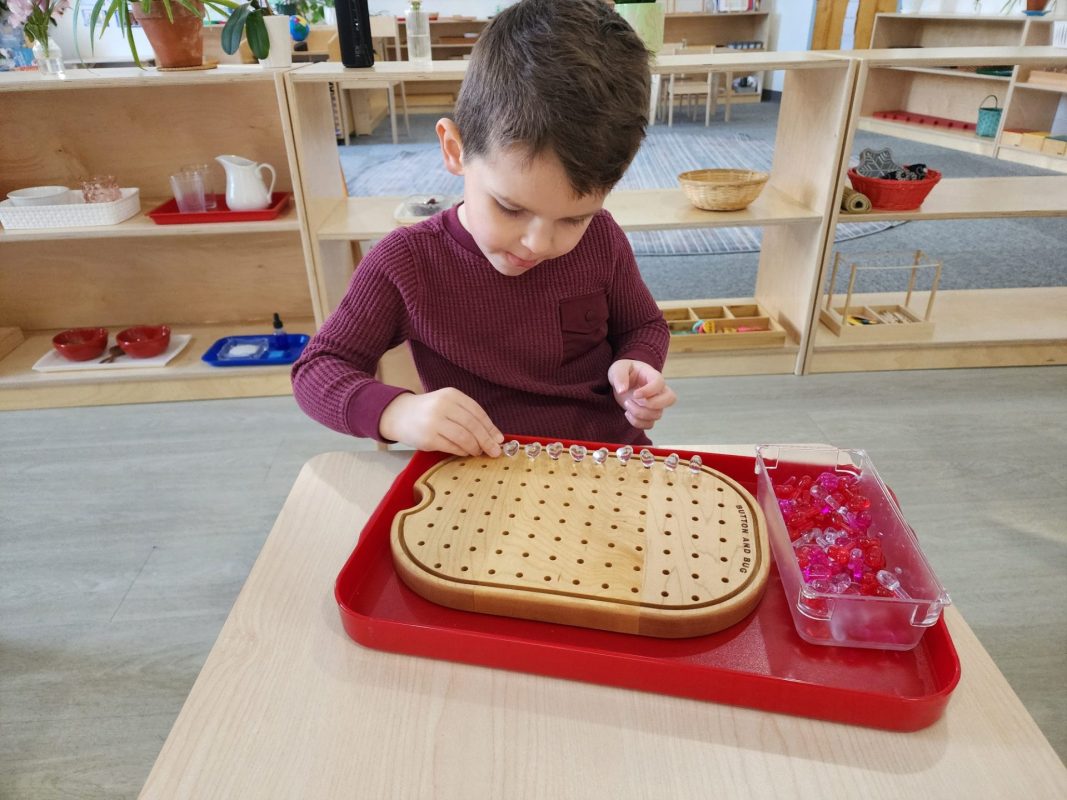
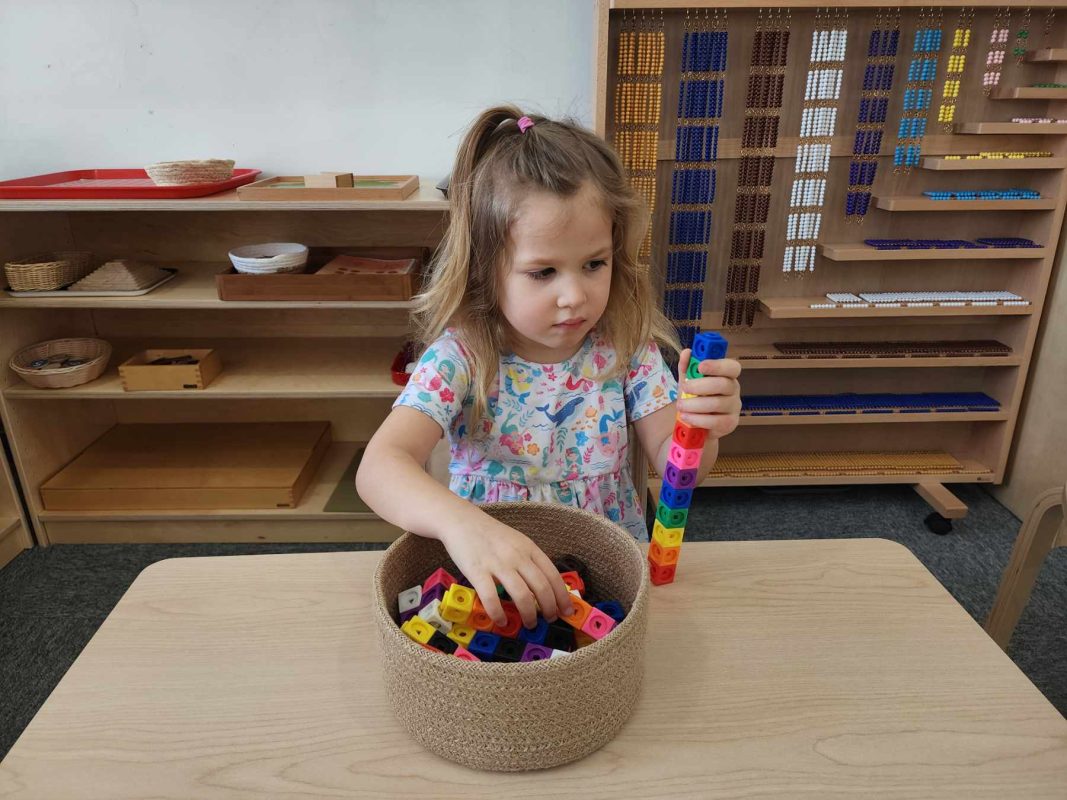
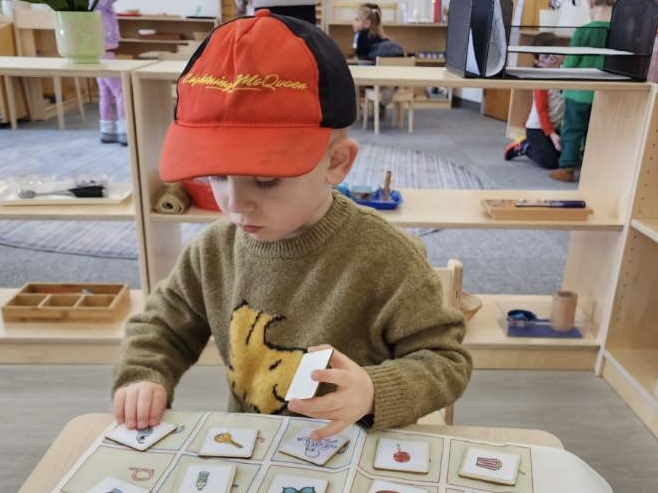
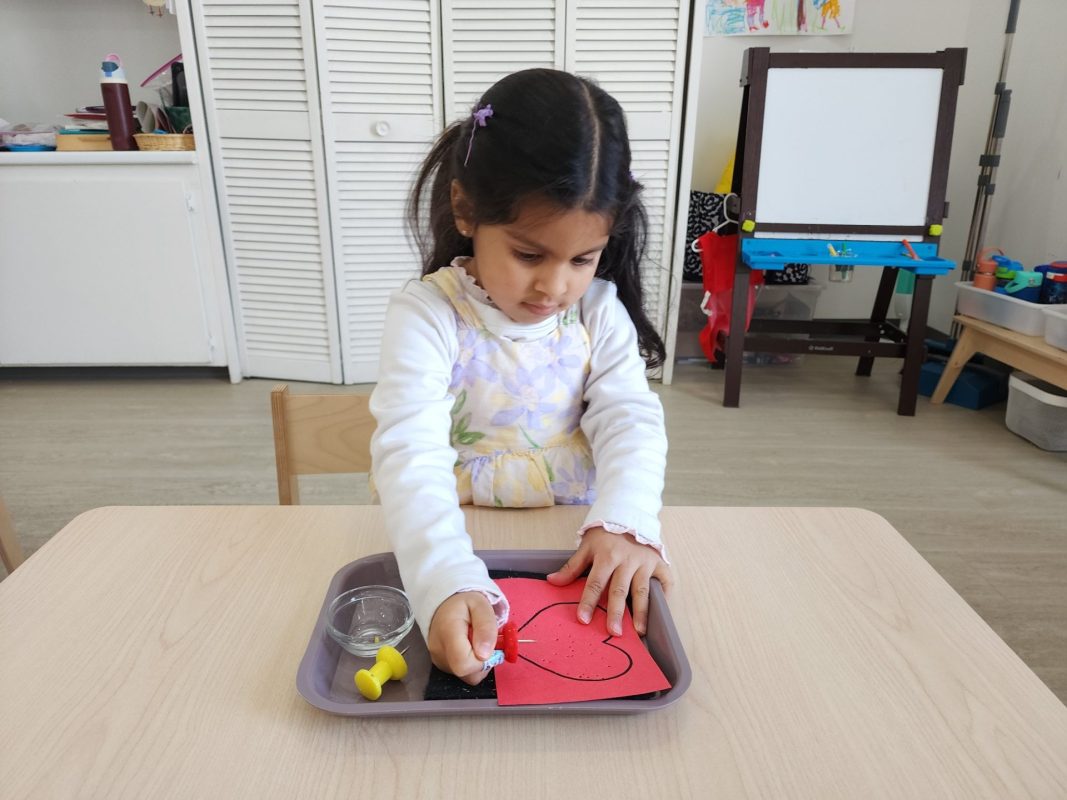
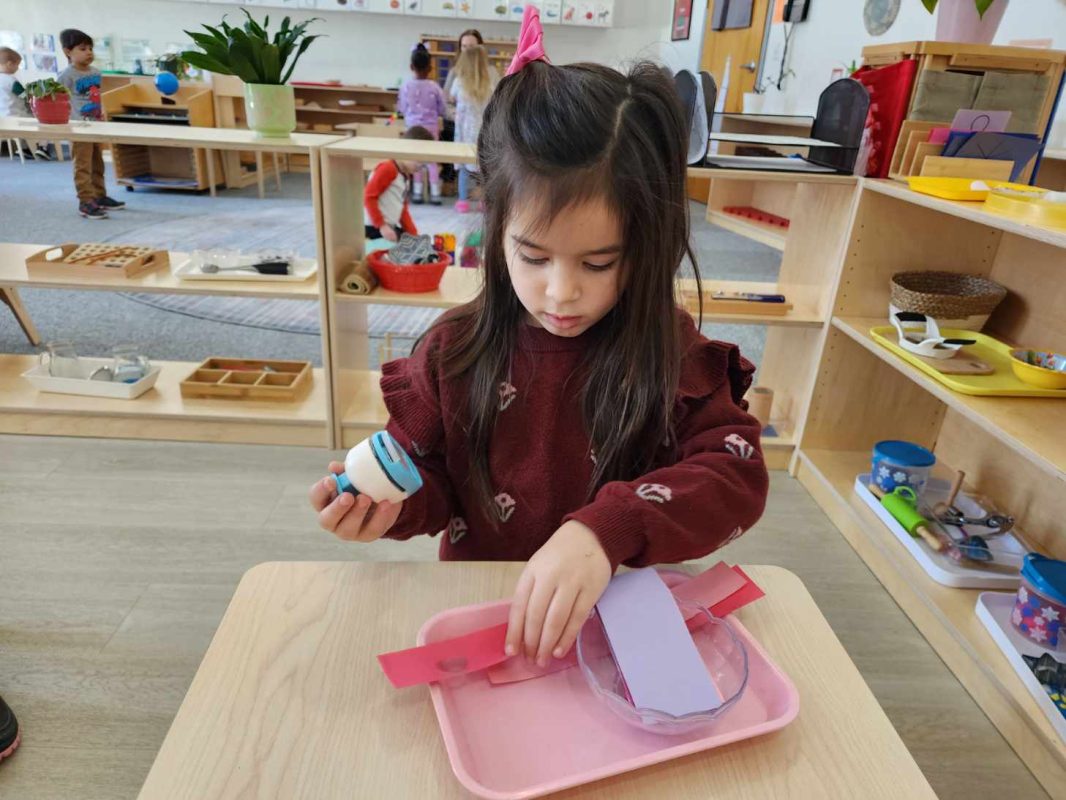
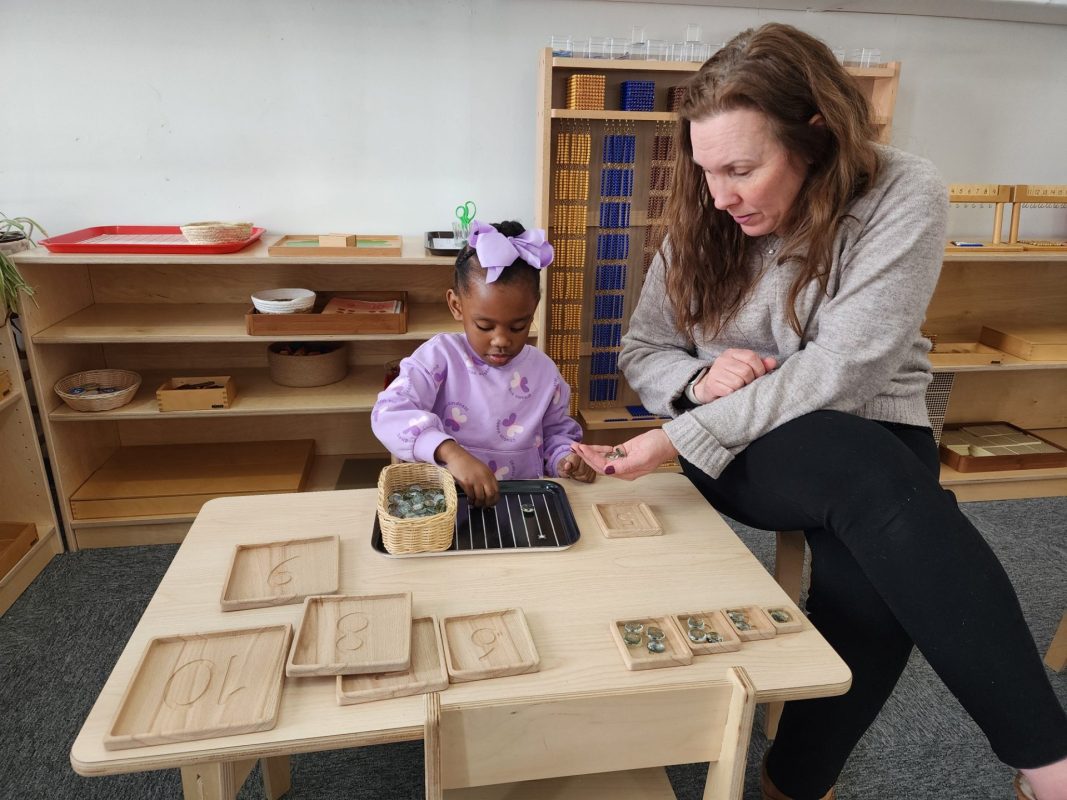
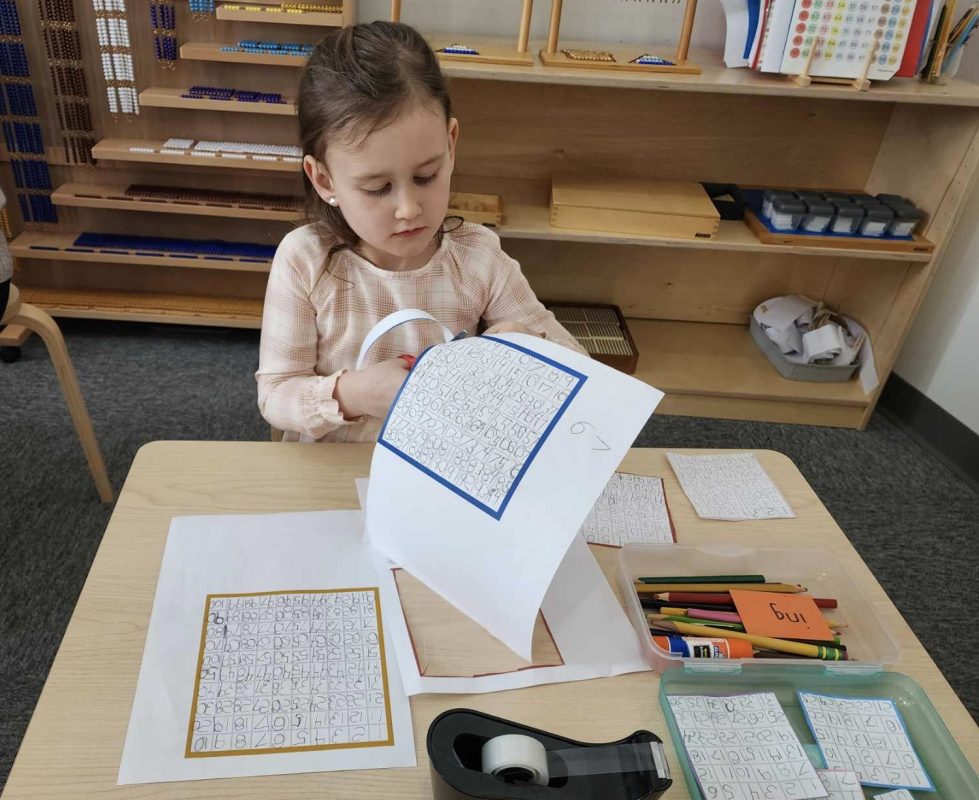
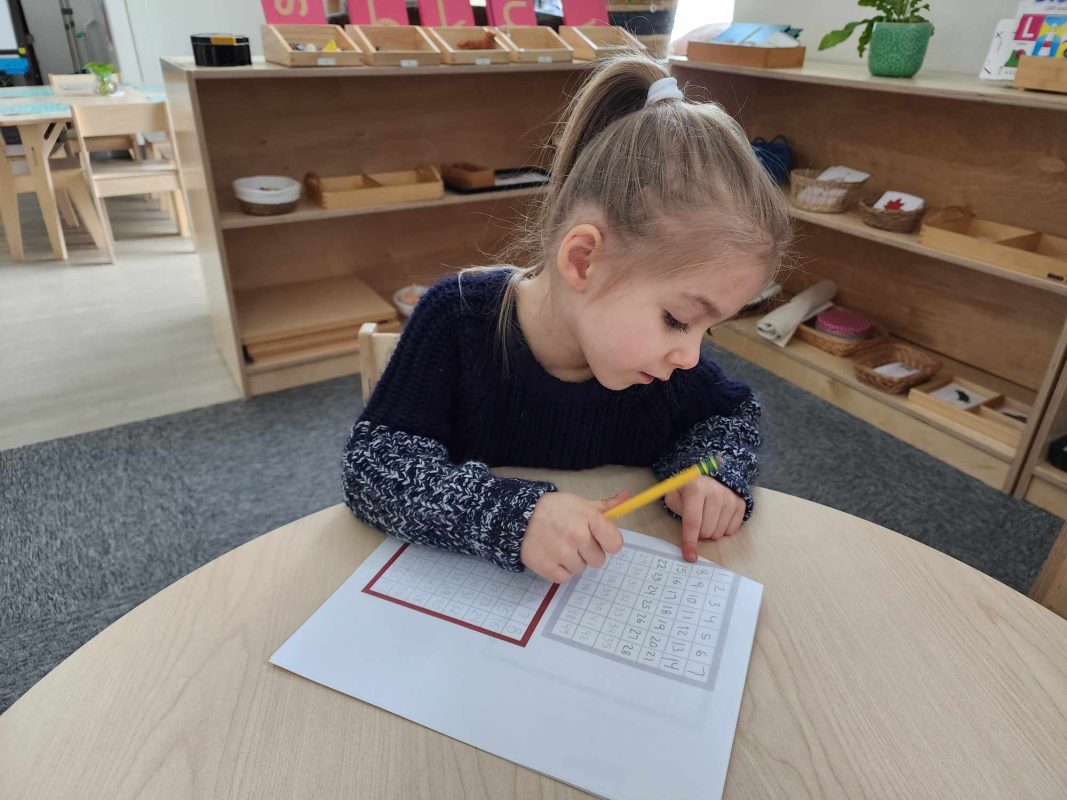
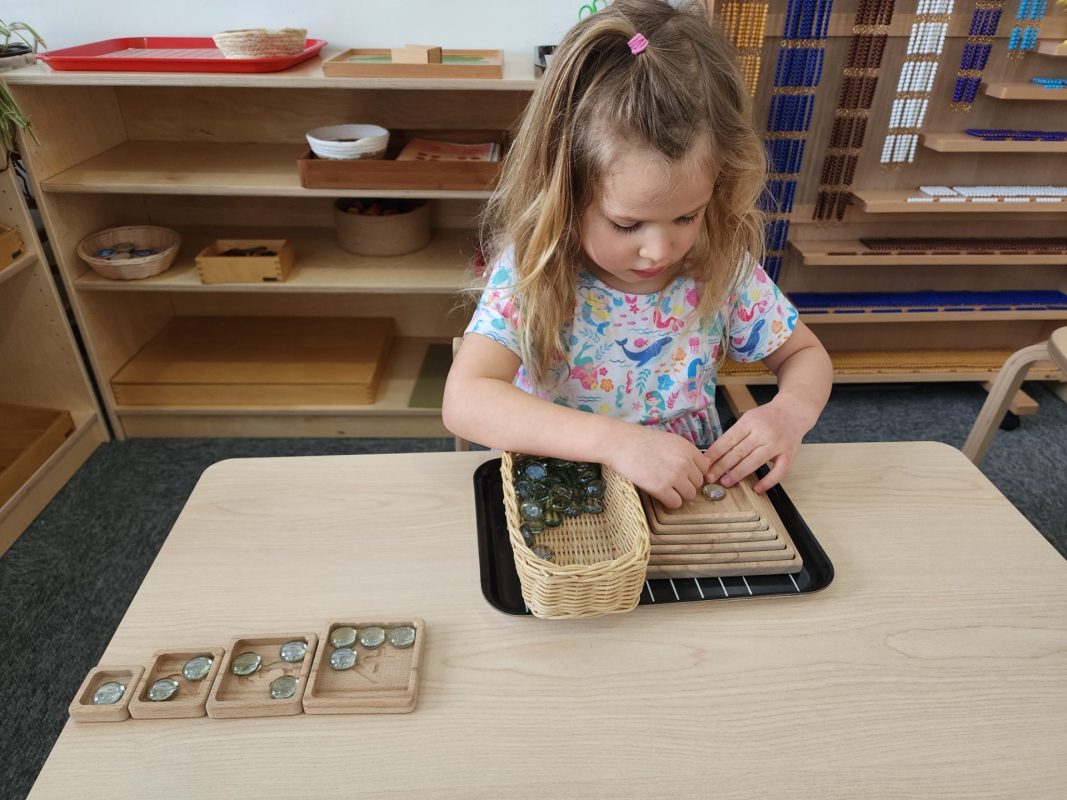
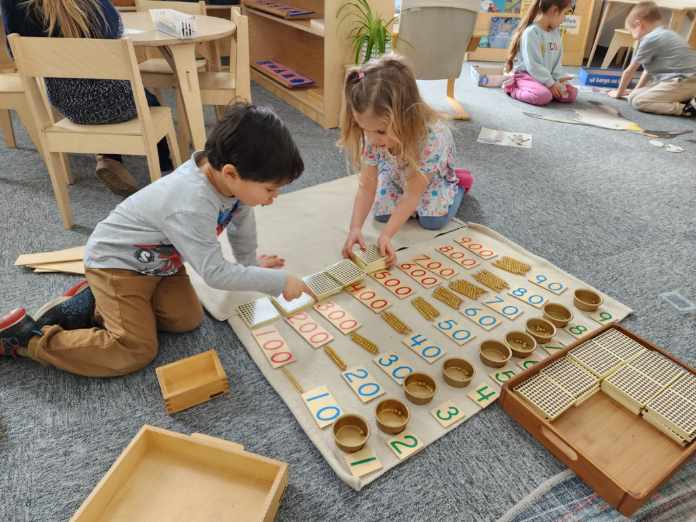
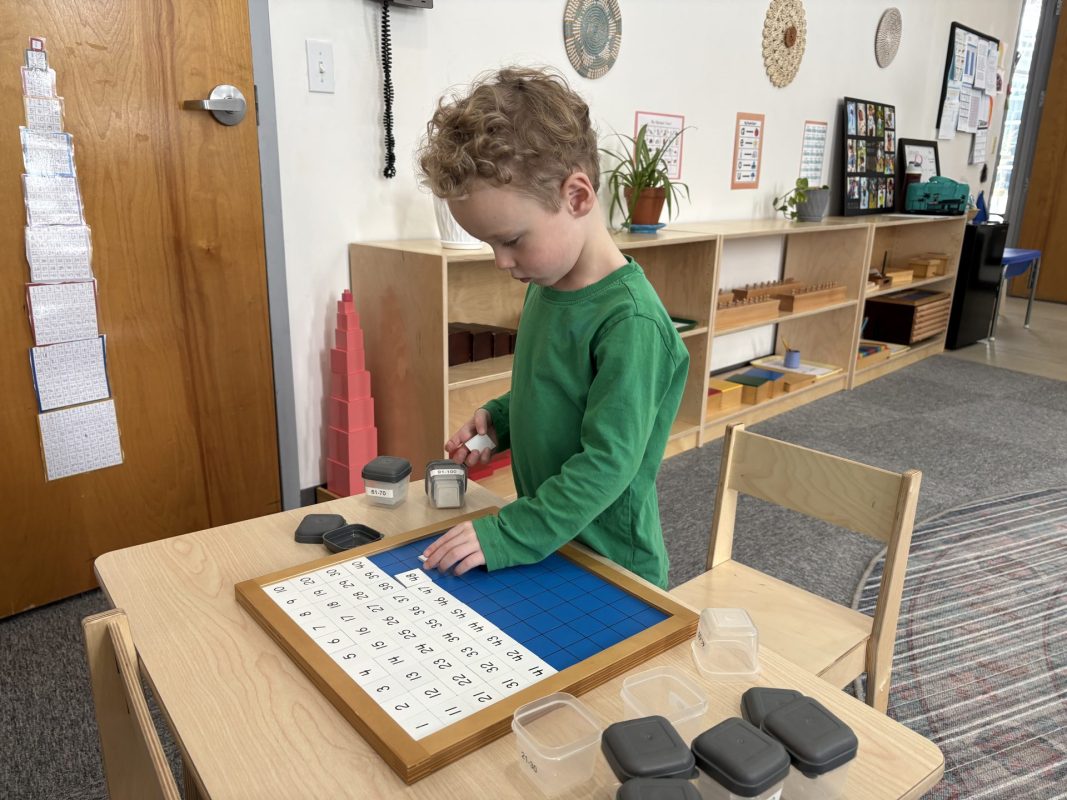
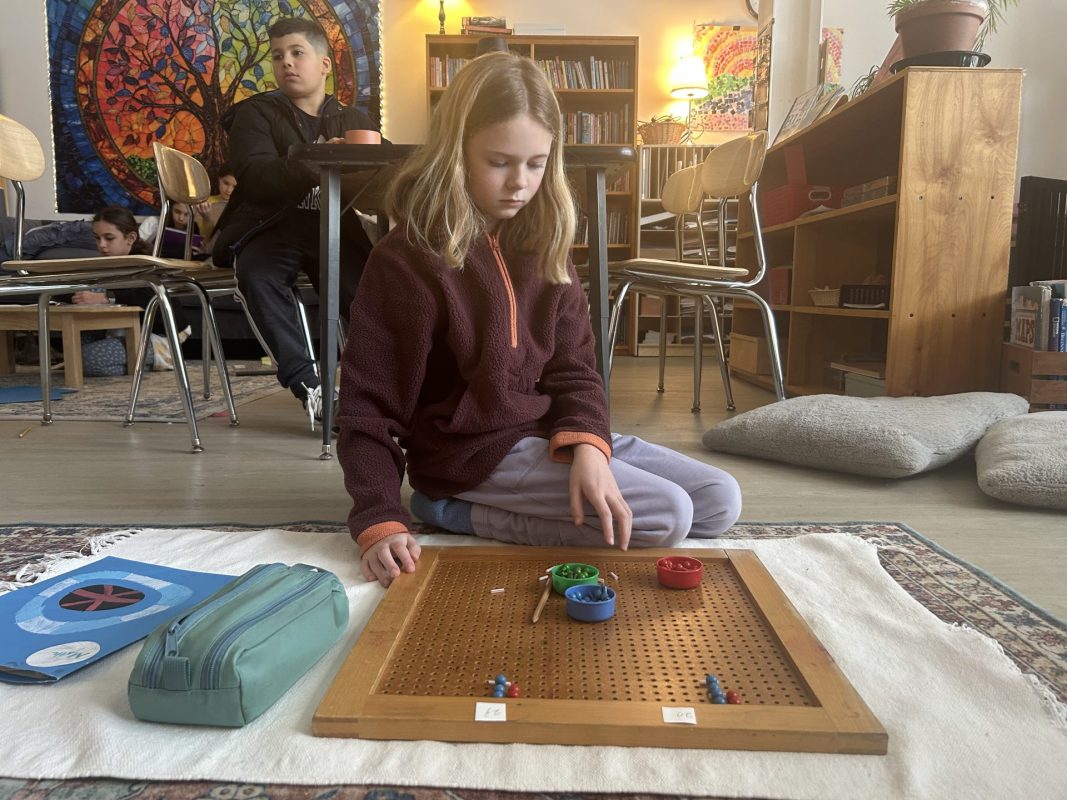
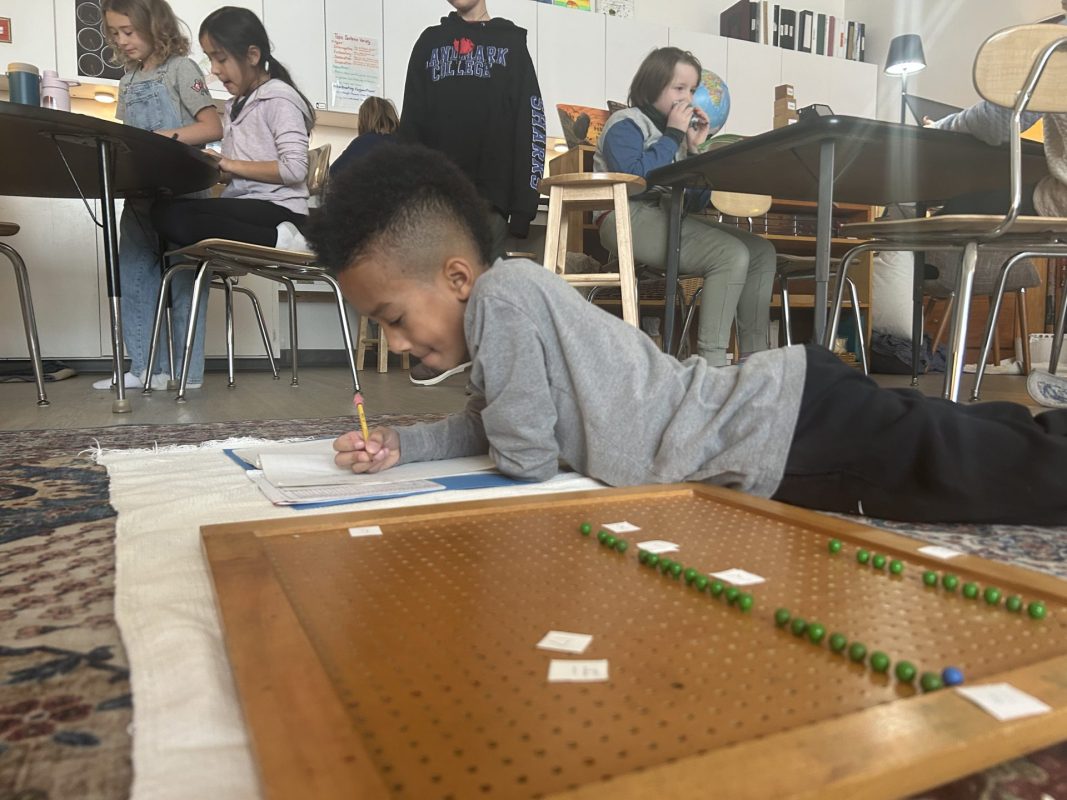
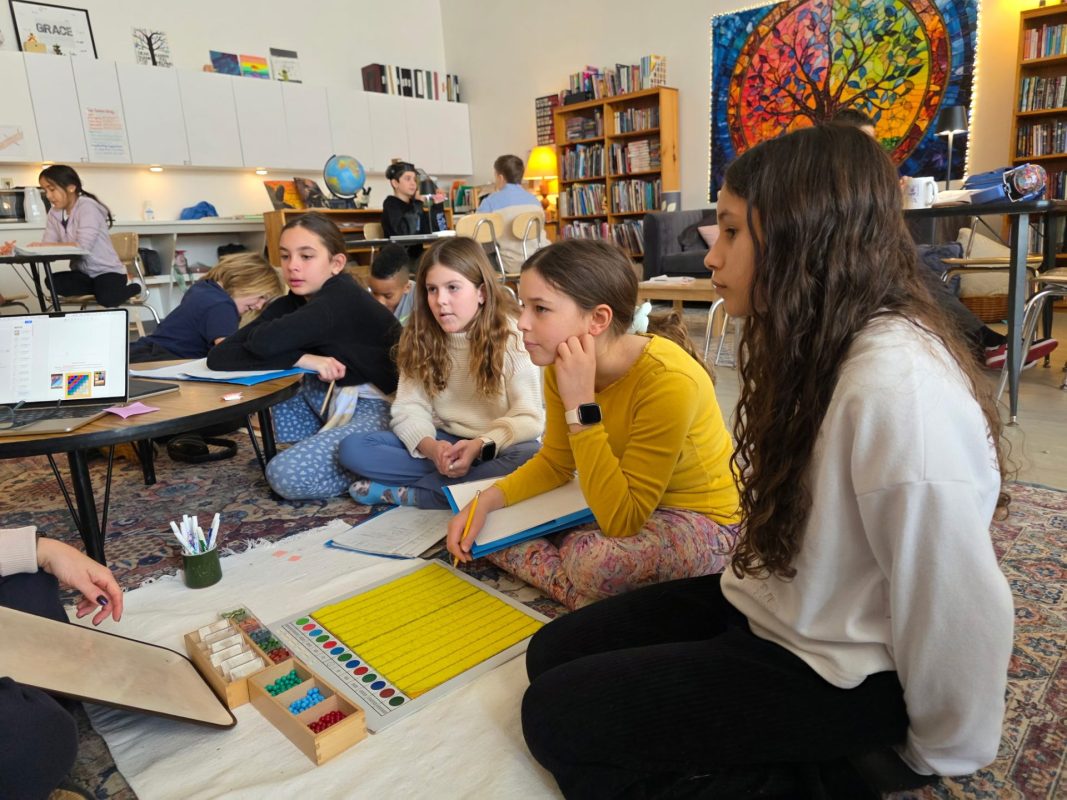
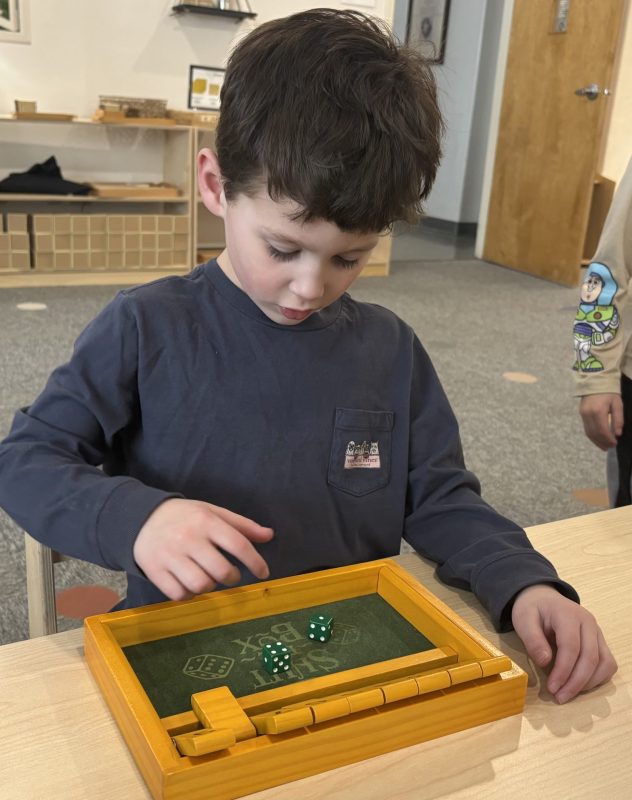
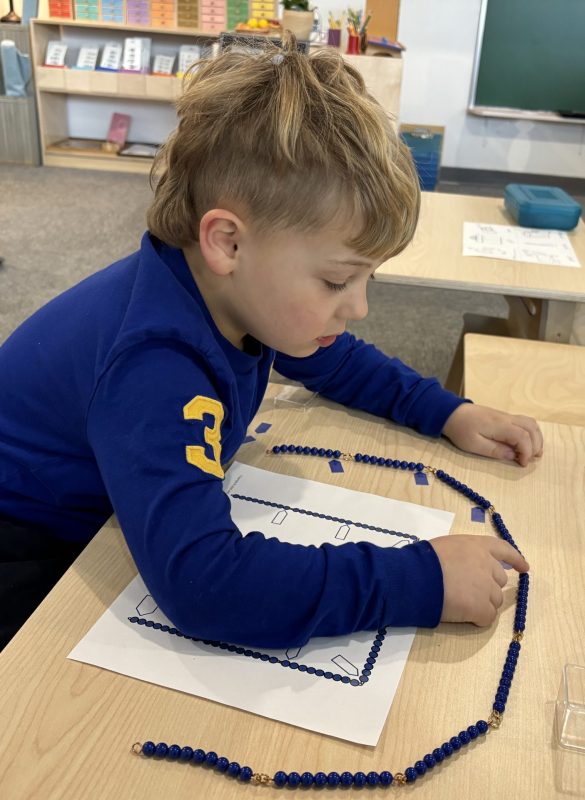
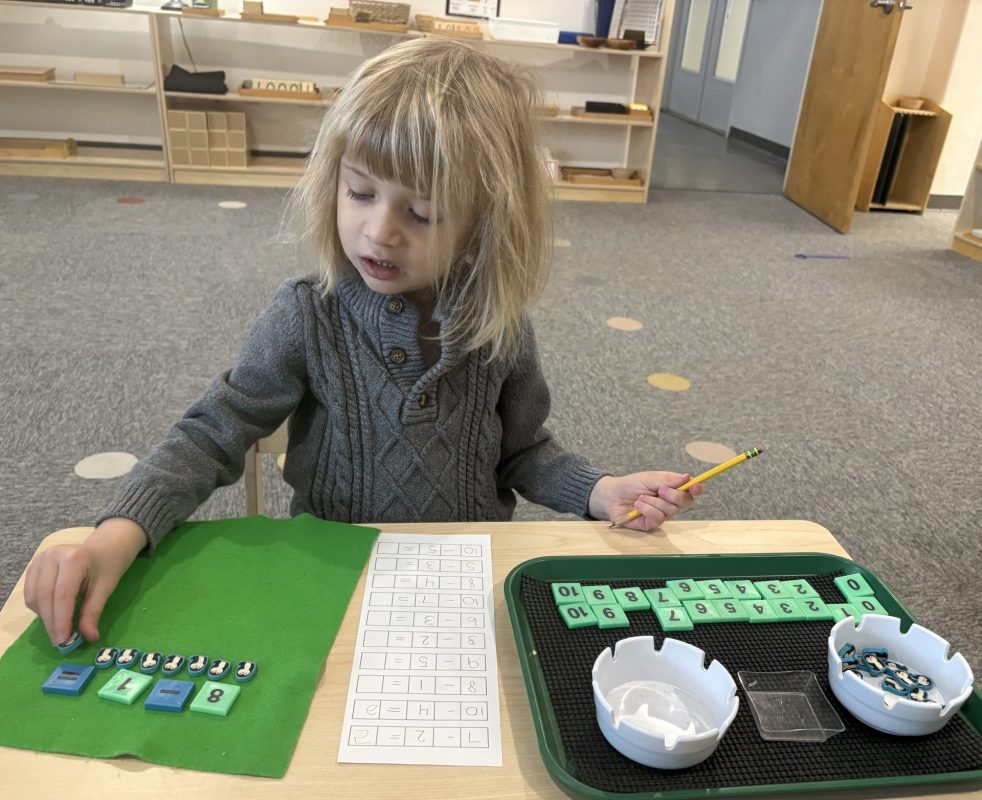
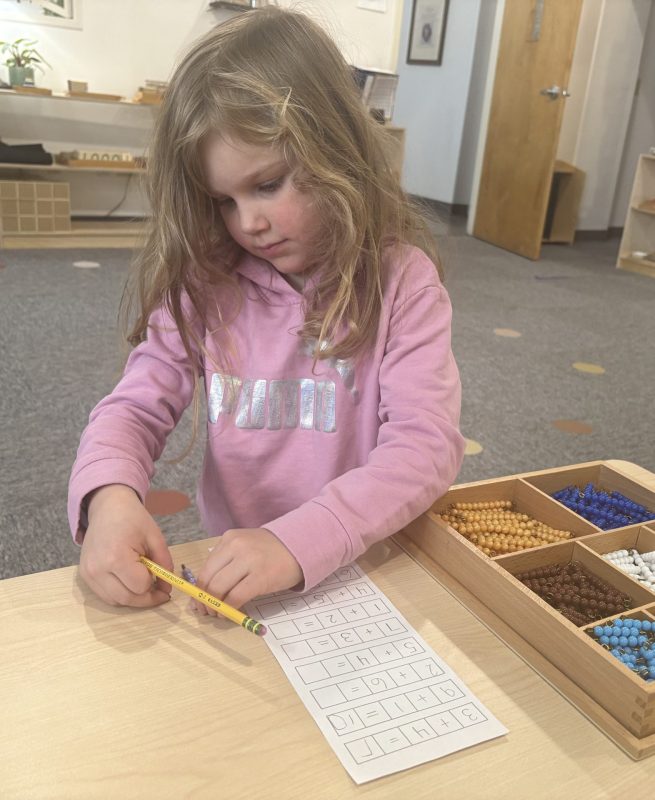
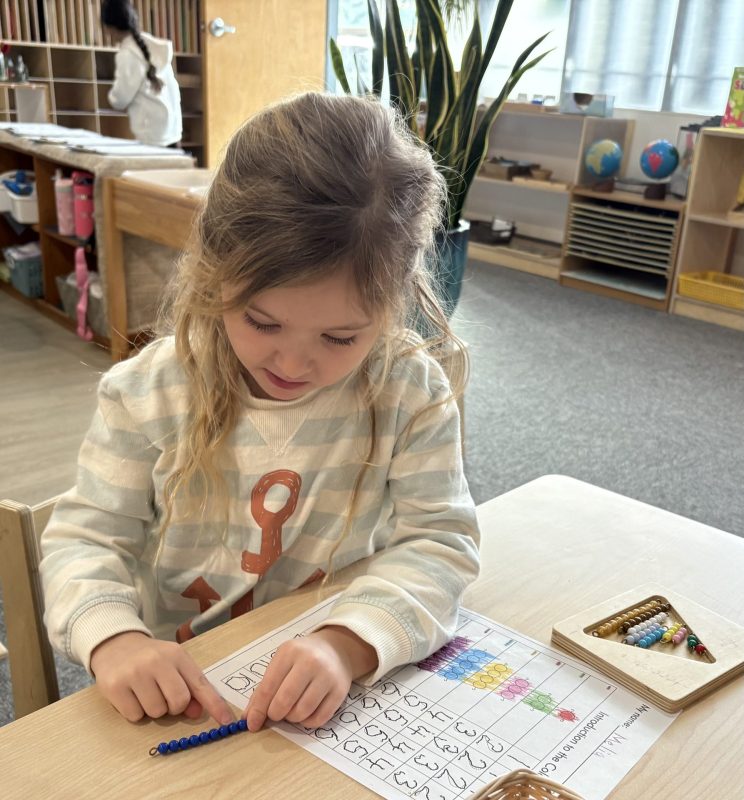
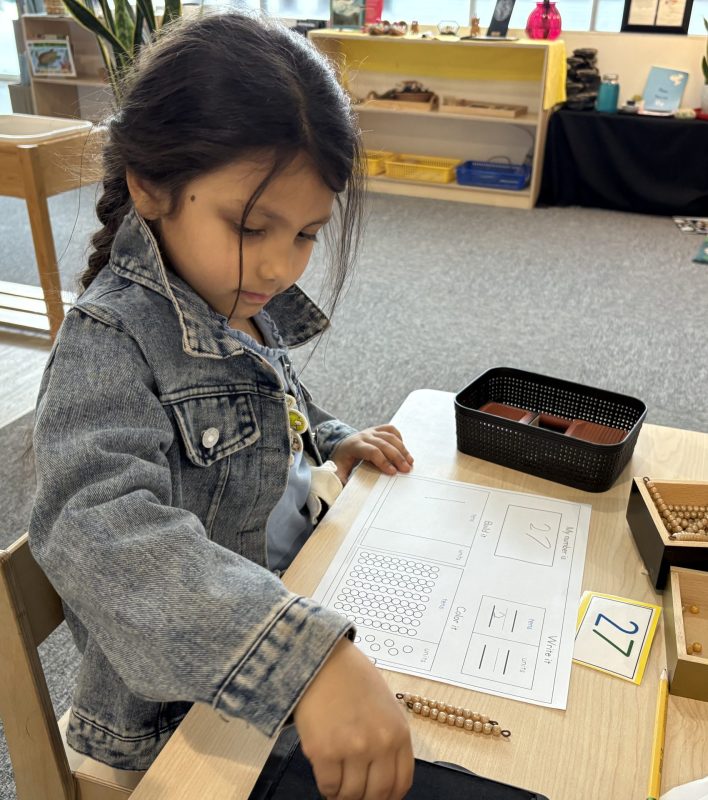
In mathematics, we were busy practicing skip counting by 10’s, working on The Snake Game, exploring addends of 10, and building numbers with The Golden Beads. These foundational math materials support the children’s development of their “mathematical mind” and help them understand abstract concepts through concrete, hands-on experiences. Looking ahead, we are excited about Valentine’s Day! February also brings us Black History Month, and we will be celebrating Black Americans throughout history.
Extending Learning at Home

Practice skip counting during everyday activities—count by 10’s while putting away toys or going up stairs. Look for groups of 10 items around the house (silverware, toys, books) to reinforce this concept. Encourage your child to help siblings or friends with tasks, reinforcing the “ask three friends” approach we use in the classroom.

UPCOMING EVENTS & ANNOUNCEMENTS

This Week

  • Monday–Friday
    – Book Loan Month: Quinn & Leo
    – Moving Up Classroom Observations
    – Food & Flowers: Eowyn
  • Monday, February 2
    James’ Birthday Walk
  • Wednesday, February 4
    Isle of Skoo Assembly for Primary–Upper Elementary students at 9 a.m.

Next Week

  • Tuesday, February 10
    Welcome to Kindergarten! Talk at 8:45 a.m. for parents of P4 students
    Moving Up Night at 5:30 p.m. for parents of K students
  • Thursday, February 12
    Classroom Valentine Exchange
  • Friday, February 13
    No School | Teacher Professional Development Day

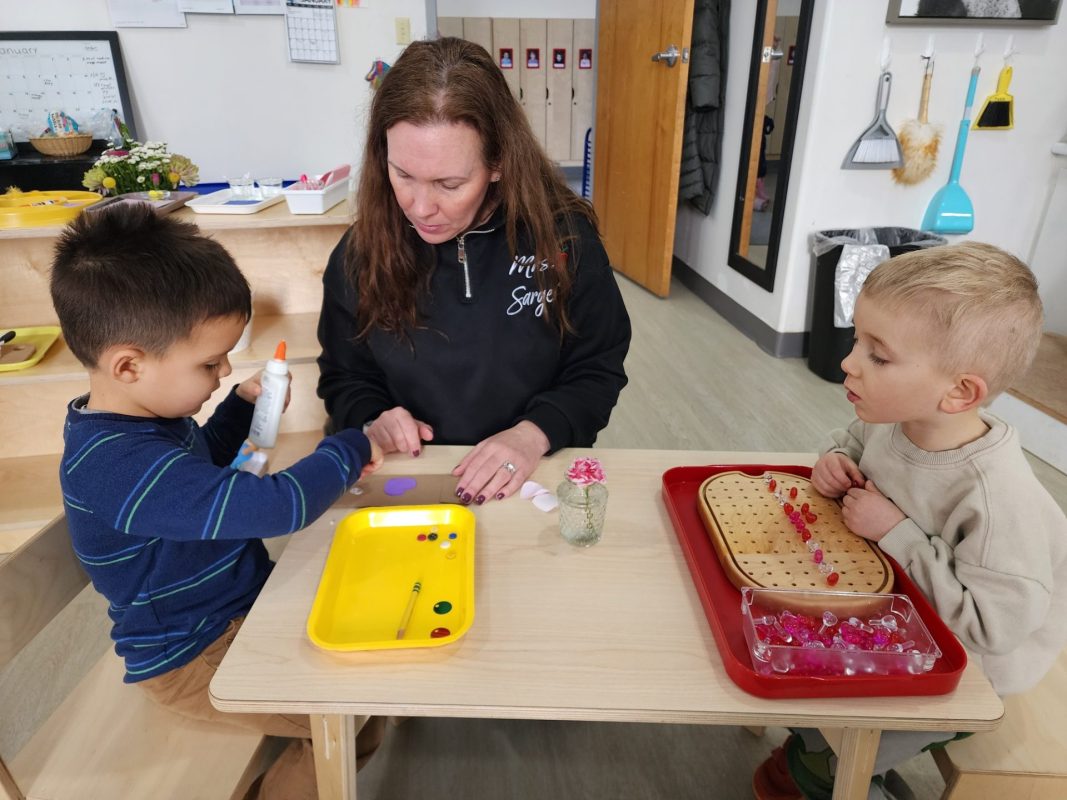
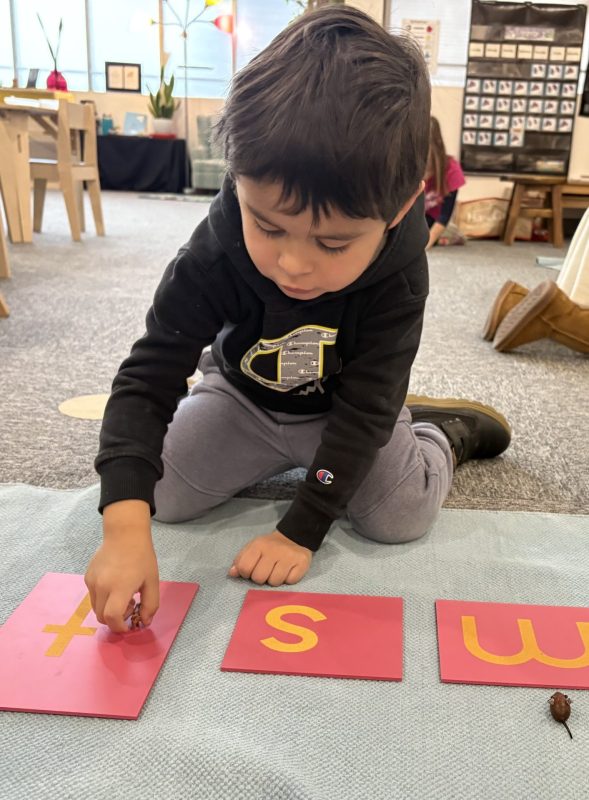
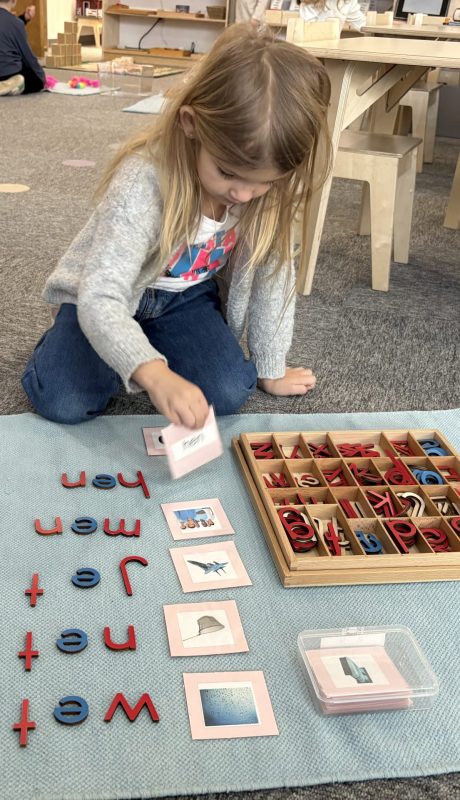
Mrs. Sargeant: Exploring Dimensions and Classic Tales

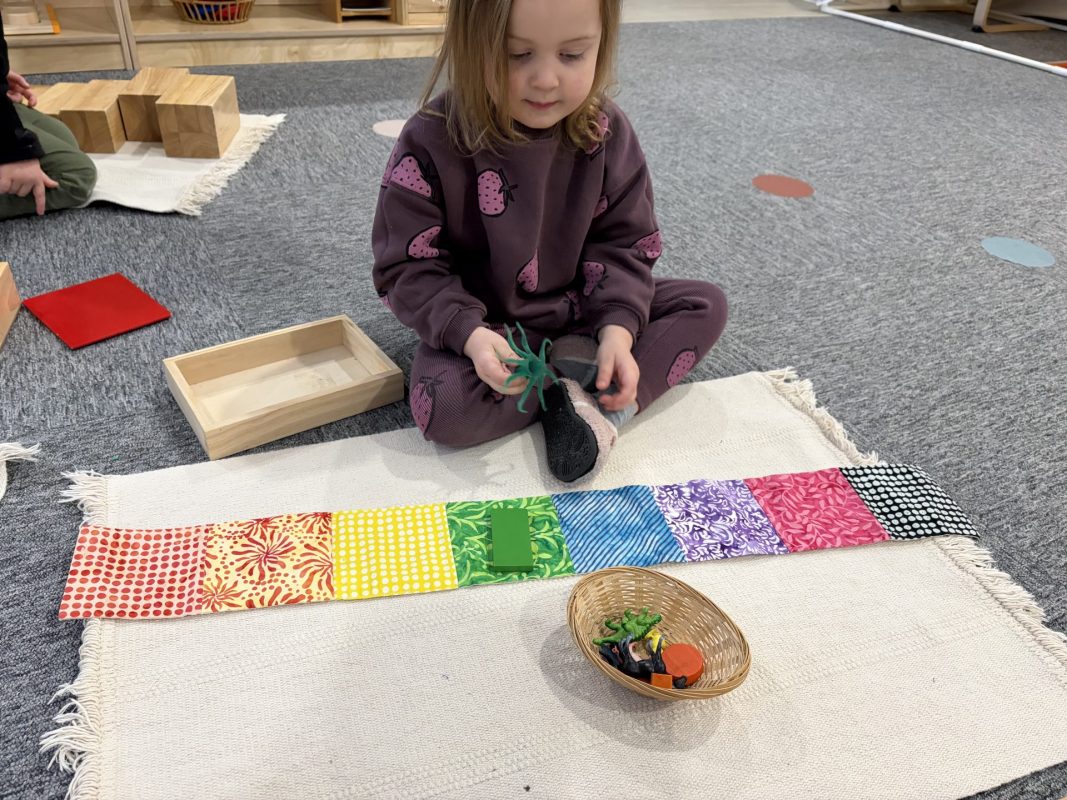
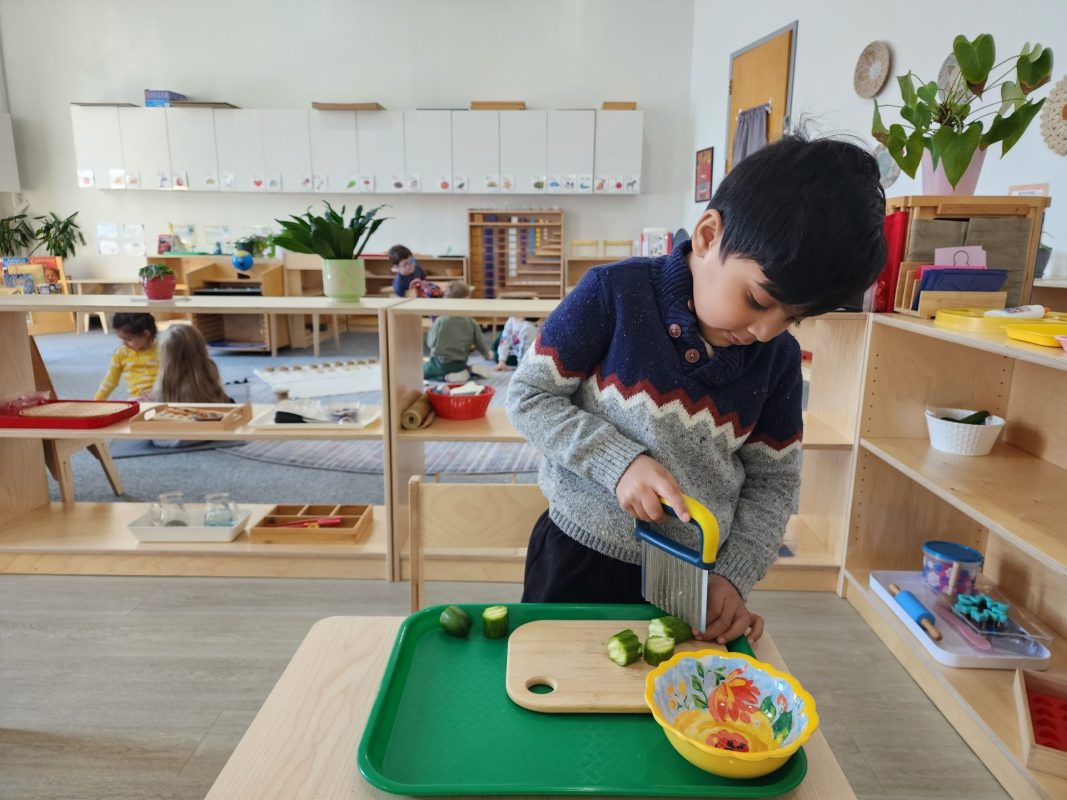
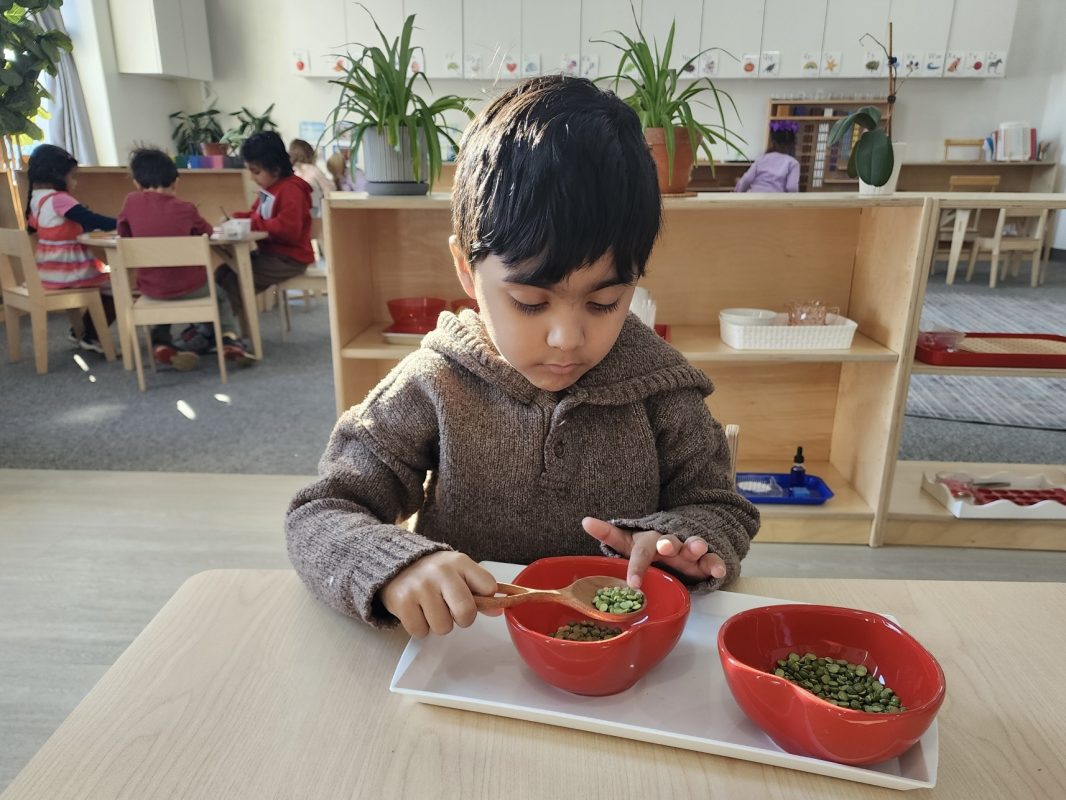
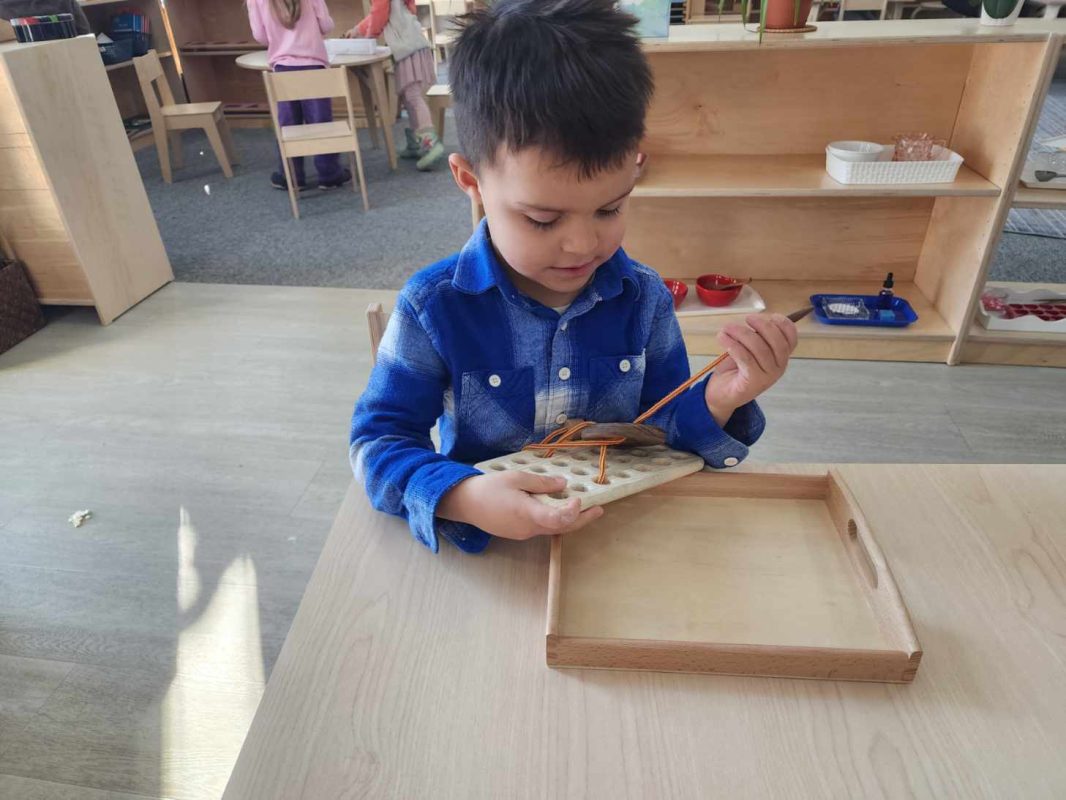
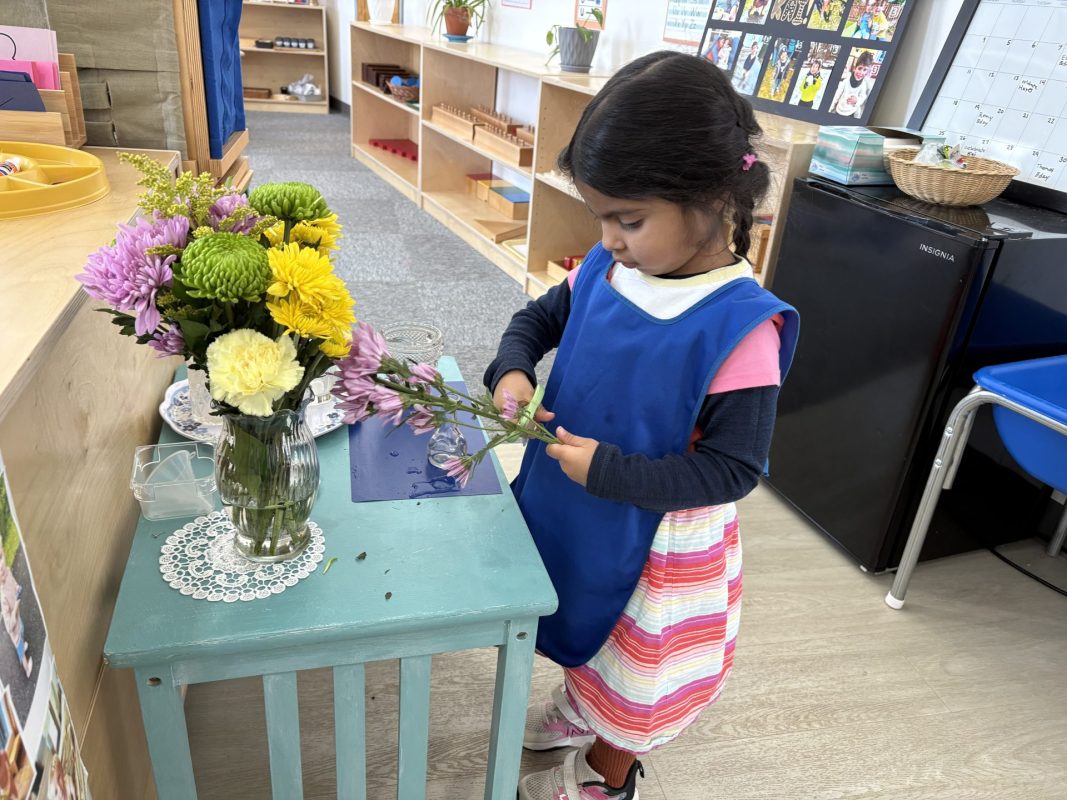
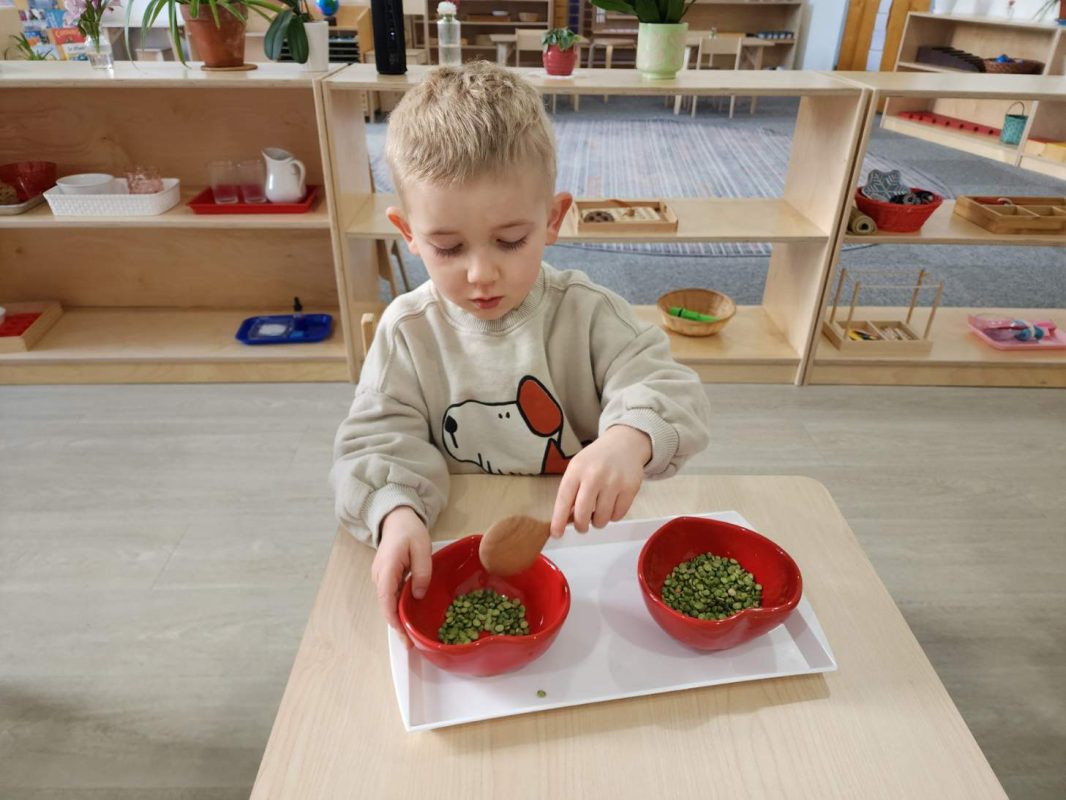
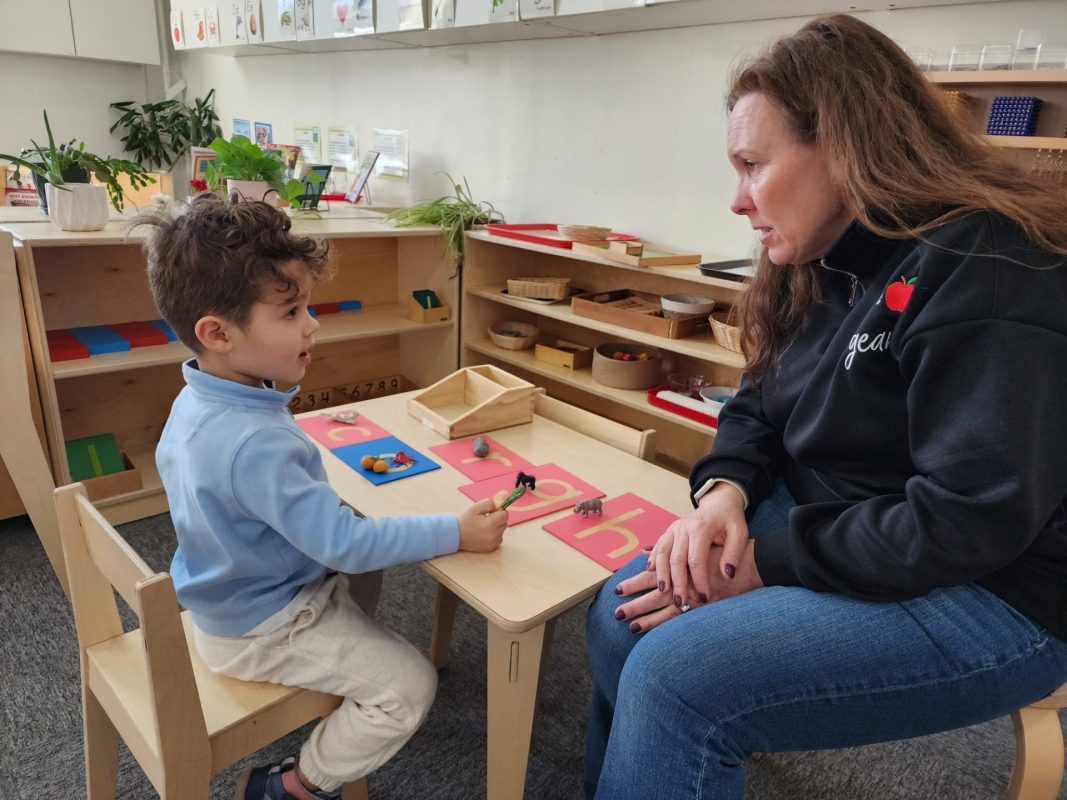
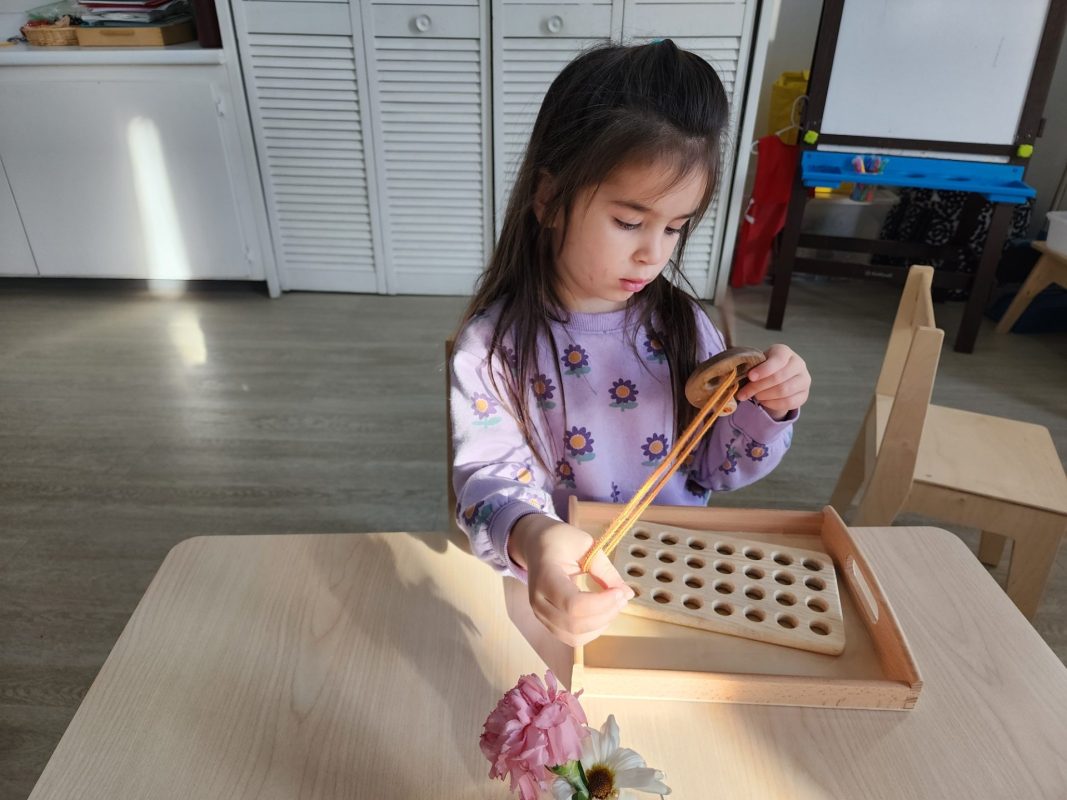
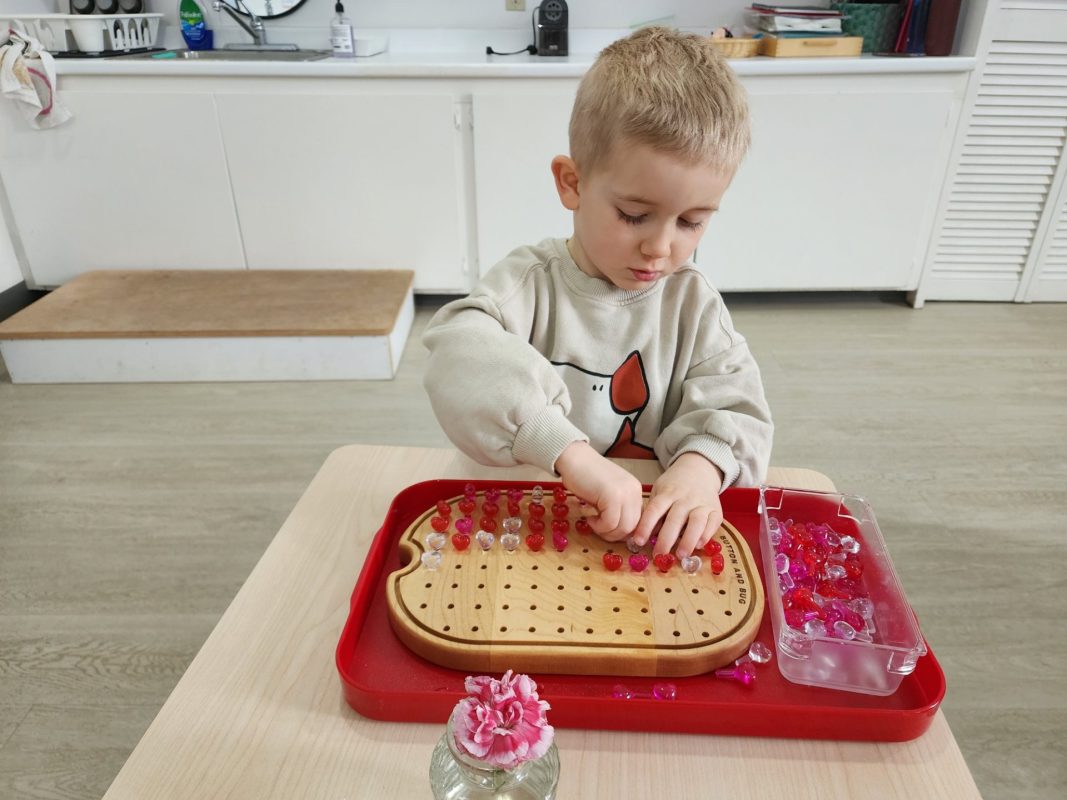
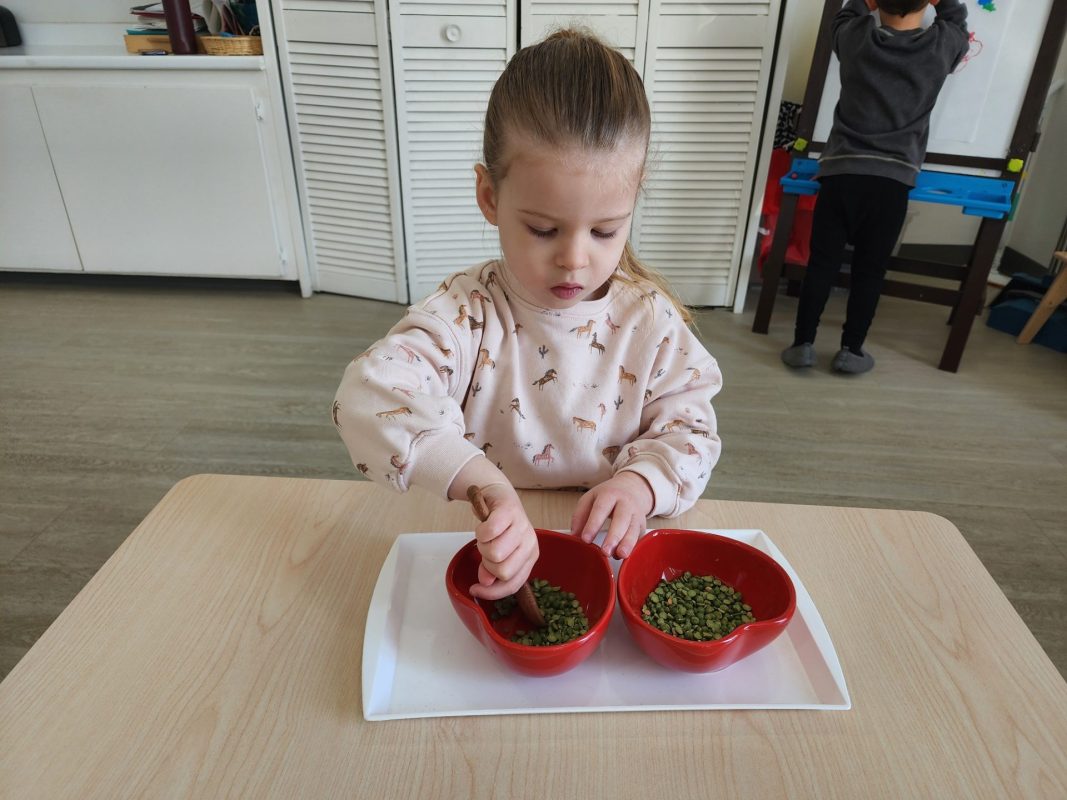
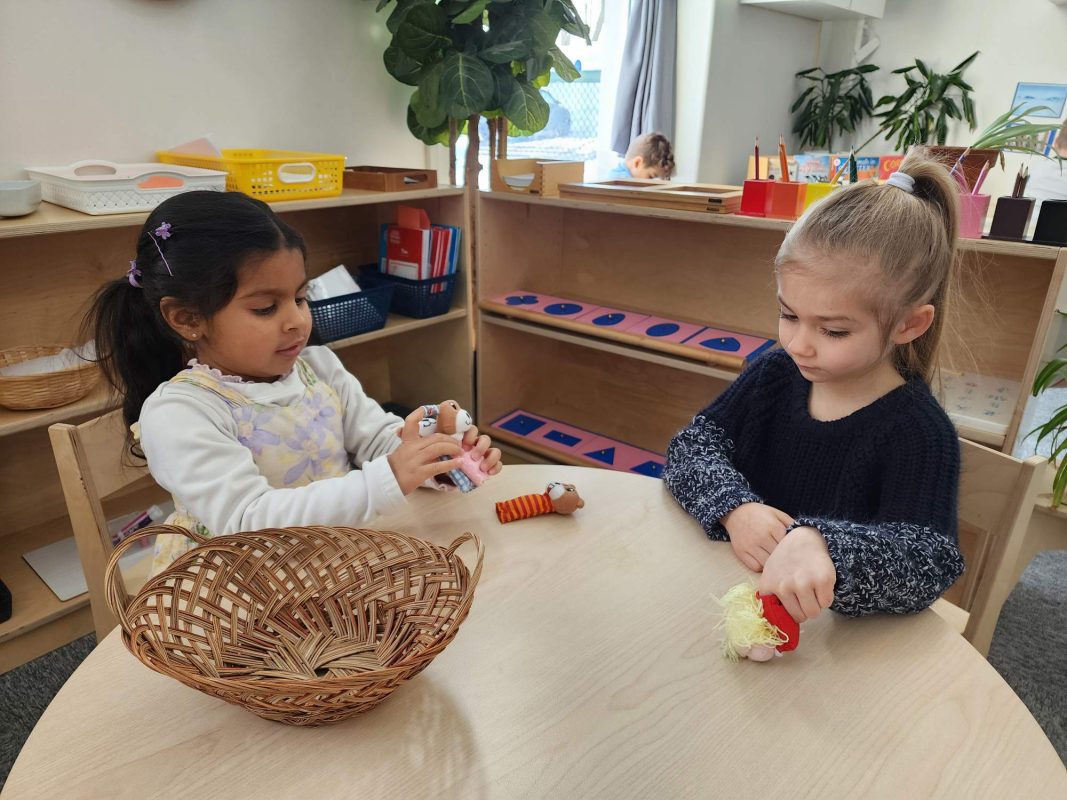
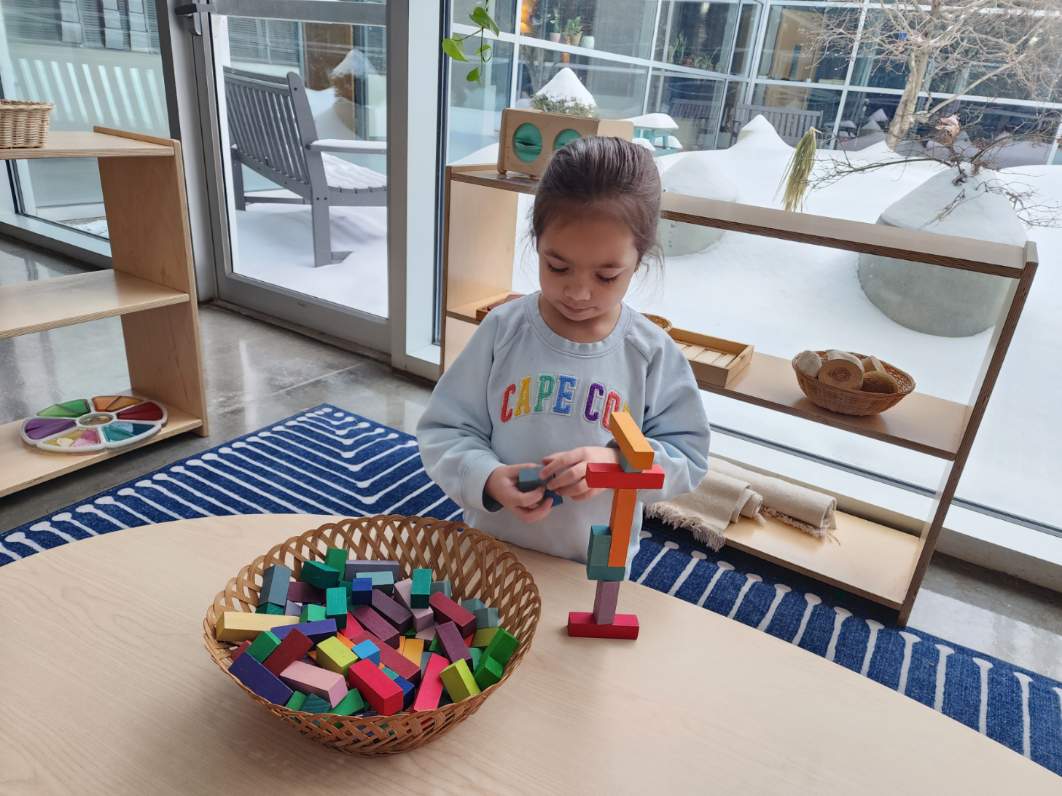
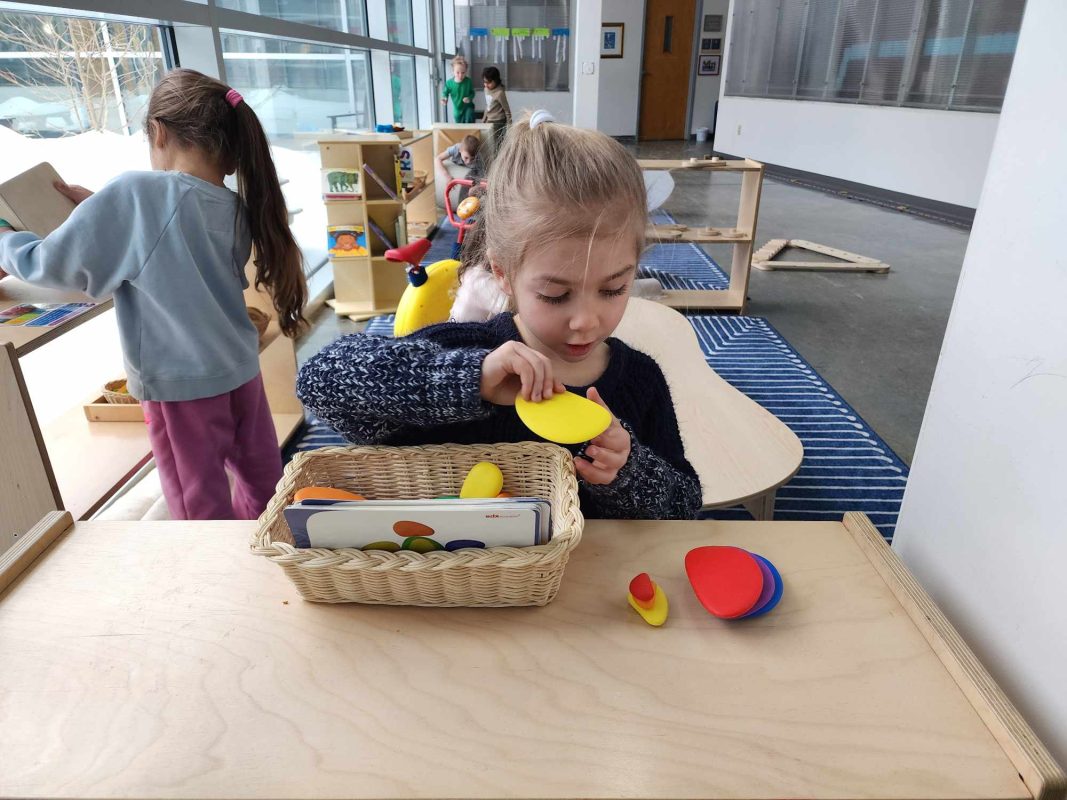
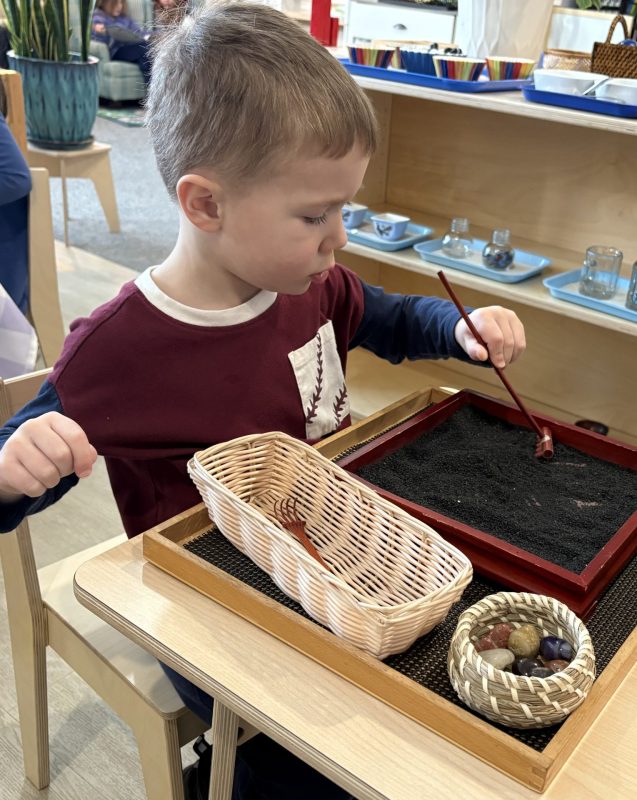
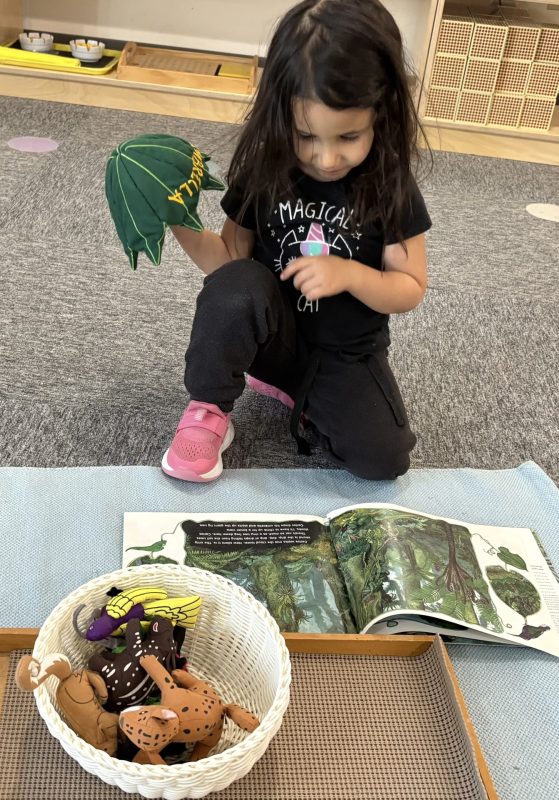
Last week brought exciting new materials to our practical life and sensorial areas. The children discovered cucumber slicing and spooning split peas with a new wooden spoon. Many children were fascinated by the split peas, which sparked conversations about the story of Goldilocks and the Three Bears. We explored several versions of this classic tale using finger puppets and different picture books, allowing the children to compare and contrast how the same story can be told in various ways.

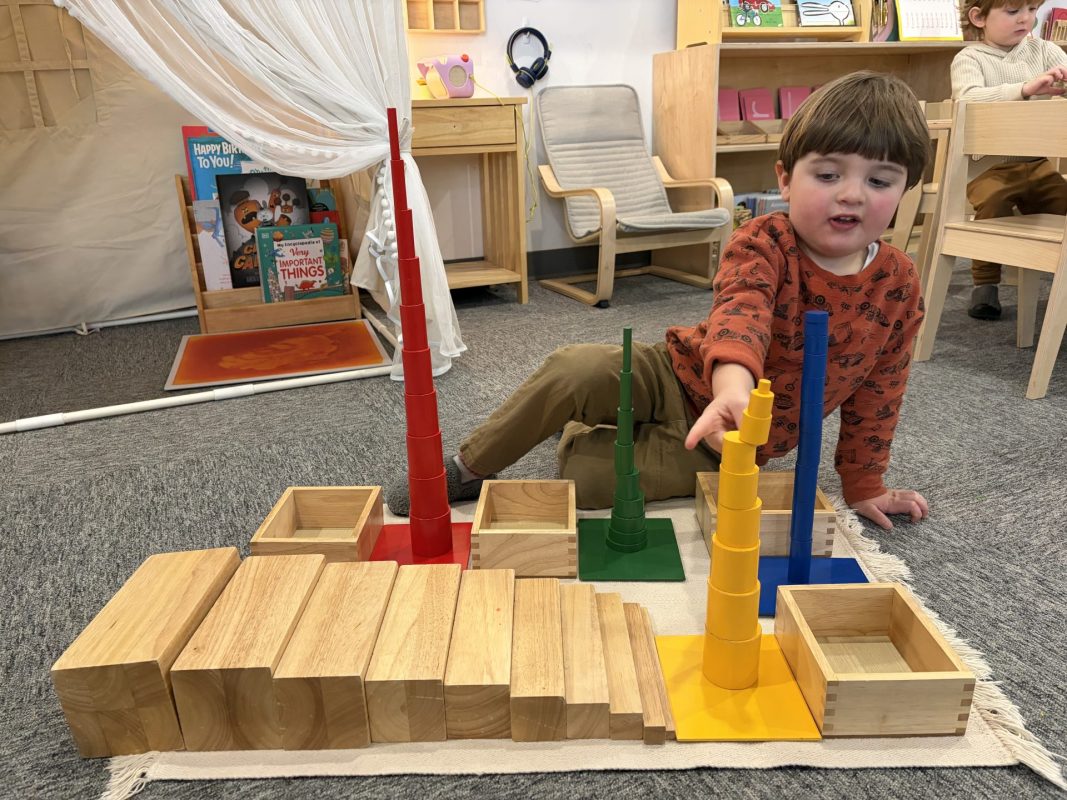
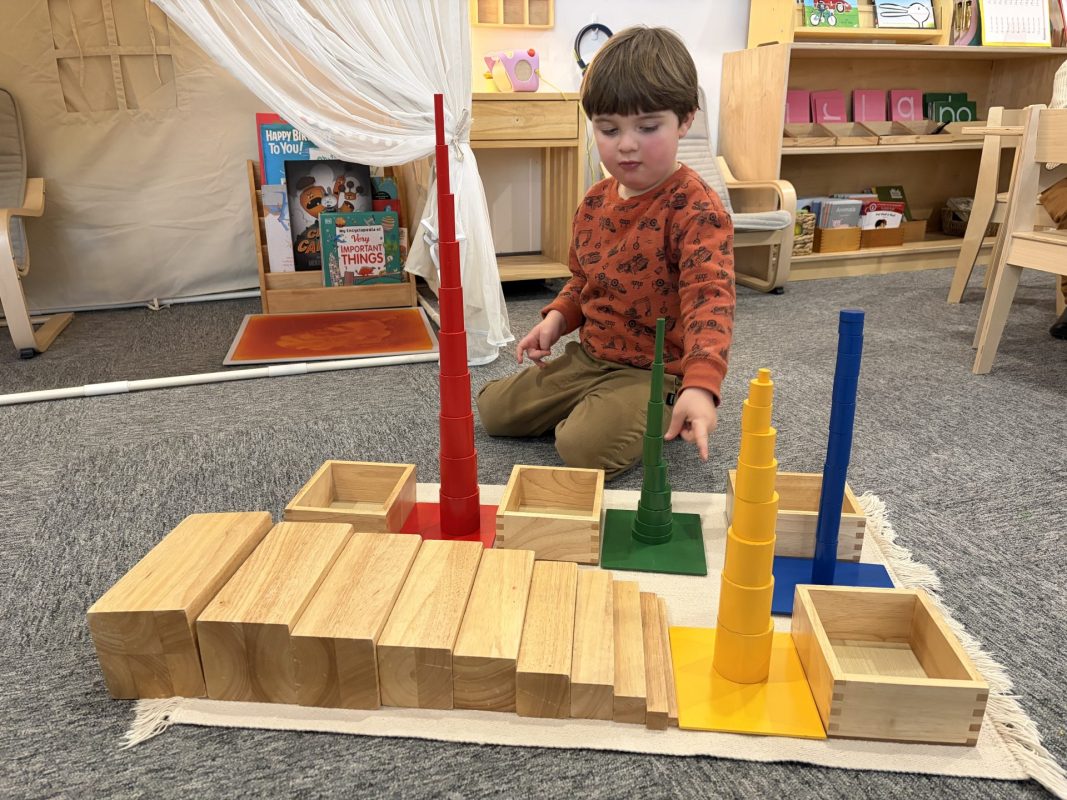
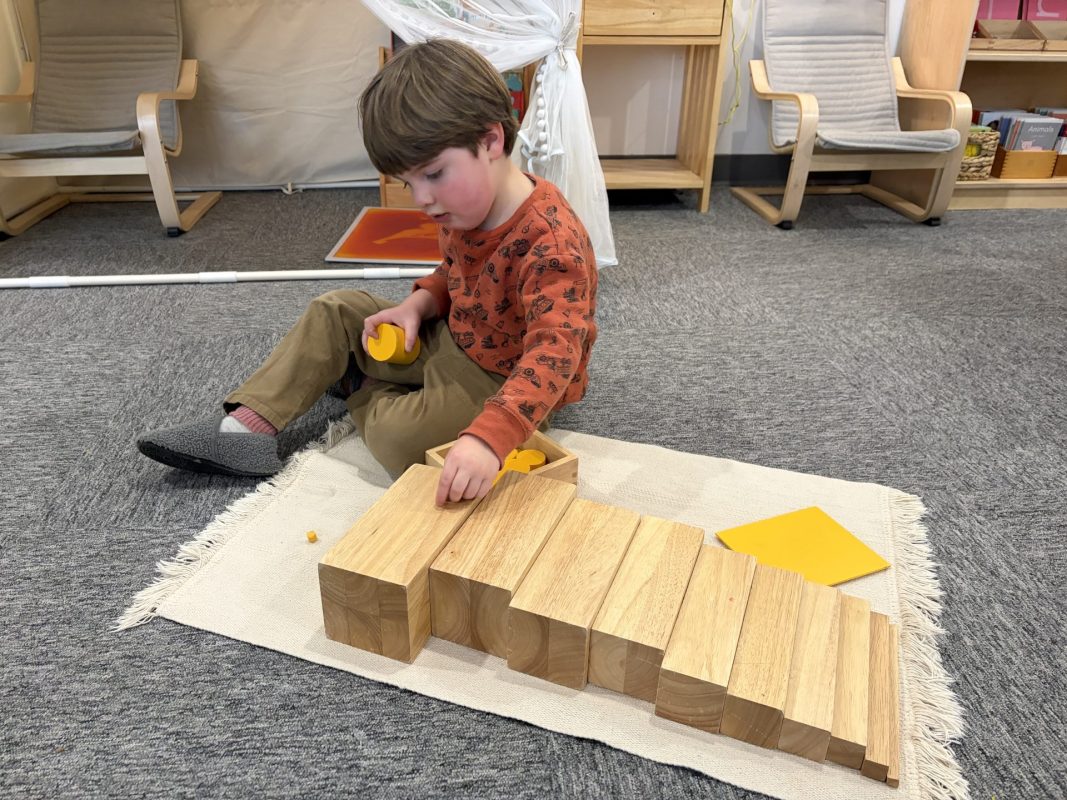
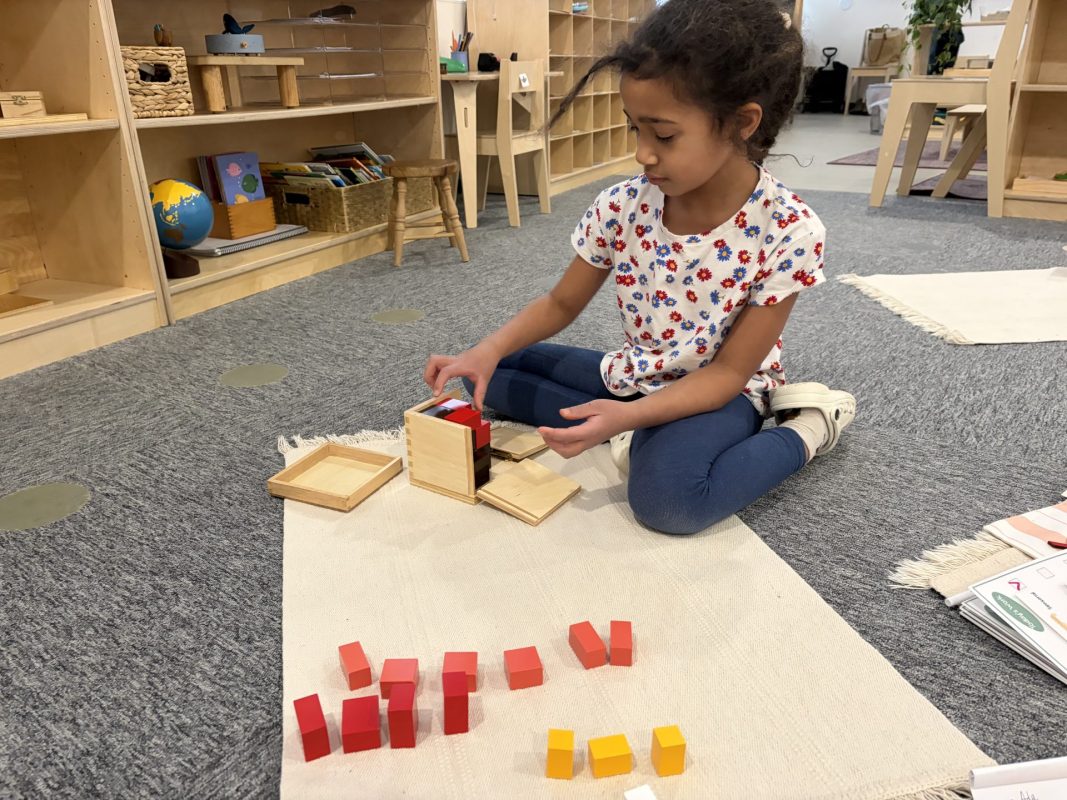
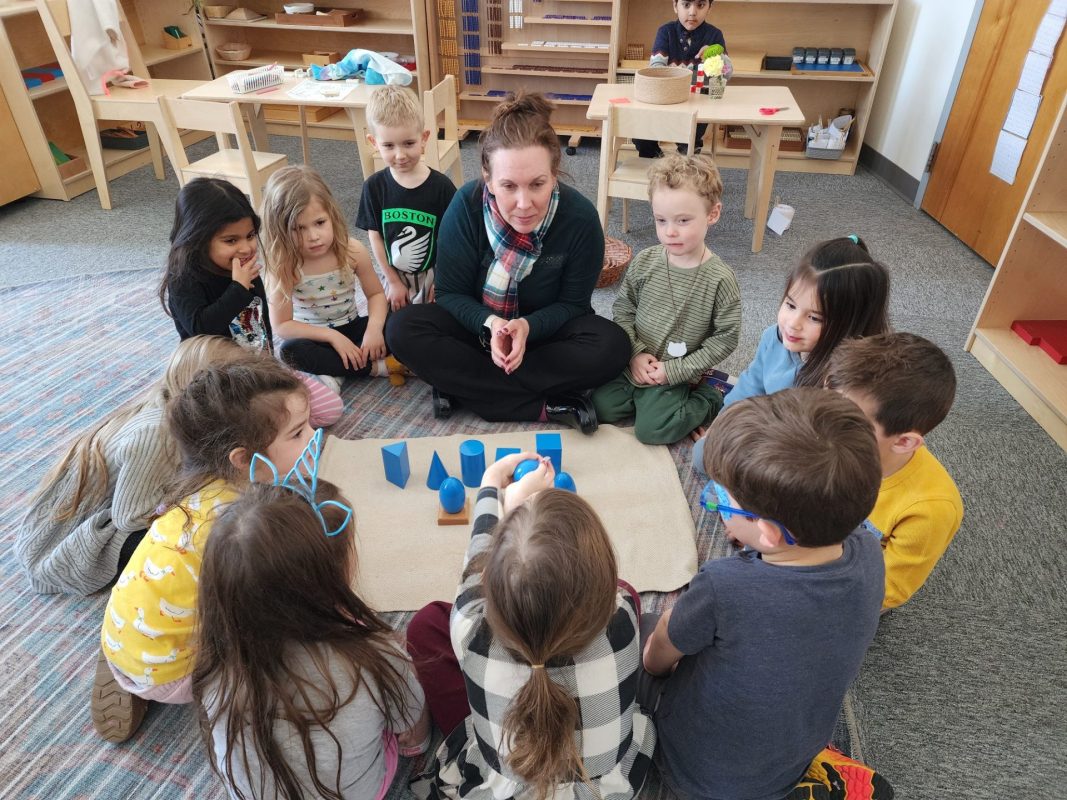
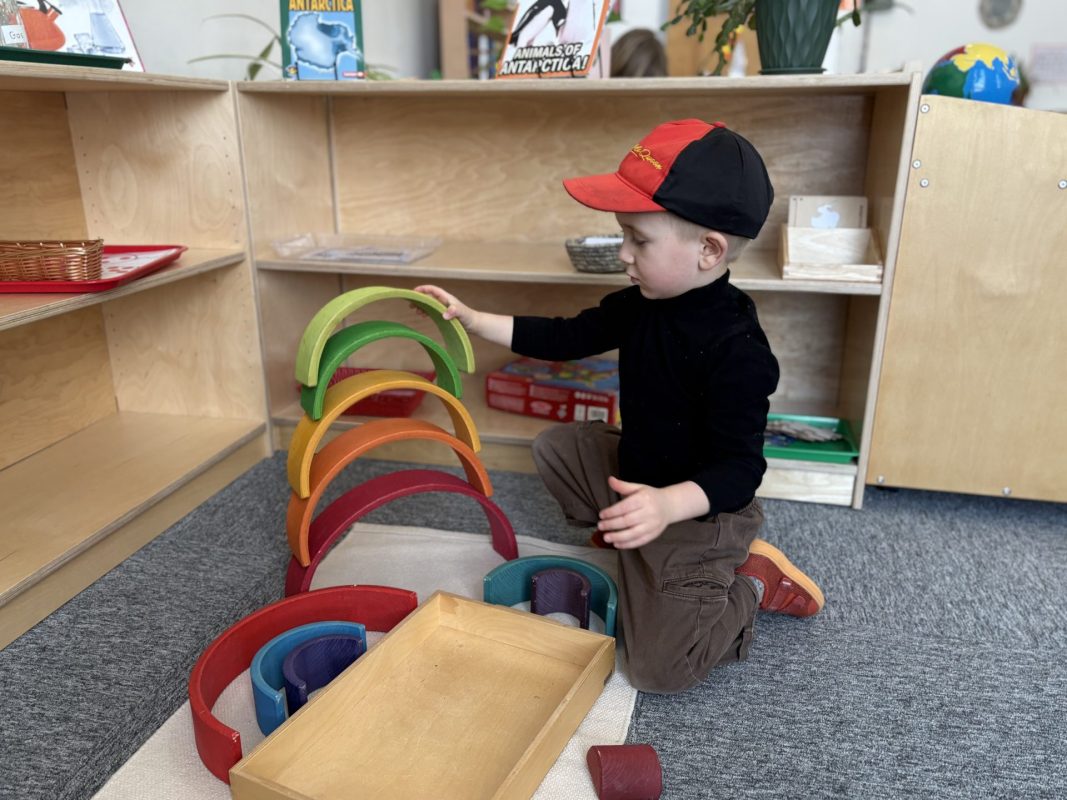
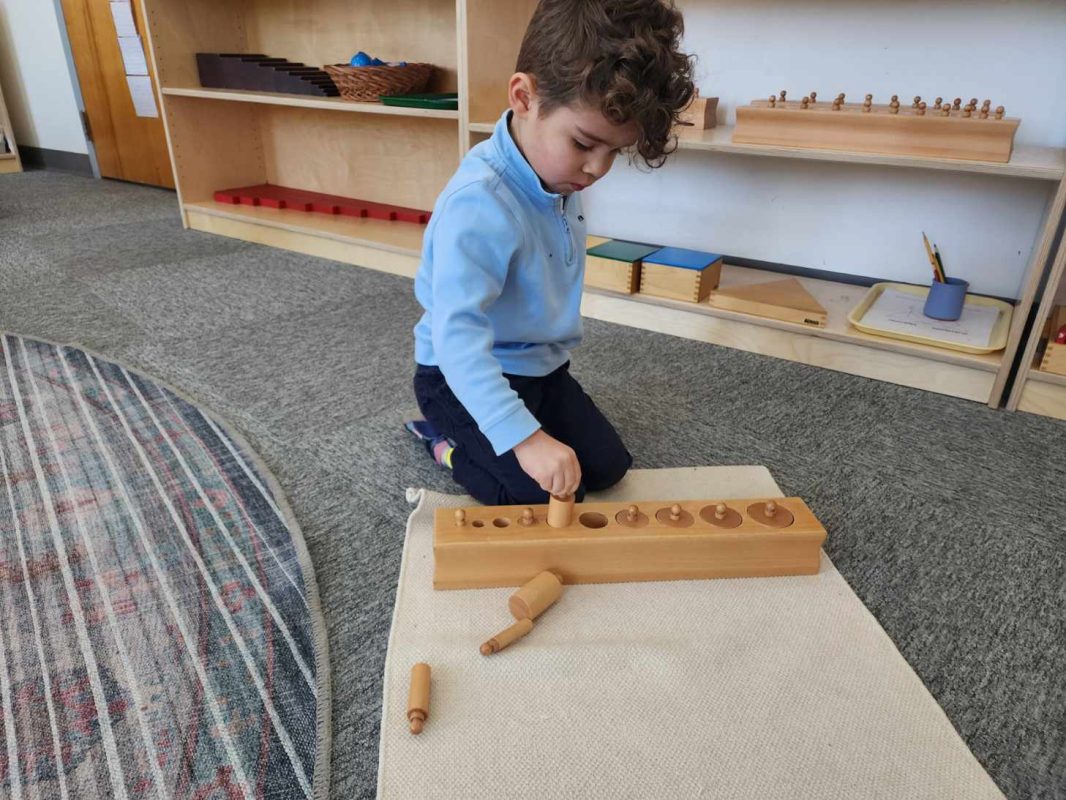
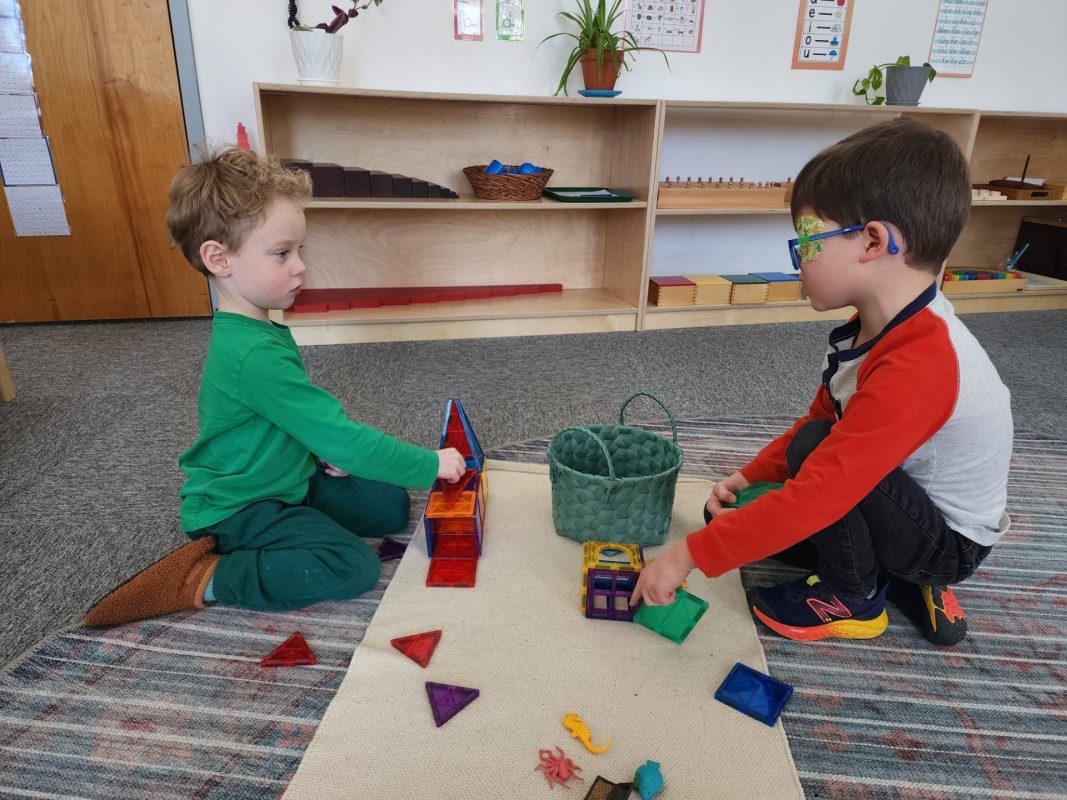
The children showed great interest in learning the names of the geometric solids. We discussed the difference between two-dimensional shapes—such as those included in the metal insets and geometry cabinet—and three-dimensional shapes. They enjoyed playing games with their eyes closed to feel which geometric solid they were holding, engaging their tactile sense to distinguish between spheres, cubes, cylinders, and cones. Next week we will add a blindfold to focus specifically on their stereognostic sense, helping them refine their ability to identify objects through touch alone.

The cold weather meant we spent considerable time indoors, though we were fortunate to use the gym where children enjoyed balls, hula hoops, and playing duck, duck, goose—a game that was new for many of the children. Throughout the week, we witnessed older children helping younger friends perfect their mat rolling skills and assisting them with sharpening pencils when needed. These moments of grace and courtesy demonstrate the compassion and community care growing within our classroom.

Extending Learning at Home

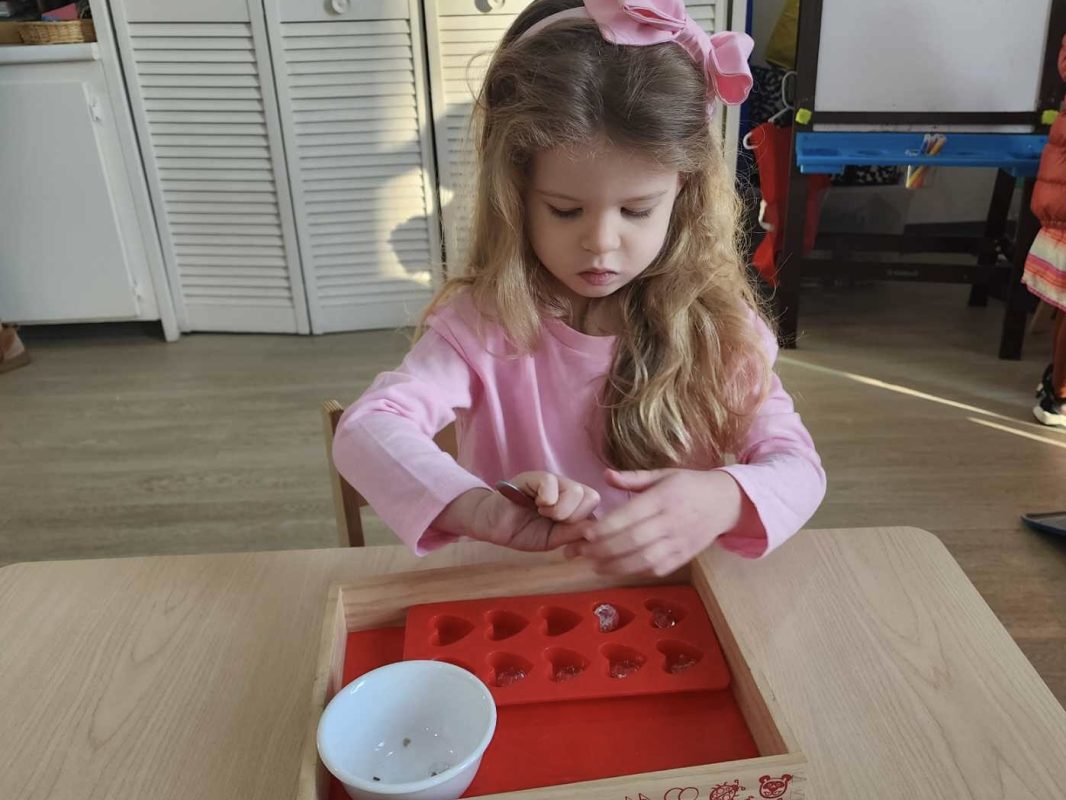
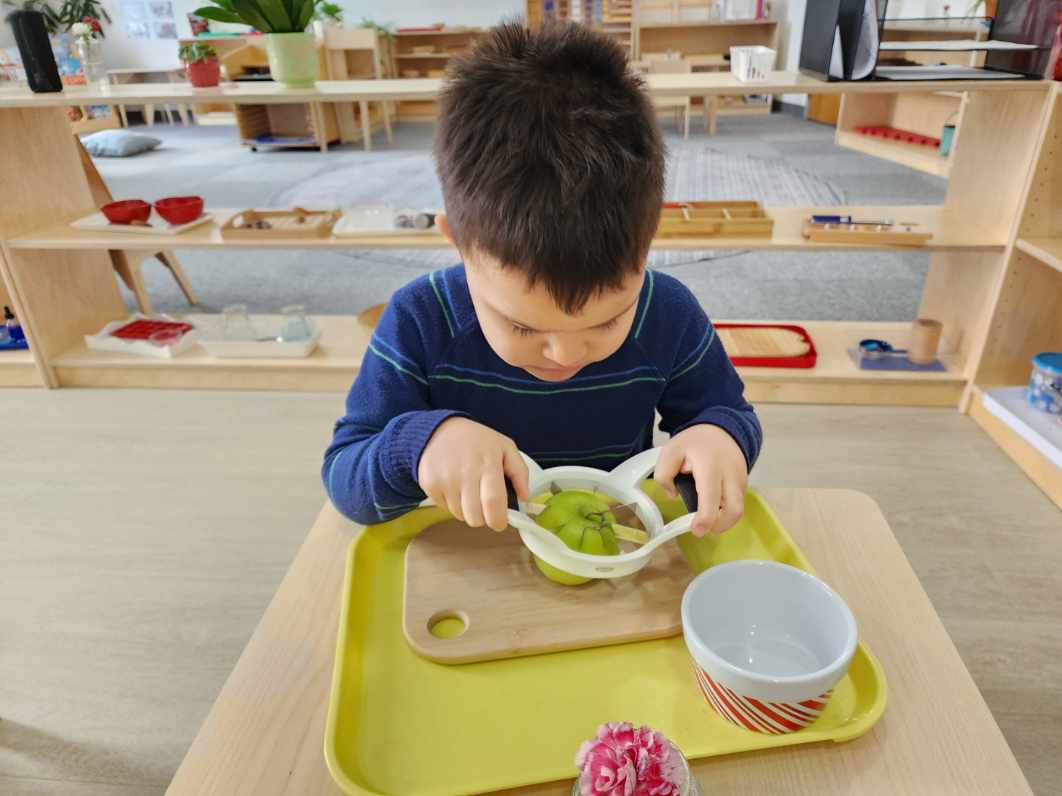
Look for three-dimensional shapes around your home—cans (cylinders), balls (spheres), boxes (rectangular prisms). Let your child hold these objects with eyes closed and describe what they feel. Practice the Goldilocks story together, encouraging your child to retell it in their own words. Simple practical life activities like slicing soft fruits with a butter knife or transferring dried beans between containers support their developing coordination and independence.

UPCOMING EVENTS & ANNOUNCEMENTS

This Week

  • Monday–Friday
    – Moving Up Classroom Observations
  • Wednesday, February 4
    Isle of Skoo Assembly for Primary–Upper Elementary students at 9 a.m.

Next Week

  • Tuesday, February 10
    Welcome to Kindergarten! Talk at 8:45 a.m. for parents of P4 students
    Moving Up Night at 5:30 p.m. for parents of K students
  • Thursday, February 12
    Classroom Valentine Exchange
  • Friday, February 13
    No School | Teacher Professional Development Day

Middle School: That’s a Wrap for Spoiler Alert!

Announcements:

  • Monday, 2/2: Student Performance of Spoiler Alert!, breaking the set, and cast party
  • SCHEDULE CHANGE: 6th & 7th Grade Research Presentations Thursday, February 26th. More information to come this week.
  • Please check for appropriate winter attire for the outdoors. Most students will go outside with their younger peers during Community Service each week.
  • MS ARRIVAL BEGINS AT 8 am: As teachers enter the building and prepare for the day, supervision will begin at 8 am. Please stay with your child/children until this time. Thank you for your help!
  • MS Flower Schedule

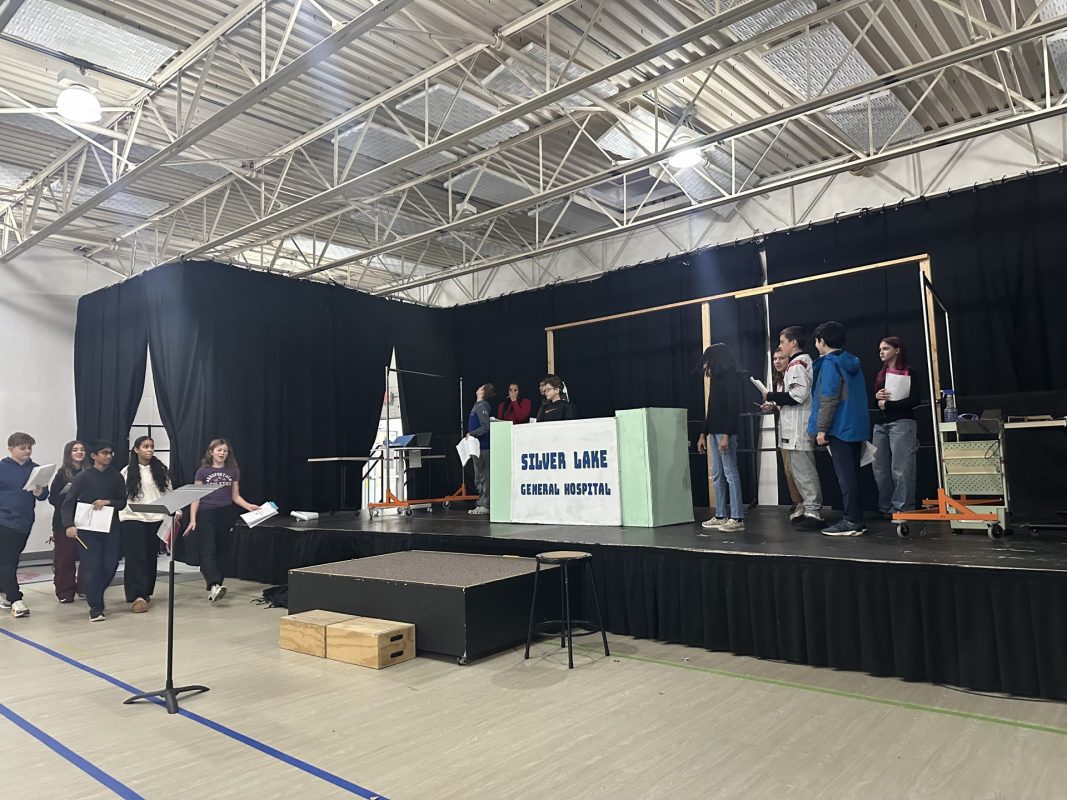
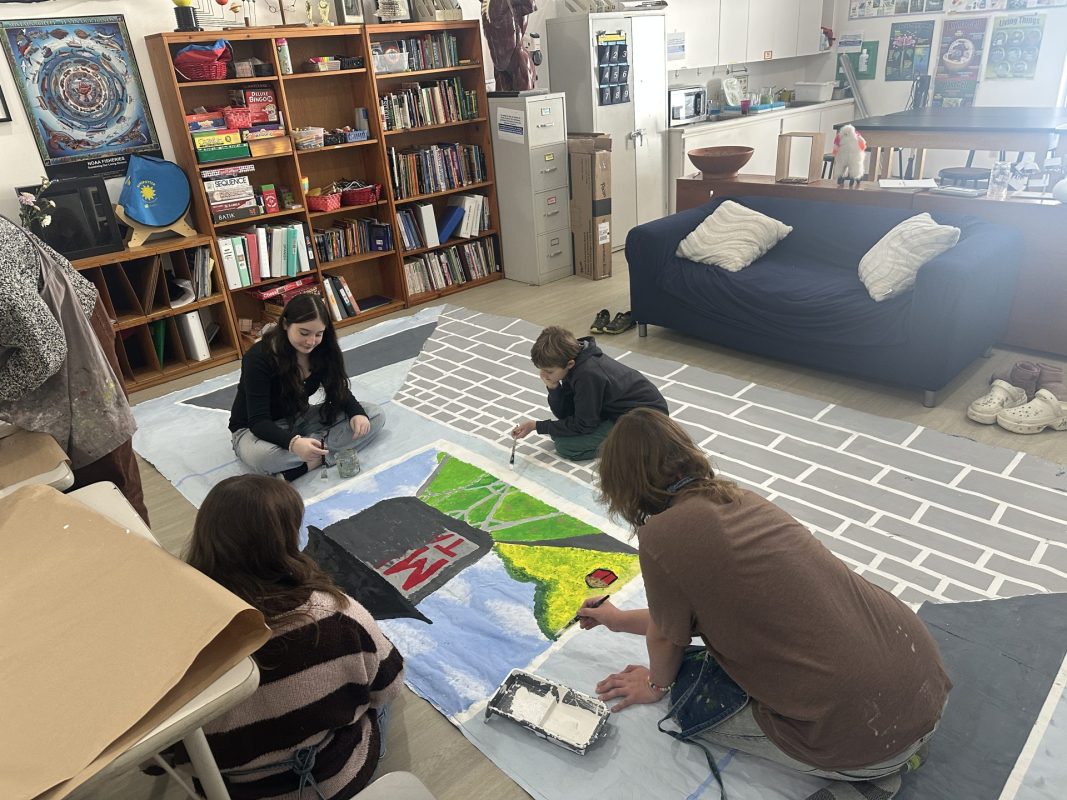
Wow! After an incredibly quick immersion week, Friday night’s show of  Spoiler Alert! was a huge success. As the set and curtains started going up on the stage, students really became focused and zoned in on their acting. With the addition of mics and costumes, the characters came to life!

It is always wonderful to hear the students speak about the process in the Q & A segment after the show with the audience. It is a way of reflection. Another way we reflect on what worked and what challenges we had during immersion is by writing about it, which students will do next week.

Something that has really stood out over the last couple of years was the number of parents who said their MS child/children kept details of the production a surprise. While there has never been a conversation about keeping our production a secret, hearing this just proves how incredibly proud they were to show you their hard work.

It’s hard to take the set down and go back to normal, but the benefits of Middle School immersion will be present for the rest of the year. Going through the experience brings the Middle School even closer to a cohesive team. We have noticed it!

We will conclude our time with Spoiler Alert! on Monday with a student performance, followed by breaking down the set and a cast party.

Thank you for all of your support. We hope you enjoyed the show! Back to the regular schedule and classes on Tuesday.


This Week in Upper El

After a snow day on Monday and a delayed start on Tuesday, we enjoyed a short but action-packed week together! The highlight was getting outside to play in the snow on Wednesday. Every single student remembered their cold-weather gear! Great job being prepared for winter fun!
In our writing lesson, we focused on transforming short, unelaborated sentences into engaging ones by choosing vivid, descriptive words.
In geometry lessons, fourth graders worked on proving equivalence between polygons and rectangles, building on last week’s lesson. Fifth graders continued their study of the apothem, measuring sides, apothems, and radii of triangles, squares, and polygons. It was exciting to see everyone diving deep into hands-on mathematical exploration.
Our history lesson this week focused on Ardipithecus ramidis, an extinct ape species. Students were fascinated to learn how scientists piece together the story of early hominids and prehistory.
On Friday, students performed their readers’ theater for families and middle school students! Their hard work and enthusiasm shone through. There’s one more performance for our lower elementary friends next week.
Looking ahead:
  • Monday, February 9 is Moving Up Day for fifth graders. They will spend the day as a middle school student. Students should arrive at school at 8:00 for the start of their middle school day.
  • Thursday, February 12 will be a busy and meaningful day. After making sandwiches for the soup kitchen, we’ll celebrate Valentine’s Day as a class. Please look out for an email from Nora with more details about the celebration. Thank you for your continued support with our community service!
“True peace is not merely the absence of tension; it is the presence of justice.” -Martin Luther King Jr.

Ms. Handibode: Literary Treasures & the Joy of Reading

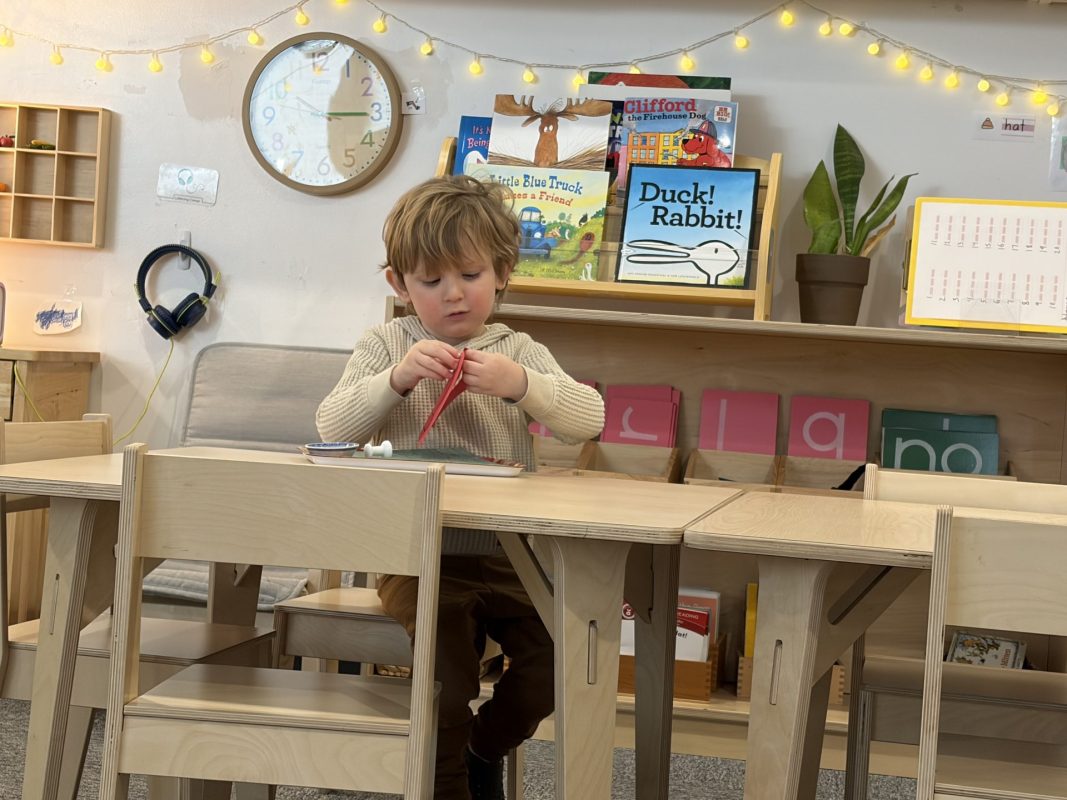
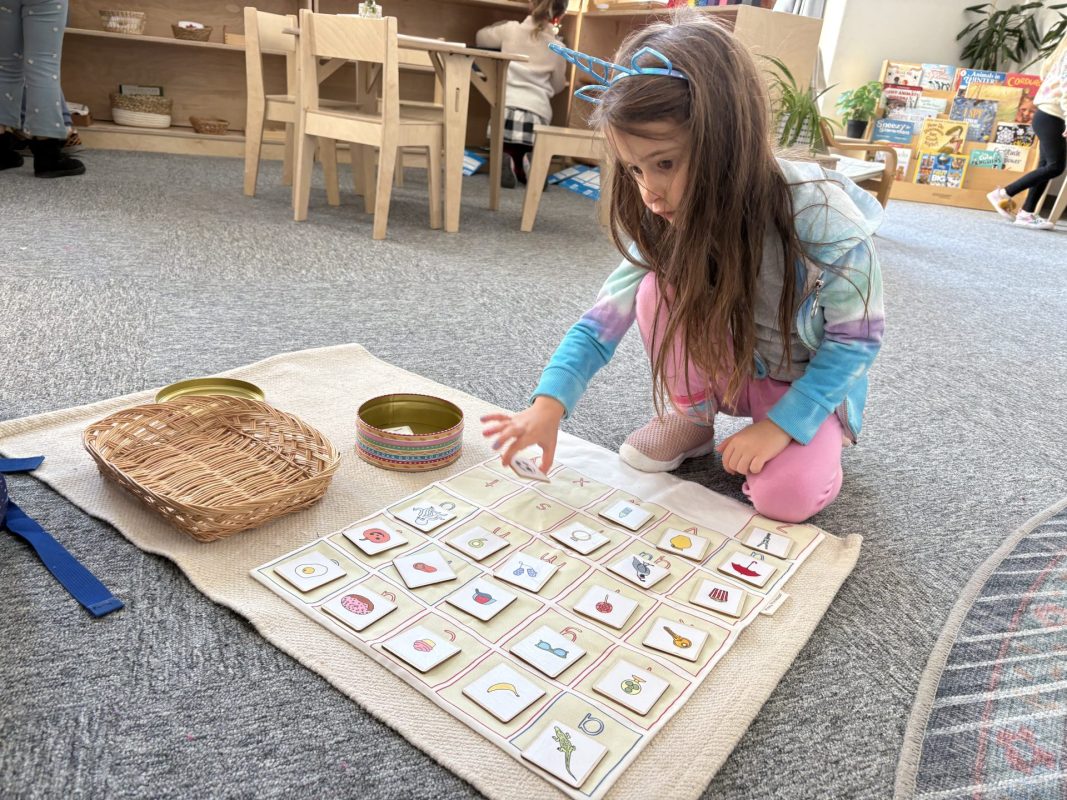
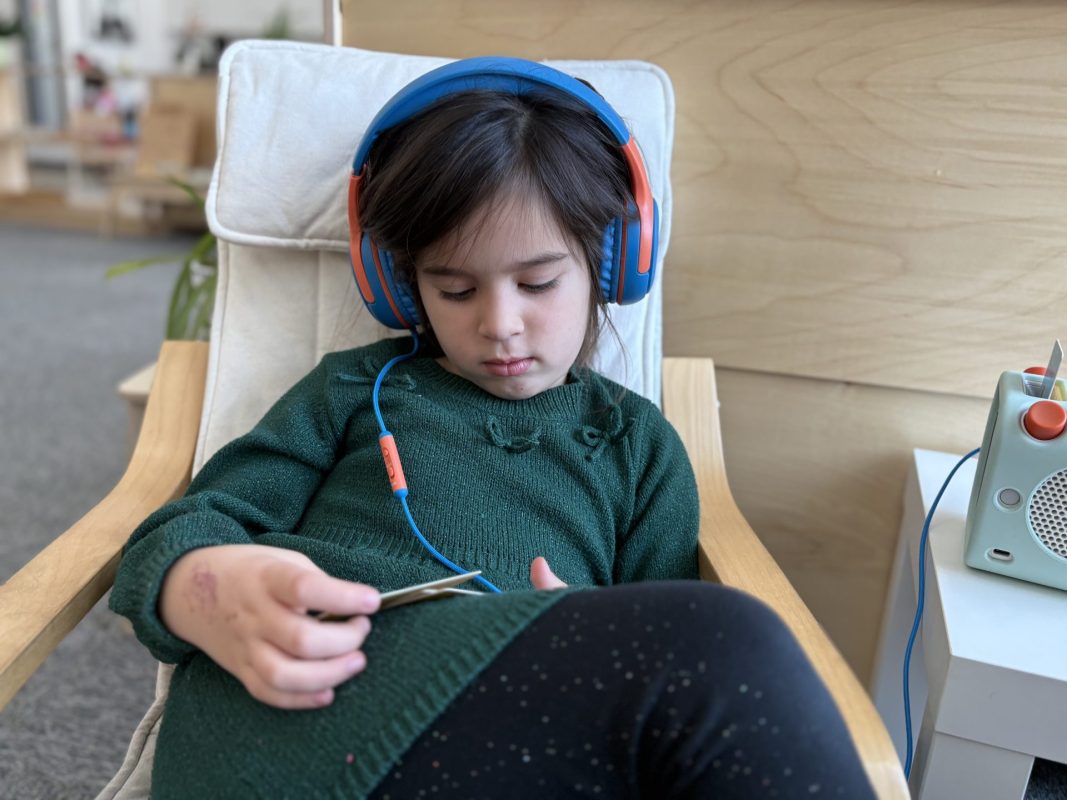
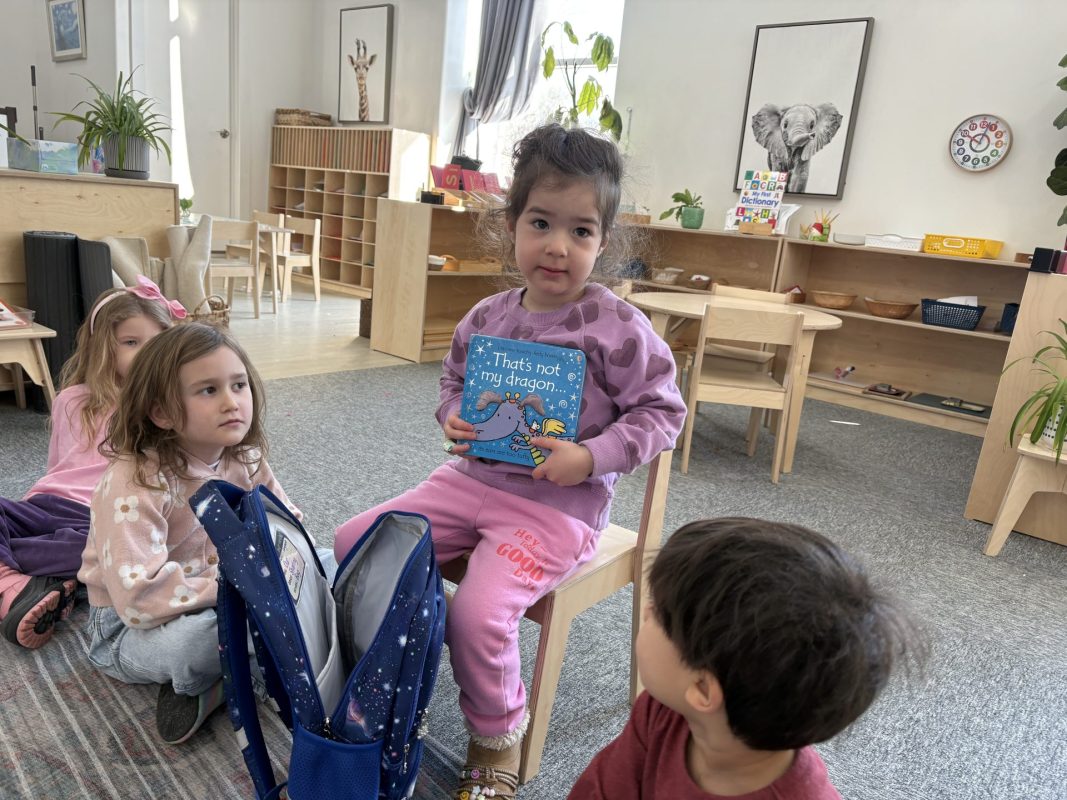
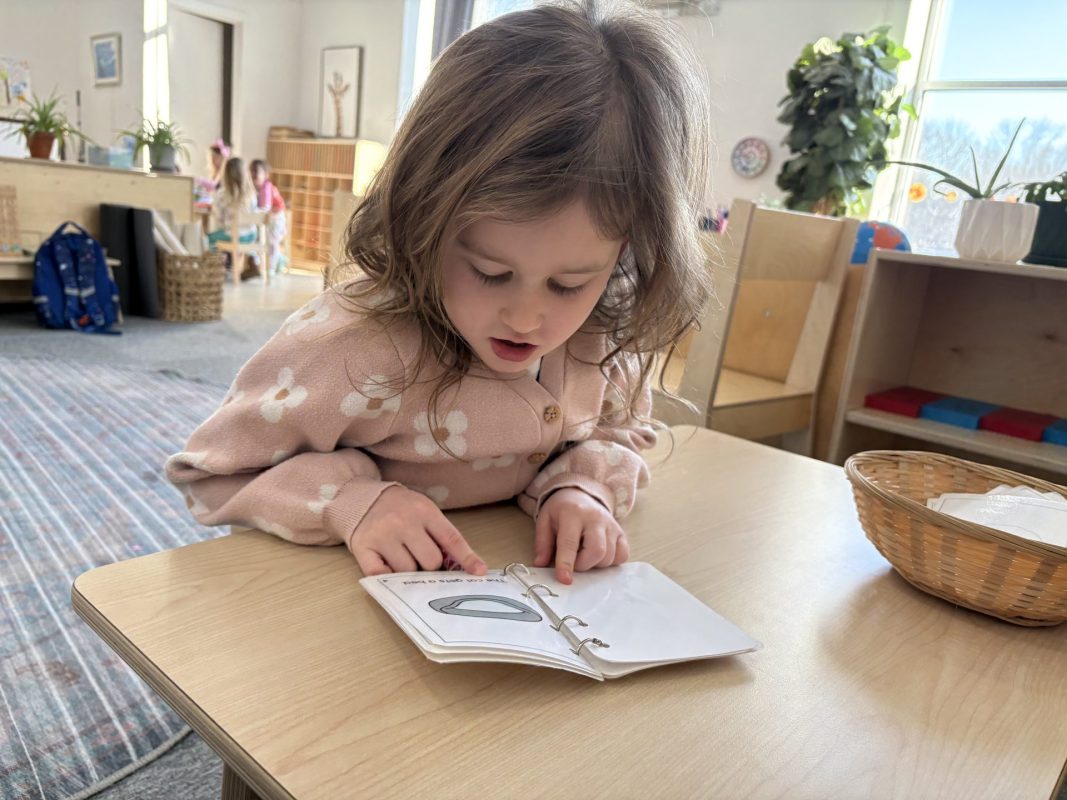
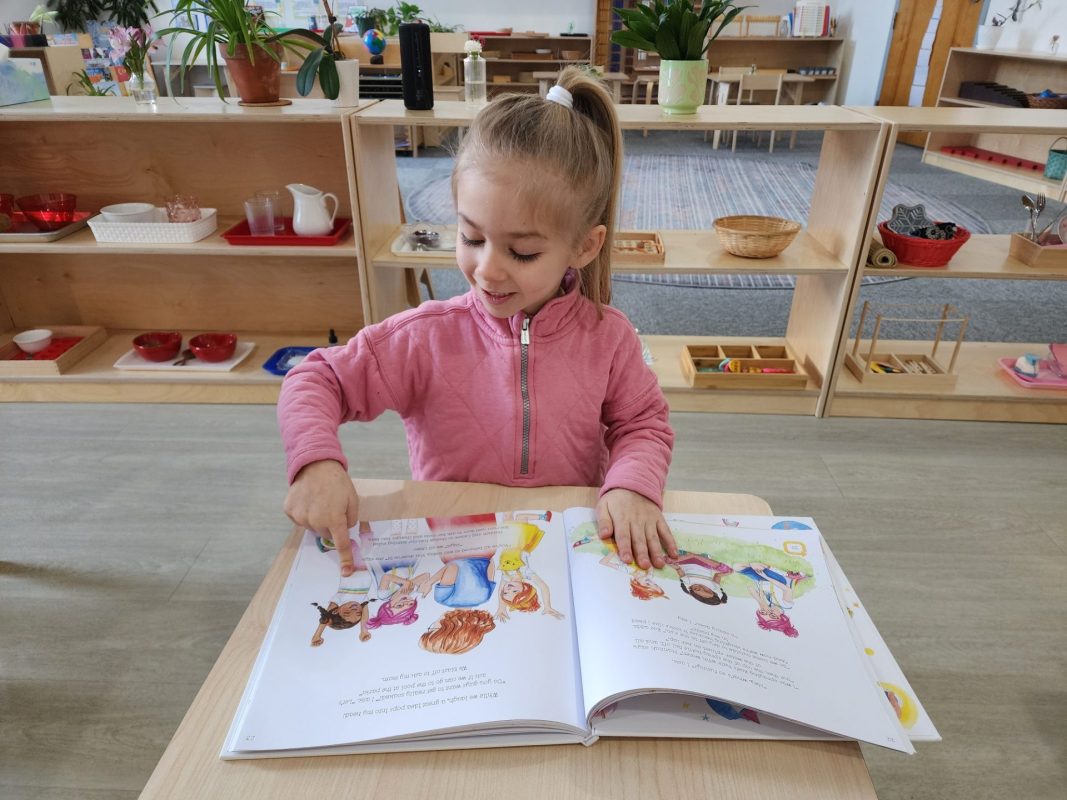
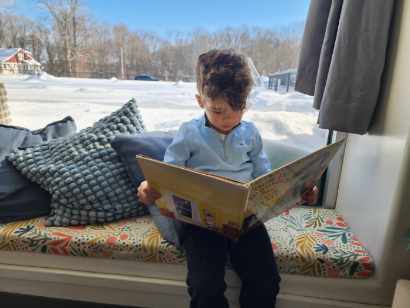
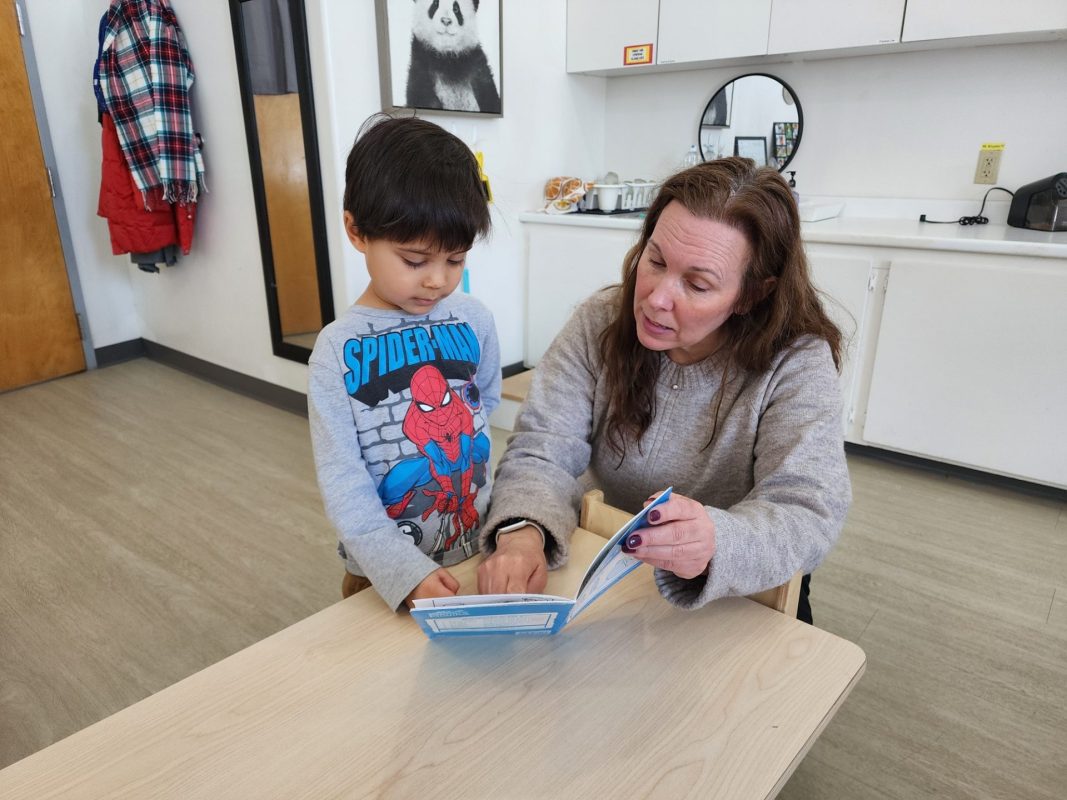
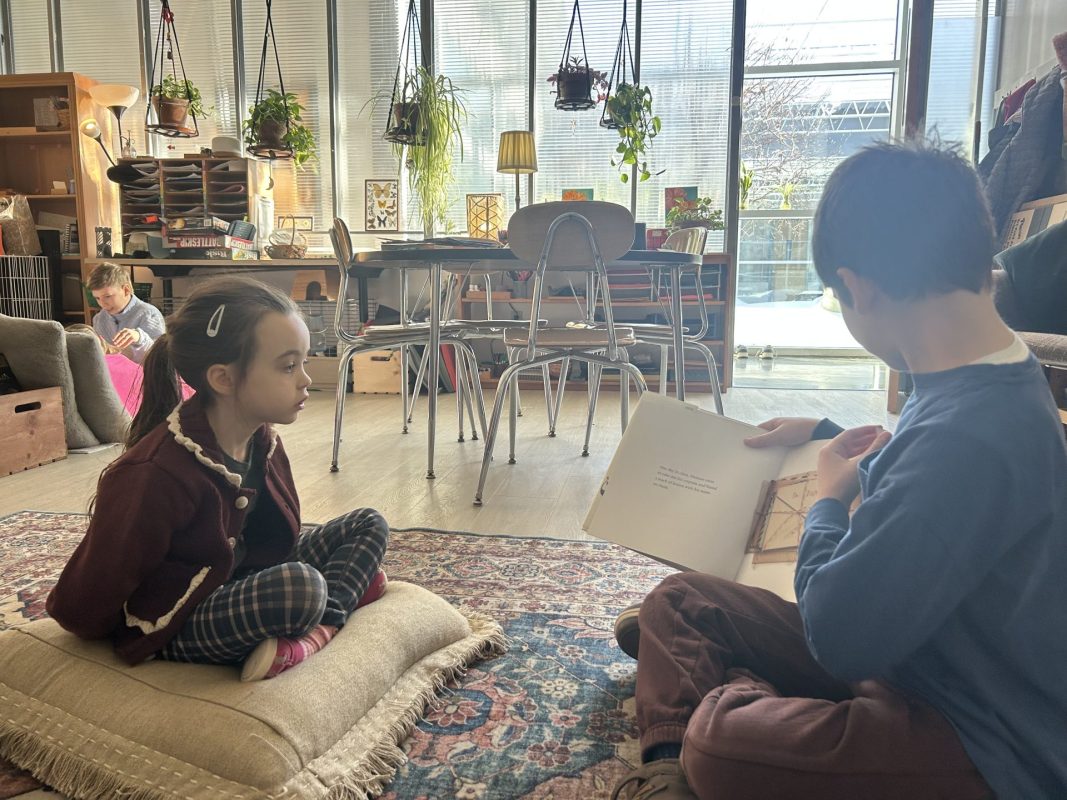
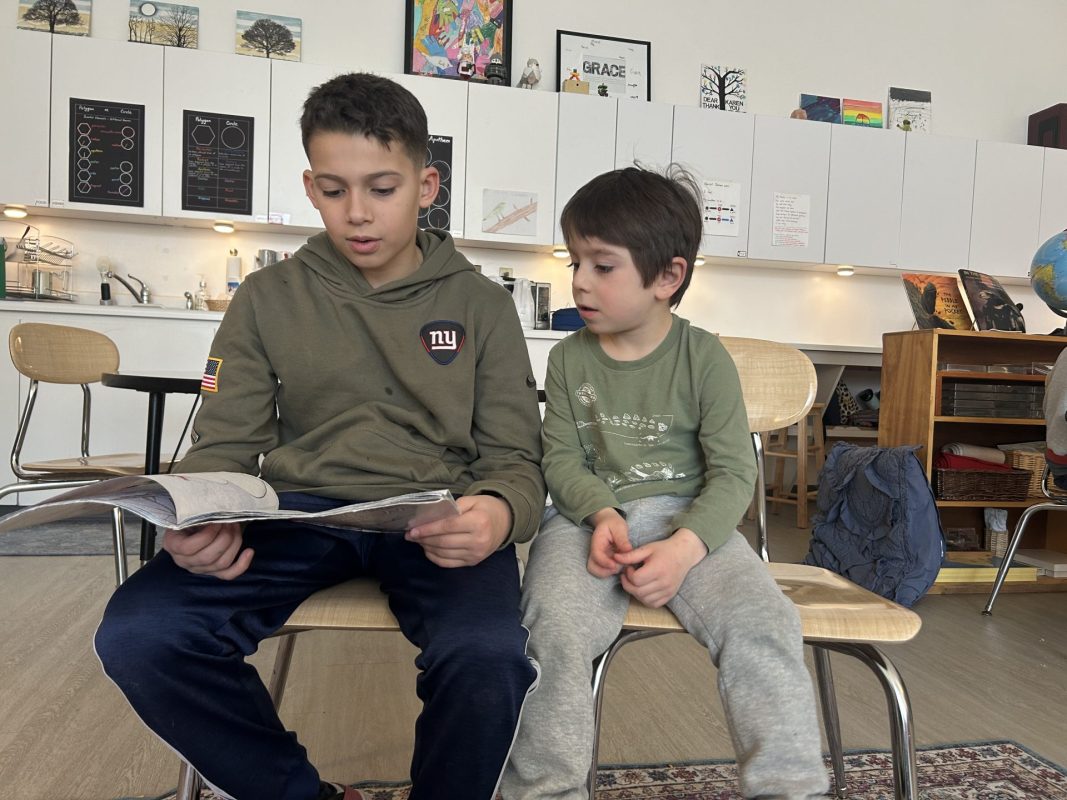
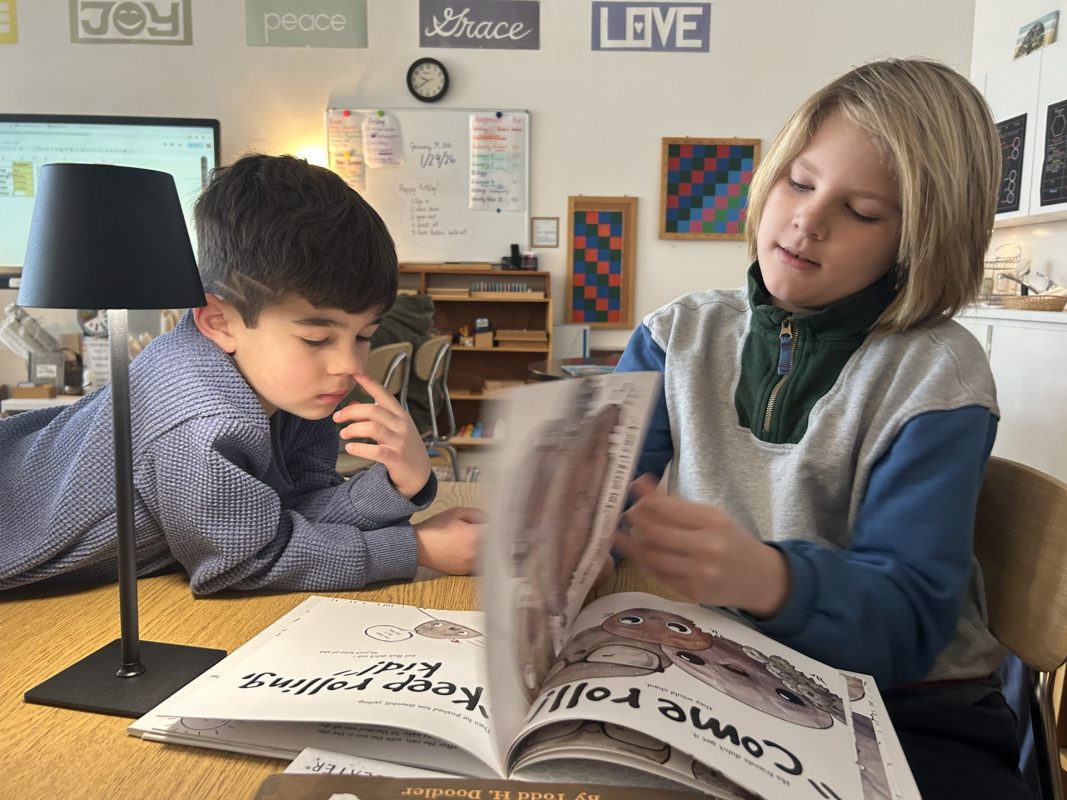
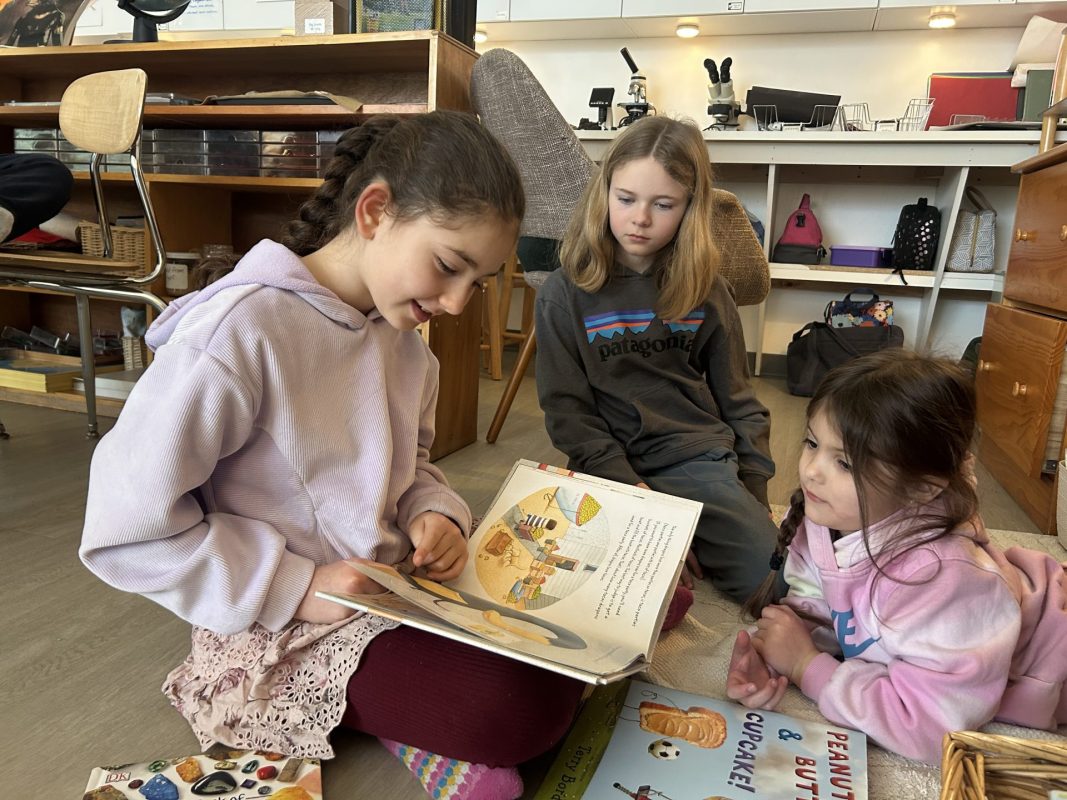
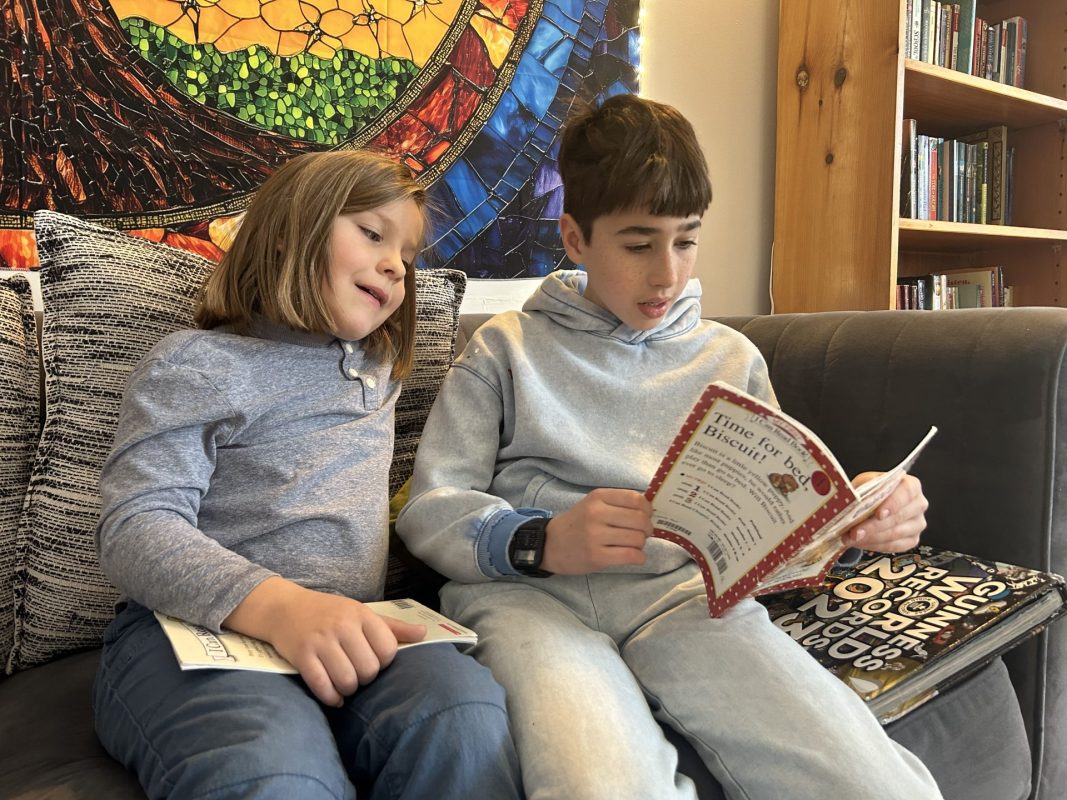
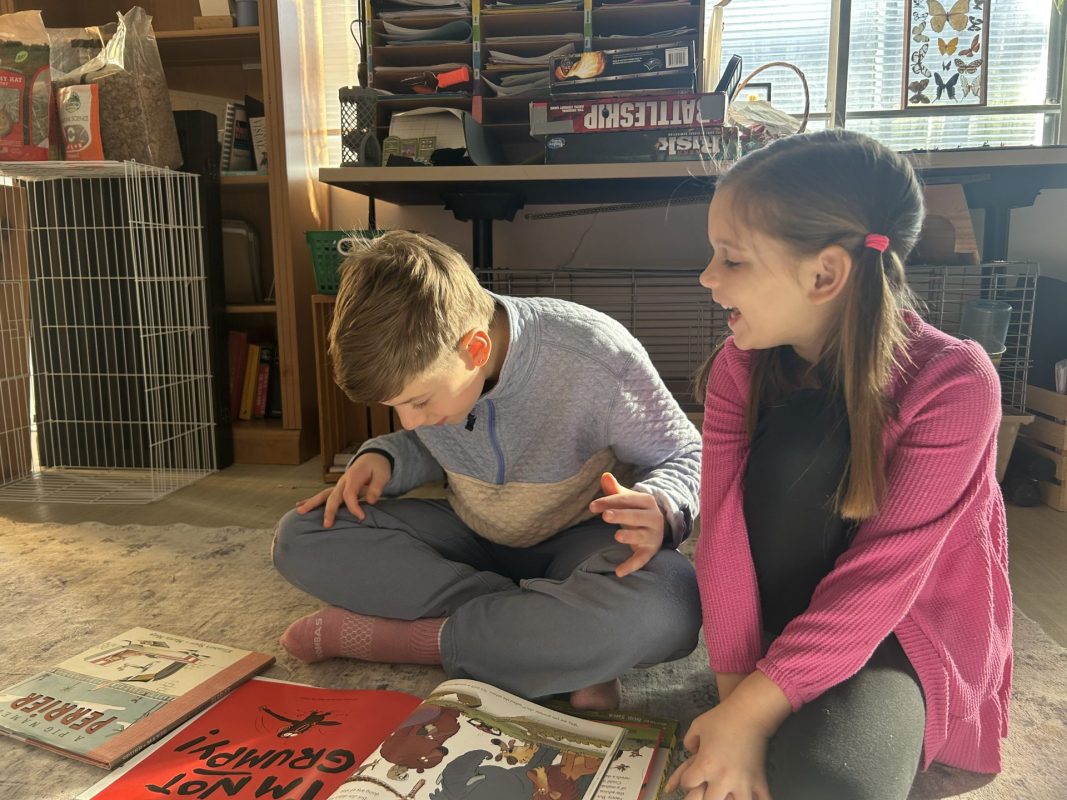
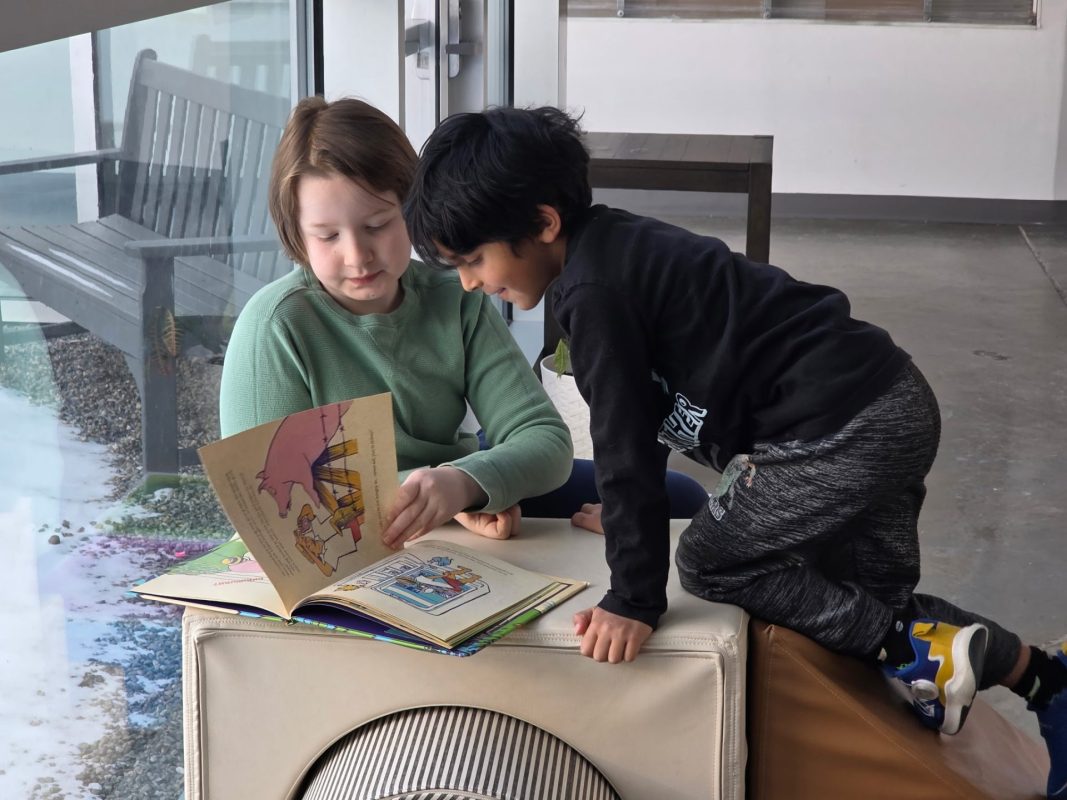
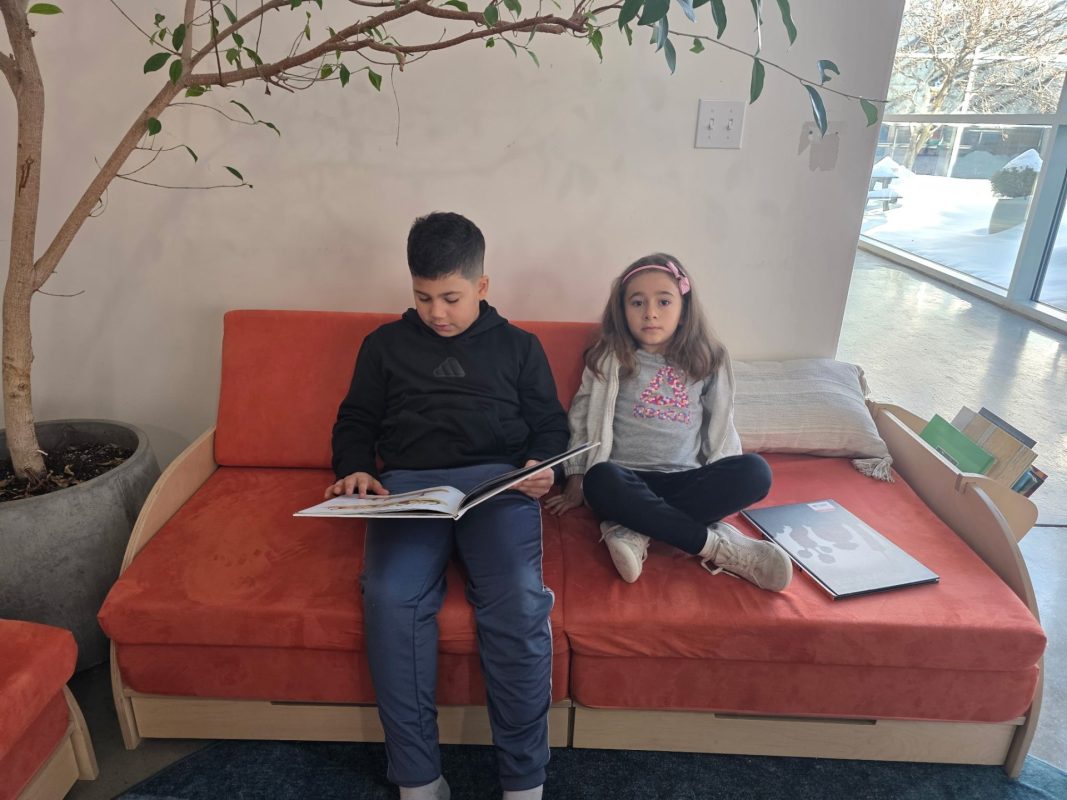
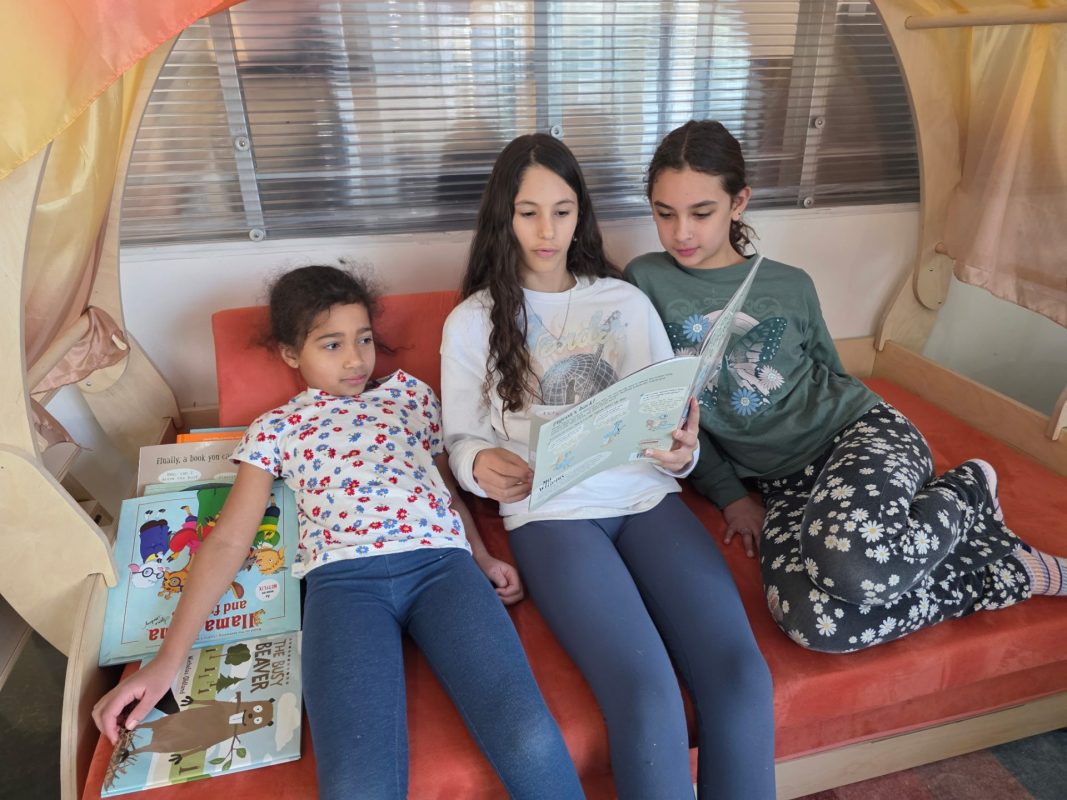
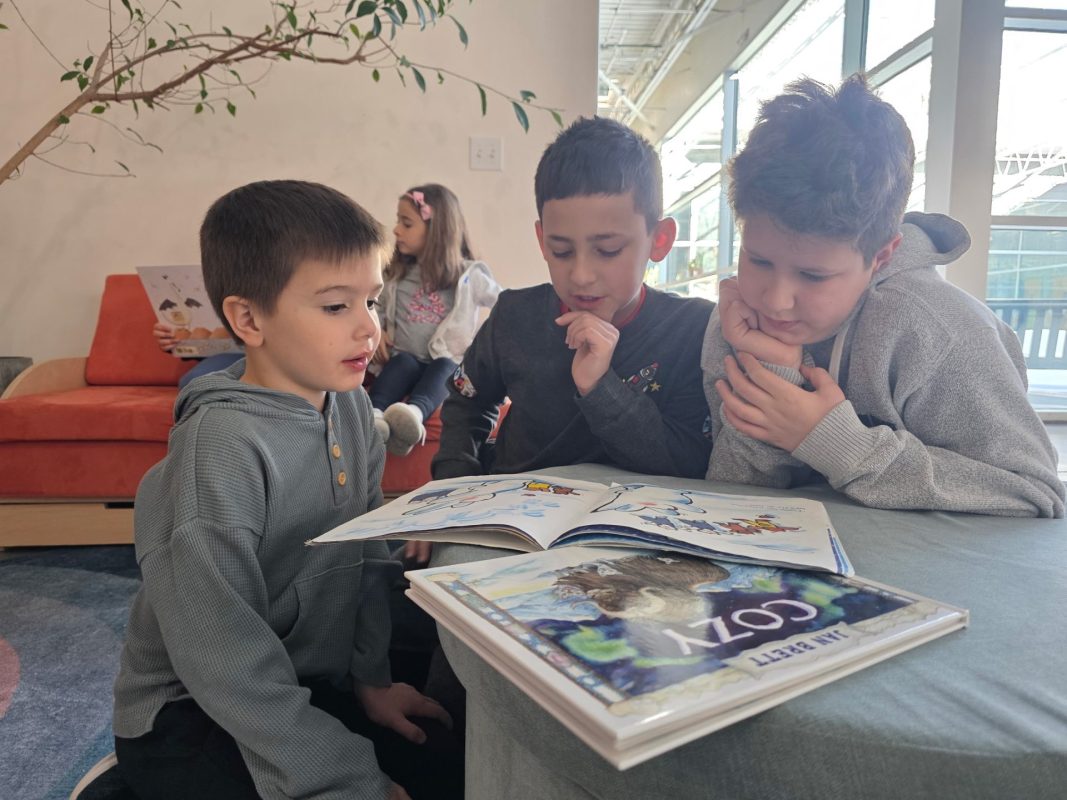
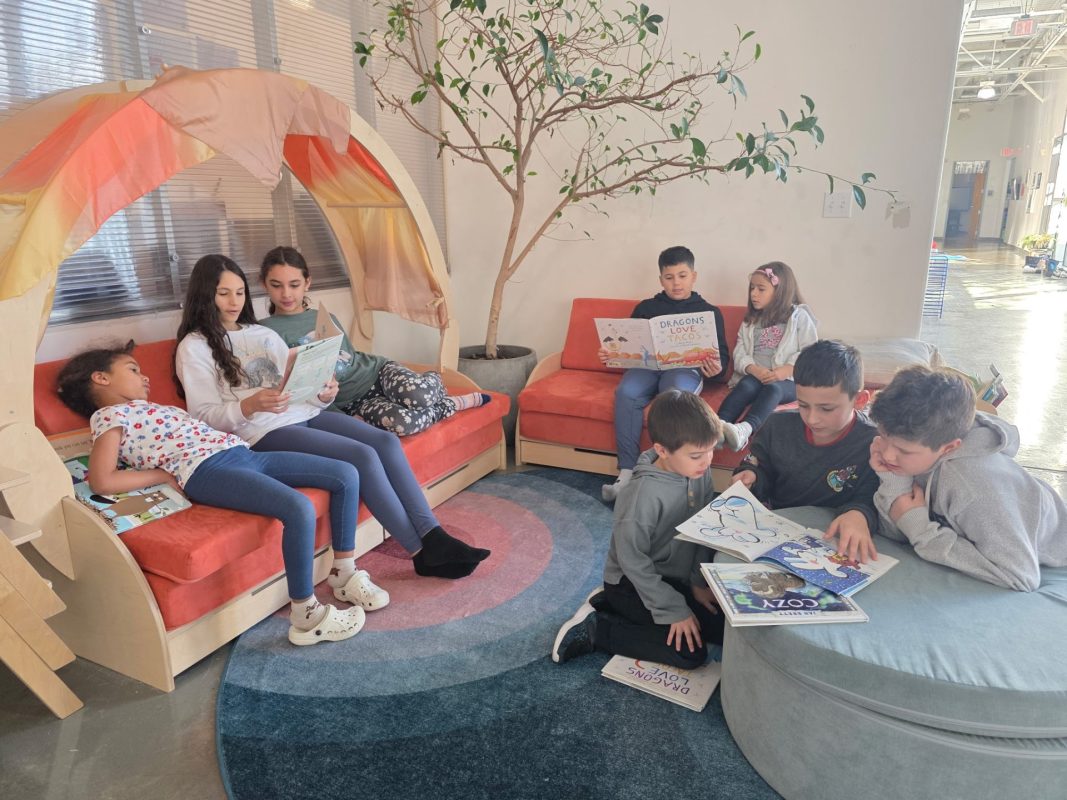
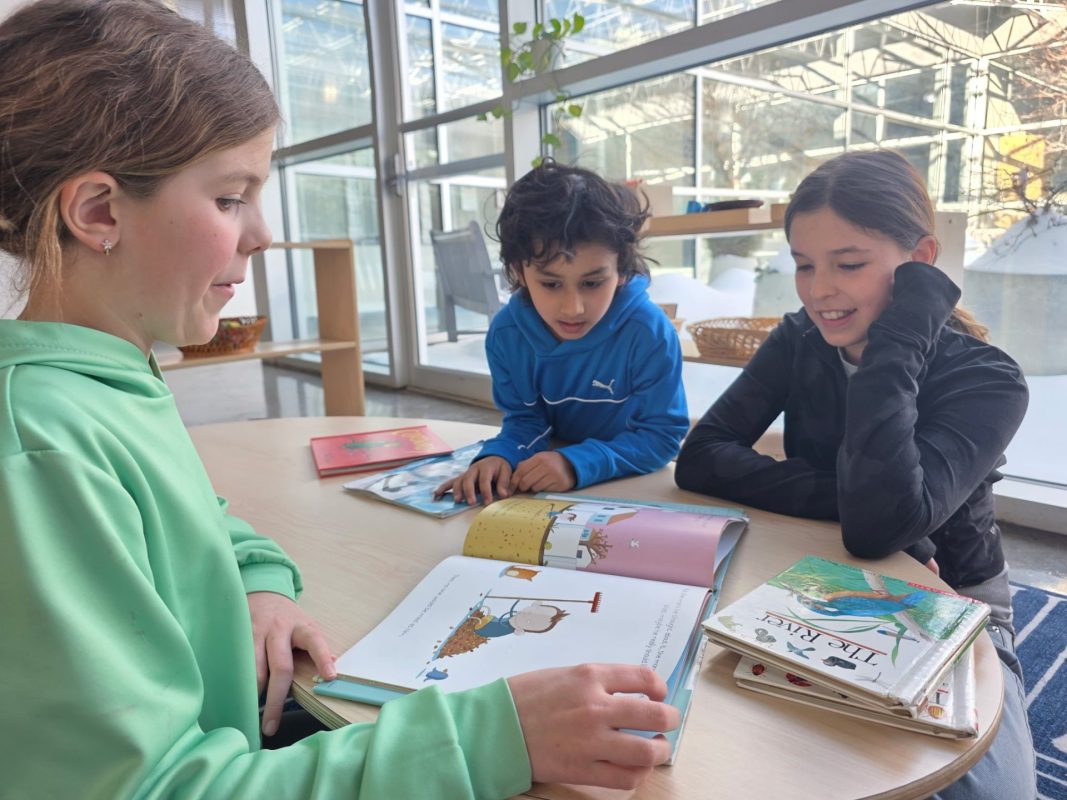
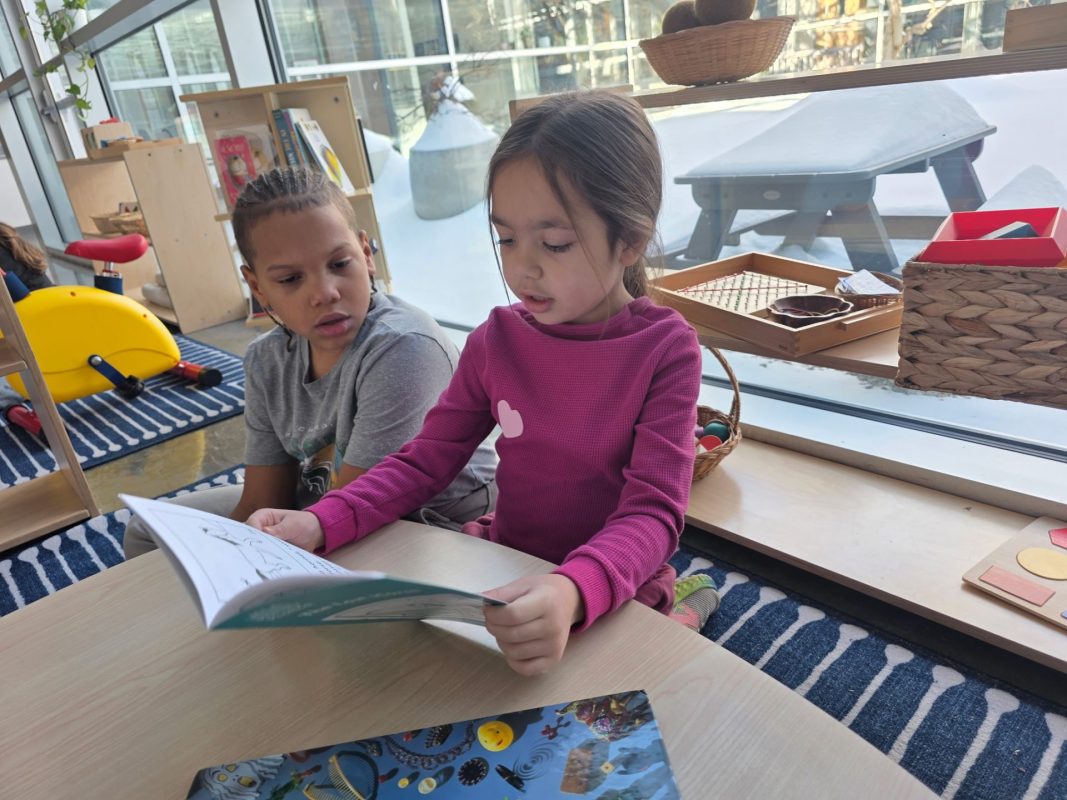
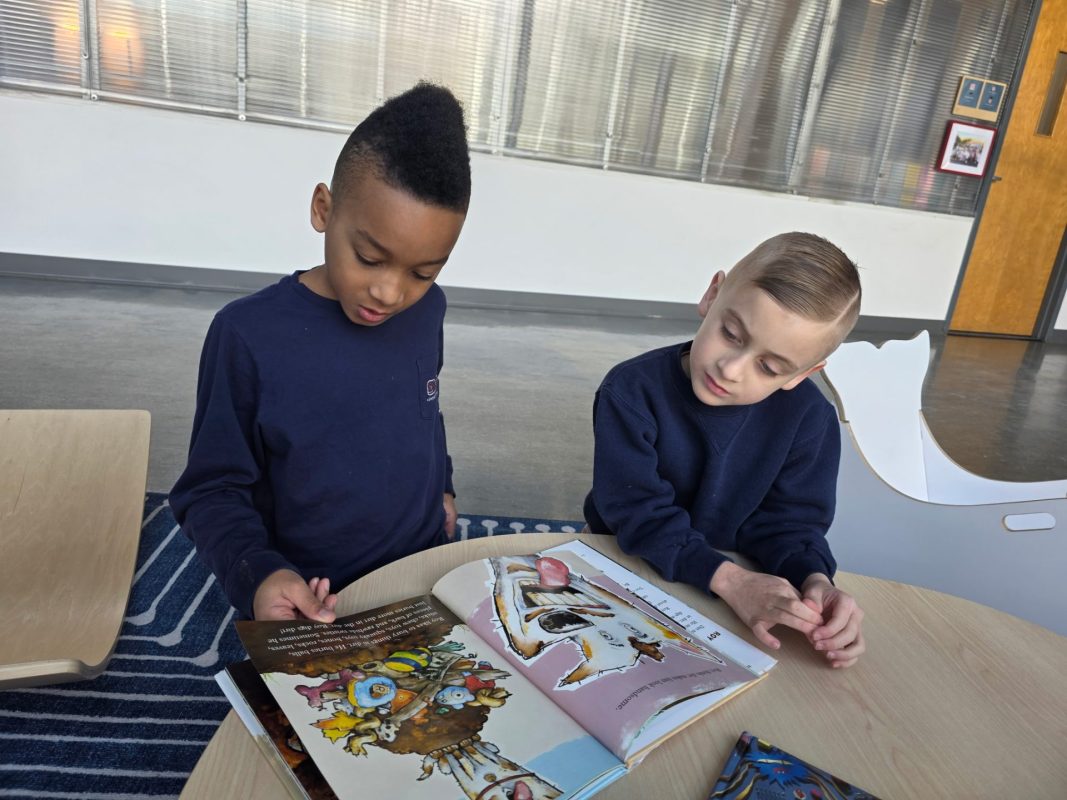
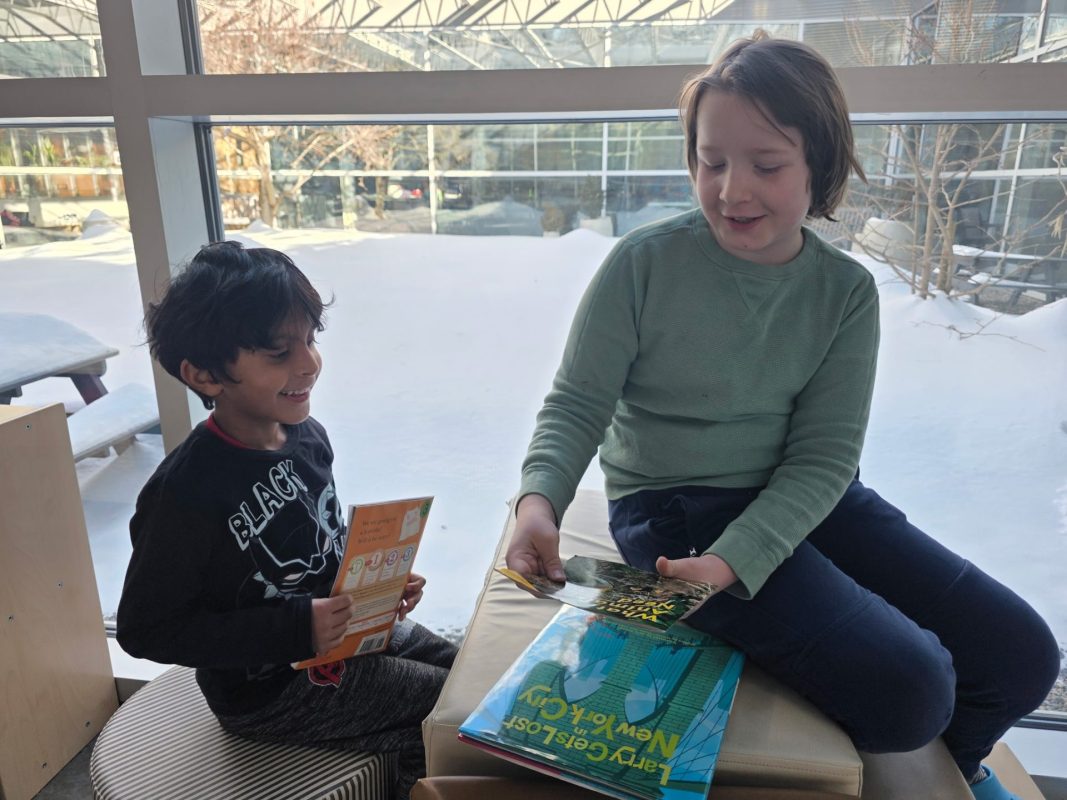
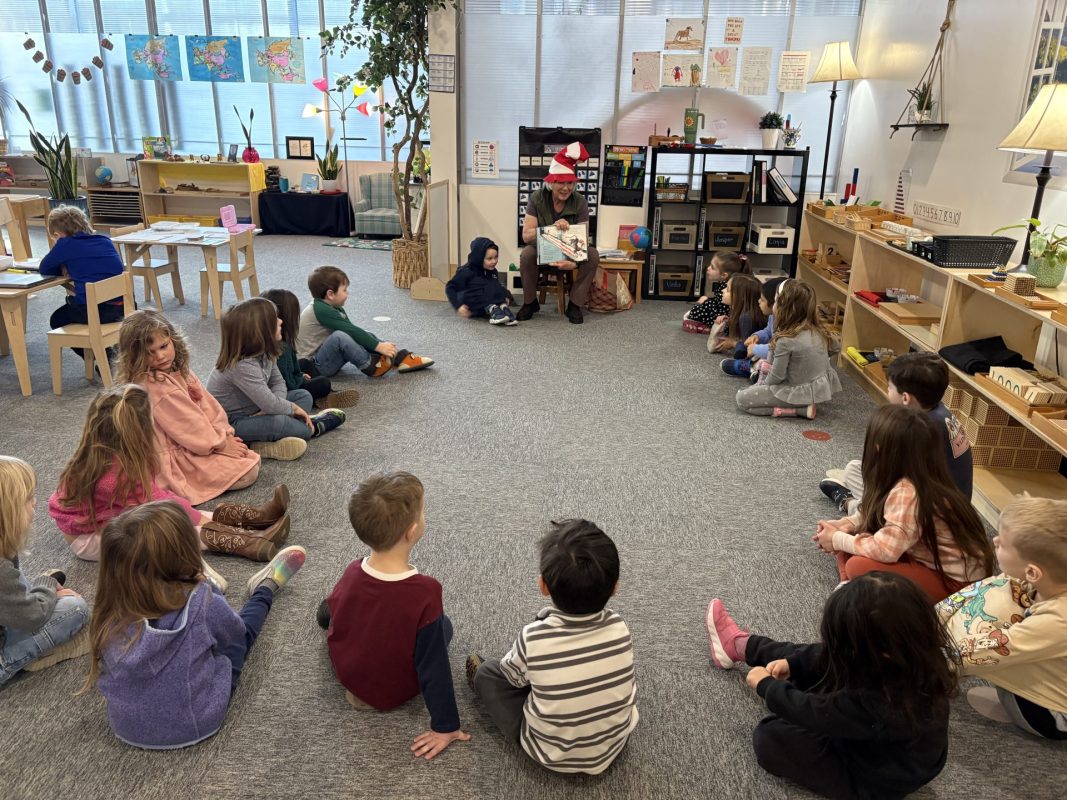
Children’s literature is a passion of mine, and I truly hope that each child who spends time in our classroom will quickly absorb not only how important literature is but also how much enjoyment it brings. Books are everywhere in our classroom, and we read throughout the day. We have a book corner in our classroom, a wonderful spot for a “brain break’ or to spend quiet time with a beautiful story. We read a chapter (or two or three) each afternoon from a chapter book. Our older friends have both private reading and partner reading built into their day. When a child says, “I don’t know what to do,” I just give them that well-practiced teacher look, and usually they say, “I know, I know, I can read!” In our classroom, we call books “treasures” and speak about how important it is to take care of our books. The children love to hear how many of the books I bring to class are the same ones from my childhood. It is an absolute joy to witness the impact of literature on every child.

We asked the children to share the title of one of their favorite books:

Adeline: Those Darn Squirrels
Brooks: The Unicorn Book
Charlie D: Astronauts
Charley W: Santa Cat
Connor: The Grinch
Eloise: Ariel
Forrest: Rudolph, The Red Nosed Reindeer
Hannah: The Three Super Pigs
Jasper: Minecraft
Jaxxon: The Grumpy Monkey
Johnny: How Do Dinosaurs Show Good Manners
Layla: The Hungry, Hungry Hippo
Melia: Peppa Pig
Mila: Daniel Tiger
Morgan: Dragons Love Tacos
Nitzan: I Really Want the Cake
Olivia: My Princess books
Remi: Zzzzzz, A Book of Sleep
Veda: The Lion King
Wilder: The Princess Book
Zaki: Cars and Trucks and Things That Go
Zion: The Lion King
Ms. Maria: We All Sing The Same Song
Miss Marisa: Goodnight Moon & Goldilocks and the Three Bears
Ms. Handibode: Jonathan Livingston Seagull and The Little Prince

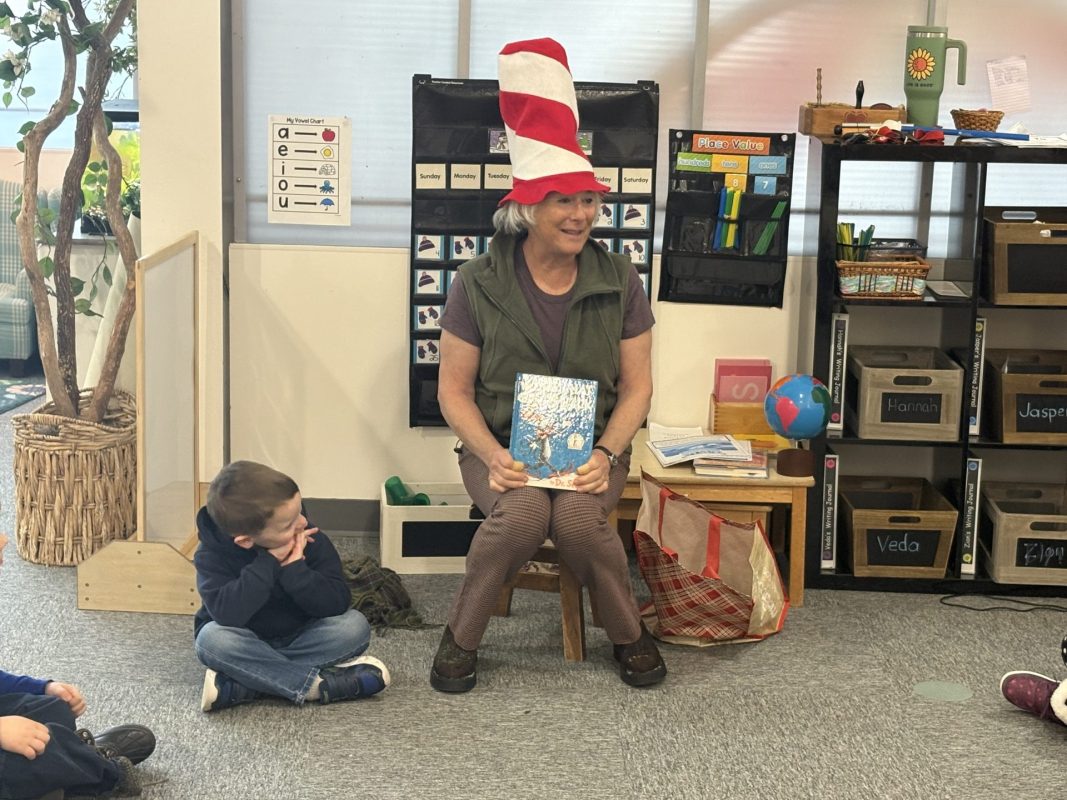
We had a different kind of treasure last week in our class. Connor’s grandmother returned to delight the children with three different stories. Using props and many different voices, she entertained and enthralled everyone!

Extending Learning at Home

Create special reading moments at home by designating a cozy reading corner with pillows and good lighting. Visit your local library together and let your child choose books that interest them. Read aloud together each day, and encourage your child to “read” to you by describing the pictures in their favorite books. Model the joy of reading by letting your child see you reading your own books.

Upcoming Events & Announcements

This Week

  • Monday-Friday
    Moving Up Classroom Observations
  • Wednesday, February 4
    Isle of Skoo Assembly for Primary-Upper Elementary students at 9 am

Next Week

  • Tuesday, February 10
     – Welcome to Kindergarten! Talk at 8:45 a.m. for parents of P4 students
    Moving Up Night at 5:30 p.m. for parents of K students
  • Thursday, February 12
    Classroom Valentine Exchange
  • Friday, February 13
    No School | Teacher Professional Development Day