Blog

Centered and Engaged

We’ve come to the end of another fun and busy week of learning and playfulness.

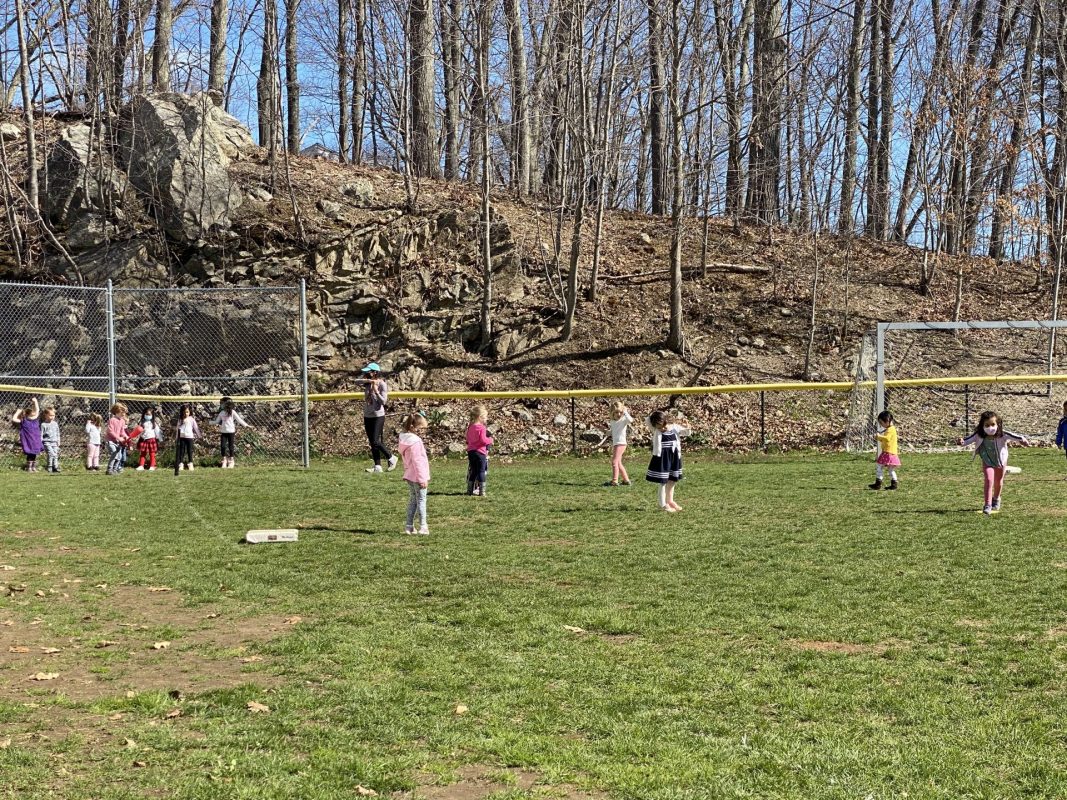
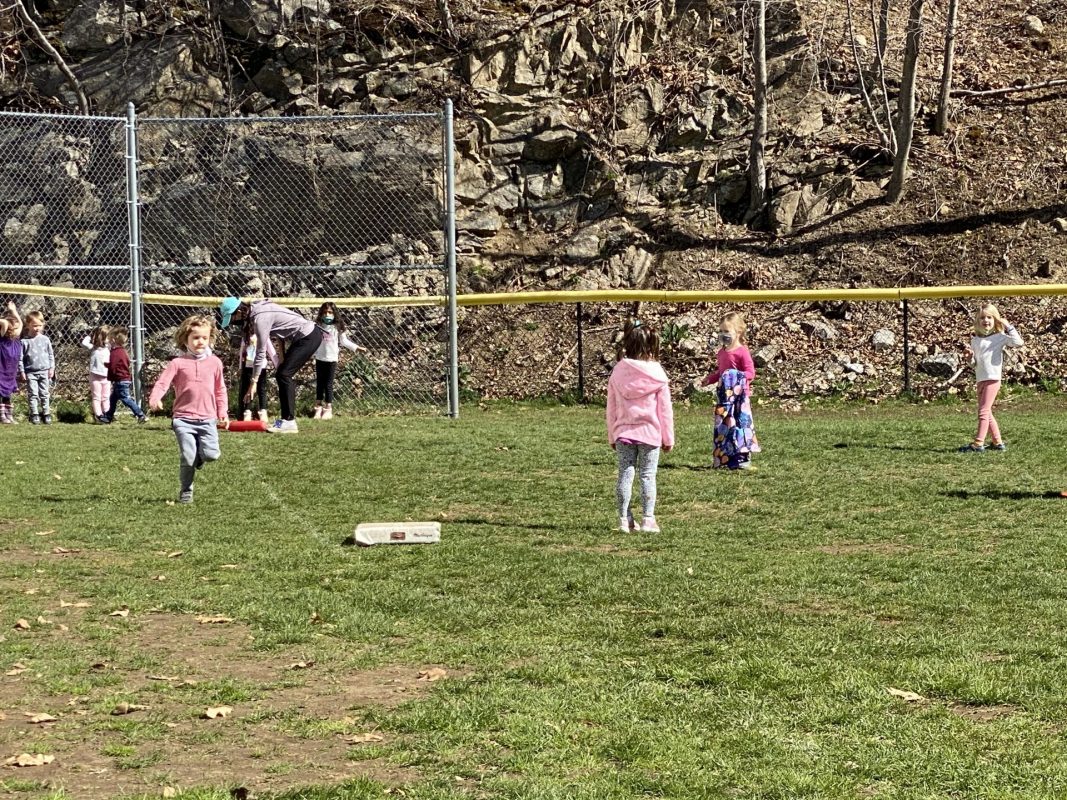
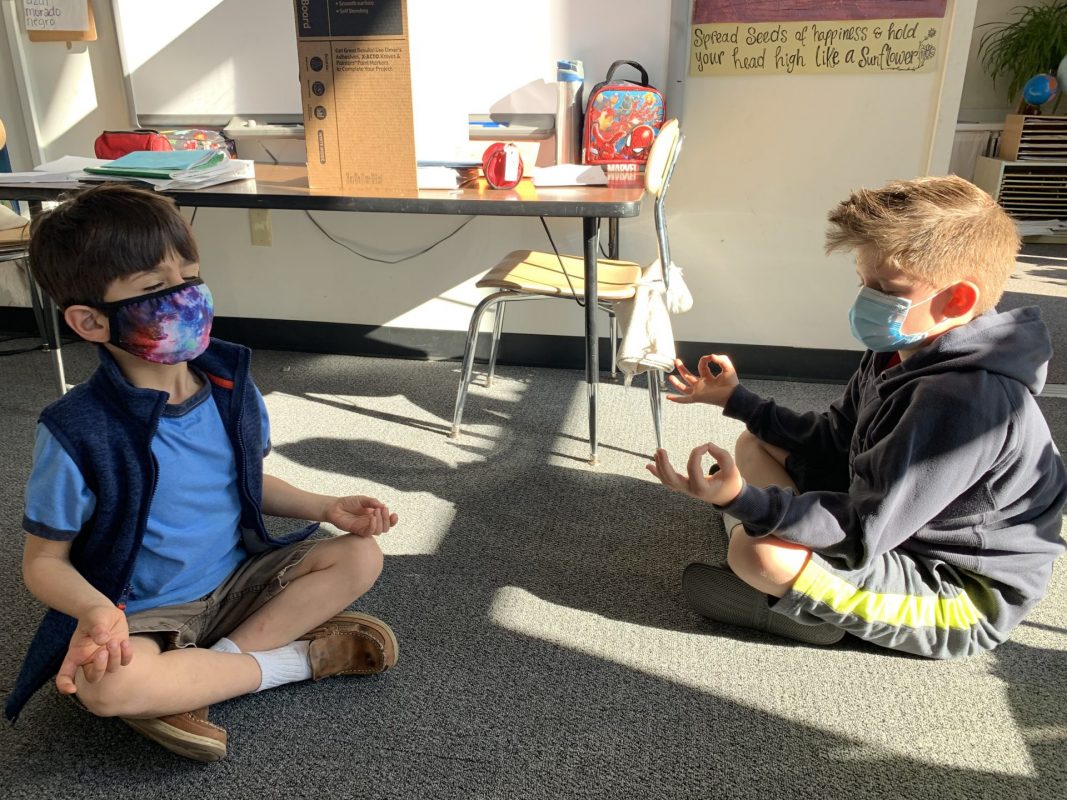
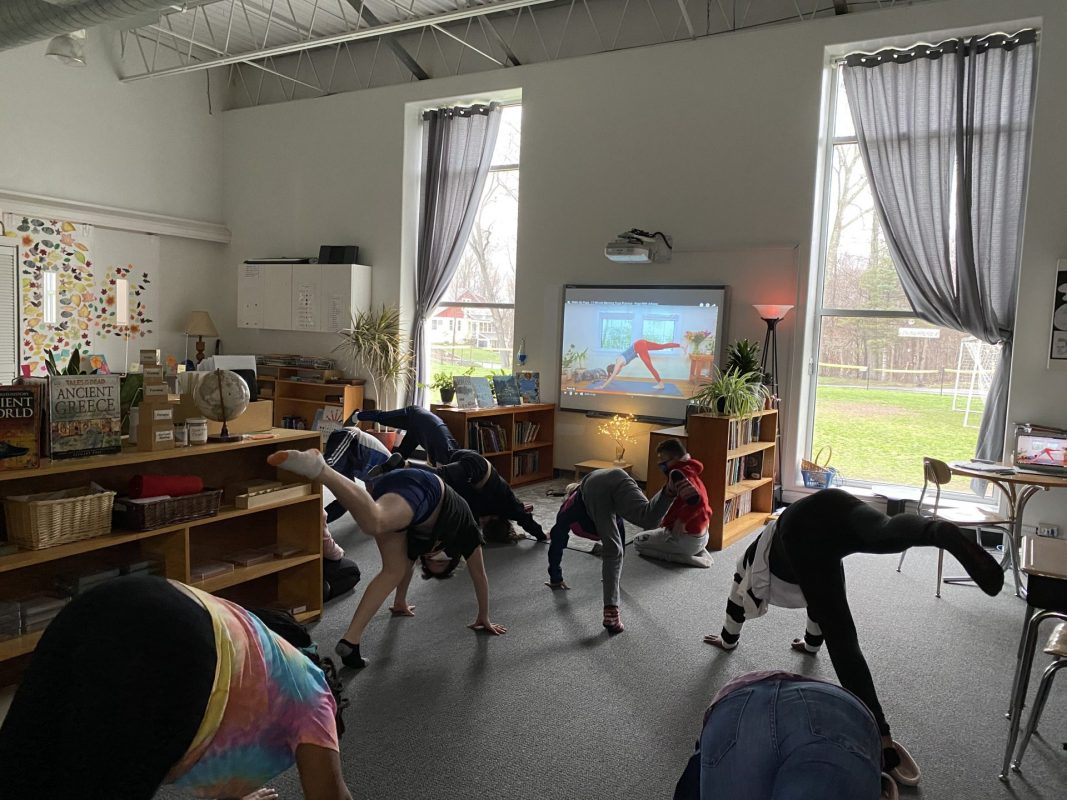
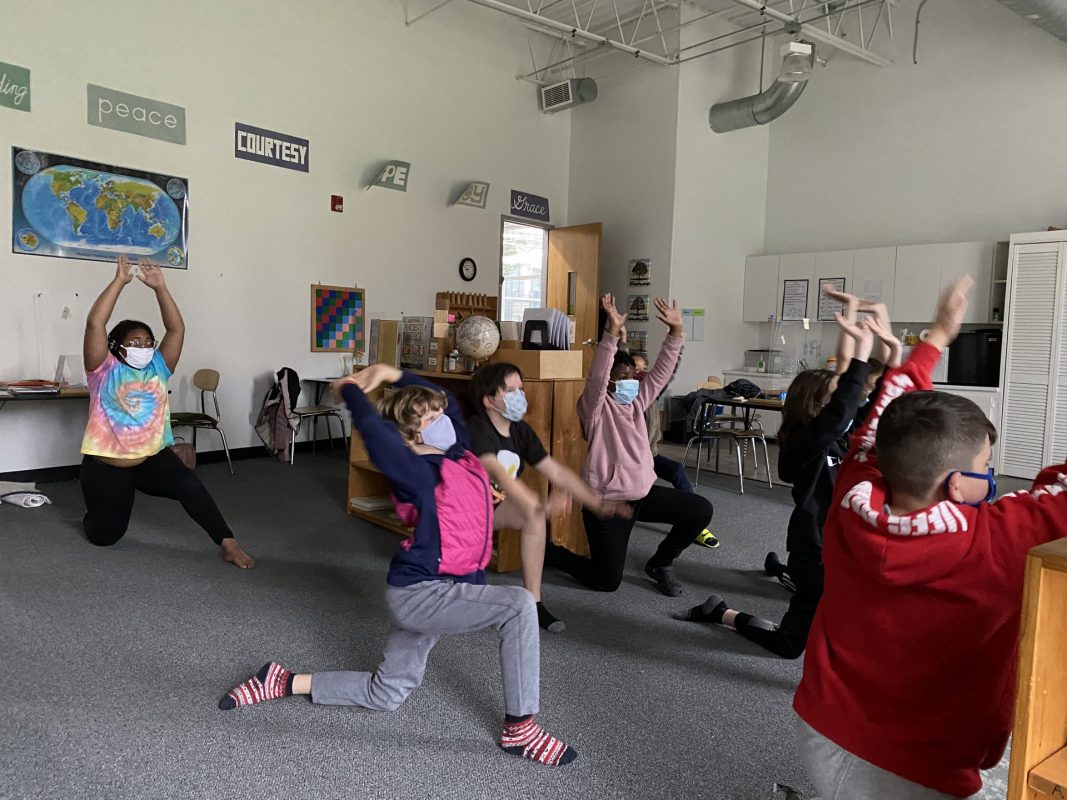
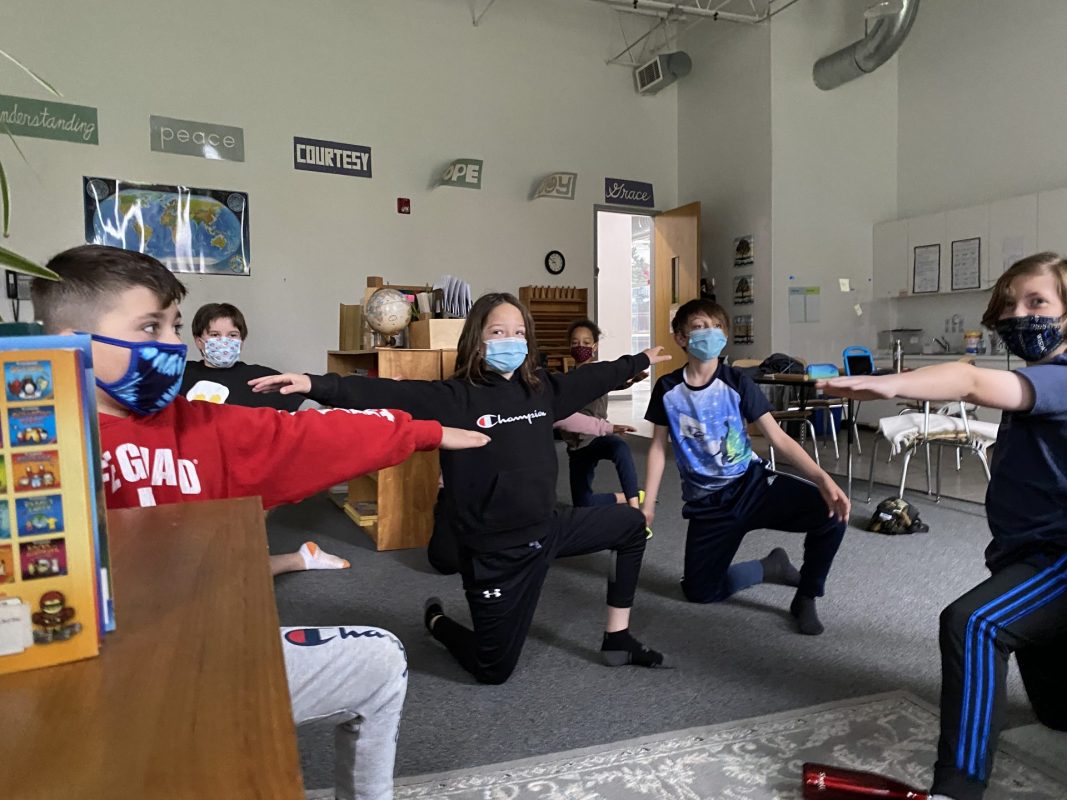
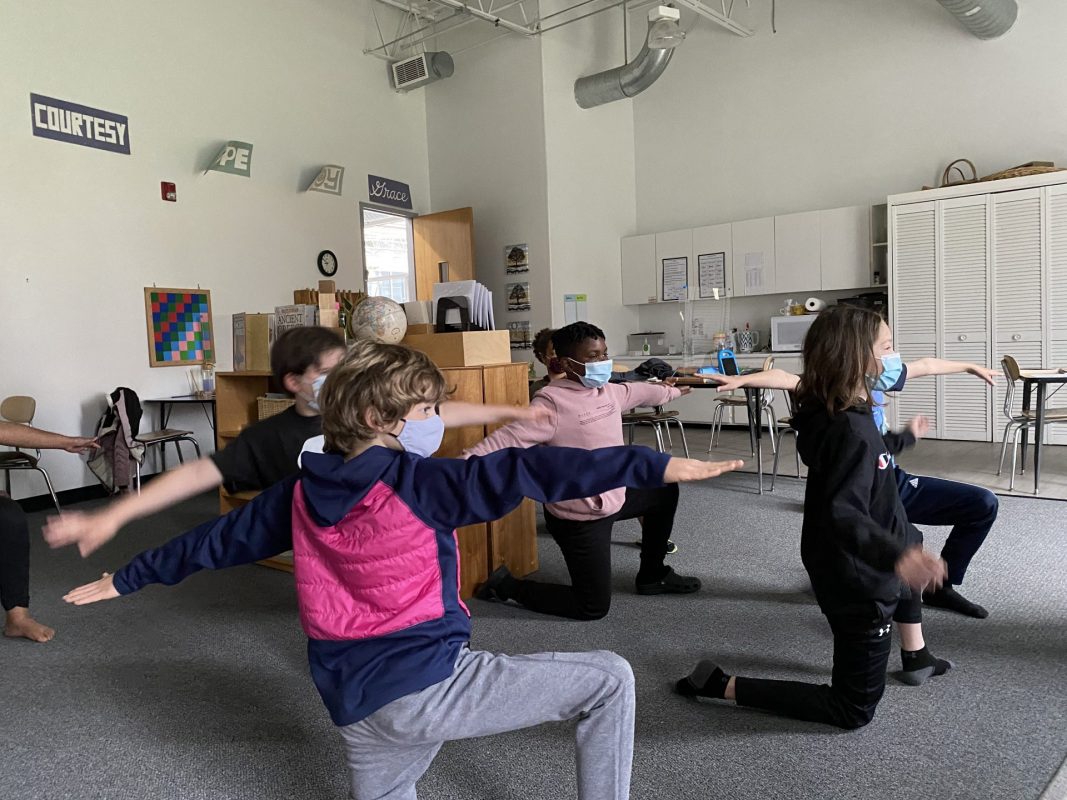
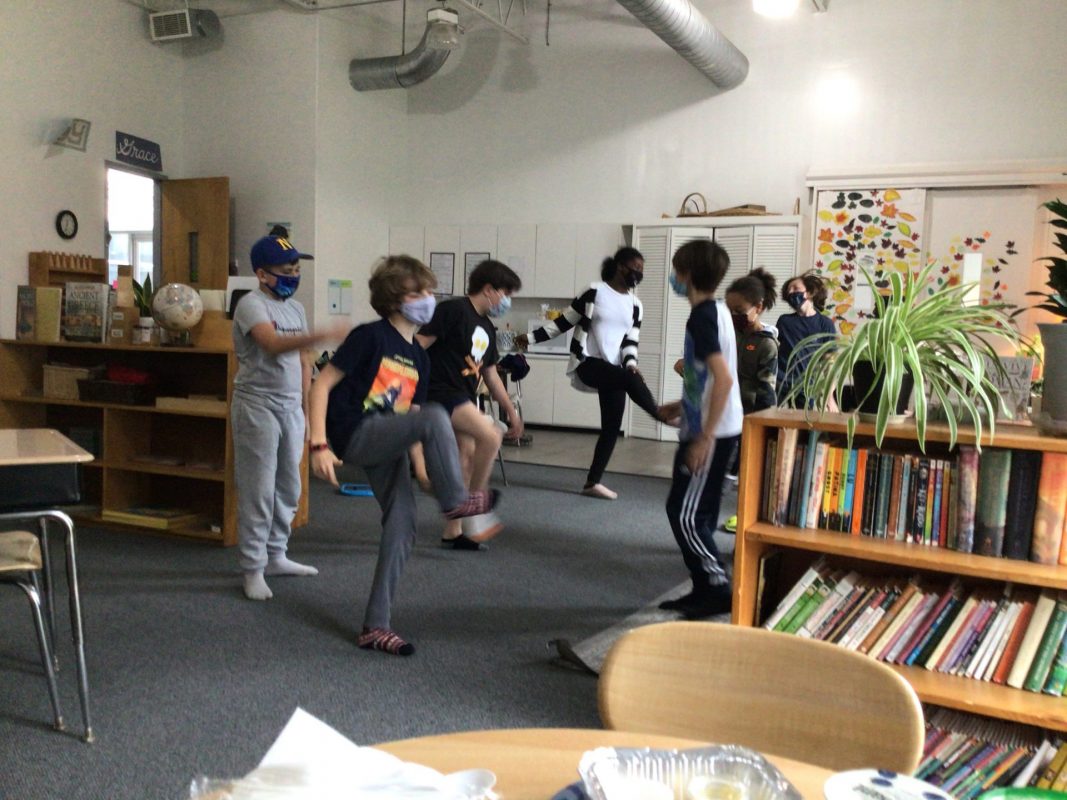
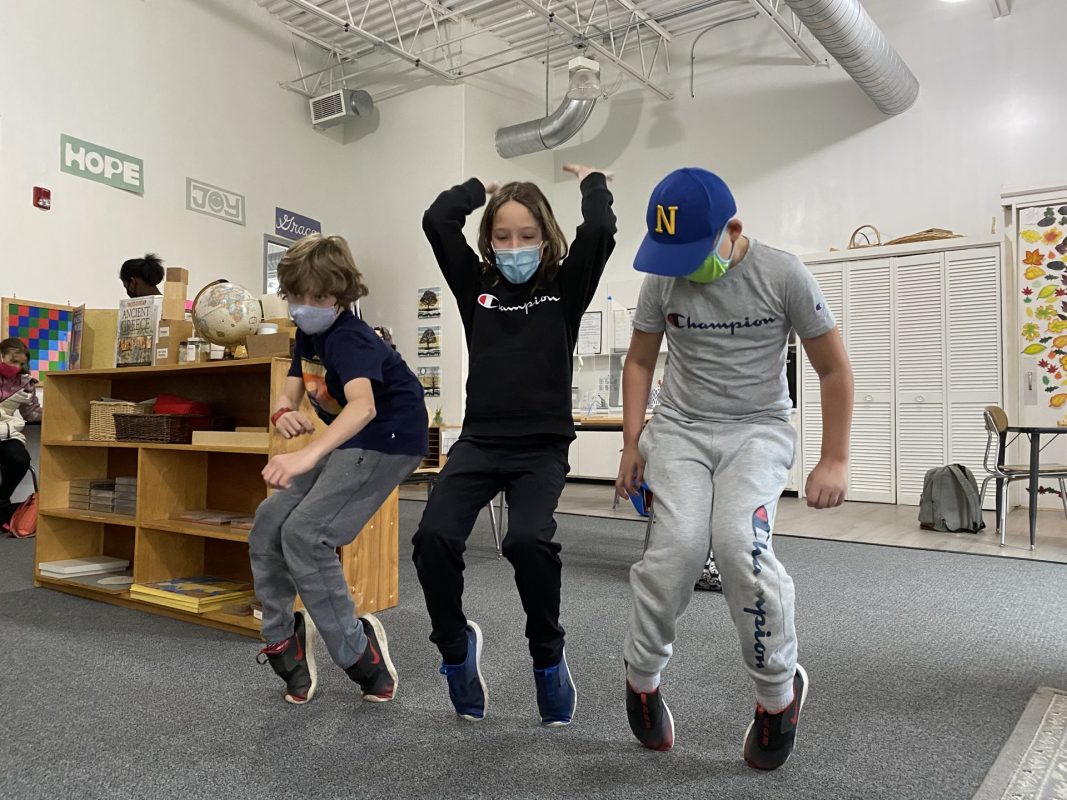
We’ve started alternating our daily morning meditation with morning yoga. This activity is challenging for some of us but we are finding that stretching and balancing our bodies is becoming easier the more we practice it.

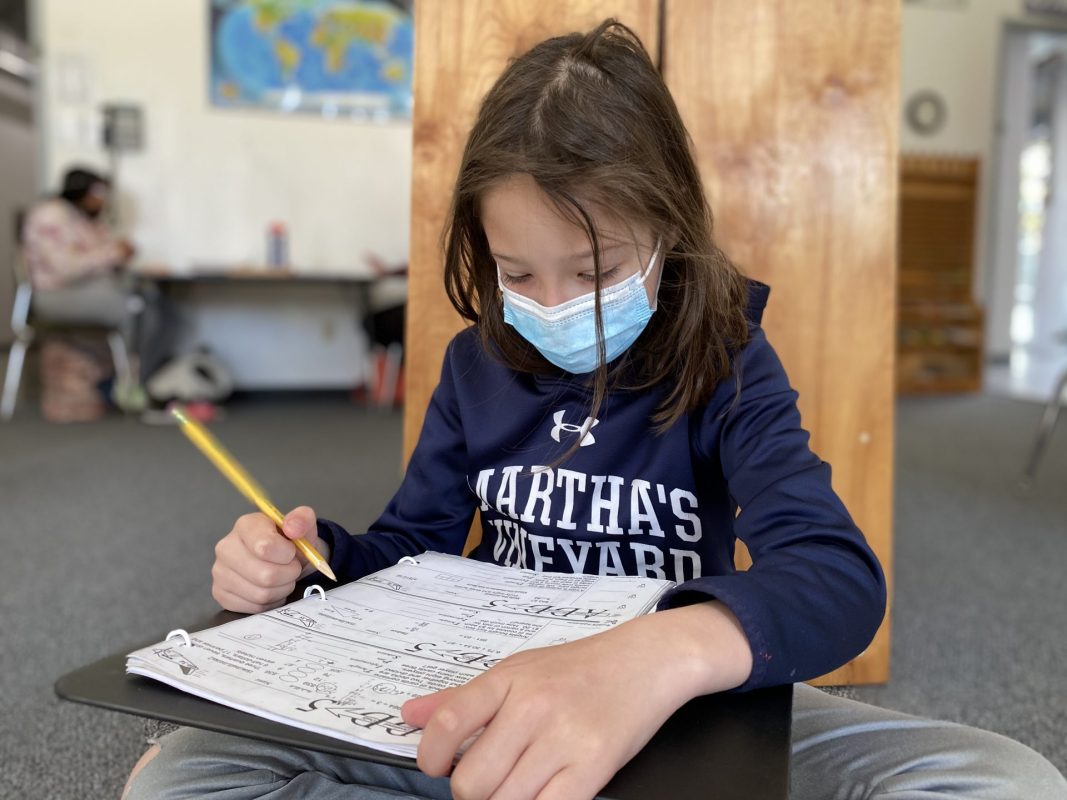
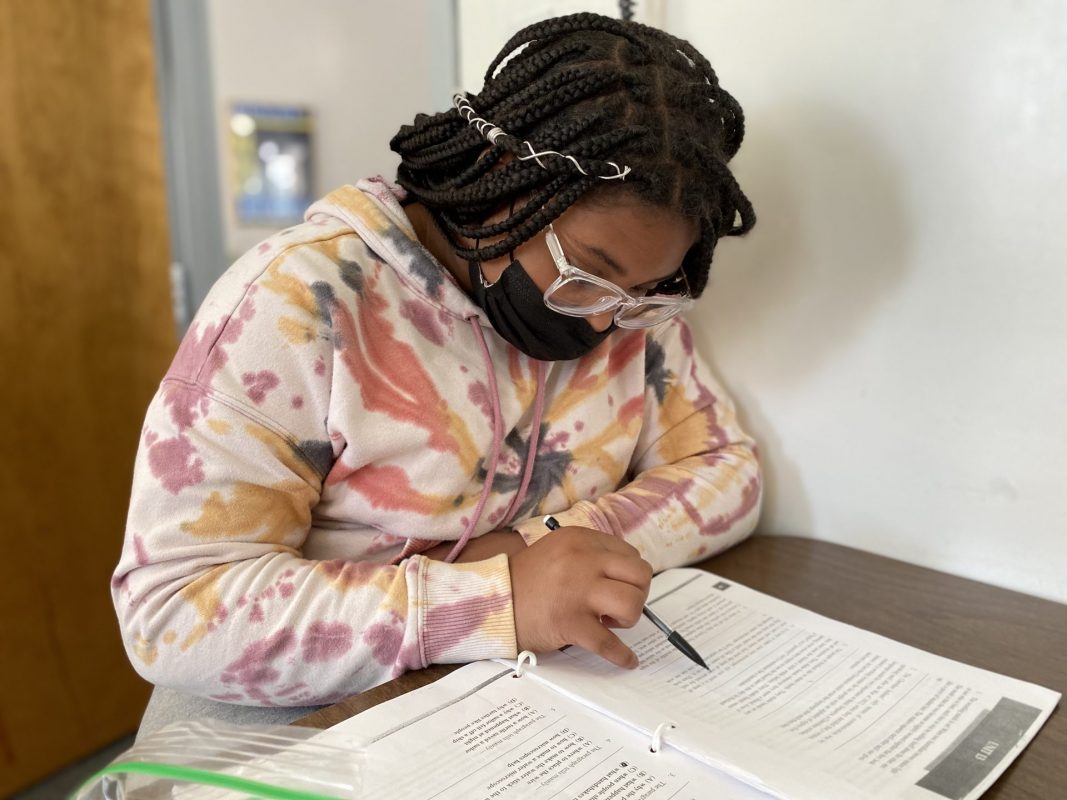
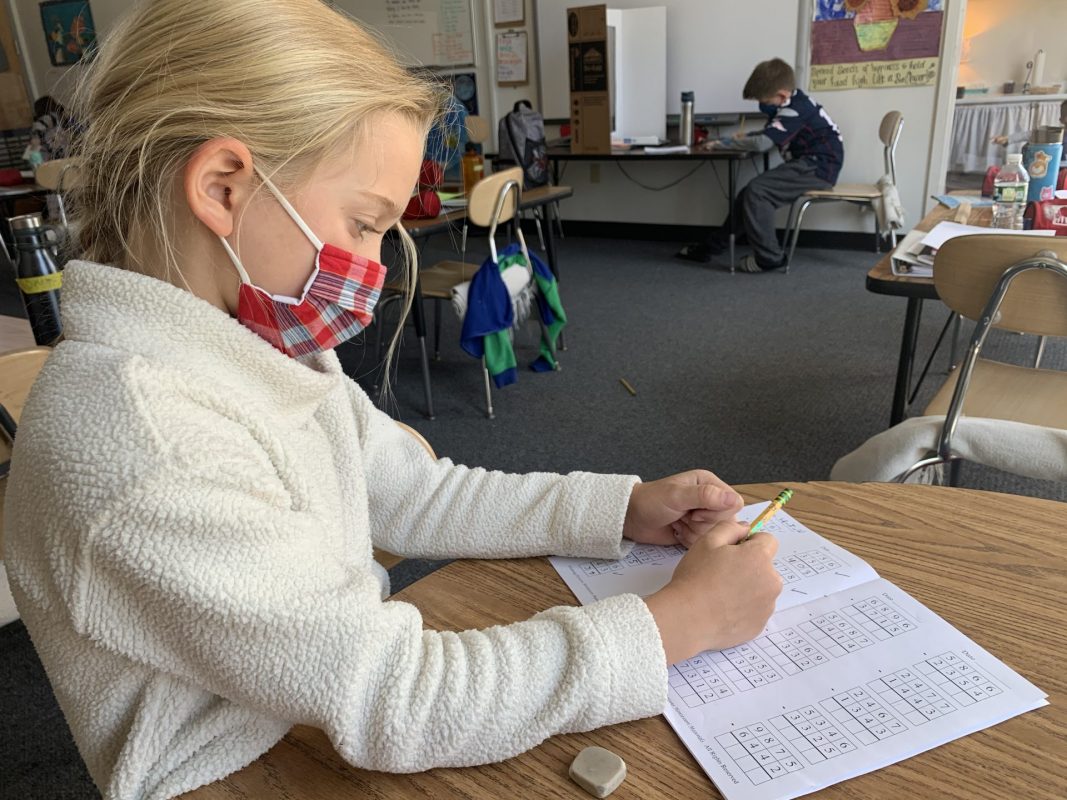
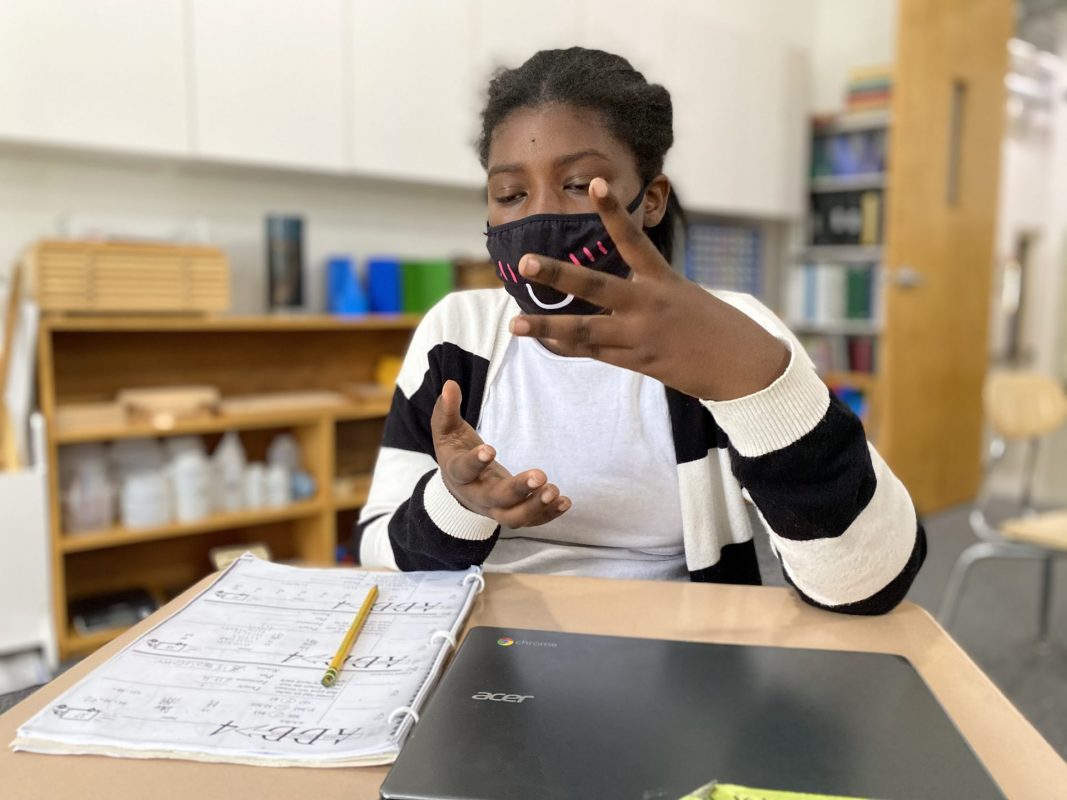
In grammar this week, fourths began a final review of nouns that included identifying nouns in sentences, sorting common and proper nouns, and identifying determiners (a, an, the). Fifths wrapped up their final review of verbs, focusing on linking verbs, regular and irregular verbs, and verb forms that express action happening in the present, past, and future.

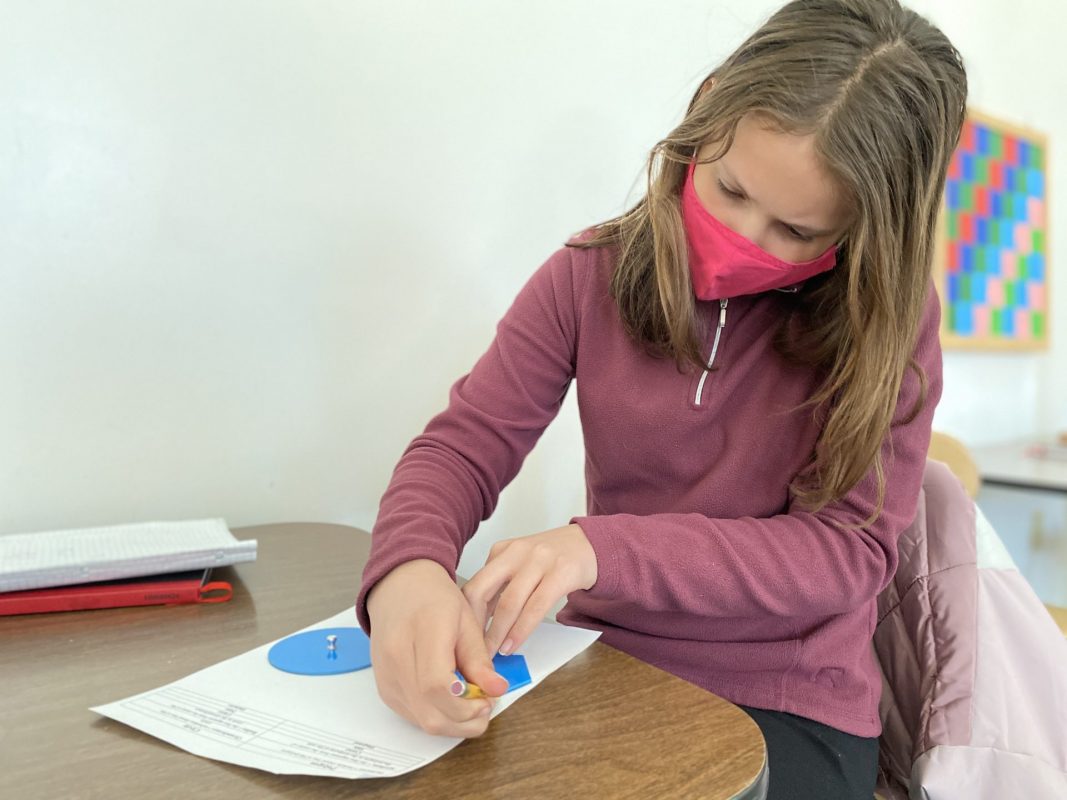
The fourth grade geometry lesson was on using inverse area formulas to find a missing value for the base or height when given the area of a rectangle. Fifth graders began a study of the apothem by inscribing each of the polygons with three through ten sides inside a circle. They then located the center of each polygon and identified the base and the apothem. We will continue to work with apothems next week.

In biology we continued our study of plants with a lesson and discussion about alternate sexual reproduction in plants. We took a close look at this process in ferns as an example.

Our fourth grade history lesson focused on finding our closest living relatives. A branching diagram tool called a cladogram was introduced as a way of determining relations between species and their shared common ancestors. We looked at homologies – characteristics that are similar because they have been inherited from a common ancestor. Some homologies we looked at were bones and teeth, the frontal sinus, molecules, soft body parts such as milk producing glands and sitting pads, and chromosomes.

We didn’t let the rainy weather get us down this week; during our indoor recess we enjoyed a mini dance party with most of the Upper El dancing to Cotton Eye Joe.
Mrs. Doyle’s Class: An Intention To Work

The love of one’s environment is the secret of social evolution.—-Maria Montessori

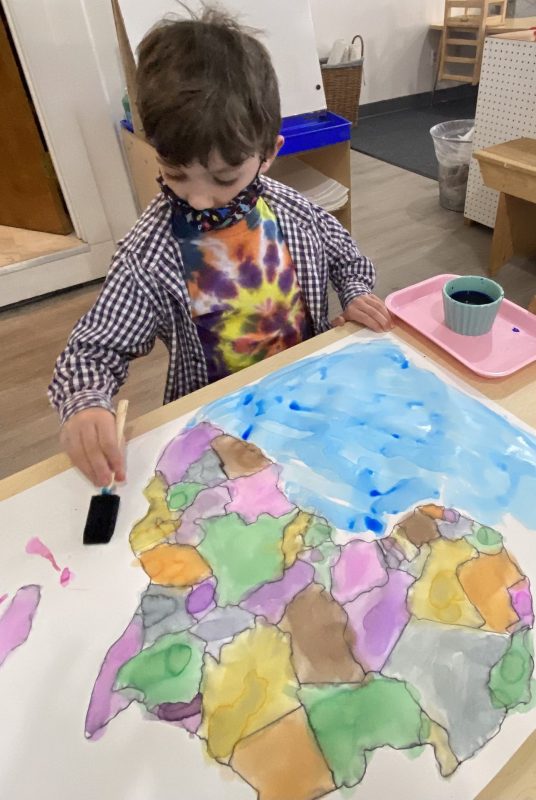
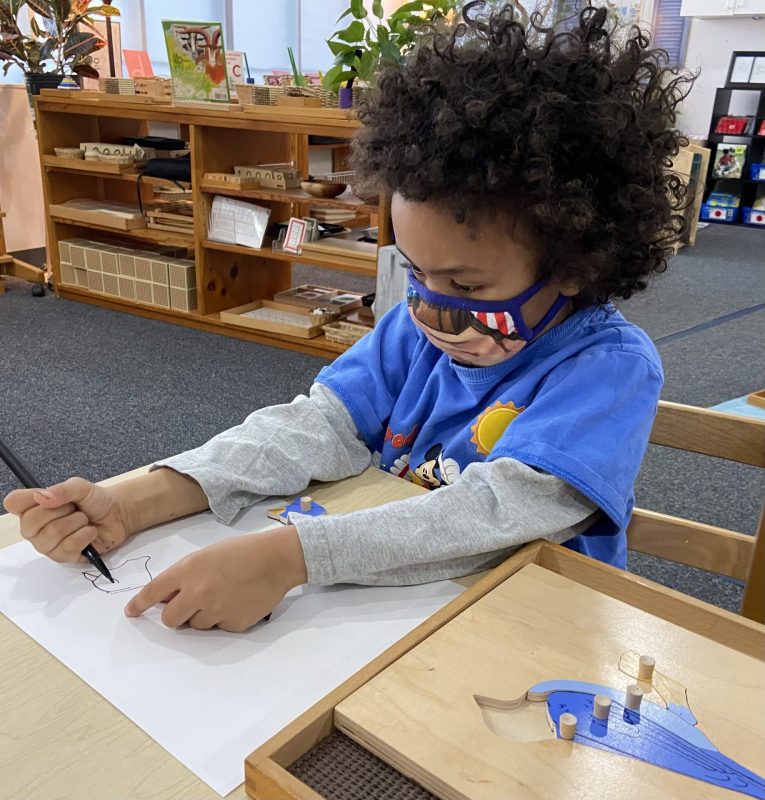
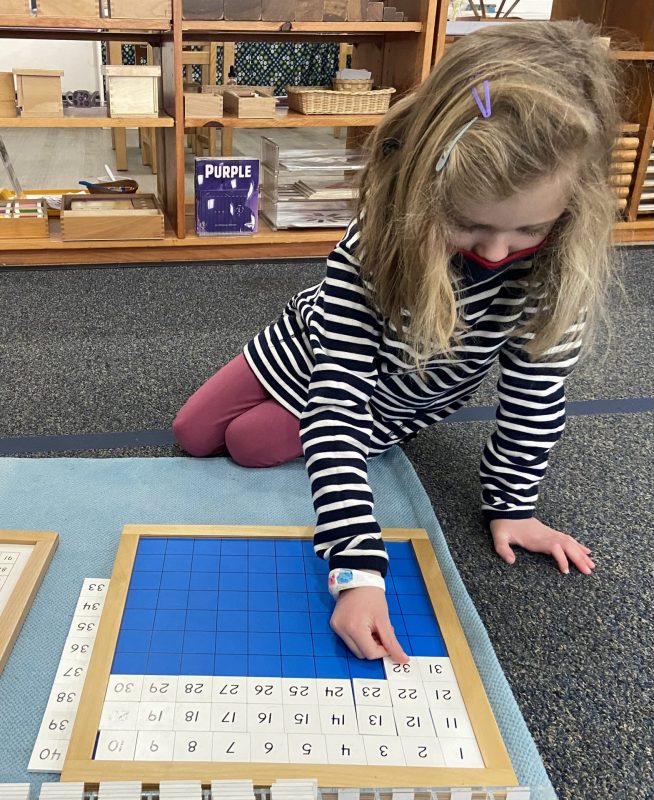
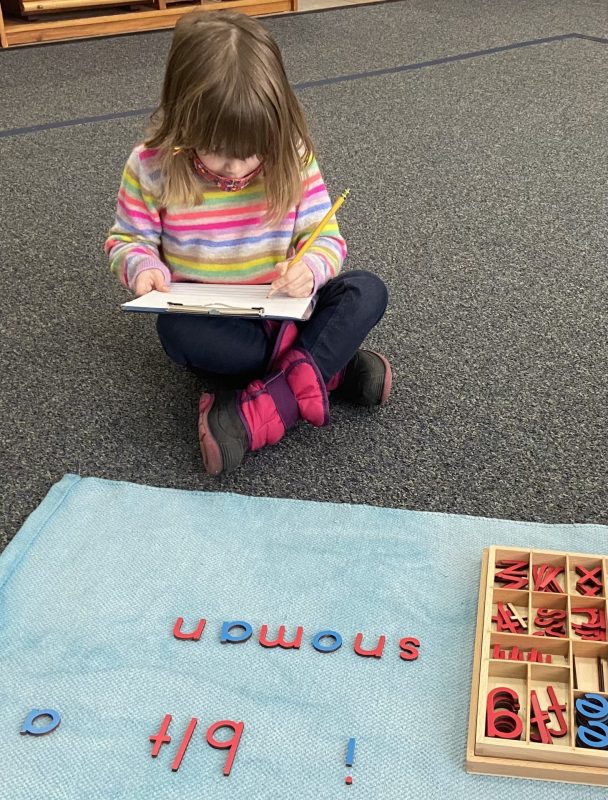
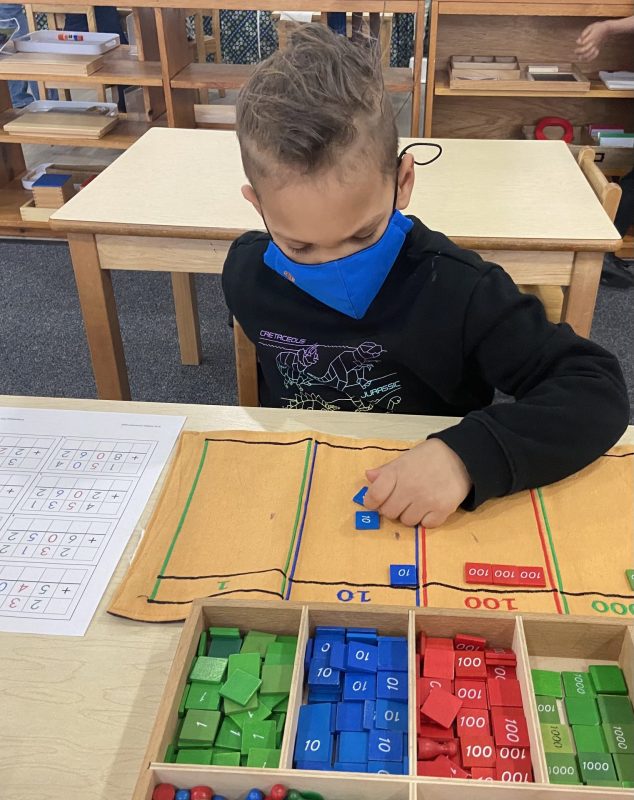
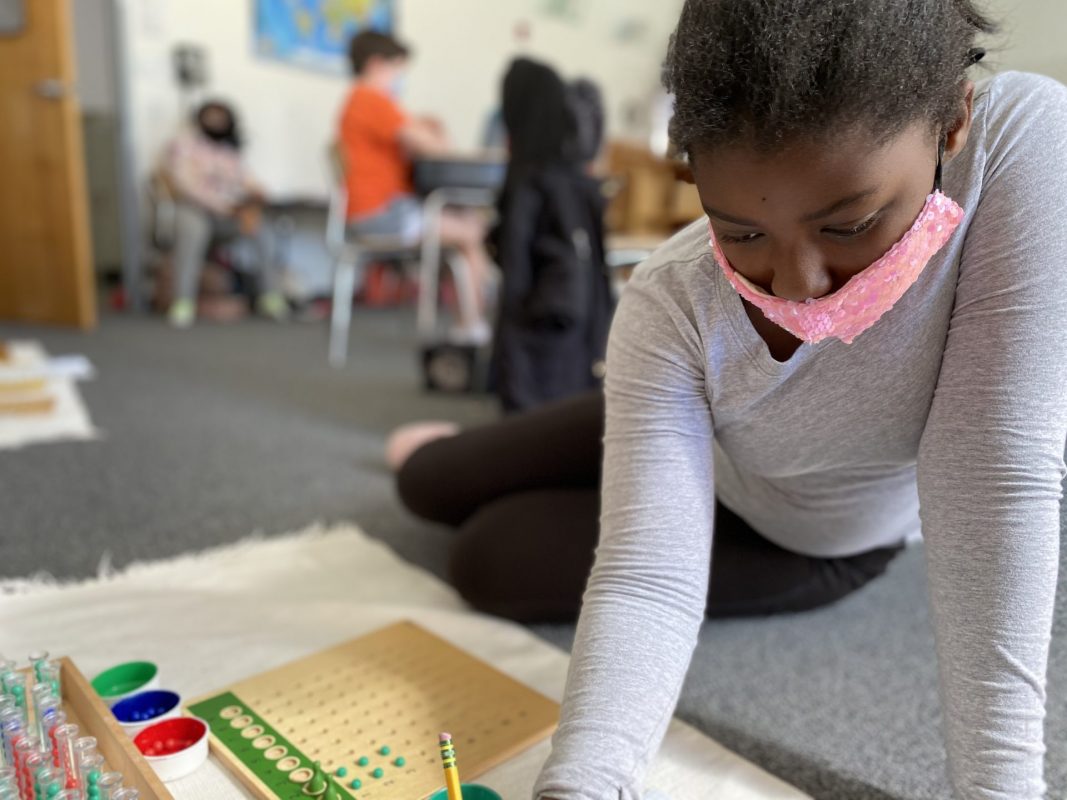
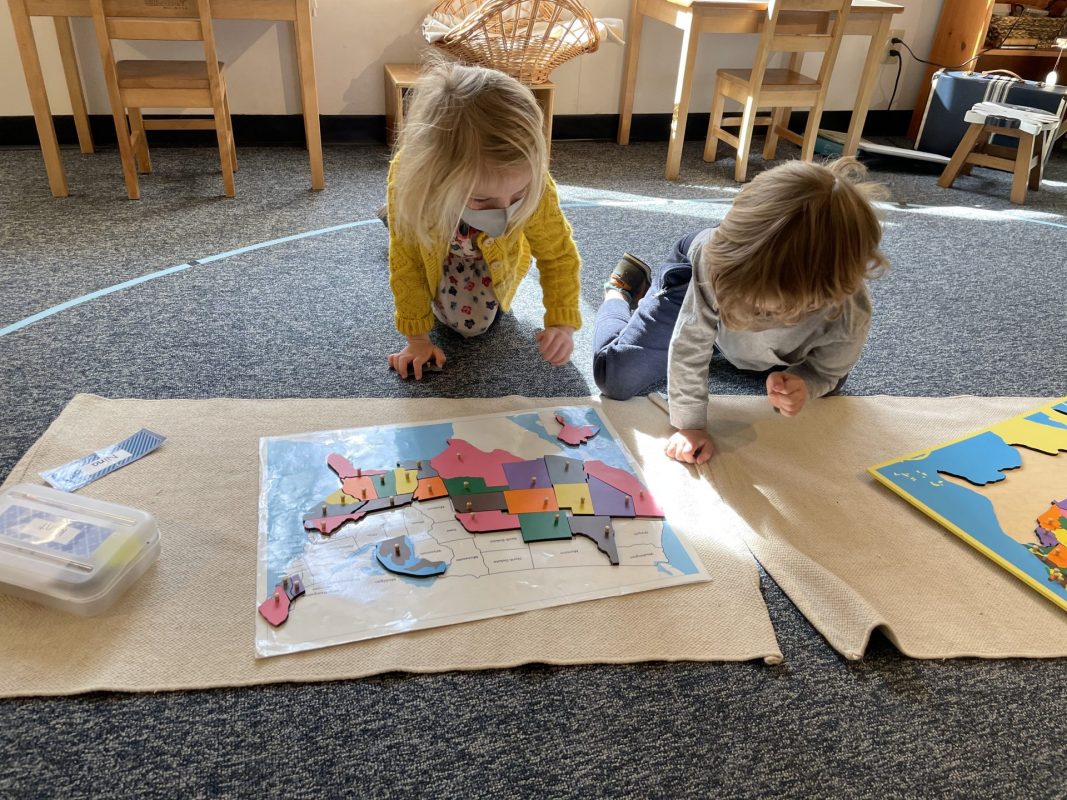
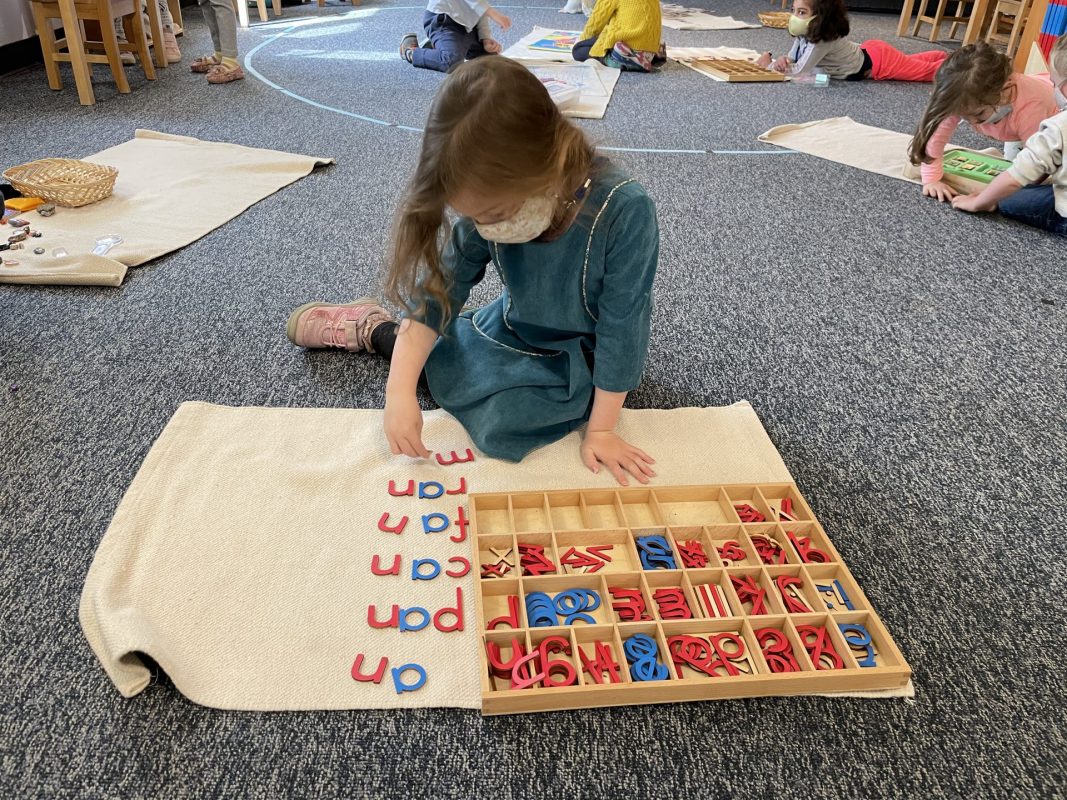
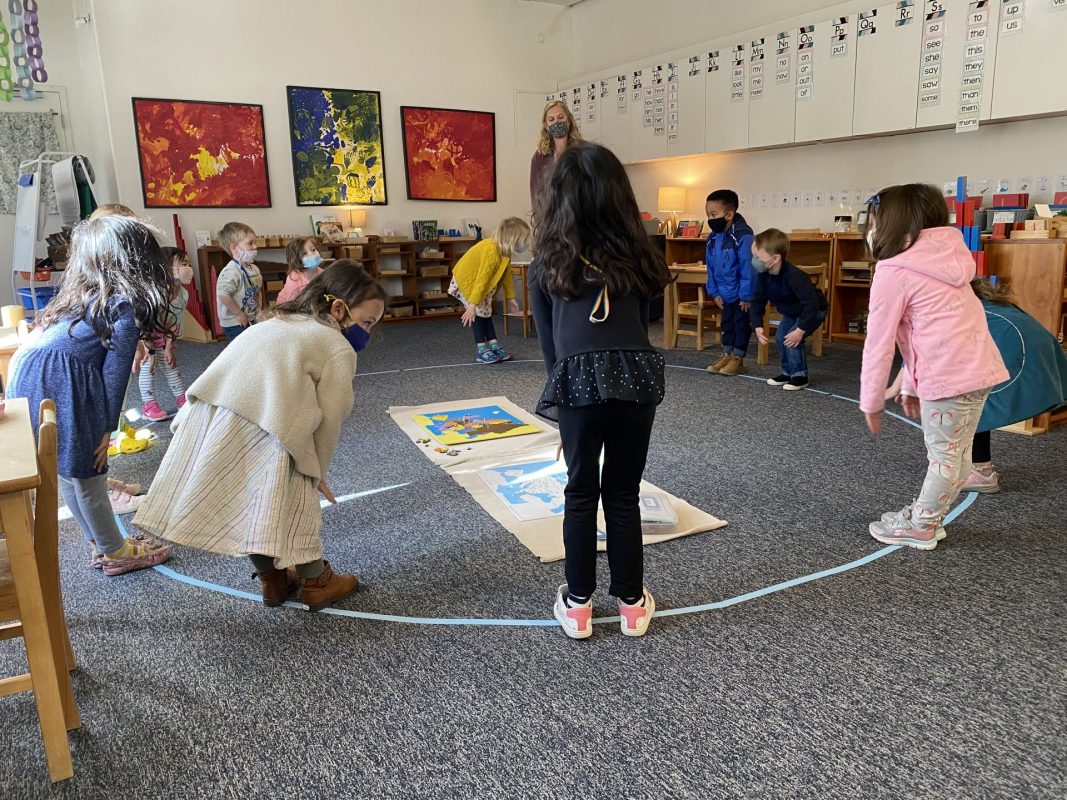
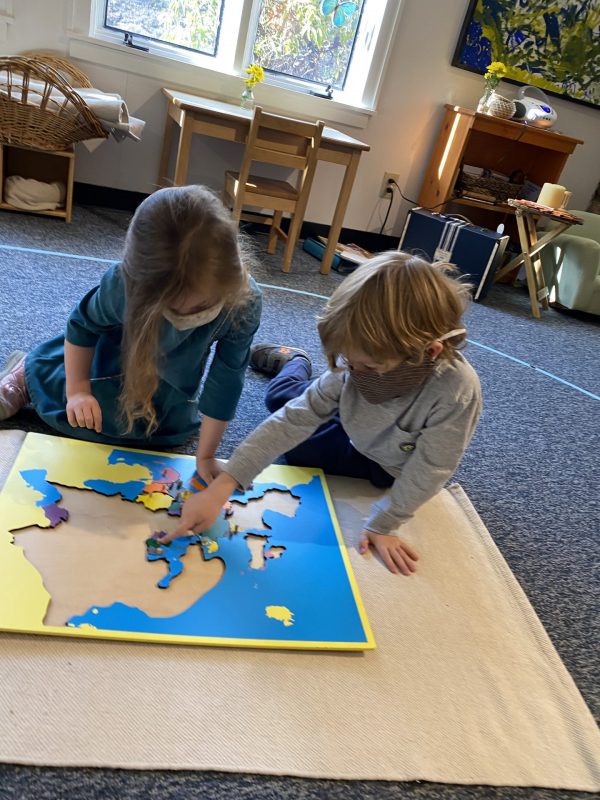
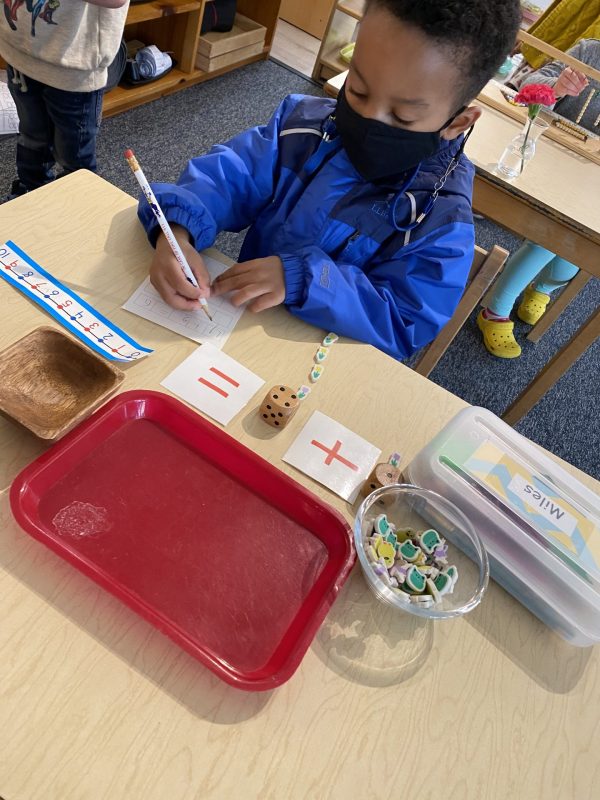
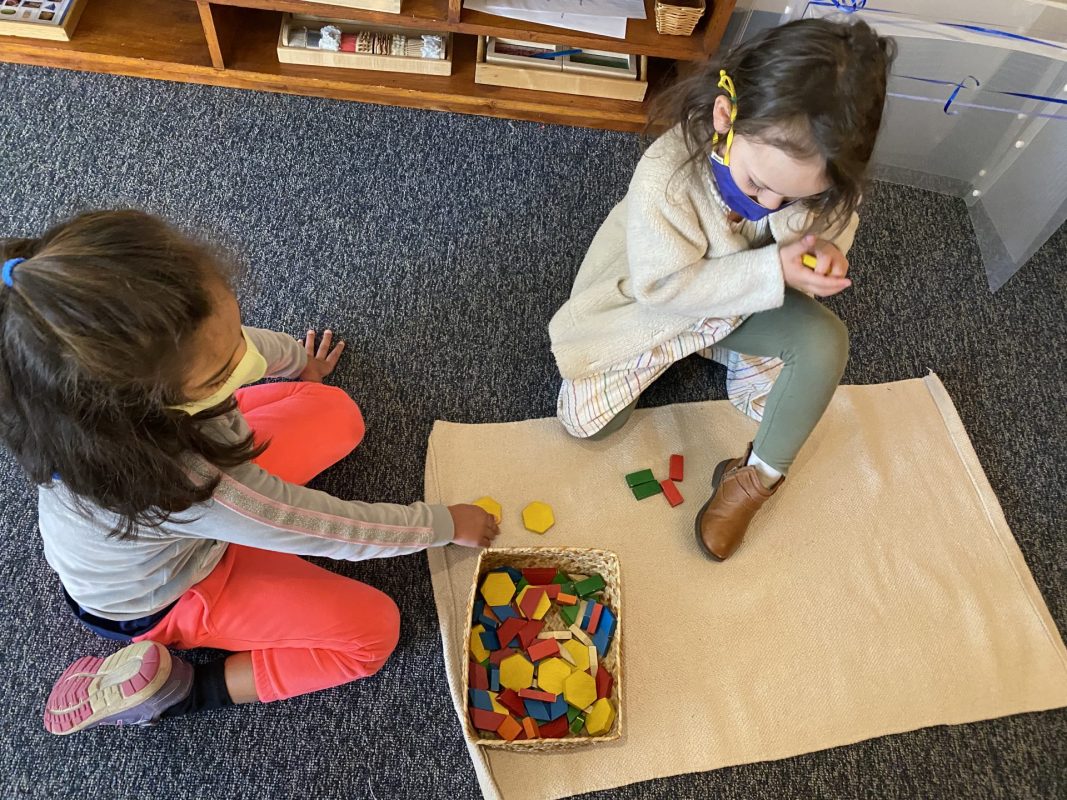
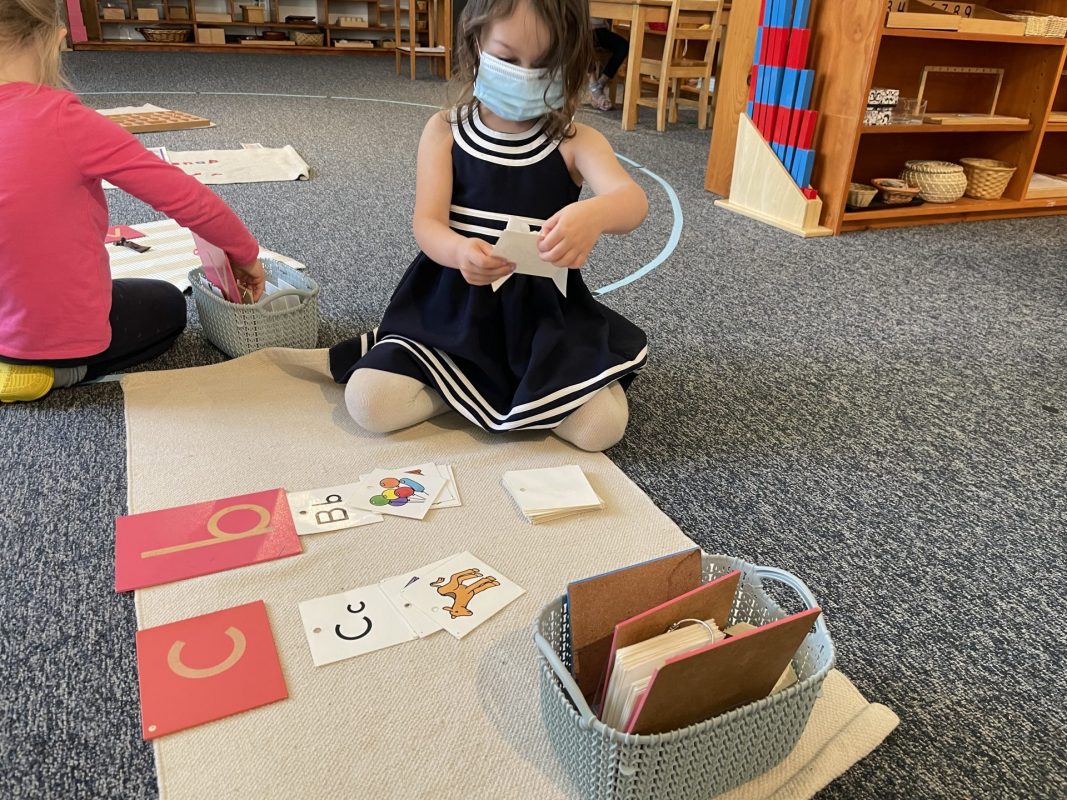
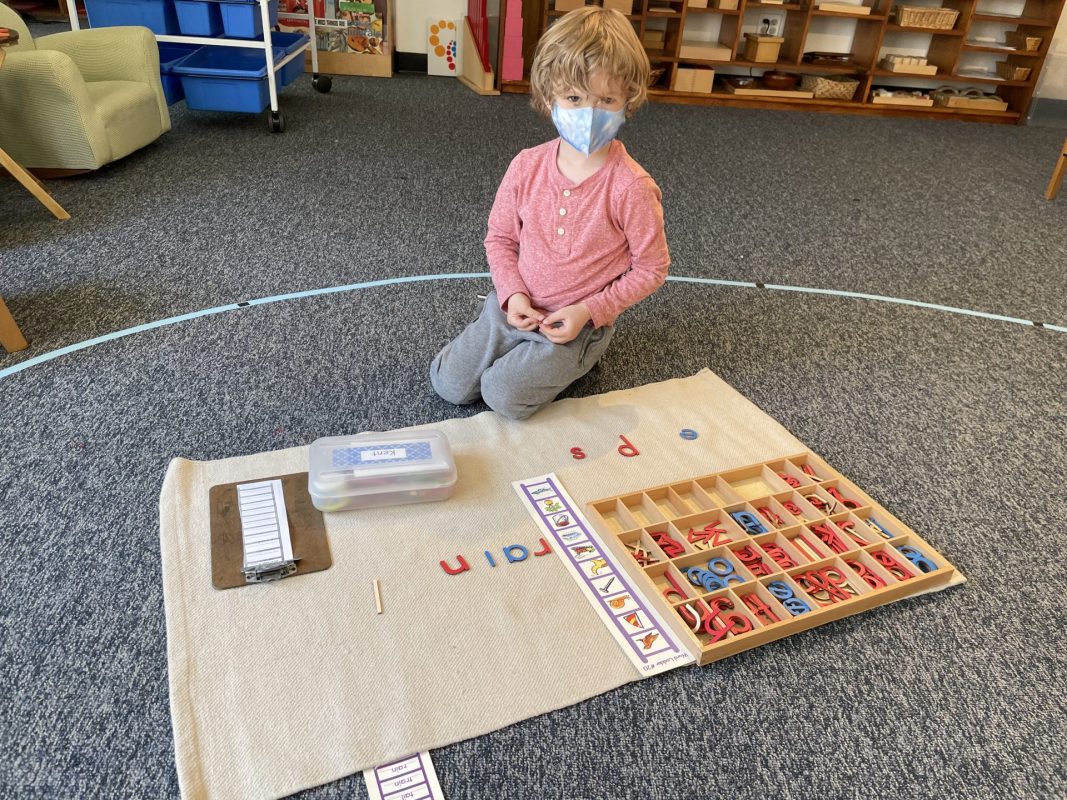
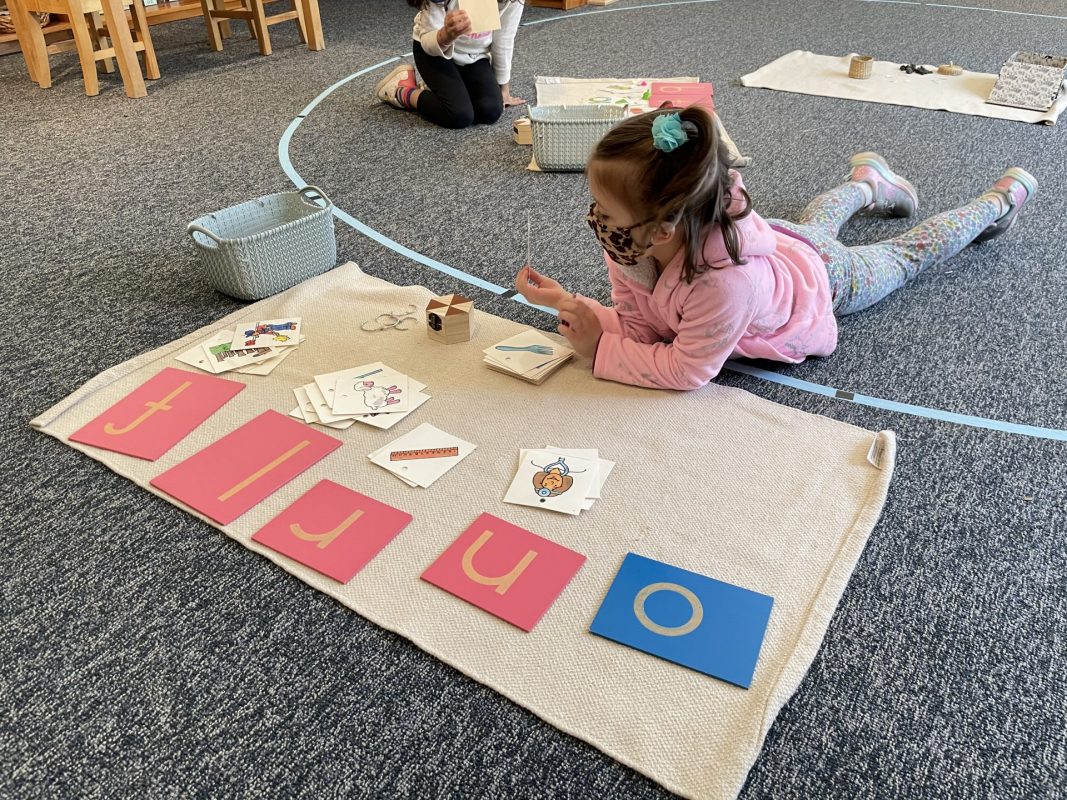
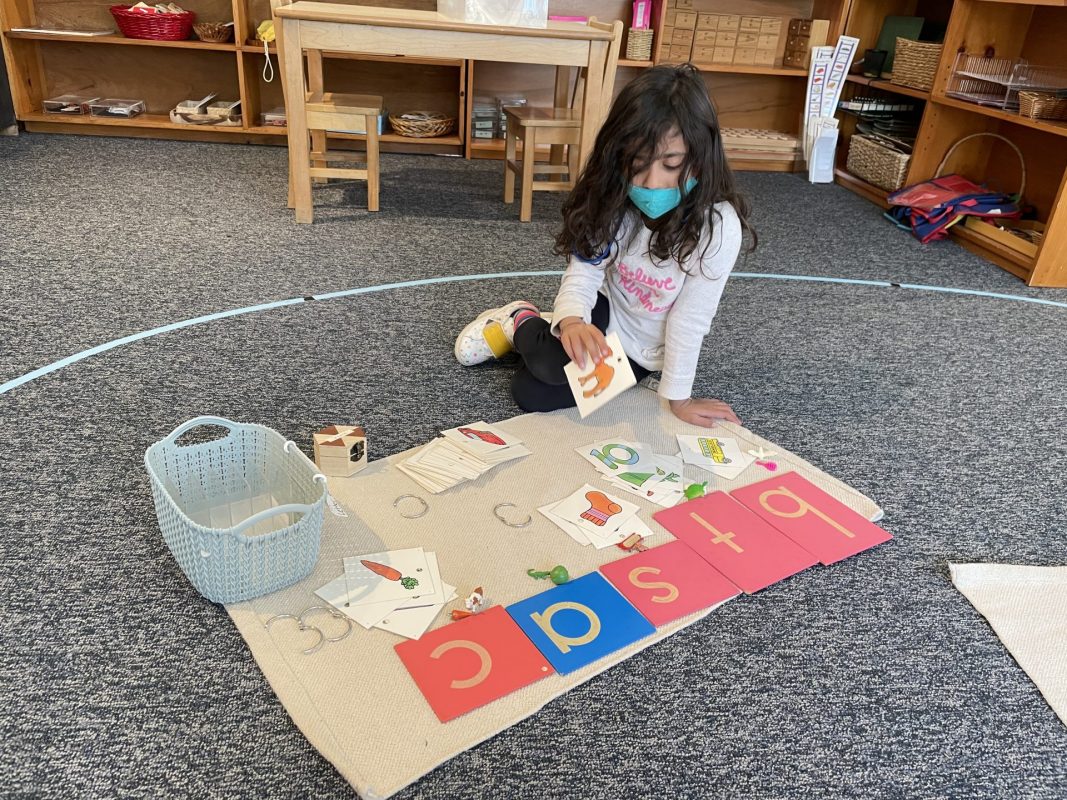
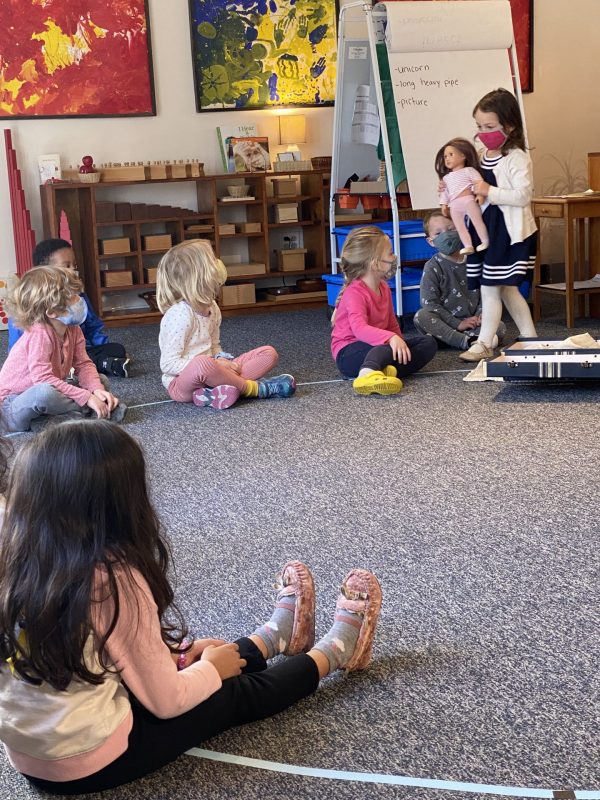
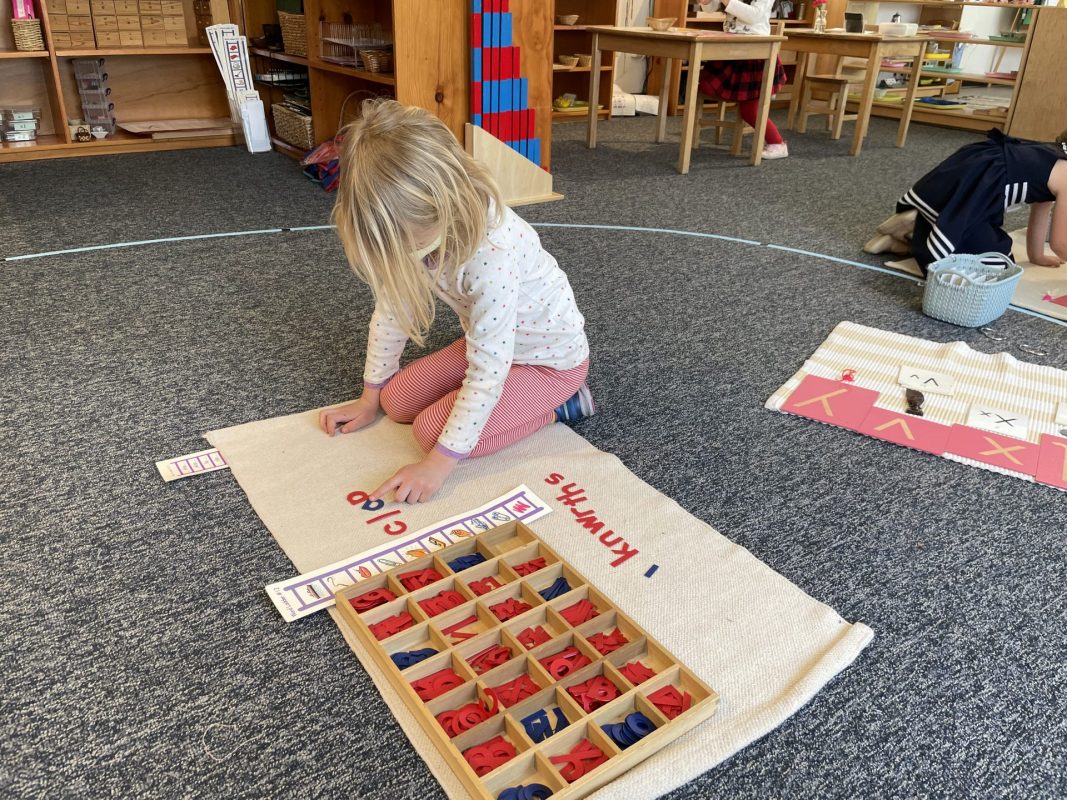
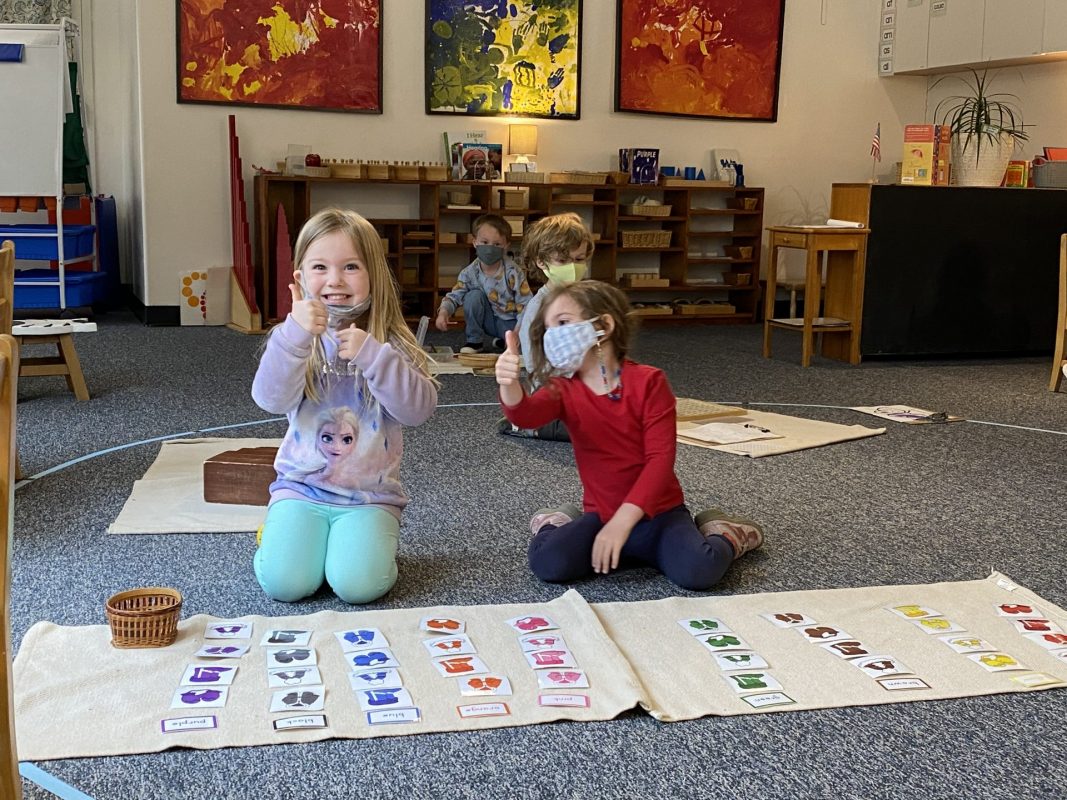
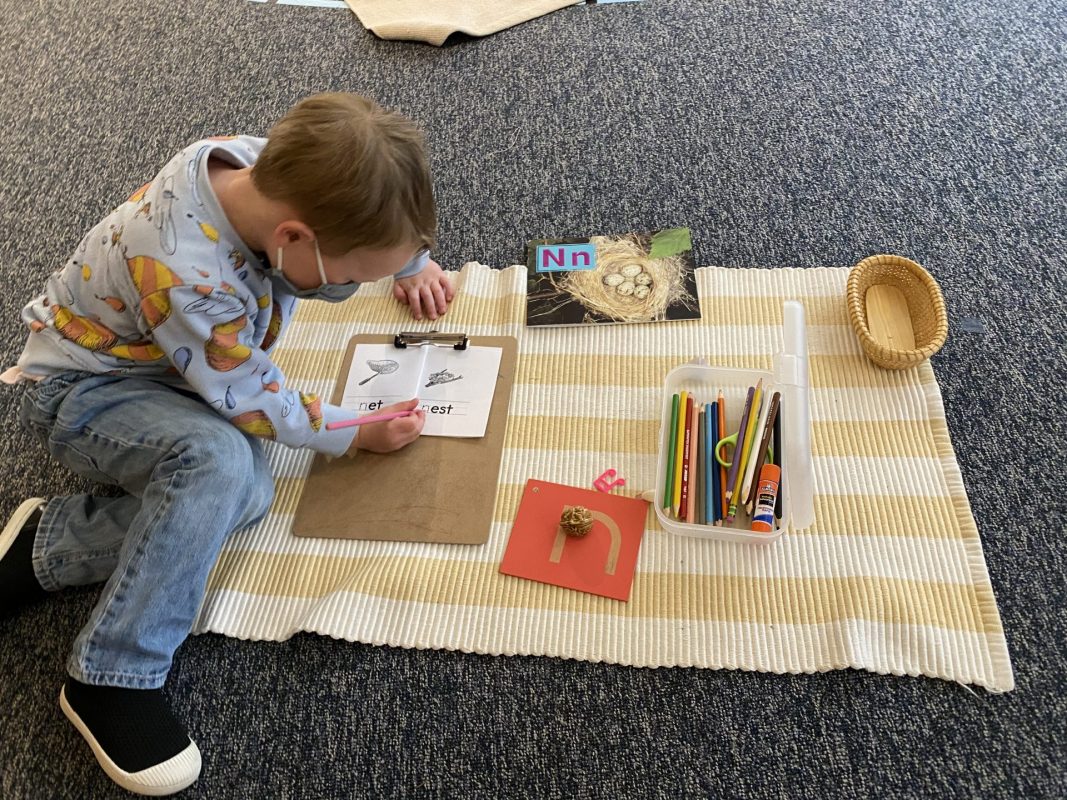
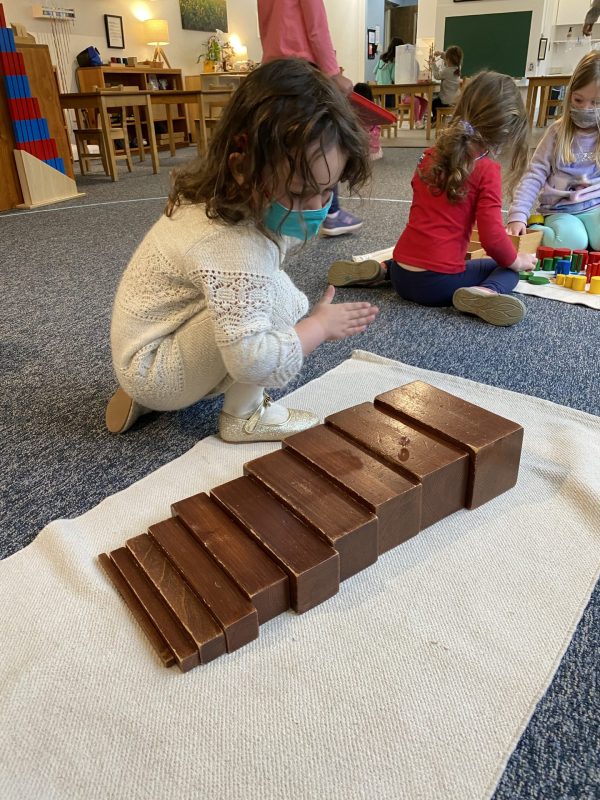
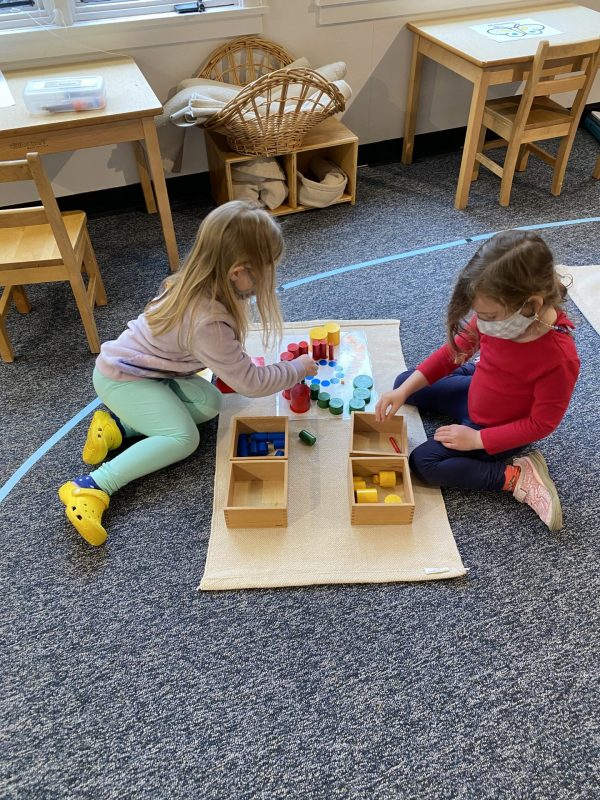
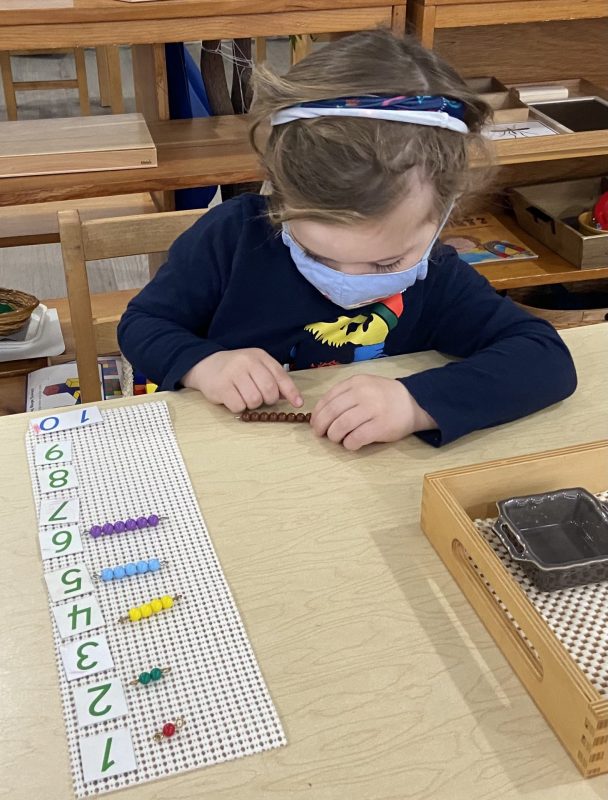
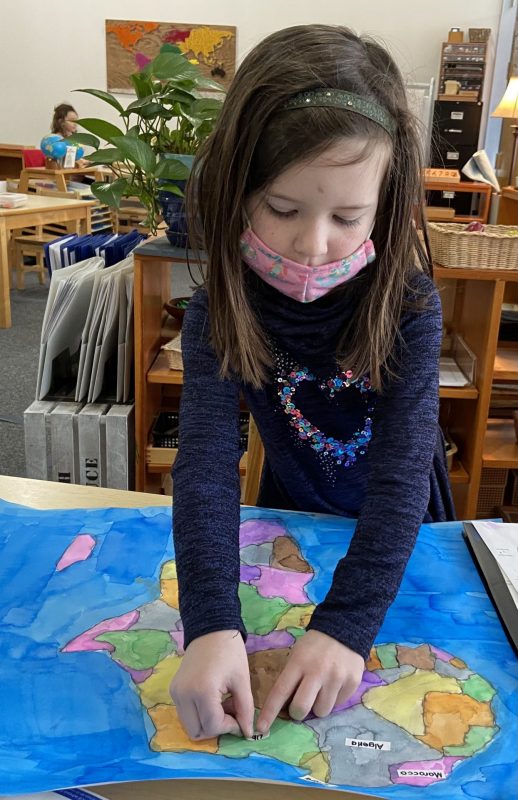
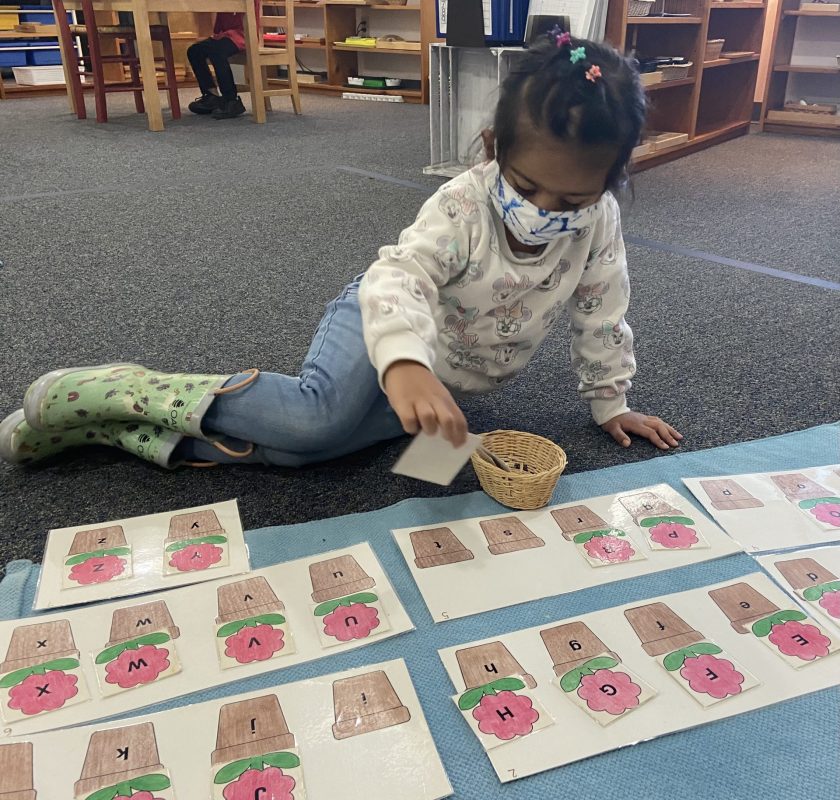
One of the first lessons given in the beginning of the year is how to carry, unroll and roll a work mat or rug.  Retrieving a mat, picking it up carefully, finding the ideal space to work and rolling it out provides an opportunity to practice gross motor skills and body awareness.  Everything that gets placed on the mat thereafter becomes the responsibility and privilege of the child working on that mat.  It also helps to organize one’s materials.

Montessori work mats, delineate a work space as the child’s own and sets an intention to “work”.   Each child knows that their lesson is exclusive to them unless they invite someone to join them to work together on their mat.   The children also know they have the responsibility to put their materials away when they are finished.  By doing so and then rolling up their mat, they are sending a signal that this particular work session has ended.

Our floors have been a sea of rugs! Your children are skillfully maneuvering themselves throughout the environment, careful not to disturb a friend’s work. We continue to be amazed at their growing control and respect for both friends and the environment.

Wishing you a week filled with peace and love!

Michelle & Lizette


Gift Giveaway!

FWM’s 8th Grade Class would like to invite you to participate in our spring gift-giveaway to support: Newtown Food Pantry and Newtown Animal Shelter. Even exchange – one item for one raffle ticket to win either a brand new Dooney + Bourke handbag or a Vineyard Vine tie. Watch the video here!

The 8th Grade Class will spin the digital wheel TWICE on Friday (4/23) at 10:30 AM…. LIVE on ZOOM!
During 3:00 dismissal, you can donate any item(s) that the Pantry + Shelter told us was in high need on:

  1. Tuesday April 20th
  2. Wednesday April 21st
  3. Thursday April 22nd

Newtown Food Pantry Needs:
Beef Stew, Canned Chili, Sloppy Joe
Baked beans and canned tomatoes
Pasta and Pasta Sauce
Macaroni and Cheese
Canned Fruit
Rice and packaged rice and pasta dishes
Peanut Butter and Jelly
Cookies and Crackers
Cereals
Bottled Juices
Brownie mix, cookie mix and cake mixes
Pet Food
Toothpaste, shampoo, conditioner
Toilet paper, laundry soap, hand soap
Liquid dish soap
Coffee


Newtown Animal Shelter:

Supplies:
Big Contractor Garbage Bags
Paper Towels
Dish Soap
Sponge
Windex

Animal Food:
Kitty Litter (Any kind)
Friskies Wet Cat Food
Rachael Ray for Cats
Rachael Ray for Dogs


Mrs. Doyle’s Class: Where It All Begins!

The first essential for the child’s development is concentration. The child who concentrates is immensely happy.—Maria Montessori

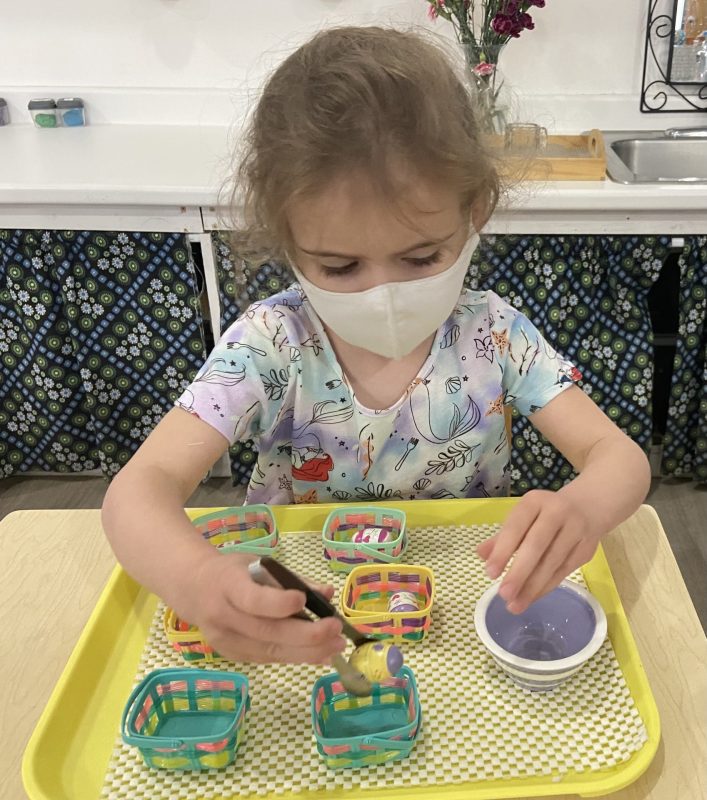
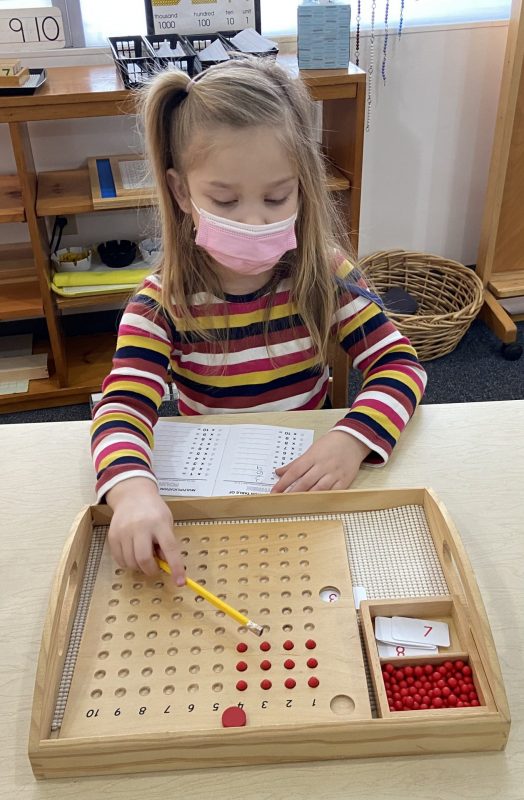
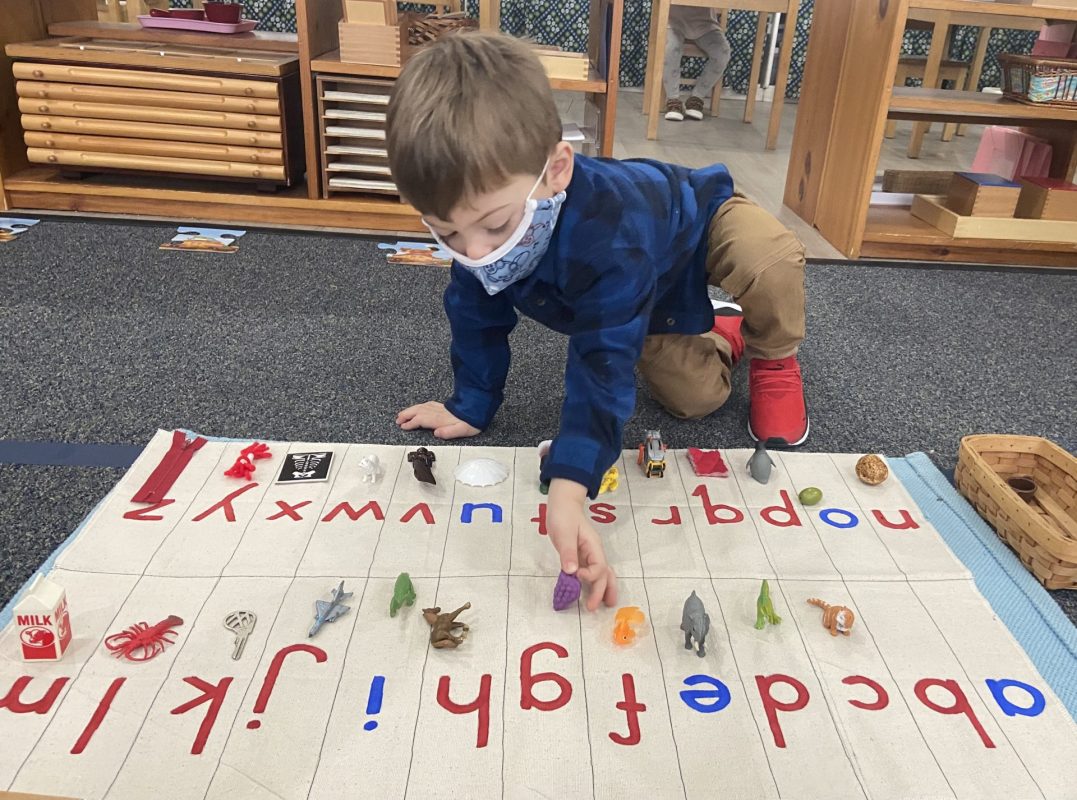
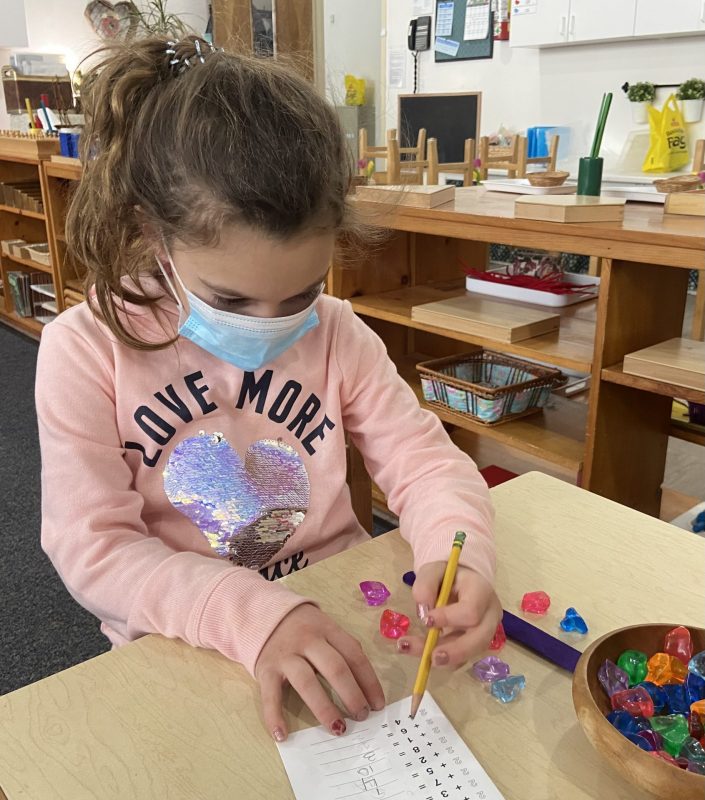
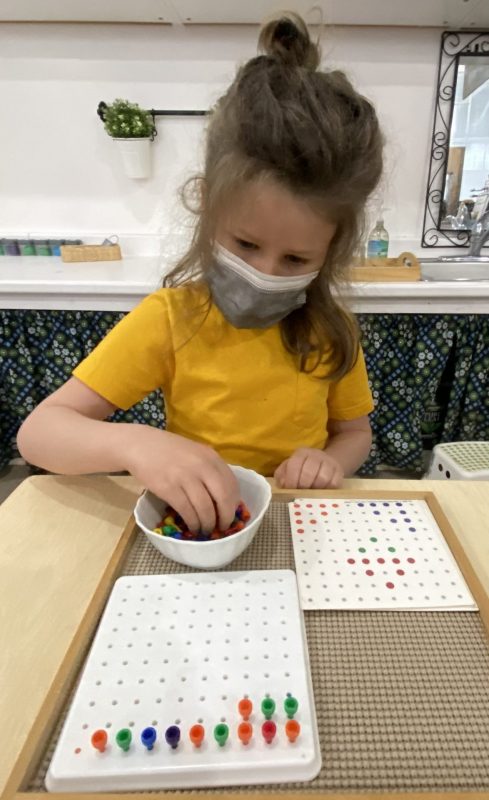
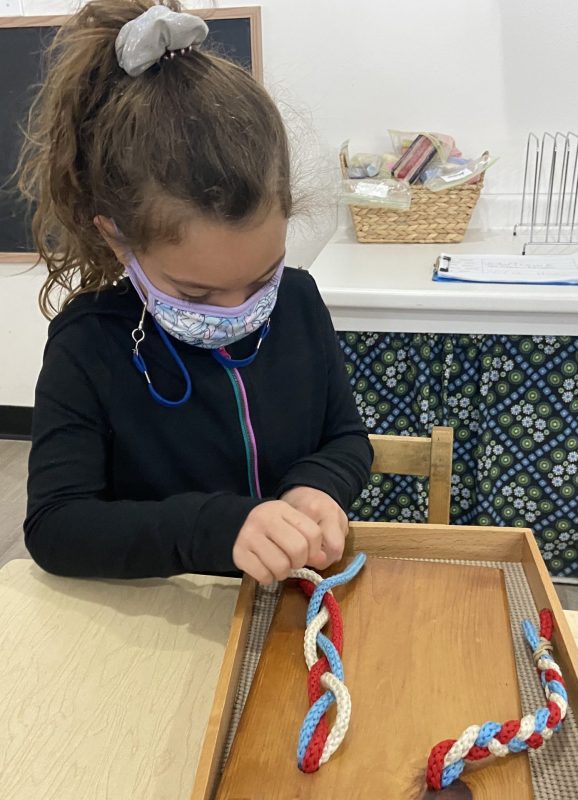
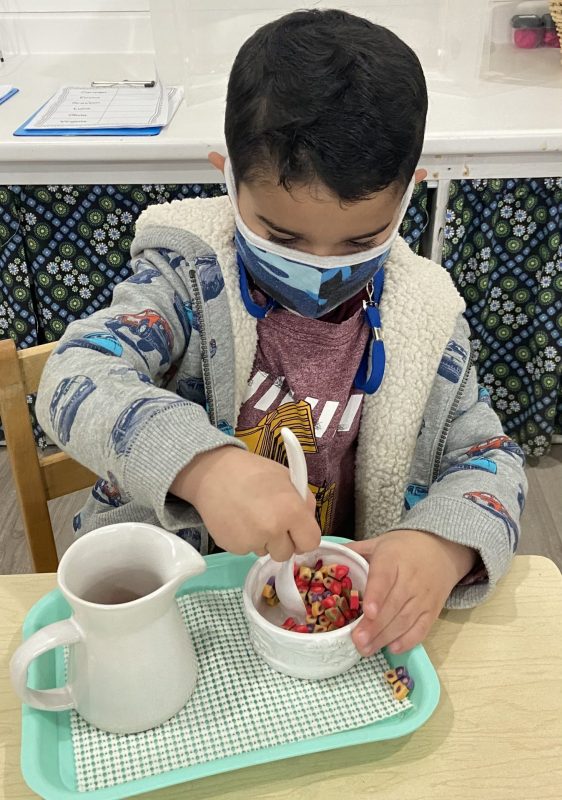
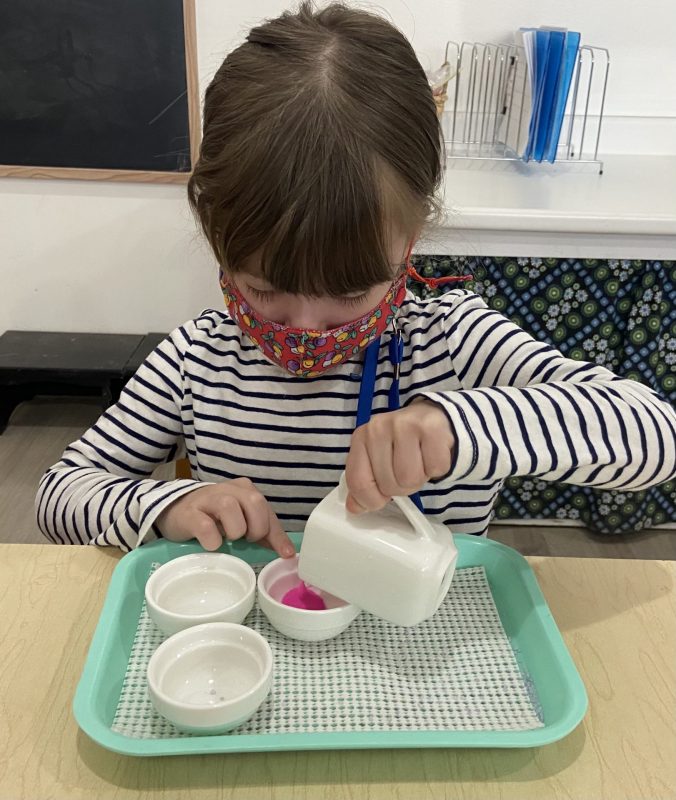
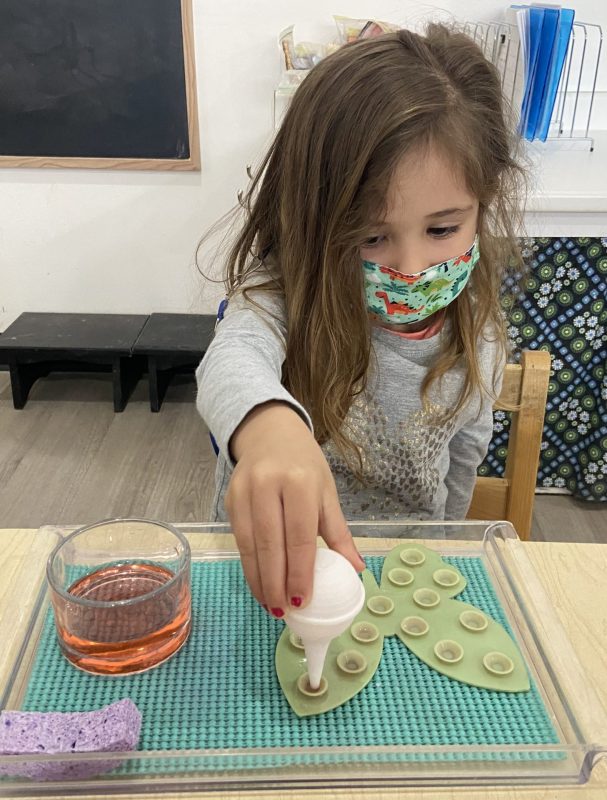
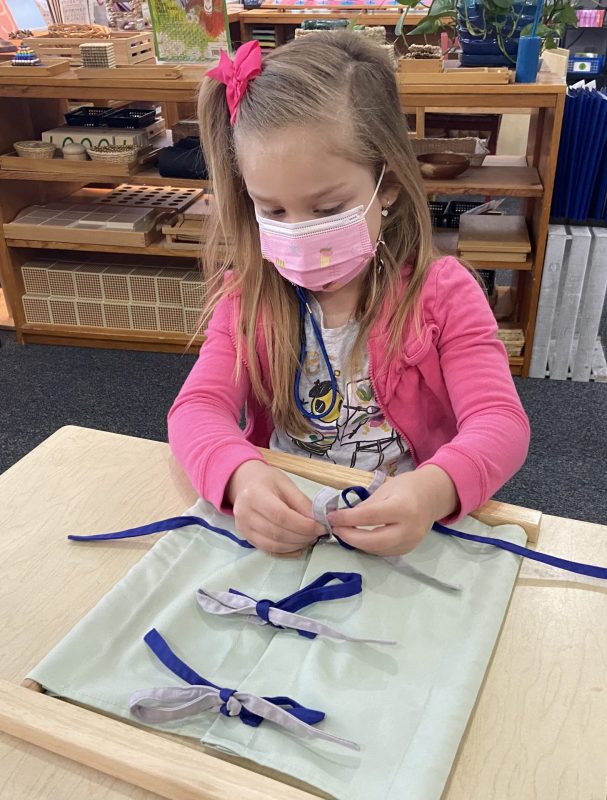
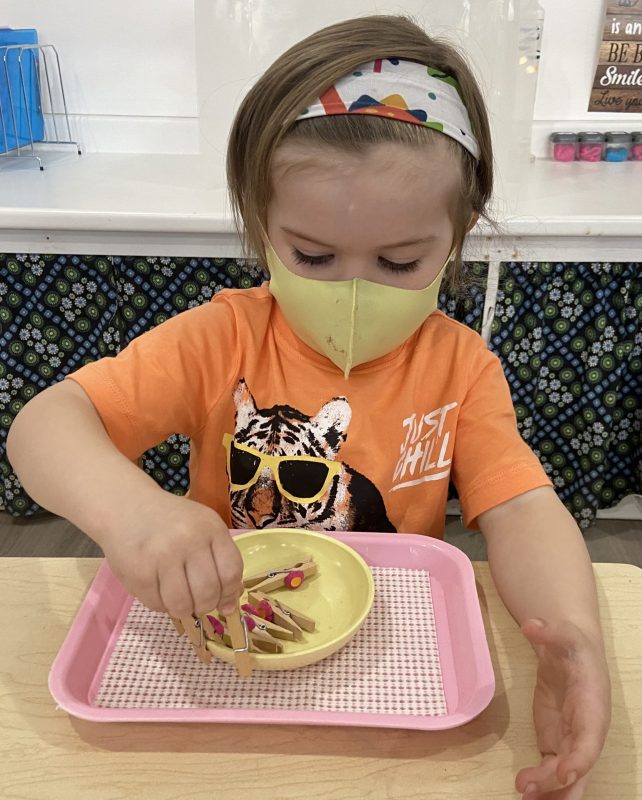
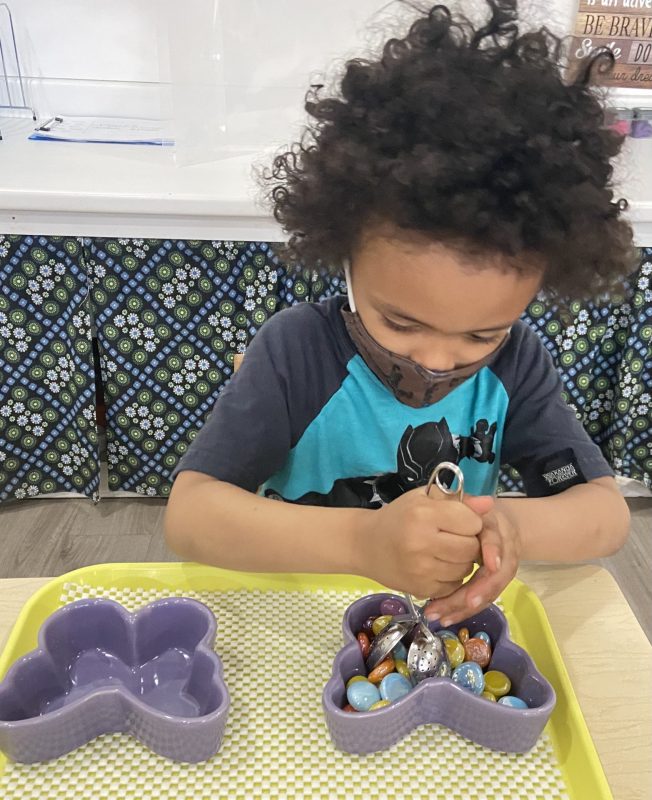
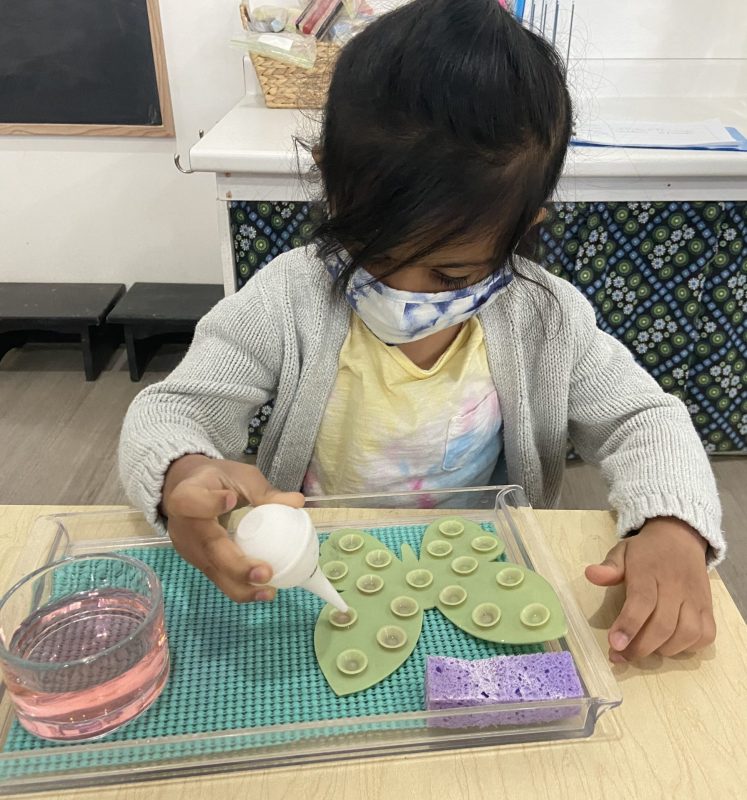
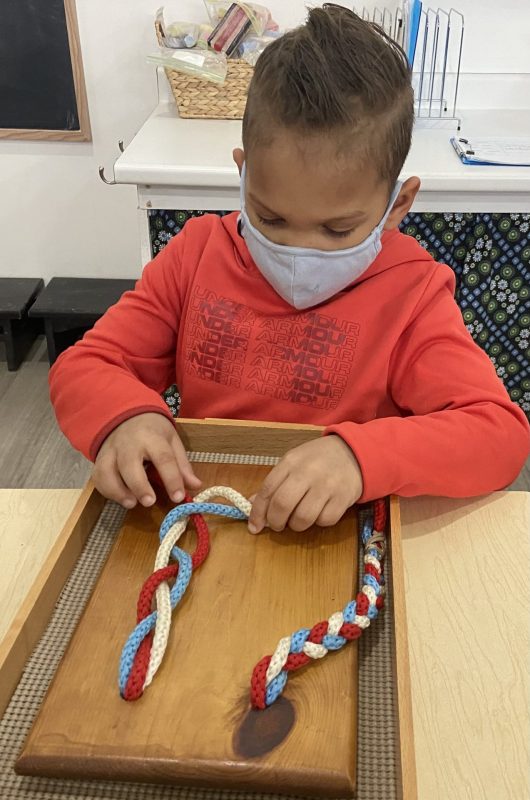
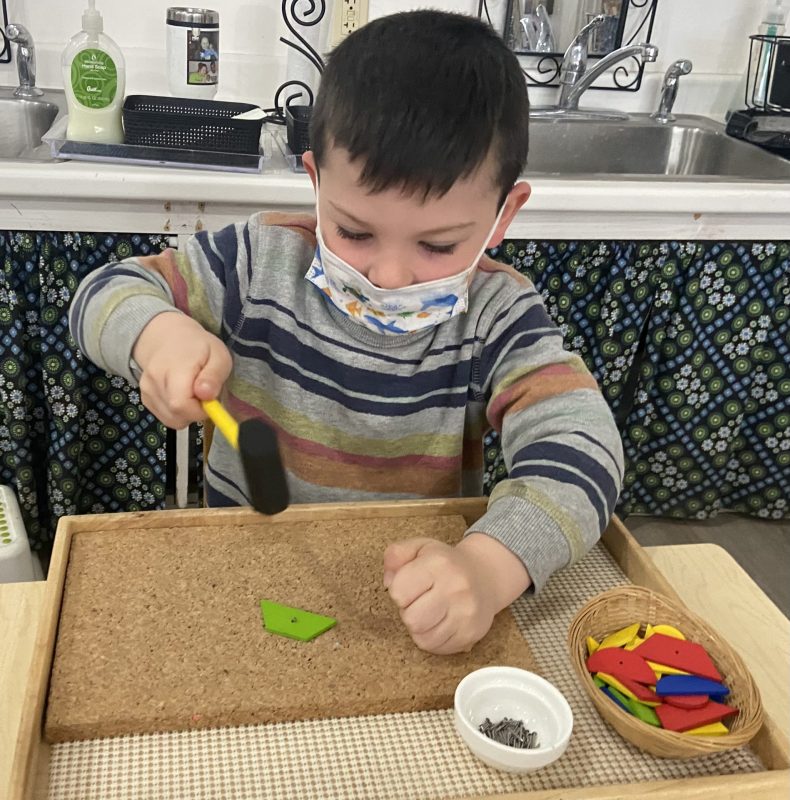
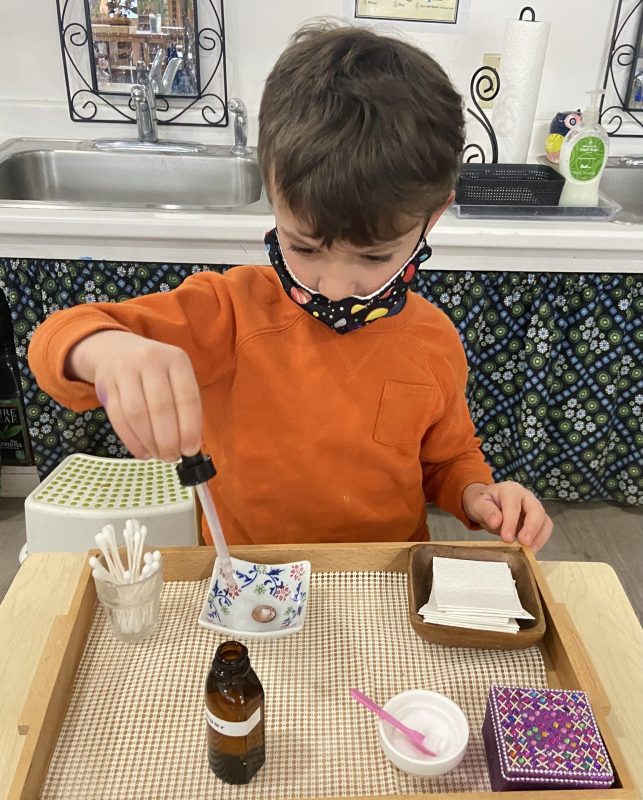
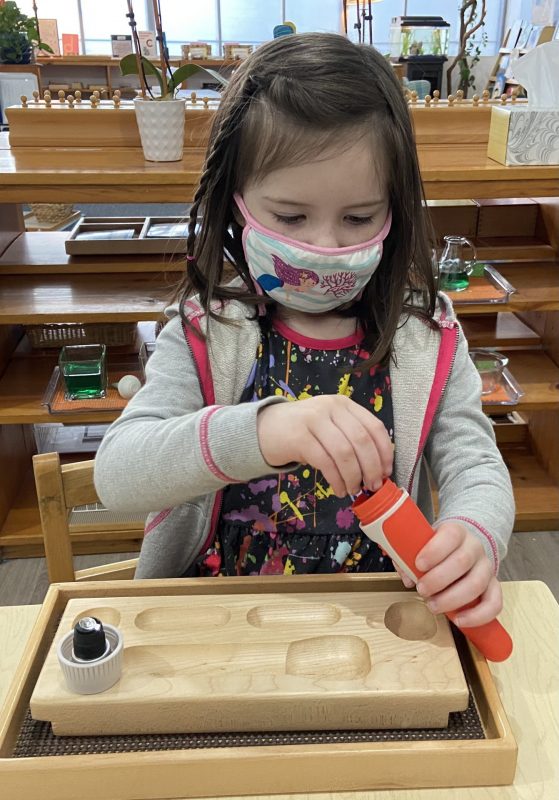
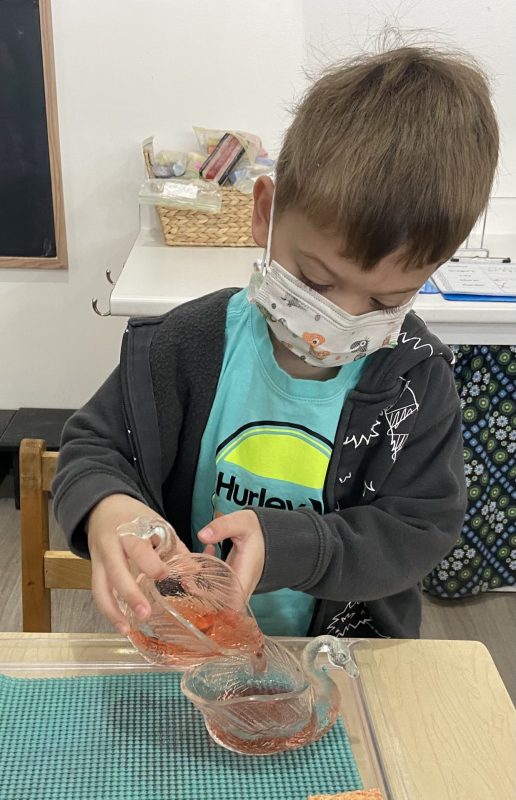
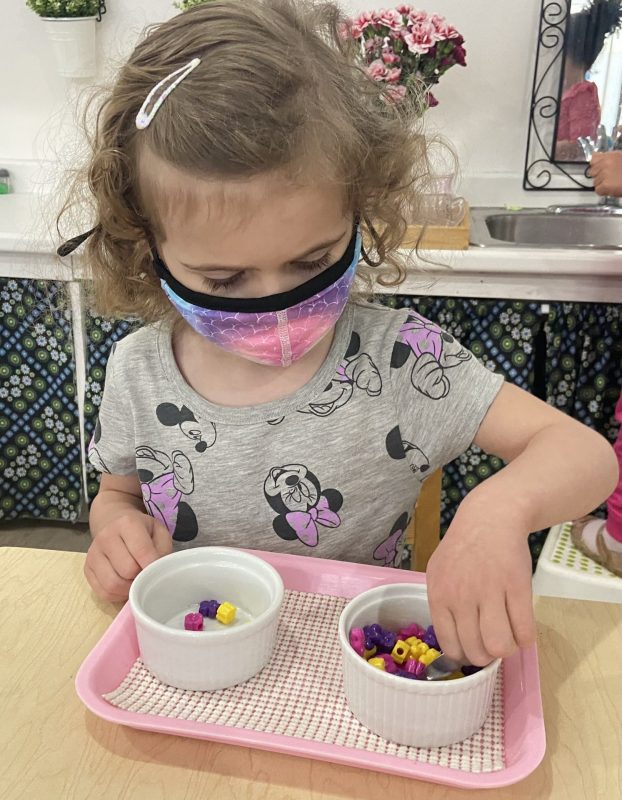
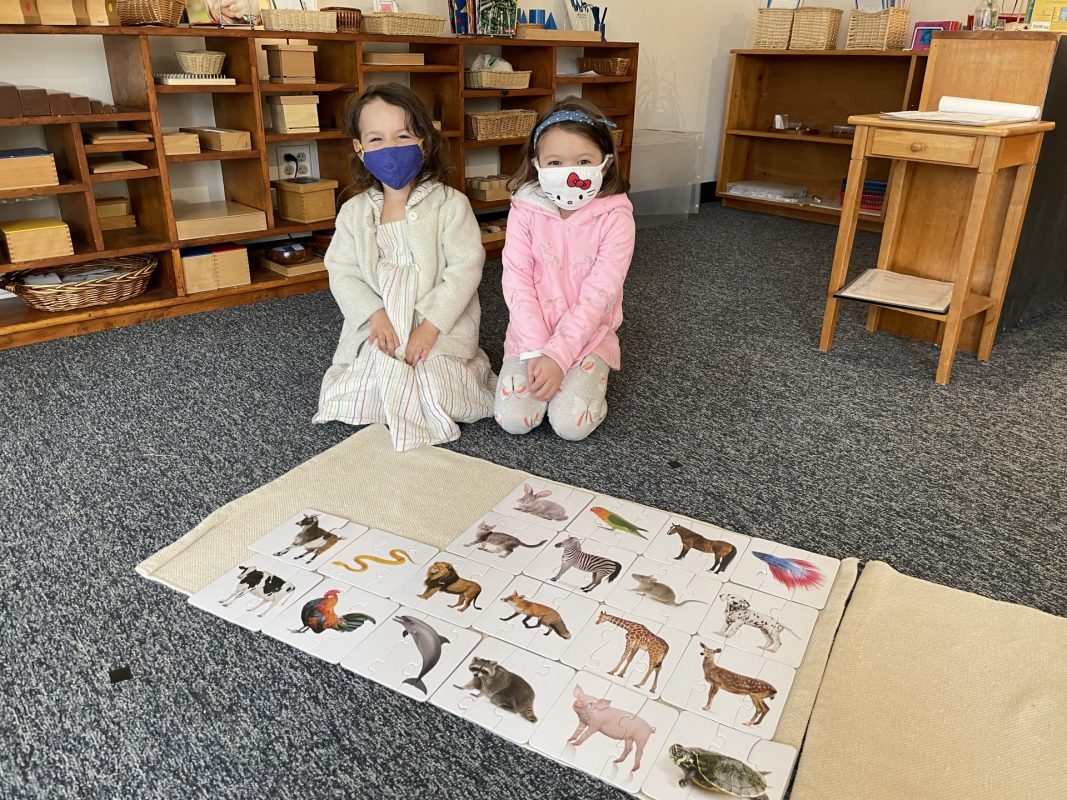
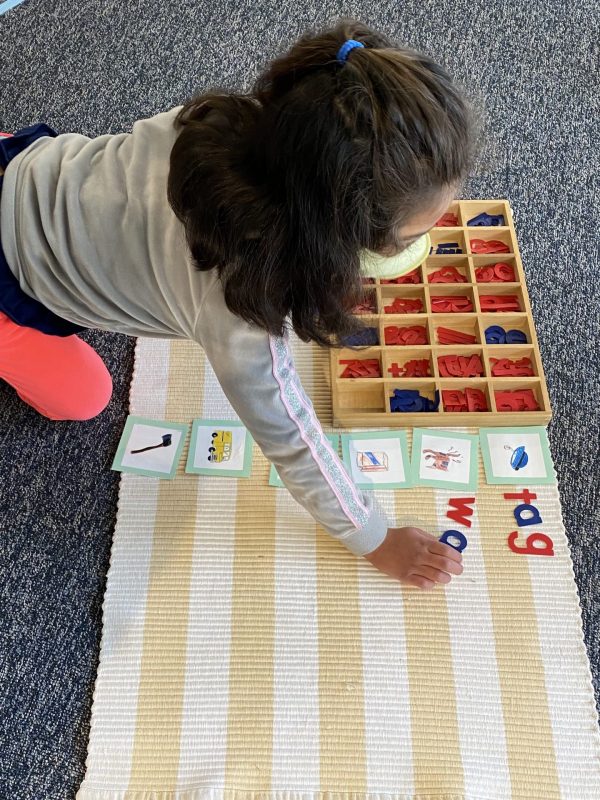
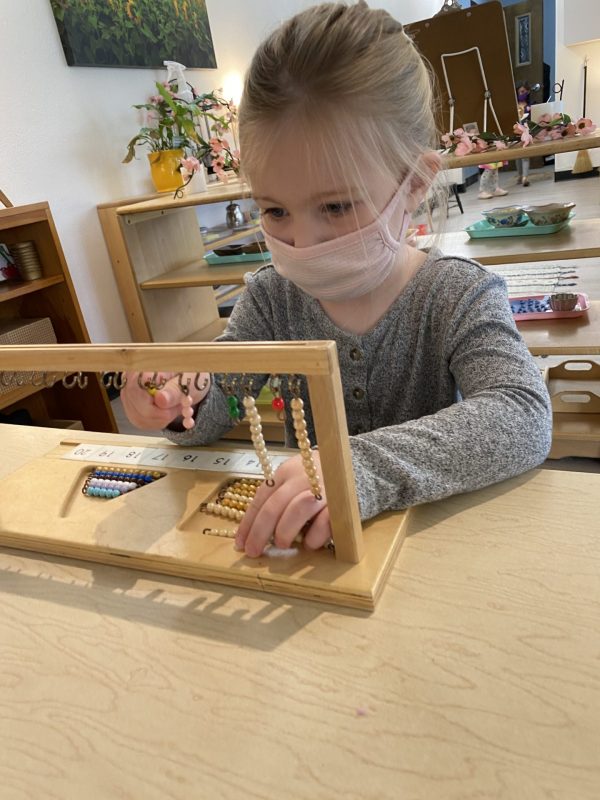
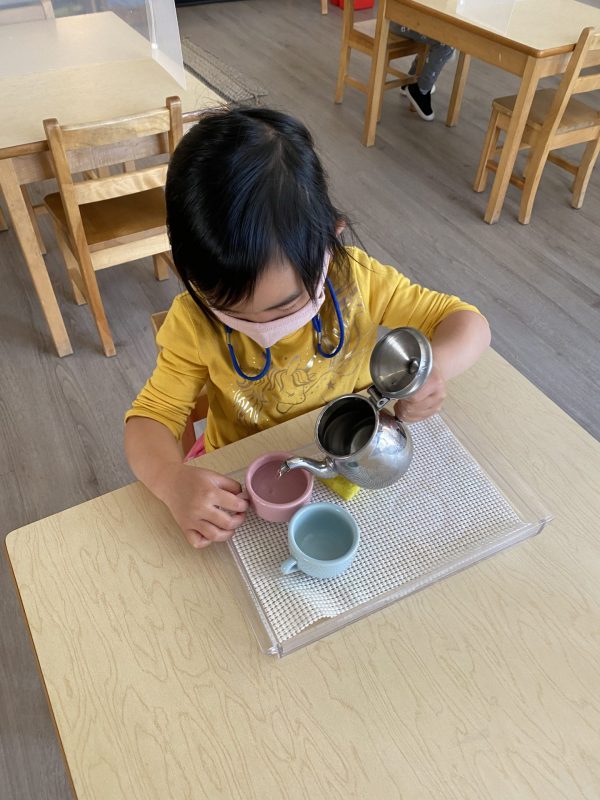
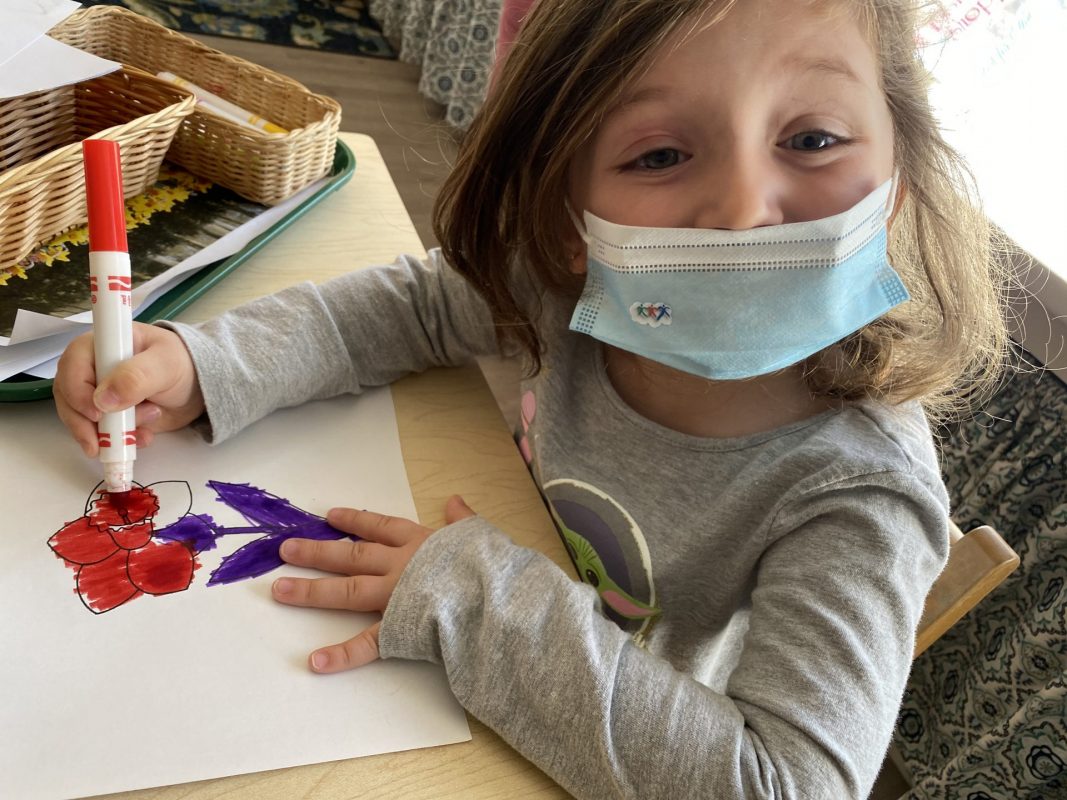
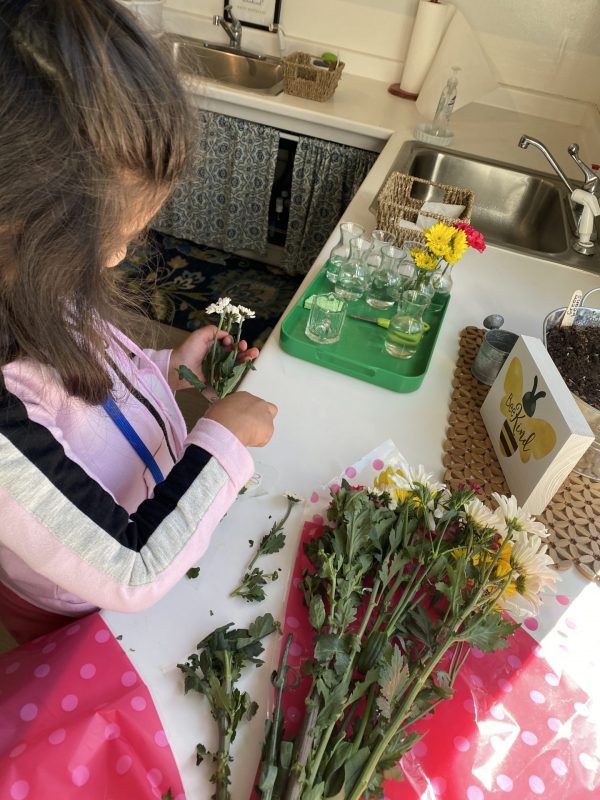
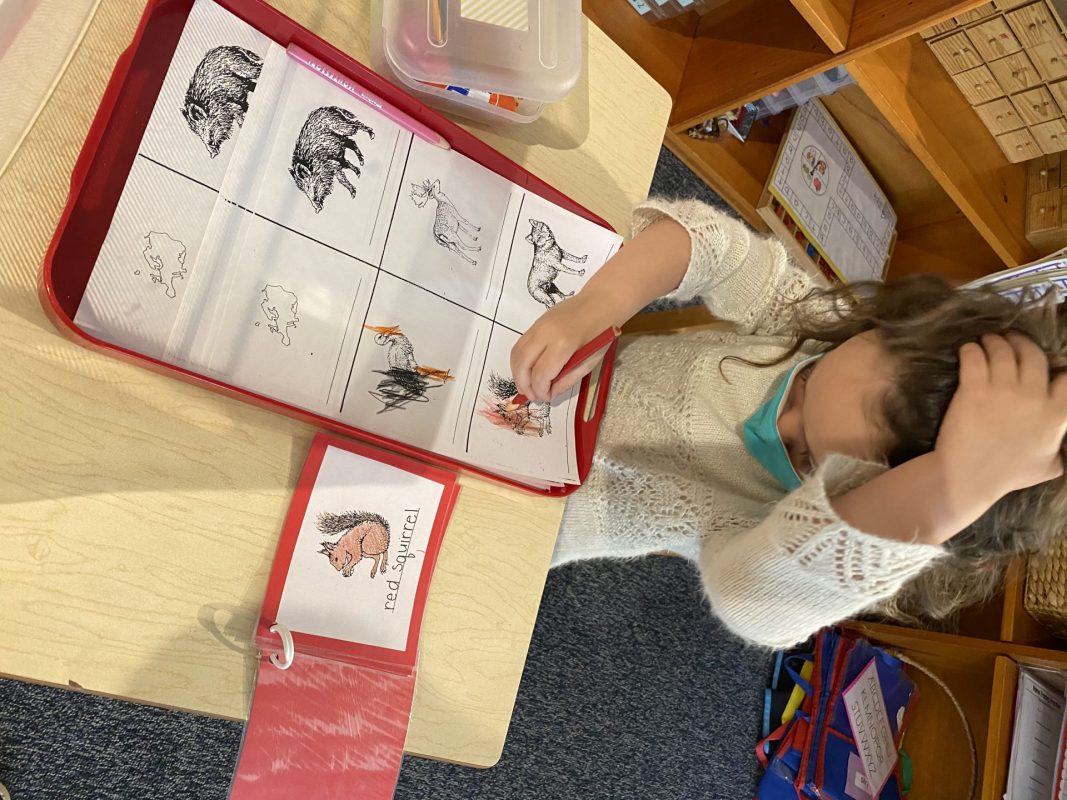
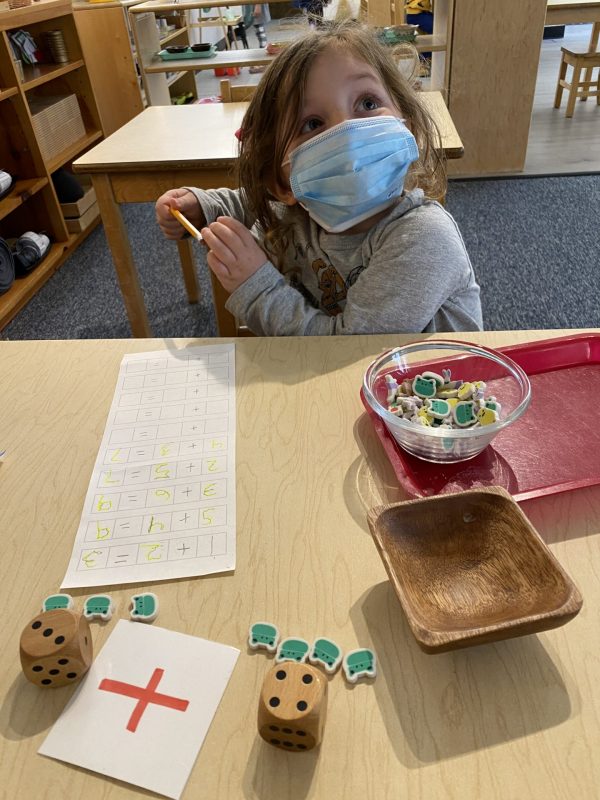
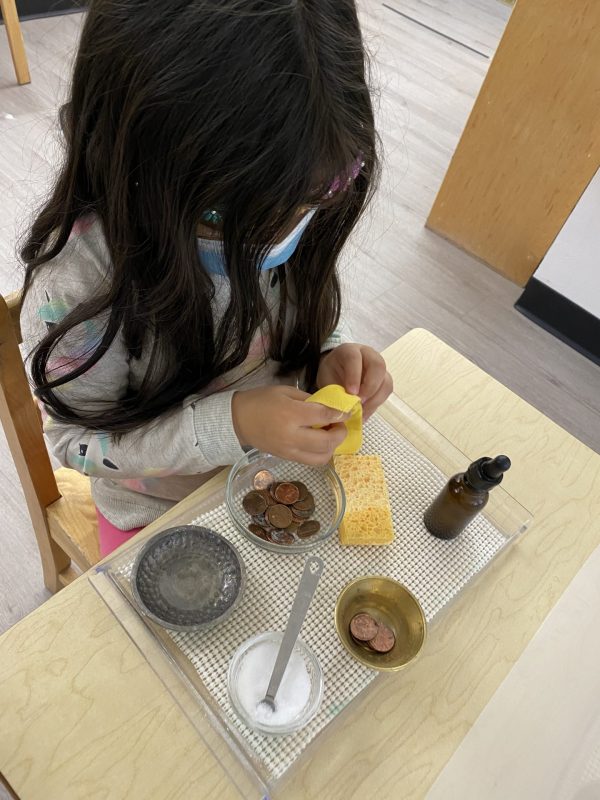
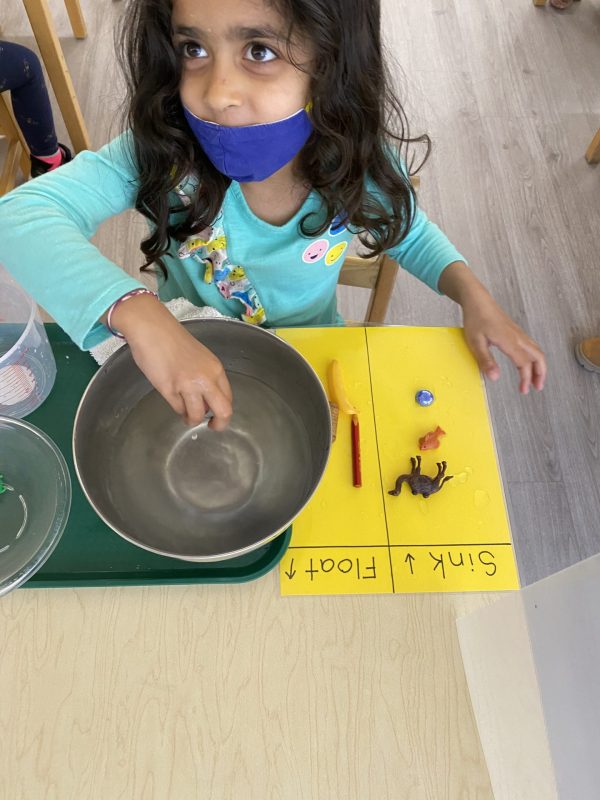
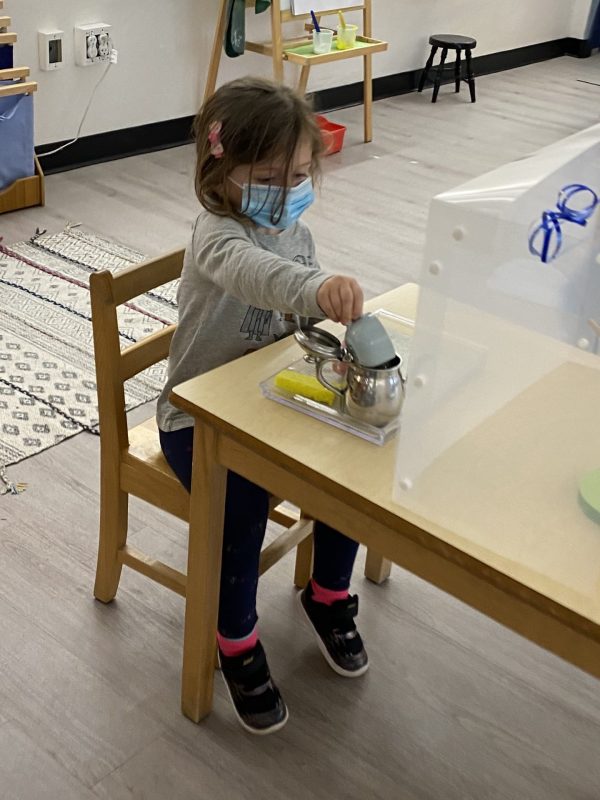
The foundation of a Montessori classroom is the Practical Life area.  This area provides a bridge between a child’s home life and school life.  As parents, we often hear children say repeatedly, “I can do it myself.”  How right they are! Practical Life is teaching daily living skills while helping children to develop focus, concentration, independence, coordination, a sense of order, and developing hand strength. The lessons are comprised of equipment or tools they may have seen before. We use glassware, tweezers, spoons of all shapes and sizes, tongs, eyedroppers, and so much more. Practical Life lessons are divided into two main areas of development: care of self and care of the environment.
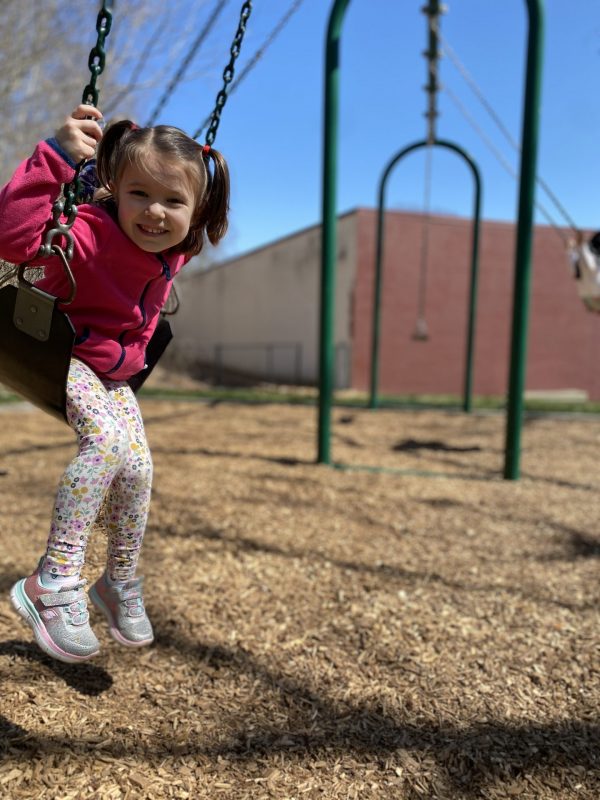
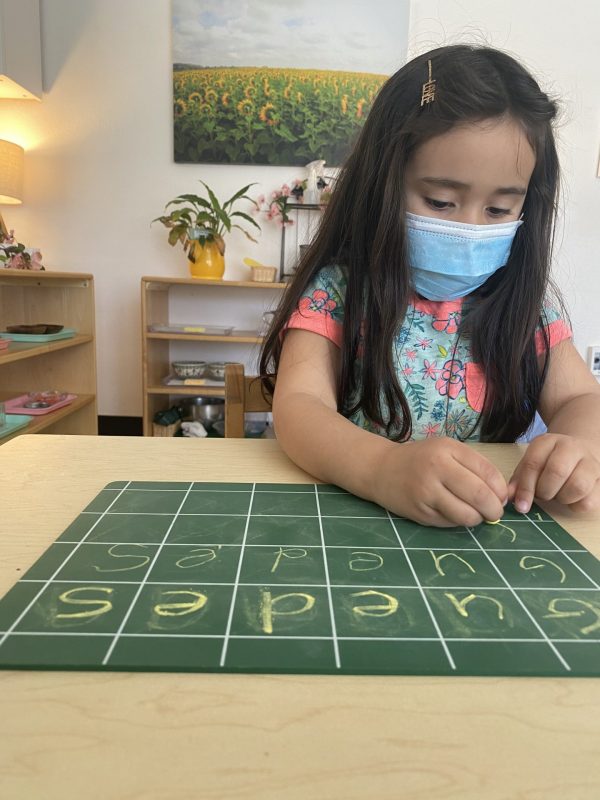
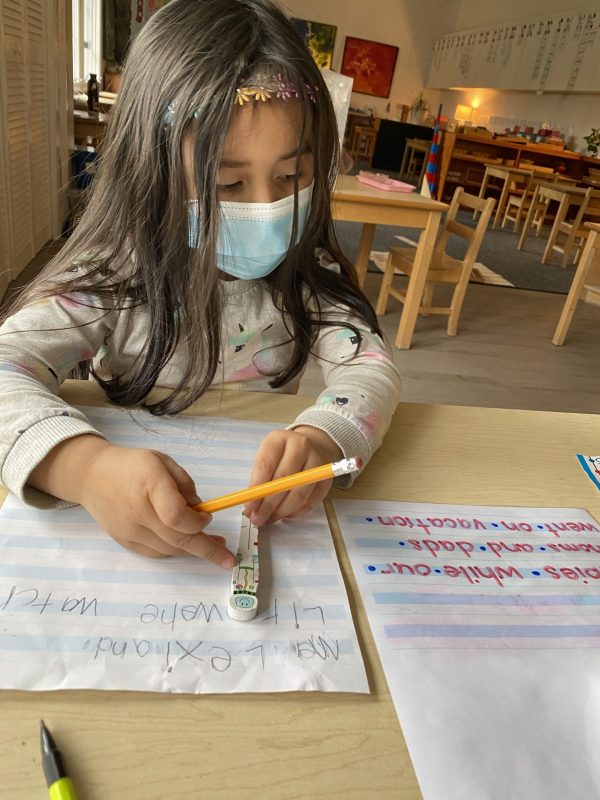
In many Montessori classrooms, it is the first area the children will see when they enter.  In the beginning of the year, many of the lessons will utilize larger materials until the children begin to strengthen their fine motor skills. The materials are changed at the beginning of each month to maintain the child’s interest. Each material is an indirect preparation for reading and writing as they are sequenced,  left to right and top to bottom. It is in this area that the children first learn to initiate and complete a work cycle independently.

Typically, our younger friends will spend much of their time in Practical Life. However, there is not a day that goes by that each child does not spend some time here. Sshhh, the children don’t know about any of this, they just think it is a fun area to spend time in.

Enjoy the week!

Michelle & Lizette


Poetry and Art

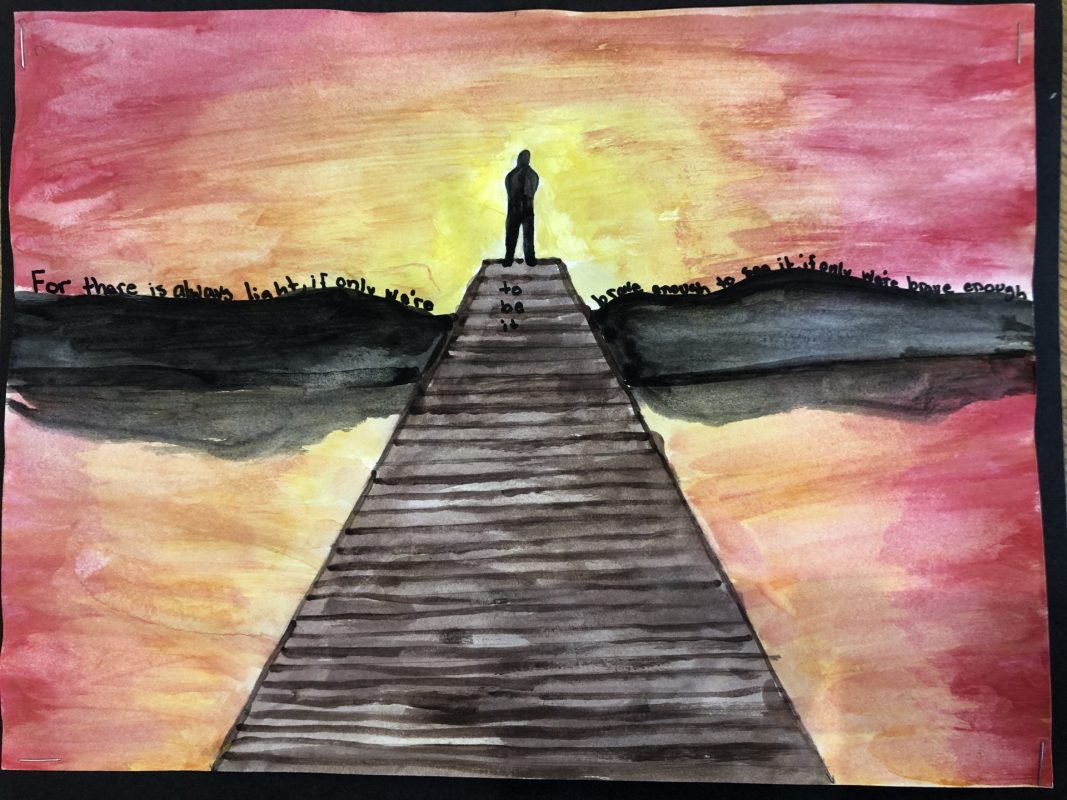
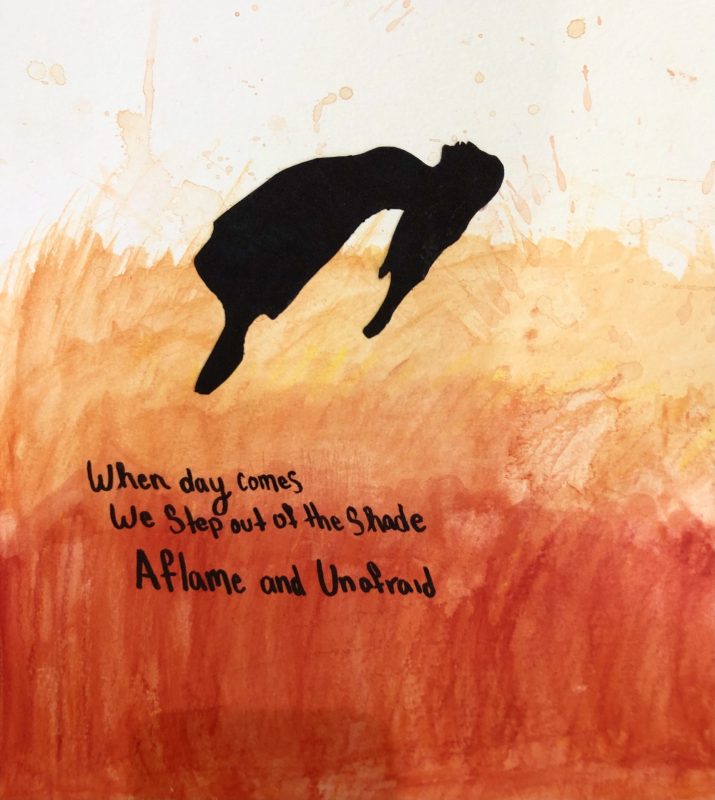
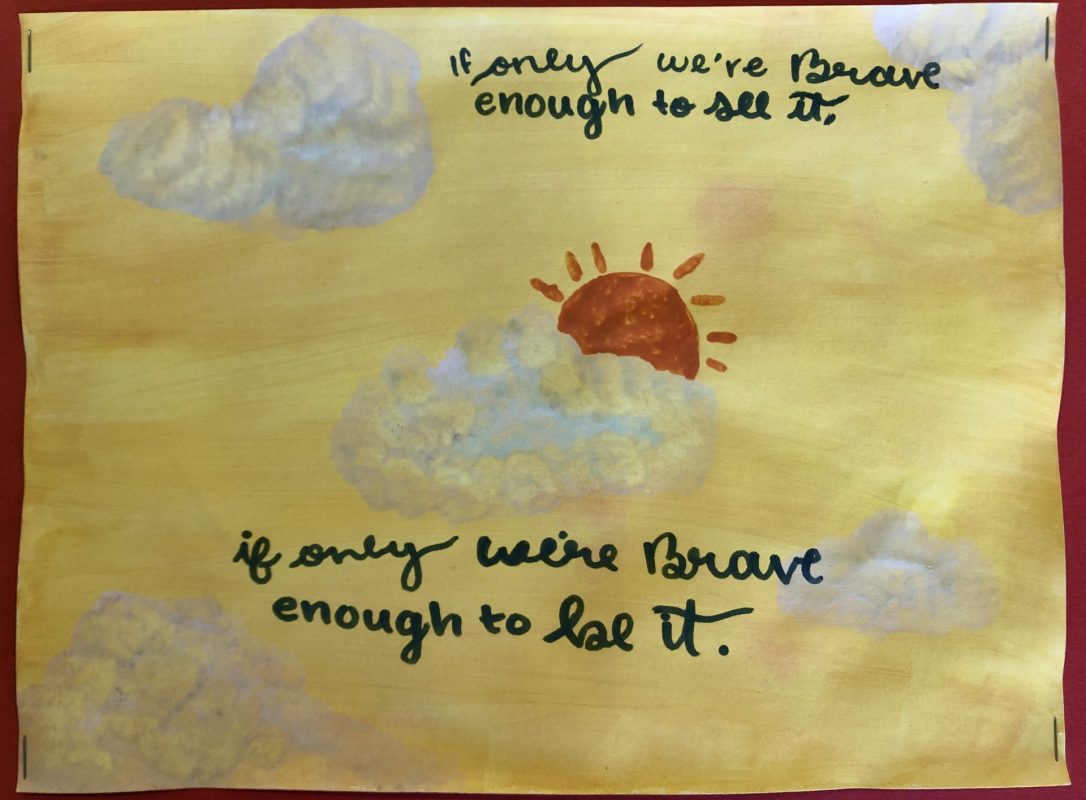
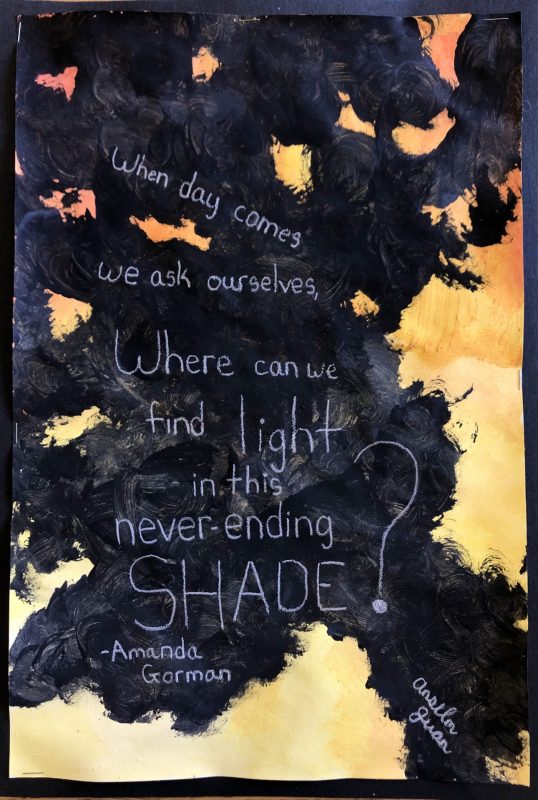
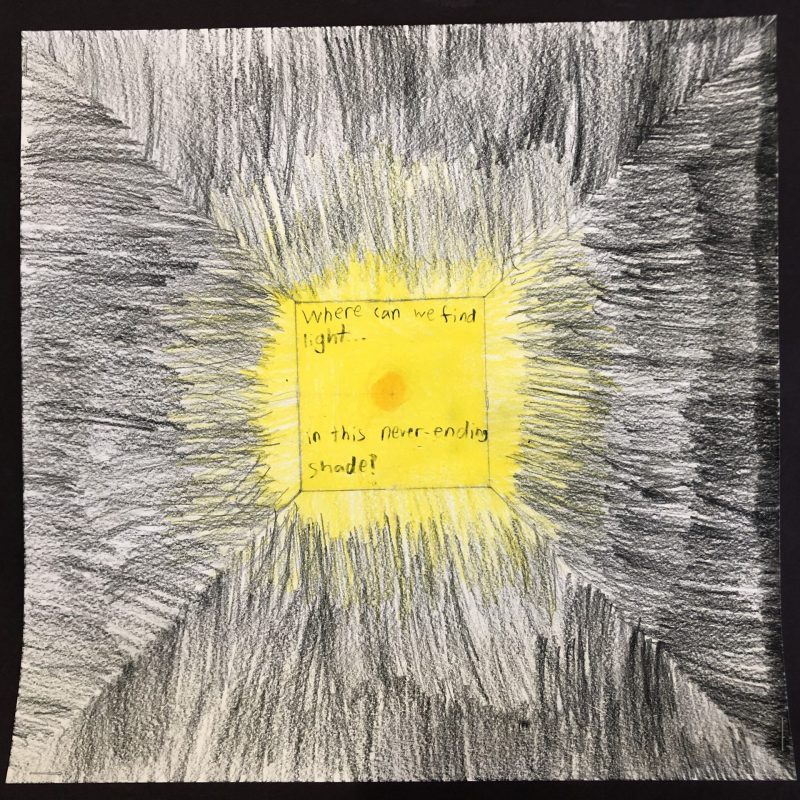
In Art Humanities class, eighth year students created visual representations of Amanda Gorman’s poem titled, “The Hill We Climb: An Inaugural Poem for the Country.” Each student chose a line or two from this poem to focus on, and were encouraged to imagine ways to express the feeling of the words using colors, shapes, figures, and other imagery. Students used a range of materials including acrylic paint, watercolor, pencil, and colored pencil. The results were beautiful and diverse; each student’s piece was unique to them while capturing what they felt expressed a specific theme or message in Amanda Gorman’s powerful, historic poem. Interpreting this poem using visual representation encouraged students to think critically about the poem’s meaning. Bravo young artists!!


So Happy Together!

We’ve come to the end of another fun week filled with lessons, work, and play.

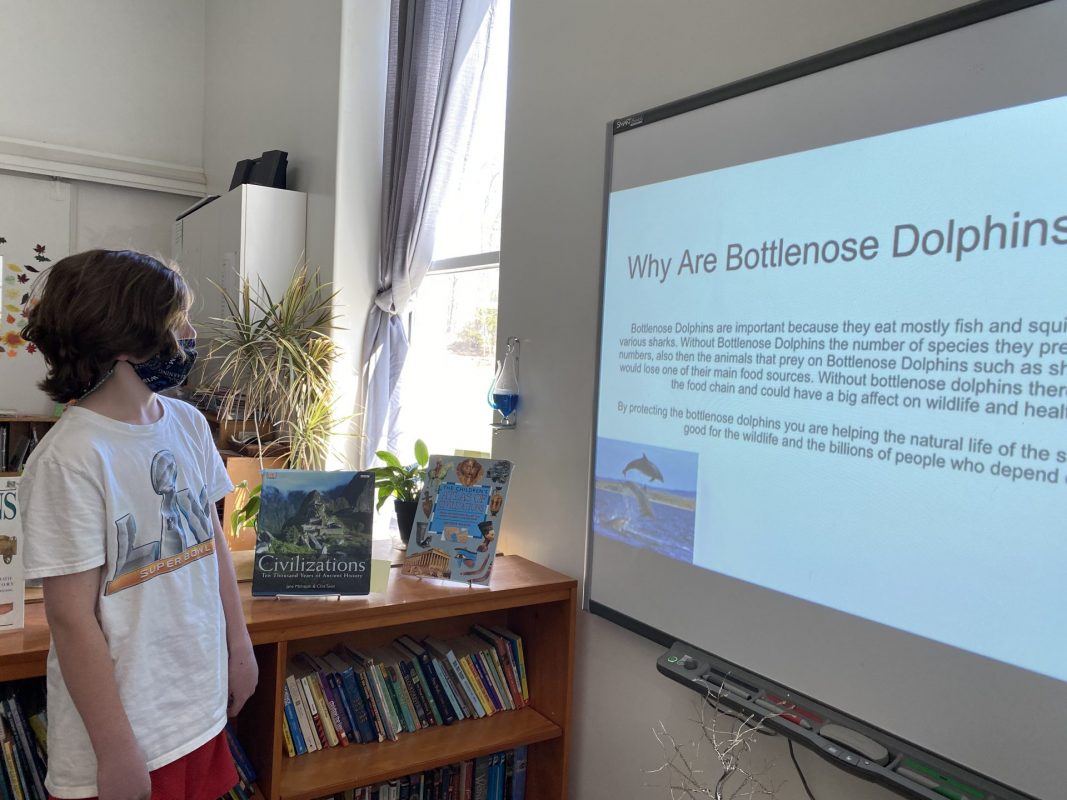
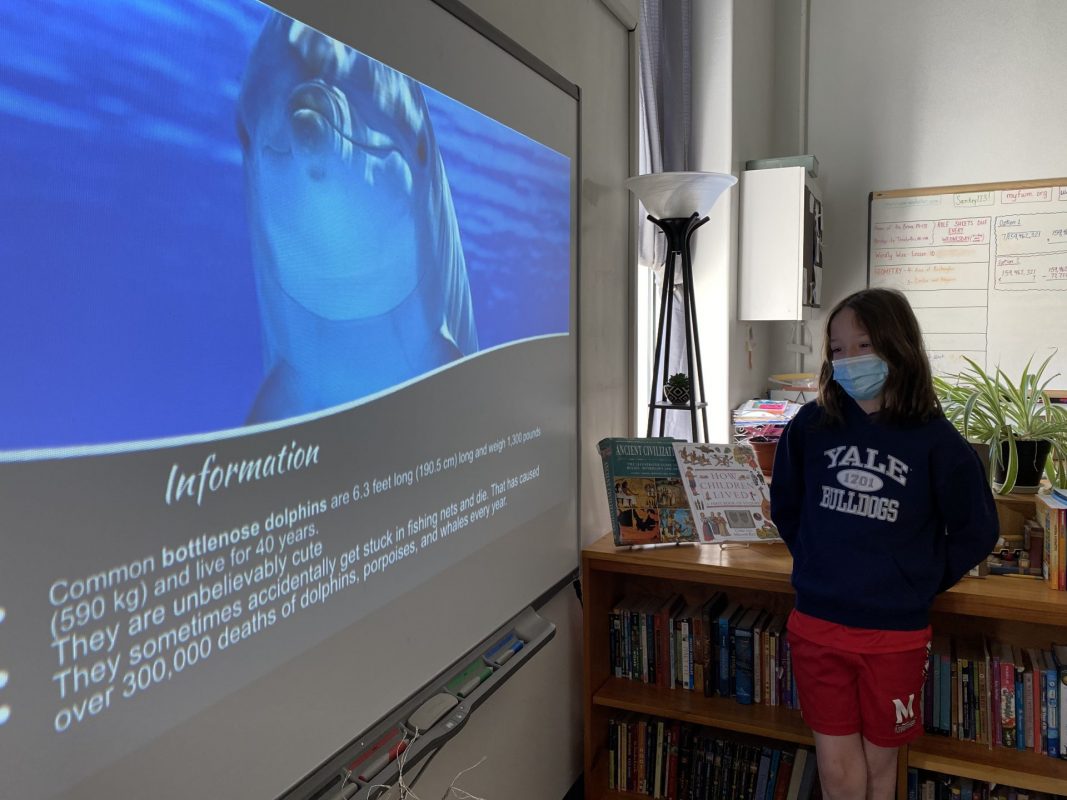
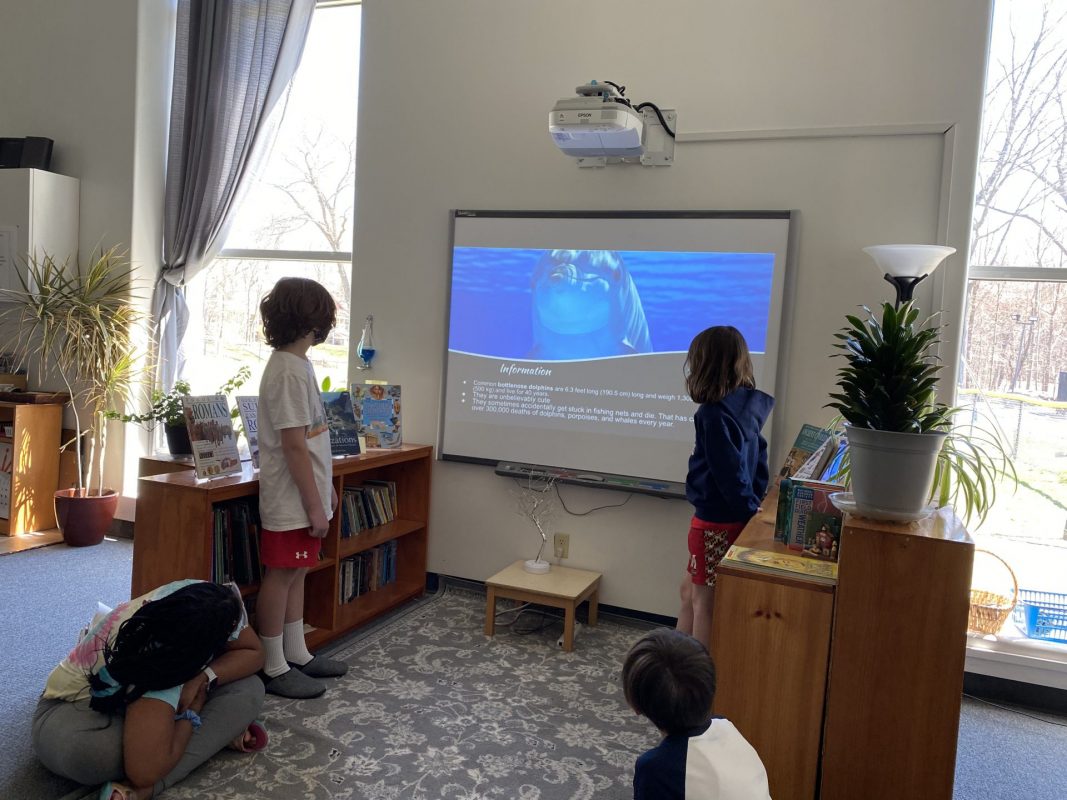
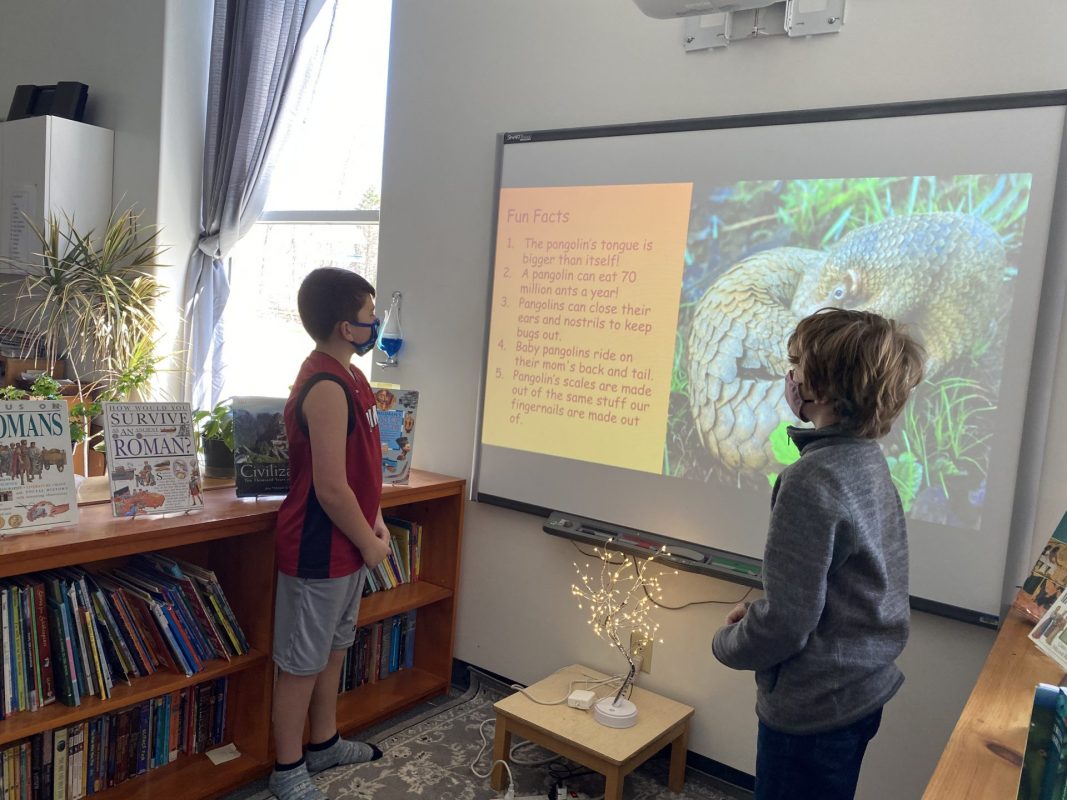
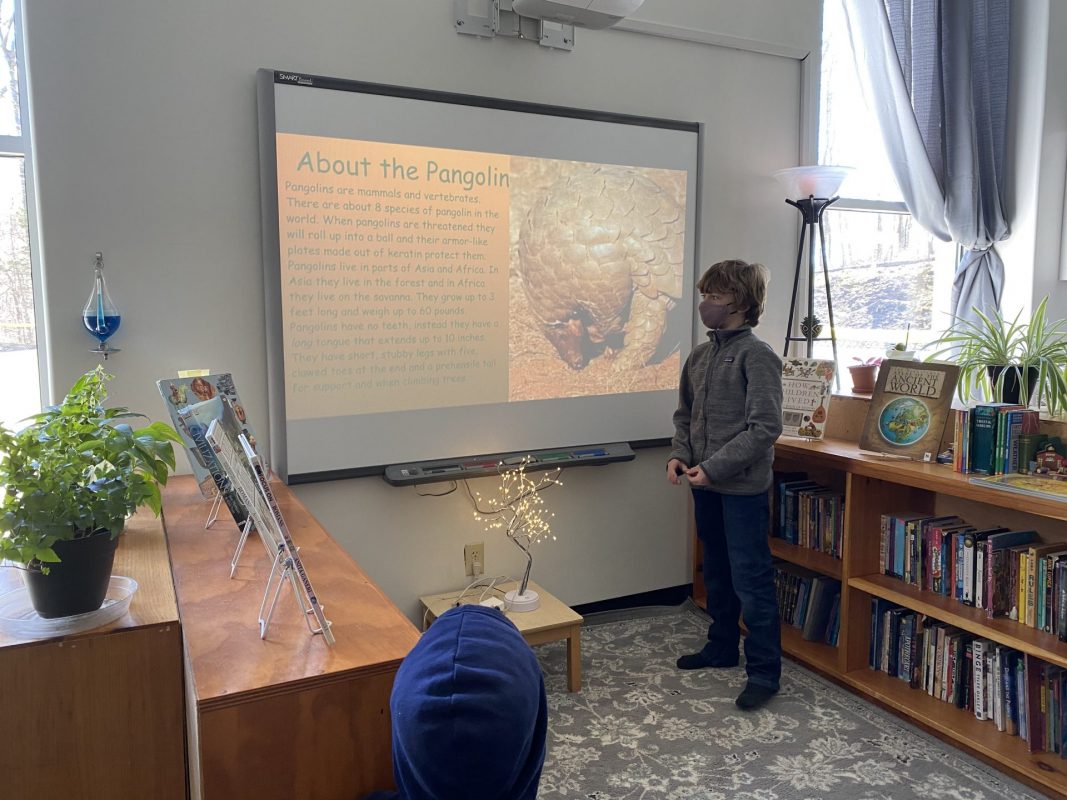
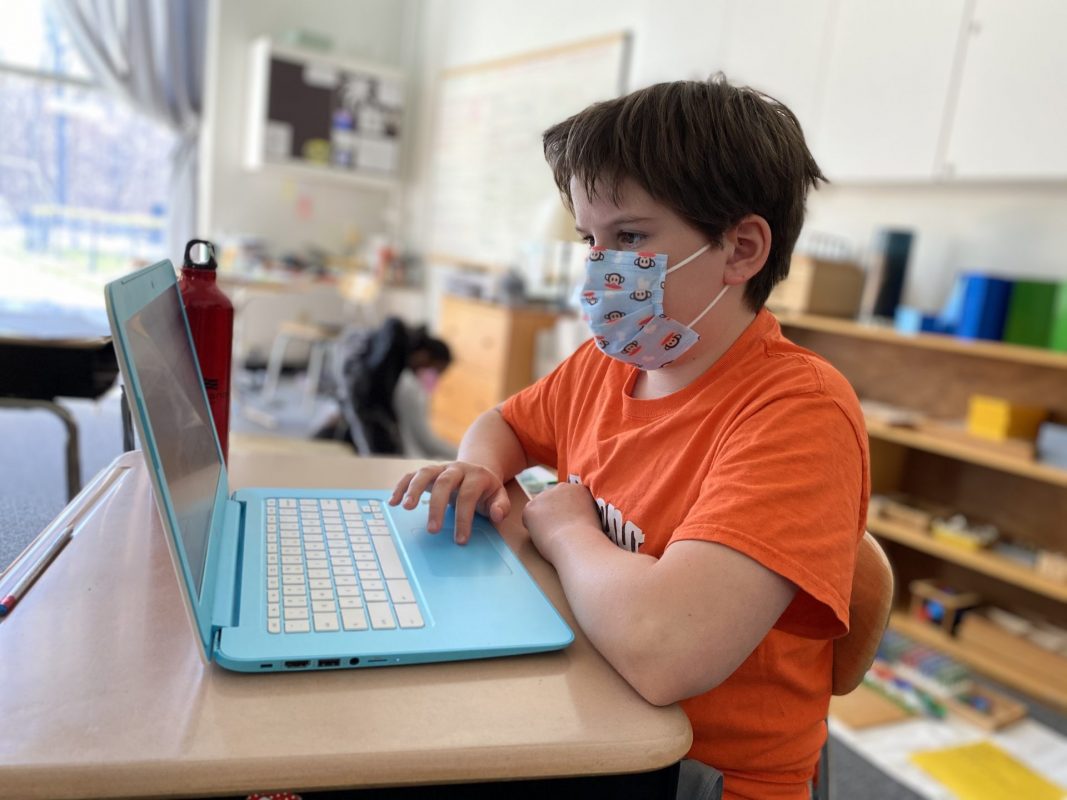
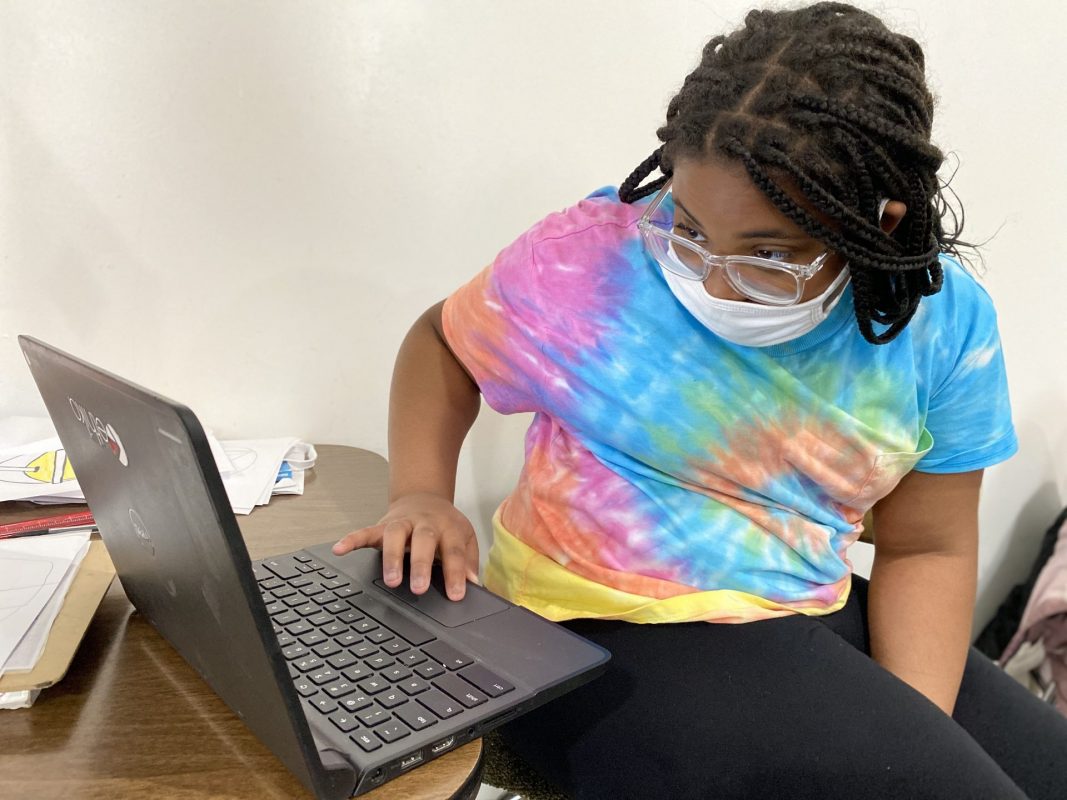
During geometry this week, we focused on some follow up work from last week’s lessons. Fourths applied the formula for finding the area of a rectangle and fifths drew and labeled parts of a polygon and parts of a circle. In our biology lesson this week we learned that there are three different ways plants can reproduce: asexual, sexual, and vegetative reproduction or propagation. We focused on vegetative reproduction during this lesson. Some different ways plants propagate are through bulbs, corms, rhizomes, tubers, and runners or stolons. We have lots of independent and cooperative research going on in class right now! We enjoyed the presentations on pangolins and bottlenose dolphins this week. We also wrapped up many written assignments this week in math, grammar, comprehension, and vocabulary and gathered in small groups to discuss them at the end of the week. In Literature Circle, each group will finish their book over the next few days and we will discuss the endings in our meeting on Wednesday. There are no new role assignments this week.

Last week I sent home book orders with those who wanted them. I will be placing the order on Friday, April 16th for any who are interested. If you would prefer to shop online, the link to our class page is here.

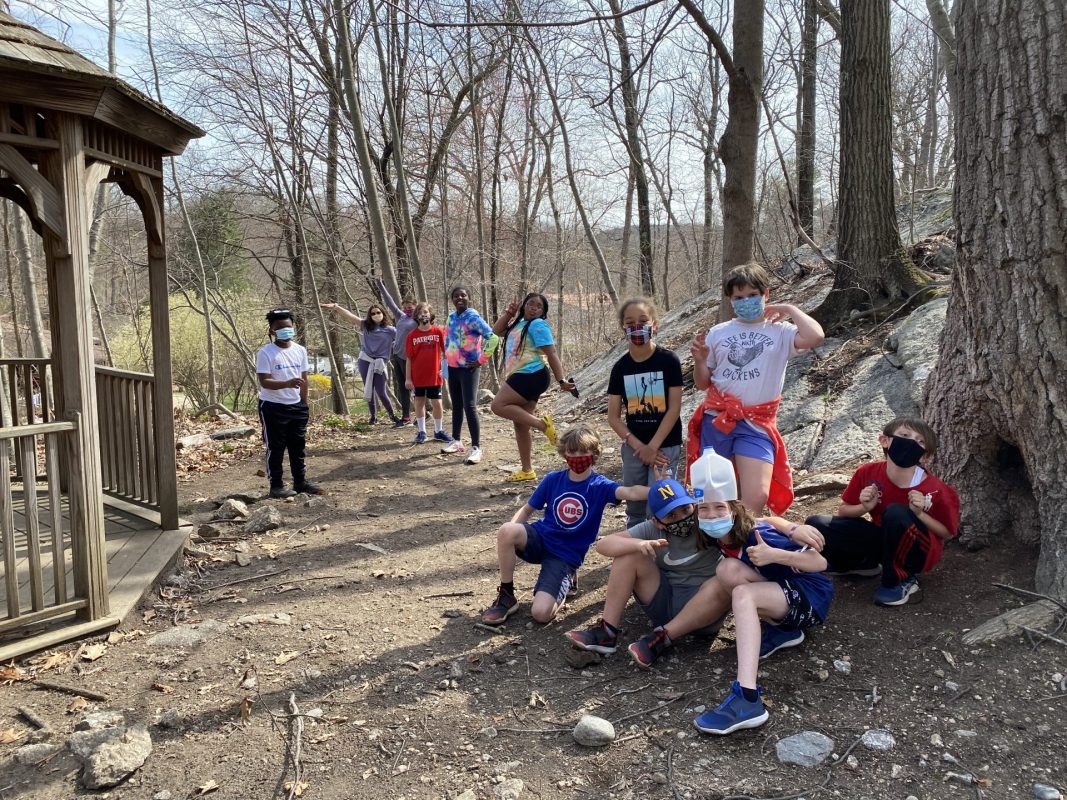
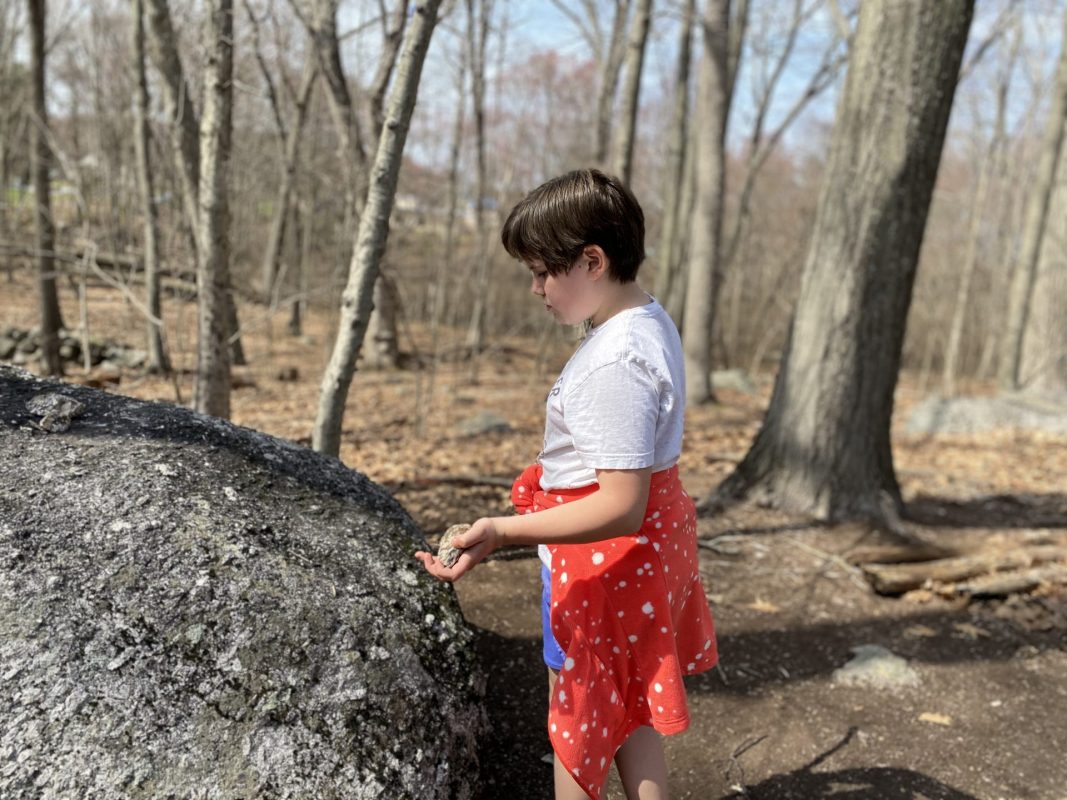
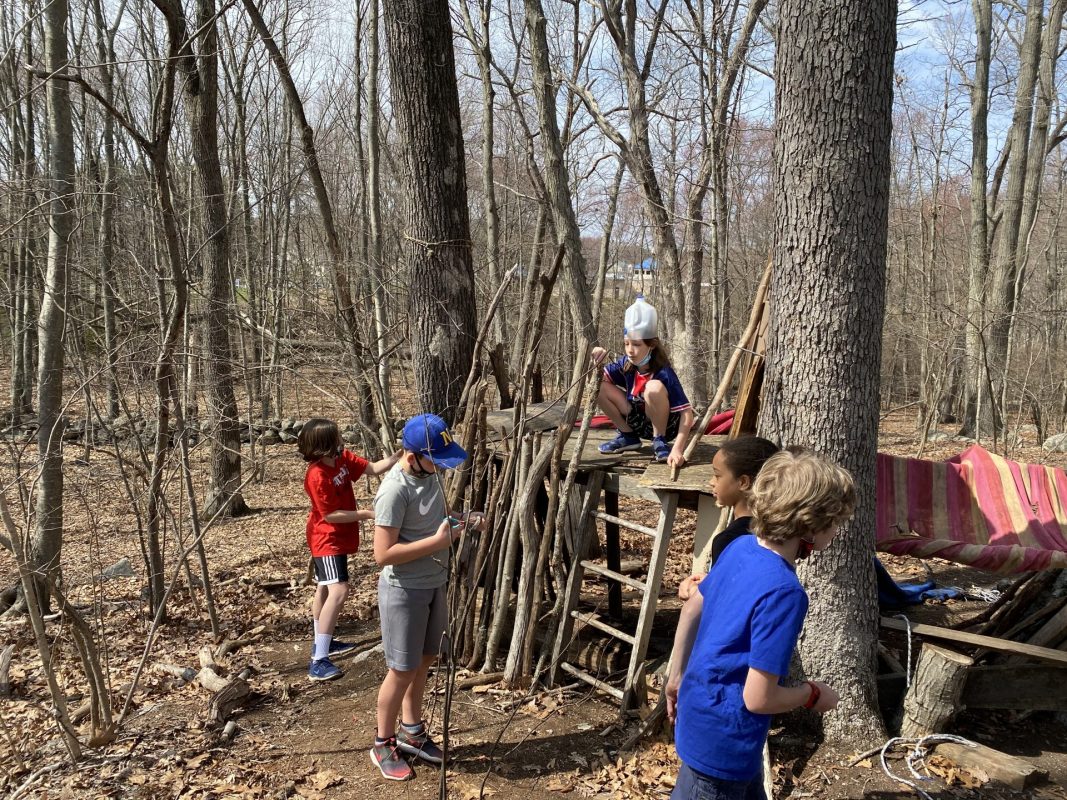
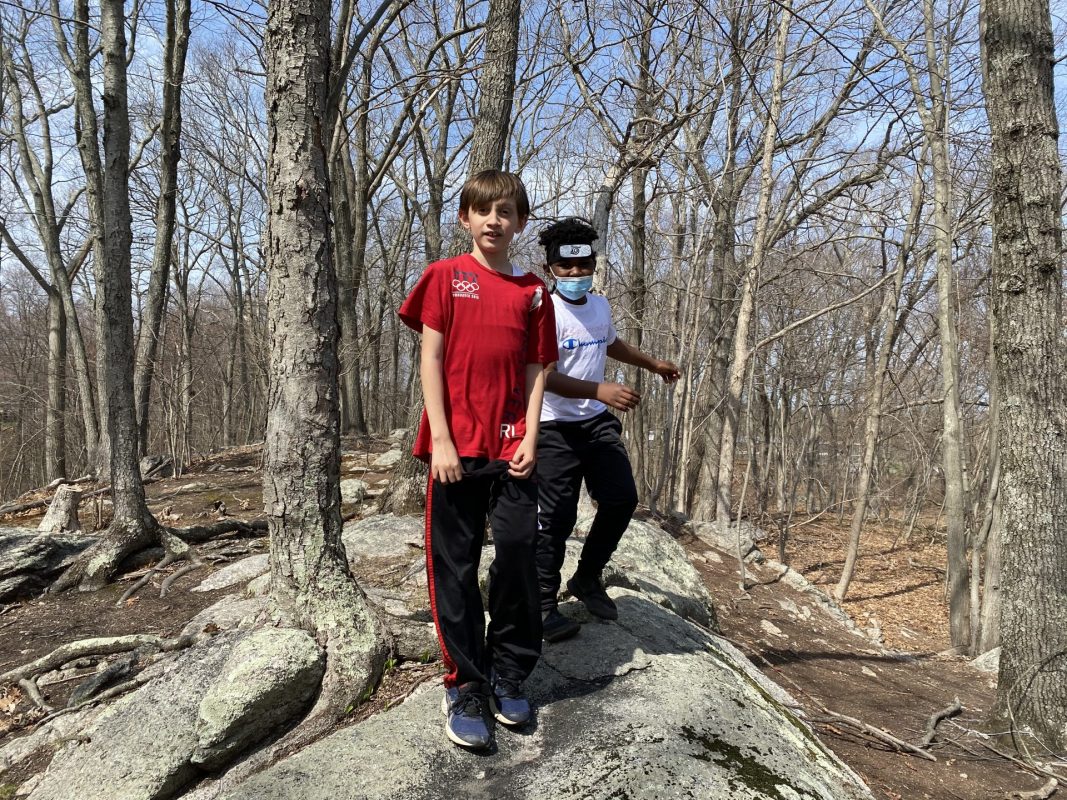
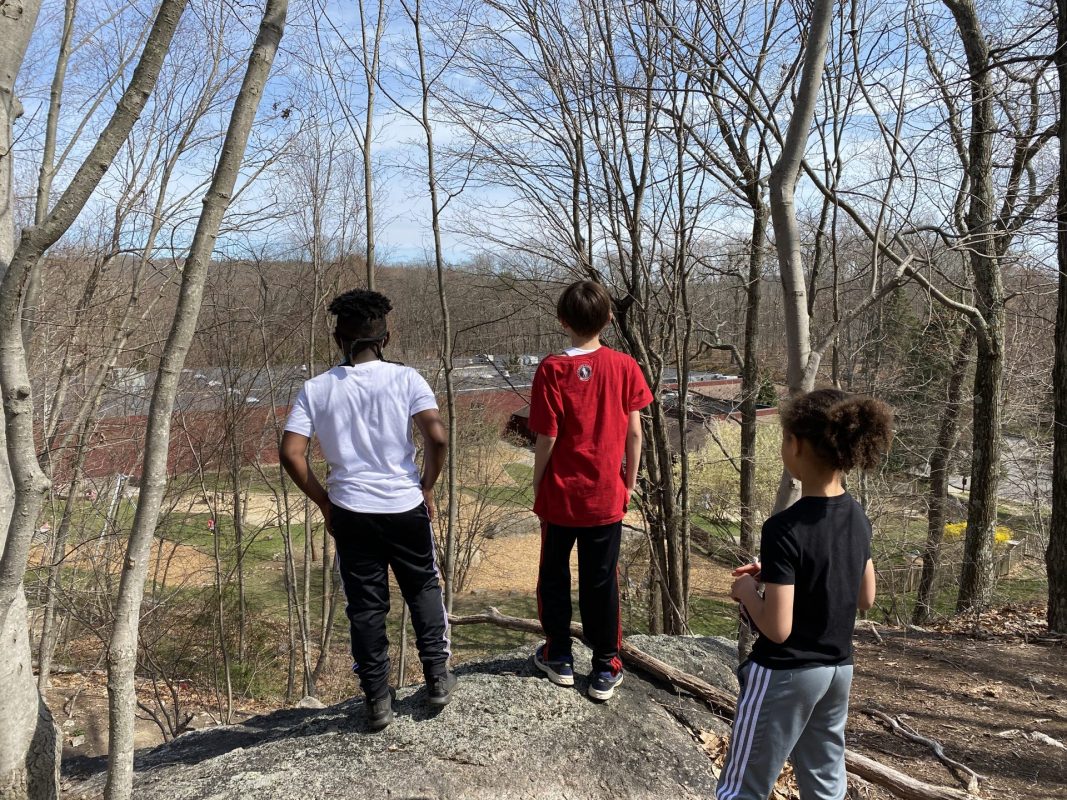
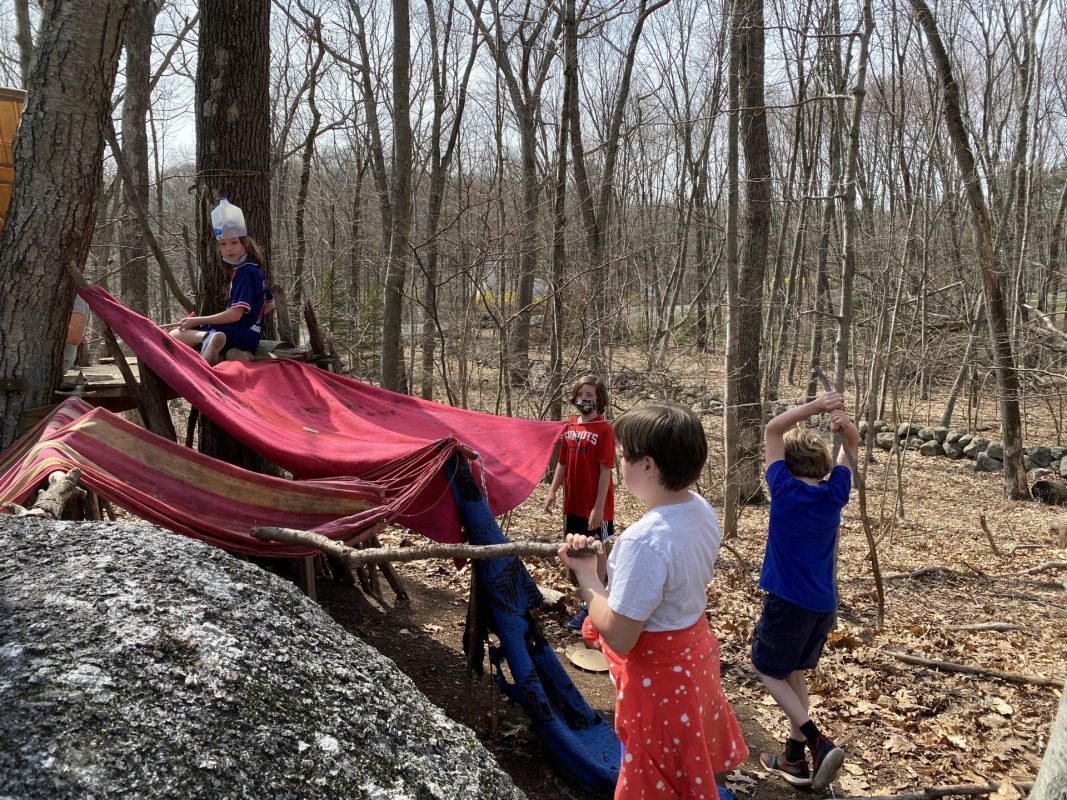
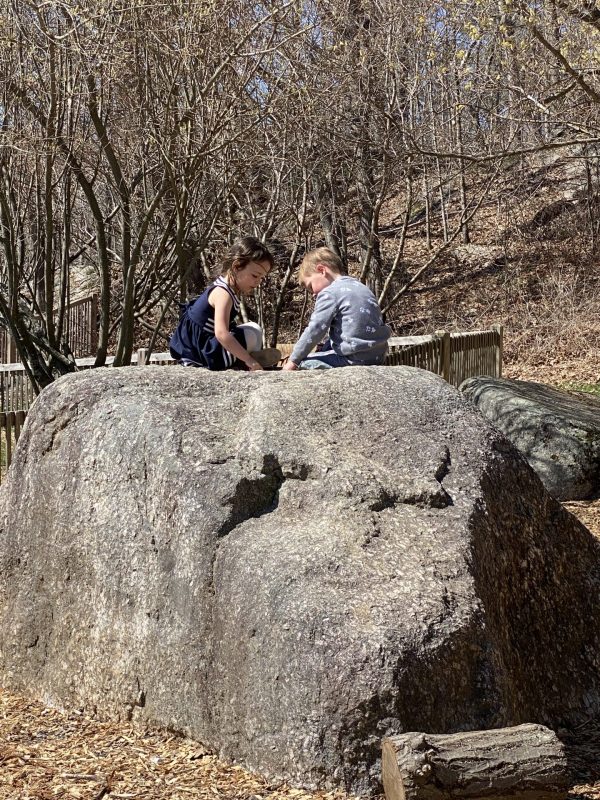
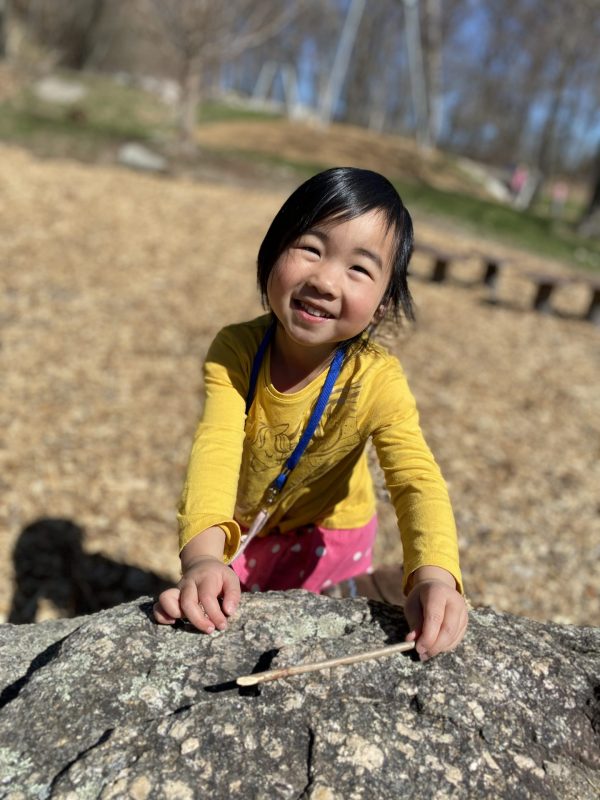
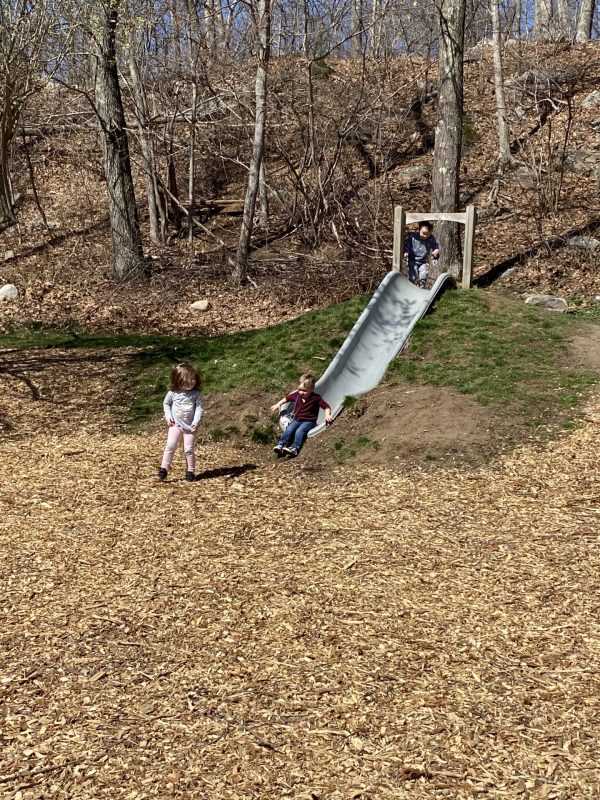
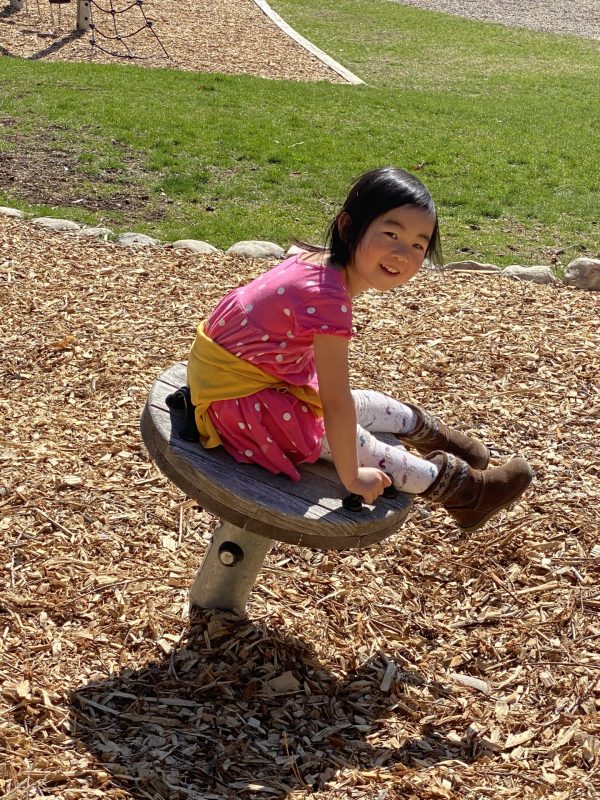
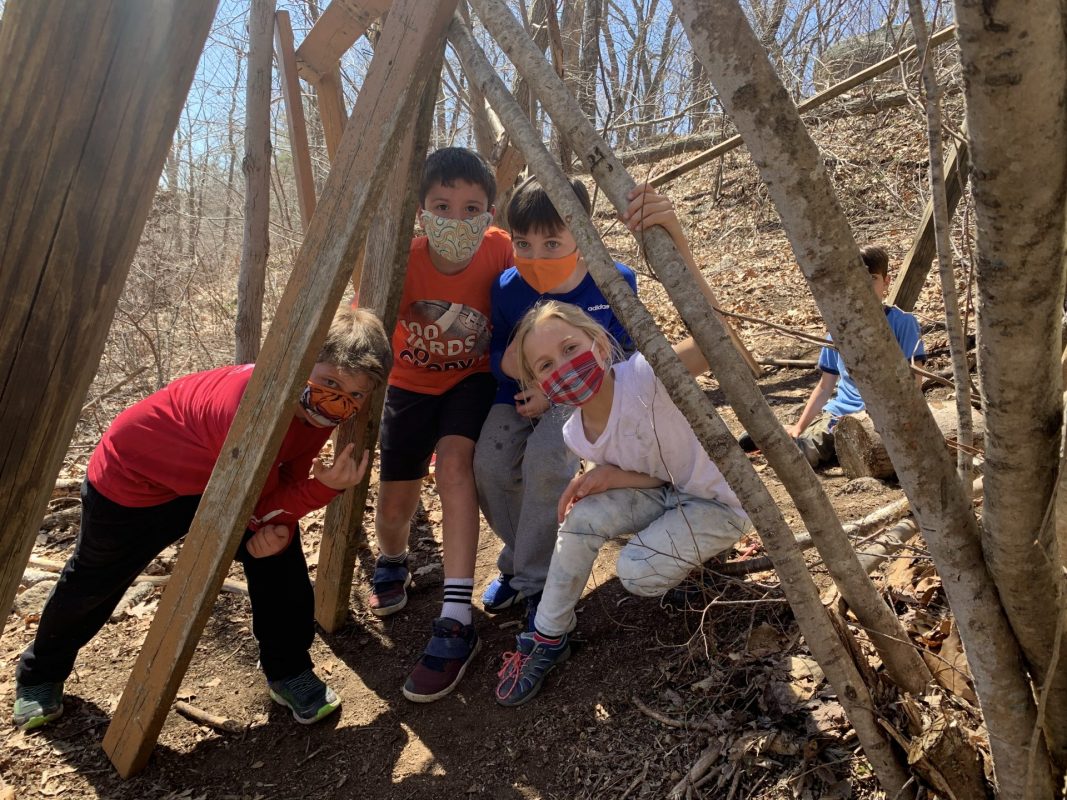
We spend as much time outside as possible and are going to be visiting the outdoor classroom regularly. If you would like your child to use bug spray before going in the woods, please send some in (if you haven’t already done so) with their name on the bottle. We will store it at school and apply it before hitting the trails!


Mrs. Lopes’s Class: Exploring Insects!

“A child, more than anyone else, is a spontaneous observer of nature.” – Maria Montessori

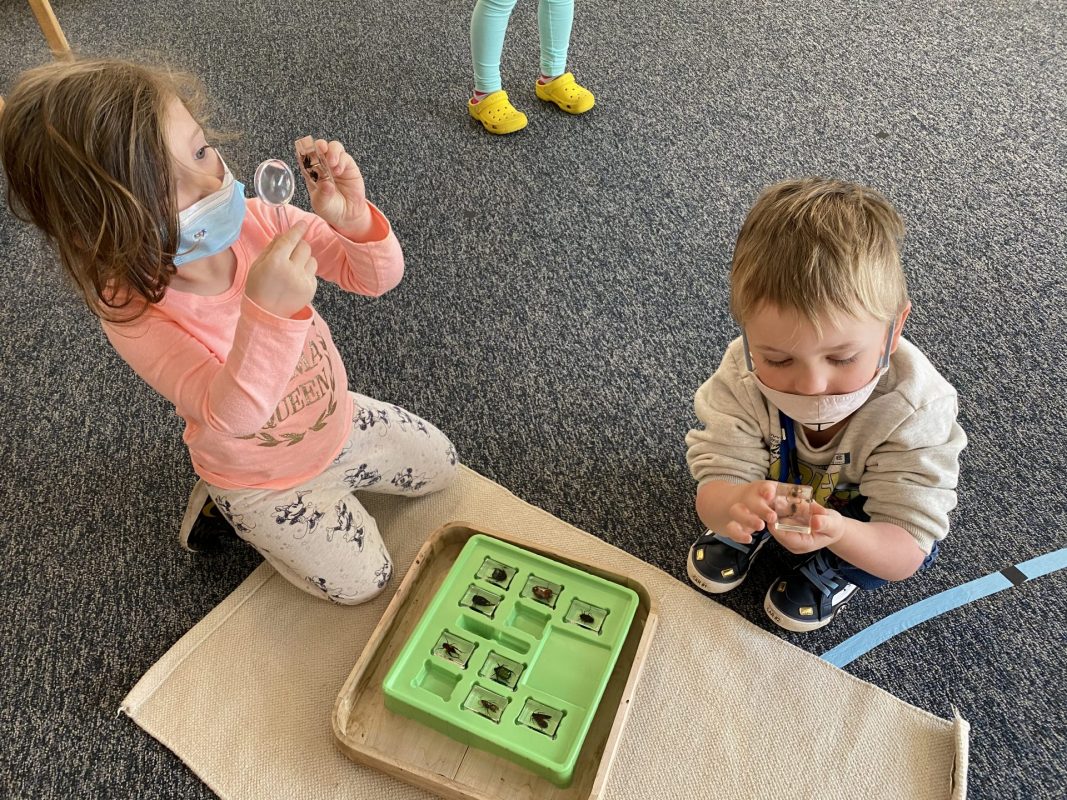
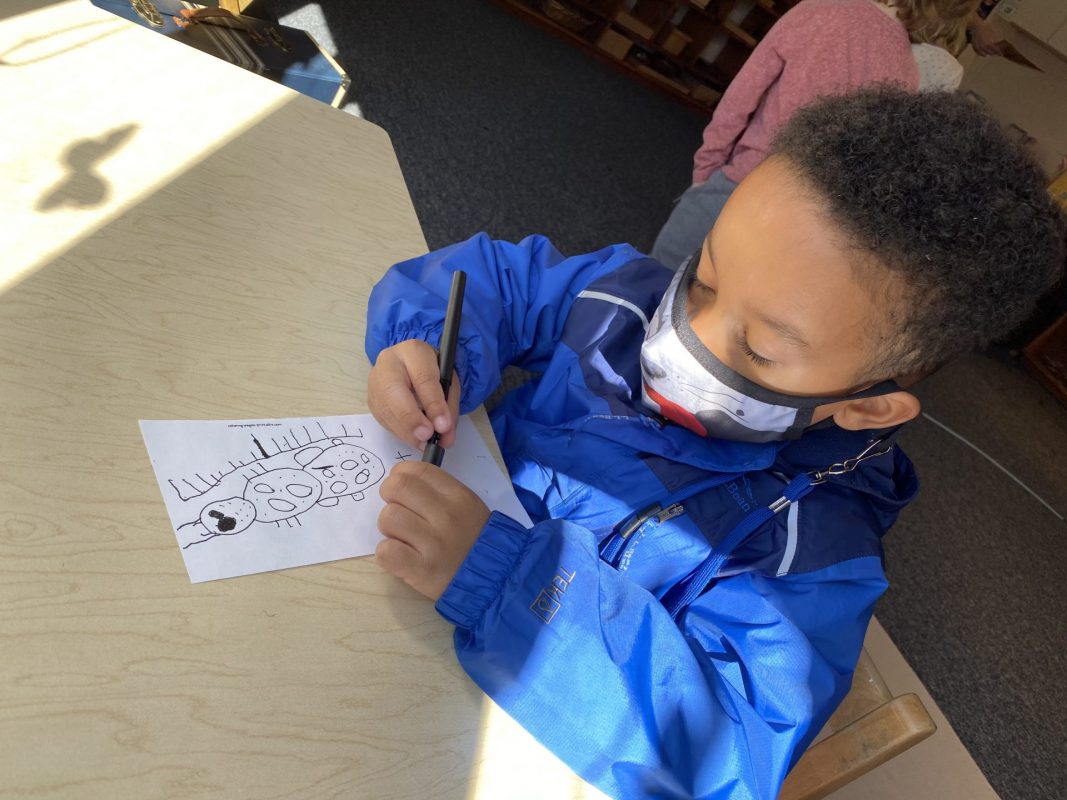
Flowers aren’t the only ones that come out of hiding during spring. After the cold of winter you’ll notice more insects start making their appearance. Curiosity towards these six legged friends hits a high note in April, and we take the cue to “follow the child” and their deep affection for insects. Over the next several weeks we will continue to support your children’s curiosity, exploration, and understanding of insects through hands-on activities, songs, lessons, and outdoor exploration. The intent is to encourage their interest in the diversity, beauty, and joy of nature.

Is a spider an insect? What are the 3 parts of an insect?  The children know, ask them.

Kindergarten parents please look out for a letter in this week’s Friday folders regarding a field trip we will be taking in May.

Have a warm and wonderful week!

Amanda & Sharlene


Science & Geometry

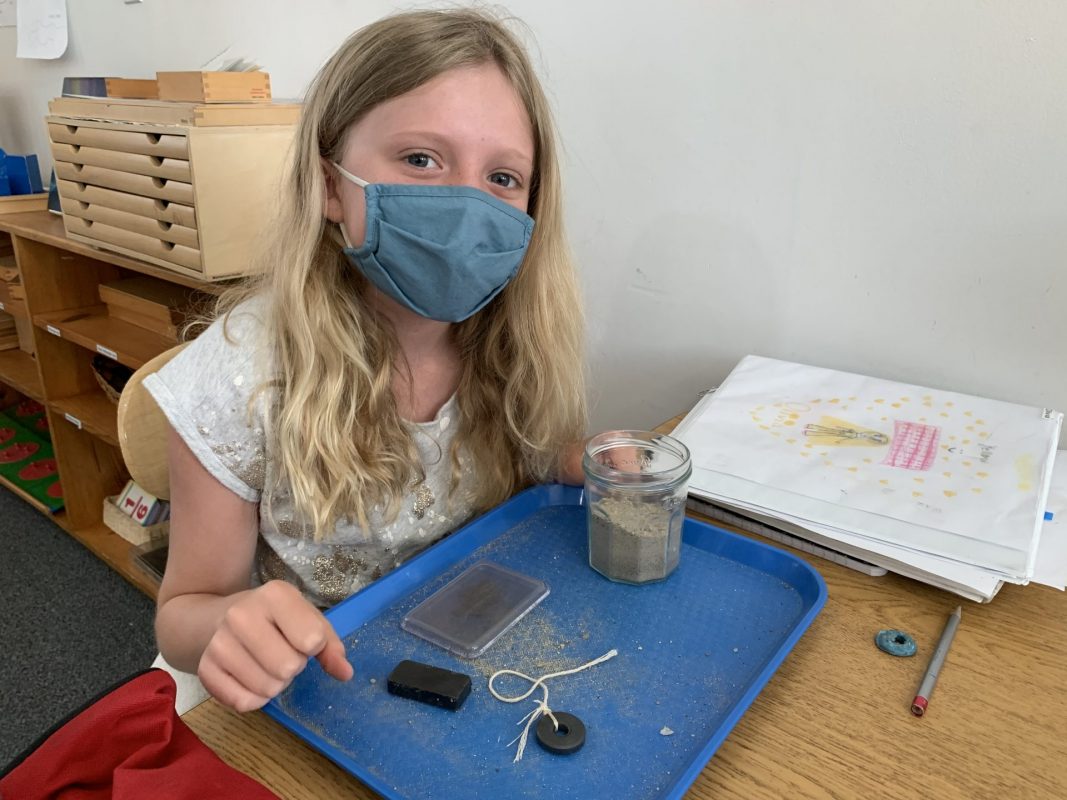
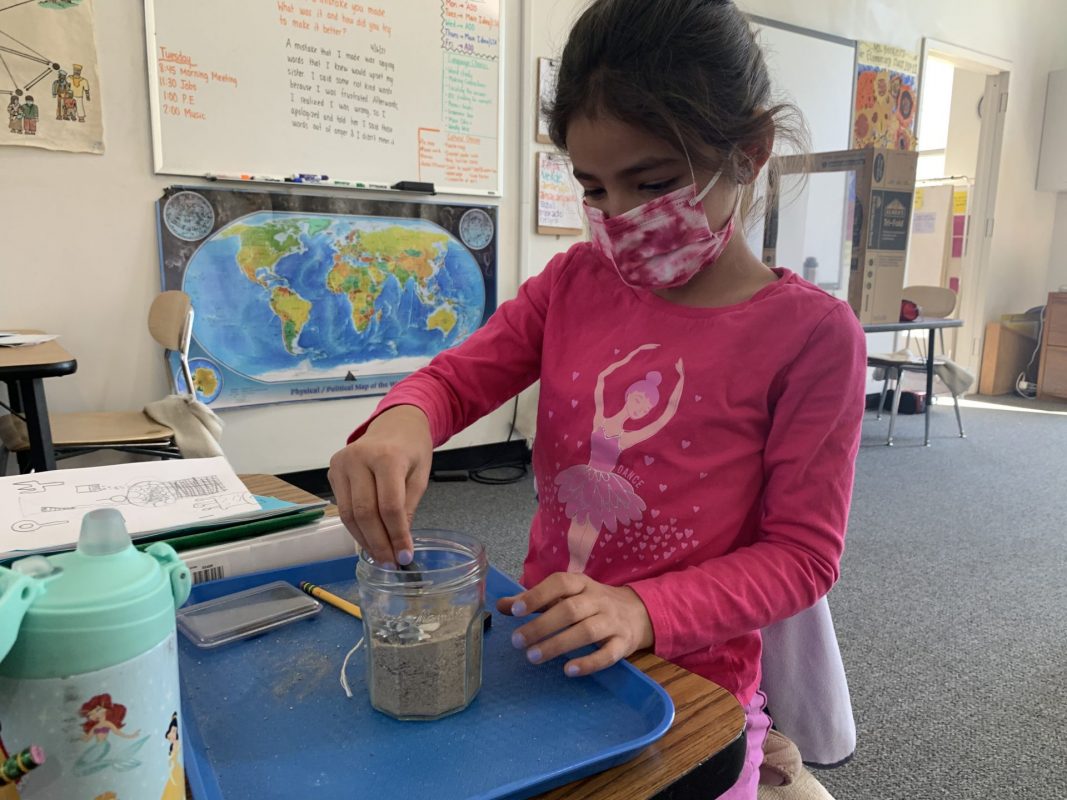
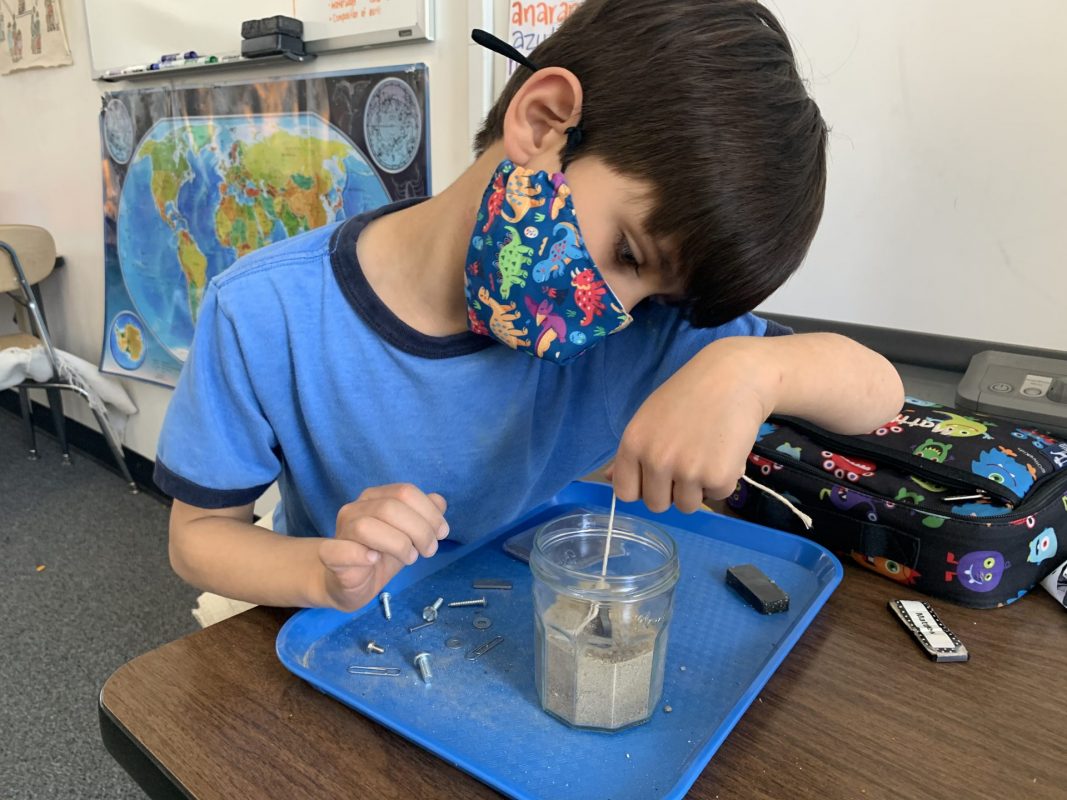
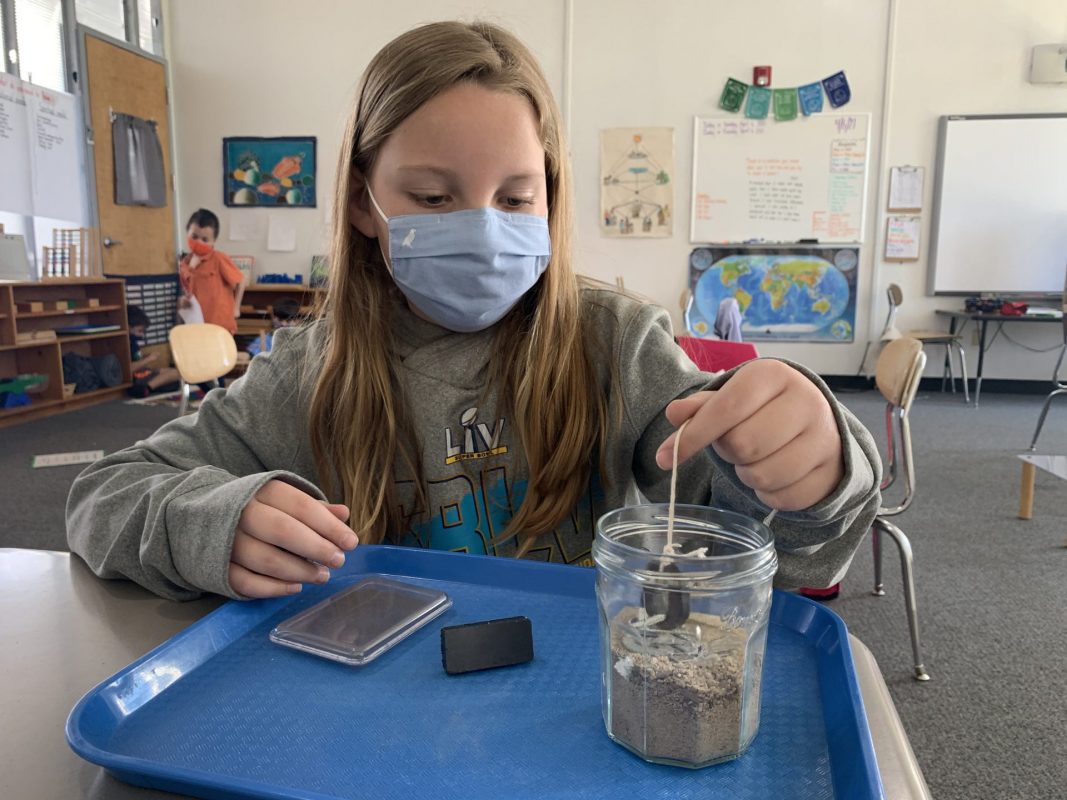
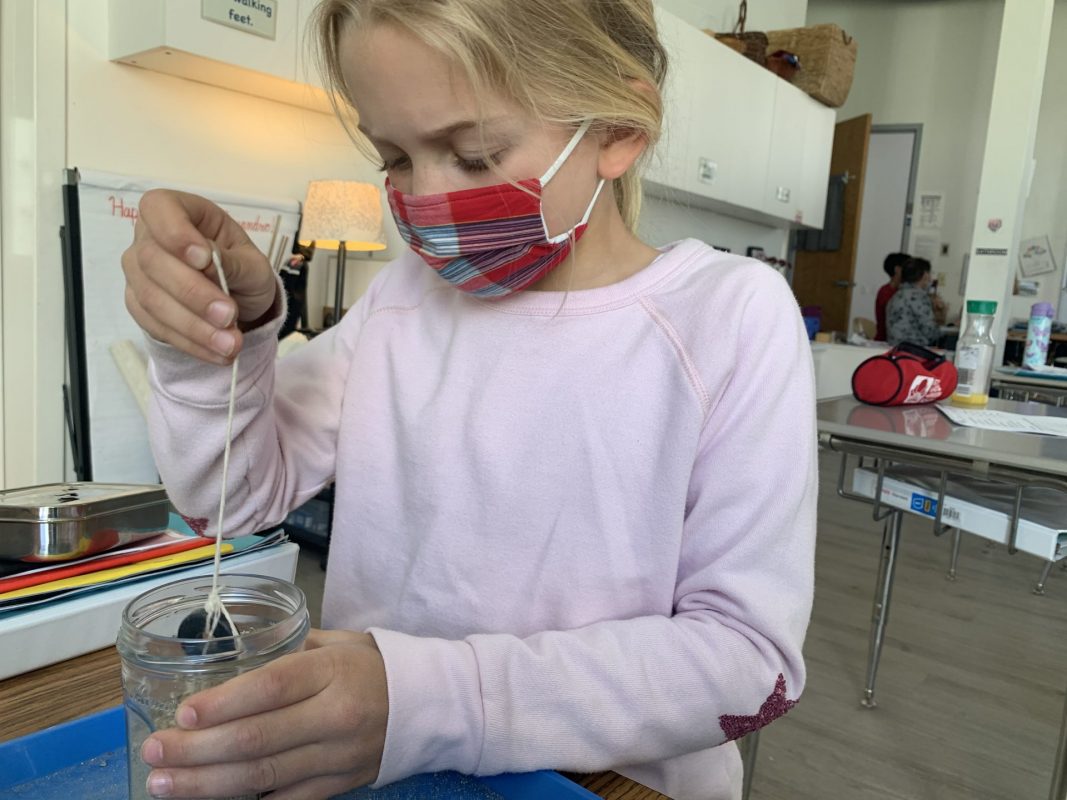
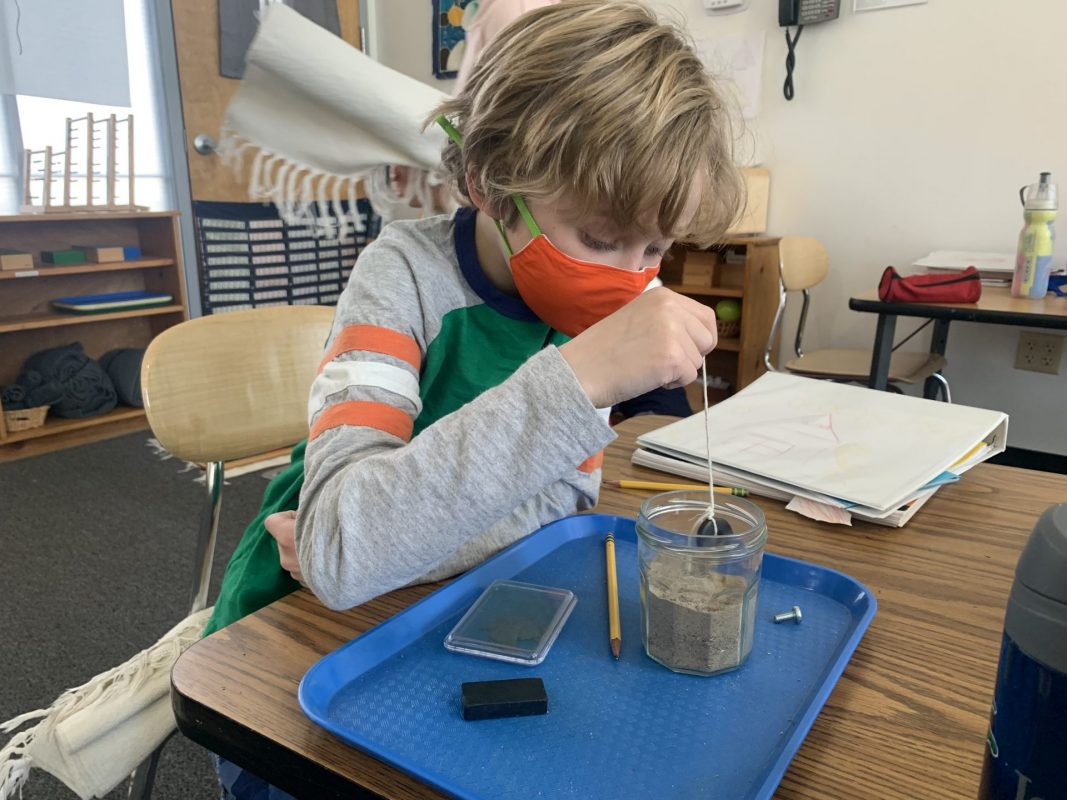
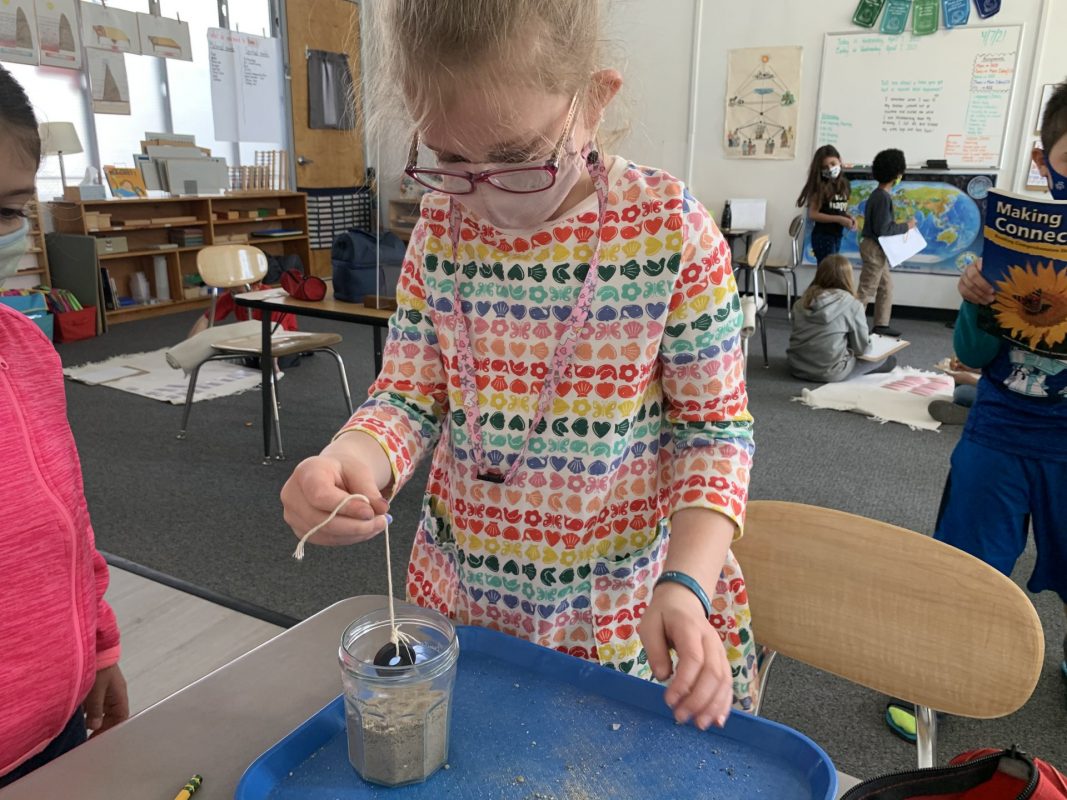
We were fully immersed this week in magnetism. The children enjoyed being scientists and exploring how iron filings are attracted to magnets. They also had a blast “fishing” for metal and steel objects in a bowl filled with sand. They learned that magnets are used in every day life- to separate metal accidentally mixed in with food and for recycling. Also, they are used by doctors to remove metal splinters from eyes without even touching the eye!

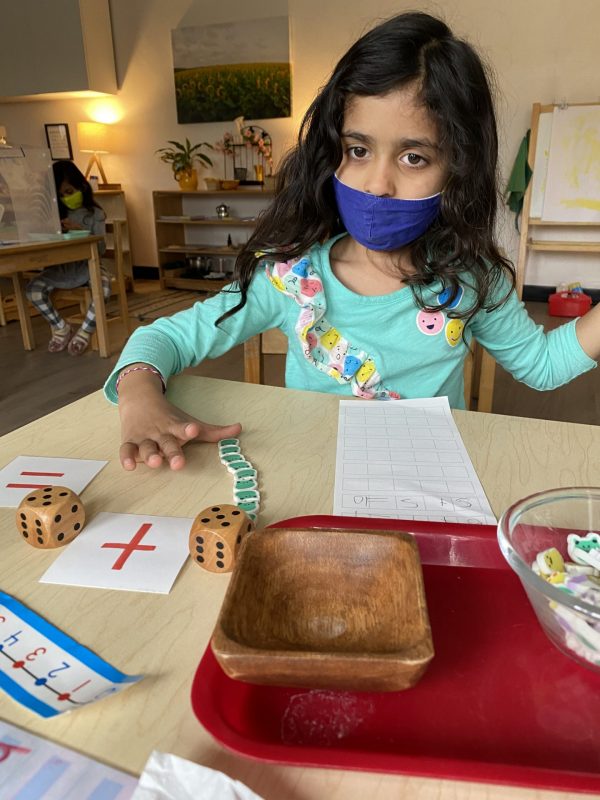
In addition to our science unit, the children are getting back into the swing of things in their geometry work. The third years are loving using the box of sticks to make and identify parts of a polygon. The second years are continuing their complex work with the Montessori protractor, measuring the angles of different types of triangles. The first years are enjoying learning the difference between lines, rays, and line segments. We’re keeping busy and motivated!