Blog

Peace Education in Montessori

FWM will again be featured in the NEWTOWMOMS.COM Blog-Around Town. Newtown Moms is a local website with a social media presence on Instagram and Facebook. We were featured in an interview on Nov. 8th – Learn About the Fraser Woods Difference. This time, Newtown Moms wanted the greater community to hear from some of our teachers as well as from me. Our Primary teachers, Mrs. Doyle and Mrs. Lopes and our Humanities teacher, Mrs. Lamb were also interviewed (virtually of course) for a February post focused on Peace.  

I thought I would share the interview with you. Also, please click here and listen to some of our students share what Peace means to them. 

Here is the interview:

I loved reading about the concept of the “Invisible Curriculum” and how Peace, Grace, & Courtesy all tie together. Can you describe the framework and share a few examples from your classrooms? How are the lessons adjusted by age?

Gina Tryforos shares what this looks like at Fraser Woods Montessori School

Cultivating Peace in the Classroom

“If we are to teach real peace in this world… we shall have to begin with the children.”

—Mahatma Gandhi

It is well known that Montessori education has been referred to as “peace education”. Even Gandhi praised Montessori’s approach to world peace.

How do we cultivate Peace in a Montessori classroom?

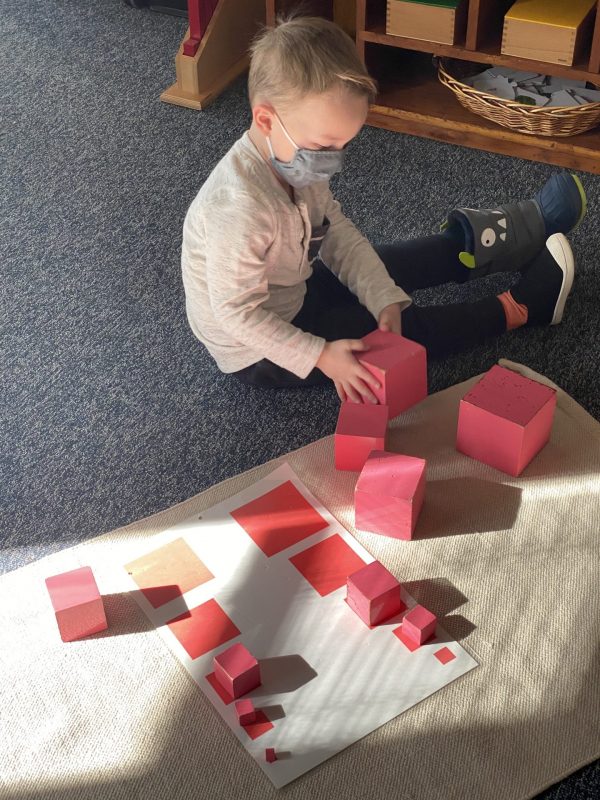
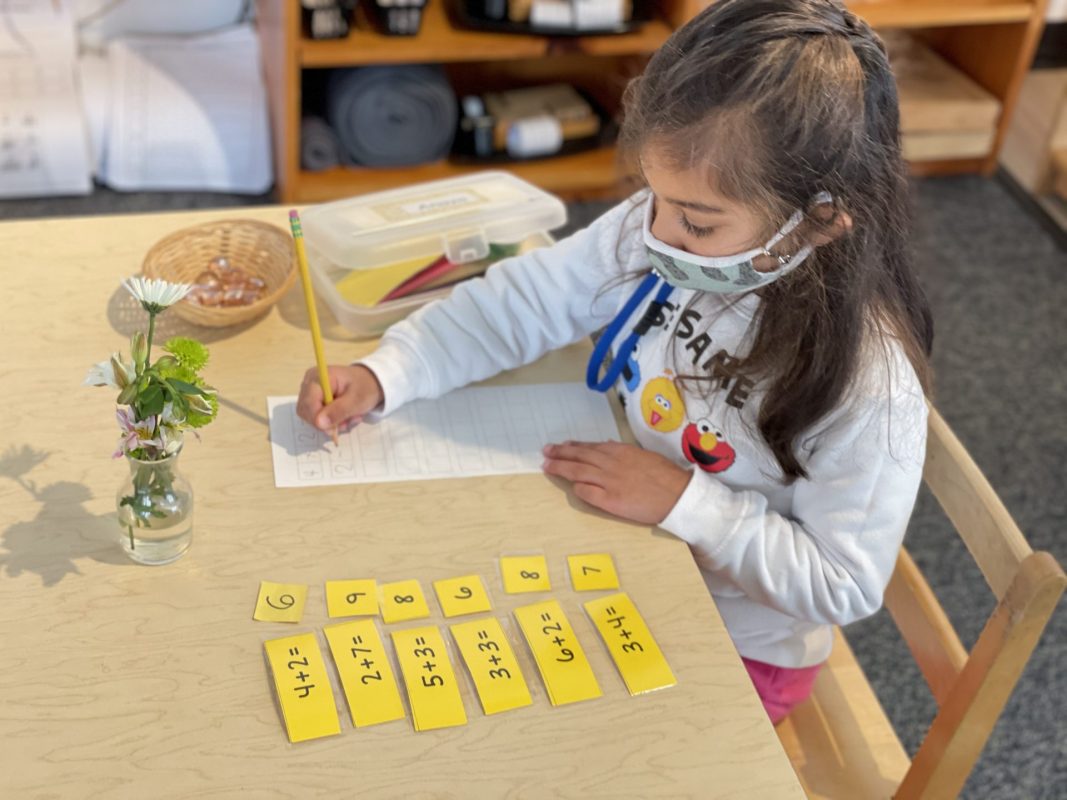
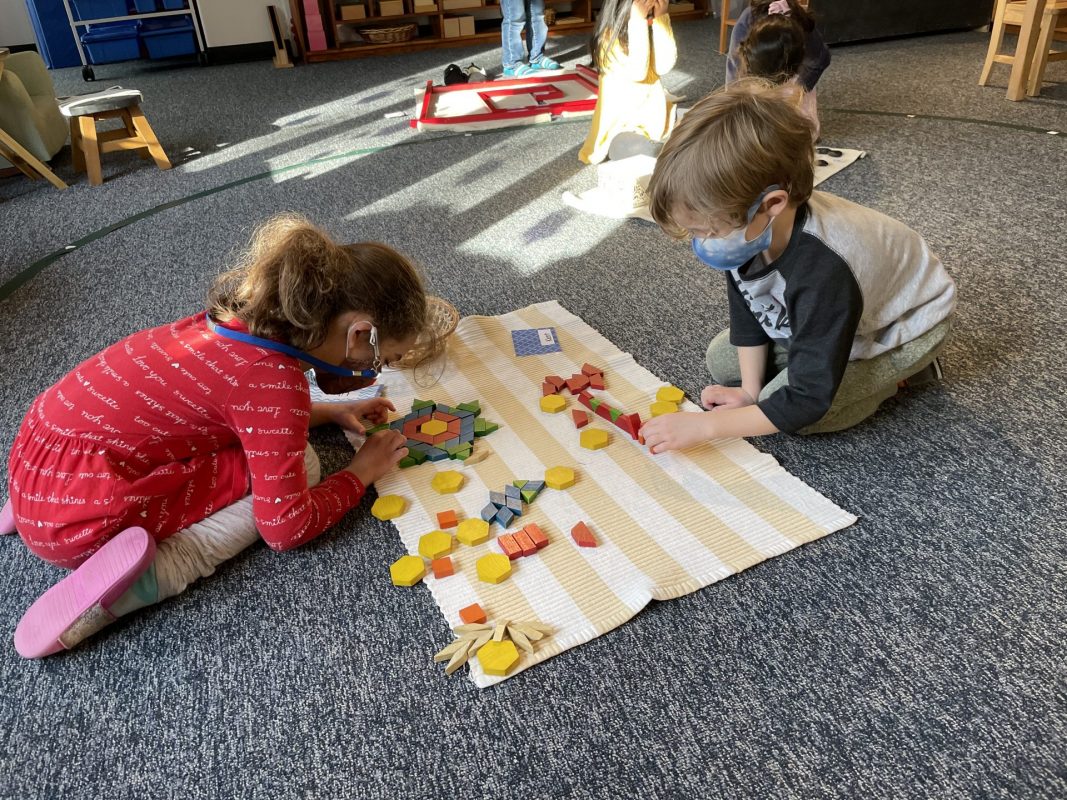
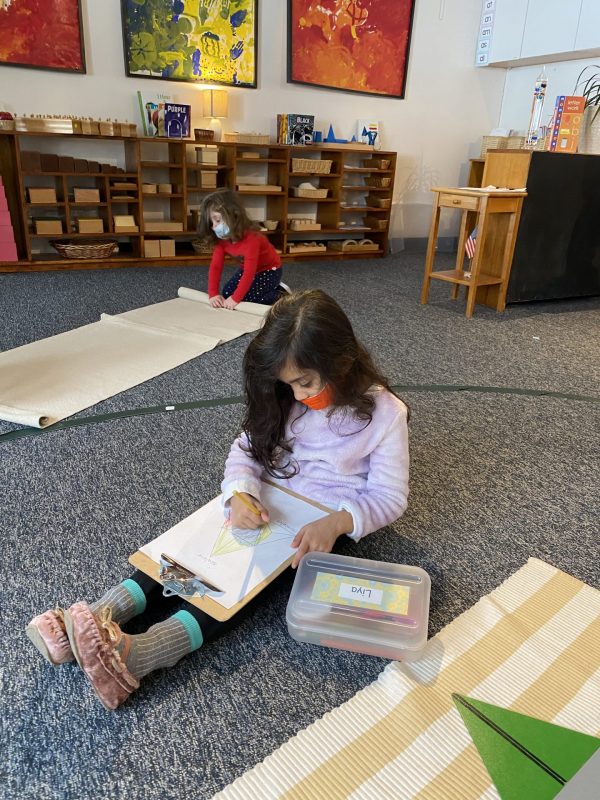
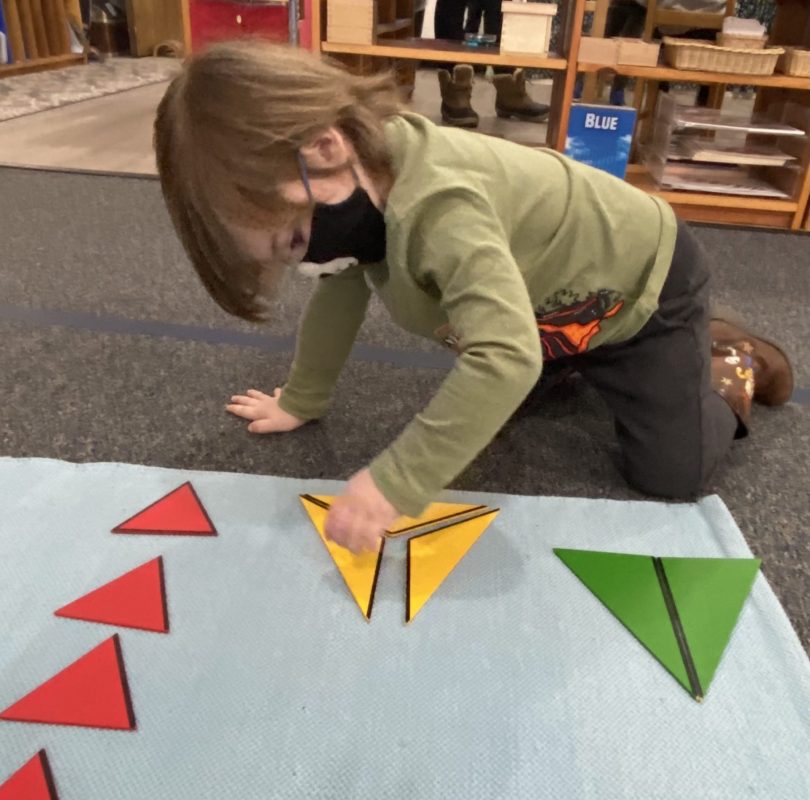
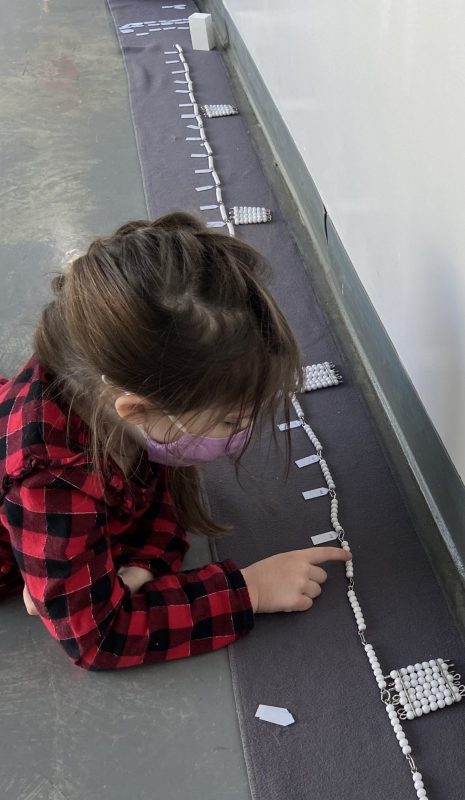
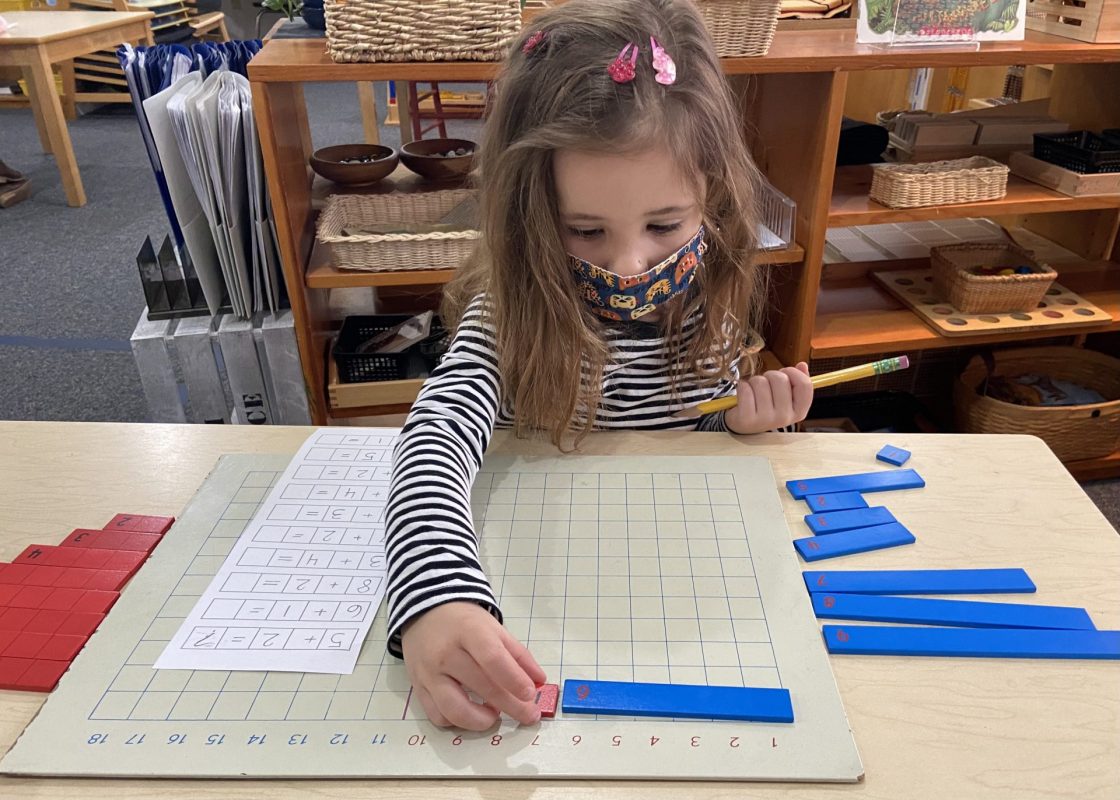
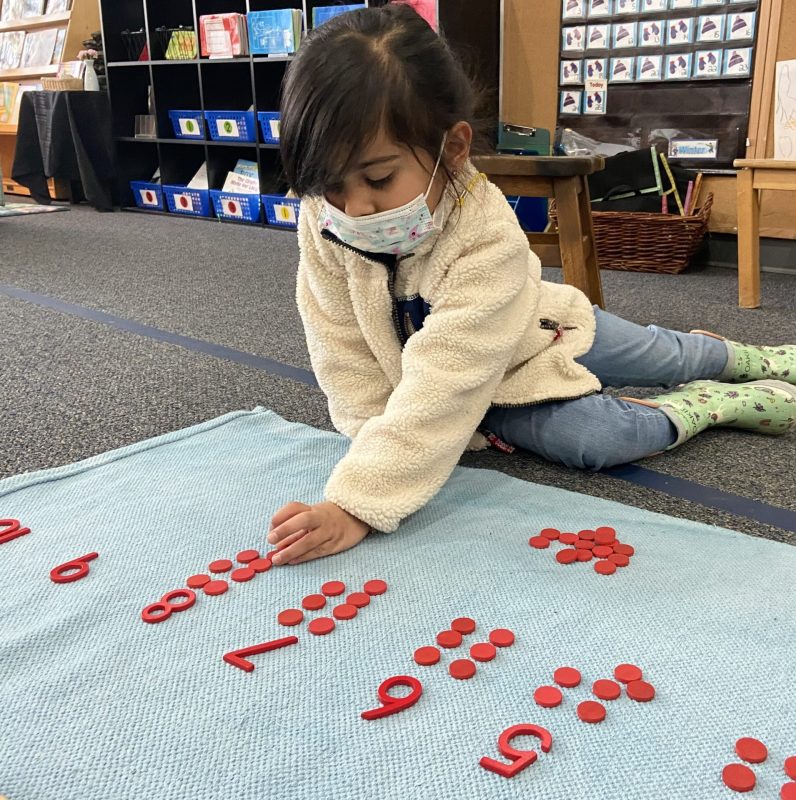
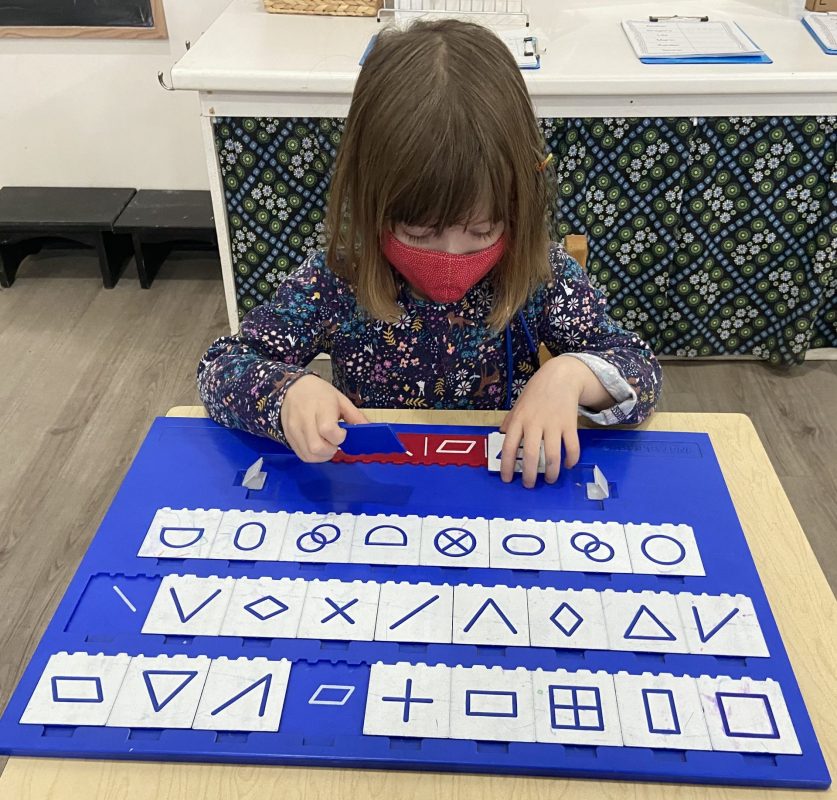
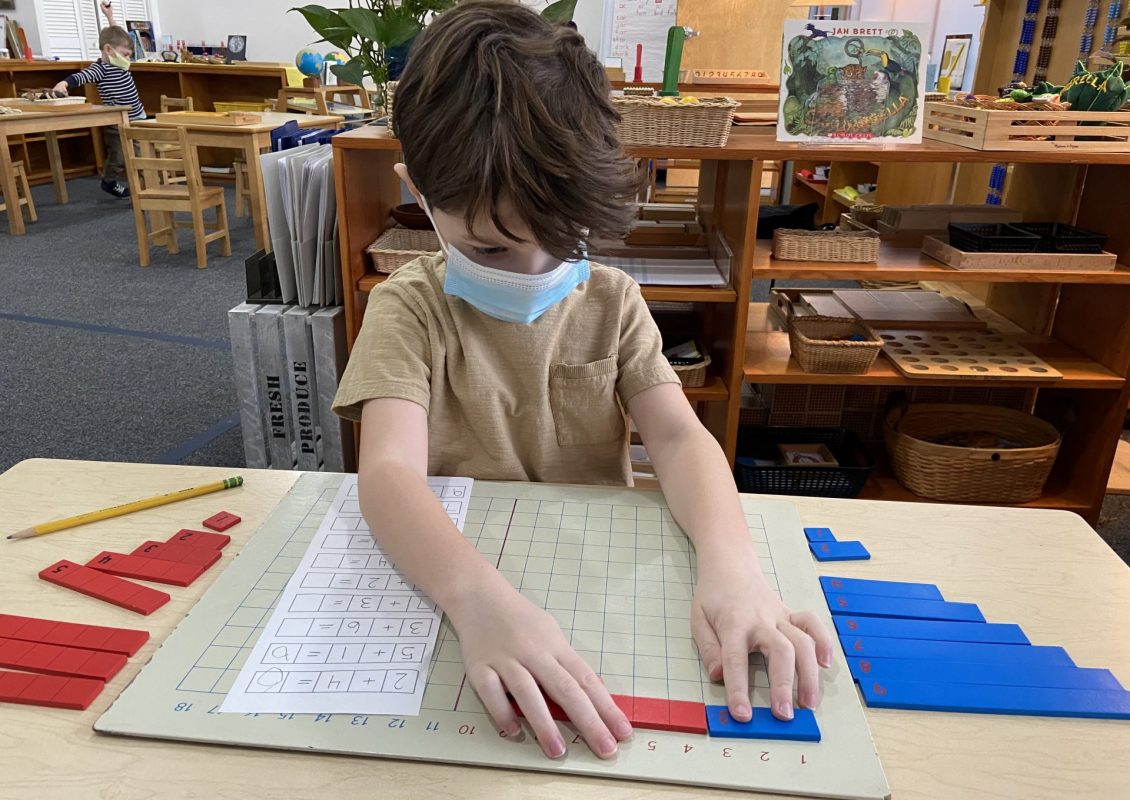
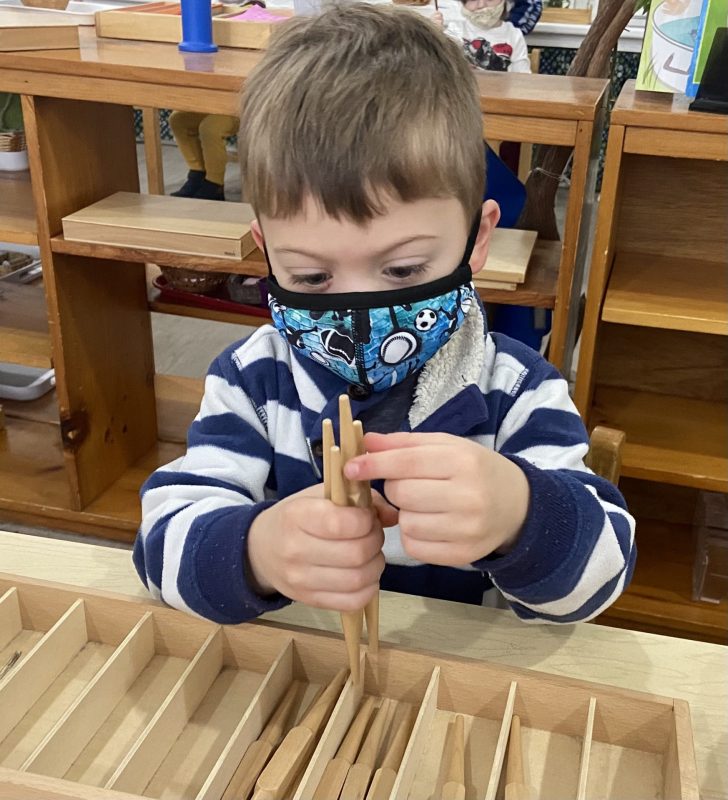
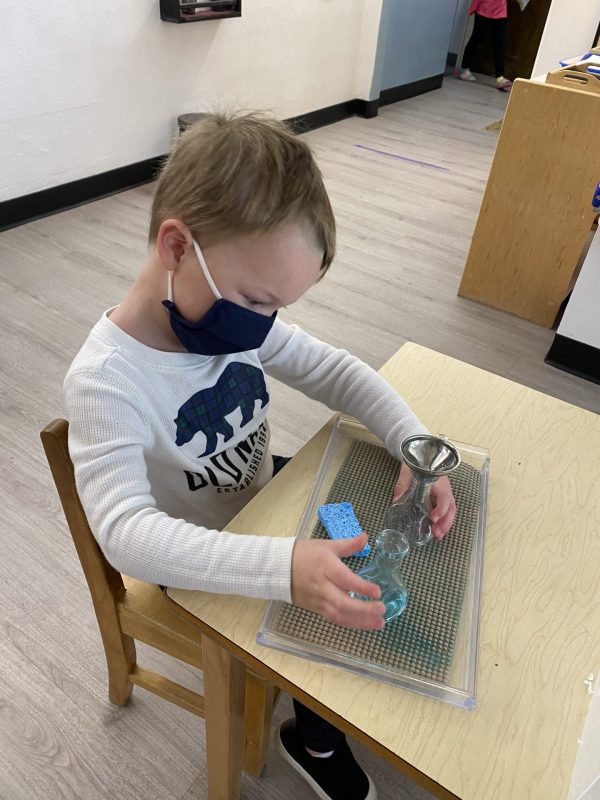
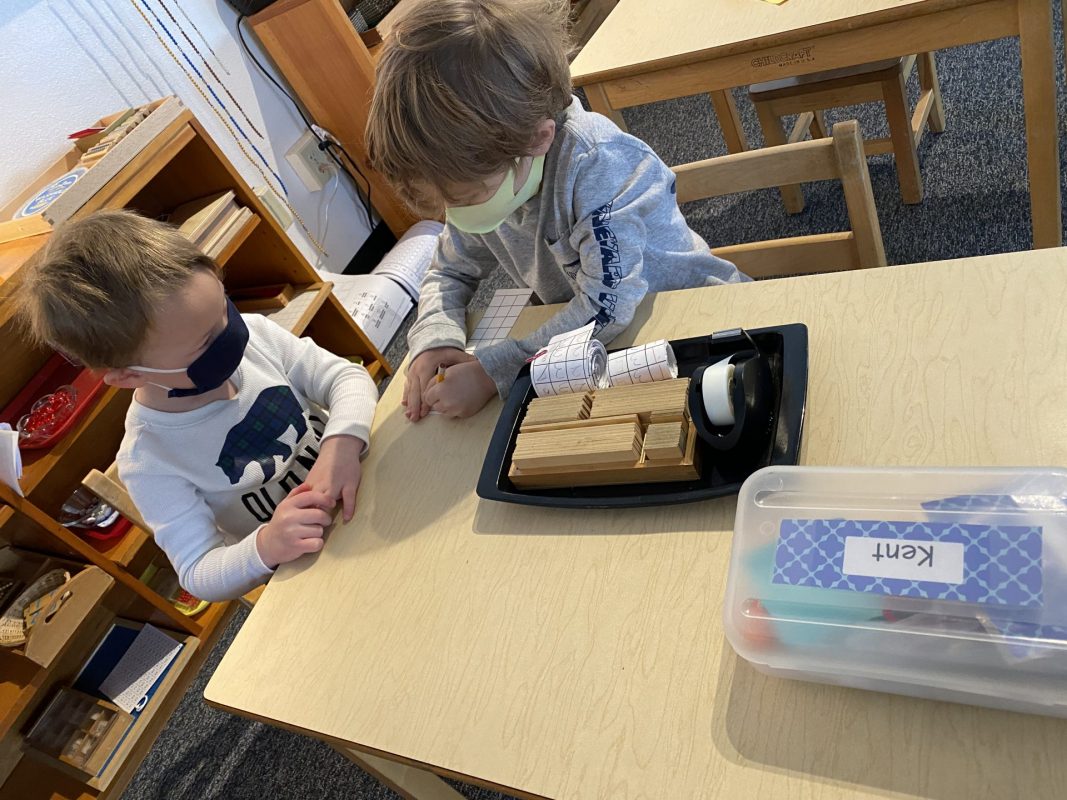
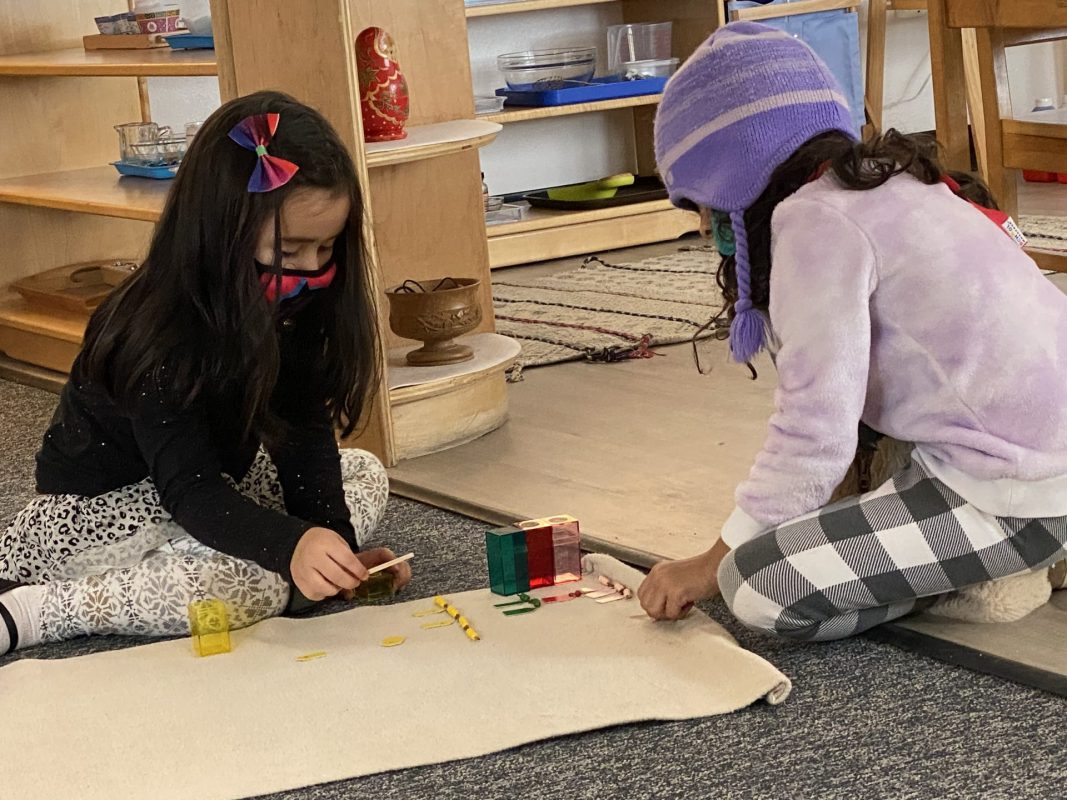
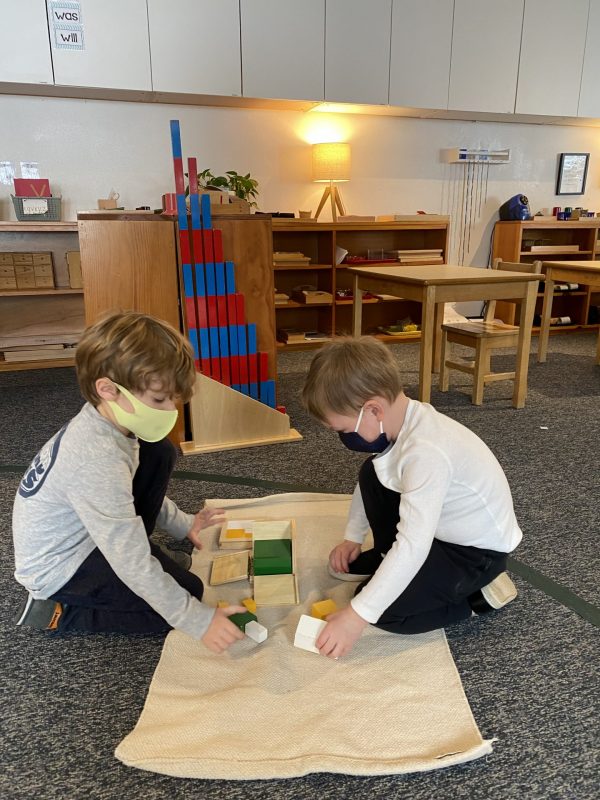
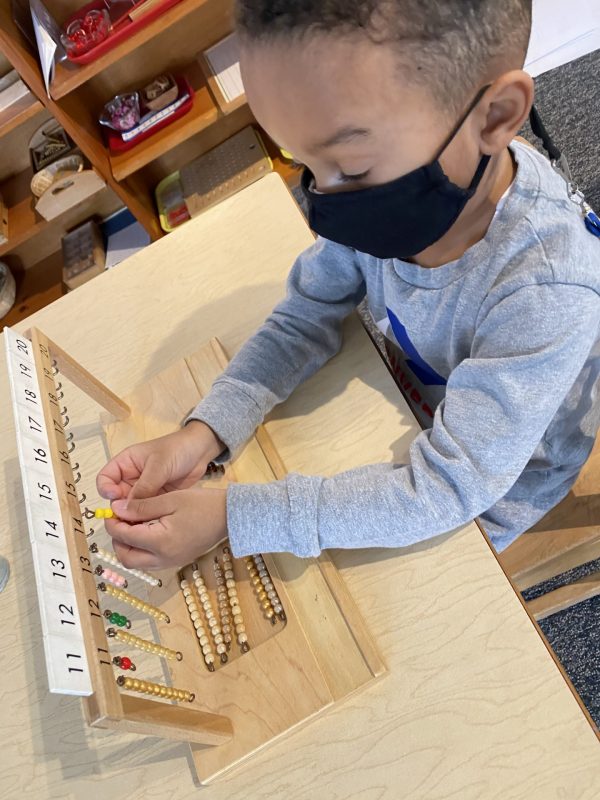
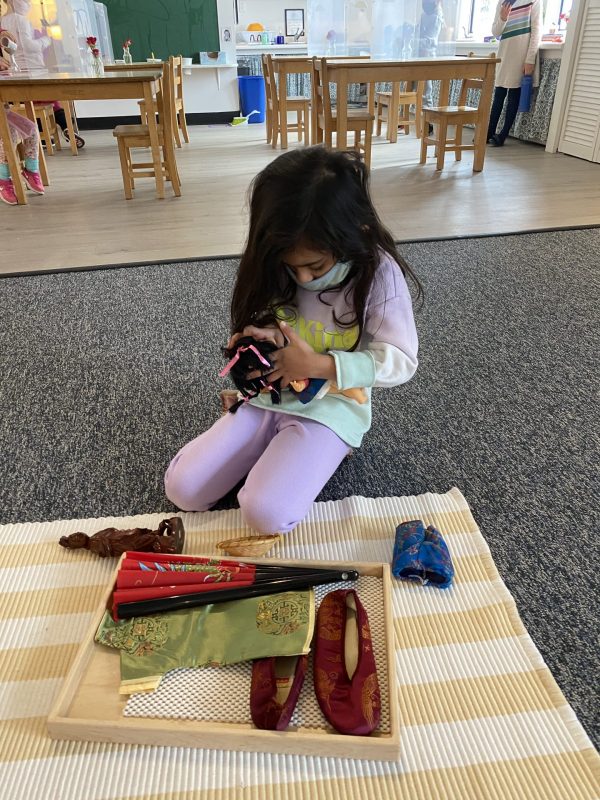
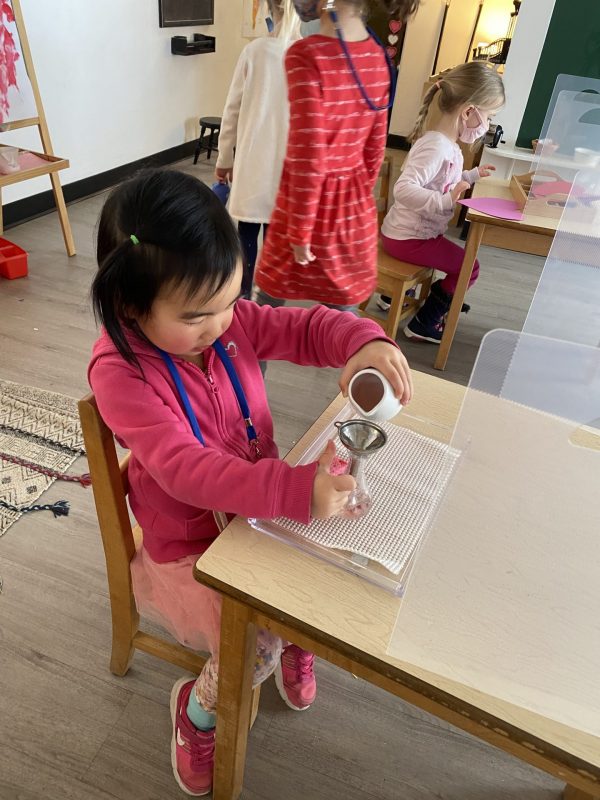
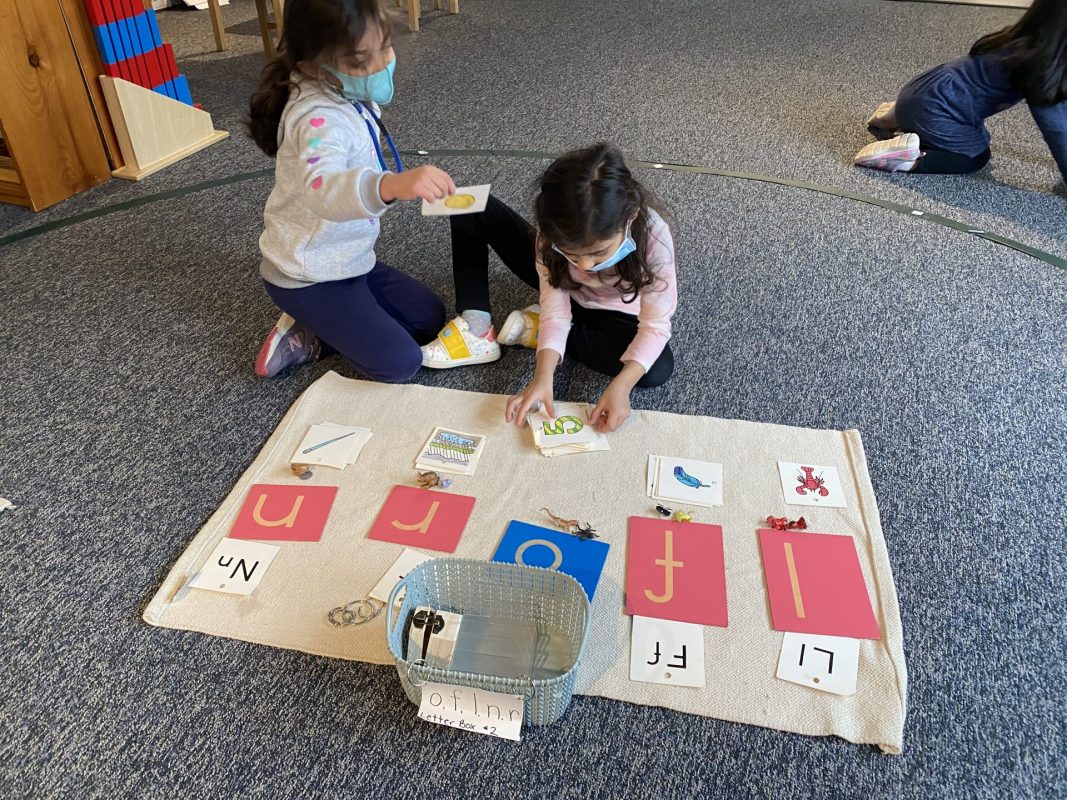
If you visit a Montessori classroom in action, you will see children who are joyful, relaxed, engaged, and happy as they move freely about the room, choose an activity or lesson, and work on it for as long as they like. The teacher (often referred to as a directress/director or guide) is there to facilitate student engagement with the lessons and activities. This is what Montessorians call “purposeful work” (as opposed to “busy work”).

The process of engaging in “purposeful work” evokes a sense of calm in children. Grace and Courtesy presentations contribute to the harmony in the room. The Grace and Courtesy framework allows us to teach in a proactive, rather than reactive, way.

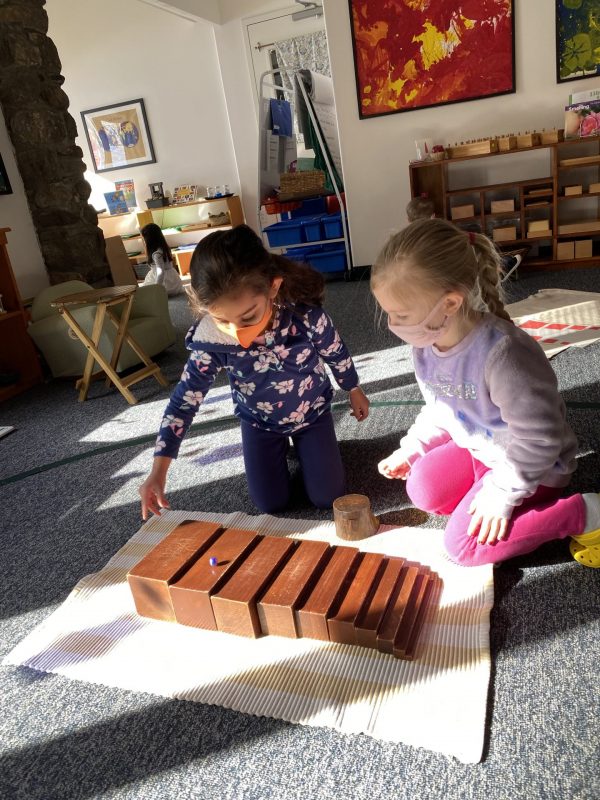
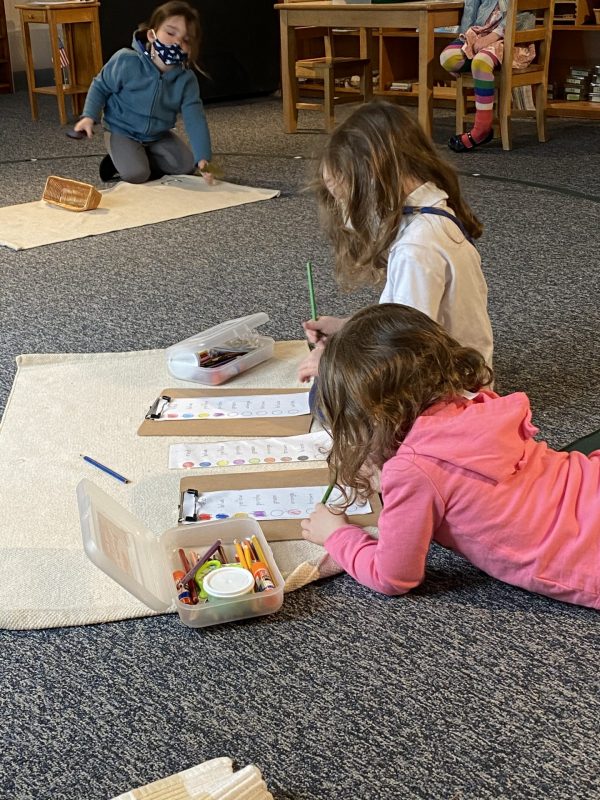
From an activity where the teacher models how to walk around someone’s work set up on the floor, to modeling how to ask for help from a teacher/friend, or how to agree to disagree, these teachable moments in grace and courtesy are presented sometimes with words and sometimes without words and give children tools to navigate their environment and social landscape. 

Other lessons are more social and provide a classroom management technique that is child-driven instead of teacher-driven. The central theme in all of our lessons is to empower the children to be responsible, self-aware, and independent. These activities are about respecting children’s needs and considering the whole classroom community as a collective unit.

Grace and Courtesy lessons are our framework for modeling peace. In Montessori, we view the classroom as a microcosm of the larger world. Because these “rehearsed” social scenarios are a part of our everyday, we believe we are giving children some of the best tools for life.

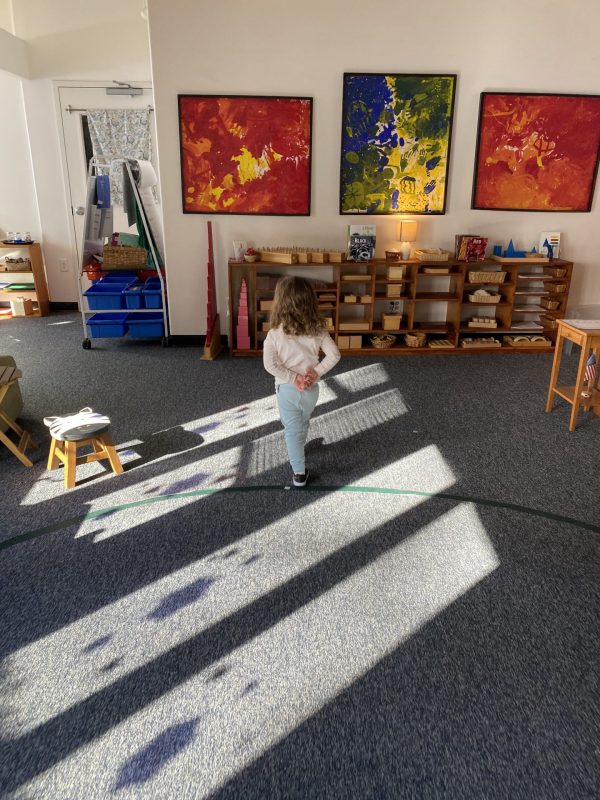
Ginni Sackett (an AMI trainer, Montessori Institute Northwest) has said that Grace and Courtesy is part of Montessori’s “invisible curriculum.” Other “invisible” activities which can be considered part of this curriculum are spoken language, silence, and walking on the line. Children learn how/when to say “excuse me”, what to say if someone says “you’re not my friend”, how to tell someone you want to be alone, how to walk about the classroom while hardly making a sound.  

This “invisible curriculum” and Grace and Courtesy presentations invite the children and teachers to work together to create a culture of responsibility, tolerance, and harmony– a strong foundation for Peace.

How “Peace” is defined in your classroom and why it is a key component of a Montessori education?

Our Primary (Preschool and Kindergarten) teachers Michelle Doyle and Amanda Lopes, share what this looks like at Fraser Woods:

Establishing lasting peace is the work of education; all politics can do is keep us out of war.~Maria Montessori 

Peace education is a major tenet of Montessori education.  Now, more than ever, we are witnessing relationships fracturing because so many are unable to take part in positive conflict resolution.  Teaching children this skill, while ensuring that all parties feel heard and validated, is a gift not only for the children but for society as a whole.  

When conflict arises in the classroom, we bring the children to our peace table.  This peace table is an integral part of the classroom and can be used for two children to resolve a conflict or for a child to simply go for some quiet, peaceful time.  If two children are struggling to resolve a conflict, each child will take turns holding the peace rose and sharing their feelings.  The peace rose is then passed to the other child so they in turn can share their feelings.  The most important part of this experience is for the teacher to step aside.  We are there to facilitate but not to determine the outcome because this is something both children need to truly take ownership of.  Typically, a child will come to a teacher saying “he said or she did”.  When that child is face to face with the other child and has to speak to them directly it almost always changes the nature of the conversation and outcome. 

How Peace, Grace, & Courtesy all tie together. Can you describe the framework and share a few examples from your classrooms? How are the lessons adjusted by age?

Primary teachers Michelle Doyle and Amanda  Lopes share what this looks like at Fraser Woods:

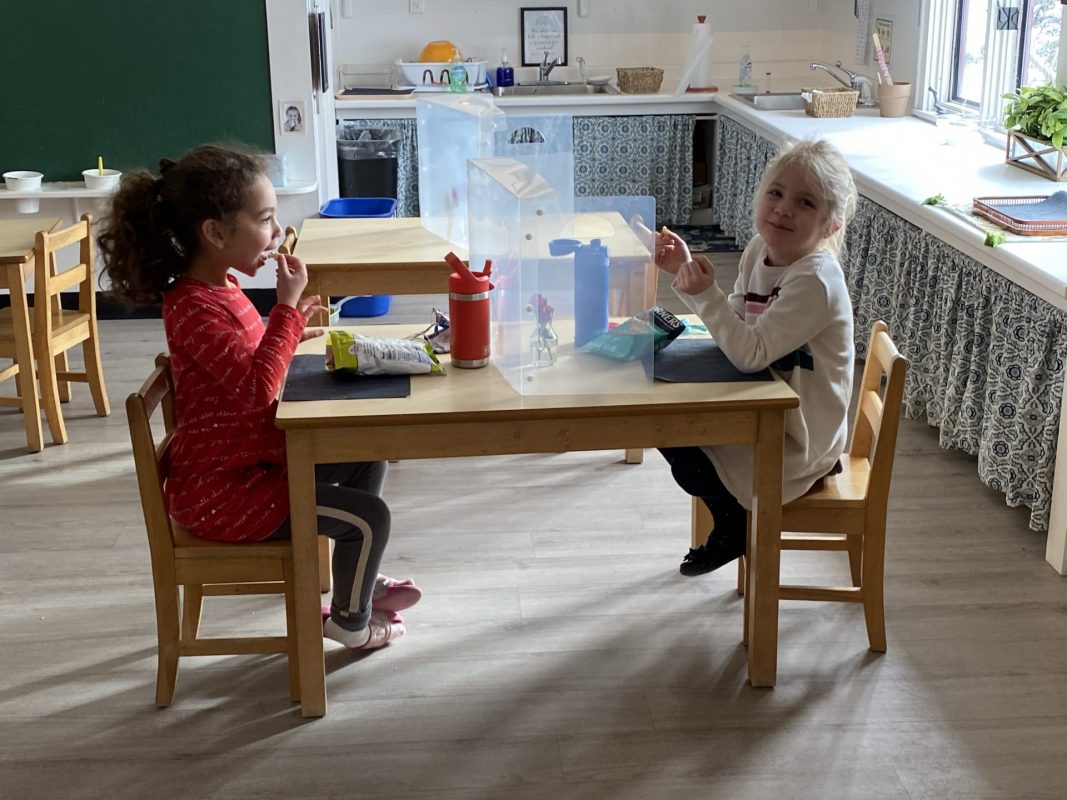
Grace and Courtesy are built into every part of the day in a Montessori environment and go hand in hand with our peace education curriculum.   Children are taught from the moment they enter the classroom about respecting others, their own self, and the environment. We speak often about the importance of each member of our community and how we are responsible for our classroom environment being a peaceful place where children feel loved and safe. Only then are children available to learn.

I read Basic Human Rights are a huge driver in the Montessori commitment to “Peace” in education, as well as inclusion and diversity. Can you share a little bit about how you incorporate this into the classroom at Fraser Woods? What role do current events play into how this is discussed?

Our Middle School Humanities teacher, Michelle Lamb shares:

From a young age, Fraser Woods knows the importance of children having a profound understanding of each other and focusing on equity. This includes personal identifiers such as race, gender, religion, who you love, etc. In a Montessori classroom at Fraser Woods, students celebrate each others’ lives and successes in these areas as well as their struggles. Open, frequent communication in safe spaces and shared, collective experiences are what make Montessori students advocates for peace and justice. Classes use the world events around them, in real-time, as educational opportunities to further the goal of producing inclusive and informed global citizens. 

Interim Head of School Gina Tryforos shares that it can be summed up simply: Maria Montessori believed not only in education for peace but education as peace.
Cuando Hace Frío

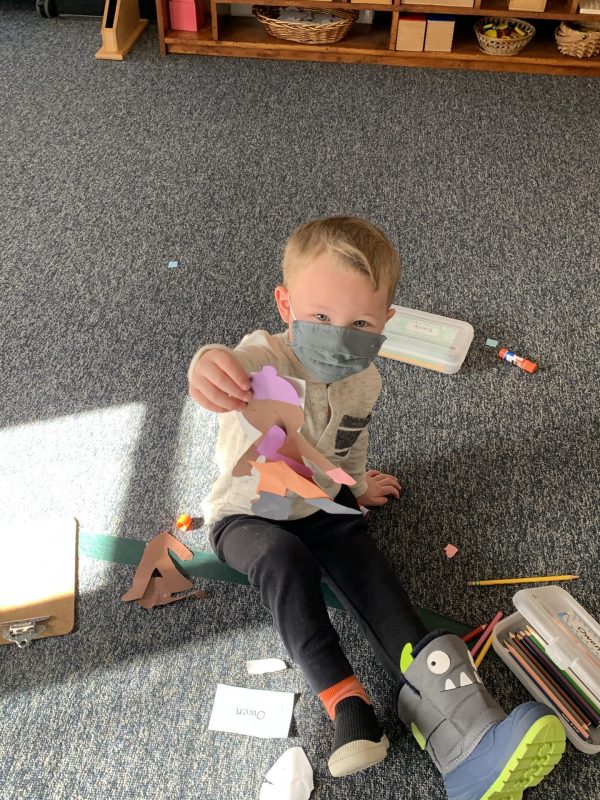
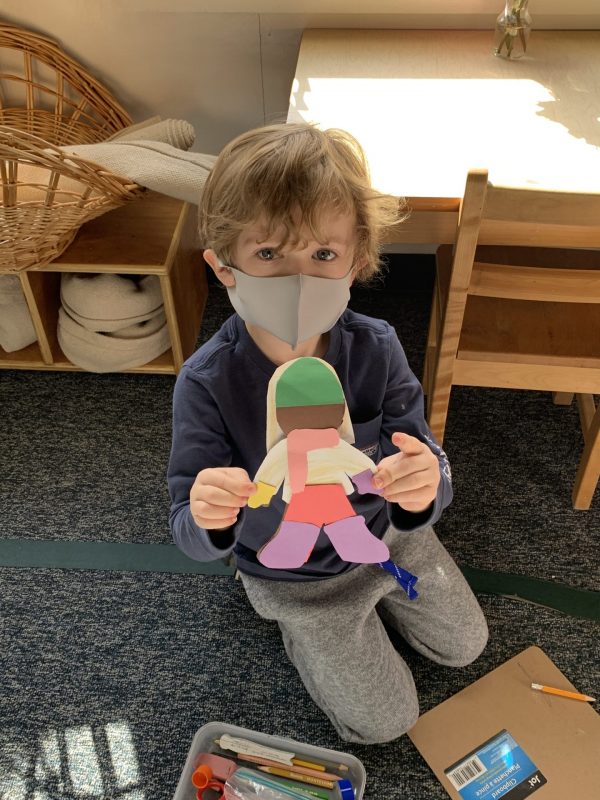
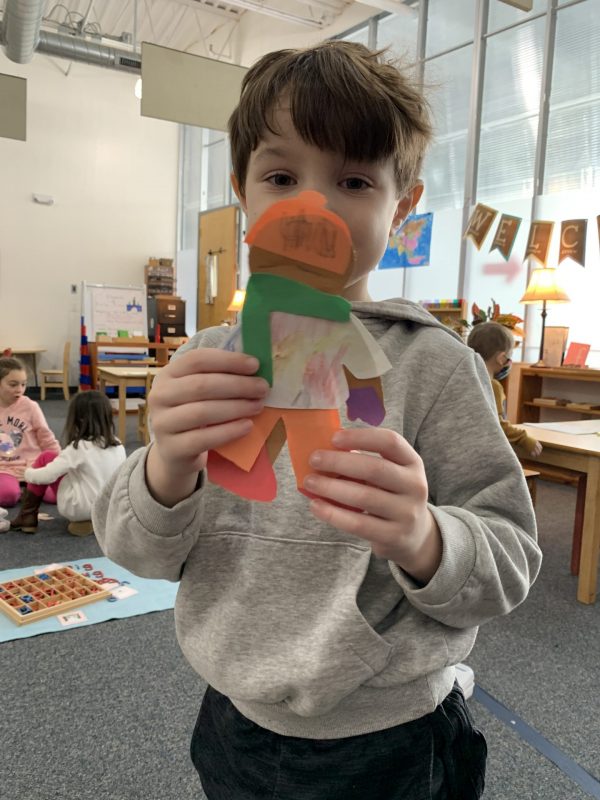
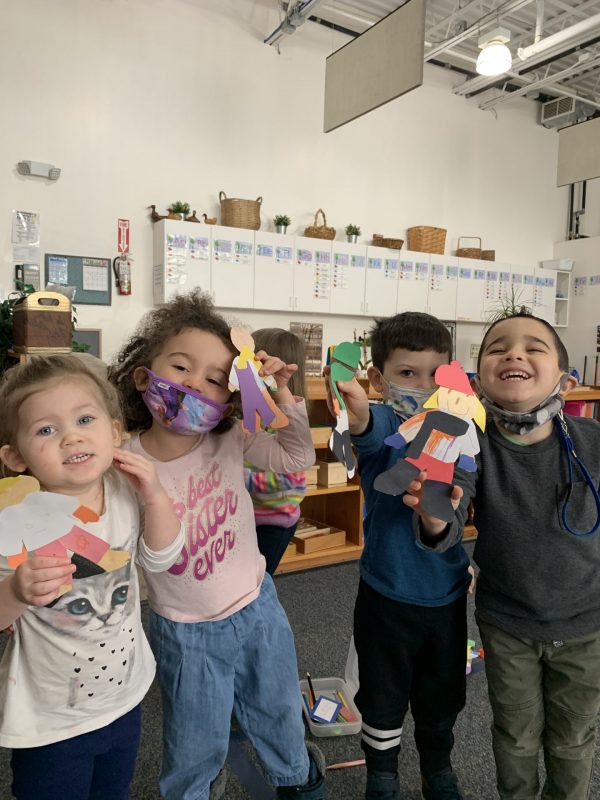
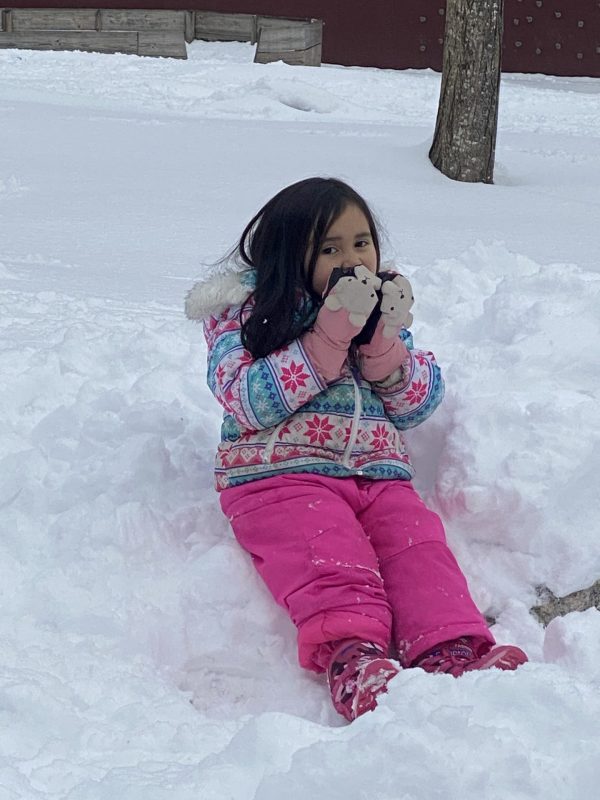
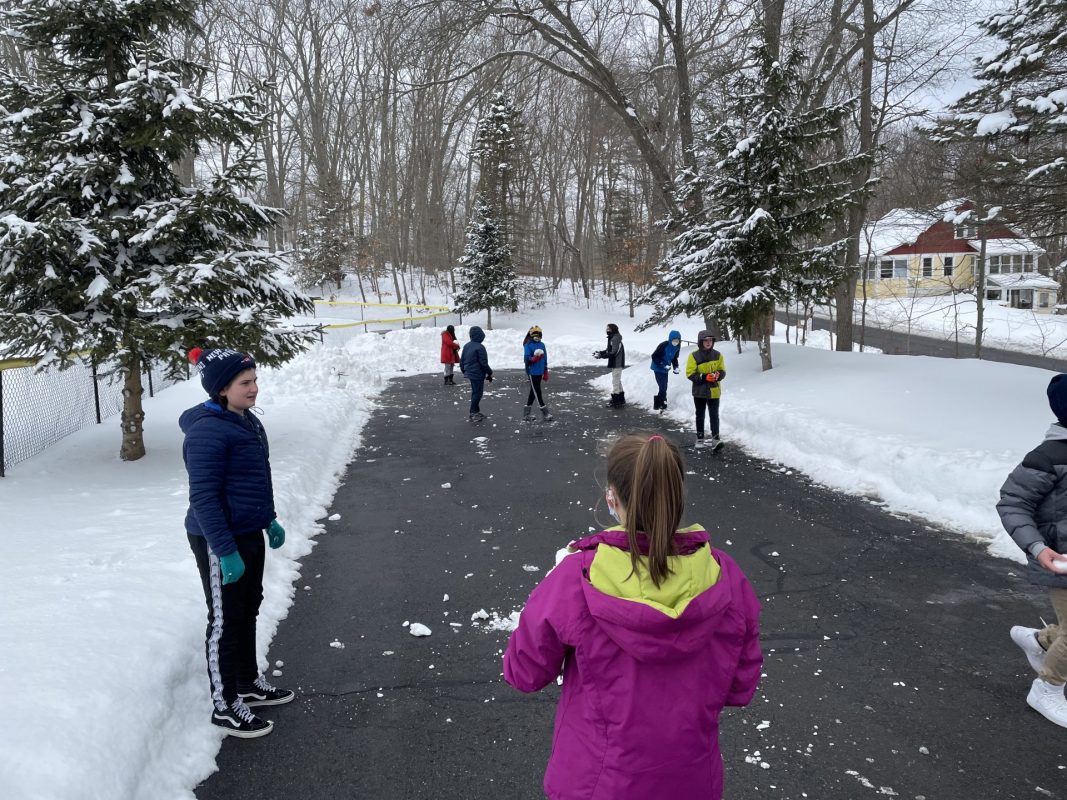
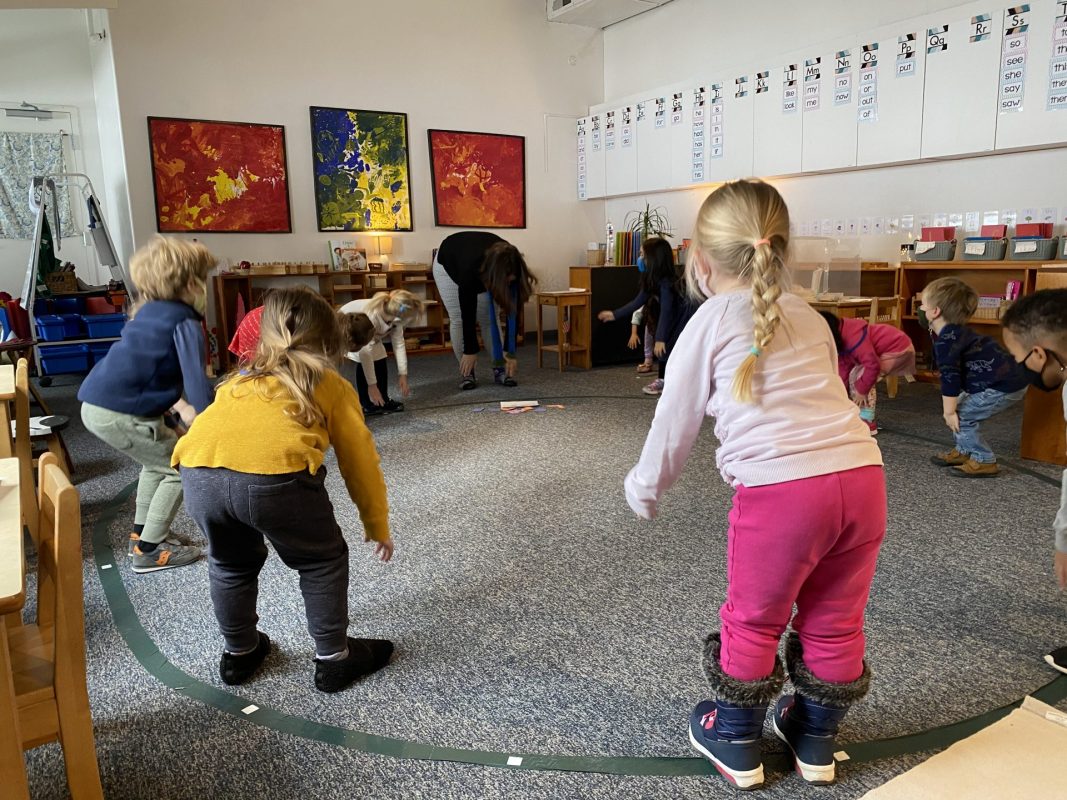
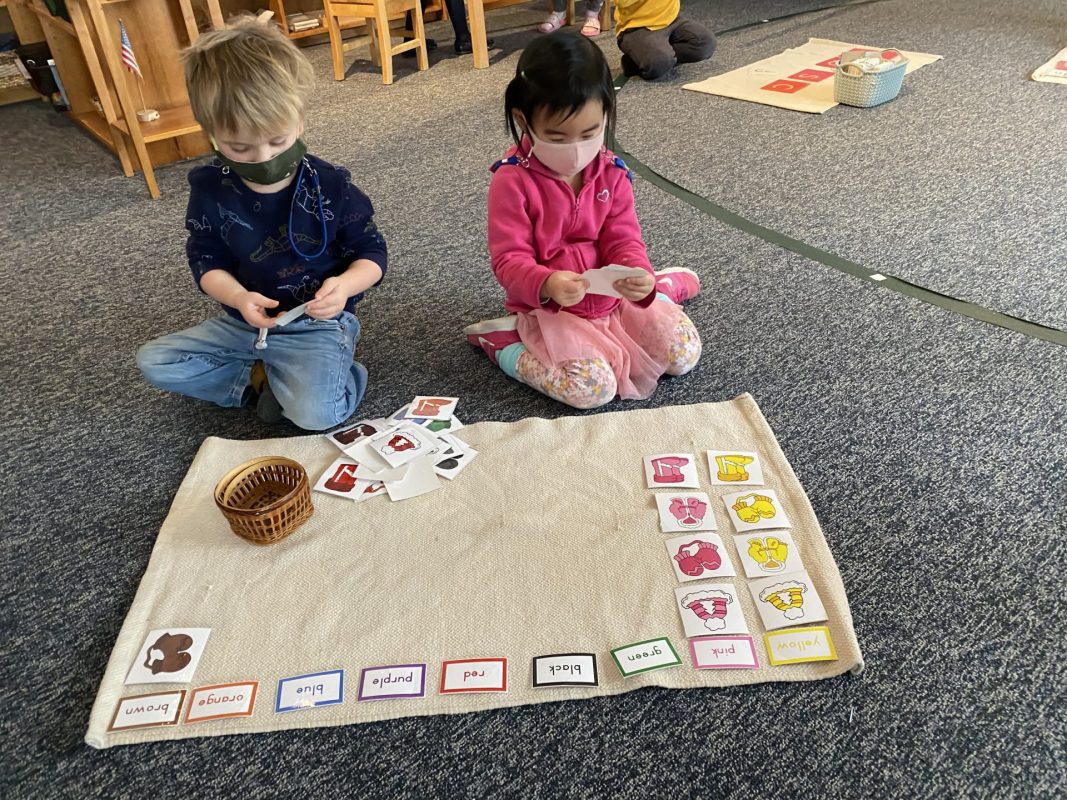
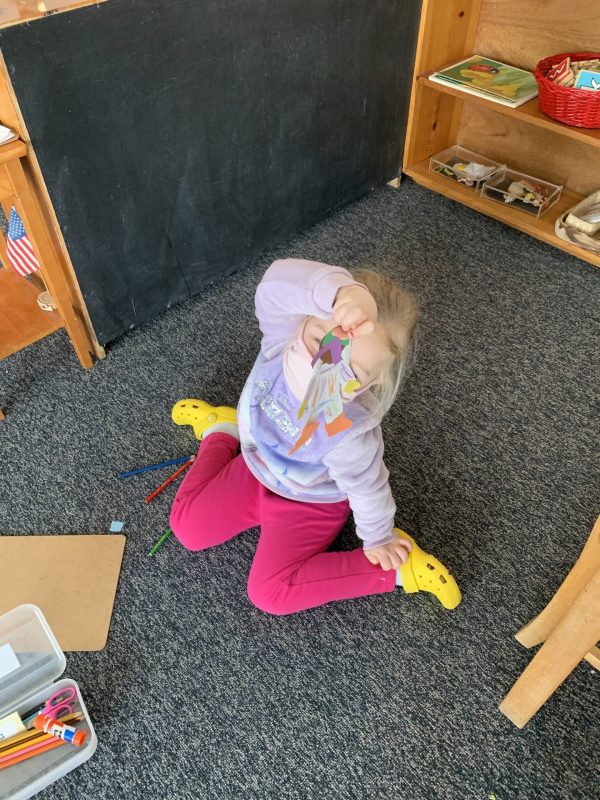
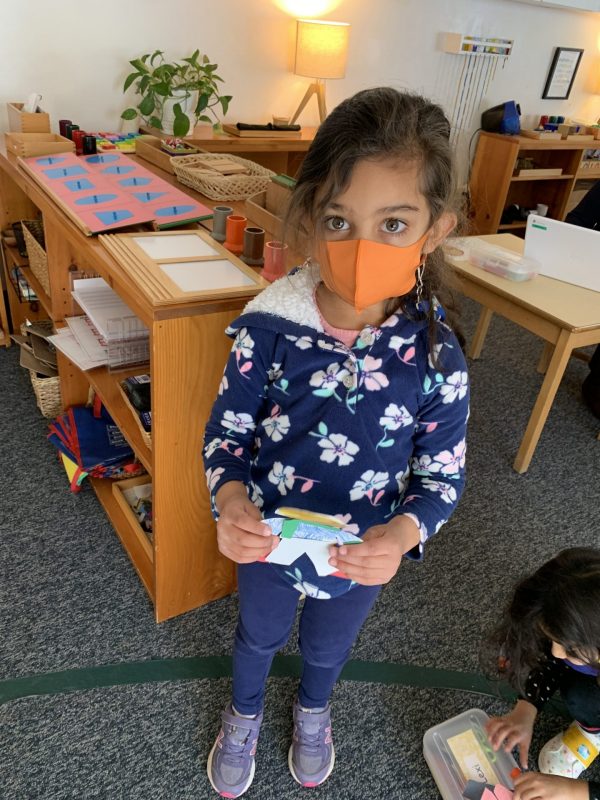
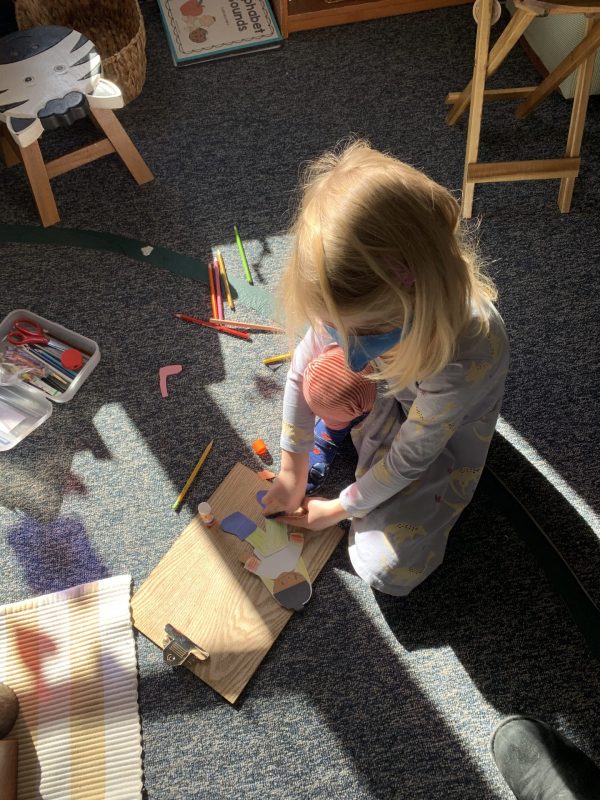
To correspond with the weather we’ve had thus far, primary students have been acquiring vocabulary for winter gear through the Spanish Playground poem, titled Cuando Hace Frío. We also used the song, Cabeza, Hombros, Rodillas, Pies (Head, Shoulders, Knees and Toes) to reinforce body parts as we shared where winter gear is worn on our bodies. Of course, we just had to throw in a few rounds of Simon Dice (Simon Says) for an extra fun twist!

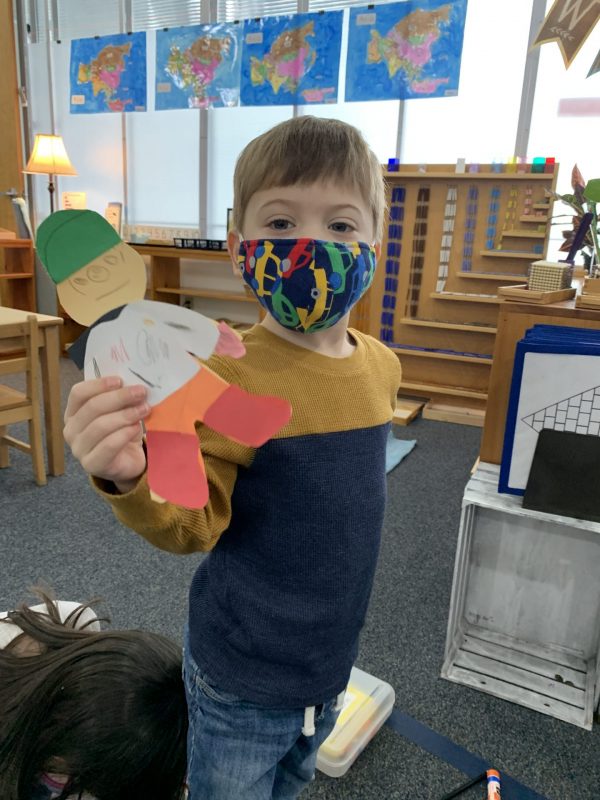
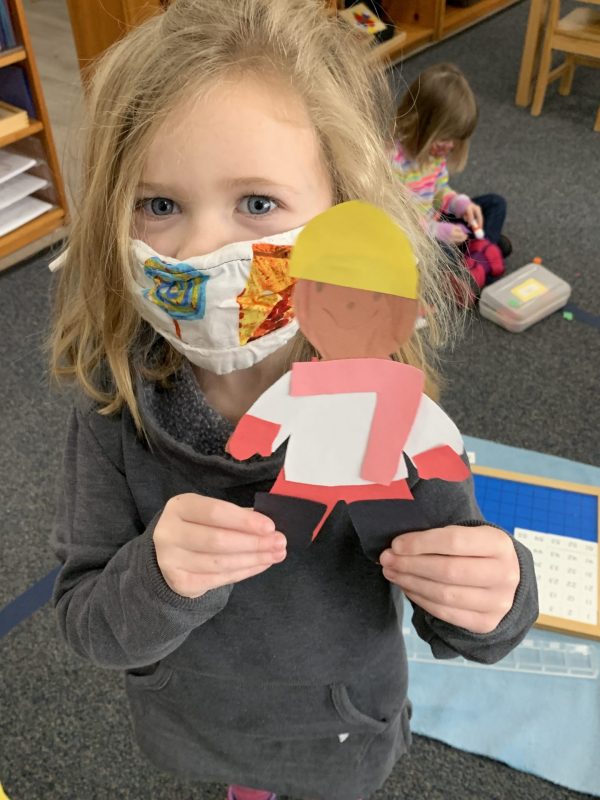
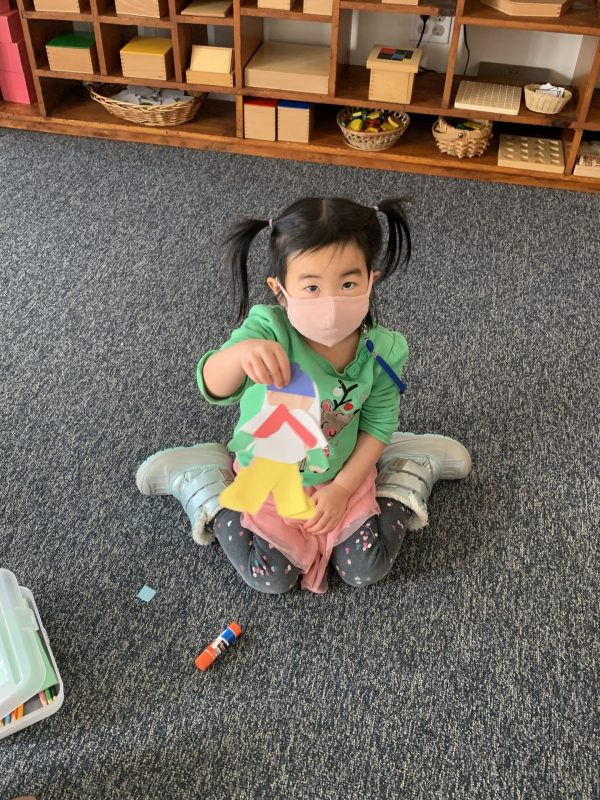
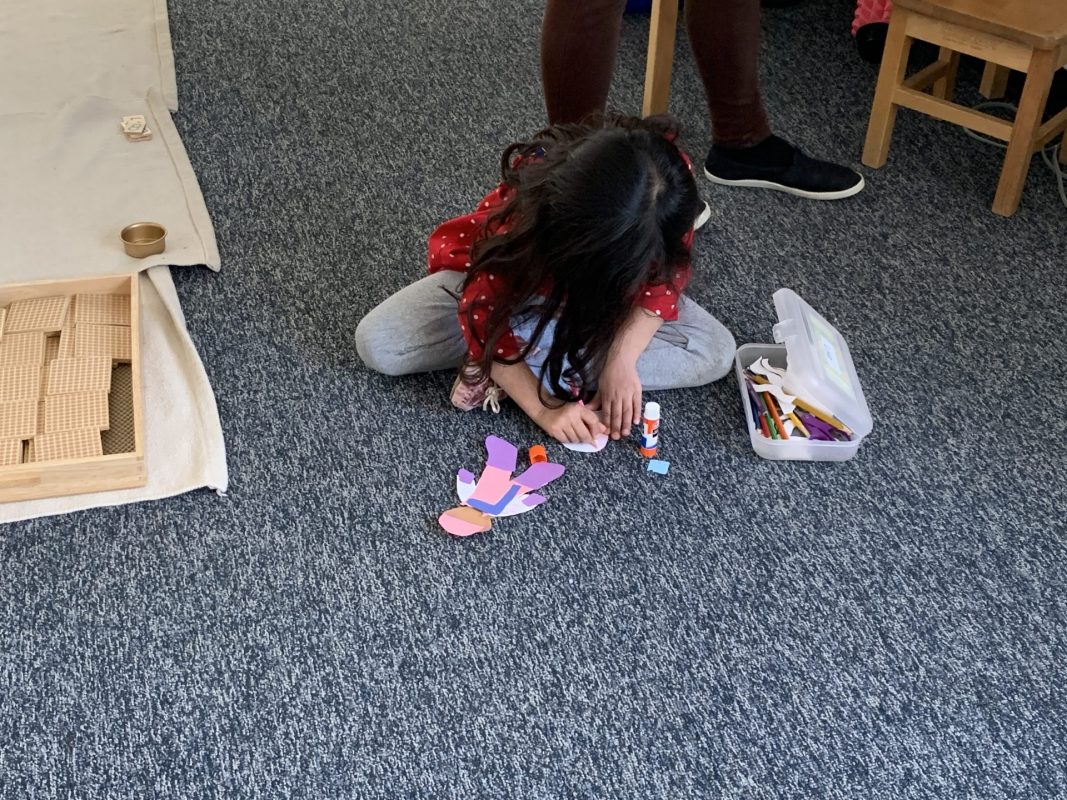
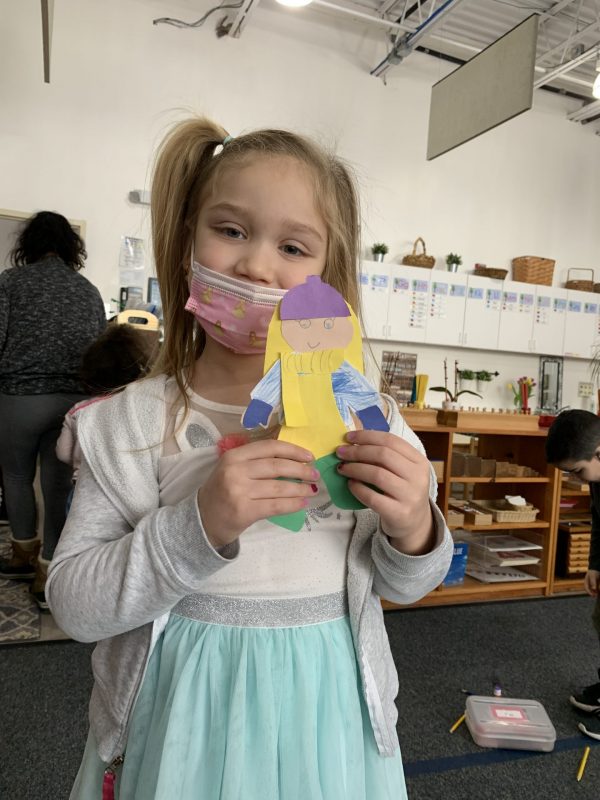
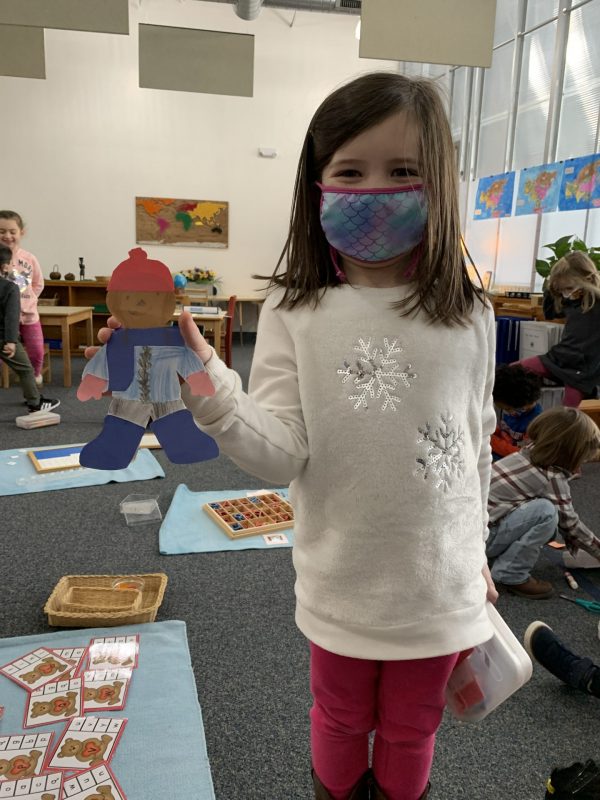
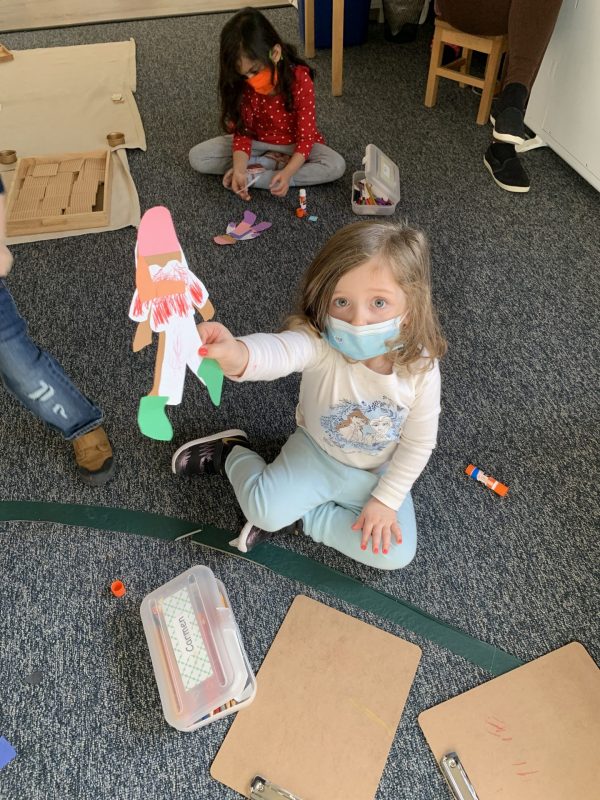
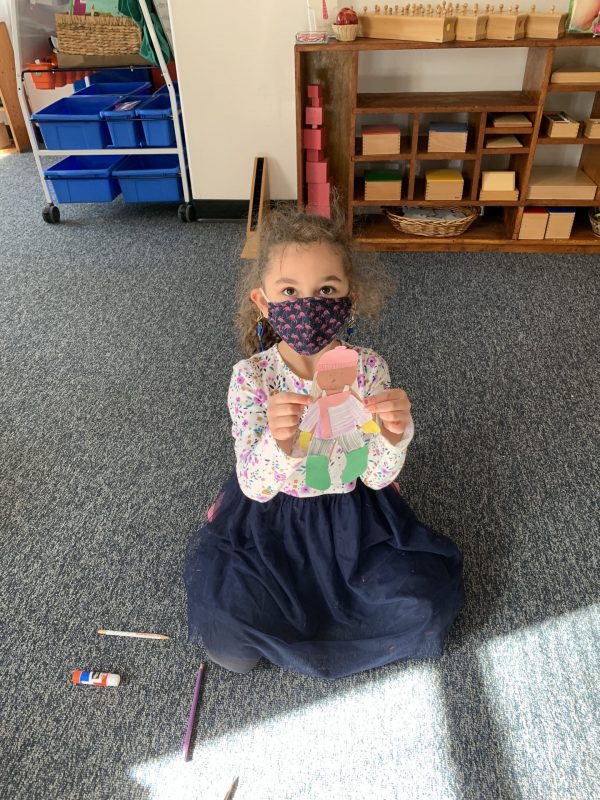
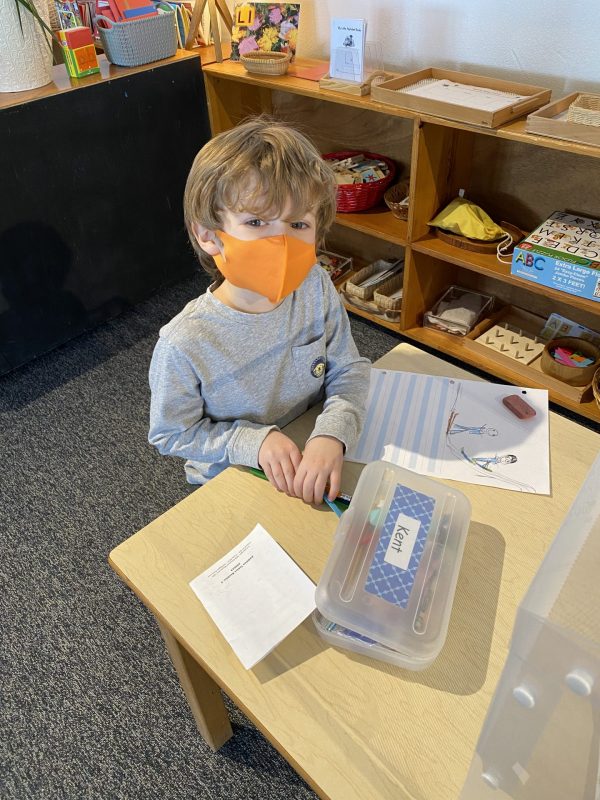
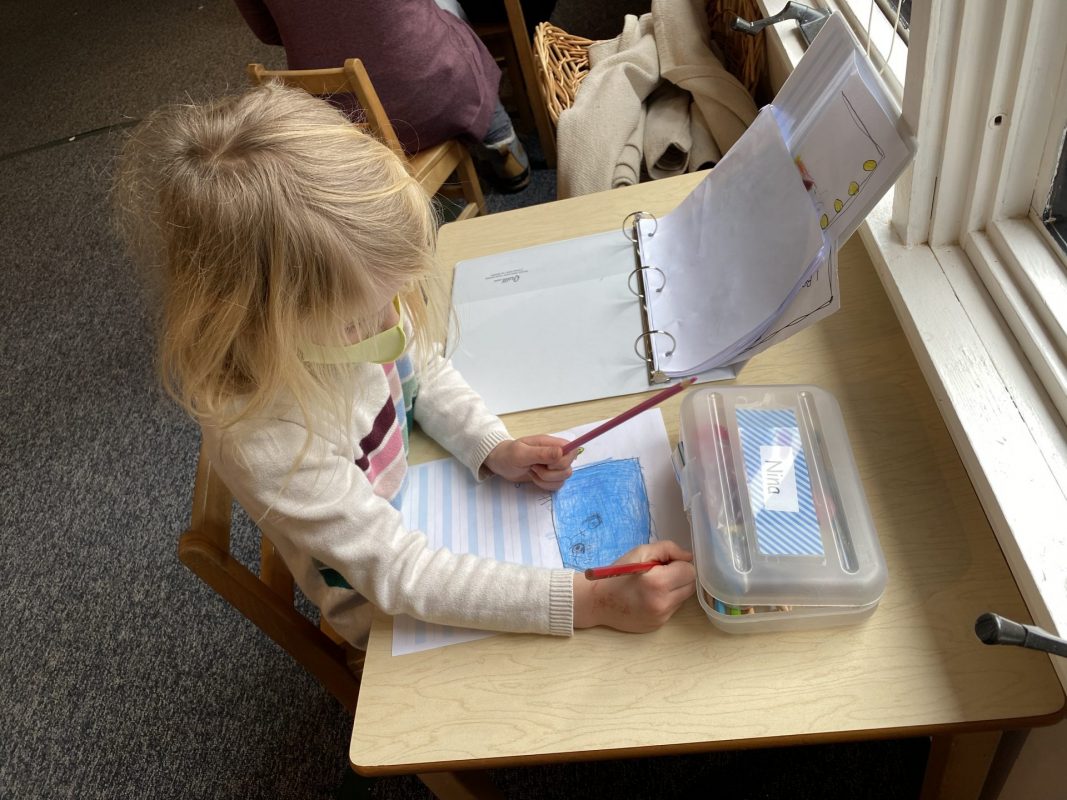
Students then worked hard to dress a paper person in winter gear, as we used our colors and numbers in discussing materials. To see them put it all together is extremely rewarding, and I can’t wait to see how much more they acquire moving forward! 

For more winter poems in Spanish:  https://www.spanishplayground.net/wp-content/uploads/2012/01/Poemas-invierno.pdf 


Mrs. Lopes’s Class: 100 Days and Counting…

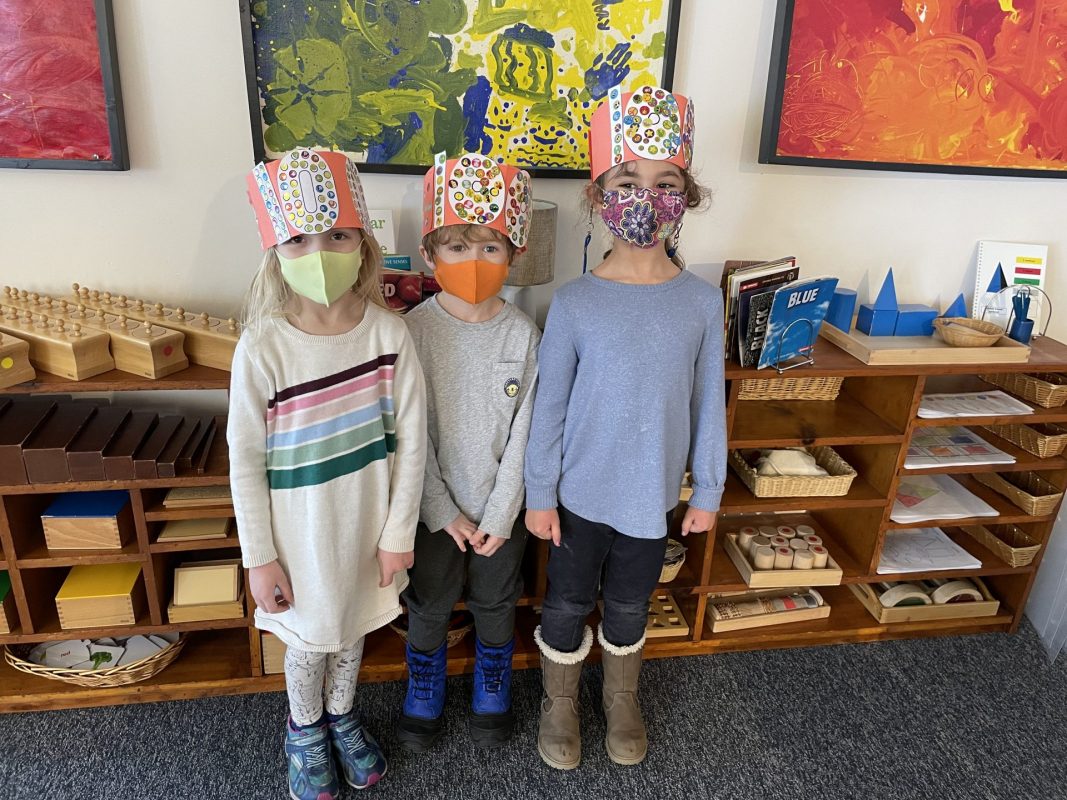
On Tuesday of this week we celebrated our 100th day of school!  It is unbelievable to think 100 days in our school year have already passed, but we are so grateful to have spent them watching your children grow and learn.  To celebrate the occasion, our Kindergarten children engaged in several 100 themed activities.  These activities included making a 100 day headband, drawing a portrait of themselves 100 years old, and what they would buy with $100.

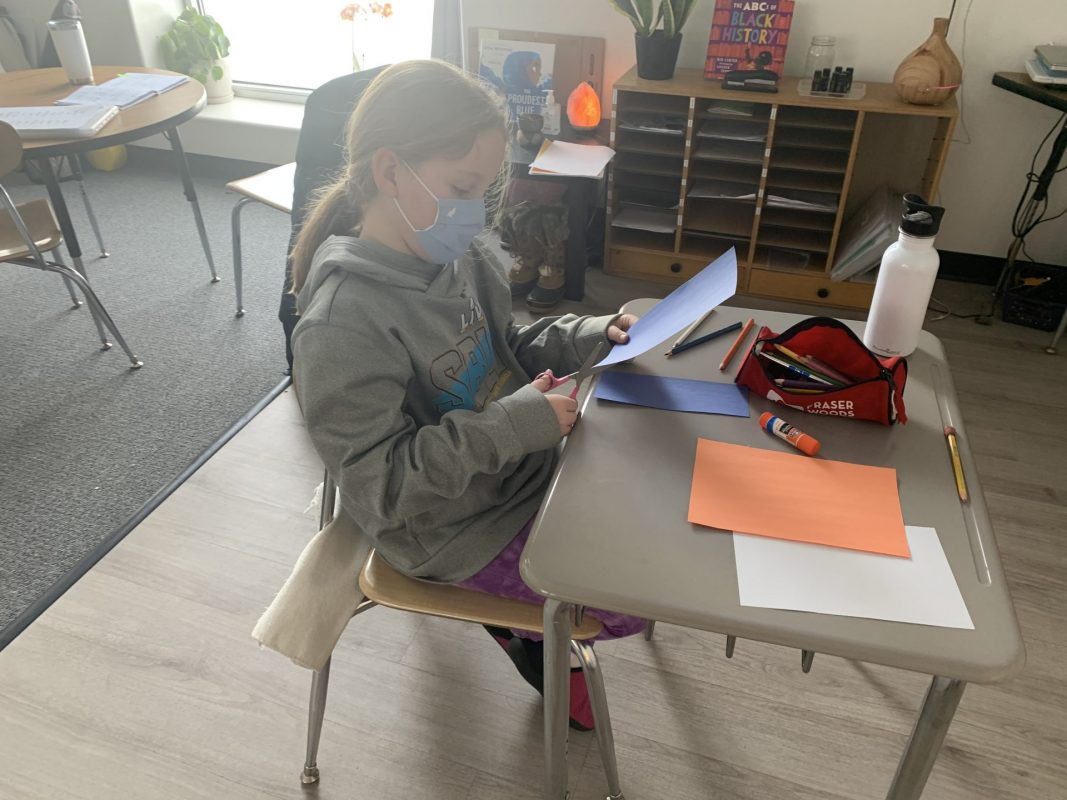
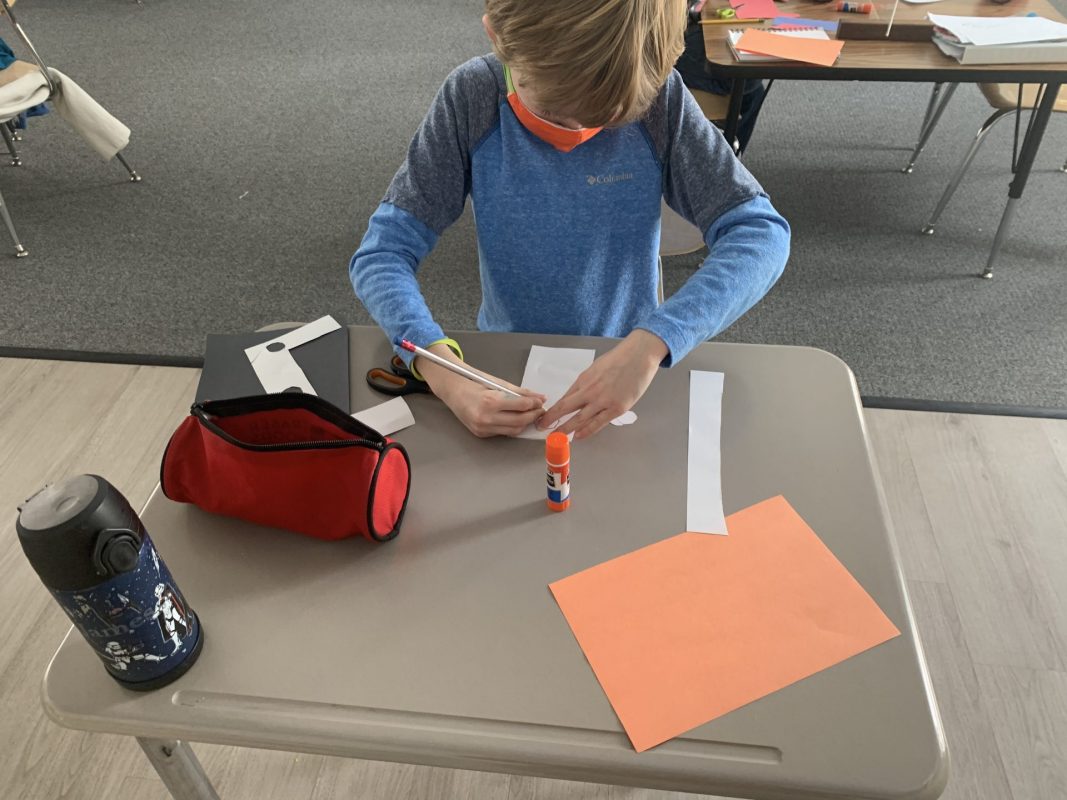
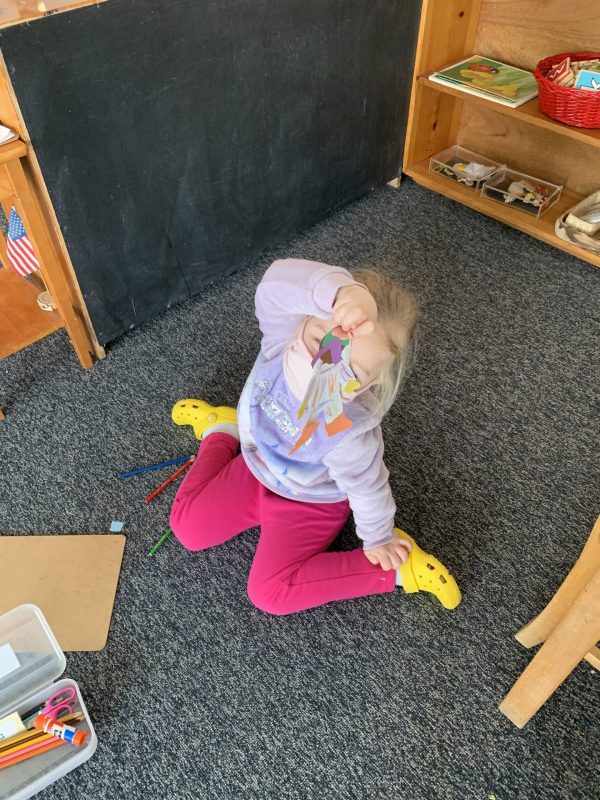
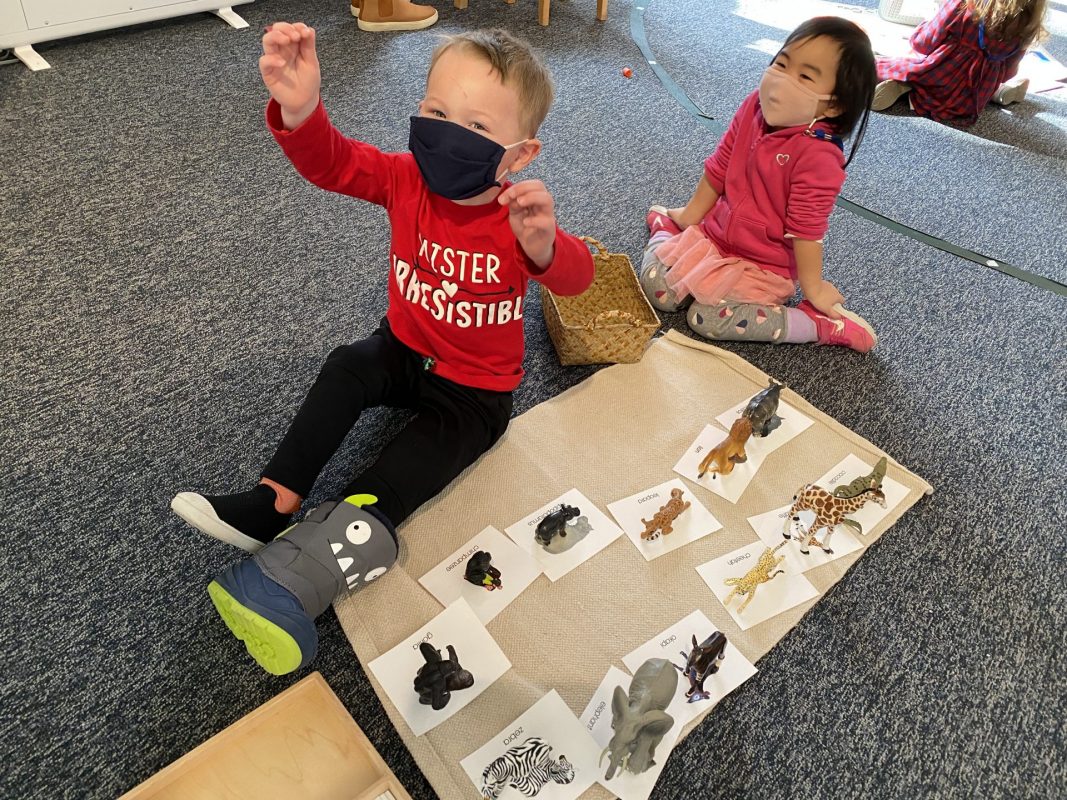
We also began our continent study of Africa this week. We located Africa on the continent map, talked about the interesting animals that live in Africa, and read an African folk tale.  Mrs. Reid also presented a wonderful lesson introducing the children to one of our favorite African animals, the giraffe. The children were invited to create their own giraffes by gluing and cutting paper, as well as a yarn tail. We look forward to continuing our study of Africa next week!

Wishing you a peaceful week,

Amanda & Sharlene


Middle School: Week in Review

Thank you, students and parents, for taking time to have meaningful conversations during parent conferences. The students’ reflections and goals are important for growth and progression as we soon transition from winter to spring.

Science

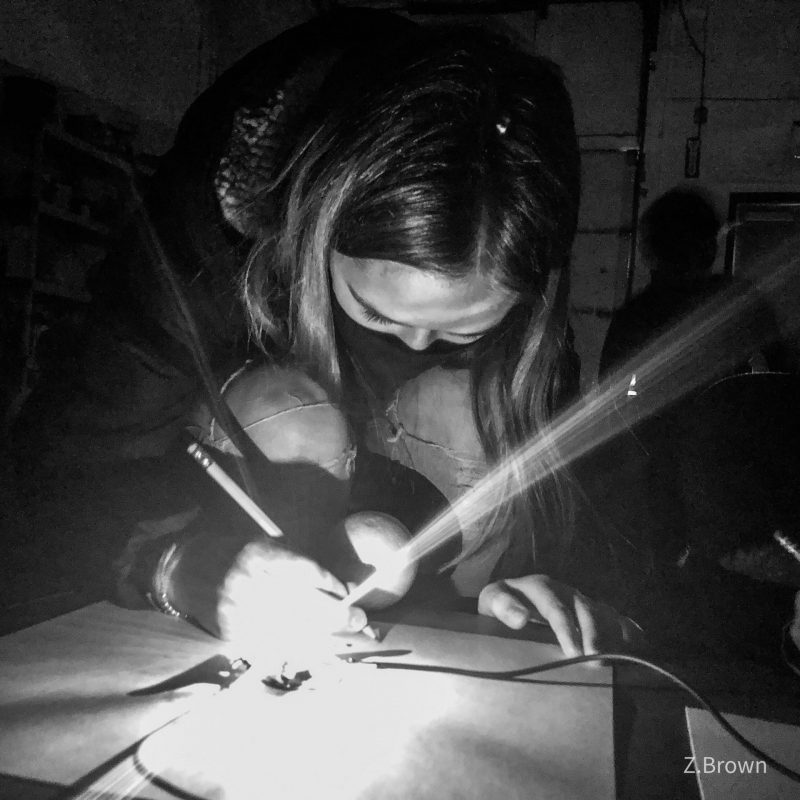
6th year Earth Science students are working on Phases of the Moon. This week students spent time creating visual representations of 8 main moon phases using their own light source (sun) and styrofoam ball (moon). Students illustrated each phase of the moon and then defined what was observed and the transition that occurred as the “moon” was rotated in a clockwise direction around the “sun”.

7th year Physical Science students began their new unit, Heat and Temperature. The objective of this unit is to identify the similarities and differences between heat, temperature, and thermal energy. Students will conduct a variety of hands-on activities/examples that assist in their working knowledge of the objectives.
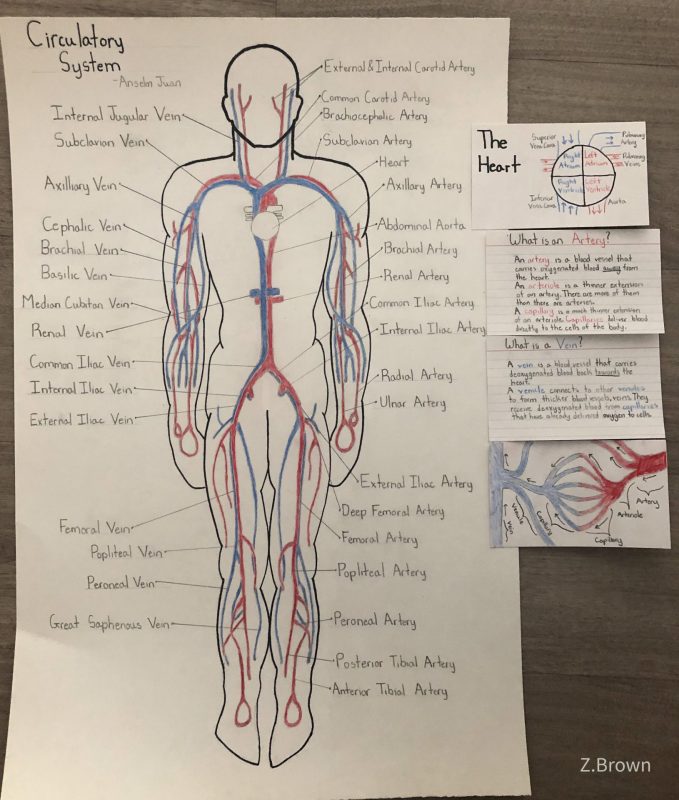
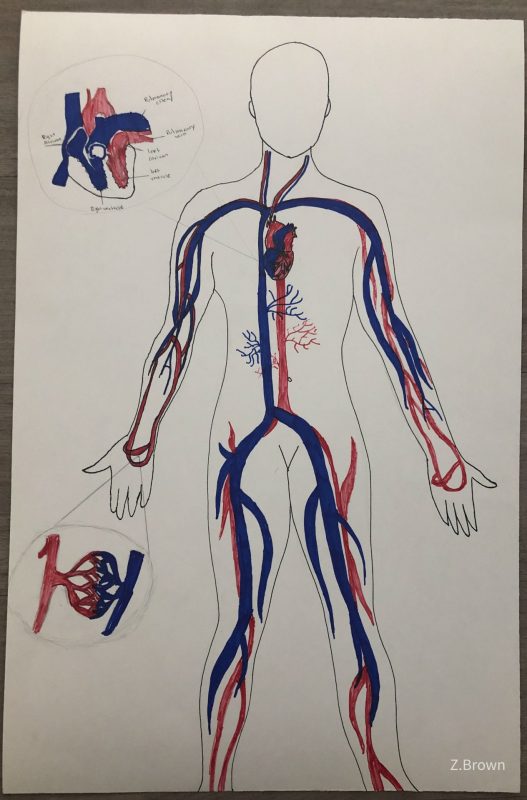
8th year Life Science students are finishing up their unit on the Circulatory System. Last week students were assigned to illustrate the human body, incorporating all aspects of the circulatory system discussed thus far. Students were asked to include the heart, lungs, arteries, veins, and any additional information they felt supported their understanding of the unit. Mr. Brown was very happy with the work from each student. Great job.
Humanities
6th grade students are now studying Ancient Egypt. They made maps of the physical area as well as labeled important cities. They are also reading The Egypt Game by Zilpha Keatley Snyder. This fictional story follows one group of kids who create a secret game involving characters, rituals, and references to Ancient Egypt. We will learn alongside them in our study of the civilization.
7th grade Humanities students continued studying the rise of Adolf Hitler after learning about World War I and its effects on Germany economically, politically, and socially. They studied the formation and platform of the National Socialist German Workers’ Party (Nazi Party) and how antisemitism played a role. Next week, they will read Four, Perfect Pebbles, a memoir about the Holocaust written by Marion Blumenthal Lazan.
8th grade continues to study the Constitution, presenting five compromises made during the convention and their lasting effects on history, most notably the Great Compromise (Connecticut Plan) and the Three-Fifths Compromise. Then, students read the Articles of the Constitution surrounding the establishment of the Legislative and Executive branches. Finally, they continued to read in An Indigenous People’s History of the United States the effects of expansion on the alliance of tribes in the Ohio Country (land between the colonies and the Mississippi River).
All classes read and analyzed poetry this week, and all completed a unit of vocabulary. Next week is a current events week!
Math
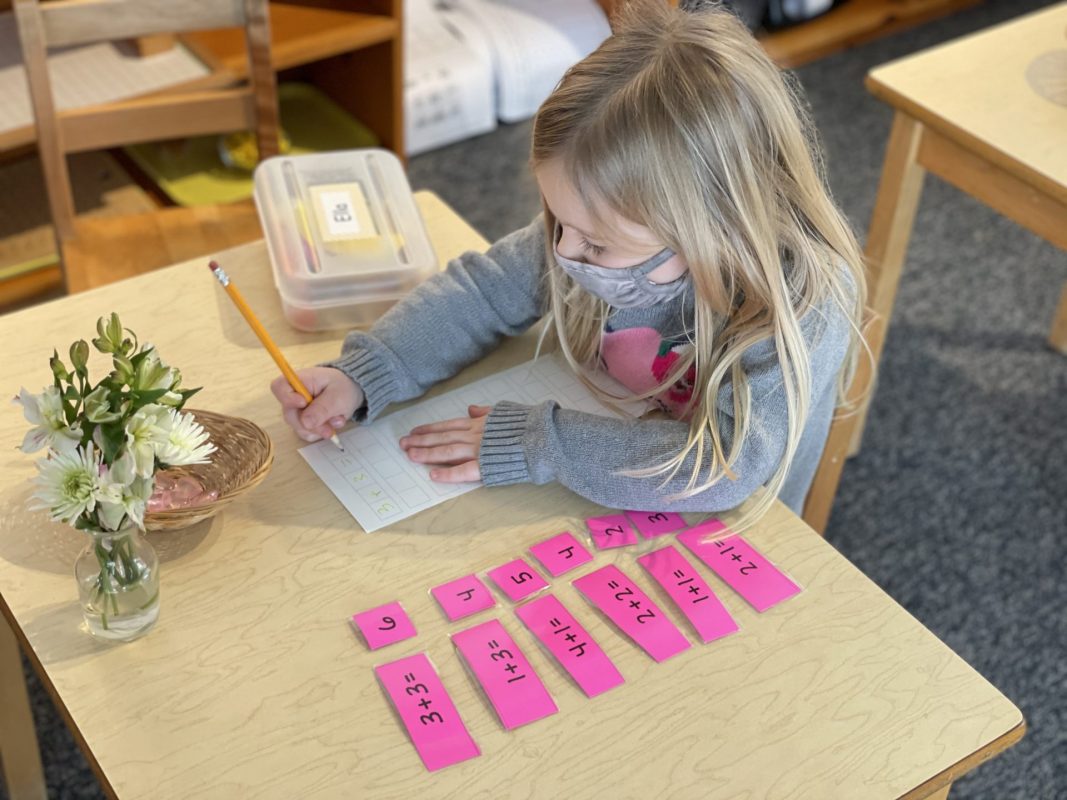
In Pre-Transition class, students are learning unique ways to use division in the real world. Students are able to use the rate model to determine a single unit price, use an array model to draw divisibility statements, compare composite and prime numbers, and draw a factorization tree. We are continuing to work on our skills with integer division and identifying the quotient, dividend, and divisor of a number sentence.
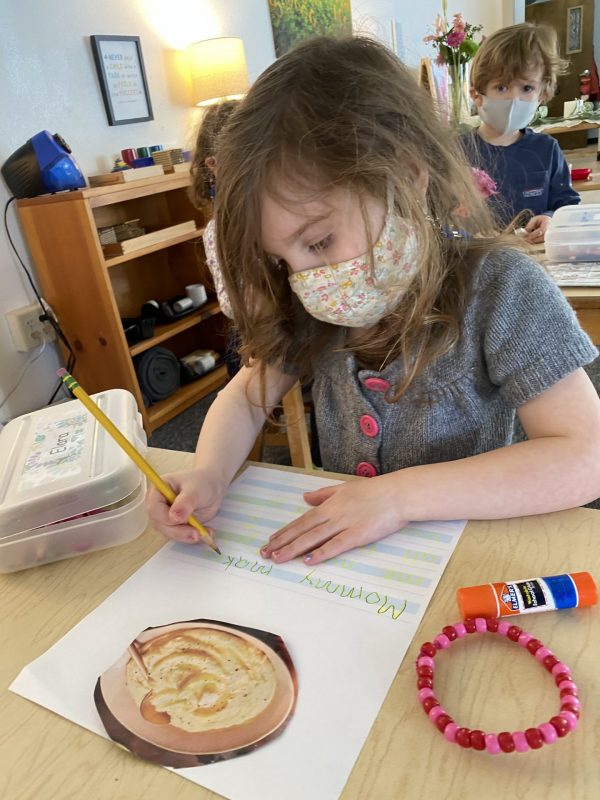
In Transition class, students started their work with the Geometry unit and understanding transformations on a coordinate grid. Students can determine rotational symmetry of a figure, translate a set of ordered pairs on a coordinate grid, and can reflect an image over a given line. Next week, we will continue to work on our tessellation art projects which will be posted on the classroom walls.
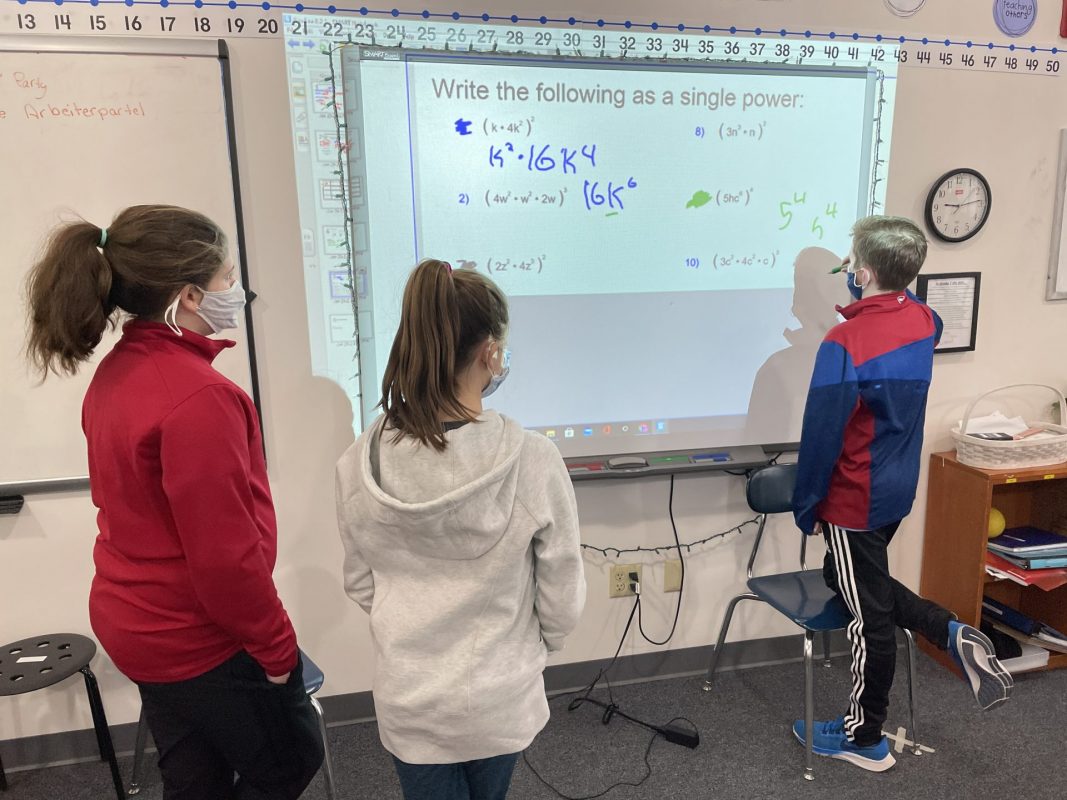
In Algebra class, students were excited to build foldable notes for the chapter 8 exponent unit. Students are learning about power rules, product rules, quotient rules, and zero exponent rules. Students have begun to study for the first assessment of this chapter which will take place on Tuesday, February 23rd.
In Geometry class, students are learning about polygons and reflection symmetry in chapter 6. They have discussed inscribed angles and central angles in a circle, finding reflection symmetry in real world objects, using isosceles triangles to prove symmetry, and classifying quadrilaterals using a hierarchy system.
Math Joke: 
Why did Pi get its driver’s license revoked?………………….. Because it didn’t know when to stop.
What shape do you always have to be careful of?………………… A trap-ezoid!
Have a great weekend!

Mrs. Doyle’s Class: Amazing Africa

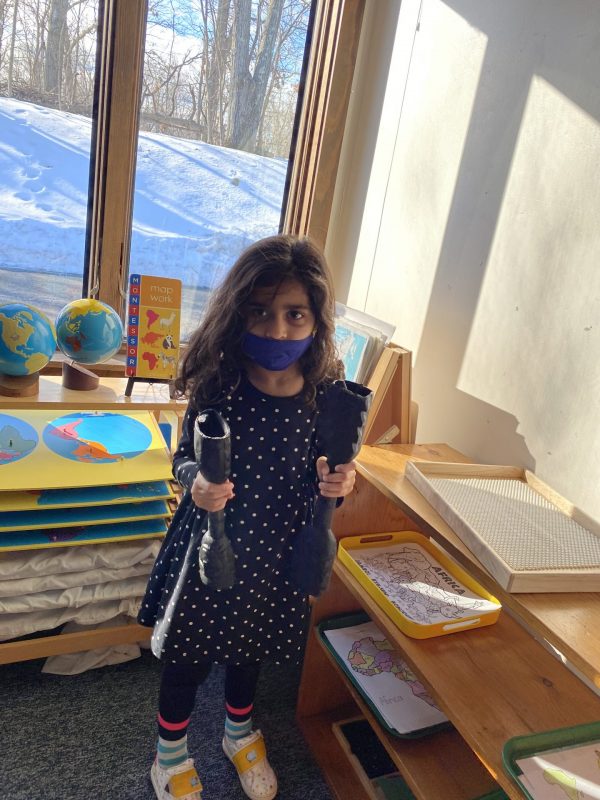
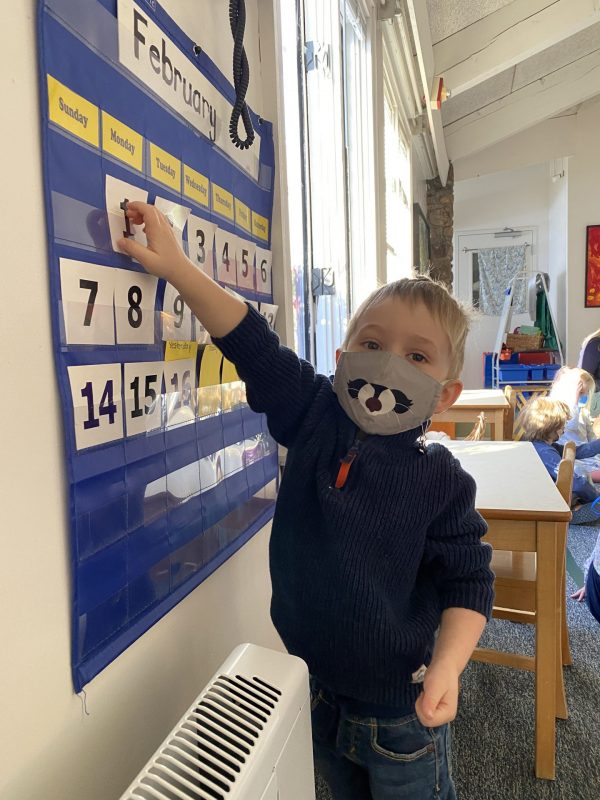
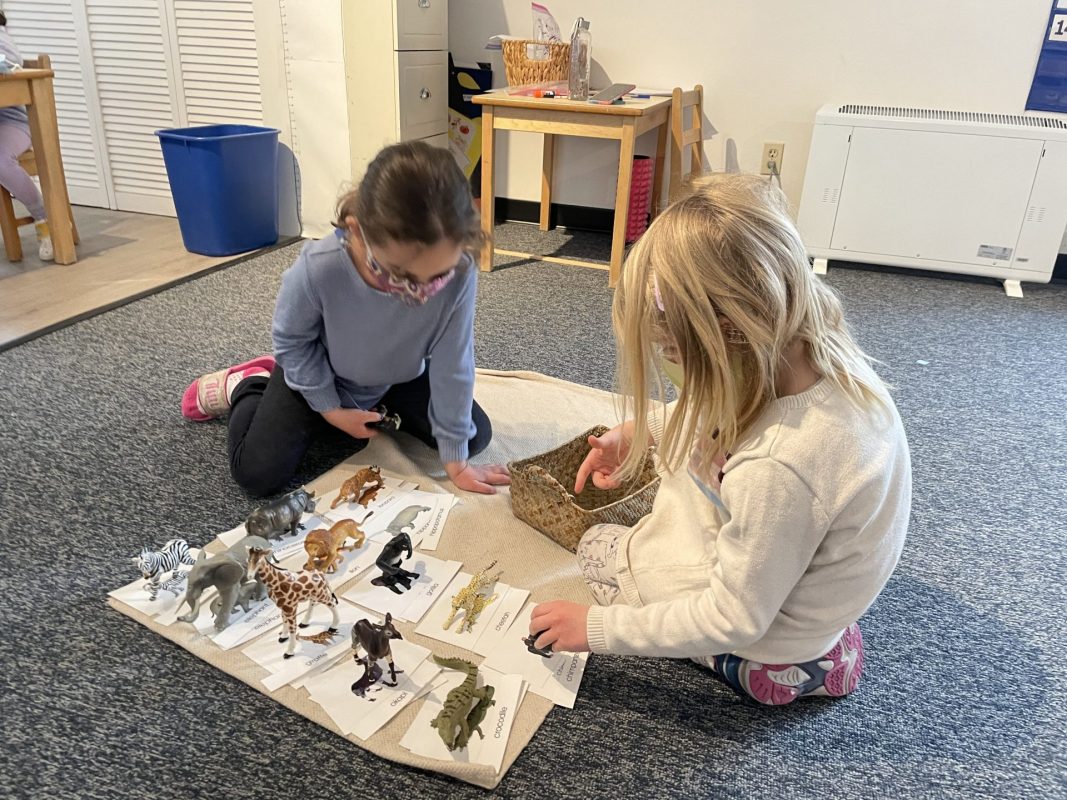
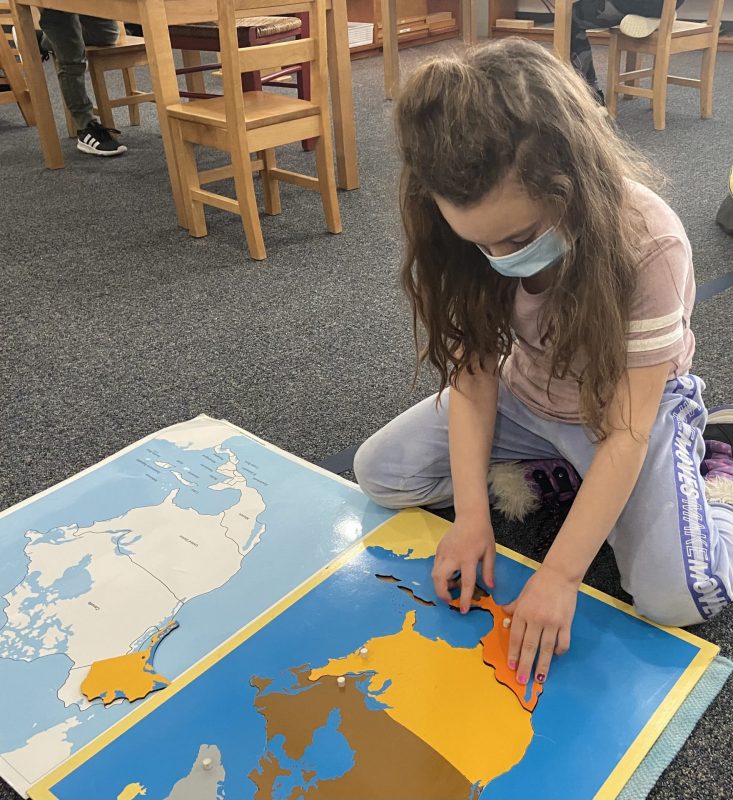
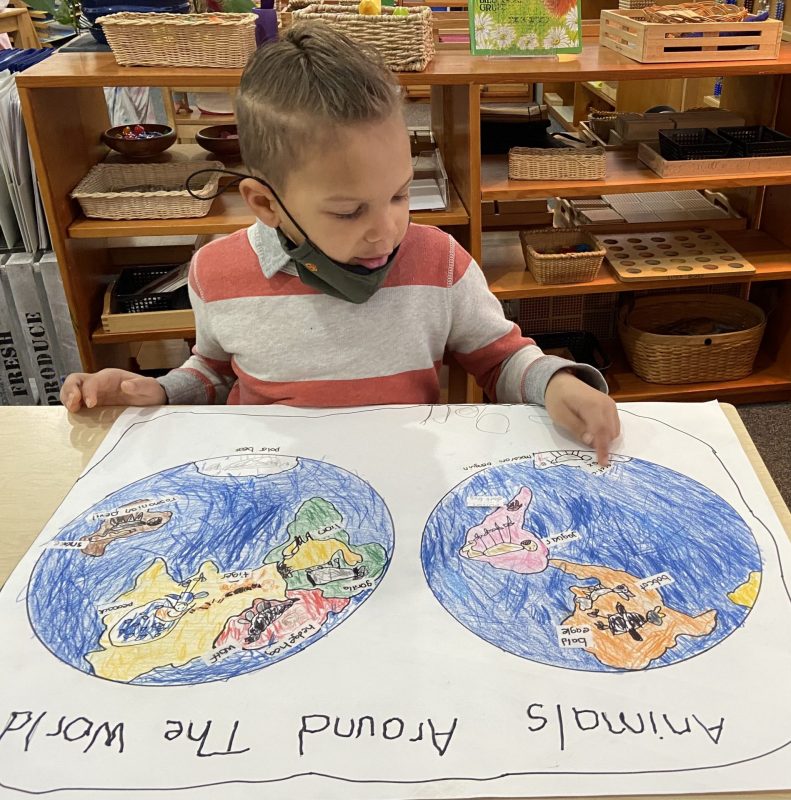
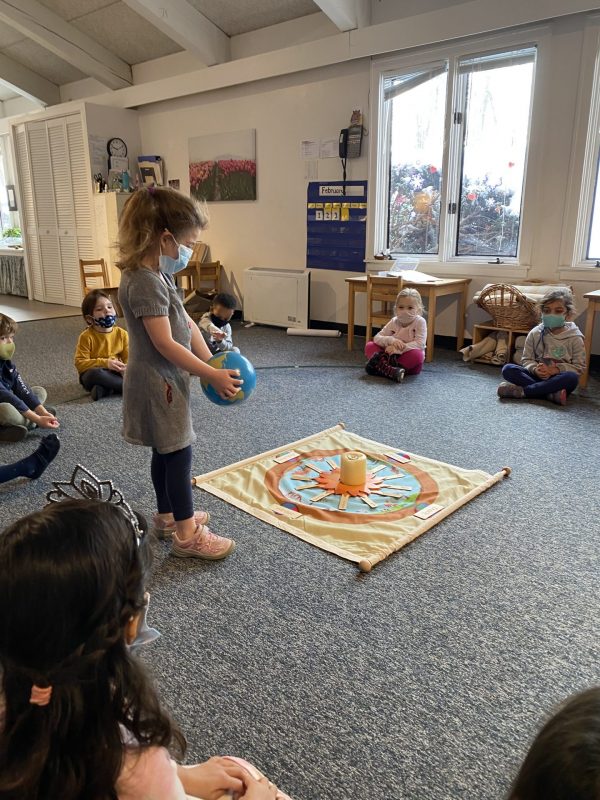
Each time we study a new continent, we first find it on the globe of the world, then we locate the continent on the world map, and finally, we study the individual continent, using the specific continent maps. Currently, the children are learning about the continent of Africa. We learn about the geography, culture, weather, animals, and people of Africa.

We are learning lots of fun and fascinating facts about the continent of Africa.

  • Africa is the second largest continent, with 54 countries.
  • The longest river in the world, the Nile, is located in Africa.
  • Over one thousand languages are spoken by the people in Africa.
  • The Sahara, the world’s largest desert is located here.
  • The highest mountain in Africa is Mount Kilimanjaro. It is so tall that glaciers can be found at its summit even though the mountain is near the equator.
  • Africa is the most centrally located continent in the world. Both the prime meridian and the equator cut across it.
  • The world’s tallest animal, the giraffe, and the largest land animal, the African elephant are found in Africa.

This Tuesday, we celebrated the 100th day of school. From the very first day of school, the kindergarten children have been learning to count by 1’s, 5’s, and 10’s to 100. They spent the afternoon going to different stations that all revolved around the number 100. They drew pictures of what they would like when they were 100, what they would buy with $100, what they wished they had a hundred of, made a 100 headband and then played a game called Race to 100. This year, more than ever, reaching 100 days in school was a reason to celebrate!!!

Wishing you a week filled with peace and love.

Michelle & Lizette


Upcoming Events

Thank you to all families that joined us for our Virtual Trivia Night. Congrats to the Sommertime team for placing 1st followed by Team Bash in 2nd and in 3rd Hugo & Sophie, way to go!

Love Grows Class Art Auction closes today at 11:59 pm. Get those last-minute bids in for one of a kind pieces of art created by the students. Online Auction can be found here. Thank you for supporting FWM!

Tuition Assistance application deadline for the 2021-22 school year is February 15th. Tuition Assistance information can be found by visiting our website: www.fraserwoods.com. Scroll down and click on the Affording FWM tab. At the bottom of the page, you will see the tuition assistance information on eligibility, how to apply, and important deadline information.

Monday, February 15th, No School – President’s Day

Friday, February 19th – 9:30 am. – Coffee & Chat with Gina. Whether you are interested in learning more about Montessori pedagogy, wanting to chat about your child’s experience in the classroom, moving up to the next program level, homework help, or another topic of interest, Gina would love for you to join her, virtually of course. Guest presenter to be announced. In order to be better prepared for our chat, we kindly ask that you submit your question(s) via the question form link here.


Reflecting on Parent Teacher Conferences

Parent Teacher Conferences are a time of year that I always looked forward to as a teacher.

I love hearing the stories and feedback that come as a result of parent teacher conferences. Occasionally, I get questions about how to measure progress in a Montessori environment. Is there “traditional assessment”?

I love this question, because in a Montessori environment from Primary through Upper Elementary, teachers are continually assessing where each student is on their own individual path of learning. We are concerned about where each child is at a specific point in time and how they are progressing, at their own pace, in their own way to meet the educational benchmarks we have set out for them. Concrete numbers often fail to provide the best perspective on the quality of a child’s true learning.

Dr. Maria Montessori created a teaching methodology supported by instructive materials to help children build confidence and resilience to prepare them for their entire educational journey, not just the quiz or worksheet that is in front of them at a moment in time. I hope all of you enjoyed your conference time with your child’s teacher.

Please know my virtual door is always open, I can’t wait to hear all that you learned about your child’s experience so far this year.


Mrs. Lopes’s Class: We Love…

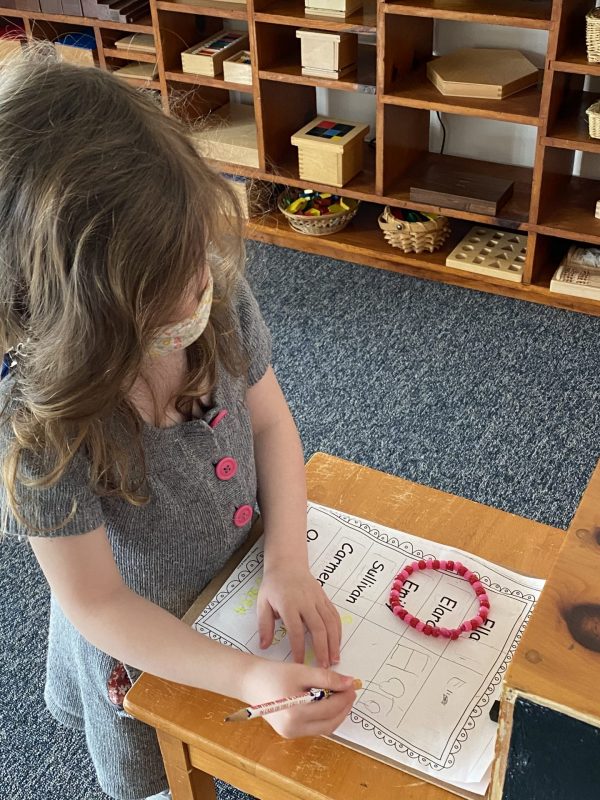
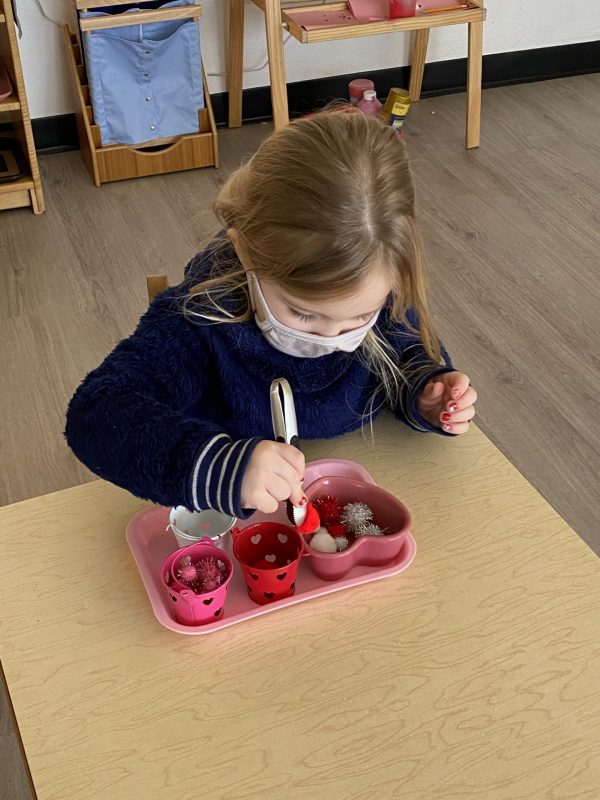
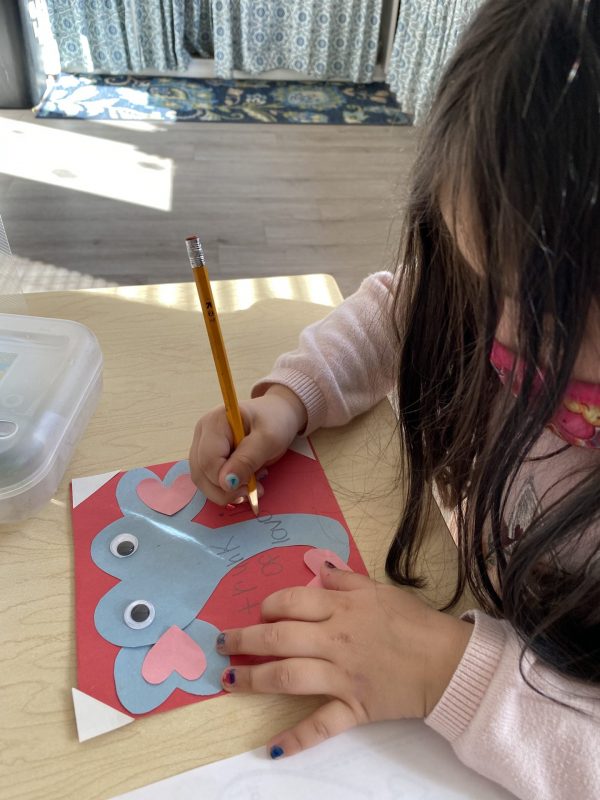
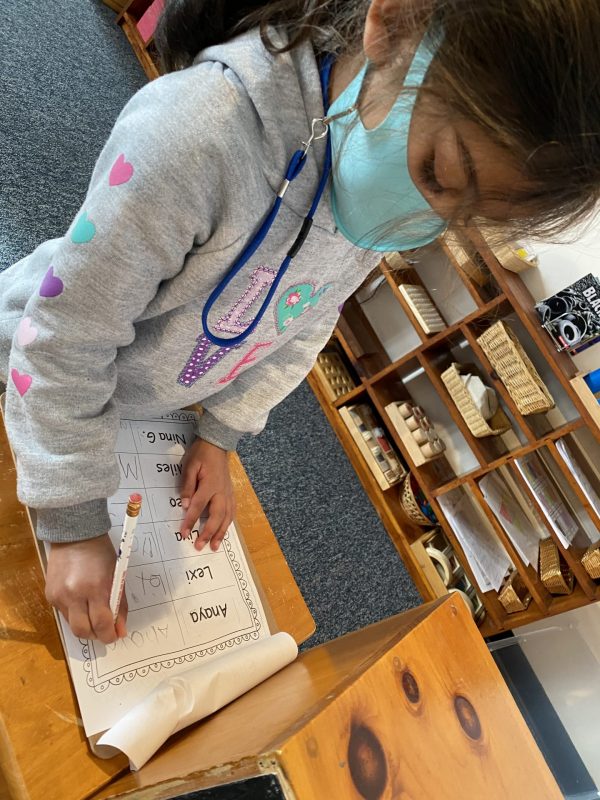
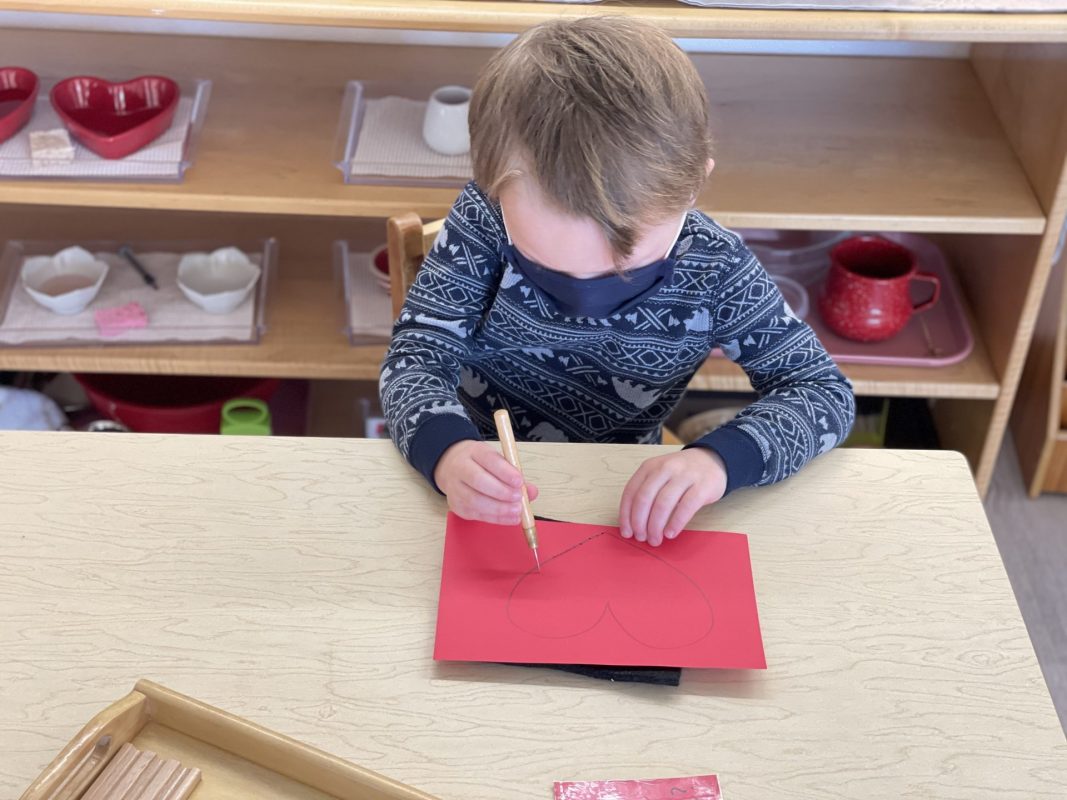
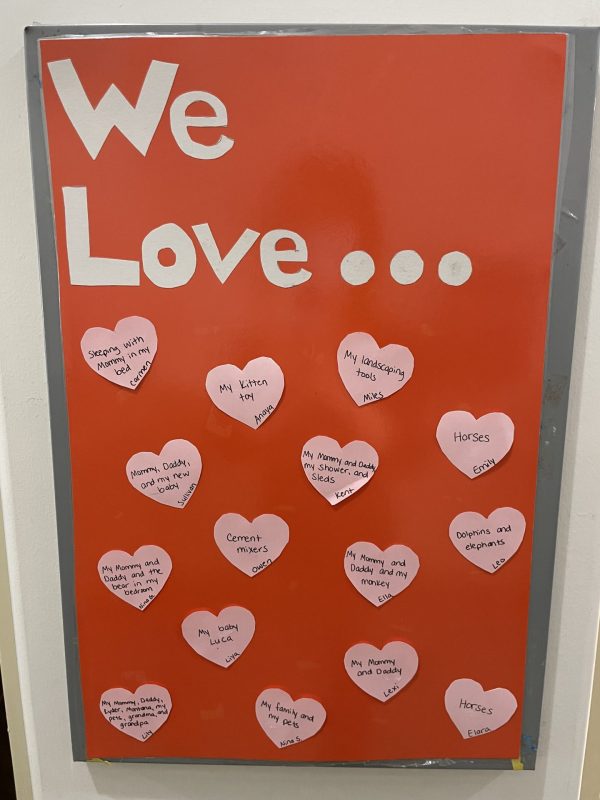
As we begin February, we start to talk about Valentine’s Day and why it is important to celebrate the people and things that we love.  This week we asked the children to name one thing that they love and created a small board with their answers to display outside our classroom.  Below are the responses your children gave.  The simplicity of their words will bring a smile to your face:

Anaya: My kitten toy

Carmen: Sleeping with Mommy in my bed

Elara: Horses

Ella: My Mommy and Daddy and my monkey

Emily: Horses

Kent: My Mommy and Daddy, my shower, and sleds

Leo: Dolphins and elephants

Lexi: My Mommy and Daddy

Lily: My Mommy, Daddy, Ryder, Montana, my pets, Grandma, and Grandpa

Liya: My baby Luca

Miles: My landscaping tools

Nina G: My Mommy and Daddy and the bear in my bedroom

Nina S: My family and my pets

Owen: Cement mixers

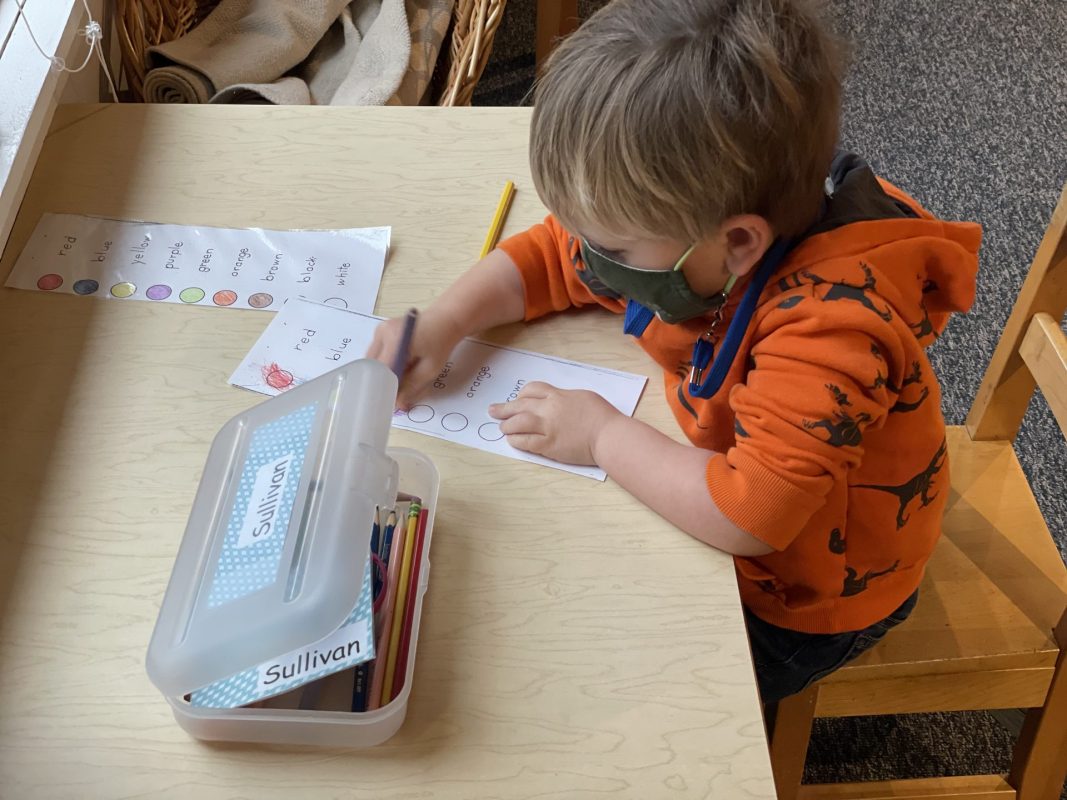
Sullivan: Mommy, Daddy, and my new baby

If you have not yet signed up for a time to meet on our Parent/Teacher conference day please take time to do so by clicking the link below. We look forward to “seeing” everyone on February 11th!

Conference Sign Up

Enjoy the week!

Amanda & Sharlene