Blog

Mrs. Hood’s Class: Jingle All the Way!

Rhythm is helpful in all sorts of ways. The pattern recognition inherent in rhythm can help your children to be better observers and better learners (also better athletes). Like any motor skill, rhythm needs to be cultivated and developed. It just so happens the exercises that help develop rhythm can also help with language fluency and reading, two other key life skills for young children to develop.

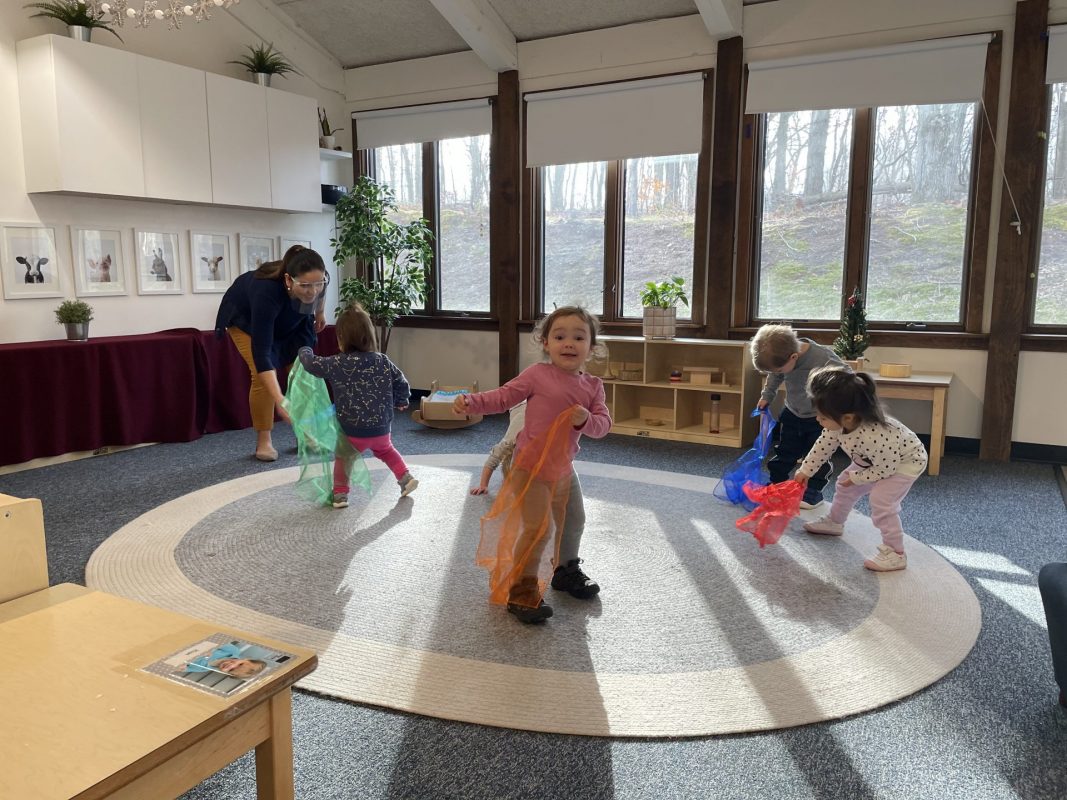
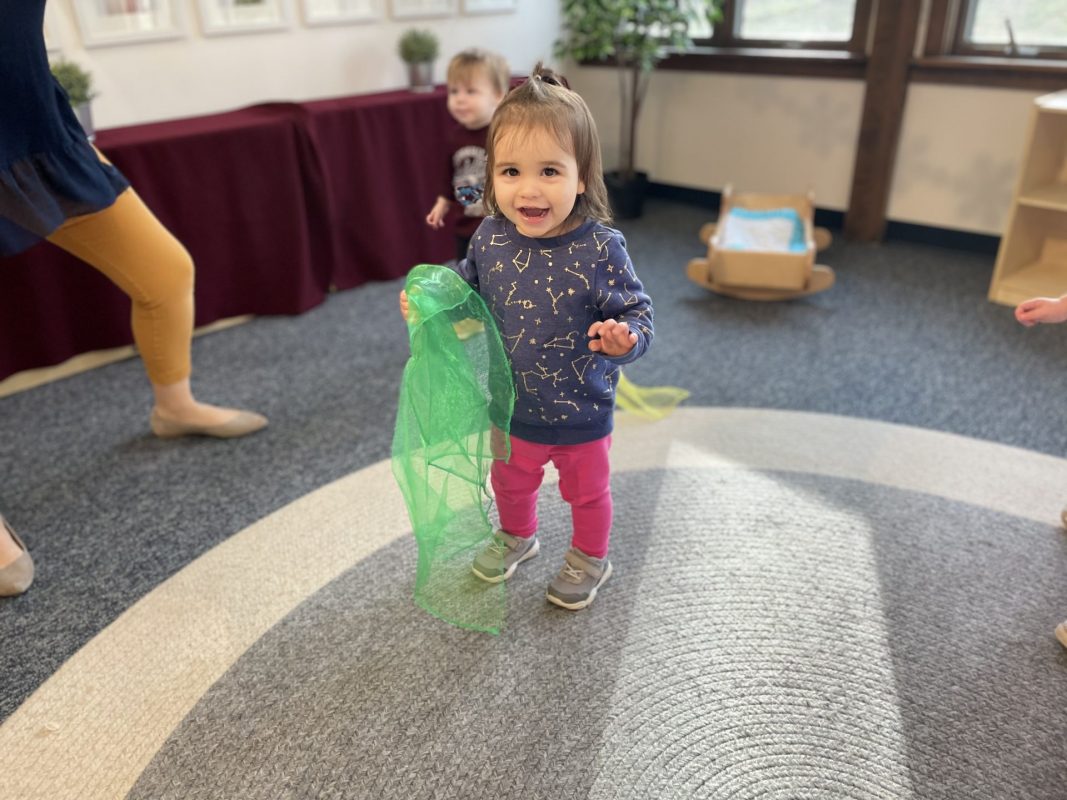
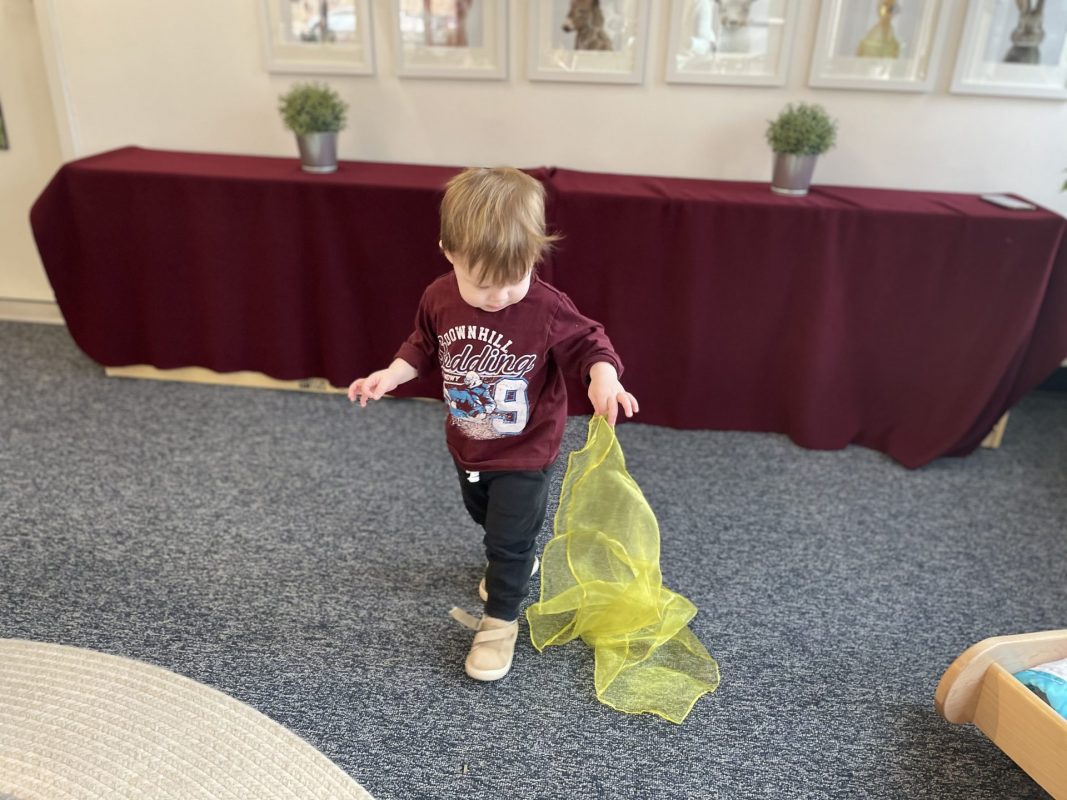
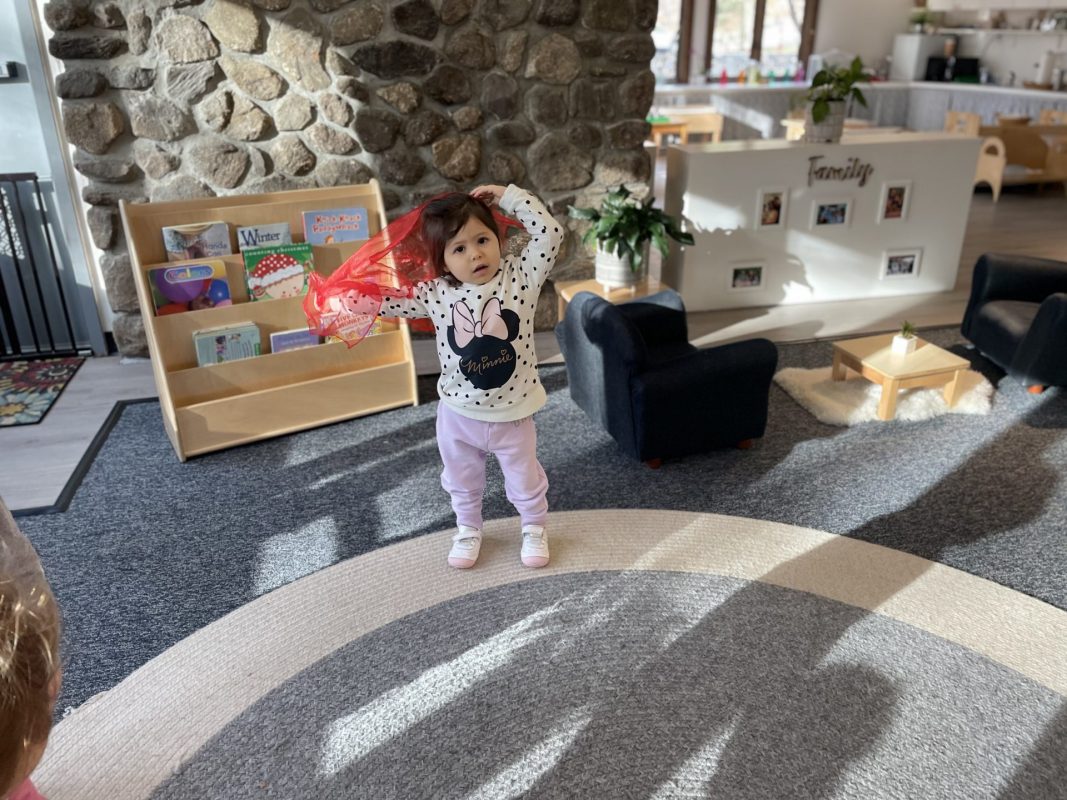
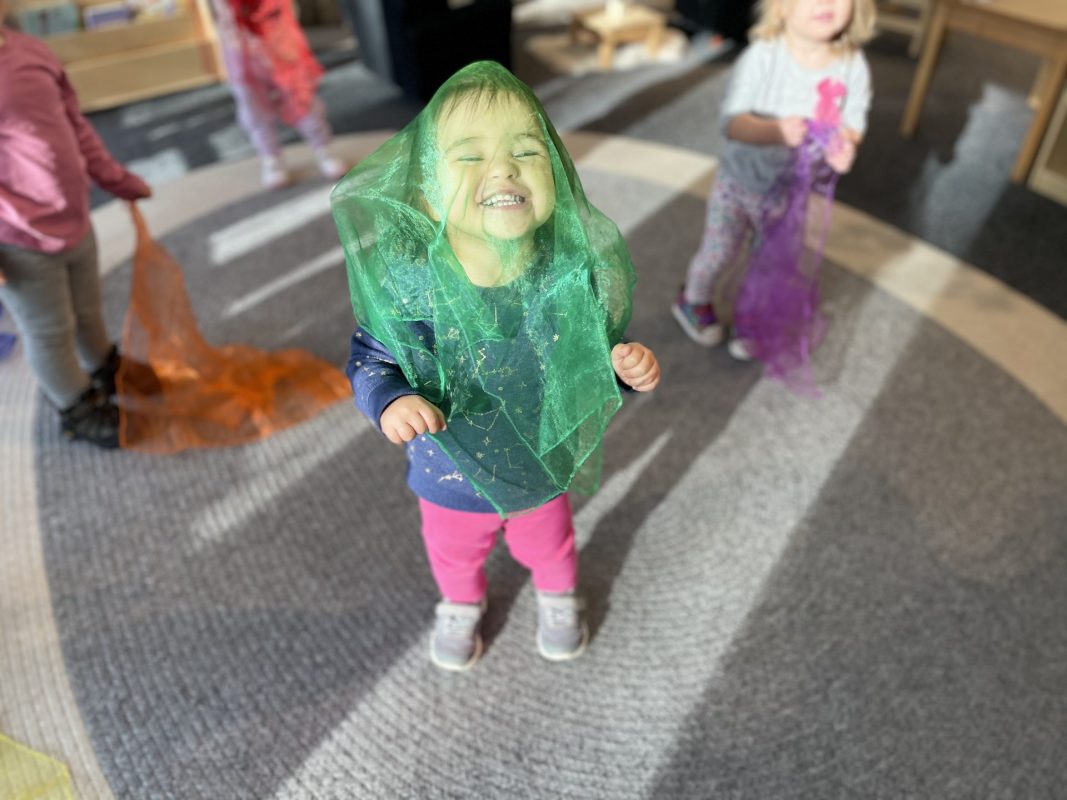
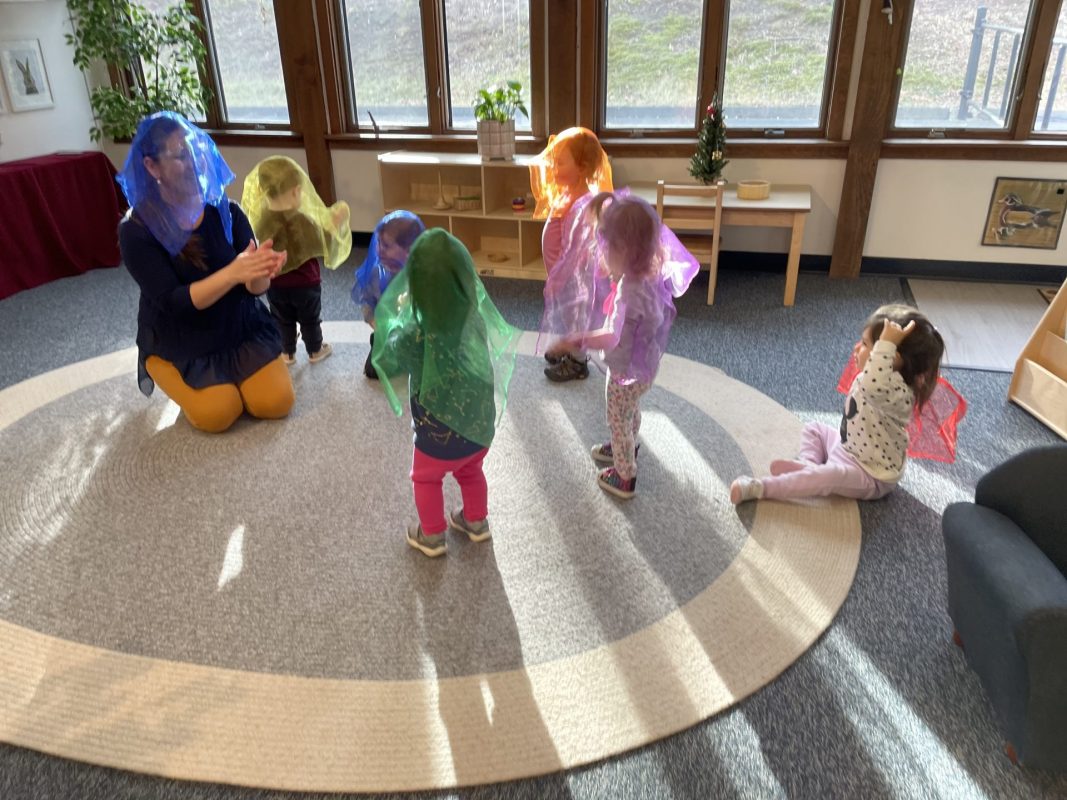
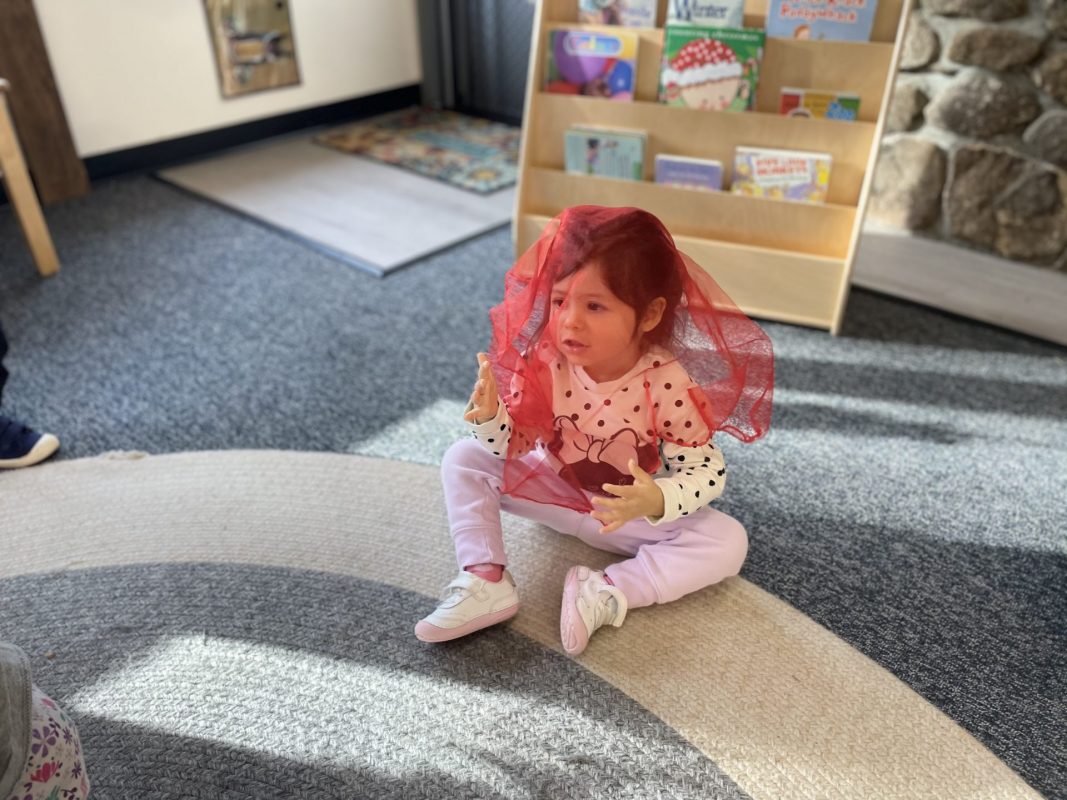
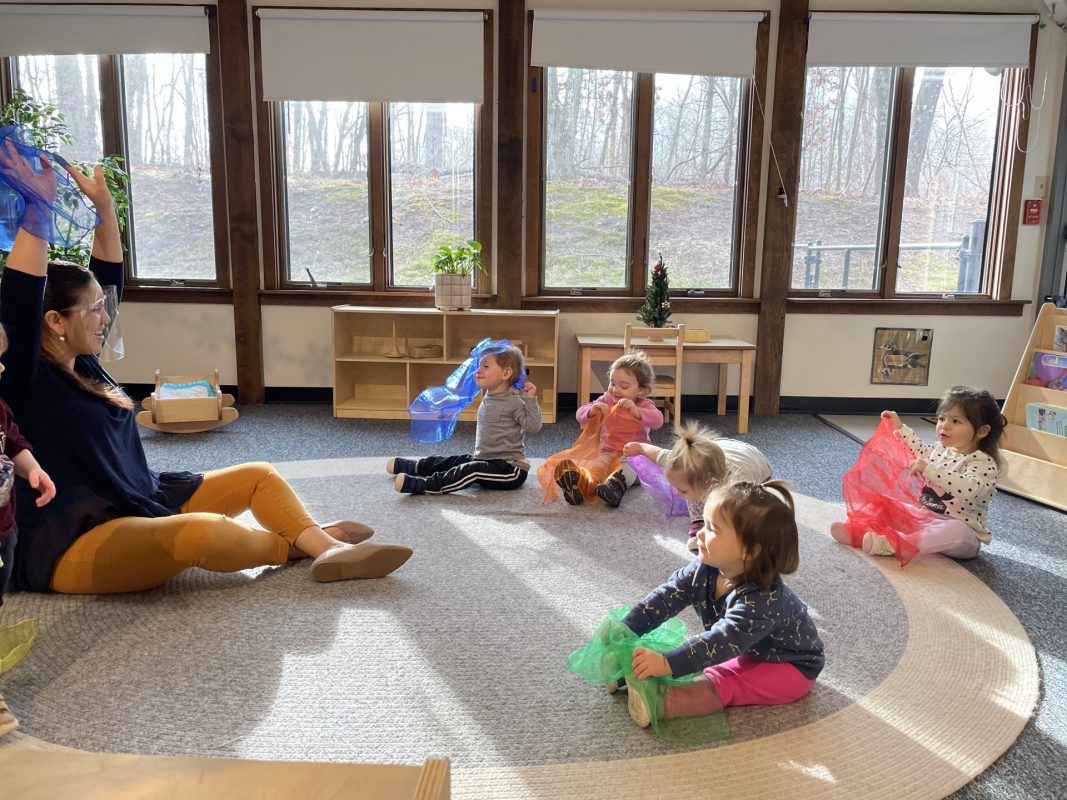
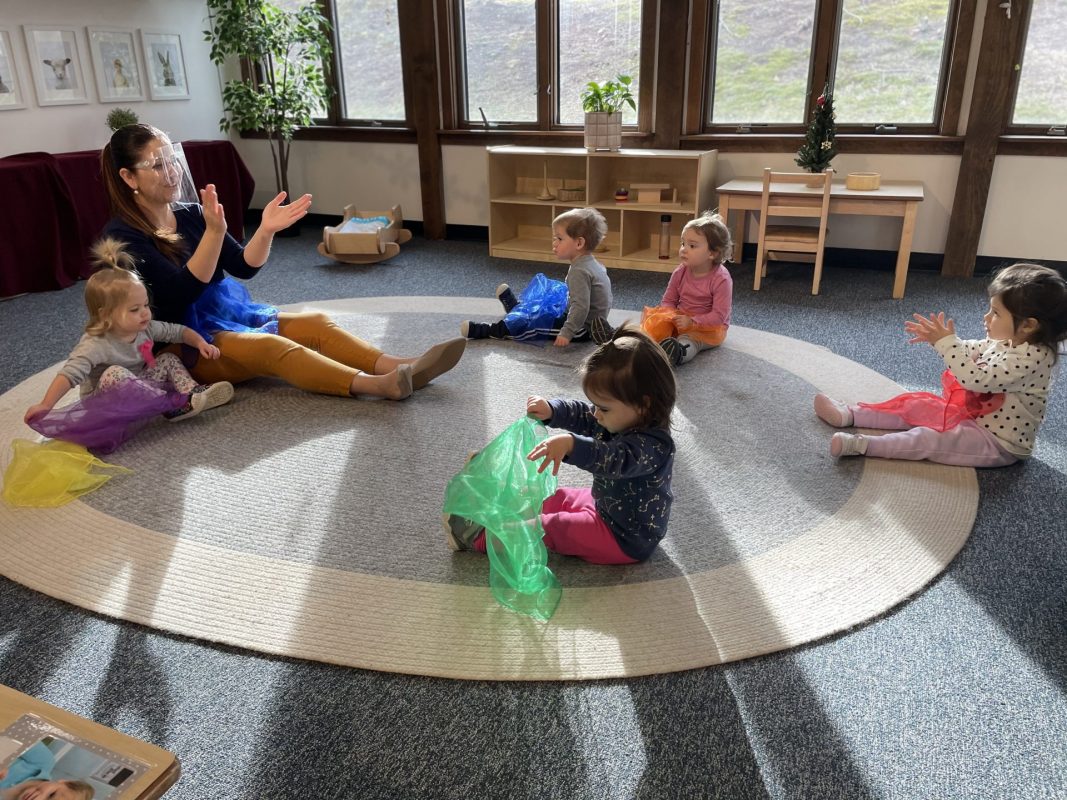
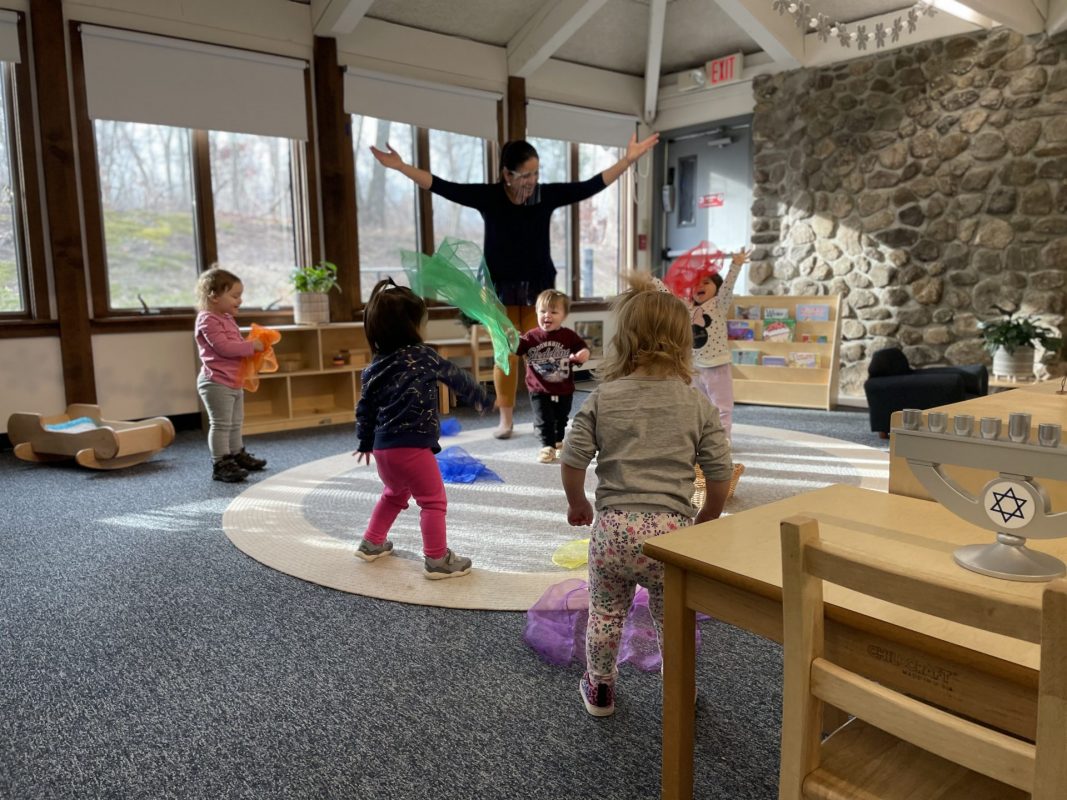
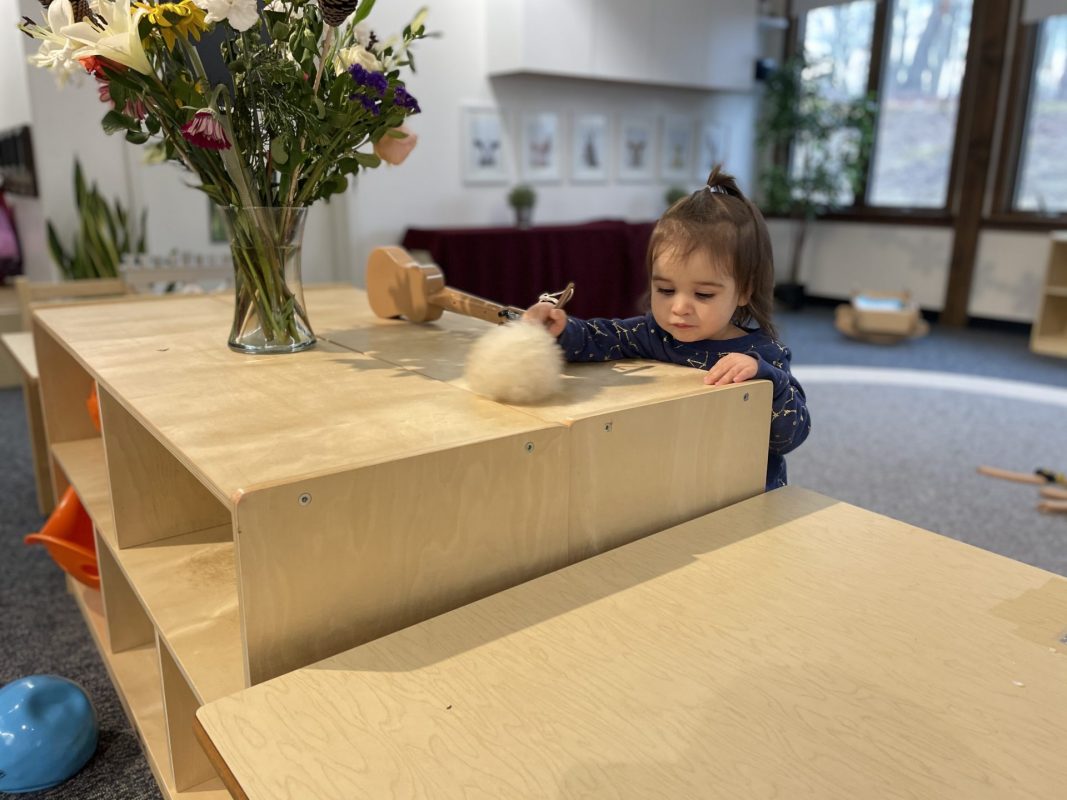
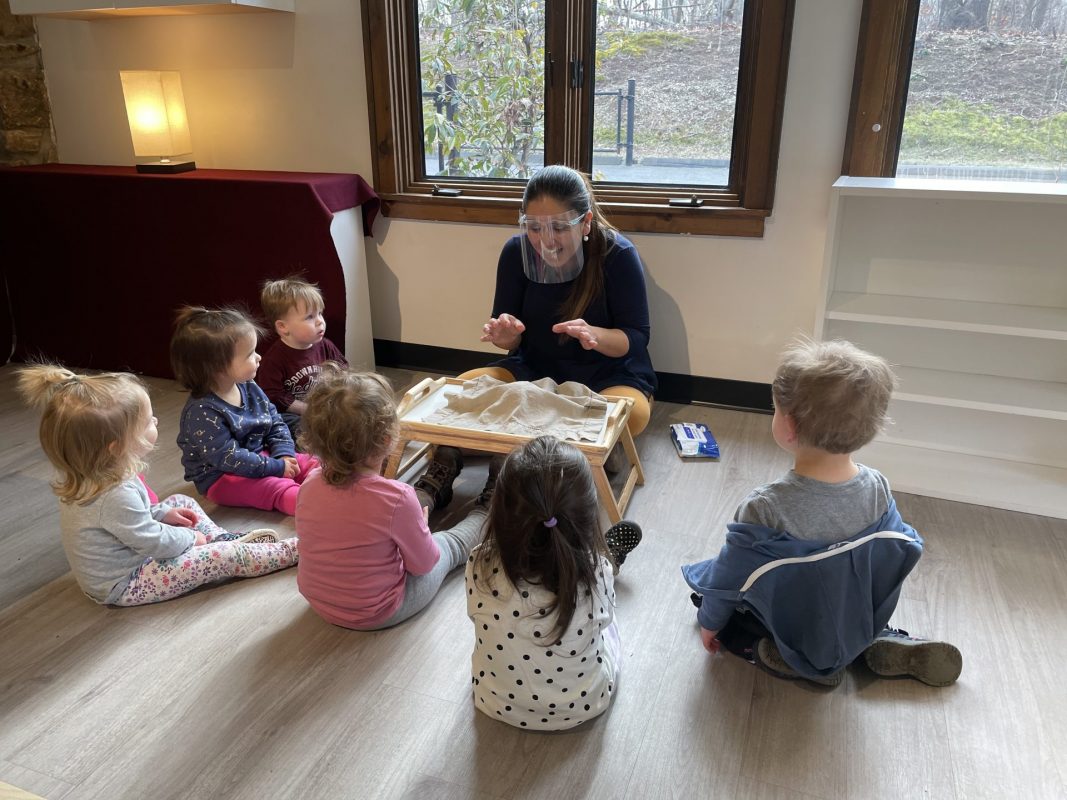
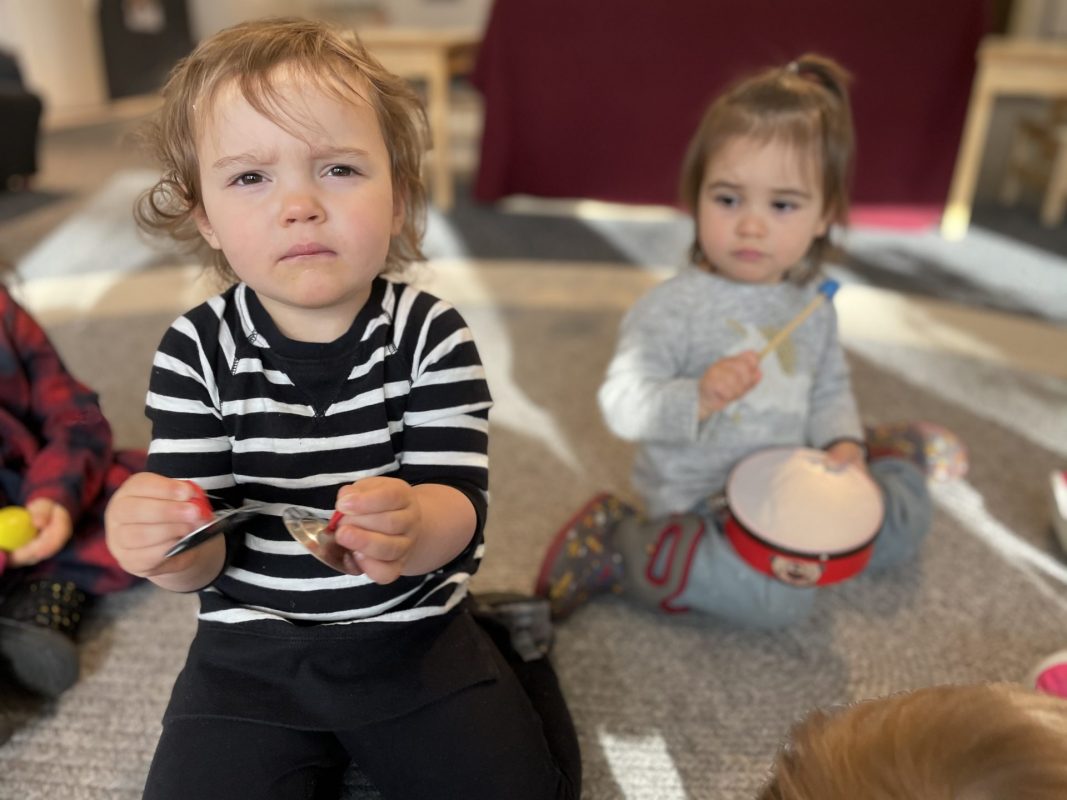
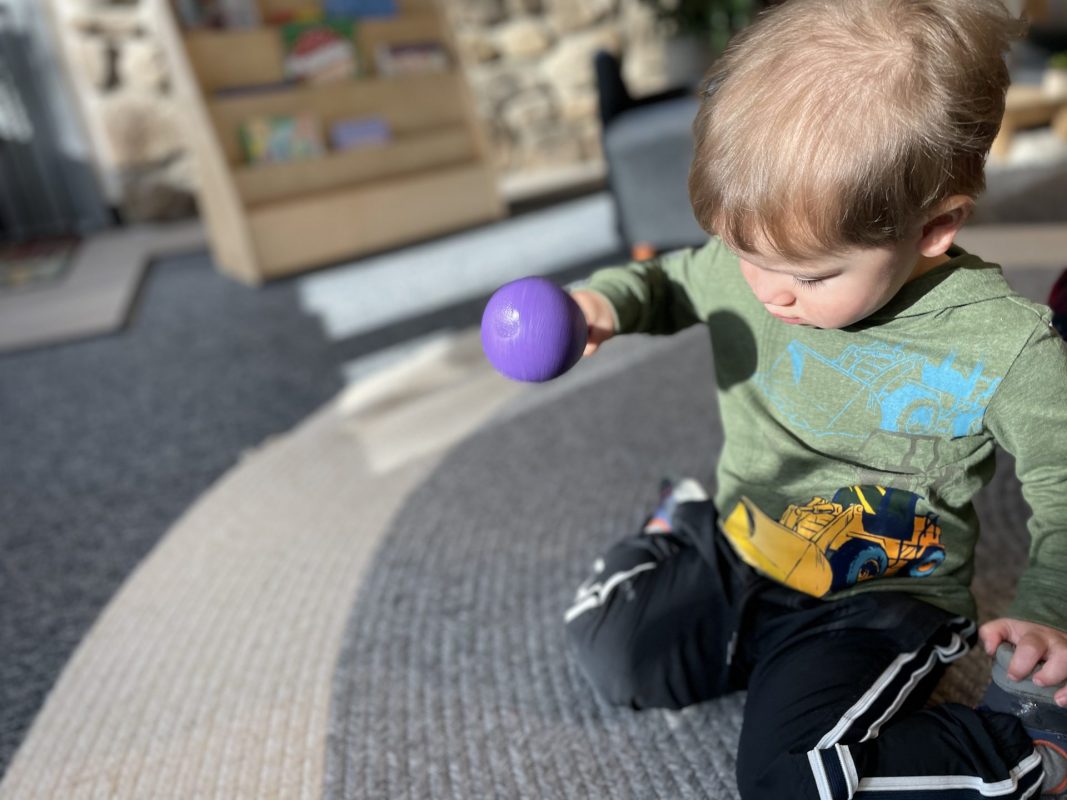
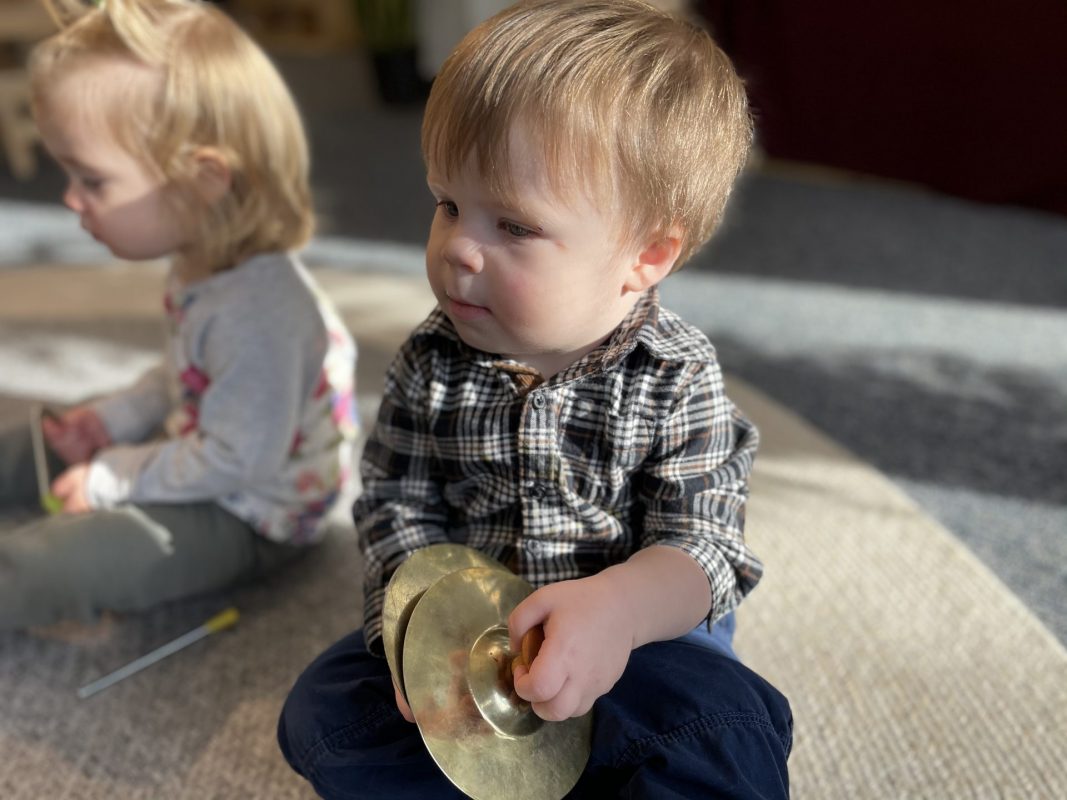
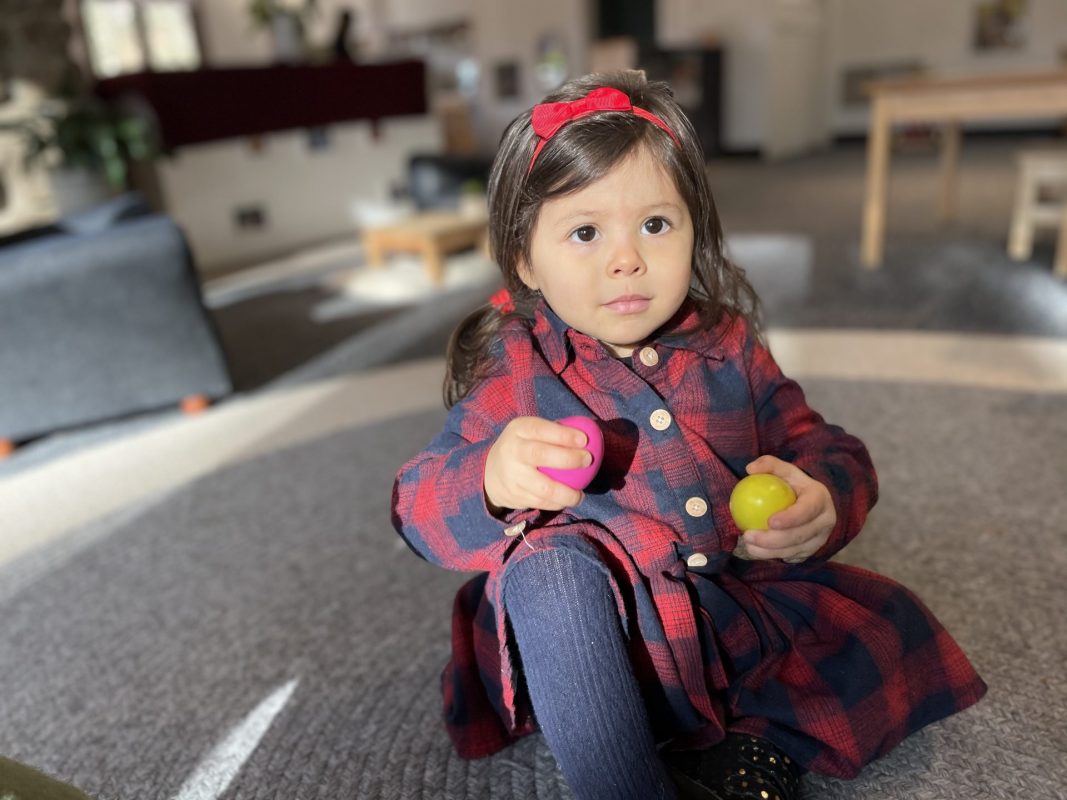
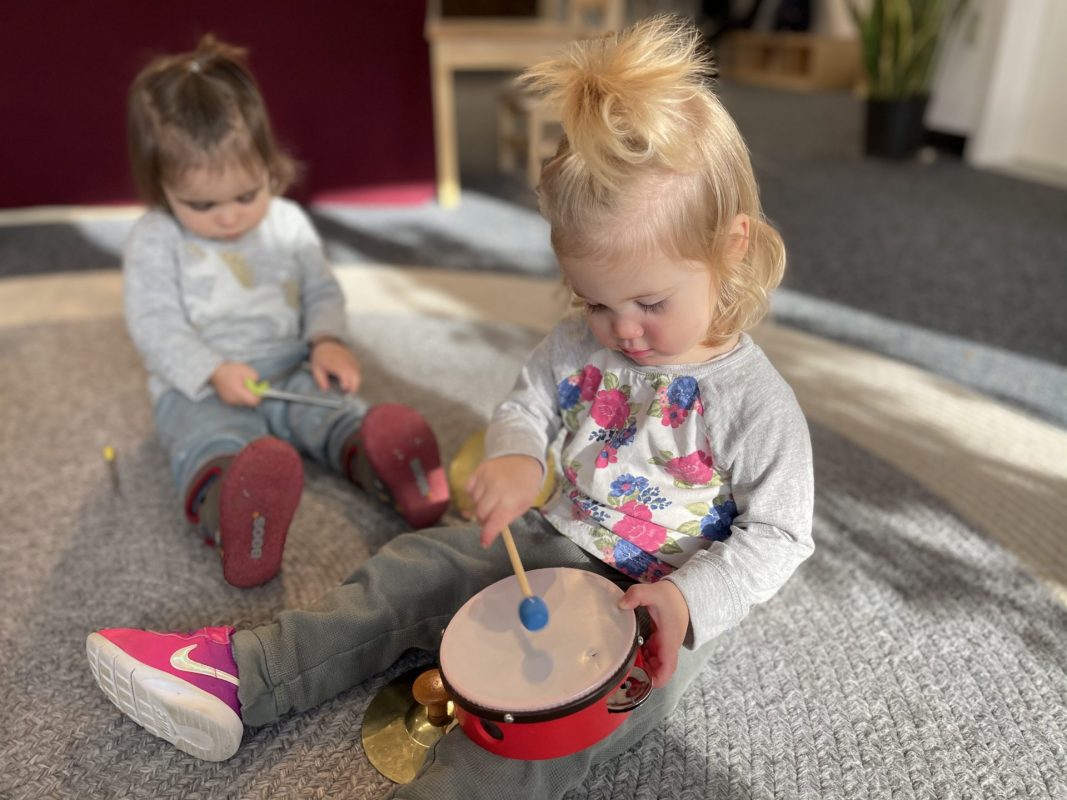
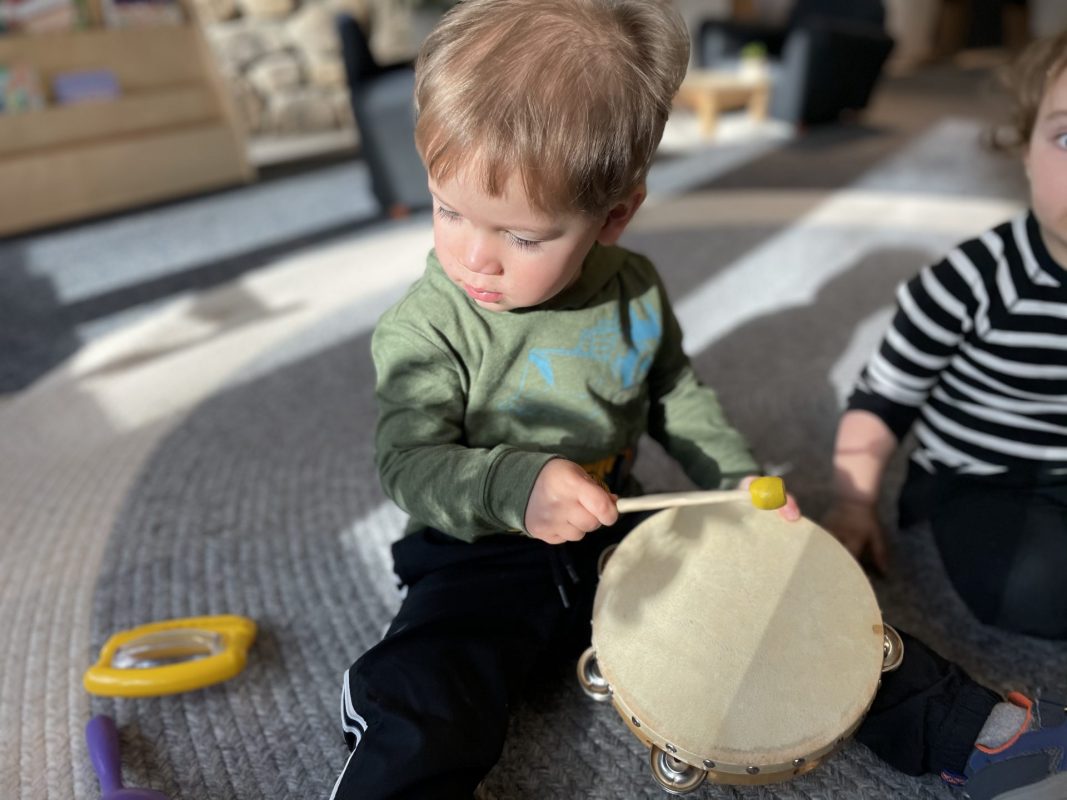
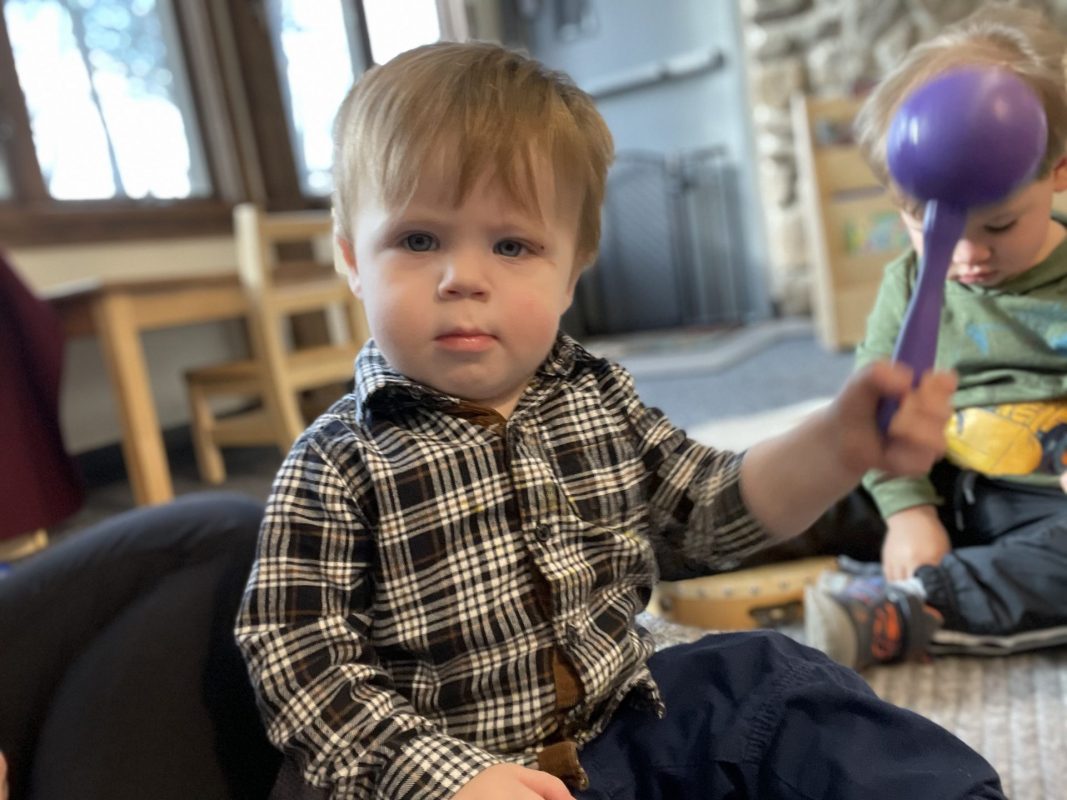
In our environment, music is a daily activity. Whole body movement songs, finger-plays, and instrument times are always part of our morning routine. This week, we had fun adding holiday songs and rocking to the sound of Jingle Bells, Candle Chase, We Wish You a Merry Christmas and of course, Feliz Navidad by Jose Feliciano. 

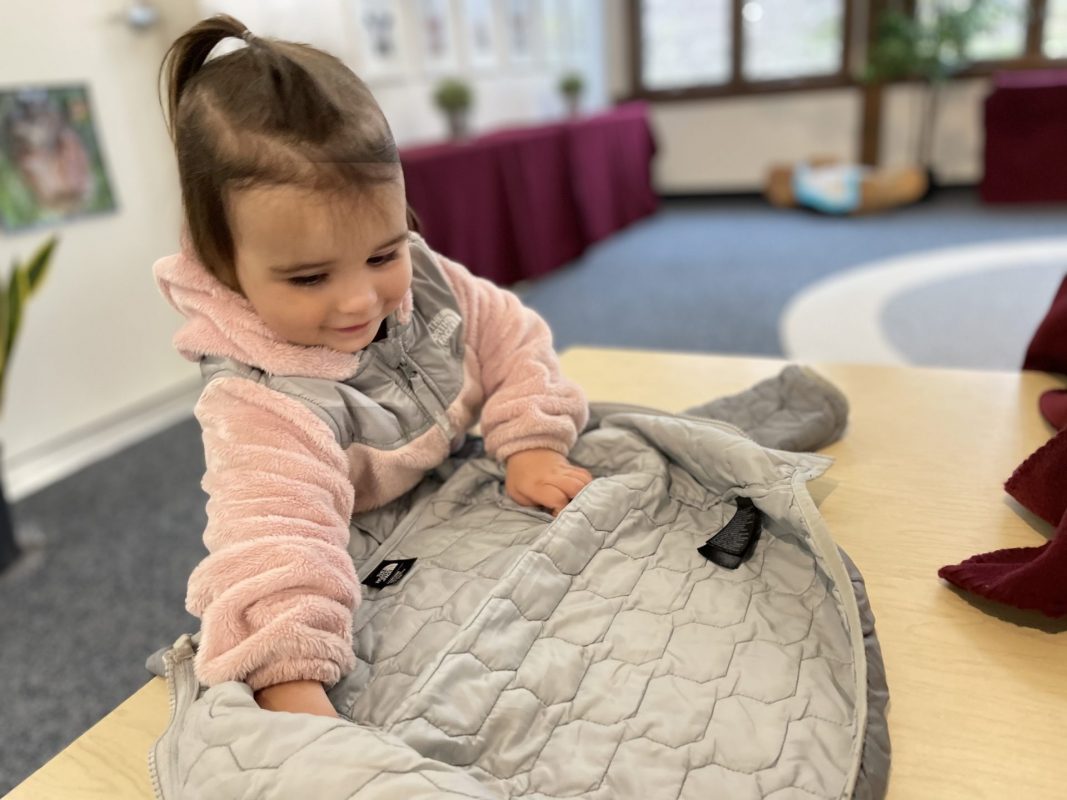
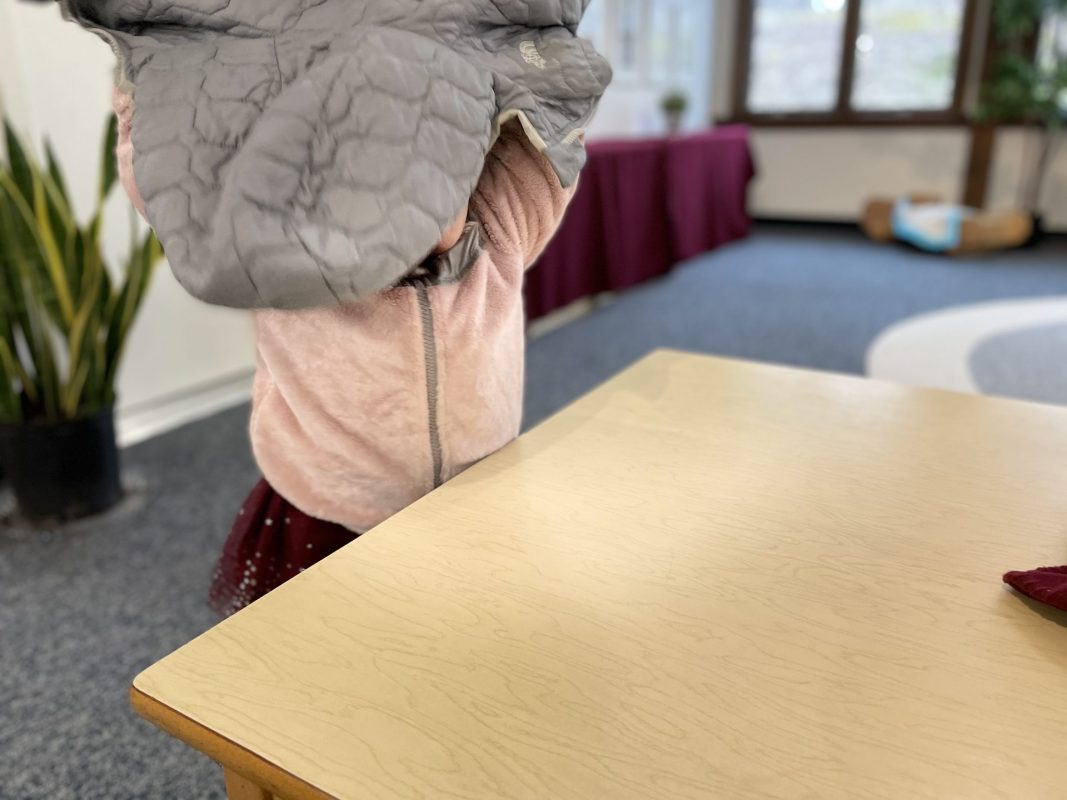
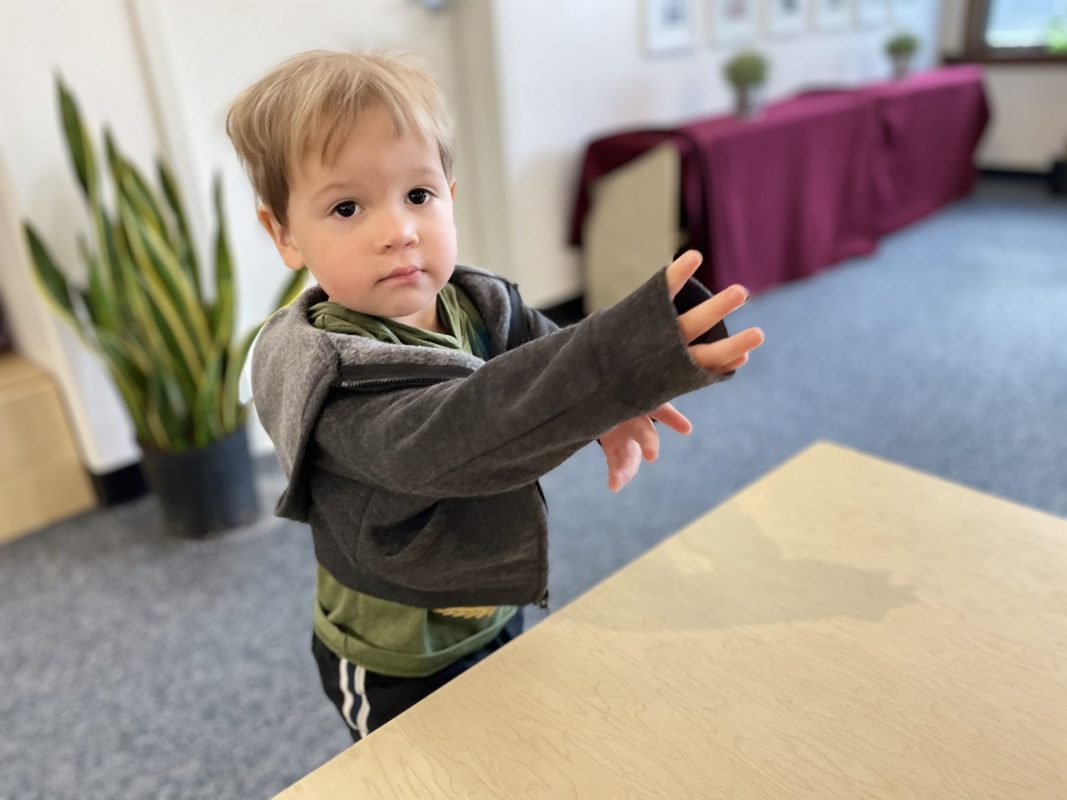
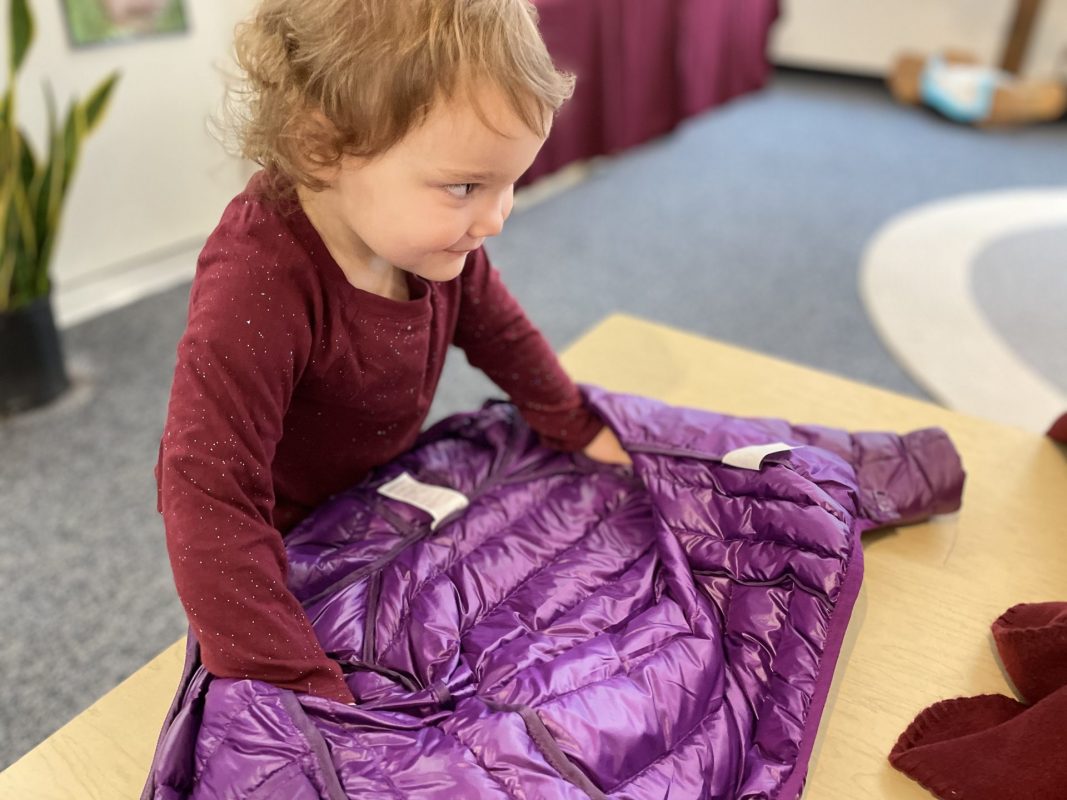
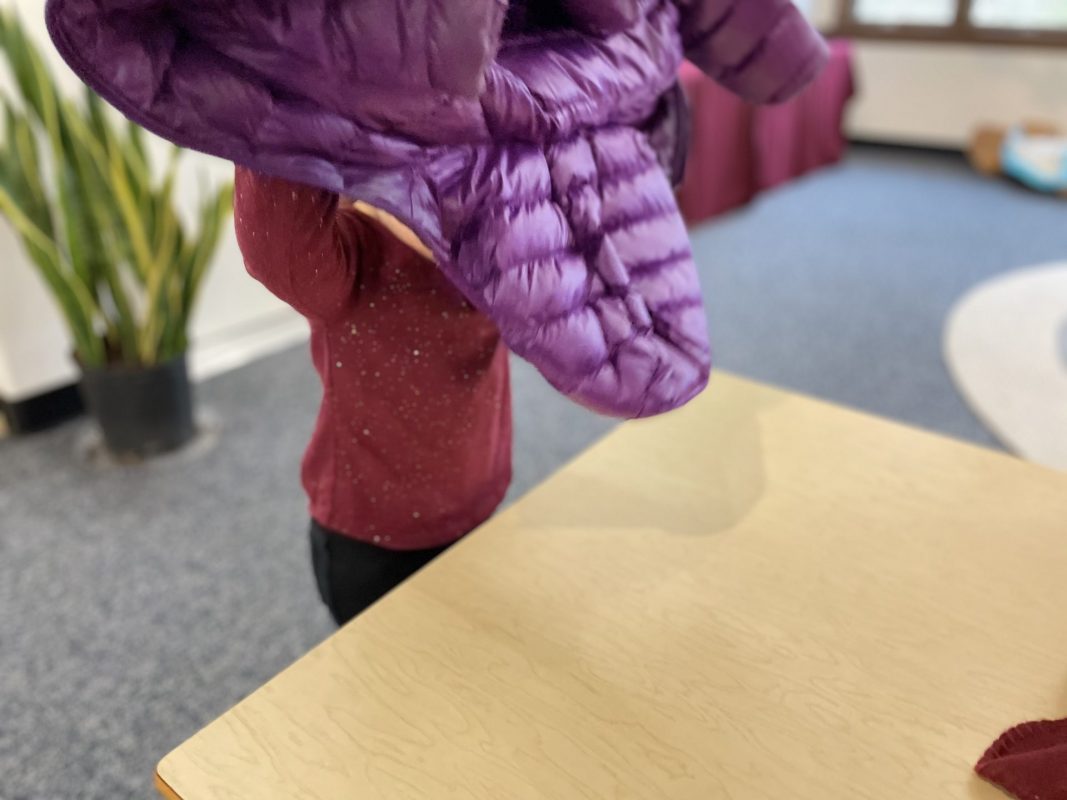
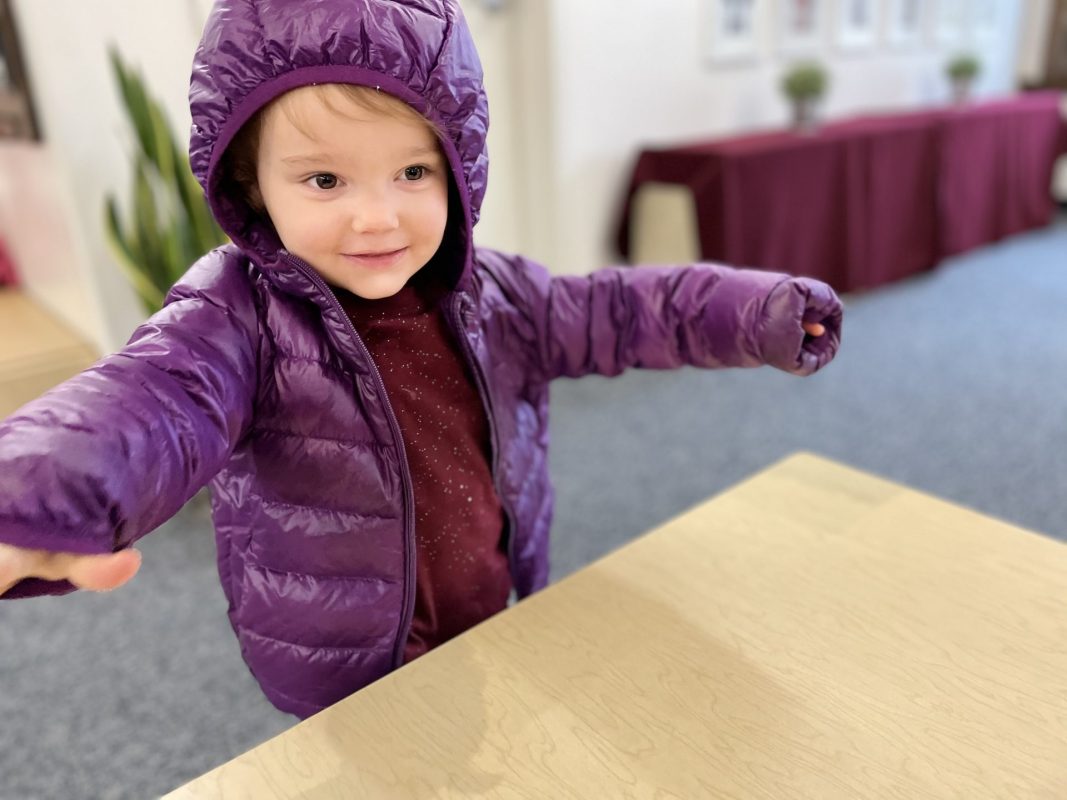
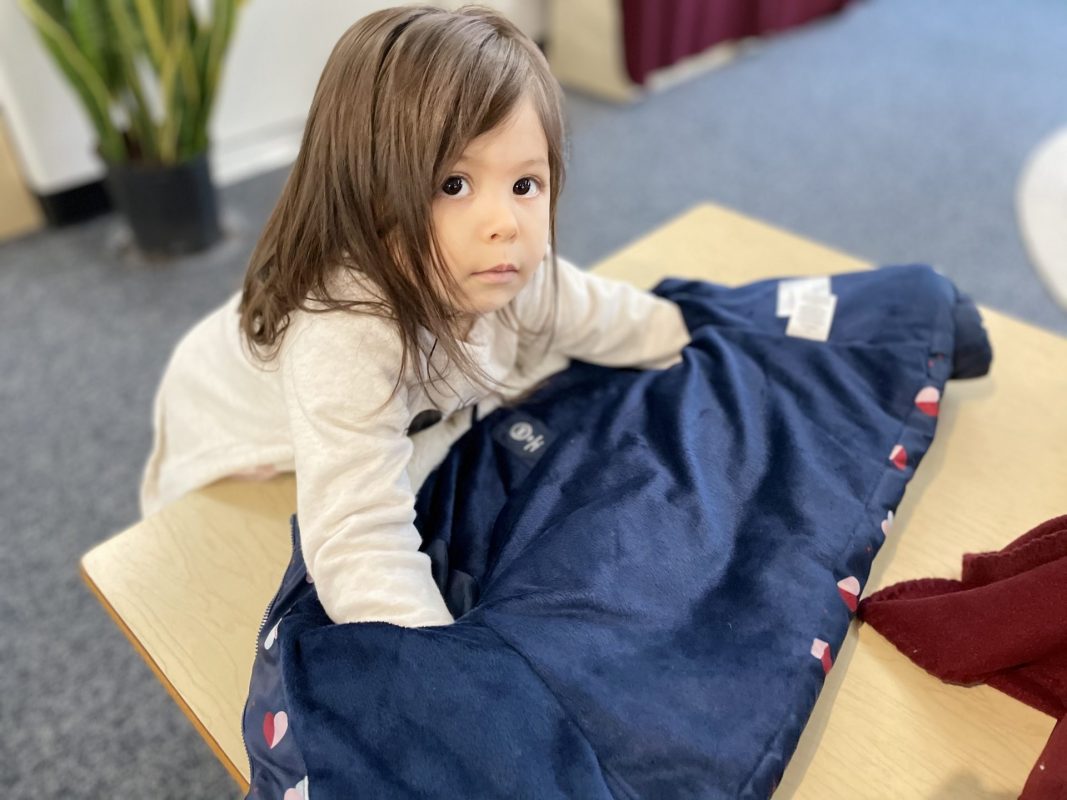
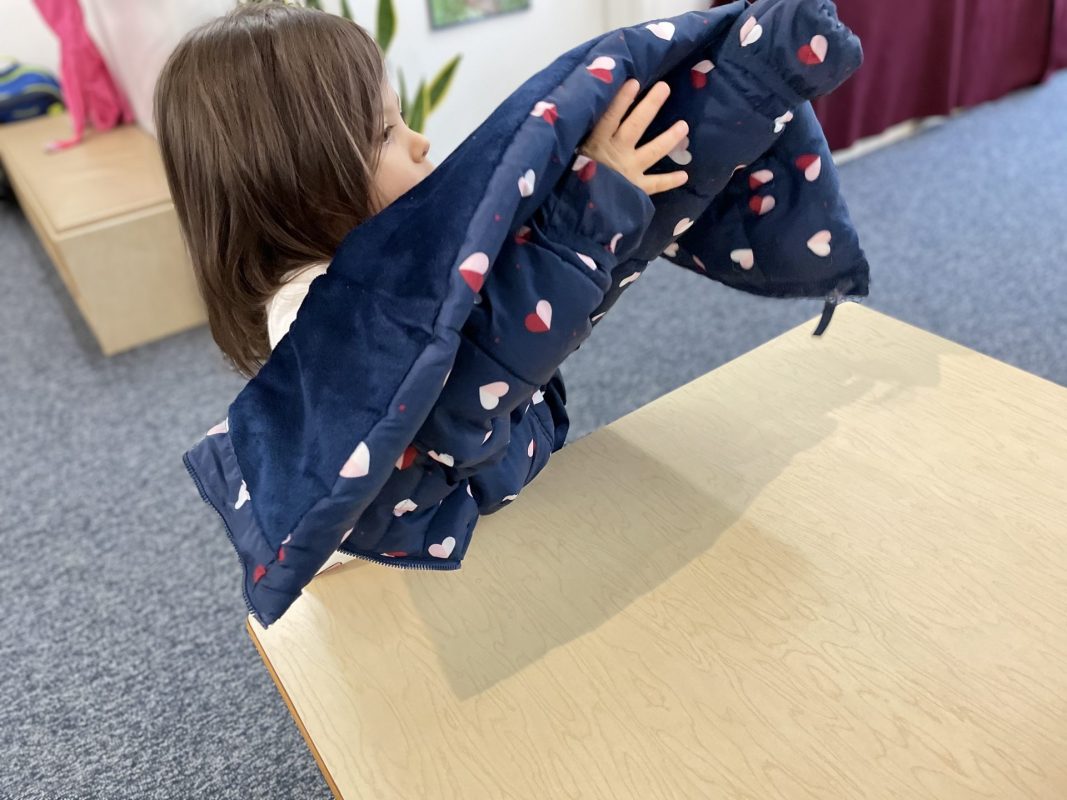
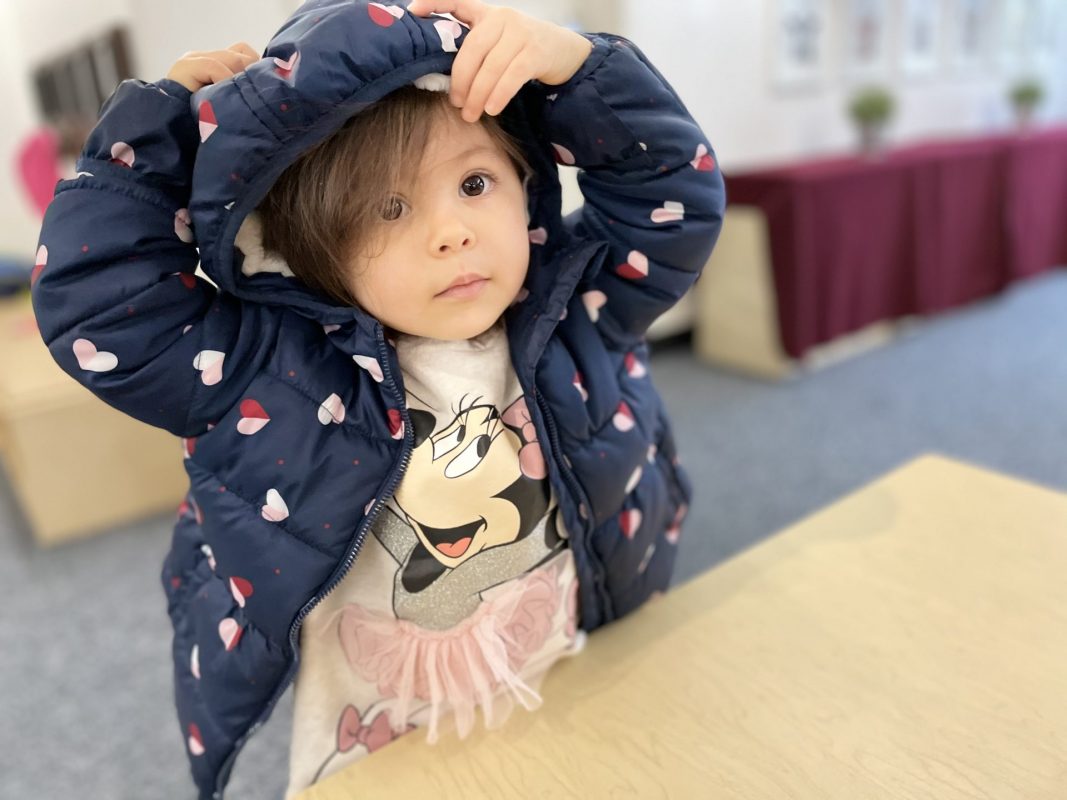
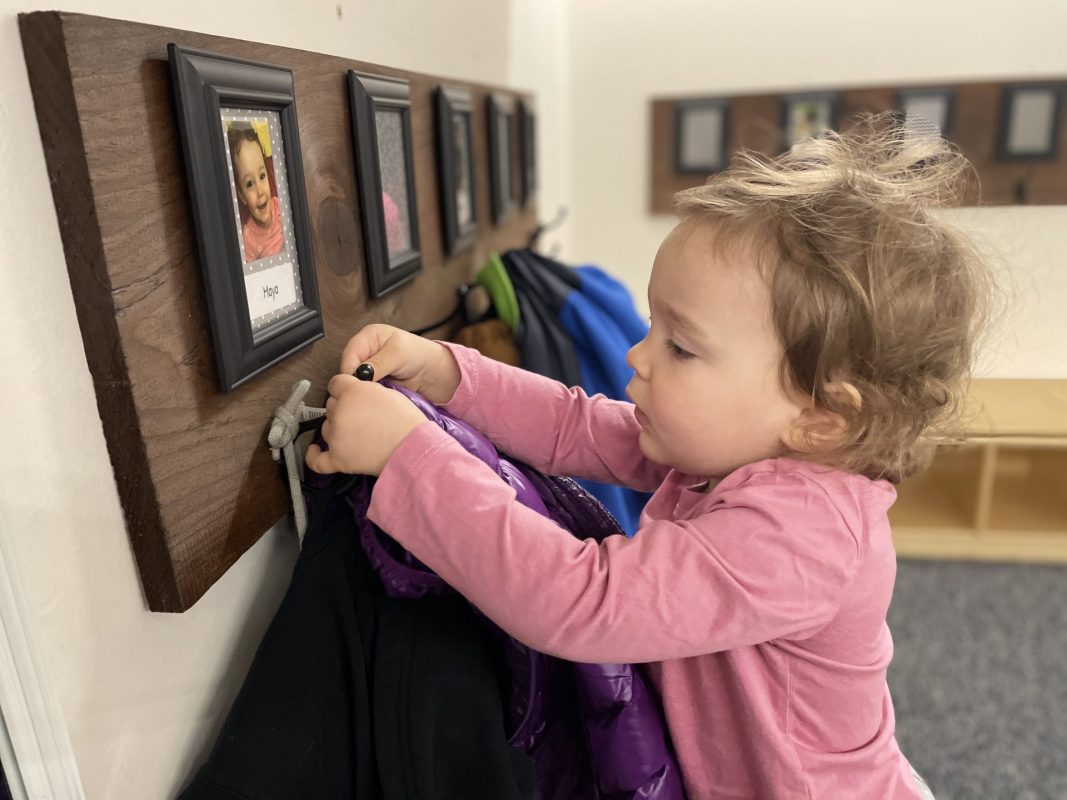
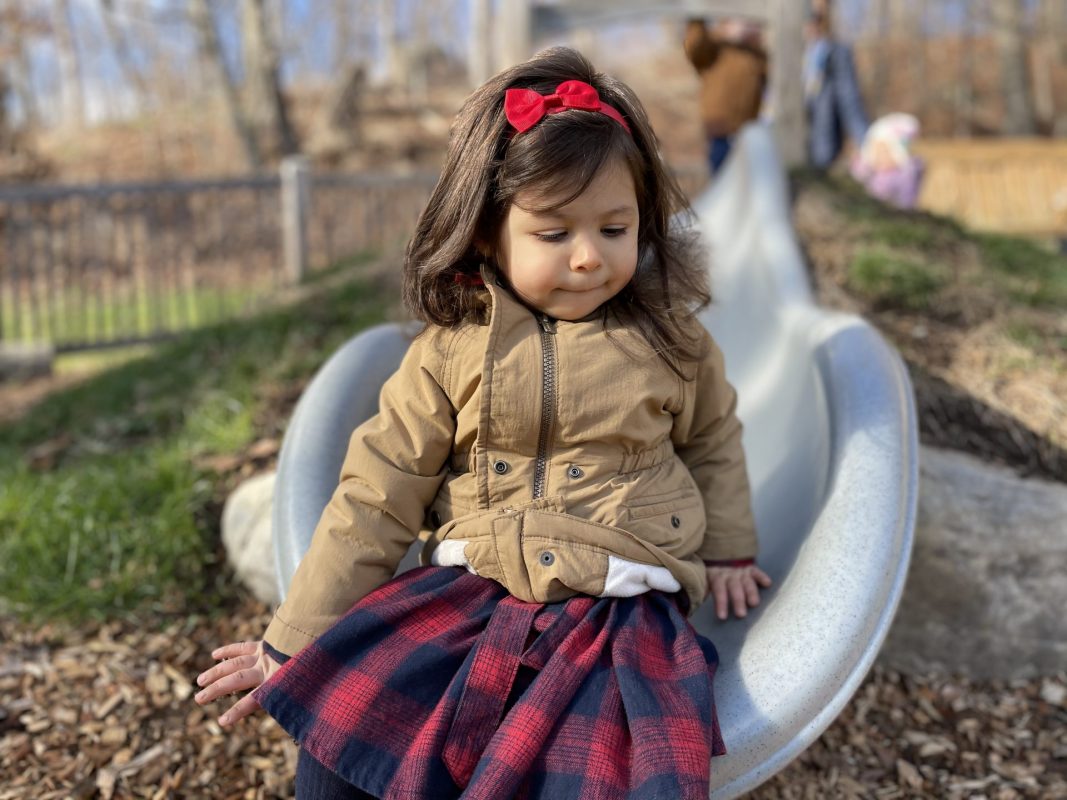
In our practical life, we introduced and modeled how the children can independently put their own jackets on. The smiles on the children’s faces is so great to witness as they try what we call the “fliparoo”. We encourage you to add this routine at home as well, so this skill becomes perfected and boosts your child’s confidence. 

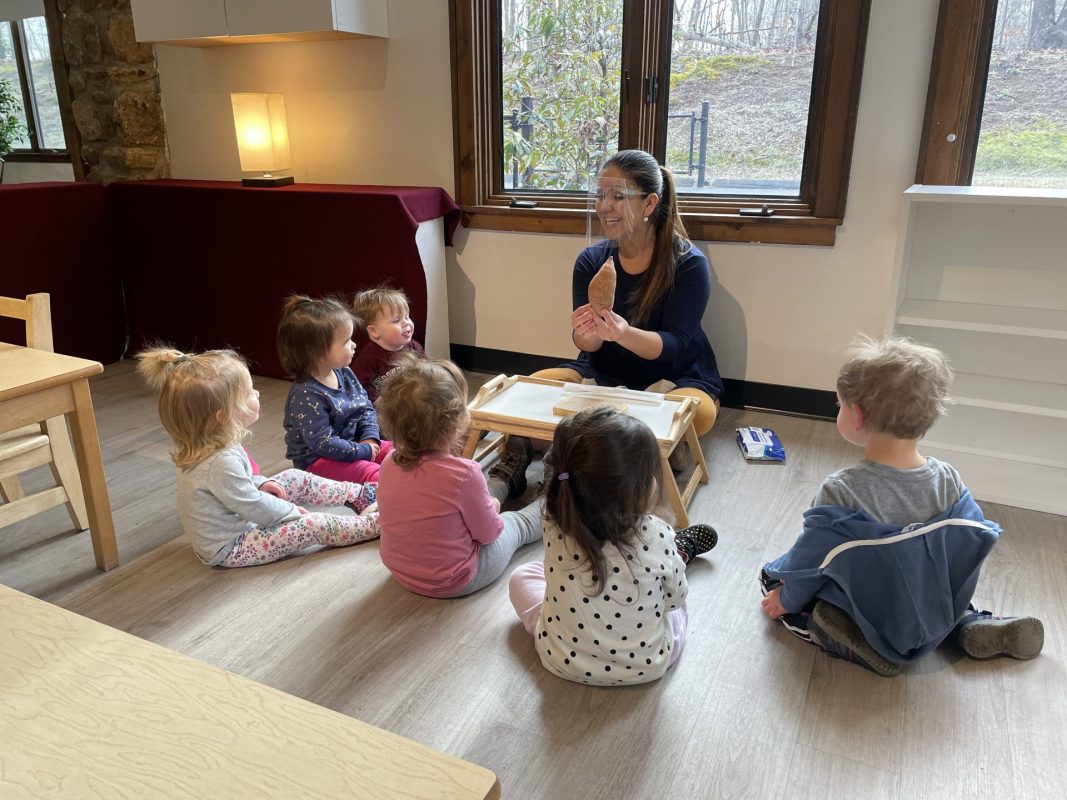
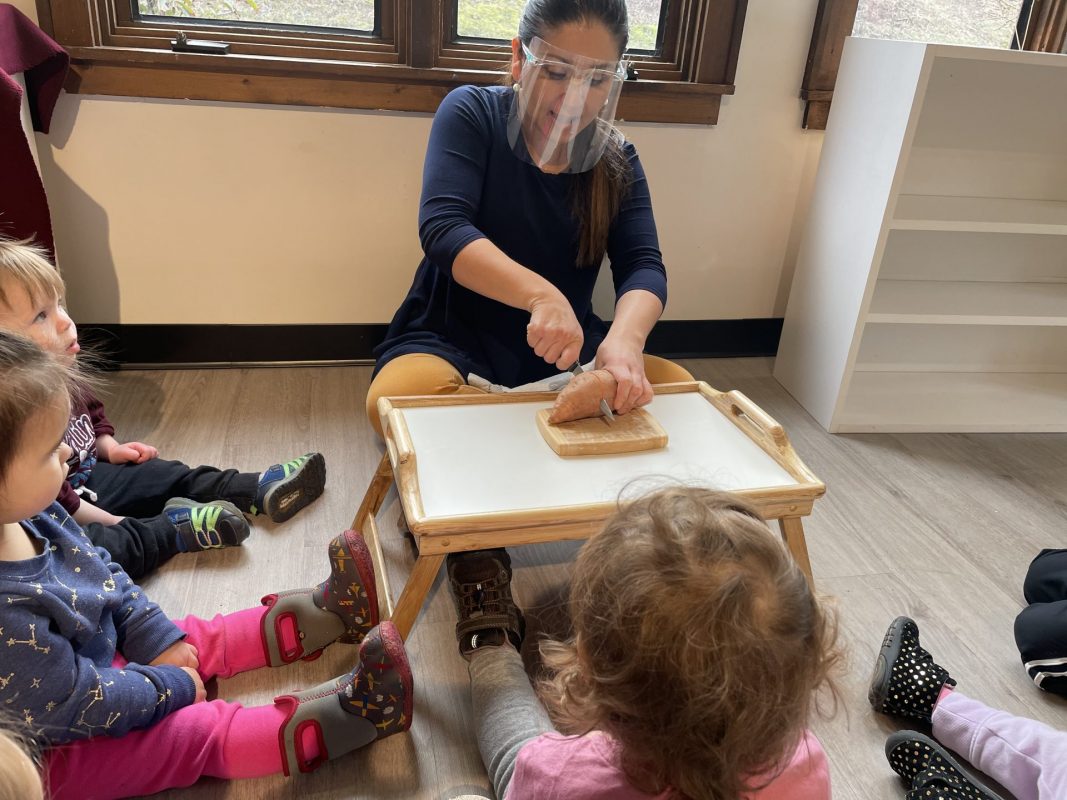
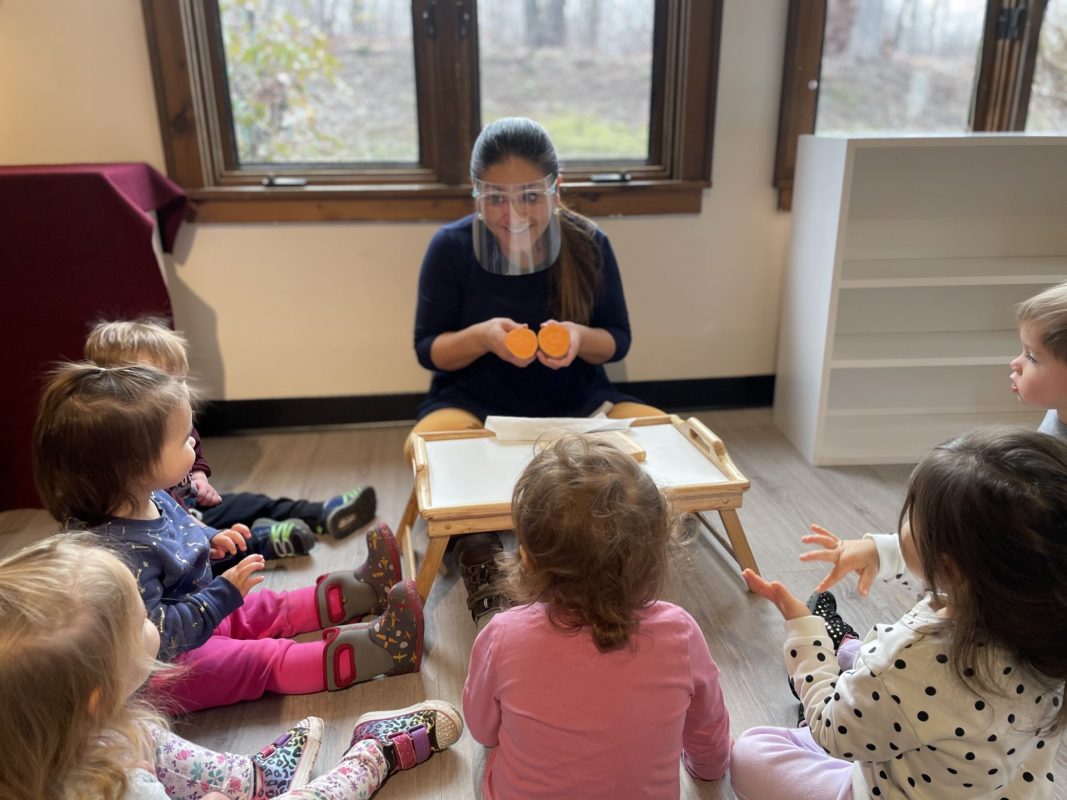
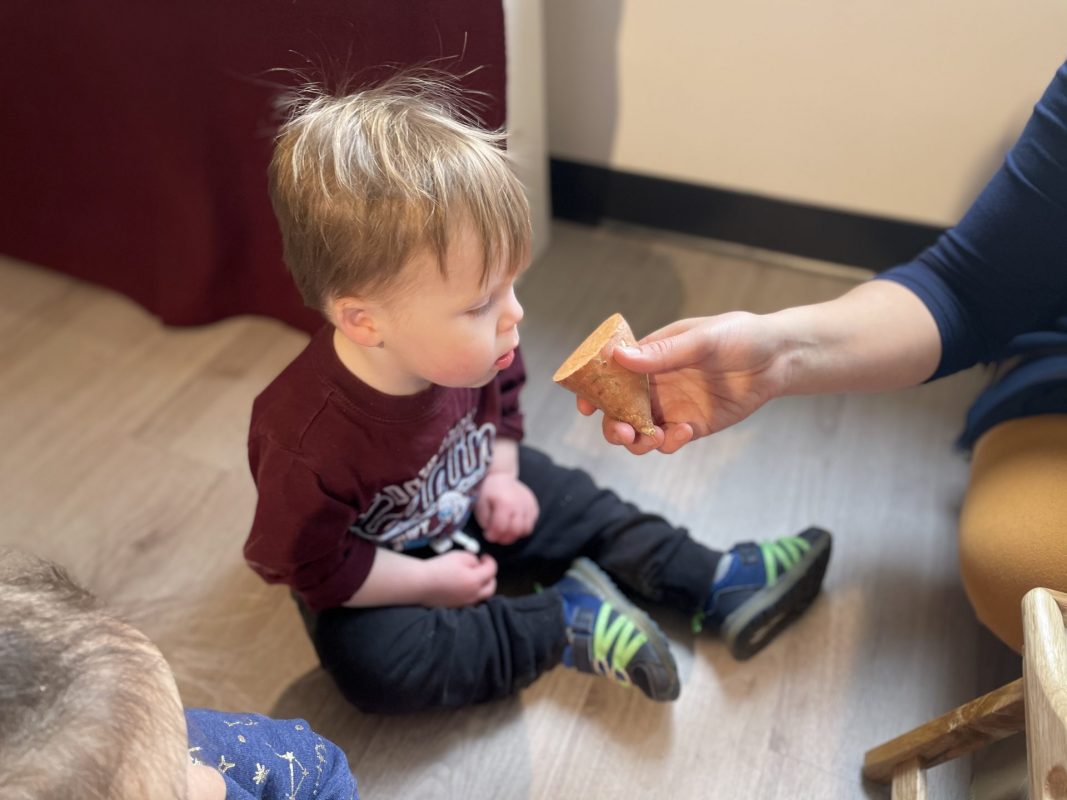
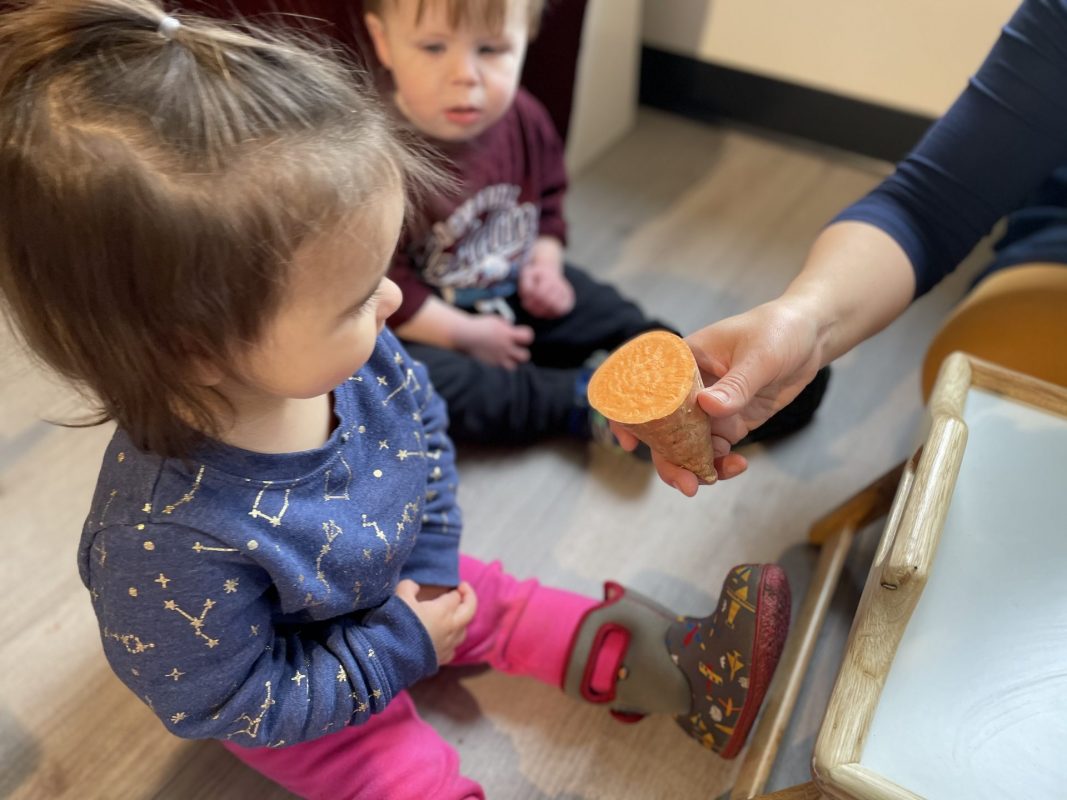
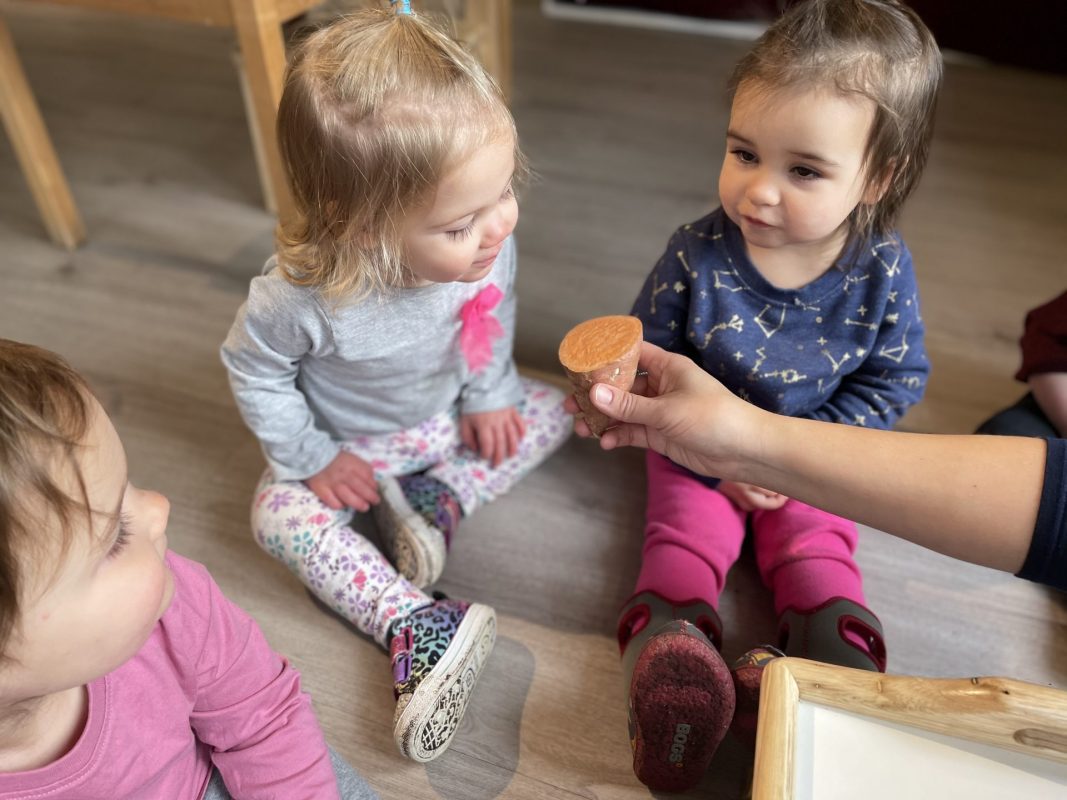
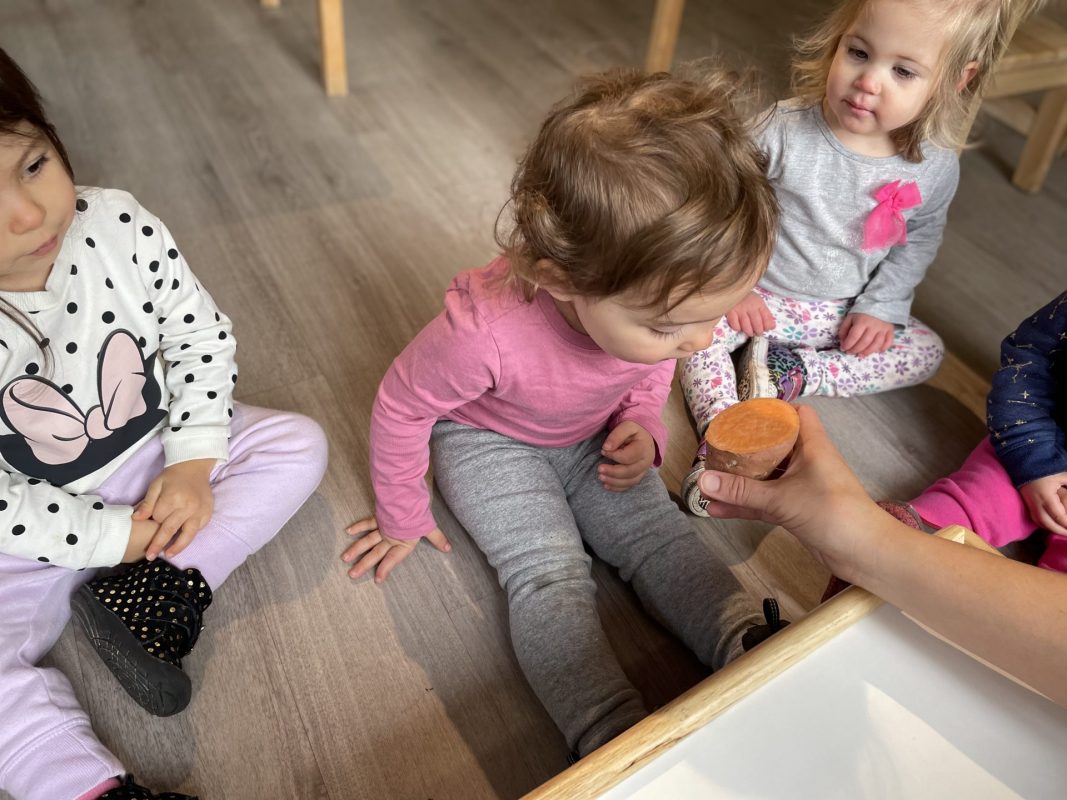
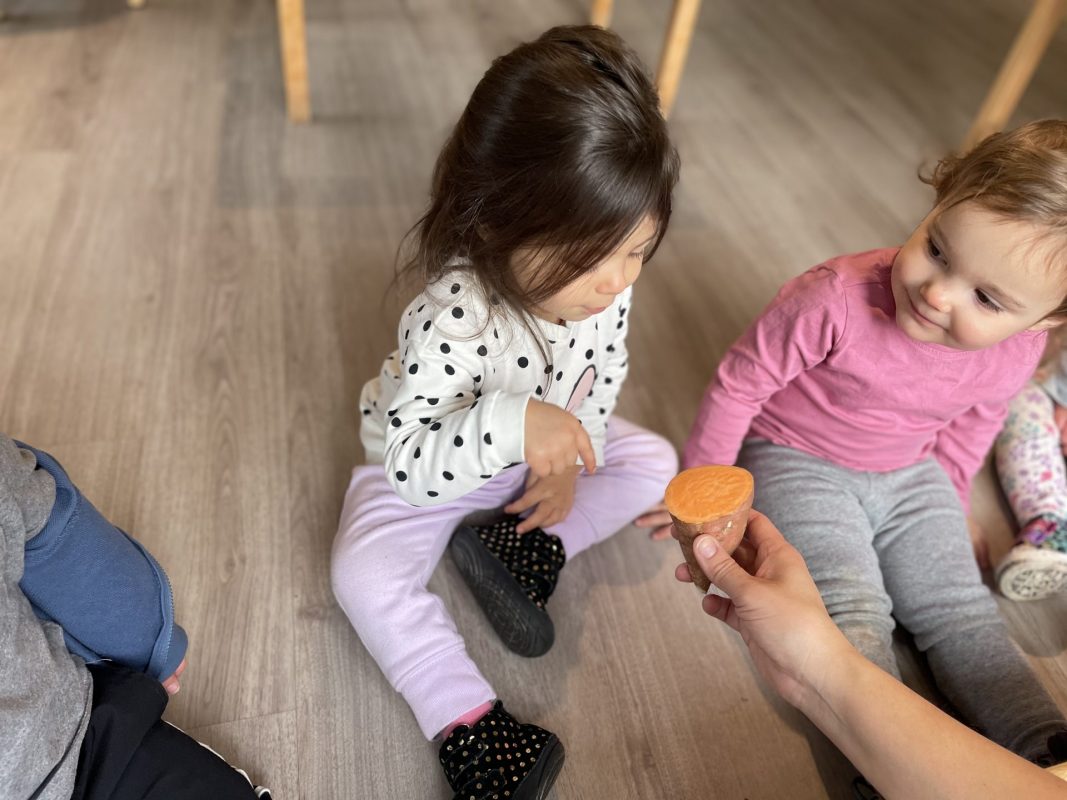
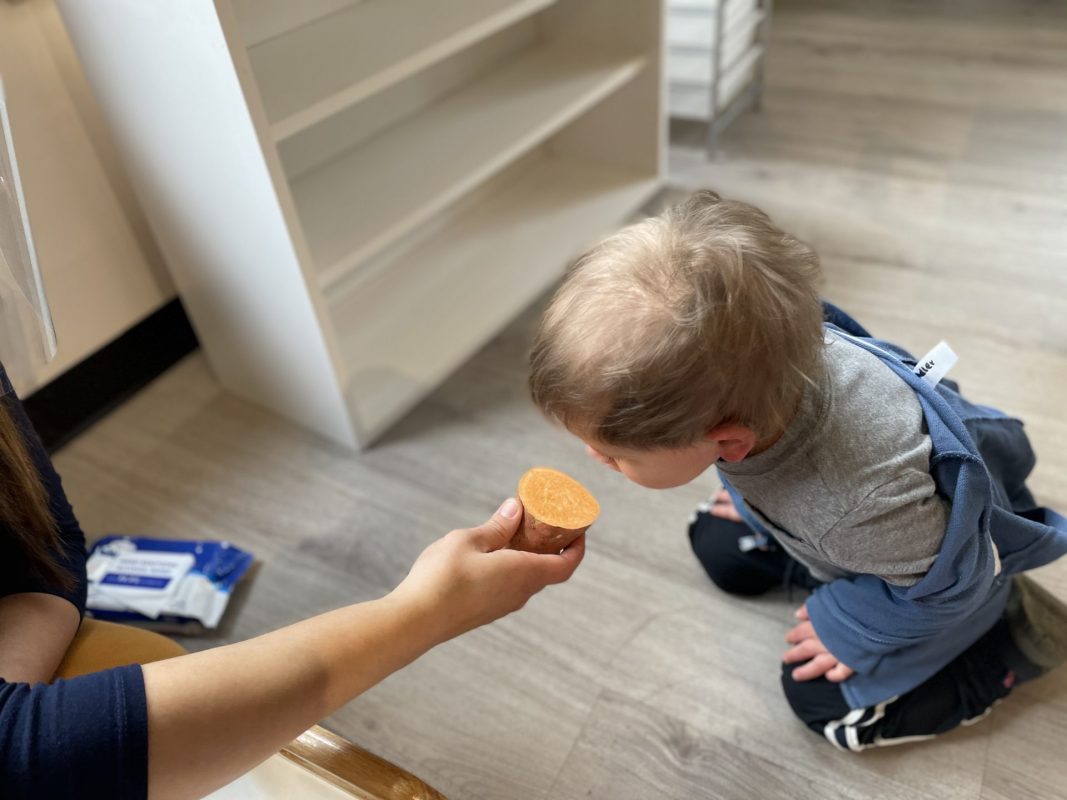
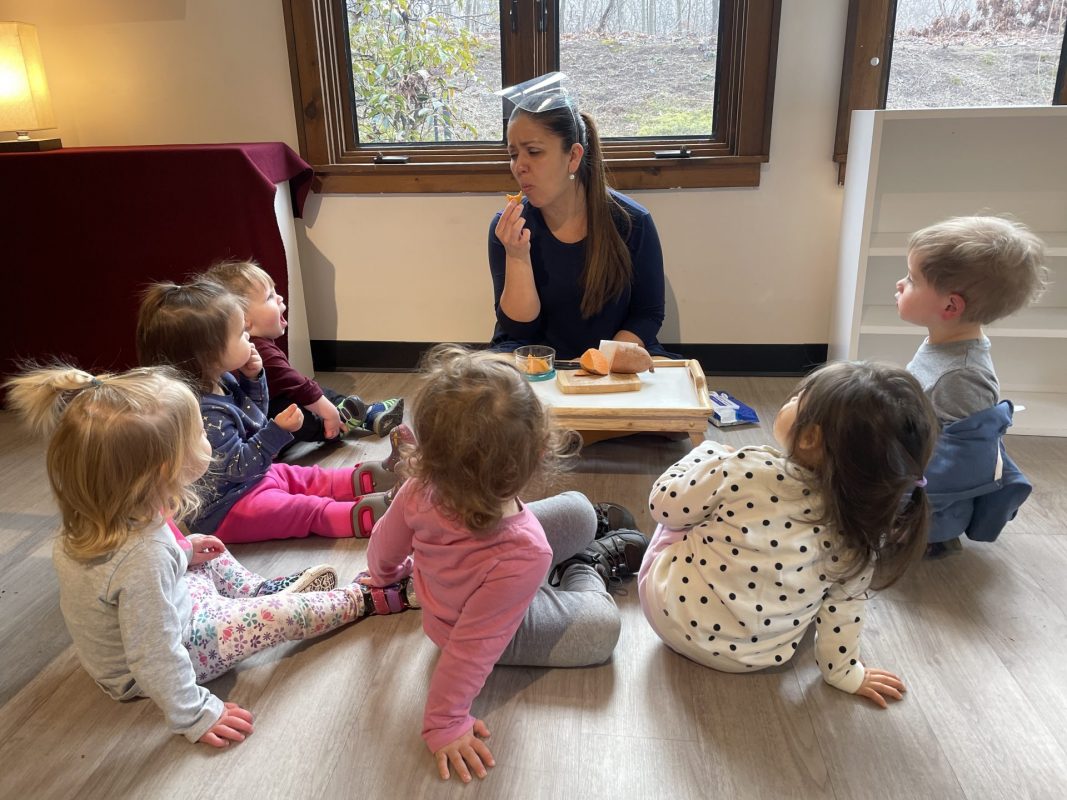
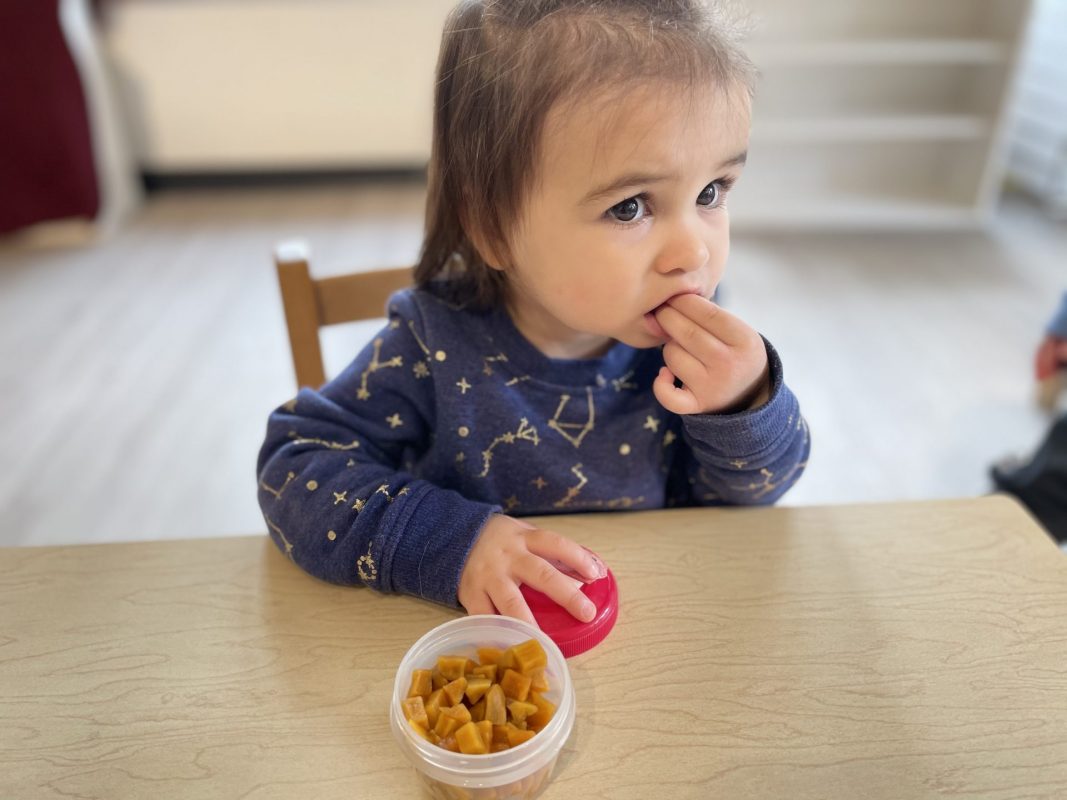
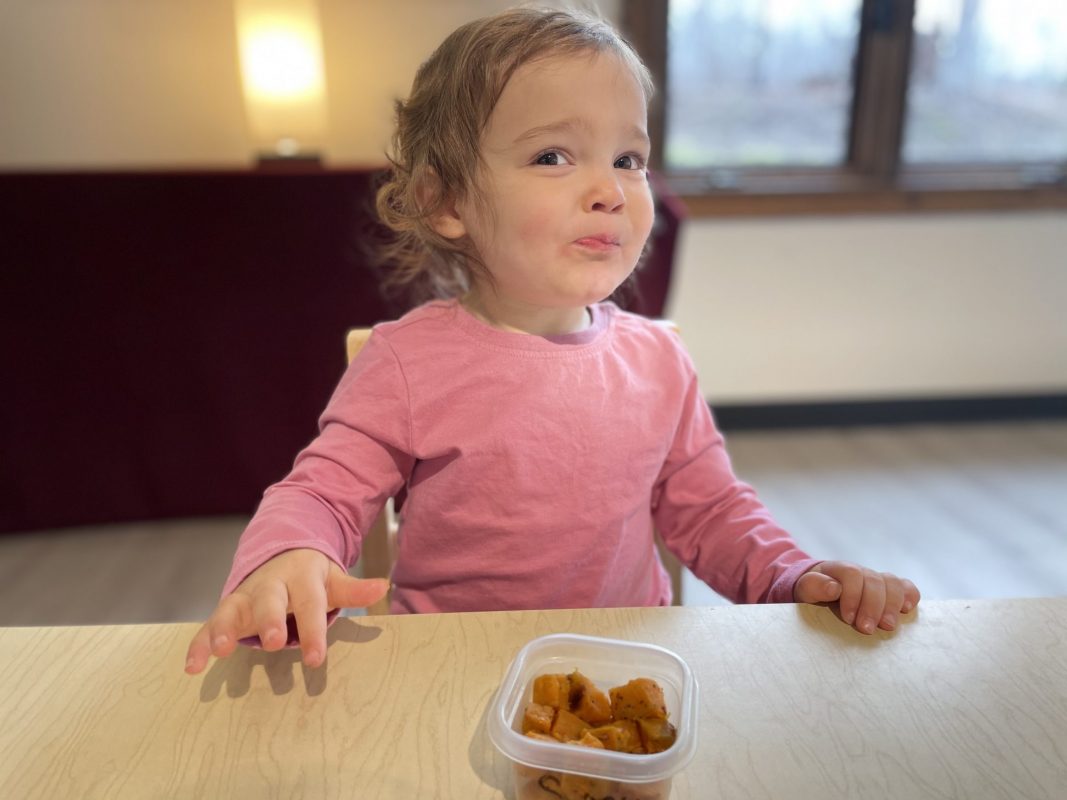
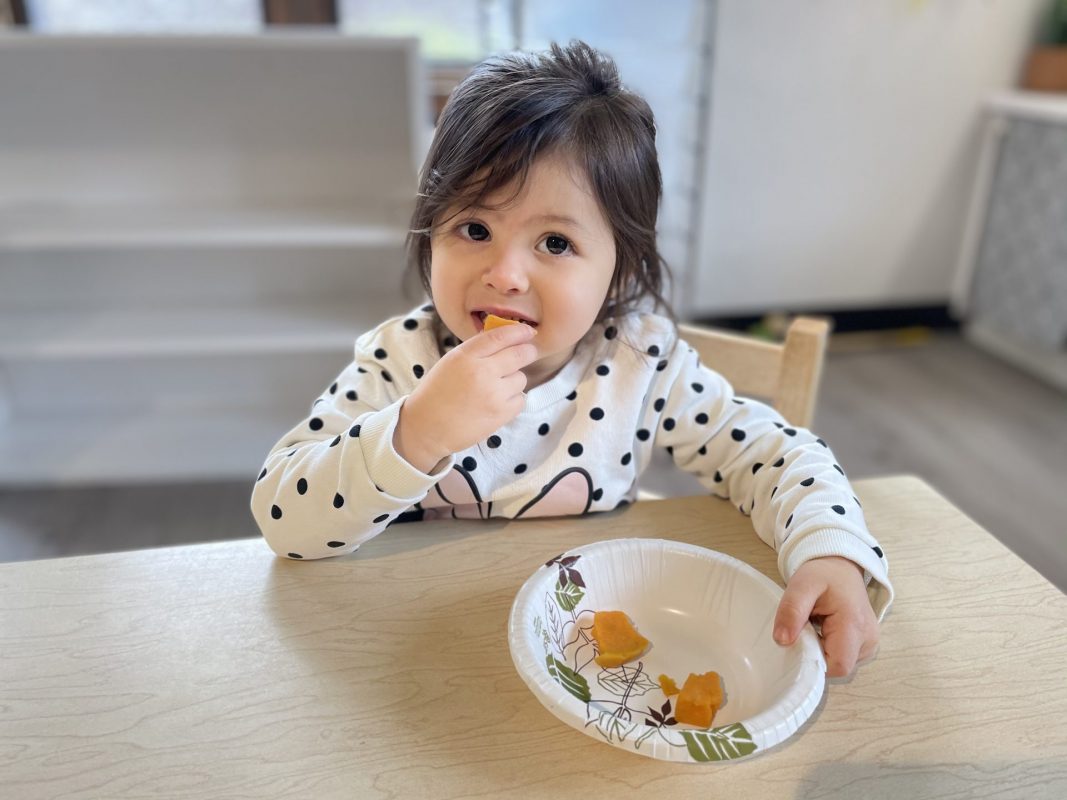
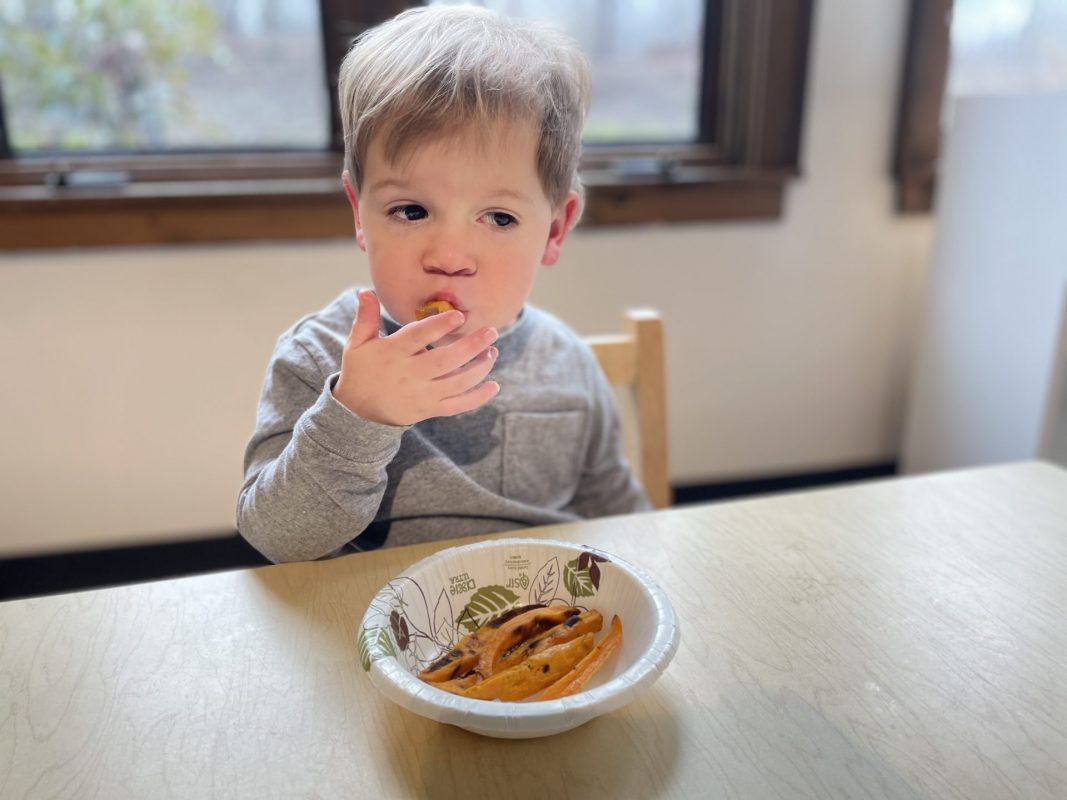
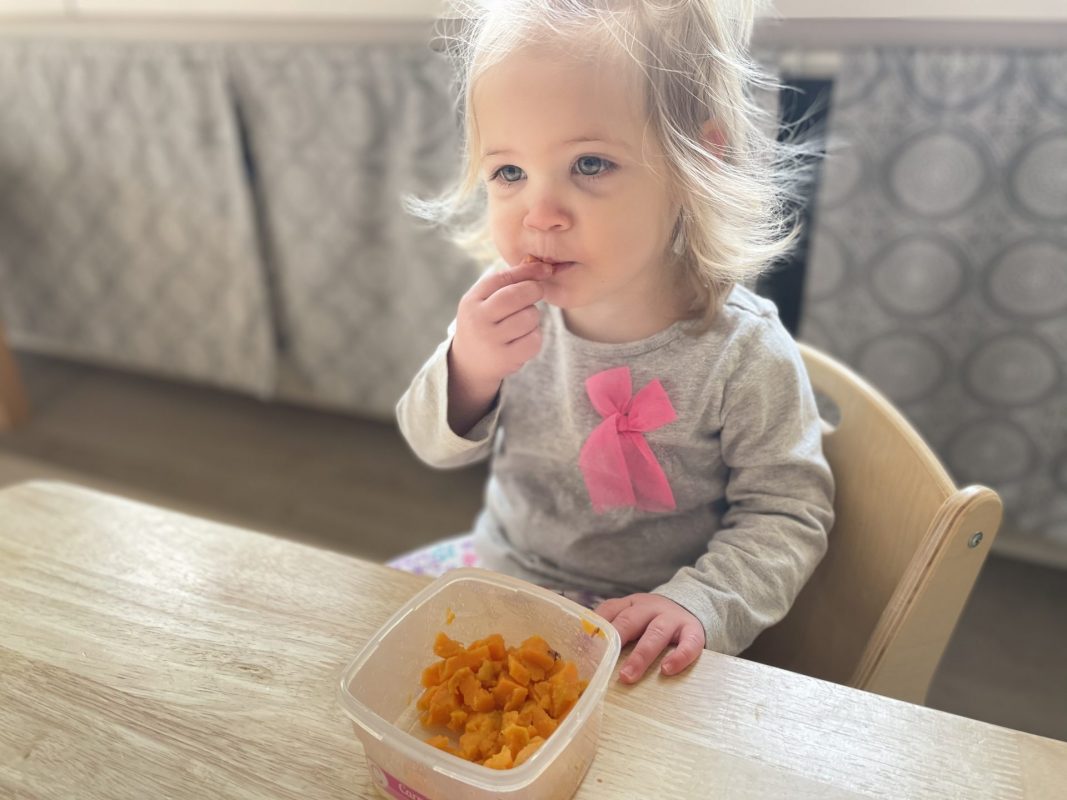
For food tasting, children tried sweet potatoes! It’s always so much fun to see their faces when I demonstrate eating the new food item. They just can’t wait to try it themselves! They walk as fast as they can to their tables to open their containers sent from home and try the food themselves. It’s so fun! Sweet potatoes were very well received by most of your children. 

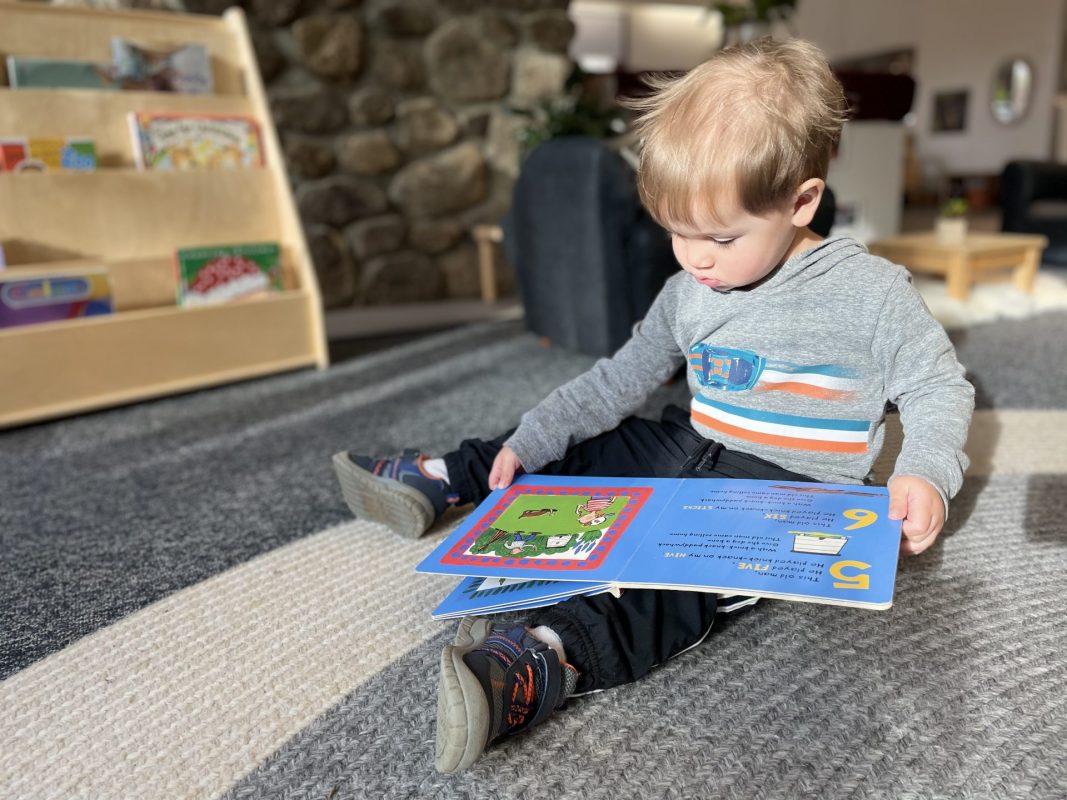
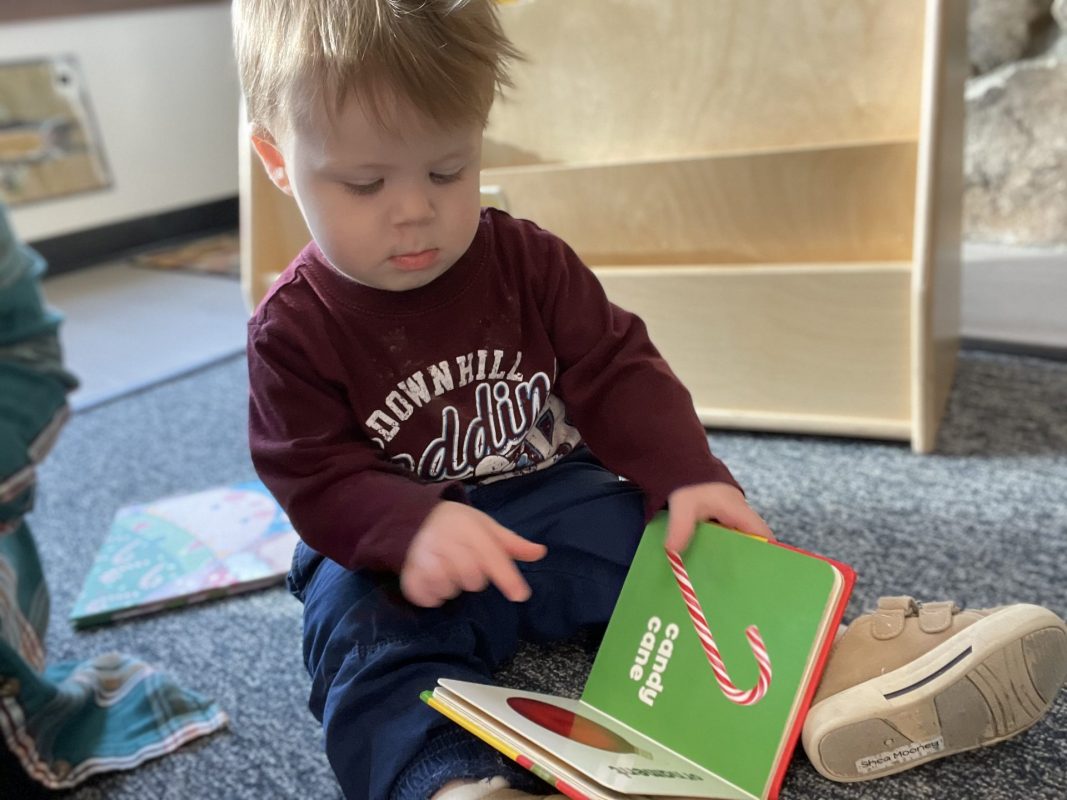
Lastly, we want to take a minute to thank, from the bottom of our hearts, each parent that donated books for our classroom! Books are very special treasures and we appreciate them SO much! 

Have a wonderful weekend, 

Mrs. Hood and Ms. Maria

Mrs. Lopes’s Class: Engaged in Meaningful Work

There exists in the small child an unconscious mental state which is of a creative nature. We have called it the “Absorbent Mind.” The tiny child’s absorbent mind finds all its nutriment in its surroundings…Especially at the beginning of life. We must, therefore, make the environment as interesting and attractive as we can. -Maria Montessori

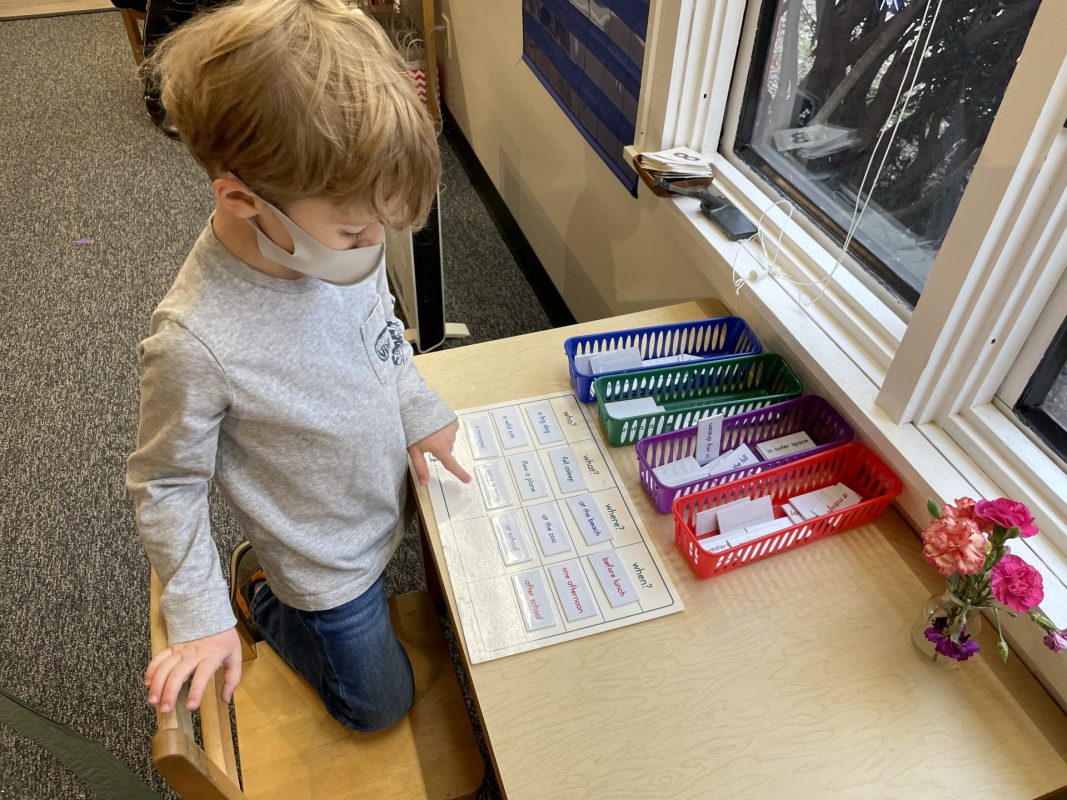
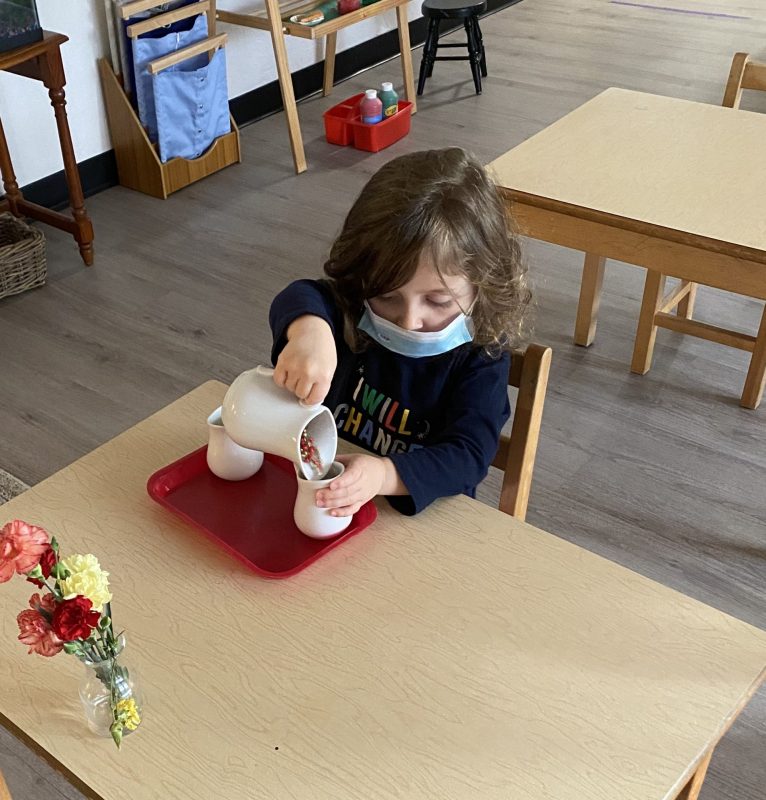
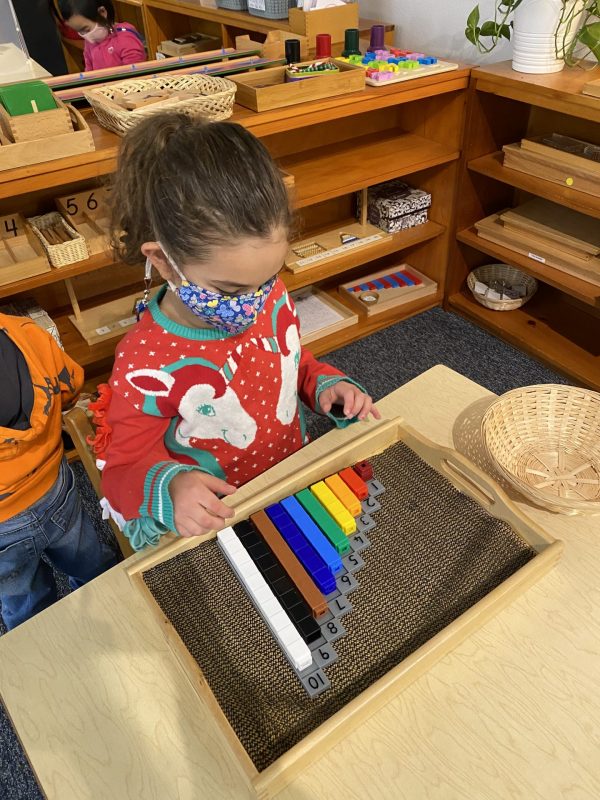
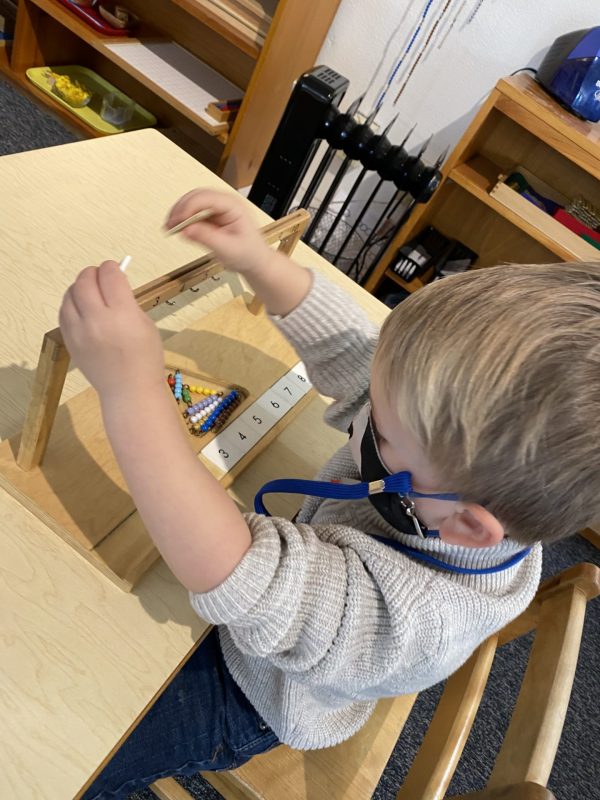
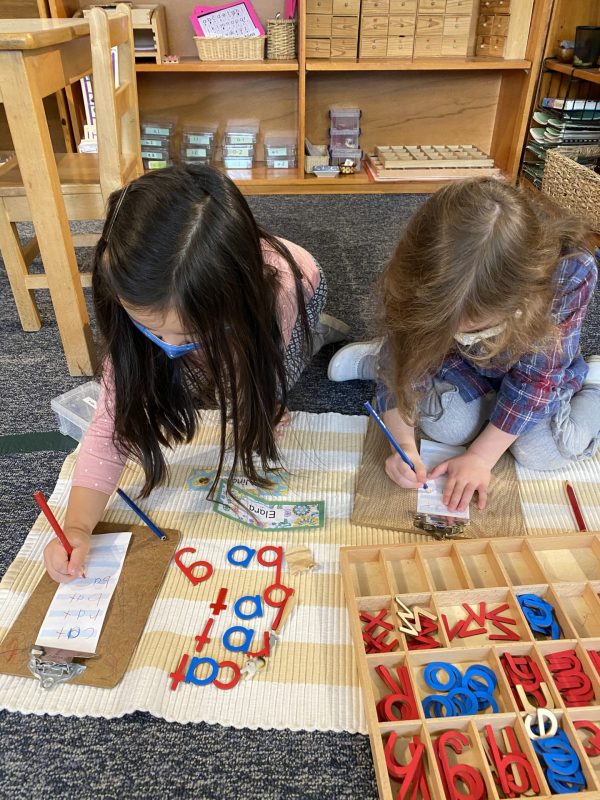
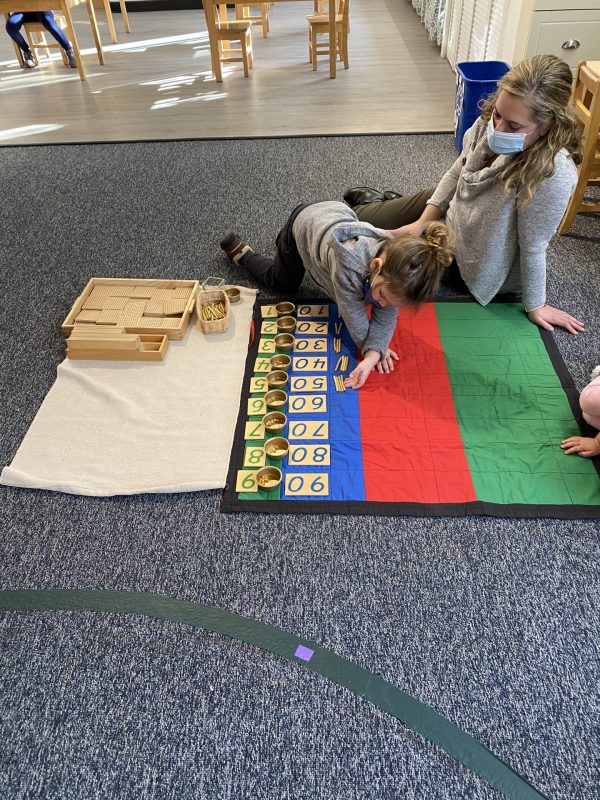
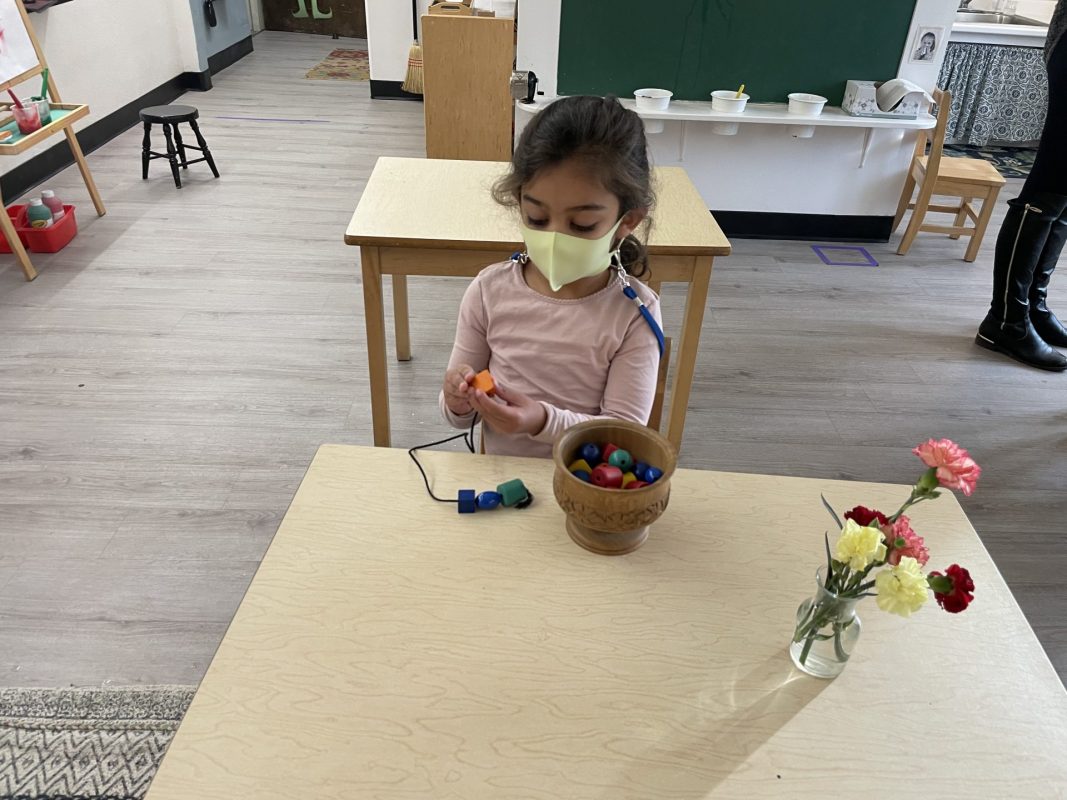
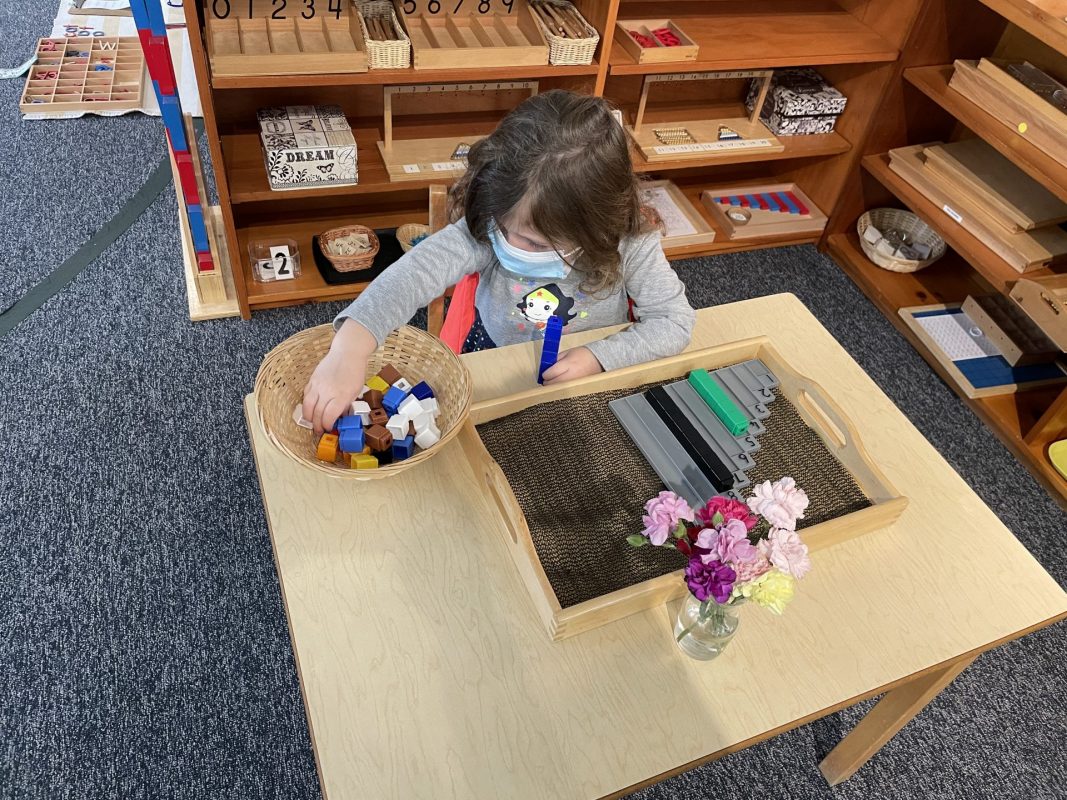
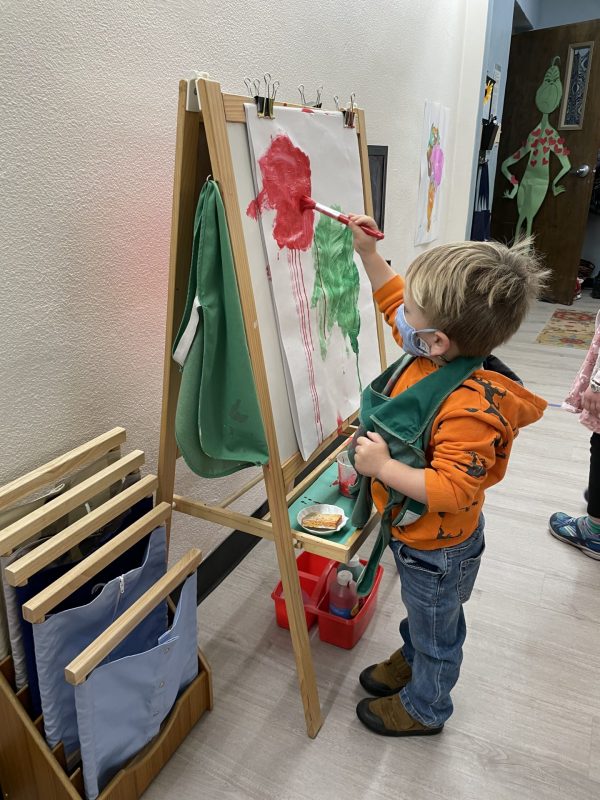
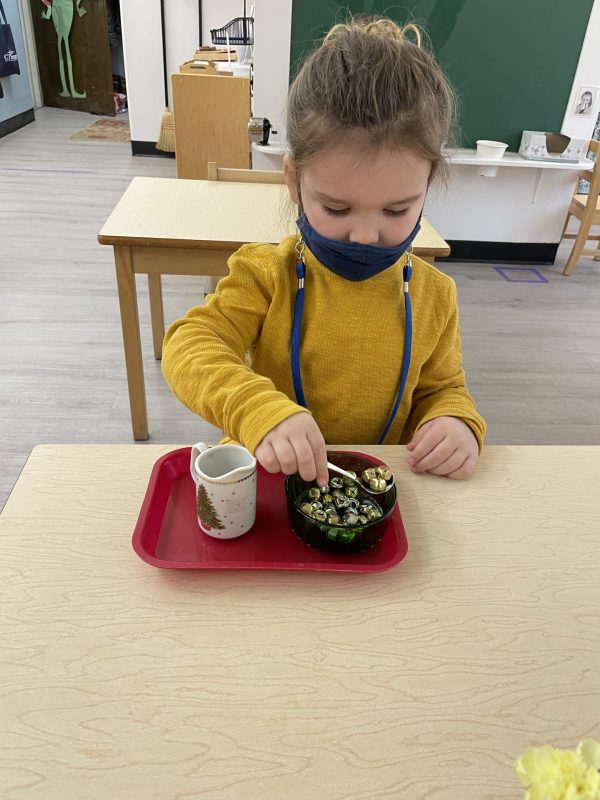
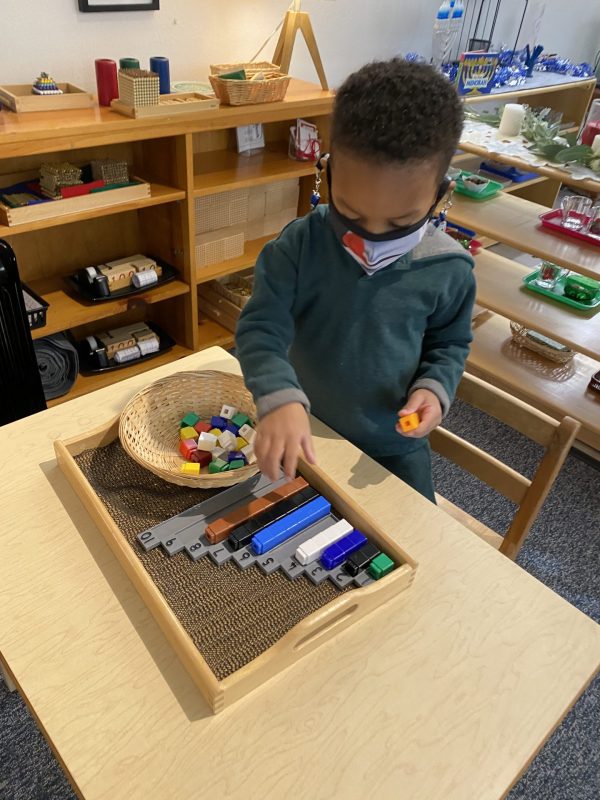
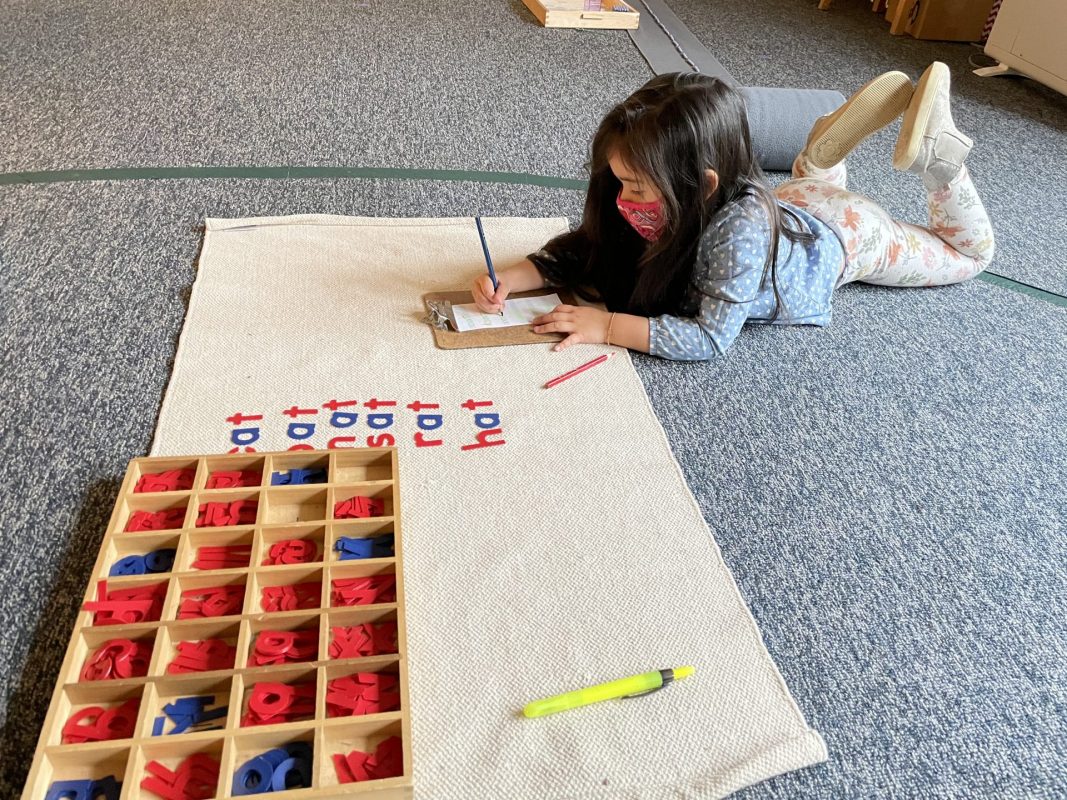
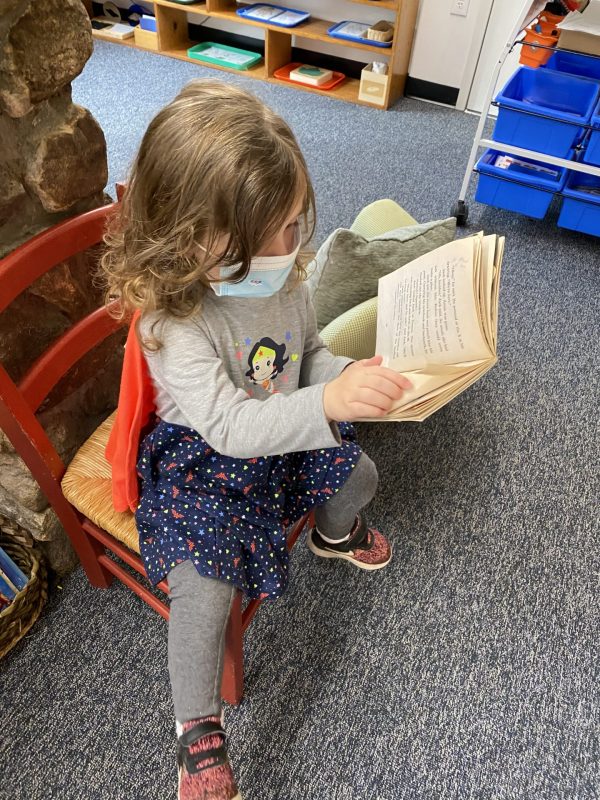
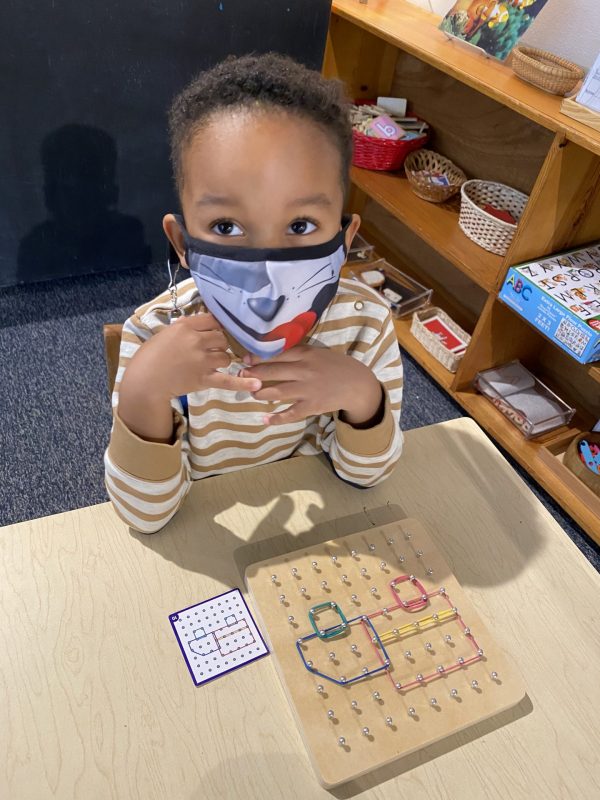
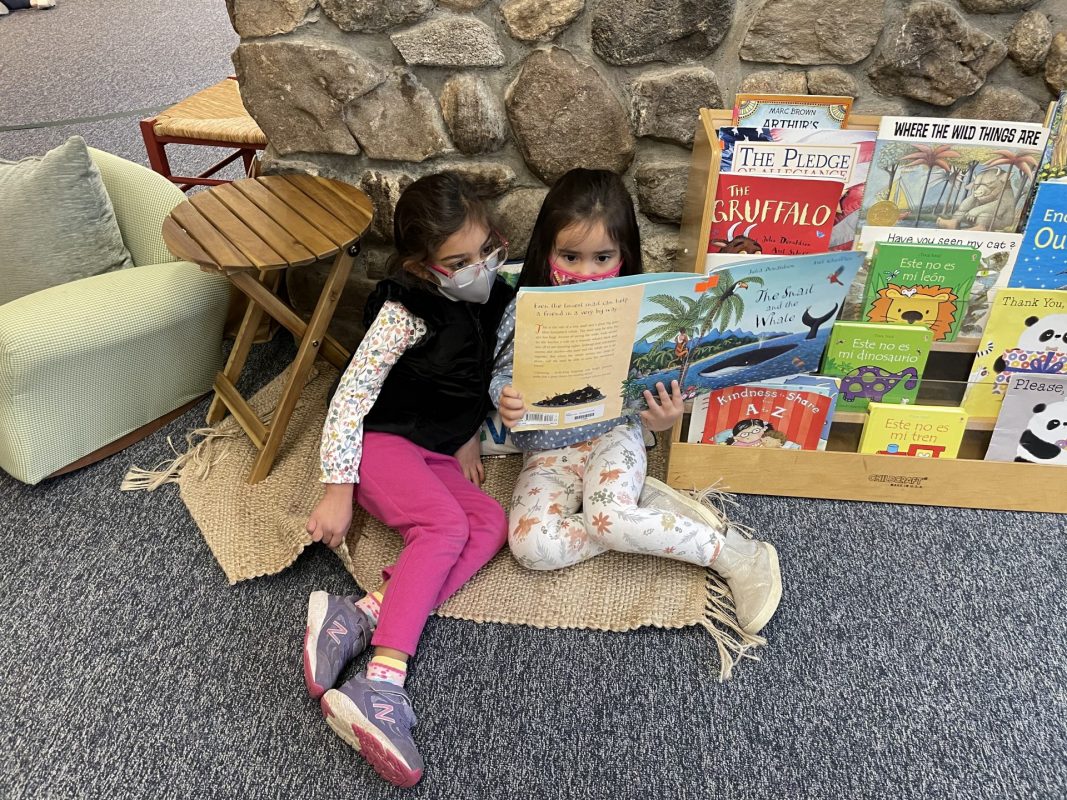
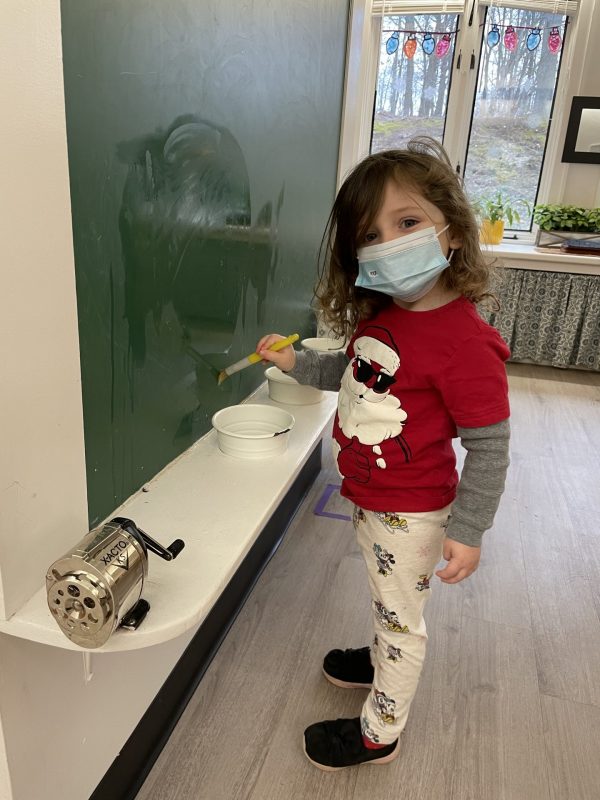
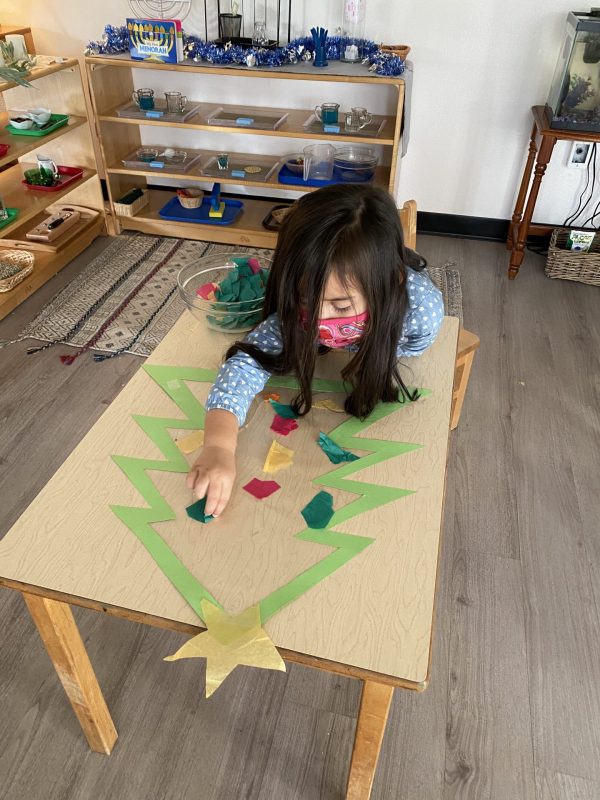
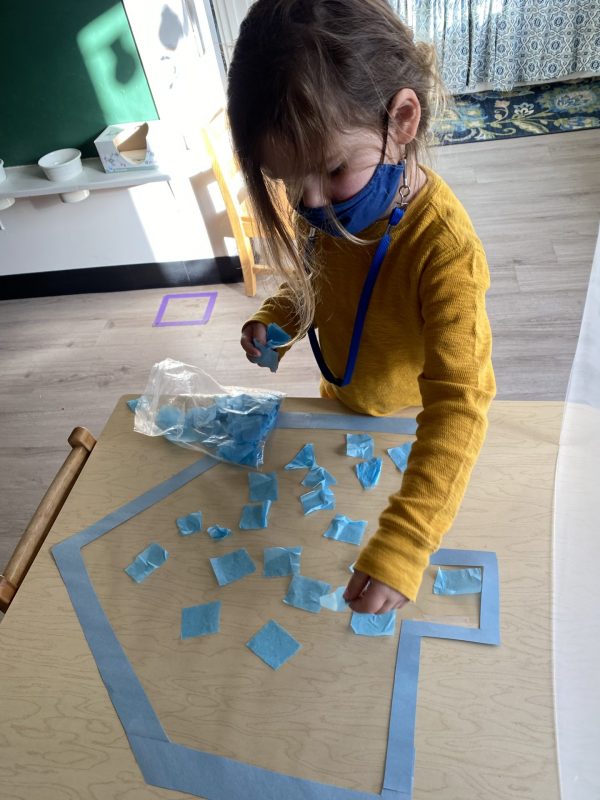
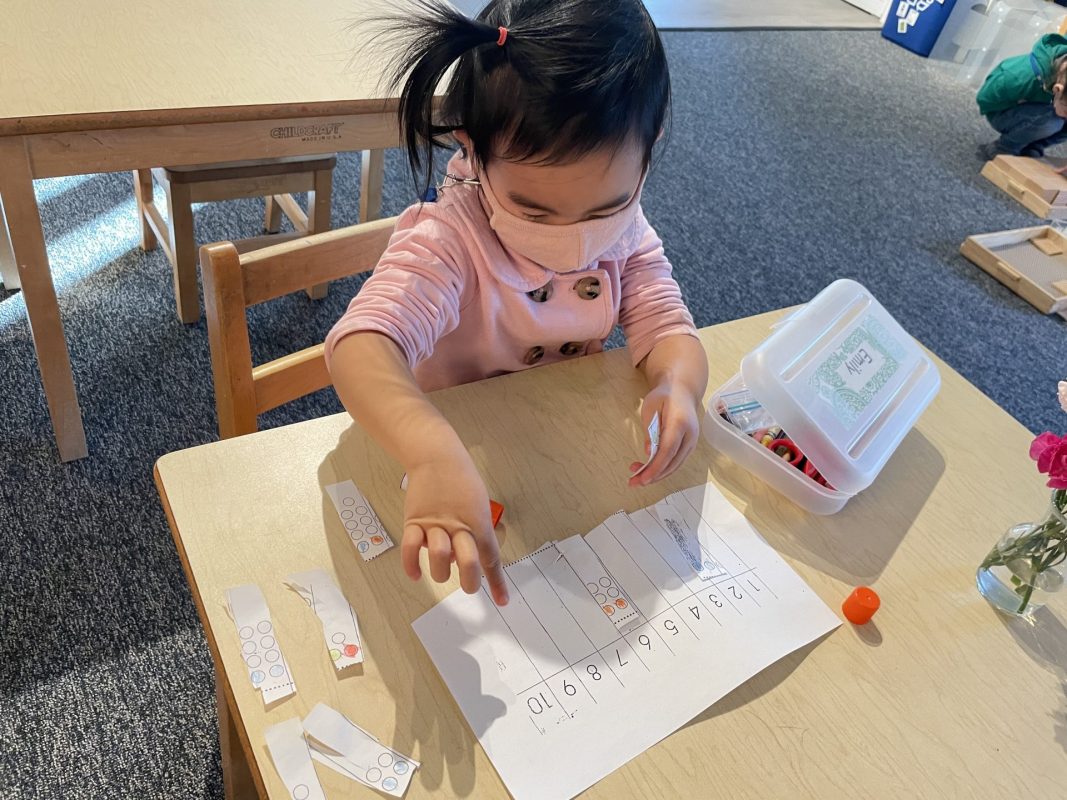
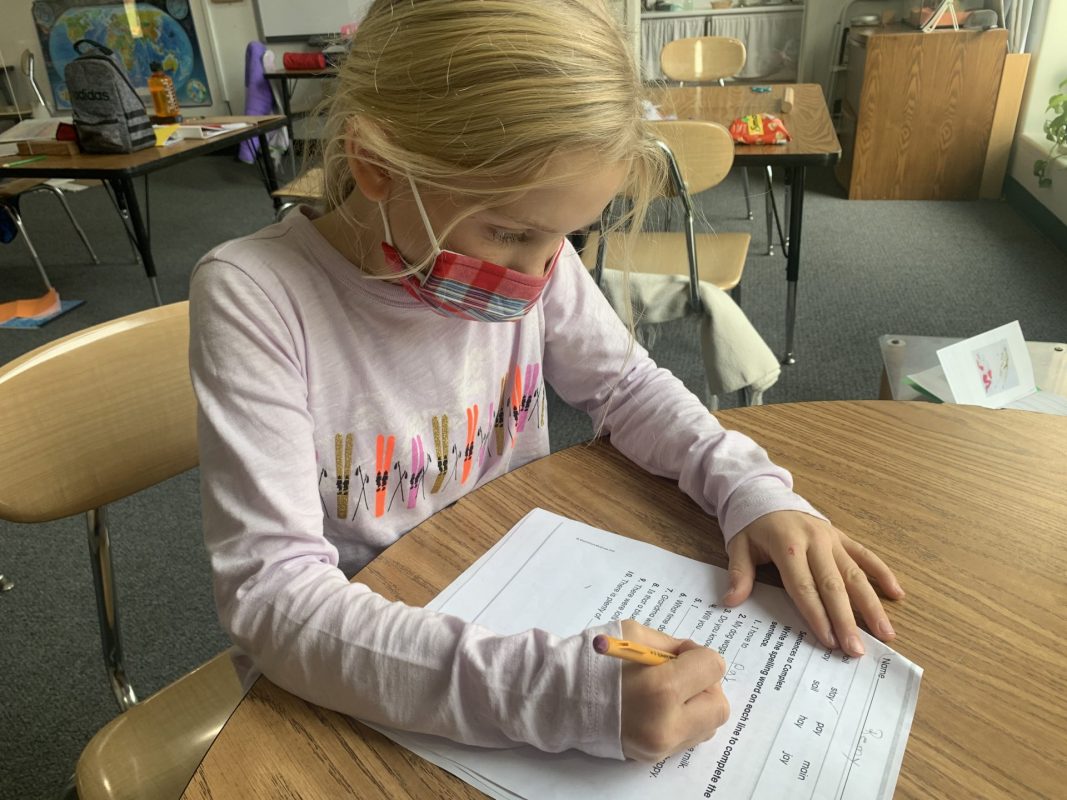
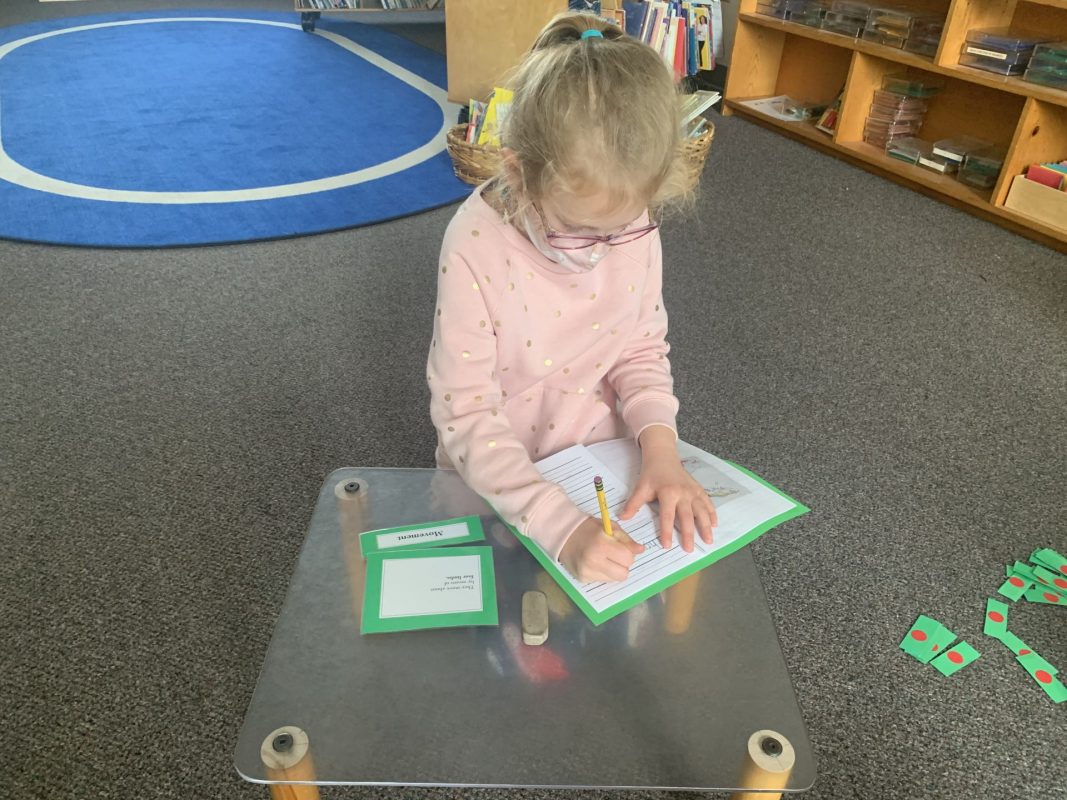
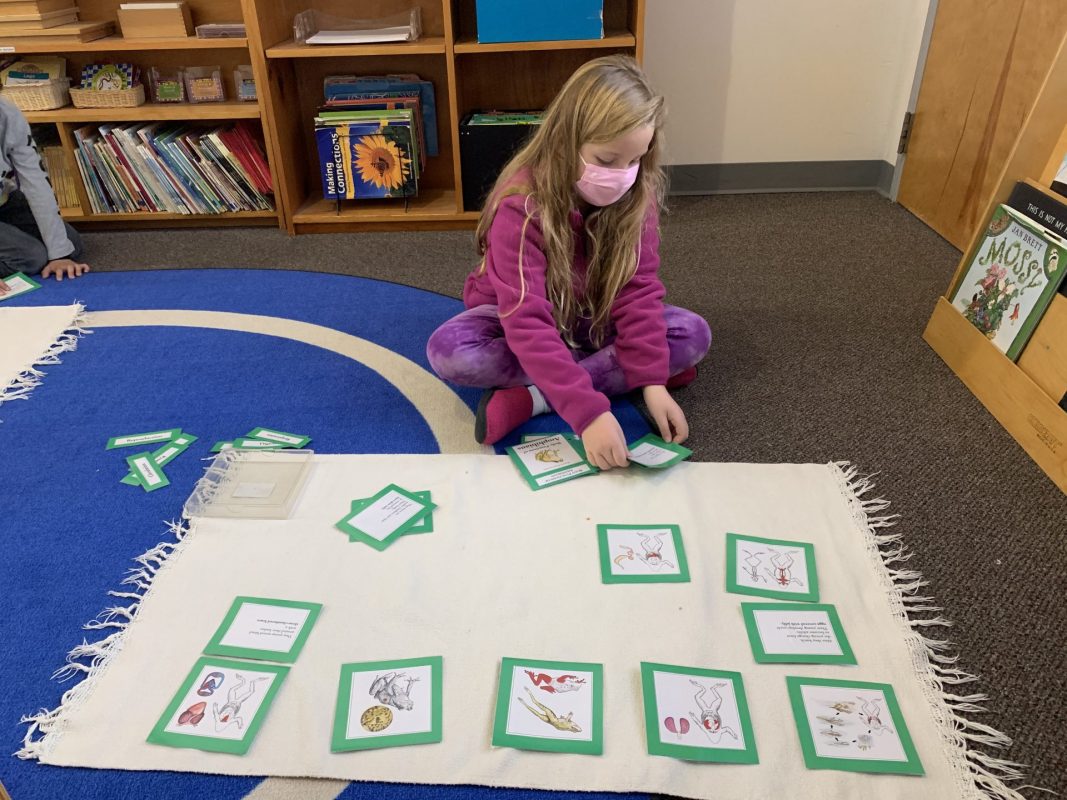
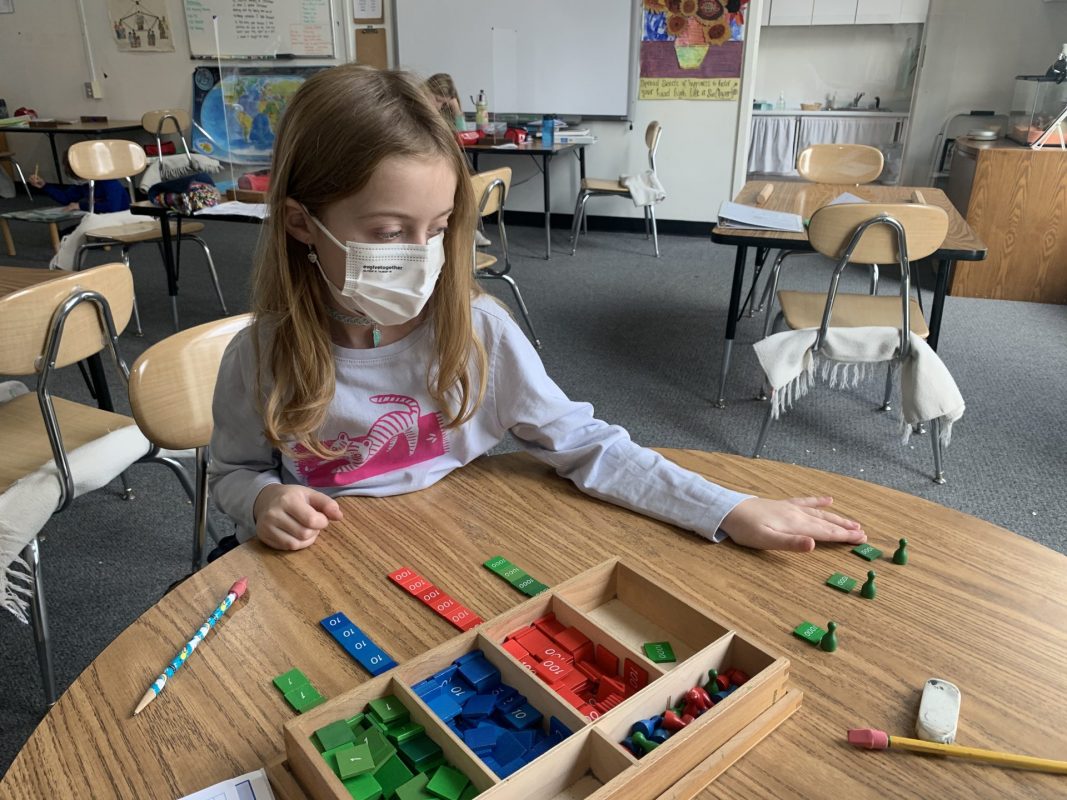
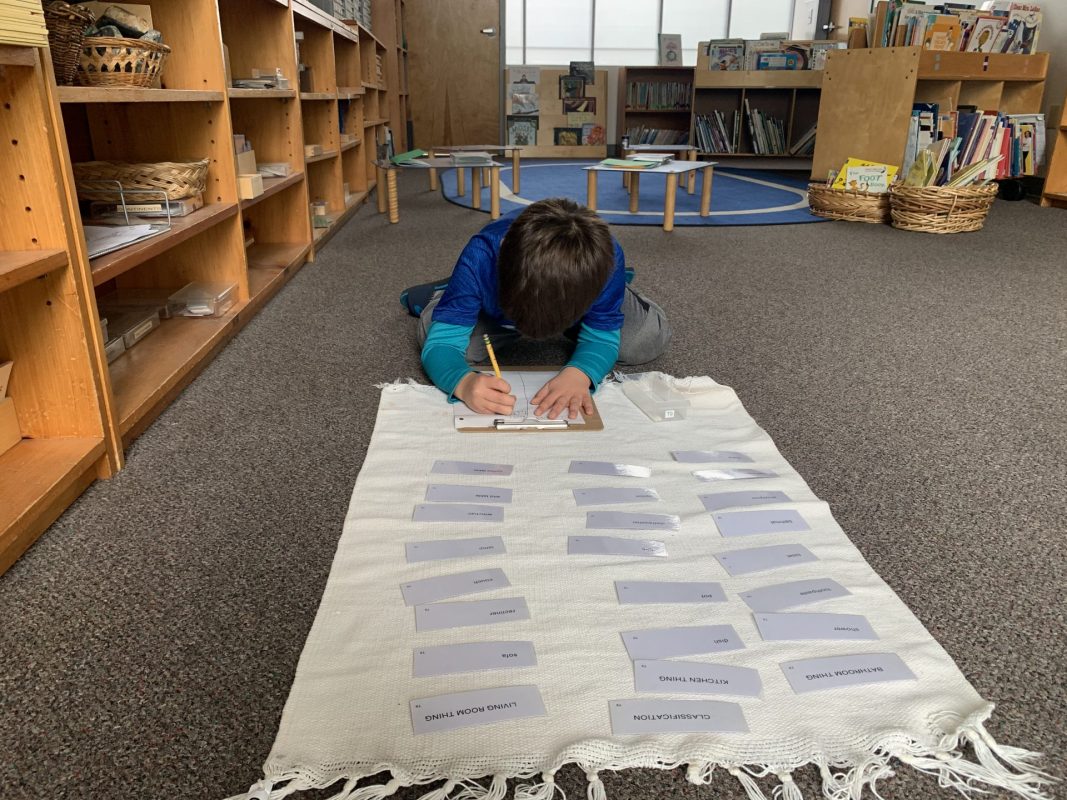
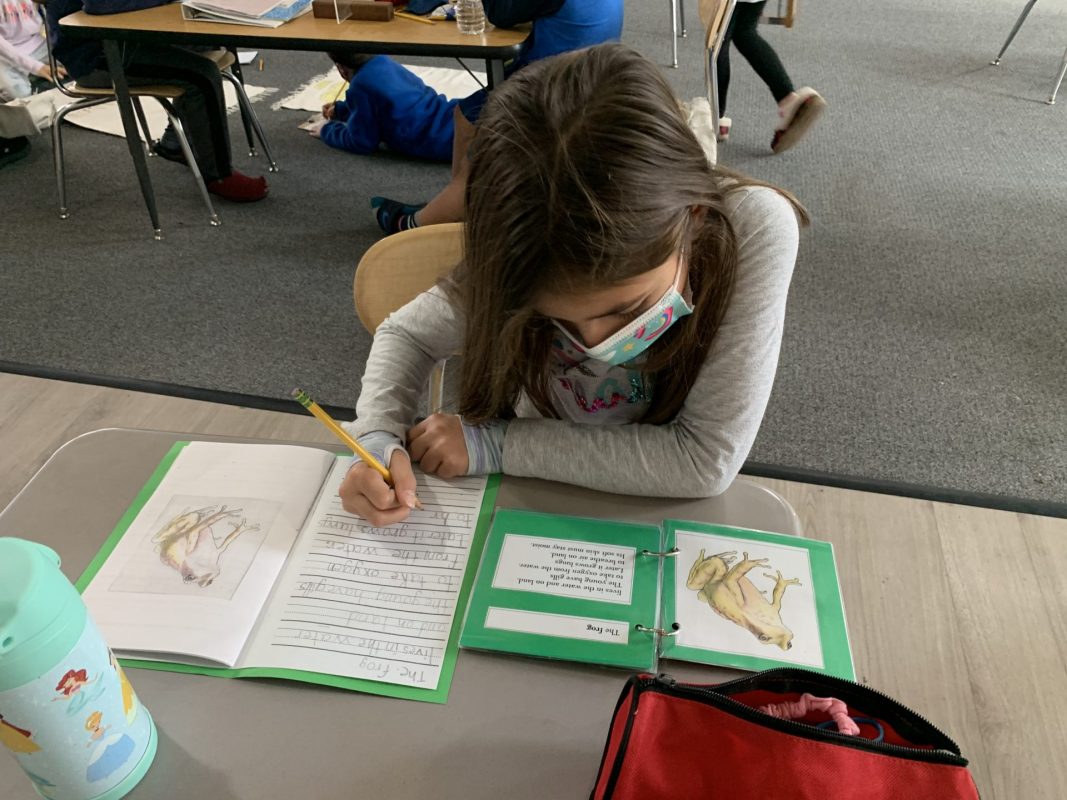
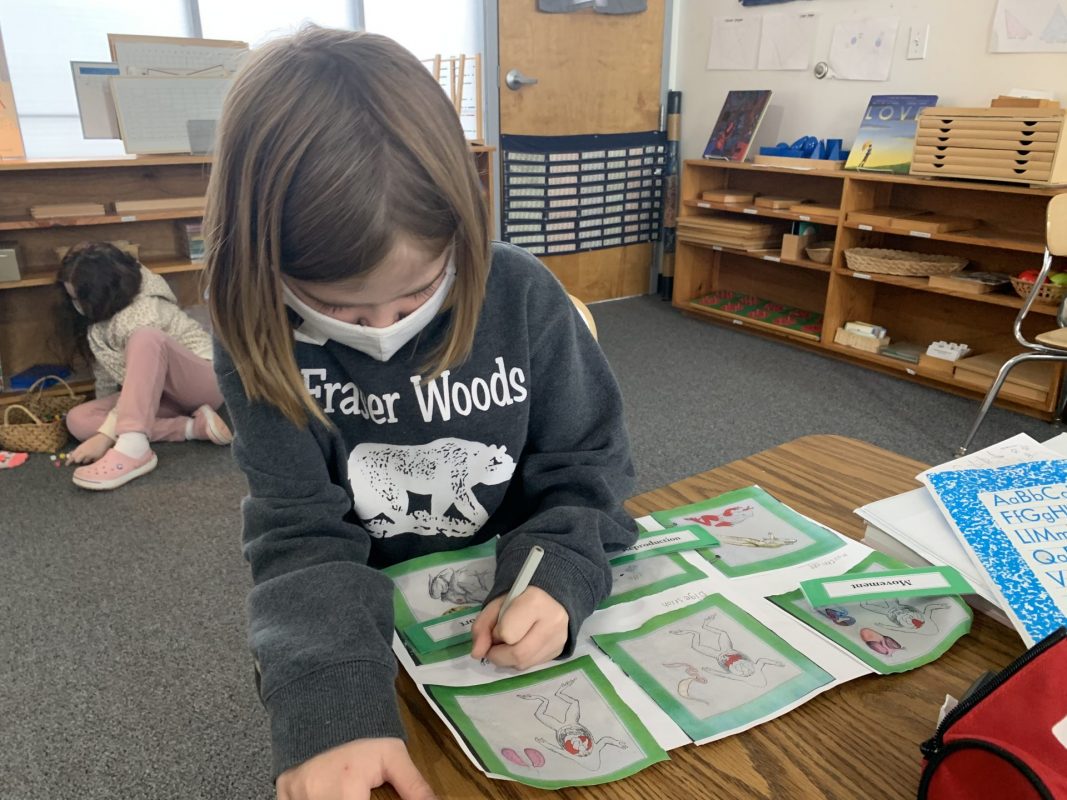
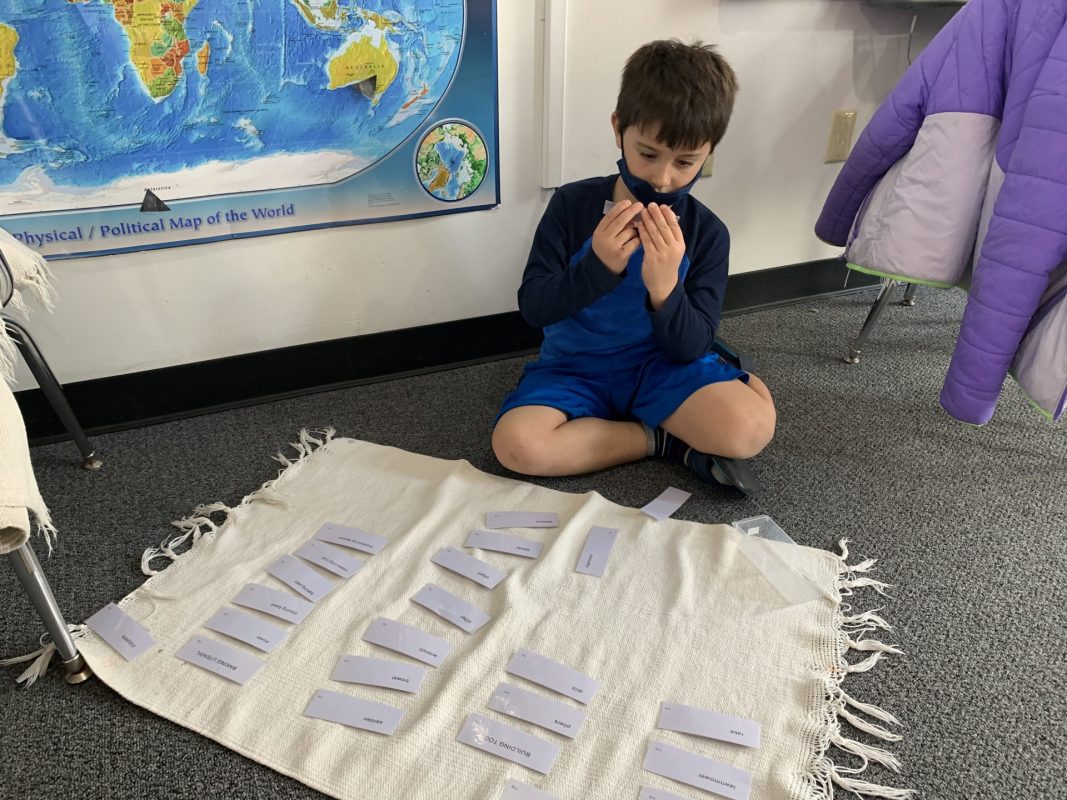
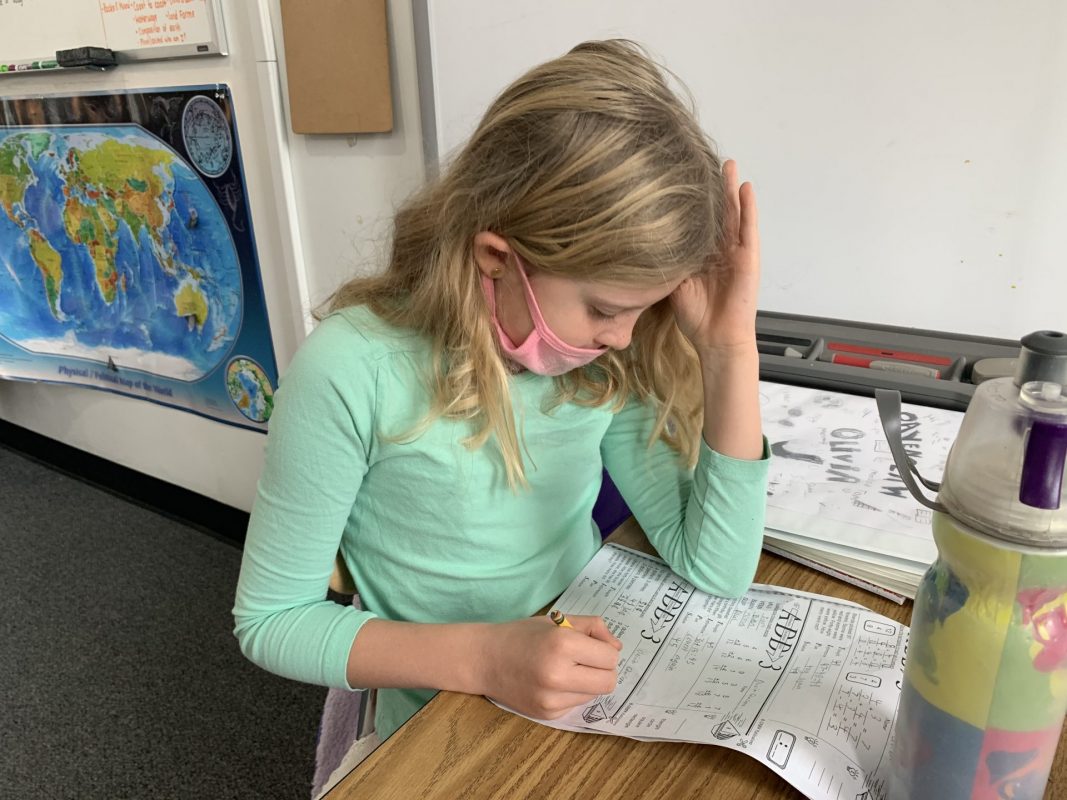
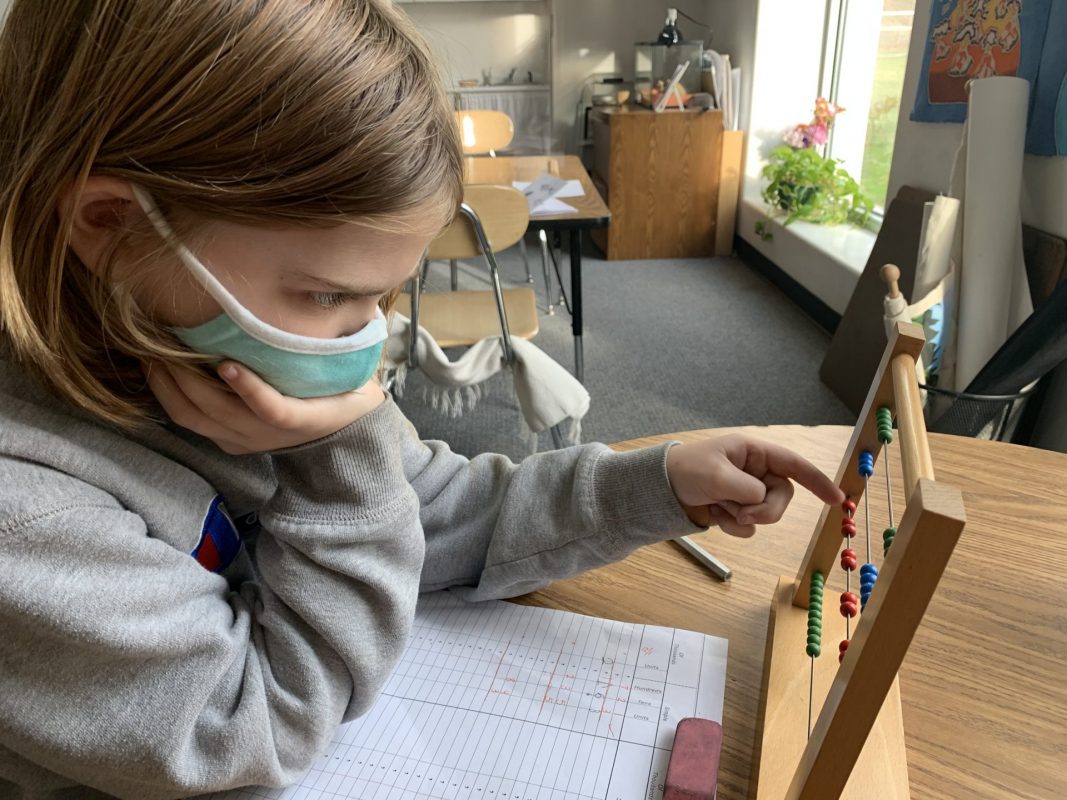
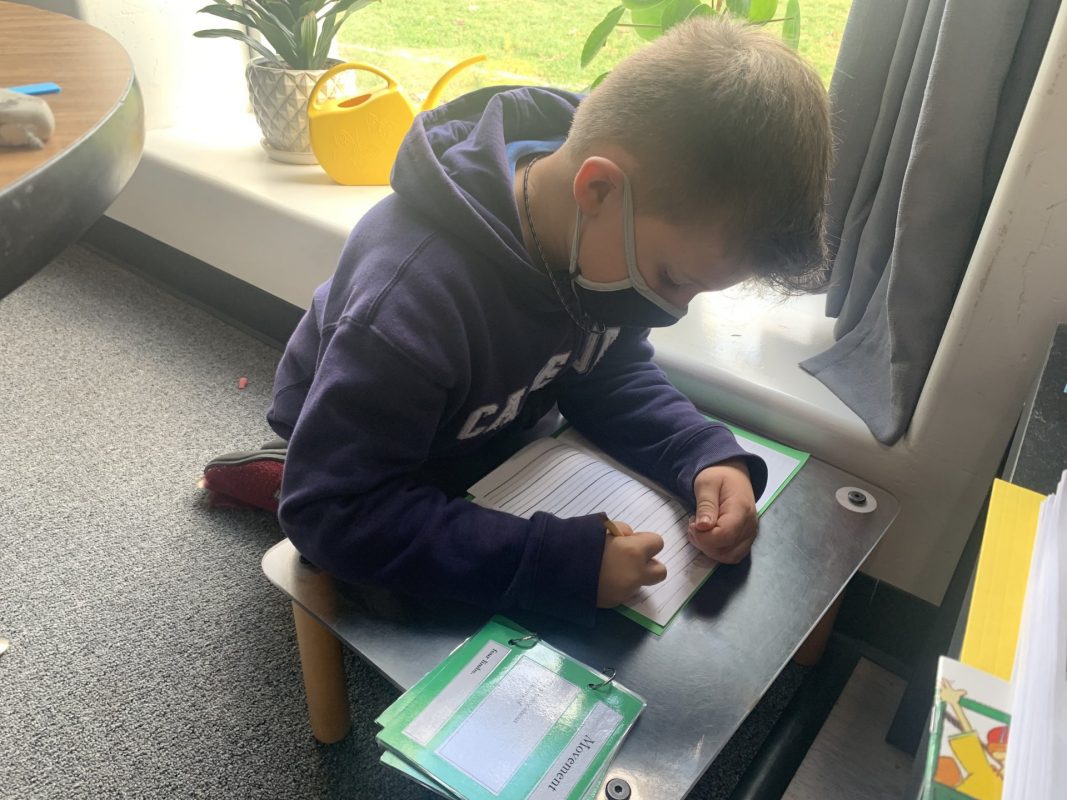
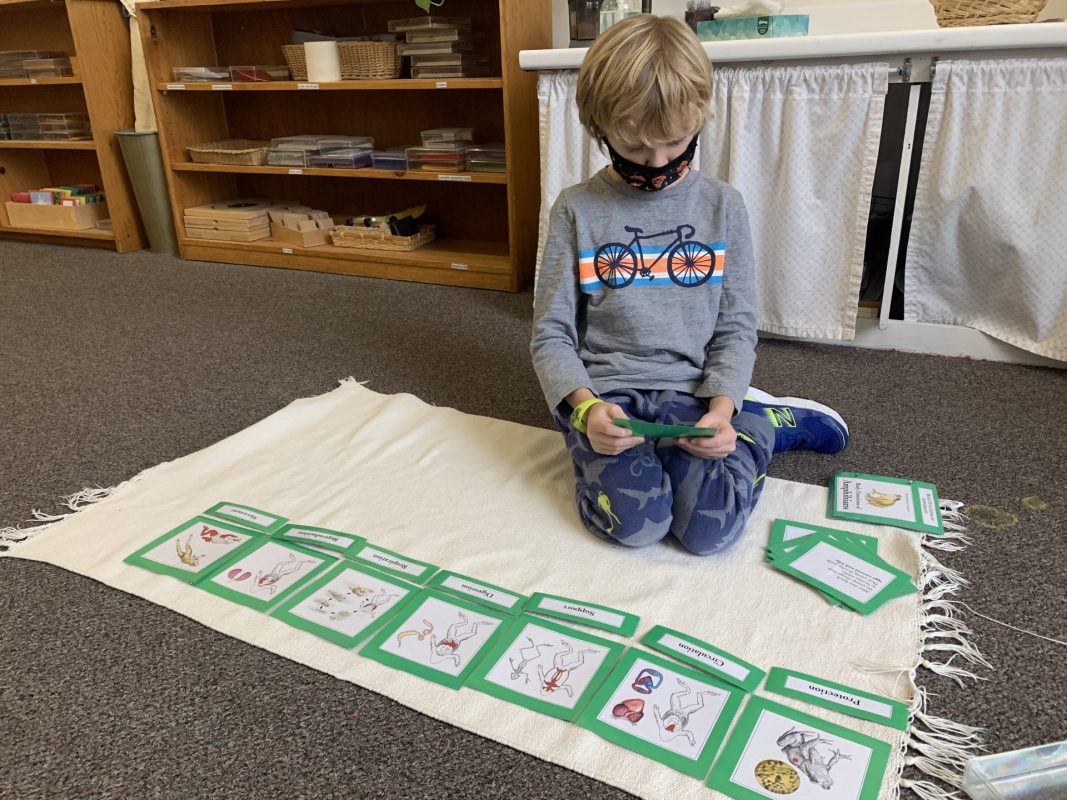
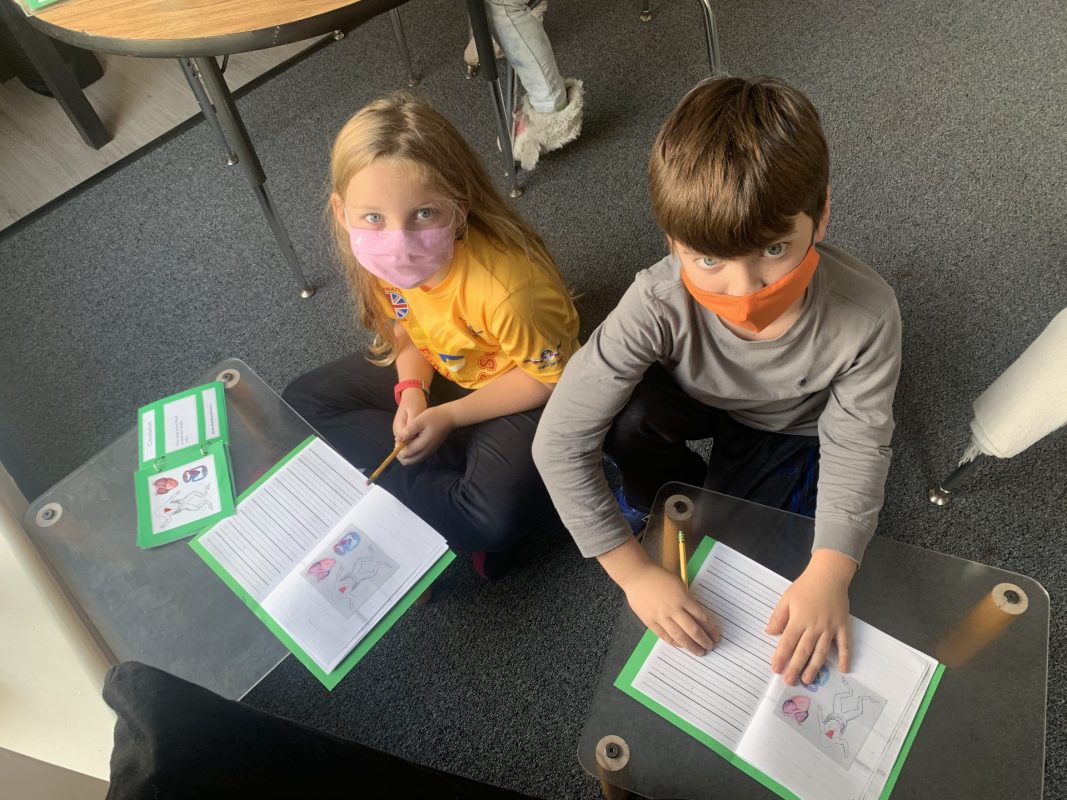
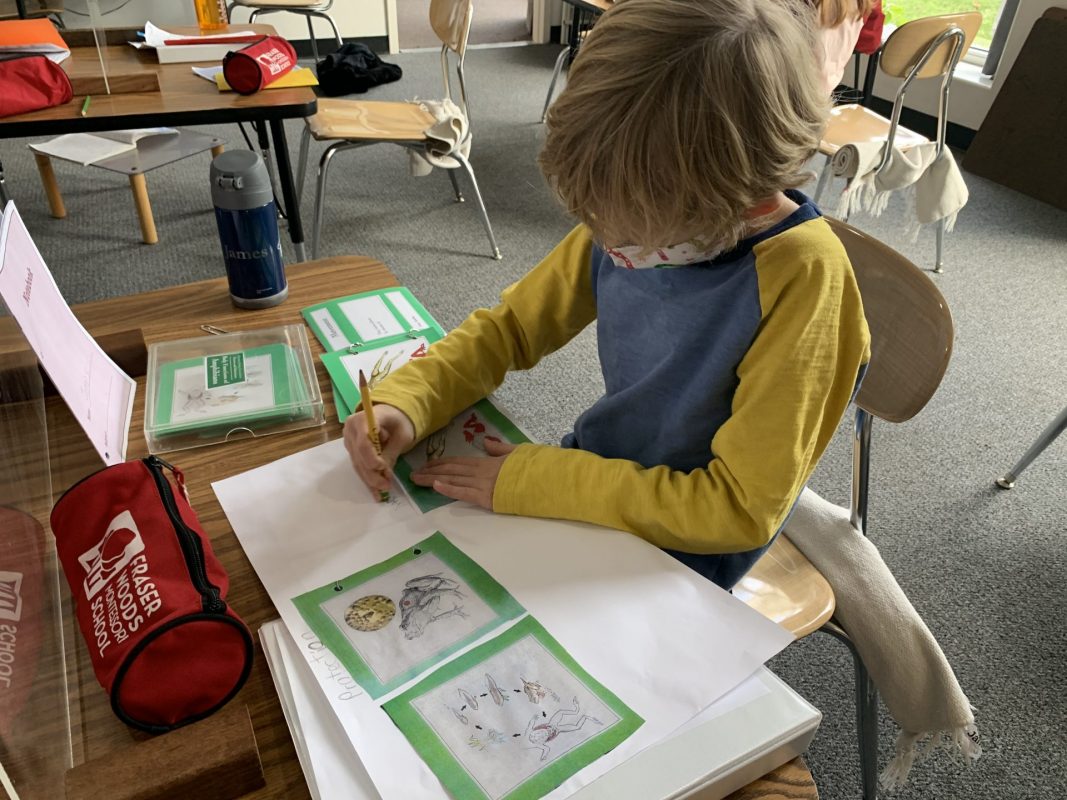
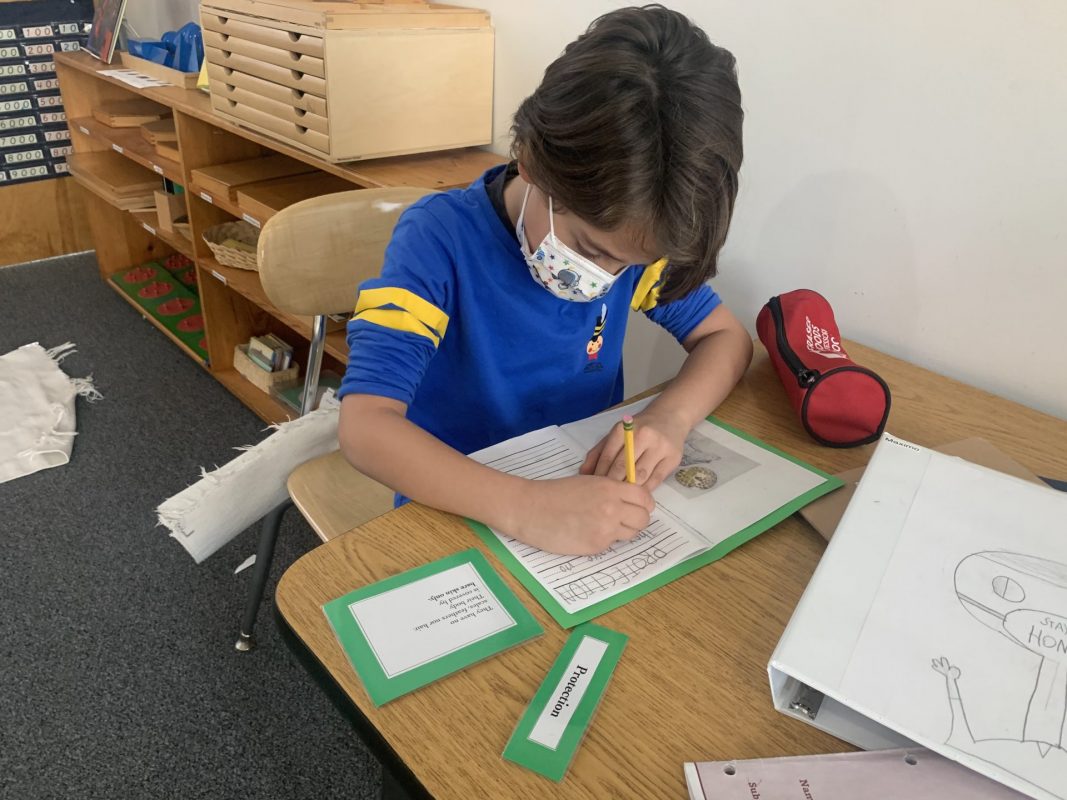
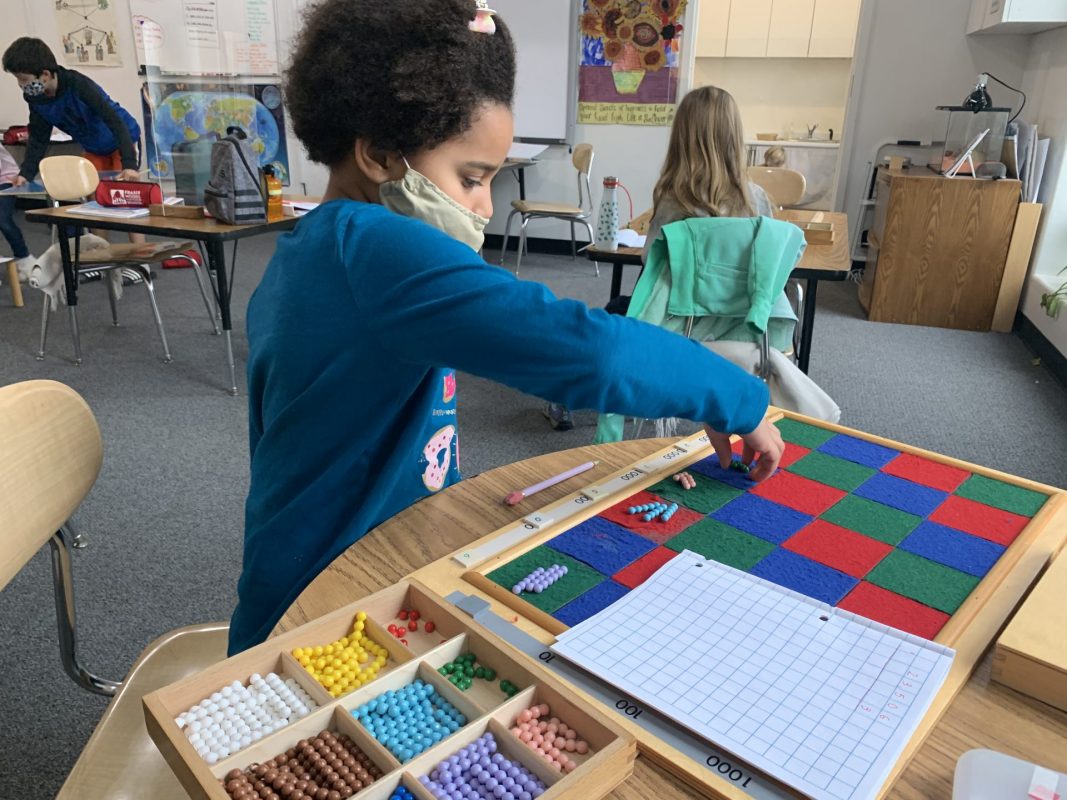
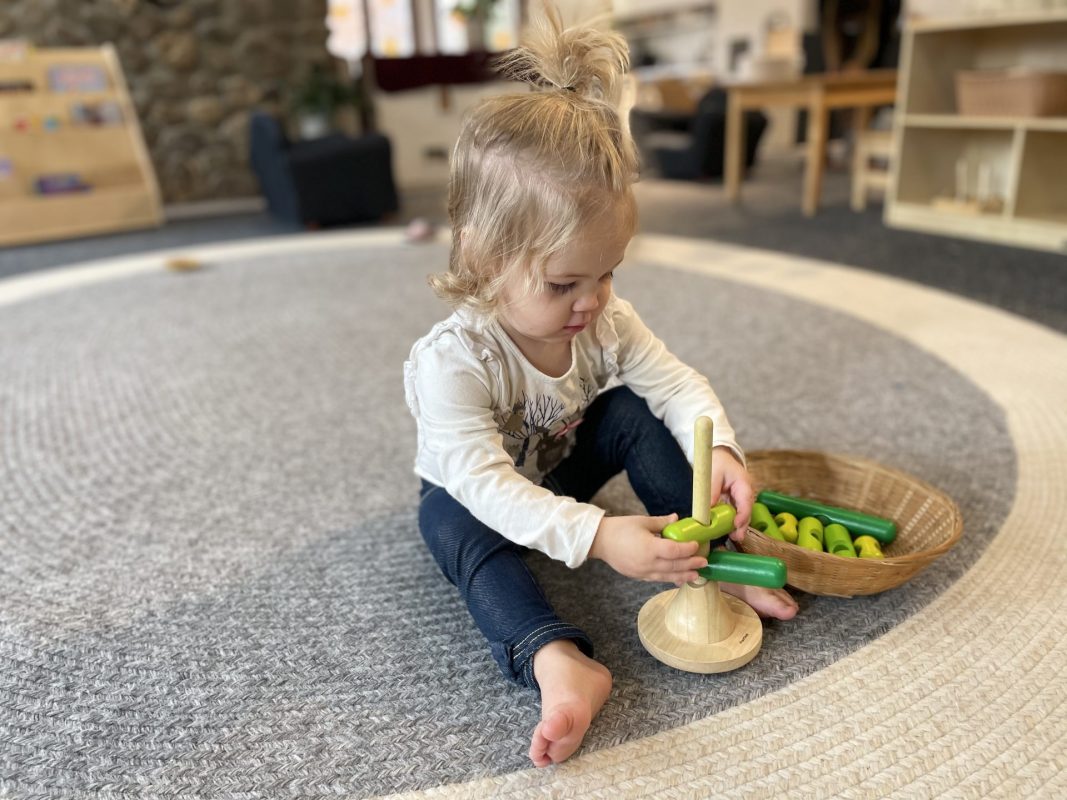
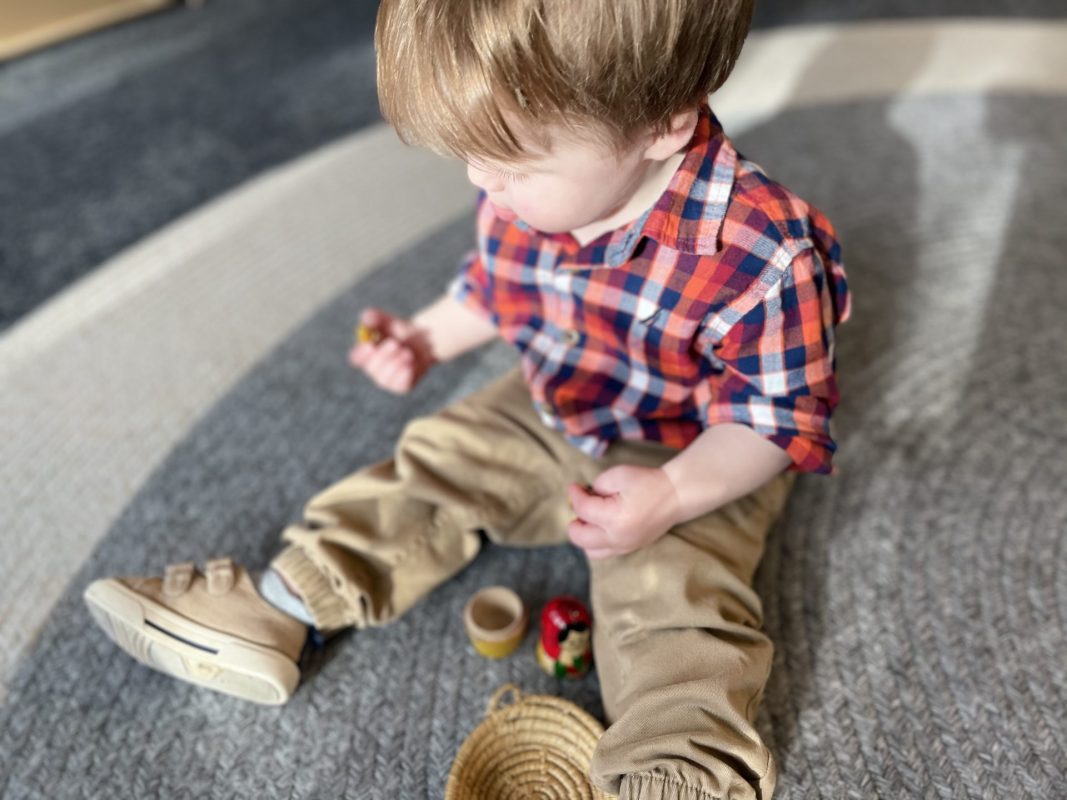
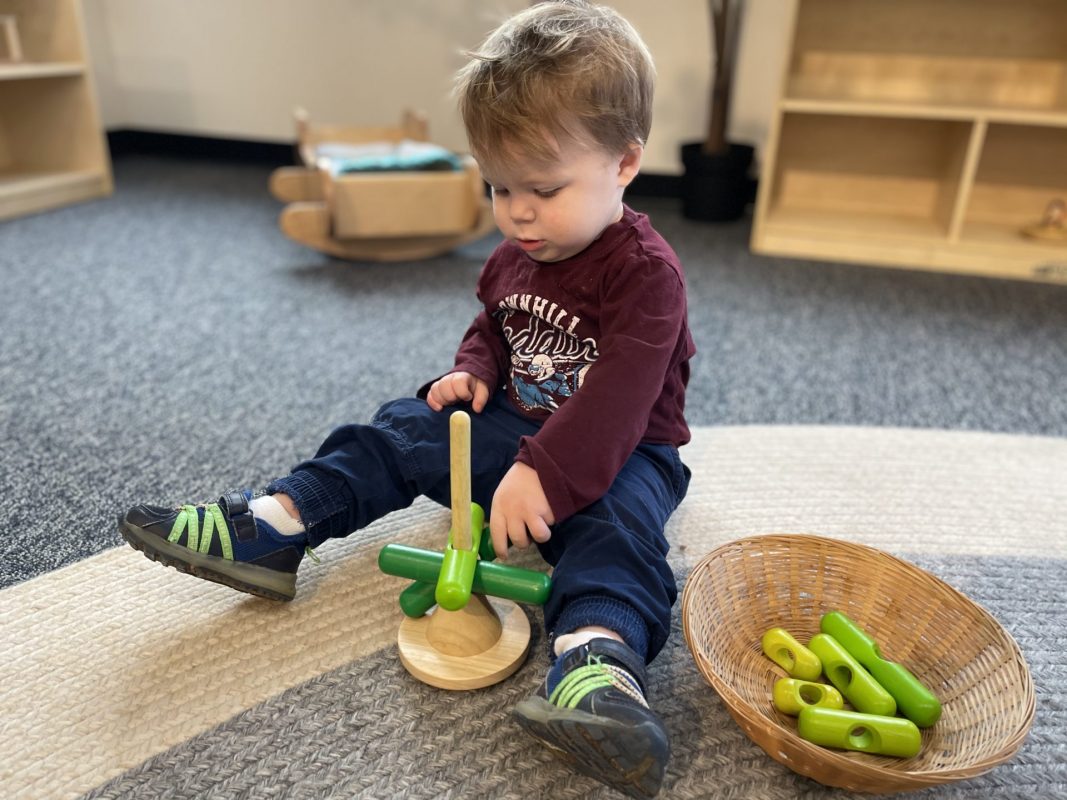
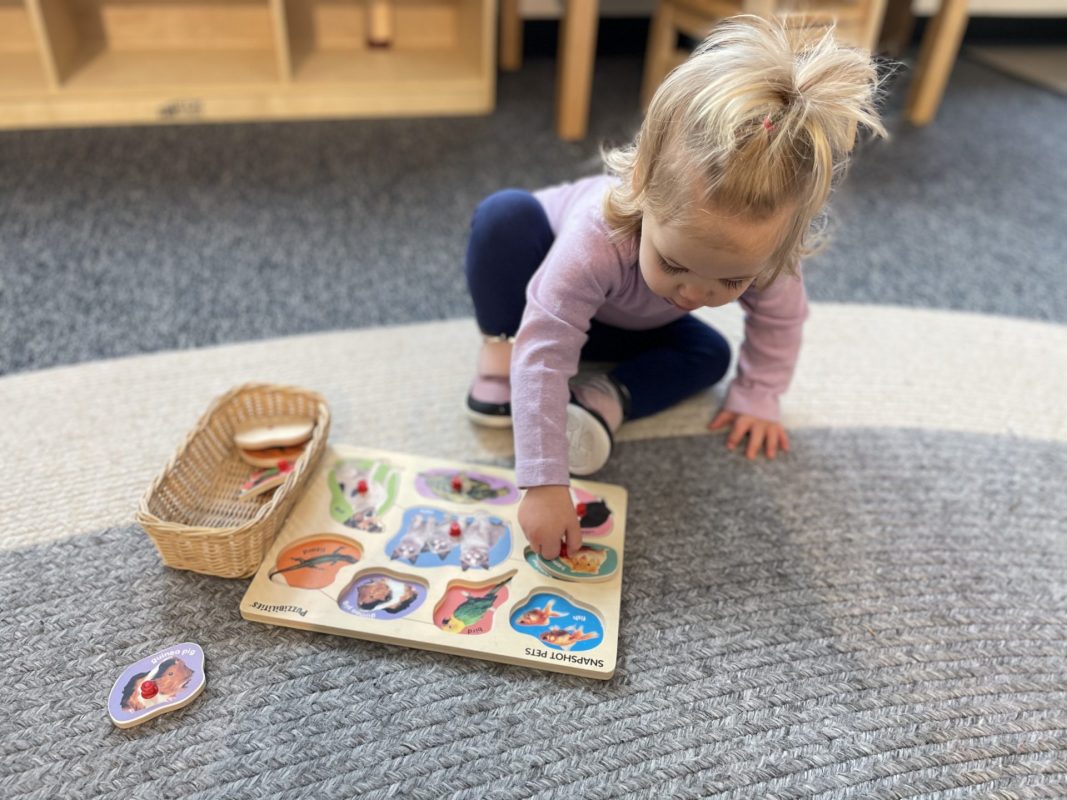
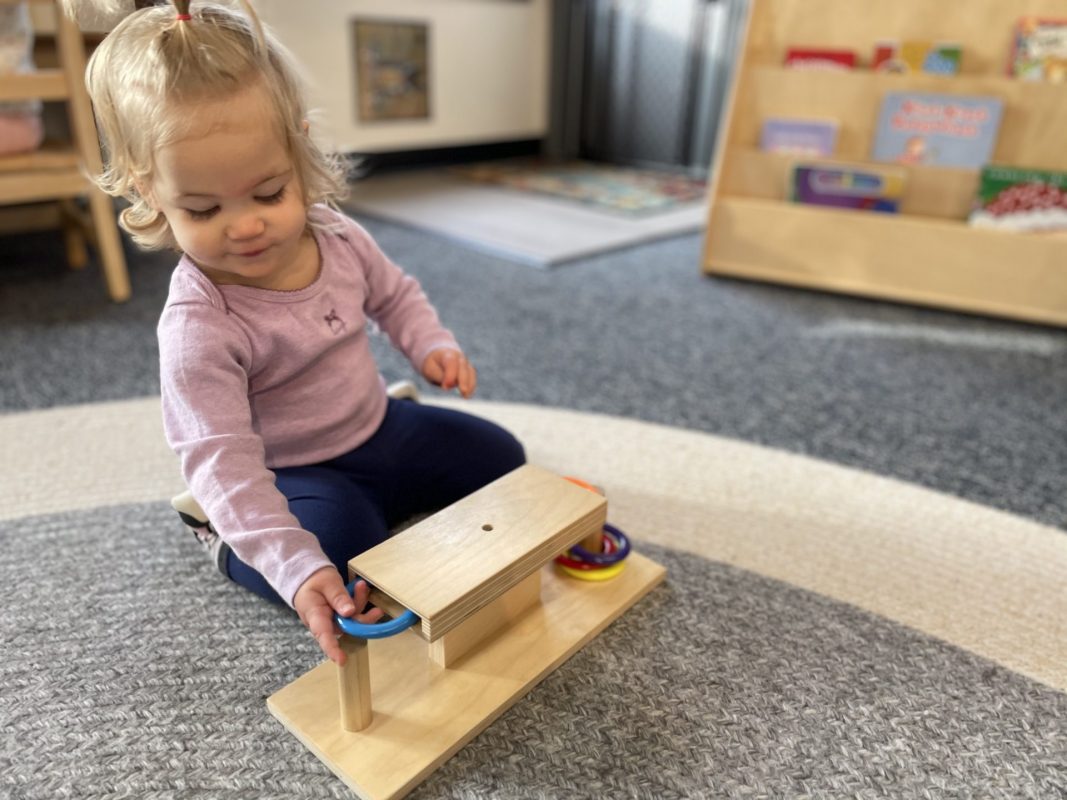
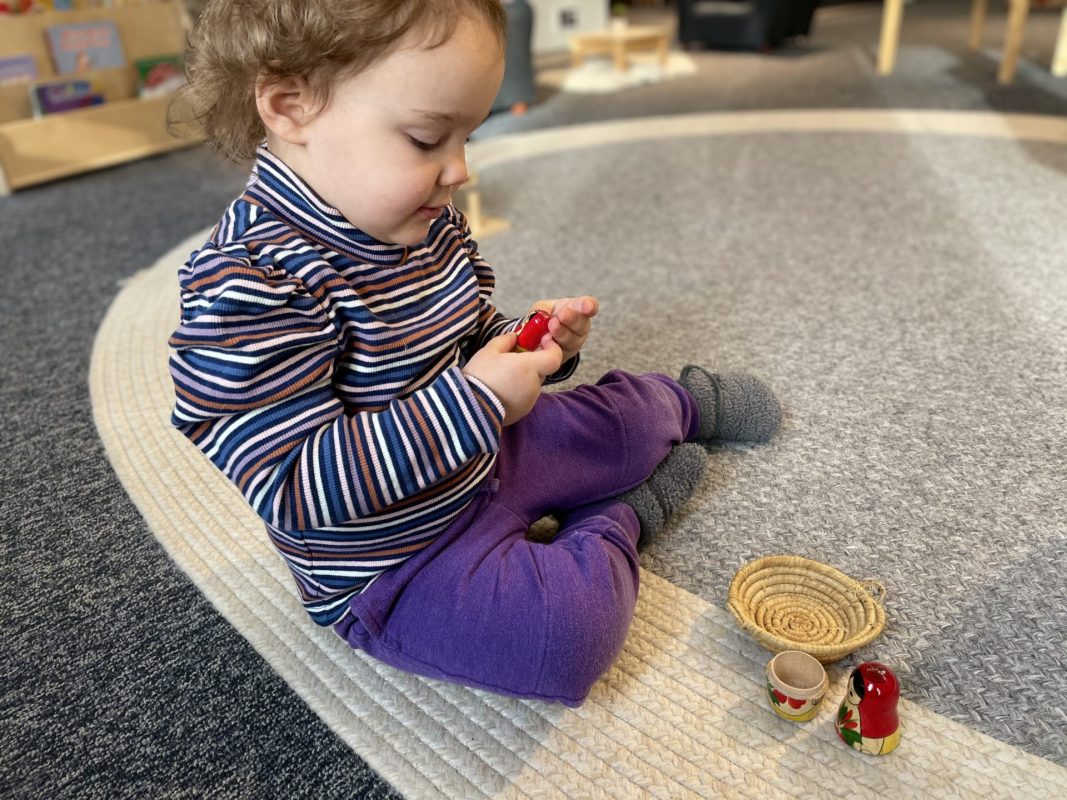
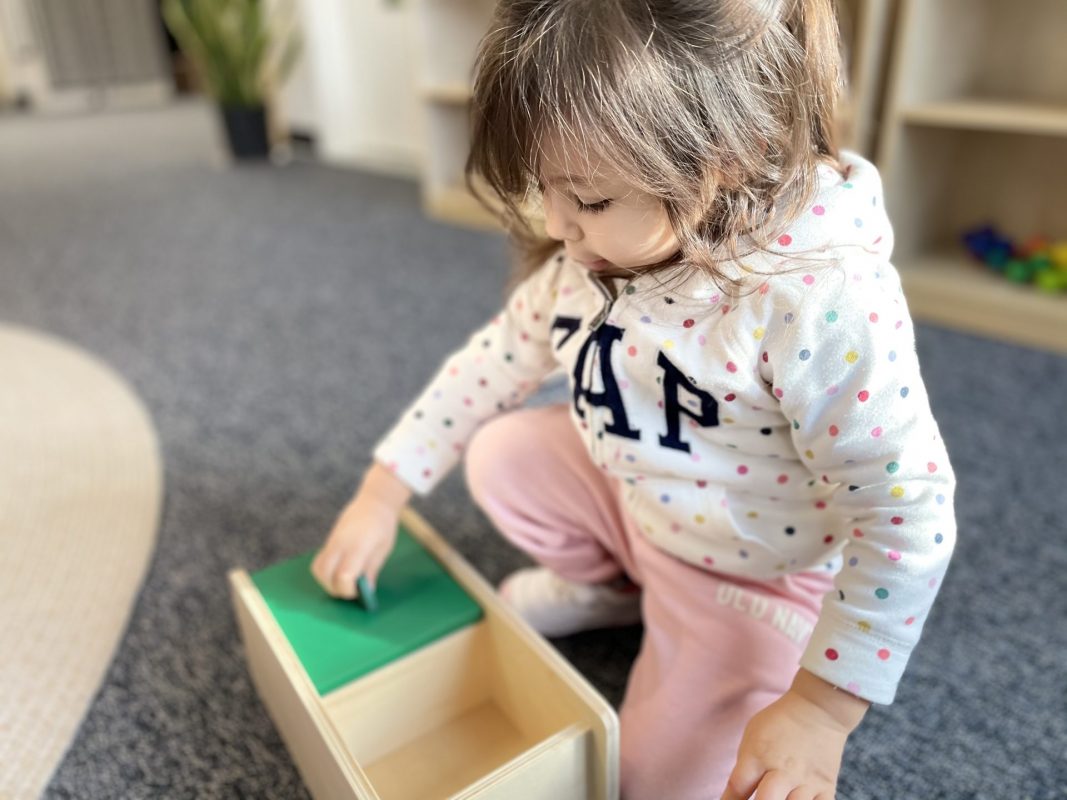
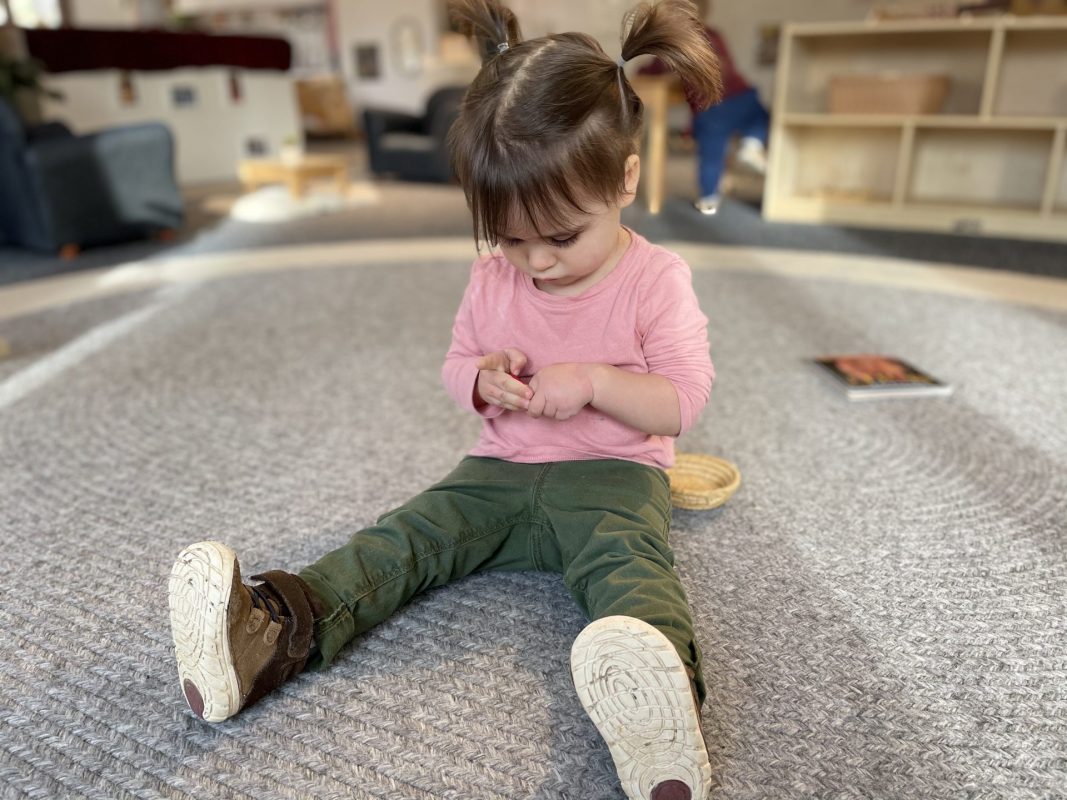
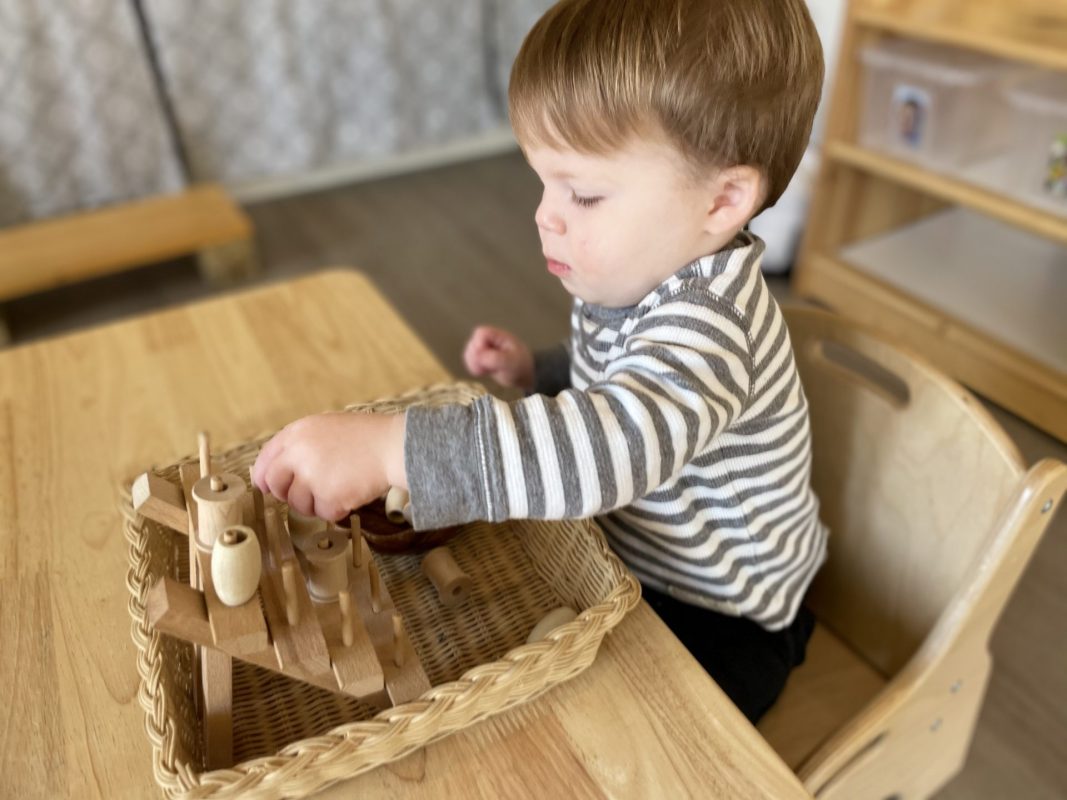
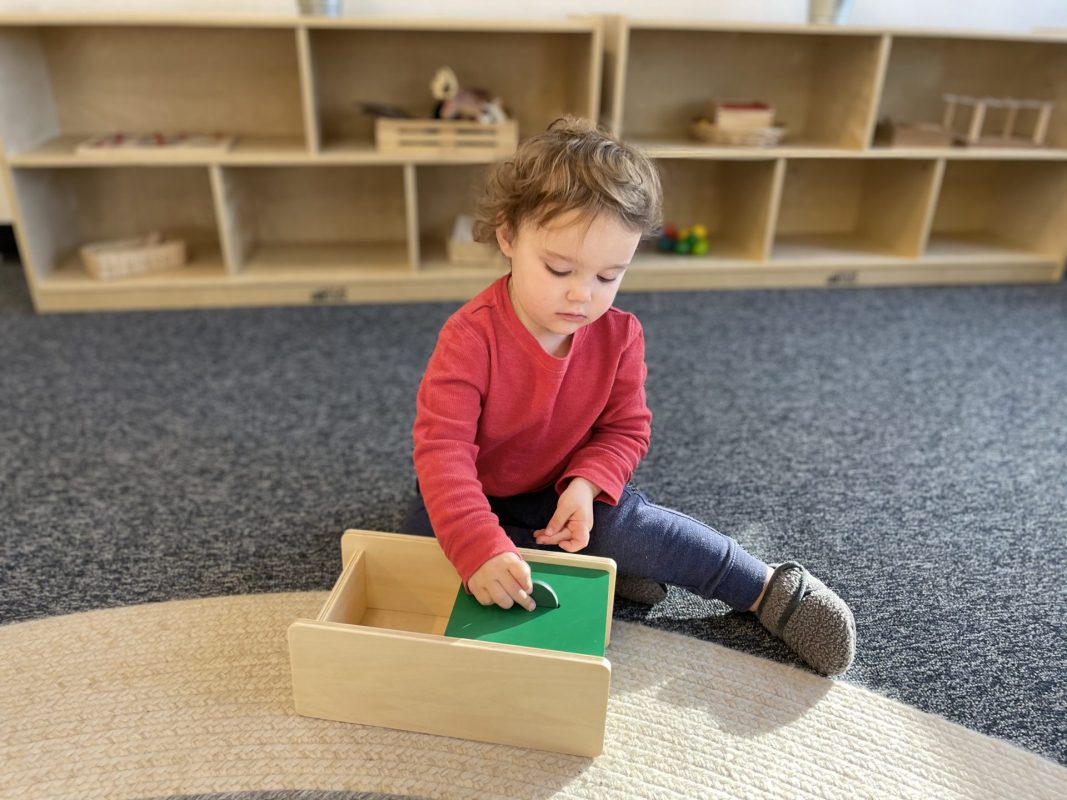
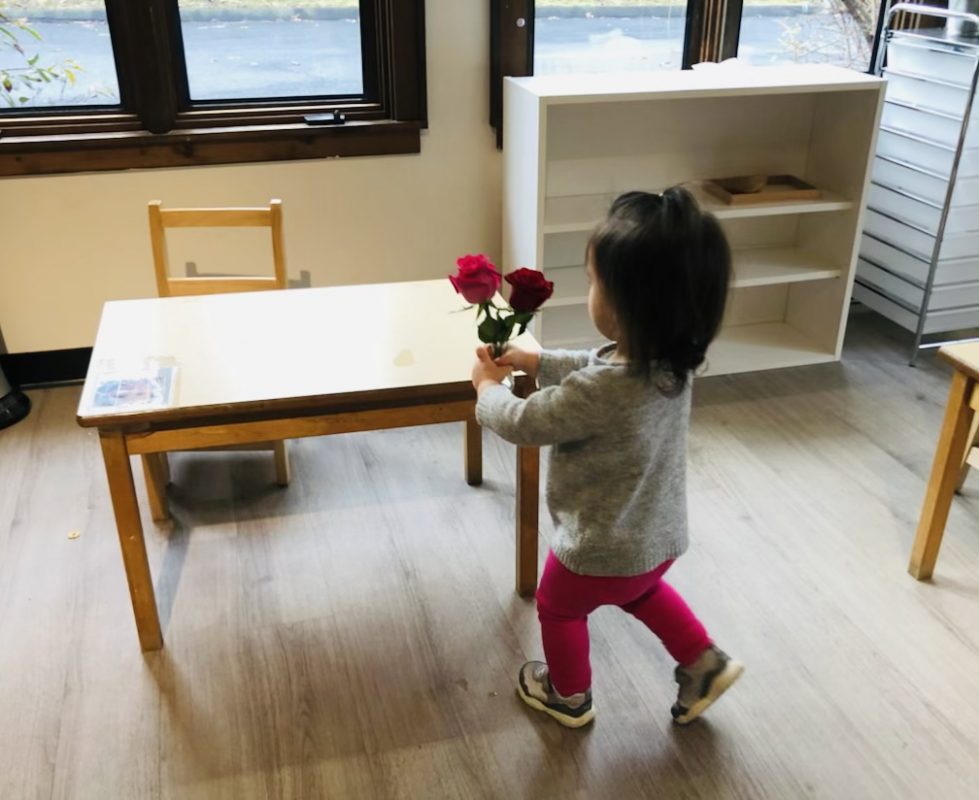
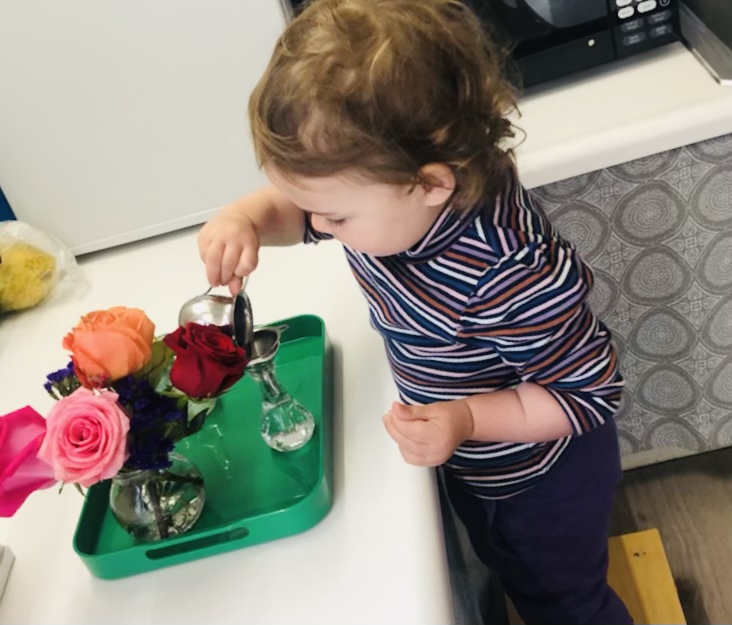
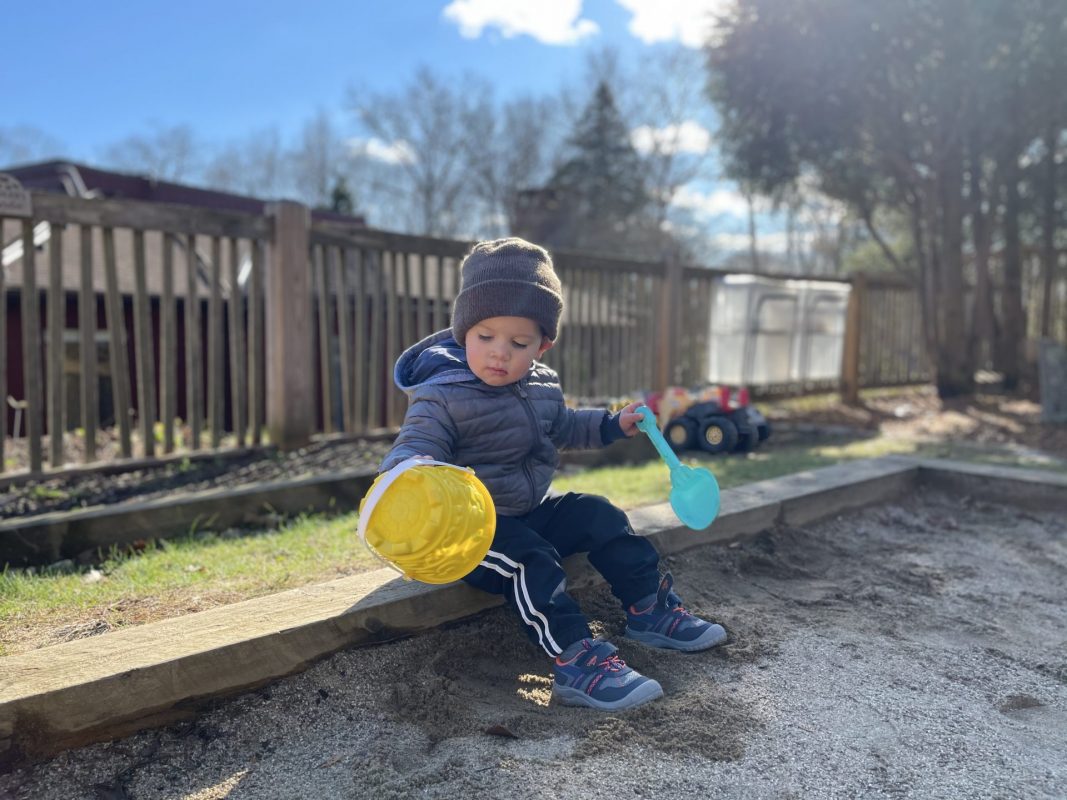
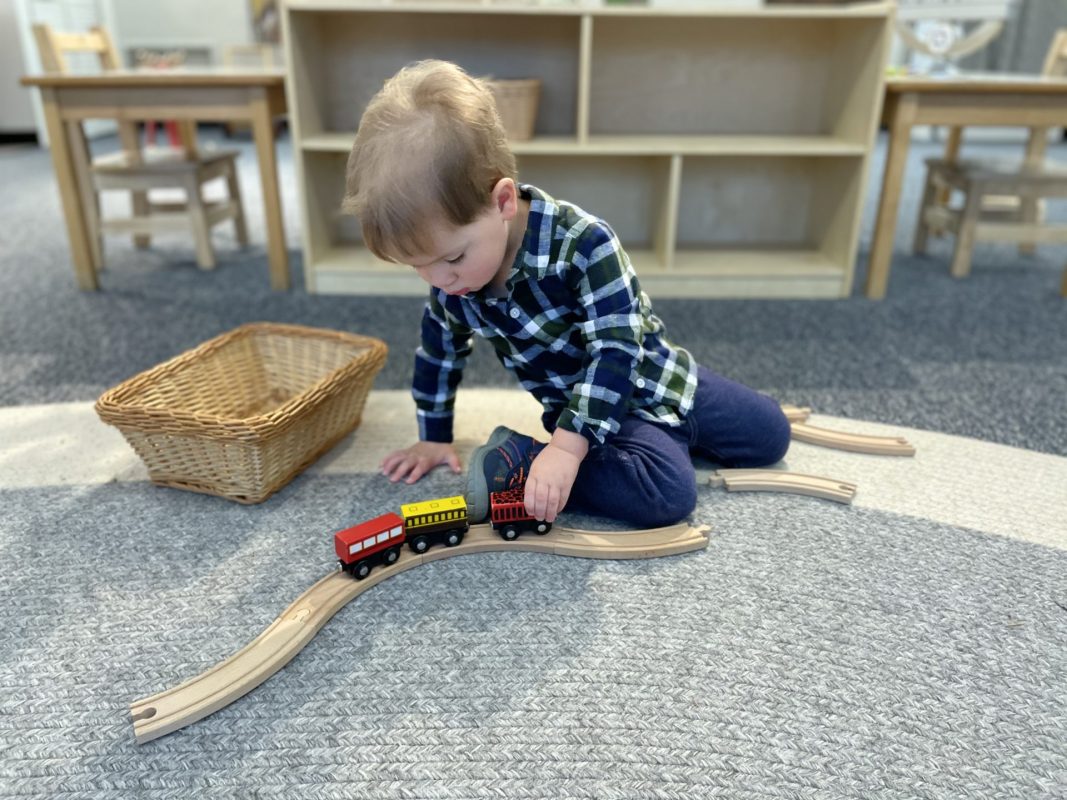
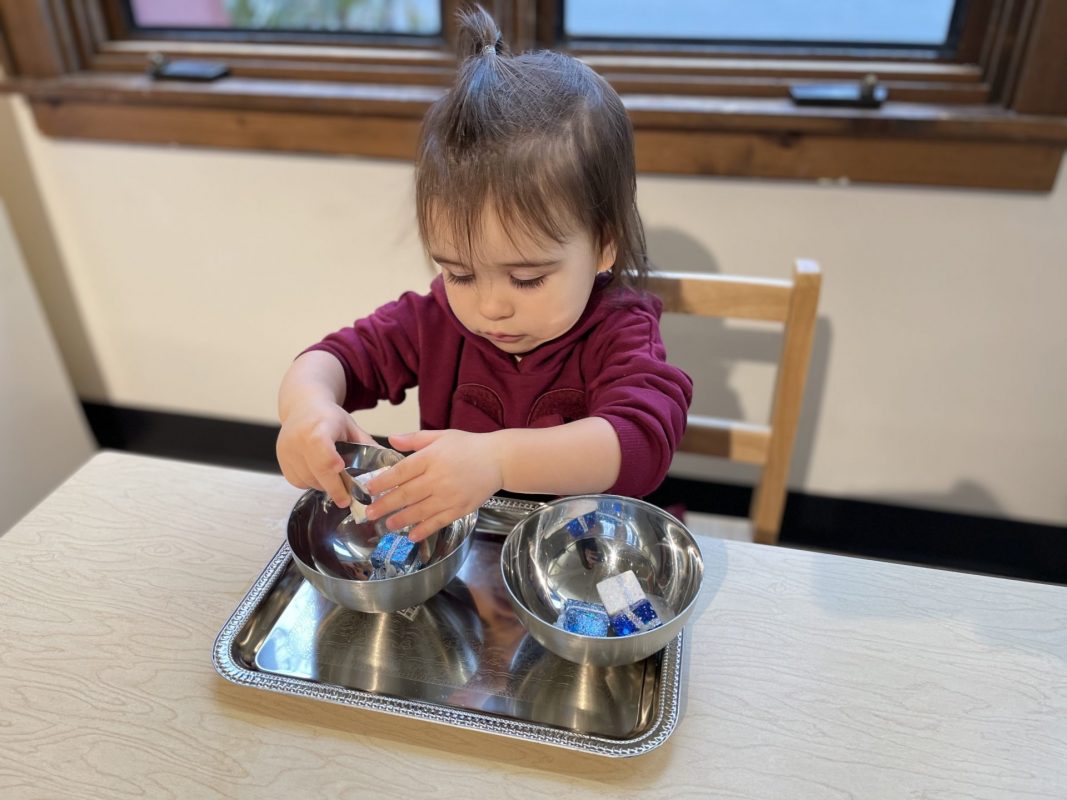
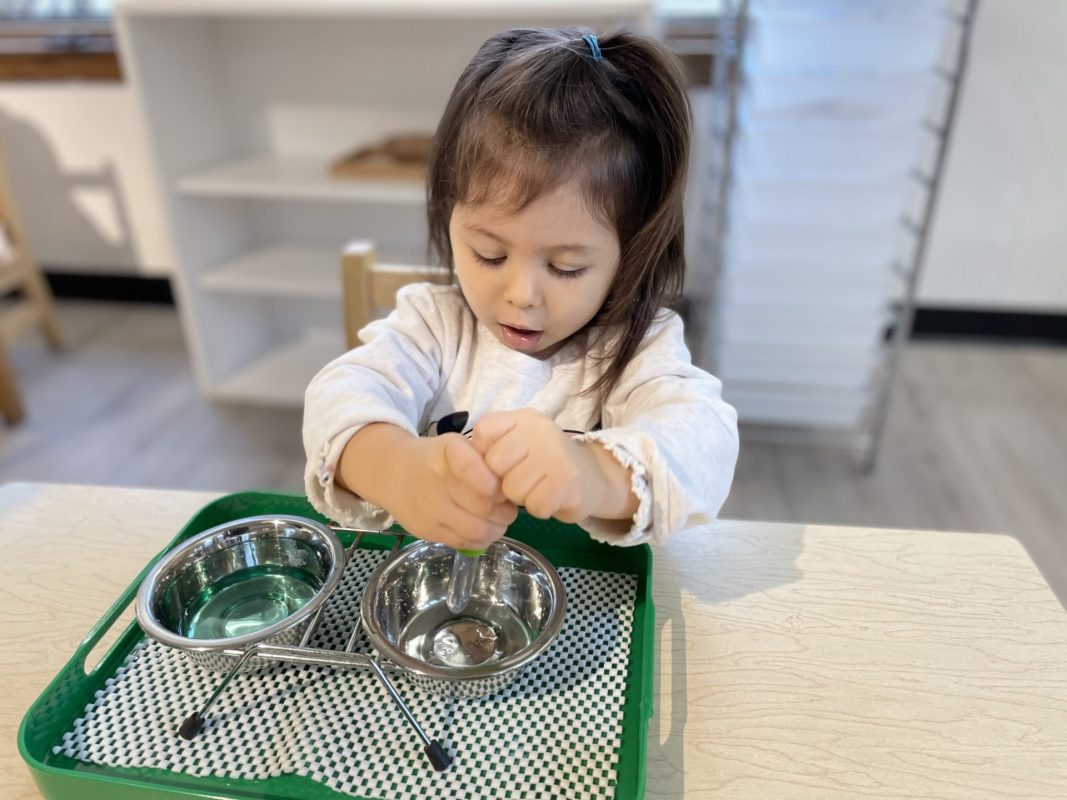
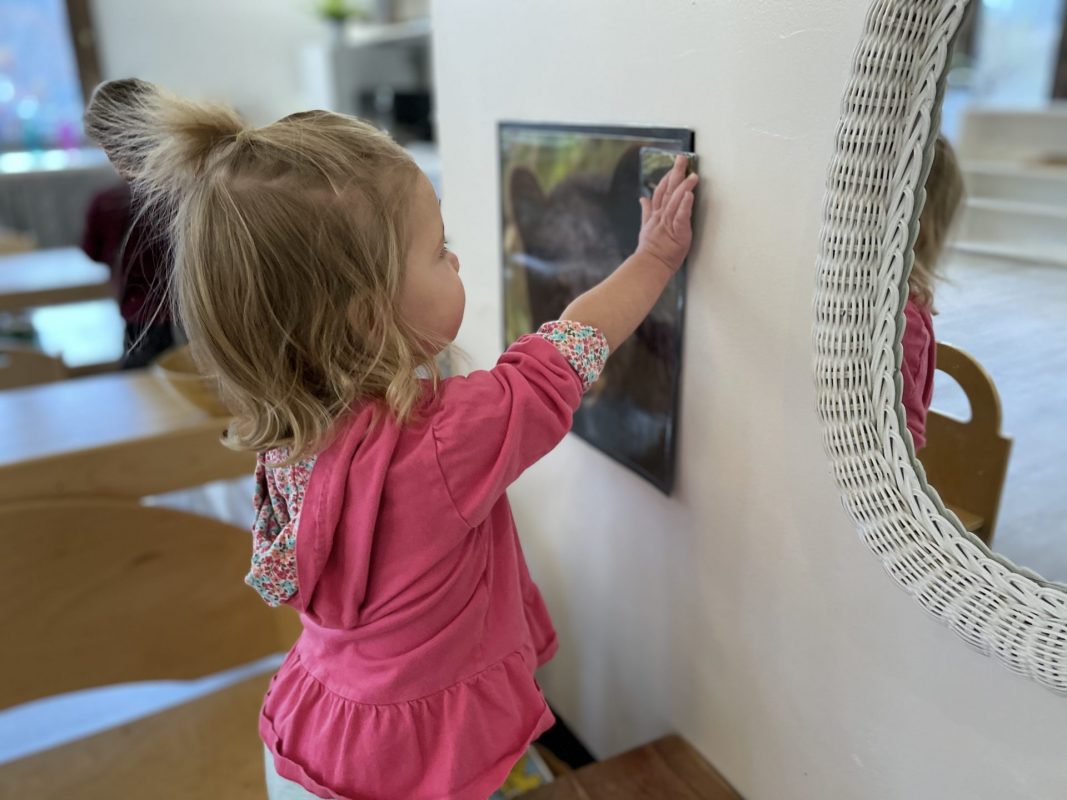
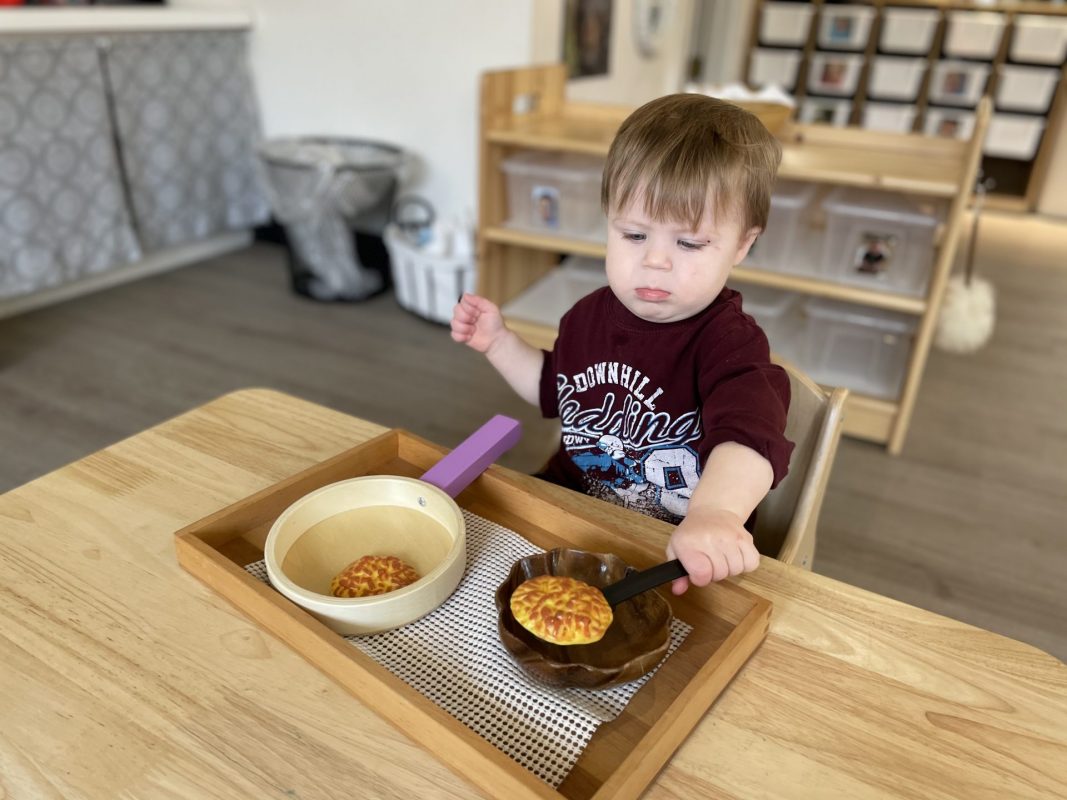
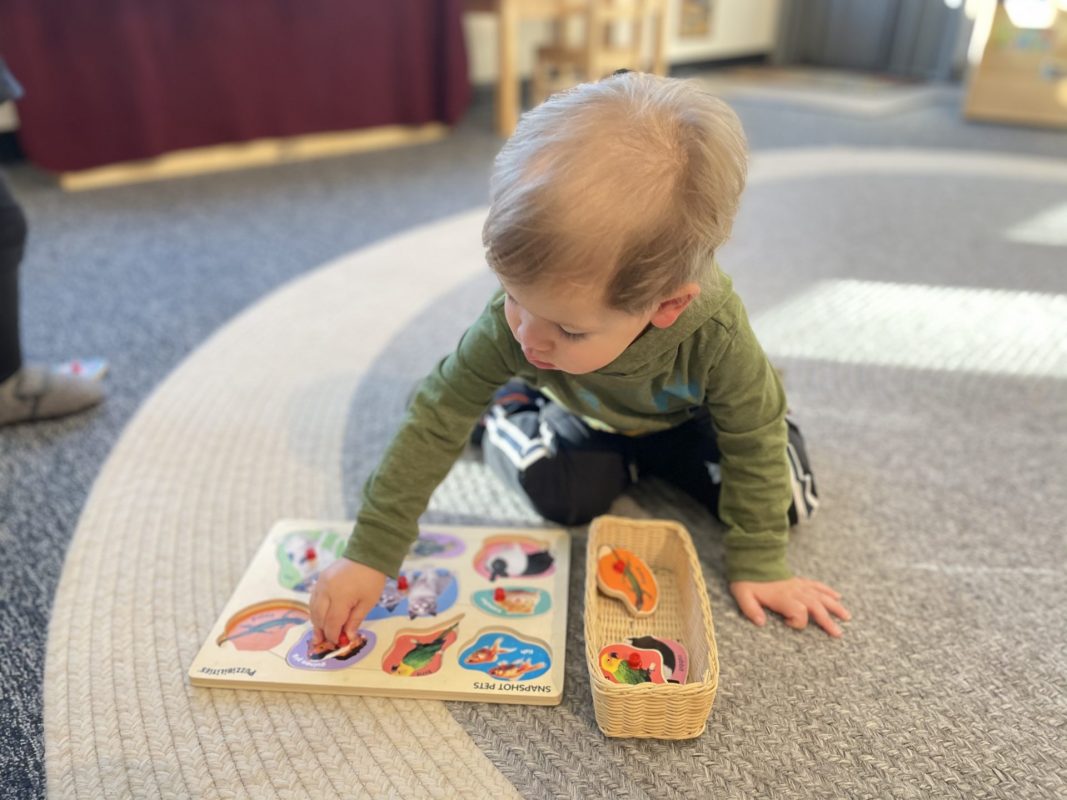
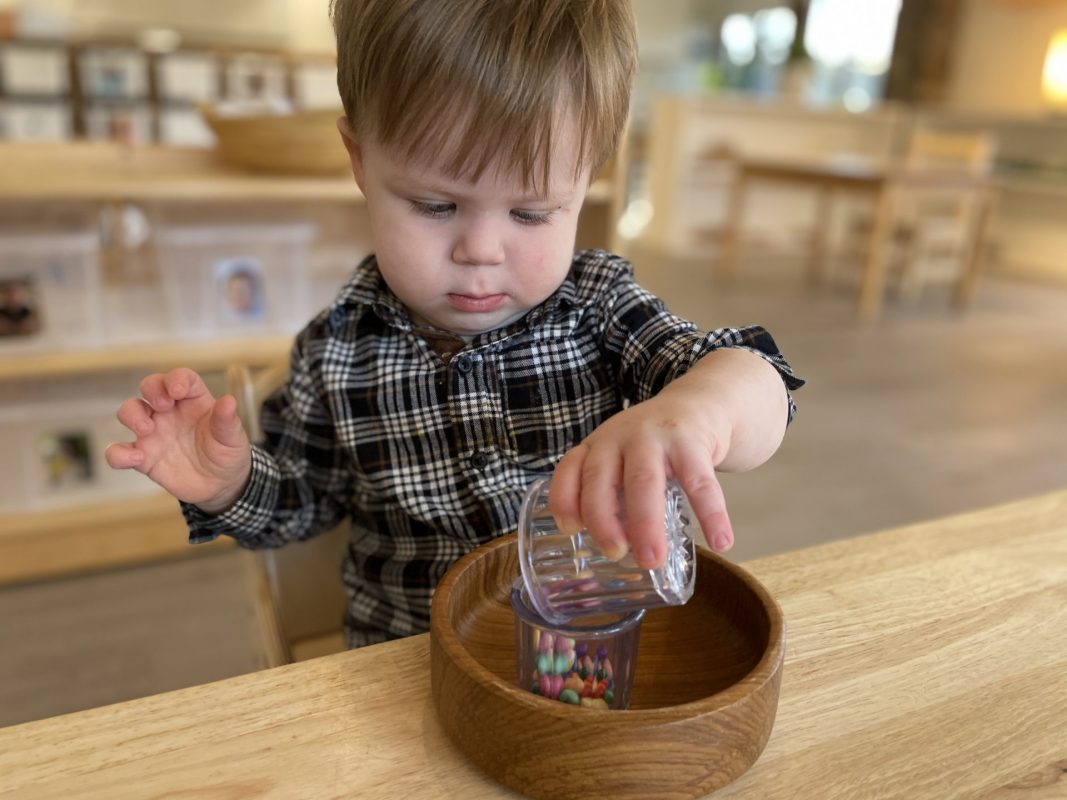
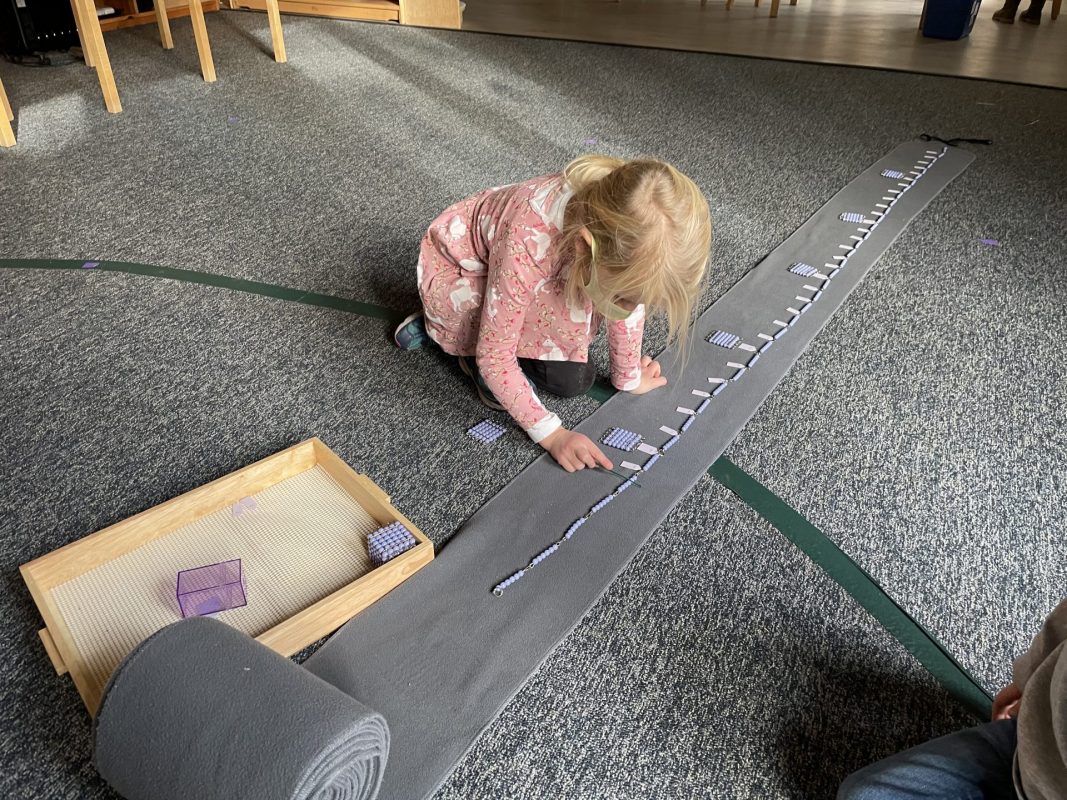
Has your child been telling you about all the “works” they have been doing in our classroom?  We refer to the lessons on our shelves as “works” because it reinforces the important work or learning they are doing each day.  Montessori Method is based on self-motivation to learn. Children are considered to be at work during the day, but they have fun doing it. They go beyond life skills, learning geometry, geography, phonics, and much more. Young children have the capacity to absorb, learn, and do so much. They just need a controlled, creative environment to allow them to pursue their interests.

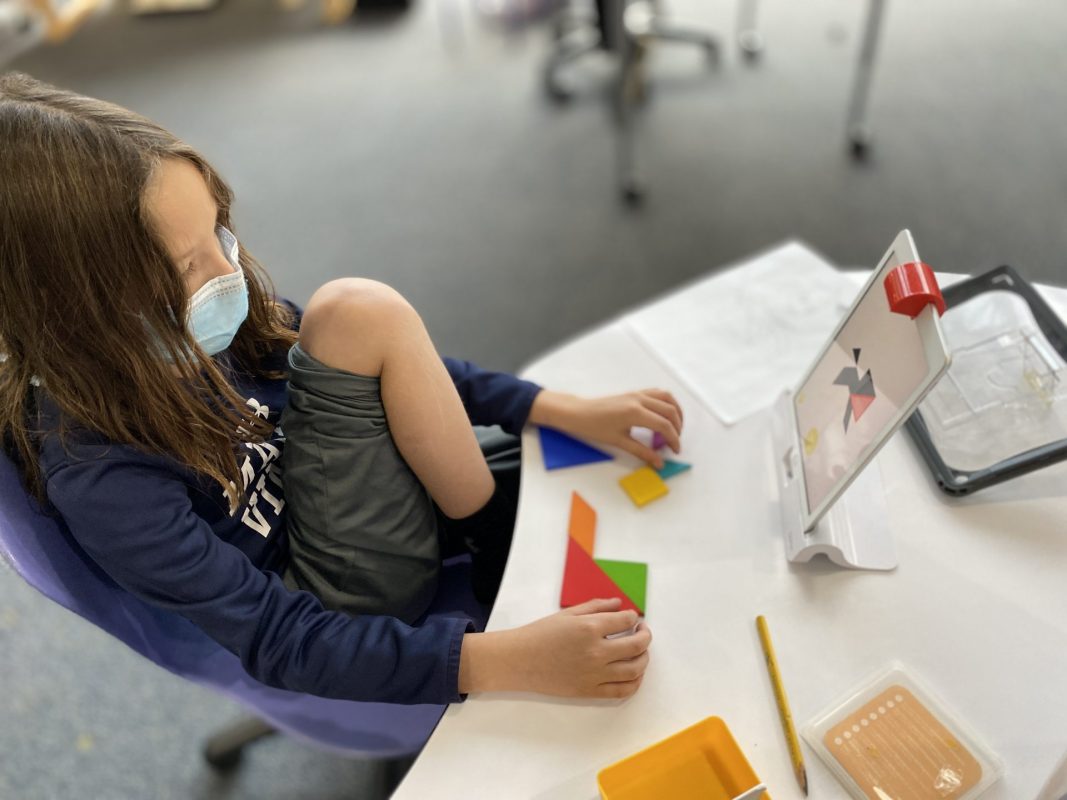
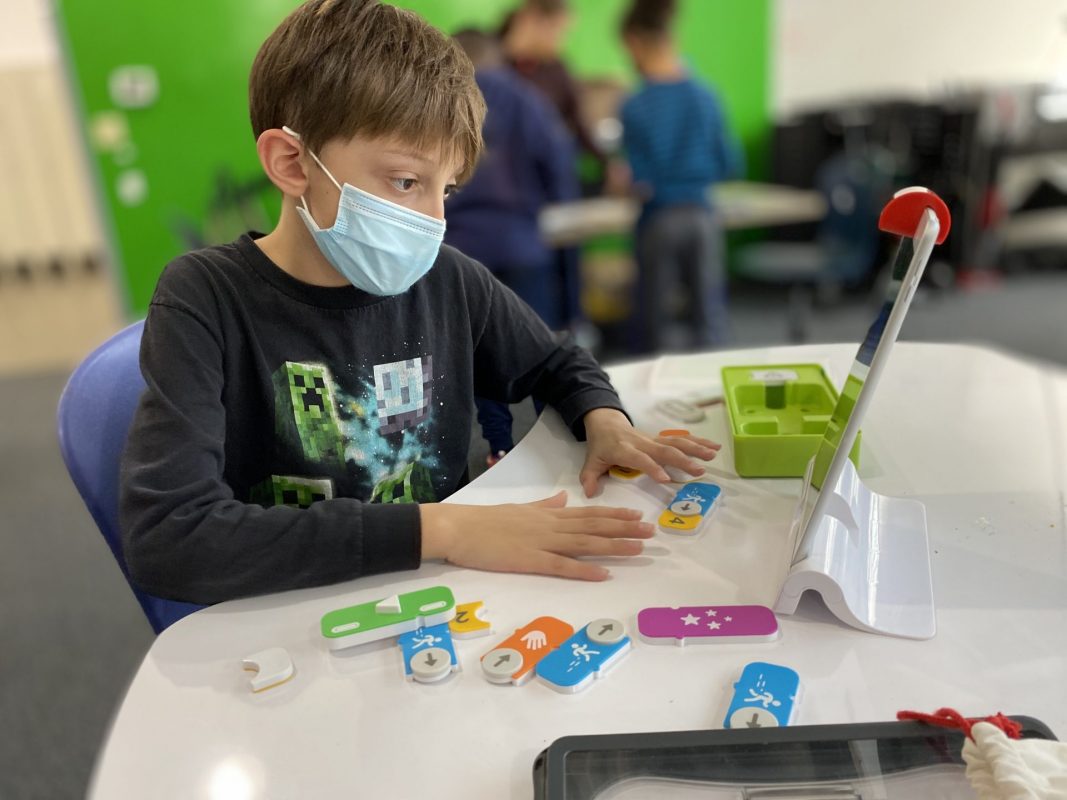
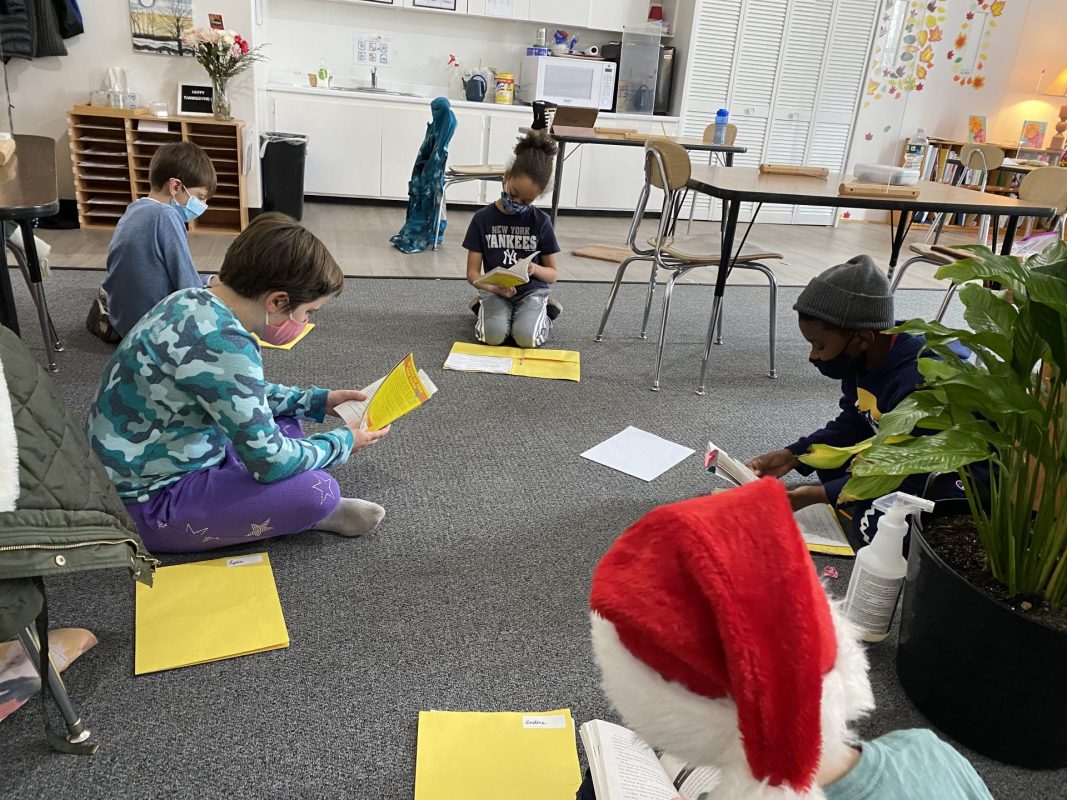
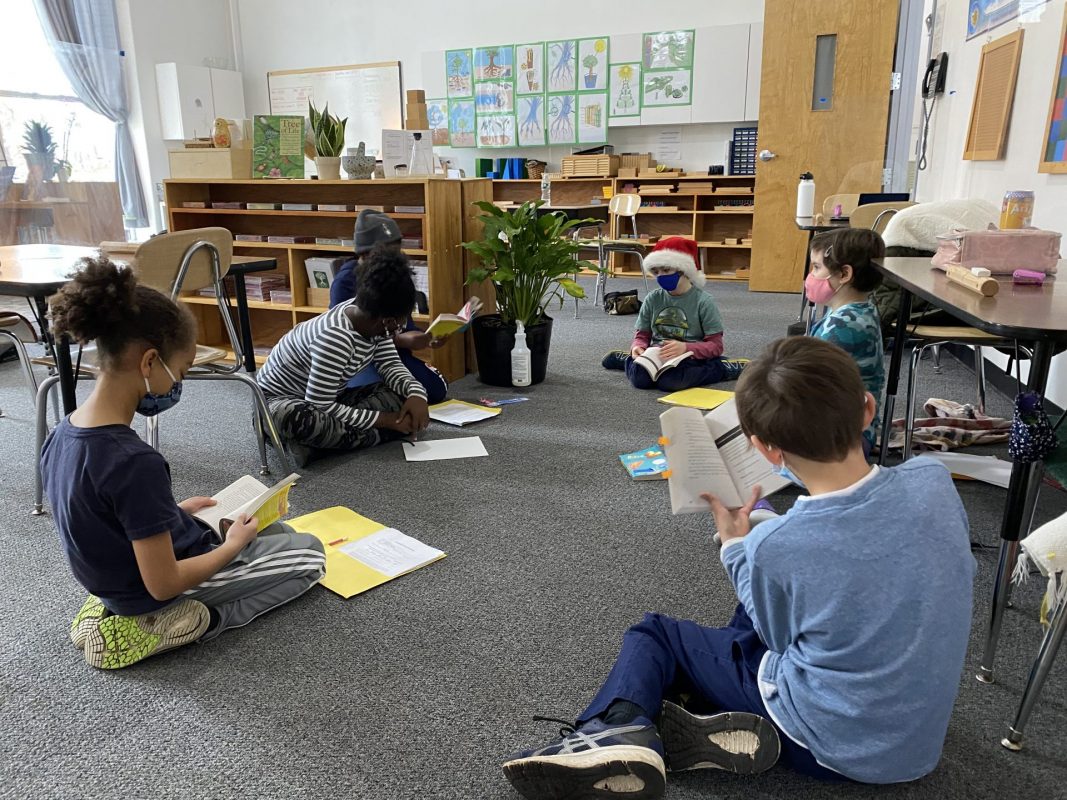
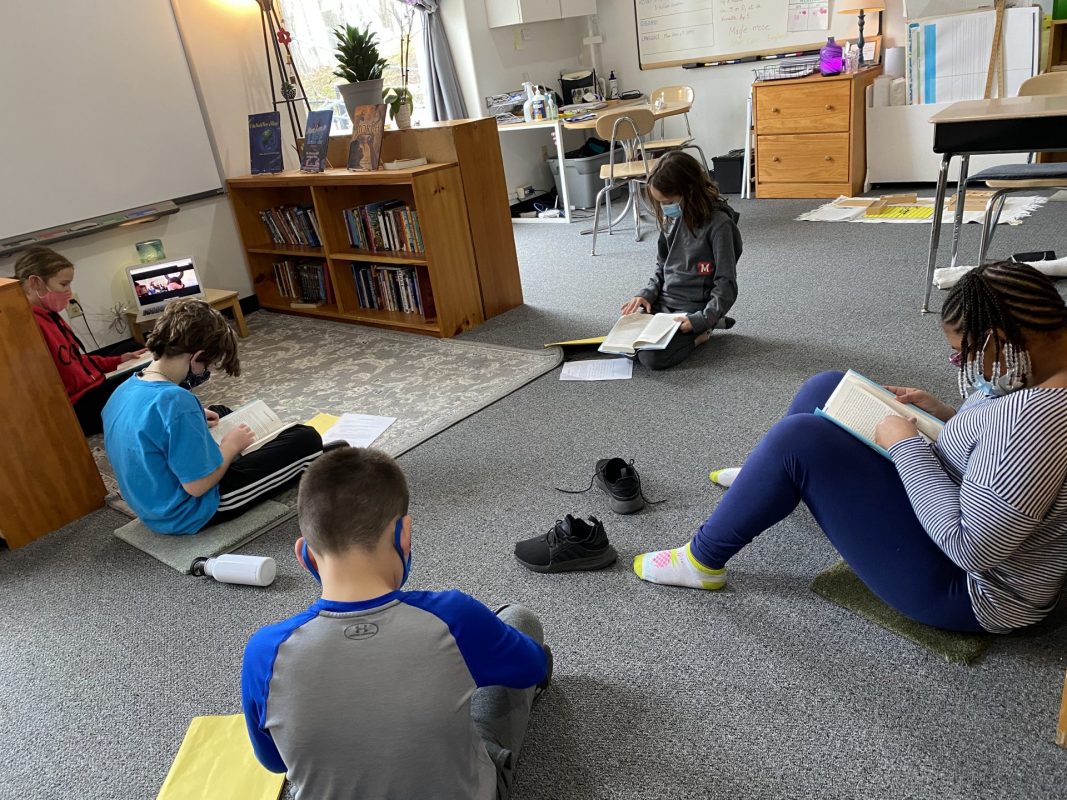
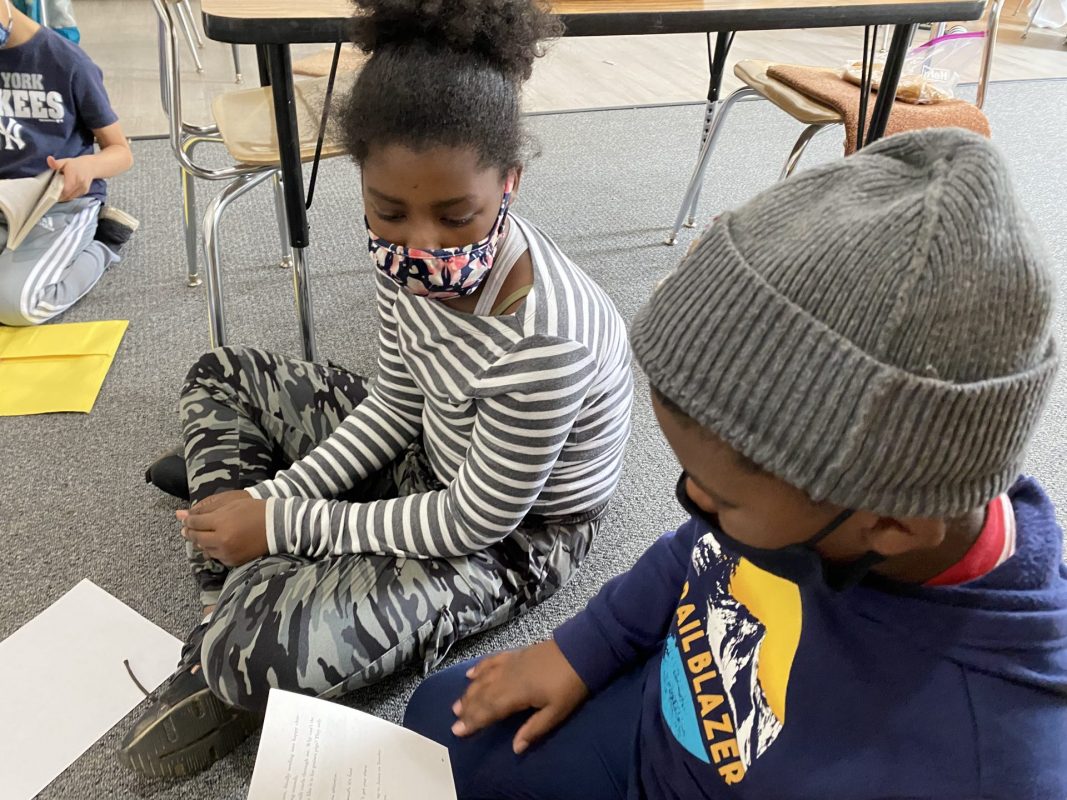
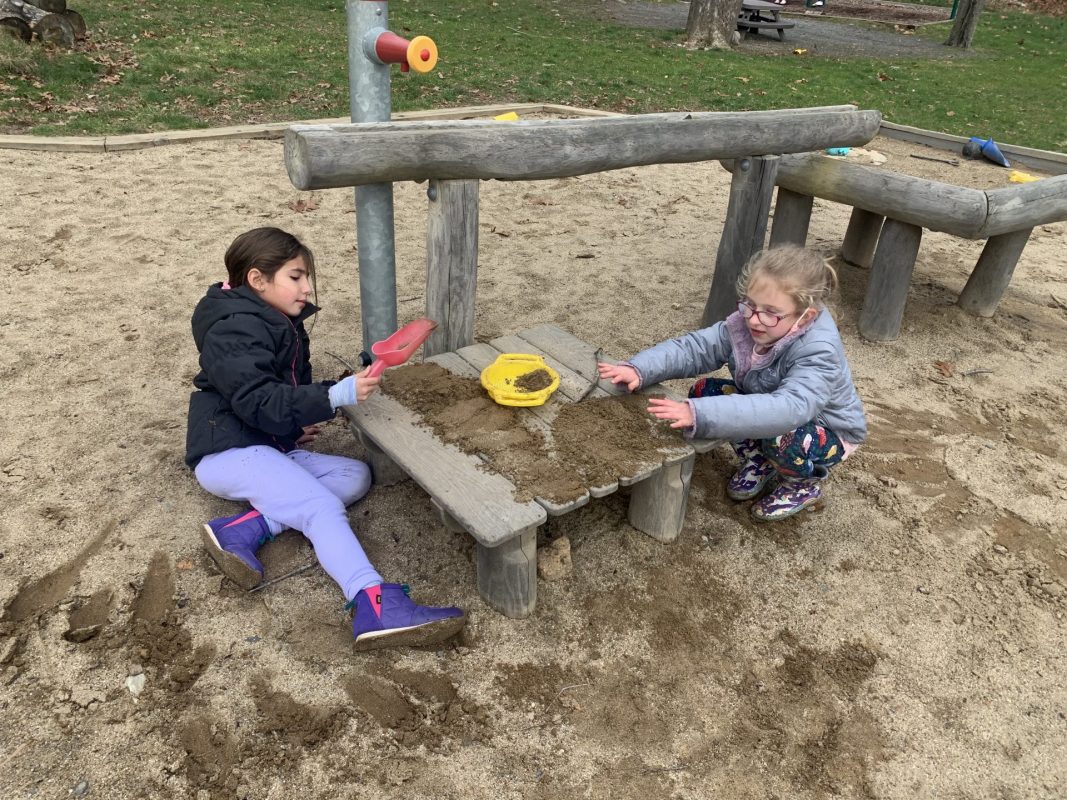
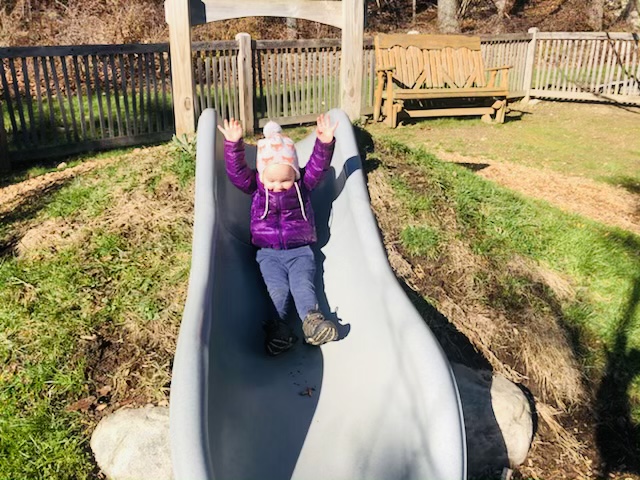
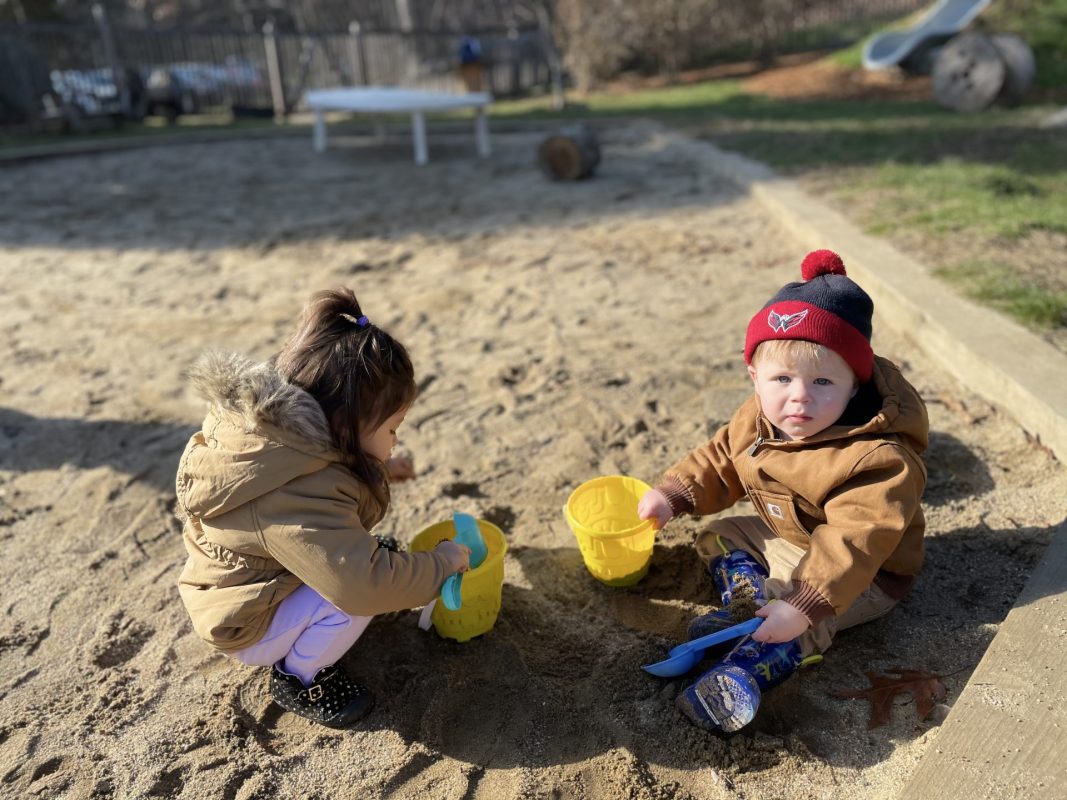
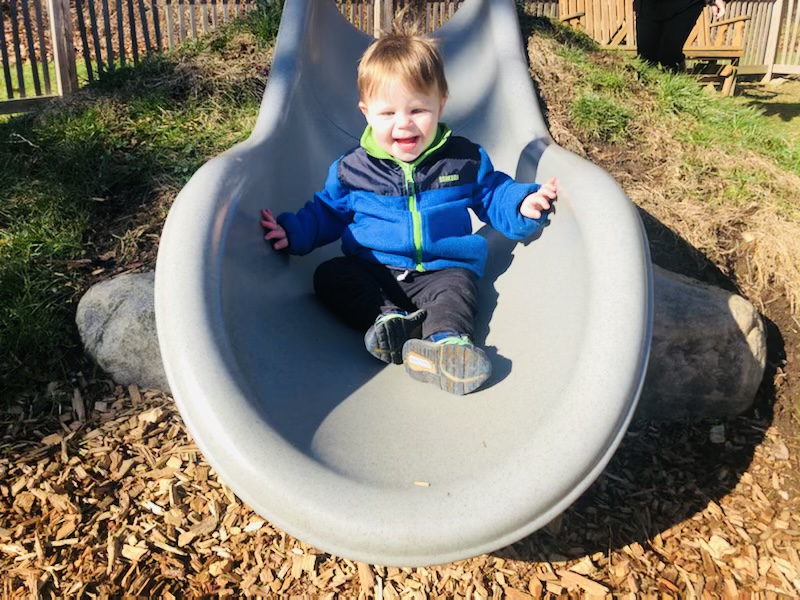
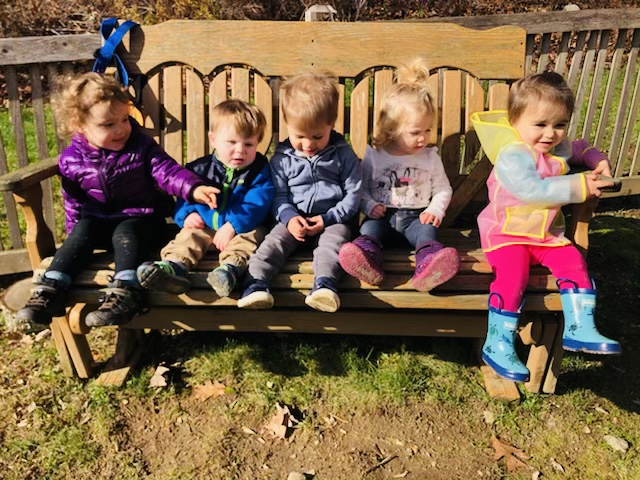
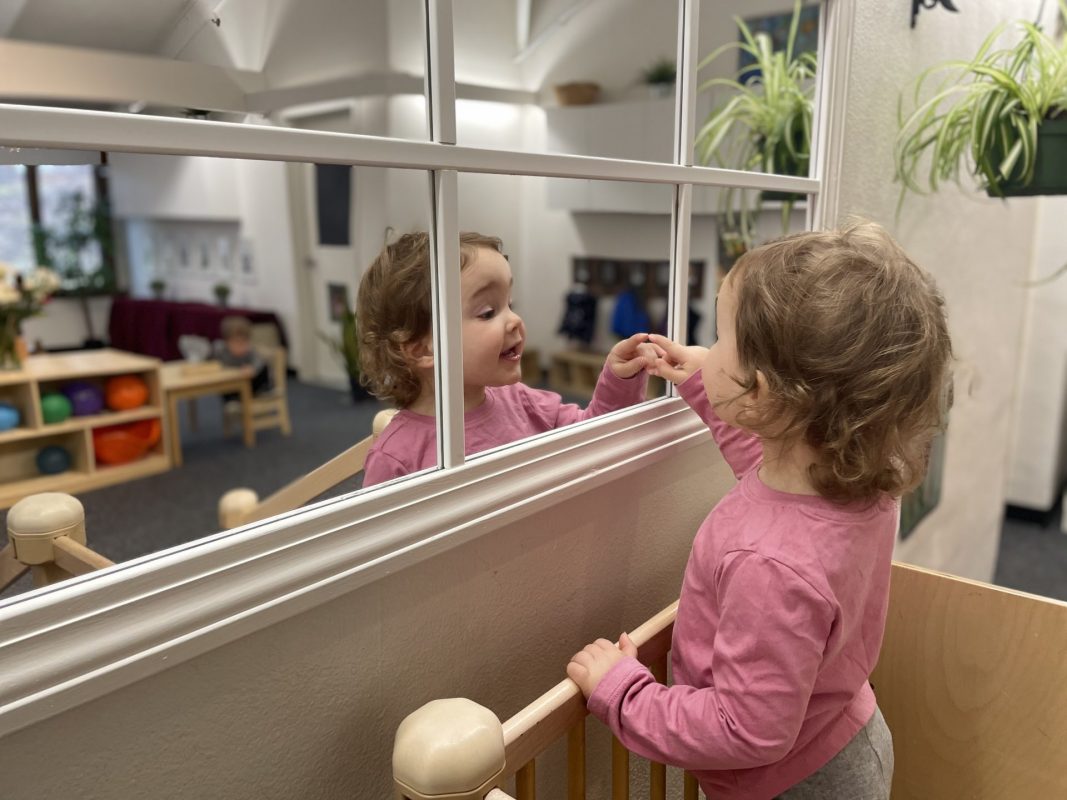
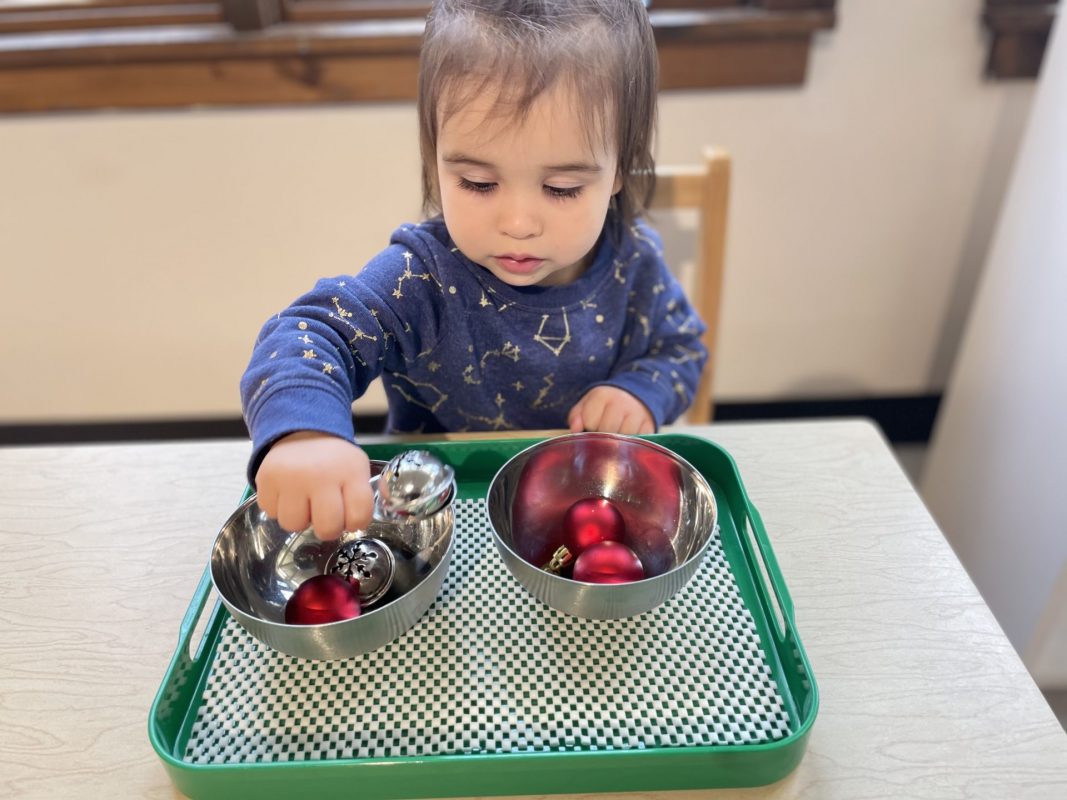
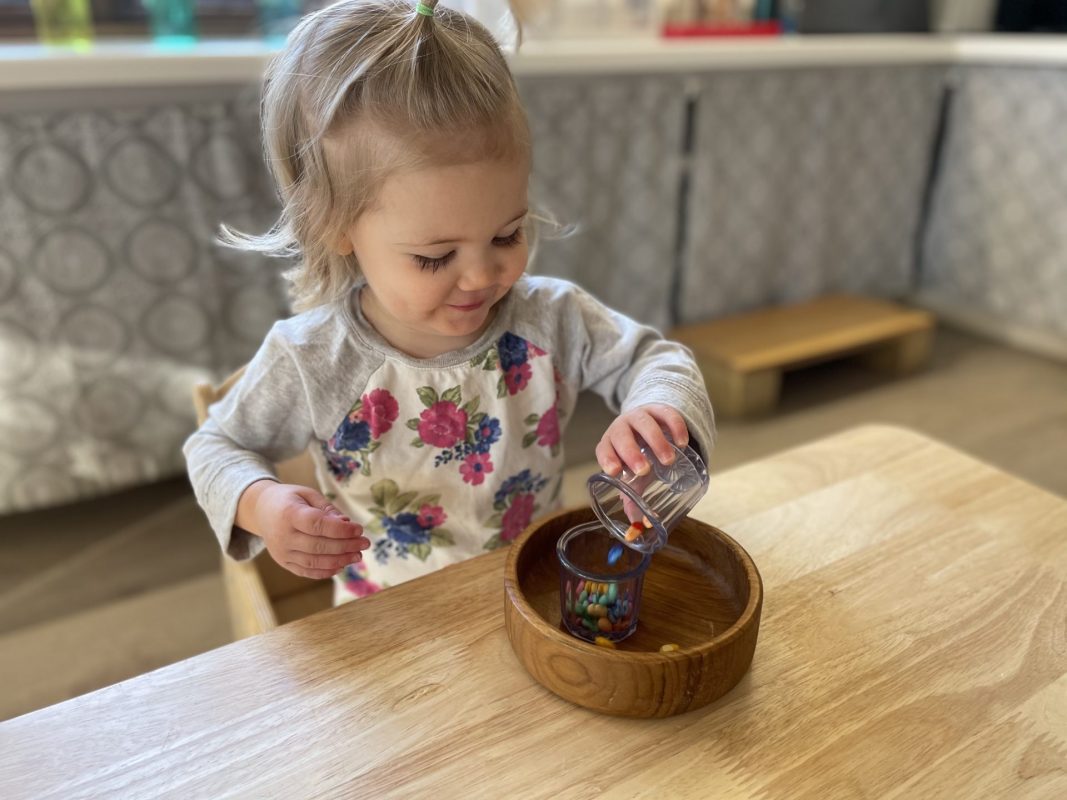
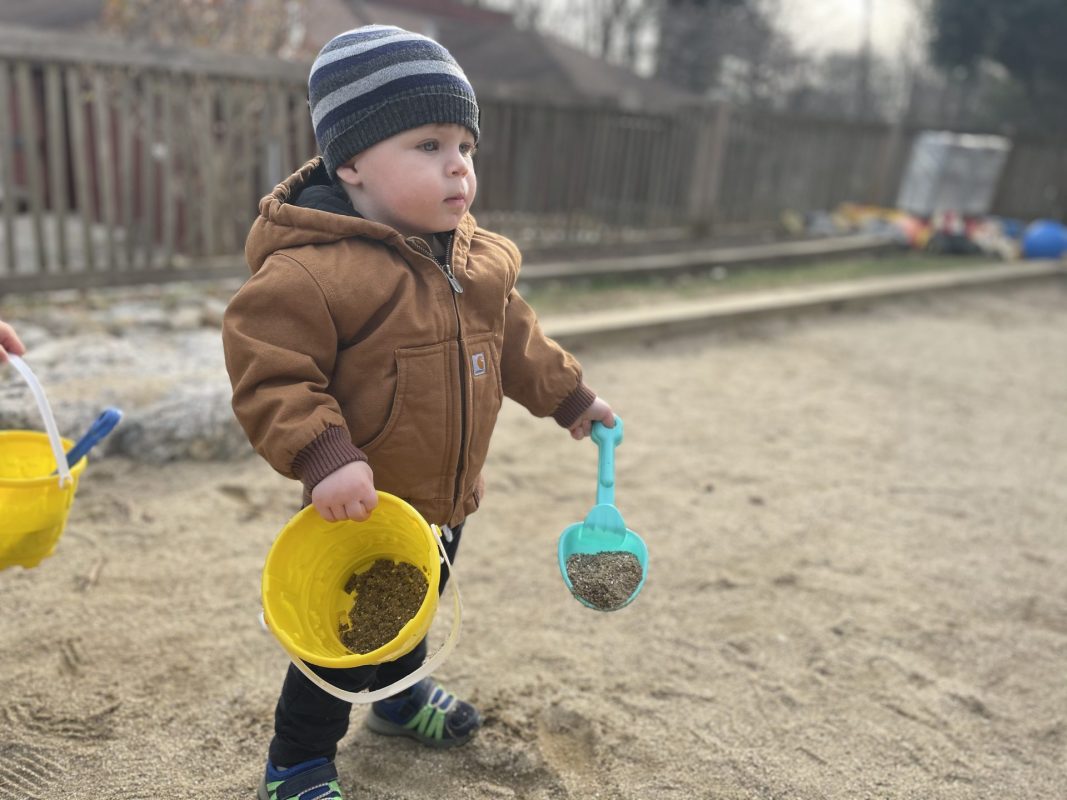
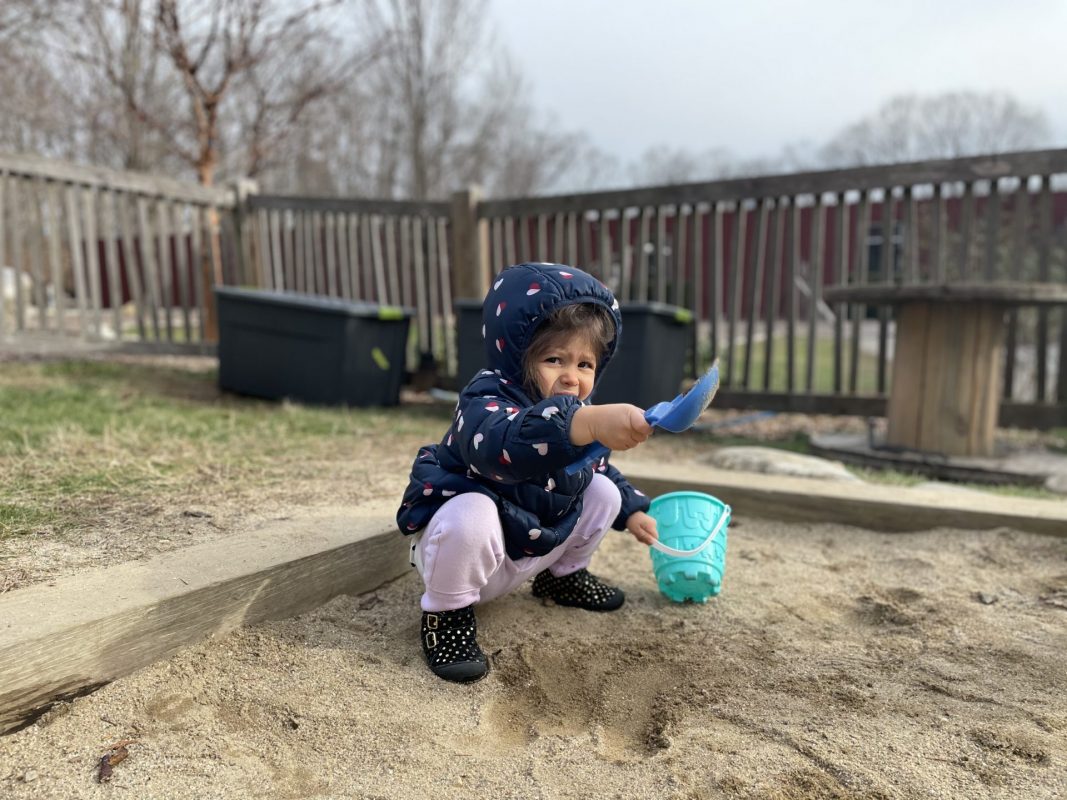
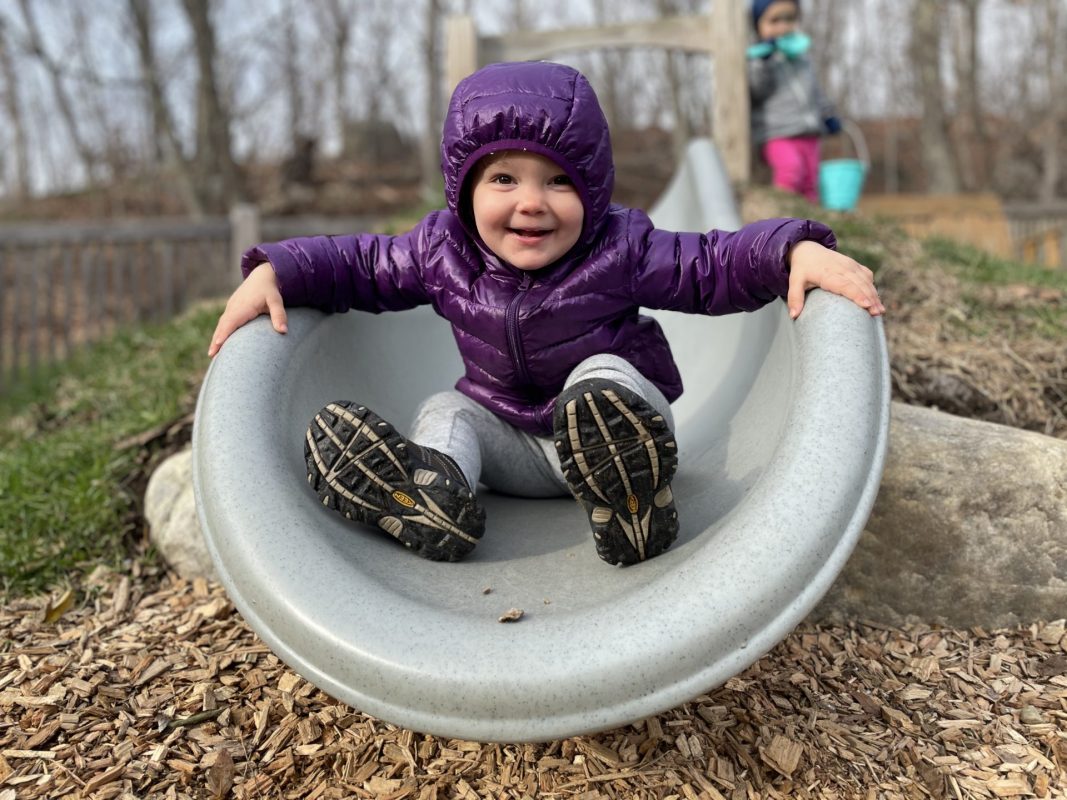
Enjoy these images of your children at work!

Amanda & Sharlene


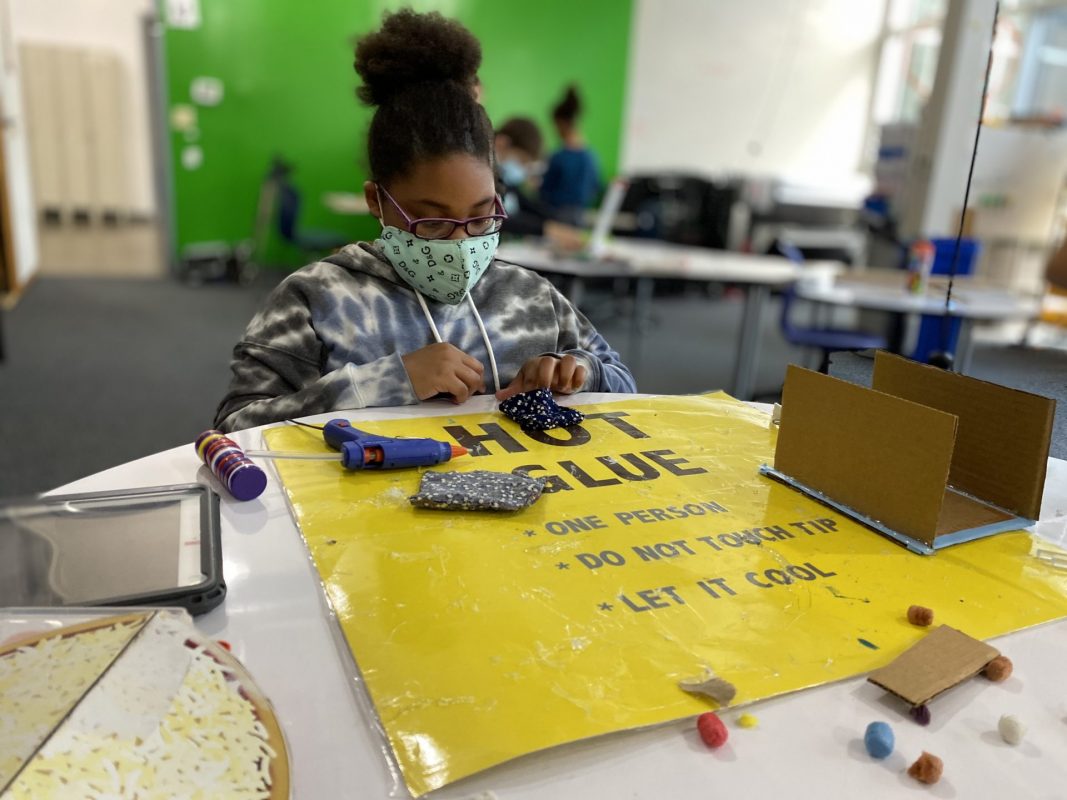
UE Makers

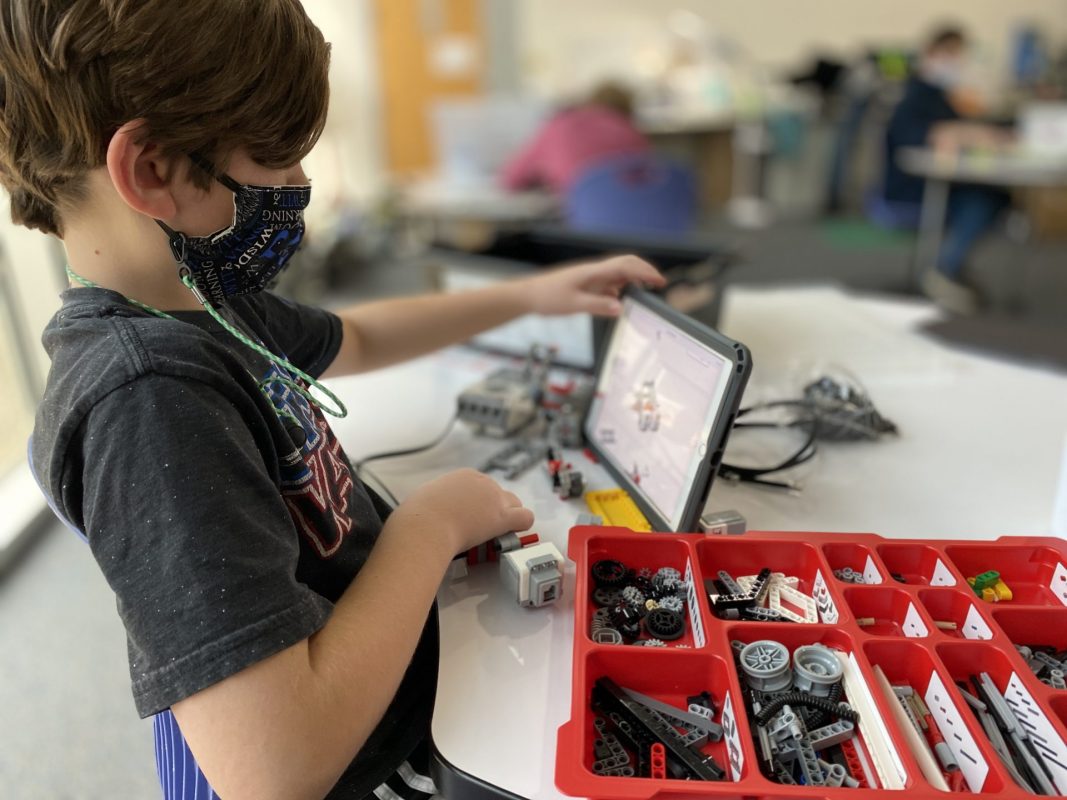
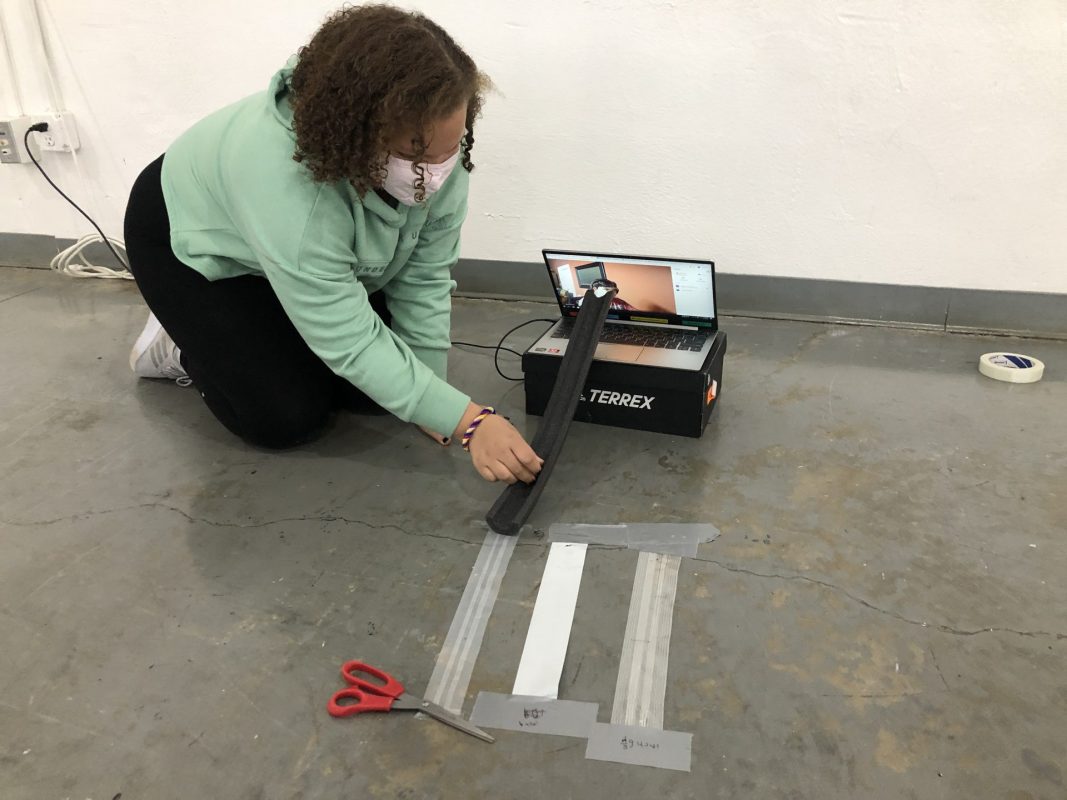
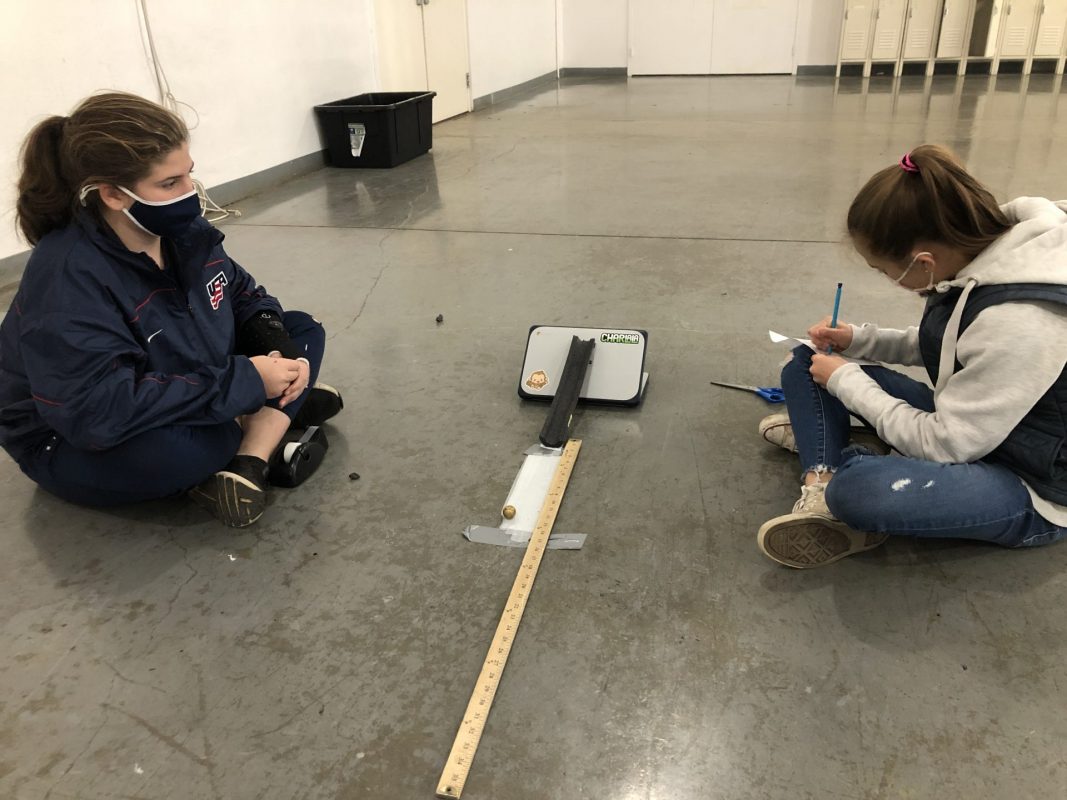
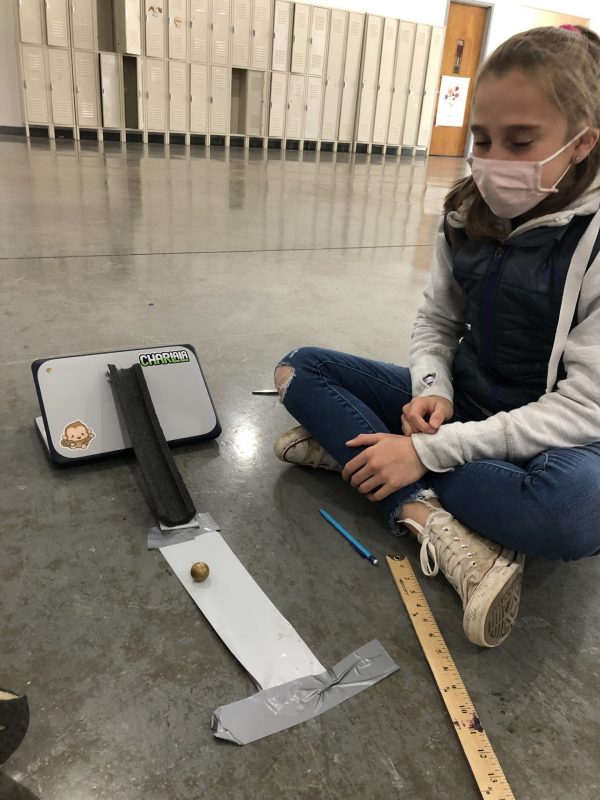
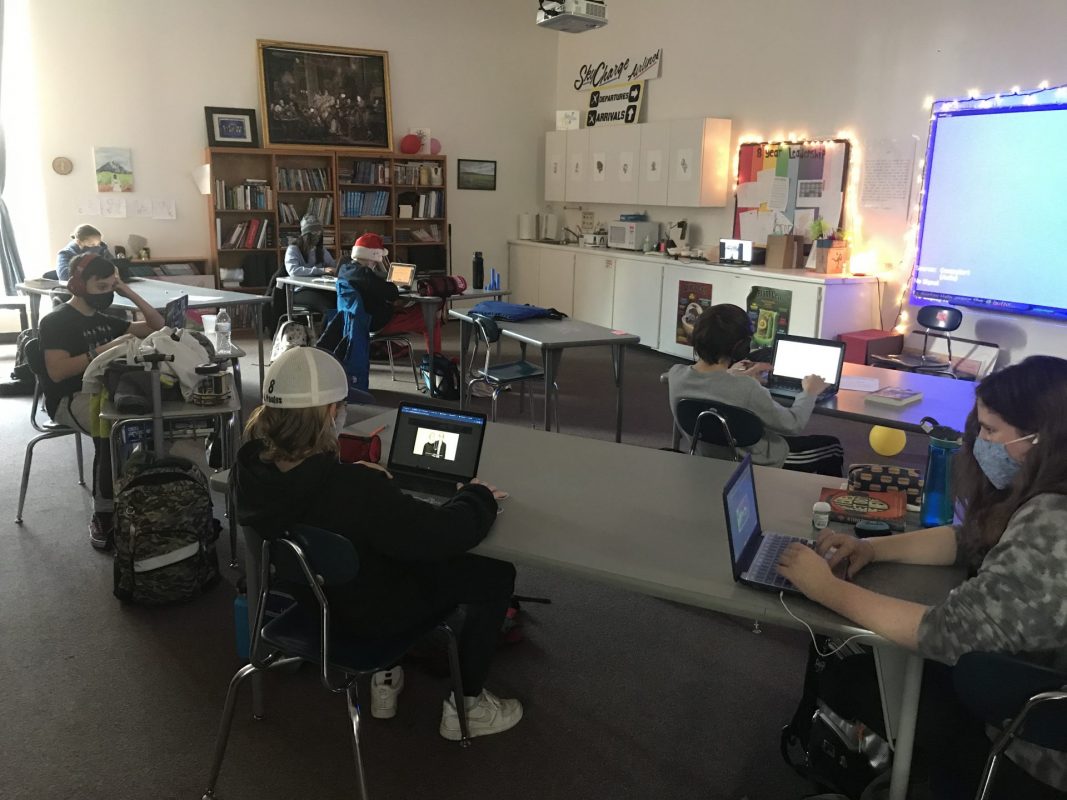
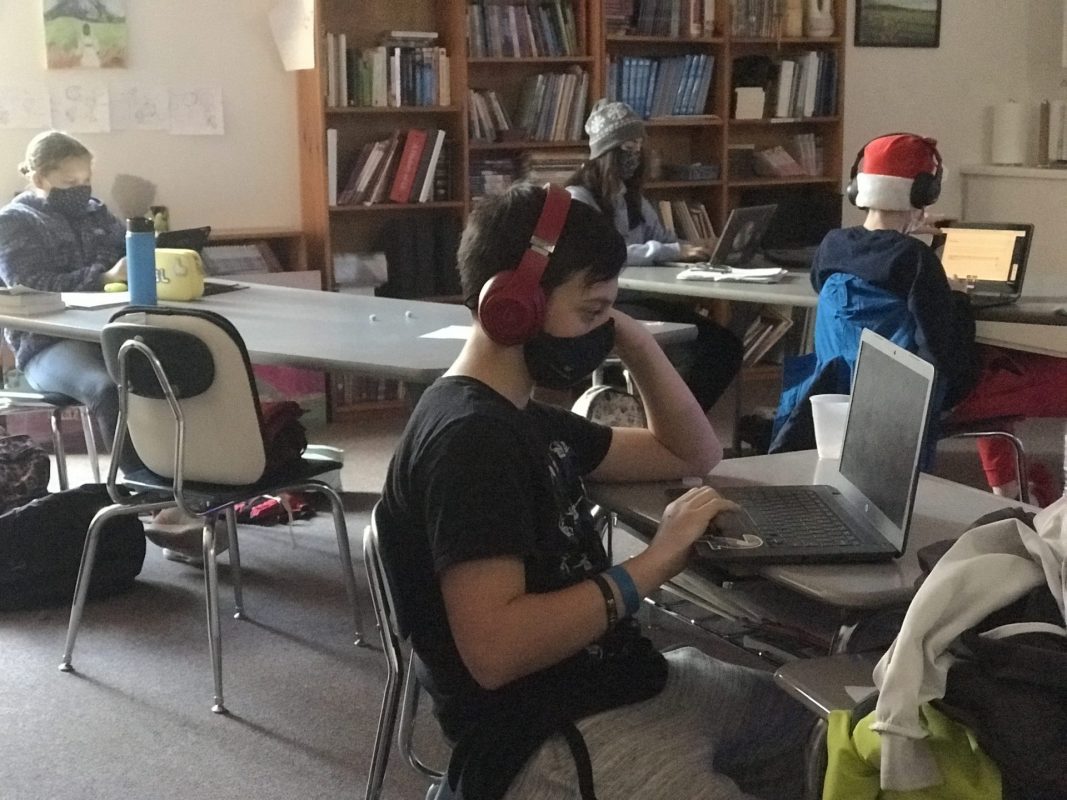
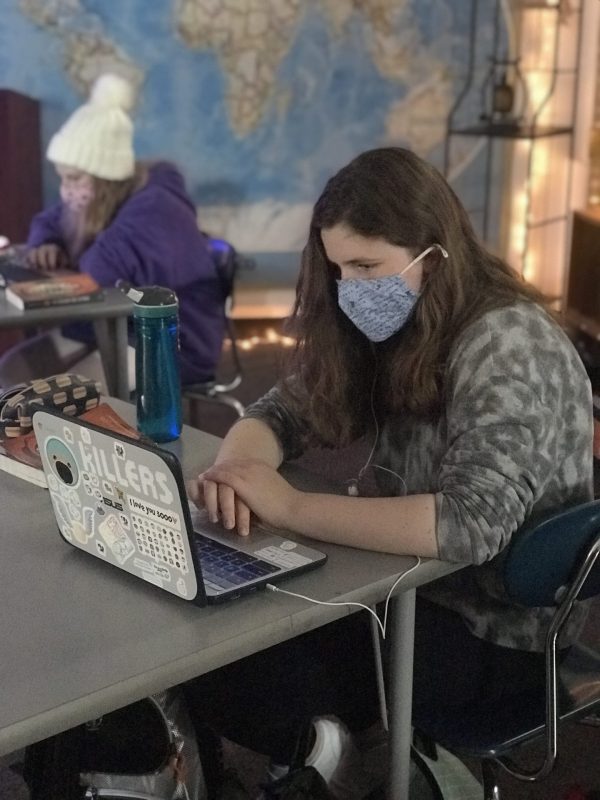
Upper Elementary is the age when students truly start exploring their passions and interests at an independent level. Students by now have learned their way around the MakerSpace and have become familiar with the projects and tools that are available to them. Although group work is a harder to accomplish this year due to safety restrictions, they are still collaborating with feedback, inspiration assistance, and learning how to divide one project into multiple facets so they can work on one thing simultaneously.

Click here to watch a quick 30 second video of MakerSpace. Some weeks the MakerSpace is so loud- a creative chaos that I truly love. Other times it is super silent because the students are deeply focused and engaged on the work at hand.

They inspire each other- but I, too, am constantly finding new ways to inspire them. Just ask your UE student- this week I brought in my palm sander to see if anyone wanted to try it out! (I had a few takers!)


Our Week

We were happy to be back after our long weekend. We had a productive week with lots of lessons and fun.

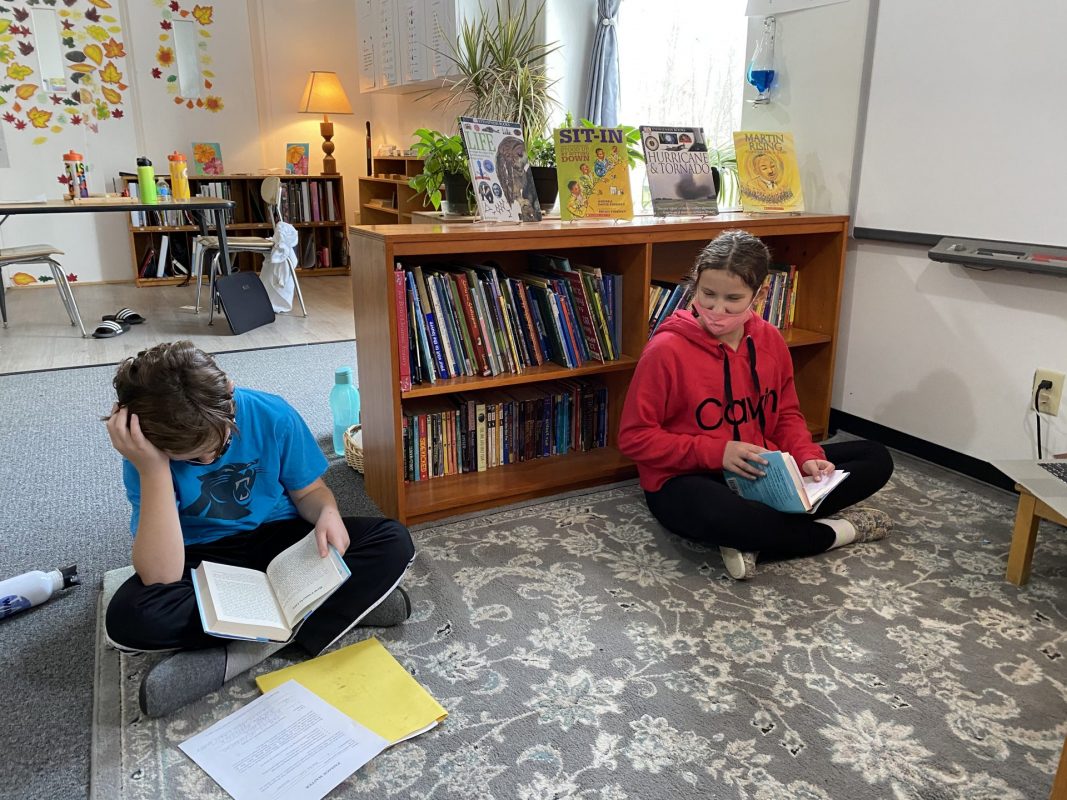
In geometry, fourth years learned to determine if a parallelogram and rectangle are equivalent by looking at the base and height of each. Fifth years learned three formulas for finding the area of an acute angle triangle. Our biology lesson this week on photosynthesis focused on the specifics of what is happening inside the plant during the process. We looked at the molecular structure of water, carbon dioxide, sugar, and starch and, using models, explored the work the plant does to make sugar and starch. In history, fourth years wrapped up their Timeline of Life work with an exploration of the entire timeline and they will be working with it independently over the next two weeks. Fifth years learned about the Maglemosians, the people of the great bog. They continue to research and illustrate one concept from the lesson and will be constructing a timeline of modern humans together. Literature circles are going well with fourth years reading Rules and fifths reading Wonder. Each group is now able to lead their own discussions, and after going over their roles, spends time discussing what has happened in the book so far and shares their thoughts about the story.

The students are looking forward to making sandwiches for St. Vincent DePaul Mission in Waterbury next week. Please look for the sign up in the next few days if you would like to contribute.


Hallmarks of a Montessori Education

When a child is given a little leeway, he will at once shout, ’I want to do it!’ But in our schools, which have an environment adapted to children’s needs, they say, ‘Help me to do it alone.’

~Dr. Maria Montessori, The Secret of Childhood
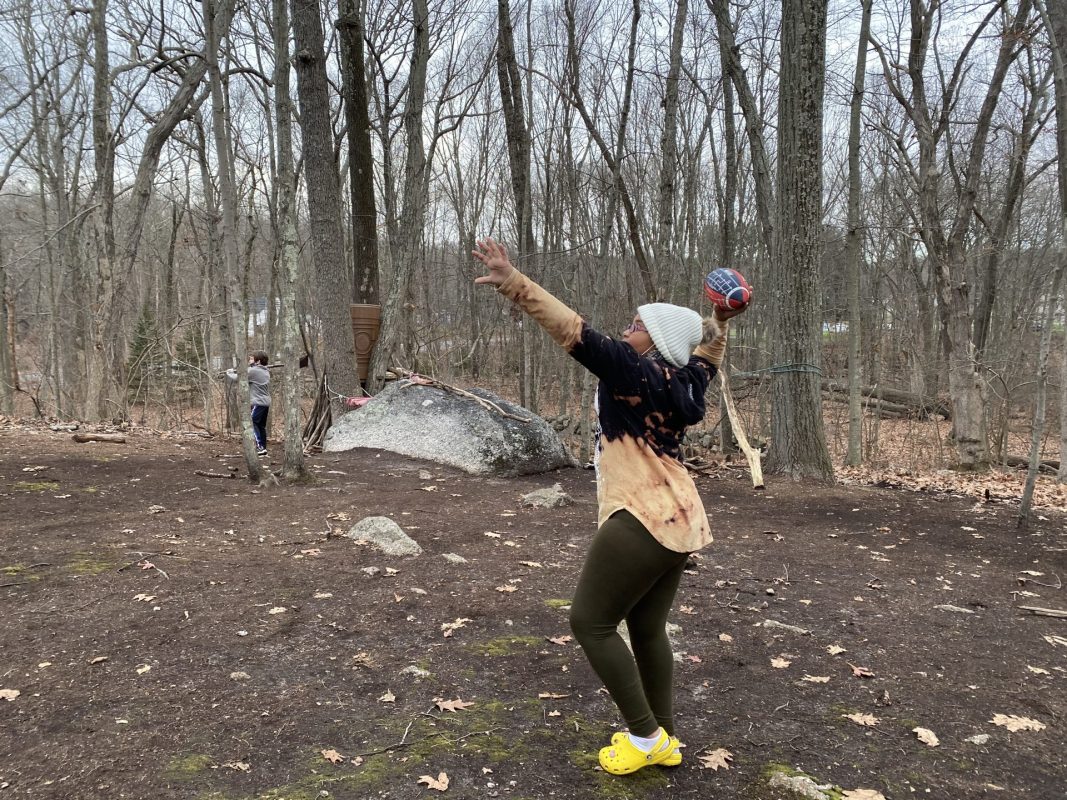
One of the hallmarks of a Montessori Education is known as the Learning Triangle. What does that look like at FWM?
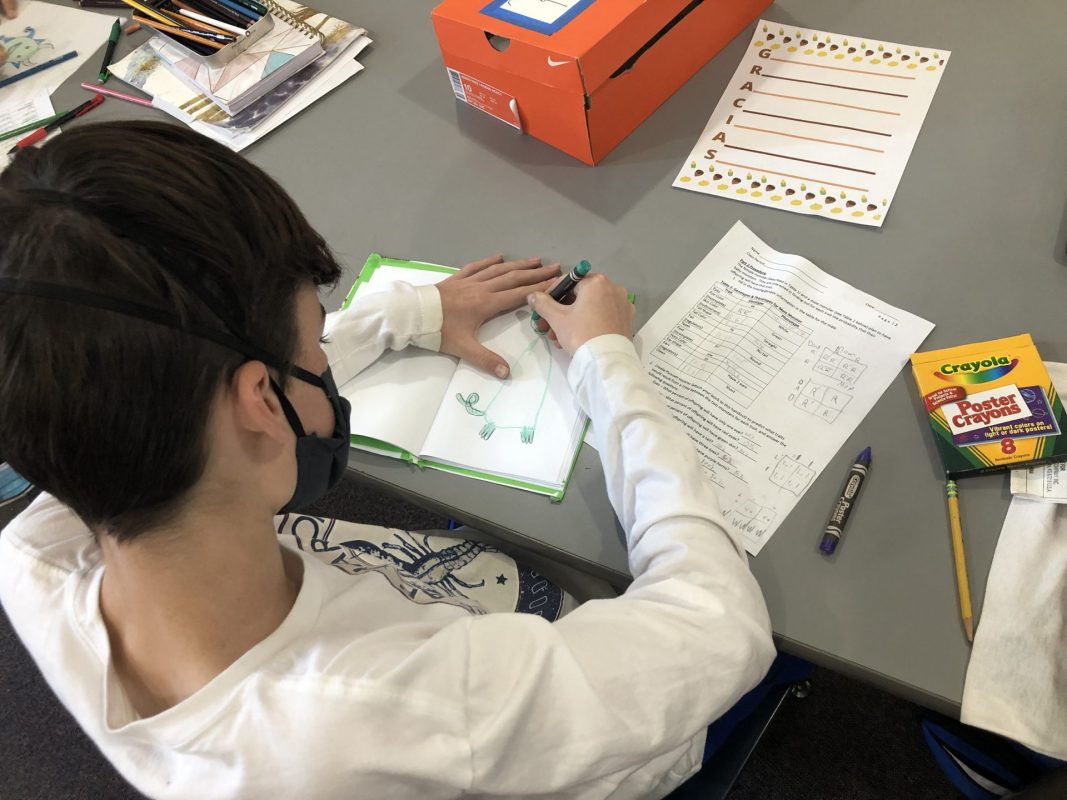
The Learning Triangle consists of the classroom, the child, and the teacher.


The Classroom:

The classroom environment is prepared by the teacher to encourage independence, a sense of order and freedom within limits.
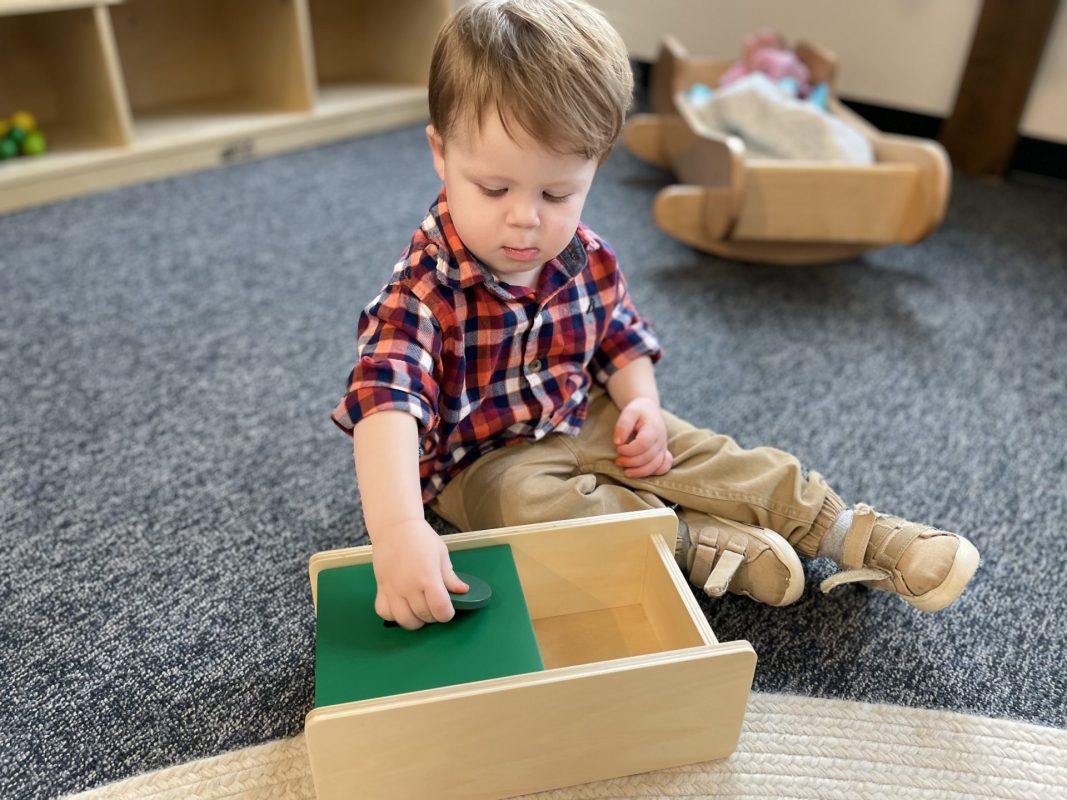
The Child:

Given choice, the child takes advantage of the materials presented in the environment to develop theirself.

The Teacher:

The teacher’s role is that of a Guide, Mentor, and Model or Directress/Director.  After individual lessons are presented to students, the students interact with their teacher when support and/or guidance is needed for the student to work successfully.

We see this at work every day.

In Toddler and Primary the children are interested in real activities with an intelligent purpose. The classroom environment allows for the development of movement, language, work with small objects, toileting, order, music, grace and courtesy, senses, writing, reading, spatial relationships, and mathematics.

In the elementary classrooms, children have a desire for intellectual independence. Students explore their place within the world and come to appreciate the interconnectedness of all things. This is also the “bridge to abstraction” which is the students’ transition from concrete to abstract thinking.

In middle school, students develop self-concern and self-assessment, critical thinking and exploring social and moral values, equity, and social justice. Adolescents also have a desire for emotional independence.

I am humbled by the work of our teachers and ever impressed by the care they take in preparing their classroom environments and the lessons they teach. Observing classrooms and experiencing the engagement of each and every child as they work uninterrupted, and blossom as students and community members is wonderful to watch. Observing teachers as they guide, mentor, and model for their students assures me that The Learning Triangle is alive and well in every classroom at FWM.


Middle School: Week in Review

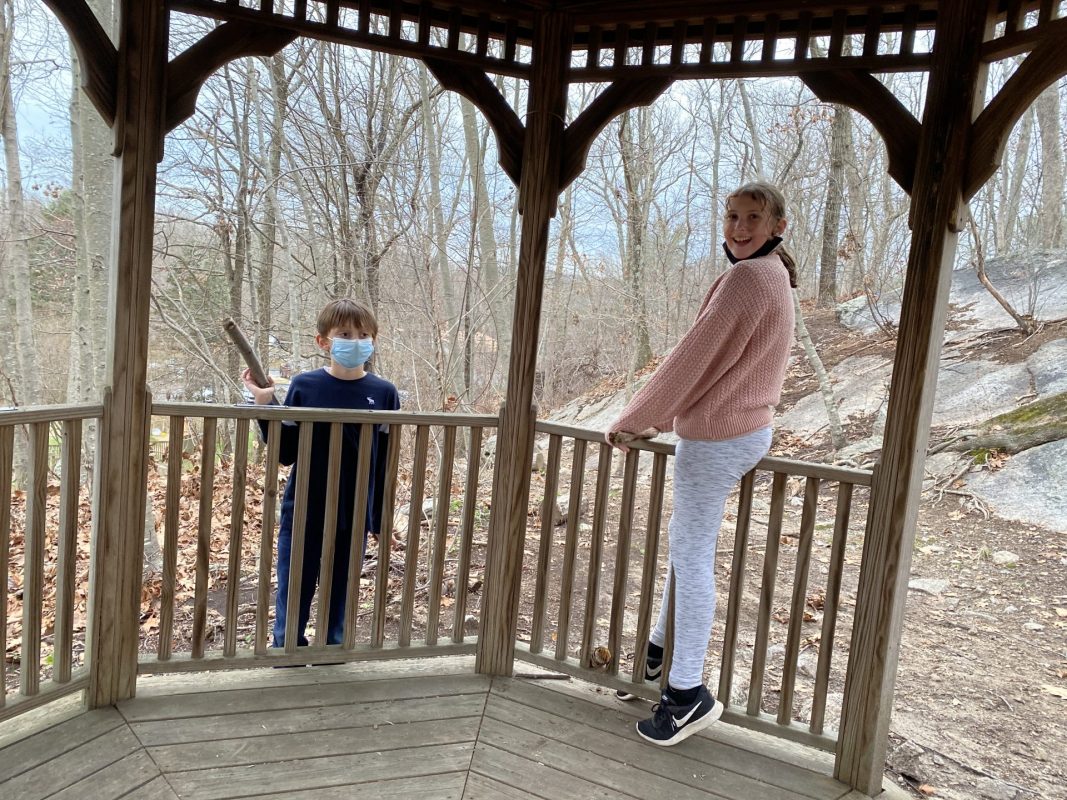
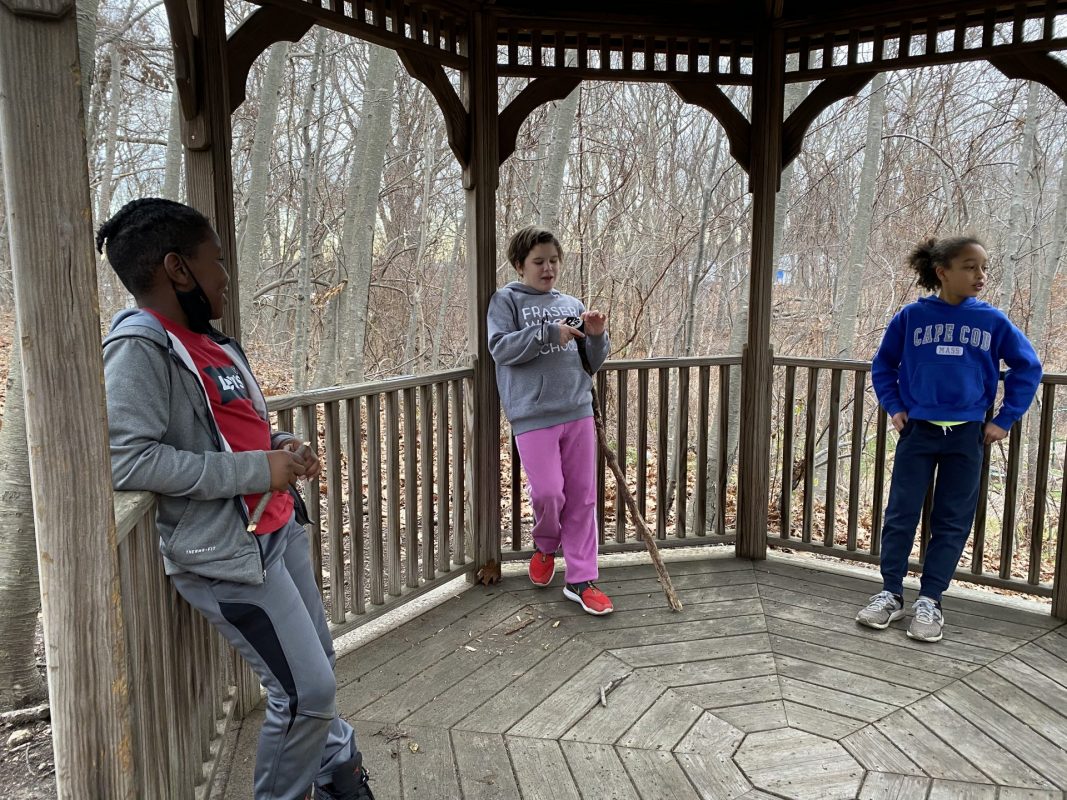
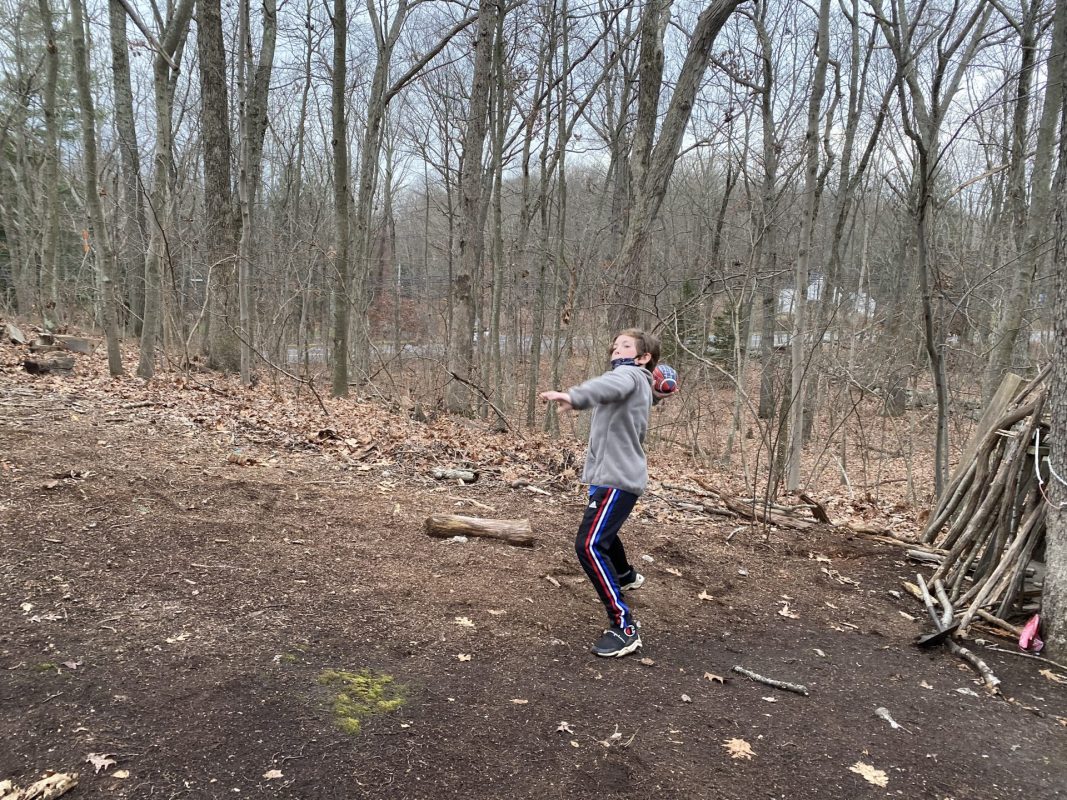
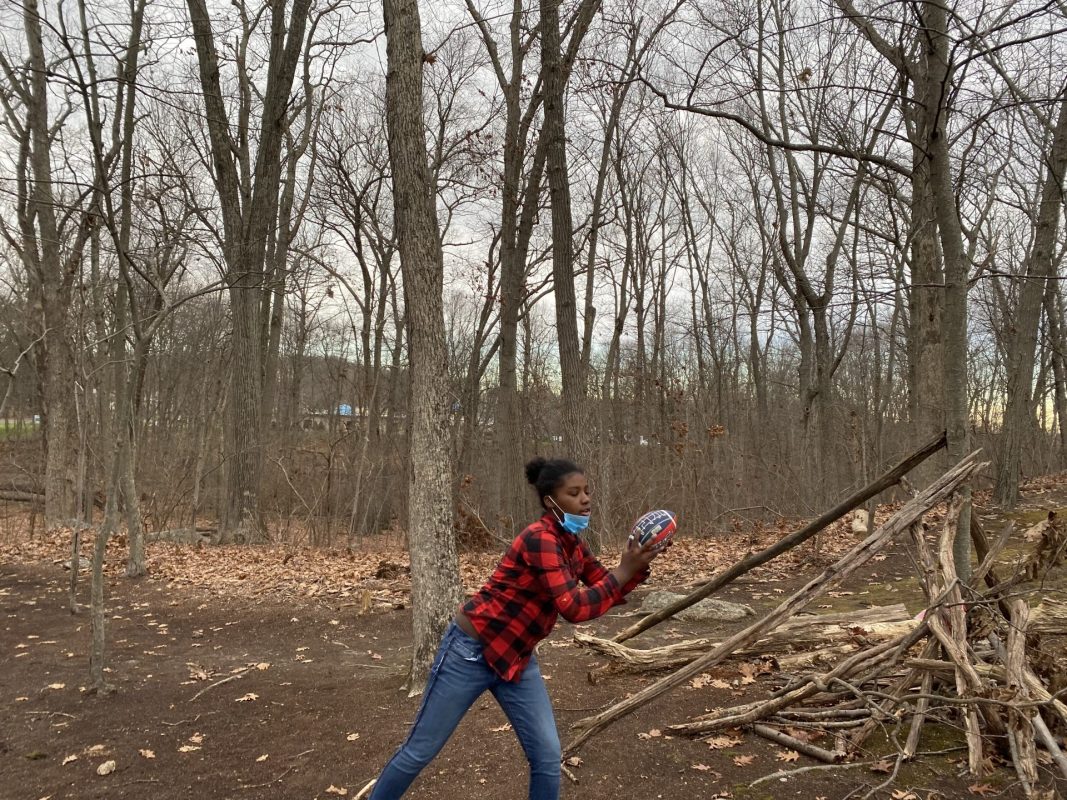
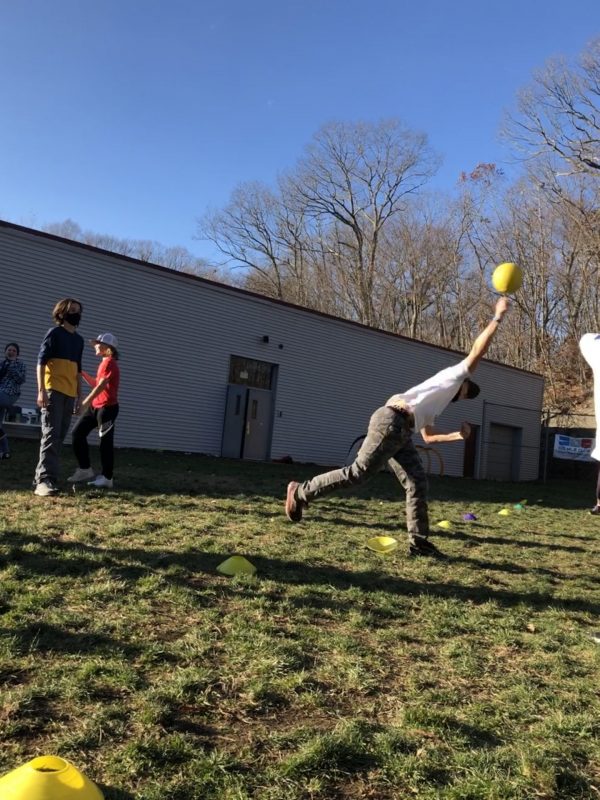
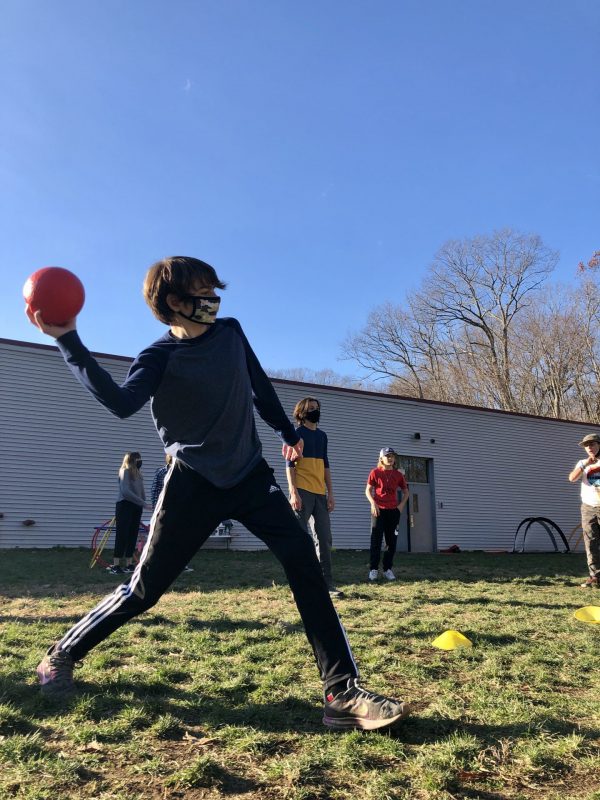
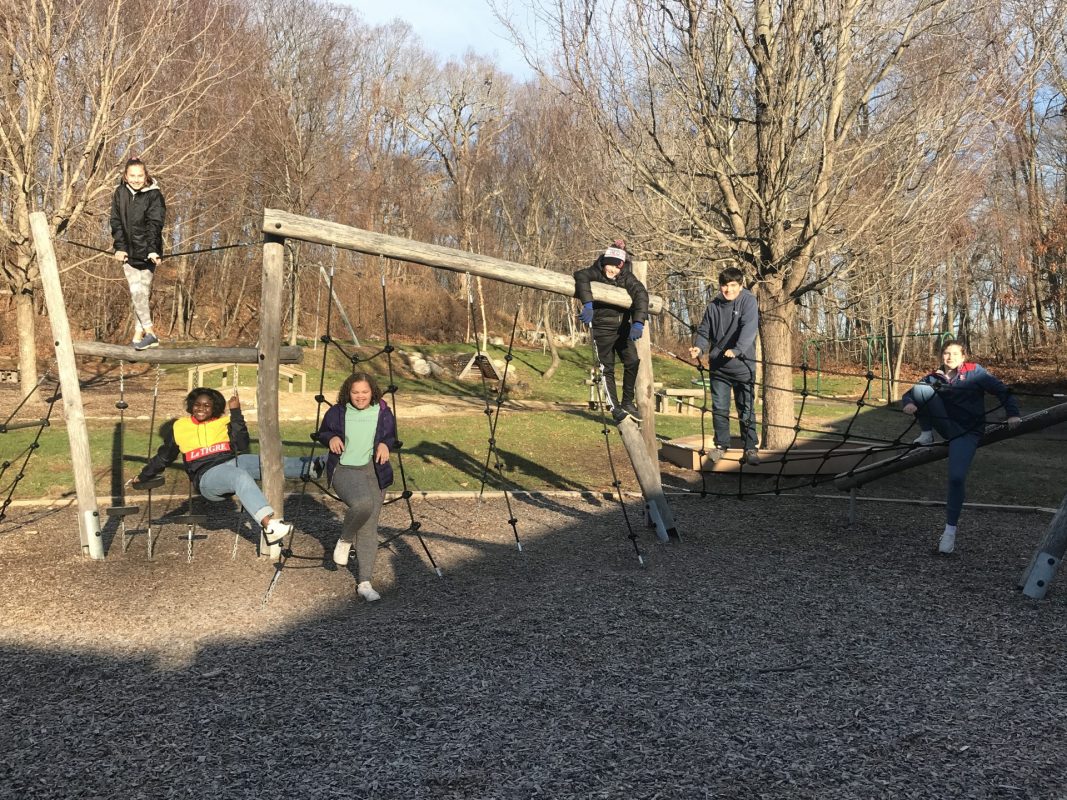
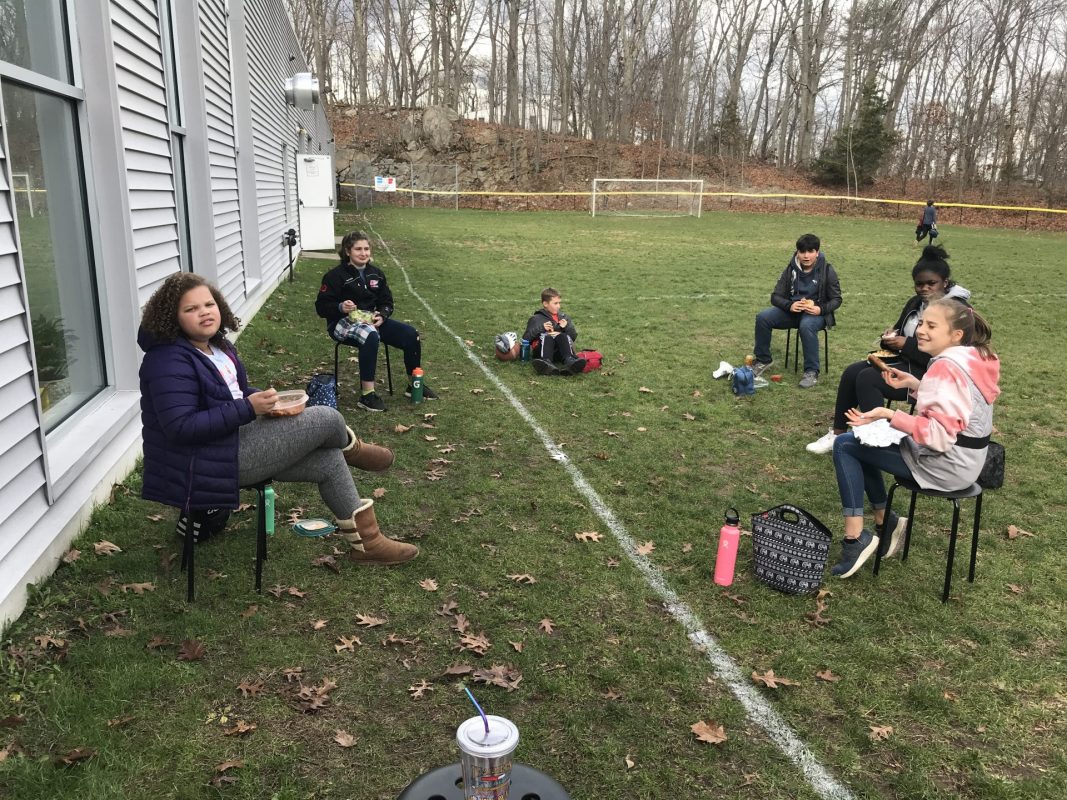
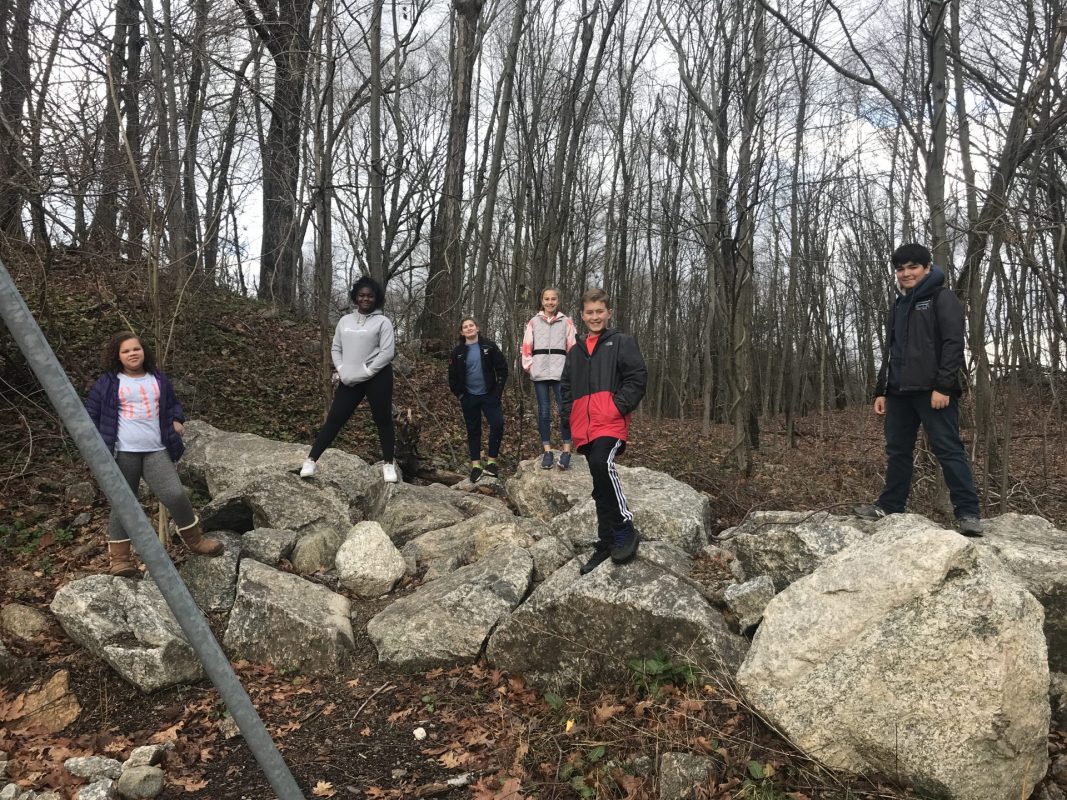
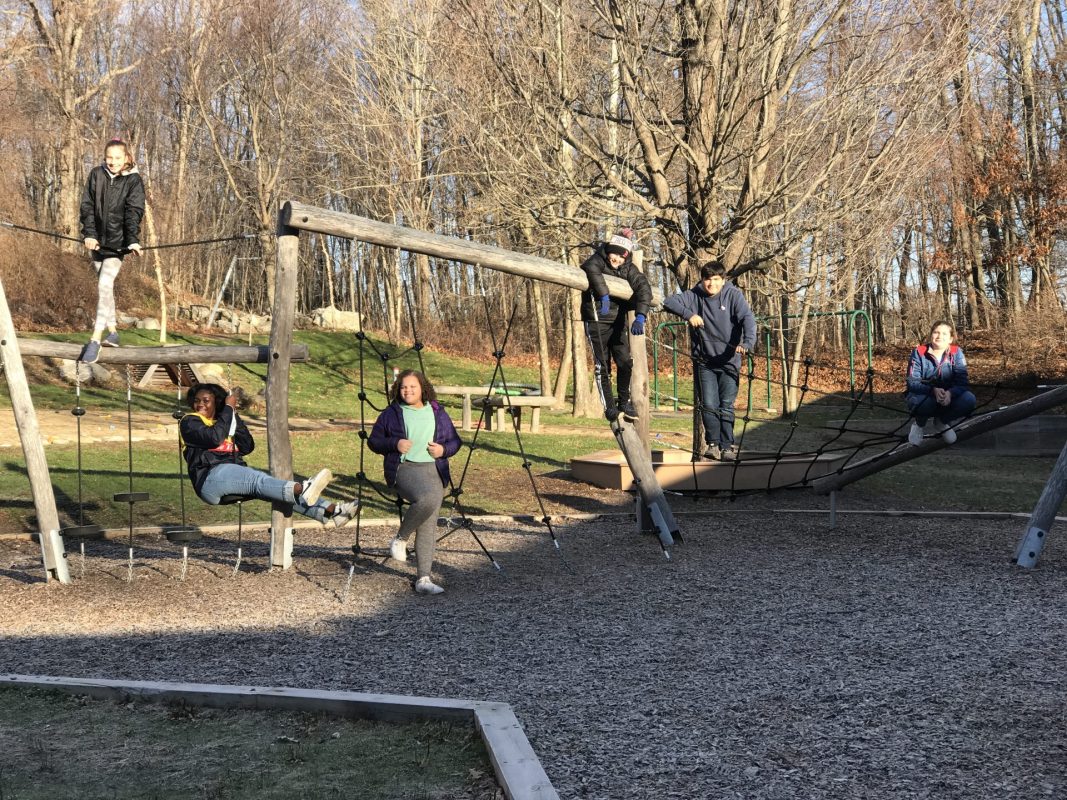
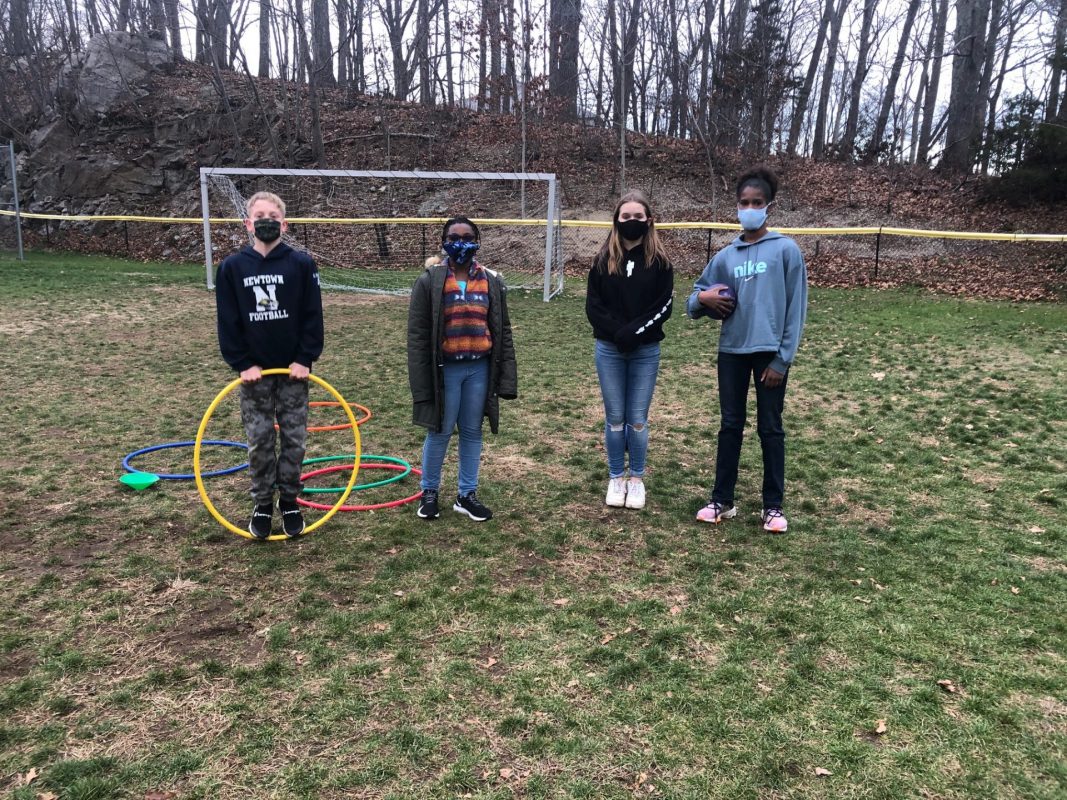
We hope you had an enjoyable break last week and are happy to be back. We will continue to take mask breaks outside throughout the day and have recess once or twice a day outdoors as much as possible (as we normally do each year). Please have your child/children dress appropriately with winter jackets, warm layers on their legs, and gloves and hats when needed. Thanks you!

Humanities

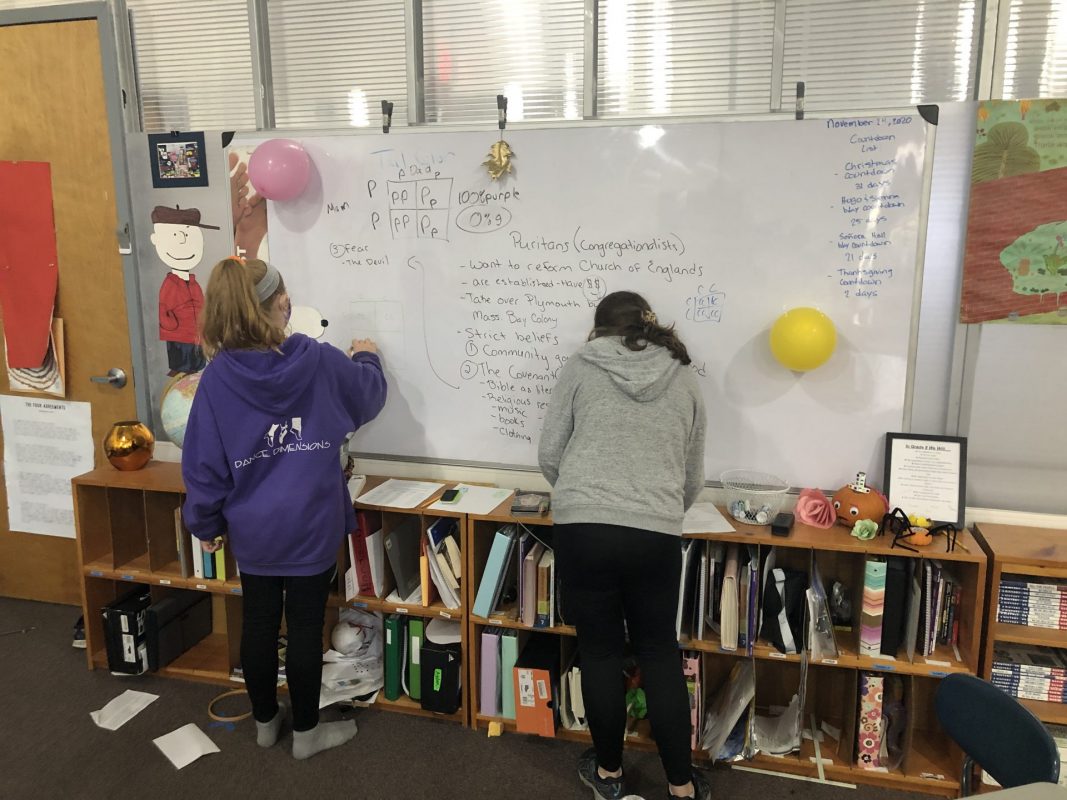
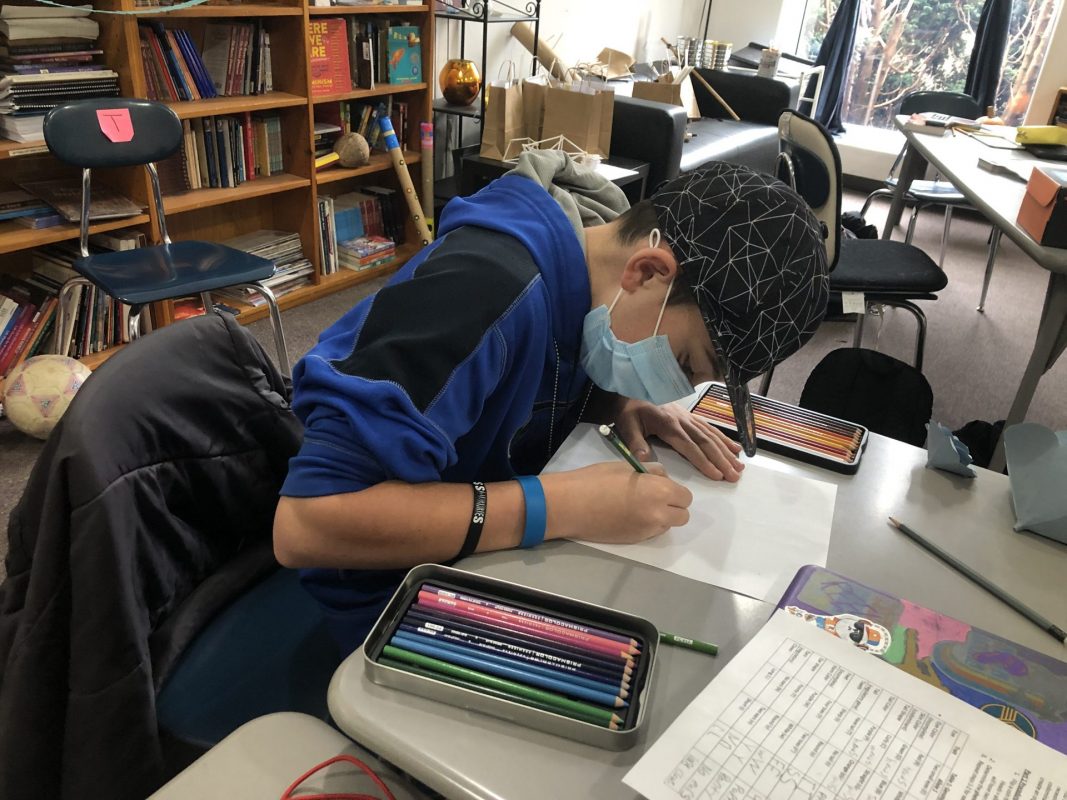
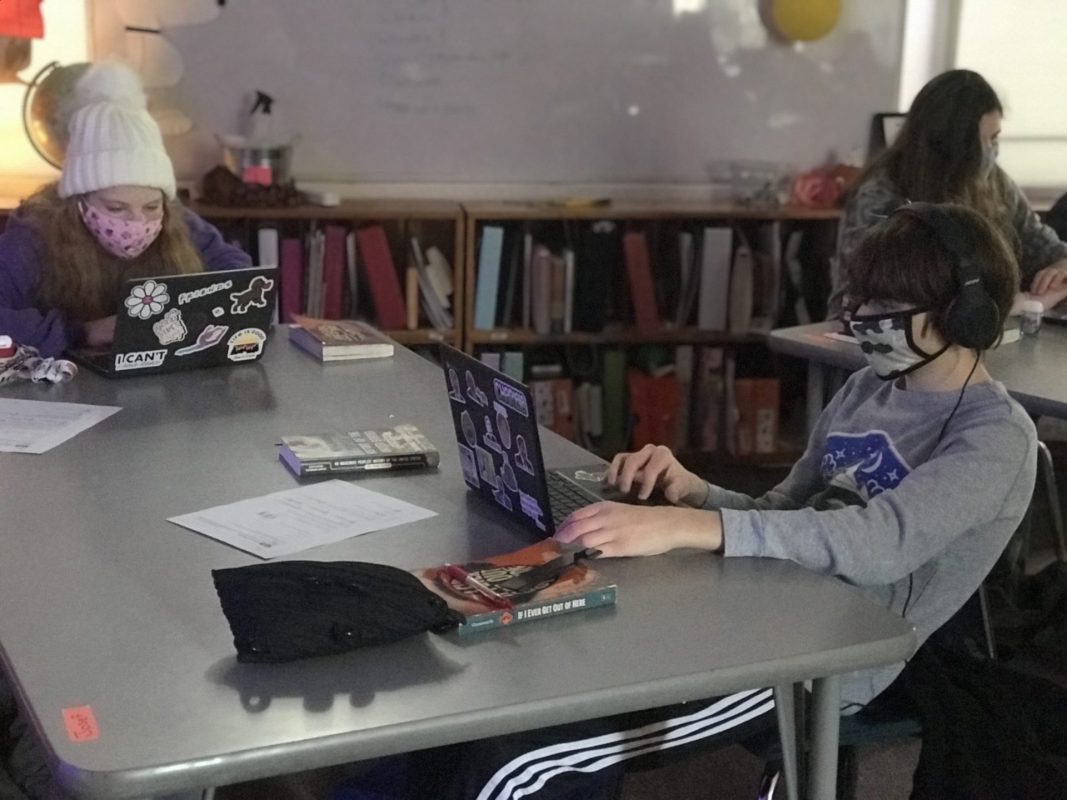
This week, 6th year Humanities class worked on their empathy writing piece. In doing so, we reviewed using transitions in our writing (within paragraphs and in between). Students also received feedback with how to use writing in order to relate to someone and make them feel heard. Students also completed both current events presentations and a vocabulary unit. 7th year Humanities class finished their fable drafts and completed peer reviews of the work. It is important to provide respectful and productive feedback with guidance. Students completed written feedback that discussed if the writer was able to convey the proverb/metaphor they selected as the main idea through the plot of their piece. They also wrote feedback related to the style and format of a fable and dialogue usage. 7th years also completed current events presentations and a vocabulary unit this week. 8th graders are just about finished with their class novel, If I Ever Get Out of Here. The notion of privilege and the differences that Natives face vs. white individuals in the novel was a source of discussion. Students looked at a few situations in the novel and discussed how it was perceived differently by white individuals v. people of color in the novel. In groups, students also researched the Pequot War and King Philip’s War and shared their information with the class.

Science

6th year Earth Science students have finished their unit on Earthquakes and are now learning about tides. Within this unit, students will learn how the moon and sun affect the cycle of our tides and with that information, how we can use that to our advantage.

7th year Physical Science students are on the unit, Chemical Reactions and Equations. This unit will introduce students to what happens during a chemical reaction, how you know when a chemical reaction has occurred, and how you can represent chemical reactions with equations. Currently, students are learning what types of chemicals go into making fireworks.
 
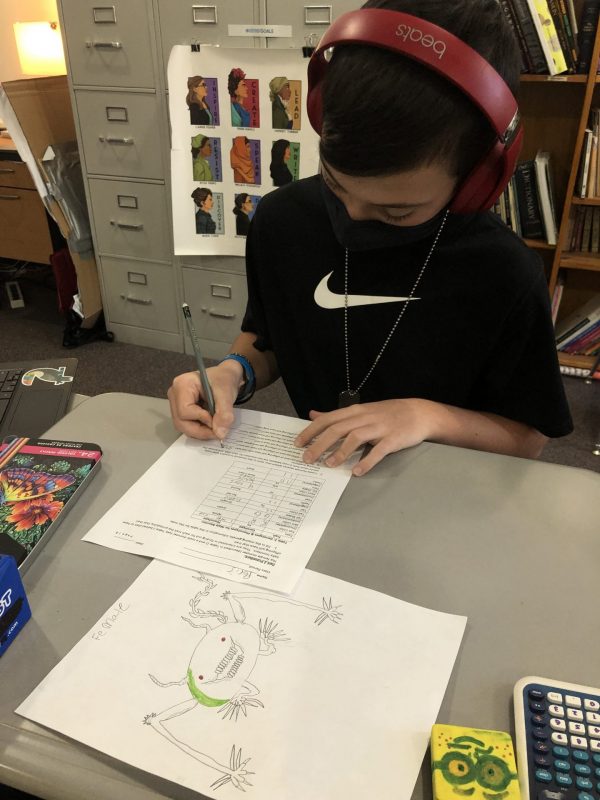
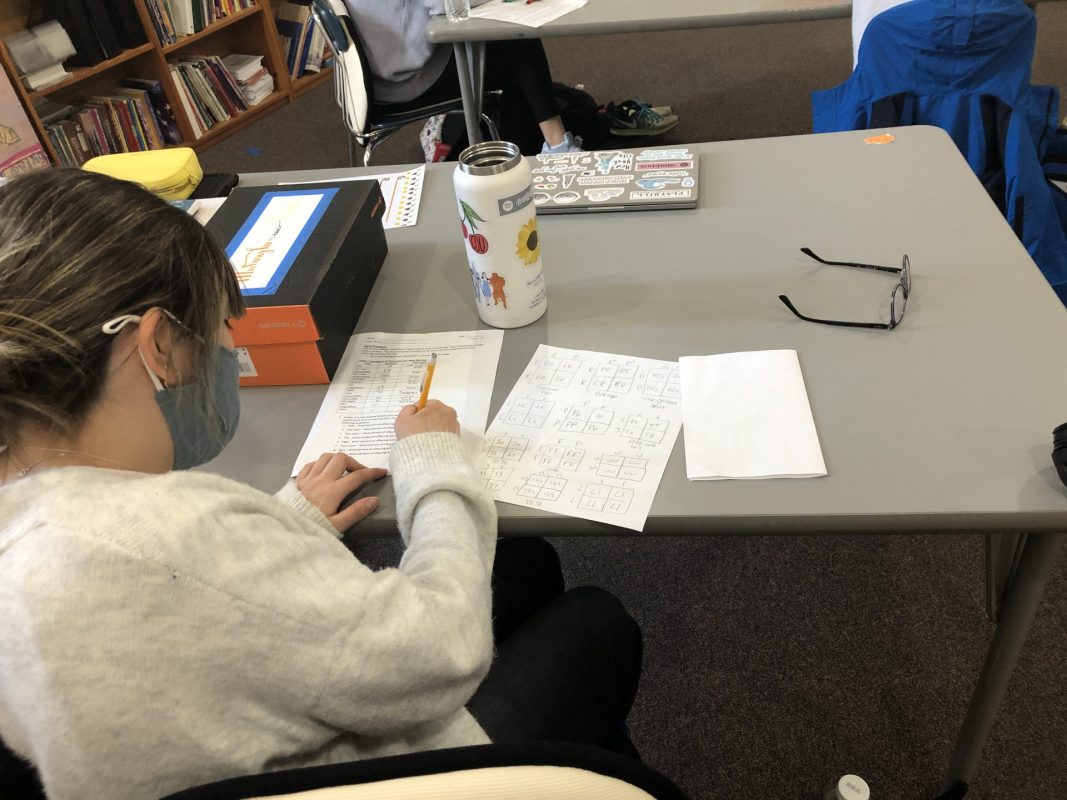
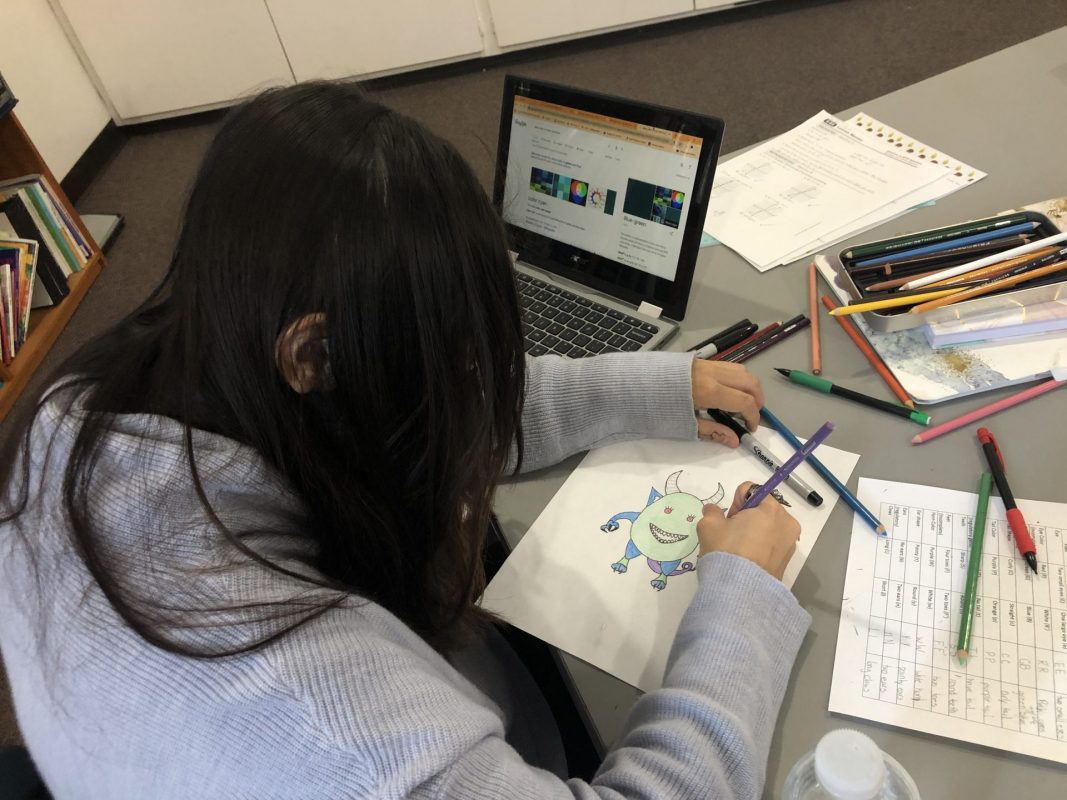
8th year Life Science students are on the unit, Genes and the Impacts of Mutations on Organisms. Students were tasked with the project, Monster Maker. This project required students to determine the genotype of a female and male monster by flipping a coin, then use Mendel’s punnett square to determine what their offspring would look like based on dominant or recessive genes. 
Math
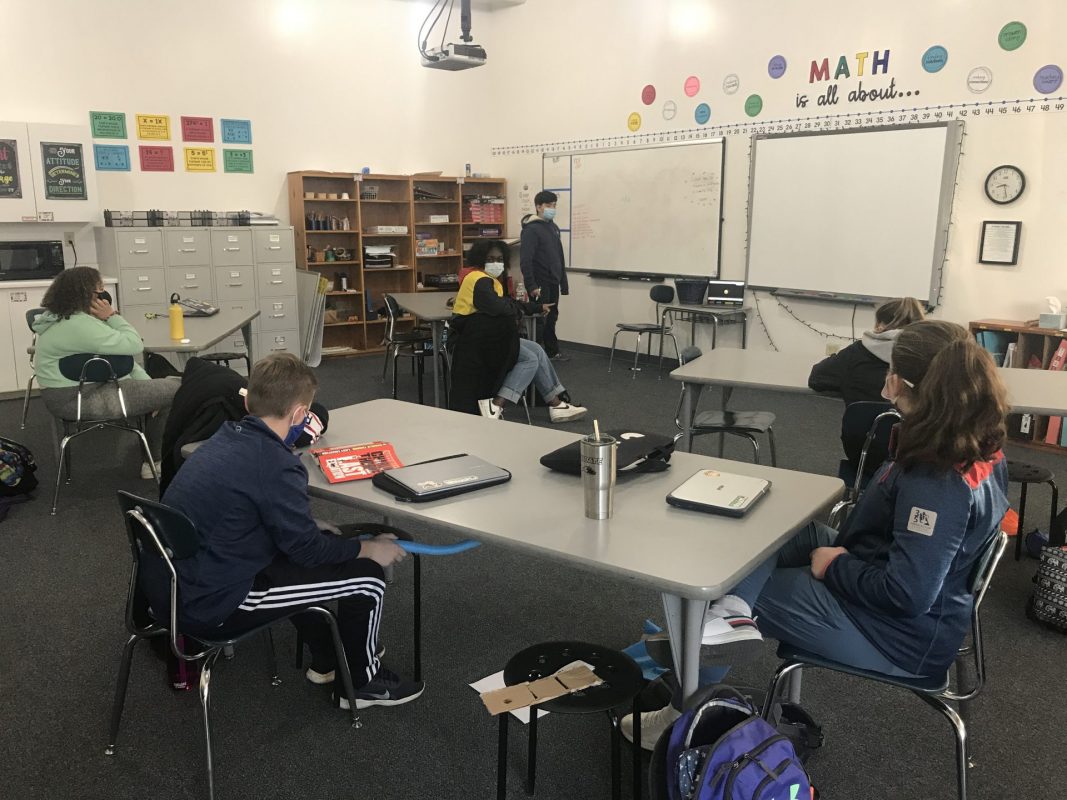
In Pre-Transition class, students learned all about subtracting integer values, solving basic algebraic equations involving addition and subtraction, as well as using fact triangles to find related facts. Students took time this week to organize their binders and participated in group discussions about effective ways to study in math. This class is concluding their study of chapter 4 and will begin learning chapter 5 next week.
In Transition class, students had the opportunity to learn about different polygon shapes. Students practiced their understanding of writing mathematical statements as always, sometimes, and never true. This class can also use Venn Diagrams to describe relationships between sets. As a reminder, it is important to start preparing for assessments well in advance to feel prepared and confident.
In Algebra class, students are beginning to learn the first few lessons of chapter 5. They have learned about multiplying and dividing algebraic fractions using ratios to compare two quantities as well as calculating relative frequency and probability in situations. This class is already excited for the math carnival project that will take place the last week of December.
In Geometry class, students are learning how to draw different transformations including glide reflections, translations, and rotations of a figure on a plane. This class can apply properties of reflections to obtain properties of other isometries as well as continue to practice using the two reflections theorem to prove statements.
Math Joke: What shape is usually waiting for you inside a Starbucks? …………………..A line.
EXTRA JOKE:  Do you know what’s odd? ……………………..Every other number!

Self Reflection


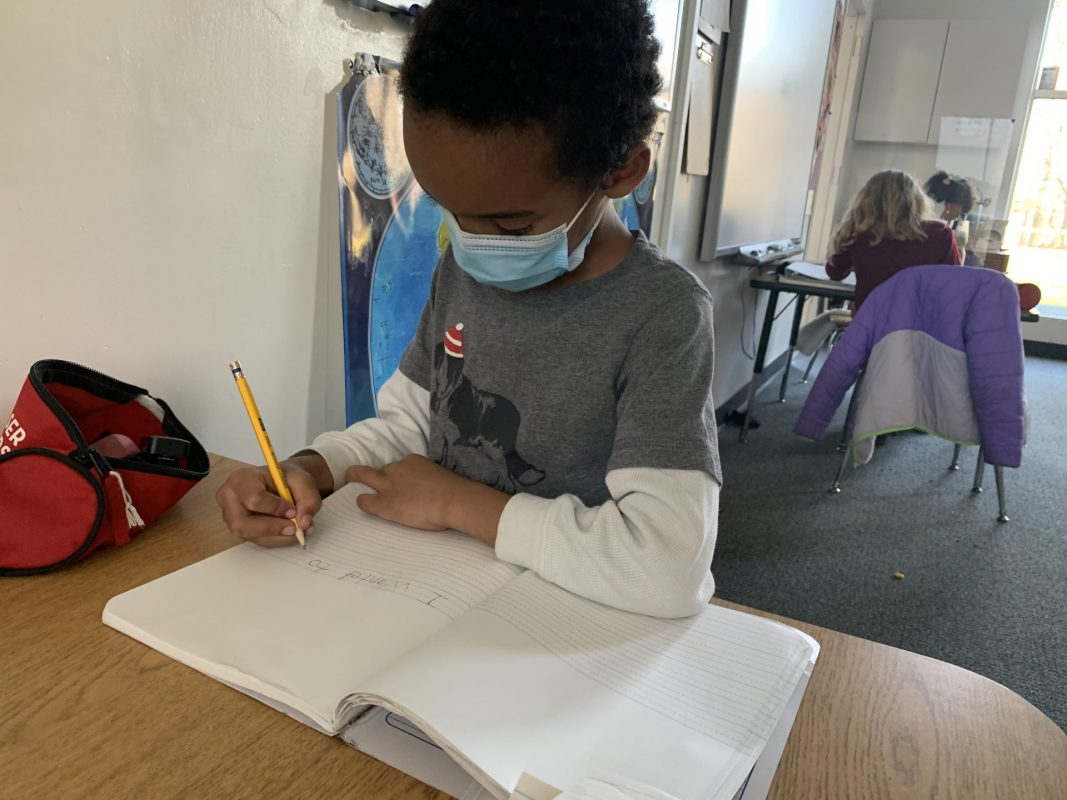
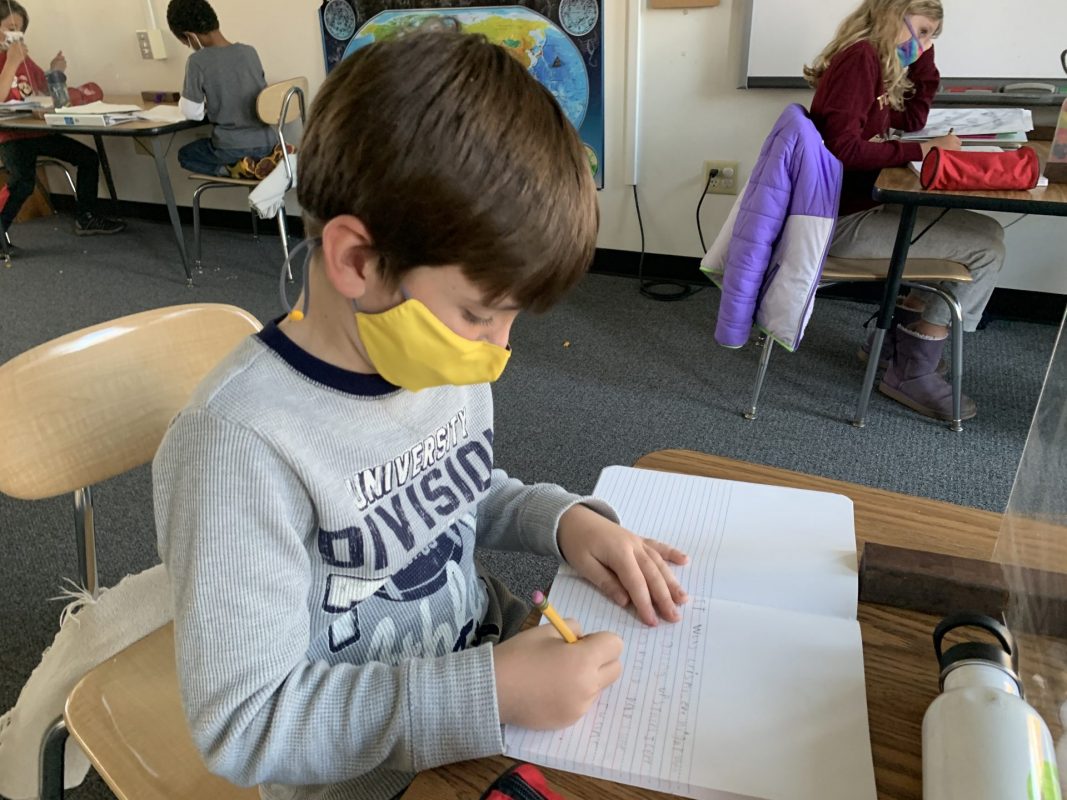
It’s important to practice self reflection from a young age because it can help children recognize their emotions and regulate them. One way we did this was in our journal writing this week. The children wrote about something they liked about themselves, and something they thought they could work on. It was beautiful to watch each child express and reflect on themselves in different, unique ways. I feel so humbled I get to support and assist each child on this journey of life! Here is a list of what they came up with:

Favorite Qualities:

  • Kind heart
  • Positive attitude
  • Eating a lot
  • Being the best at staring contests
  • Running fast
  • My soul
  • Playing soccer
  • Reading and writing
  • Being talented
  • Not getting angry when people are upsetting me
  • Being funny

Qualities to Work On:

  • My art ability
  • Climbing trees
  • Math
  • Remembering to brush my teeth
  • Patience
  • Manners
  • Reading for Concepts
  • Remembering to teach my dog
  • Making my soul happier
  • Being nice to people who upset me
  • Getting over my fear of heights

Mrs. Hood’s Class: Into the Holiday Spirit!

Winter holidays are used in our environment as a fun way to keep children engaged, encourage joy of learning, and help us to introduce the passage of time and seasons. Since they bring a sense of light and joyfulness to the long, dark winter months and create a sense of community, we welcome them wholeheartedly. 

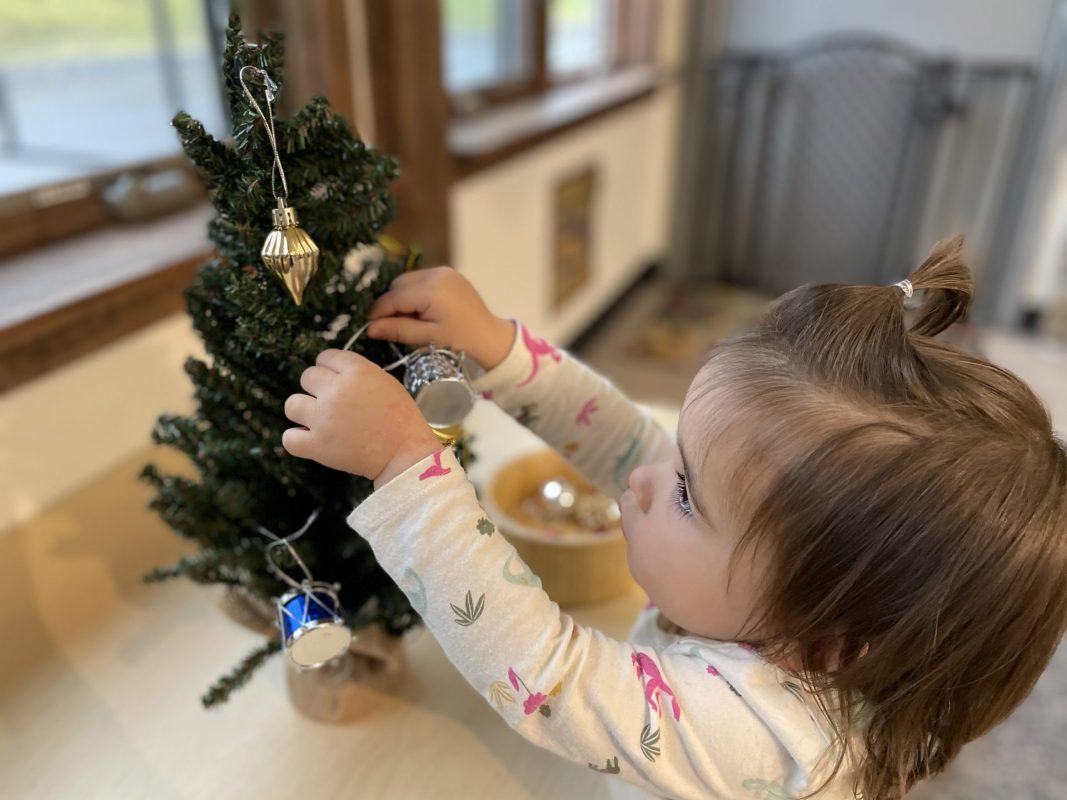
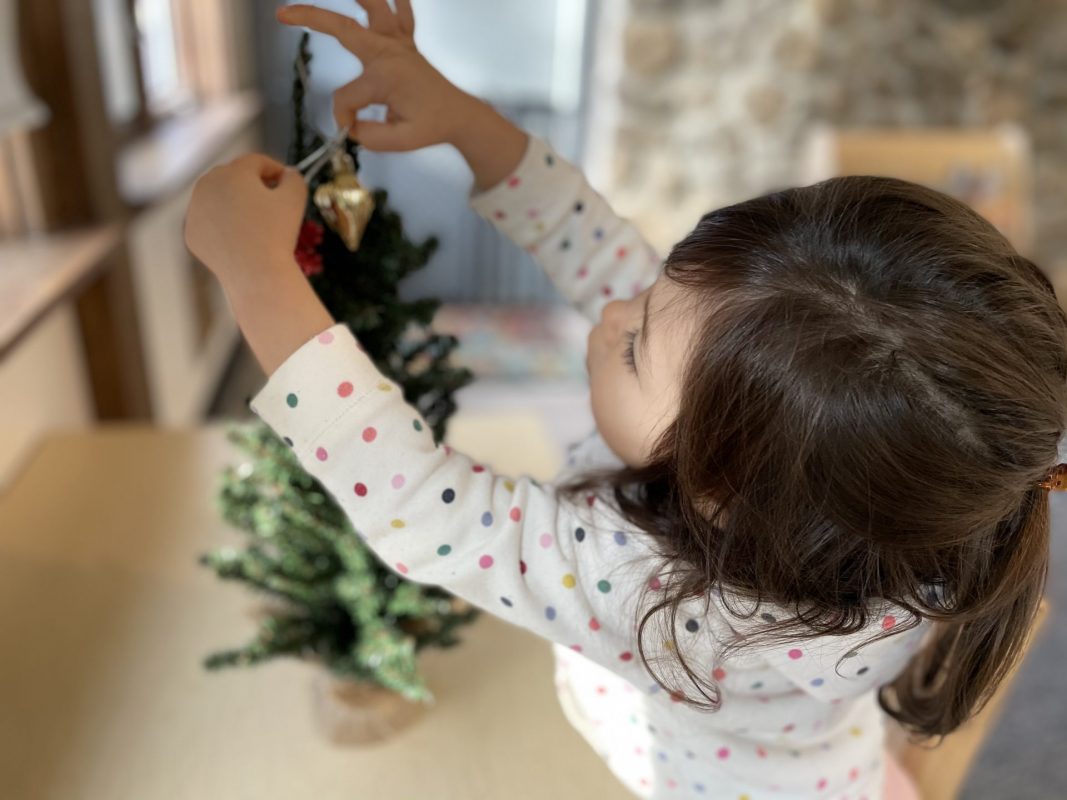
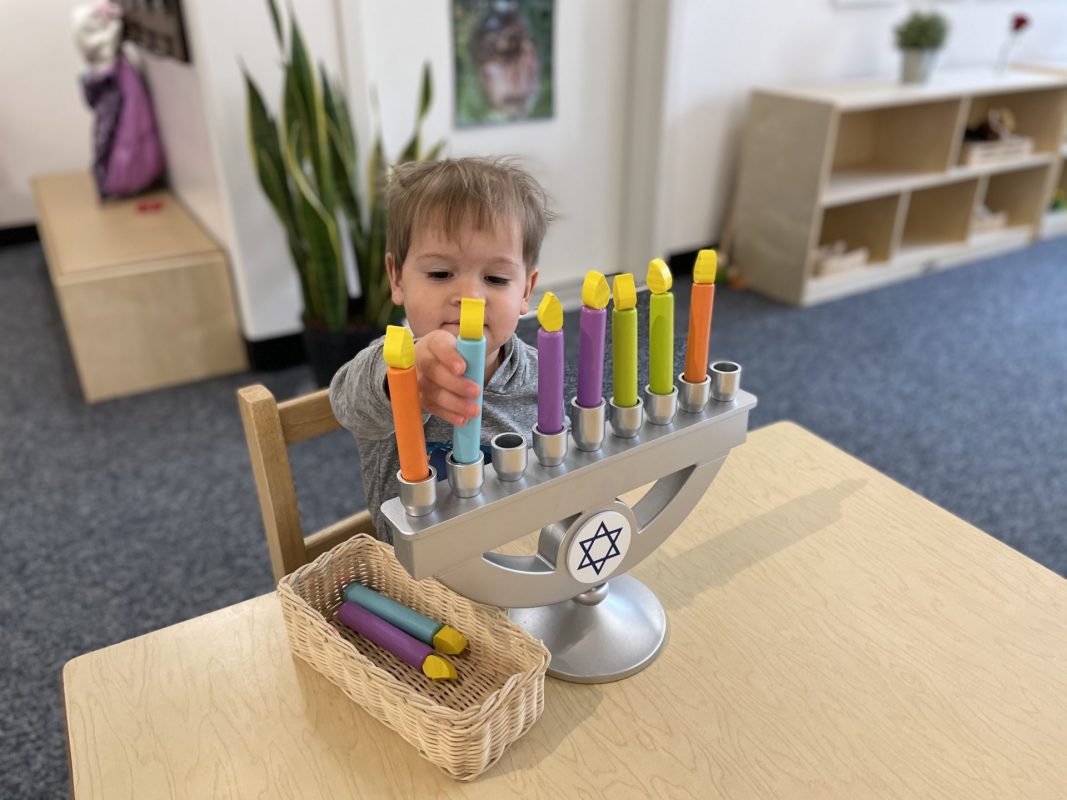
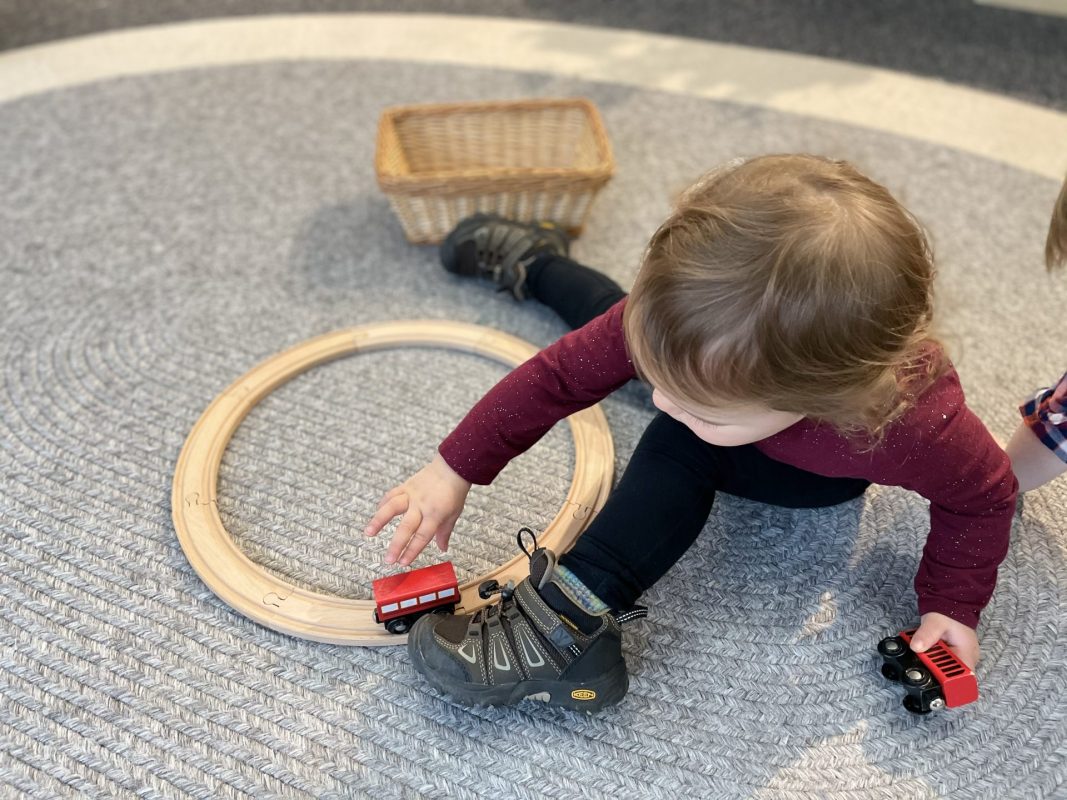
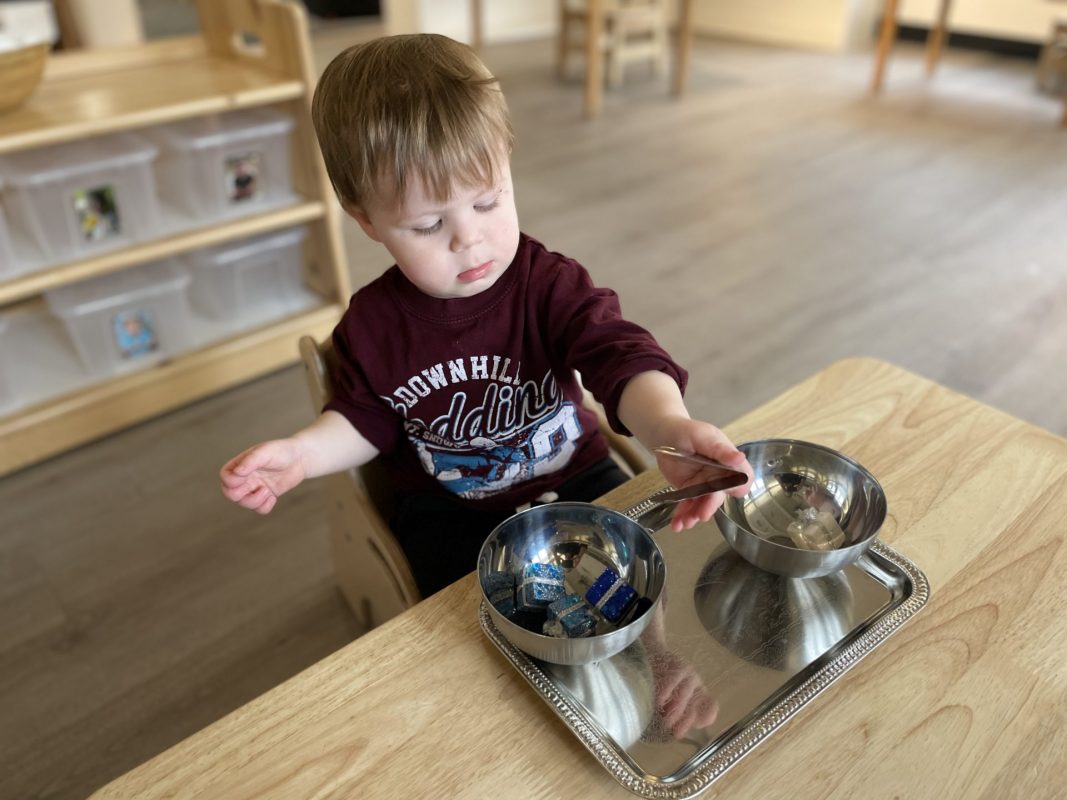
In addition to other materials, some of the favorite holiday works in our environment have been placing little ornaments onto the Christmas tree, placing candles on the Menorah, spooning jingle bells and colorful ornaments, tweezing pretend presents, and flipping pretend latkes in the pan. 

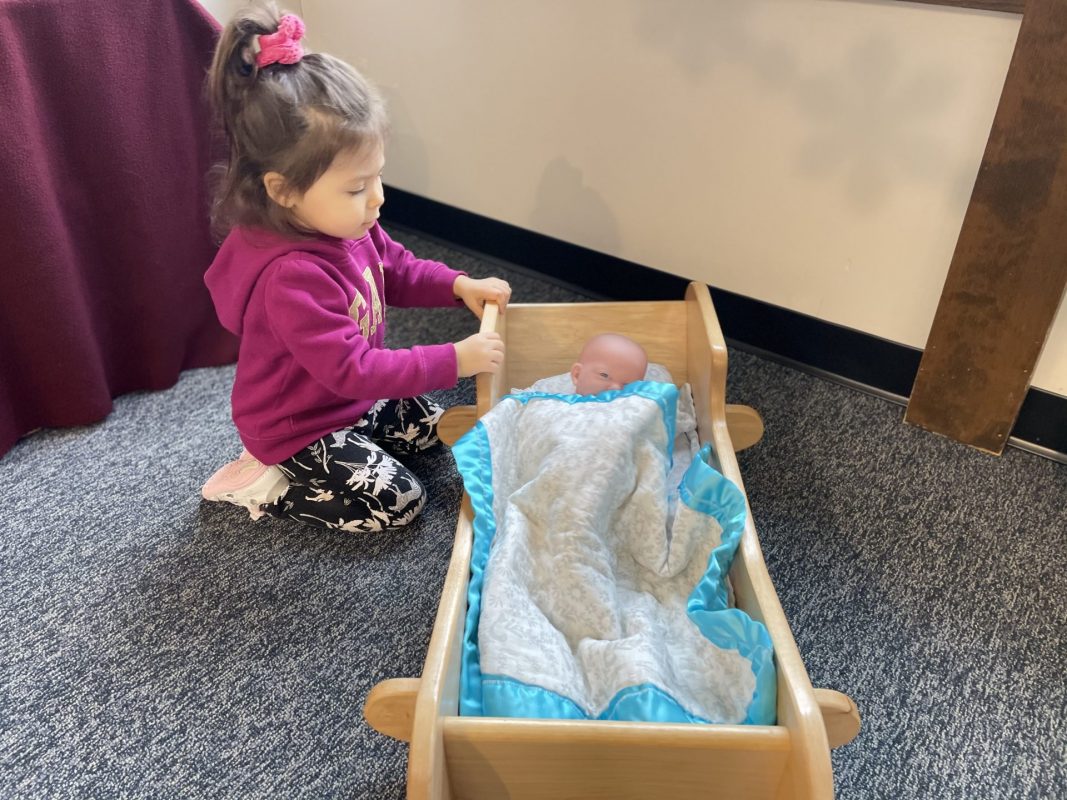
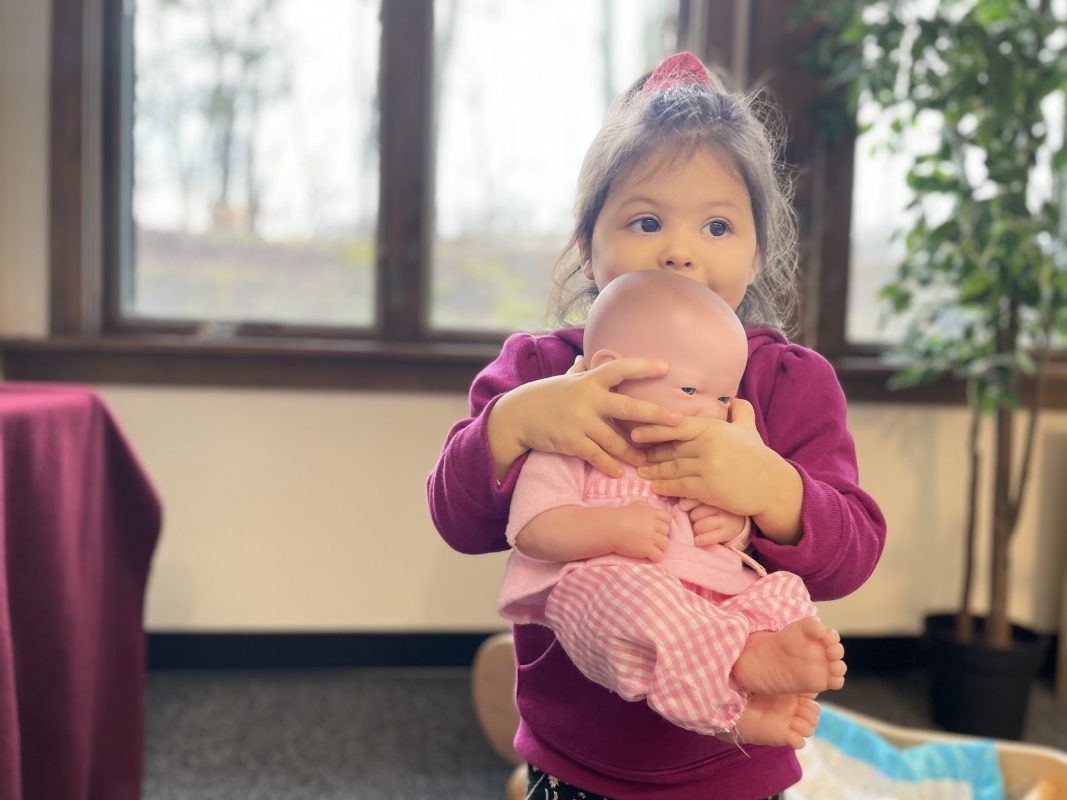
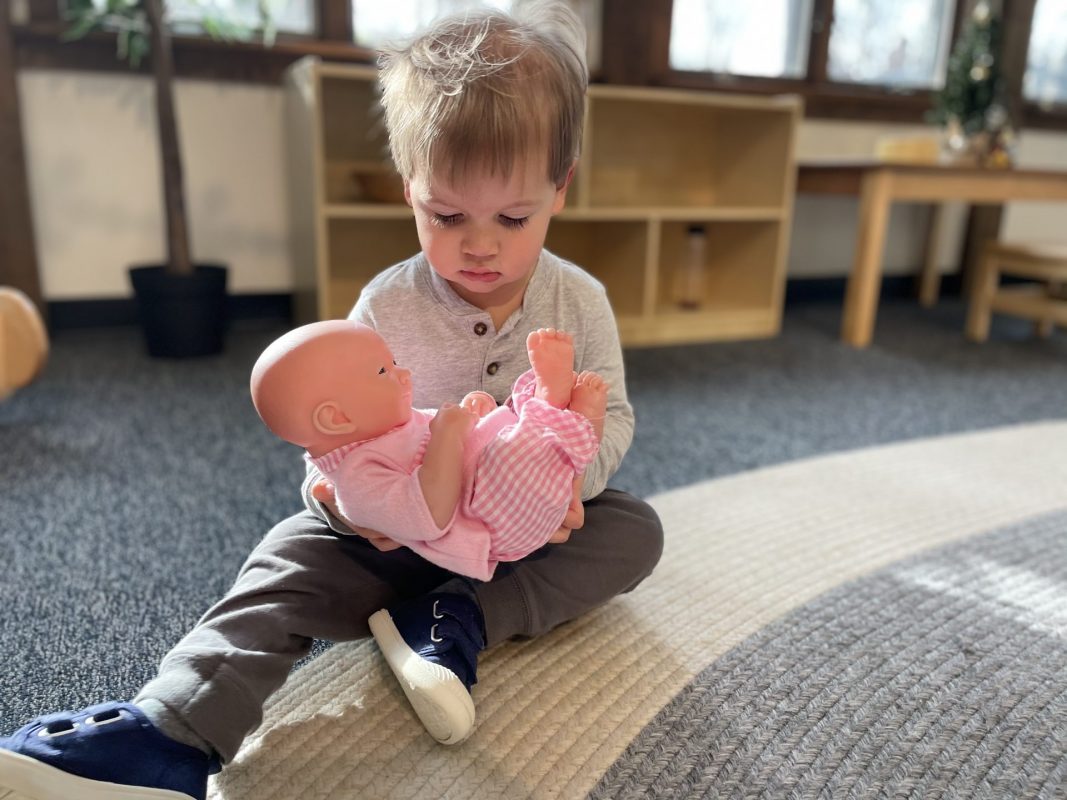
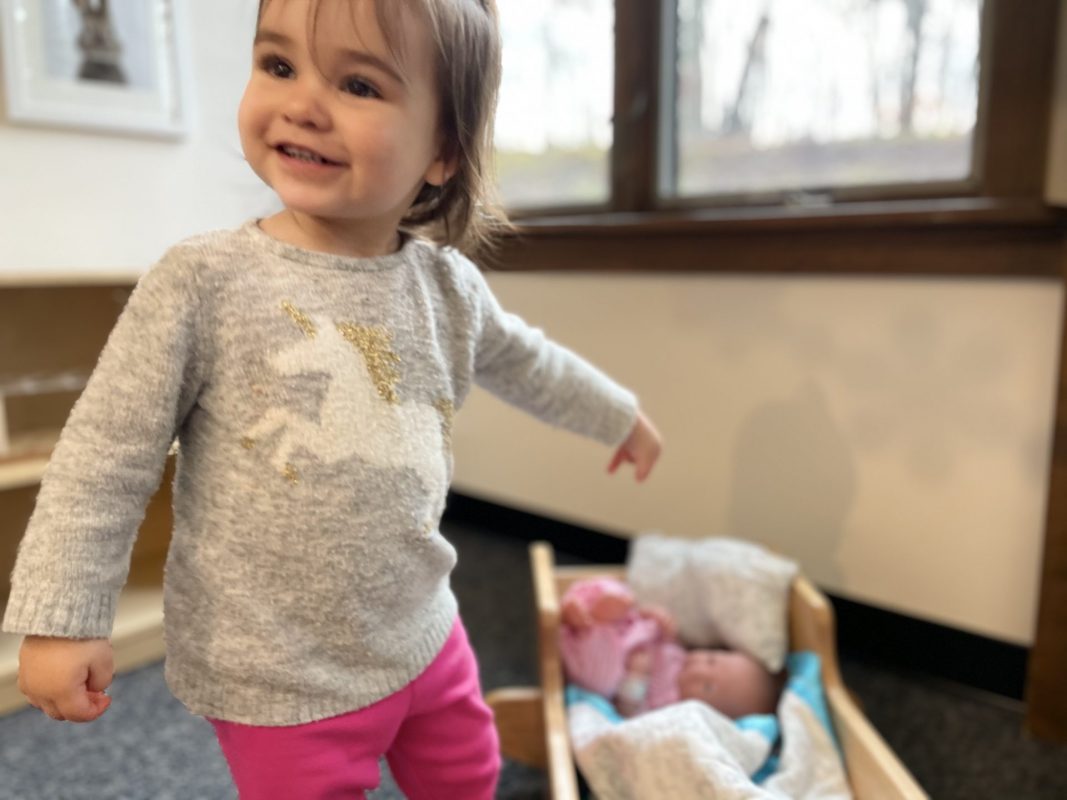
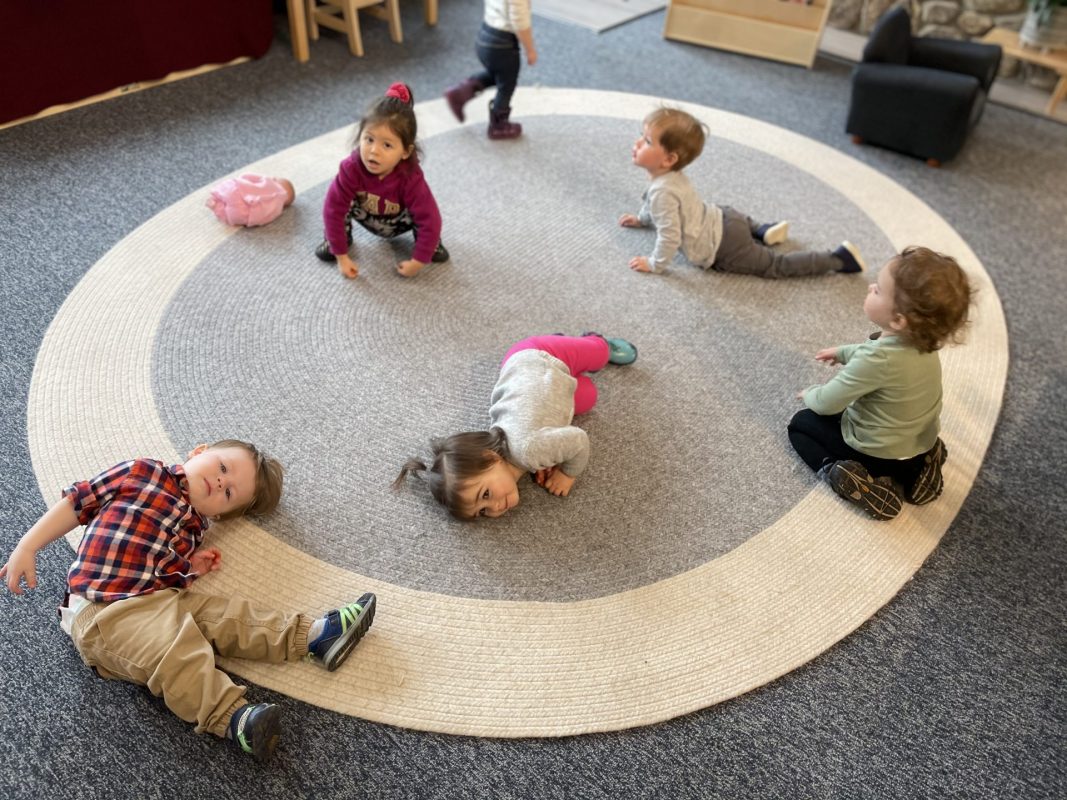
Another highlight of this week was the introduction of a beloved work by all the children: a baby doll. Her name is Rosie. Through this work, children practice grace and courtesy, gentleness, and a lot of patience, since everybody wants to take care of the baby. Children enjoy this work so much! Some of them cuddle Rosie with such care while others seem to quietly enjoy observing her and pointing to and naming some parts of her body. 

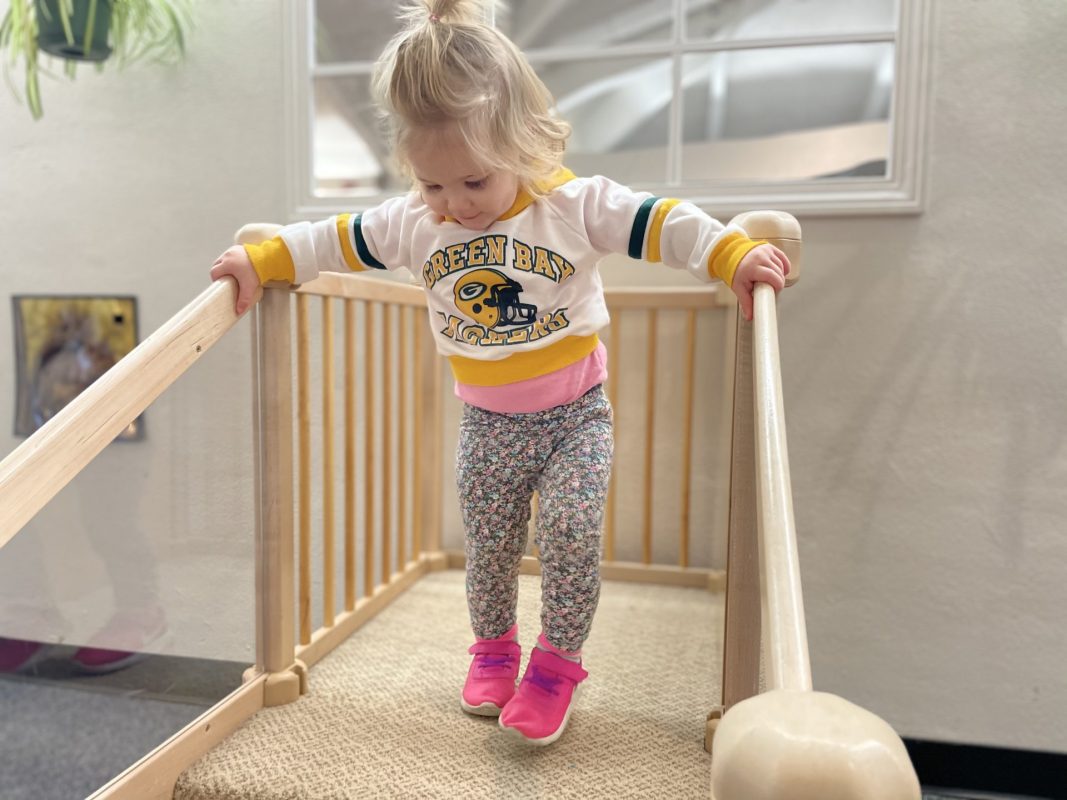
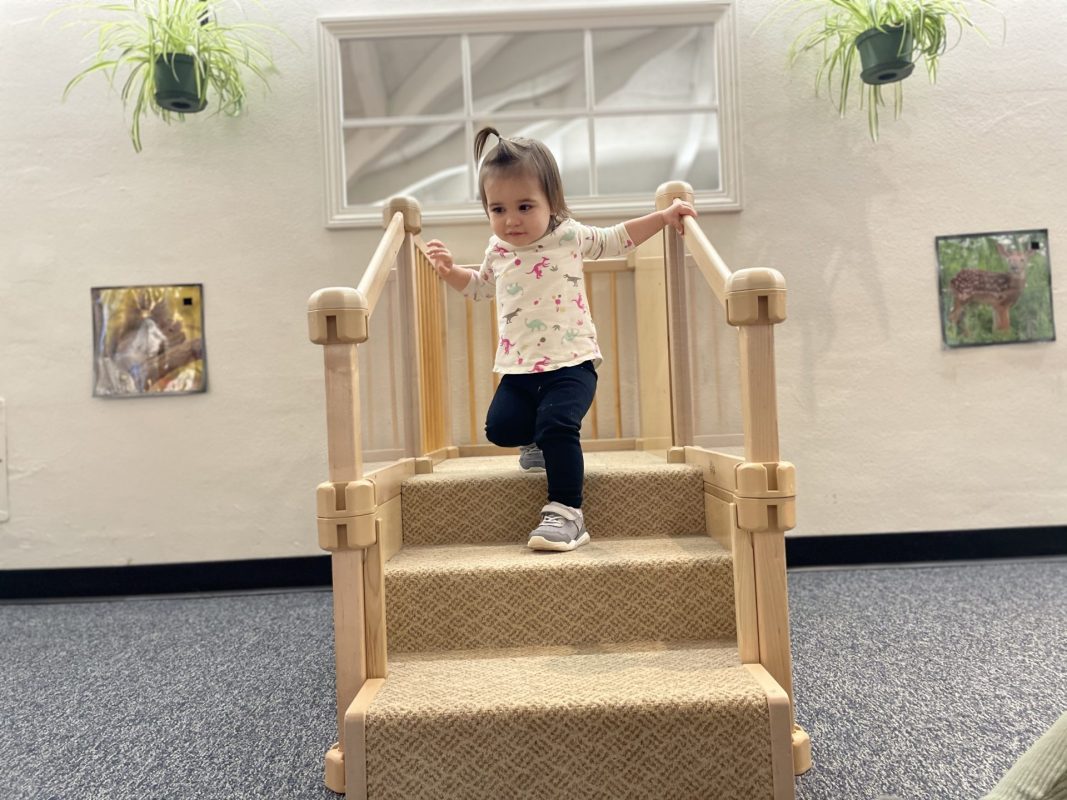
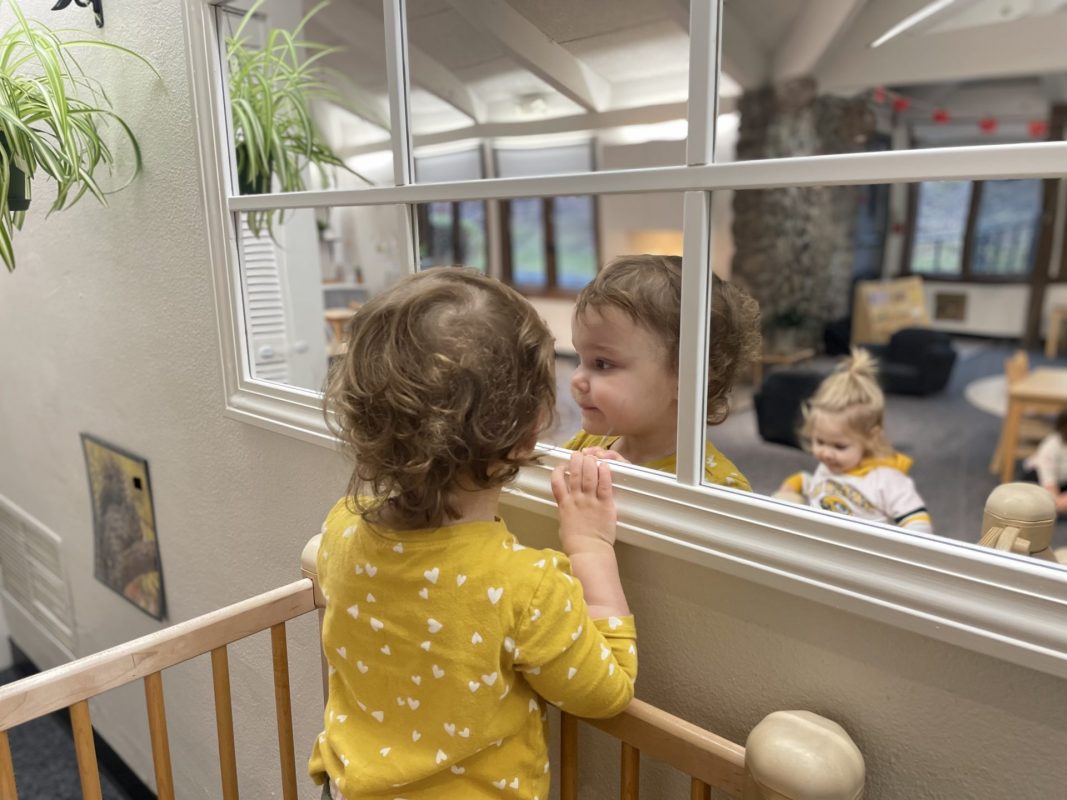
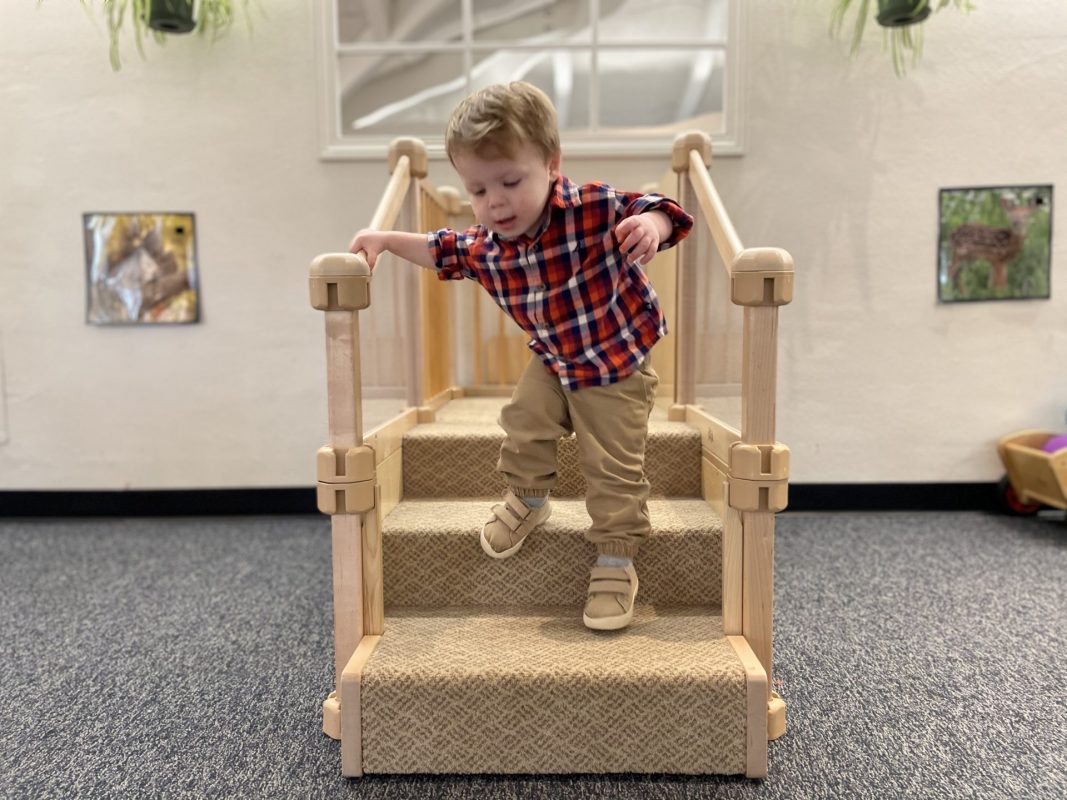
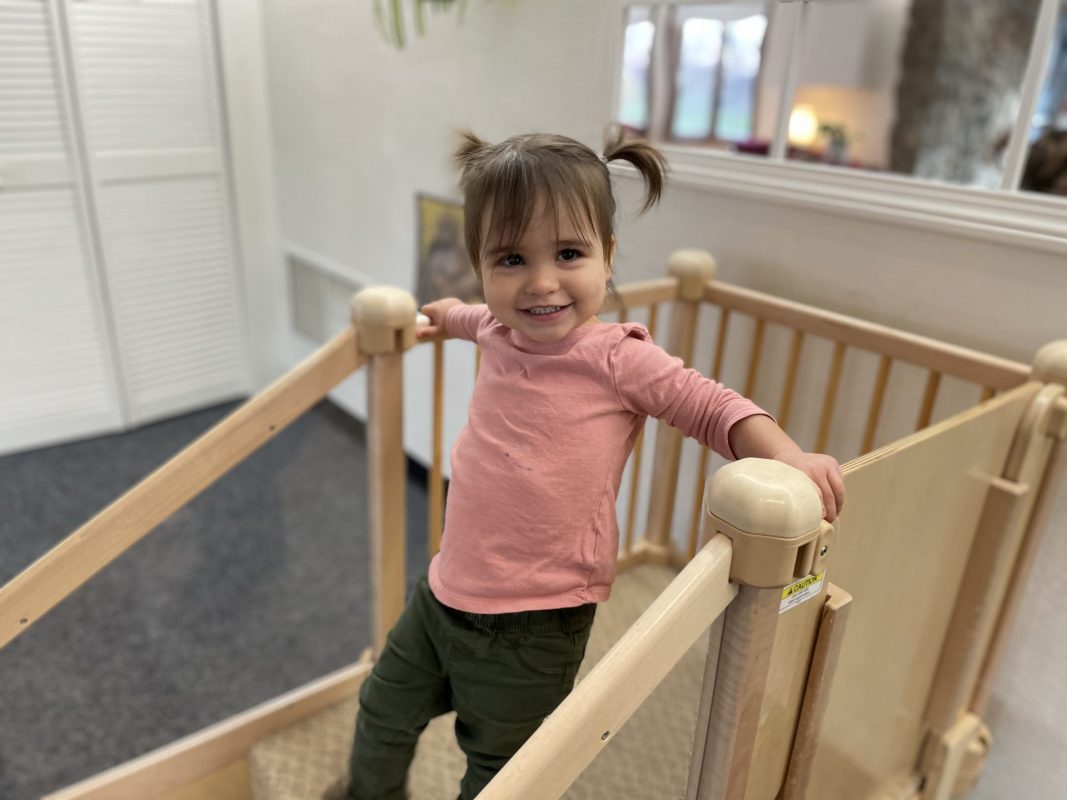
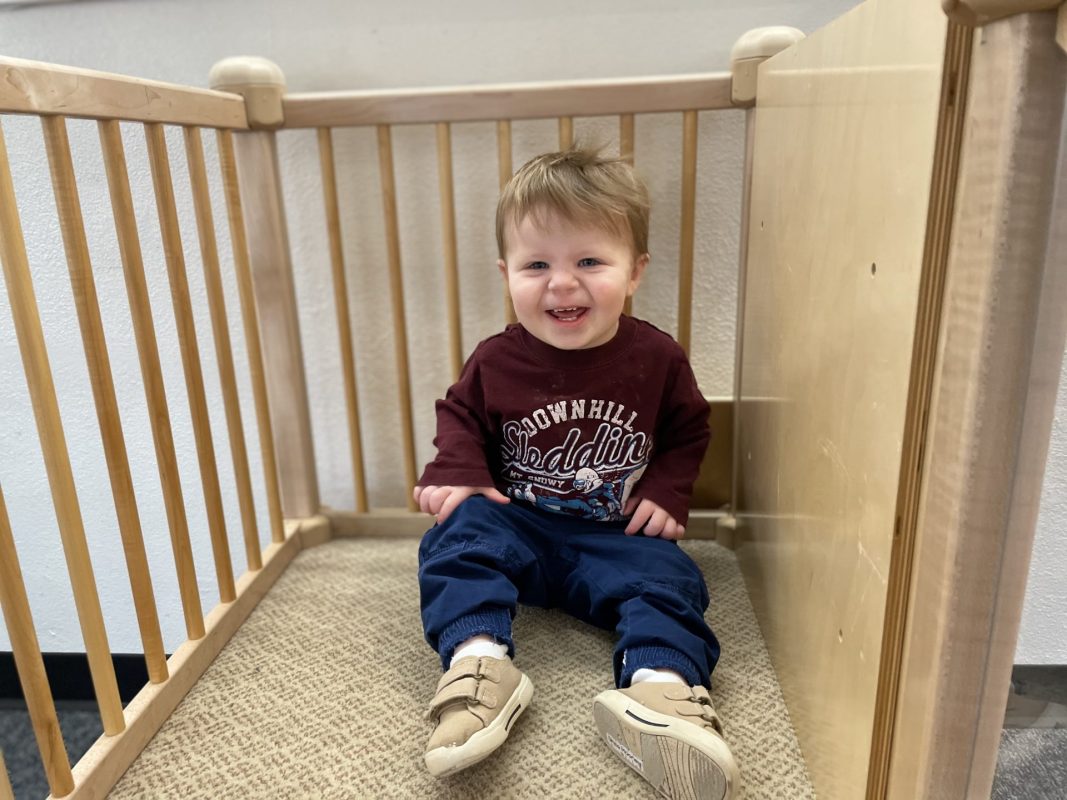
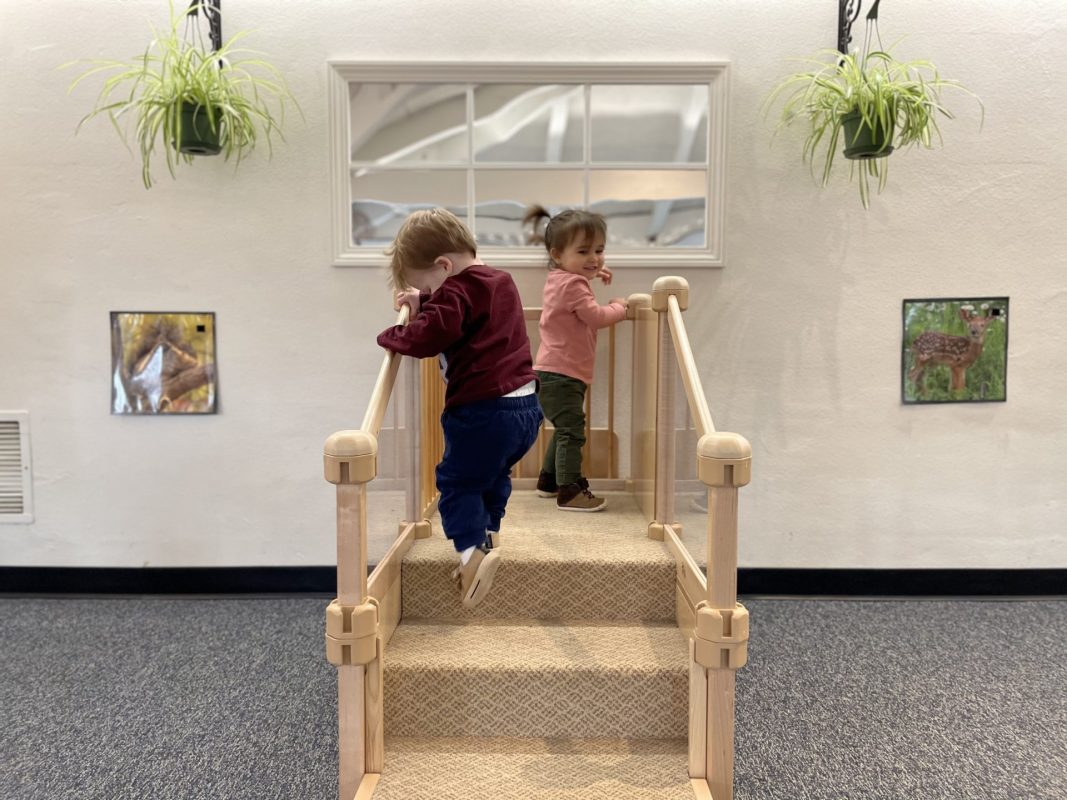
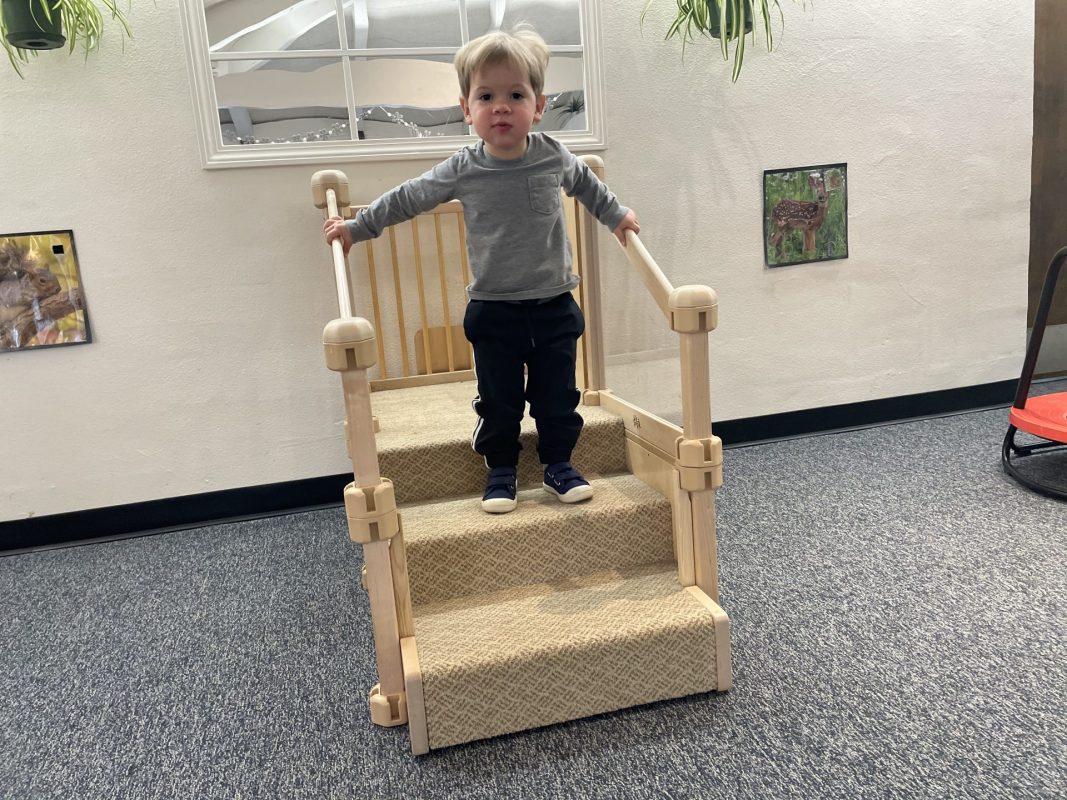
Also, as children have shown readiness to safely practice climbing up and down the stairs independently, we presented the climber in our movement area. Aside from being a basic life skill, this exercise helps them build leg muscles, strengthens their balance and coordination, and boosts spatial awareness. 

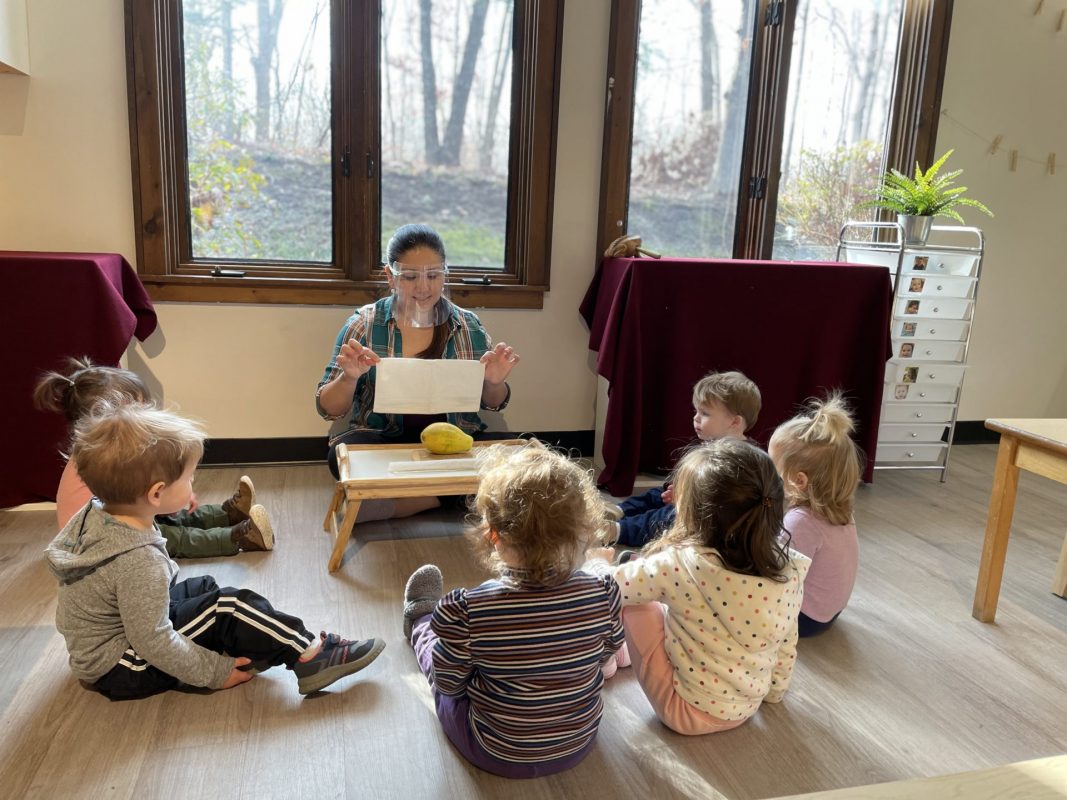
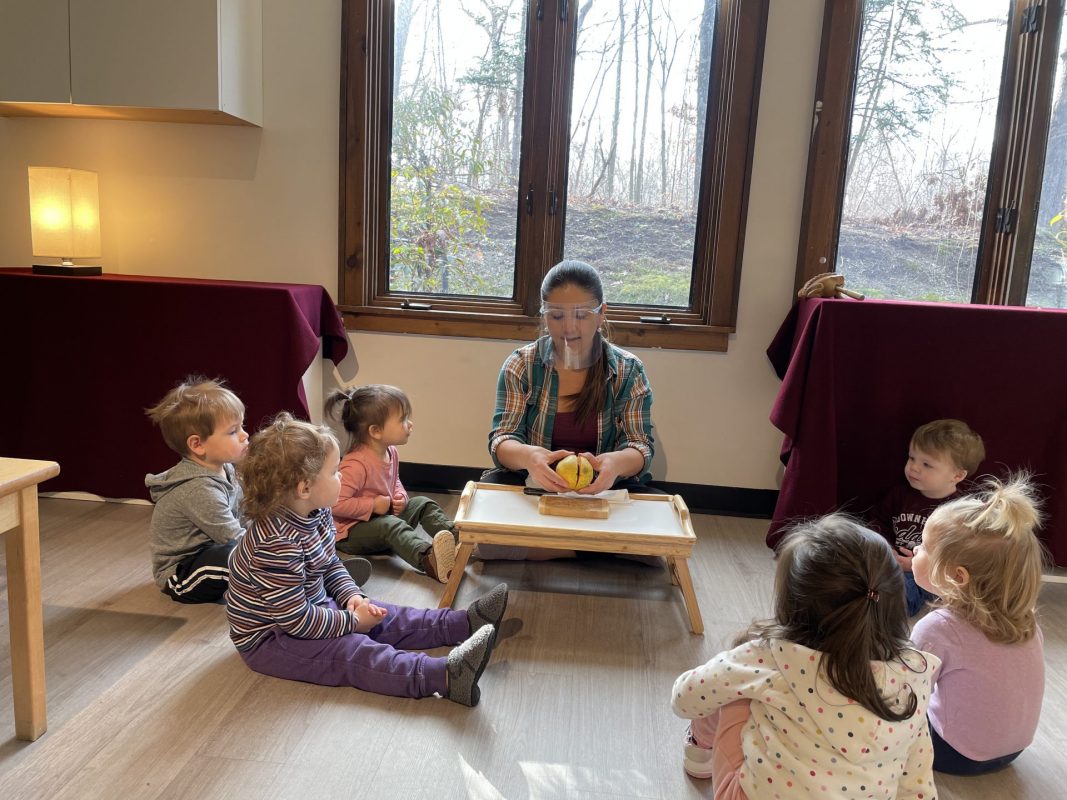
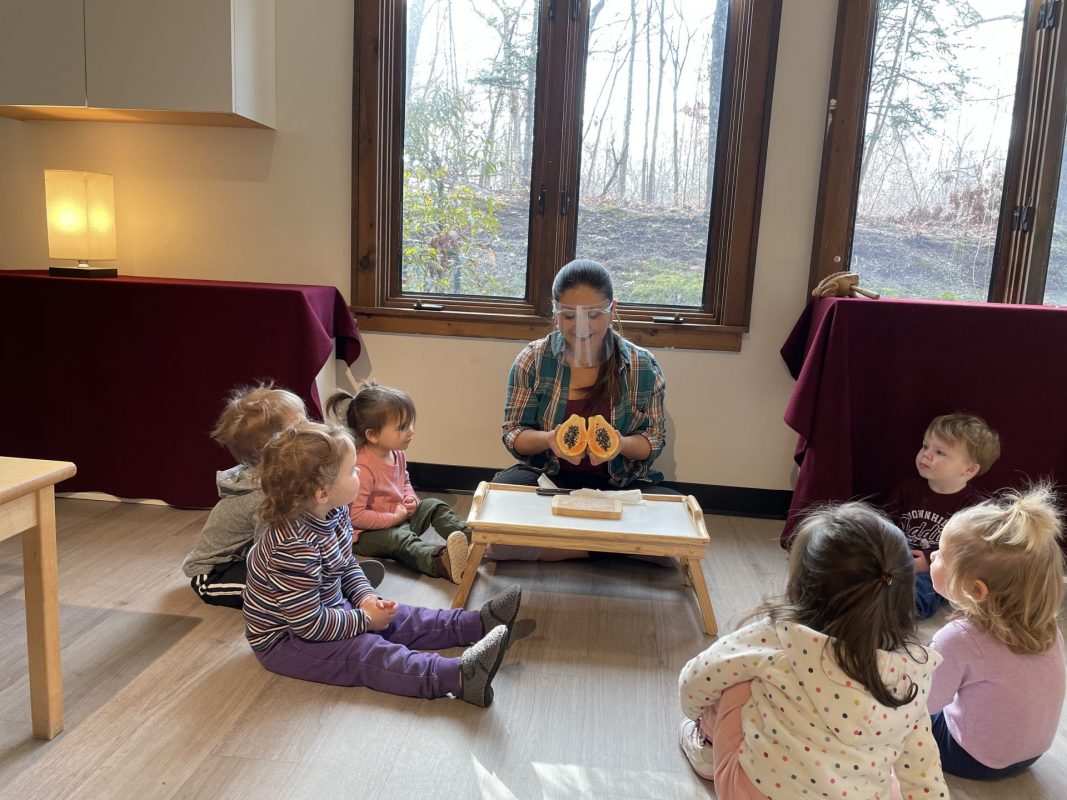
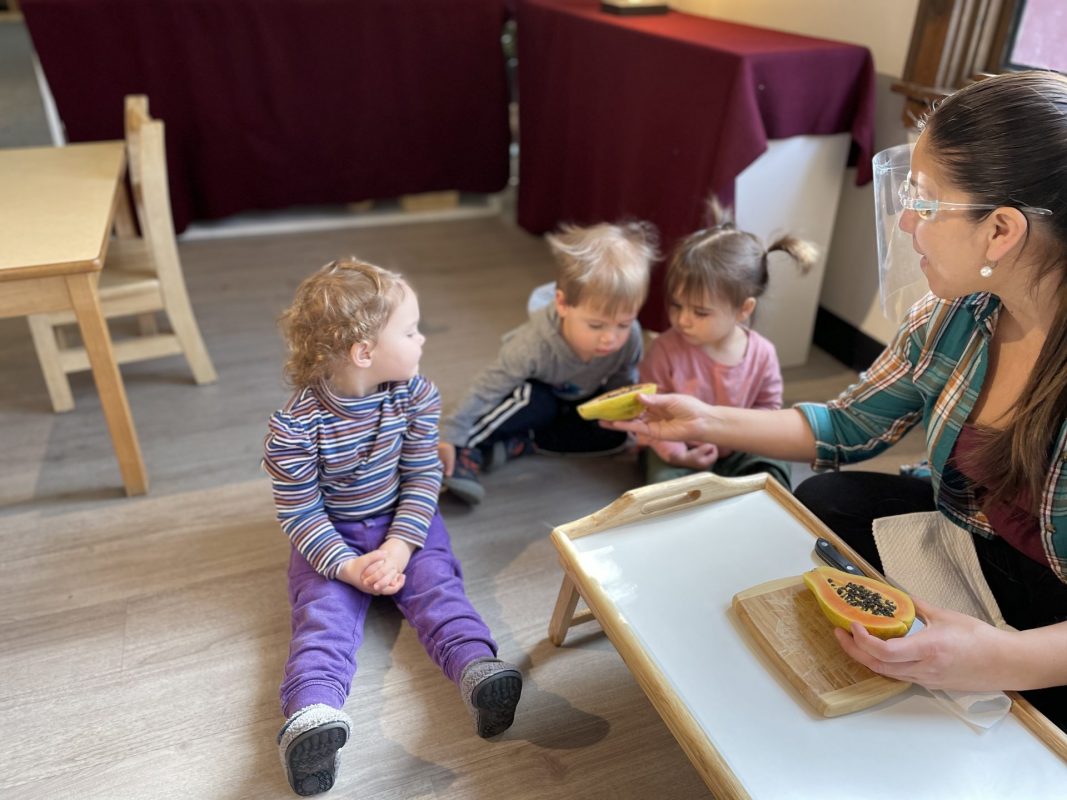
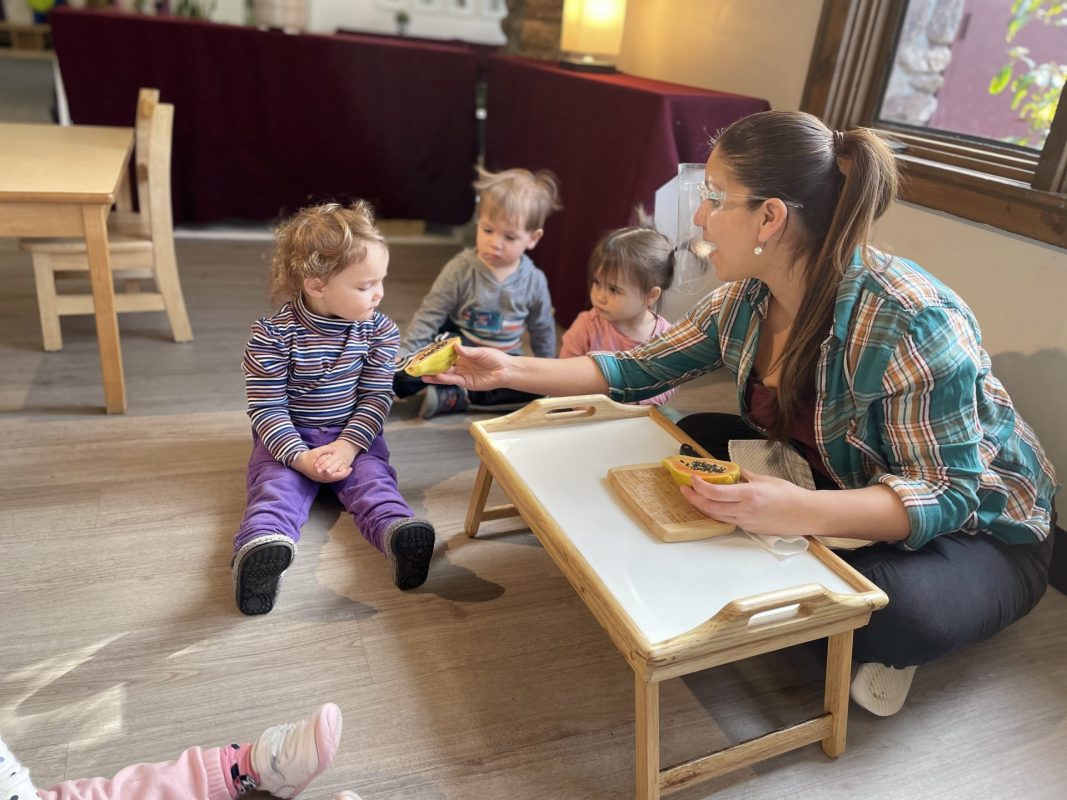
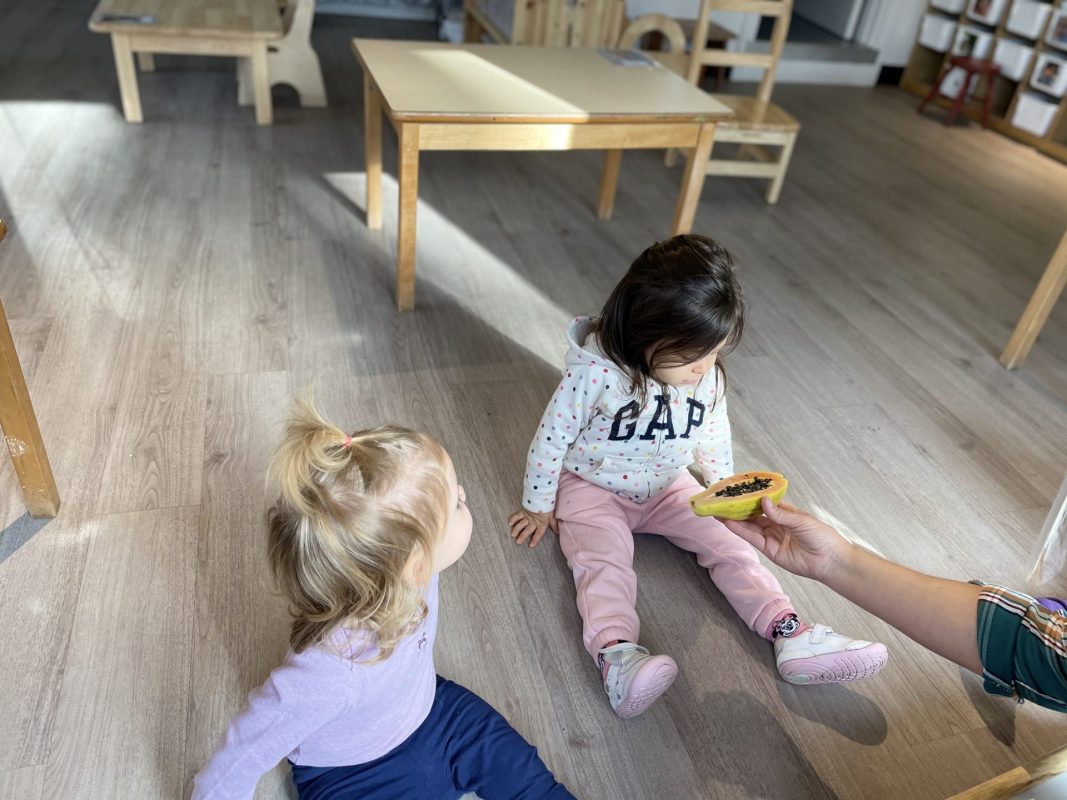
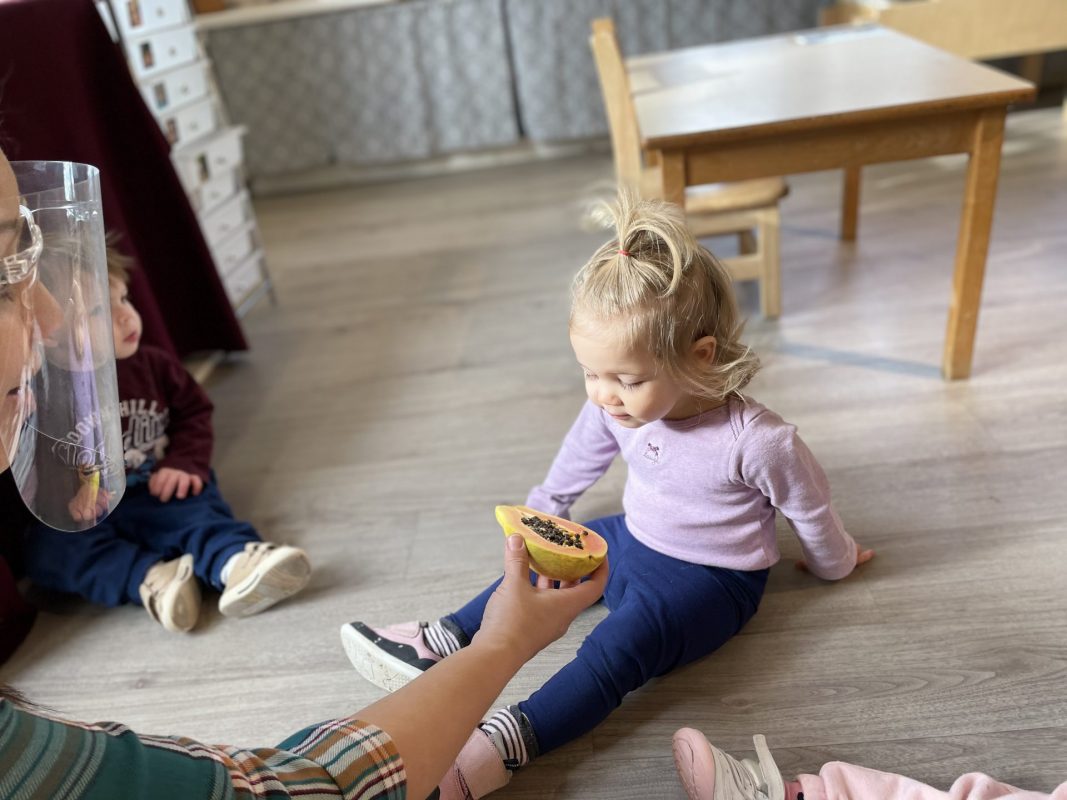
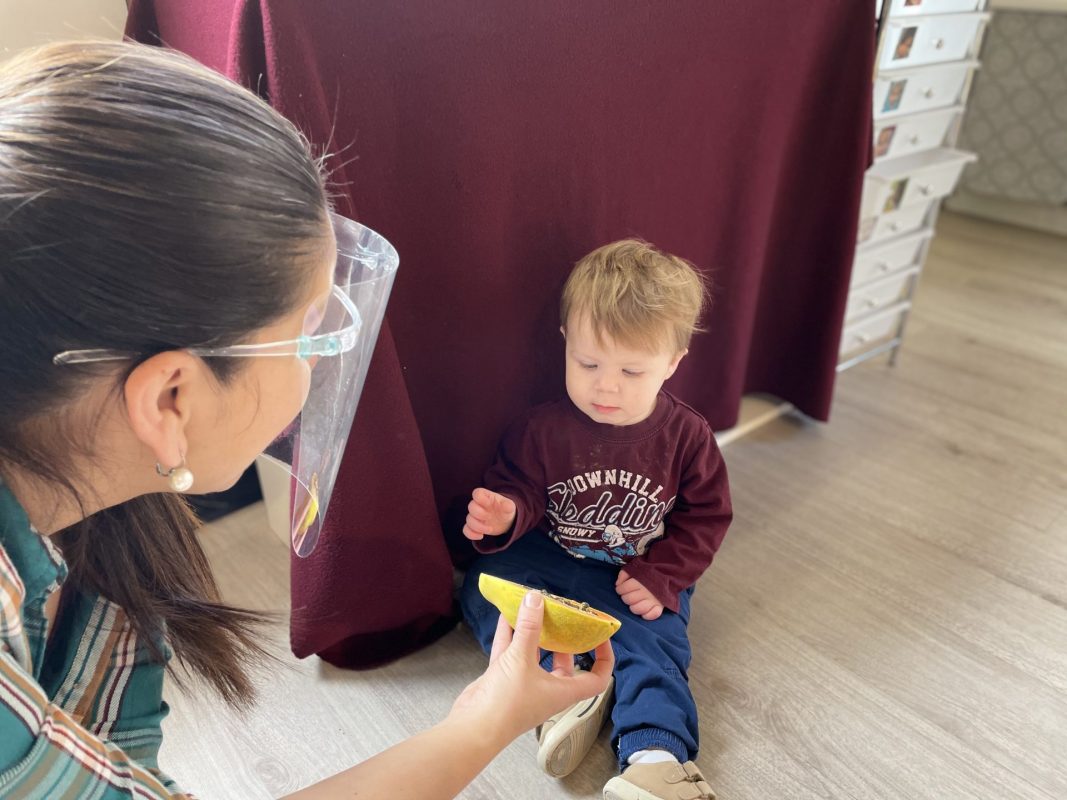
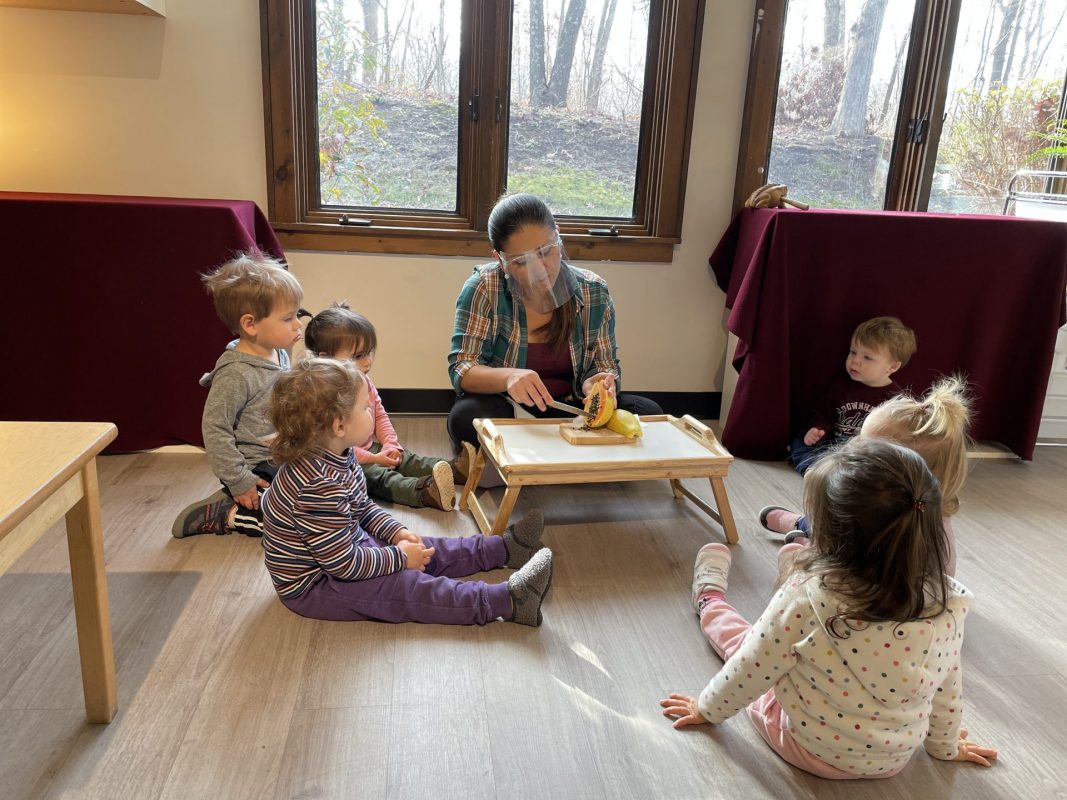
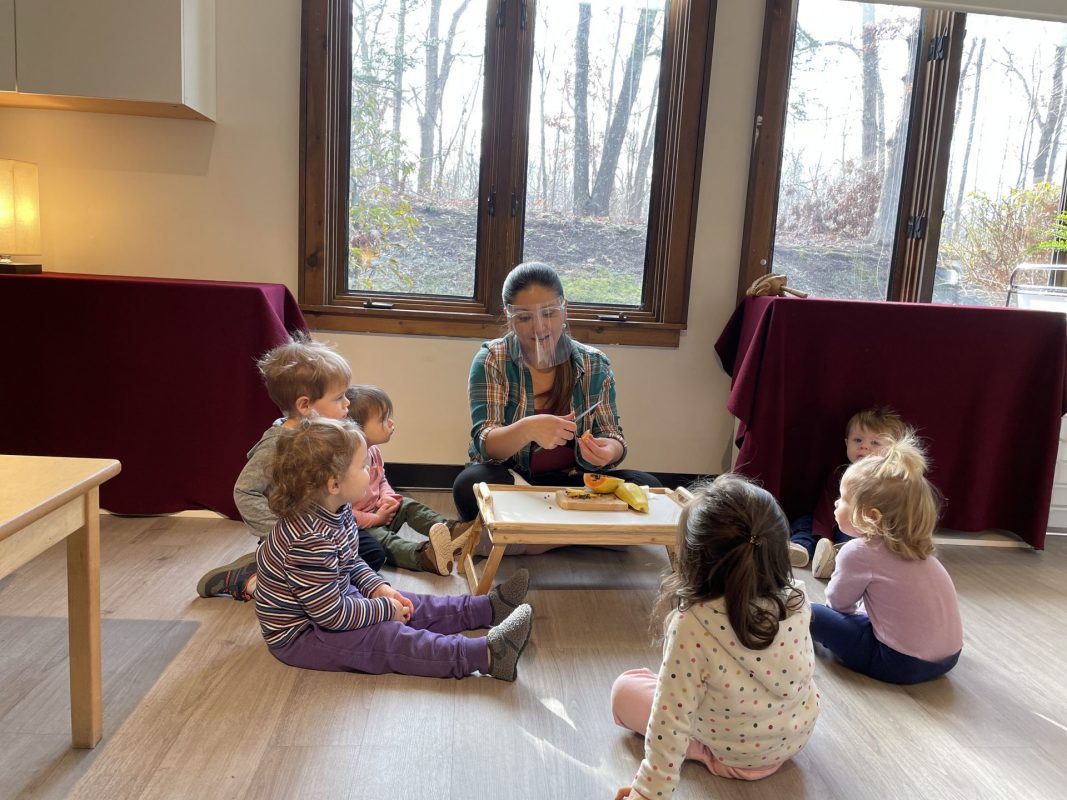
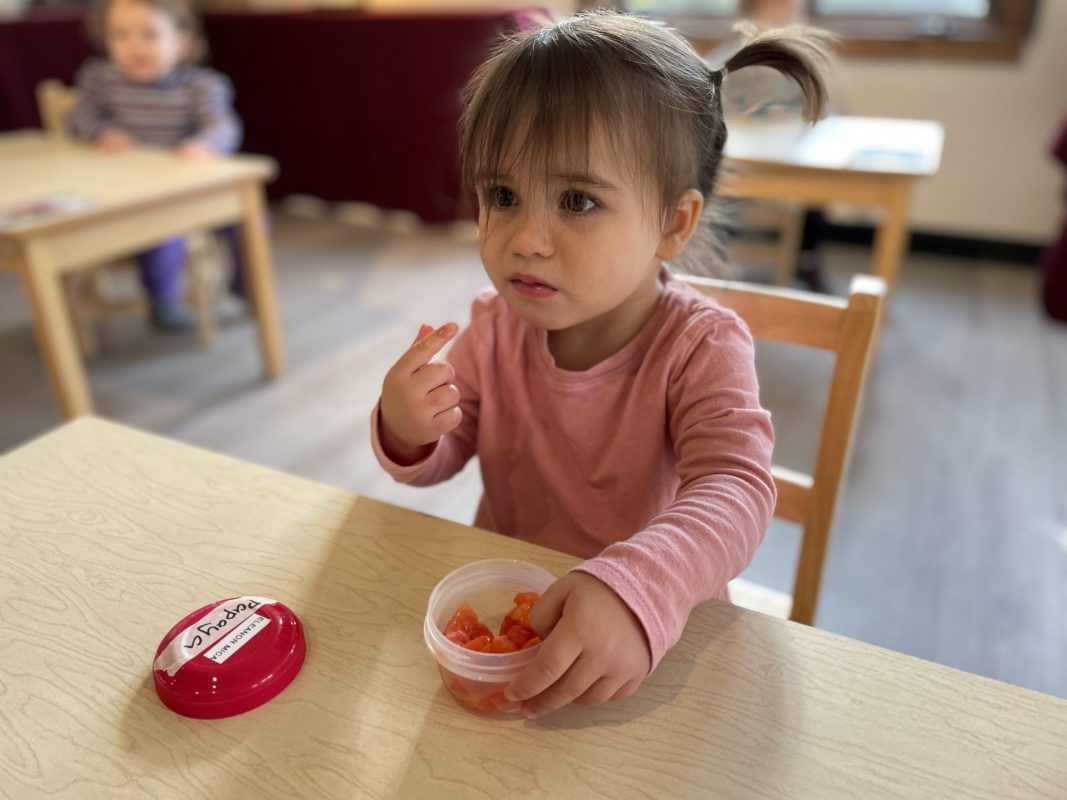
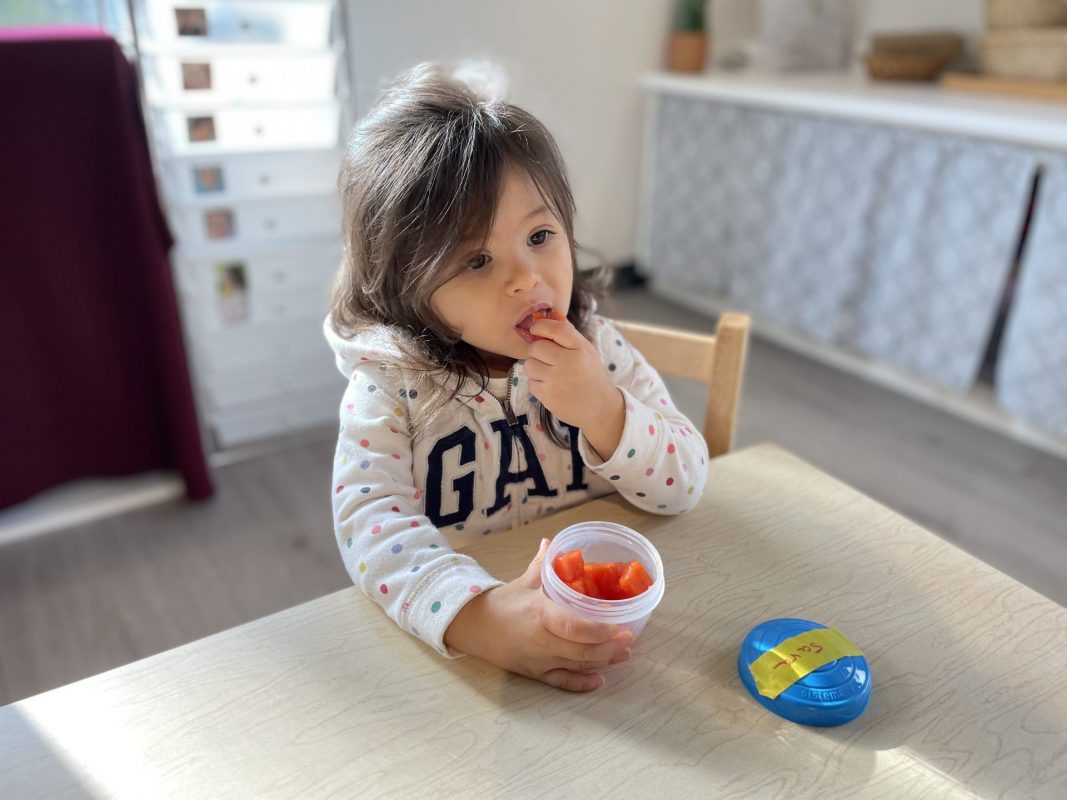
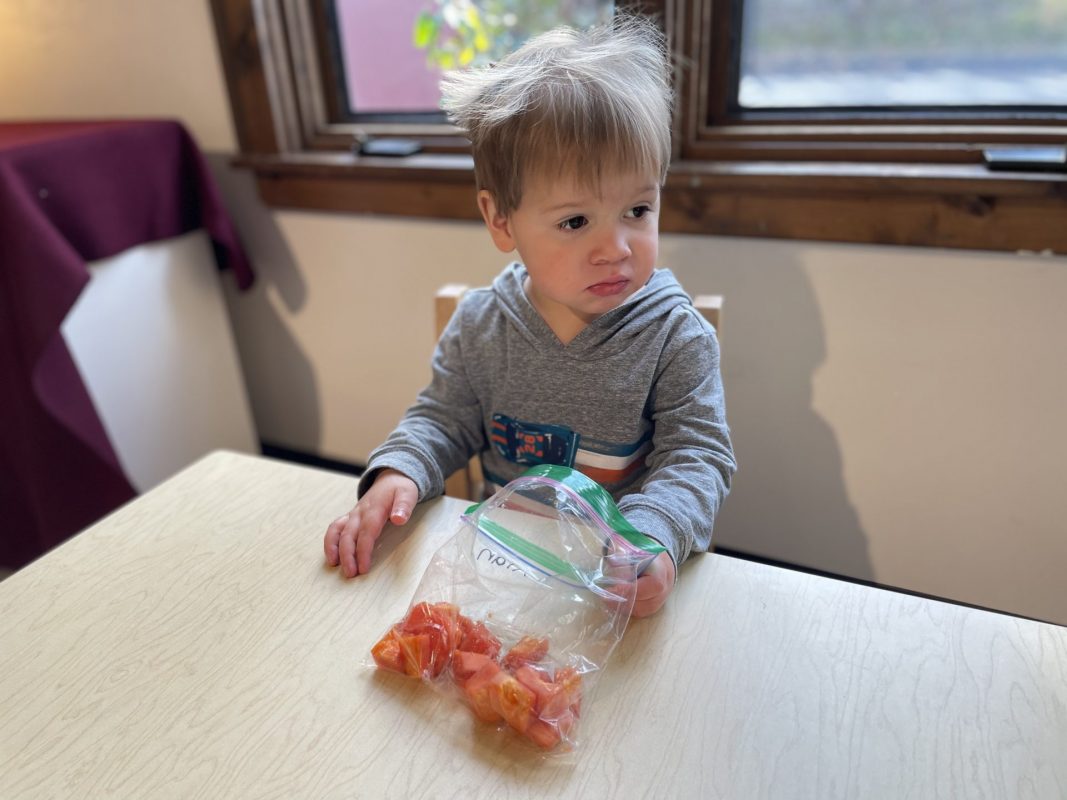
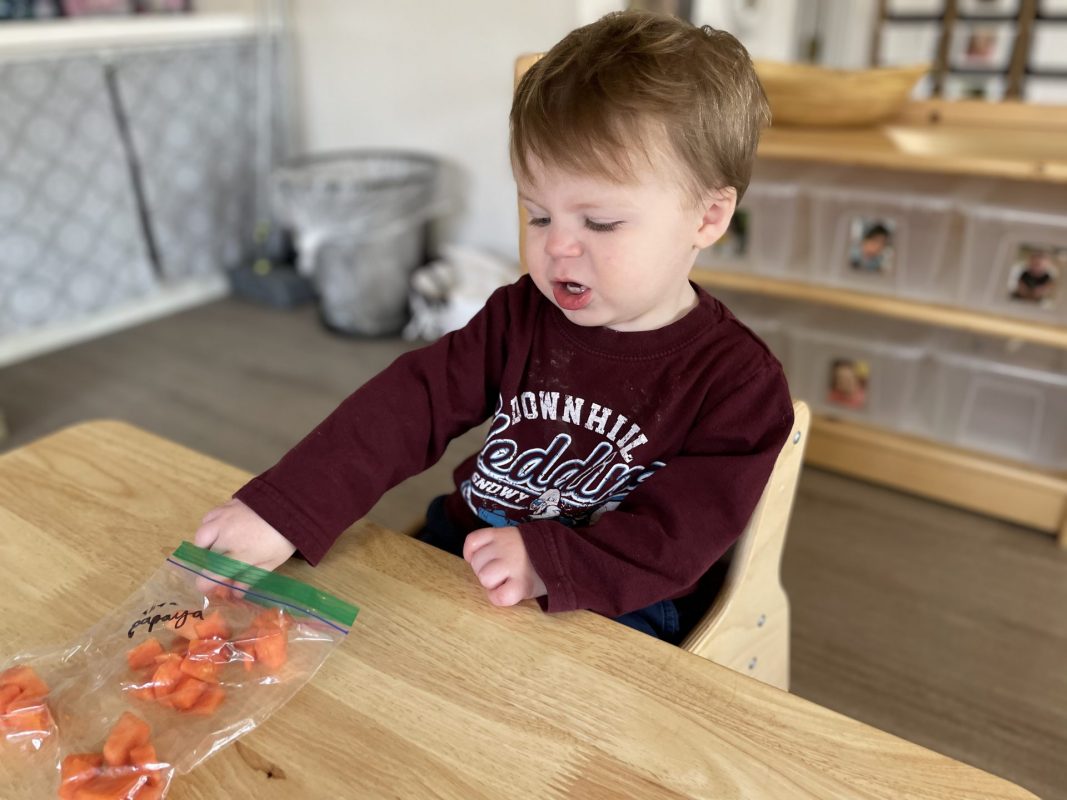
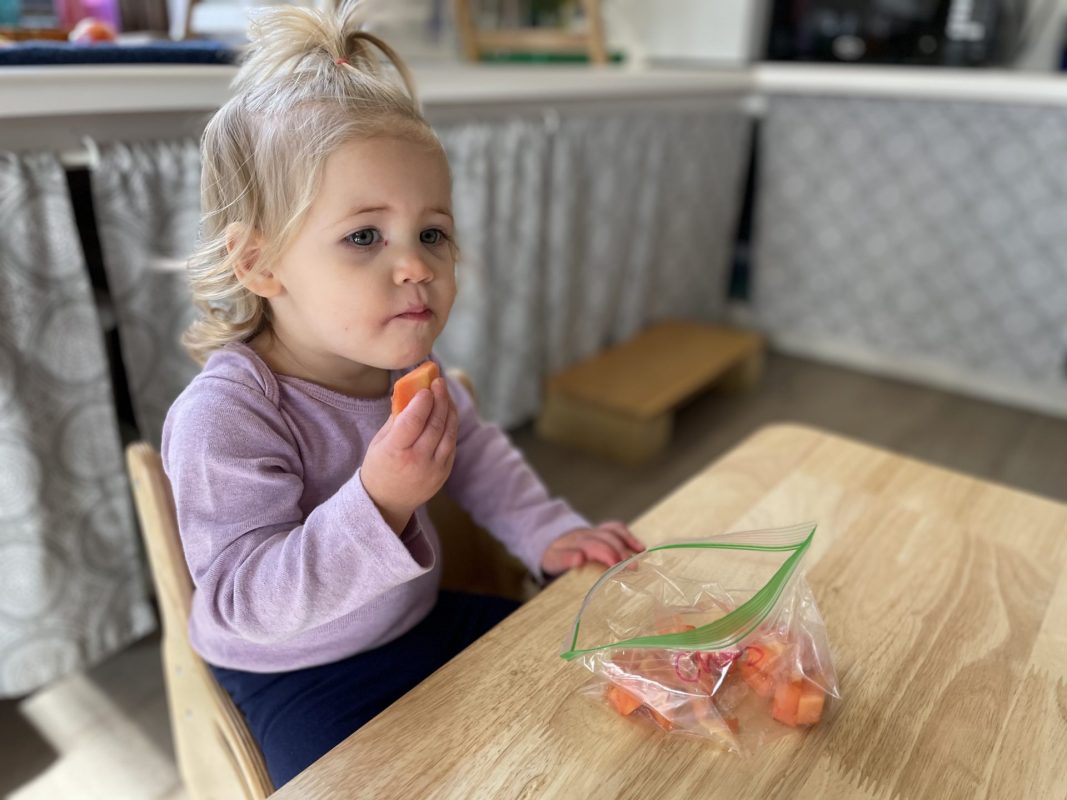
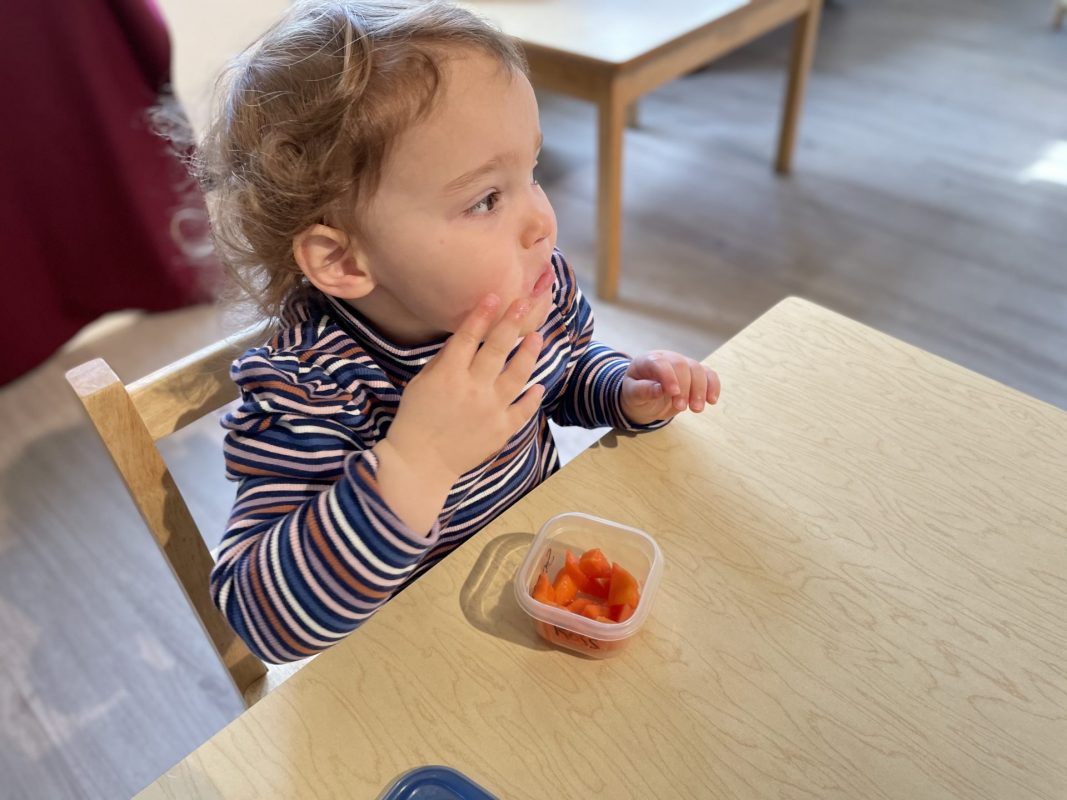
For food tasting, the children tried a fun seasonal fruit, papaya! As always, children were very attentive to this activity and were eager to taste this fruit! I am happy to report that papaya was approved by 70% of the  class! 🙂 I encourage you all to continue exposing your toddlers to this wonderful fruit. For even more sweetness, I recommend you to add a Hawaiian papaya to your grocery list! Yum!

Warm regards, 

Mrs. Hood and Ms. Maria