Blog

Mrs. Hood’s Class: 1,2,3,4,5


“Children display a universal love of mathematics, which is
par excellence the science of precision, order, and intelligence.”
E.M. Standing: Maria Montessori: Her Life and Her Work p. 344

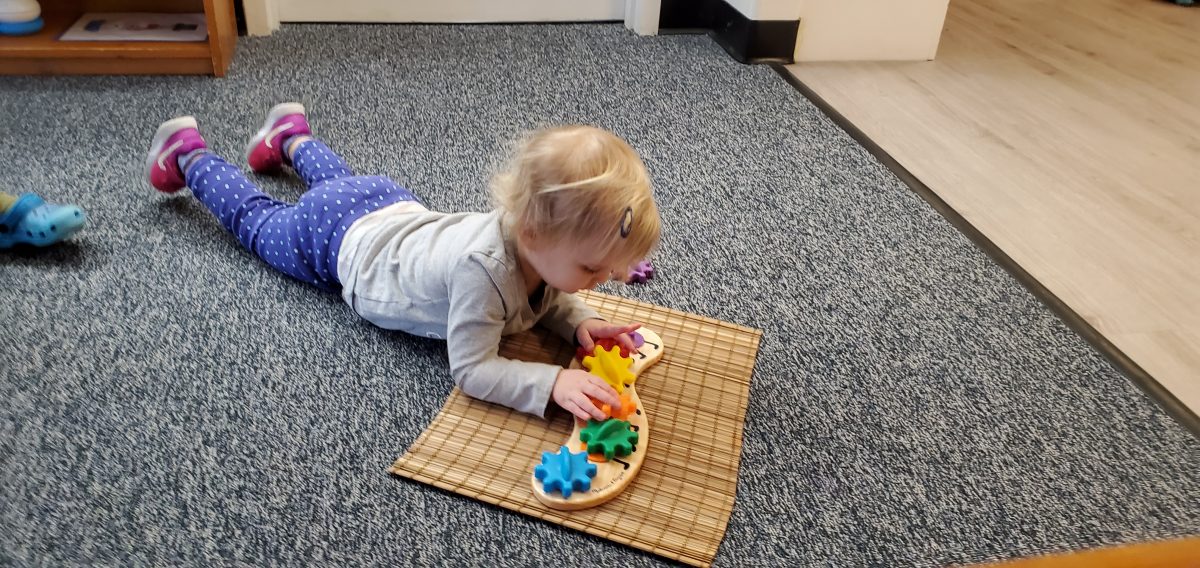
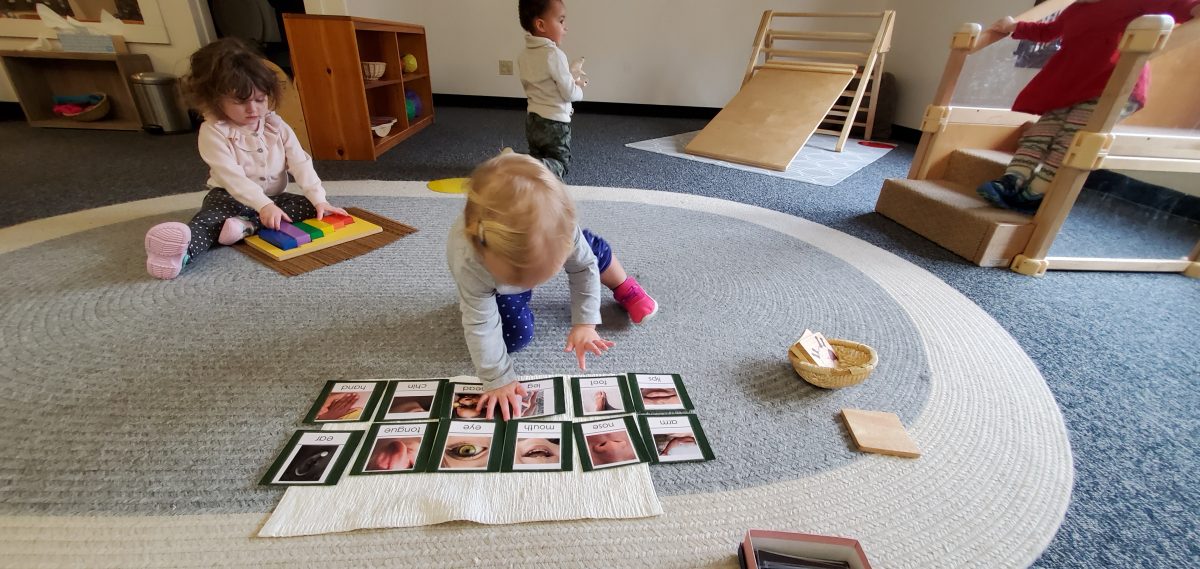
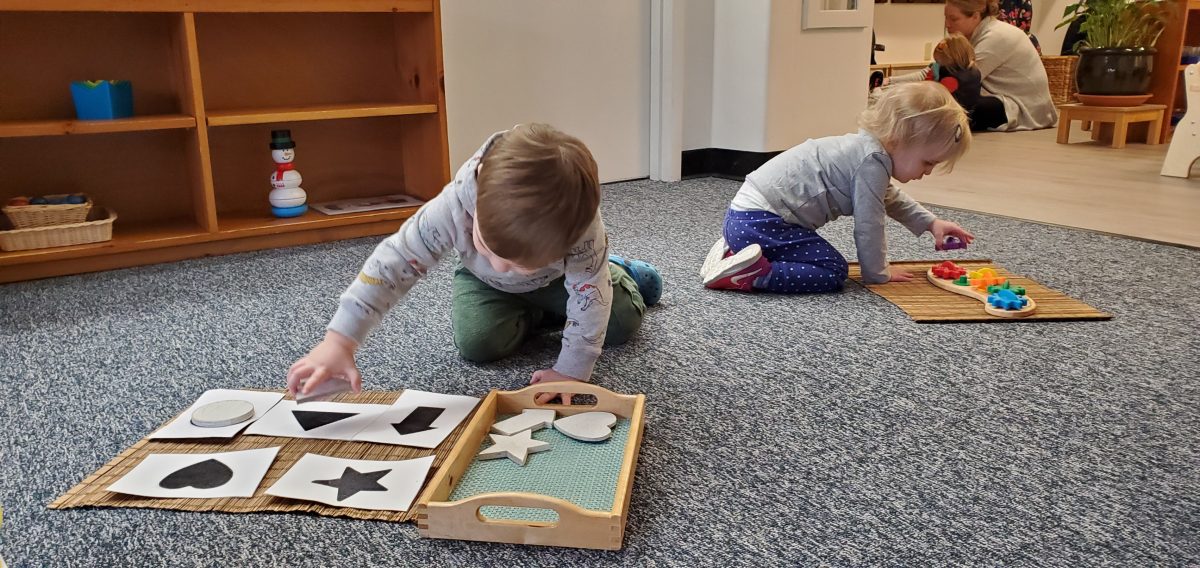
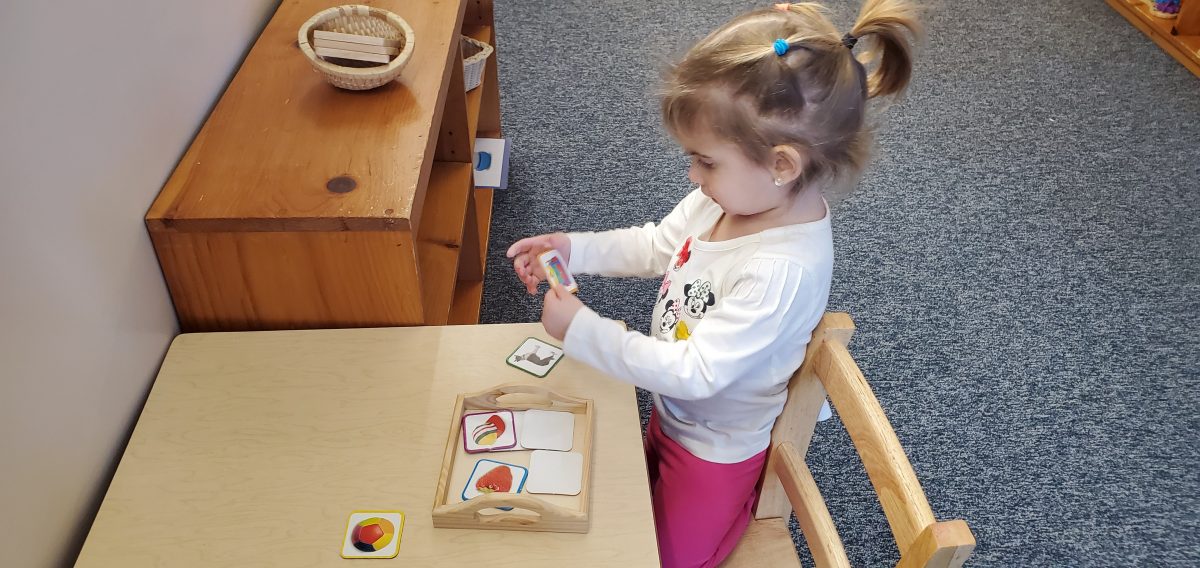
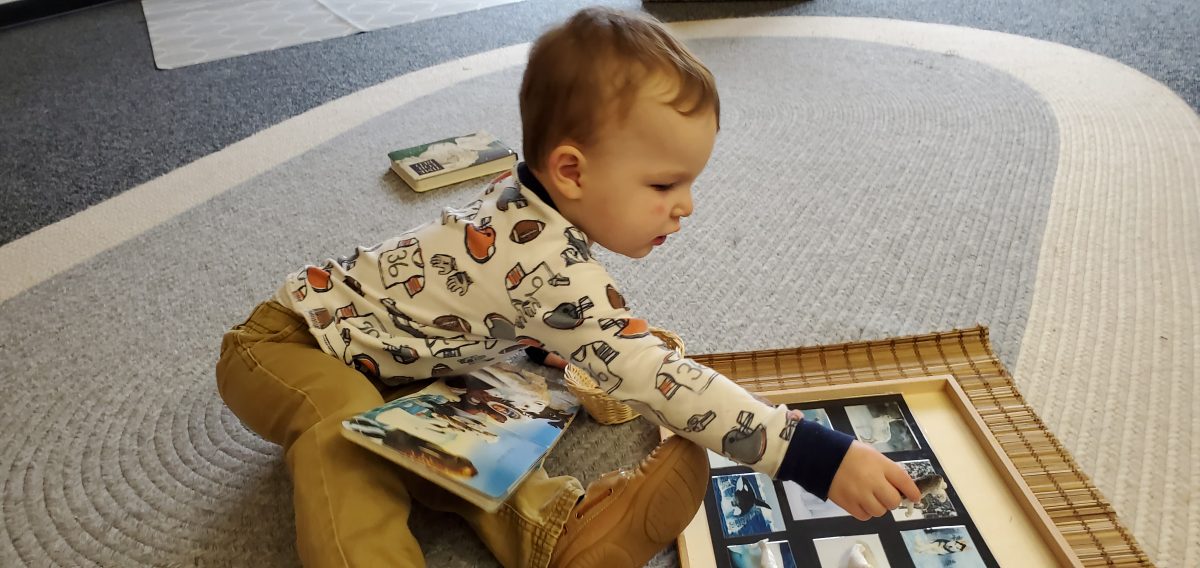
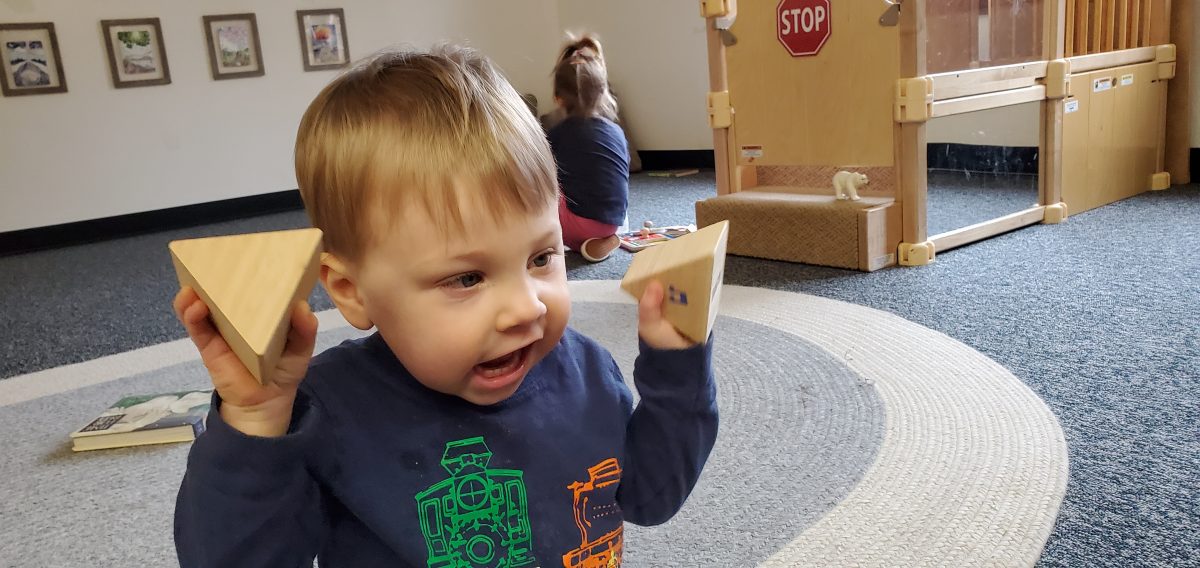
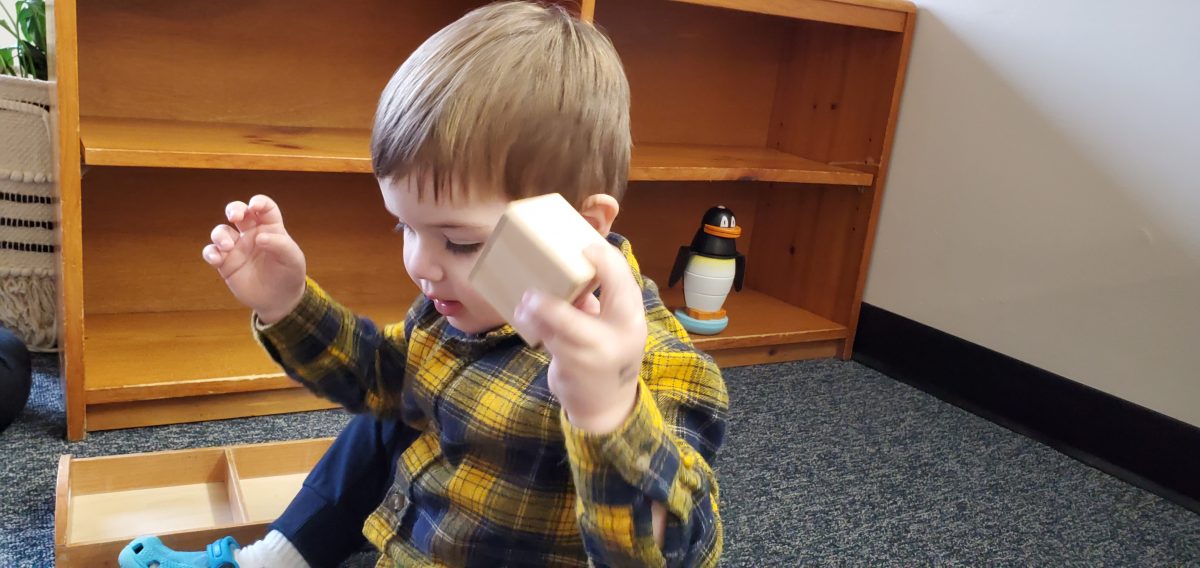
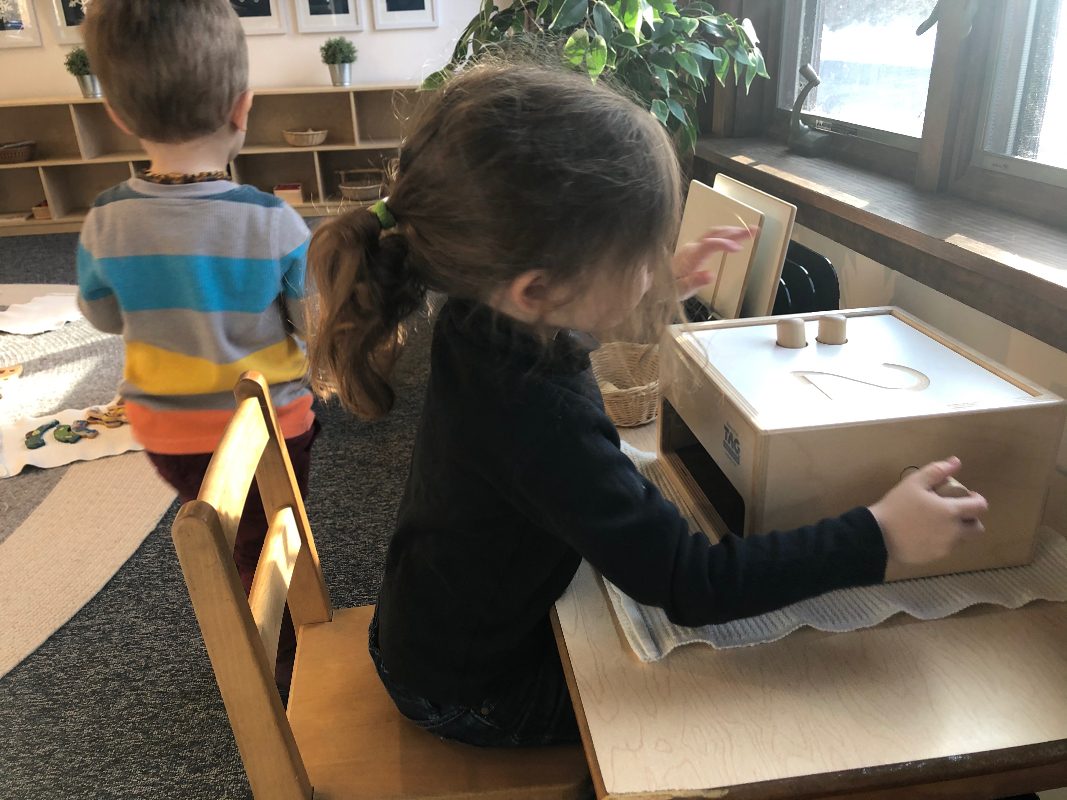
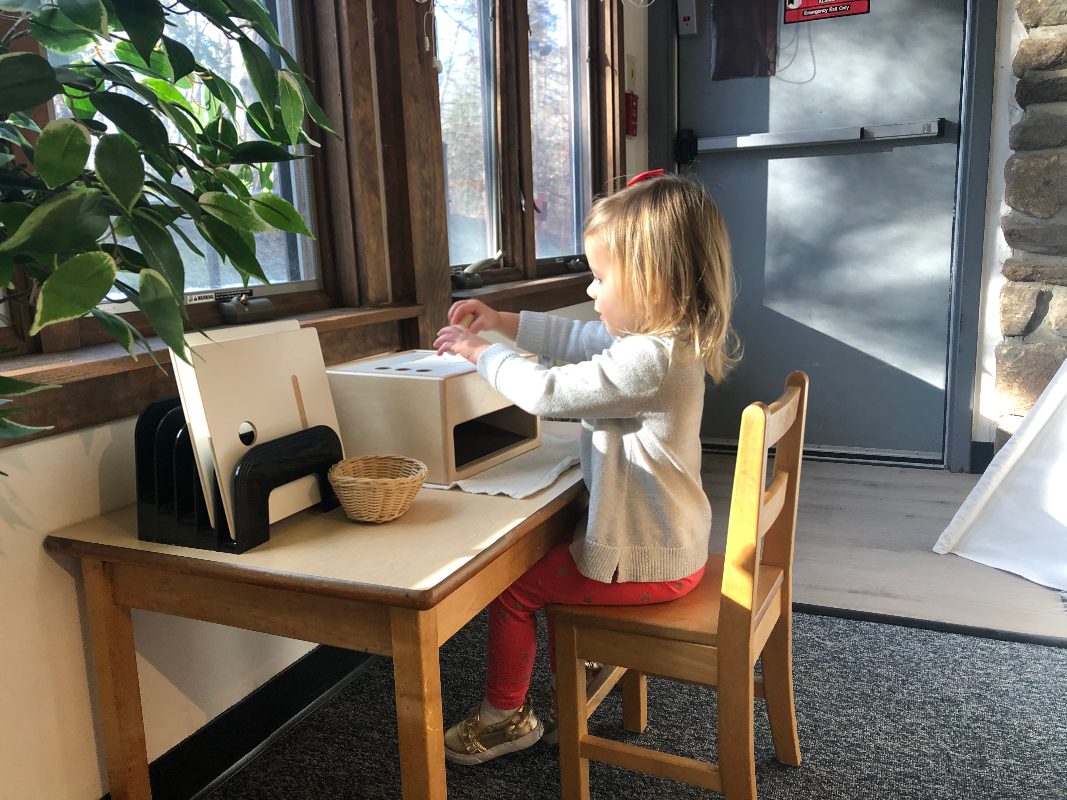
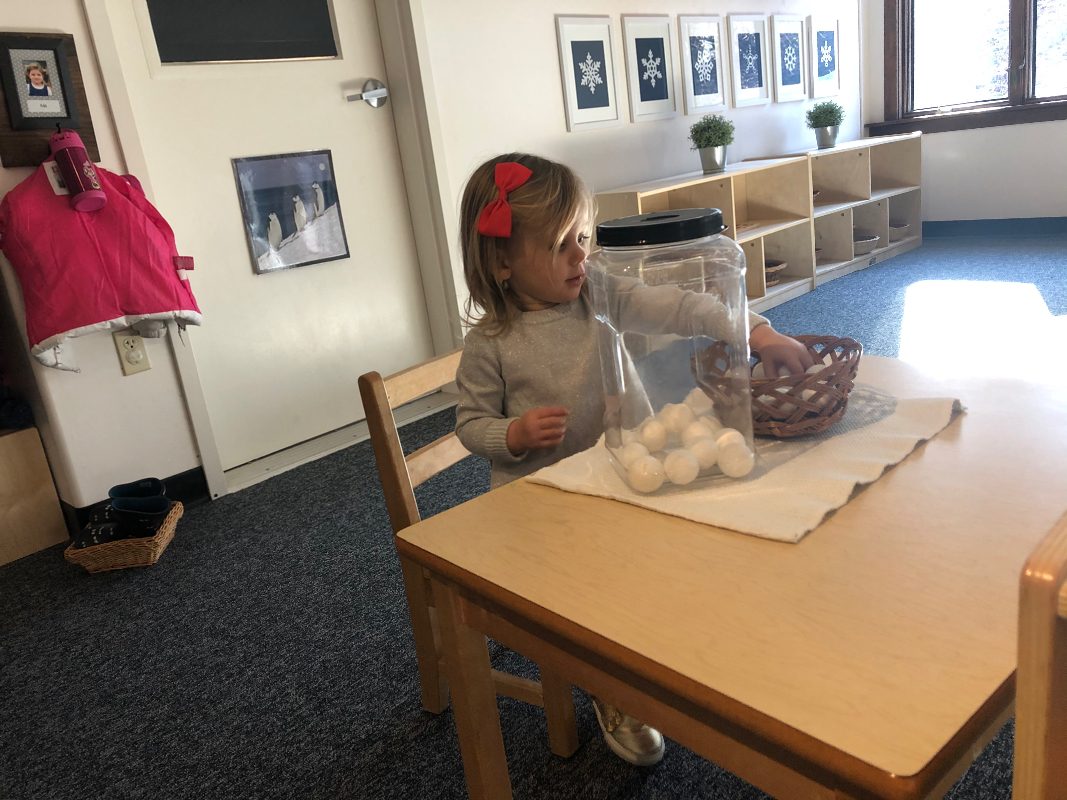
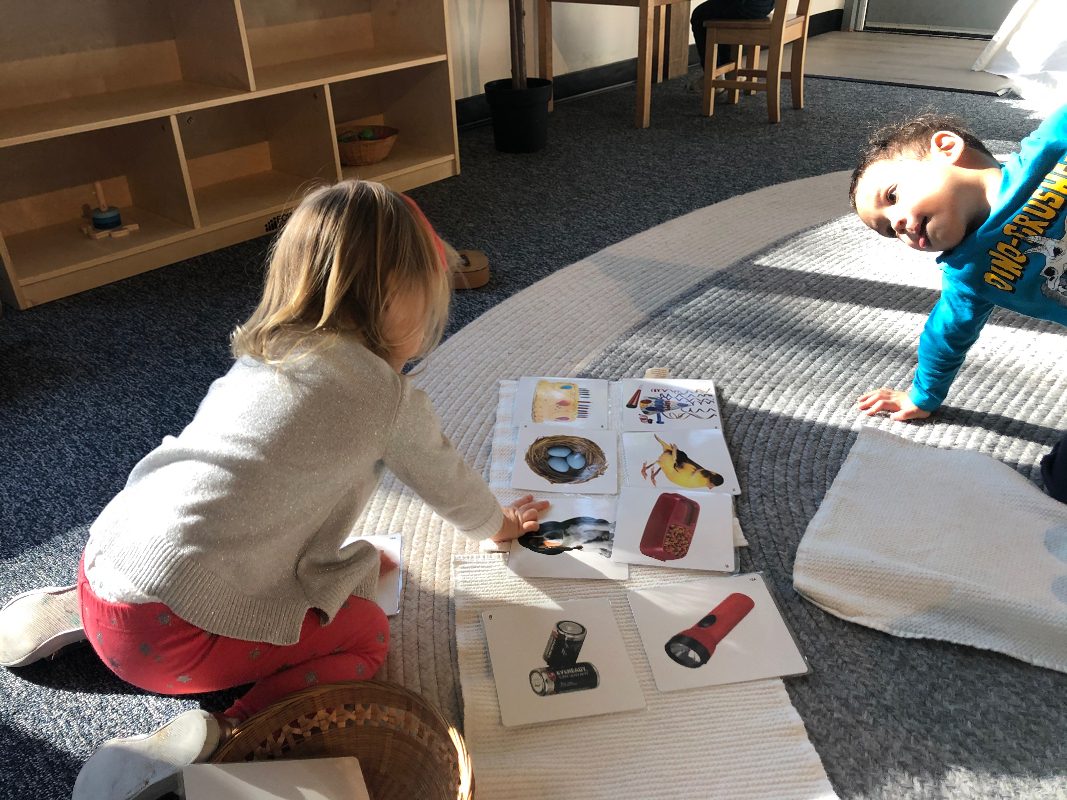
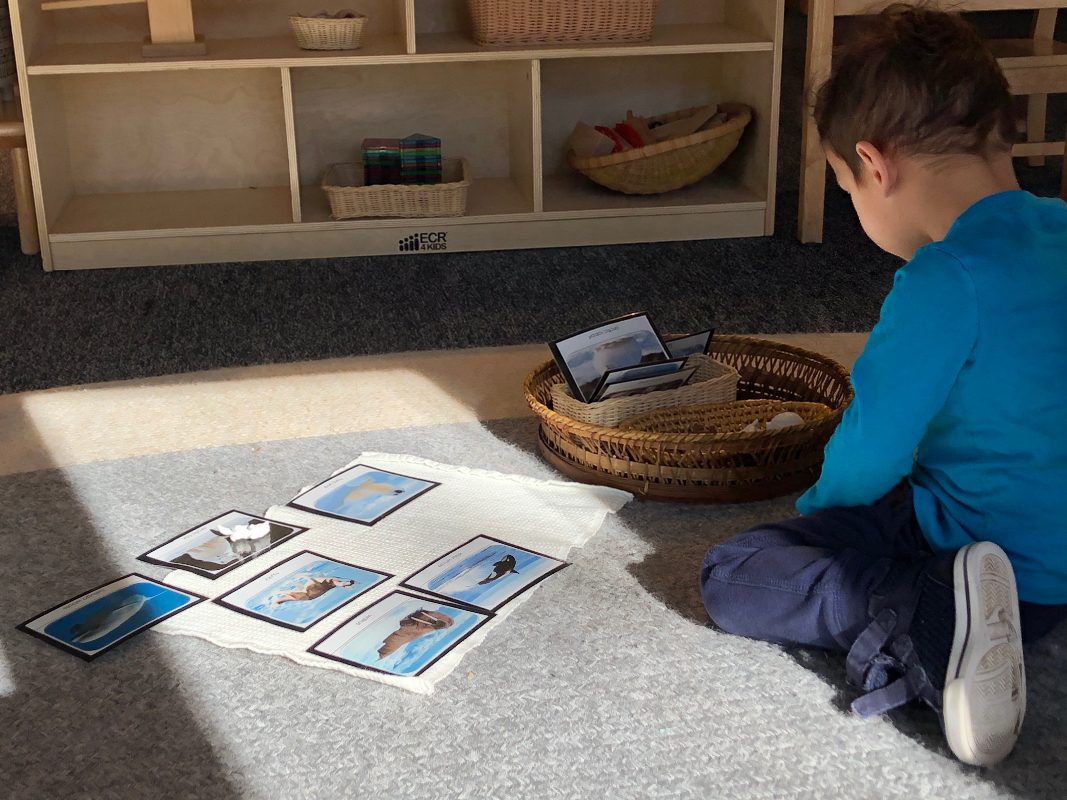
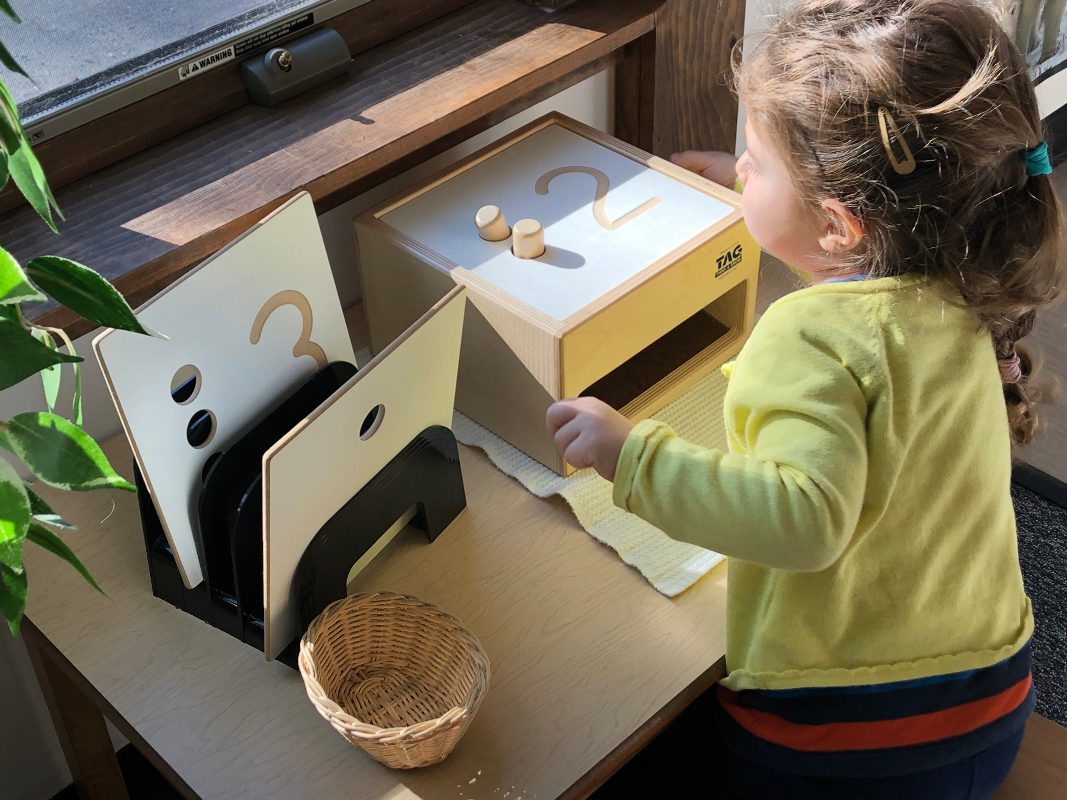
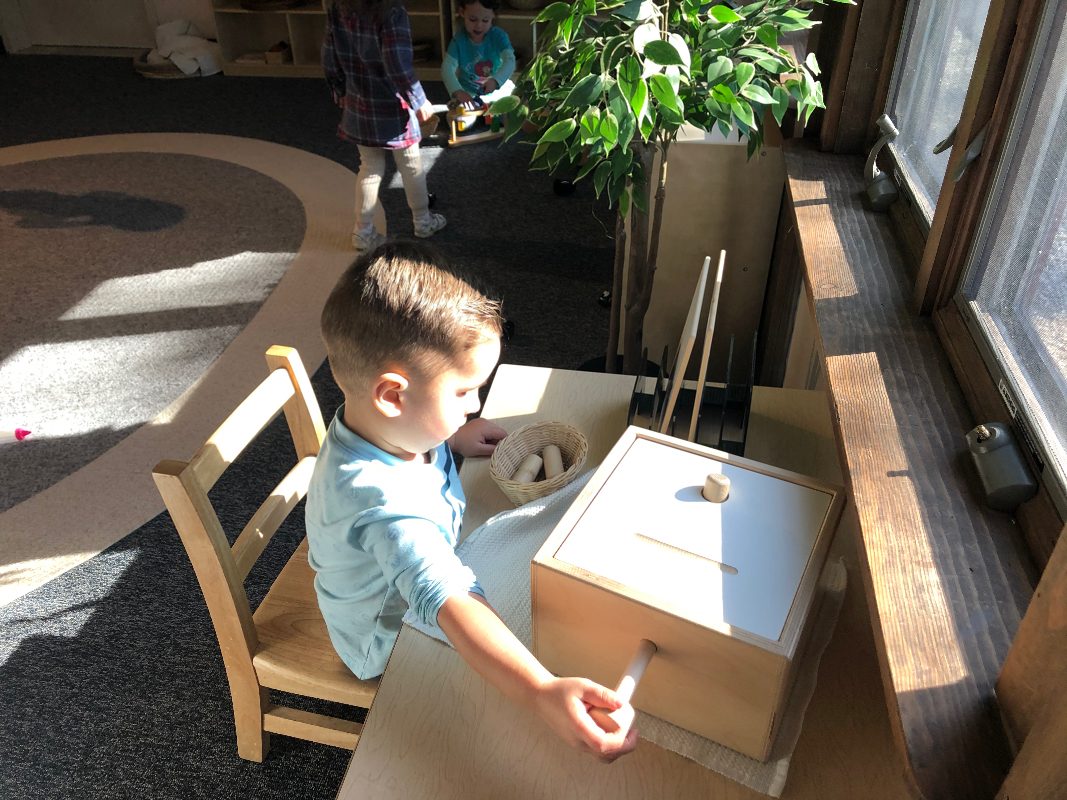
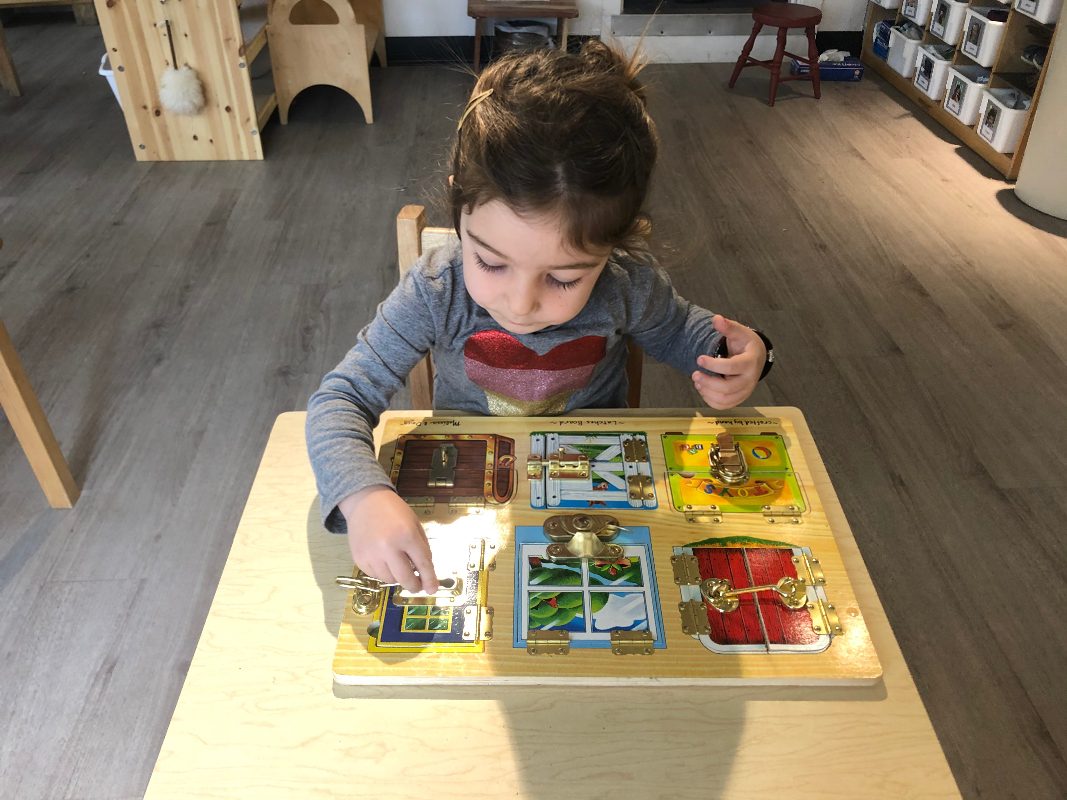
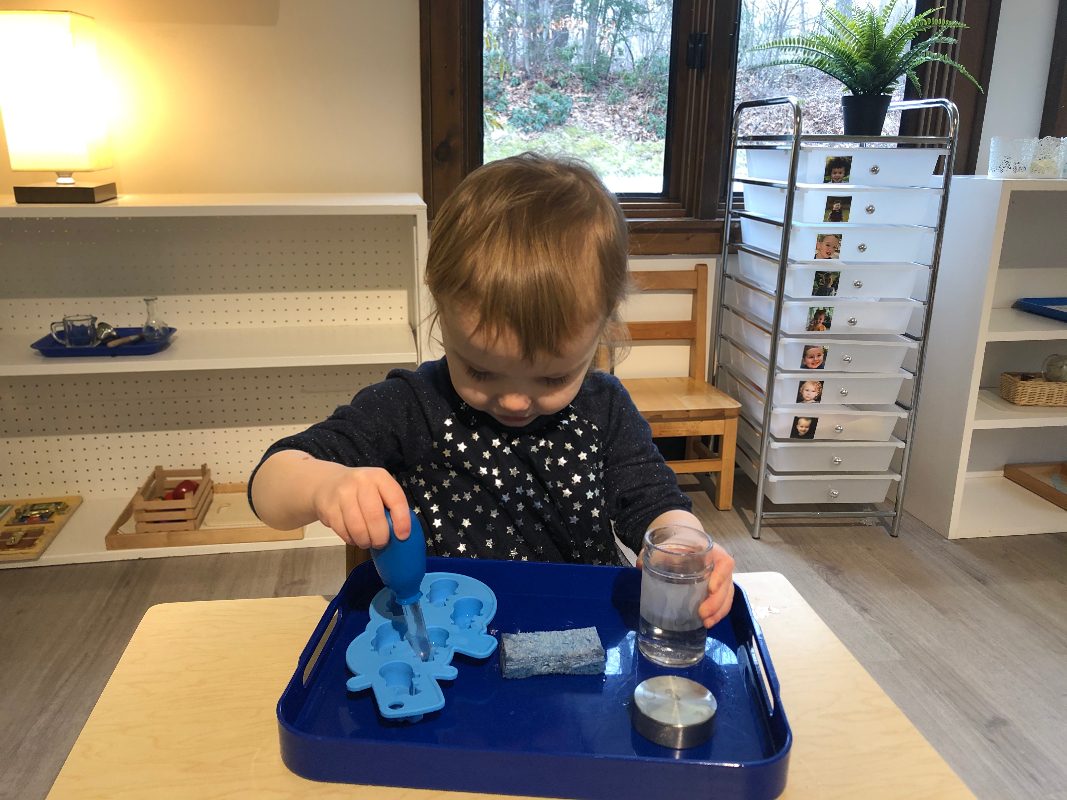
Dr. Montessori observed that young children learn early mathematical concepts through touching, stacking, sorting, and handling objects as they count them. It is through this manipulation of various materials that children learn to recognize quantities, sequence, and patterns. This is the groundwork for basic mathematical principles.

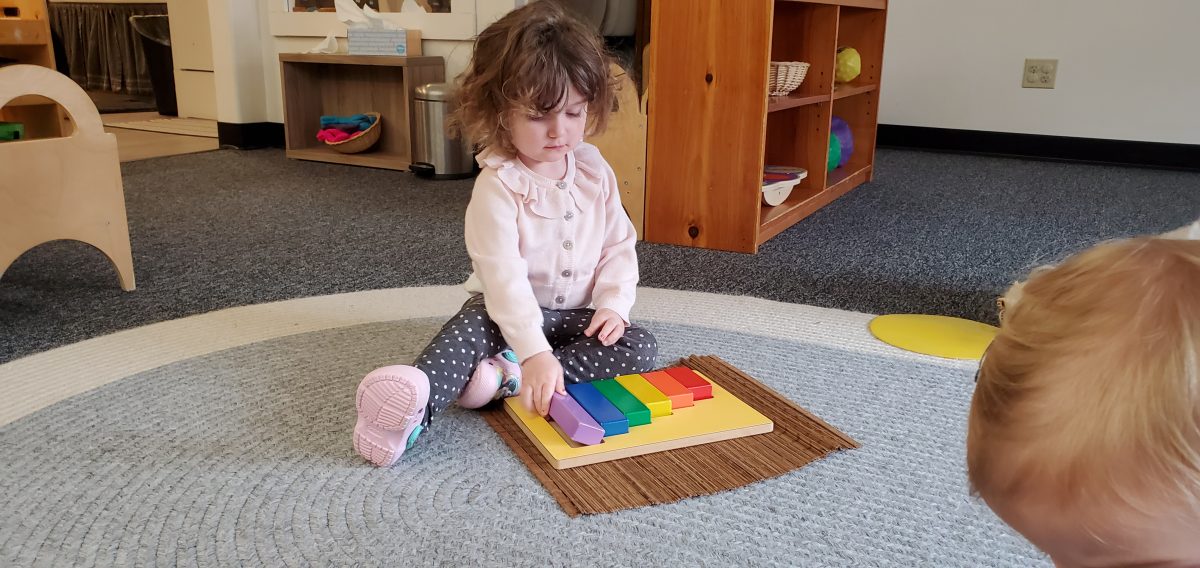
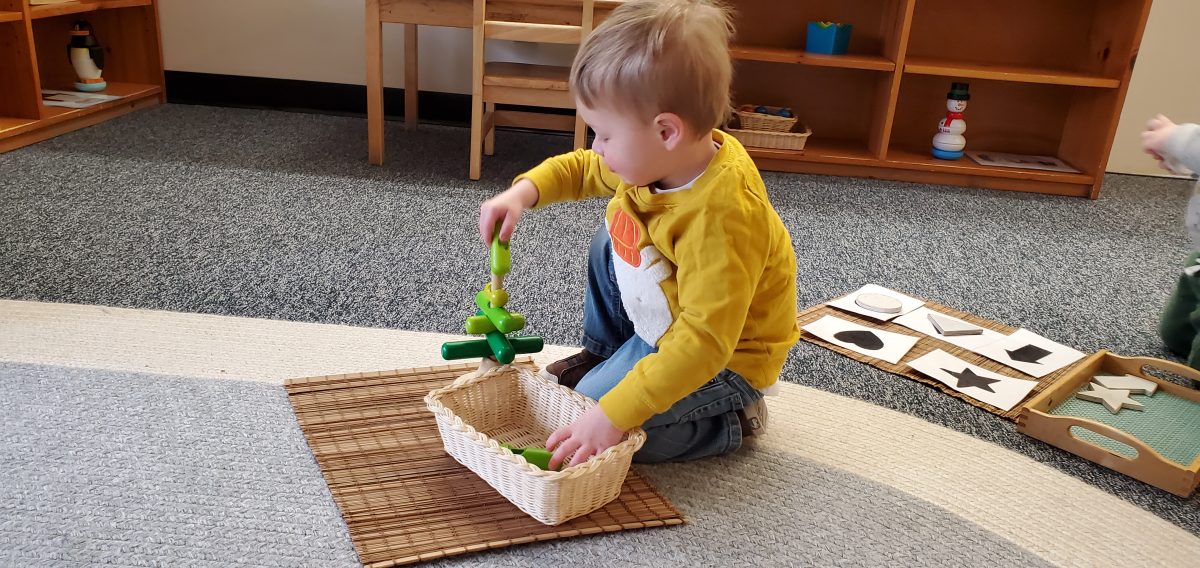
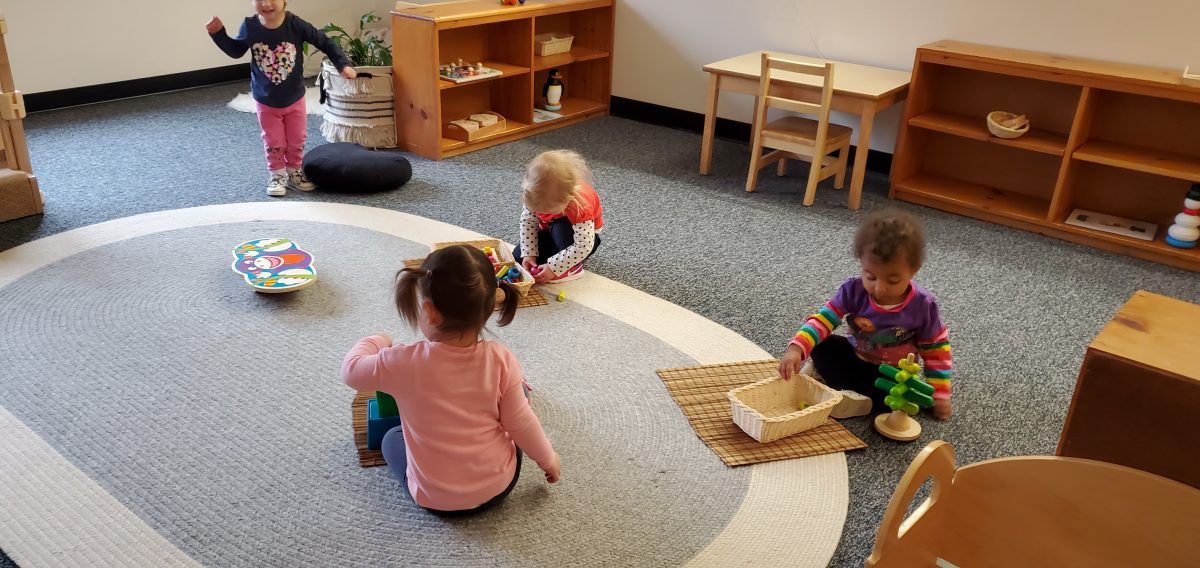
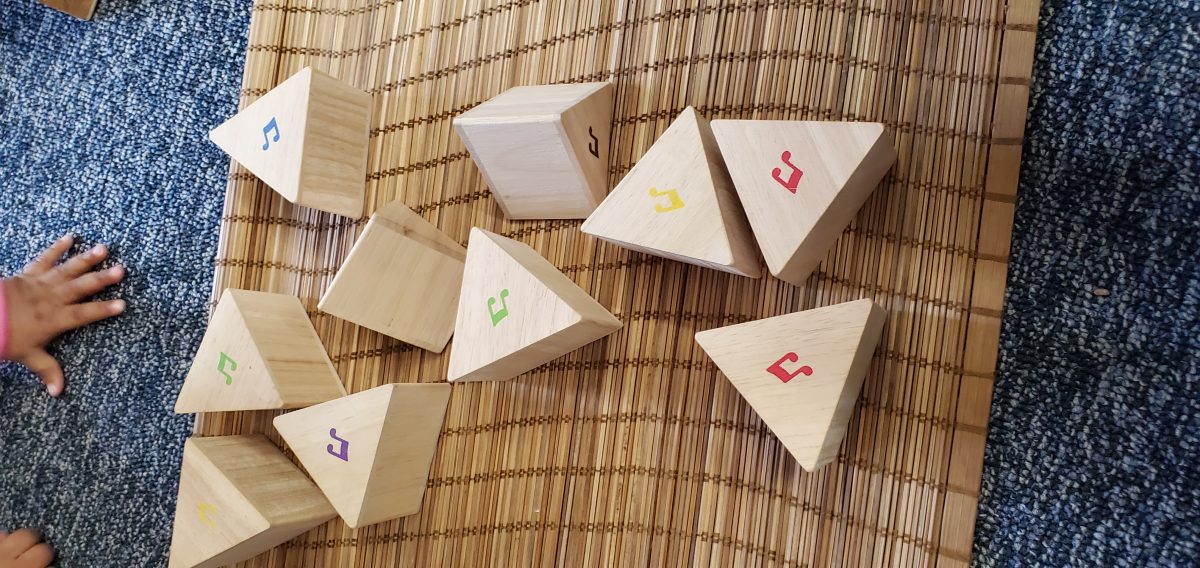
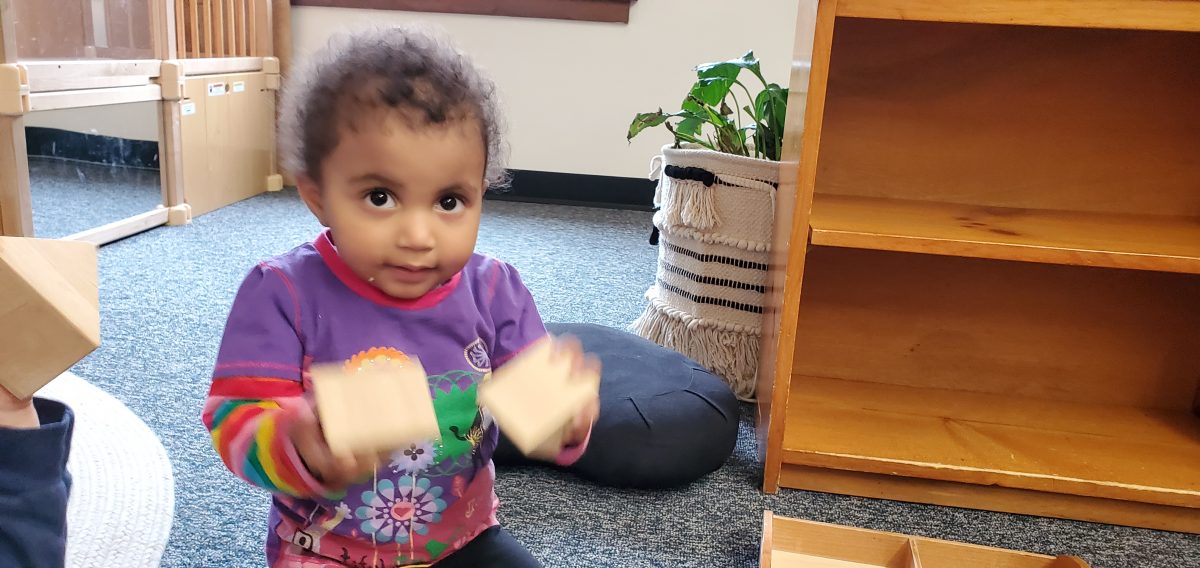
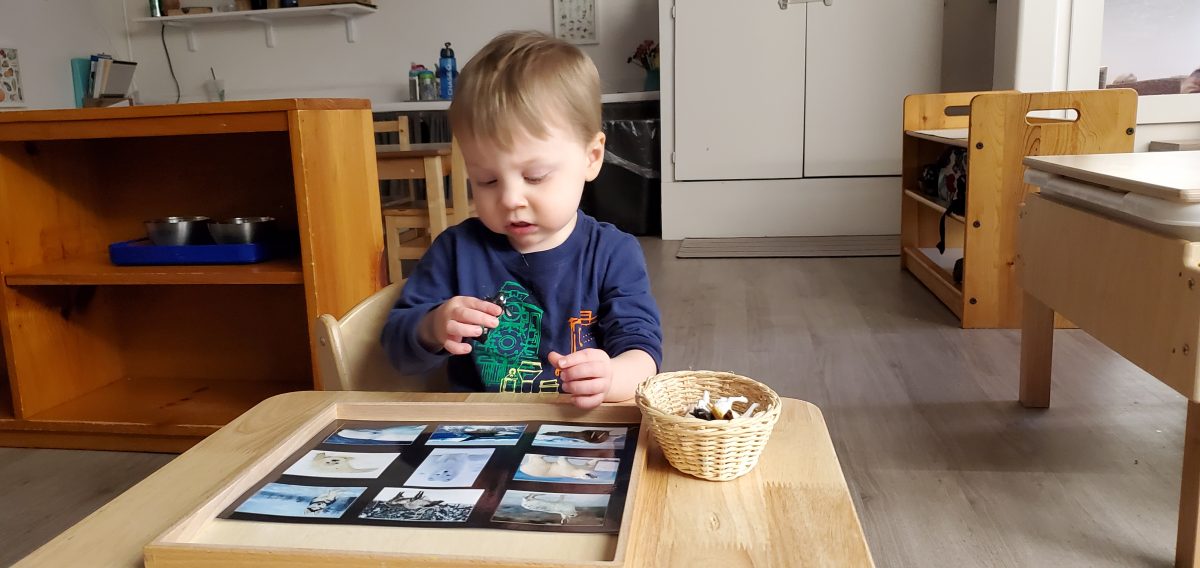
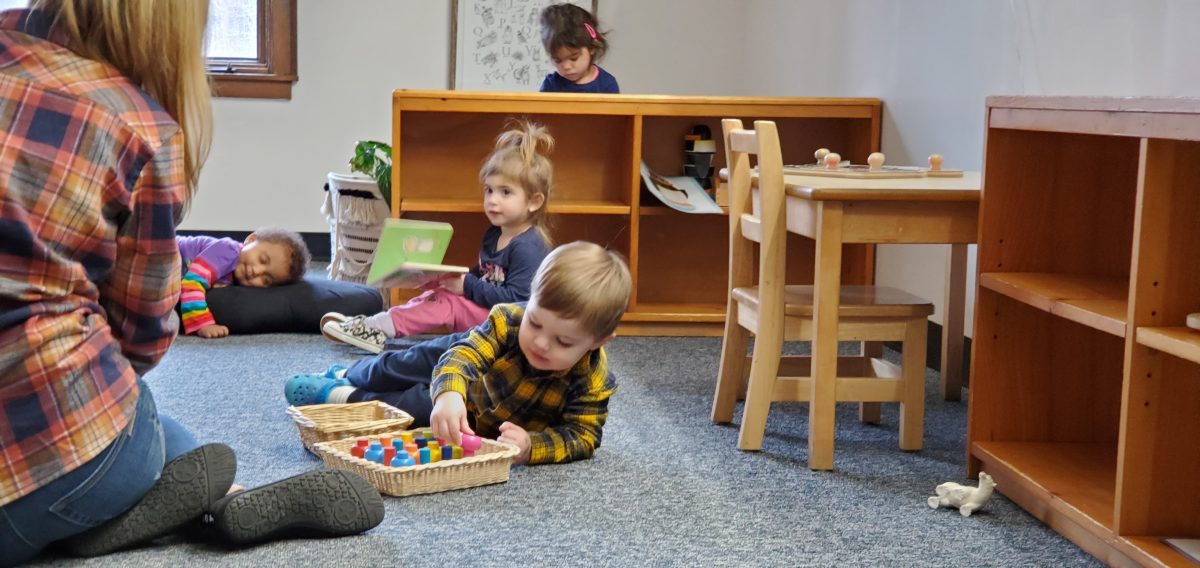
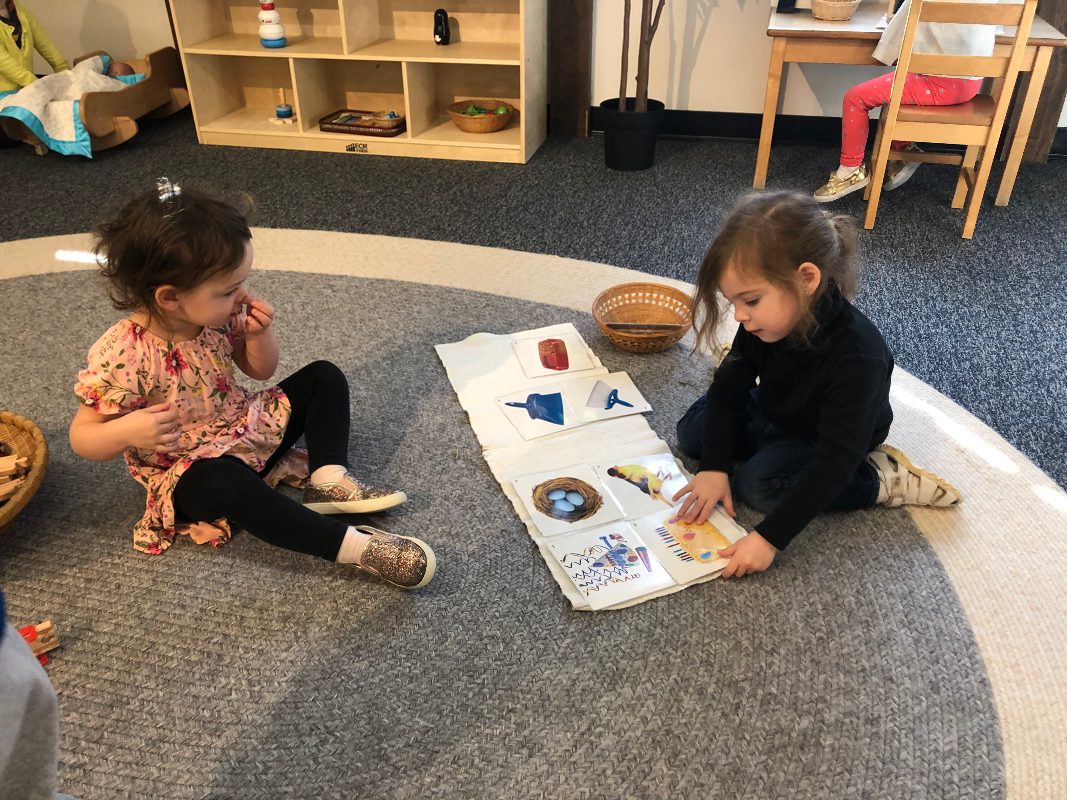
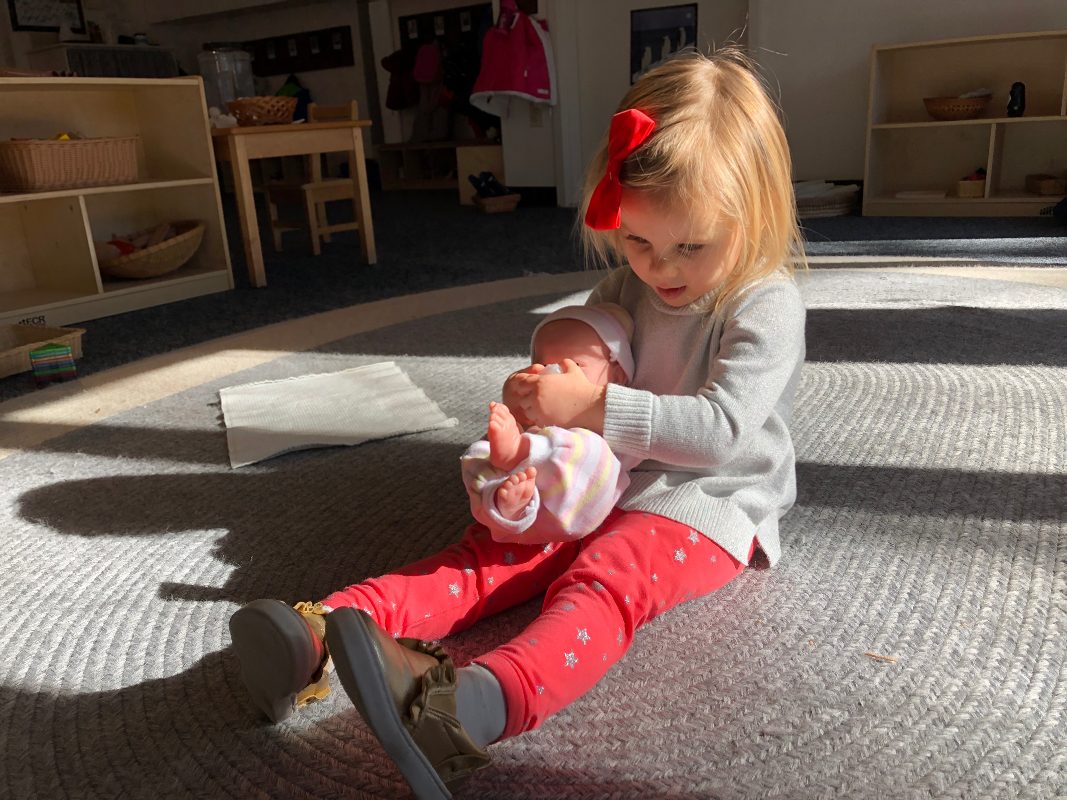
In our toddler environment math can be found in all areas of the classroom, providing indirect foundations for higher-level math skills developed in the Early Childhood environments. Some examples of Toddler math materials include stacking and nesting cubes/bowl/rings, blocks, puzzles, sorting, games, and counting materials. Other mathematical concepts like colors, patterns, shapes, and sizes are also explored daily through play/work.

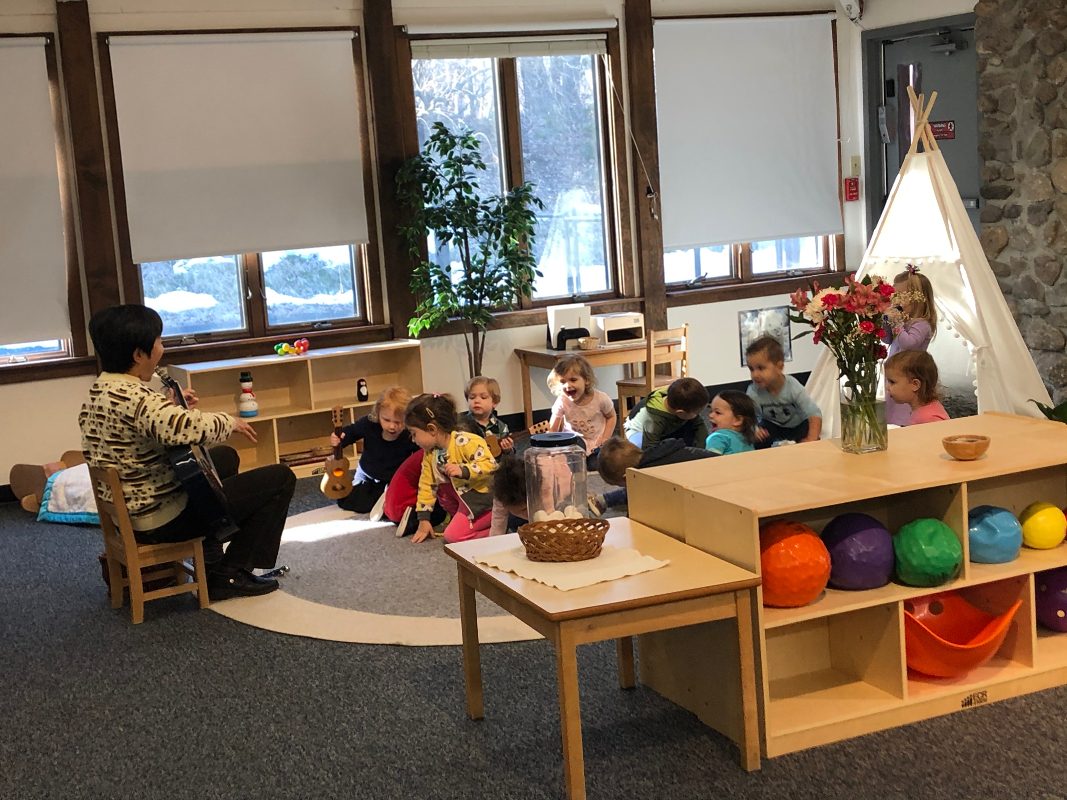
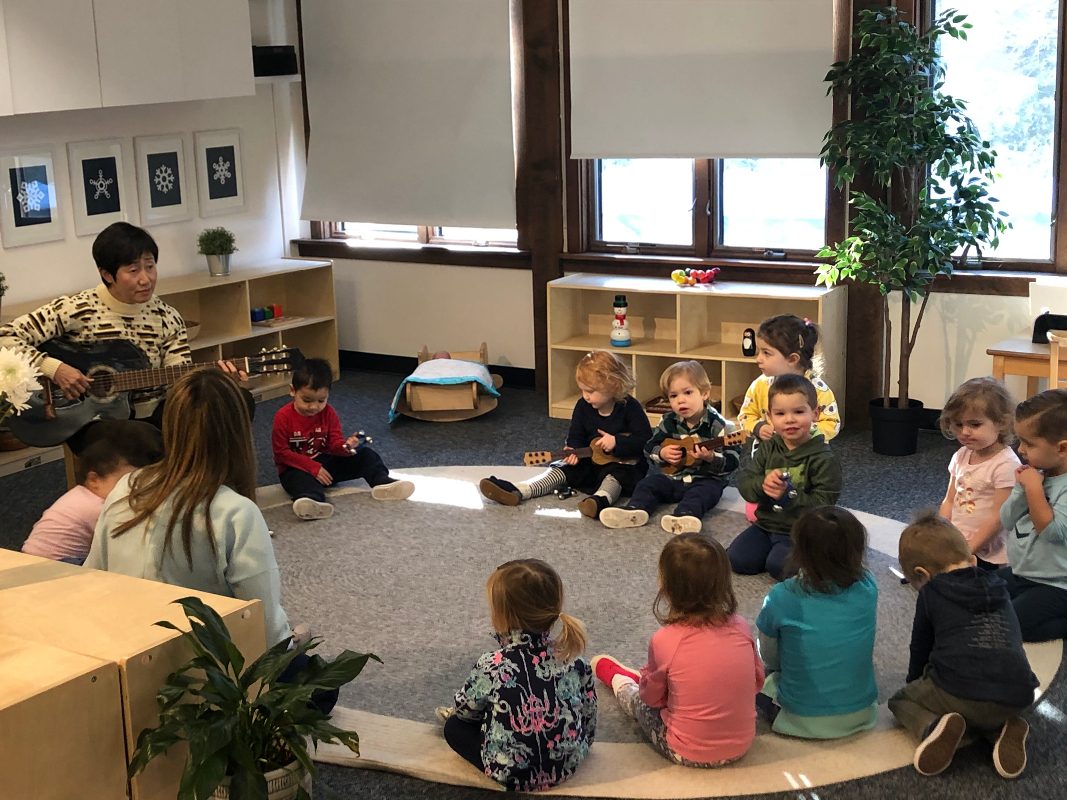
One of the activities children seem to enjoy are concrete exercises such as counting out loud how many peers are present using the magnet pictures they use to transition inside of the environment. Also, how many peers are absent. They love books, songs, and fingerplays that encourage them to count. This week we introduced a lovely fingerplay song called: Five Little Snowmen. As they loved it and kept asking to repeat over and over, I promised them I would send it to you so they could practice it at home and teach it to you.

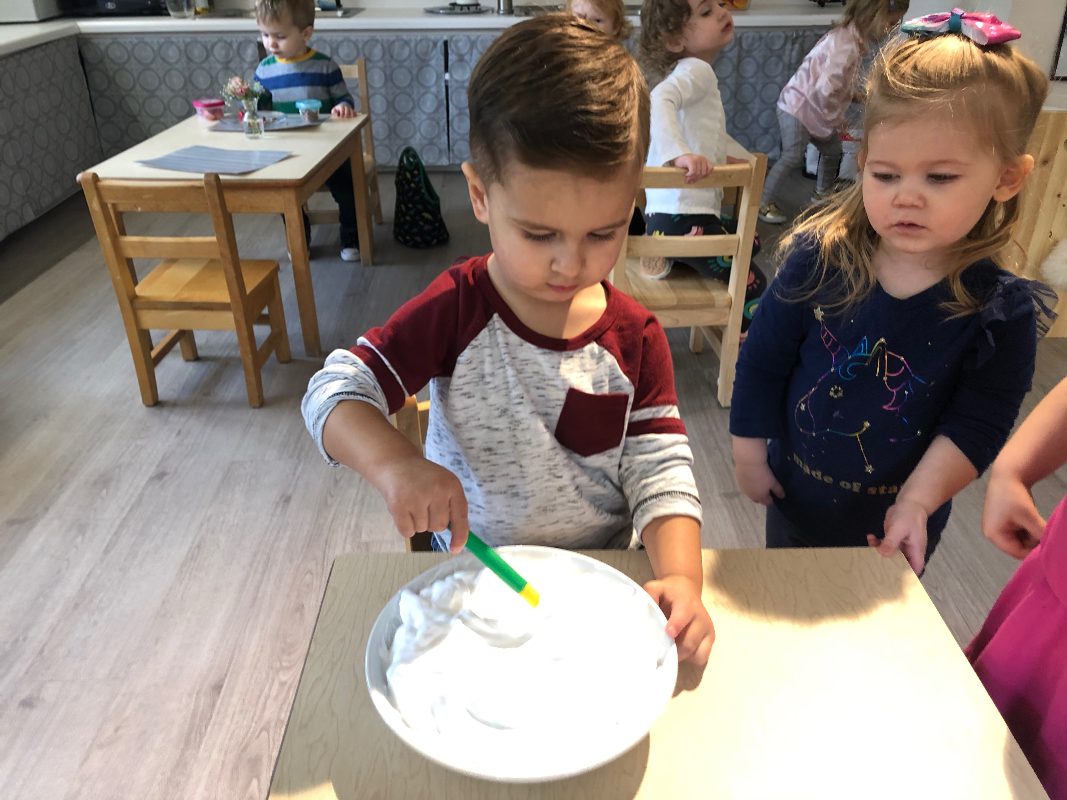
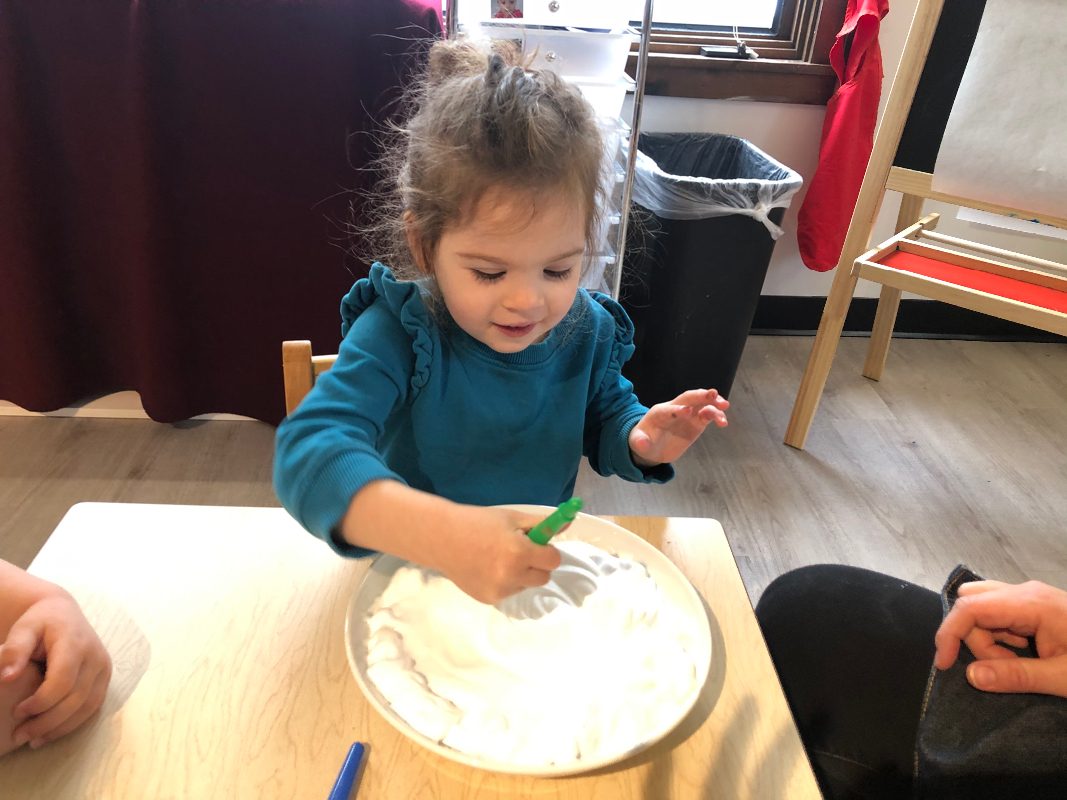
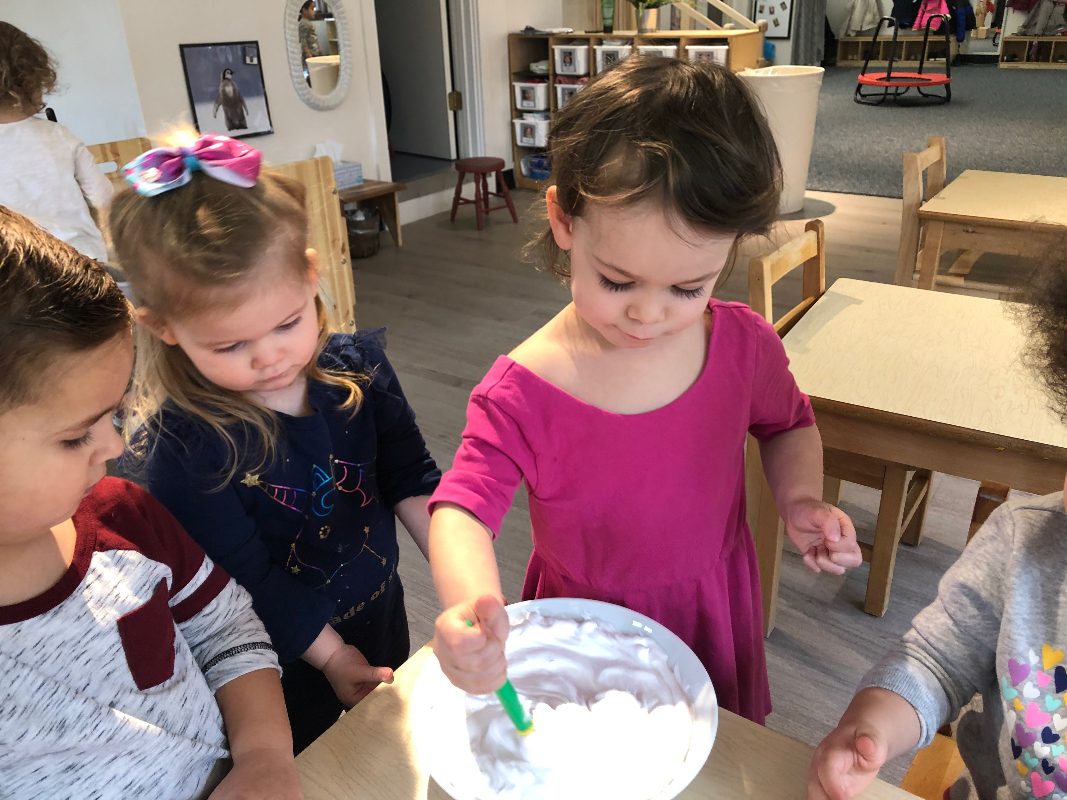
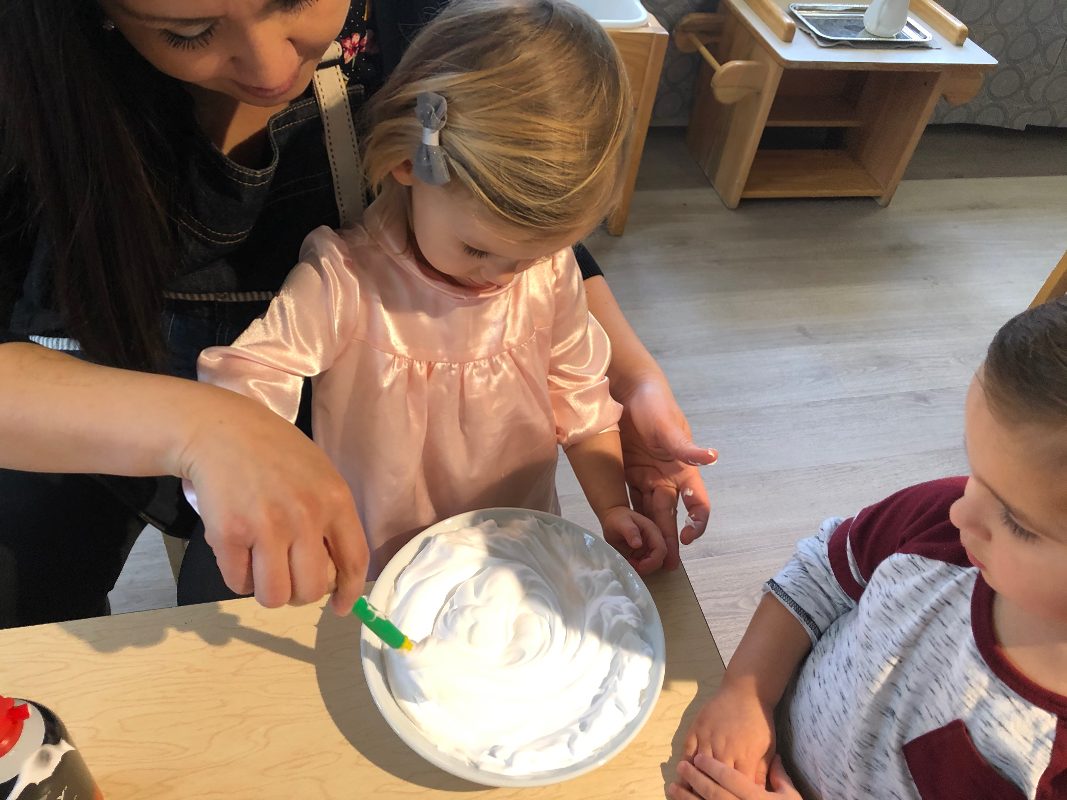
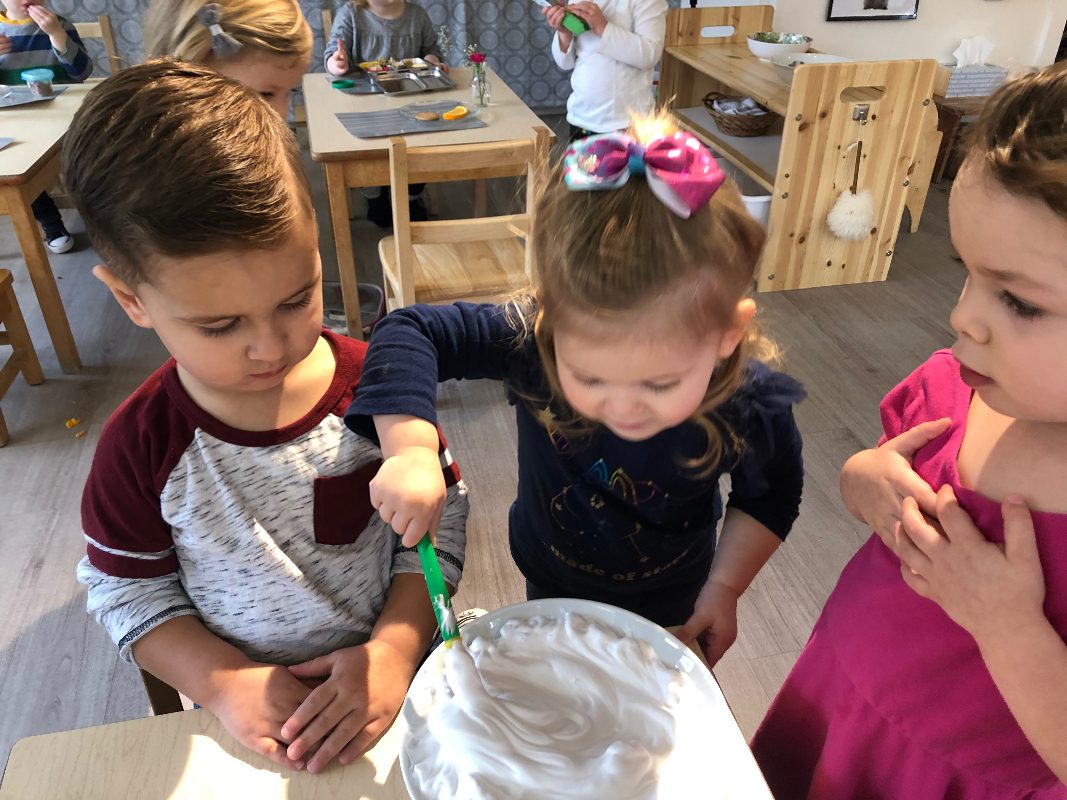
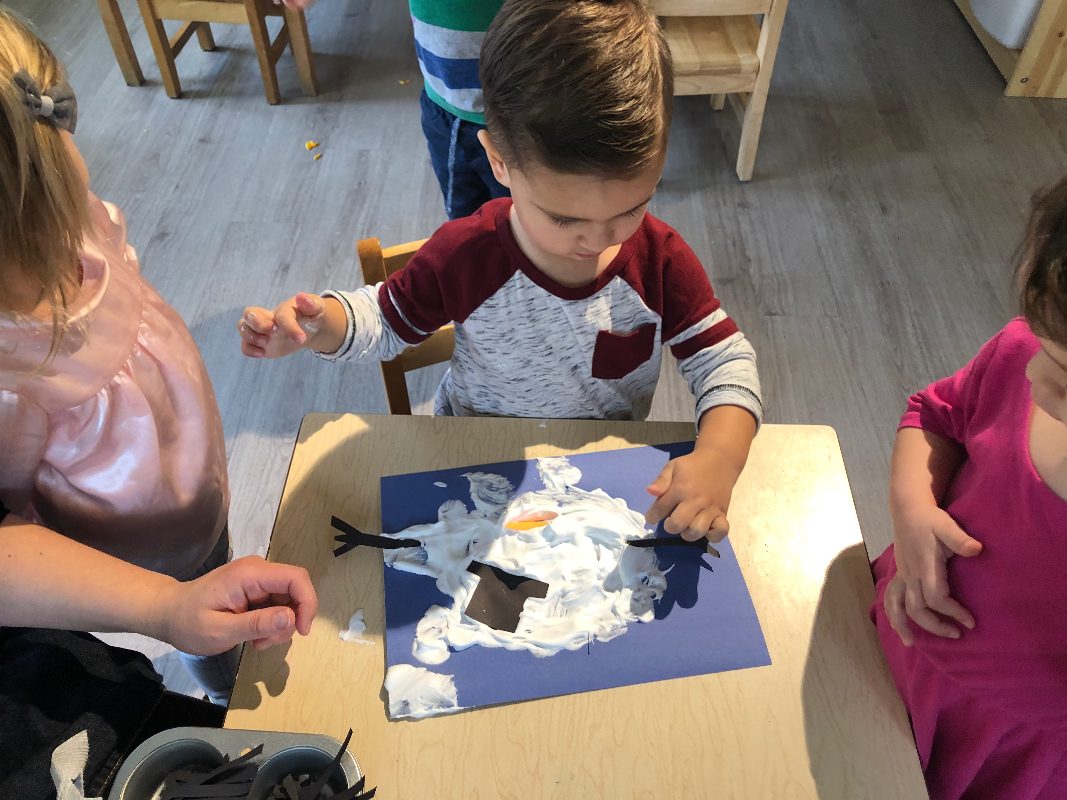
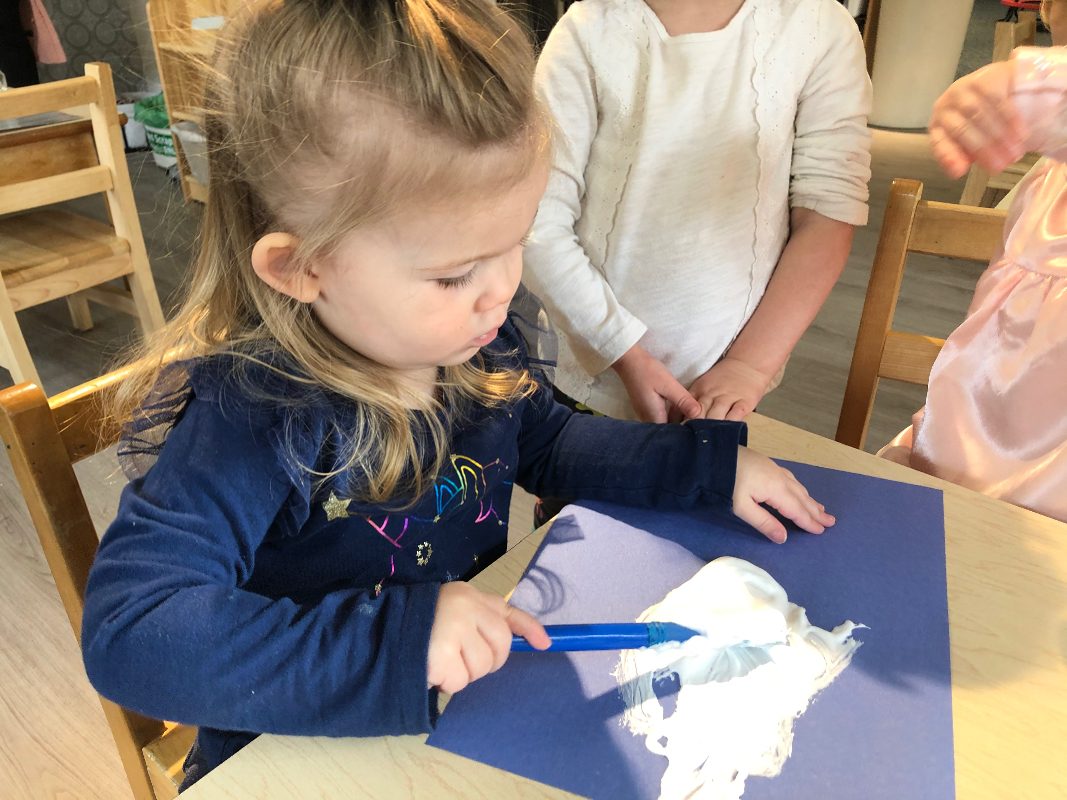
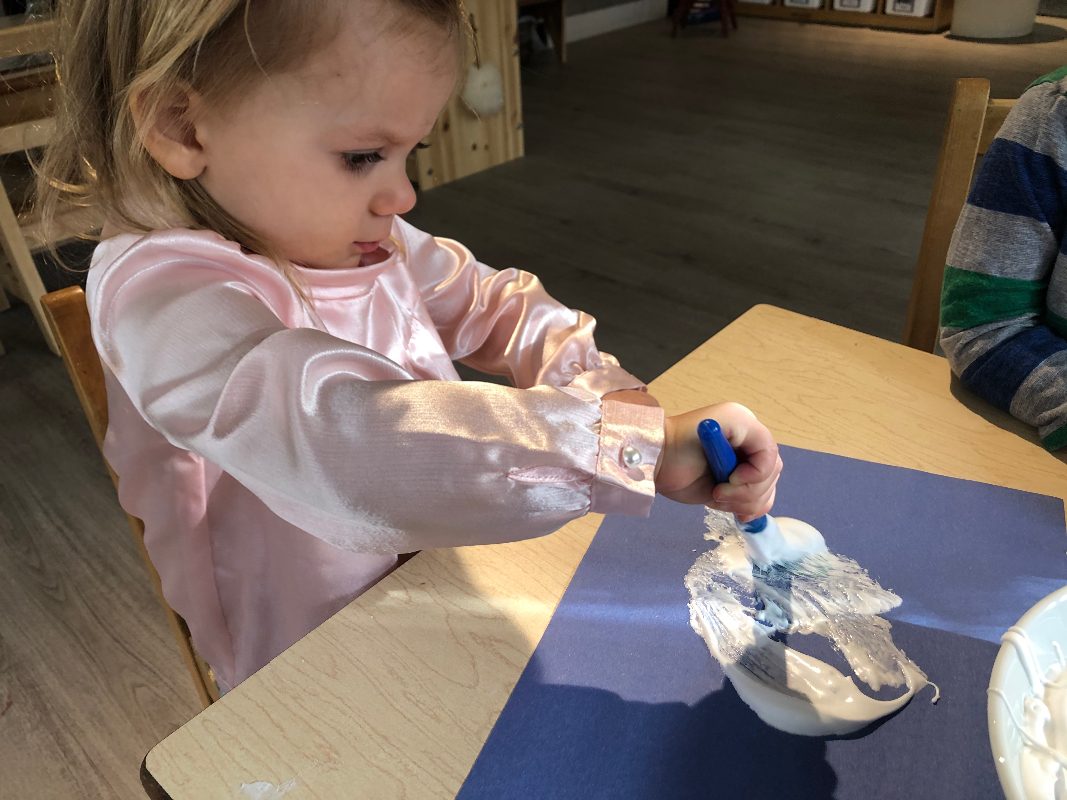
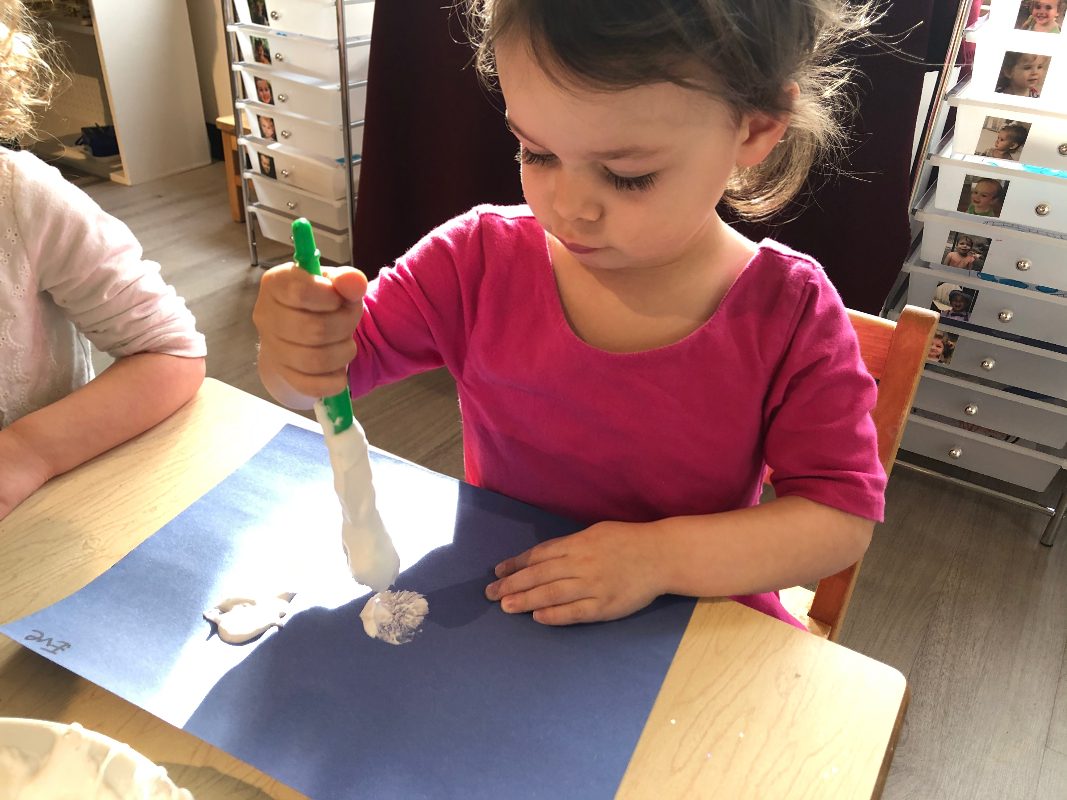
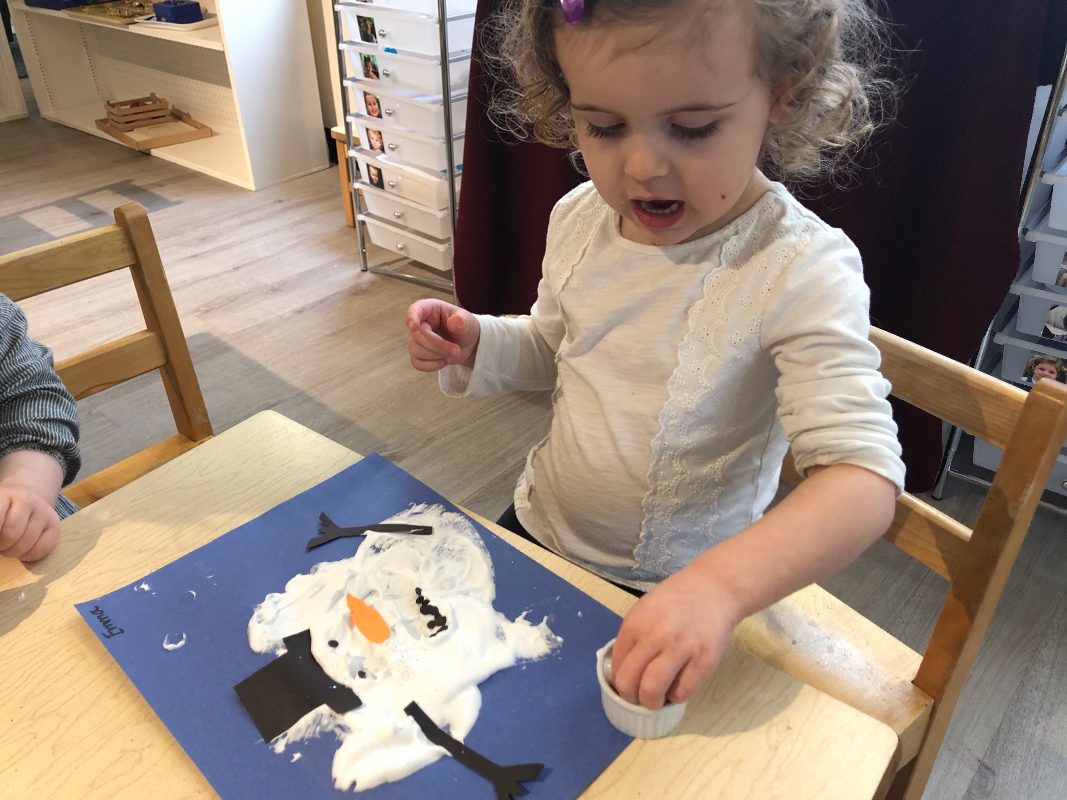
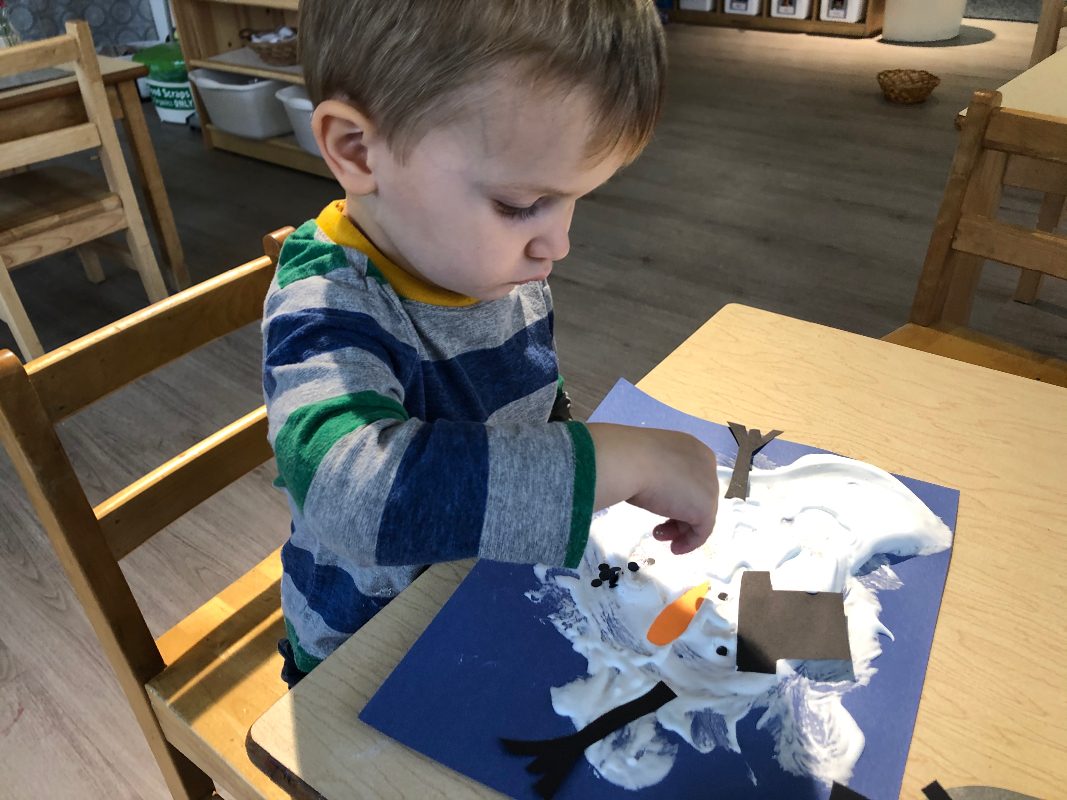
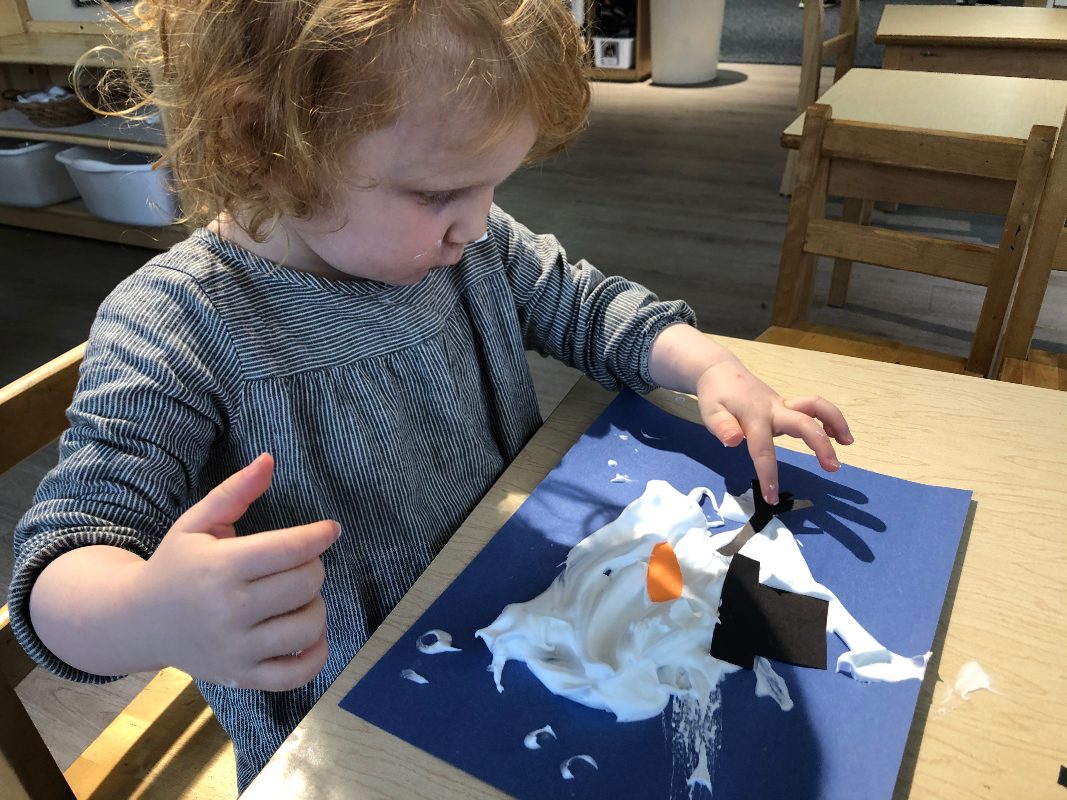
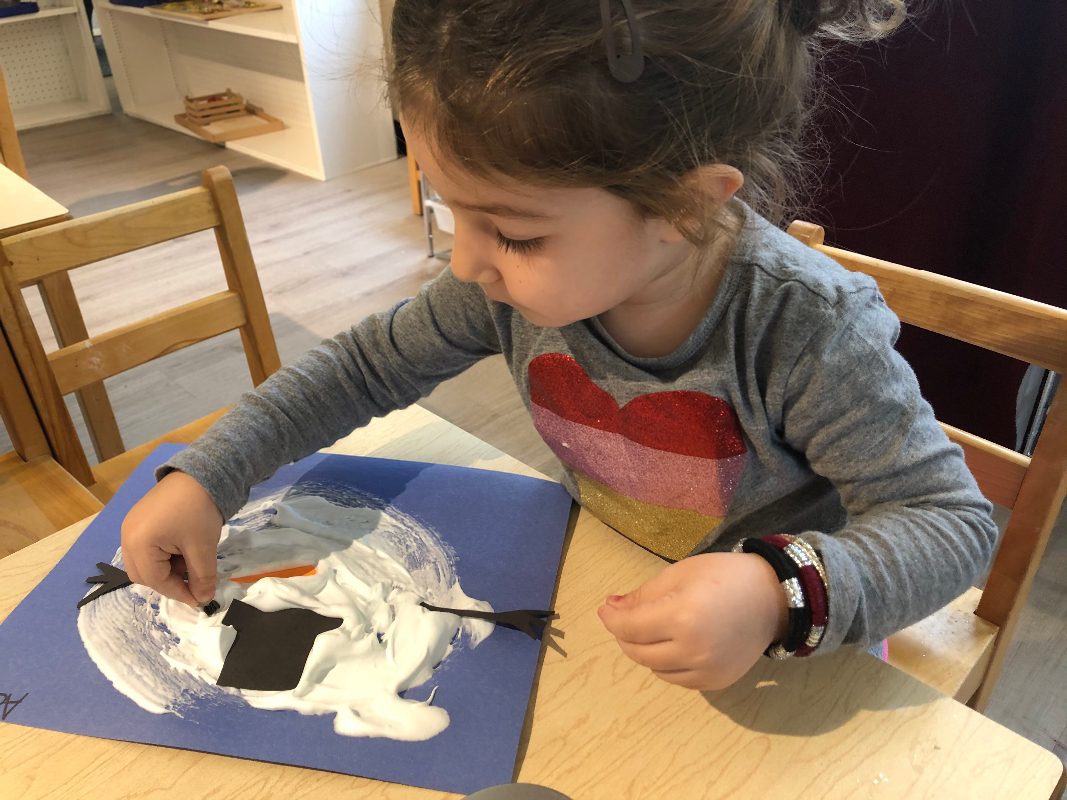
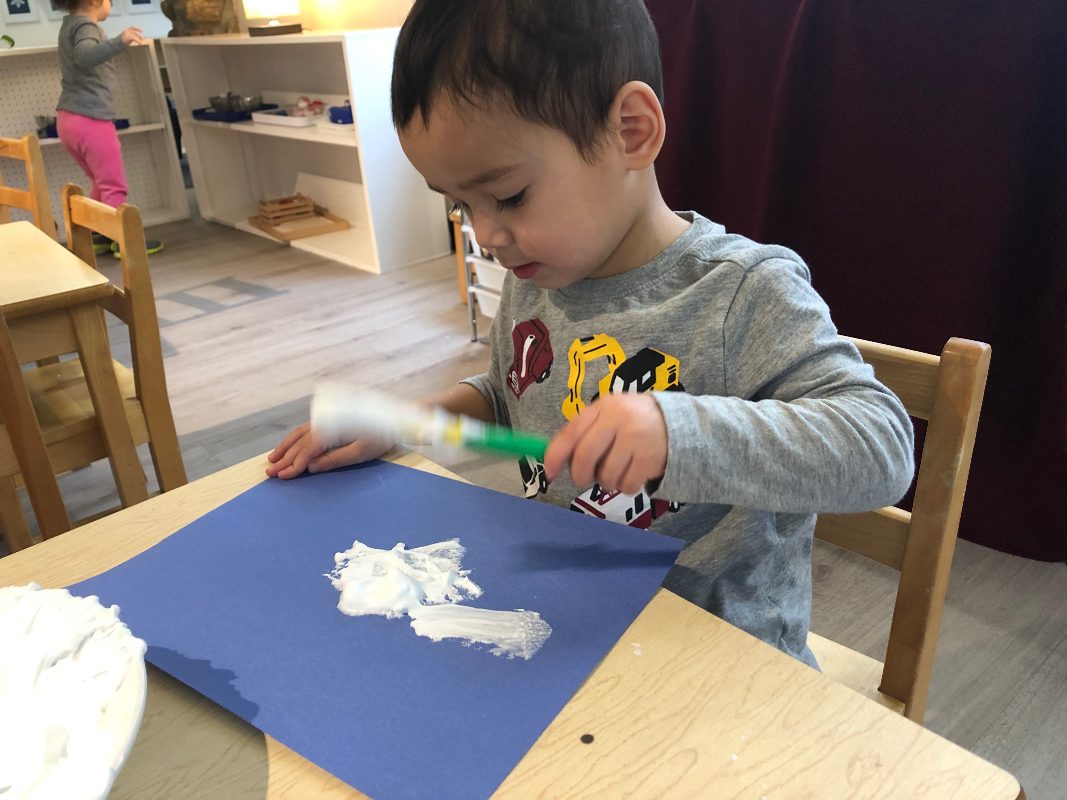
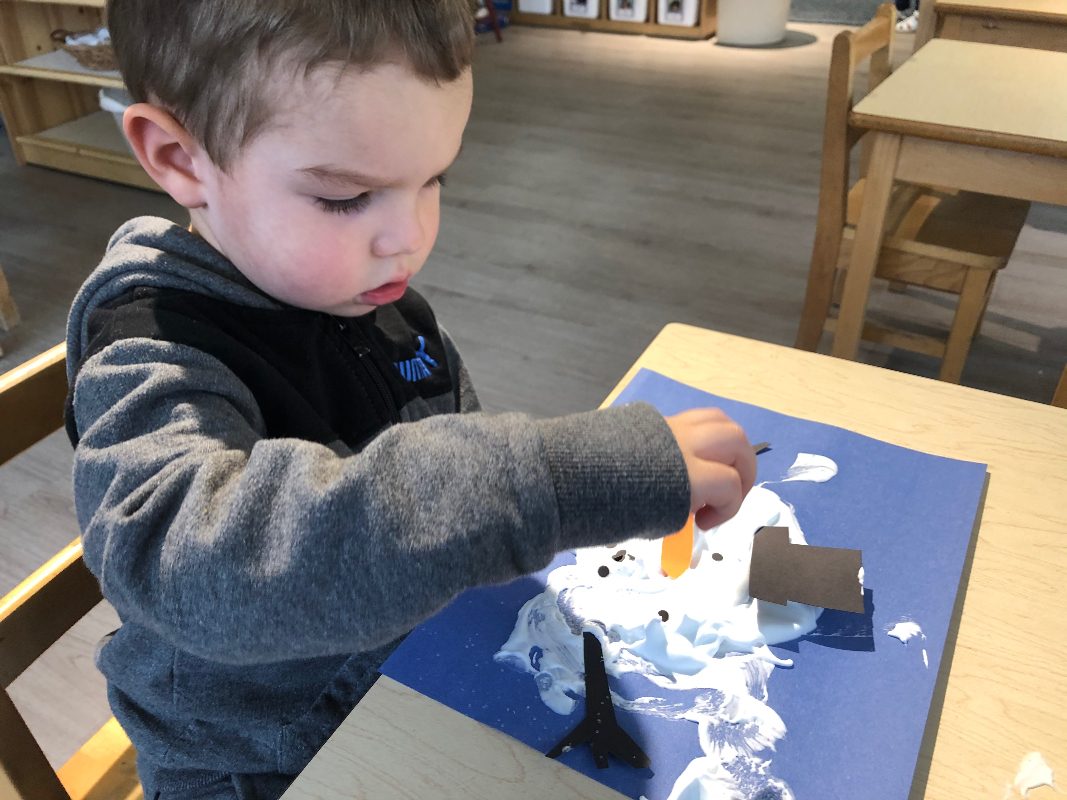
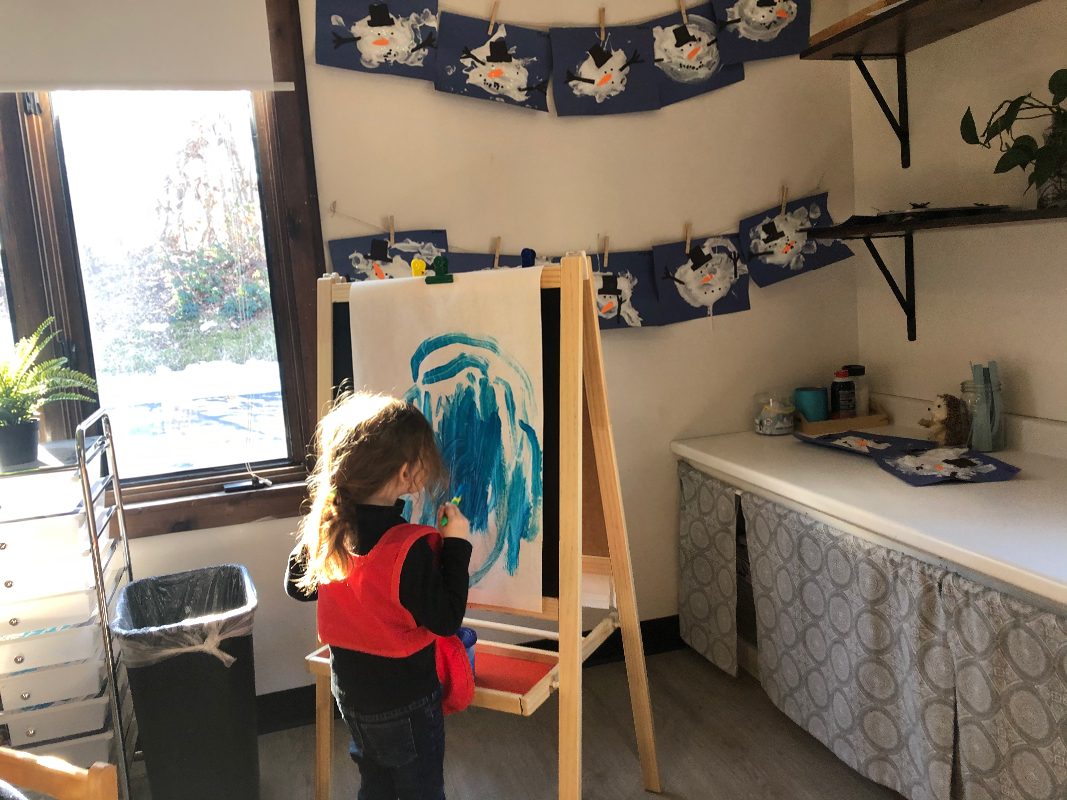
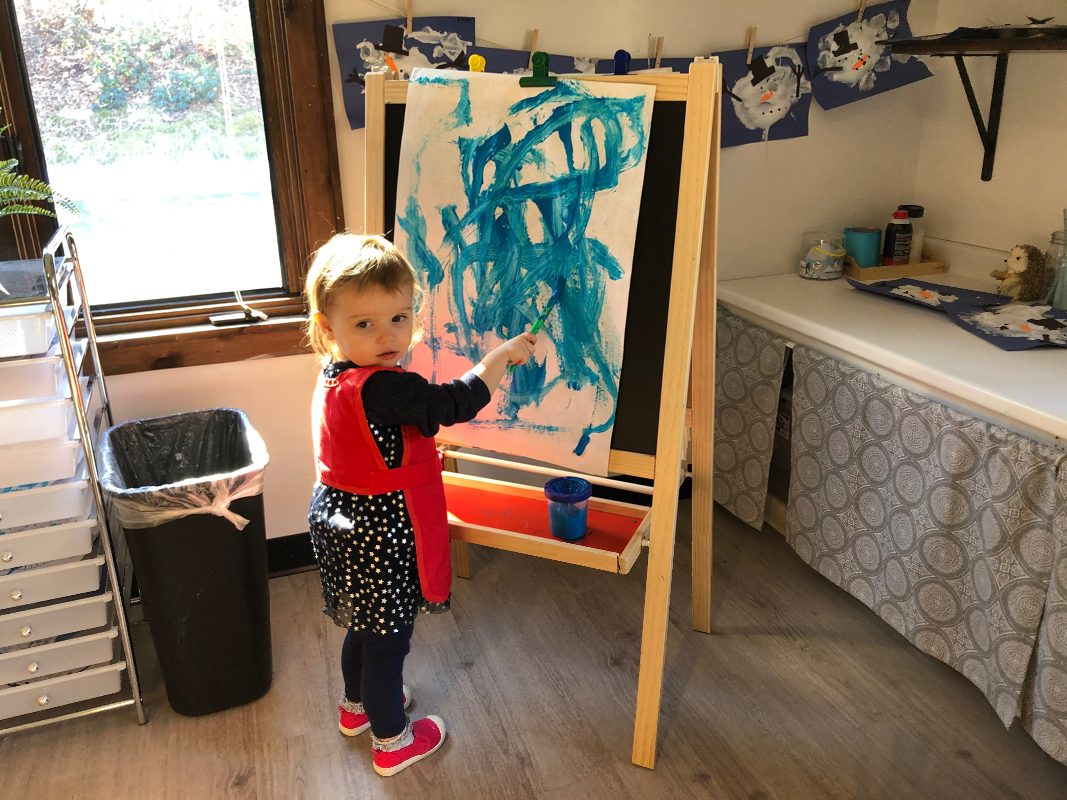
On the subject of snowmen, another highlight of the week was a lovely art piece the children created called: “My Melted Snowman.” Children had fun helping me mix glue and shaving cream to create snow puff paint and then explore the mixture while painting their own piece of art. They added a hat, arms, nose, eyes, and smile as they pleased, finishing it with the magic of glitter. Even though the result was adorable, it seems what they loved the most was the experience and process of this fun project. Their smiles throughout the activity were just priceless.

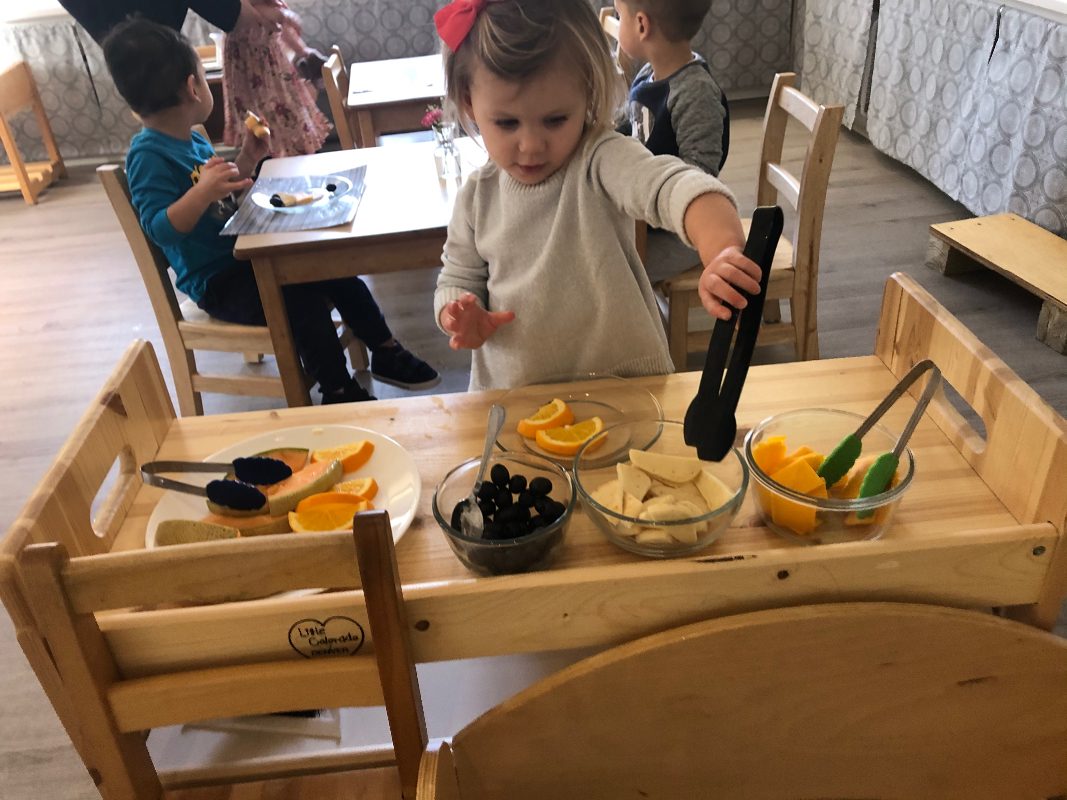
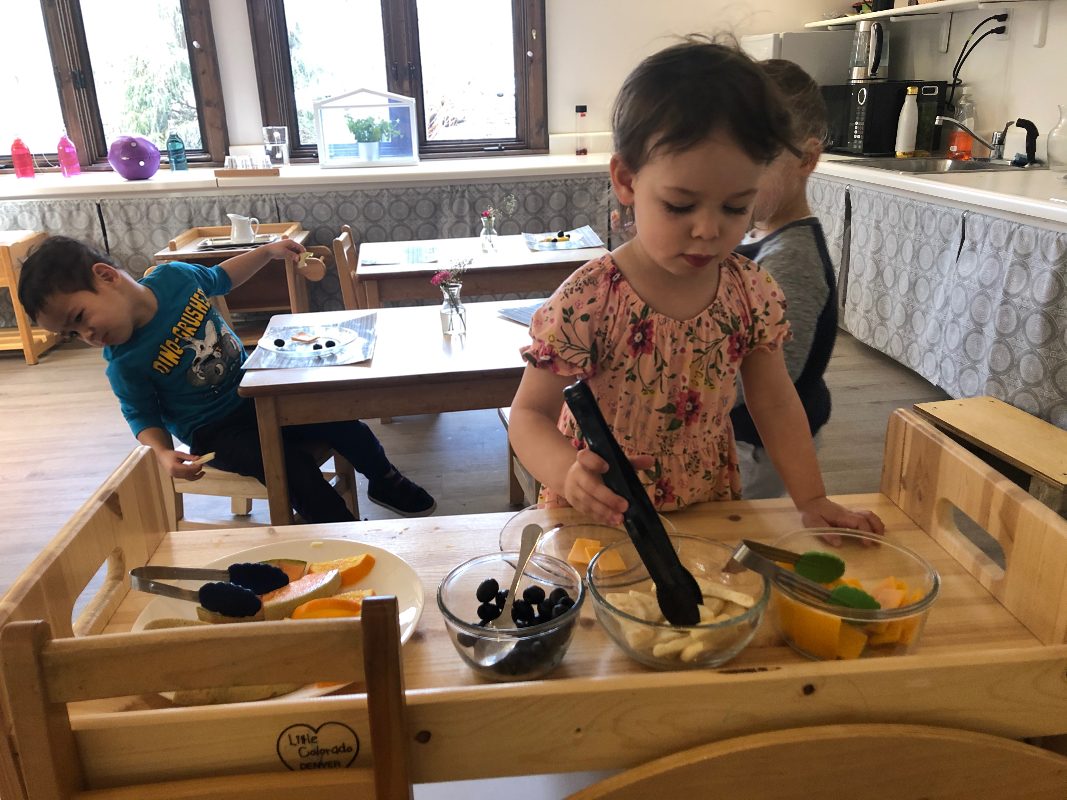
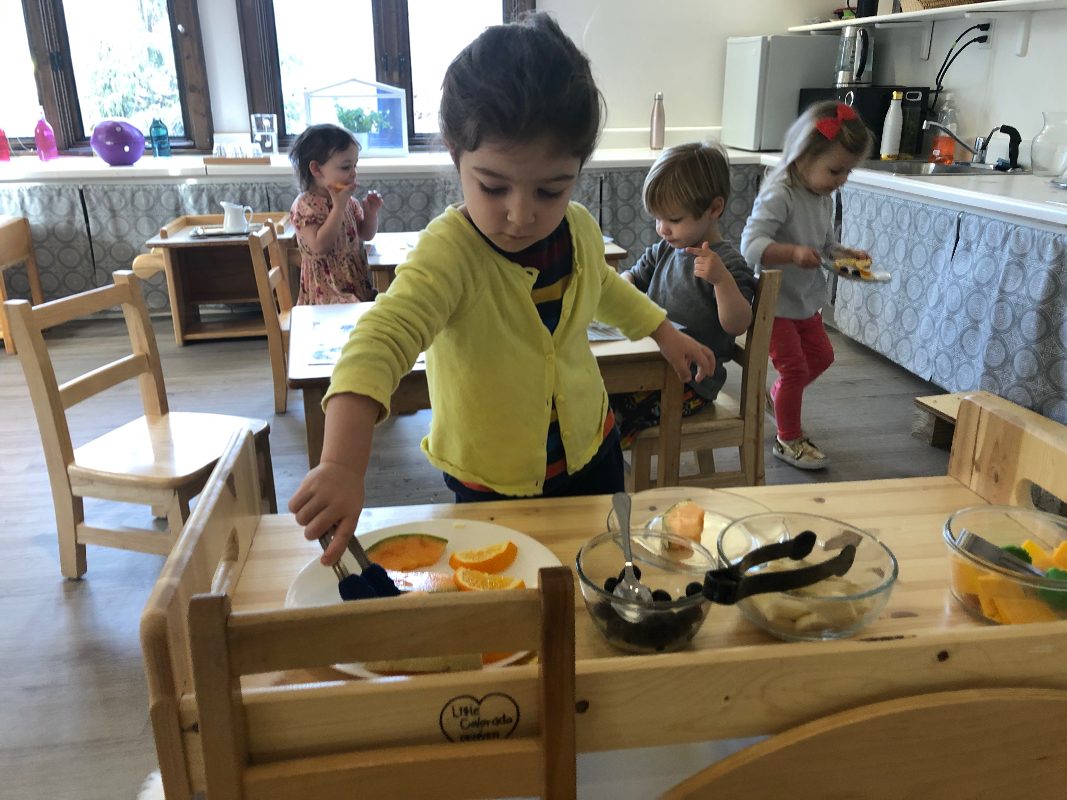
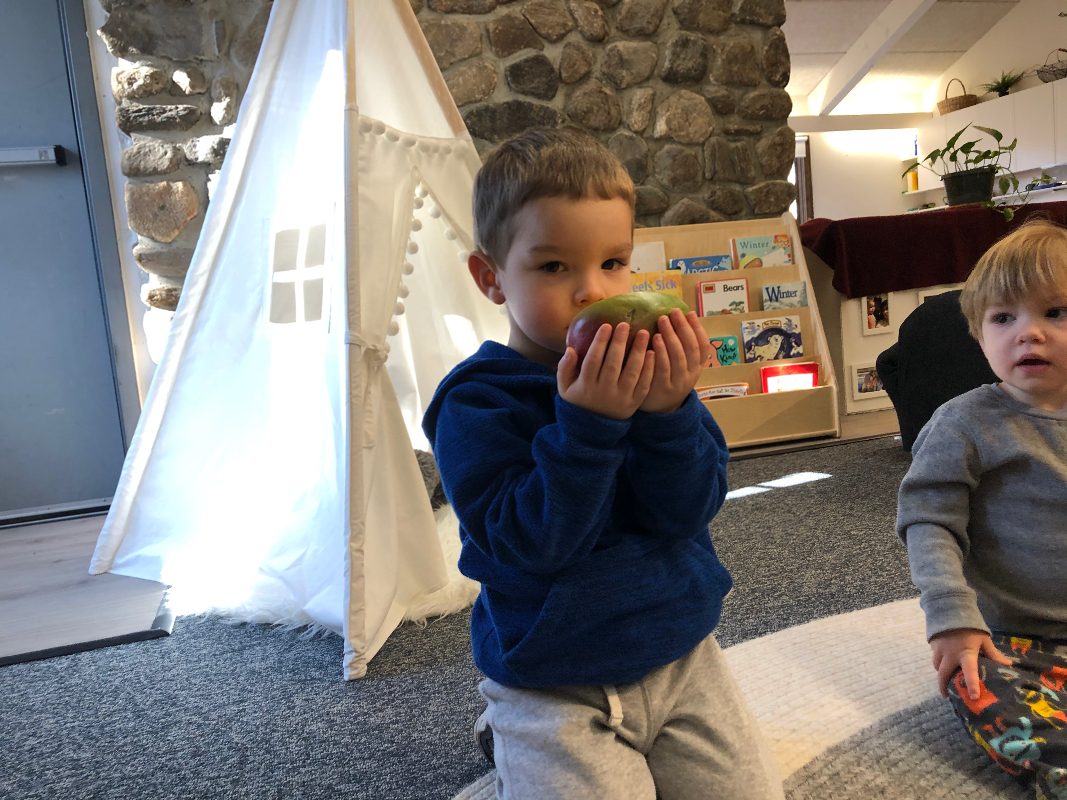
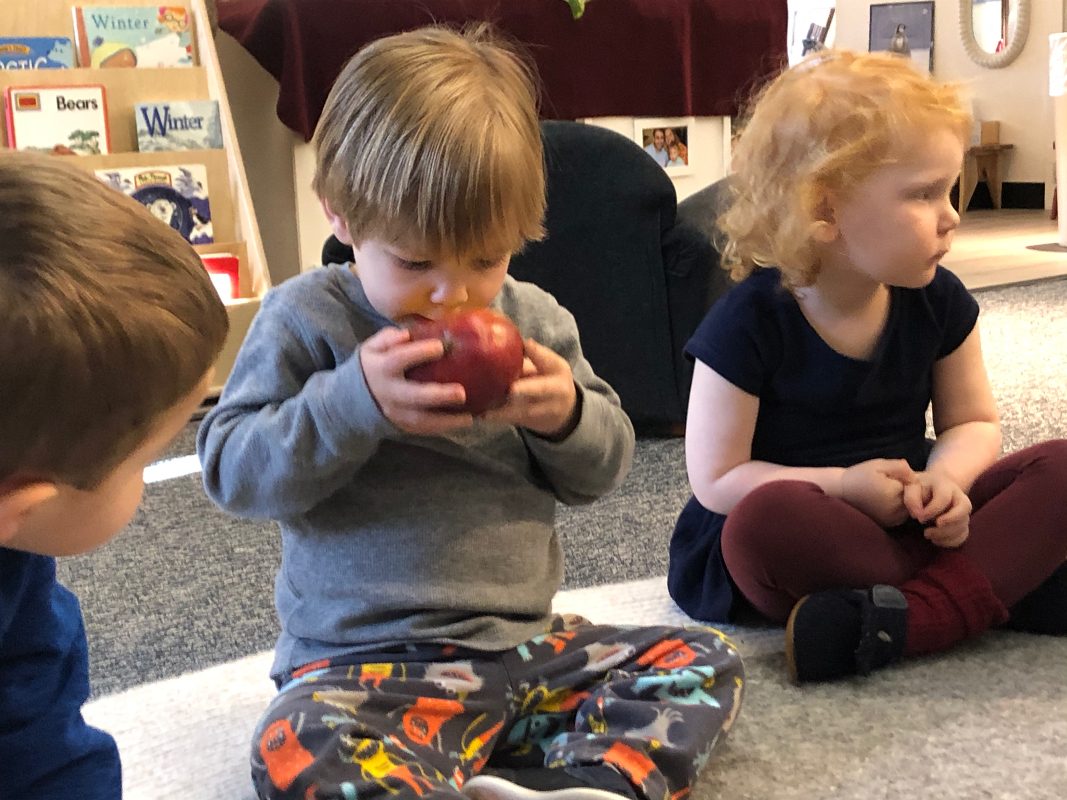
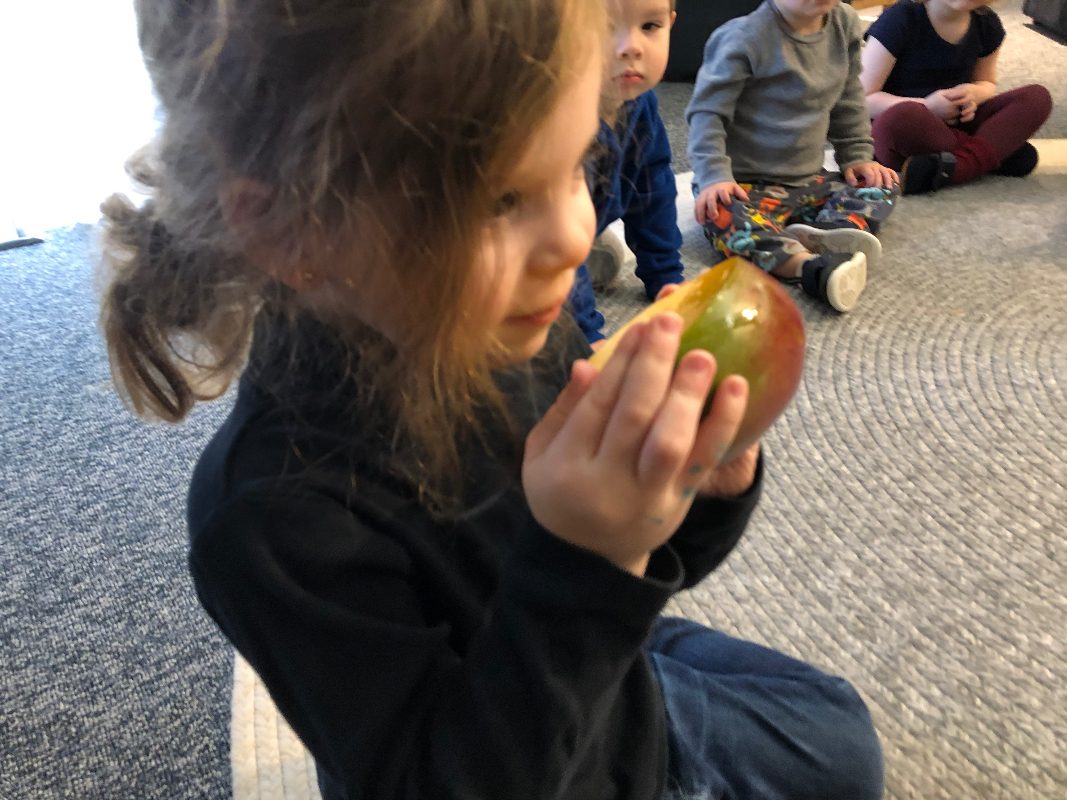
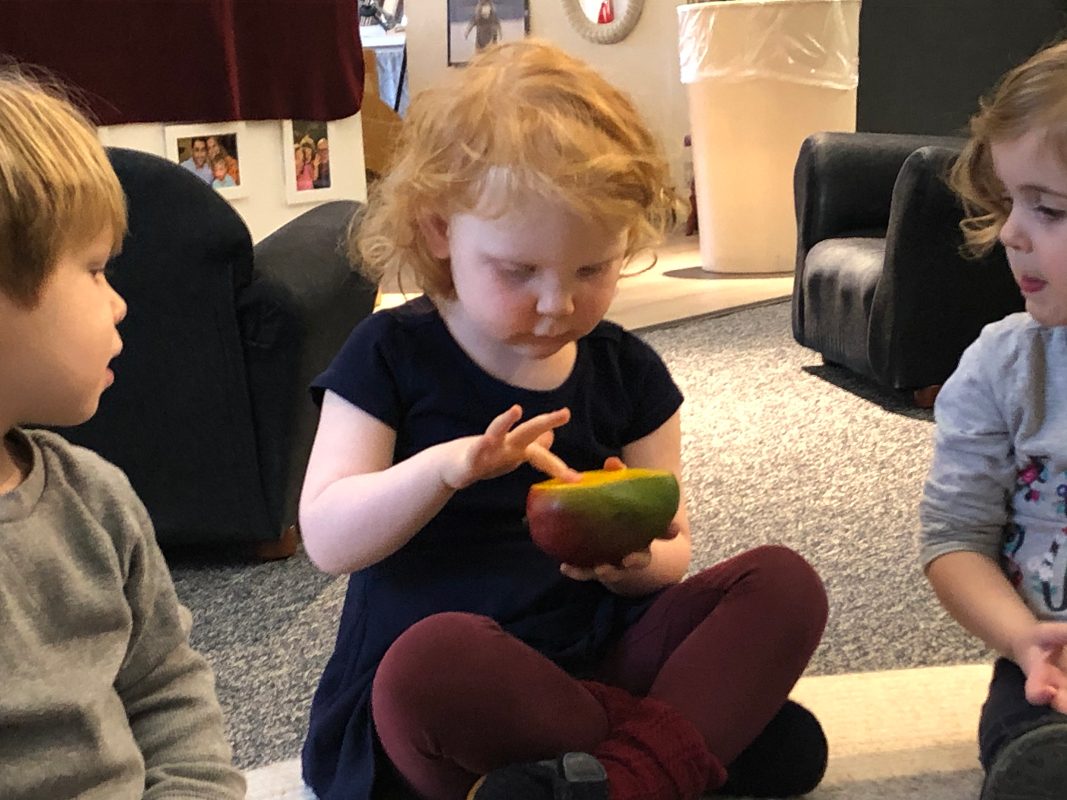
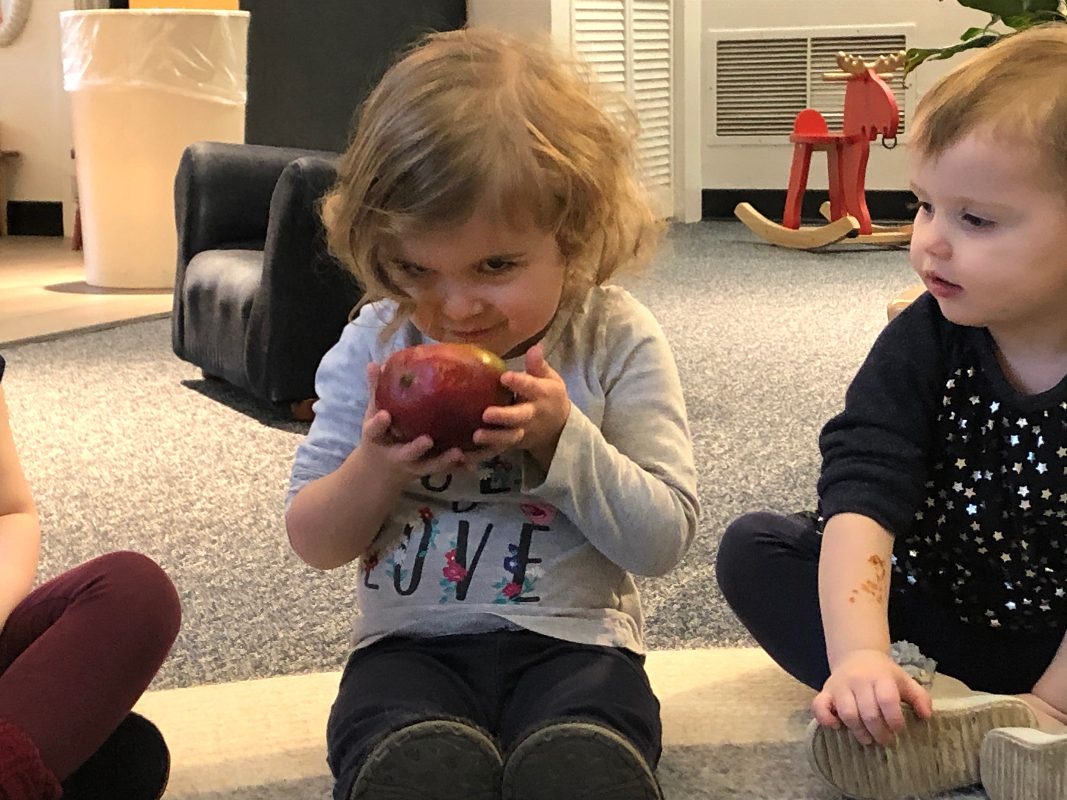
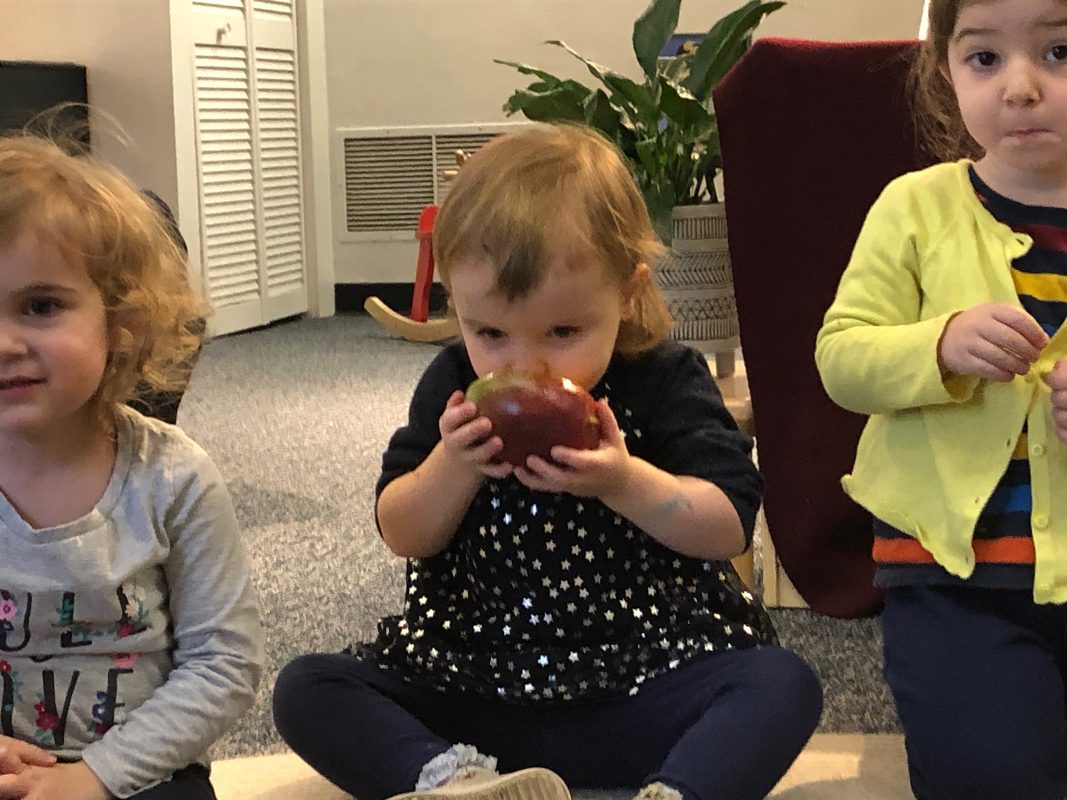
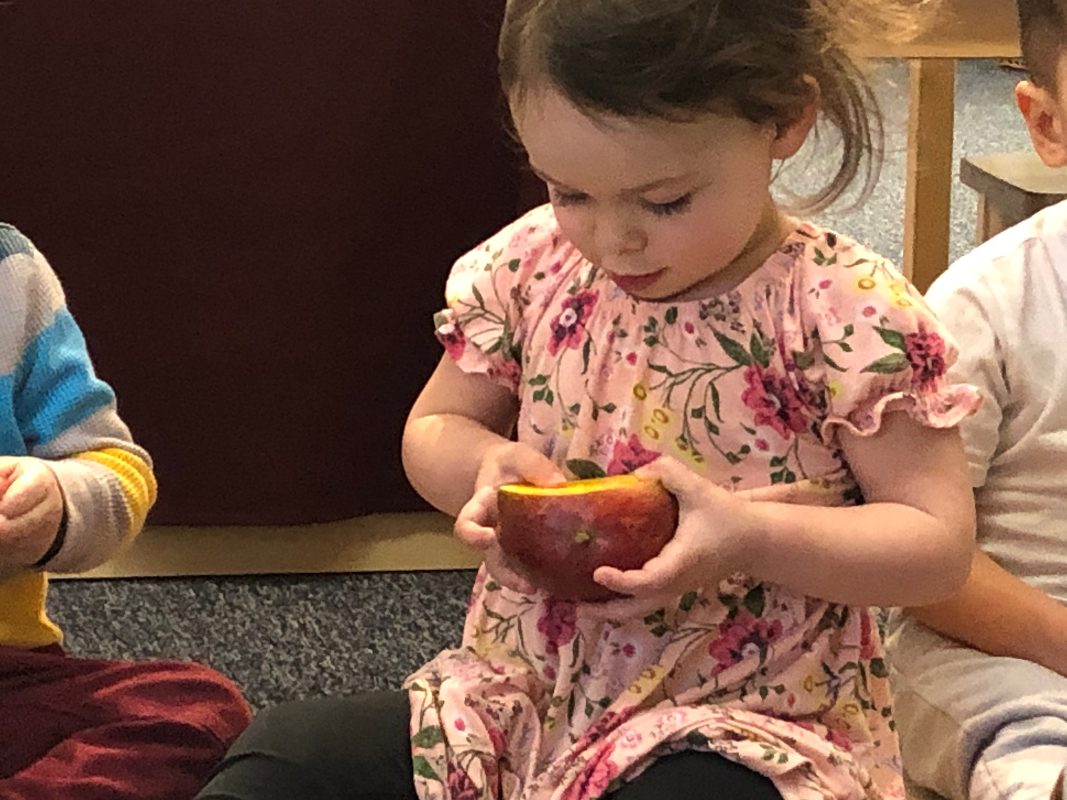
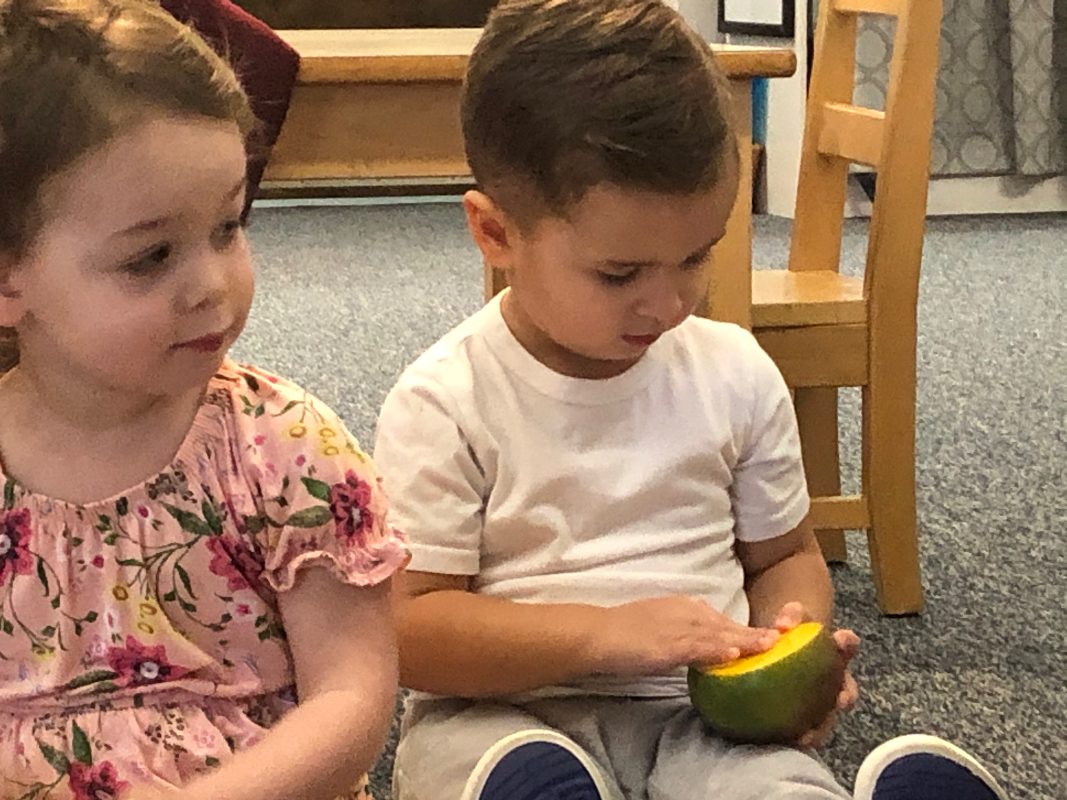
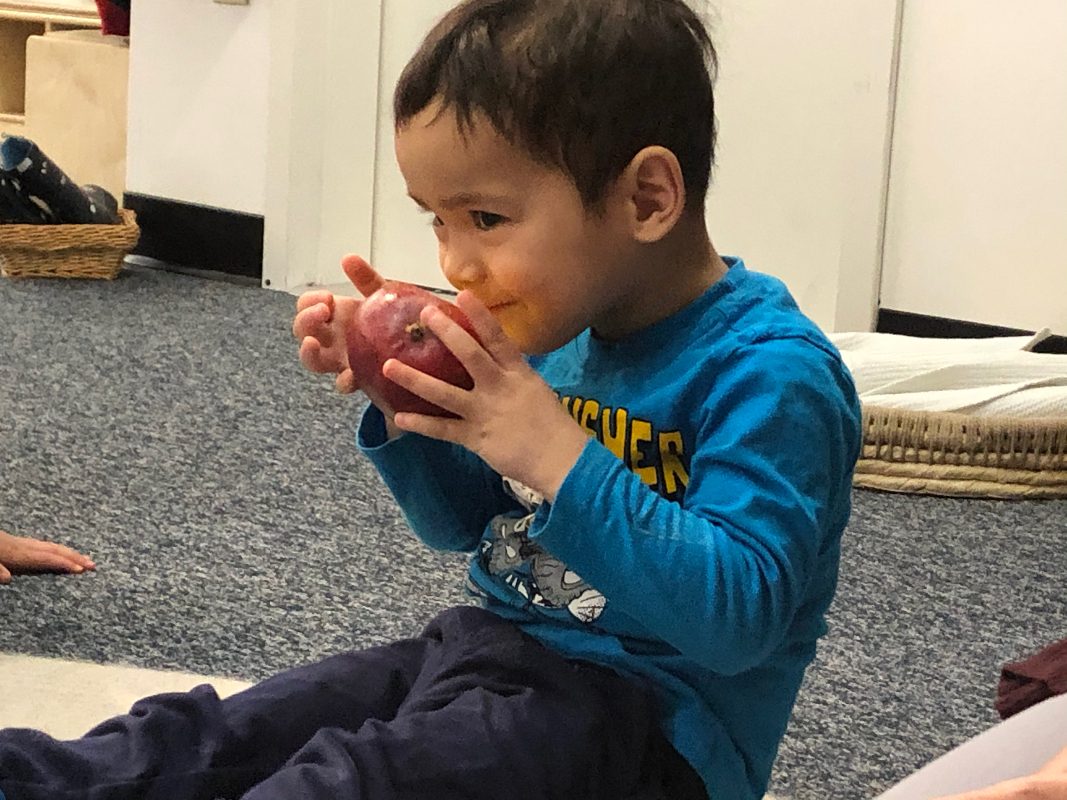
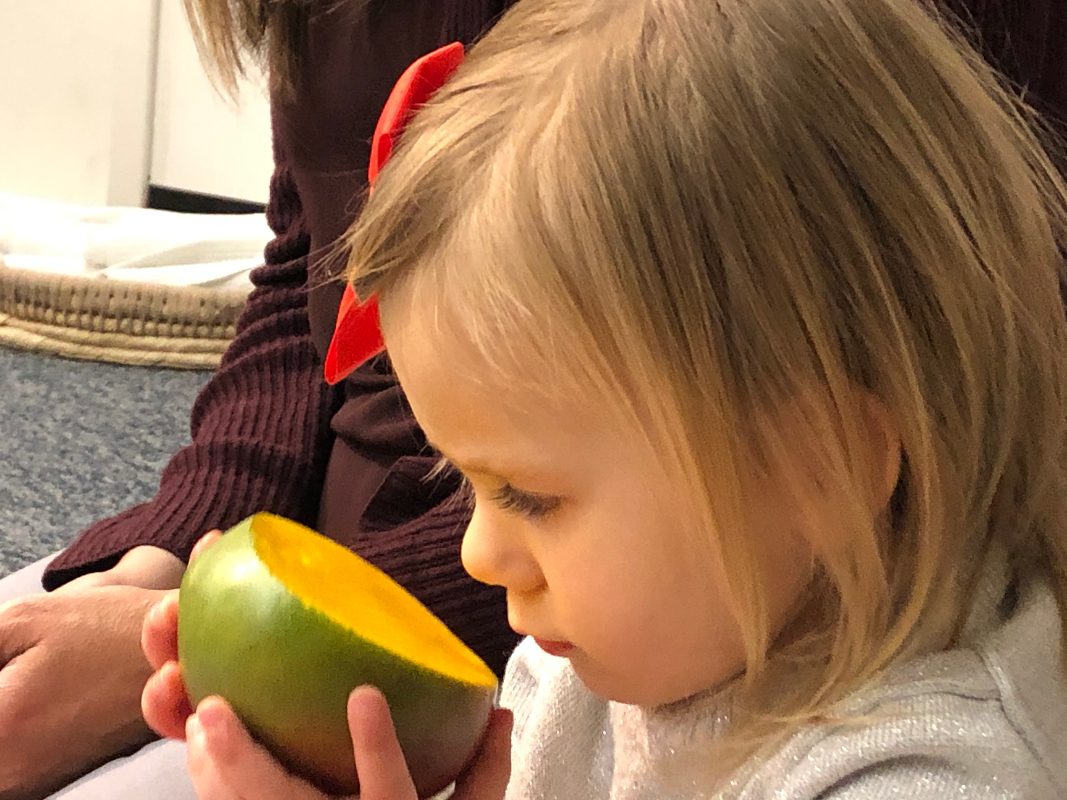
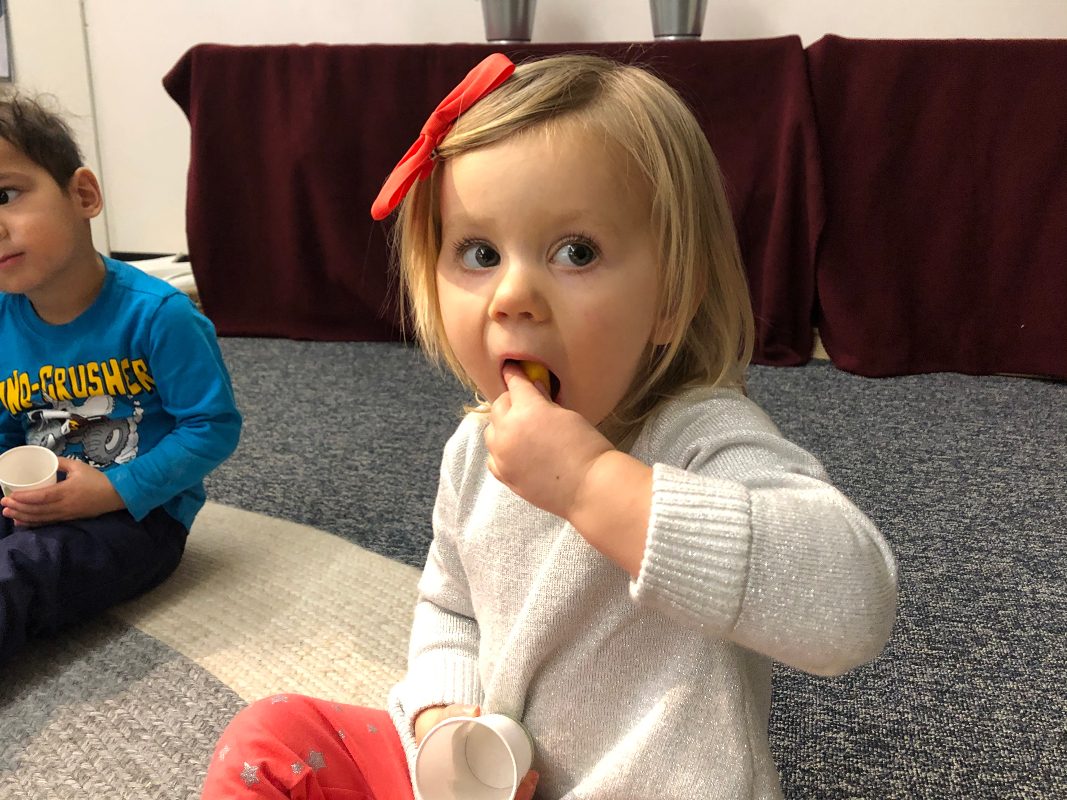
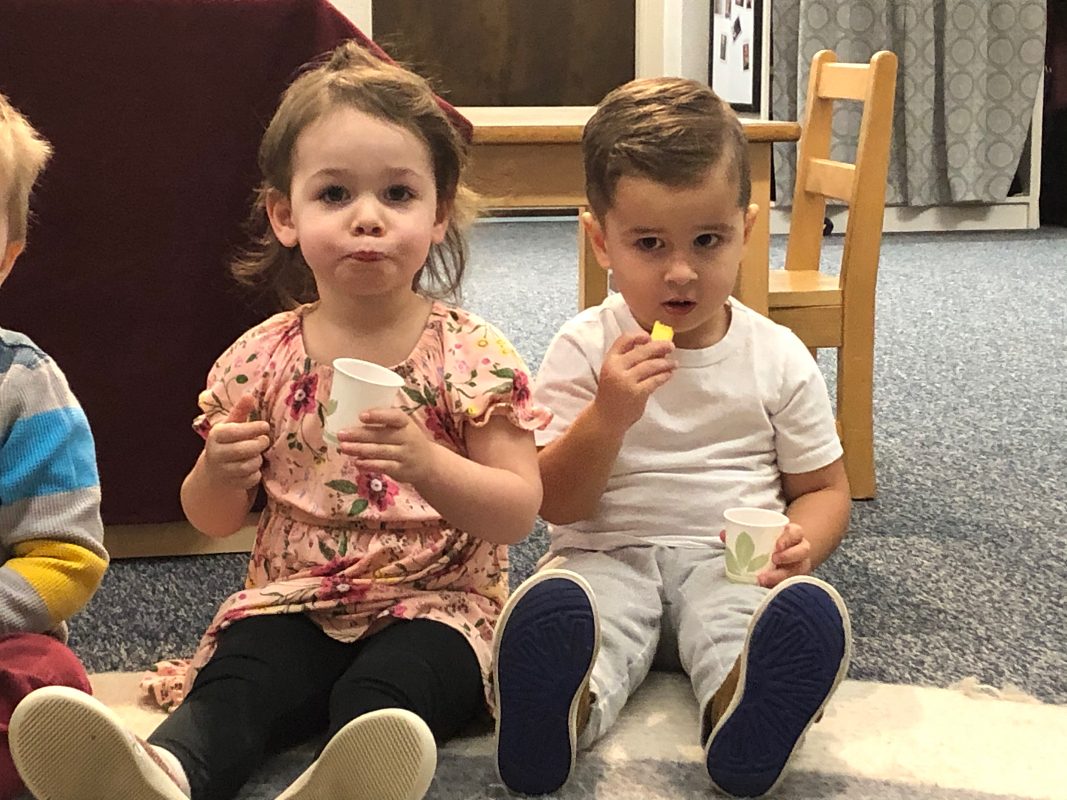
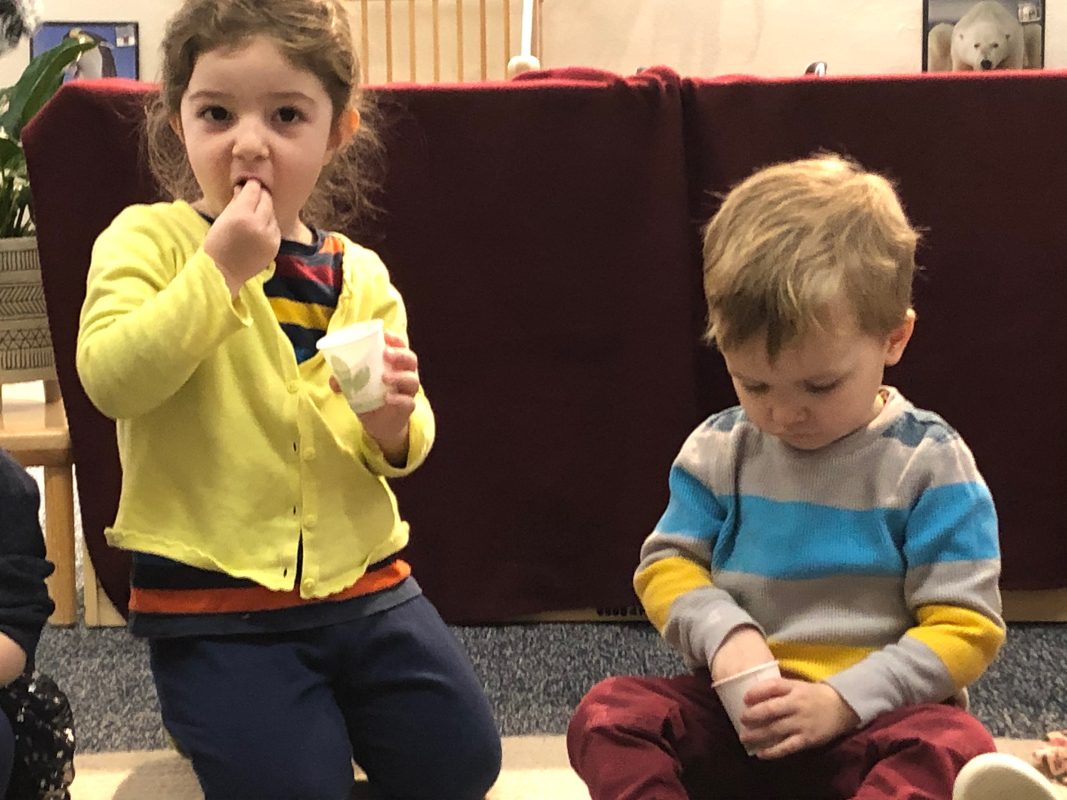
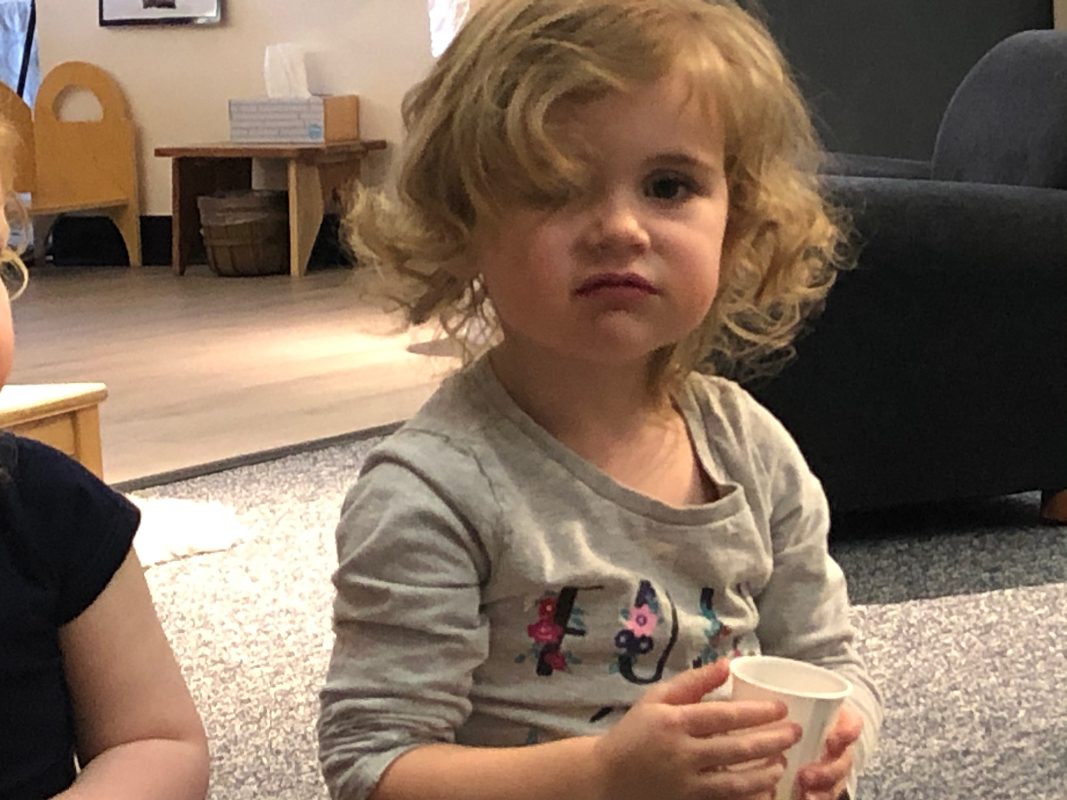
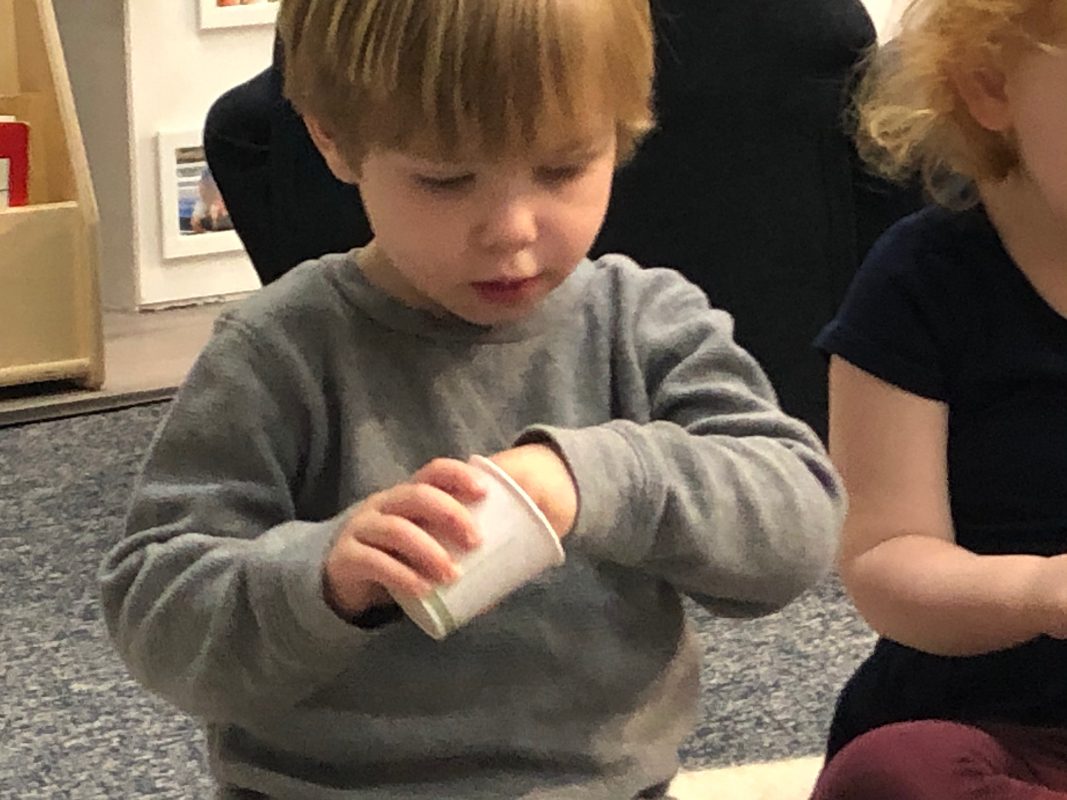
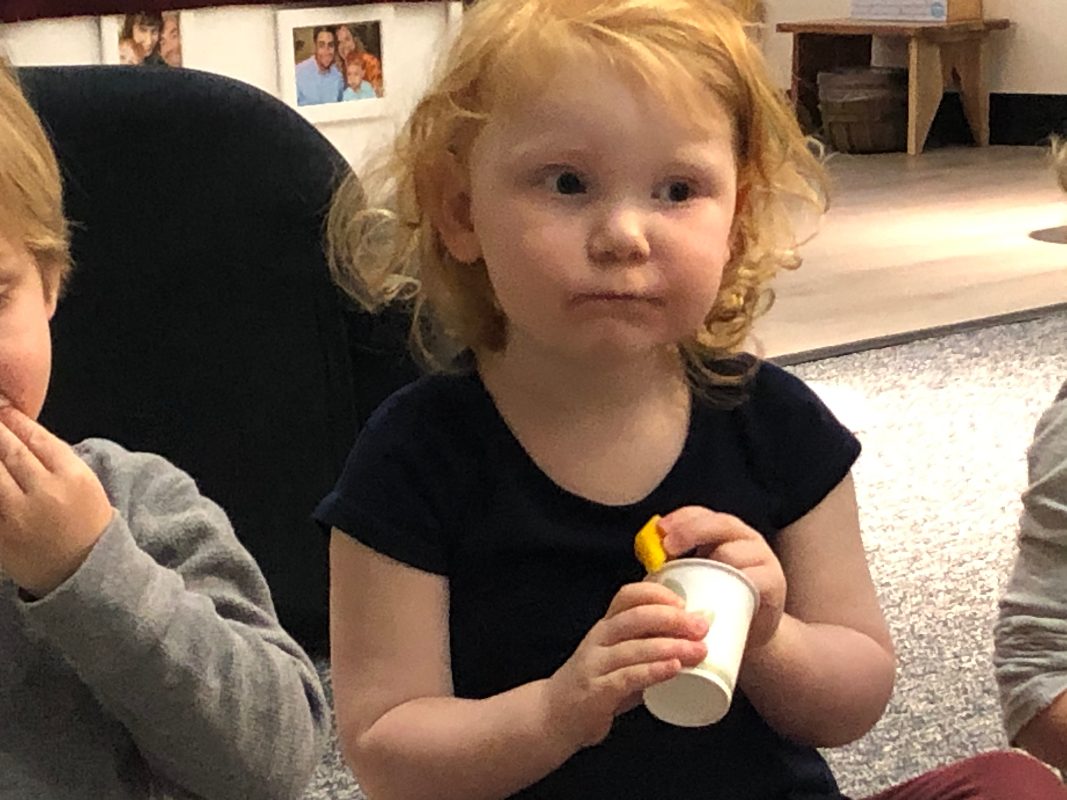
For food tasting this week, children used all their senses to explore a mango! They seemed to be in awe of the color of the skin being red on one side and green on the other side. They seemed to be very surprised to find out the mango was yellow inside as well. Most of the children thought it was either blue, black or red inside. 🙂 Needless to say, children enjoyed the mango and kept asking for more, so go ahead and add it to your grocery shopping. Also, bring your toddler with you and make them part of the experience!  Grocery shopping (and cooking) is one of the best ways to encourage and lay mathematical foundations that will benefit your child’s development tremendously.

As promised, here is the song your child loved this week. Hope you have fun with it too.

Five little snowman standing in a row (hold your hand up showing your 5 fingers)

Each with a hat (pat your head) 

and a big red bow (touch your neck) 

up came the sun and it stayed all day (bring your other hand high pretending to be the sun)

and one little snowman melted away (hide one finger) 

3 Ways to Support Language Learners

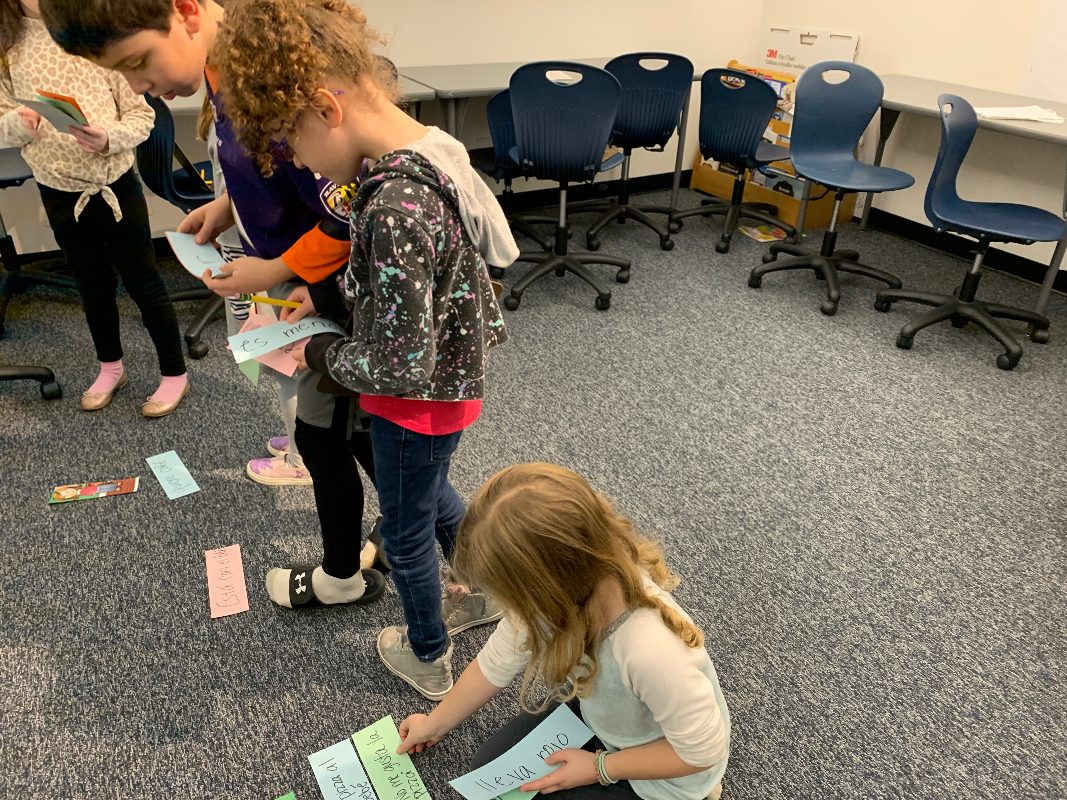
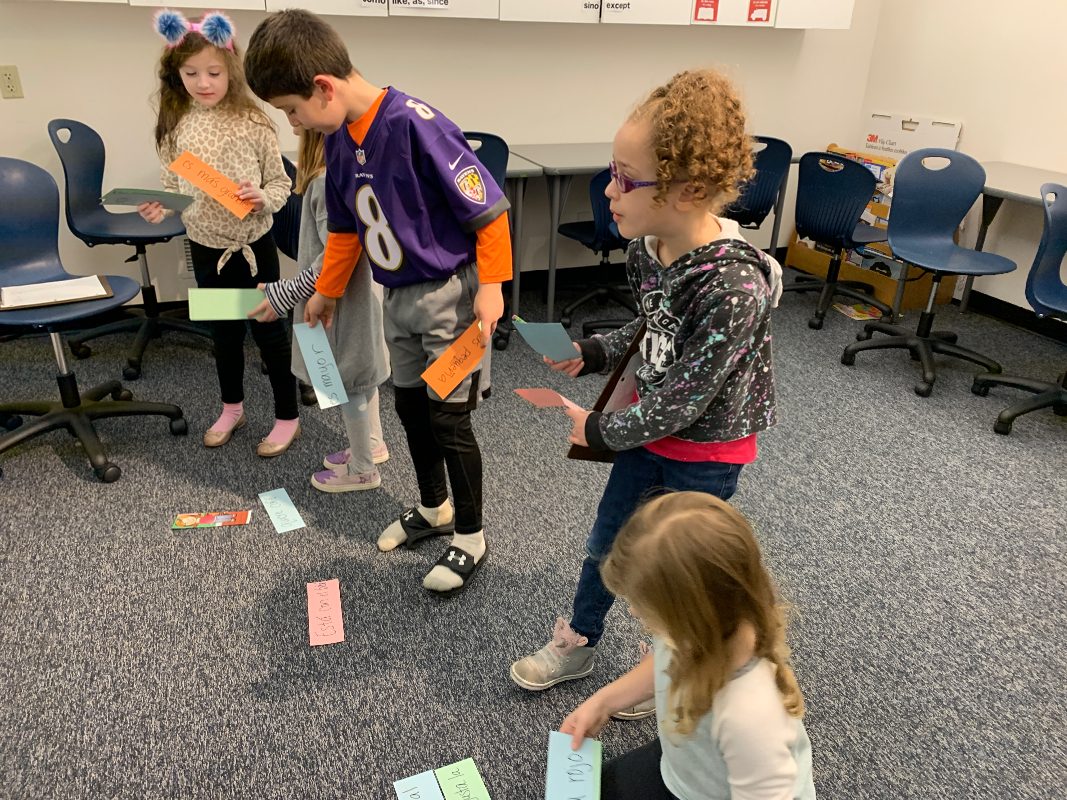
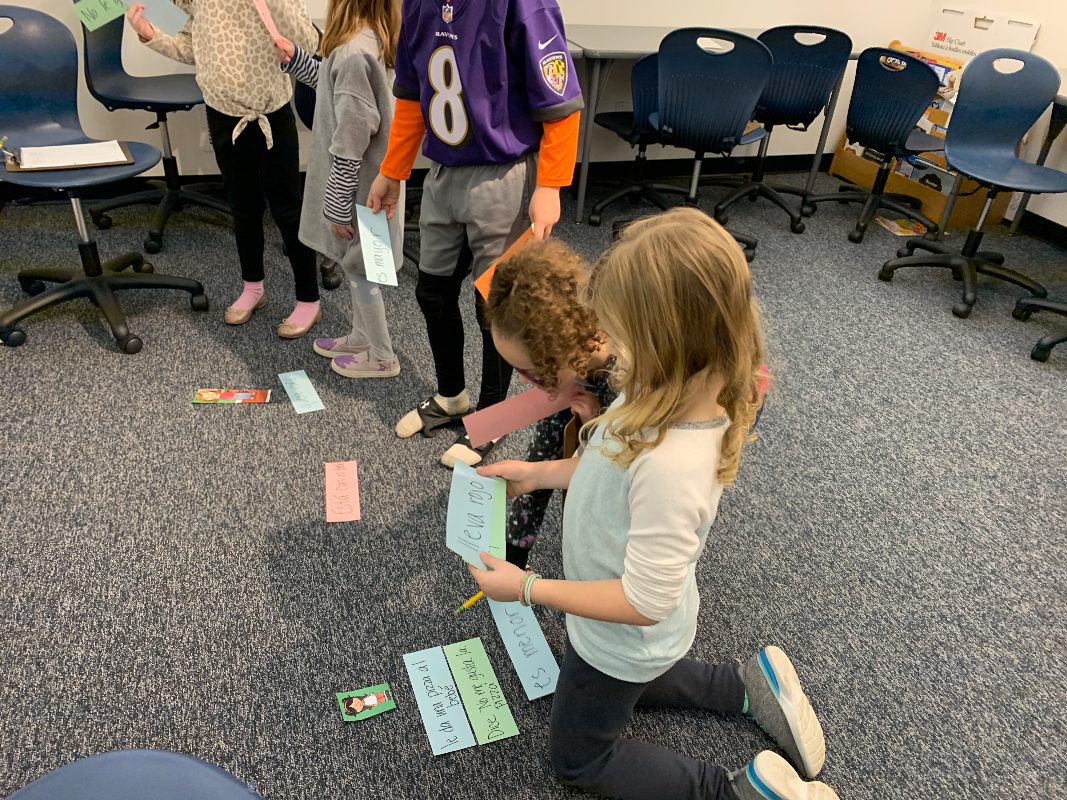
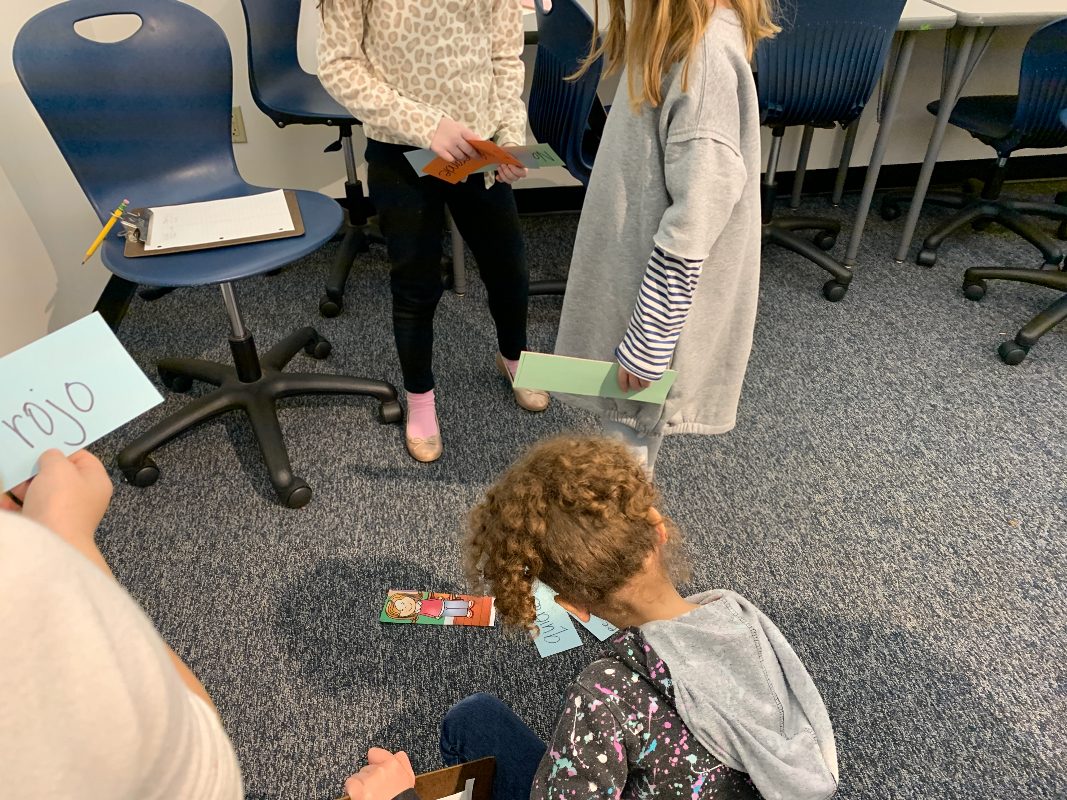
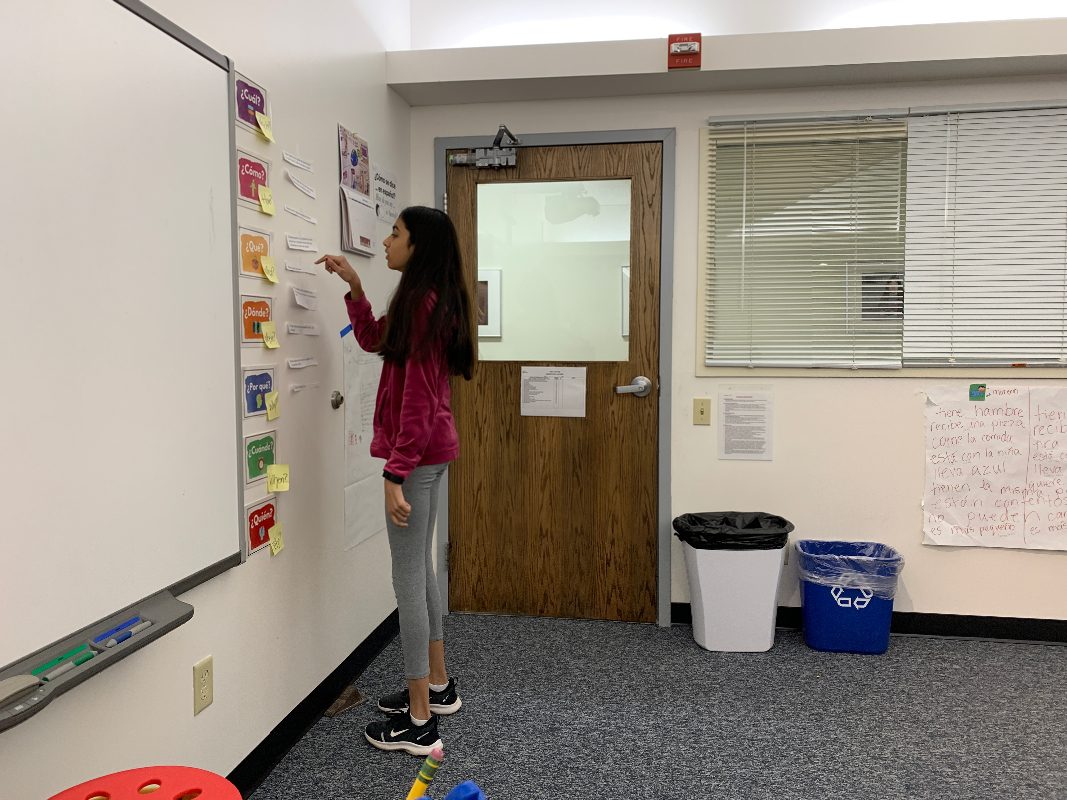
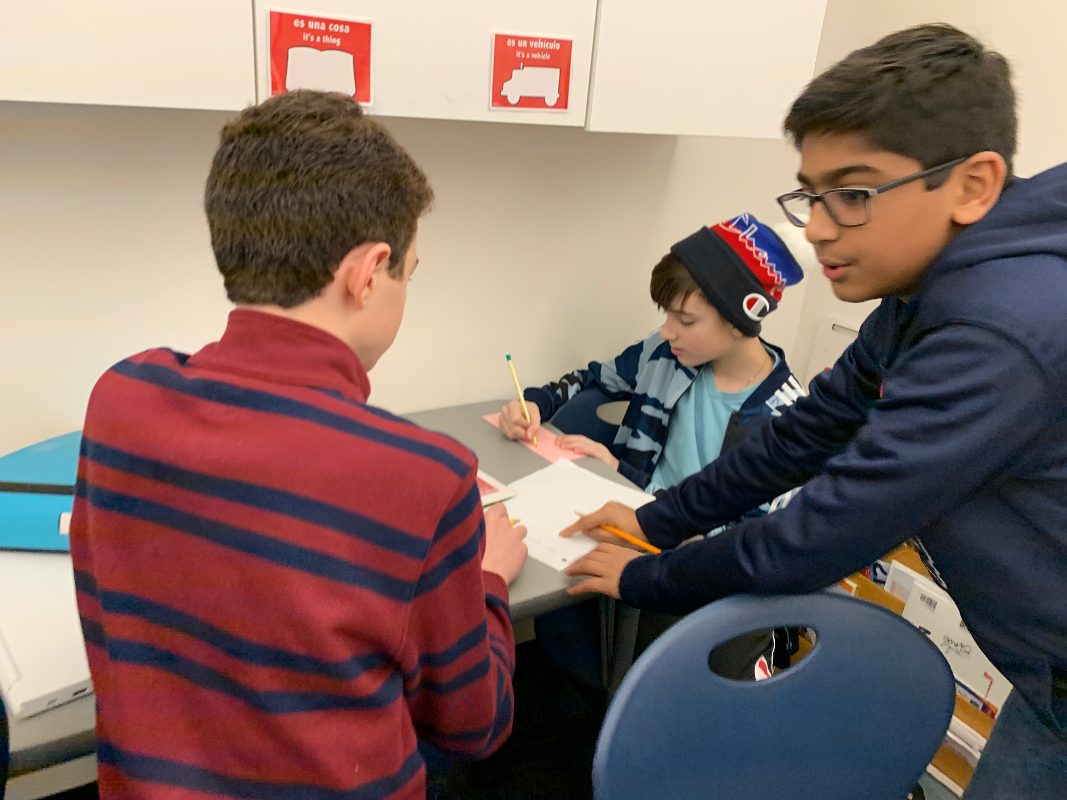
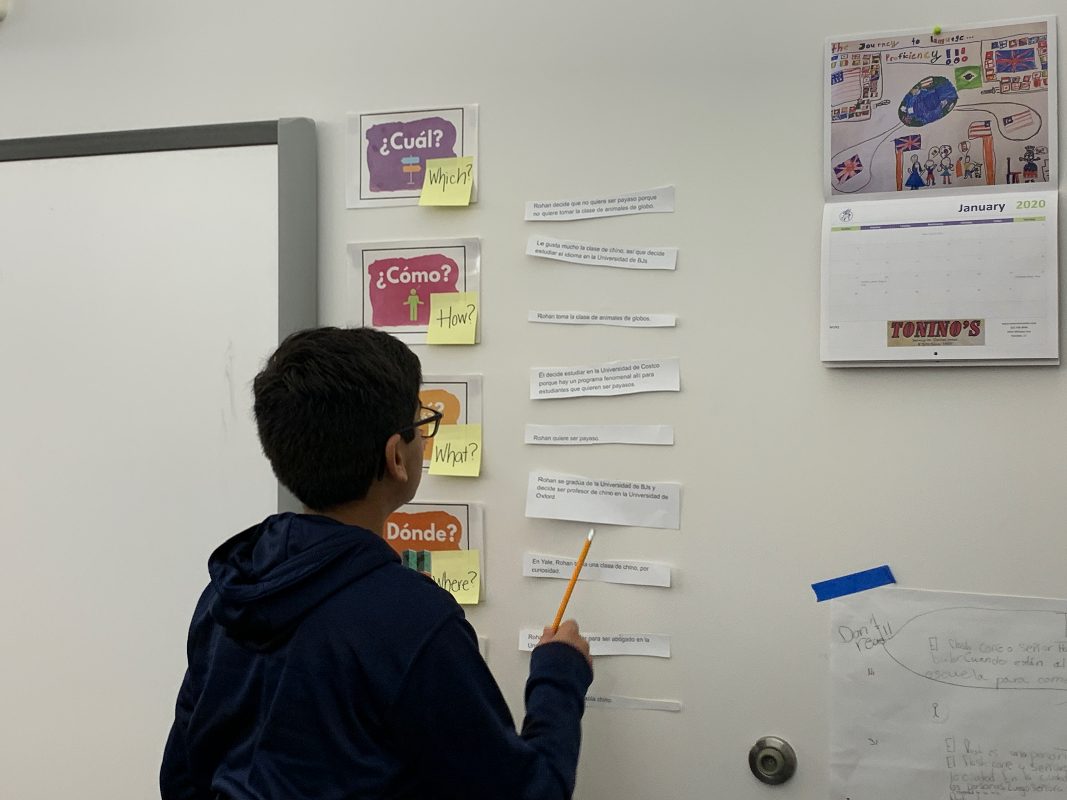
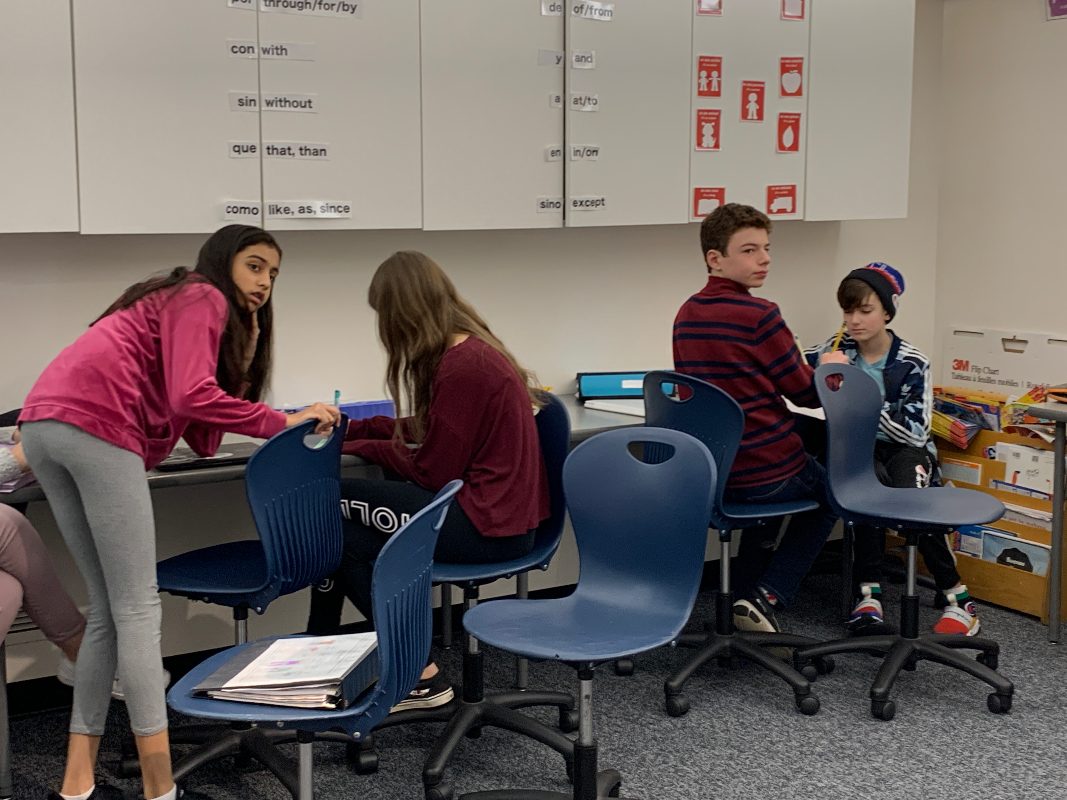
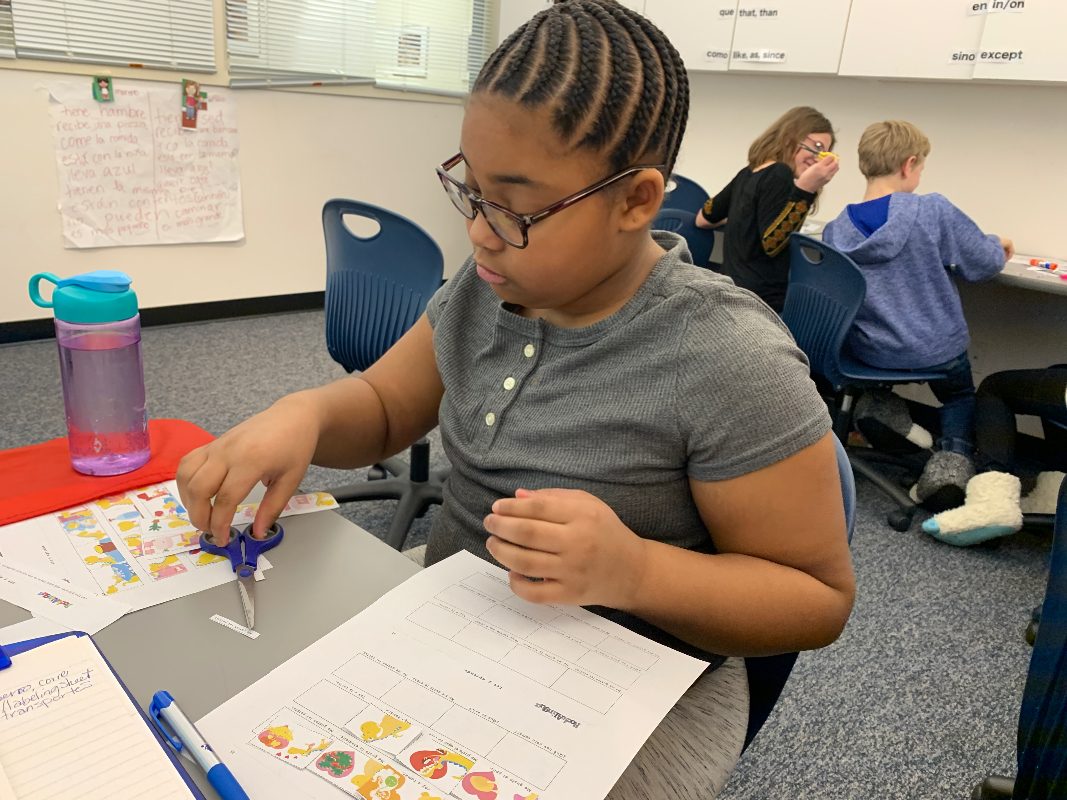
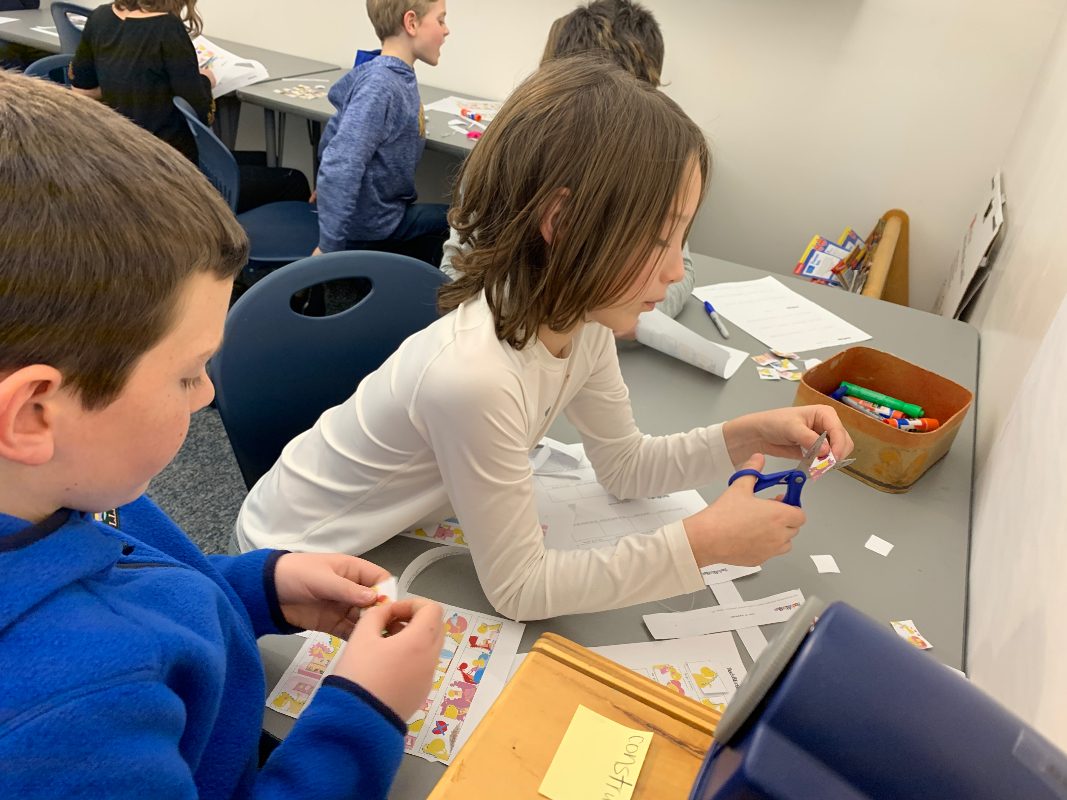
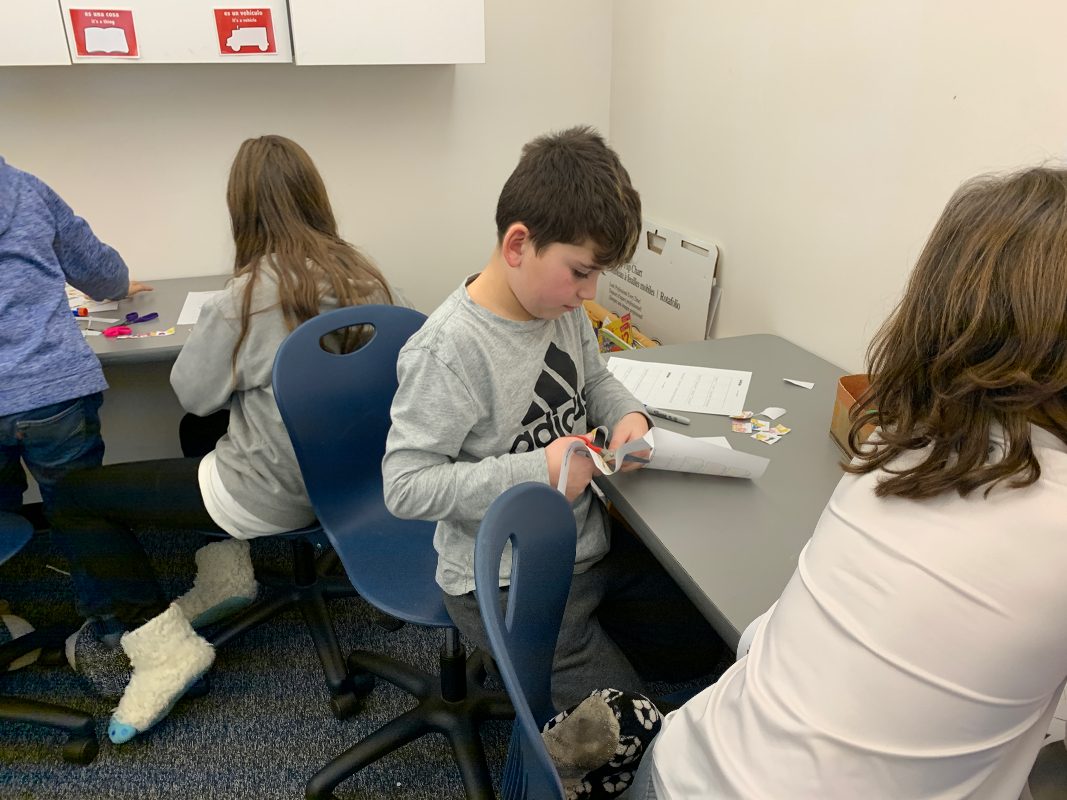
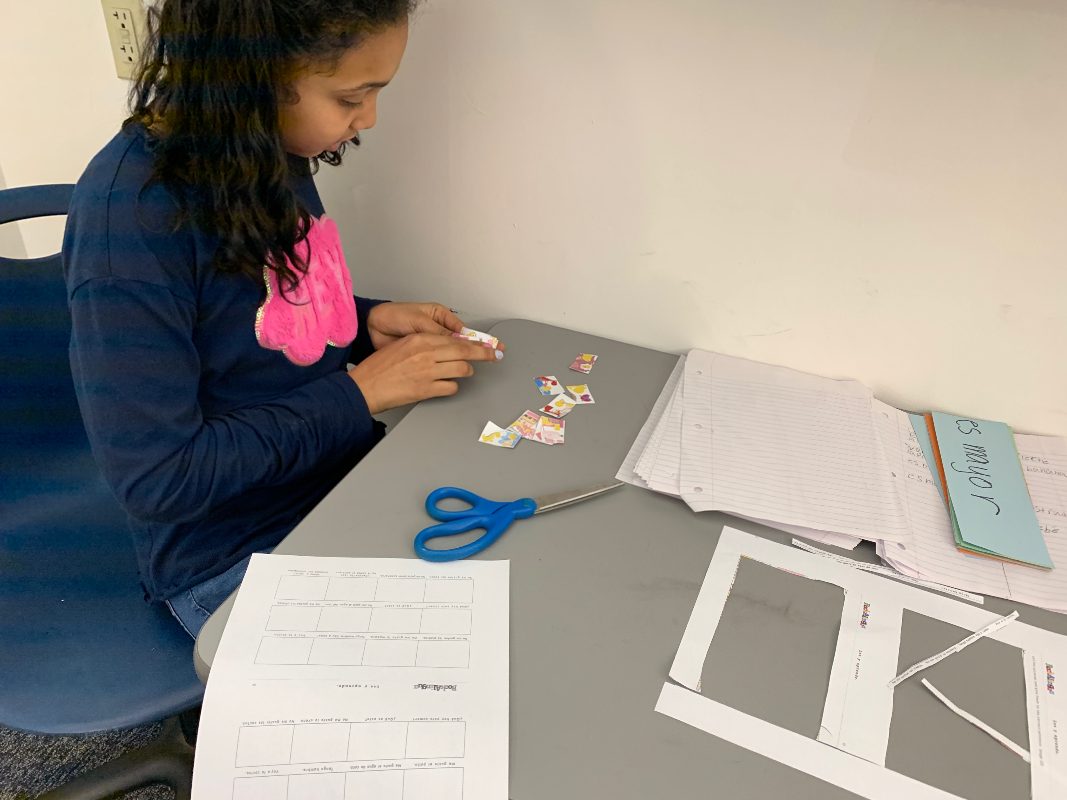
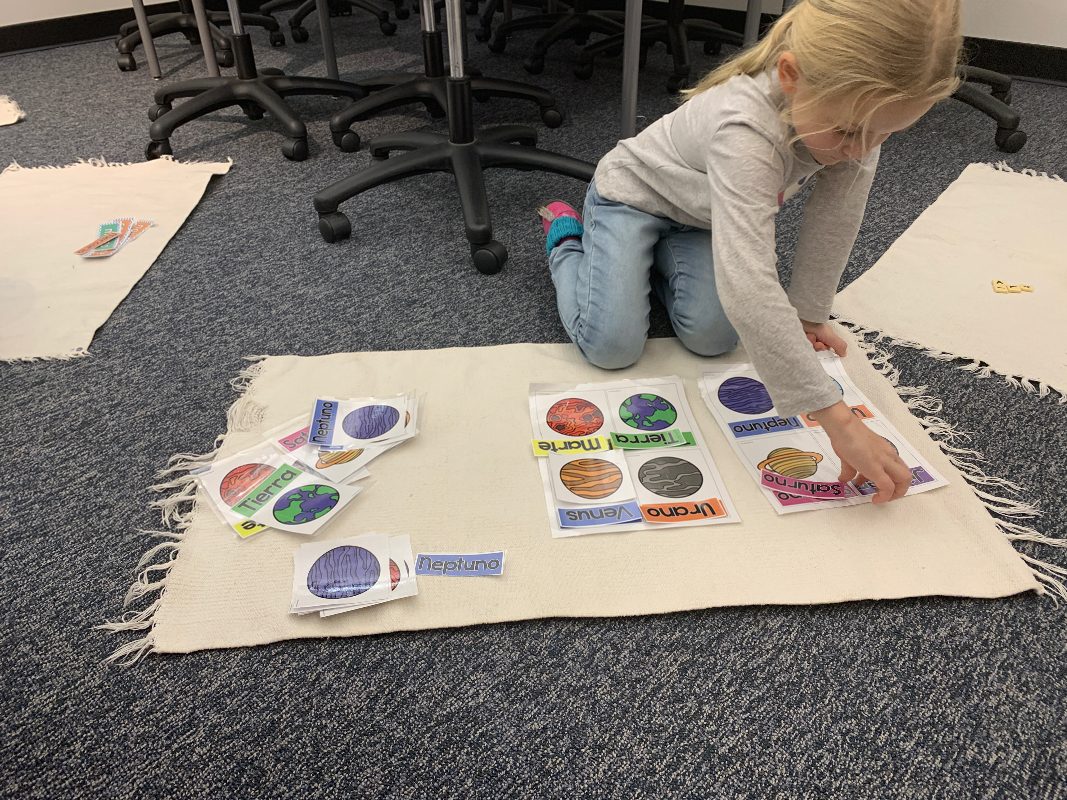
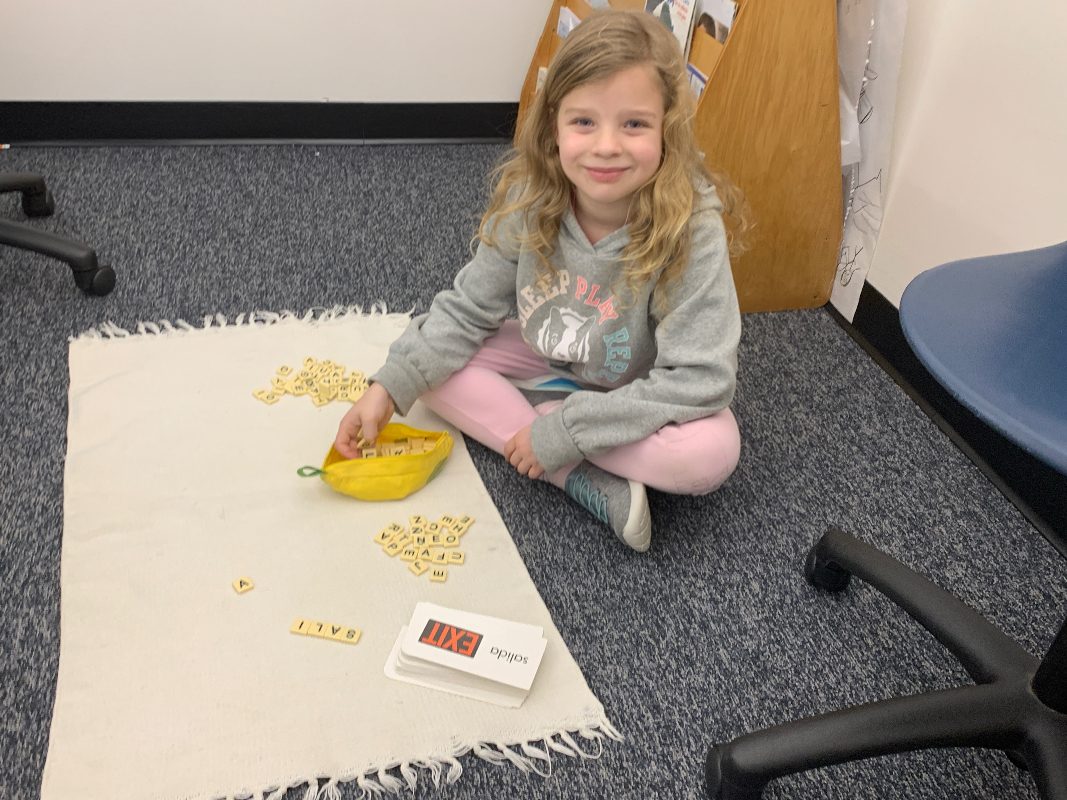
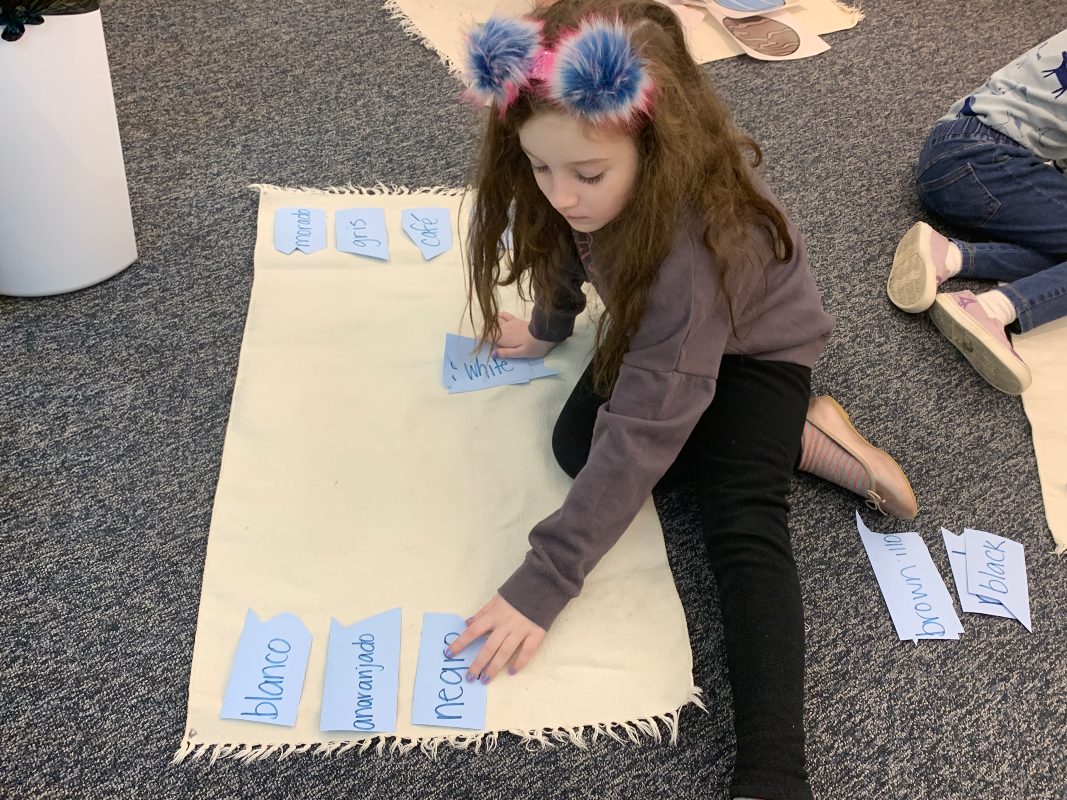
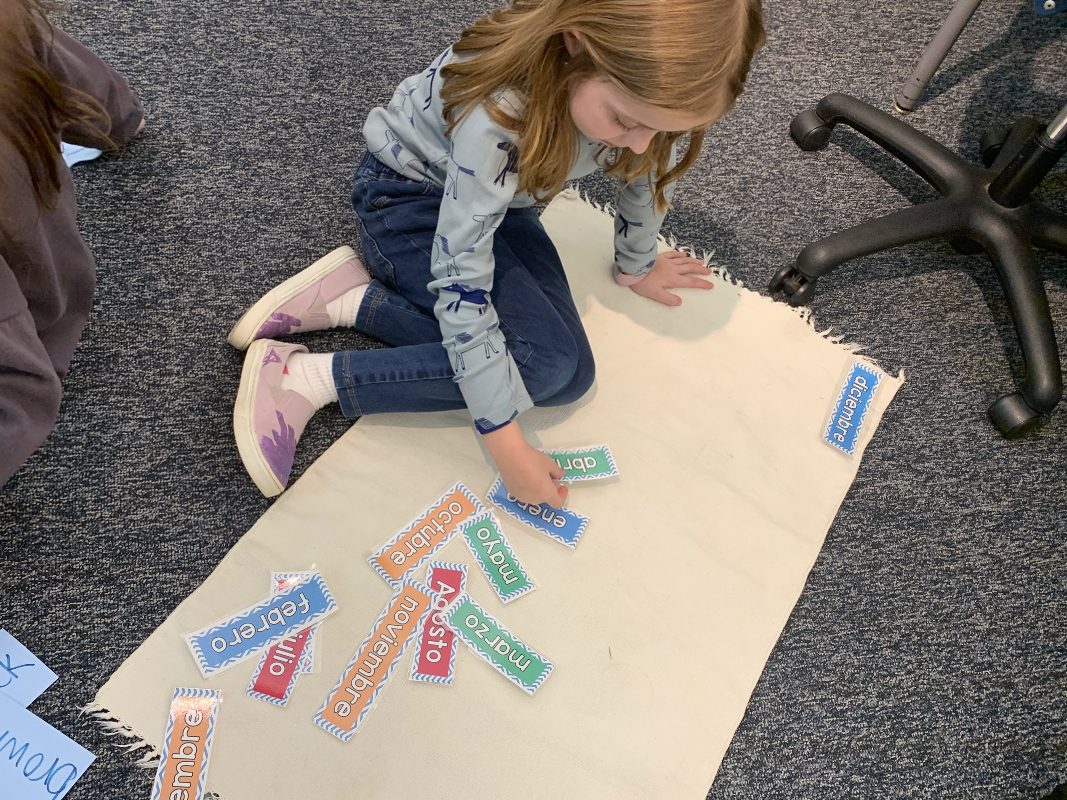
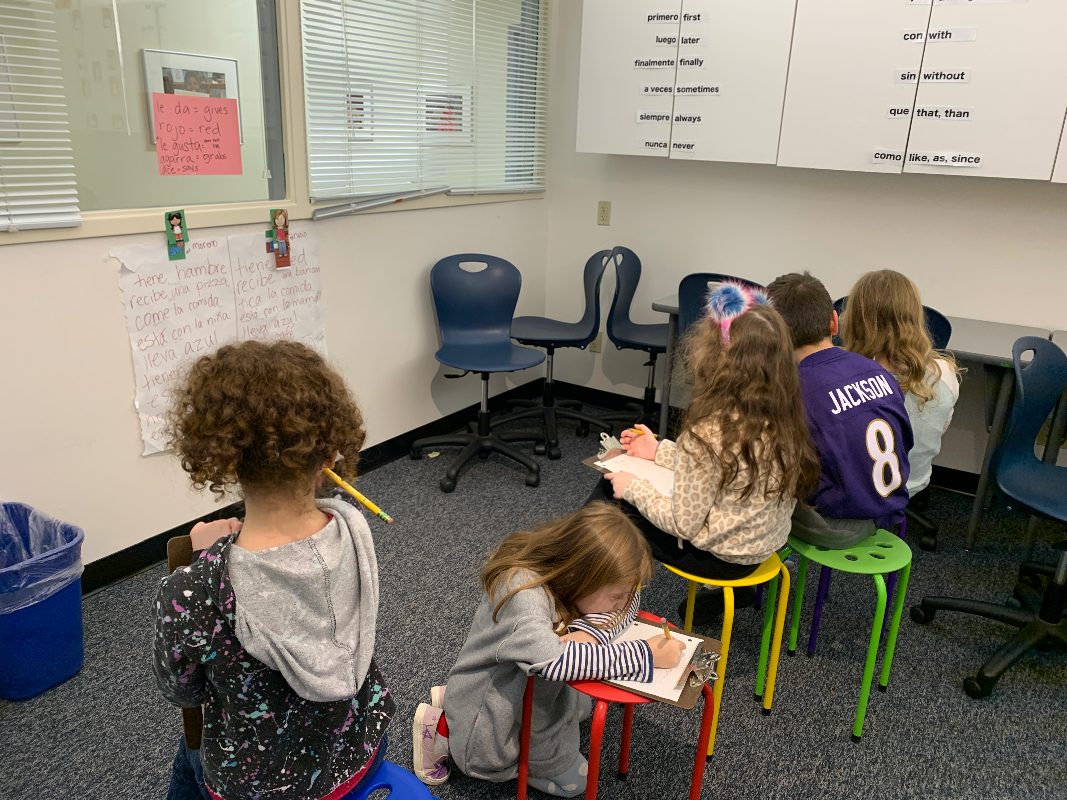
As we move into a new calendar year, students are acquiring the language at an impressive rate. Students, primary through middle school, are able to answer yes/no and either/or questions, in addition to some open ended questions. Their comprehension has developed through storytelling, songs, movietalks, and by reading independently. If you are not a Spanish speaker, you may wonder, “How do I support my child in a language I do not know myself?” Here are some things you can do outside of school: 

  1. Expose your child to music in Spanish. The younger children LOVE the Super Simple Español songs. They have many Spanish versions of popular songs they already know in English, so they are excited to hear familiar tunes. Also, singing in Spanish helps them to retain the vocabulary. 
  2. Share bilingual books with them. Your local library or bookstore is bound to have lots of titles available in Spanish. Sometimes, I send home copies of stories we have read in class. If your child is older, looking for proficiency based readers designed for novice and intermediate language learners will best suit them. If you’re nervous about pronunciation, try audio books!
  3. Podcasts can be a great resource to provide more input. You can download a podcast to play during your commute to school or as background noise while your child is playing. Hearing the language without seeing something can help to solidify their comprehension skills and challenge them to make those connections in a new way. 

Remember to take it slow! Focus on input. Can you recall when your child was an infant, simply absorbing the world by observing and listening? Children are acquiring language from birth, yet they may not be ready to produce much output for a year or two after being exposed. Allow your child to use the language without feeling pressure. Avoid questions like, “How do you say ______ in Spanish?” There may be vocabulary they do not know yet, and asking a question they are unable to answer may deter them from wanting to share what they know. 


Mrs. Doyle’s Class: Becoming Bubbleologists!

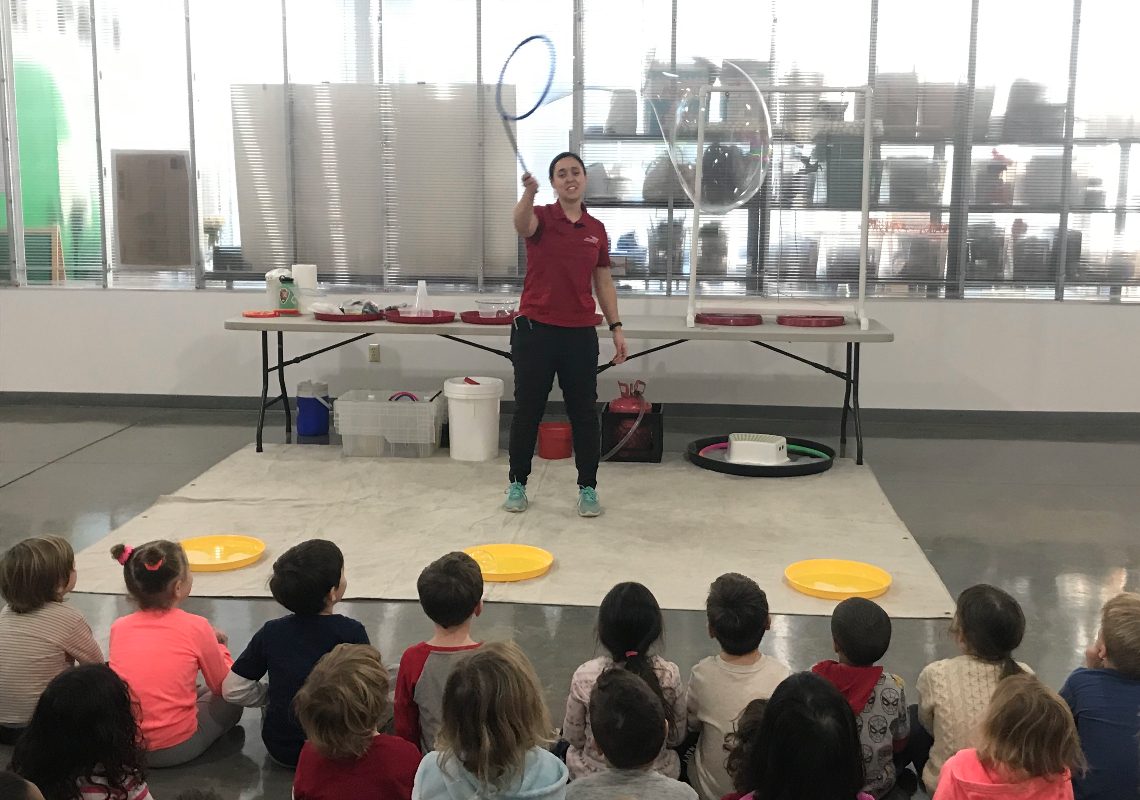
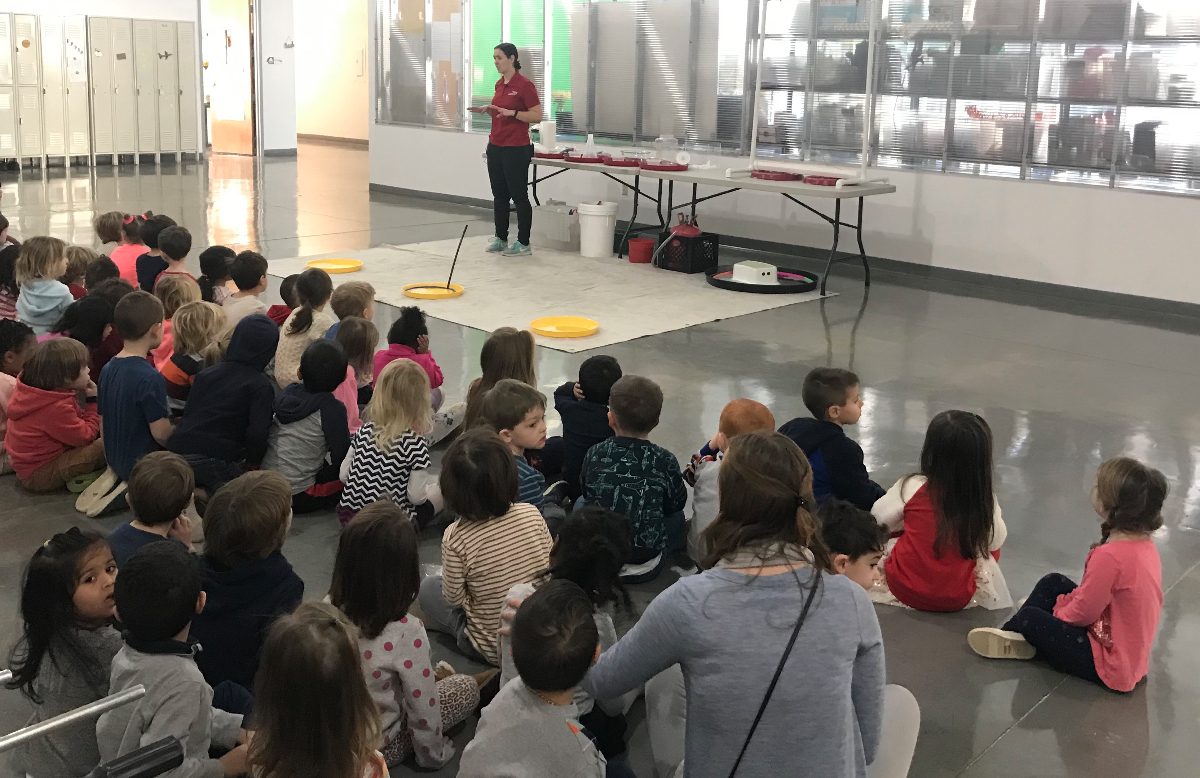
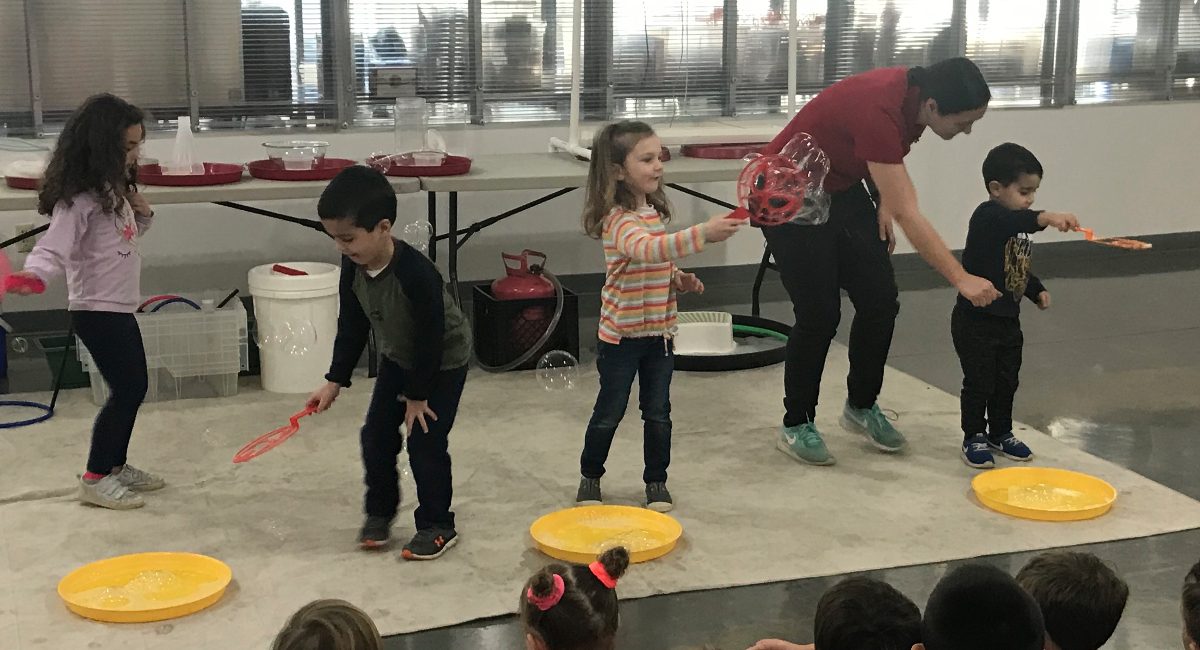
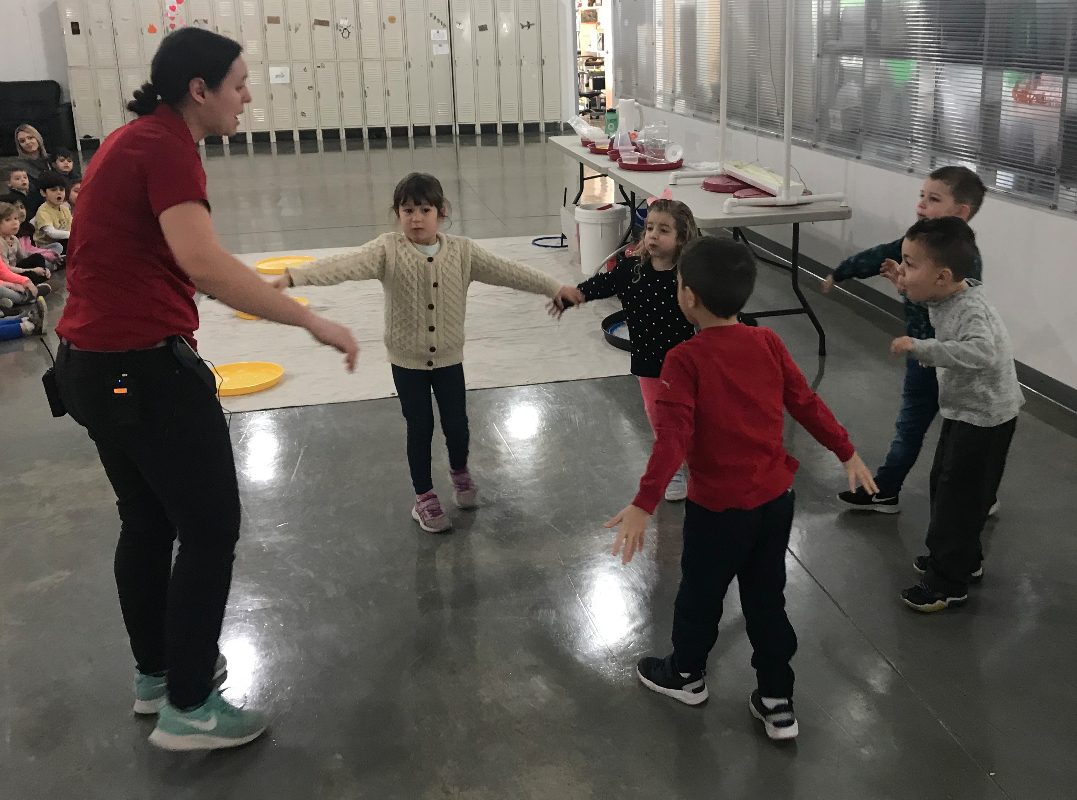
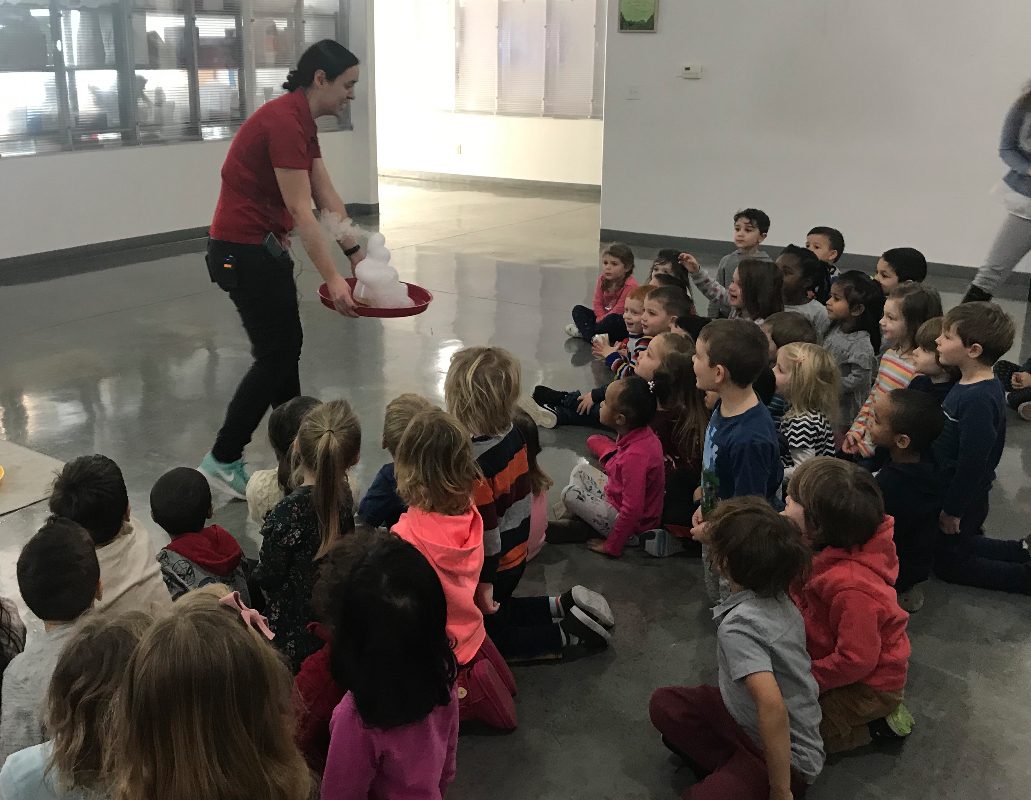
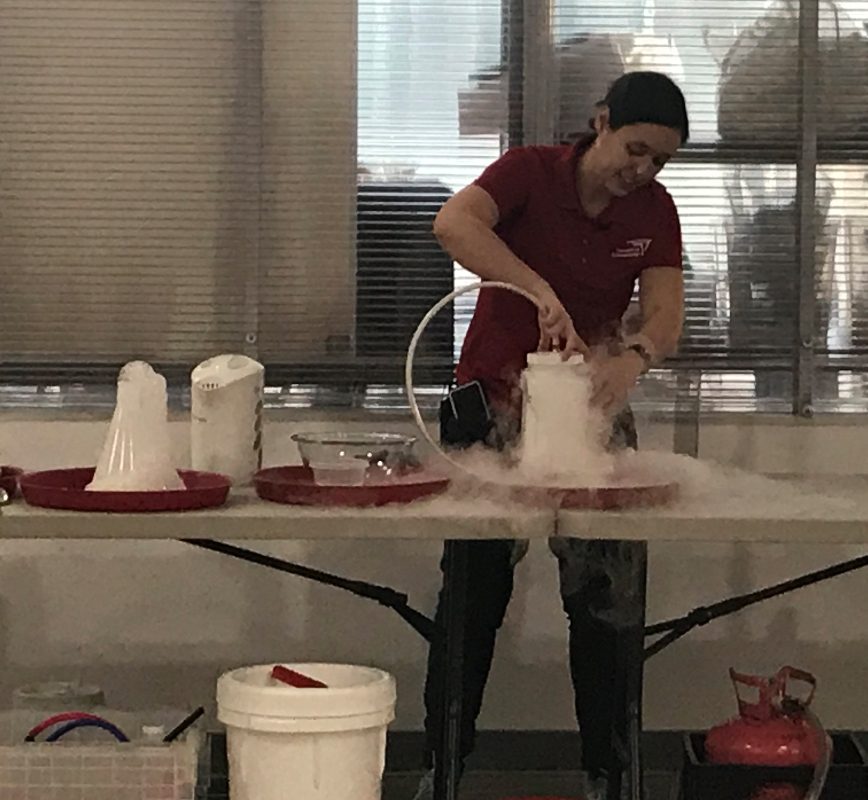
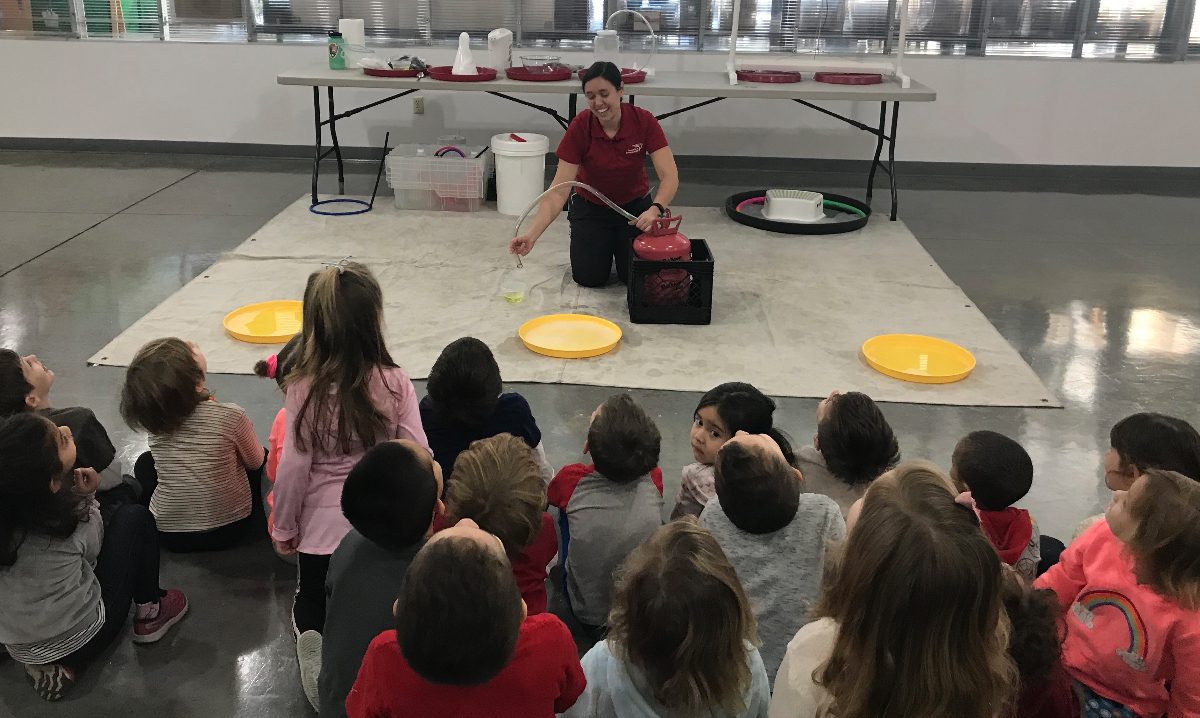
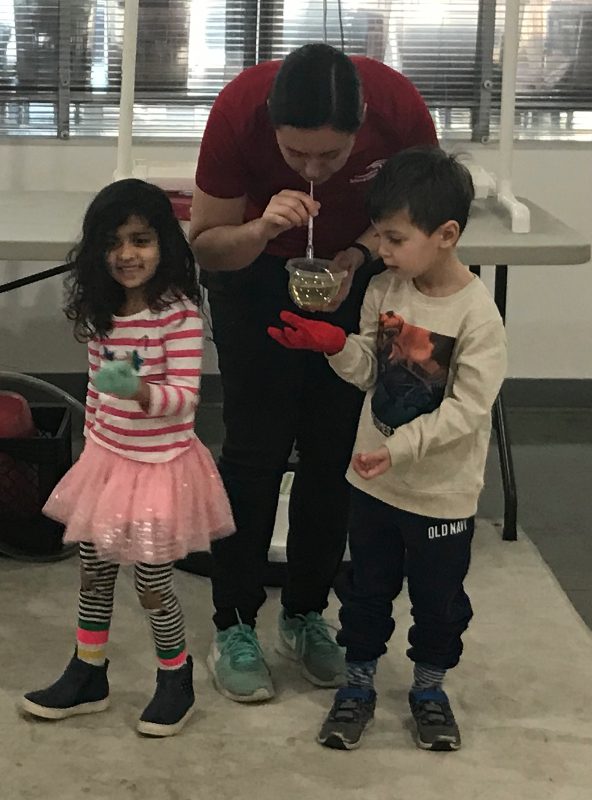
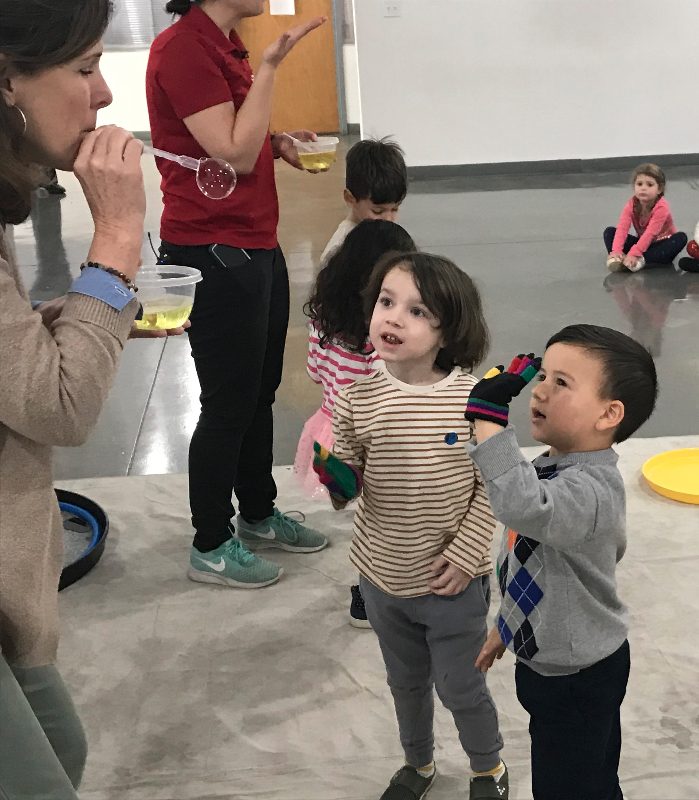
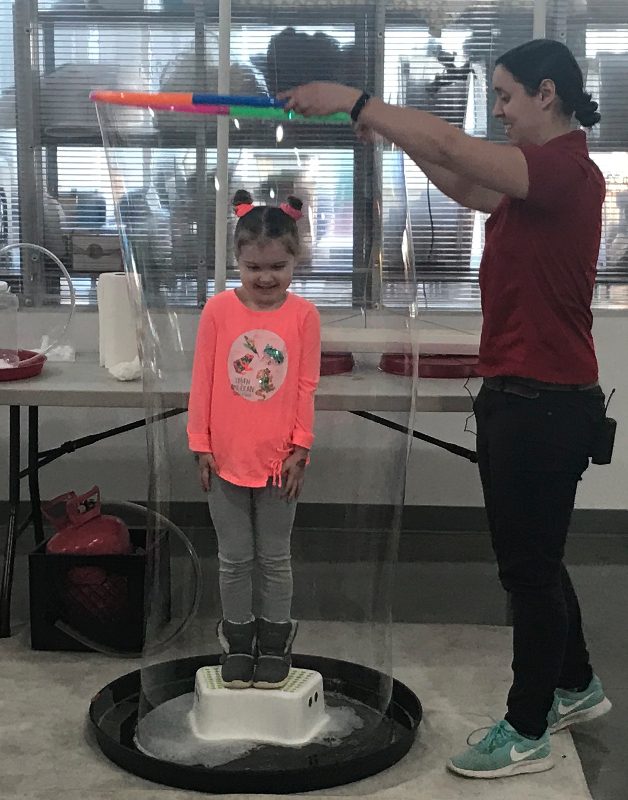
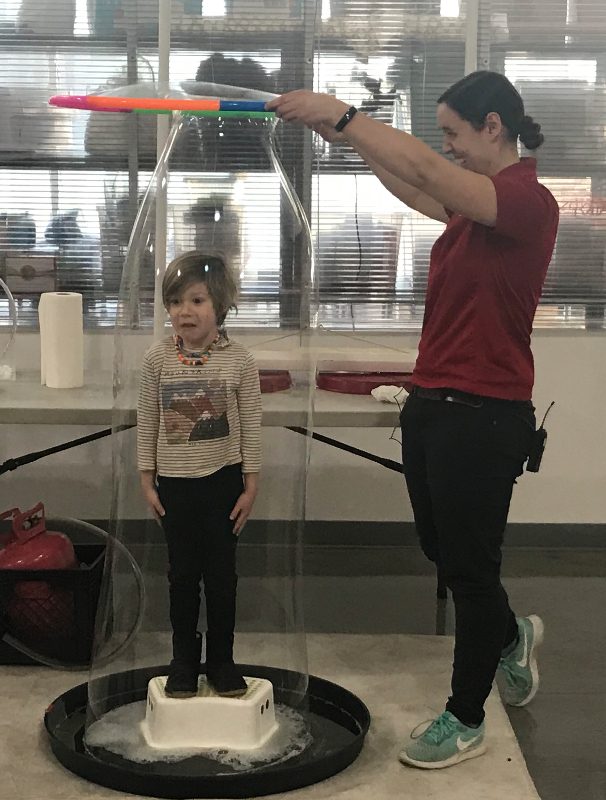
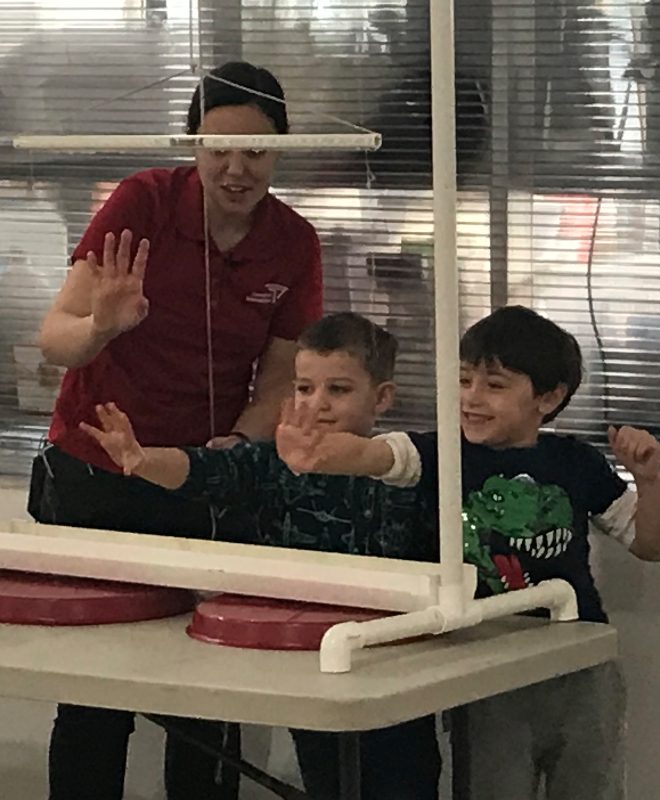
On Thursday, the Connecticut Science Center visited us for an exciting program called “Bubble-ology.”  The children were introduced to what a ‘bubbleologist’ would study. We learned why there are rainbows in bubbles and how they are made. We now know that bubbles pop from the top because of the weight of the soap and that with helium you could make bubbles go up instead of falling down. The best kept secret in the bubble industry is that with a little bit of sugar added to a bubble mixture you can catch bubbles! We tried putting our hands on a large bubble without it popping but couldn’t do it unless our hands were really, really soapy.

We look forward to sharing with you all of your child’s social, emotional, and academic growth during parent/teacher conferences on February 13th. Please be on the lookout for our Winter 2020 Conference sign up in an email.

Have a wonderful week!

Michelle & Jeannine


Mrs. Wilson: Care of the Environment

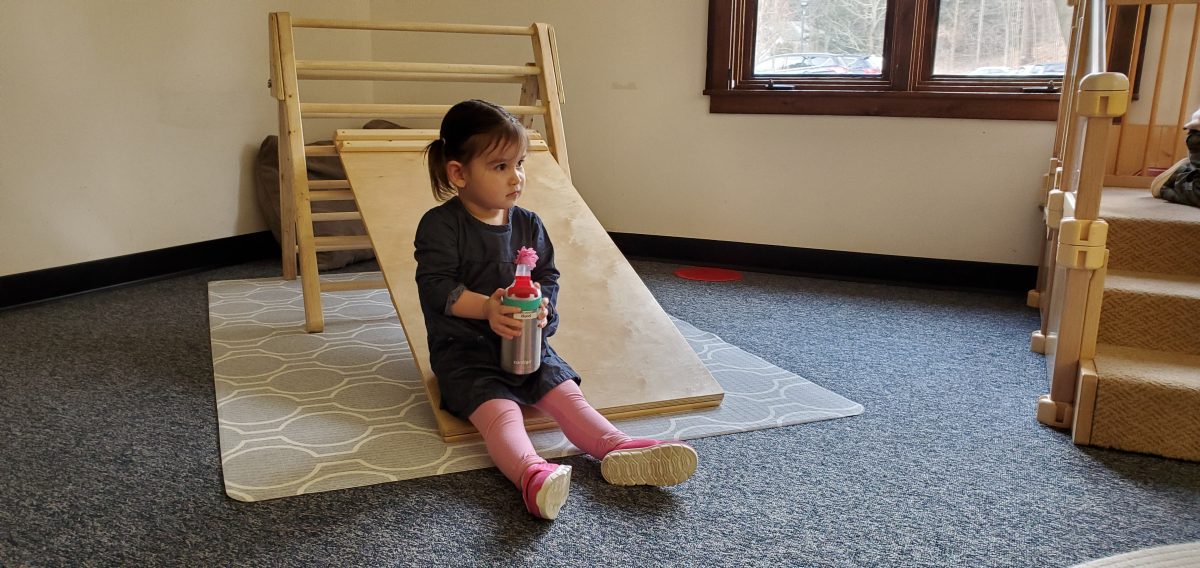
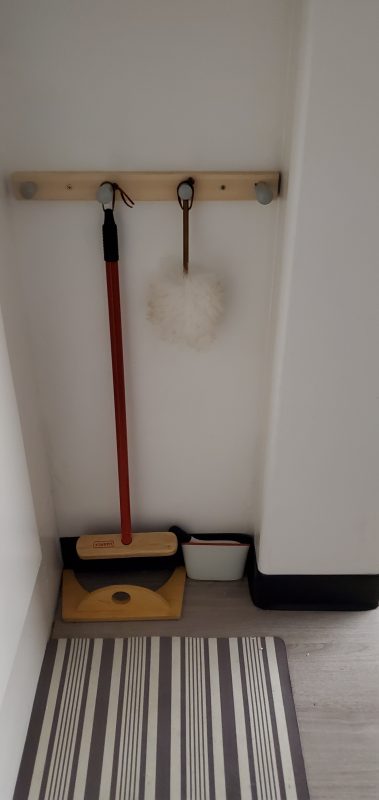
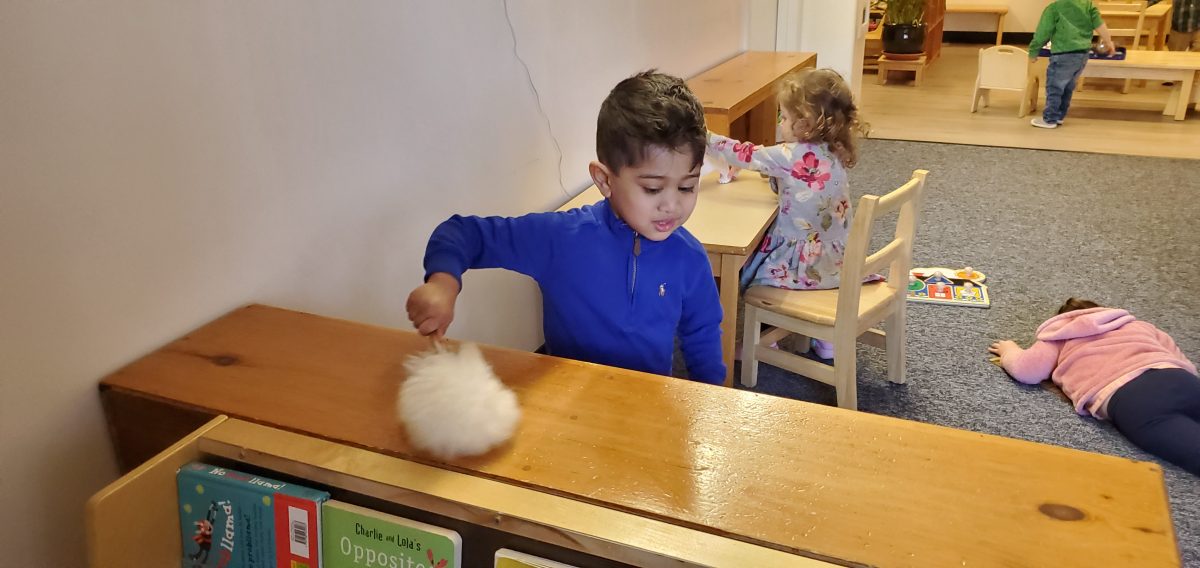
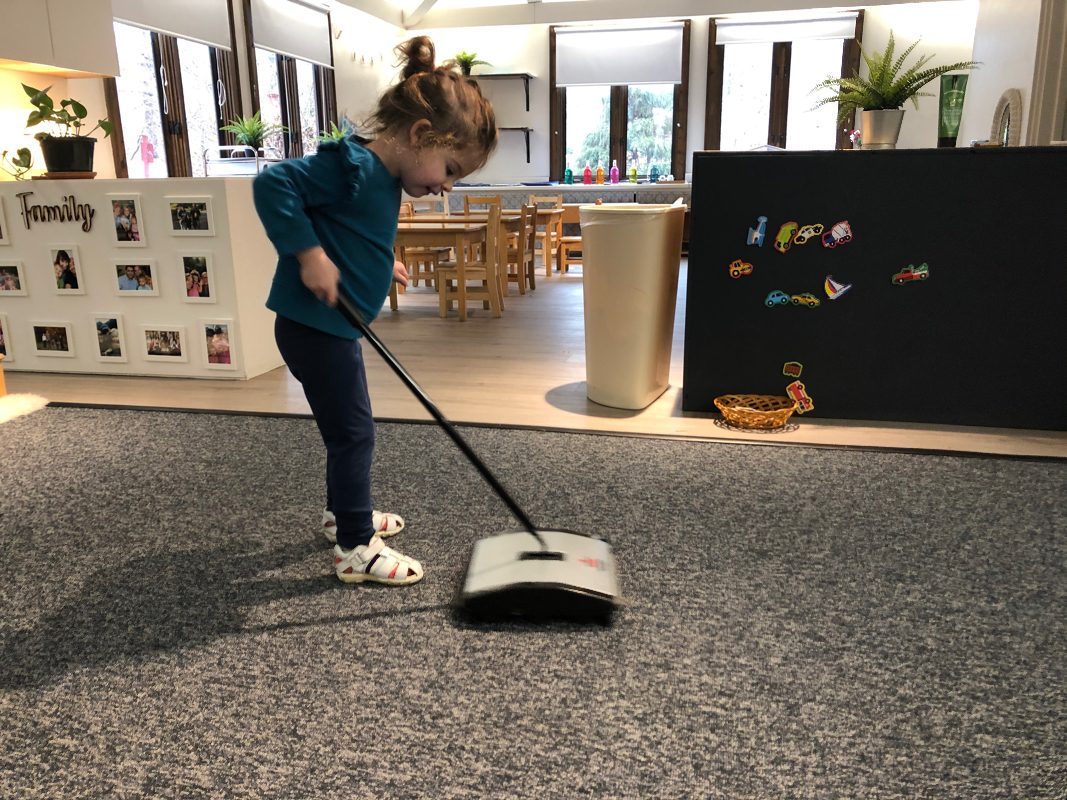
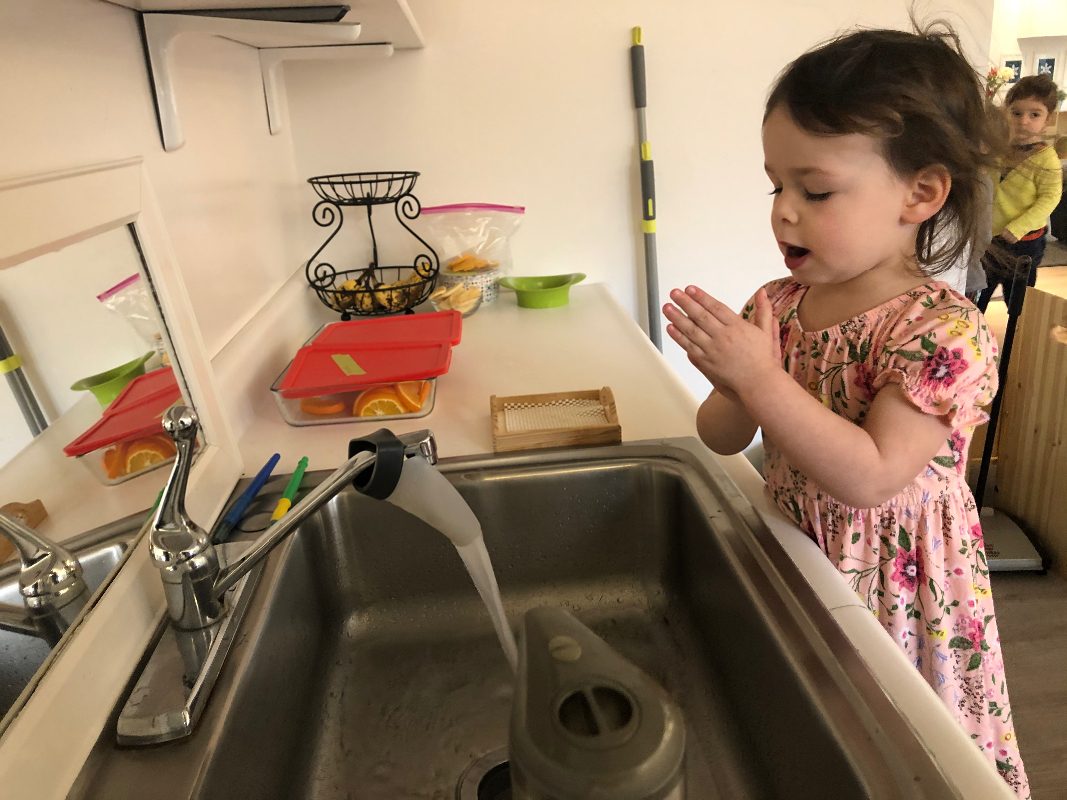
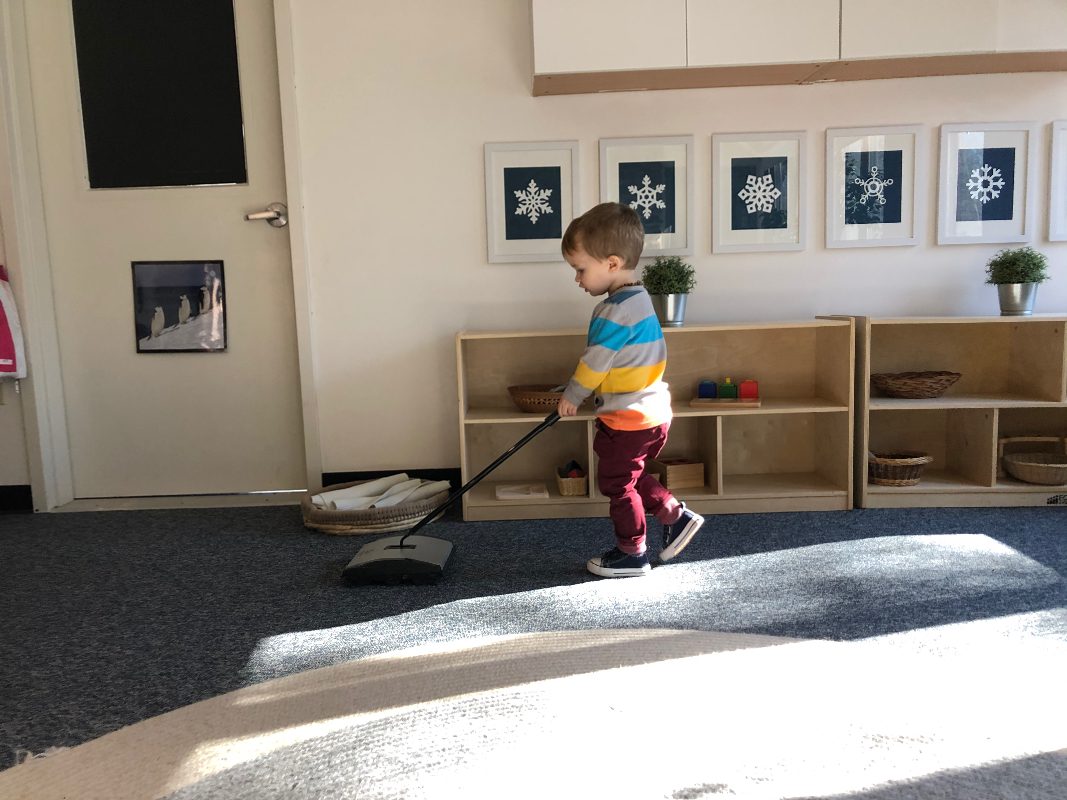
In the toddler environment we focus on practical life skills. As Maria Montessori said, “Any unnecessary help given to a child is a hindrance to development.” Each practical life skill helps develop the child’s independence. This week we added a cleaning station to the classroom. This is where the children will find a broom, dust pan, and duster. The children may use these realistic and child sized tools to clean their environment.

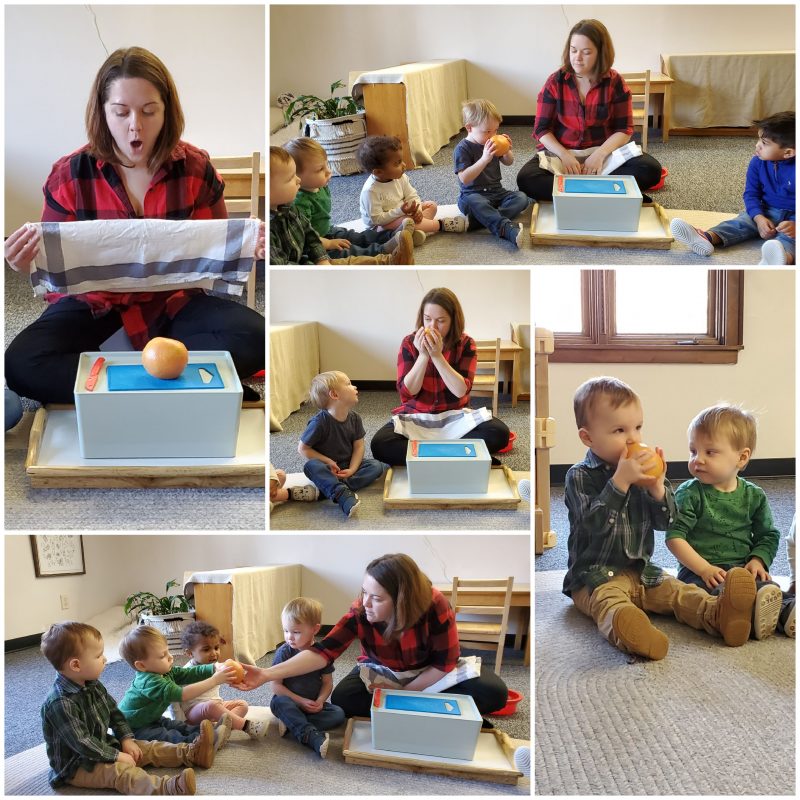
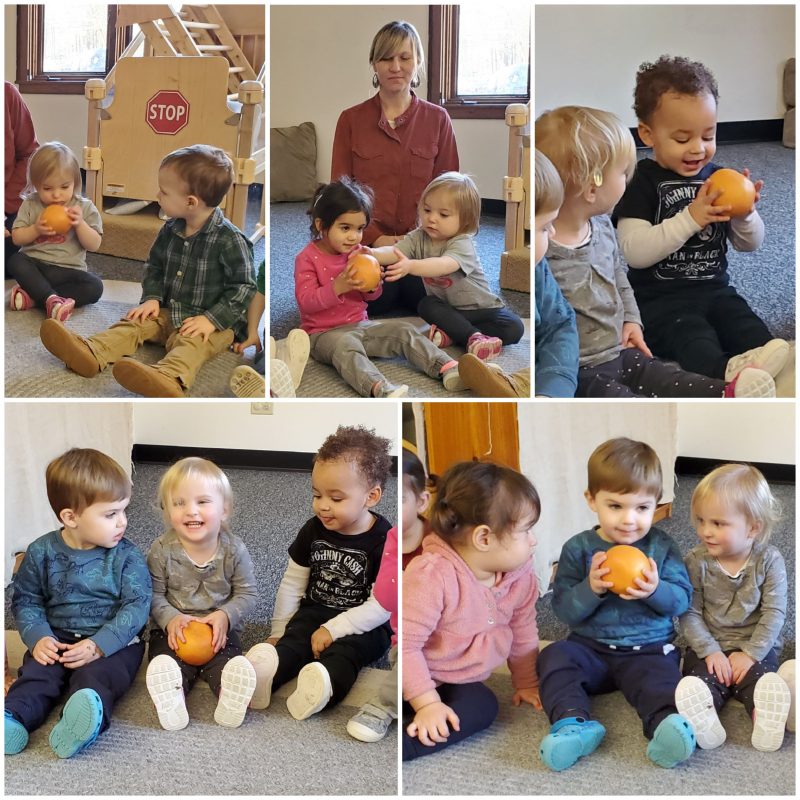
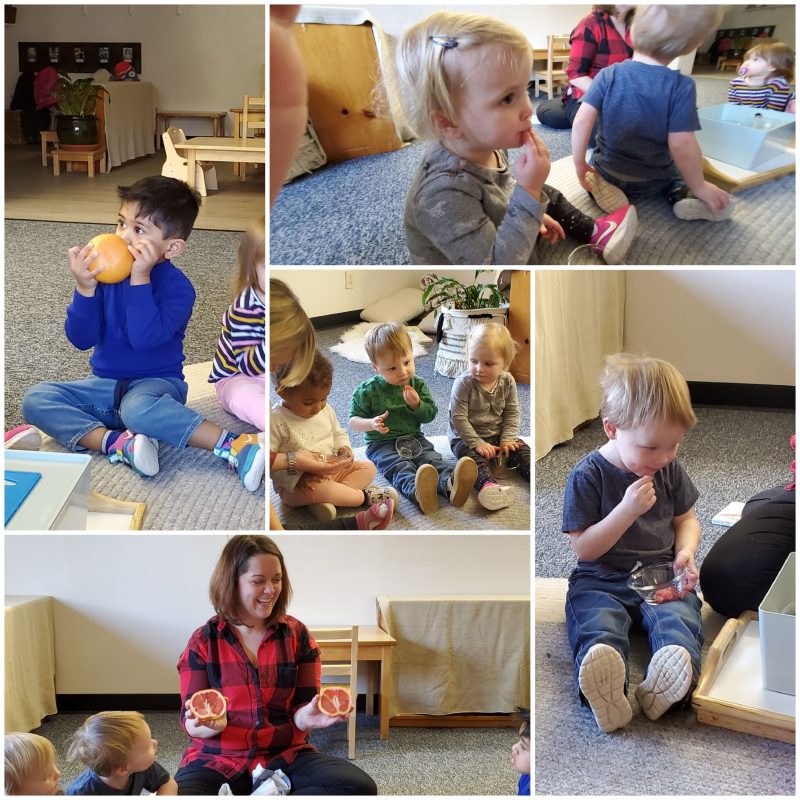
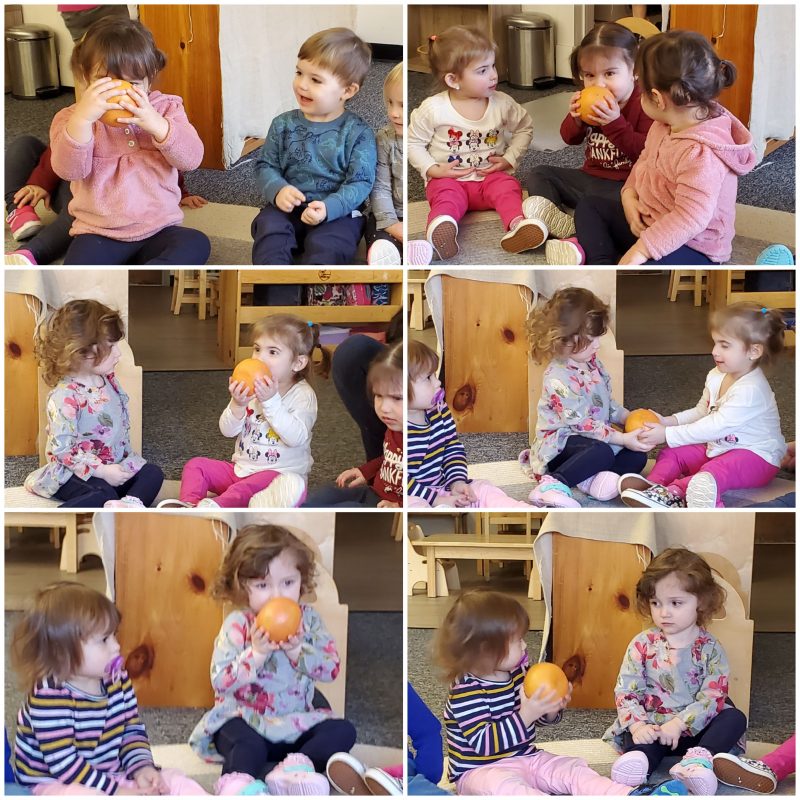
Food Tasting: Grapefruit
I truly love this activity. I love the way the children absorb every detail of my exaggerated expression and detailed description of how the food tasted. I love how they mimic my movements when it is their turn to explore the food. I mostly love how willing they are to taste everything. So far not one child has ever refused to try, and that is impressive.

Enjoy!
Mrs. Wilson, Ms. Heather, and Ms. Sara


Mrs. Carroll’s Class: Bubbleologists!

On Thursday, the Connecticut Science Center visited us for an exciting program called “Bubble-ology.”  The children were introduced to what a ‘bubbleologist’ would study.  We learned why there are rainbows in bubbles and how they are made.  We now know that bubbles pop from the top because of the weight of the soap and that with helium you could make bubbles go up instead of falling down.  The best kept secret in the bubble industry is that with a little bit of sugar added to a bubble mixture you can catch bubbles! We tried putting our hands on a large bubble without it popping but couldn’t do it unless our hands were really, really soapy.

We look forward to sharing with you all of your child’s social, emotional and academic growth during parent/teacher conferences on February 13th.  Please be on the lookout for our Winter 2020 Conference sign up in an email.

Have a wonderful week!

Cindy & Sharlene


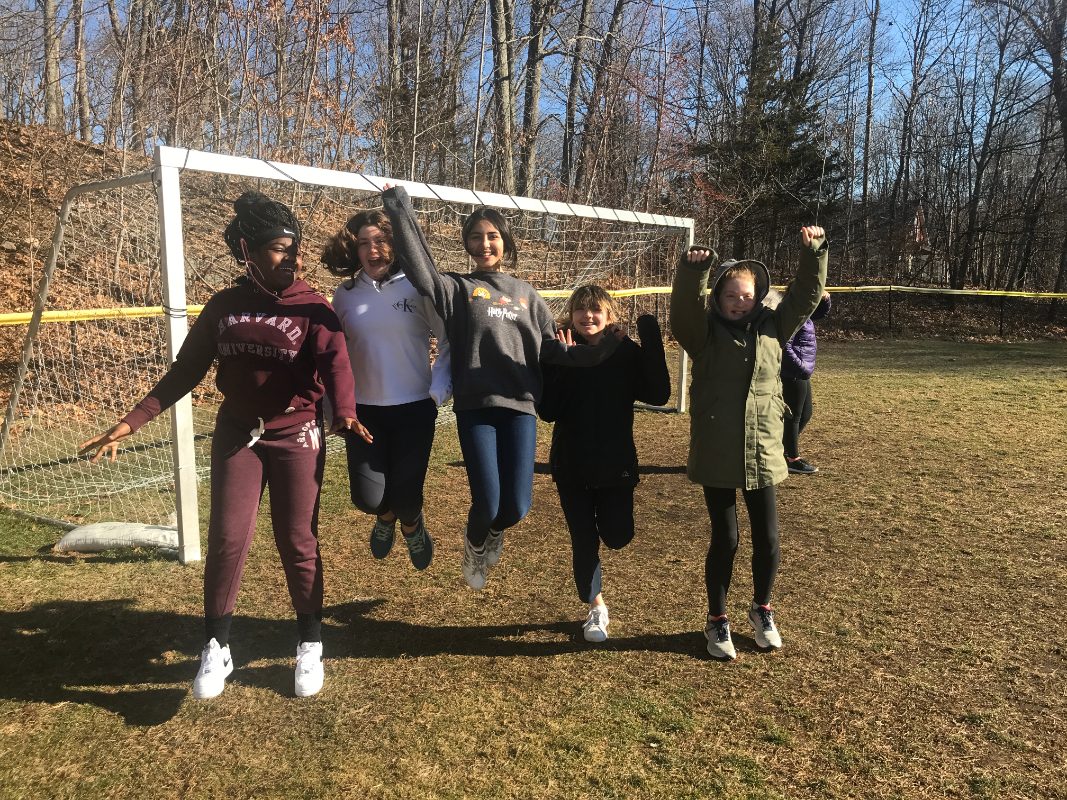
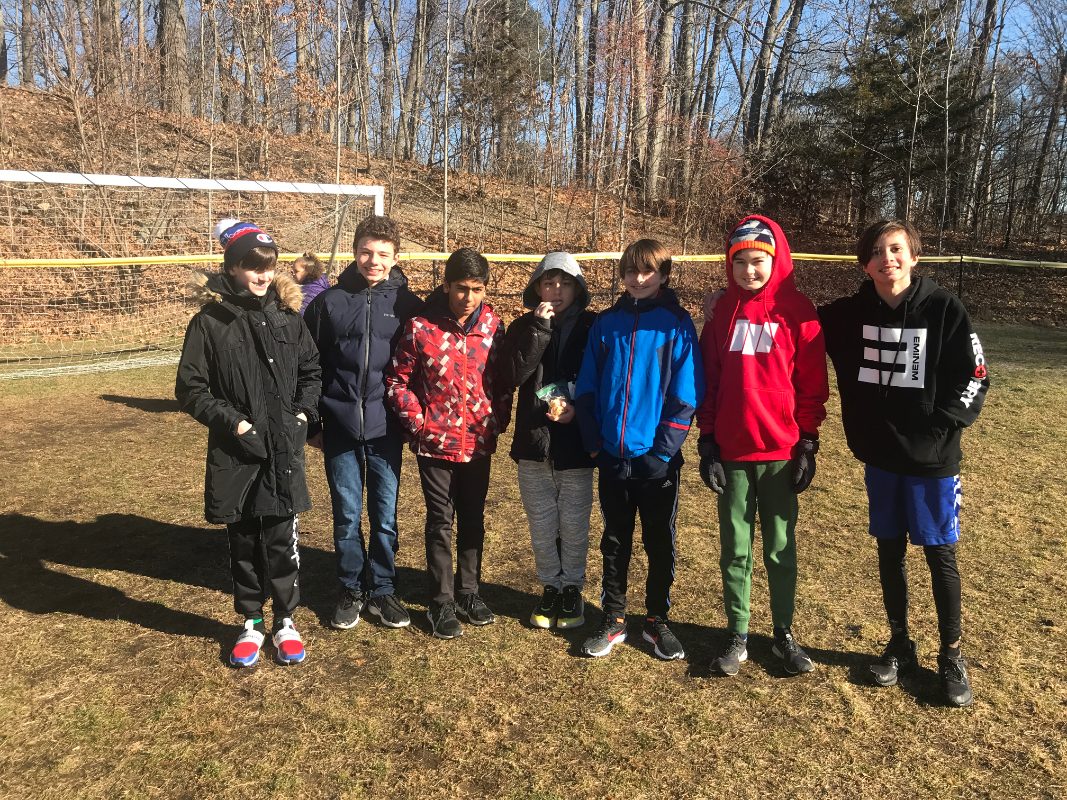
Middle School: Week in Review

Happy Friday! Thank you for those of you who registered for our MS trip to Acadia. Deposits are due by 2/14. http://grandclassroom.com/

Next Thursday, 2/6 at 6:30 is Research Night! Come and see 6th & 7th year students present their knowledge about topics surrounding an event in history!

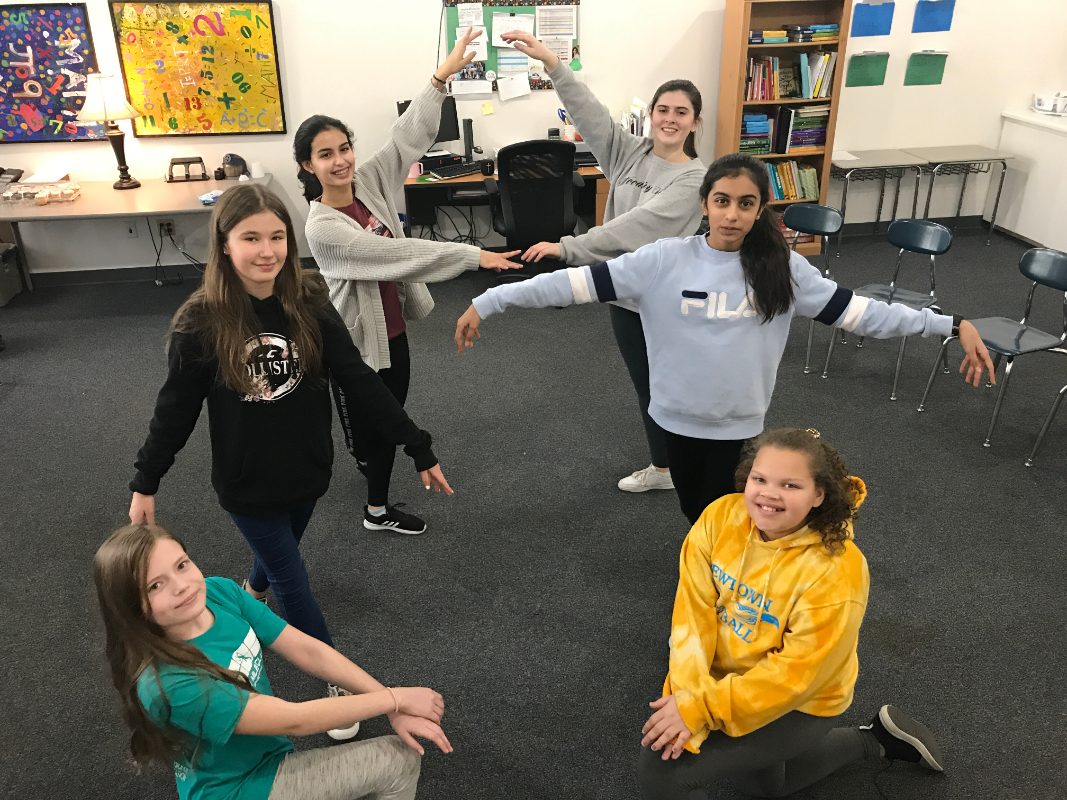
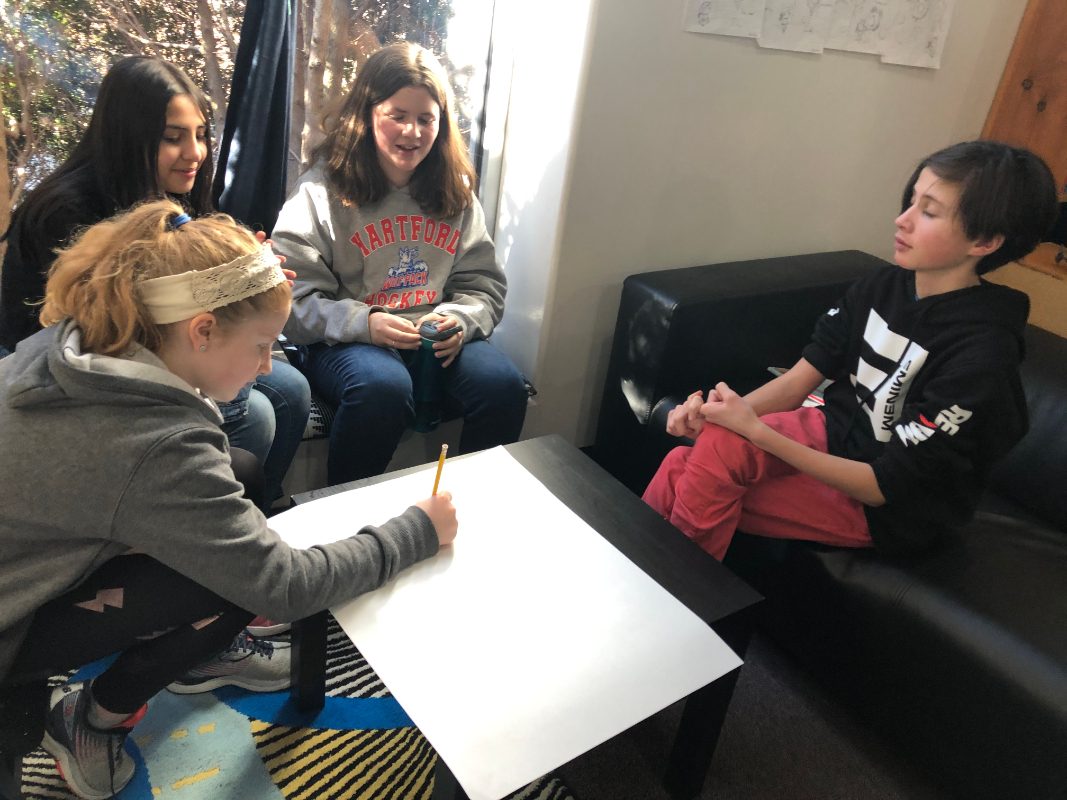
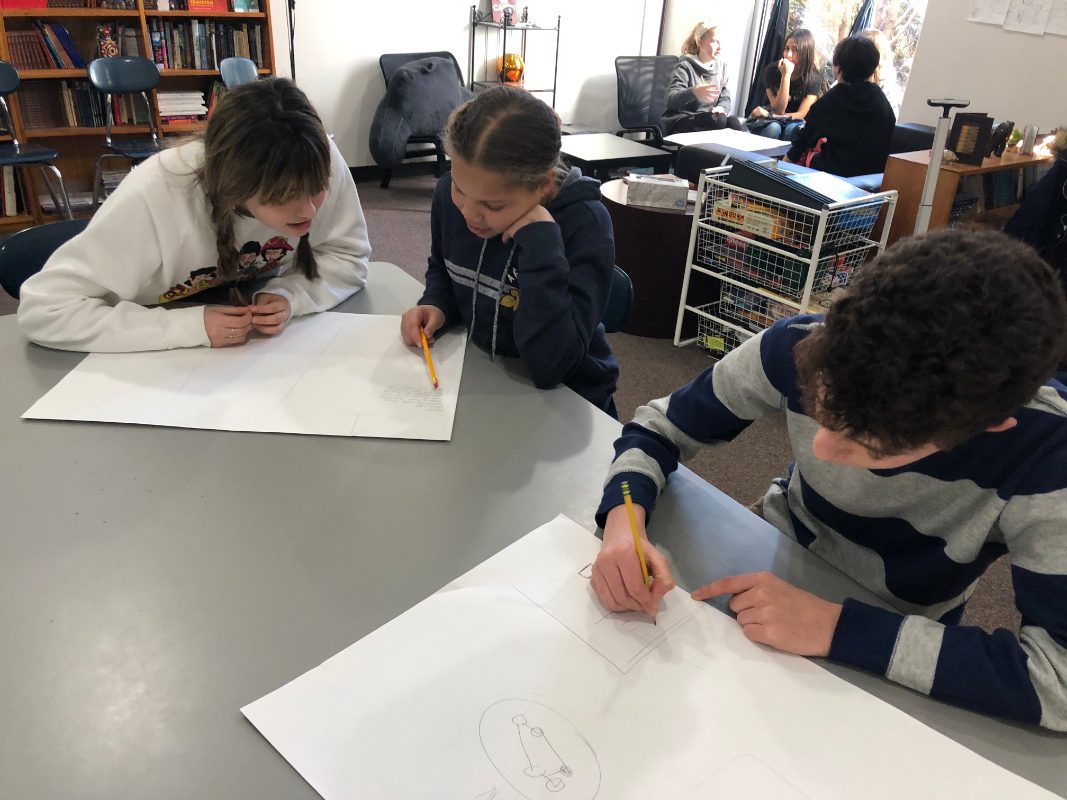
6th and 7th year Humanities classes are just under a week away from Research Night! This week, students brought in their paper drafts and focused on properly formatting in-text citations and using transitions in writing. They also completed the visual component of their presentations. They will begin running through them in class on Monday and making final revisions to their papers. 8th years continue their unit on U.S. history from the lens of Black Americans. This week, they looked at the Atlantic slave trade and its effects on populations, economies, and individual rights in countries of Western Africa, the Caribbean, Northern South America, the UK, and the United States. Students also concurrently looked at government structure including the House of Burgesses as well as the 1st & 2nd Continental Congress meetings. Finally, they looked at causes of the American Revolution (financial implications of the French & Indian War, British taxation, the Boston Massacre, the Boston Tea Party, & the Coercive/Intolerable Acts). 8th years also presented current event topics this week.

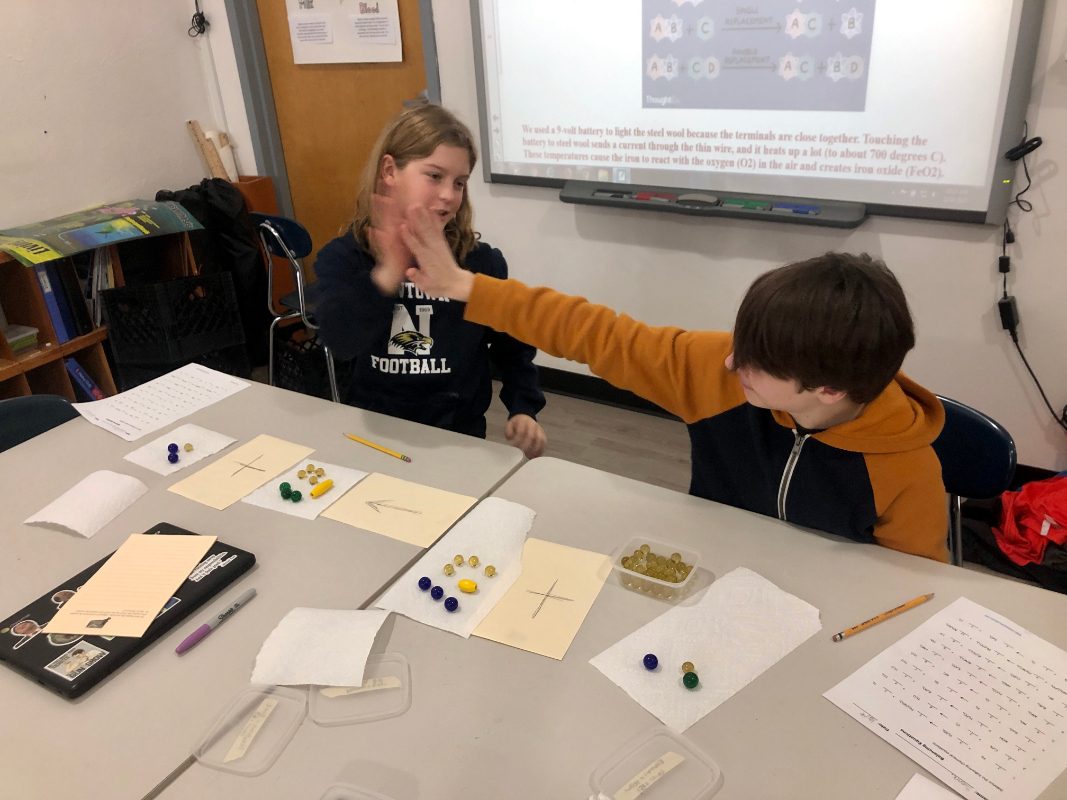
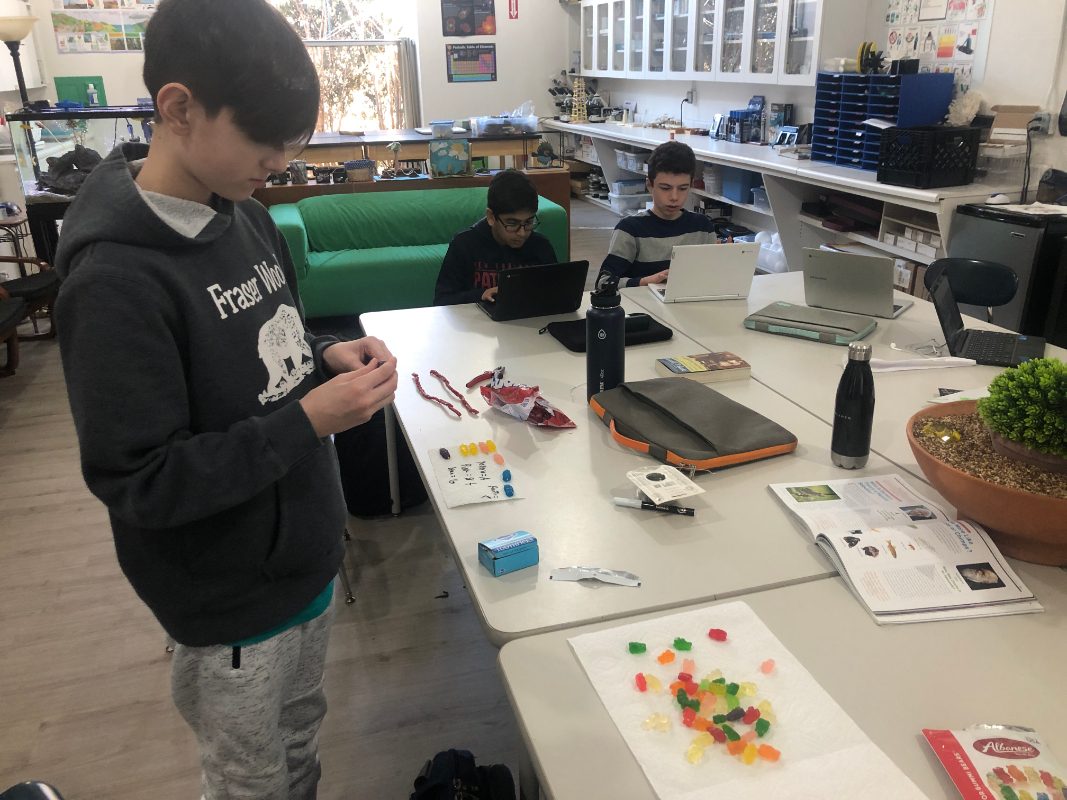
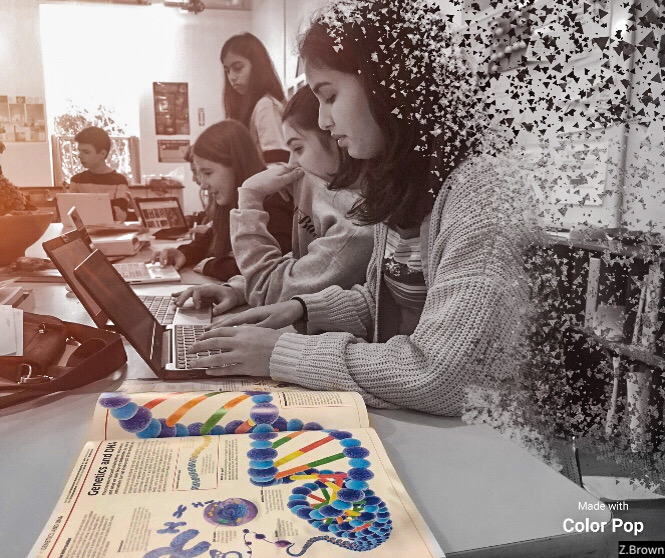
In Science this week, 6th year Earth Science students are learning about natural resources. The unit began by identifying similarities and differences between renewable and nonrenewable resources. We went outside to create a small (contained) fire consisting of leaves and sticks, acknowledging we can not relight them after they have burned. This lead students to understand why management practices need to be in effect to control certain resources based on their ability to regenerate. 7th year Physical Science students are learning about chemical reactions and balancing equations. Building upon prior knowledge of chemical reactions, students are able to see how the product of a reaction is different from the initial reactants. Students were able to use manipulatives that are representative of how changing any value of reactants affects the value of its products. 8th year Life Science students are working on constructing their 3-dimensional DNA models as part of their genetics unit. These models will illustrate the components found within DNA, genes, chromosomes, and alleles.
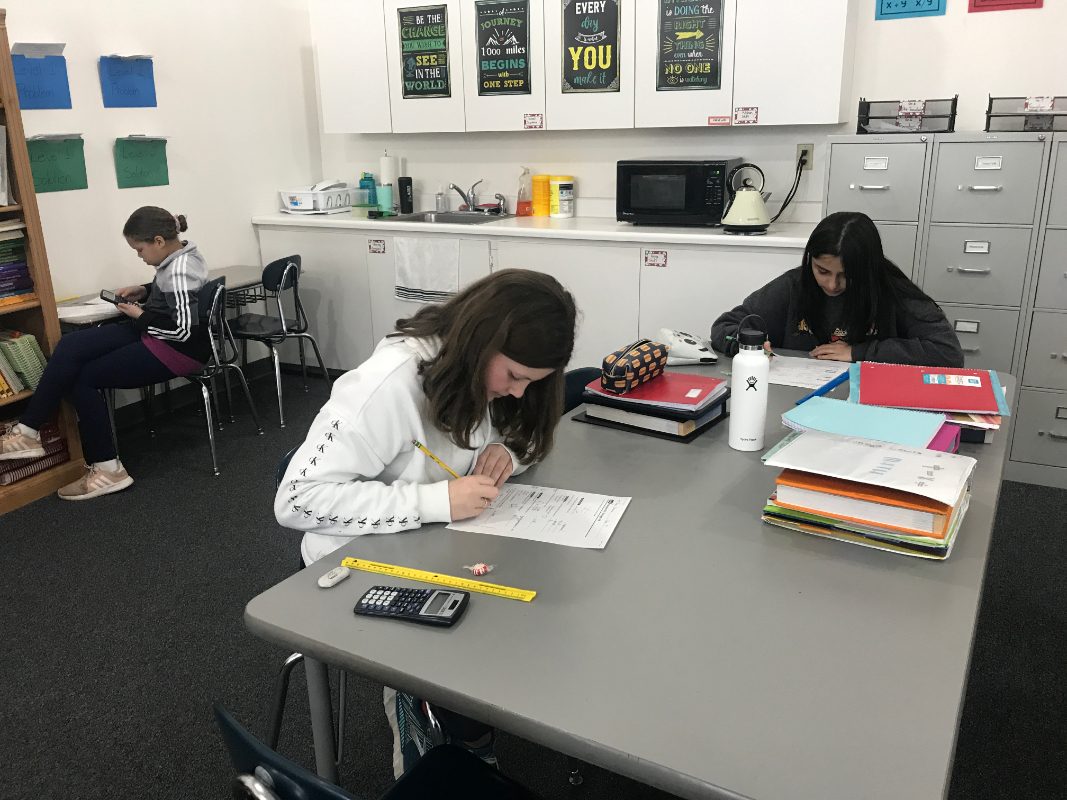
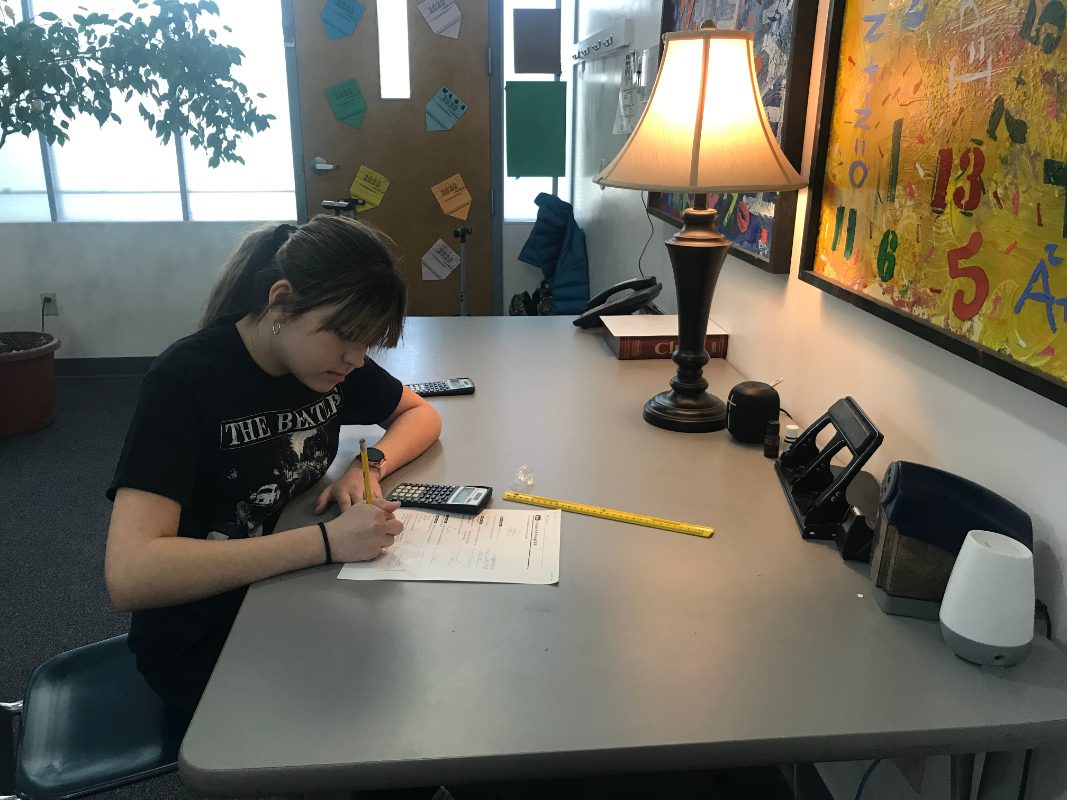
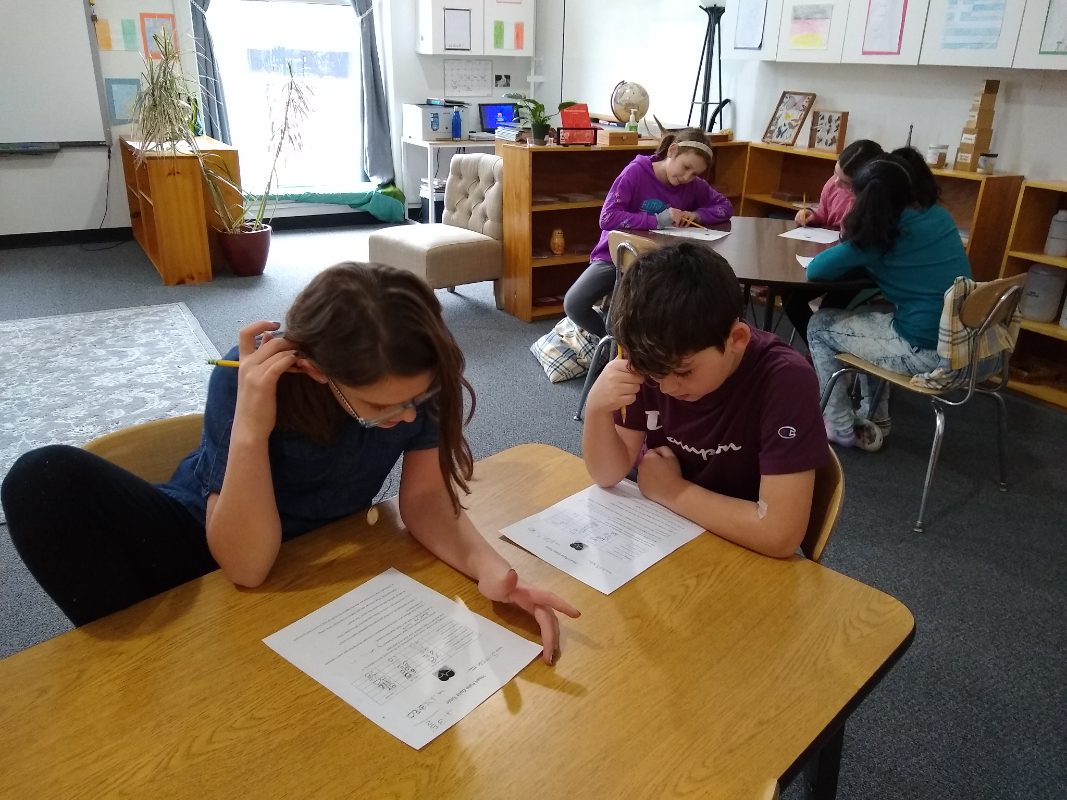
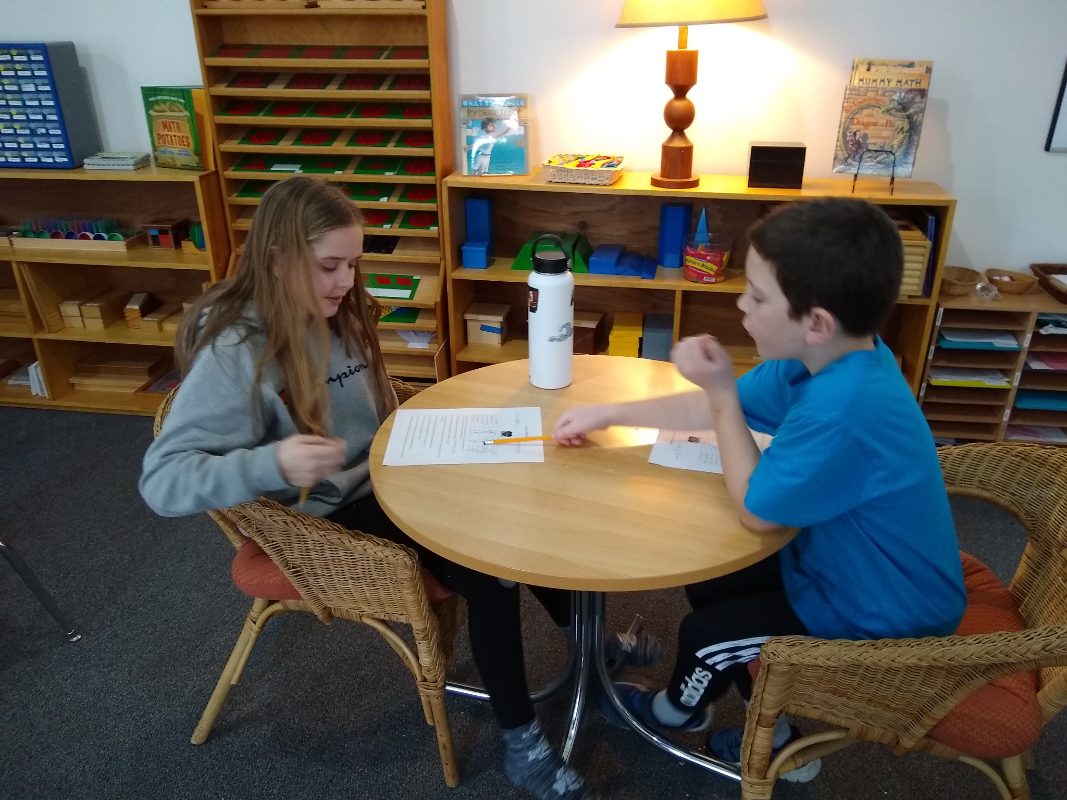
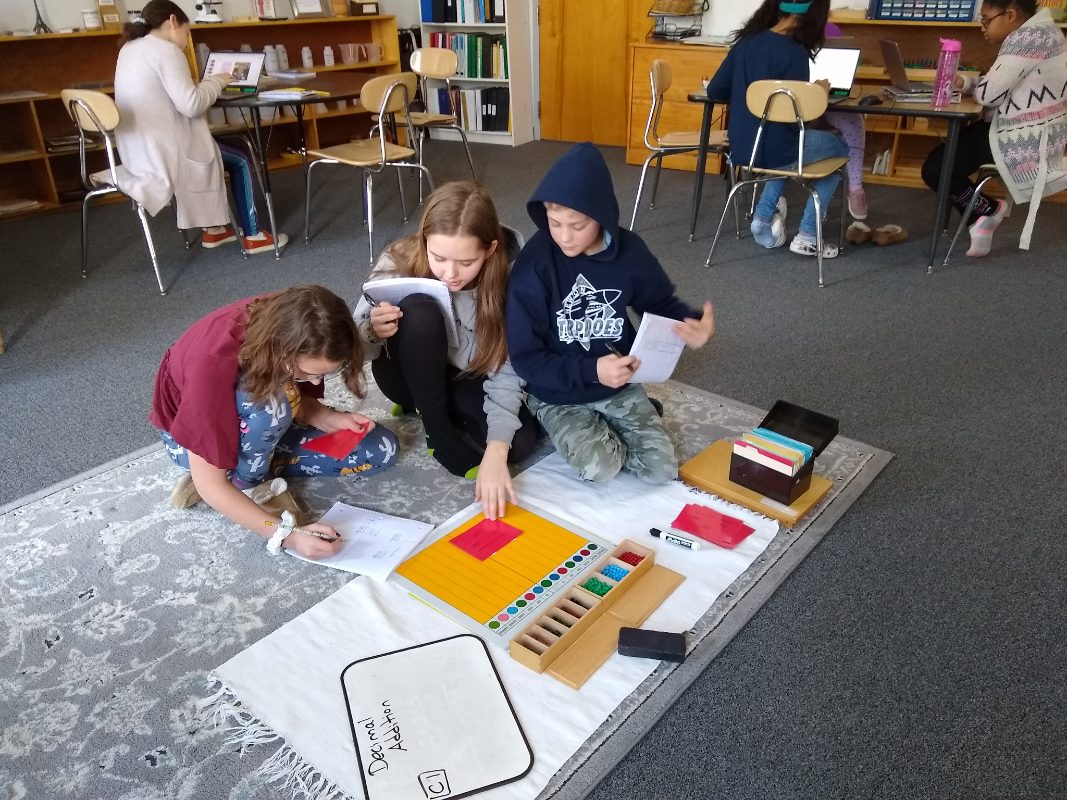
In Pre-Transition Math, students are continuing to work through Chapter 6 of our UCMSP textbook. Students are learning how powers of a number work and can identify the exponent, base, and expanded version of a number. Students are practicing how to multiply decimals, simplify fractions and calculate percents using mental math. We finished the week by using real-world examples of percents and looked at how the percentage of a quantity is used in a grocery store every day.

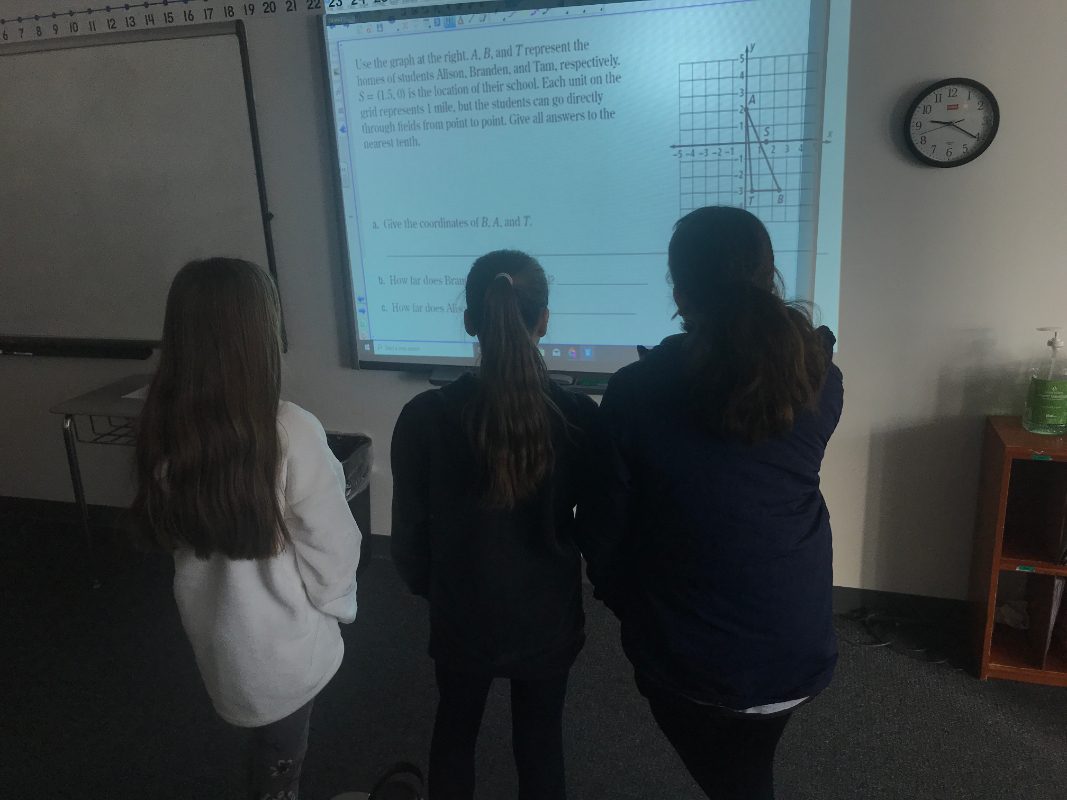
In Transition Math, students are confident in their ability to identify congruent angles and sides in a parallelogram. Students took notes on the important properties of a parallelogram and transversal line segments. We learned about the triangle sum property and how to calculate the distance between points (We had so much fun using the Pythagorean theorem!).

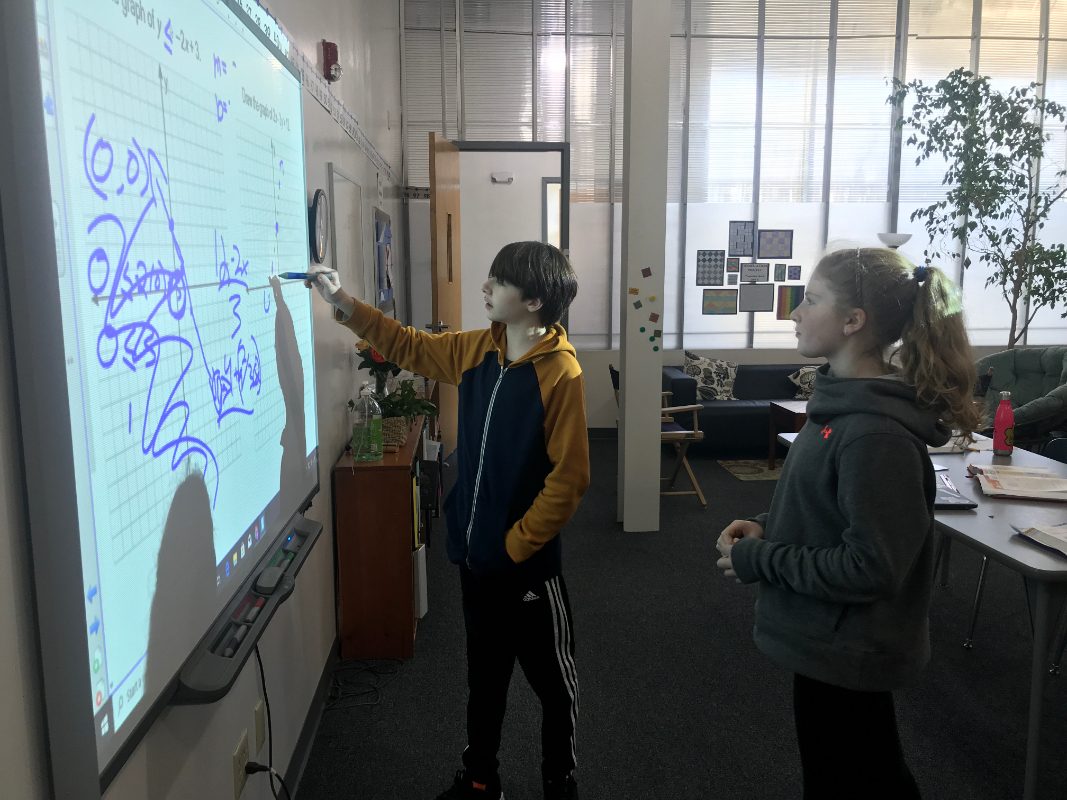
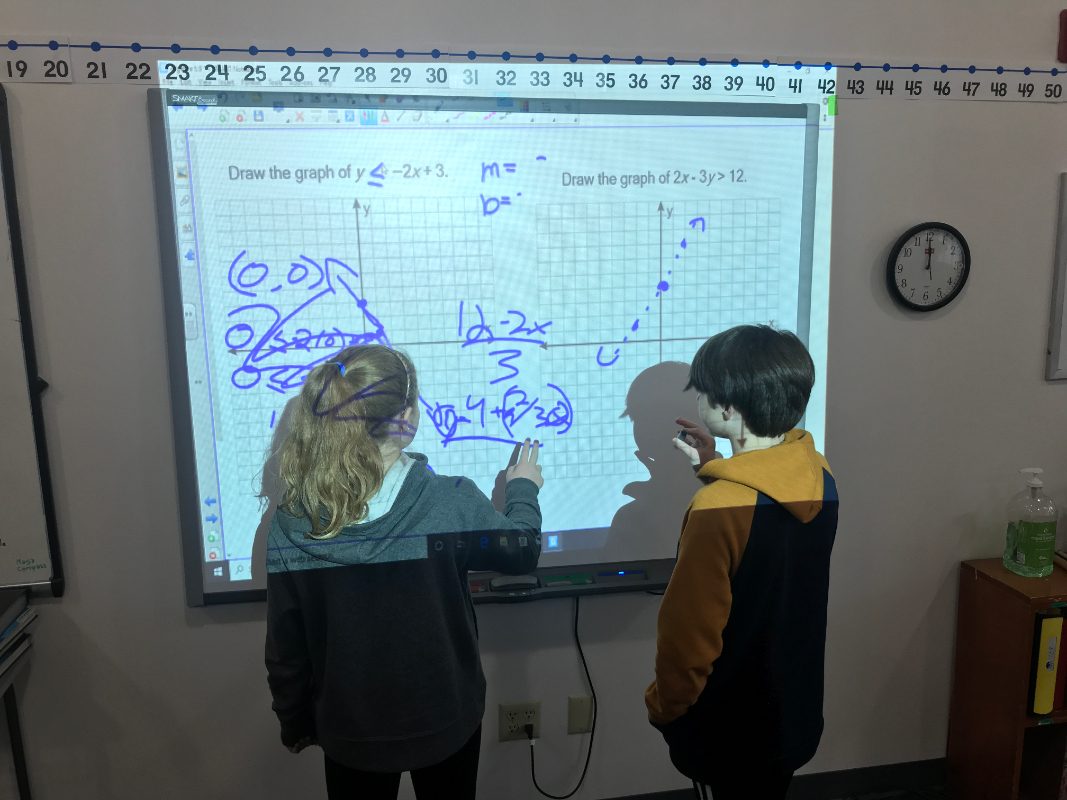
In Algebra, students have successfully finished learning all the lessons from Chapter 6. Students can graph linear inequalities, identify the three main equations for linear functions, and can find the slope of two different order pairs.  Students will be writing the Chapter 6 unit test on Tuesday, February 4th and will then be moving onto chapter 8 as our next set of lessons.
As a reminder, There will be no extra math help session on Tuesday, February 4th as Ms. Sutherland will not be at school. Happy studying!
Math Joke: Why can’t you trust a math teacher holding graphing paper?………………….They must be plotting something.

Have a beautiful weekend!


Upper Elementary: A Routine Week

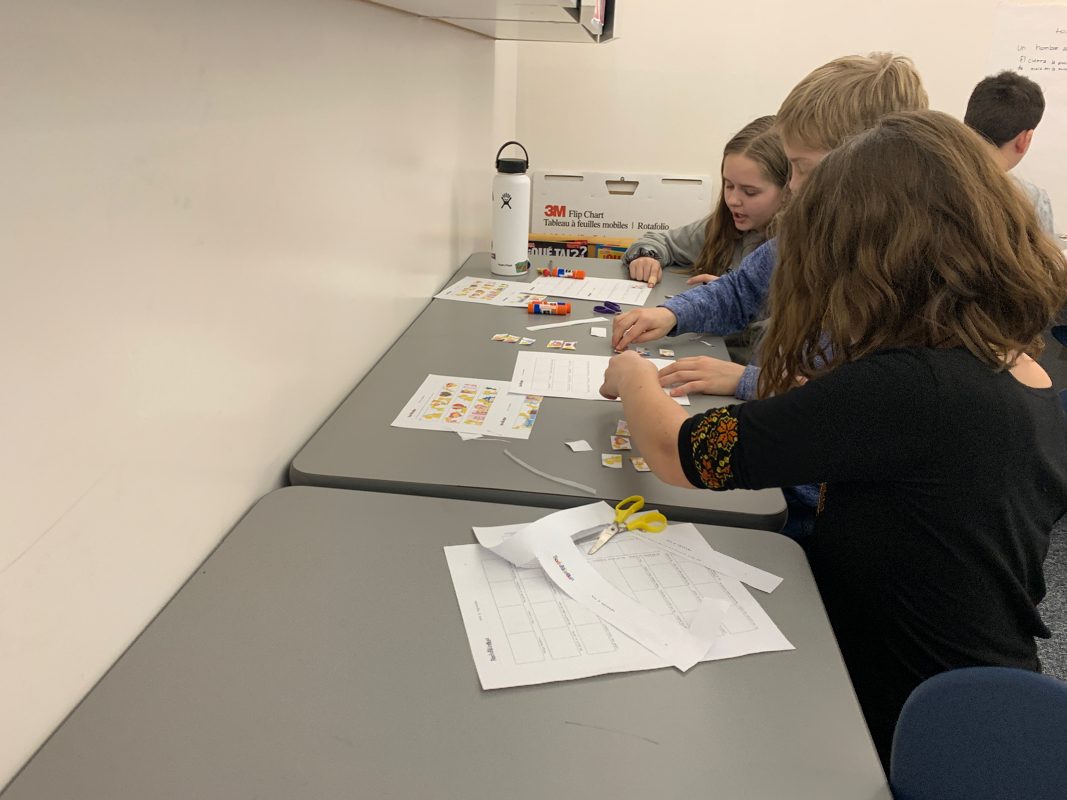
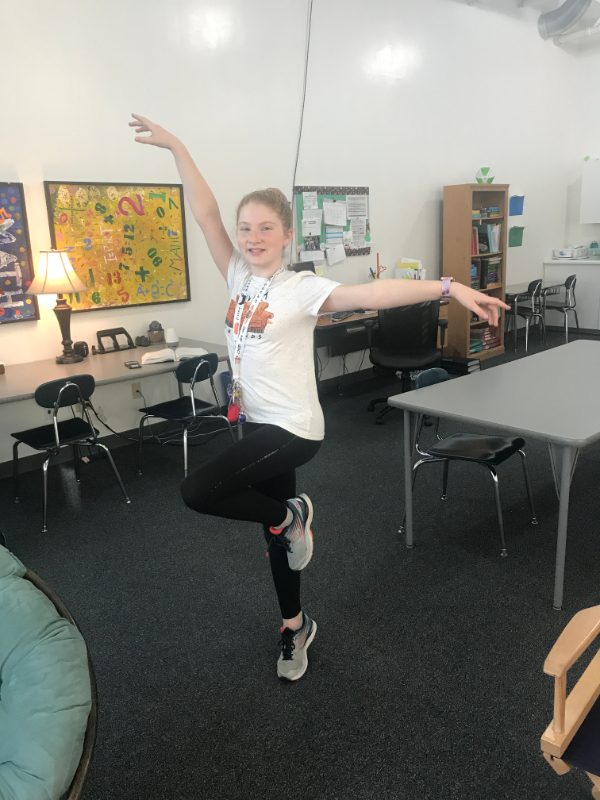
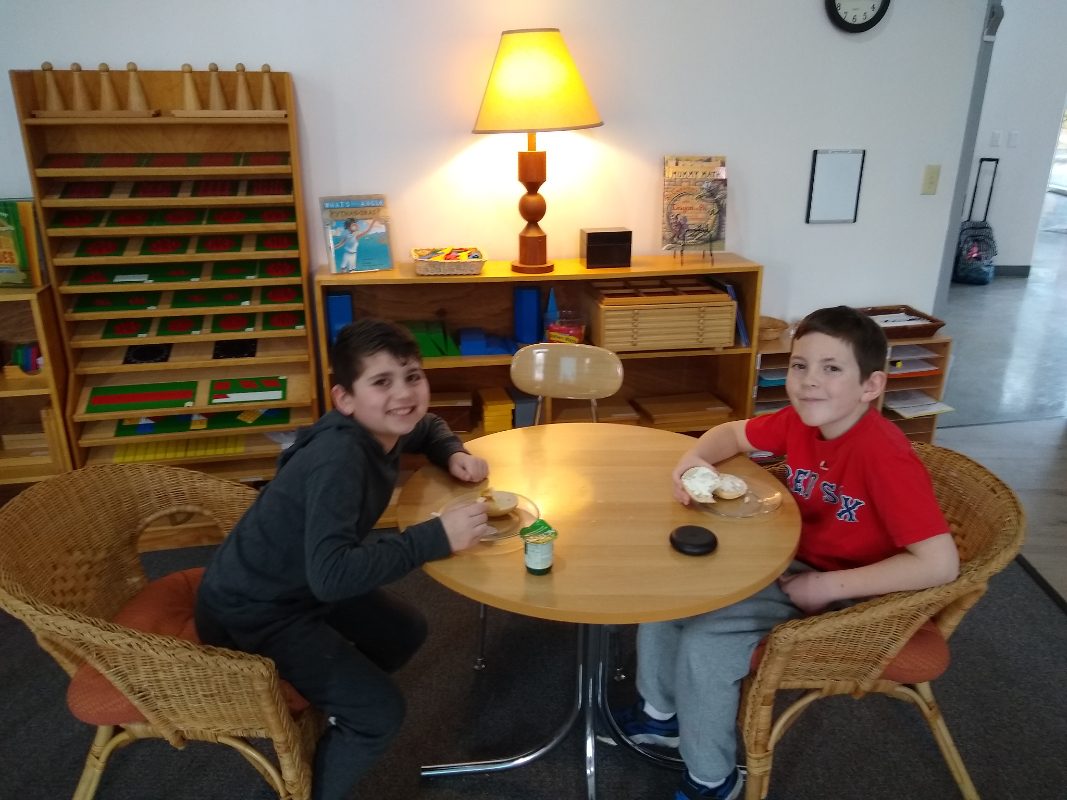
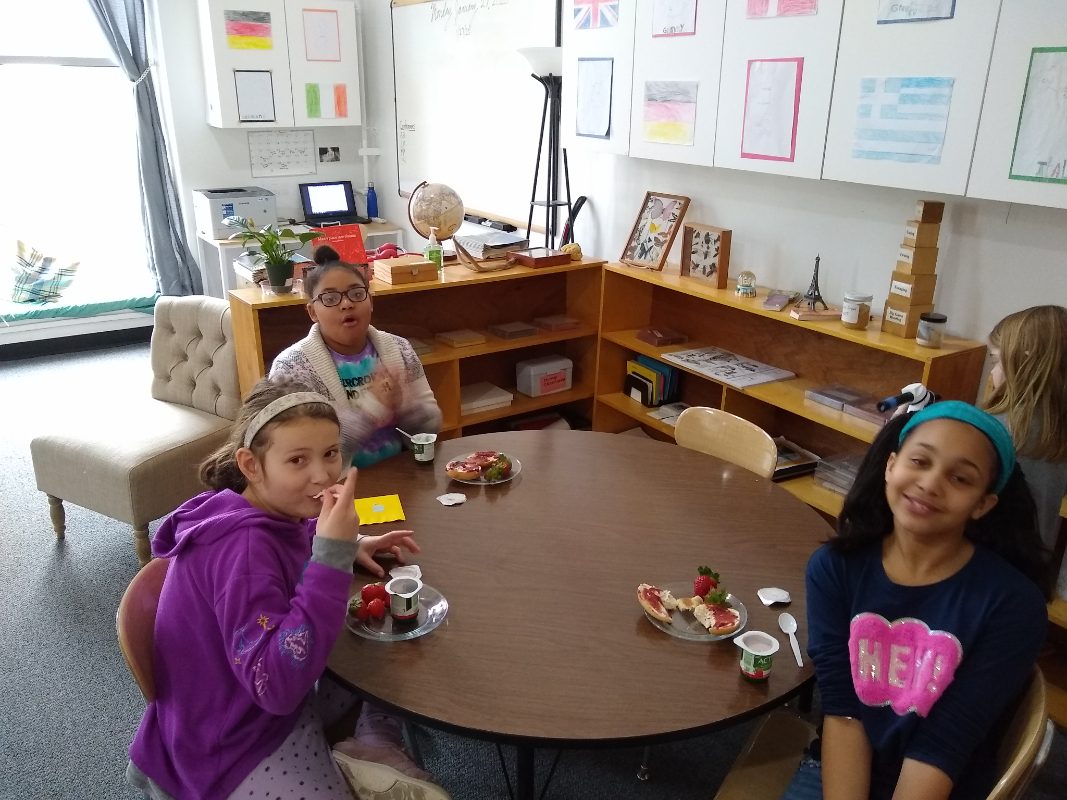
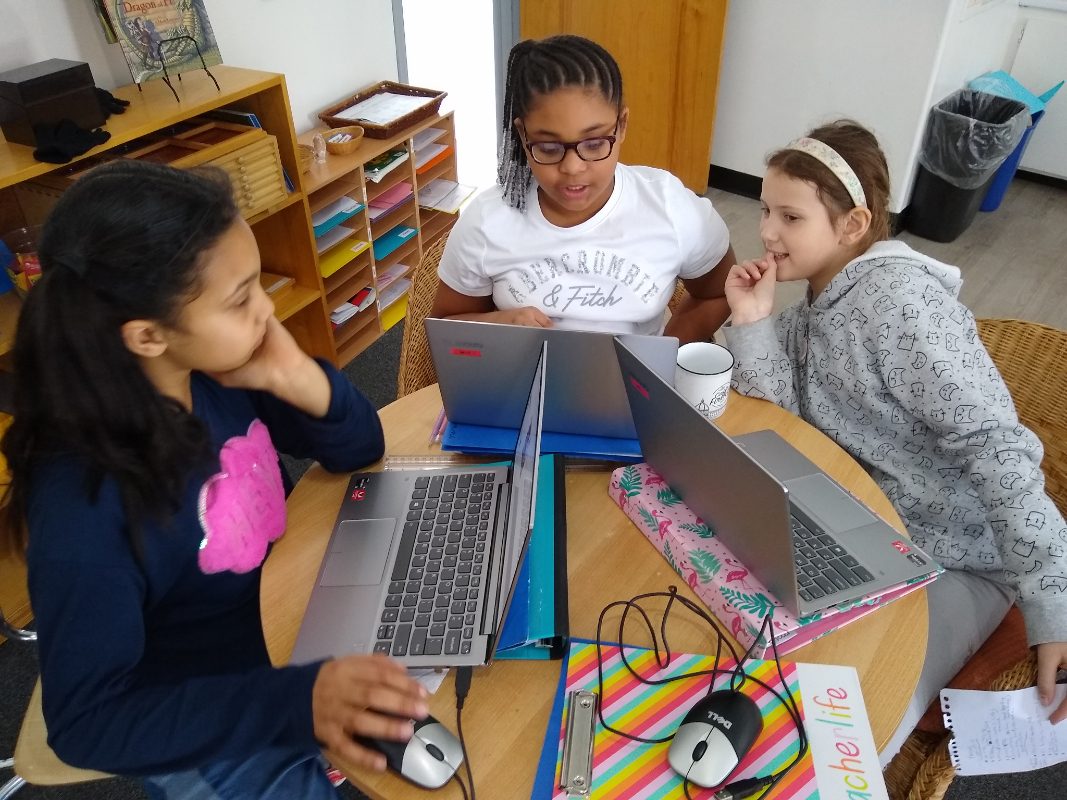
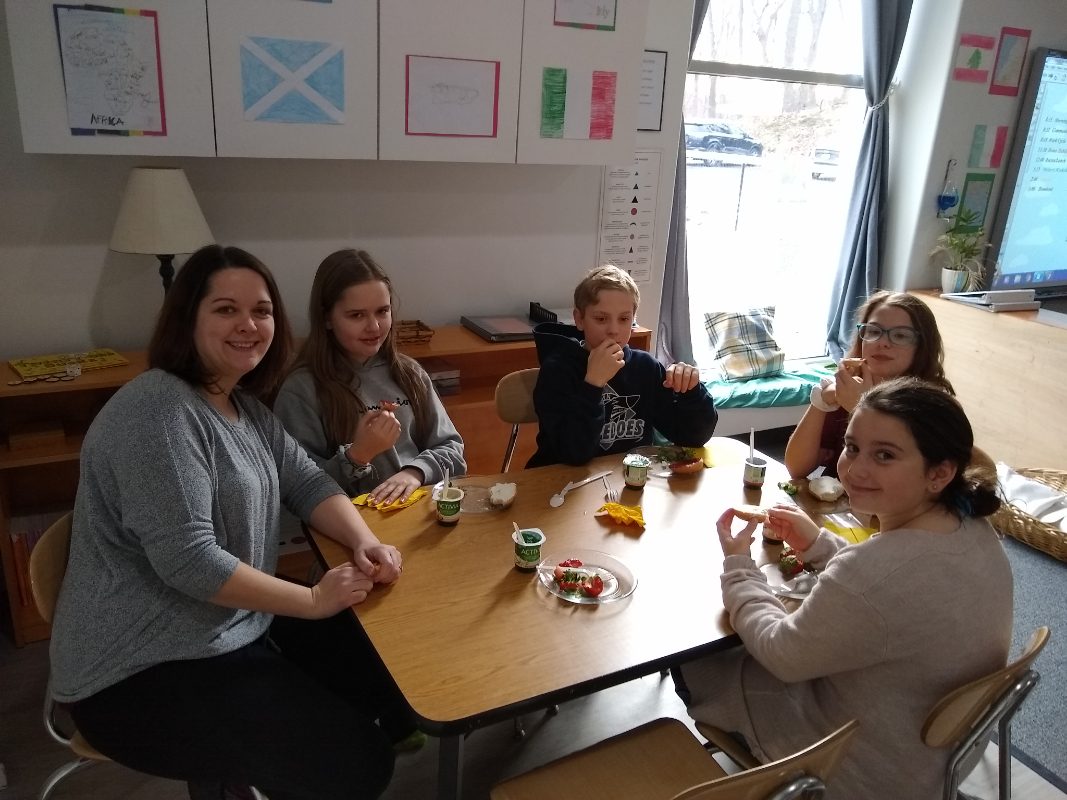
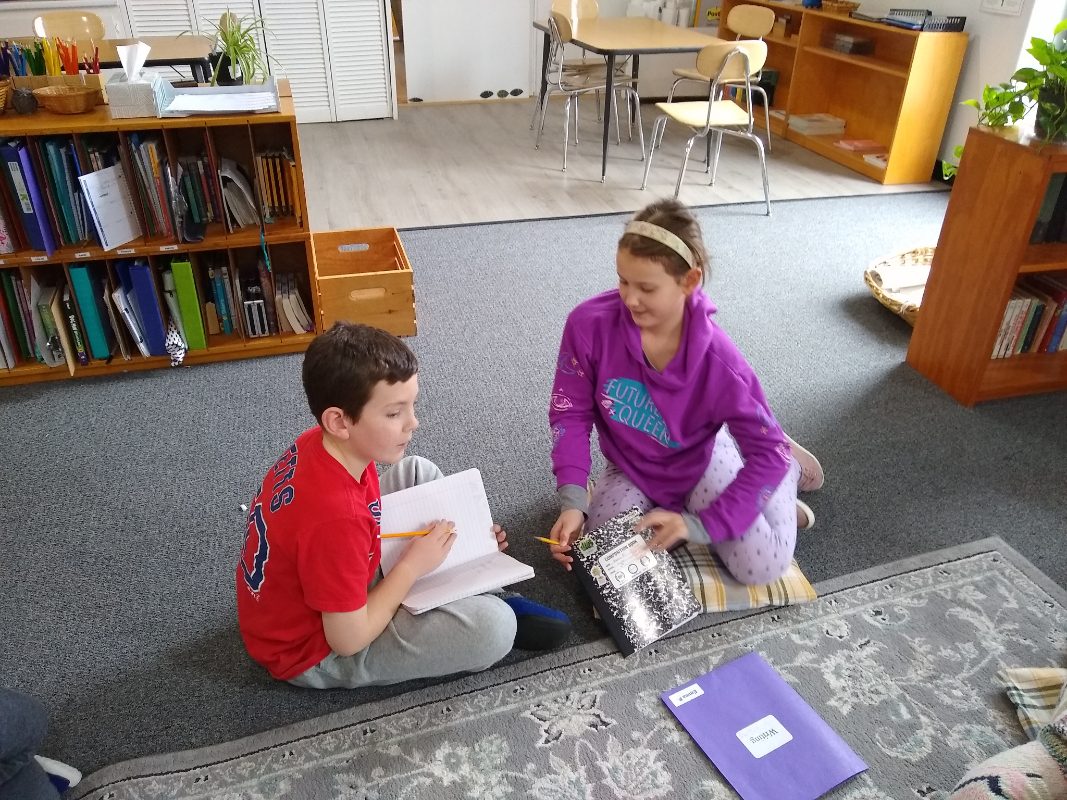
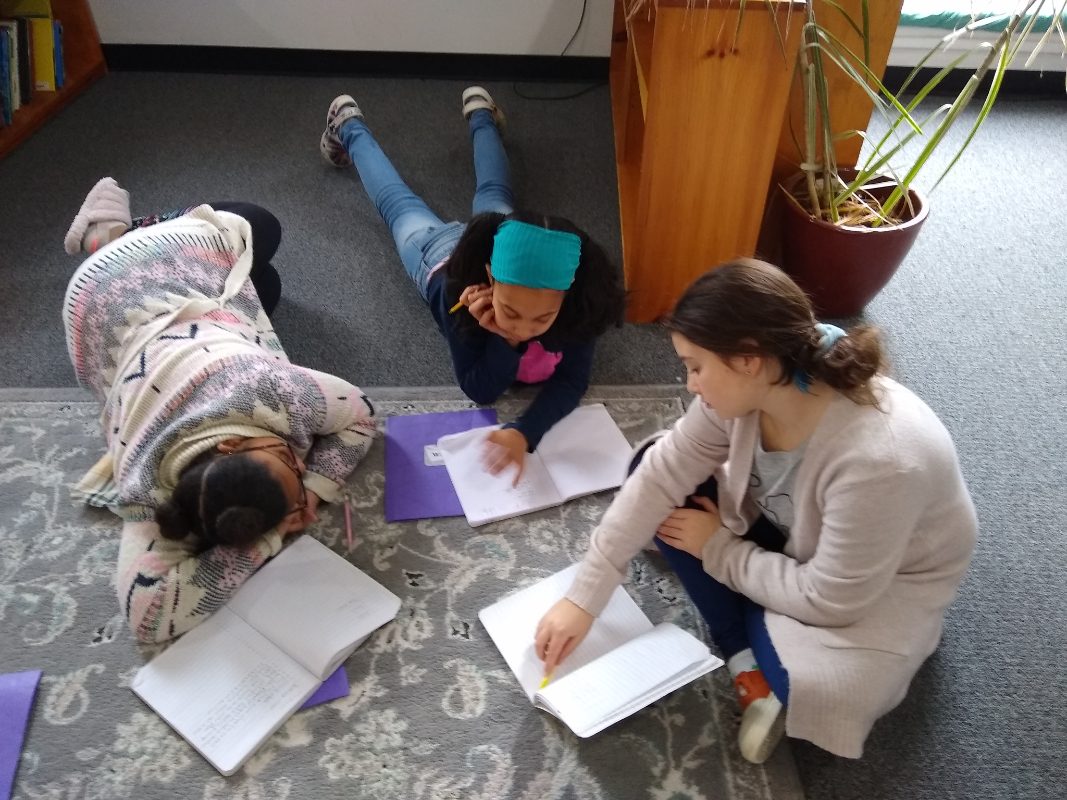
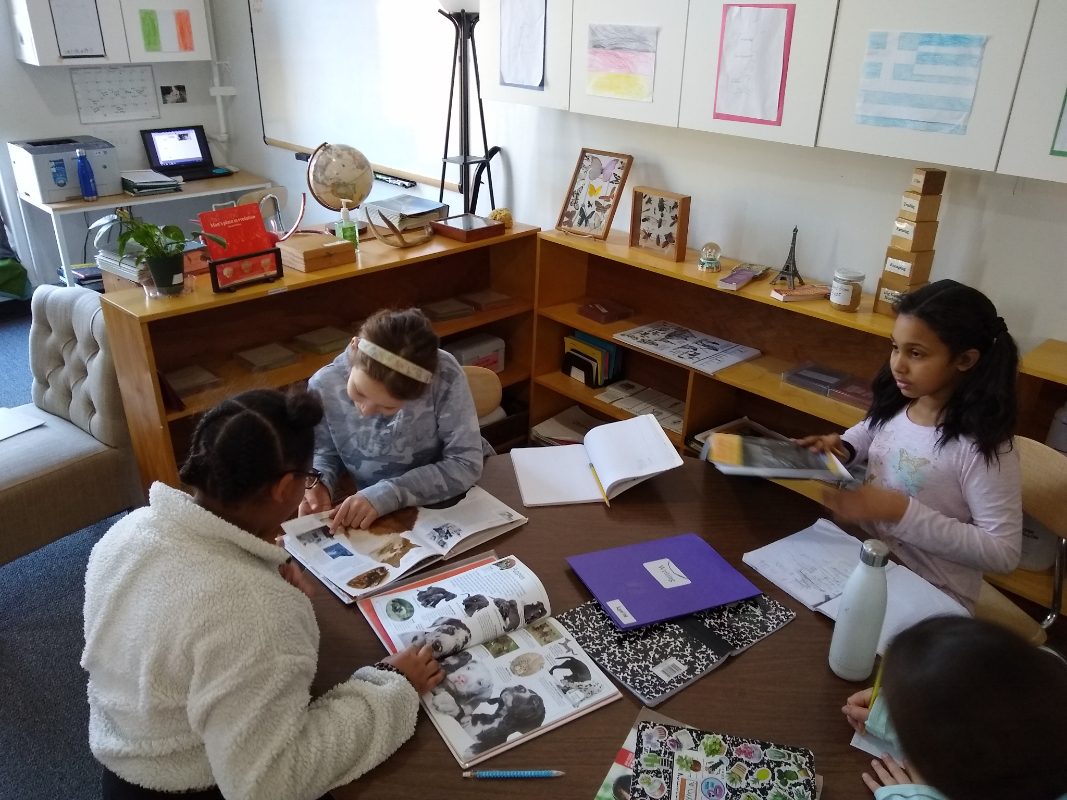
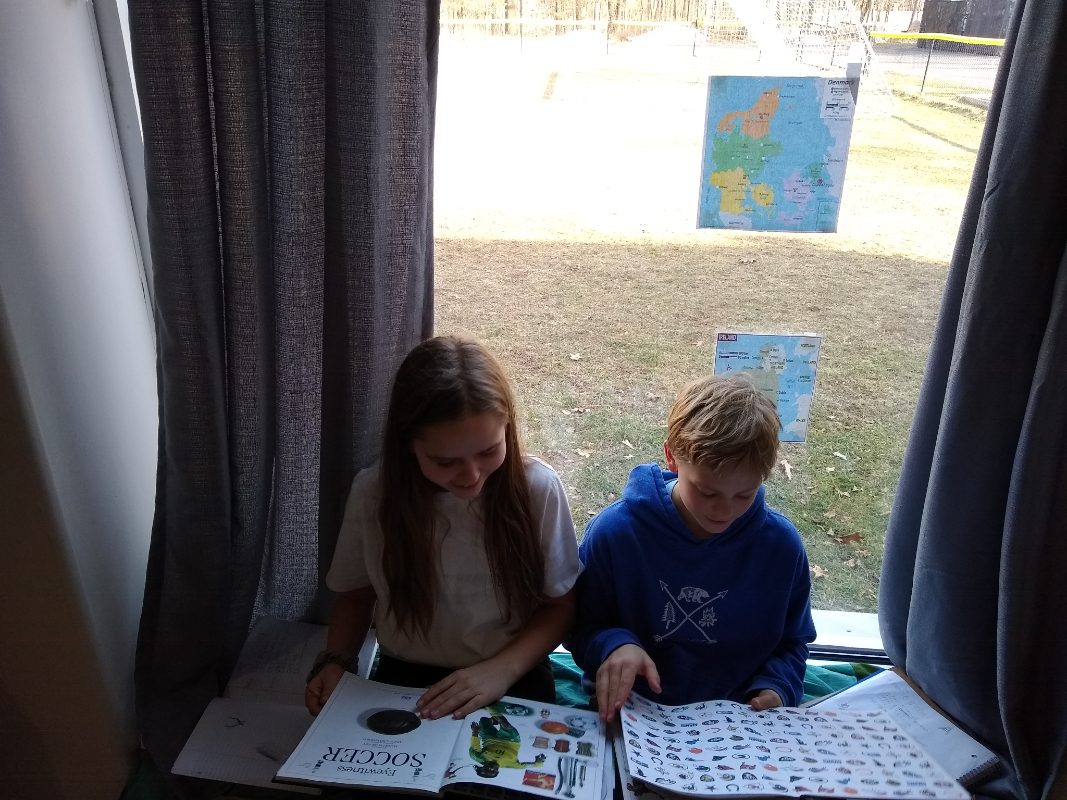
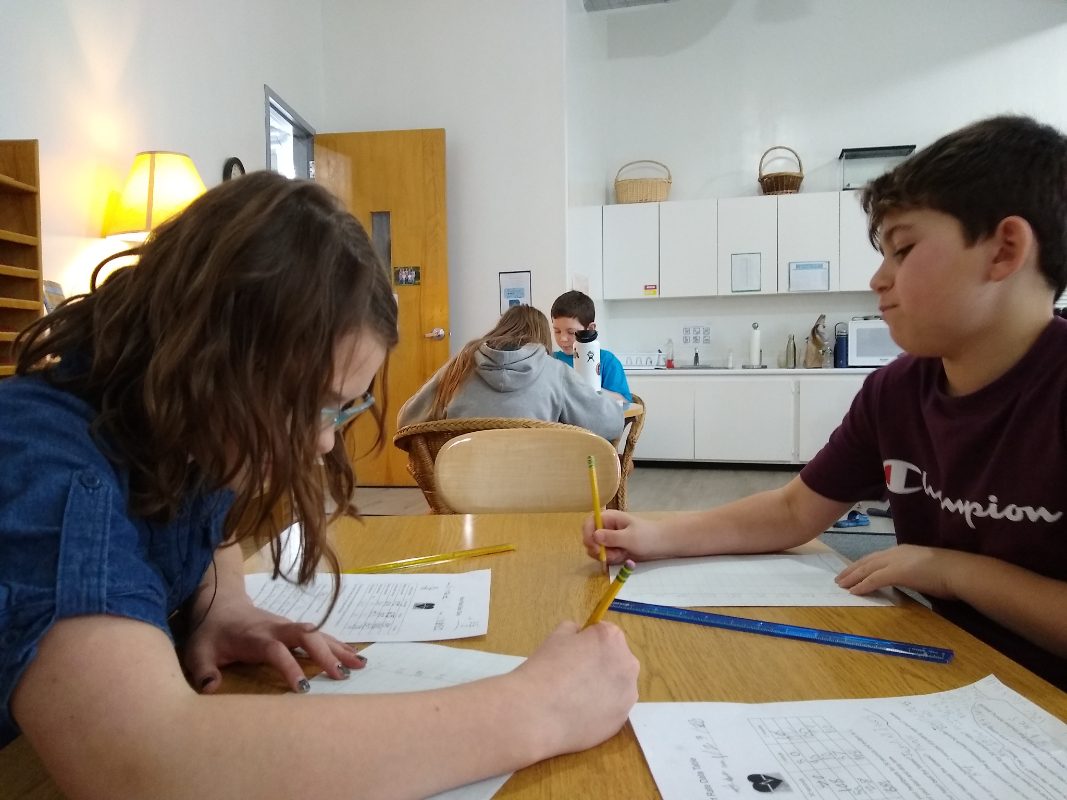
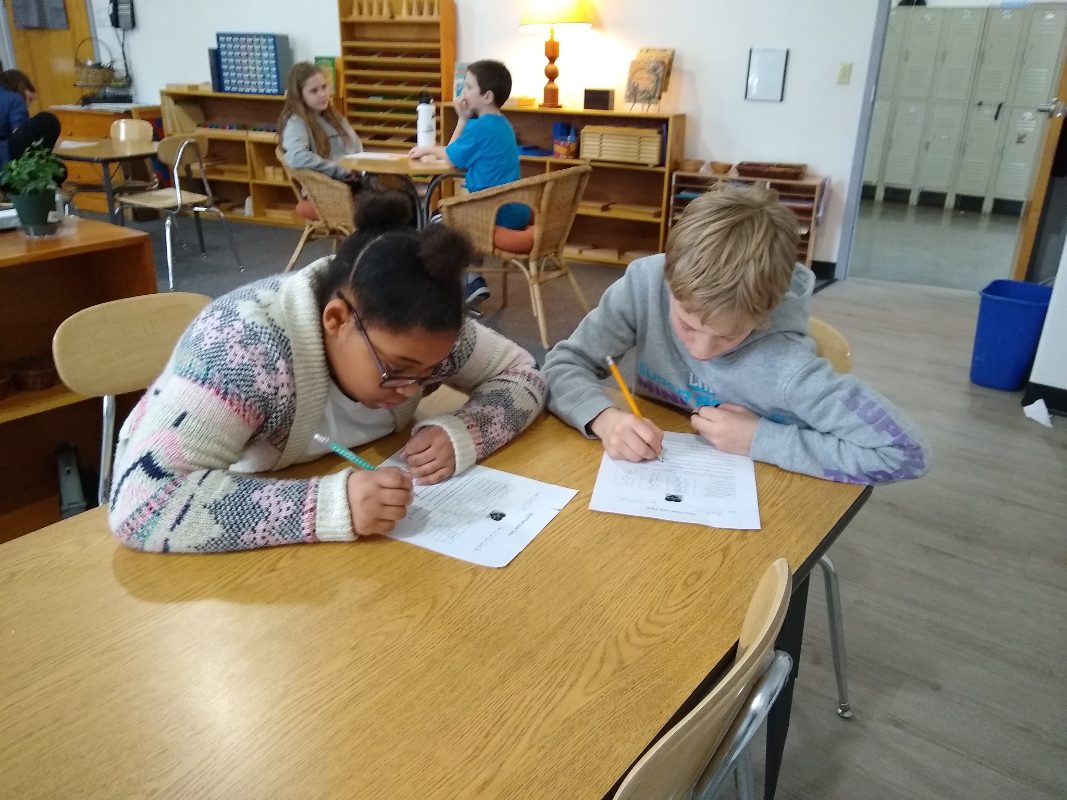
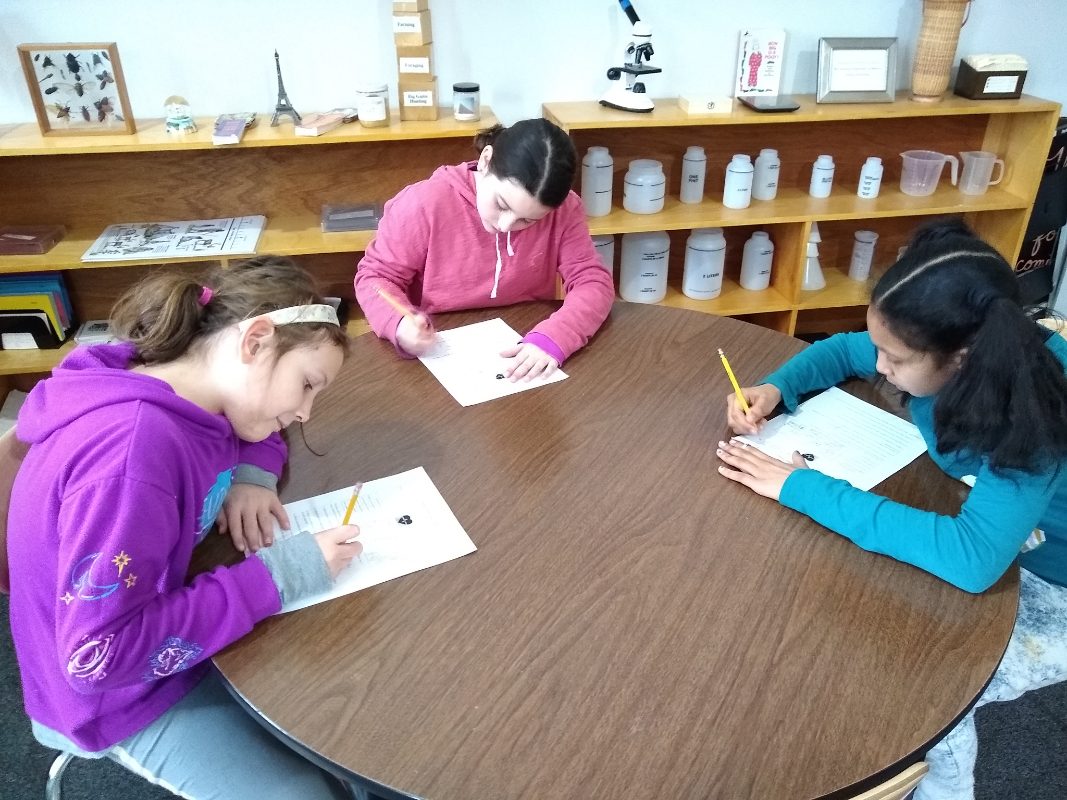
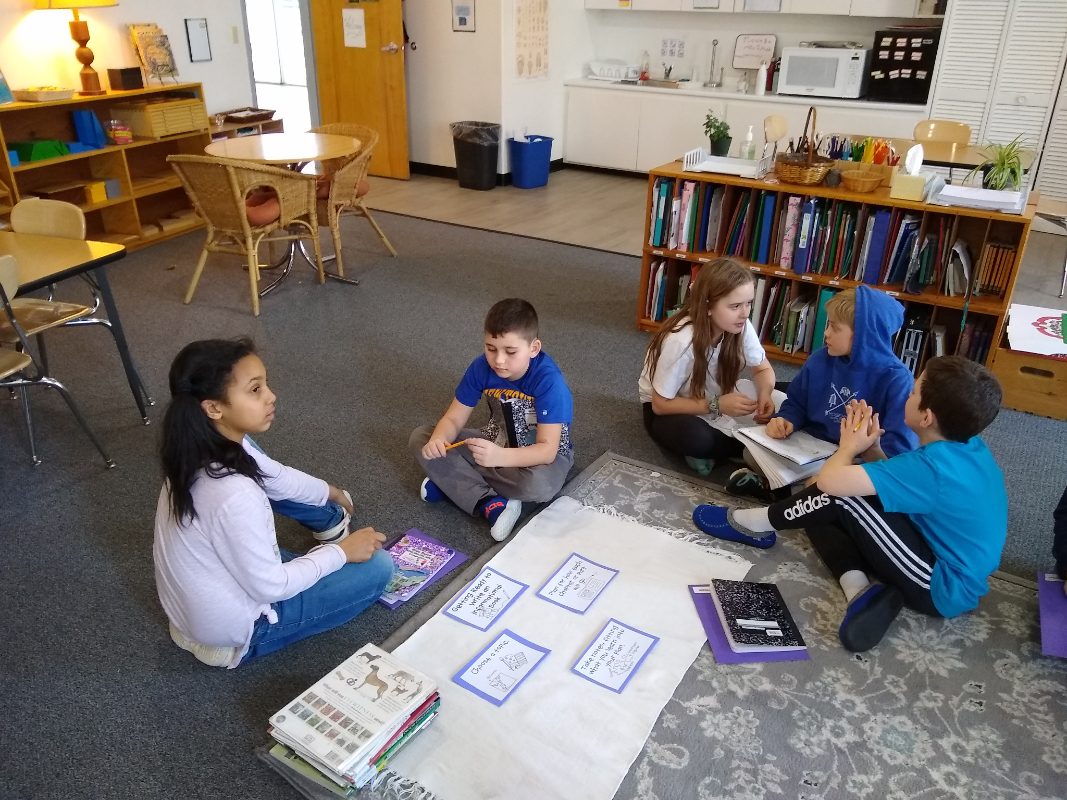
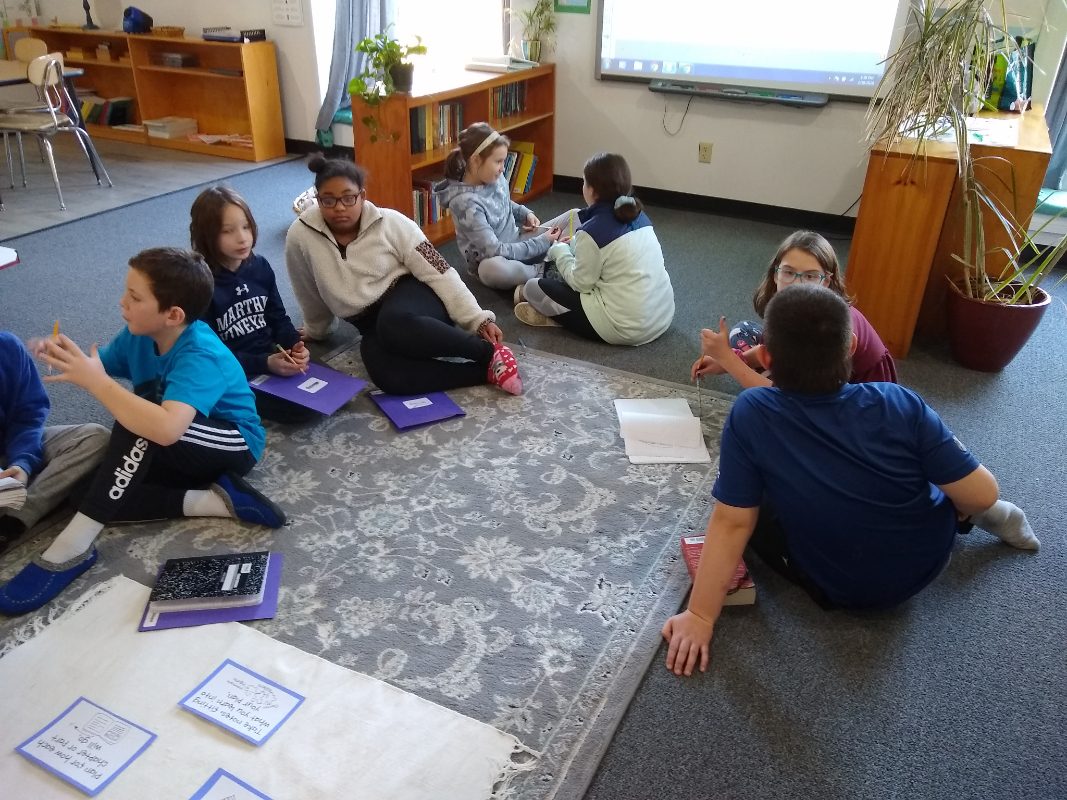
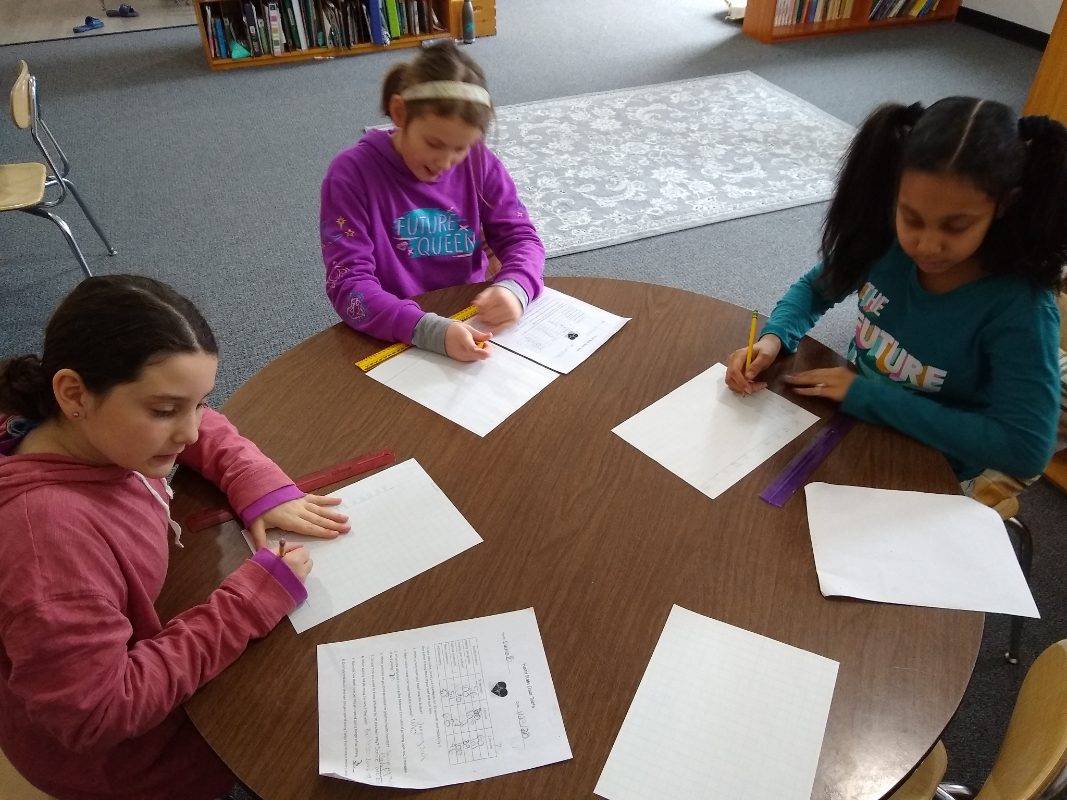
This week we returned to our regular morning work cycle routine with a variety of lessons. But before we could do that we celebrated the January birthdays with a birthday breakfast of bagels, strawberries, and yogurt. Students created bar graphs based on their heart rate data from last week’s respiration lesson. During Writers Workshop, everyone worked on information writing based on a topic of interest. Preparations for Research Night (February 6 @ 6:30) are coming along nicely. Presentations should be finalized by Monday and then the students will use class time each day to practice their presentation.

Important Information & Upcoming Events

Parent & Teacher Conferences are Thursday, February 13th.  Online sign-up will go LIVE this Friday (1/31).  Please note, teachers can also make time for conferences throughout the week during times that work for their teaching schedule.  Parents can reach out to their child’s teacher directly if they are unabale to attend conferences on 2/13.

Join a Book Study to discuss the book, How to Raise an AdultFor more information, please read “Note from the Head” by Chris Robertson in this week’s FWM School News.

Current Toddler & Primary Families response requested
Please take a minute to click on this link to complete your family’s desired program choice for the upcoming school year.

Parent Association: FWM 1st Annual Snow Ball Saturday, February 1st – 3:00-5:00pm. The Snow Ball is a dance where students from toddler through middle school attend with their favorite grown up! The adult can be a parent, grandparent, aunt, uncle or any other adult your child would like to invite. There will be dancing, a winter themed photobooth, craft activities, food, and a very special Winter Basket Raffle. Click this link to purchase your tickets.

March Break Camp Registration is OPEN (Toddler and Primary children).  To register your FWM toddler or primary child in FWM’s March Break Camp, please click here.  Parents may register their child for one or both weeks.  March Break Camp is:  Week 1 (March 16-20) and Week 2 (March 23-27).

Parent Association Meeting this Thursday, January 23rd from 8:30-9:30am. in the conference room. Be on the lookout for the upcoming meeting agenda. Everyone is invited and we encourage you to attend!