Blog

Mrs. Lopes’s Class: Exploring the States of Matter

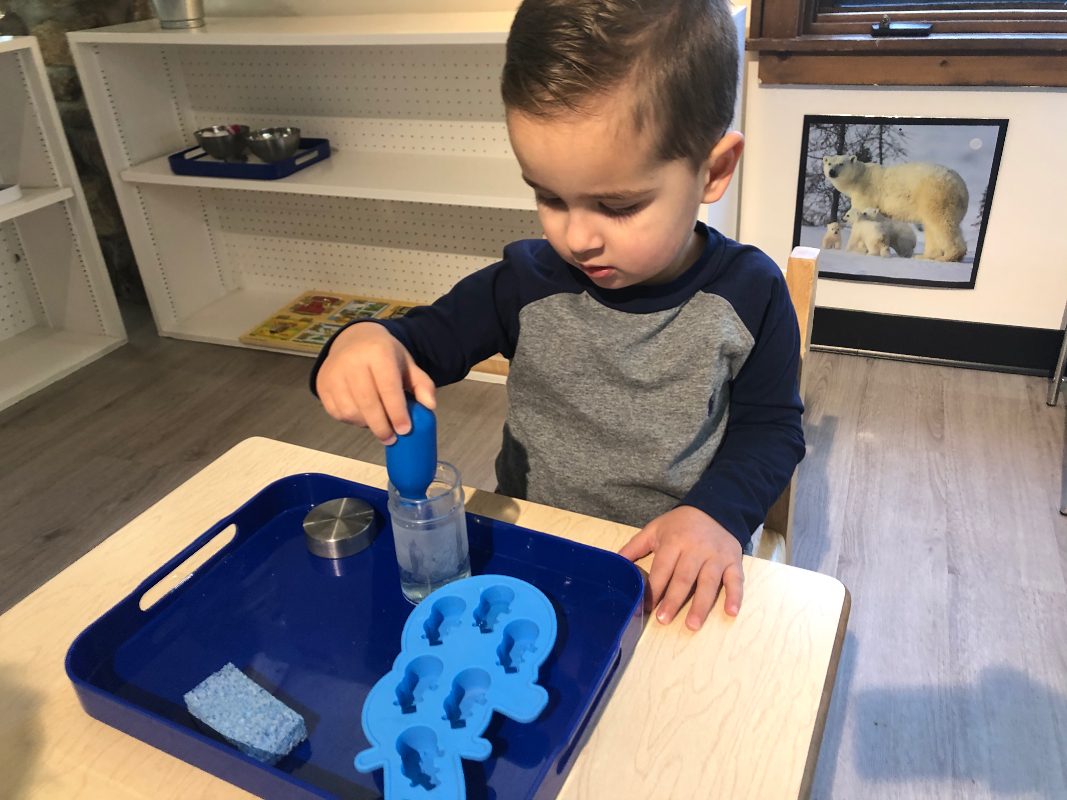
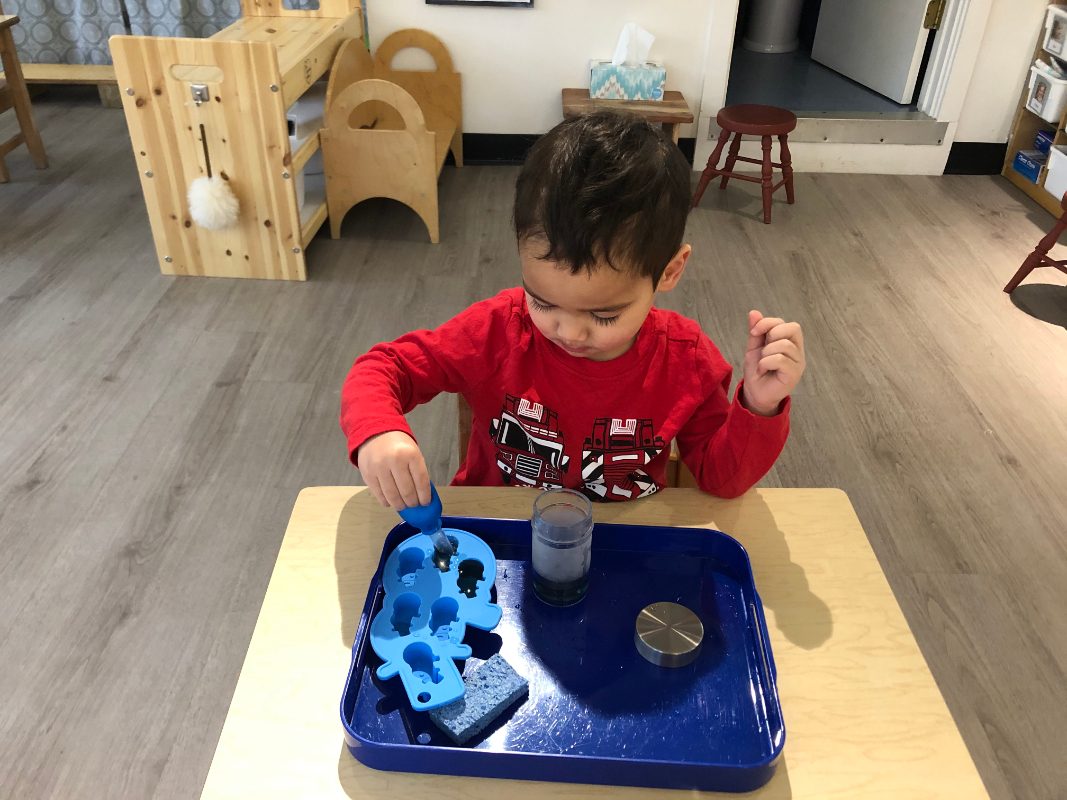
This week we started our unit on the states of matter! We learned that everything in our world is made of matter. We also classified the three states of matter: solid, liquid, and gas. The children enjoyed exploring each state of matter on our introduction tray and sharing examples of a solid, a liquid, and a gas. Be sure to ask your child if they can tell you a solid, a liquid, and a gas. You may be surprised at all the kinds of solids, liquids, and gases they can name! We are looking forward to more exploration of this concept next week with hands-on experiments and activities!

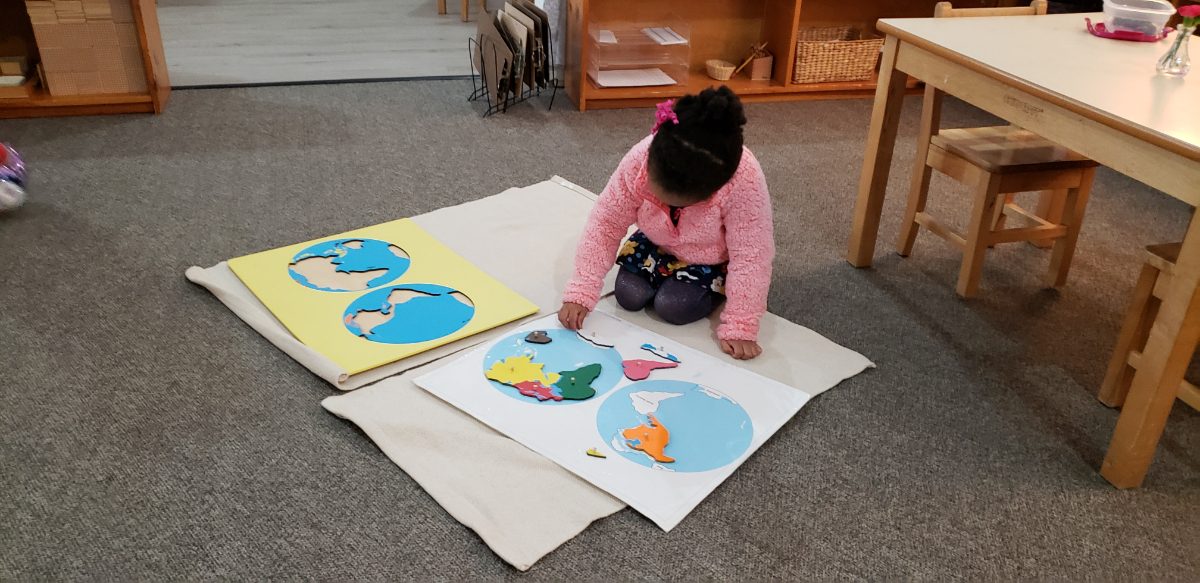
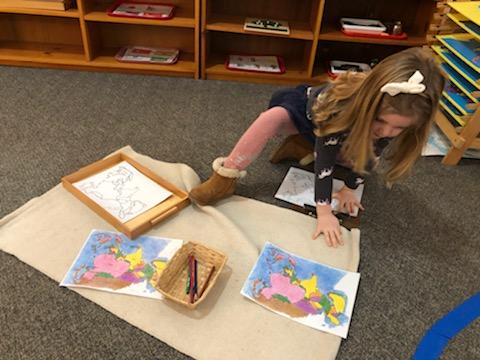
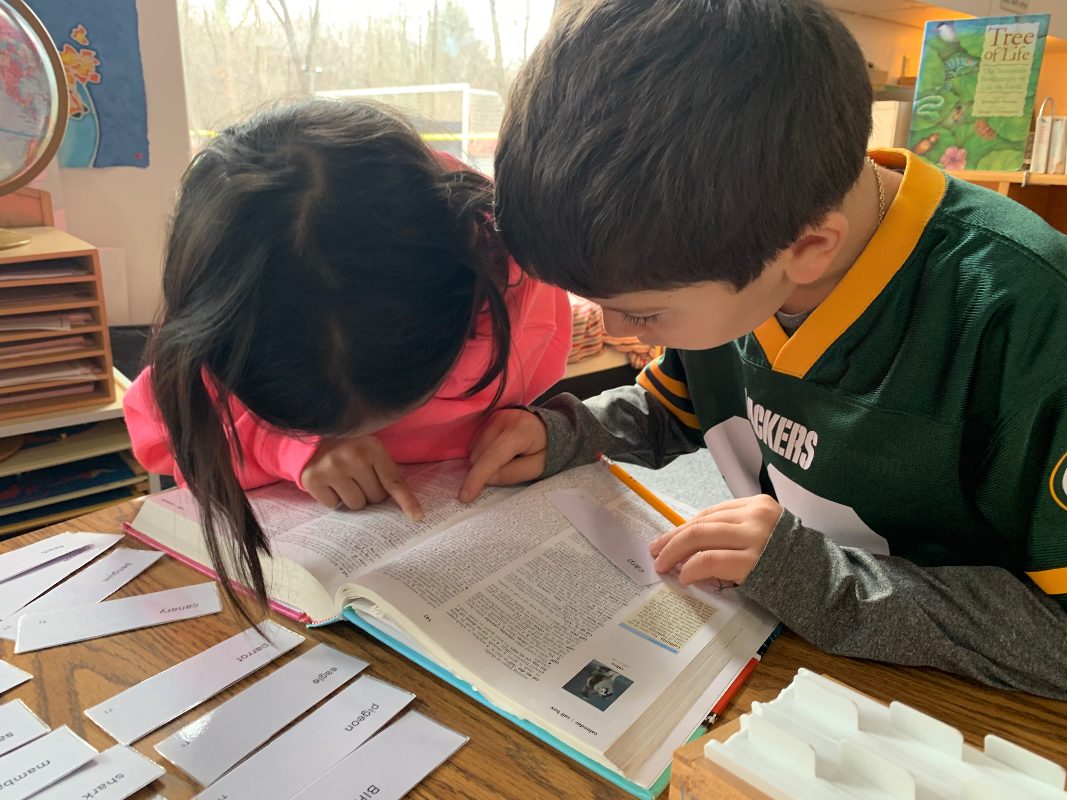
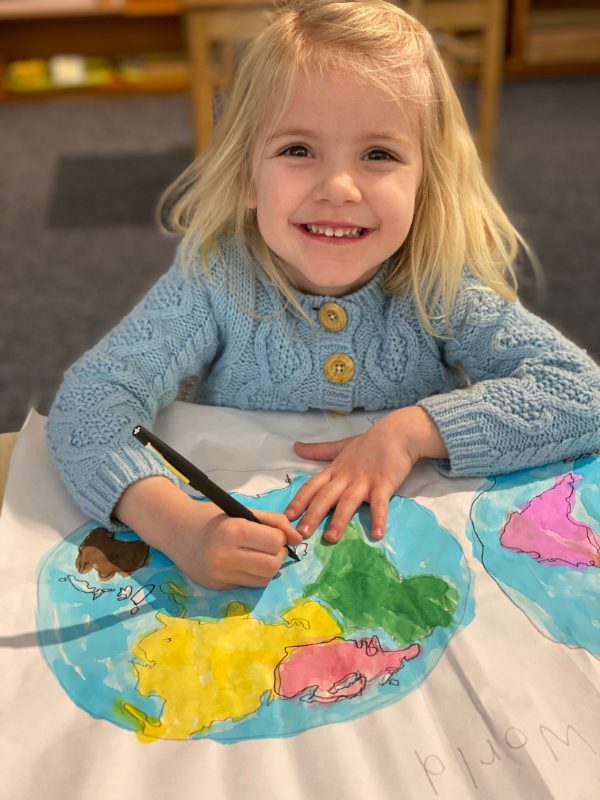
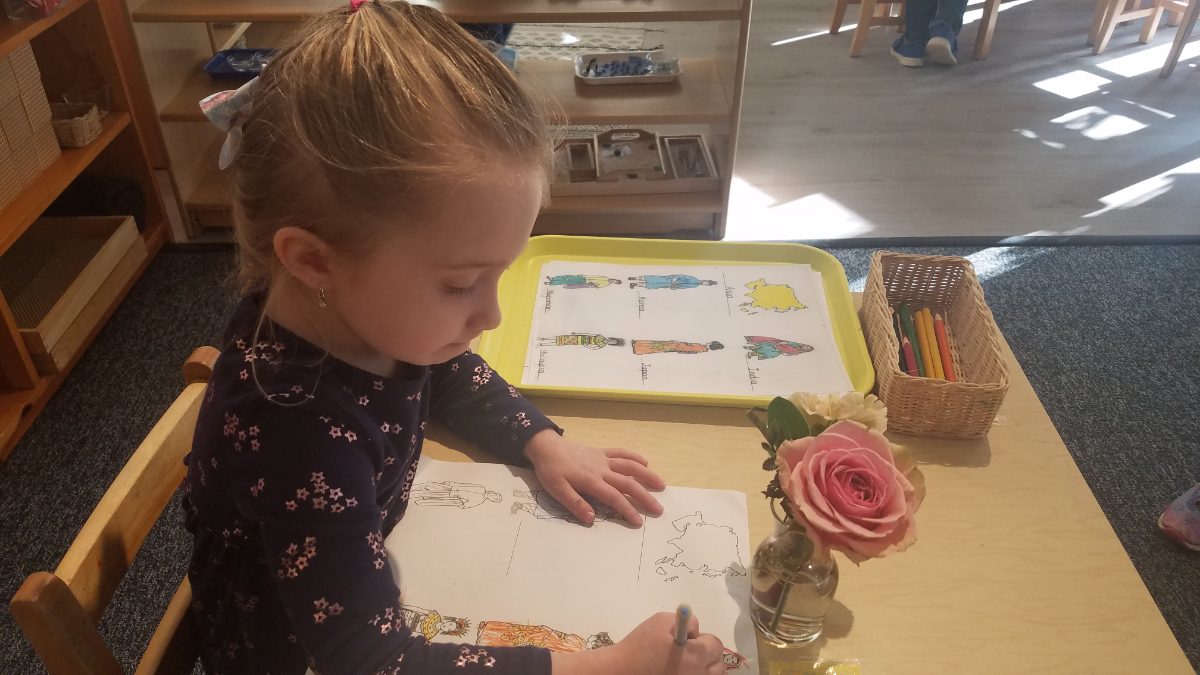
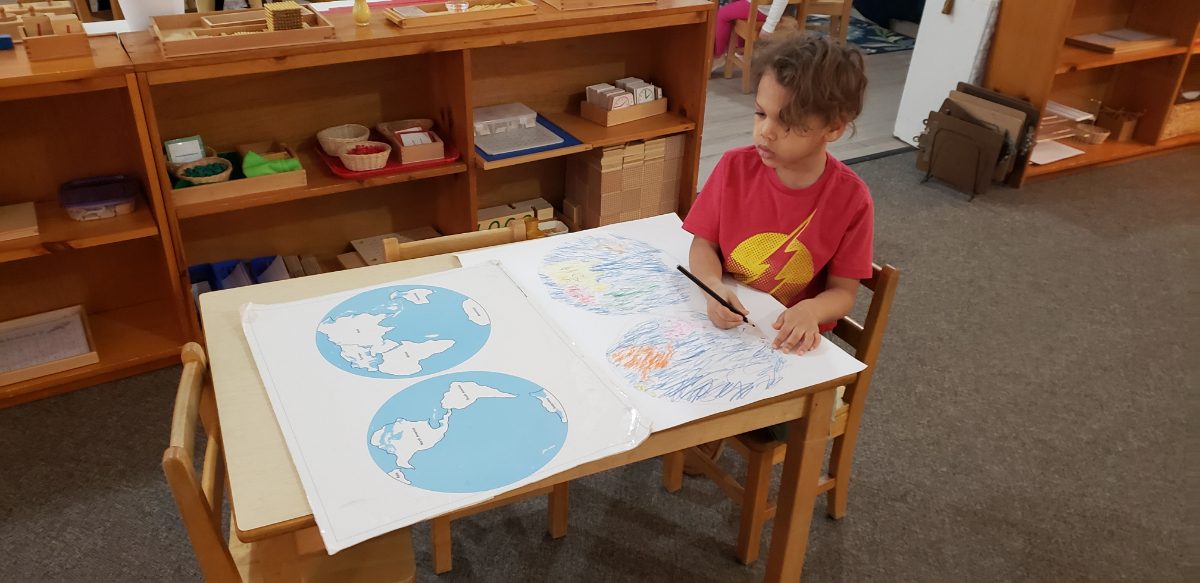
The children also continued their exploration of the largest continent, Asia, through several lessons available in our culture area. The children colored a map of Asia, explored the animals of Asia, and were introduced to several flags of Asia.

As we are nearing the end of January, we are beginning to prepare for our February parent teacher conferences in a few weeks. Be sure to look for the link to sign up for a conference time the end of next week. We look forward to meeting with you all soon to share how your children have been growing and progressing since our last conference!

Best,

Amanda & Deanna


Mrs. Doyle’s Class: The Three Period Lesson

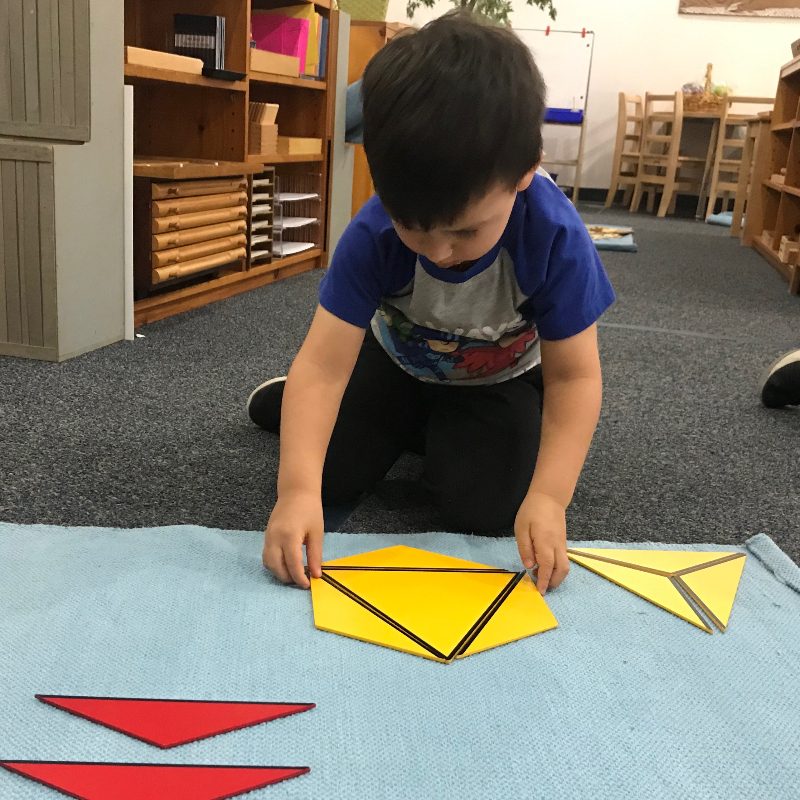
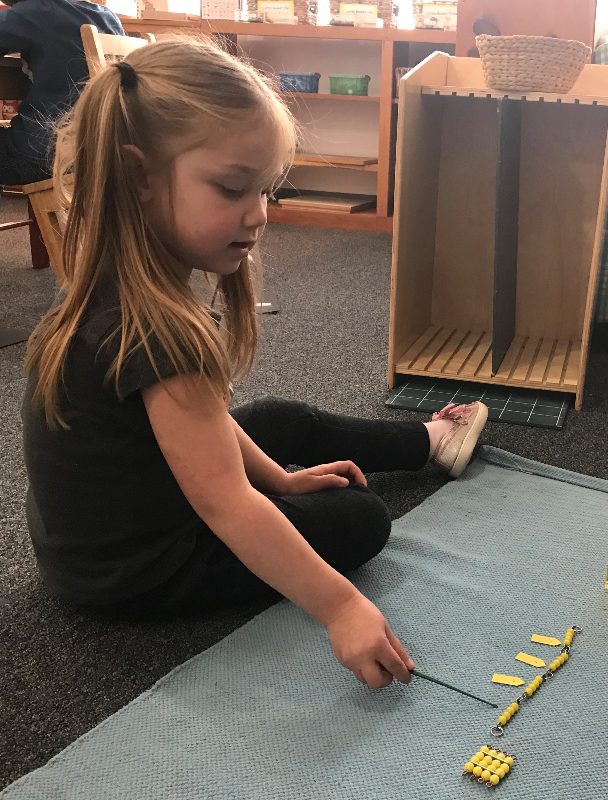
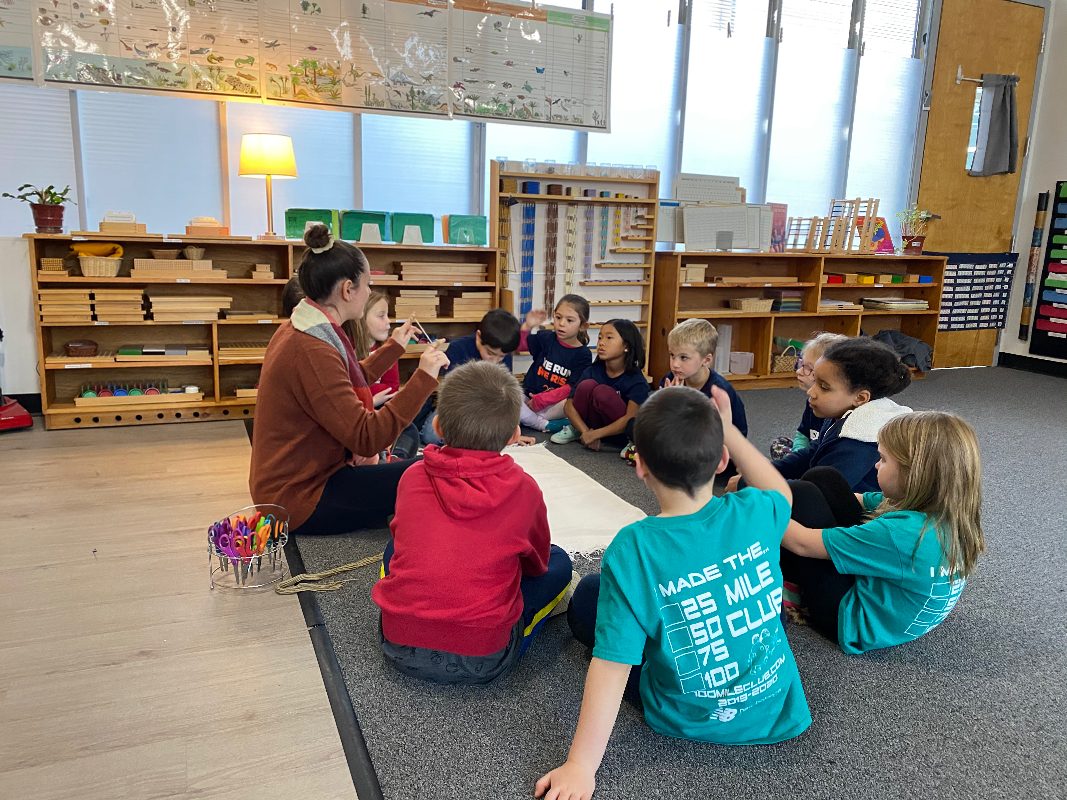
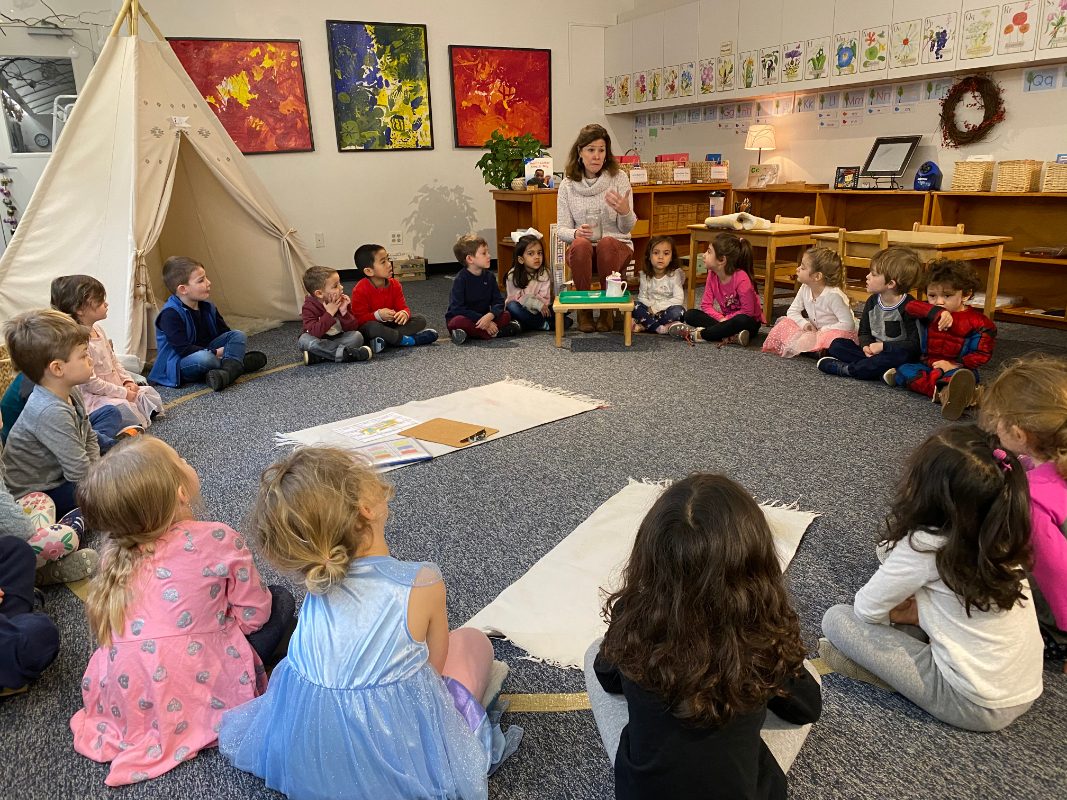
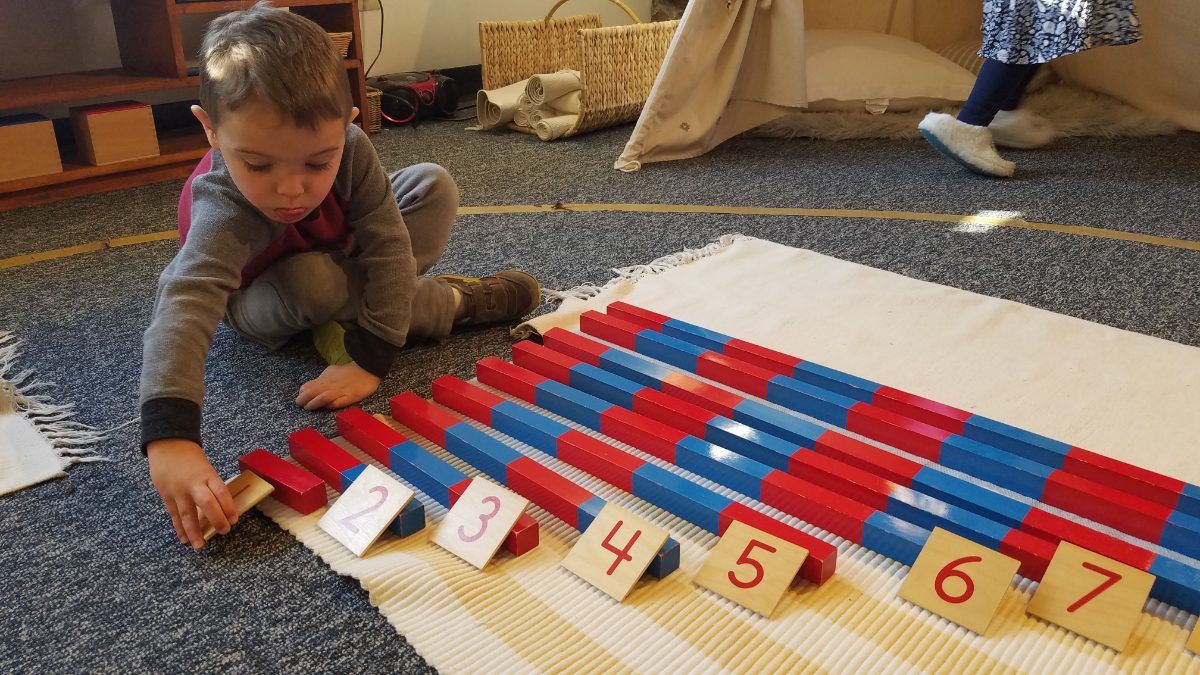
In a Montessori classroom teachers rely on the Three Period Lesson to introduce new vocabulary, concepts, and even to highlight the purpose of a material. These lessons allow the child to absorb concepts in a concrete manner while also reinforcing each component of the lesson.

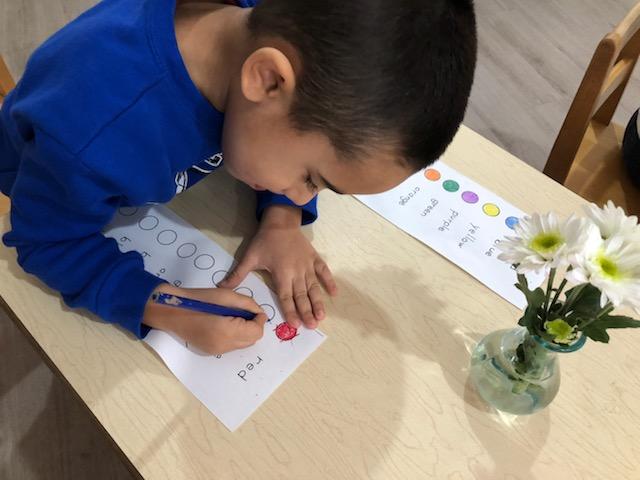
The 1st Period is simply naming the concept or material and demonstrating it repeatedly. Some of the more complex materials or concepts may need to be introduced in the 1st period over the course of several lessons. So for example, using the color tablets from the Sensorial area, we introduce the child to the primary colors by saying, “This is red.”

During the 2nd Period, we ask the child to recognize and find the object. We ask the child, “Which one is red? Which one is blue? Which one is yellow?” This period is longer than the 1st Period and we keep it interesting by asking them to manipulate the object. We might say, “Hide the blue tablet behind your back. Place the red tablet on your lap.”  We are cognizant of making sure to begin each request or action with the last item we spoke about. So if we ask the child to manipulate the red, blue, and yellow color tablets in that order, the next series of directions would follow the order of yellow, blue, then red.

The last stage, or 3rd Period focuses on recall. We ask the child to identify the material or concept without any assistance. We ask the child, “What is this?”

While the intent of the Three Period Lesson is to isolate and introduce new concepts and materials, we are also helping the children to enrich and expand their vocabulary. We use this method to introduce almost every lesson/material in the classroom.

Have a wonderful week!

Michelle & Jeannine


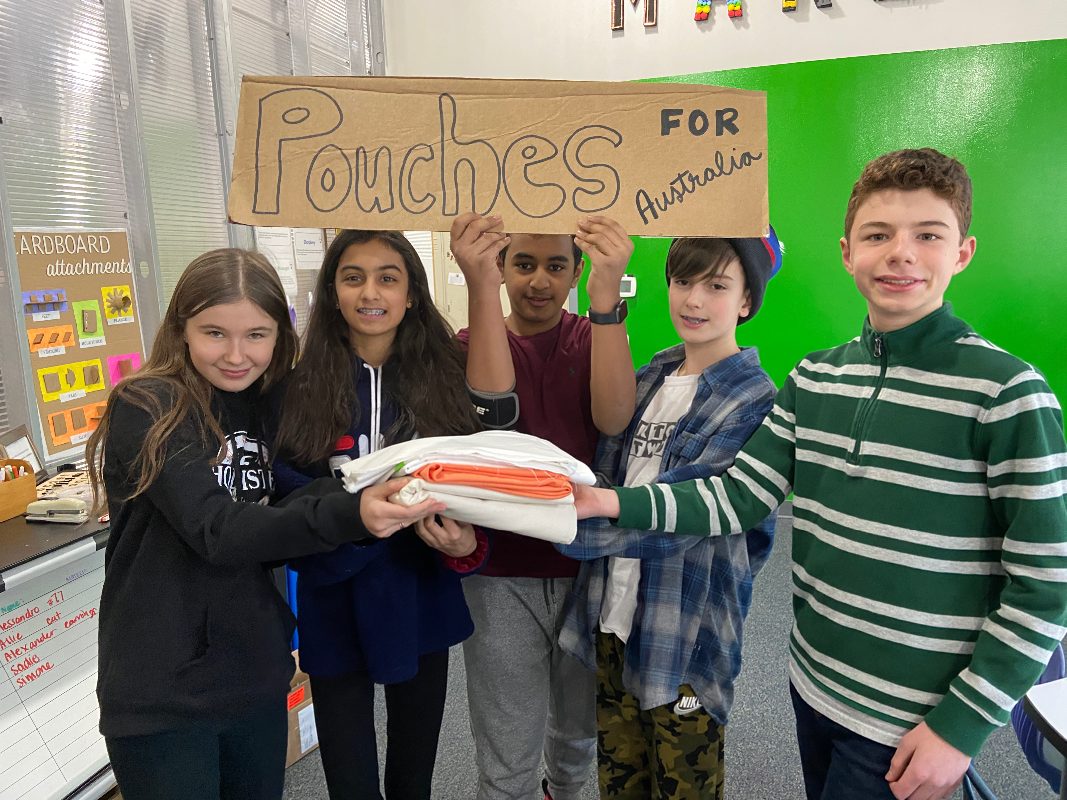
Pouches for Australia’s Animals

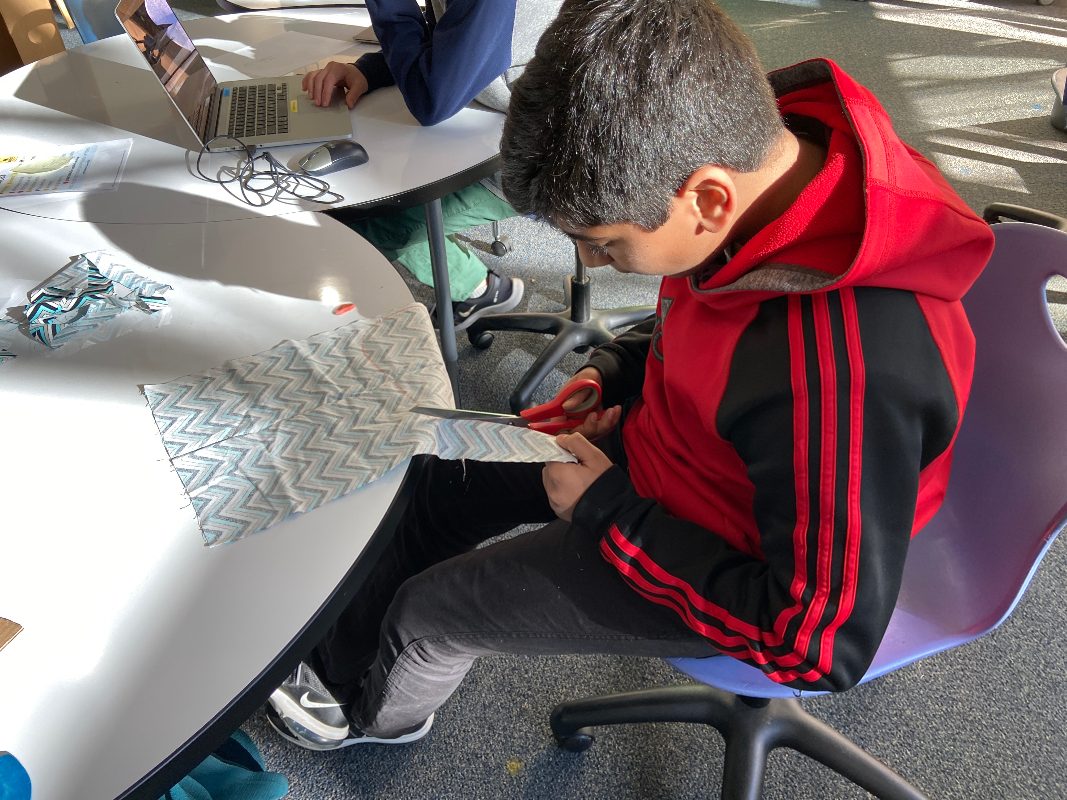
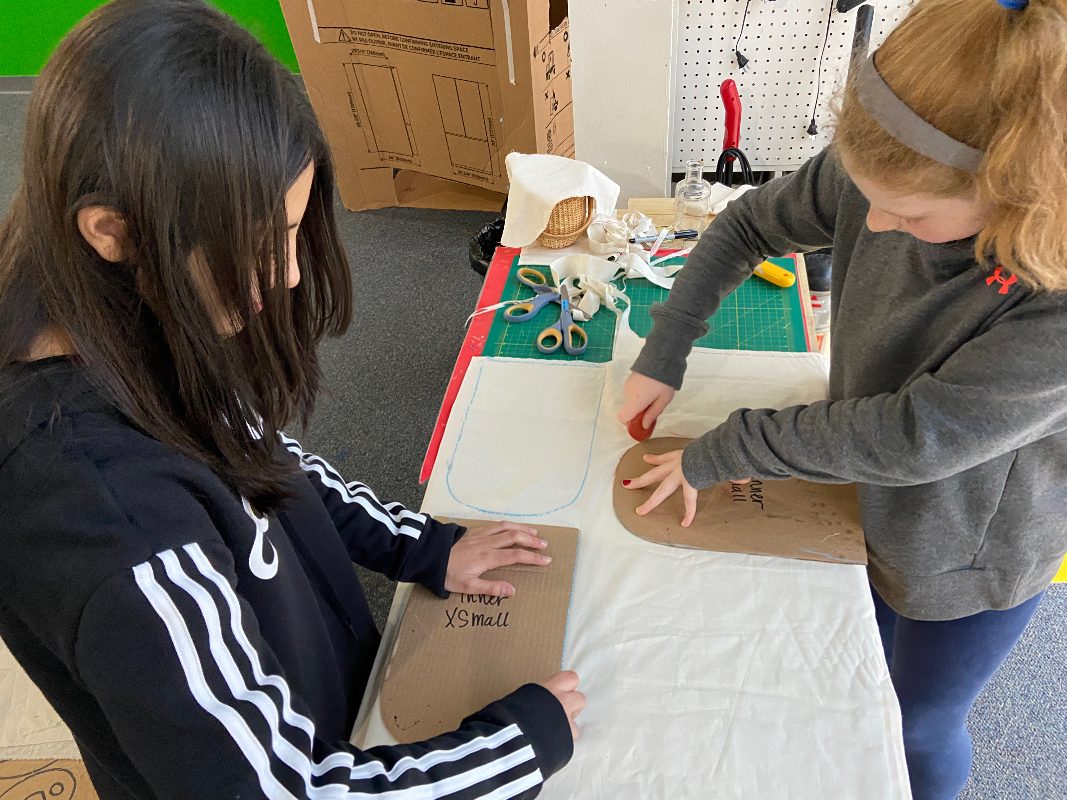
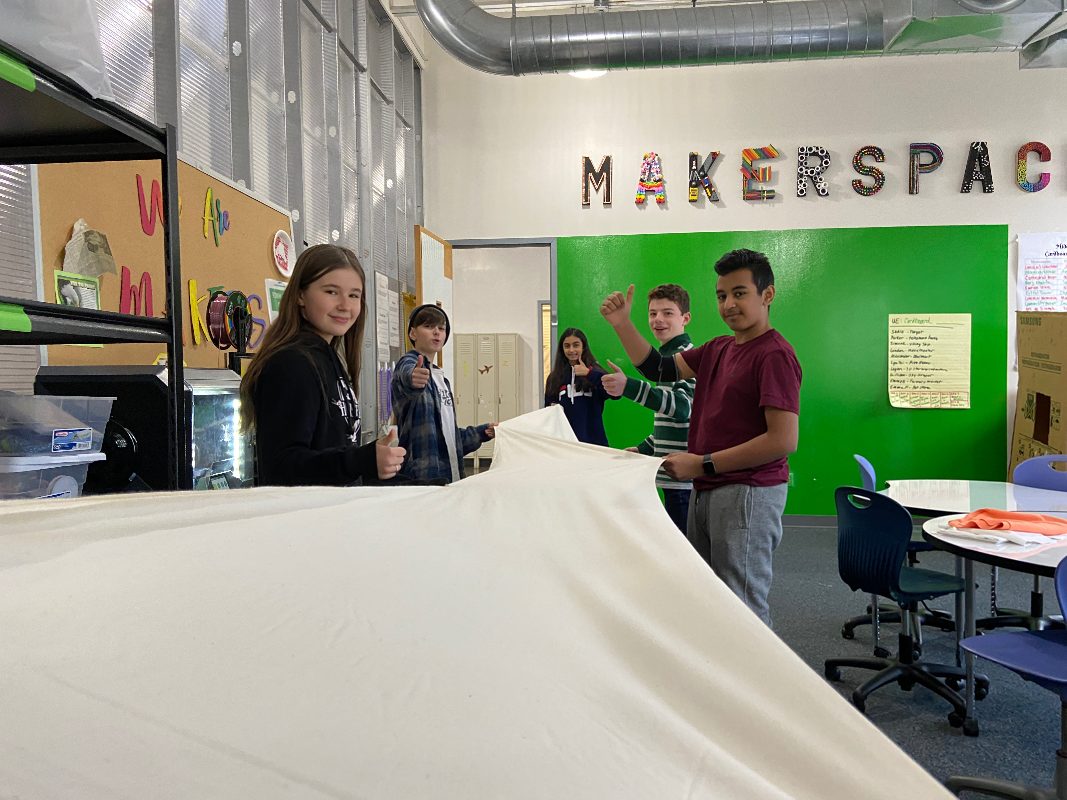
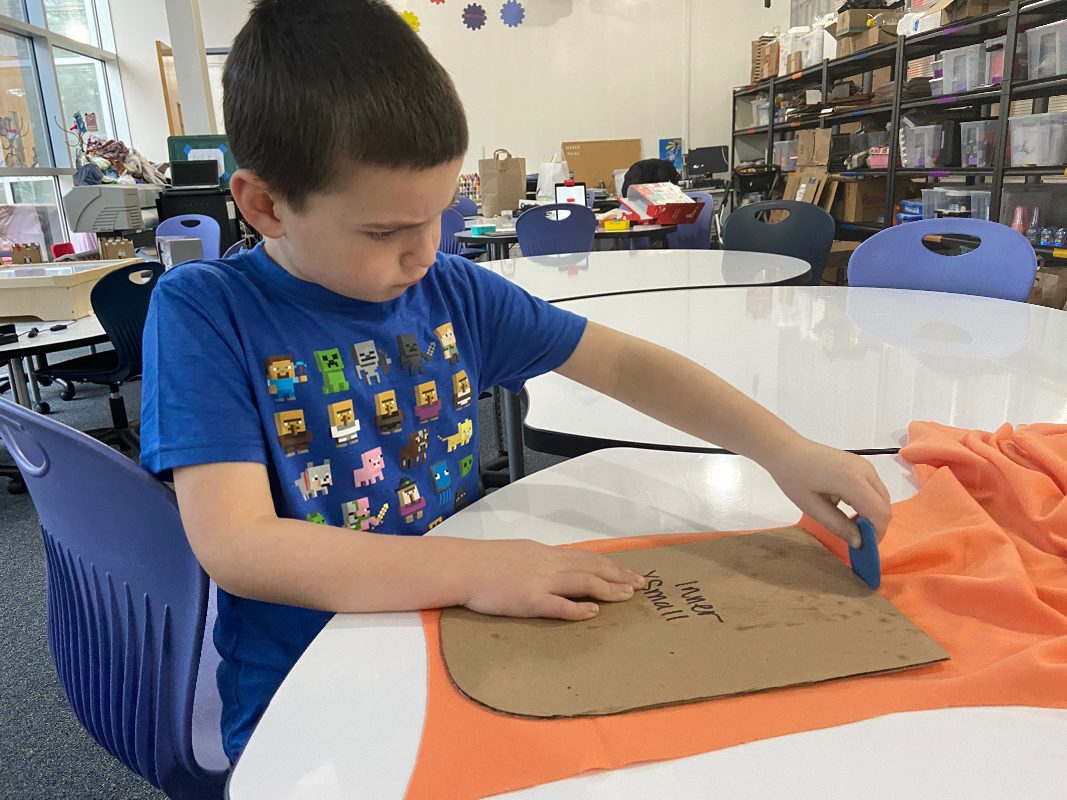
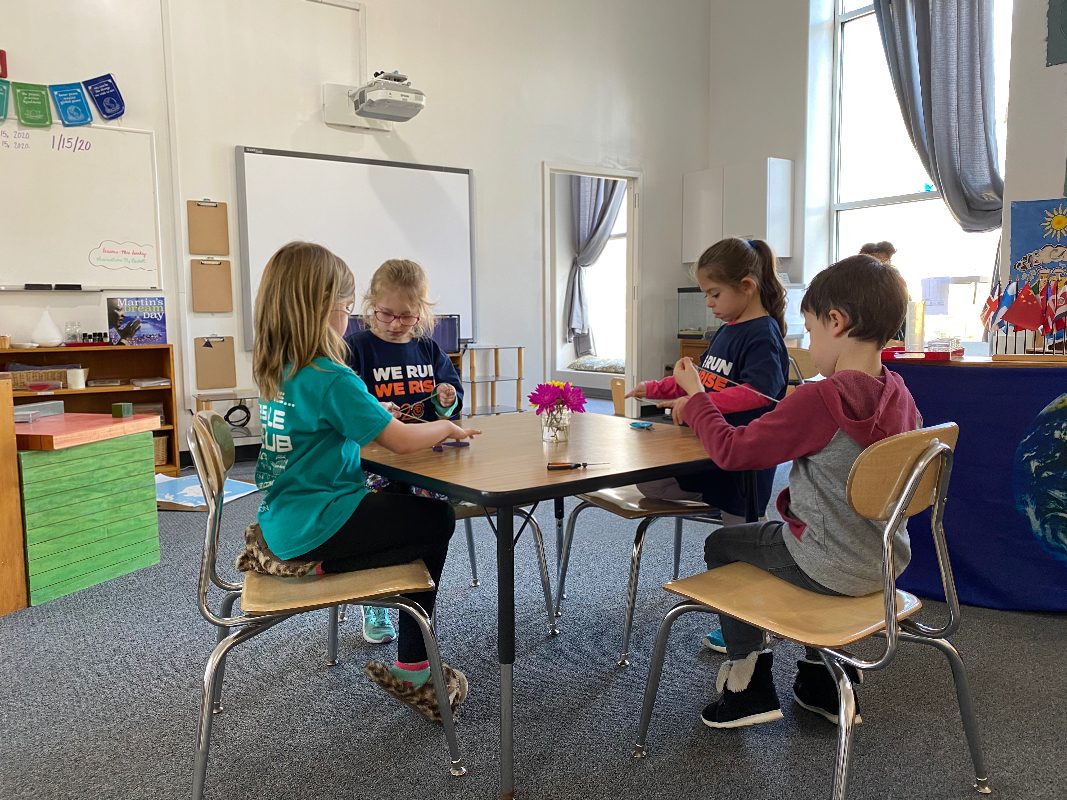
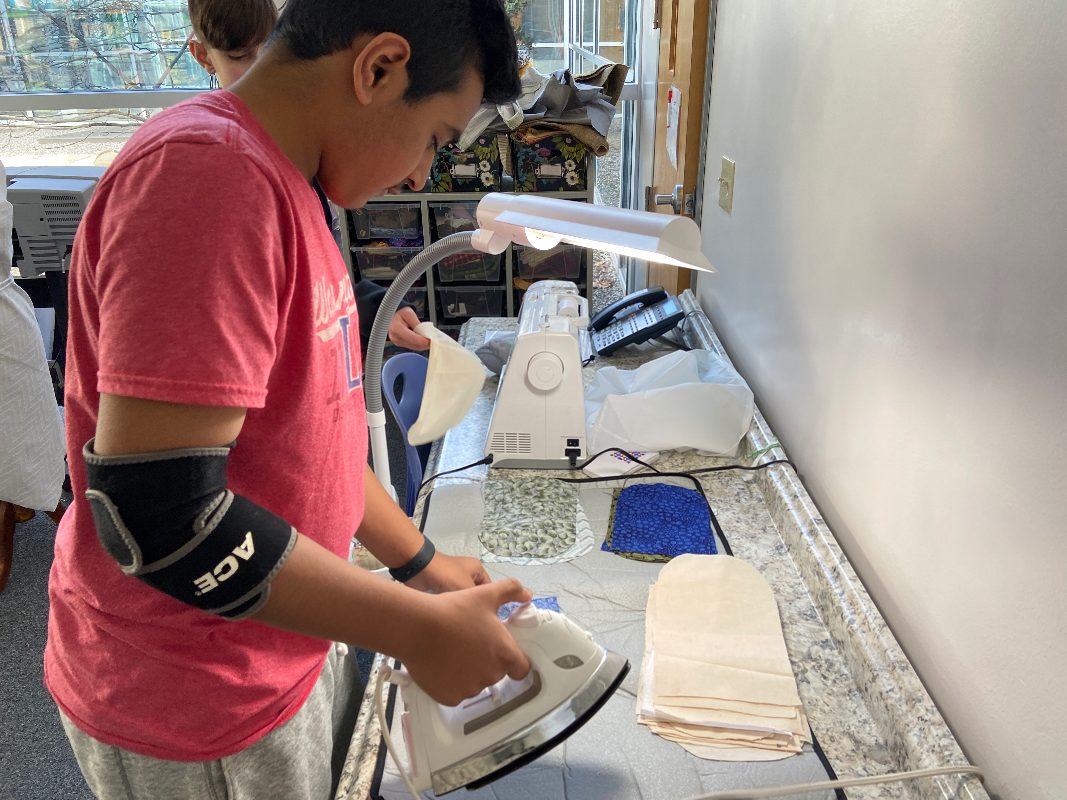
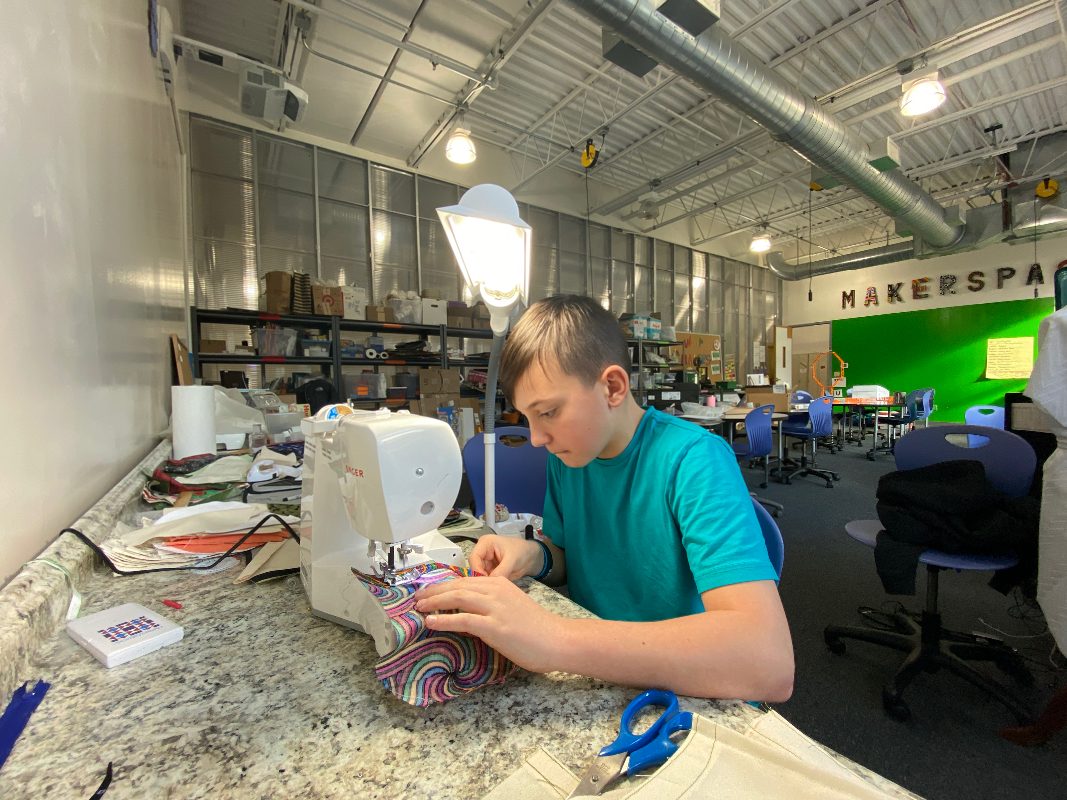
Students in 1st through 8th grade have been working hard these past two weeks to sew pouches for marsupials in Australia. This Global Giving project came to fruition after myself and co-STEAM teacher, Jennifer Reid, learned about Australia’s need for custom pouches.

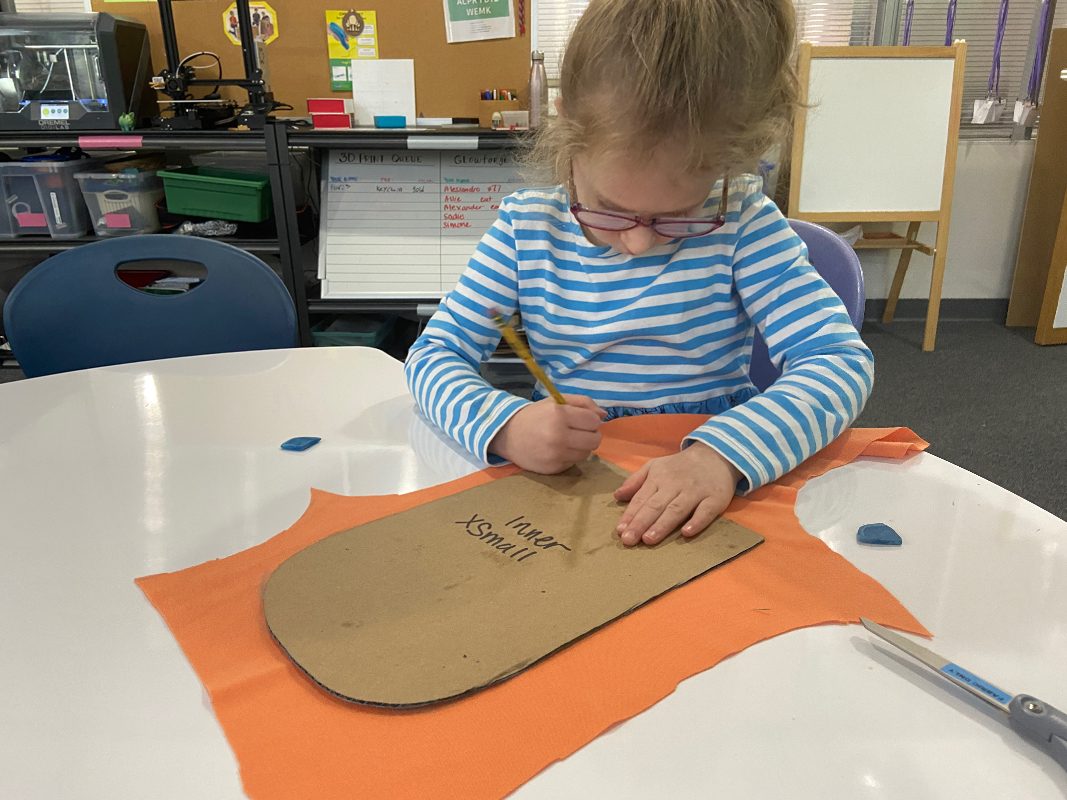
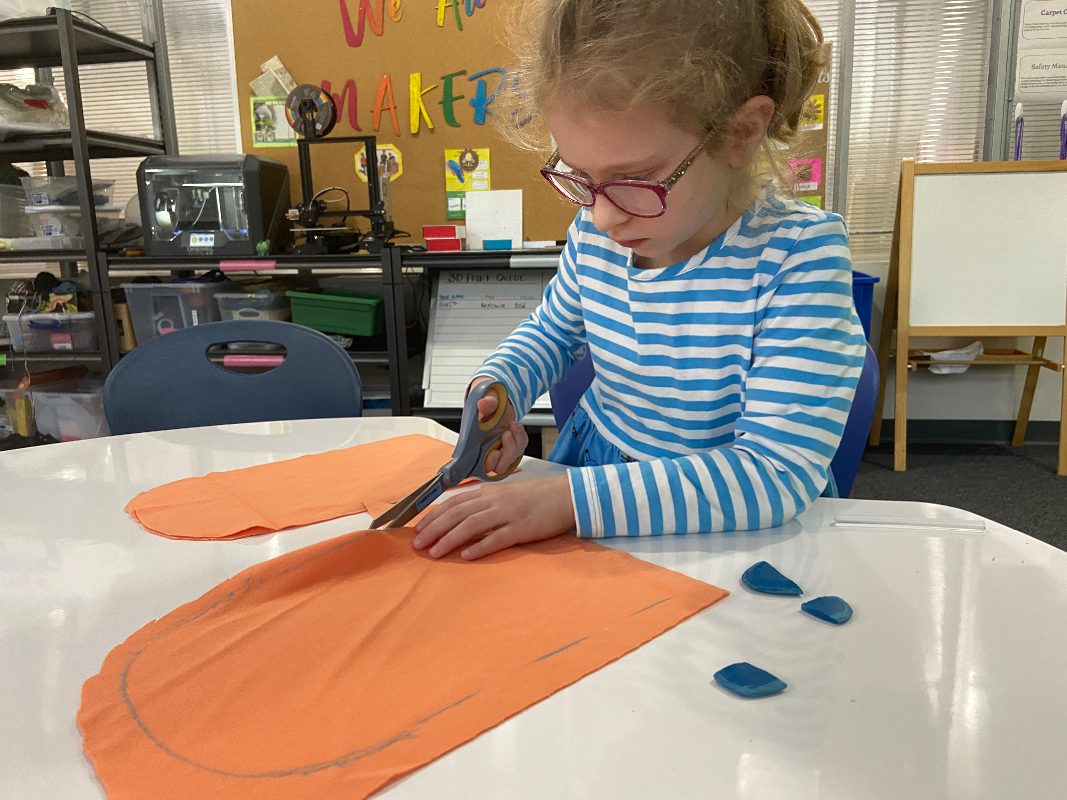
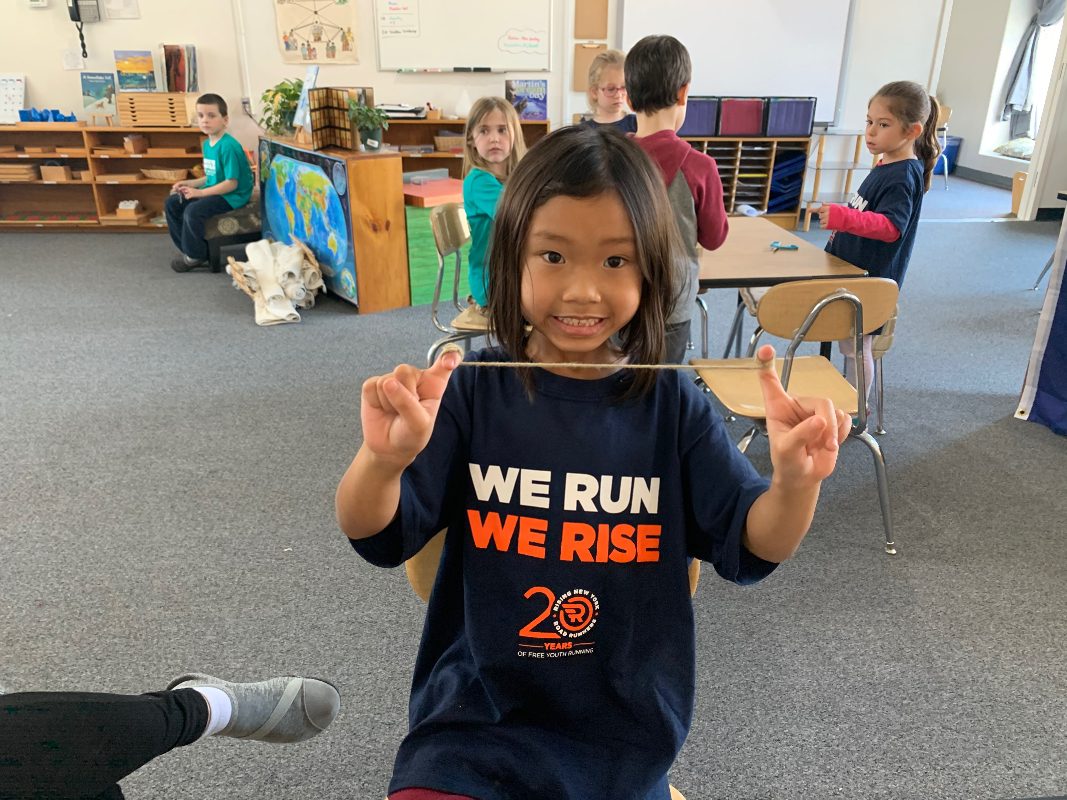
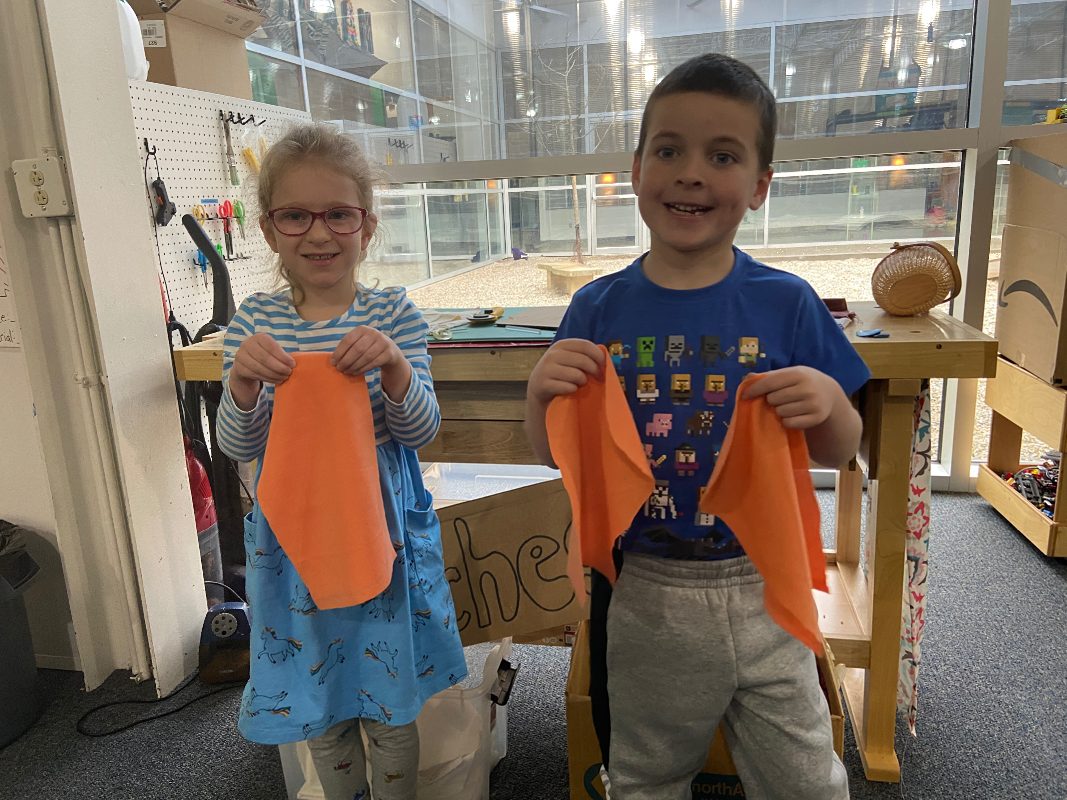
We got right to work. Our Lower Elementary students started tracing materials and fabrics, and some even helped cut using the adult fabric scissors.

Upper Elementary students and Middle School students participated in one way or another- measuring fabrics, designing prototypes, learning how to use an iron, nether sitting down at the sewing machine and learning how to do a “French Seam”. Our finished pouches will make their way down under at the end of this week.

Our students are empathetic, compassionate, and above all- givers. They do what they can, for who they can, with every ounce of kindness that they have.

Follow the MakerSpace on twitter! @FWMmakers


*and a BIG special thank you to Chintz-N-Printz for donating 100% natural fabric to our MakerSpace for this project.


Mrs. Hood’s Class: Absorbing Minds At Work

Maria Montessori used the scientific method to study children’s natural learning processes. She found that the child absorbs the culture they are in effortlessly and without fatigue between the ages of 0 – 6. Whatever the child is exposed to is internalized by the child and accepted into the child’s own being, imprinted on their soul. If a child is surrounded with music, the child will be a musical person. If a child hears their parents singing, the child will sing. If a child sees their parents dancing, the child will dance. She called this the child’s “absorbent mind.”

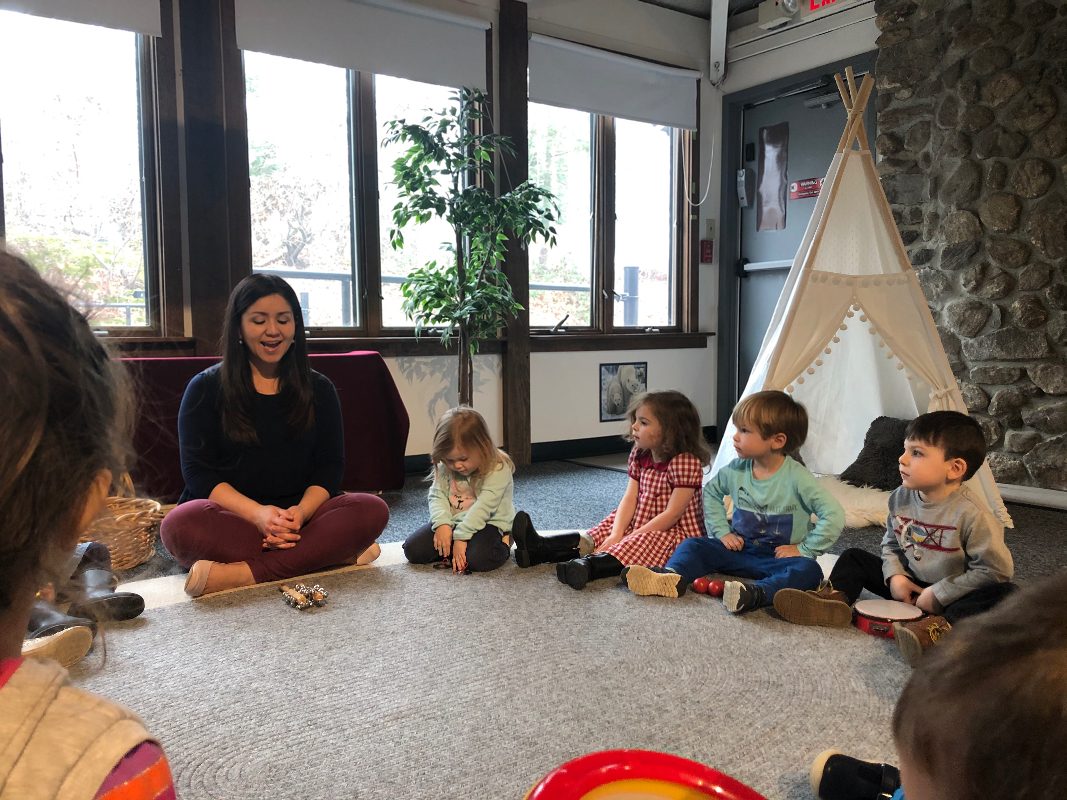
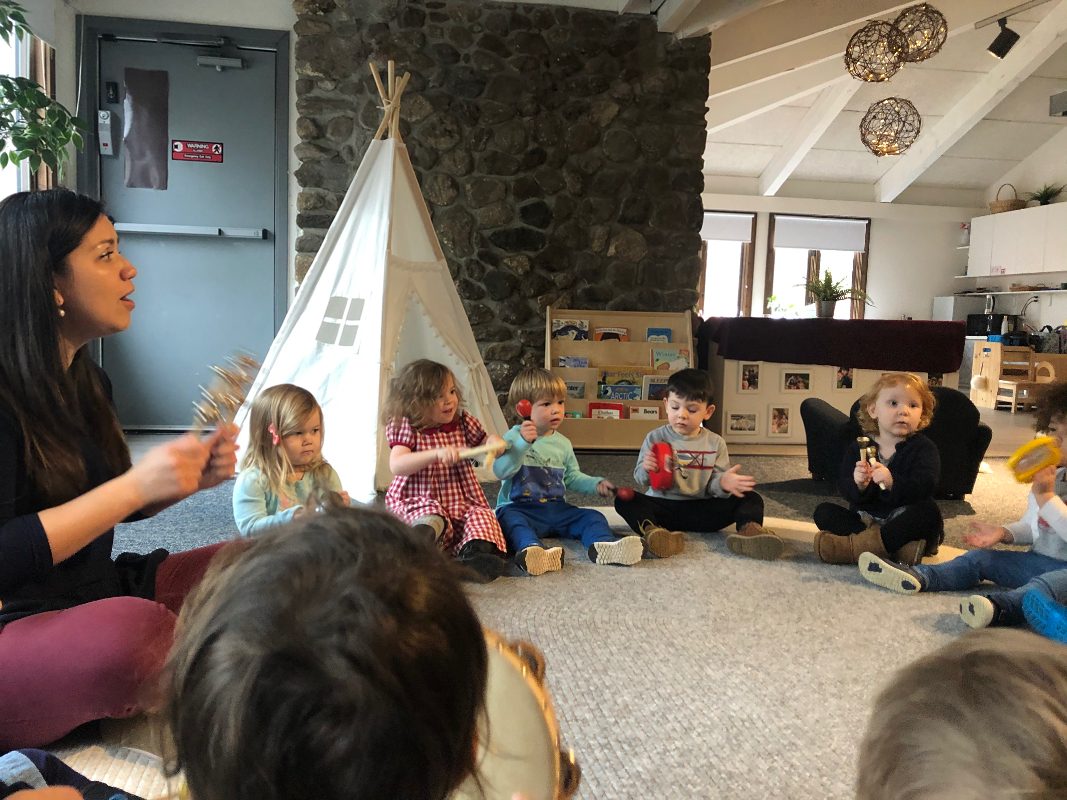
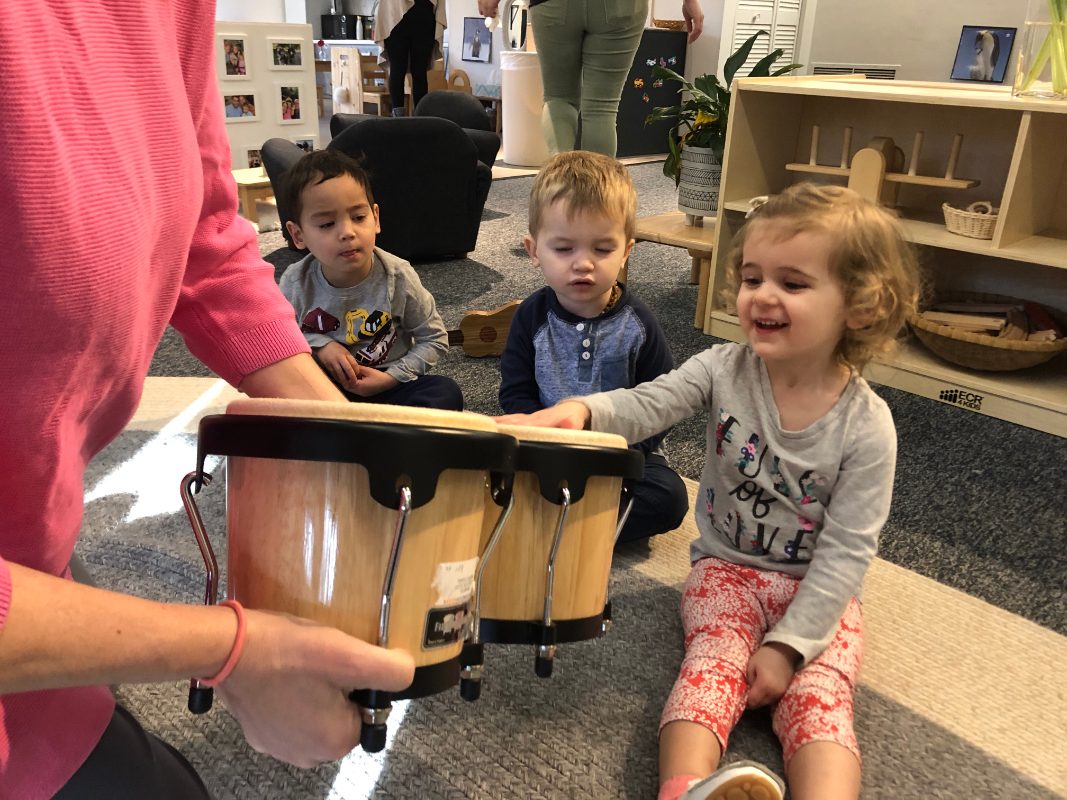
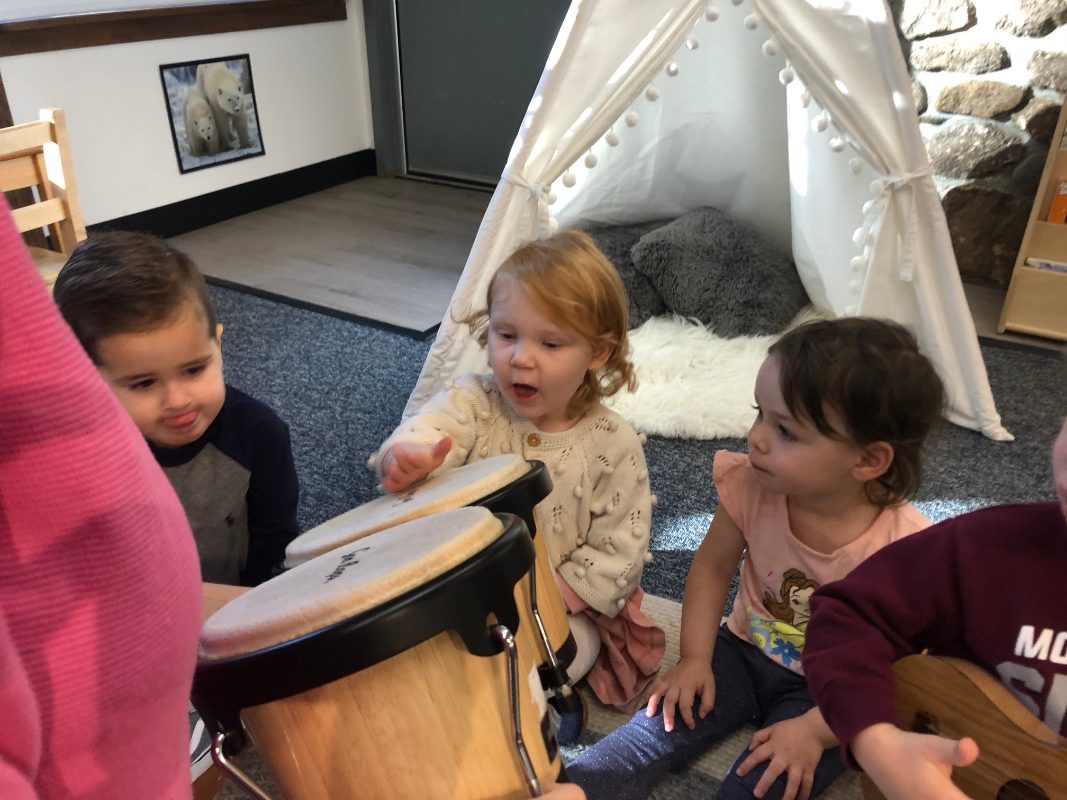
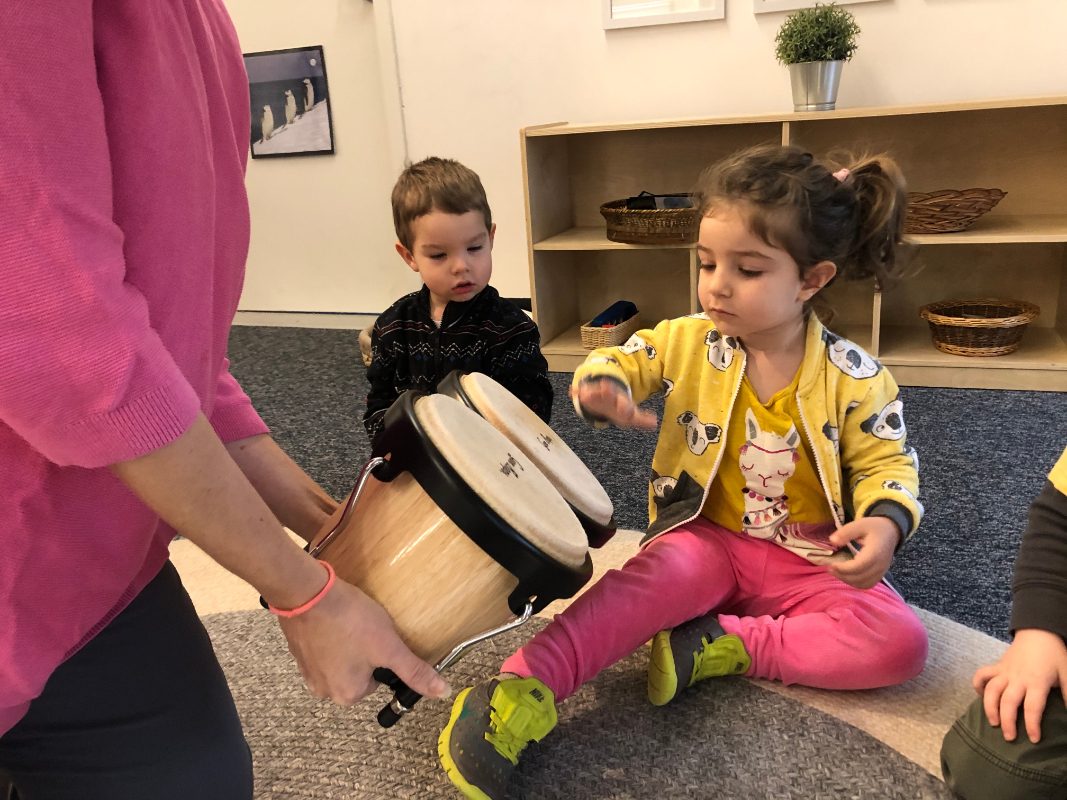
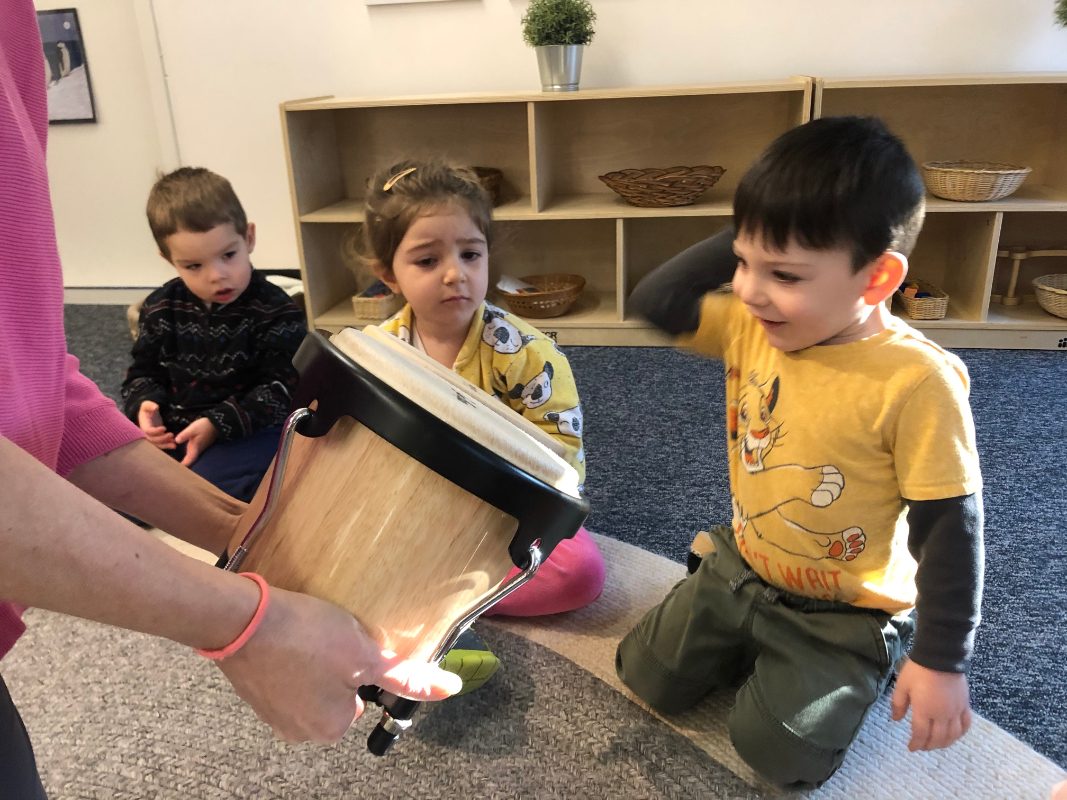
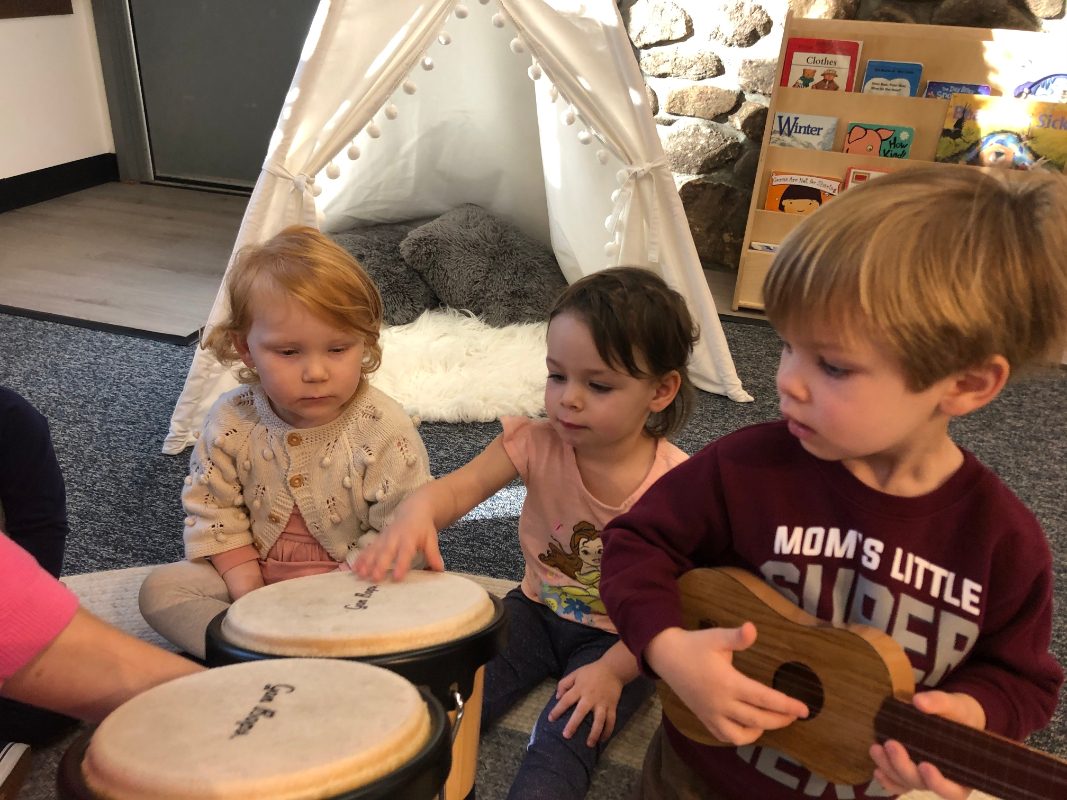
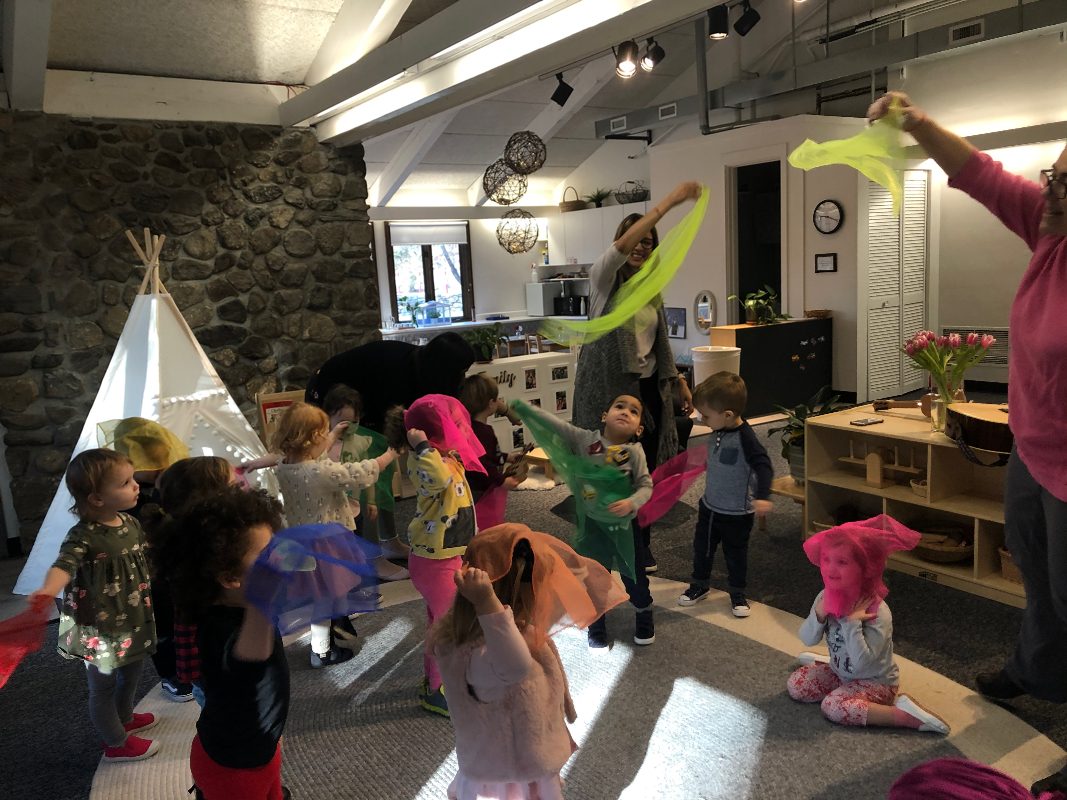
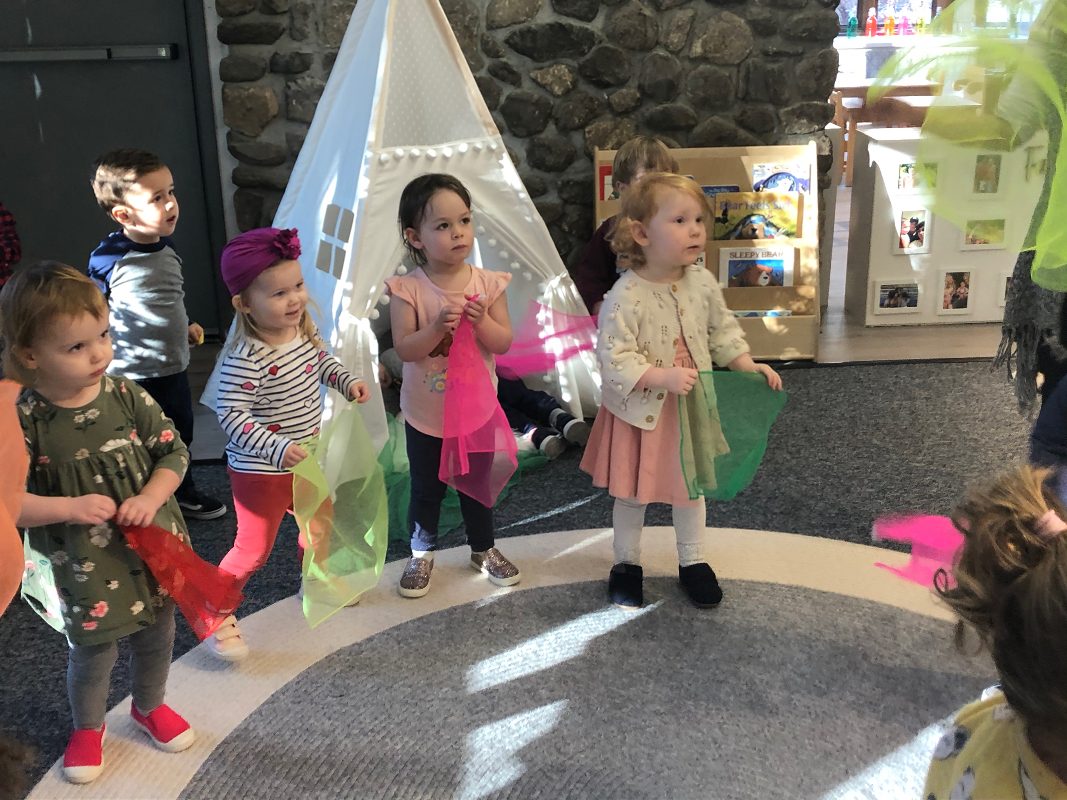
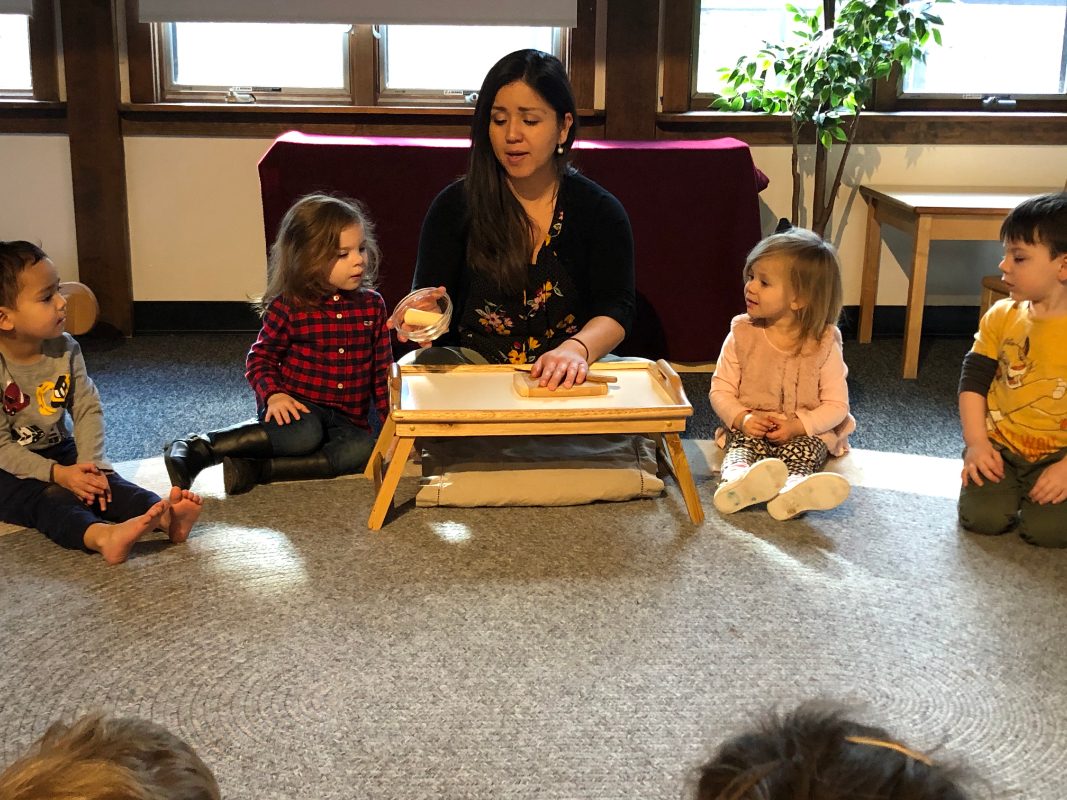
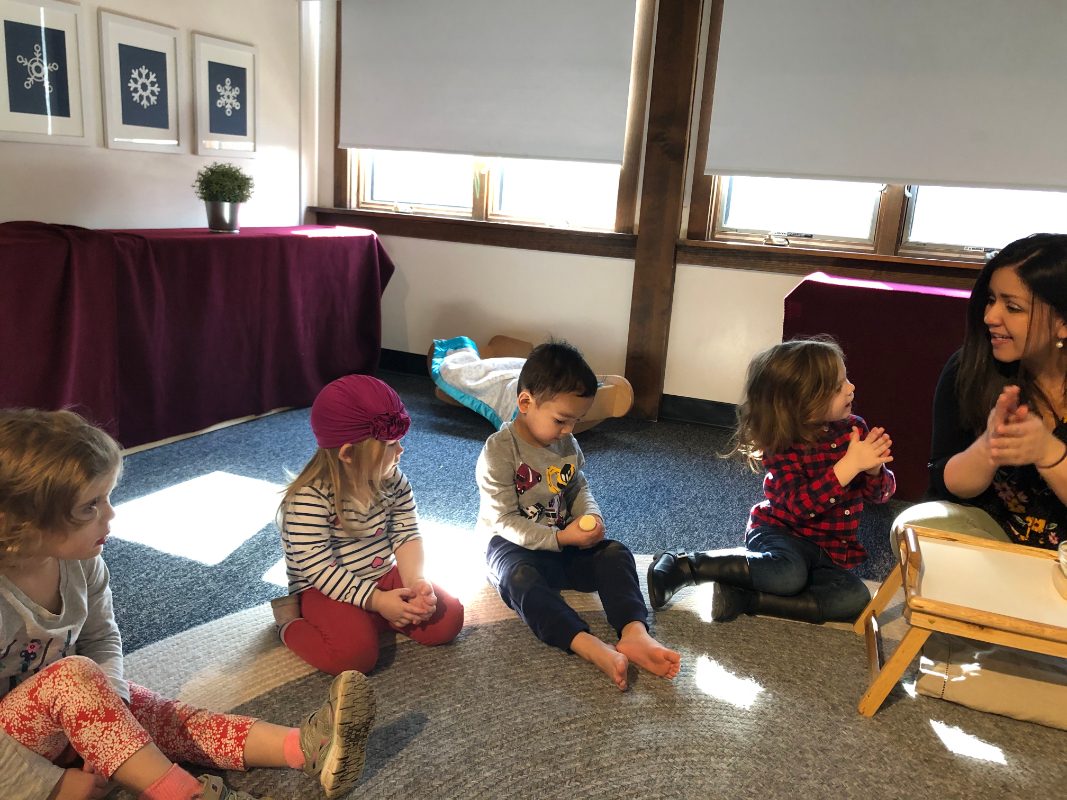
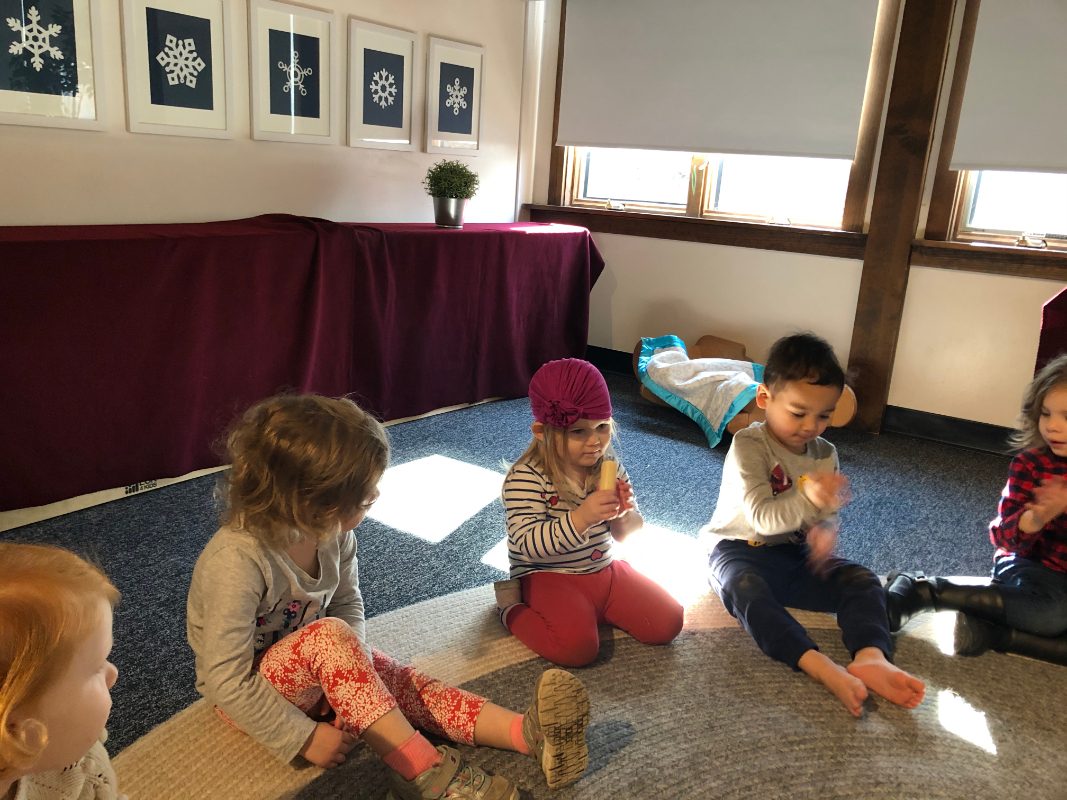
In addition to our music enrichment class every Thursday, children are exposed to meaningful music experiences everyday. They learn the names of the instruments they are playing and they learn how to properly play them. This week, we focused on the importance of being polite and waiting until everybody gets their instrument before selecting a song and grabbing their instrument to play! Children were directed to recognize hand gestures for tempo, dynamics, and their favorite: the closing of the song. They all love to hold their fists up and watch how everybody’s instrument stops at the same time! Their smiles say it all! We call this our “band time.”

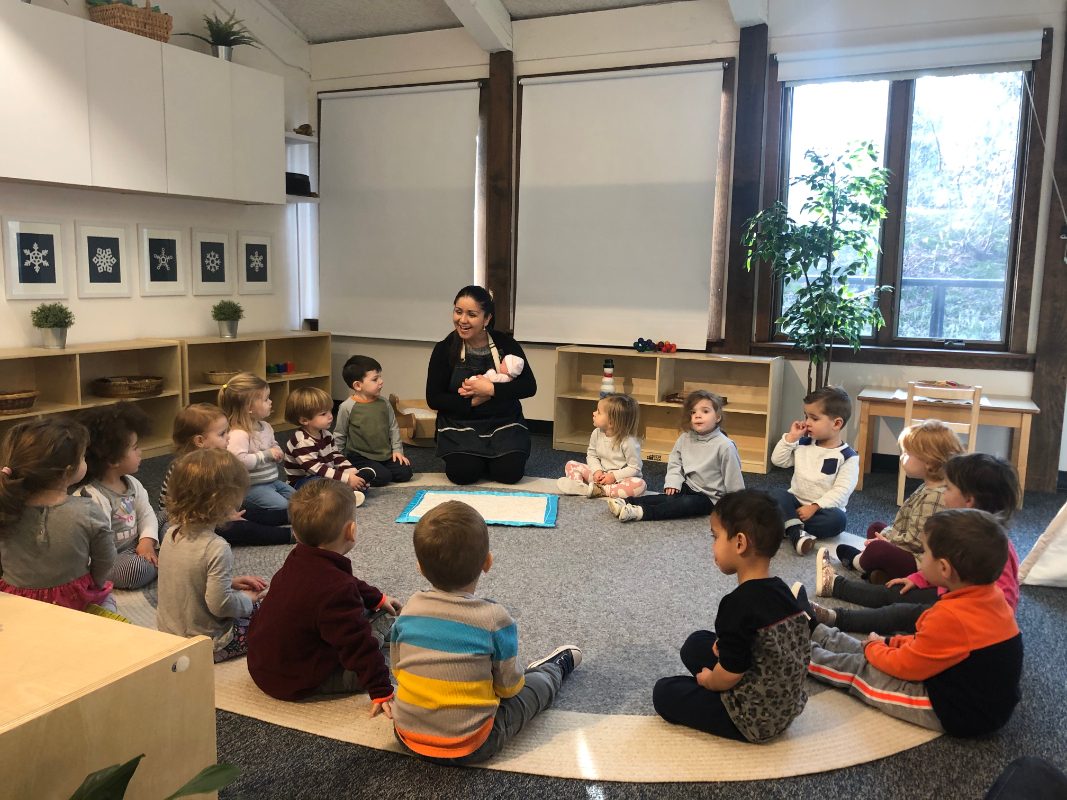
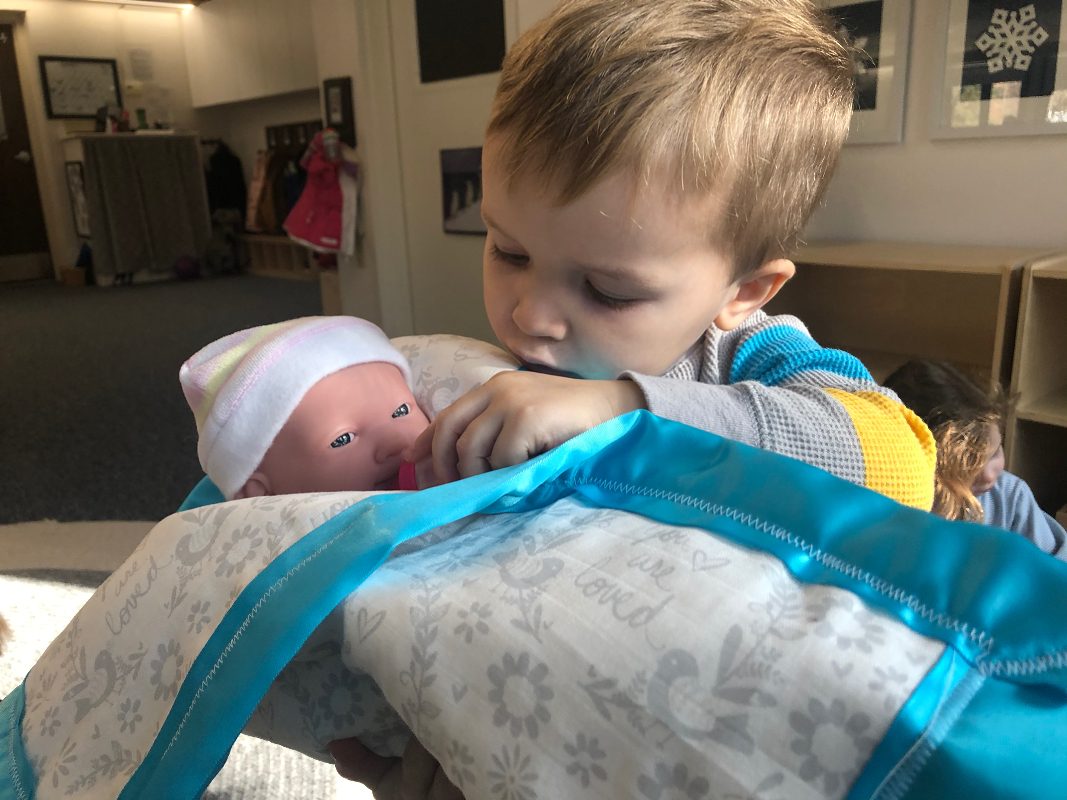
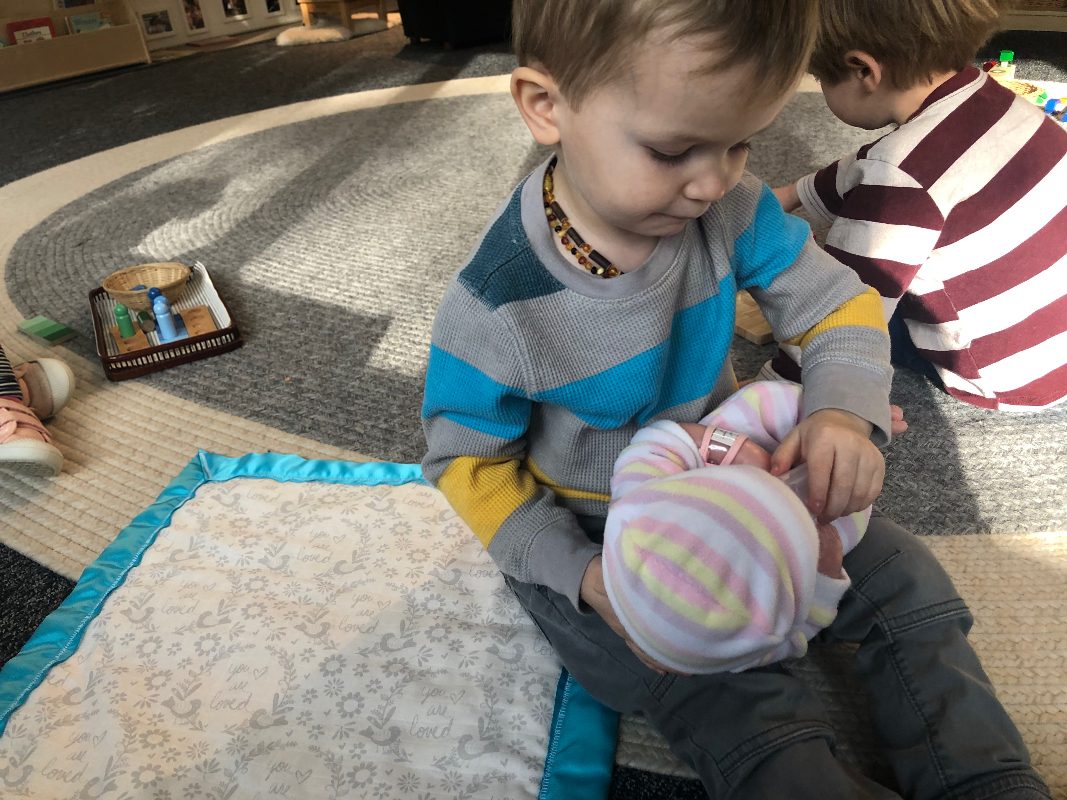
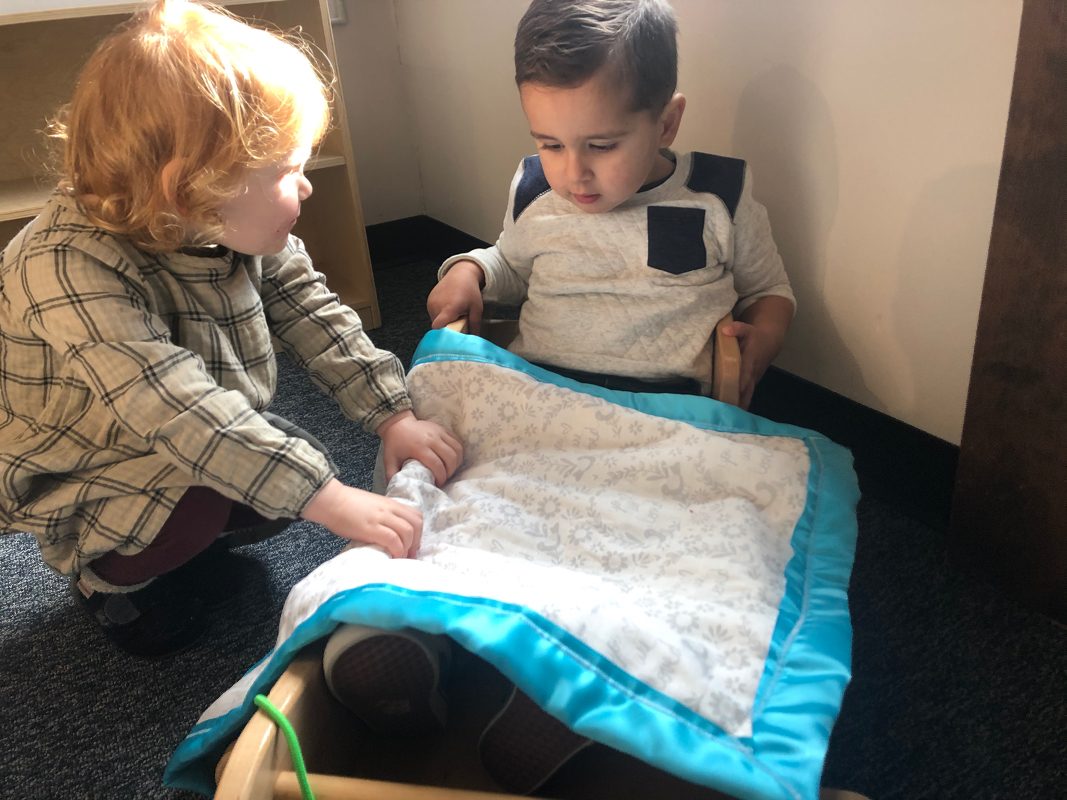
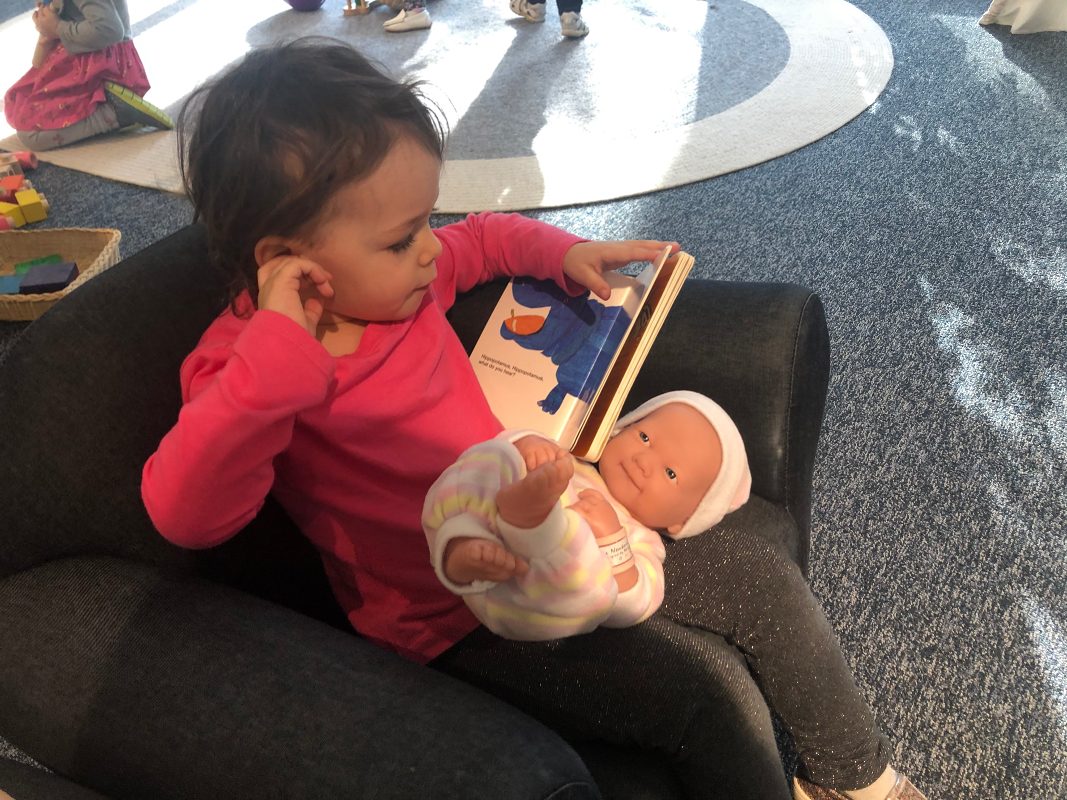
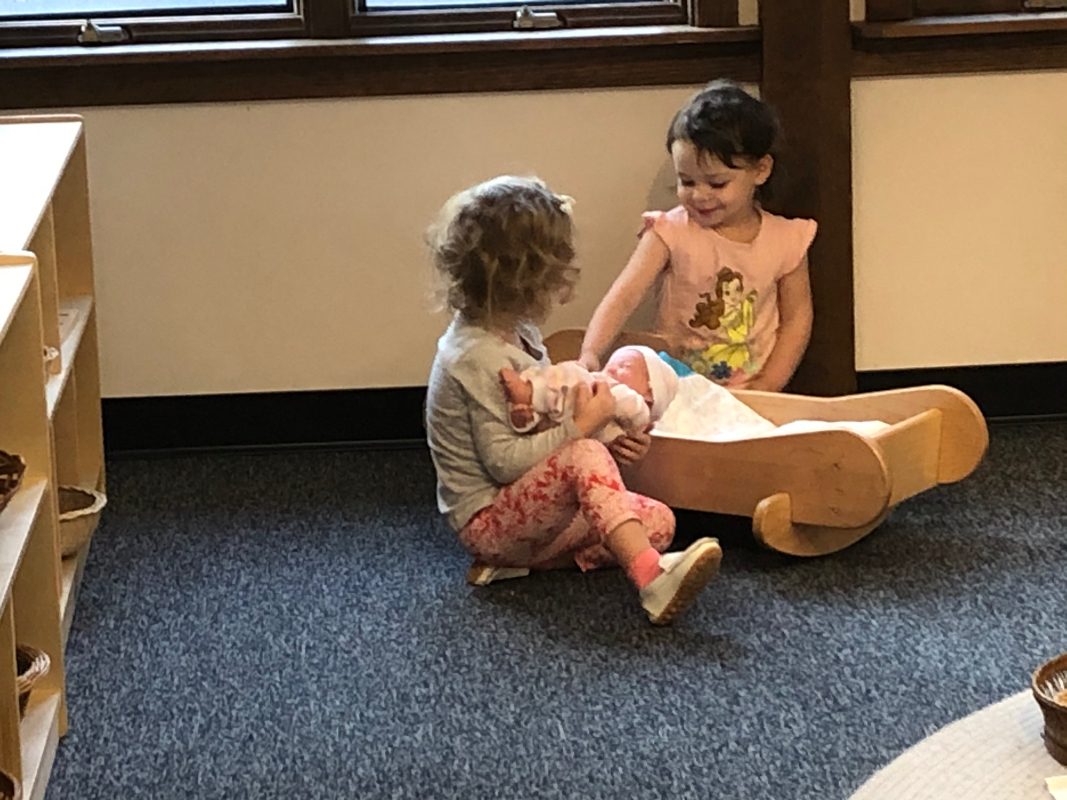
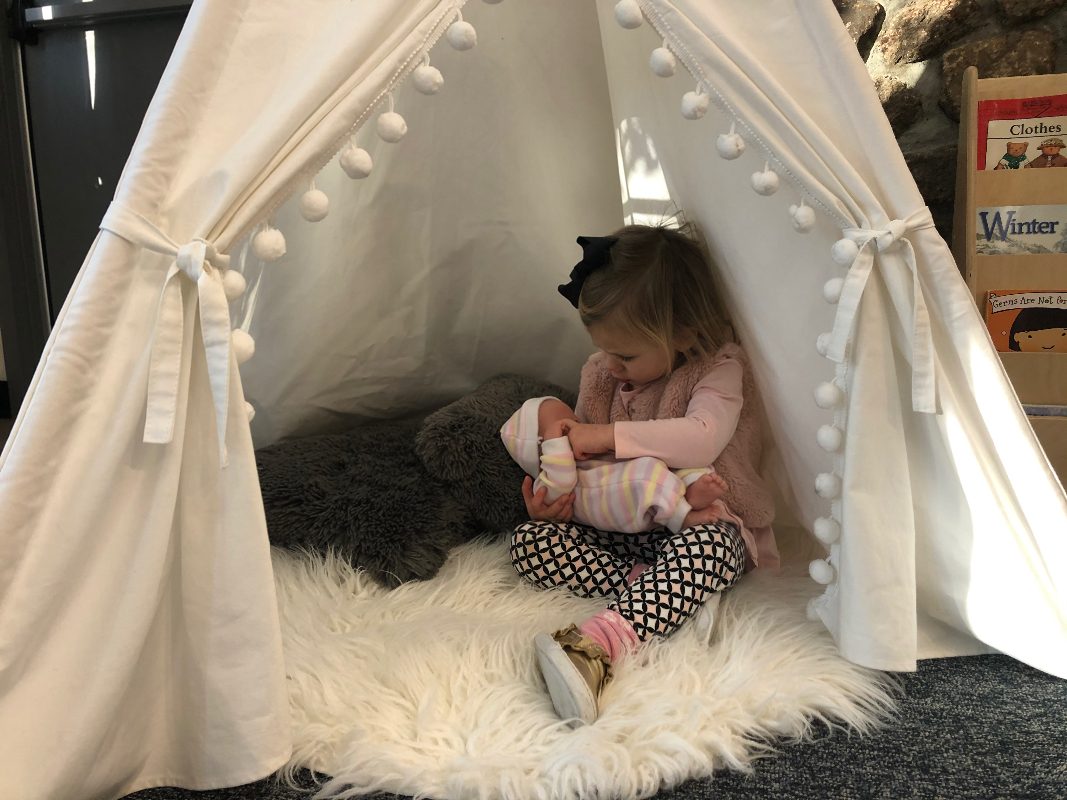
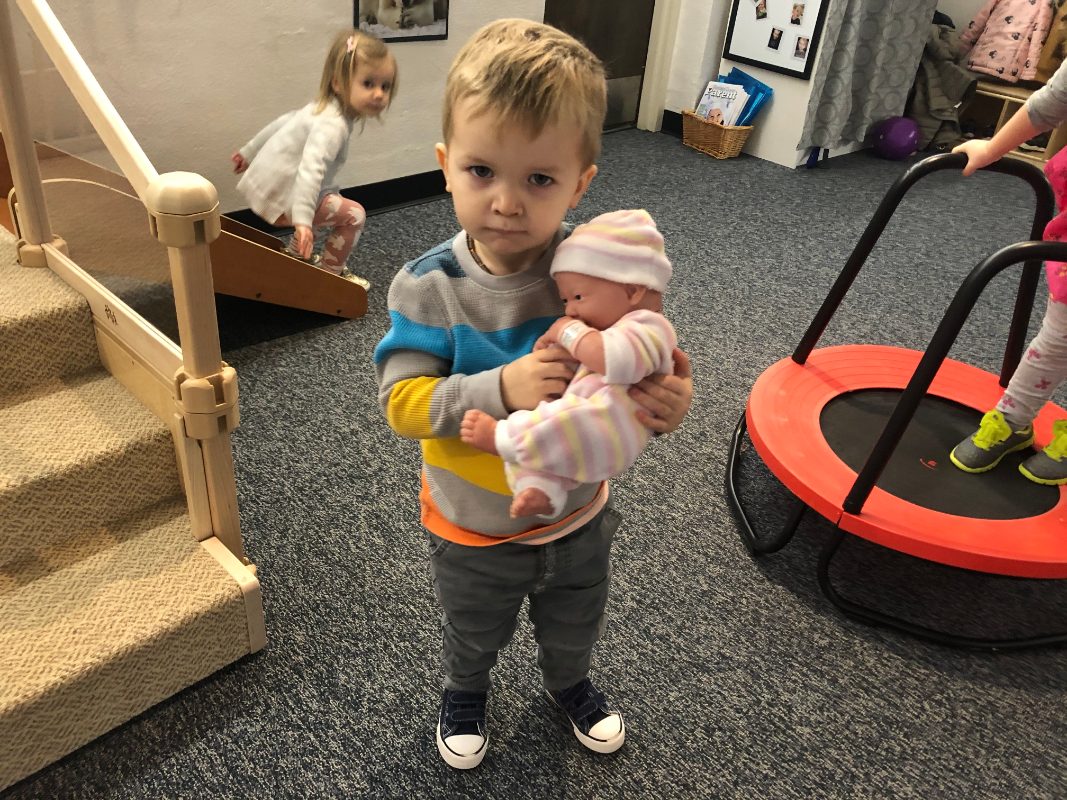
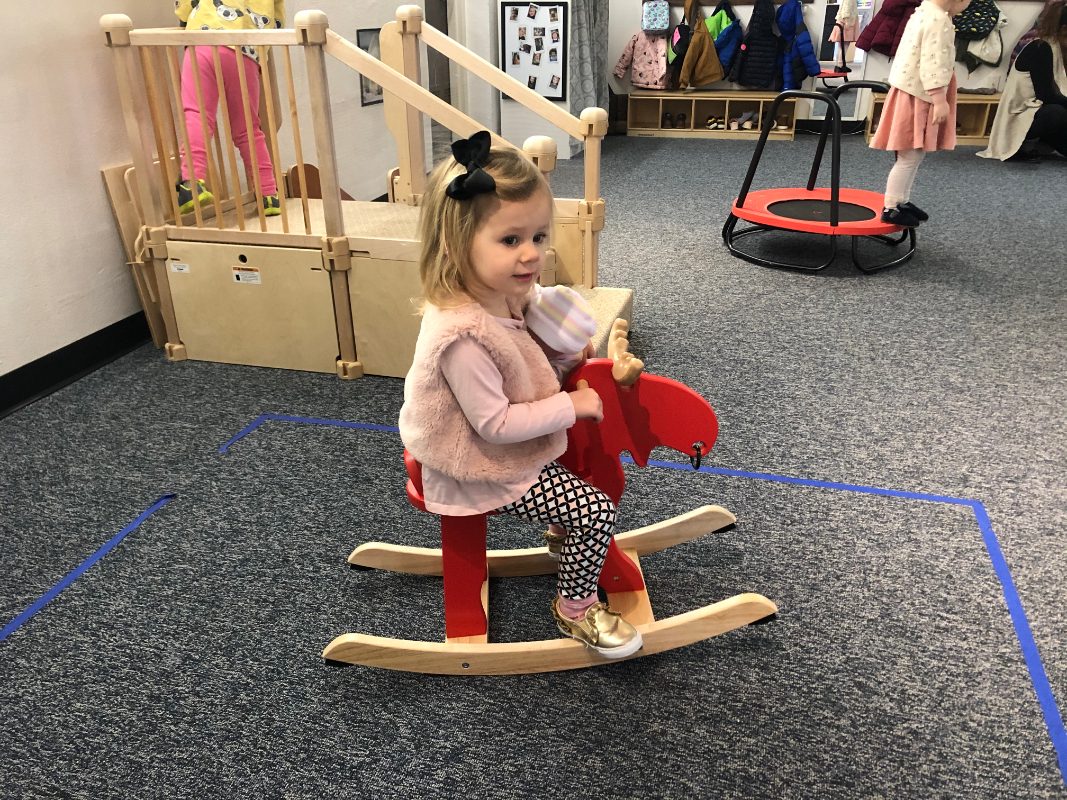
Another highlight of this week was the introduction of a beloved work by all the children: a baby doll. Her name is Rosie. Through this work children practice grace and courtesy, gentleness, and a lot of patience since everybody wants to take care of the baby. Children enjoyed this work so much! Some of them cuddle Rosie with such a care, others explored her body parts using it as an enrichment of vocabulary work. They worked together to make sure Rosie felt loved. They read, sang and kissed her. They walked her around and showed her the environment. Some of them even gave her lessons. Children also role played by taking turns to be the baby and getting into the crib while other classmates took care of them. It was so precious! We want to thank Ms. Ulacco and Ms. Benoit for using their talents in making for us the beautiful baby’s crib bedding. Children loved this work! We can’t wait to present to them the feeding and bathing extensions of this work.

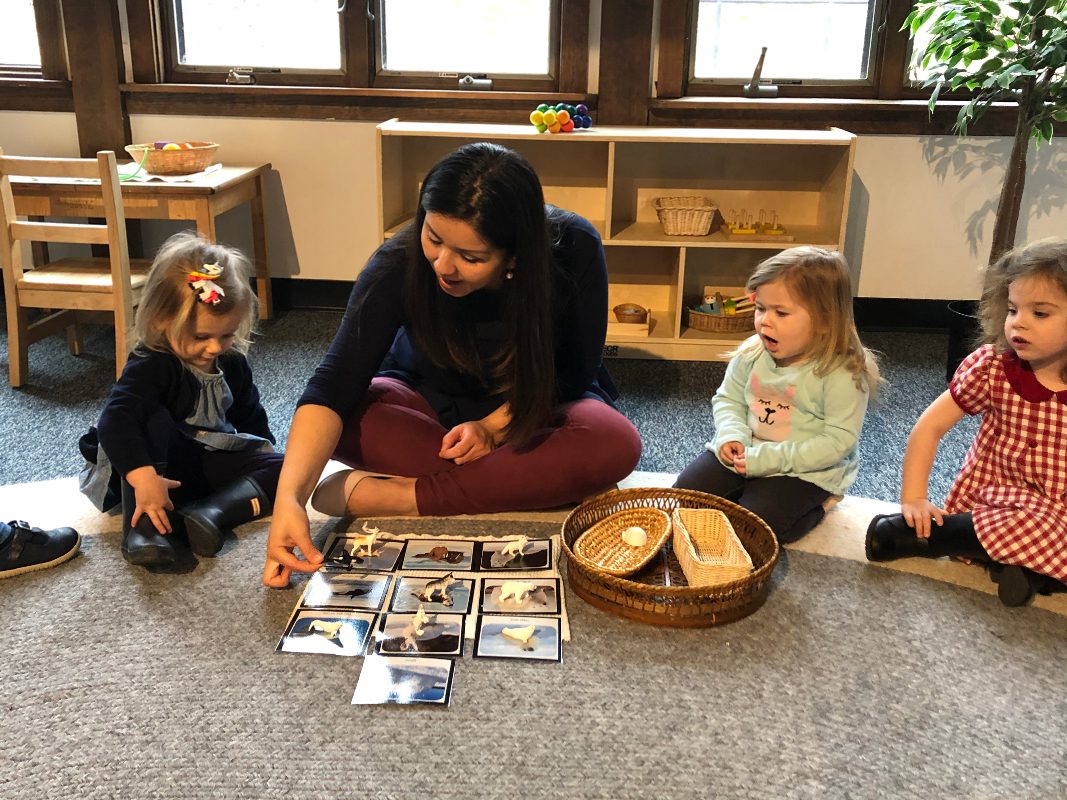
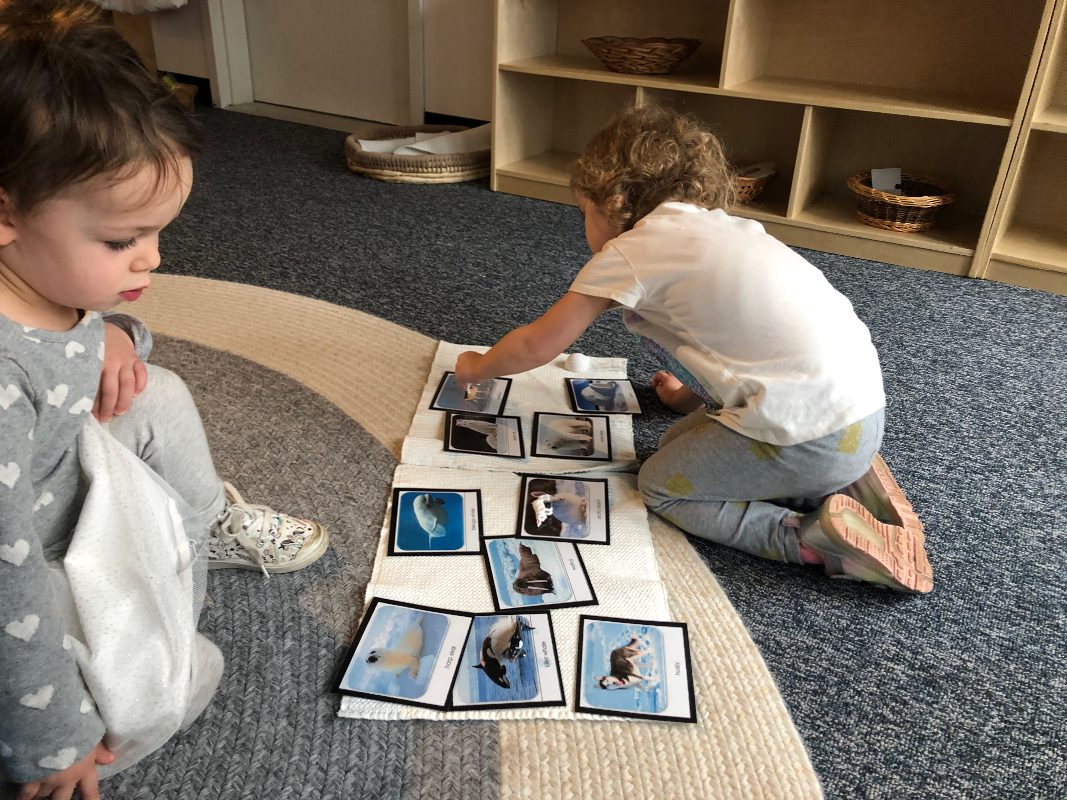
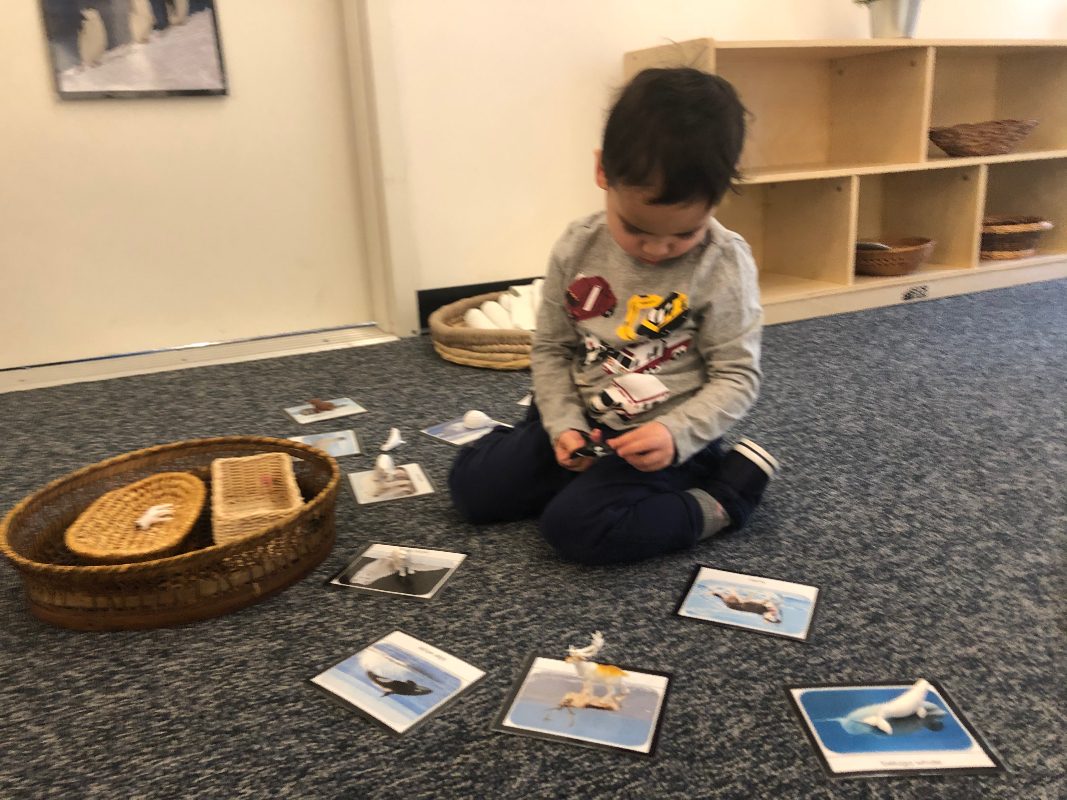
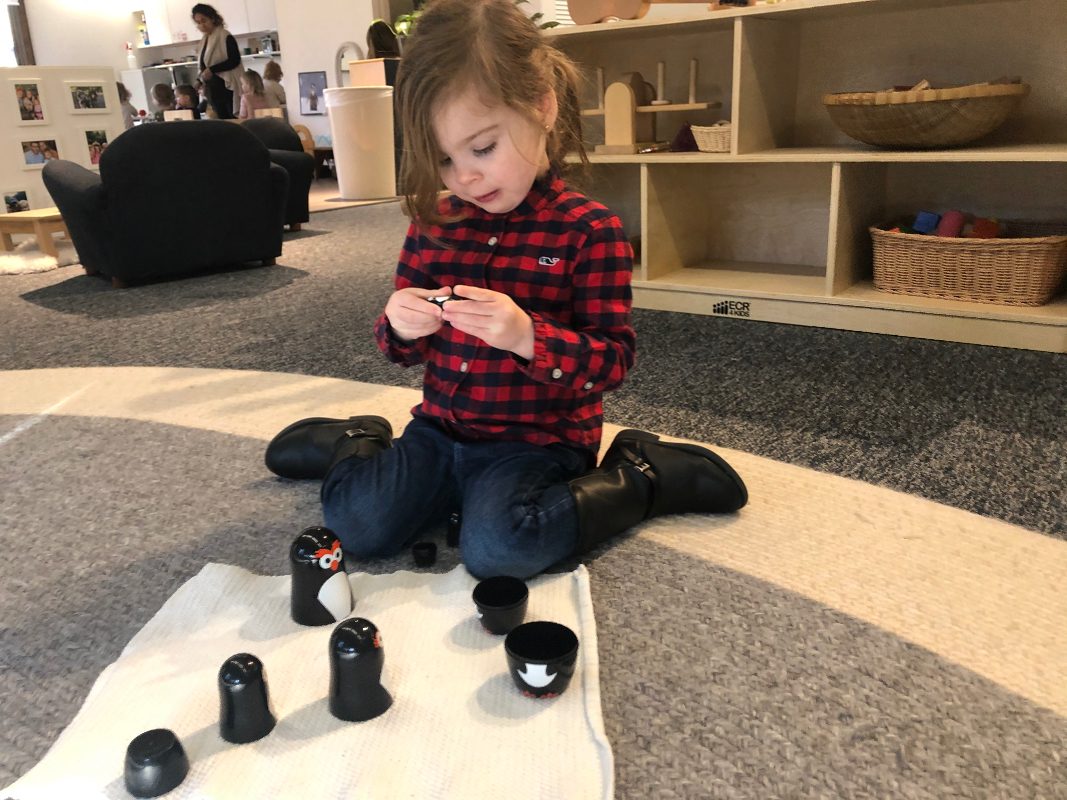
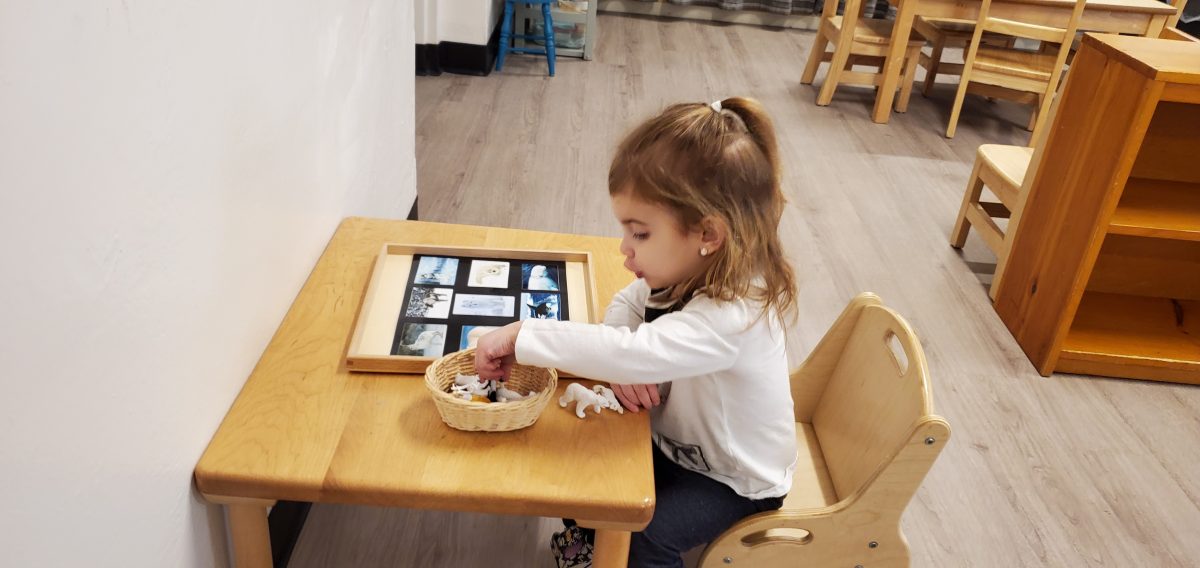
Based on our winter theme, we introduced in the language area an object to picture matching work focused on arctic animals. Children learned to recognize a harp seal, an arctic fox, a killer whale, a walrus, a husky, a caribou, an arctic rabbit, a beluga whale, a polar bear, and they also received a lesson on what is an igloo.

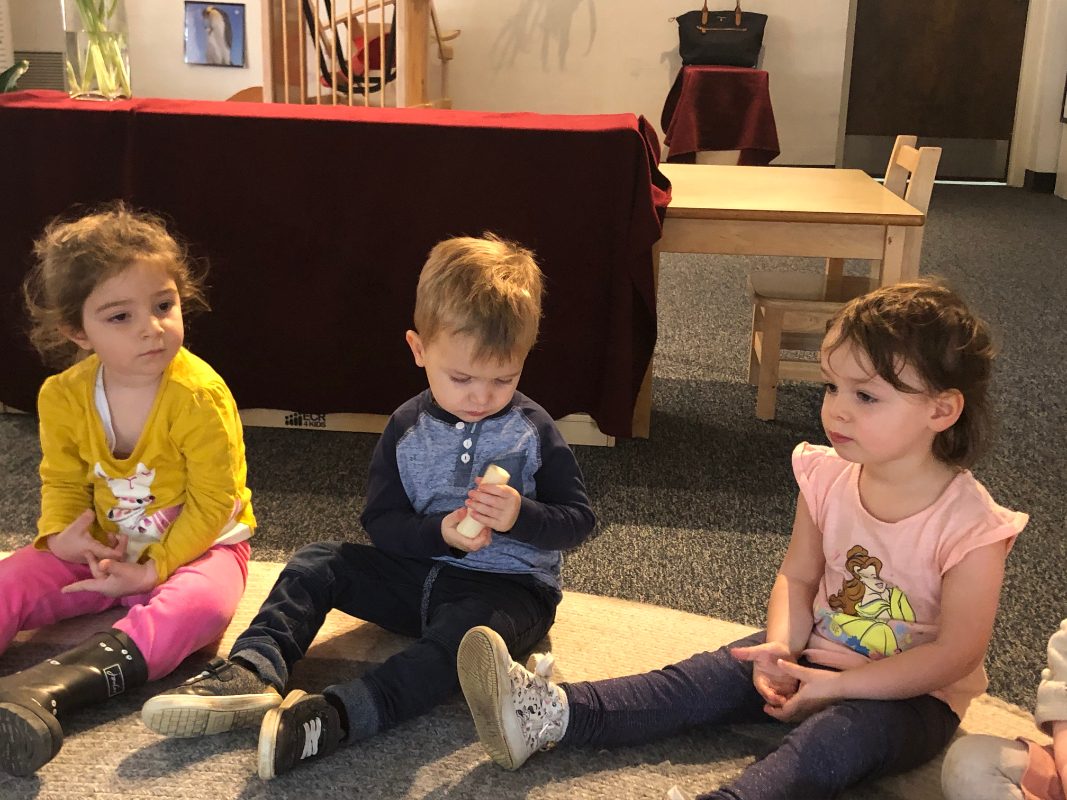
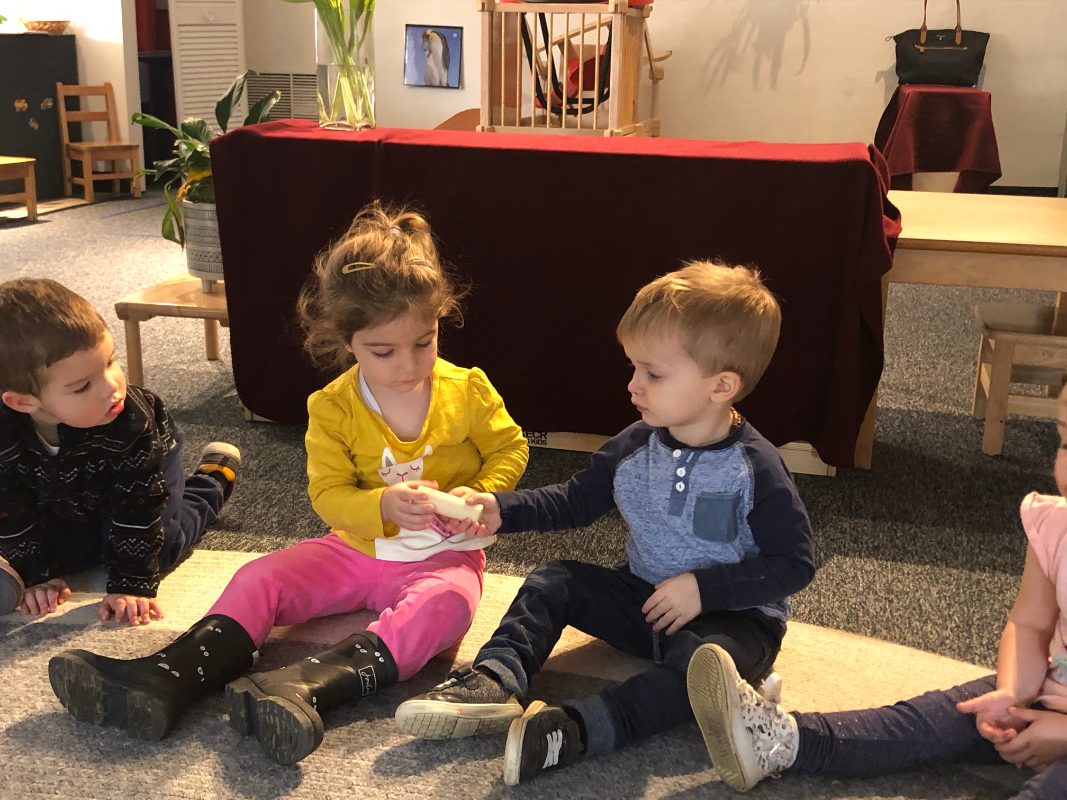
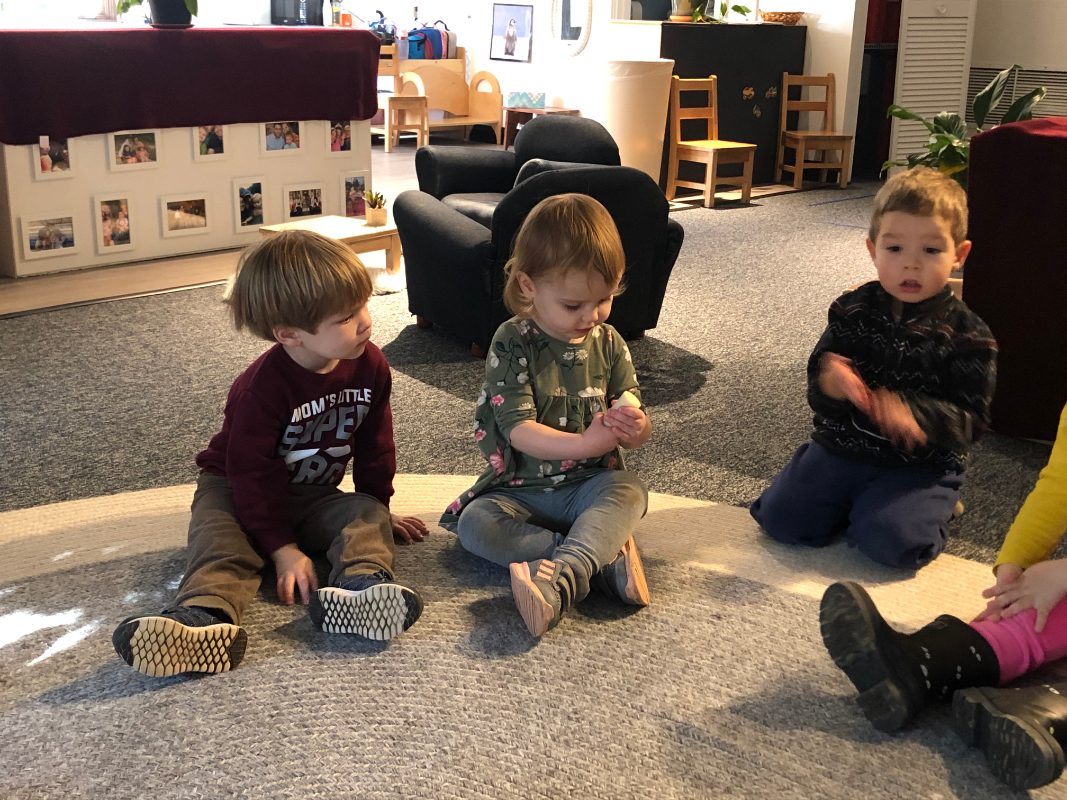
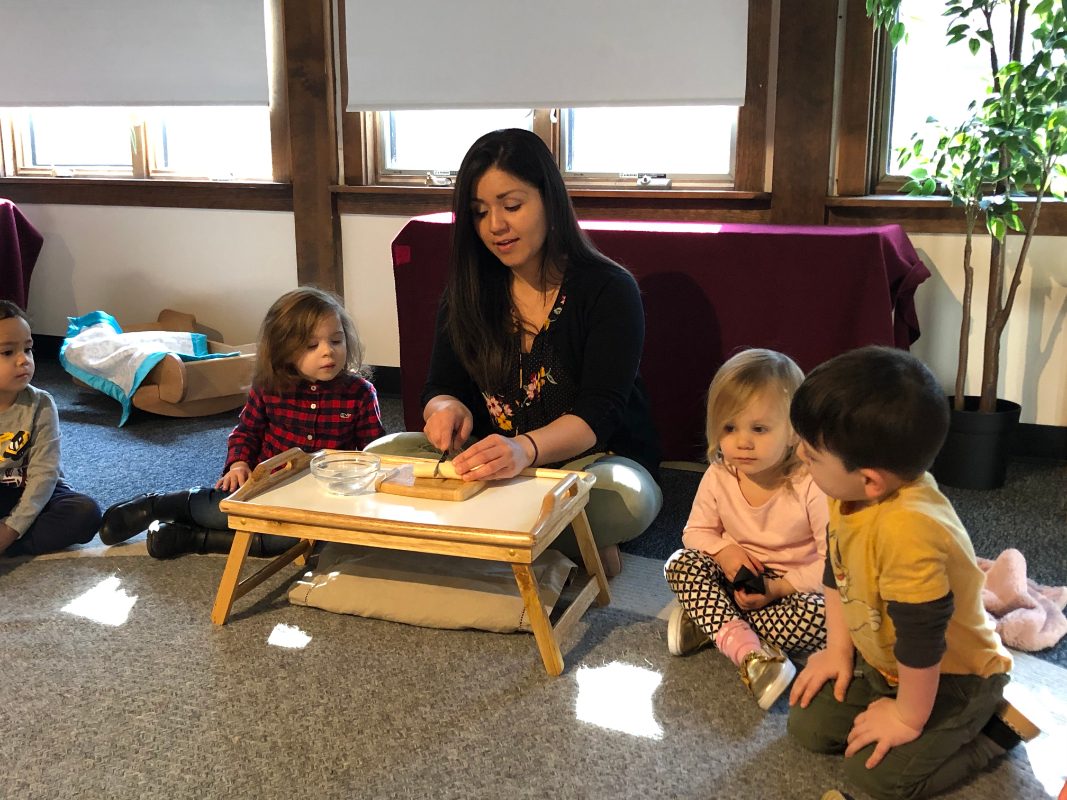
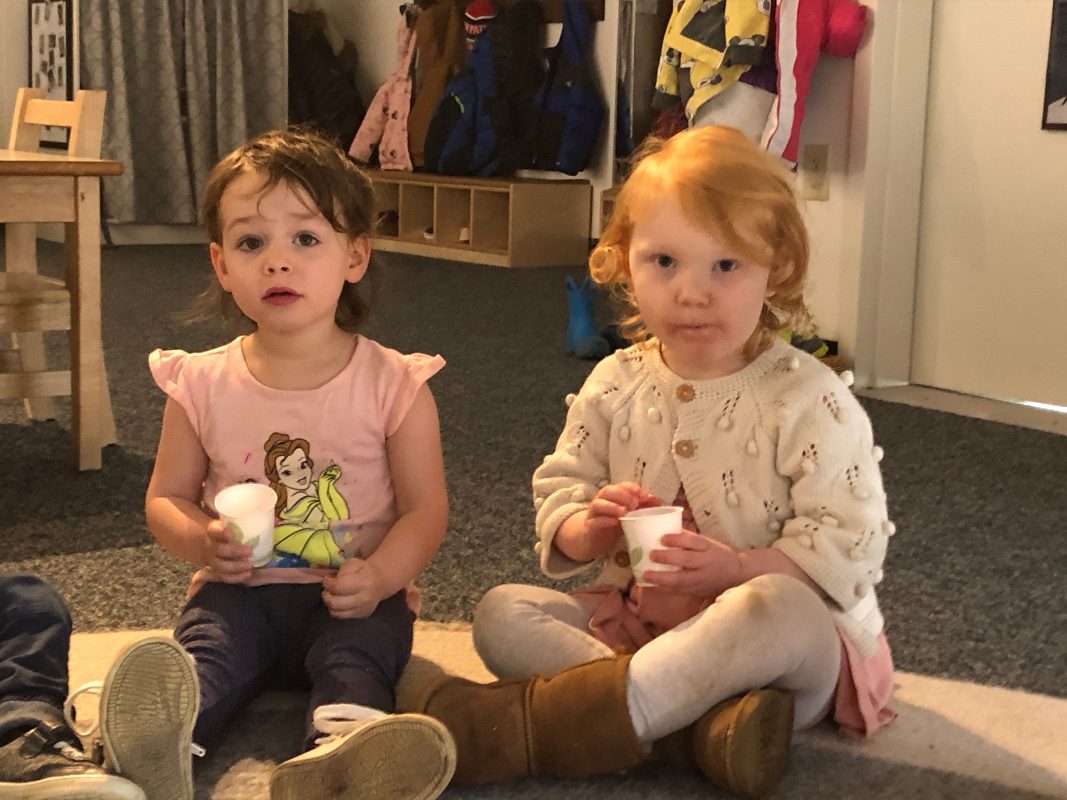
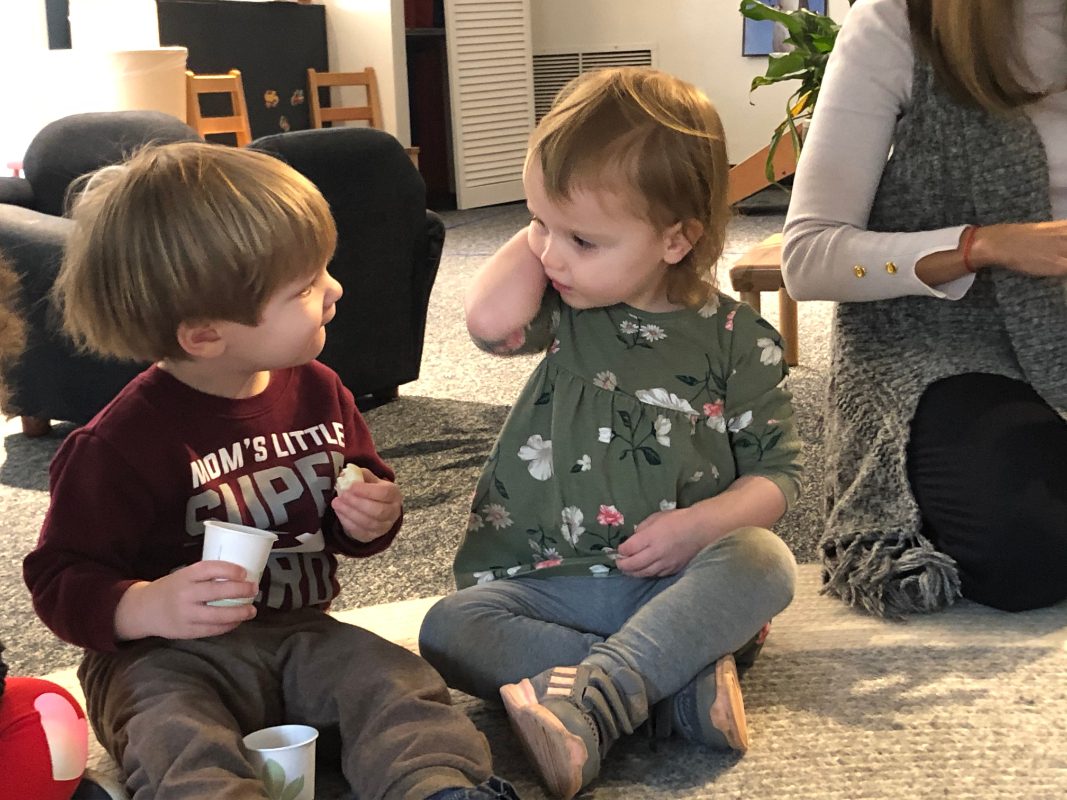
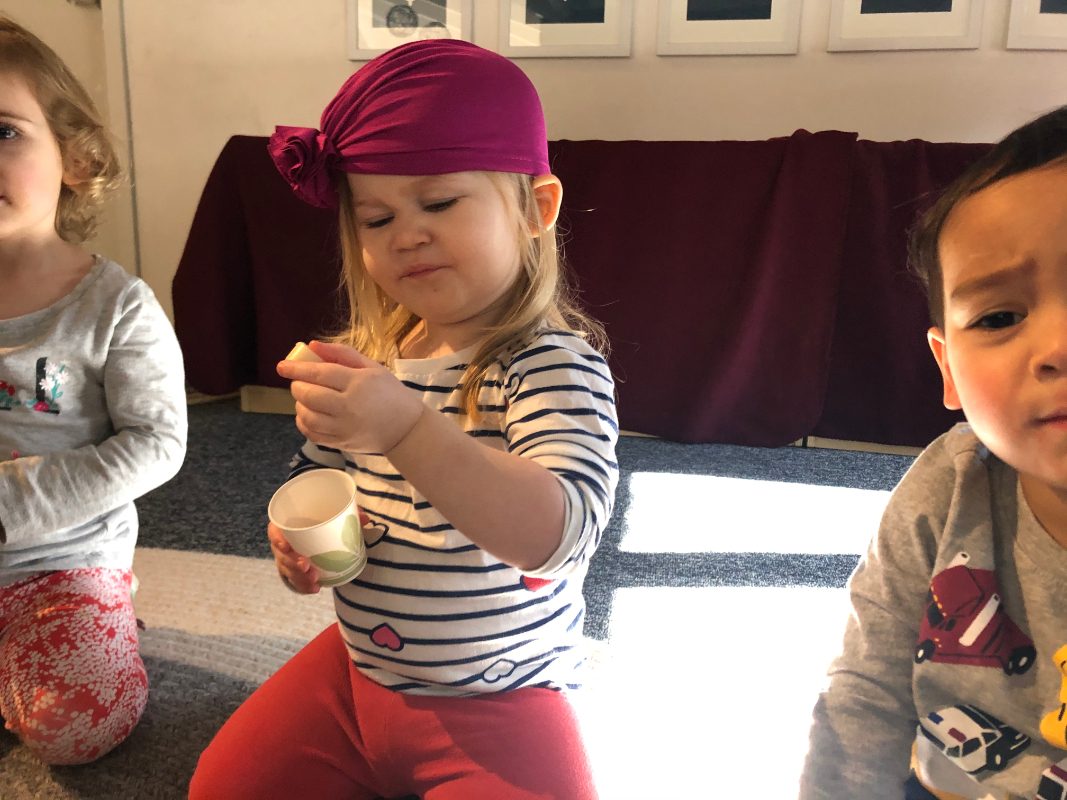
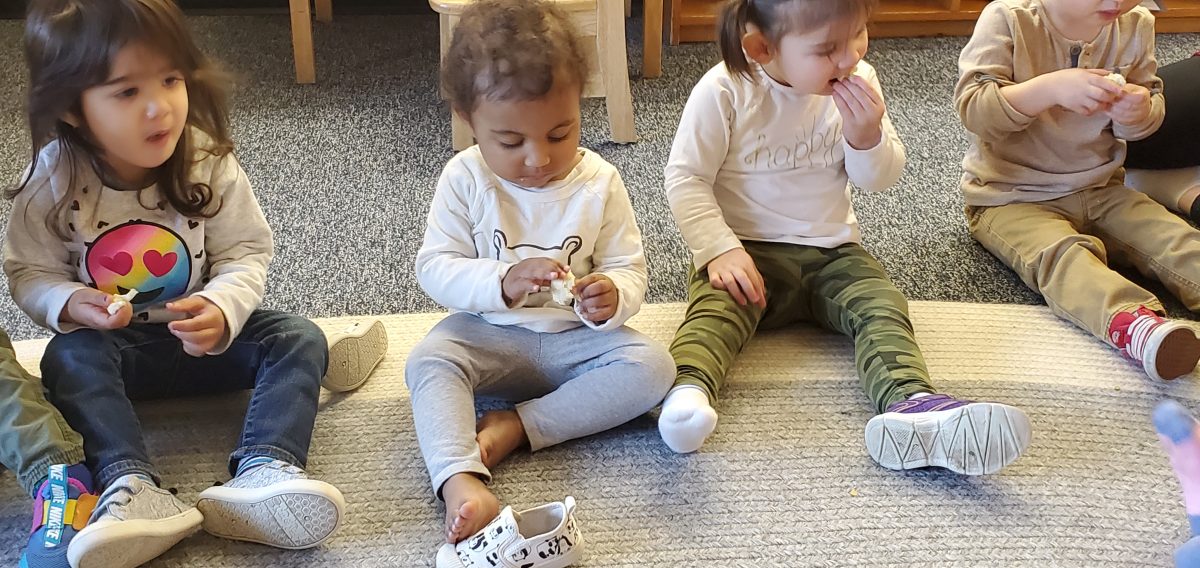
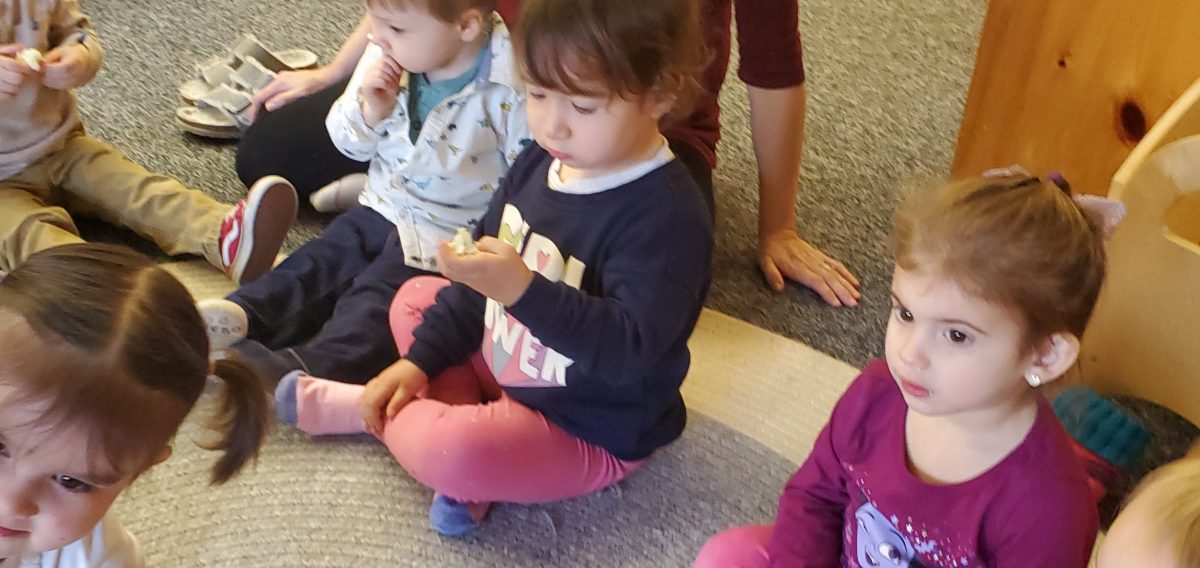
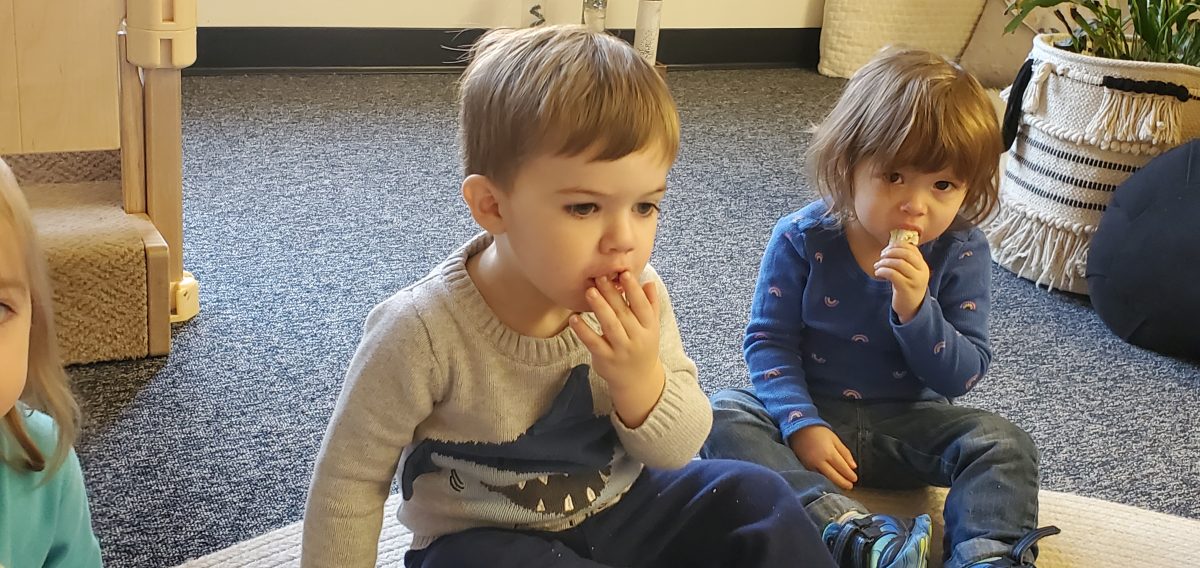
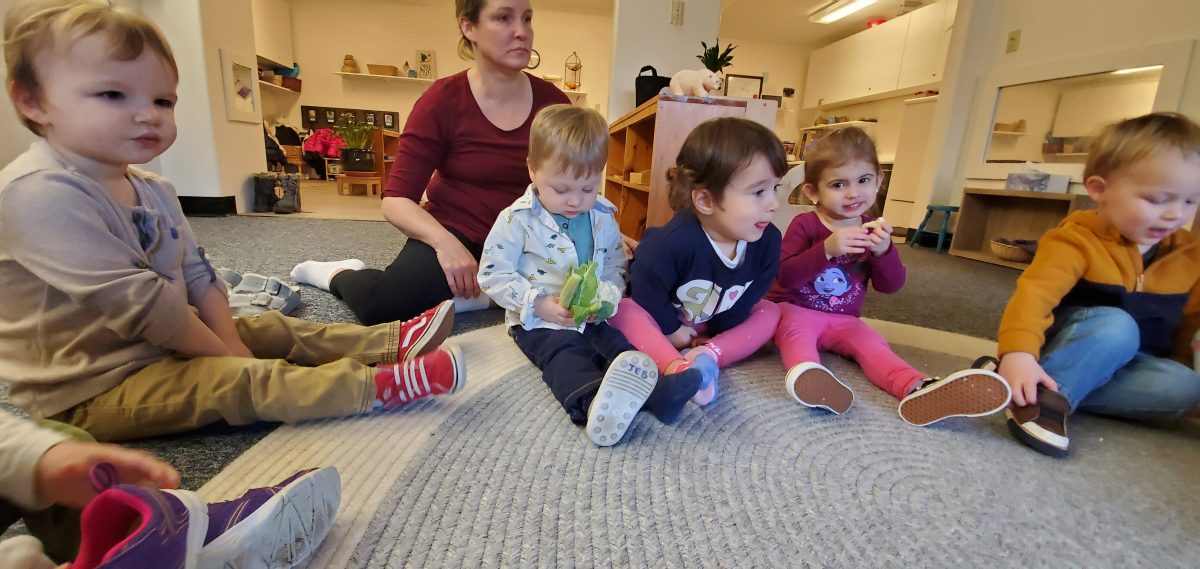
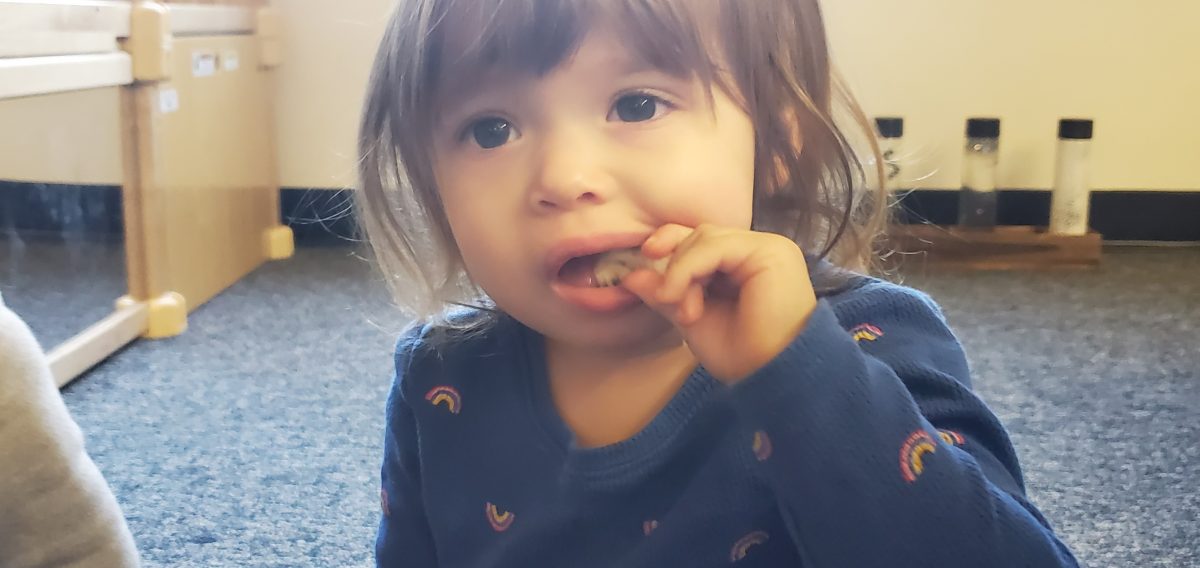
For food tasting we explored hearts of palm. As children observed this food they asked if it was a cheese stick or a tortilla. 🙂 They learned that this vegetable comes from the inner core of a palm tree. At the moment of tasting it only a couple of children really enjoyed it and asked for more, however all loved the slimy exploration of this vegetable.

We hope you all enjoyed the long weekend, and this beautiful and unusual January weather.

Mrs.Wilson: Building Language

The children all enjoyed a new group activity this week. This activity will be part of our daily routine from now on. Each morning when all the children have arrived we use photos of the children to see who is present or absent. We hold up the photo and the children say who it is. If that child is present they may do a little dance. We show excitement for that child to let them know that we are happy they are here. If the child is not at school due to not feeling well we tell them. For example, Greyson is not here, he is not feeling well. I hope he feels better soon. This helps model empathy for our friends. At the end, the children join me as we count each of them that are present. This activity builds language, empathy, happiness, exposure to counting, a sense of belonging, and group.

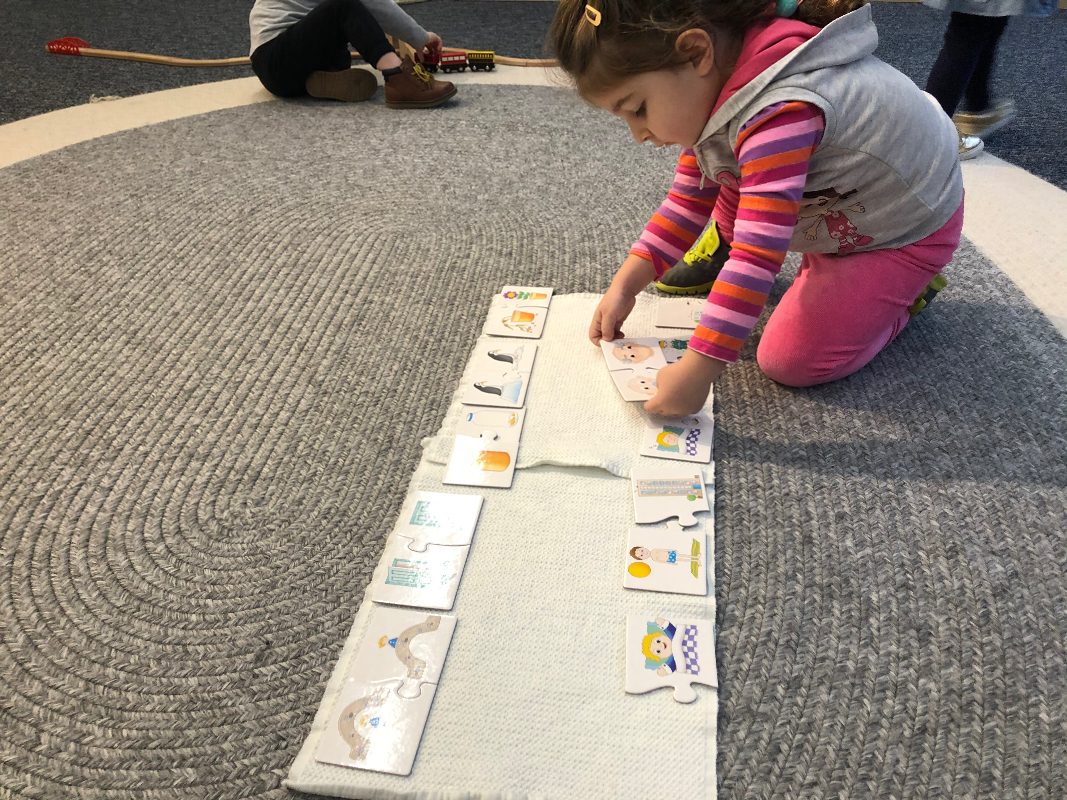
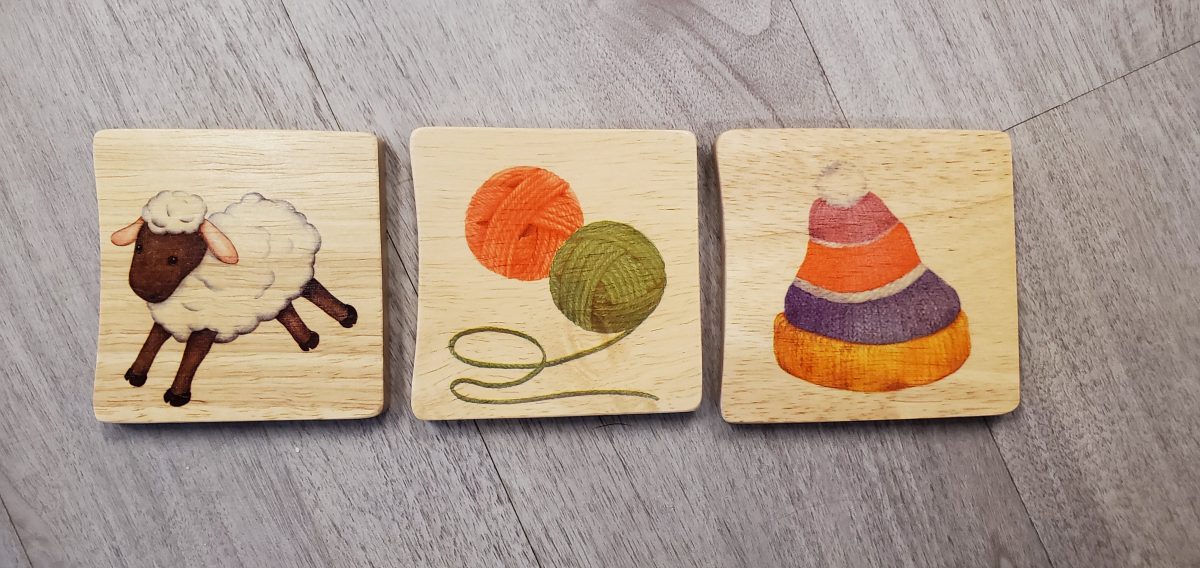
Another language activity we added is the beginning, middle and end sequence cards. This set shows a sheep, a ball of yarn, and a knitted hat.

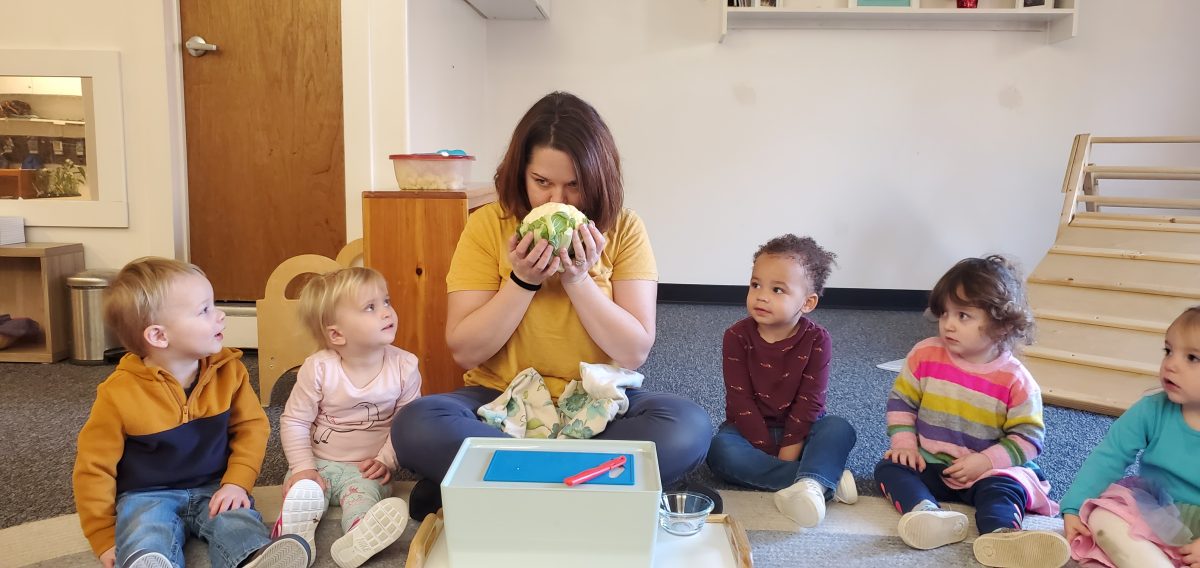
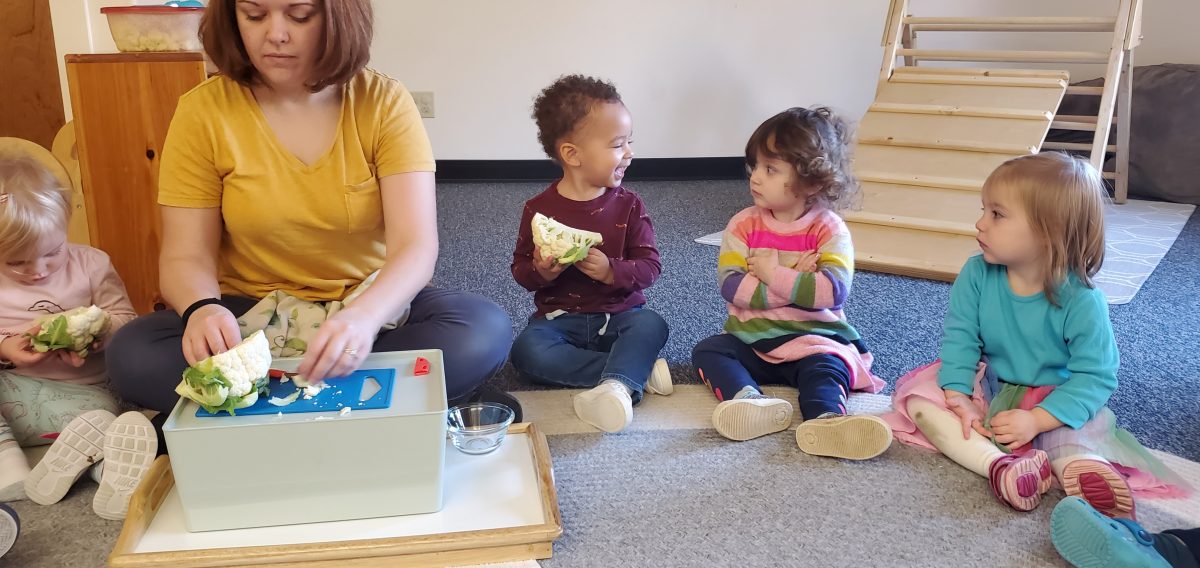
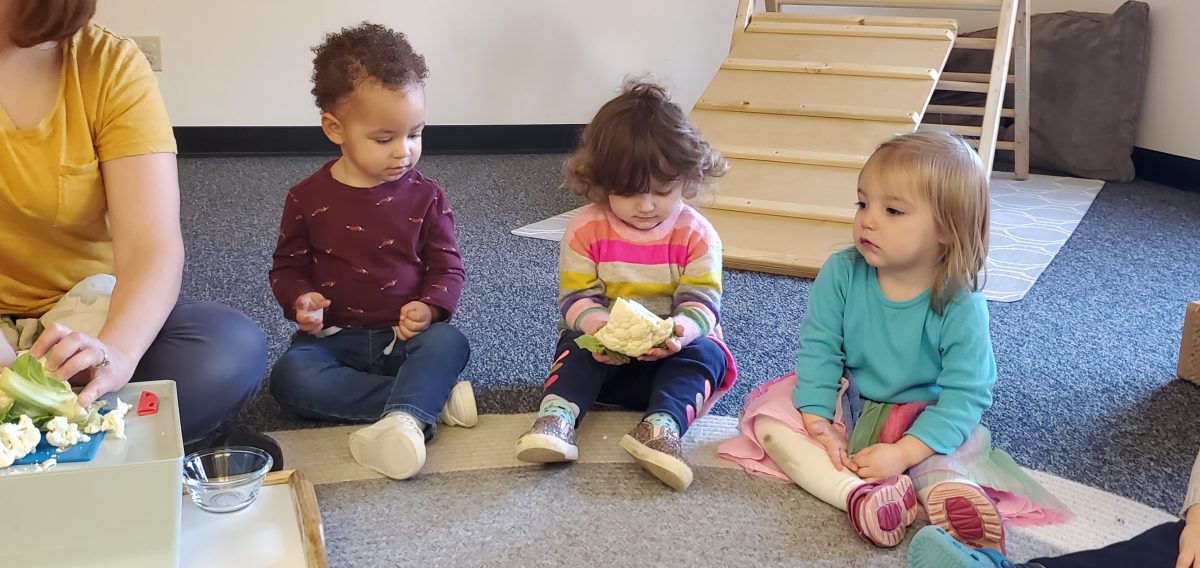
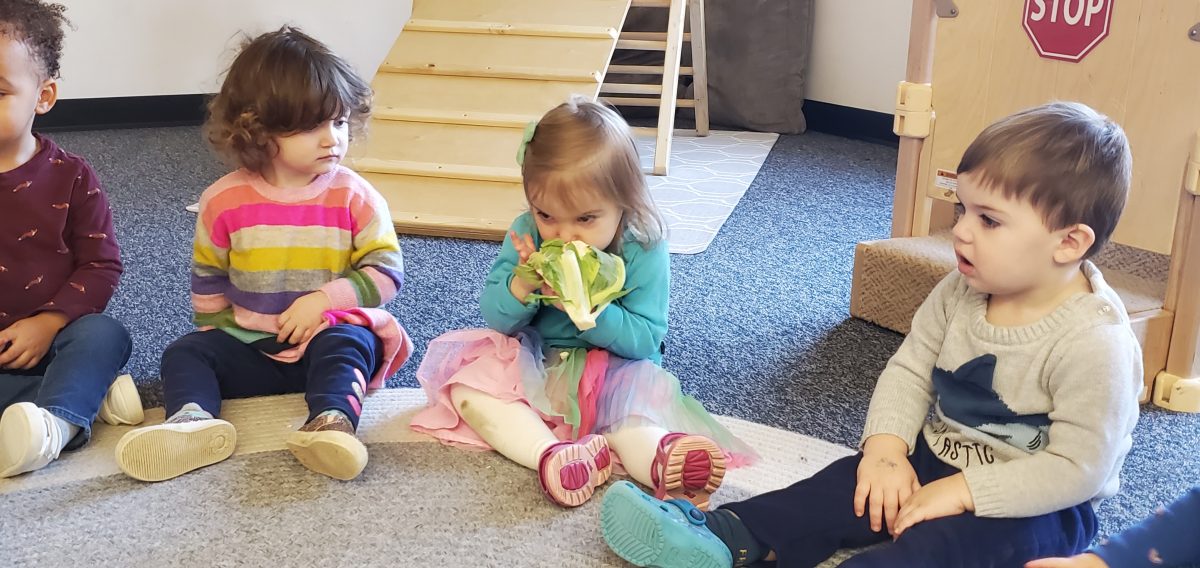
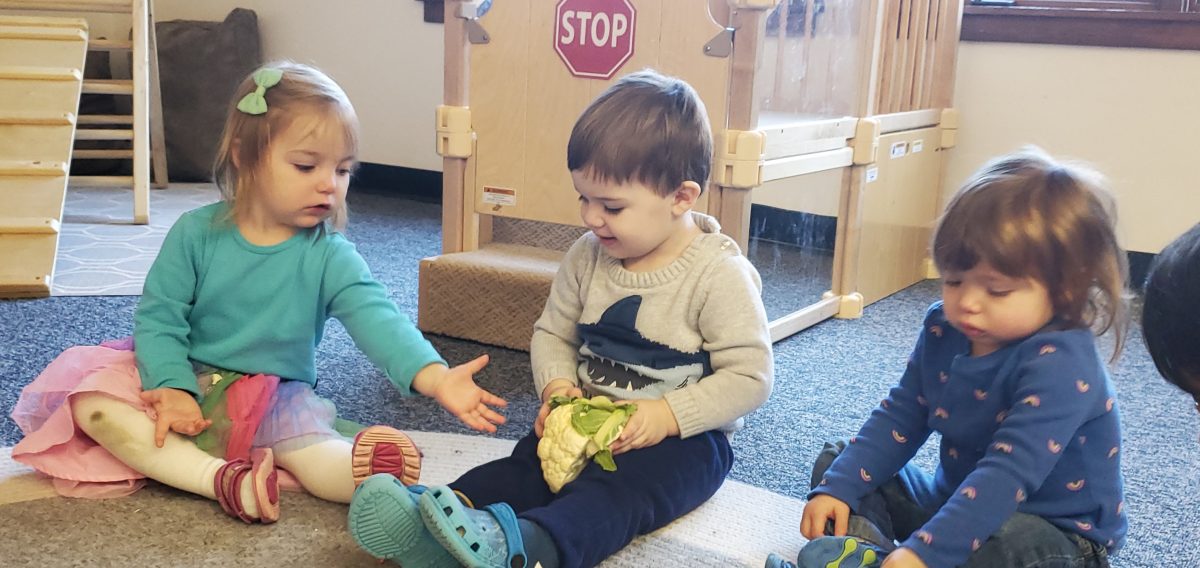
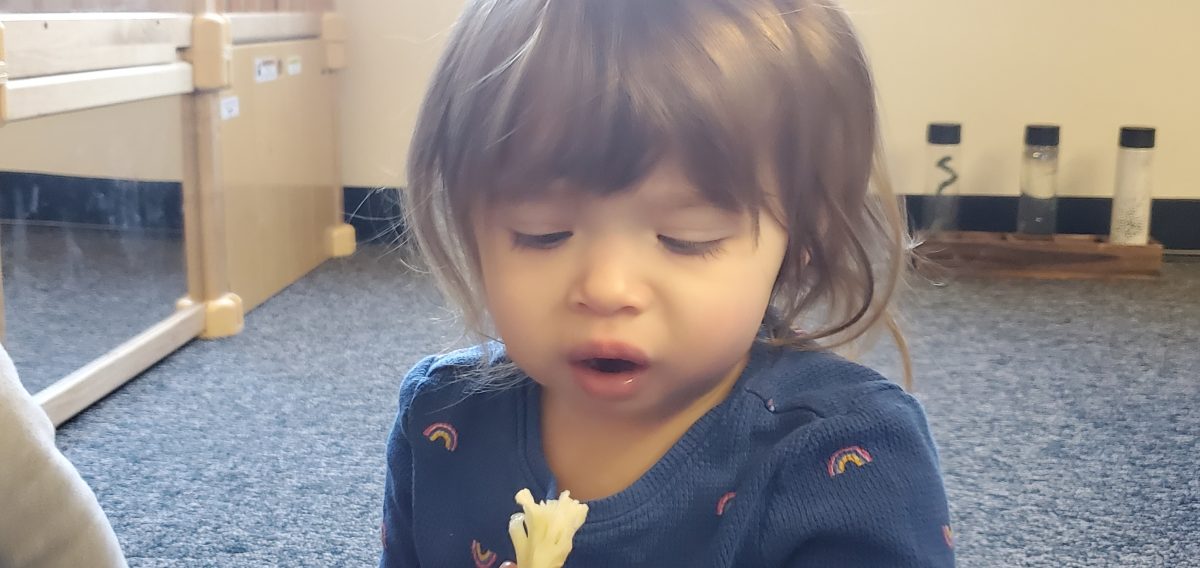
Food Tasting: Cauliflower (raw and steamed). These children amaze me! We had another successful food tasting and they all pretty much liked steamed cauliflower. Some enjoyed the crunchiness of the uncooked version.
Have a wonderful week!


A Fun and Busy Week

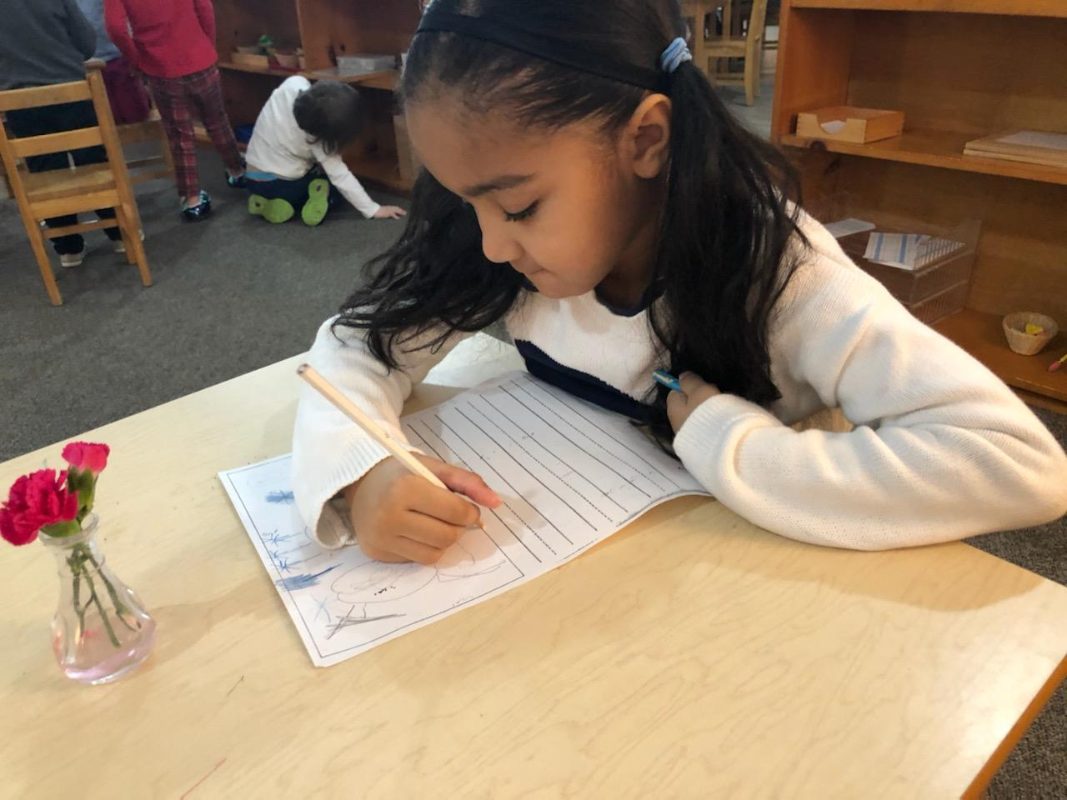
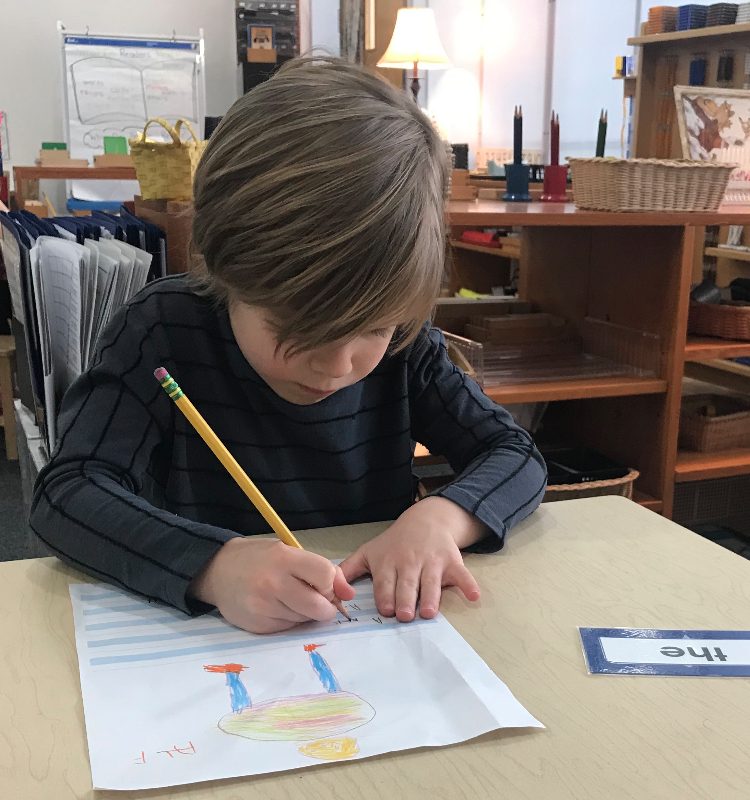
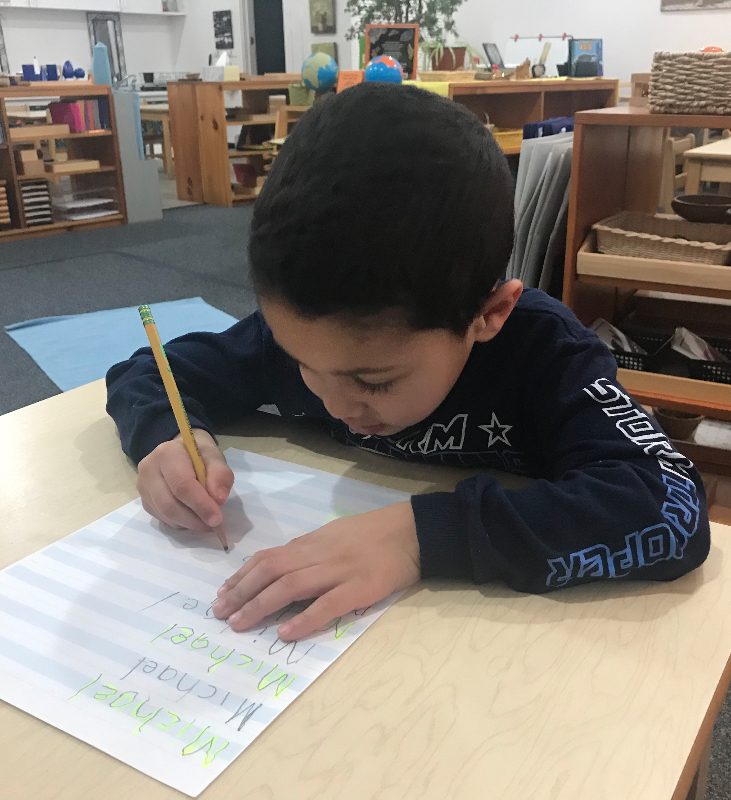
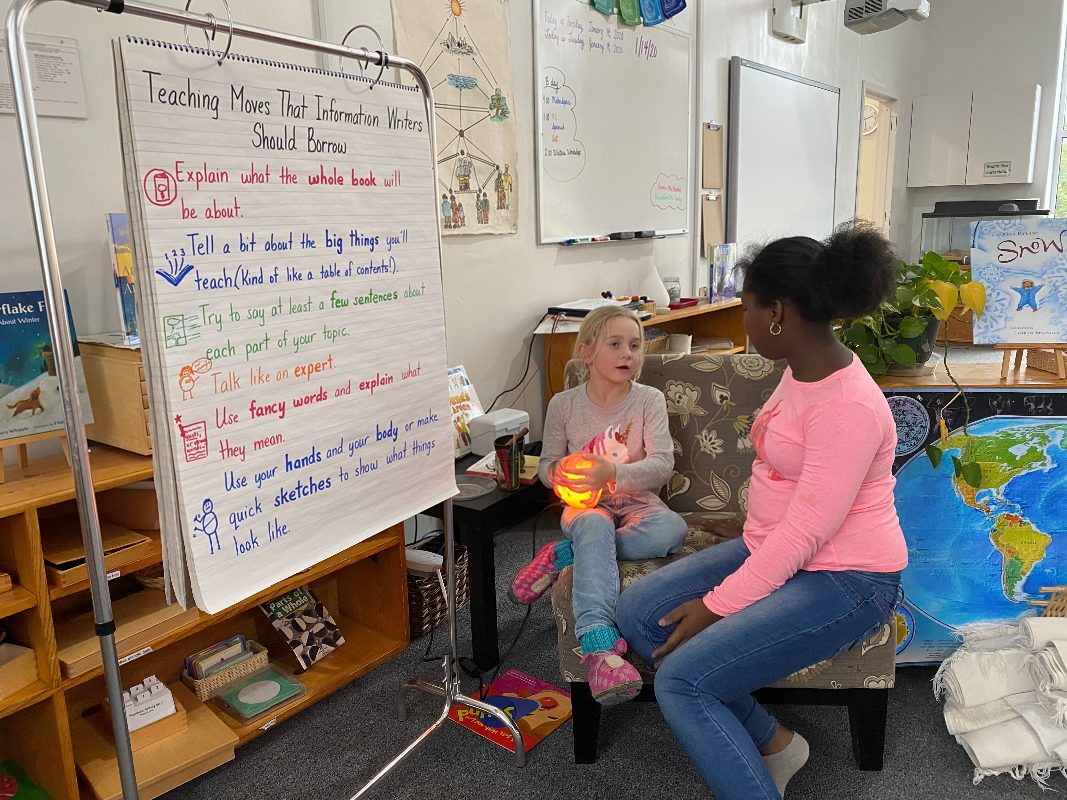
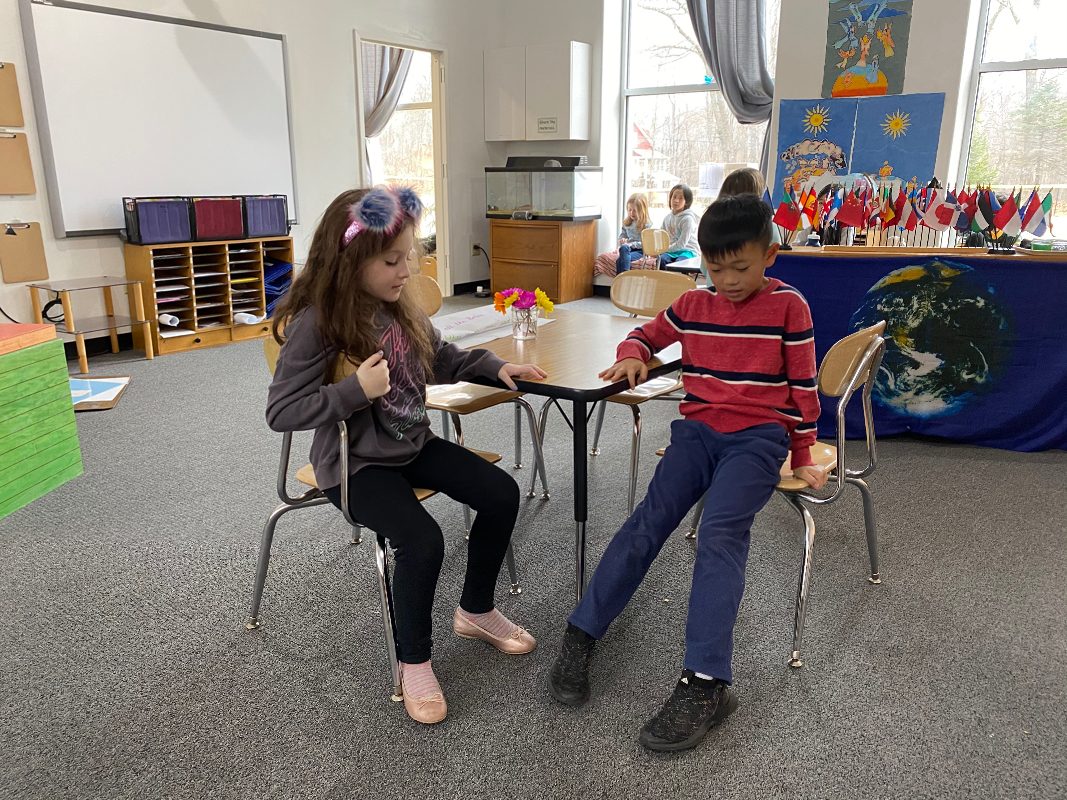
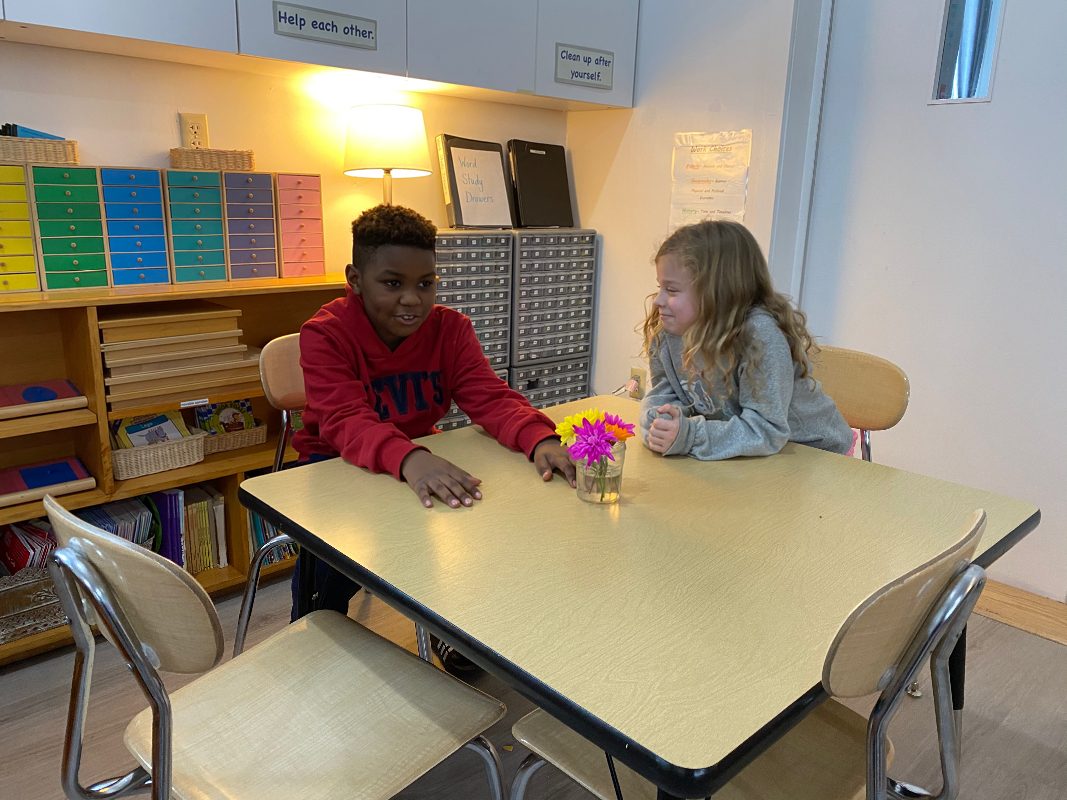
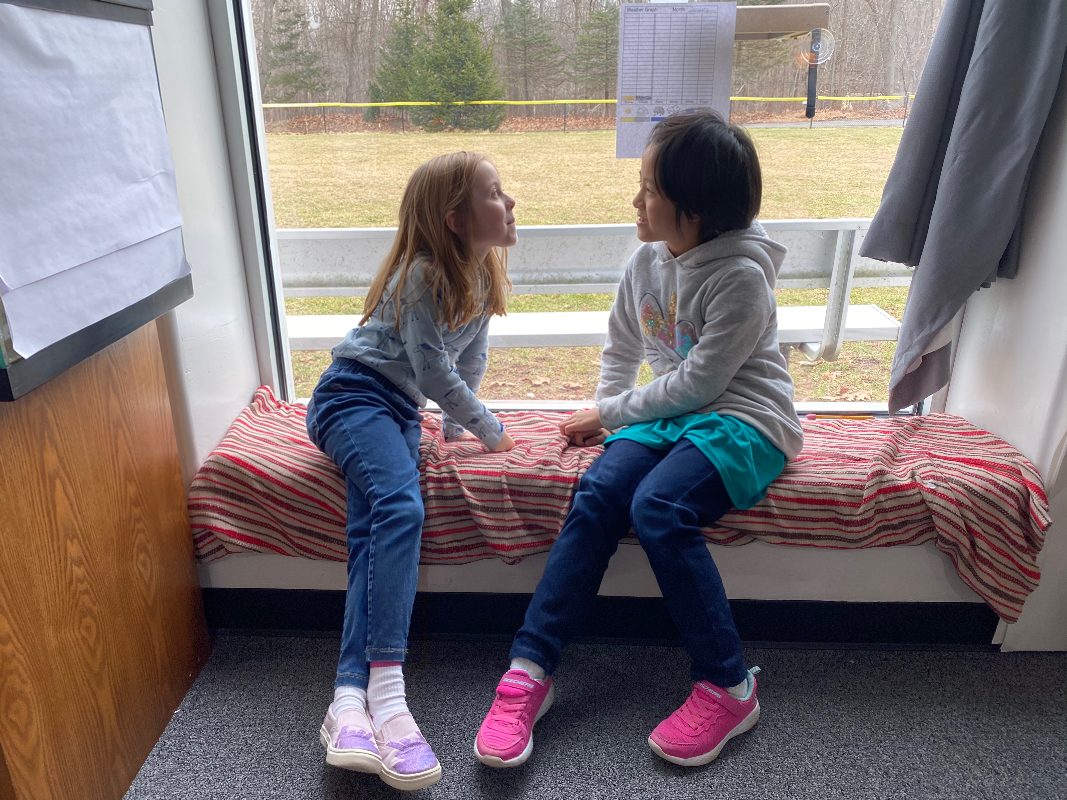
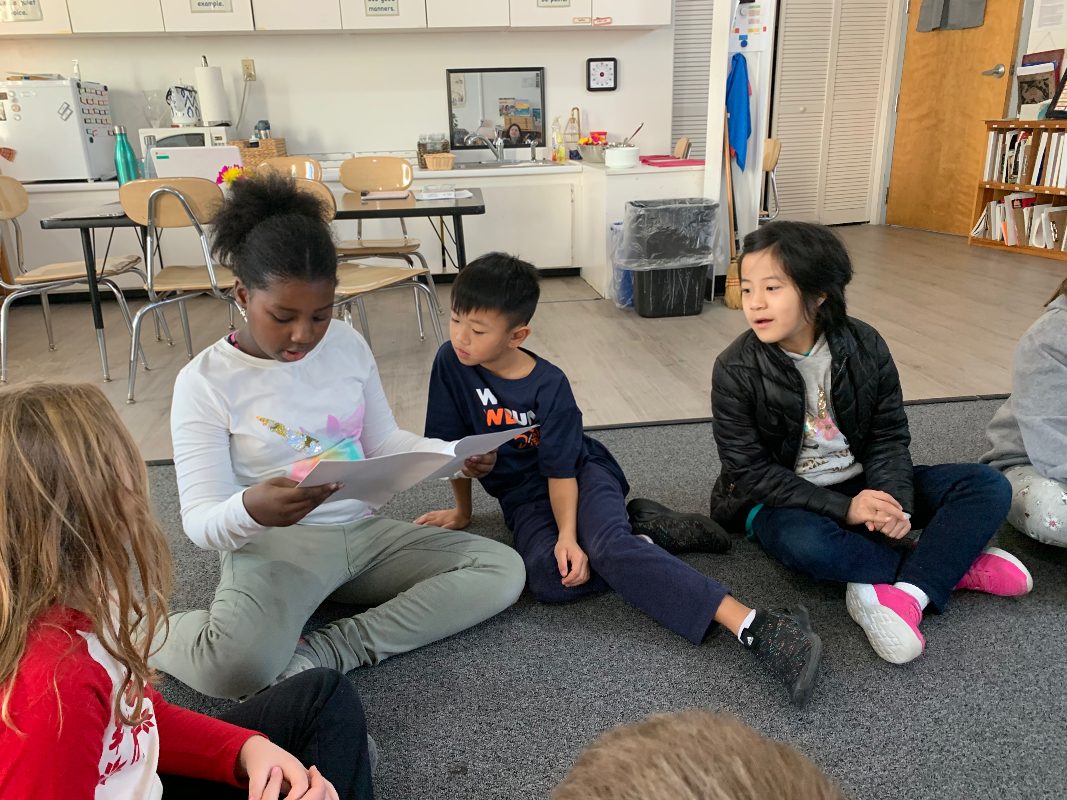
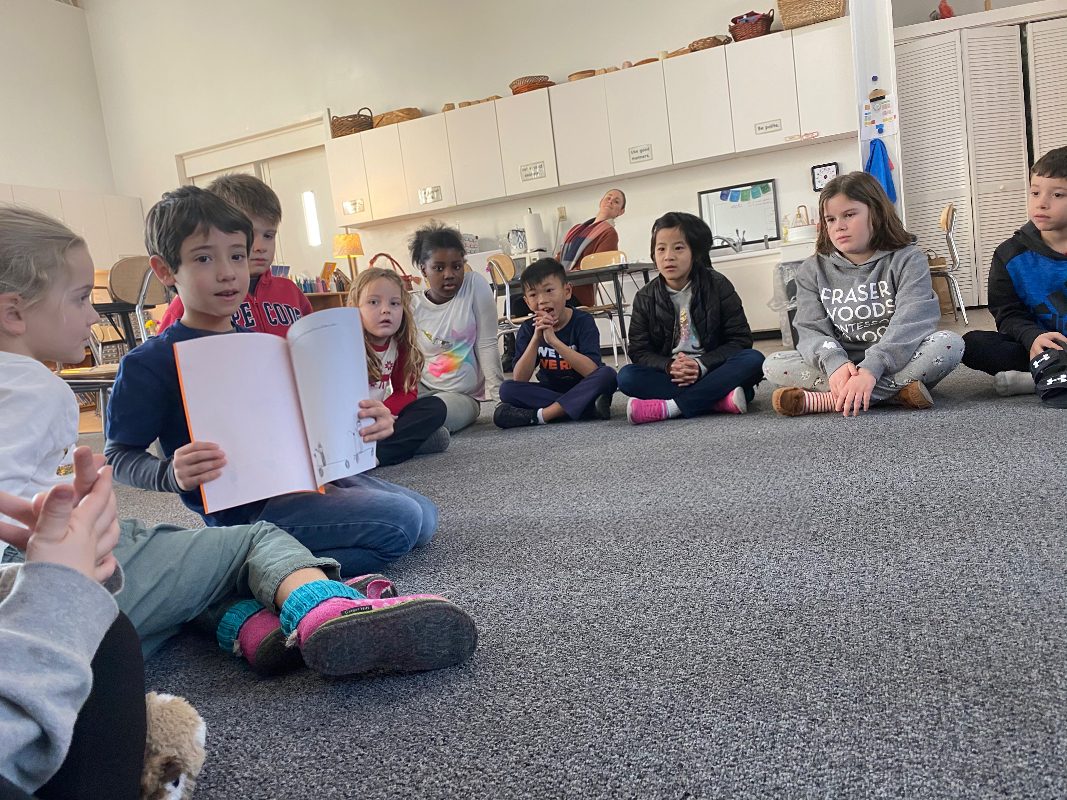
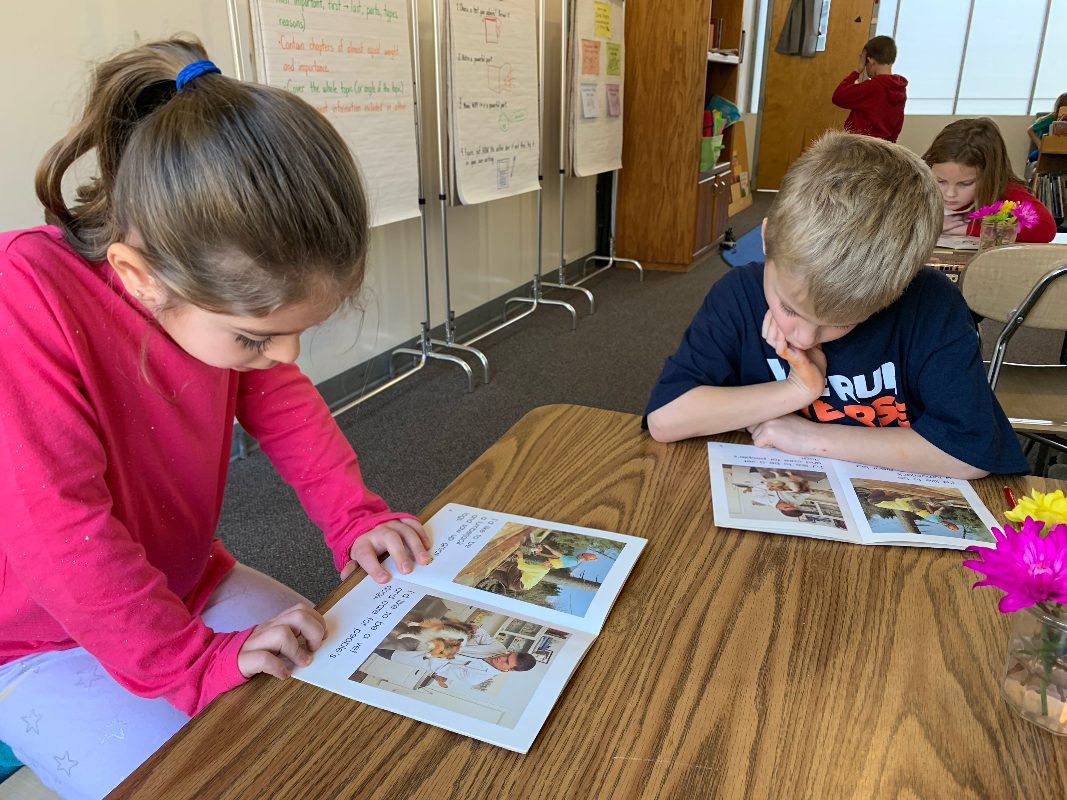
It has been a fun and busy week in Lower Elementary. We started a new unit in Writers Workshop on information writing. The students kicked off the unit by partnering up and teaching each other all about something they are experts in. First years learned about teaching all about a topic and seconds and thirds learned about topics and subtopics. We also continued to celebrate the personal narratives each child wrote by inviting them to share their stories with the class. The completed stories will go on a special bookshelf so the children can read each other’s personal narratives.

Next week, Tuesday through Thursday, the third year students will take a practice standardized test called the CTP5. This test is given to third through eighth grade students and is scored and reported to parents starting in fourth grade. We treat the third grade year as a true practice  year so the children have the chance to take the test with a little more help learning to navigate it this first year. For this reason, we don’t score and report it in third grade. As a Montessori school, we give this test to give our students the practical life experience of taking a test, to prepare them for future years in school. The third year students completed a sample practice test together this week and commented that they thought it was fun!

Mrs. Carroll’s Class: Make It Matter

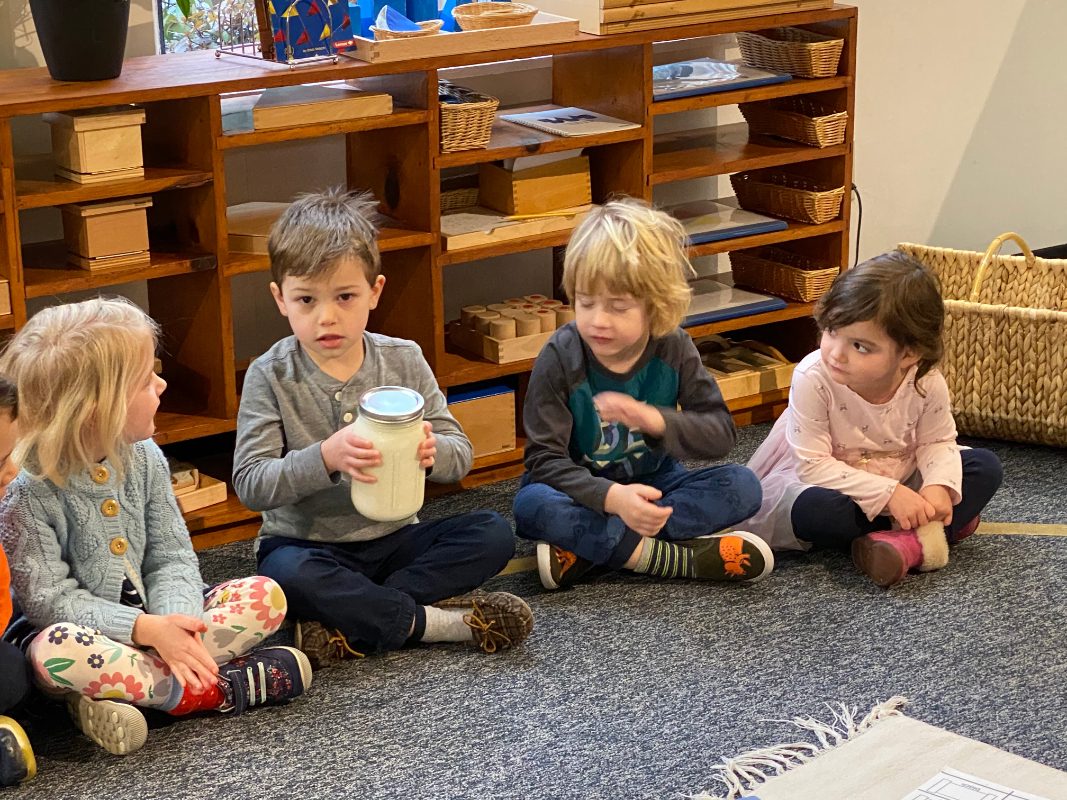
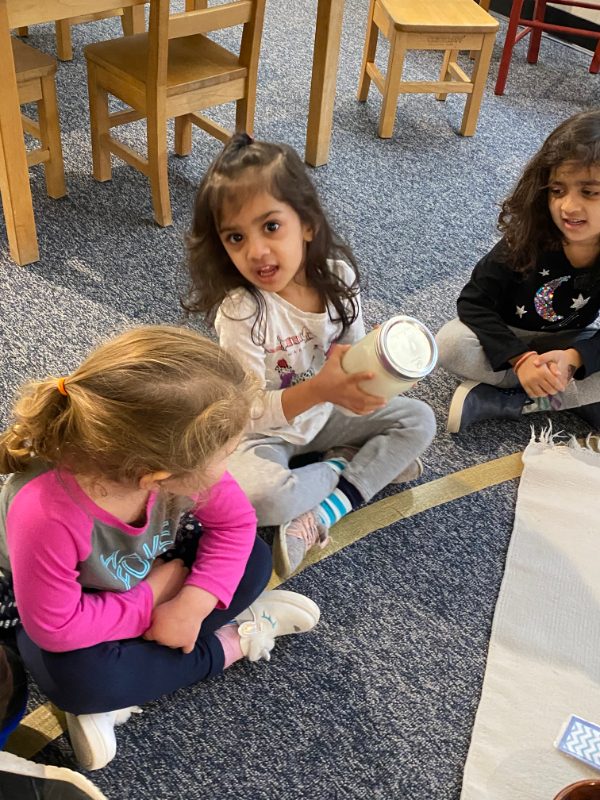
This week we continued to build on our understanding of the three states of matter: liquid, solid, and gas.  Hands on activities helped to illustrate how one state of matter can change to another: melting, freezing, or boiling. Water is the perfect example of states of matter to children because it can exists in all three different states. Our first experiment introduced a solid (ice cube) to liquid (water) change. Why the change? The children will tell you that when matter gains or loses heat it can change from one state to another, ice to water, water to ice, water to gas. In our second experiment the children not only got to find out how butter is made, but also saw a liquid turn into a solid. The children took turns shaking (agitating) cream until its fat molecules became shaken out of position and clumped together to form butter. We all enjoyed sampling the fruits of our labor spread on a cracker.
Never underestimate your children’s interest in science and their ability to understand. In fact, ask them to illustrate how molecules in each of the three states move. I know you will all be amazed!

Make your week ‘MATTER.’

Cindy & Sharlene


Mrs. Doyle’s Class: Moving Molecules!


We just finished our science unit on States of Matter.  Matter is all around us.  Everything that you can touch, taste, smell and see is made of matter.  There are three states of matter: solids, liquids, and gases.

We learned that solids have a definite shape because these molecules are very close together and do not move very much.  The shapes of solids do not change unless some type of force makes them change.   Liquid matter does not have its own shape.  The tiny molecules in liquids are not as close together as solid molecules and they move around more.  Liquids take the shape of the container they are in. Gas matter also does not have its own shape.  The molecules in gas are far apart and they move around a lot.  Gases spread out and fill up their container too.

The children loved taking part in experiments that help highlighted the different properties of solids, liquids and gases.  First we made raisins dance and blew up a balloon using a water bottle.  Then we learned how butter was made and watched a liquid change into a solid.   Of course, after making the butter we enjoyed eating it on a cracker.   Ask your children to pretend to be a solid, liquid or gas and see how they move like those molecules!

Wishing everyone a wonderful week!

Michelle & Jeannine