Blog

Mrs. Doyle’s Class: An Intention To Work

The love of one’s environment is the secret of social evolution.—-Maria Montessori

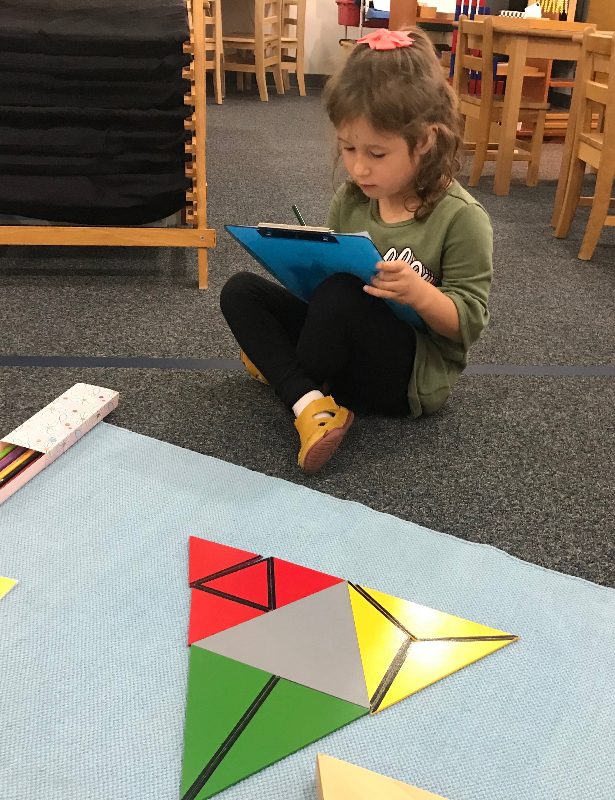
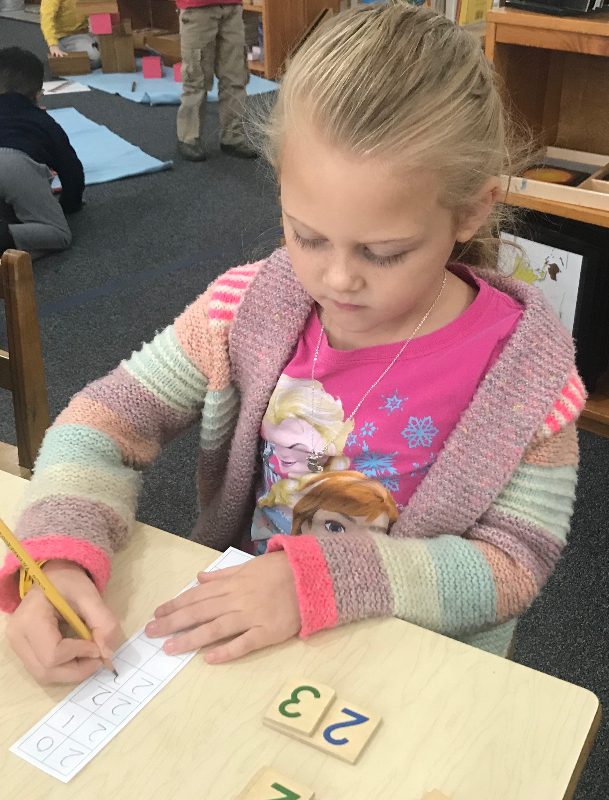
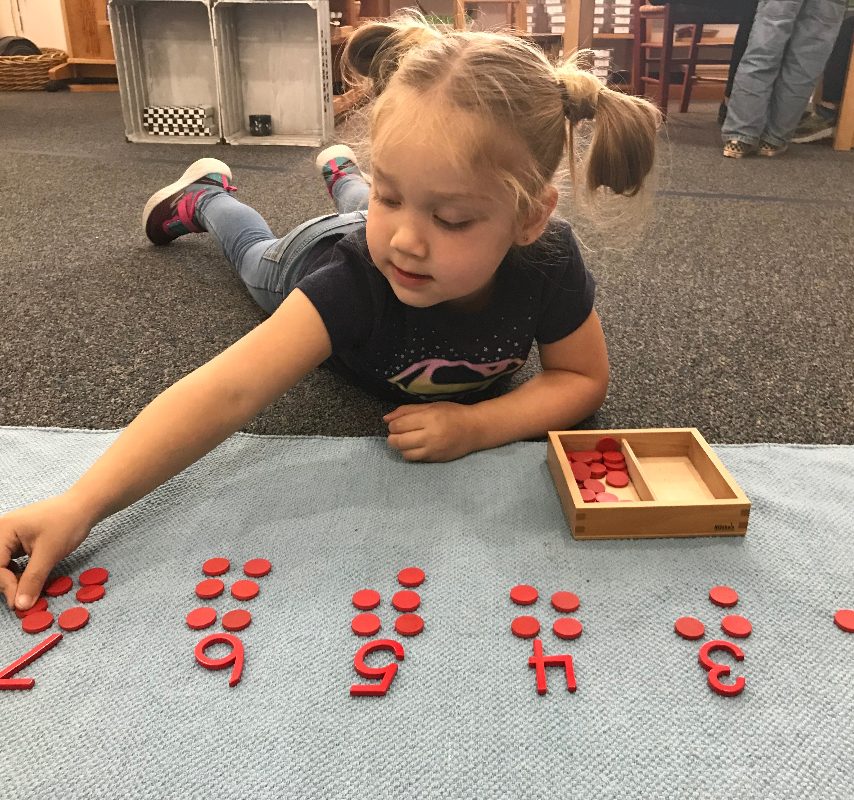
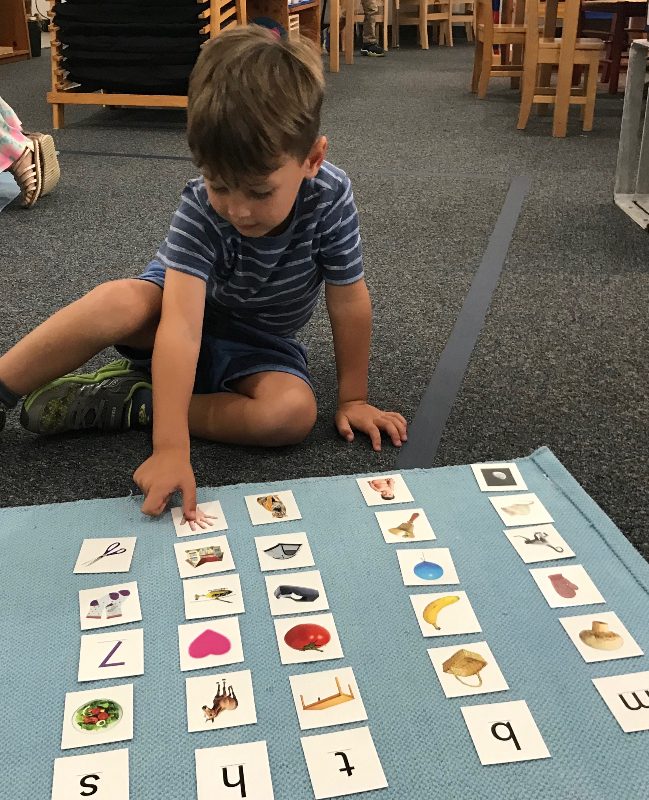
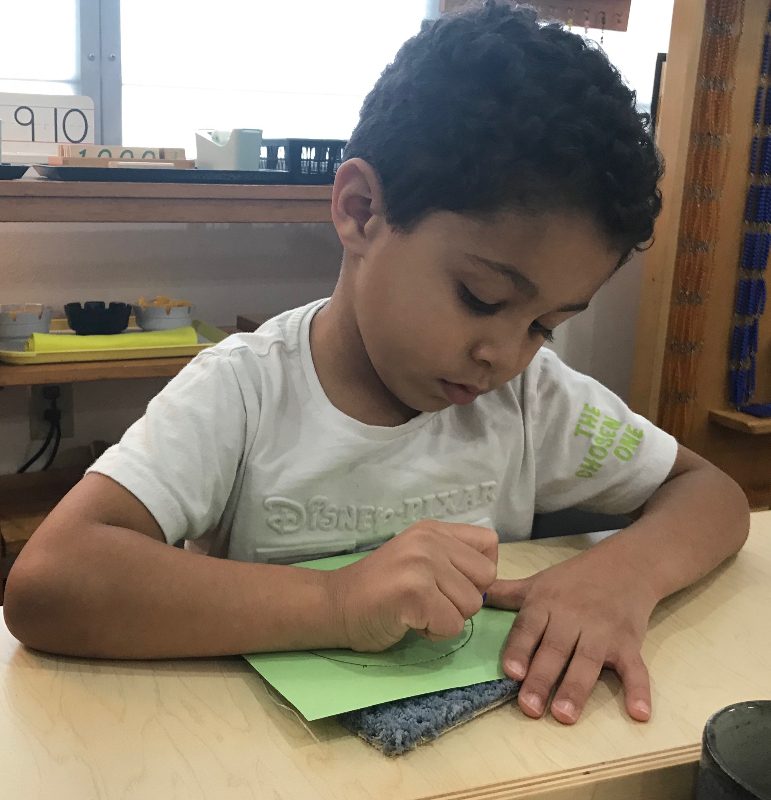
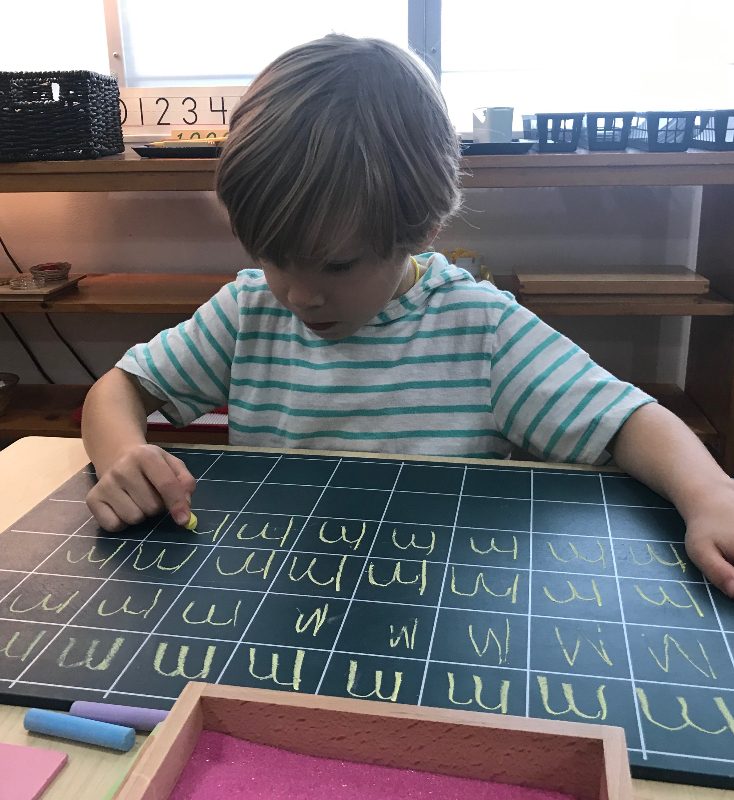
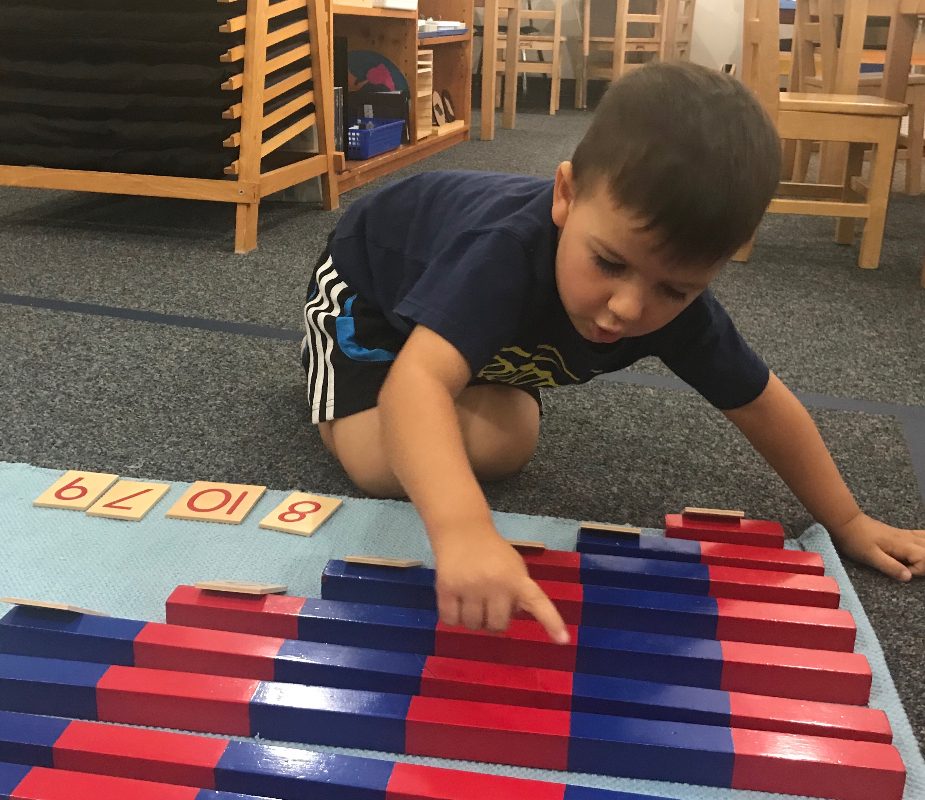
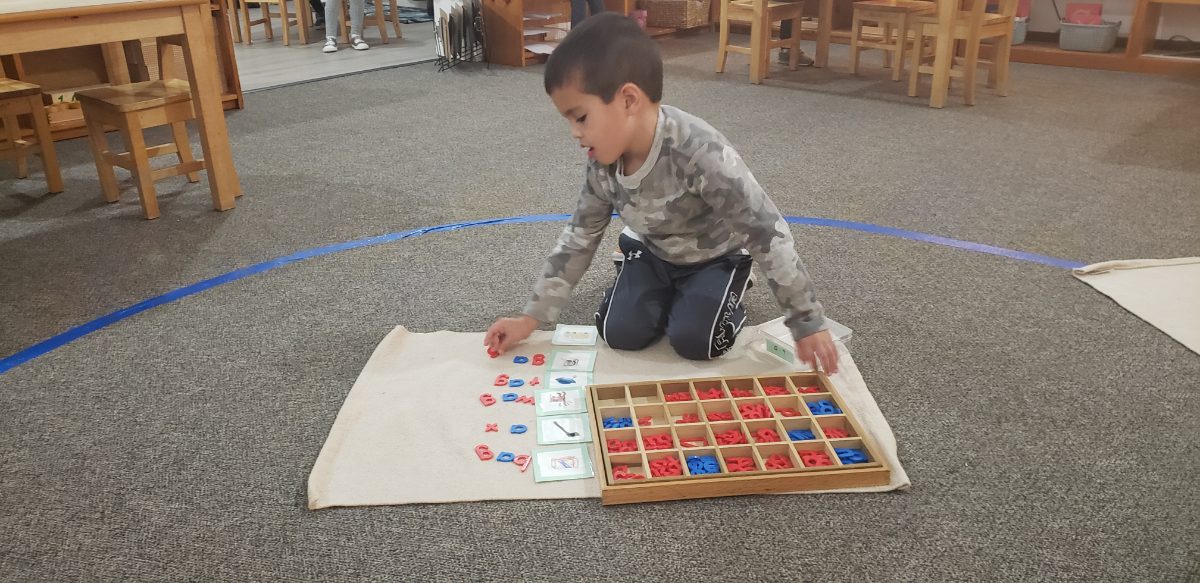
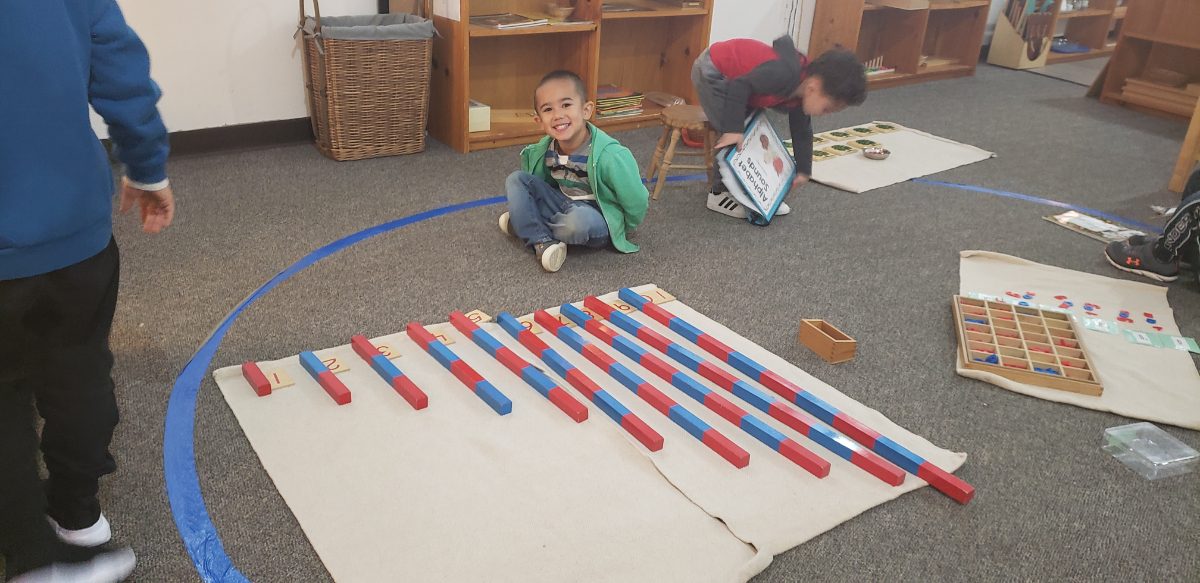
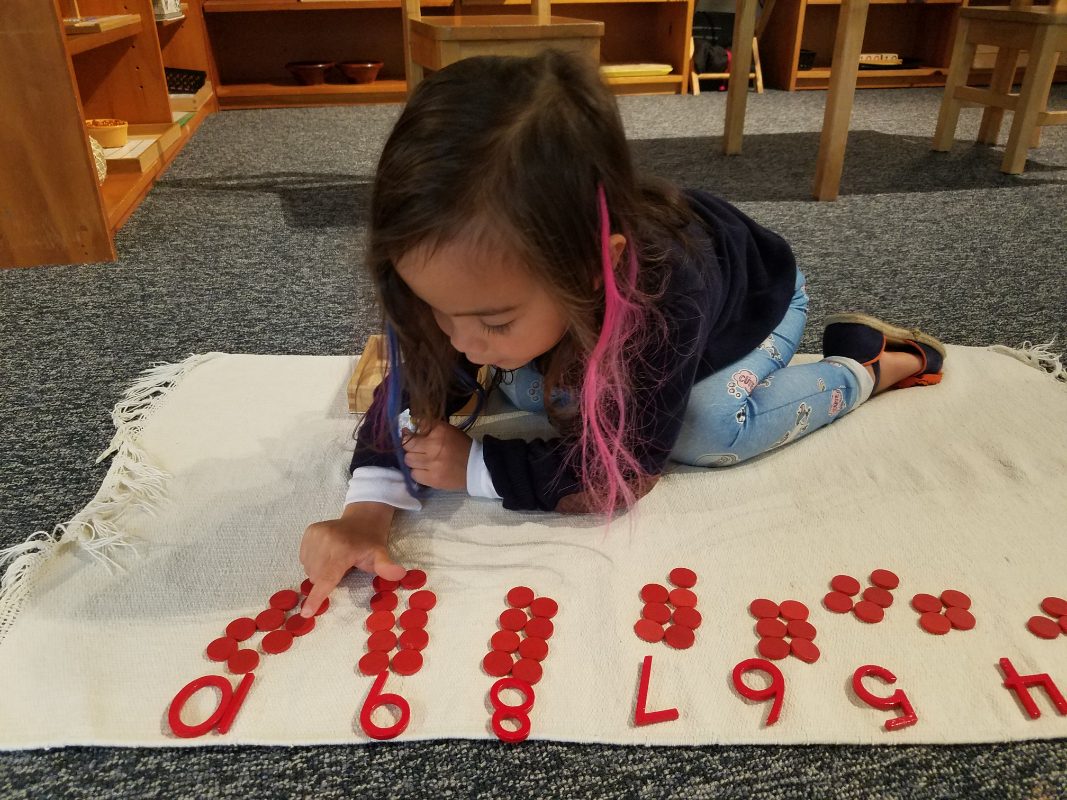
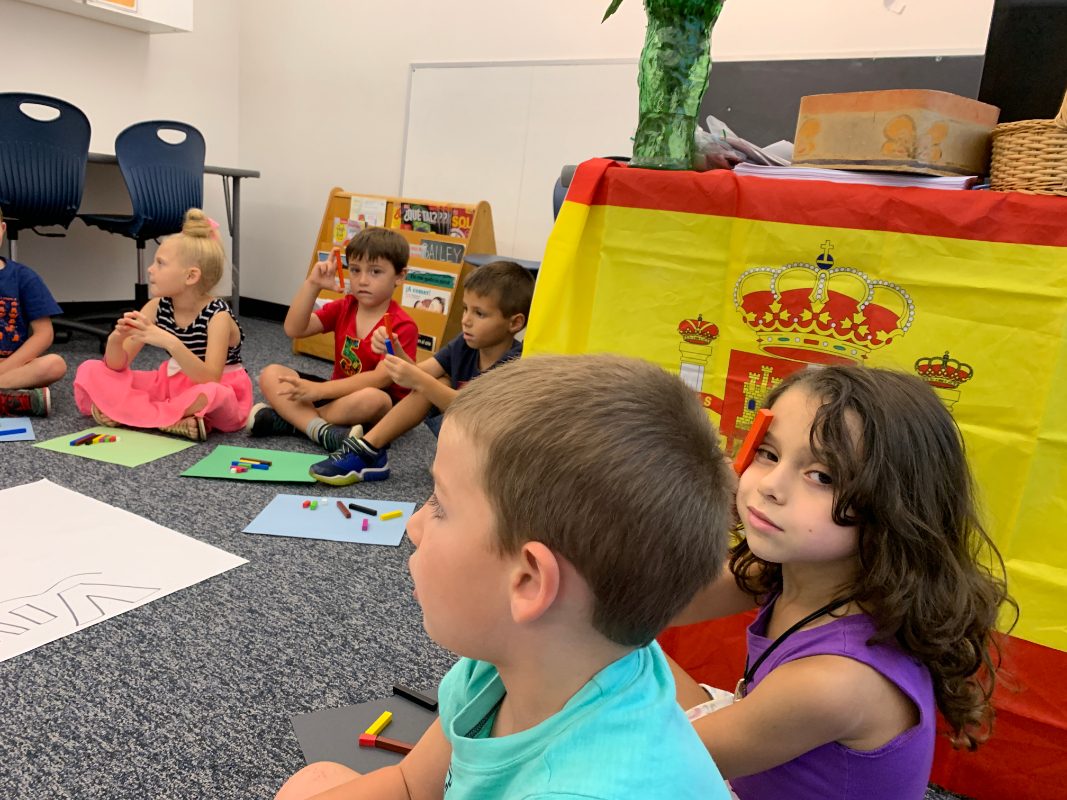
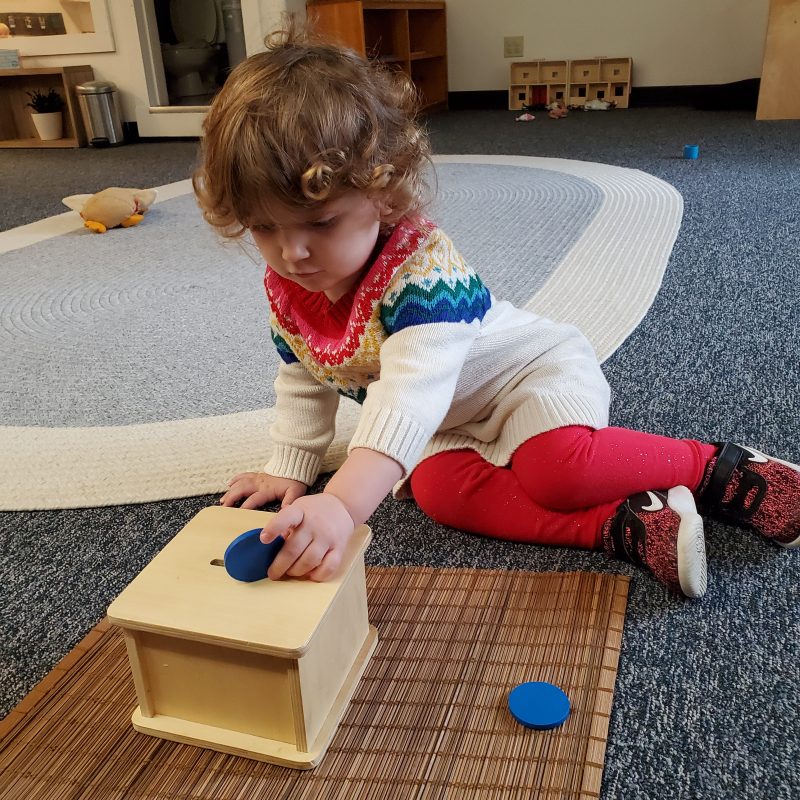
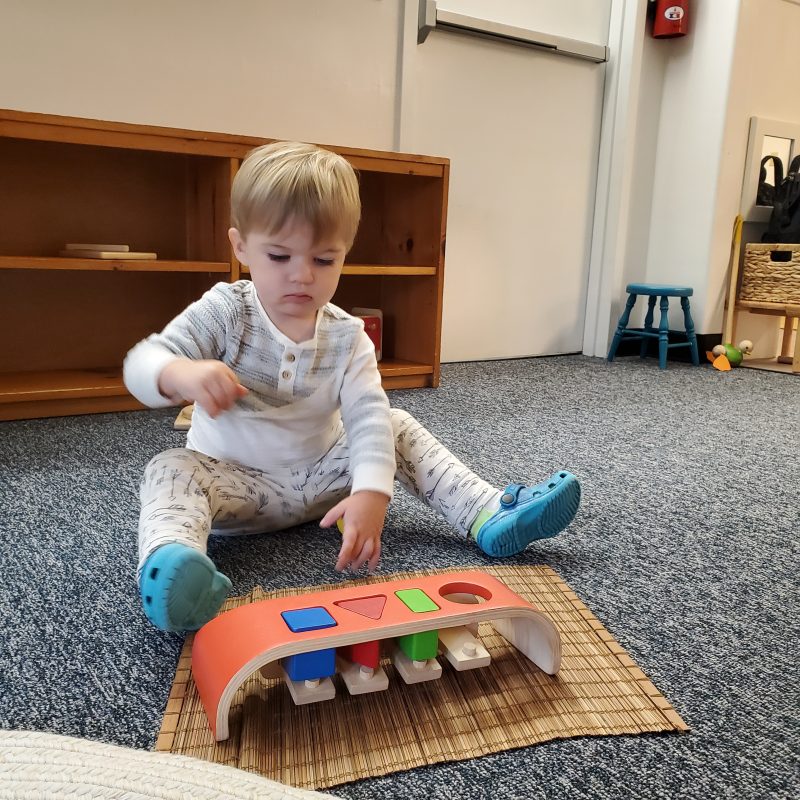
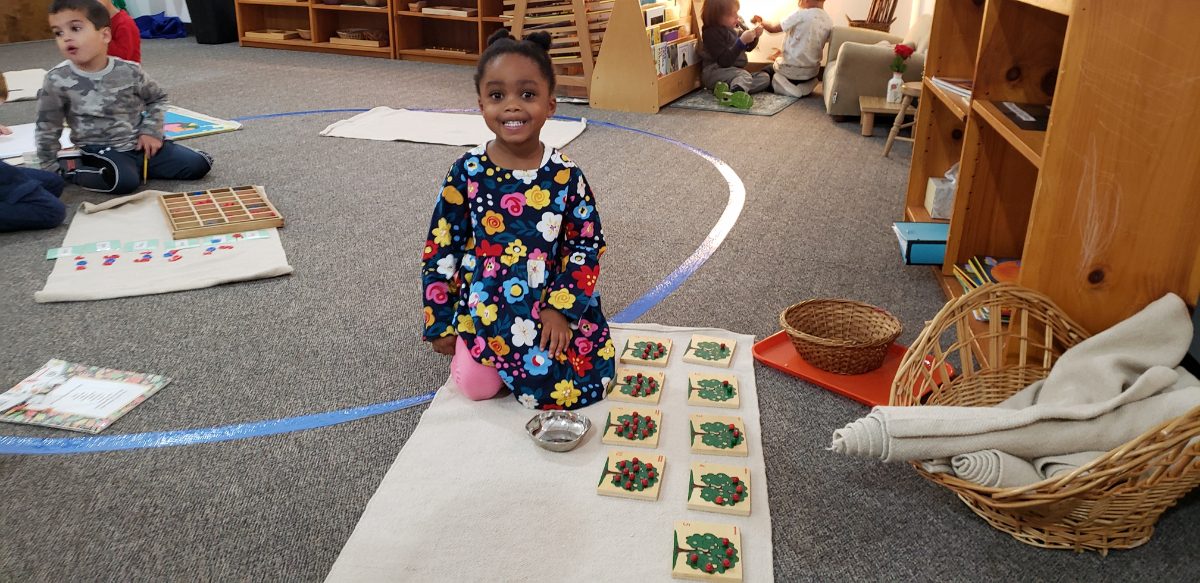
Retrieving a mat, picking it up carefully, finding the ideal space to work, and rolling it out provides an opportunity to practice gross motor skills and body consciousness. Everything that gets placed on the mat thereafter becomes the responsibility (and privilege) of the child working on that mat.

Montessori work mats delineate a work space as the child’s own and sets an intention to “work”.  Not only does the child know that their lesson is exclusive to them (unless they invite someone to join them on their mat), they also have the responsibility to put their materials away when they are finished before they roll up their mat, and signal the end of their work session.

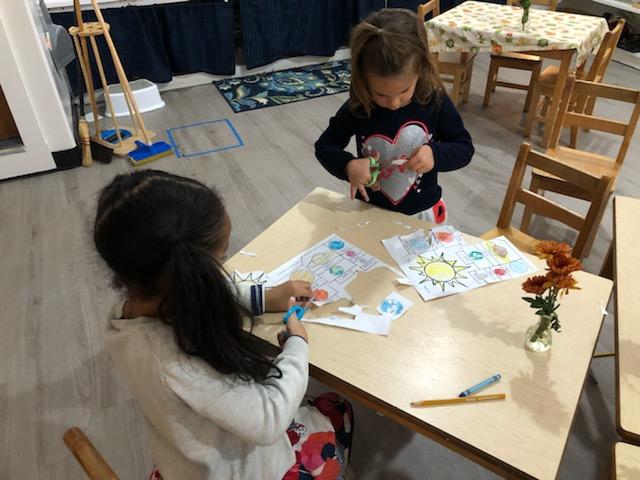
Our floors have been a sea of rugs! Your children are skillfully maneuvering themselves throughout the environment, careful not to disturb a friend’s work. I continue to be amazed at their growing control and respect for both friends and the environment.

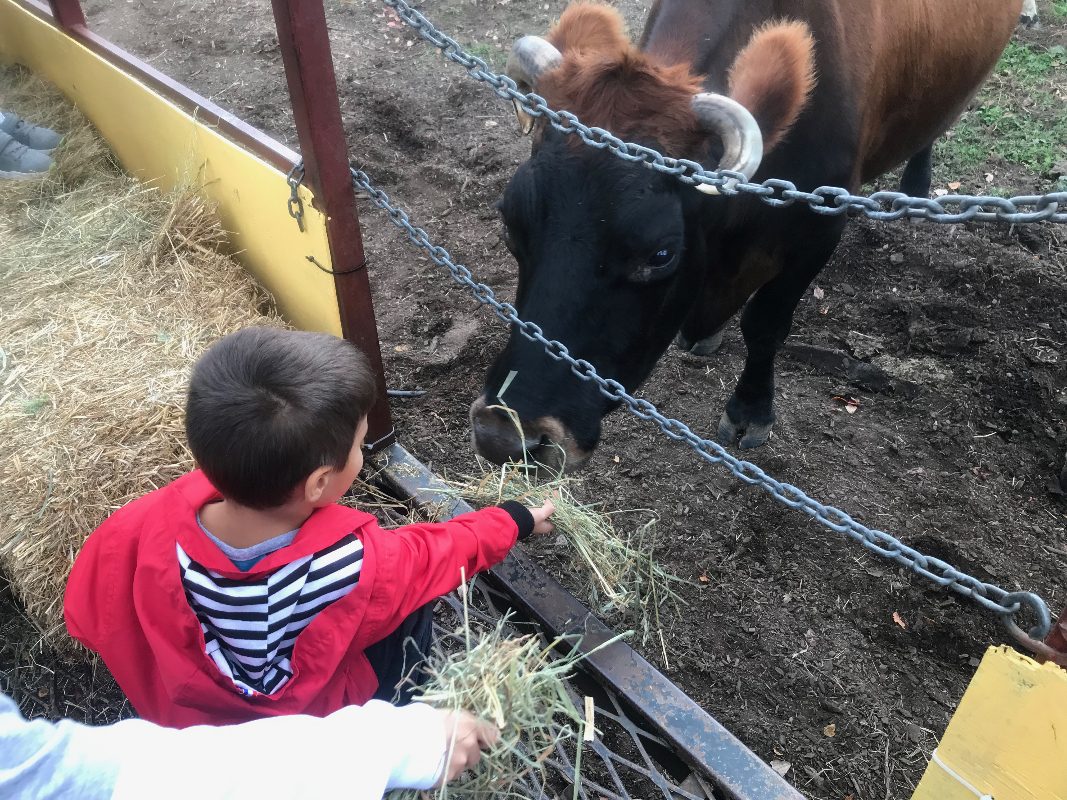
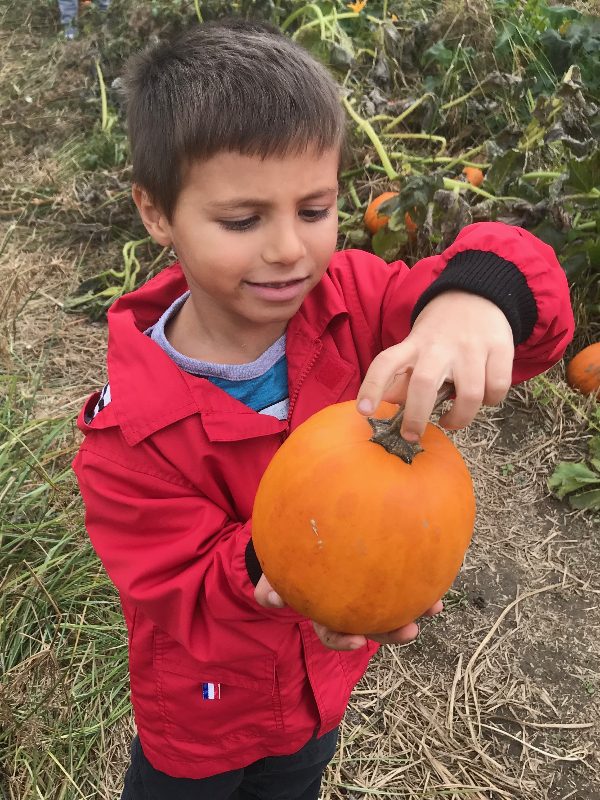
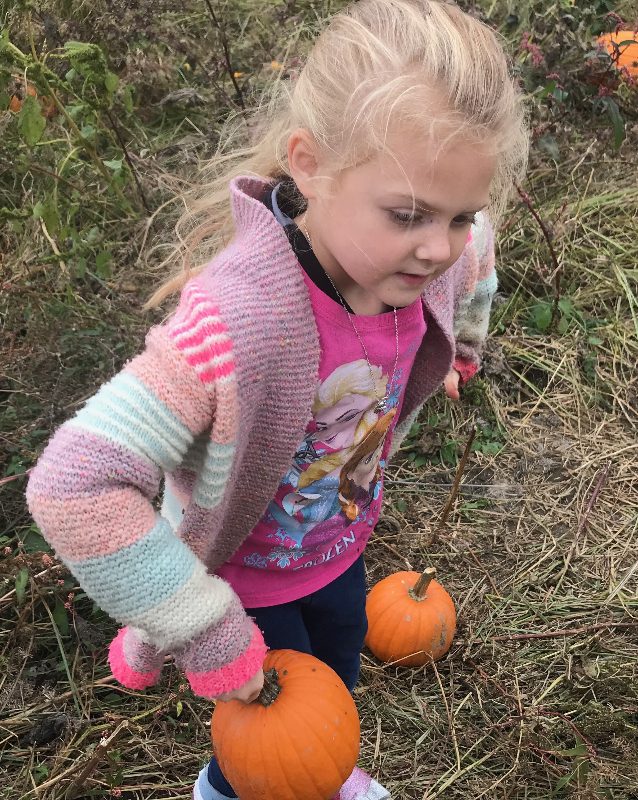
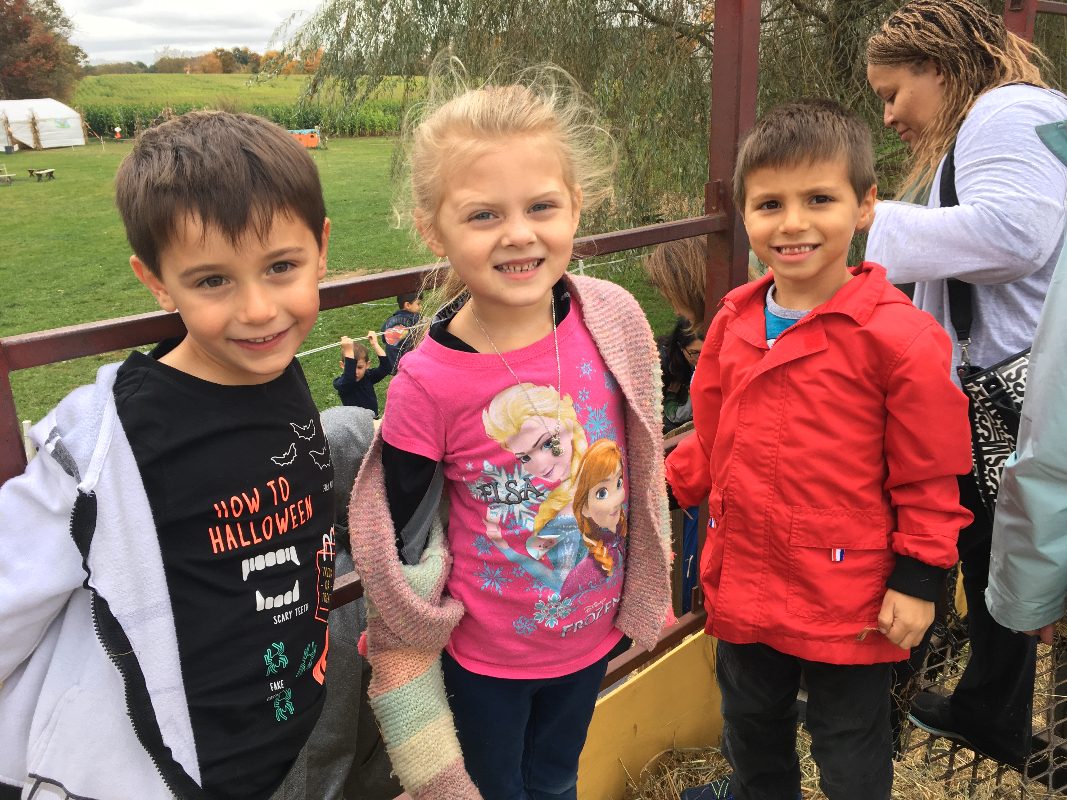
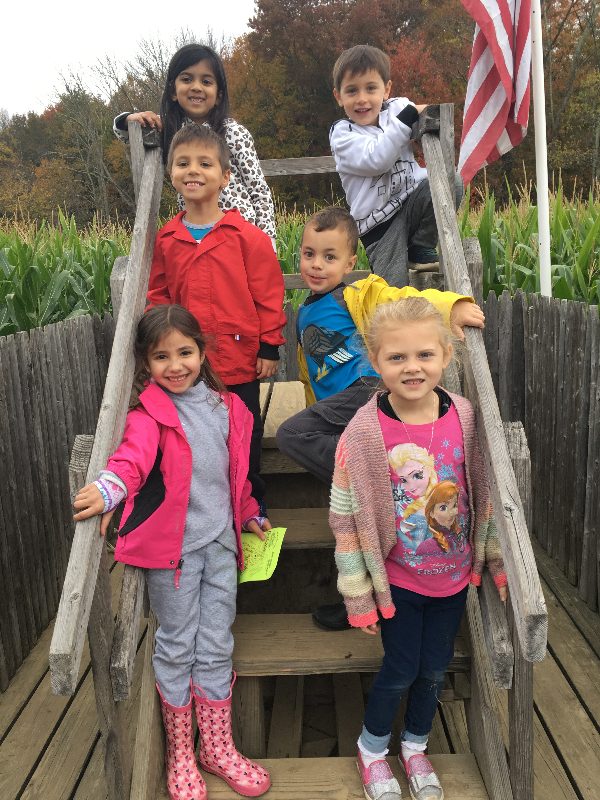
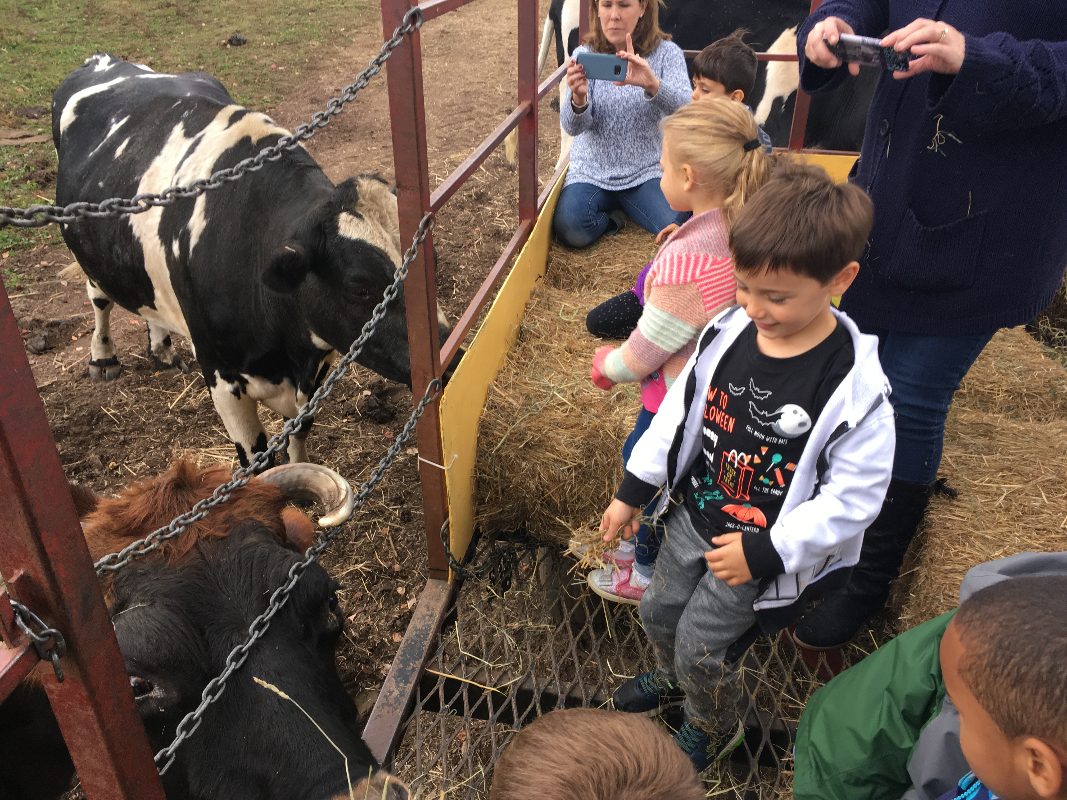
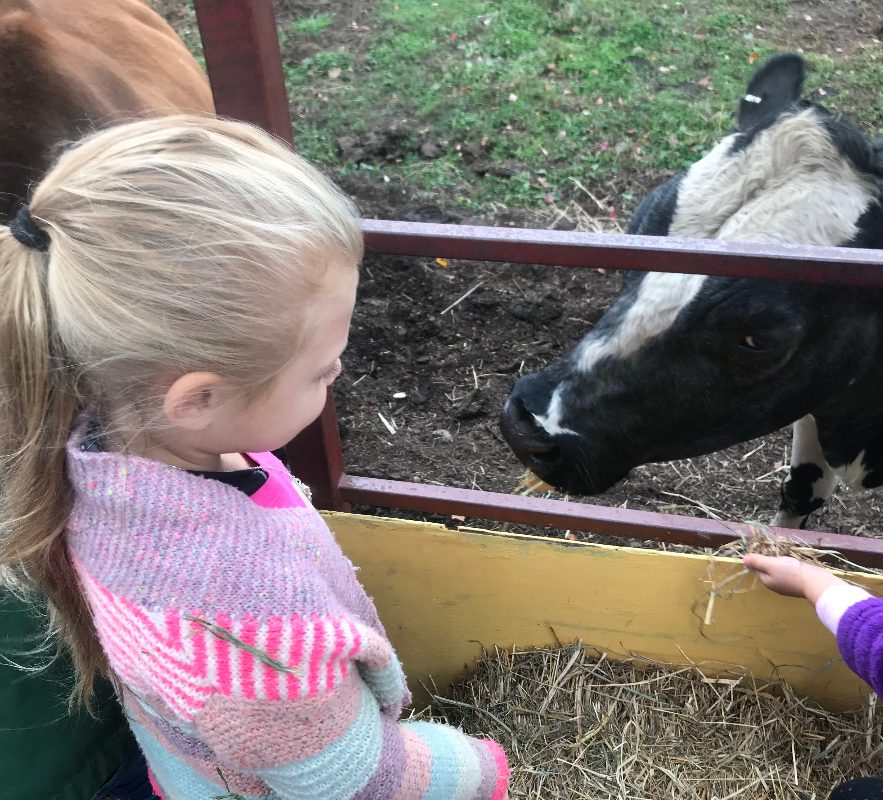
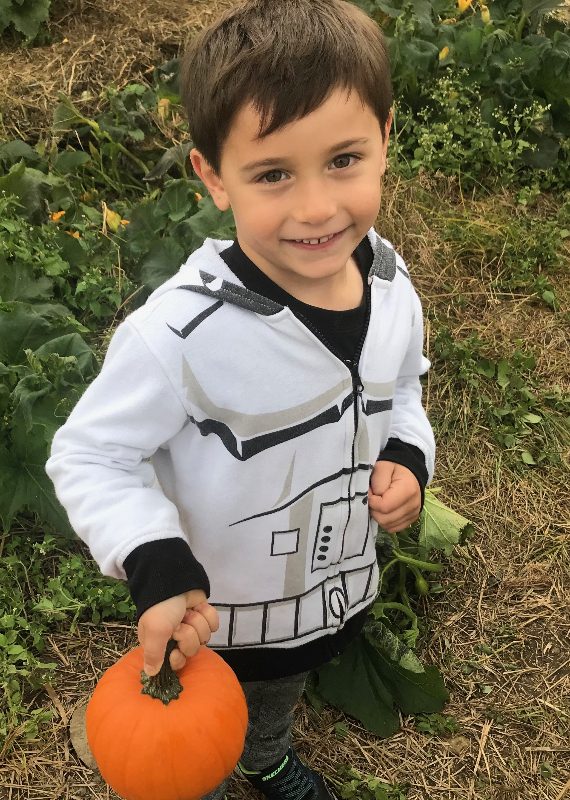
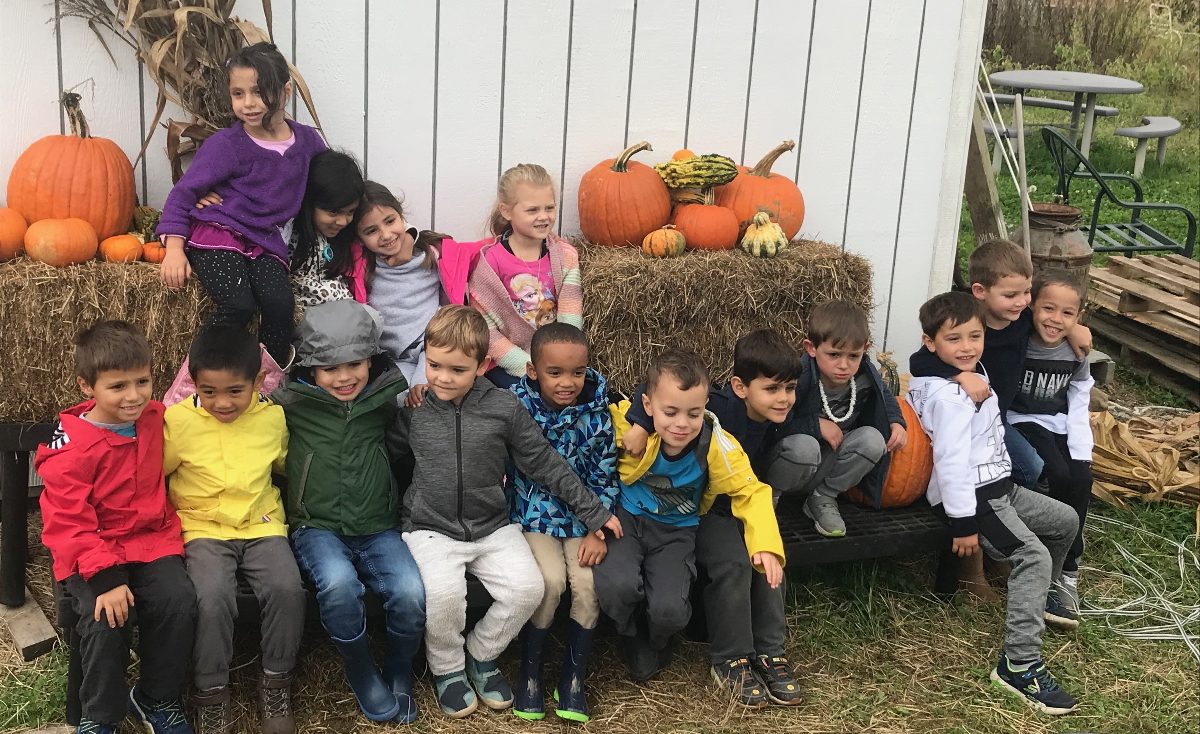
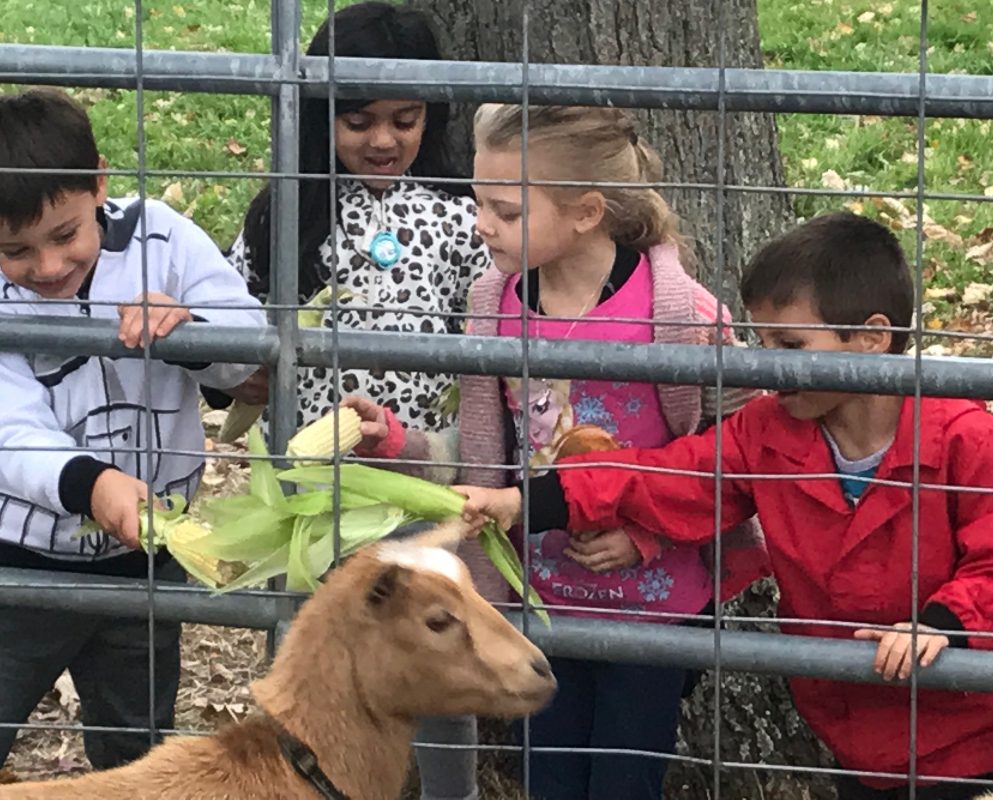
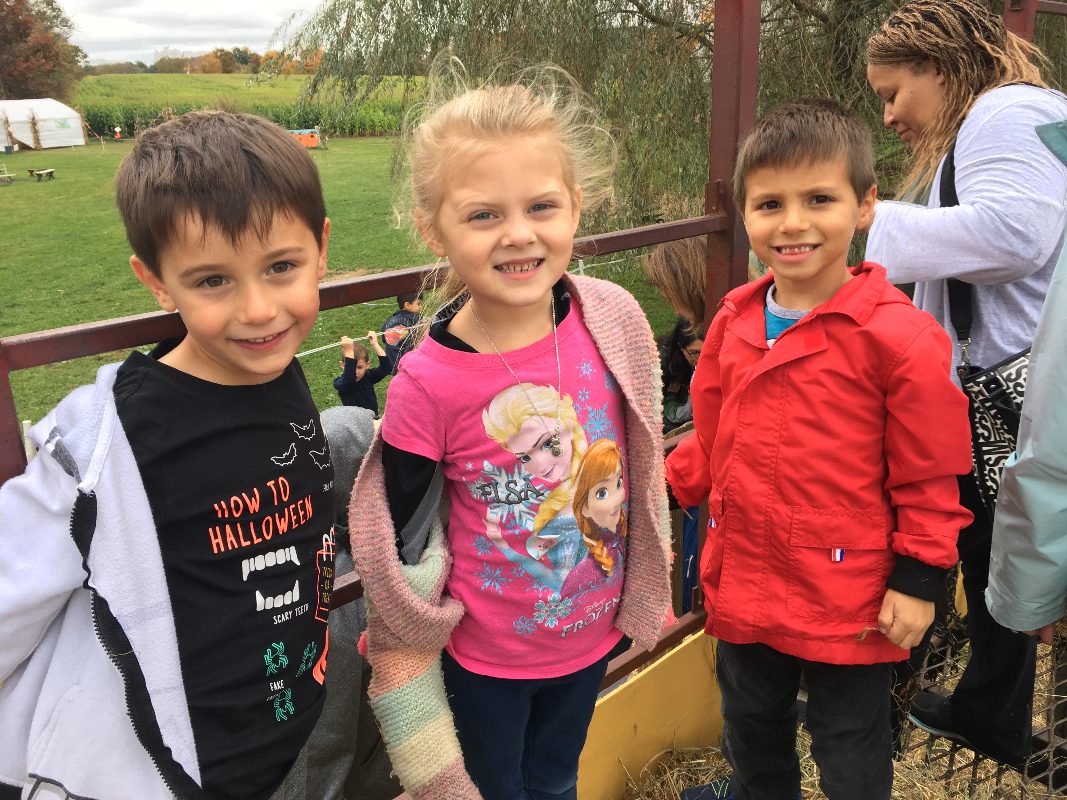
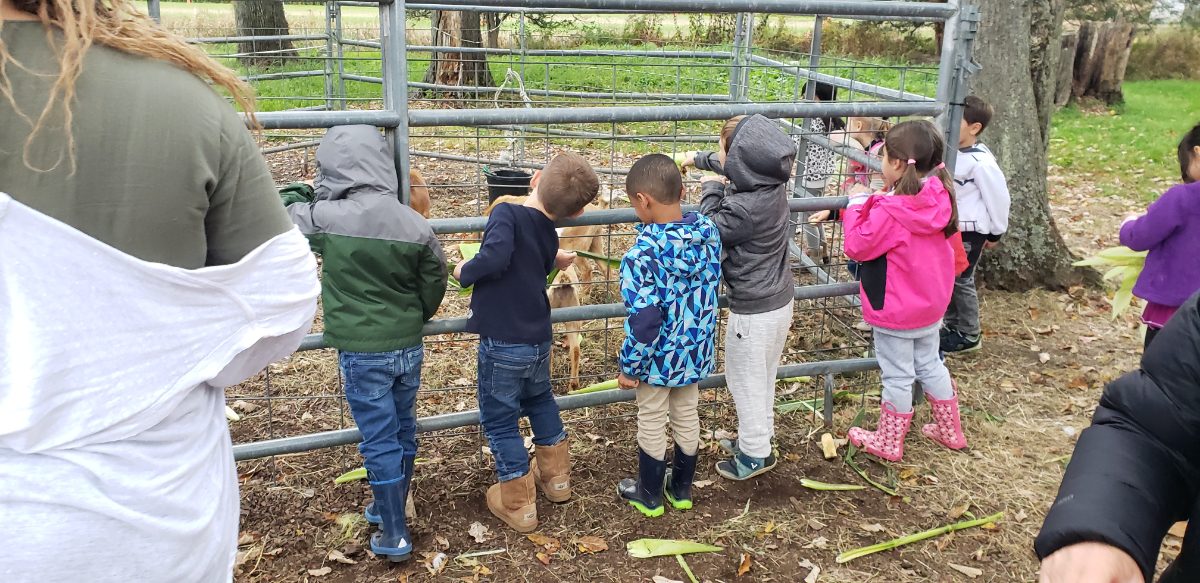
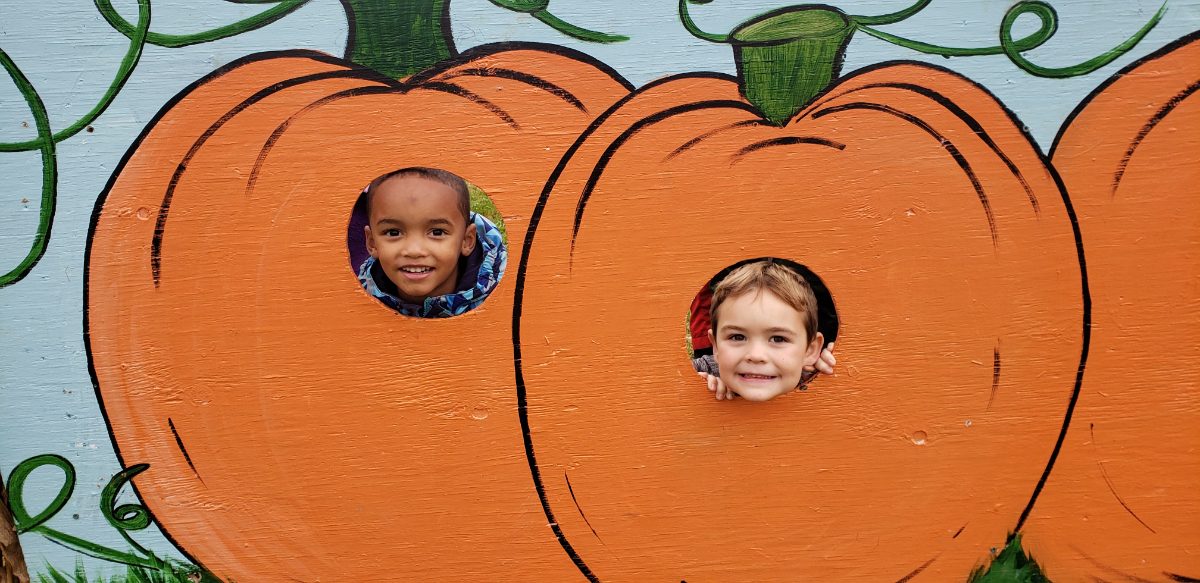
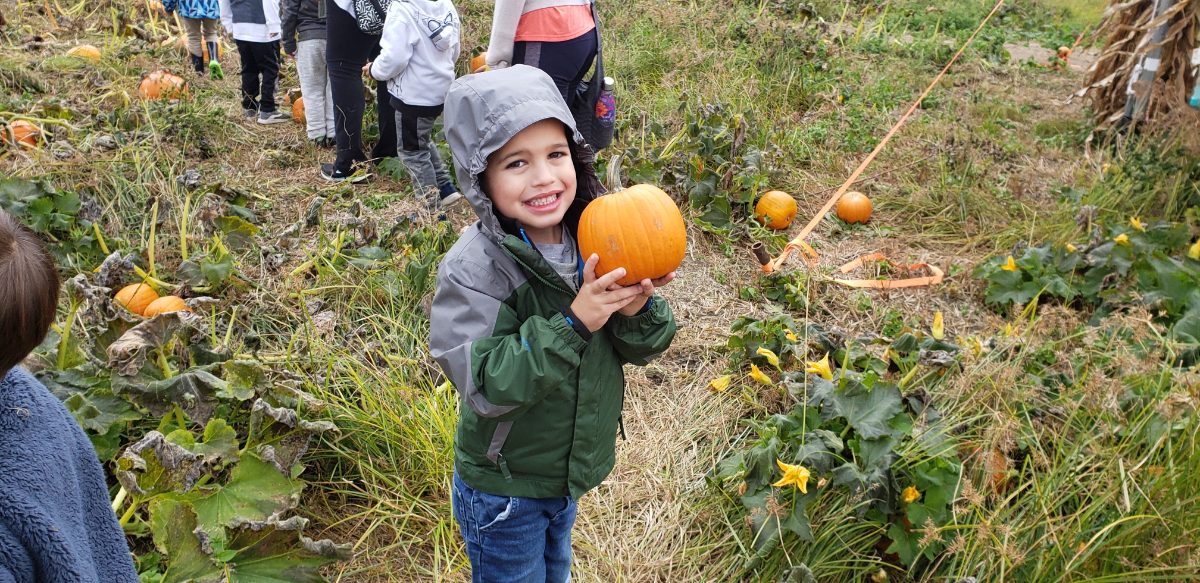
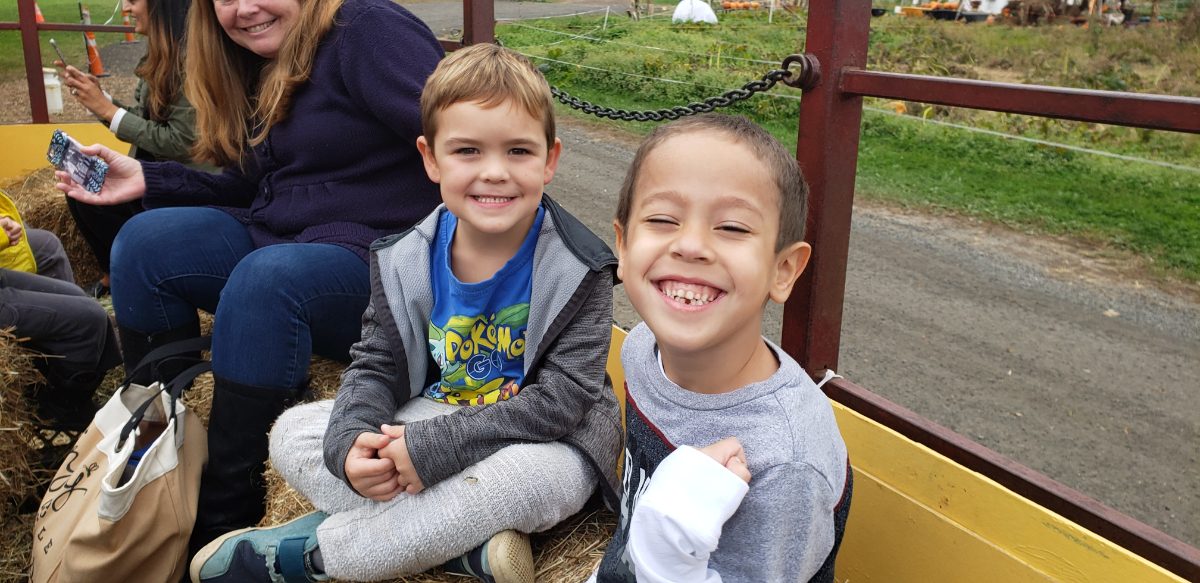
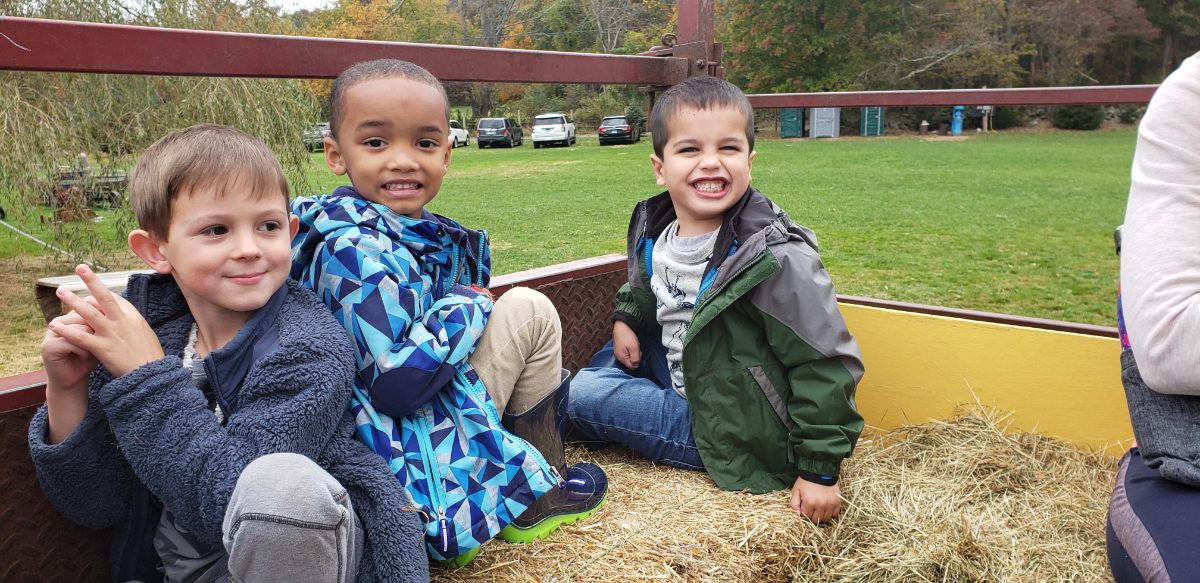
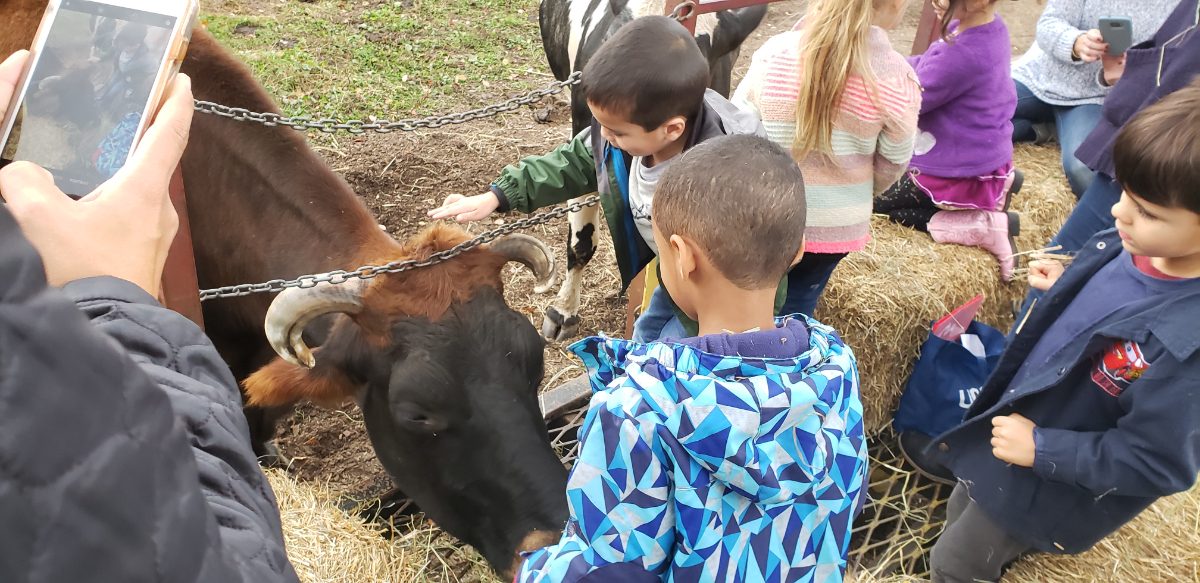
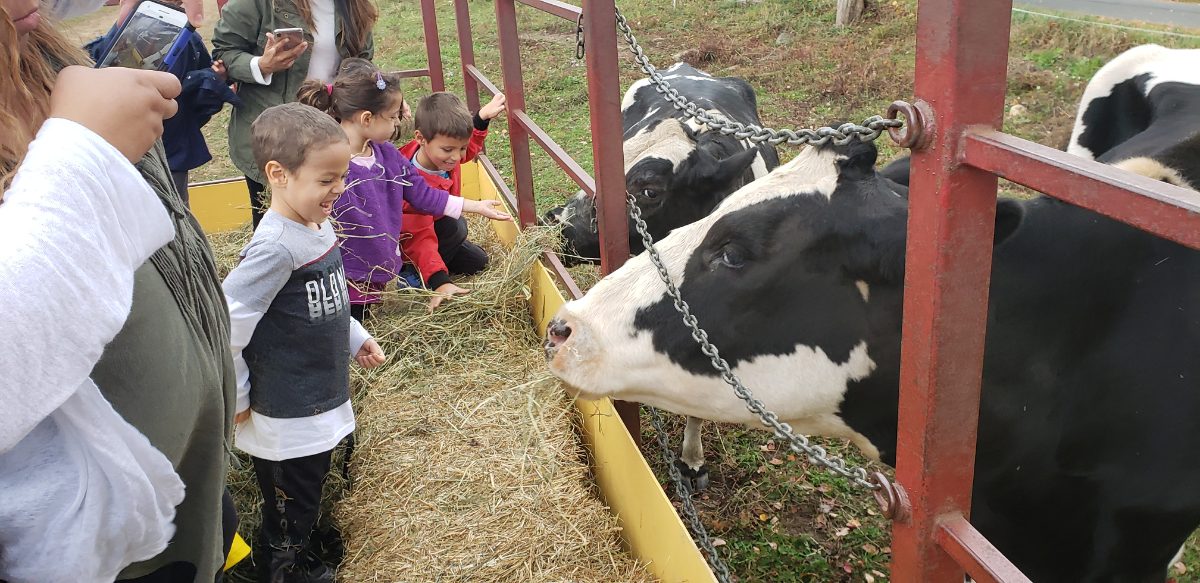
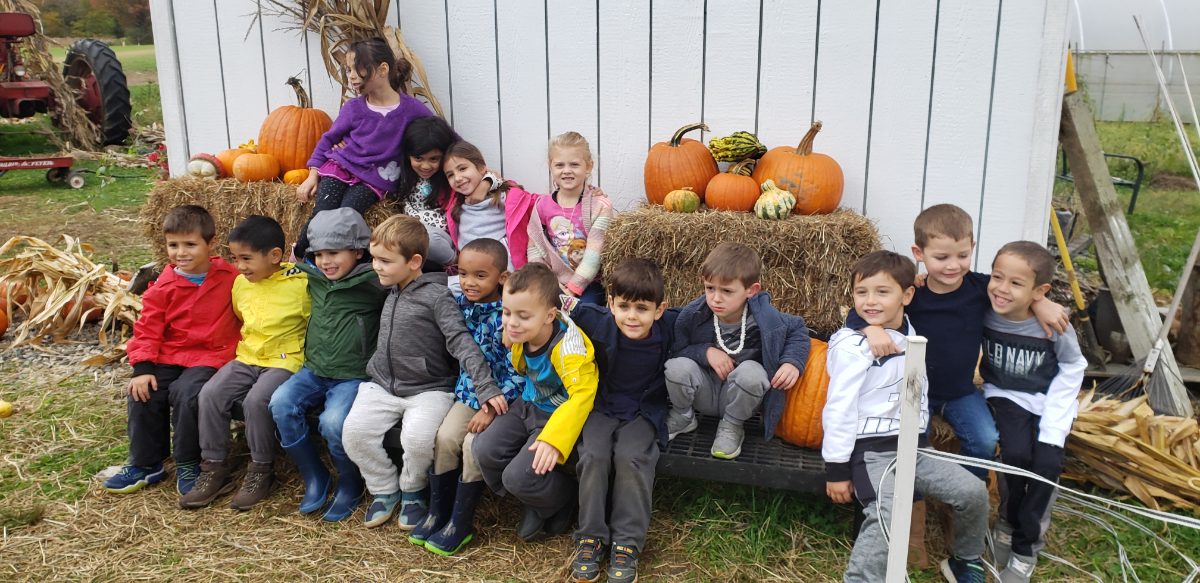
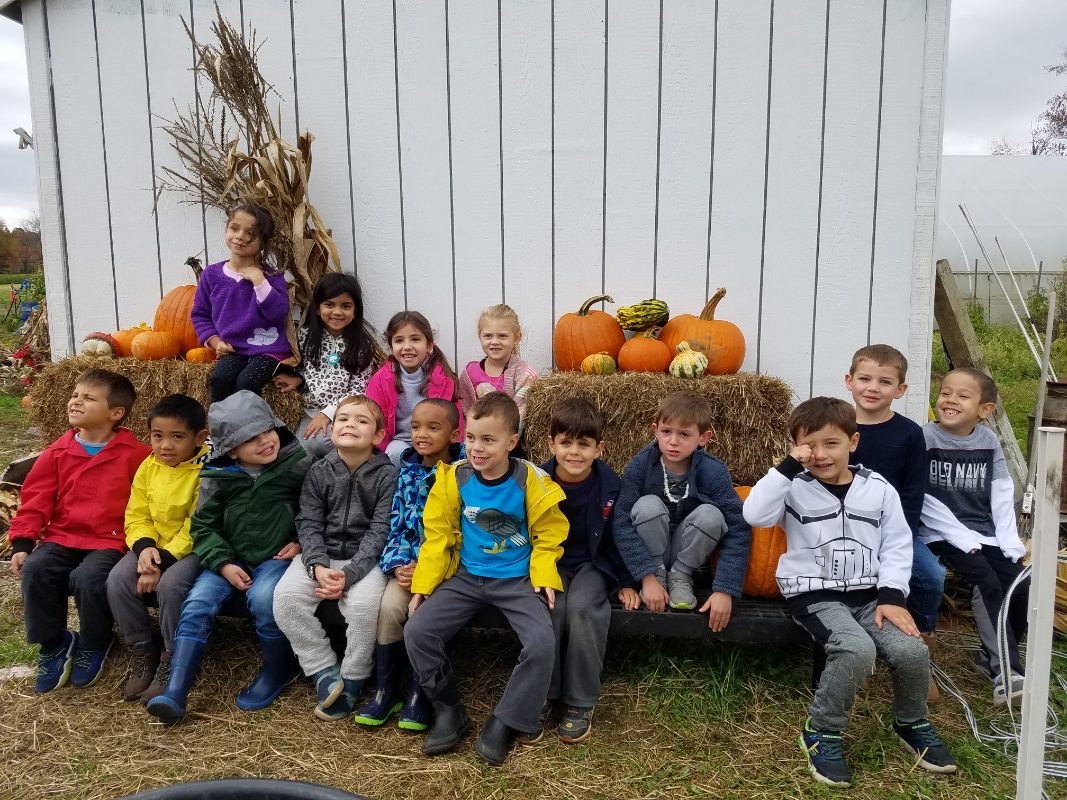
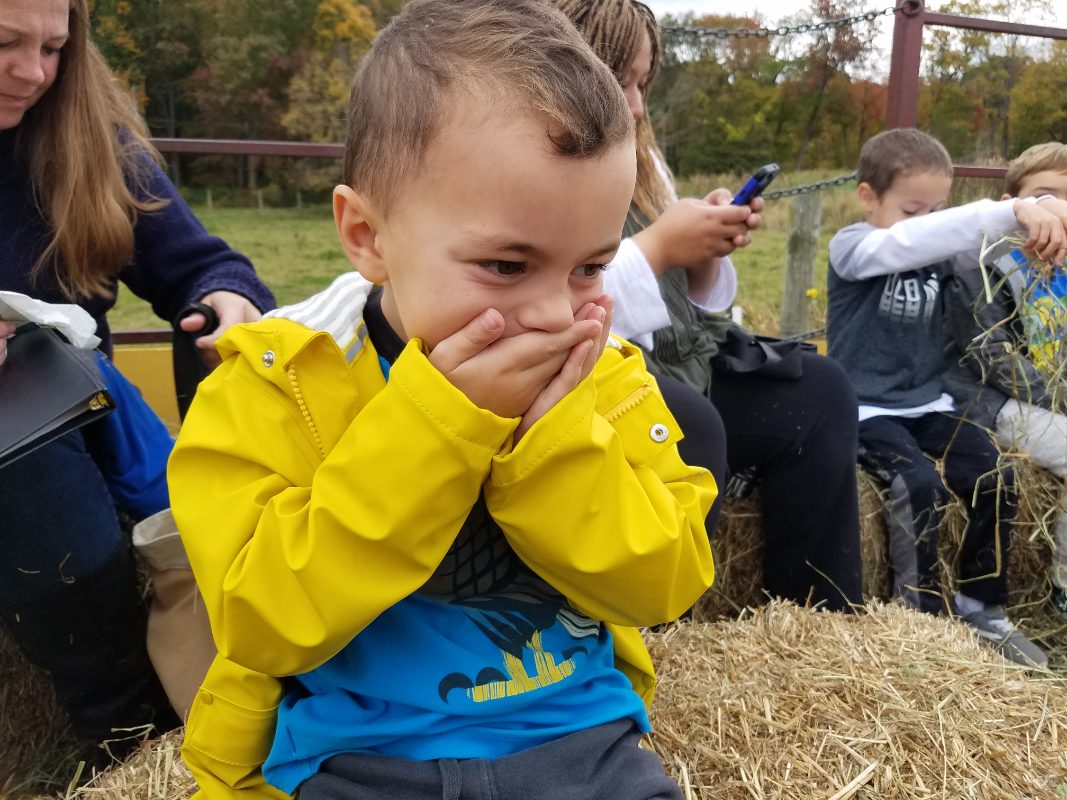
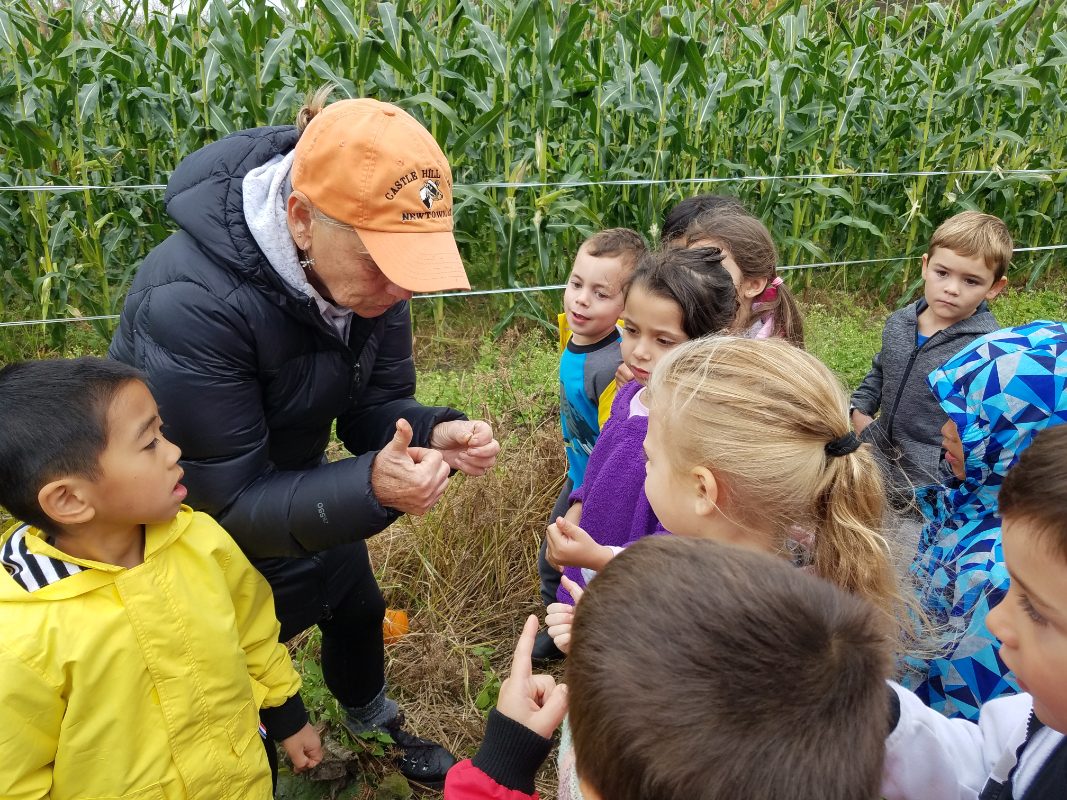
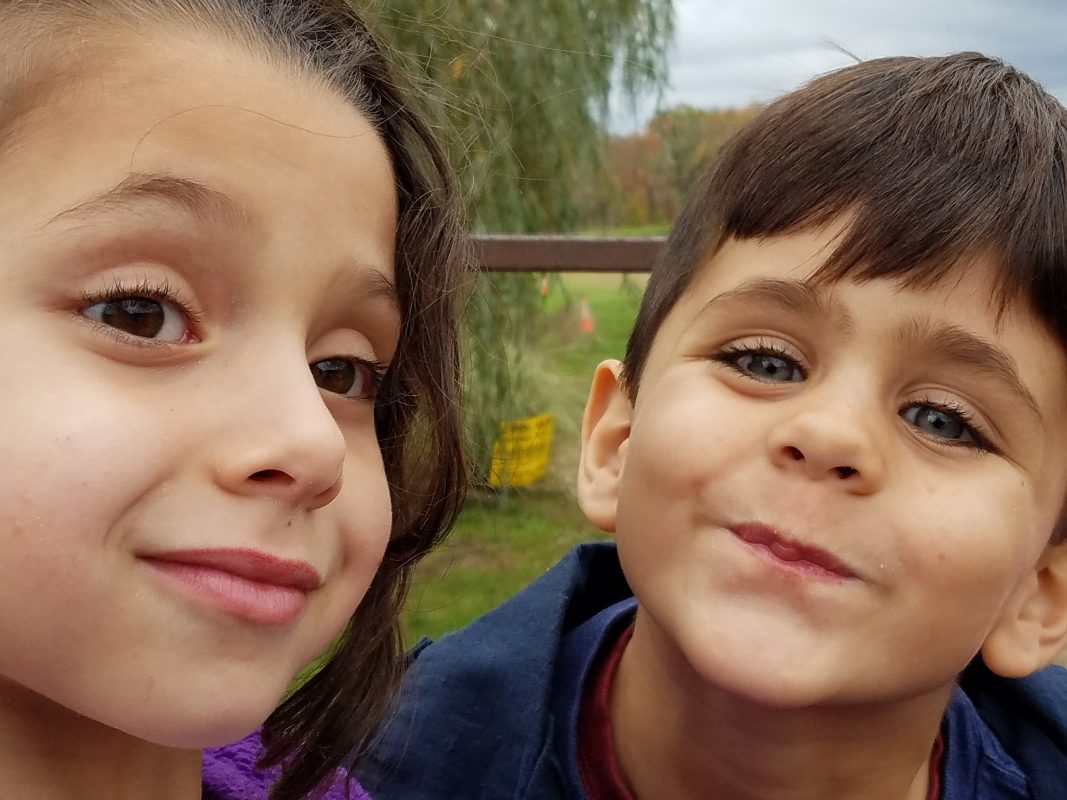
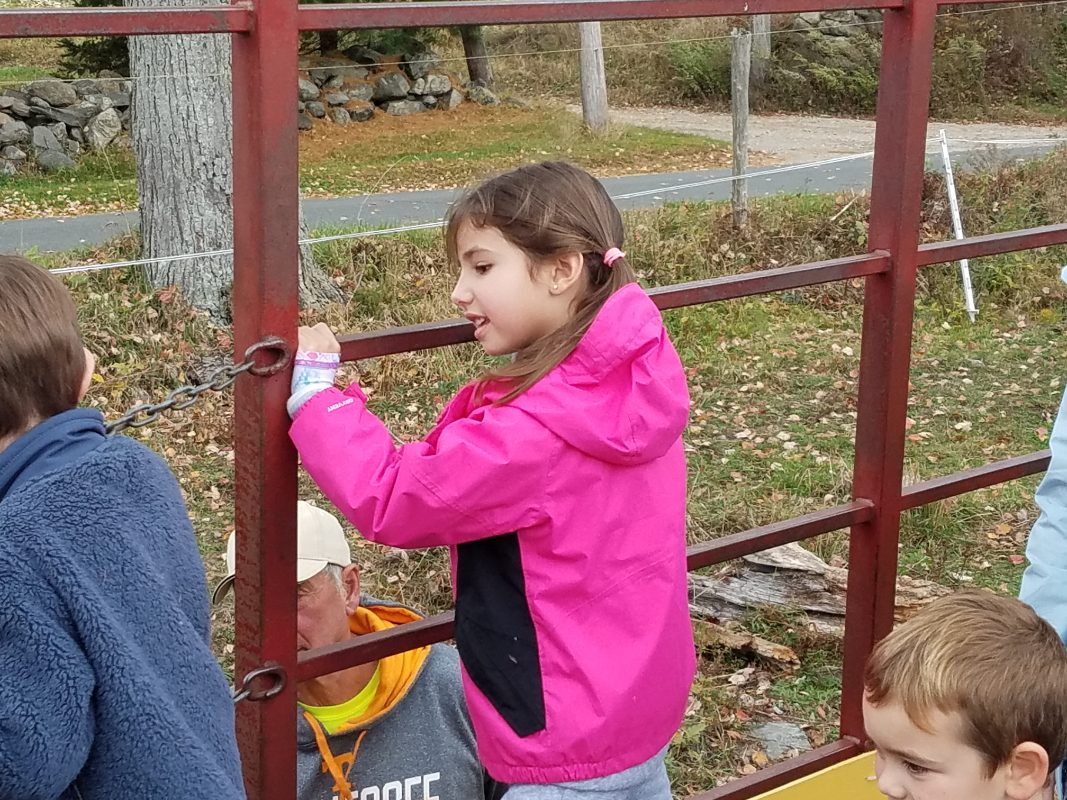
On Wednesday, the Kindergarten children took a field trip to Castle Hill Farm in Newtown. They enjoyed a hayride where they were able to feed some cows right from the tractor. We spent some time learning about the life cycle of a pumpkin and then each child had a chance to pick their own pumpkin. We finished the day by walking through the corn maze. Best of all, we beat the rain!

Wishing you a peaceful week!

Michelle & Jeannine


Mrs. Lopes Class: An Intention to Work

The love of one’s environment is the secret of social evolution.—-Maria Montessori

Retrieving a mat, picking it up carefully, finding the ideal space to work, and rolling it out provides an opportunity to practice gross motor skills and body consciousness. Everything that gets placed on the mat thereafter becomes the responsibility (and privilege) of the child working on that mat.

Montessori work mats delineate a work space as the child’s own and sets an intention to “work”.  Not only does the child know that their lesson is exclusive to them (unless they invite someone to join them on their mat), they also have the responsibility to put their materials away when they are finished before they roll up their mat, and signal the end of their work session.

Our floors have been a sea of rugs! Your children are skillfully maneuvering themselves throughout the environment, careful not to disturb a friend’s work. I continue to be amazed at their growing control and respect for both friends and the environment.

On Wednesday, the Kindergarten children took a field trip to Castle Hill Farm in Newtown. They enjoyed a hayride where they were able to feed some cows right from the tractor. We spent some time learning about the life cycle of a pumpkin and then each child had a chance to pick their own pumpkin. We finished the day by walking through the corn maze. Best of all, we beat the rain!

Have a great weekend,

Mrs. Lopes and Ms. Vigue


Middle School: Week in Review

Happy Friday! The Middle School had an amazing, action-packed week! A few reminders for next week:

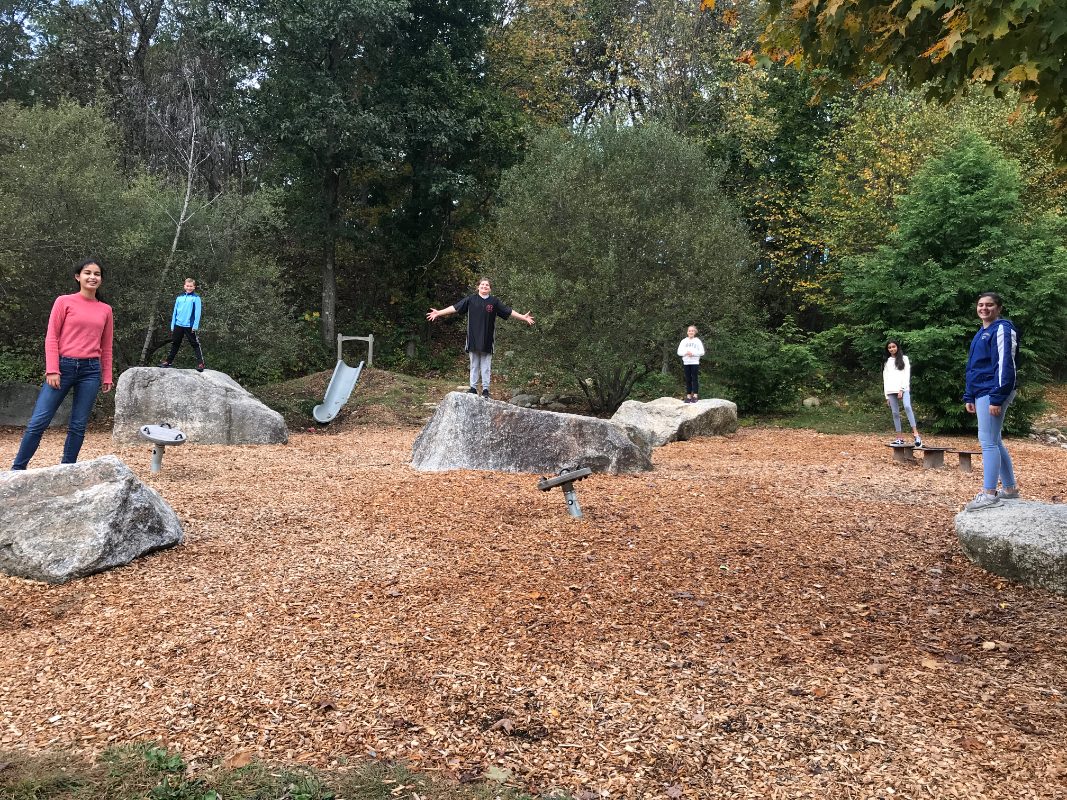
*We are still having recess outdoors each day. Please send an outer layer with your children, as they became quite chilly with the fall weather.

*On Monday, we are traveling to Sharpe Reservation in Fishkill, NY for our annual team building experience on a high and low ropes course. A bagged lunch is required as well as plenty of hydration! Please see the MyFWM calendar for more details.

Science

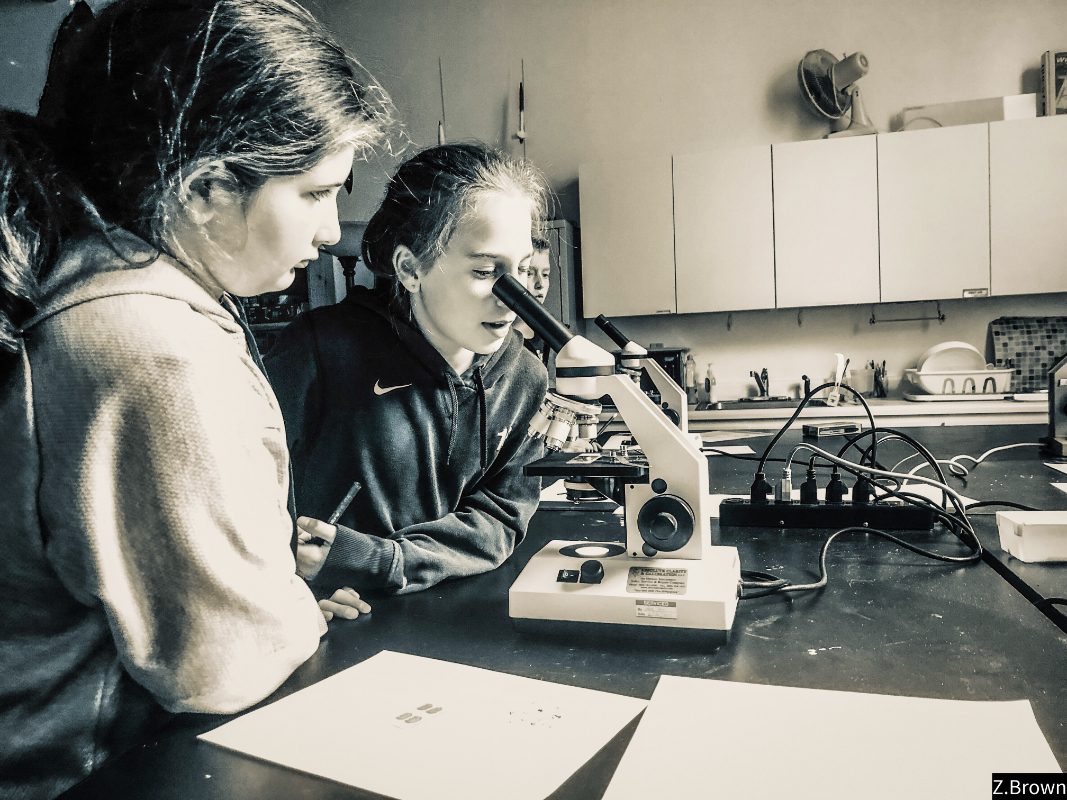
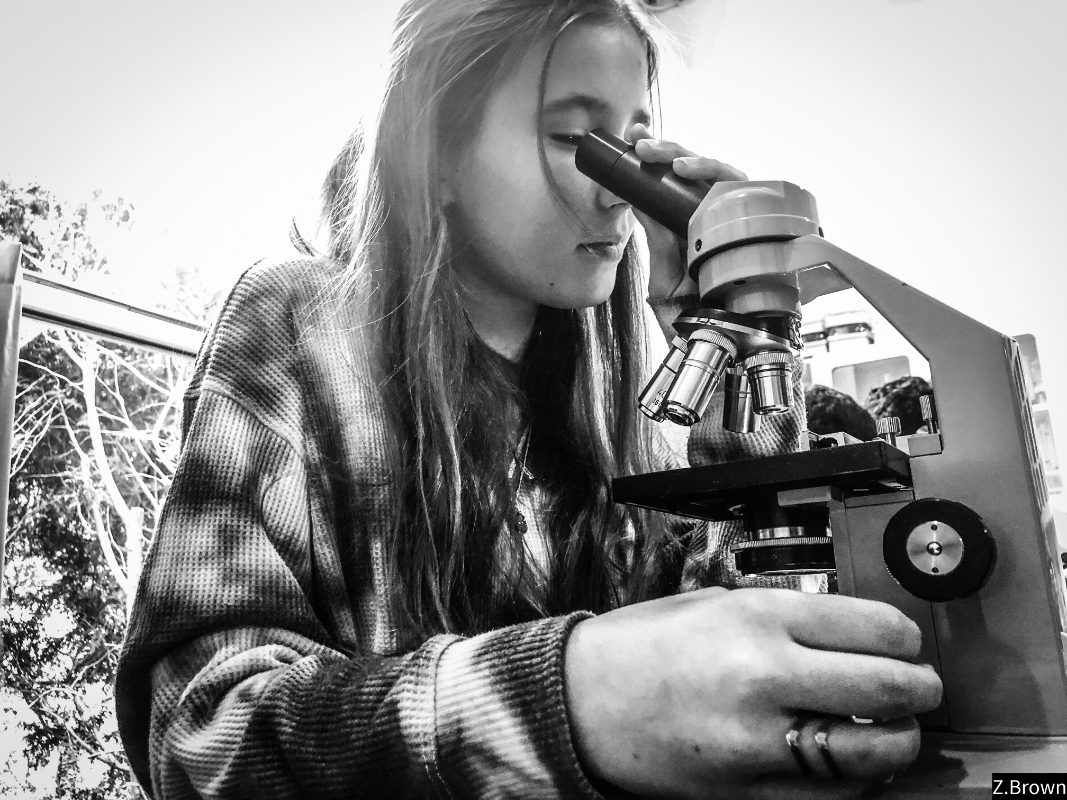
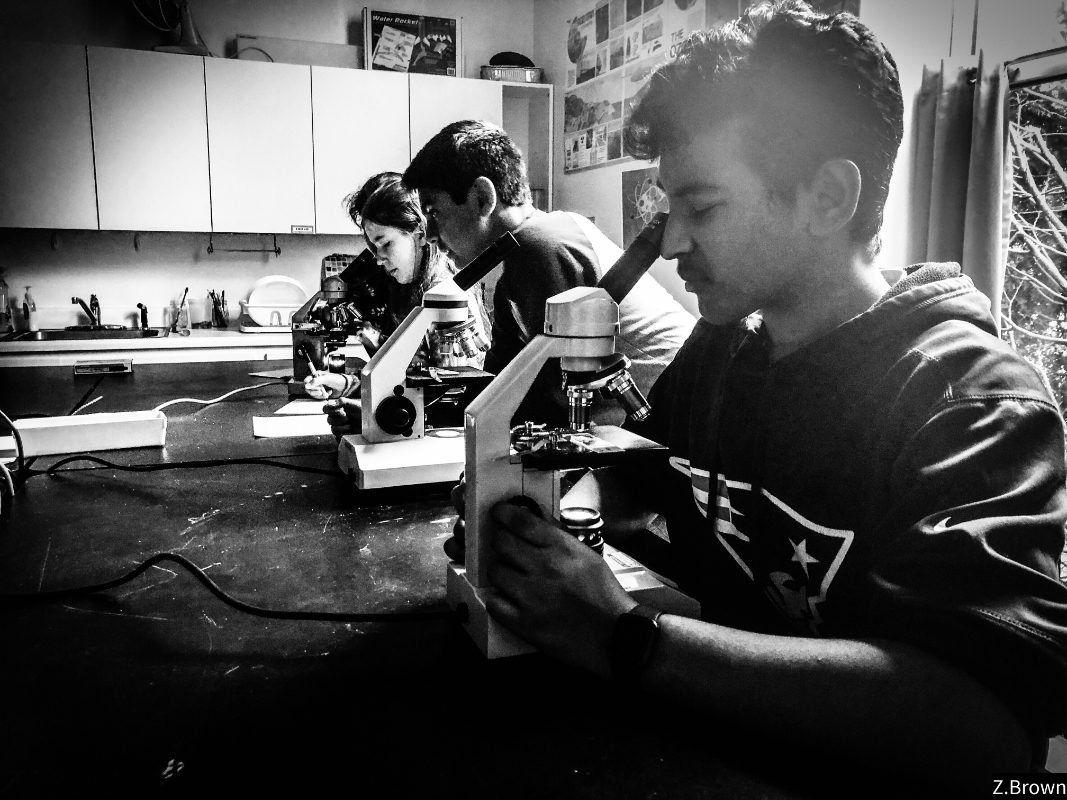
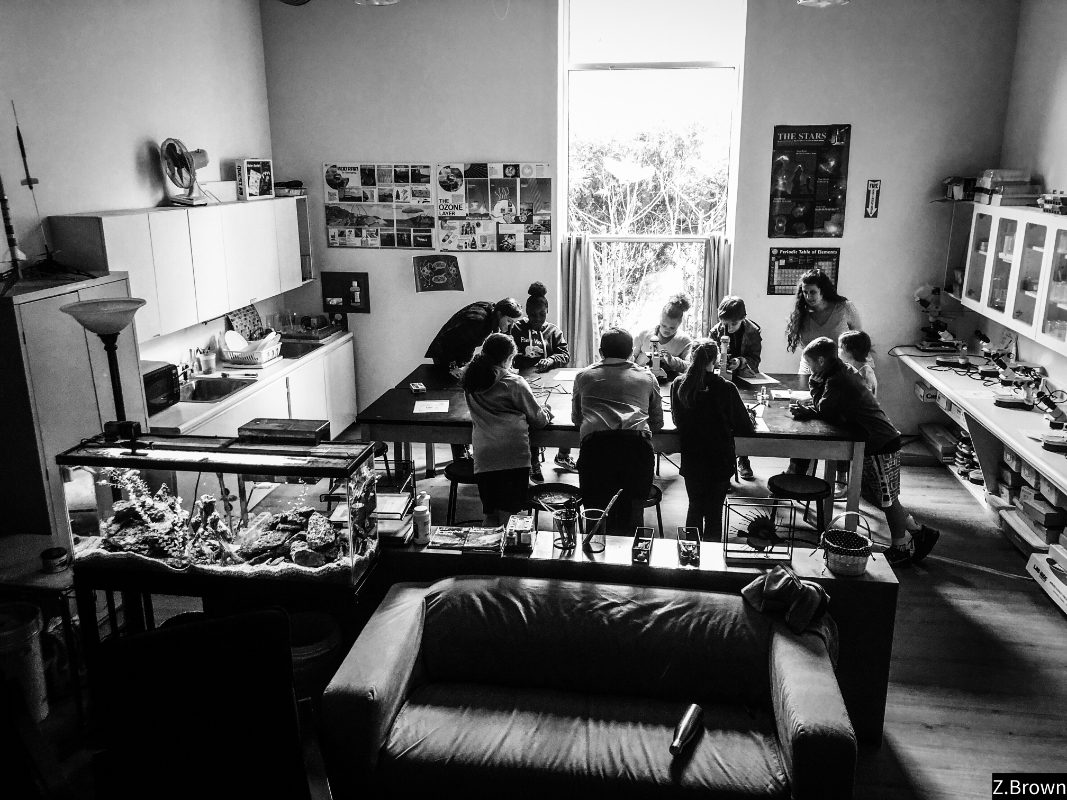
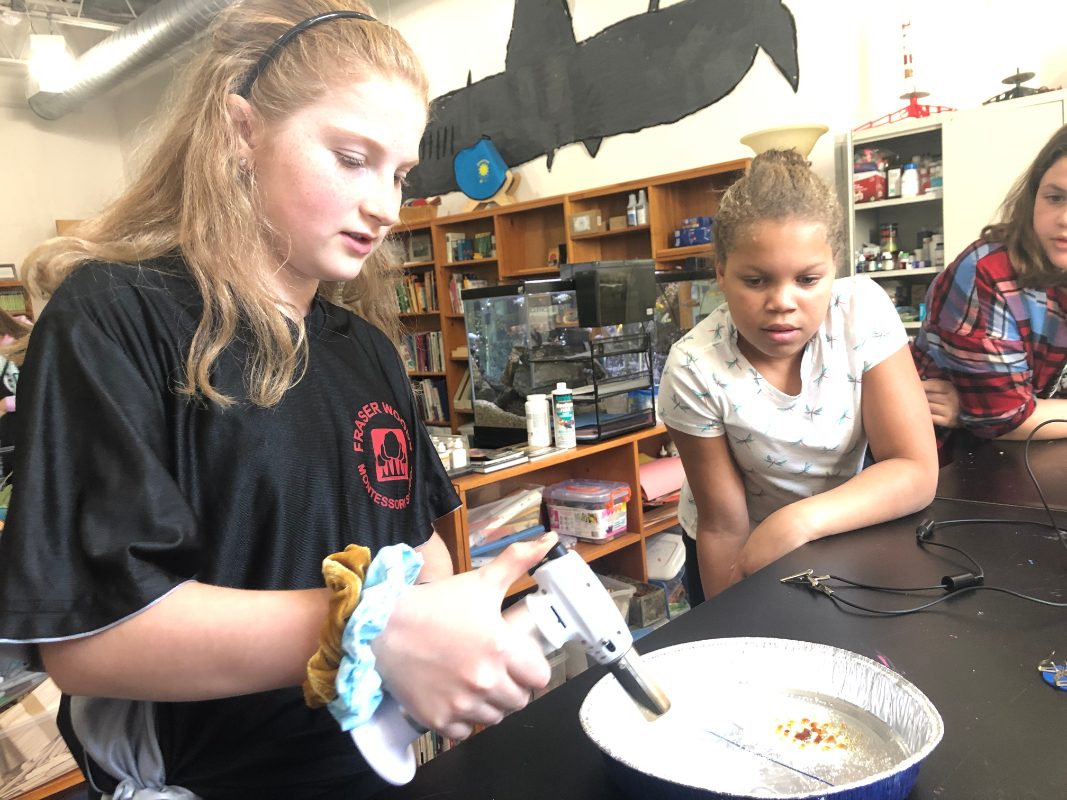
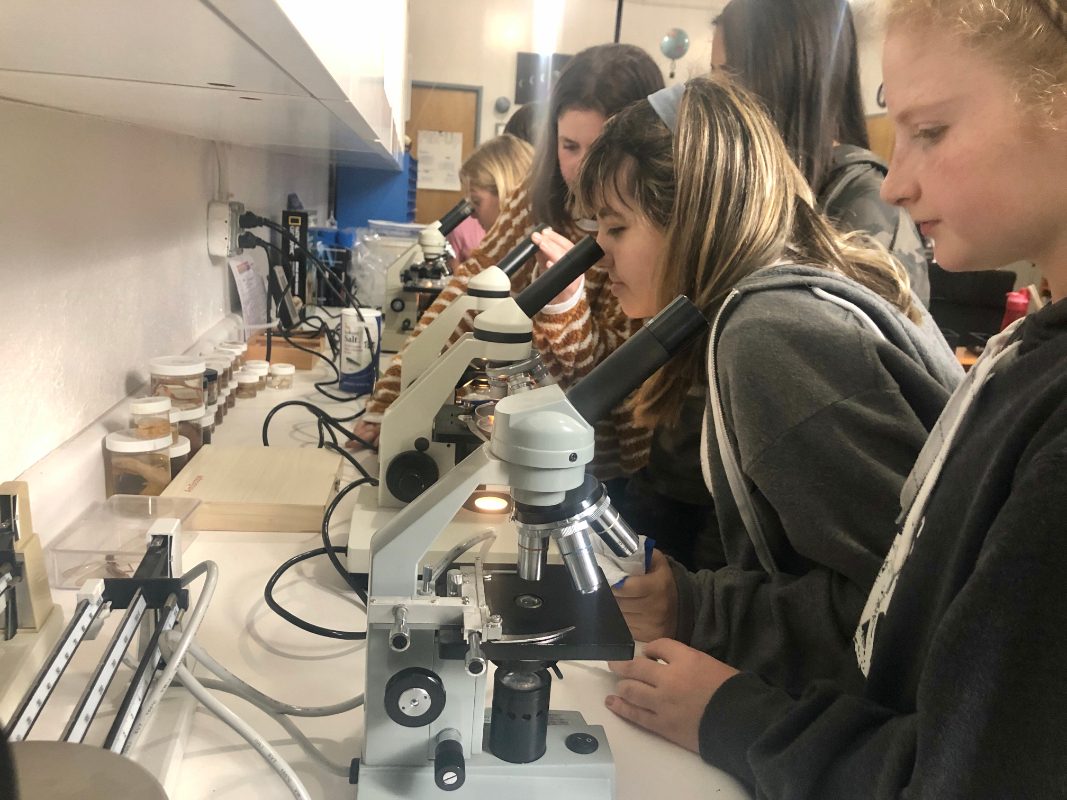
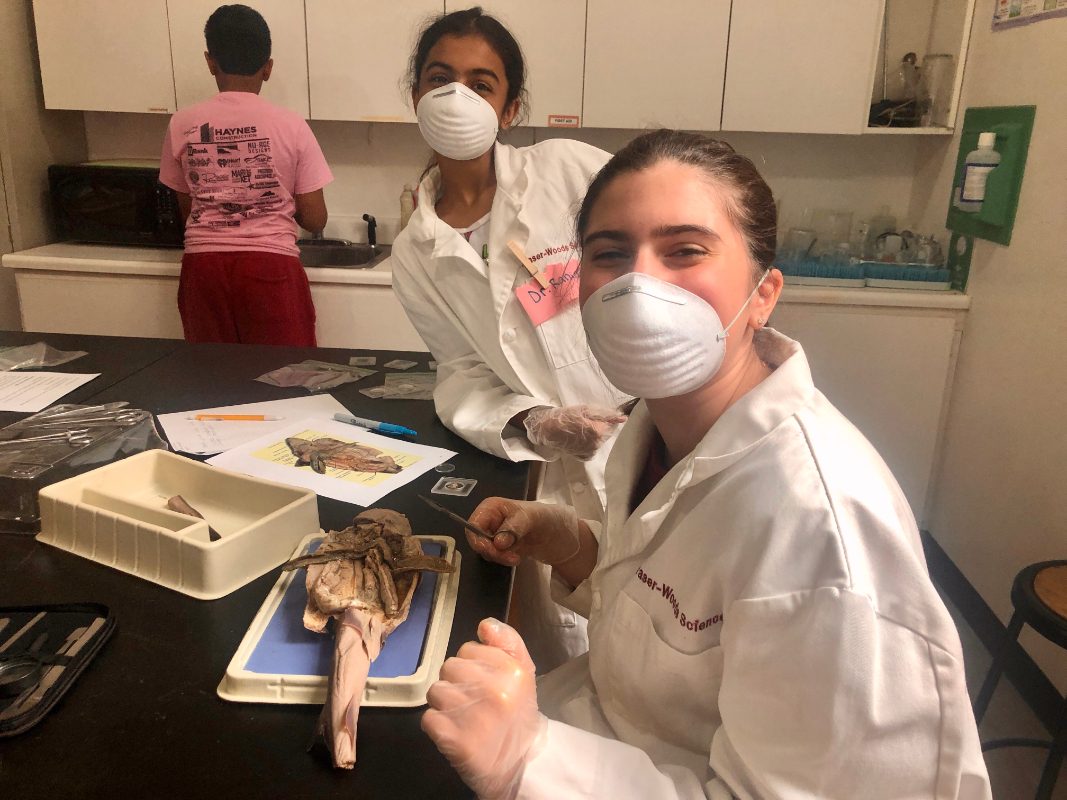
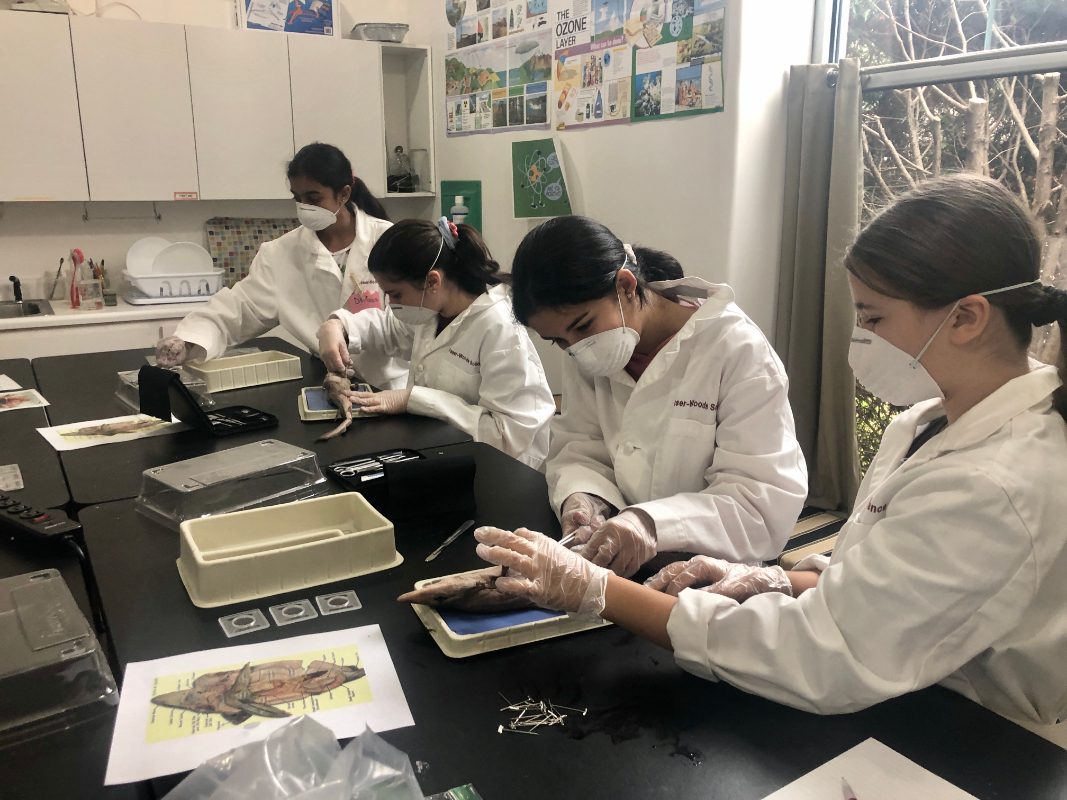
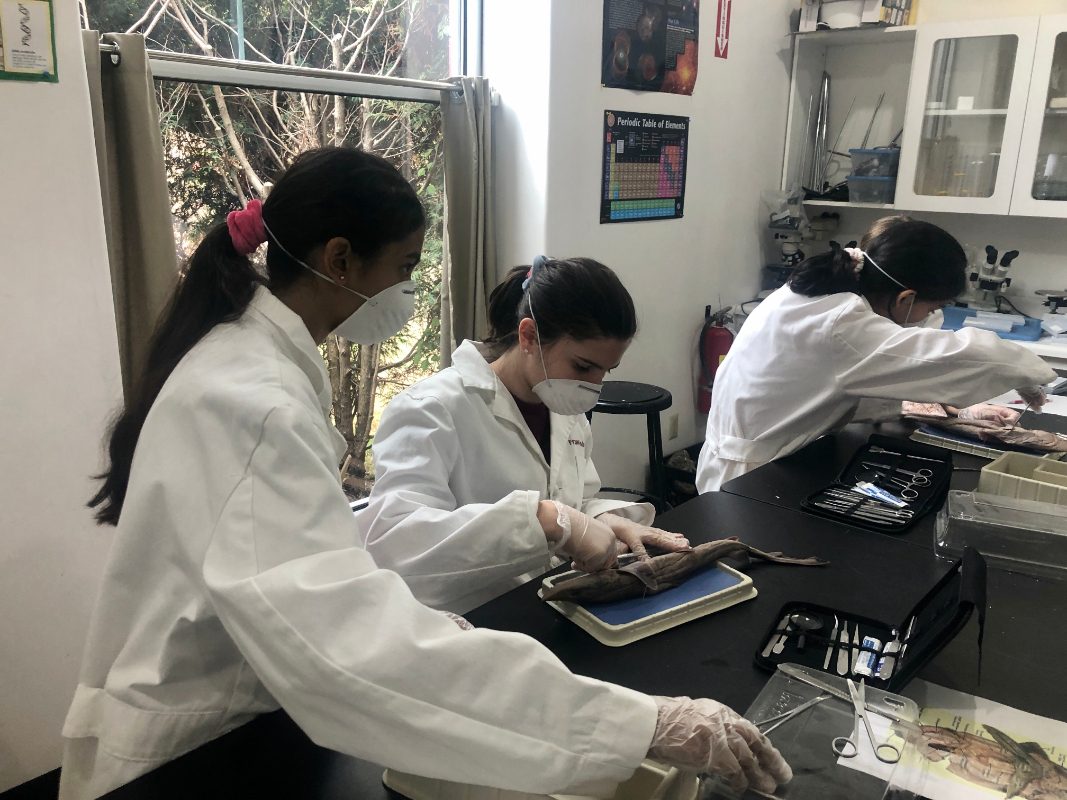
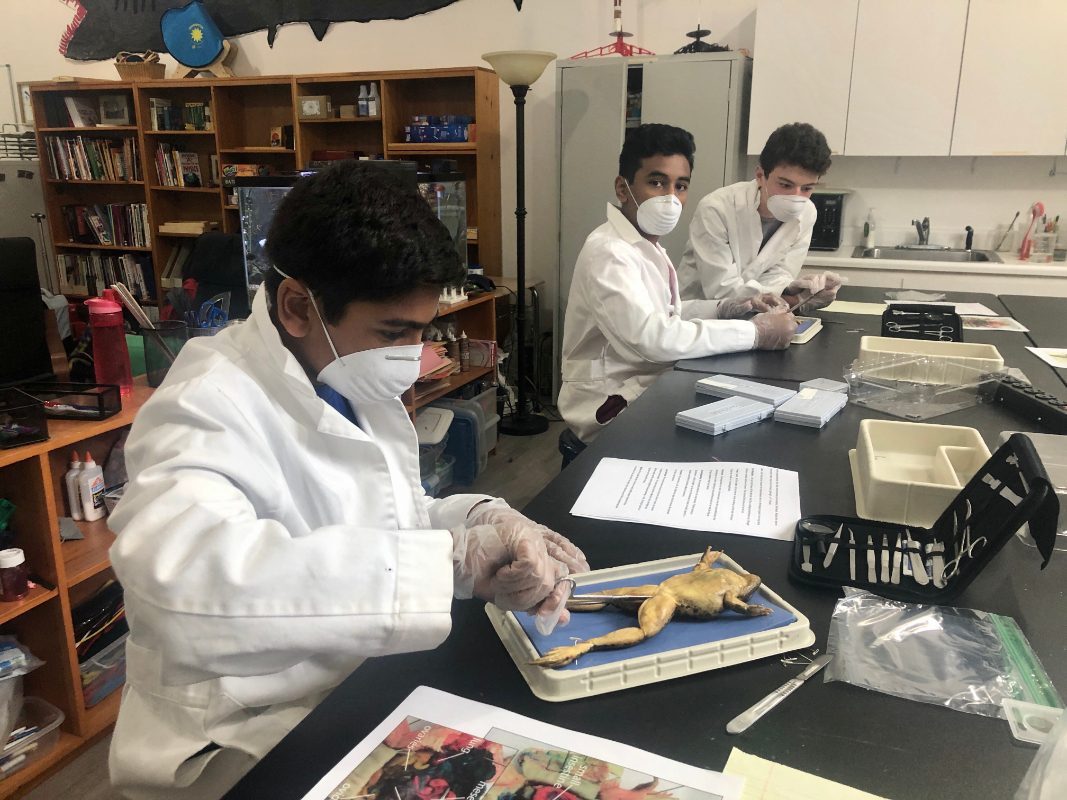
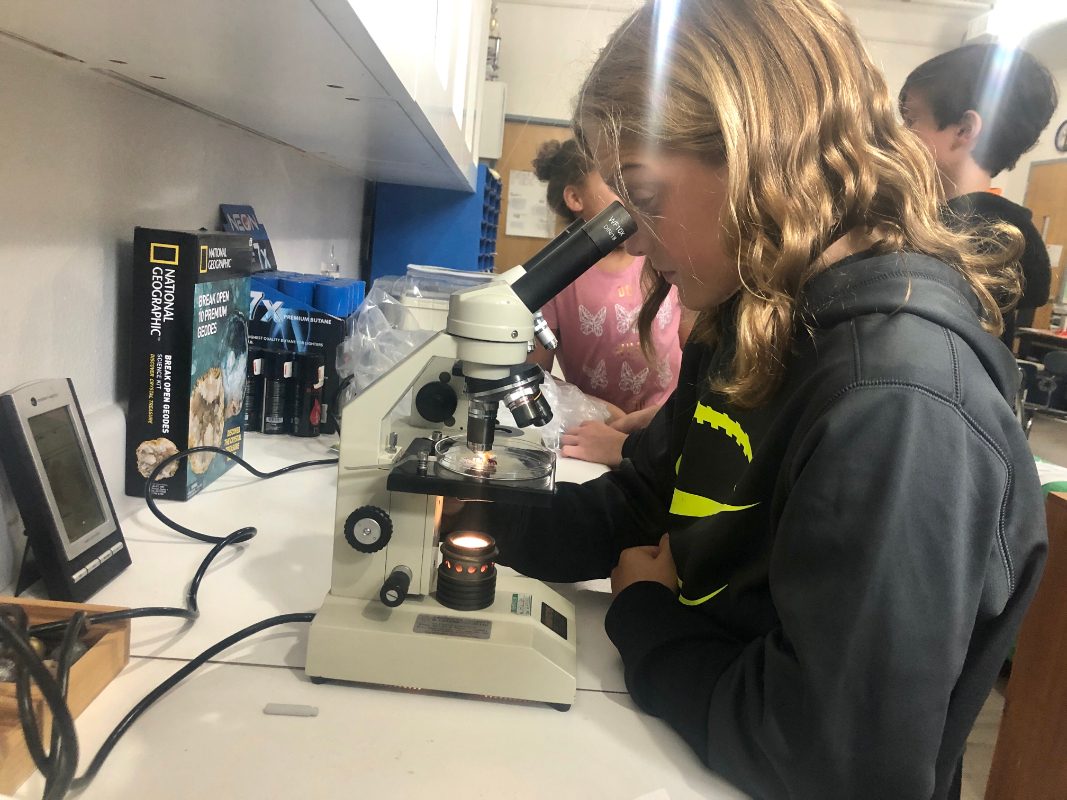
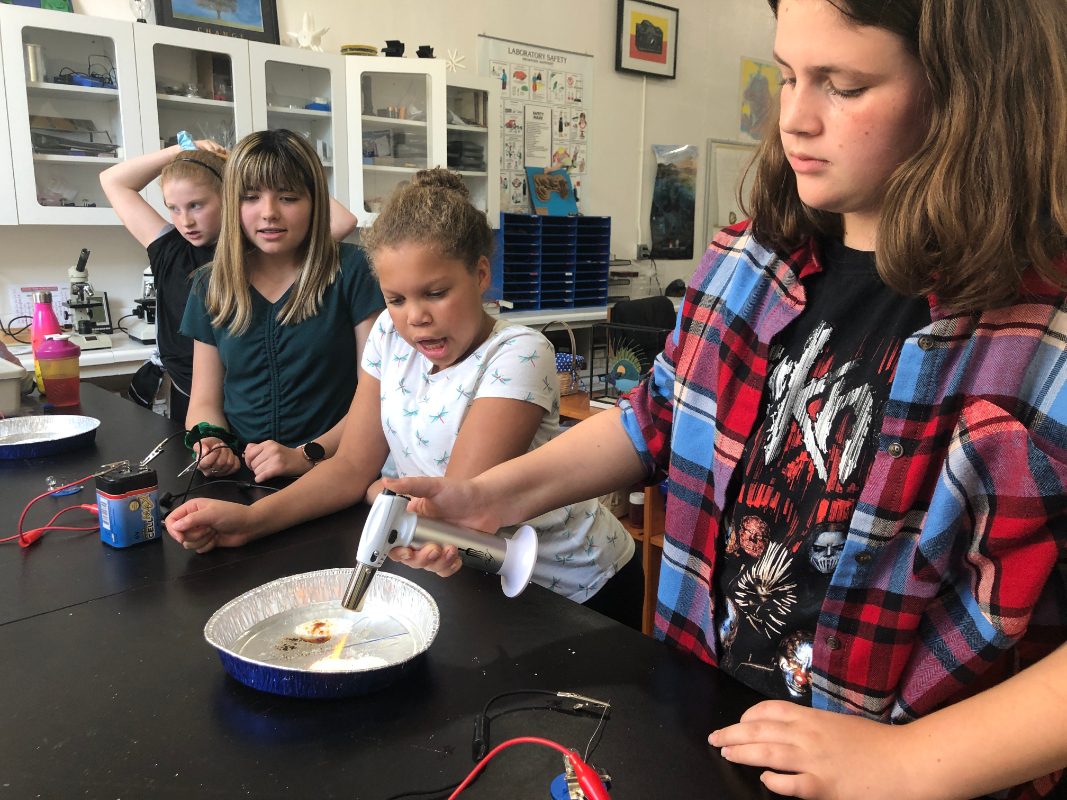
In Science, 6th year Earth Science students are exploring the correlation between tectonic plates and earthquakes. We are currently discussing the events of the Japan earthquake which occurred in 2011. Students are able to make connections from their prior knowledge of how convection currents cause tectonic plates to move/shift, ultimately colliding, resulting in an earthquake. 7th year Physical Science students have conducted several labs leading to the discovery of what distinguishes a physical vs chemical change. Students determined that sugar is combustible but not a good conductor of electricity while salt is a good conductor but not combustible. 8th year Life Science students are beginning their dissection of a dogfish shark and frog. The goal of the dissection is to see first-hand the complexity of how a cell can differentiate in creating the organ system.

Math

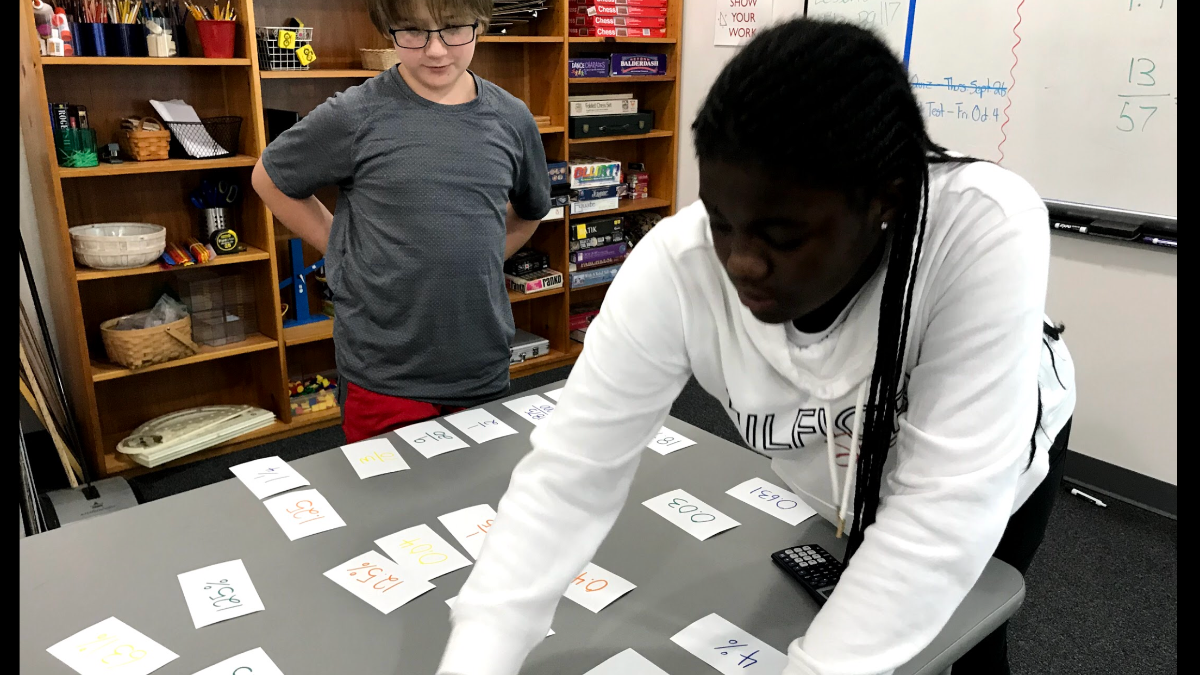
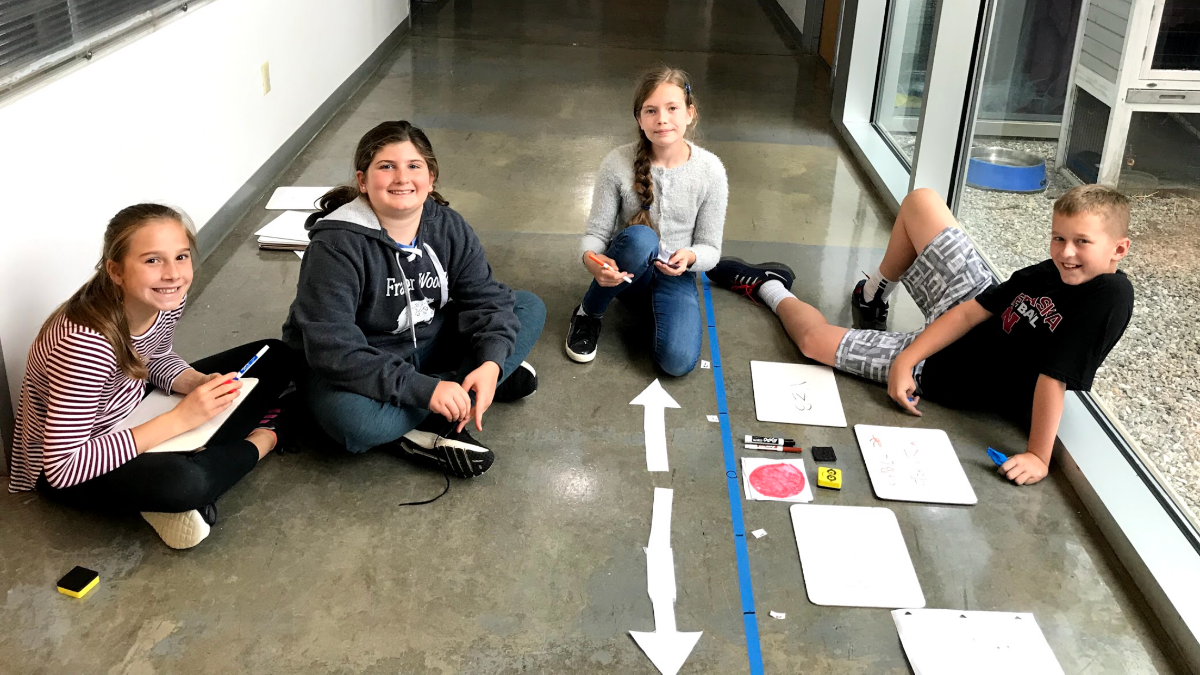
Math class has been going well for everyone! They have officially completed Unit 2 in all classes and are now working towards the first quiz of Unit 3. Ms. Sutherland has been impressed with efforts from all students and appreciates their dedication and perseverance to make math a successful class this school year.
Algebra 1 has been practicing solving equations with tables, graphs, and equivalent expressions. They are working through challenging word problems and creating their own equations based off the questions.
Transition has been working on understanding decimals and fractions as rational numbers. More specifically, comparing decimals and fractions using inequalities, finding equal fractions, and using all operations to combine fractions and decimals.
Pre-transition has been exploring inverse and opposite values, adding and subtracting with negative numbers, and using BEDMAS (order of operations) to solve for large number sentences. This group has also been doing daily review of previous topics to help prepare for cumulative exams. (It’s always a good idea to refresh on what you already know).
As a general reminder, students need to be completing both the lesson masters worksheet and assigned textbook problems as a part of our daily homework routine. Please remember to help your child check MyFWM for upcoming important dates and homework assignments. If you are not able to find where this is located, please feel free to email Ms. Sutherland.
Math Joke: Why should you never talk to pi? Because it will go on and on and on…..
Humanities
For 6th years, Humanities classes were split between their class novel, Out of My Mind, and descriptive writing lessons and exercises. 6th years are now annotating their text and leading class book discussions. They are doing a phenomenal job with this, and classes are full of rich information and conversation. With descriptive writing, they have completed their first short piece of writing that must use at least three examples of figurative language, imagery, specific nouns, strong verbs, and descriptive adjectives. They are using a thesaurus regularly to compose and making great word choices. They are totally transforming as writers!
The 7th year Humanities students began their reading of A Gift From Childhood: Memories of an African Boyhood. They are unbelievable readers and have picked up on the intricacies of this book full of traditional culture. They even commented how surprised they are that so much can come from a short novel. They wrote responses in their journals following a discussion regarding tradition and modern culture. Finally, they learned about the French occupation of Mali and West Africa in the late 19th century and throughout the 20th century.
8th year Humanities students are learning about Plimouth Plantation and the settlers to occupy the Northeast. They also read about the relationships with the Natives in this area, including what historians believe the “First Thanksgiving” truly entailed. Finally, they are working on planning an impressive essay called, Rewriting History. They are charged with the task of making one change to the course of history regarding indigenous Americans and Western settlers and discussing the subsequent effects of this singular change, even writing about how today’s America might be different. Their theses are shaping up to be quite interesting!

Mrs. Carroll’s Class: An Intention To Work

The love of one’s environment is the secret of social evolution. -Maria Montessori

Retrieving a mat, picking it up carefully, finding the ideal space to work, and rolling it out provides an opportunity to practice gross motor skills and body consciousness. Everything that gets placed on the mat thereafter becomes the responsibility (and privilege) of the child working on that mat.

Montessori work mats delineate a work space as the child’s own and sets an intention to “work”.  Not only does the child know that their lesson is exclusive to them (unless they invite someone to join them on their mat), they also have the responsibility to put their materials away when they are finished before they roll up their mat, and signal the end of their work session.

Our floors have been a sea of rugs! Your children are skillfully maneuvering themselves throughout the environment, careful not to disturb a friend’s work. I continue to be amazed at their growing control and respect for both friends and the environment.

On Wednesday, the Kindergarten children took a field trip to Castle Hill Farm in Newtown. They enjoyed a hayride where they were able to feed some cows right from the tractor. We spent some time learning about the life cycle of a pumpkin and then each child had a chance to pick their own pumpkin. We finished the day by walking through the corn maze. Best of all, we beat the rain!

Until next week,

Cindy & Sharlene


Acquiring Language, One Bite at a Time!

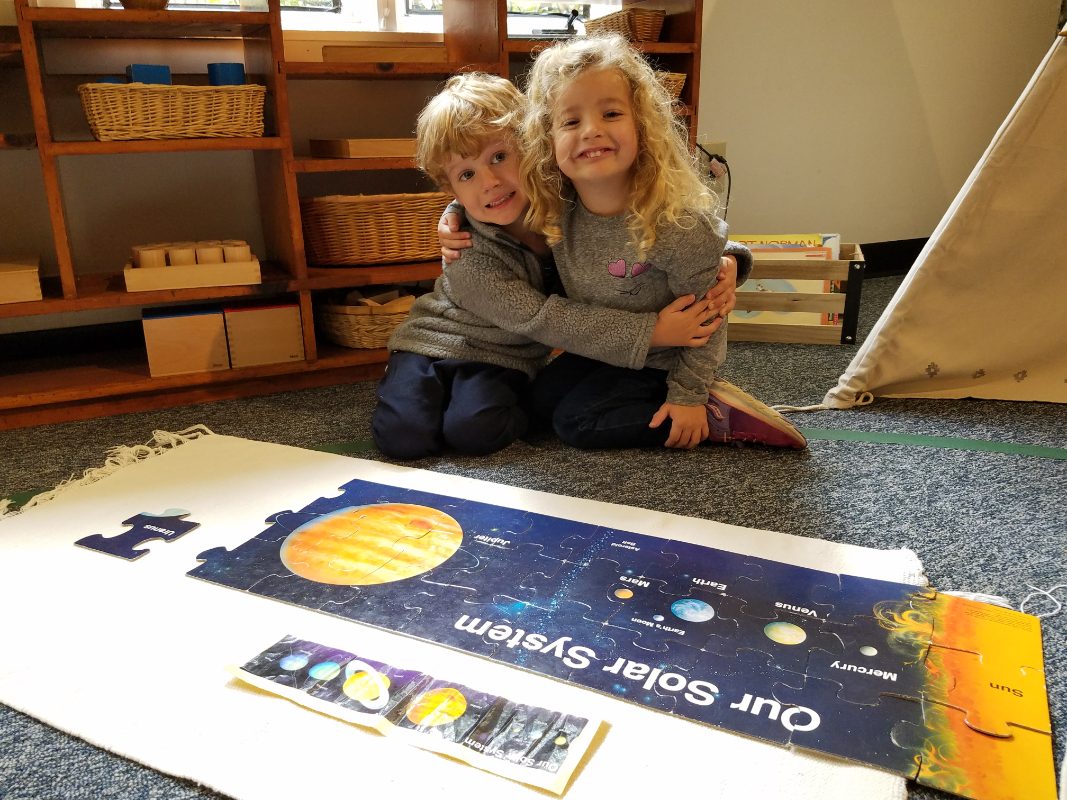
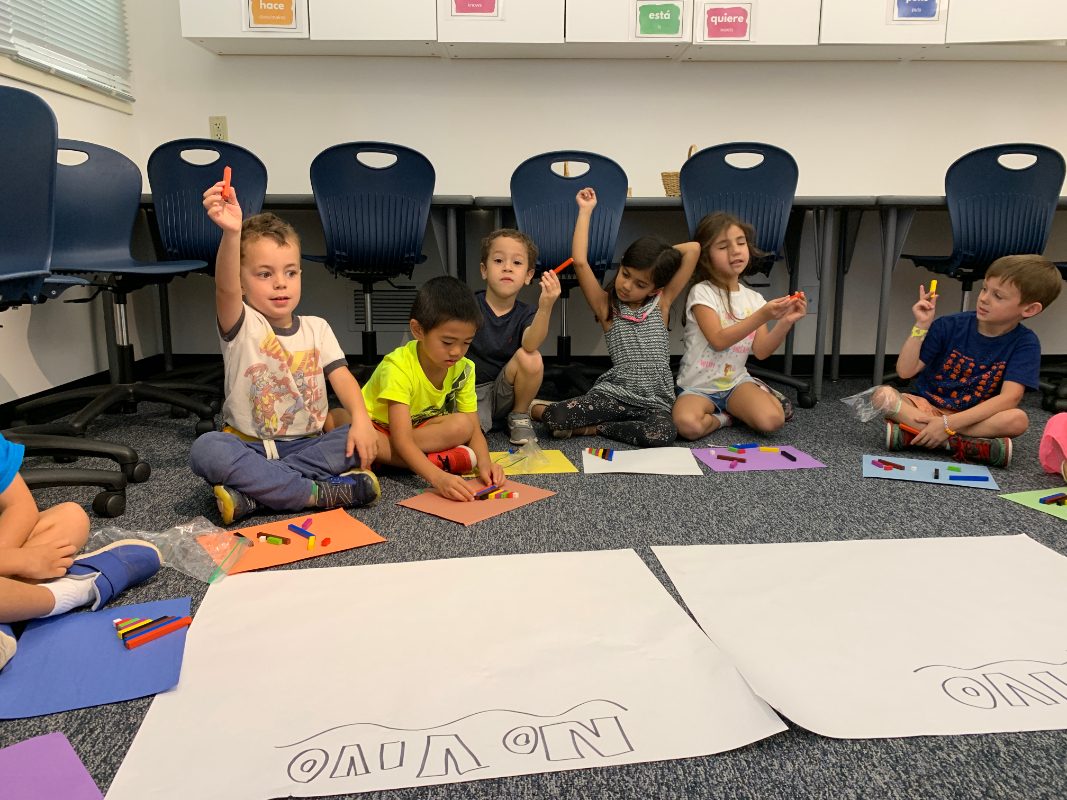
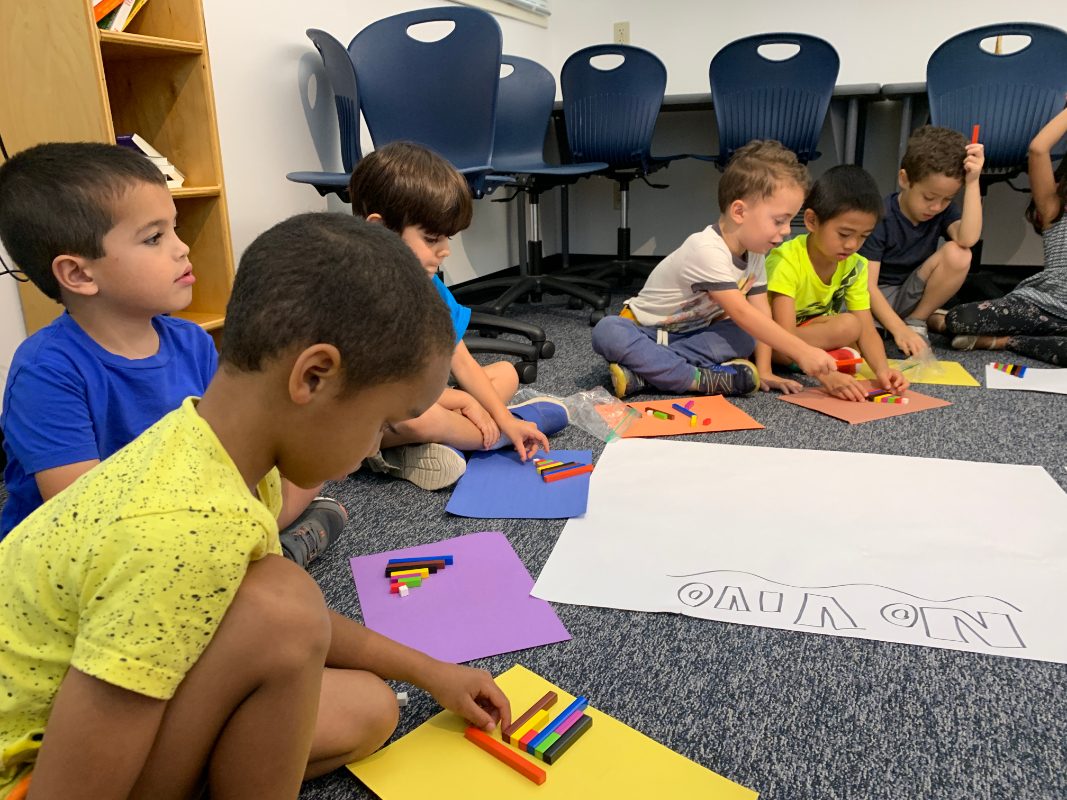
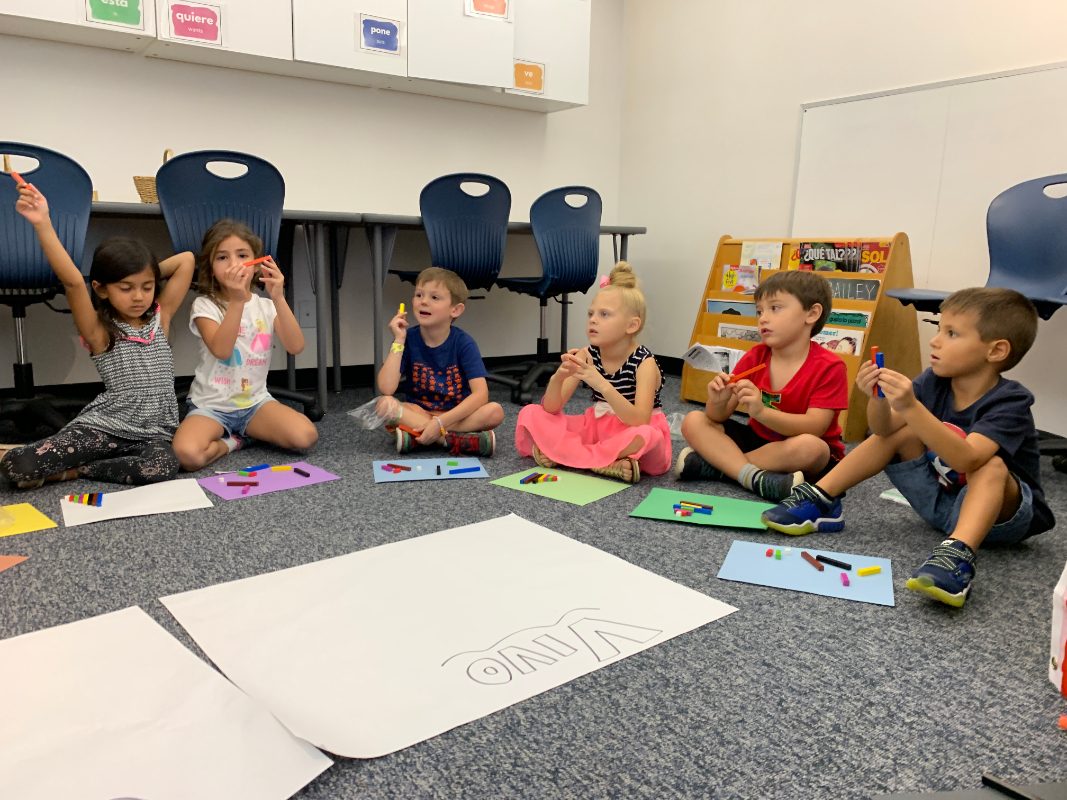
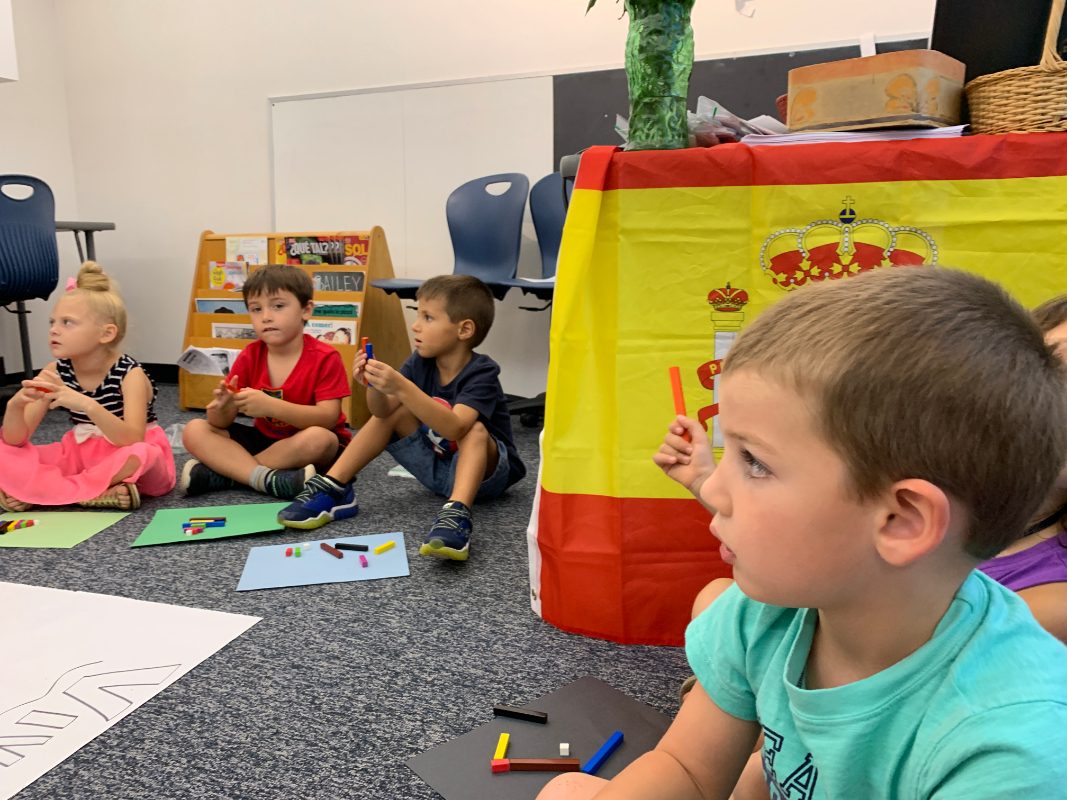
Primary students have been exploring living versus non-living objects and colors to identify a variety of objects. They even categorized those objects by land, air, and water. This week they got a taste of our solar system through the “Ocho Planetas” song. 

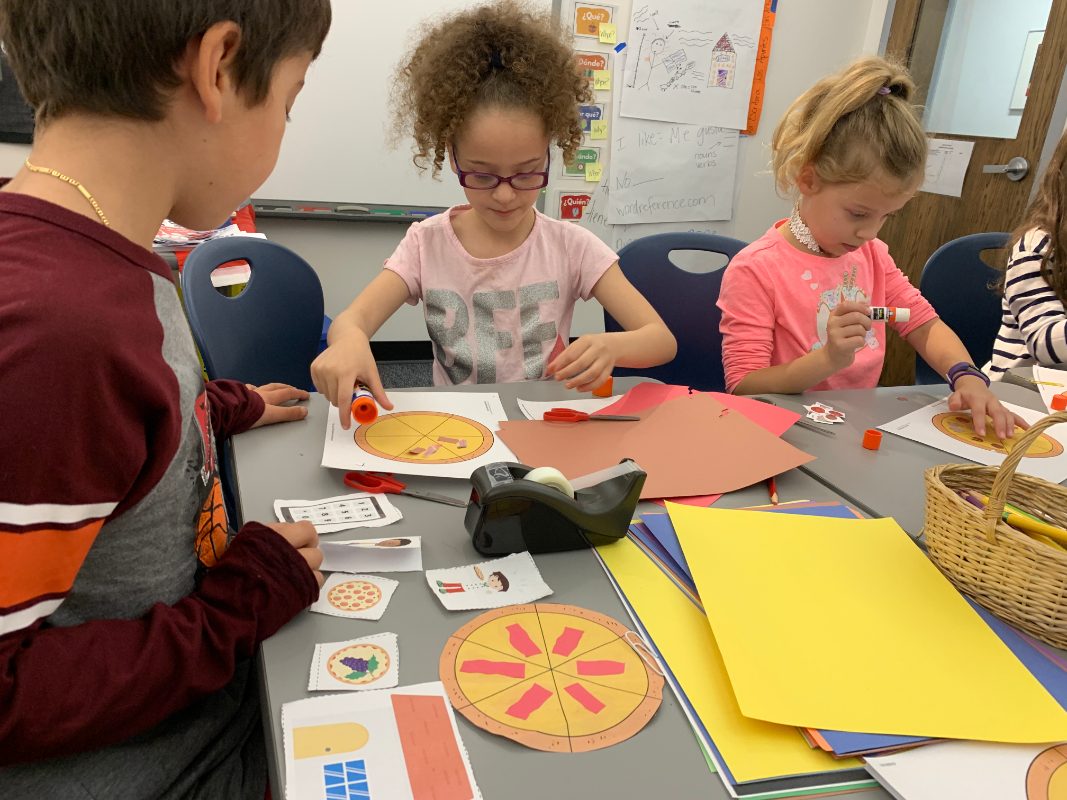
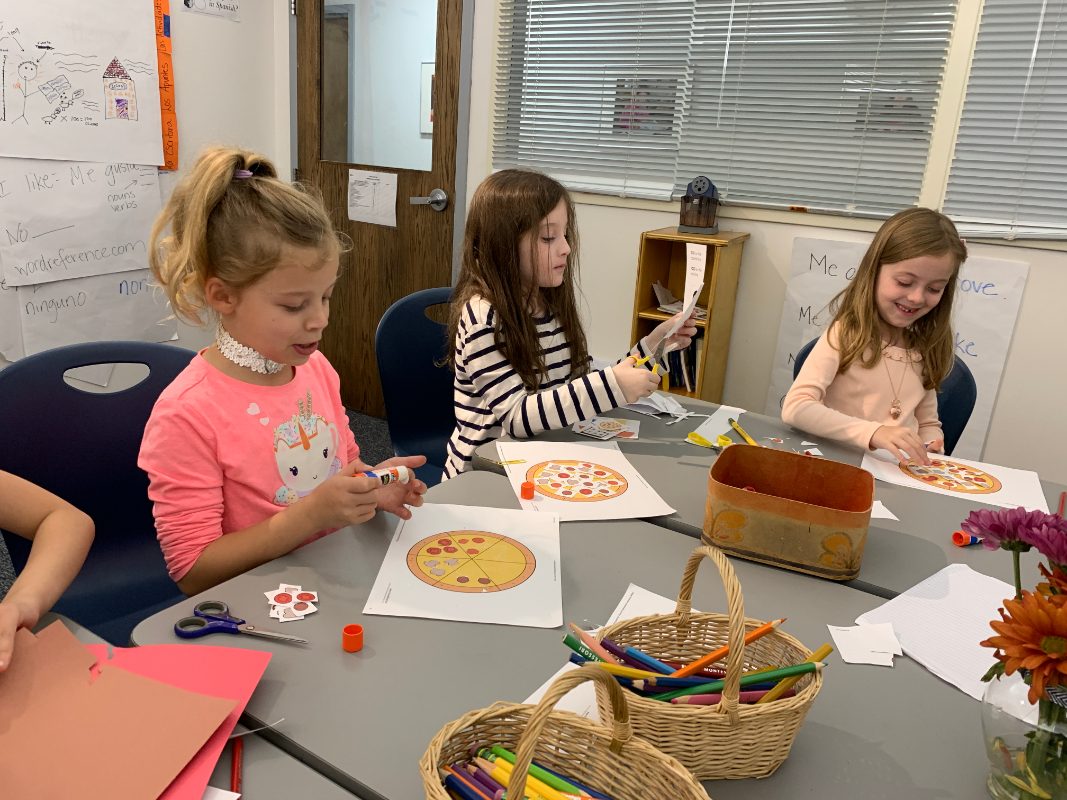
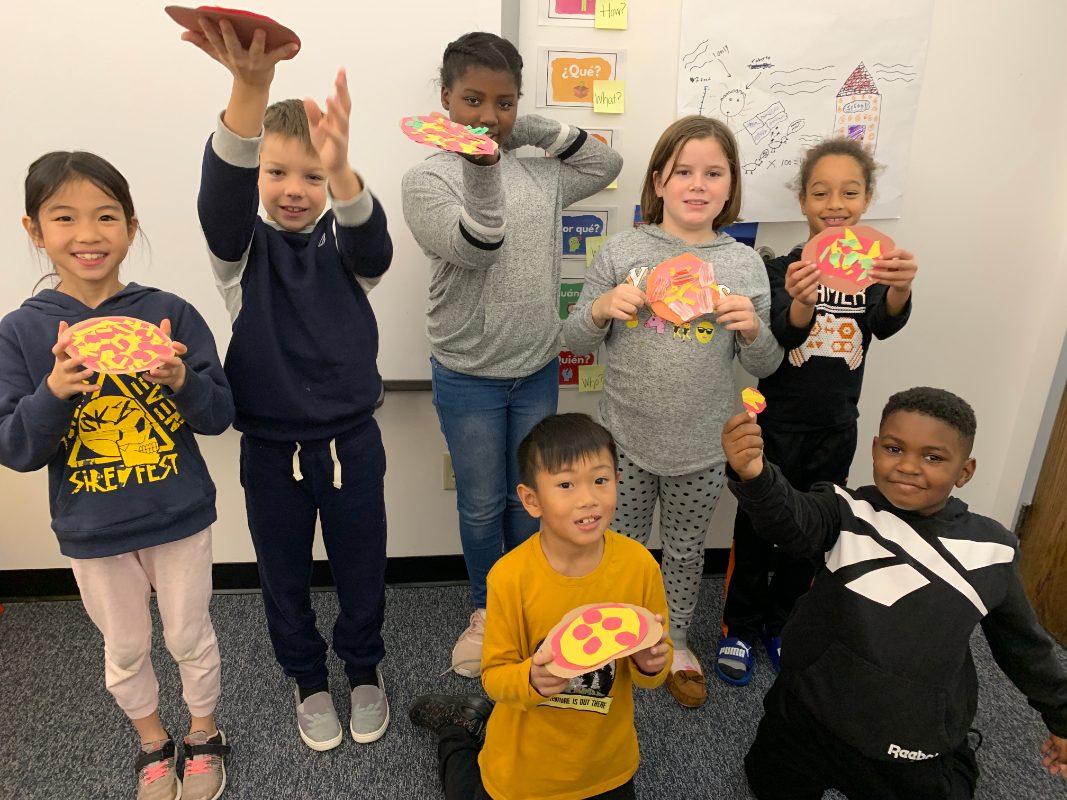
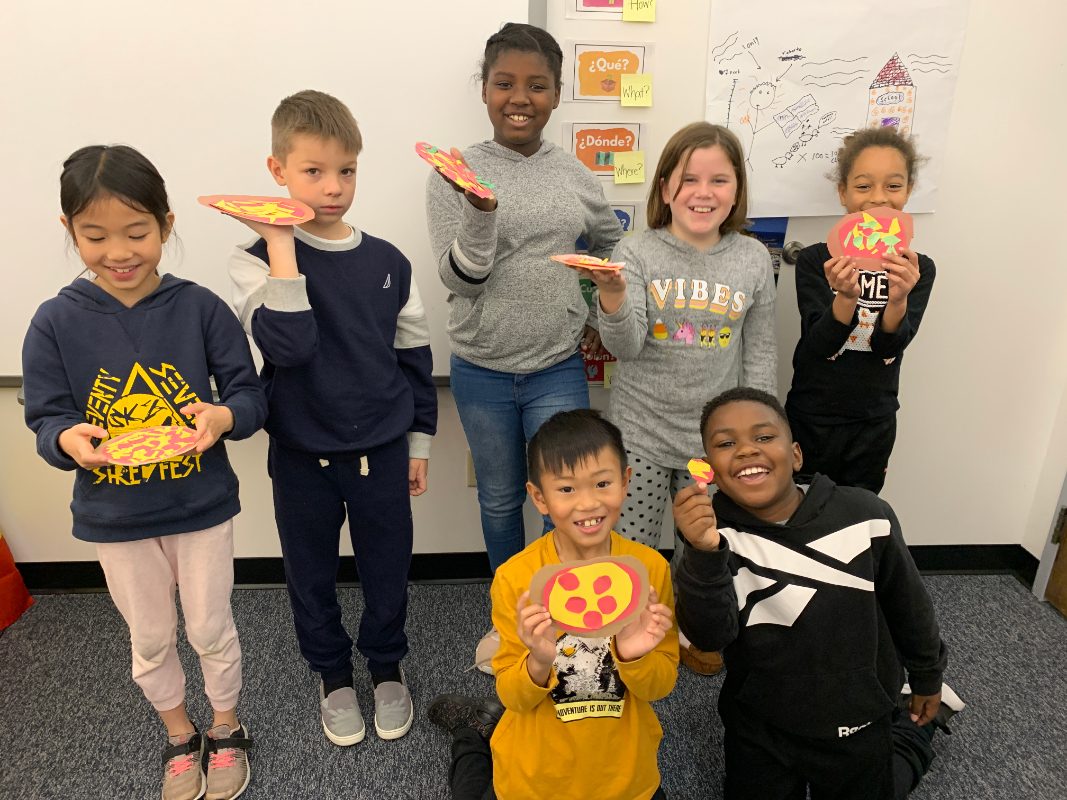
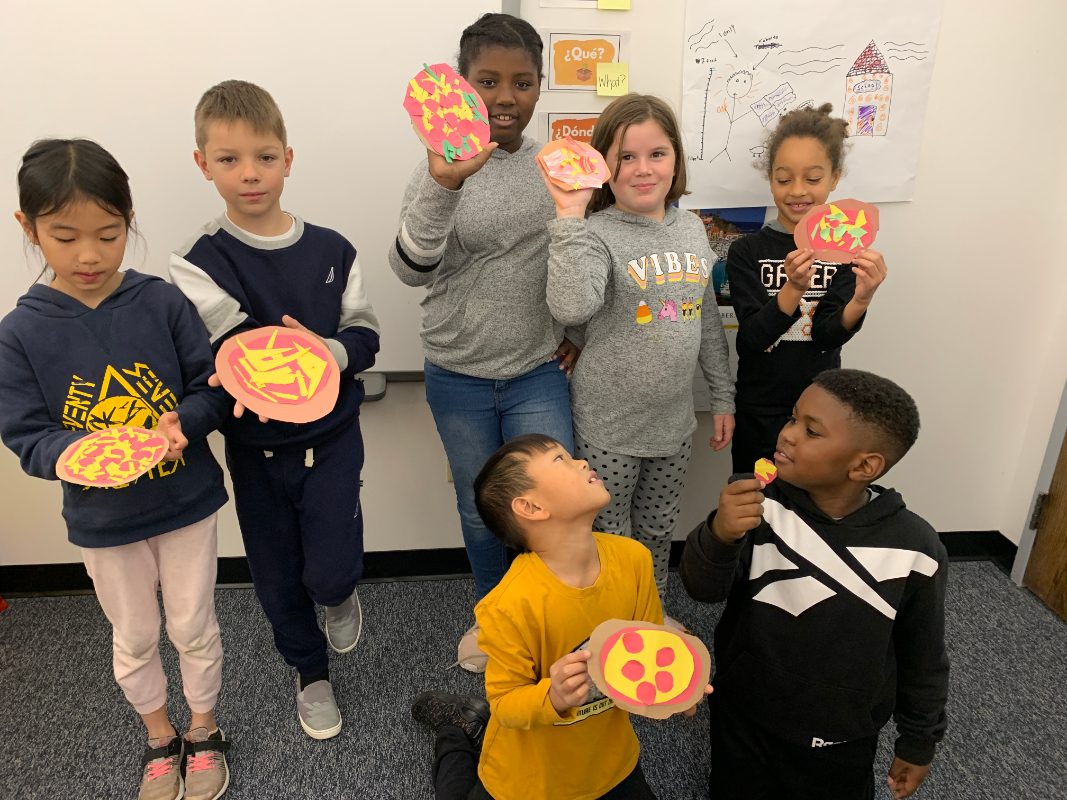
If you are what you eat, then “Soy Una Pizza.”–Lower Elementary students at FWM have been acquiring the Spanish language through songs and storytelling, specifically focusing on pizza ingredients this unit! They talked (and sang) about which things they wanted and did not want on their pizza after singing the “Soy Una Pizza” song and reading Una Pizza Diferente.

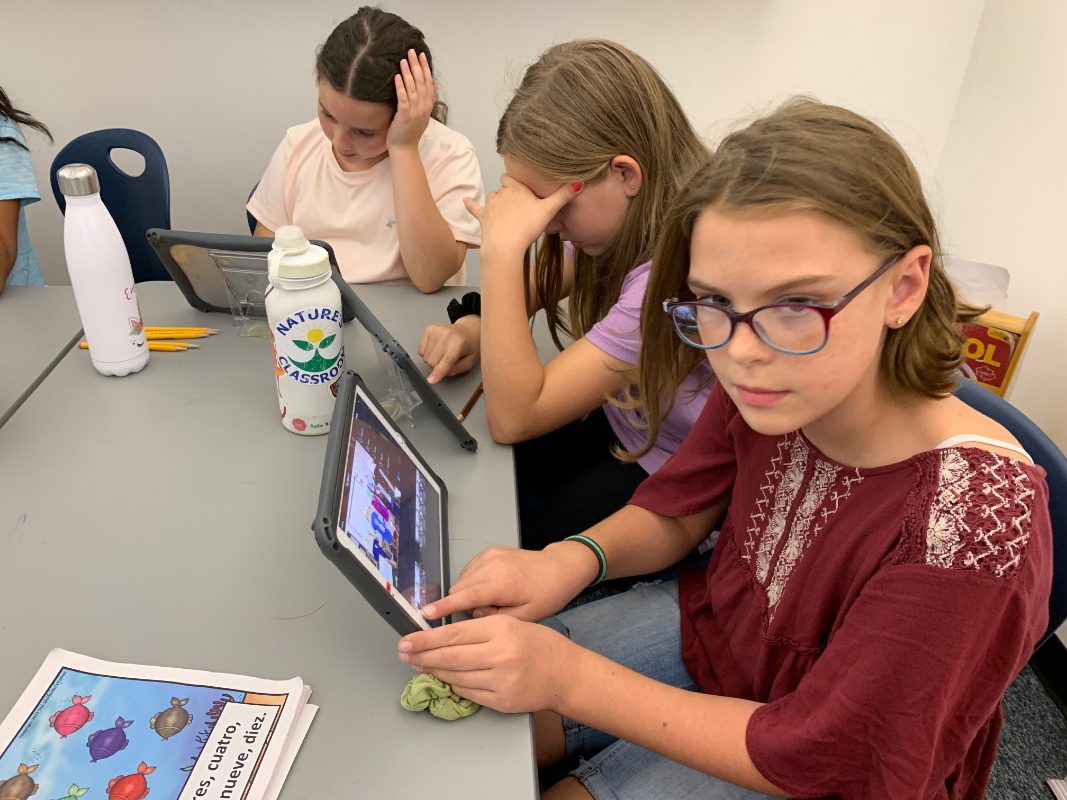
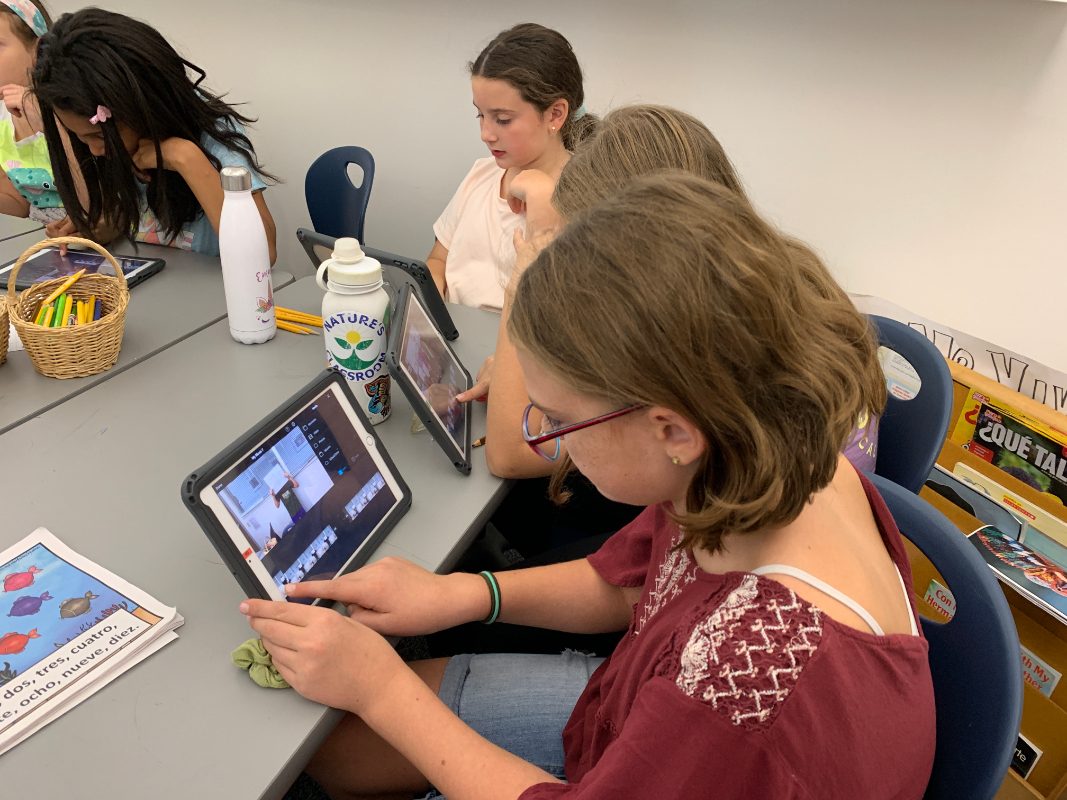
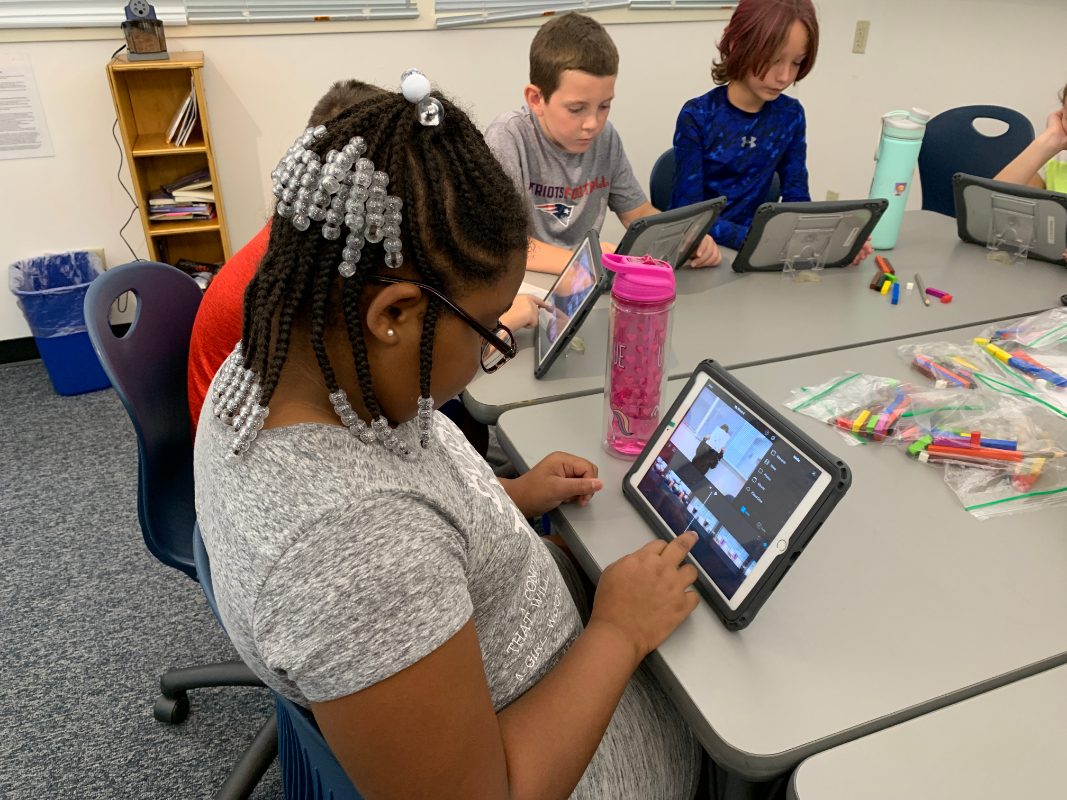
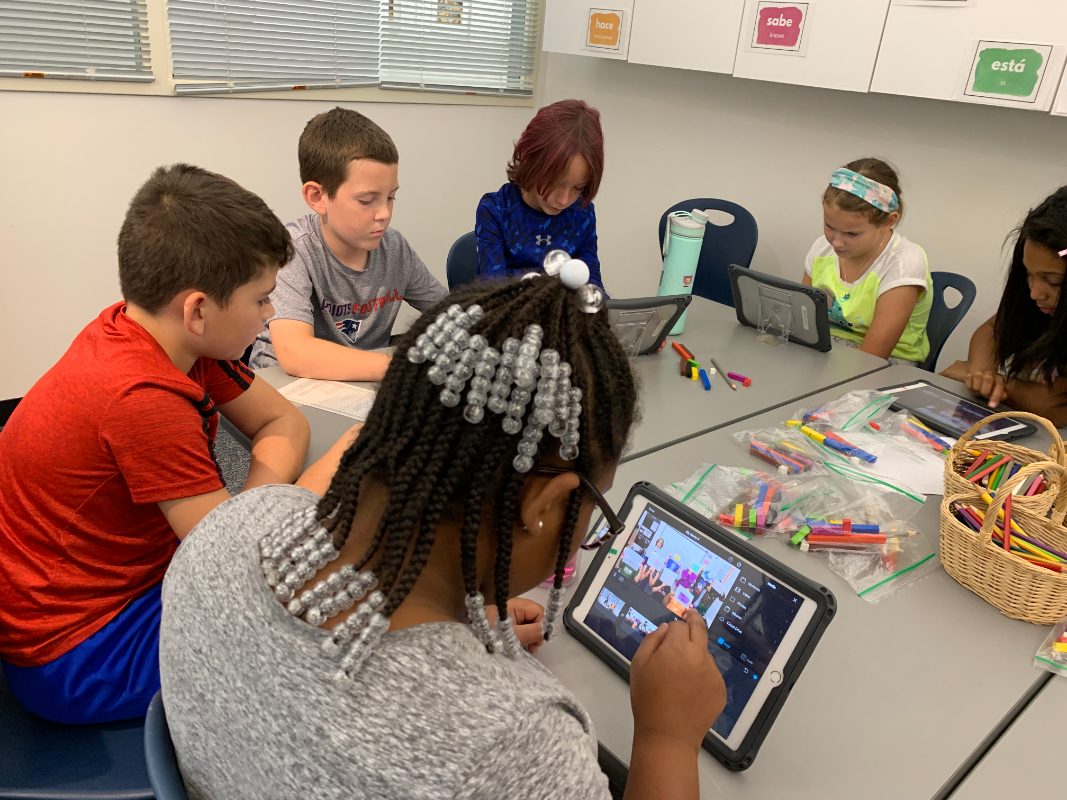
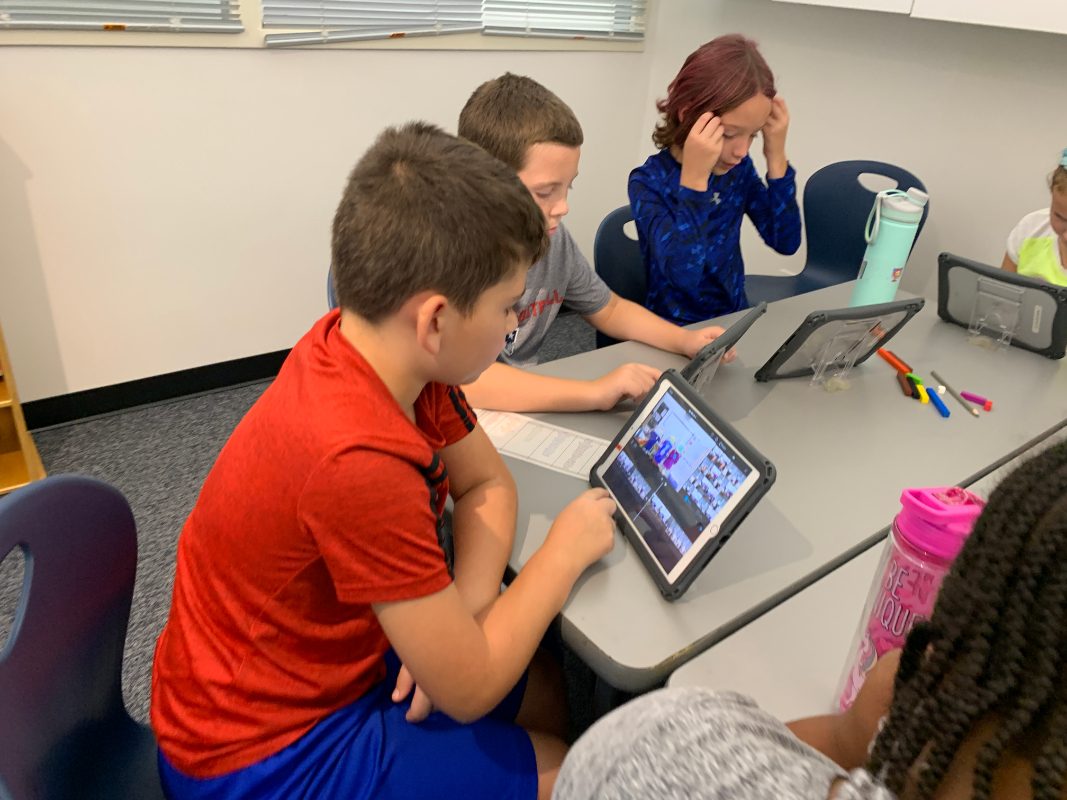
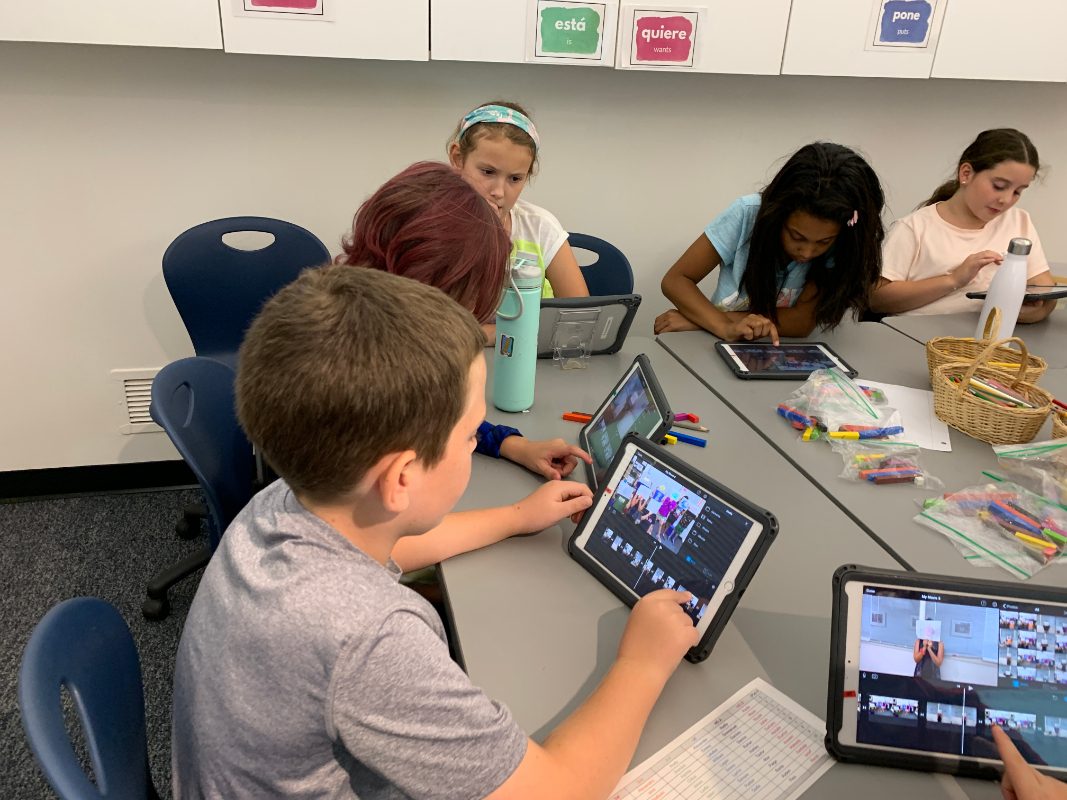
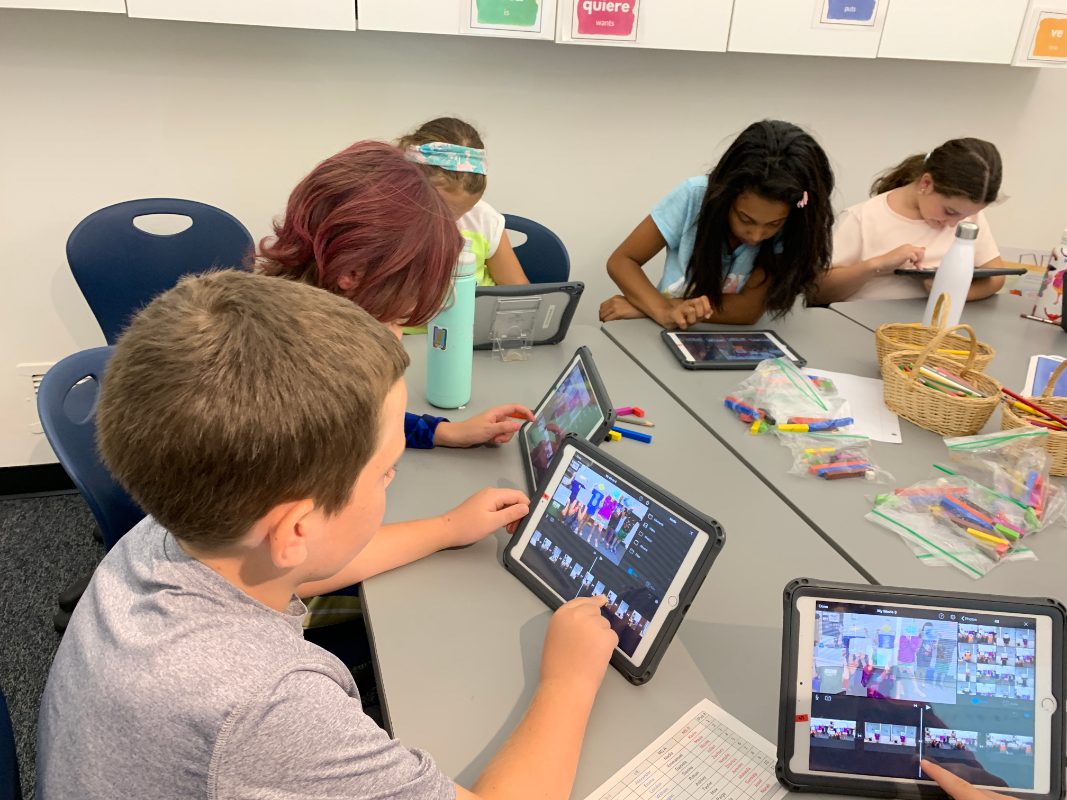
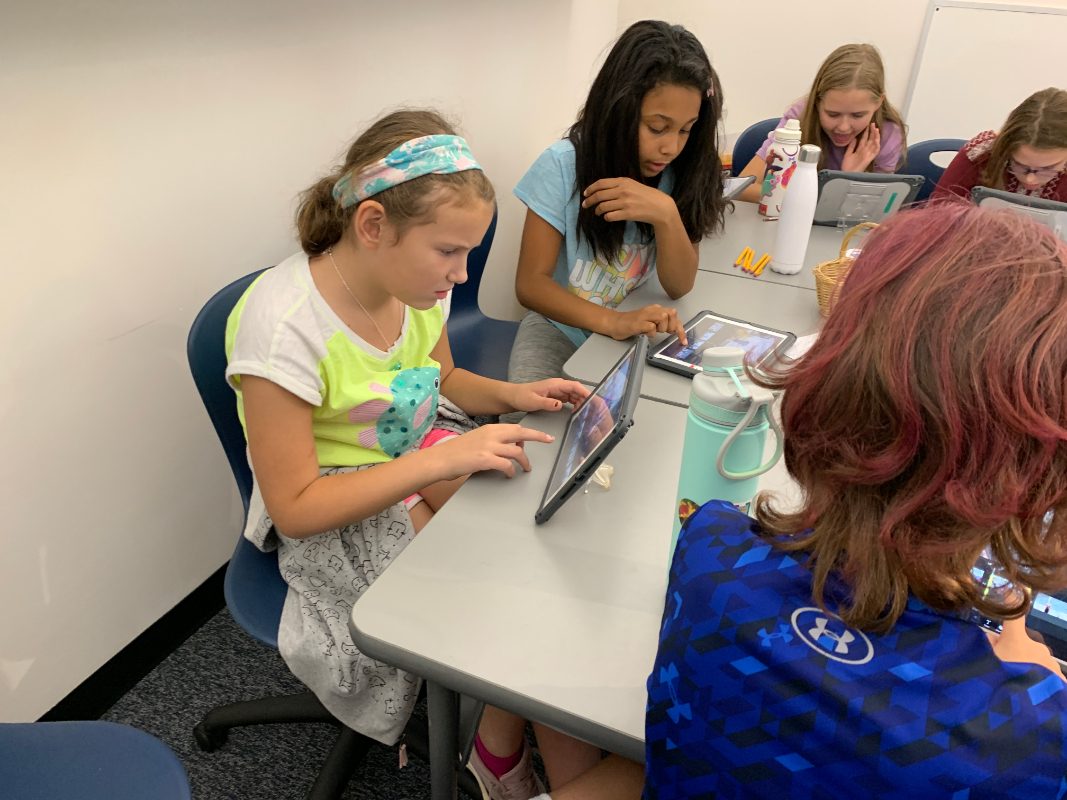
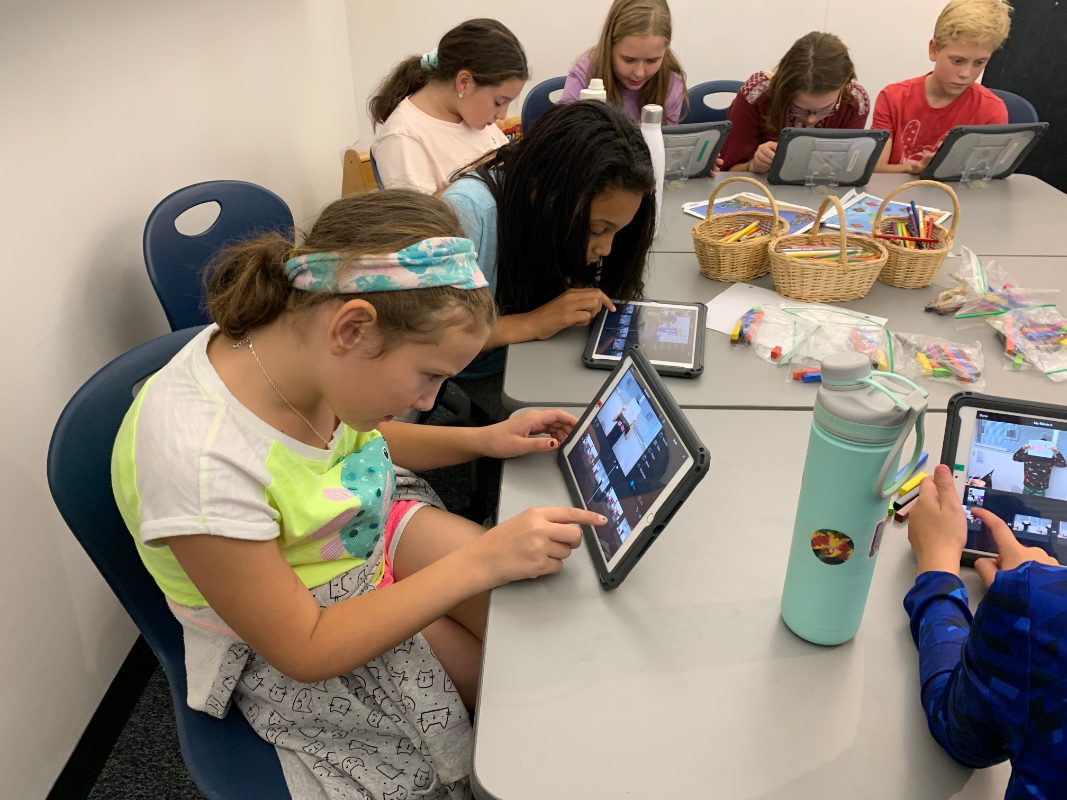
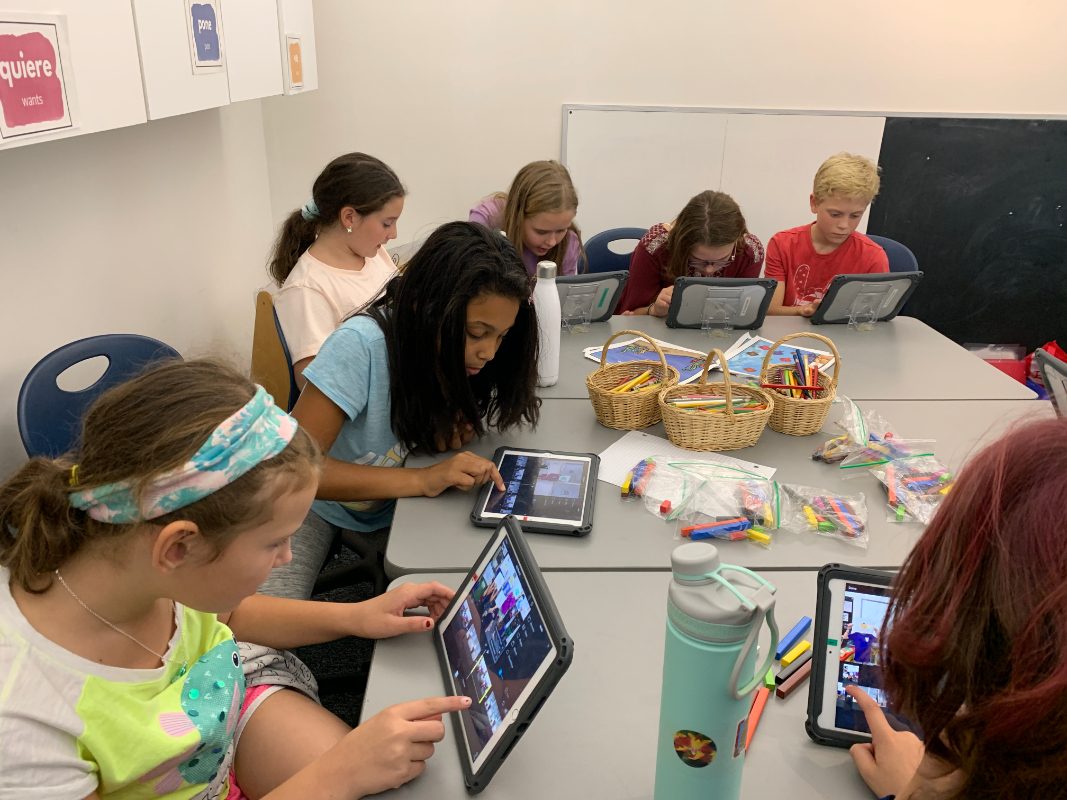
After working hard to complete voice-overs to narrate the Los Peces story through iMovie, Upper Elementary has now sampled FVR (Free Voluntary Reading). They begin each class with five minutes of reading materials of their choice from our classroom library. Some of these options include ¿Qué tal? Magazine by Scholastic or stories we have read as a class by Storyteller’s Corner. We also just began a read-aloud story from the Brandon Brown series which provides comprehensible input for students while I model reading strategies for them. 

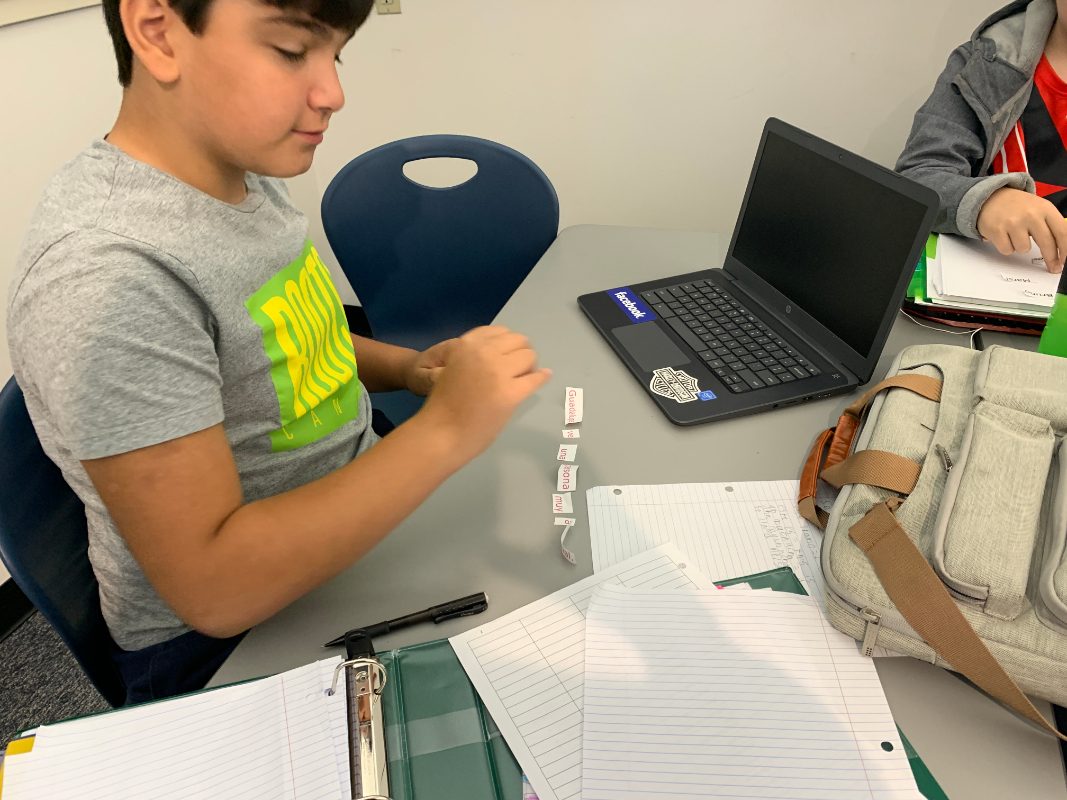
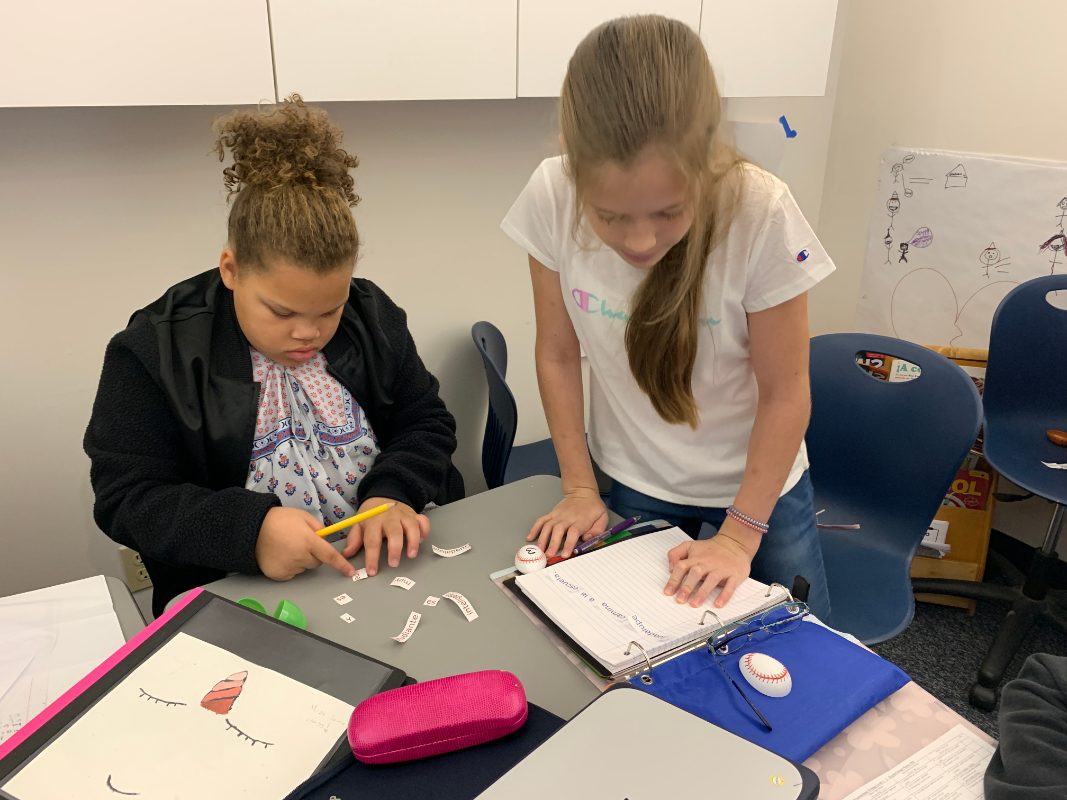
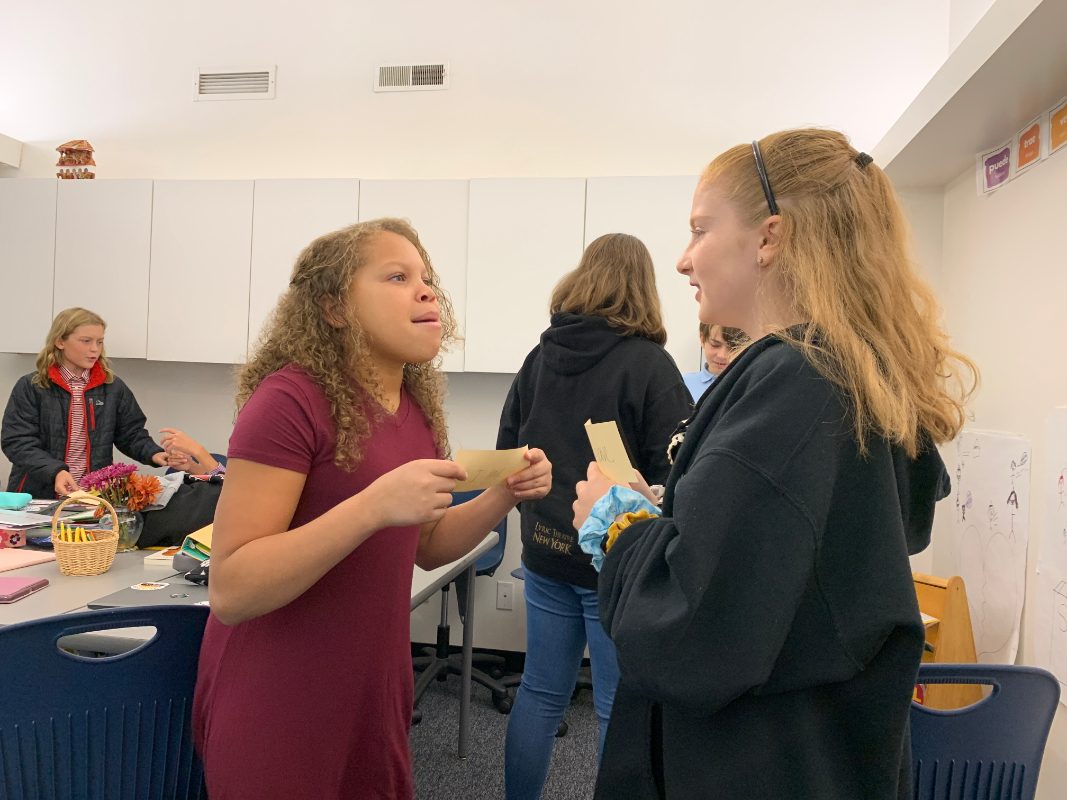
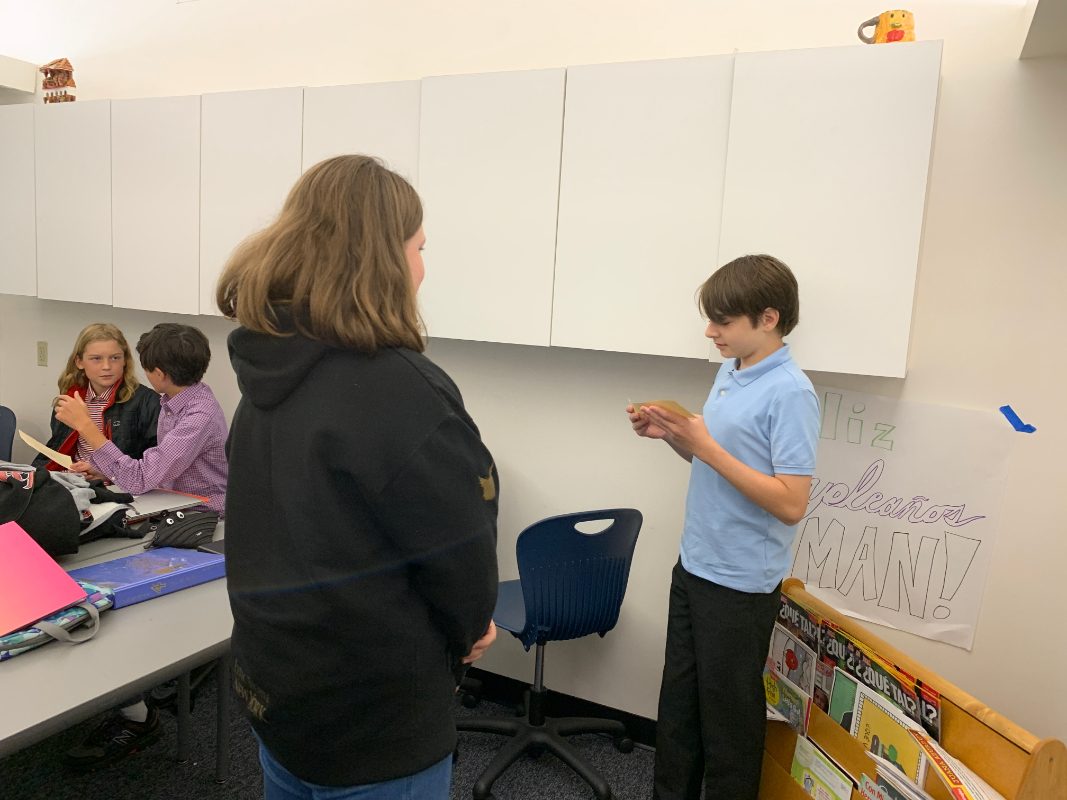
Middle School is making room for more as their appetite for language learning continues to grow. Students are moving through proficiency-based novels during FVR, learning about culture through our most recent unit “El encierro de San Fermín,” where we learned about the Running of the Bulls in Pamplona, España. Finally, students have started the process of telling and writing short stories that align with our target structures each cycle.


Mrs. Wilson’s Class: Exploring Fall!

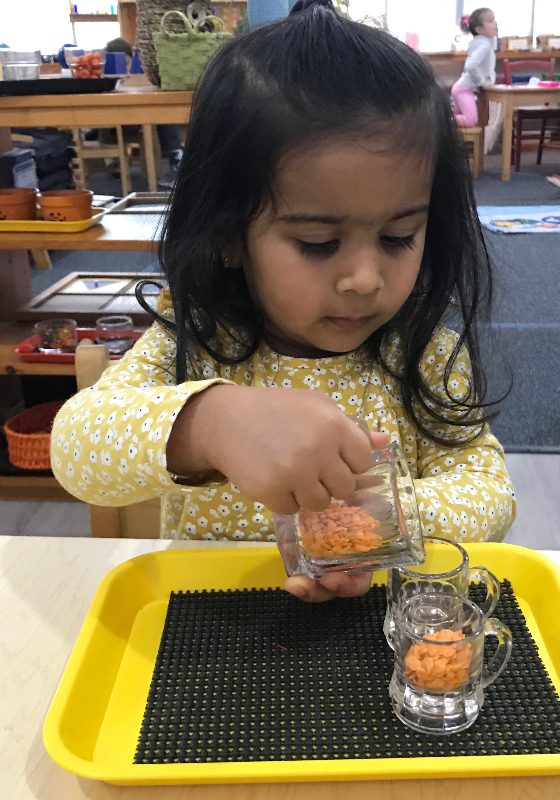
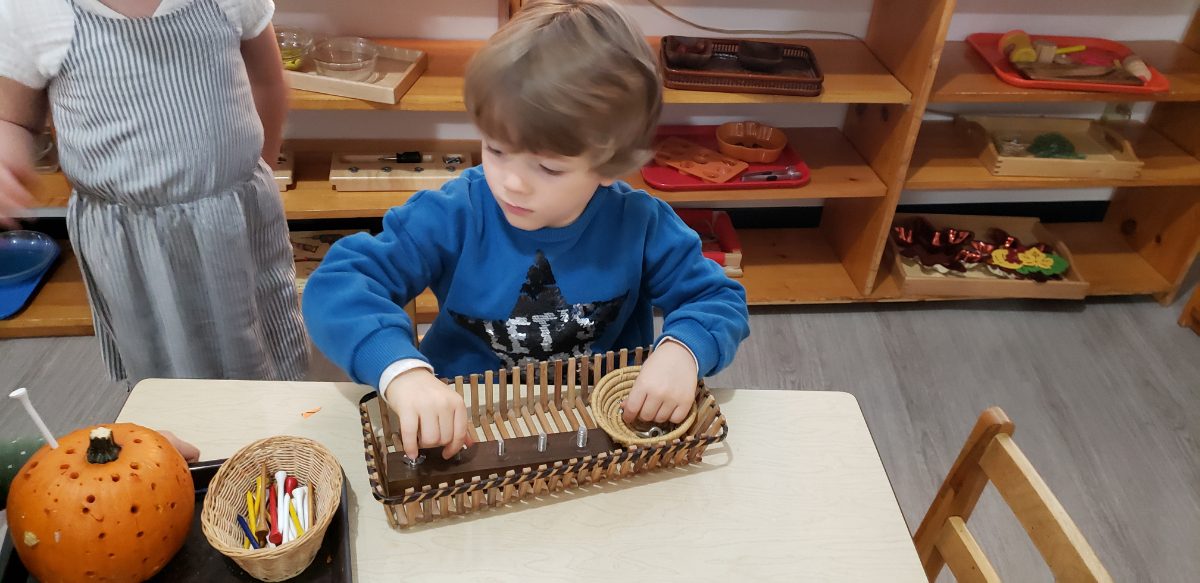
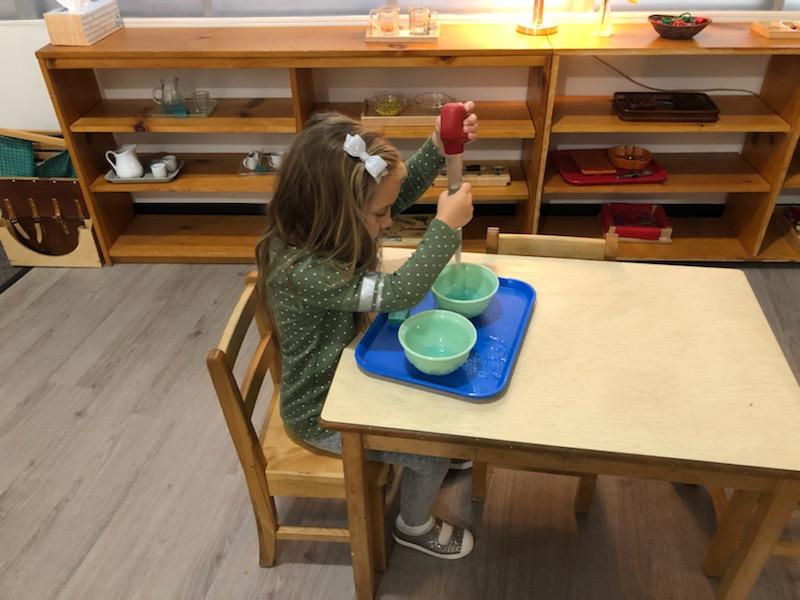
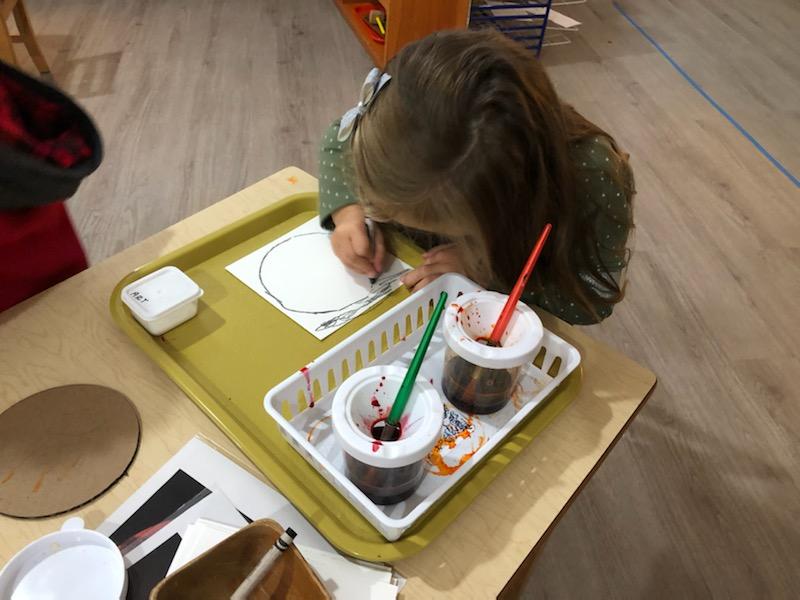
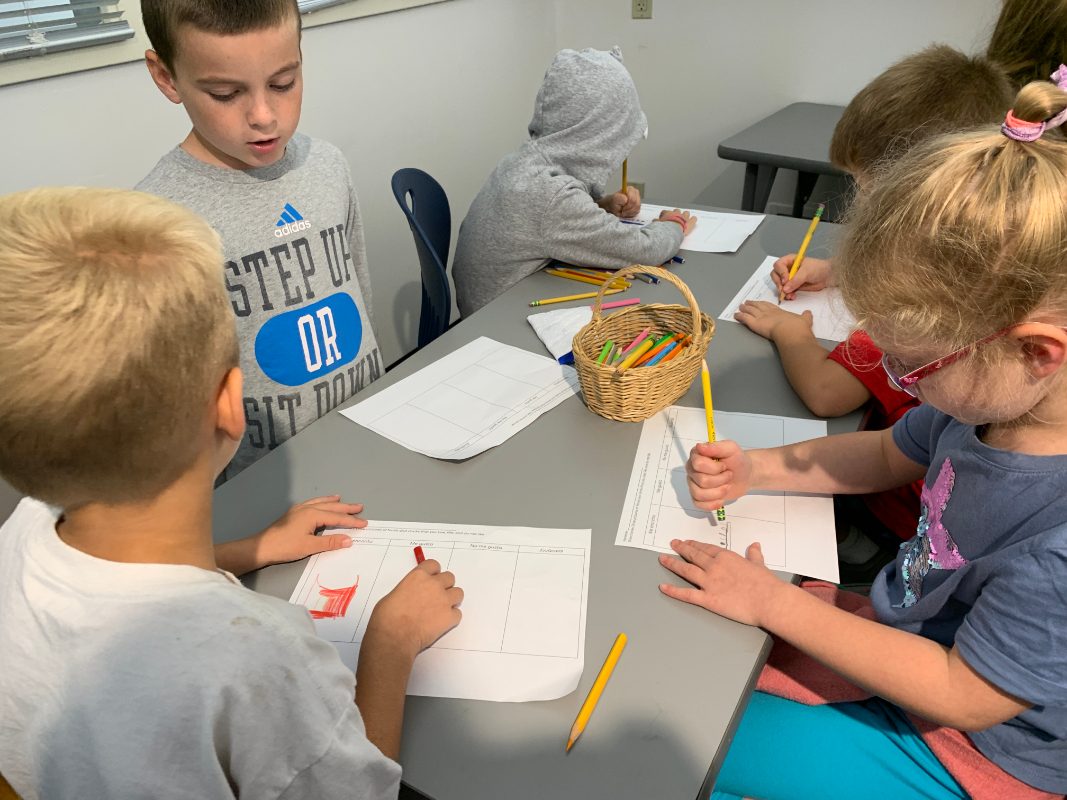
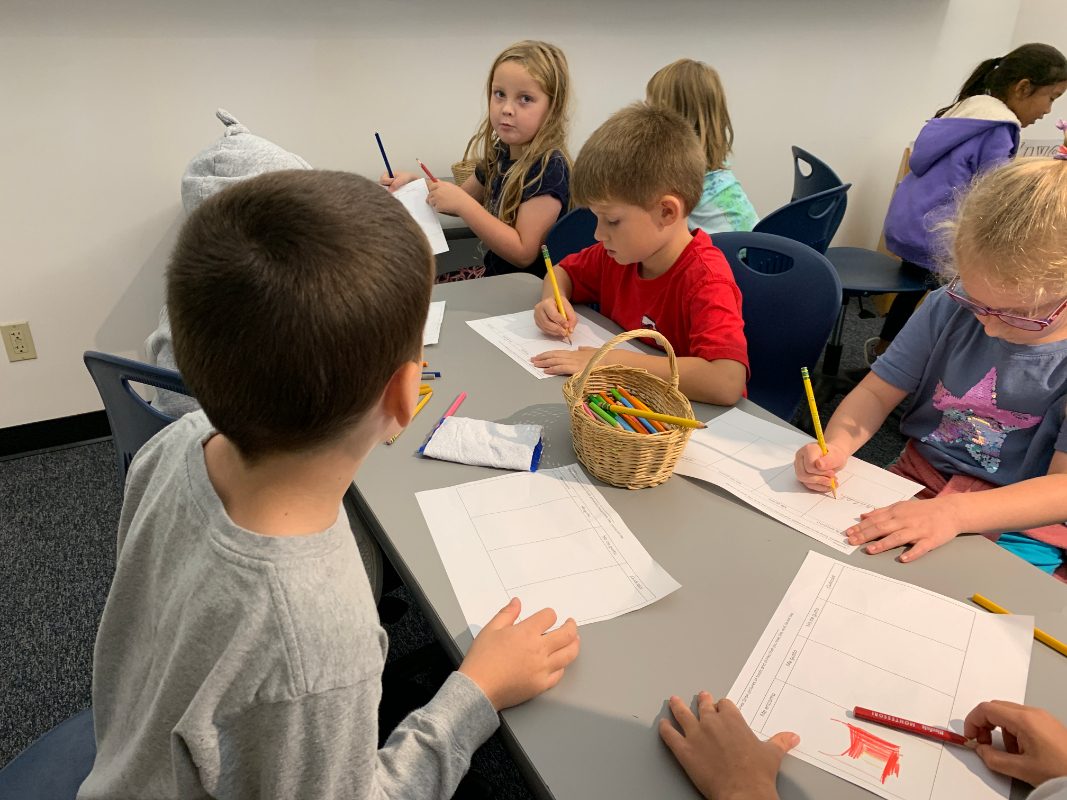
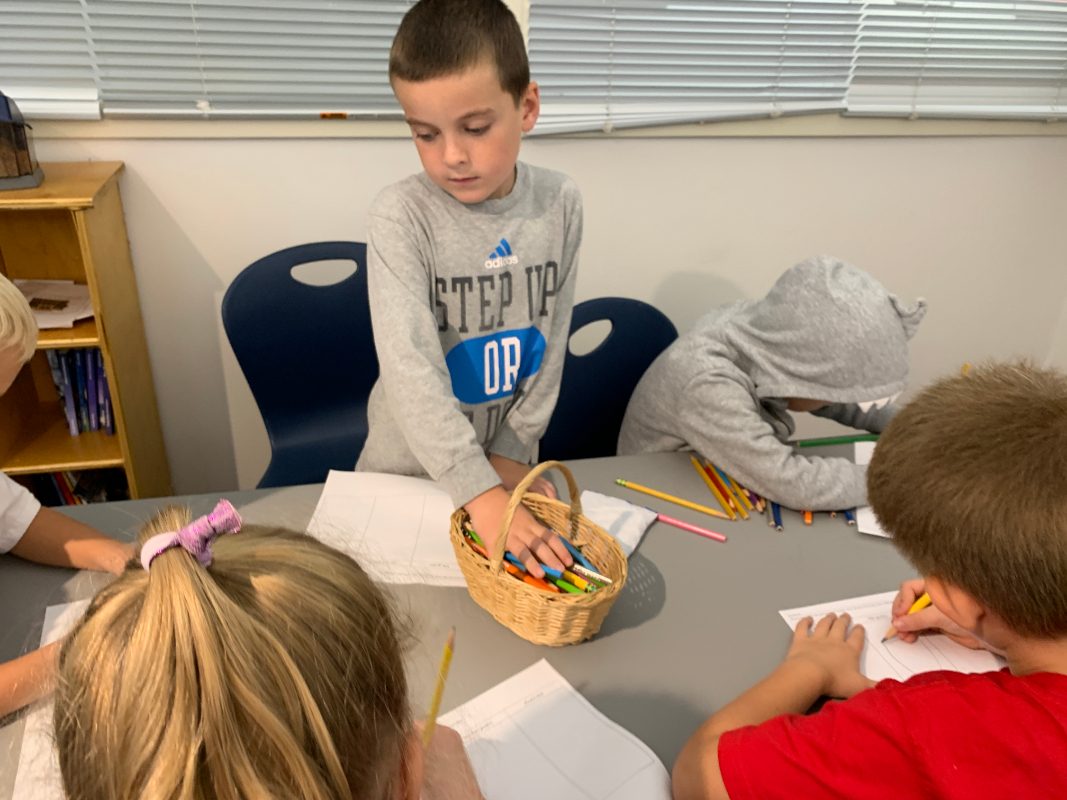
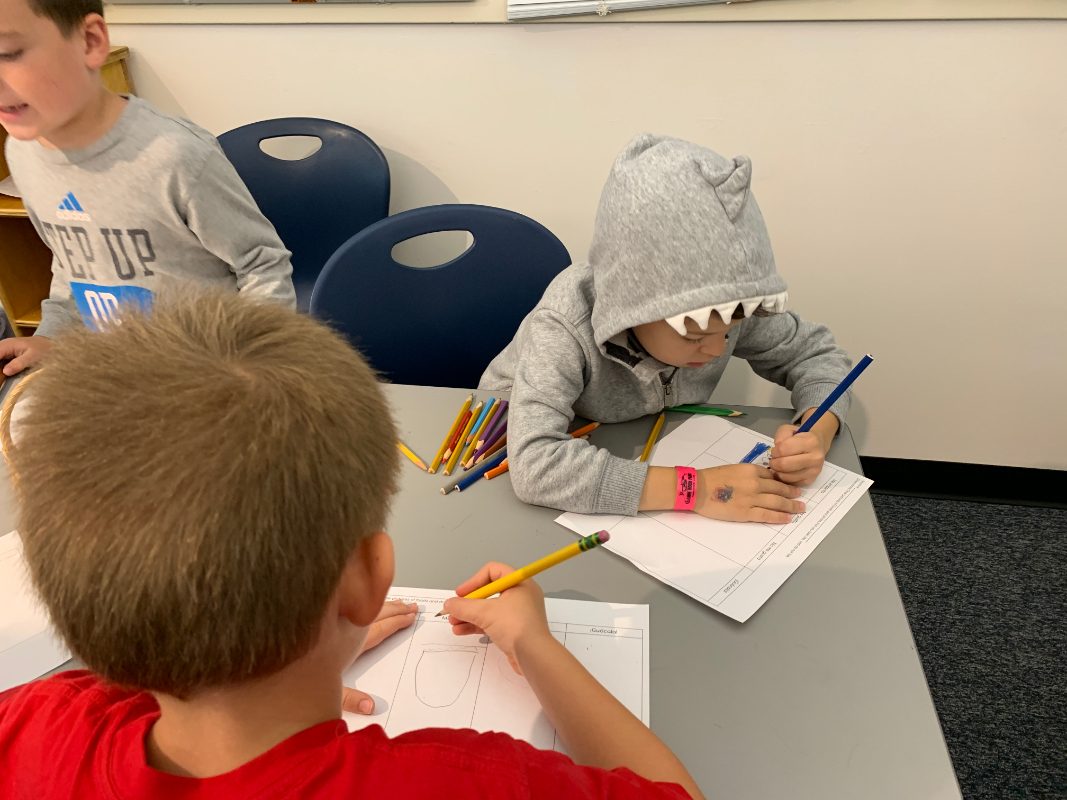
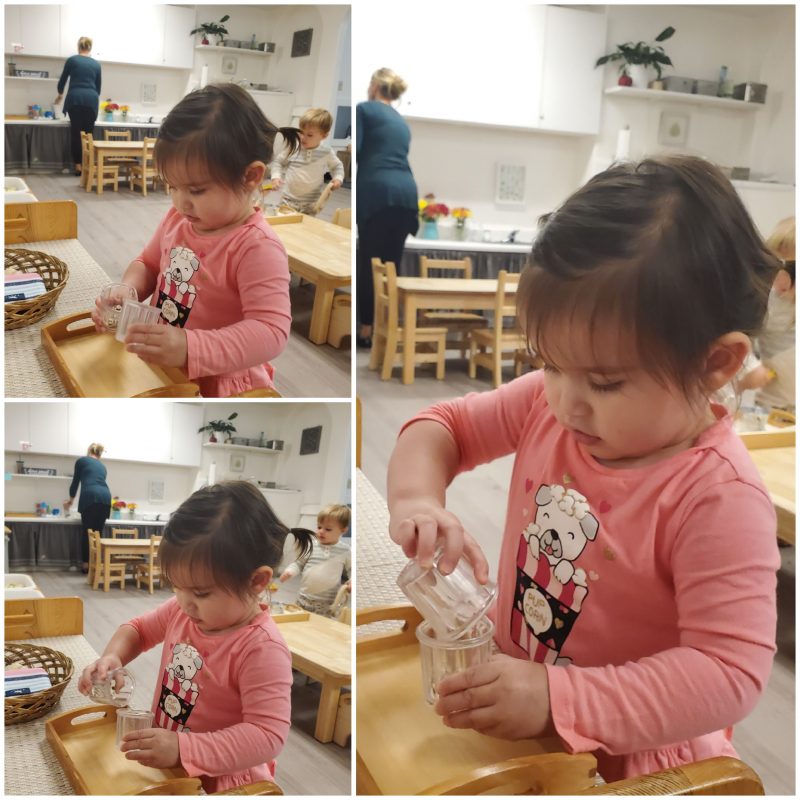
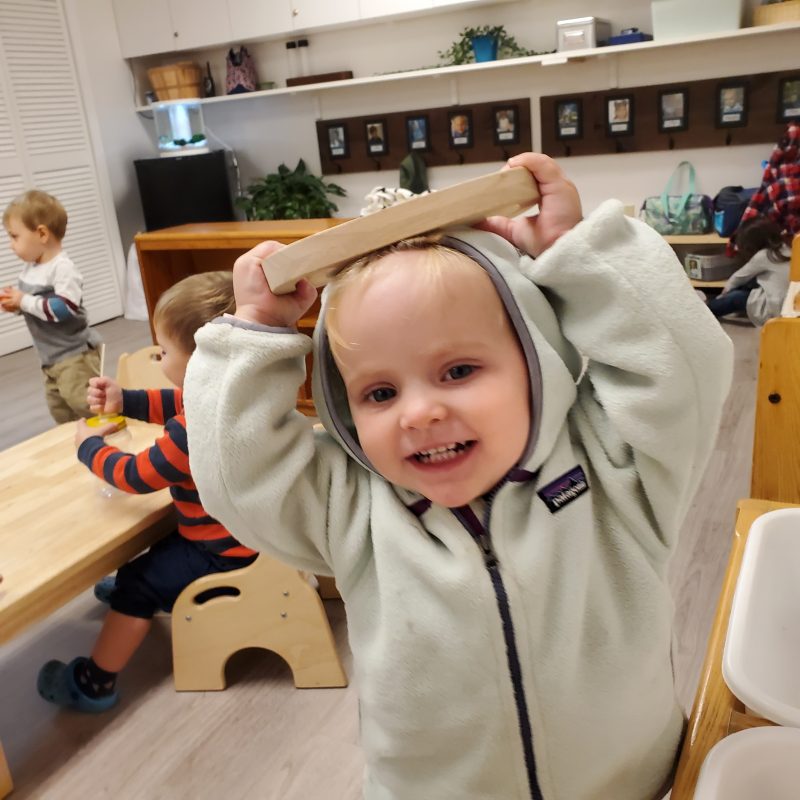
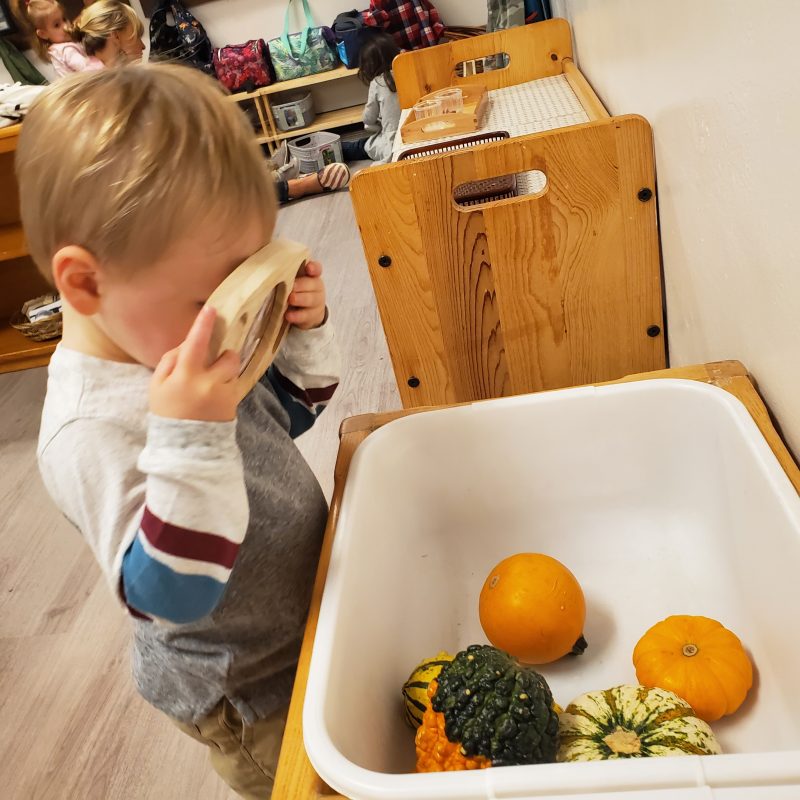
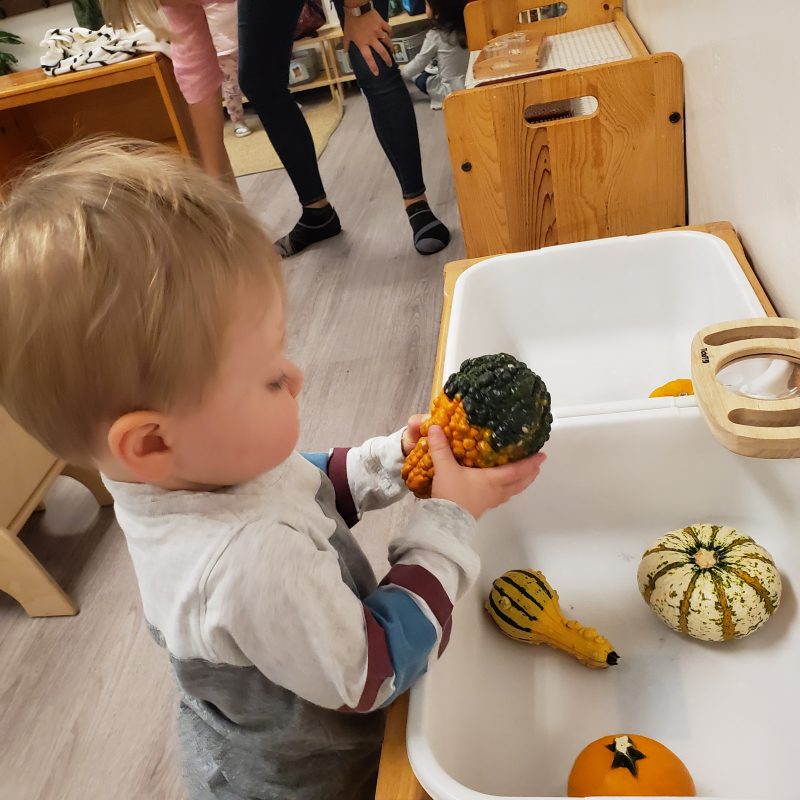
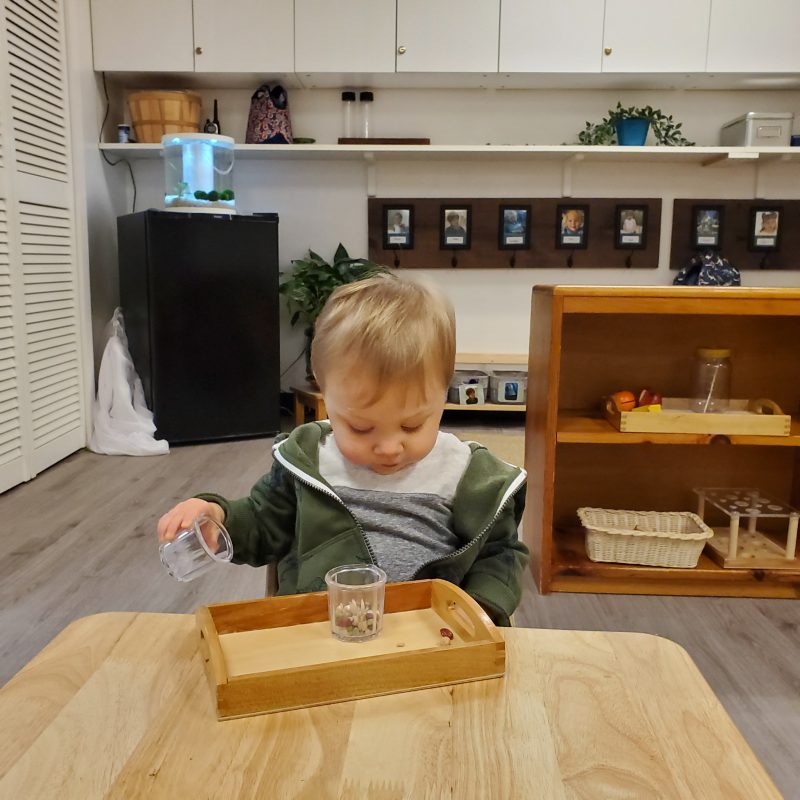
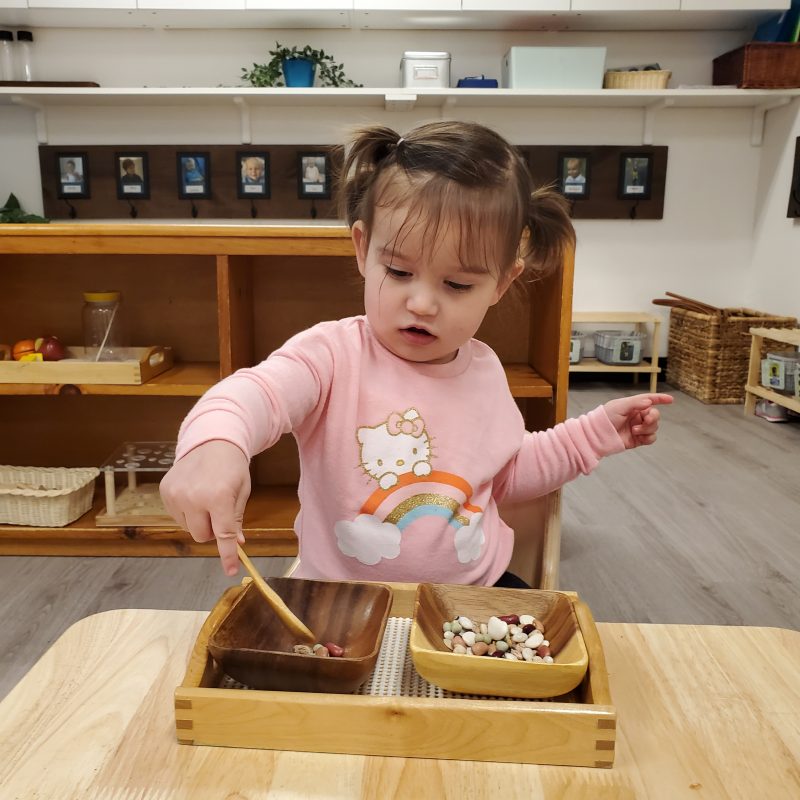
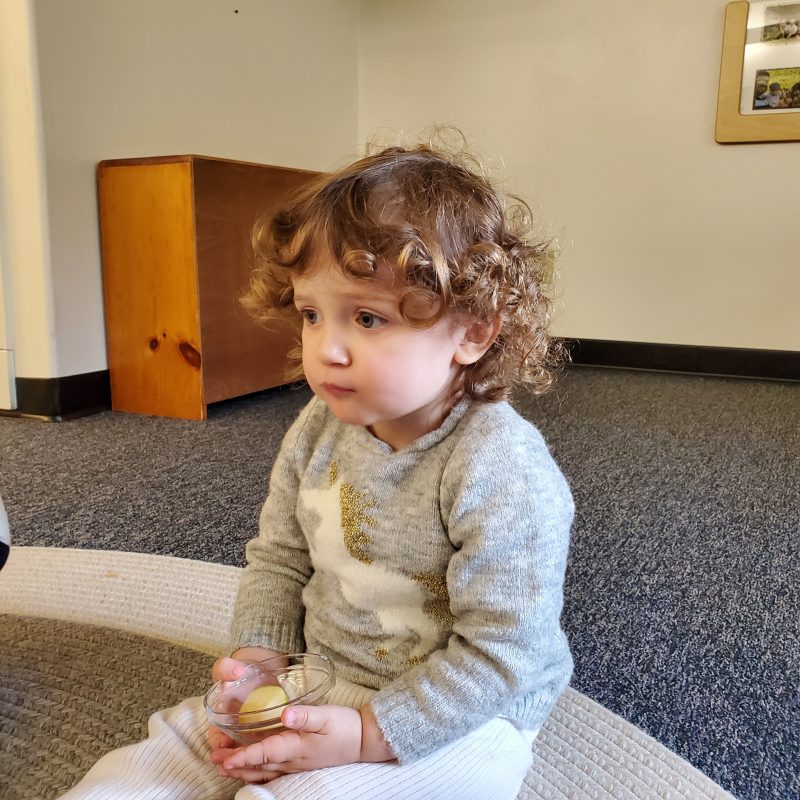
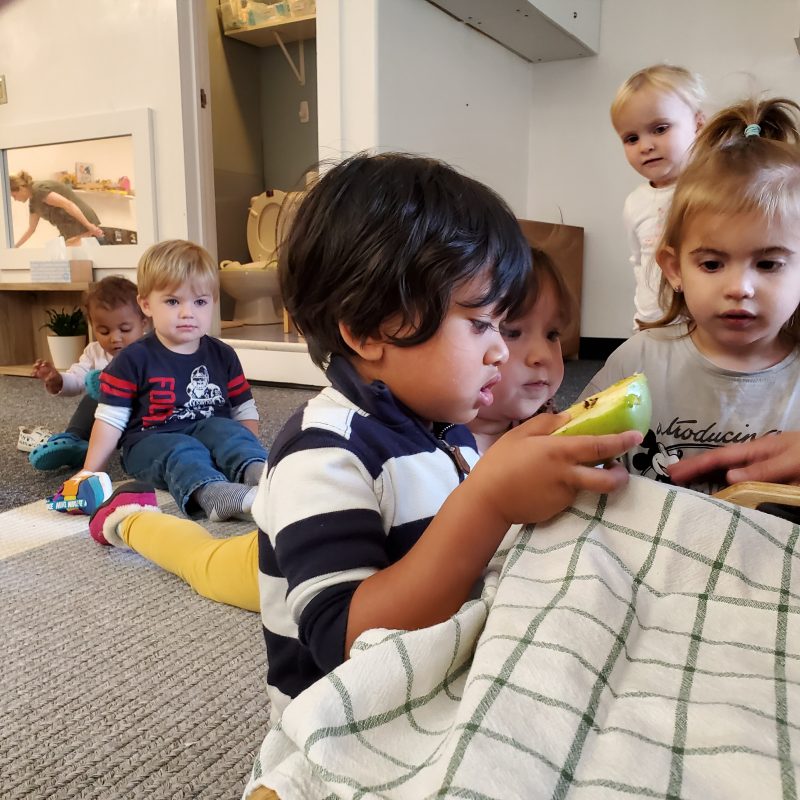
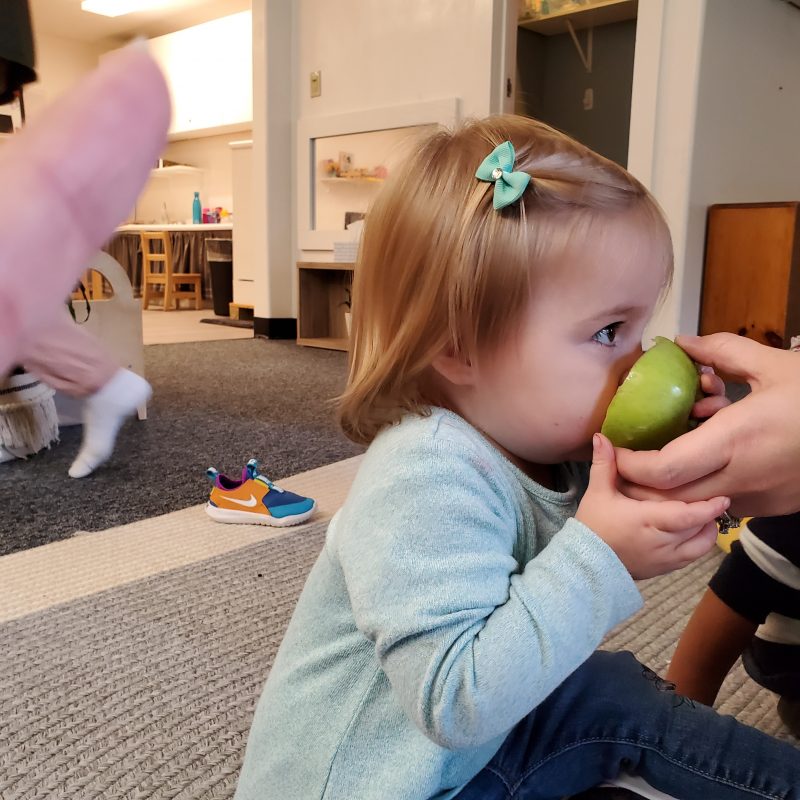
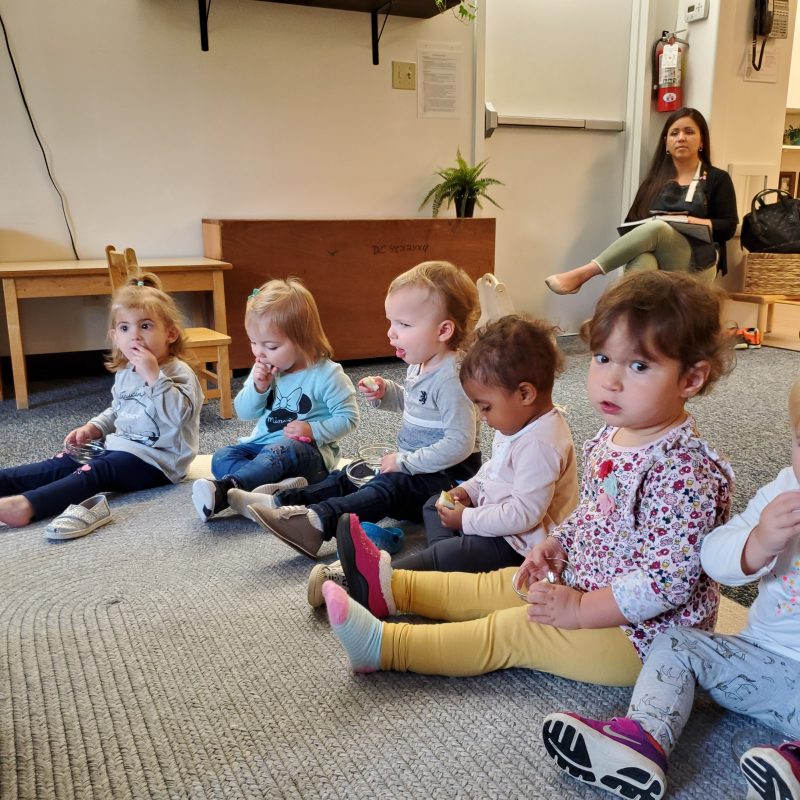
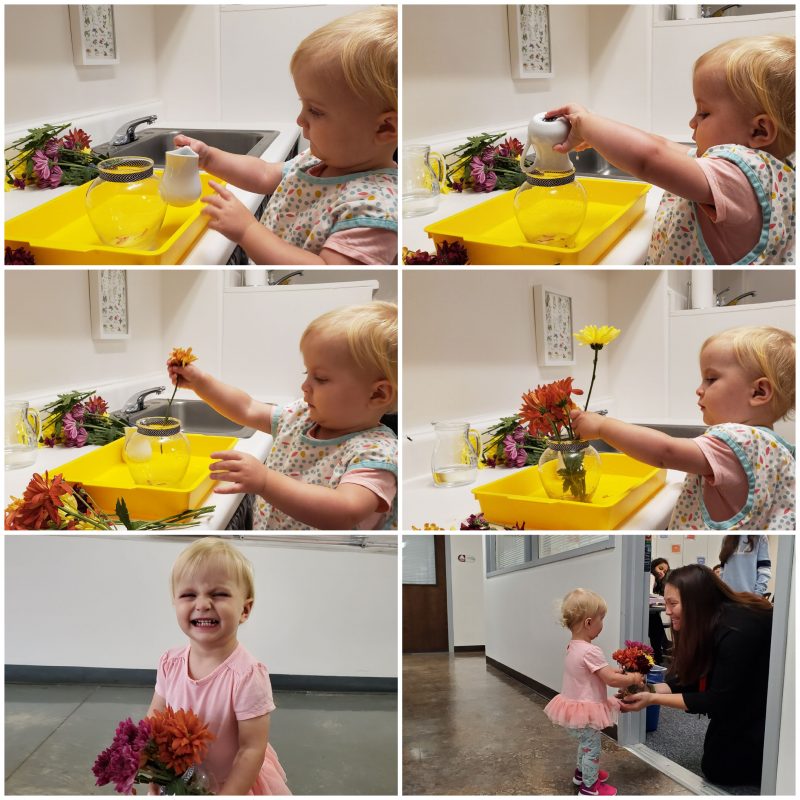
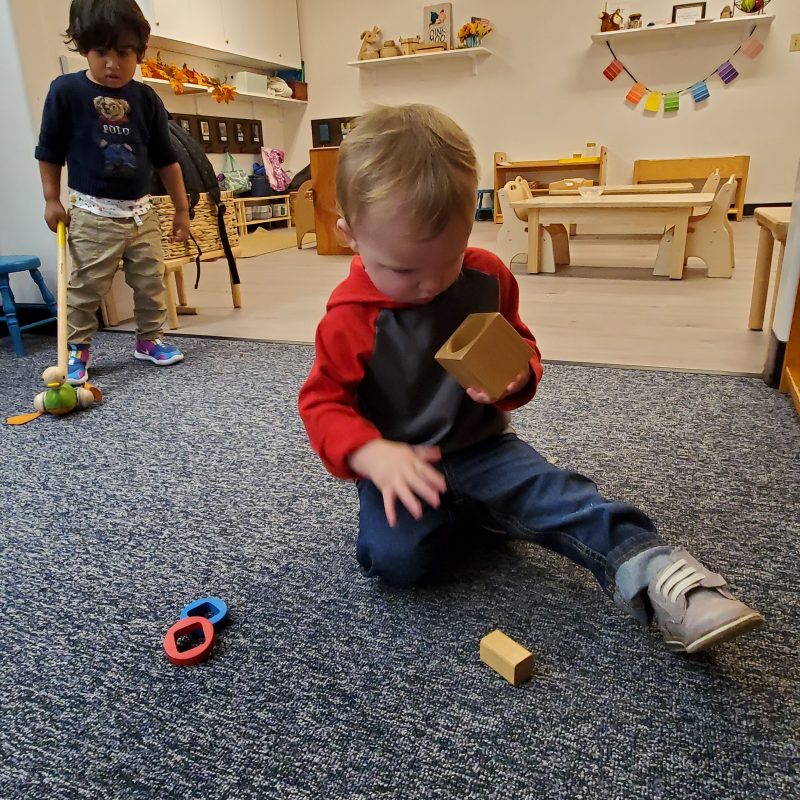
As the season changed so did the environment. The fall theme decorations and fall theme materials in practical life really tied the room together. The children excitedly explored the fall materials in our practical life area. They were busy spooning beans and pouring sunflower seeds from one container to the next. We added tiny pumpkins and gourds into the sensory bin for them to explore with a magnifying glass. As the children explored the gourds we talked about how they felt using language like bumpy and smooth.

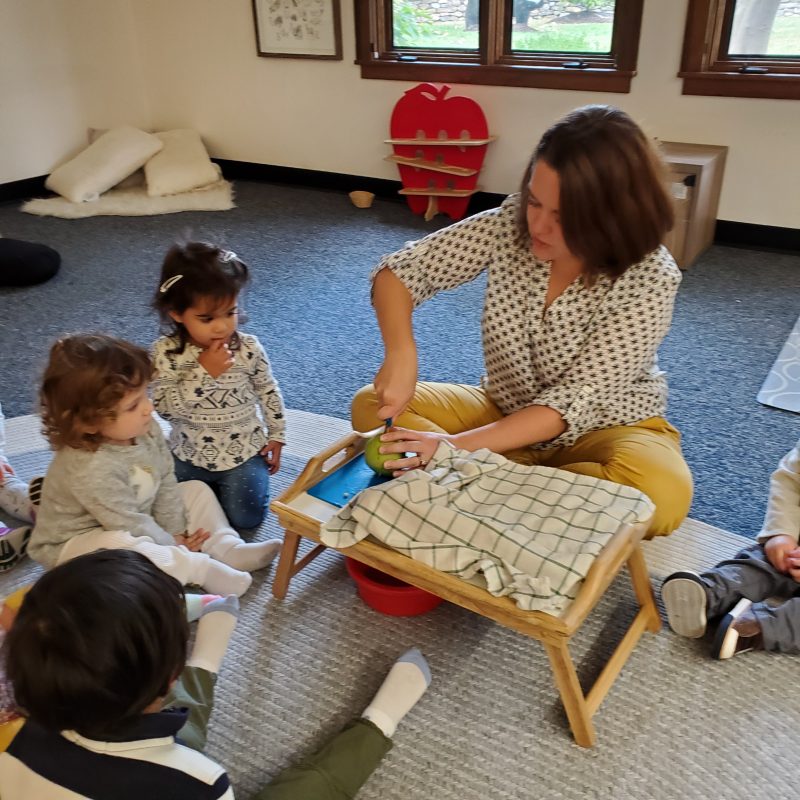
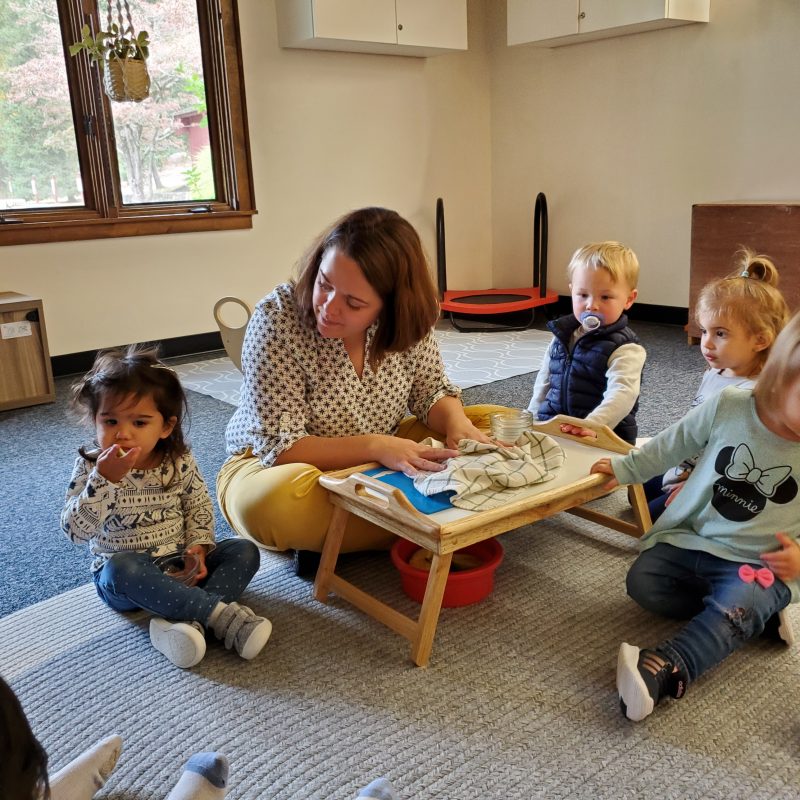
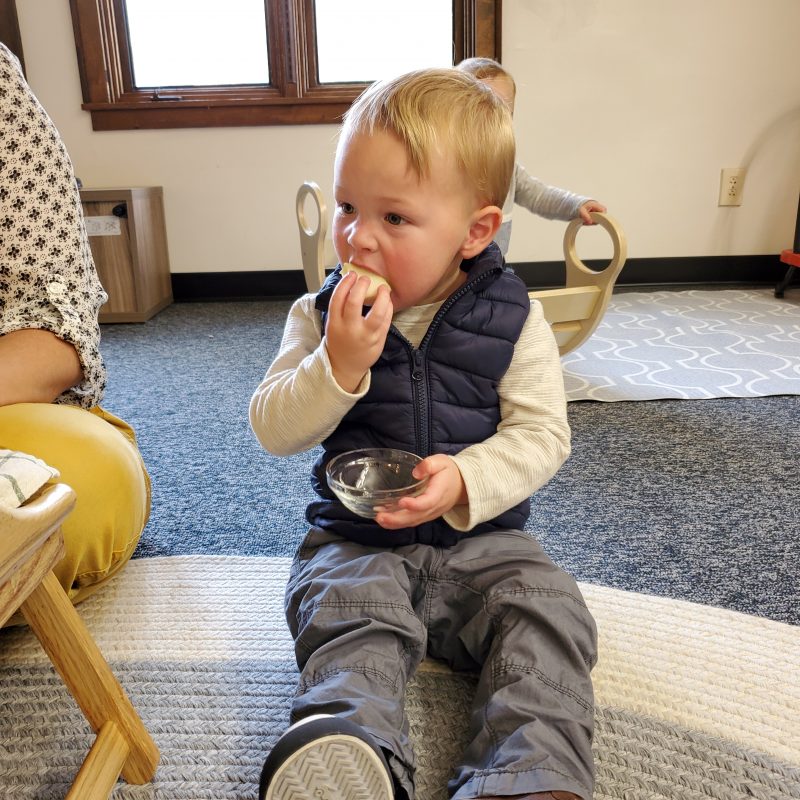
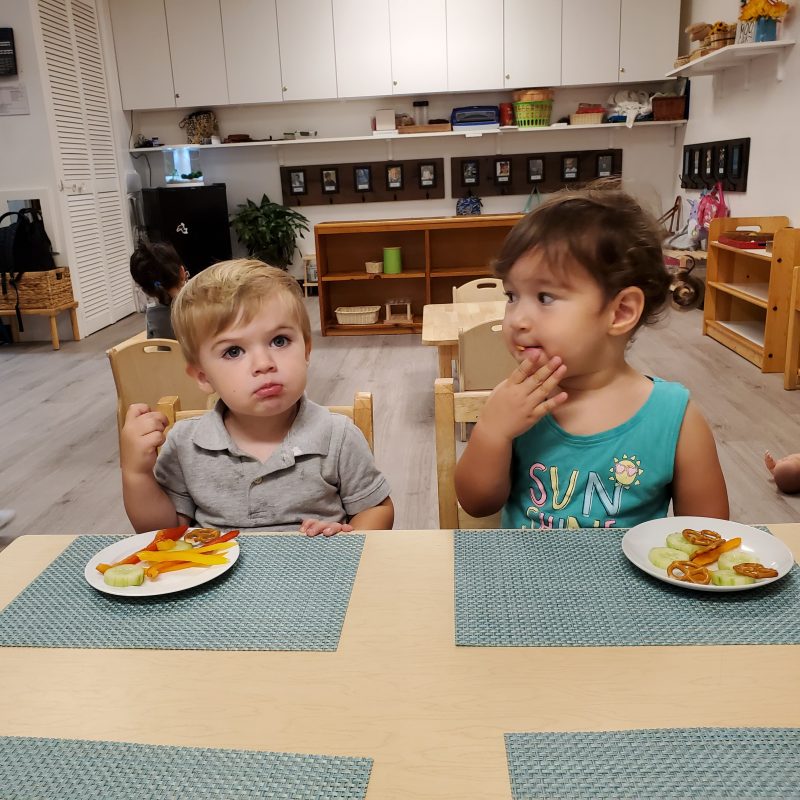
On Thursday the children tasted a green apple. We repeated the same language as last week: stem, skin, flesh, and seeds. We also exposed them to new language as we described the way it tasted: crisp, sour, and juicy.

Enjoy the photos!
Mrs. Wilson, Ms. Sara, and Ms. Heather


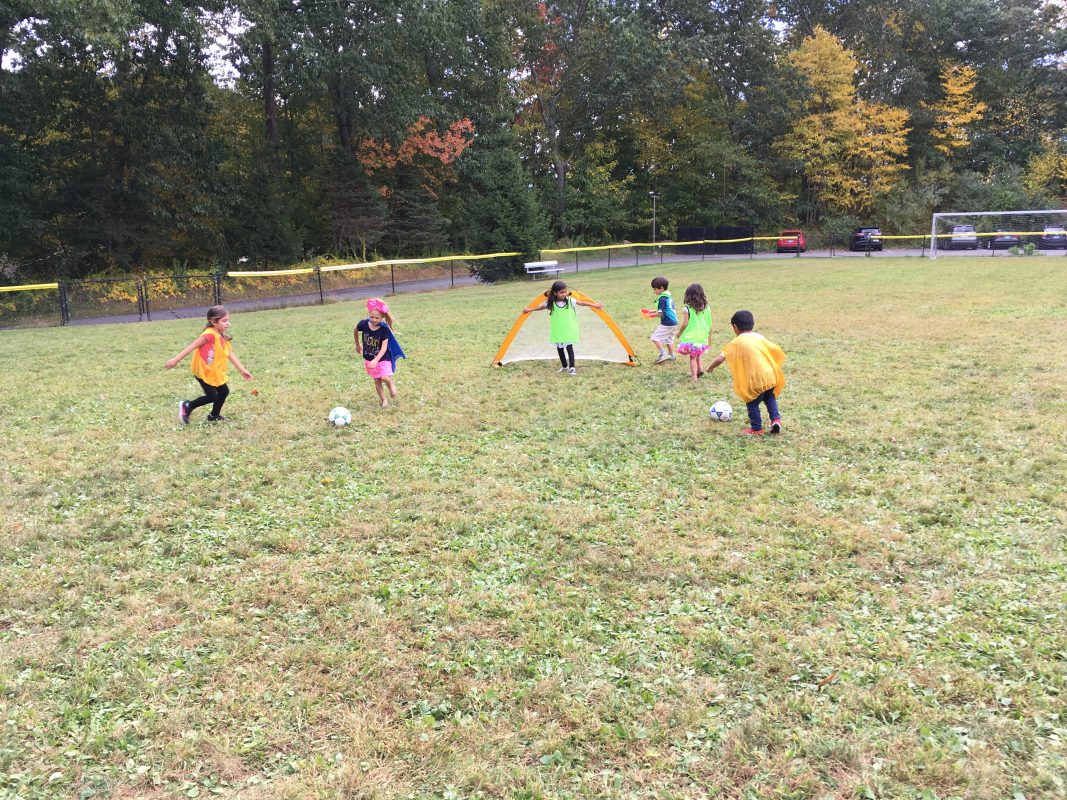
Soccer: The Most Popular Sport in the World!


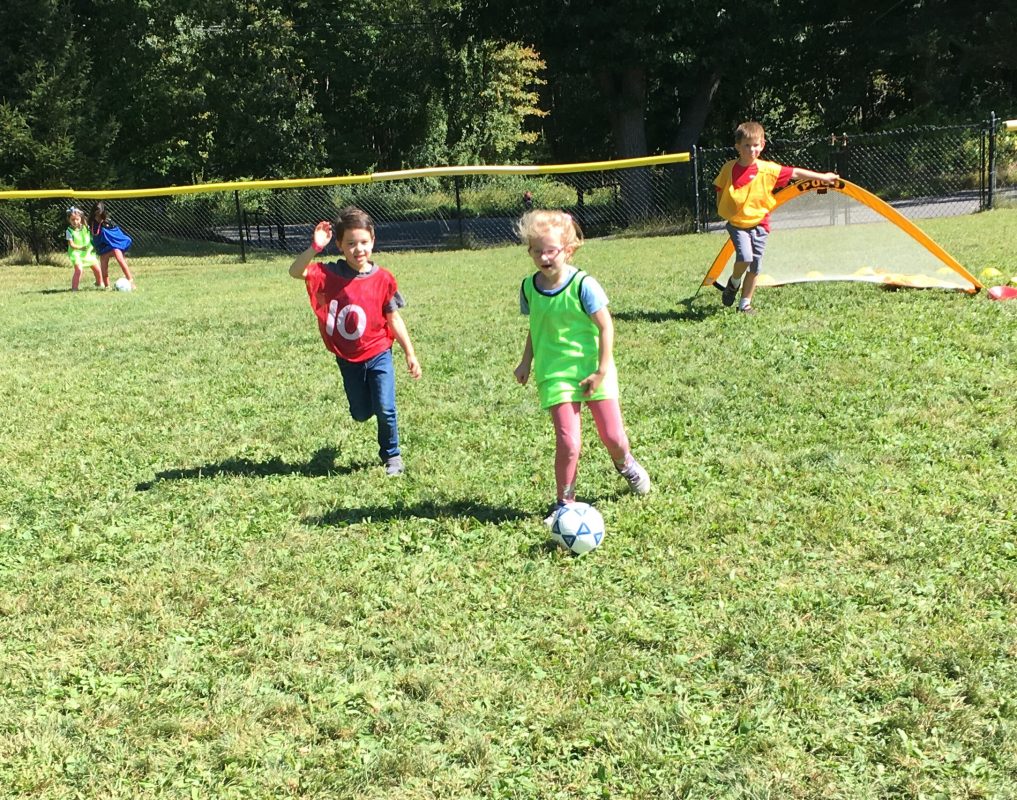
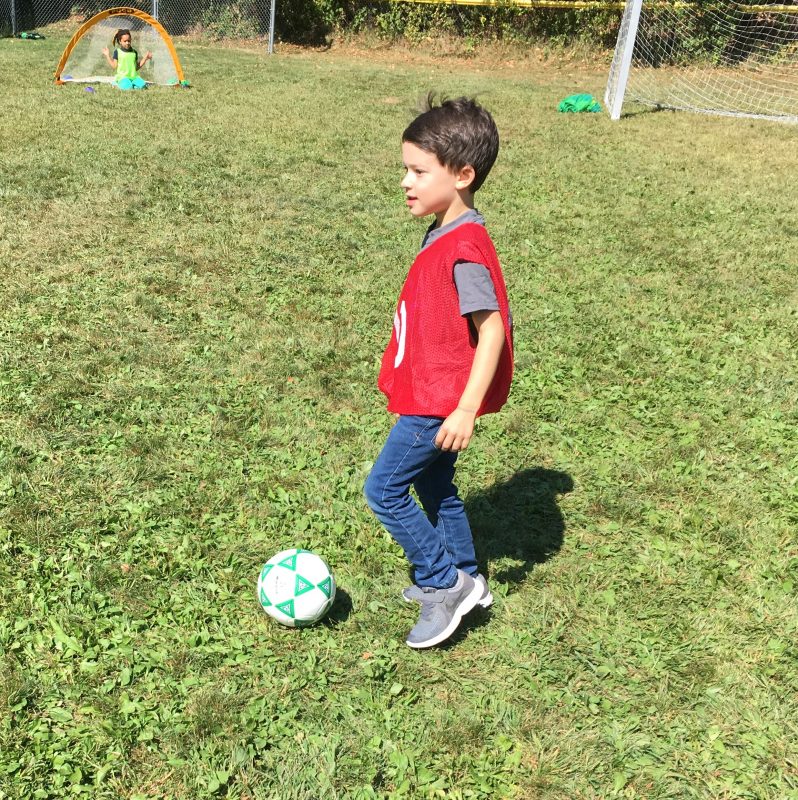
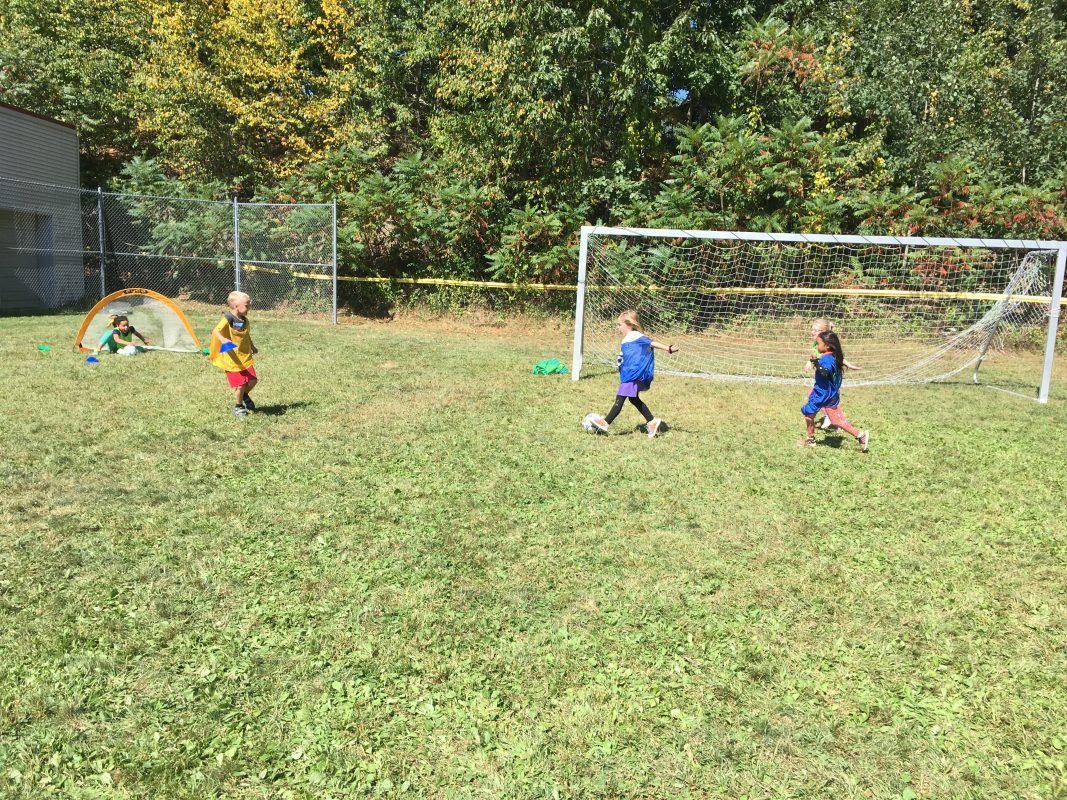
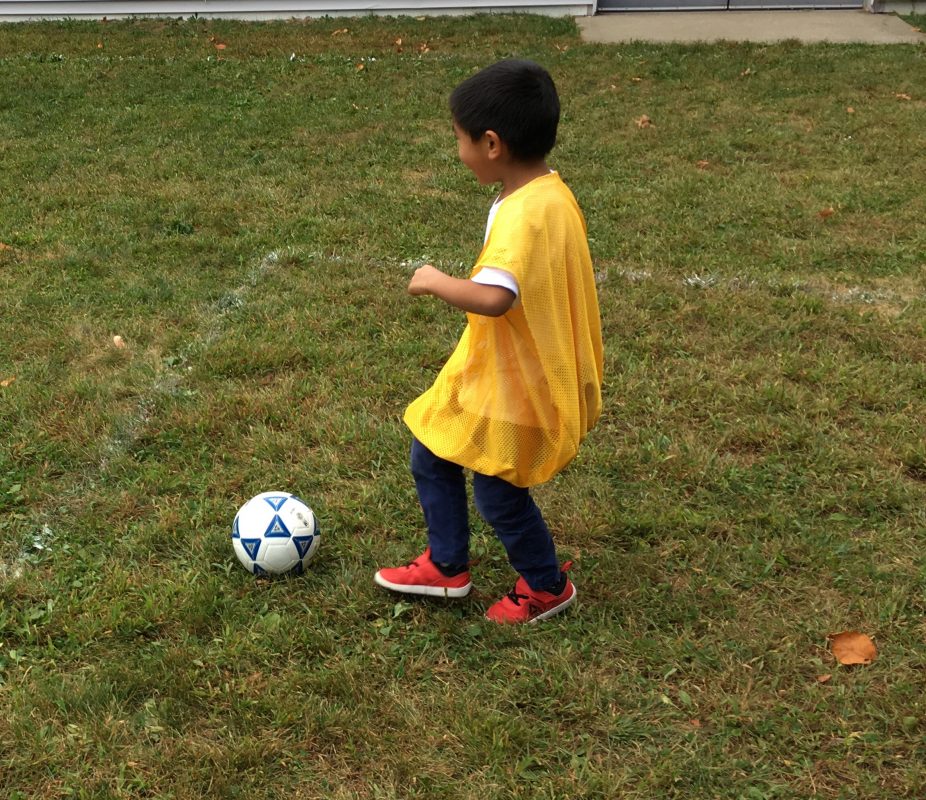
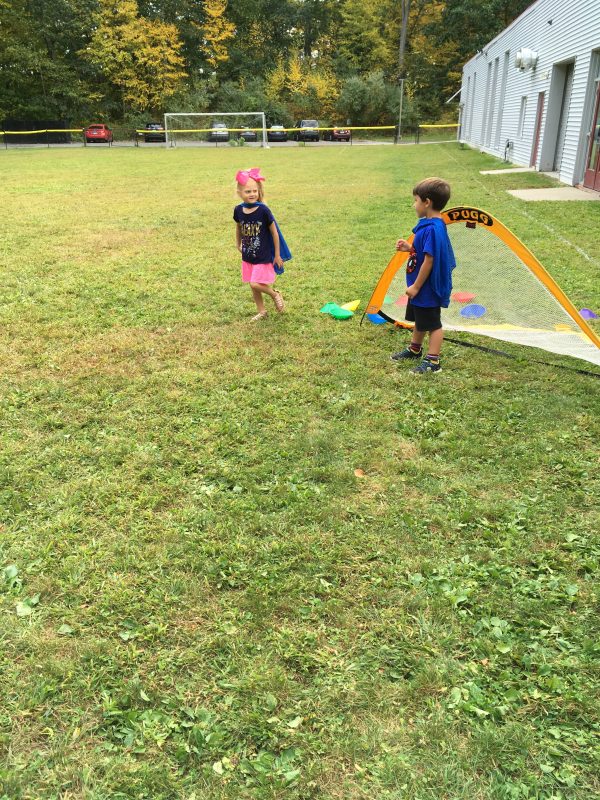
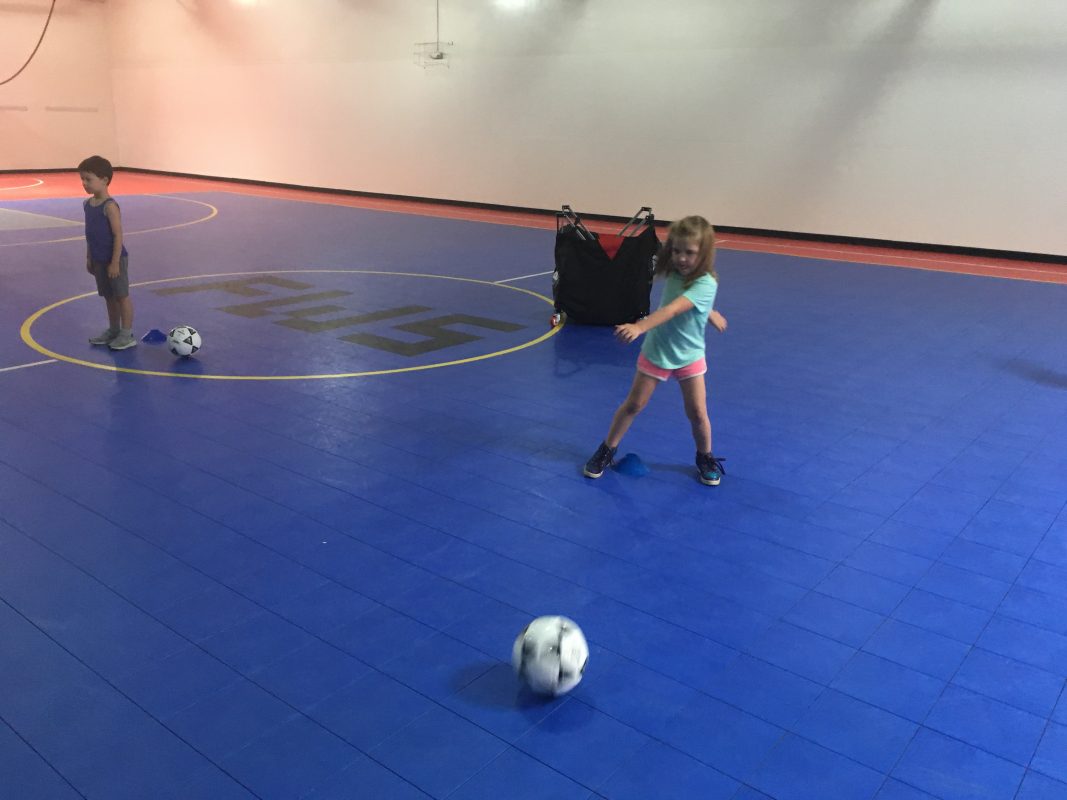
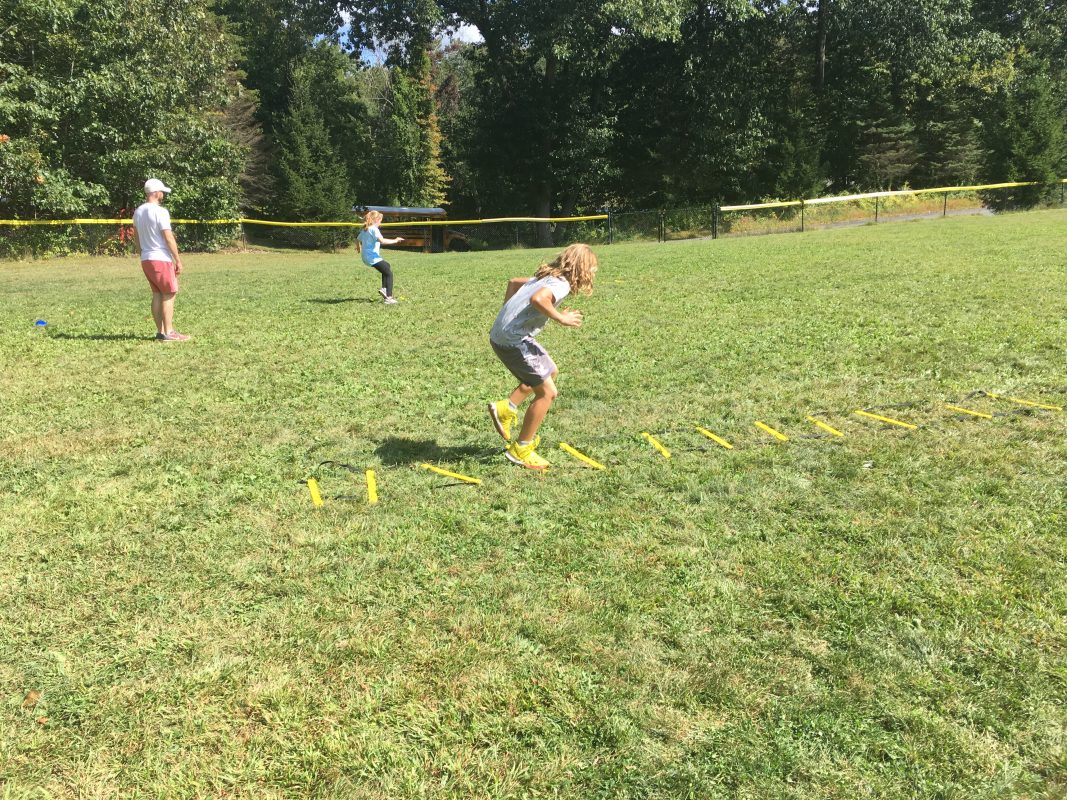
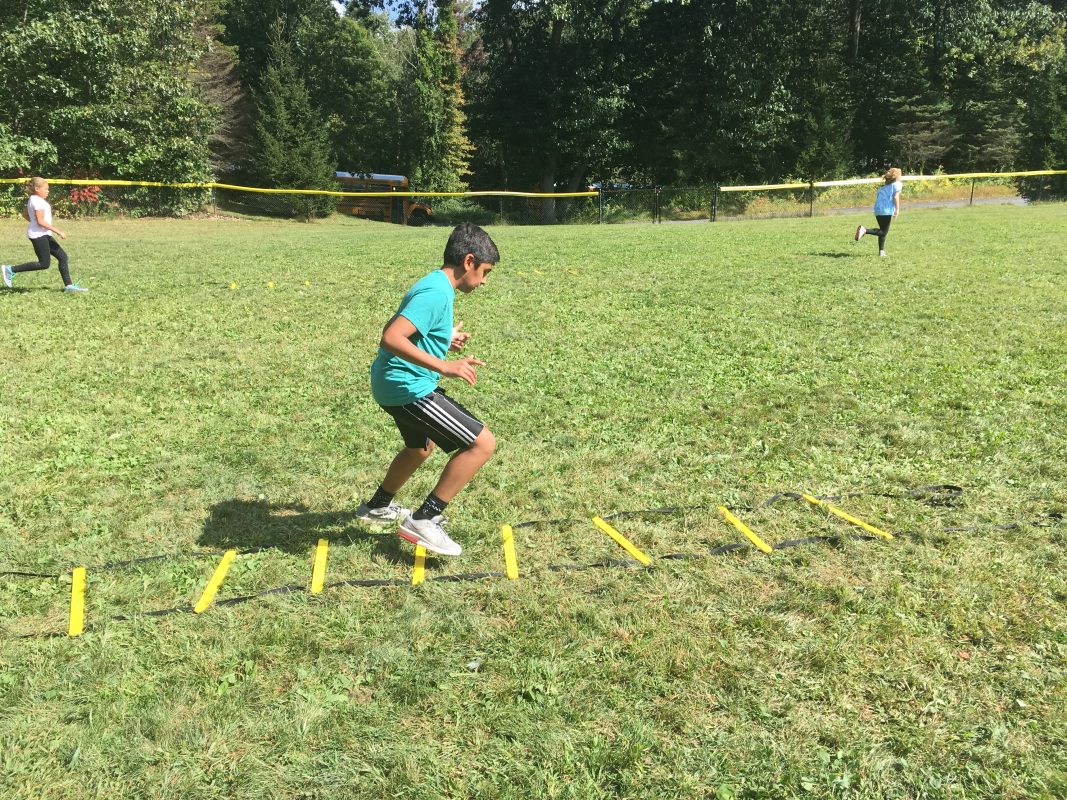
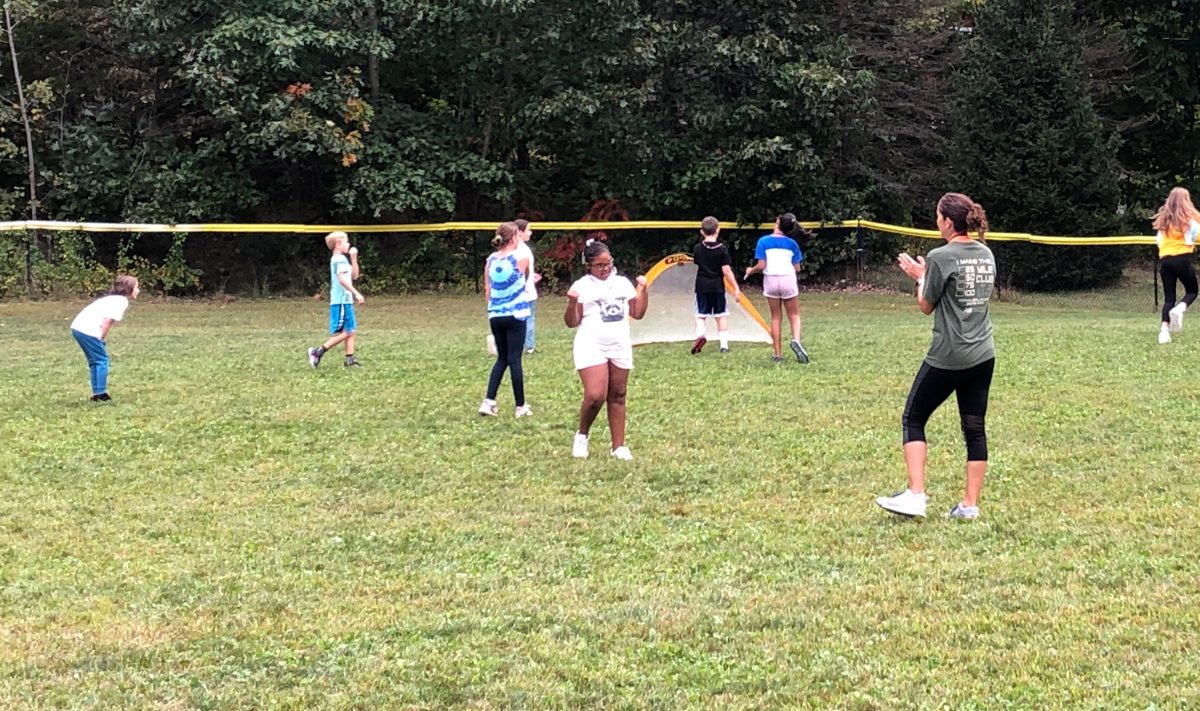
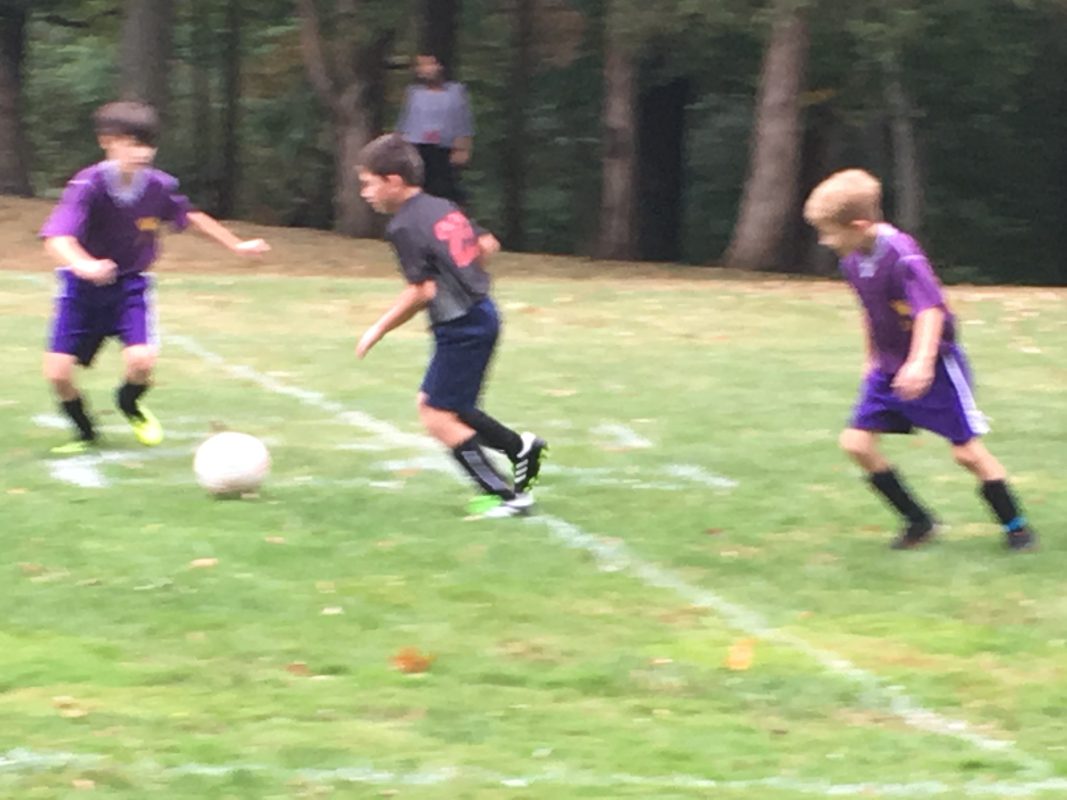
This past month, students in Kindergarten through 8th grade have been practicing and participating in the team sport of soccer. Did you know that soccer is the most popular sport in the world?  Soccer is fun, inexpensive, and easy to play. All you need are some friends, a ball, and a large space.

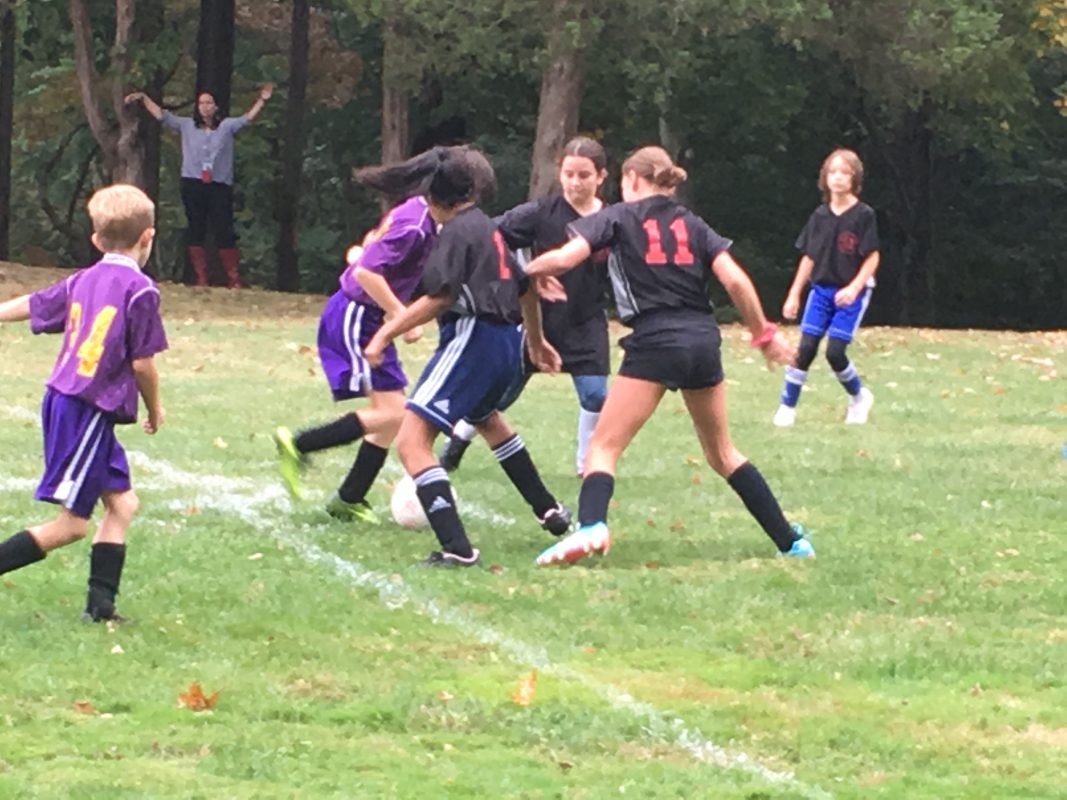
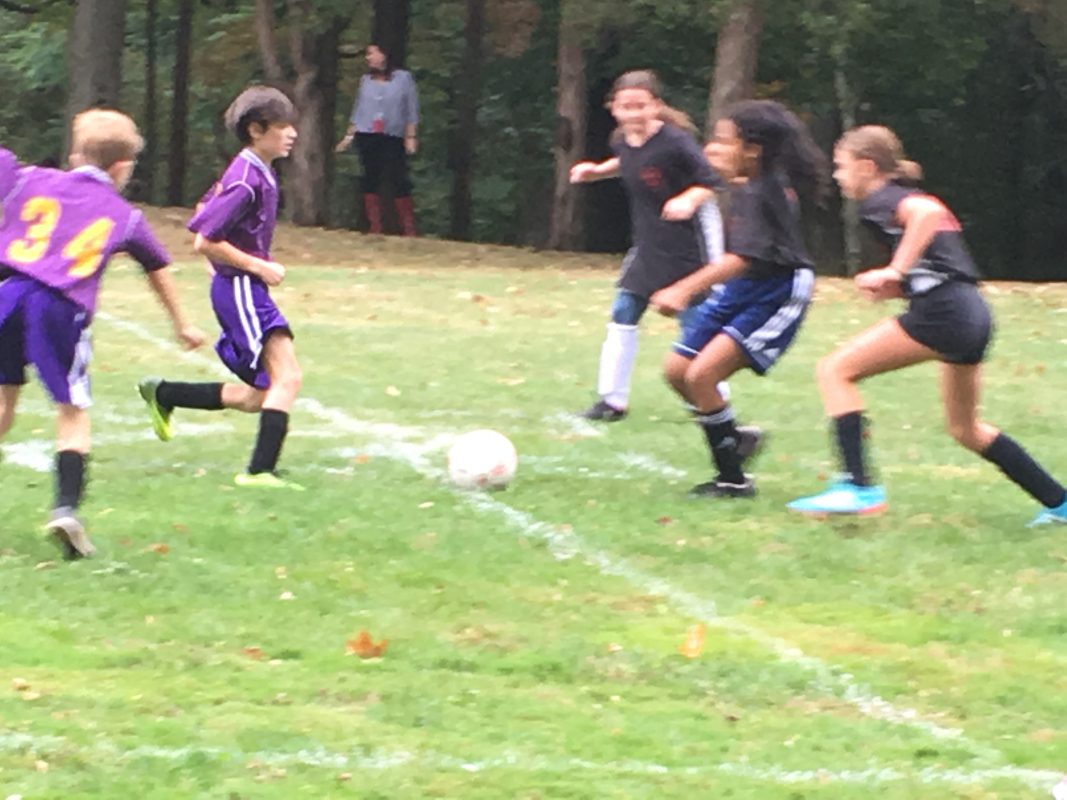
During our soccer unit in Kindergarten and Lower Elementary, most of our focus was on developing foot-eye coordination and spatial awareness. Skills taught were: dribbling a ball under control using both left and right, passing with the inside of the foot, trapping the ball, and shooting a ball at a target. At the Upper Elementary level the skills taught were dribbling, trapping, passing, shooting, understanding offense and defense, and using simple game rules to play. At this level, students can join the FWM sports team. Practices are held on Tuesdays and Thursdays, after school until 4:15. The team plays five games against other independent schools.

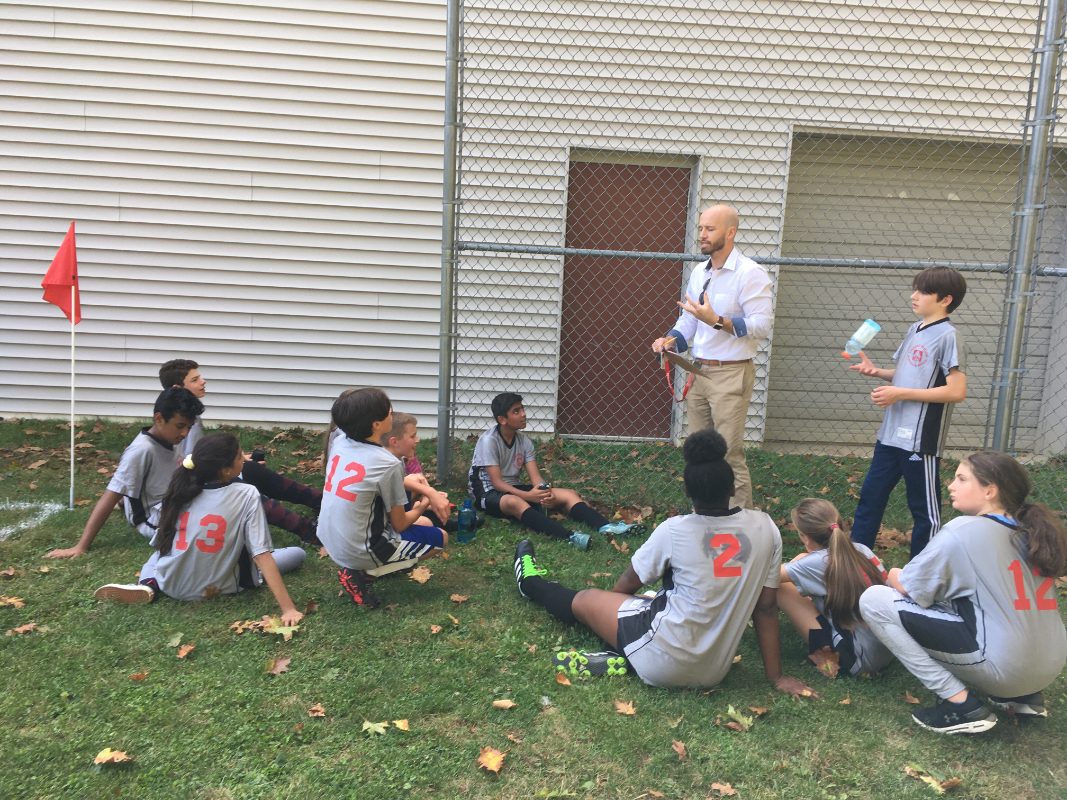
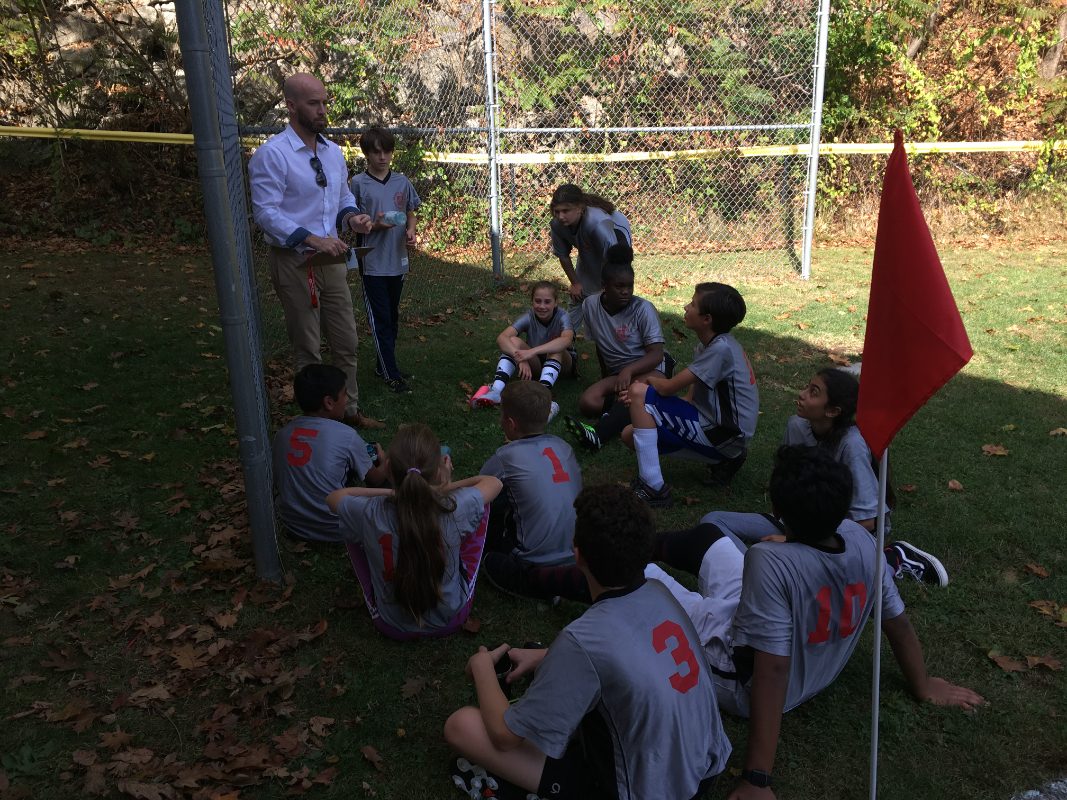
Our Middle School sports program takes place during the school day three days out of the six day rotation. Soccer practices are held from 1:55 to 2:50. Games are scheduled after school on either Tuesday, Wednesday, or Thursday. The focus at the MS level is to develop player performance. The four components are: technique, tactics, fitness, and sportsmanship. Various drills are planned based on what the team needs to focus on to improve in the game. You can check our game schedule online for UE and MS by visiting MyFWM.org.


Middle School: Highlight on Advisory

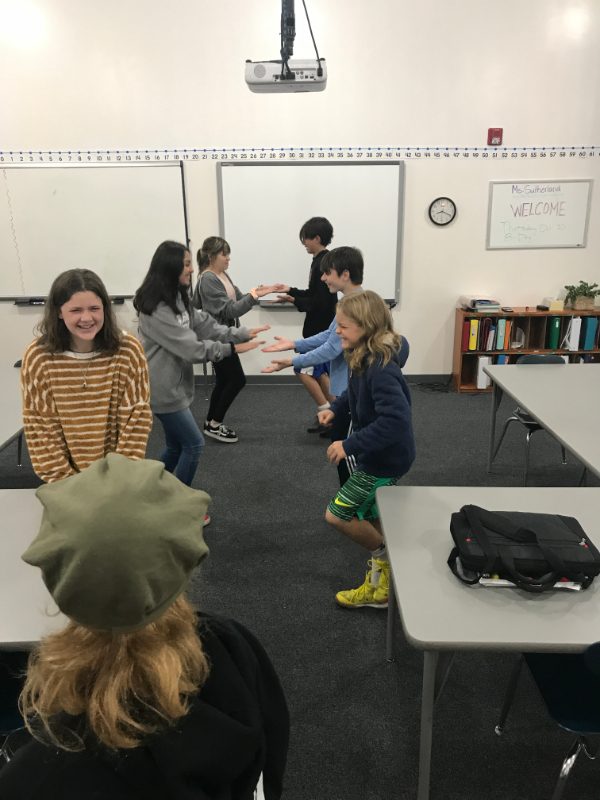
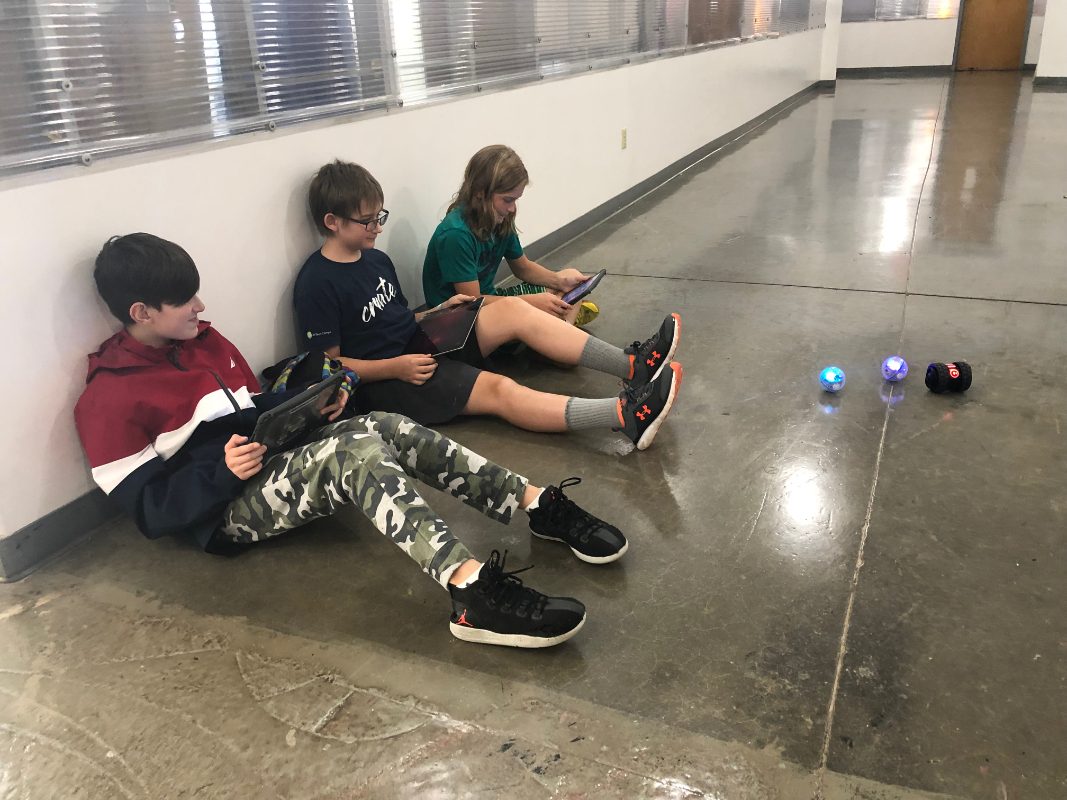
This week we are highlighting Advisory. Each morning, Advisory groups meet from 8:10-8:30 and are an important start to the day. As you will read, each group has different structures and objectives that unify each class and help them build a network of trust and support among their peers and advisors.

6th Year Advisory: Forming the Middle School Group

The 6th year advisory period consists of building a strong community and trust among one another. In order to achieve this vision of community and trust for the year, students have shared questions and concerns they face throughout their transition into middle school. Discussions consisting of how to balance homework, prioritize time efficiently, and respect for all have been covered in Advisory. Mr. Brown makes the students’ transitions into middle school as comforting as possible while promoting their accountability as students, peers, and members of the community. 

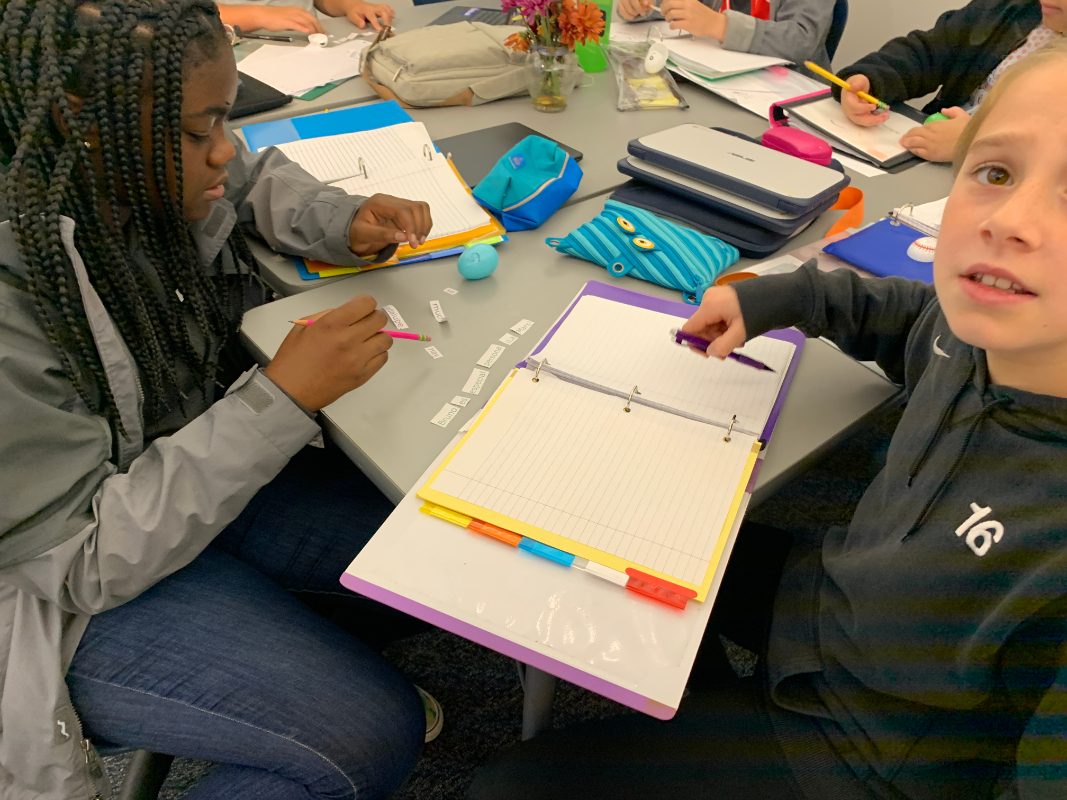
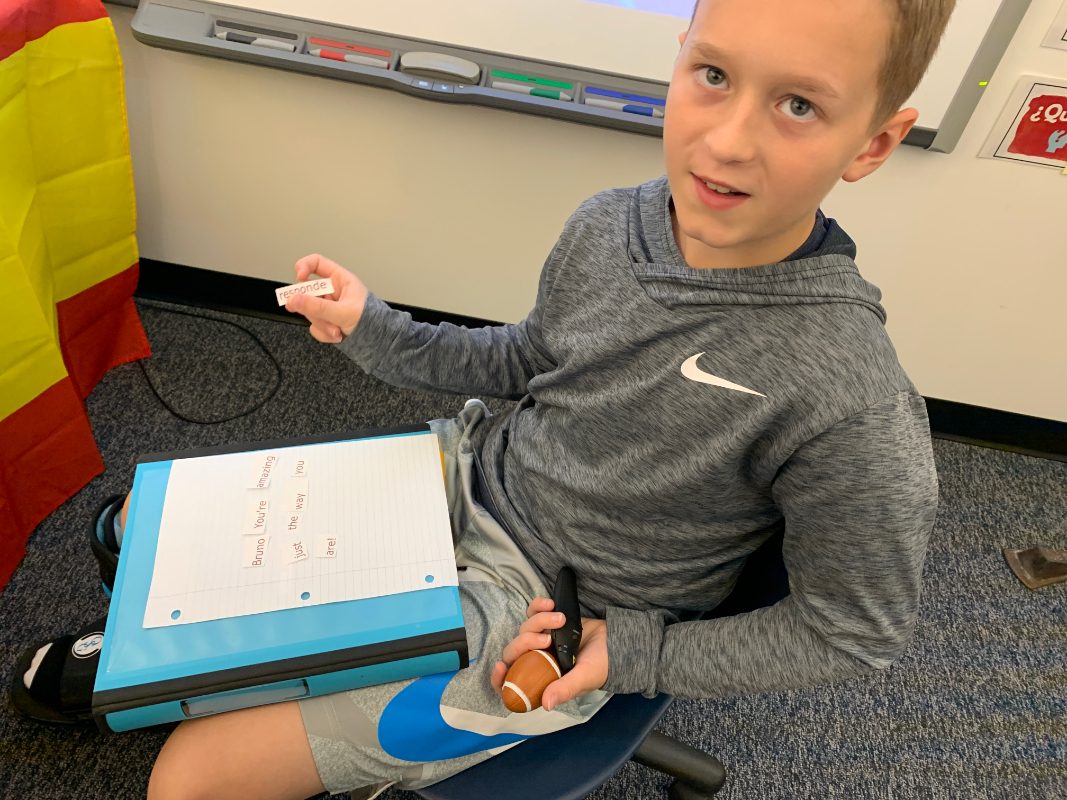
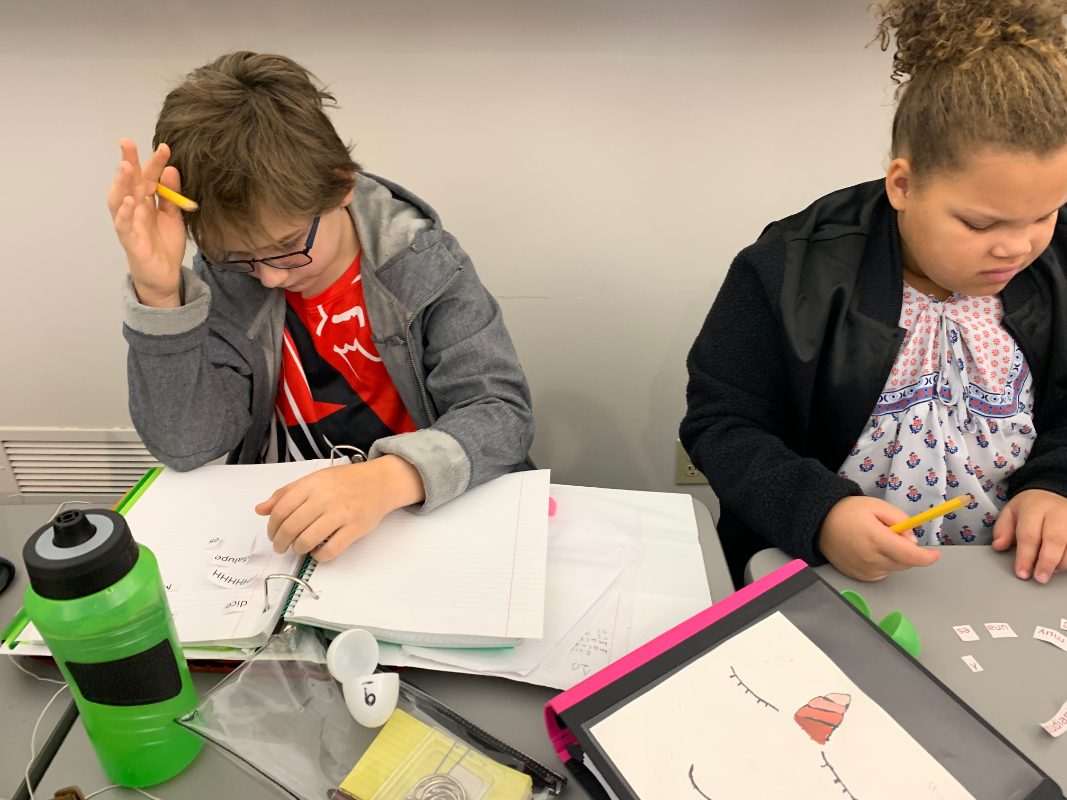
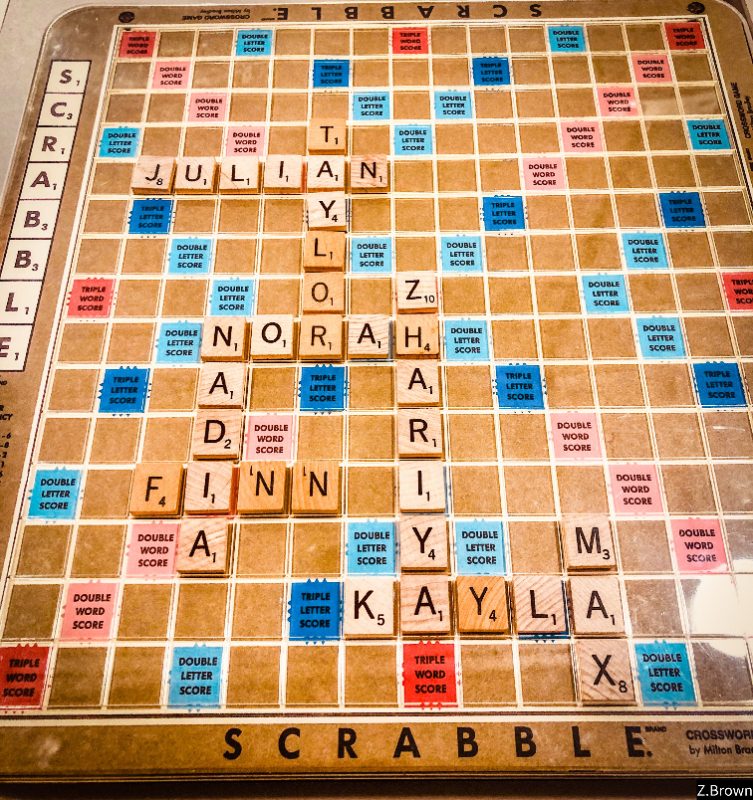
In addition to using activities in the Responsive Advisory Curriculum, Mr. Brown forms the 6th grade group in creative ways. One example is Student Scrabble. 6th years used a Scrabble board to connect the students’ names. Then, almost like a crossword puzzle, the group developed a unique clue representing each of their personalities. Each student provided something different about one another to help develop their clues. Once everyone finished their boards, we attempted to solve them as a class. It was nice to see how some students were surprised to find some characteristics of themselves others saw in them.

It is clear that 6th Year Advisory is a crucial component to this important transition that students go through from elementary to middle school.


7th Year Advisory: Community Development

Each day, 7th years have a new topic to help them expand their thinking and build our FWM community. Students are assigned a role and rotate through responsibilities each week. The following are the topic titles for each day of the school week and an example of what they have already accomplished:
Monday (Weekend Update) – Students share news stories and current events about what is happening in the world. They have talked about the top box office films, sports games, the UN climate change summit, and the local fair in Durham, Connecticut.  

Tuesday (Talk it Out Tuesday) – Students bring forward an open question that will spark conversation about who they are as community members. They have discussed how stress affects them in middle school, their greatest accomplishments, and the pets that bring them joy. 

Wednesday (Work it Wednesday) – Students initiate a physical activity to start the morning advisory group. This is a chance to be creative together and play a fun game in hopes of building friendships among peers. They have played four corners, practiced morning yoga, answered a question ball, and followed along in Simon Says. 

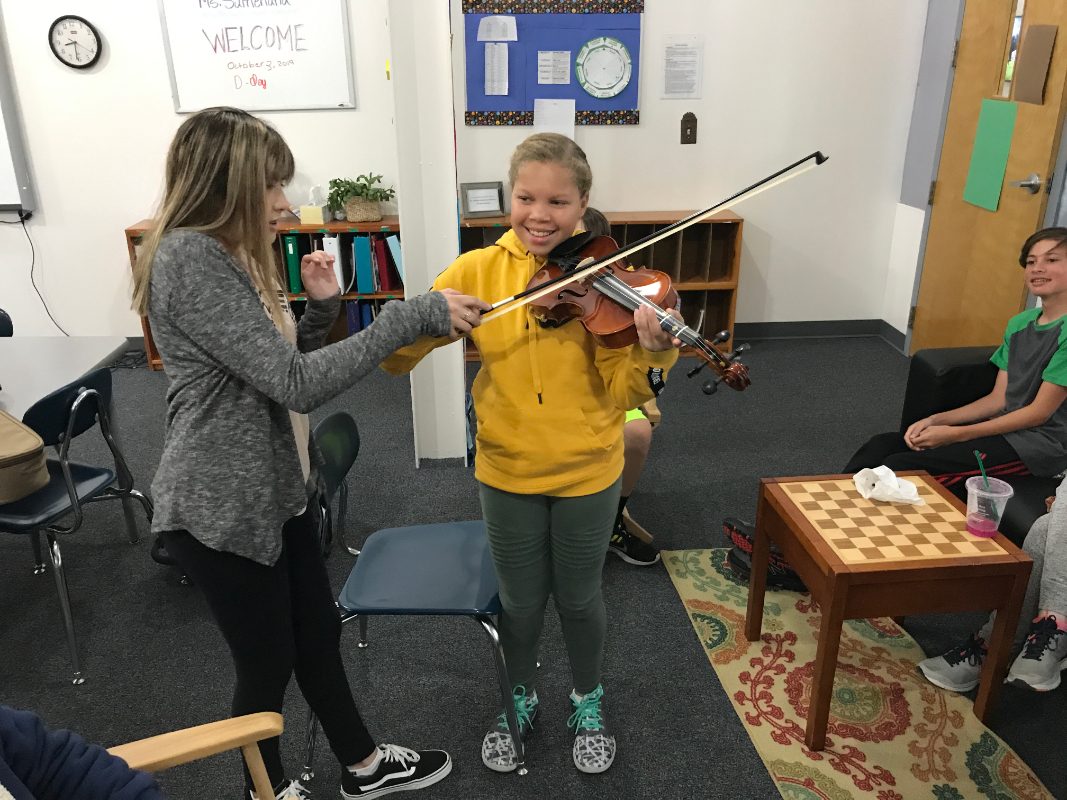
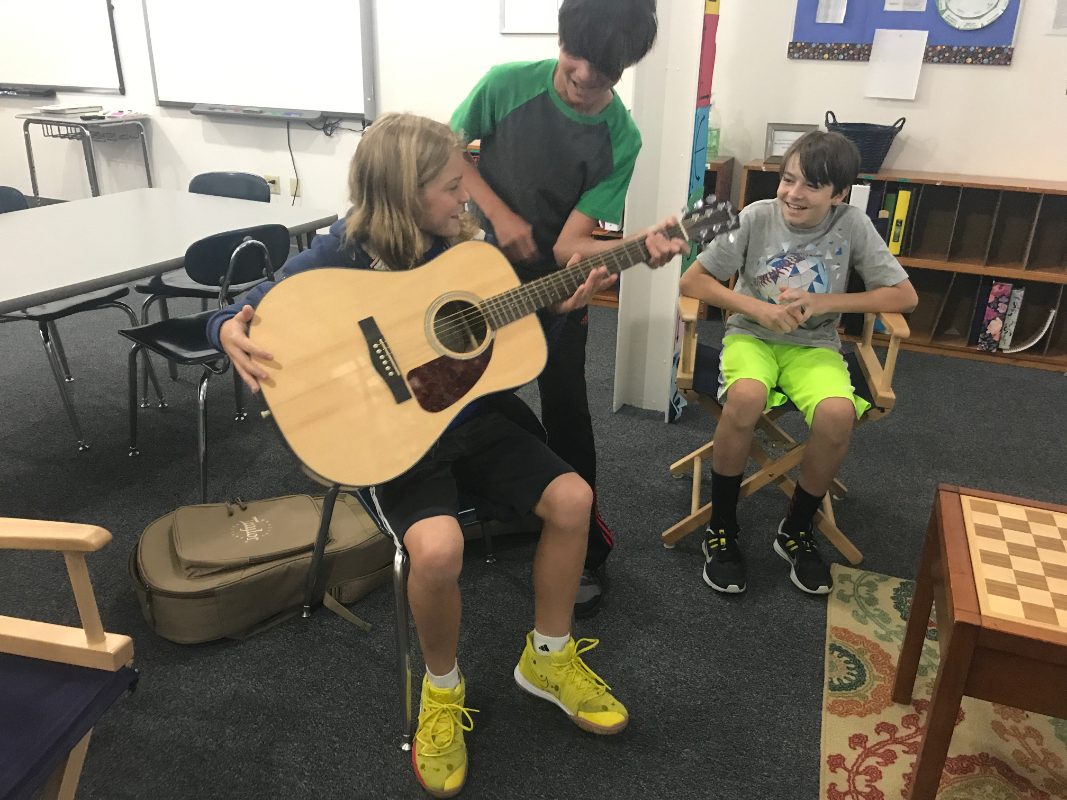
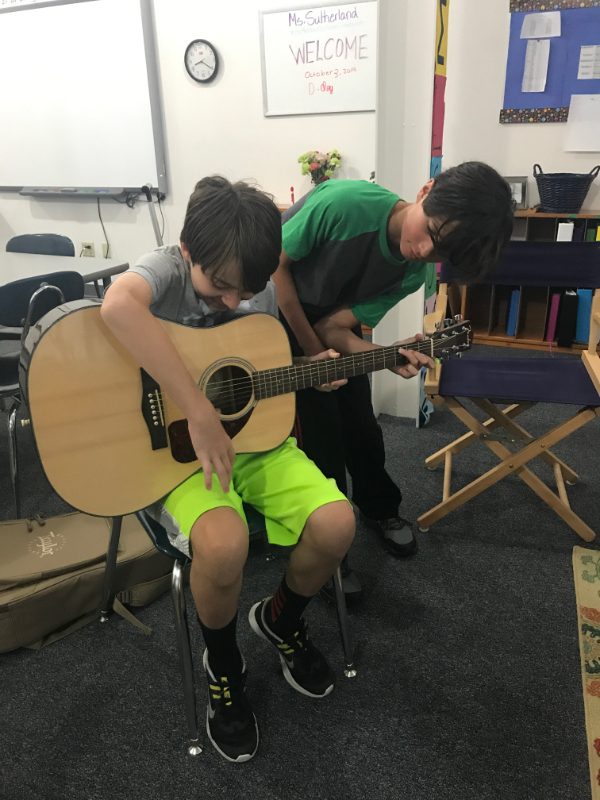
Thursday (Life on the Outside) – Students have an opportunity to share a skill or talent they practice outside of school. So far, 7th years have had guitar and violin performances, learned different ballet positions, learned how to bake chocolate brownies, and the important components of competitive horseback riding. 

Friday (Fun Fridays) – Students can decompress from the busy school week and play a group cooperative board game together. They listen to each other’s favorite songs and share funny math jokes. 

Students have expressed that this year’s advisory group is, “…fun and exciting to get to know my peers better.” Students have shared they, “…enjoy learning something new about my friends I might not have known before.” Some have said, “Advisory rotations are a calm and joyful way to start my day.” 

The ultimate goal for 7th year advisory group this year is to build our community and be comfortable and confident working together. 


8th Year Leadership

As 8th years, these are the oldest students at FWM. 8th Year Leadership is unique because it gives space for the eldest students to develop and run items like fundraisers, charitable events, Friday Morning Gathering, and the annual sweatshirt design, as well as discuss what is important in the school community. 
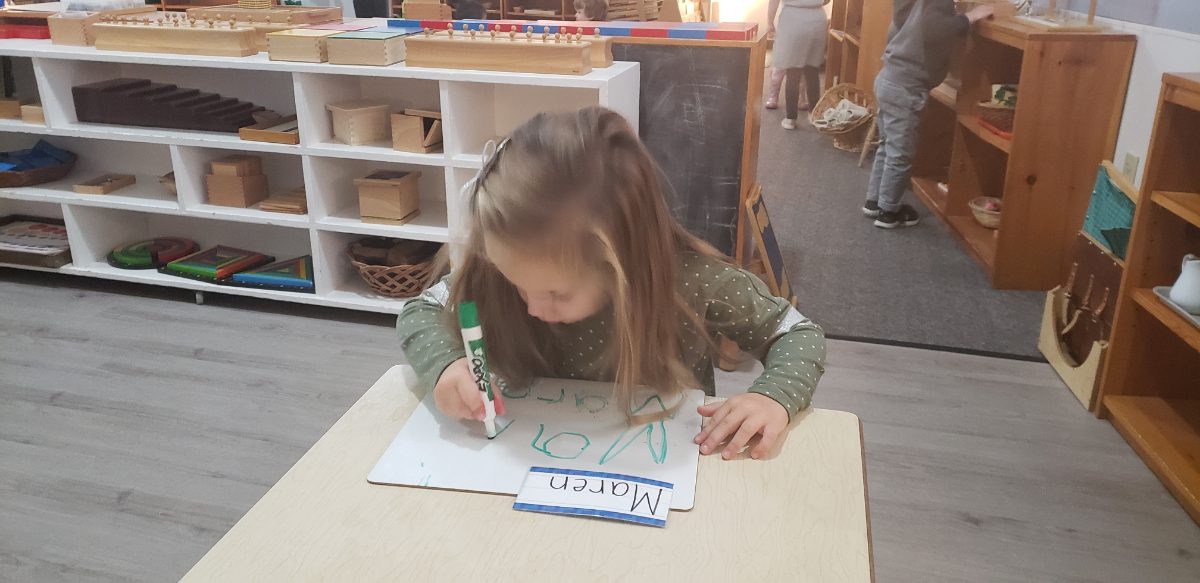
This year, mornings are spent in many ways. First of all, they started the year discussing the students’ goals. What do they wish to achieve as 8th years? How do they want others to view them? What will this year’s projects look like? It was clear from the start that some of our advisory time would be spent reaching one, specific goal that holds importance for them.

This year’s group has a vested interest in raising funds to purchase a water bottle refilling station for the school. Their goal is to raise $5,000 over the course of the year. In only the second month of school, they have successfully raised just over $1,000 from their Name the Bunny fundraiser and their pumpkin painting station at this fall’s Oktoberfest. 

Each week, 8th years also plan, write, and film for the Friday Morning Gathering that is attended by students in Lower El, Upper El, and the rest of Middle School. 8th years have a vision for how they want the meeting to go this year, so they work hard to execute their plan along with their other Leadership projects. 

With continual fundraising and charitable events, 8th year advisory time is busy. Students have also begun reading Putting Peace First: 7 Commitments to Change the World by Eric David Dawson as a guide to being leaders and change-makers in their school community.
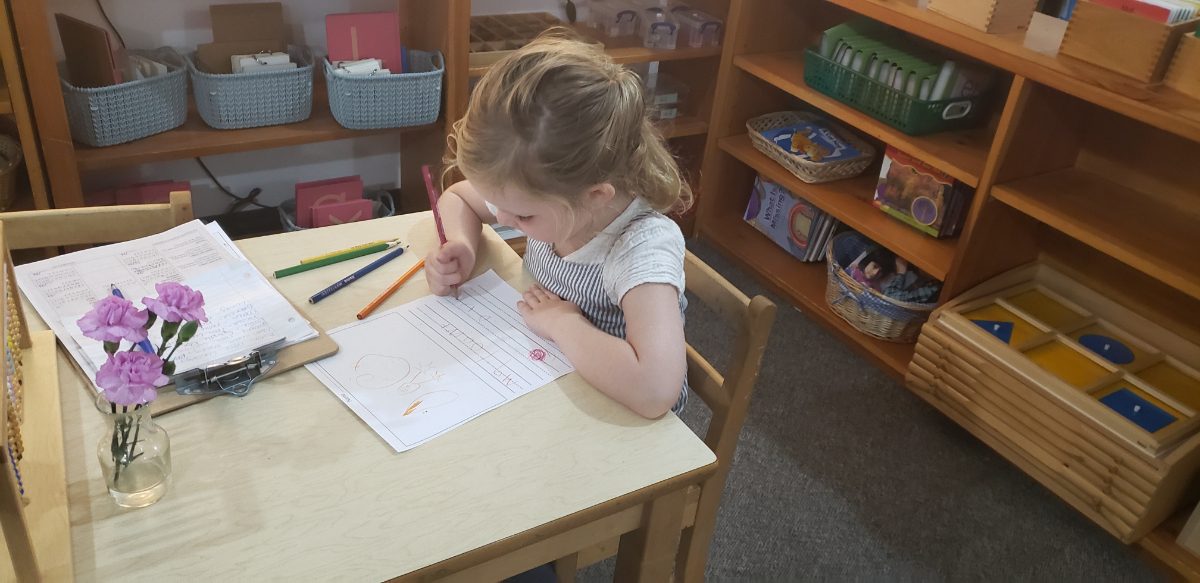
Without a doubt, 8th Year Leadership is important to the whole FWM community.