Blog

Mrs. Carroll’s Class: This Planet We Call Home


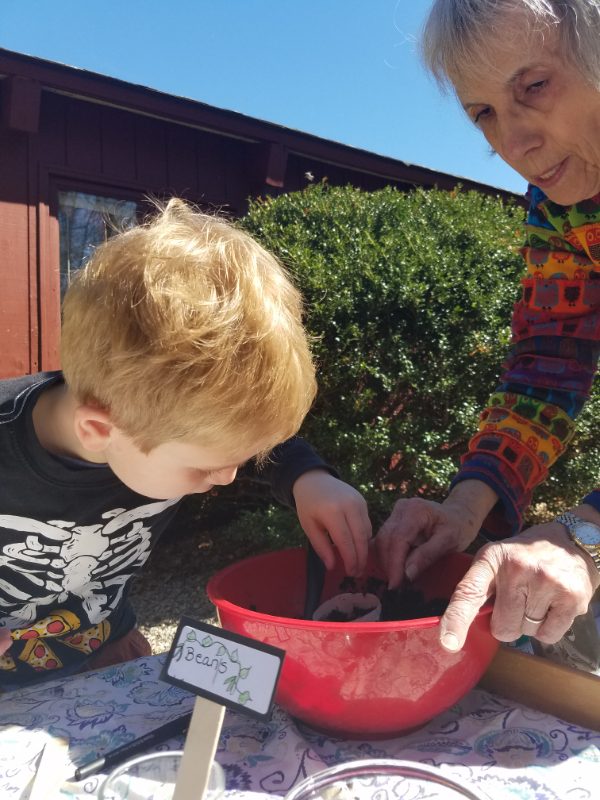
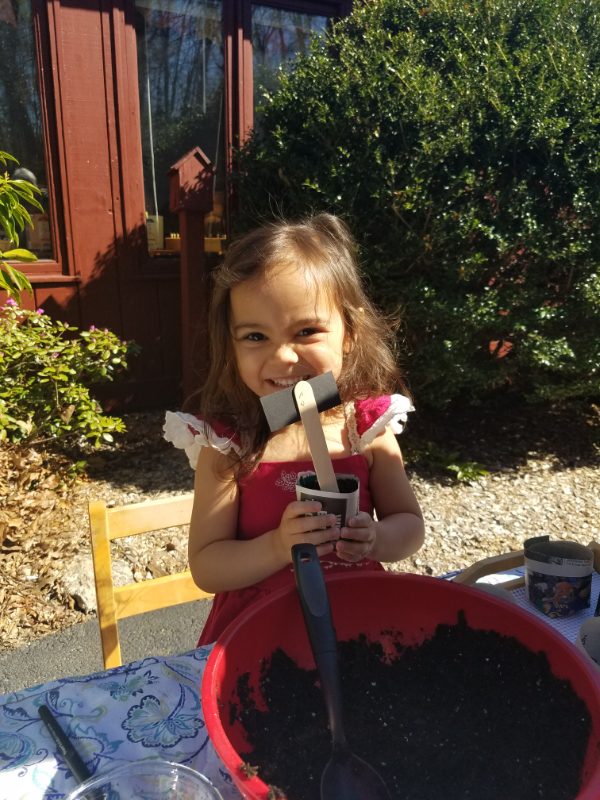
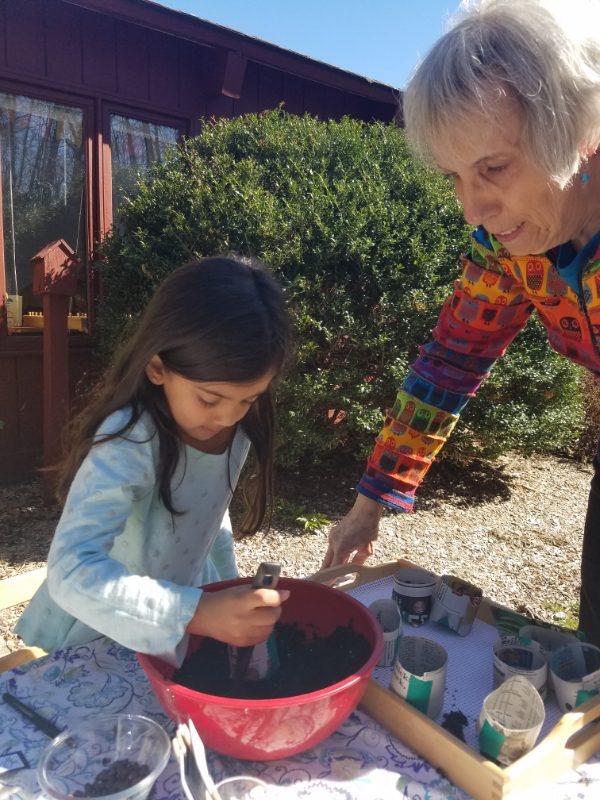
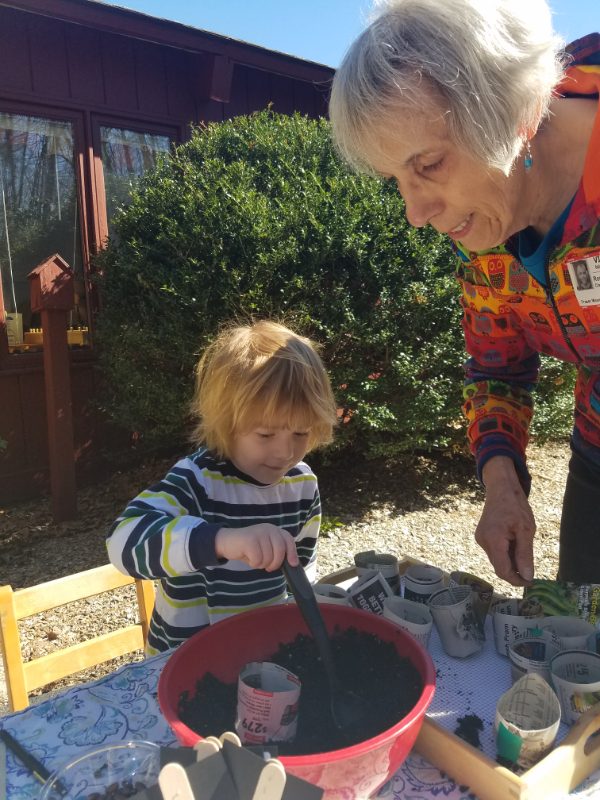
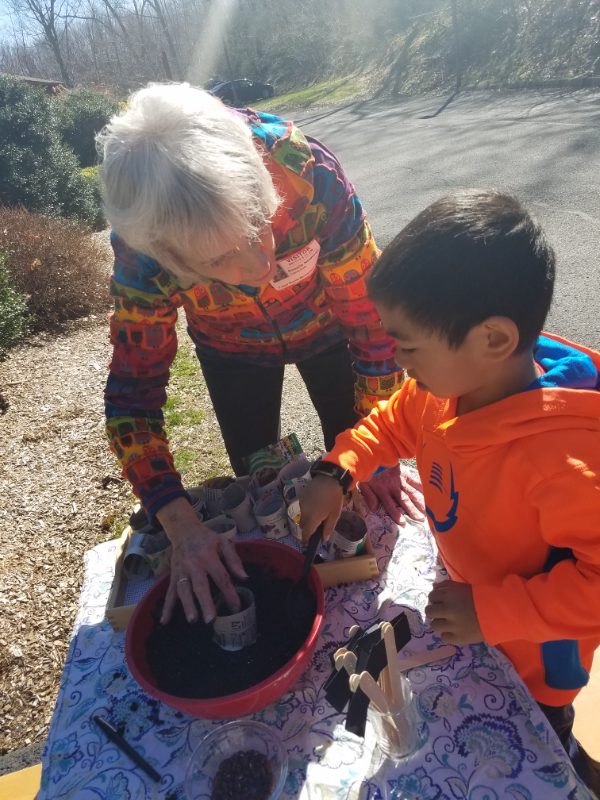
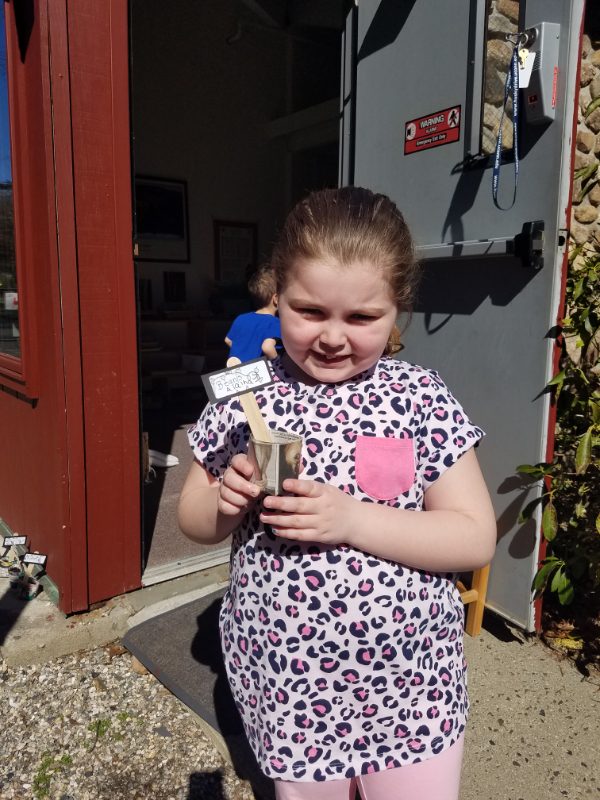
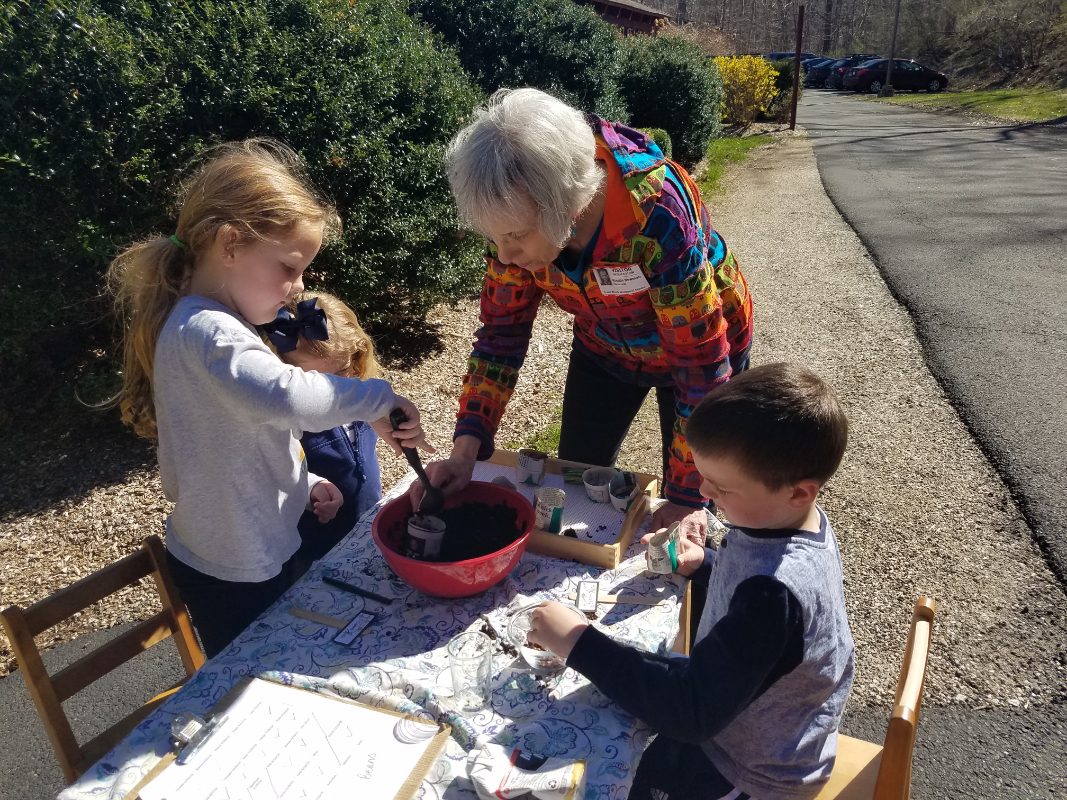
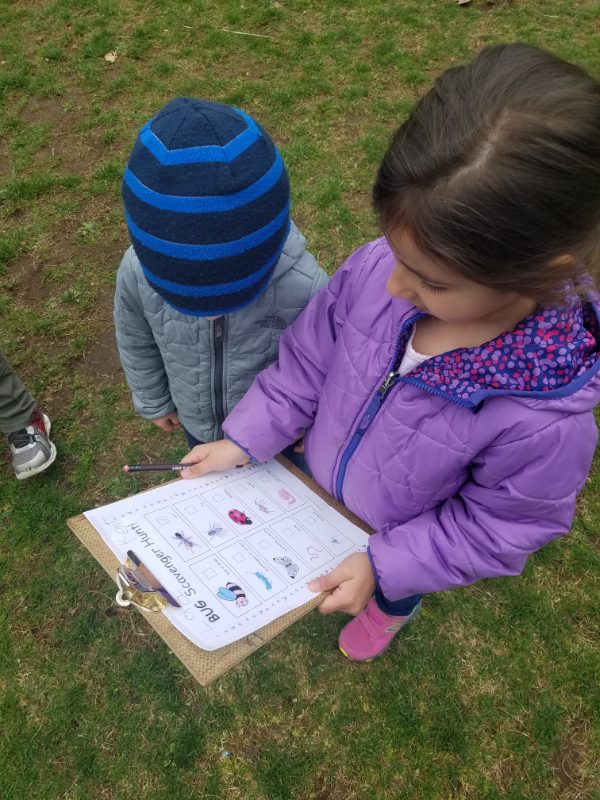
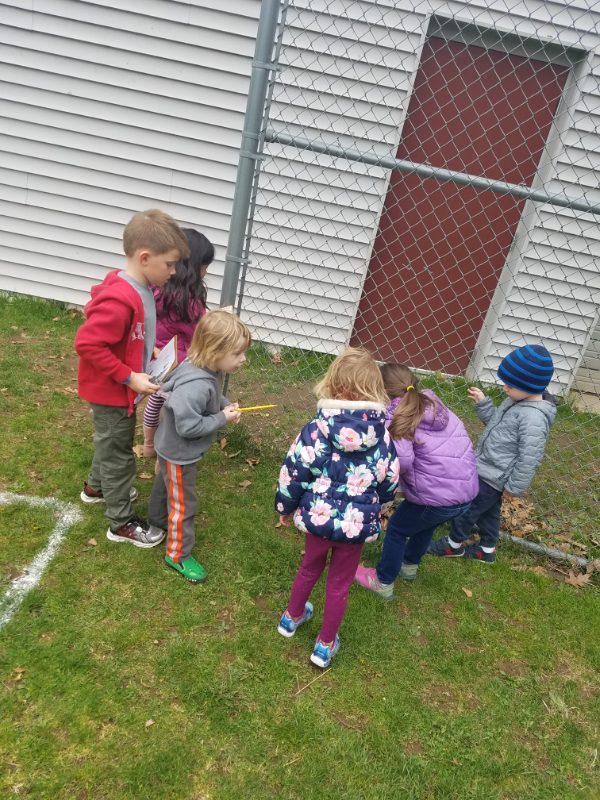
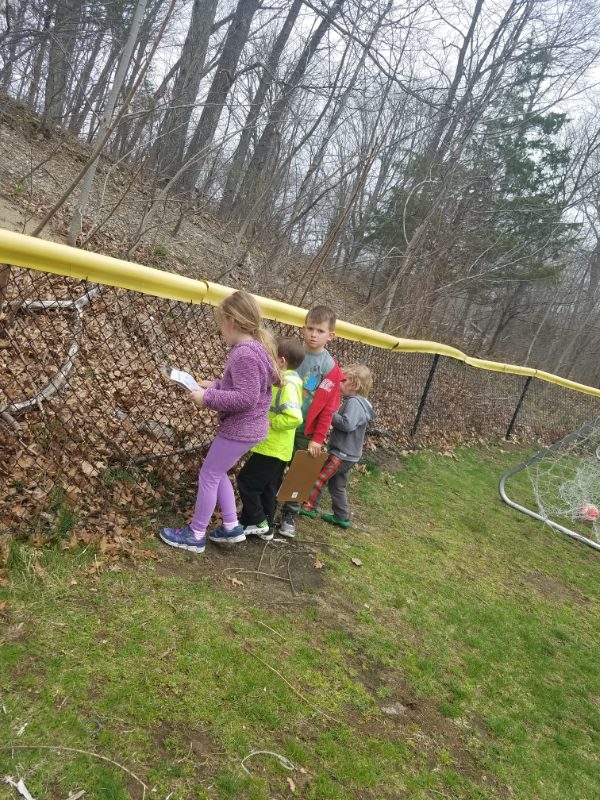
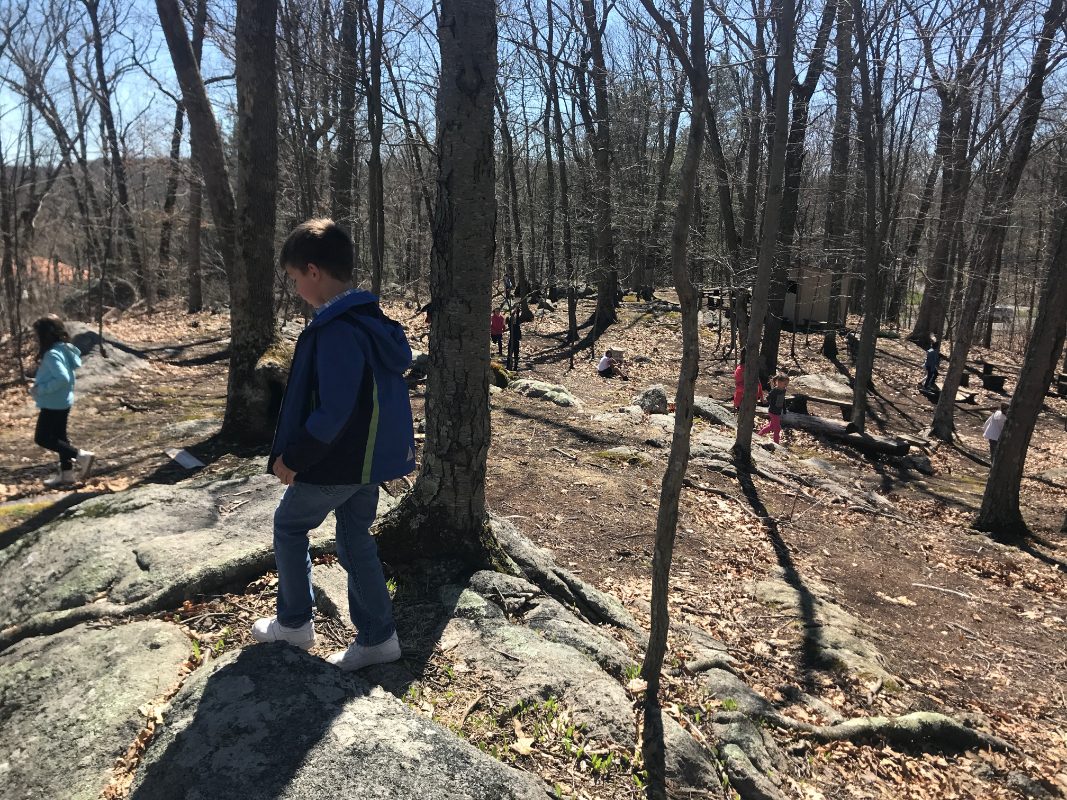
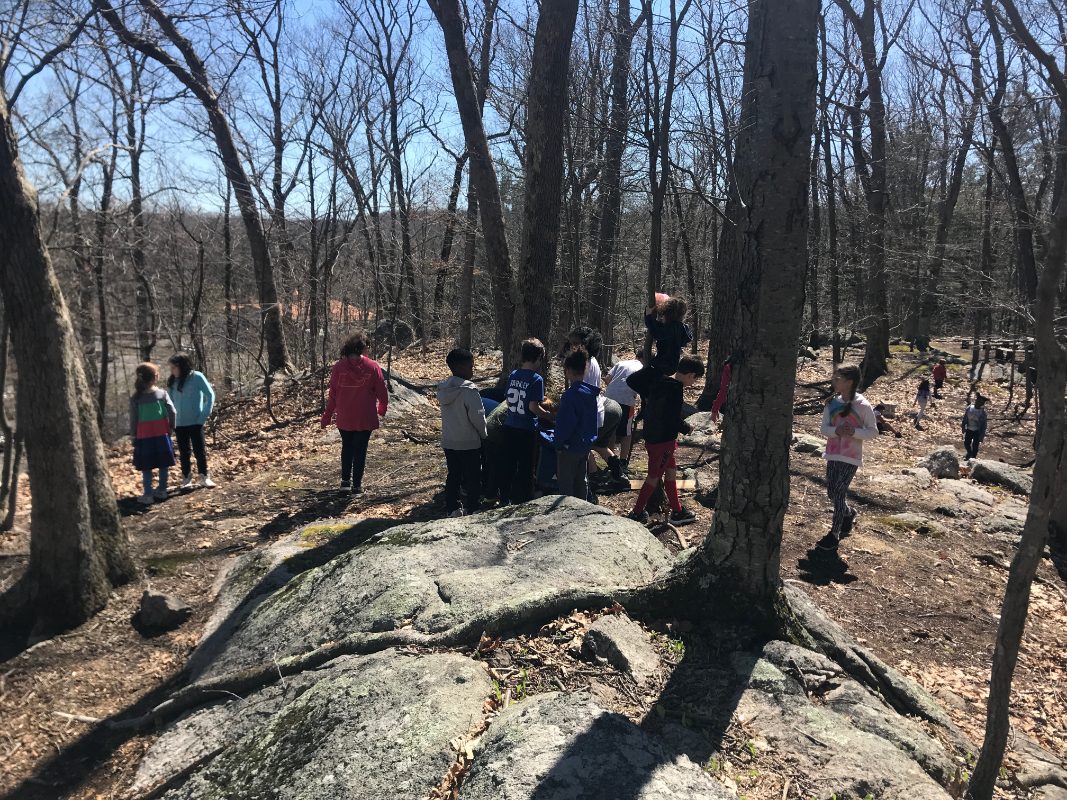
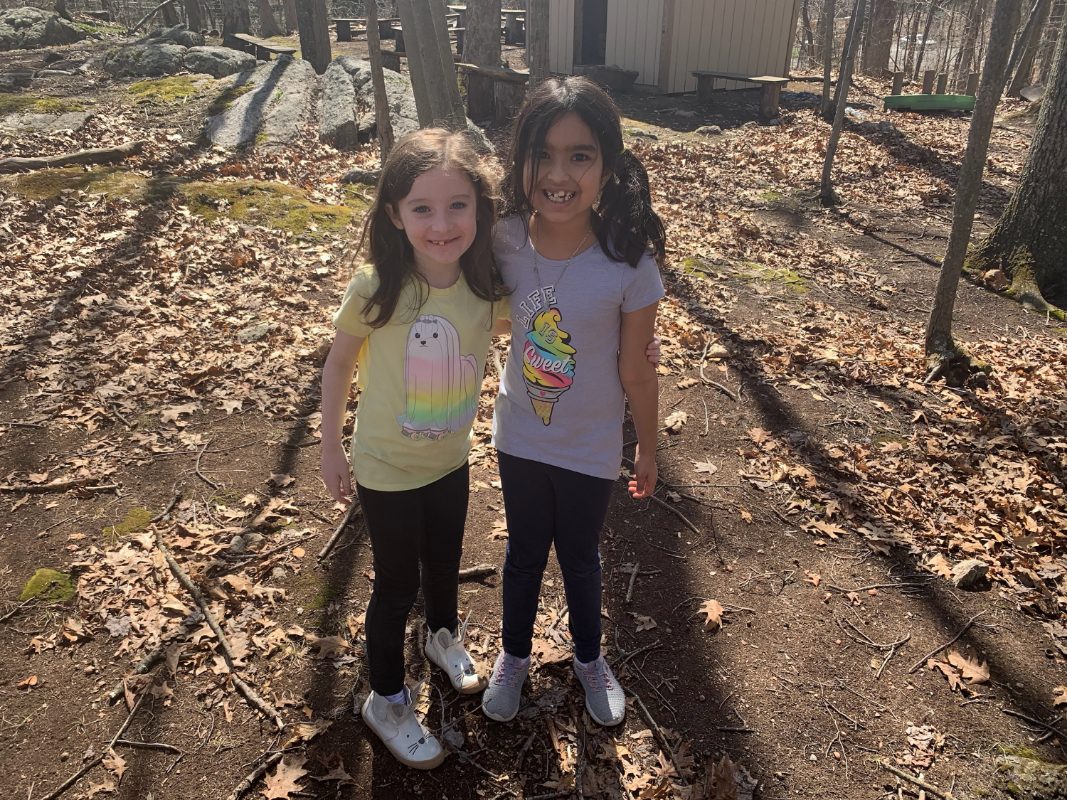
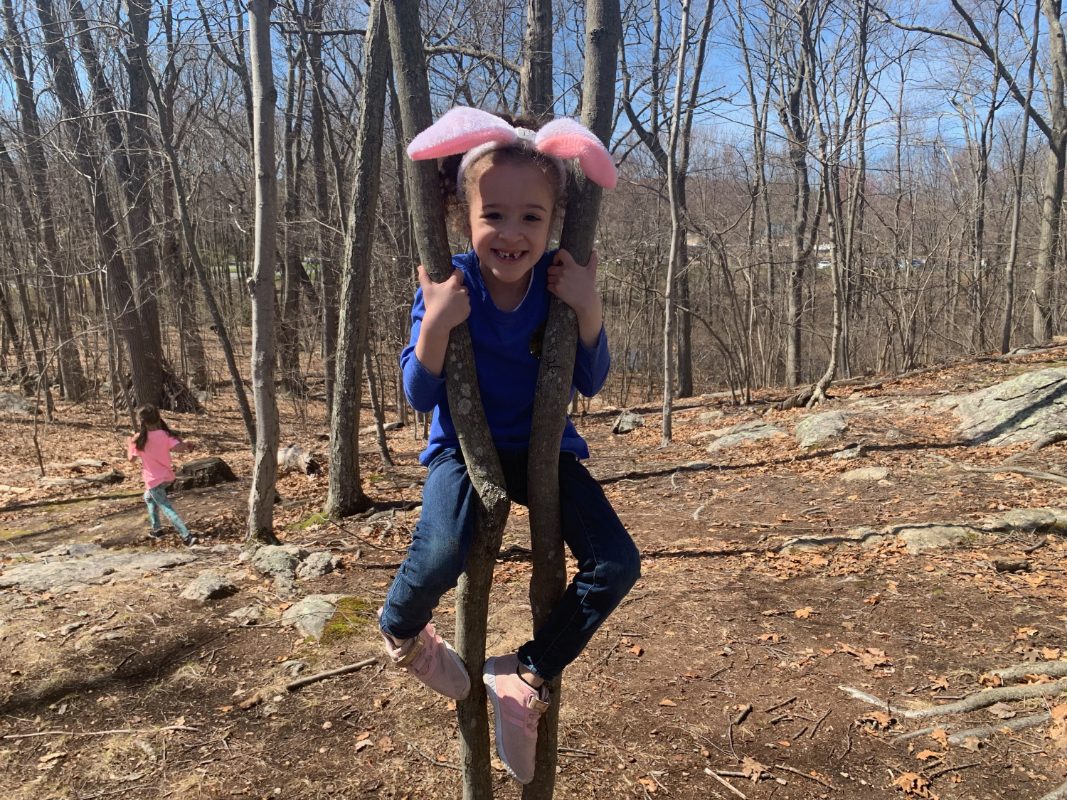
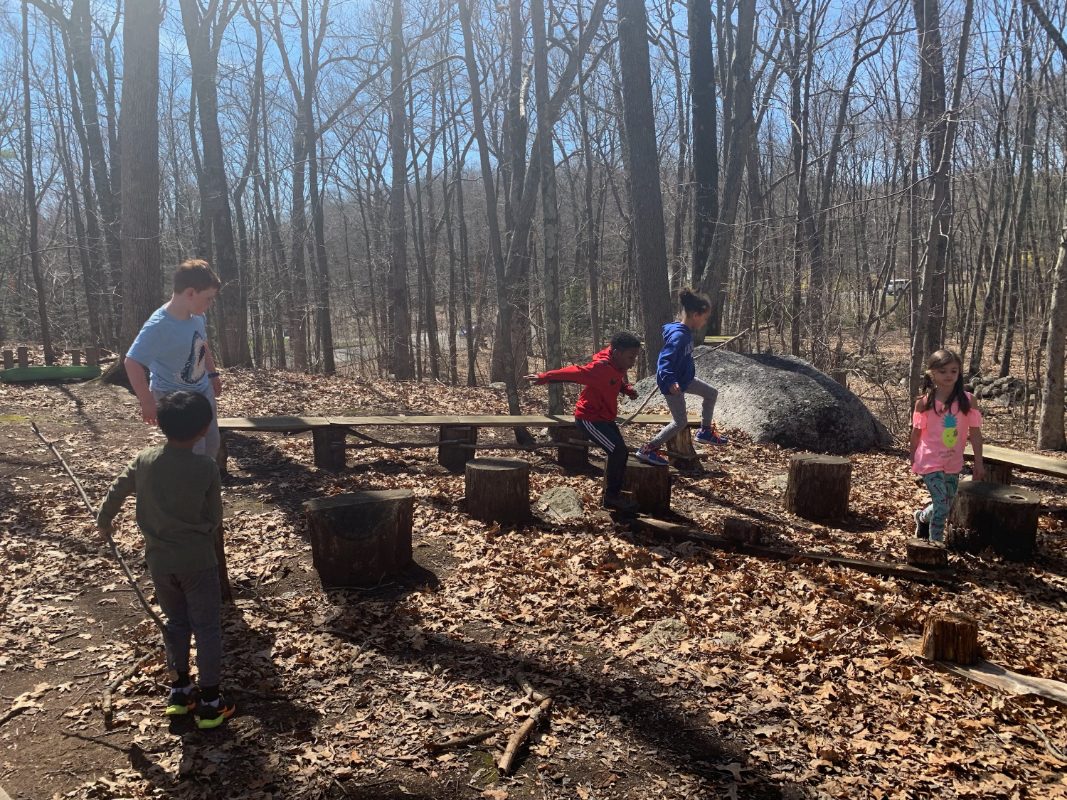
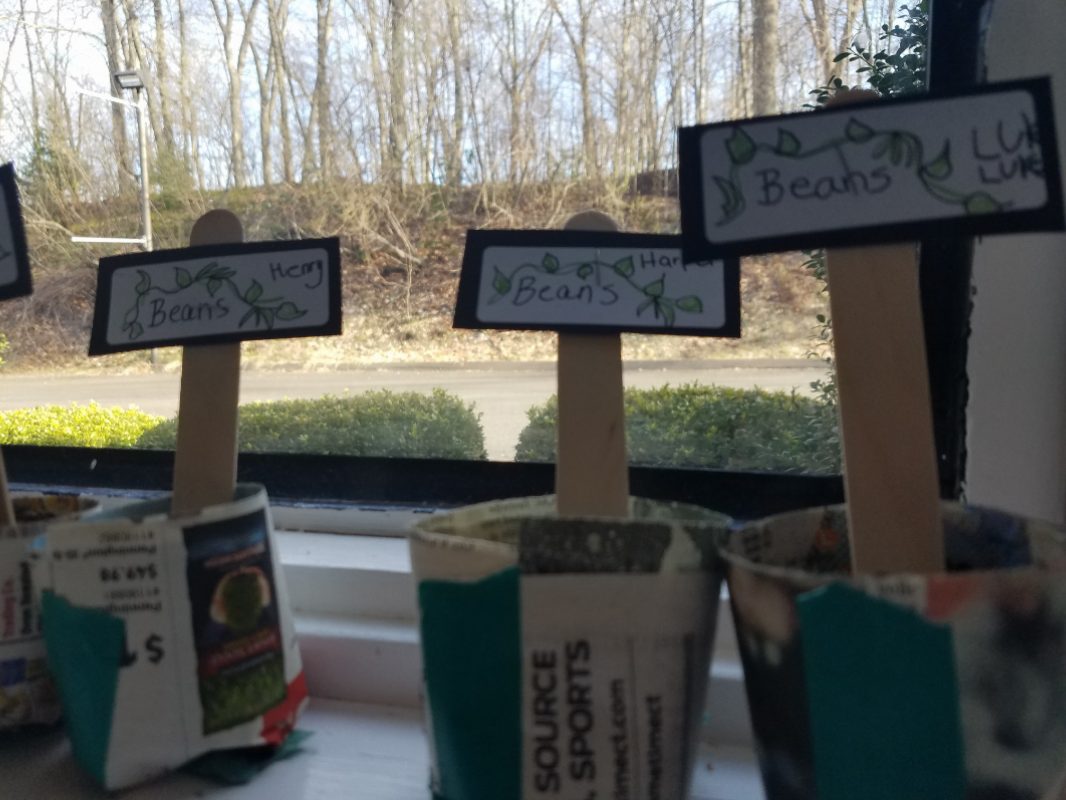
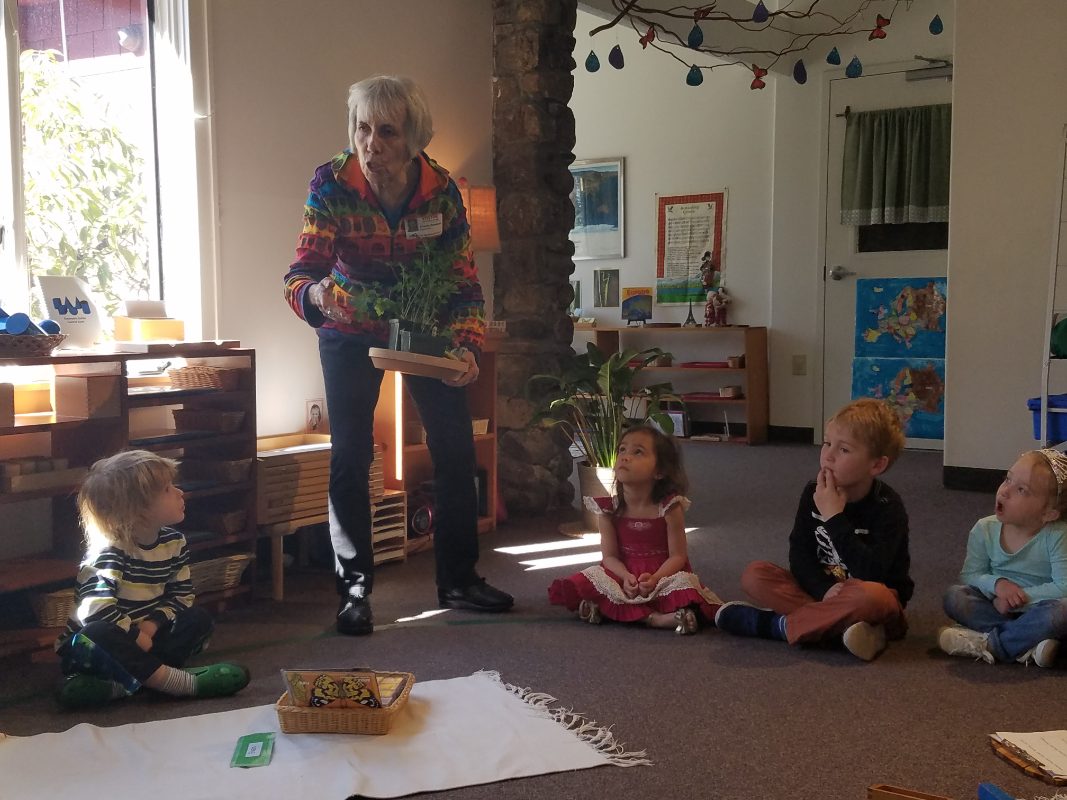
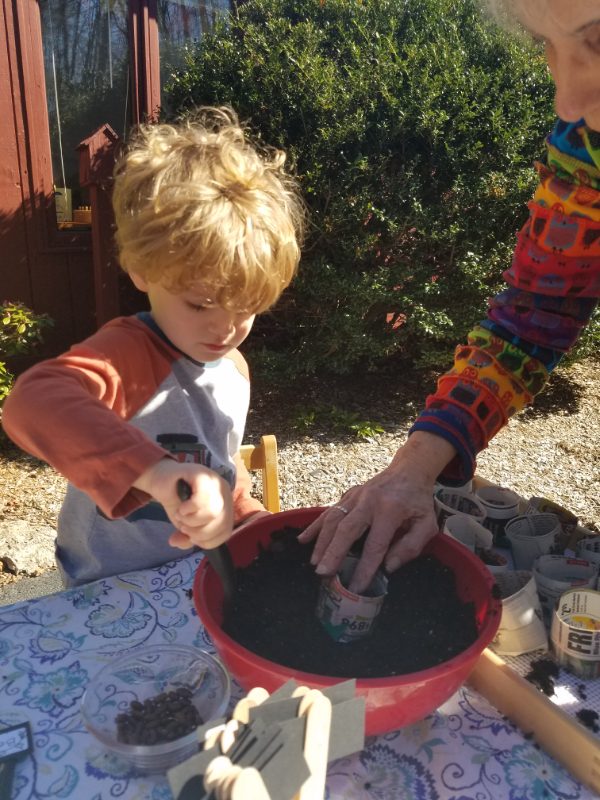
Maria Montessori believed in giving children experiences in nature. In Montessori education, Earth Day principles are a natural part of everyday learning. Children are encouraged to think about the Earth, and how they can become protectors of this habitat we share with all the creatures around us. This week we celebrated Earth Day in our classroom as an extra way to show respect for the Earth and to build community.  The class discussed what it means to renew, reuse, and recycle. The children planted container bean seeds in a pot made from recycled newspaper. They kept a conservation checklist of things they are doing to help the environment such as turn off the water while brushing teeth and turn off lights while playing outside. Our week concluded with our budding naturalists participating in a bug scavenger hunt, to get close and personal with insects in our environment. By celebrating Earth Day and encouraging children’s participation at a young age, we contribute to cultivating lifelong caretakers of this planet we call home.

Have a wonderful week!

Cindy and Sharlene


Upper Elementary: Botany

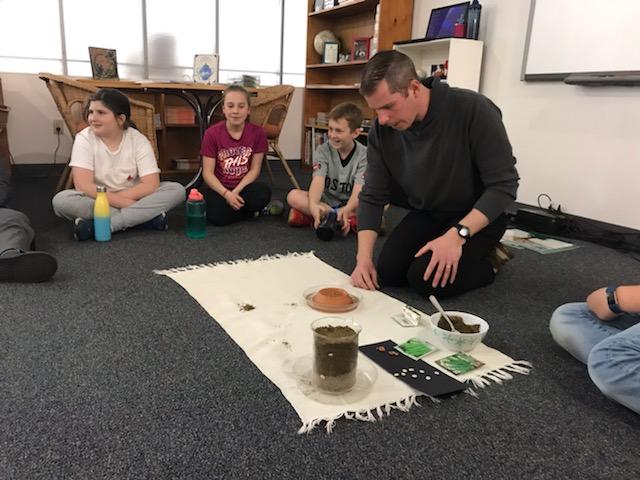
We spent a good deal of time this week exploring botany during our cultural lessons. Specifically we explored the importance of roots and how roots seek out water. We set up a few experiments in class to observe root growth using bean and radish seeds. The students enjoyed these lessons and requested to plant their own seeds.  They are now set up outside our classroom and we will be able to observe their growth.  The enthusiasm of the class sparked some ideas that we are really excited about! Once we wrap up the science fair next week we will progress with the ideas we discussed as a class. Be on the lookout for some additions to our botany studies the following week! For those of you who were able to make it to Parent/Child Night, thanks for taking some time to visit the classroom with your child.


Lower Elementary’s Sense of Wonder

To Maria Montessori, the teaching of grammar was at the center of her language curriculum for elementary age children. It is a critical element in our language program. Understanding language and the words we read and write is extremely valuable for the students’ further education.

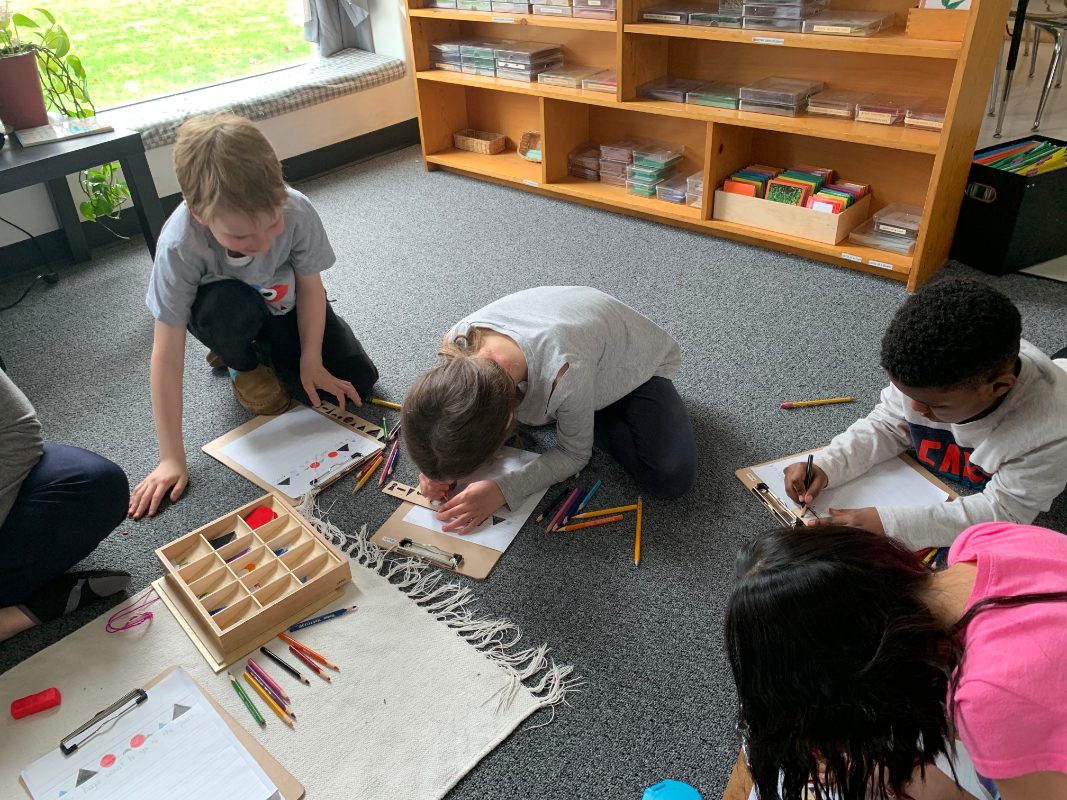
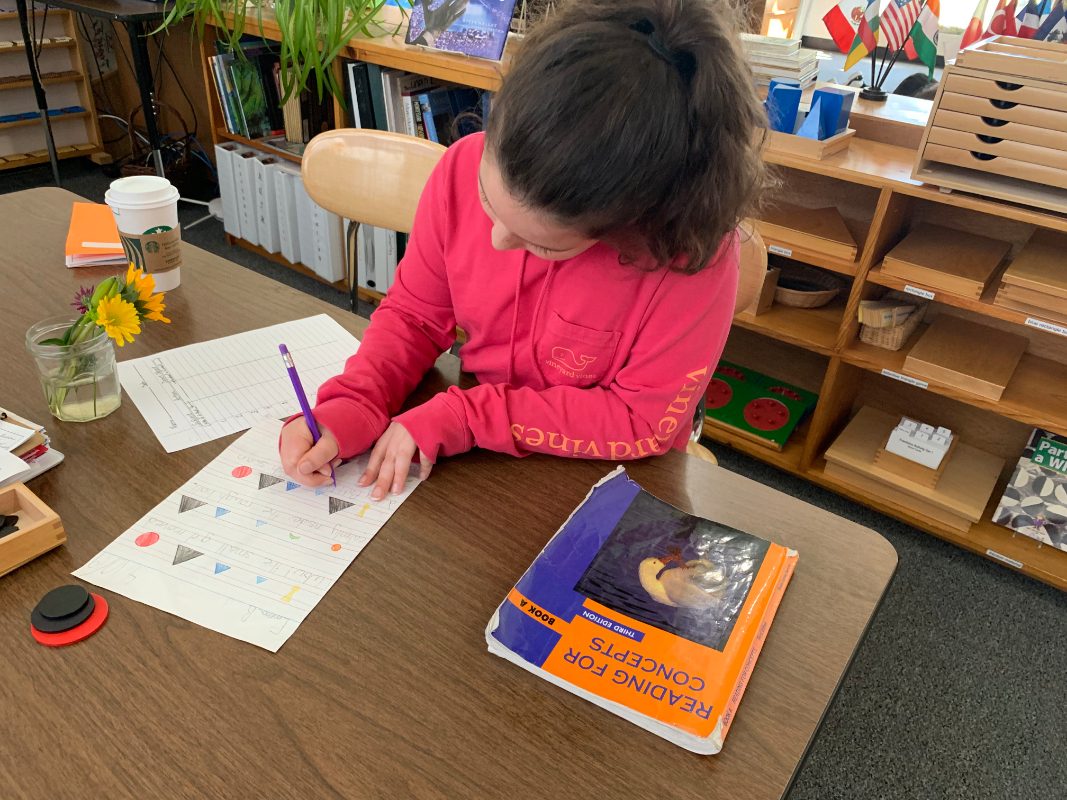
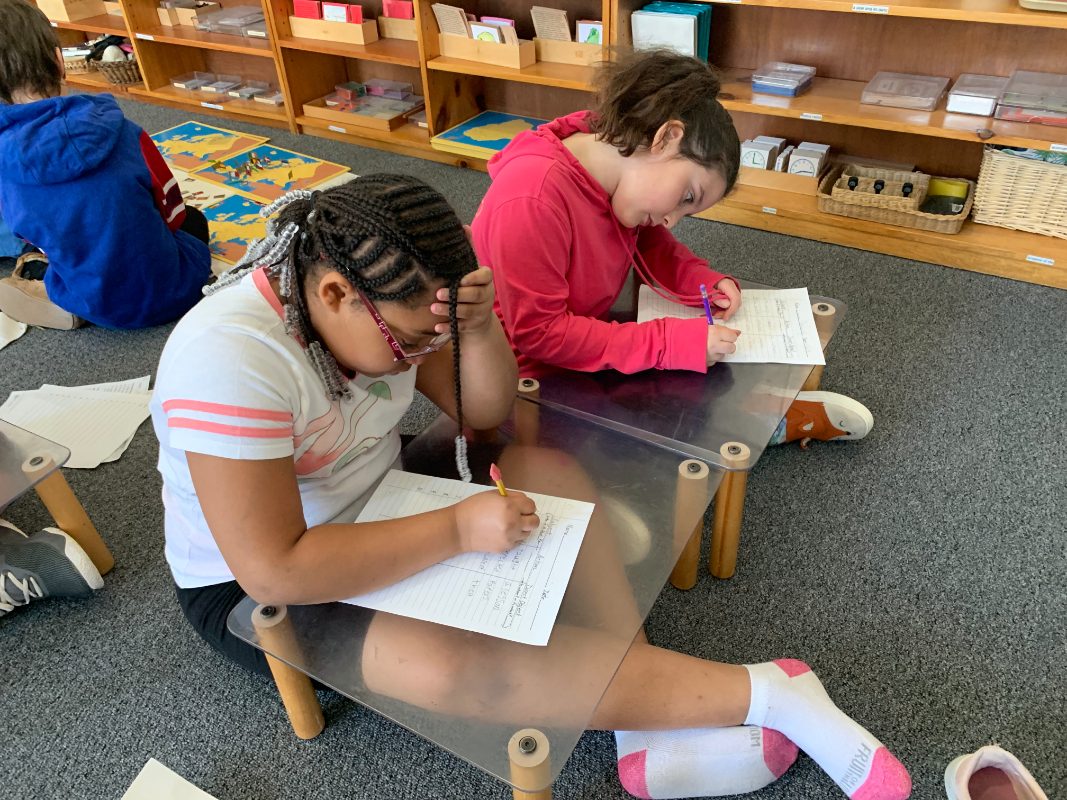
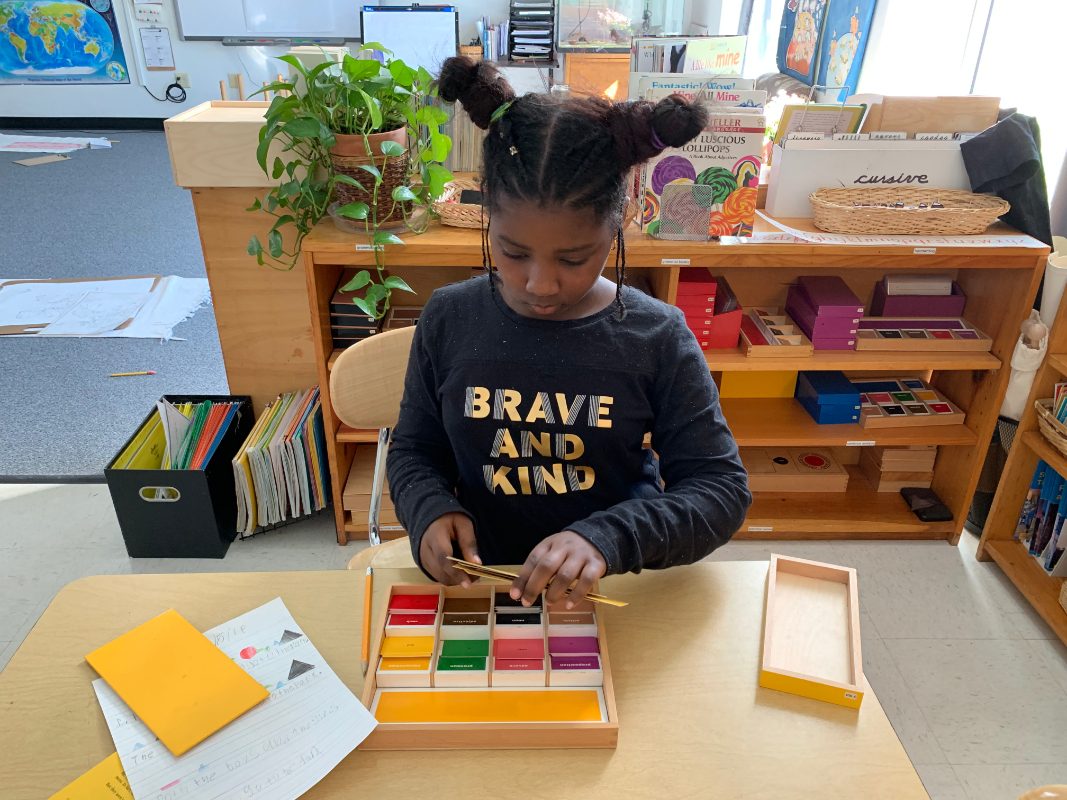
First and second year students are learning the parts of speech. The aims of this work are to learn the function of each word and to understand the relationship between words. Our elder students have started learning sentence analysis. Sentence analysis is the Montessori version of sentence diagramming and the aims of this work are to study how words are used in sentences. First year students learned about verbs this week. Second years learned about conjunctions. And third year students learned about predicates, subjects, and direct objects.

“A child’s world is fresh and new and beautiful, full of wonder and excitement. It is our misfortune that for most of us that clear-eyed vision, that true instinct for what is beautiful and awe-inspiring, is dimmed and even lost before we reach adulthood. If I had influence with the good fairy who is supposed to preside over the christening of all children I should ask that her gift to each child in the world be a sense of wonder so indestructible that it would last throughout life, as an unfailing antidote against the boredom and disenchantments of later years, the sterile preoccupation with things that are artificial, the alienation from the sources of our strength.” -Rachel Carson, The Sense of Wonder.

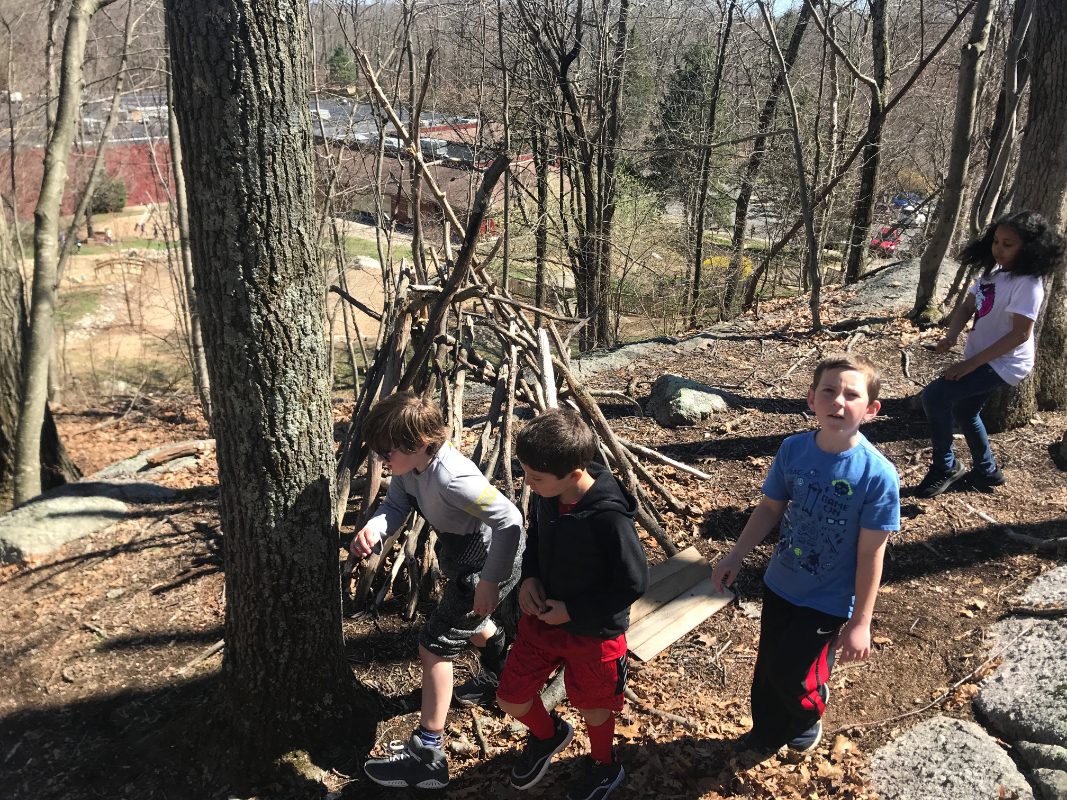
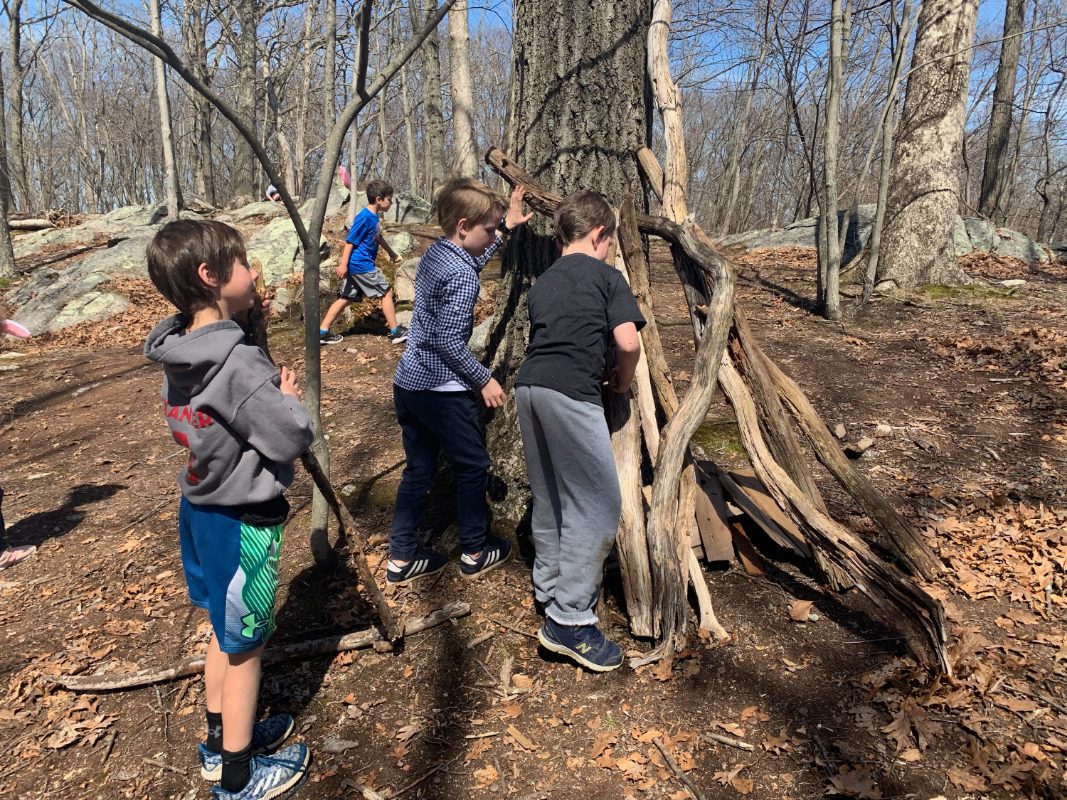
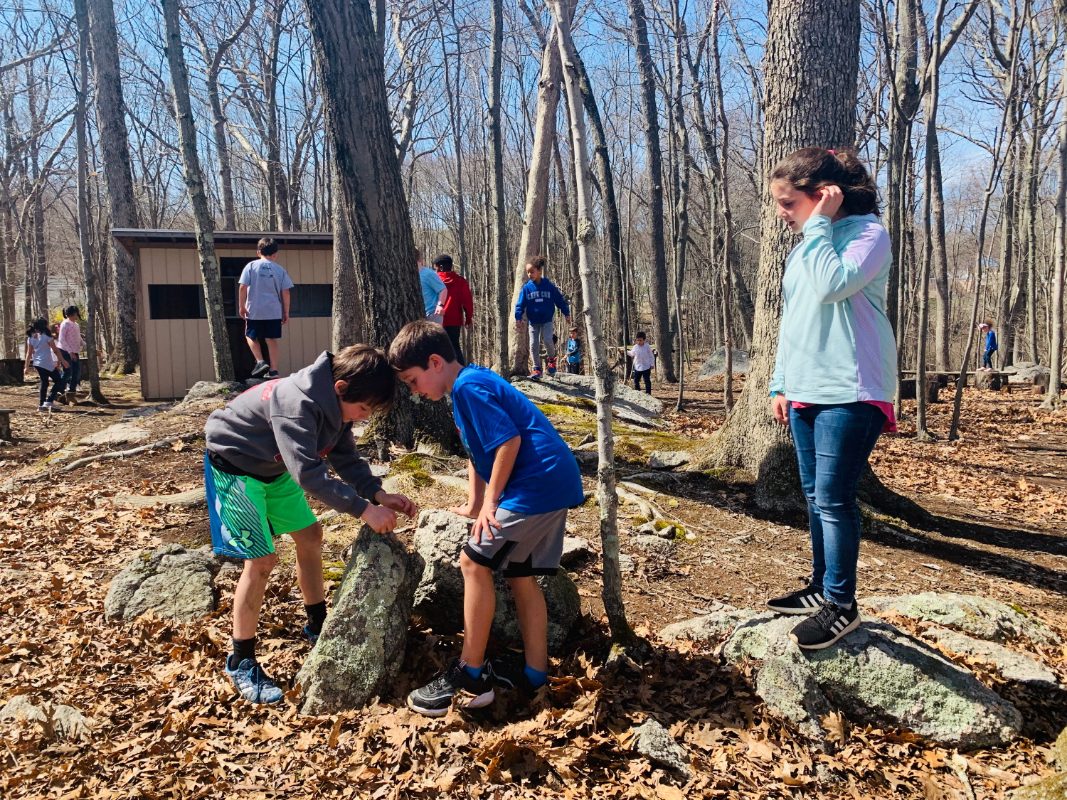
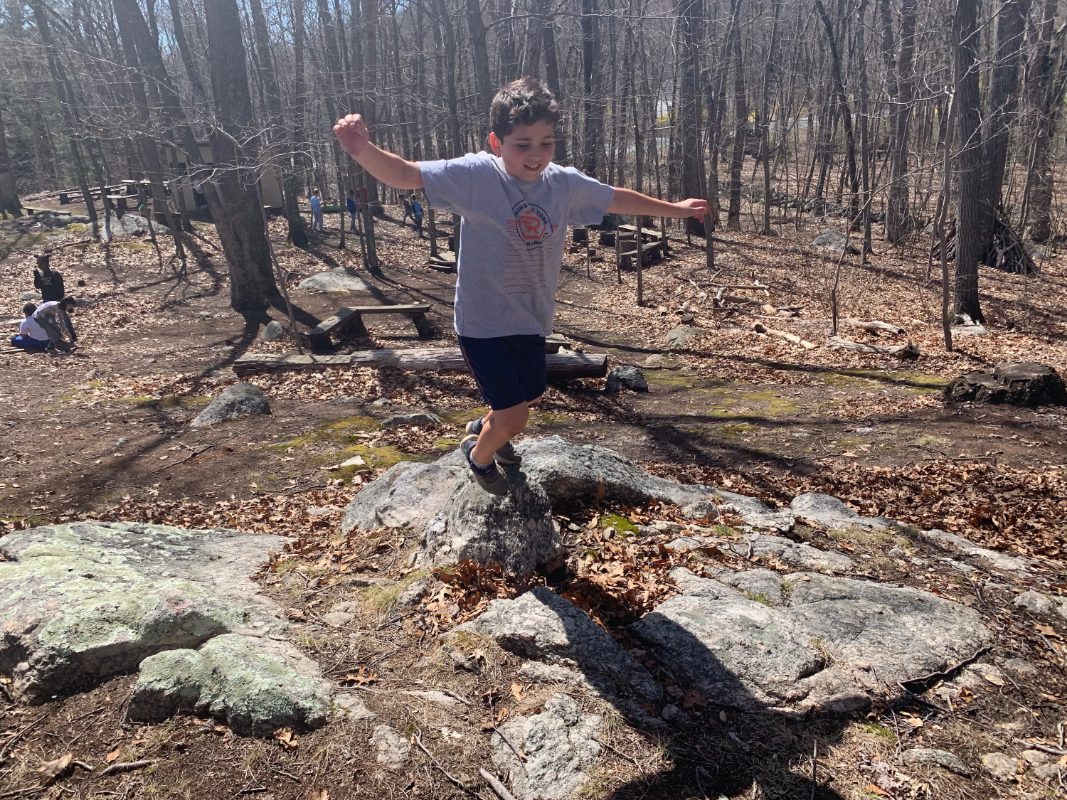
Our relationships to other living things need to be more than theoretical. Children love animals and plants and relate to them as individuals. Children are drawn to living things and they want to know about them. We can nurture and build on that interest by helping them to sharpen their skills in observation, and to learn and apply methods of appropriate care taking. We are going to be visiting the outdoor classroom as frequently as possible!


Middle School: A Week in Review

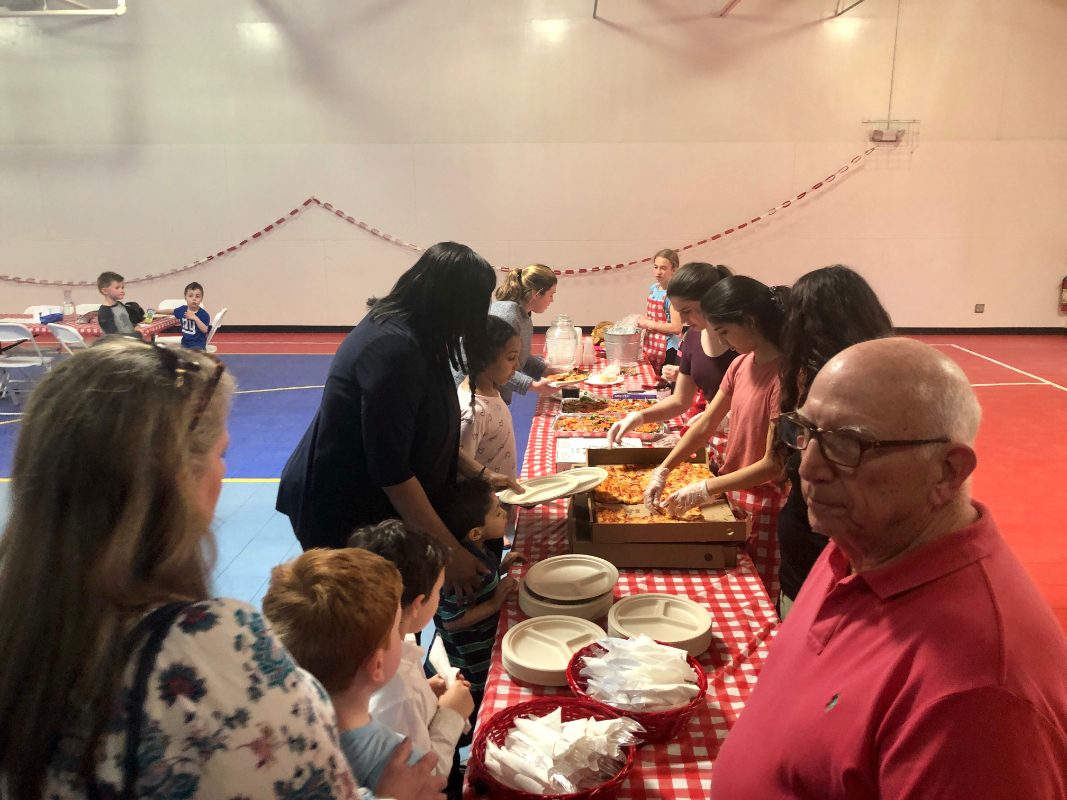
Thank you to those of you who attended the Art Show and Pizza Dinner! The Middle School students did a wonderful job setting up, doing their jobs, and taking down the event. It was wonderful to see the community come together and enjoy food and conversation. Next week, we will let you know the charity the 8th years choose to donate the proceeds.

This week in math class, the 6th years began their patterns and rules unit. So far, they’ve worked with patterns and graphs and are learning about scaling and intervals when reading and drawing graphs. They have also been working on arithmetic and geometric sequences. The 7th years continue their brief introduction to trigonometric ratios. They have learned how to use the tangent ratio to find the length of a side and concluded with the sine and cosine ratios. From here, the 7th years will continue working with area and perimeter of polygons. The 8th years continue working with quadratic graphs and their properties. They’re working with the formula to find the line of symmetry and the vertex of a parabola.  They are then plotting points in order to graph quadratic functions.

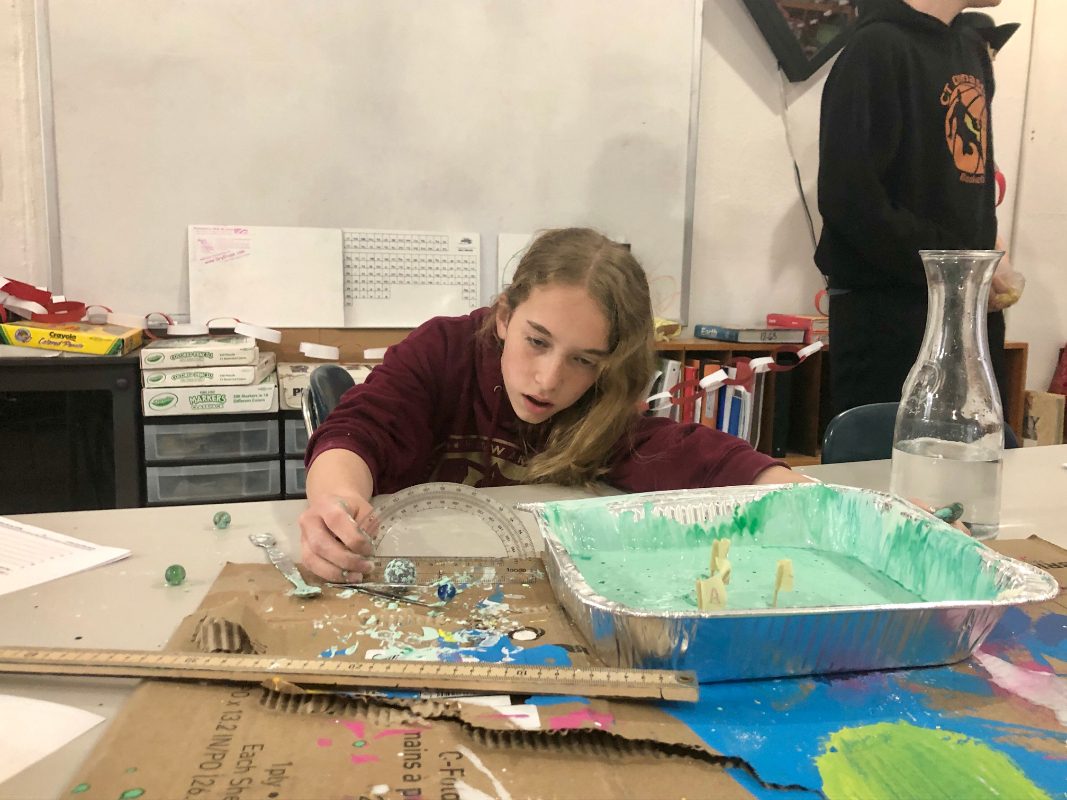
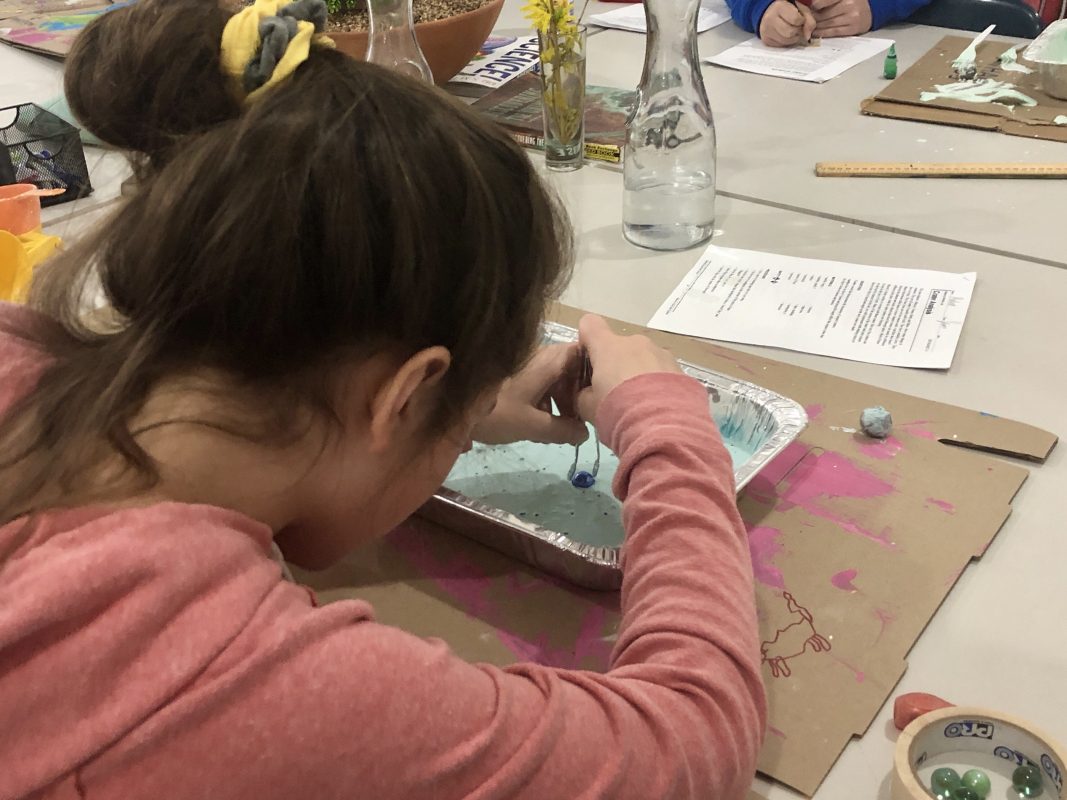
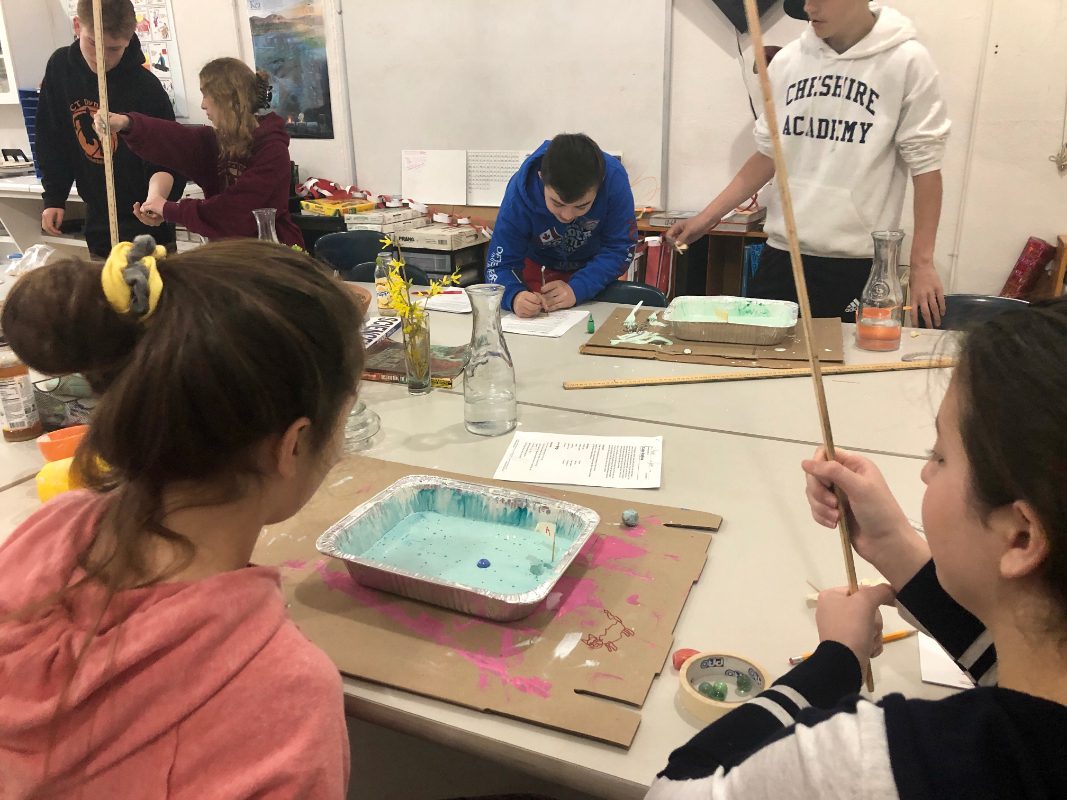
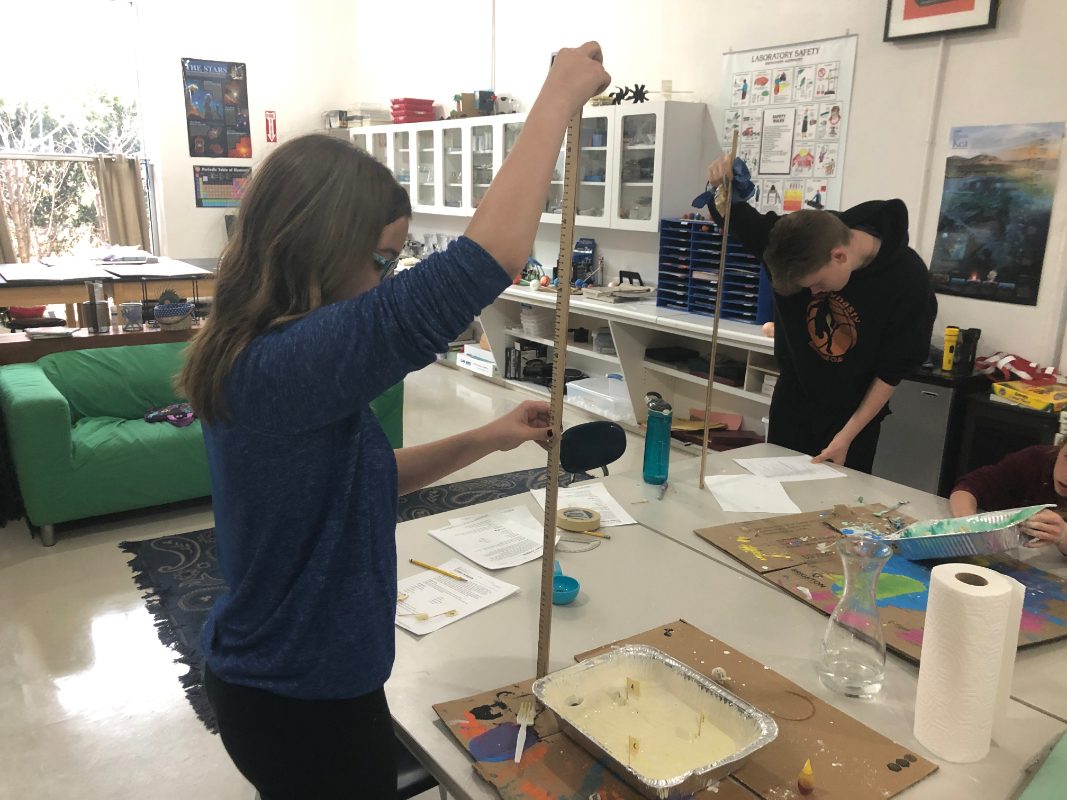
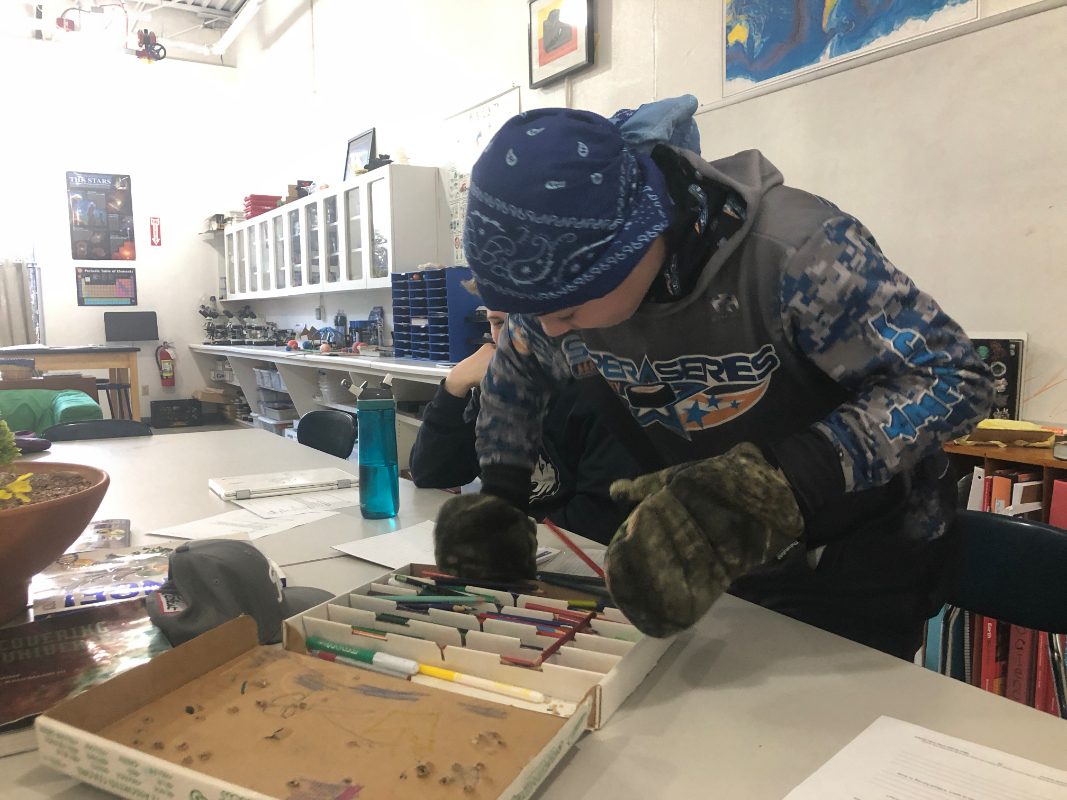
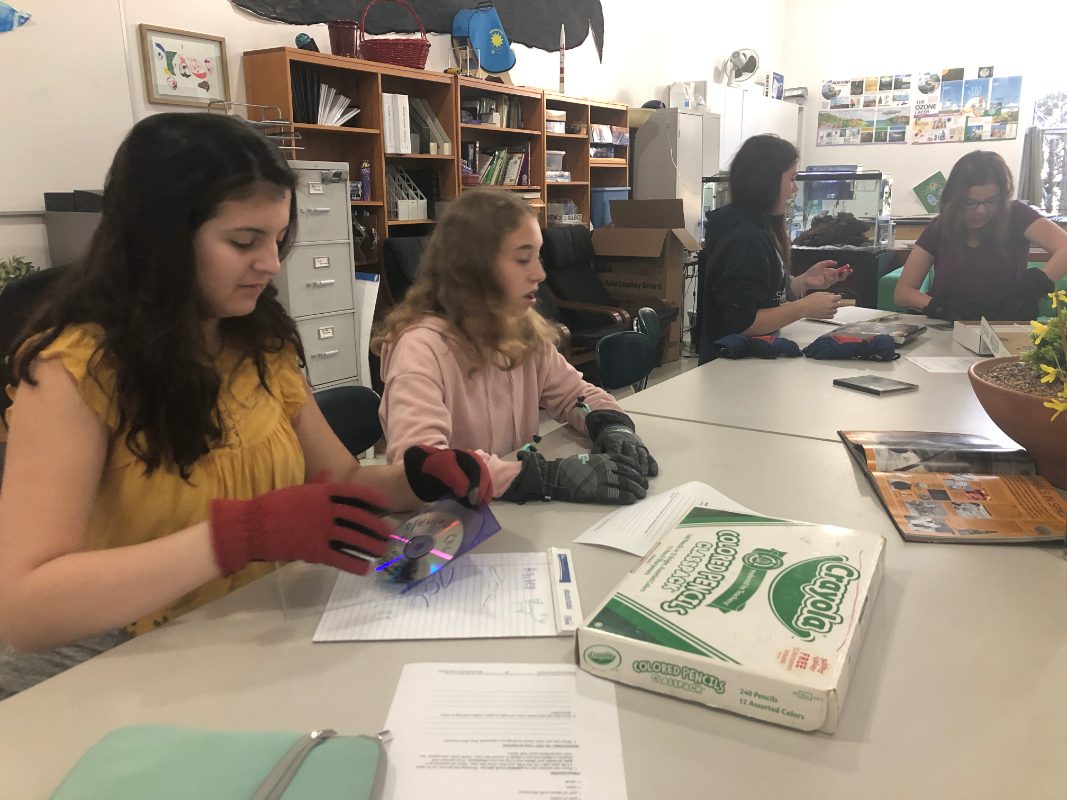
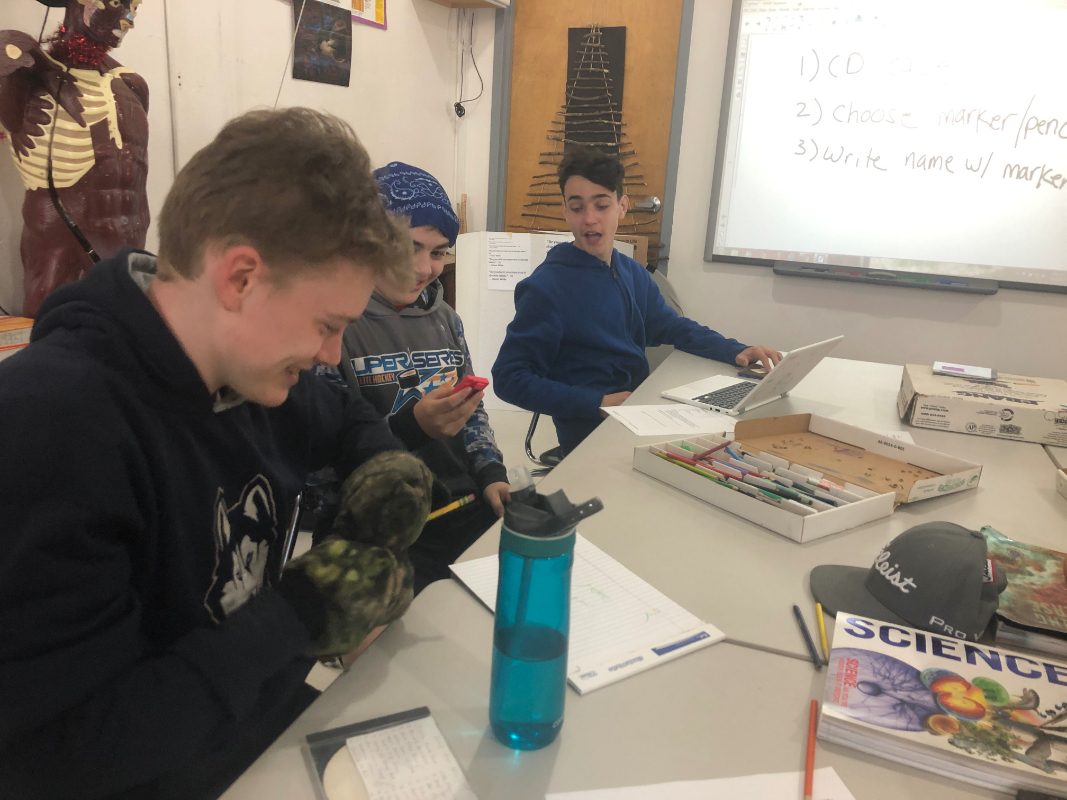
In science class, the 6th and 7th years are beginning to assemble their display boards for next week’s Science Fair. Students are excited to share and display their hard work. The 8th years are continuing their unit on space titled, Minor Bodies of our Solar System. Students tested the difficulties of being an astronaut, performing simple tasks such as opening a CD case, grabbing a pencil, or writing their name wearing gloves. Students also performed a lab demonstrating the formation of an impact crater using plaster of Paris and marbles.

In Humanities, 6th years continue looking at Afghan culture as they began to read, Shooting Kabul by N.H. Senzai. The book takes place in 2011 and discusses the influences of the Taliban on culture in parts of Afghanistan and the plight of a family traveling to the U.S. for refuge. The students were surprised to learn that at its genesis, the Taliban was not a terrorist group. They are learning through the novel and class lessons the progression of the Taliban as well as the struggle between the people and the Taliban with regards to religion, culture, and everyday life. The 7th years studied the historical context needed to begin George Orwell’s Animal Farm. They learned the differences in the political economic systems of capitalism, socialism, and communism, and then took a look at revolutions: why they occurred, what the goals were, and if goals were achieved. Specifically, they looked at the American Revolution as well as current Sudanese protests and the Yellow Vests in France. This all built up to learning about the Russian Revolution of 1917 and the history building up to it. We are excited to continue reading Animal Farm next week. In 8th year Humanities, we finished the novel, Witness, and are ending our analysis on the novel. Classes surrounding our analytical work have been rich and challenging, which has been exciting to see. We also took pause to discuss some of the controversy following the burning of the Notre Dame Cathedral in Paris. What are the feelings surrounding this by nationals and foreigners? Why so much controversy over donations? What are the ripple effects of this? We spoke about the outpouring of donations after the Notre Dame fire to the three historically black, Louisiana Baptist Churches that were burned to the ground at the end of March-early April and victims of hate crime. I love allowing students to have a platform to give honest opinions and hear each other’s perspectives while respectfully disagreeing. It’s a great age to start including your children in these discussions and modeling civility while doing so.

All-in-all it’s been a great week! We look forward to seeing you next Thursday at the Science Fair!
Mrs. Hood: Cluck, Cluck!

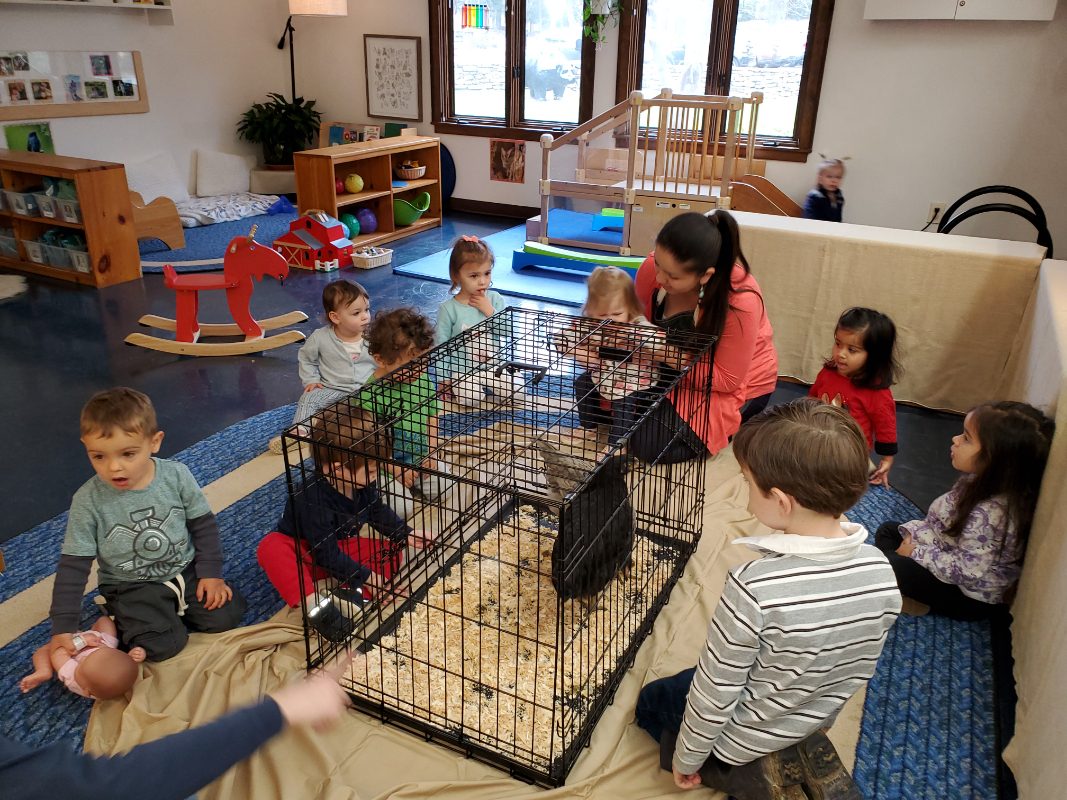
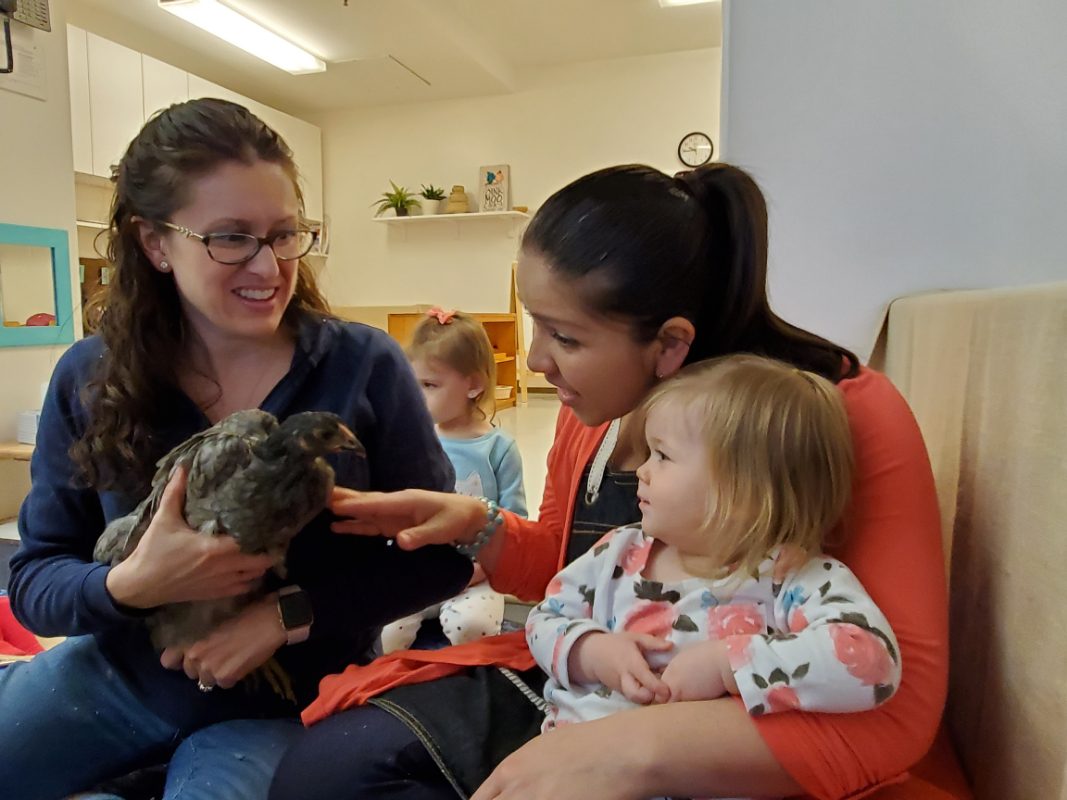
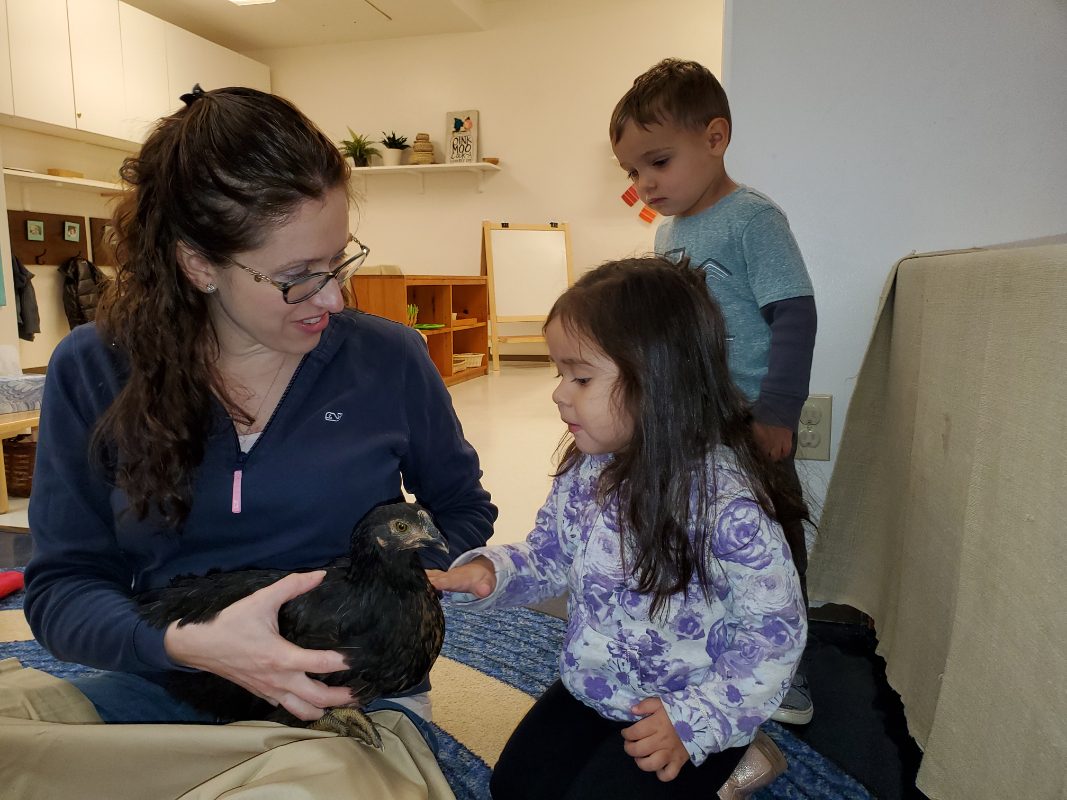
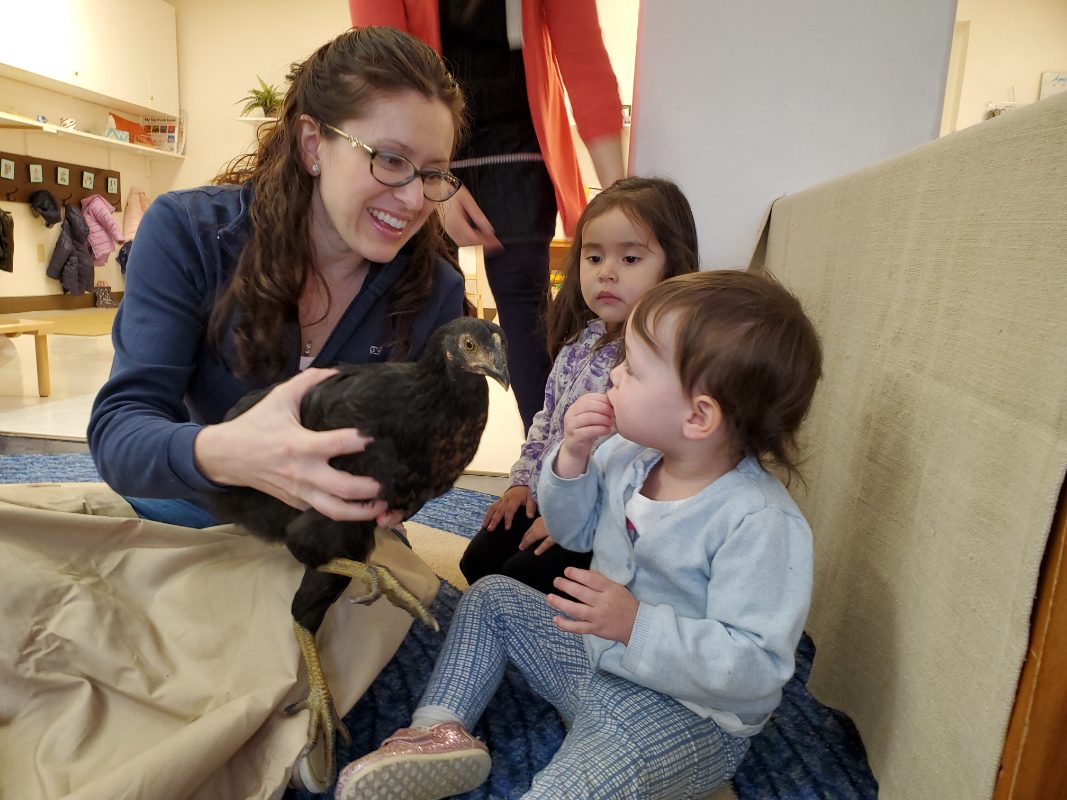
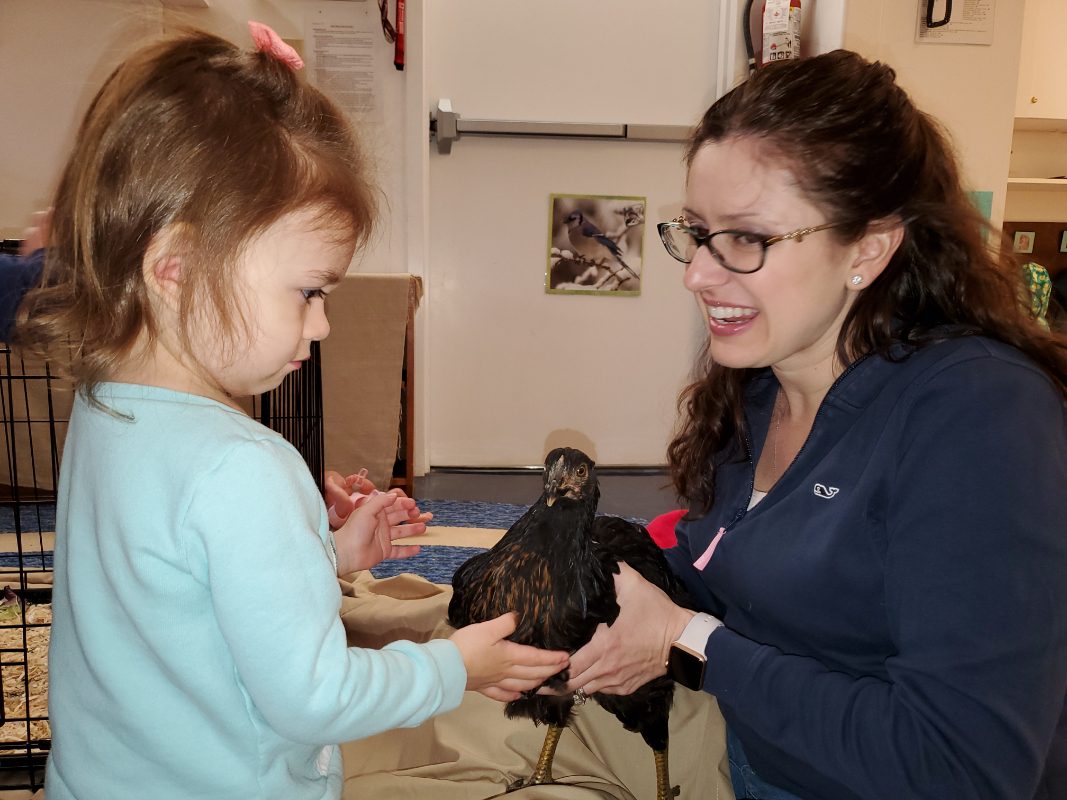
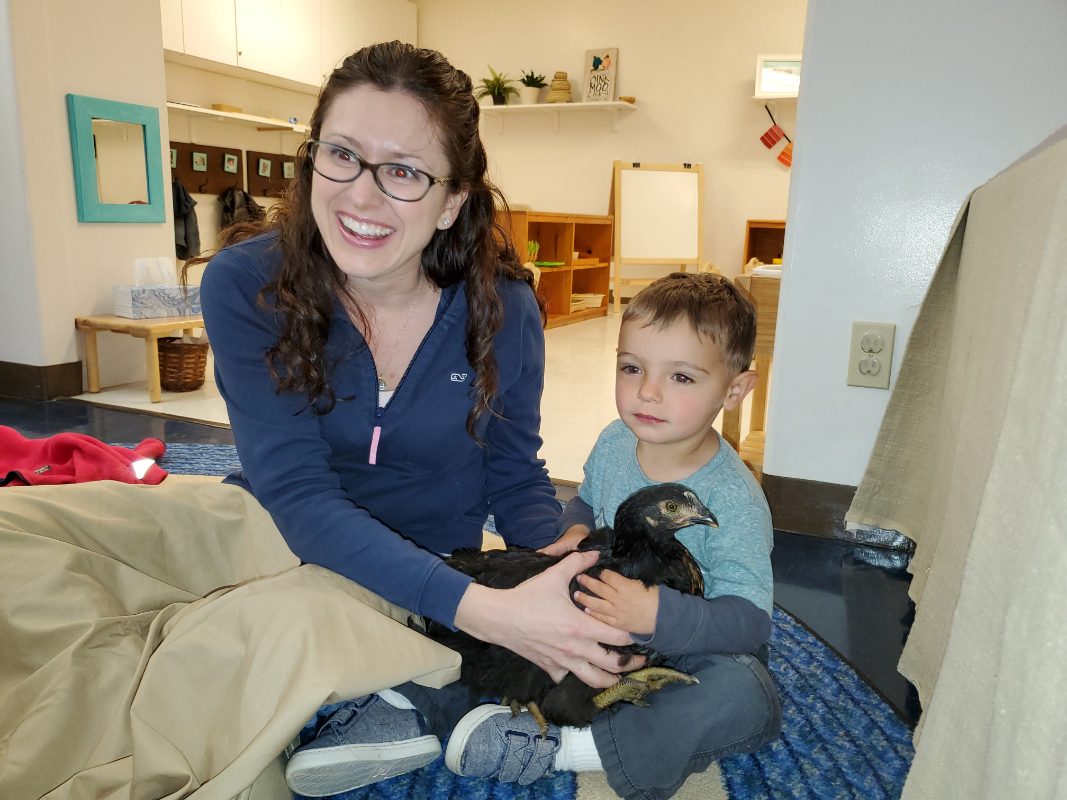
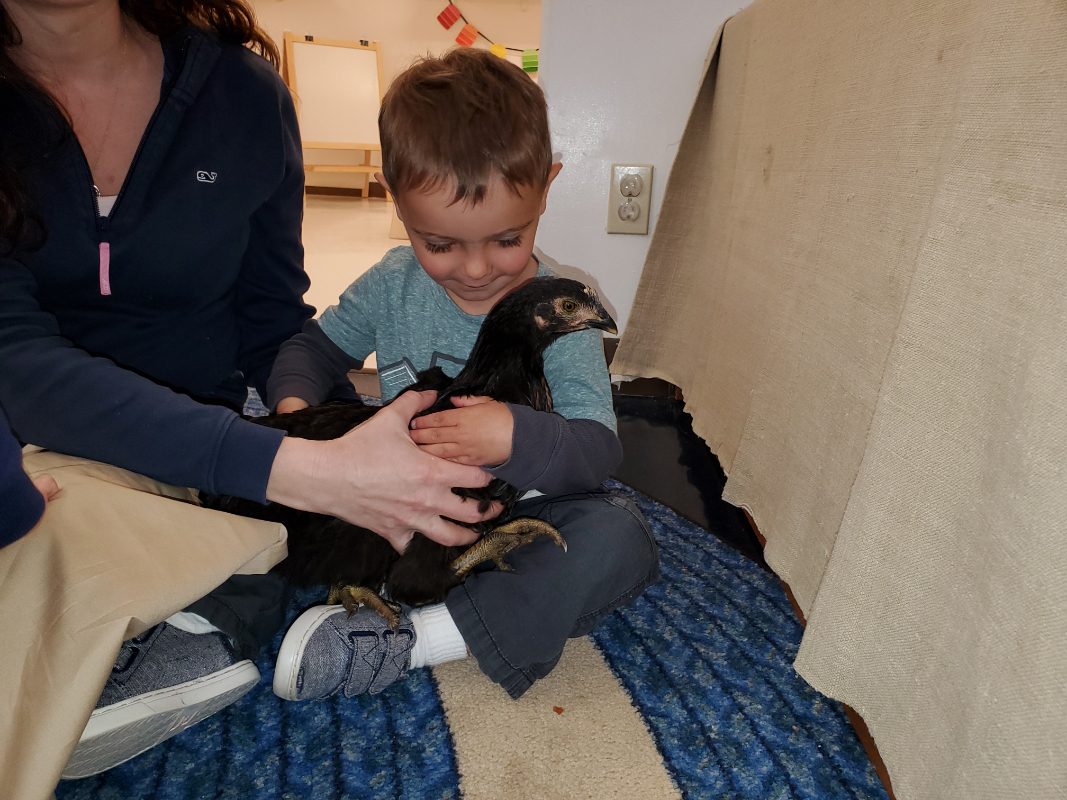
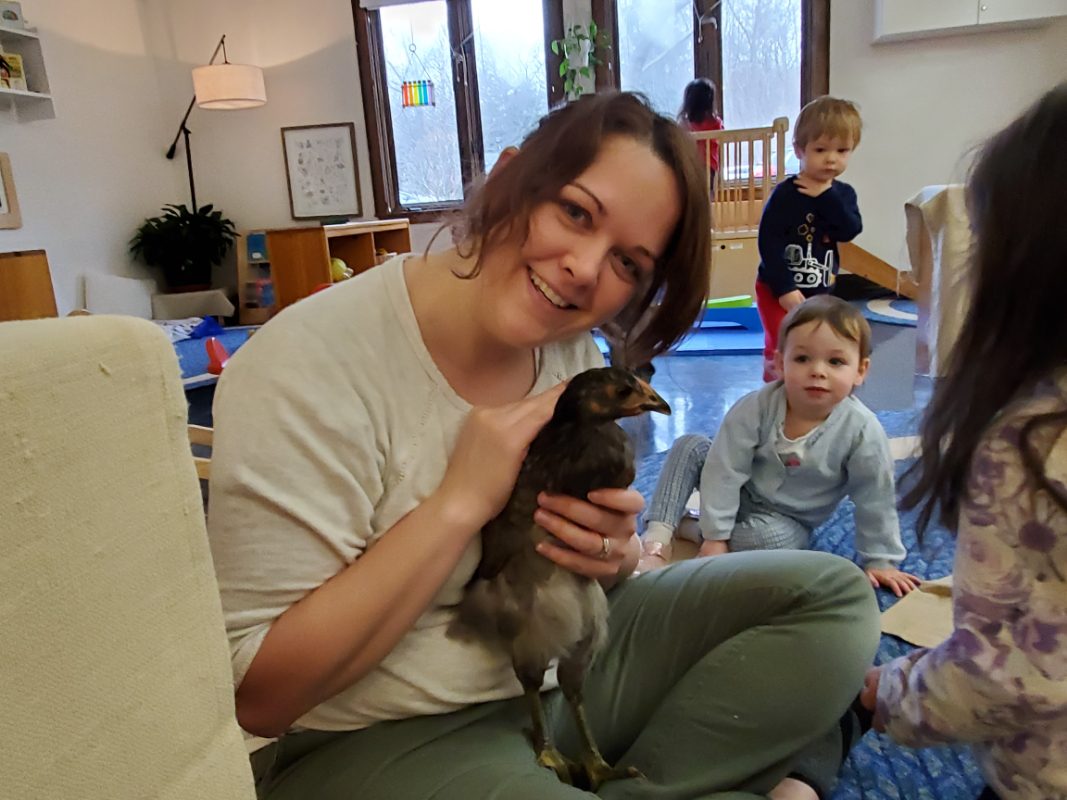
Exposing children to real animal life in the classroom is of great benefit to them. From touching, observing, and caring for them to understanding the delicacy and uniqueness of all life, the children’s focus sharpens and the sensorial experiences are absorbed by them in incredible ways!

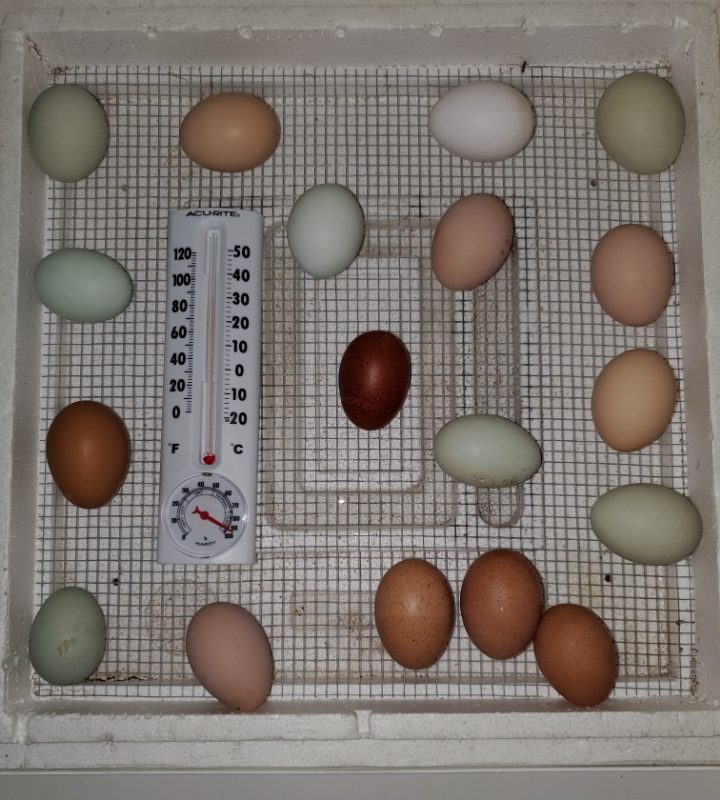
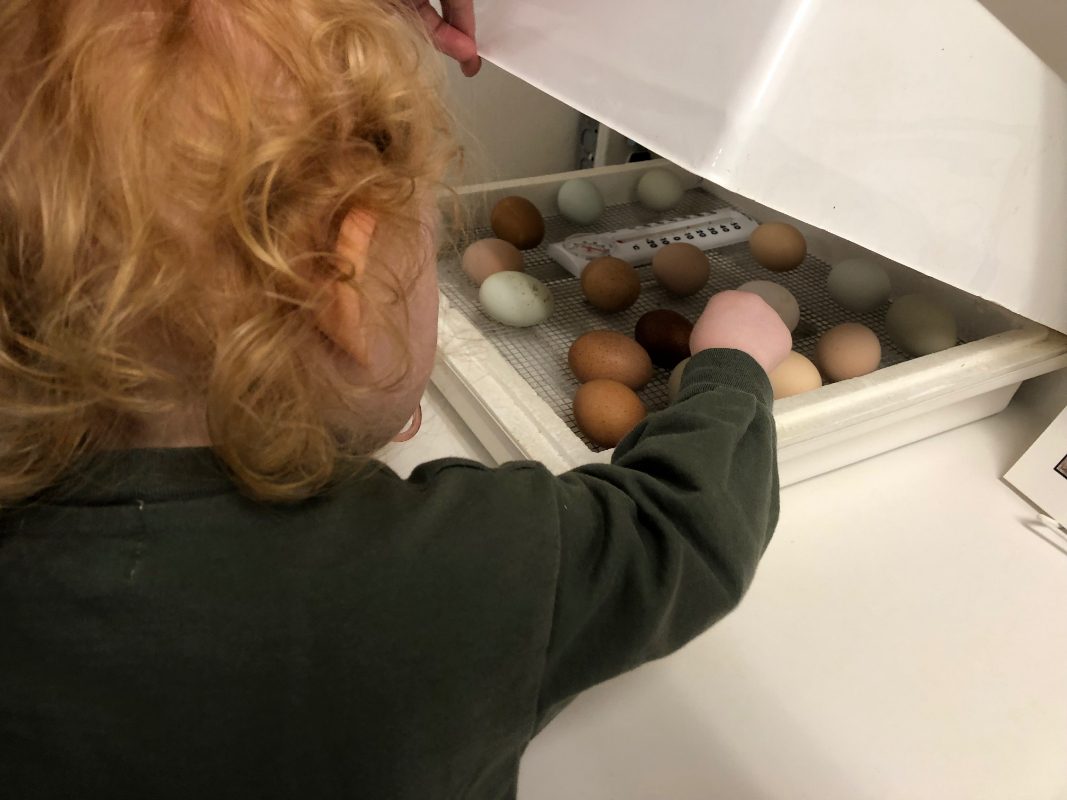
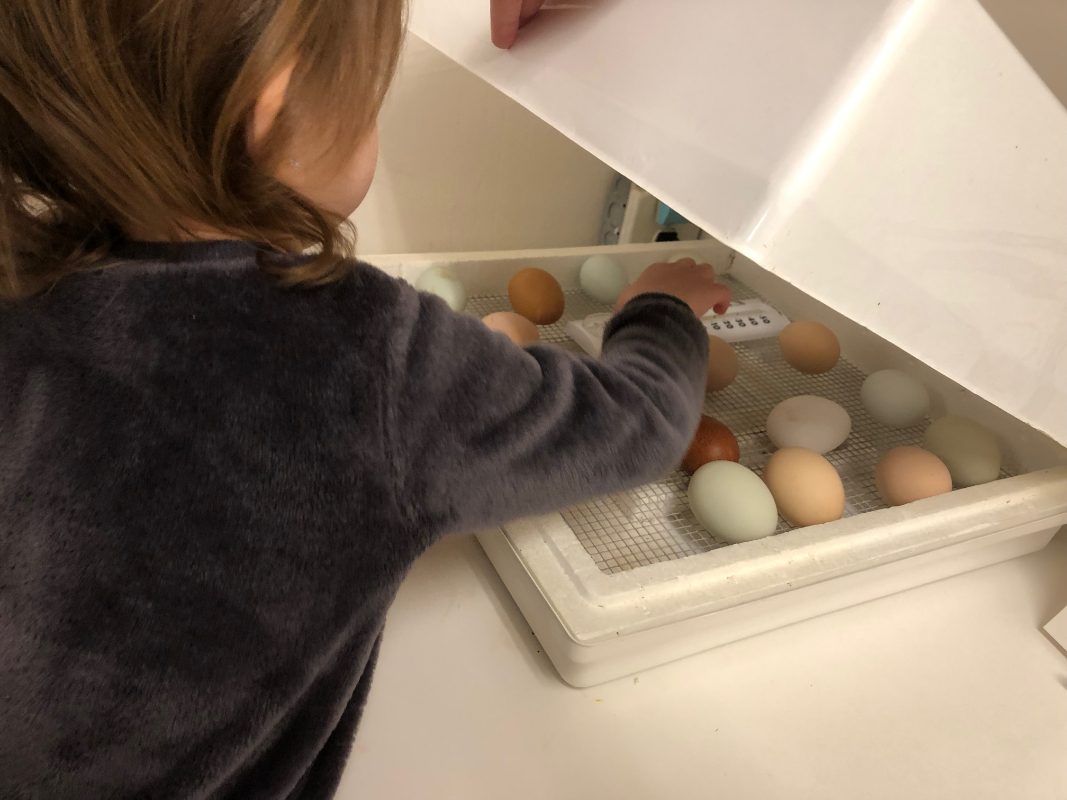
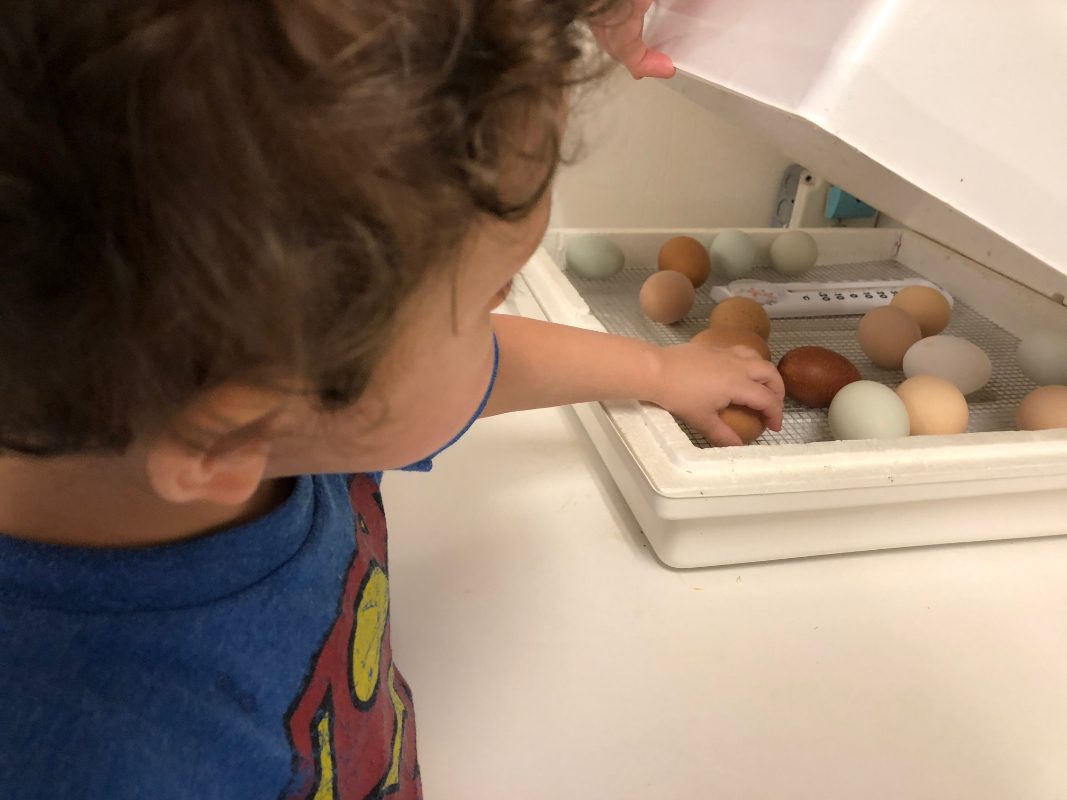
This week we introduced the life cycle of a chicken! From using object models and matching works to watching a very short video of a chicken hatching out of an egg, children started to get curious about the topic of the week. Then we received the gift of 18 gorgeous fertilized eggs and we were supplied with a perfectly sized hatcher to watch the magic happening in front of our eyes! Children have been working intentionally to make sure the eggs are taken care of. They have the opportunity to turn the eggs very gently one time each morning! It’s great to see how careful they all are and the respect they show when handling the eggs! Children love to stand by the hatcher and watch the eggs quietly, hearing the sound, feeling the vibration and the soft heat that it emits. We are all so excited!

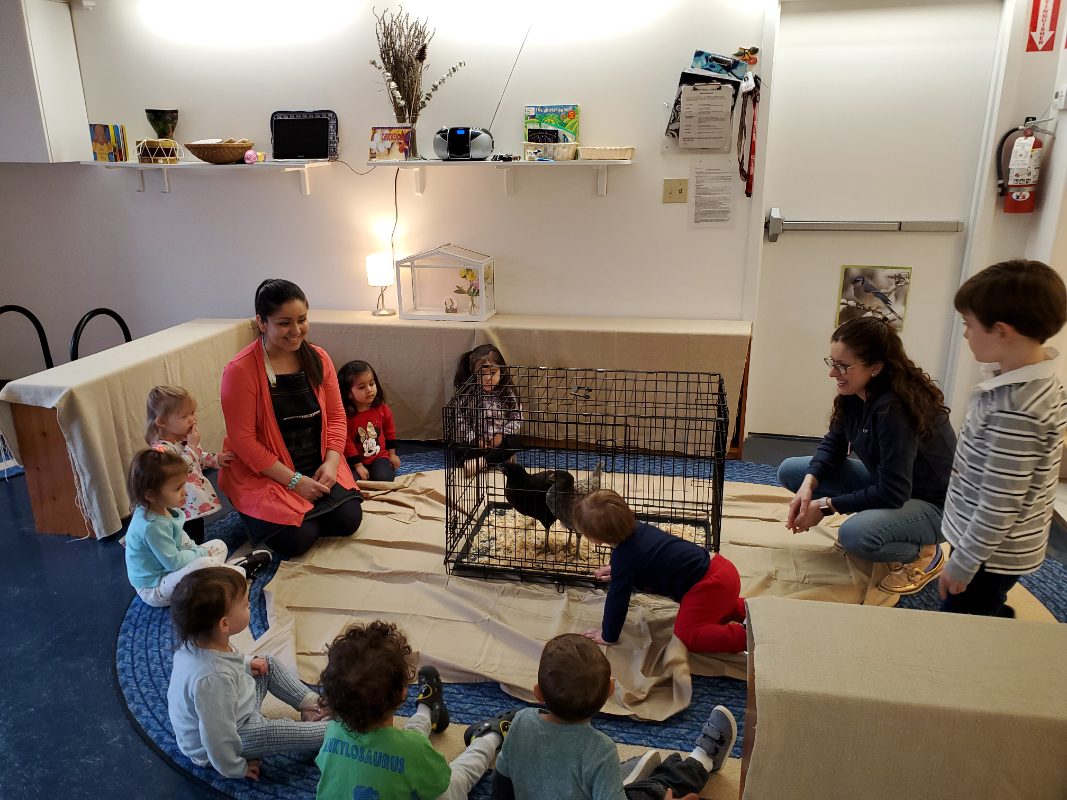
To add to the excitement, we were visited by two four month old Ameraucana chickens- their names are Shell and Henrietta! This type of chicken lays beautiful blue eggs. Children were in awe! They had the opportunity to pet them, feed them, and hold them! It was a great experience!

Thank you so much to the Heggland family for making all this happen! Your support to our classroom is incredibly valuable! It was so fun!

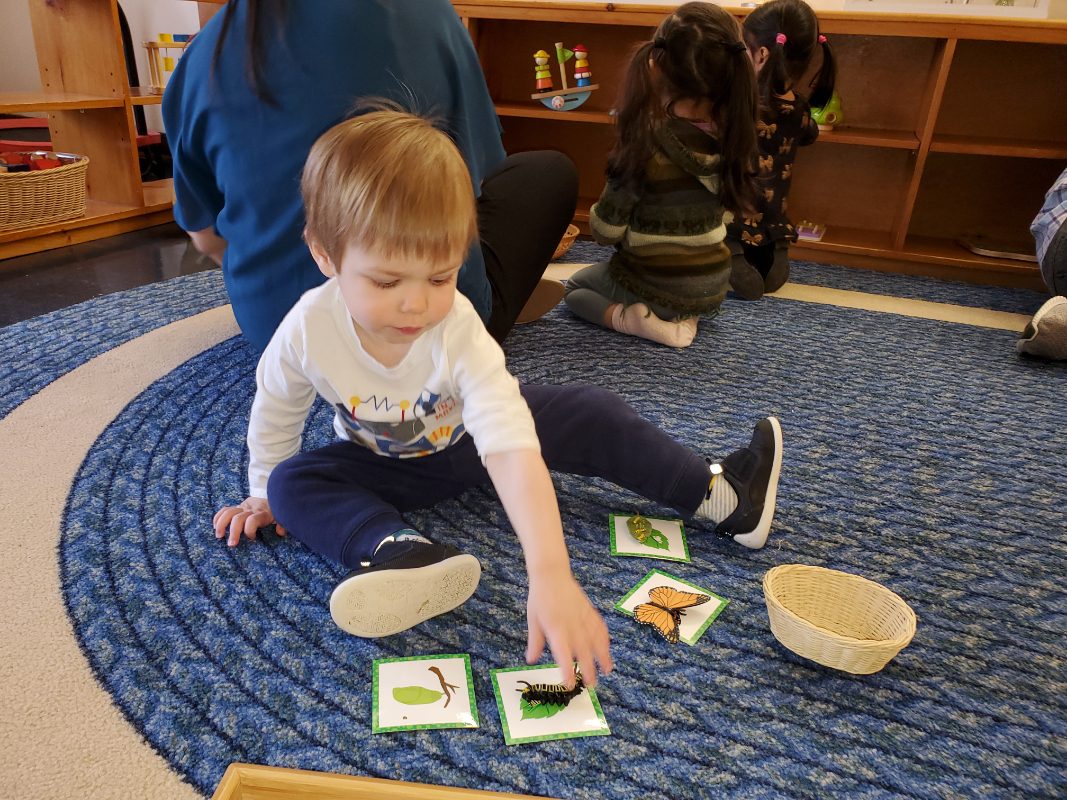
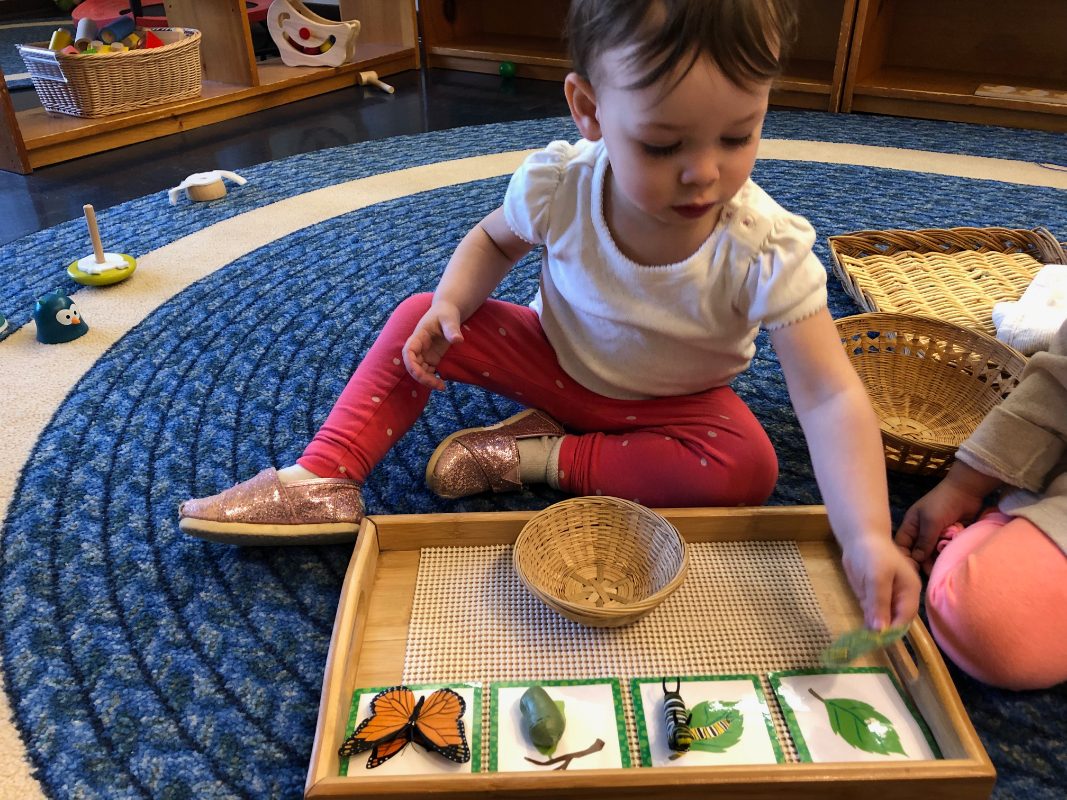
On another note, our beautiful hungry caterpillars have already reached the chrysalis stage and children can’t wait to see the butterflies coming out! There is magic all around!

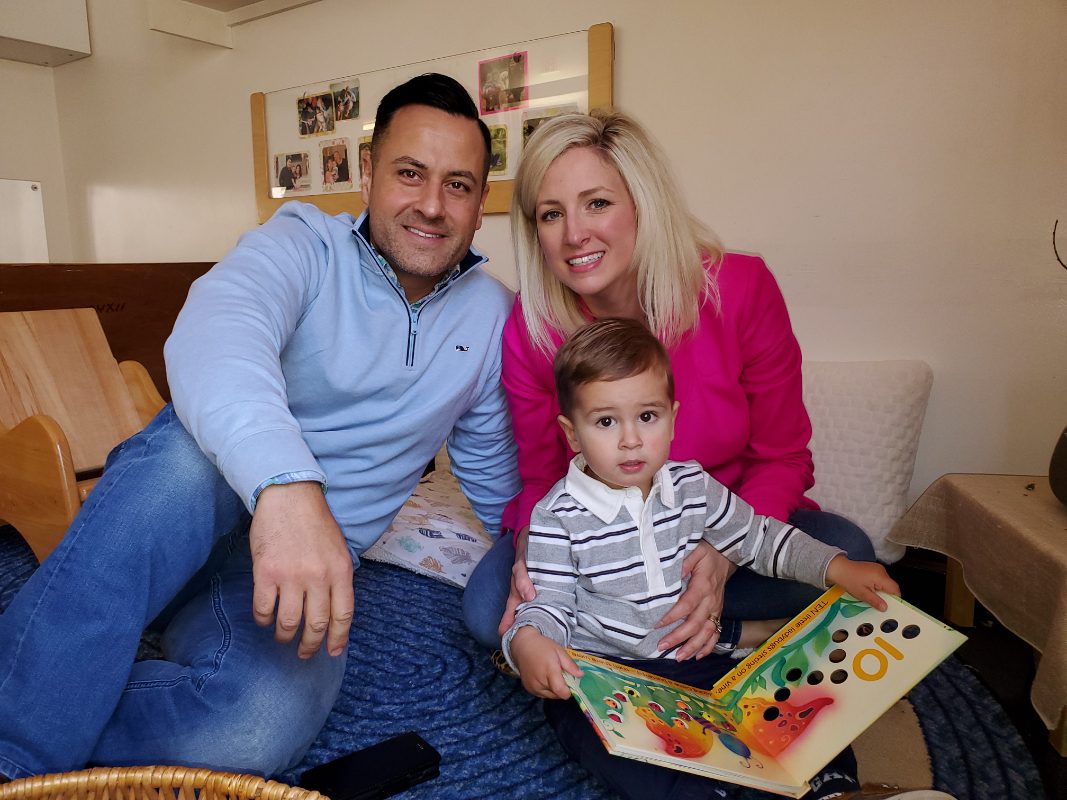
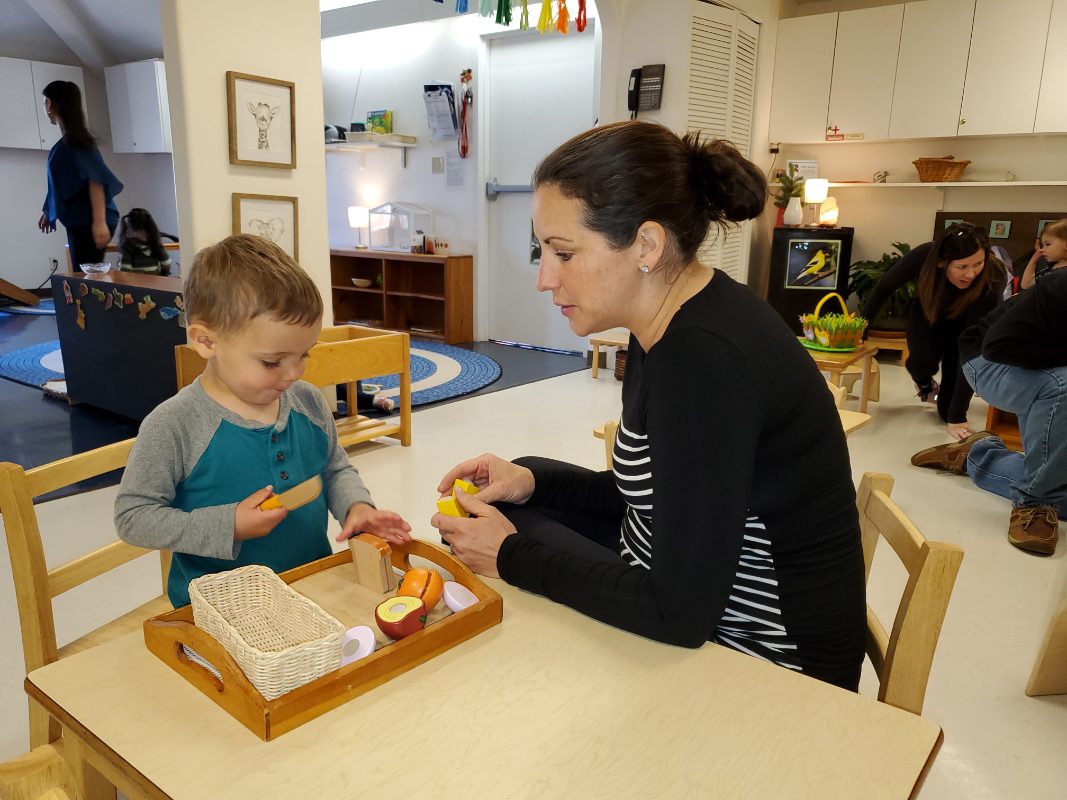
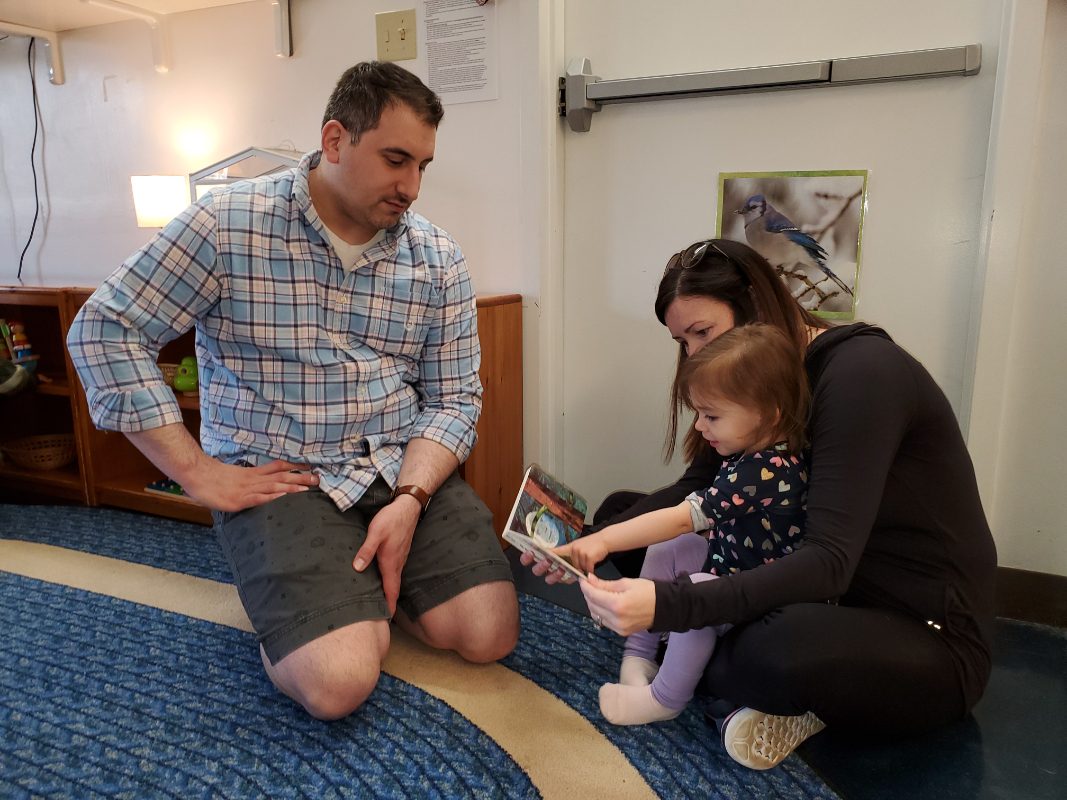
Thanks to all the parents that were able to attend the Parent-Child Morning! It was great to see you having a nice time with your child and getting a closer glimpse of what happens in their Montessori world here at school!

Next week the children who will be moving to the Primary program in the fall will be visiting one of the Primary environments for 20-30 minutes and spending some quality time with our amazing Primary guides and some welcoming peers. A more detailed email about this event will be sent shortly!

For those who celebrate this holiday weekend, please enjoy!


Happenings & Events

Art Show on Wednesday, April 17th from 3:30-5:30pm.  Please come to the Commons to see Lower Elementary, Upper Elementary, and Middle School student artwork. Ms. Reid, the art teacher, will be present to answer questions.  Please park at Sand Hill Plaza -shuttle buses will begin at 3:30pm.

Pizza & Salad Dinner on Wednesday, April 17th from 5:00-6:00pm.  The Middle School students will be serving pizza, salad, and drinks to the community.  Please come support the students and enjoy a meal with your family.  To sign-up for the dinner please click here.  Please park at Sand Hill Plaza -shuttle buses will begin at 3:30pm.

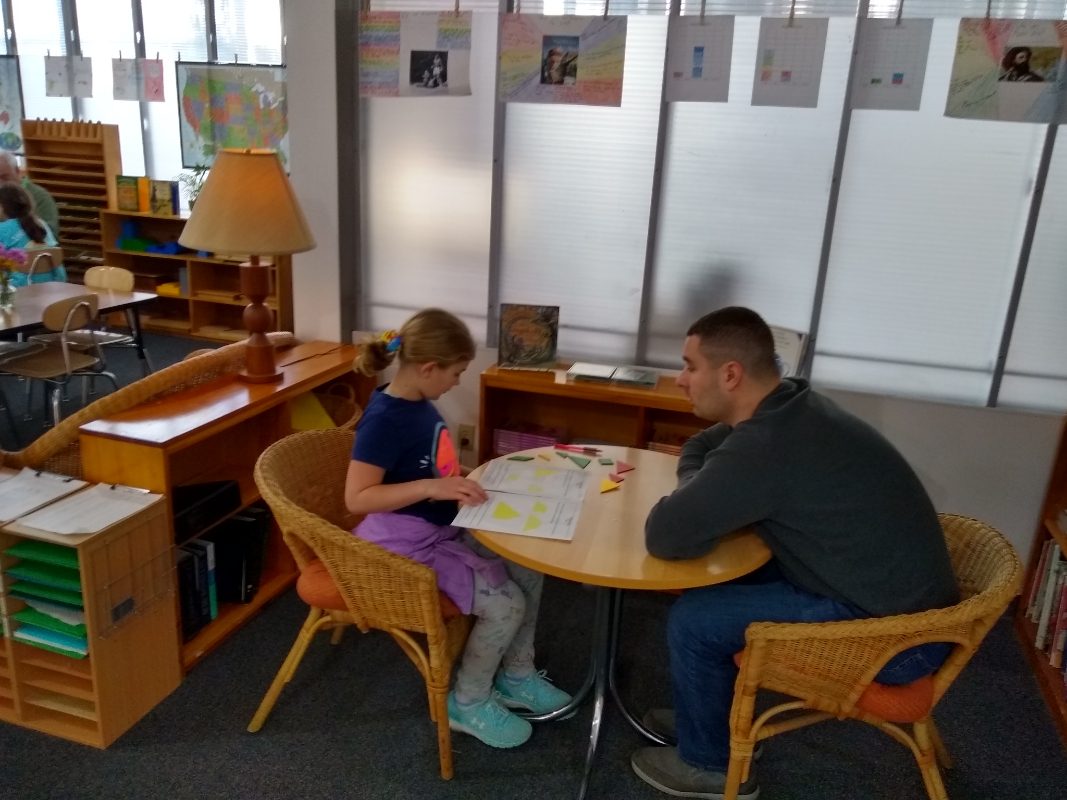
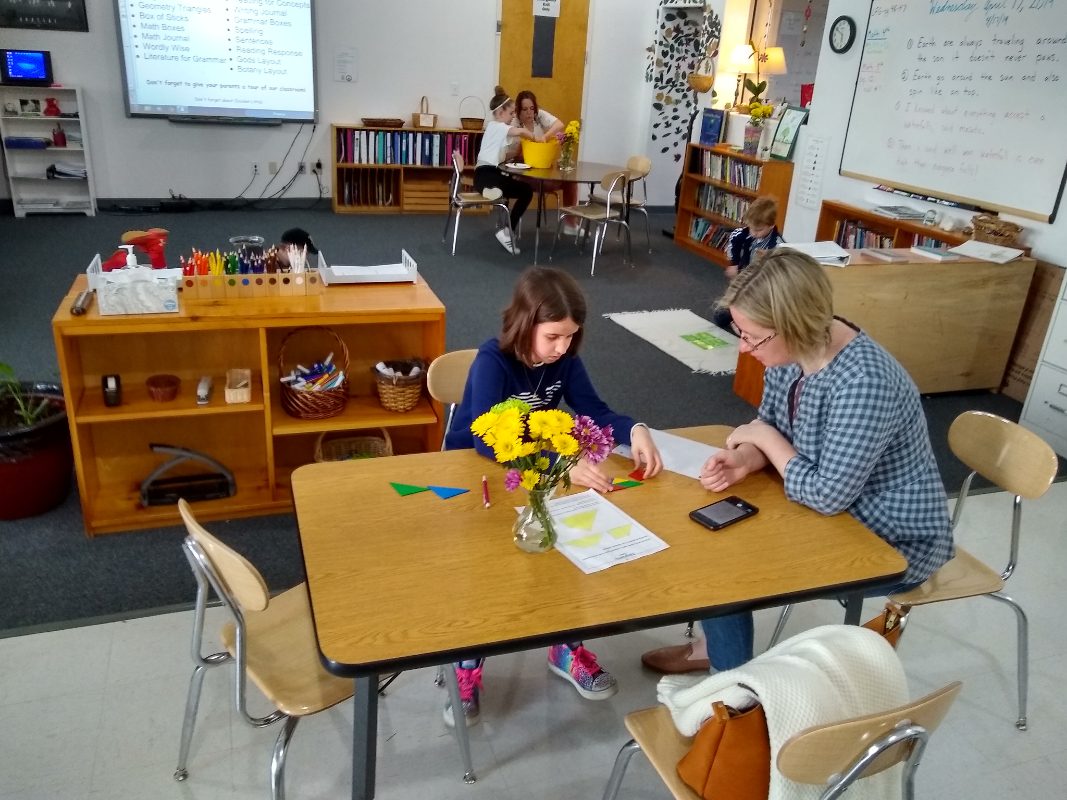
Parent & Child Night on Wednesday, April 17th from 5:30-6:30pm.  You and your child are invited to attend an hour of educational engagement.  Parents/ caregivers will have an opportunity to learn about the different Montessori works from their children in the classroom.  This event is open to all parents in Primary through Elementary.  Please park at Sand Hill Plaza -shuttle buses will begin at 3:30pm.

All School Early Dismissal on Friday, April 19th at 11:30am.  No after school care is offered on this day.

Late Opening on Monday, April 22nd at 10:30am.   This is a Faculty In-Service morning –  there is no Before Care Option.

Science Fair on Thursday, April 25 at 8:30am and also 6:30pm.  Upper Elementary and Middle School students present.

FWM Summer Camp is OPEN for REGISTRATION!  Weekly sessions for summer program offerings for Toddler, Primary, and Elementary age children.  Register online at MyFWM.org under PROGRAMS.


1st Year Laser Cutting

Our 1st years have become my target group of introducing the beginning techniques of using our Glowforge (laser cutter).


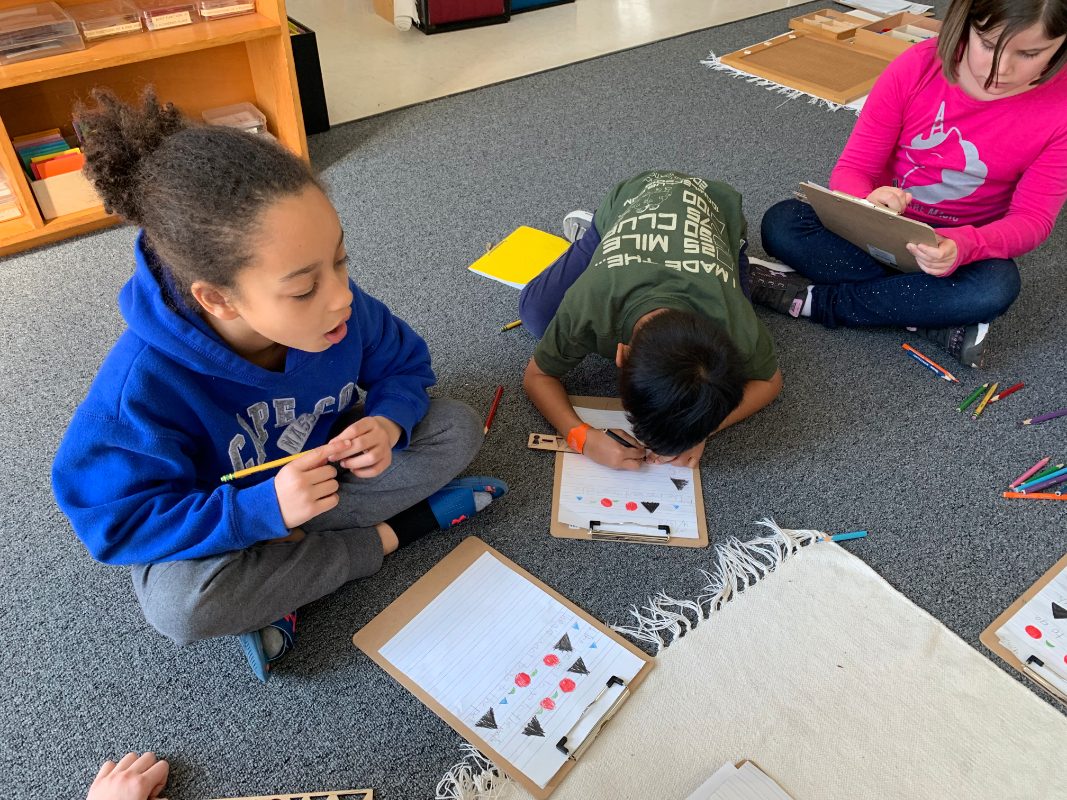
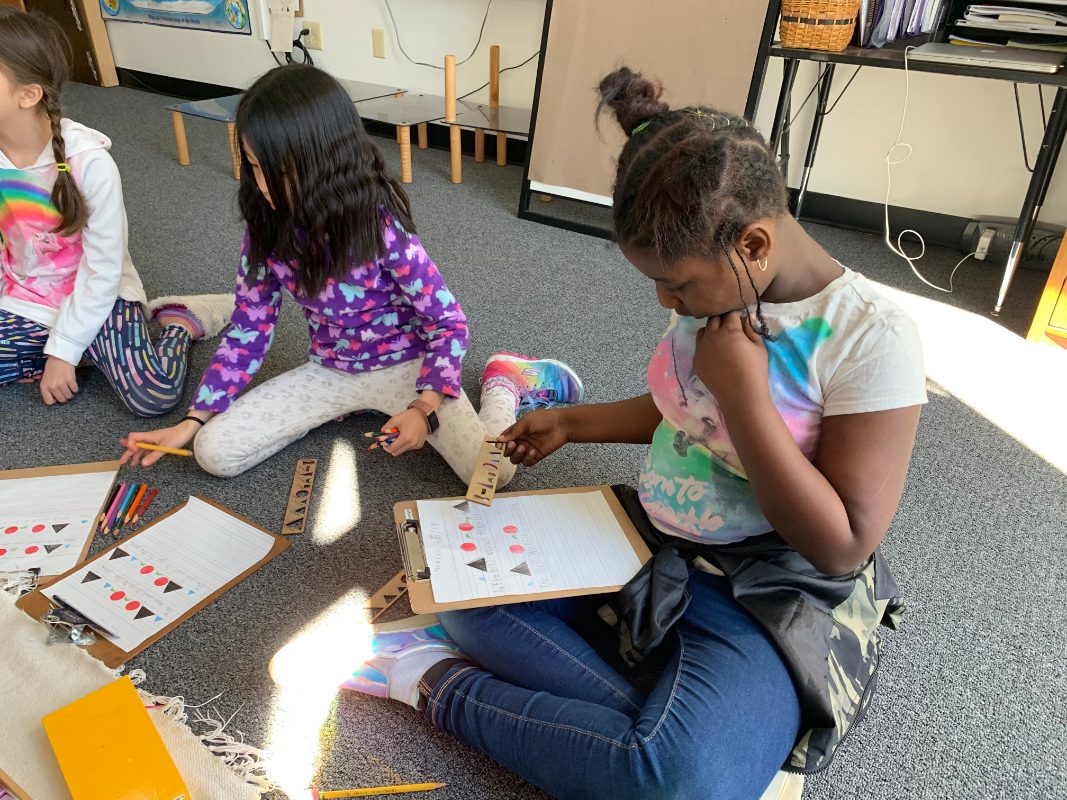
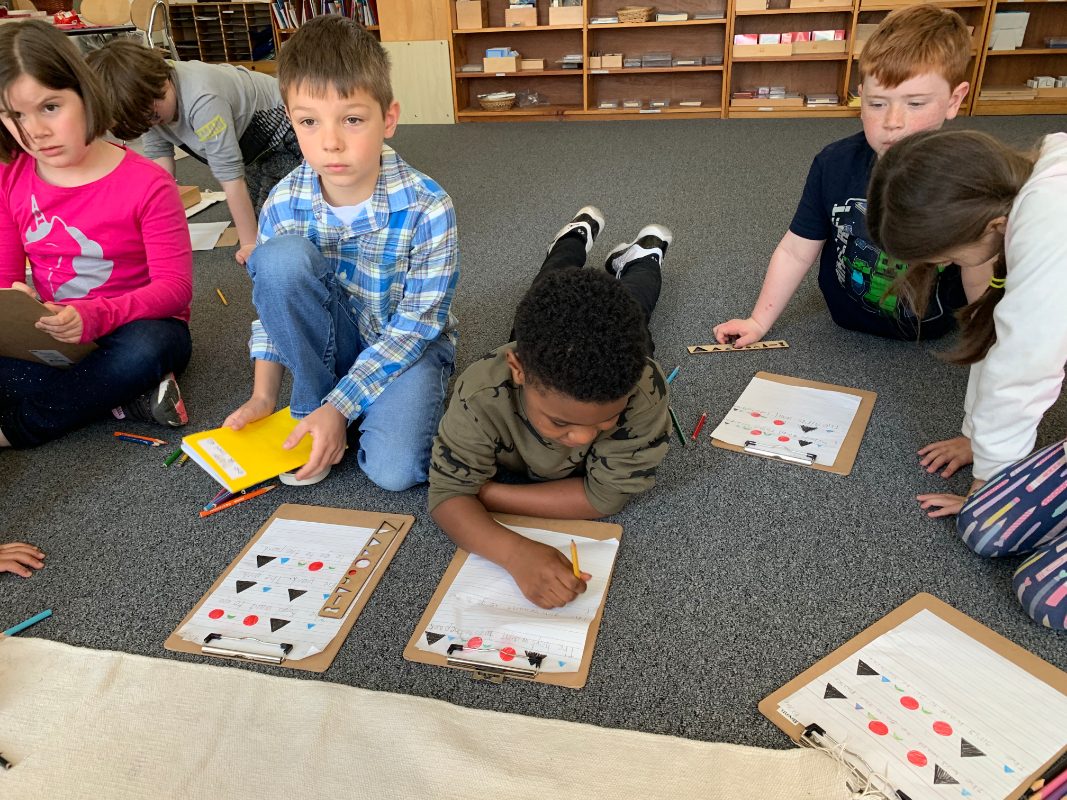
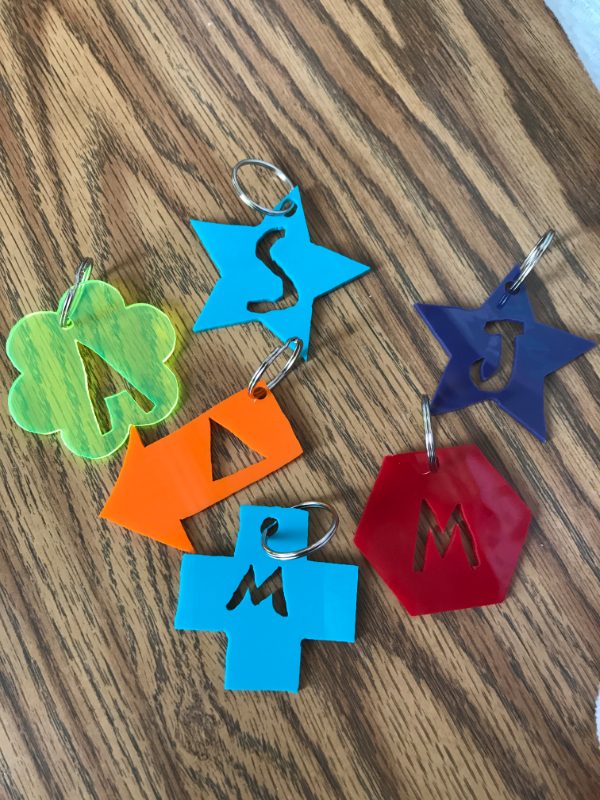
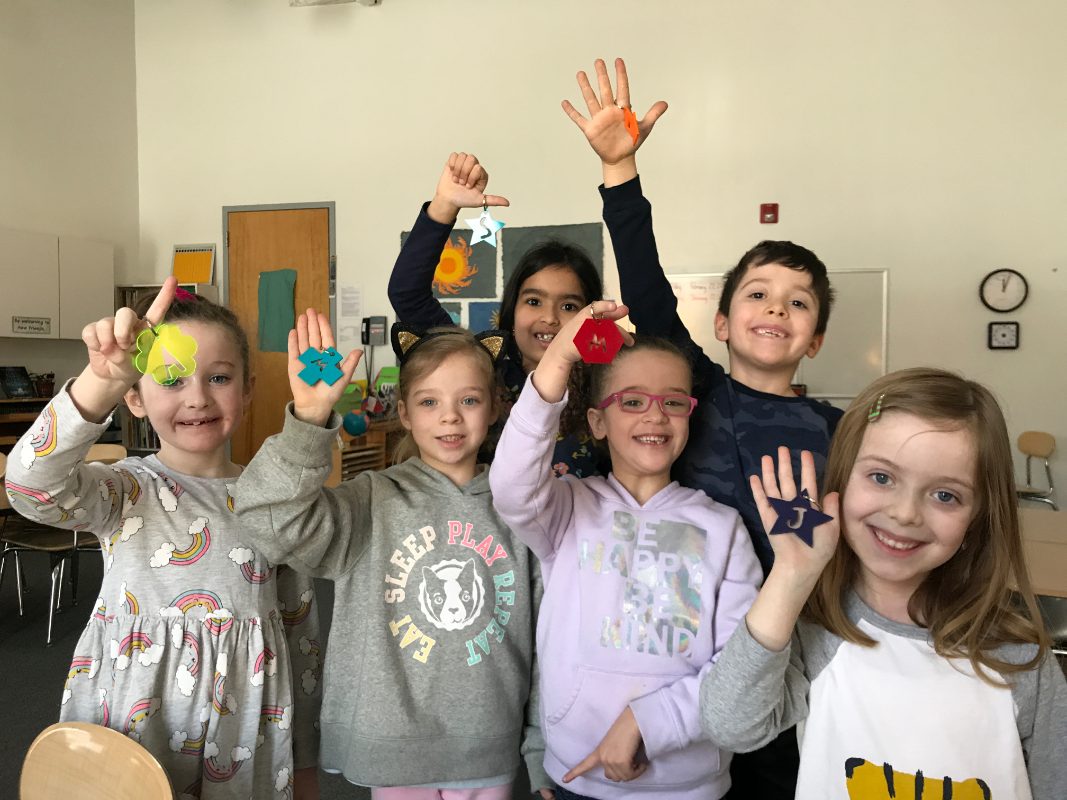
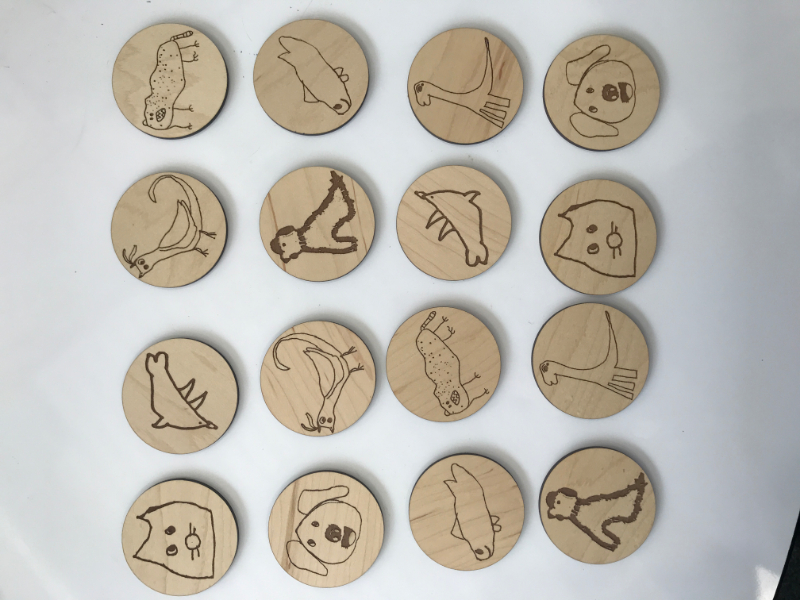
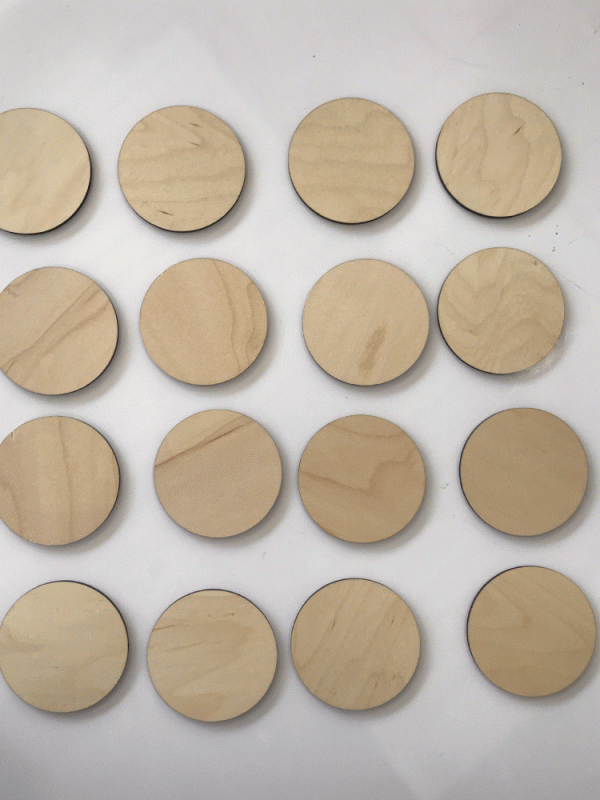
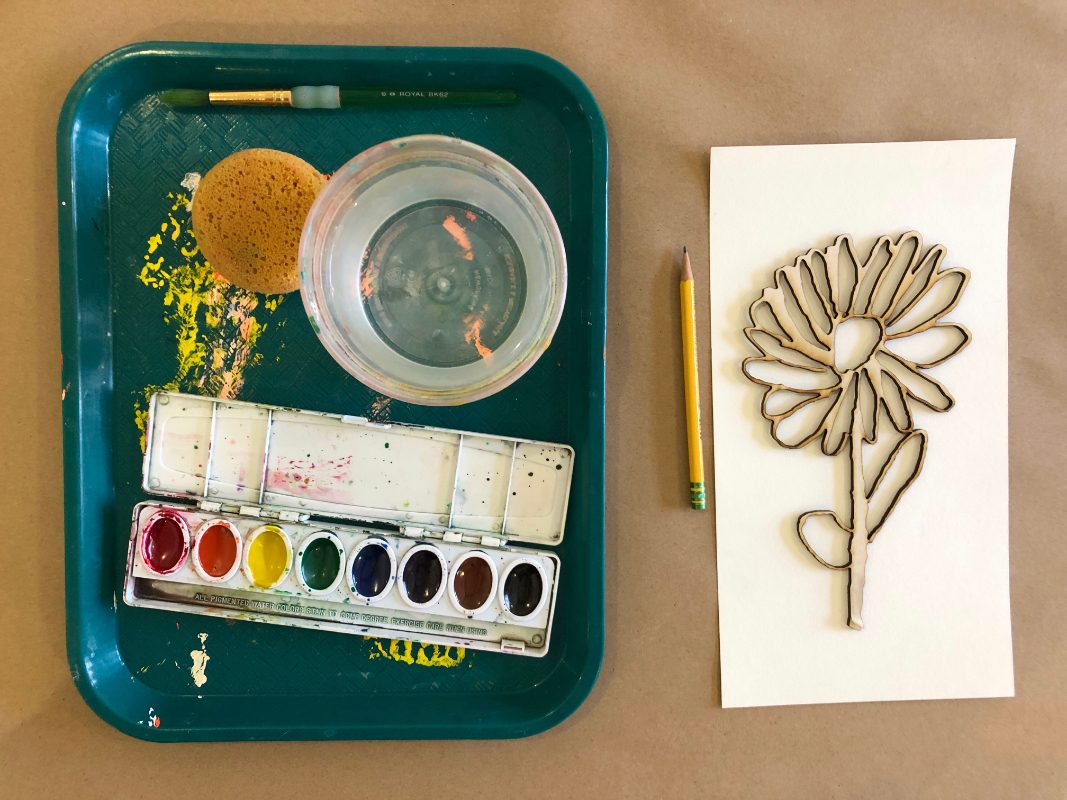
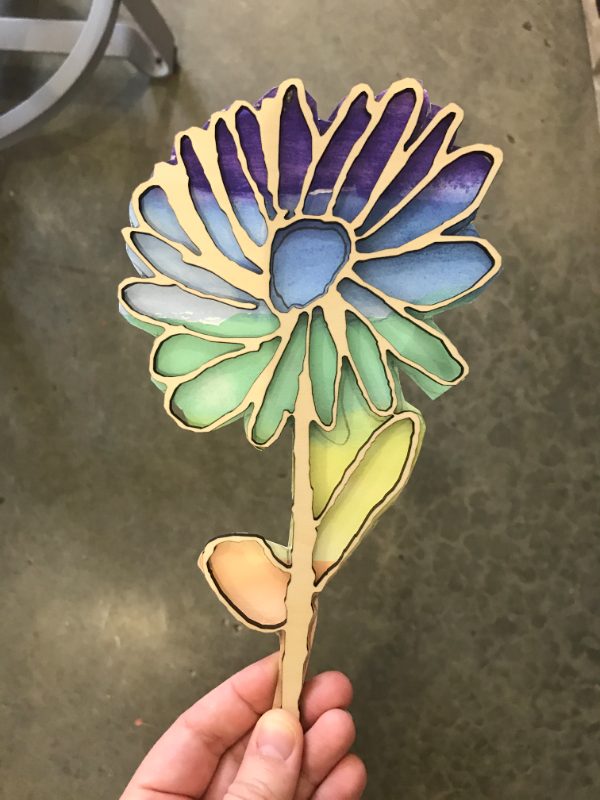
We started with our acrylic keychains, moved on to a collaborative wooden memory game made from animals, and are currently finishing up a STEAM flower project with Mrs. Reid, our art studio teacher.


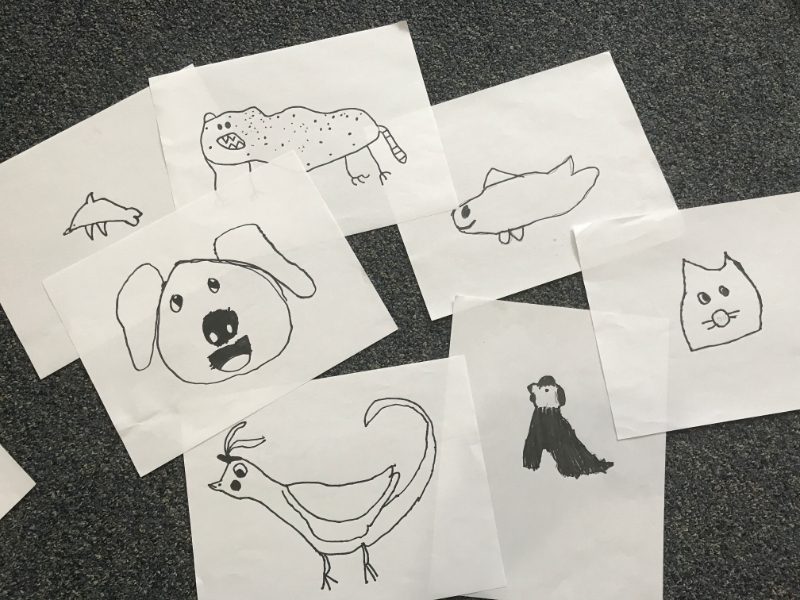
Laser cutting typically requires CAD drawings and vector files in order for the machines to understand where to cut, engrave, or score. Unlike other machines, I purchased the Glowforge because it also has an extra feature that allows me to use it with all my students: a camera! This means that students can put a drawing into the machine, and we can tell the Glowforge where to cut or where to engrave. This “tracing” feature is what our 1st year students are learning about.


Here’s our process:

  1. Research our design
  2. Sketch our design on white board tables
  3. Draw our design on paper using pencil
  4. Get feedback from peers and Ms. Ulacco
  5. Trace the final product using a black marker and a new clean piece of paper.

Once their black and white image is ready to be traced by the machine it is handed in and set aside for me to cut after class is over.


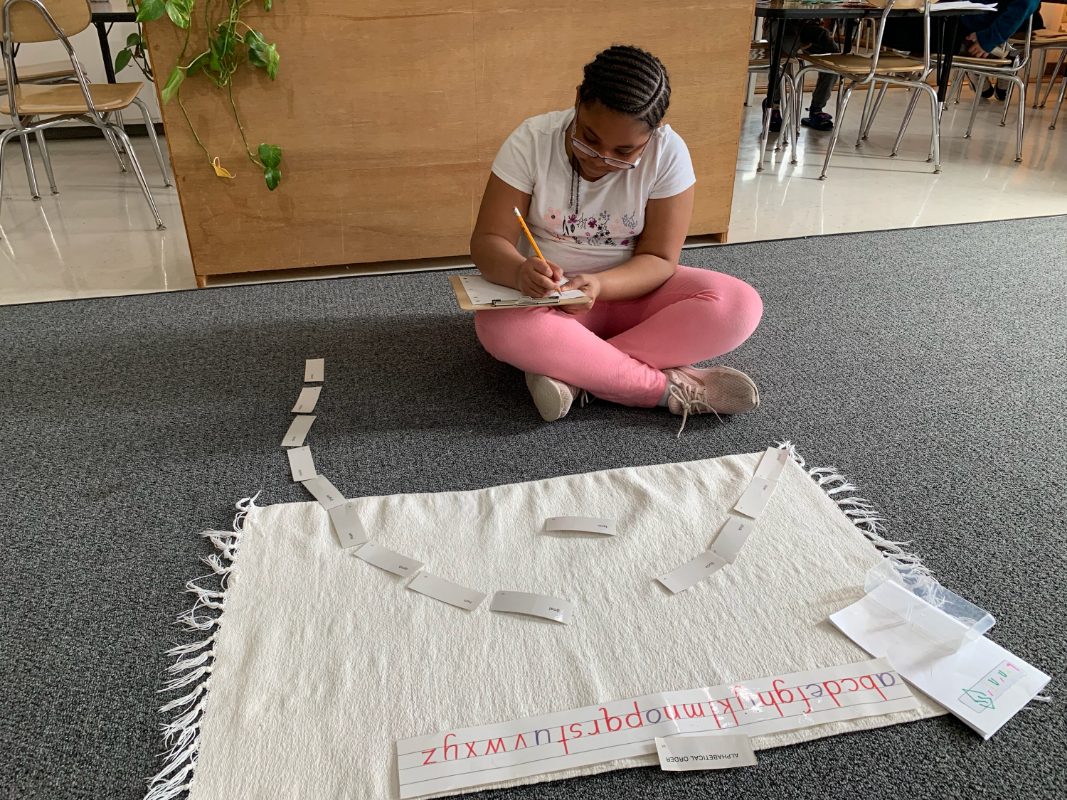
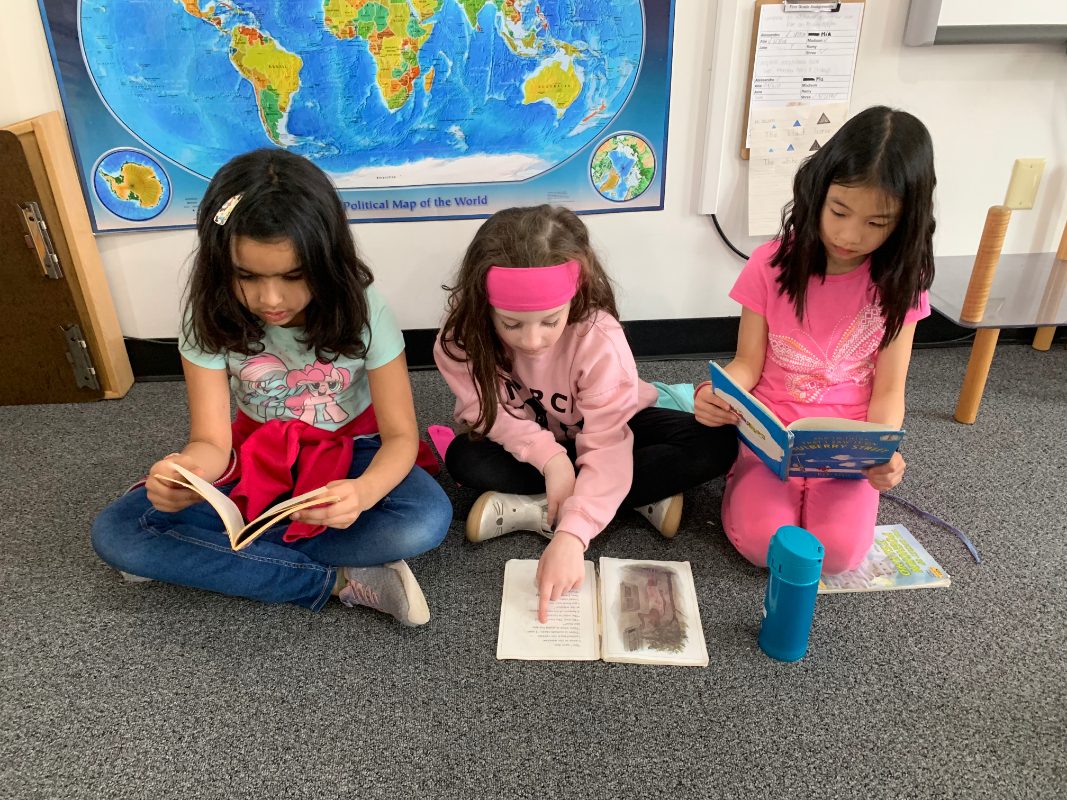
Please enjoy the pictures below of our process thus far! Bravo, 1st years!

Mrs. Carroll’s Class: Insect Alert!
Insect Alert!

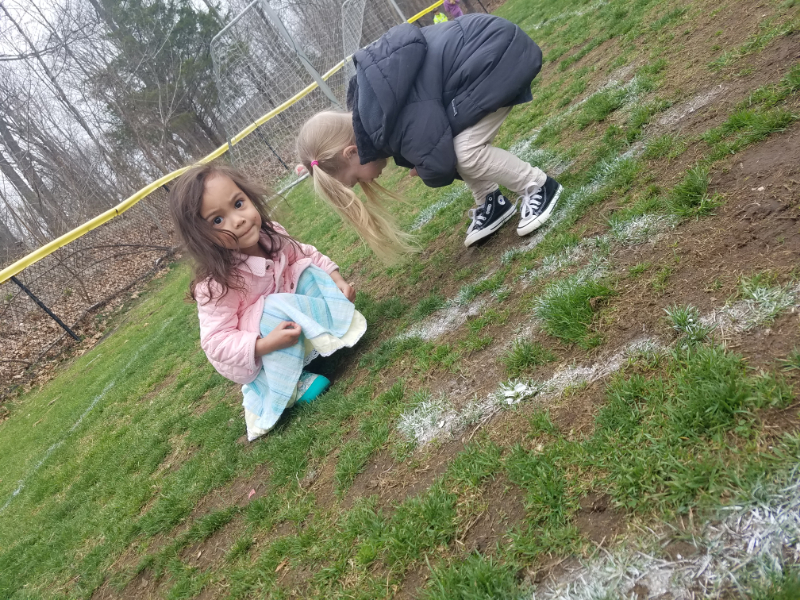
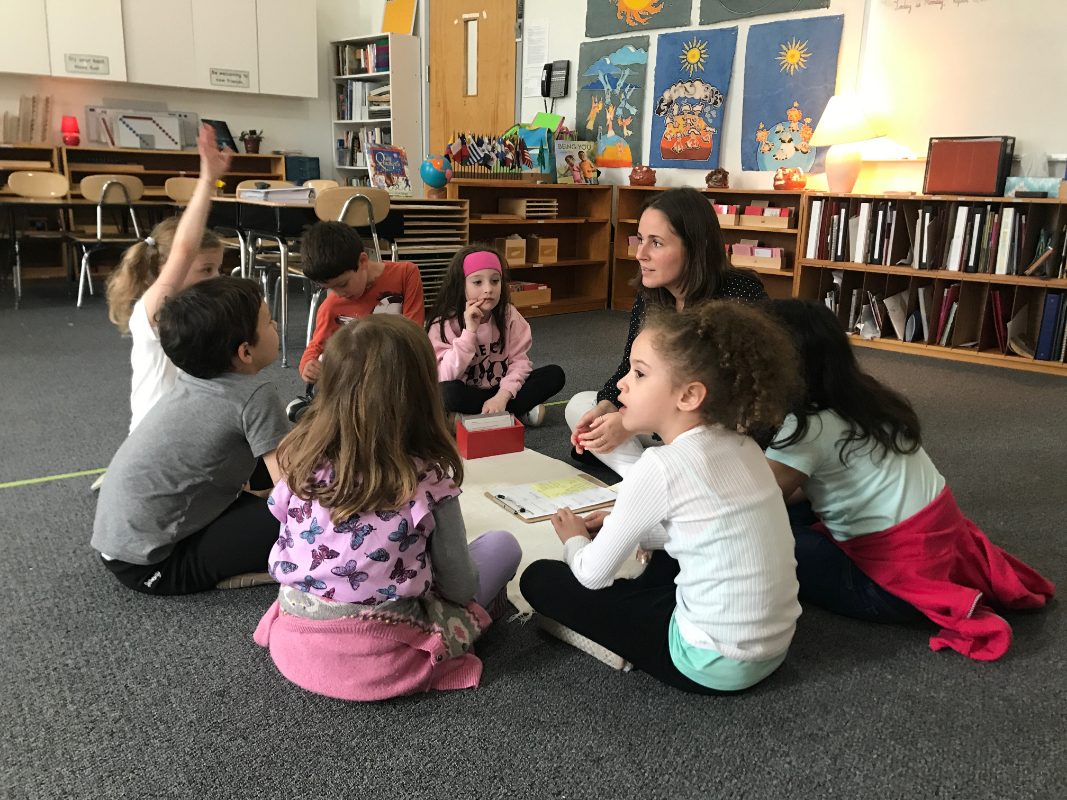
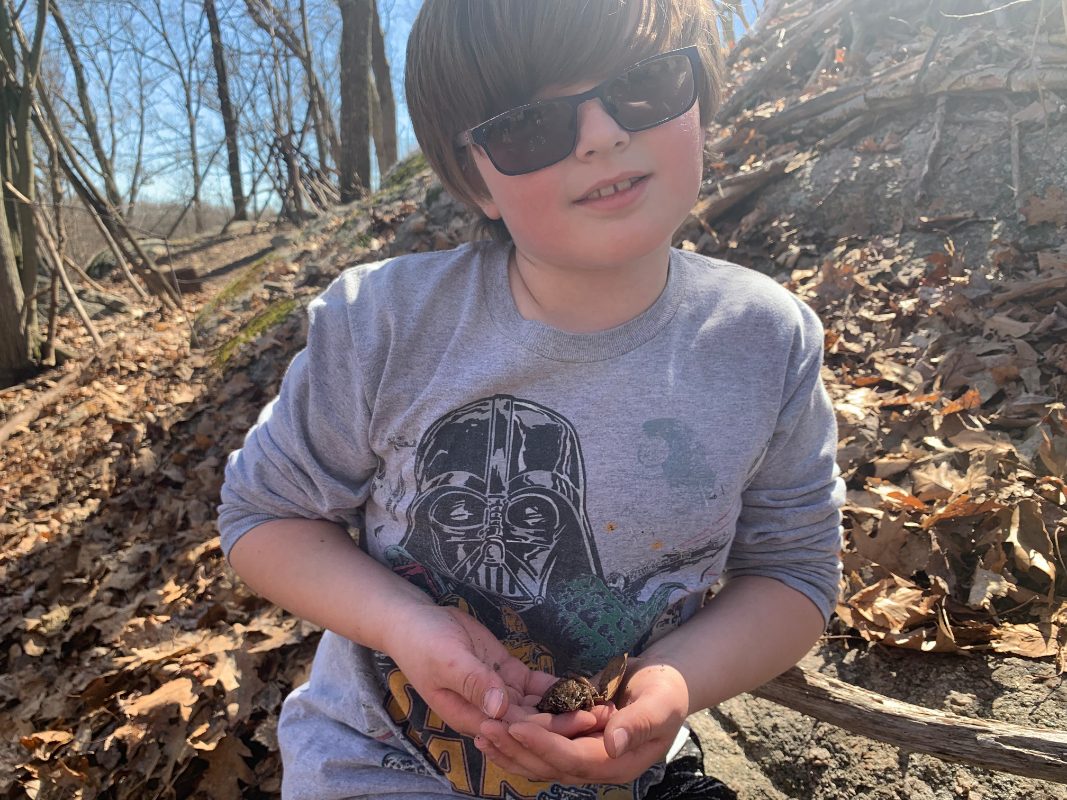
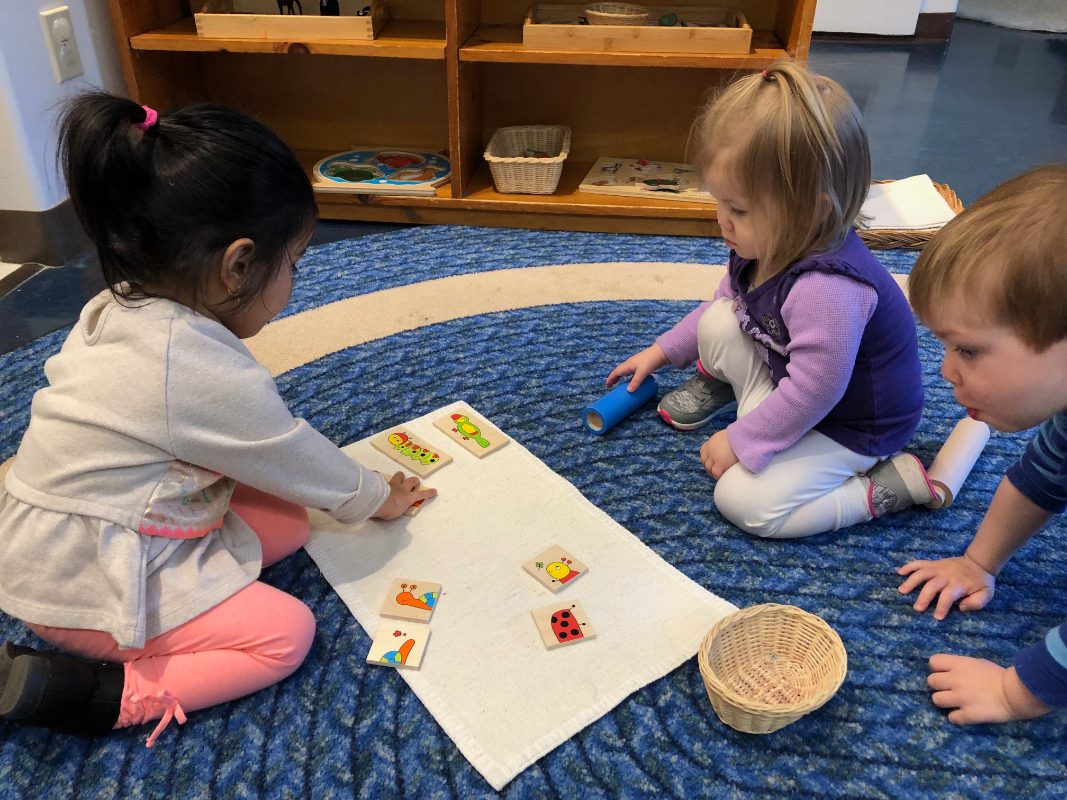
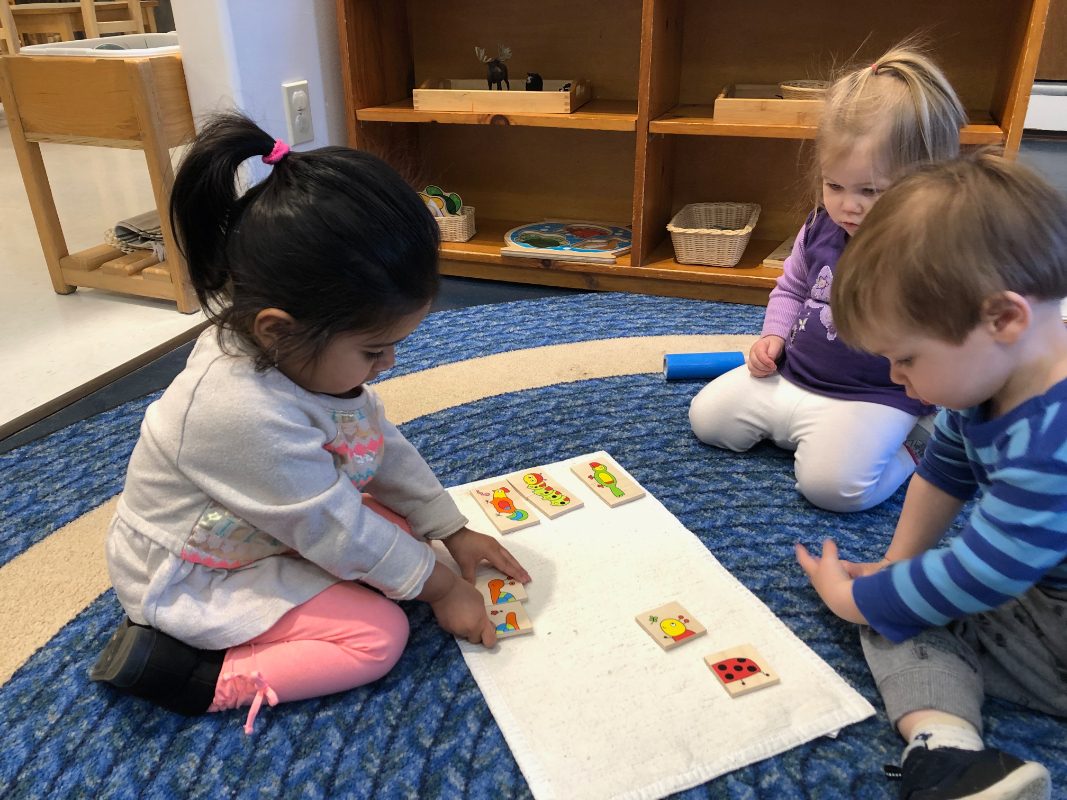
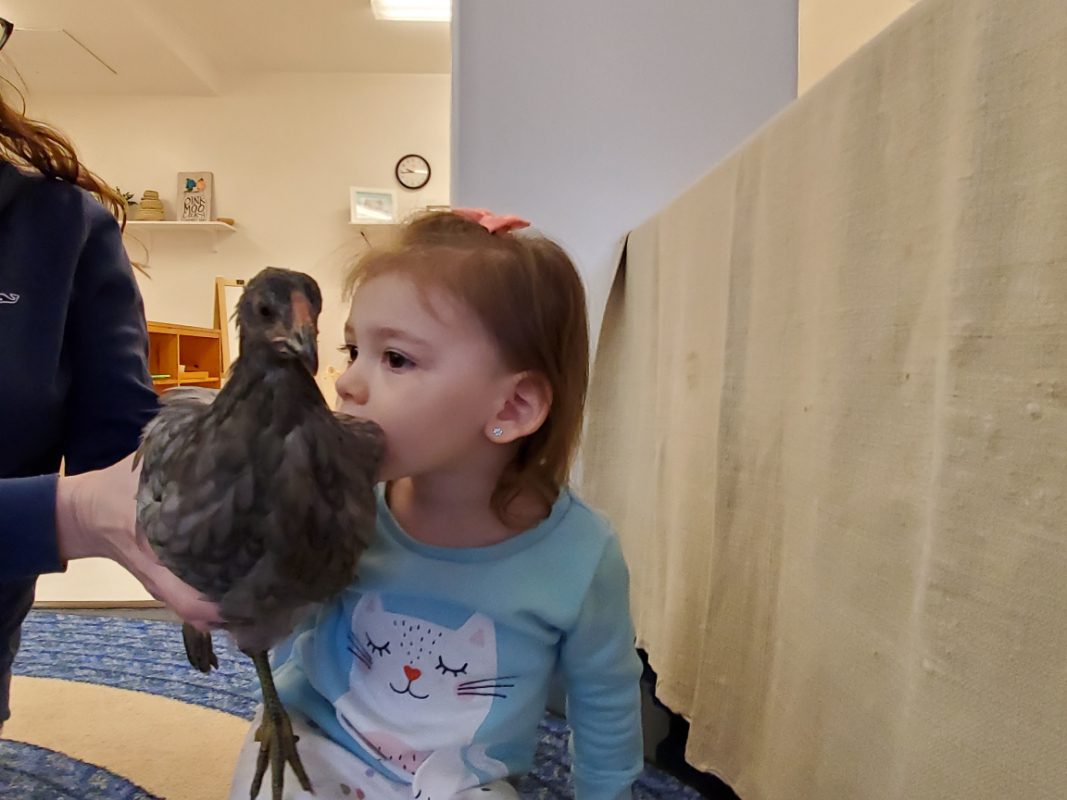
Flowers aren’t the only ones that come out of hiding during spring, after the cold of winter you’ll notice more insects start making their appearance. Curiosity towards these six legged friends hits a high note in April, and we take the cue to “follow the child” and their deep affection for insects. Over the next several weeks we will continue to support your children’s curiosity, exploration, and understanding of insects through hands-on activities, songs, lessons, and outdoor exploration. The intent is to encourage their interest in the diversity, beauty, and joy of nature.

Is a spider an insect? The children know, ask them.

Have a warm and wonderful week!

Cindy & Sharlene