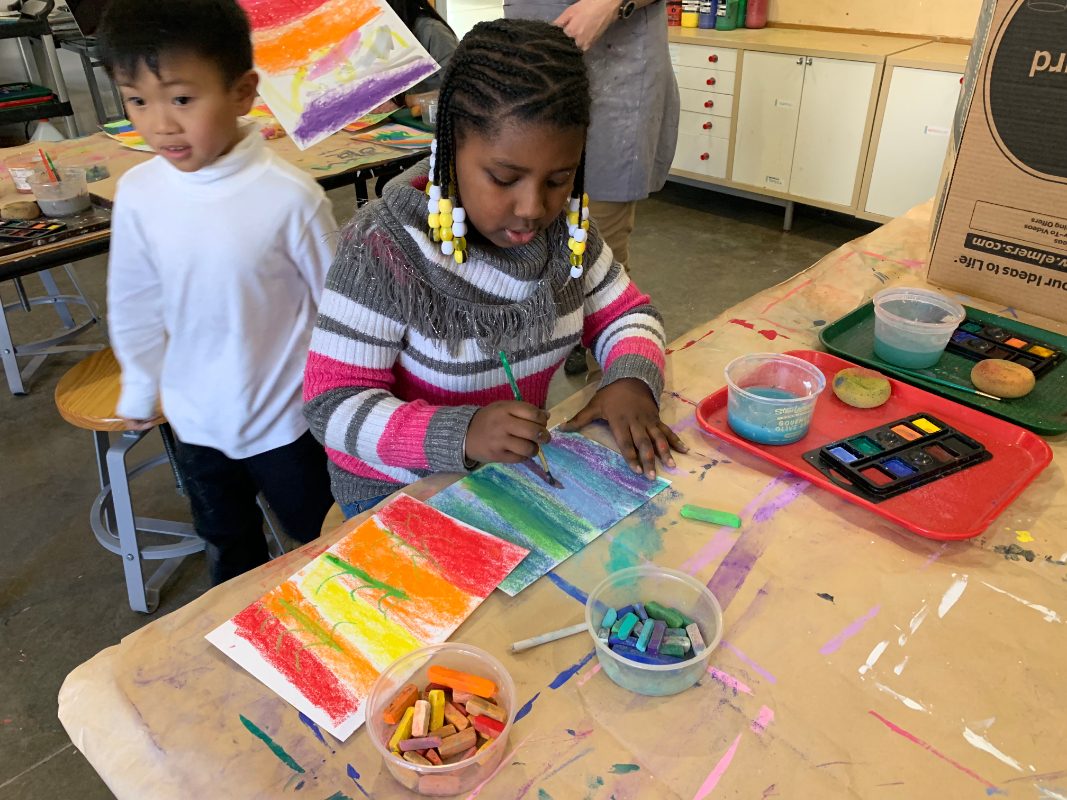
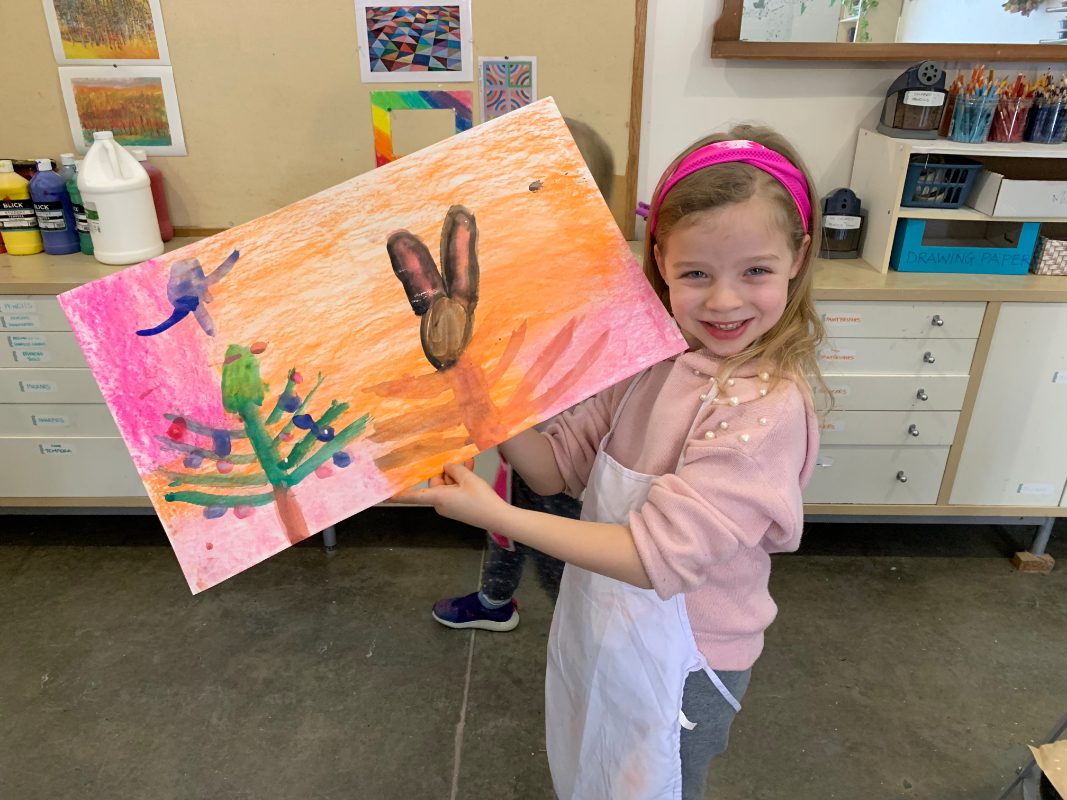
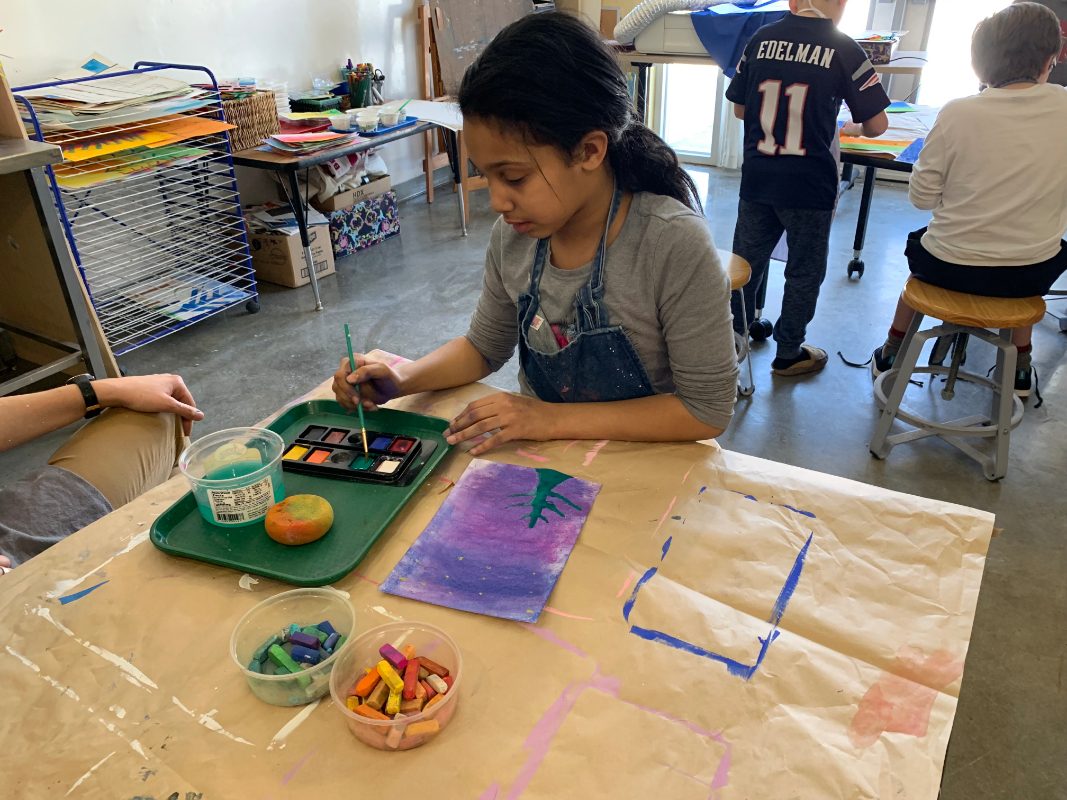
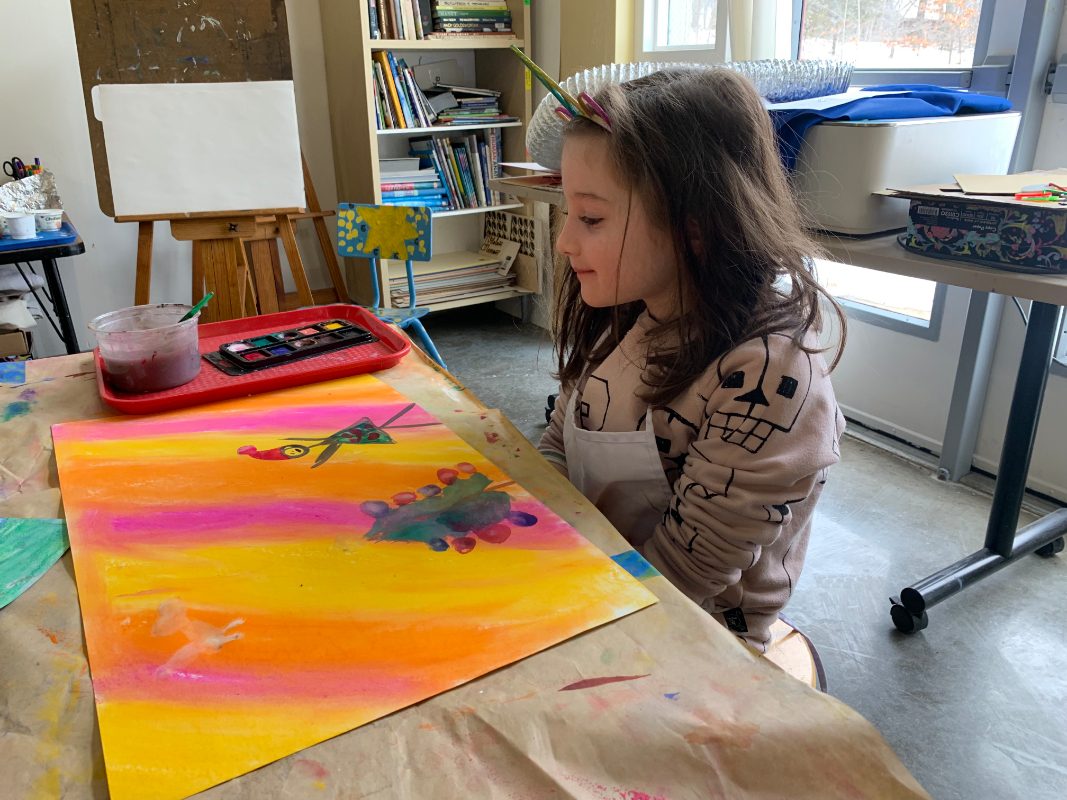
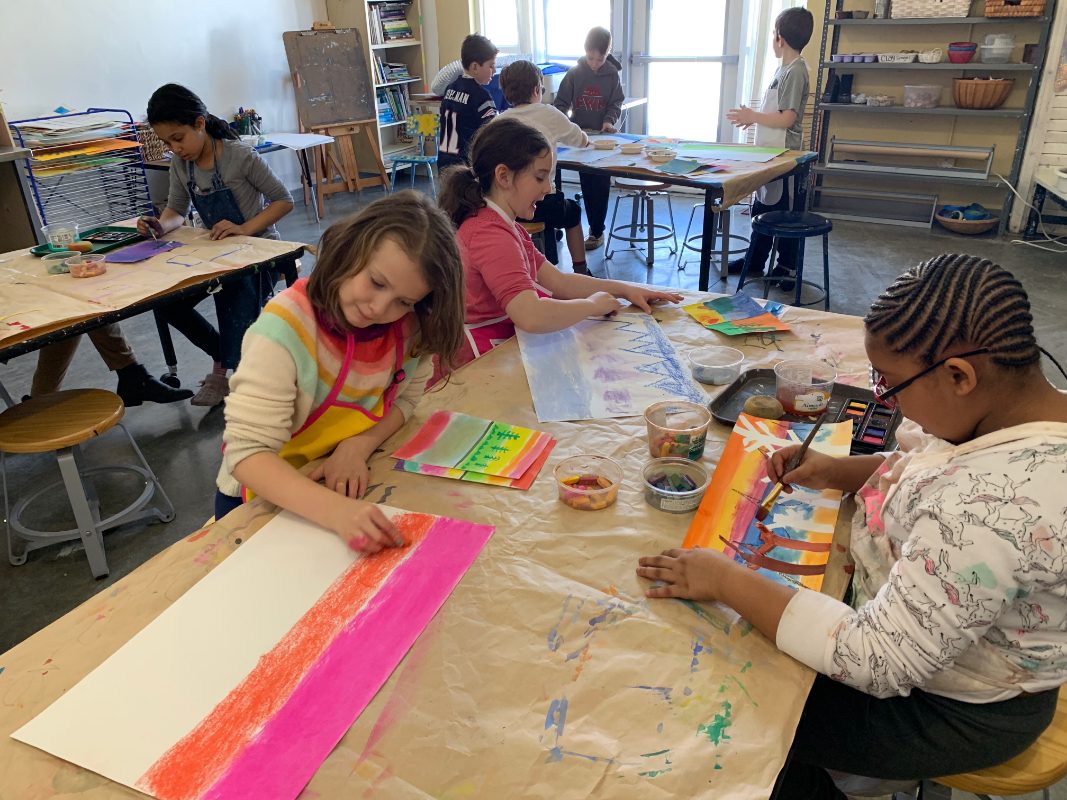
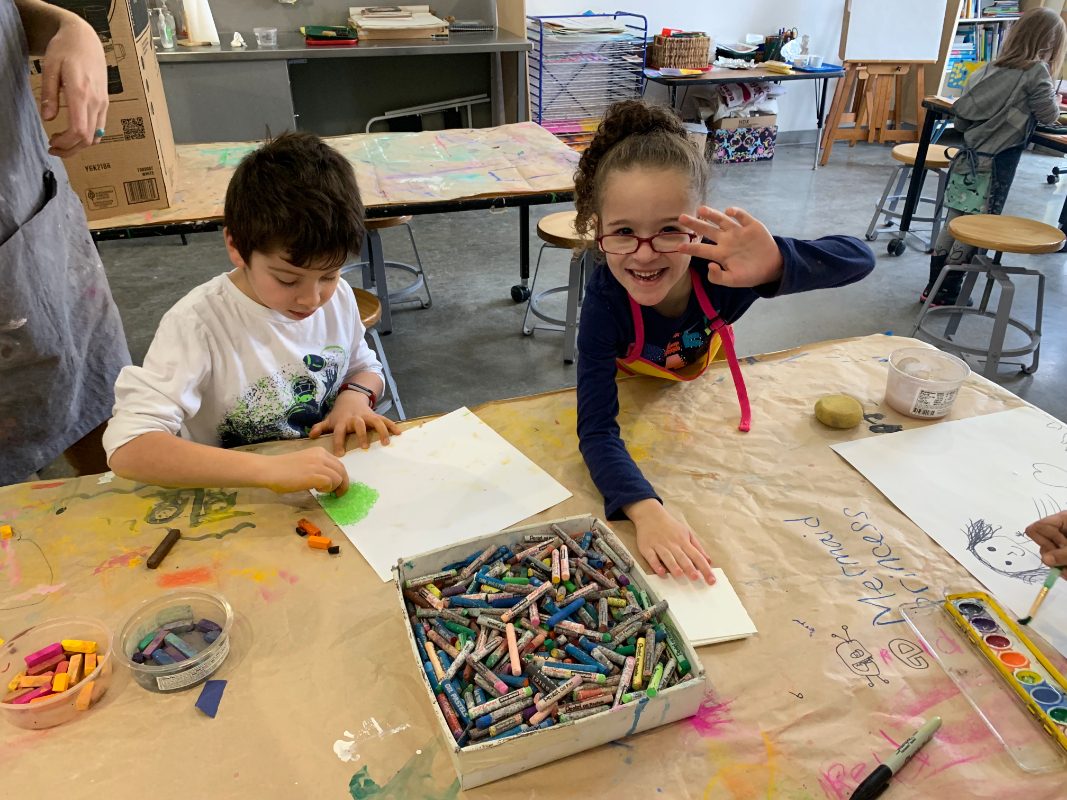
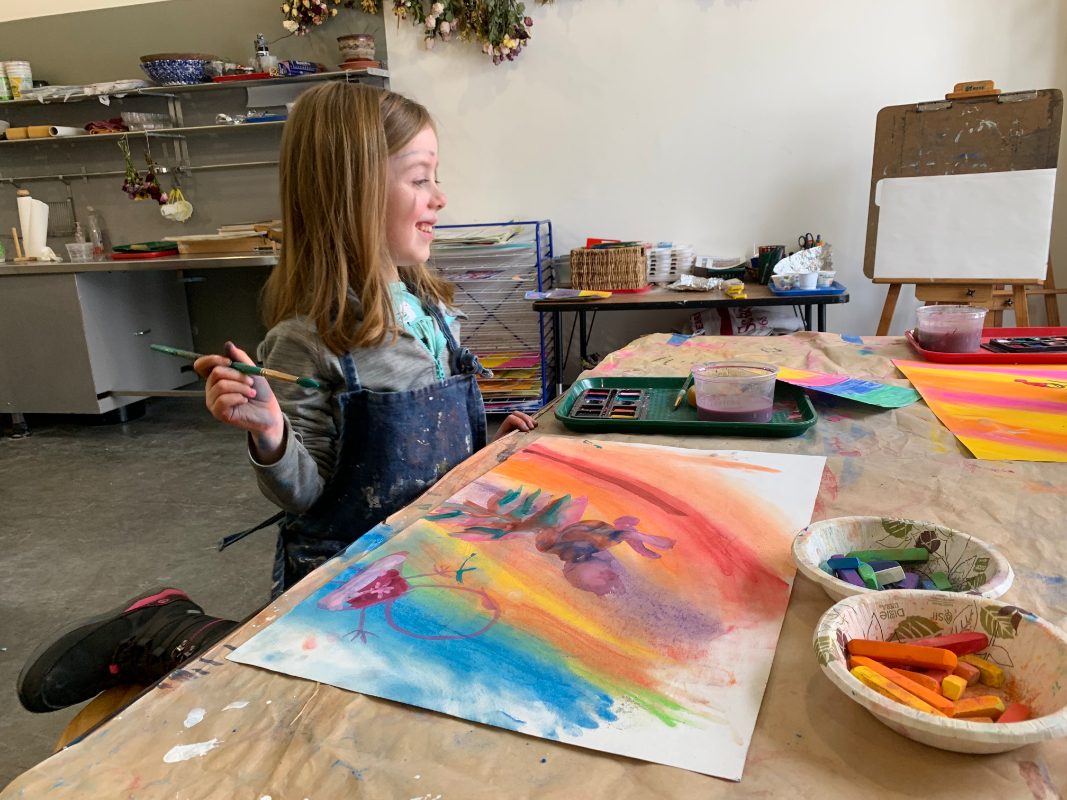
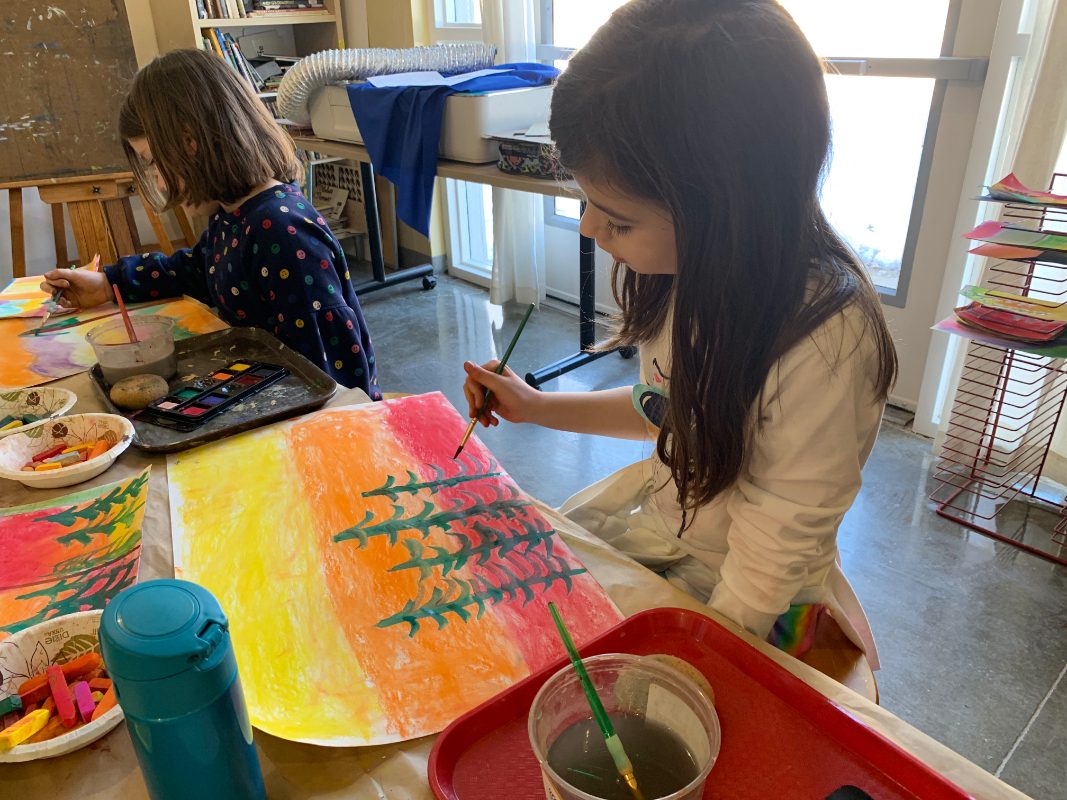
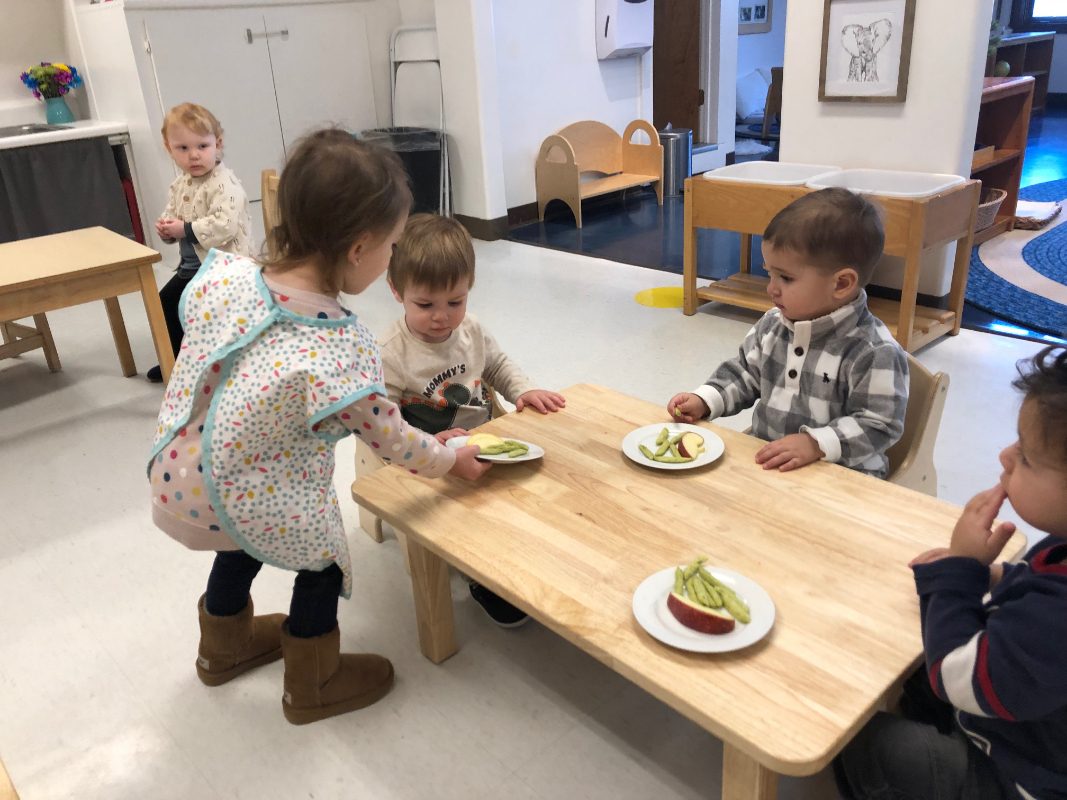
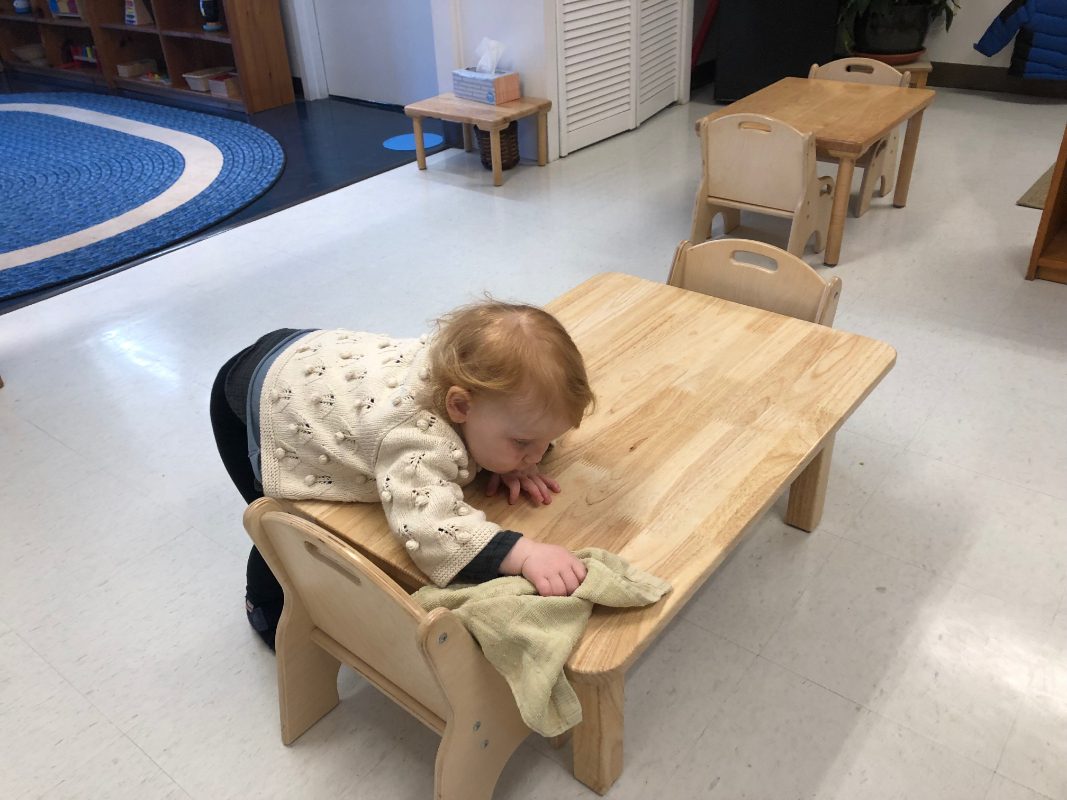
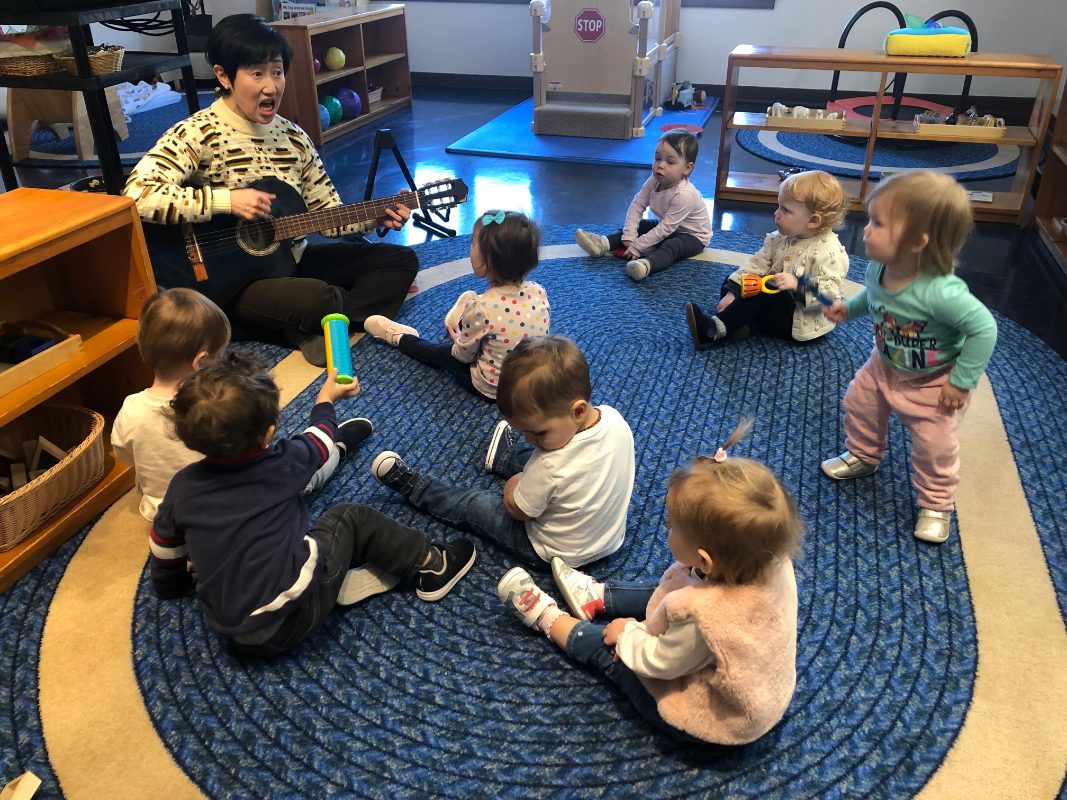
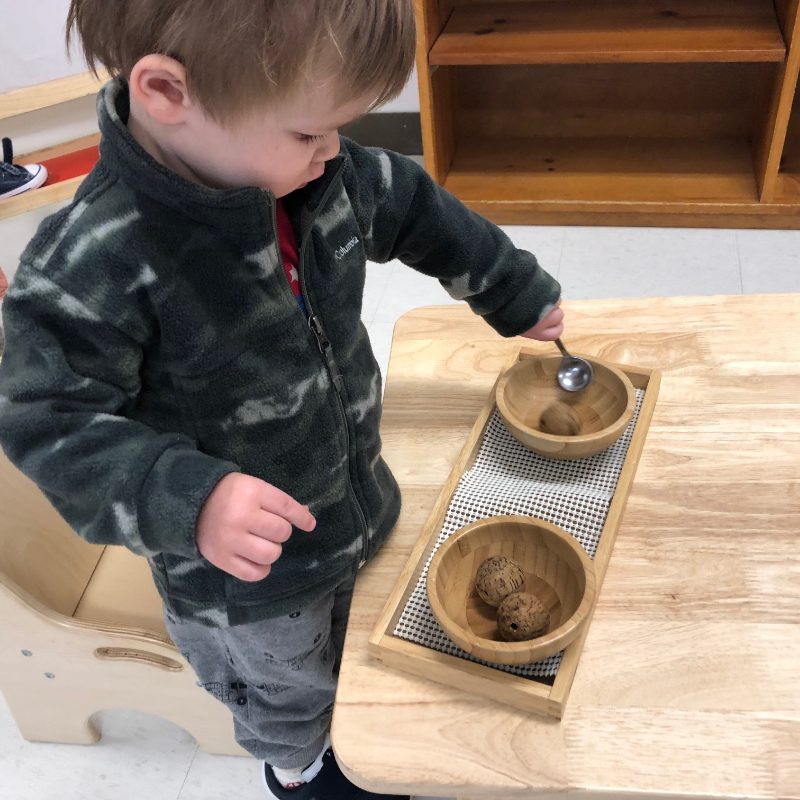
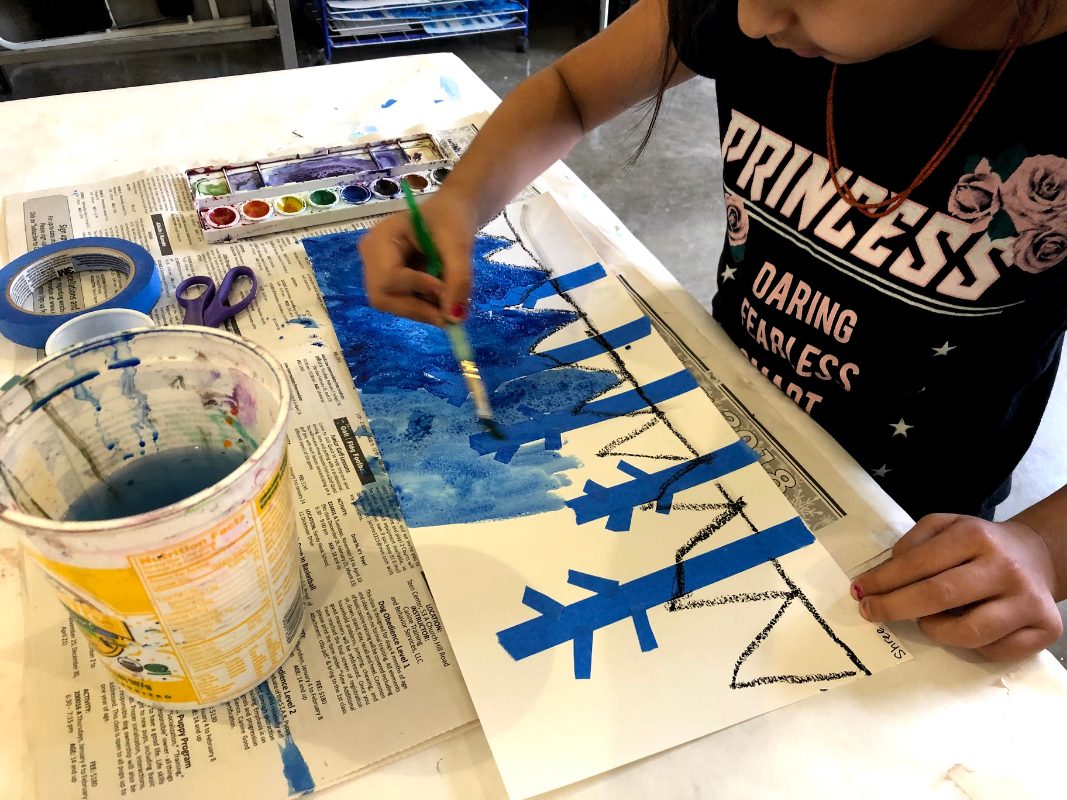
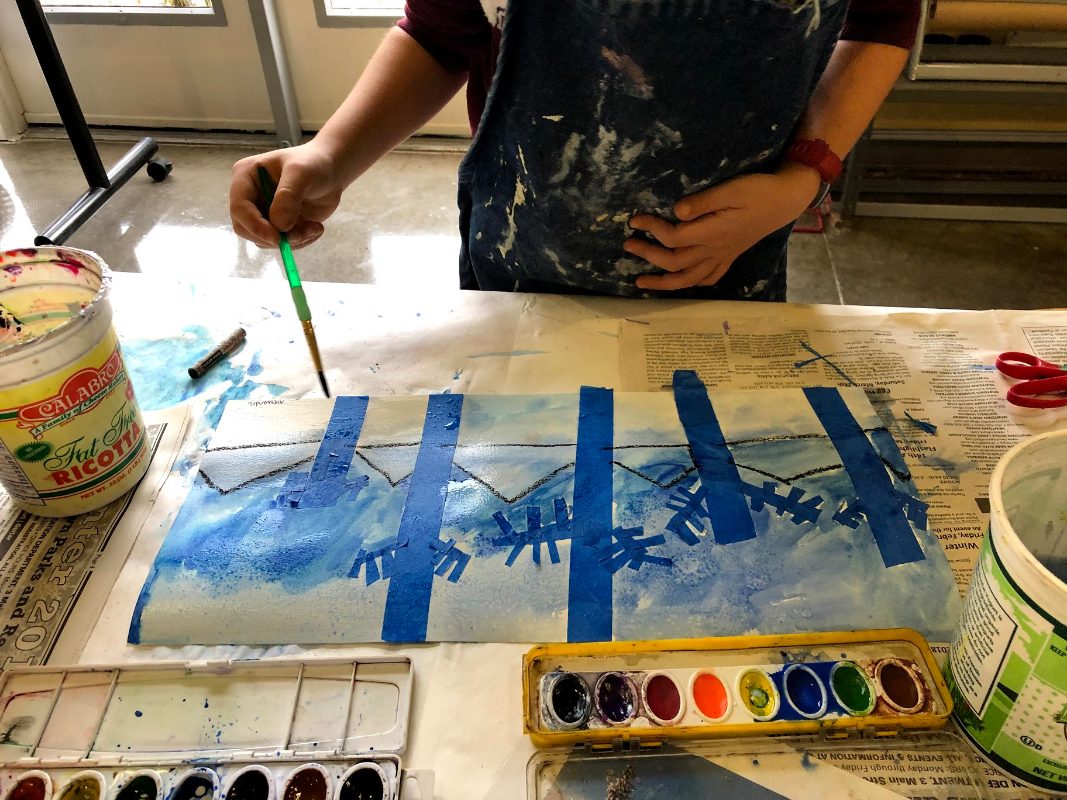
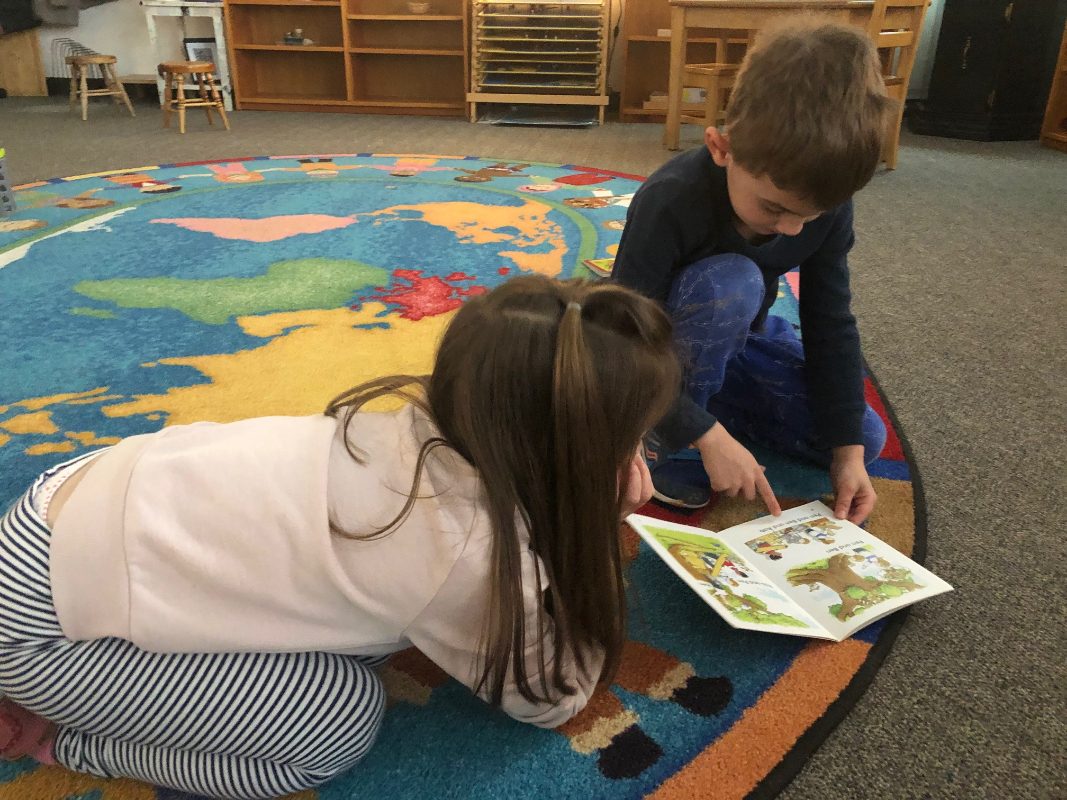
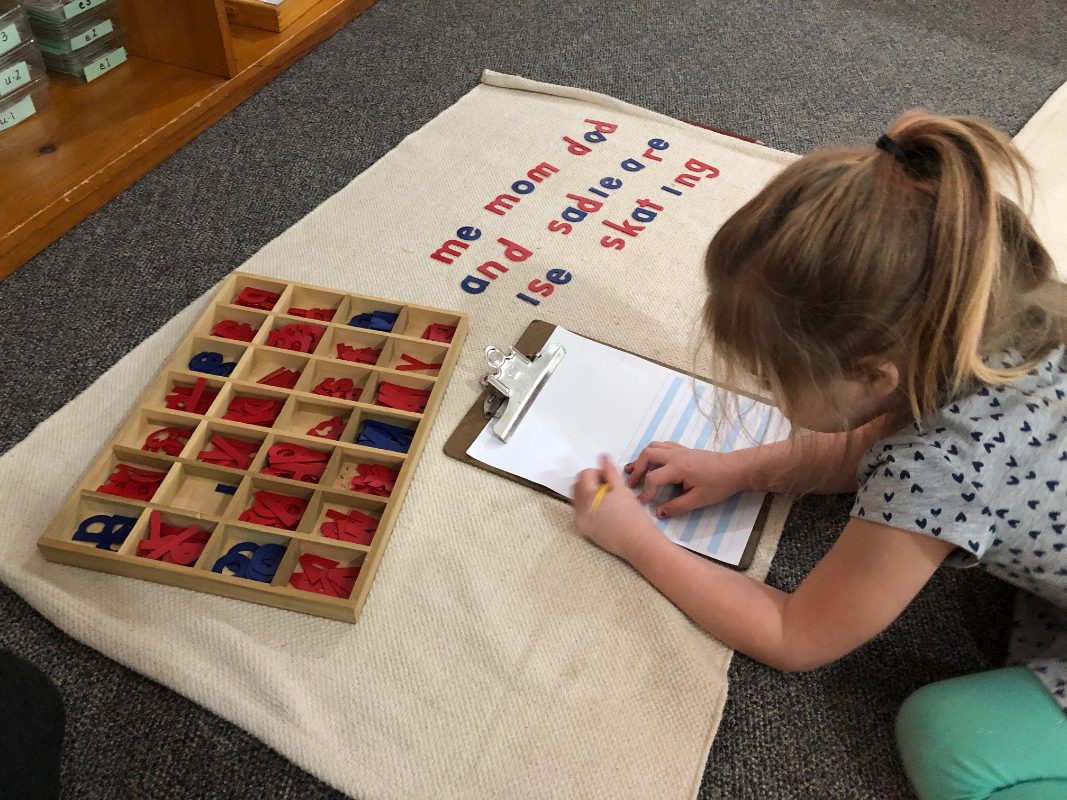
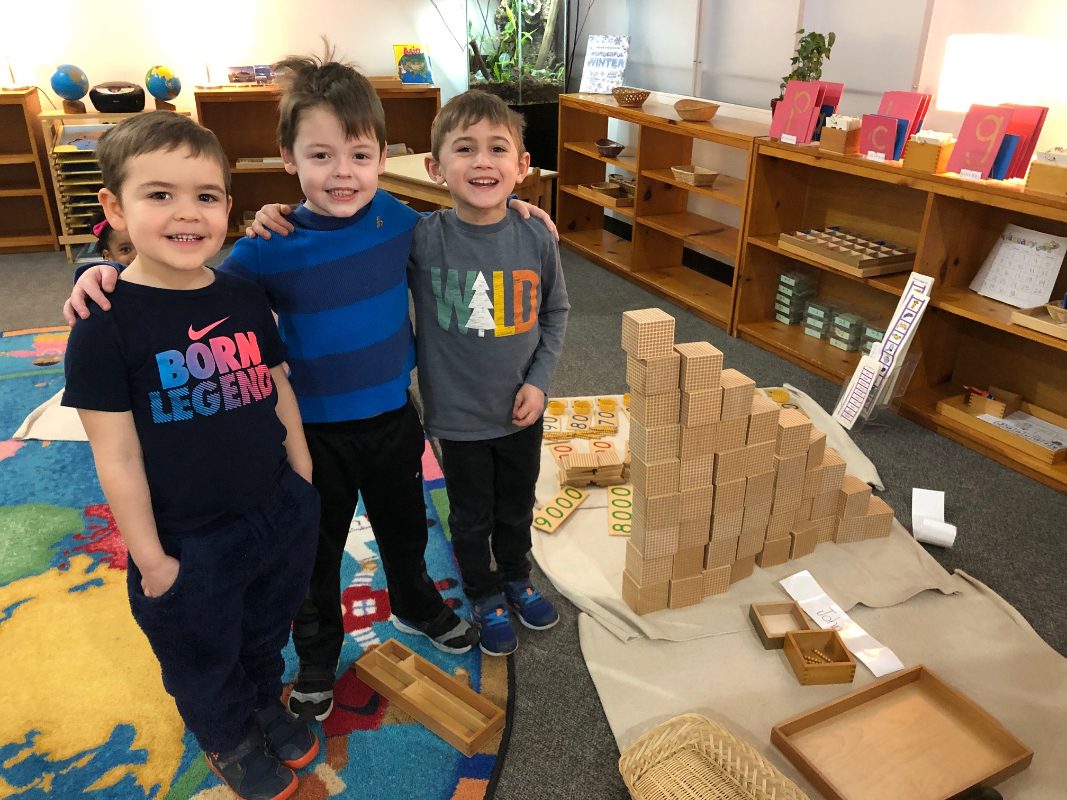
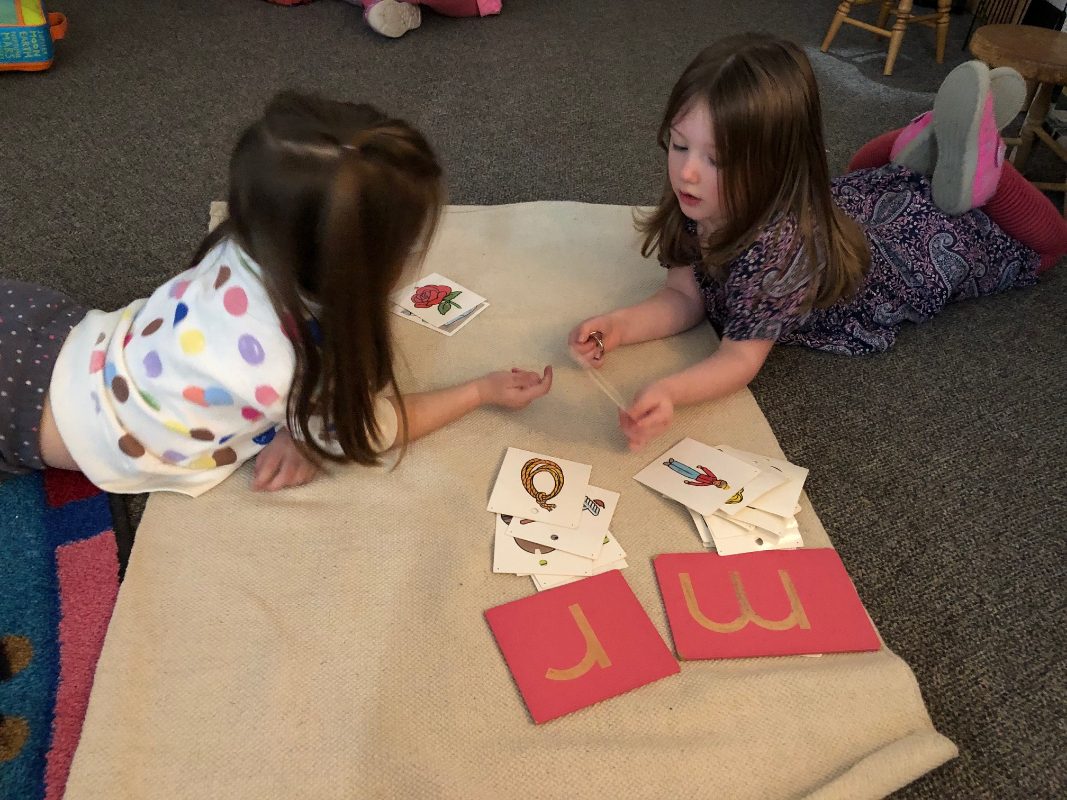
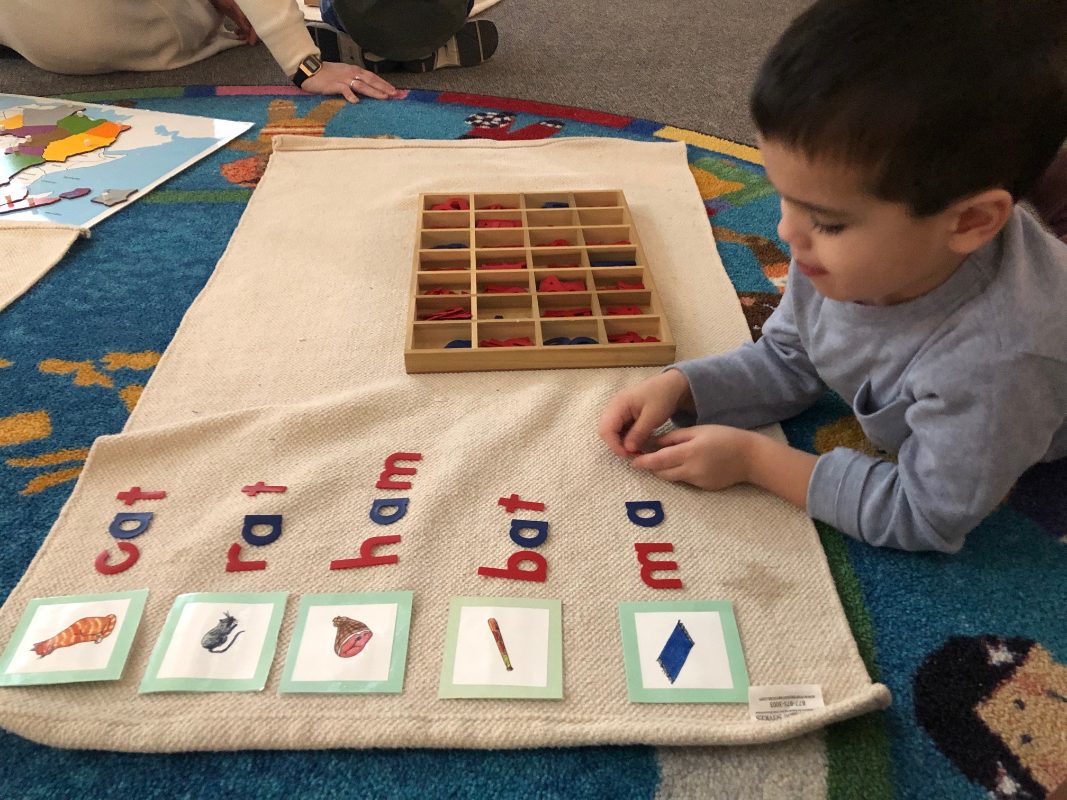
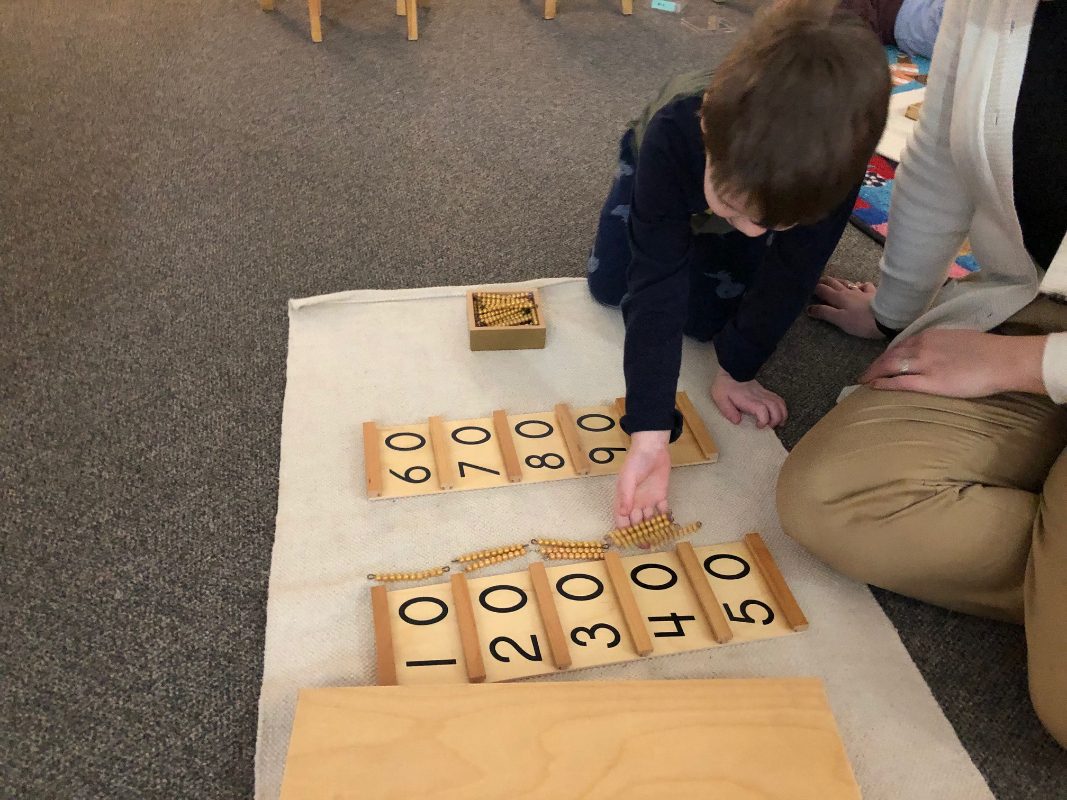
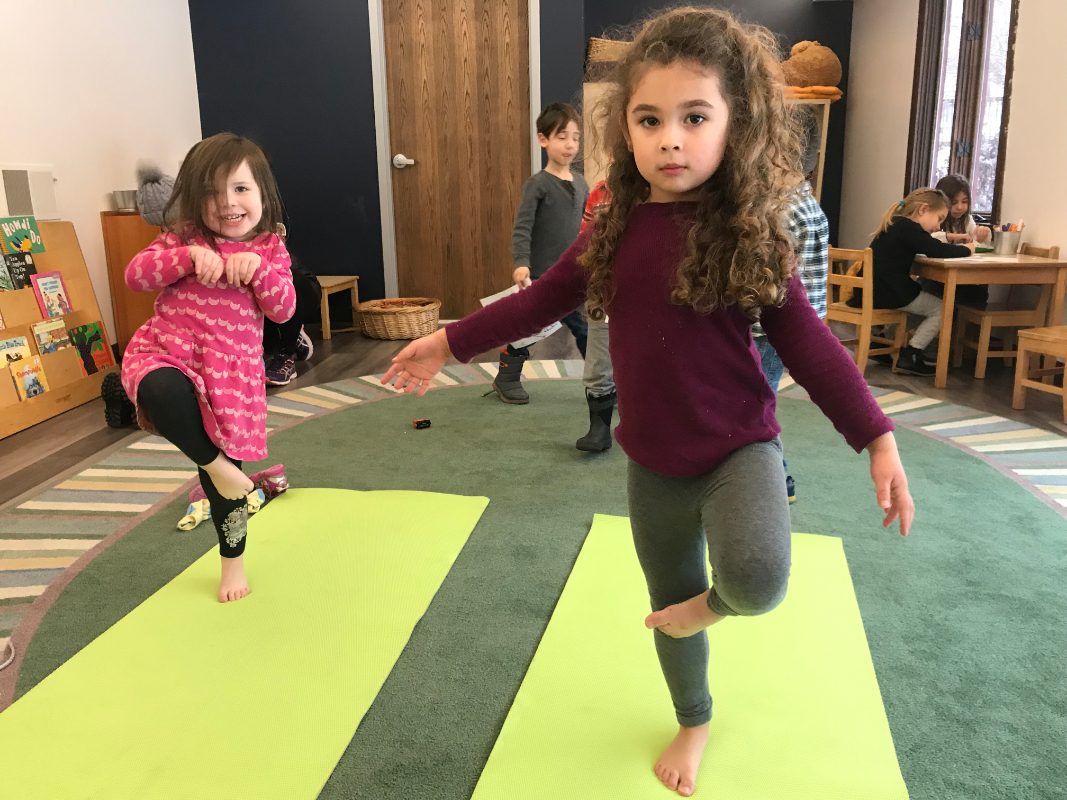
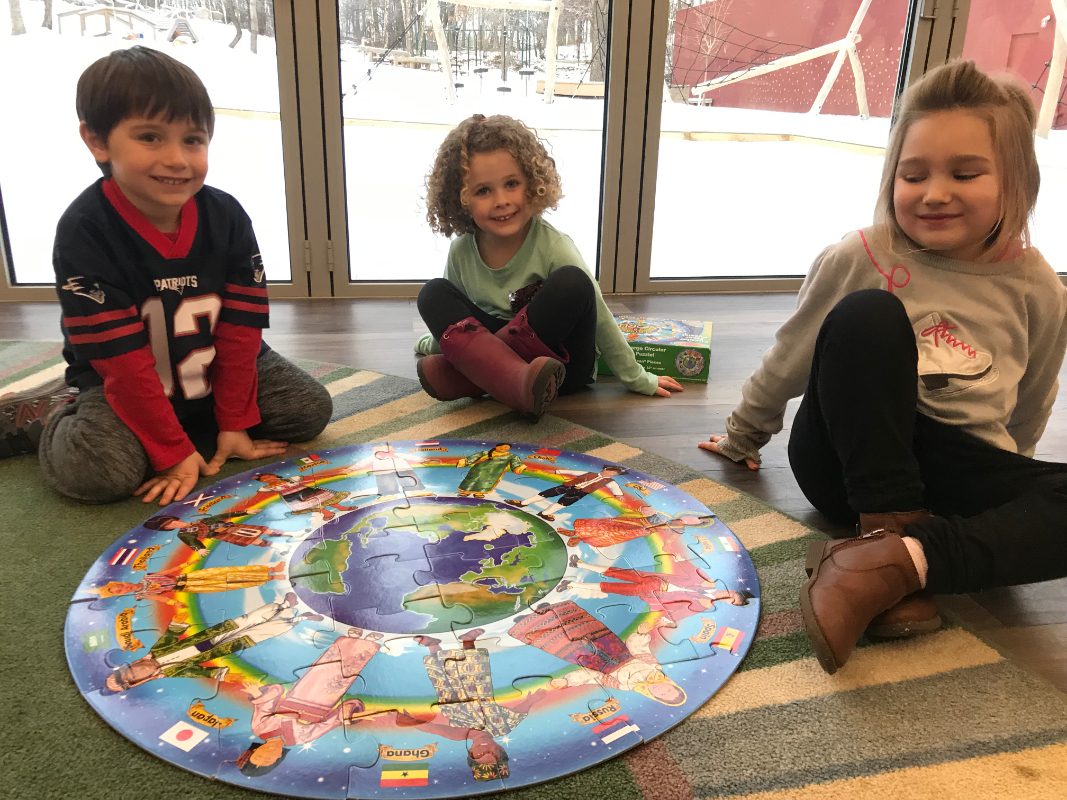
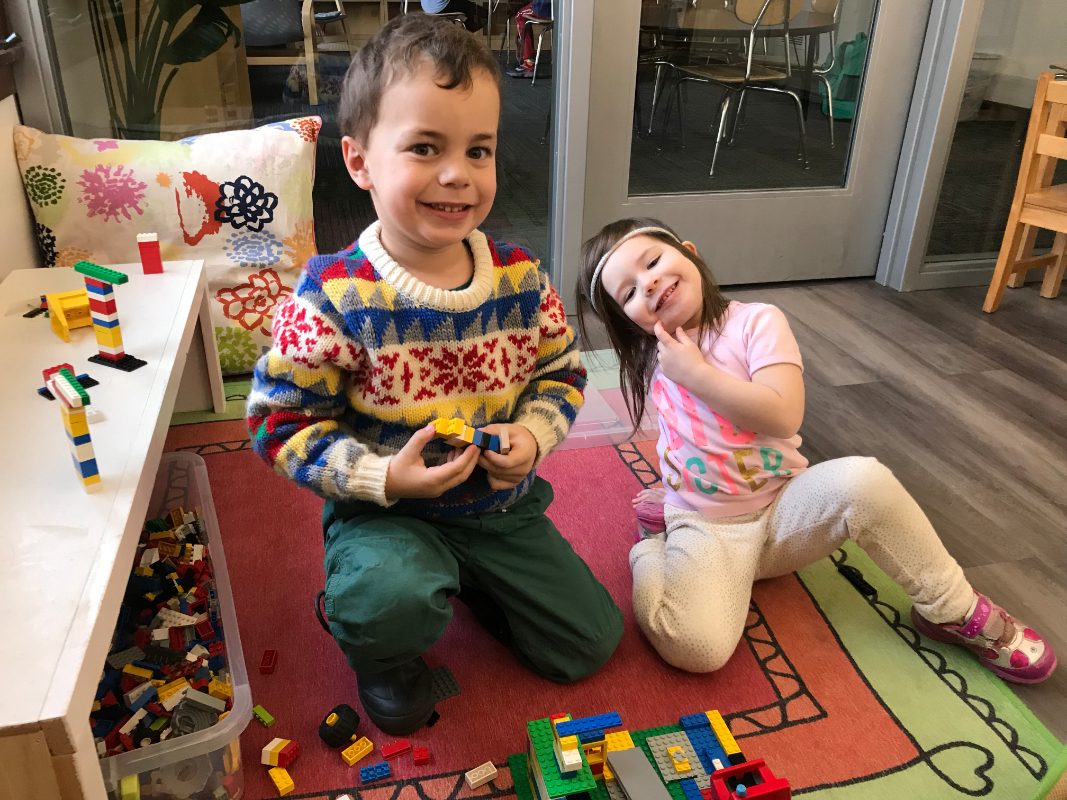
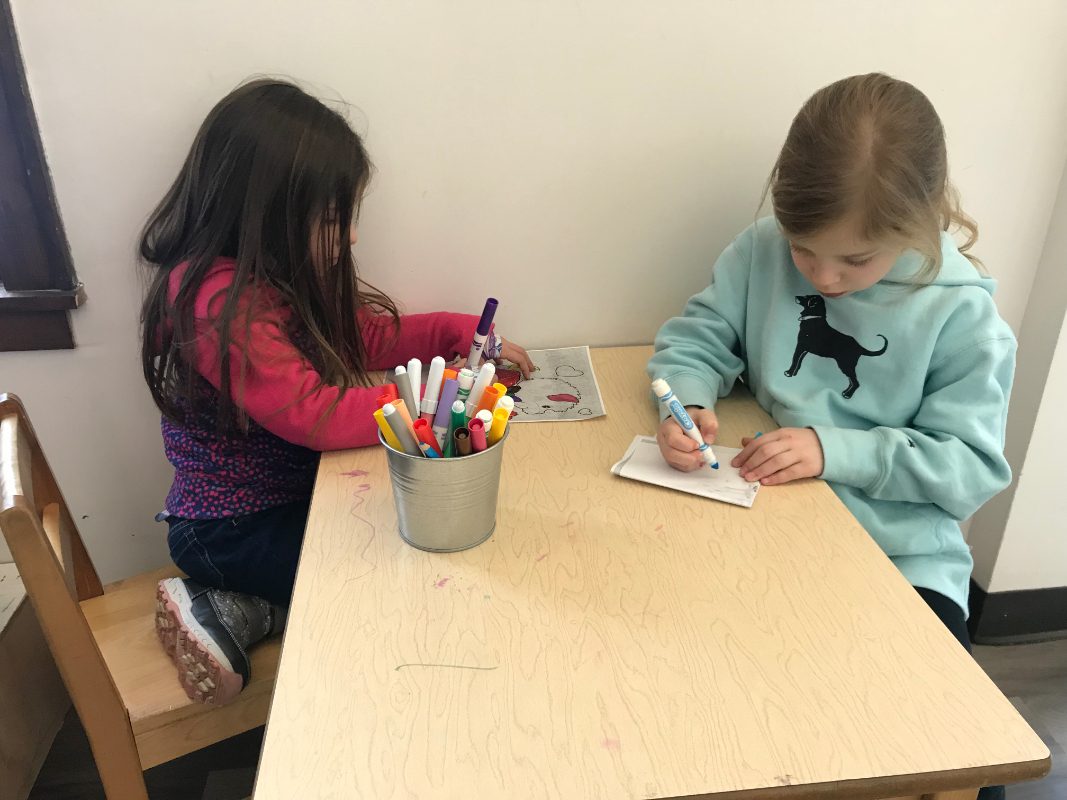
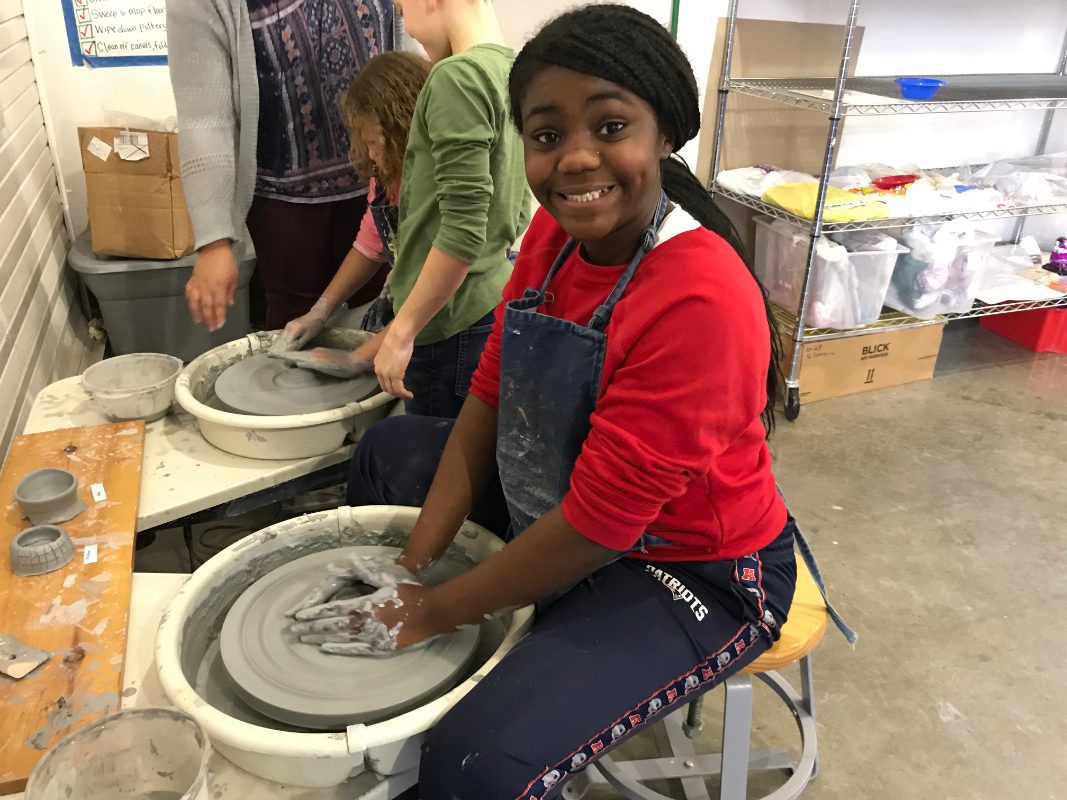
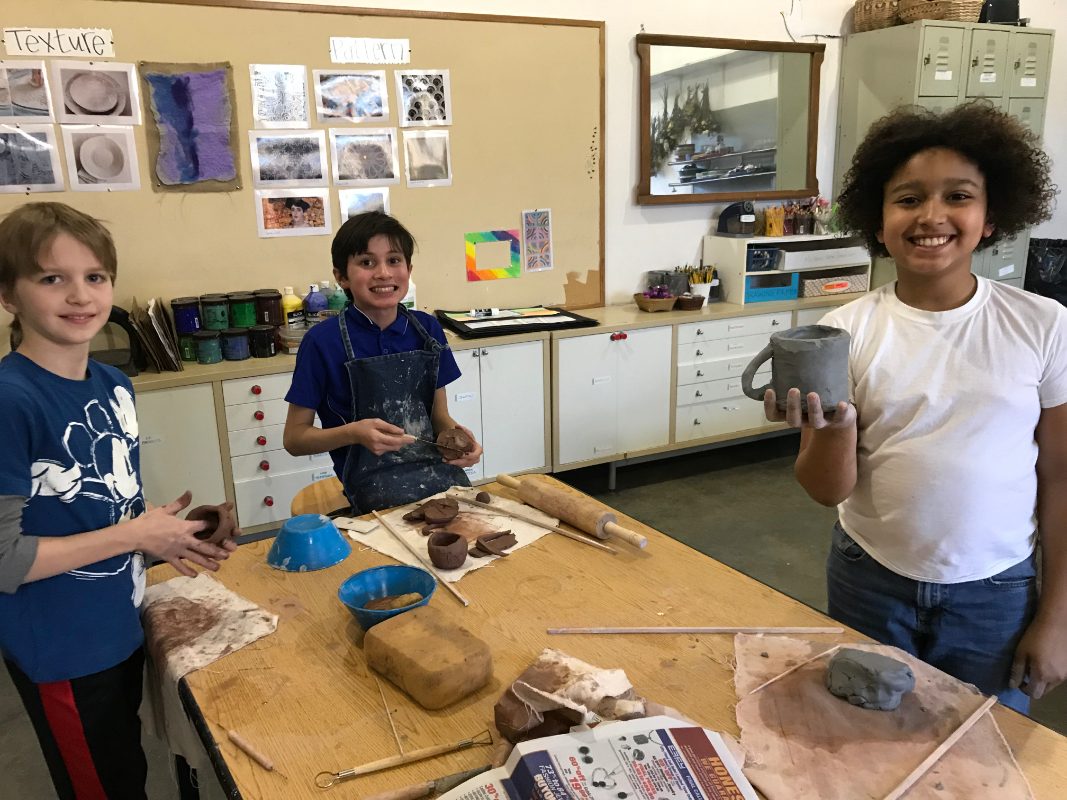
According to the Oxford Dictionary, “critical thinking” is defined as, “The objective analysis and evaluation of an issue in order to form a judgement.” Last Thursday evening, we were lucky to listen to Dr. Steven Pearlman, one of the founders of The Critical Thinking Initiative and director of Interdisciplinary Writing and Reasoning at the University of St. Joseph in West Hartford. He spoke at length about the importance of critical thinking skills in a growing and changing world, thus making the case for the Montessori educational philosophy.
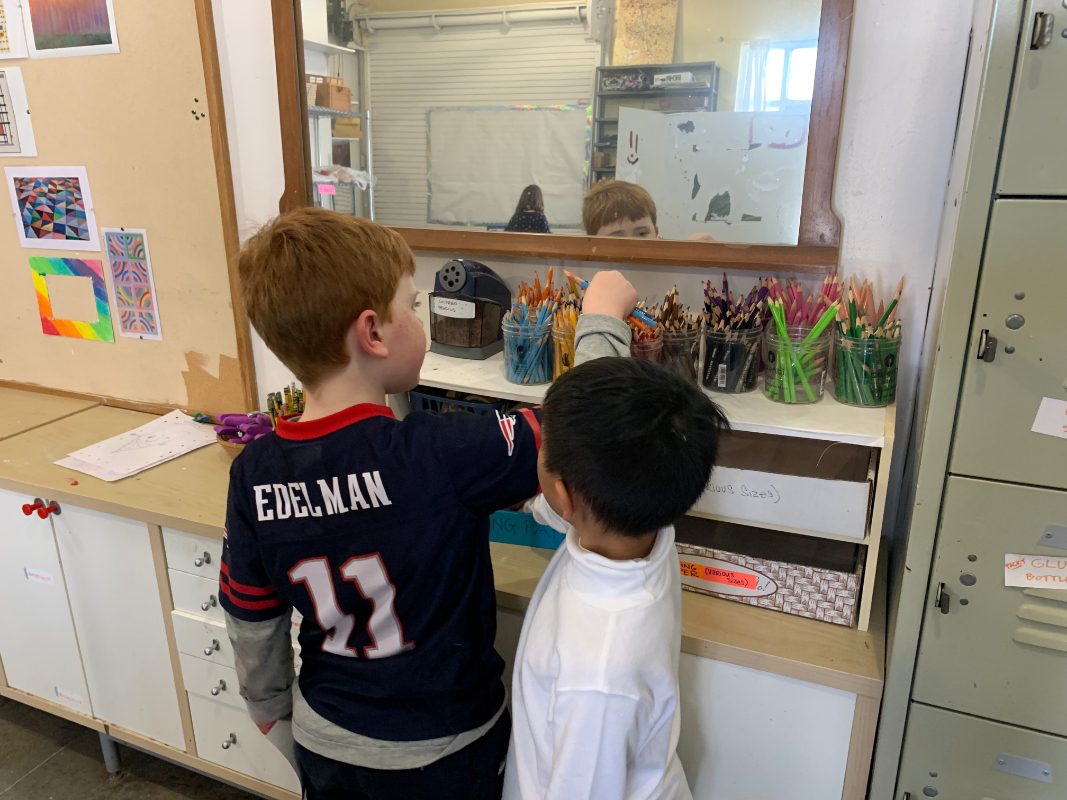
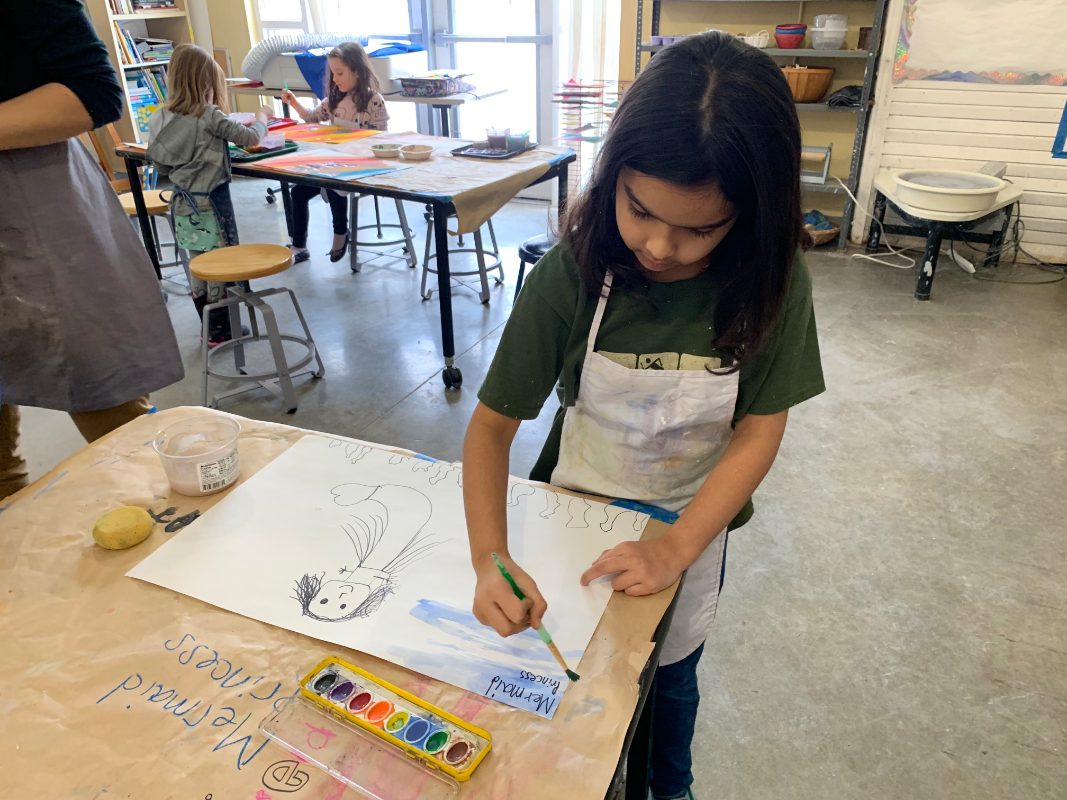
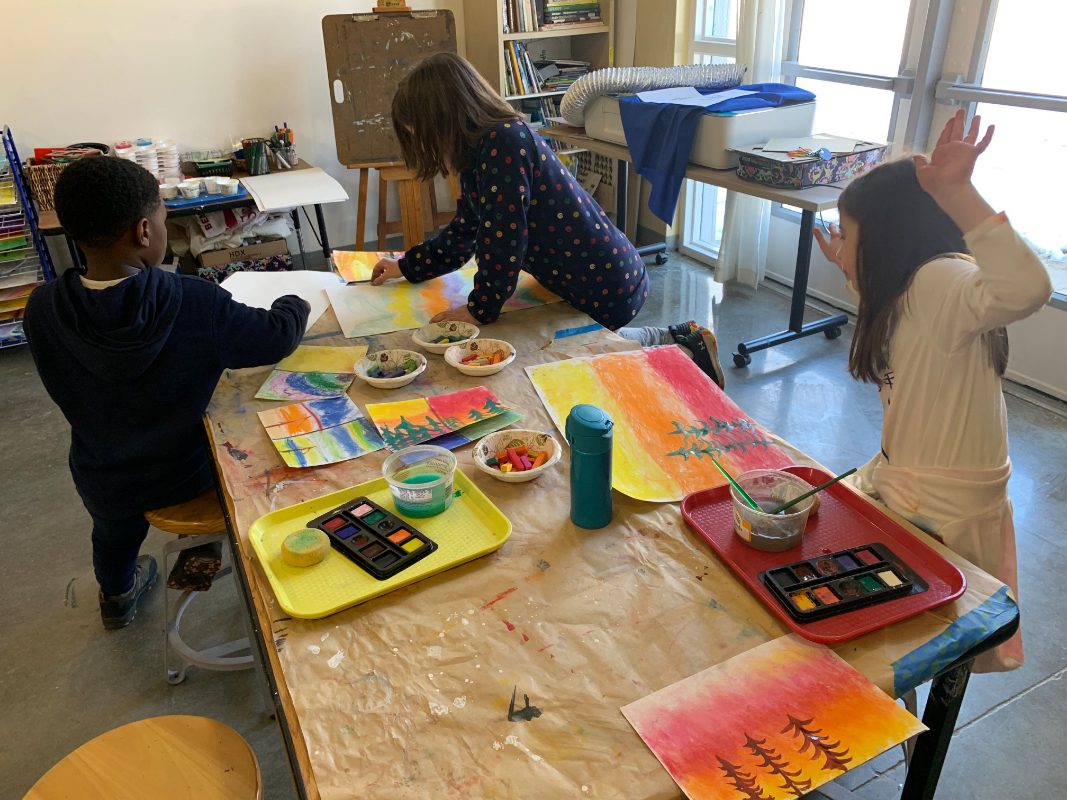
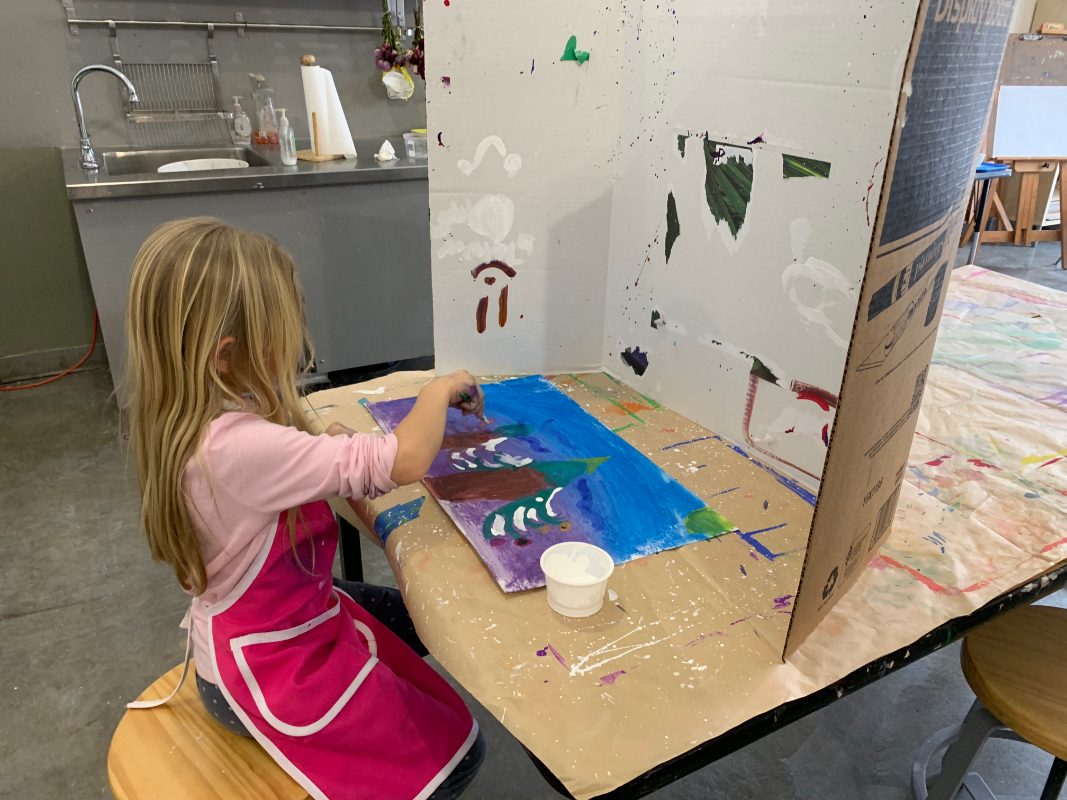
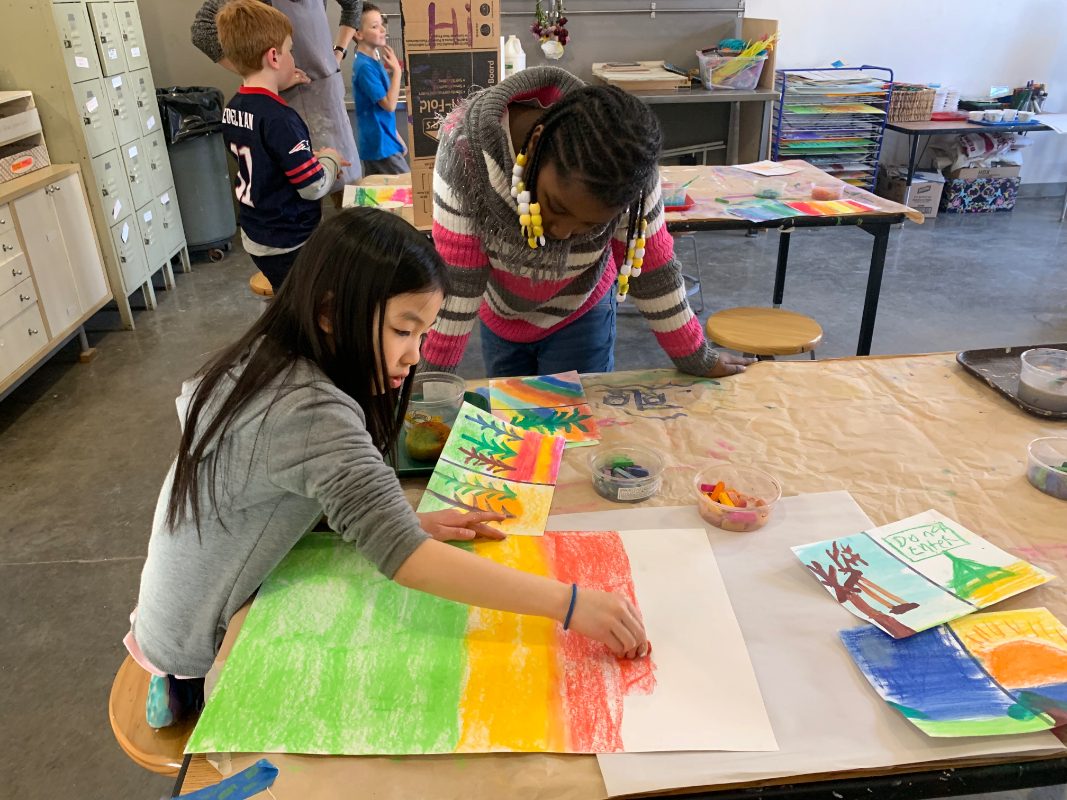
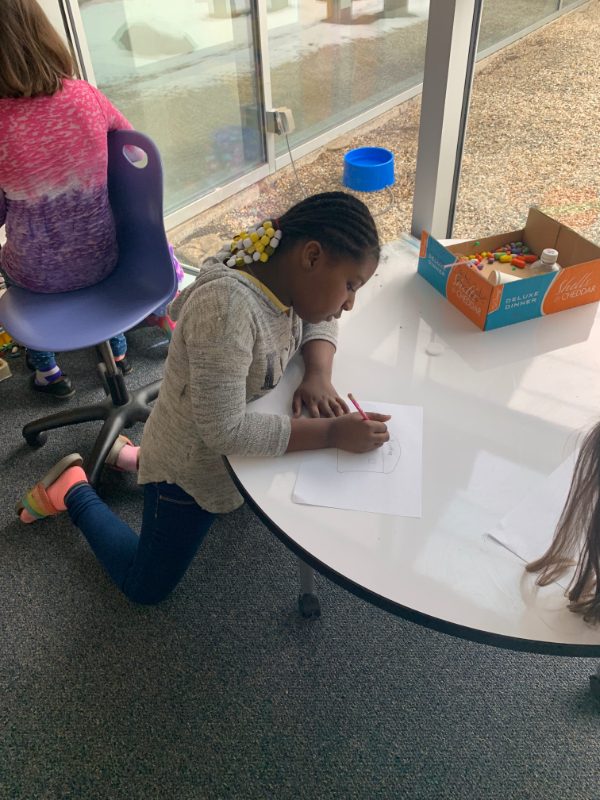
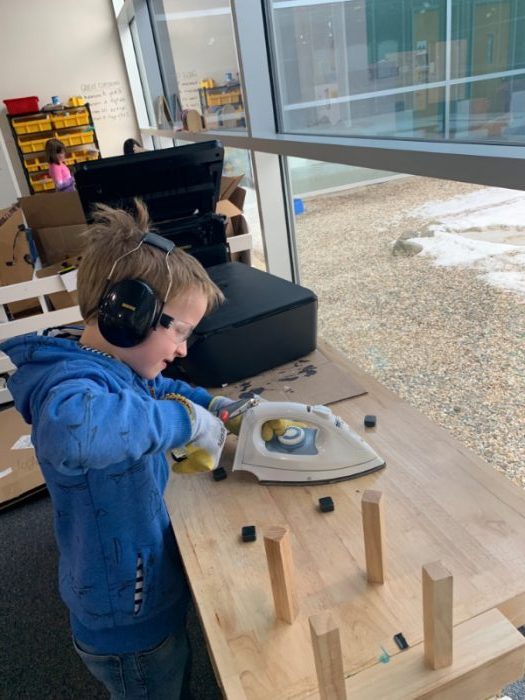
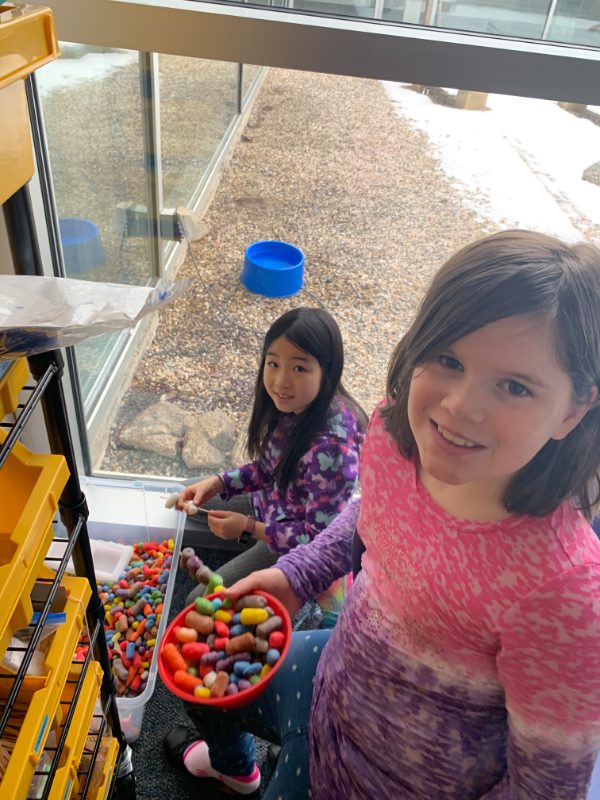
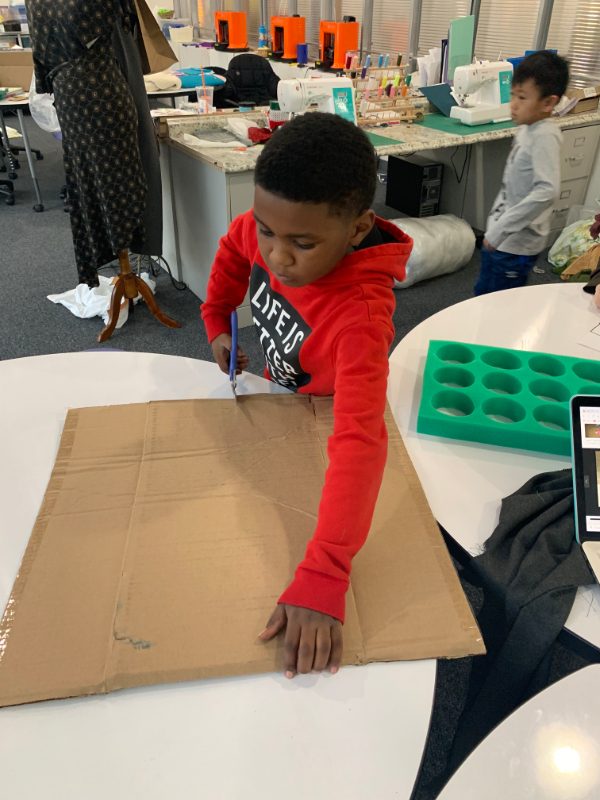
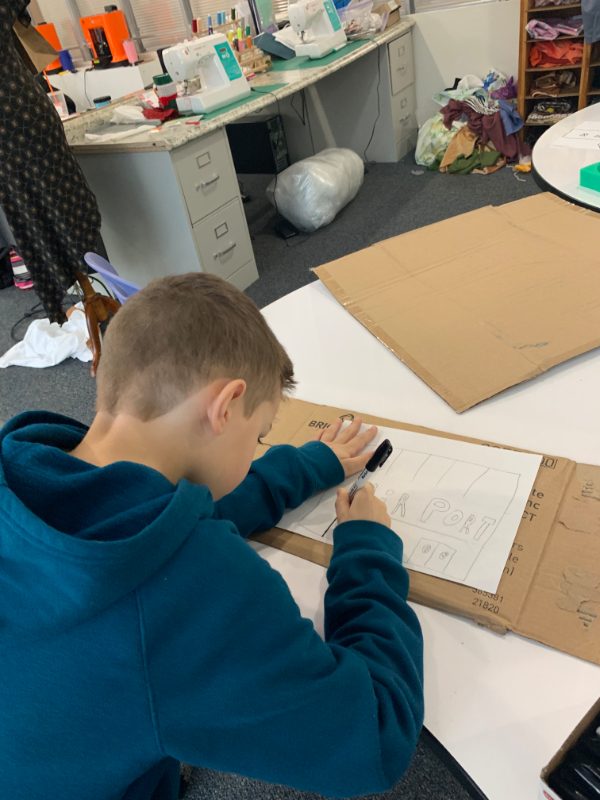
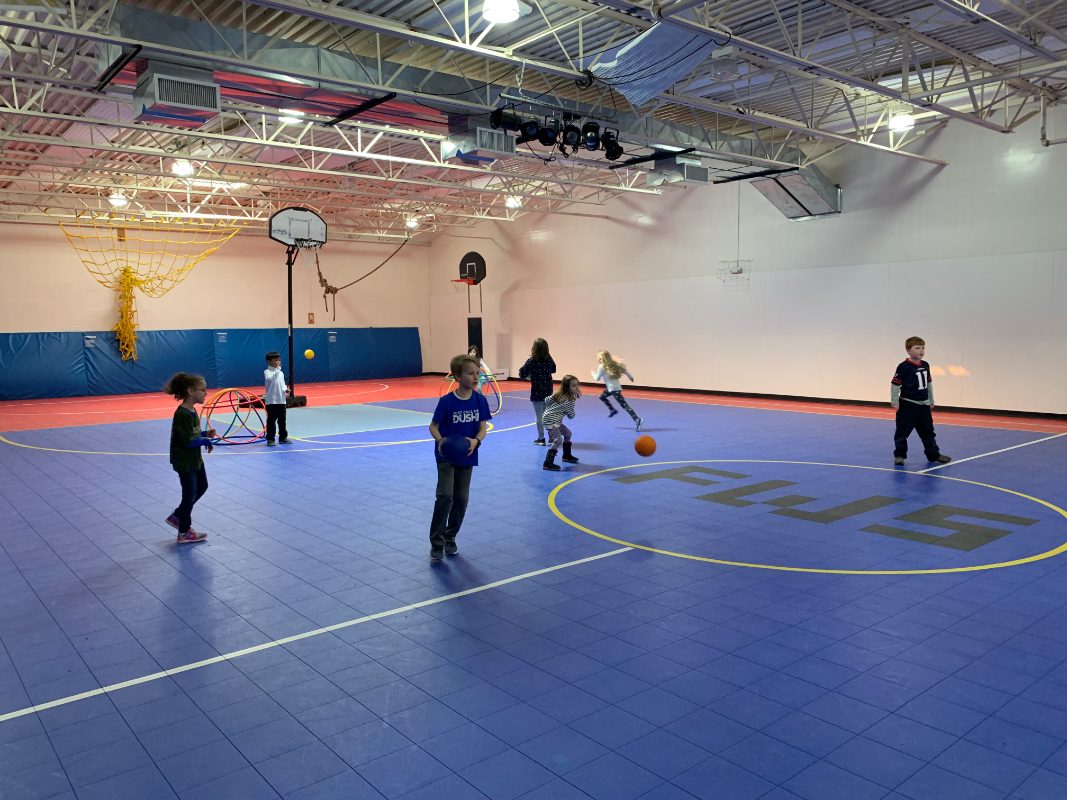
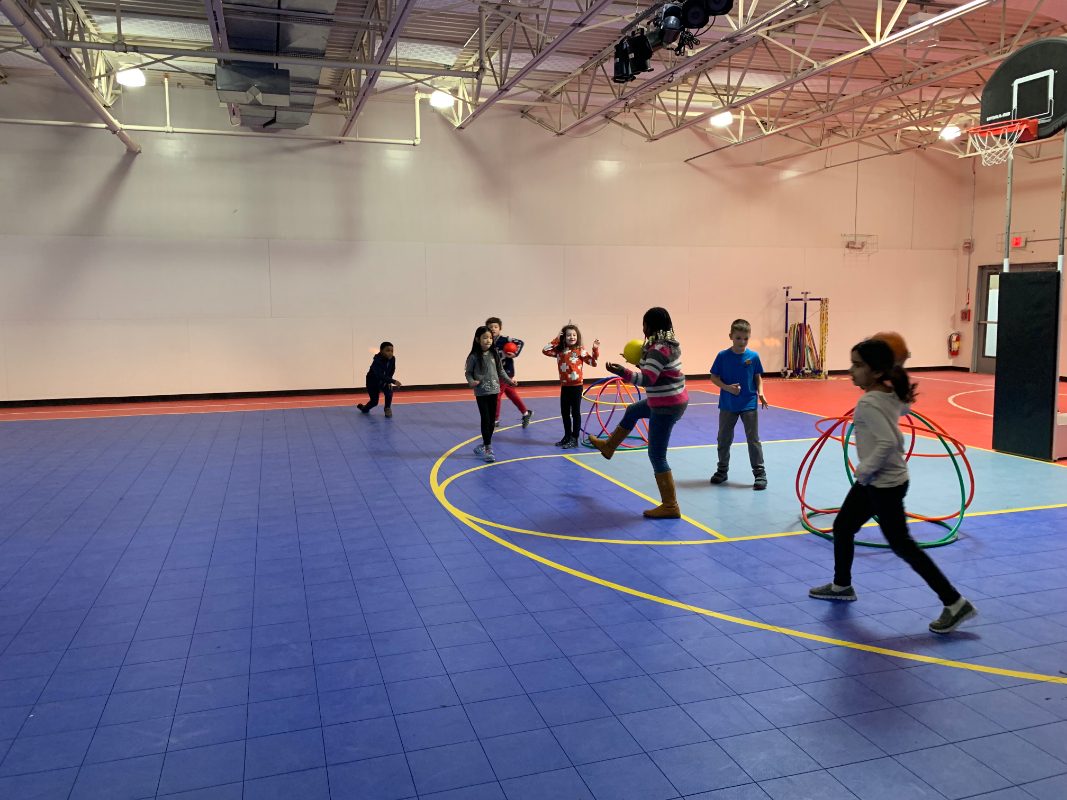
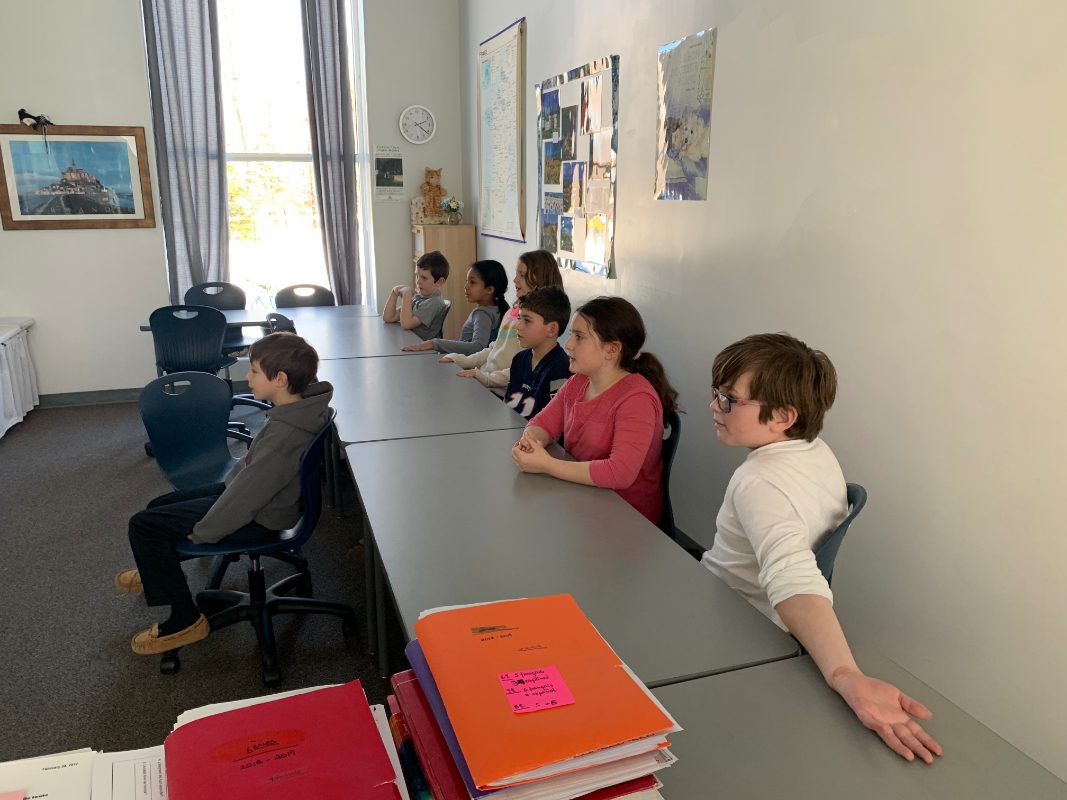
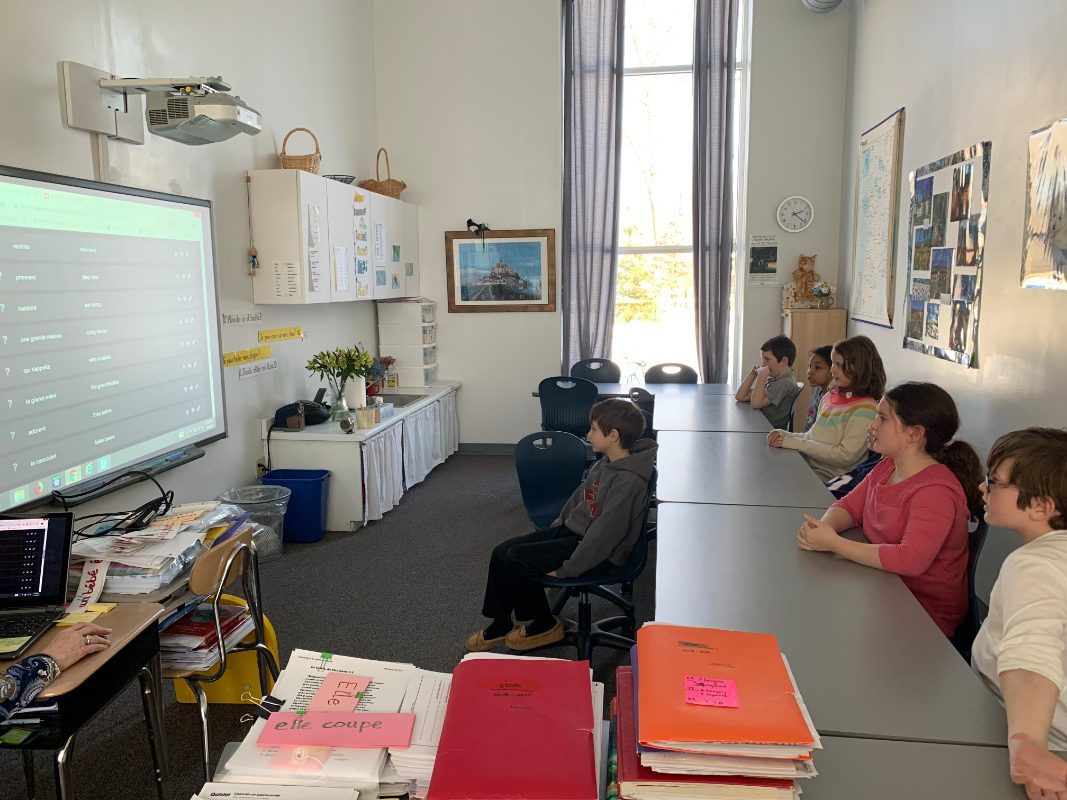
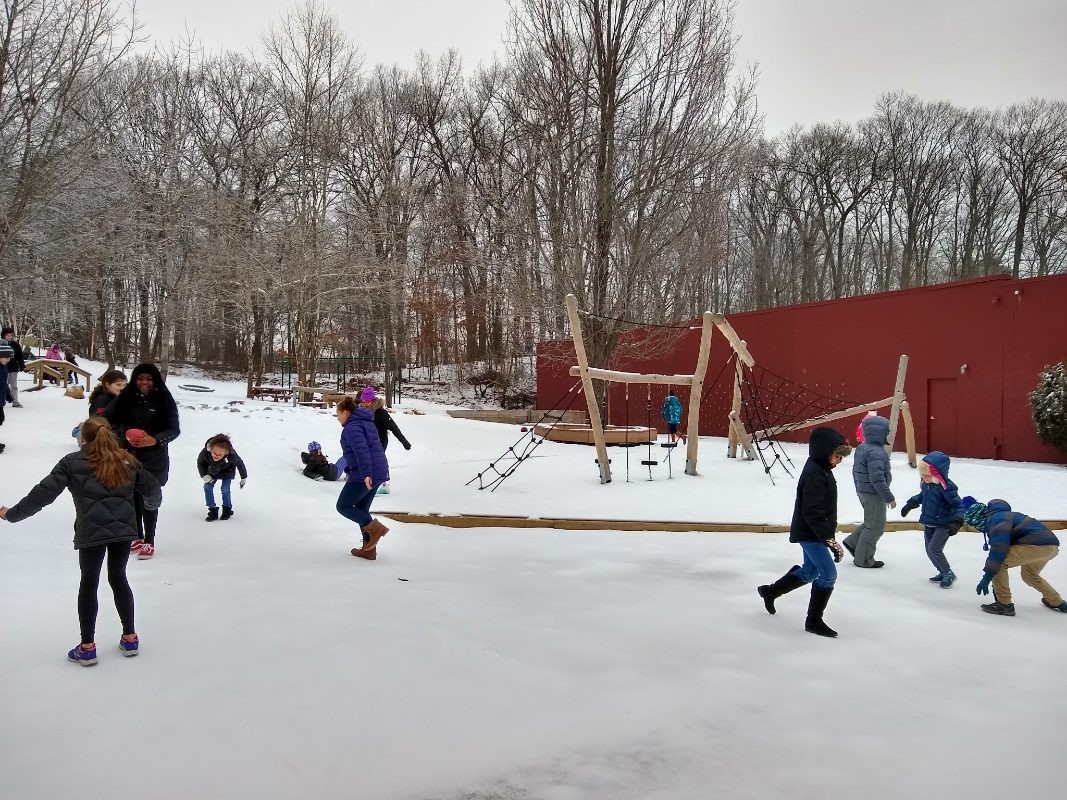
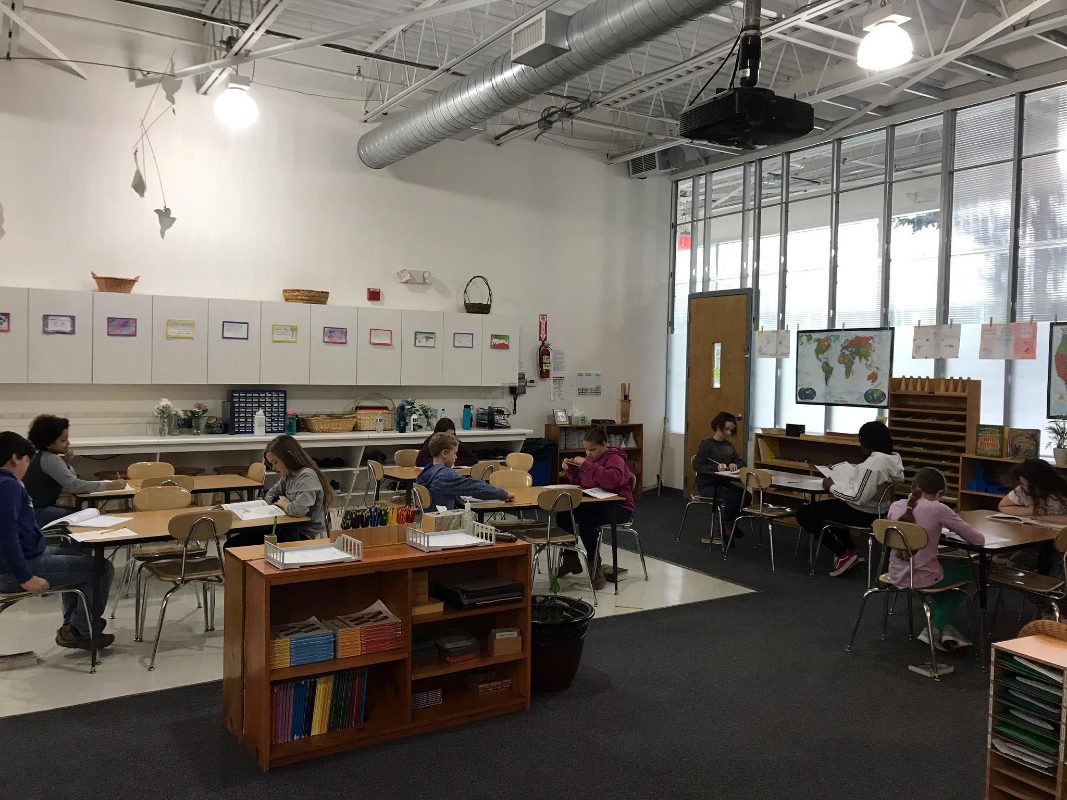
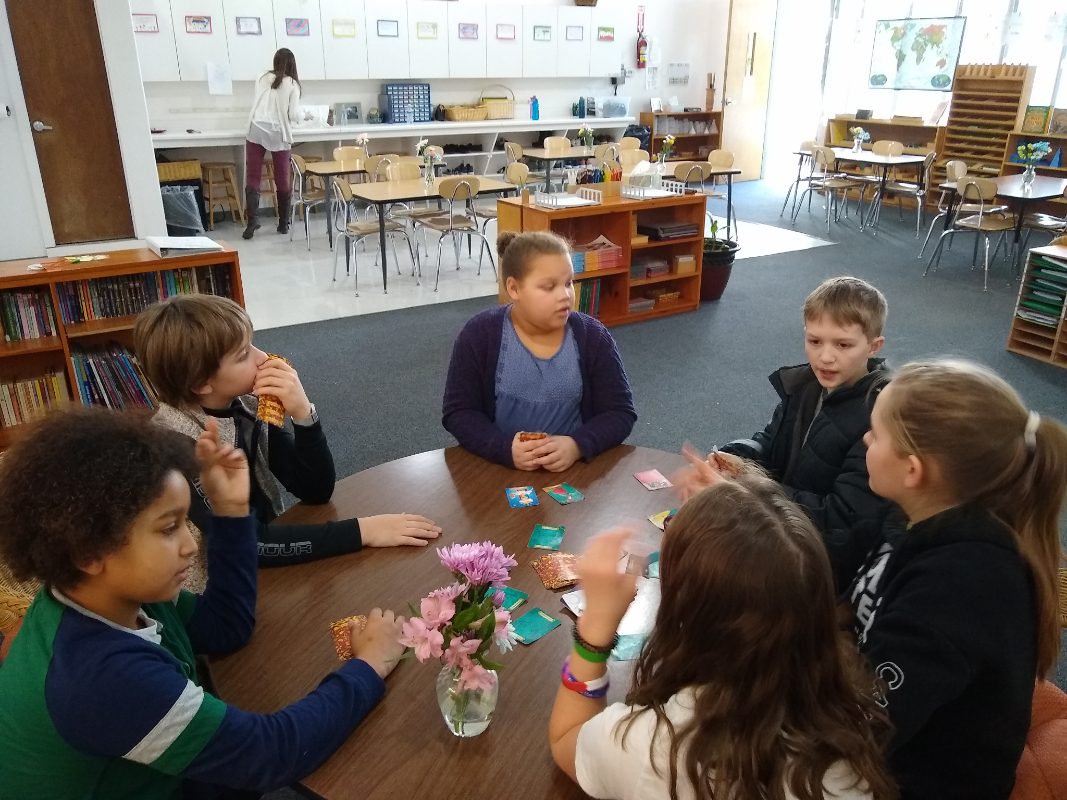
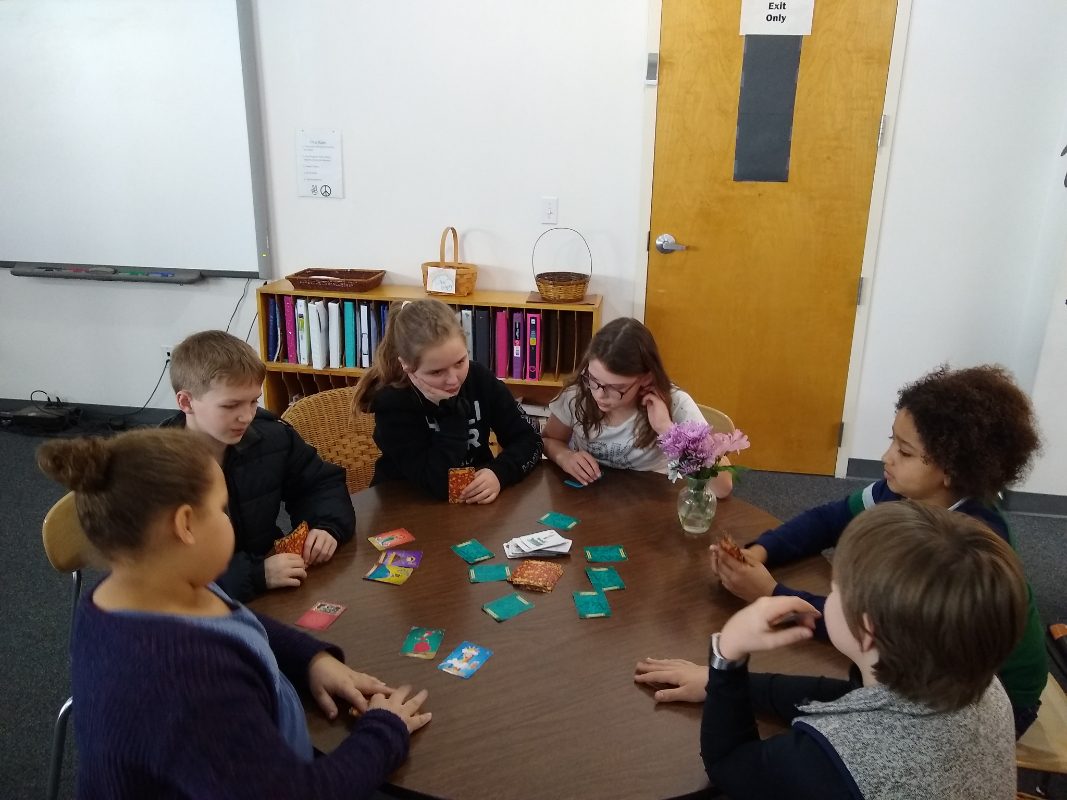
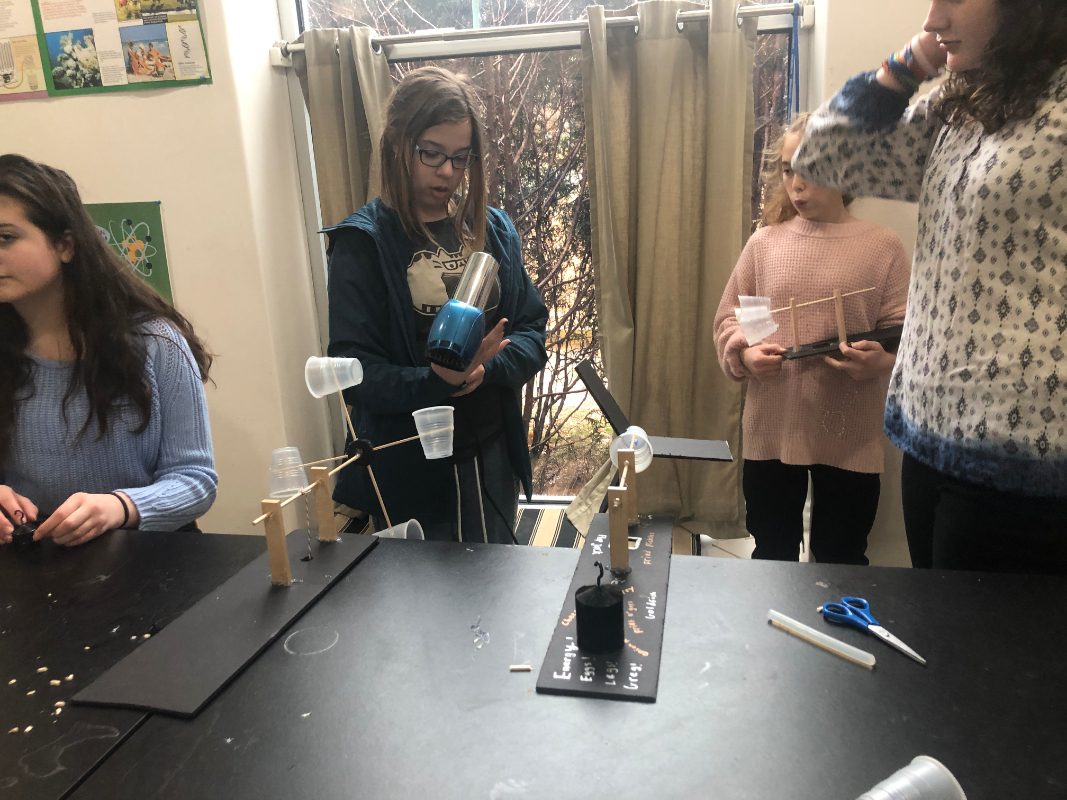
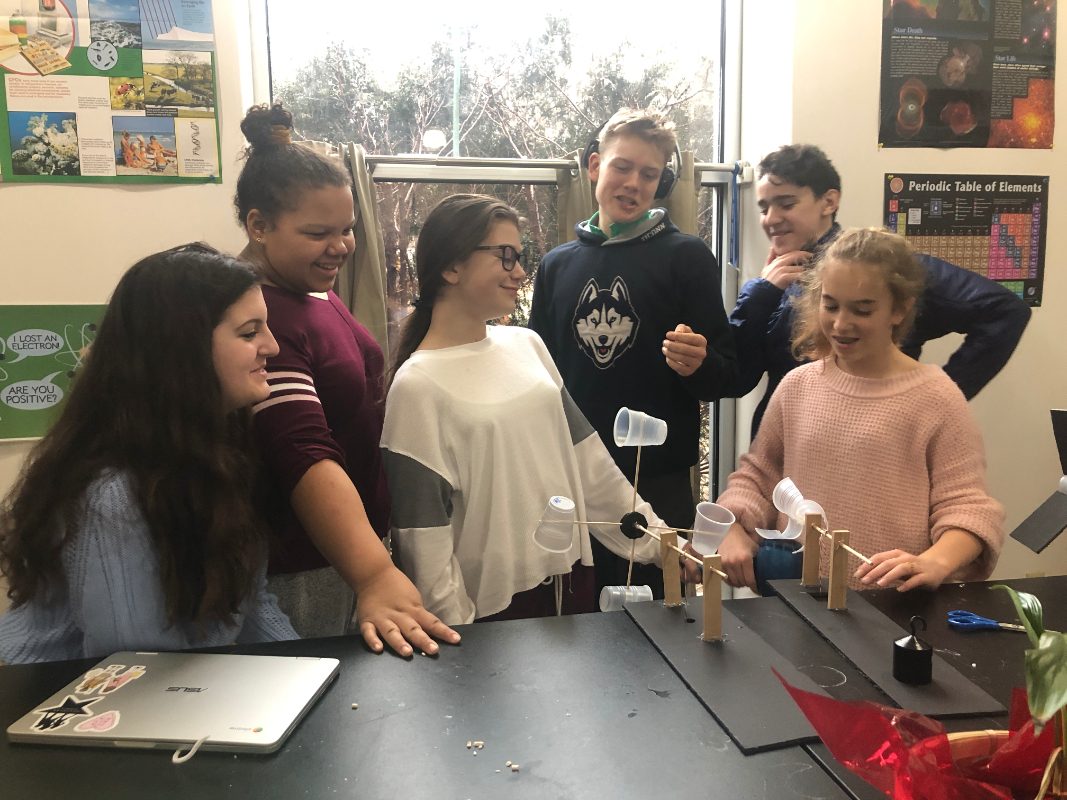
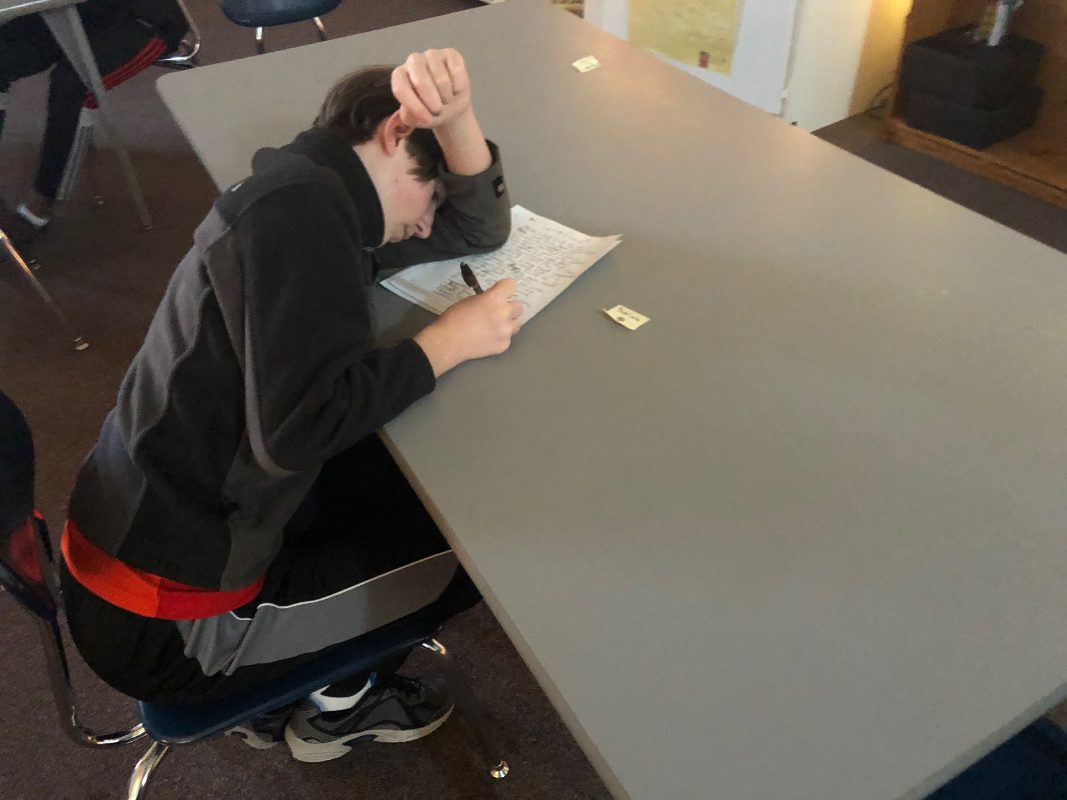
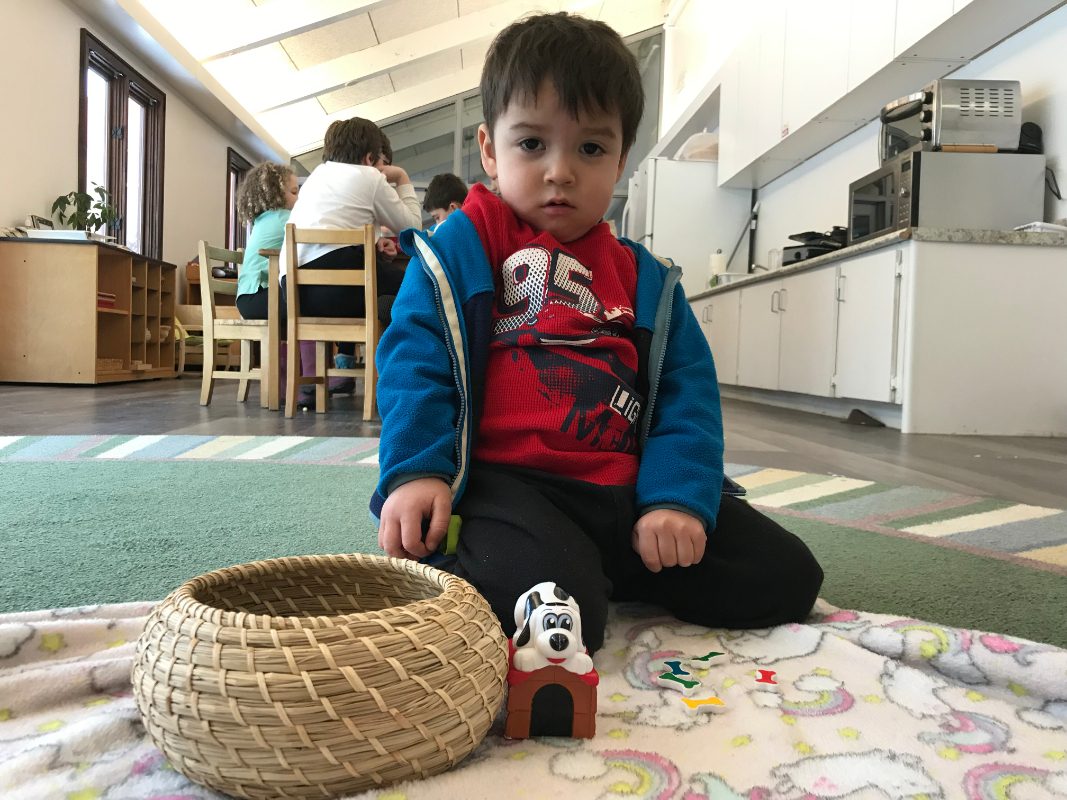
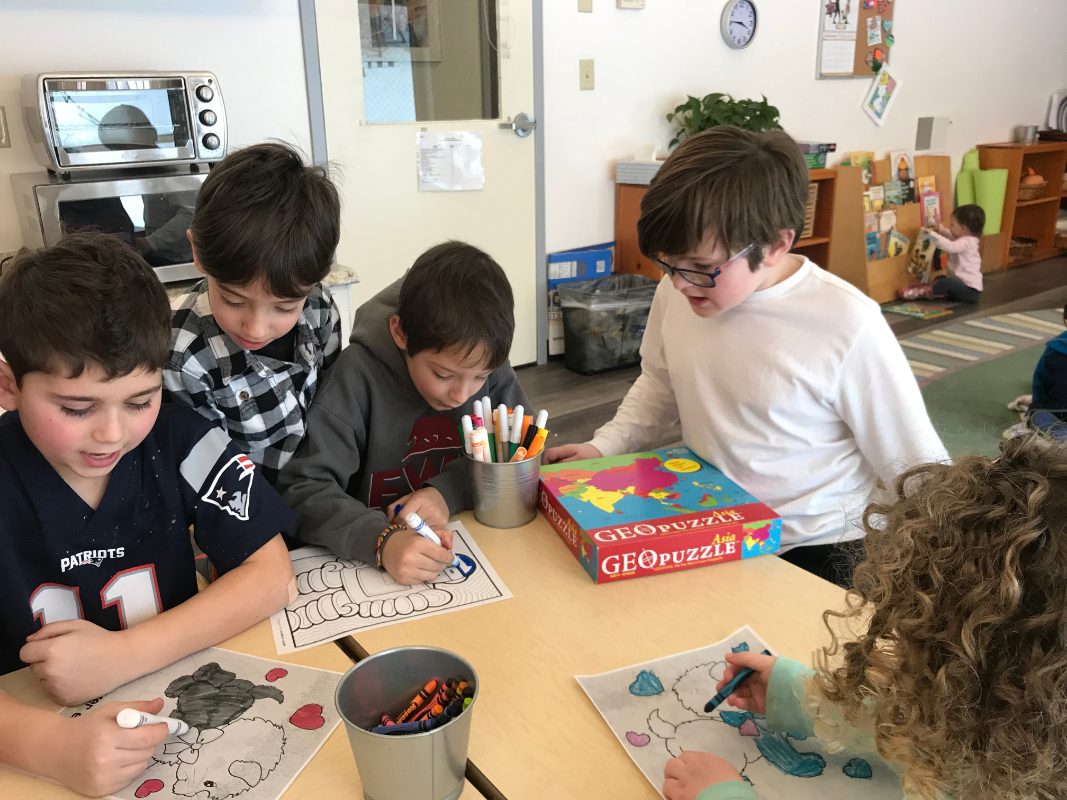
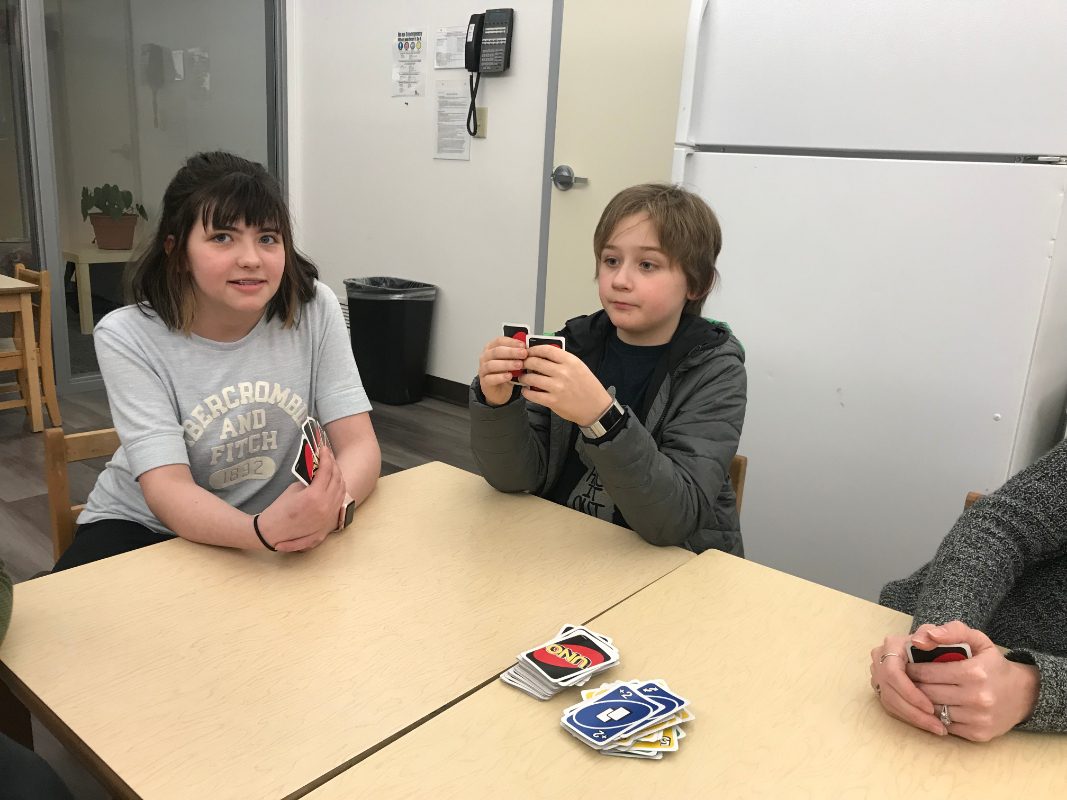
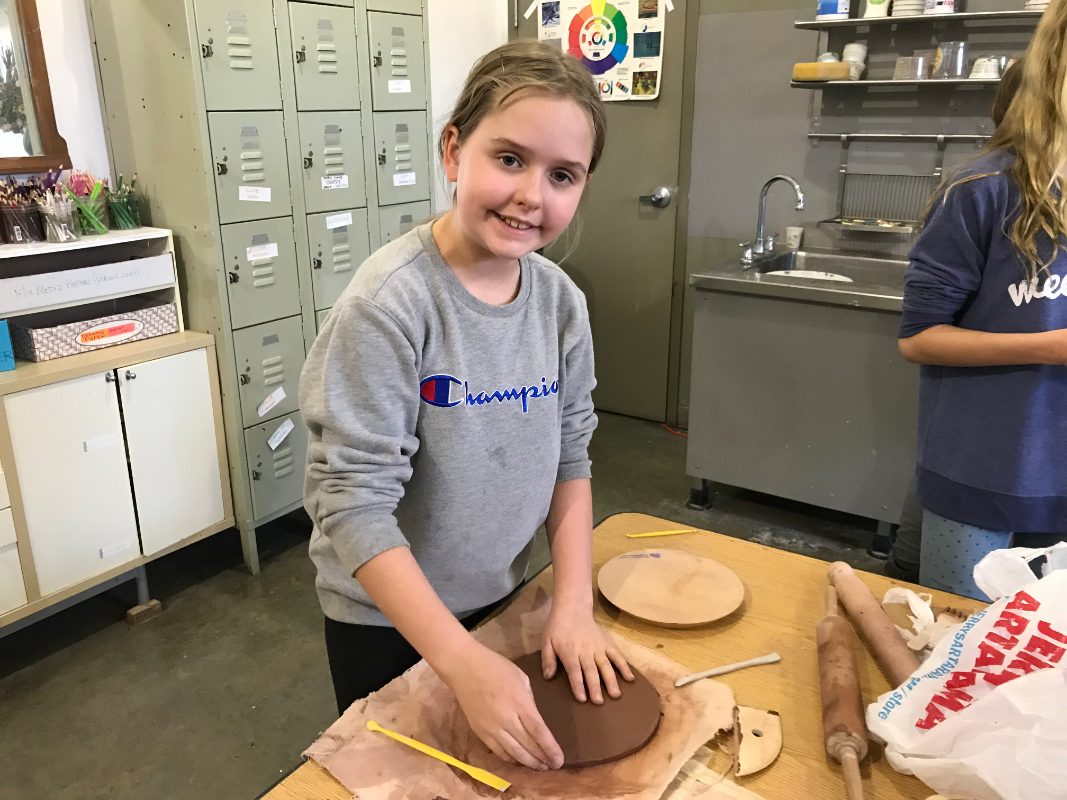
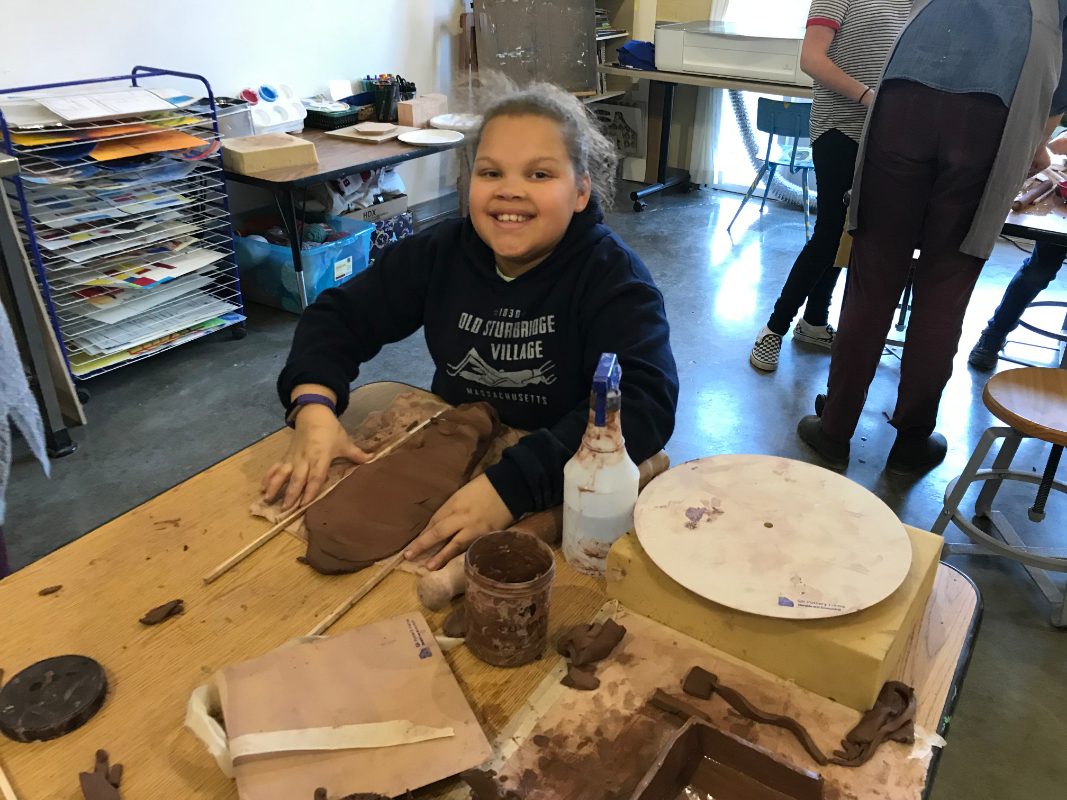
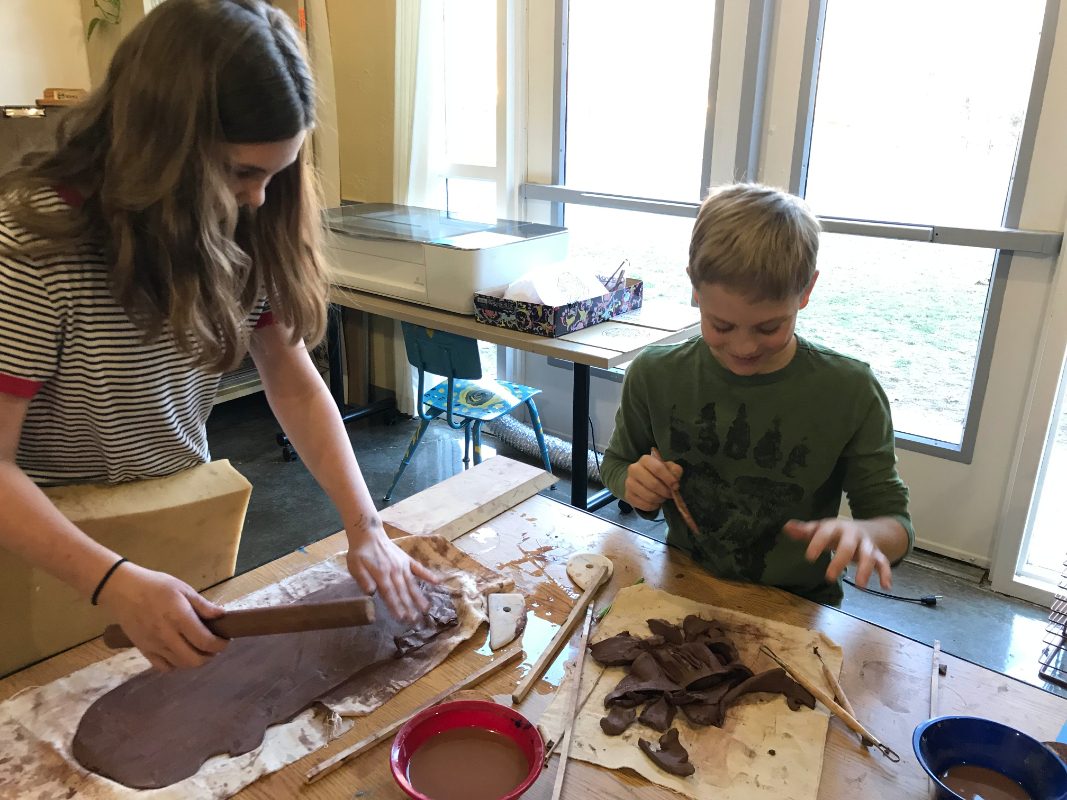
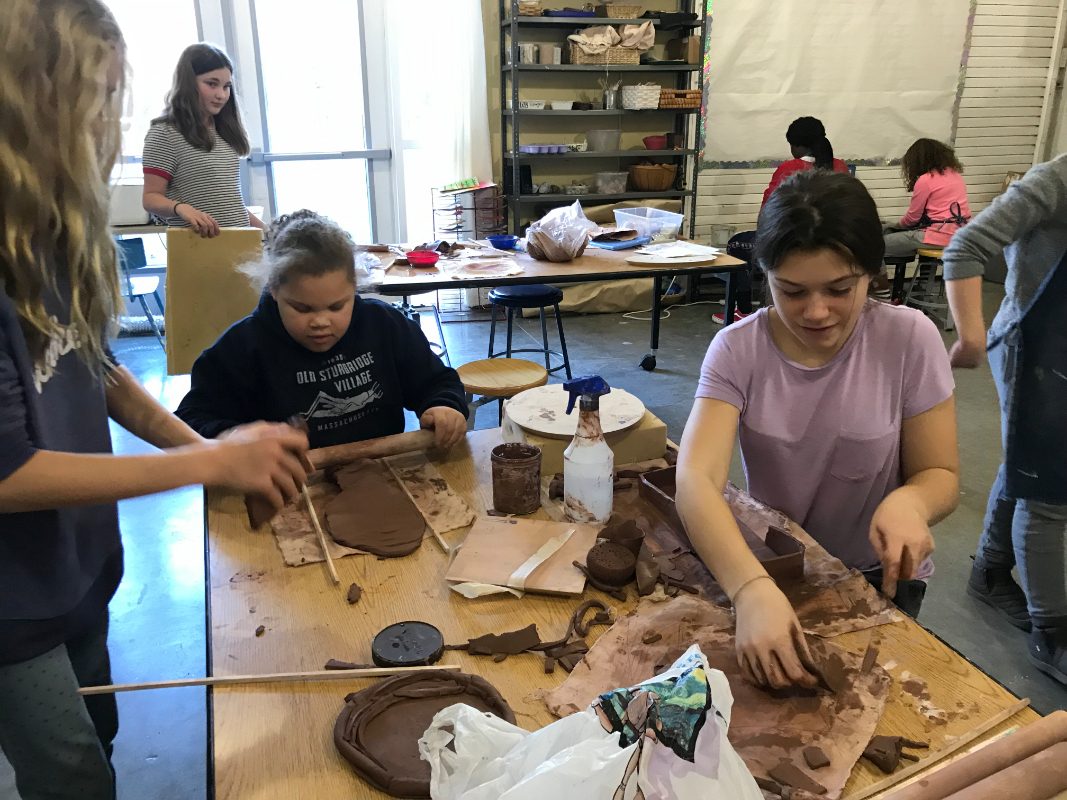
Listening to Dr. Pearlman was both validating and concerning for me as an educator. It was exciting to hear that a lot of what goes on in our middle school enables students to flex their critical thinking muscles: annotating text to lead discussion; choosing a world issue, deciding its impact on society, and presenting it to peers for further discussion; a collaborative project that creates a community where all flaws have been ironed out; and, embarking on an internship that is a glimpse of the real-world workforce and reflecting on this experience. These are only a few of the ways we enable critical thinking. The goal is a student-centered classroom where everything from learning environment to pursuing interests, and reflections on the way material is absorbed are present.
My concerns came with Dr. Pearlman’s data about the way critical thinking is not being activated and nurtured in educational institutions in this country. The most shocking data came with monitoring of a student’s brainwaves over a school week in a public school. The areas with least brain activity (almost none) were class time, screen time, and homework. Class time?! What does this mean as our middle school students go on to high schools? How can we ensure that they can activate the part of their brains for critical thinking as well as sustain topic interests?
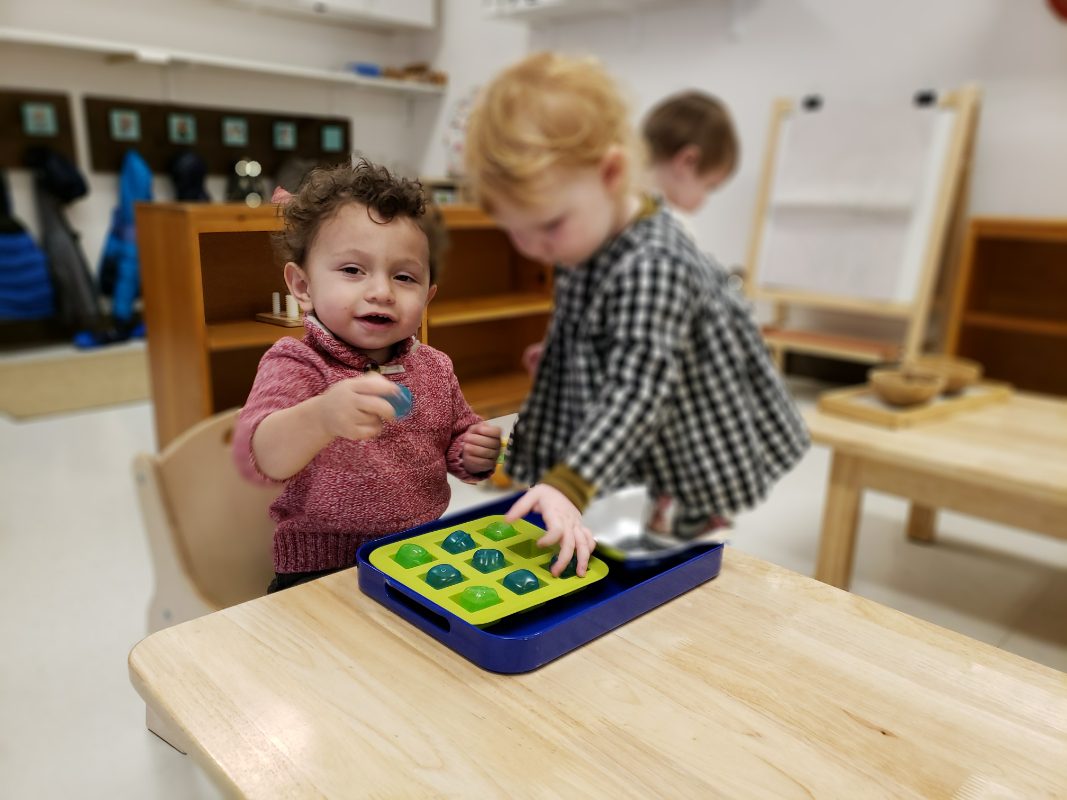
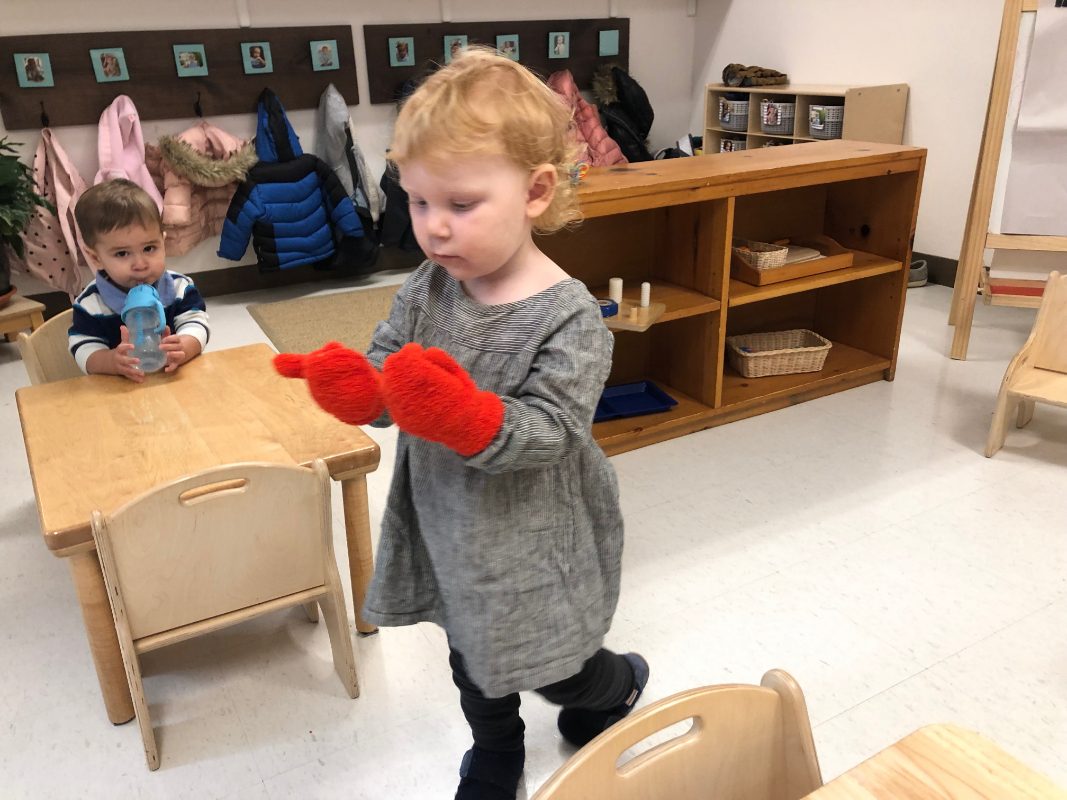
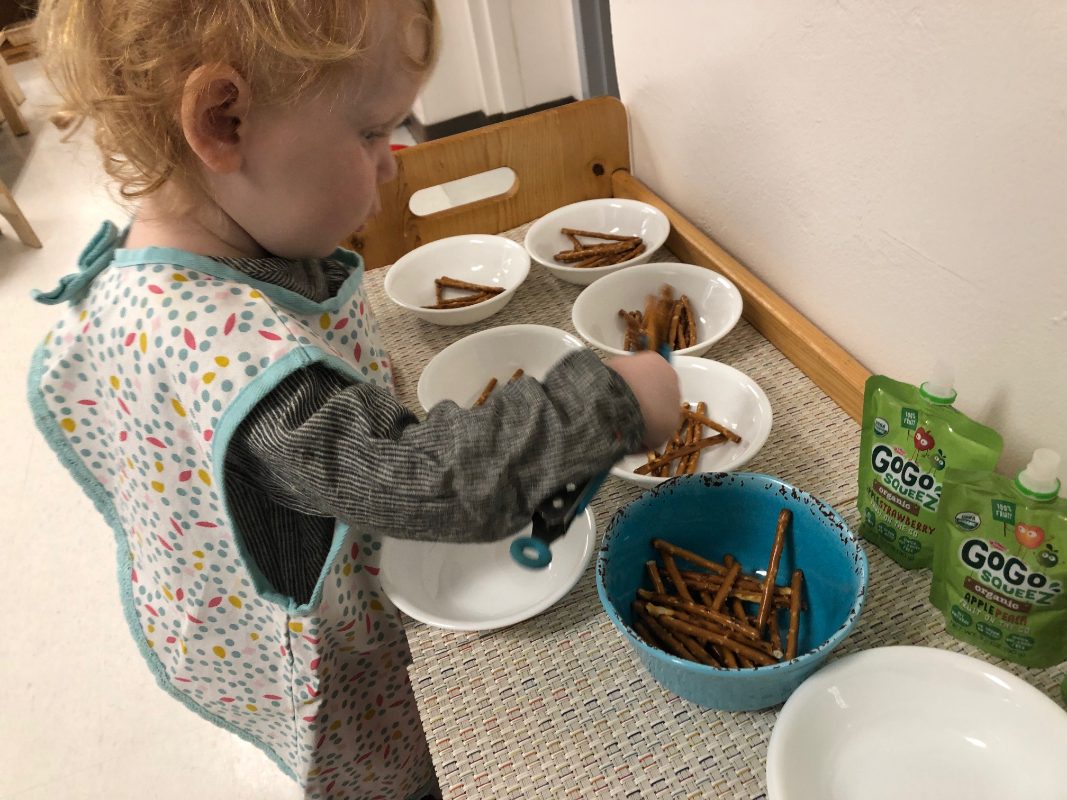
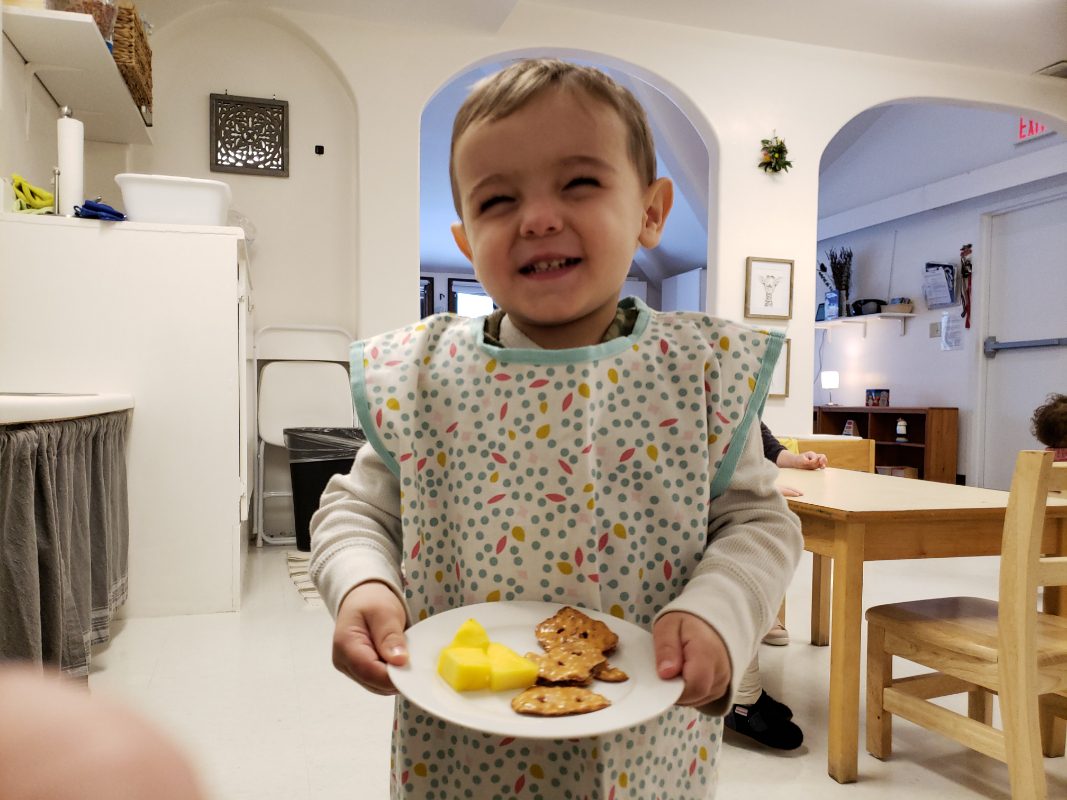
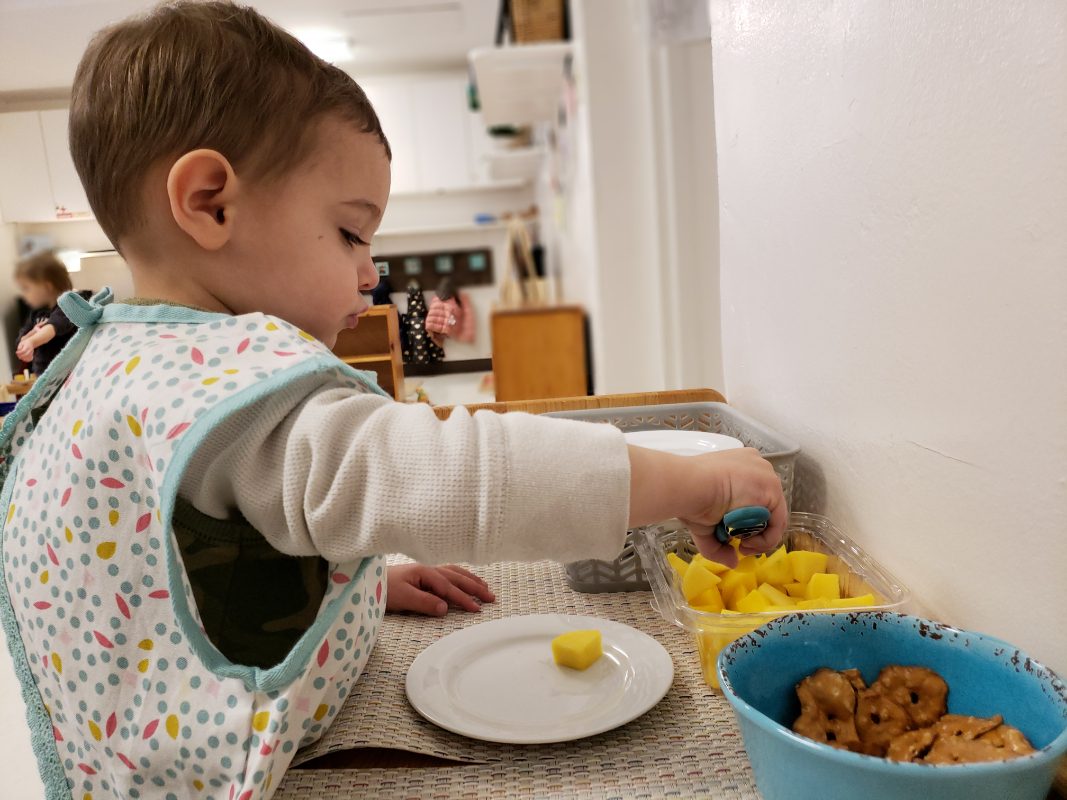
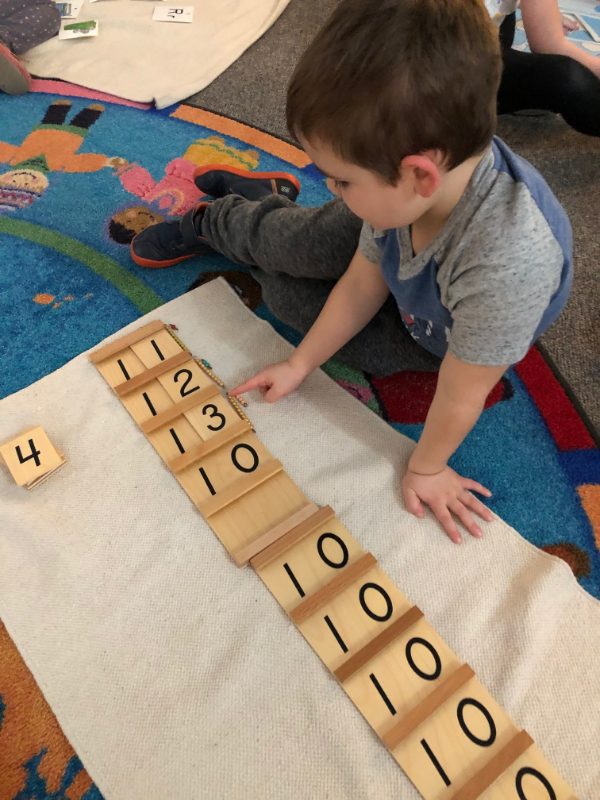
Thankfully, I think students of a Montessori education will be more prepared and successful as they have already built the foundation for being active learners and approaching material in a critical way. They know how to initiate further inquiry on a topic of interest as well as delve into it. Montessori students have been guided to ask questions to further learning as well as to make connections and parallels between topics. Instead of waiting for more material to be given to them, they will go and find the material.
I am excited for our students’ futures. They will be the innovative leaders of this country and world. Based on what I see, we will be in good hands.