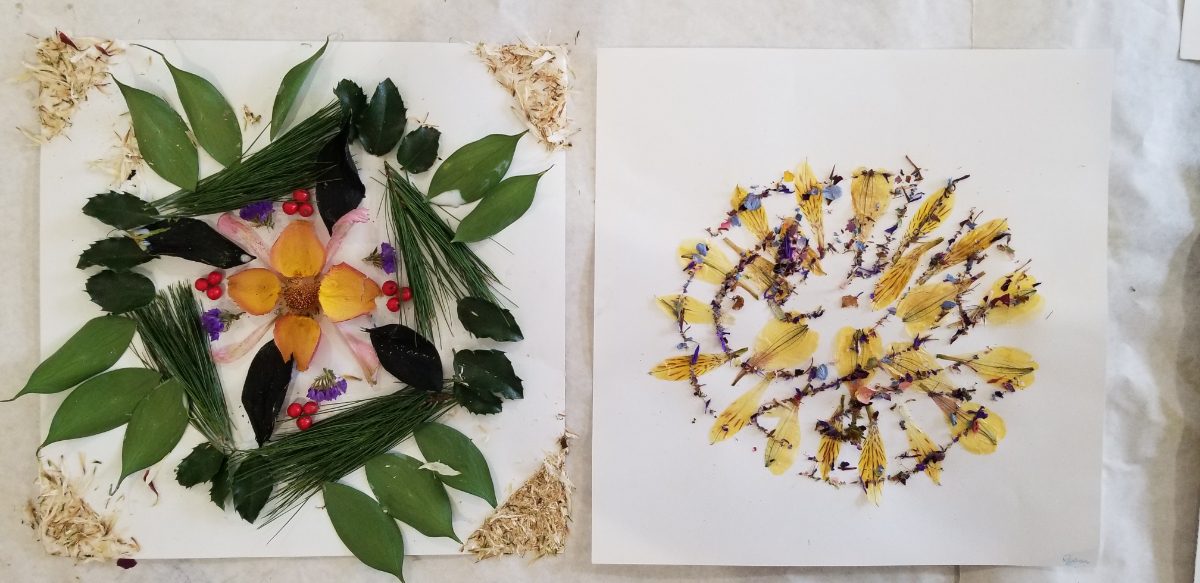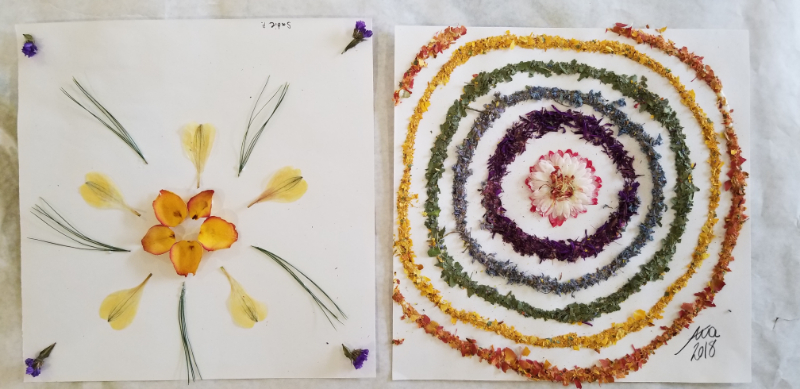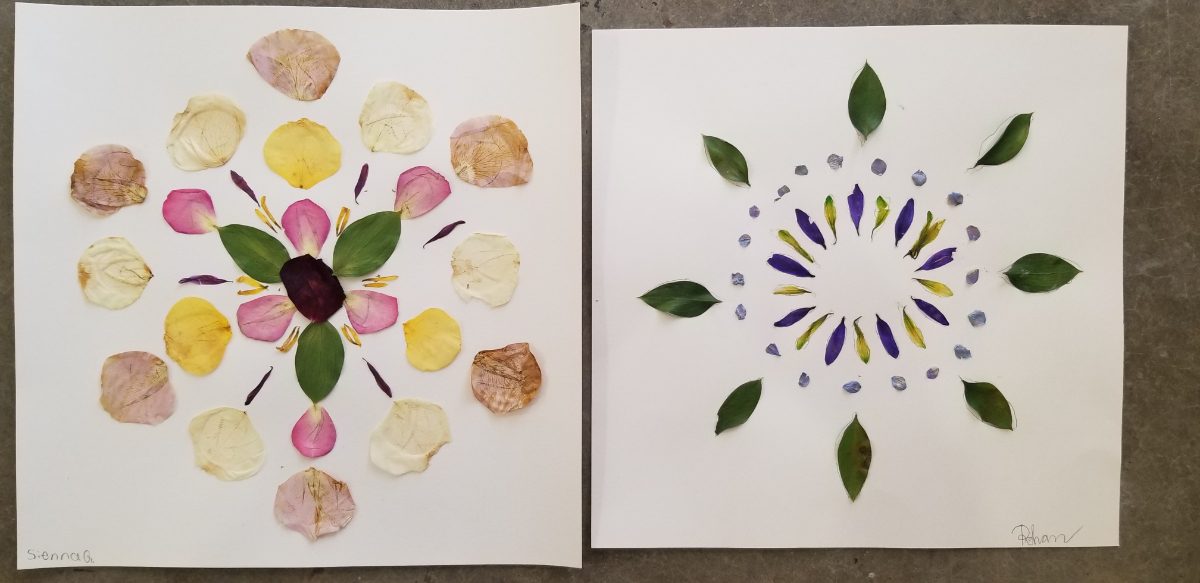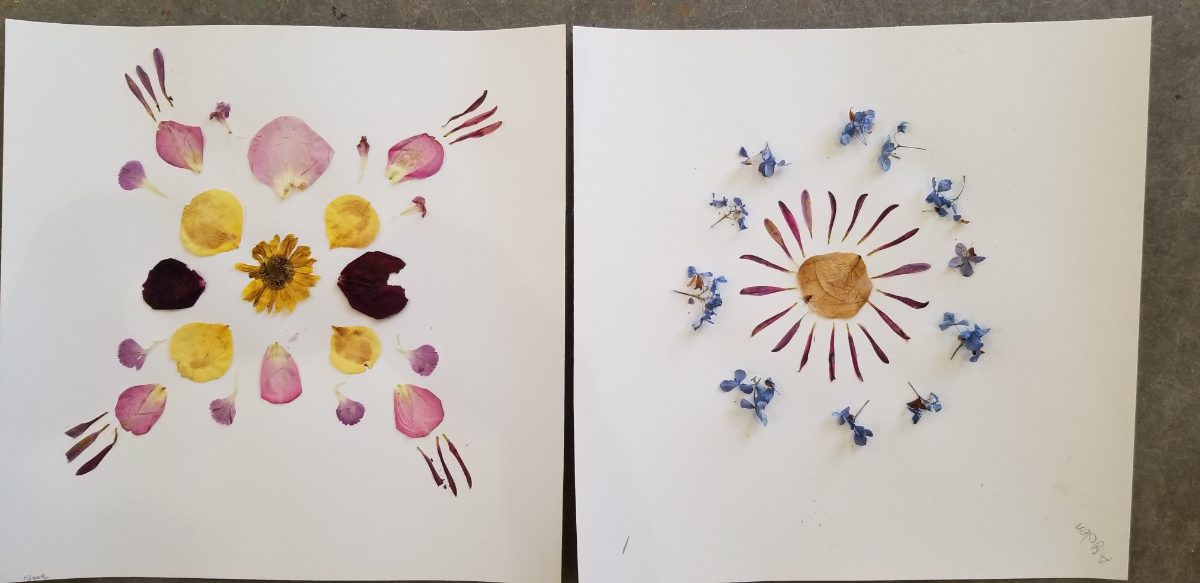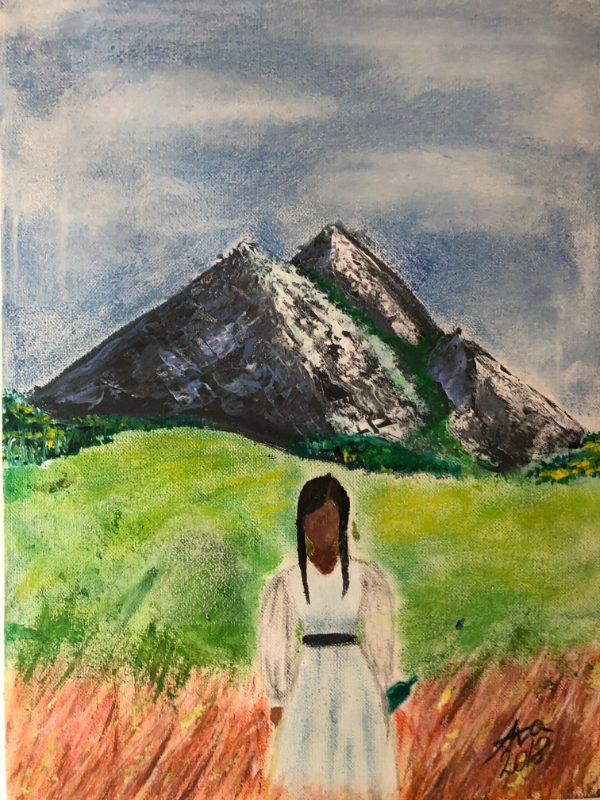



As we wrap up our last full week of 2018, I always reflect upon my year. The other day, a student gifted me with her art project (led by the incredible Ms. Reid). It brought full-circle another reason that I choose to teach at a small, independent school: authentic assessment. While we have tests and quizzes, it is the observations and presentation of material in unconventional ways by the students that prove they are truly learning.
The painting (see photo gallery), inspired by Native American artist and member of the Navajo Nation, Shonto Begay, demonstrates the state of Indigenous Americans in our country. Begay paints beautiful landscapes with the realities of life on today’s reservations. The student’s painting does just that- in front of the serene, mountainous landscape, is a girl without facial features, symbolizing the lack of attention plaguing today’s population. Additionally, she has western clothing, showing assimilation and loss of culture due to colonization. Finally, the woman is hiding a bottle behind her back, which demonstrates the challenge of addiction that can be seen in reservations. We spent a good chunk of our fall in 8th year Humanities studying the history of the U.S. through the lens of Indigenous Americans.
This is what teaching is all about. Whether it is science, math, physical education, or the arts, when a child shows mastery of an entire unit through something other than a test, it is a complete victory. Applied knowledge across the curriculum and moments like this one are what “fill the gas tank” for a teacher.
A Week in Review:
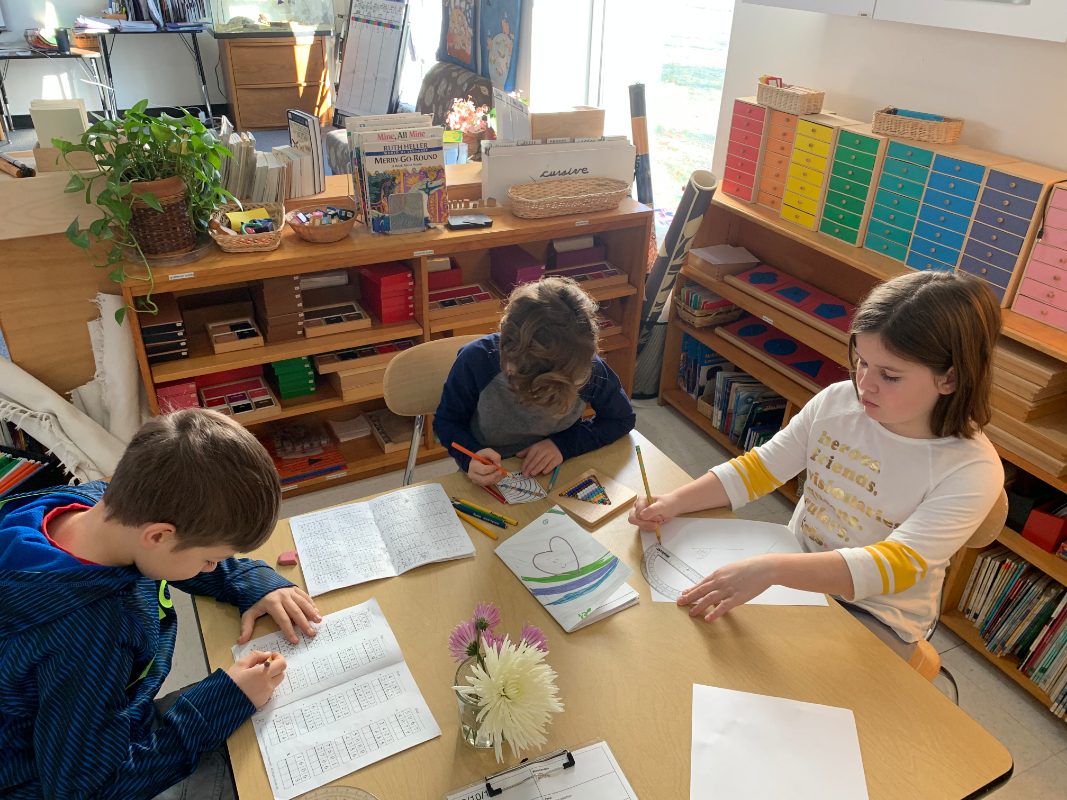
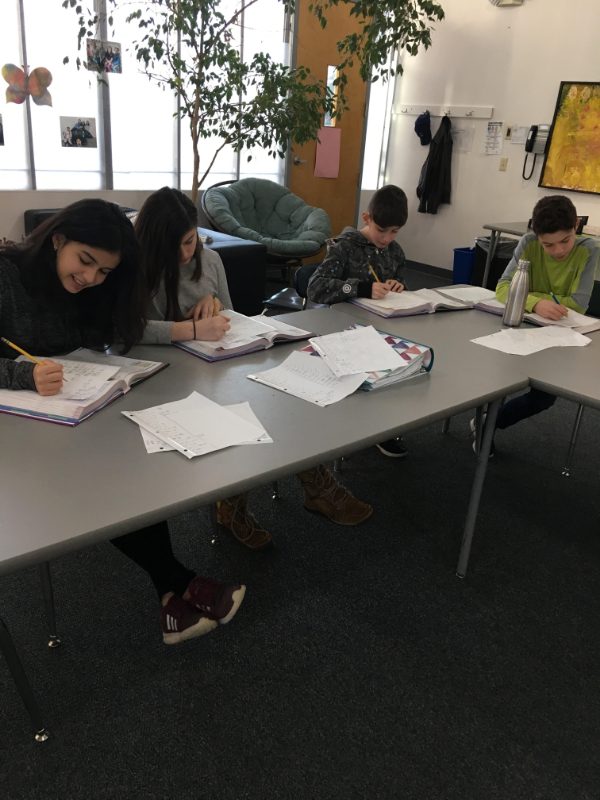
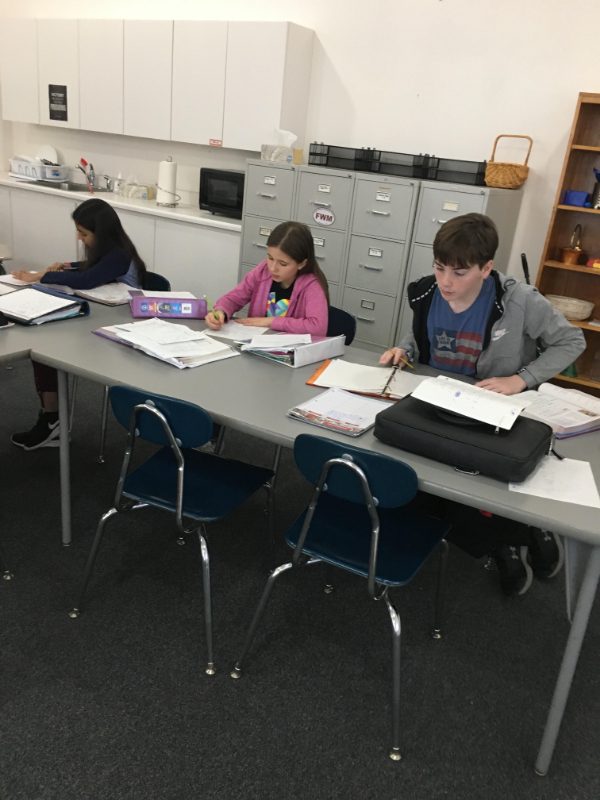
In math, The 6th years are progressing nicely. This week we began our investigation of proportions. After covering rations, the class learned about unit rates and how to determine the “better buy.” They then moved on to proportions. Next up students will be exploring similar figures. The 7th years continue their work with fractions that include variables. They learned how to reduce, find the greatest common factor, finding the least common multiple, adding, subtracting and multiplying using their previously acquired prime factorization skills. Finally, the 8th years have been introduced to slope, direct variation, and rate of change. Also introduced was slope-intercept form of a linear equation (y=mx+b). They will be using this information to draw graphs and write equations when they know two points on a line.
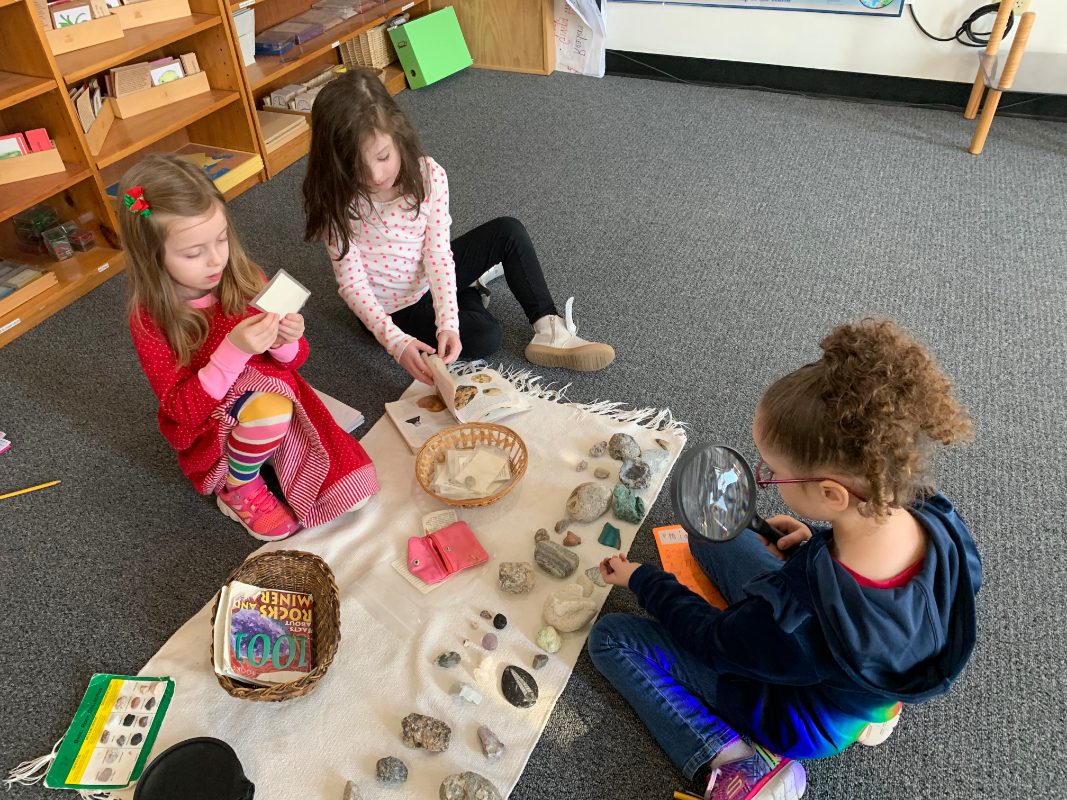
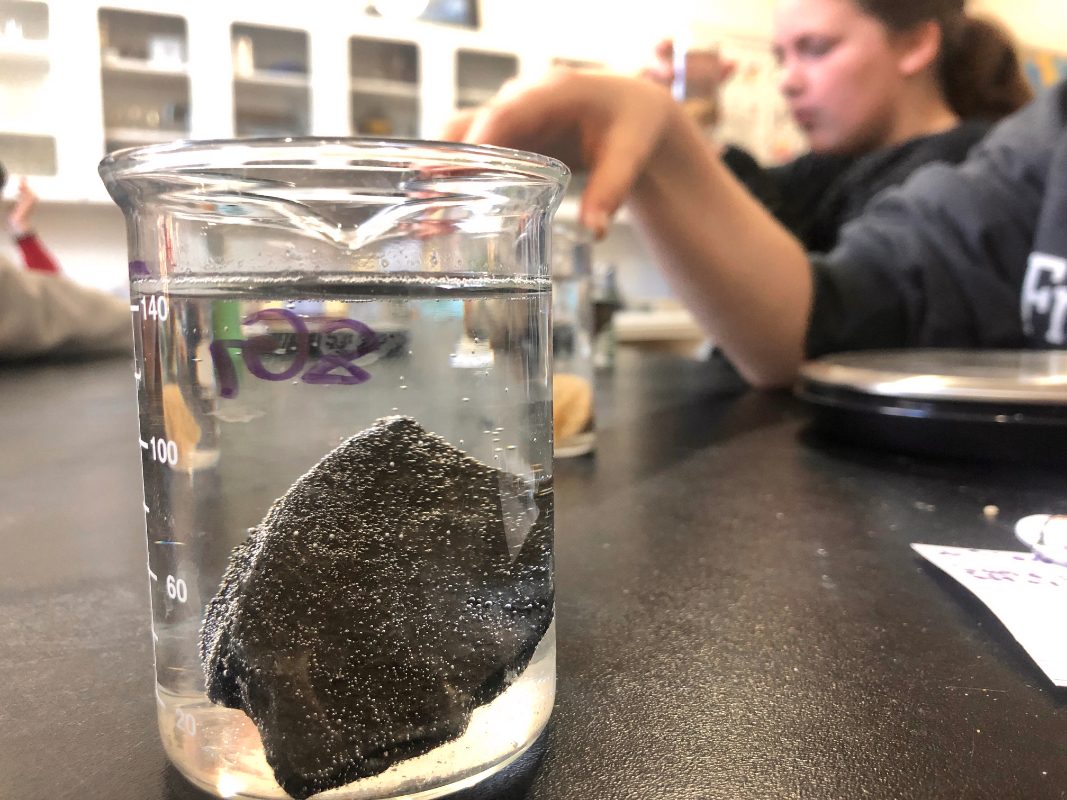
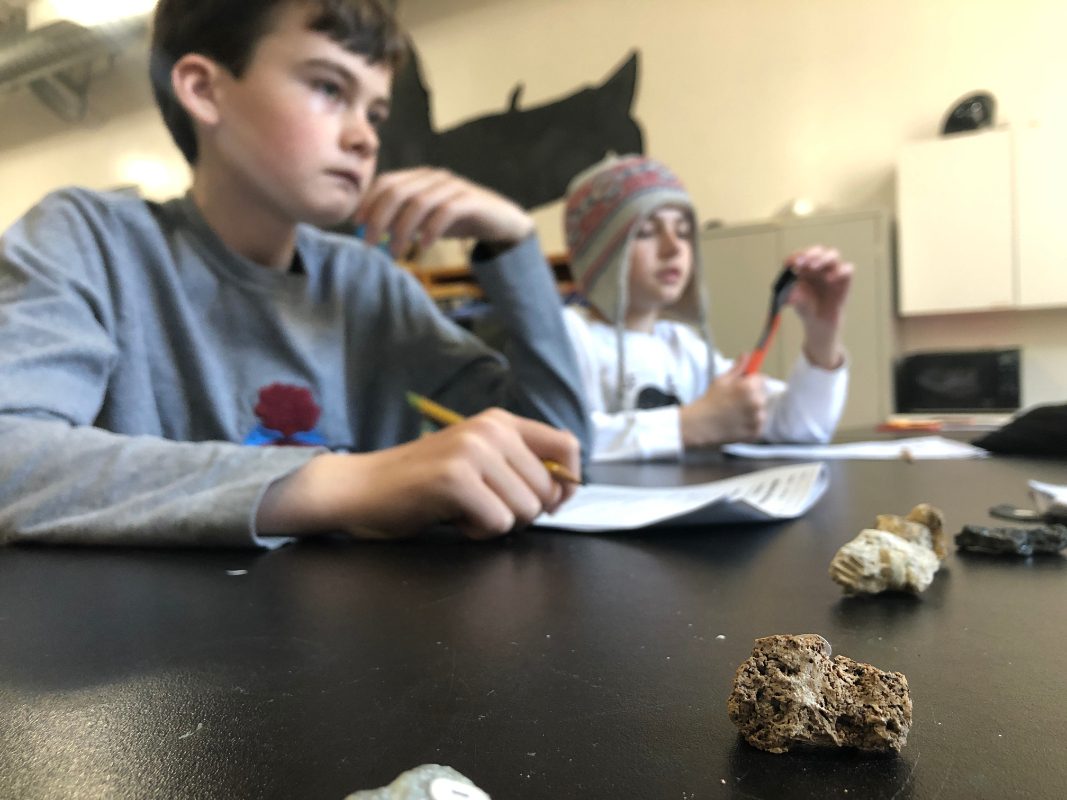
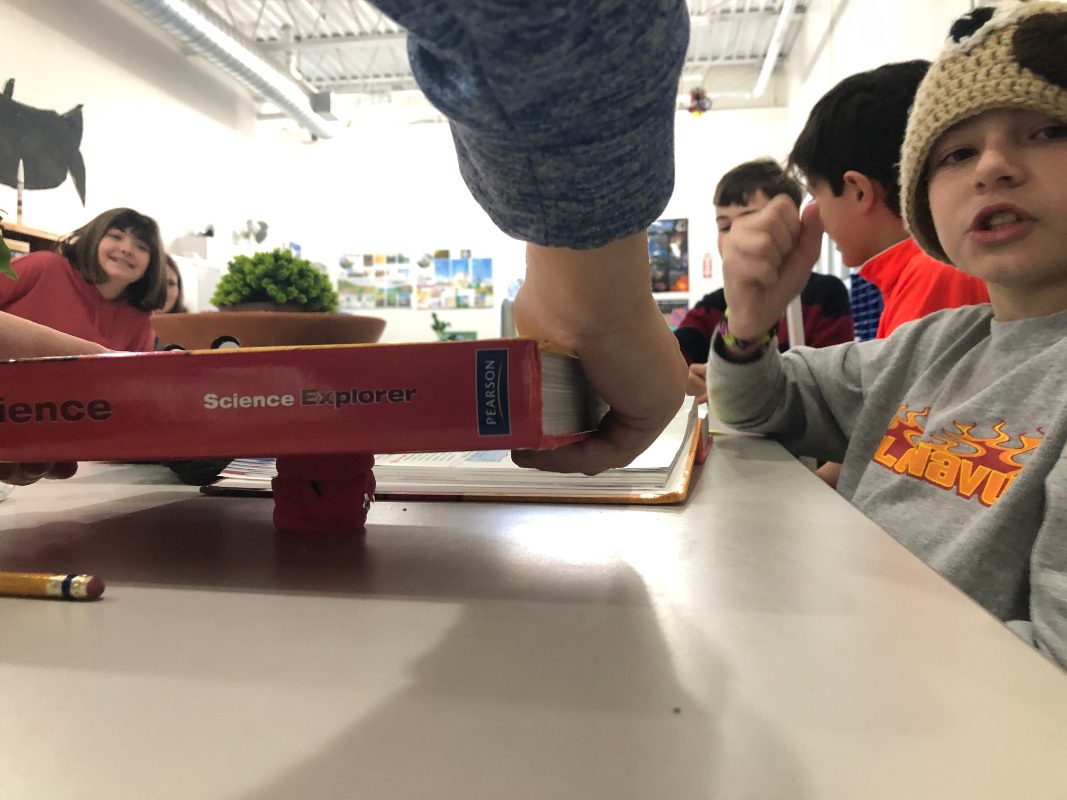
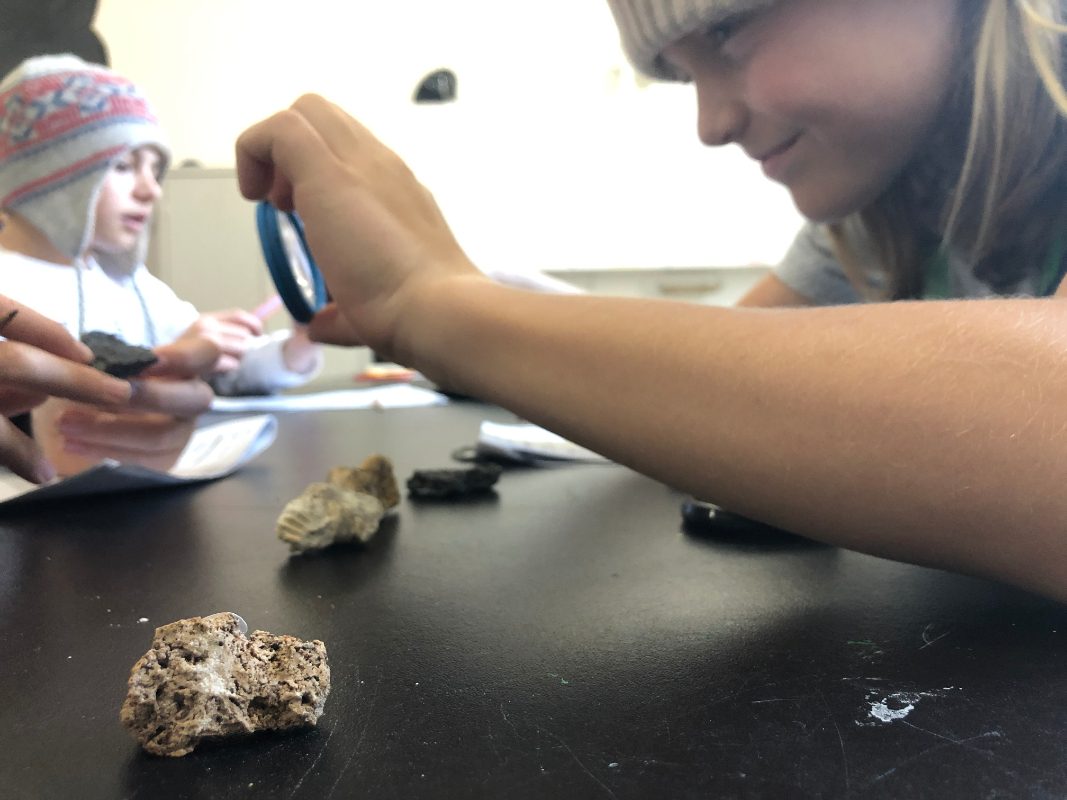
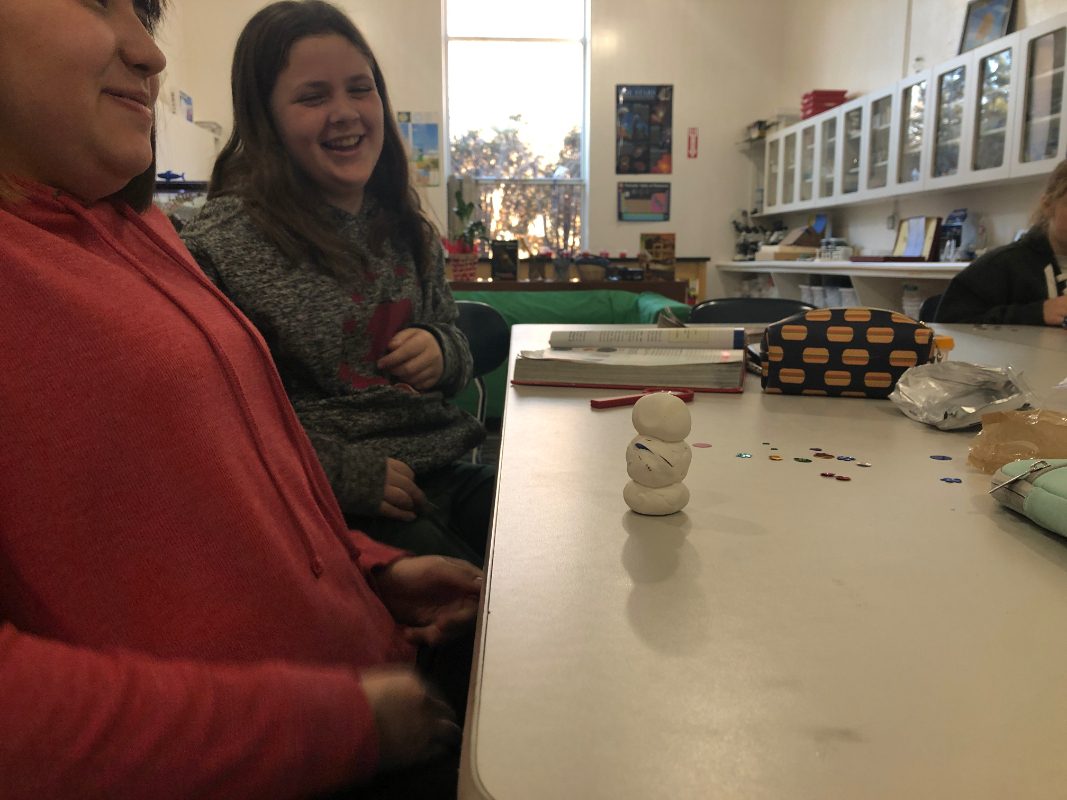
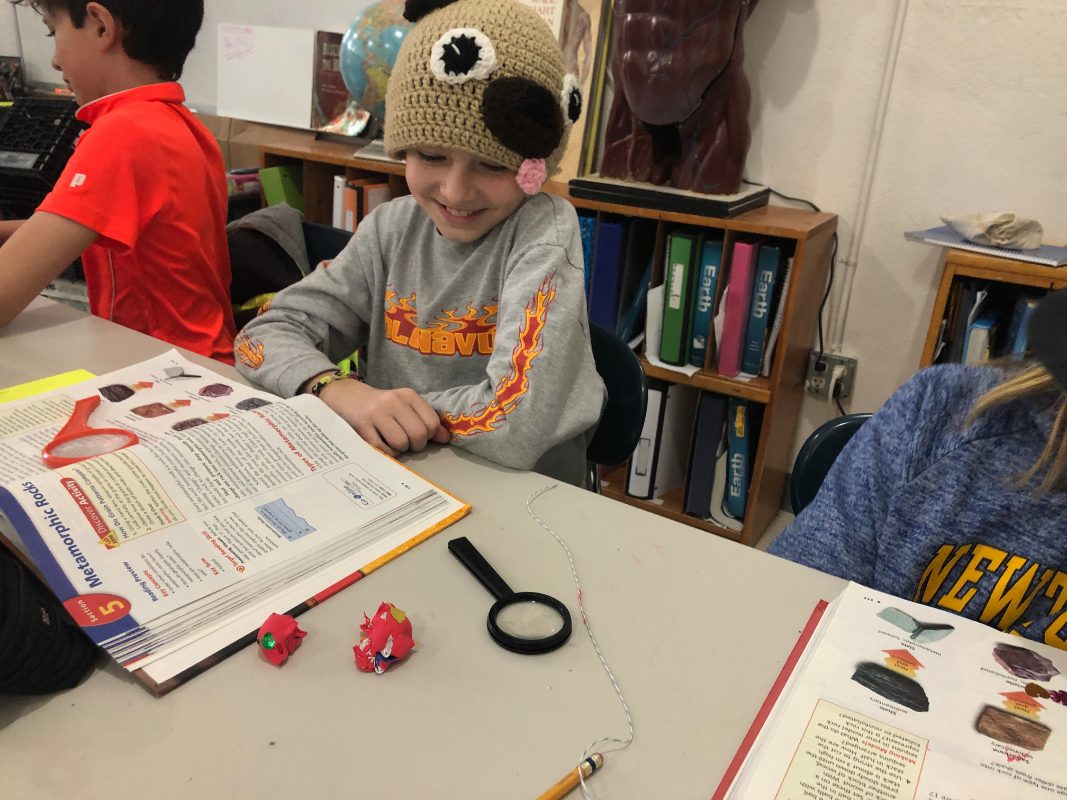
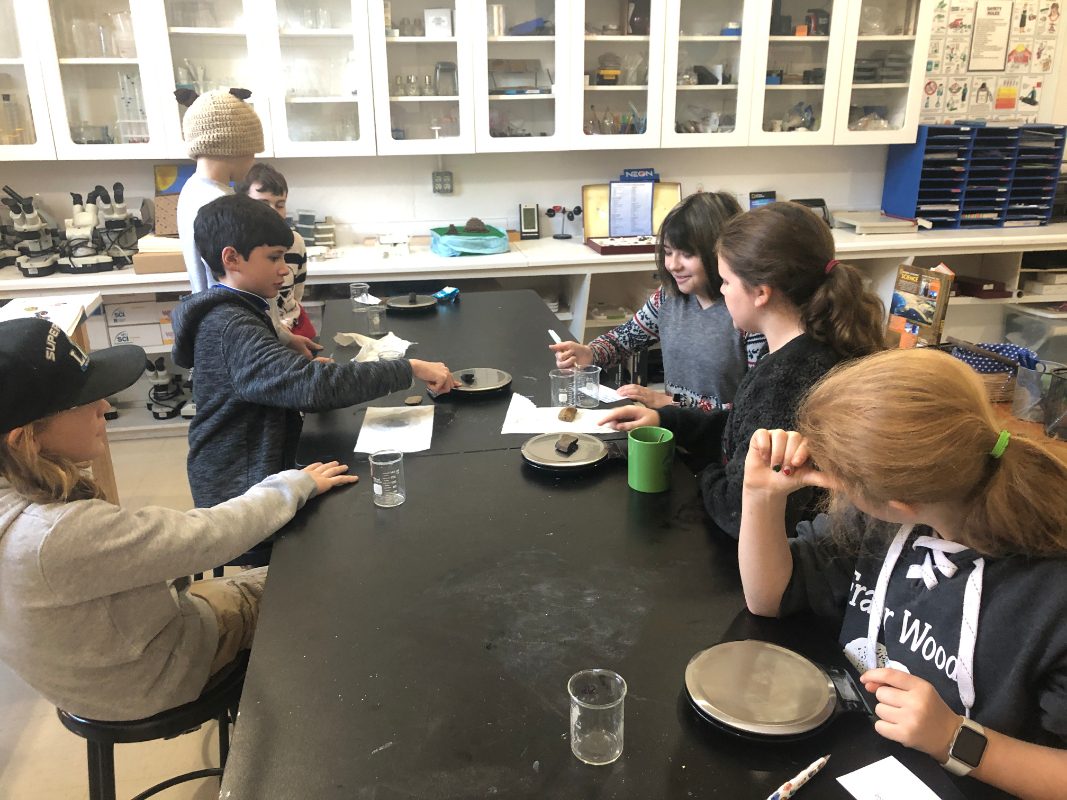
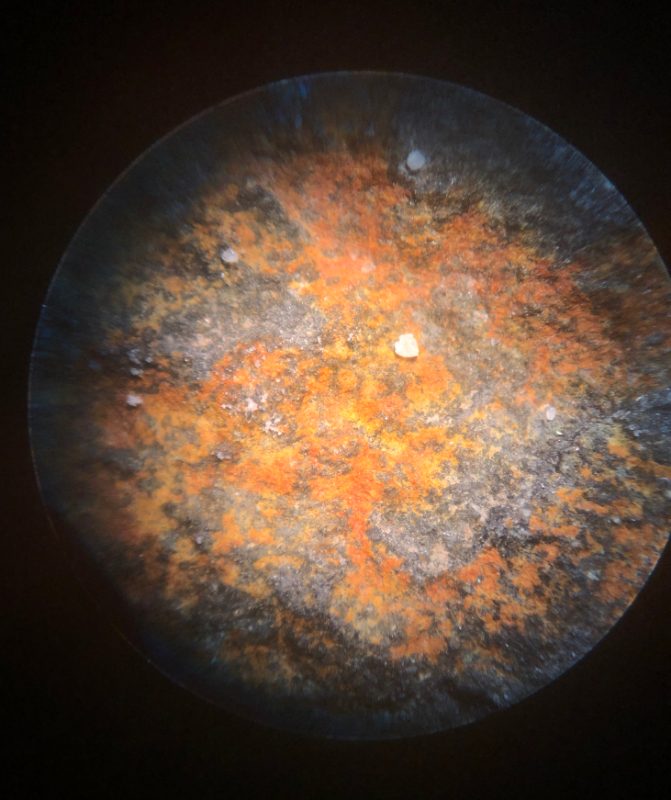
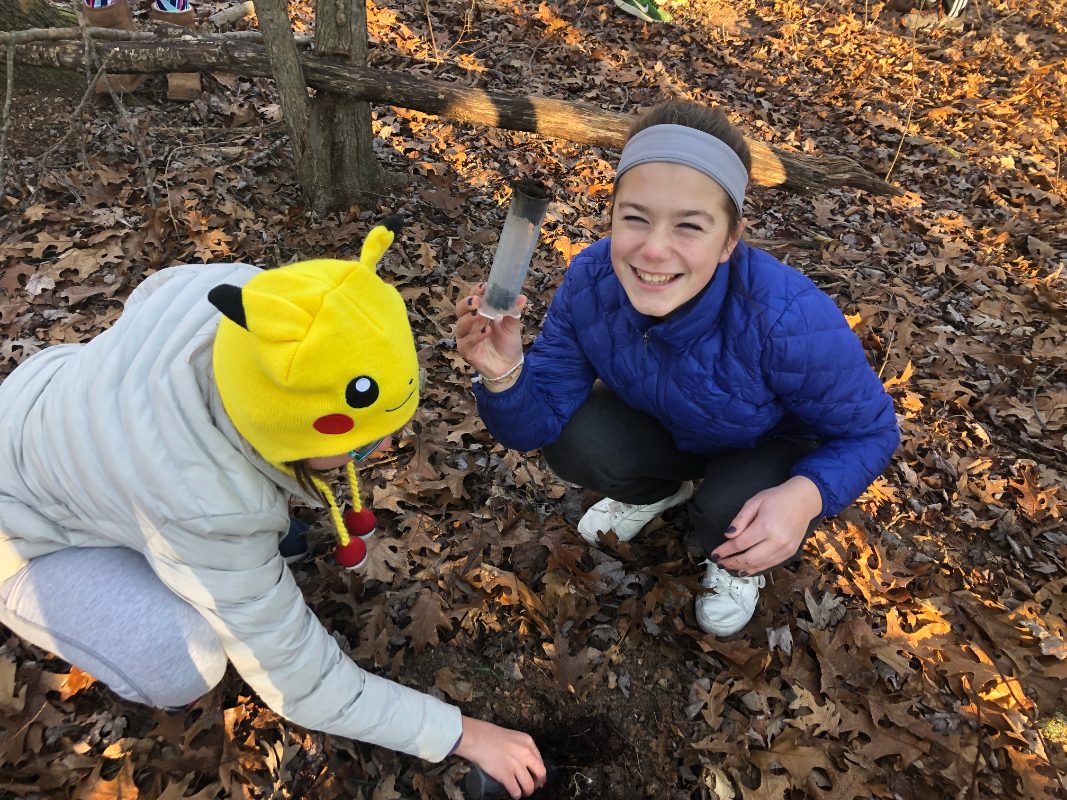
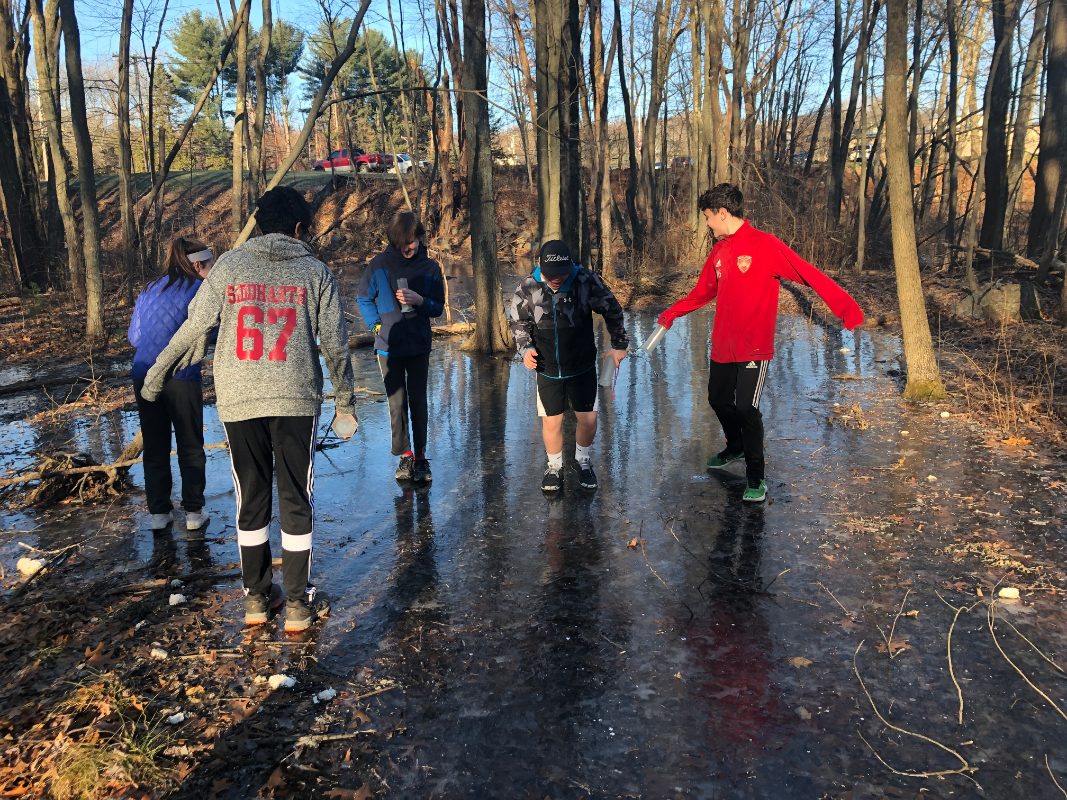
In science, the 6th and 8th years continued working on identifying igneous, sedimentary, and metamorphic rocks. Students discovered the process of how metamorphic rocks are created using heat and pressure with clay and beads while demonstrating the layers of sedimentary rock using soil samples and water. The 7th years finished their unit on the periodic table of elements and are planning for the construction of the periodic table of cupcakes.
In humanities, the 6th years were assessed in geography of the Middle East and North Africa and pondered the question, “Can modern humans know the history of a group of people who did not have writing, or can we only really know about people who kept written records of their activities and achievements?” 7th years are studying sub-Saharan Africa, and continued to explore the continent by studying South African history, particularly apartheid, and western influence in traditional cultures, beginning with Mali. Finally, the 8th years looked at the Great Compromise decided upon by the Continental Congress and resulting 3/5 Compromise that were decided upon at the Constitutional Convention of 1787. Both affected people of color in our country.
The middle school teachers hope you have a lovely winter break with your families!