Blog

Mrs. Sargeant: A Peek at the Week

“So in the child, besides the vital impulse to create himself, and to become perfect, there must be yet another purpose, a duty to fulfill in harmony, something he has to do in the service of a united whole.” ~ Maria Montessori, The Absorbent Mind

Maria Montessori believed that children are the key to peace and empathy among humanity. This important belief is a foundation in our Montessori classrooms, beginning with practical life lessons and continuing throughout childhood and beyond. I’d like to share how a “simple” lesson can provide the mechanism from which children in the classroom learn, practice, and express their empathy and love for their community.

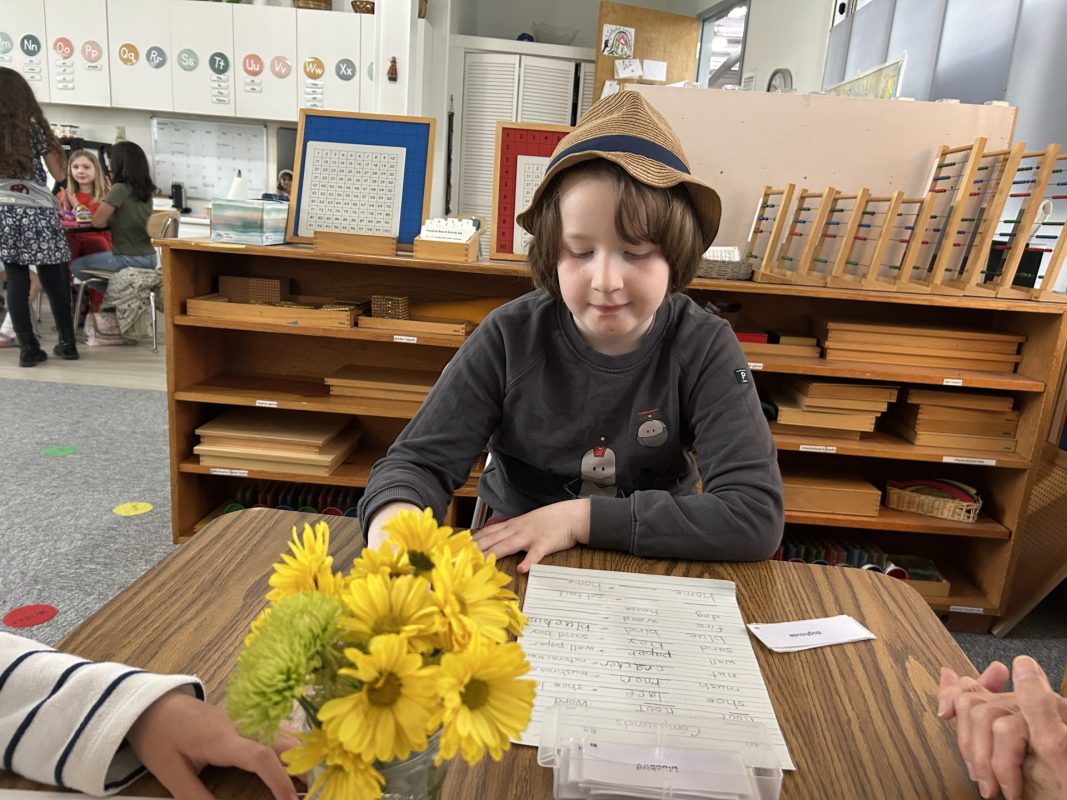
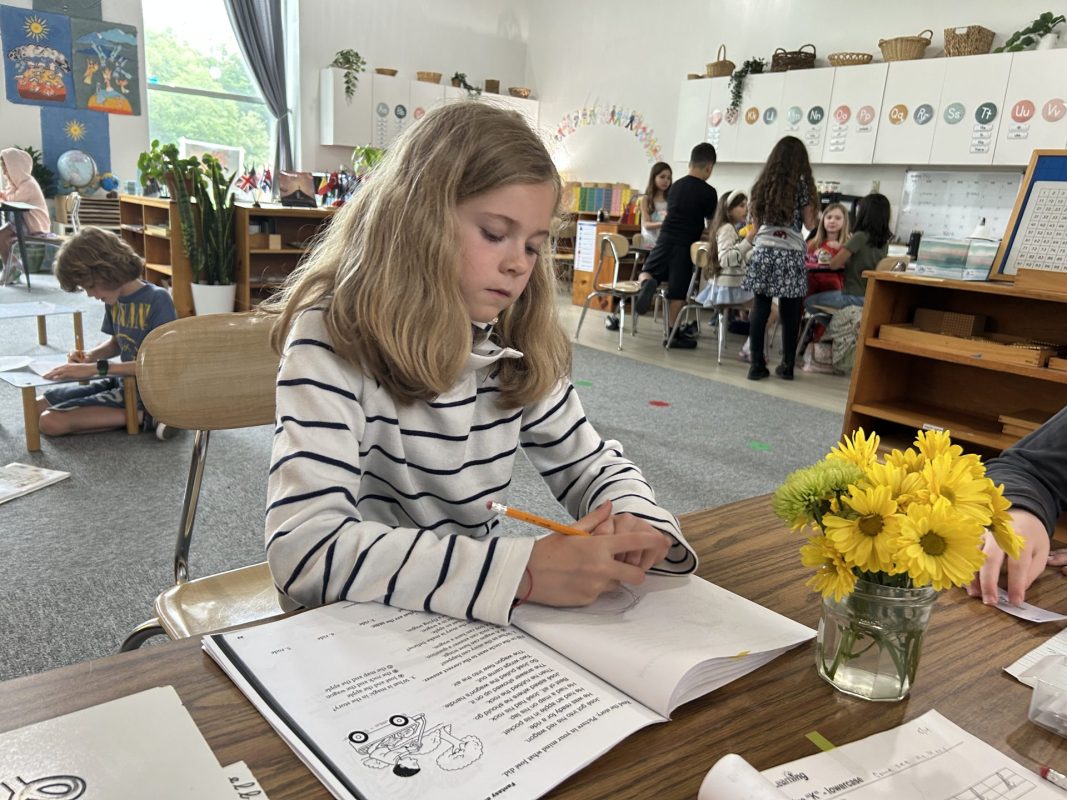
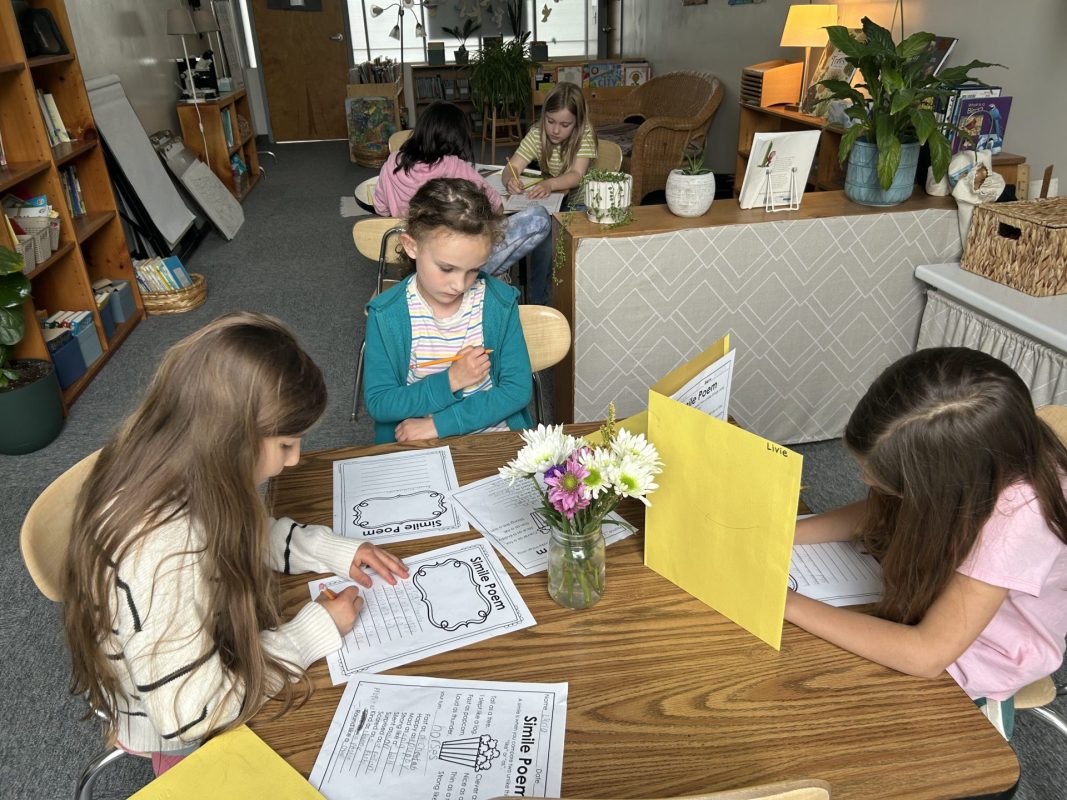
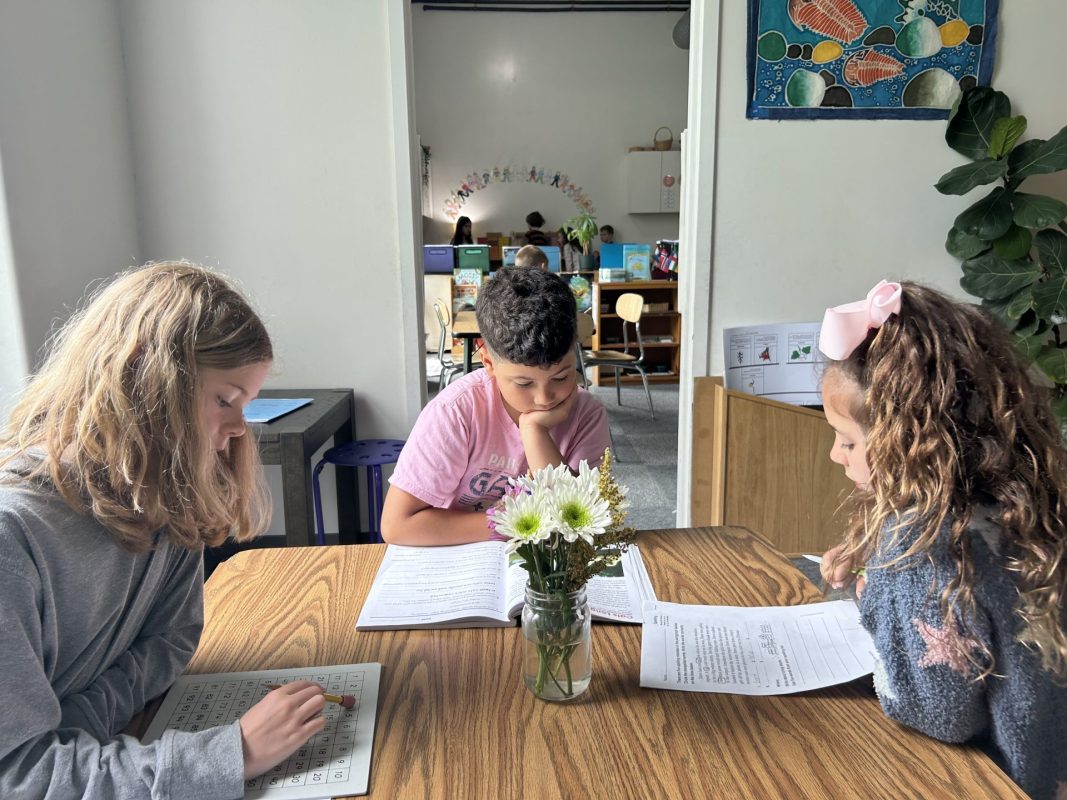
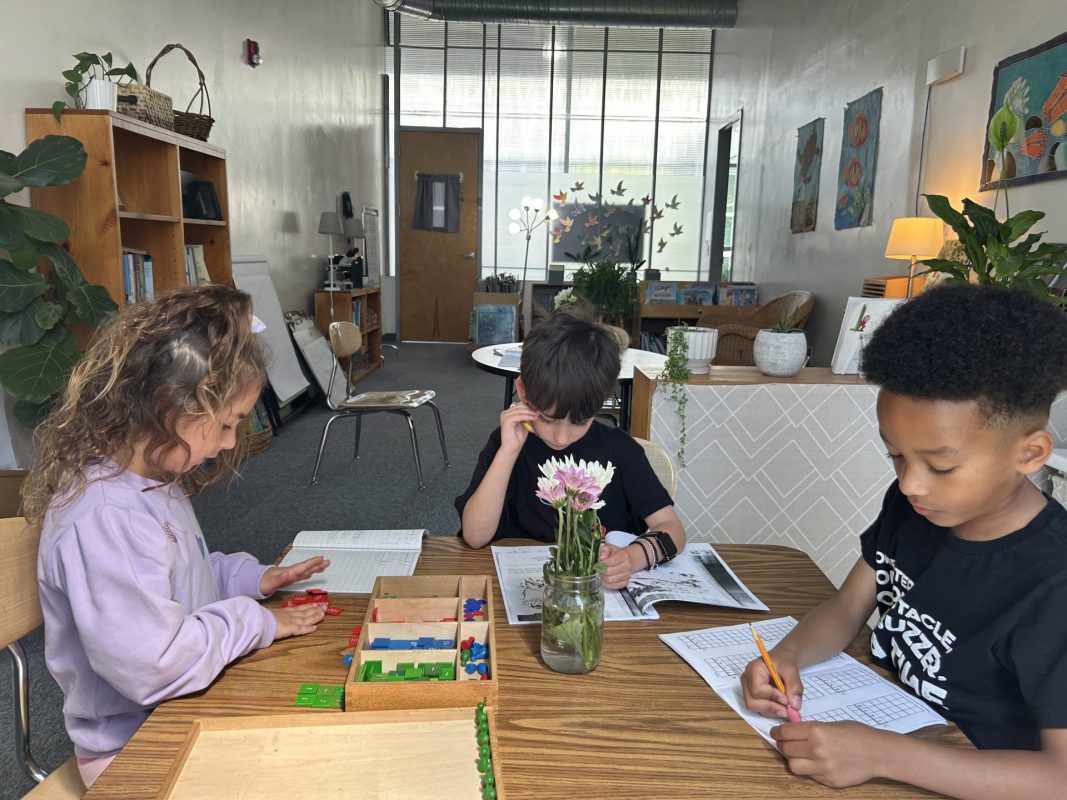
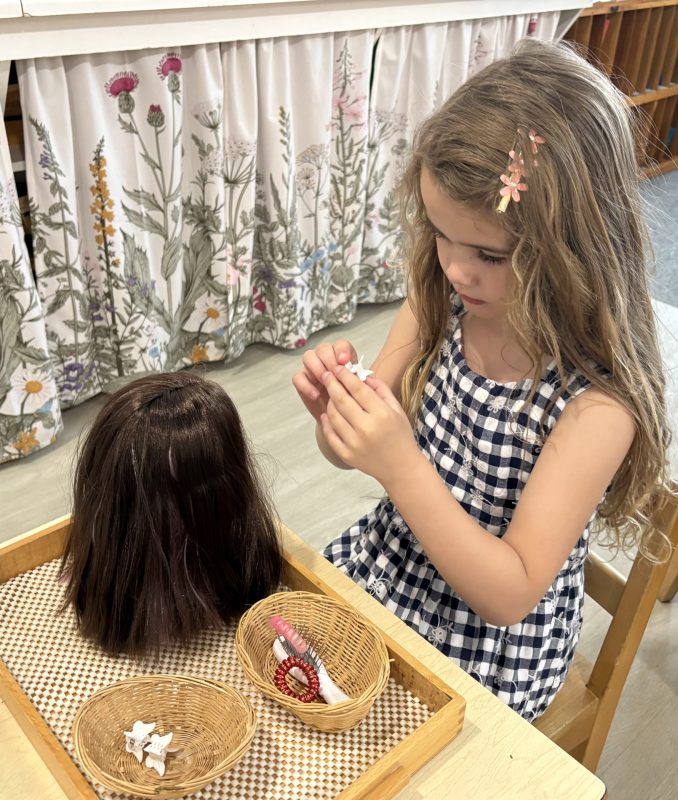
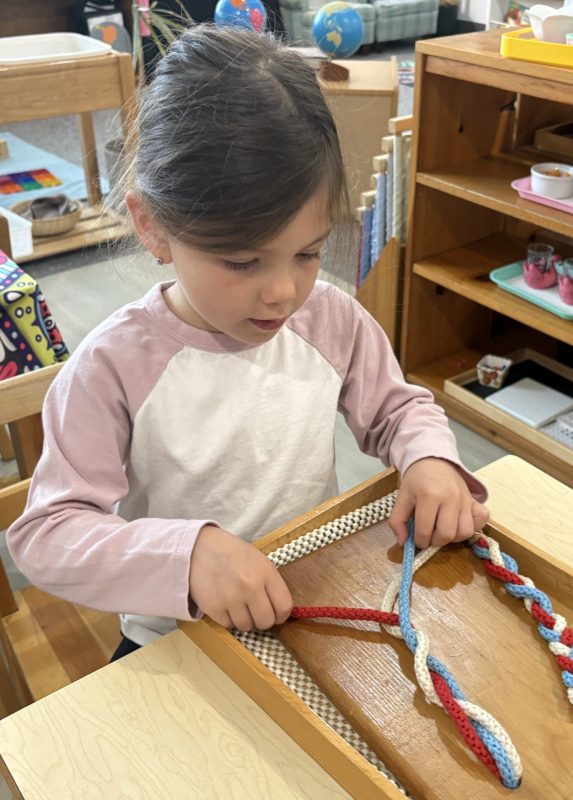
Flower arranging is a work in the Practical Life area of our classroom. It not only fosters fine motor skills and hand-eye coordination but also gives the children a sense of ownership of their environment.

“Flower arranging work has a more important indirect aim than simply admiring nature’s work of art. It is an opportunity for little hands to contribute to the beautification of the environment. It is a tender moment when a young heart lays down a symbol of friendship, love, and peace on a table for someone else to enjoy. It is a brief yet integral step outside of oneself and one’s own needs. -The CHILD Centered Blog

Flower arranging is only one of many classroom works and activities sowing the seeds of compassion and empathy in your children. Please remember that compassion in your home helps your children do the same.
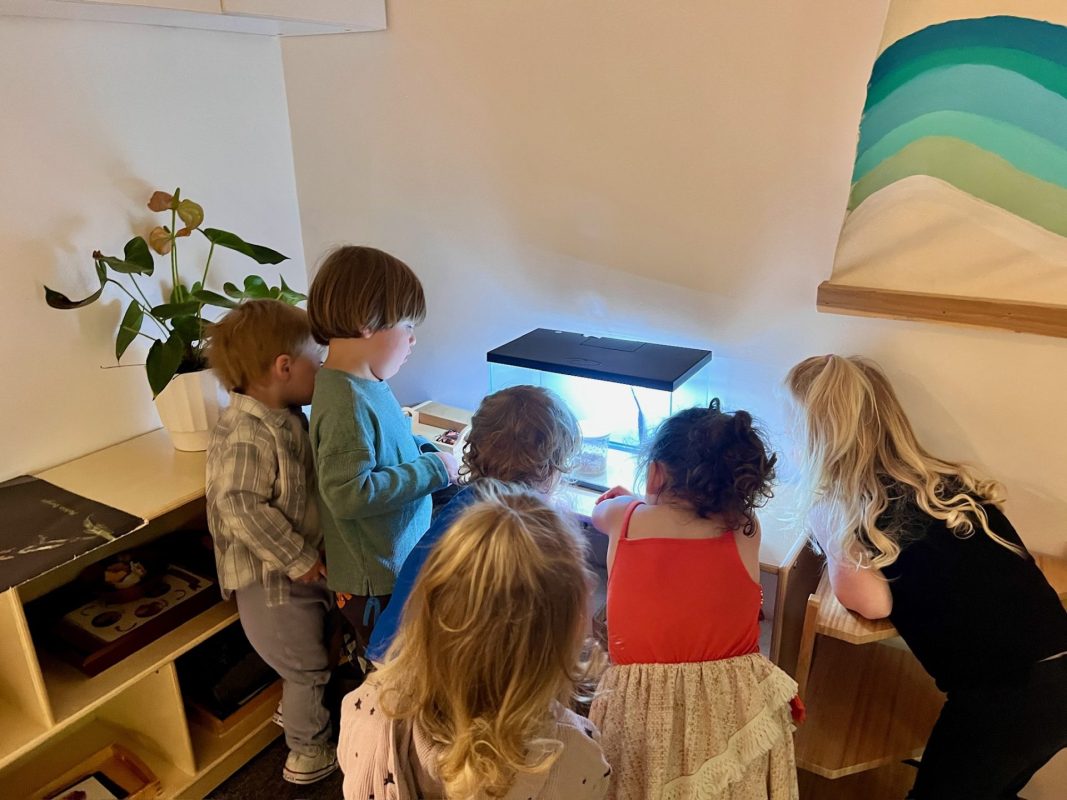
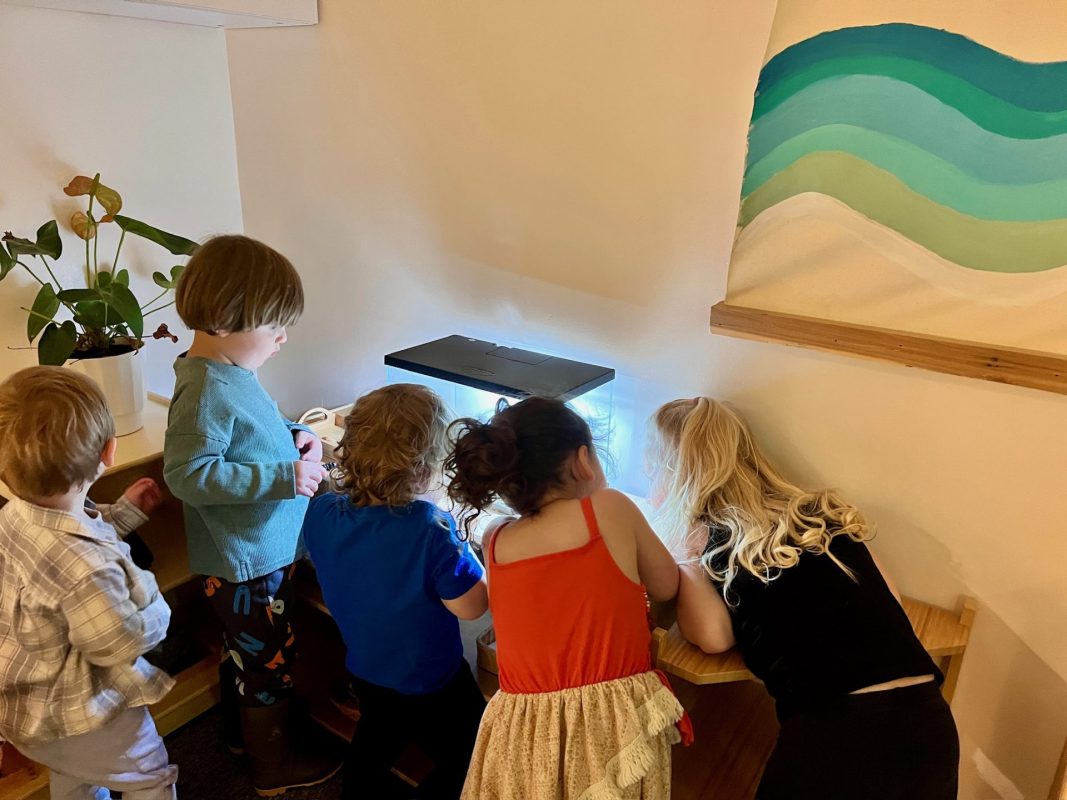
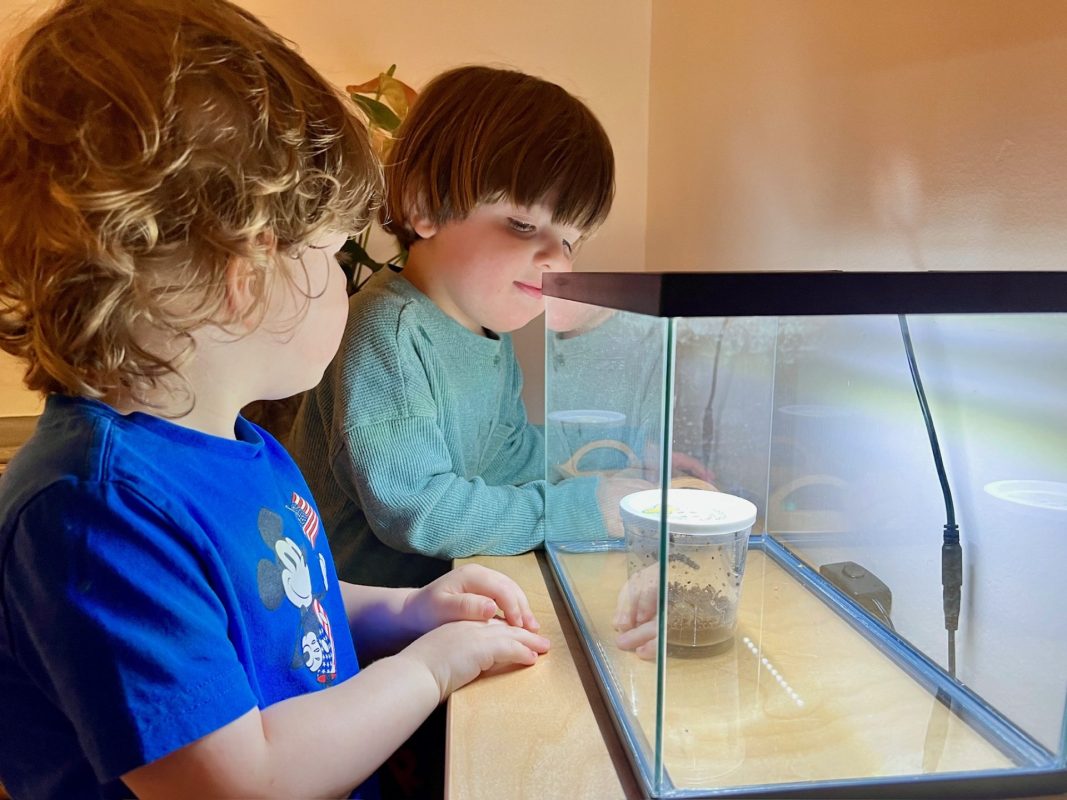
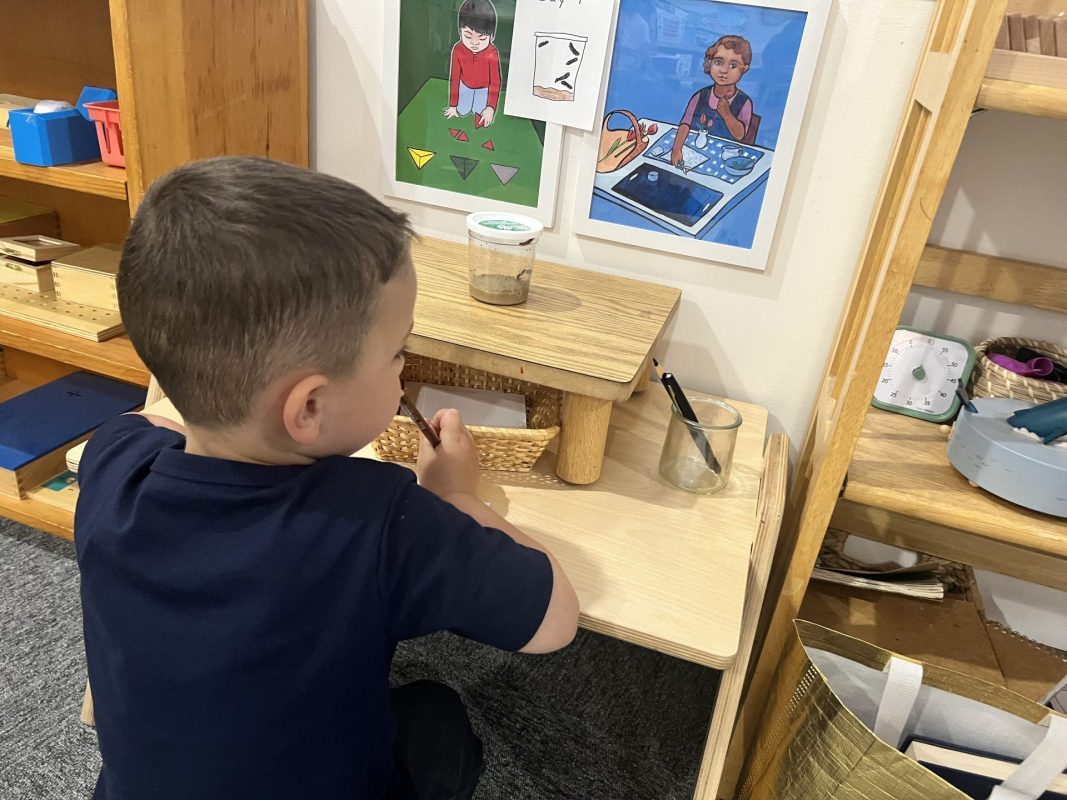
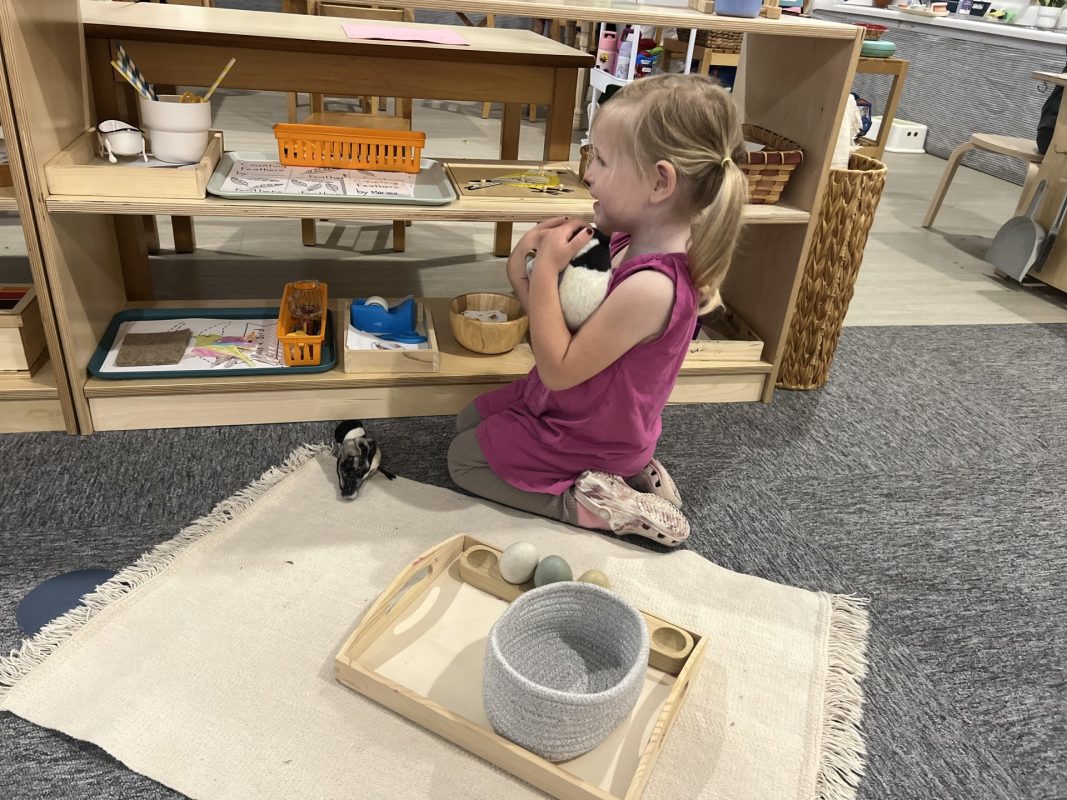
We are so excited to share that we are incubating eight chicken eggs in our classroom. Incubating the eggs provides an amazing learning opportunity for the children to learn not only about the responsibility of taking care of the eggs but also the life cycle of a chicken. The eggs should hatch in 21 days. Each day, we are learning about the development taking place inside the eggs.
I wish you a week filled with peace and love.
Christine & Hailey


A Spring Snapshot: Life in a Normalized Lower Elementary Classroom

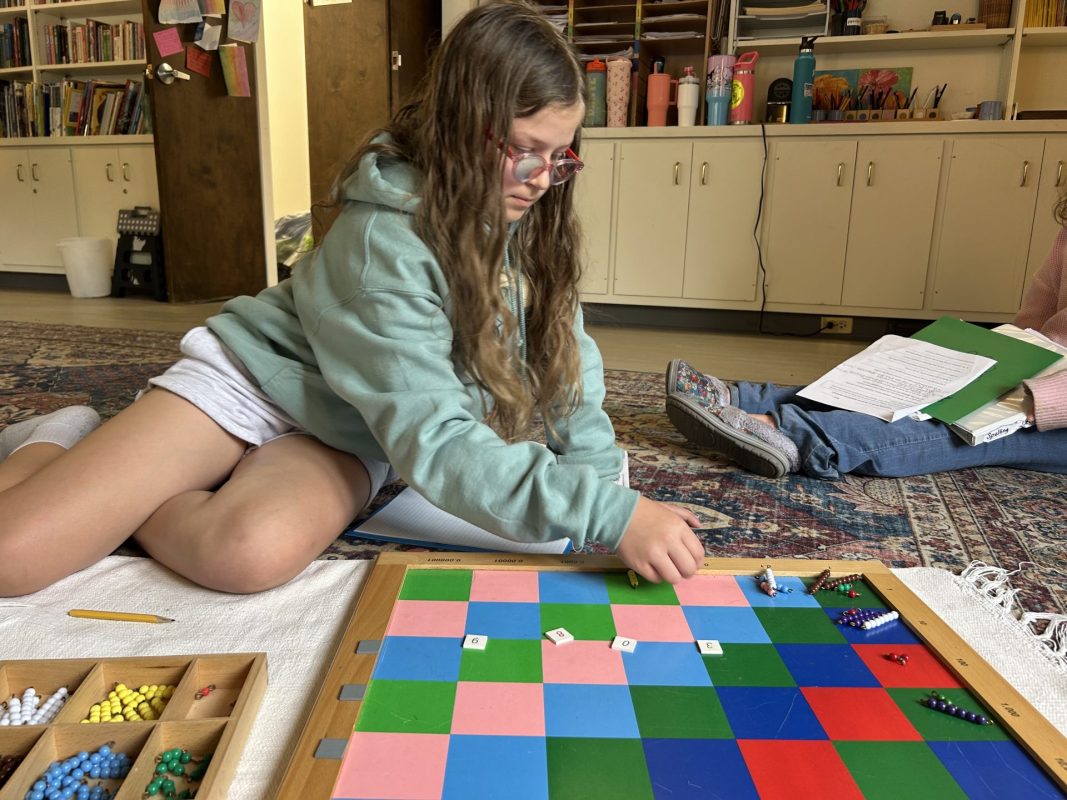
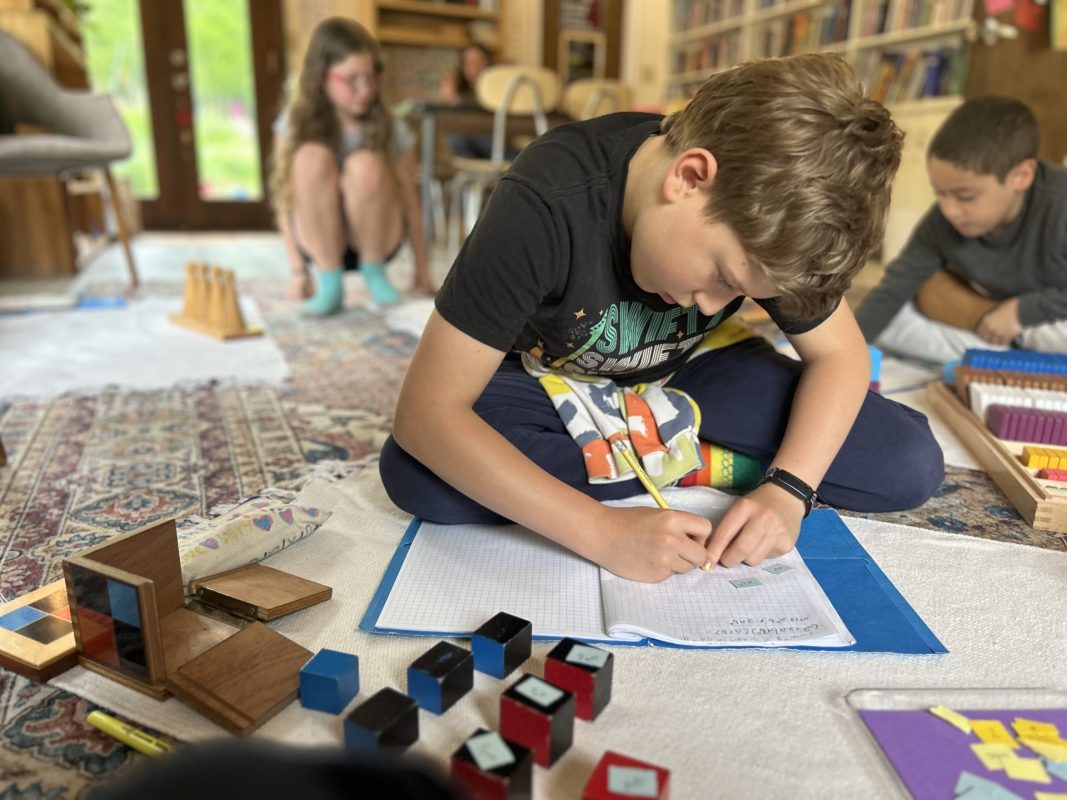
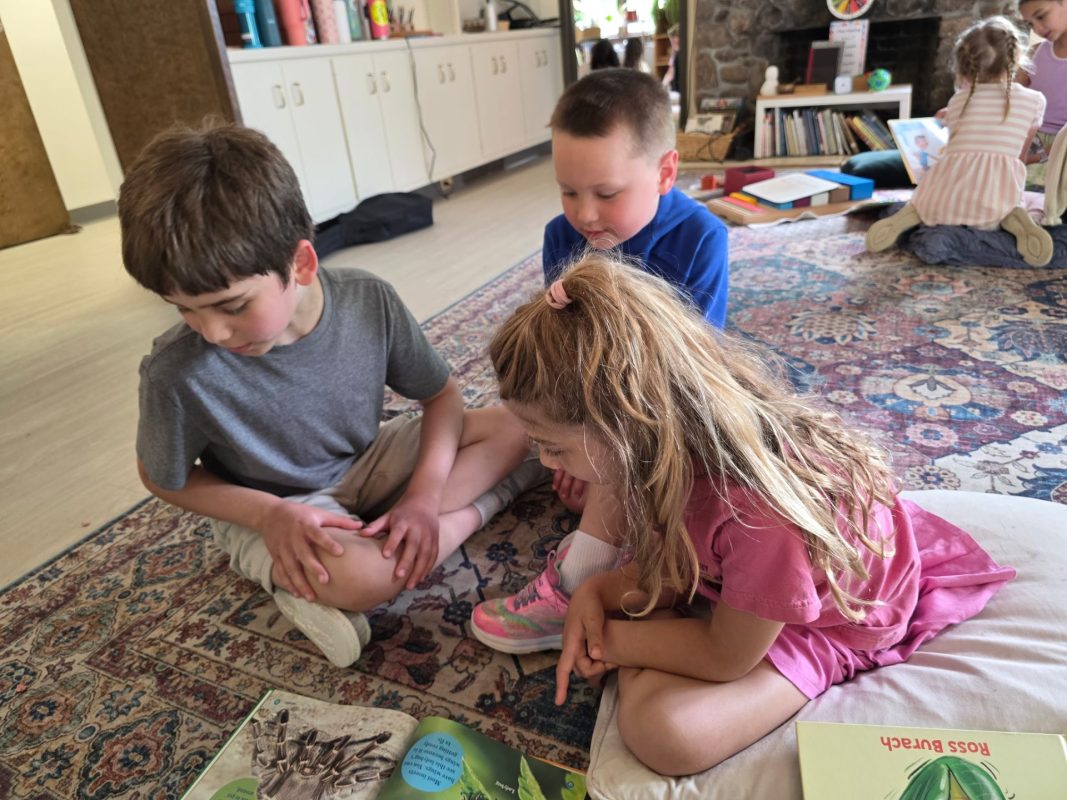
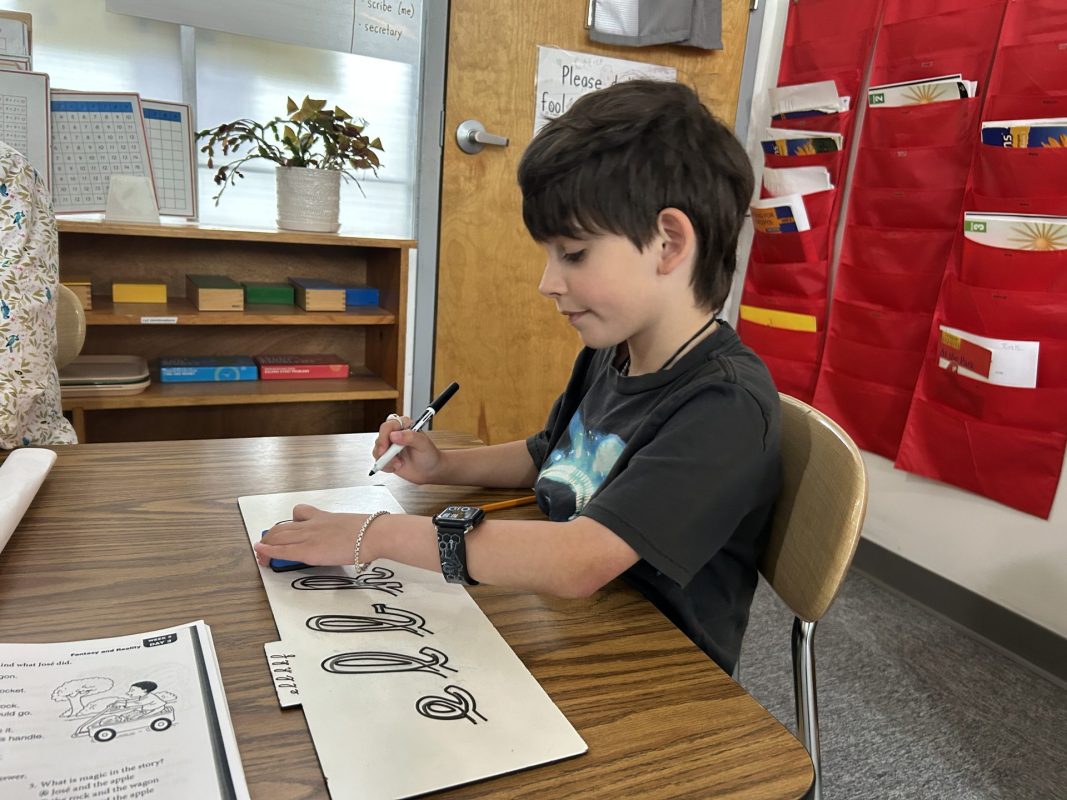
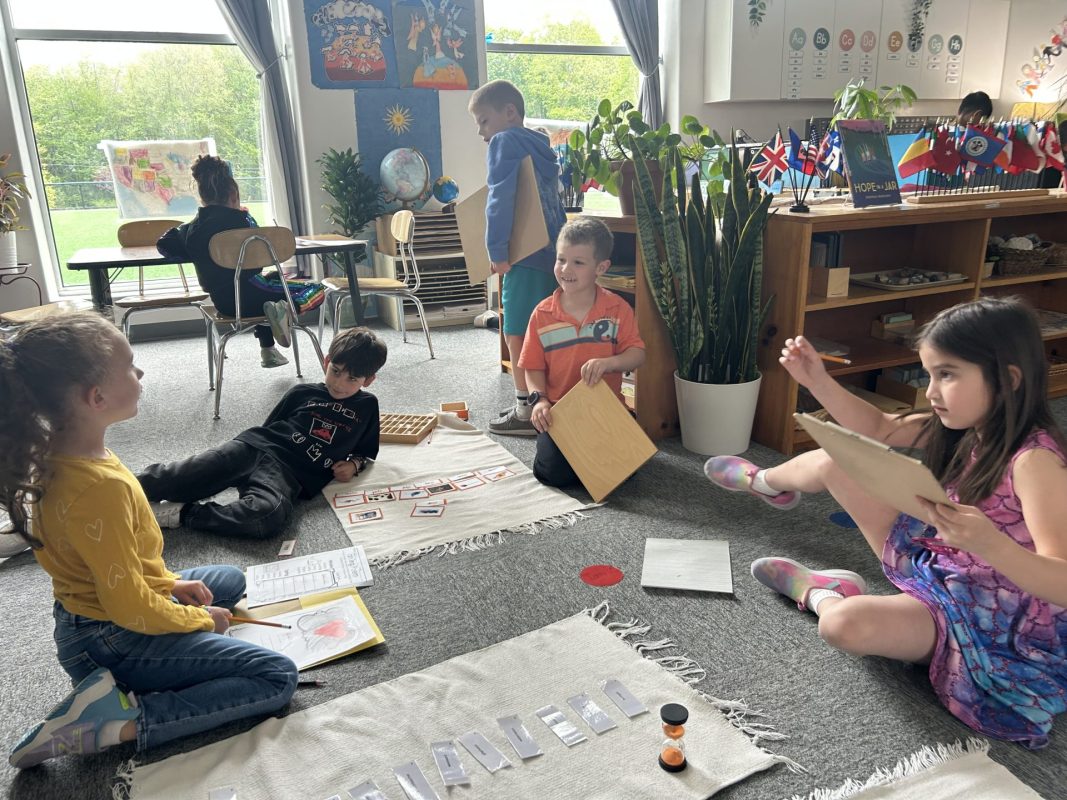
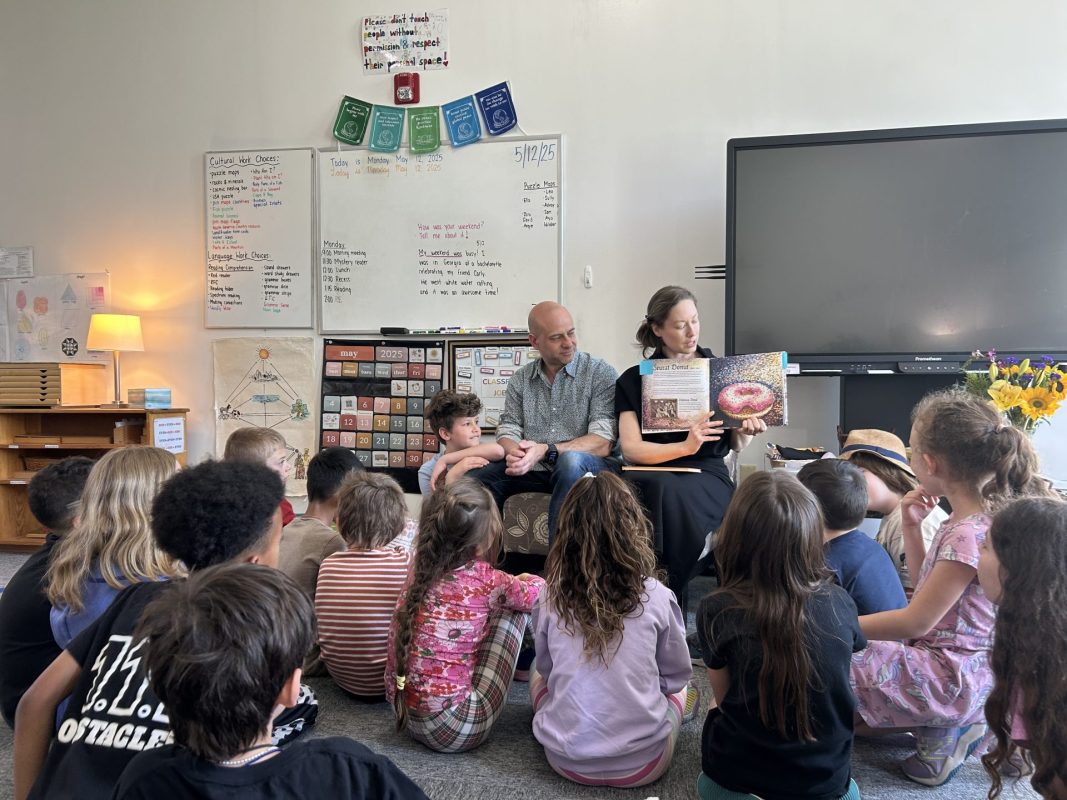
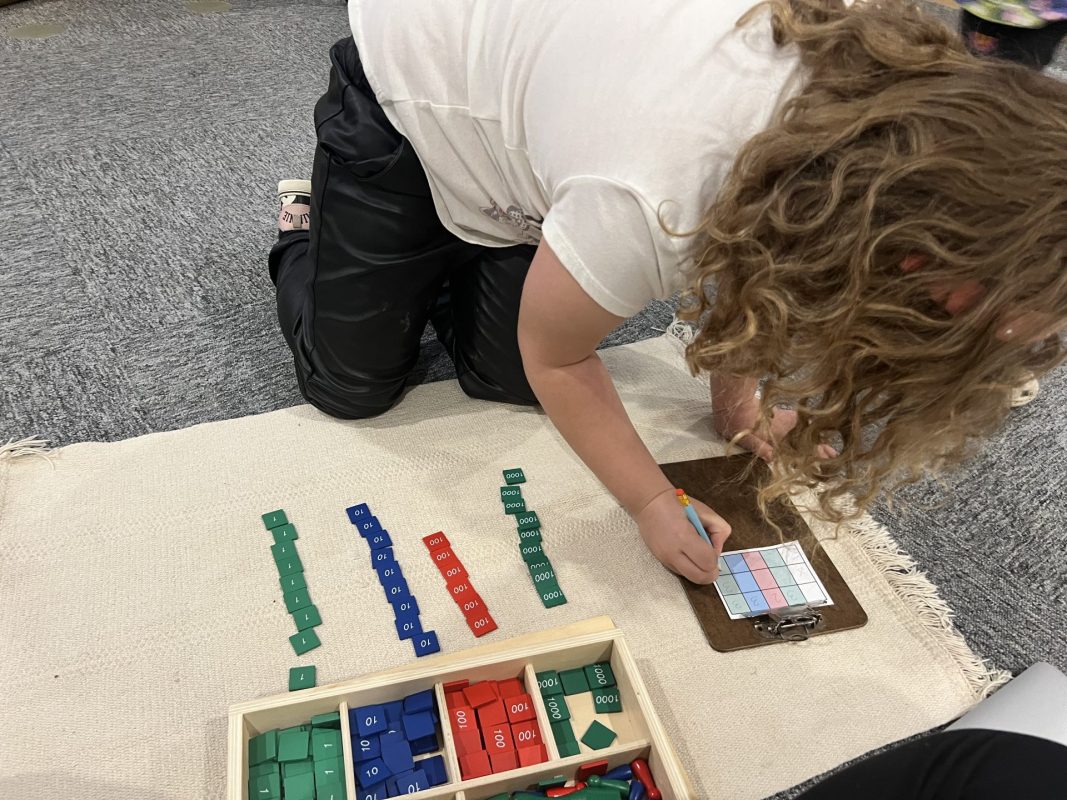
In the fall, our classroom was full of exploration and figuring things out—new routines, new friendships, new challenges. Winter brought more confidence and stamina. And now, in spring, there’s a peaceful rhythm to our days that speaks to the deep inner work these students have done.
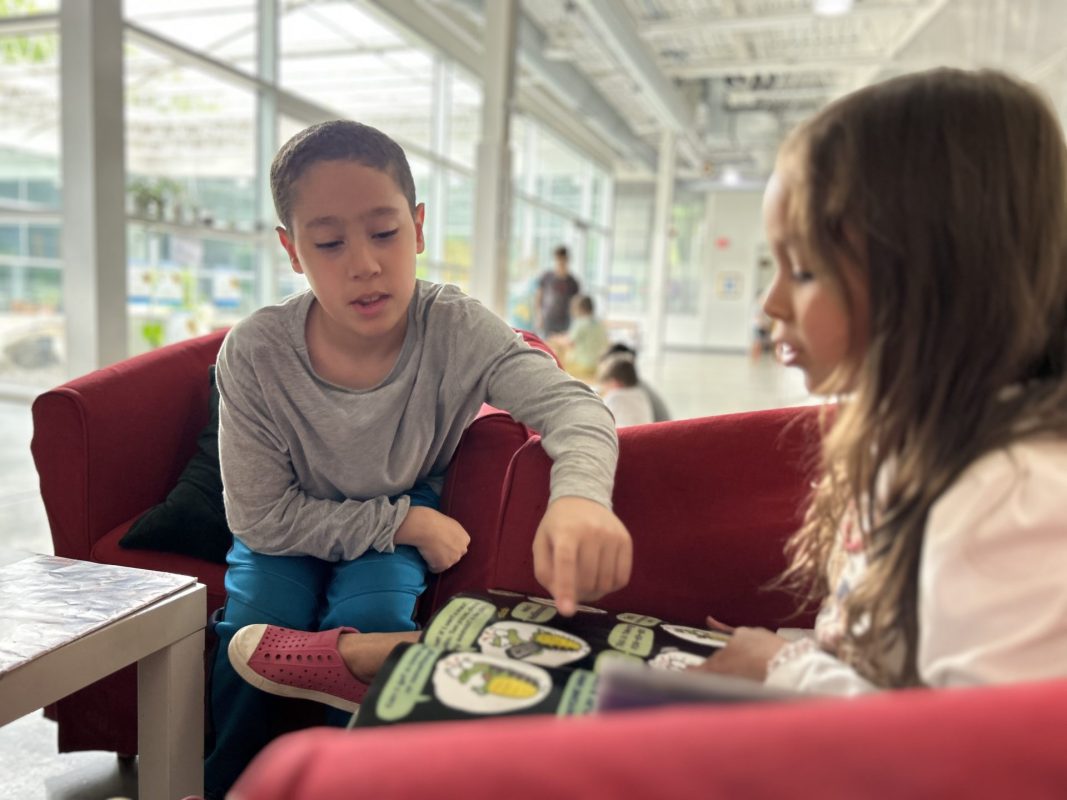
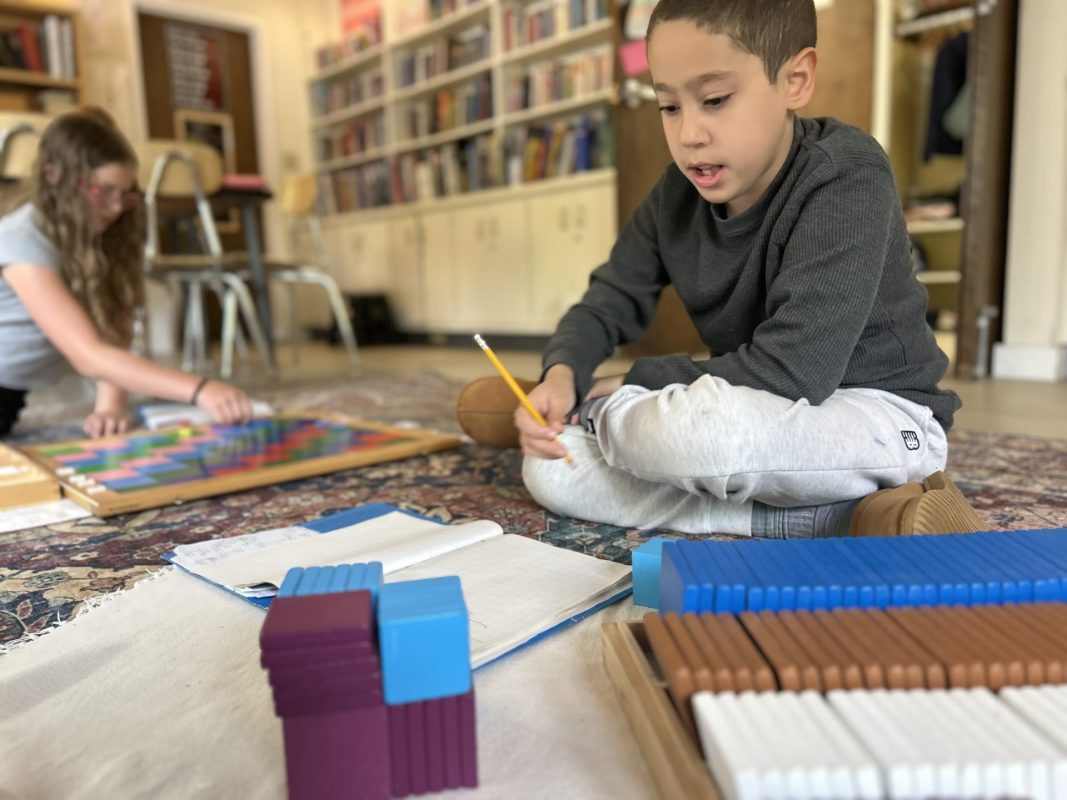
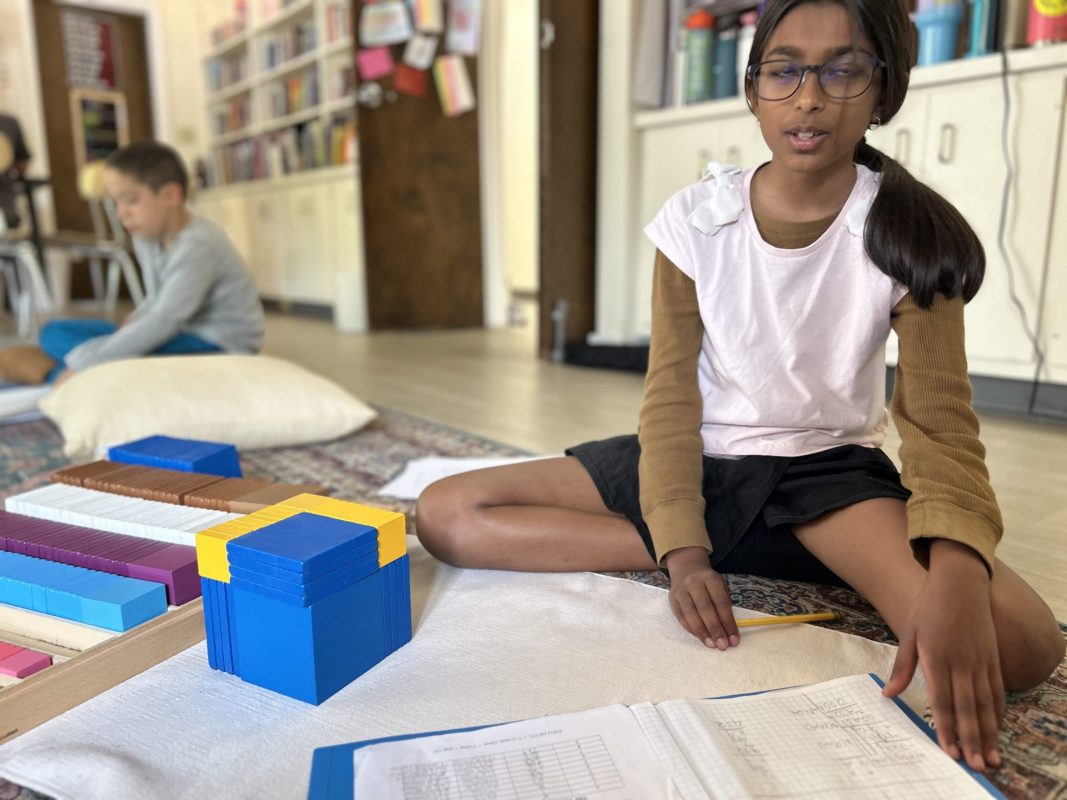
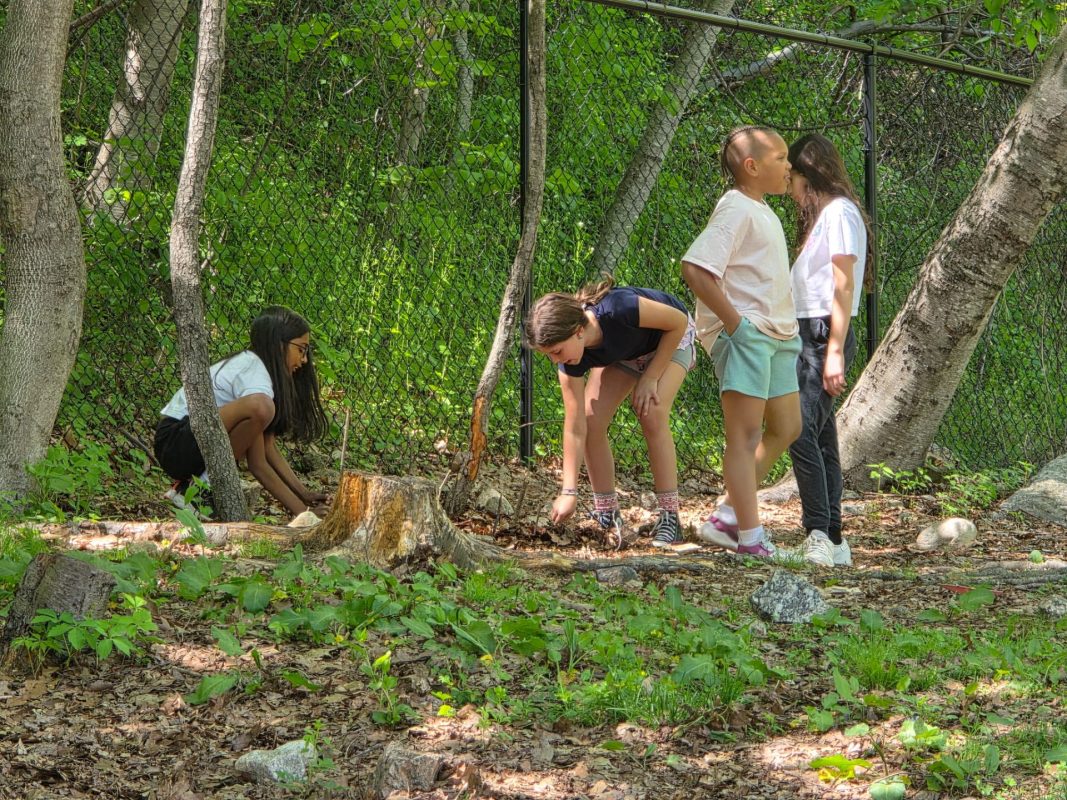
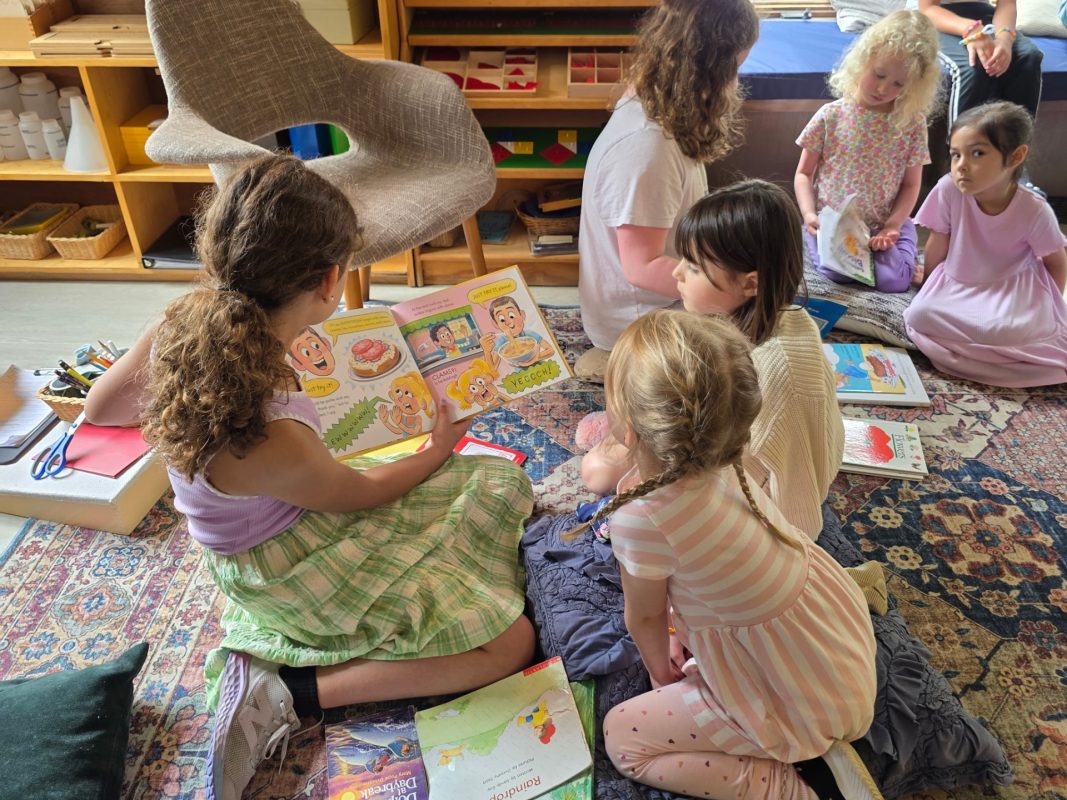
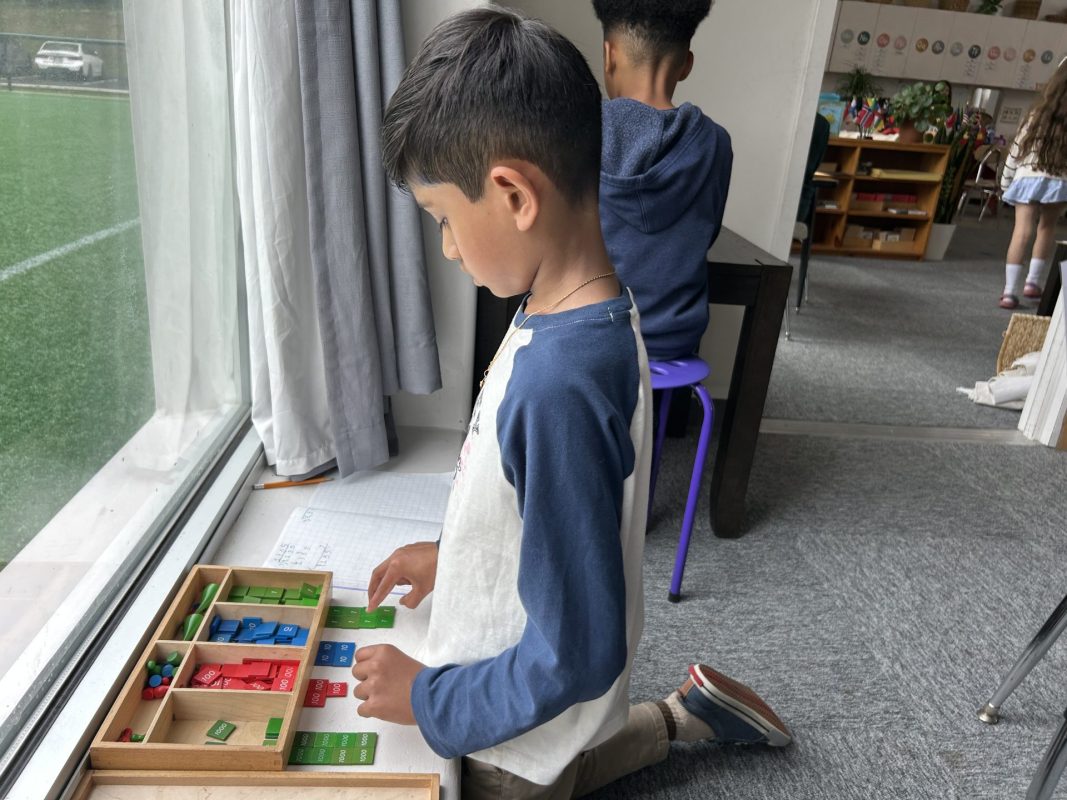
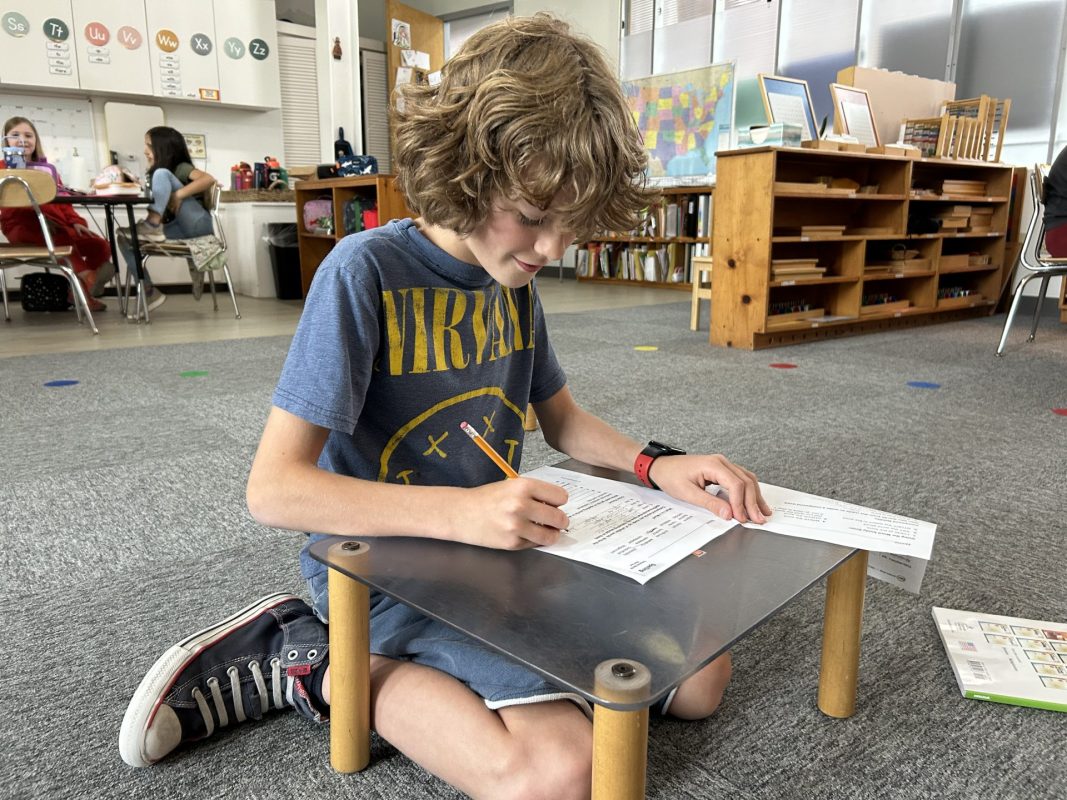
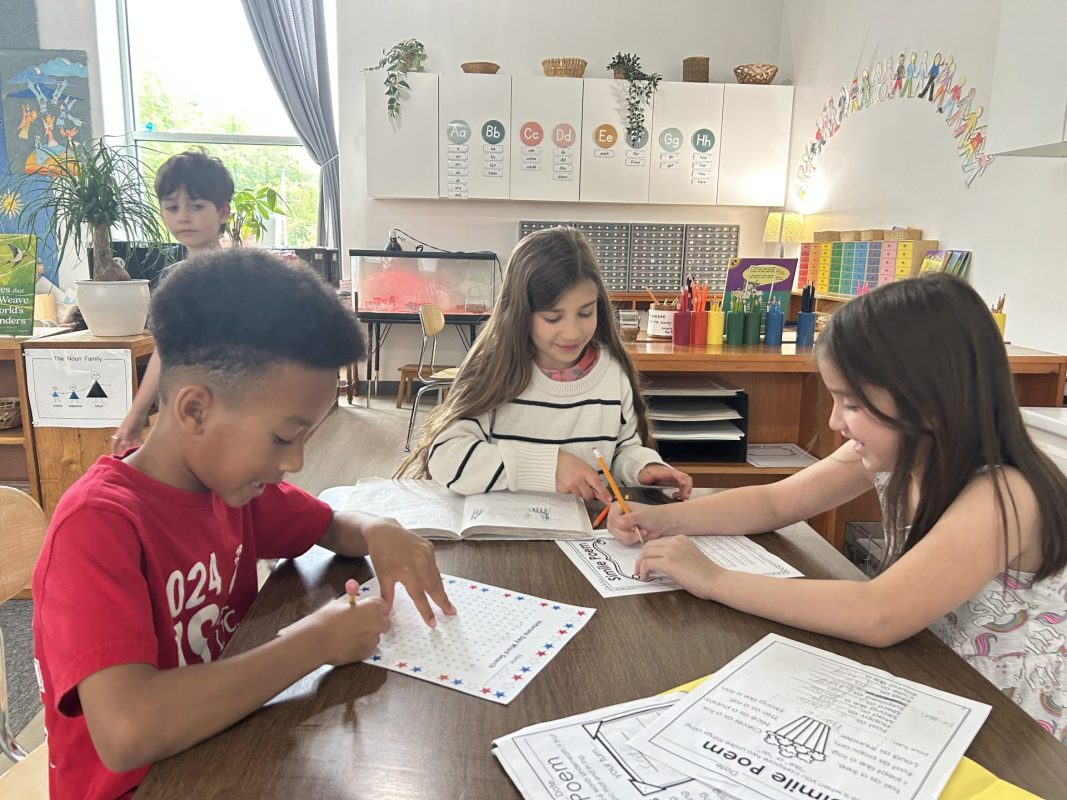
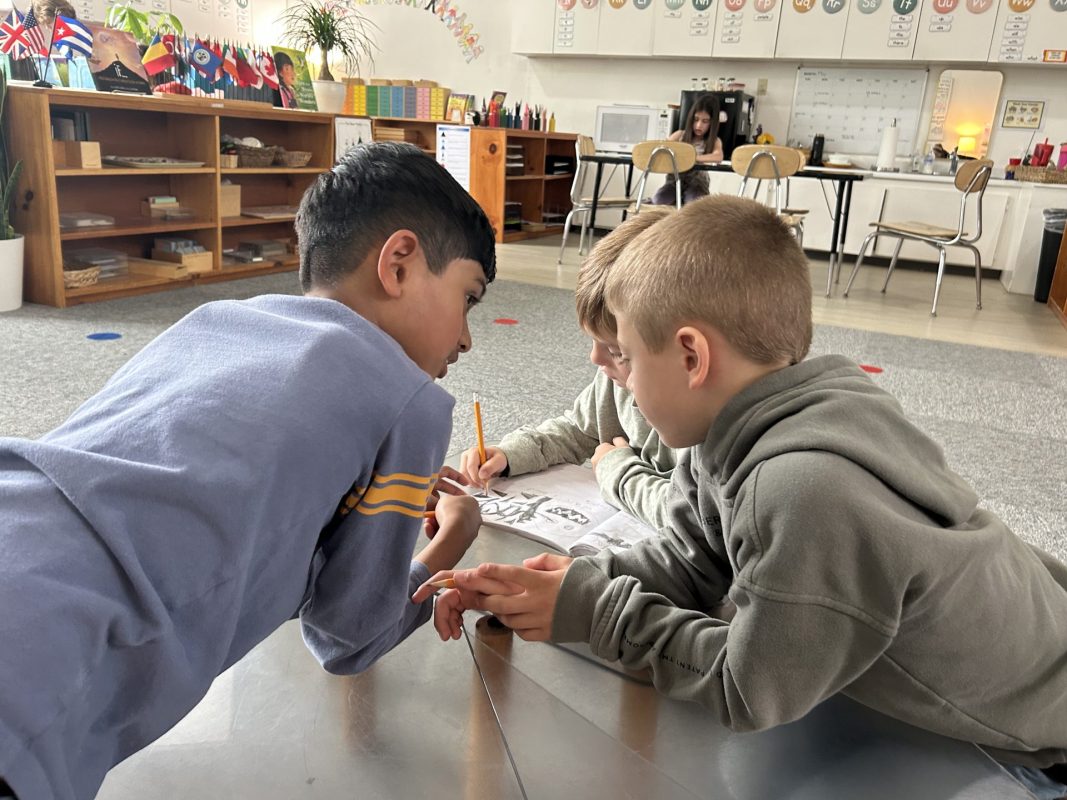
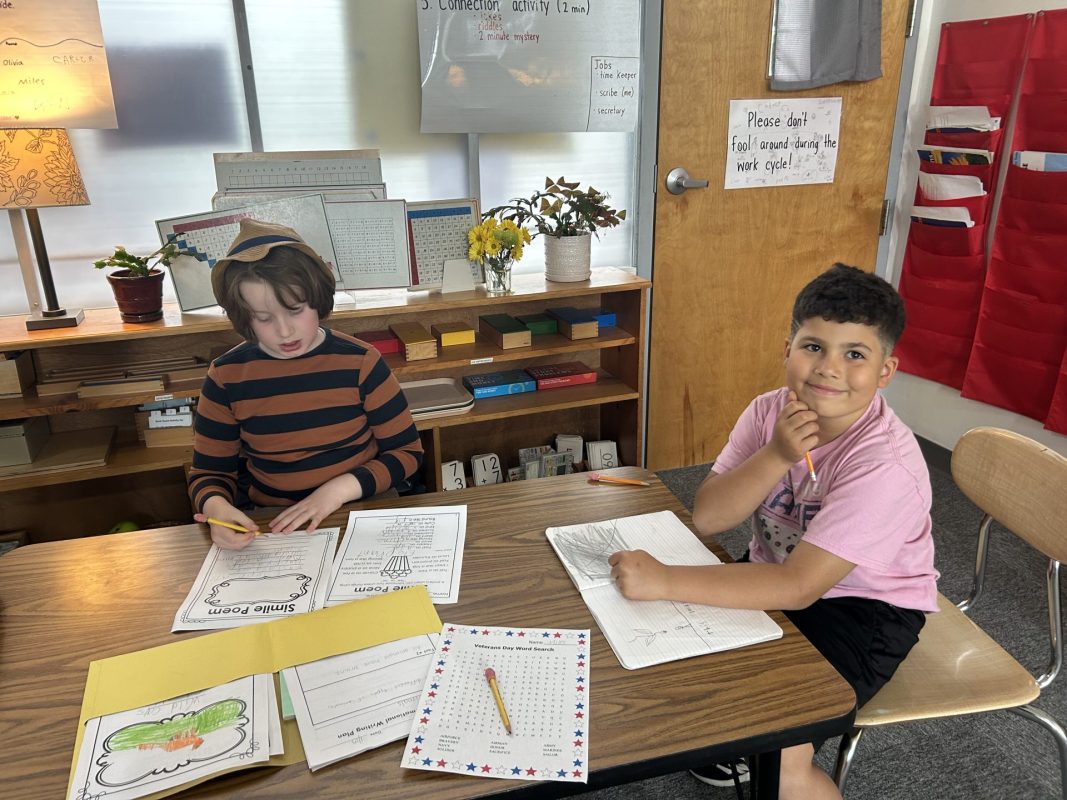
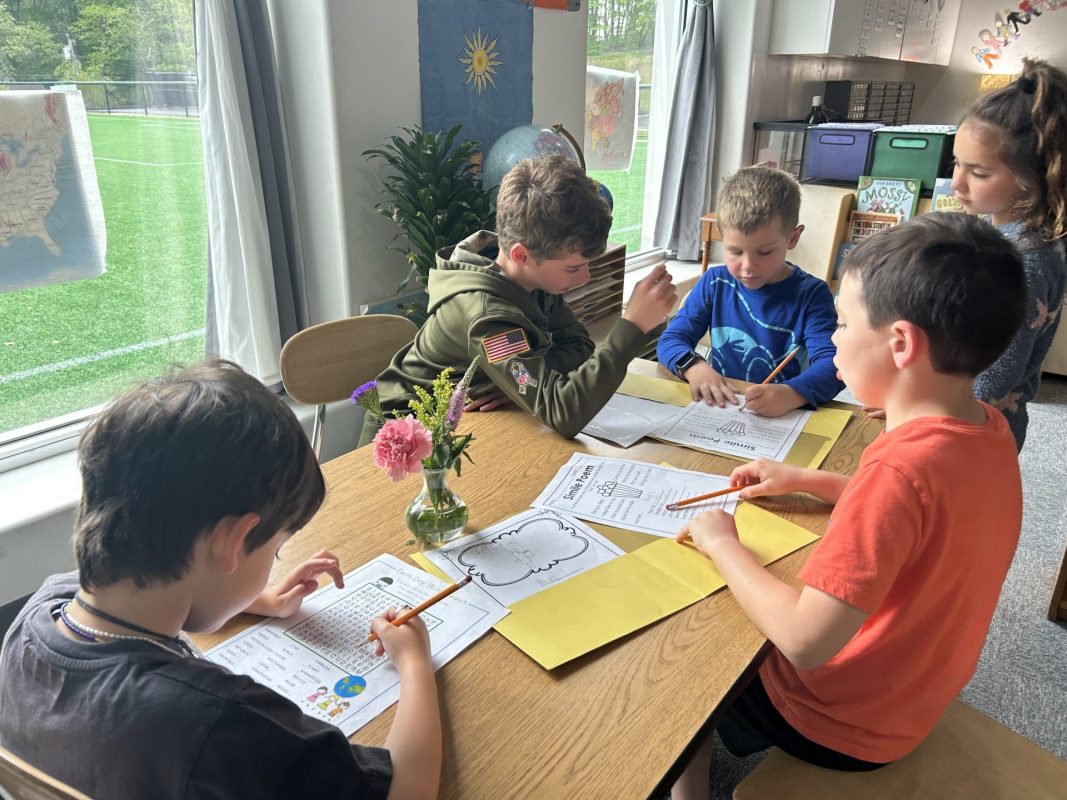
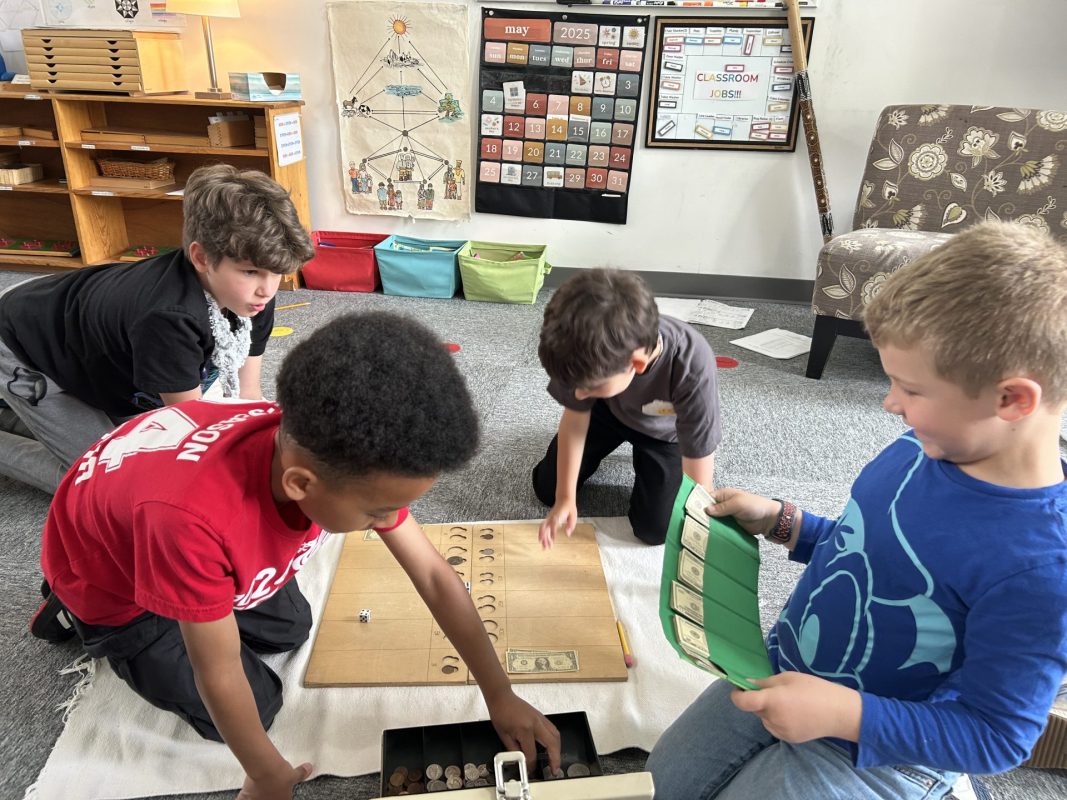
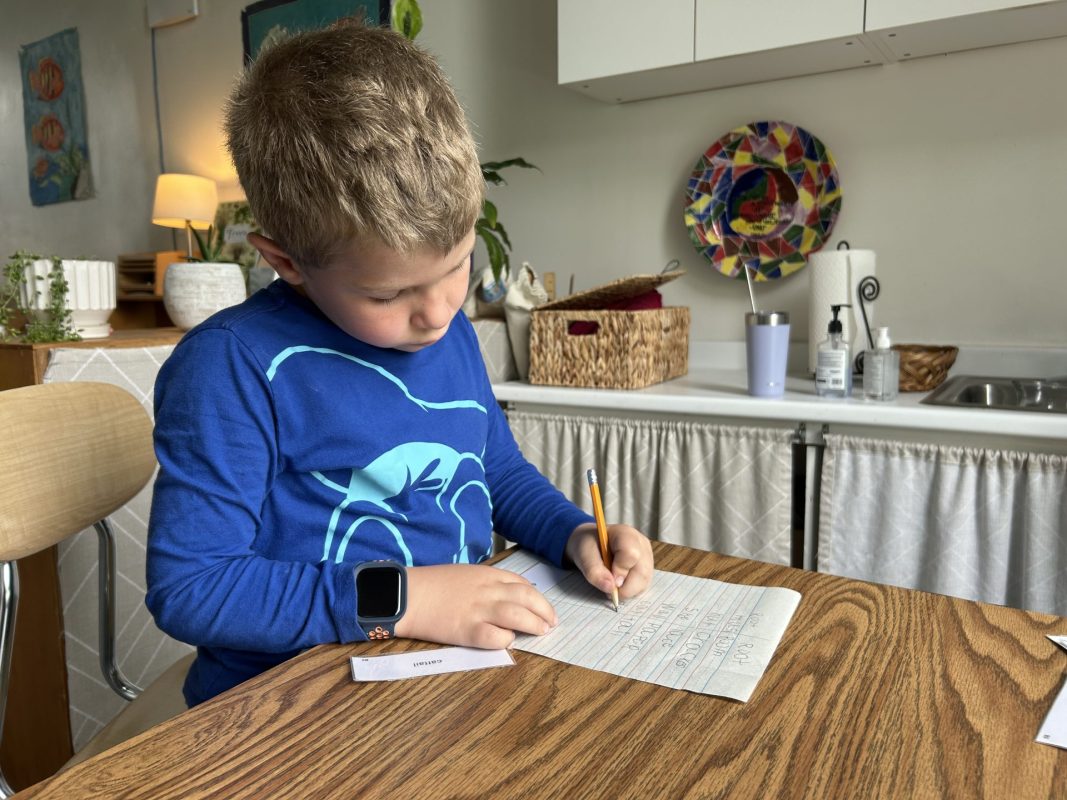
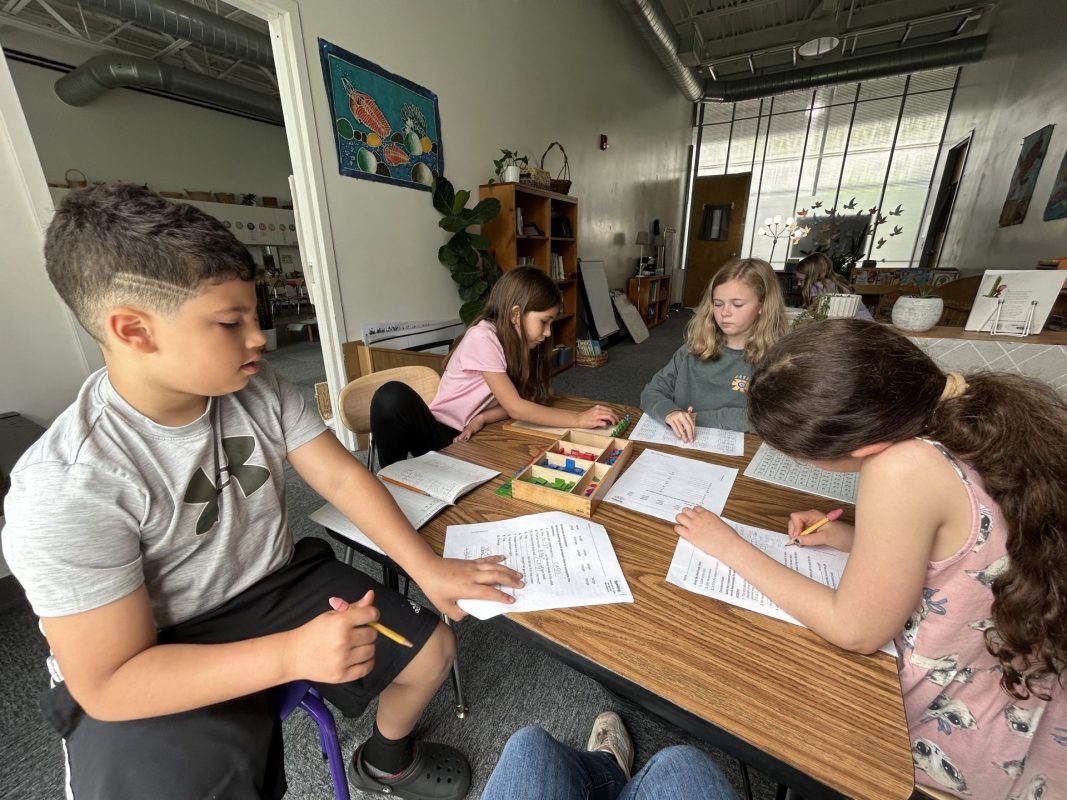
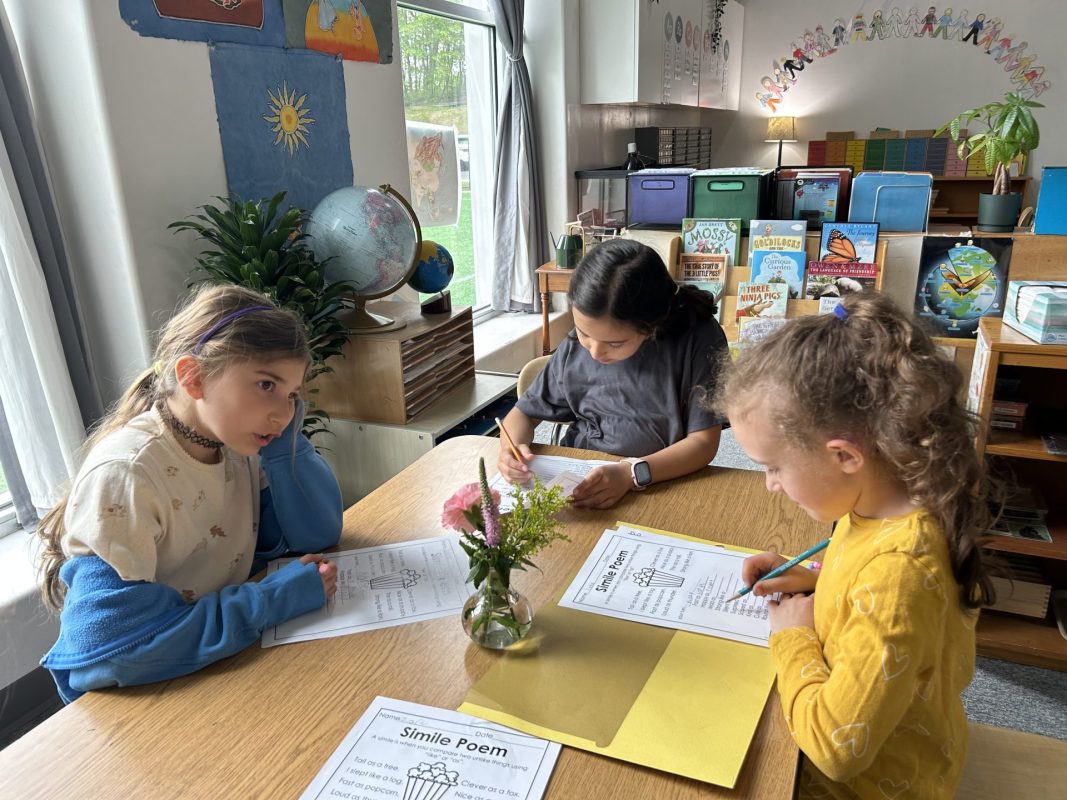
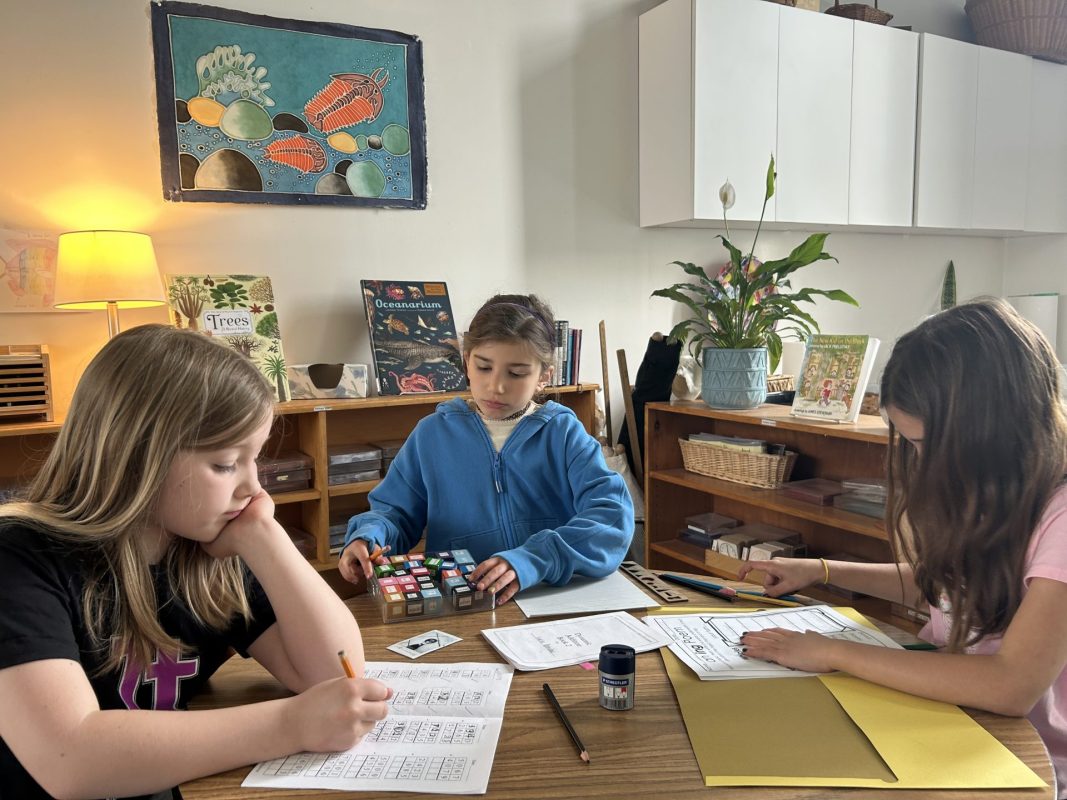
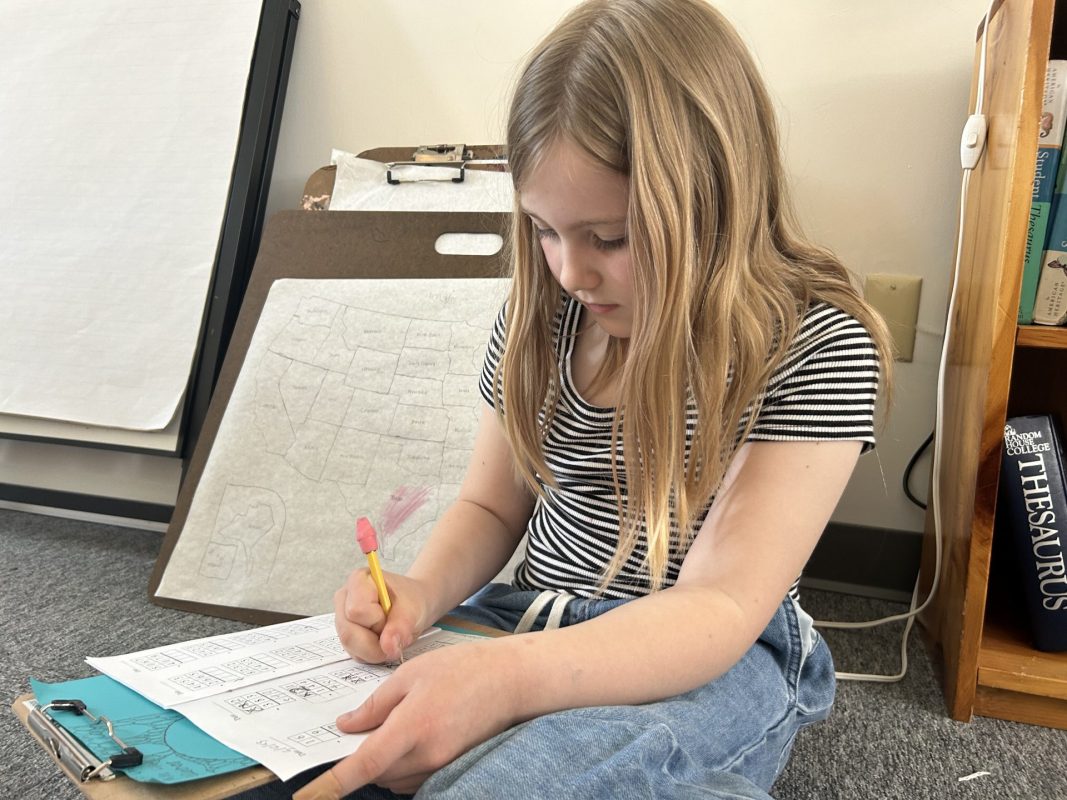
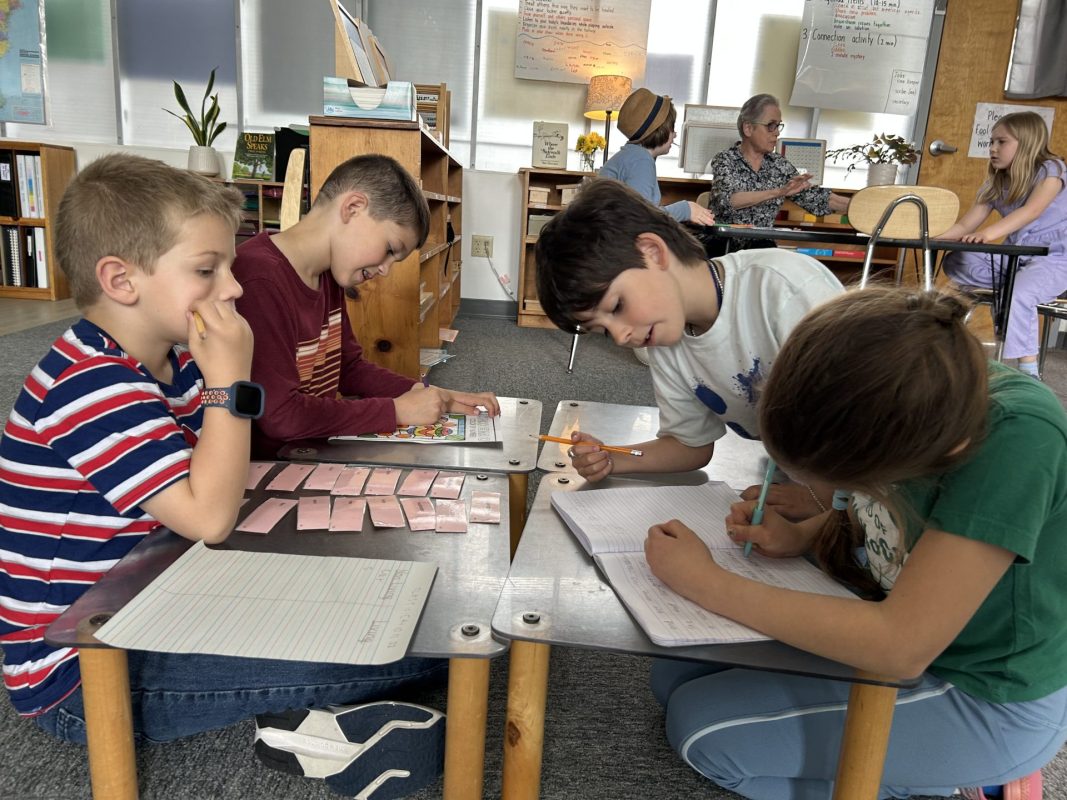
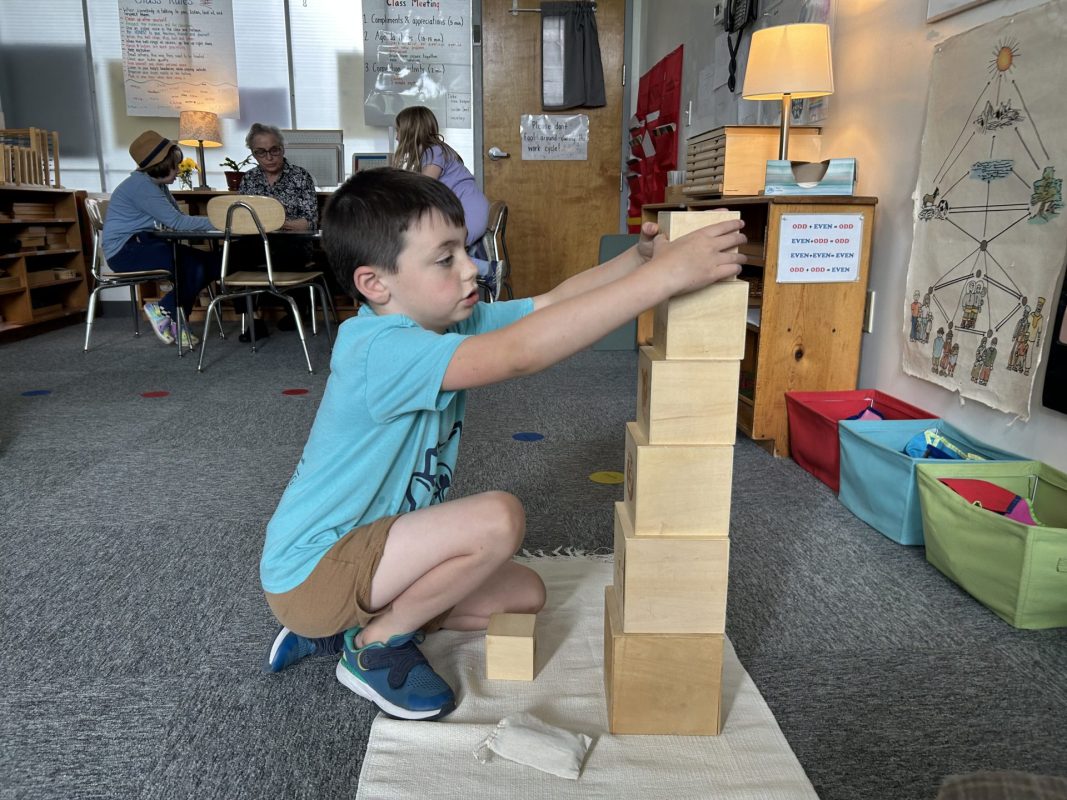
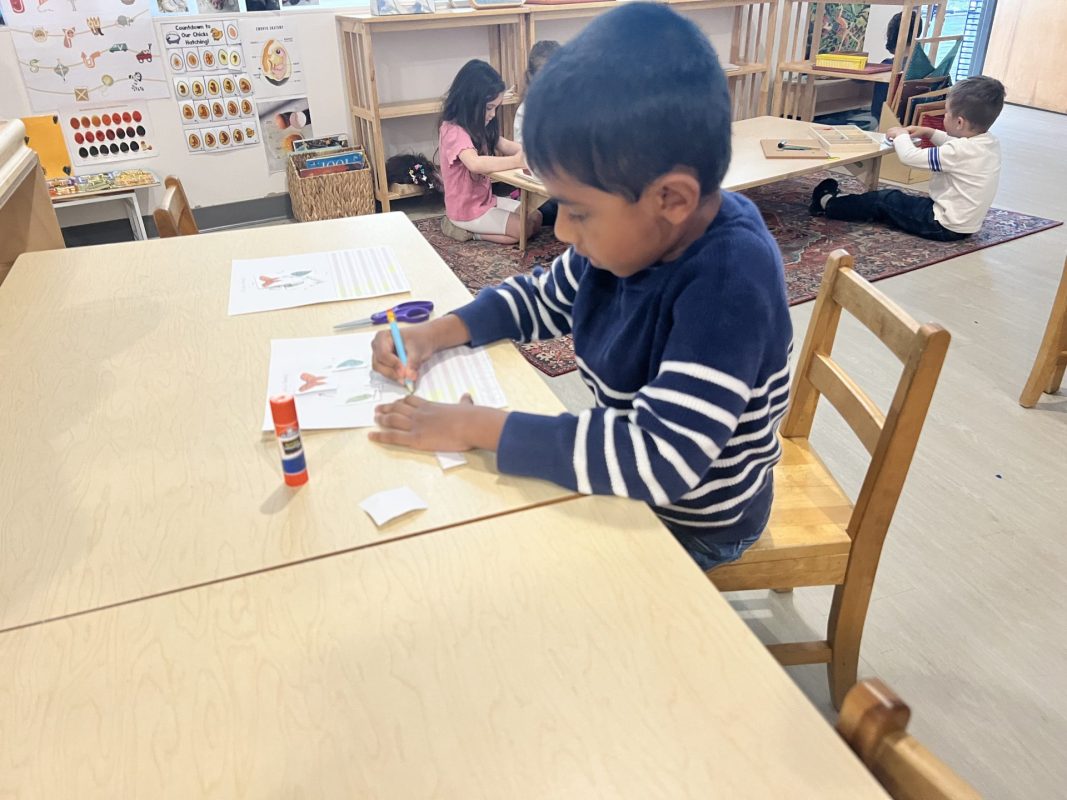
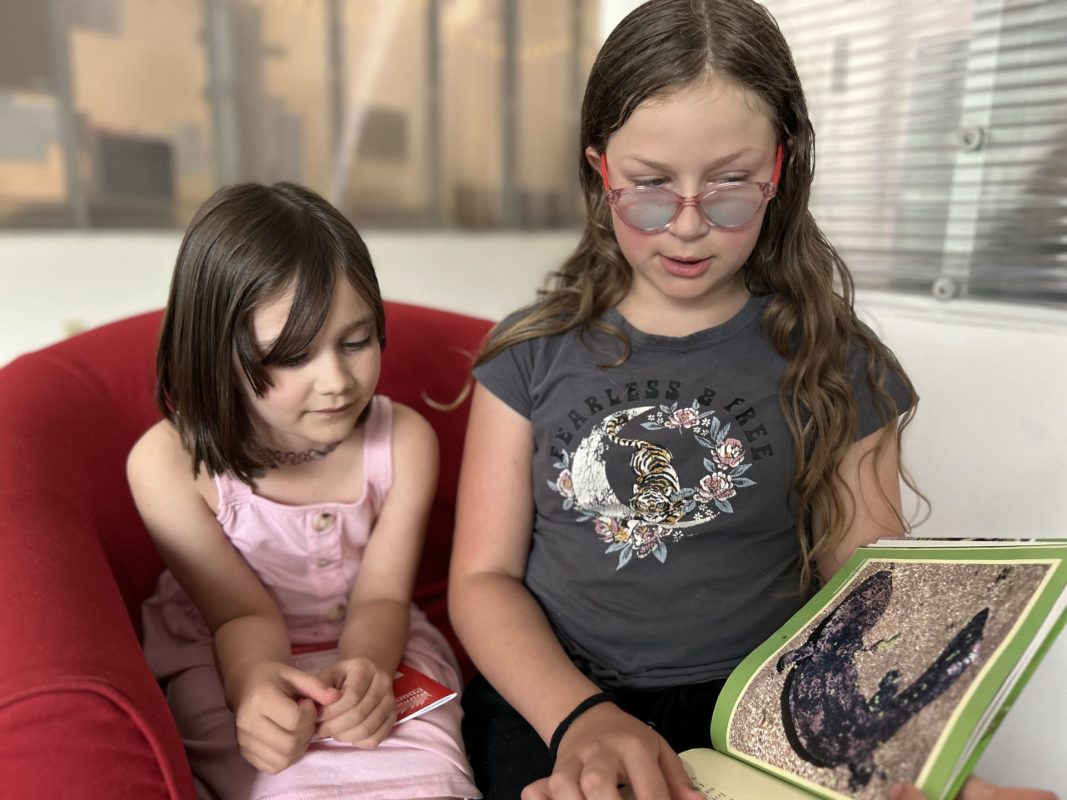
There’s something special about springtime in a Lower El classroom. The days are a little brighter, shoes are a little dustier, and the energy has this calm, confident flow. After months of building routines, relationships, and skills, things start to fall into place—independence grows, collaboration comes naturally, and joy is woven into the day. You’ll see students diving into research, tackling big math work with pride, and writing stories filled with imagination. The classroom hums with focus and curiosity, and the best part? It’s all student-driven.

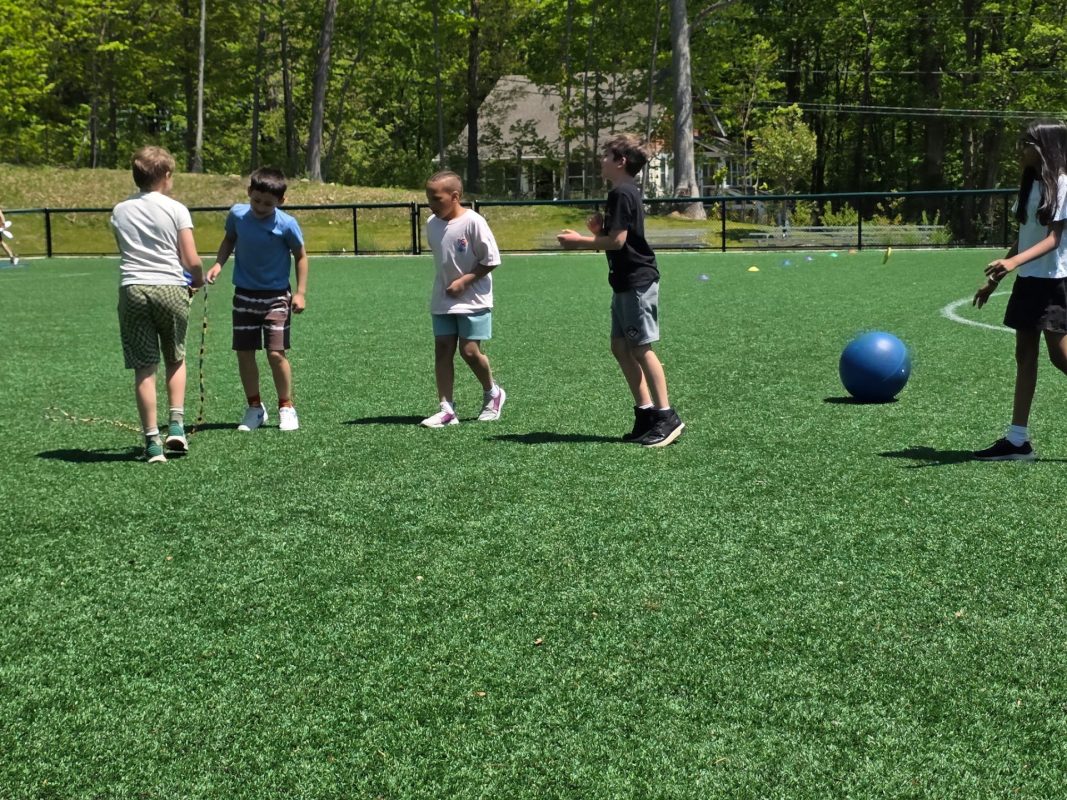
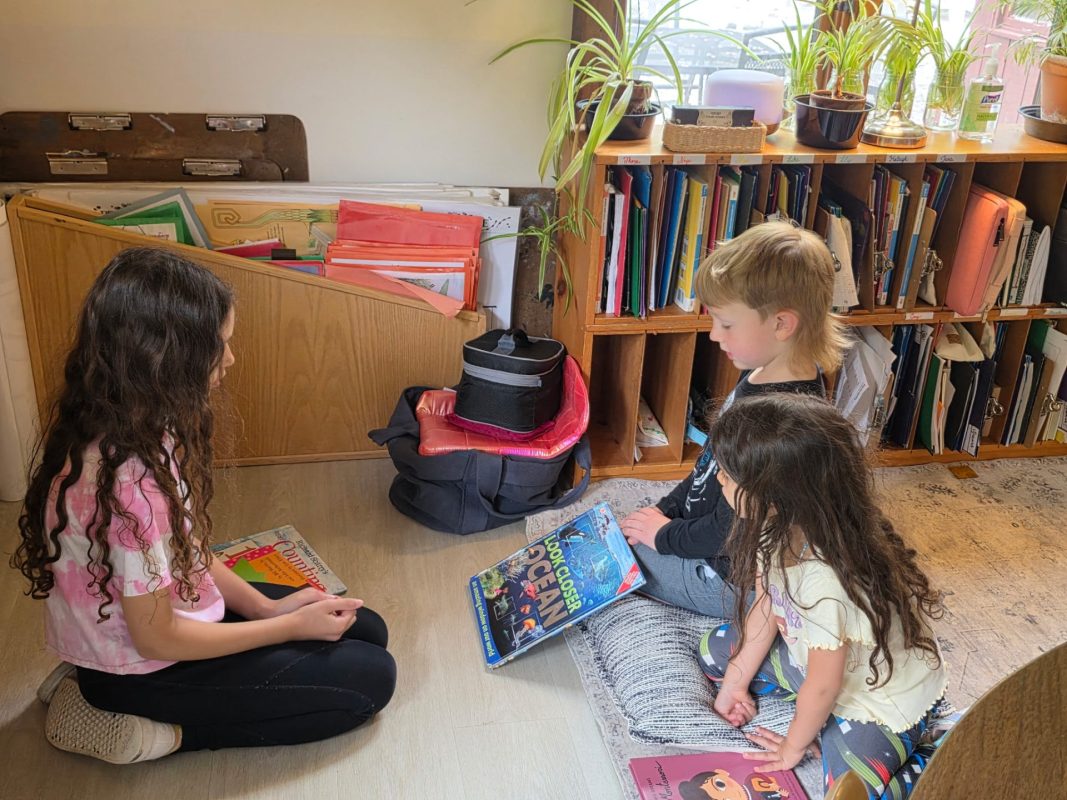
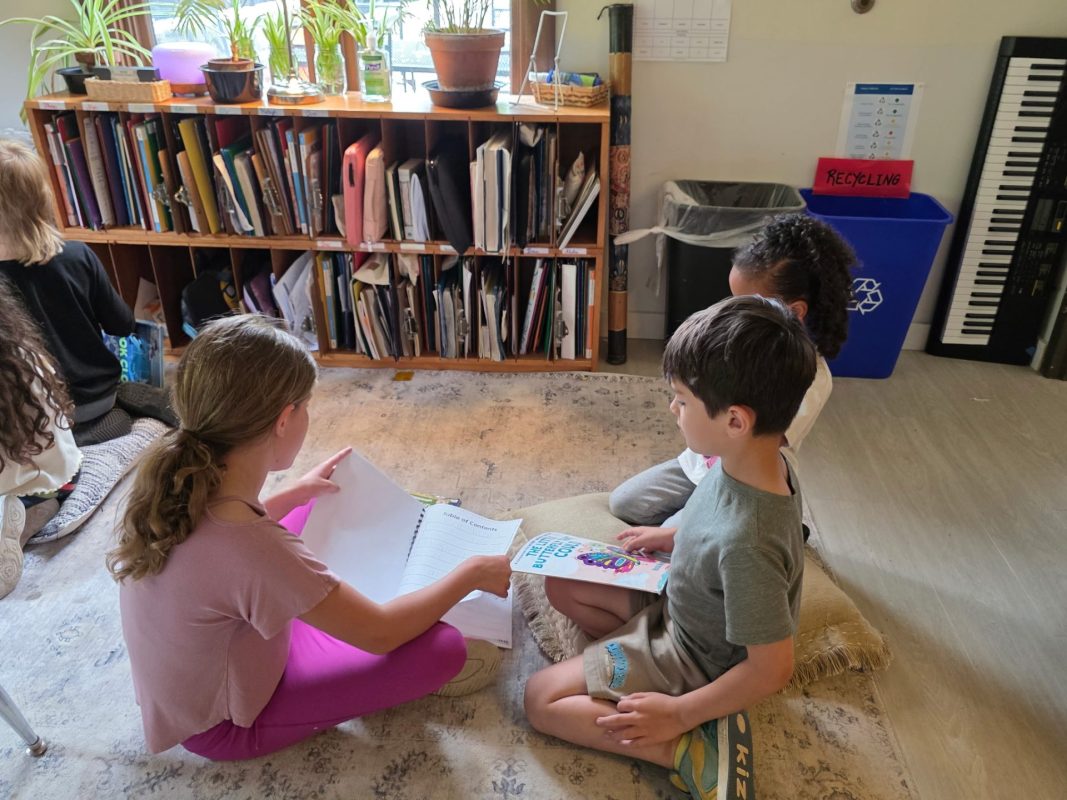
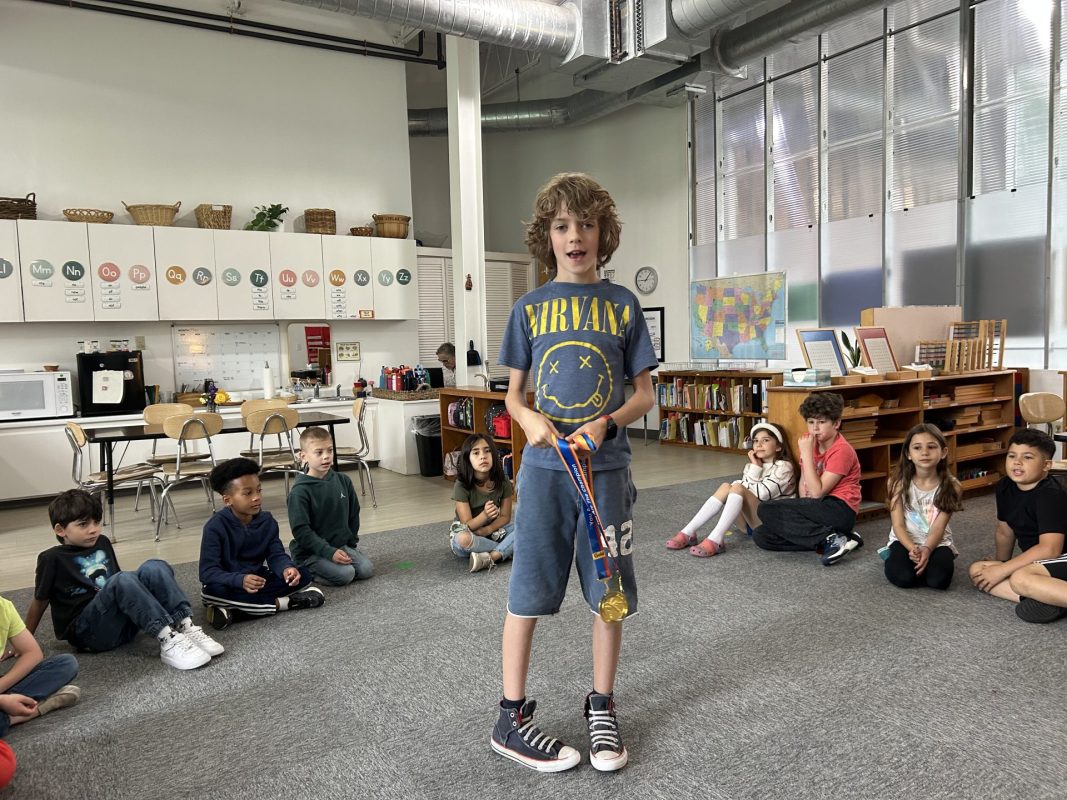
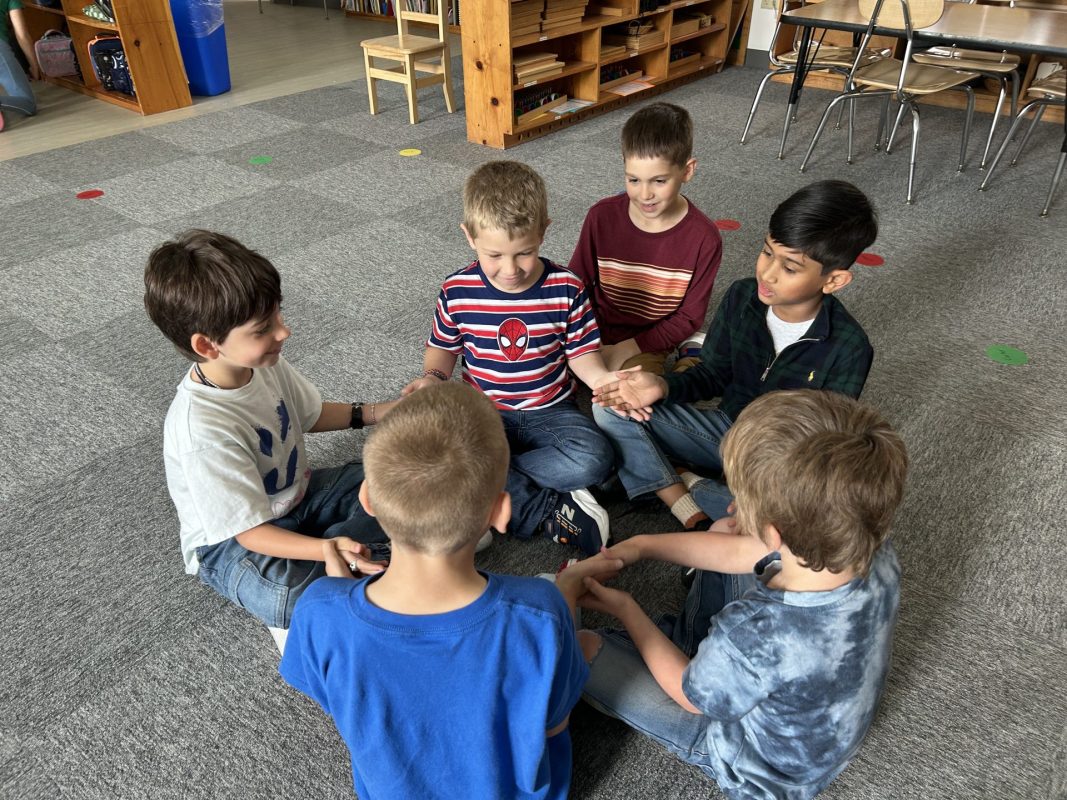
By now, routines feel natural, and students are stepping up as leaders—welcoming visitors, helping peers, and caring for their space like pros. They remind each other of classroom norms, settle small conflicts on their own, and beam with pride when sharing their work. Sure, there’s still some silliness and the occasional off-moment (they’re kids, after all!), but the foundation is strong. Spring brings out their best, and it’s such a joy to see them shine.


Ms. Handibode: April Showers Bring May Flowers

“So in the child, besides the vital impulse to create himself, and to become perfect, there must be yet another purpose, a duty to fulfill in harmony, something he has to do in the service of a united whole.” ~ Maria Montessori, The Absorbent Mind

Maria Montessori believed that children are the key to peace and empathy among humanity. This important belief is a foundation in our Montessori classrooms, beginning with practical life lessons and continuing throughout childhood and beyond. I’d like to share how a “simple” lesson can provide the mechanism from which children in the classroom learn, practice, and express their empathy and love for their community.

Flower arranging is a work in the Practical Life area of our classroom. It not only fosters fine motor skills and hand-eye coordination but also gives the children a sense of ownership of their environment.

“Flower arranging work has a more important indirect aim than simply admiring nature’s work of art.  It is an opportunity for little hands to contribute to the beautification of the environment.  It is a tender moment when a young heart lays down a symbol of friendship, love and peace on a table for someone else to enjoy. It is a brief yet integral step outside of oneself and one’s own needs. -The CHILD Centered Blog

Flower arranging is only one of many classroom works and activities sowing the seeds of compassion and empathy in your children. Please remember that compassion in your home helps your children do the same.

We are so excited to share that we are incubating eight chicken eggs in our classroom. Incubating the eggs provides an amazing learning opportunity for the children to learn not only about the responsibility of taking care of the eggs but also the life cycle of a chick. The eggs should hatch in 21 days.  Each day, we are learning about the development taking place inside the eggs.

Wishing you a week filled with peace and love.

Michelle & Maria


Mrs. Lopes: A Look at Our Week


“So in the child, besides the vital impulse to create himself, and to become perfect, there must be yet another purpose, a duty to fulfill in harmony, something he has to do in the service of a united whole.” ~ Maria Montessori, The Absorbent Mind

Maria Montessori believed that children are the key to peace and empathy among humanity. This important belief is a foundation in our Montessori classrooms, beginning with practical life lessons and continuing throughout childhood and beyond. I’d like to share how a “simple” lesson can provide the mechanism from which children in the classroom learn, practice, and express their empathy and love for their community.

“Flower arranging work has a more important indirect aim than simply admiring nature’s work of art. It is an opportunity for little hands to contribute to the beautification of the environment. It is a tender moment when a young heart lays down a symbol of friendship, love, and peace on a table for someone else to enjoy. It is a brief yet integral step outside of oneself and one’s own needs. -The CHILD Centered Blog

Flower arranging is only one of many classroom works and activities sowing the seeds of compassion and empathy in your children. Please remember that compassion in your home helps your children do the same.

Have a peaceful week,

Amanda and Heather


Mrs.Wilson: Busy Little Birds

This week was full of exciting activities for the children!

We began the week by working on a special auction item for Springfest. Each child had the opportunity to create a unique clay slab. Using a special ball, they rolled an imprint design into the clay, then traced their hand around the pattern. That’s all we can reveal for now—the final piece is a surprise! We hope to see you all at Springfest to share the big reveal. Sara and I are really looking forward to seeing everyone there.

The children were also introduced to our bird sound lesson. In this activity, they match bird figurines to photos, then use color-coded buttons to hear each bird’s call. They’re learning about common backyard birds like the Robin, Cardinal, Indigo Bunting, Warbler, Woodpecker, Oriole, and Blue Jay. The sounds are a big hit—they’re especially fascinated by them! While we were outside, we were even lucky enough to spot a hawk in the tree, calling out to us.

Another exciting moment this week was discovering that our sunflower seeds had sprouted over the weekend! The children were thrilled to see how quickly the seedlings popped through the soil and how tall they had grown in just a few days. We’re all hoping for consistent warm weather soon so we can transplant them outside.

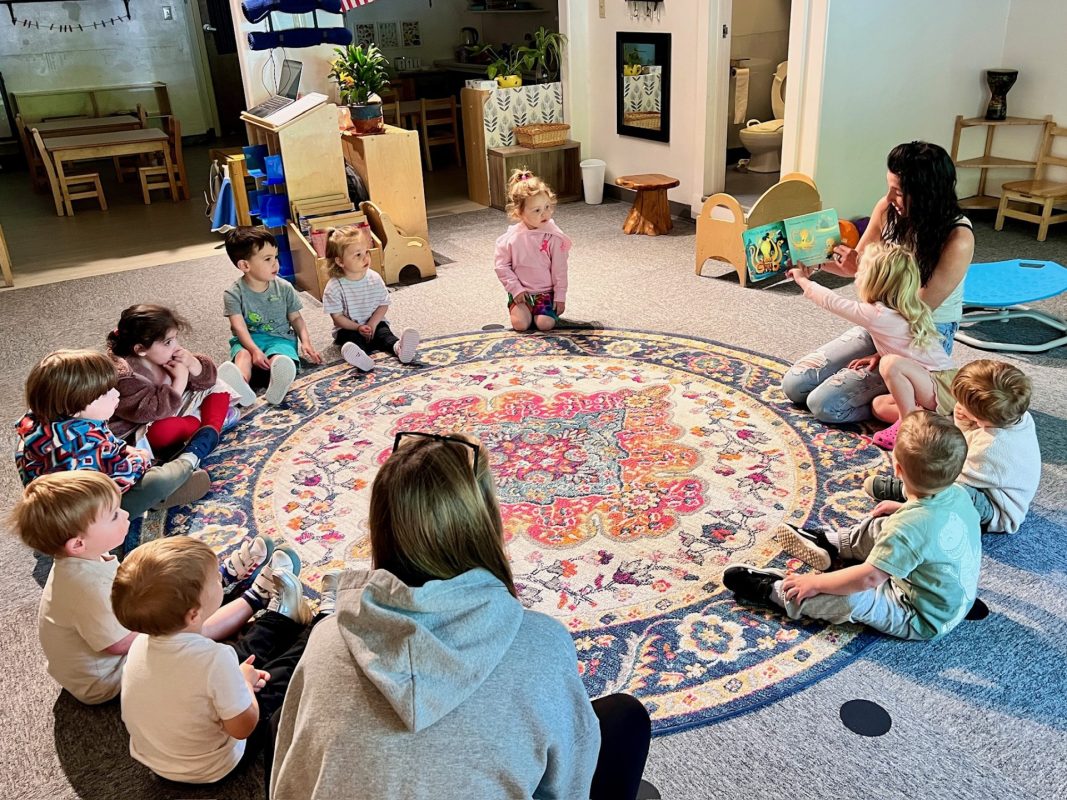
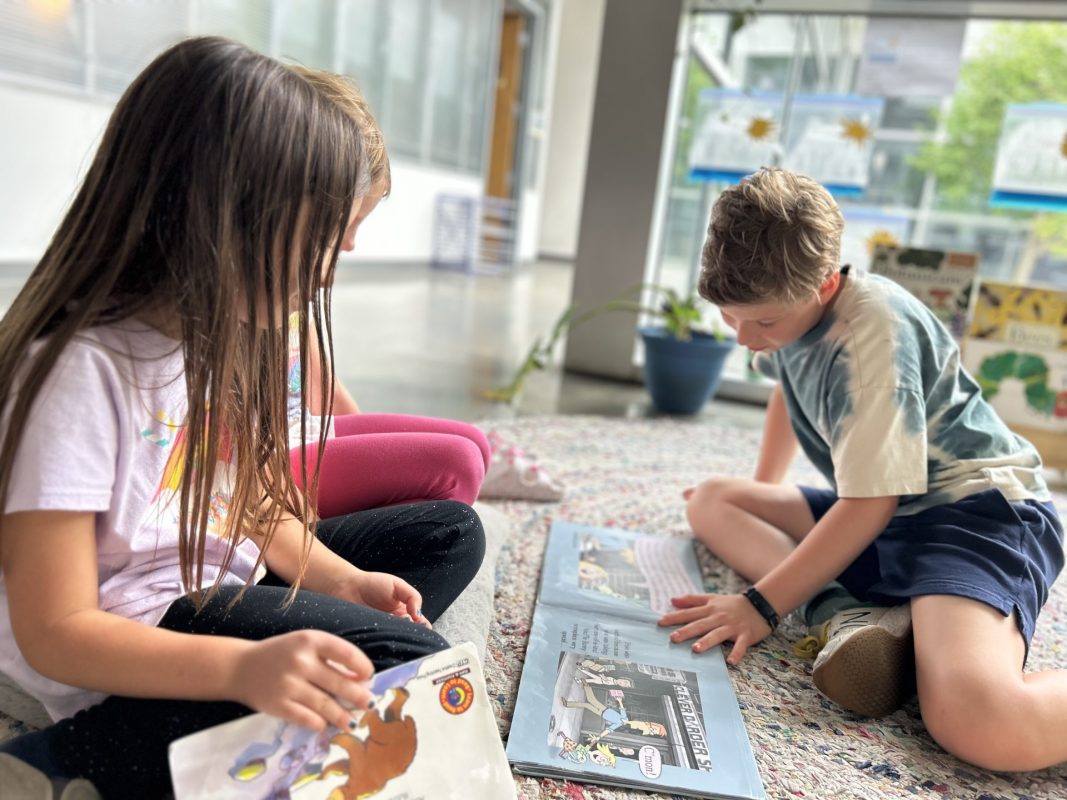
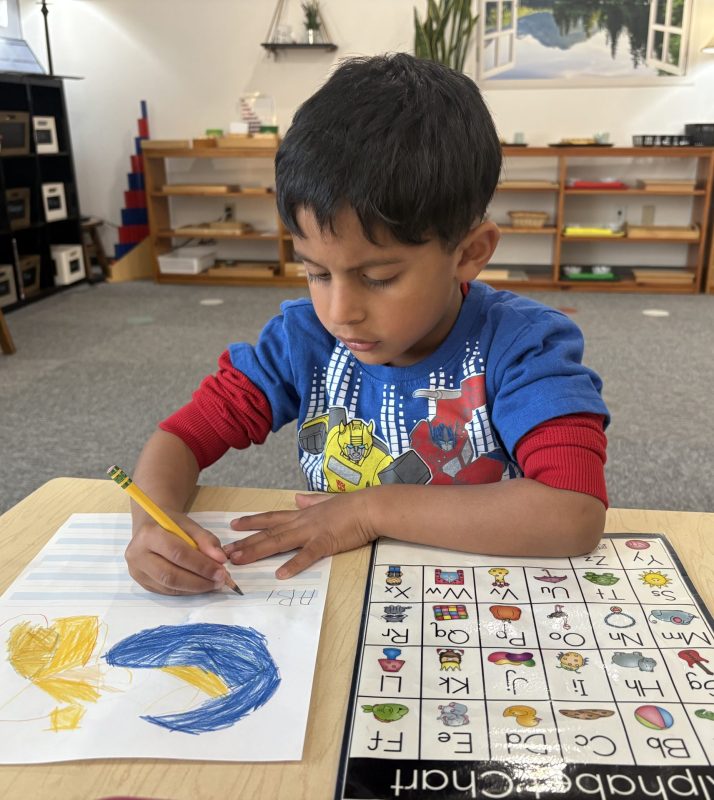
We had a very special guest this week—Roscoe’s big sister, who joined us in sharing an alphabet sound book with the class. The children were in awe, sitting so peacefully and attentively as she read and sang through the alphabet. What made it even more special was that she also used sign language to show each letter as she went along. The most heartwarming part? This entire visit was her idea—she coordinated it all herself because she was so excited to do something meaningful for the children. It was such a beautiful and inspiring moment for everyone!

Happy Birthday to our friend! Thanks for sharing your favorite book and cupcakes with us!!

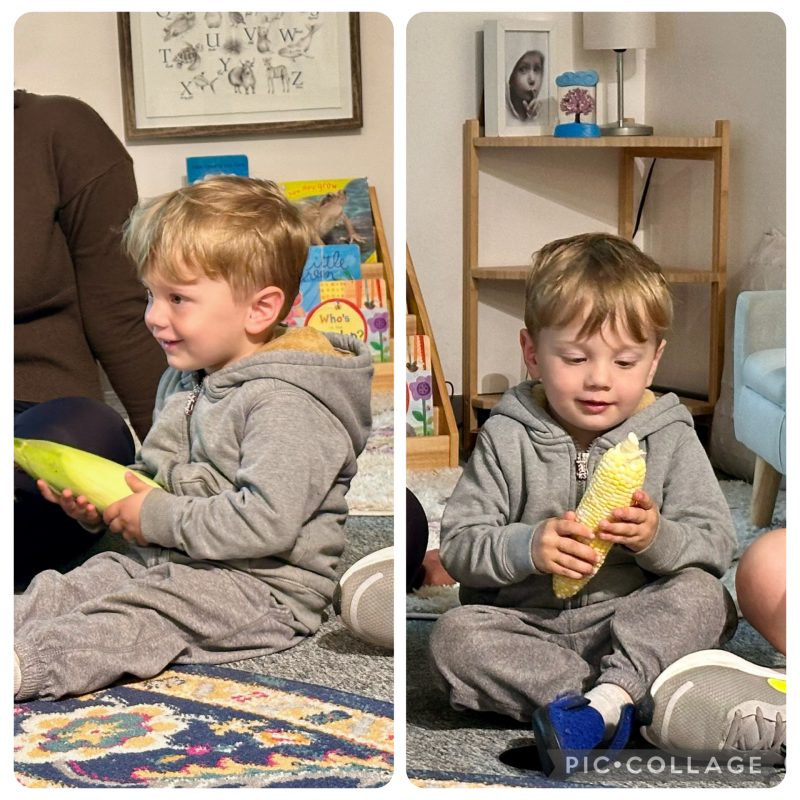
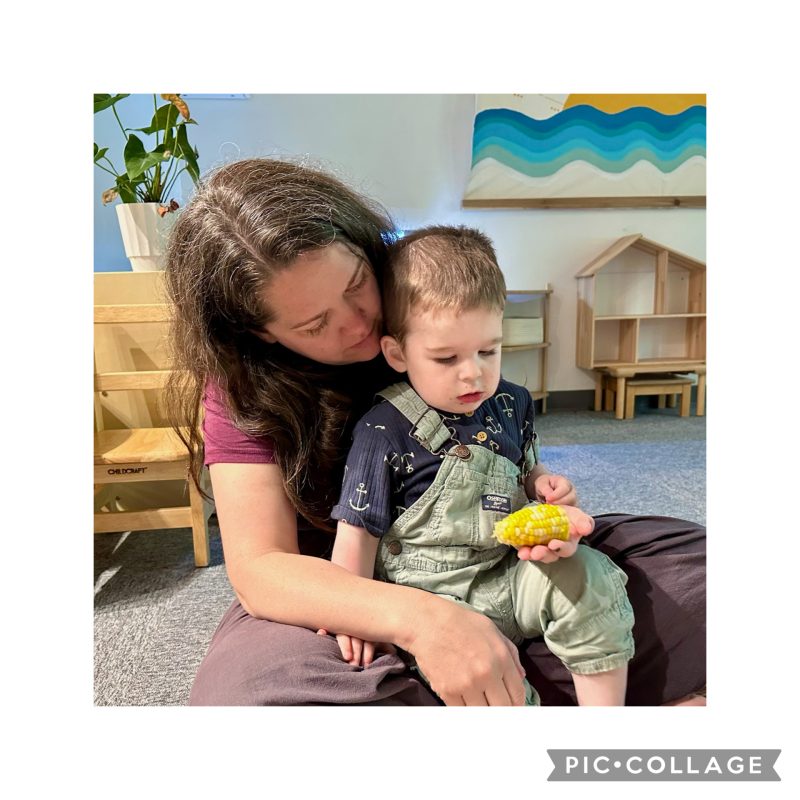
Food Tasting: The children had the chance to explore and taste zucchini! First, they sampled it raw and seemed to enjoy its fresh, crunchy texture. Next, they tried it cooked—sautéed with a little olive oil, salt, and pepper. Thumbs up for zucchini!

Love and Light,

Cynthia Wilson


Ms. Mollie: Chilly Spring Days!


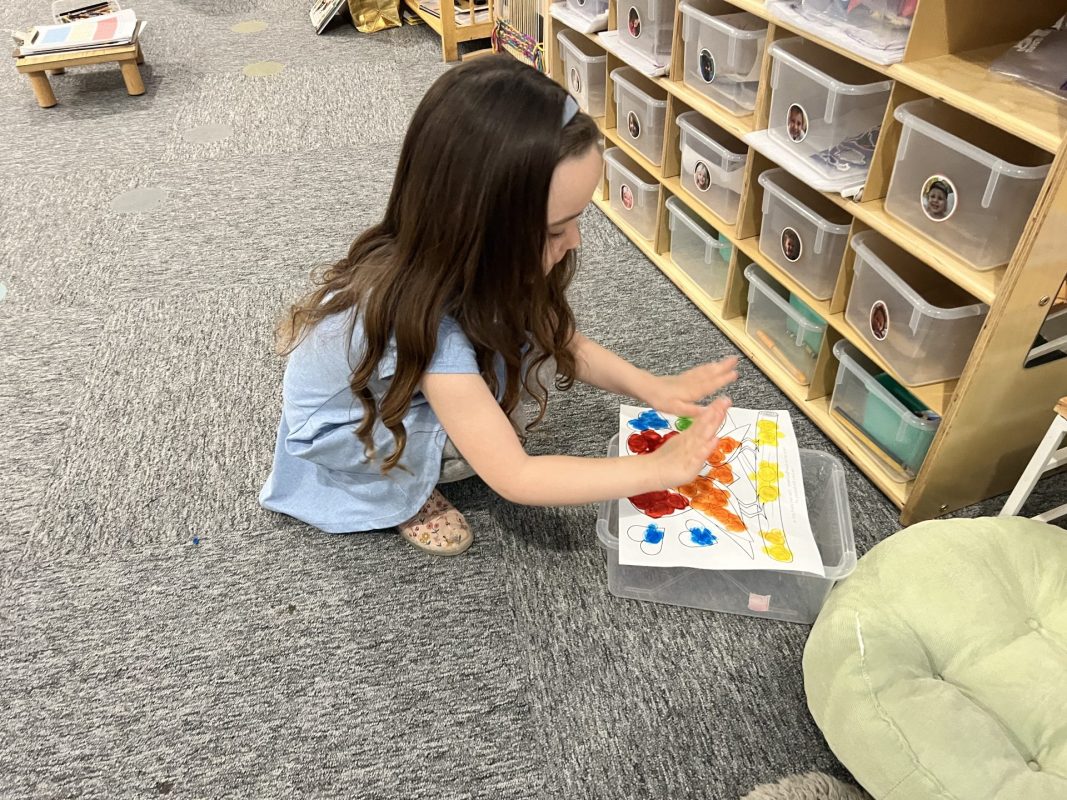
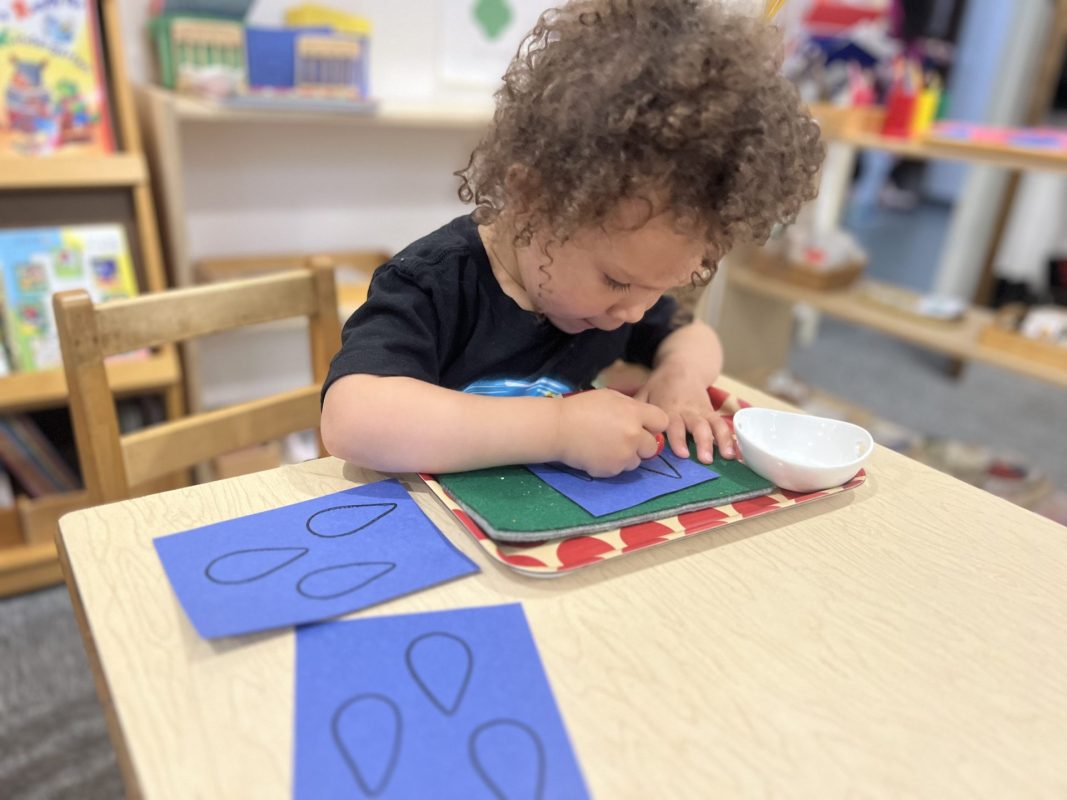
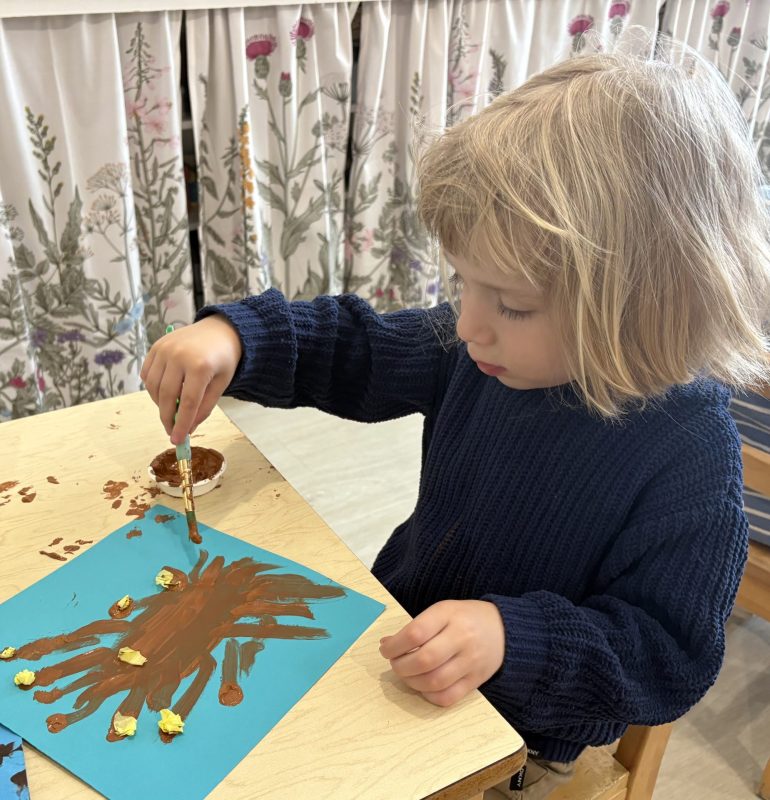
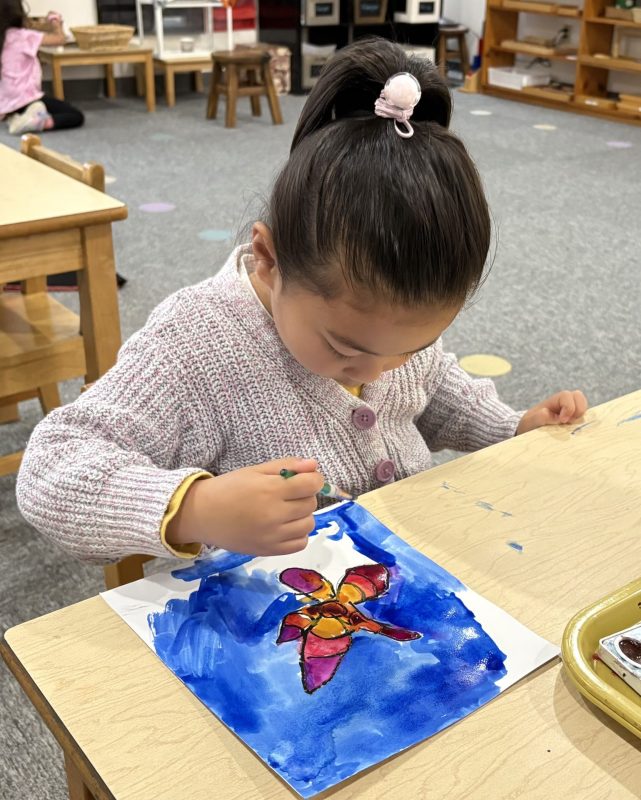
With the chilly temperatures this week, we enjoyed the process of creating art together! Mrs. Reed, our in-house artist and art teacher, helped our classroom create a modern piece of art for our school’s auction item! Each child explored and chose colors that they wanted to include in our project. They got to smear the paint down to create a colorful background. When it was finished, the children were very happy because they could look and see who made swivels, swirls, and big lines.

As always, we worked hard between creating works of art and, of course, our favorite baking. Our zucchini bread was back by popular demand!

With Full Hearts,

Ms. Mollie, Ms. Lizette and Ms. Anabel


Middle School: Week in Review

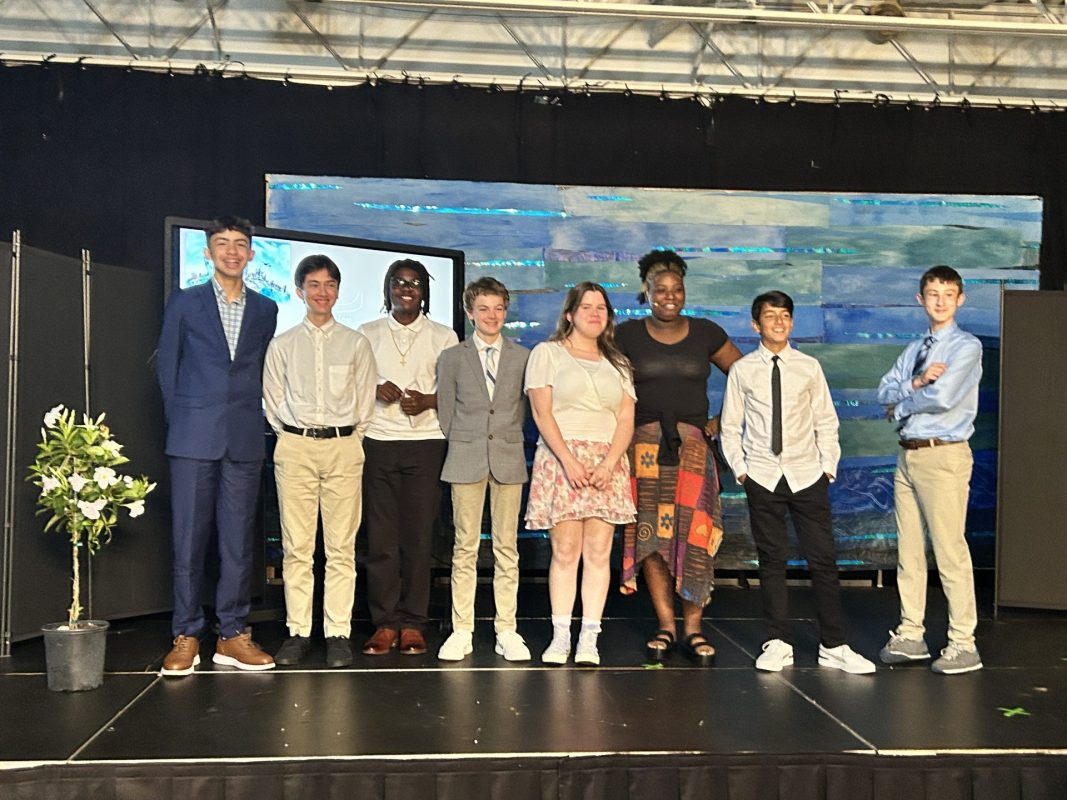
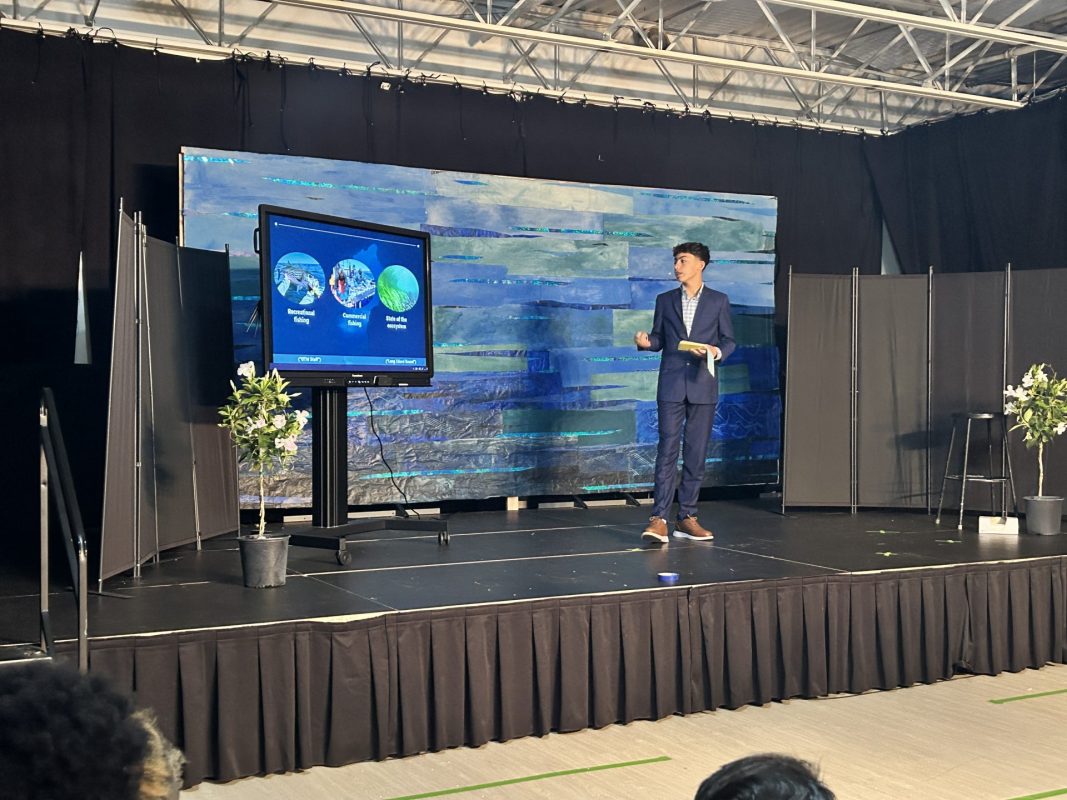
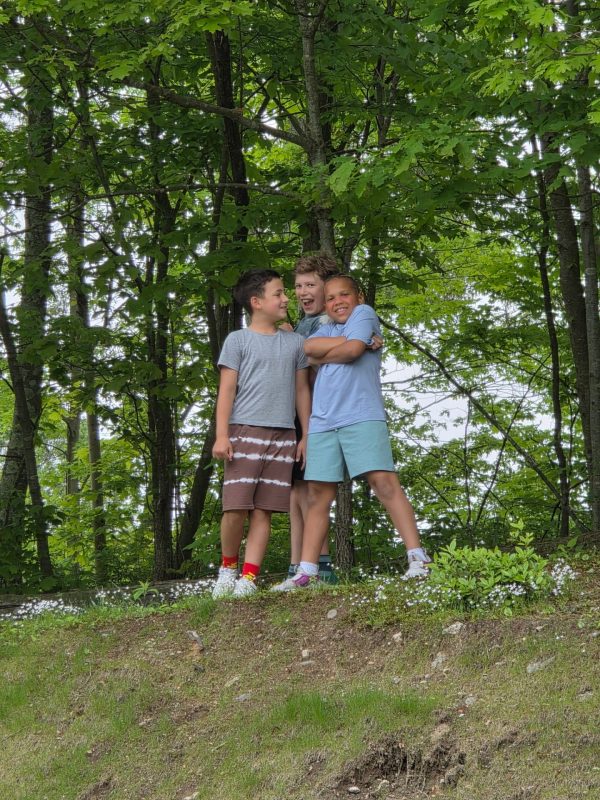
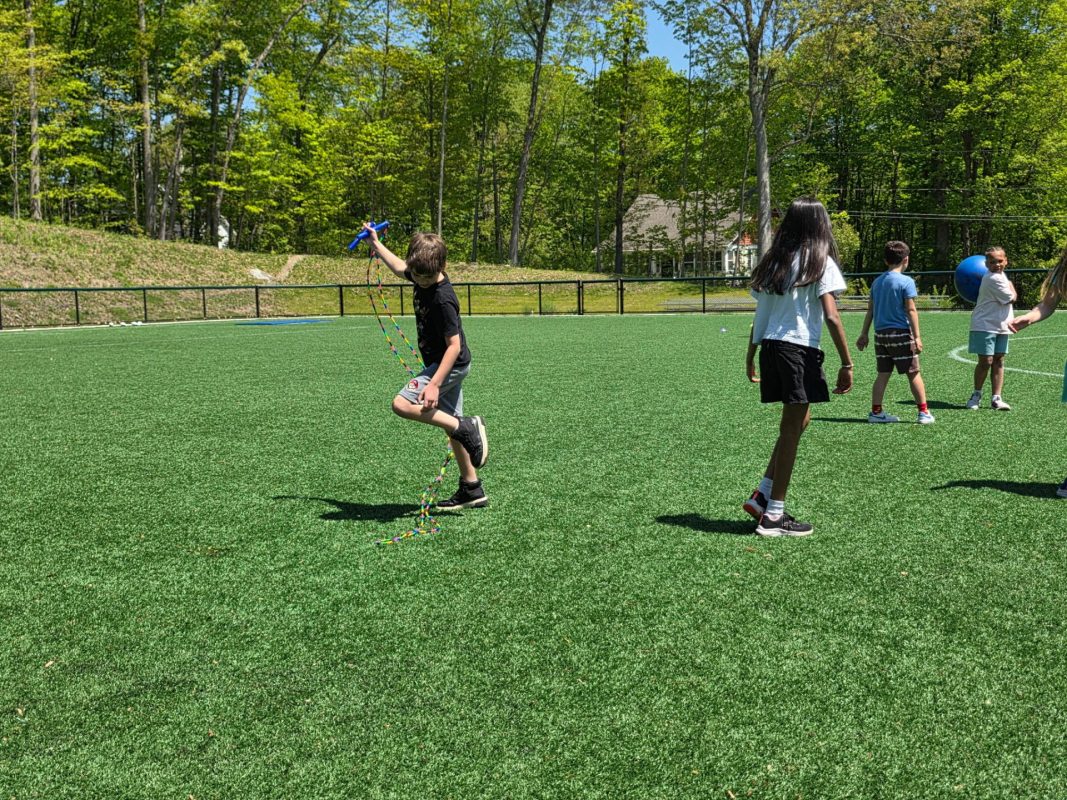
We had a great week in Middle School! Students began spring sports after school and their last rotations of Community Service with their younger peers. Students are also working hard on their set for Finding Nemo, Jr.! You will find below important announcements:

  • PLEASE ENSURE your MS student(s) have fully charged laptops at the start of the school day. 
  • Tues., 4/8-Thurs., 4/10: CTP-5 Testing will take place in the afternoons.
  • Wednesday, 4/16 @ 2 pm: MS Science Fair grades 6, 7, & 8
  • Thursday, 4/17: Grade 8 will spend the full day at the Maritime Aquarium in Norwalk. Please pack a lunch.
  • Friday, 4/18: No School
  • Friday, 4/25: No classes- Parent/Student Conference Day (Sign-ups posted in MyFWM!)
  • Friday, 4/25 @ 9:30-12:30 pm: ALL CAST musical rehearsal (students can step out for their conferences)
  • DUE May 1st: MS TRIP:  REQUIRED Med form  AND Medical Authorization forms submitted.

Here’s what went on in some of the MS classes this week:

Humanities

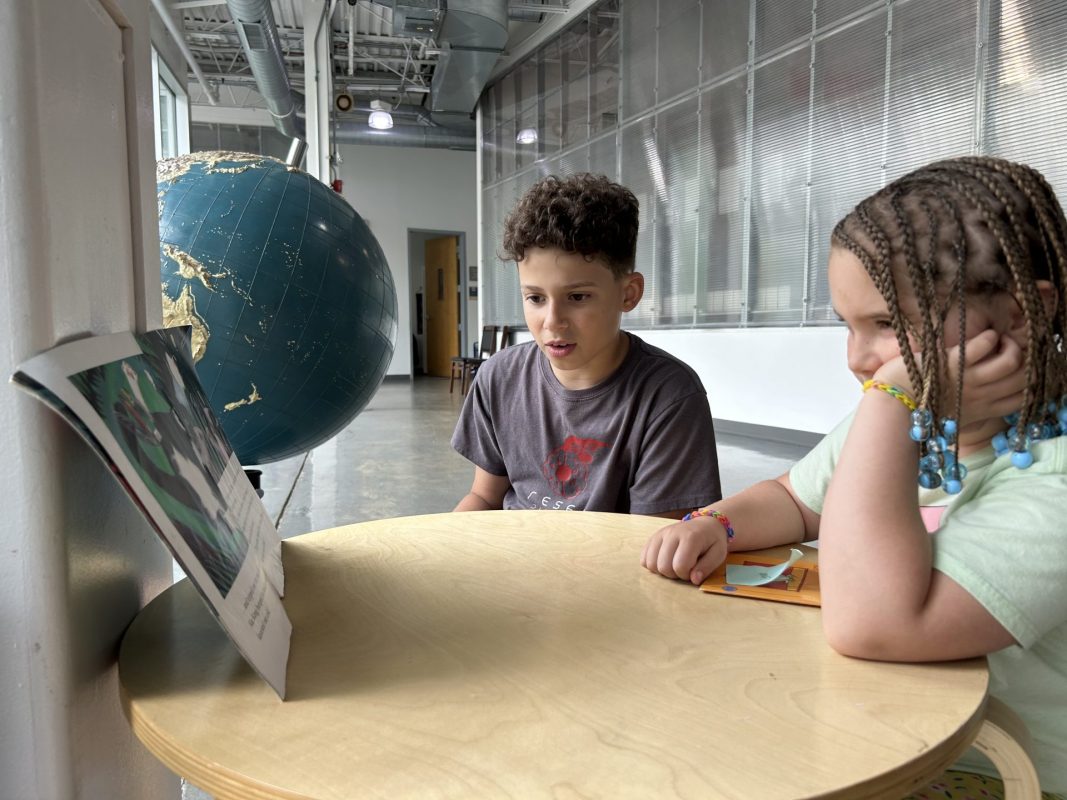
6th grade Humanities classes wrapped up their learning of Mesopotamia. Focusing on the Sumer people, students completed guided research and art. With Ms. Sara, students explored writing in ancient Sumerian cuneiform using clay, a stylus, and an alphabet key. Next, they shifted to the civilization of Ancient Egypt. Terminology, geography, and a historical overview of the society provided the foundation for this unit. The class also began their next novel, <em>The Egypt Game</em> by Zilpha Keatley Snyder. This mystery set in the present day sets up our continued exploration of Ancient Egypt, including mythology, religion, leaders, social structure, architecture, and practices.

7th grade Humanities classes continued their powerful European leaders unit this week. After completing their World War I study, they reviewed world political economic systems before focusing on Russia during WWI. Poor leadership, heavy losses, and a challenging economy led to the Bolshevik Revolution in 1917, setting the stage for our new class novel, <em>Animal Farm</em>. Students are reading this allegory while concurrently learning the events they parallel in Russian history. The class is enthusiastic about this current unit and novella.

8th grade Humanities classes continued their exploration of the colonies. They have been focusing on New England this week, in particular, the Puritans and Massachusetts Bay Colony. Daily life, government, architecture, and religion have been covered. They will also dive into the Salem Witch Trials and discuss this dark time and its implications on the colonies and future society. At the end of the week, students worked on their Expert Projects. At this point, research should be complete, and expert interviews should be just about complete. Students will be drafting their papers next.


Math

The Pre-Transition class wrapped up Chapter 6 this week. The week began with calculating percentages of a given quantity. Then, they dove into the Order of Operations. Students learned the acronym PEMDAS and practiced applying the order of operations to solve problems. The week closed out with multiplying fractions and mixed numbers and, finally, multiplying positive and negative numbers. This class will review Chapter 6 on Monday and take the Chapter 6 Test on Tuesday, April 8th.

The Transition class concluded their learning of Chapter 6 this week. This class can now use properties of lines and angles to determine angle measures. They are also experts at using the Triangle-Sum Property to find measures of angles. They ended the week by learning to calculate the distance between two points on a coordinate plane. This class will review Chapter 6 on Monday and take the Chapter 6 Test on Tuesday, April 8th.
Algebra closed out Chapter 6 this week! After learning all about formulas for lines, such as slope-intercept, slope-point, and standard form, this class can now convert across all three! They also learned about the line of best fit and how to graph data on Google Sheets to create a scatter plot. The week wrapped up by becoming experts at graphing linear inequalities. This class will review Chapter 6 on Monday and take the Chapter 6 Test on Tuesday, April 8th.
Students in the Geometry class are now experts in Polygons and Symmetry after completing Chapter 6! This week, they focused on properties of trapezoids, learned how to calculate a shape’s rotational symmetry, and now know the properties of various types of triangles and regular polygons. This class will review Chapter 6 on Monday, and take the Chapter 6 Test on Tuesday, April 8th.

Science

All students began working on their projects for the Middle School Science Fair this week! Students were asked to choose a topic related to their current science subject this year. Students chose topics, researched their topics with the purpose of gaining knowledge about their subjects, narrowed their findings to a testable question, and, finally, developed their hypotheses. At this time, all students have completed this work. Please be sure to ask your students what they will be investigating!
A guide for the Science Fair has been posted to Google Classroom and is available to all middle school students. If you would like to know more about the project, please ask your student to show you this guide, and, as always, feel free to reach out to Ms. Pickard with any questions.

April Family Connection Newsletter

This month’s Family Connection Newsletter from the American Montessori Society focuses on the Montessori prepared environment. The Montessori prepared environment is a thoughtfully designed learning space that caters to the unique needs of each child, emphasizing simplicity, order, and beauty. It promotes independence and self-motivation, allowing children to choose their activities based on personal interests and developmental stages. Key features include:

1. Freedom: Children select their own learning experiences, cultivating a sense of ownership.

2. Beauty: The environment is visually appealing and well-organized, encouraging exploration.

3. Exposure to Nature: Interactions with nature deepen children’s appreciation for the world and enhance their learning.

This environment is essential for fostering children’s independence, exploration, and growth, with educators and caregivers playing a vital role in maintaining it.

I hope you find the article educational and useful for your family.

Have a wonderful week ahead!
Karen Sankey