Blog

Middle School: Week in Review

Another busy week in Middle School. Students took the ERB CTP-5 tests at their own levels. They completed eight sections of testing covering a variety of reading, writing, math, and critical thinking skills. They are happy it is in the rearview, and the students should be proud of their focus and perseverance.

Here are upcoming announcements for Middle School:

  • Wednesday, 4/16 @ 2 pm: MS Science Fair grades 6, 7, & 8
  • Thursday, 4/17 : Grade 8 will spend the full day at the Maritime Aquarium in Norwalk. Please pack a lunch.
  • Friday, 4/18: No School – Good Friday
  • Friday, 4/25:
    • No School
    • Parent/Student Conference Day (Sign-ups posted in MyFWM!)
    • 9:30-12:30 pm: ALL CAST musical rehearsal (students can step out for their conferences)
  • DUE May 1: MS TRIP REQUIRED Med form  AND Medical Authorization forms submitted.

Humanities

6th grade Humanities classes continued to read their class novel, The Egypt Game. They had both small and large group discussions about the plot, and it seems to be a book that the class is enjoying! Connections to other novels, predictions, and evidence of foreshadowing have all been part of the regular discussions. Additionally, the class is interested in Egyptian Mythology. As part of that, they learned about the Egyptian creation myth in addition to learning about the notion of a “creation myth” and its importance for different cultural groups. They ended the week by choosing gods and goddesses that they will be diving a little deeper into researching for a mini-project in class next week.

7th grade Humanities class finished George Orwell’s Animal Farm. This week, they took a closer look at the history and its parallel to the events in the novel. They spent a day completing an Animal Farm: Who’s Who? assignment that asked them to identify each character and their historical representation using evidence. They were either people, places, or political beliefs. Next week, students will wrap up the novel with an essay and activity, moving on to post-WWI Germany.

8th grade students looked at the first half of the 18th century in the colonies this week, including the French and Indian War (Seven Years War), leading into the events immediately precipitating the American Revolution. Next week, they will do a small in-class presentation on the direct causes of the Revolution. Additionally, the 8th graders are ramping up the time spent on their Expert Projects as they compose their drafts. Students have each discussed individual due dates for the draft with Mrs. Lamb and should be working on it this weekend and throughout next week.


Math

This week, the Pre-Transition class closed out Chapter 6. The week began with a fun Jeopardy Game to review all Chapter 6 concepts, and the test was taken on Tuesday. This class rounded out their week by diving into Chapter 7, “Using Division”. So far, this class can use arrays to picture divisibility, use fact triangles to solve equations, and show relationships between multiplication and division.

This week, the Transition class finished up Chapter 6. The week started with a fun Jeopardy Game to review all Chapter 6 concepts, and the test was taken on Tuesday. Then, they jumped right into Chapter 8, titled “Multiplication in Algebra”. This class can now recognize the relationship between addition and multiplication, known as the Repeated Addition Property of Multiplication. They are also experts at applying the rate-factor model for multiplication.

This week, Algebra finished Chapter 6 with an engaging game of Jeopardy to review all Chapter 6 concepts, and the test was taken on Tuesday. Then, it was full steam ahead into Chapter 8, “Powers and Roots”. This class can now use powers to count the number of sequences possible for repeated choices. They are also proficient in simplifying products, quotients, and powers of powers.

This week, Geometry completed Chapter 6 with an exciting game of Jeopardy to review all Chapter 6 concepts, and they took the Chapter 6 test on Tuesday. Then, the class dove into Chapter 7, “Applications of Congruent Triangles”. The Geometry class can now draw triangles satisfying given conditions and determine whether or not the triangles are congruent. This class can also use theorems about triangles and parallelograms to prove statements about shapes.


Science
In science, students continued working on their science fair projects. By now, students have planned, organized, and conducted their experiments. Over the weekend, all students need to collect, organize, and analyze their data, as well as write the conclusion to their project. Guidelines for the project, including the timeline, grading structure, and description of each section, can be found on Google Classroom. Please encourage your student(s) to finish this work should they still need to. The students hope to see you all at their Science Fair on April 16 at 2:00!
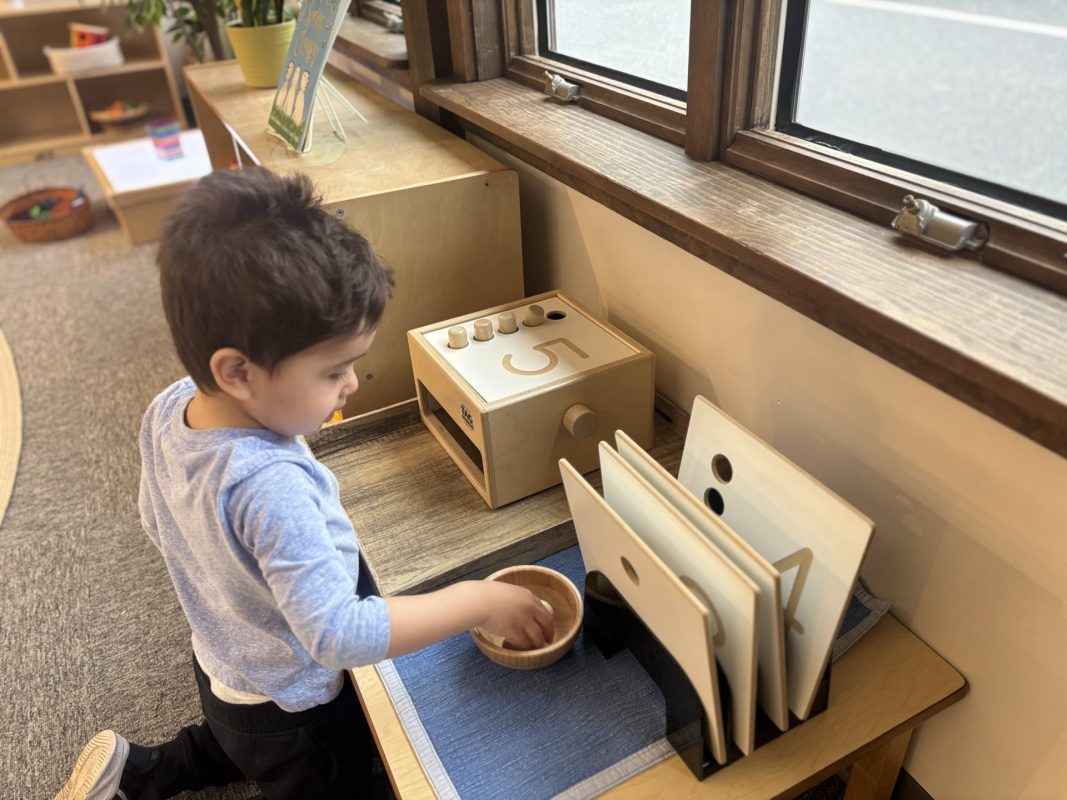
Mrs. Hood: Los pollitos!

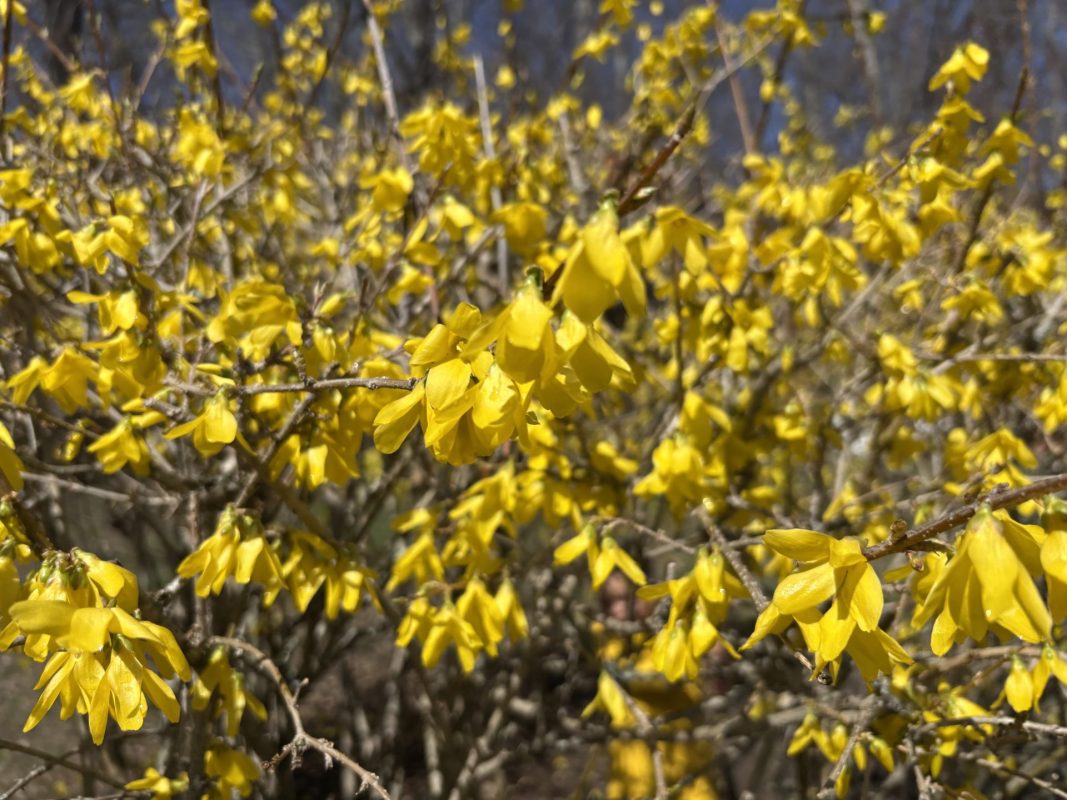
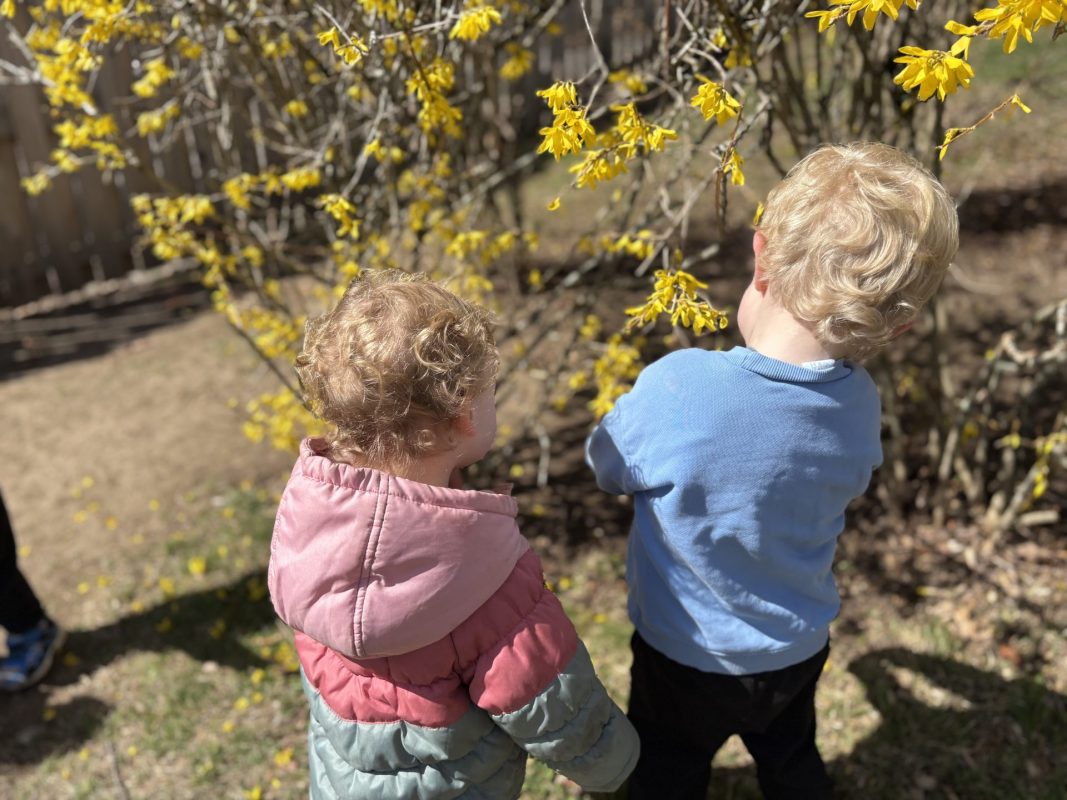
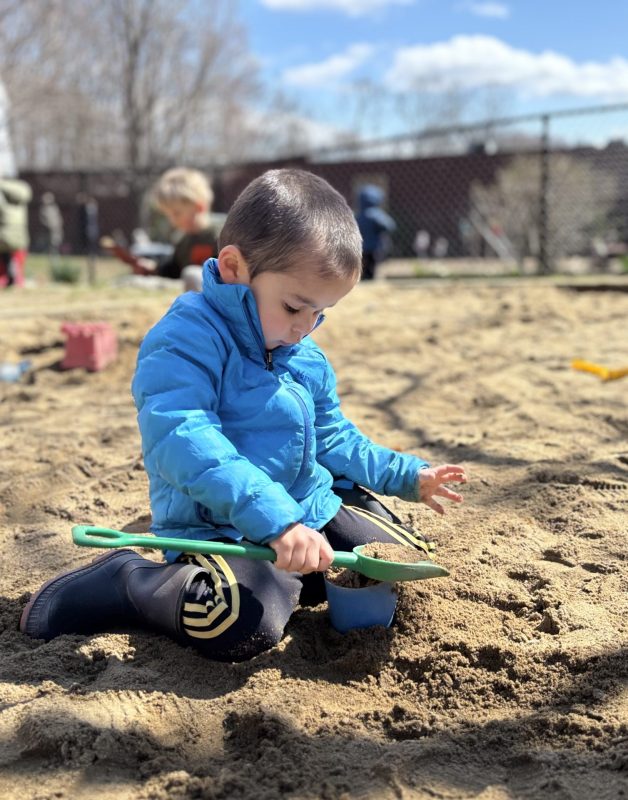
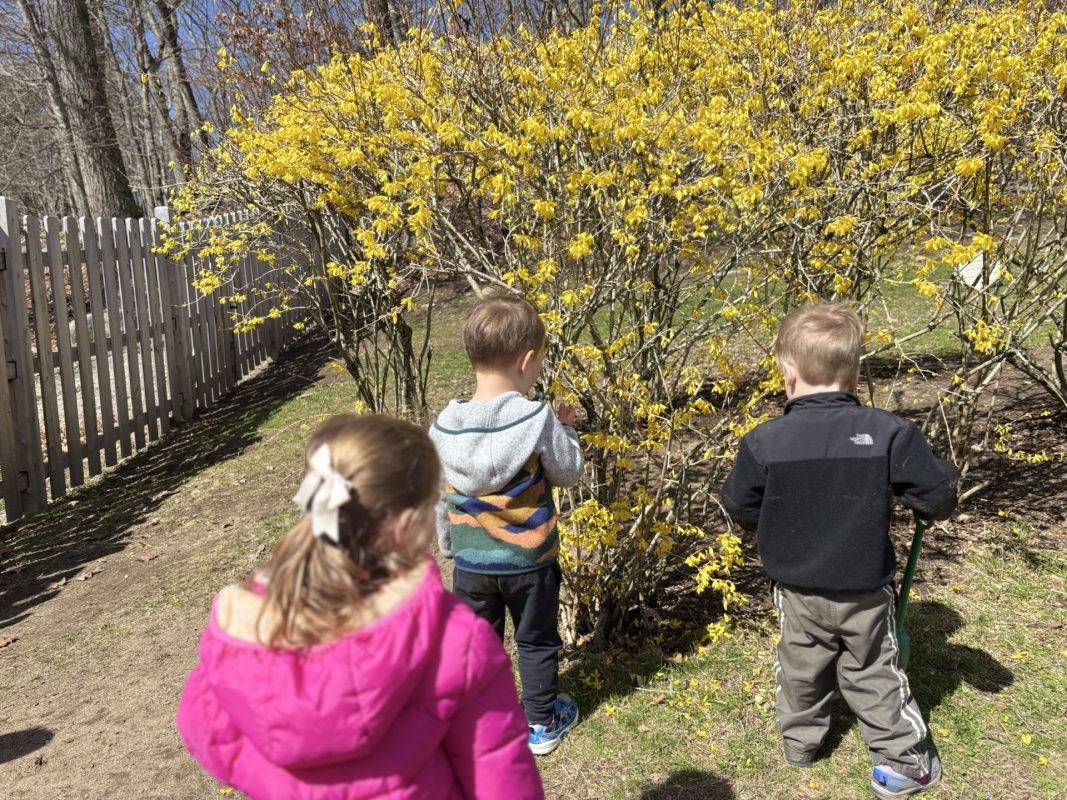
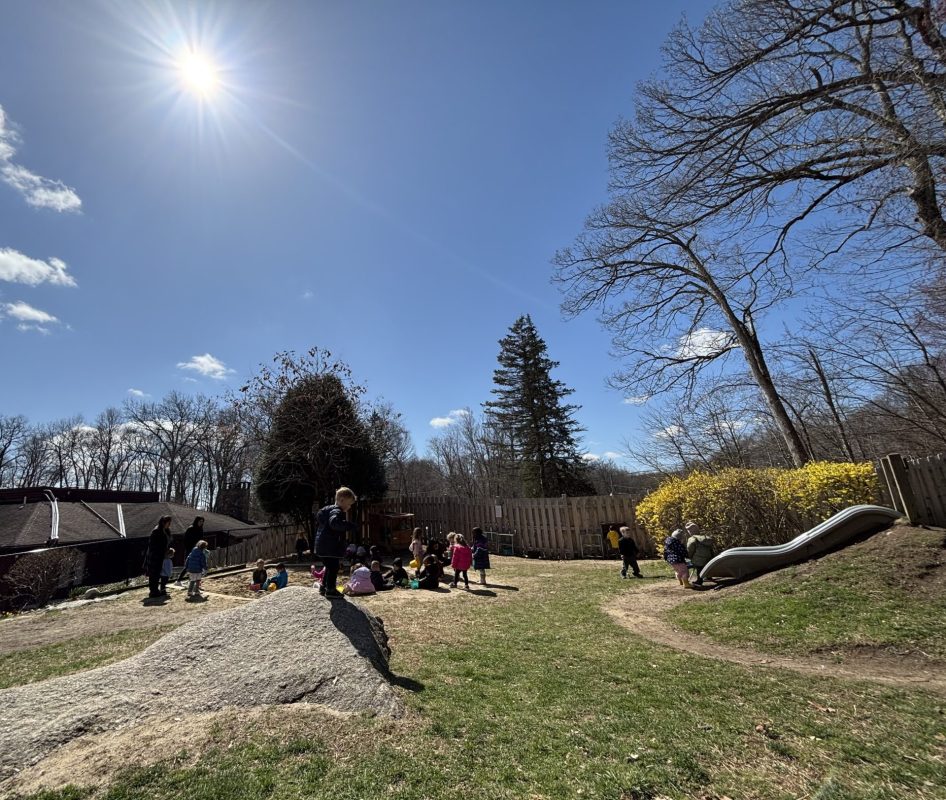
Welcome, Spring! Although snowflakes surprised us Thursday night, they left no trace by morning—just a chilly breeze and some puddles beneath our boots. Still, the lengthening days, cheerful birdsong, and gentle shifts in nature signal that spring is quietly and finally making its entrance.

In our Montessori environment, we guide the children to slow down and notice these changes with curiosity and care. Tiny buds on branches, soft sprouts emerging from the earth, and even the way sunlight lingers a bit longer in the afternoon are all invitations to observe, wonder, and connect with the natural world.

This week, we’ve been focusing on recognizing signs of spring. Whether it’s watching birds hopping across the playground, discovering early blooms, or feeling the cool air after an unexpected snow, the children are learning that change happens in small, beautiful ways.

Spring also gives us a perfect segue into one of our favorite topics: life cycles. Toddlers are naturally curious about the world, and the life cycle of living things sparks their imagination in such a special way. It helps them build early scientific knowledge, explore language through new vocabulary, and fosters a deeper sense of empathy and respect for nature.

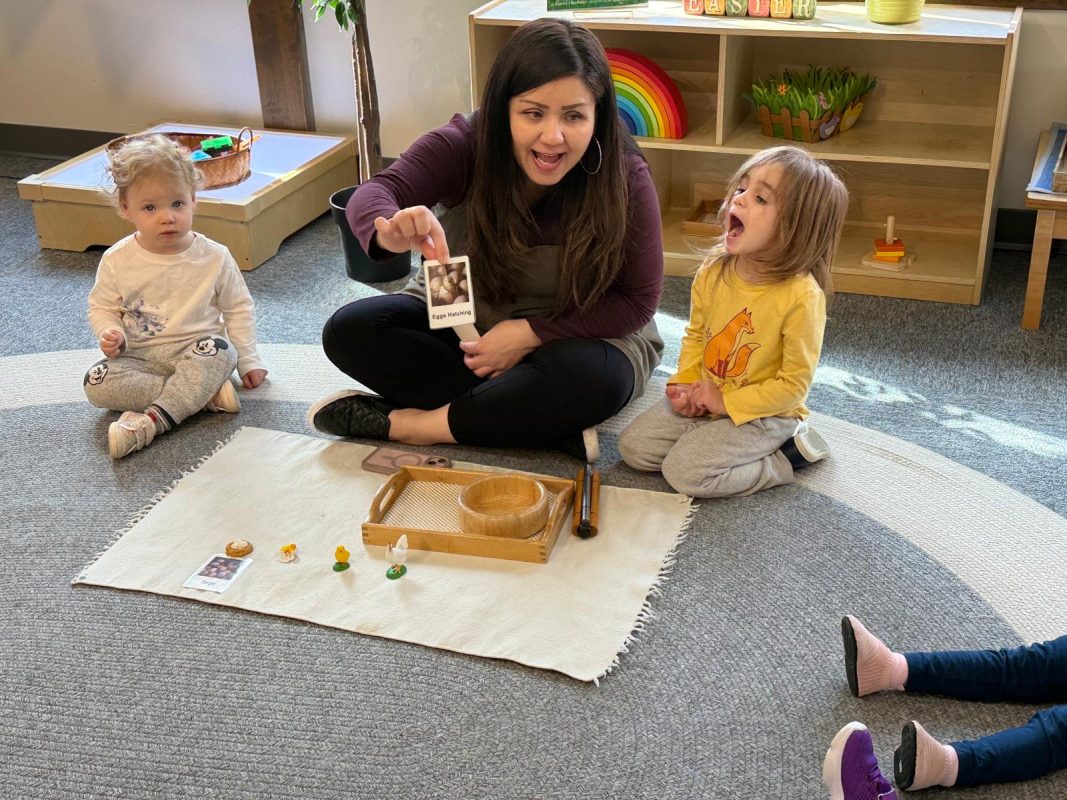
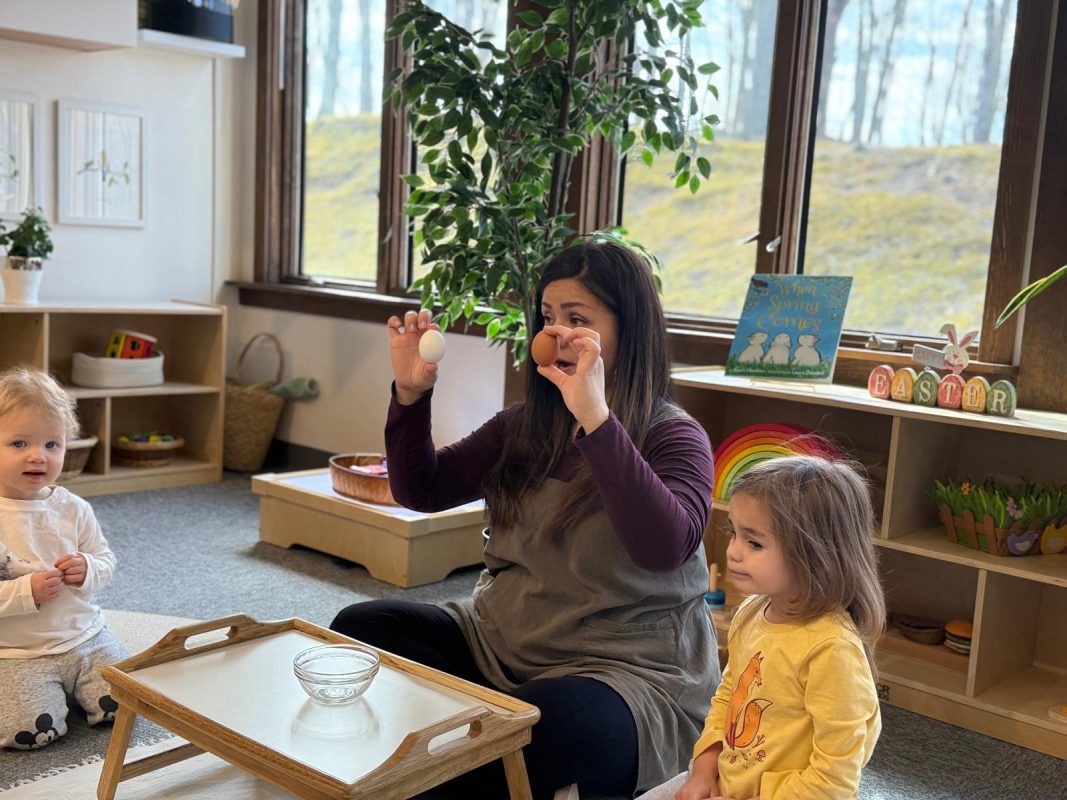
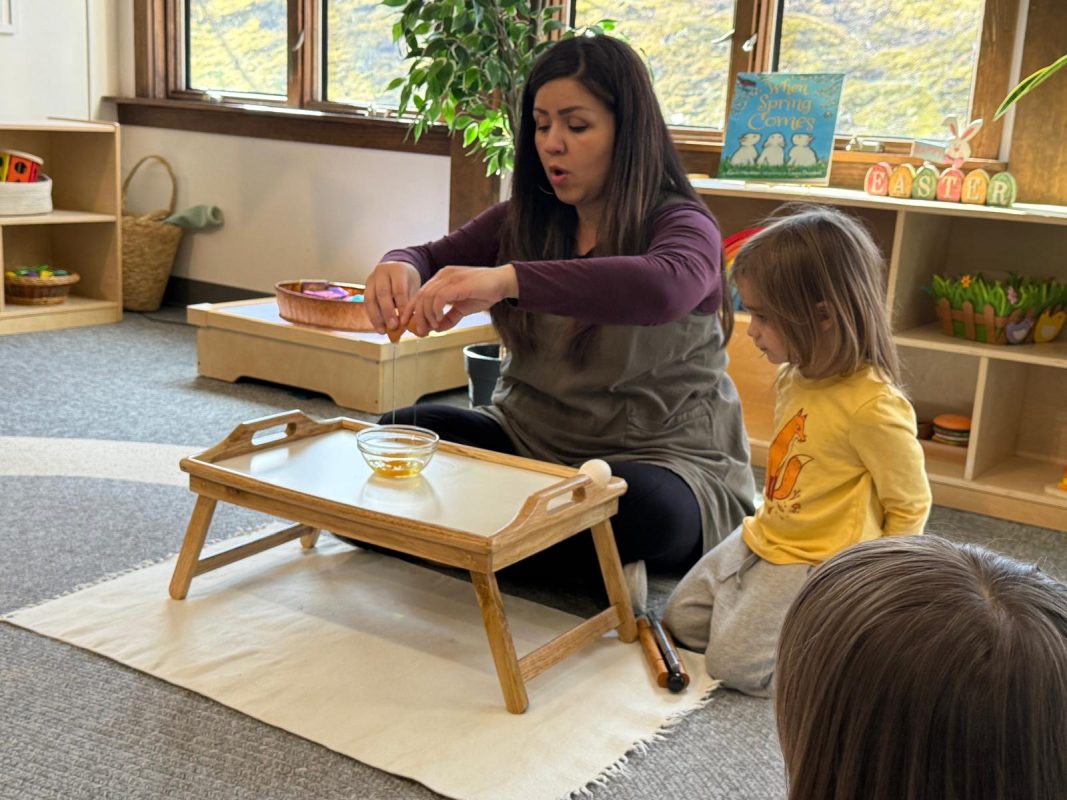
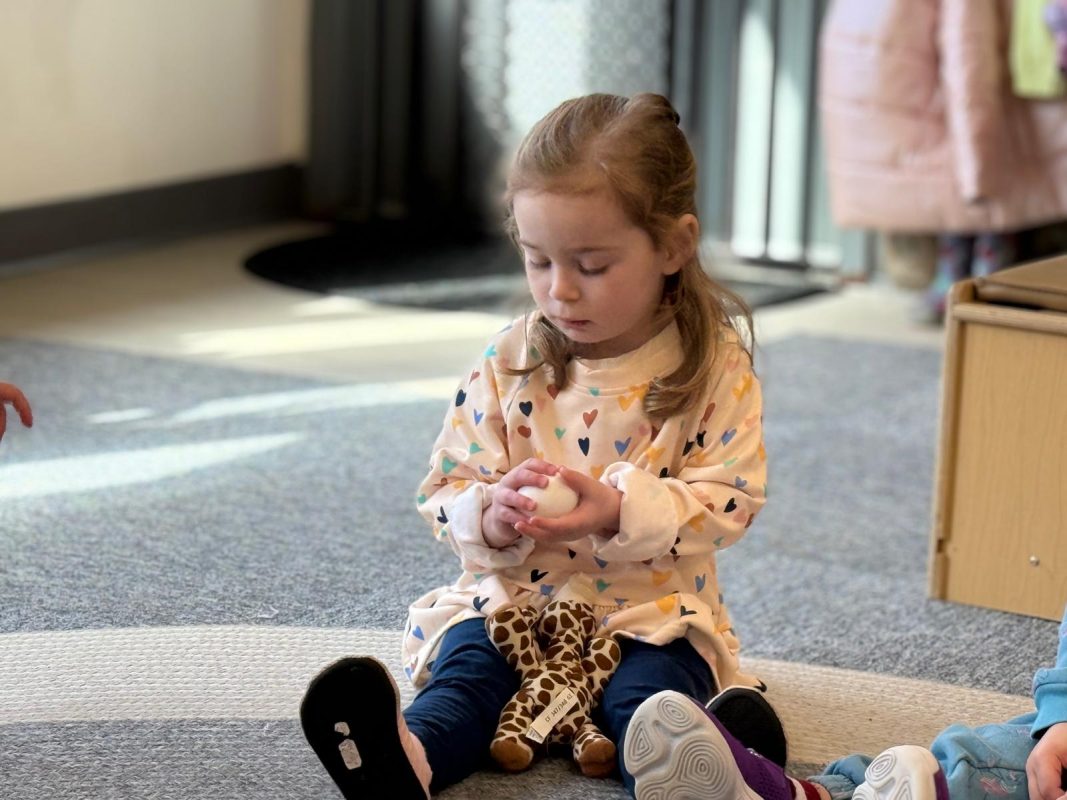
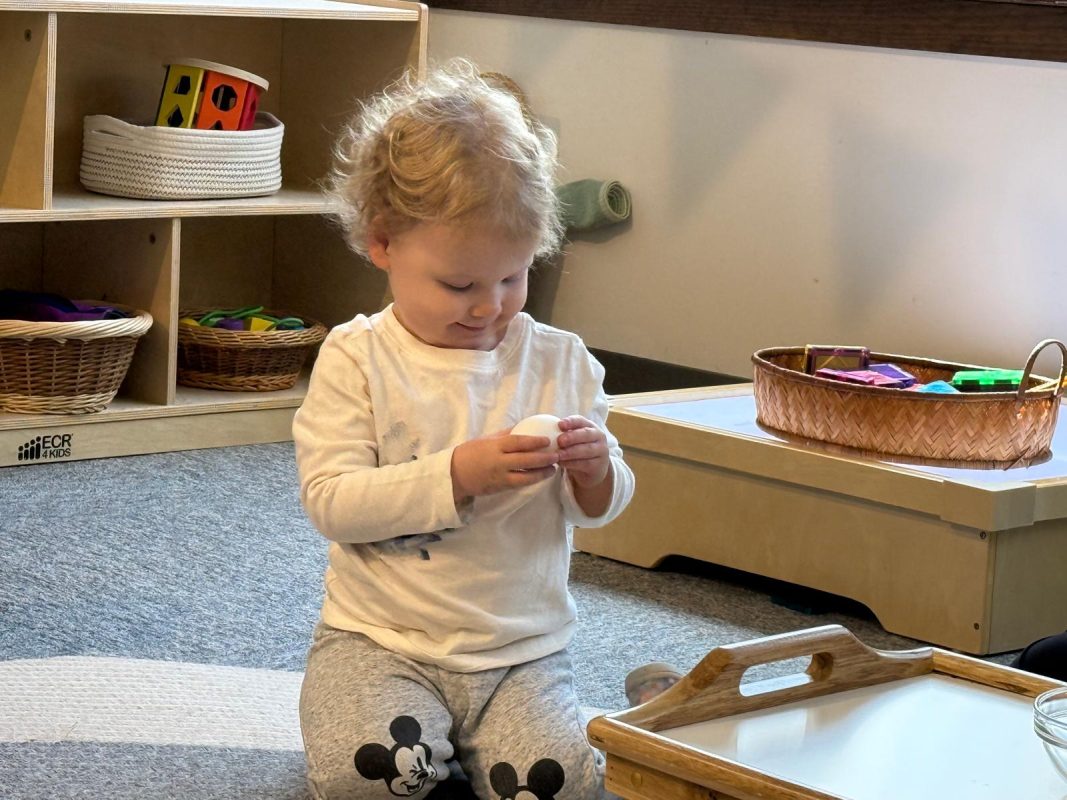
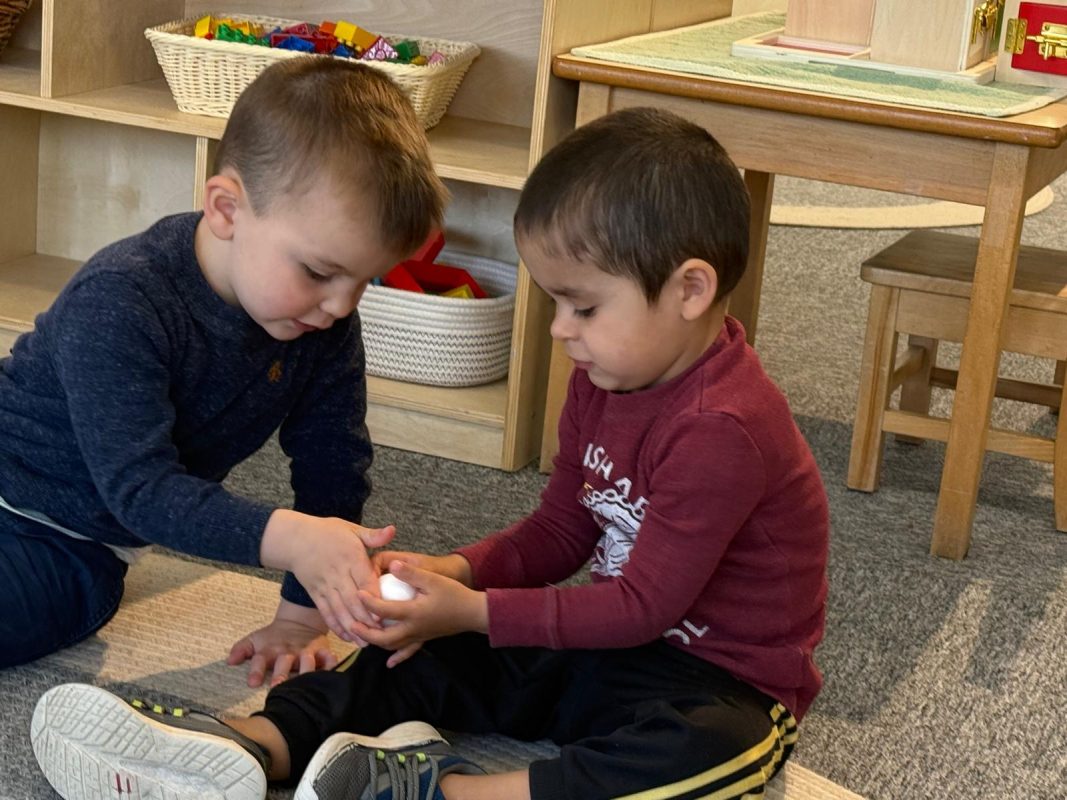
This week, we kicked off our study of the life cycle of a chicken! From interesting eggs to fluffy chicks to full-grown hens, the journey from egg to adult is something toddlers truly enjoy exploring. So far, we’ve focused on two main ideas: chickens come from eggs, and a baby chicken is called a chick. The children watched a short, engaging video that showed the hatching process—it was magical to see their faces light up with curiosity and amazement.

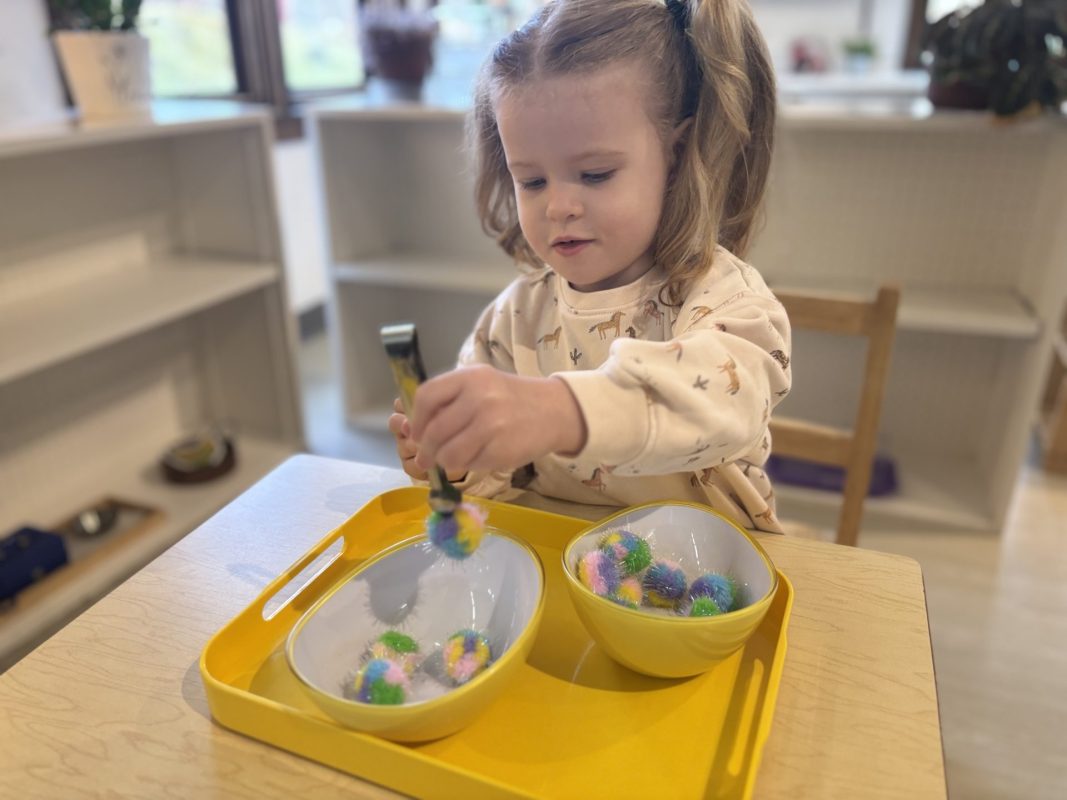
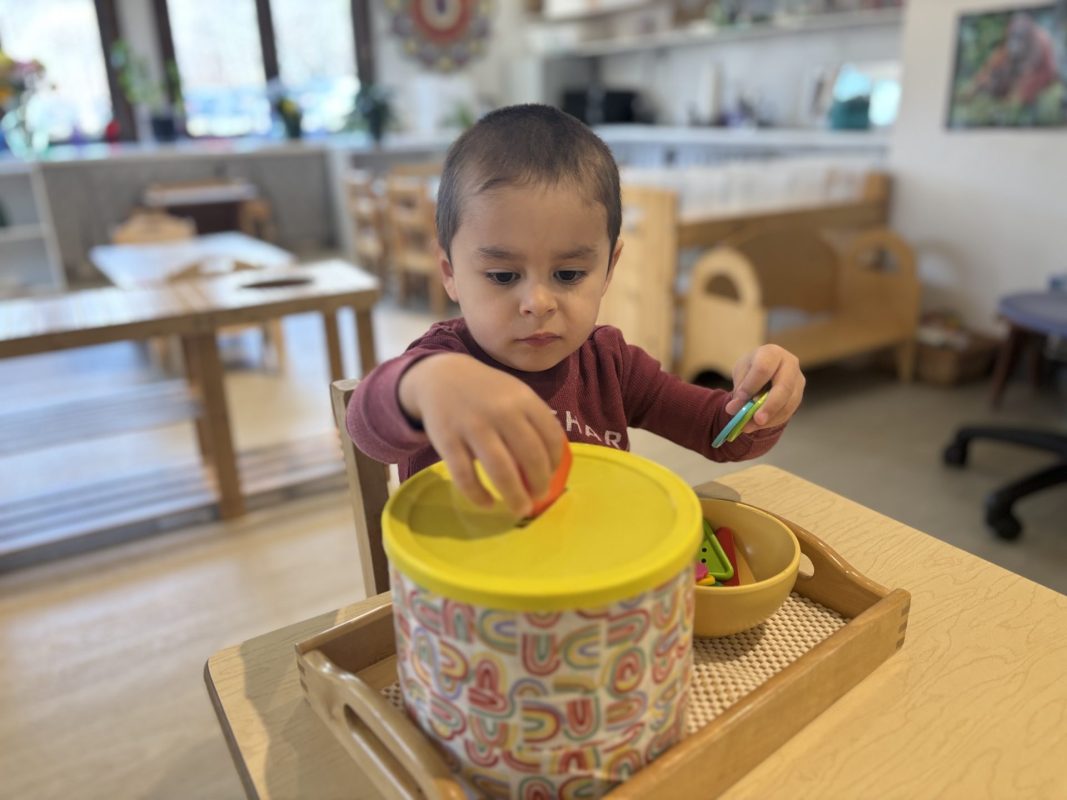
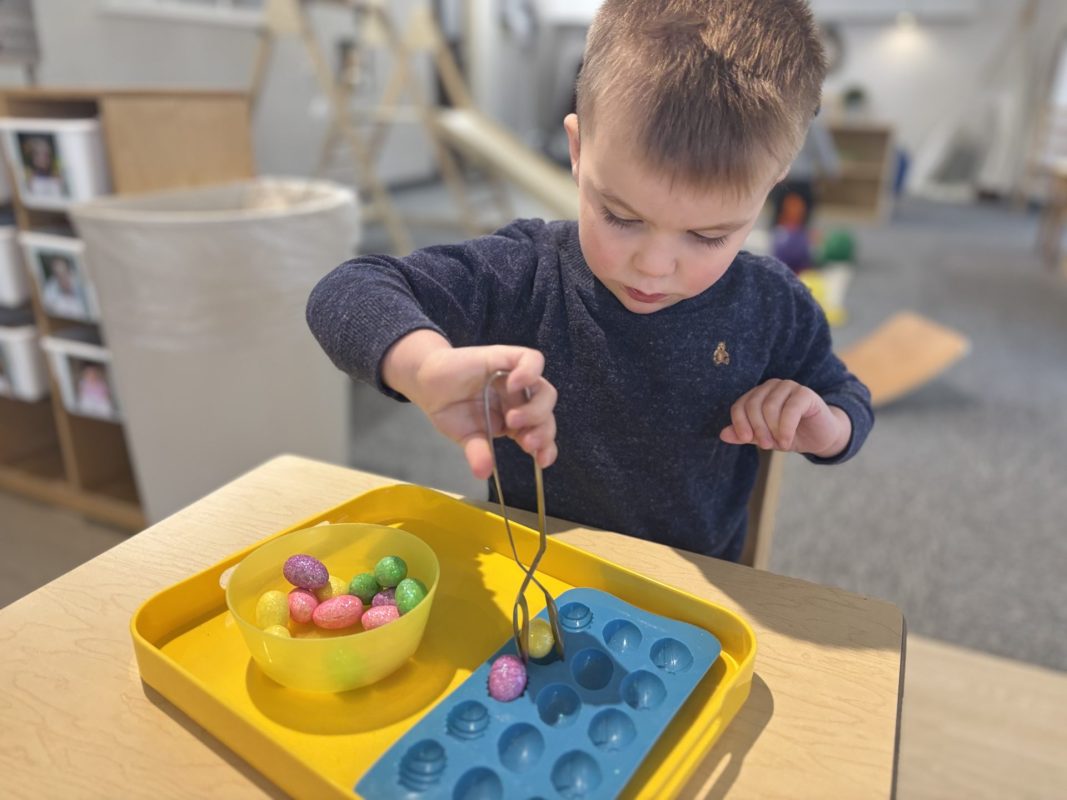
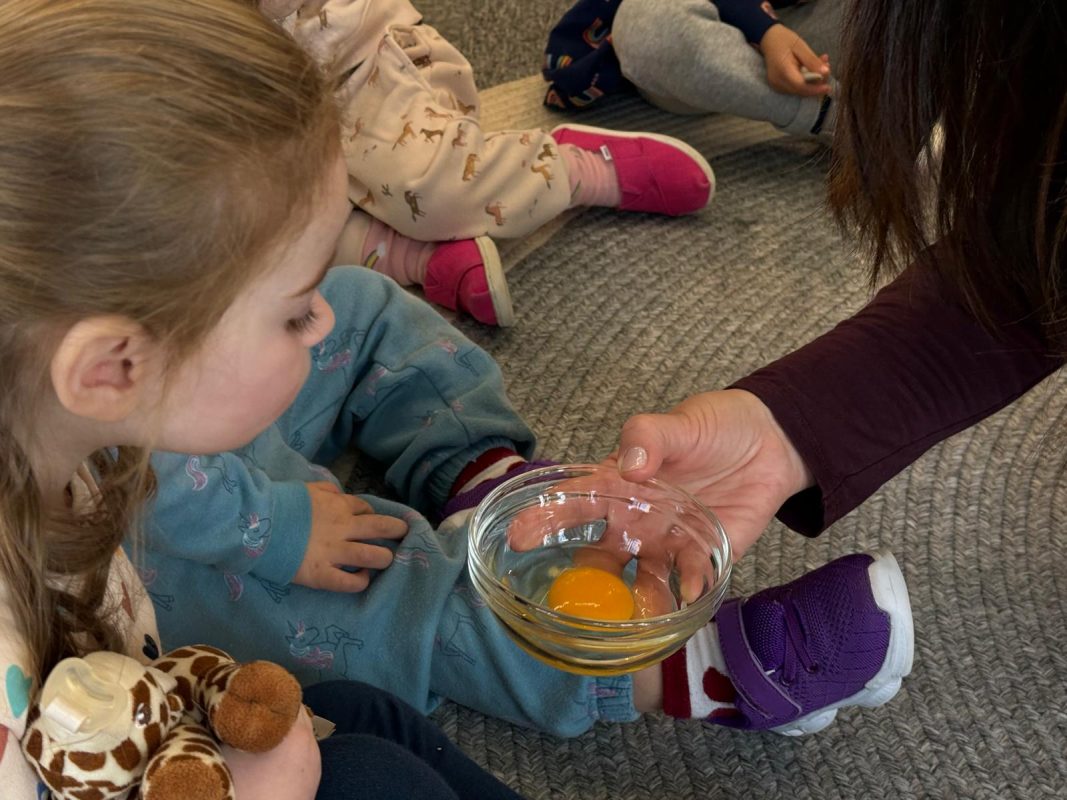
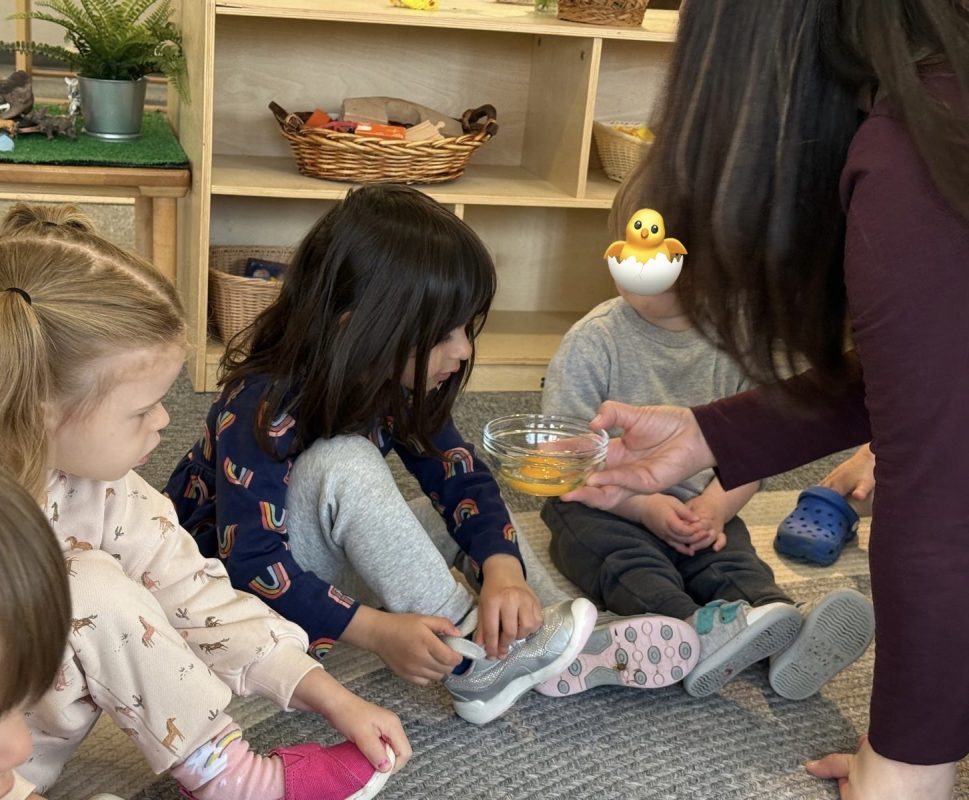
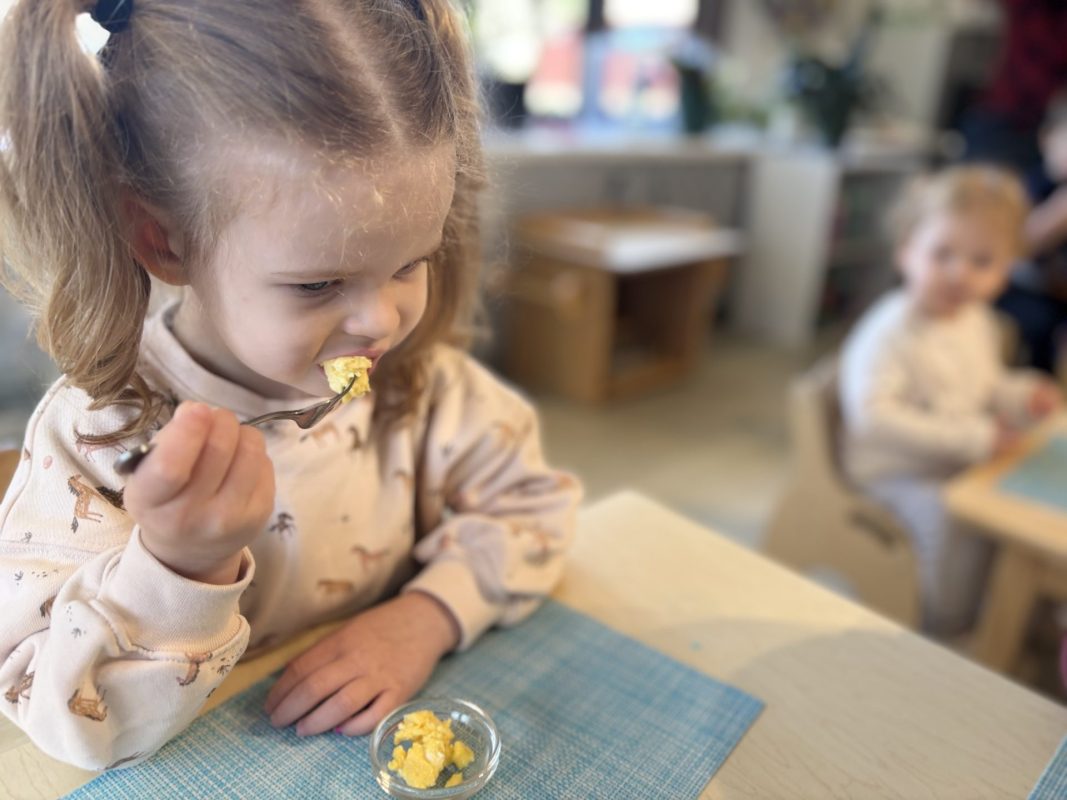
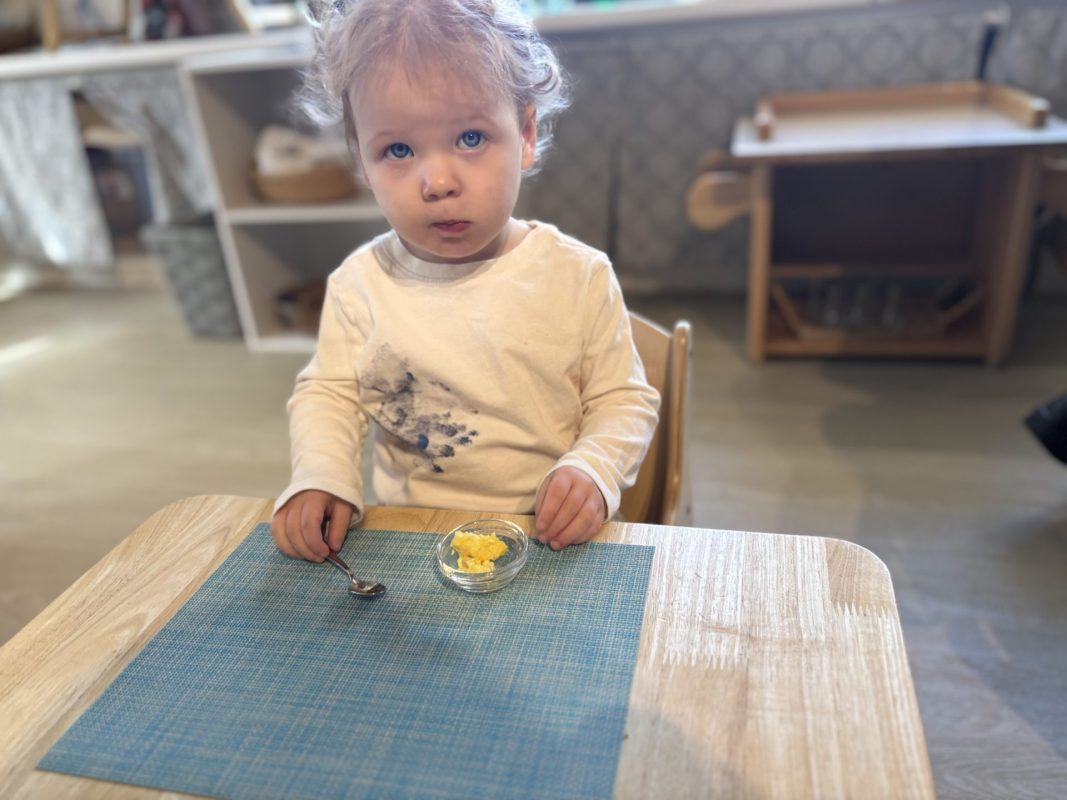
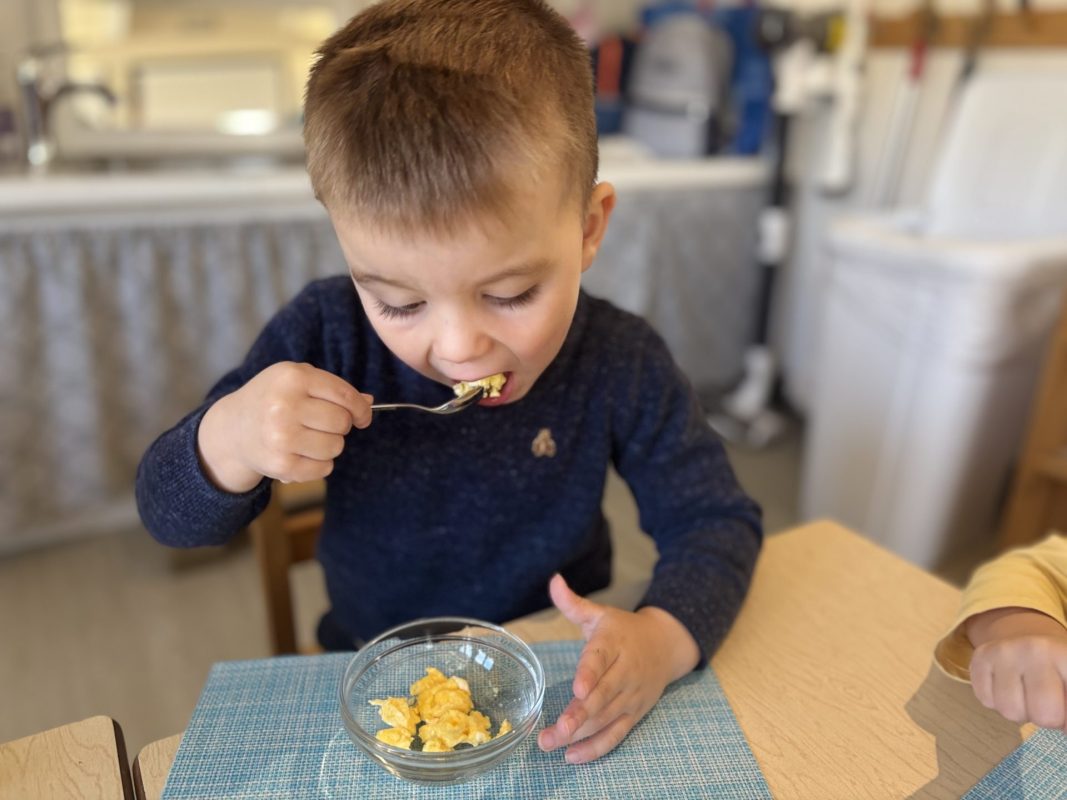
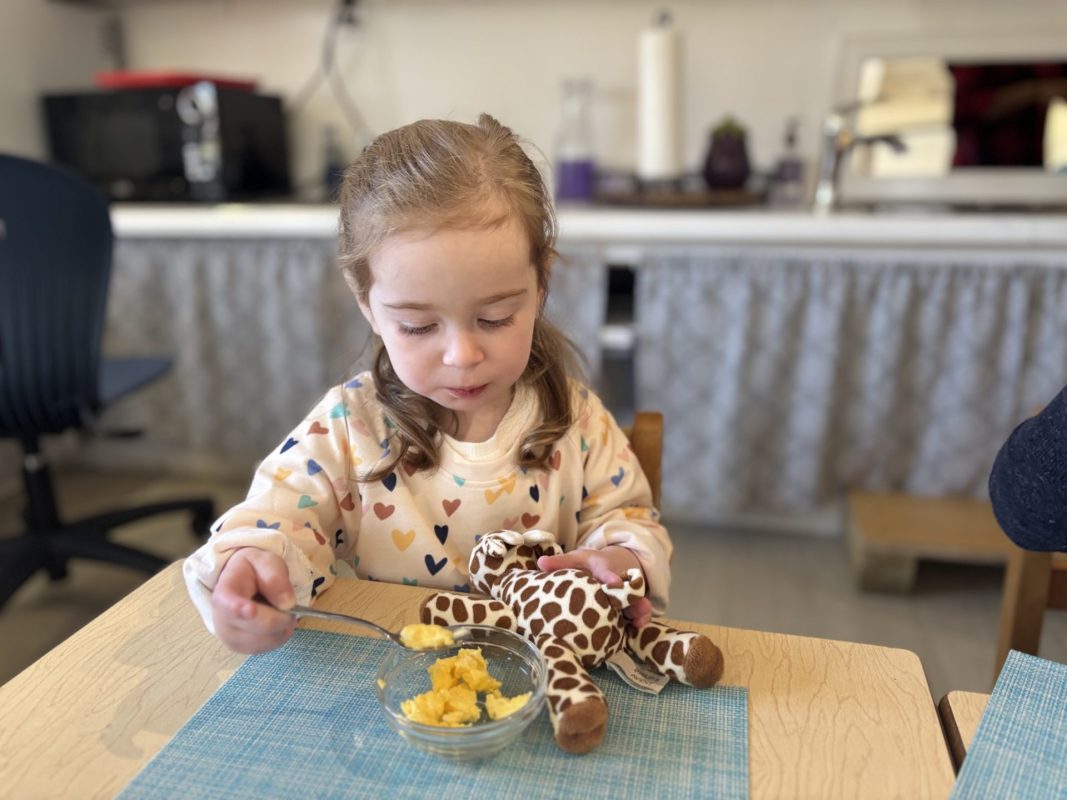
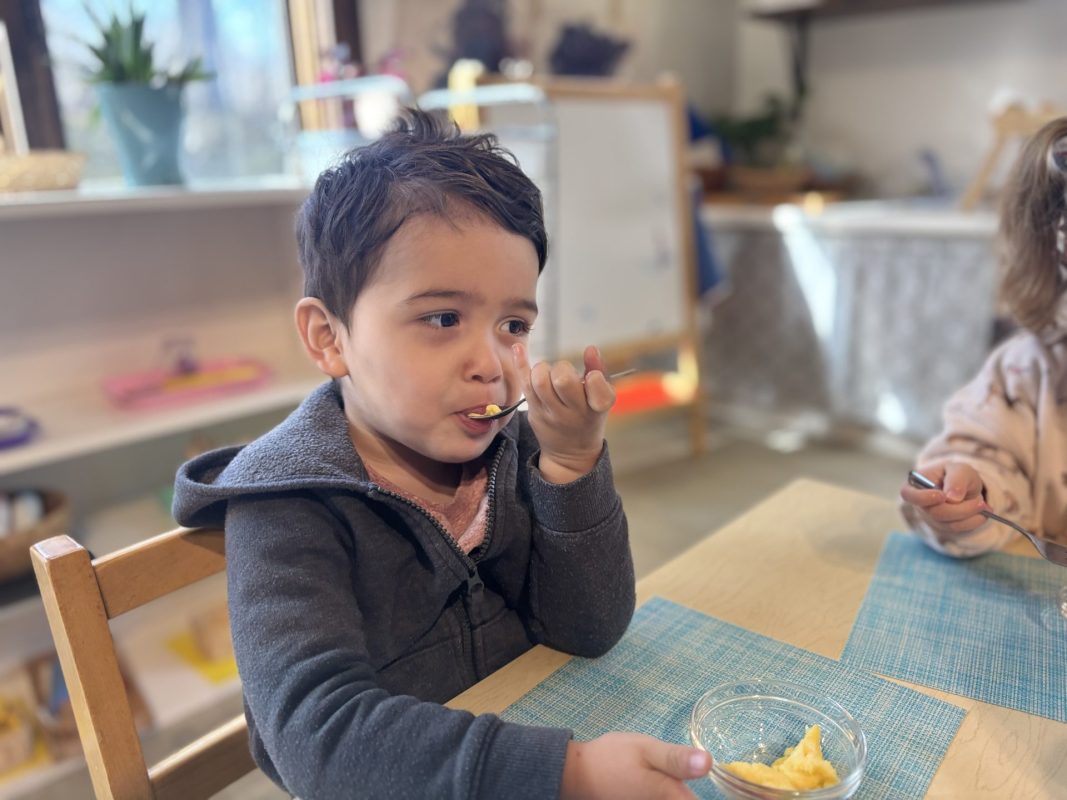
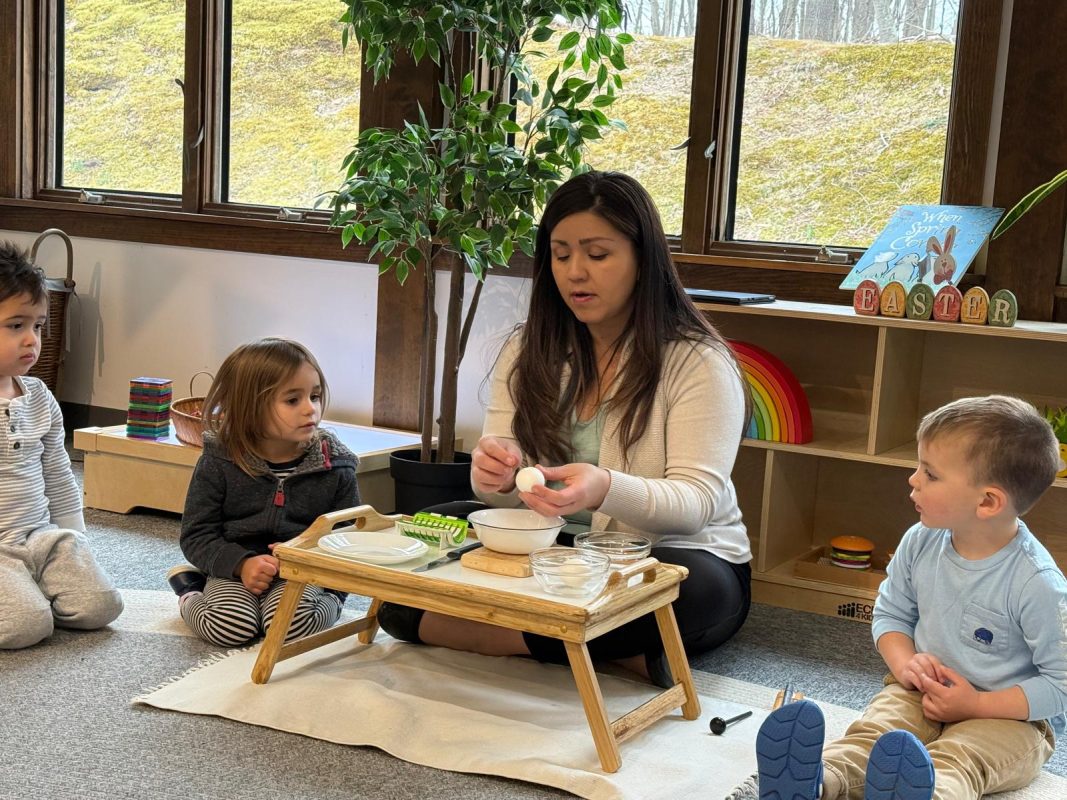
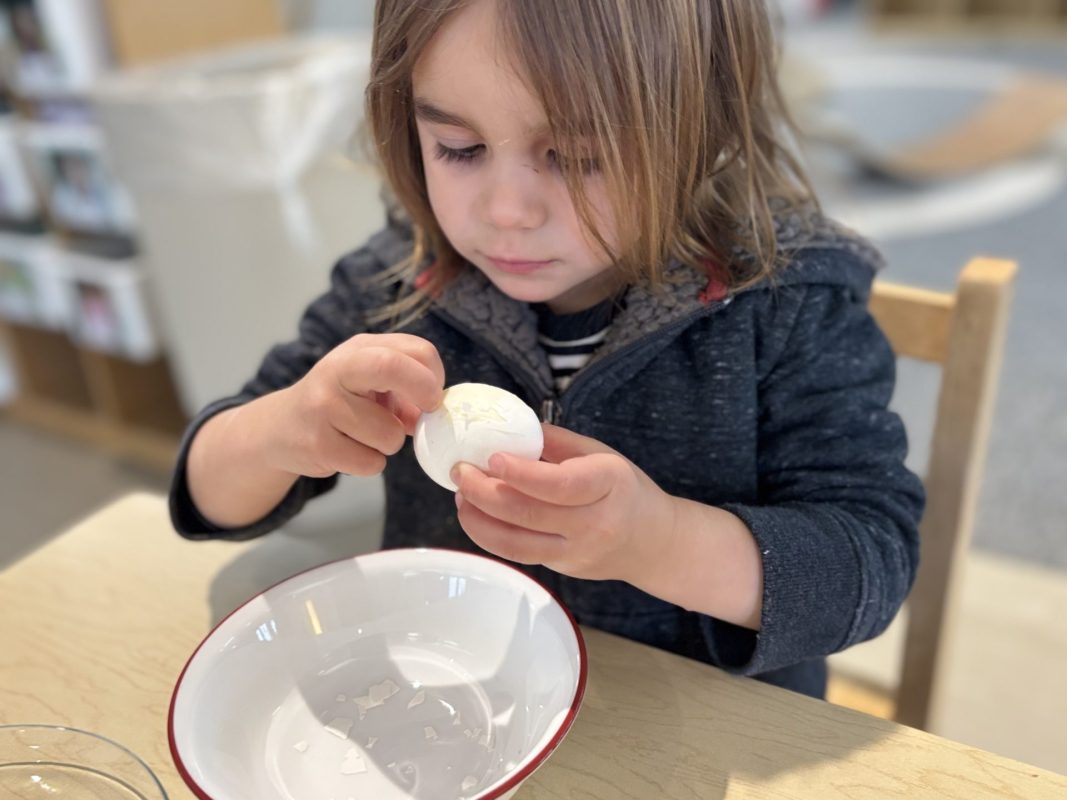
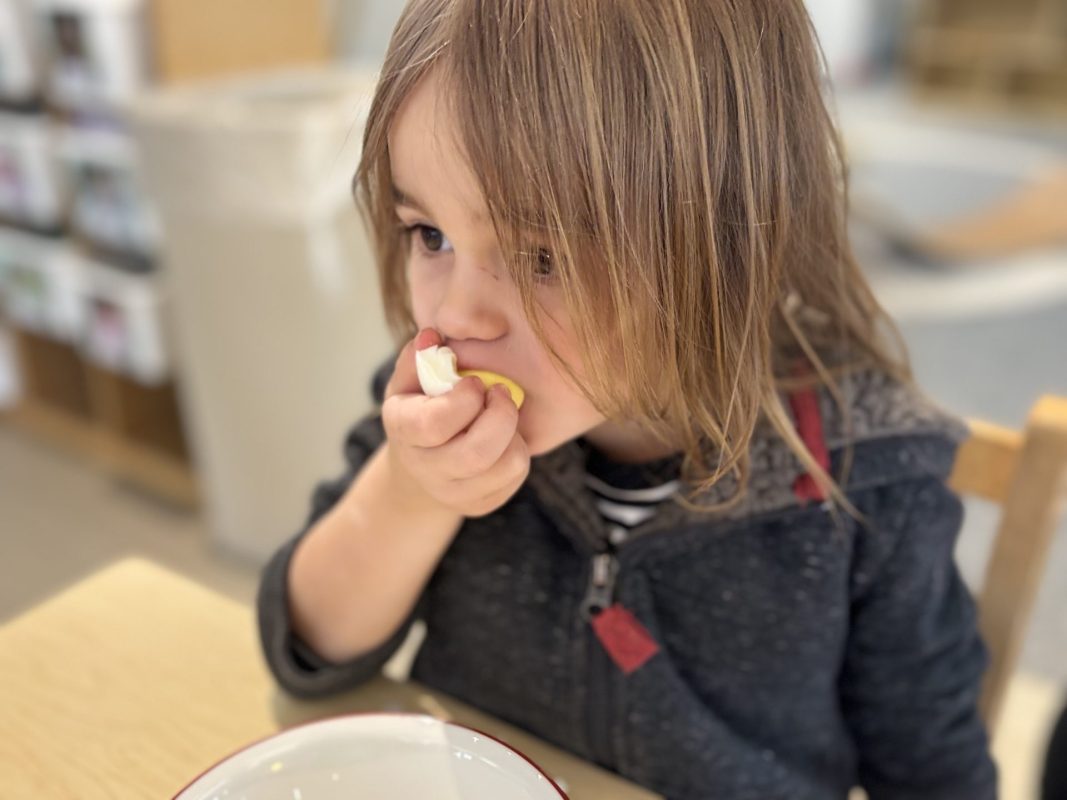
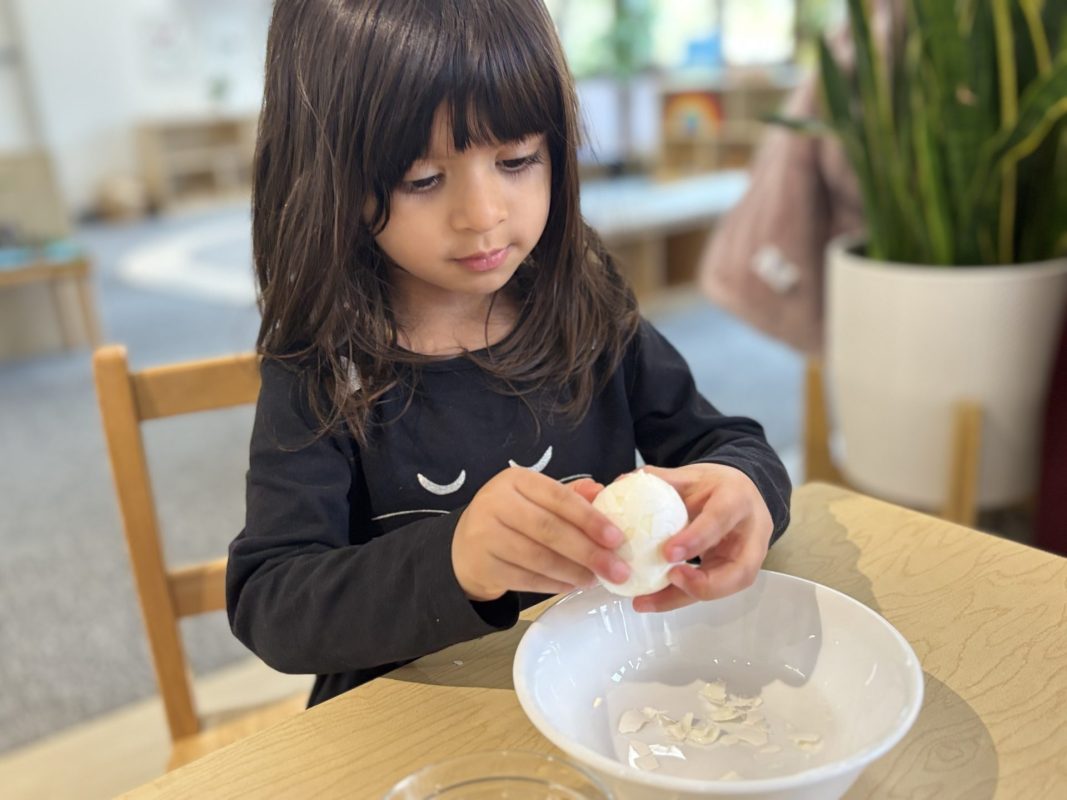
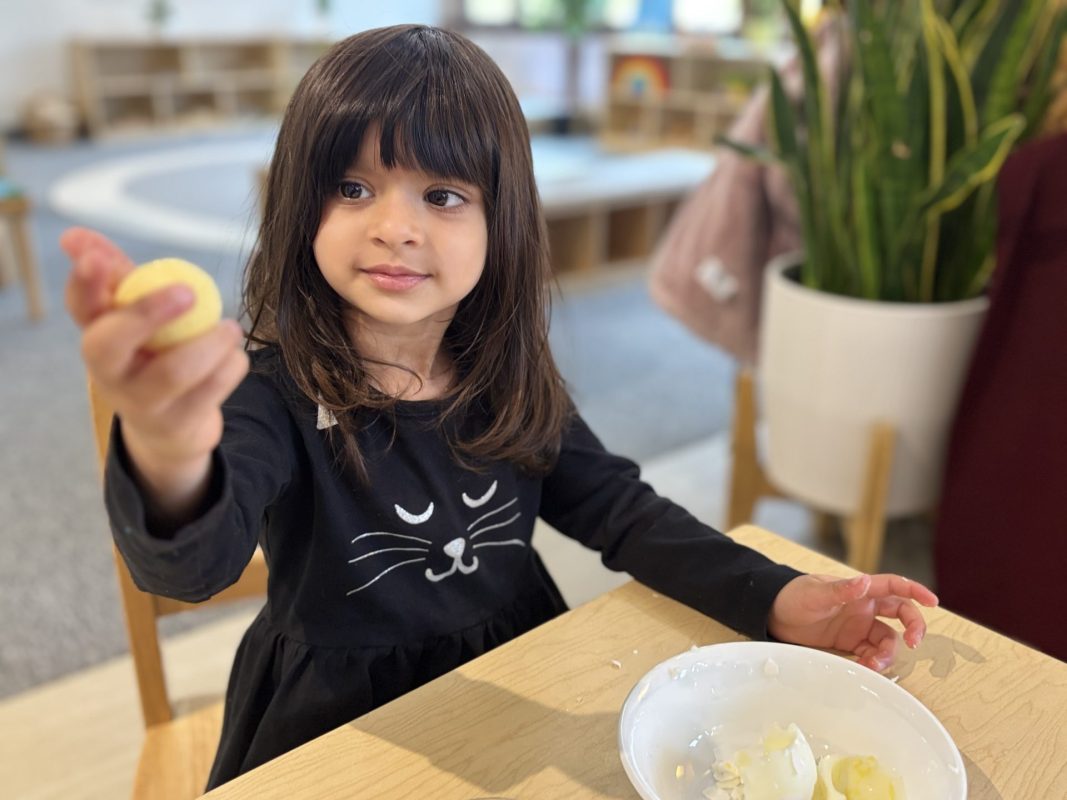
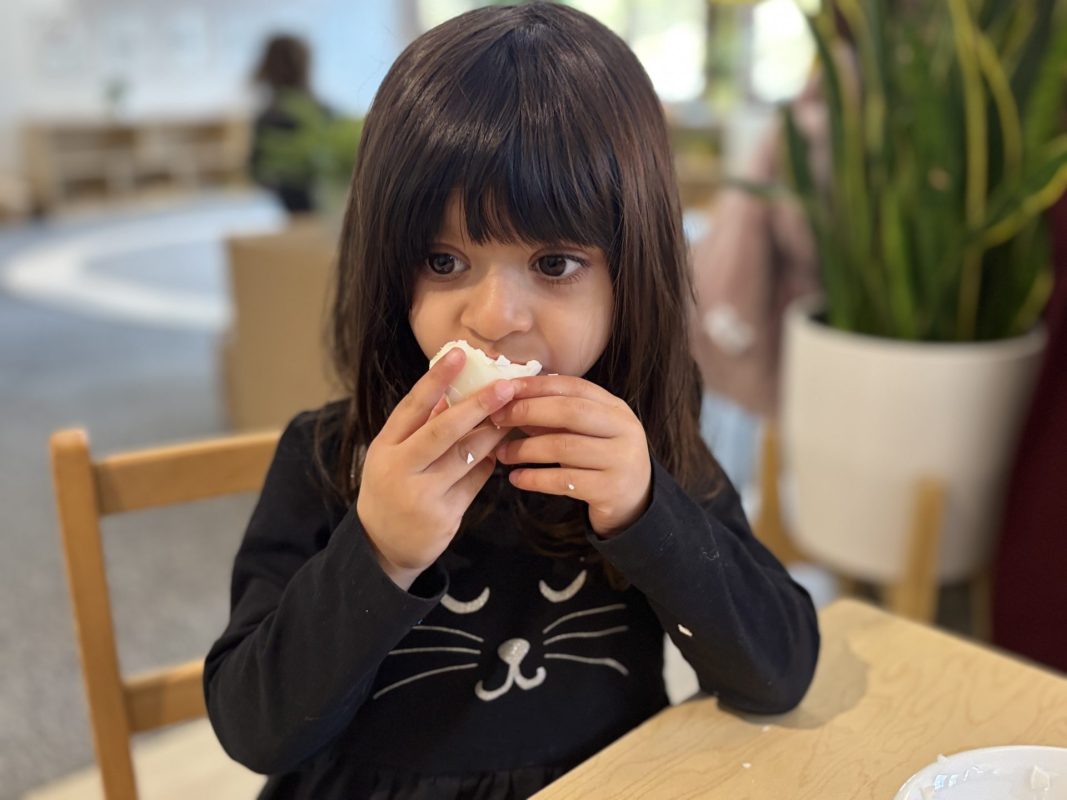
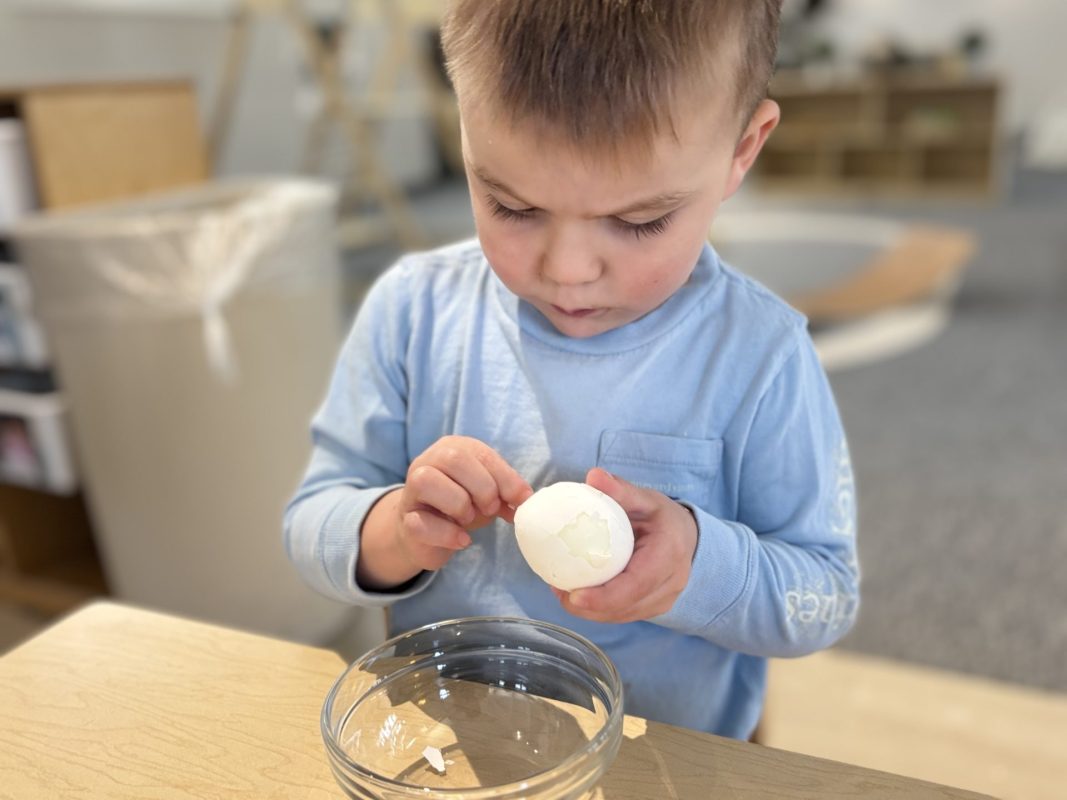
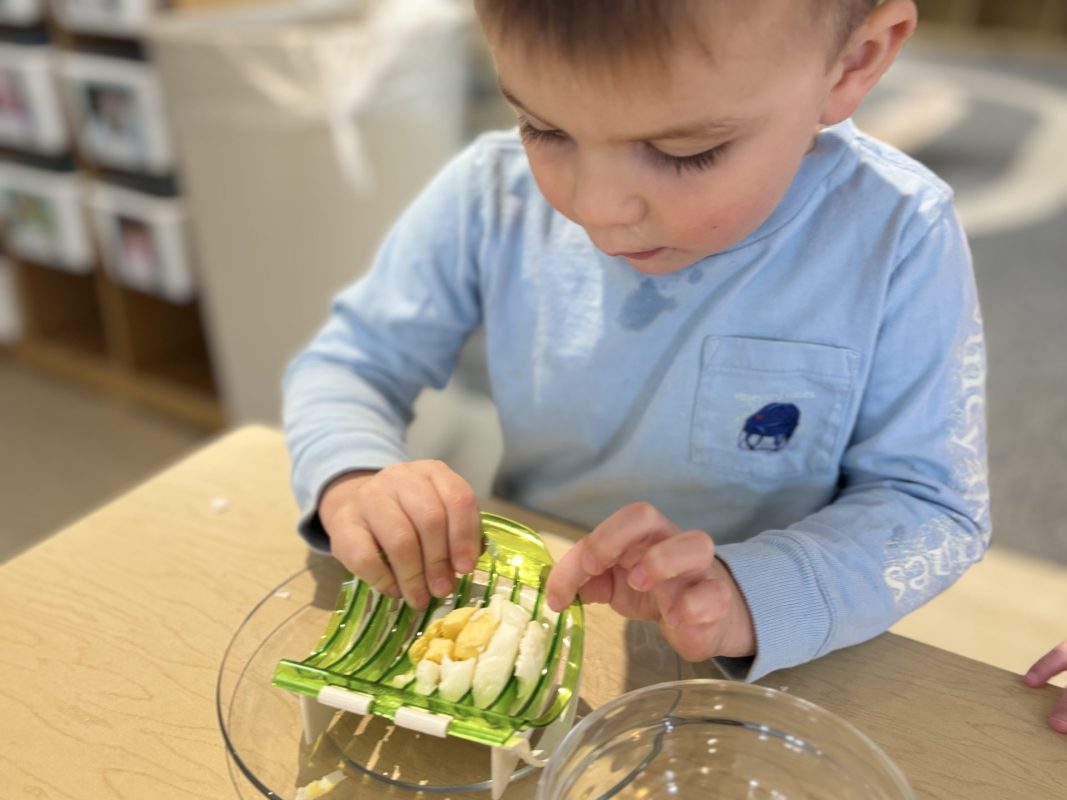
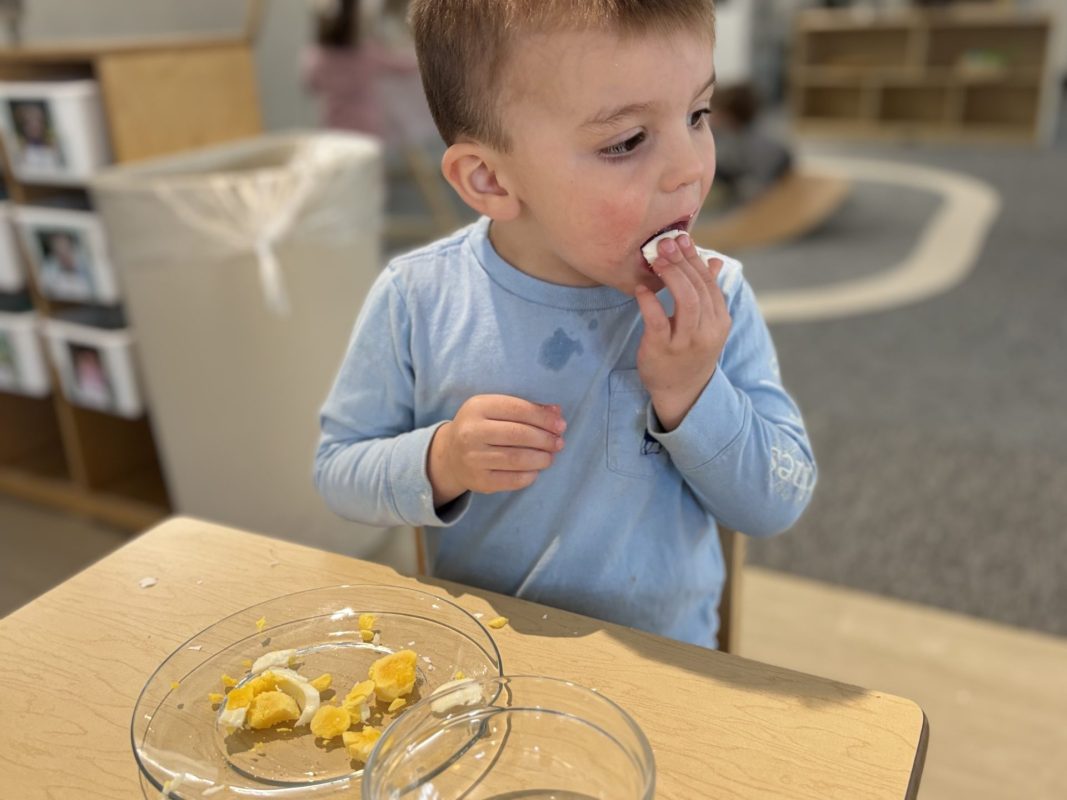
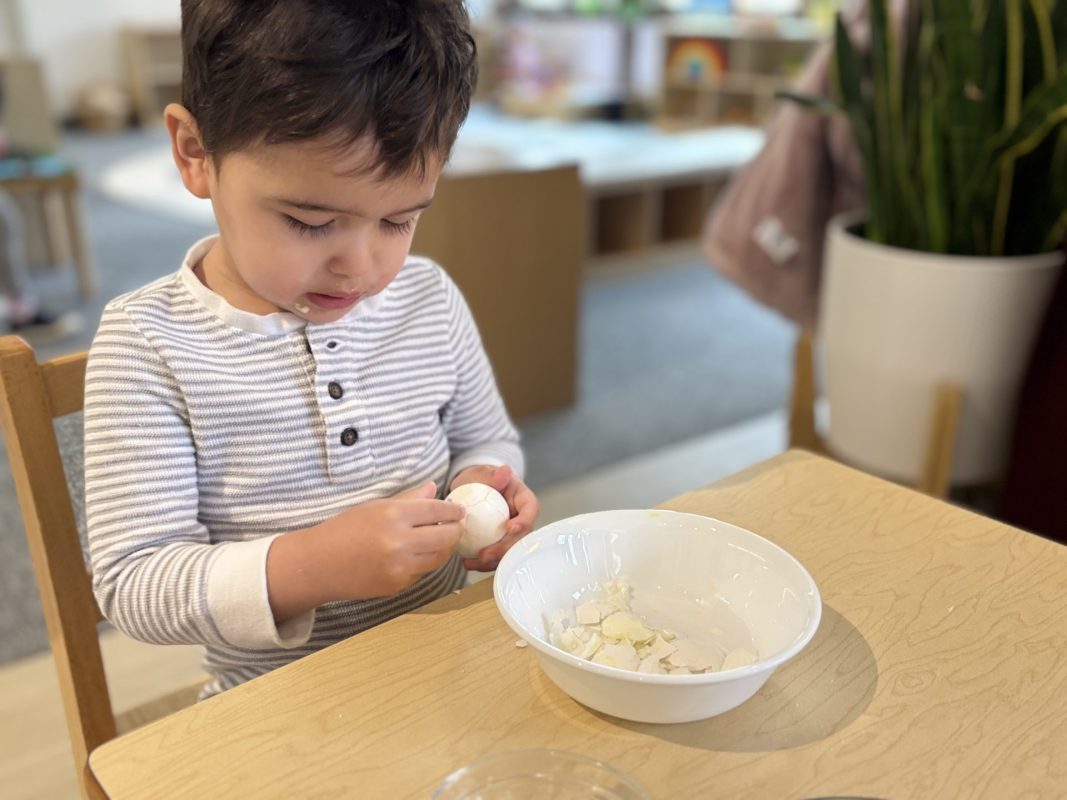
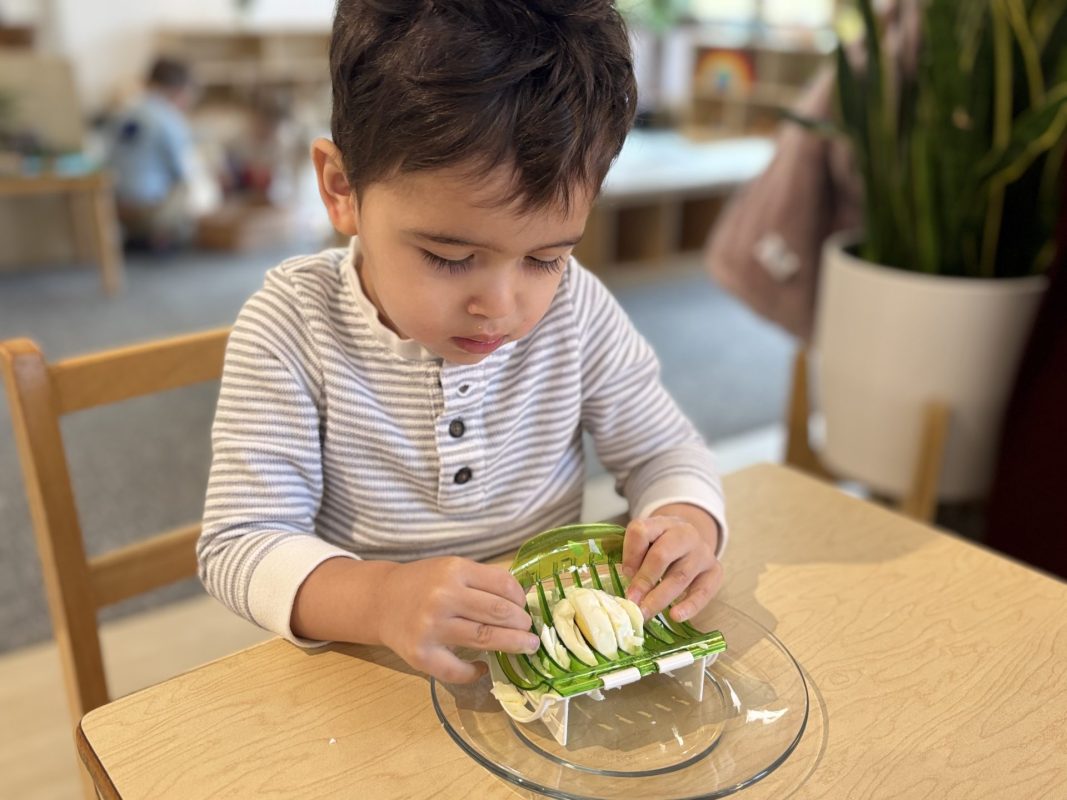
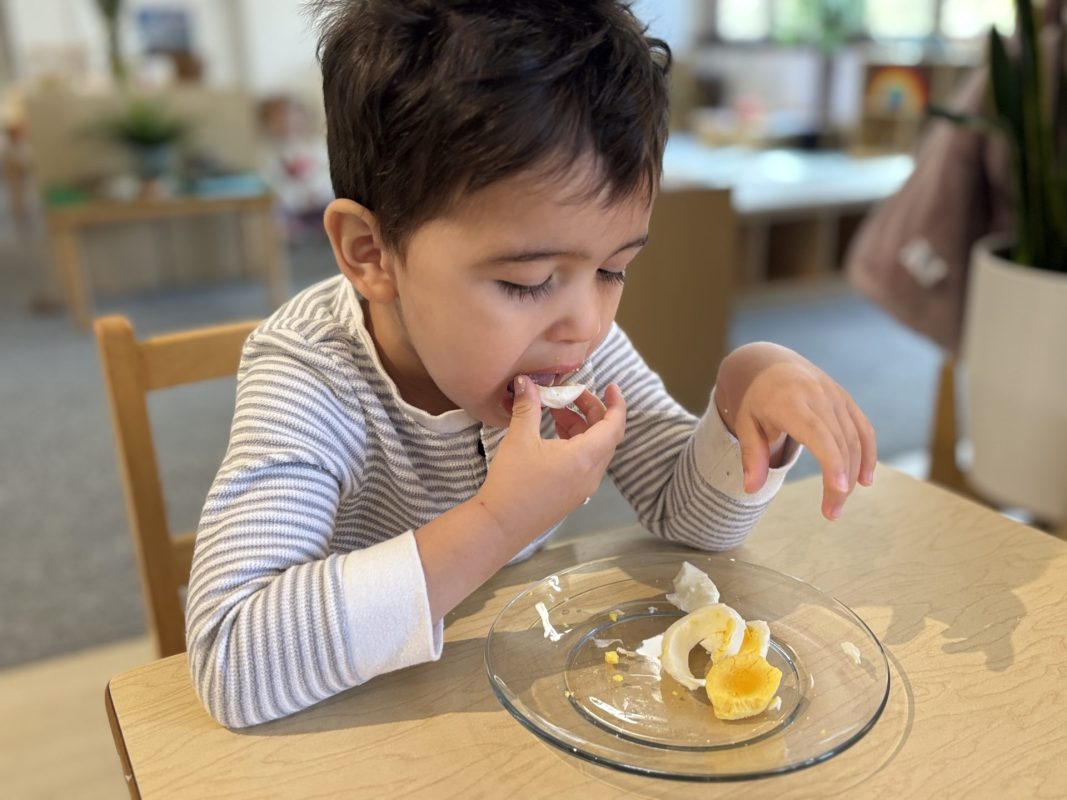
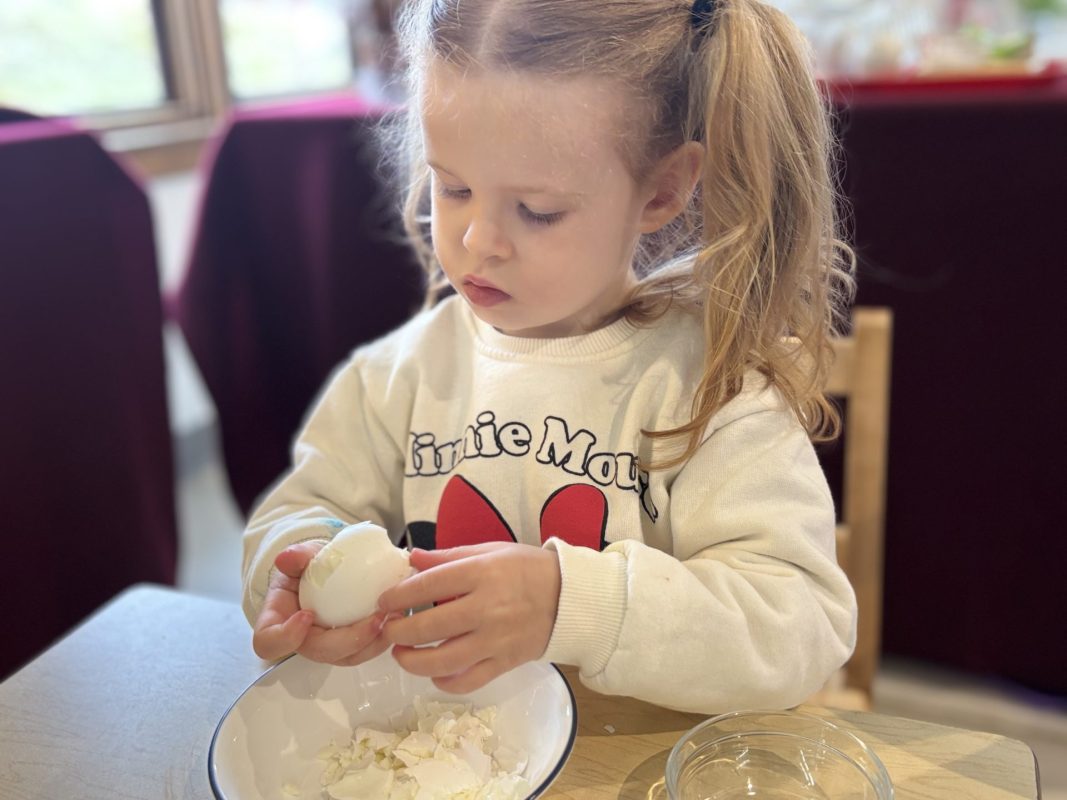
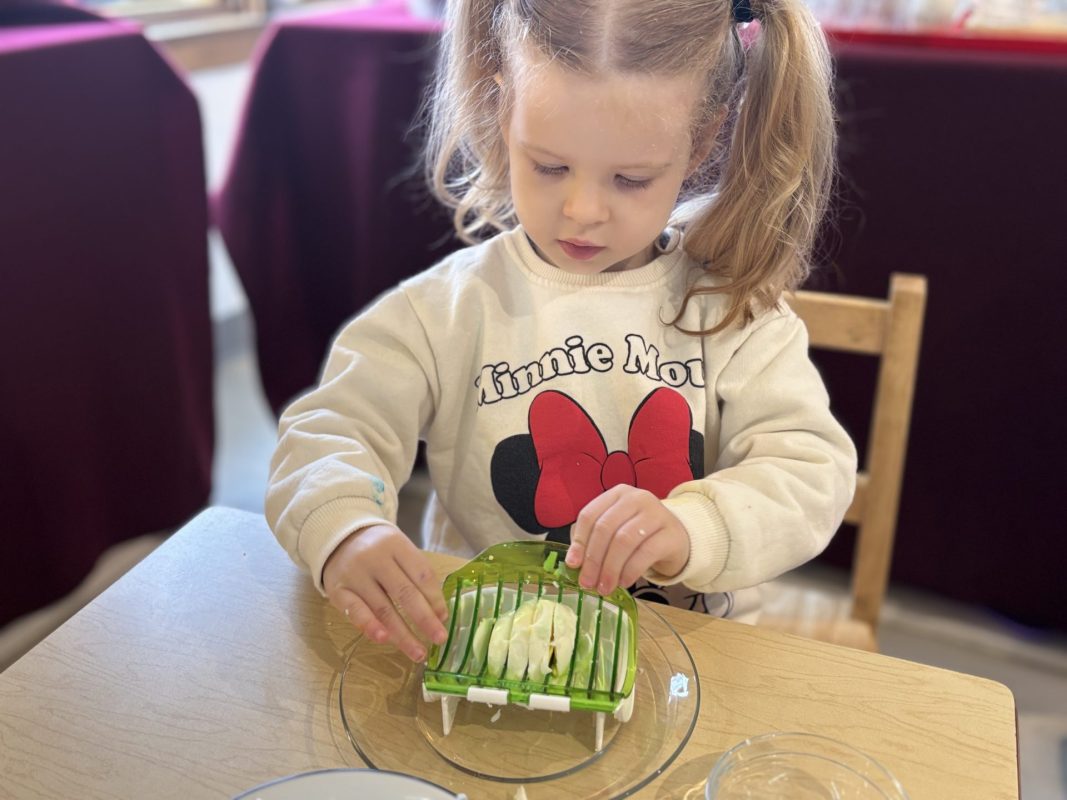
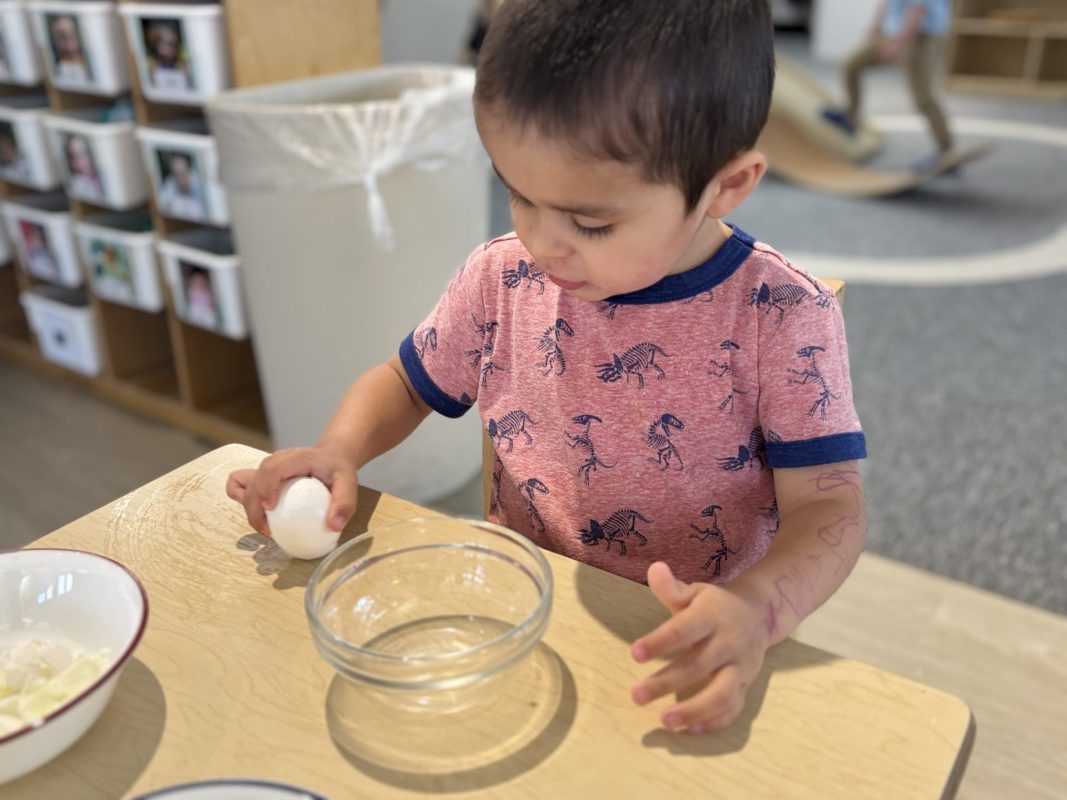
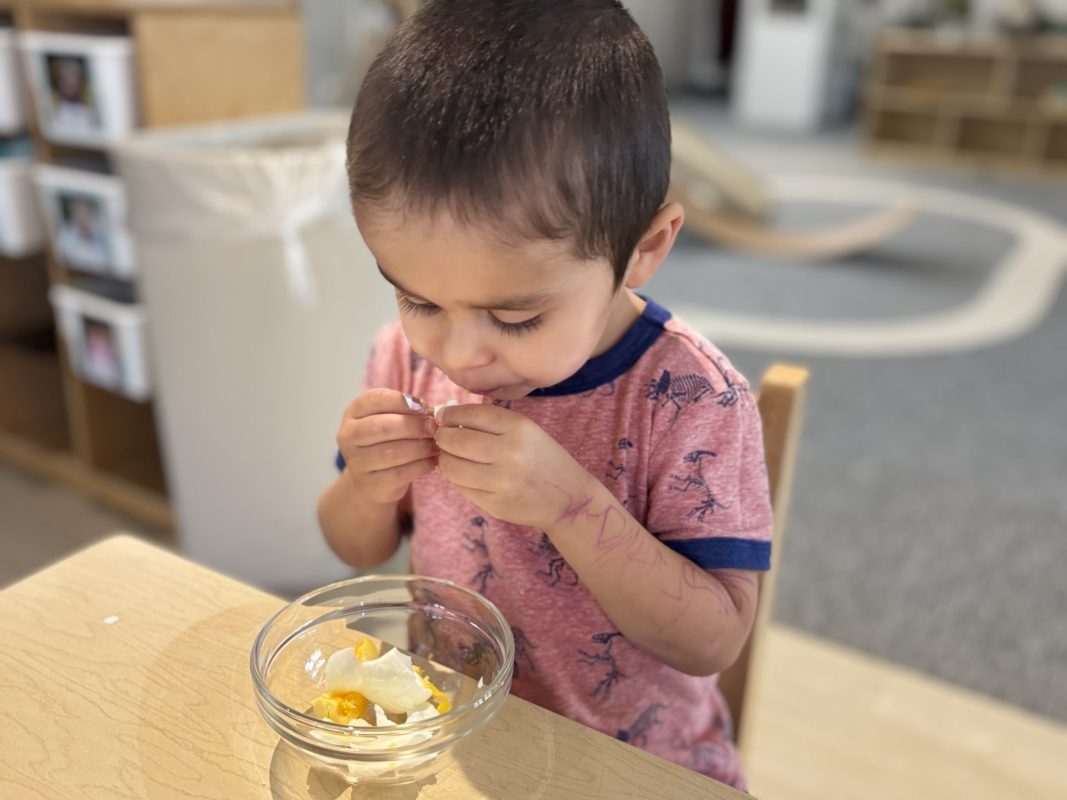
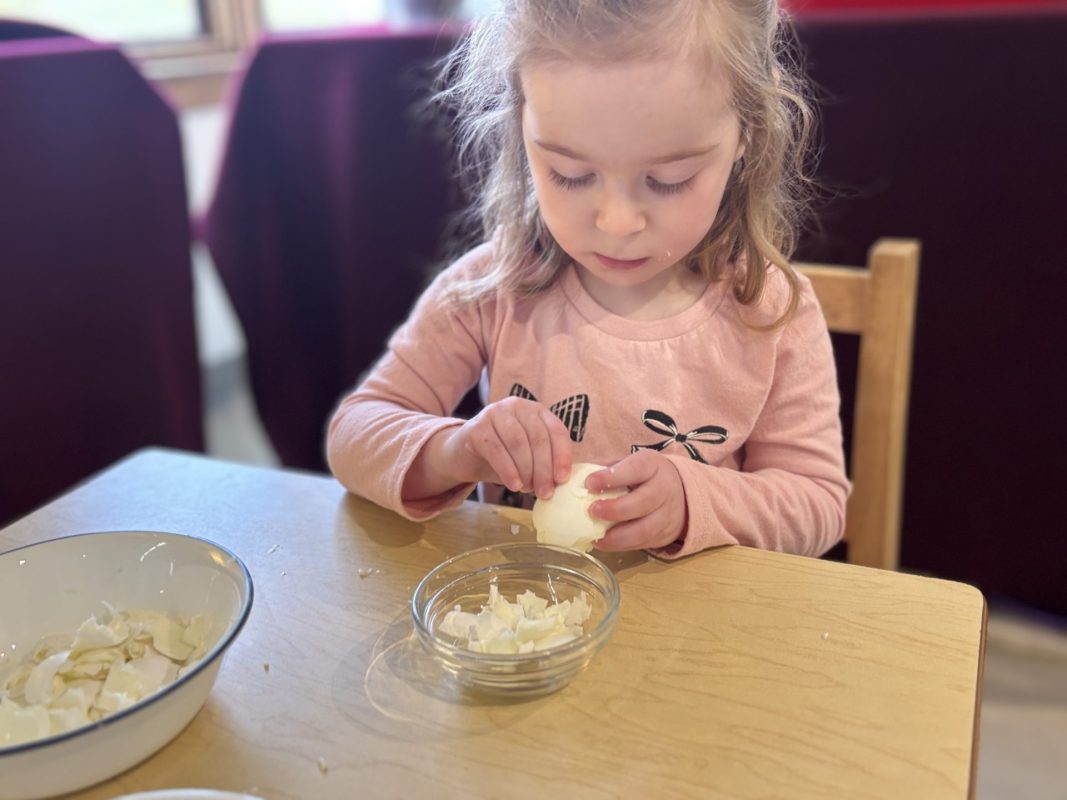
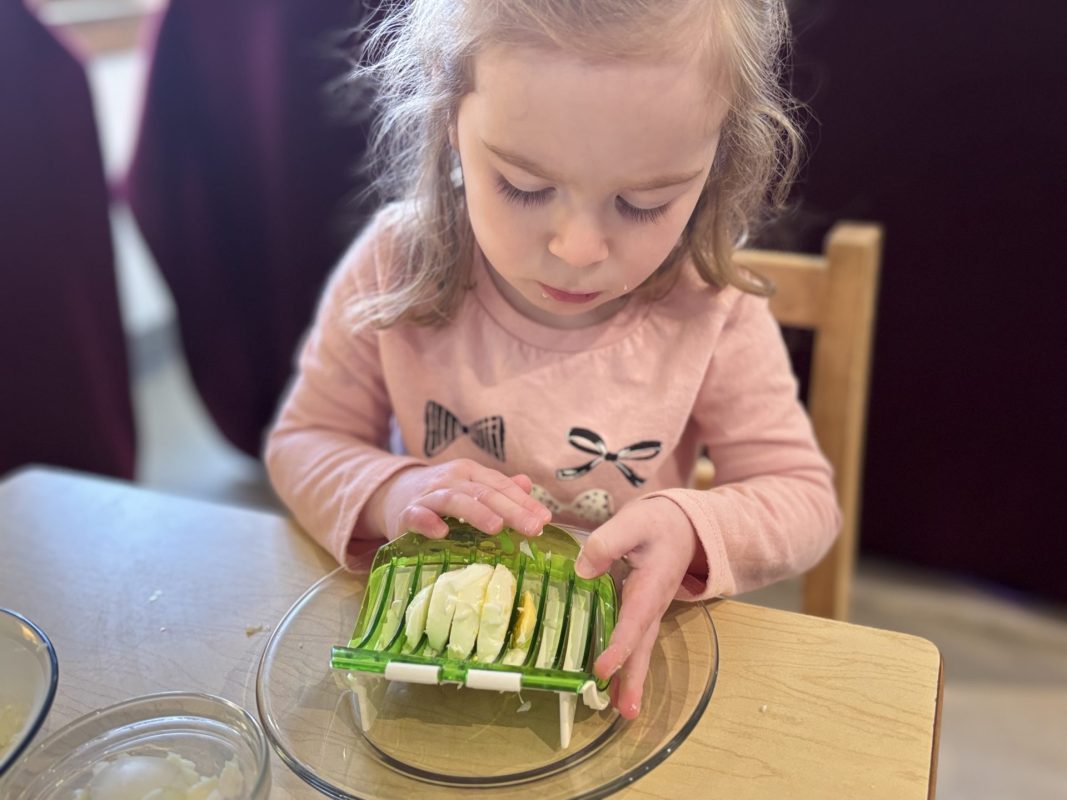
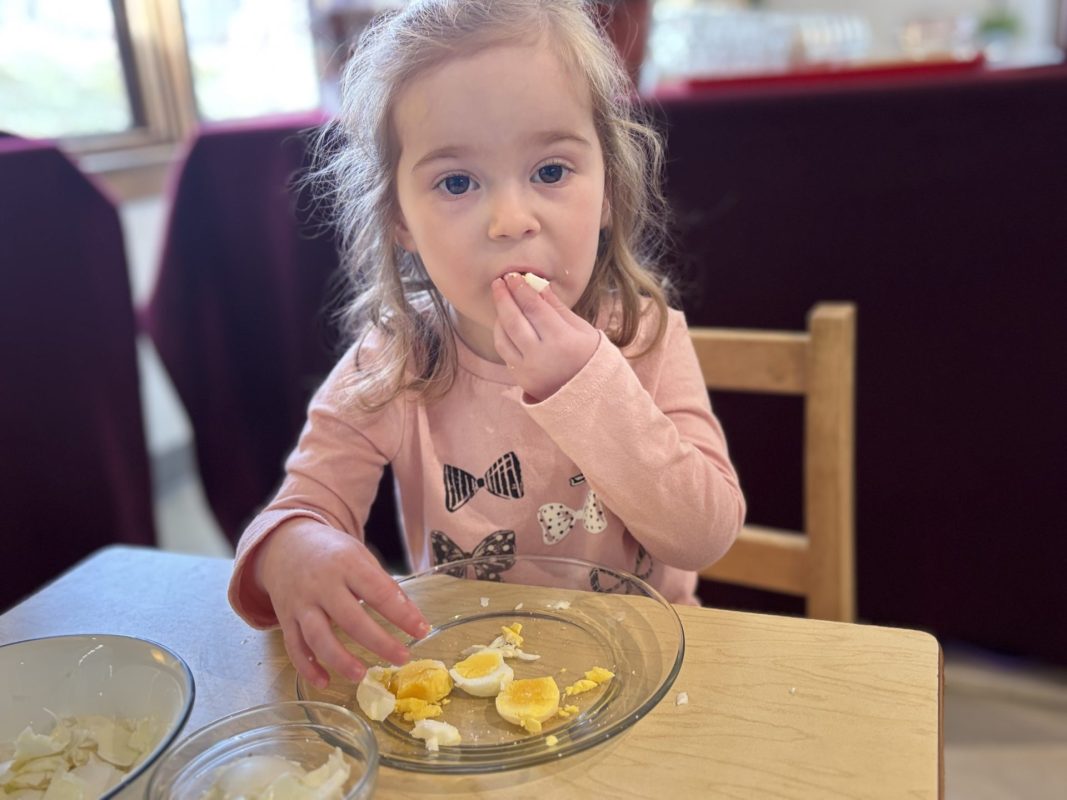
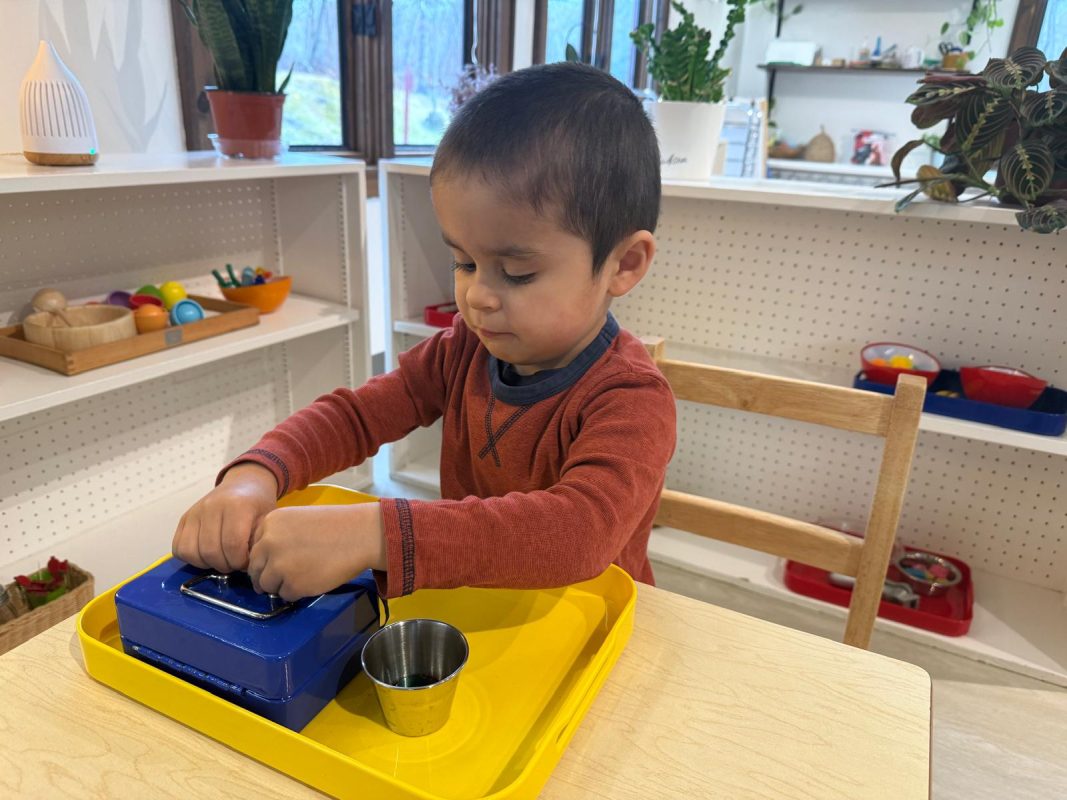
We also learned that not all eggs have baby chicks inside. Some are meant to be eaten—and we did just that. As part of our food-tasting lesson, we explored the parts of an egg and introduced words like shell, egg white, and yolk. The children tasted scrambled eggs, and as an extension of the lesson, we practiced peeling boiled eggs, which turned into a wonderful hands-on activity. Peeling eggs helps toddlers develop fine motor skills and strengthens hand-eye coordination. It also teaches patience and focus—two beautiful qualities we see blossoming every day.
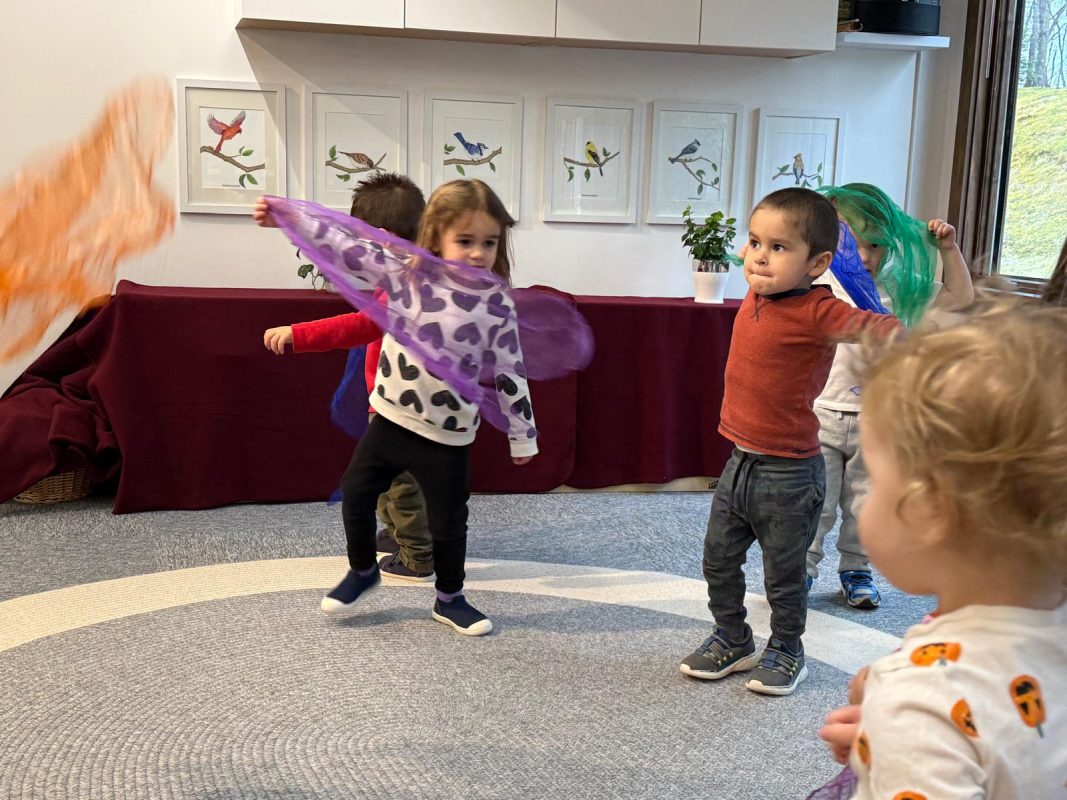
To bring in a little cultural fun, we also introduced a classic Spanish children’s song: Los Poll tos. In Spanish, the chicks say, “pio, pio,” instead of “chirp, chirp.” Just an interesting cultural bonus sent your way. 🙂 The children loved singing along and mimicking the sweet sounds of the chicks! You’ll find a link to the song at the bottom of this note if you’d like to enjoy it at home with your child!

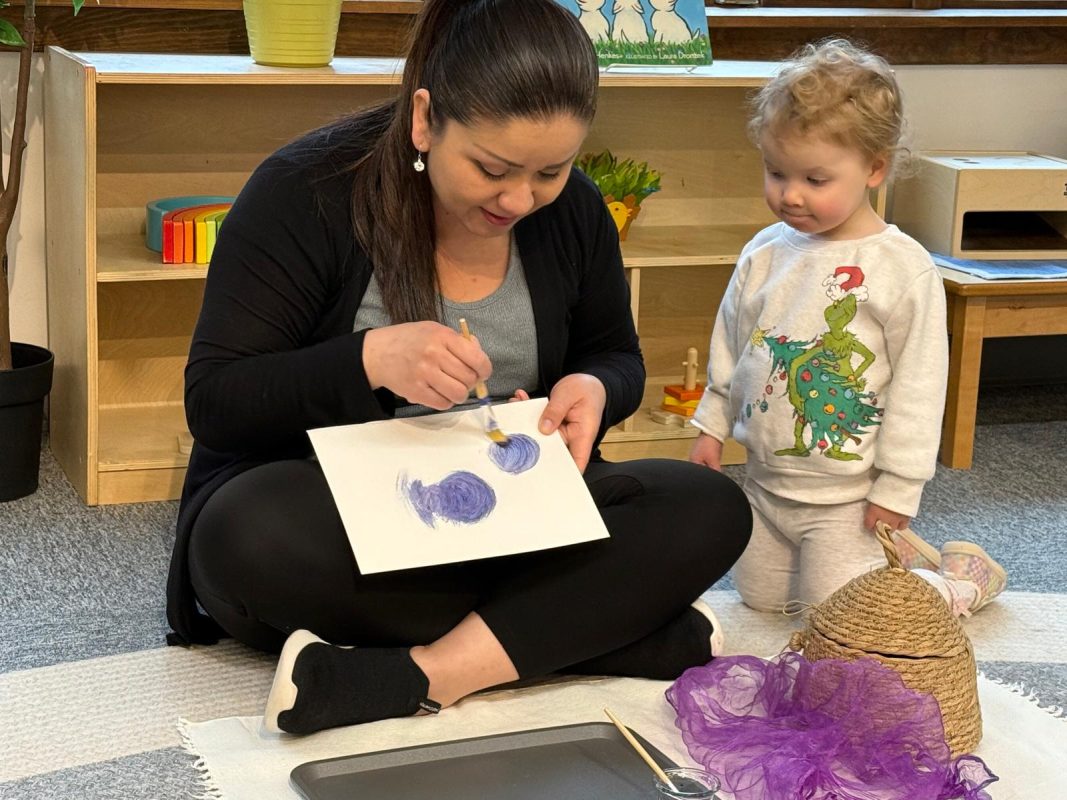
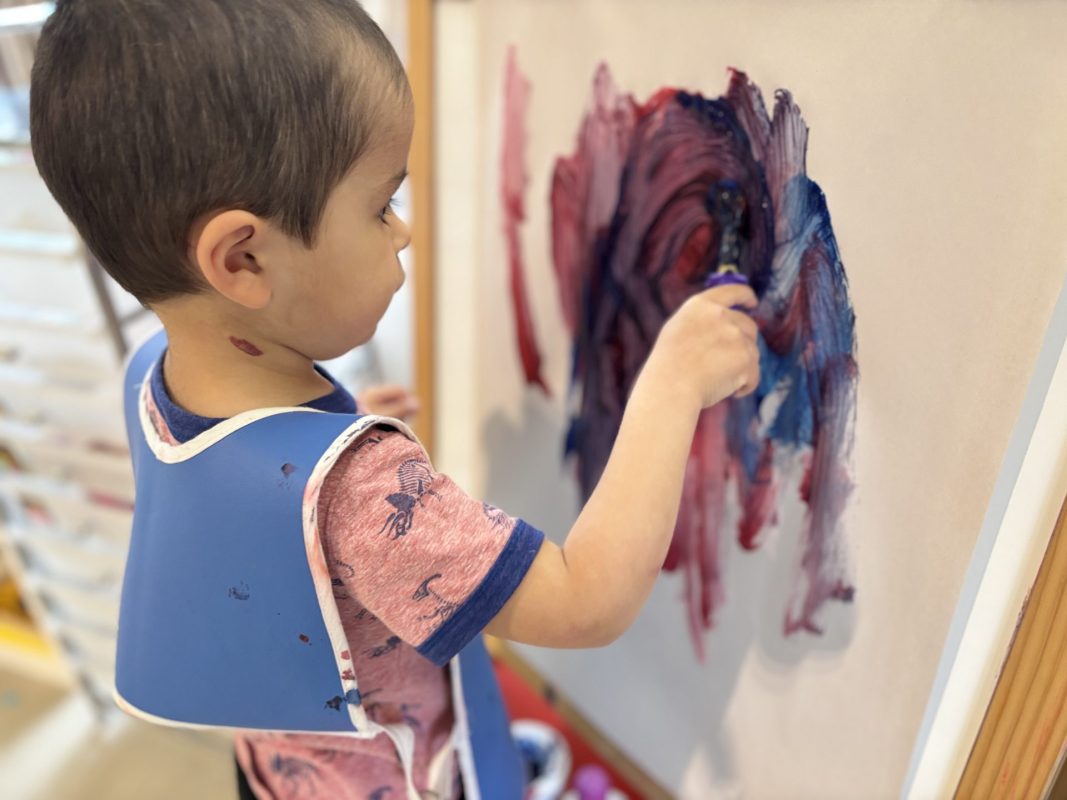
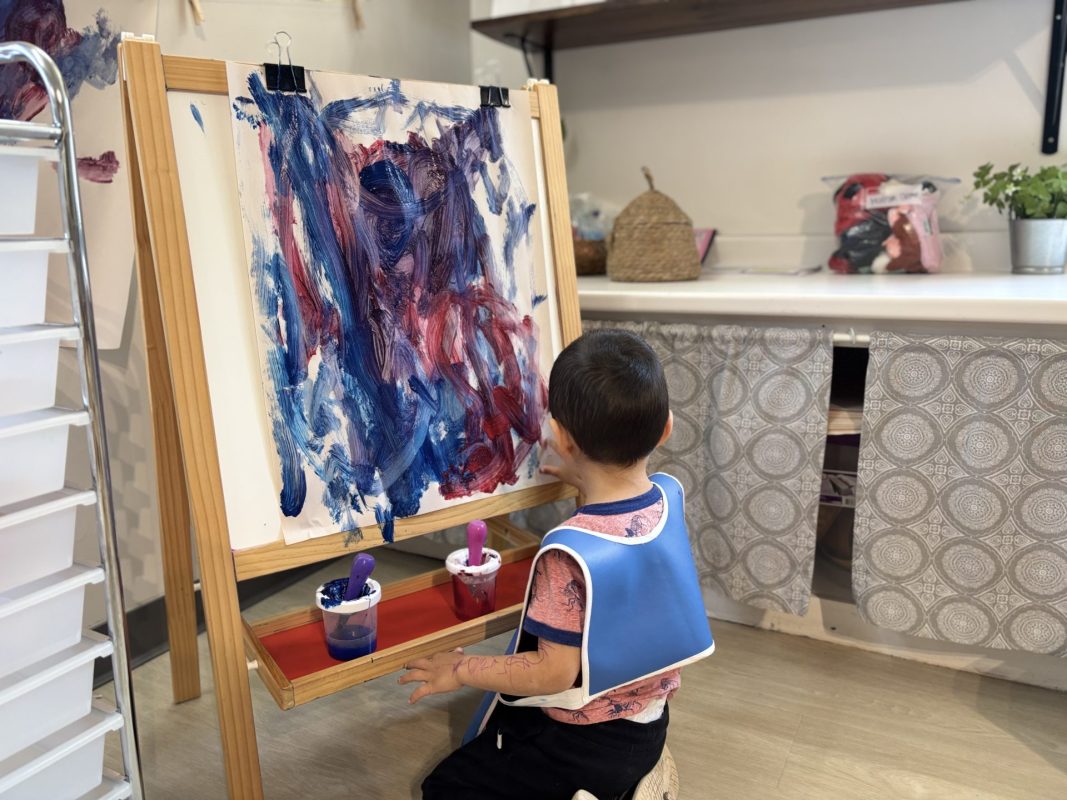
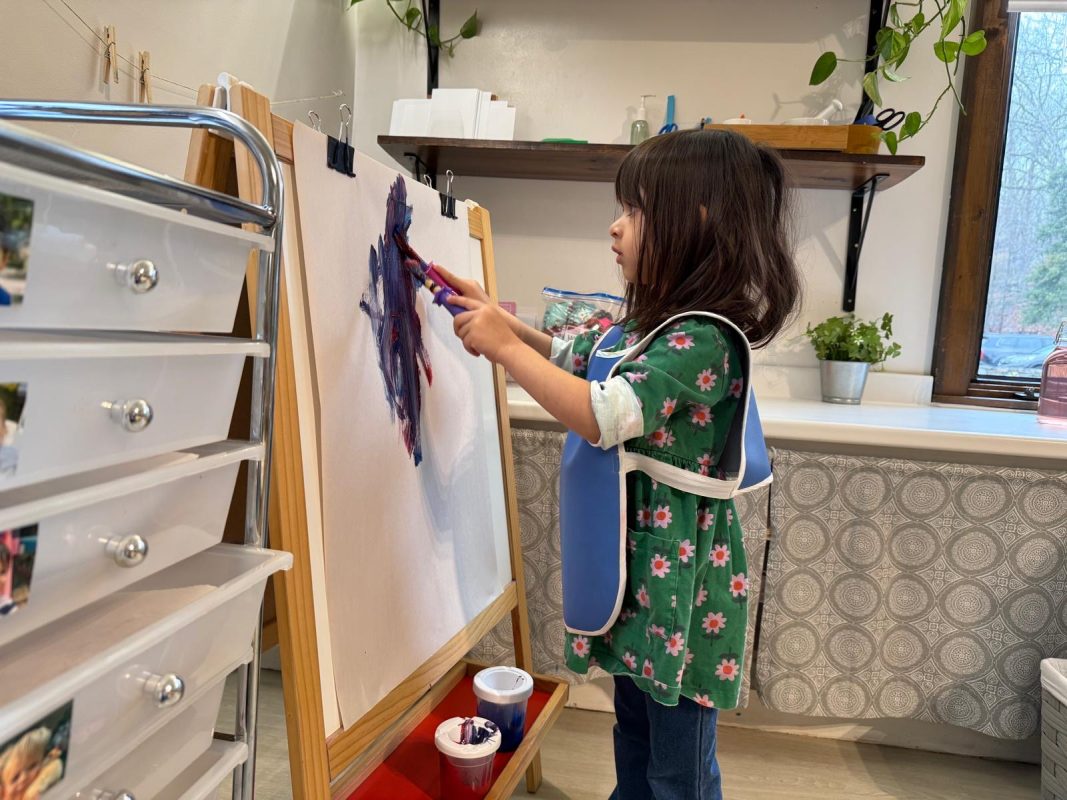
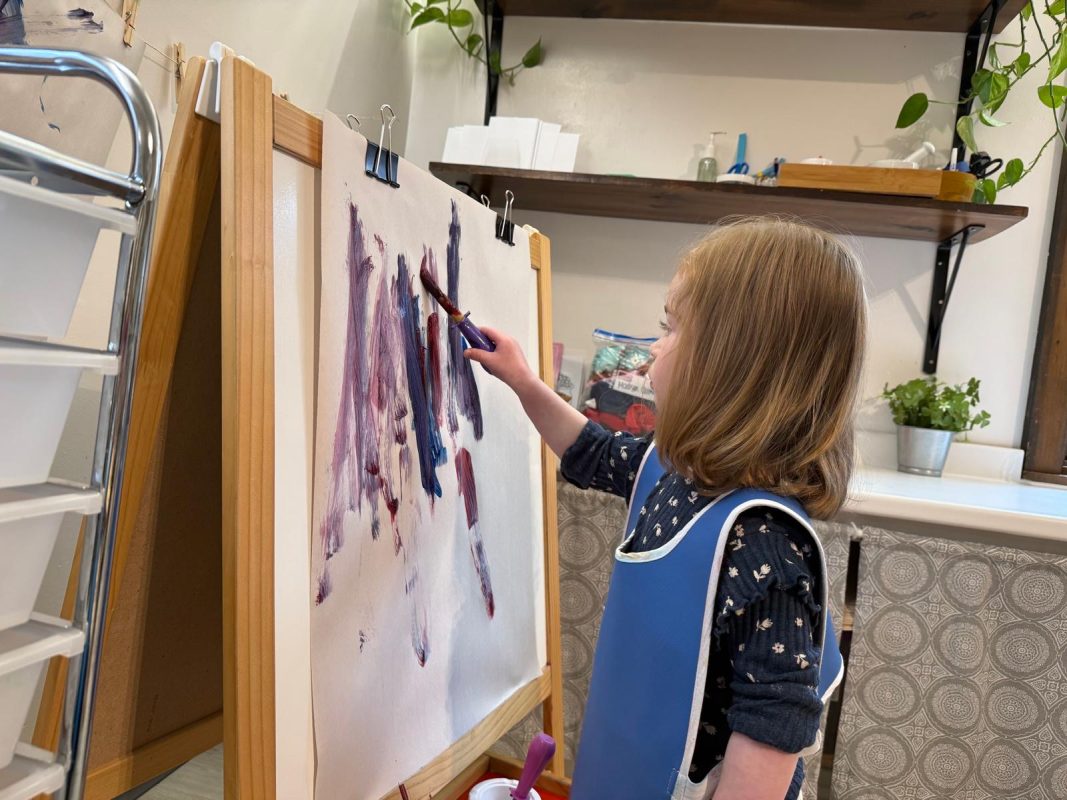
Building on our recent color studies, we introduced the color purple and discovered how it can be made by mixing red and blue. The children were delighted to see the transformation happen before their eyes—yet another example of how wonder and learning go hand in hand.

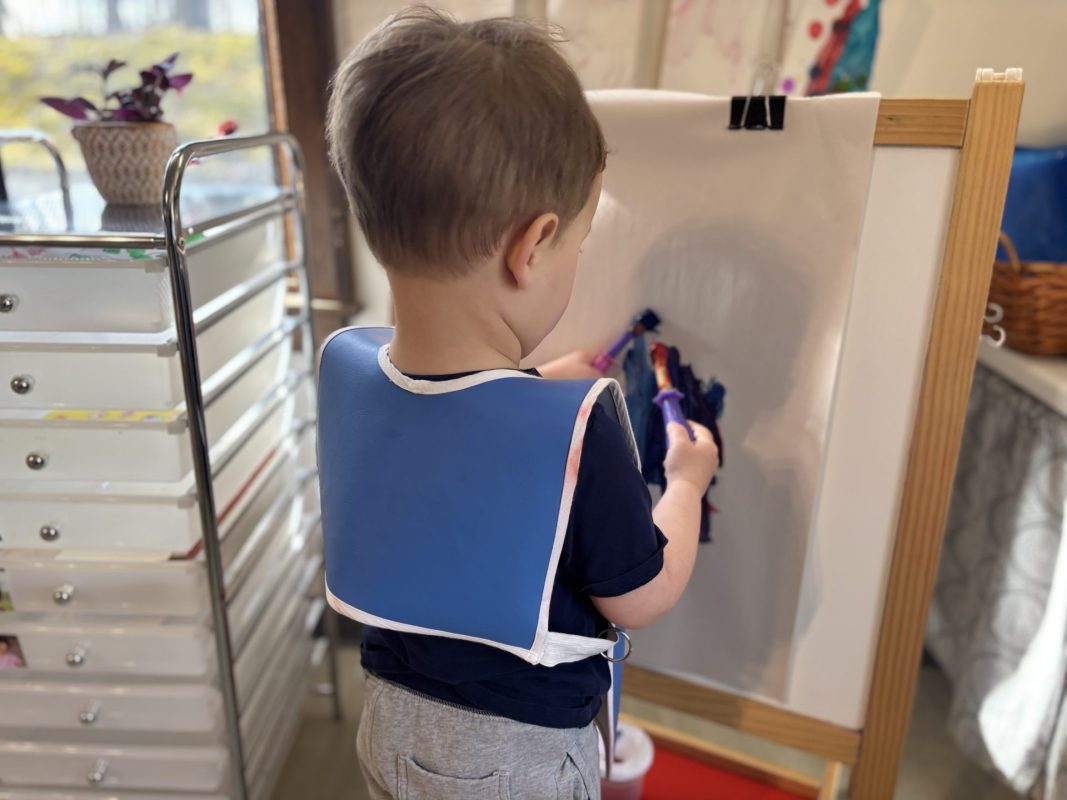
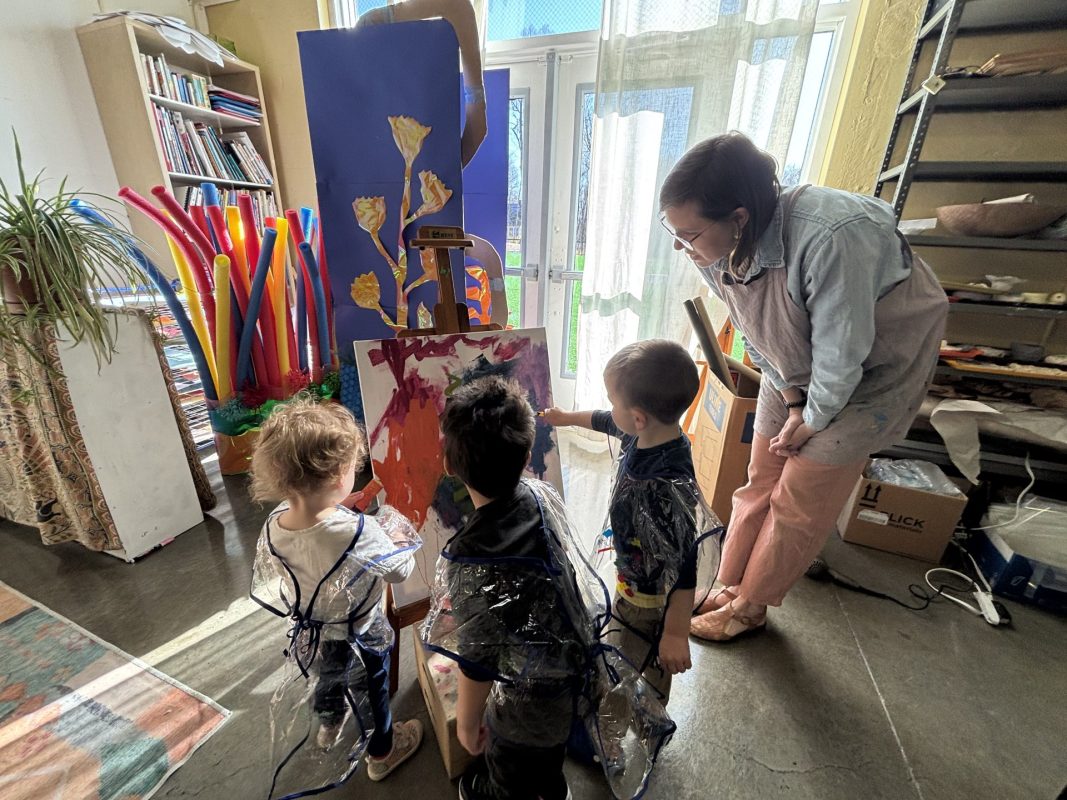
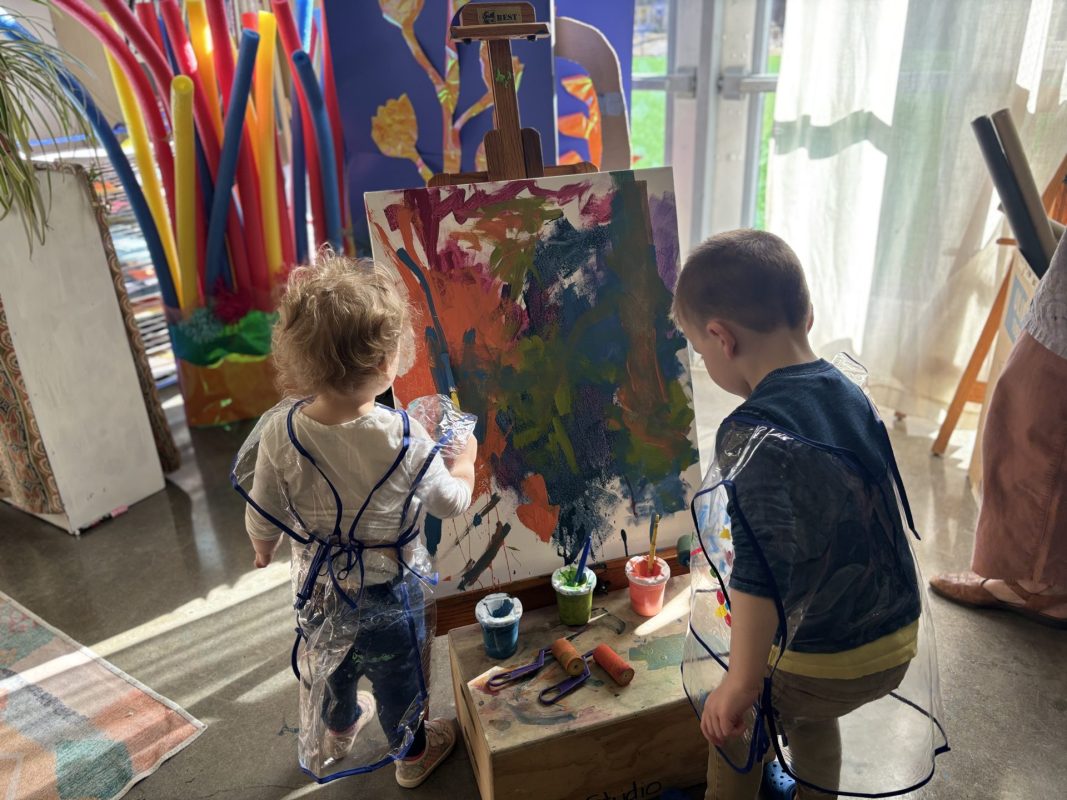
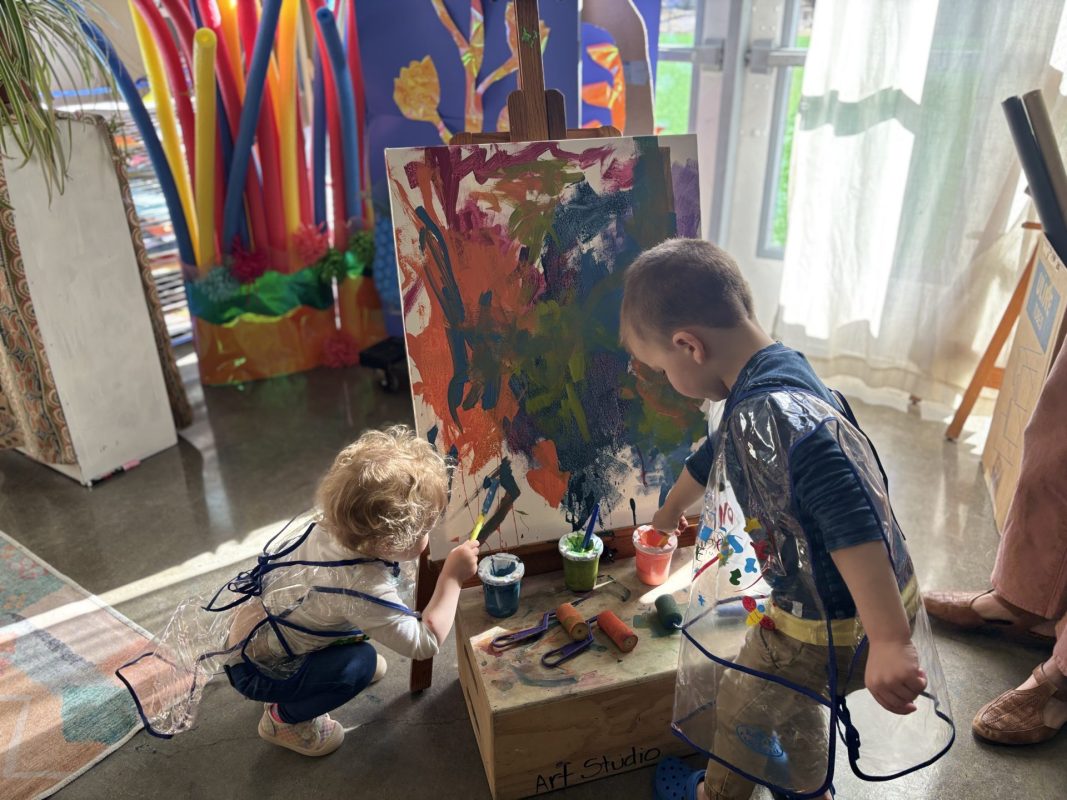
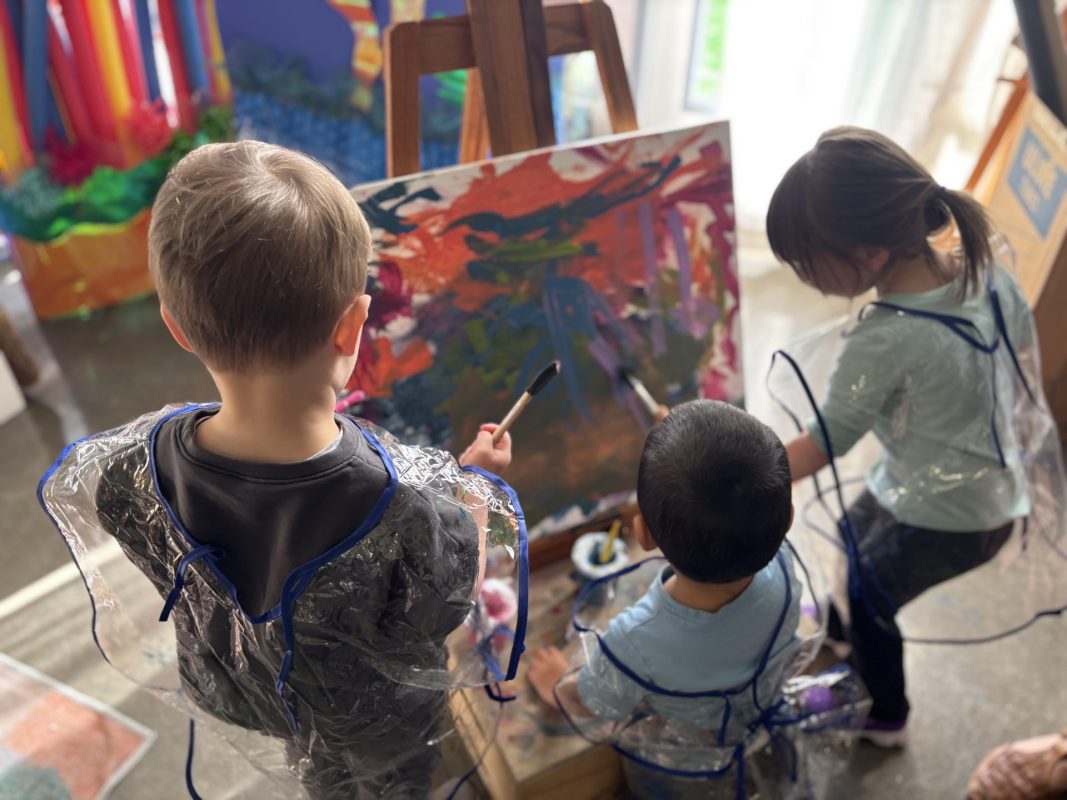
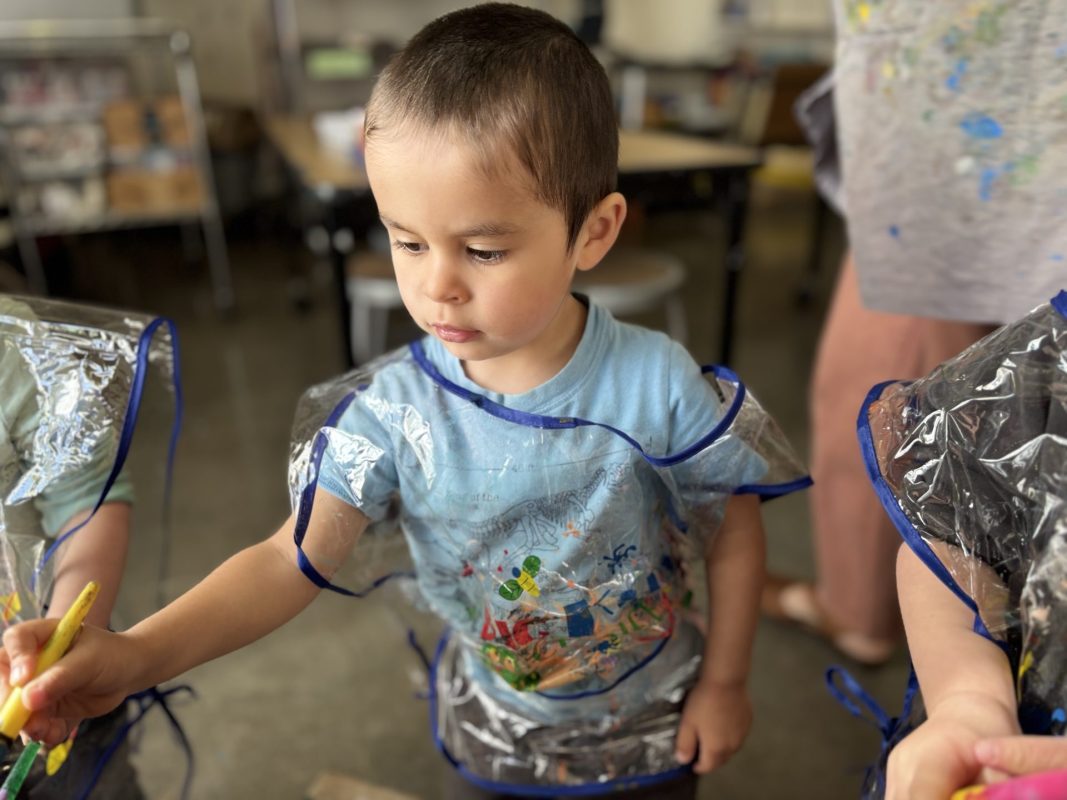
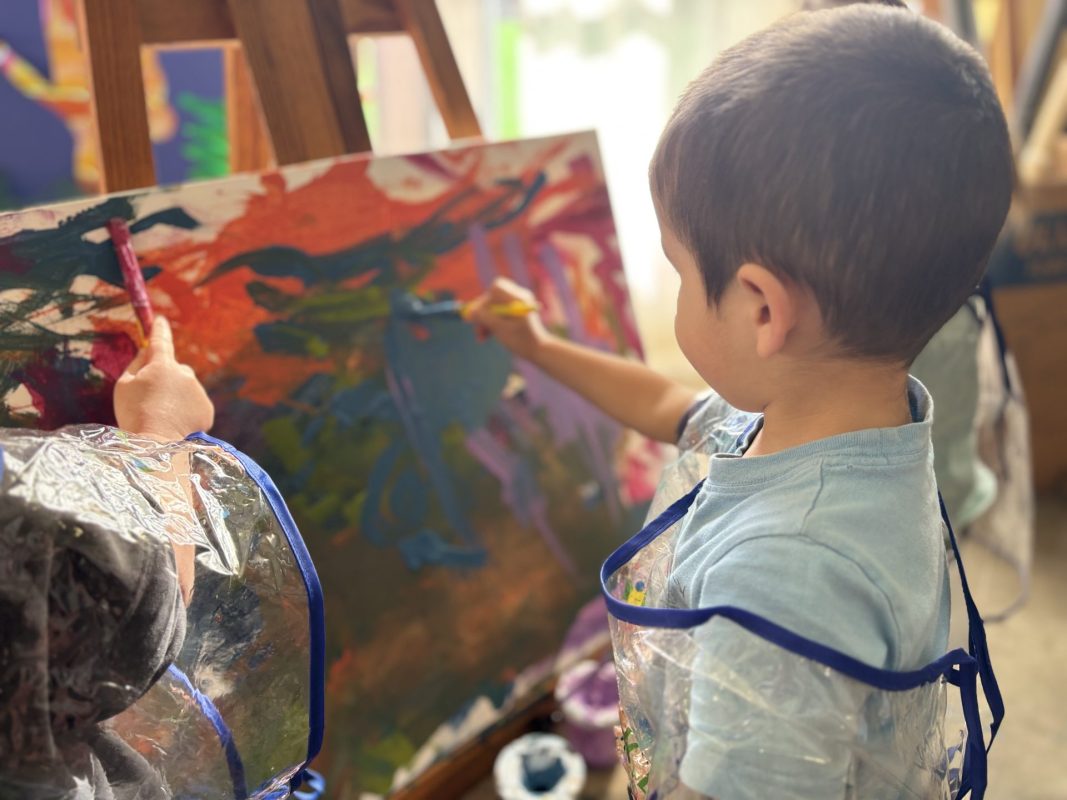
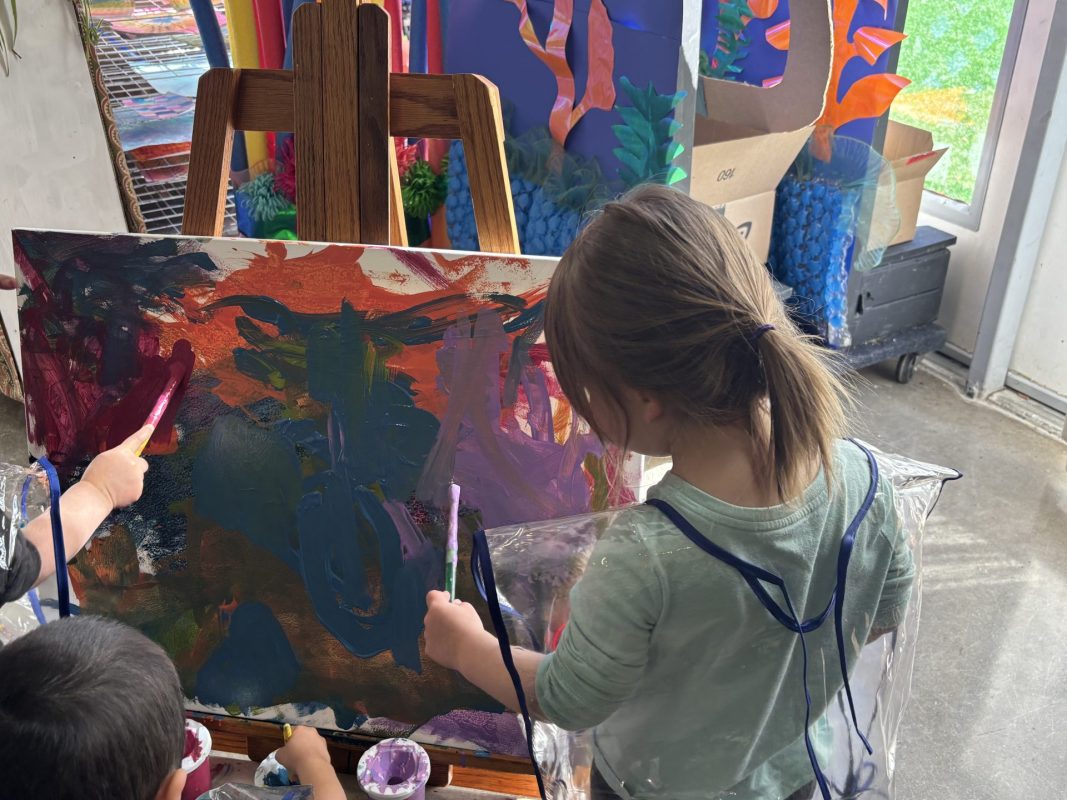
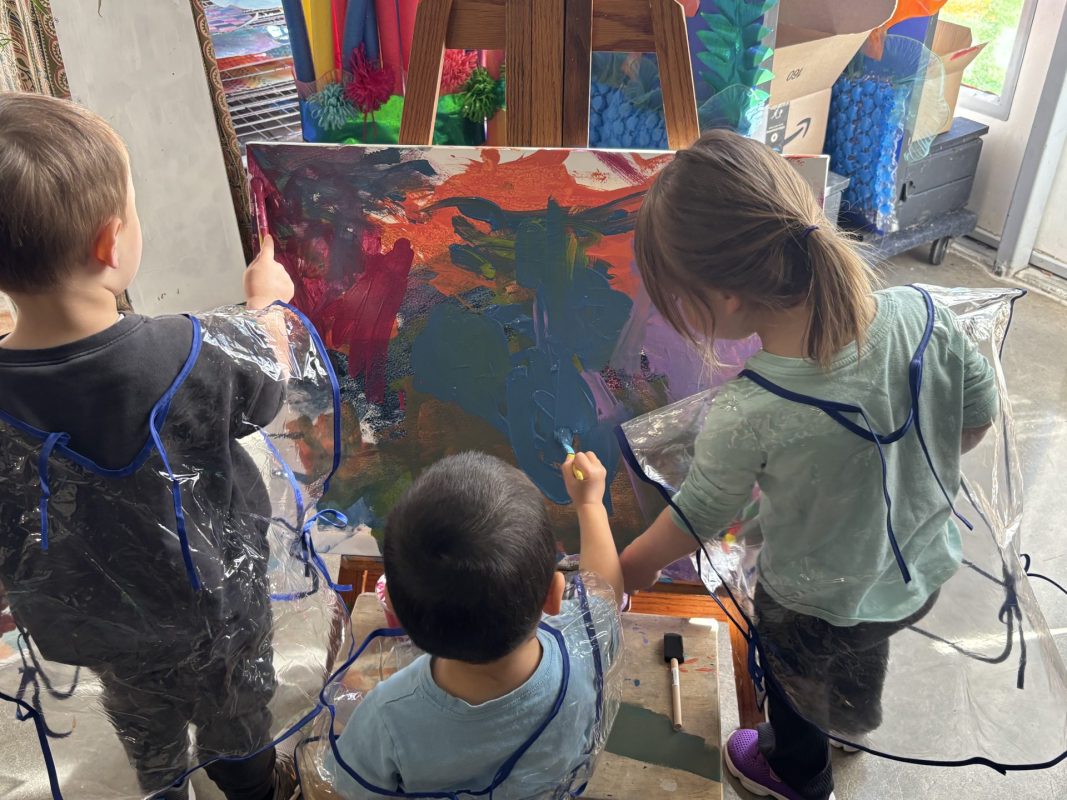
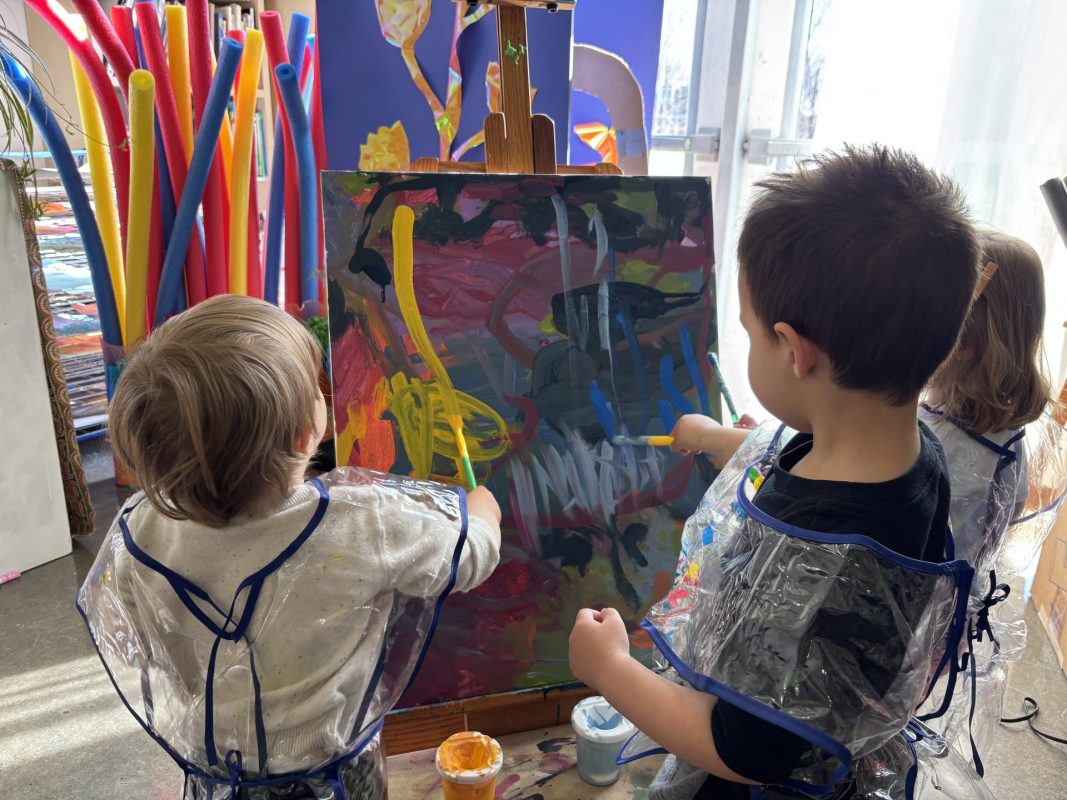
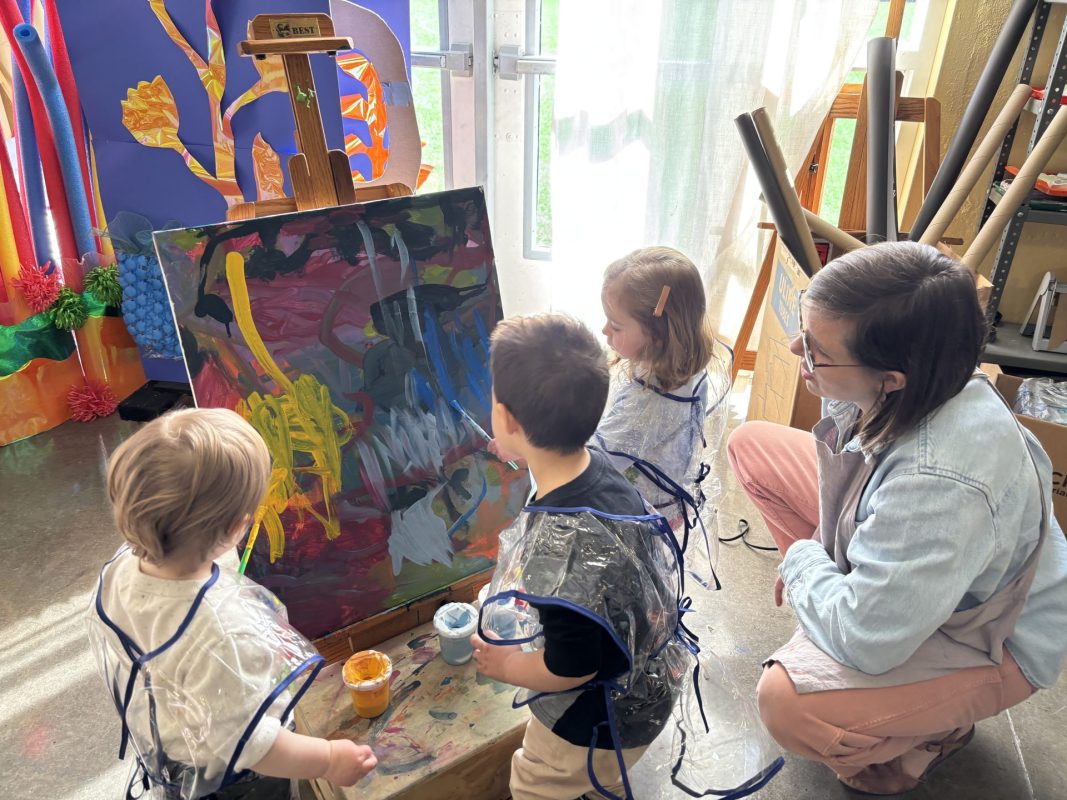
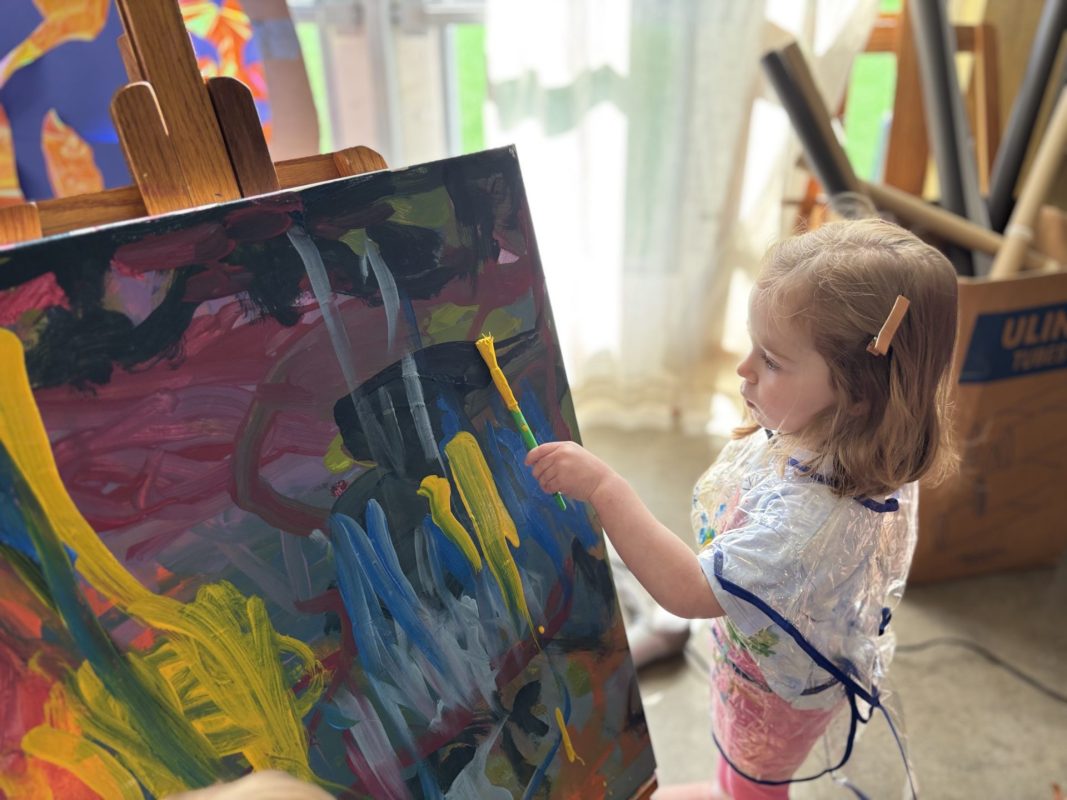
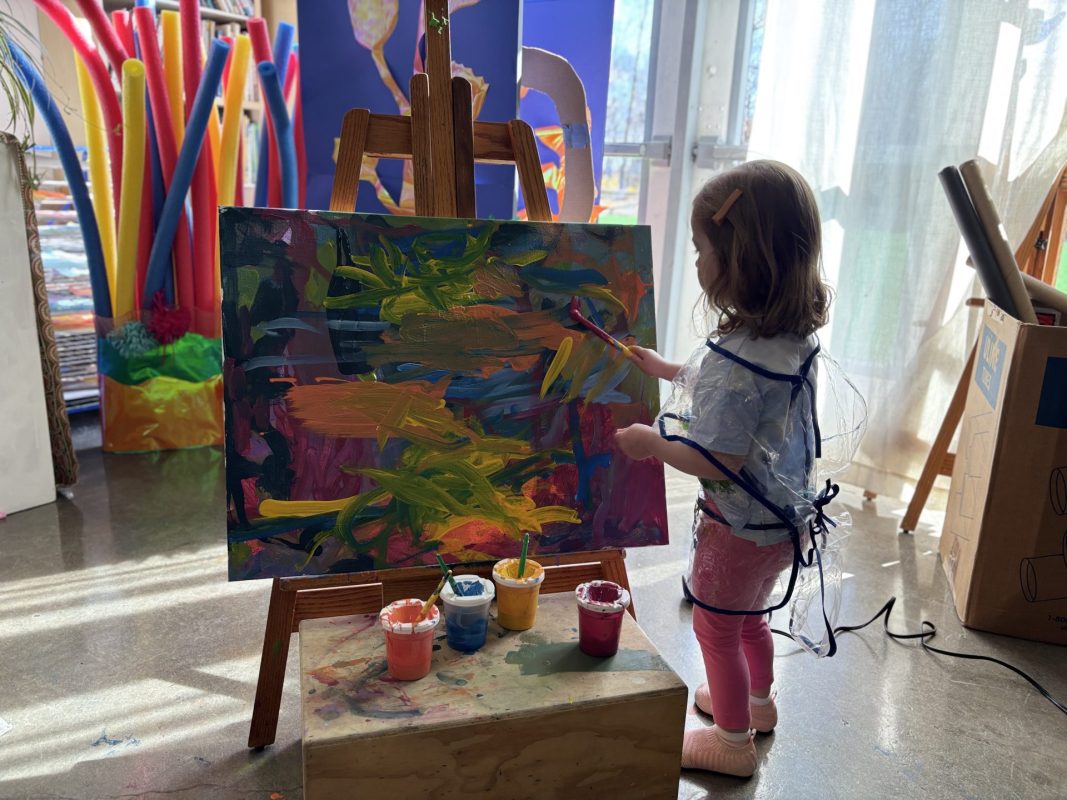
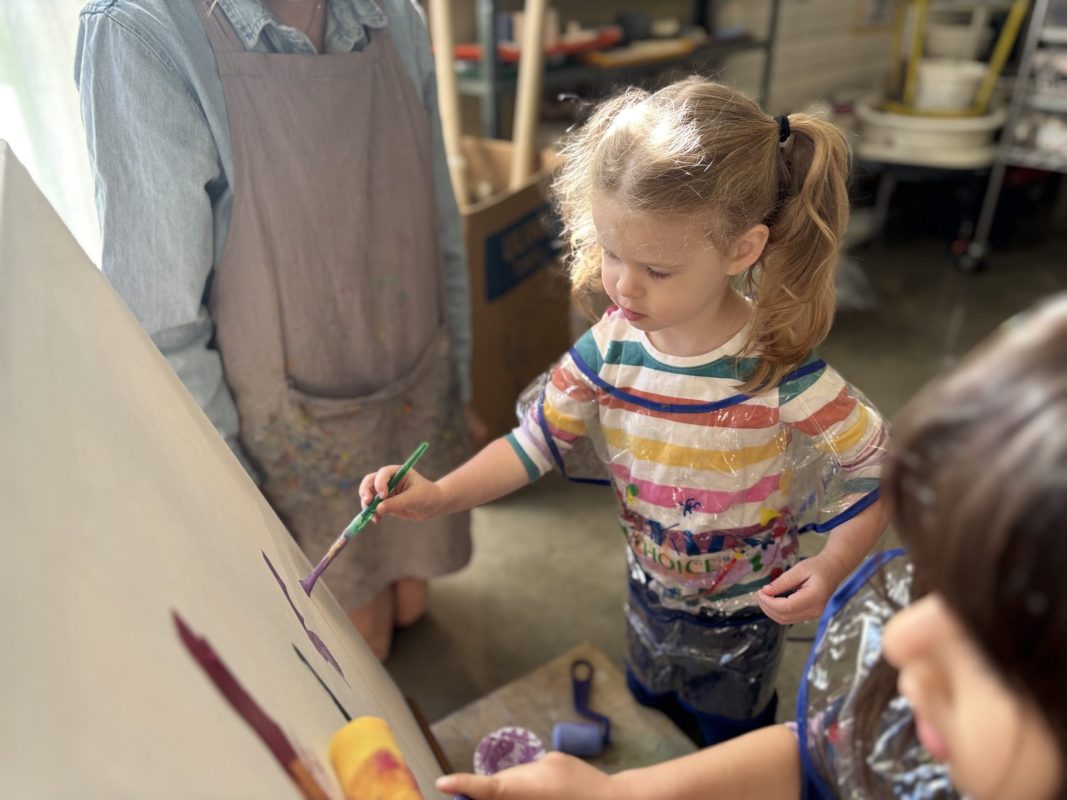
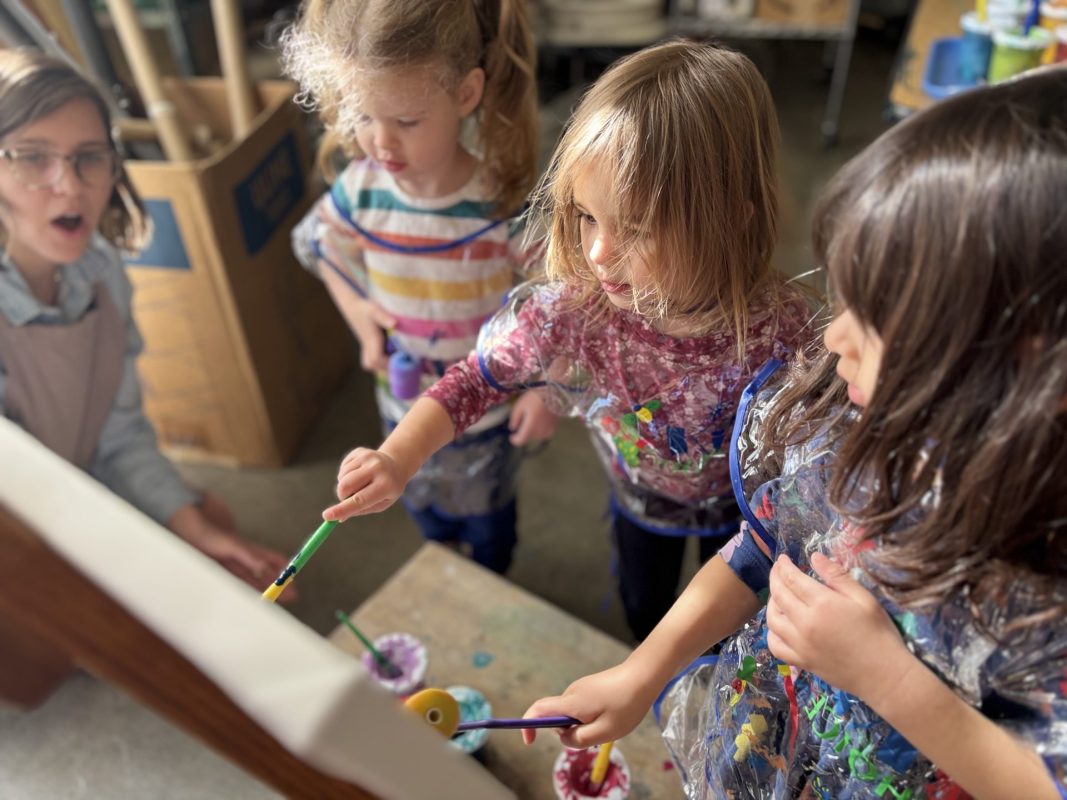
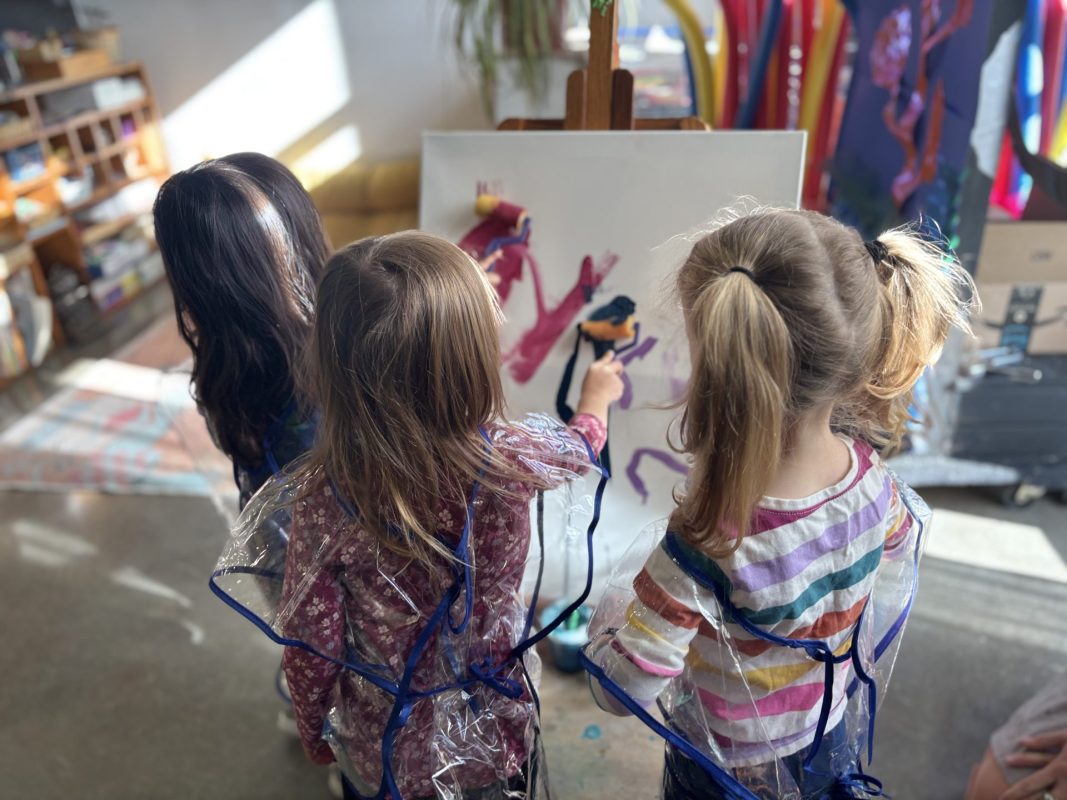
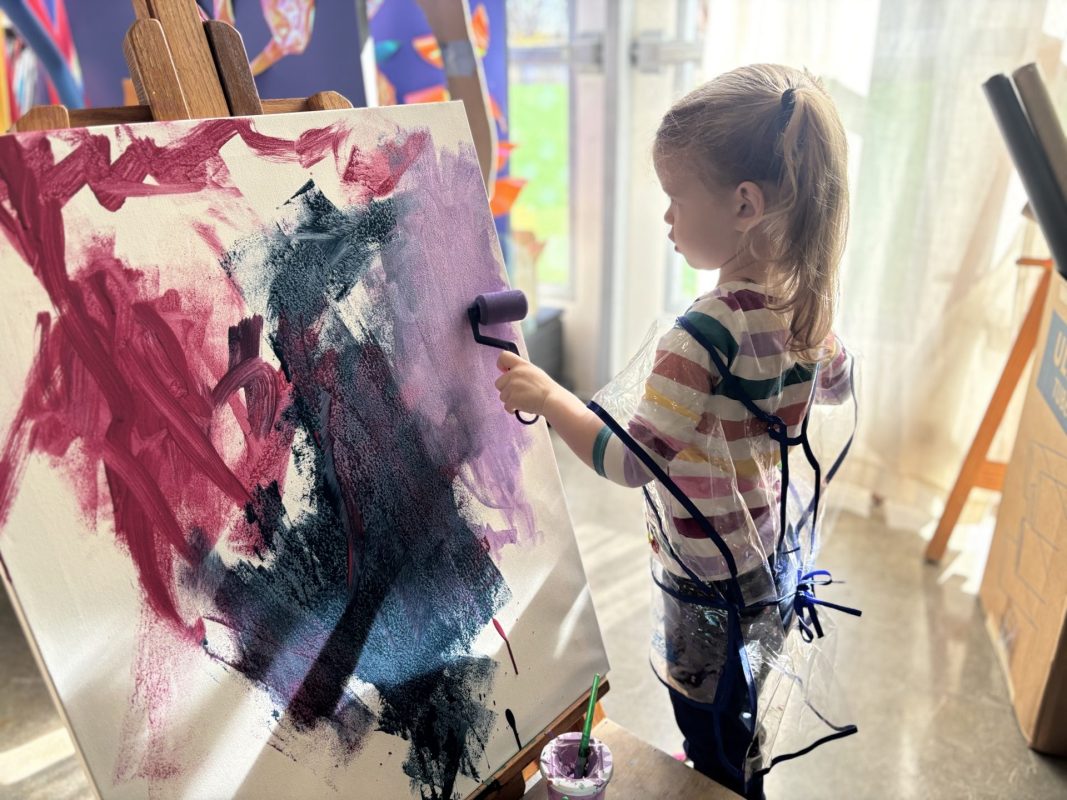
Lastly, the children poured their hearts into a beautiful collaborative masterpiece with Jen Reid, our amazing art teacher—and we’re thrilled to announce it will be featured in the live auction at Springfest on May 3rd! This one-of-a-kind creation is a true reflection of their creativity, teamwork, and joy. We can’t wait for you to see it! Your participation not only supports our school but also celebrates the incredible spirit of our community. Let’s come together and make this event unforgettable! We hope to see you there! 🎉

Have a great weekend,

Ms. Hood and Ms. Patty


This Week in Upper El

Upcoming:

  • Friday, April 18: No school – Good Friday
  • Friday, April 25:
    • 9:30-12:30: ALL CAST Rehearsal for Finding Nemo (students can step out for their conferences)
    • 12:45: Improv & Acting for UE & MS
    • All day: NO SCHOOL – Parent-Student-Teacher Conferences – sign up here
  • Friday, May 2:
    • 11:30: Early Dismissal
    • 9:30 – 11:30: Grandparents and Special Friends Day
    • 7:00: Spring Musical – Finding Nemo

What a whirlwind of a week we had in Upper Elementary! We kicked off our mornings with some student-led yoga and enjoyed a snack while listening to our chapter book read-aloud, A Wrinkle in Time. Then, it was time to tackle the ERB standardized test. Our Upper El students only face this once a year, and they handled it like true champs! With their positive attitudes, they navigated the test with ease and adapted to the change in routine—just another day in the life of our incredible students.

To lighten the mood during testing, we made sure to share some quality time together. We nestled indoors for fun card games, made progress on our ongoing puzzle, and even fit in some much-needed extra recess outside. We wrapped up the week with one of our favorite activities, Book Buddies, which everyone looked forward to!


March-April Spanish Class

Primary and LE: “Mi cuerpo”; UE: “La Comida”; MS: “La Universidad y Las Profesiones”, reading, comprehension, listening, and vocabulary from each topic. A general review of all we have learned to this point in this school year has been done at every level. In addition, FWM students are still working on their usual conversation, such as Spanish greetings, feelings, the calendar, and description of weather, as repetition is the key to learning another language.  They are continuously improving their Spanish understanding. Students from Primary, Lower Elementary, Upper Elementary, and Middle School listened carefully to Spanish books and songs and participated in interactive games that were displayed during class.

Primary and Lower Elementary students started to learn names of some parts of the human body in Spanish, the lesson is called “Mi cuerpo;”: cabeza, hombros, rodillas, pies, codo, ojos, orejas, boca y manos. Using the same type of Montessori lessons, such as three-period learning cards and matching cards to reinforce concepts, Upper Elementary Students are learning about food in Spanish “La Comida.”  They continue practicing their writing, listening, and vocabulary through activities, worksheets, and games we use in class. The children also really enjoyed singing and participating in classroom games. Spanish Montessori Lessons were presented in class and left in their classroom to be practiced during the week in addition to some worksheets.

Middle School students also continue working year-round on their Spanish greetings, description of weather, feelings, and their daily calendar that includes days of the week, months, and seasons. Students continue working on the Spanish curriculum in the “Somos” program.  They also focused on learning the verb “Querer” (want to) and its different conjugations depending on the pronoun used. They are practicing it in worksheets that include exercises focusing on listening and comprehension. We are reading short stories for youth in Spanish to enhance their vocabulary, reading, listening, and comprehension.

All the students at FWM are enjoying learning Spanish, and I am very pleased with their progress in accomplishing goals in my class.


Ms. Marissa: Weekly Update

Something VERY exciting happened in our classroom this week! We have baby chick eggs incubating! In April, we study birds, so this observation fits right in with our new unit.

We get to see the eggs rotate in their warm and cozy incubator, and we have a countdown calendar. It should take about 21 days for the chicks to hatch, and each day, we see a new illustration of what is happening inside the eggs.

Once the baby chicks hatch, they will go back to the farm that they came from, located in Easton. We thank Mrs Sargeant for arranging the eggs for us!

When we can bring real-life experiences into our classroom to deepen our understanding of our lessons, it is Montessori in action! Ask your child about our eggs!


Mrs. Sargeant: A Peek at the Week

“So in the child, besides the vital impulse to create himself, and to become perfect, there must be yet another purpose, a duty to fulfill in harmony, something he has to do in the service of a united whole.” ~ Maria Montessori, The Absorbent Mind

Maria Montessori believed that children are the key to peace and empathy among humanity. This important belief is a foundation in our Montessori classrooms, beginning with practical life lessons and continuing throughout childhood and beyond. I’d like to share how a “simple” lesson can provide the mechanism from which children in the classroom learn, practice, and express their empathy and love for their community.

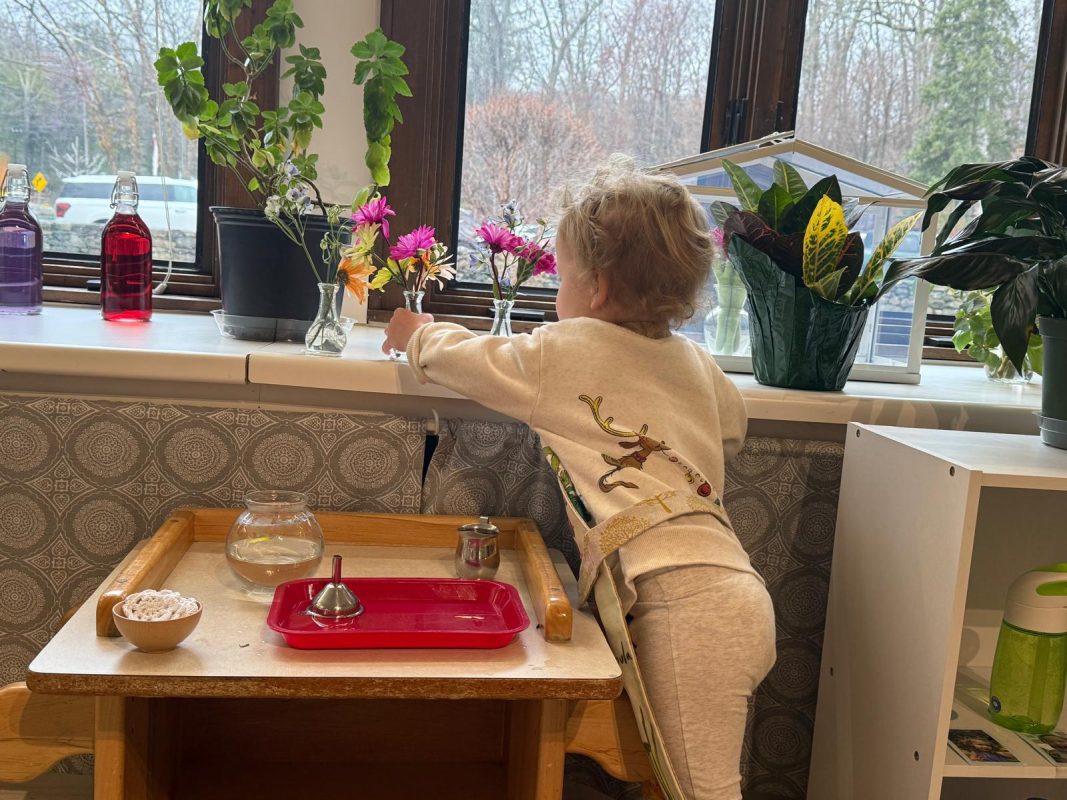
Flower arranging is a work in the Practical Life area of our classroom. It not only fosters fine motor skills and hand-eye coordination but also gives the children a sense of ownership of their environment.

“Flower arranging work has a more important indirect aim than simply admiring nature’s work of art. It is an opportunity for little hands to contribute to the beautification of the environment. It is a tender moment when a young heart lays down a symbol of friendship, love, and peace on a table for someone else to enjoy. It is a brief yet integral step outside of oneself and one’s own needs. -The CHILD Centered Blog

Flower arranging is only one of many classroom works and activities sowing the seeds of compassion and empathy in your children. Please remember that compassion in your home helps your children do the same.

We are so excited to share that we are incubating eight chicken eggs in our classroom. Incubating the eggs provides an amazing learning opportunity for the children to learn not only about the responsibility of taking care of the eggs but also the life cycle of a chicken. The eggs should hatch in 21 days. Each day, we are learning about the development taking place inside the eggs.

I wish you a week filled with peace and love.

Christine & Hailey


A Spring Snapshot: Life in a Normalized Lower Elementary Classroom

In the fall, our classroom was full of exploration and figuring things out—new routines, new friendships, new challenges. Winter brought more confidence and stamina. And now, in spring, there’s a peaceful rhythm to our days that speaks to the deep inner work these students have done.
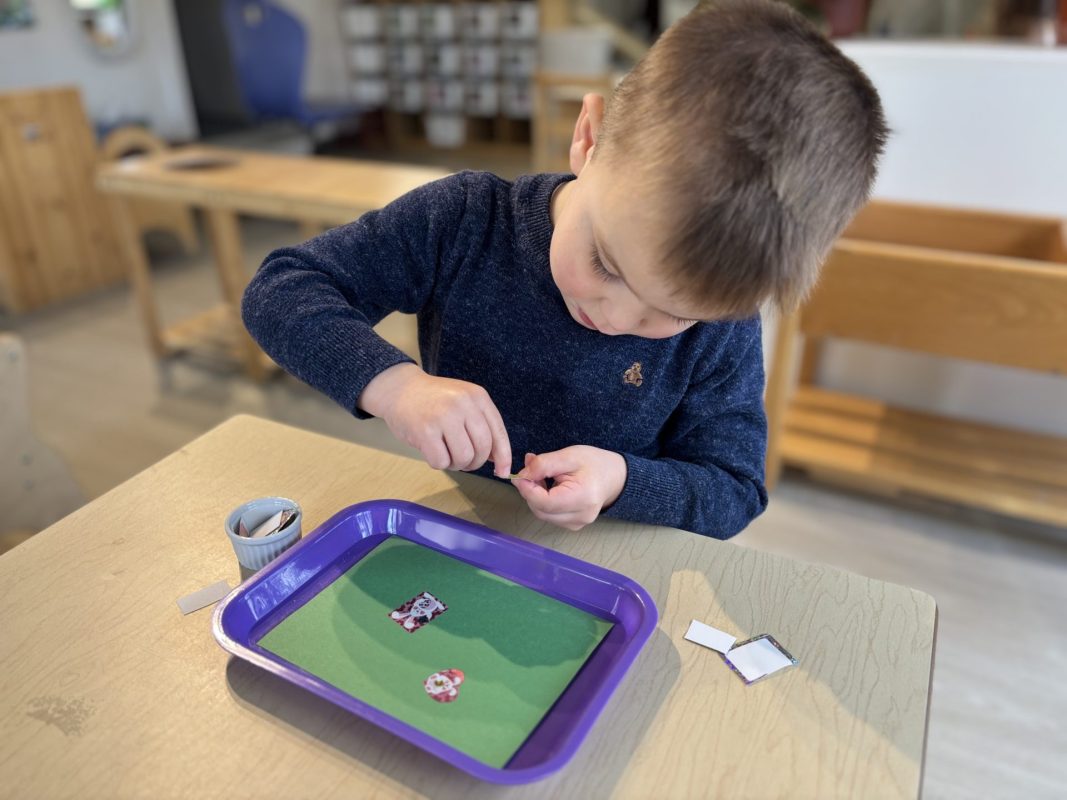
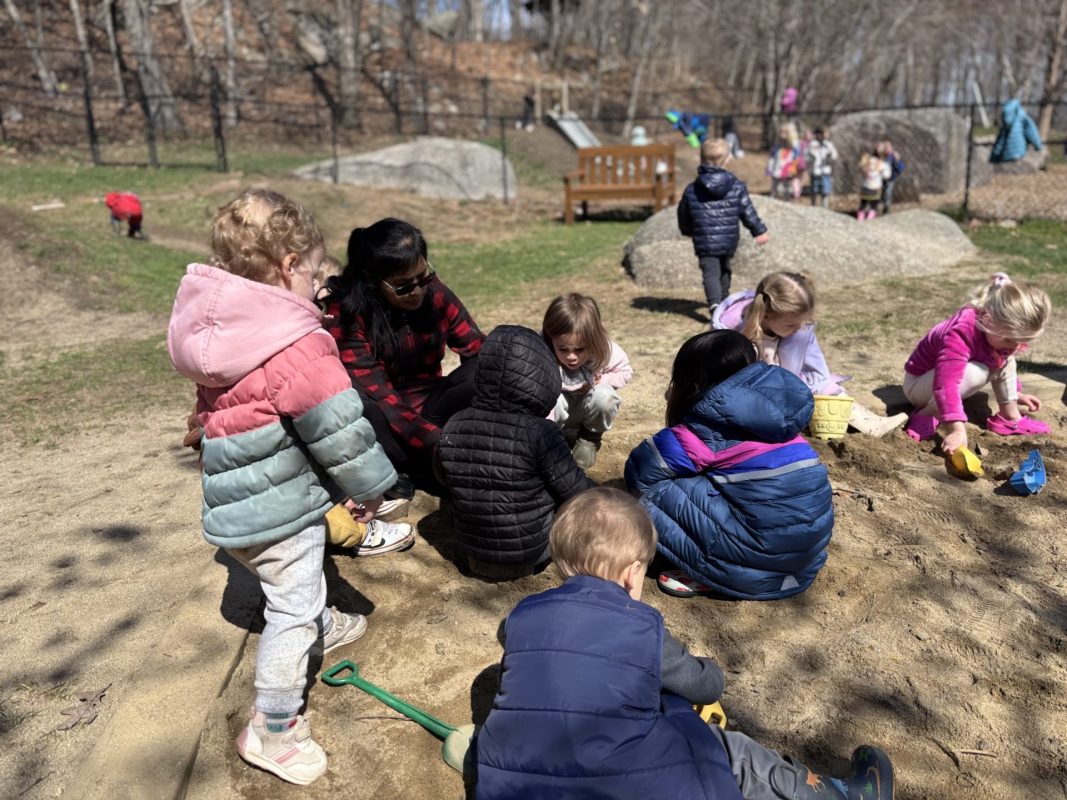
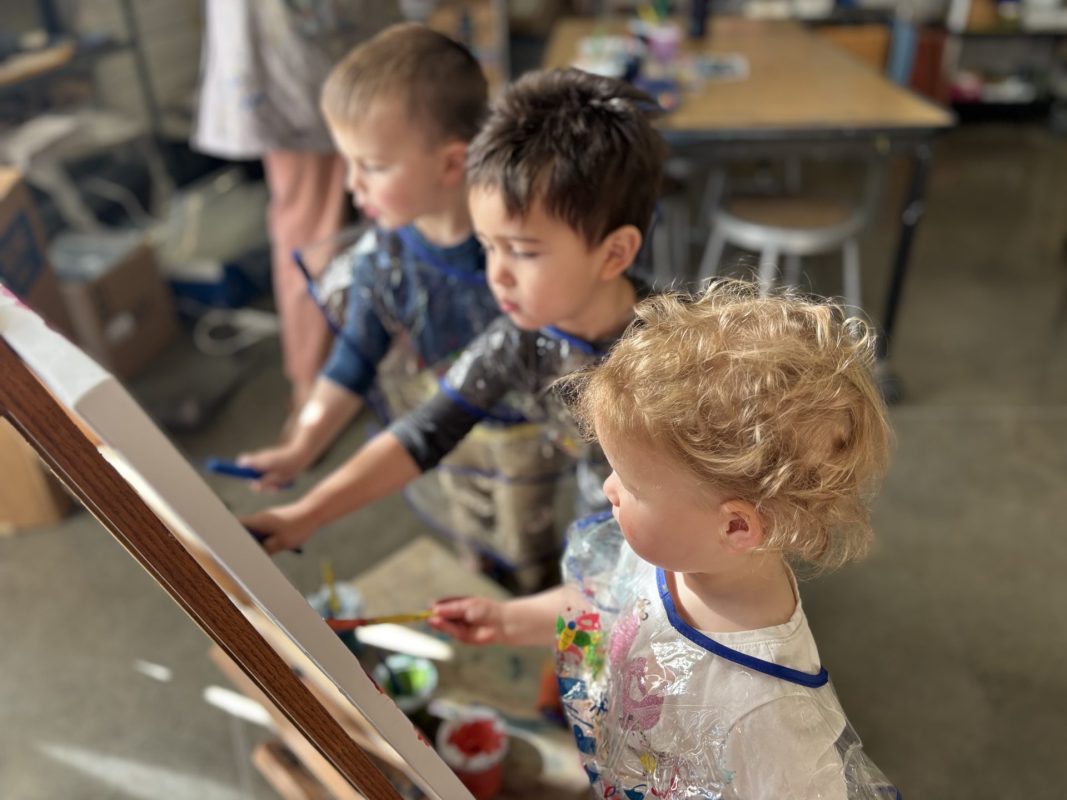
There’s something special about springtime in a Lower El classroom. The days are a little brighter, shoes are a little dustier, and the energy has this calm, confident flow. After months of building routines, relationships, and skills, things start to fall into place—independence grows, collaboration comes naturally, and joy is woven into the day. You’ll see students diving into research, tackling big math work with pride, and writing stories filled with imagination. The classroom hums with focus and curiosity, and the best part? It’s all student-driven.
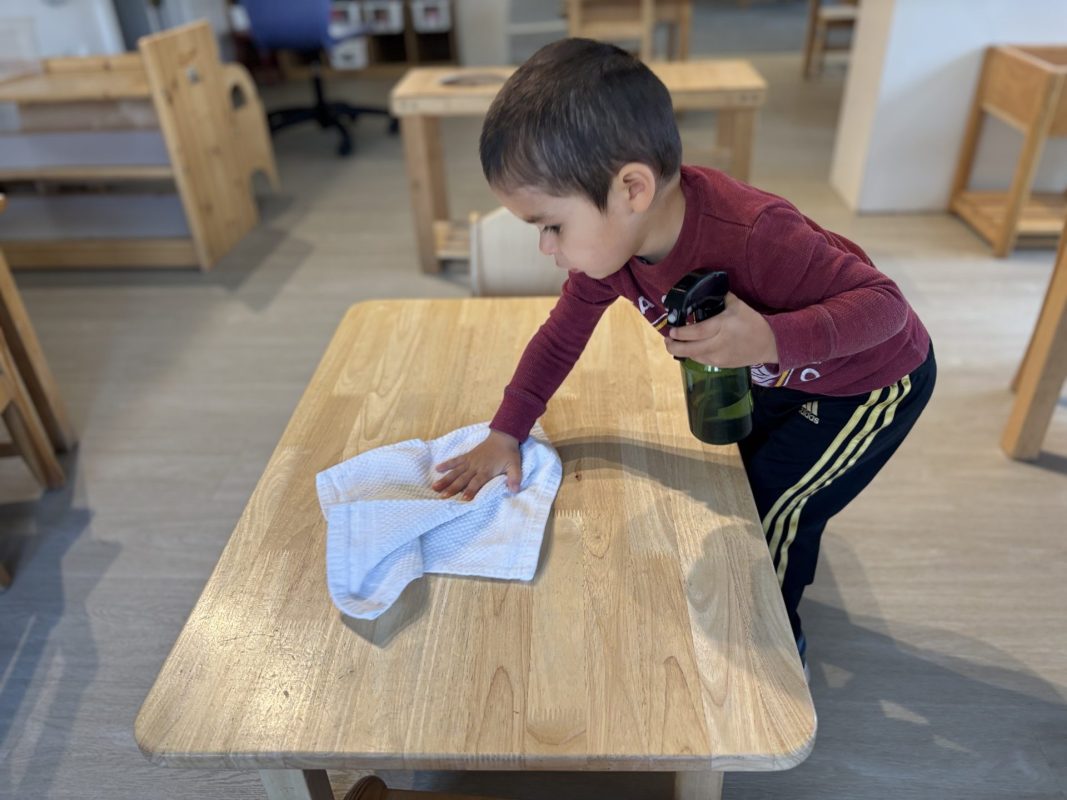
By now, routines feel natural, and students are stepping up as leaders—welcoming visitors, helping peers, and caring for their space like pros. They remind each other of classroom norms, settle small conflicts on their own, and beam with pride when sharing their work. Sure, there’s still some silliness and the occasional off-moment (they’re kids, after all!), but the foundation is strong. Spring brings out their best, and it’s such a joy to see them shine.

Ms. Handibode: April Showers Bring May Flowers

“So in the child, besides the vital impulse to create himself, and to become perfect, there must be yet another purpose, a duty to fulfill in harmony, something he has to do in the service of a united whole.” ~ Maria Montessori, The Absorbent Mind

Maria Montessori believed that children are the key to peace and empathy among humanity. This important belief is a foundation in our Montessori classrooms, beginning with practical life lessons and continuing throughout childhood and beyond. I’d like to share how a “simple” lesson can provide the mechanism from which children in the classroom learn, practice, and express their empathy and love for their community.

Flower arranging is a work in the Practical Life area of our classroom. It not only fosters fine motor skills and hand-eye coordination but also gives the children a sense of ownership of their environment.

“Flower arranging work has a more important indirect aim than simply admiring nature’s work of art.  It is an opportunity for little hands to contribute to the beautification of the environment.  It is a tender moment when a young heart lays down a symbol of friendship, love and peace on a table for someone else to enjoy. It is a brief yet integral step outside of oneself and one’s own needs. -The CHILD Centered Blog

Flower arranging is only one of many classroom works and activities sowing the seeds of compassion and empathy in your children. Please remember that compassion in your home helps your children do the same.

We are so excited to share that we are incubating eight chicken eggs in our classroom. Incubating the eggs provides an amazing learning opportunity for the children to learn not only about the responsibility of taking care of the eggs but also the life cycle of a chick. The eggs should hatch in 21 days.  Each day, we are learning about the development taking place inside the eggs.

Wishing you a week filled with peace and love.

Michelle & Maria