Blog

Mrs. Lopes: A Look at Our Week

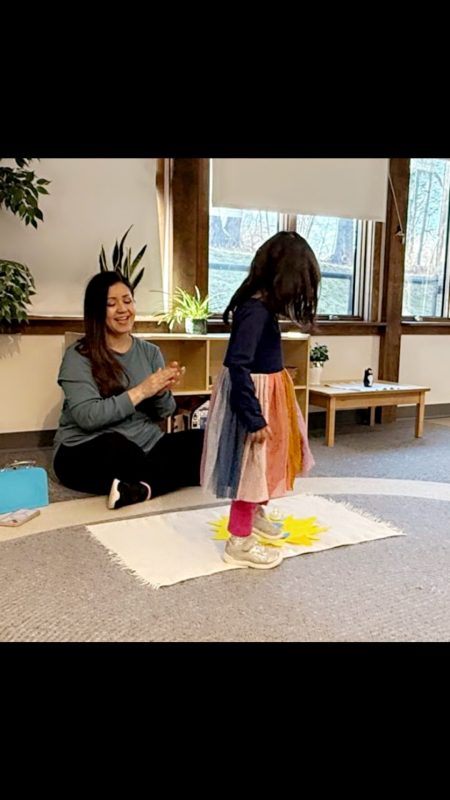
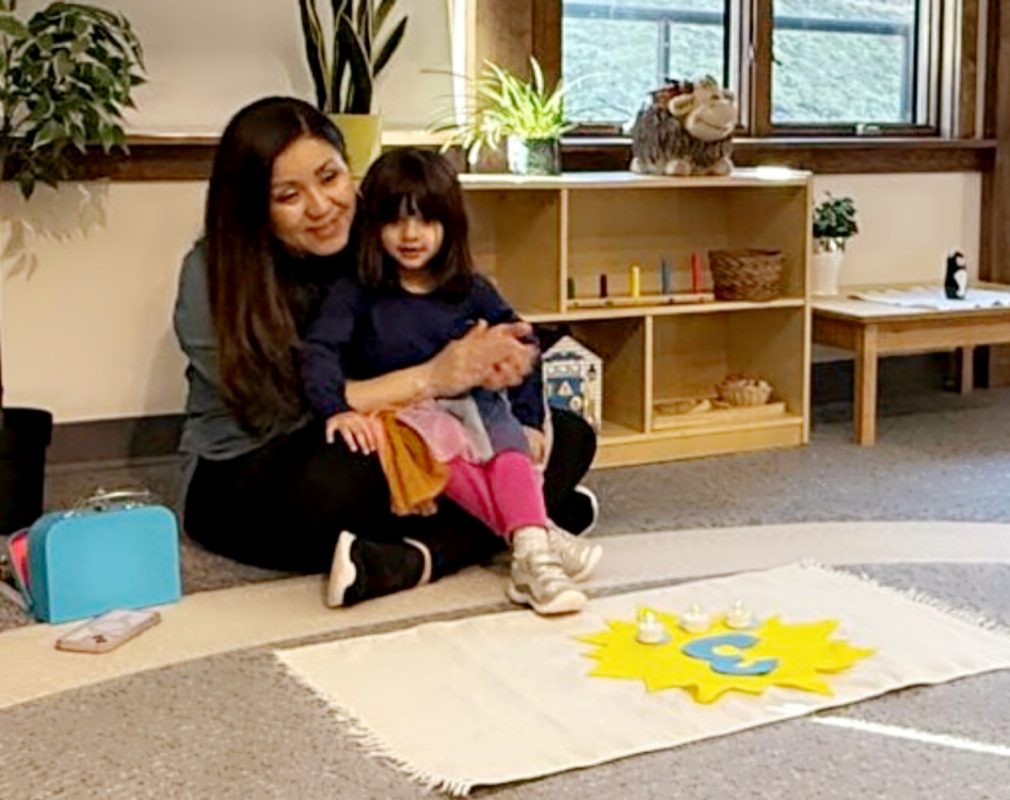
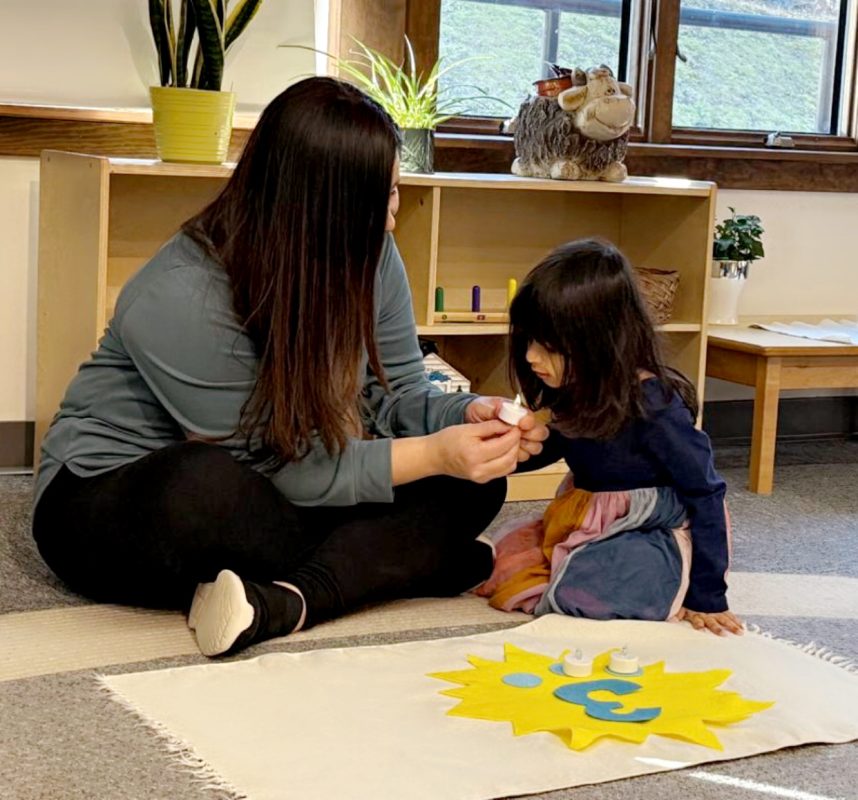
We hear the children speak throughout the day about what they hope to receive as a gift. Through literature, classroom conversations, and taking a peek into the different holidays celebrated by those around the world, we introduce the concept and power of giving as the best gift of all.

We asked each child what gift they could share during this holiday season.  We told them it does not need to cost anything, and it really is about helping others and our communities.  They could share their gift with a loved one or even be a secret gift giver and do something anonymously for someone in need.  The simplicity of their words is heartwarming.
The world could learn a lot by listening to these children!

  • Amelia–  I can share my unicorn princess play set with my friends.
  • Arhan–  I can share my toys with my brothers.    
  • Arian–  I can help my mom and dad put ornaments on the Christmas tree.            
  • Ben–  I can read to my family. 
  • Brisa–  I can help my friend next door bring her groceries inside. 
  • Casey–  I can help my mom with the laundry when Connor messes it up.
  • Declan–  I can help my mom and dad at home.        
  • Elanour–  I can help my mom and dad clean the house.
  • Enzo–  I can draw a picture of the Argentina team for my dad.
  • Evie–  I can make my brother Rory’s bed. 
  • Fiona– I can make a paper heart for my mom.
  • Helena– I can give some of my toys away to kids who don’t have any.       
  • Kaiah–  I can help Mommy bake cookies for Santa.     
  • Kimberlin– I can make kites for my friends.  
  • Love–  I can make sand castles for my mom and dad.
  • Nicolas–  I can share my toys with my sisters.
  • Olivia–  I can help my friends with their work.
  • Ryder– I can help people put Christmas stuff on their homes and backyards.
  • Sadie– I can draw a picture for my sister, River.
  • Scotlyn– I can help feed milk to my brother, River.
  • Zion–  I can help clean up my toys at home.  

Wishing each and every one of you much peace and love during this holiday season.  Take time to enjoy the gifts that aren’t wrapped.

Amanda & Hema


December Family Connection Newsletter

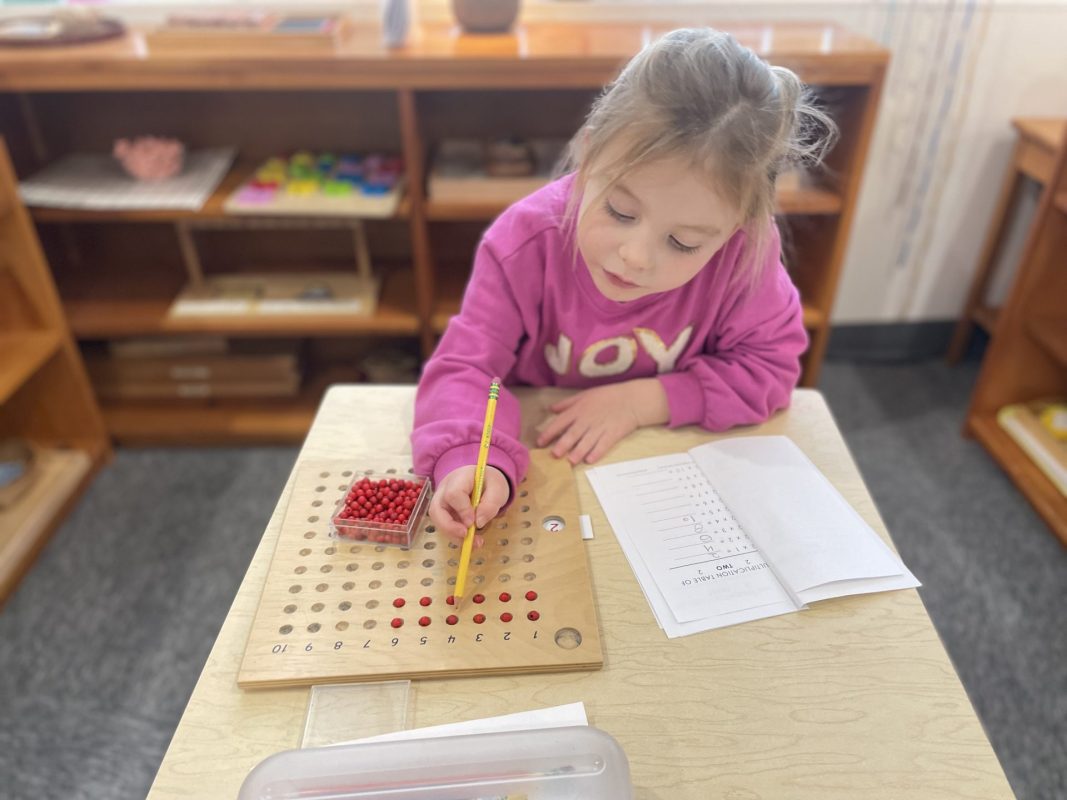
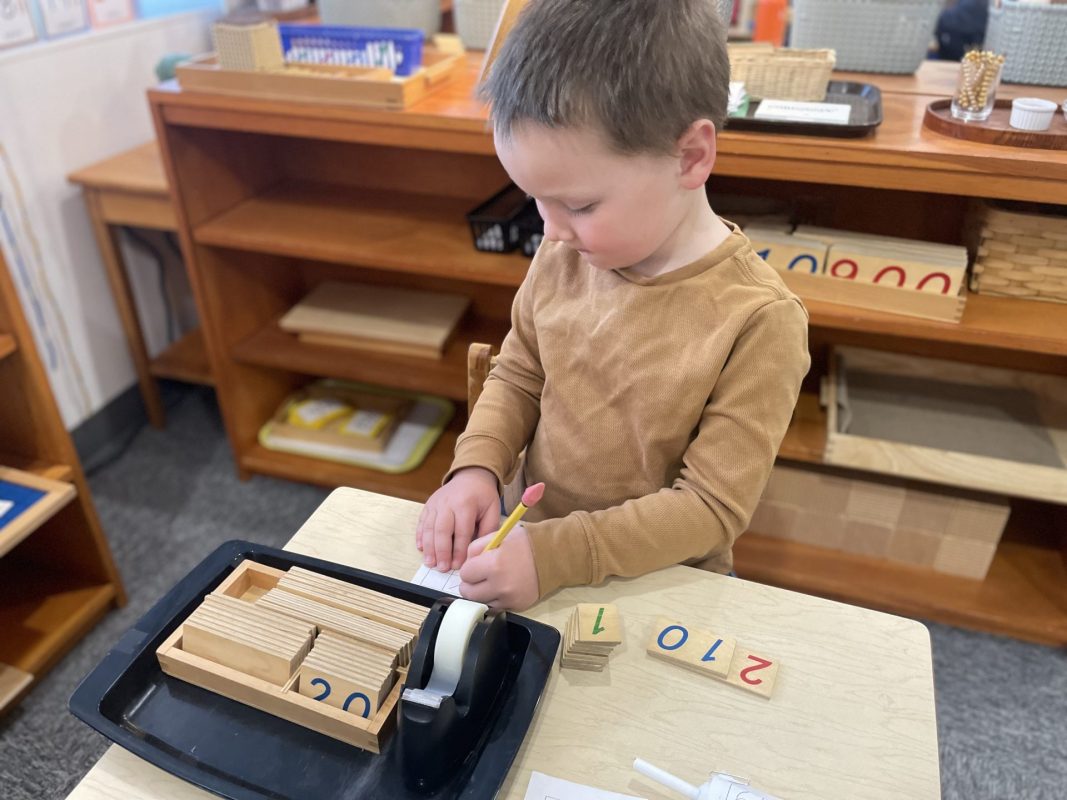
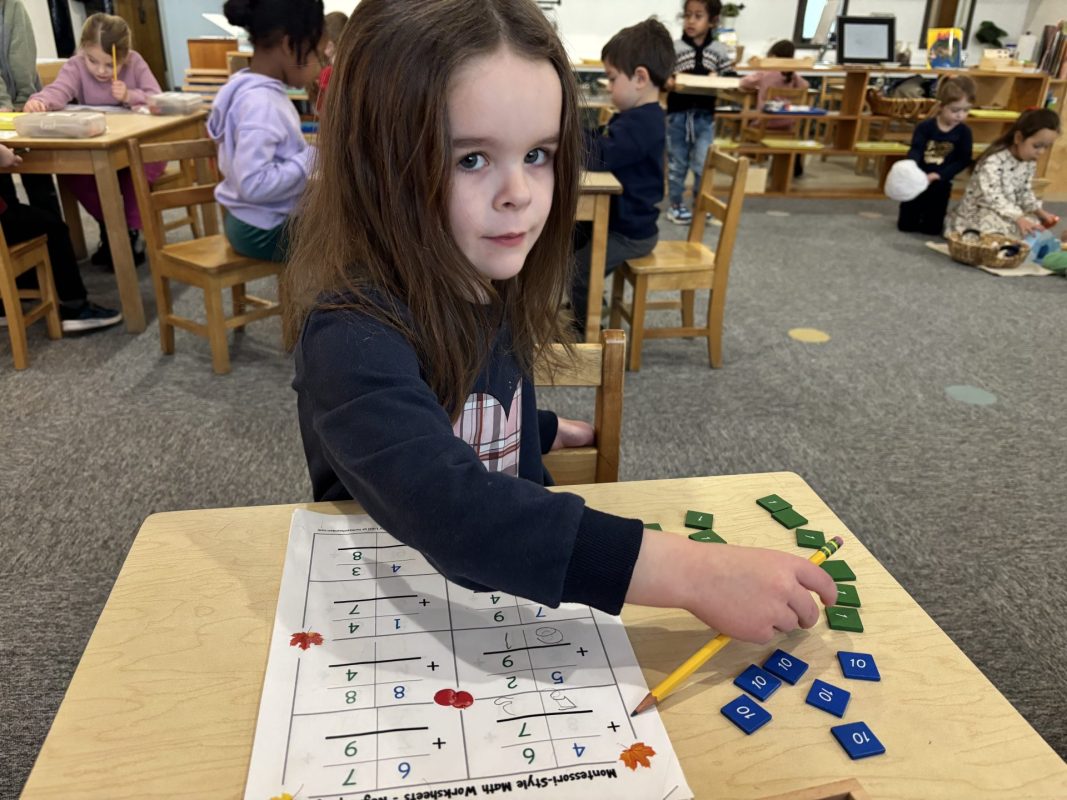
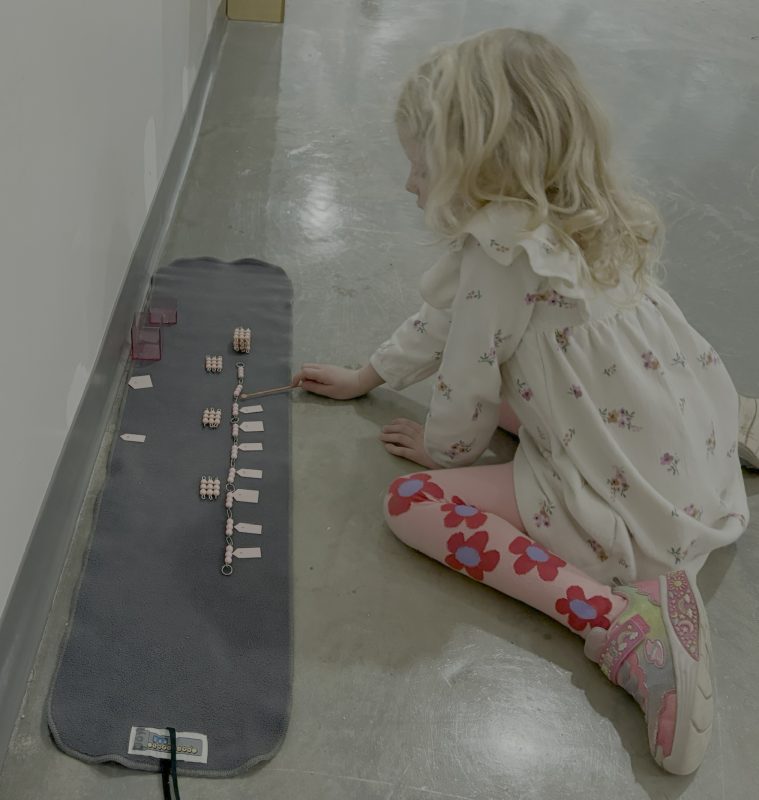
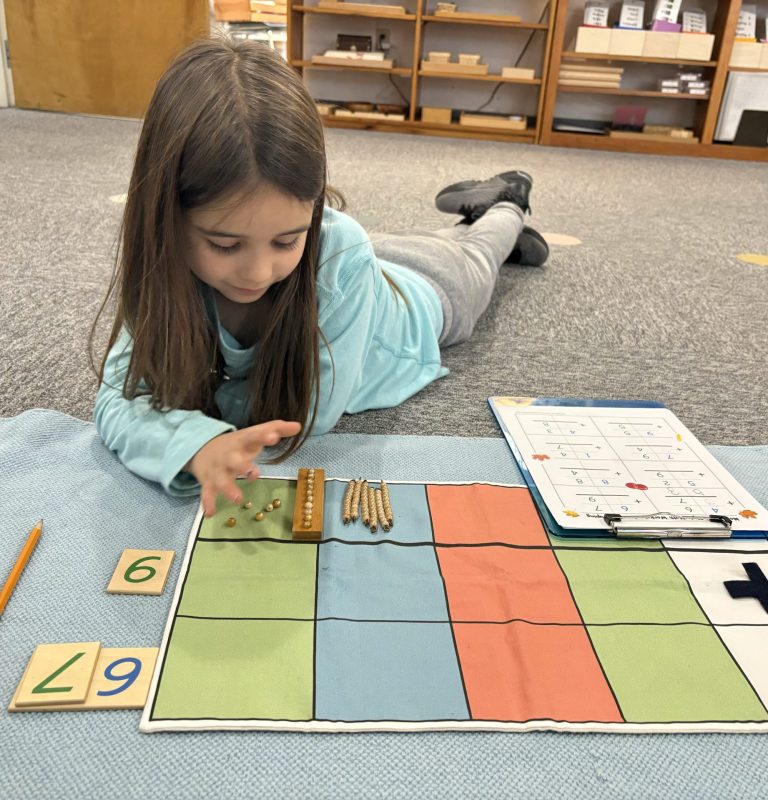
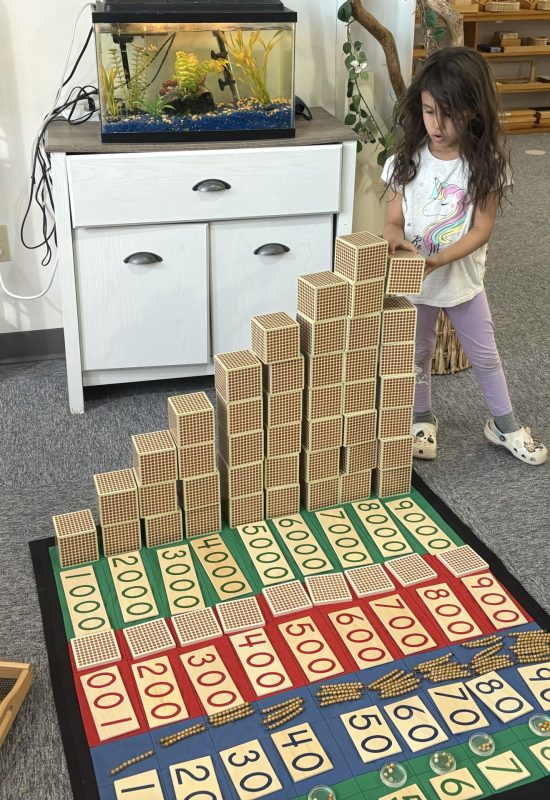
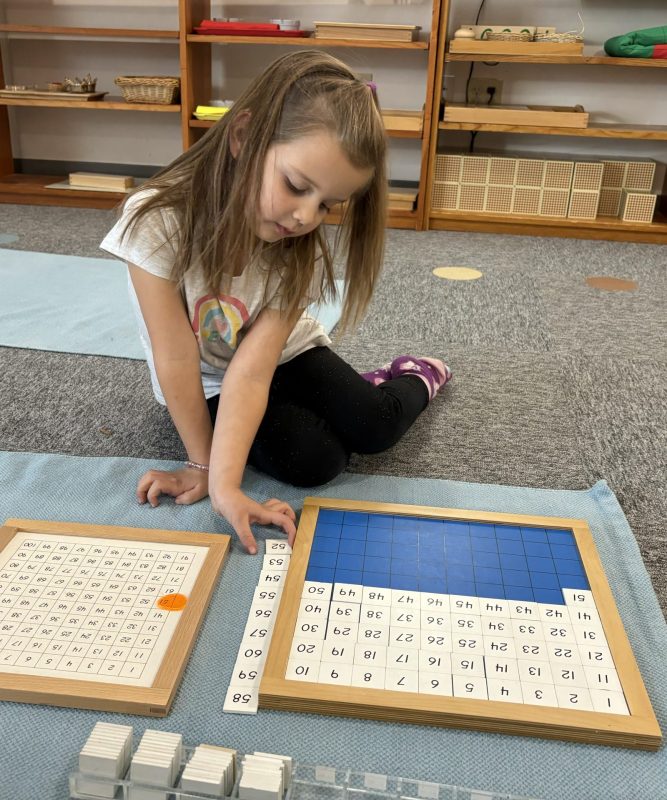
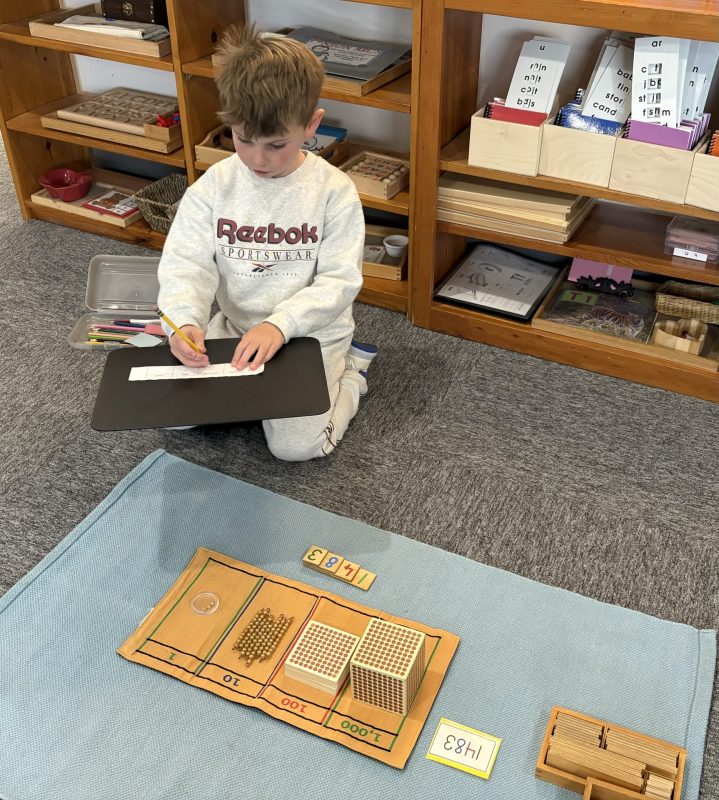
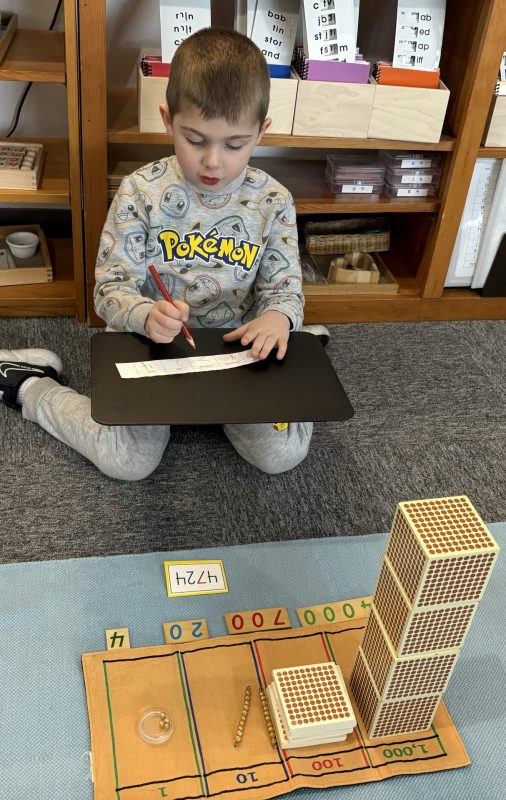
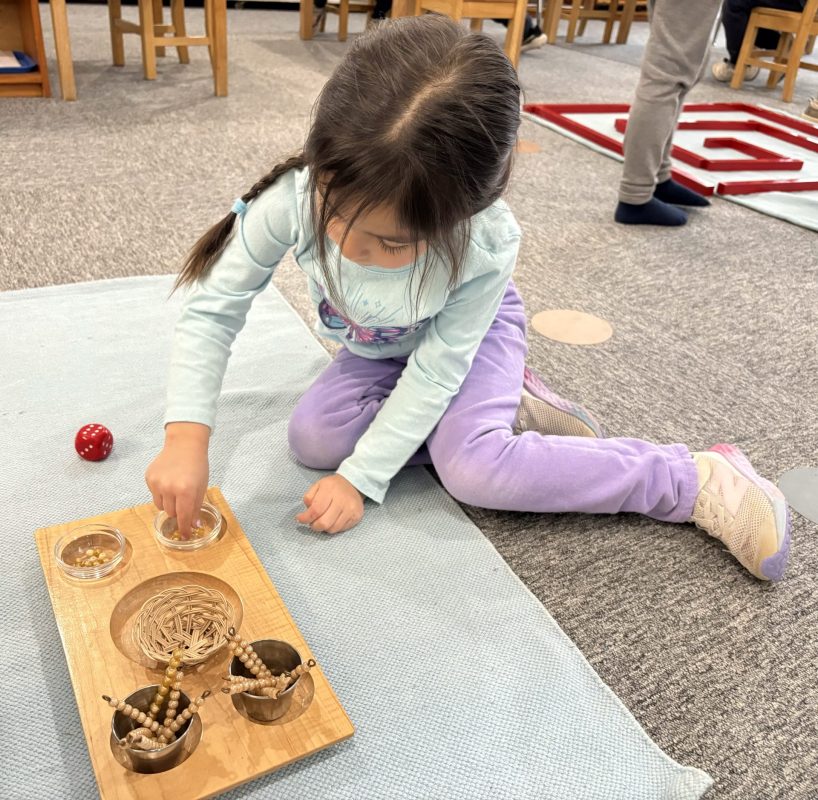
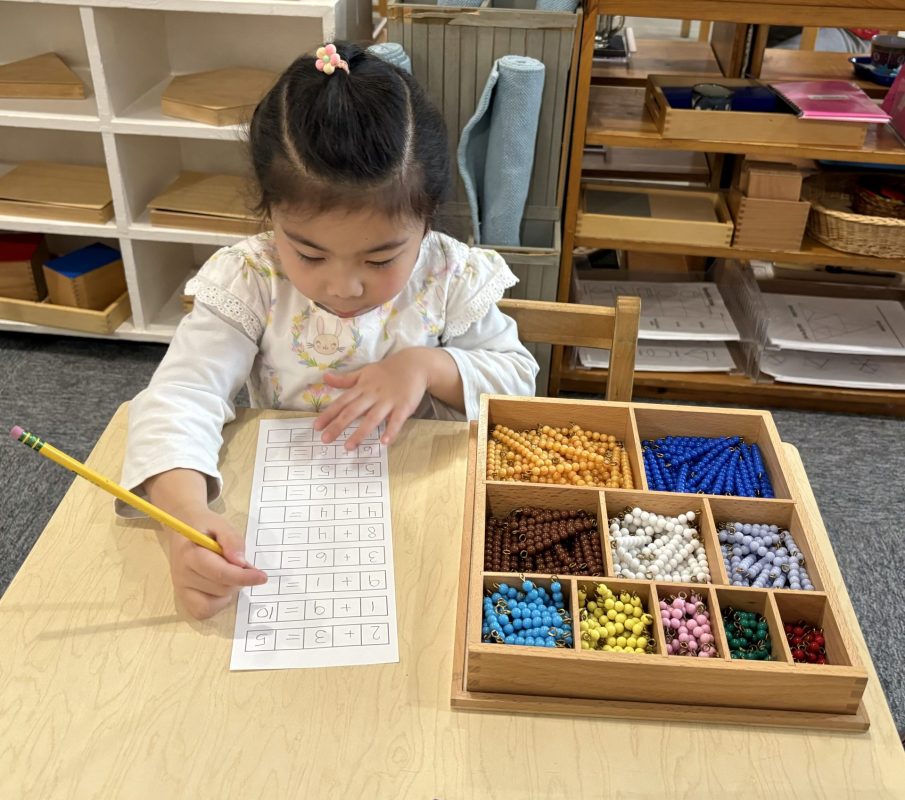
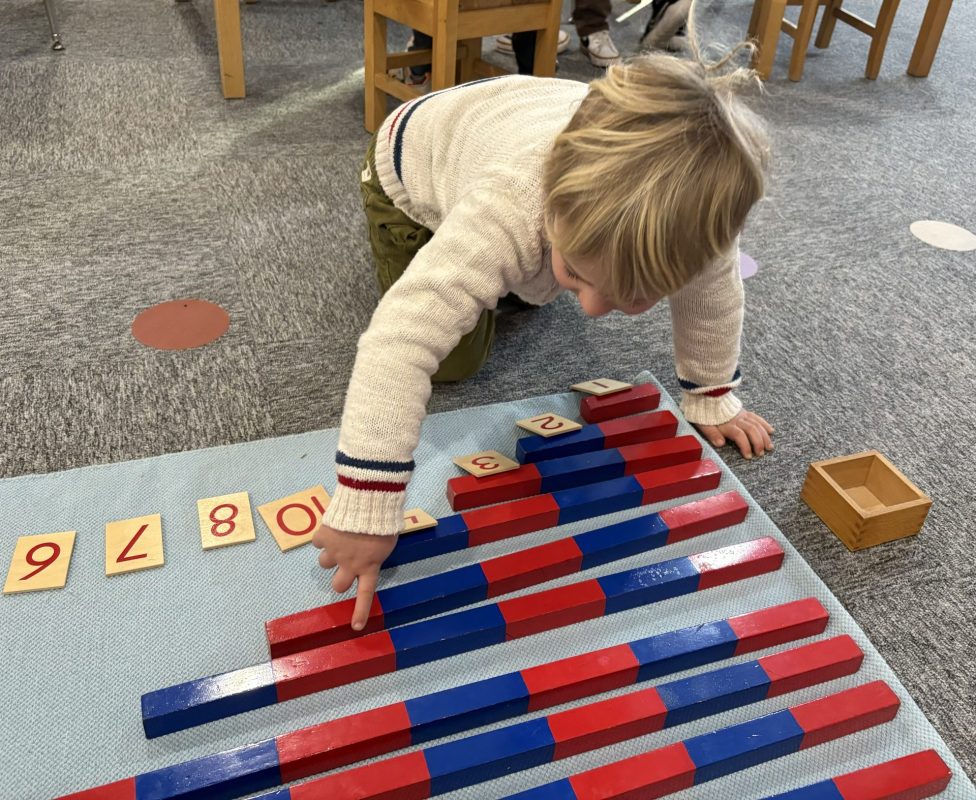
This month’s Family Connection from the American Montessori Society focuses on the Golden Bead Montessori math material. This base ten number system material is used by children from the Primary level through Upper Elementary. It introduces skills from the simple (building numbers) to the complex (square roots). Using this and other hands-on materials in the Montessori classroom allows children to develop a sensory impression of abstract ideas, making lessons and concepts accessible to all.

I hope you enjoy this month’s newsletter.

Warm regards,
Karen Sankey


This Week in Upper El

“An inner change has taken place, but nature is quite logical in arousing now in the child not only a hunger for knowledge and understanding, but a claim to mental independence, a desire to distinguish good from evil by his own powers, and to resent limitation by arbitrary authority. In the field of morality, the child now stands in need of his own inner light.” -Maria Montessori, The Absorbent Mind

Recognizing the distinct traits of children at different stages of development allows us to better support their growth. Fourth and fifth graders are full of energy, possess evolving interests, and navigate complex social dynamics. They experience a period of physical growth while generally maintaining a calm demeanor, leading to a time of stability and happiness. During this stage, they shift from solely focusing on self-construction and information absorption to exploring the world around them. They develop a keen interest in culture, history, science, and, most importantly, their place in the world.

These children are bursting with enthusiasm and thrive on rough-and-tumble play, often gravitating toward team activities. They typically display greater happiness and friendship as they begin to navigate complex social interactions. With growing self-confidence, they develop a deeper acceptance of diversity in their relationships. Their lively curiosity drives them to ask probing questions, helping them understand the world better.

By understanding these characteristics, we can more effectively support children’s academic growth and create an environment in which they can thrive socially and emotionally. Recognizing these traits enables us to encourage their development and address their unique needs as they transition from fourth to fifth grade and beyond.


Ms. Handibode’s Happenings: First Stop, North America!


These last few weeks have been a particularly busy and exciting time for our class. We have traveled through space, explored the eight planets, discovered that the sun is a star, and rocketed back to planet Earth. We are now exploring the first of seven continents, North America.  You may hear your children call it the orange continent. This is because, on the Montessori globe and map, North America is indeed orange. We will continue to explore the animals native to our continent, map North America’s countries, examine topography, and study how a continent’s proximity to the equator impacts its climate.

The Montessori cultural studies curriculum provides children with an opportunity to explore the whole world, including the continents, countries, people, animals, terrain, music, and arts. Children use didactic Montessori materials to familiarize themselves with the needs of all humans for such things as food, housing, and clothing. This early cultural awareness helps cultivate independent, joyful citizens of our world.

We were so excited to have the Botsford Fire Department return to FWM to teach us all about fire safety.  The children asked very thoughtful and intelligent questions and had a great time learning about what to do in a fire, the equipment firefighters use and even got to spend some time on a fire truck.

Wishing you a week filled with peace and love.

Michelle & Maria


Mrs. Lopes: A Look at Our Week

These last few weeks have been a particularly busy and exciting time with your children. We have traveled through space, explored the eight planets, discovered that the sun is a star, and rocketed back to planet Earth. We are now exploring the first of seven continents, North America.  You may hear your children call it the orange continent. This is because, on the Montessori globe and map, North America is indeed orange. We will continue to explore the animals native to our continent, map North America’s countries, examine topography, and study how a continent’s proximity to the equator impacts its climate.

The Montessori cultural studies curriculum provides children with an opportunity to explore the whole world, including the continents, countries, people, animals, terrain, music, and arts. Children use didactic Montessori materials to familiarize themselves with the needs of all humans for such things as food, housing, and clothing. This early cultural awareness helps cultivate independent, joyful citizens of our world.

We were so excited to have the Botsford Fire Department return to FWM to teach us all about fire safety.  The firefighter demonstrated to the children what to do in a fire, showed them the equipment the firefighters use, and each child had the opportunity to spend some time in the fire truck.

Wishing you a week filled with peace and love.

Amanda & Hema


Lower Elementary: Building Community in Action!

In our Lower Elementary class, we have weekly class meetings where students get to problem-solve together as a team. These meetings are all about making sure everyone feels heard, tackling problems as a group, and coming up with solutions that we all can get behind. When kids are part of the process, they’re way more likely to stick to the rules they’ve helped create!

What Happens During Class Meetings?

  1. Compliments and Appreciations
    We kick things off with five minutes of gratitude. Everyone gets a chance to share something positive, like a compliment or a thank you. It’s the best way to start on a happy note!
  2. Review a Past Problem
    The secretary (one of our student roles!) reads out a problem and solution from a past meeting. We have a quick chat to see if our fix is working or needs tweaking.
  3. Brainstorming Time
    Got a new issue? Bring it up! The person who added it to the agenda explains the problem, and then we all brainstorm possible solutions. After the brainstorming process, we vote on the solution we think will solve the problem the best.
  4. Connection Activity
    To wrap things up, we end on a fun note—telling jokes, riddles, or solving quick mysteries together.

Meeting Jobs

To keep things running smoothly, everyone has a part to play:

  • Facilitator (that’s me!): I keep the meeting on track and make sure everyone gets to share respectfully.
  • Time Keeper (student job): Keeps us on schedule and lets us know when it’s time to move on.
  • Scribe (that’s me again!): I jot down all the brainstormed ideas on the board.
  • Secretary (student job): Writes down the problem and solution in our Class Meeting notebook—a permanent record that anyone can check out anytime.

These meetings are such an awesome way for kids to build real-world skills like problem-solving, teamwork, and decision-making. Plus, they’re just fun!


Mrs. Sargeant: A Peek at the Week

These last few weeks have been a particularly busy and exciting time with your children. We have traveled through space, explored the eight planets, discovered that the sun is a star, and rocketed back to planet Earth. We are now exploring the first of seven continents, North America.  You may hear your children call it the orange continent. This is because, on the Montessori globe and map, North America is indeed orange. We will continue to explore the animals native to our continent, map North America’s countries, examine topography, and study how a continent’s proximity to the equator impacts its climate.

The Montessori cultural studies curriculum provides children with an opportunity to explore the whole world, including the continents, countries, people, animals, terrain, music, and arts. Children use didactic Montessori materials to familiarize themselves with the needs of all humans for such things as food, housing, and clothing. This early cultural awareness helps cultivate independent, joyful citizens of our world.

We were so excited to have the Botsford Fire Department return to FWM to teach us all about fire safety.  The firefighter demonstrated to the children what to do in a fire, showed them the equipment the firefighters use, and each child had the opportunity to spend some time in the fire truck. The children (4 to 6 year olds) wrote thank you notes to the Fire Department, which Ms. Ildi hand-delivered.

We’re also very grateful to Ivy’s Mom for coming in to bake a gluten-free pumpkin bread, which was quite tasty. The children enjoyed the experience and were thrilled to share our bread with the entire FWM community at the Thanksgiving ceremony. Even though Thanksgiving has passed, we will continue to foster a sense of gratitude all year long.

Wishing your families a wonderful week,

Christine & Fatima


Mrs Wilson: Hello December!

Hello December!

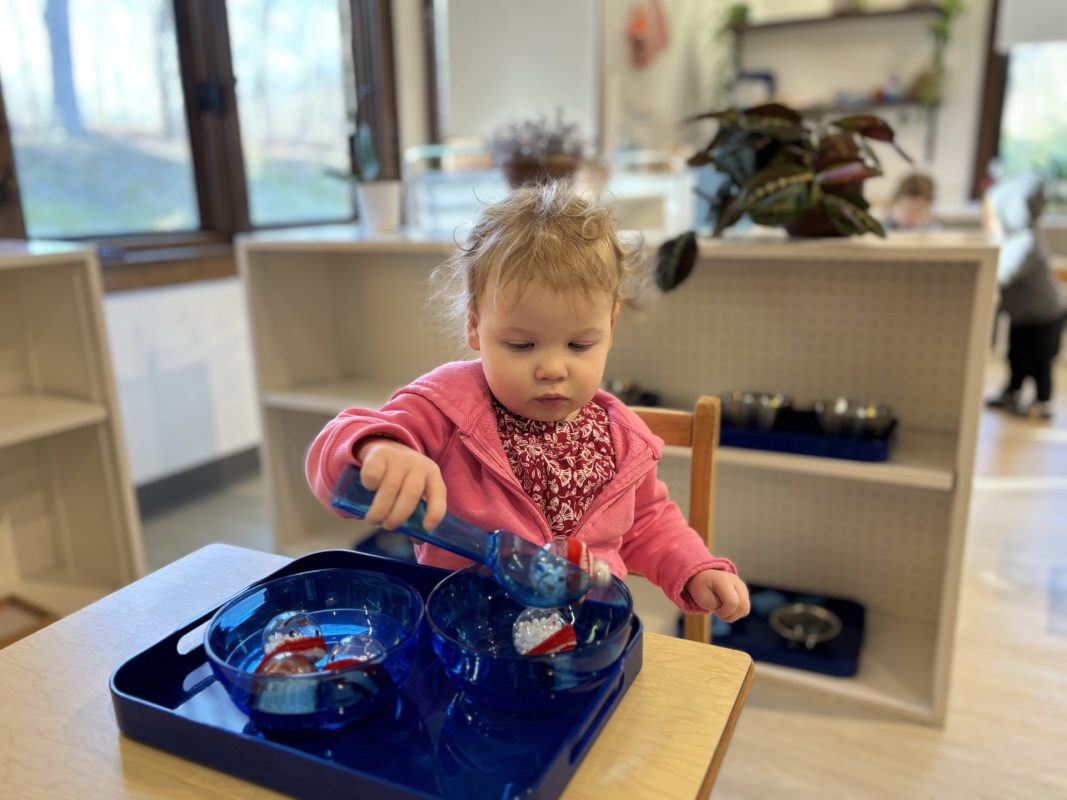
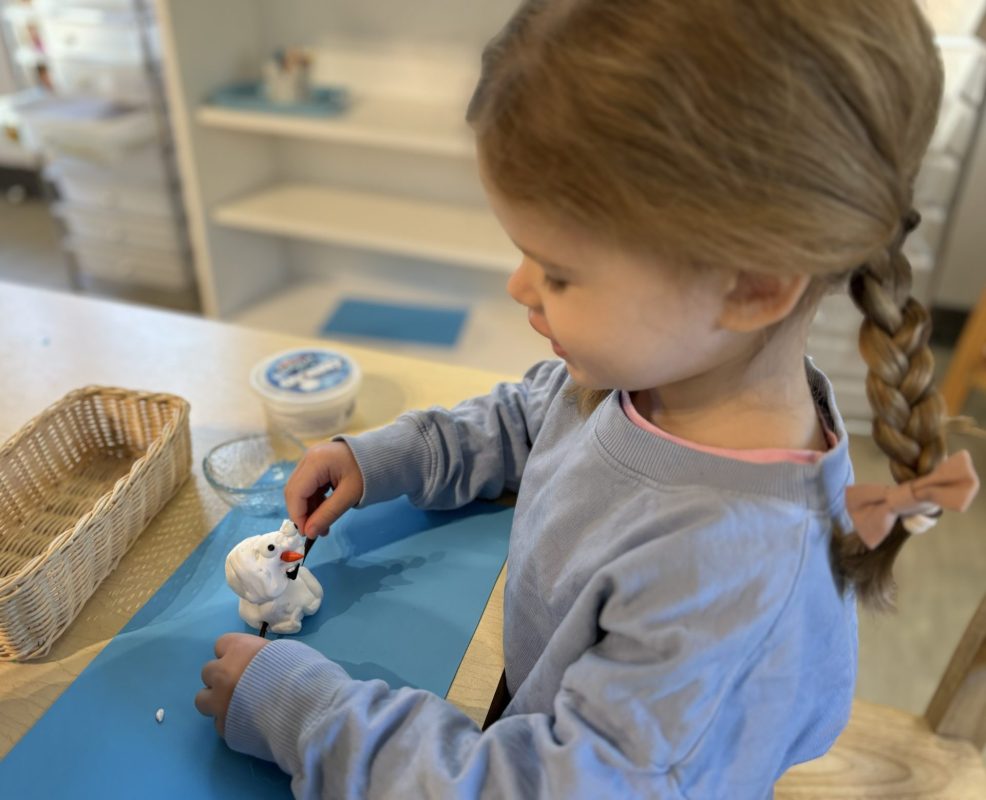
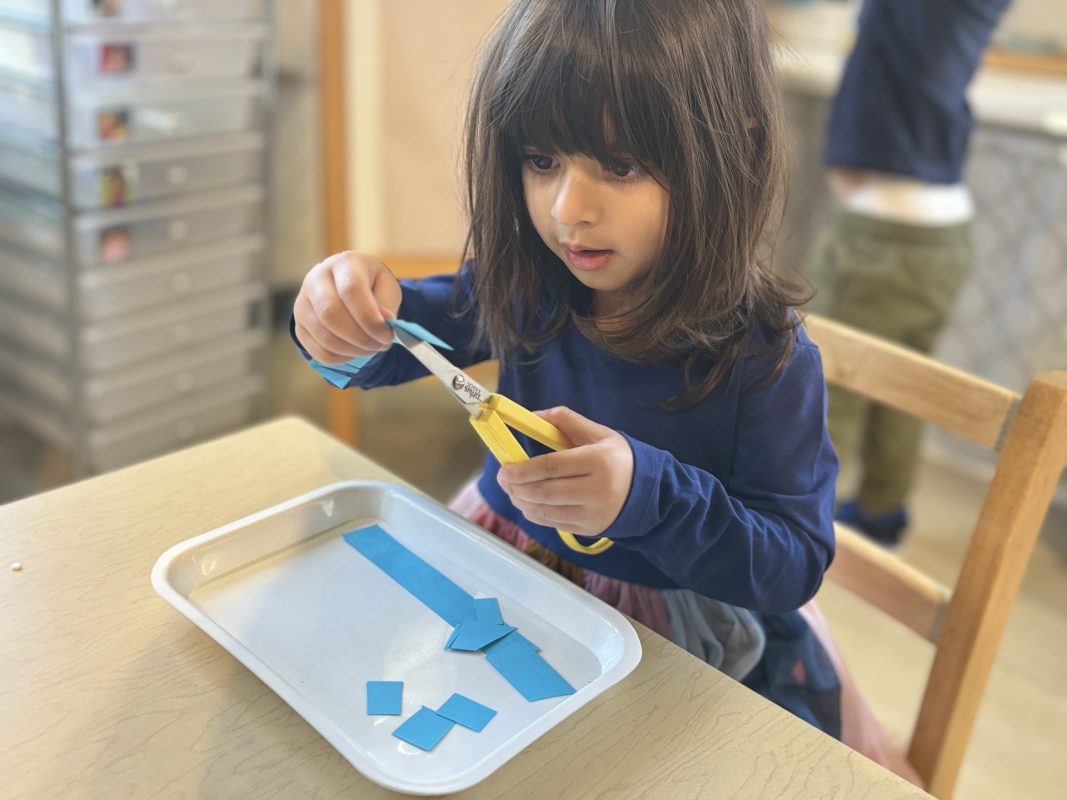
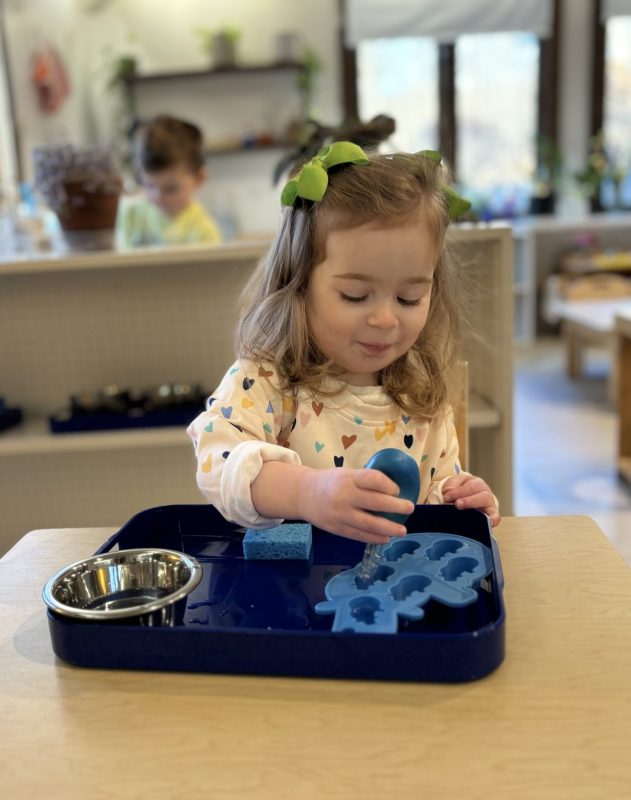
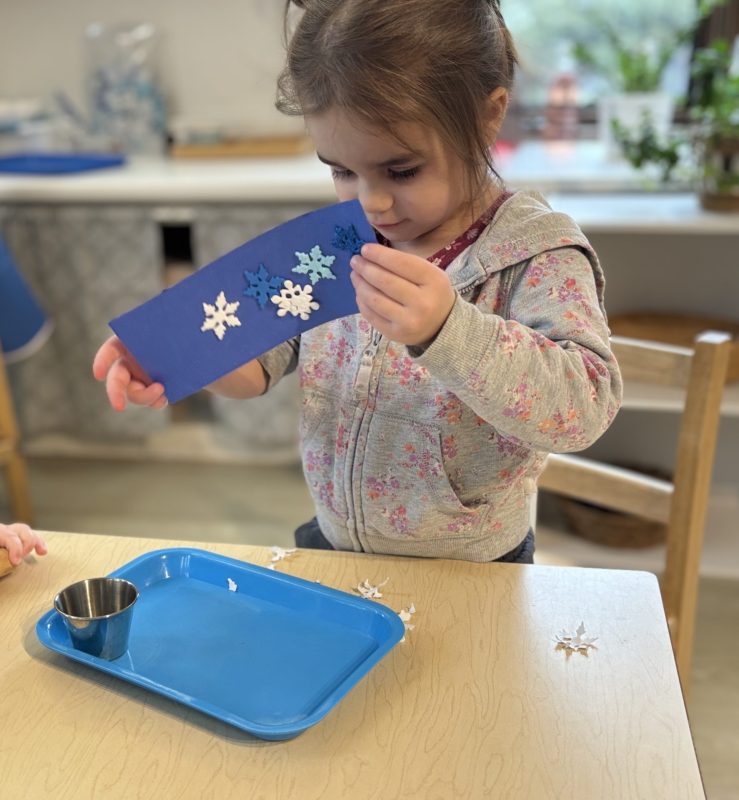
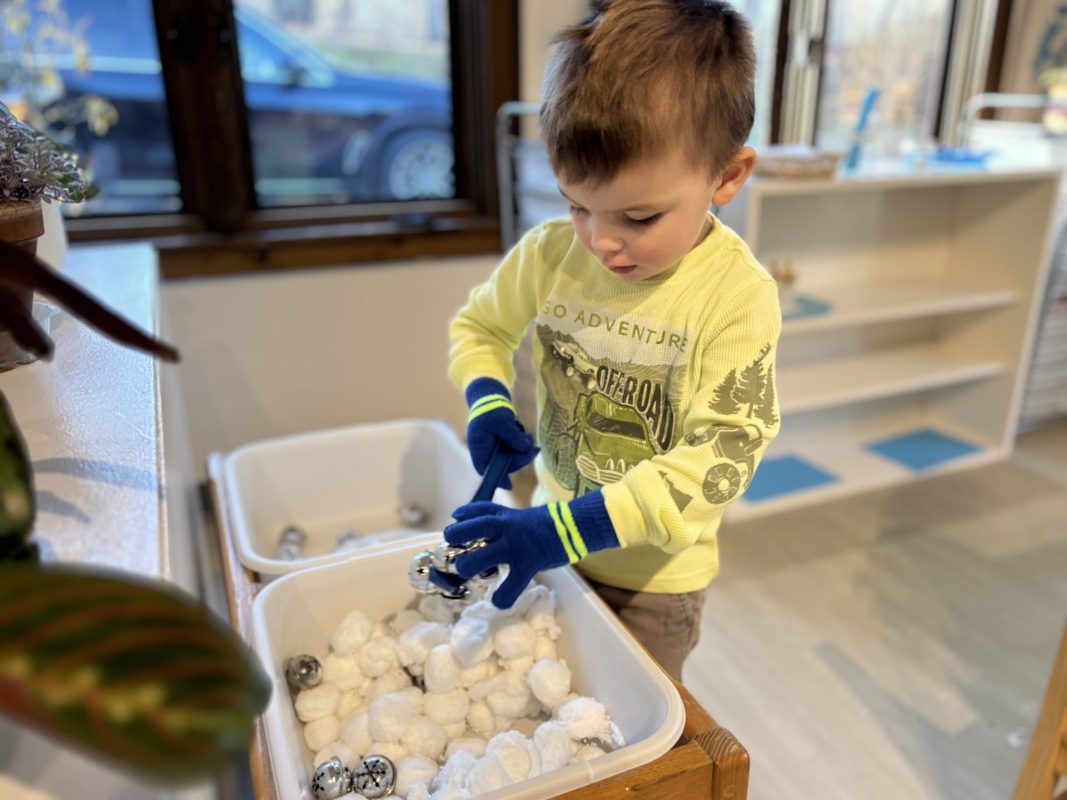
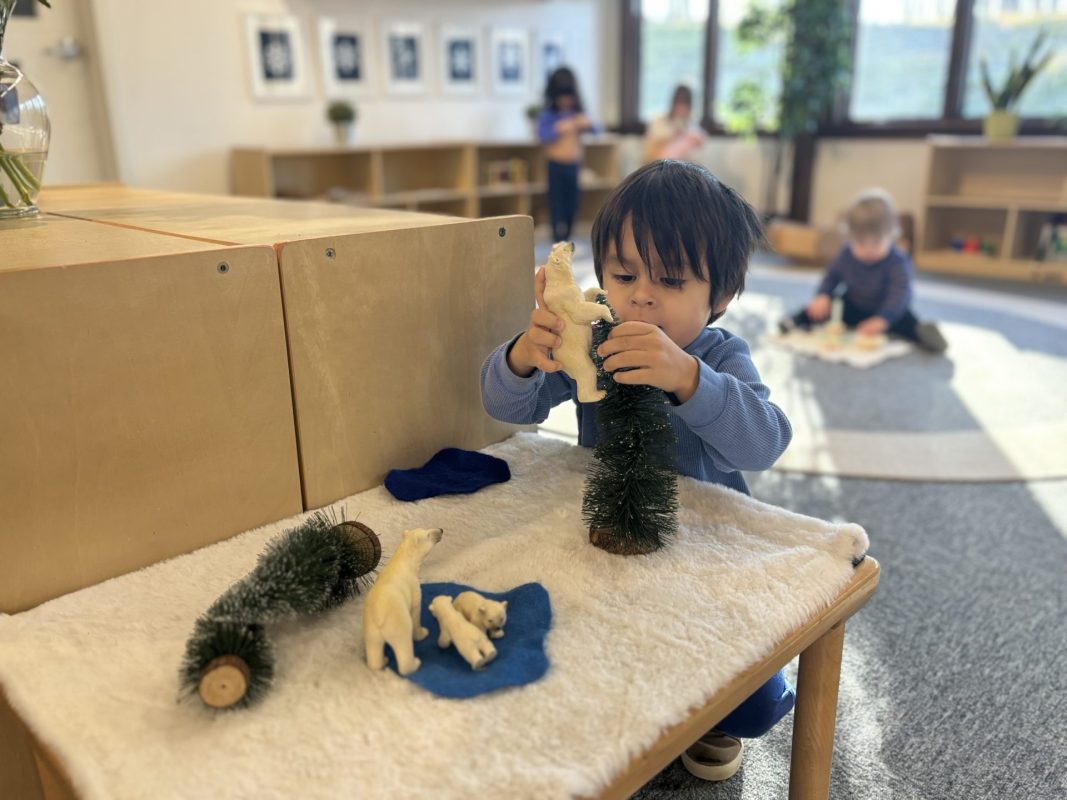
This month, the children will dive into exploring the various holidays celebrated during this festive season, including Christmas, Hanukkah, and Kwanzaa. We’ll see vibrant colors like blue, silver, red, and green, along with festive objects such as gelt, dreidels, a menorah, decorations for the tree, bells, and gingerbread men. My goal is to encompass all these holidays so that every child feels included and gets a glimpse into how others celebrate, fostering a sense of belonging in their environment.

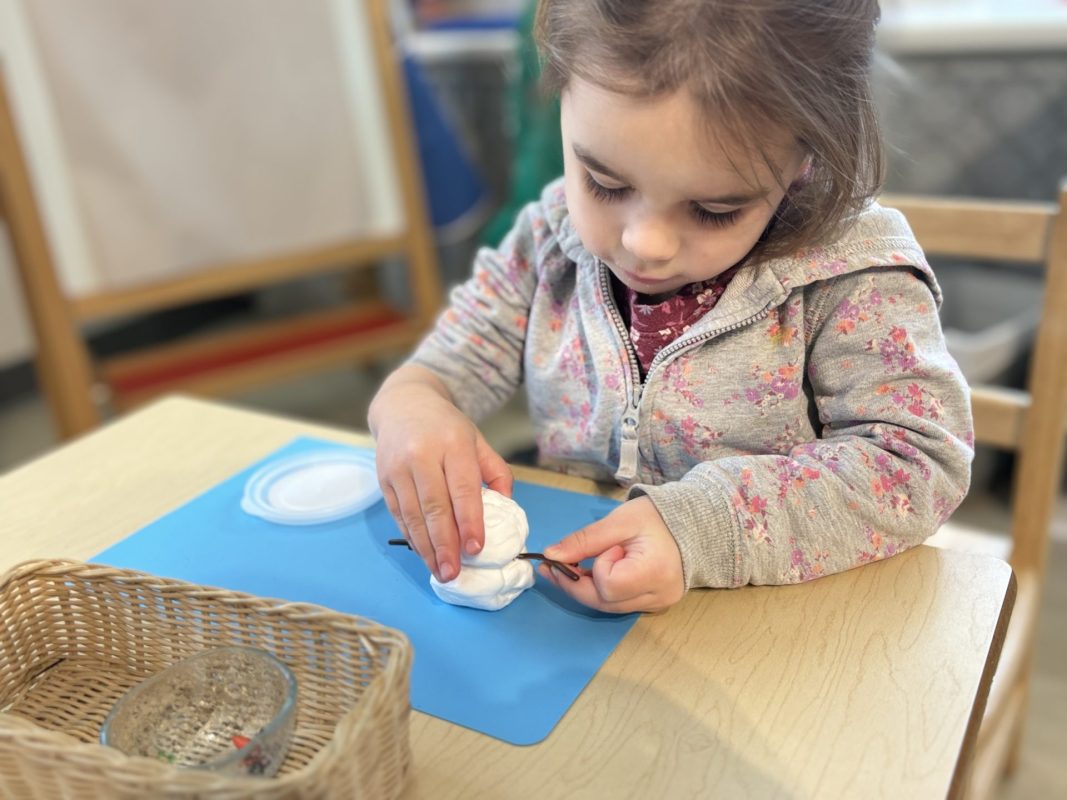
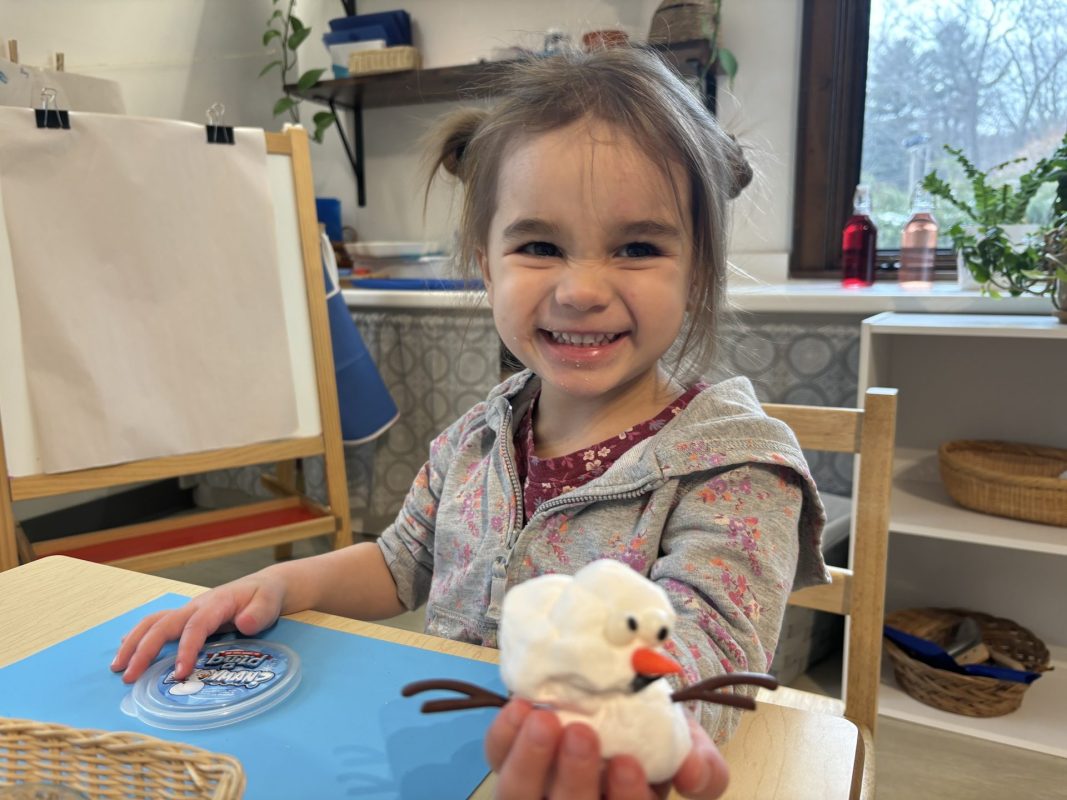
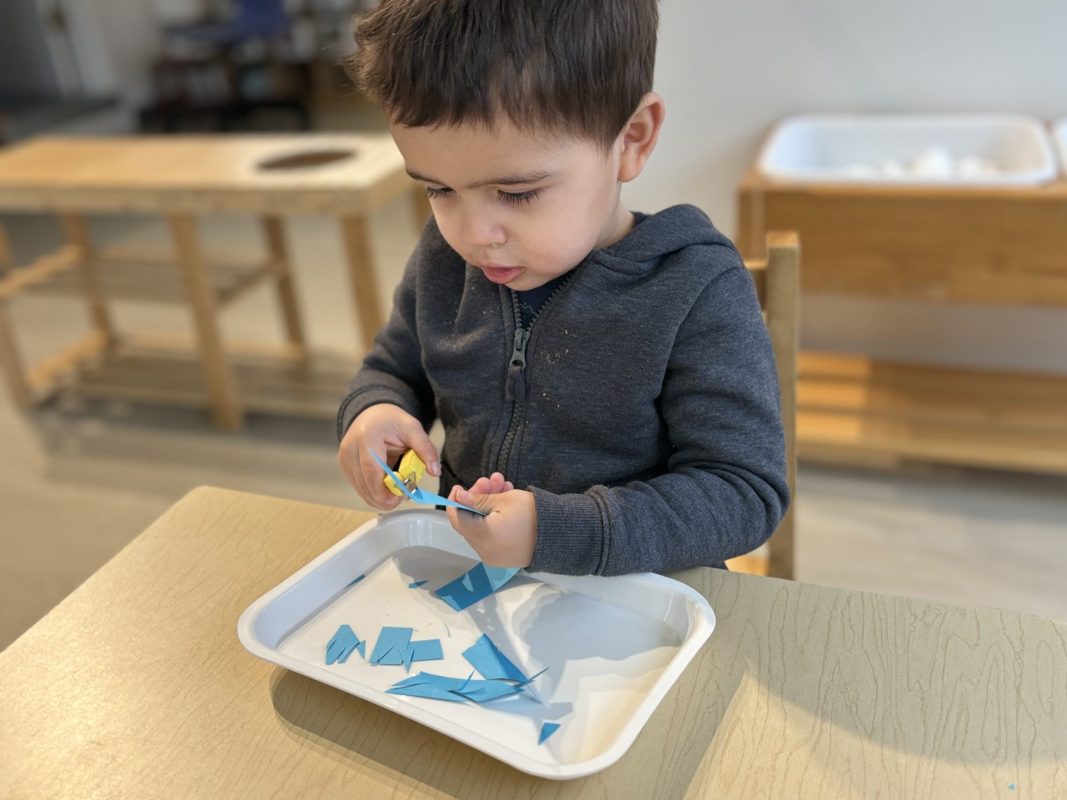
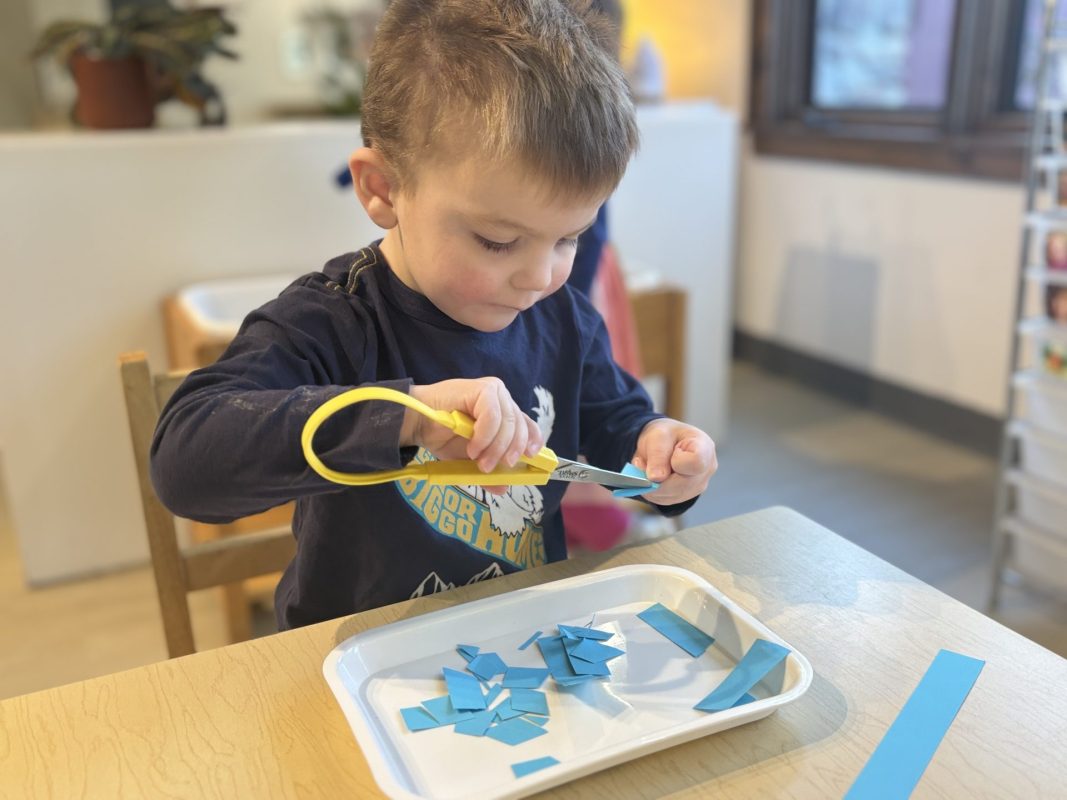
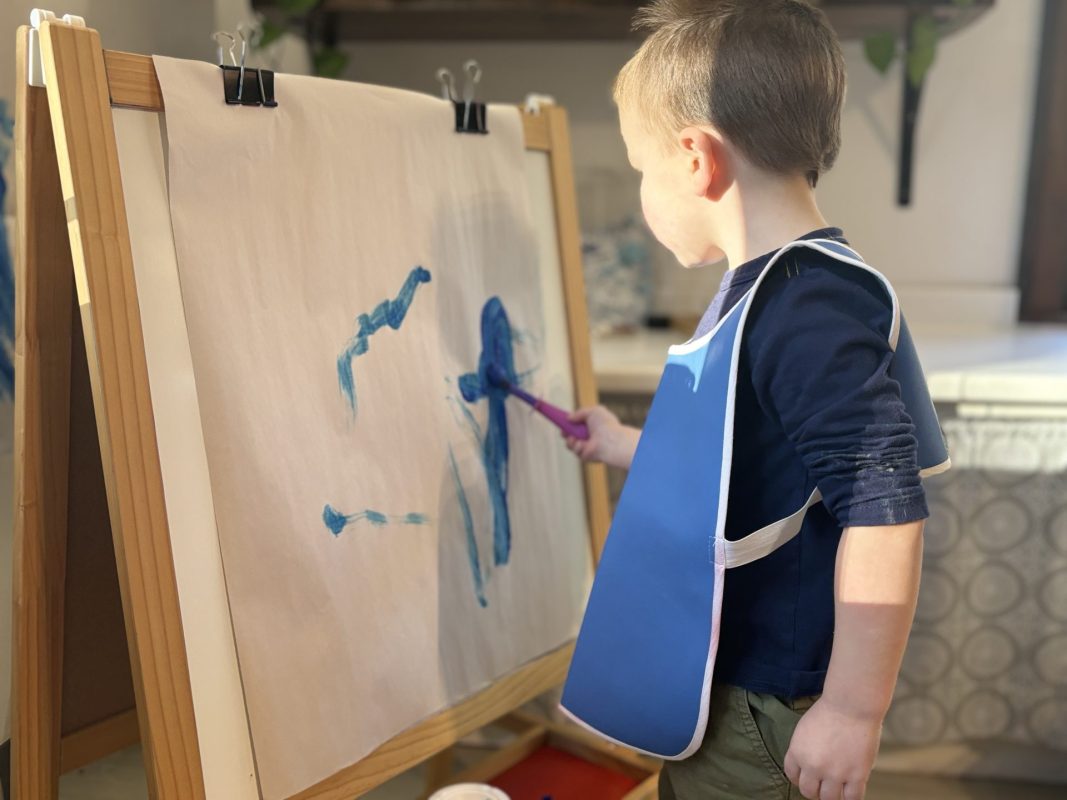
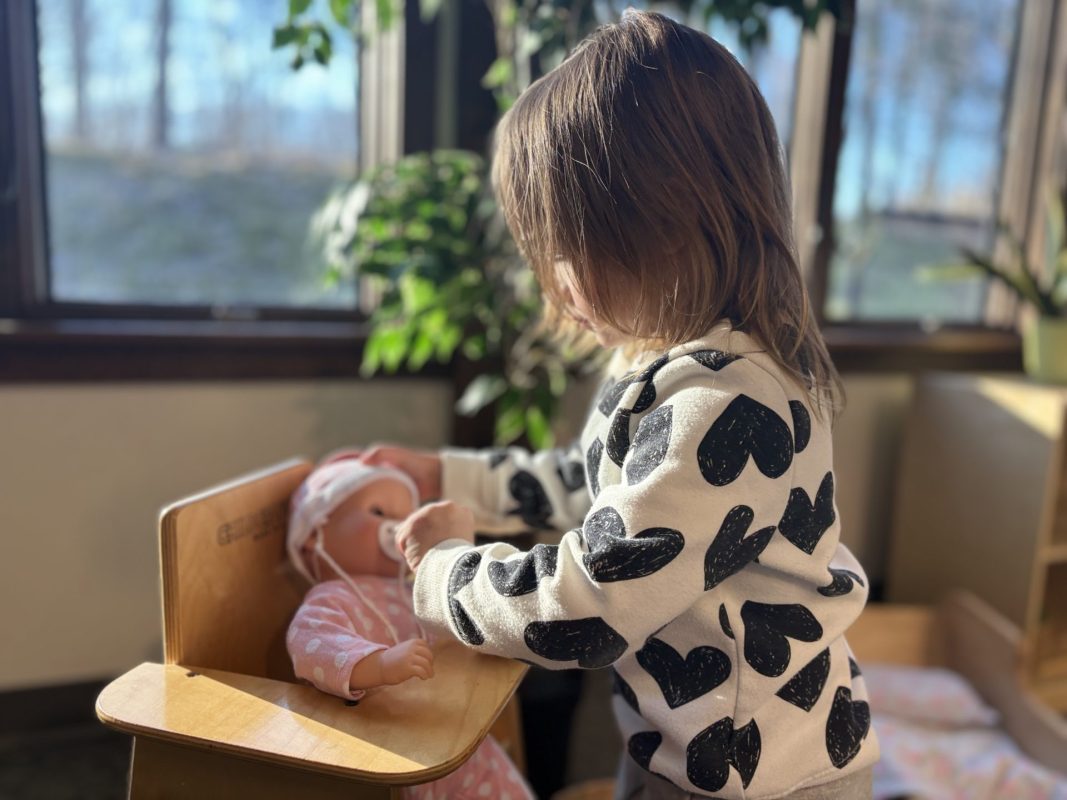
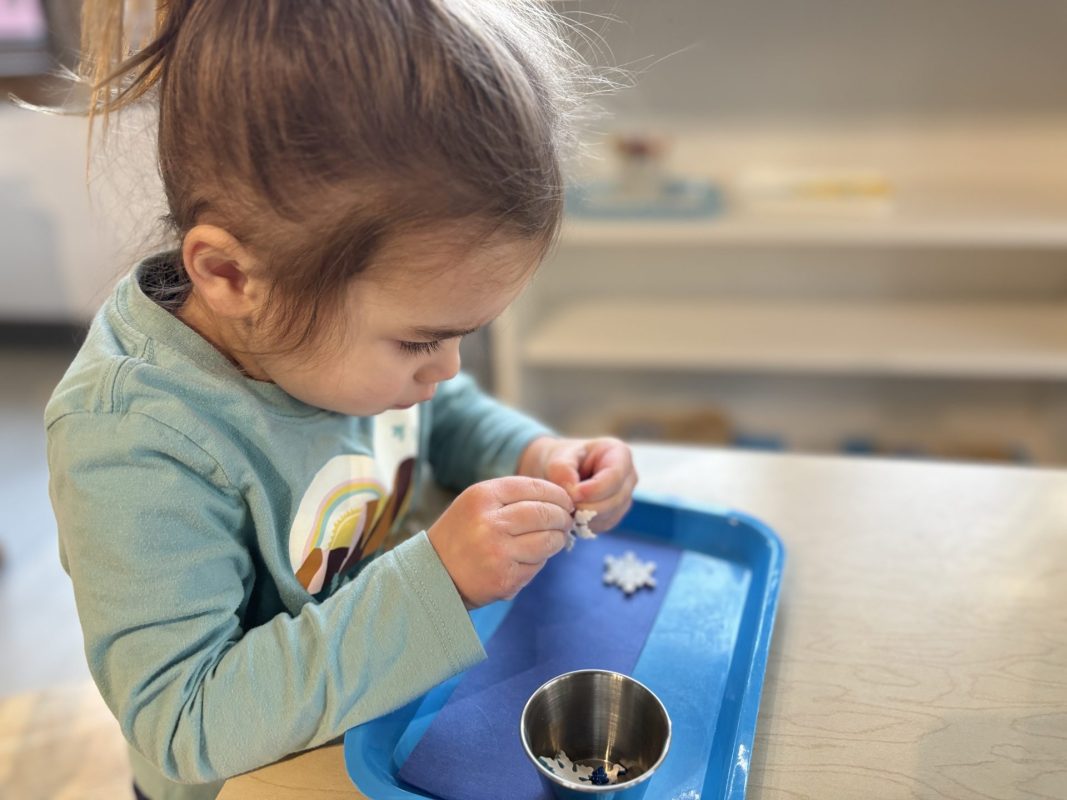
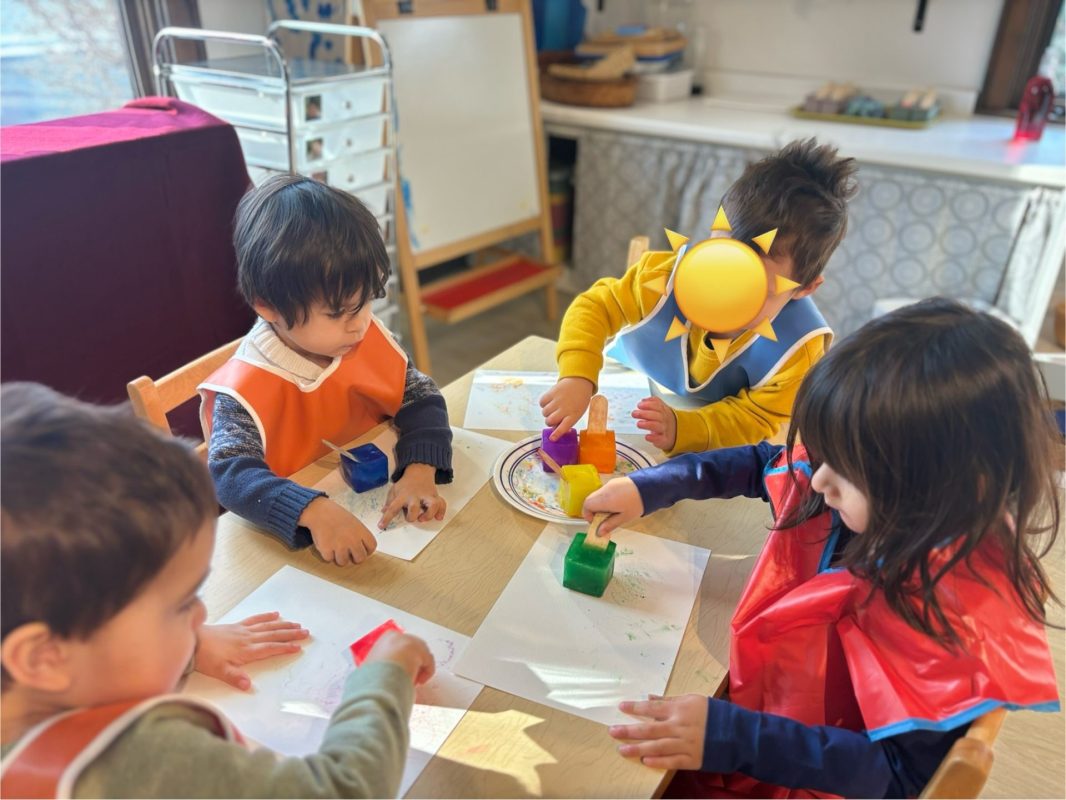
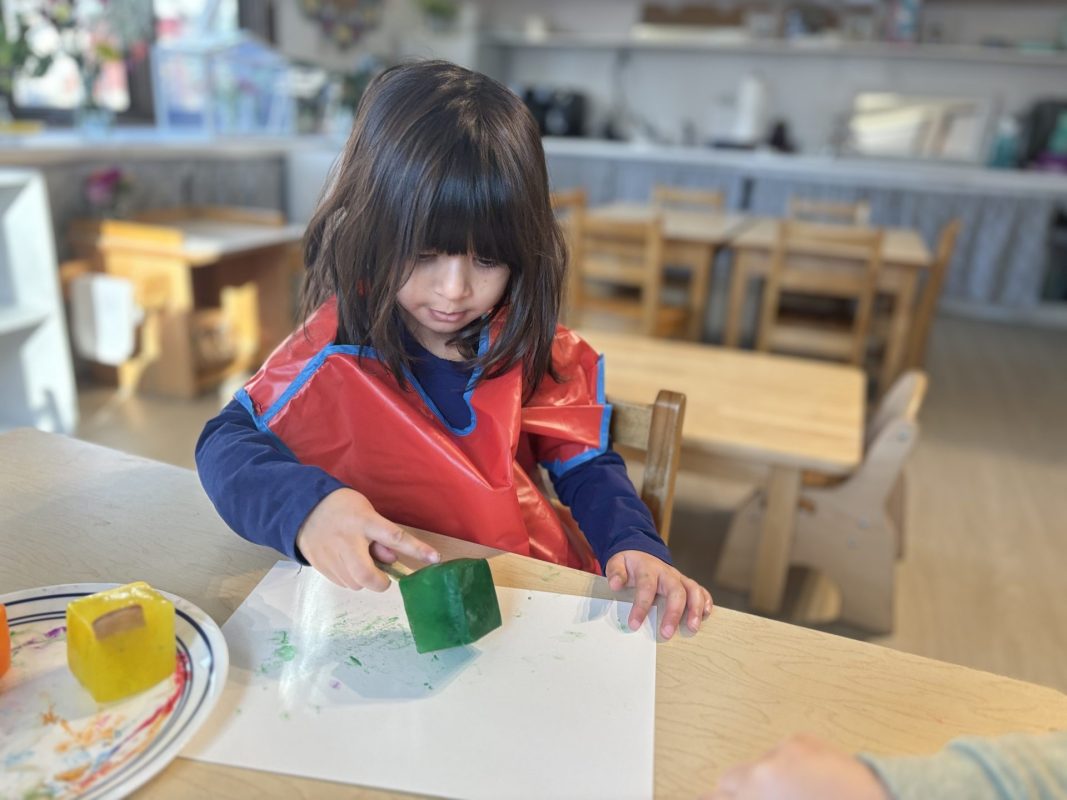
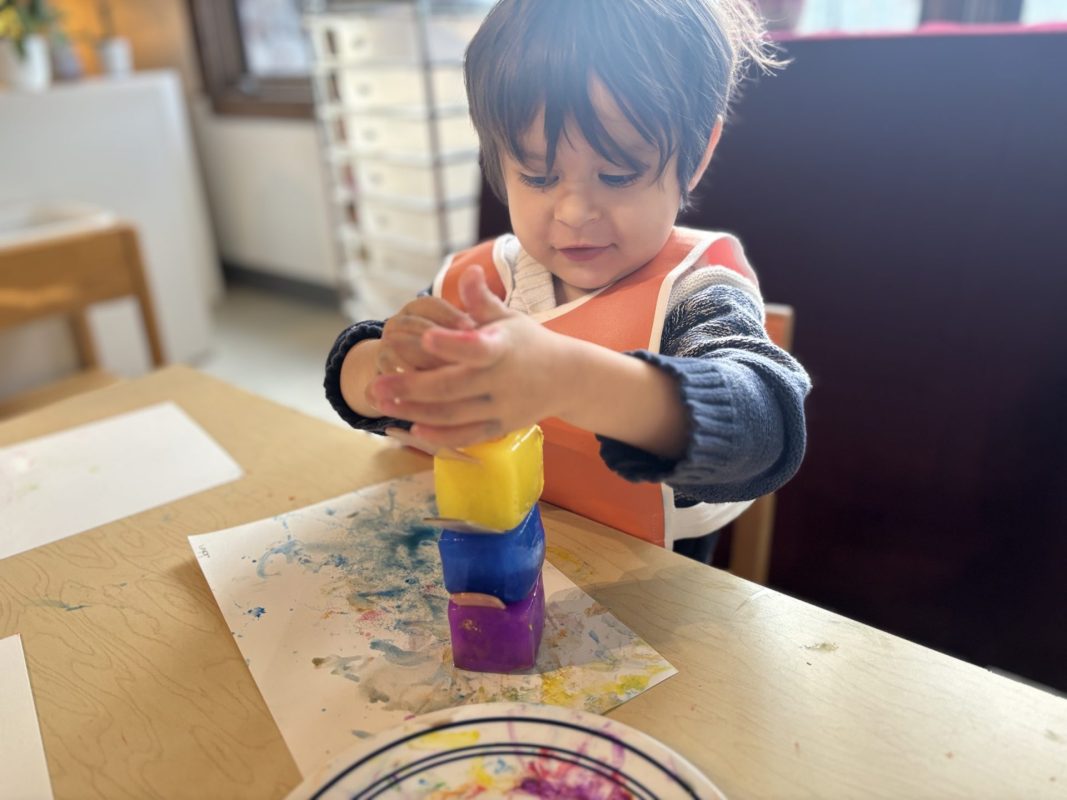
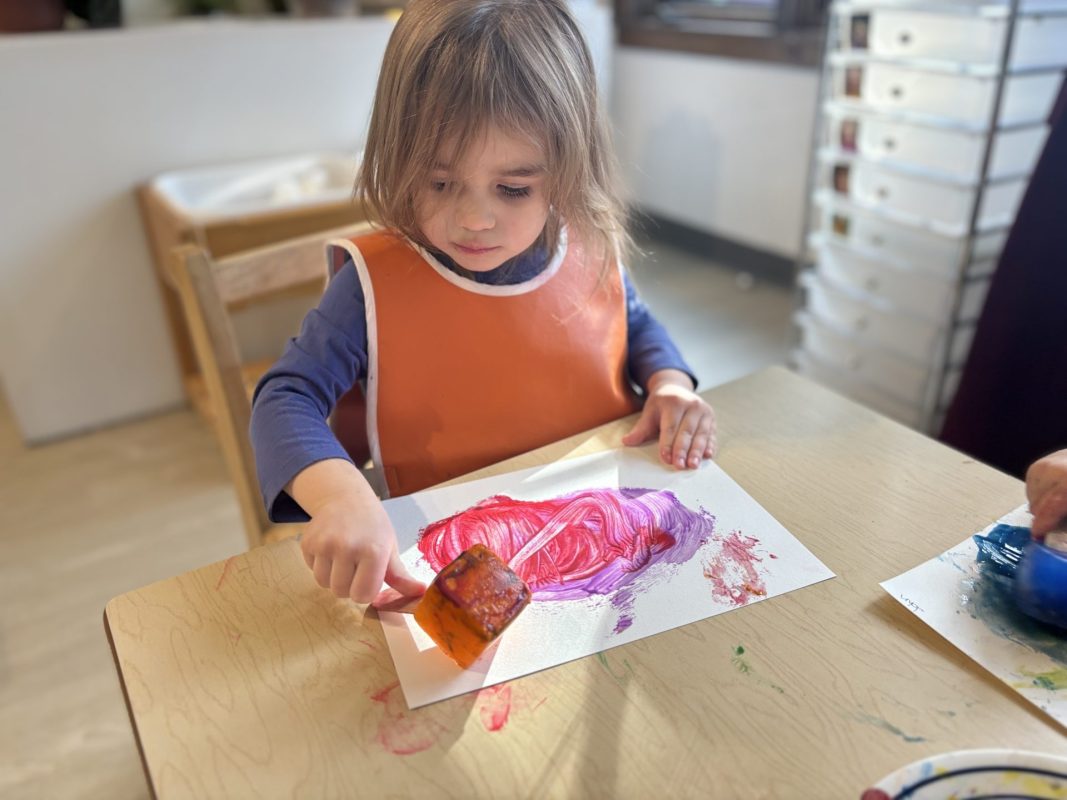
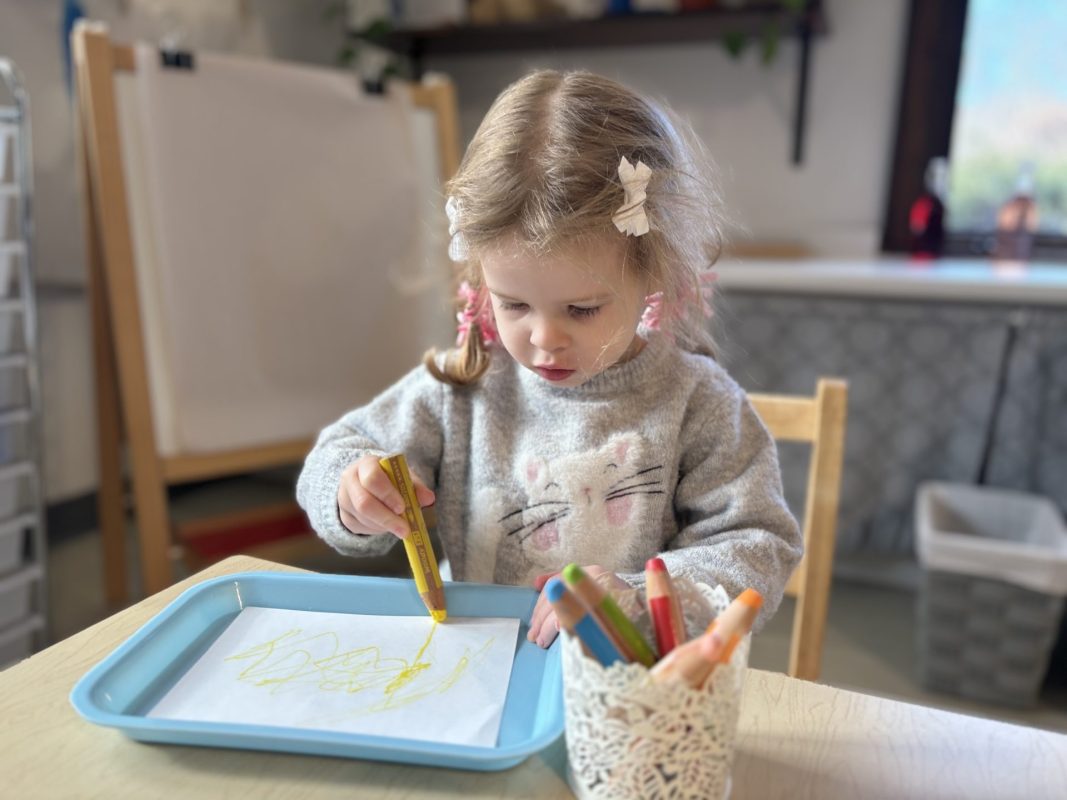
This week, I started giving lessons at the art easel. In the toddler program, art focuses on the process rather than the product.

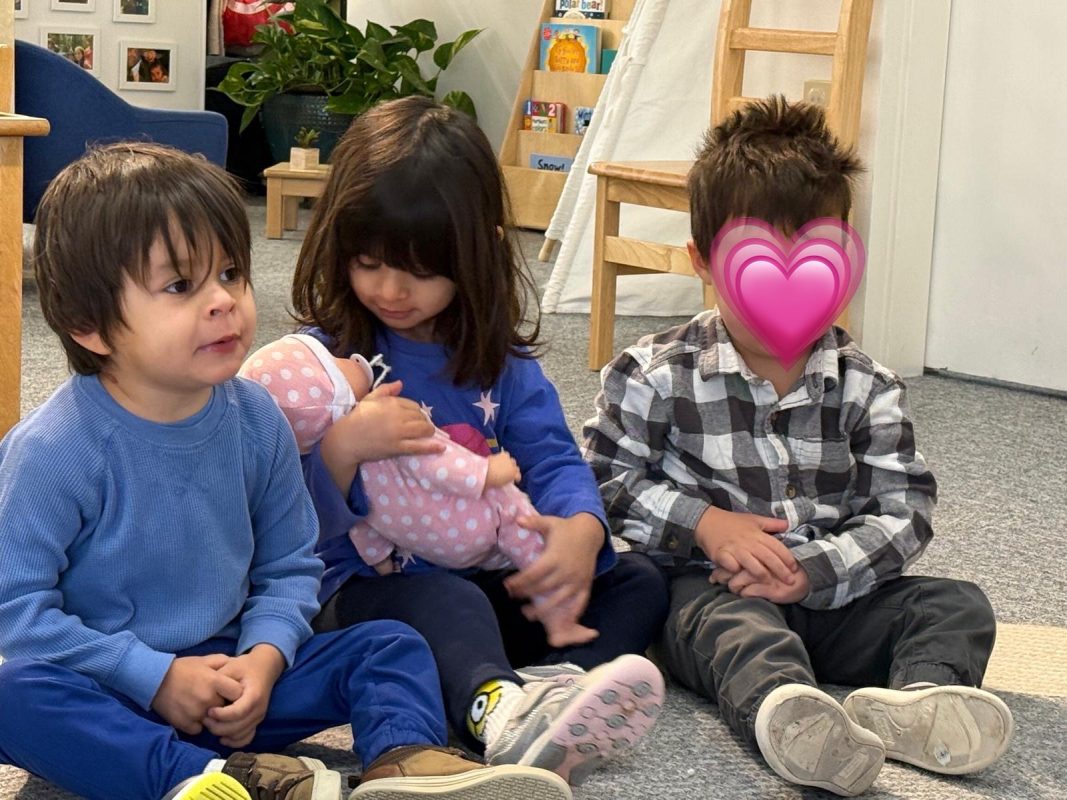
We also celebrated a friend’s third birthday! Happy Birthday to our friend.

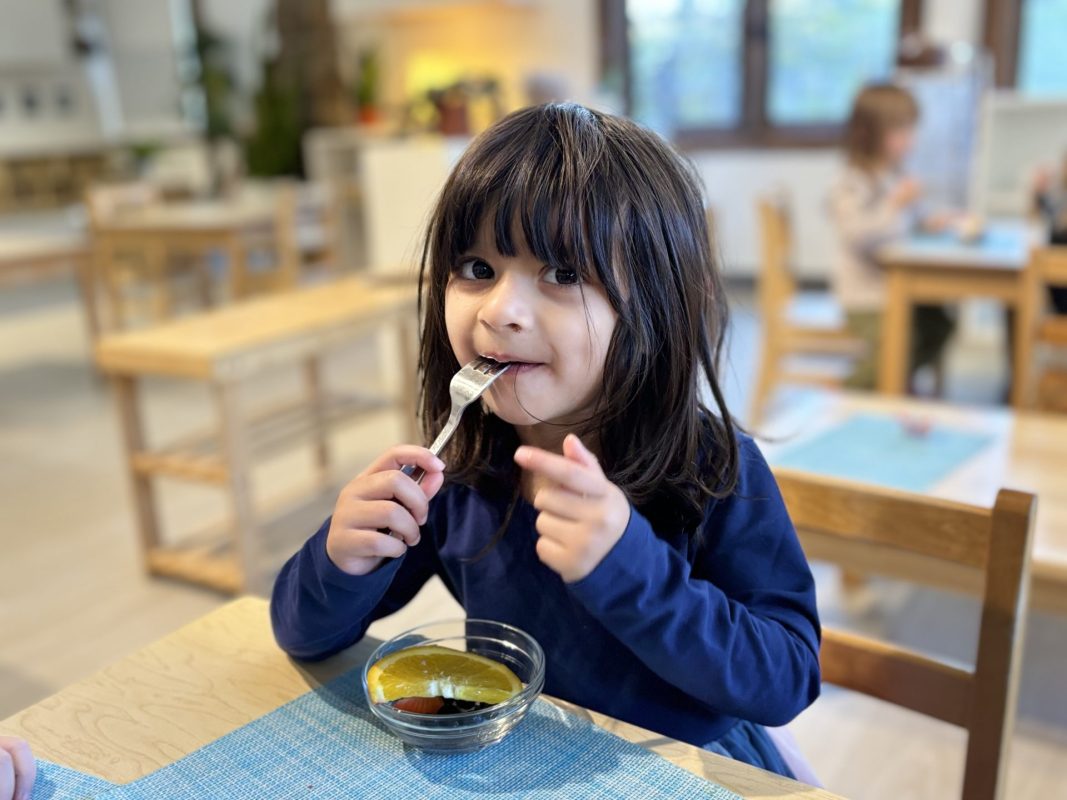
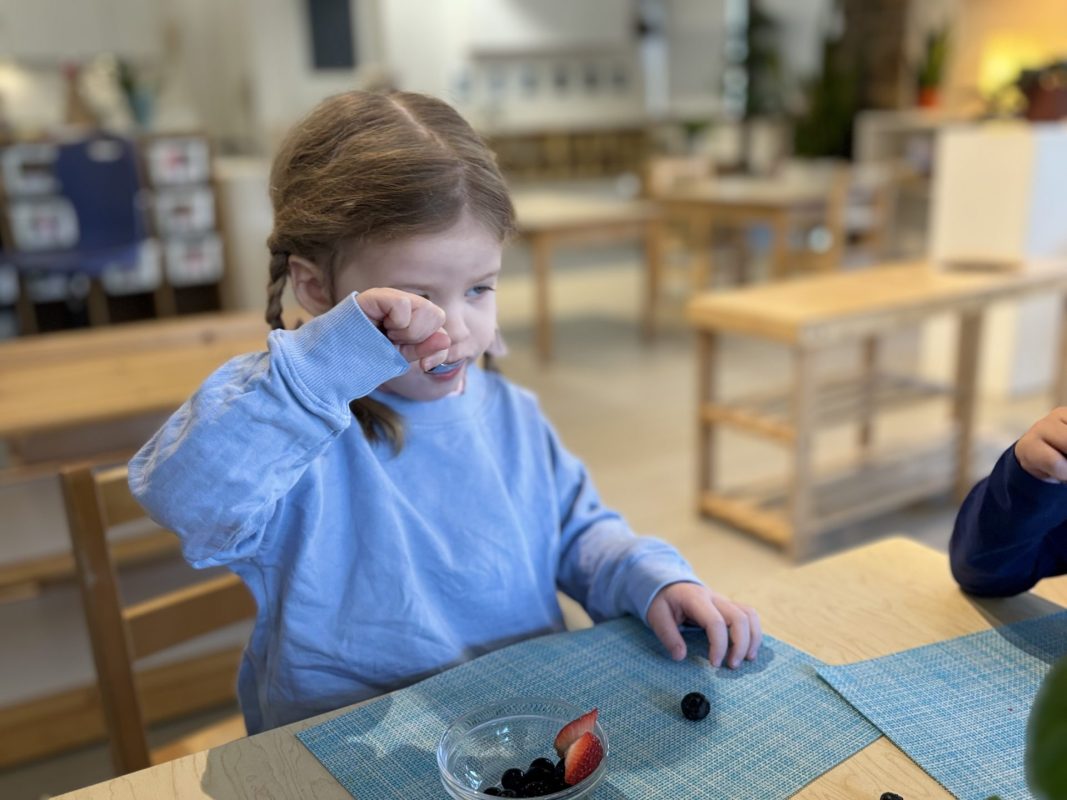
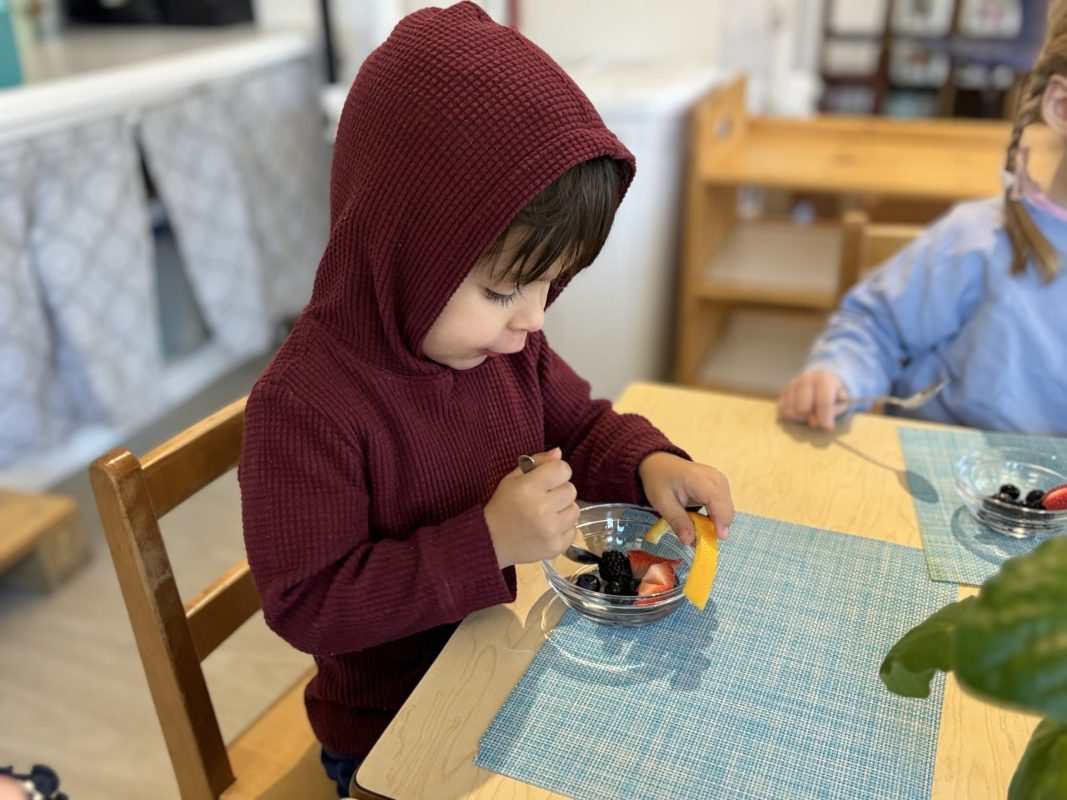
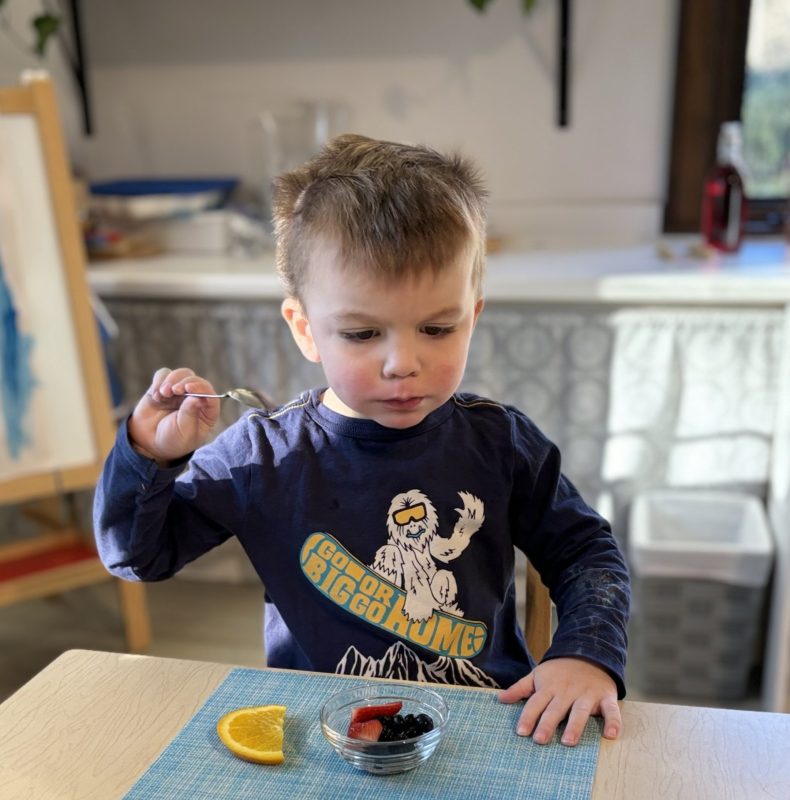
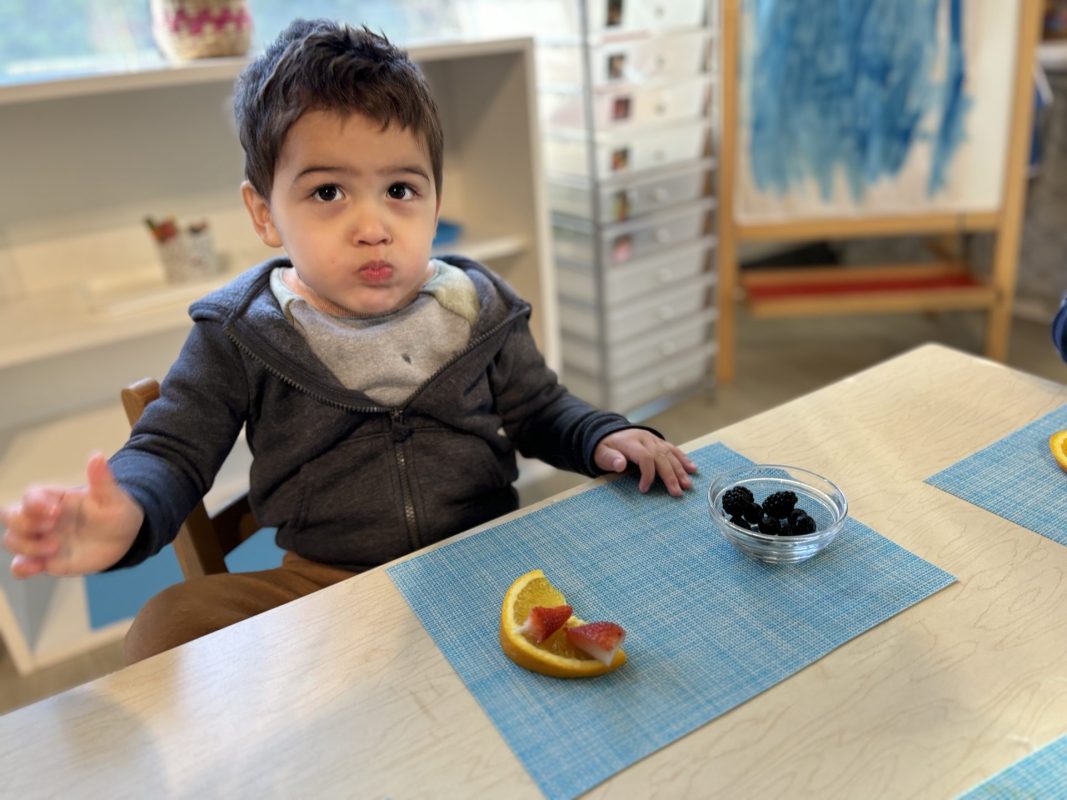
For our food tasting, we tried the super sour and juicy lemon. Enjoy looking at the puckered faces!

Love and Light,

Cynthia and Sara