Why I Wake Early
Hello, sun in my face.
Hello, you who make the morning
and spread it over the fields
and into the faces of the tulips
and the nodding morning glories,
and into the windows of, even, the
miserable and crotchety-best preacher that ever was,
dear star, that just happens
to be where you are in the universe
to keep us from ever-darkness,
to ease us with warm touching,
to hold us in the great hands of light-
good morning, good morning, good morning.Watch, now, how I start the day
in happiness, in kindness.Mary Oliver
Wishing the happiest of Mother’s Days to all of our Upper El mamas!
Thank you for a very special Teacher Appreciation Week! Sara and I feel so loved and appreciated with all of your and your children’s heartfelt messages and gifts last week.
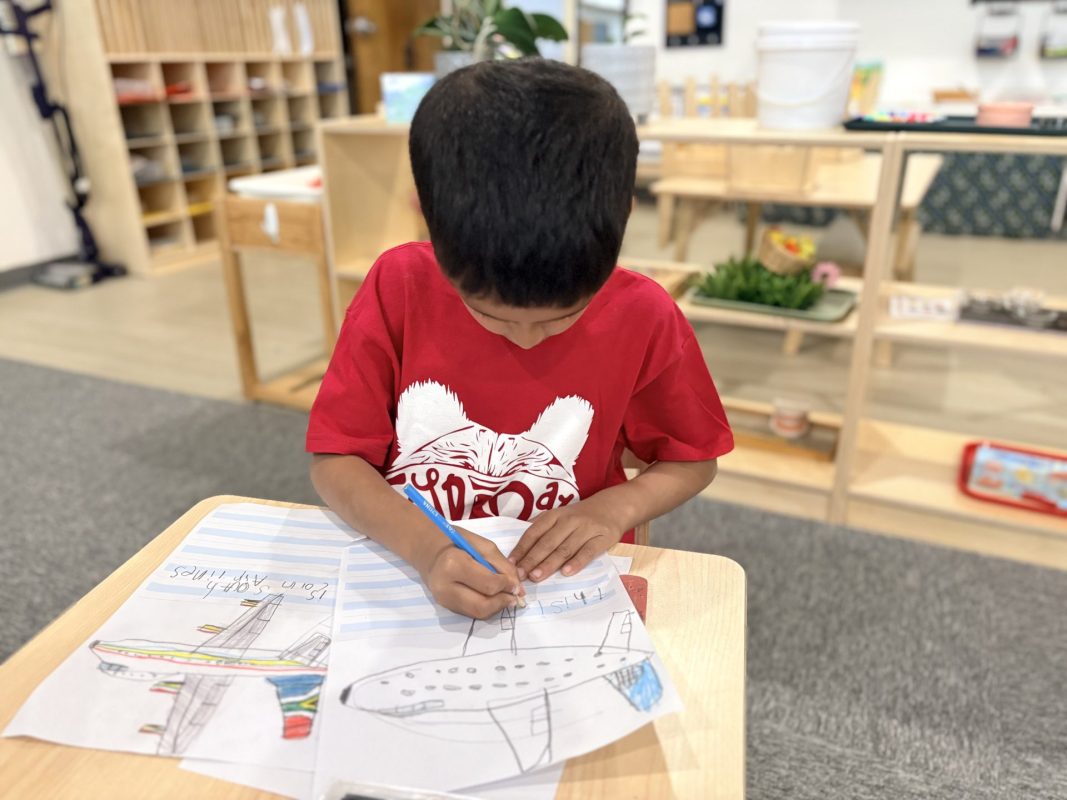
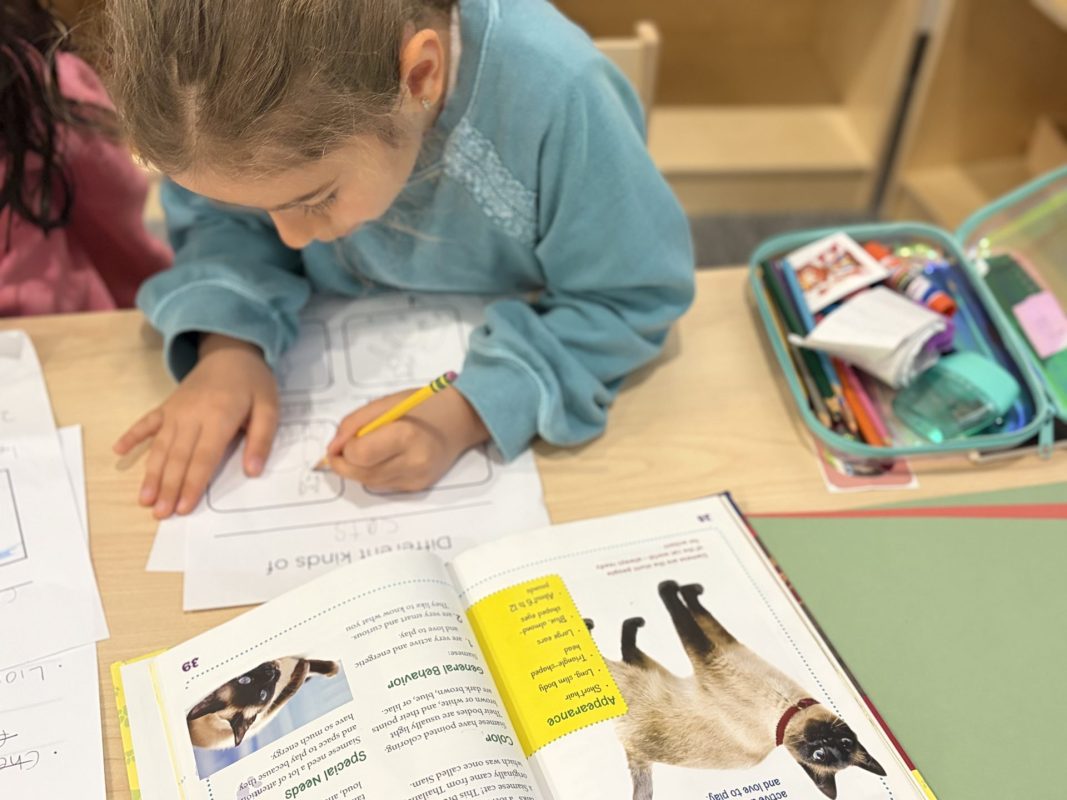
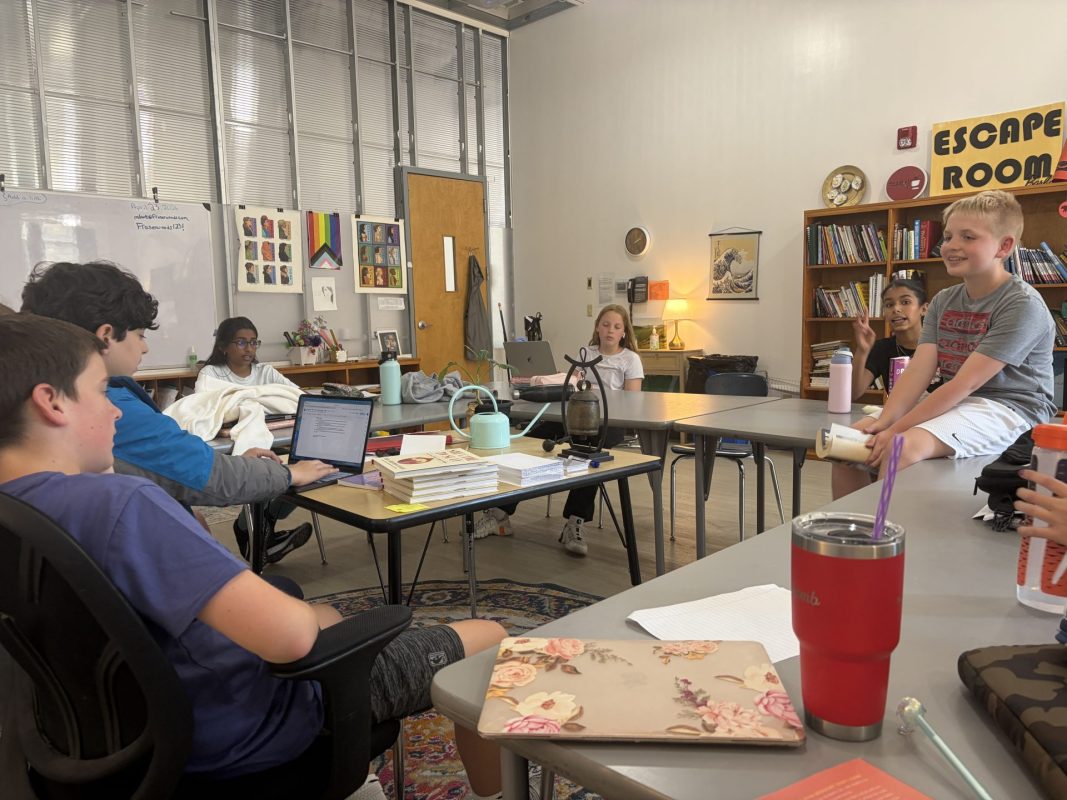
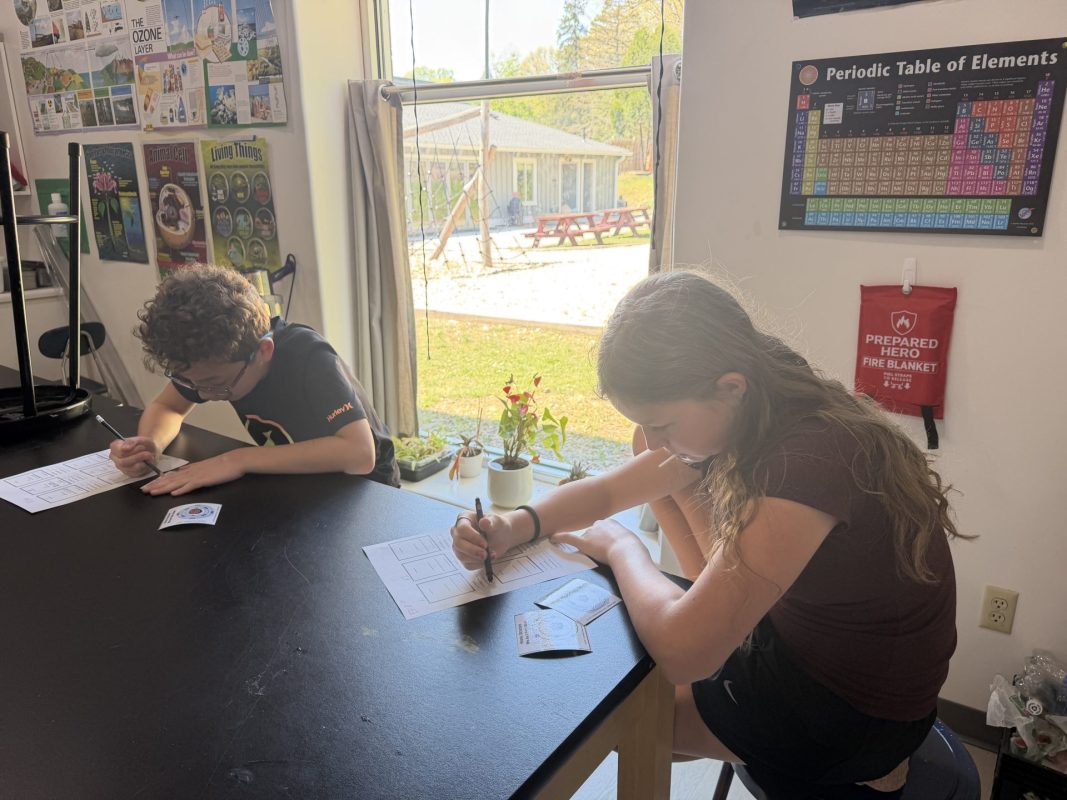
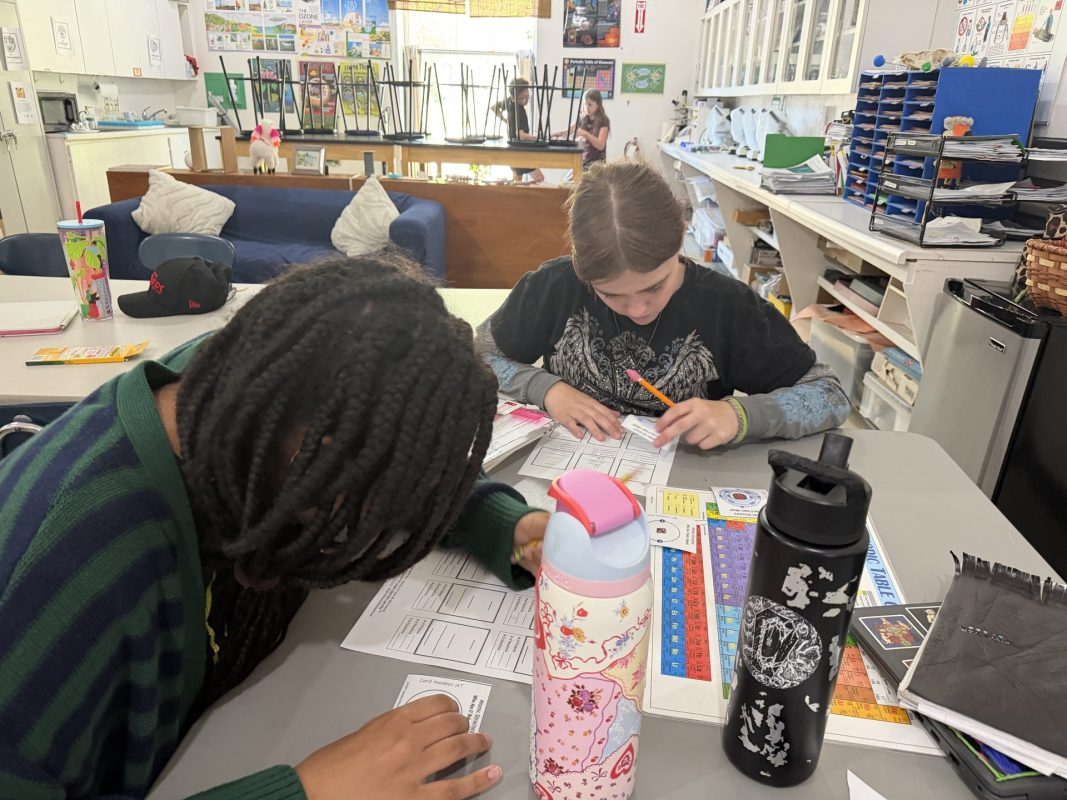
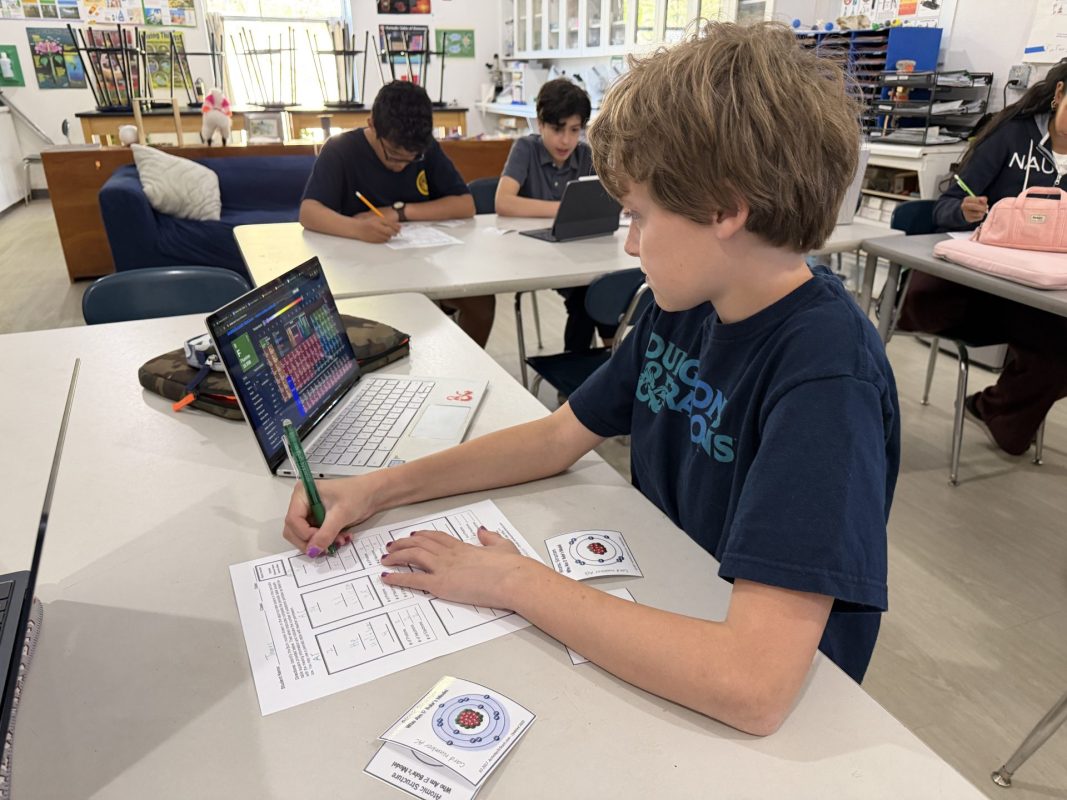
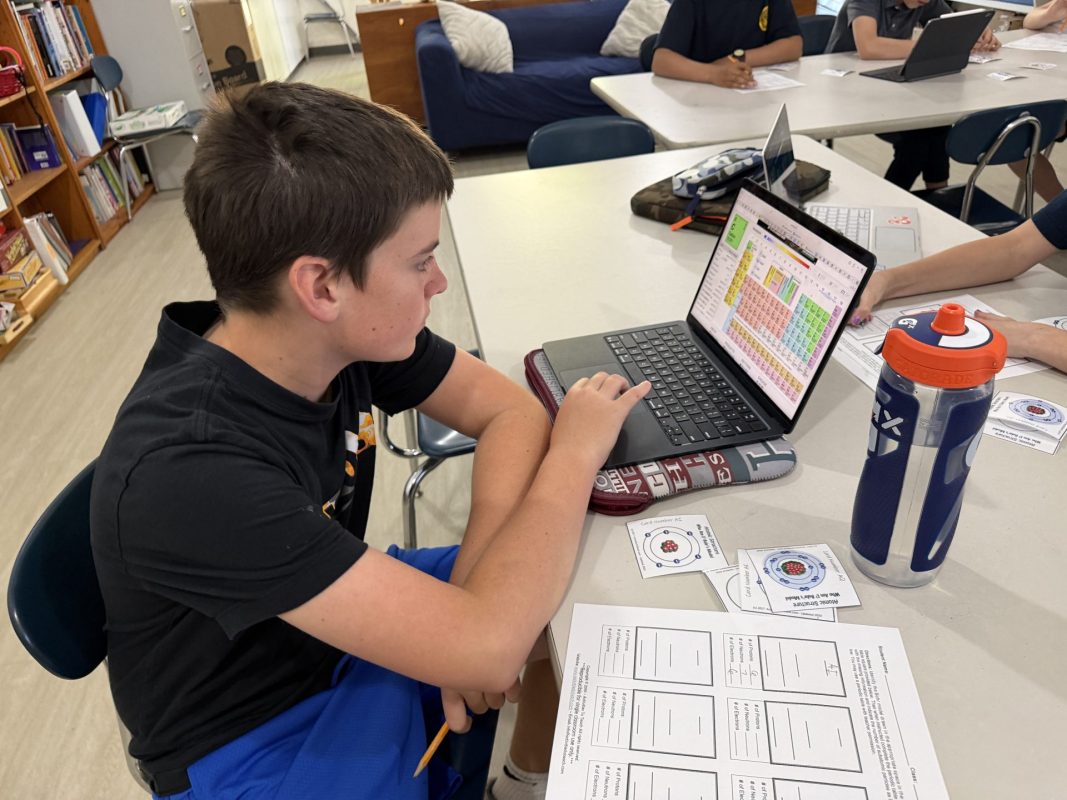
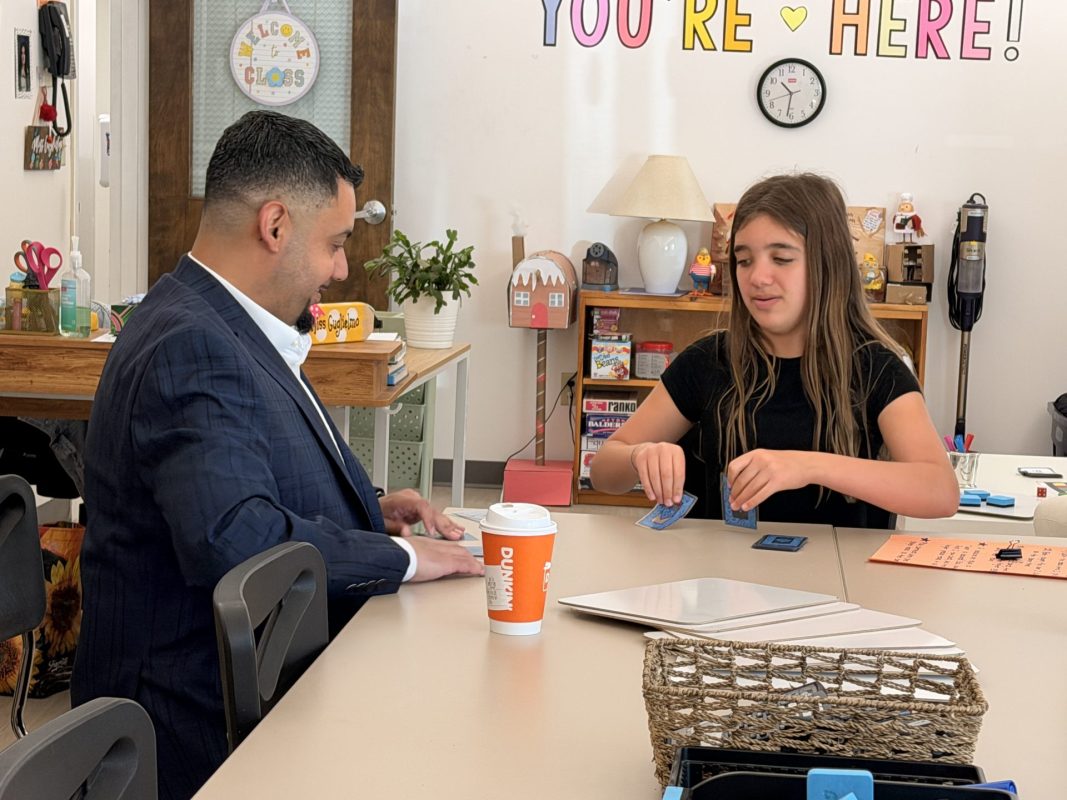
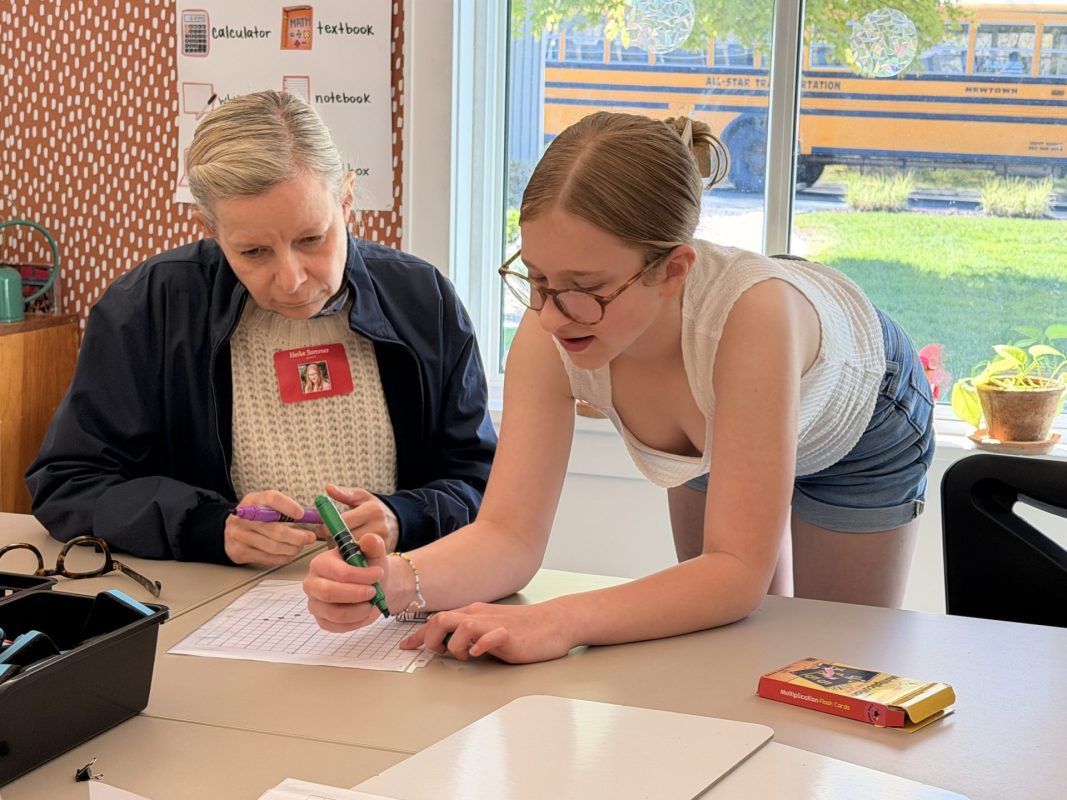
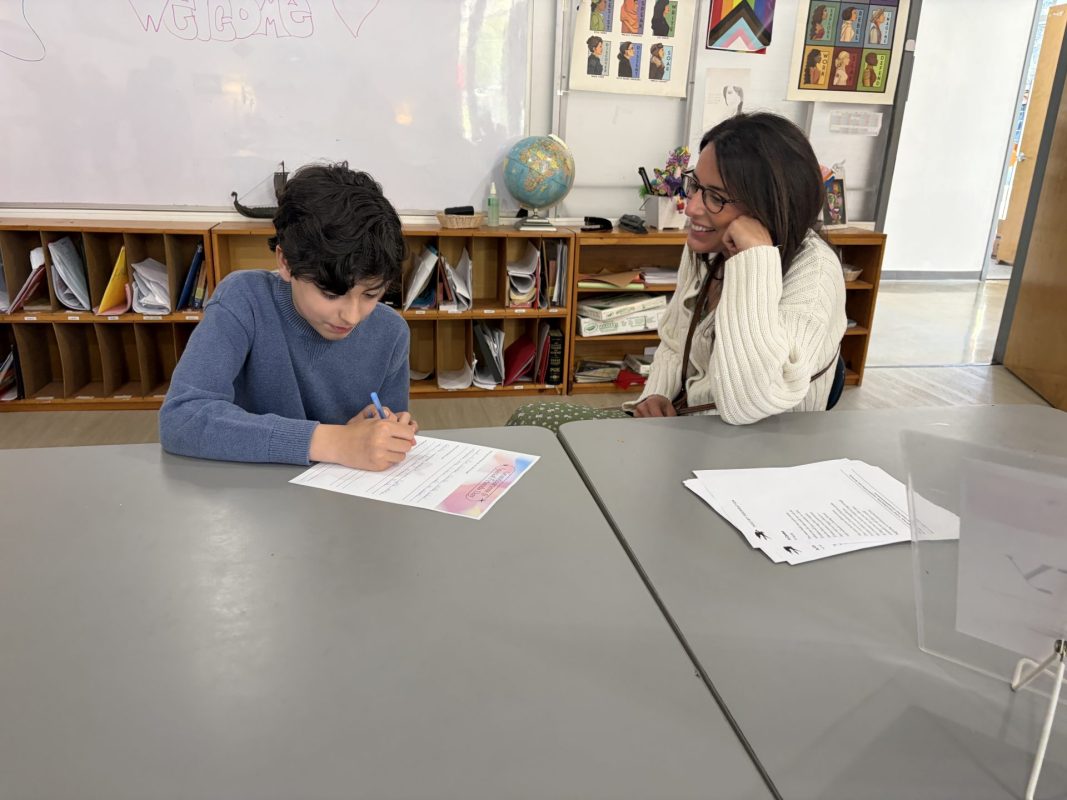
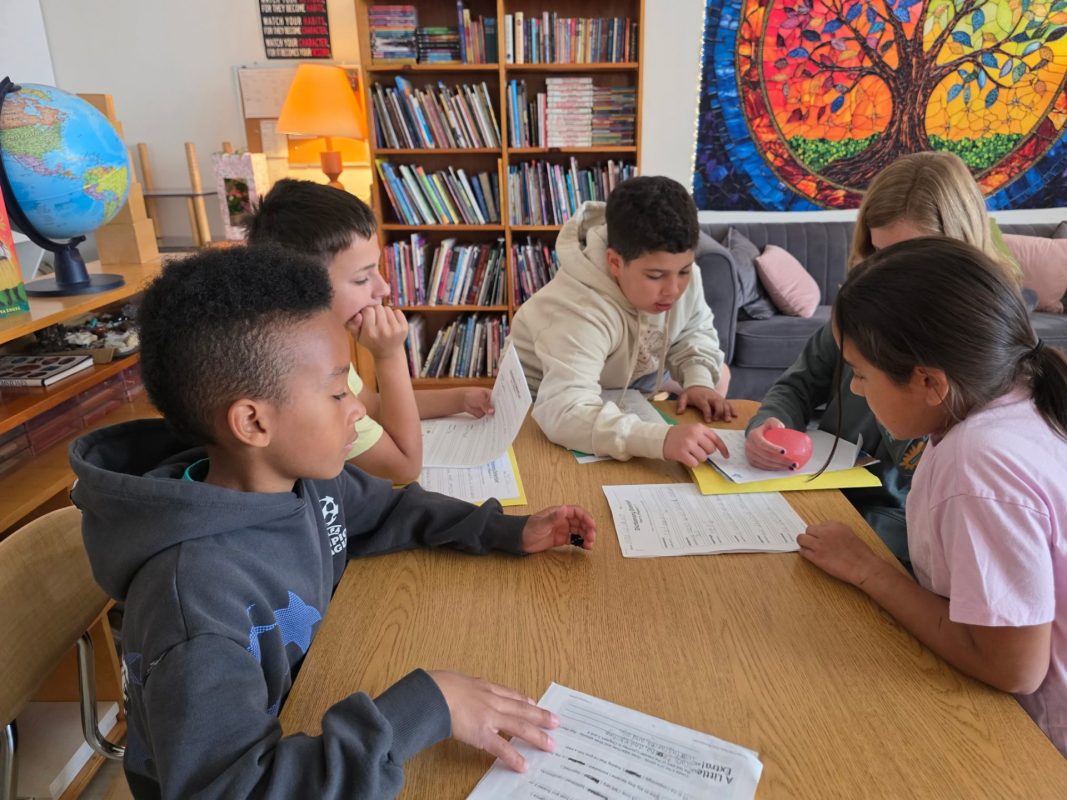
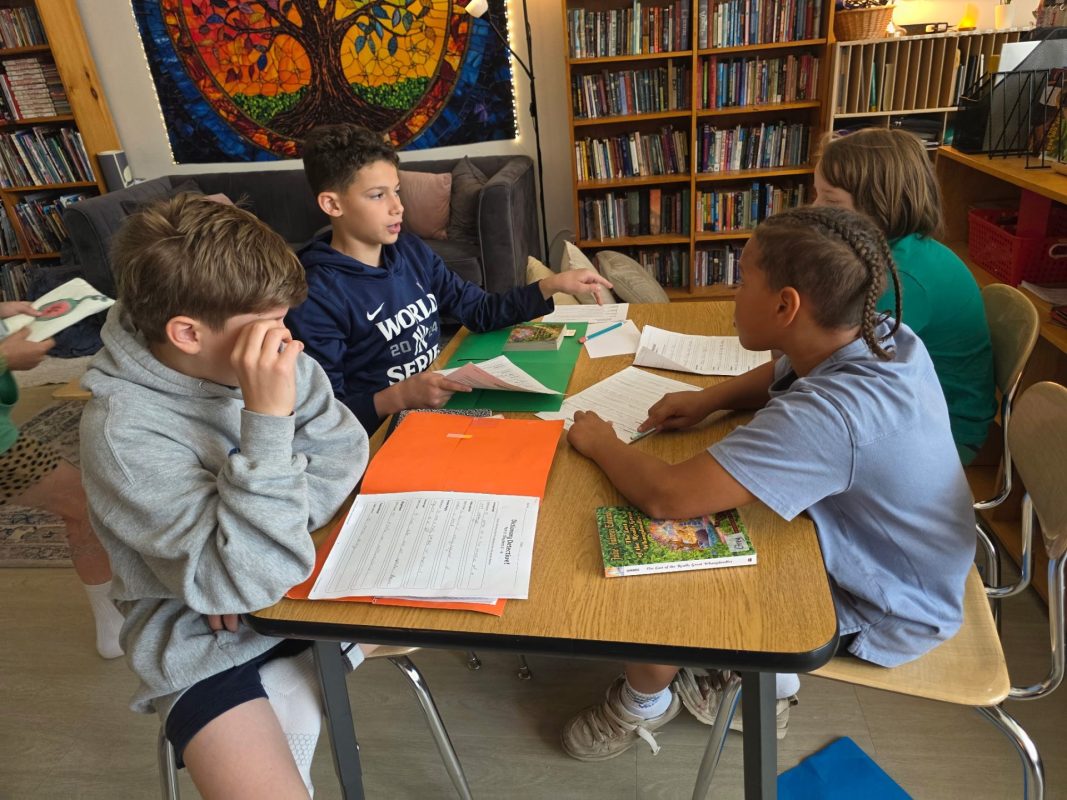
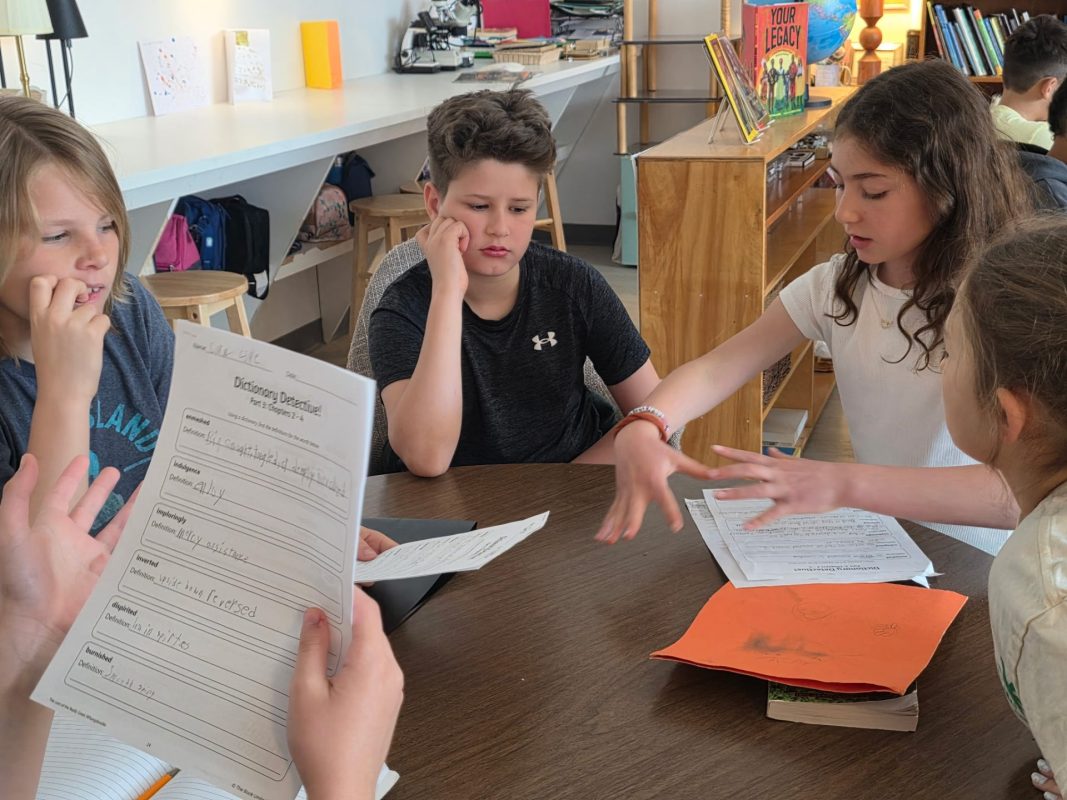
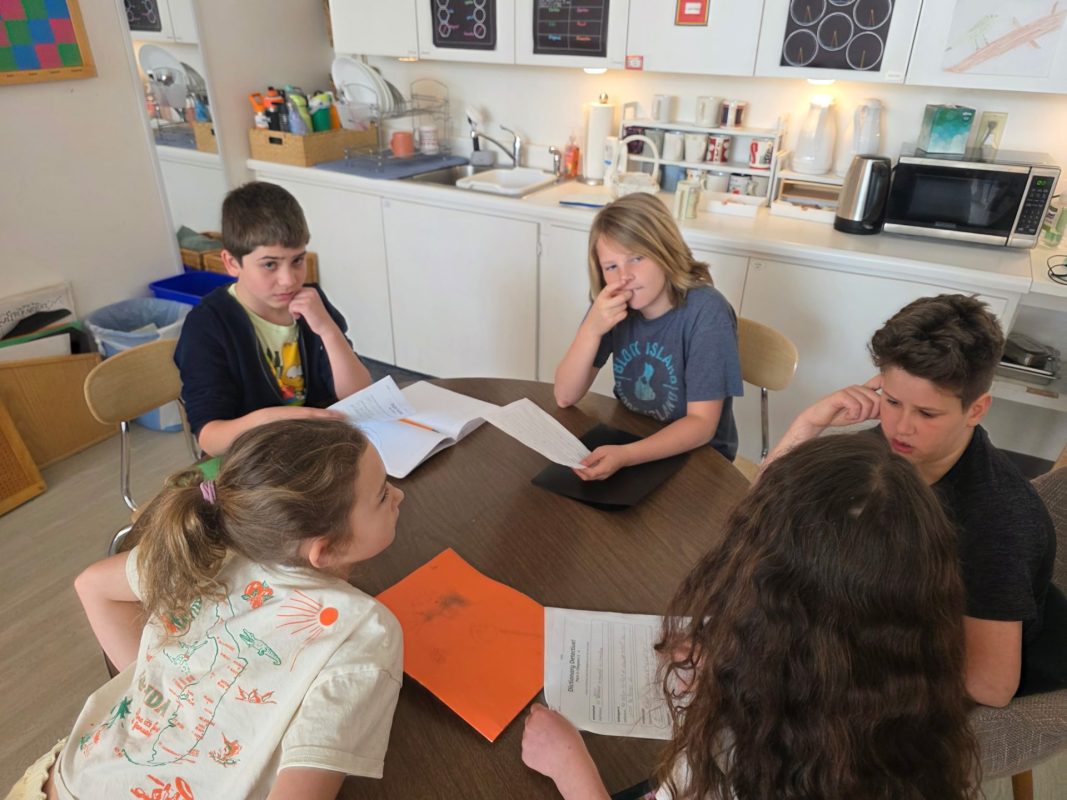
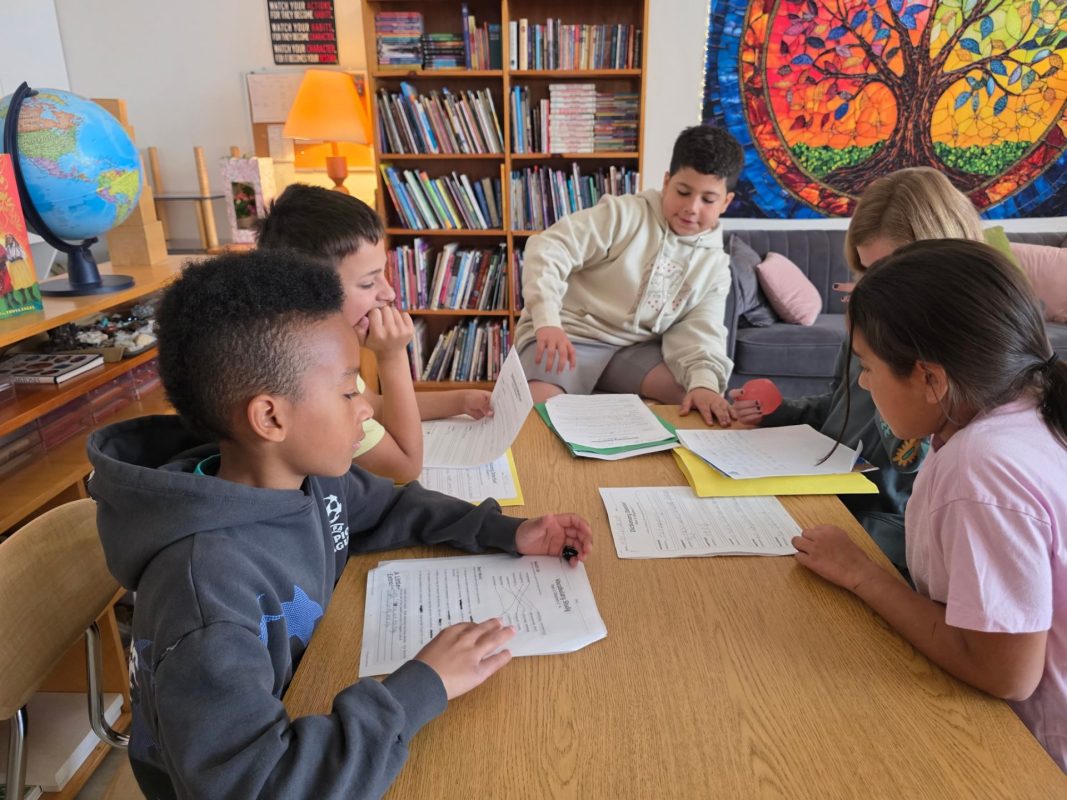
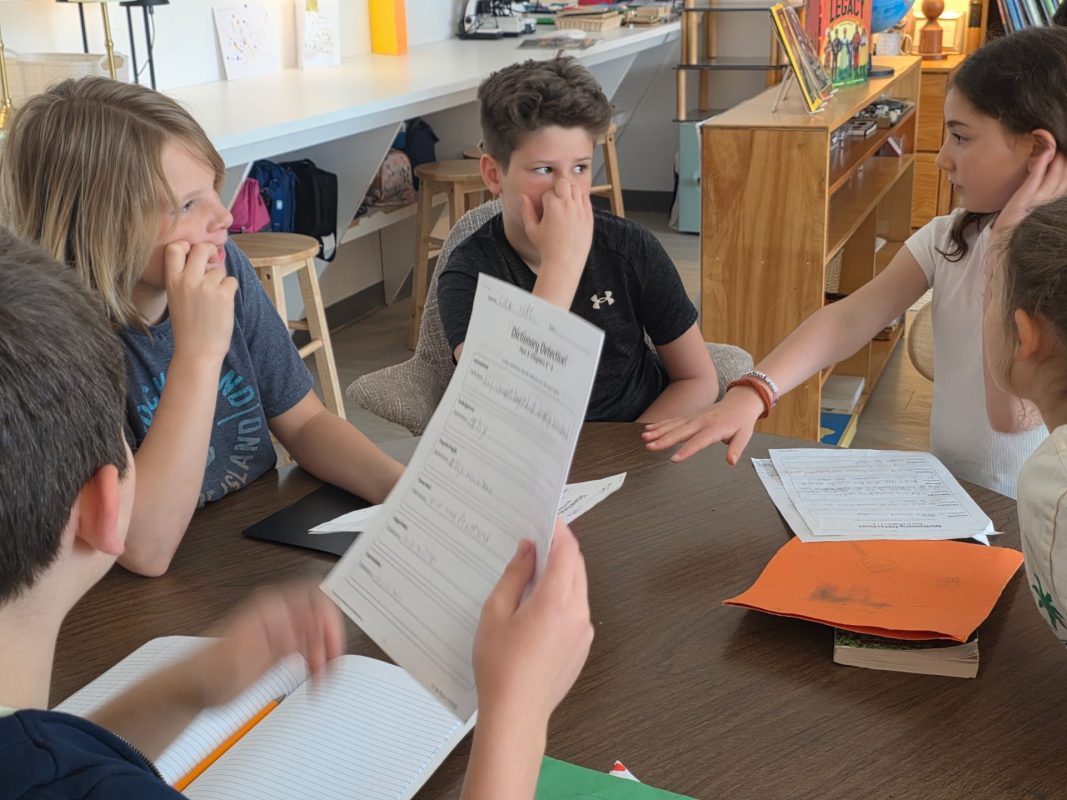
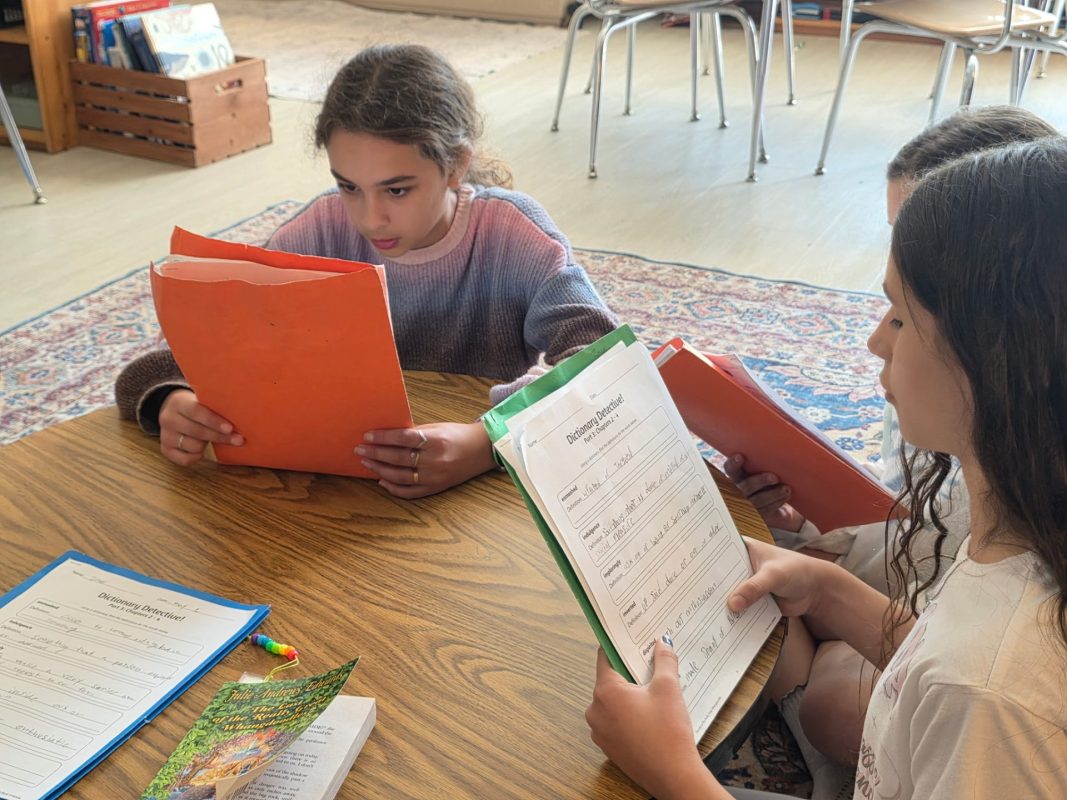
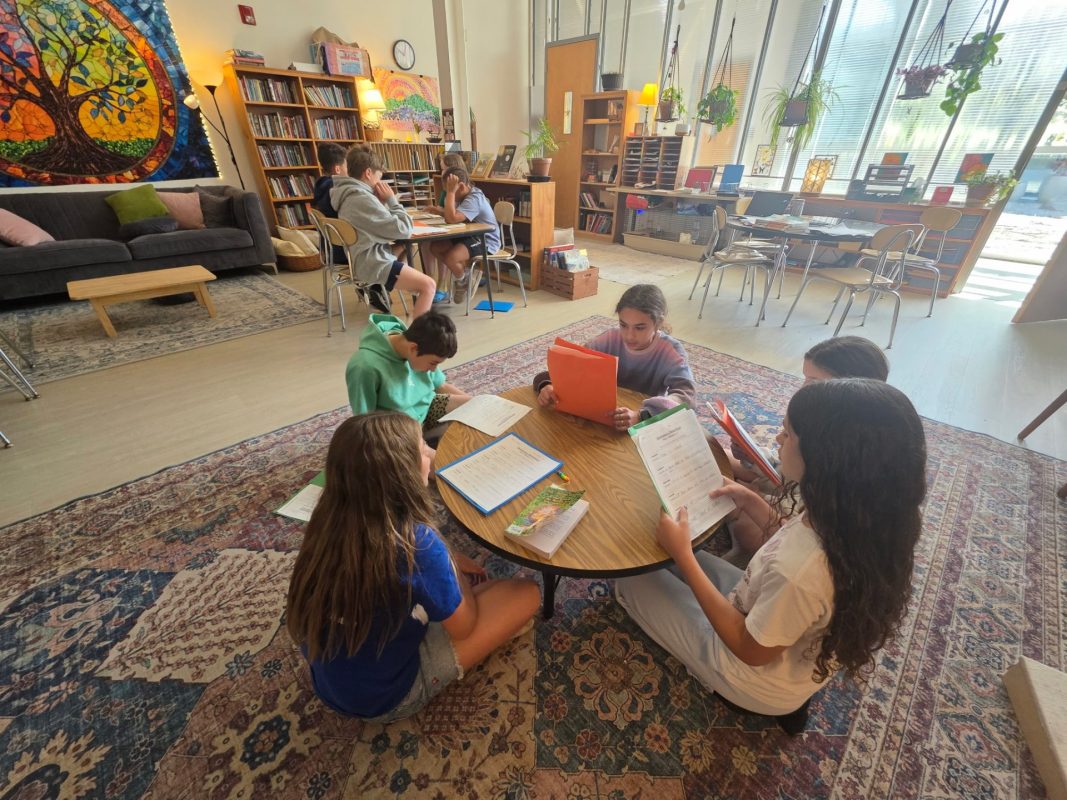
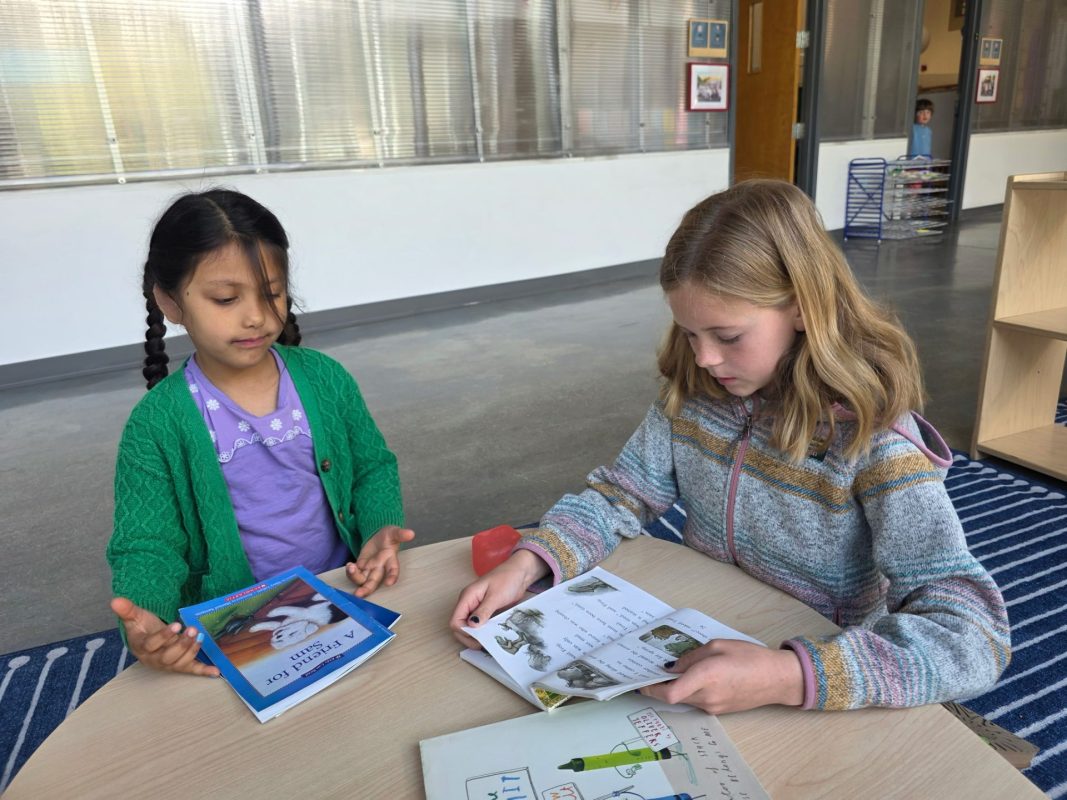
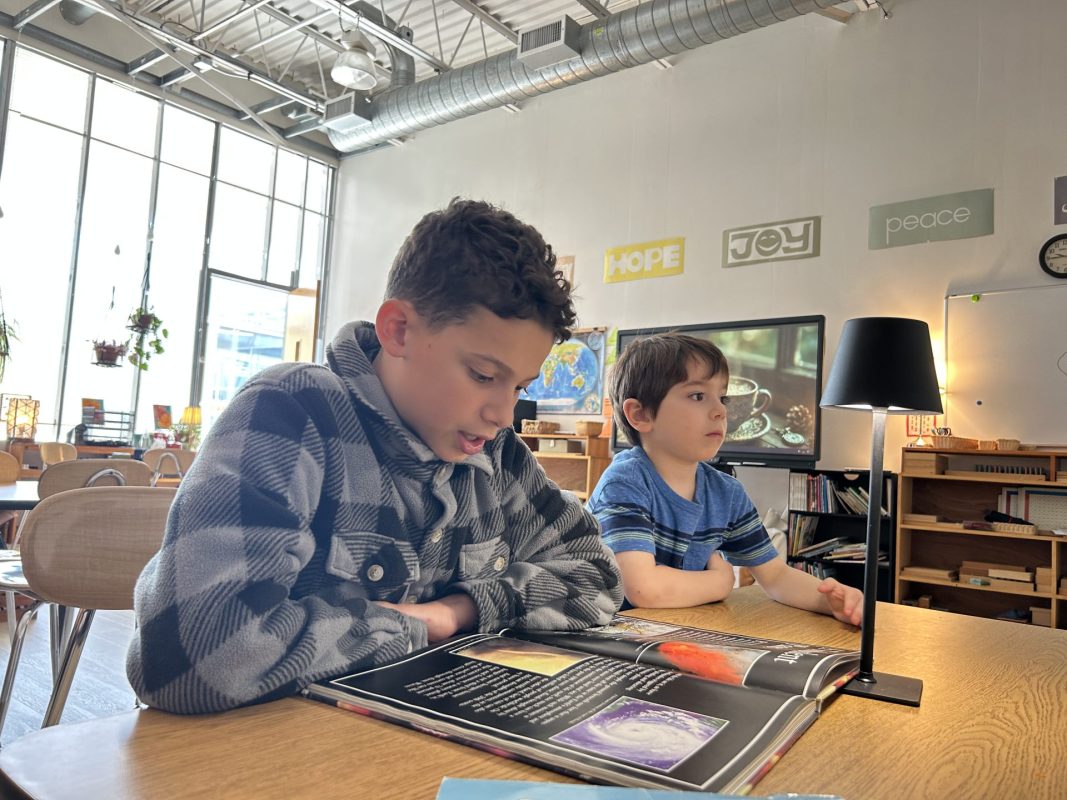
Upper el students are hard at work researching the vital functions of an animal of their choice. The process began with using our classroom materials to gather some initial facts. From there, students are weaving in what they learned in this week’s writing lesson on multi-paragraph reports, taking notes, and building outlines for their final papers. They are focusing on crafting strong topic sentences for each paragraph, then developing supporting and concluding sentences. After writing everything by hand, revising, and editing, they will type their final drafts, transforming their research into books about their chosen animals to share with the class. Their enthusiasm is clear – they’re dedicating a great deal of time and attention to this project. We love seeing them share information with each other as they learn more about their animals.
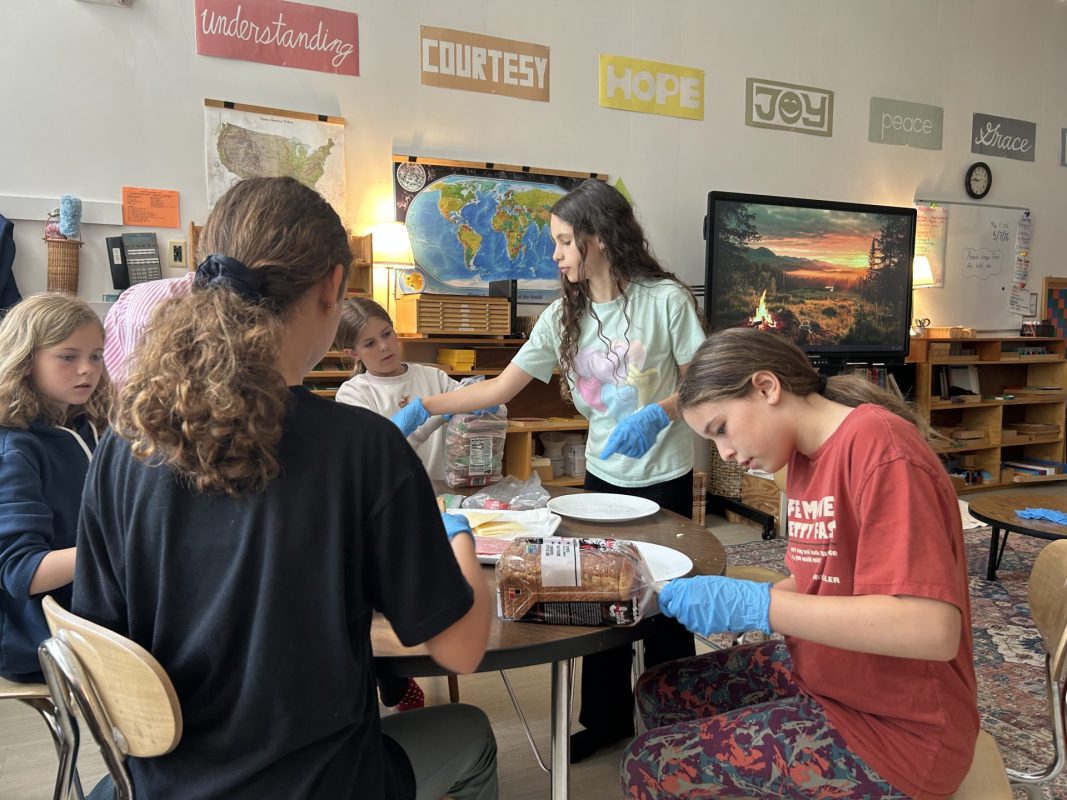
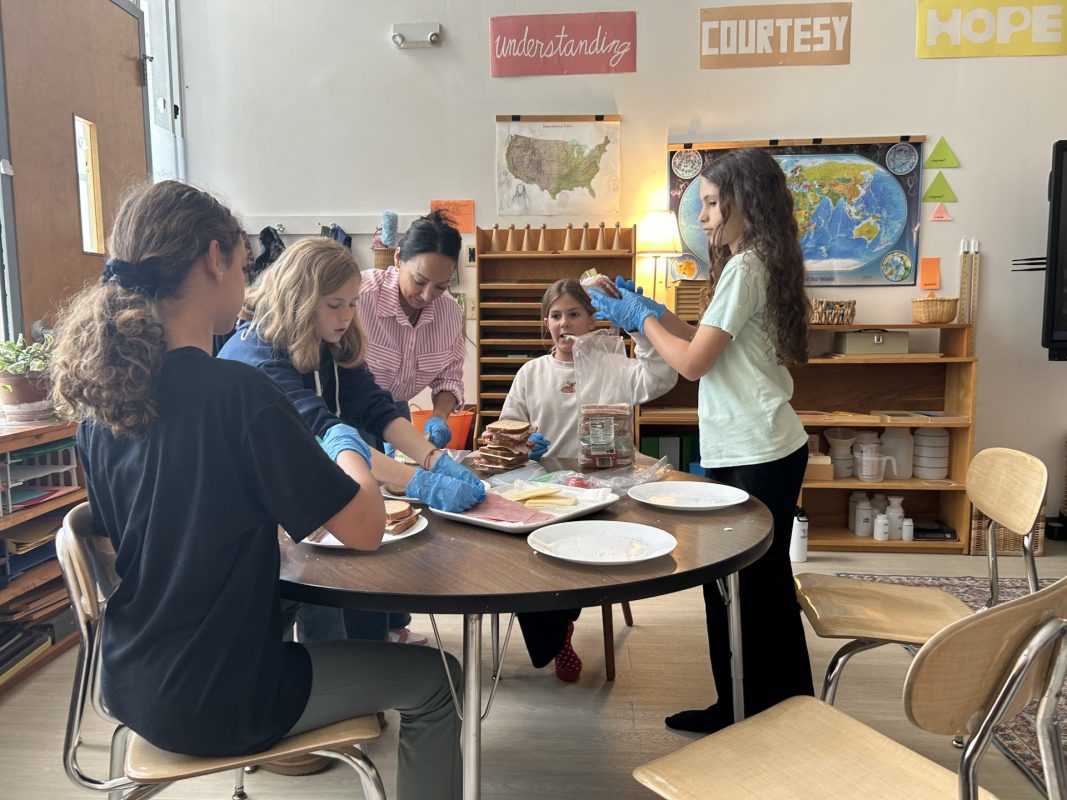
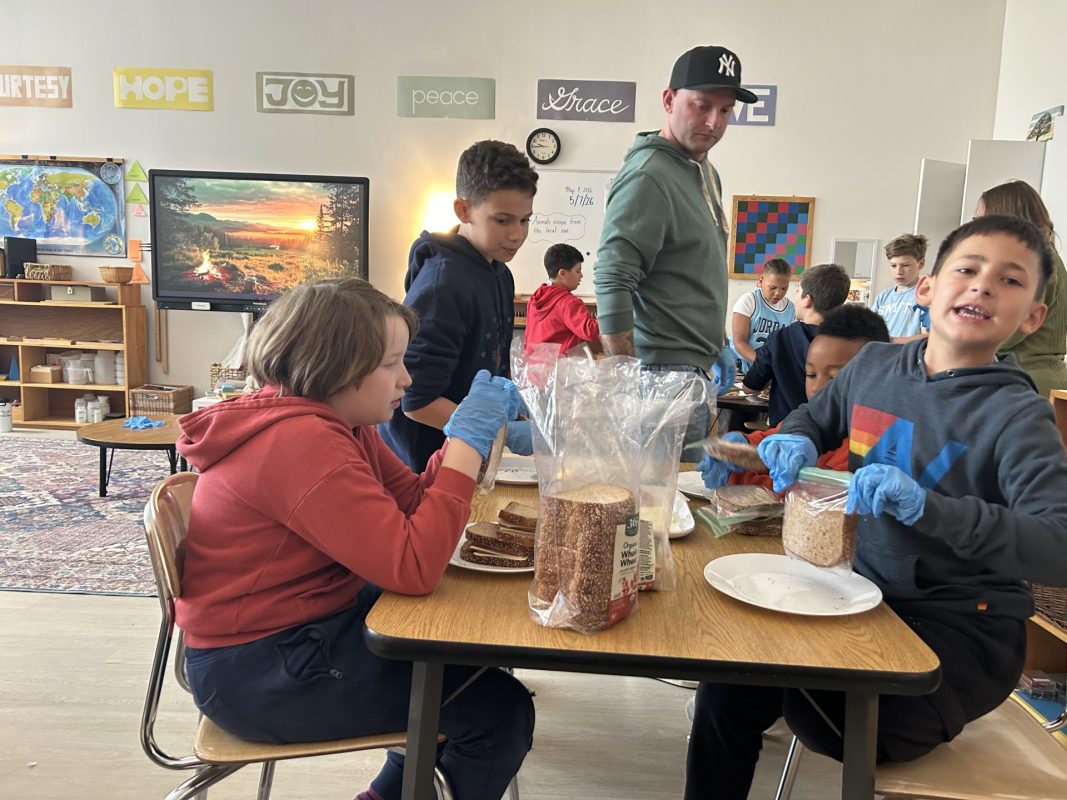
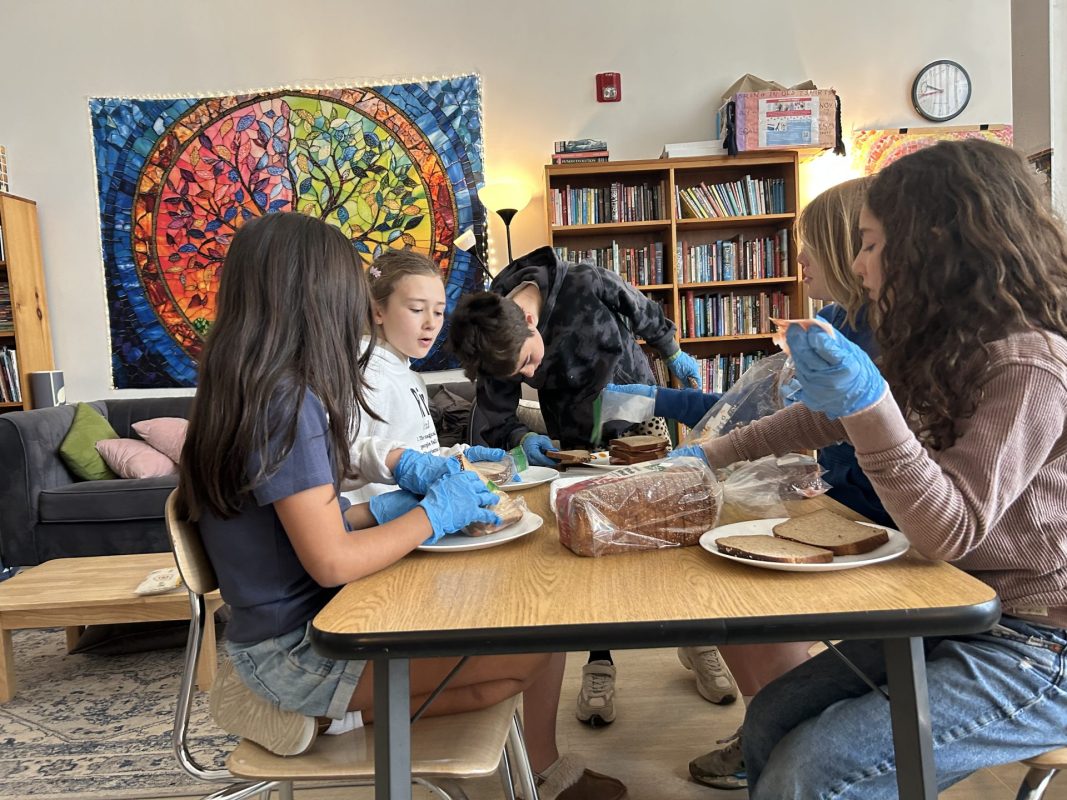
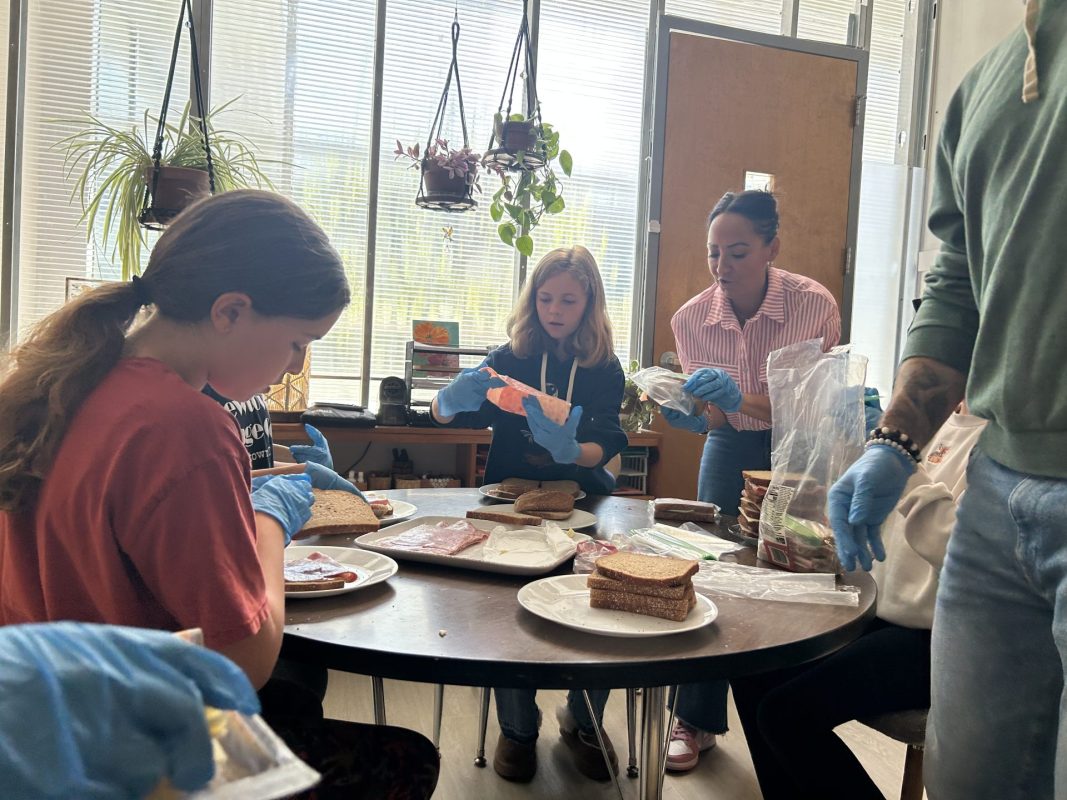
This week, we had our last sandwich-making morning of the year. We made 208 sandwiches for the soup kitchen! Thank you very much to all who contributed ingredients this month. A very special thank you to Teresa and Brandon for helping us make the sandwiches and dropping them off at St. Vincent DePaul! We appreciate all of you!
Next week, we will take the ERB-CTP5 standardized test. We will do a little each morning and keep the testing as low-key as possible. As a Montessori school, we take this test only as a practical life experience. We know that children will need to take tests in the future, as they enter high school and beyond, and we want to help prepare them for that. At the upper elementary level, we don’t report scores. This is because I use this opportunity to guide them through the test and explain things as questions come up. While I do not provide them with answers, I do give more guidance than the test allows if it is being scored. When students reach the middle school level, their tests are scored, and you will receive those scores.
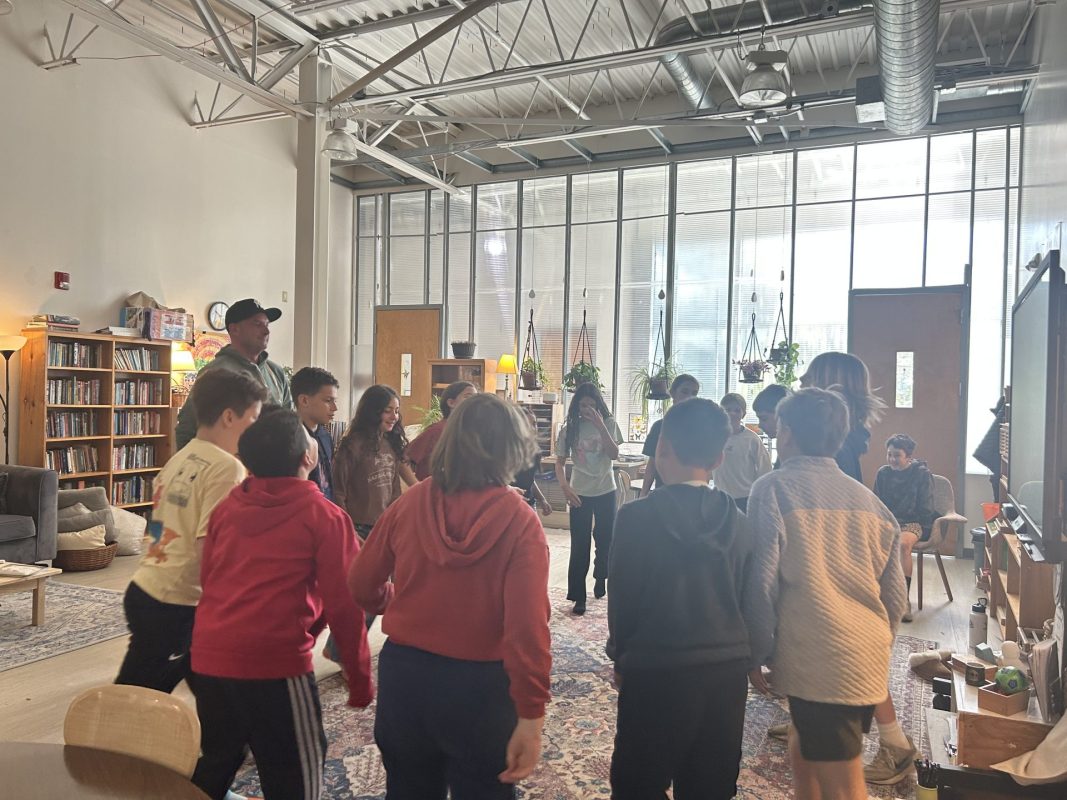
Because we are in rehearsals for the musical until 10:00 each morning next week, the May and summer birthday breakfast will be on May 29, the day after we return from Nature’s Classroom.
If you have not yet turned in your child’s medical forms for our trip, please do so as soon as possible.
Upcoming Dates
- Thursday, May 21
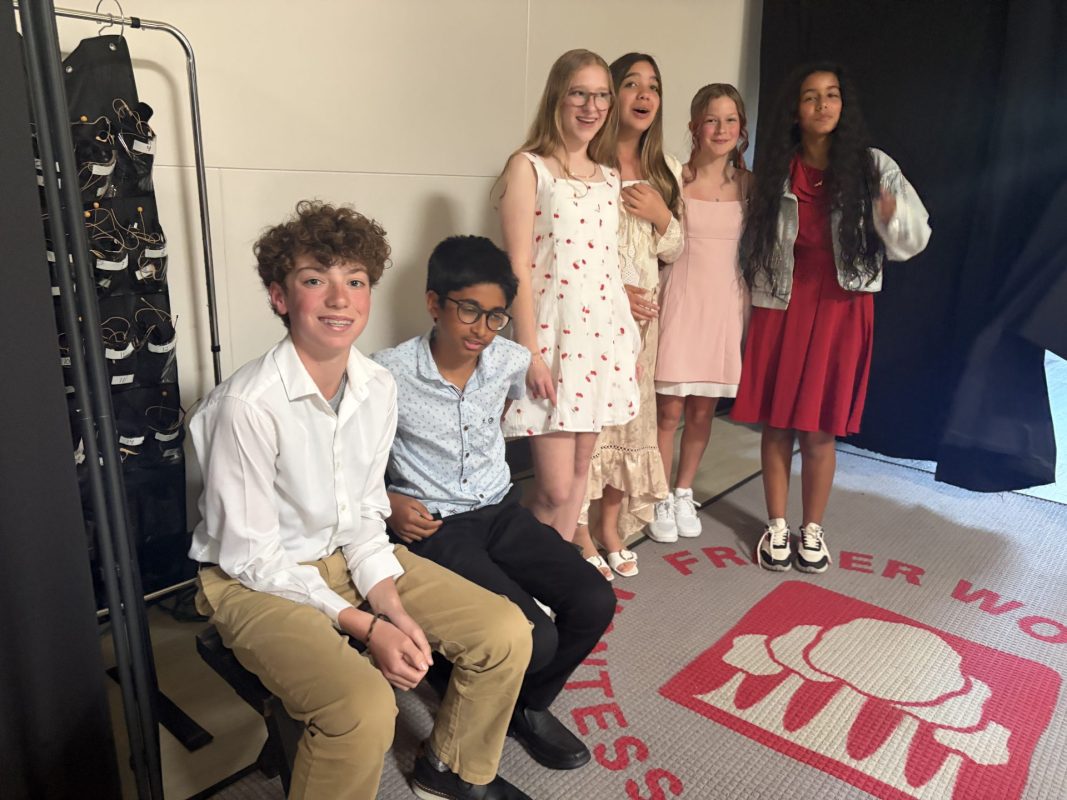
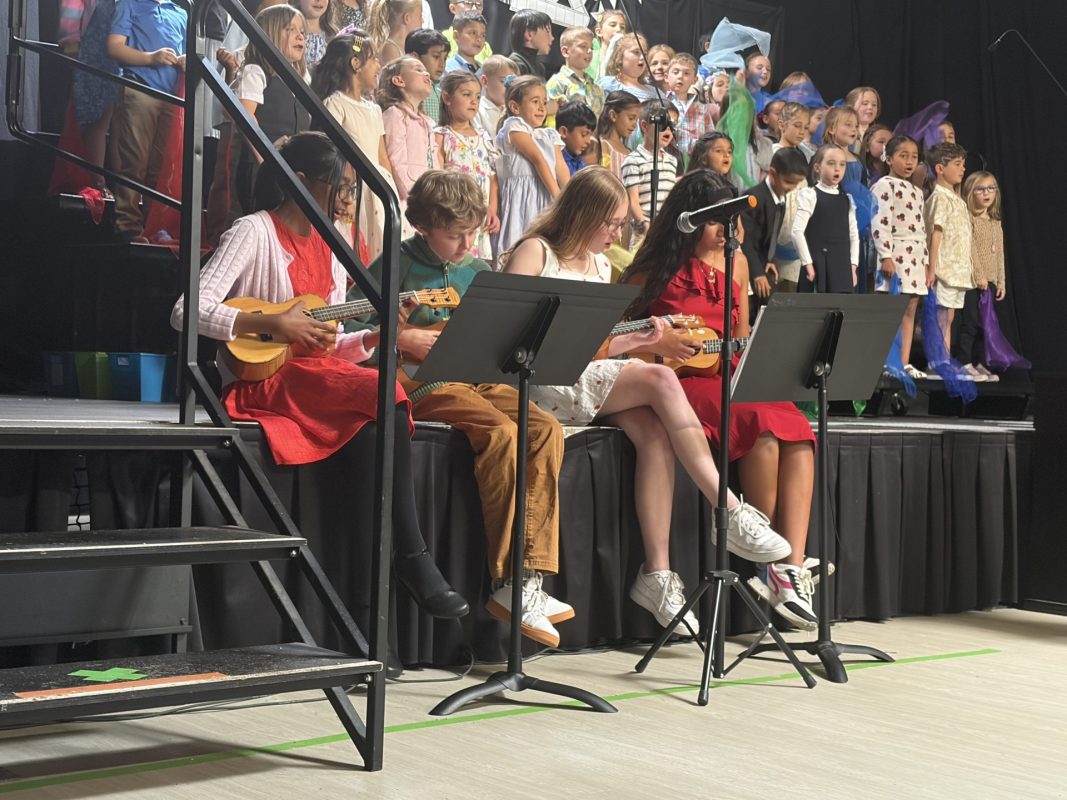
- Spring Musical @7:00
- Friday, May 22
- Yearbook Orders Due
- Monday, May 25
- No School – Memorial Day
- Tuesday, May 26 – Thursday, May 28
- Big Trip to Nature’s Classroom!
- Friday, May 29
- May and Summer Birthday Breakfast @8:30
- Monday, June 1
- First Annual Variety Show @4:00