Blog

Spanish Class – October

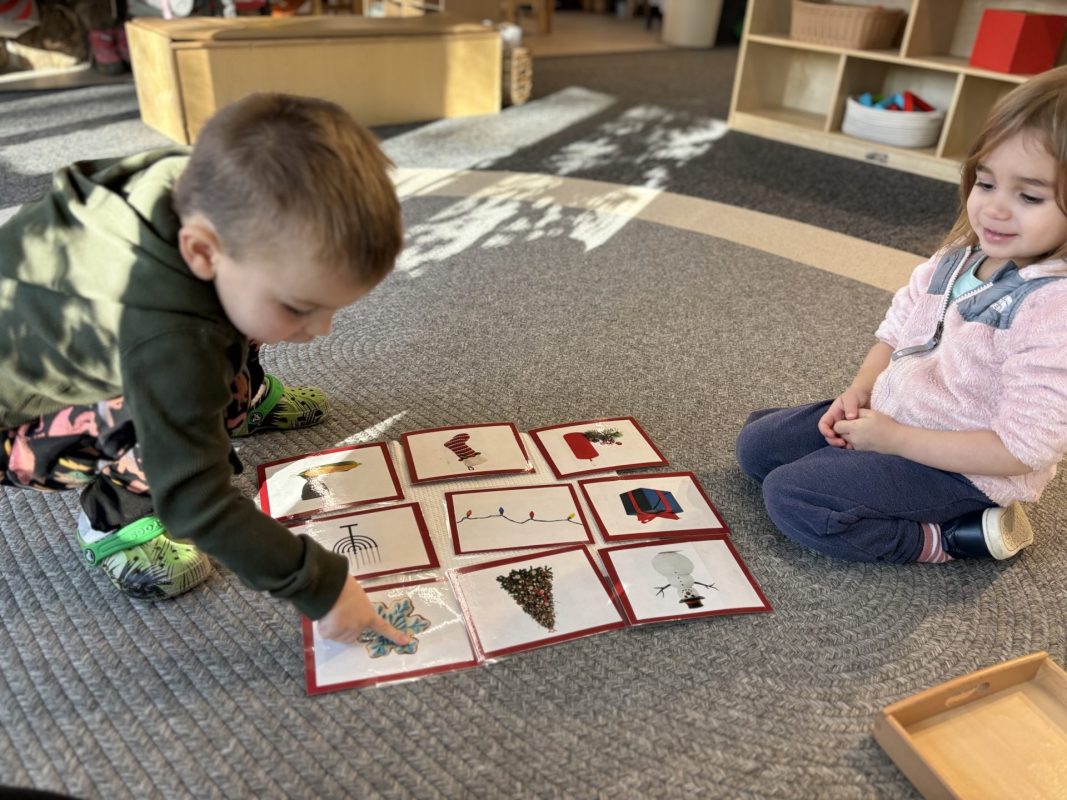
This month at FWM, students kept working on their Spanish Greetings and the calendar. They keep improving their Spanish vocabulary. Students from primary, Lower Elementary, Upper Elementary, and Middle School listened carefully to books and songs in Spanish; they also participated in interactive games that were displayed during class. As part of Spanish enrichment, students from LE, UE and Middle School were able to learn about the “Hispanic Heritage Month” and a celebration of “Dia de los Muertos”. They understood why we celebrate them and how we celebrate them. All the students were very excited to learn about it.

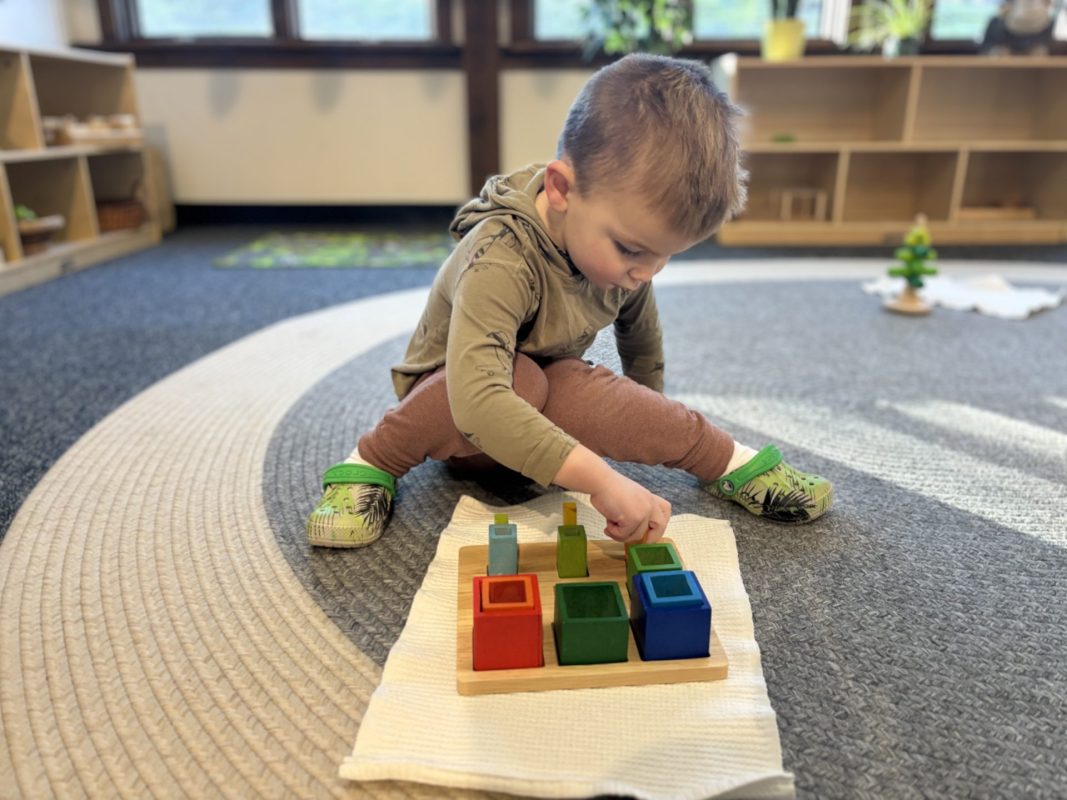
Primary students became engaged in learning the basic colors in Spanish: rojo, azul, amarillo, verde, anaranjado y morado through Spanish Montessori lessons that were left on the language shelves of each class for the students to practice for the entire week. In addition, they are learning the numbers from 1 to 10 in Spanish using Montessori methods and songs.

Lower Elementary students also learned eleven basic colors in Spanish: rojo, azul, amarillo, verde, morado, anaranjado, blanco, negro, gris, café, rosado y blanco. They learned these colors through Spanish Montessori Lessons that were presented in class. In addition to they worked on some worksheets during this period to support the topics learned in class.

Upper Elementary Students put in hard work learning the Spanish ABCs, recognizing and separating the words into syllables which is going to help them to read short stories in Spanish. They also listened carefully to a Spanish story, Llama en Lima by Katie Baker.

Middle Schoolers continue working in the “Somos” curriculum, where they are learning new vocabulary and are able to write sentences and short paragraphs. They are learning vocabulary, writing, listening, and comprehension through lessons that teach them about costumes and traditions in Spanish-speaking countries.  To enhance their comprehension even more, they participate in games and activities within the class.  As a way of celebrating Hispanic Heritage Month, we are reading in class a classic book for middle schoolers called The Bluest Sky by Christina Diaz Gonzales, a Cuban American writer who got inspired to write this book by his father and his friends living in La Havana under “Castro’s Regime.” Overall, students are doing very well in Spanish class.


Getting Into the Grammar Groove in Lower Elementary

This week has been full of energy and discovery in our Lower Elementary classroom! Each grade is diving into Montessori grammar work, and I’m excited to share what everyone’s been up to.

The first graders are exploring the world of nouns. They’re on the move with a noun scavenger hunt around the classroom, finding and labeling all the nouns they can spot with a little black triangle—keeping them engaged and looking at the world around them in new ways! In Montessori, each part of speech is represented by a specific symbol to help students visually categorize words. Nouns are symbolized by a black triangle, representing stability and substance, just like people, places, and things in the world around us. Using this symbol helps first years recognize and connect with nouns in a concrete way.
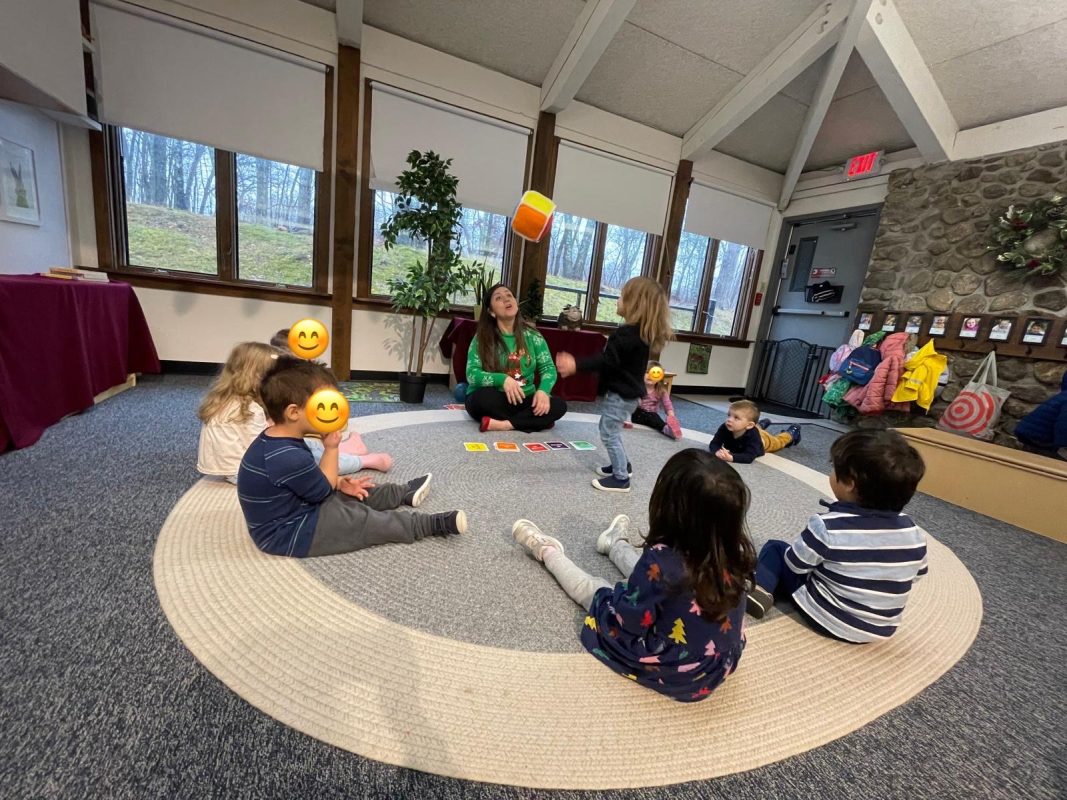
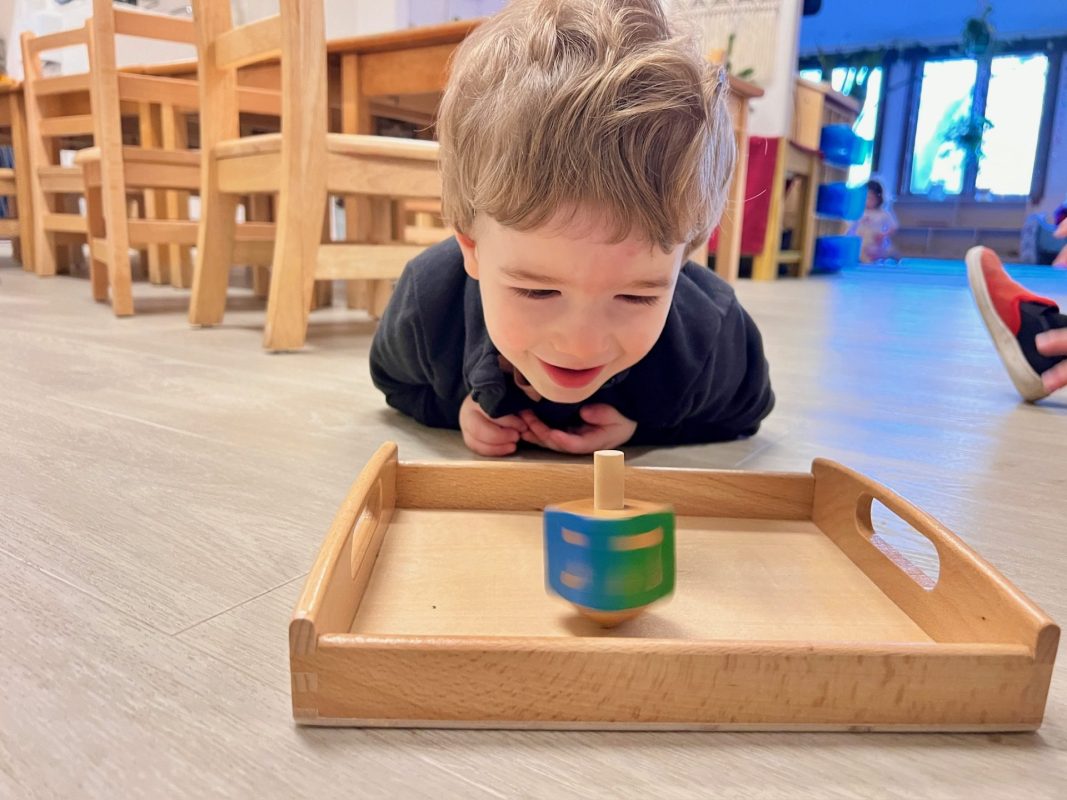
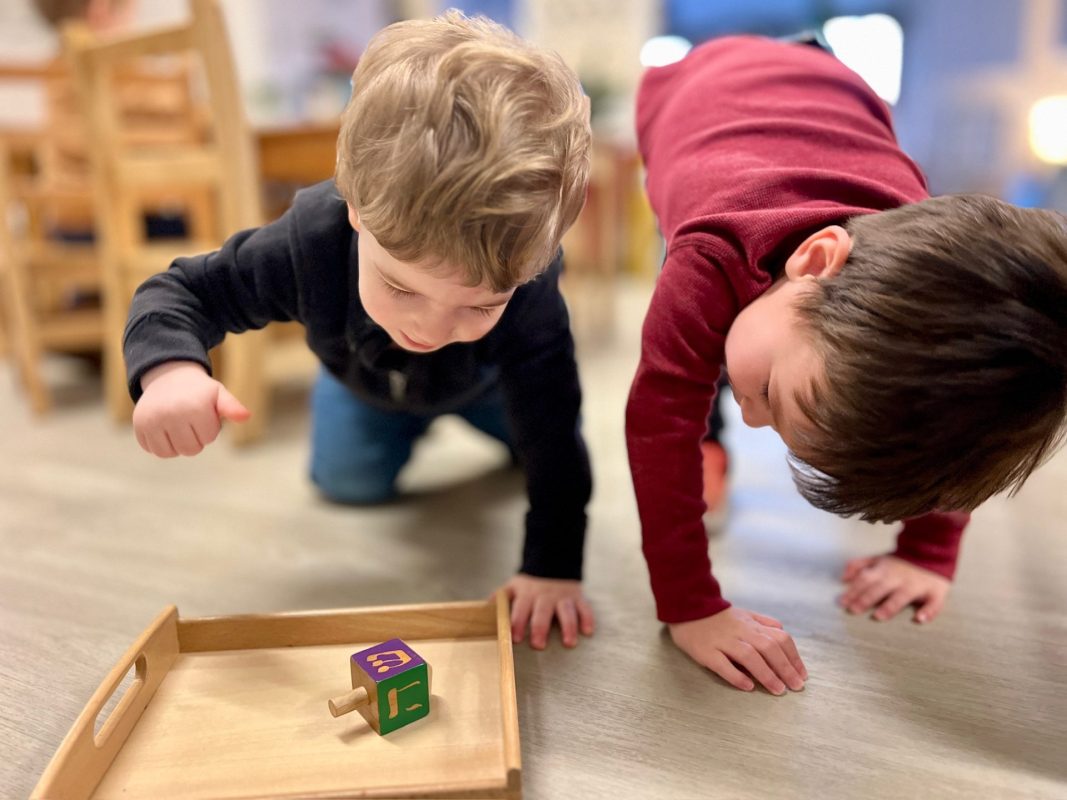
Meanwhile, our second graders are working with prepositions. They’ve been using Grammar Dice and Grammar Strips to identify and understand how prepositions work in sentences. This hands-on activity has been such a fun way for them to get familiar with the idea of position and relationship words. In Montessori grammar, prepositions are symbolized by a green crescent, representing the way they “hold” relationships between words. Just like a bridge connecting ideas or objects, prepositions help us understand where things are in relation to one another.

The third graders have been diving deep with Grammar Sense, a game that helps them review all the parts of speech they’ve learned so far, from nouns to adverbs. They’re also starting to work on pronouns, expanding their grammar toolkit. In Montessori grammar, pronouns are represented by a purple, small triangle. This symbol resembles the black triangle for nouns but is smaller, indicating that pronouns act as stand-ins or substitutes for nouns.

Overall, it’s been a fantastic week of hands-on learning and building language skills. It’s wonderful to watch them discover the connections between words—and get excited about grammar!


Mrs. Wilson: Discovering Fall

This week, we welcomed a new friend to our community! Please join us in welcoming Wright and his family.

We also celebrated two friends who turned two this week—happy birthday to them!

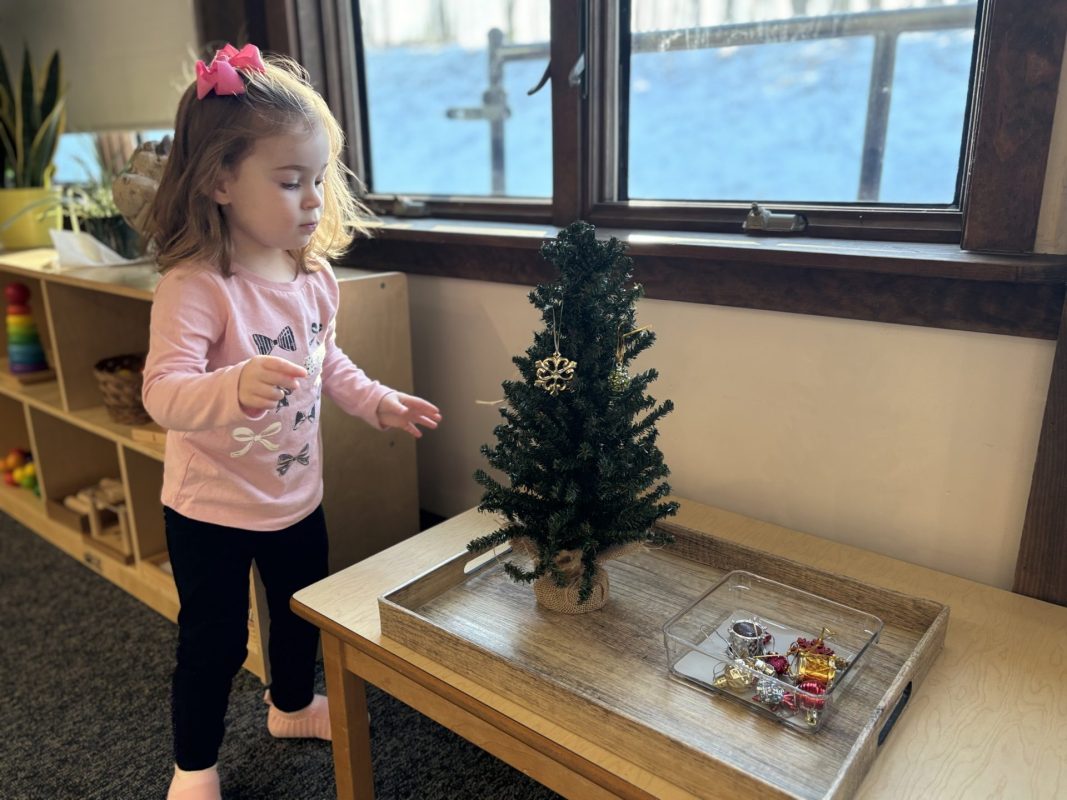
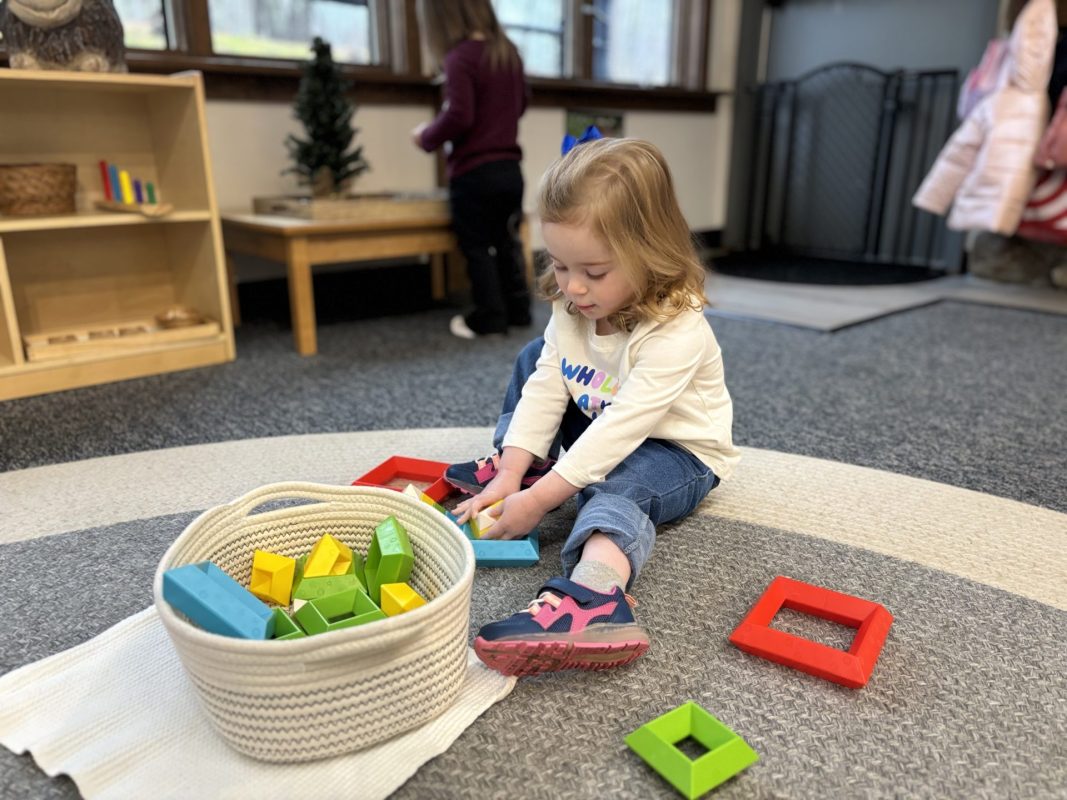
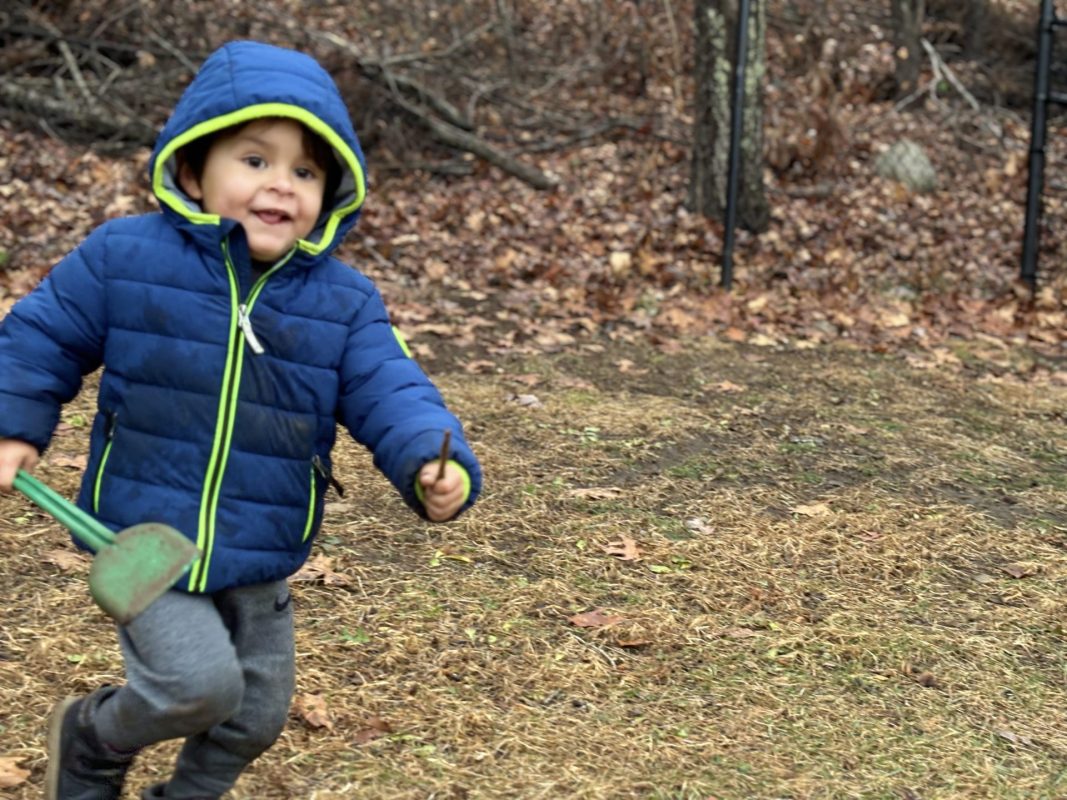
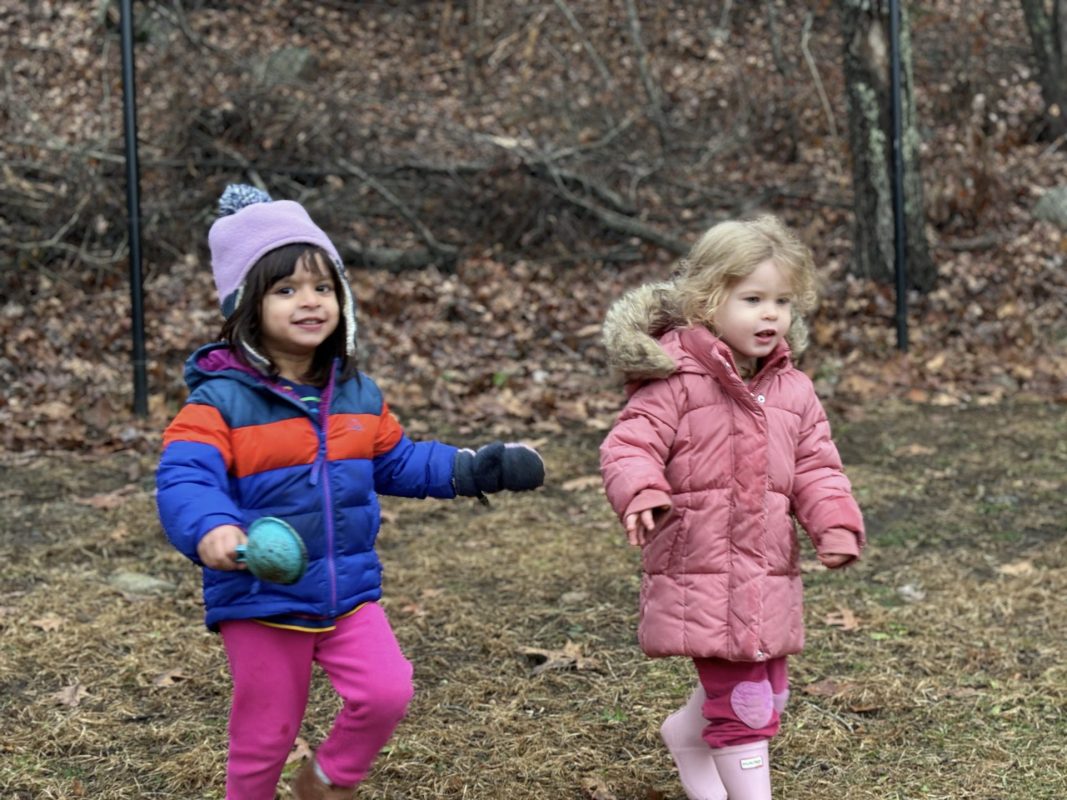
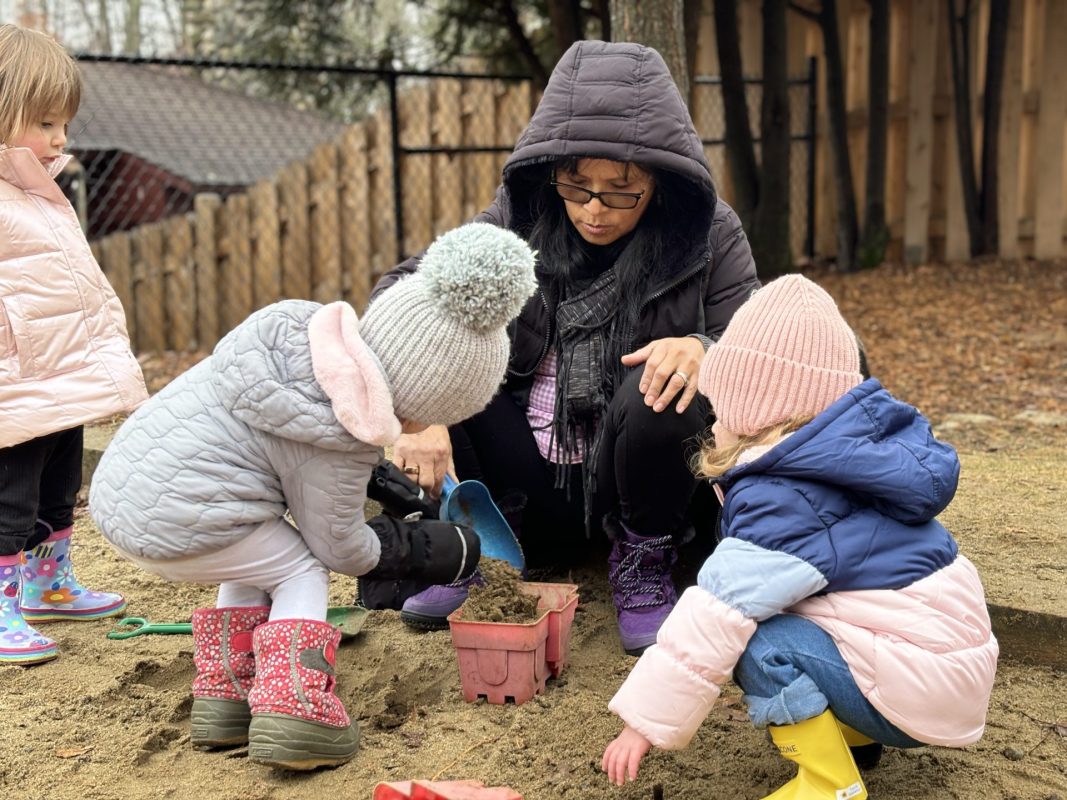
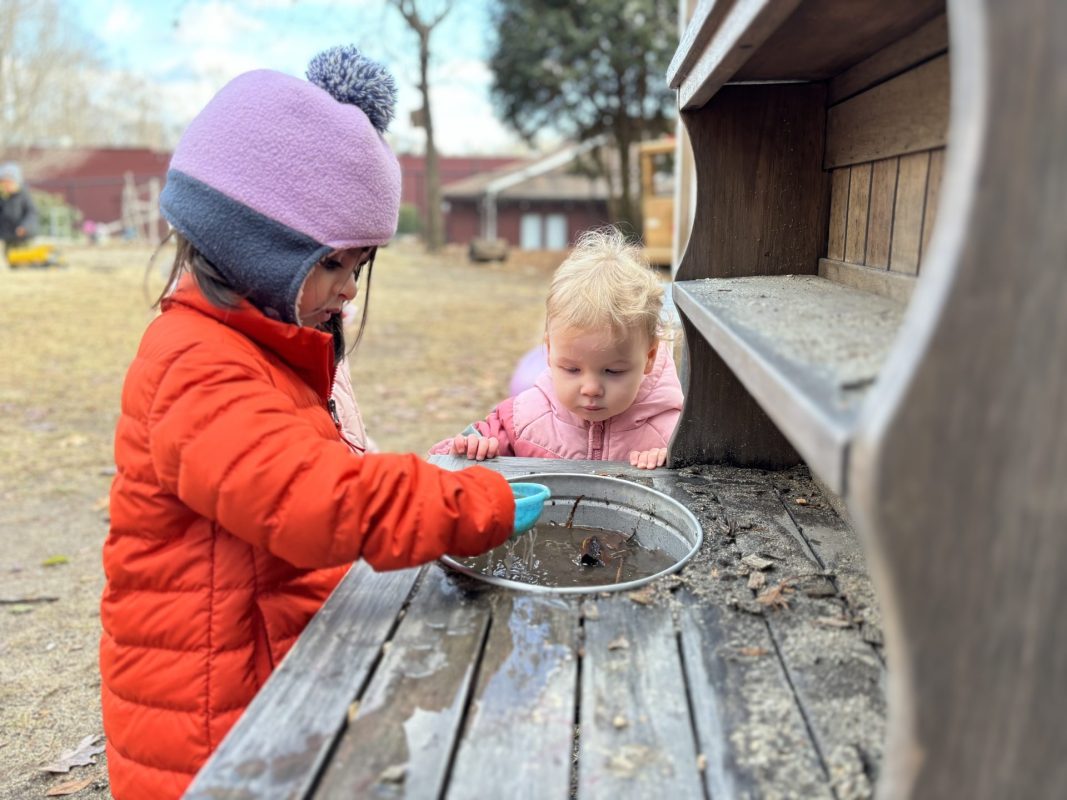
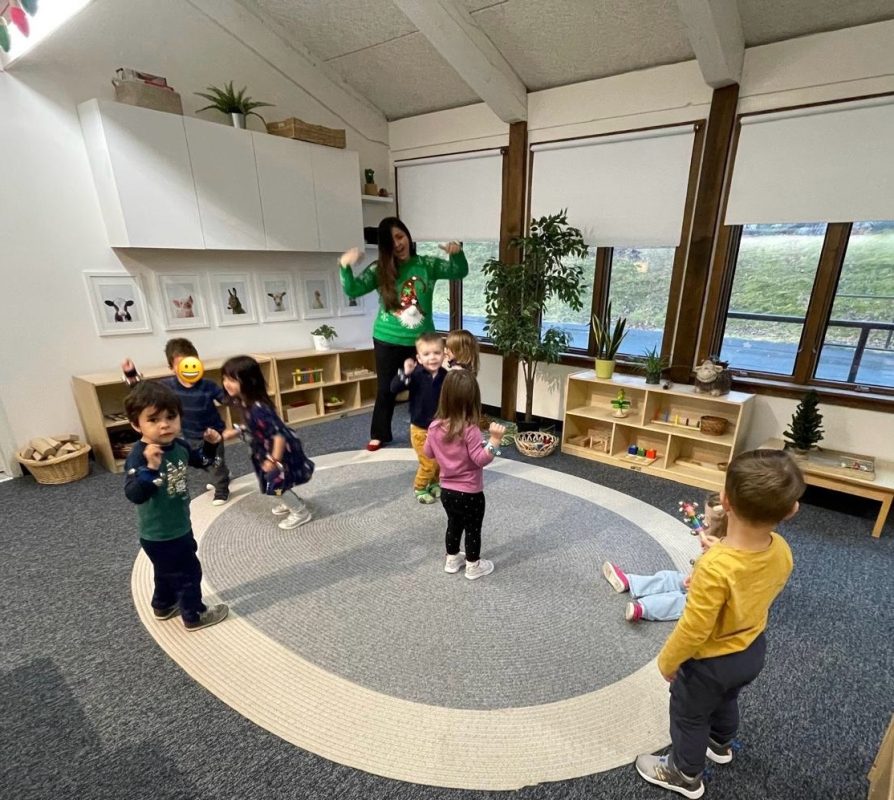
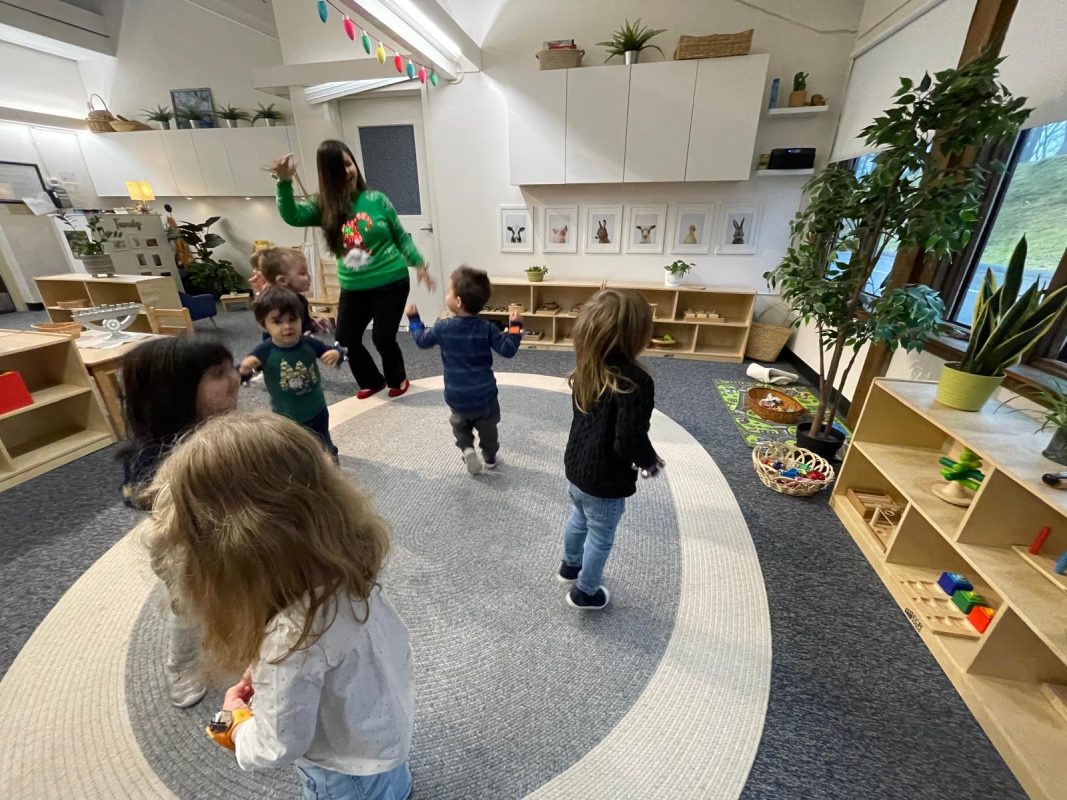
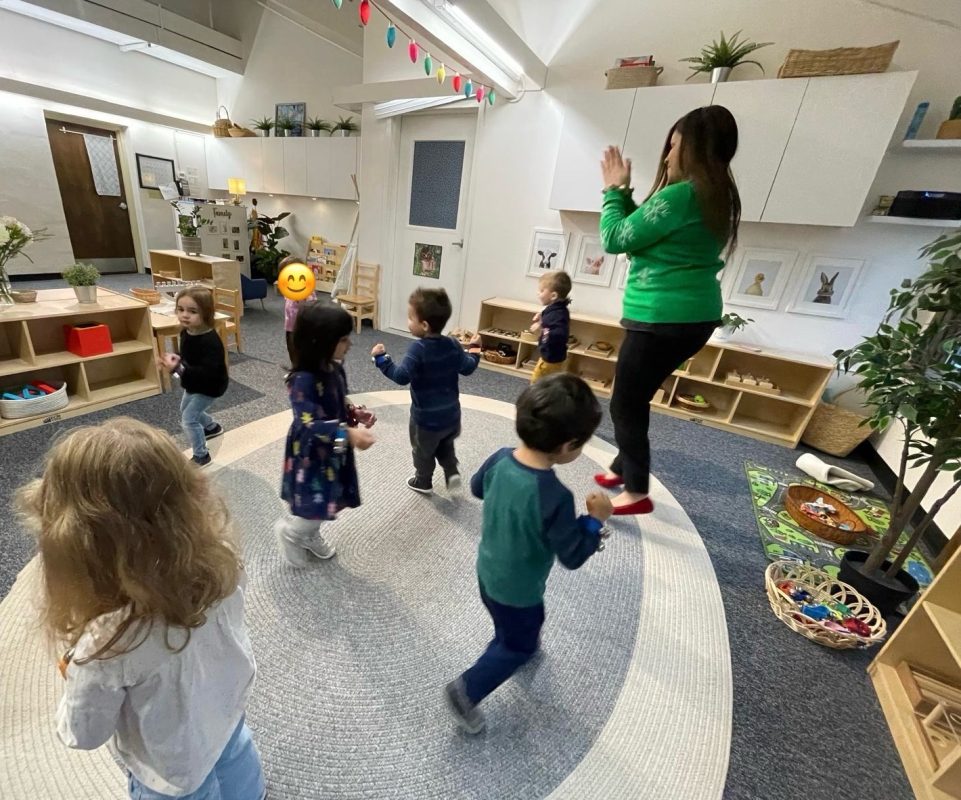
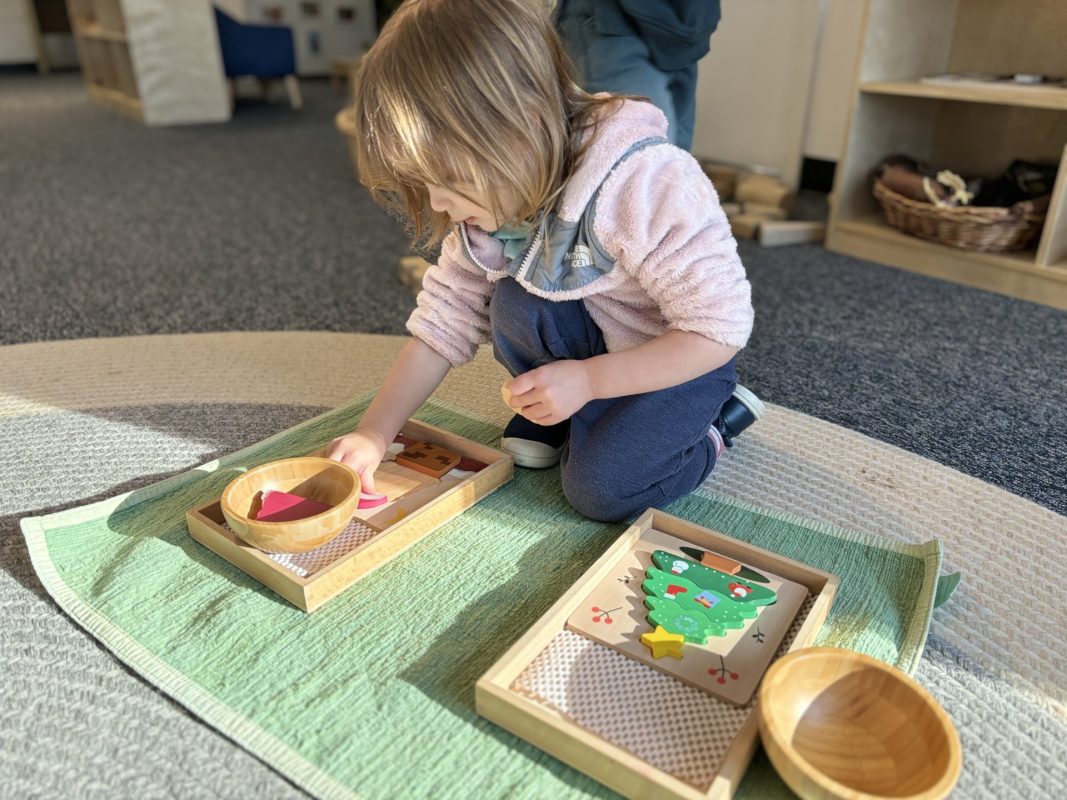
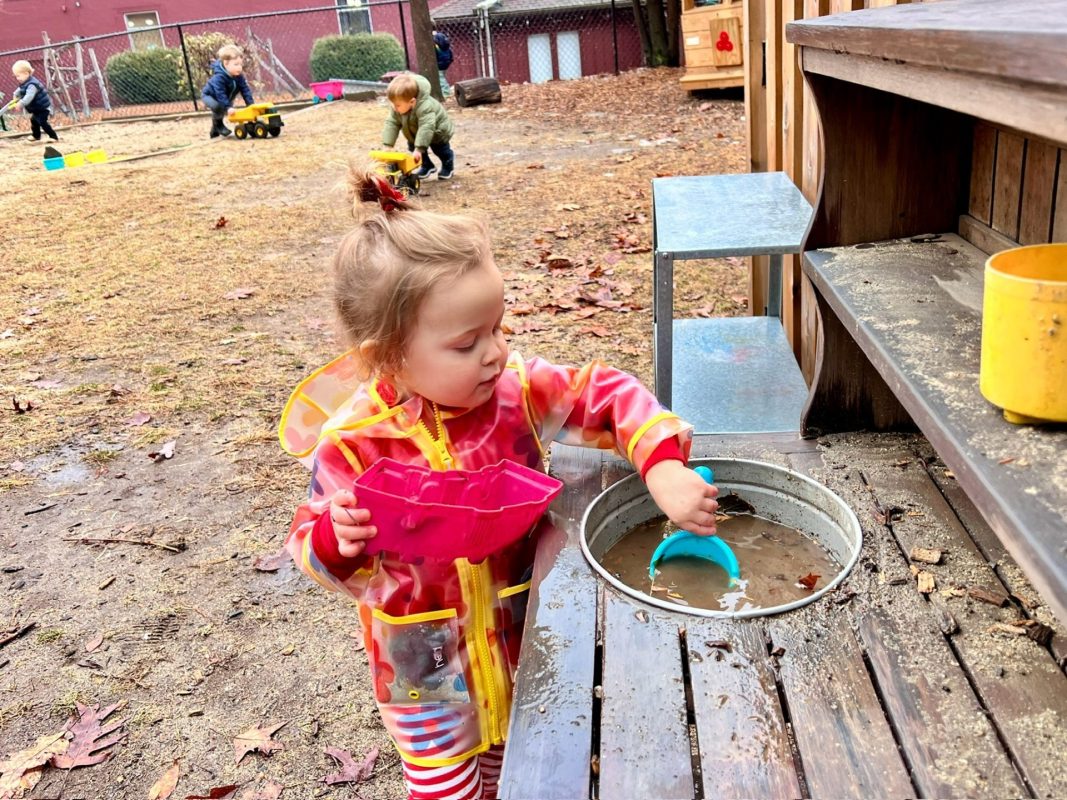
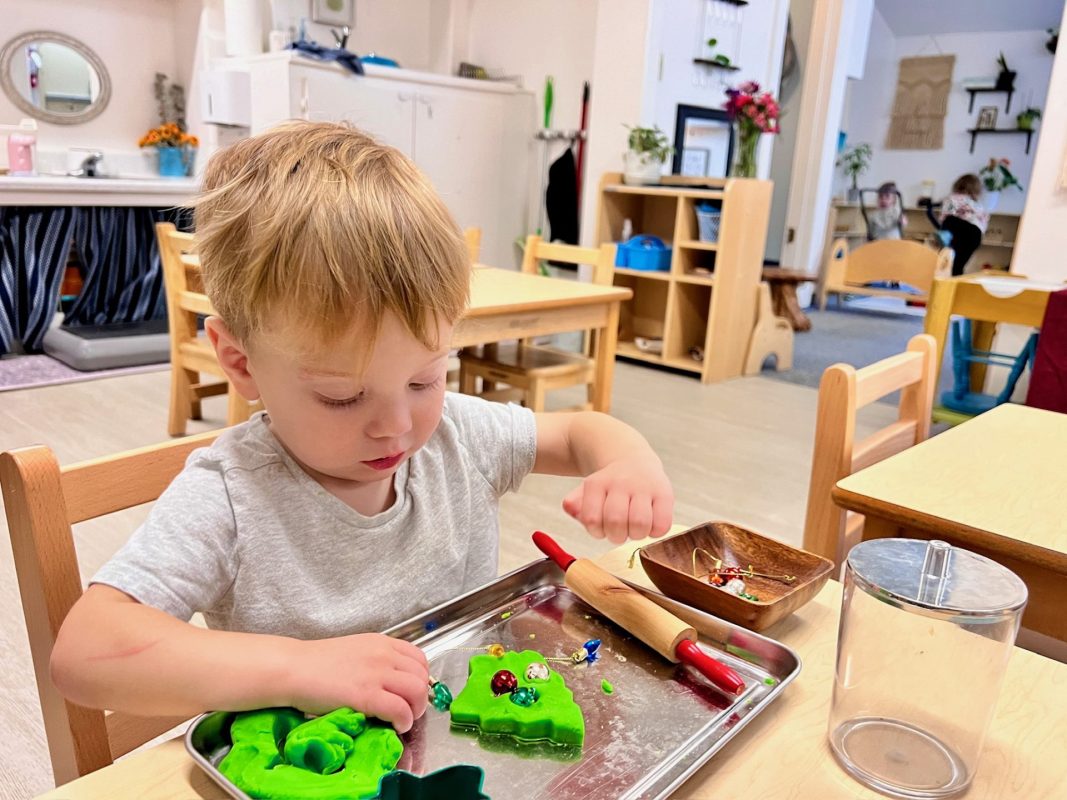
Throughout November, the children will have the opportunity to discover the beauty of autumn both indoors with seasonal representations and outdoors with natural elements. During outdoor time, they’ll collect leaves of various shapes, sizes, and colors, as well as acorns, pinecones, and other natural treasures.

We’ll also explore woodland animals, discussing their names and how they gather food to prepare for winter. To extend this learning experience at home, consider taking your child on a nature walk to collect leaves, acorns, pinecones, or any other interesting finds. We’d love for you to share these nature treasures with the class!

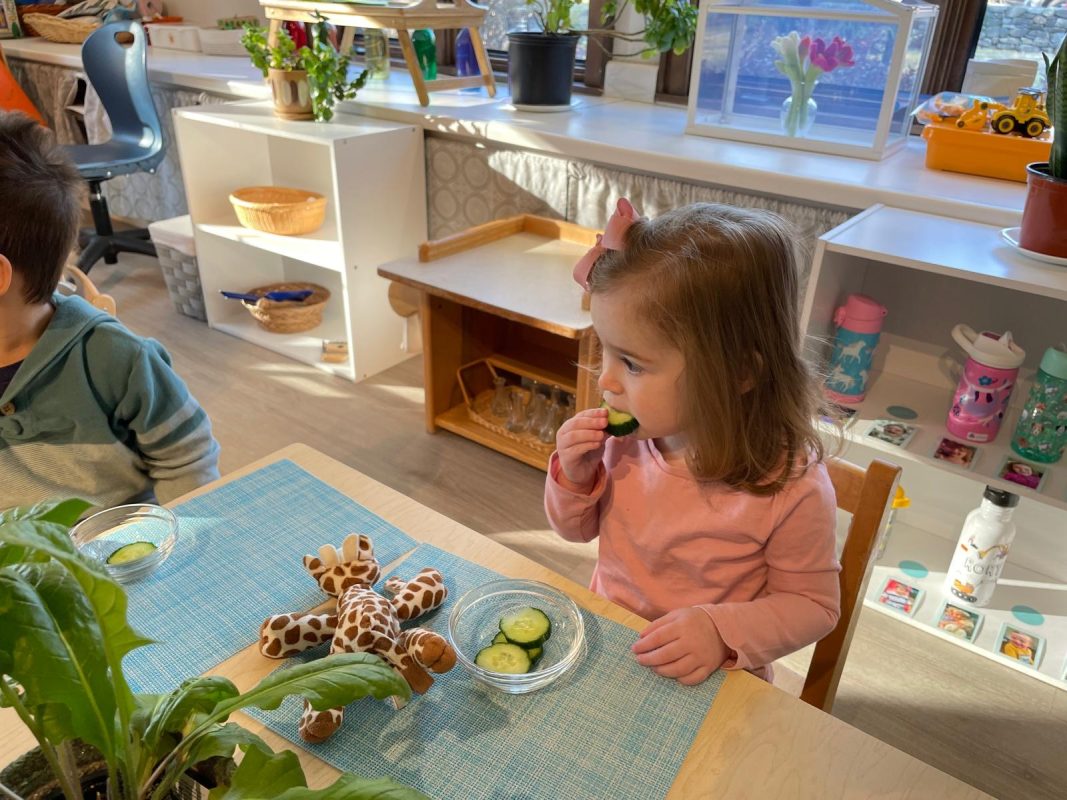
Food Tasting: This week, the children explored and tasted roasted butternut squash, which many seemed to enjoy.

Love and Light,

Cynthia and Sara


Mrs. Hood: “Help me, to do it myself!”

“If teaching is to be effective with young children, it must assist them to advance on the way to independence. It must initiate them into those kinds of activities that they can perform themselves and that keep them from being a burden to others because of their inabilities. We must help them to learn how to walk without assistance, to run, to go up and down stairs, to pick up fallen objects, to dress and undress, to wash, to express their needs in a way that is clearly understood, and to attempt to satisfy their desires through their efforts. All this is part of an education for independence”.

Dr. Maria Montessori

Toddlers are naturally eager to learn these things. “Do it myself” might well be the refrain for the toddler years! Our day-to-day lives often make for less-than-ideal circumstances to help our children achieve the independence they crave. Our homes are not optimized around a little person with a height of under three feet: Objects are hard to reach, too heavy, or too big for little hands to use. Our days are not set up to move at their speed: We rarely just happen to have ten spare minutes to wait while our almost two-year-olds put on their jacket!

Yet enabling a toddler to become more independent has huge short-term and long-term benefits. Power struggles decrease when a child feels more in control. Temper tantrums are less frequent when toddlers are busy doing things for themselves rather than resisting their parent’s efforts to do things for them! A child who feels capable because they can act in the world without needing to rely on grown-ups for every little thing is a child who is developing self-confidence.

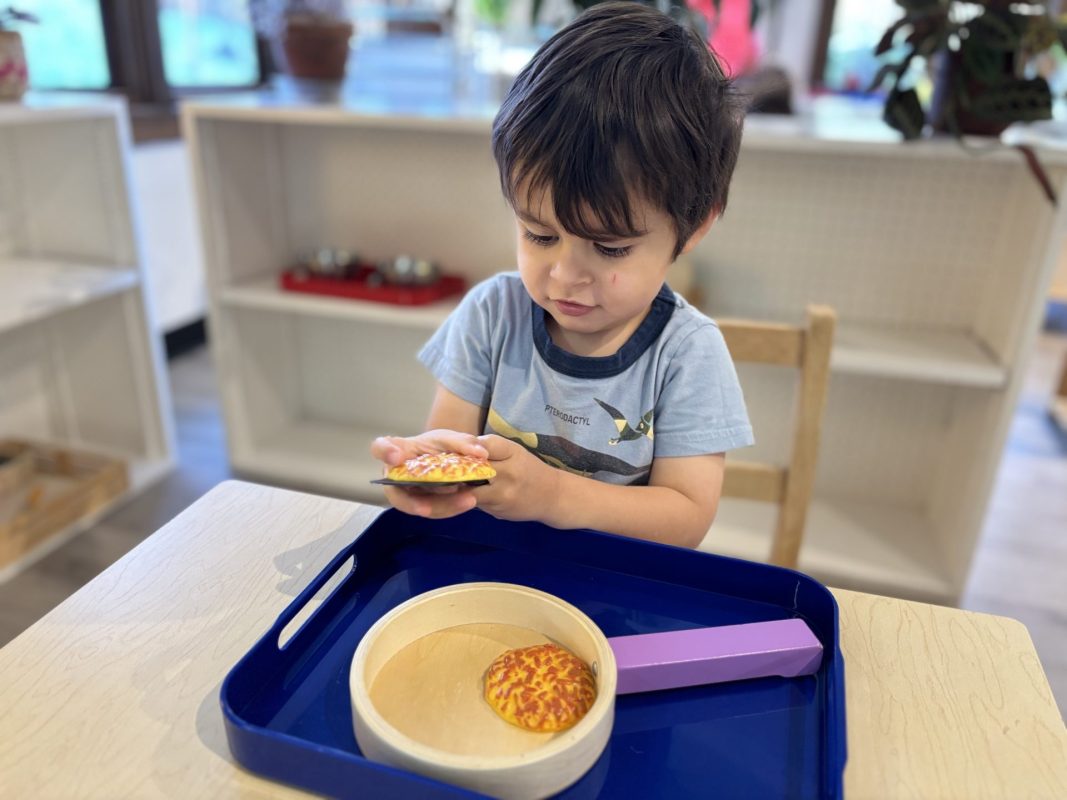
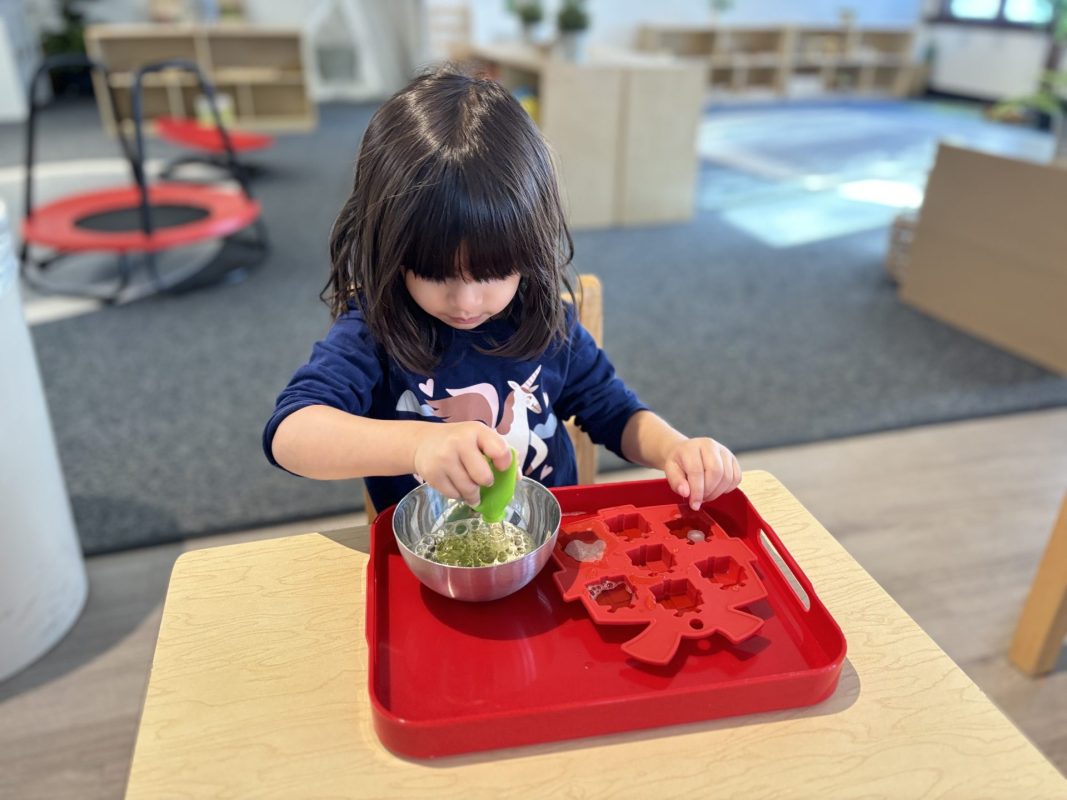
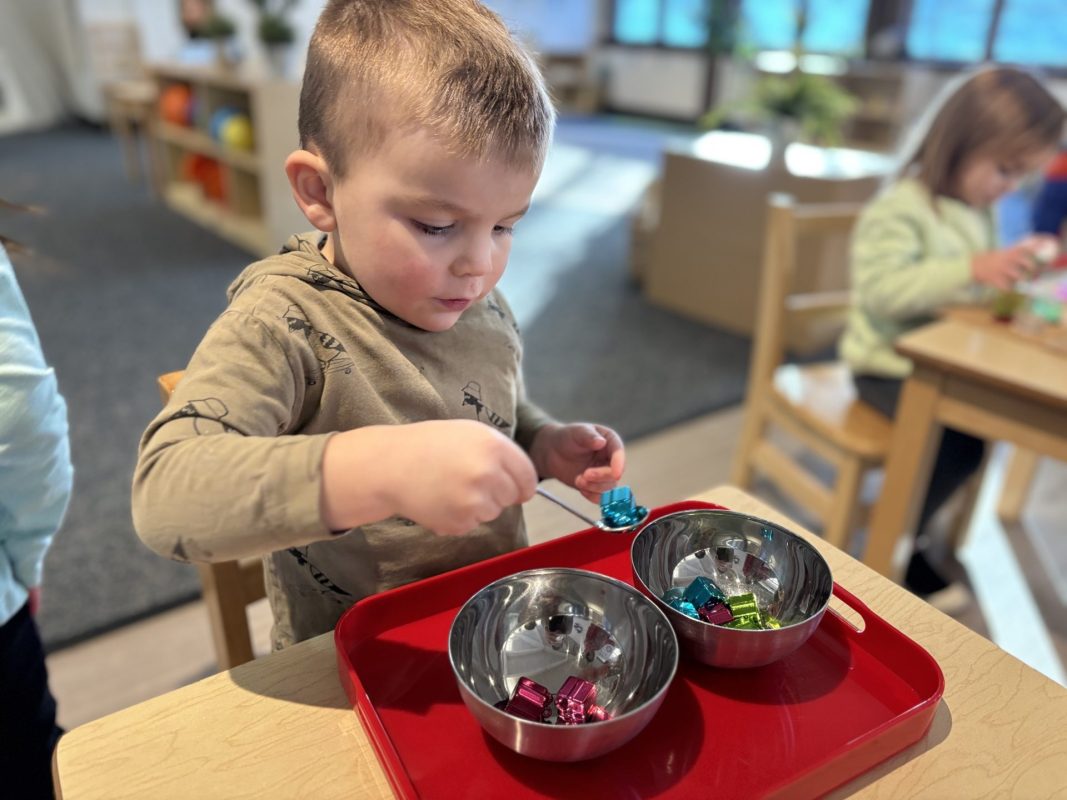
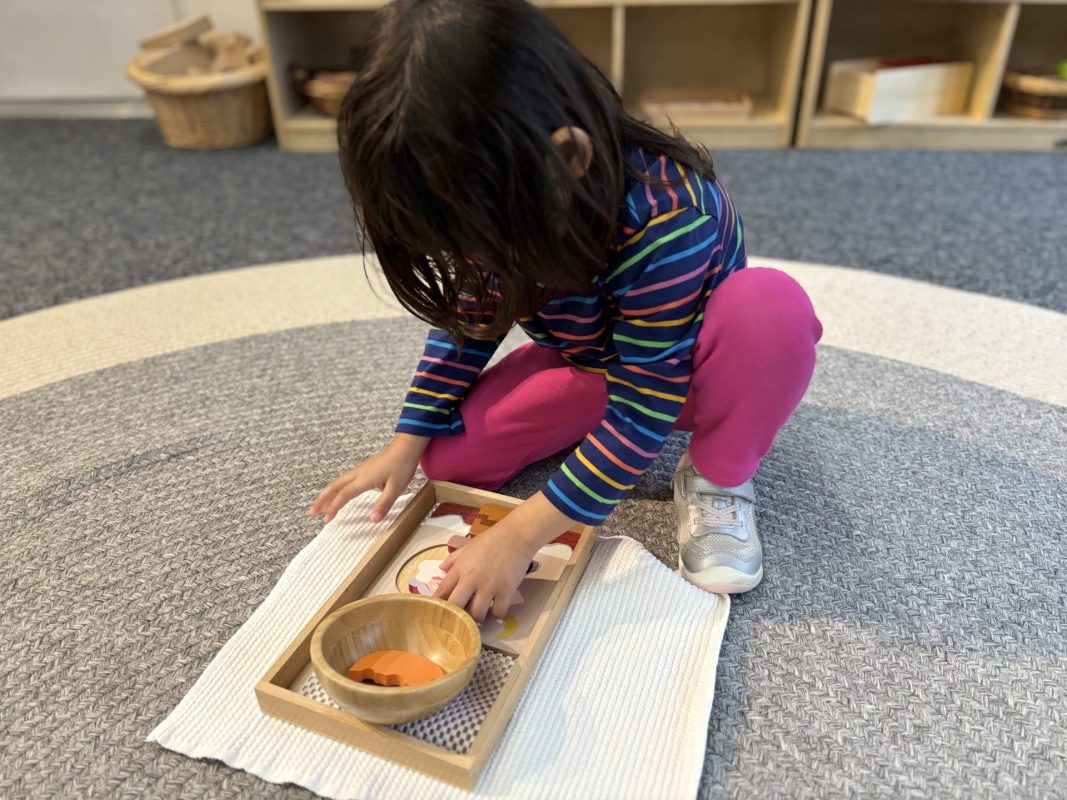
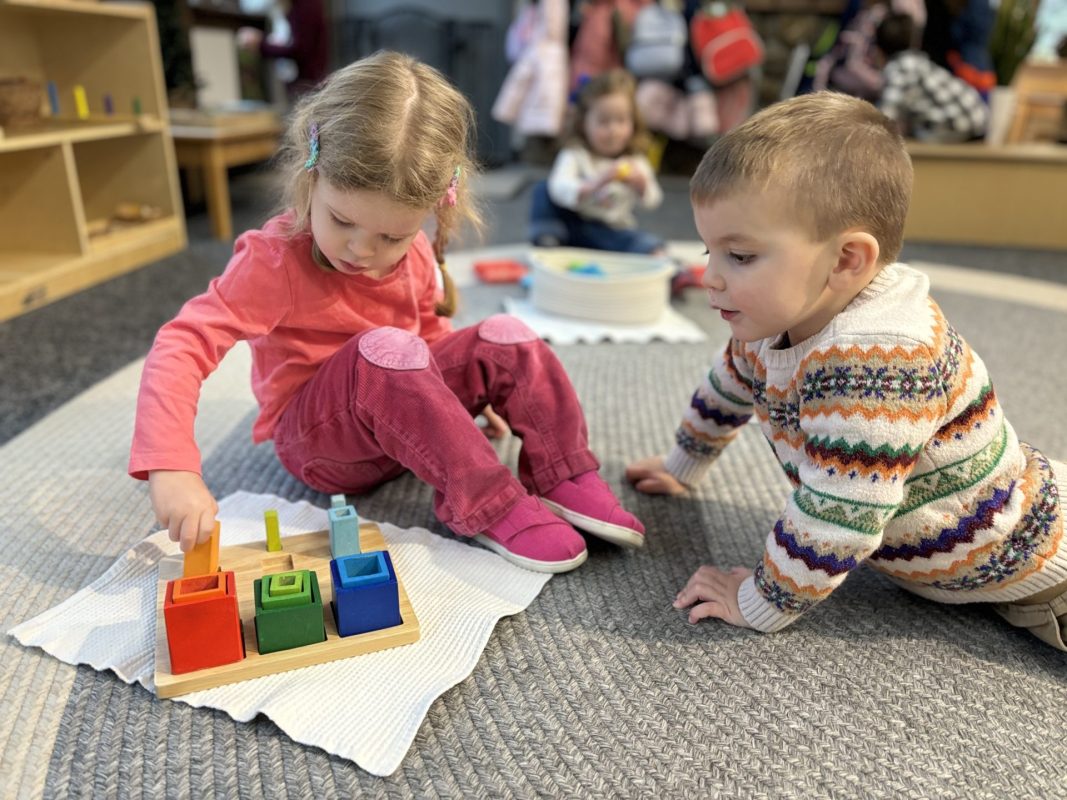
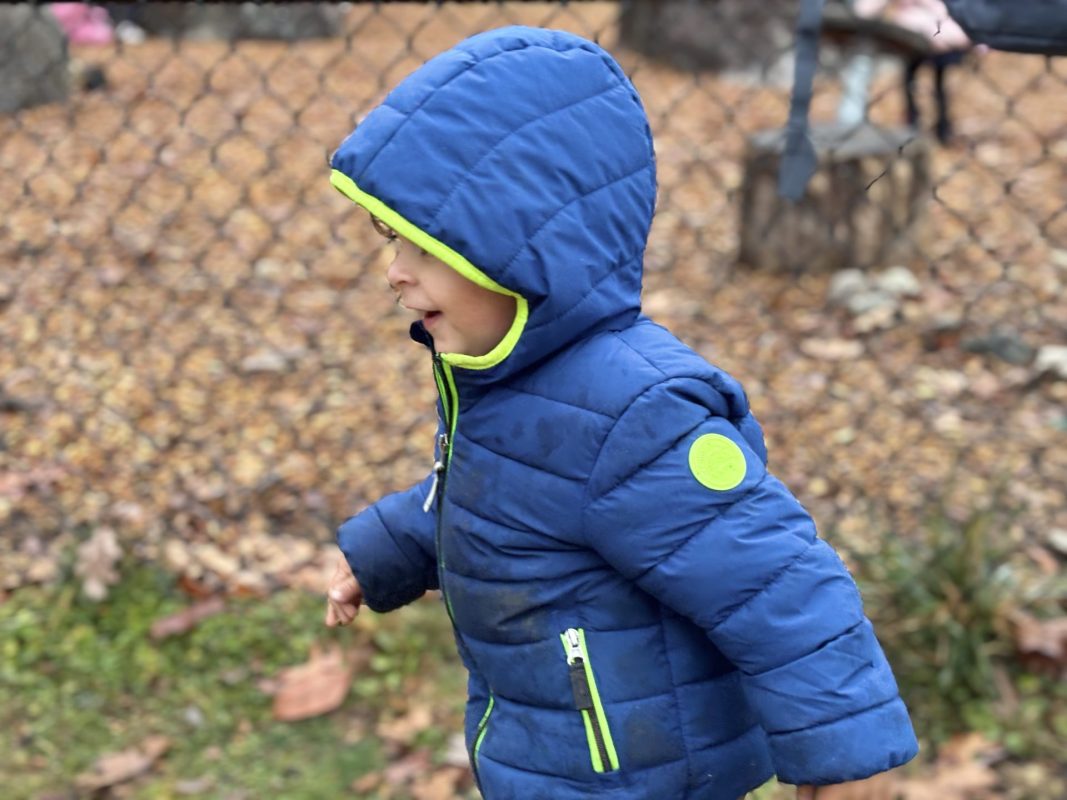
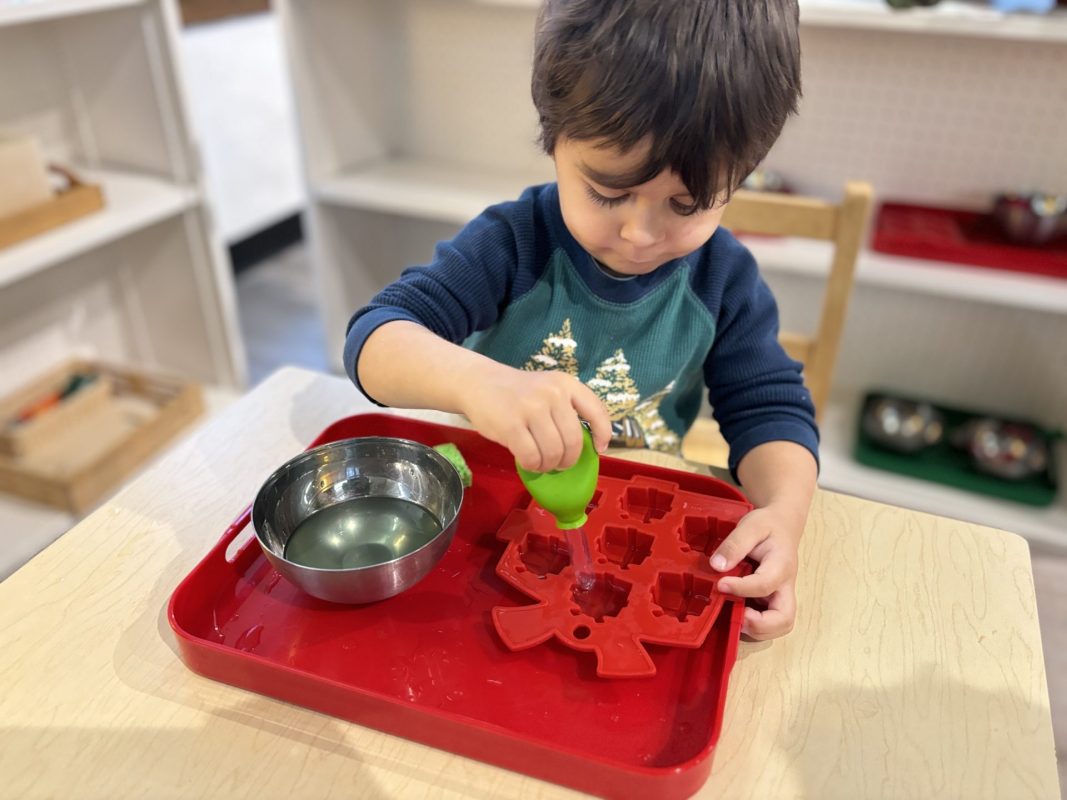
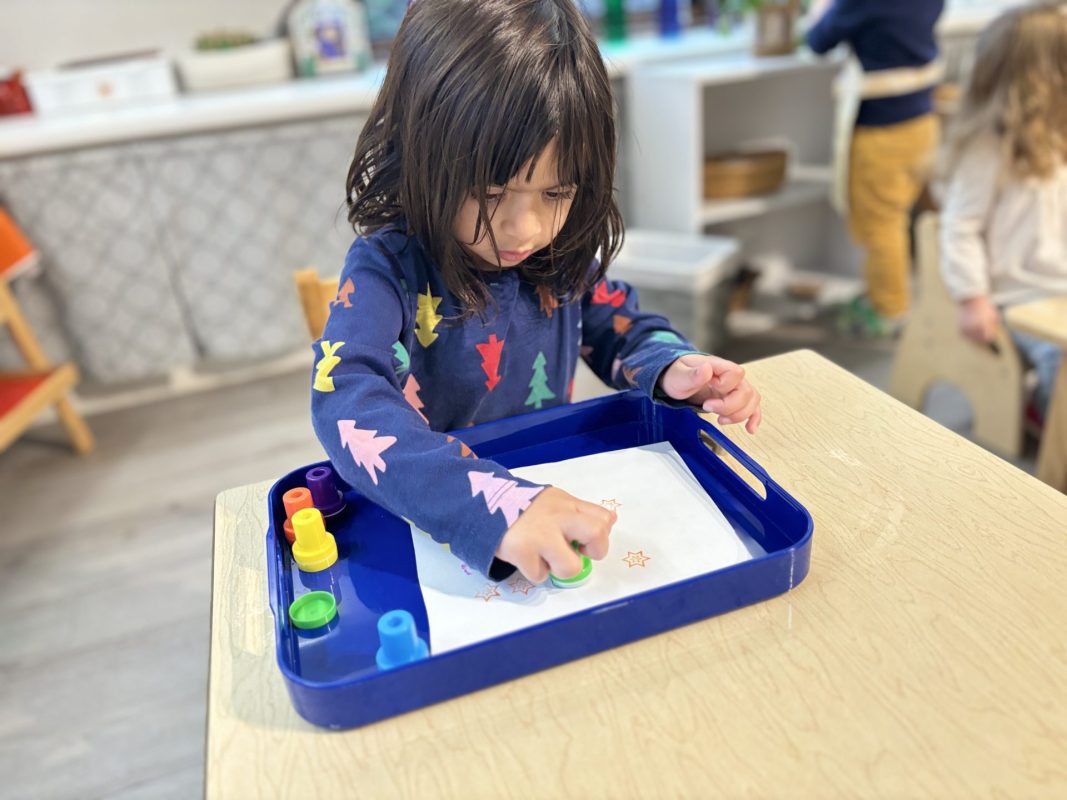
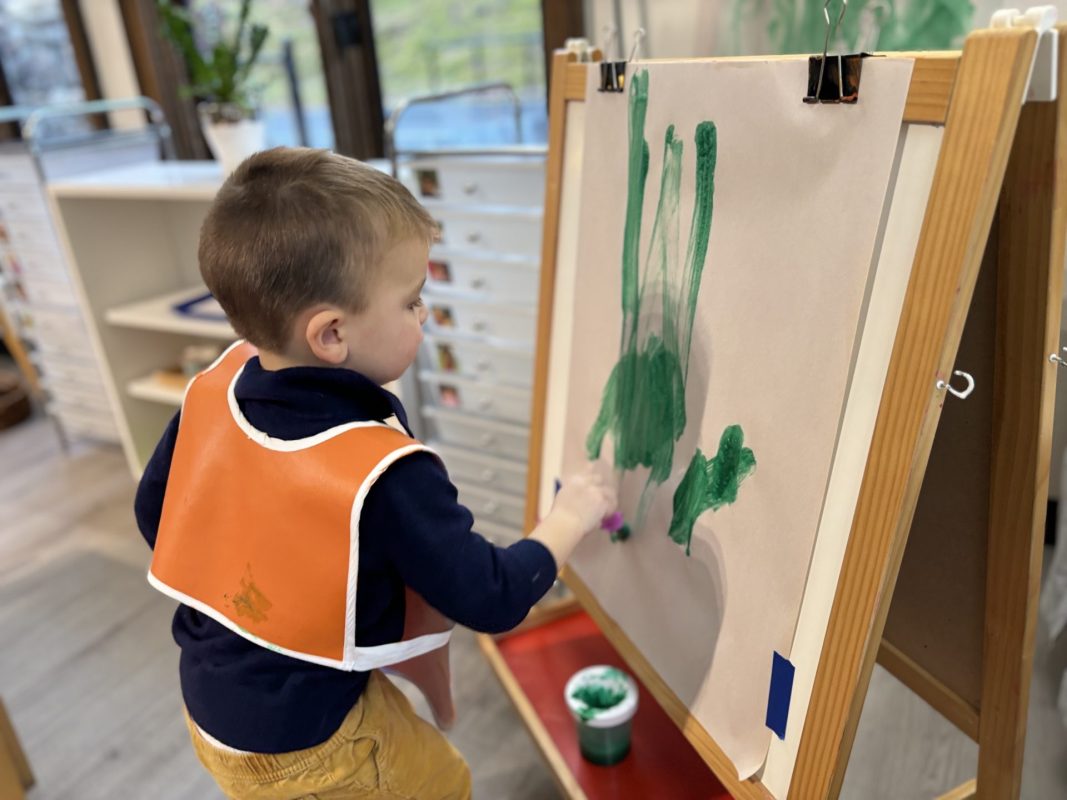
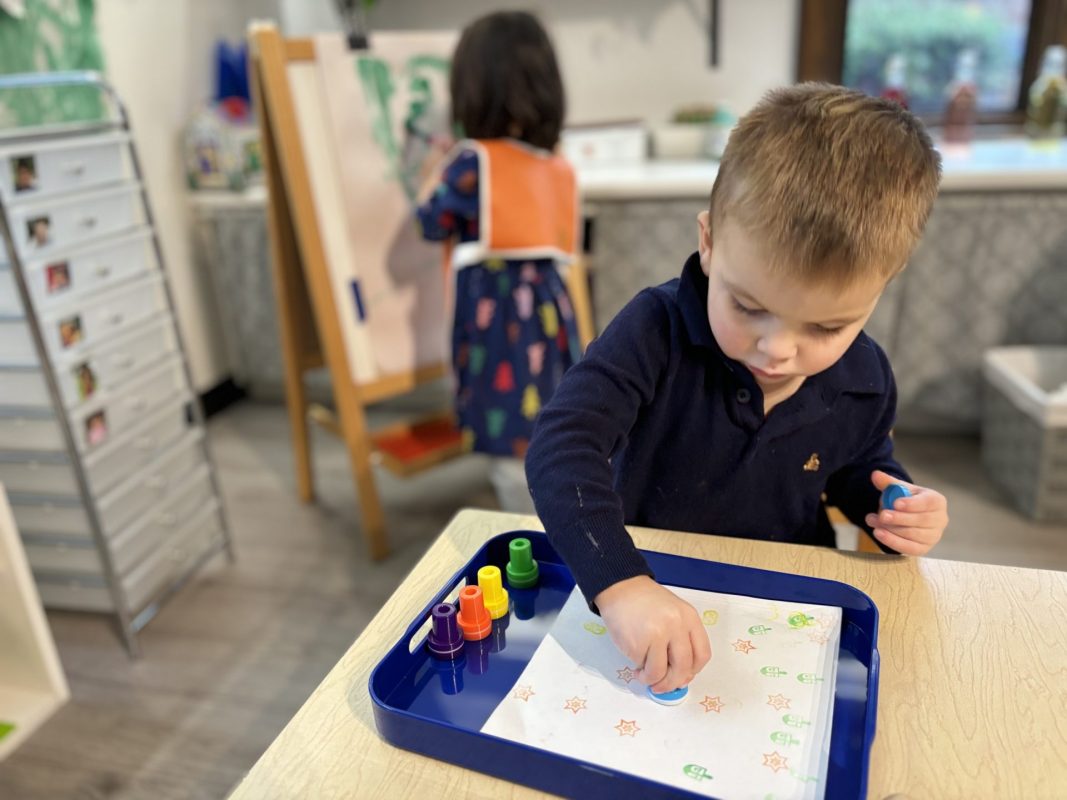
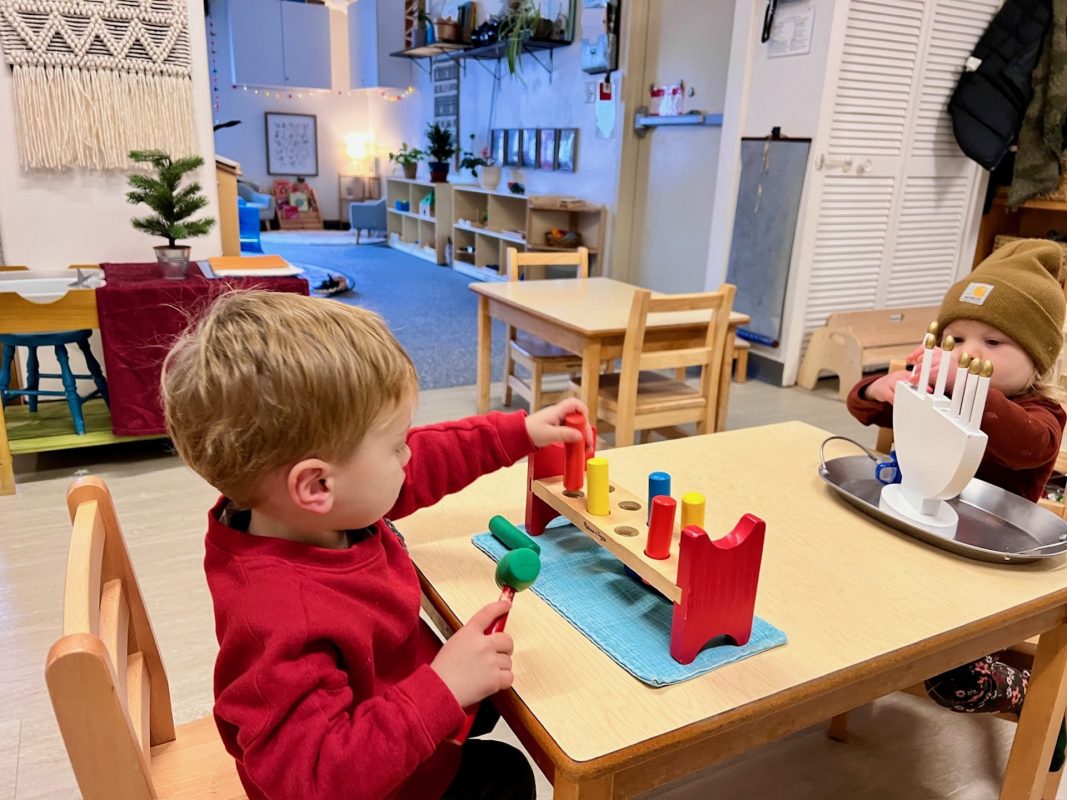
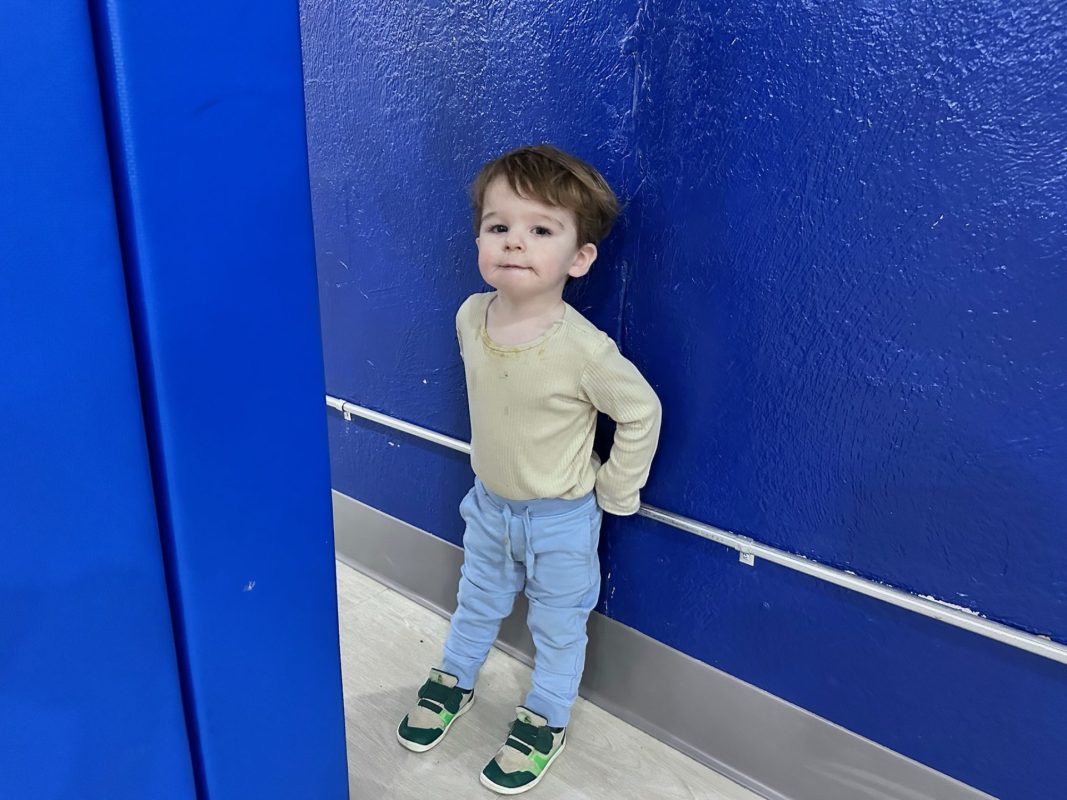
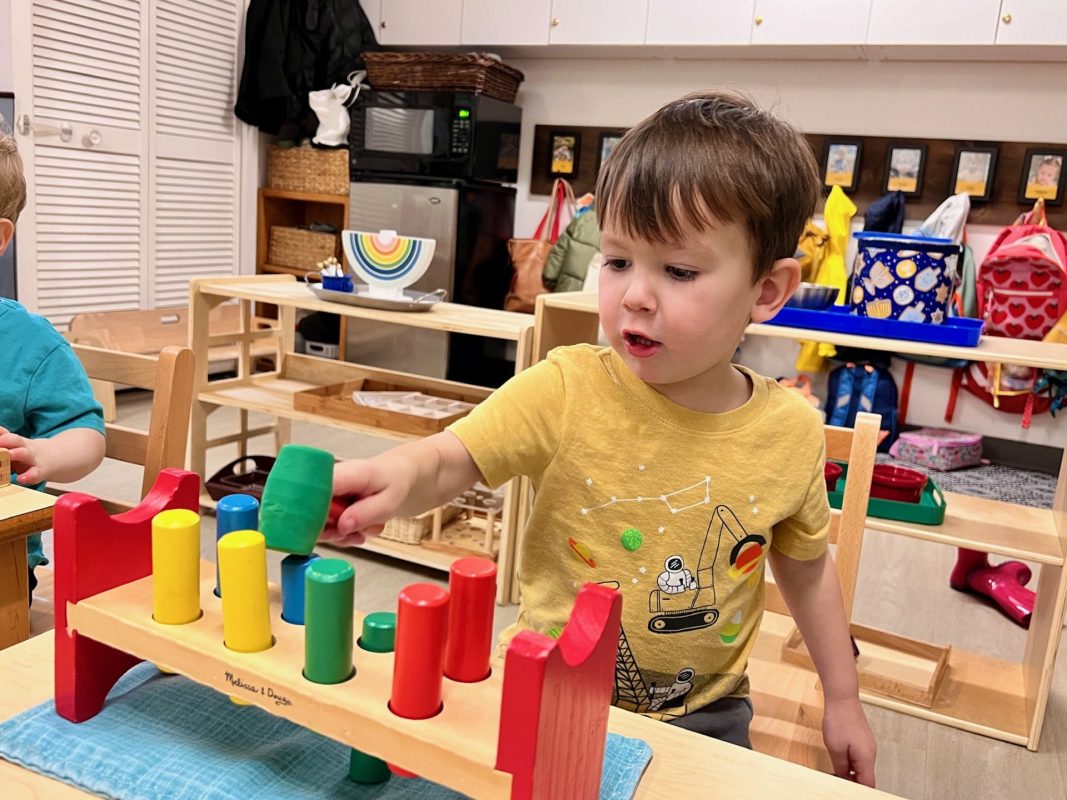
We have introduced the routine of changing into indoor shoes at the beginning of the morning! At this point, most of the children have learned to recognize their space and continue to work hard in the skill of removing their shoes, coordinating their hands to get the new shoe on, and pulling and closing the velcro tabs. In addition, they have been practicing the skill of buttoning and unbuttoning, brushing teeth, and learning how to put on their jacket independently.  Children received a lesson using what we called the “fliparoo” trick. Please see the video below on the lesson, and please support your child at home in practicing this skill.

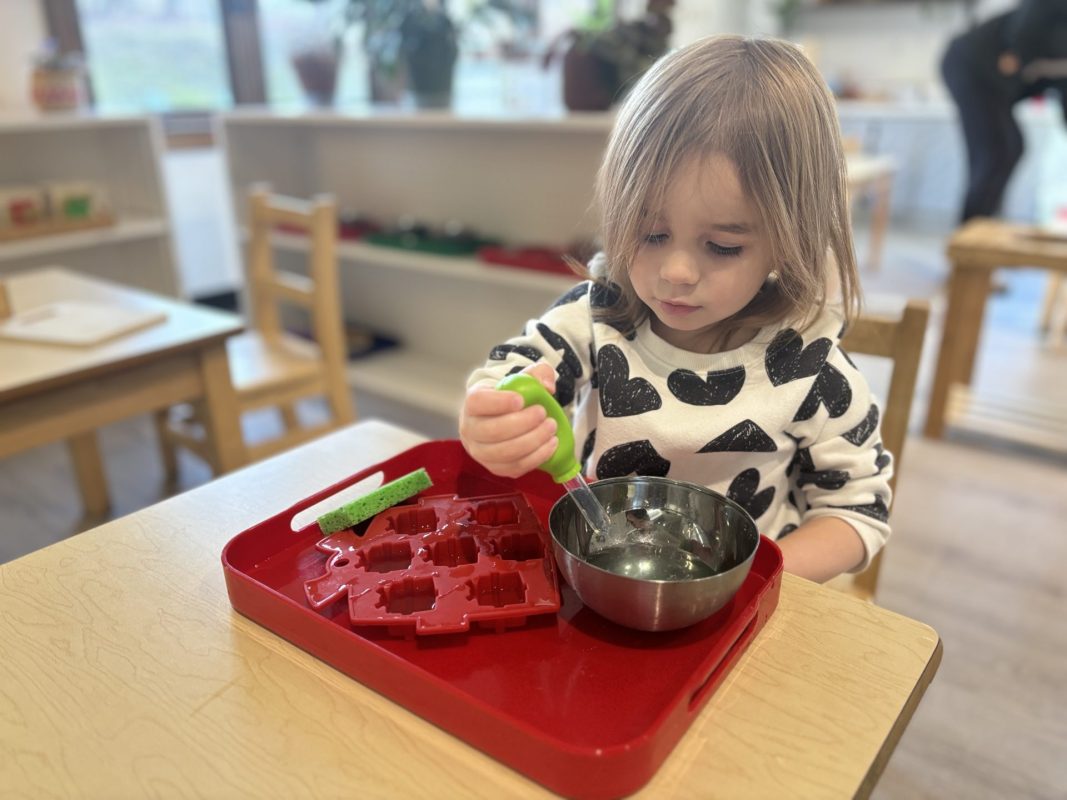
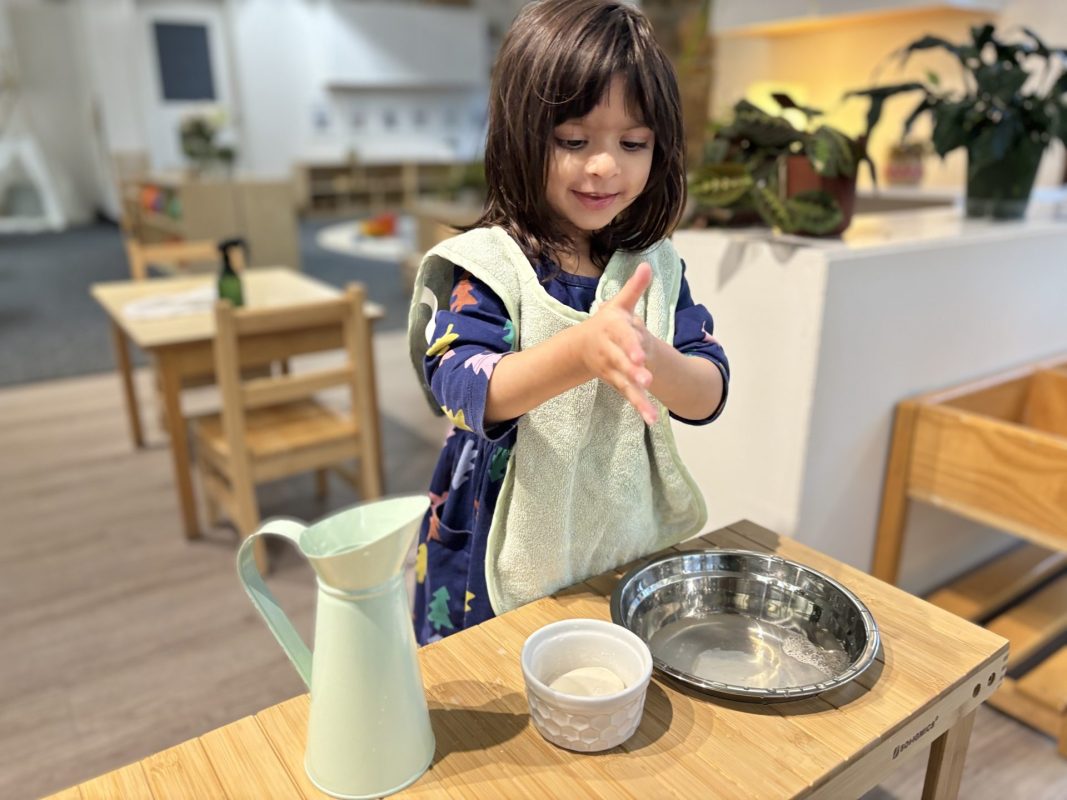
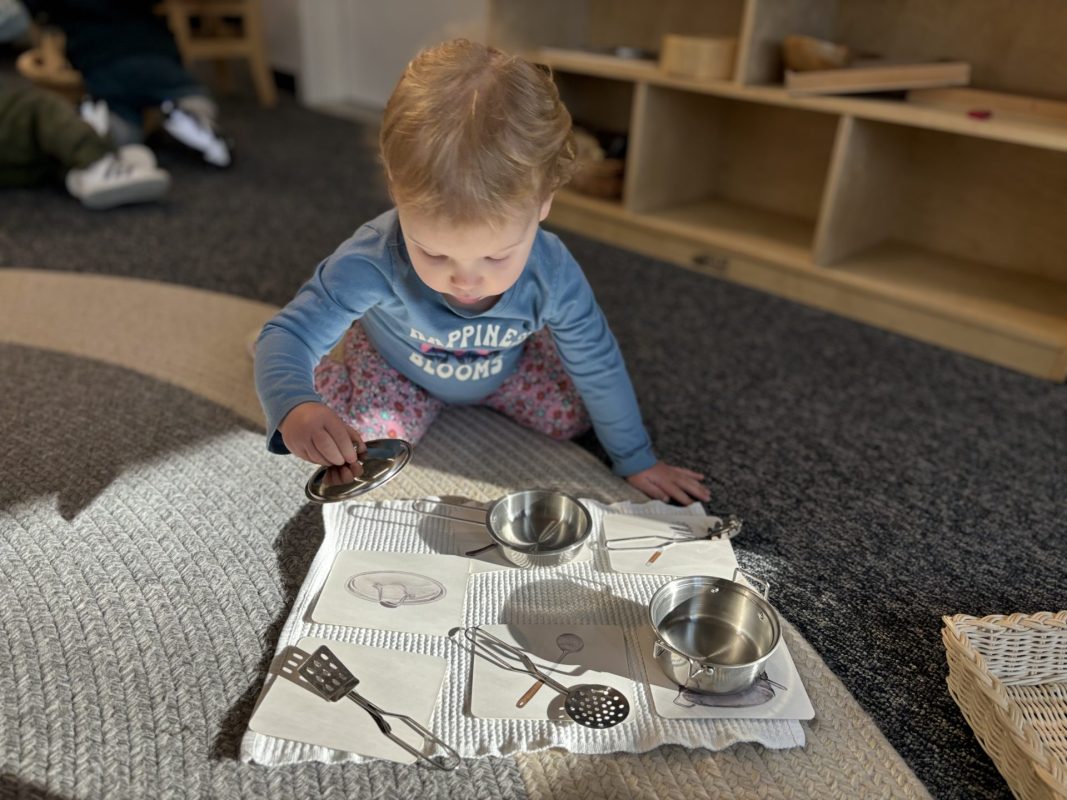
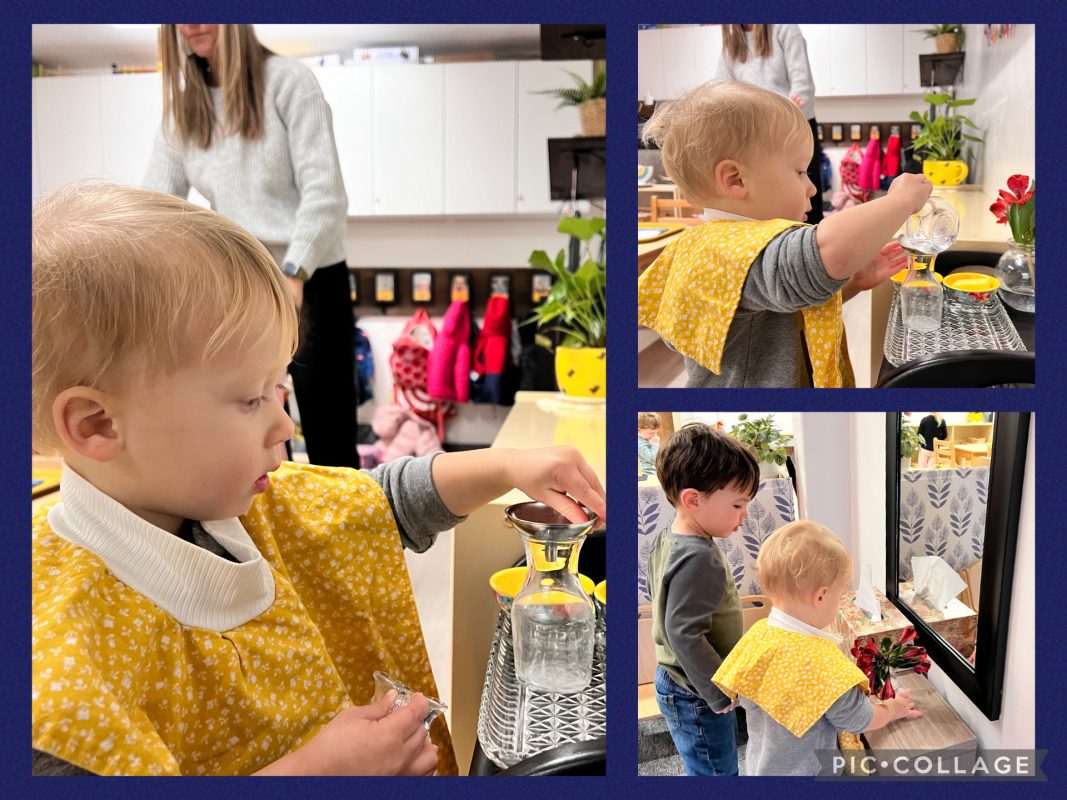
We also introduced a special work that quickly became the most popular work of the week: Handwashing.  This is a multitasking activity that builds independence, fine motor skills, and focus. Set up with child-sized materials; the handwashing station allows toddlers to complete each step independently, boosting confidence. This activity involves a sequence—wetting hands, applying soap, scrubbing, rinsing, drying, transferring soapy water into a bucket, disposing of soapy water in the sink, and drying materials —which strengthens memory and concentration. It also offers a sensory experience, as toddlers feel the cool water, slippery soap, and soft towel, deepening their awareness. Handwashing is a practical, calming activity that supports both physical and cognitive development. A big shout out to the Mica family for gifting our class this perfect little table!

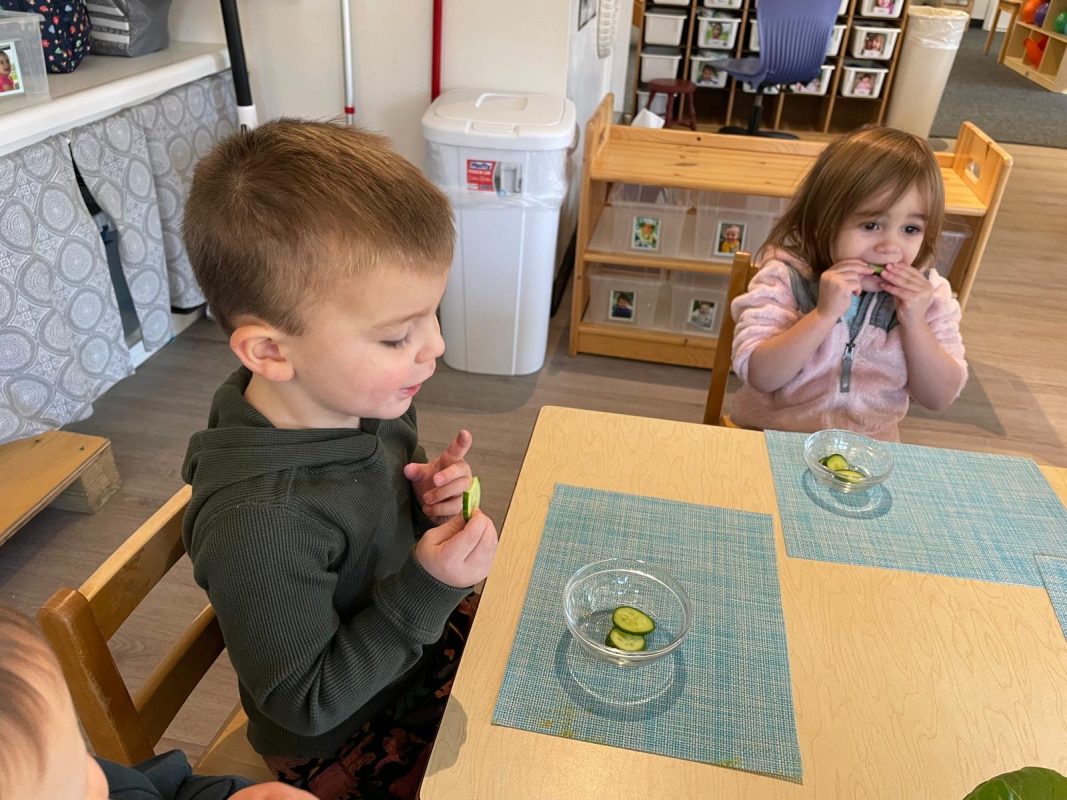
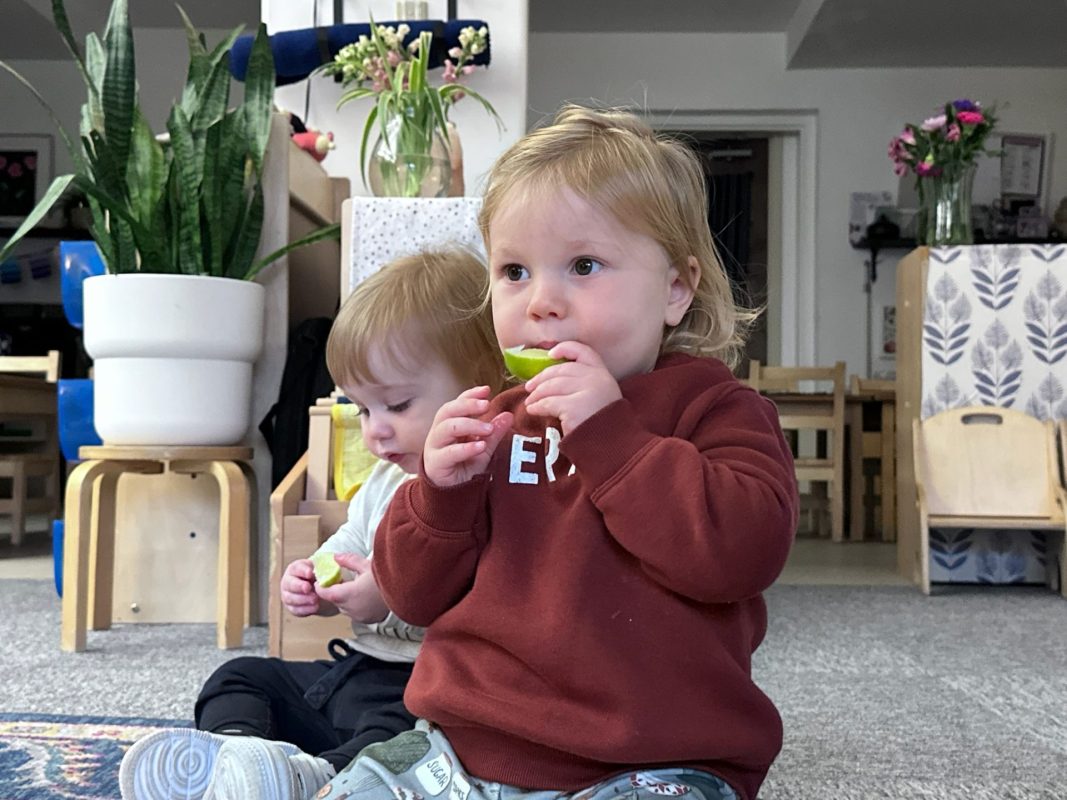
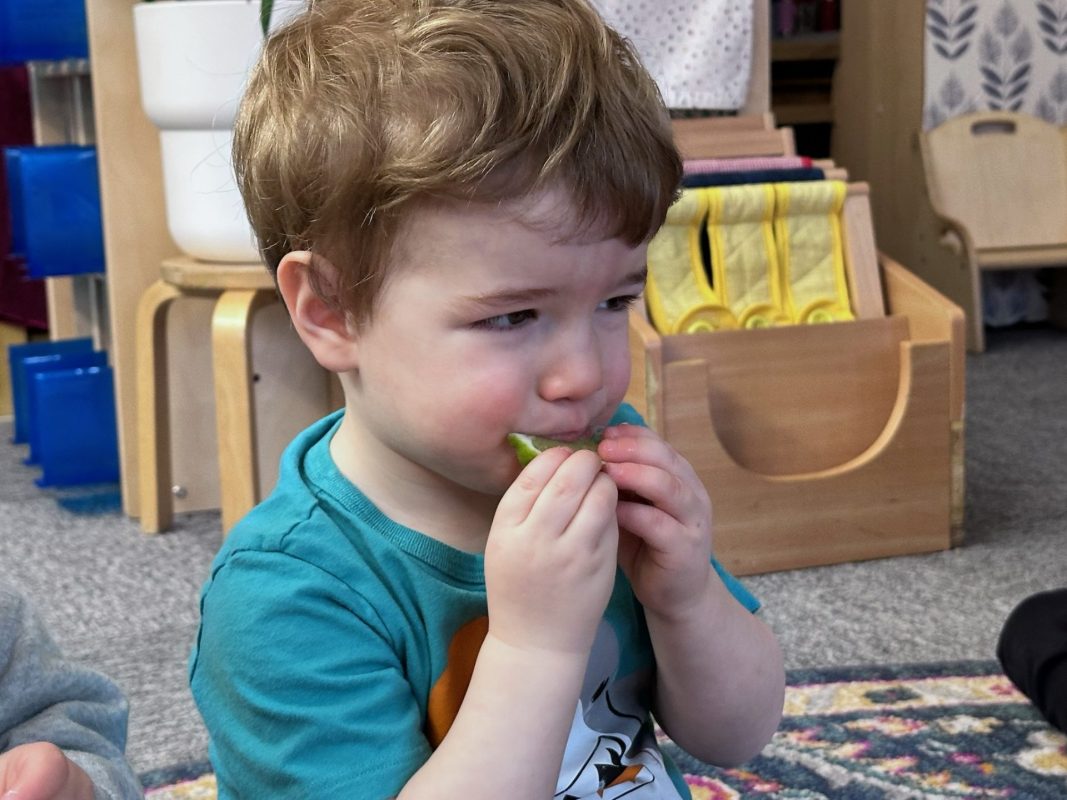
As always children enjoyed the food tasting lesson of the week. This time we explored cranberries and most of them really enjoyed some cranberry sauce !

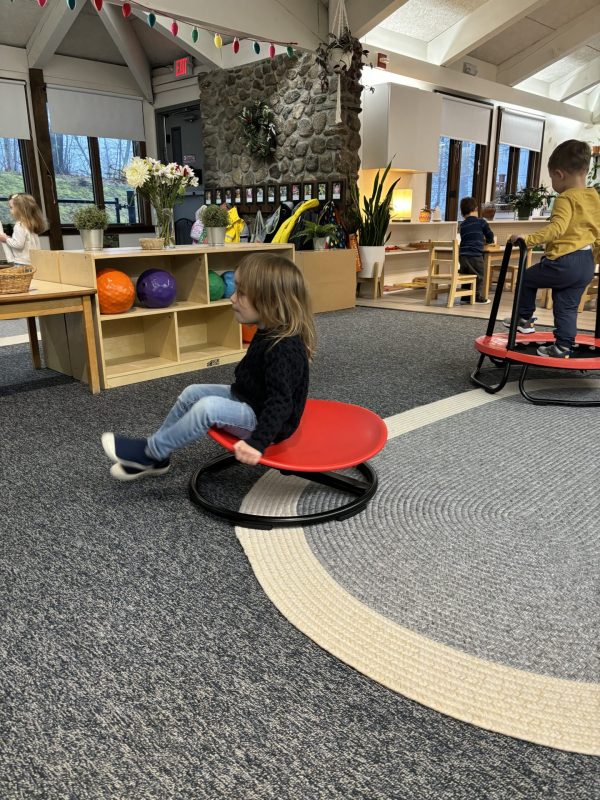
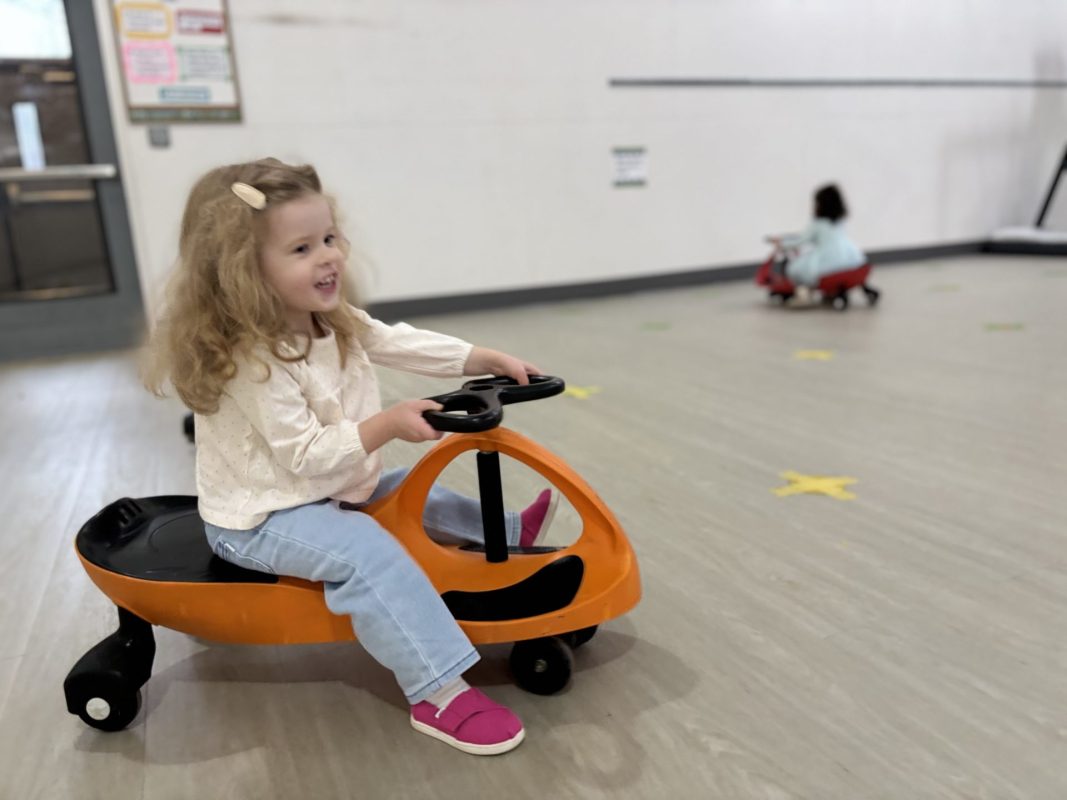
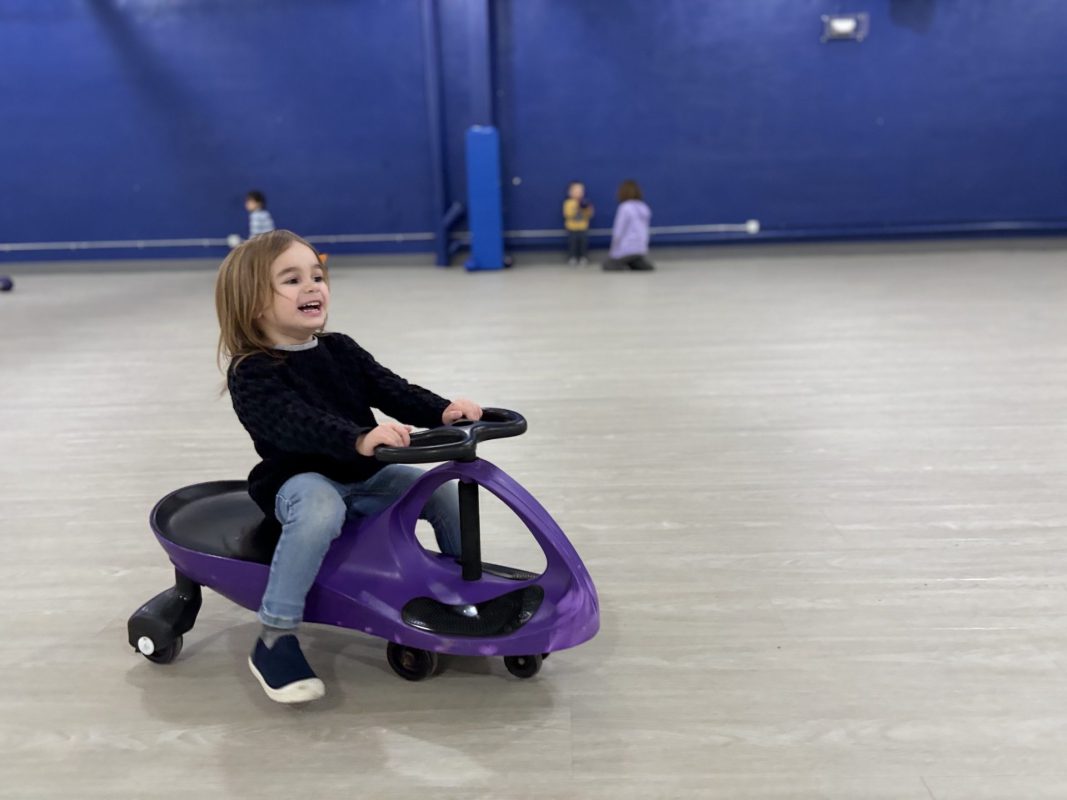
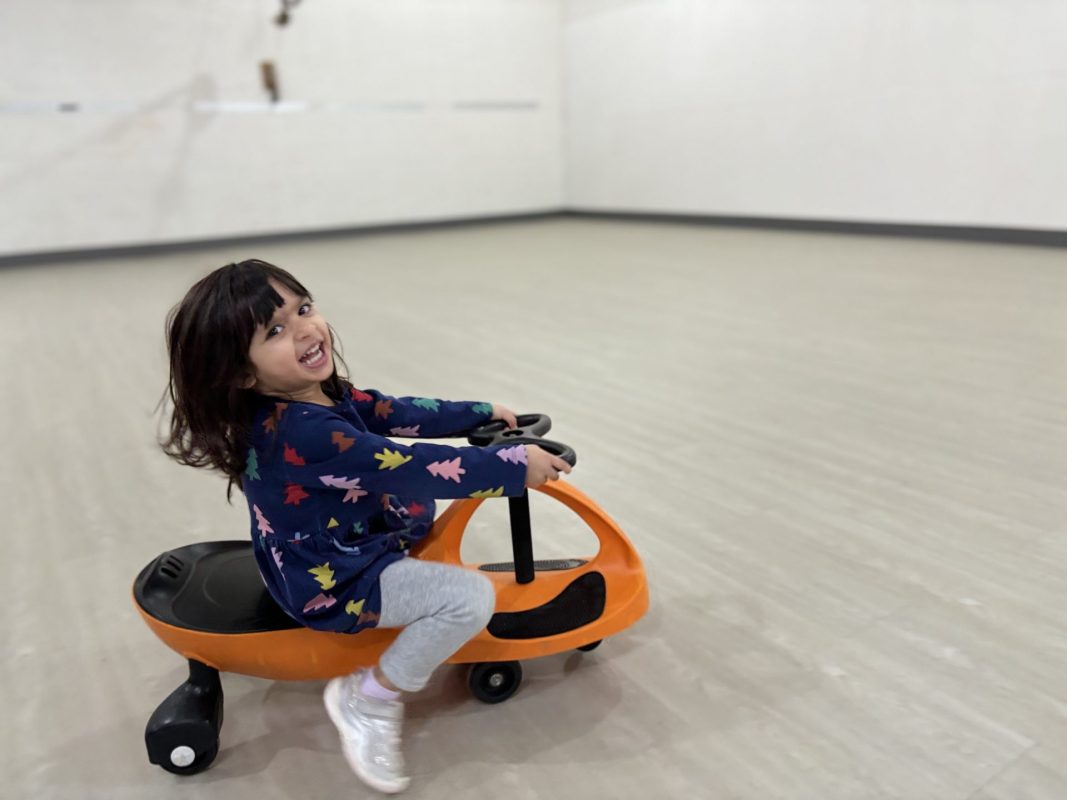
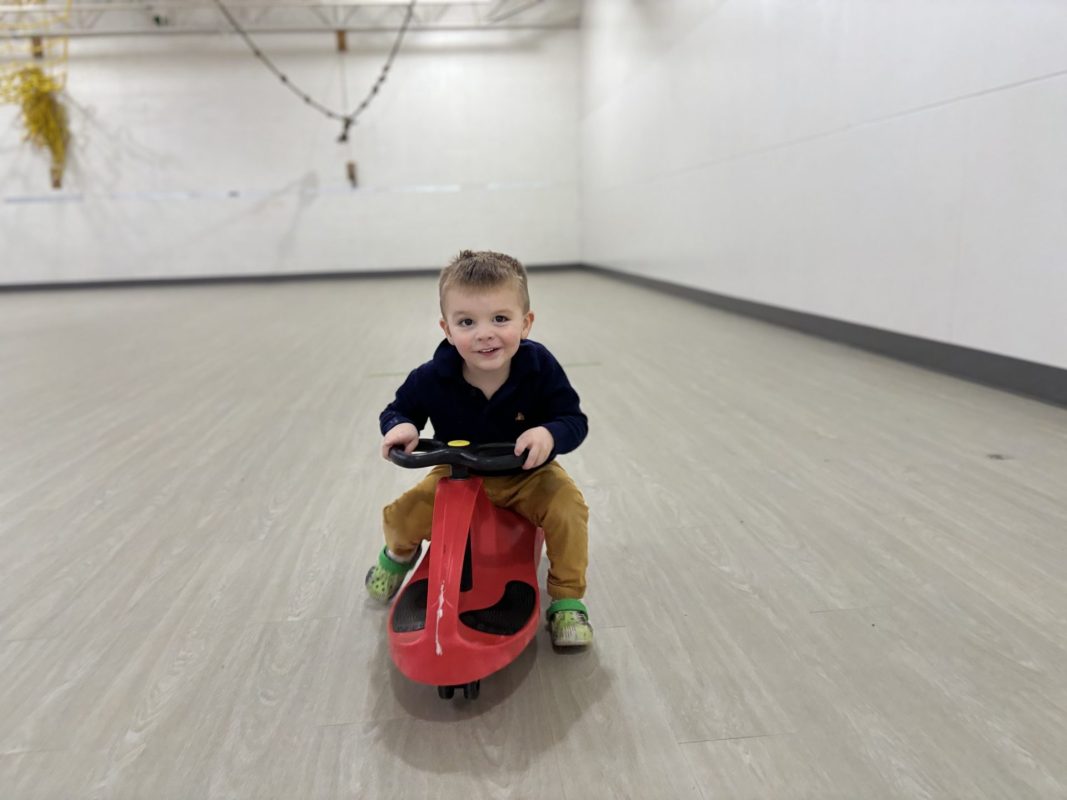
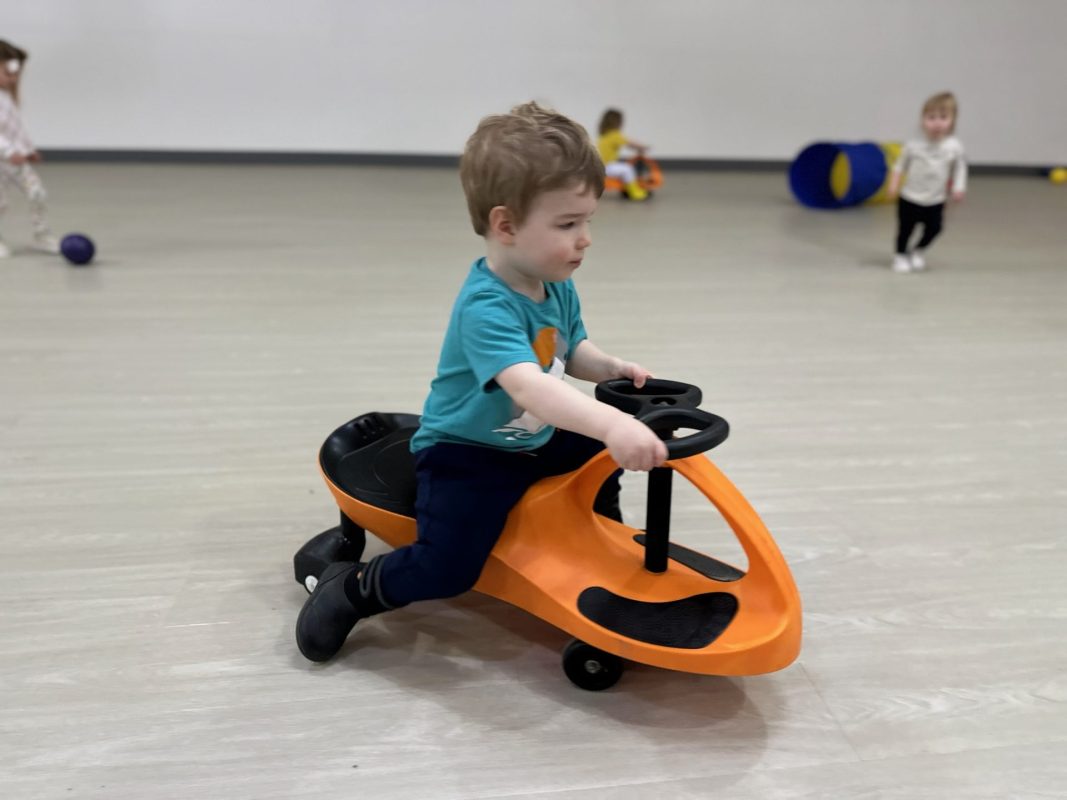
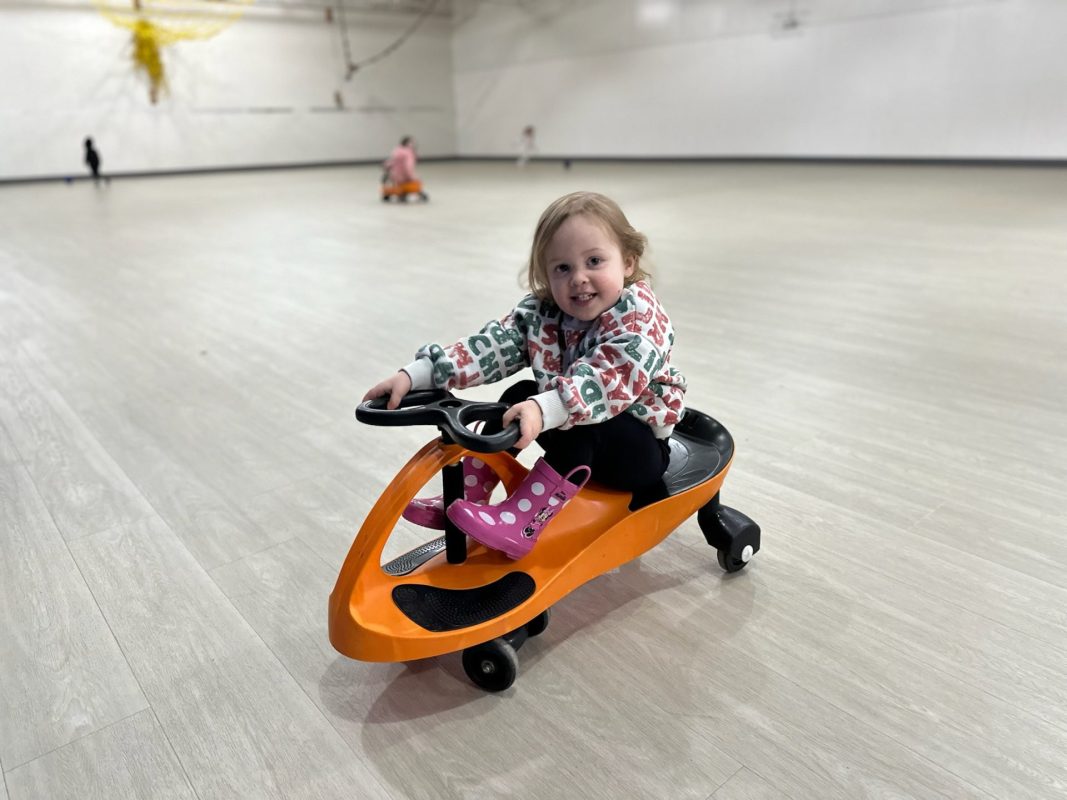
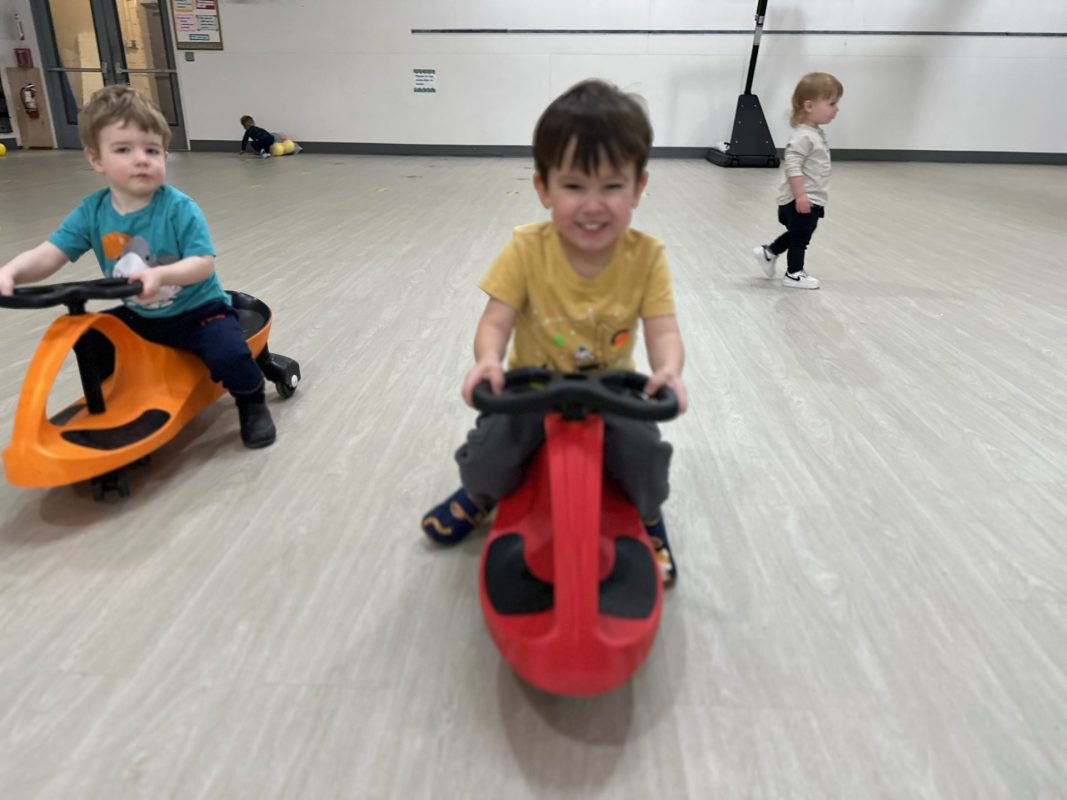
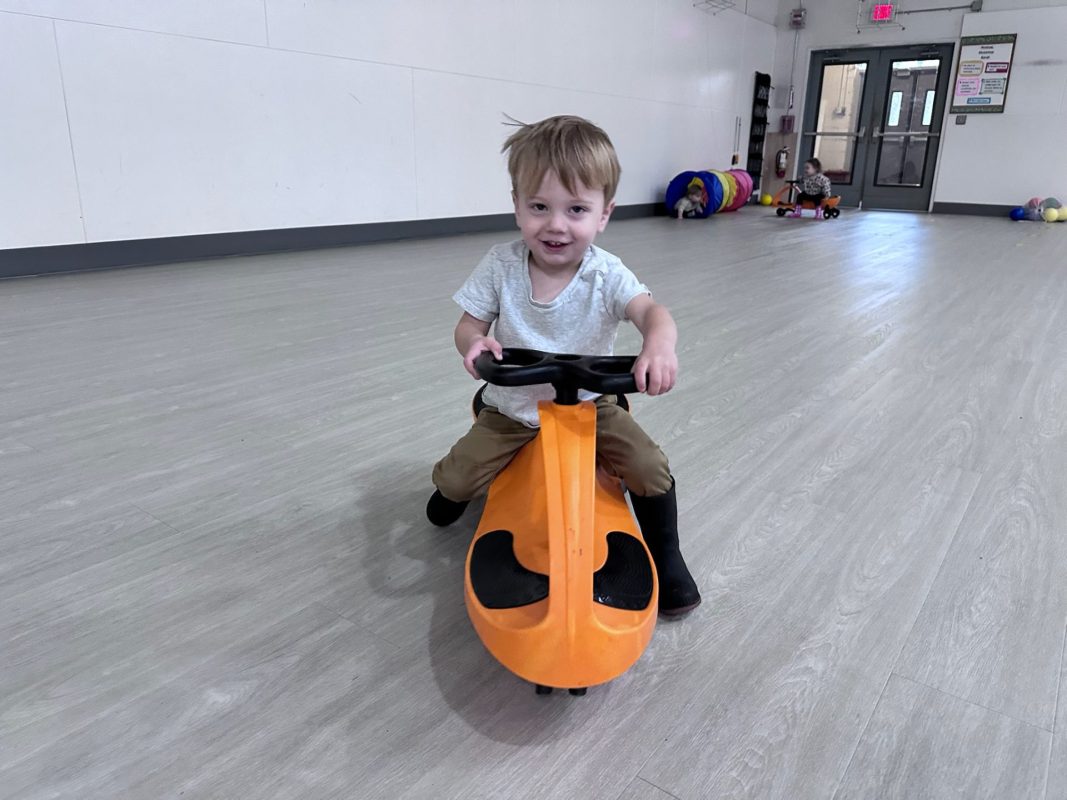
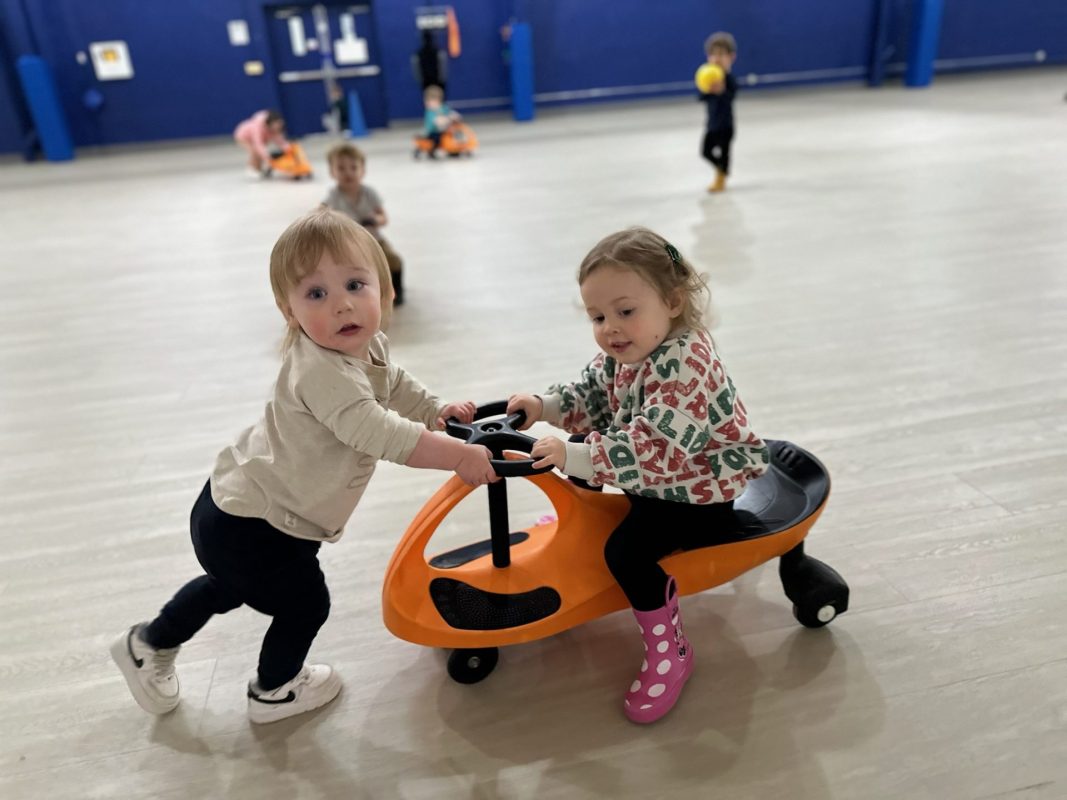
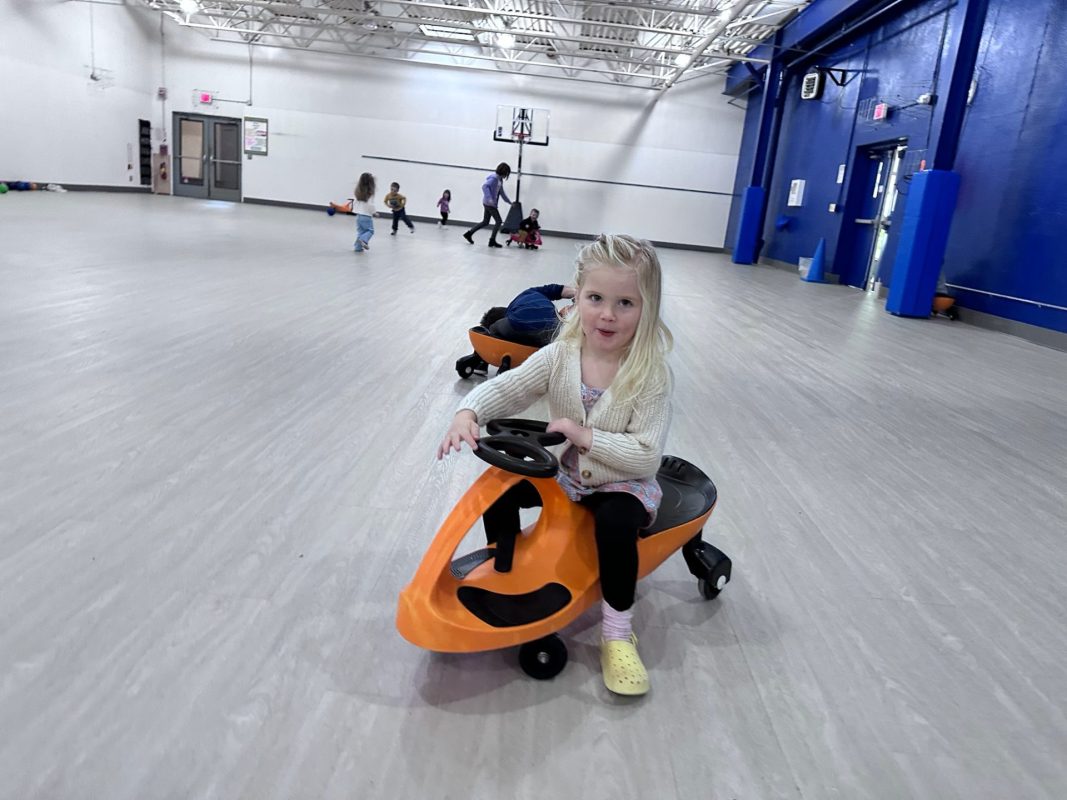
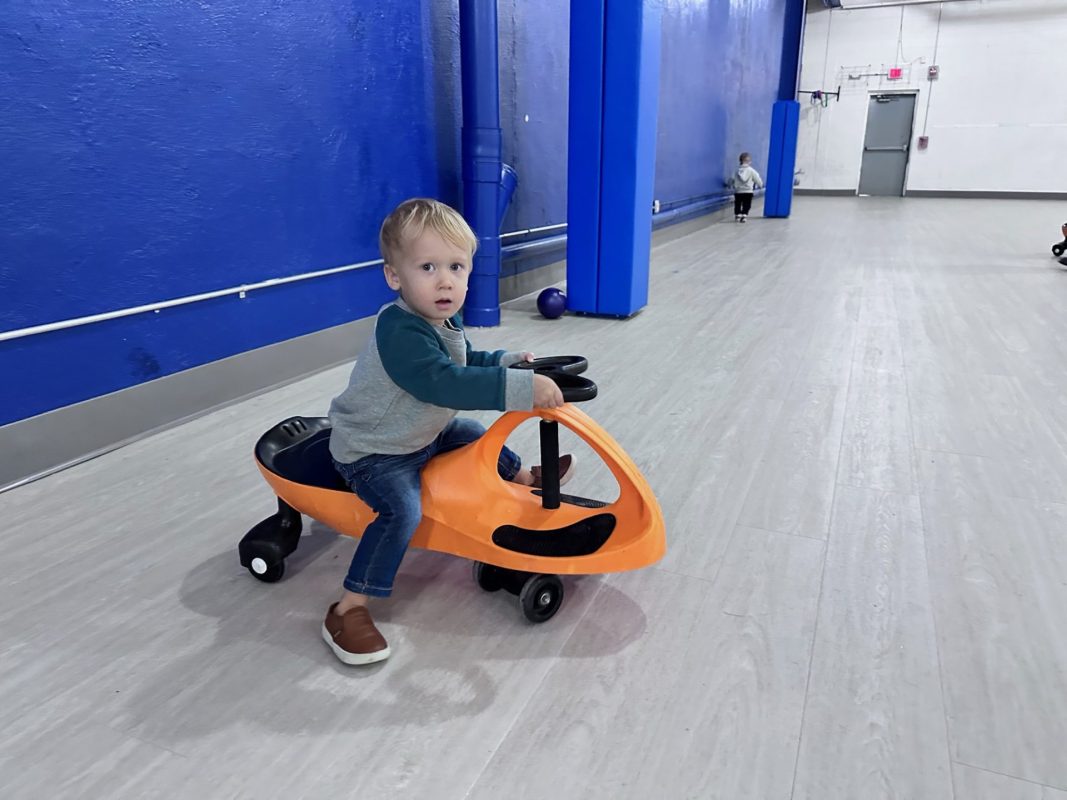
Lastly, a new popular piece of equipment was introduced in the movement area: A sensory spinning chair. Spinning on a chair provides intense vestibular input, which helps toddlers develop their sense of balance and spatial orientation. This stimulation can be calming for some children and can improve their ability to focus and attend to tasks.  Spinning on a chair requires coordination and motor planning, which can help toddlers develop their gross motor skills. It can also improve their core strength and stability, which is important for posture and overall physical development. The repetitive motion of spinning can have a calming effect on toddlers, helping them regulate their emotions and reduce feelings of anxiety or frustration. To say children LOVE this chair is an understatement!

Enjoy the weekend,

Mrs. Hood and Ms. Patty


Middle School: Week in review

What a beautiful week to be outside! We are enjoying the gifts of warm lunches outside as long as we can.

The middle school teachers are proud of the students and how they navigated a unique start to the week in our country, as many of the adults in their lives went to the polls. On Wednesday, the middle school began the day with a circle to acknowledge the spectrum of feelings in the room and to also validate that it’s OK to not feel a certain way regarding the election. Using a talking piece, the middle school gave profound ideas about how they can support each other even when they do not agree. This part of the circle gave the adults in the room such warmth and affirmed that they are truly models for our community.

Here is what went on in some of the MS classes this week:

Humanities

On Monday and Tuesday, grades 6 through 8 learned about the election process in the United States as well as the overall requirements and responsibilities of the three branches of US government. Overall, there were two items they learned that were surprising: first, the importance of the elected congress members in the legislative branch to write and pass laws; and secondly, the electoral college and its function in a presidential election.

6th-grade Humanities classes spent the rest of the week writing. They completed their leaf writing draft and are in the process of completing one-on-one writing conferences with Mrs. Lamb about the piece. Next, they began a descriptive writing piece called “Shark Attack!” This piece charges the students with composing the narration of a video clip as if it will be used in a nature documentary. They need to use specific word choice, figurative language, and imagery to convey the five senses. With Ms. Hunsucker, 6th grade Humanities students embarked on a new project: Walk a Mile in My Shoes. Each student draws one of their shoes from observation and incorporates little-known facts about themselves into their designs. This gives peers the opportunity to build empathy and connection with each other while exploring their own identities.

7th-grade Humanities classes spent the remainder of the week discussing their class novel, A Long Walk to Water, by Linda Sue Park. Using annotations as well as guided discussion questions, students are learning about the Lost Boys of Sudan. Additionally, they wrote and shared informal writing in response to prompts surrounding the election.

8th-grade Humanities classes finished the week with a discussion surrounding their class novel If I Ever Get Out of Here. Additionally, the 8th grade finished illustrations and began assembling their picture book about the Powhatan Confederacy before and after contact.


Science

This week, 6th-grade students have worked to master their graphing skills using the SULTAN method scale: units, labels, titles, accuracy, and neatness. Their progress in these last few weeks has been impressive, and with it, our Introduction to Science unit is coming to a close. Next week, the class will begin working on our first content-specific unit!

Students in 7th grade worked on two labs of note this week in physical science.  The first looked at how temperature affects solubility of a solid solute in a liquid solvent, given concrete materials.  The second asked students to develop and design their own solubility study using materials available within our classroom.  Everyone was enthusiastic to be given the freedom of experimentation within the confines of the assignment.
This week, 8th grade students worked on their cell cakes.  They worked in teams of four to prepare, bake and decorate their cakes to best represent either a plant or animal cell.  Students were extremely excited for this project, and Ms. Pickard had a great week watching them learn through using their creativity in the kitchen.

Math

Pre-Transition: This week, students dove into Chapter 3 titled, “Using Addition”. They learned different properties of addition, such as the Commutative Property of Addition and the Associative Property of Addition. The class also explored how to use the Putting-Together Model for Addition.  Students will wrap up the week by taking the Chapter 3 quiz on Friday, November 8th.

Transition: This week, students began their learning in Chapter 3 titled, “Representing Numbers”. They learned strategies to order and compare both decimals and fractions. The class also discovered how to add and subtract fractions by finding common denominators. Students will end the week by taking the Chapter 3 quiz on Friday, November 8th.
 
Algebra: This week, students continued their learning of Chapter 3 concepts. They practiced using the distributive property to solve linear equations. The class also learned how to solve and check inequalities, and how to graph all solutions. Students will conclude the week by taking the Chapter 3 Assessment on Friday, November 8th.
 
Geometry: This week. students concluded their learning of Chapter 3 concepts. We learned how to determine measures of angles formed by parallel lines, perpendicular lines, and transversals. We also practiced how to apply size transformations to figures on coordinate axes. Students will wrap up the week by taking the Chapter 3 Assessment on Friday, November 8th.

Ms. Mollie: Hello, November!


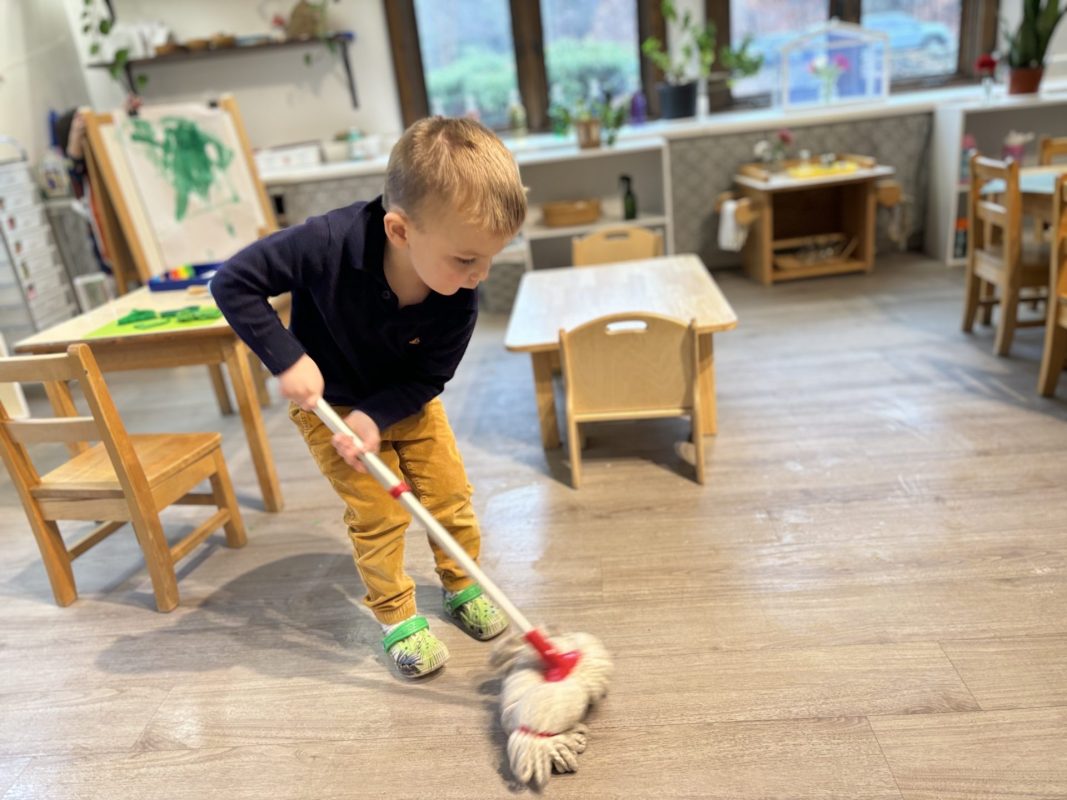
Time seems to be flying by; we have made it to November! The children have been so busy each day they are discovering new materials that meet the needs of their growing minds! We have started the month talking about “Gratitude” and what it means to our classroom and our families. I emphasize how we can show gratitude with our words and with our actions…..I know you’re all thinking they are toddlers! Yes, the toddler child can show gratitude, empathy, and kindness and still be a little spicy, but that is what makes toddlers so perfect. We will continue to talk, read, and show gratitude, kindness, thankfulness, and all those big words that are basically about the care and love we choose to give to others.

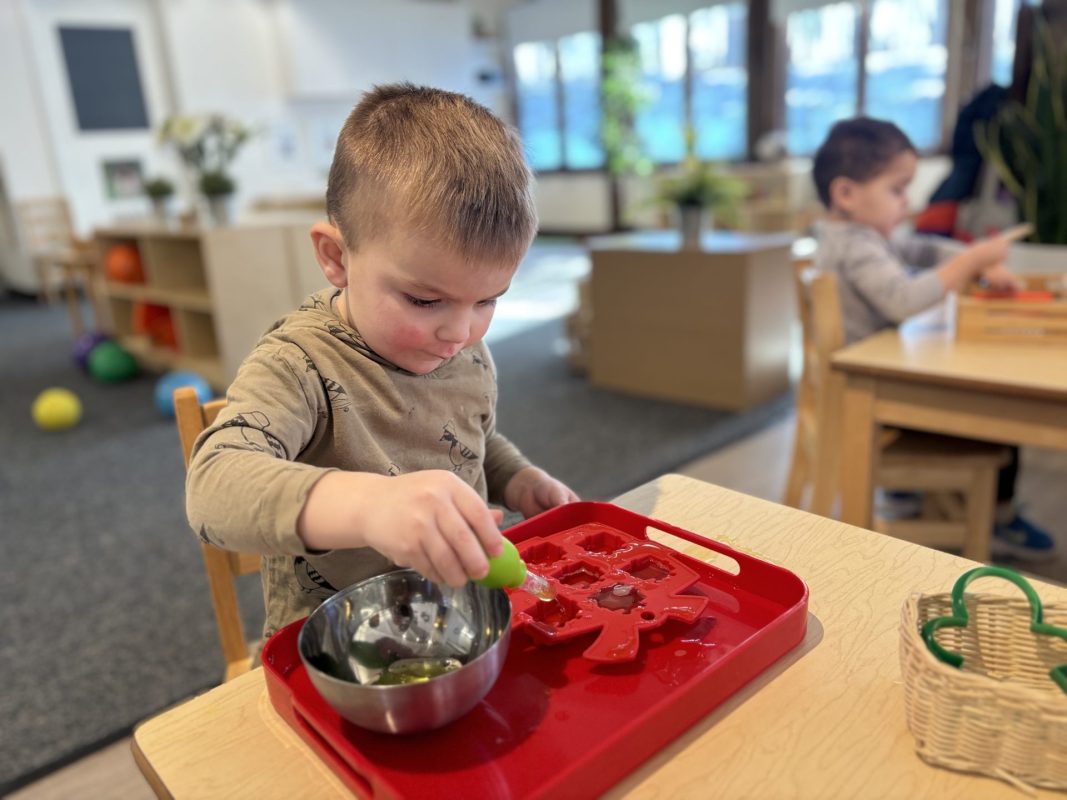
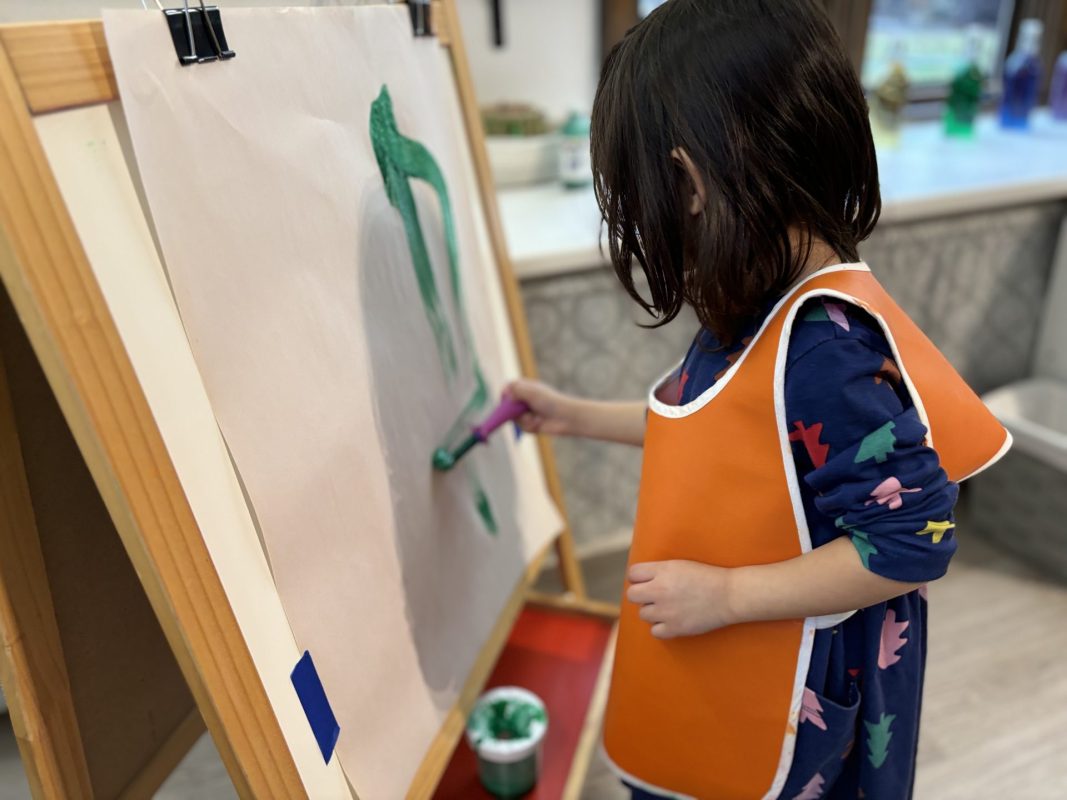
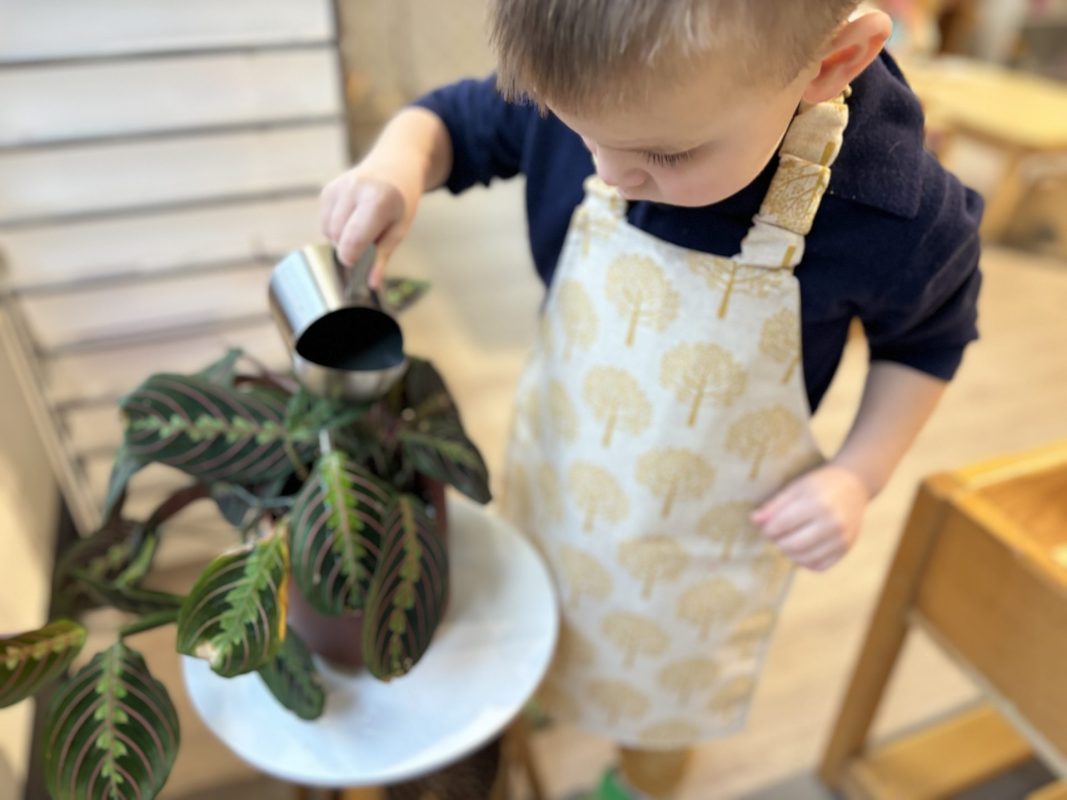
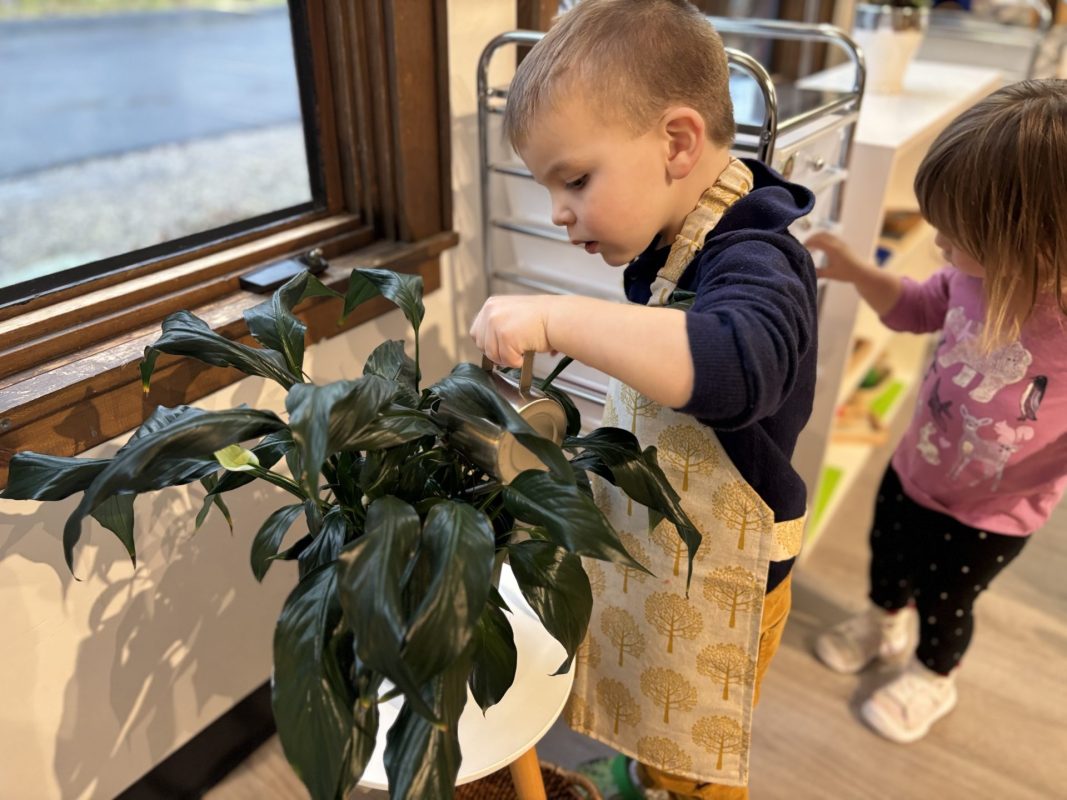
One of the newest works in the classroom is plant care and flower arranging, both have been highly satisfying work and the children take such care in making our classroom feel beautiful. They have been taking in the smallest details of the plants and flowers. The children are very aware of how fragile the plant is, when dusting them you have to have a lightness of touch, so we don’t rip the plant leaf. While they are young, these children know and understand that even the smallest plants need great care. Dr. Montessori once said, “Children indeed love flowers, but they need to do something more than remain among them and contemplate their colored blossoms. They find their greatest pleasure in acting, knowing, exploring, even apart from the attraction of external beauty.”

I leave you with one simple little task: think about what gratitude means to you as a family and how you can express this to your child.

With full hearts,
Ms. Mollie and Ms. Lizette


This Week in Upper El

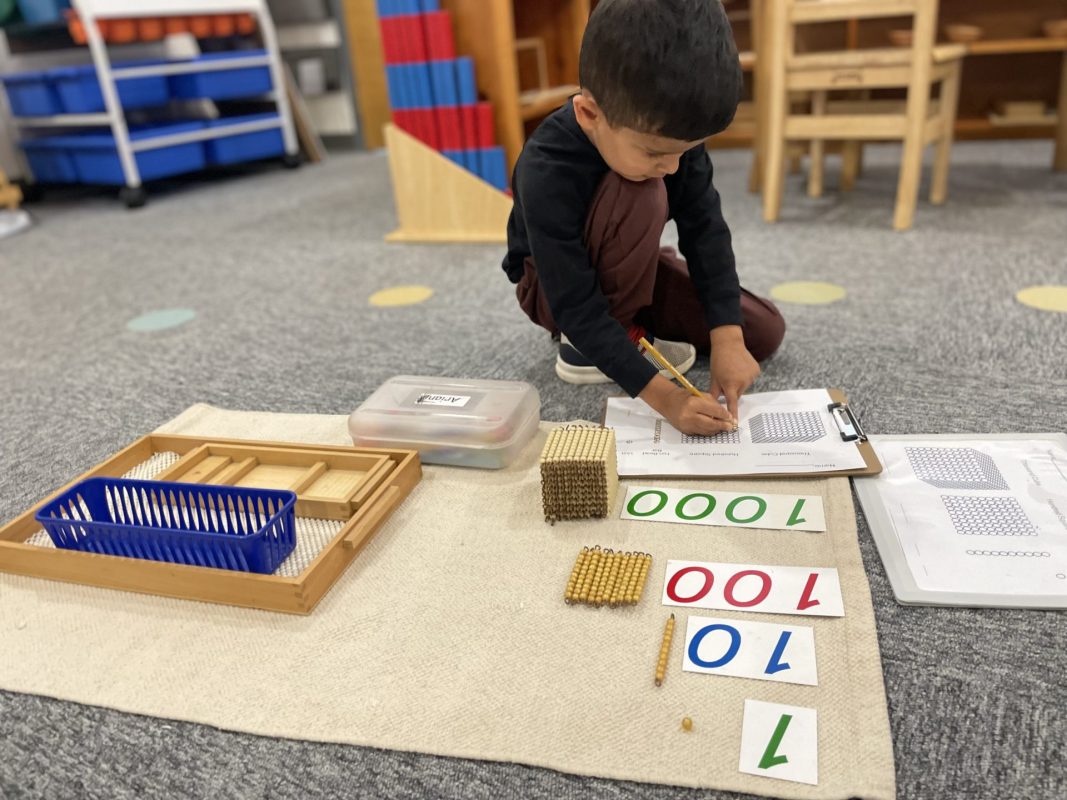
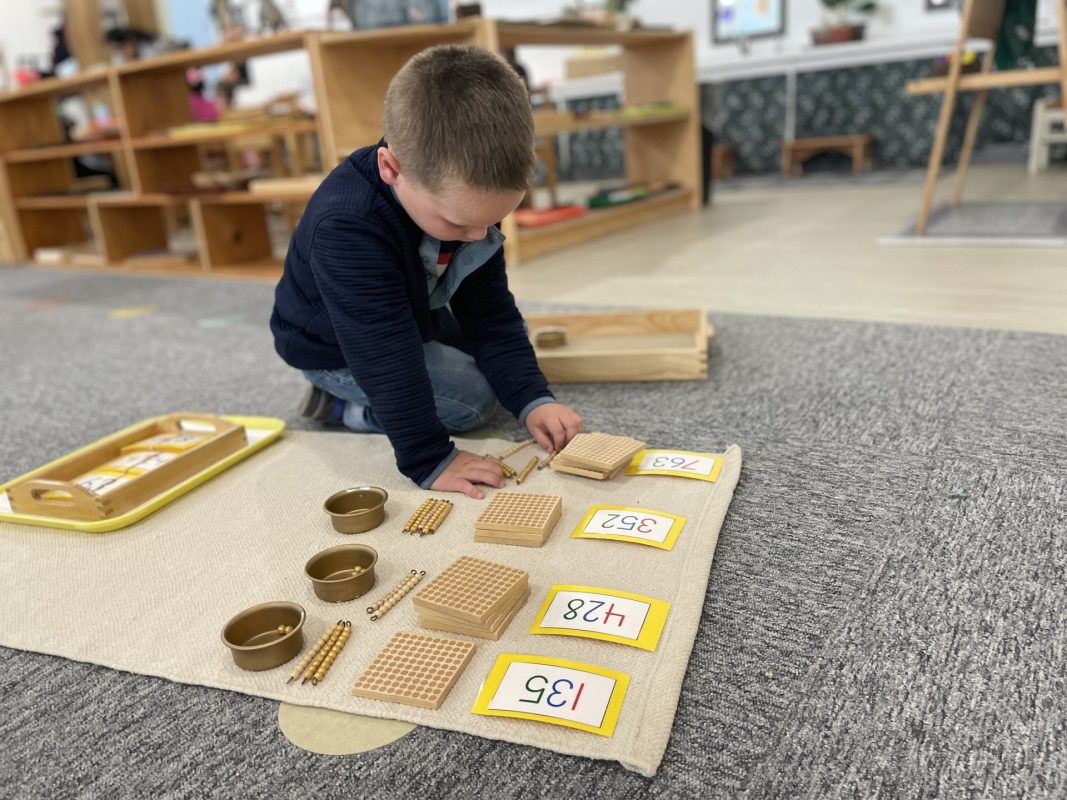
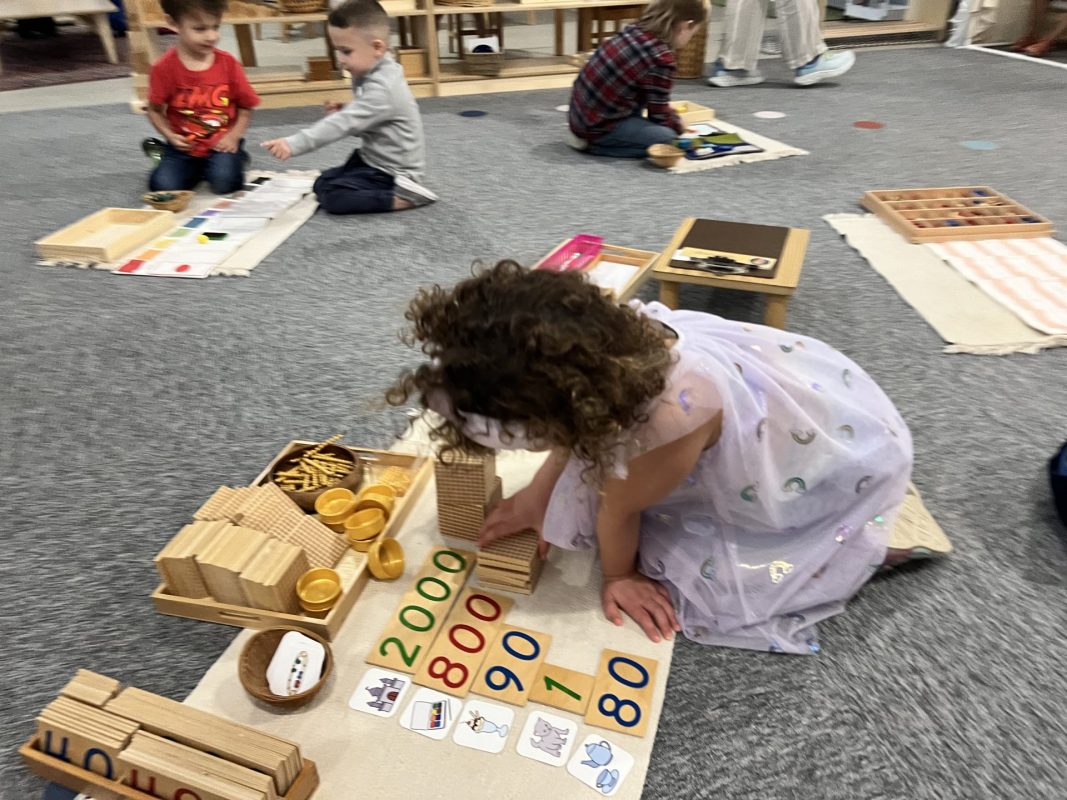
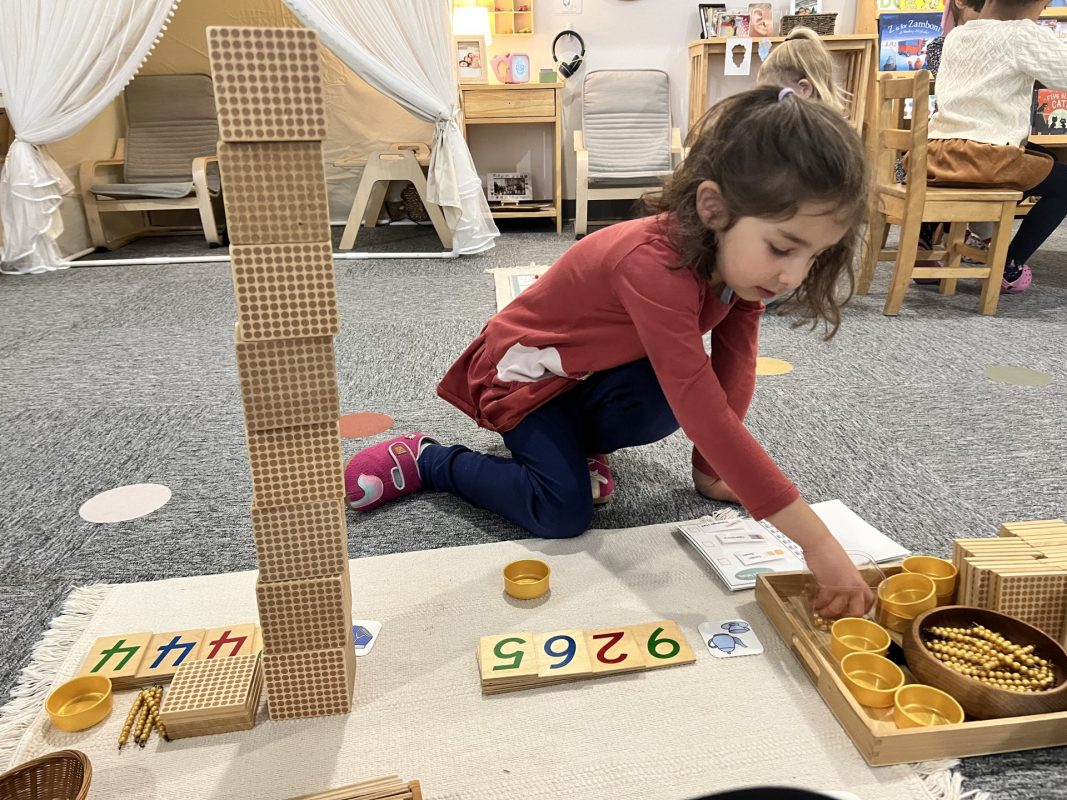
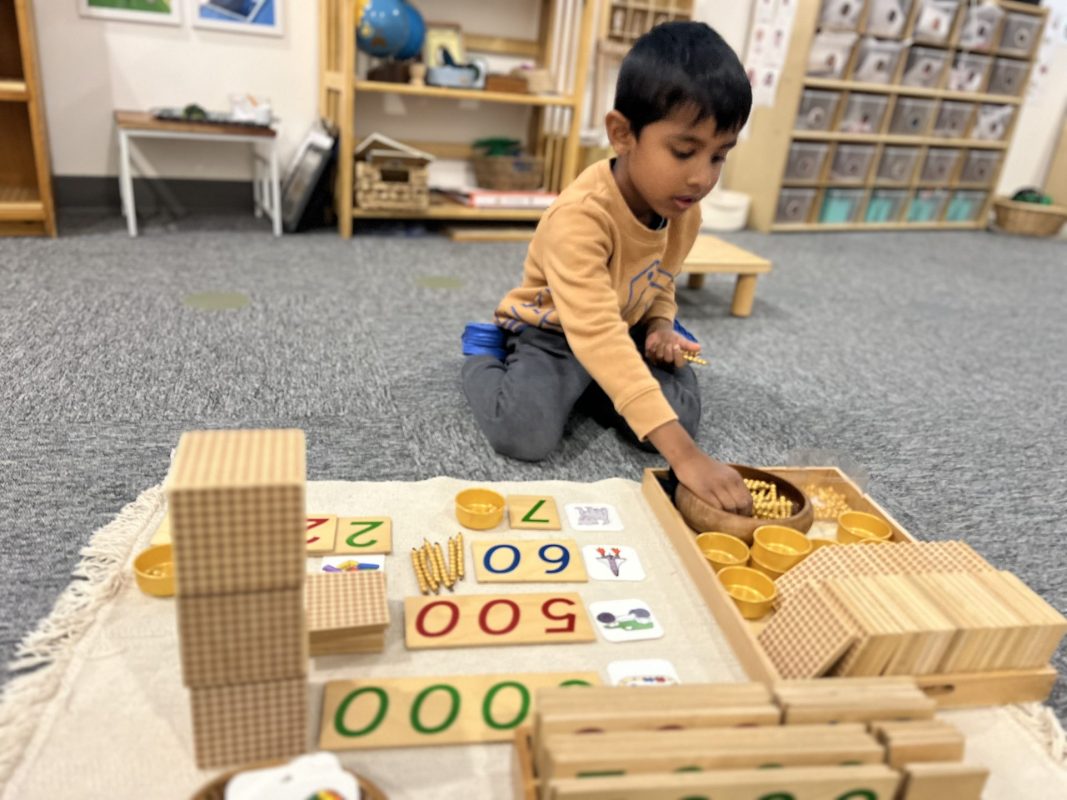
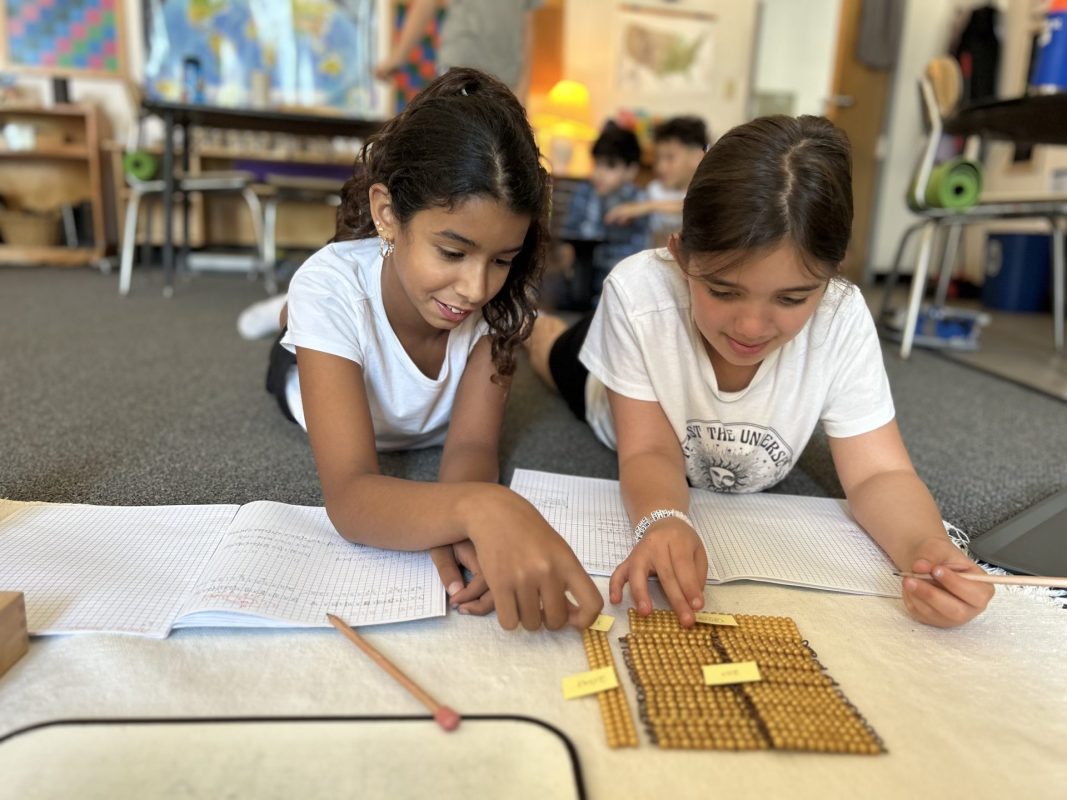
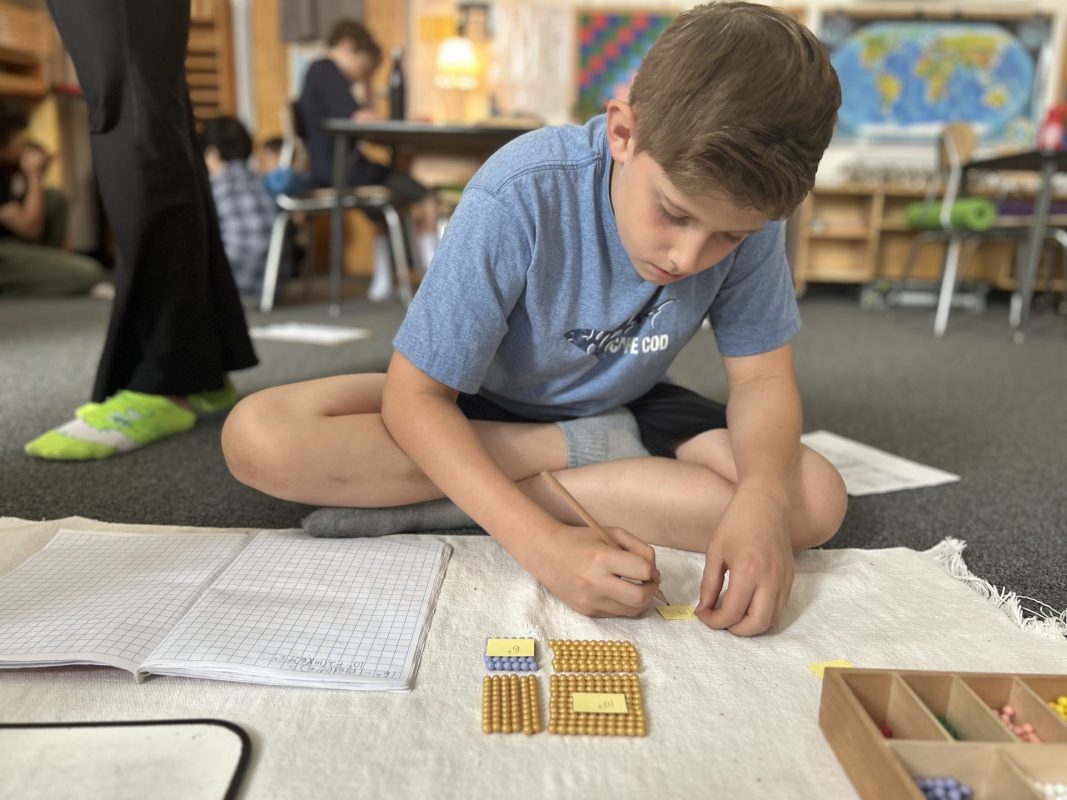
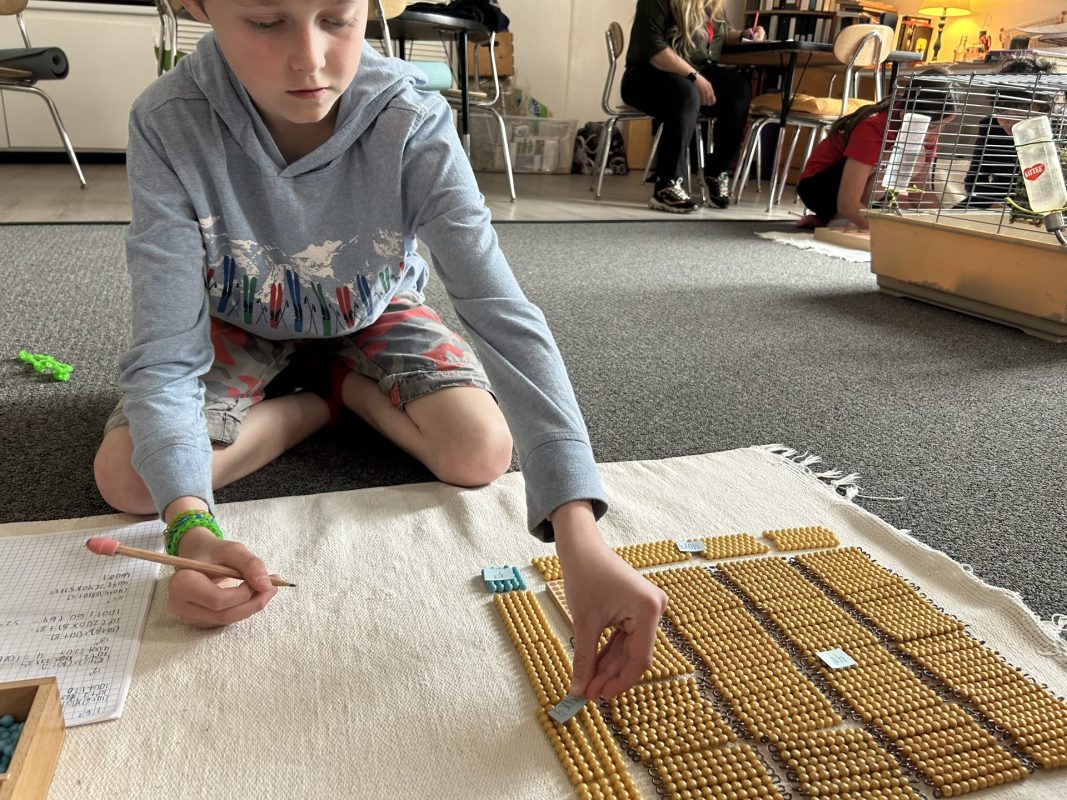
At the Upper Elementary level, Montessori math work begins with hands-on demonstrations and work with materials for each new concept before students move to the abstract. This provides many benefits for students. Concrete math work allows students to naturally develop a deep understanding of concepts, with exploration leading to understanding rules and formulas. Our process is an introduction with the material, independent practice, and demonstration of understanding through the use of the material. After understanding is demonstrated, a rule or formula is verbalized before students begin to complete the problems abstractly. The rule or formula is often recorded in their math books for later reference by the student.

Students are also encouraged to develop their math problems within the concept they are studying. This process, called Guided Discovery, leads to children engaging with issues that arise in their exploration, creating opportunities for mini-lessons as those issues arise. It focuses on the technique or the process instead of the correct answers to each problem. This means that students can move through the curriculum at a pace that interests them and makes math engaging. Working at their own pace helps students to develop confidence in their problem-solving ability and a strong sense of independence.

We have a variety of math work going on. In geometry, one group is finding the equivalence between two figures while the other group is learning to find the area of different figures. This week, the equivalency group learned about using a rhombus’s major and minor diagonals to prove equivalence to a rectangle. The area group learned to find the area of a regular polygon by comparing the perimeter of the polygon to the base of a rectangle and comparing the apothem of the polygon to the height of the rectangle. In individualized math work, different students are working on the following:

  • finding the lowest common multiple of large numbers
  • researching factors of two-digit numbers
  • common factors and the greatest common factor
  • square of binomials
  • square root formed of only units and cross multiplication

The UE students exhibit remarkable enthusiasm and self-motivation in their mathematics work. Their eagerness is evident in how they engage with complex problems and collaborate, fostering a dynamic and supportive learning environment.


November Family Connection Newsletter

“The teacher’s task is not to talk, but to prepare and arrange a series of motives for cultural activity in a special environment made for the child.” -Maria Montessori, The Absorbent Mind

This month’s Family Connection is about freedom within limits, a fundamental feature of Montessori classrooms. This article highlights children’s freedom to choose, their need for structure, the role of limits, and examples of limits in a Montessori classroom. These principles are woven into the curriculum throughout our school, from the toddler program through the middle school.

I hope you enjoy this month’s Family Connection.

Warm regards,
Karen Sankey