- Bank game
- Bank game
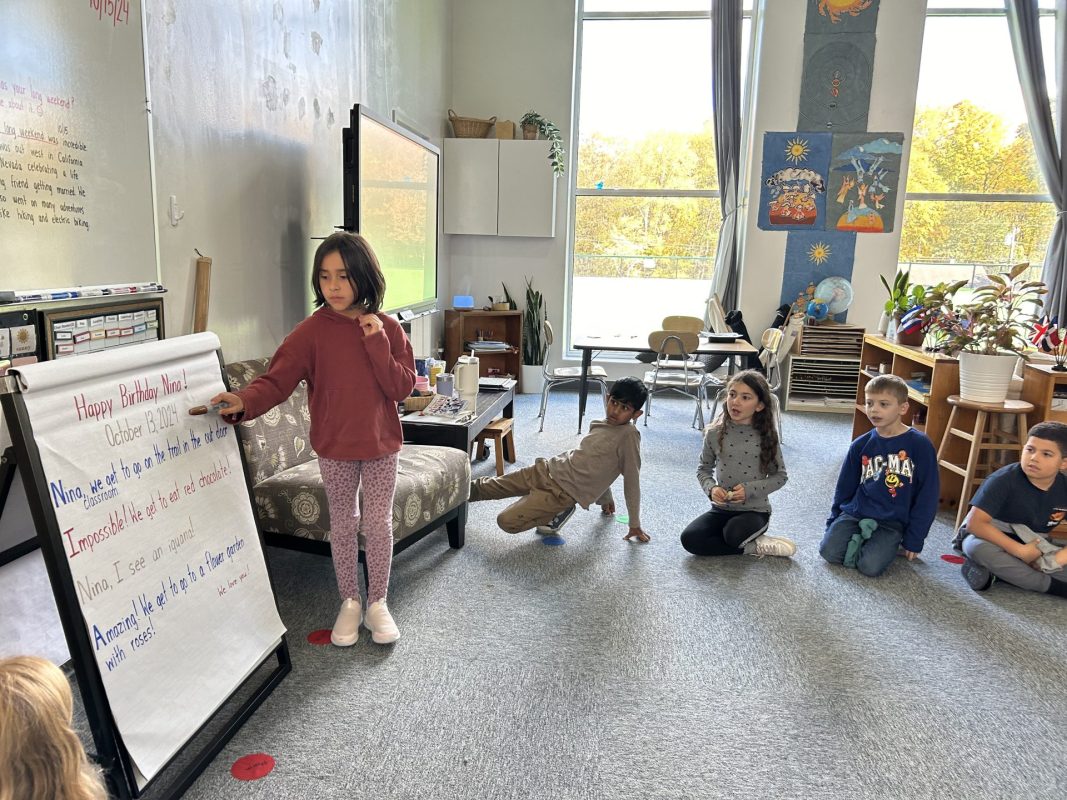
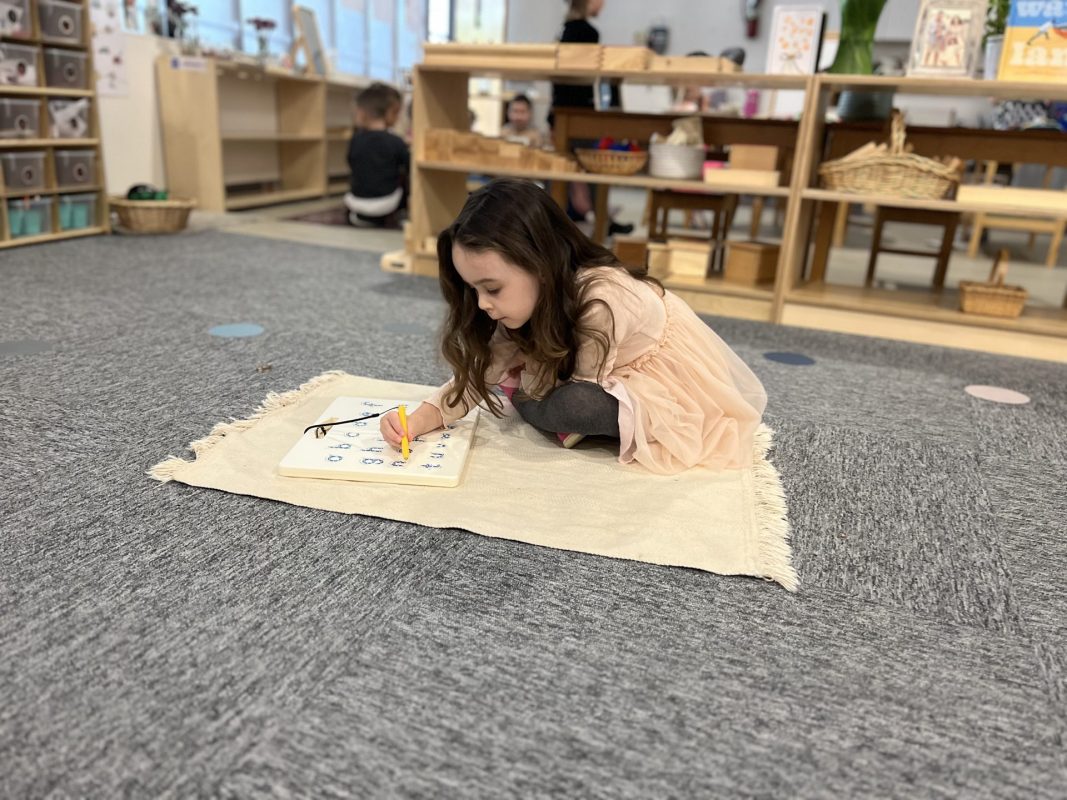
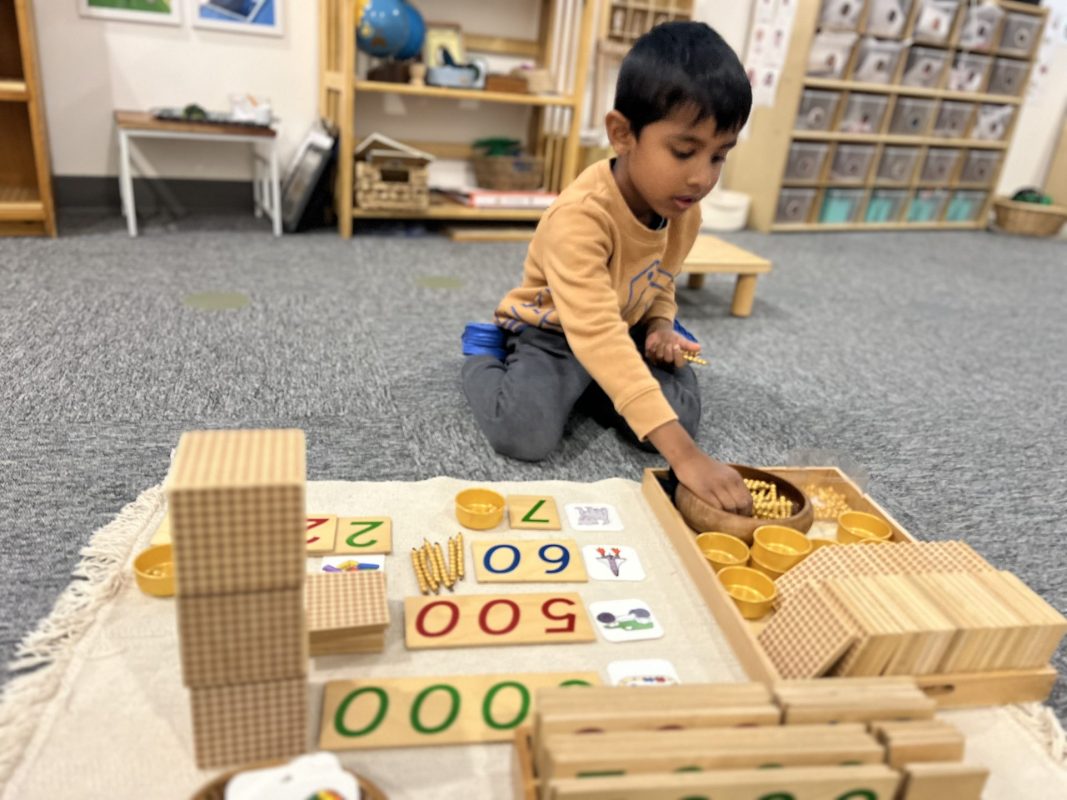
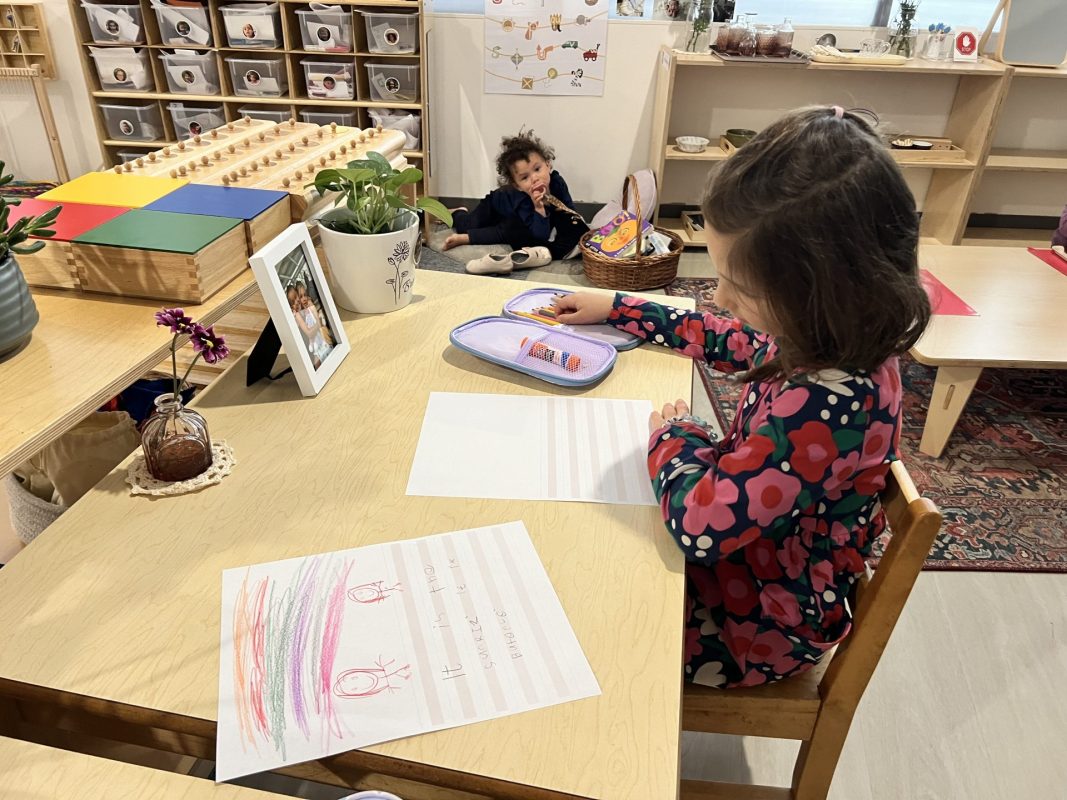
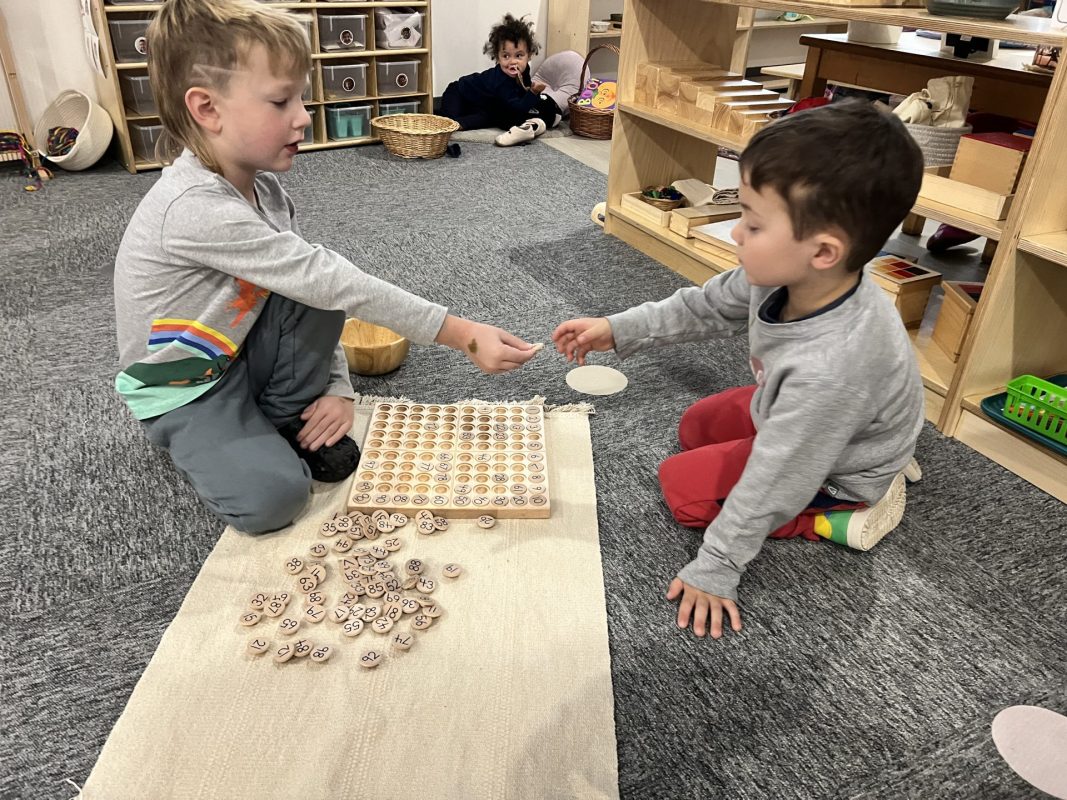
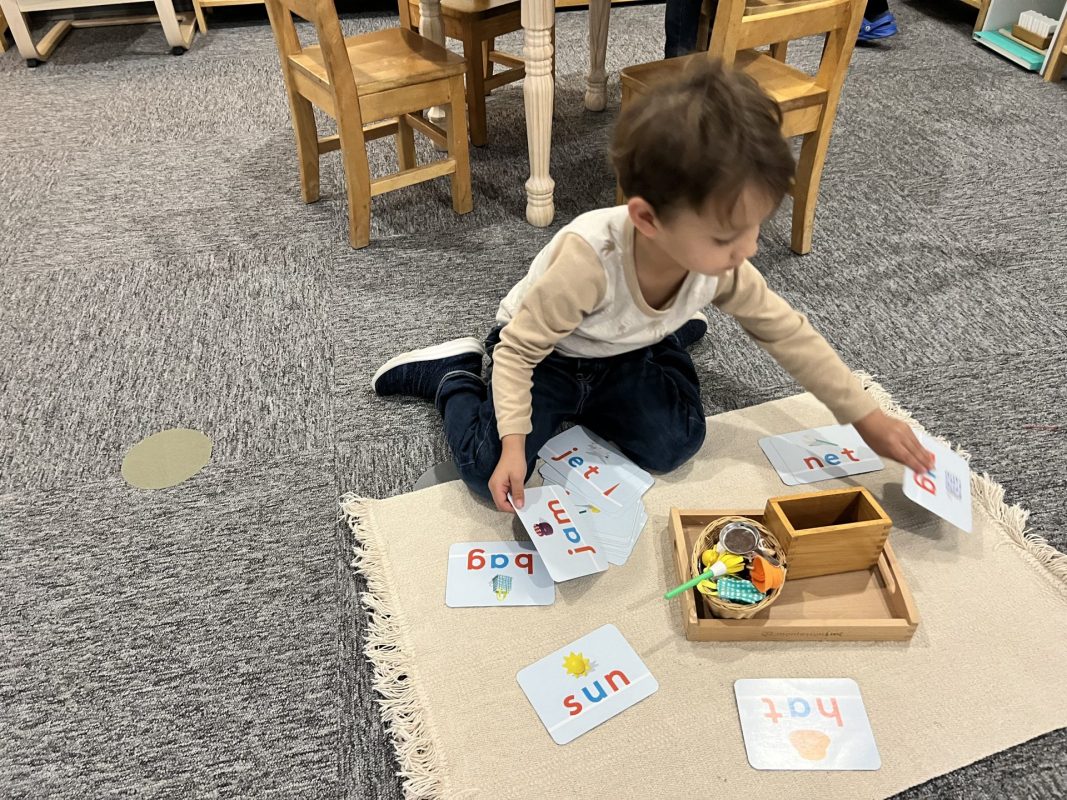
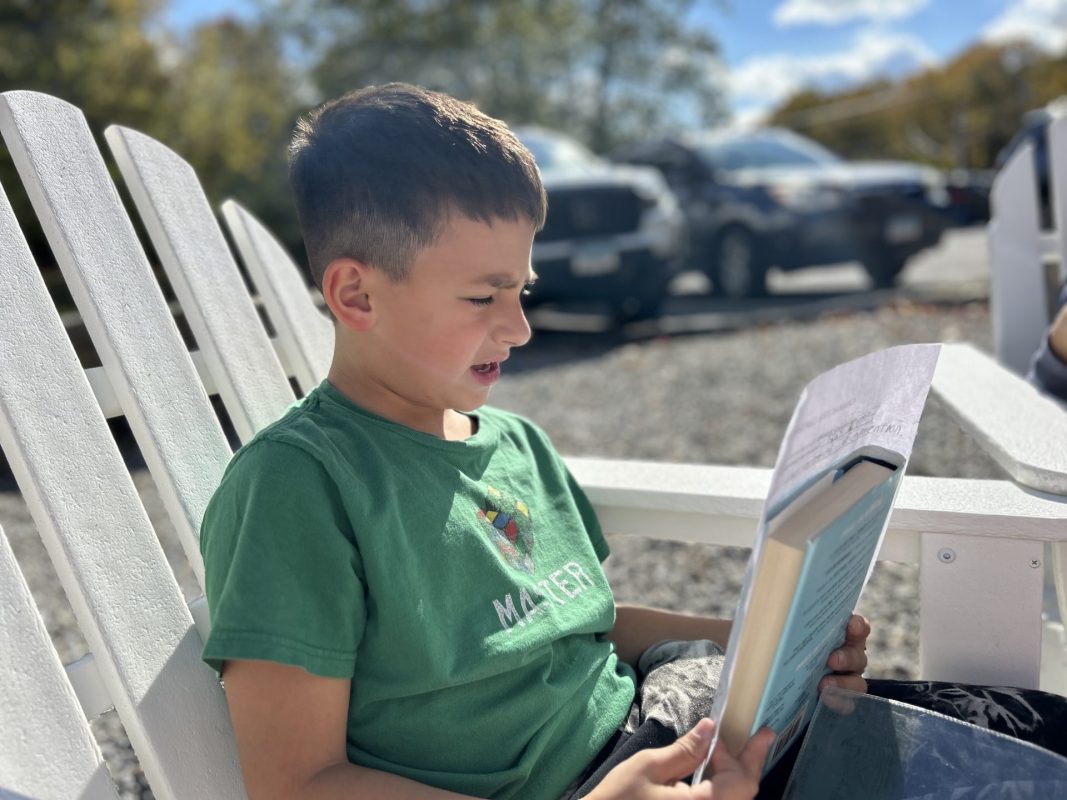
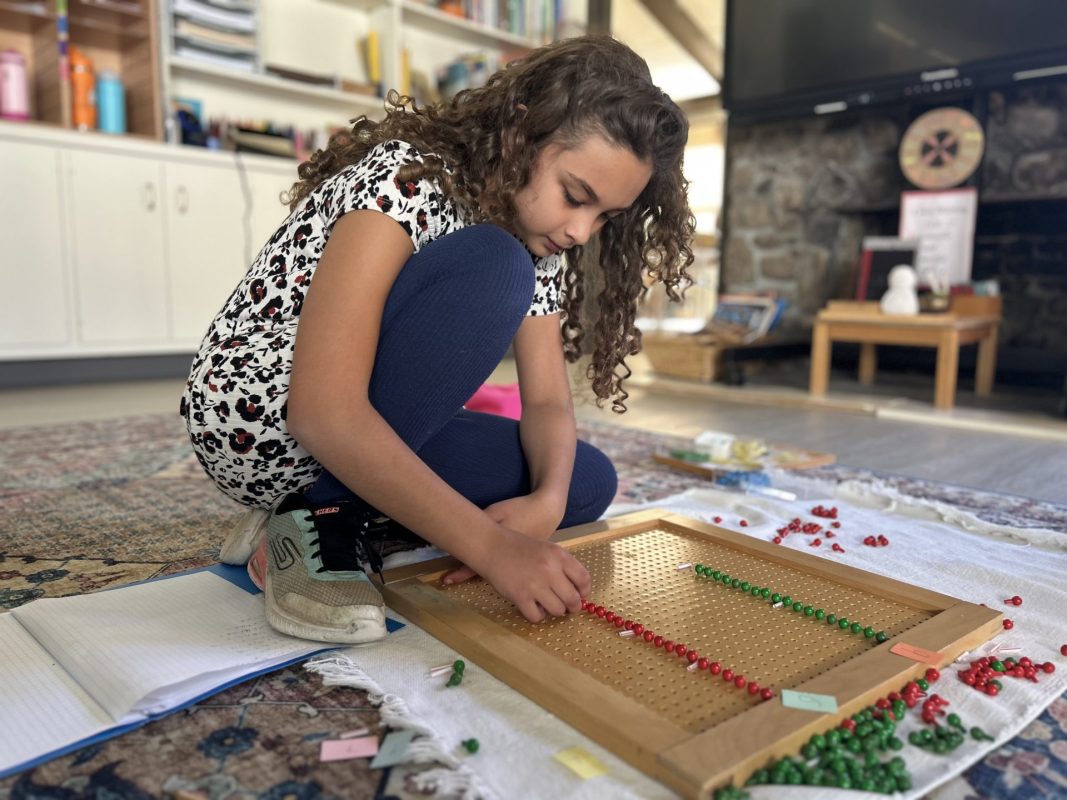
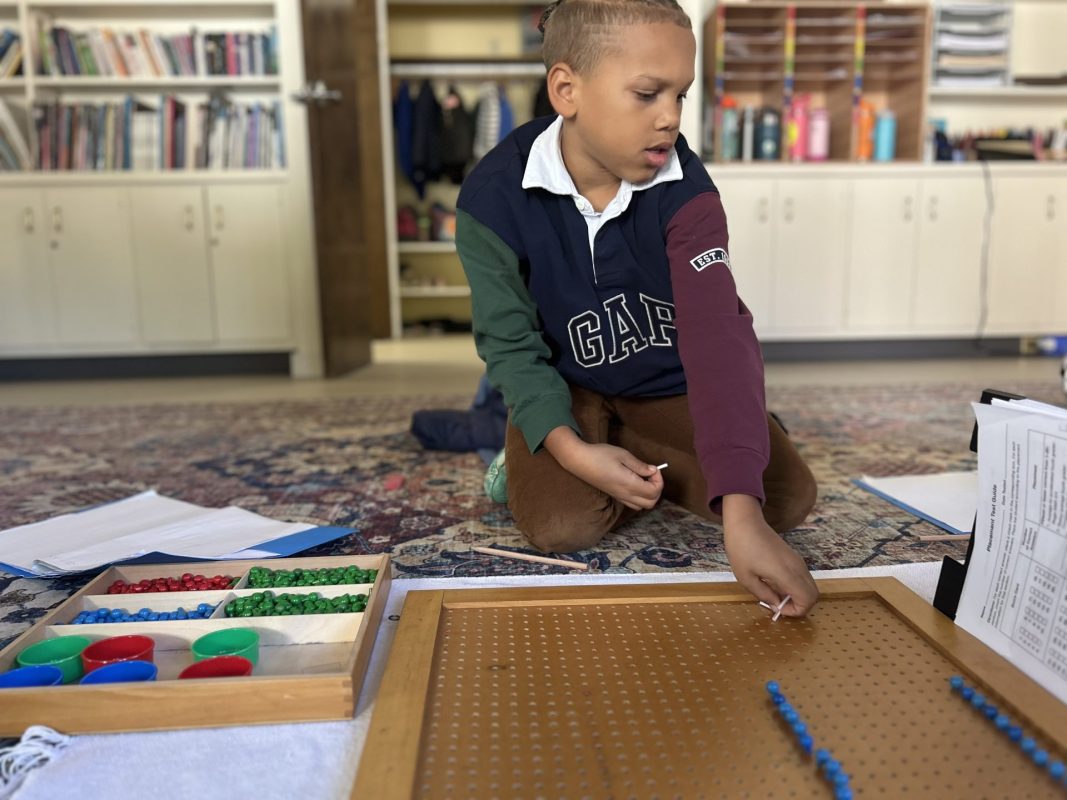
We had another very busy and productive week! We celebrated two birthdays, got our pictures taken, and continued to explore all the activities in our classroom.
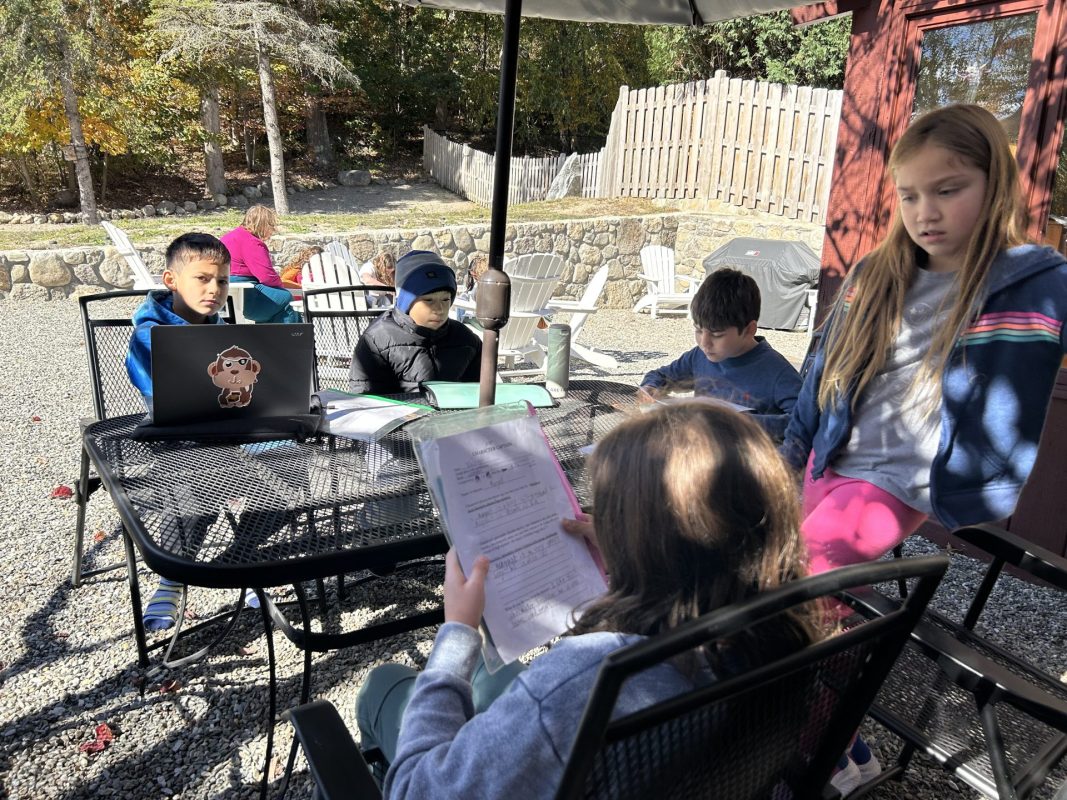
The Middle School students had a great week. Here are some Save-the-Dates:
Here is what went on this week:
Humanities
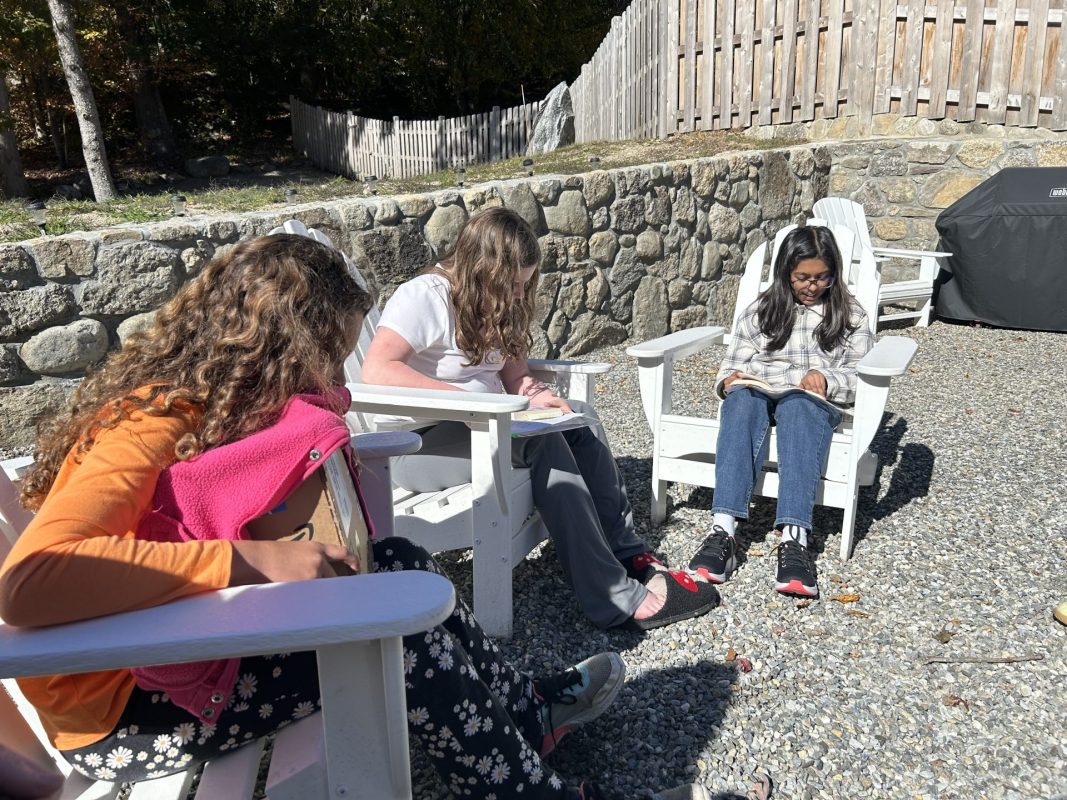
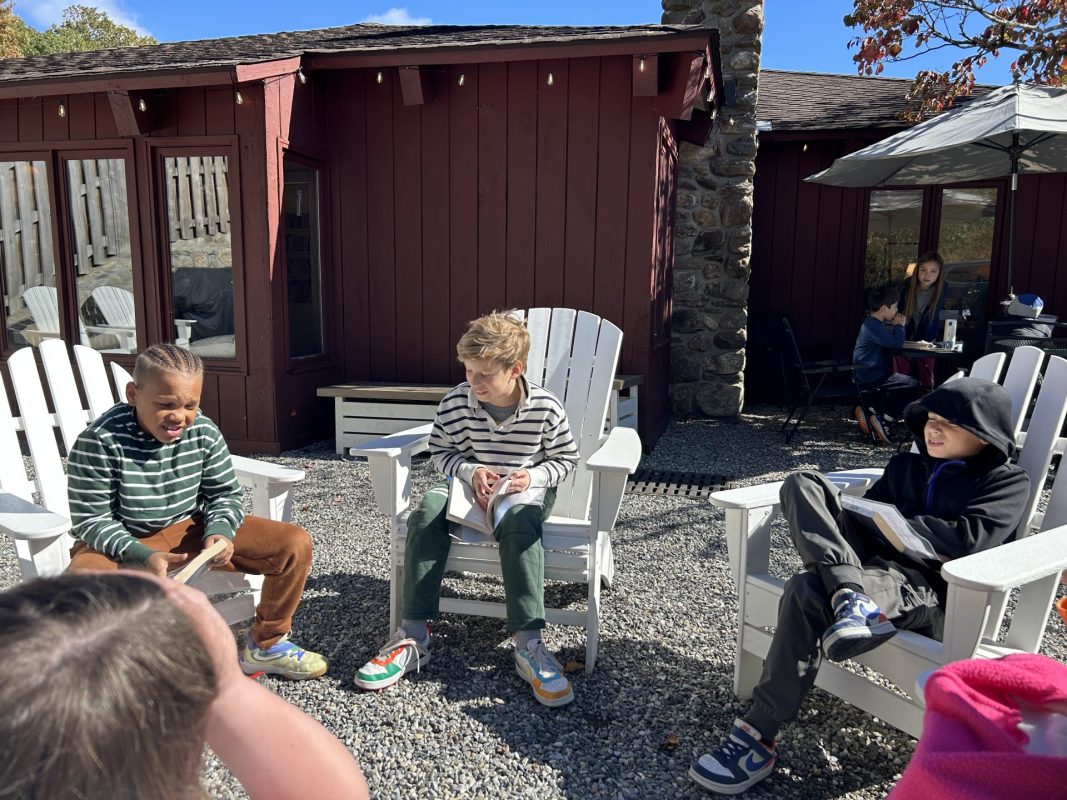
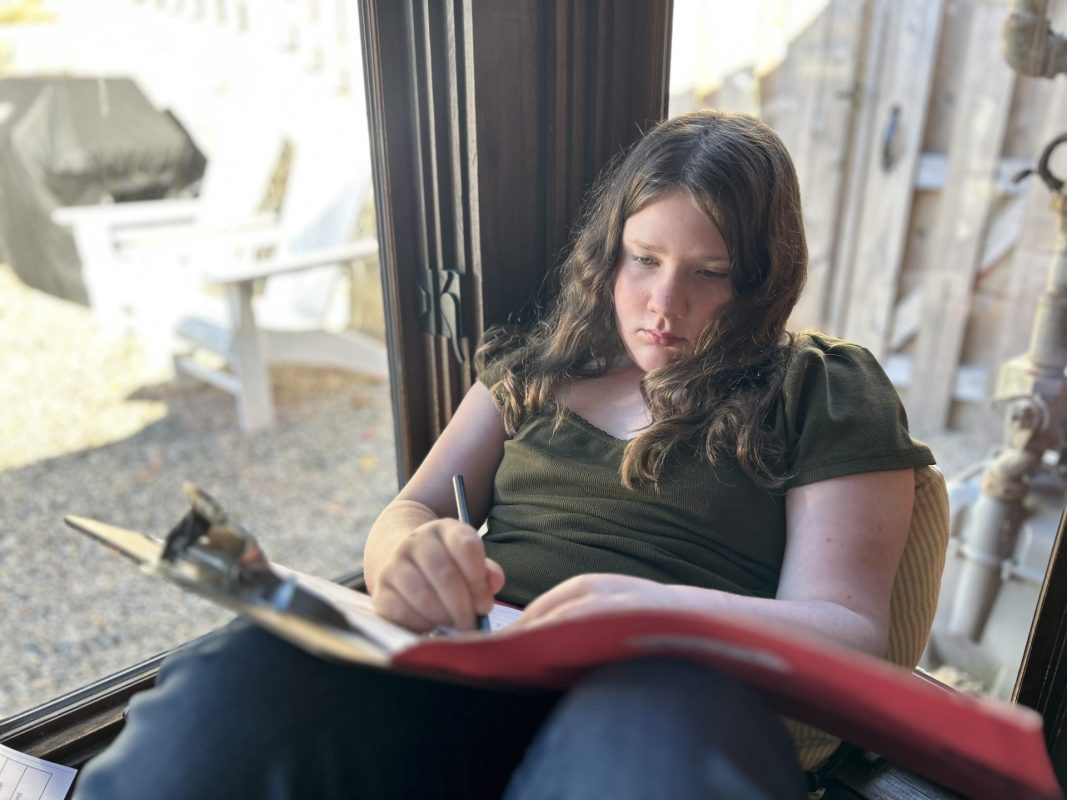
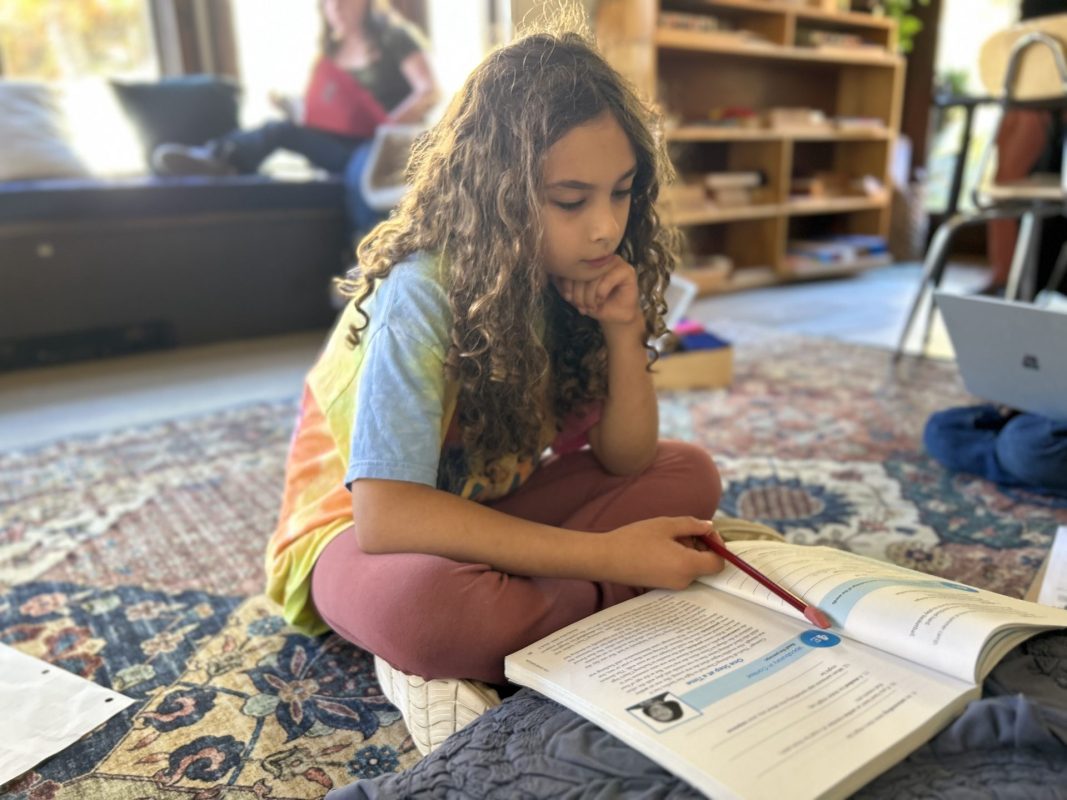
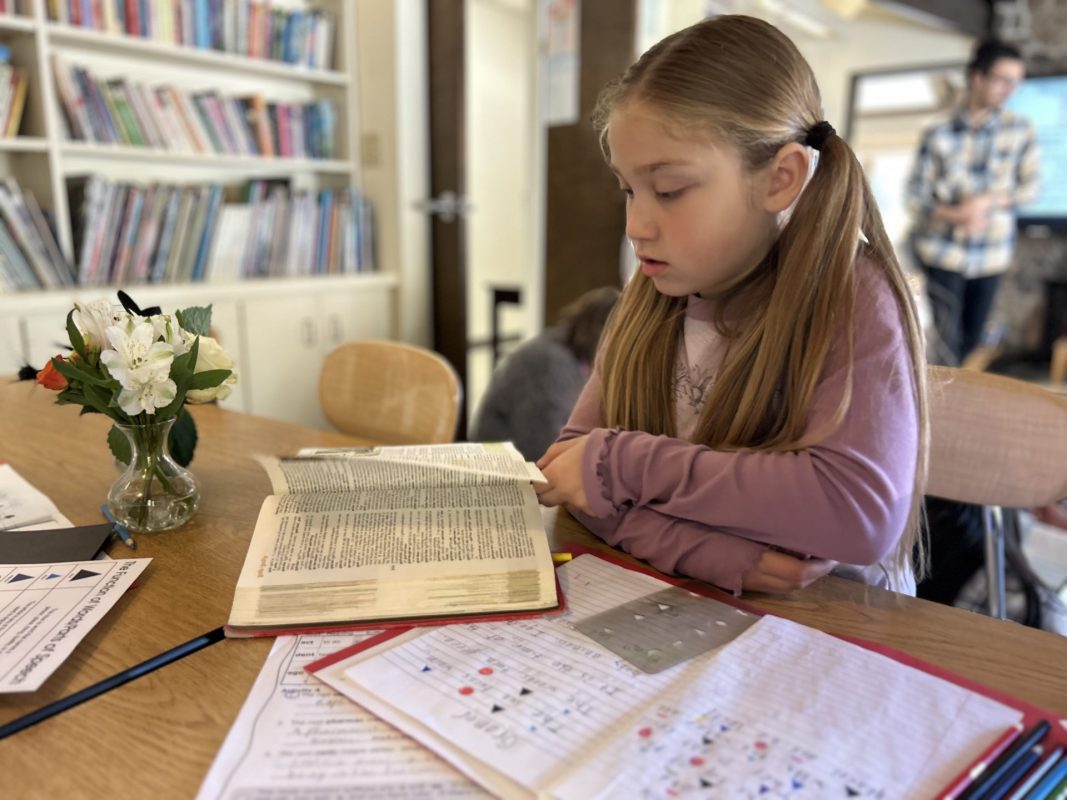
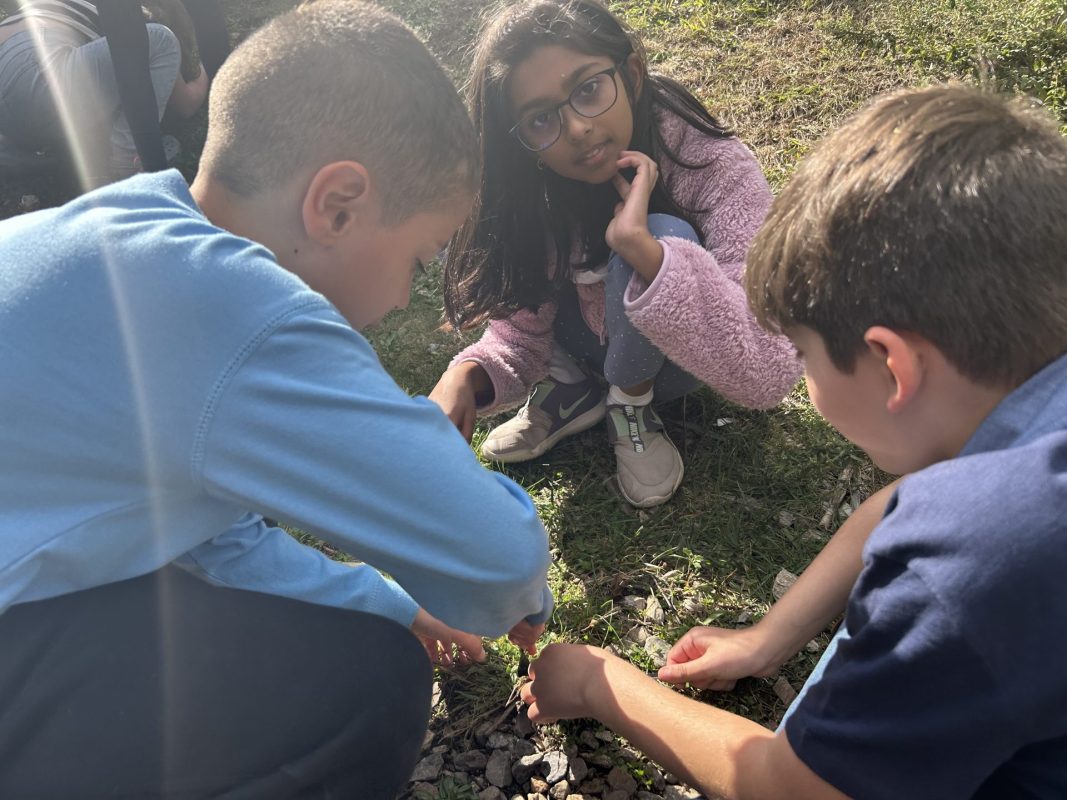
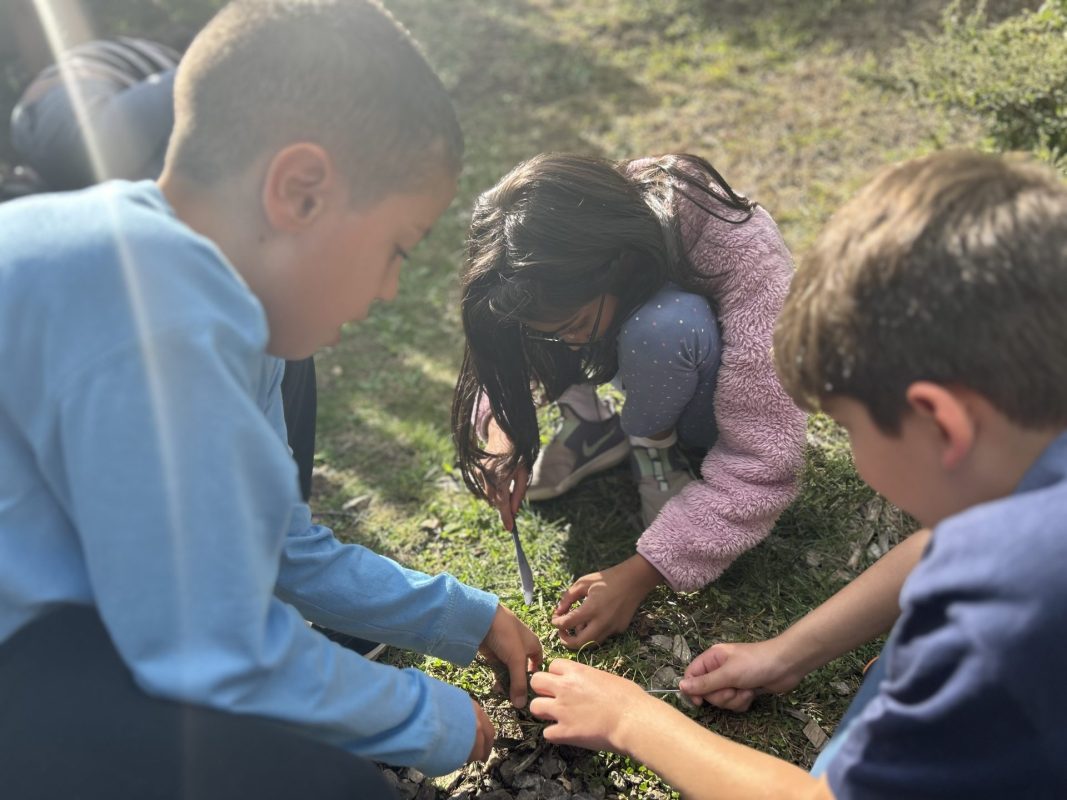
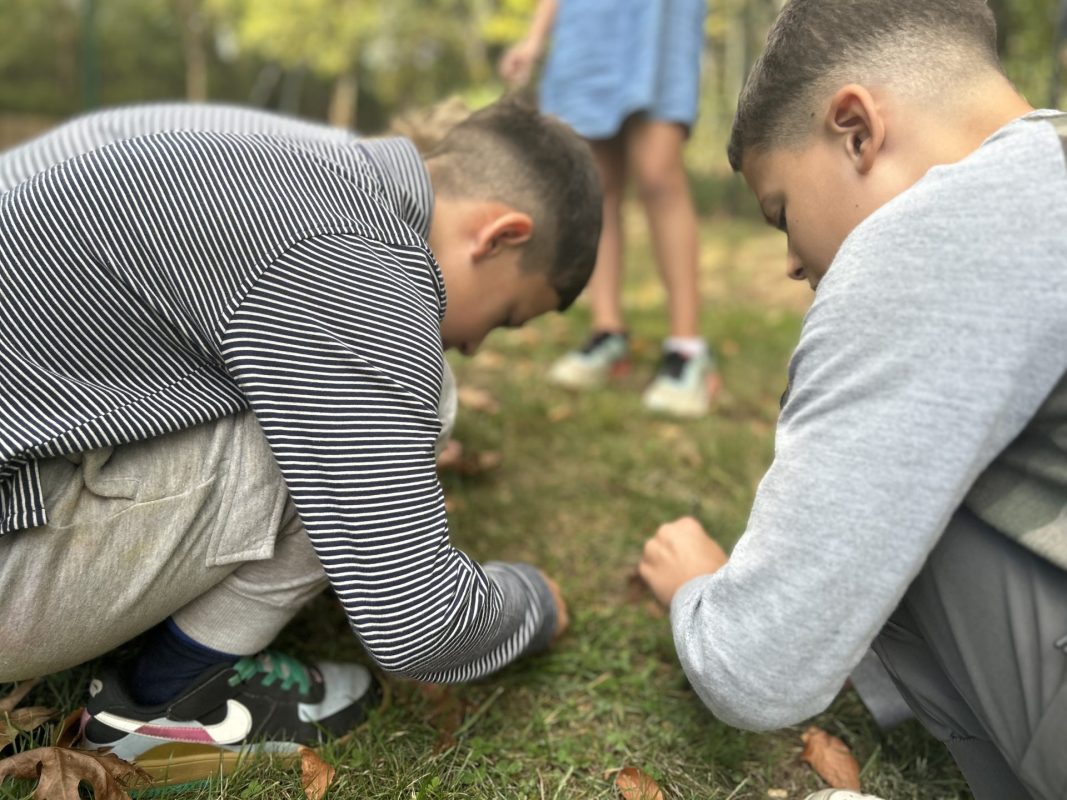
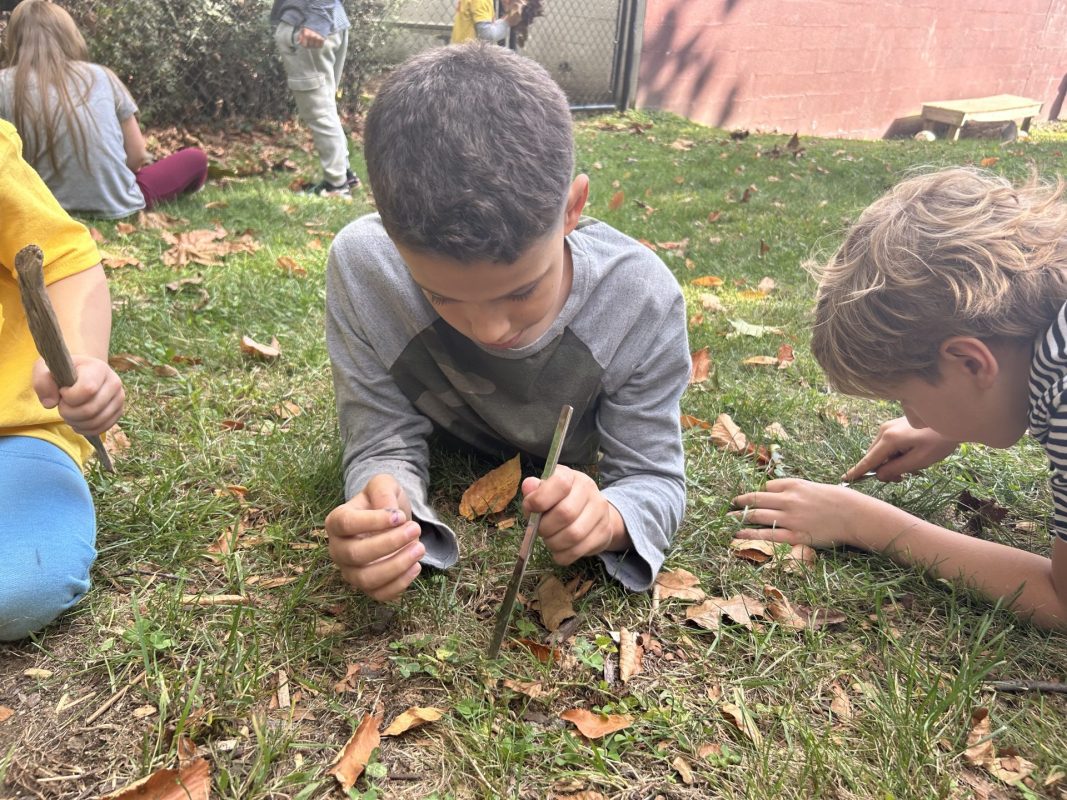
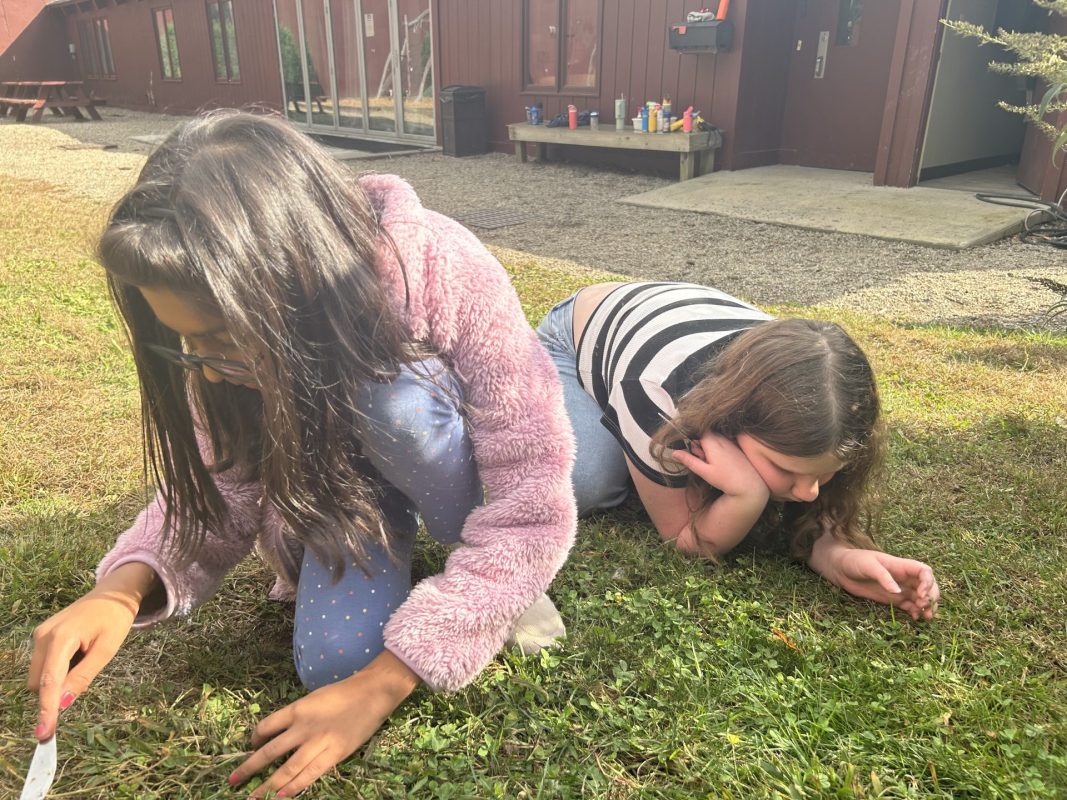
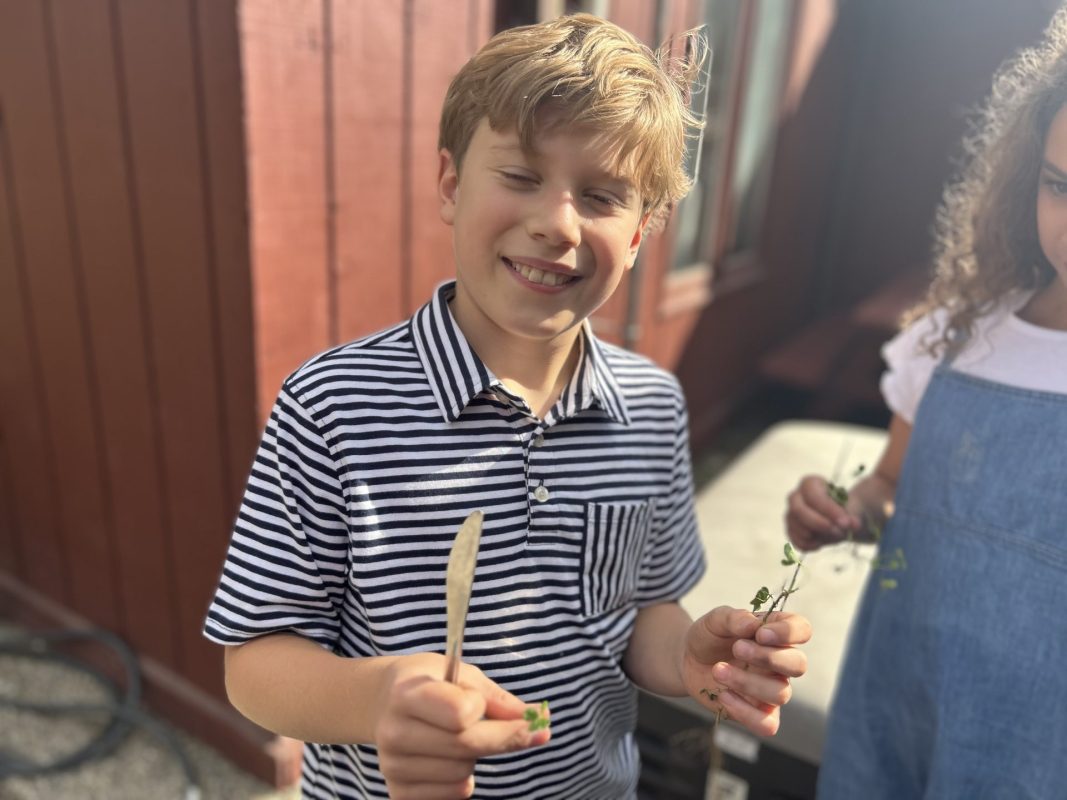
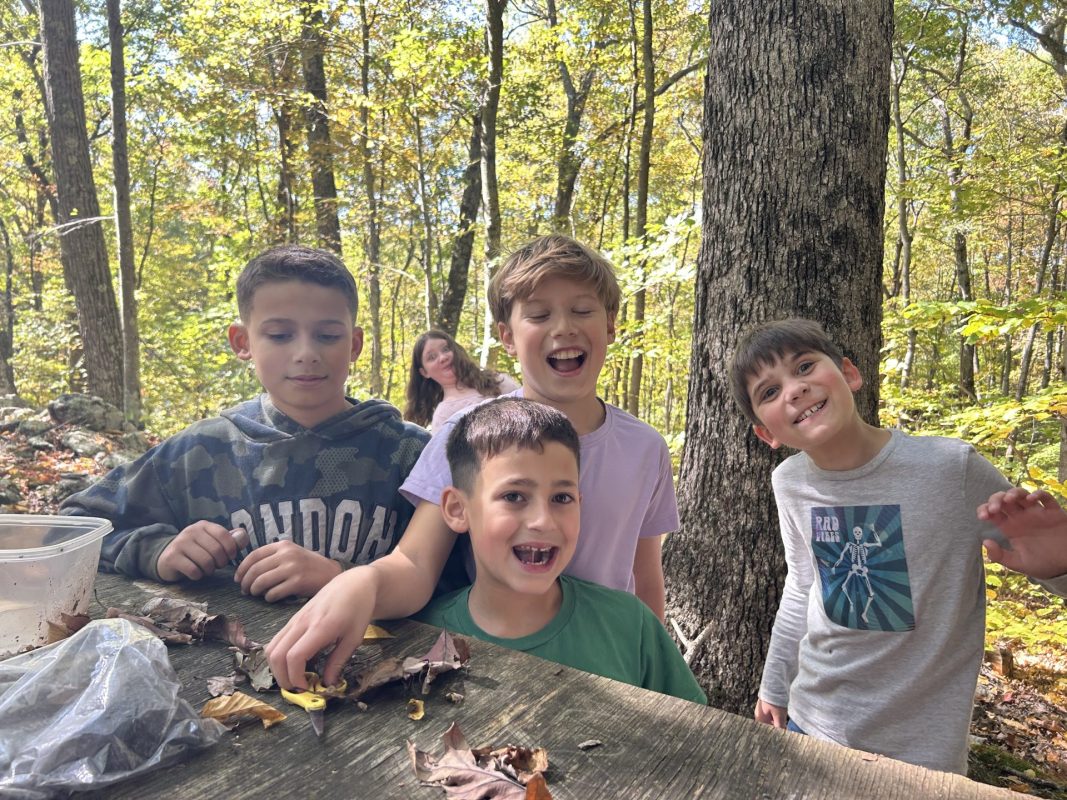
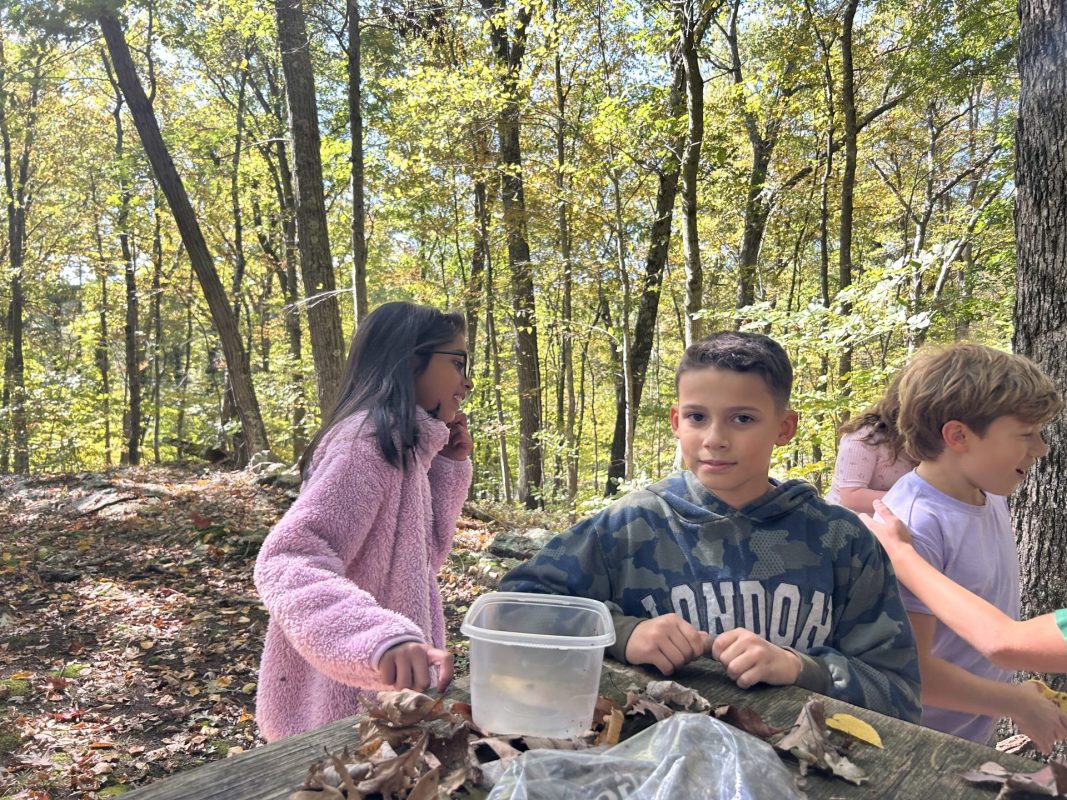
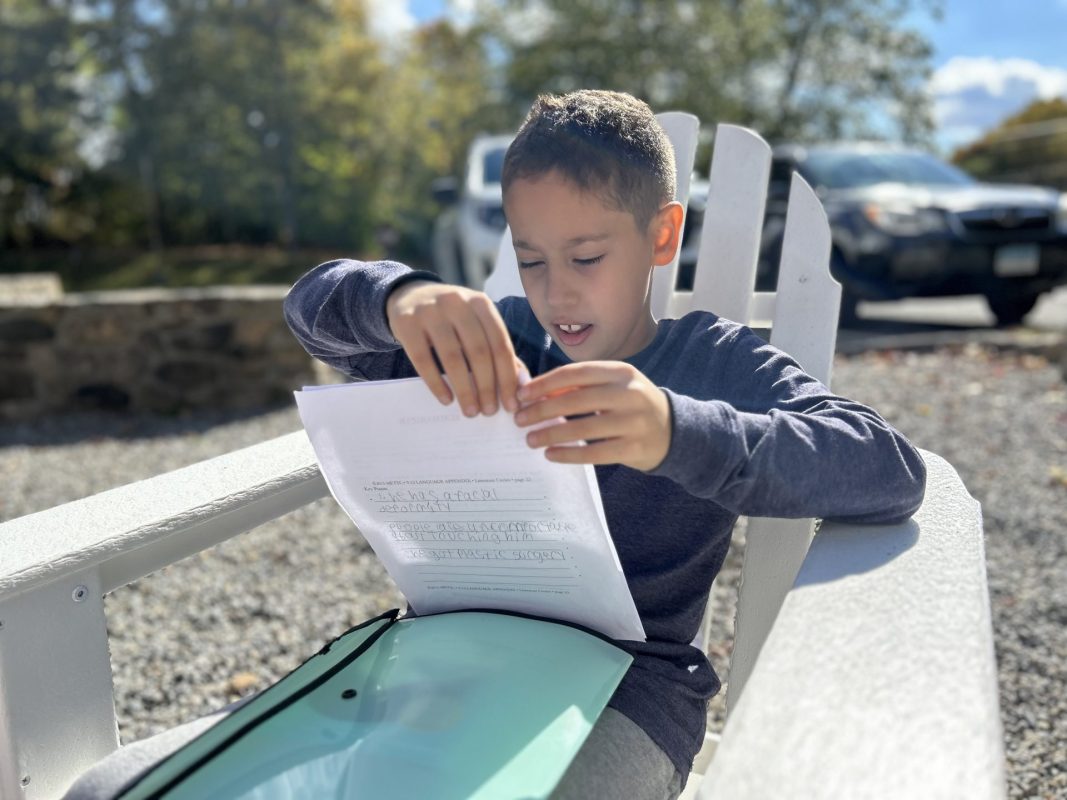
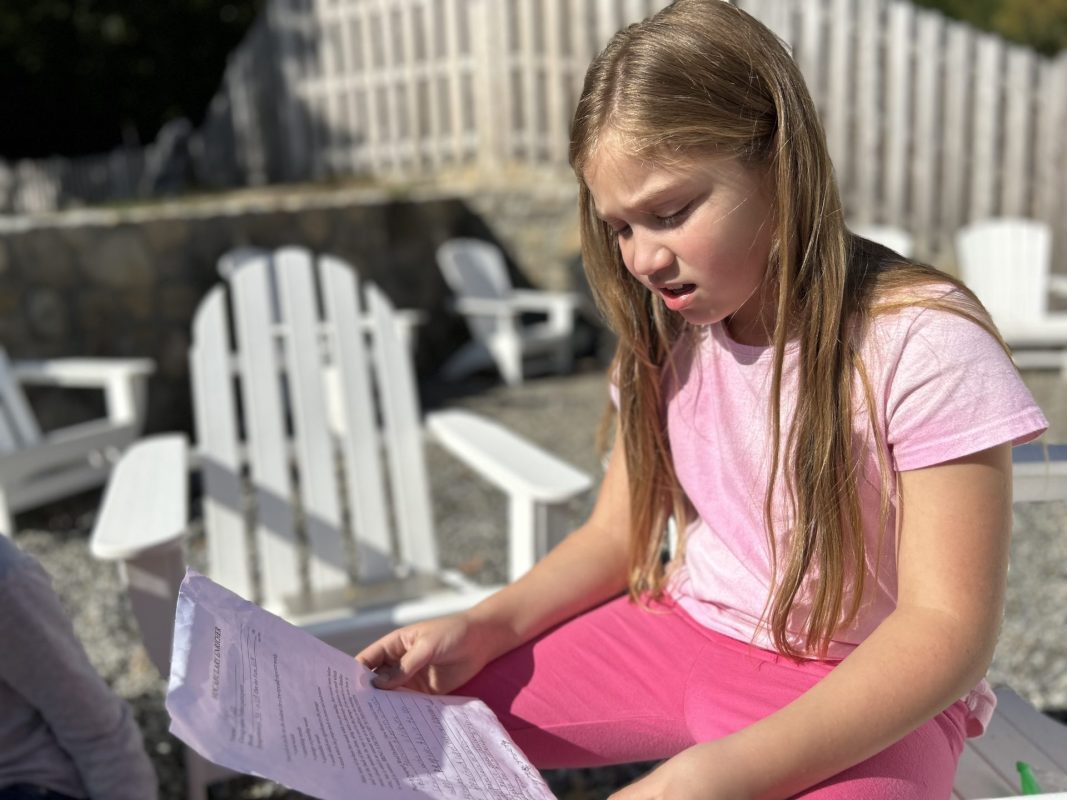
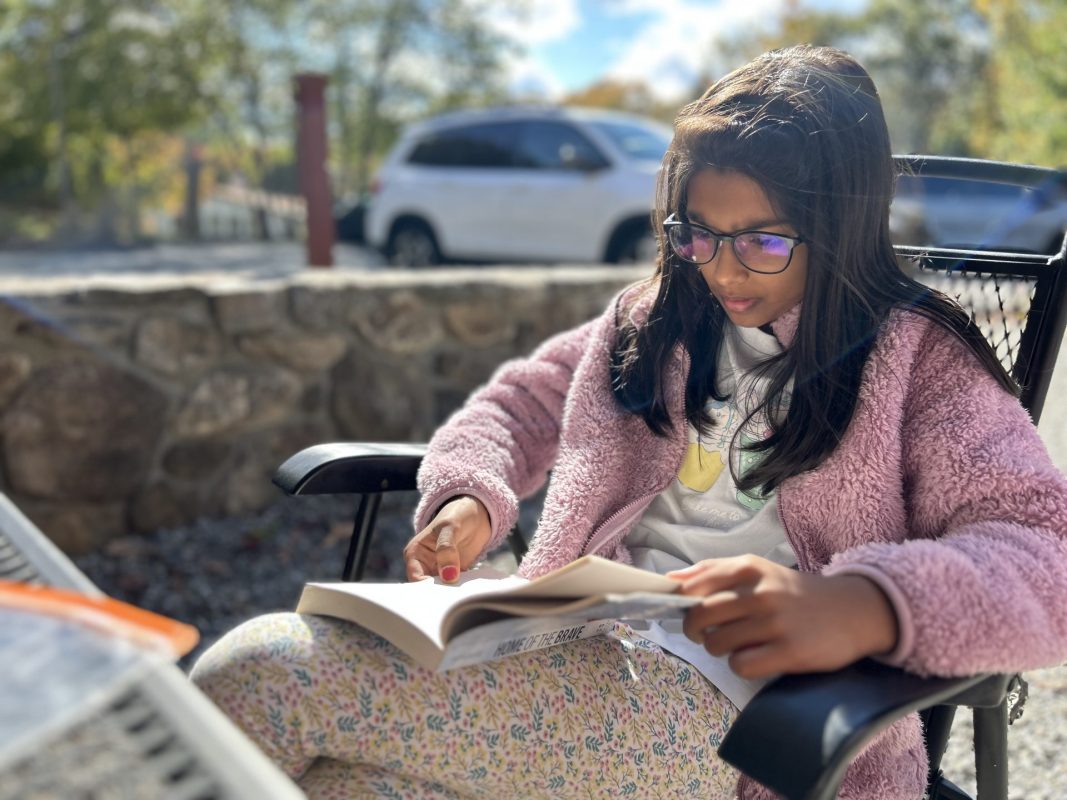
In 6th grade Humanities, students continue to read their class novel Becoming Naomi Leon and are getting used to regular reading assignments and expectations from Mrs. Lamb. Class book discussions are lively and showcase the students’ ability to relate to the text and make parallels. While students learned the parts of plot last week, they focused on conflict in literature this week. Using their class novel, they identified the different types of conflict that exist in the plot. With Ms. Sara, students worked on creating soap carvings just as the novel’s protagonist, Naomi, does.
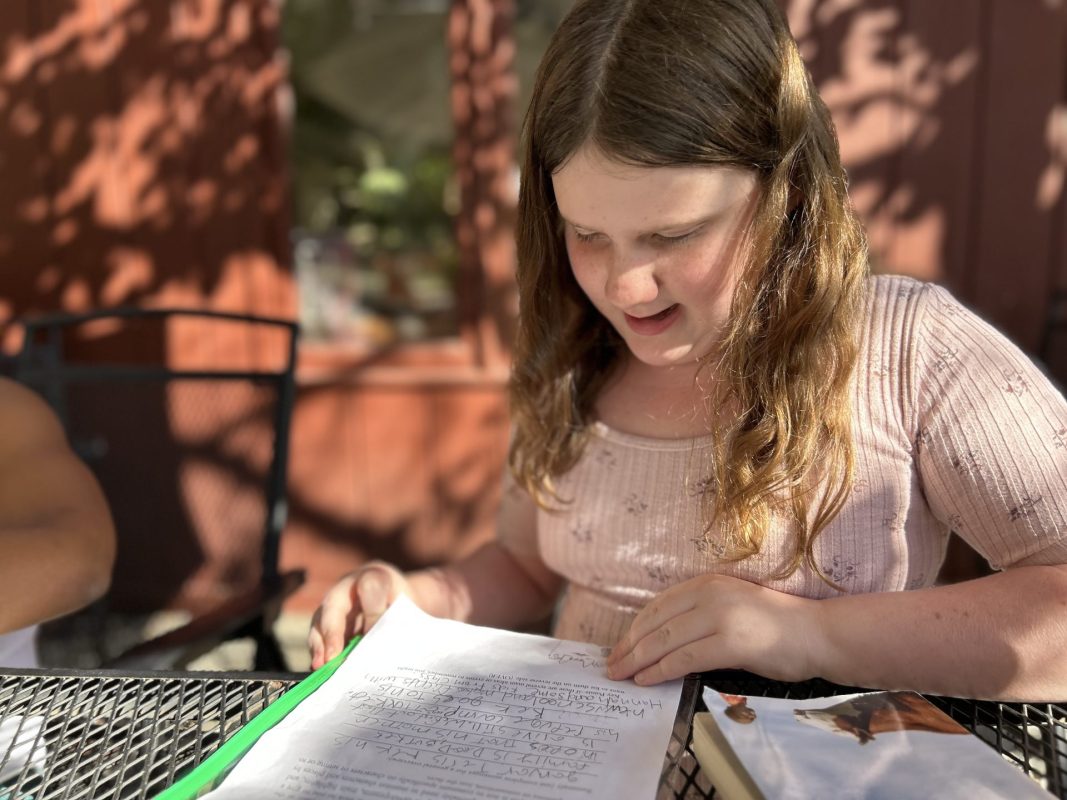
7th-grade Humanities classes finished their first class novel, Tie That Bind, Ties That Break. With that, they have been studying 19th century China and the events that contributed to the fall of the Qing dynasty. They learned about The Opium Wars, the Taiping Rebellion, and the Boxer Rebellion. Students also used their annotation skills when reading articles surrounding each of these. Finally, the 7th graders completed a written discussion about cultural perspective.
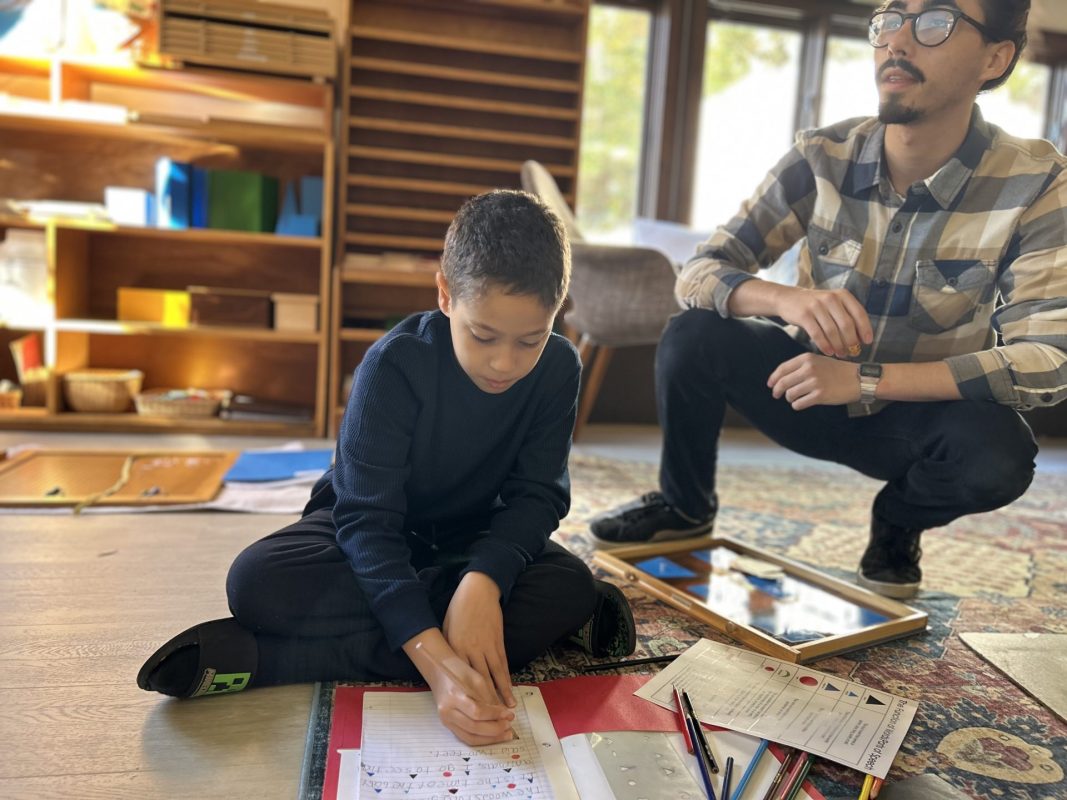
The 8th-grade Humanities class worked on their Powhatan Confederacy picture book project that they had designed and planned. They completed all of the research surrounding the content of the book and are currently laying it out and drafting their pages. They also lead two tours and had discussions with vistors from Abbott Technical School and Northfield Mount Hermon School.
Science
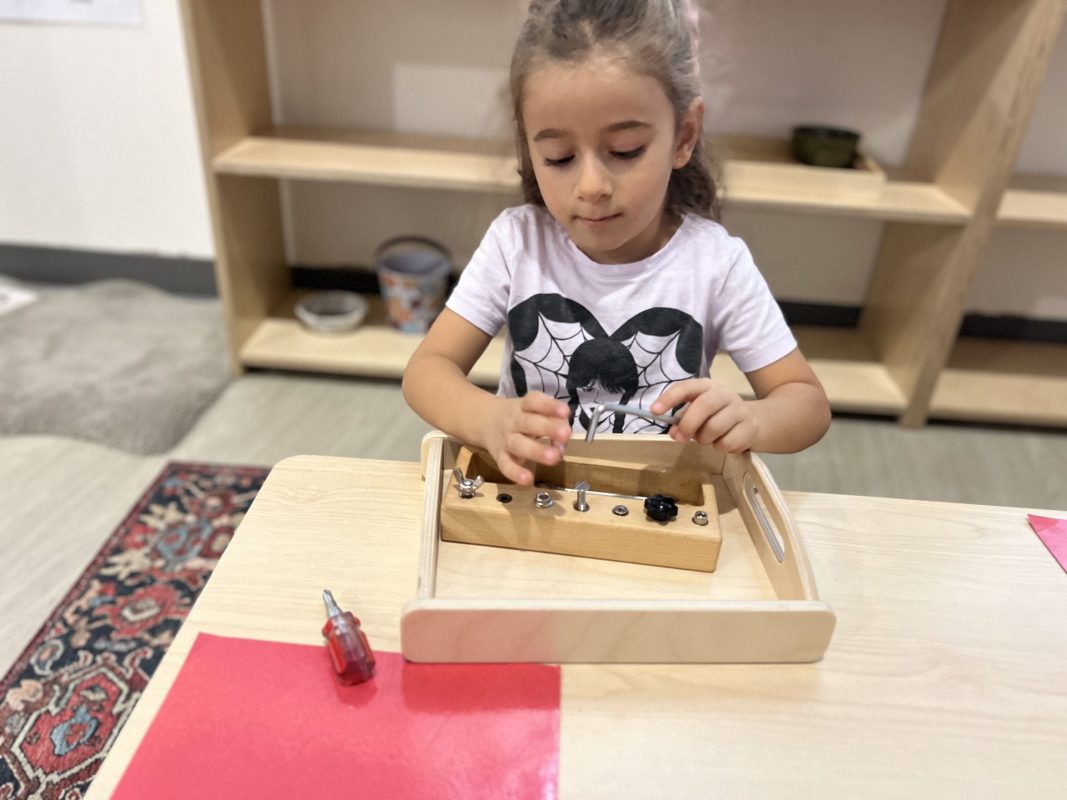
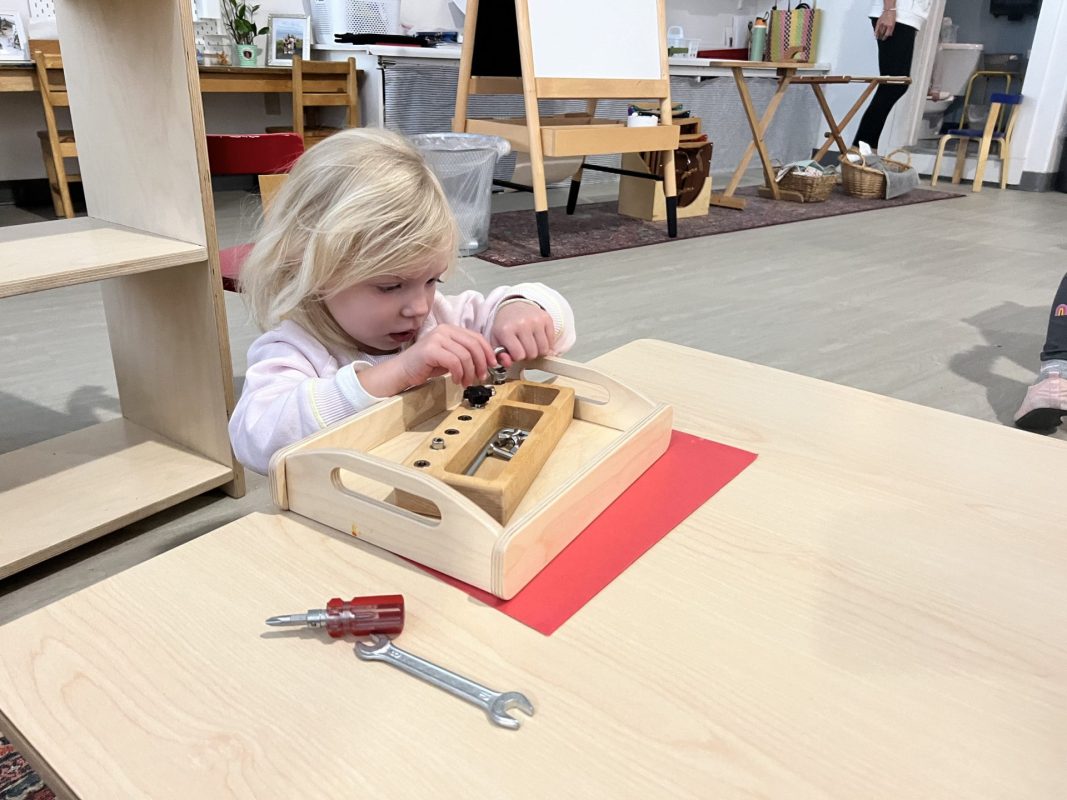
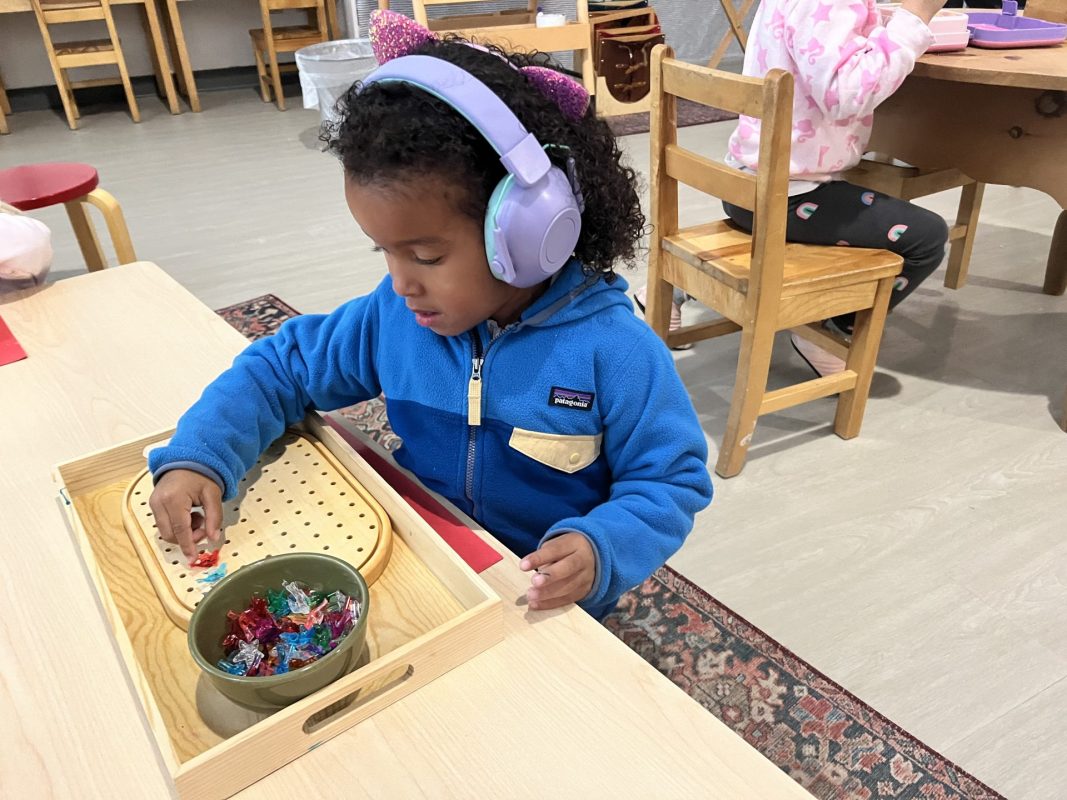
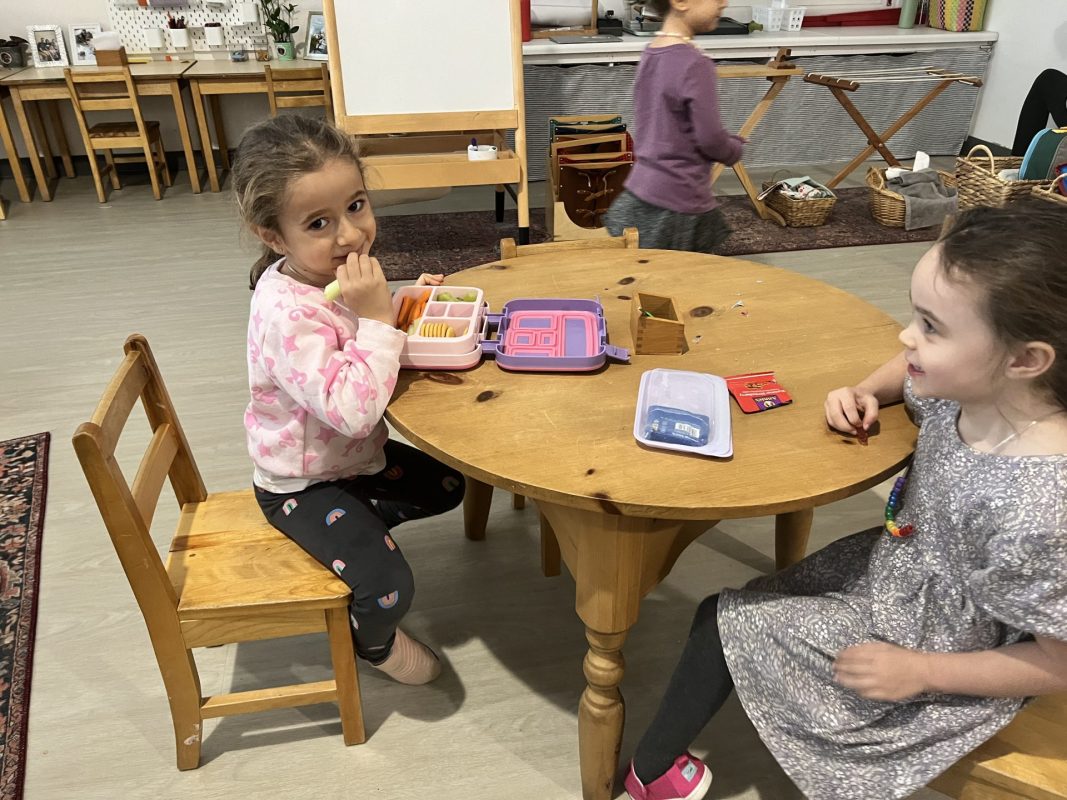
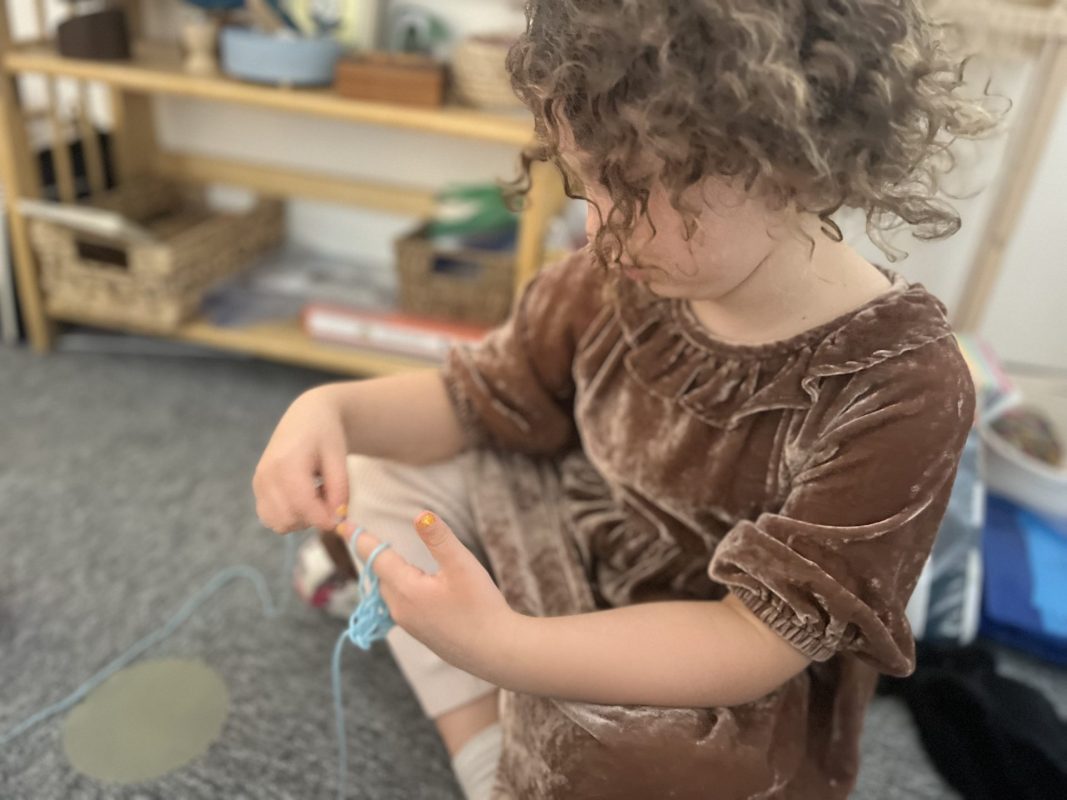
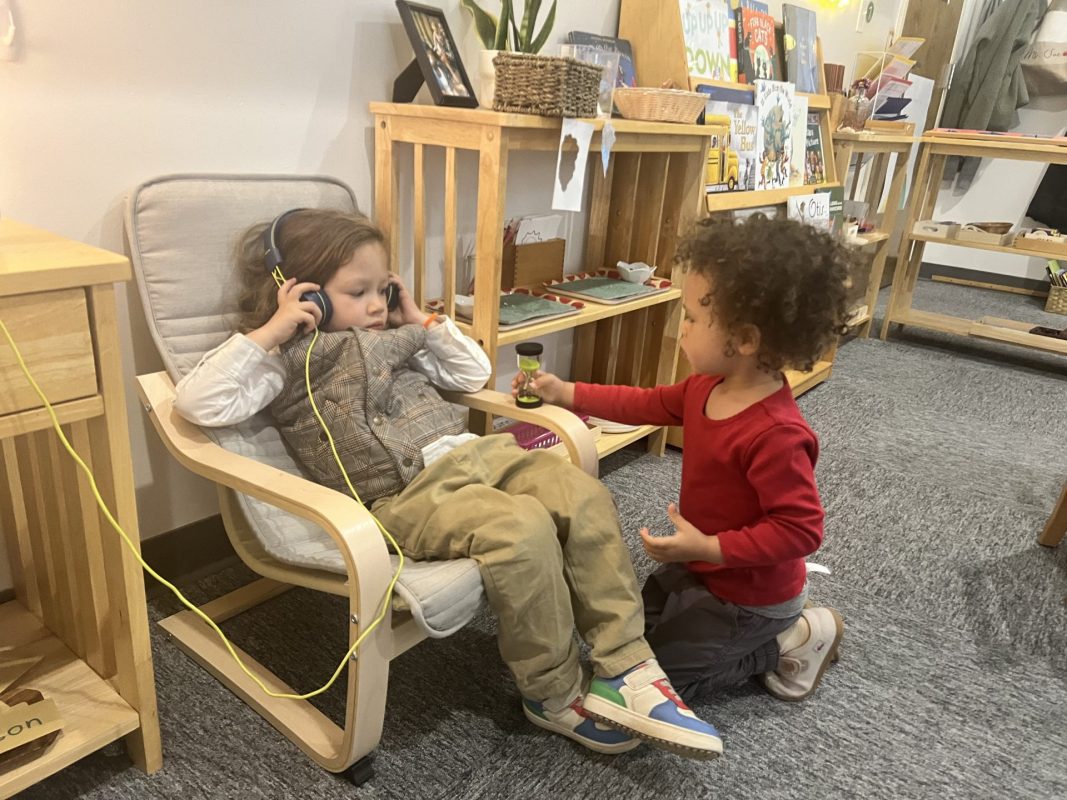
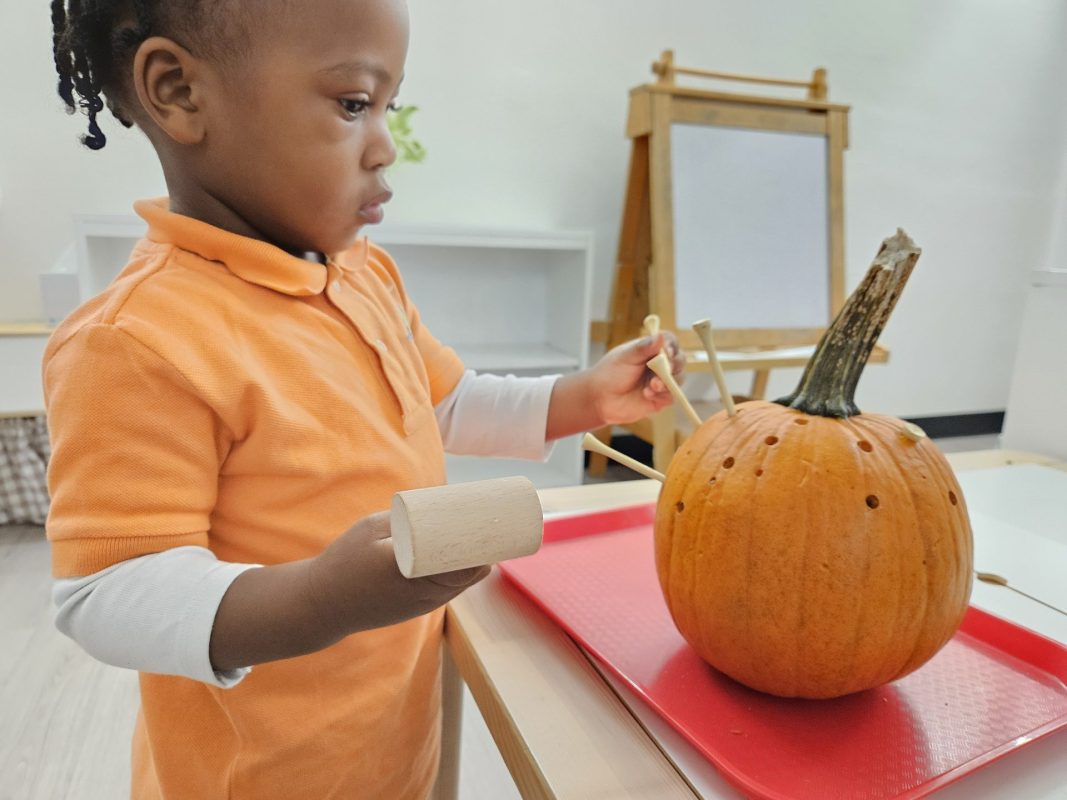
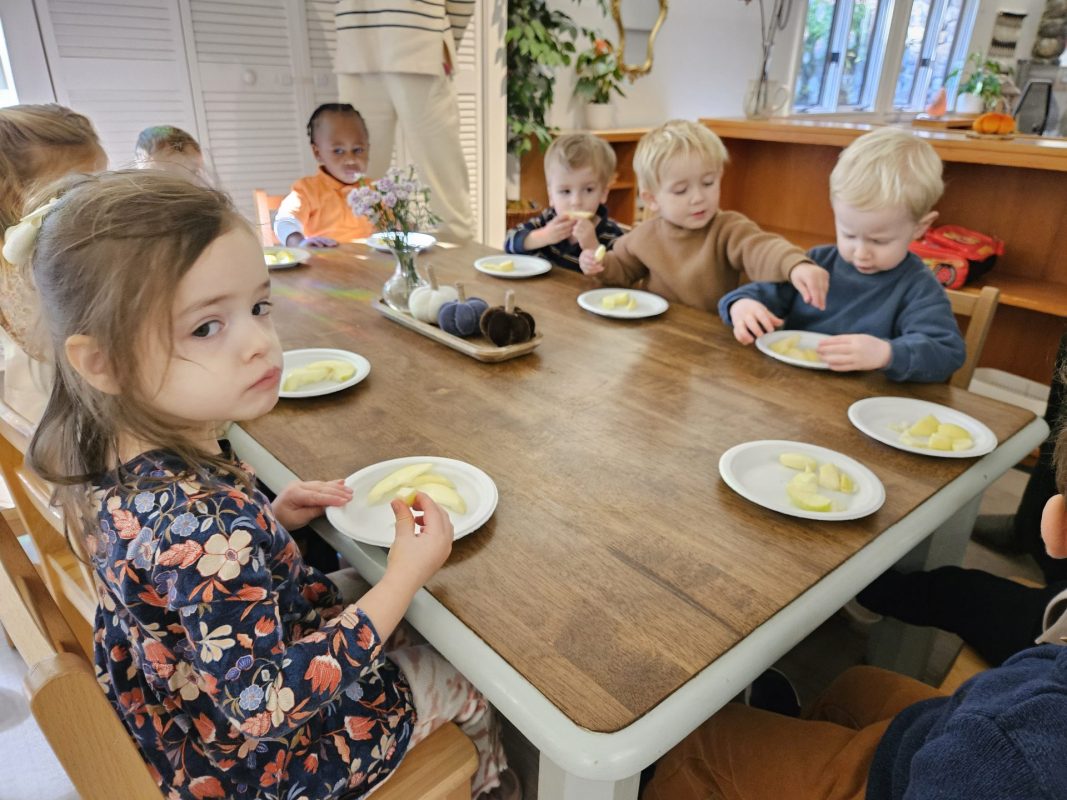
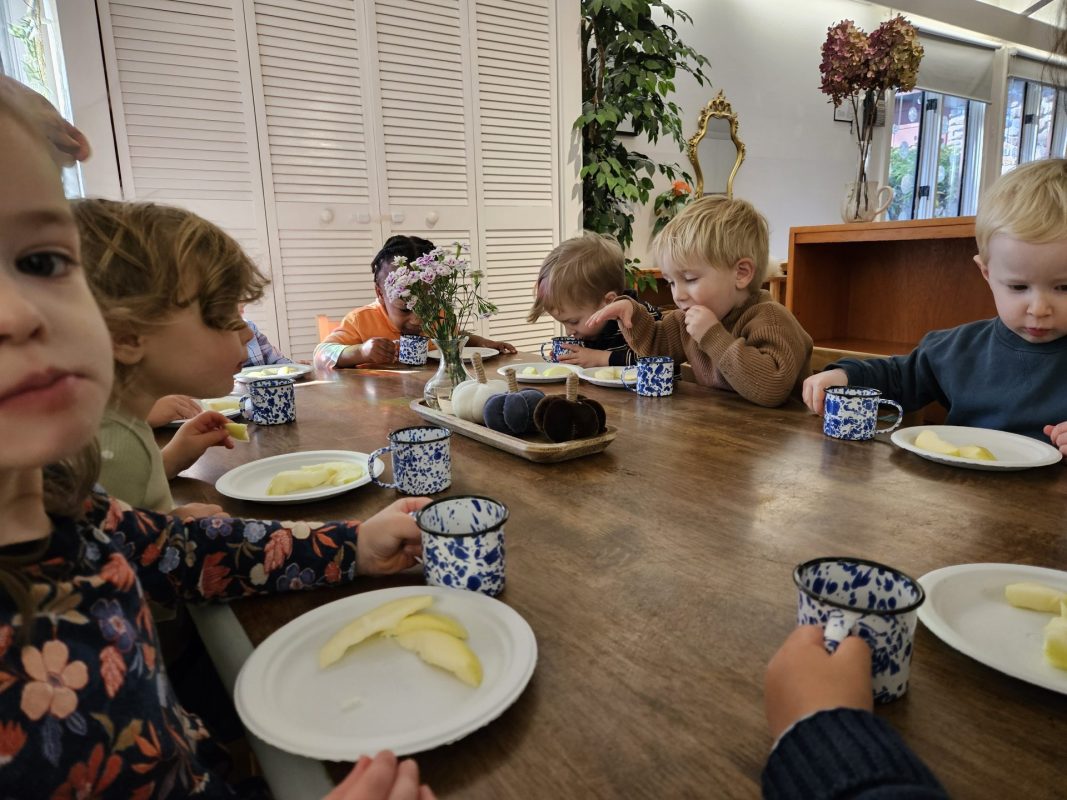
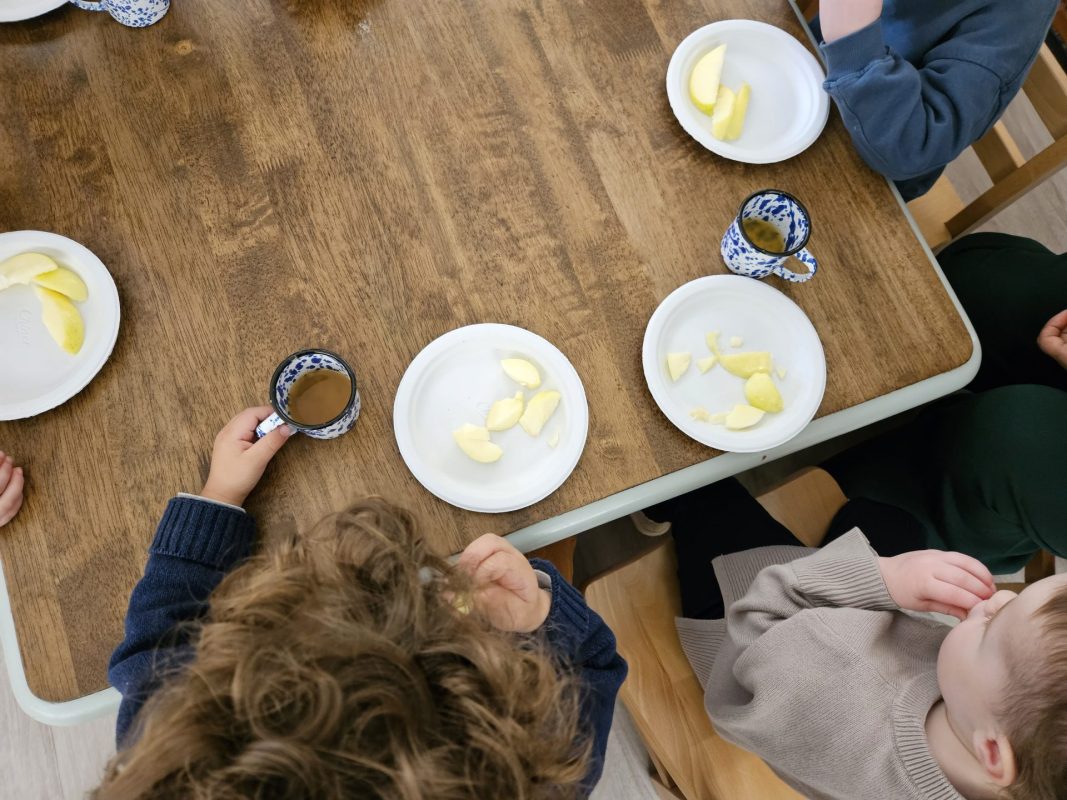
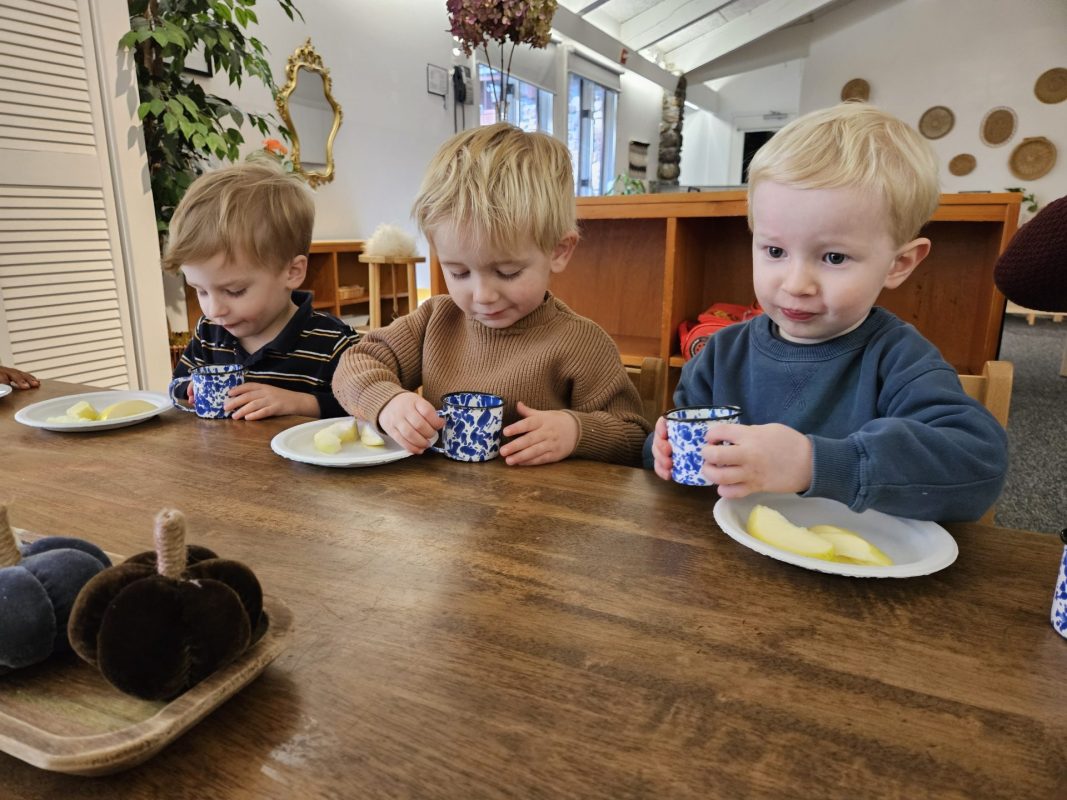
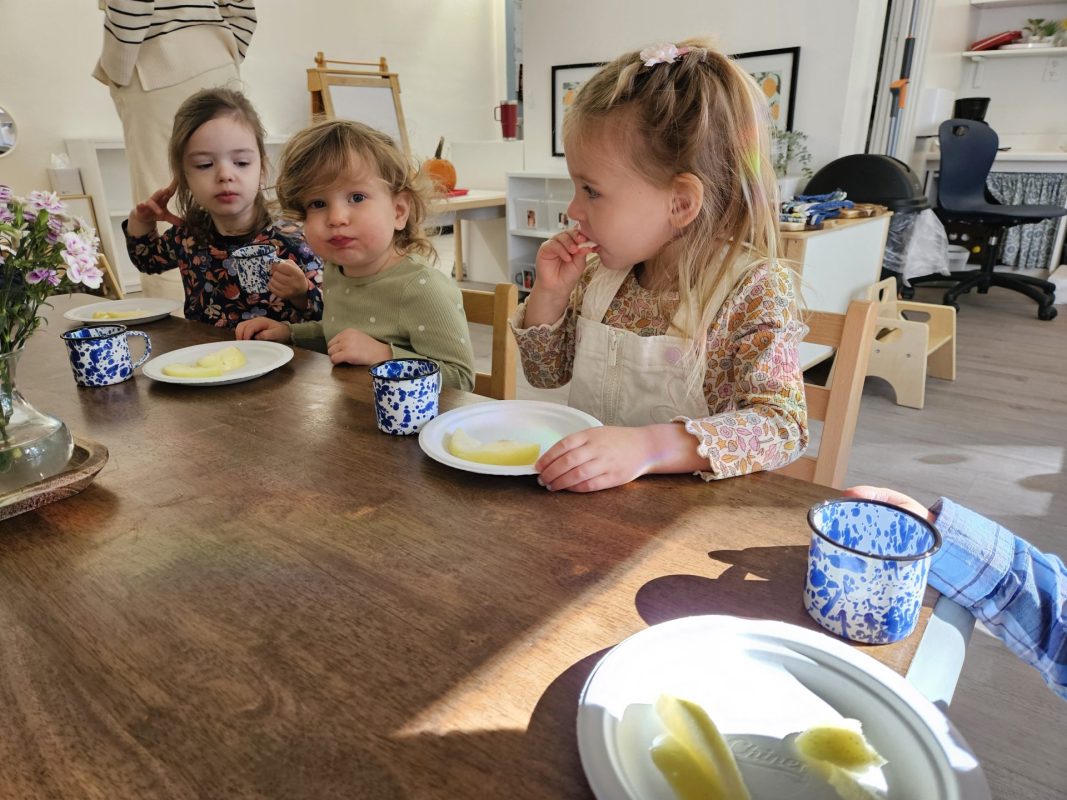
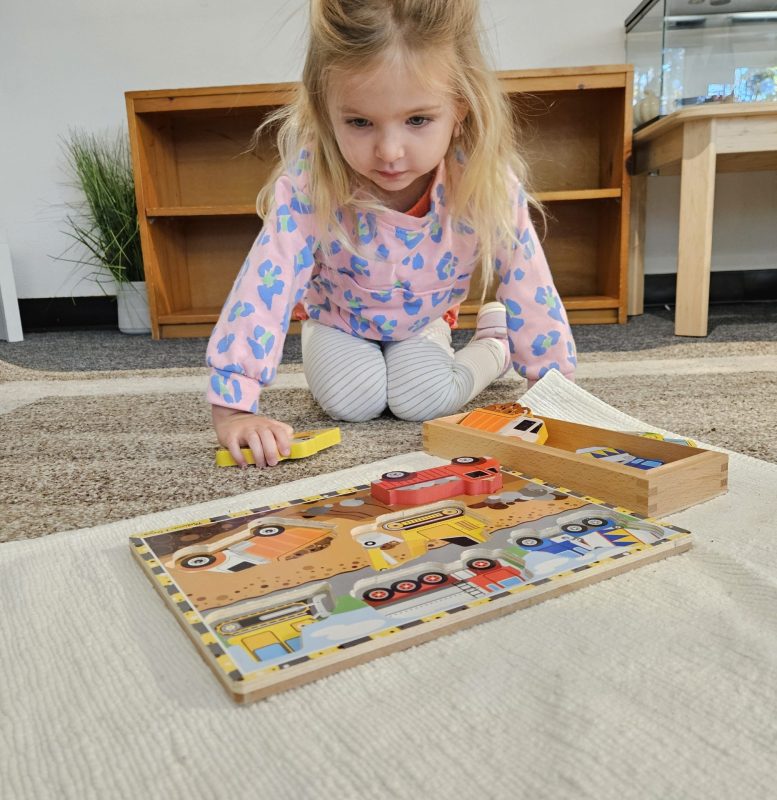
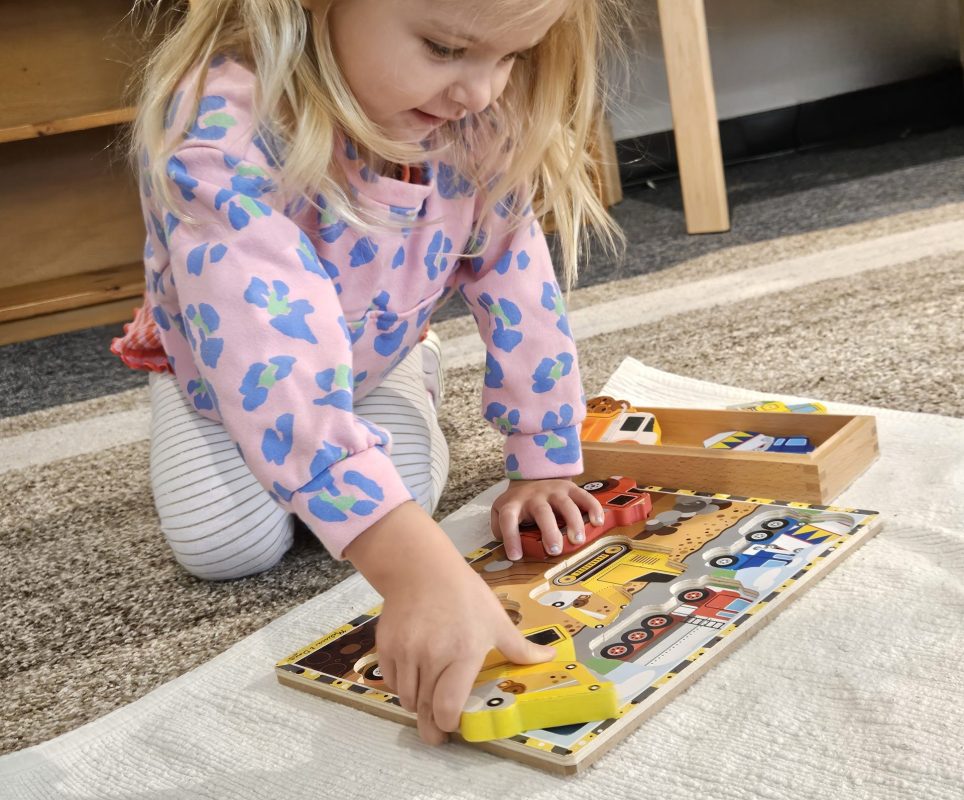
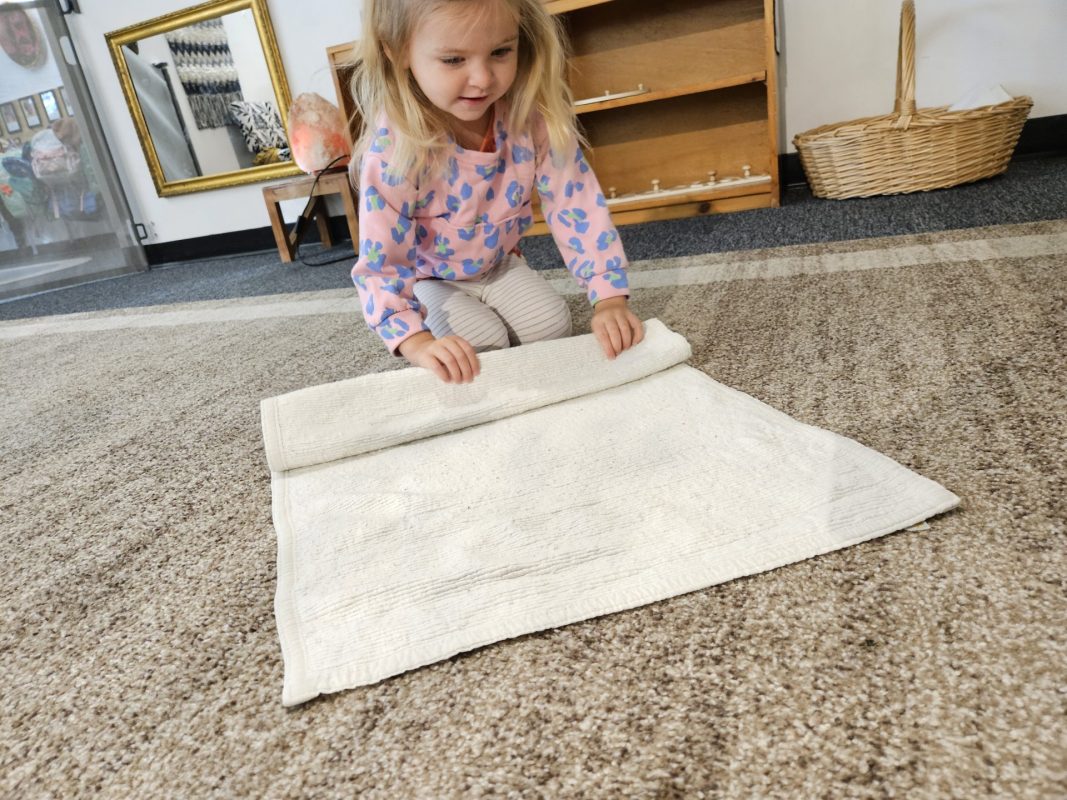
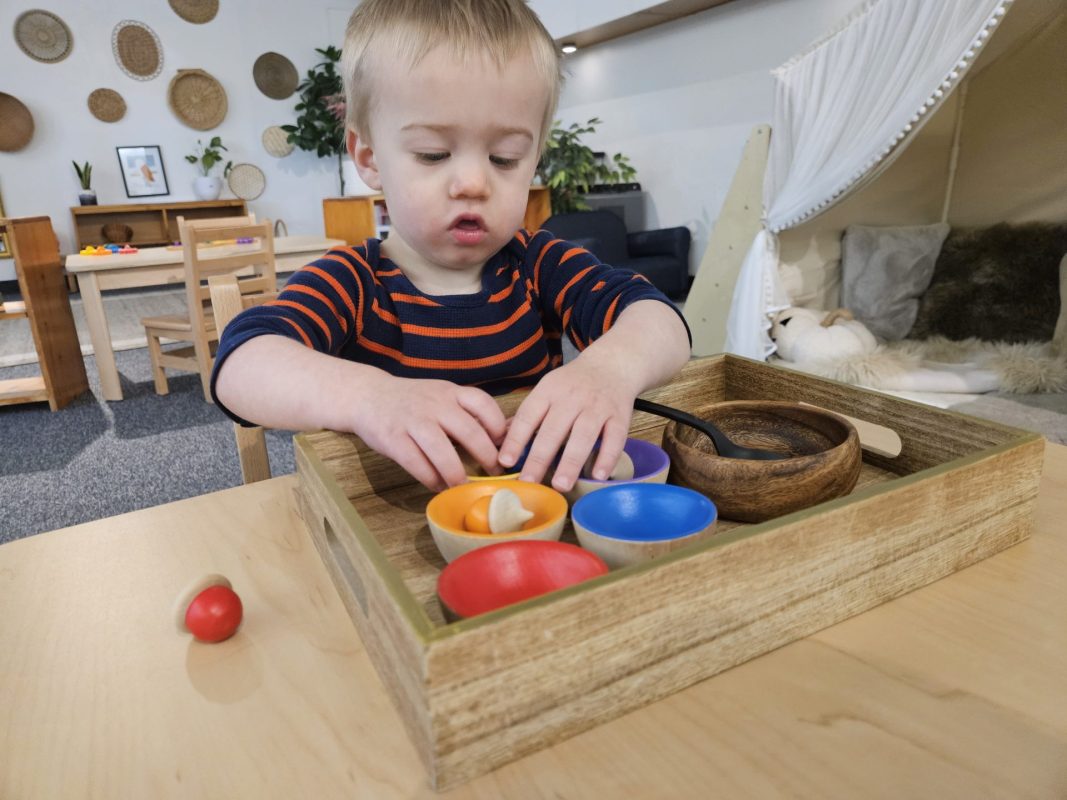
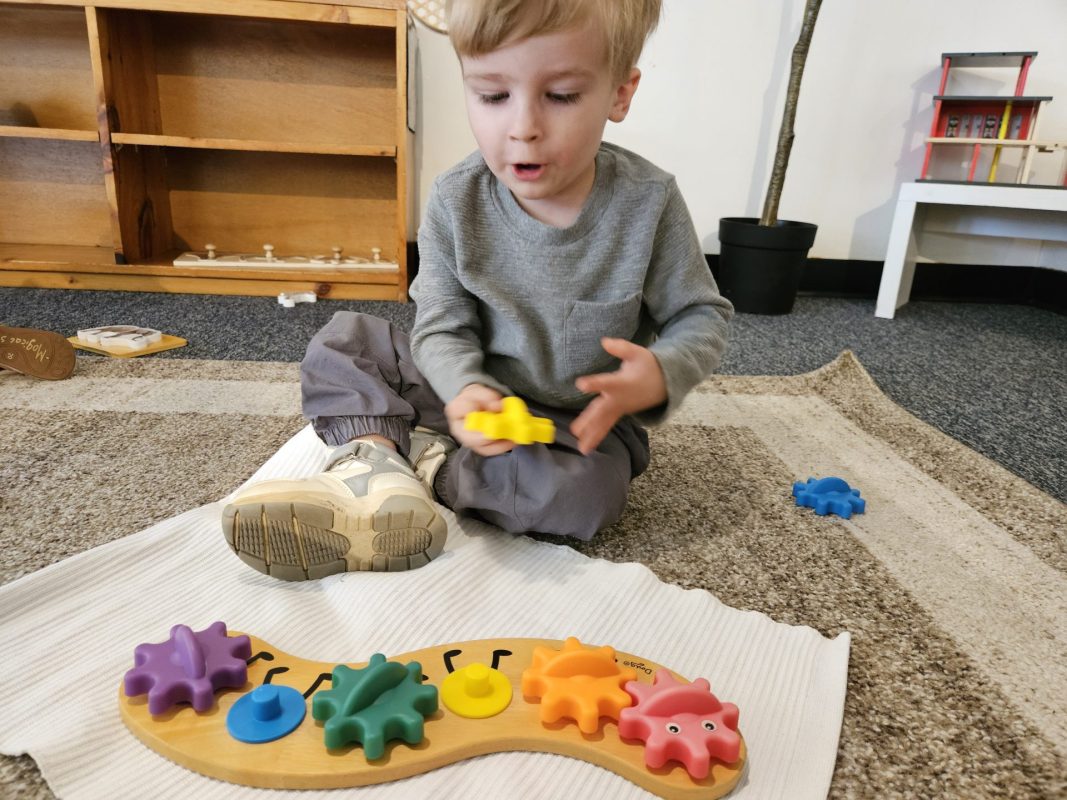
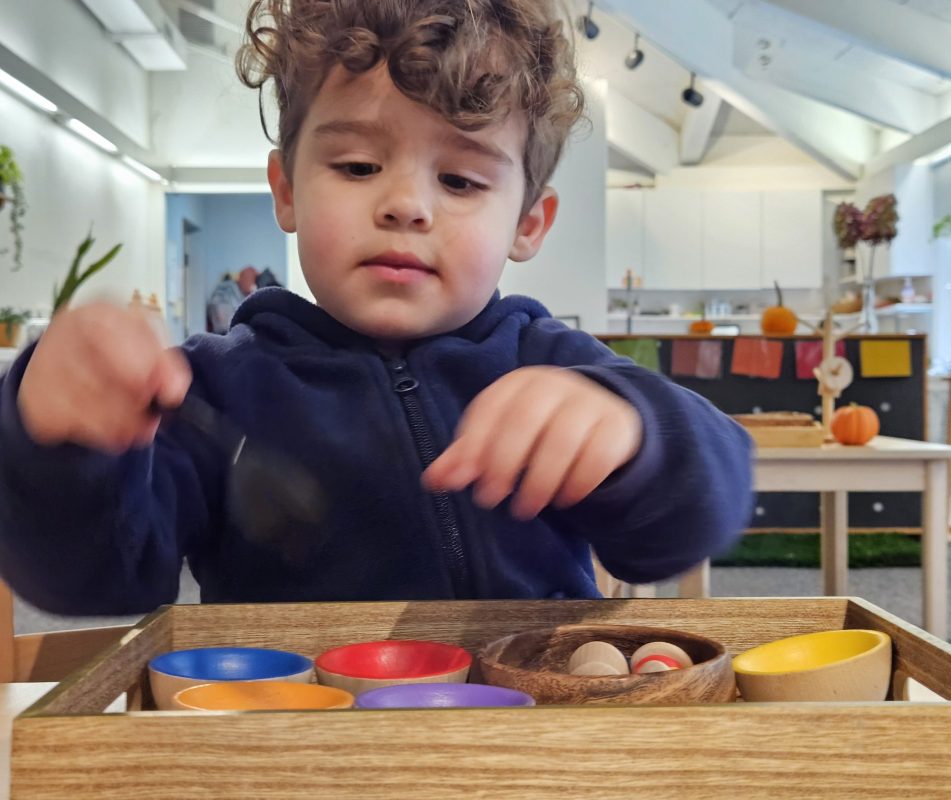
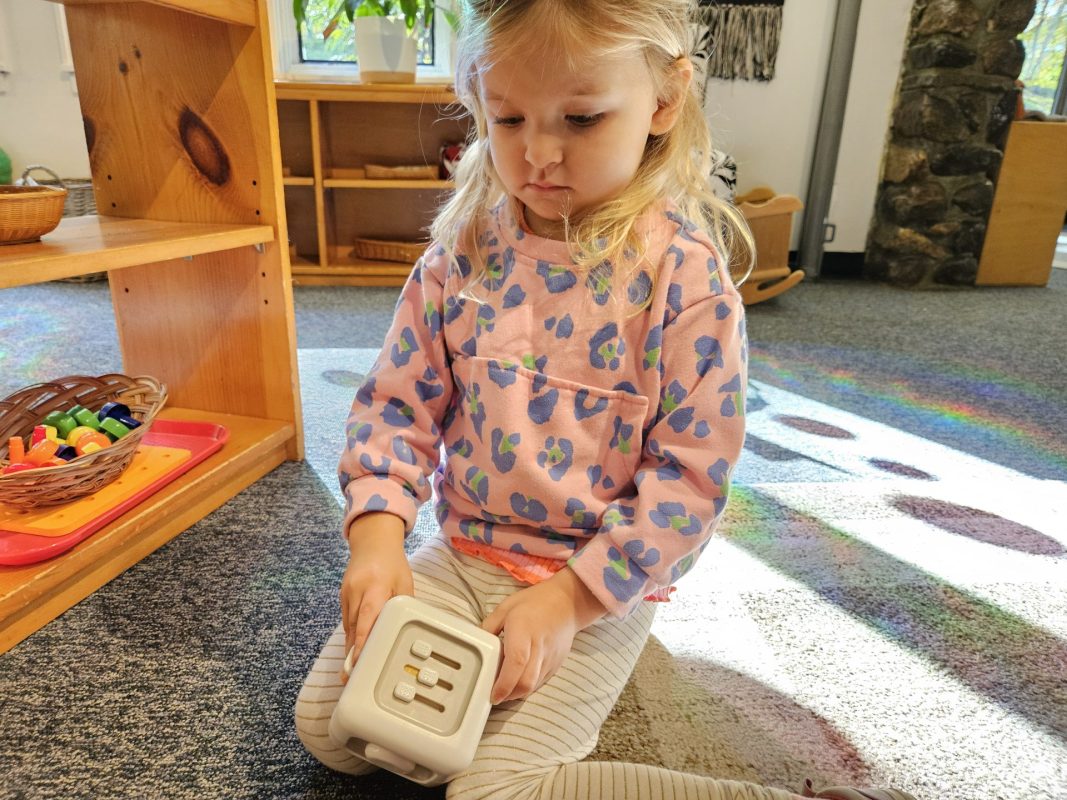
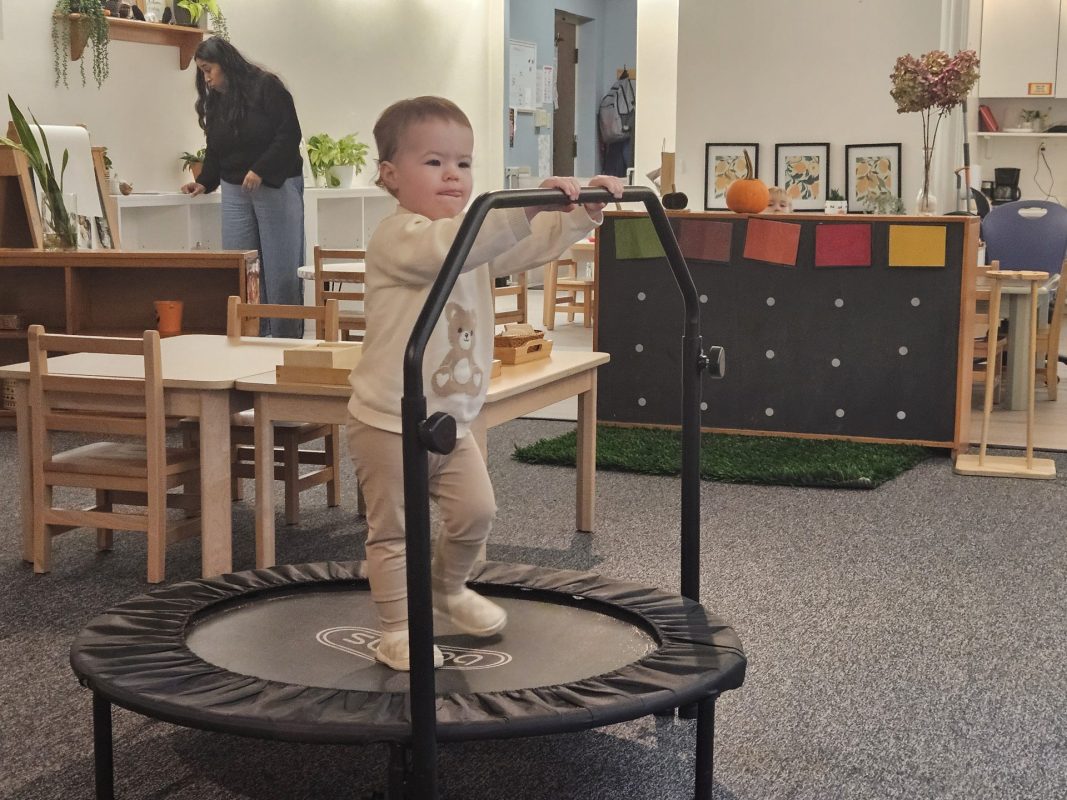
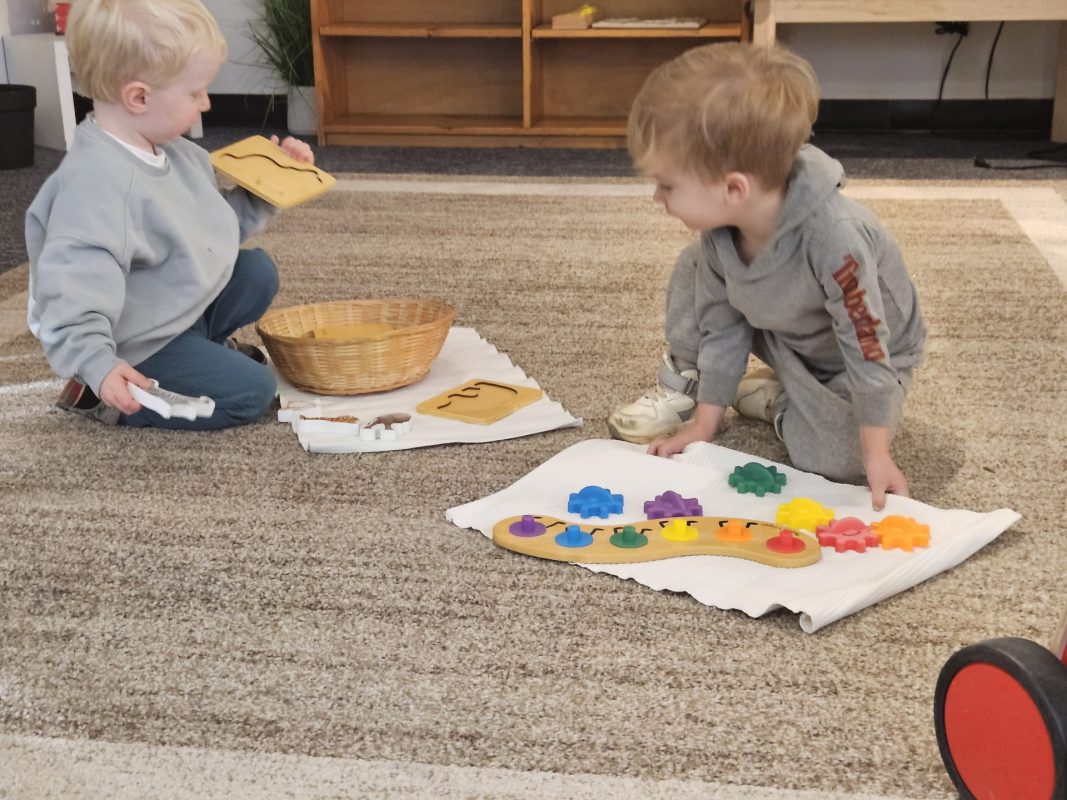
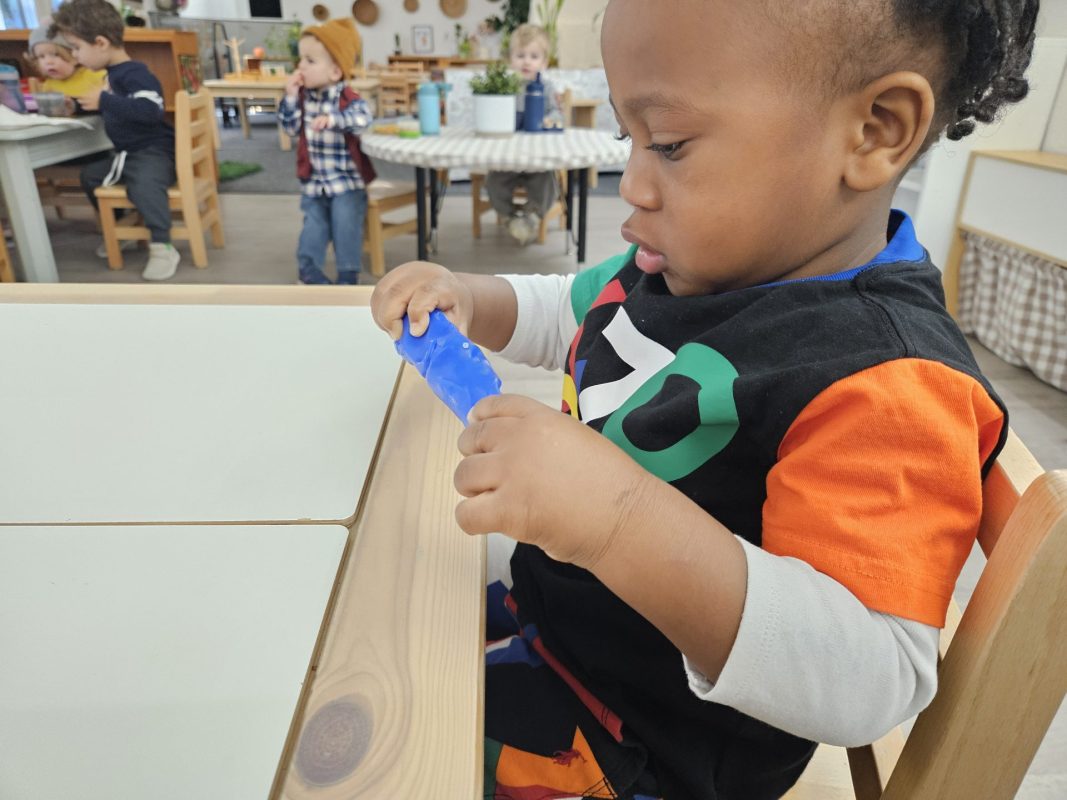
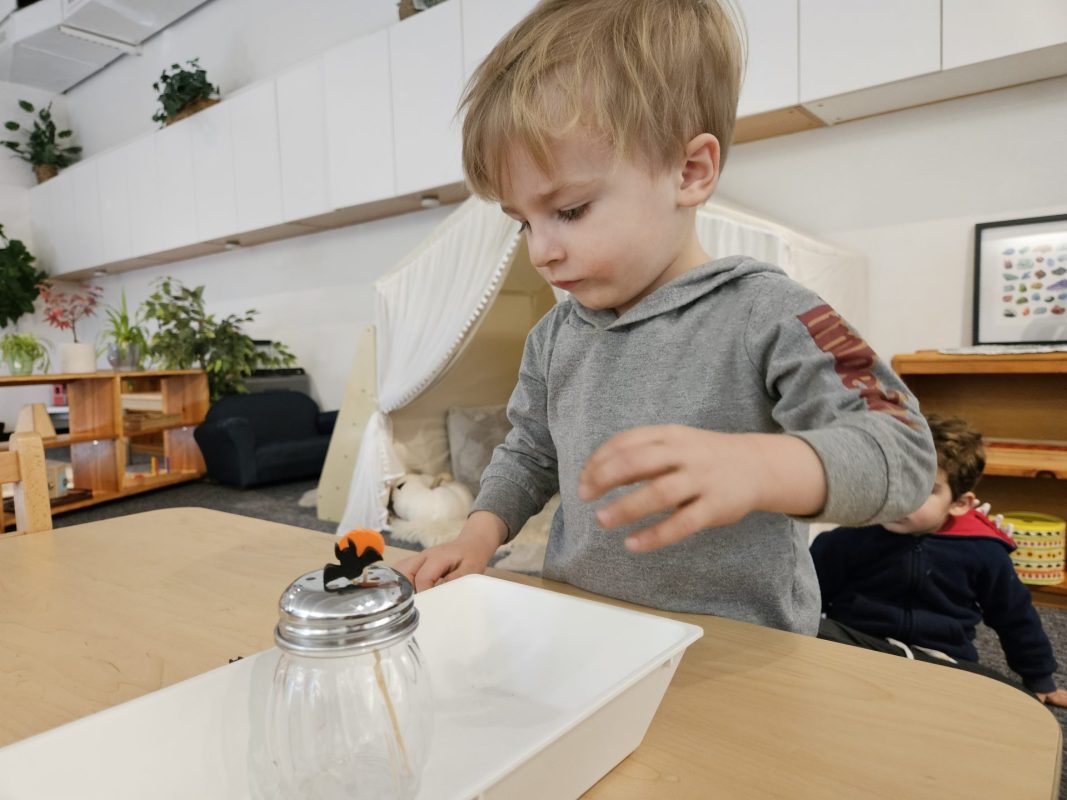
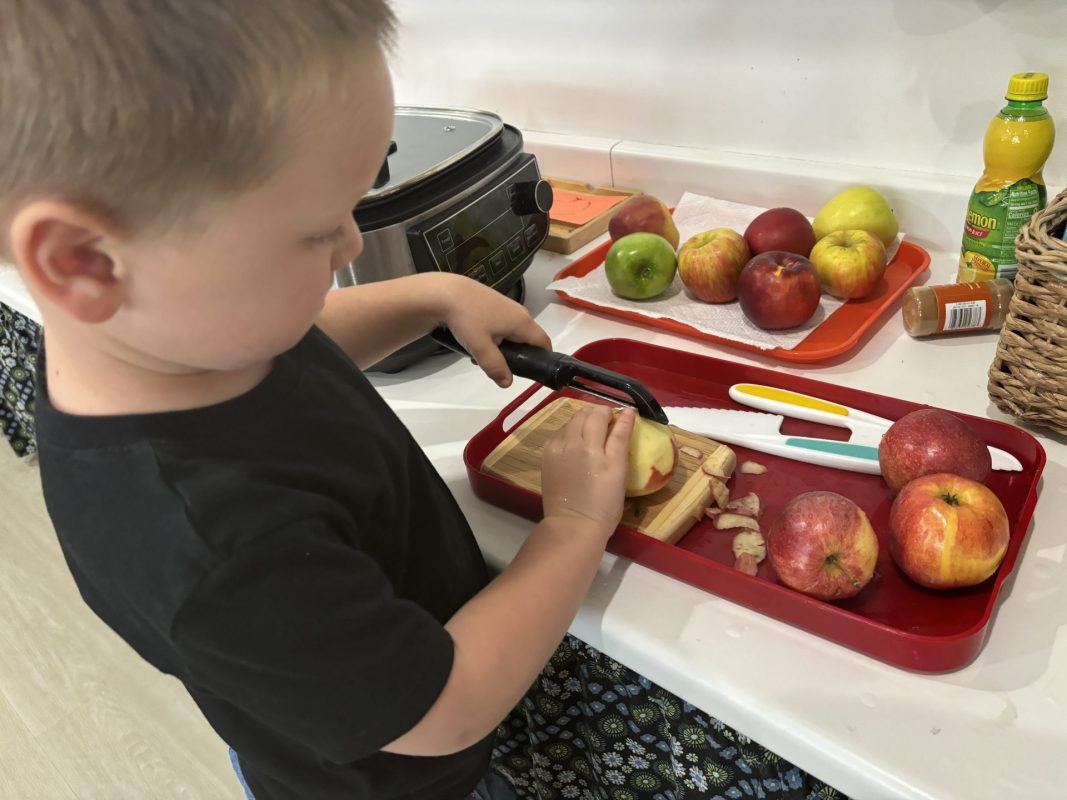
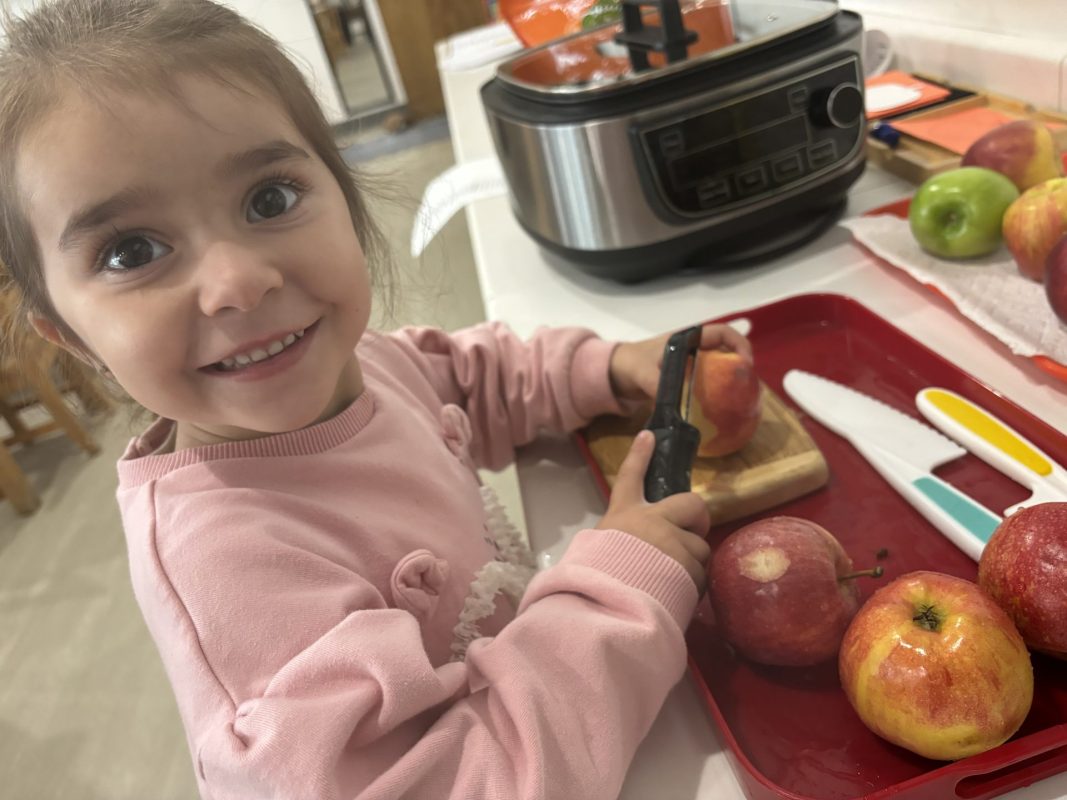
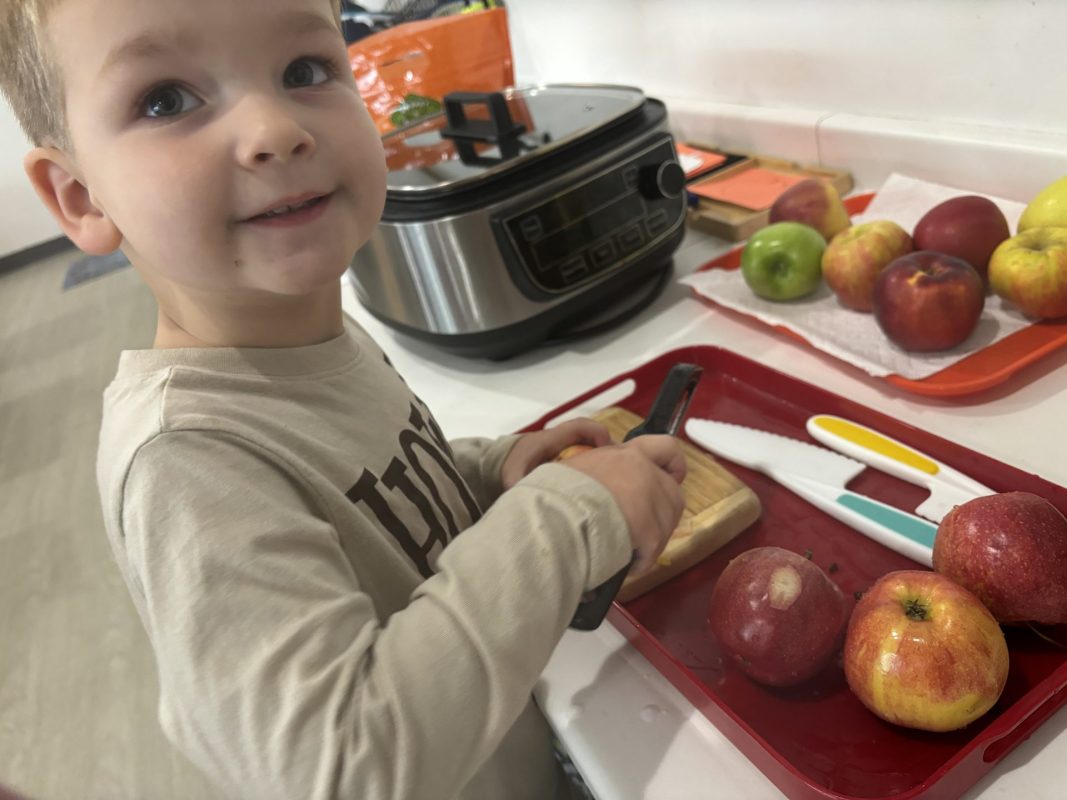
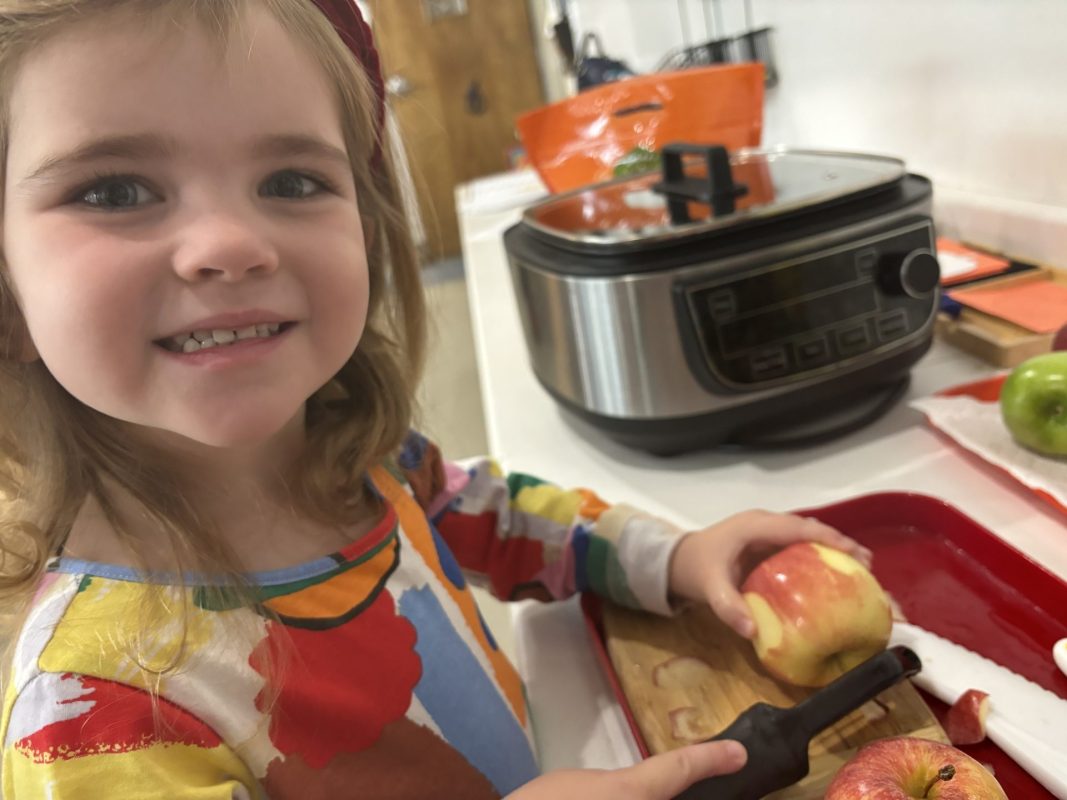
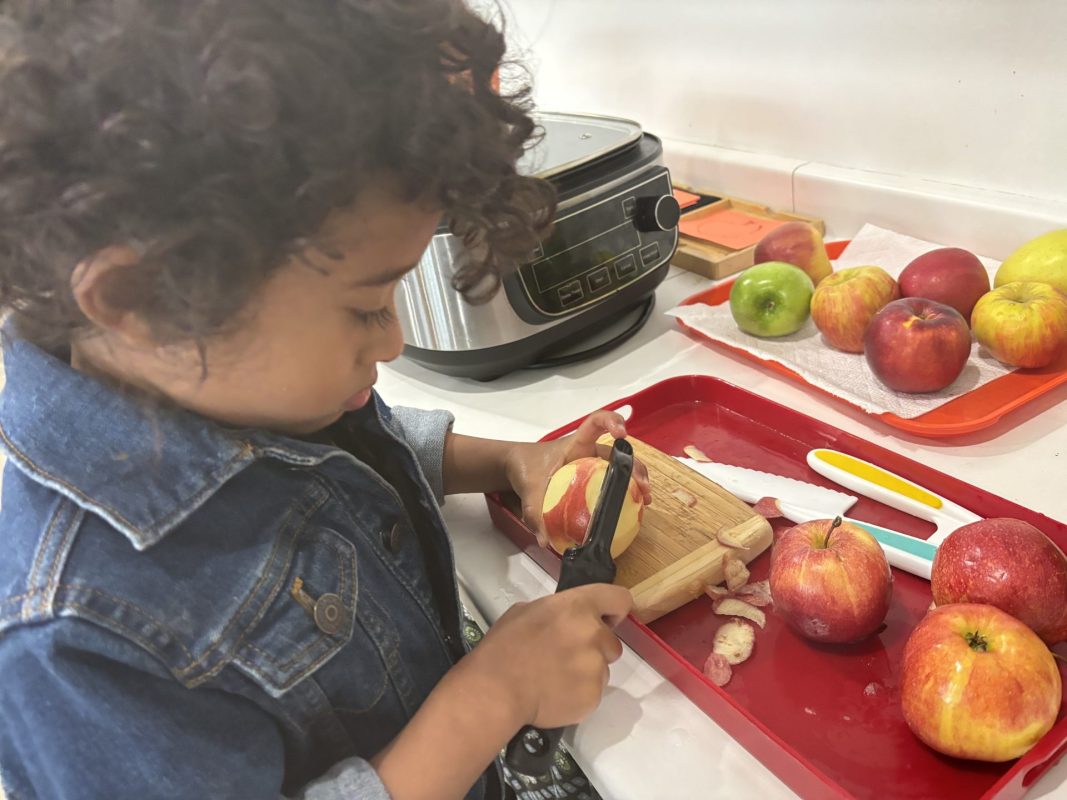
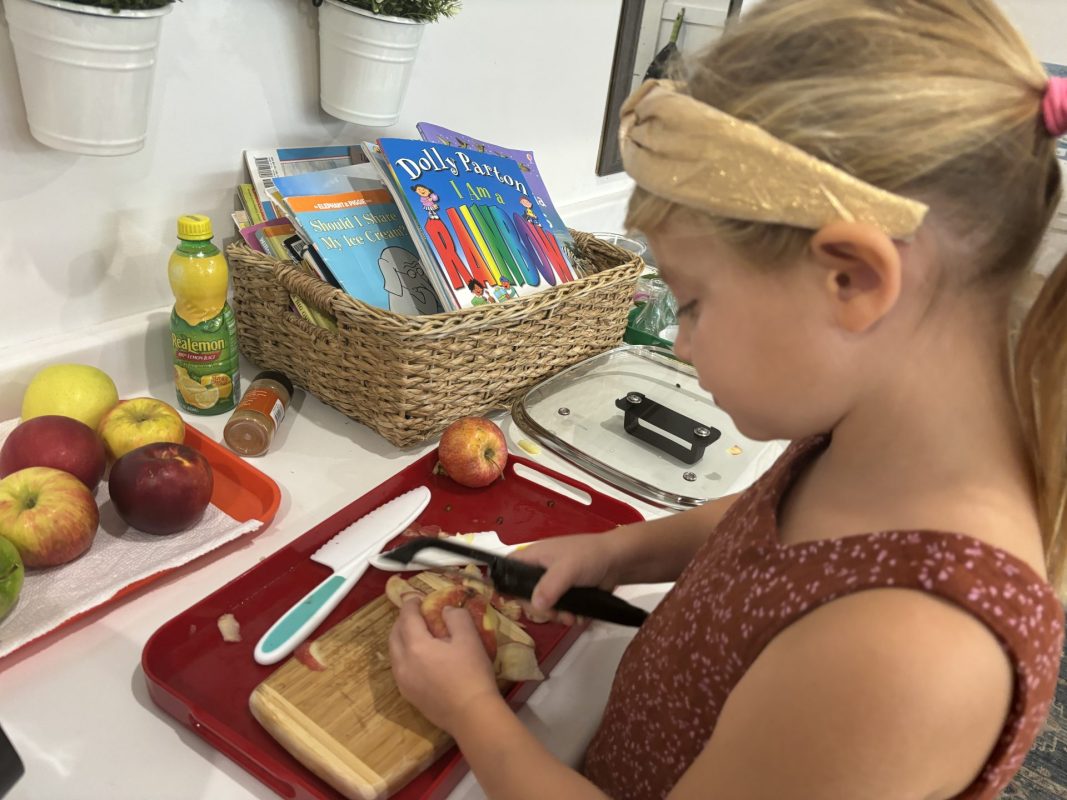
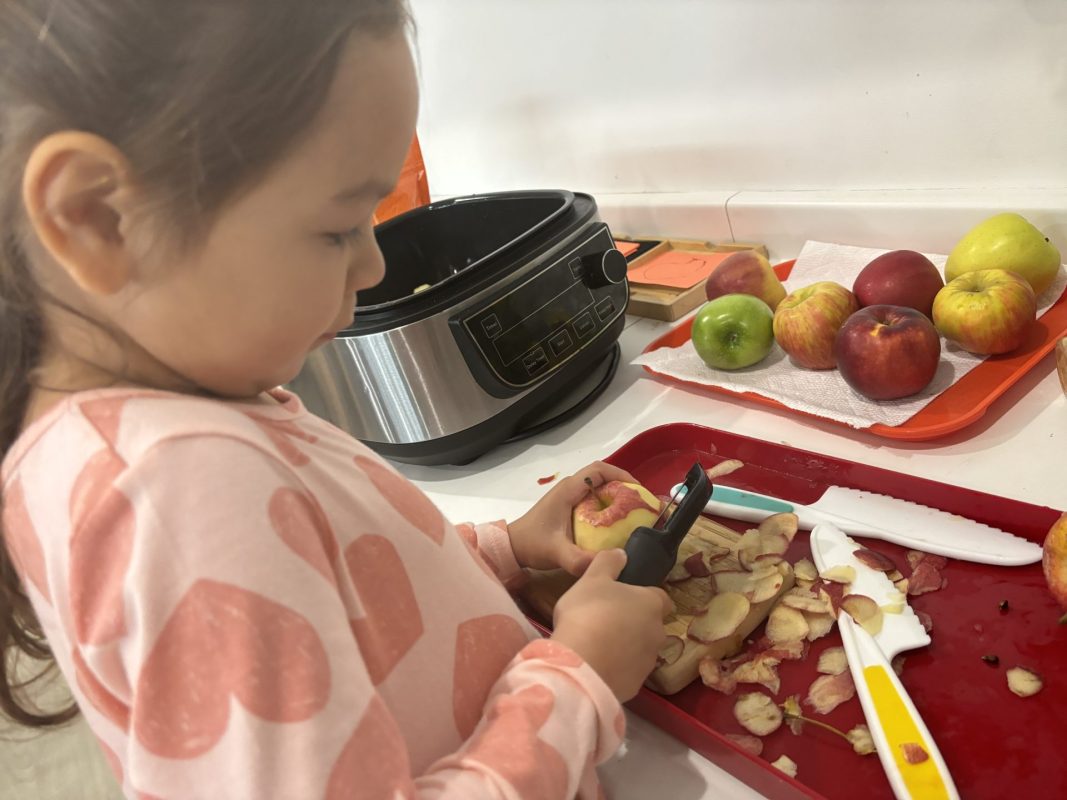
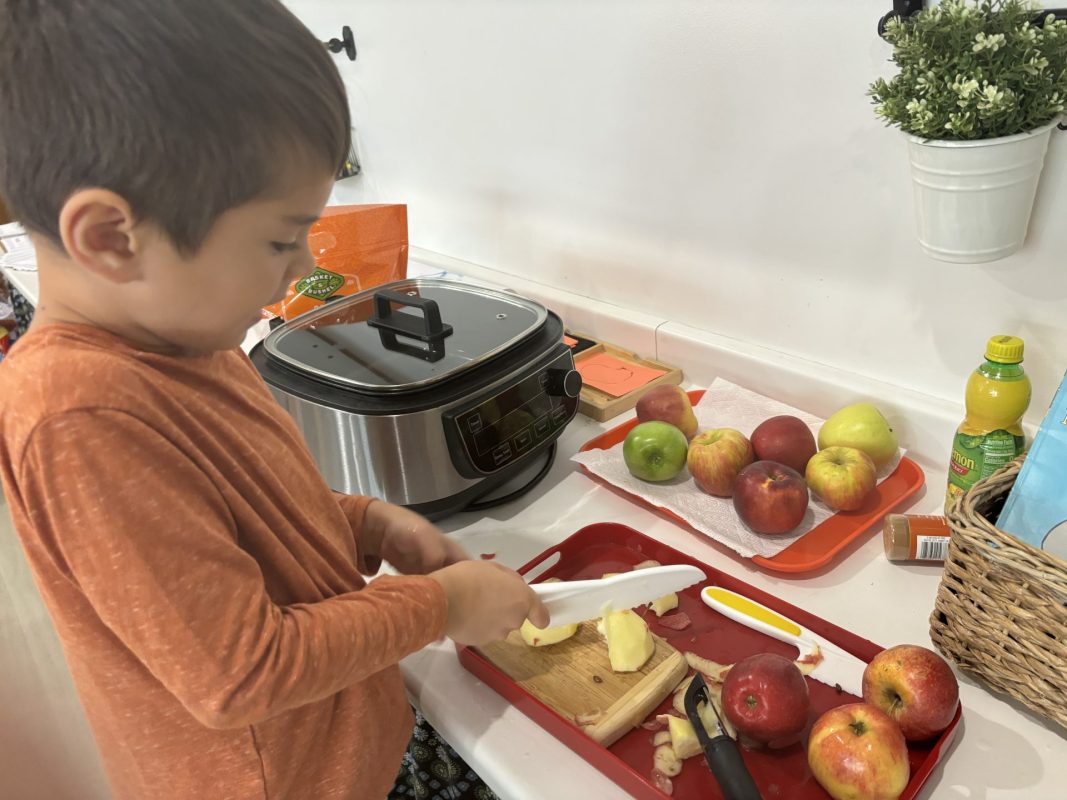
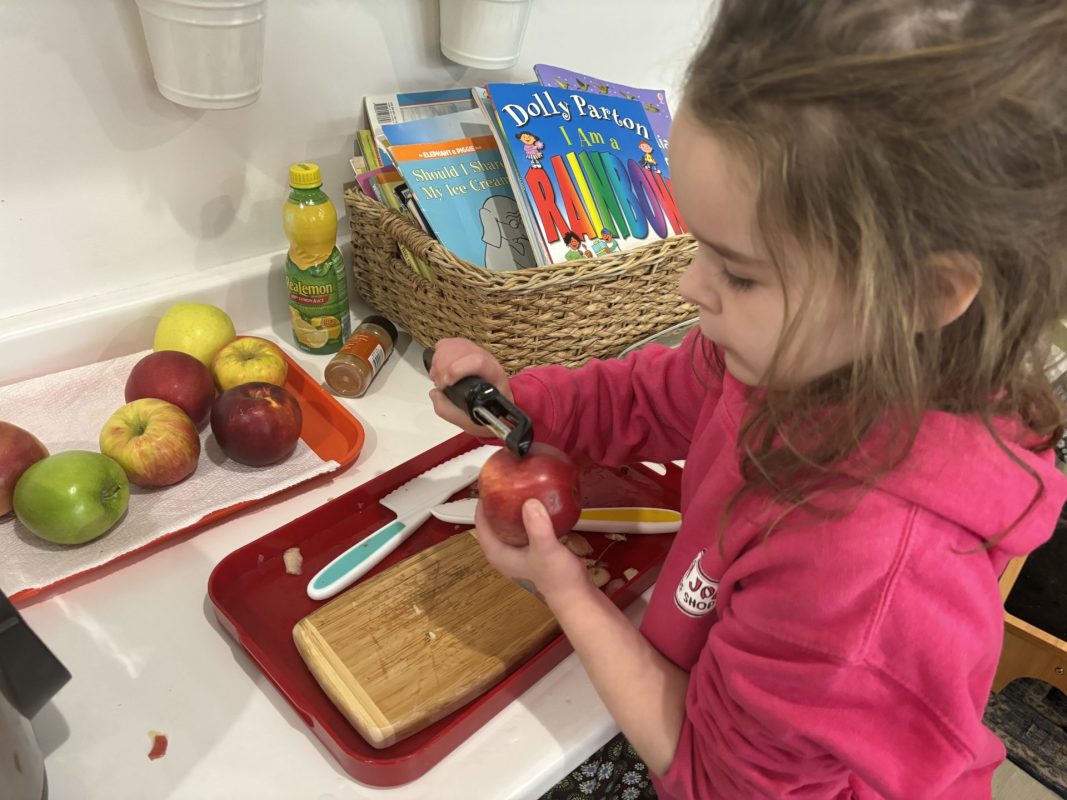
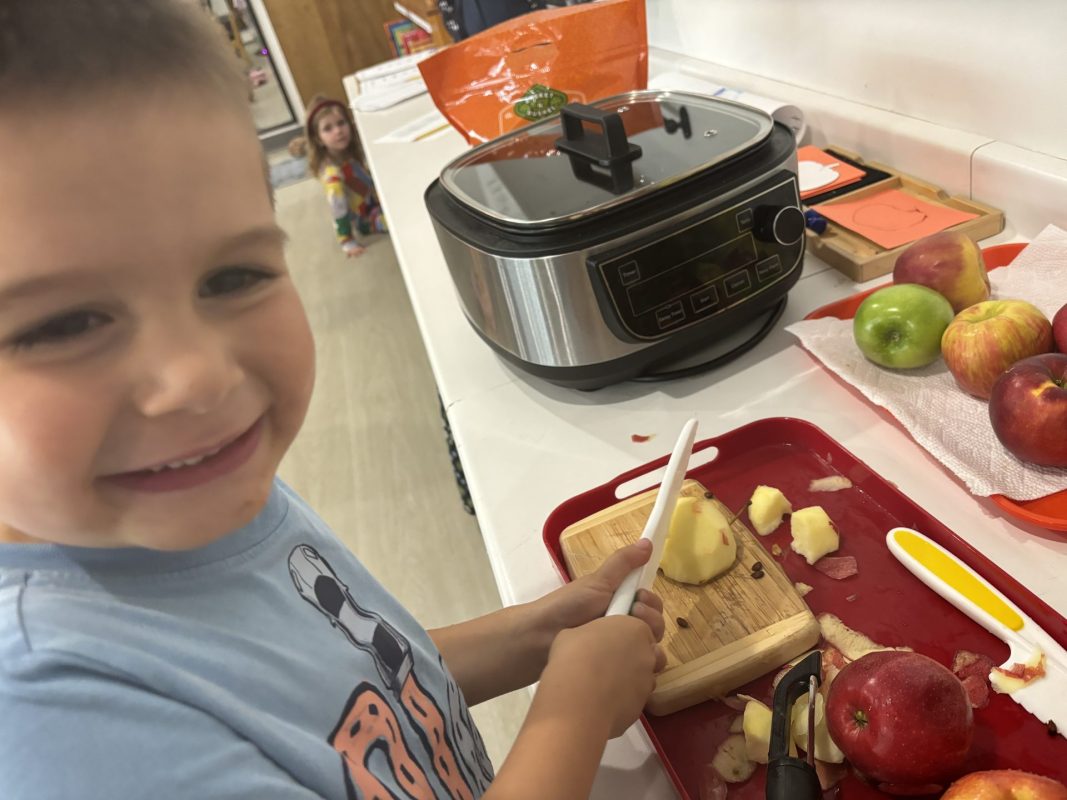
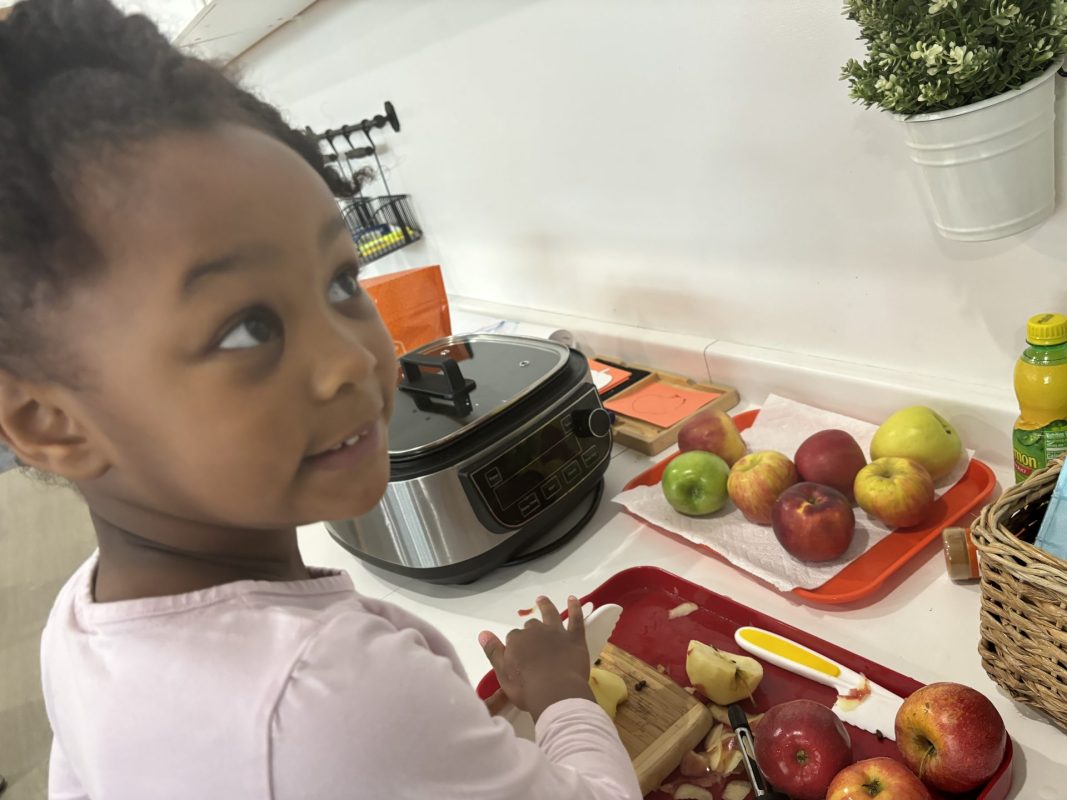
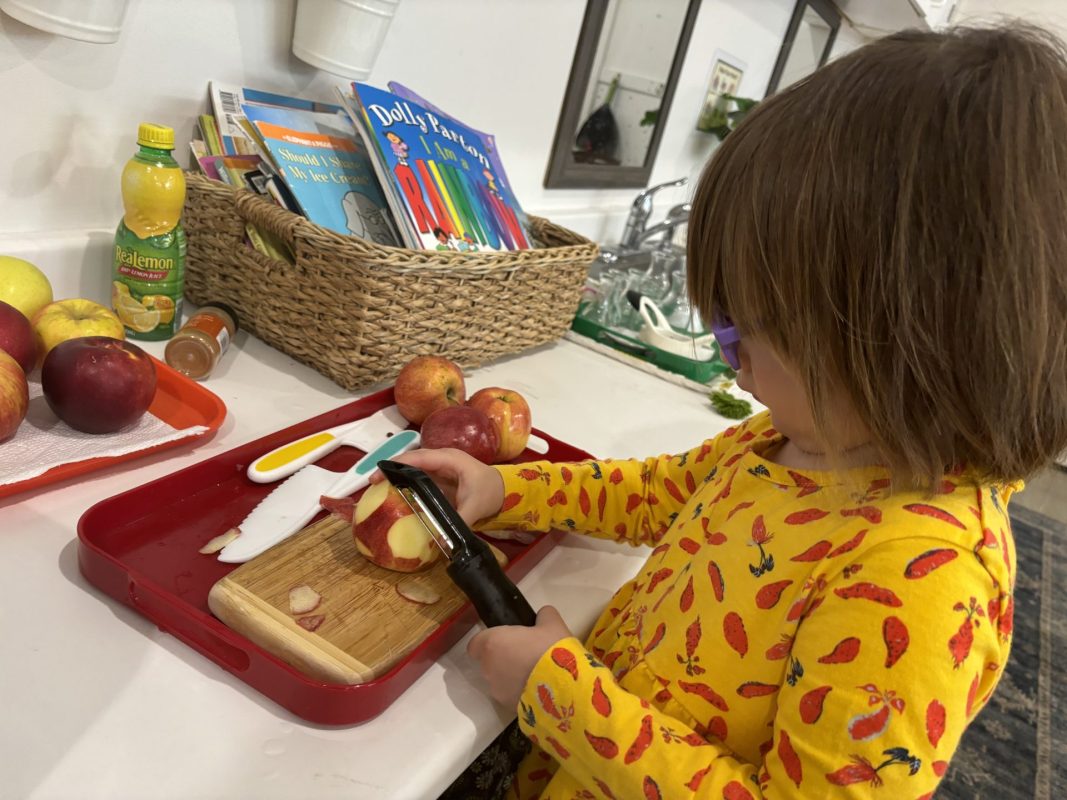
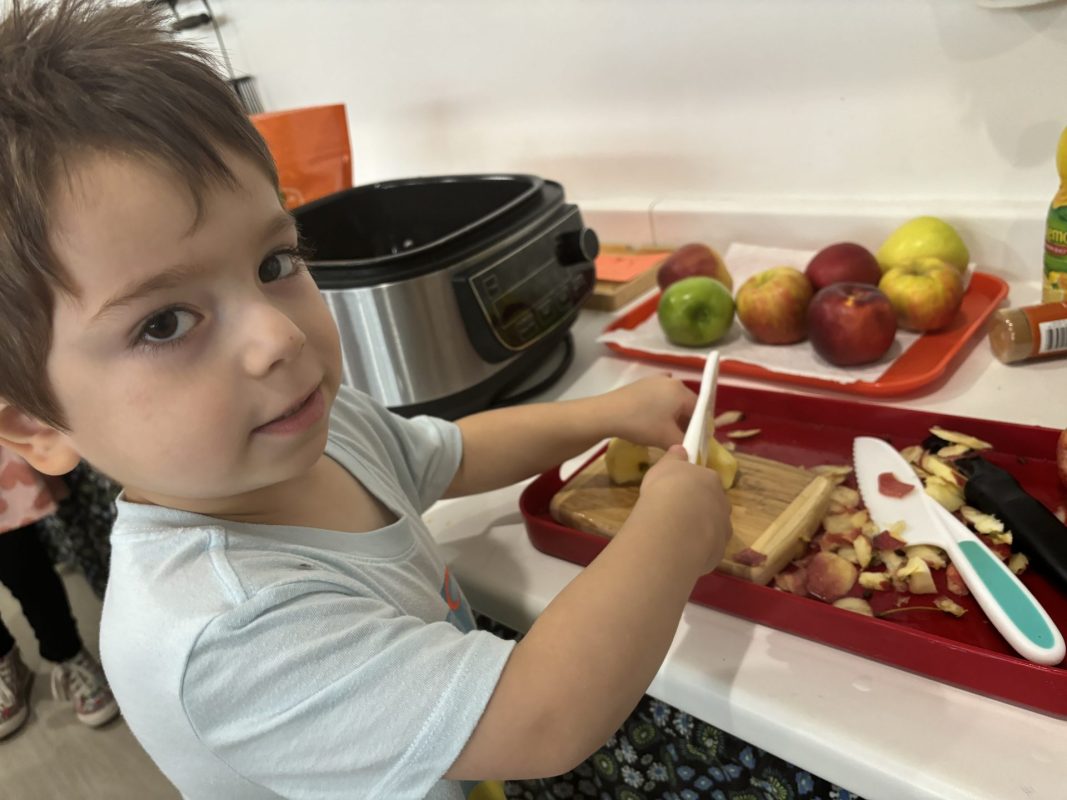
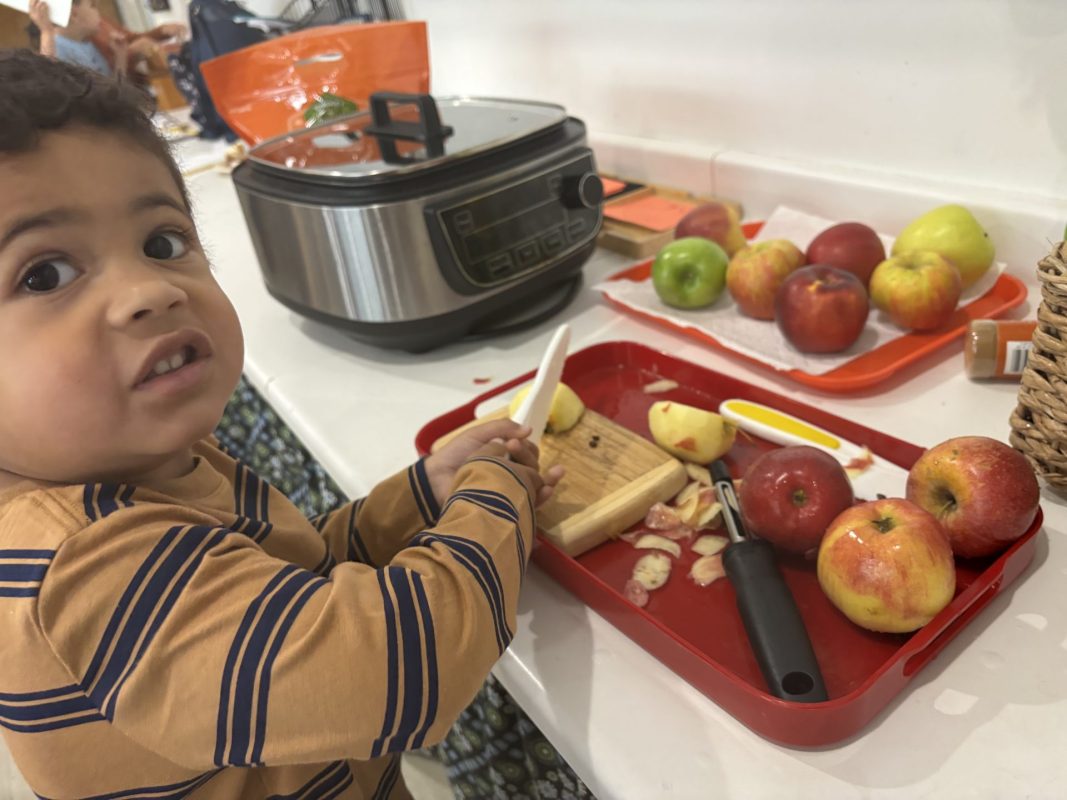
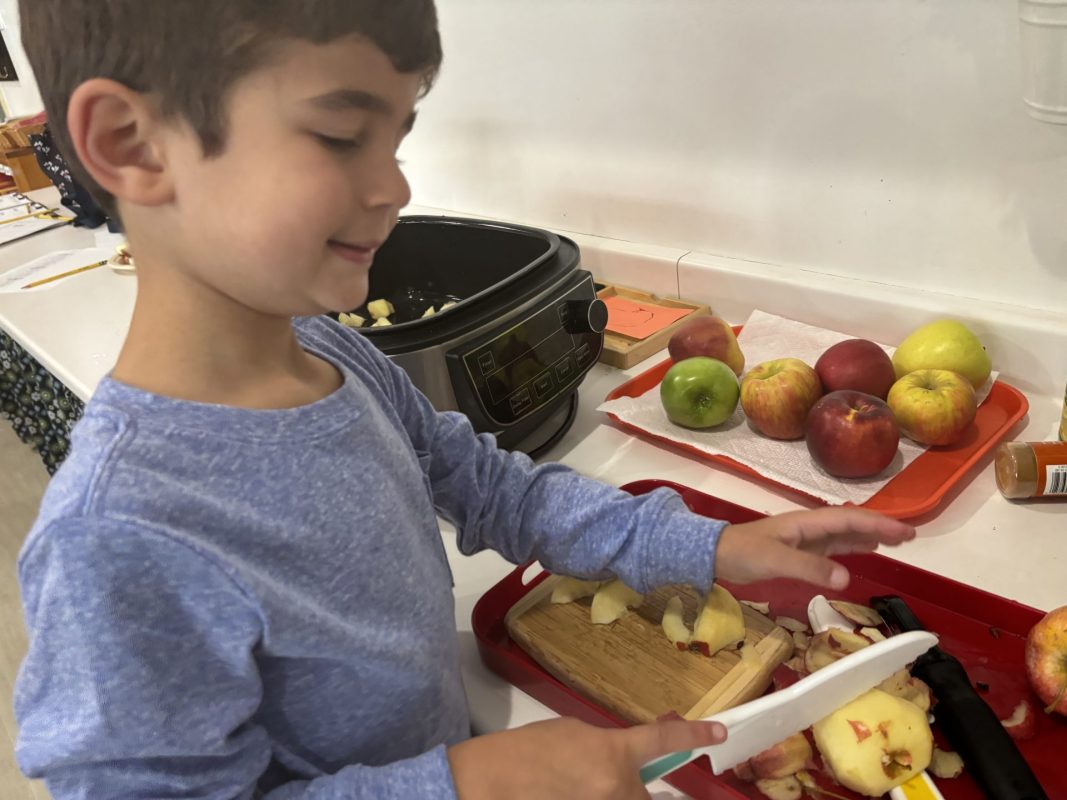
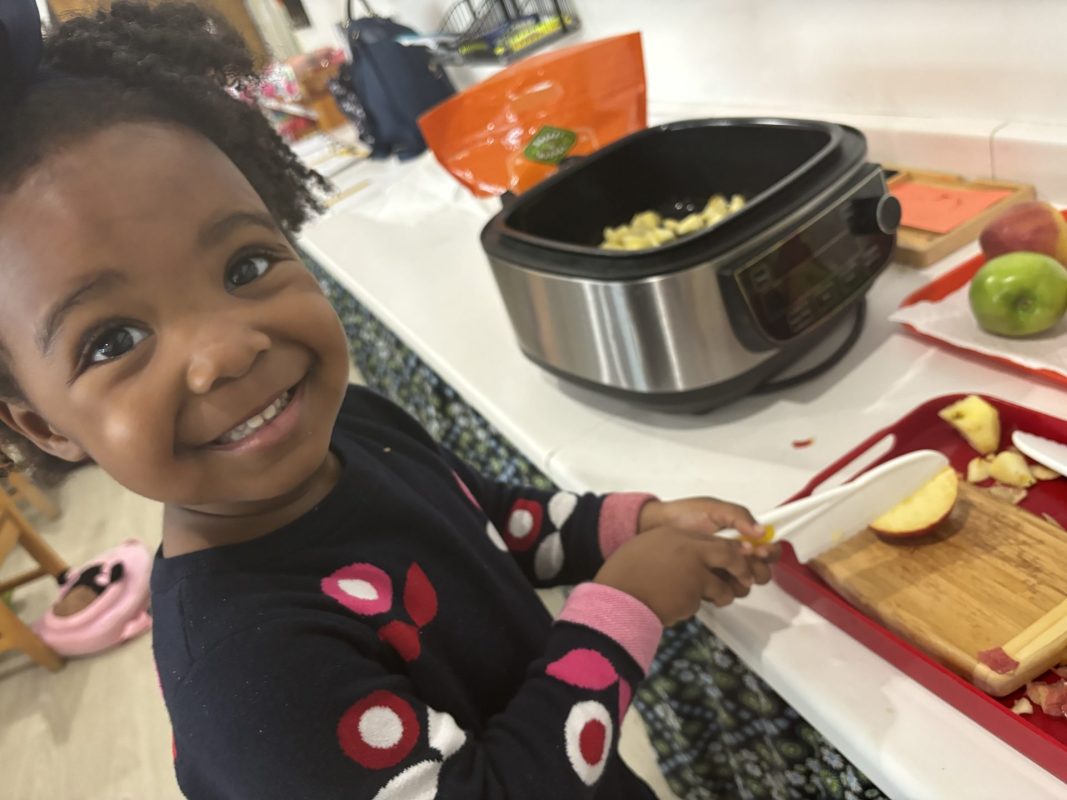
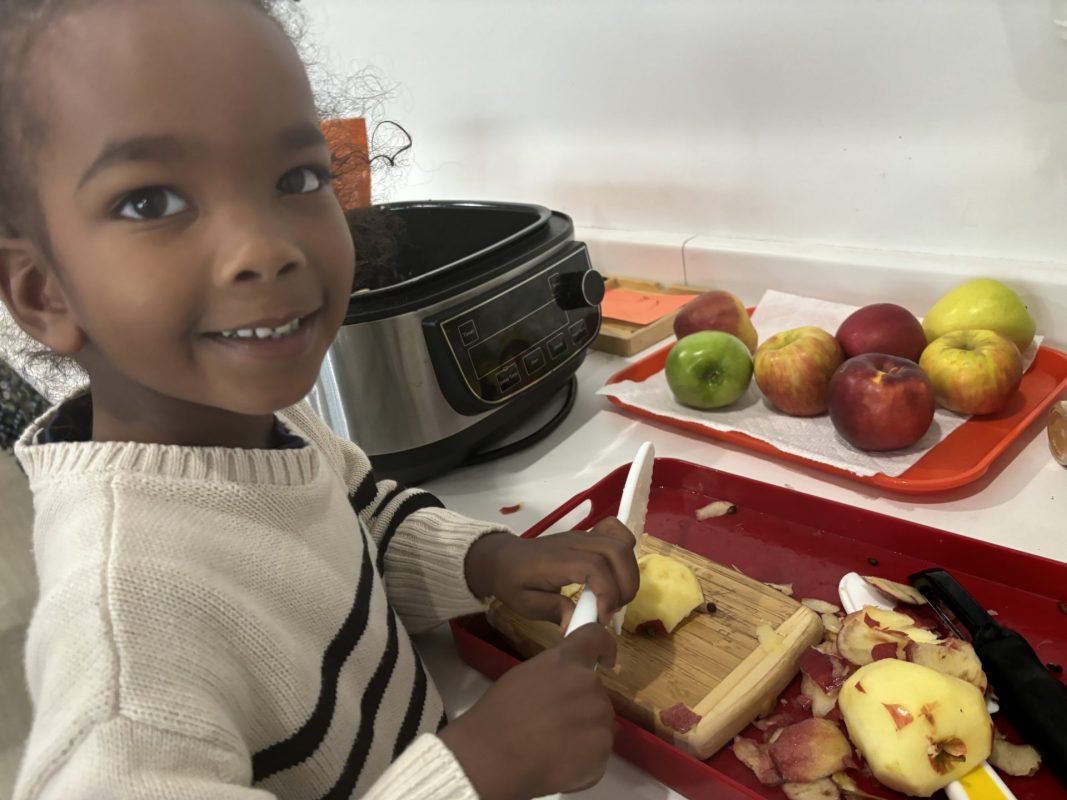
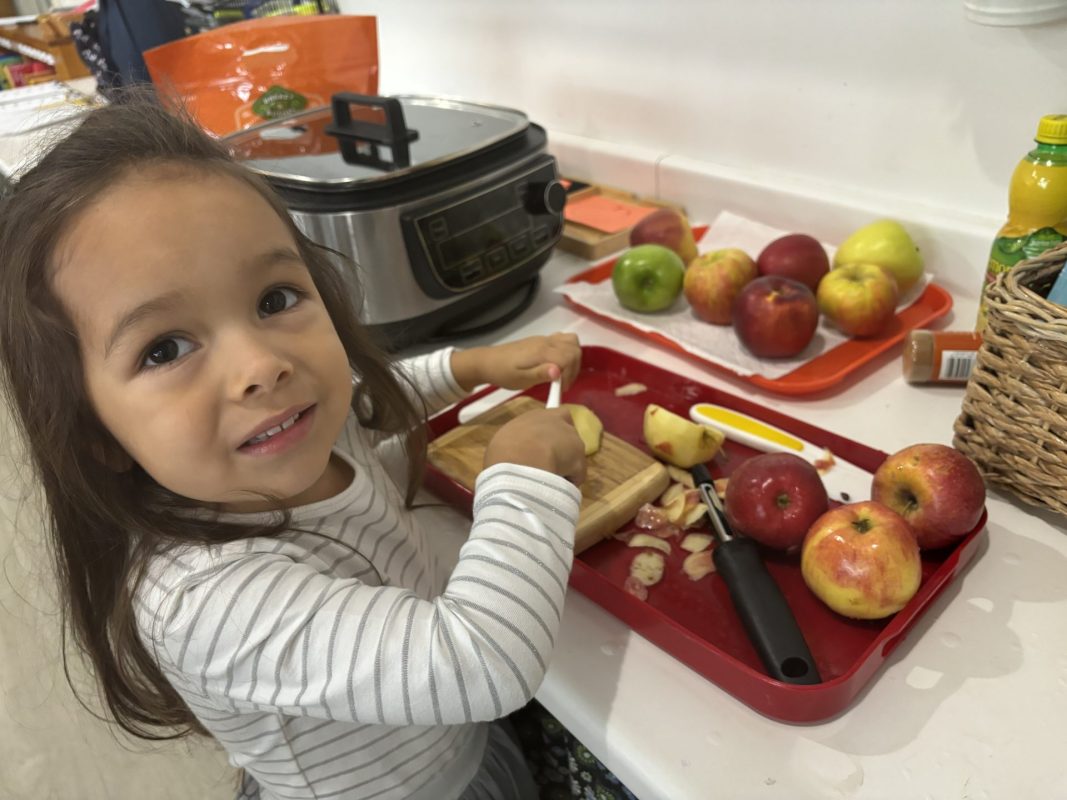
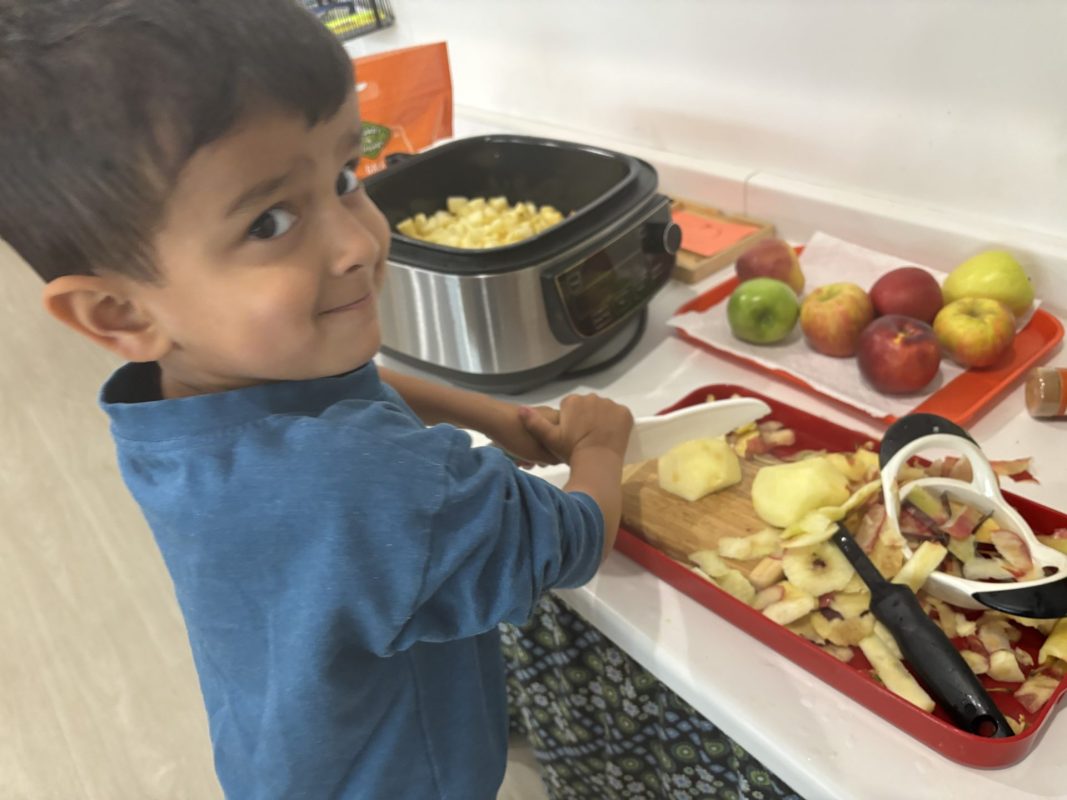
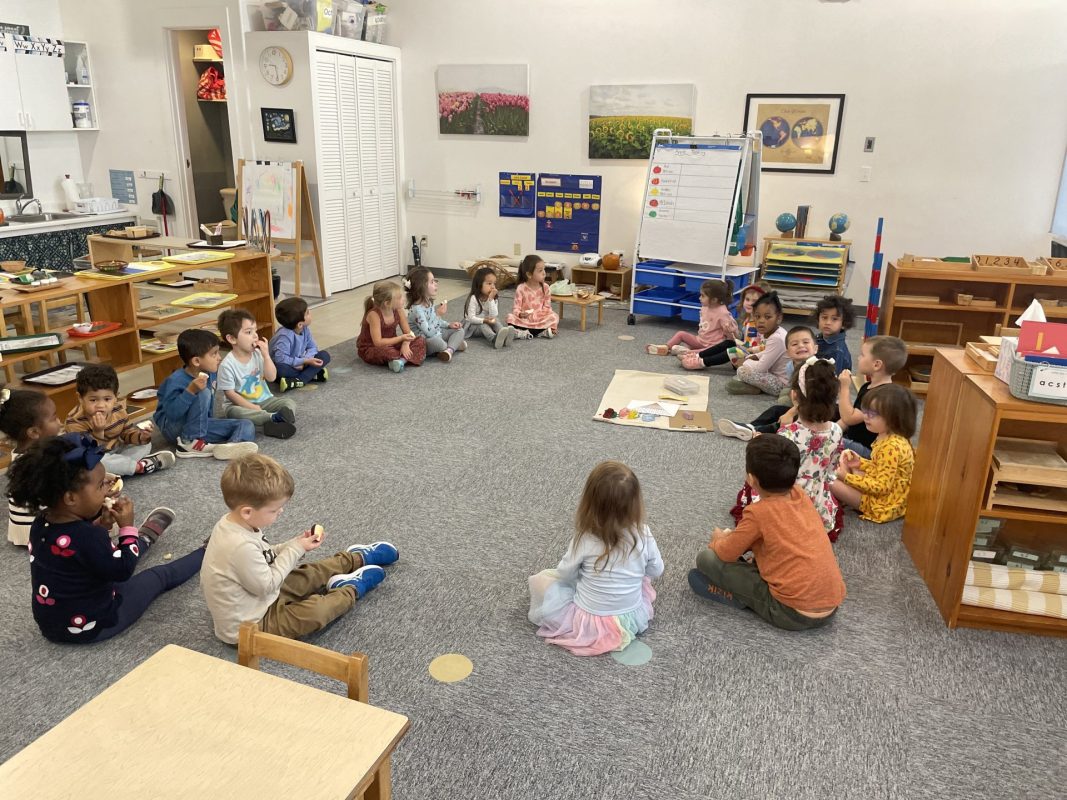
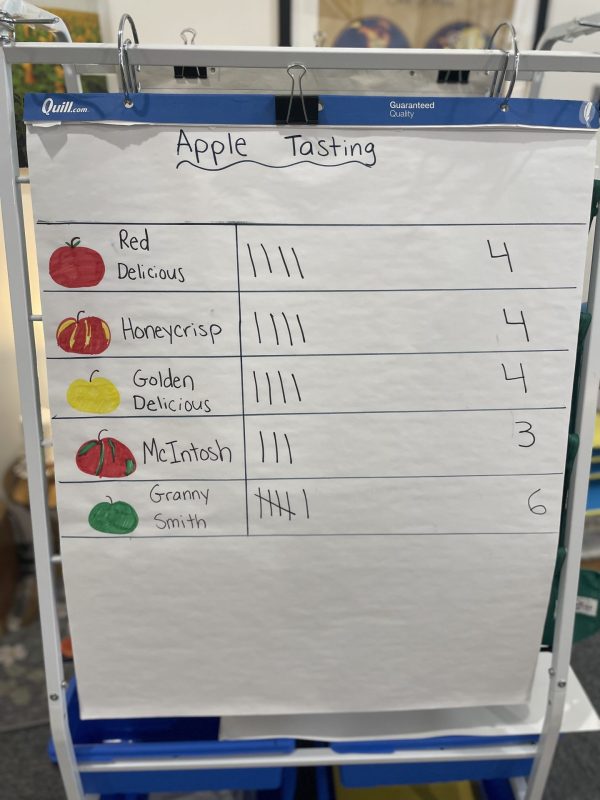
What a wonderful week! There are so many new adventures and experiences; I know how lucky I feel to share them with your children. The children were so excited to make apple sauce together; it took three days till we could finally try it; the result was well worth it! The children help in each step, cutting the apples, adding the cinnamon stick, putting the apples in the crock pot, putting the apples through the sieve, and then eating them the next day! In the Montessori classroom, you will always hear teachers say, ” Your child is so capable.” Give the children the right tools, and they will show us how capable they really are. This week, we focused on the “Grace and Courtesy Lessons” by introducing statements for communication, “This is my work,” “No thank-you,” “Please don’t touch my work,” “Walk around,” “This is my mat,” giving those words and modeling how we use them helps the child to understand how to communicate while being respectful, and confident. This is another way that we give our toddlers the tools for success! This week, we also had our first classroom birthday, in which all the children shared joy with their friends with deep enthusiasm! Turning two is a big deal, and we all wish our friend a year of love, light, and growth!
With full hearts,
Ms. Mollie and Ms. Lizette
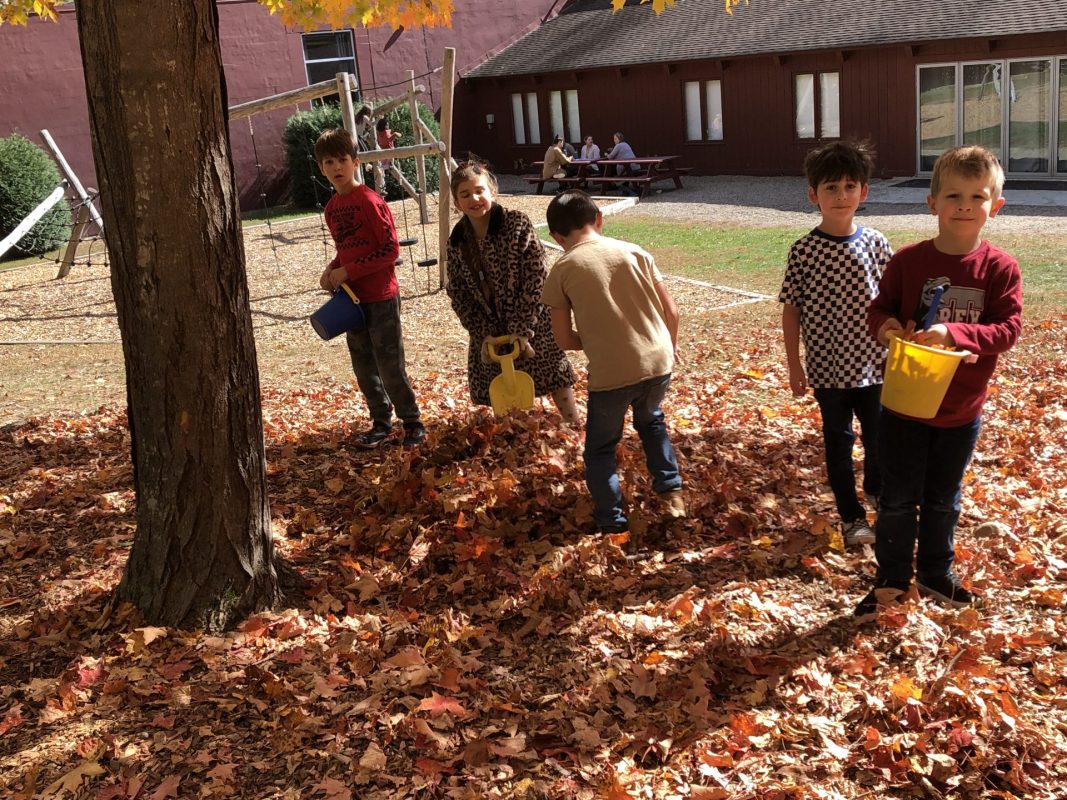
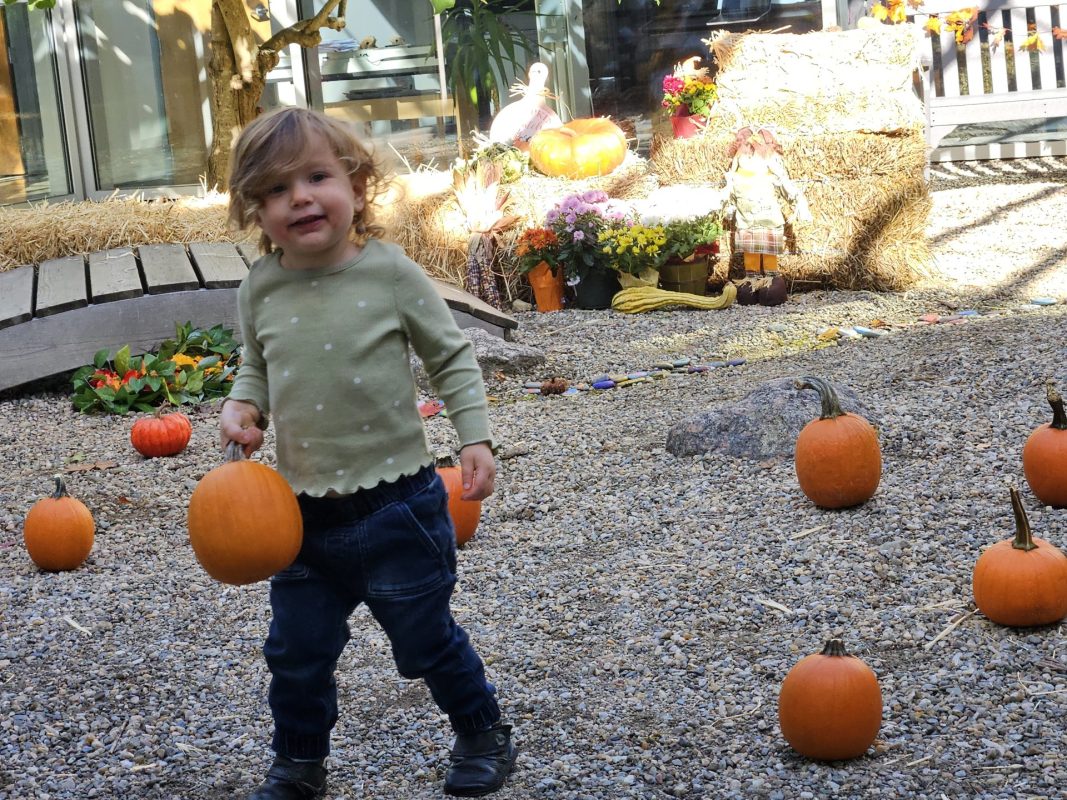
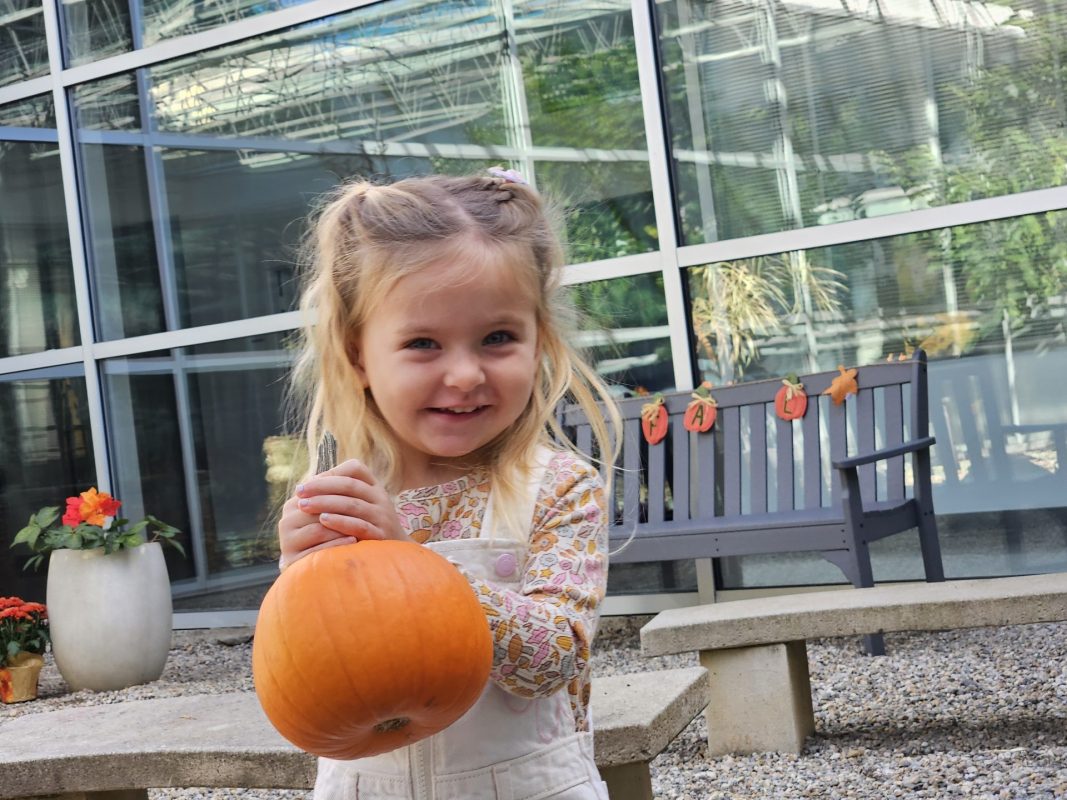
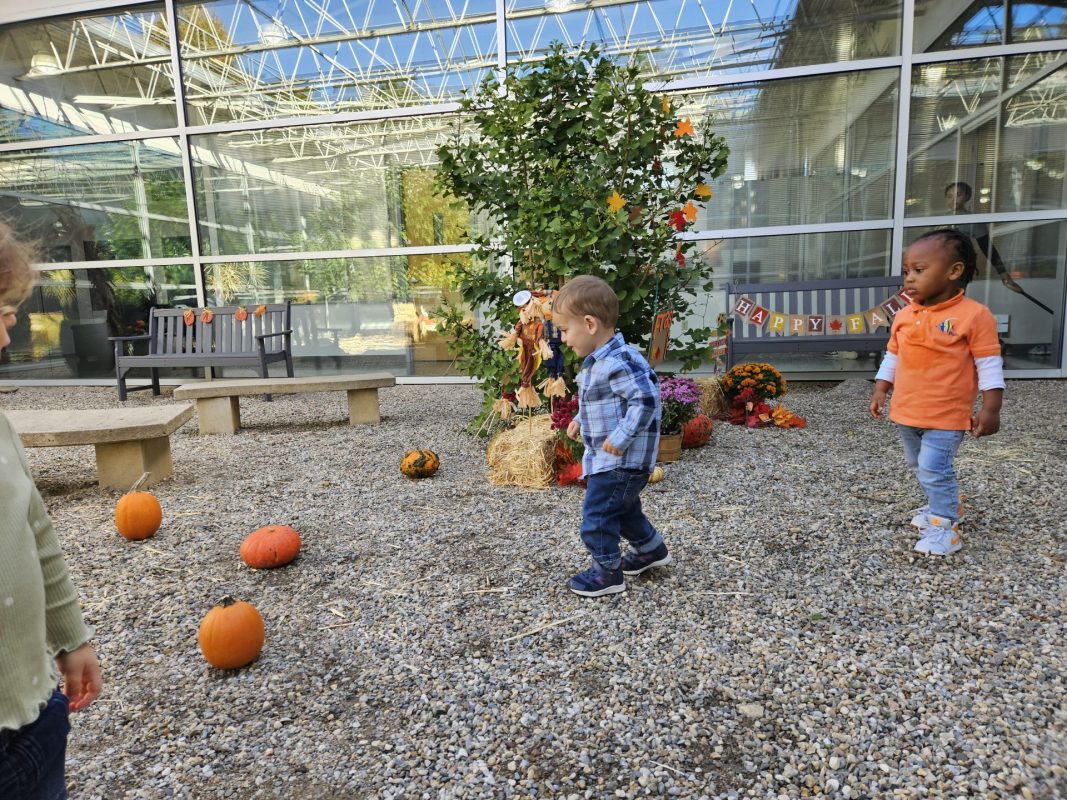
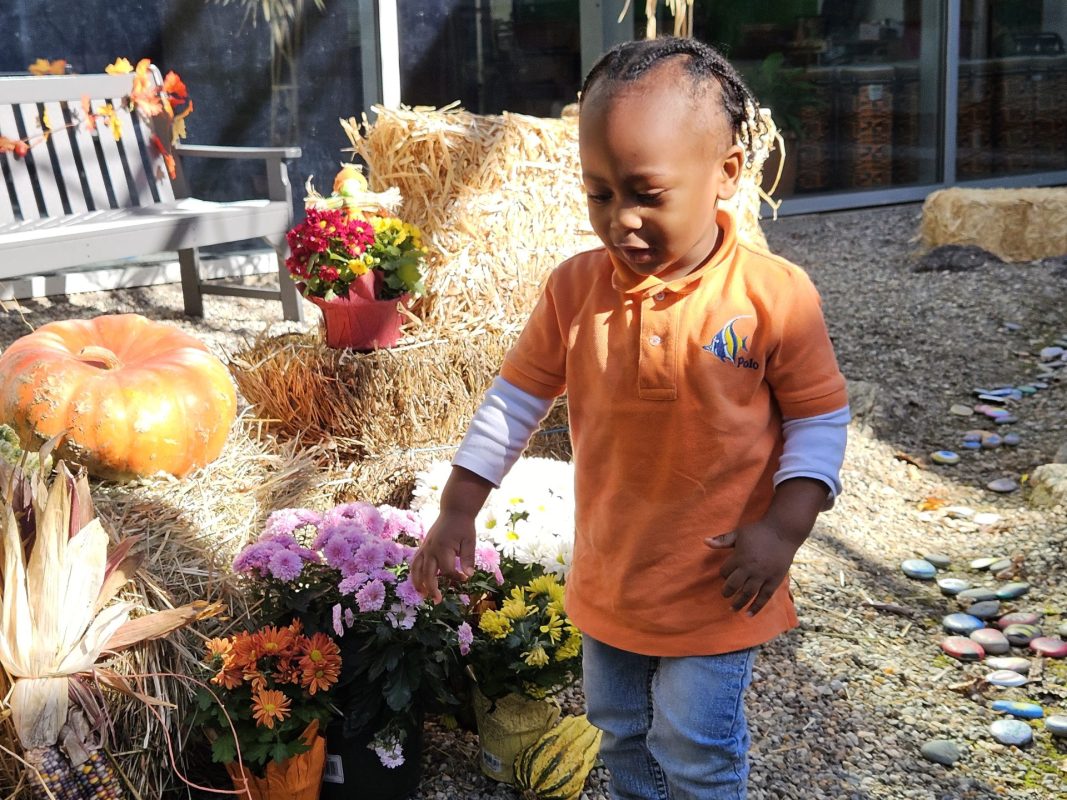
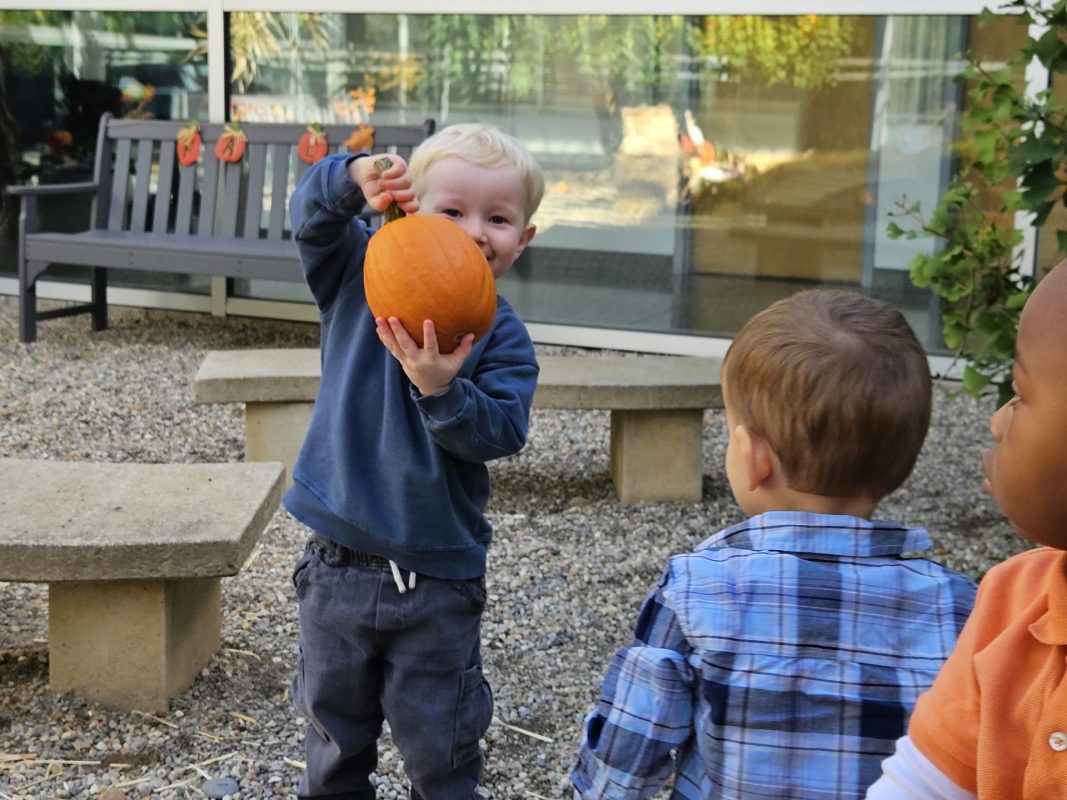
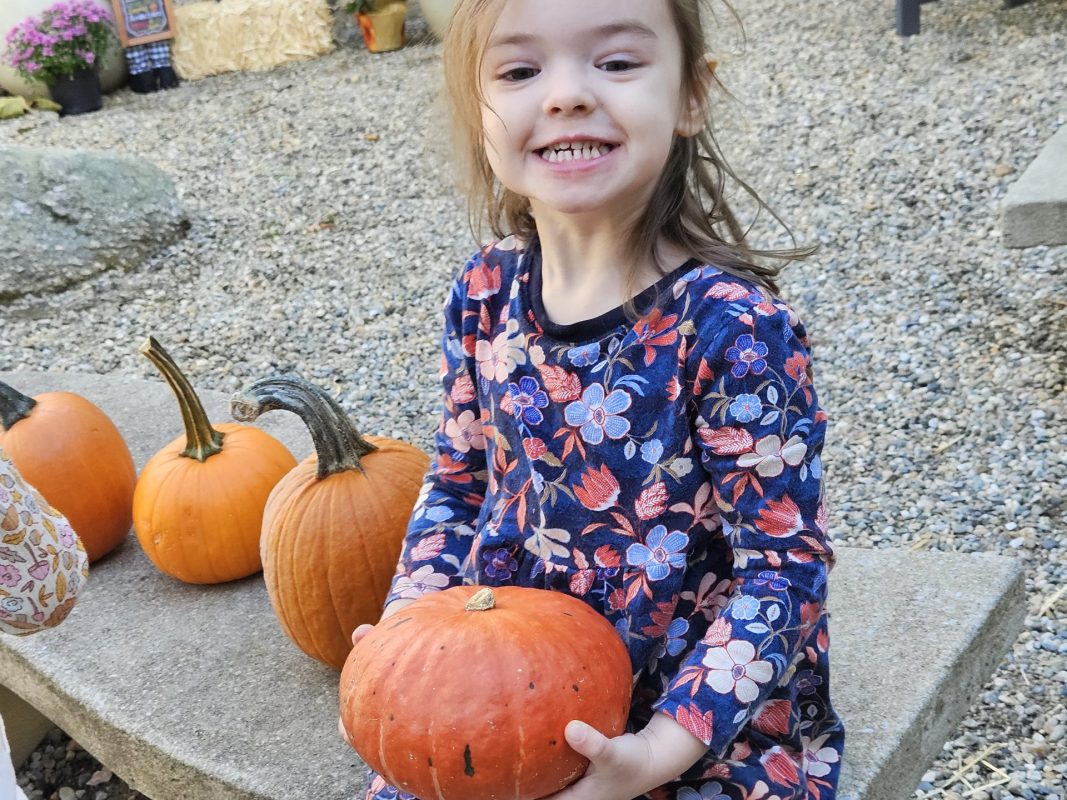
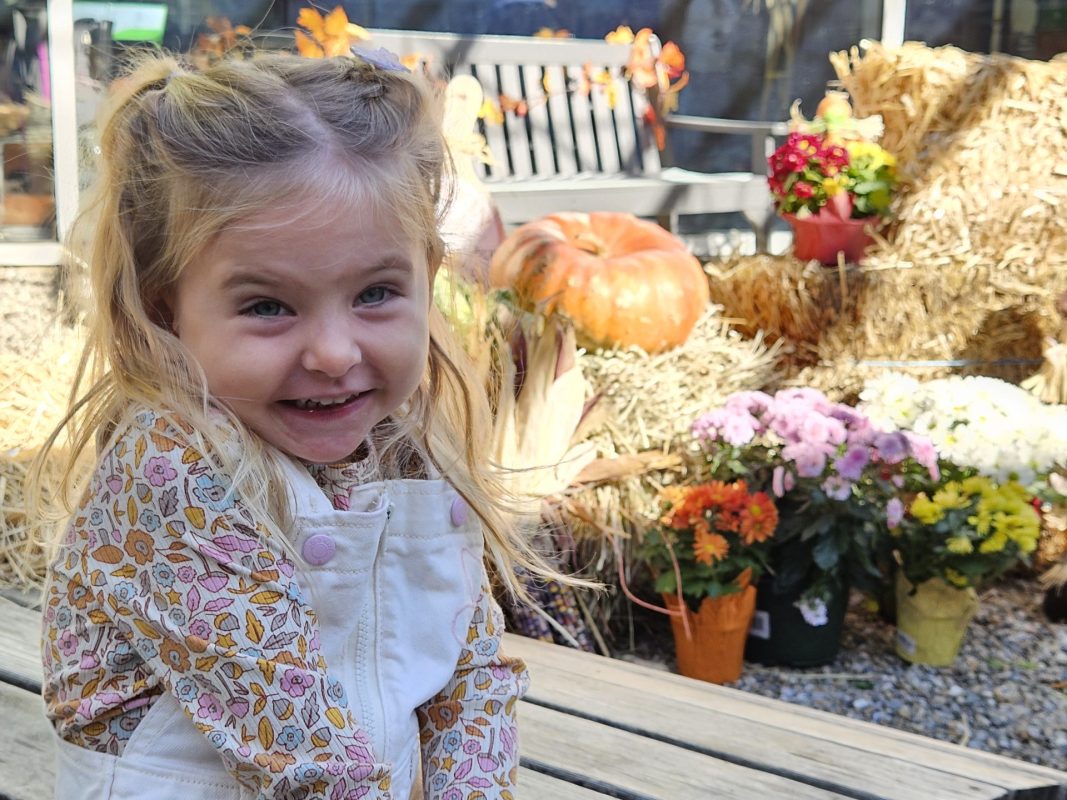
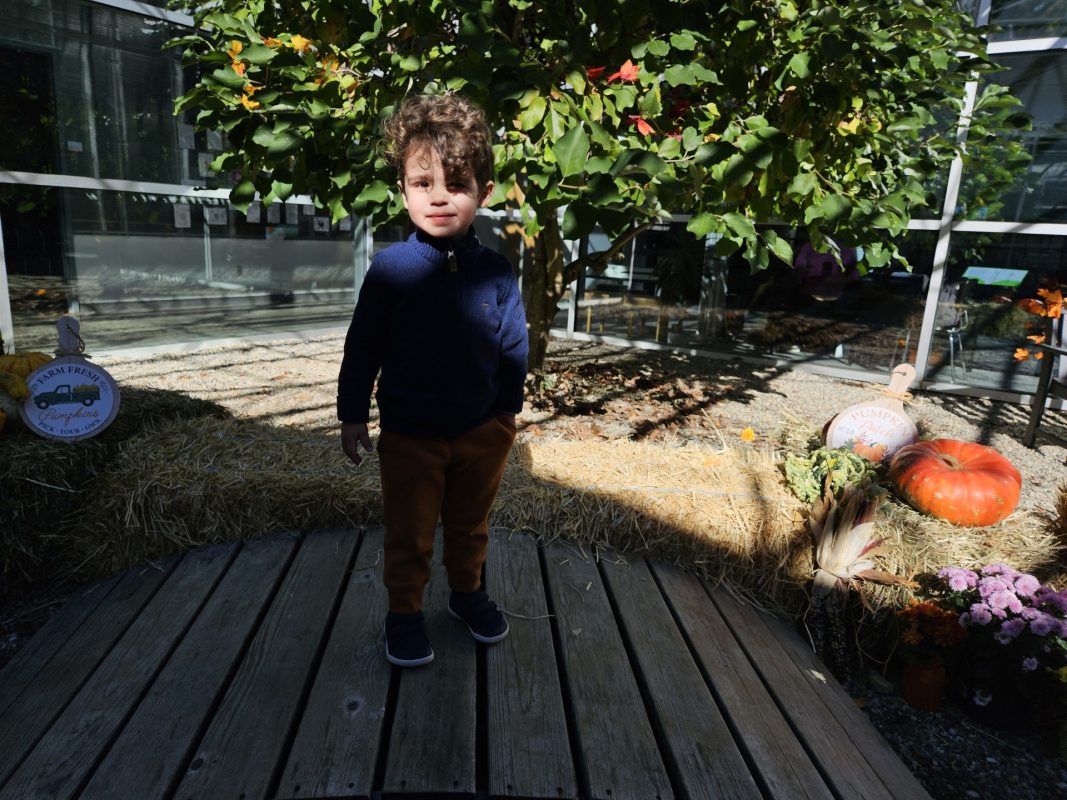
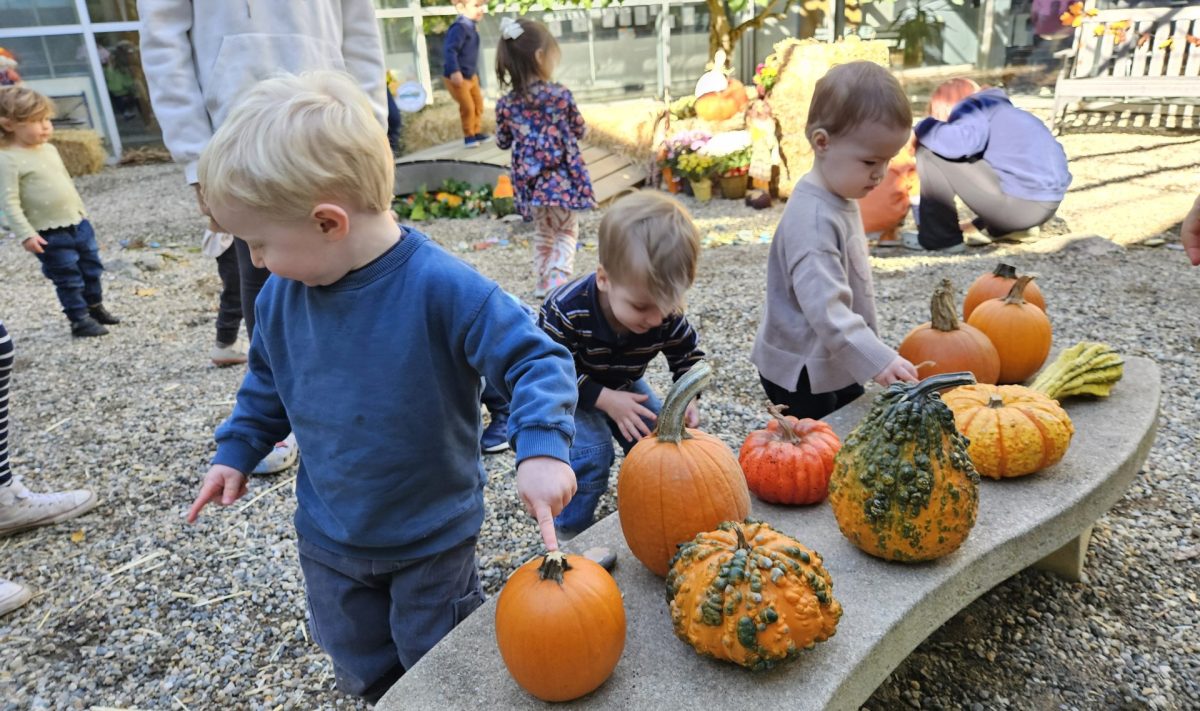
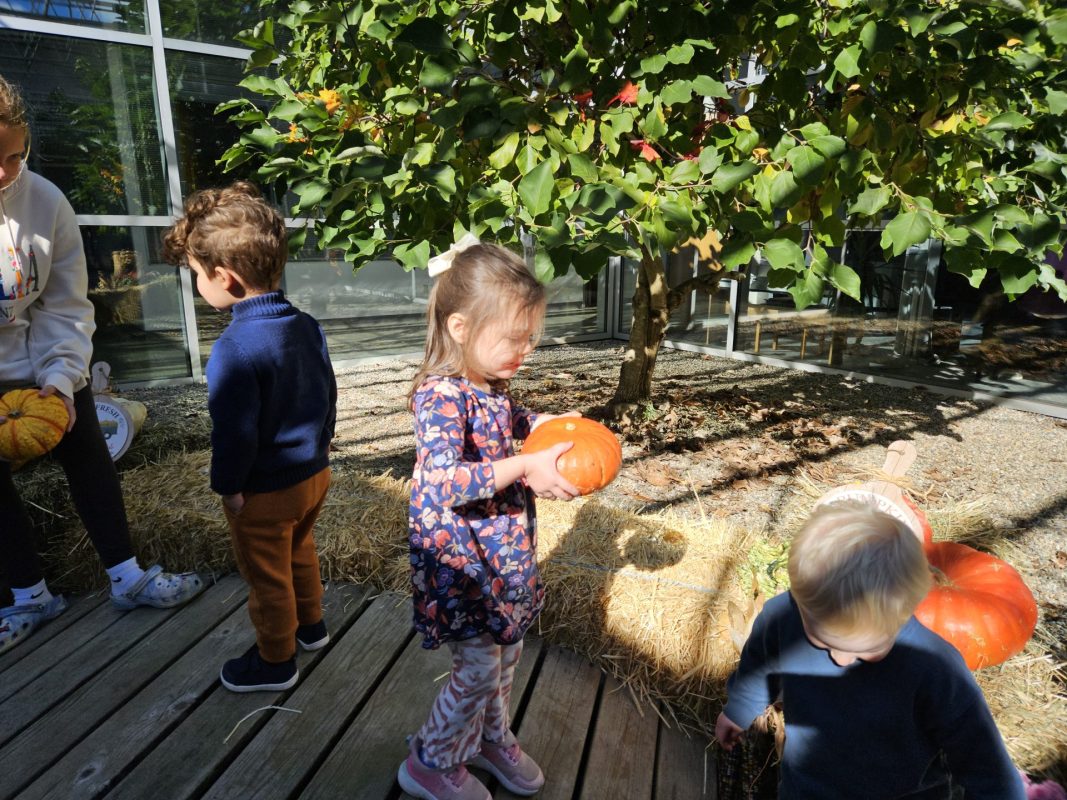
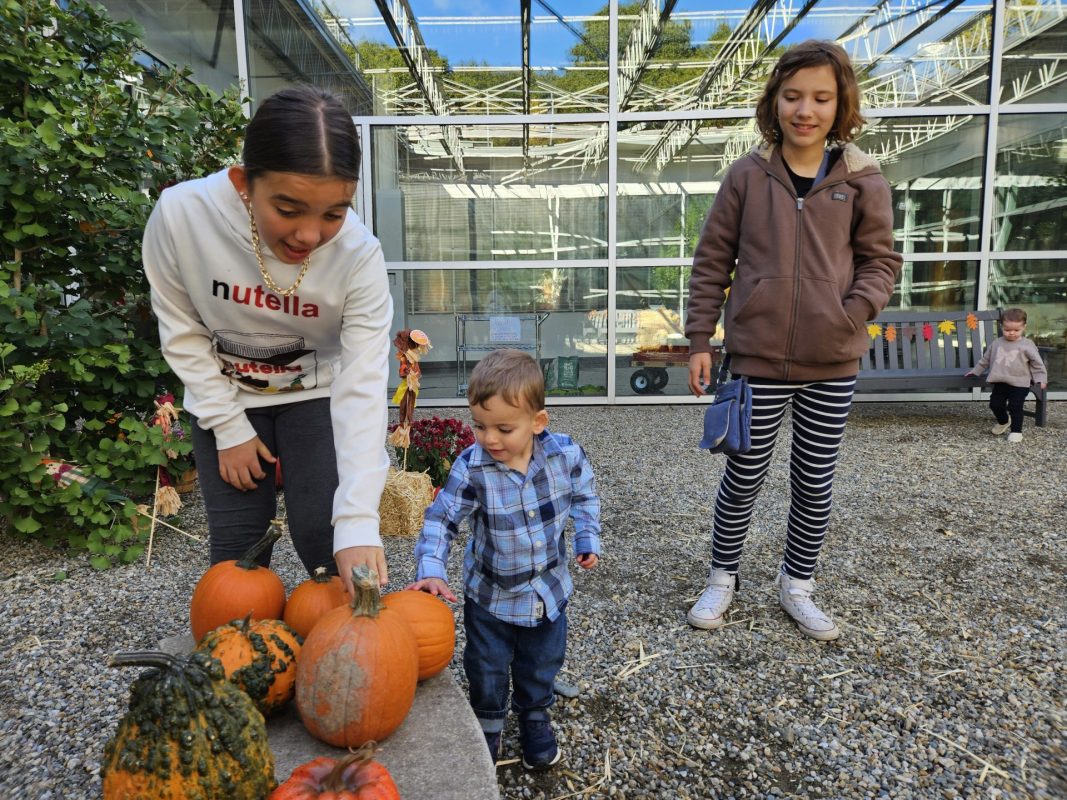
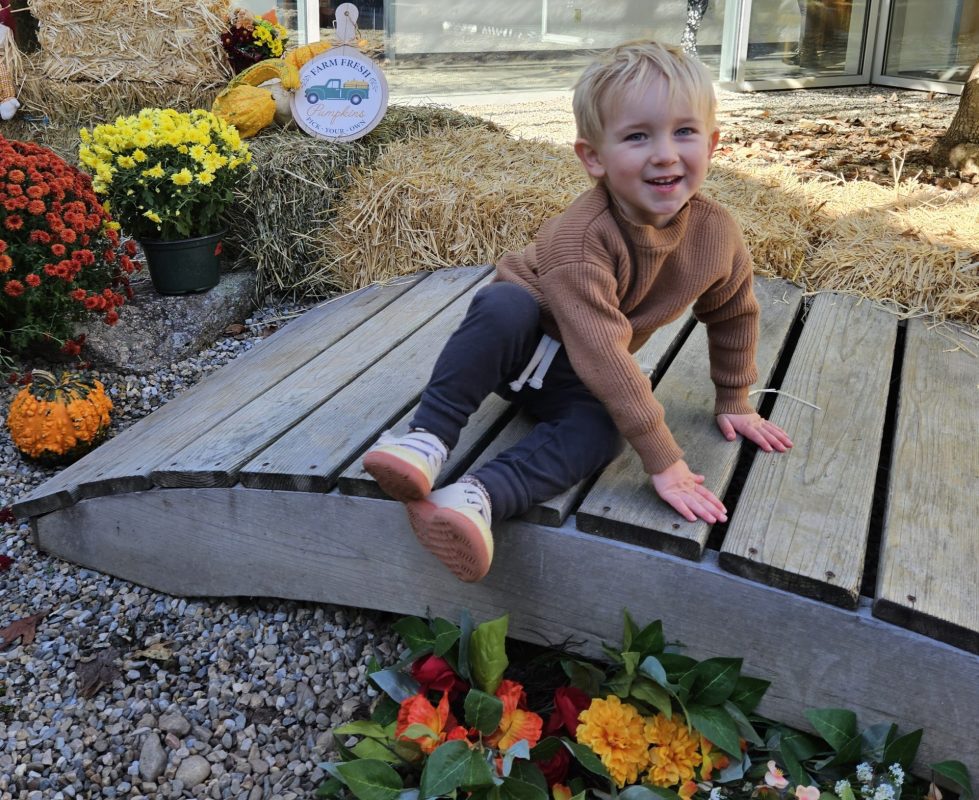
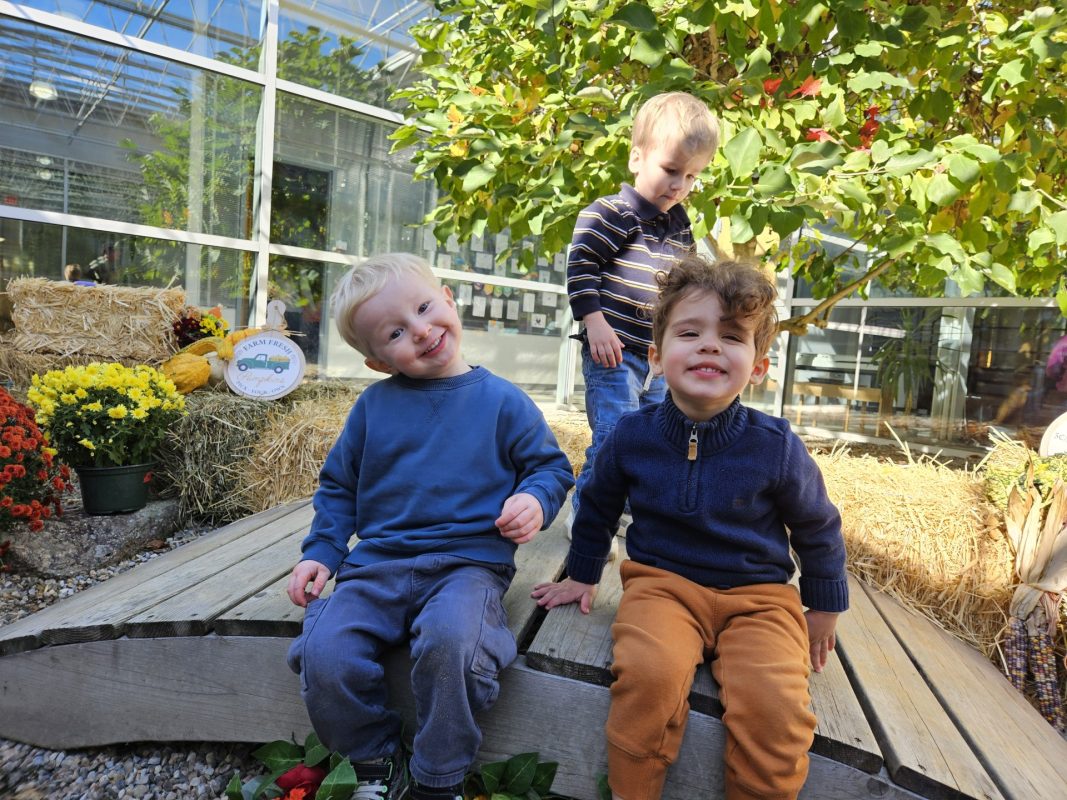
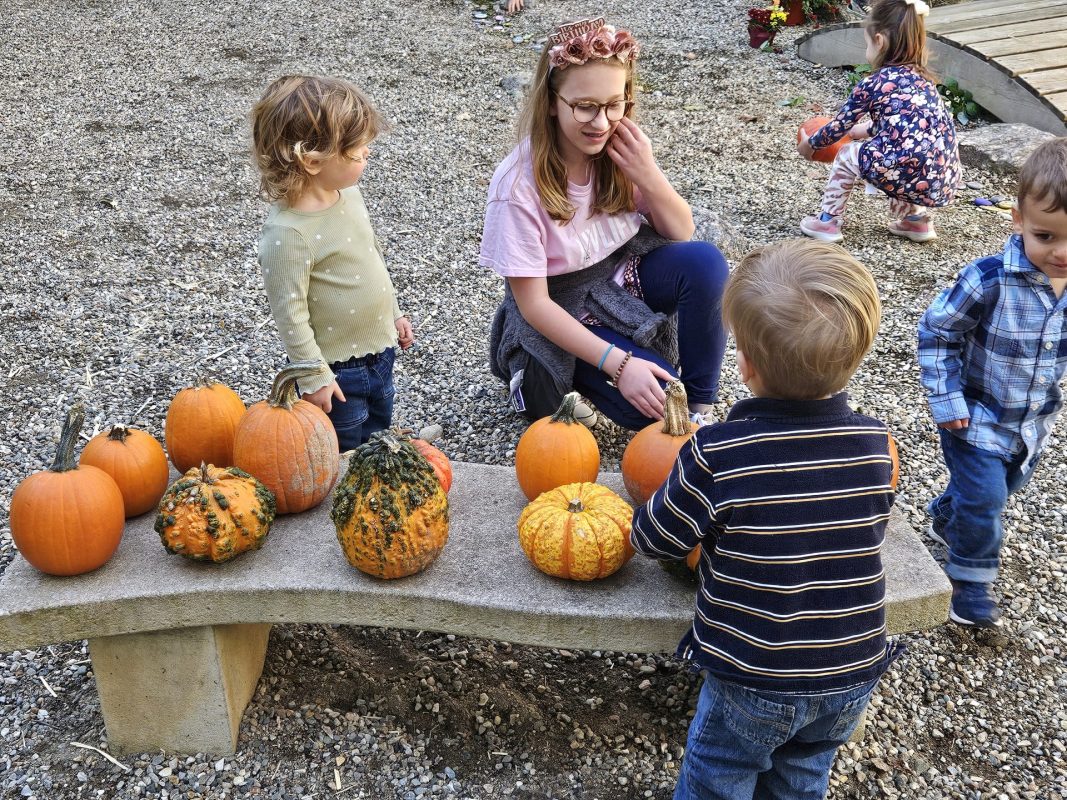
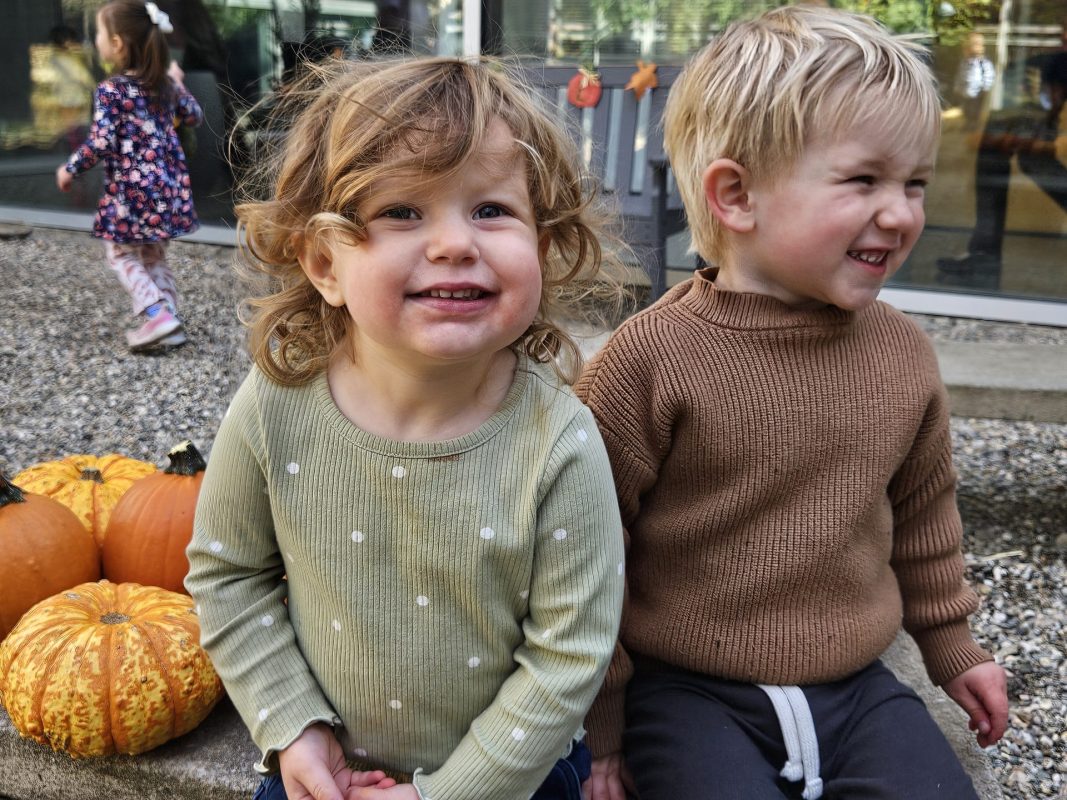
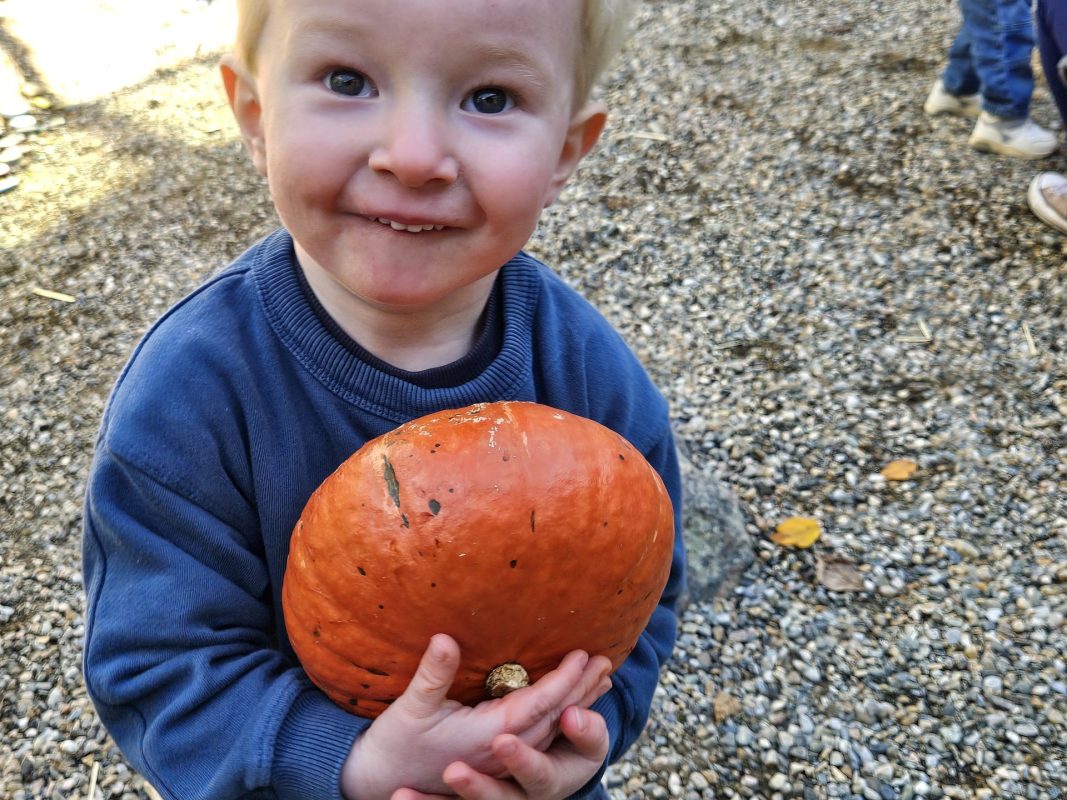
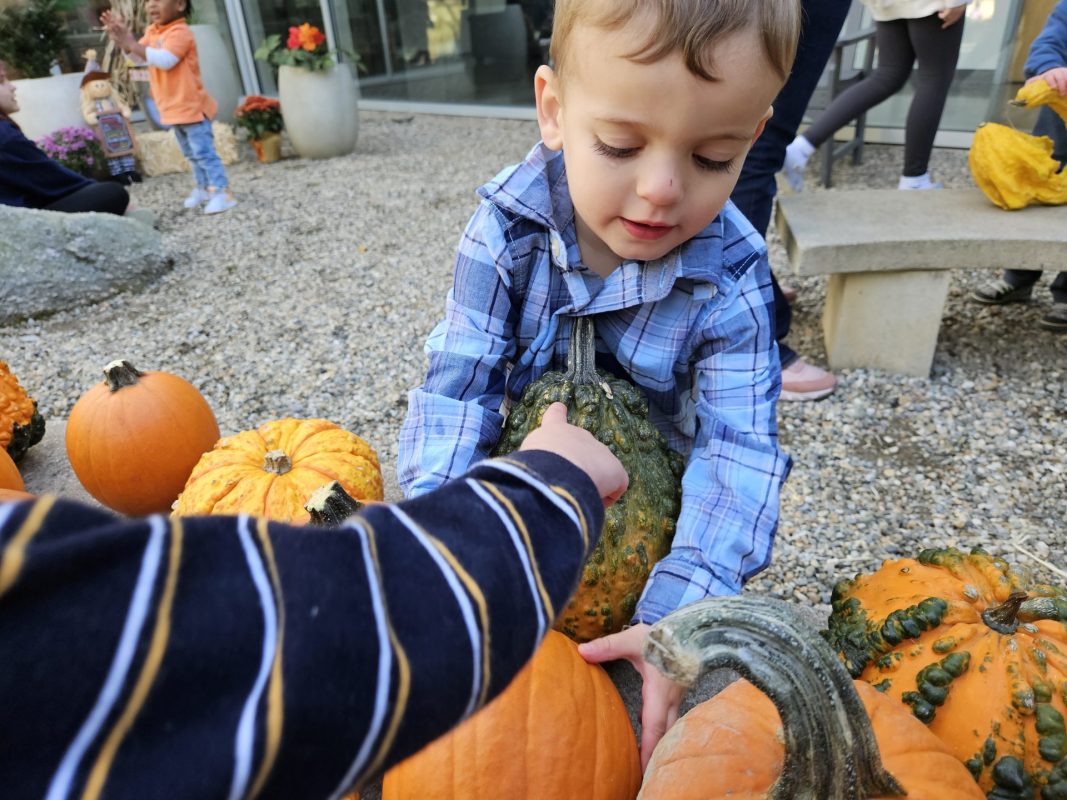
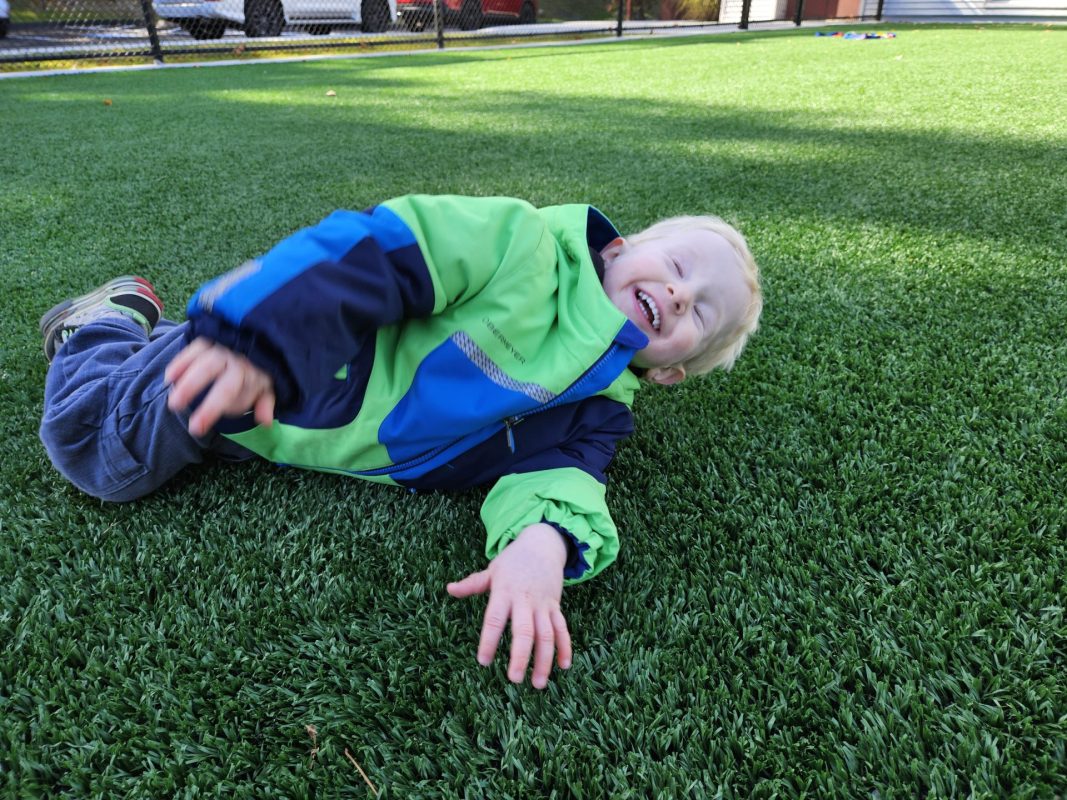
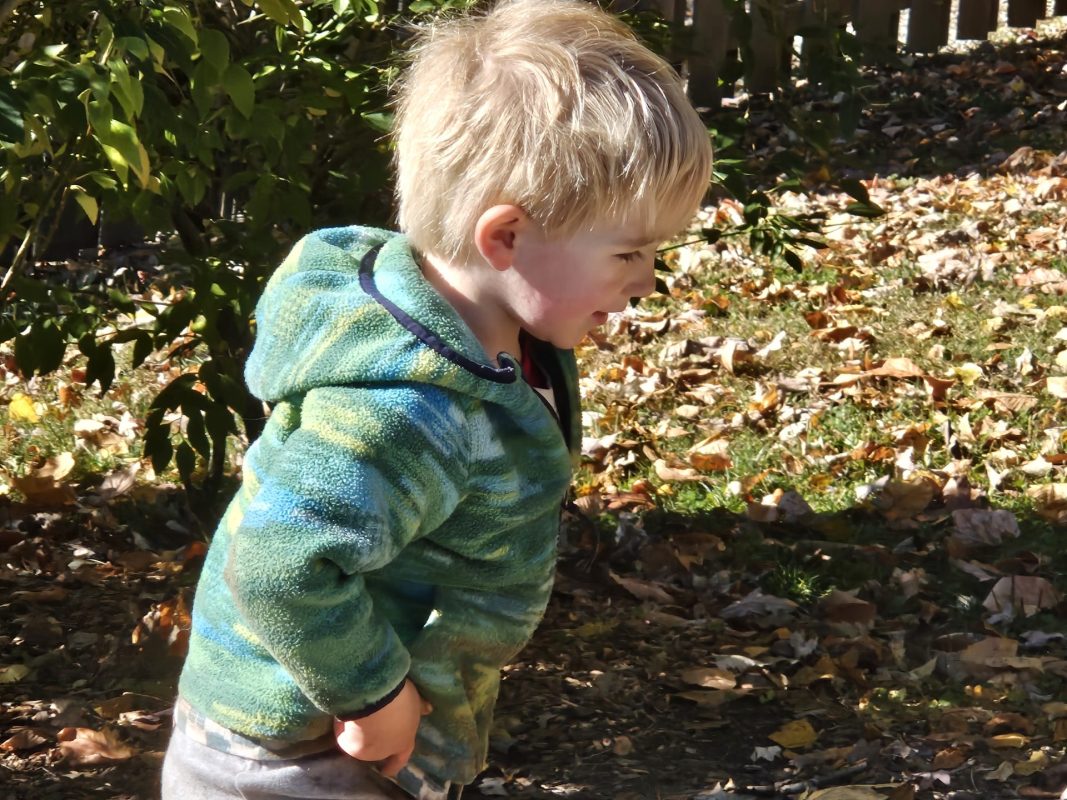
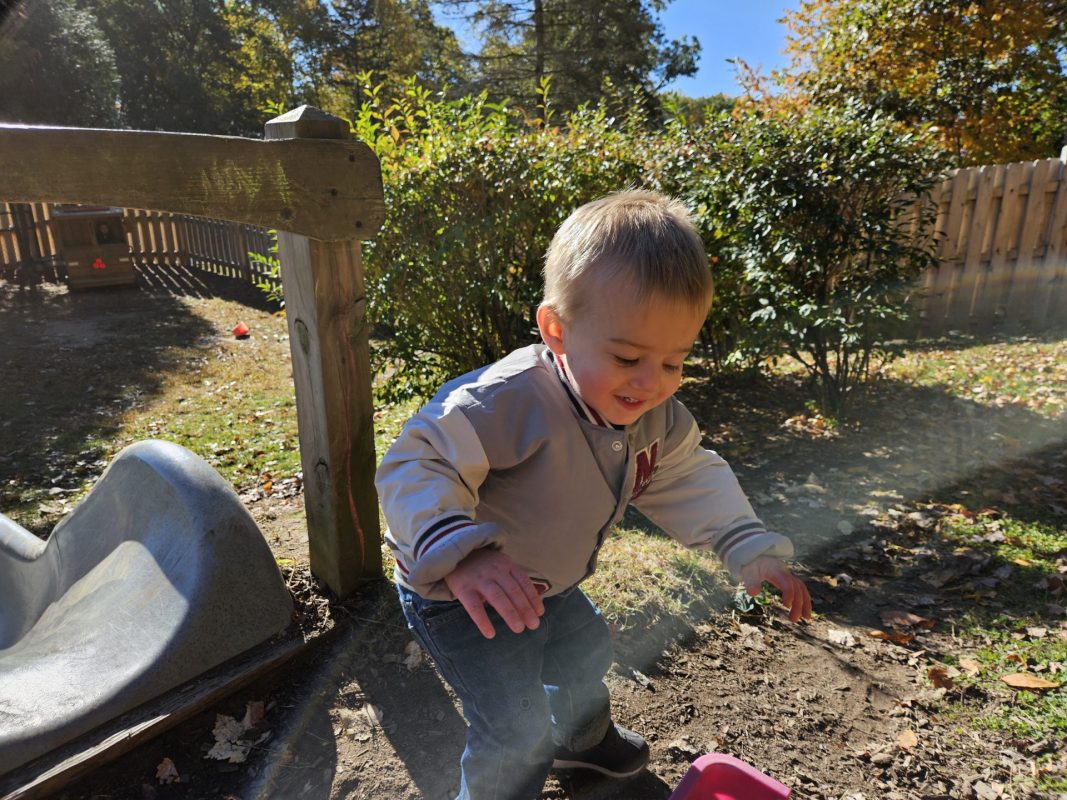
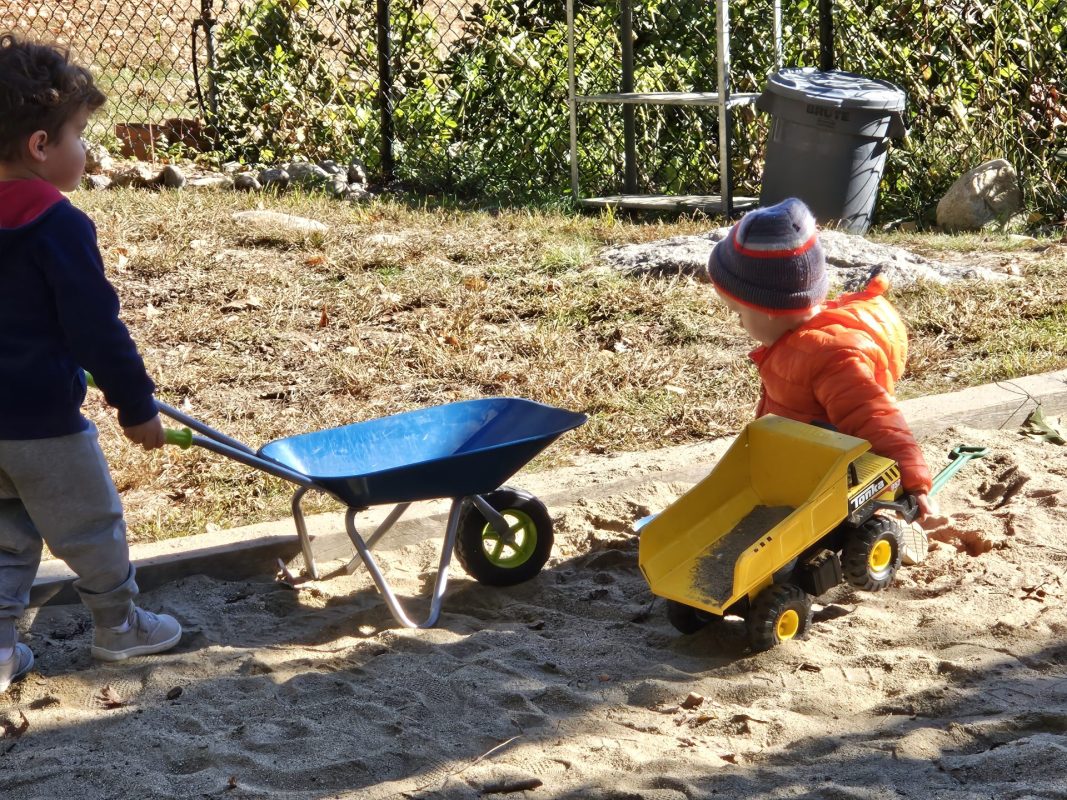
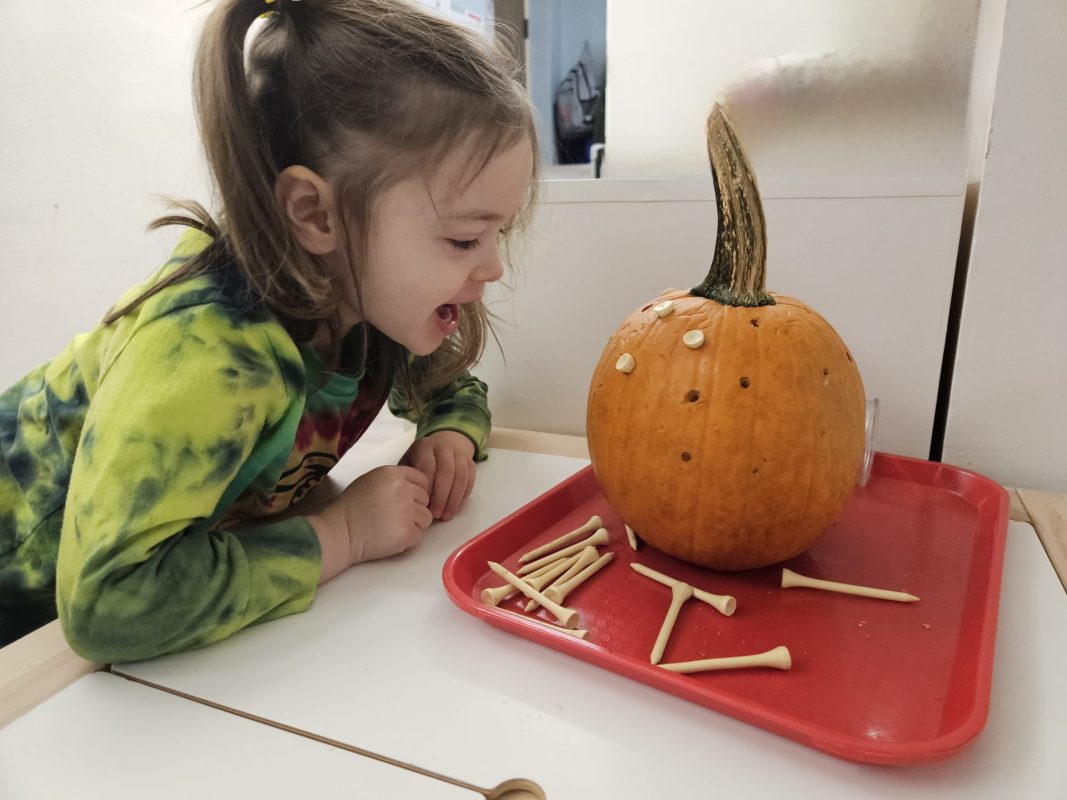
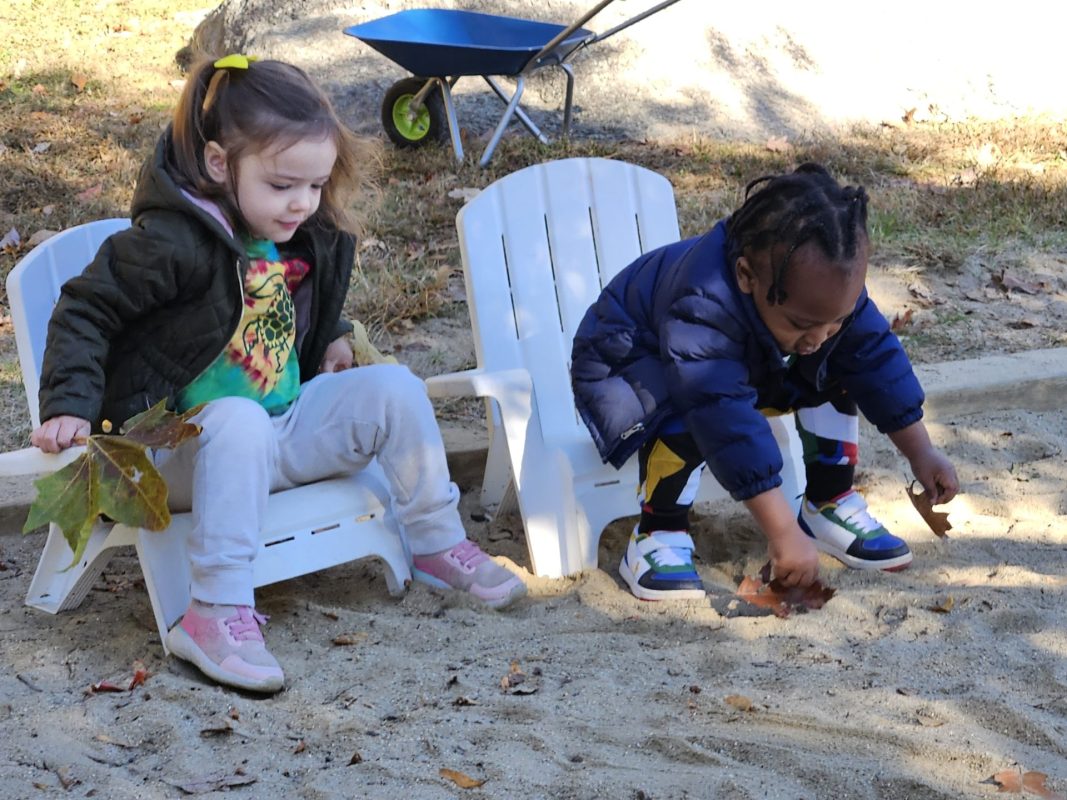
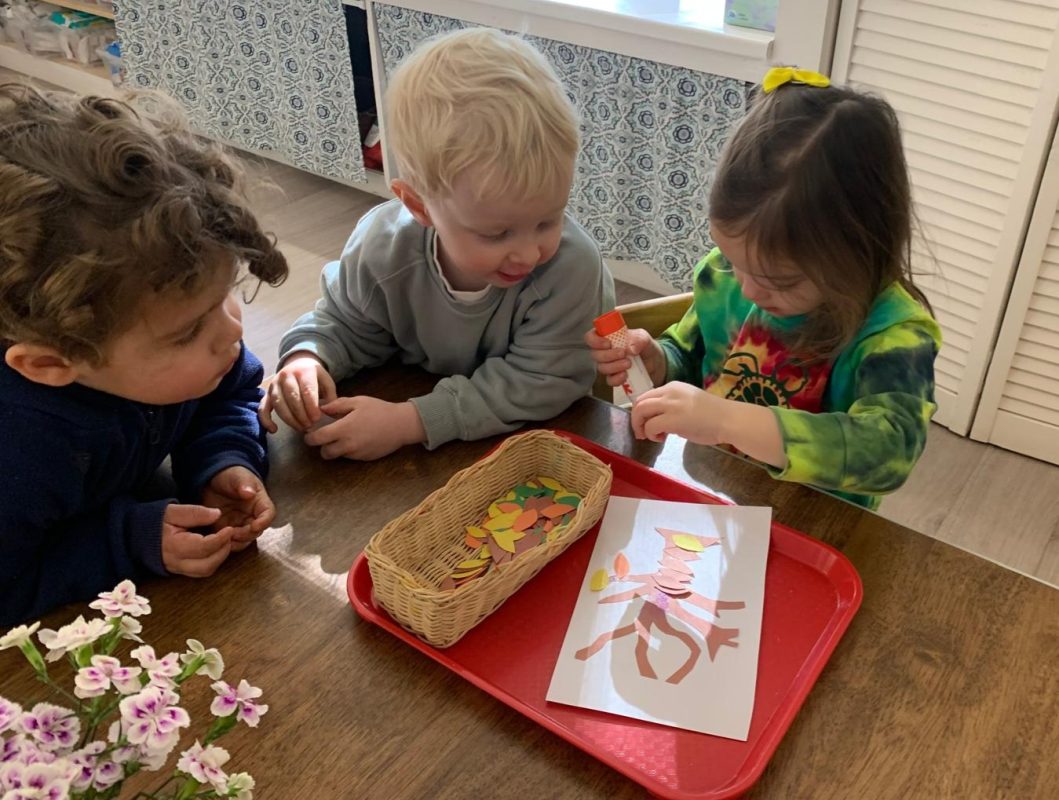
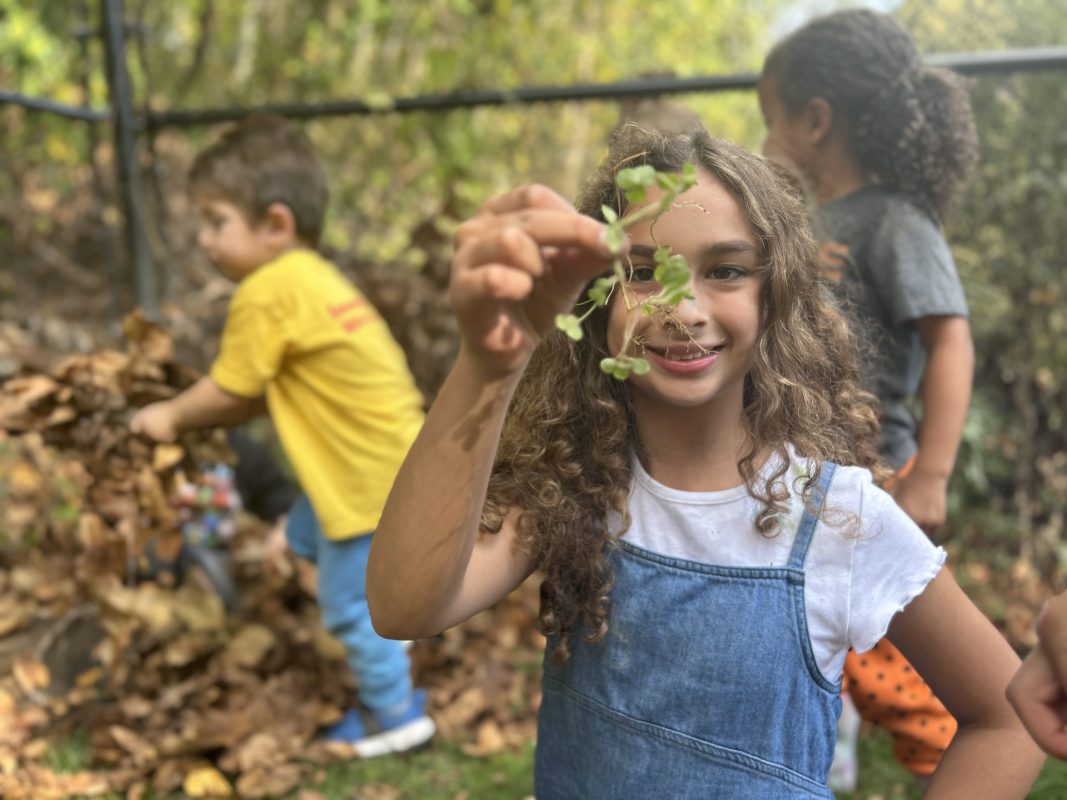
October is finally here!! It’s only been a few days, and we have been exploring and learning all about what “Fall” is. The easiest way for young children to learn about nature is to give them many concrete experiences and allow for unlimited exploration. Our school campus has provided many experiences to see what Fall truly has to offer; we have been holding insects, collecting leaves, and spreading milkweed seeds. The milkweed provided many tactile experiences, along with the pure magic of watching it float so high into the sky, with the hope that it will feed future monarchs for years to come. As a classroom we also got to all experience a ladybug crawling on a leaf and then flying away, the children had a range of emotions, joy, excitement, curiosity, and sadness when it took flight.
This week we also welcomed in our first cultural celebration and gratitude, we enjoyed learning about the traditions of Rosh Hashanah! The children explored a honeycomb, apples, and the sweetest honey…..but most of all, they loved eating our apples and honey together to symbolize the hope for a sweet new year! Rosh Hashanah is a time of reflection, future thinking, and gratitude! We wish all who observe a “Shana Tova”! A special thank you to “Nini’ for gifting us honey and honeycomb from your very own bee hives!
We will be focused on a variety of activities, many of which will include fall themes. We will be specifically emphasizing in our vocabulary what we see occurring in nature, leaves color changing, leaves falling, using words like Autumn, Fall, Halloween, Pumpkins, Corn and Acorn.
With full hearts,
Ms. Mollie and Ms. Lizette
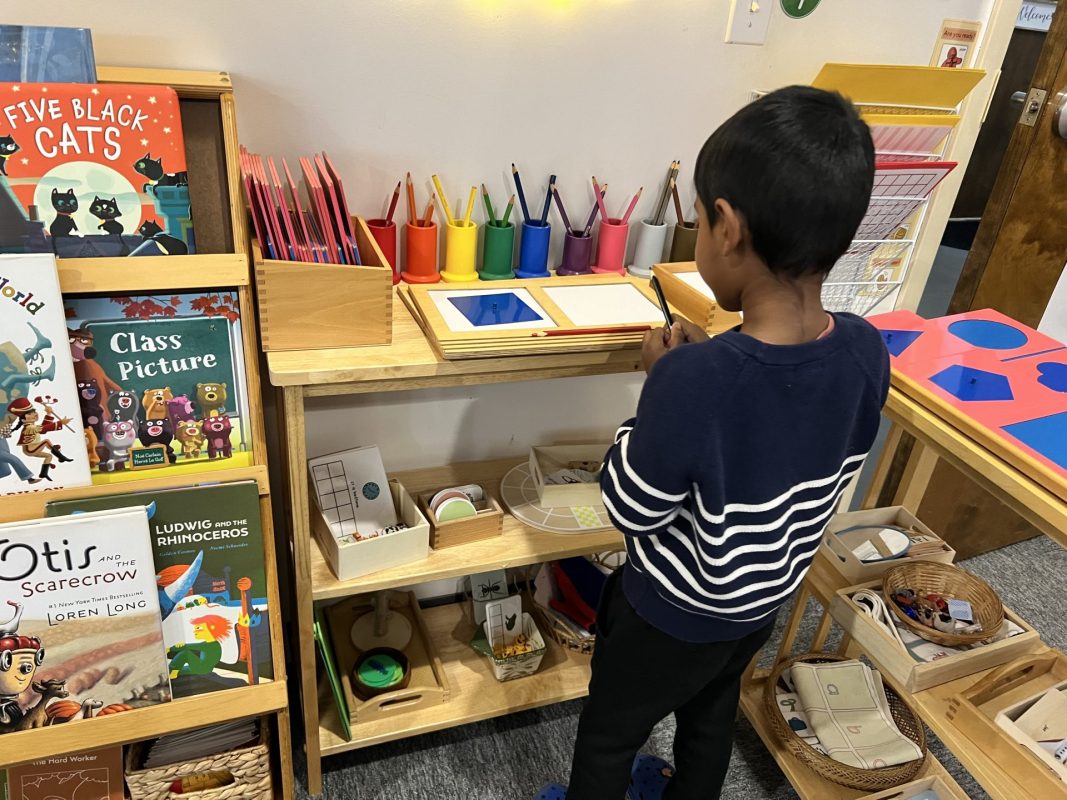
The Montessori approach to teaching Geography is unique and comprises two components: physical geography and political geography, also known as Culture. From the beginning of the school year, we weave Geography lessons and terminology into our day as we learn about our physical world. The Geography materials are always fascinating to the children and are a springboard for wonderful discussions.
Early in our school year, we categorized the planet Earth into air, land, and water. We then sorted what we would find in each of these different components of our world. Next, we introduced the geometric solid known as a sphere to the children and compared it to the shape of the globe. We start with a sandpaper globe that helps to distinguish land and water. The colored globe comes next, and we begin to teach the continent names. We make a sphere out of play dough and cut it in half to help them visualize the concept of a hemisphere. Simultaneously, the children are learning about landforms that introduce the concept of lake, island, bay, cape, peninsula, gulf, isthmus, strait, archipelago, and a system of lakes. These sensory experiences help the children learn about their physical world.
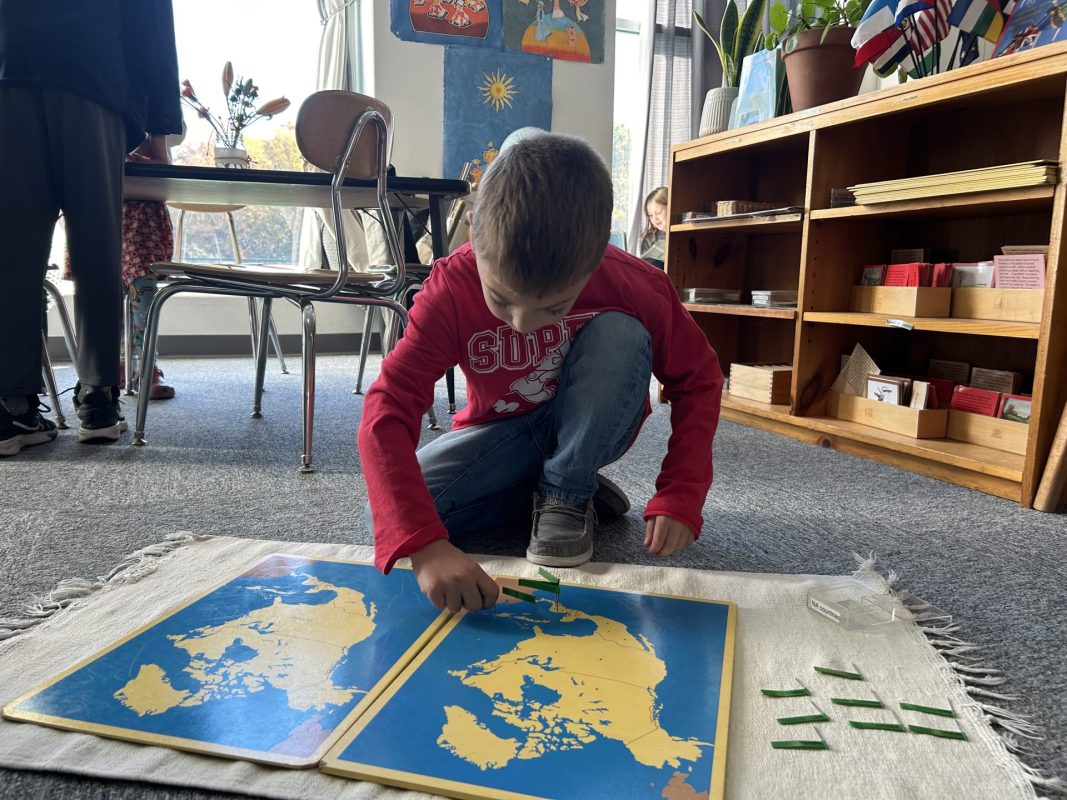
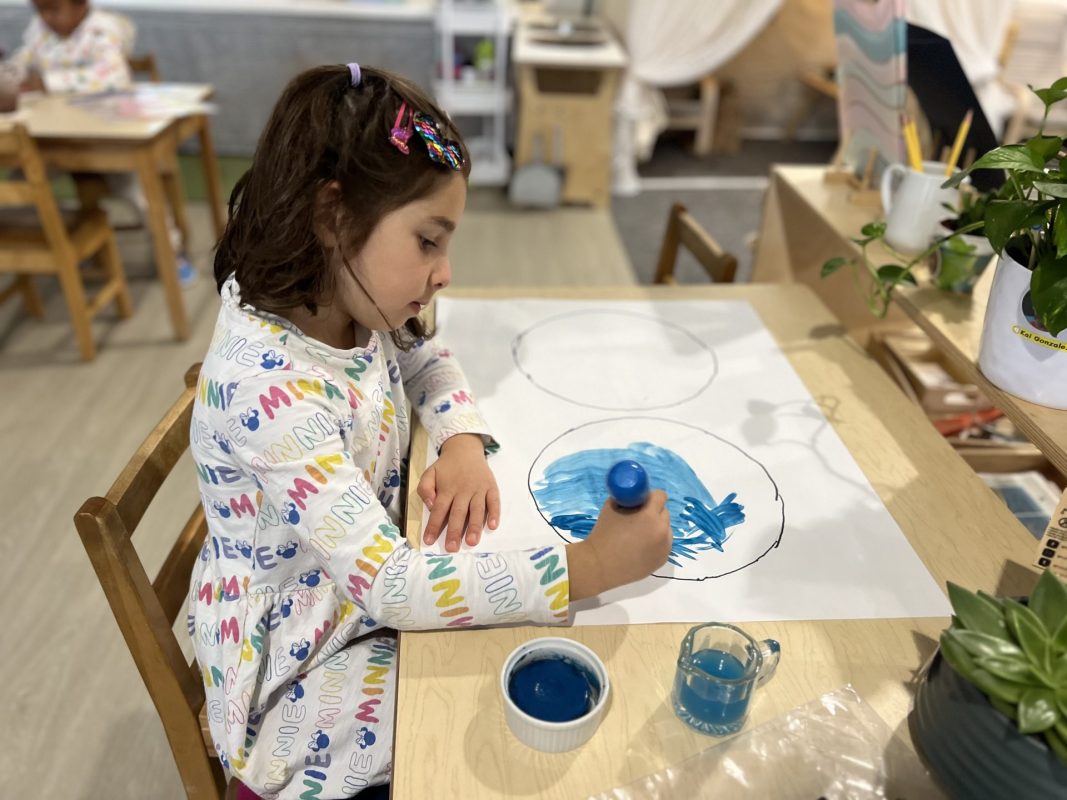
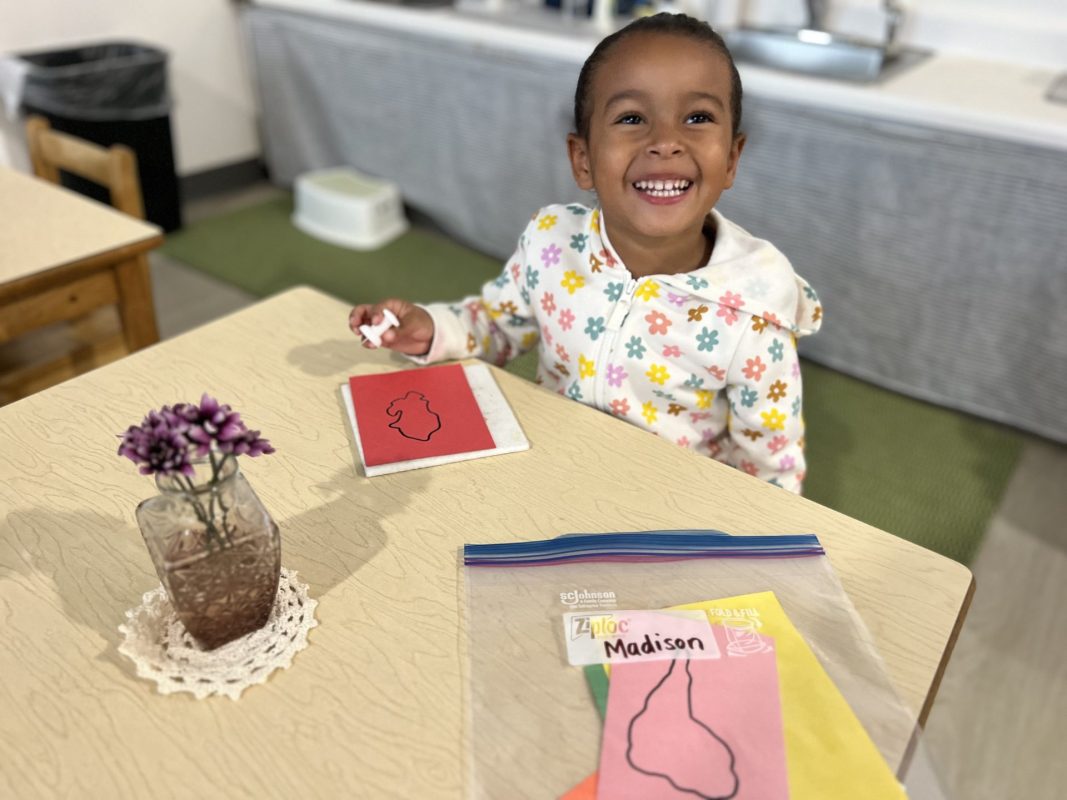
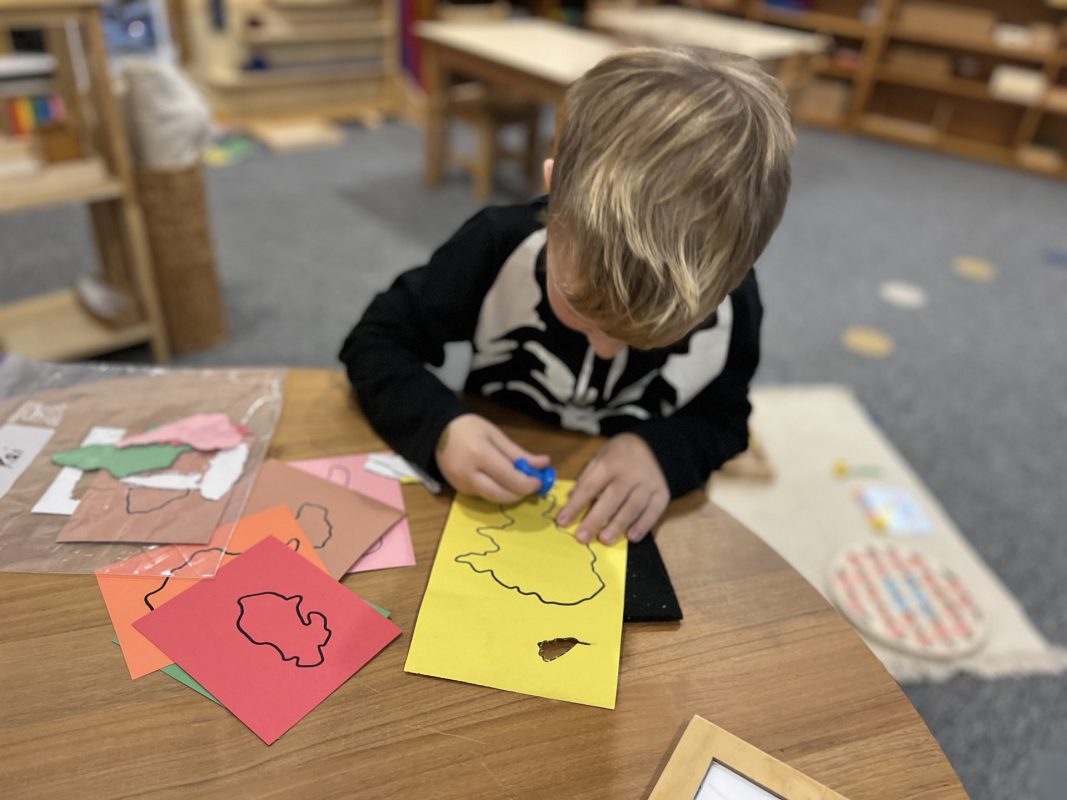
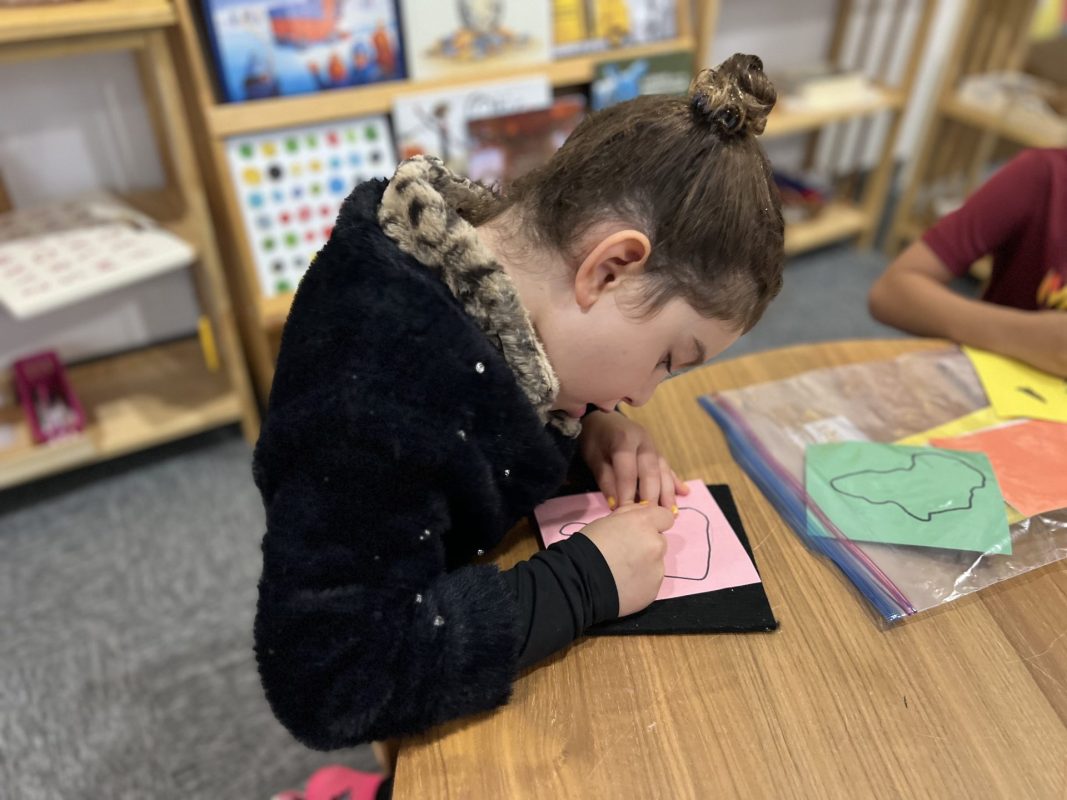
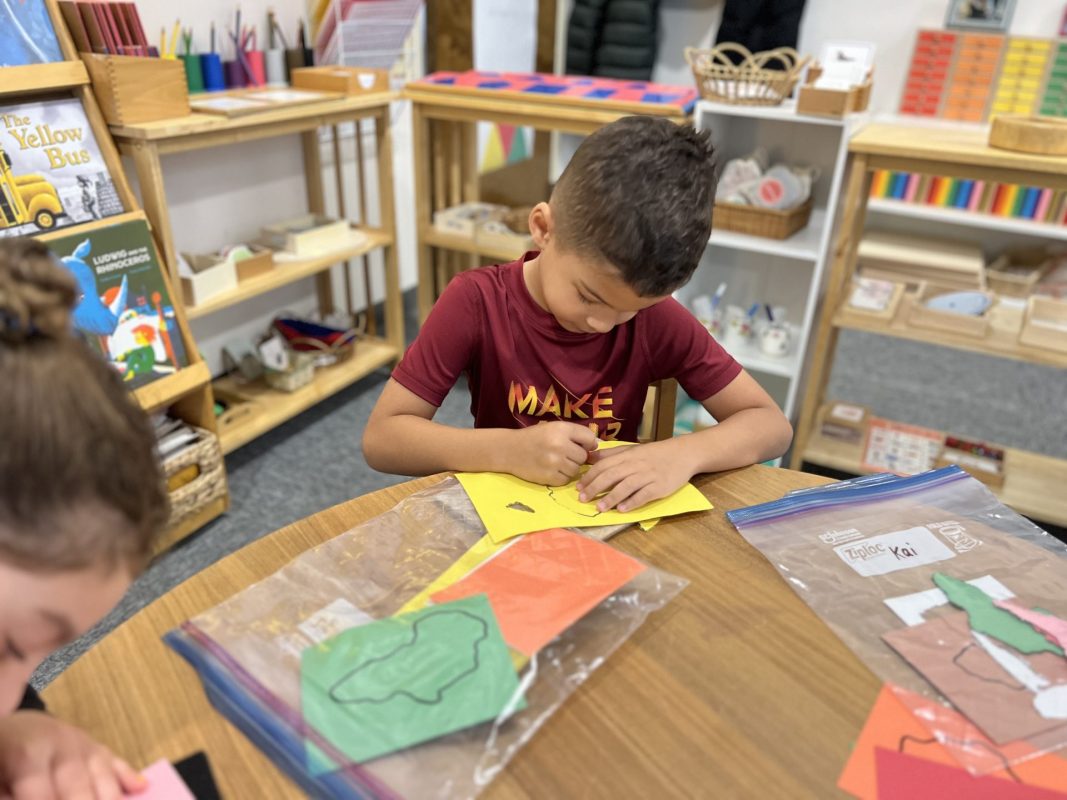
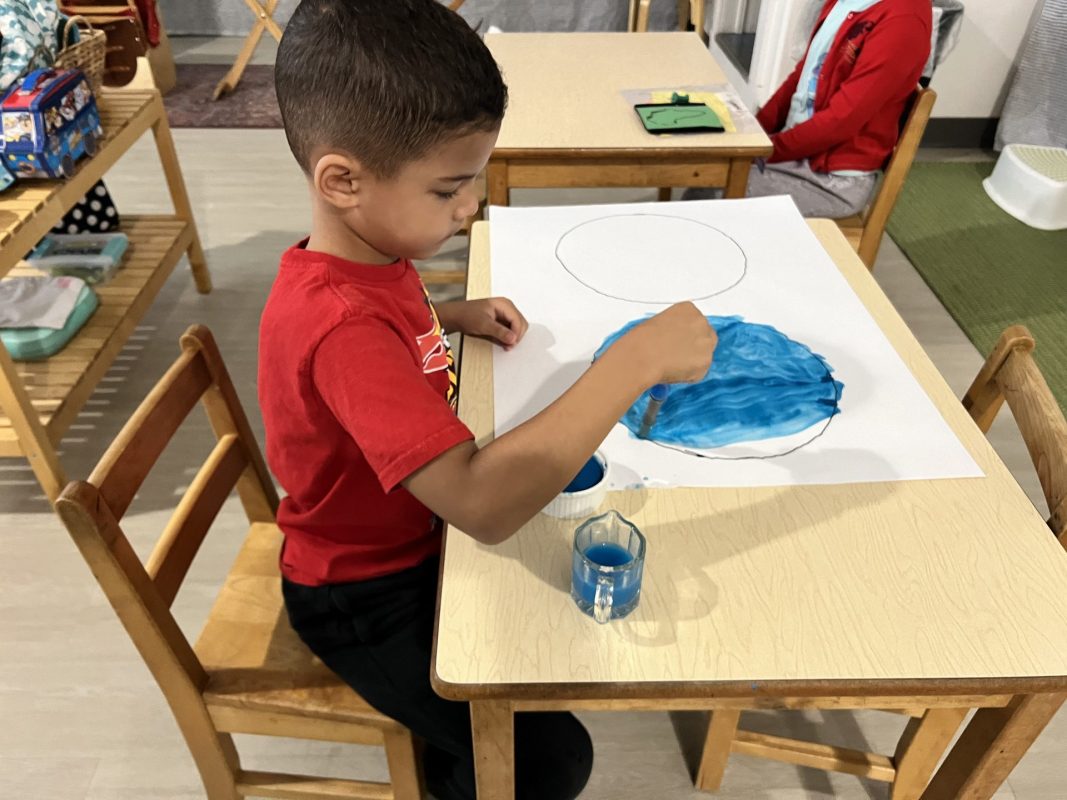
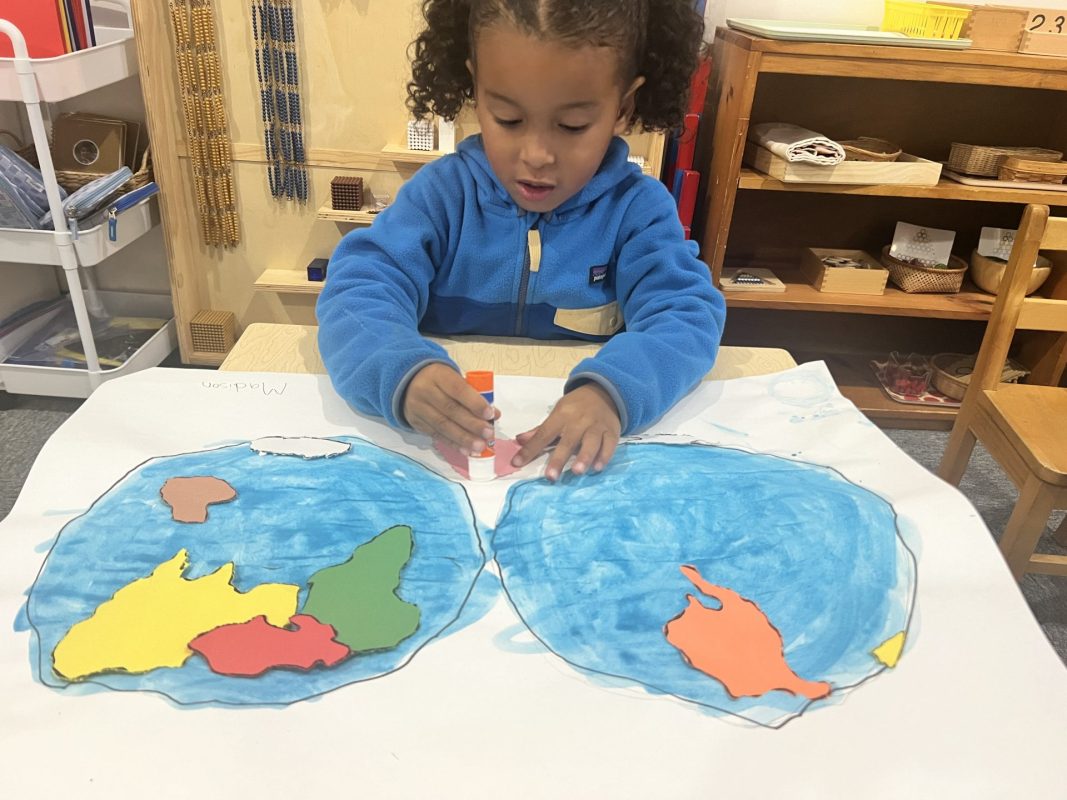
After learning the continent names, we introduce the puzzle maps for each continent, starting with North America in November. We learn that there are many countries in North America. The older children will trace and paint each of the puzzle maps. We will learn about the animals, people, and climate often associated with each of the continents. Our goal is to encourage the children to appreciate the beauty and wonder found in the similarities and differences around the world. In our classroom, we have a cultural shelf with artifacts from each continent.
Last week, we introduced the song “Do You Know The Continents,” and we often hear the children singing it quietly to themselves as they work. Below are the words if you would like to sing along with your child.
Do you know the continents, the continents, the continents?
Do you know the continents in our world?
There’s North America, South America, Africa, Asia, Europe,
Don’t forget Australia. What about Antarctica?
Yes, I know the continents, the continents, the continents.
Yes, I know the continents in our world.
Wishing all of you a week filled with peace and love!
Michelle & Maria
“Learning to use the toilet is a natural process that begins when your child’s desire to be grown up and his neurological development have reached the point where he can control his bladder and bowels. We don’t train children to use the toilet, we support them when they are ready.” (How to Raise an Amazing Child: The Montessori way to bring up caring confident children, by Tim Seldin)
As children continue to work on their self-care skills, we want to focus our attention this week on a special topic (and sometimes a dreaded one) between parents: potty training.
In our Montessori environment, we call it “toilet learning” since we believe that using the toilet is a very natural and gradual process that develops at the child’s pace, rather than when the adult decides the child is going to be toilet ‘trained.’ In our experience as Montessorians, we have witnessed toddlers as early as 20 months to as late as closer to three years old master these skills. Also, we have observed that apart from the developmental stage the child is in, one of the main factors for success relies on the parent’s commitment early on to support this process at home by making their child an active participant in the diaper changing process as we do in our environment.
You might be asking yourself, “But how do we do this? How can we support our child at home?”
As this topic can be extensive due to the fact that this type of support can start even when your child is a young baby, we are going to leave you here with some important tips focused on your toddlers and their stage of development:
When should my child transition into wearing underwear?
When your child is staying dry for long periods, telling you when they are wet or soiled and they are having consistent success using the toilet at home and at school, it may be time to transition into underwear. The thick, quilted training pants work best as they allow the child to feel the wetness and are more absorbent than the thinner cotton underwear. When circumstances allow, you may let the child go bare bottom at home. This can help them see and understand what is happening. Please be aware that toddlers usually show signs of readiness at home first, and as they become more confident in the process, the transition into school life is usually peaceful and successful.
Communication between home and school is vital in this process. Please always reach out with any questions you may have! We will be more than happy to assist you!
Have a great weekend,
Mrs. Hood and Ms. Noelle
“There should be no pressure, no reward or punishment, no adult deciding when the child should learn to use the potty. The environment is prepared, and the child is free to explore and imitate in these natural developmental stages.” (The Joyful Child)
The Montessori approach to teaching Geography is unique and comprises two components: physical geography and political geography, also known as Culture. From the beginning of the school year, we weave Geography lessons and terminology into our day as we learn about our physical world. The Geography materials are always fascinating to the children and are a springboard for wonderful discussions.
Early in our school year, we categorized the planet Earth into air, land, and water. We then sorted what we would find in each of these different components of our world. Next, we introduced the geometric solid known as a sphere to the children and compared it to the shape of the globe. We start with a sandpaper globe that helps to distinguish land and water. The colored globe comes next, and we begin to teach the continent names. We make a sphere out of play dough and cut it in half to help them visualize the concept of a hemisphere. Simultaneously, the children are learning about landforms that introduce the concept of lake, island, bay, cape, peninsula, gulf, isthmus, strait, archipelago, and a system of lakes. These sensory experiences help the children learn about their physical world.
After learning the continent names, we introduce the puzzle maps for each continent, starting with North America in November. We learn that there are many countries in North America. The older children will trace and paint each of the puzzle maps. We will learn about the animals, people, and climate often associated with each of the continents. Our goal is to encourage the children to appreciate the beauty and wonder found in the similarities and differences around the world. In our classroom, we have a cultural shelf with artifacts from each continent.
This week, we introduced the song “Do You Know The Continents,” and we often hear the children singing it quietly to themselves as they work. Here are the words if you would like to practice it at home:
(Sung to the tune of “Do You Know the Muffin Man?”)
Do you know the 7 continents, the 7 continents, the 7 continents
Do you know the 7 continents, of the world,
Asia, Africa, North America, South America, Europe, Australia, Antarctica
Wishing all of you a week filled with peace and love!
Amanda & Hema
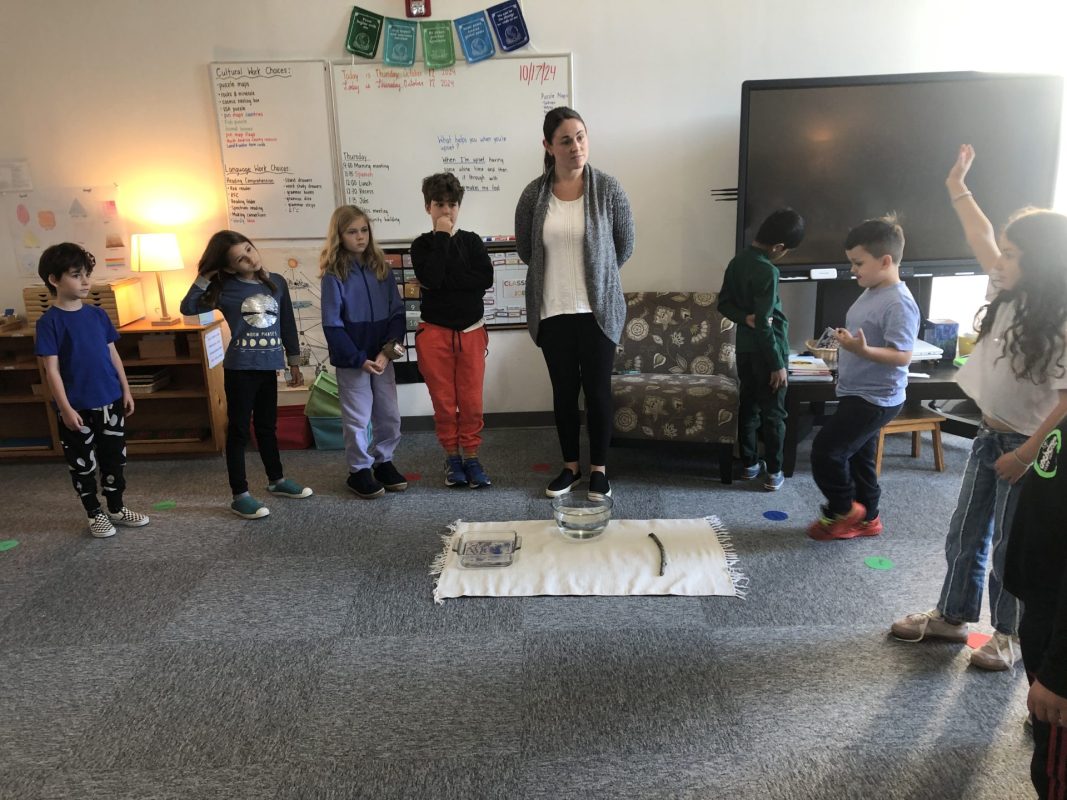
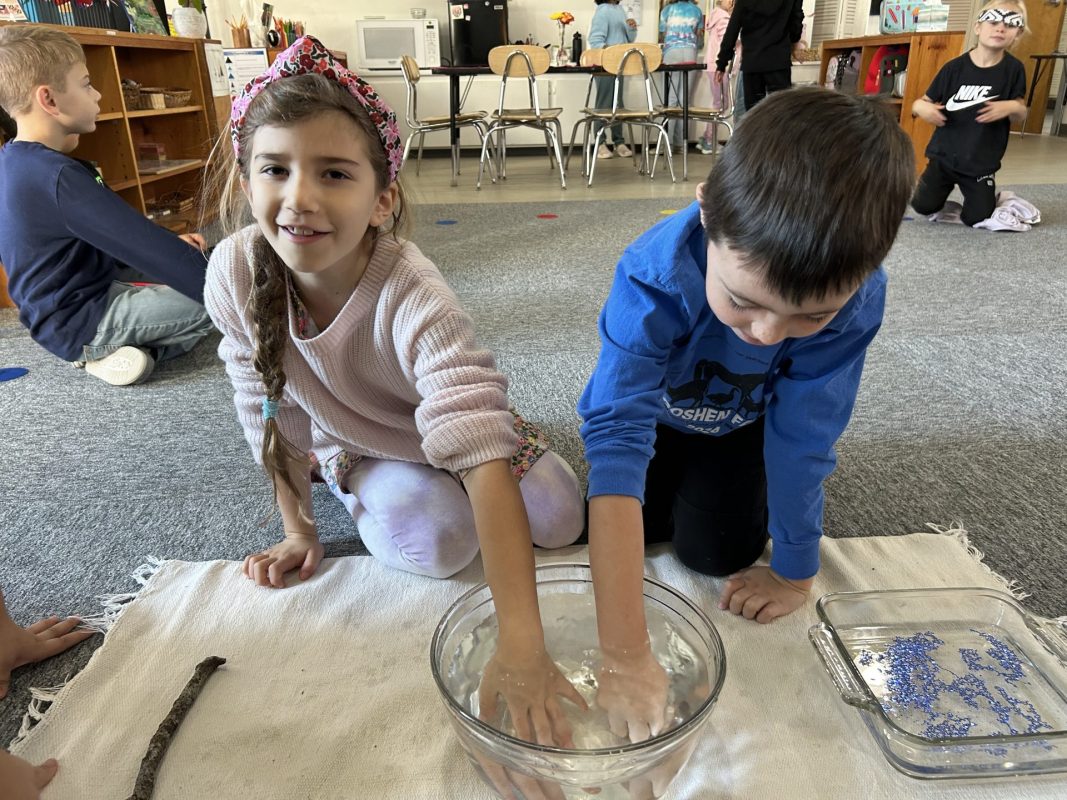
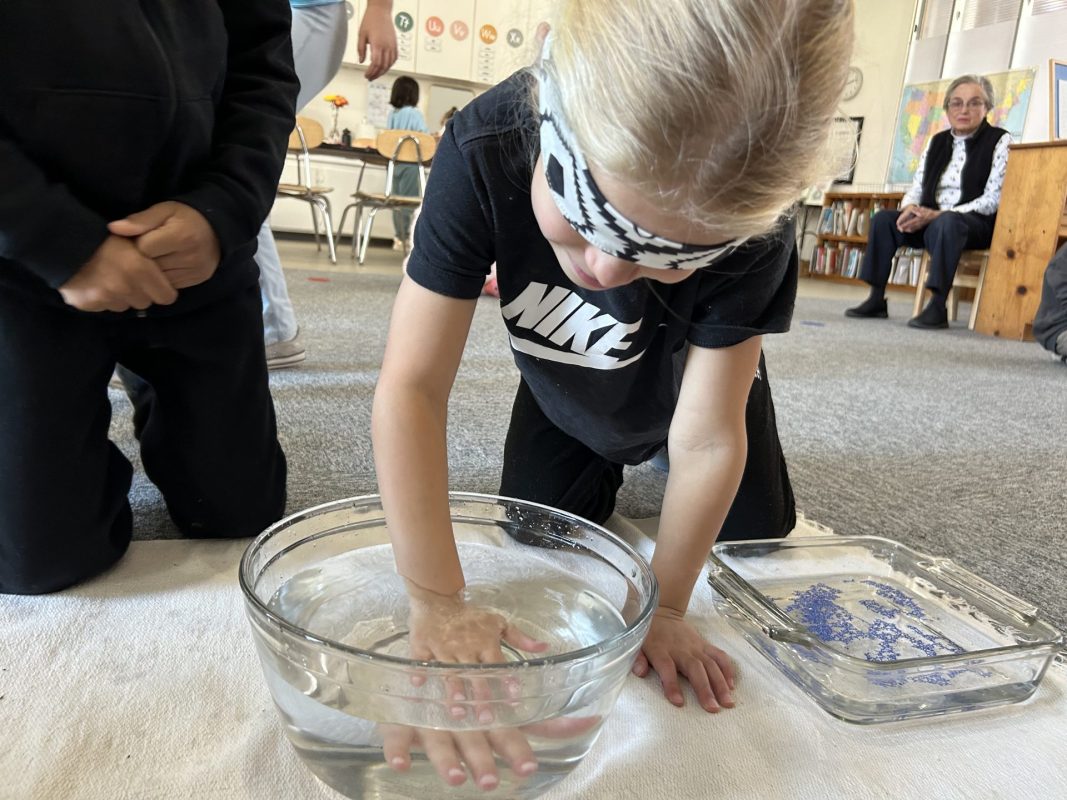
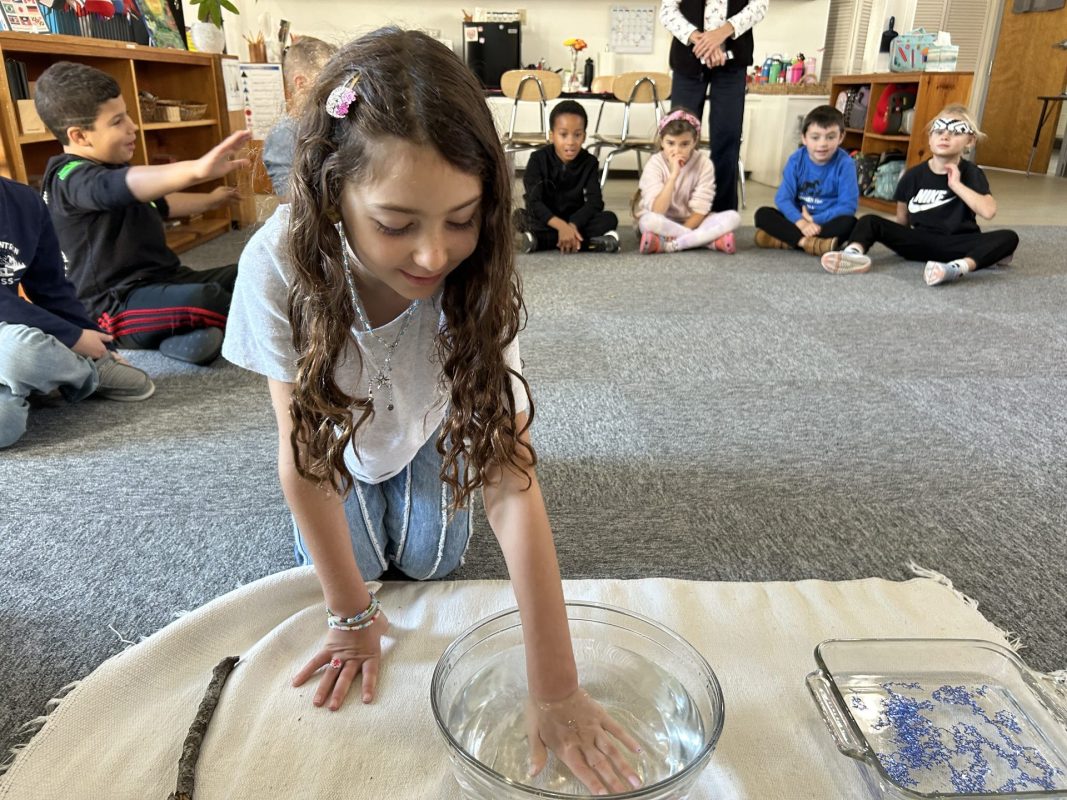
This week, we embarked on an exciting journey to explore the creation story through a series of captivating science demonstrations. Each demonstration serves as a vivid illustration of the fundamental concepts intertwined with the story of the universe’s formation, offering tangible insights into the forces that shaped our world.
The creation narrative provides a profound glimpse into the very origins of life itself. It invites us to reflect on the mysteries of the cosmos and our place within it. More than just a story, it sparks a dialogue between science and wonder, highlighting the intricate tapestry of events that have unfolded over billions of years. Our overarching goal is to evoke a sense of awe, nurture an appreciation for the complexity of the universe, and ignite a genuine curiosity for scientific inquiry.
These science demonstrations are carefully designed to build up to the culminating lesson on the creation of the universe, which will be presented by the third graders and me. Each experiment serves as a stepping stone, gradually introducing key concepts such as the Big Bang, the formation of stars, and the birth of our planet. By experiencing these moments through hands-on learning, we hope to inspire a deeper understanding of the natural world and foster an environment where curiosity leads to discovery.