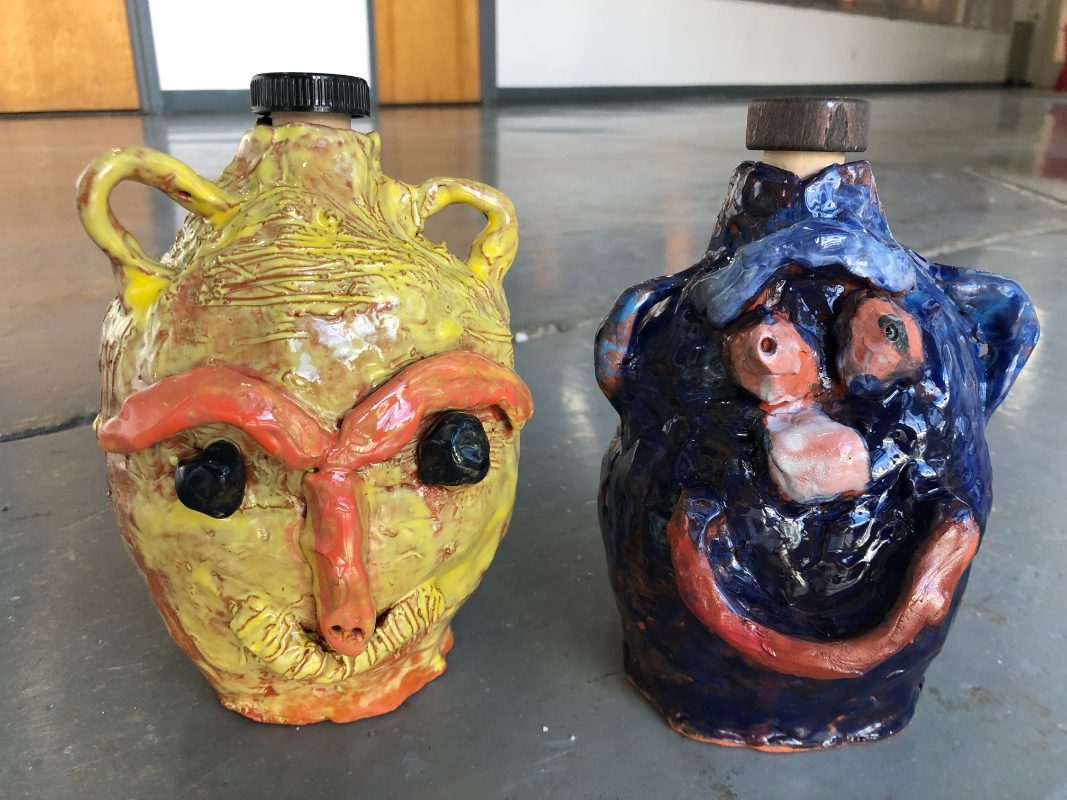
Explorations in Clay

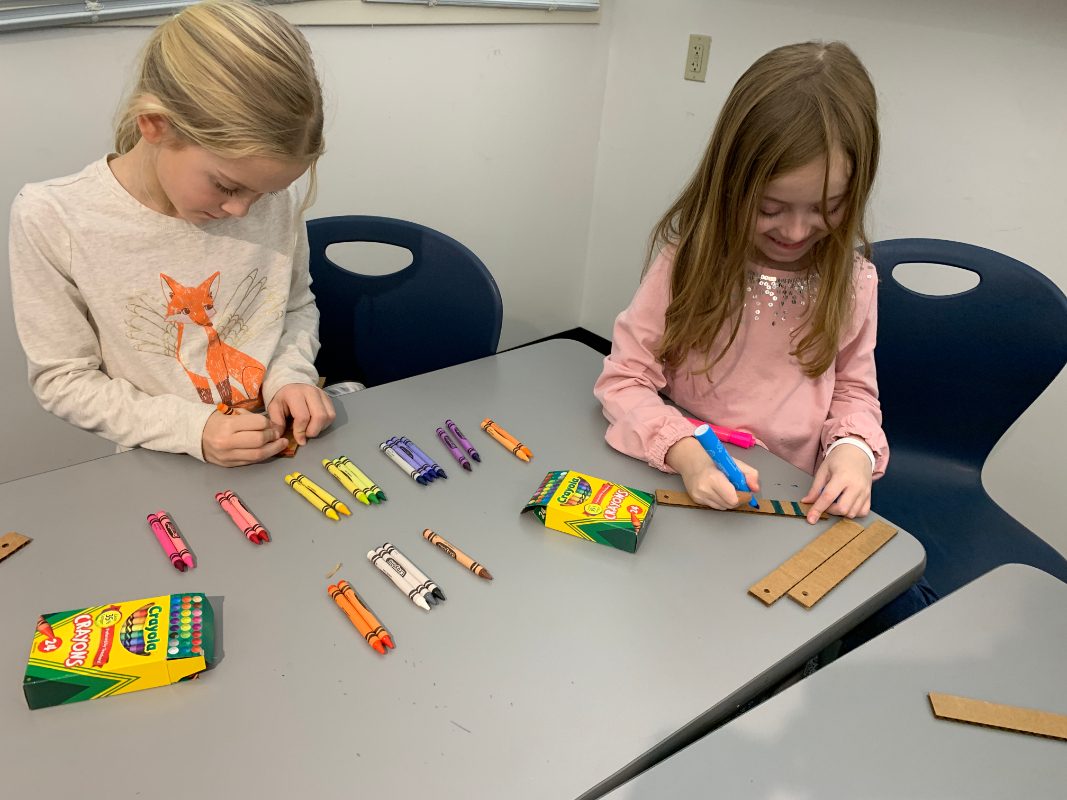
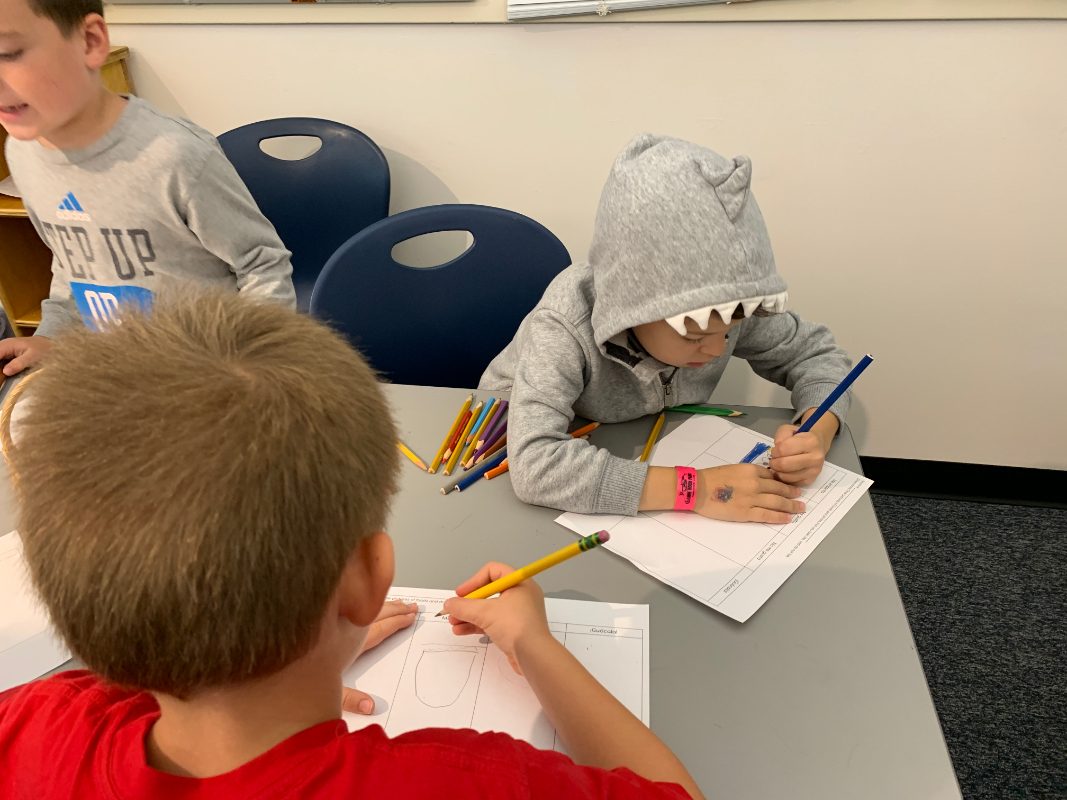
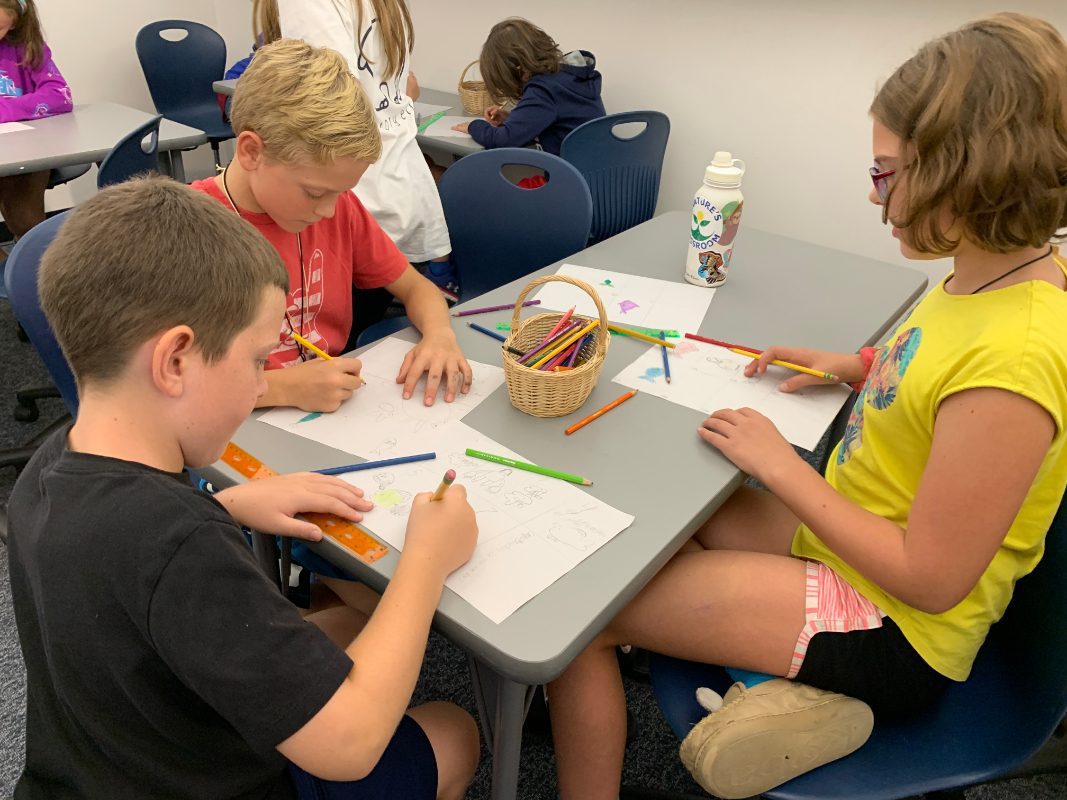
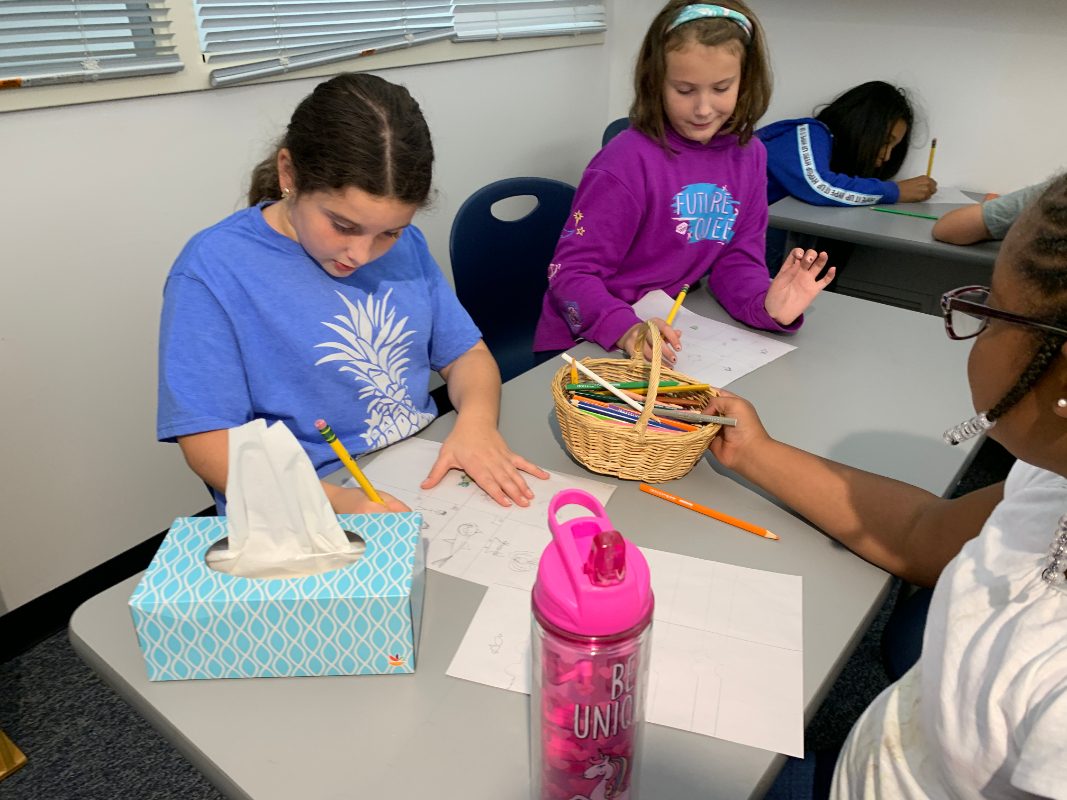
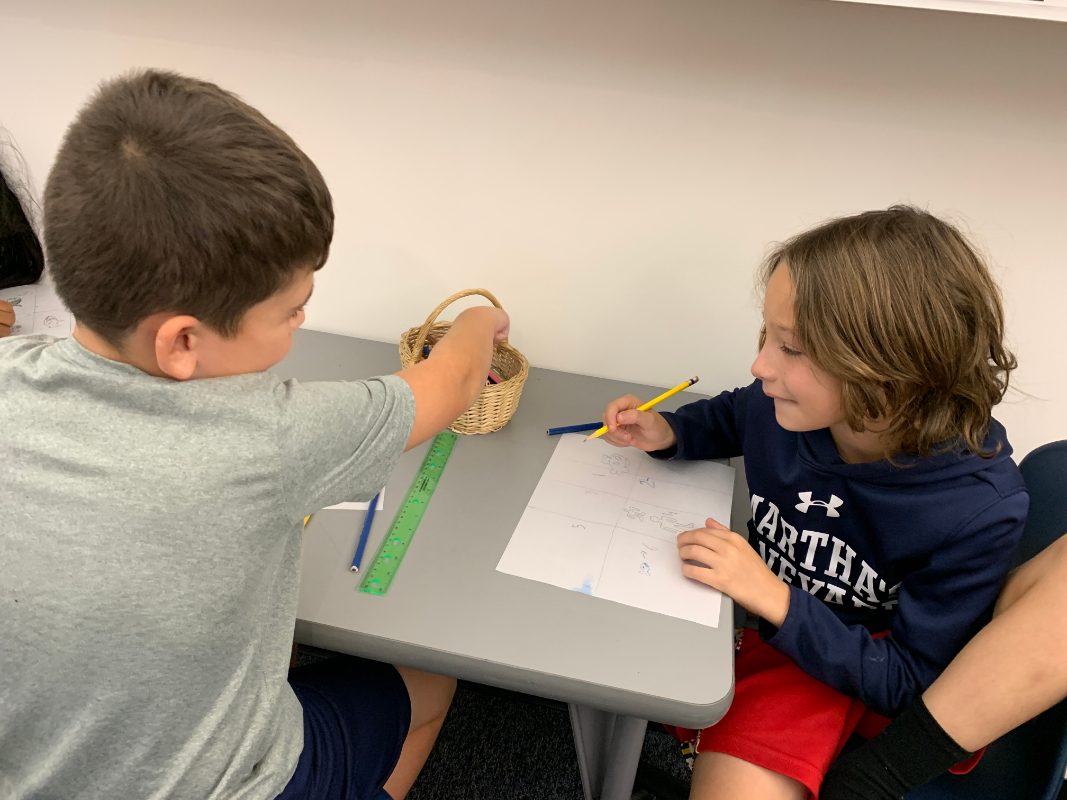
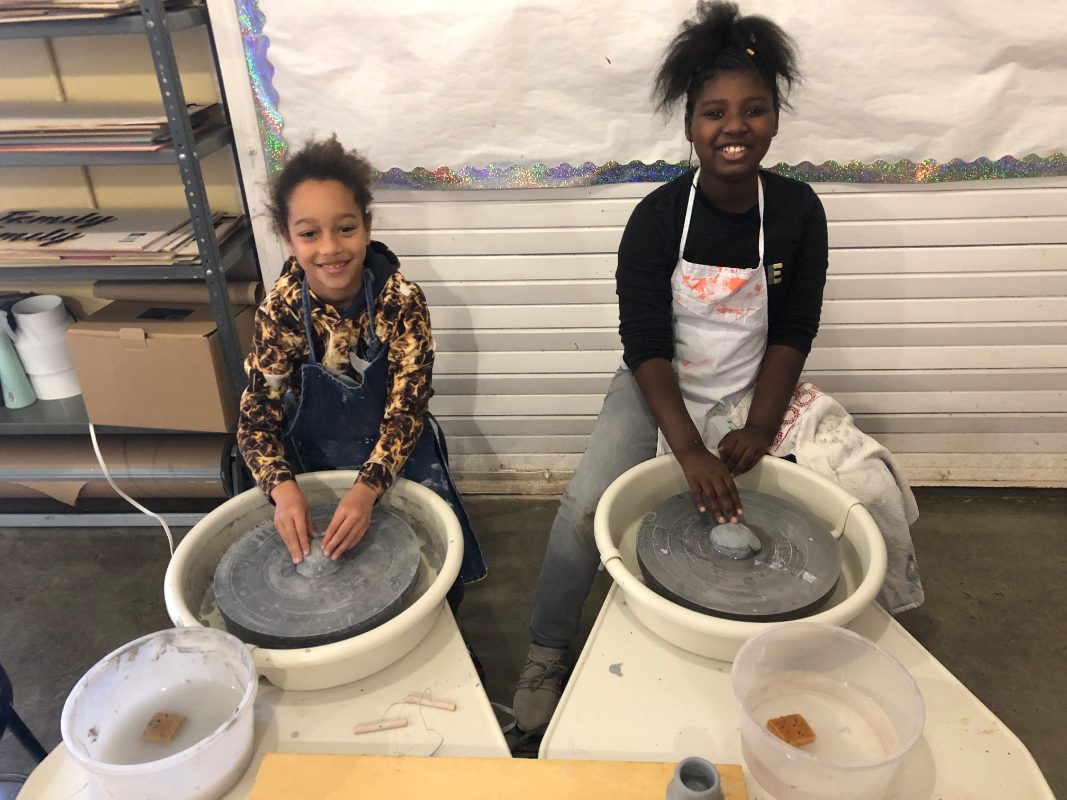
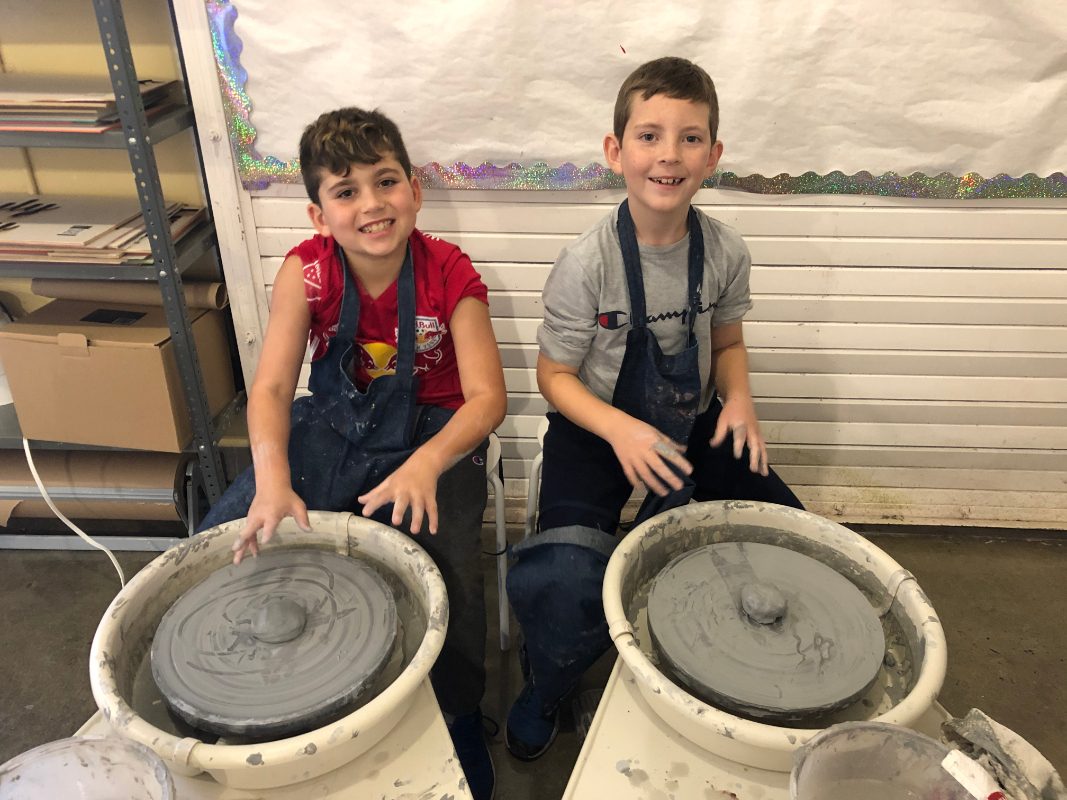
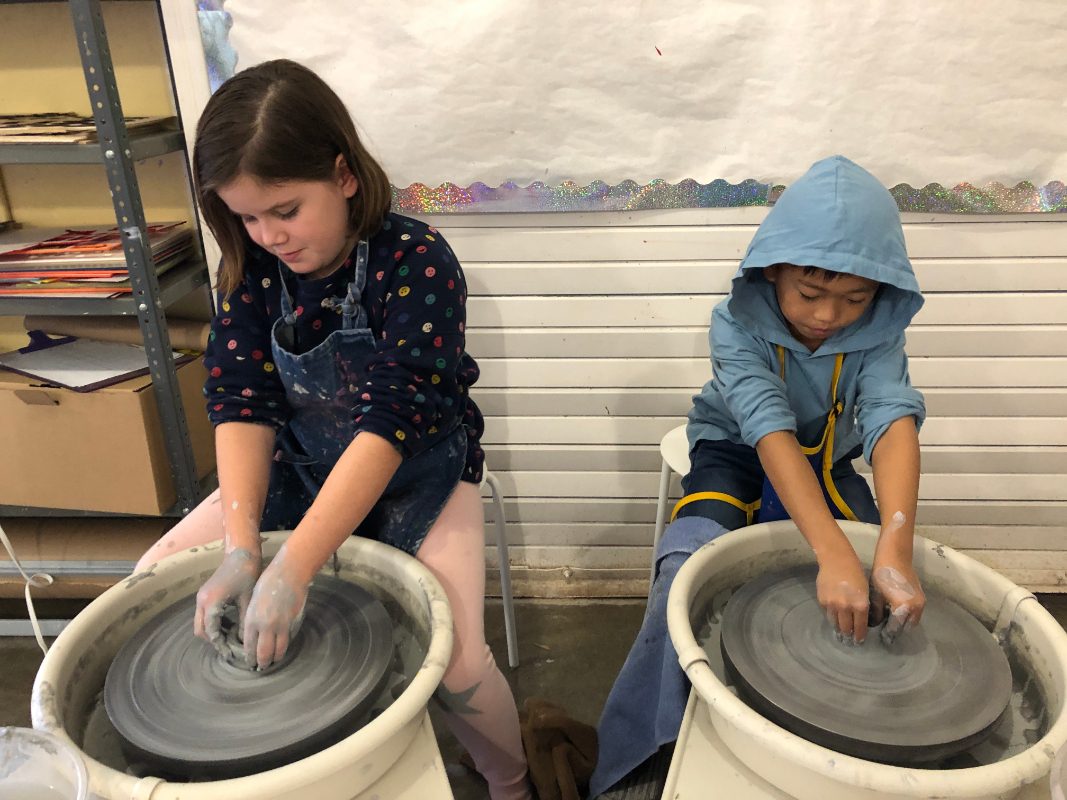
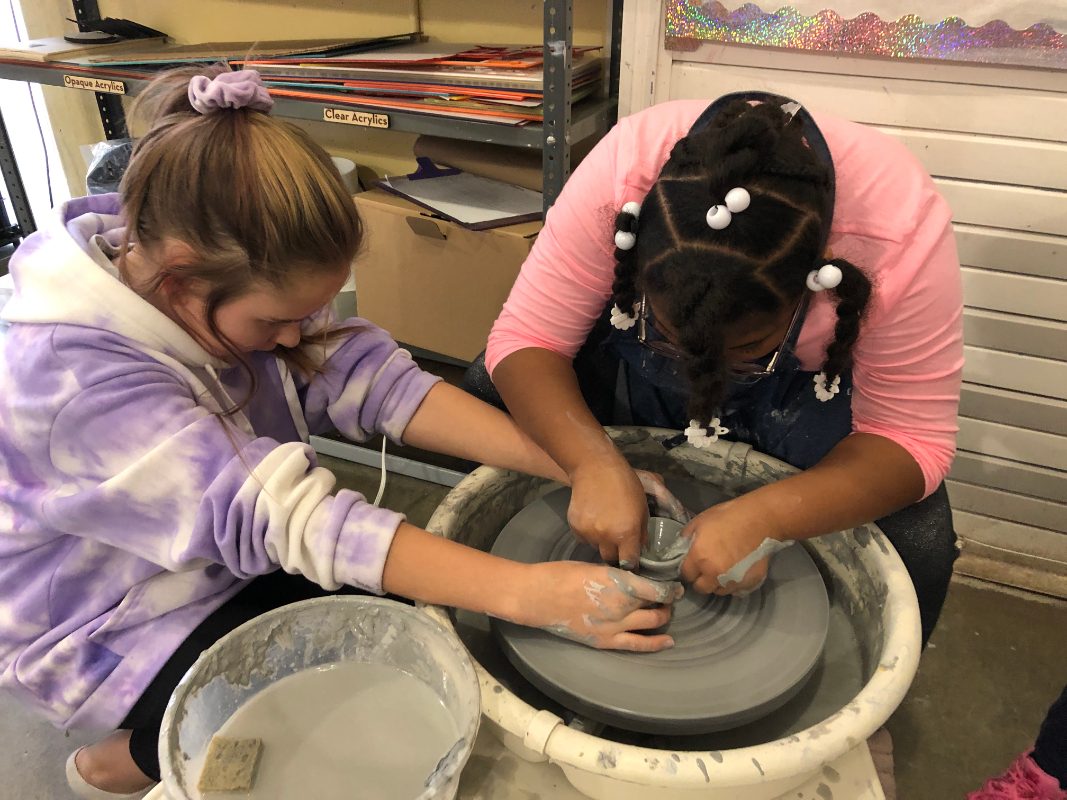
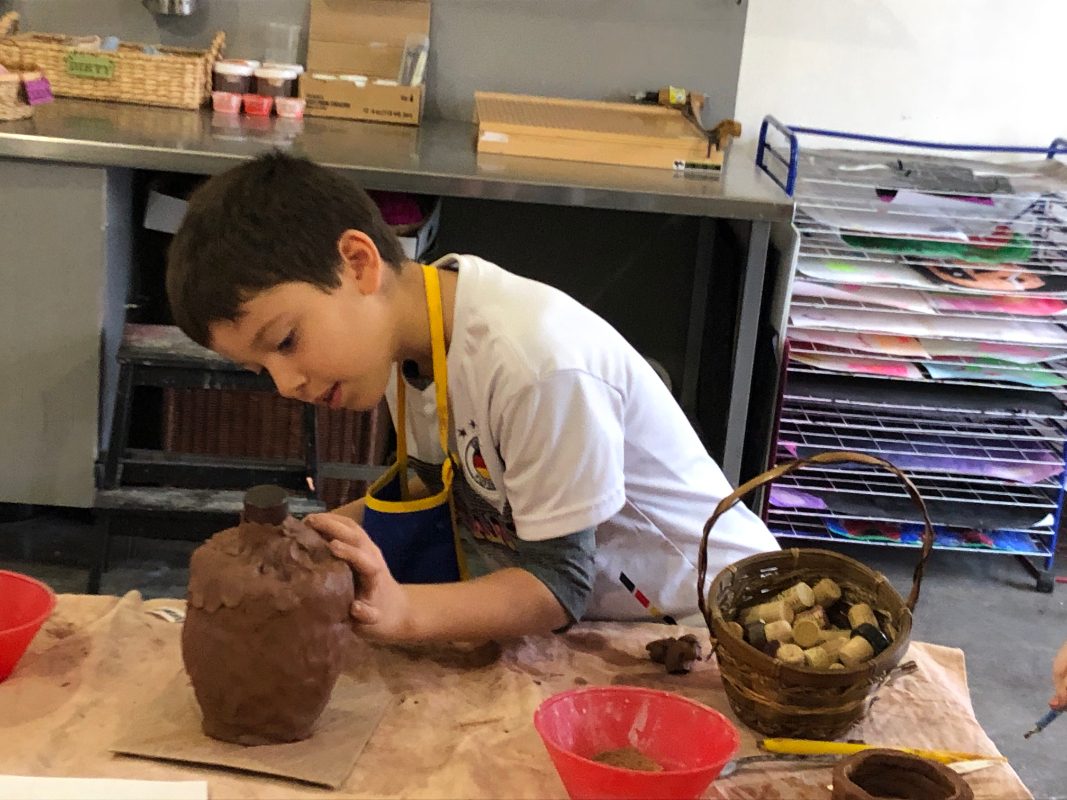
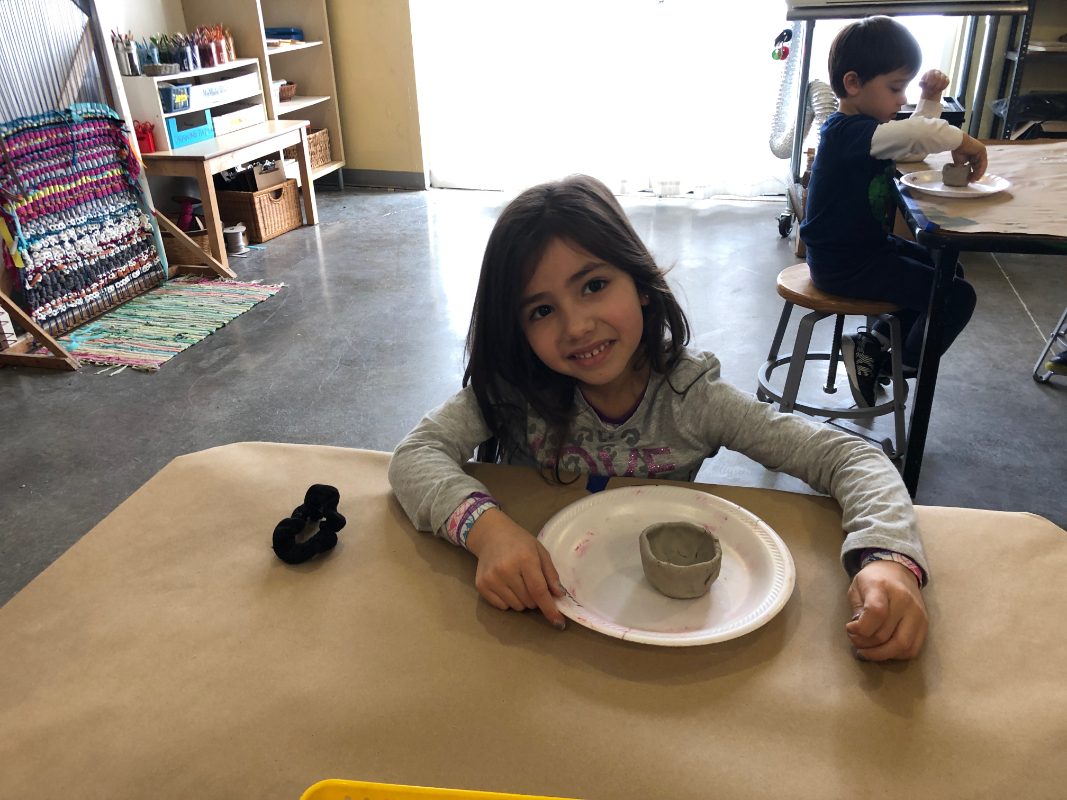
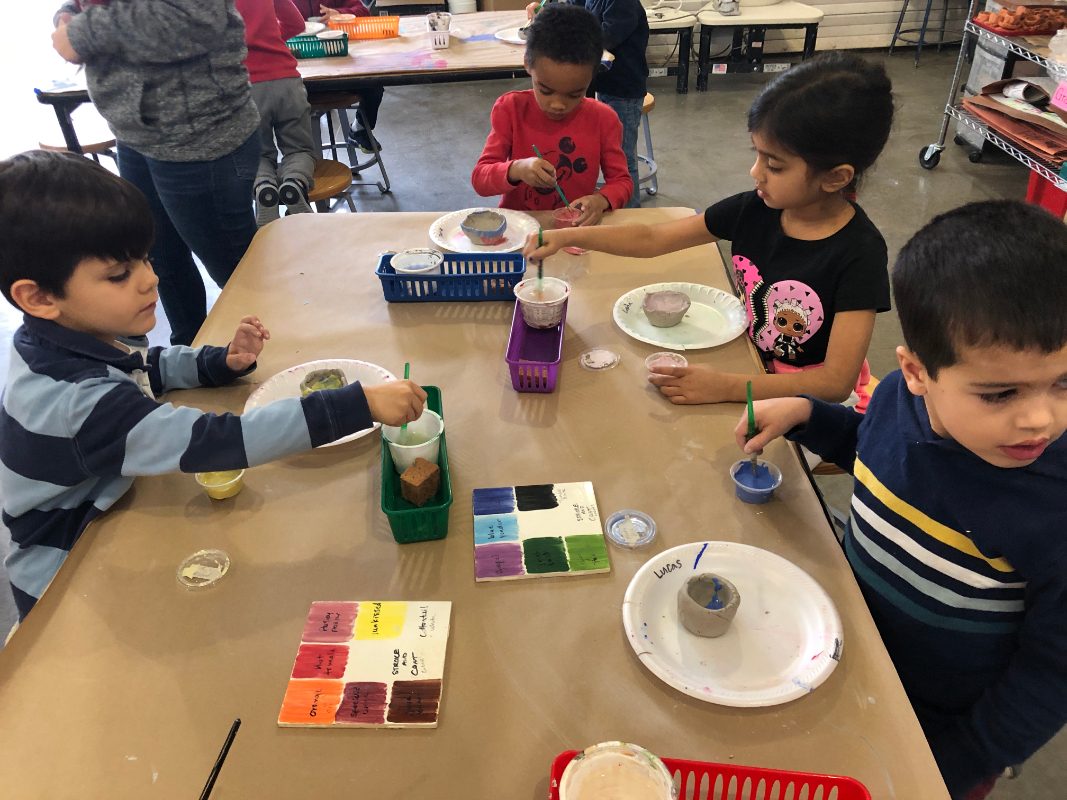
The Art Studio has been buzzing lately with lots of wonderful clay work from students Kindergarten through Upper Elementary! Students have been exploring a range of clay processes and techniques such as coil building, slab rolling, pinching, and throwing on the pottery wheel. 

Working with clay has many benefits for children of all ages beyond simply providing a creative experience. It is a complex sensory experience that encourages self-expression, helps promote self-confidence, and develops problem-solving and motor skills. Because clay is highly responsive to touch and very forgiving, children become engrossed in their work: they are able to express and articulate their ideas through shaping clay and learning to repair mistakes. Clay is different from other art mediums in that it requires an understanding of the three dimensional world. While working on their projects, students must move around to see their creation from all sides. From this, they begin to understand shape, form, and perspective, and gain knowledge of planning methods and problem solving as they map out their creation.

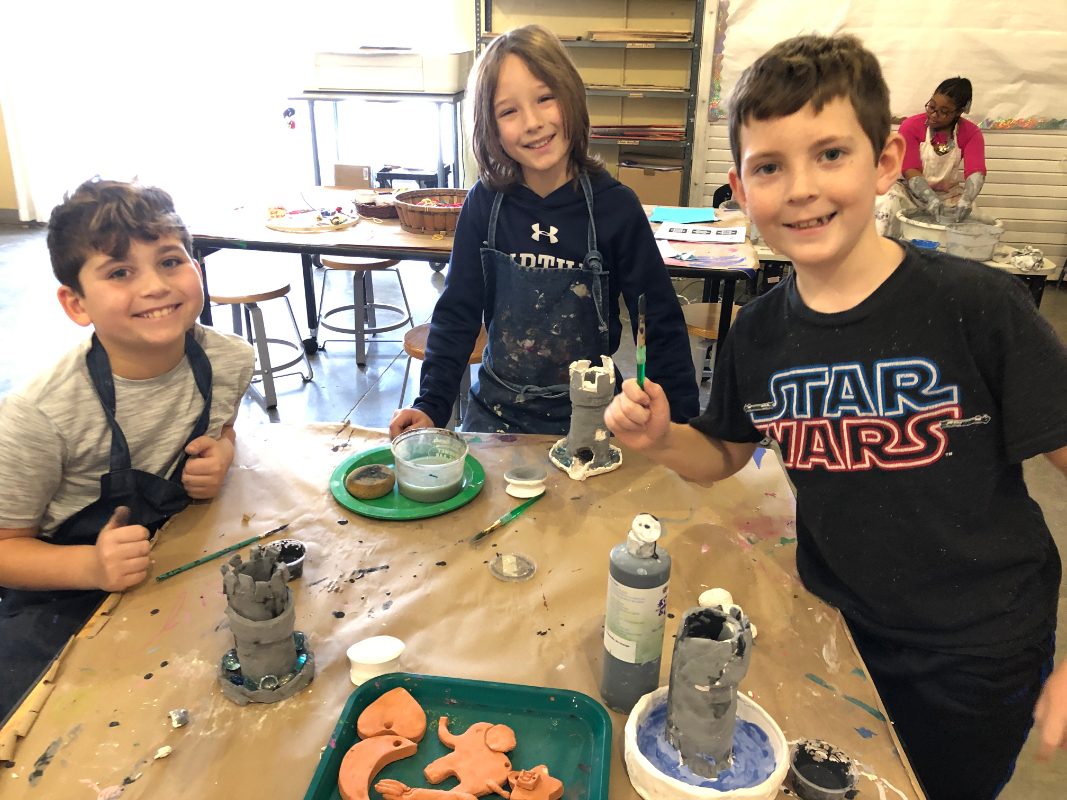
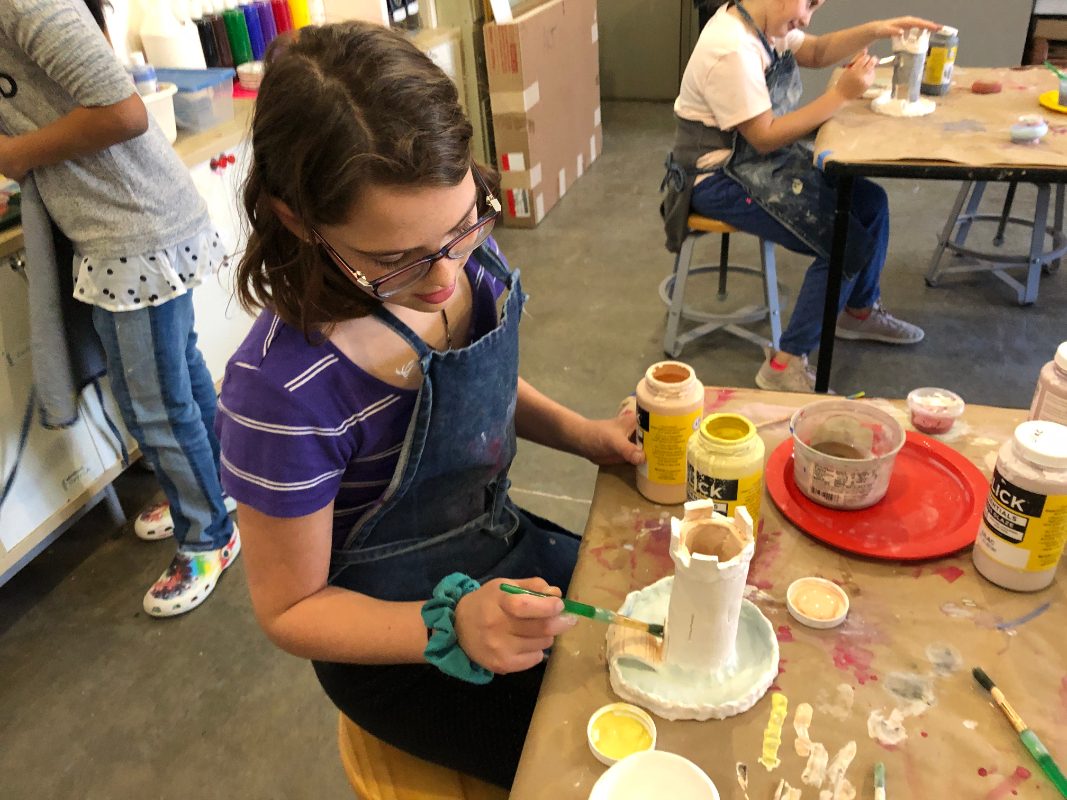
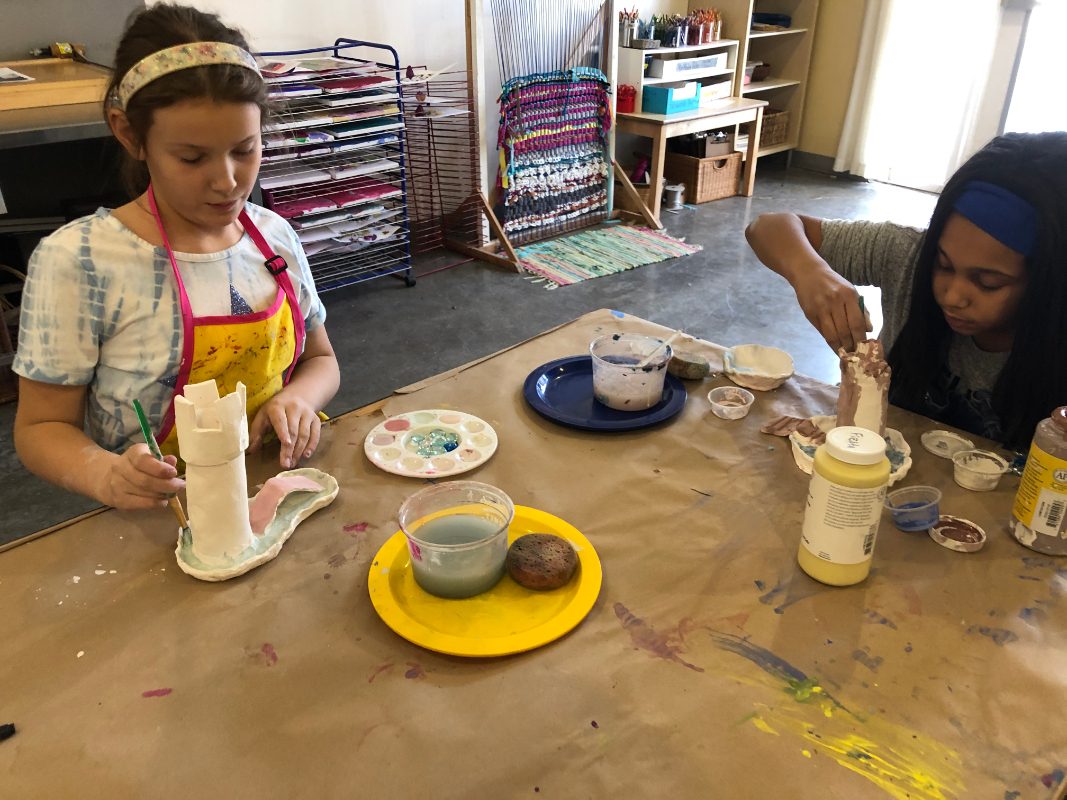
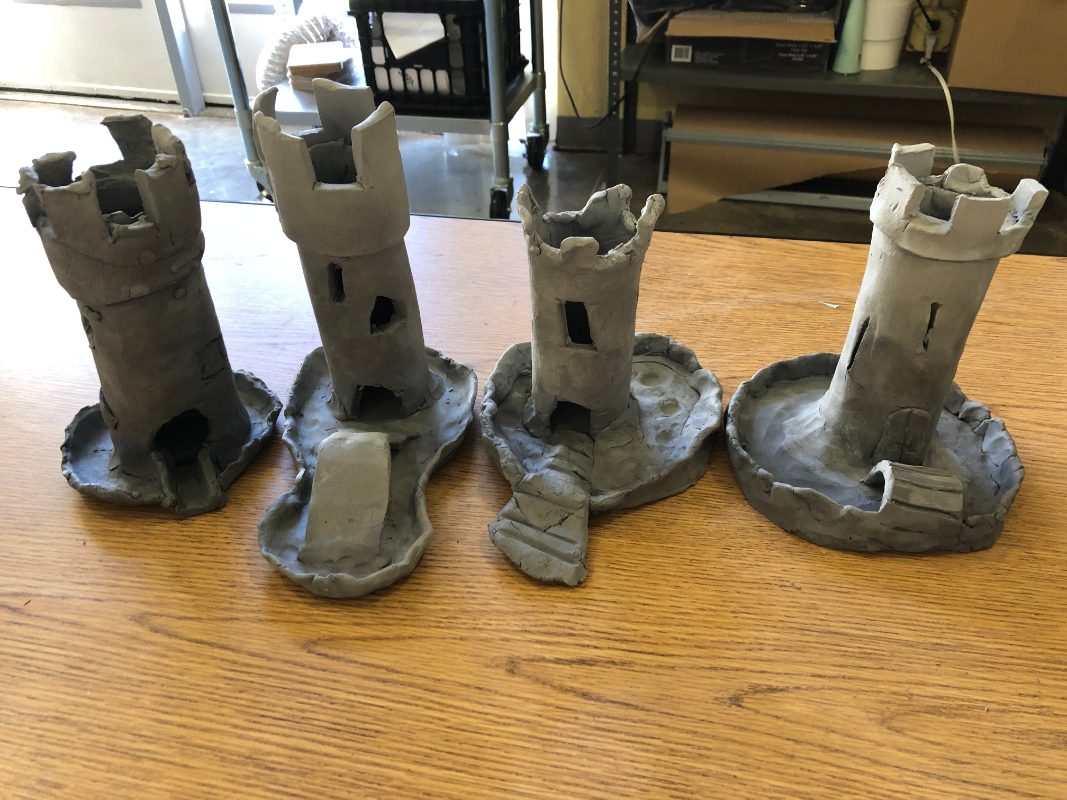
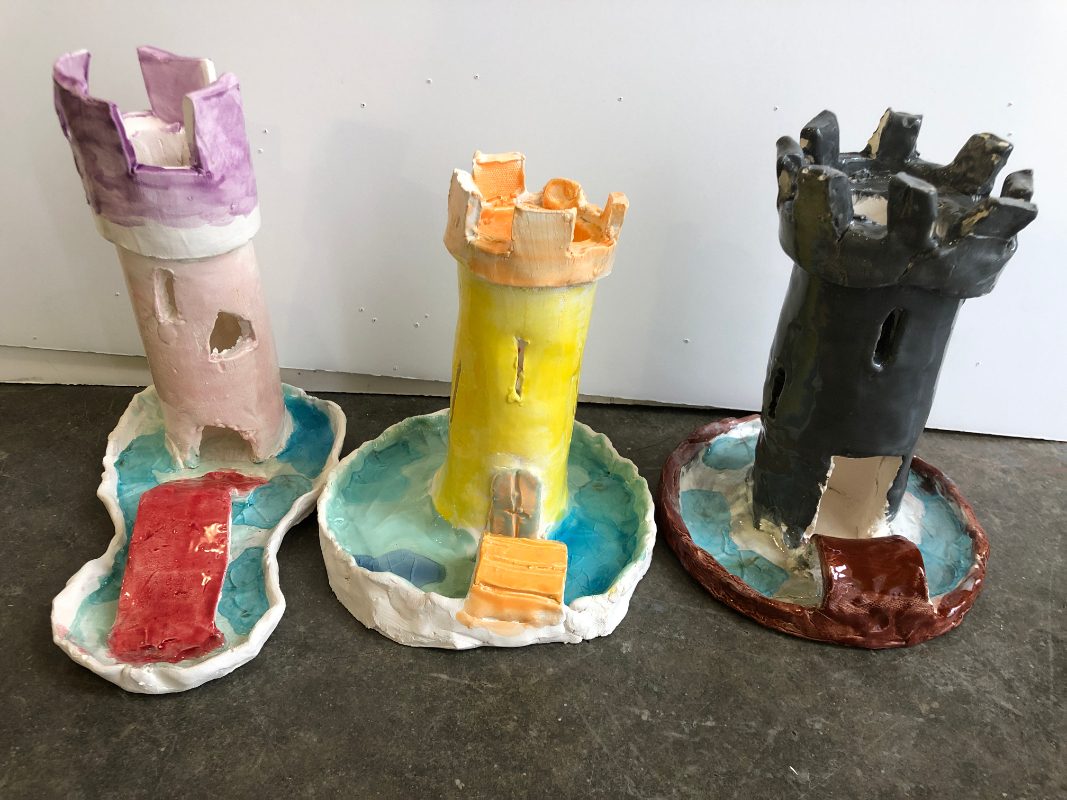
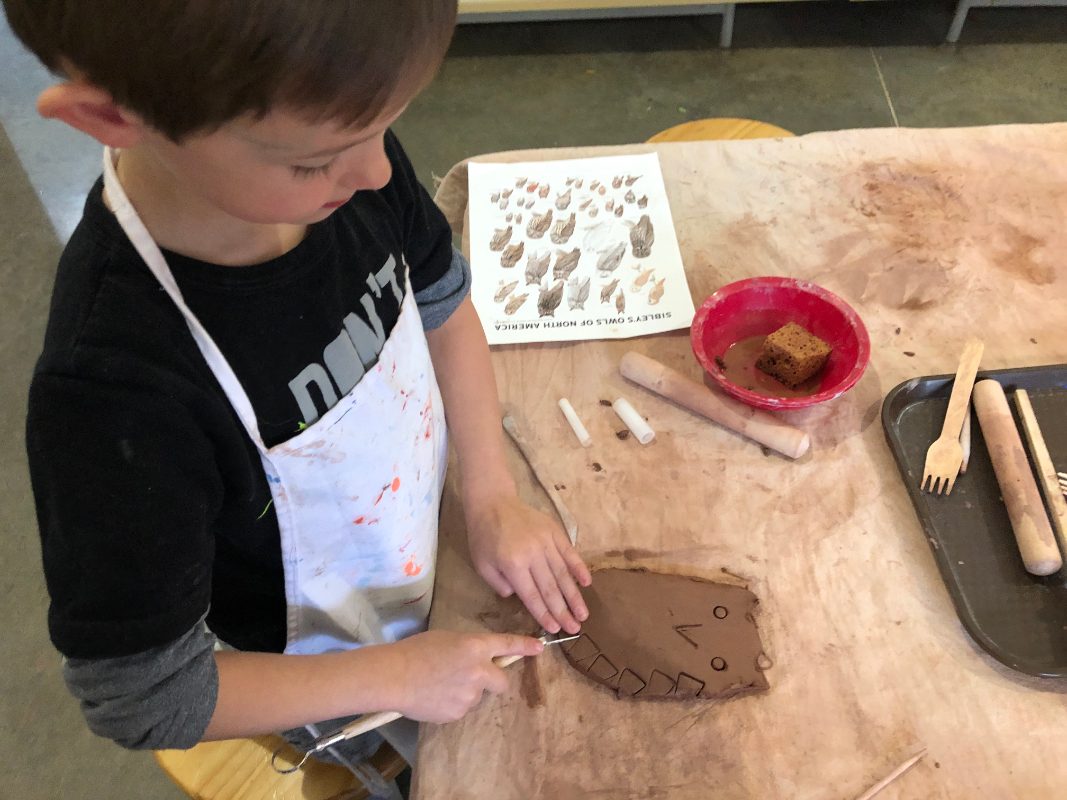
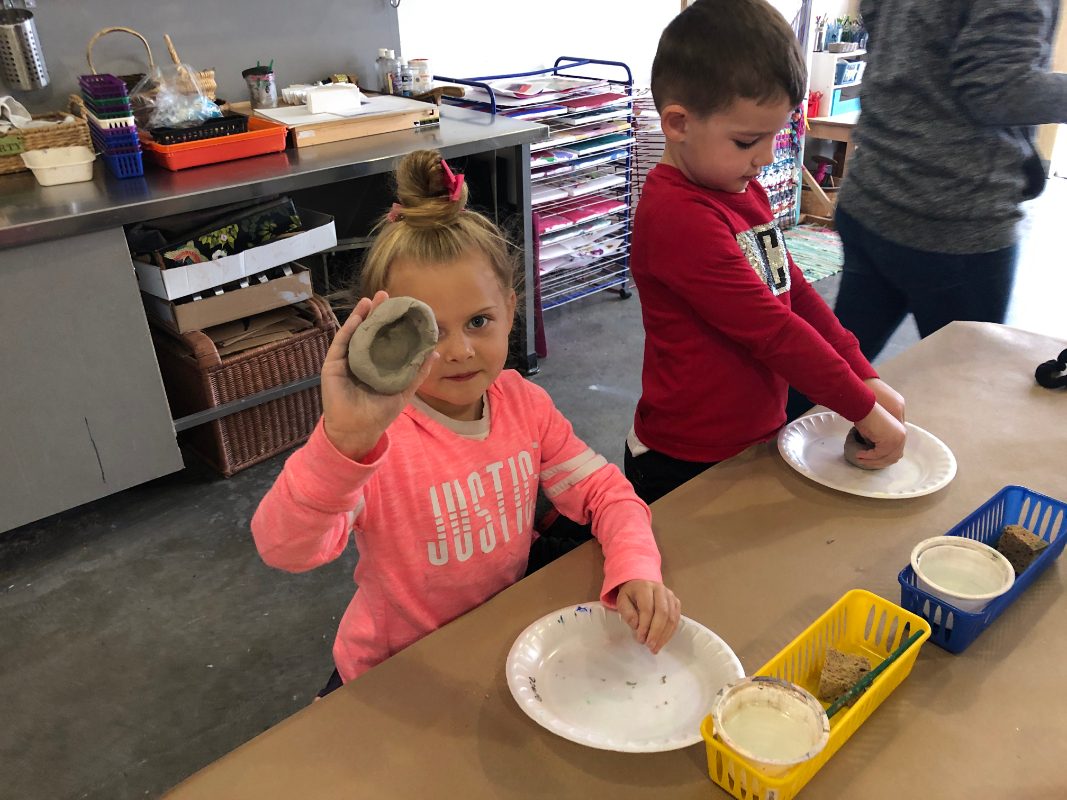
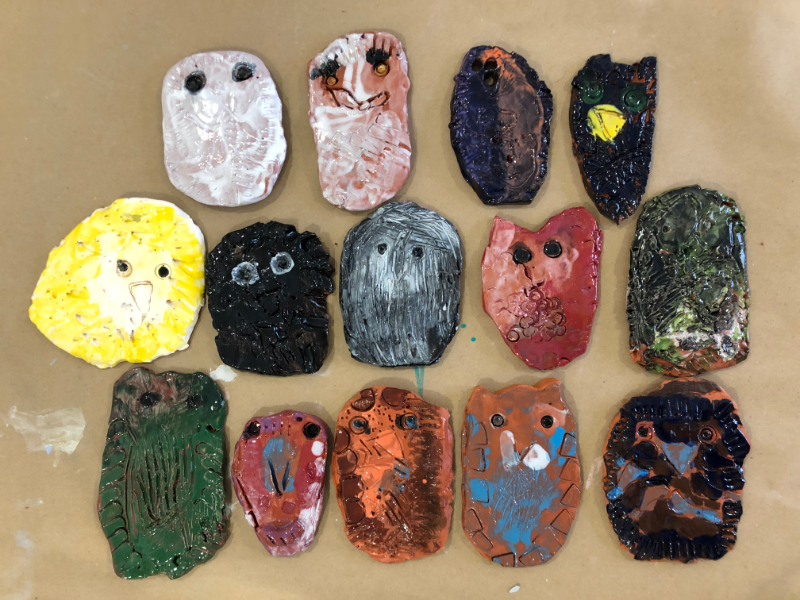
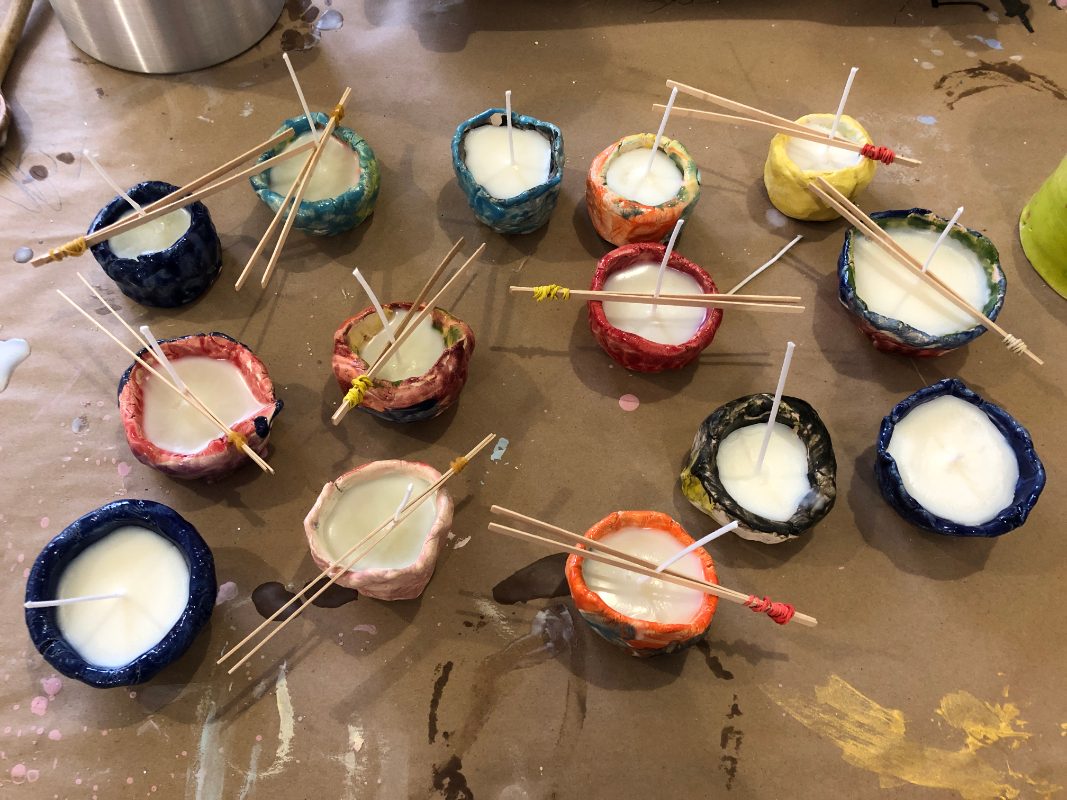
The clay projects we explored in the Art Studio were designed to introduce new processes and techniques, as well as to encourage individual imagination. Kindergarten students explored the slab rolling technique by creating clay owls to connect with their vertebrate unit. They also created small pinch-pots that they made into candles for a holiday gift. Lower Elementary students crafted a wide range of projects from tiny tea cups to funny face jugs, and funky coil-pots to wheel-thrown cups. Upper Elementary students created a variety of pots on the pottery wheel and constructed impressive slab-built castles! Each student truly enjoyed the process of working with clay and as a result, created many wonderful finished projects.
Culture Through Reading

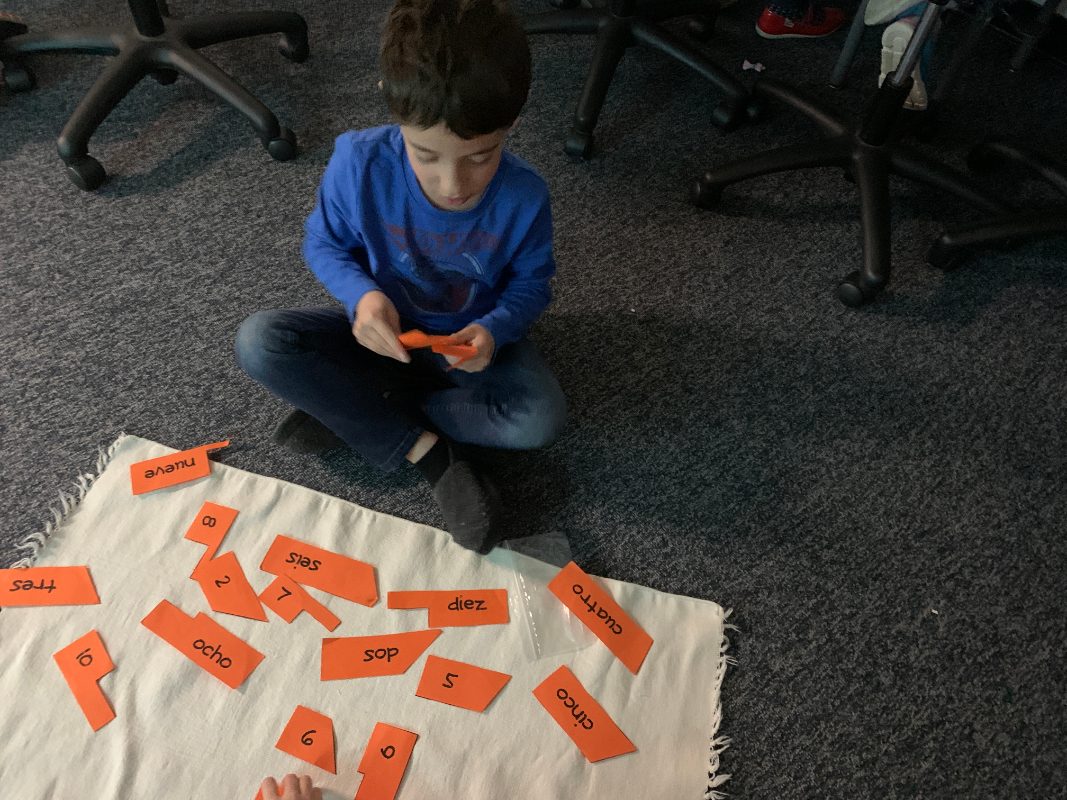
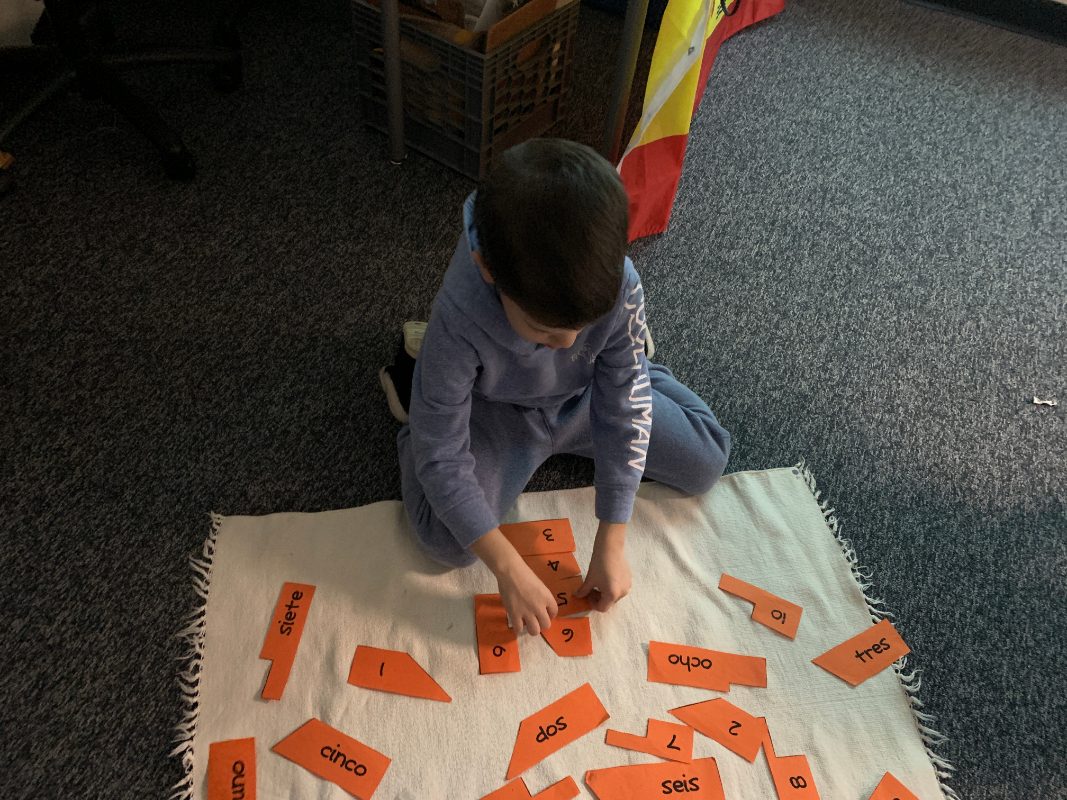
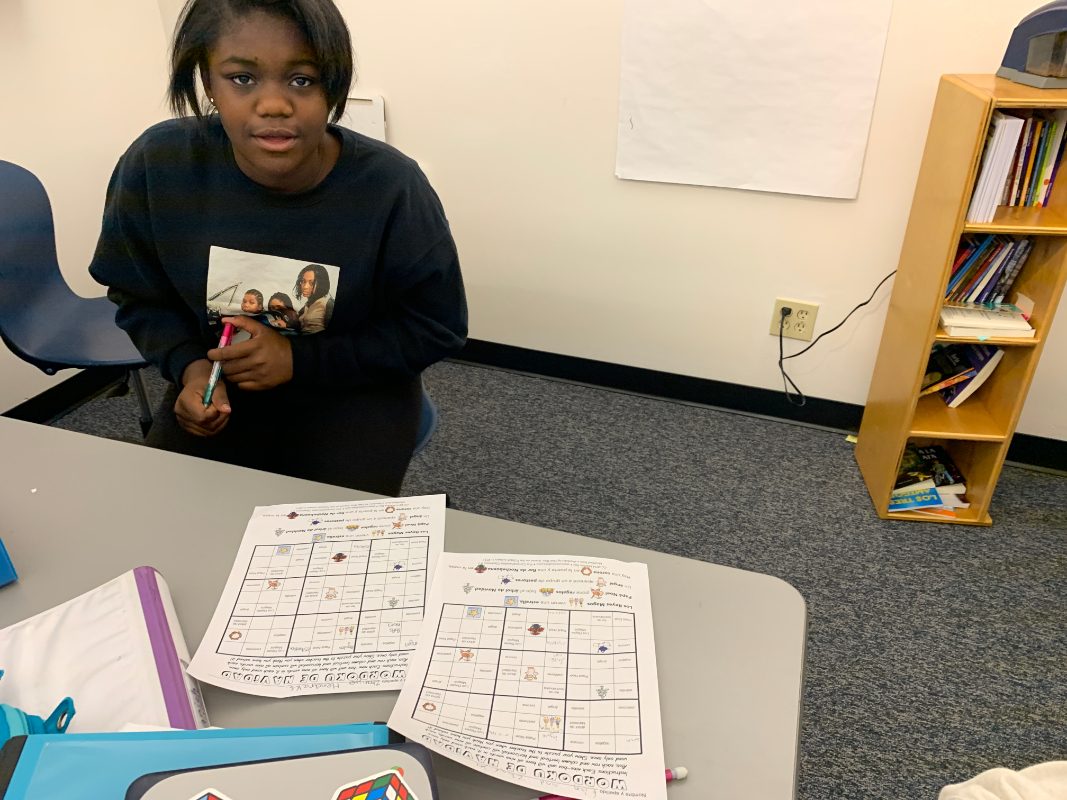
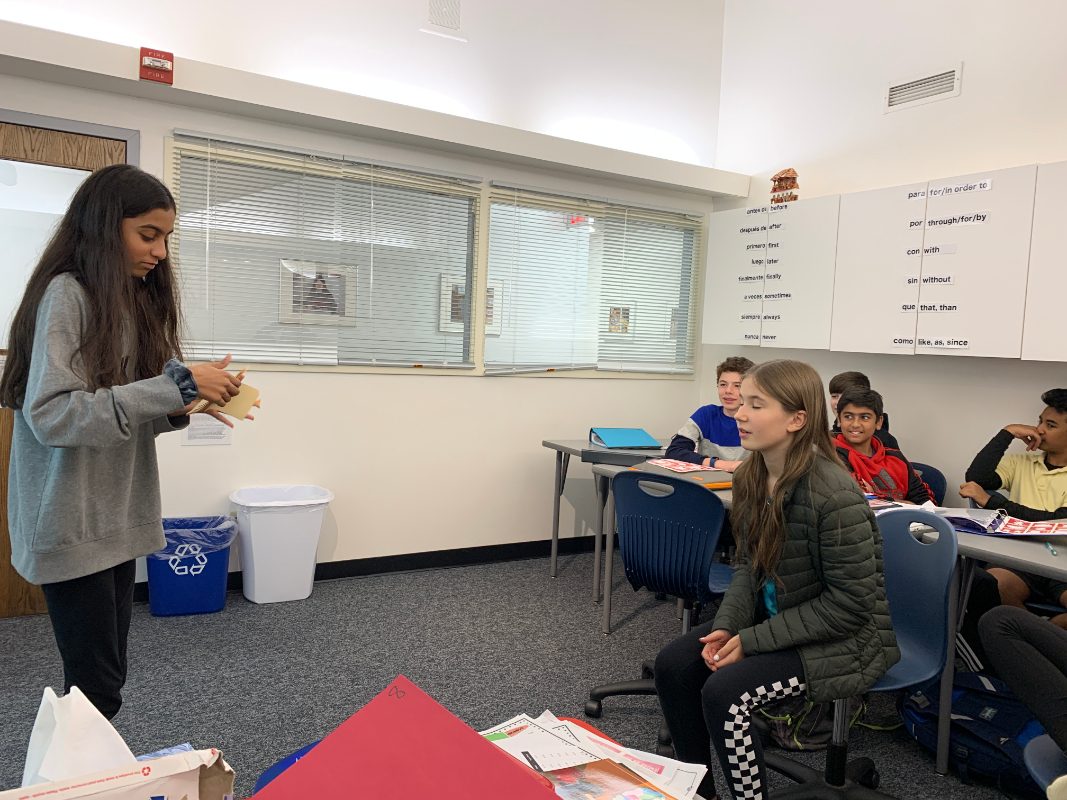
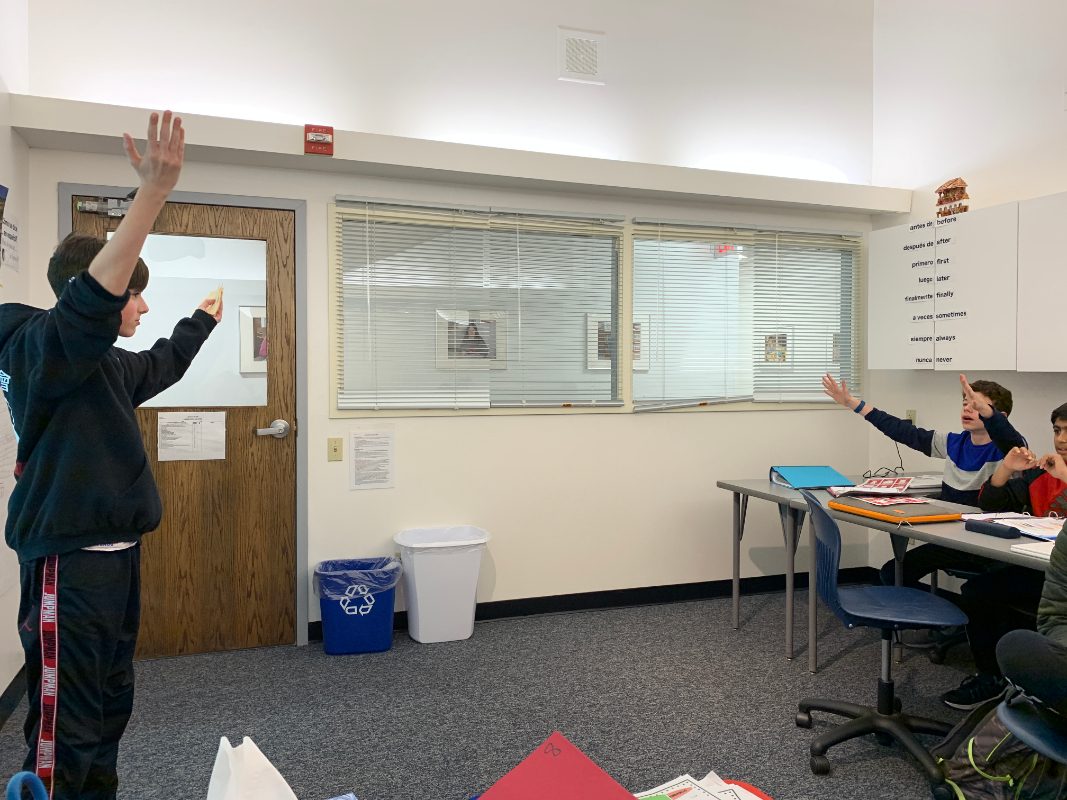
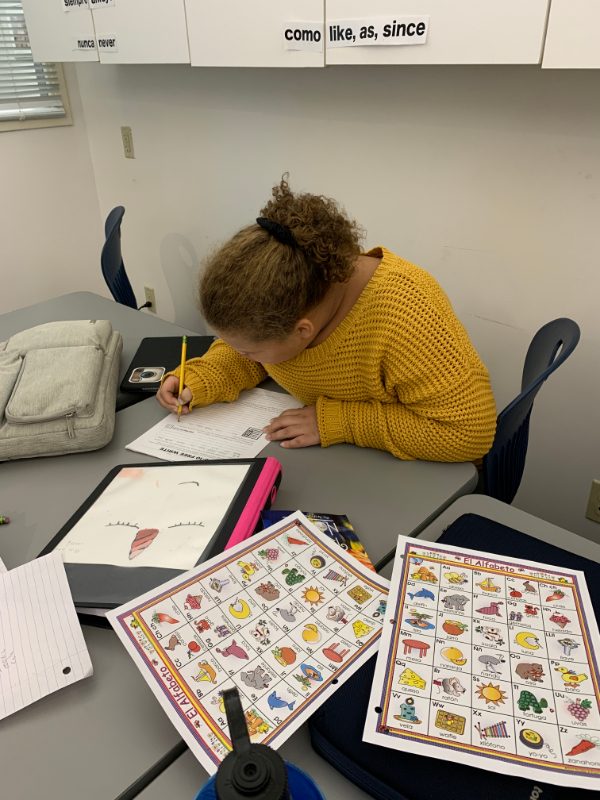
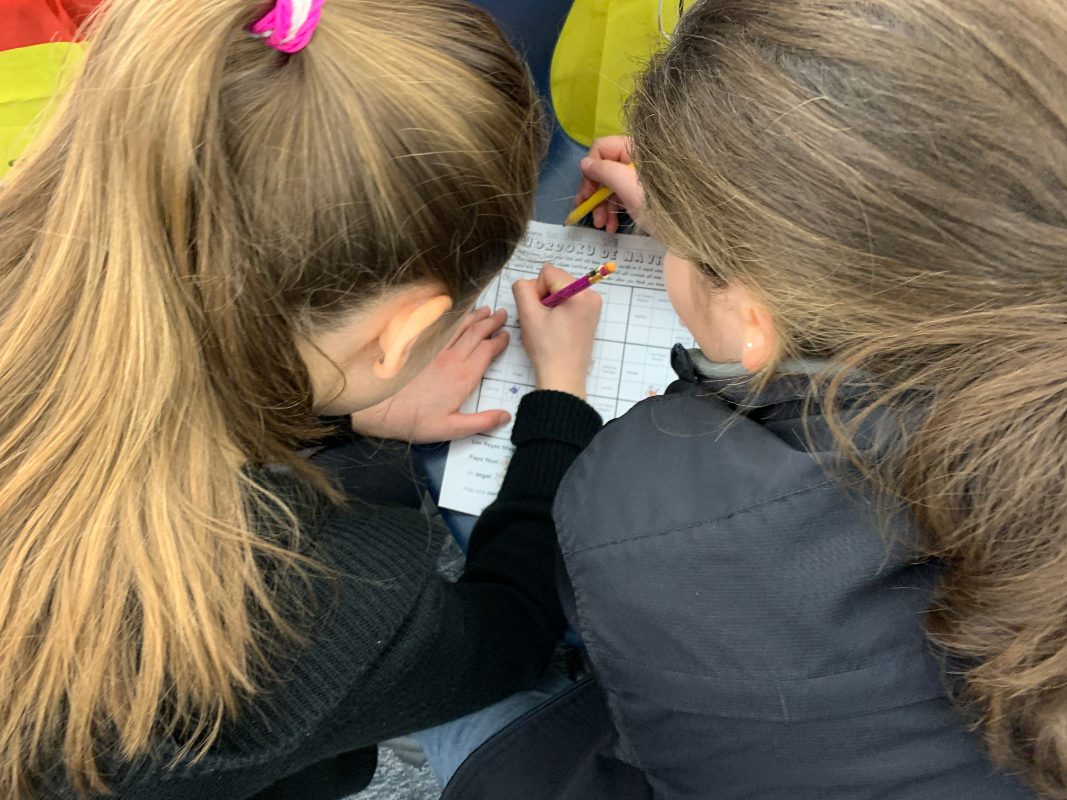
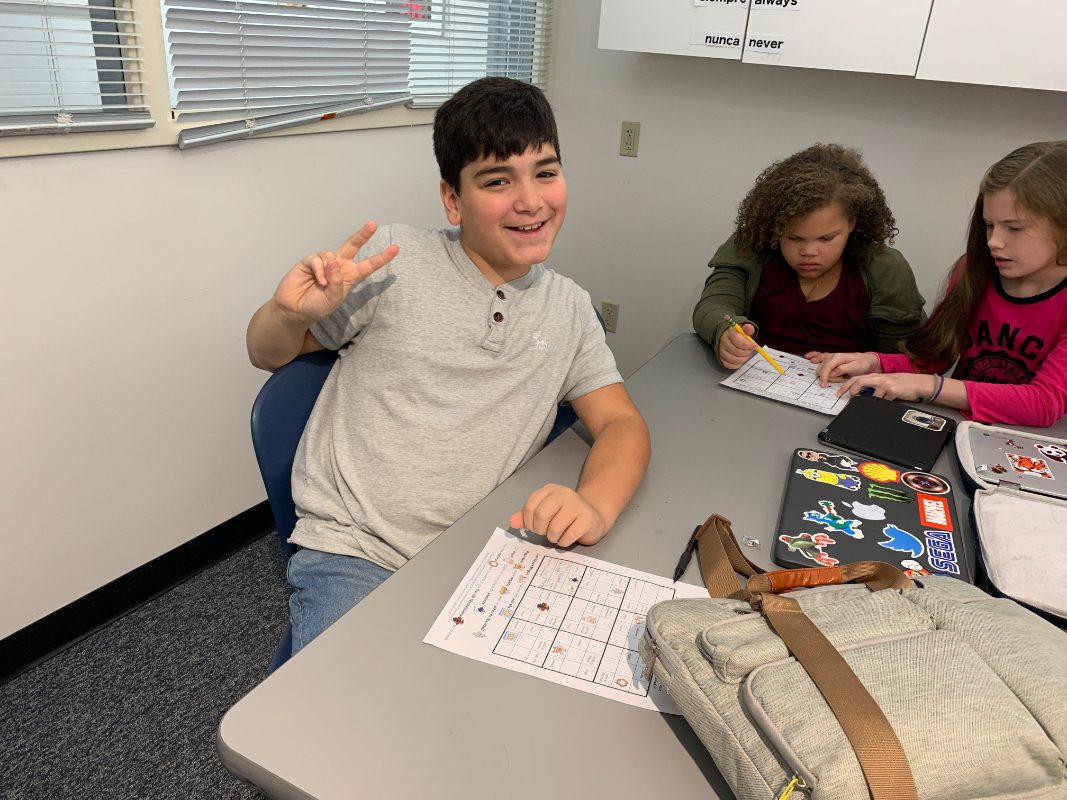
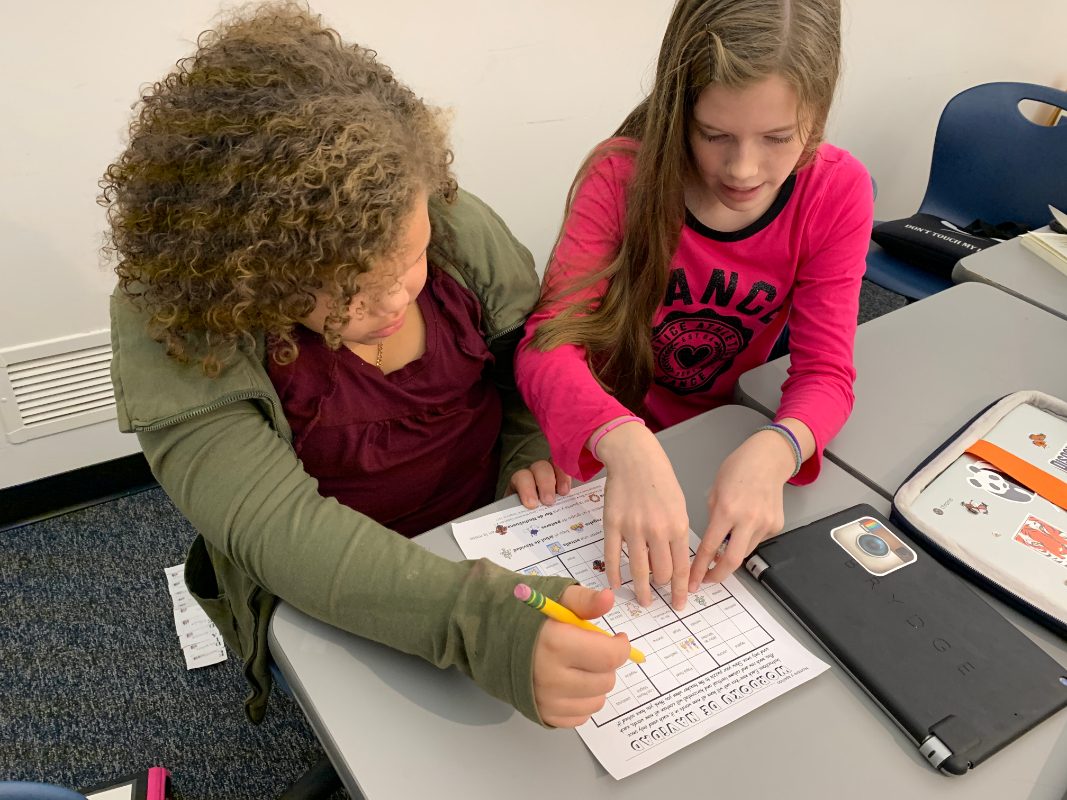
One of the greatest things about learning another language is learning about the cultures of its native speakers. Students are introduced to new traditions, holidays, and perspectives while building upon their language skills. All first through eighth year students have learned about the tradition of El Día de los Reyes Magos. 

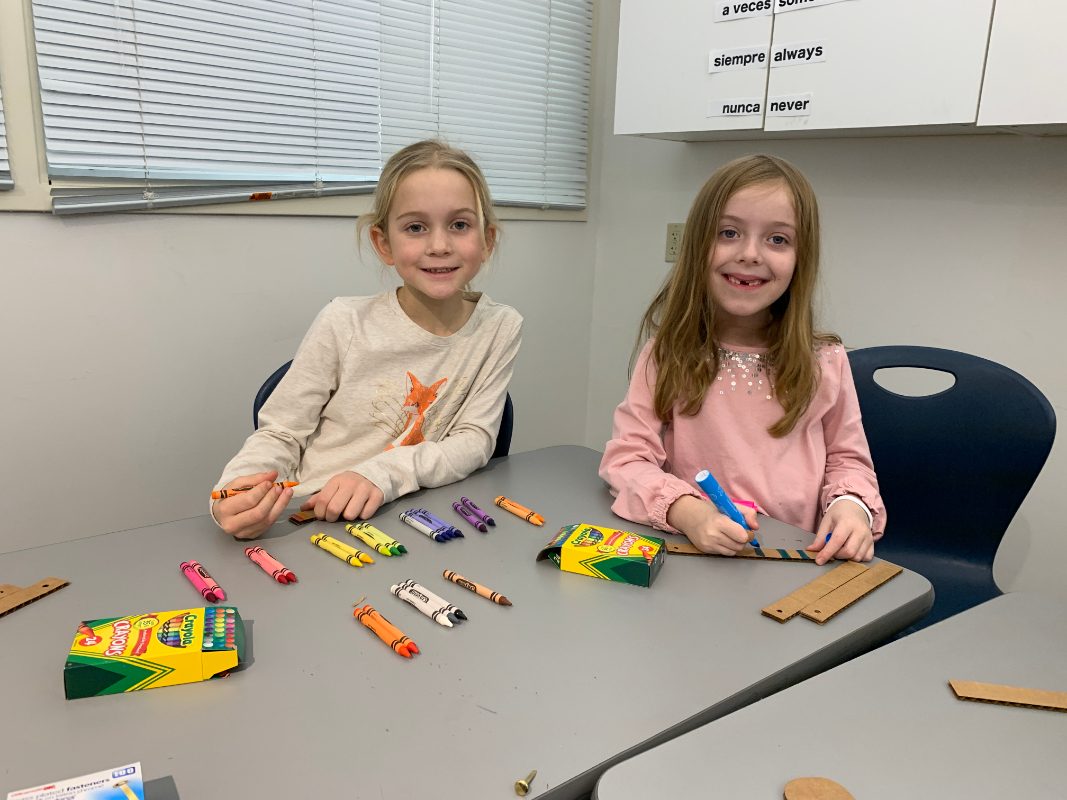
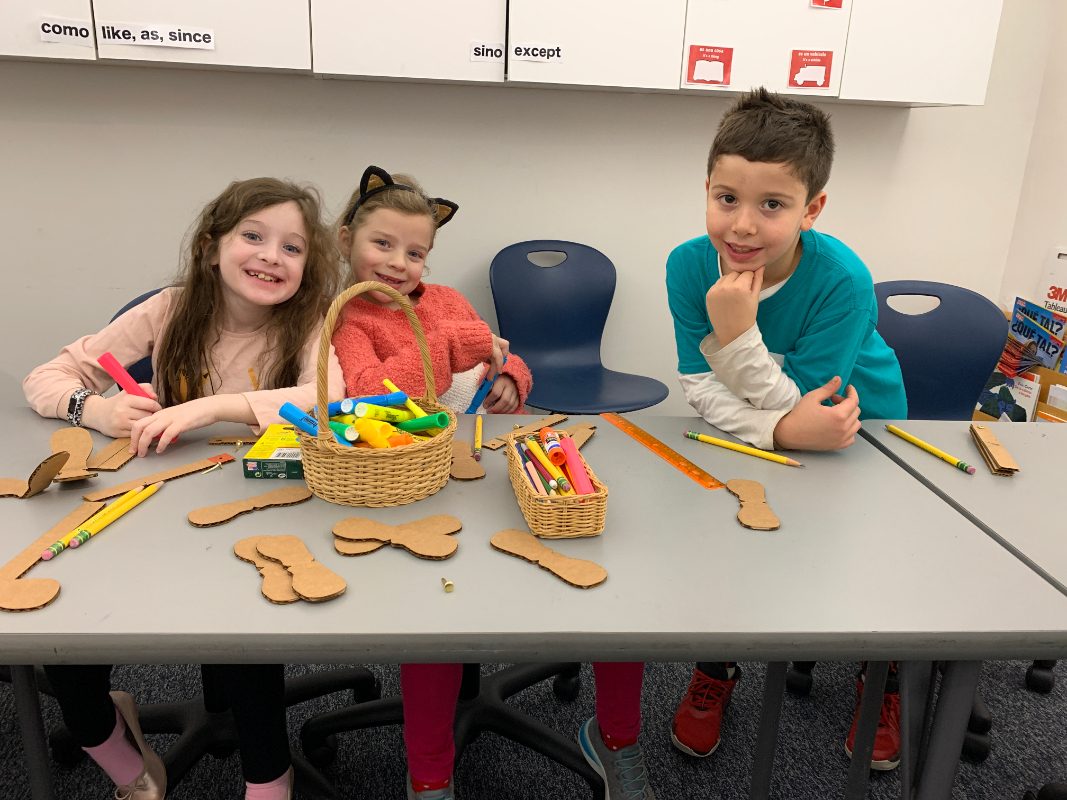
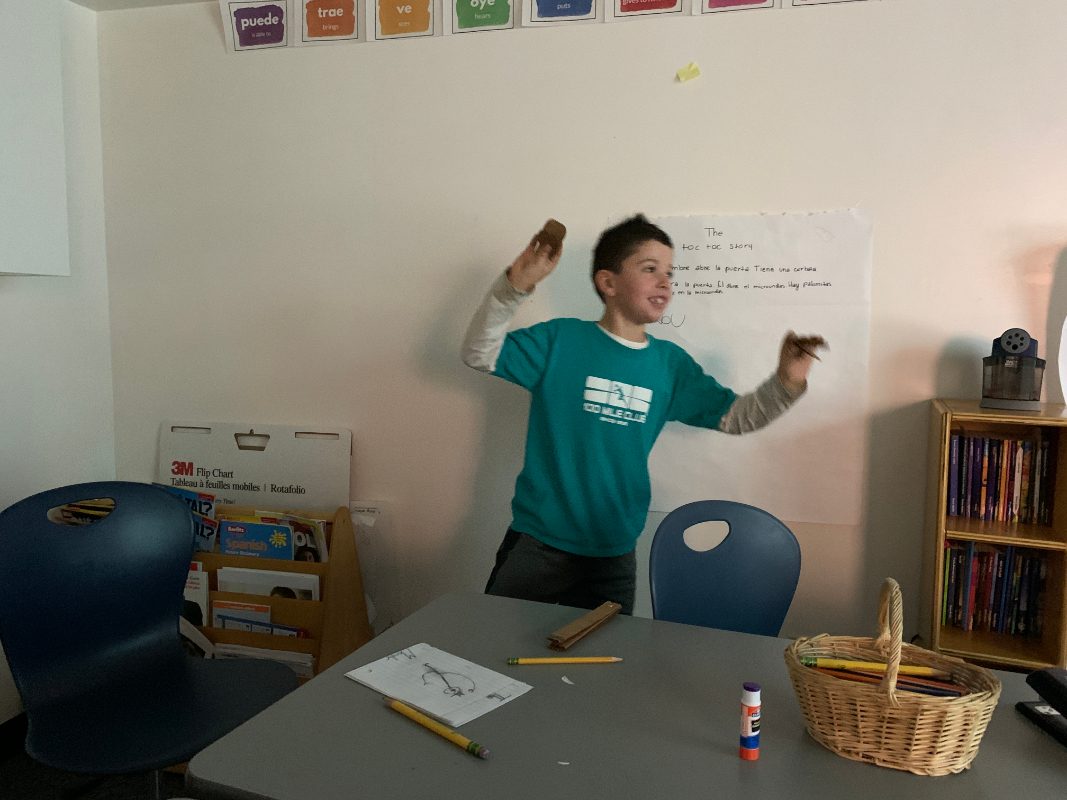
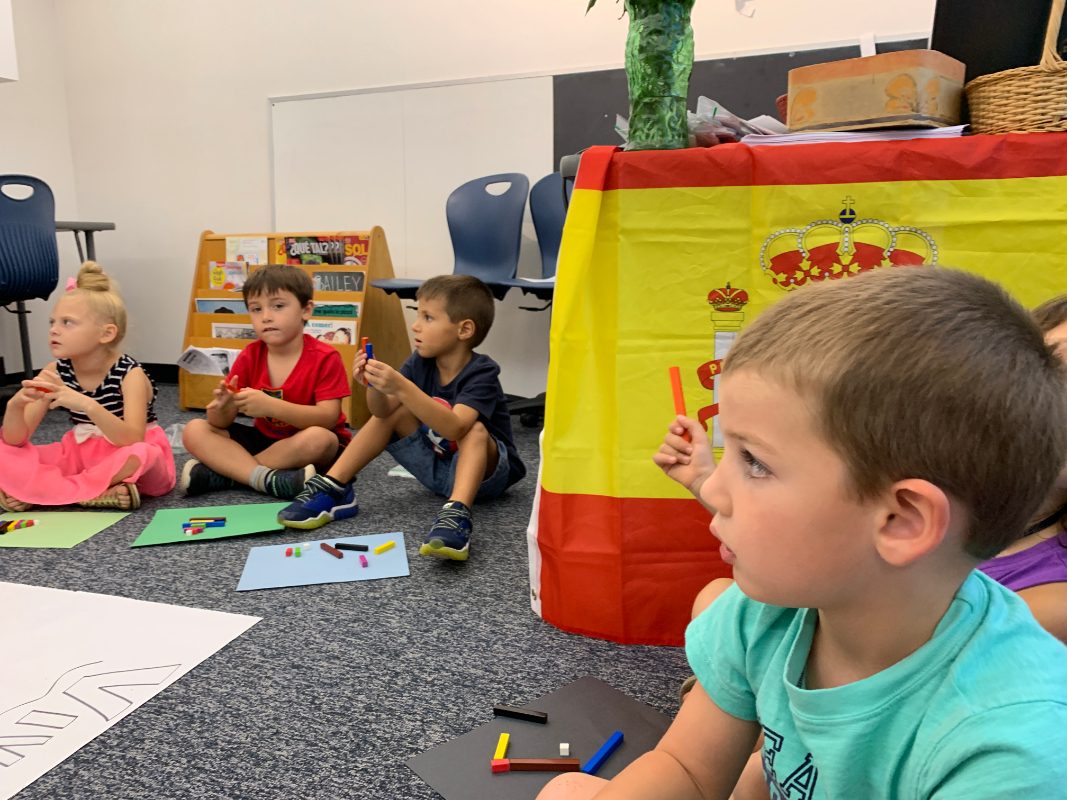
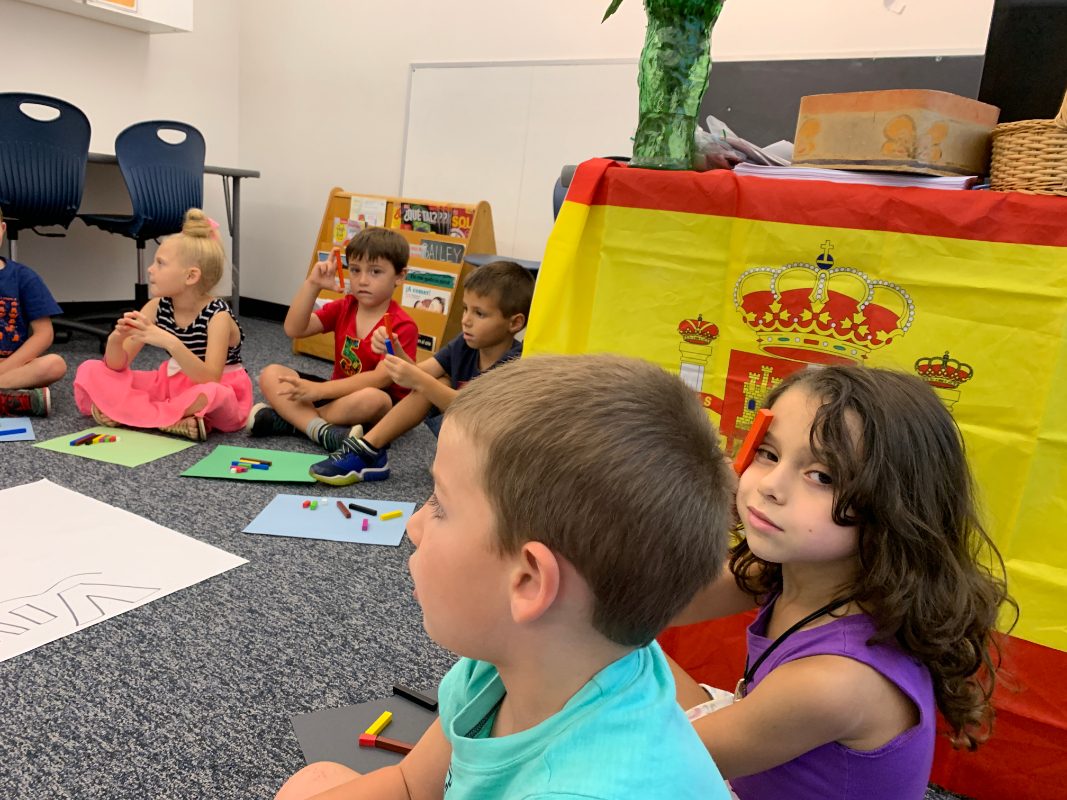
Lower elementary students are exploring Flamenco dance as we begin to learn about Spain. We read a story called, Jorge va a España, which introduced Flamenco dance and a few major cities in Spain. Then, students constructed castañuelas and abanicos, common accessories used in Flamenco.

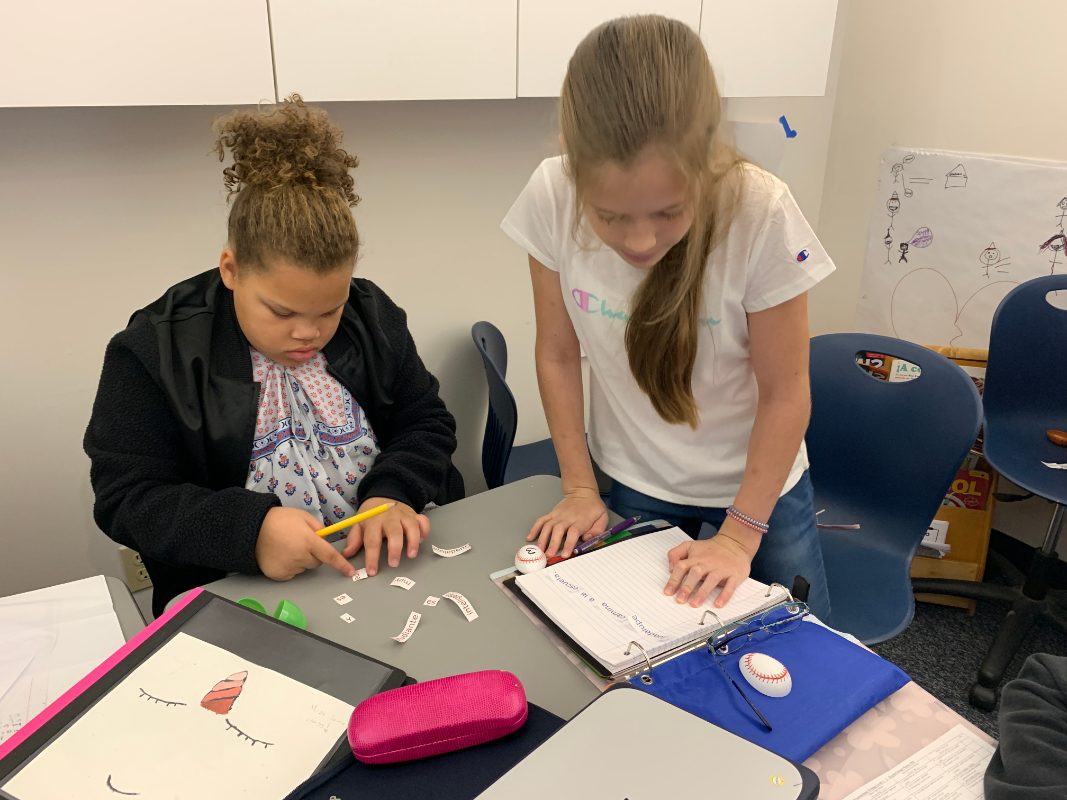
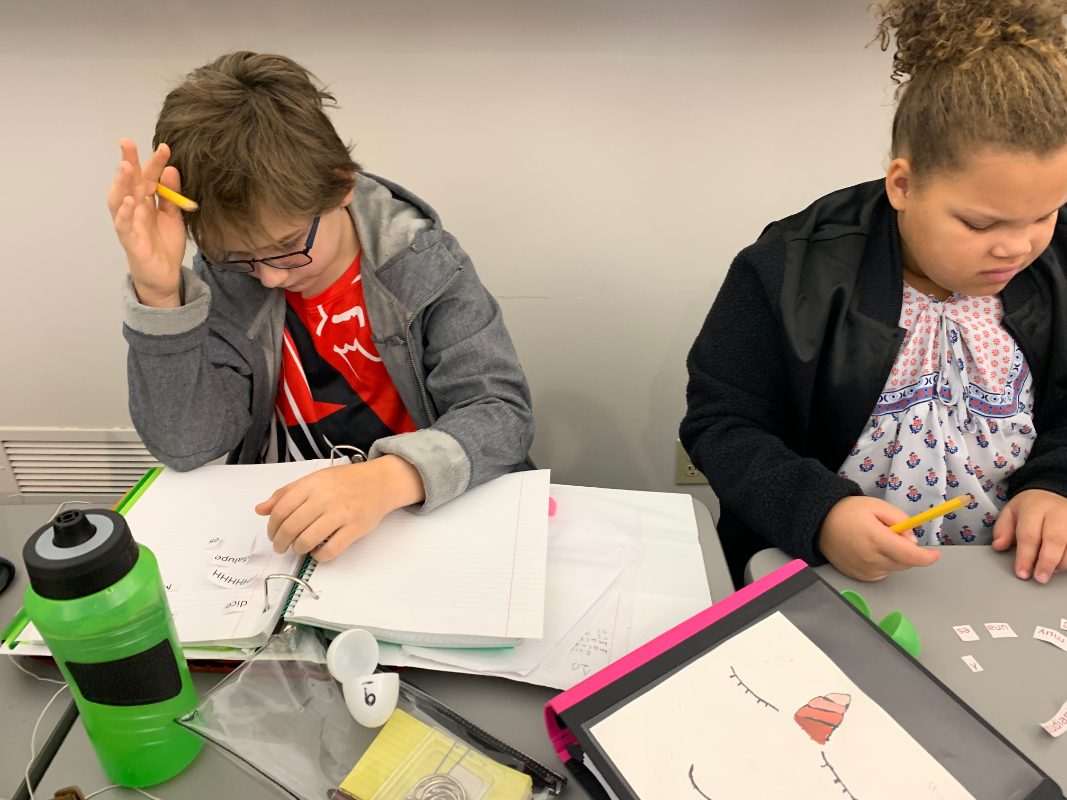
Upper elementary students have been working toward becoming independent readers in Spanish. They have been reading stories and identifying cognates, summarizing the main idea, and recalling details from the text. Most recently they did this with the story, “La carta a los Reyes Magos” from Storyteller’s Corner. 

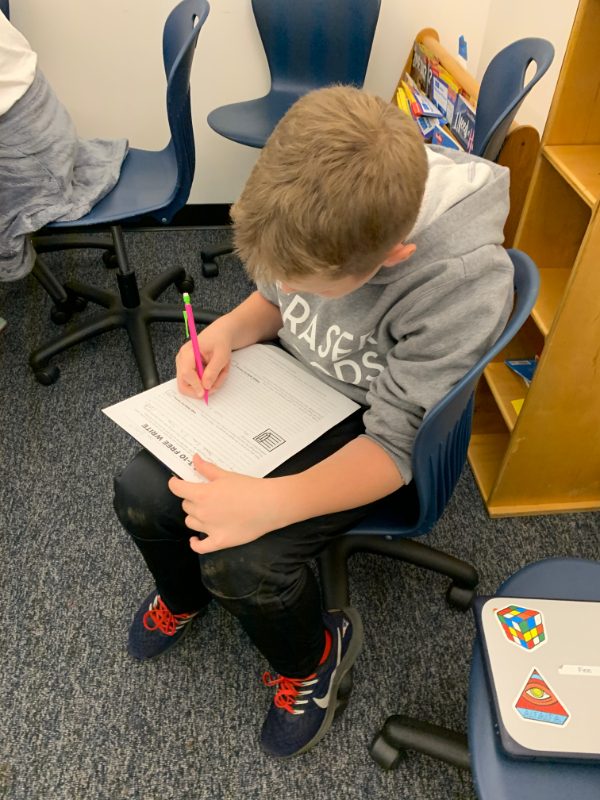
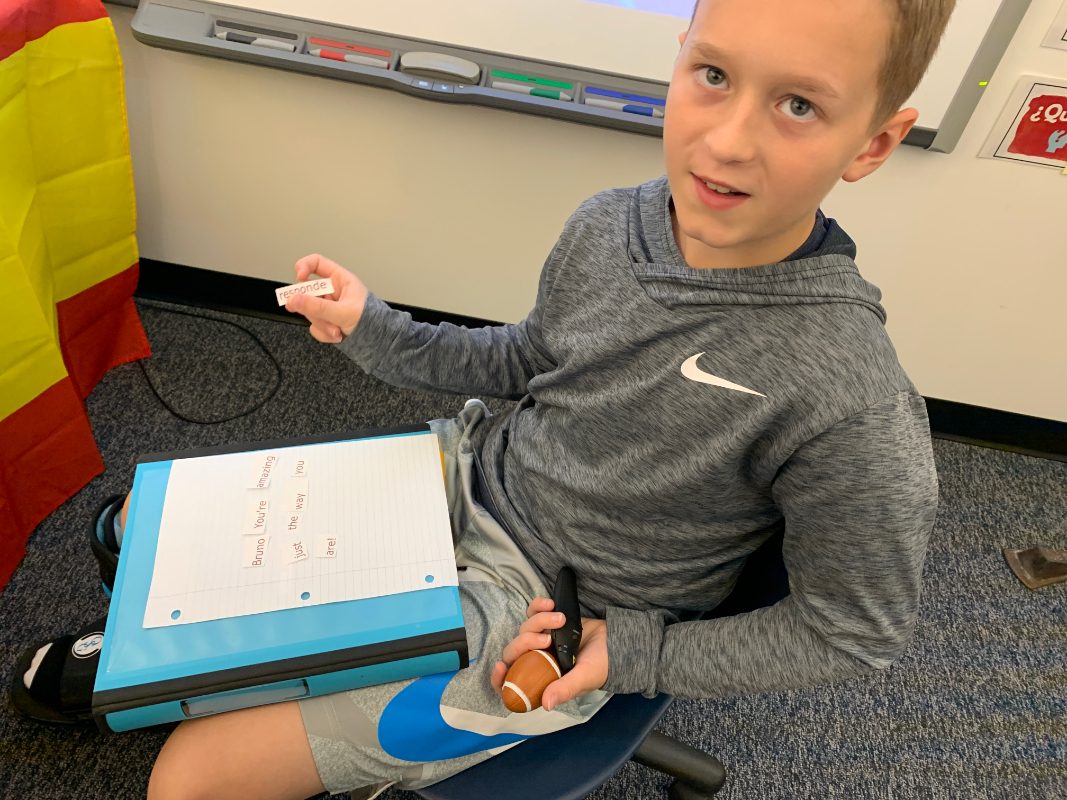
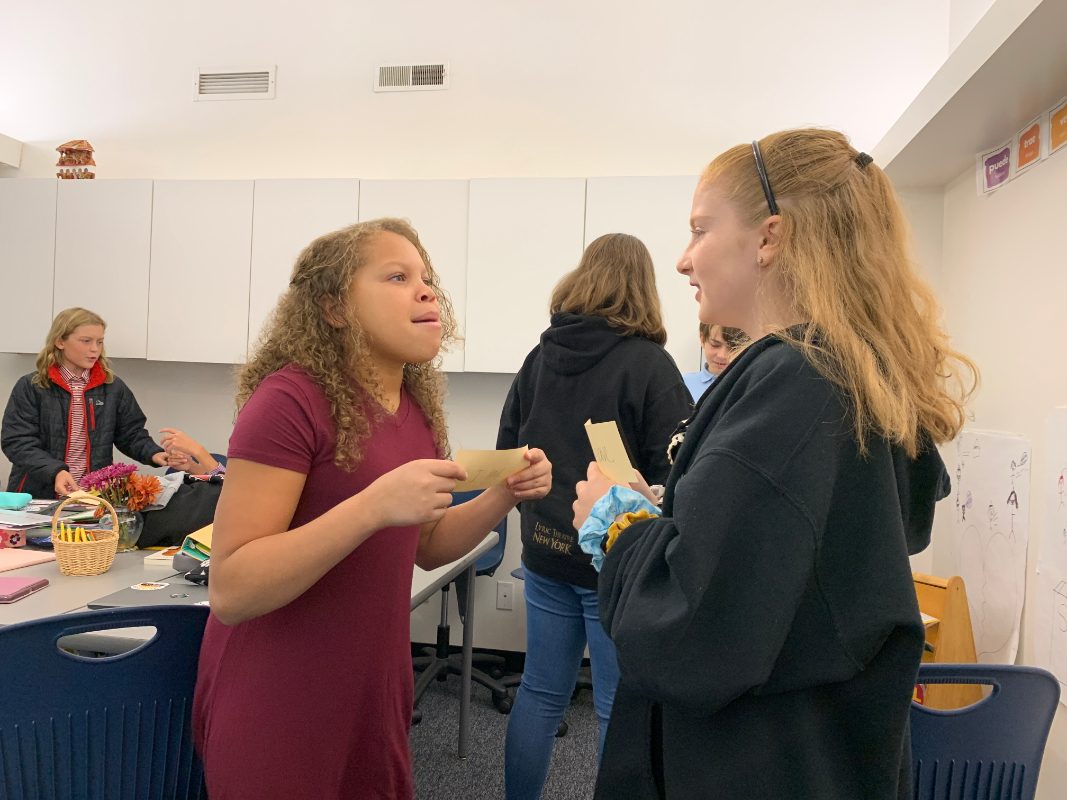
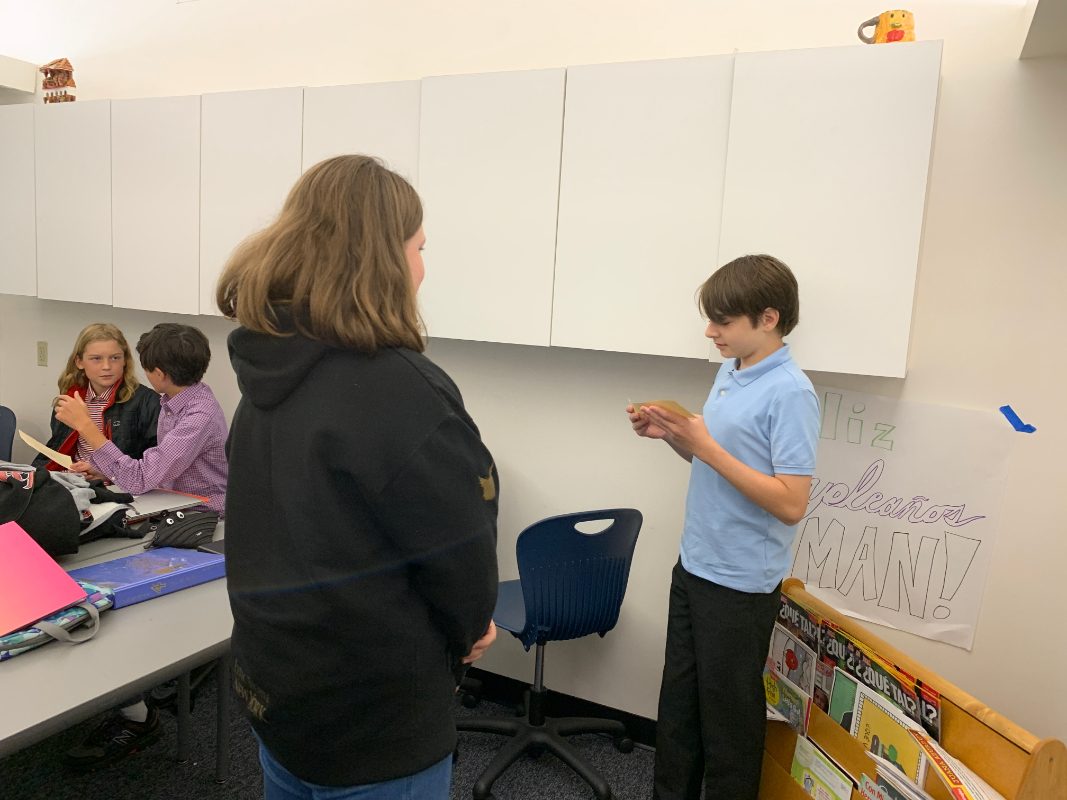
Middle school classes have just completed their third unit of our SOMOS curriculum. They are now working on writing sequels or alternative endings to video clips we saw in this unit. They also listened to a story which summarized the traditions of El Día de los Reyes Magos.


Sportsmanship and Floor Hockey


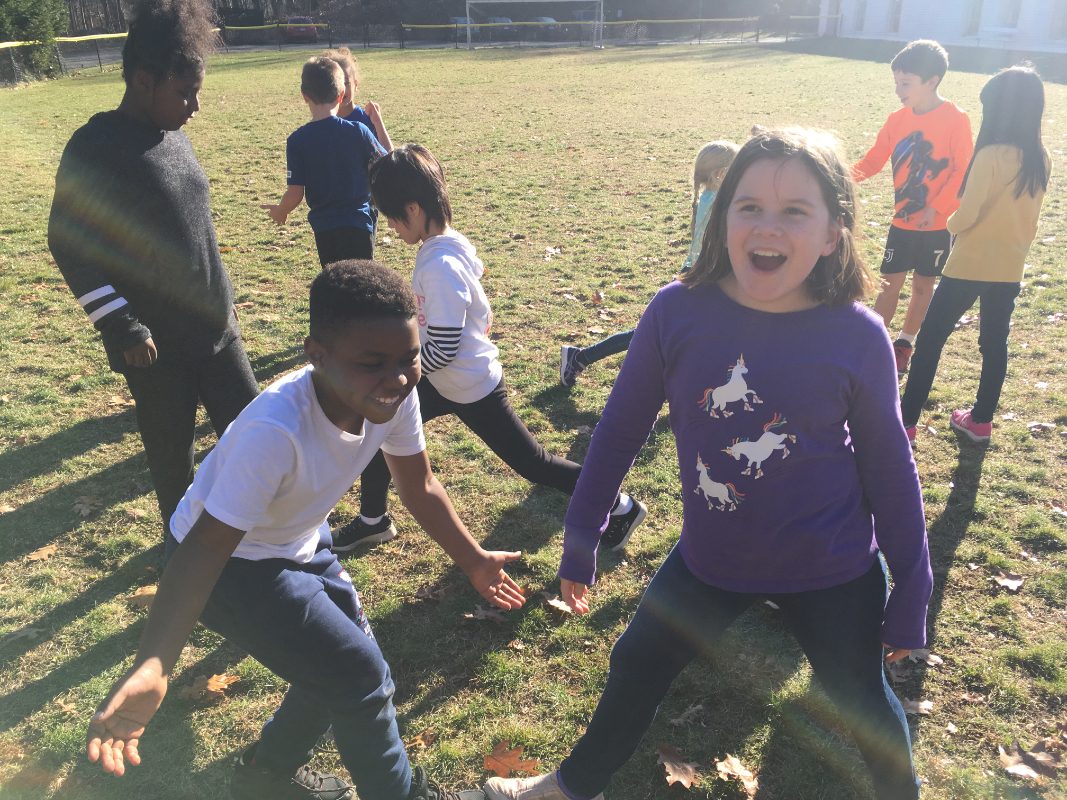
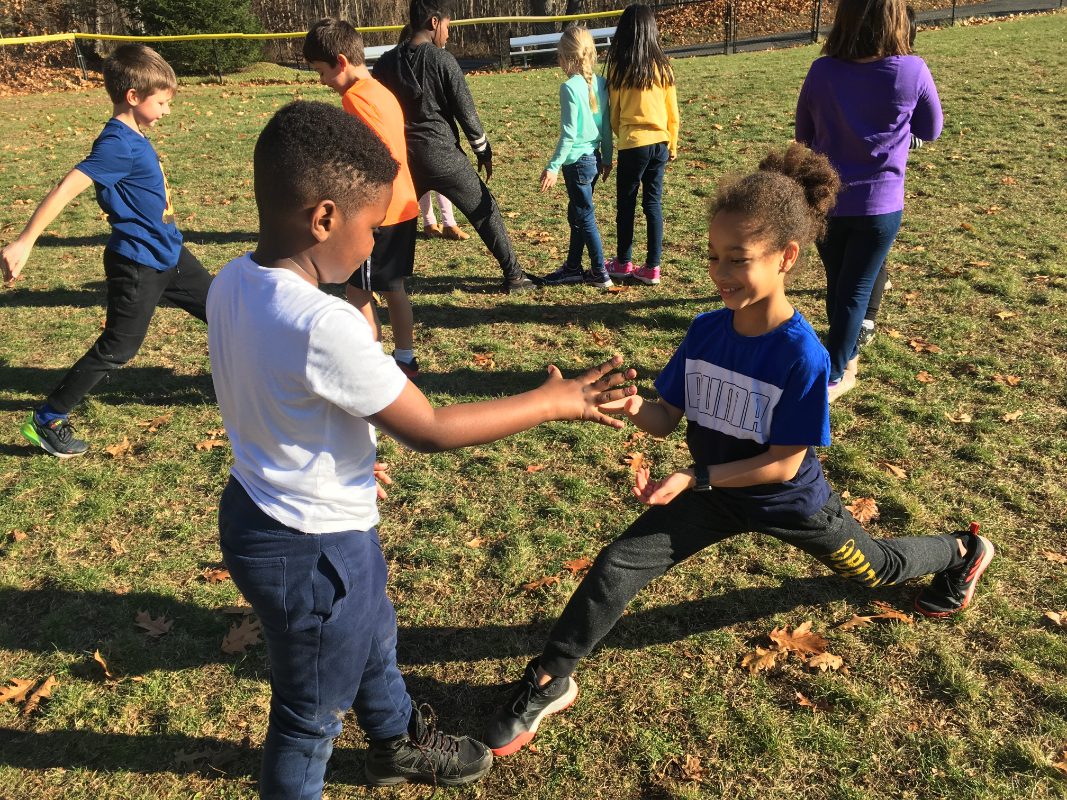
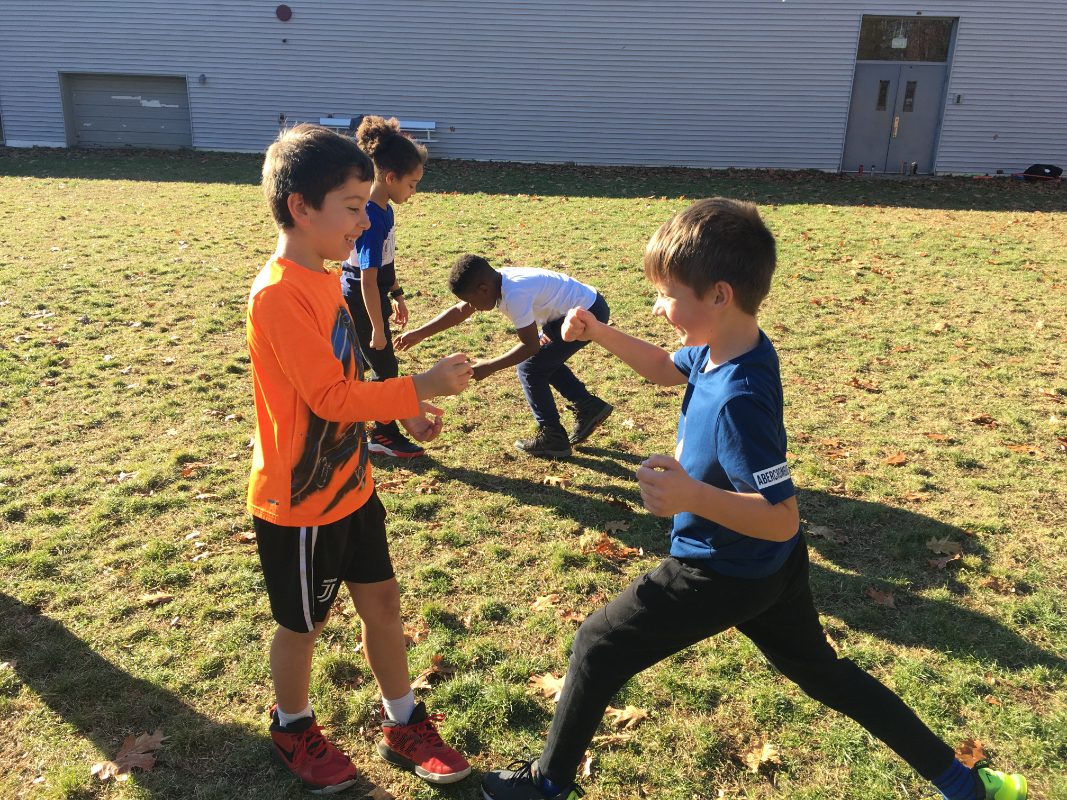
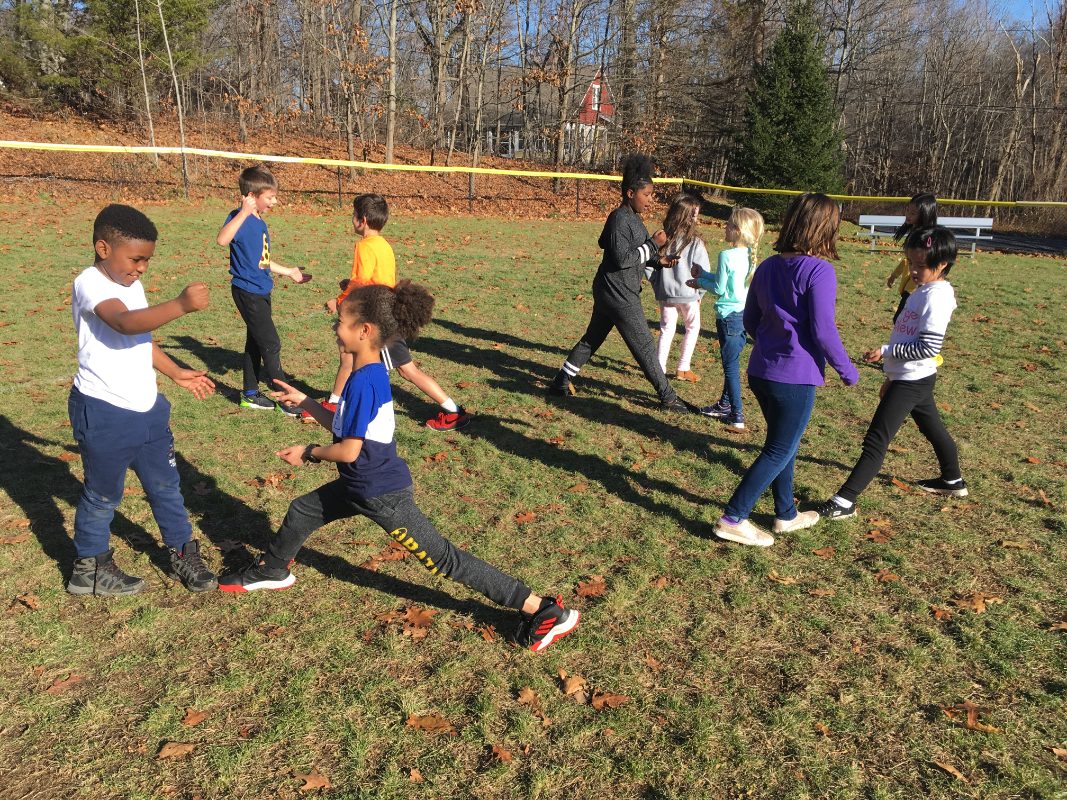
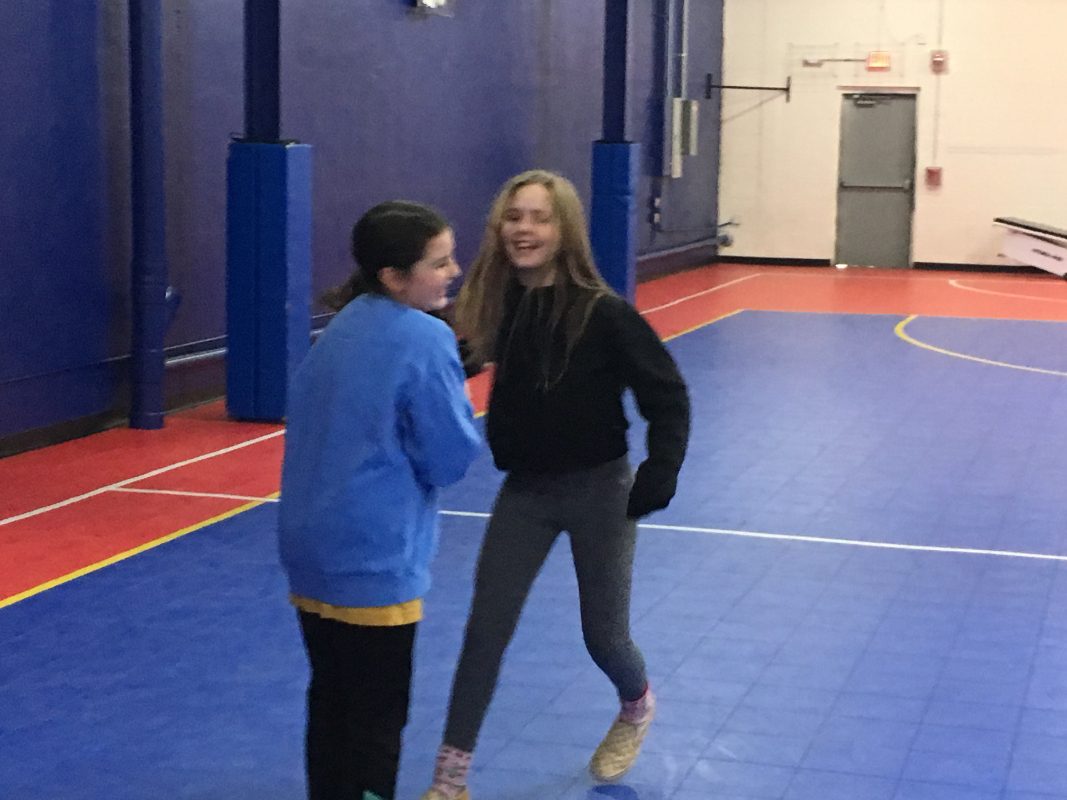
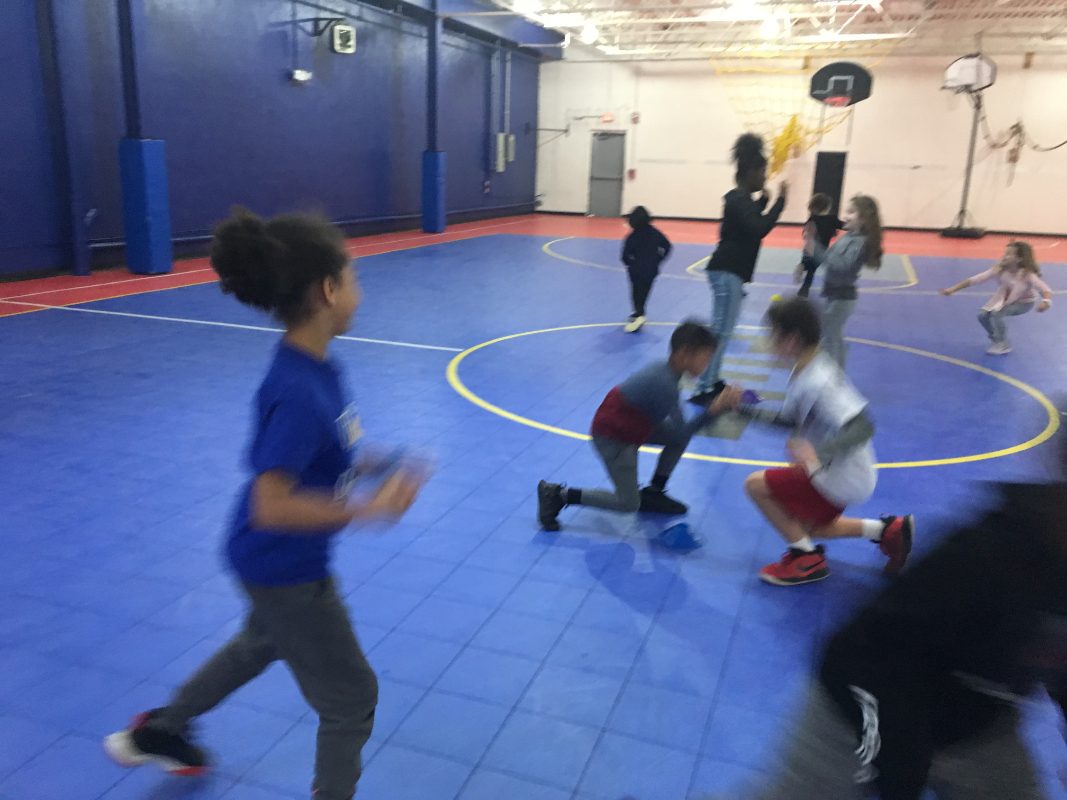
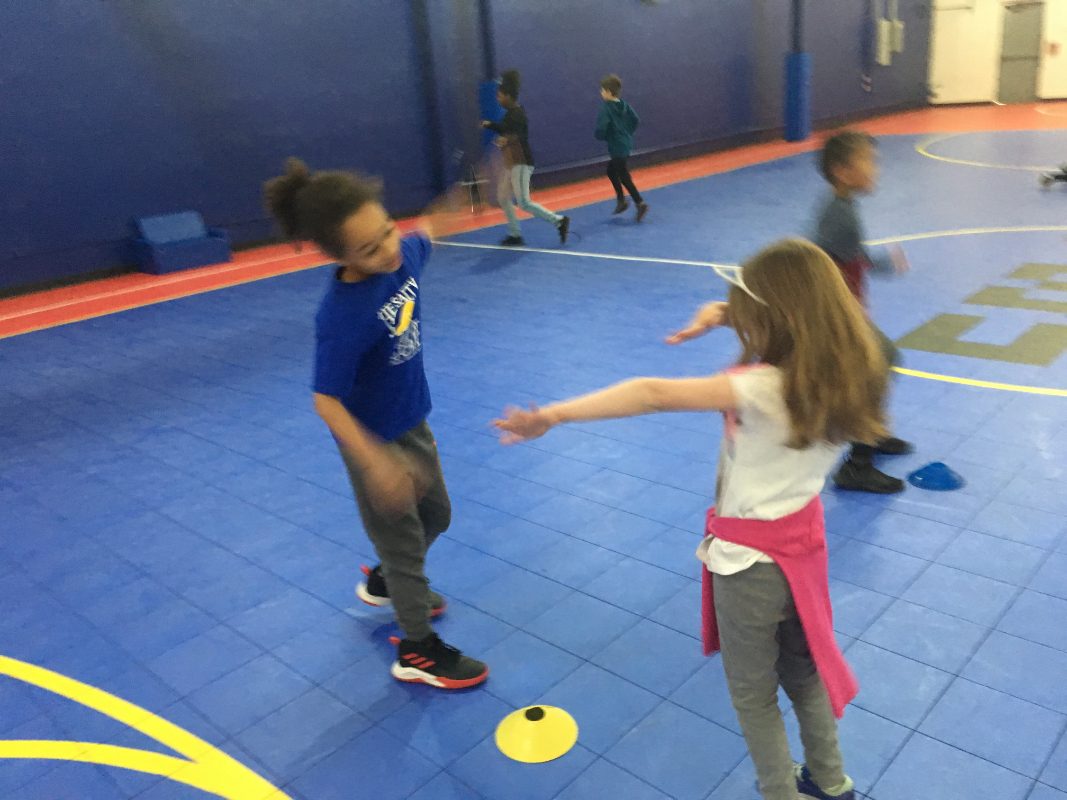
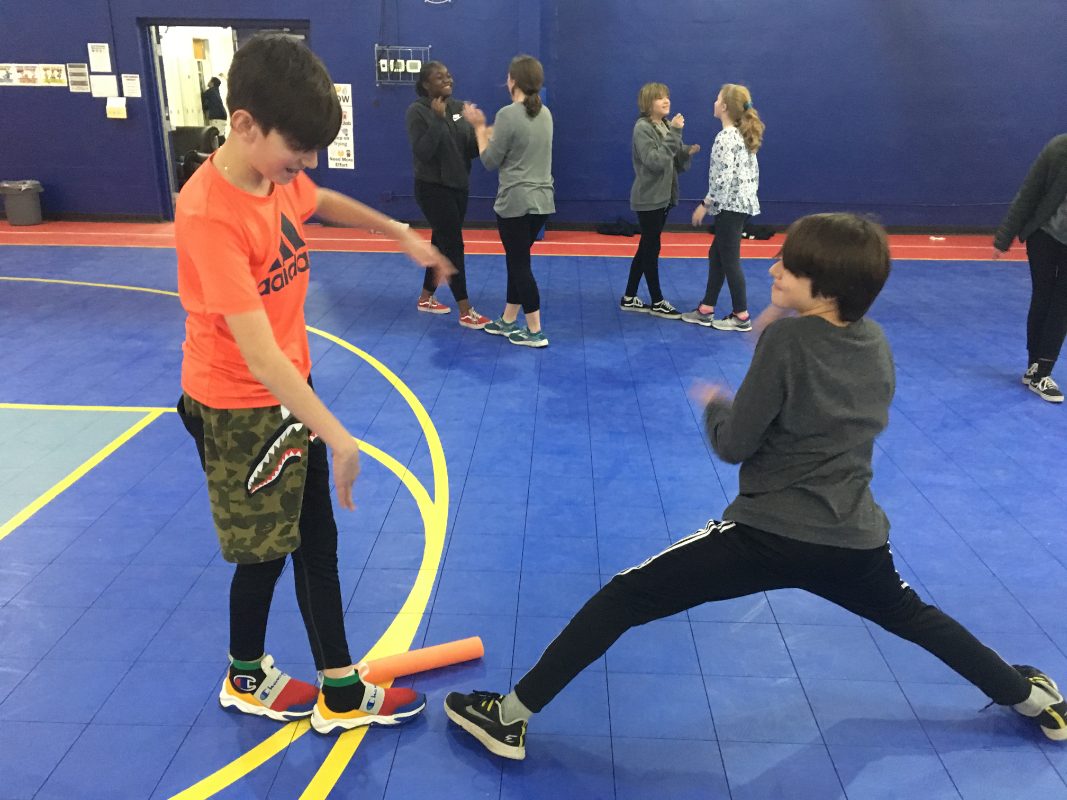
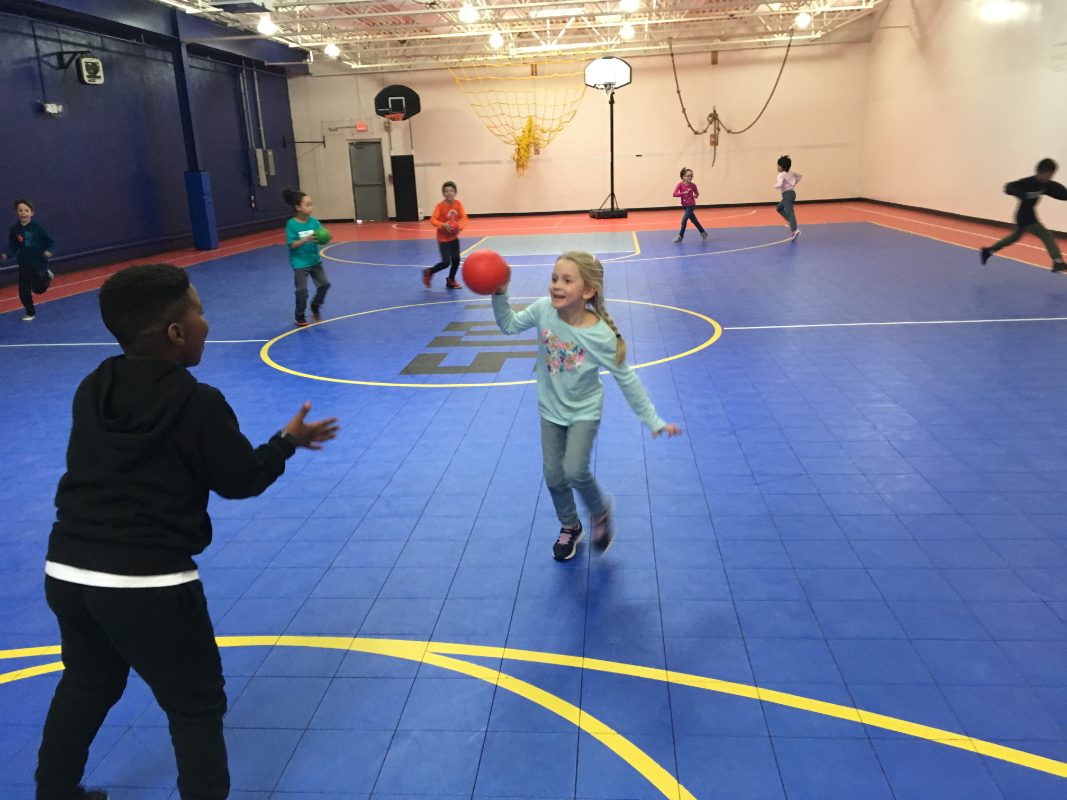
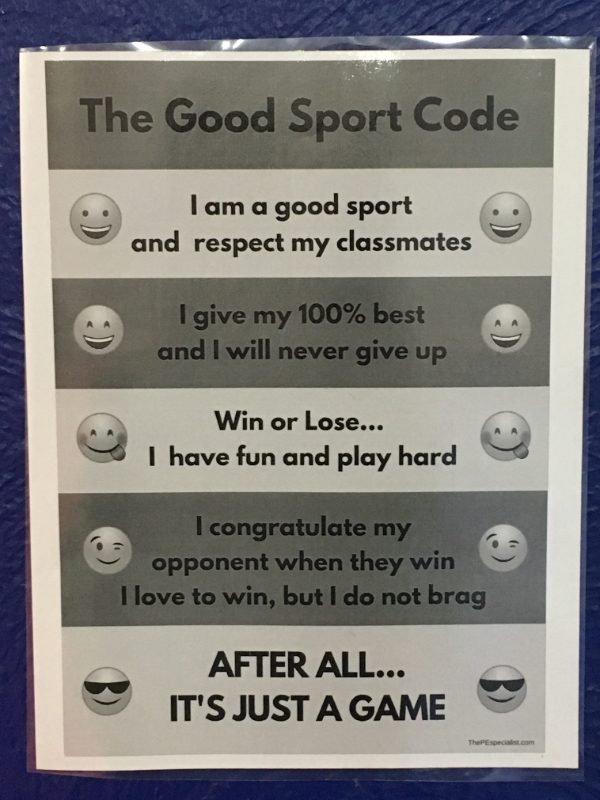
In Physical Education class, students in elementary though middle school played warm-up and cool down games connected to social and emotional learning. Social and emotional learning is the process through which children and adults understand and manage emotions, set and achieve positive goals, feel and show empathy for others, establish and maintain positive relationships, and make responsible decisions.  In PE class, students sometimes become competitive with their peers so it is important that they understand how to maintain a positive attitude, whether they win or lose it’s just a game. I asked them the next time they play a game with friends whether it is in PE or at recess, to ask themselves the following questions. Was I fun to play with?  Was I fun to play against? Did I share the ball? Did I encourage my teammates when they made a mistake or did I make fun of them? Did I quit because our team was losing? Was I respectful and played fair? Win or lose, in the end it’s just a game. We always end a group game by saying good game to the other team but sportsmanship is more than just high fiving the opponents. During the warm-up and cool down games, students were encouraged to partner up with someone they wouldn’t normally pick as a partner.

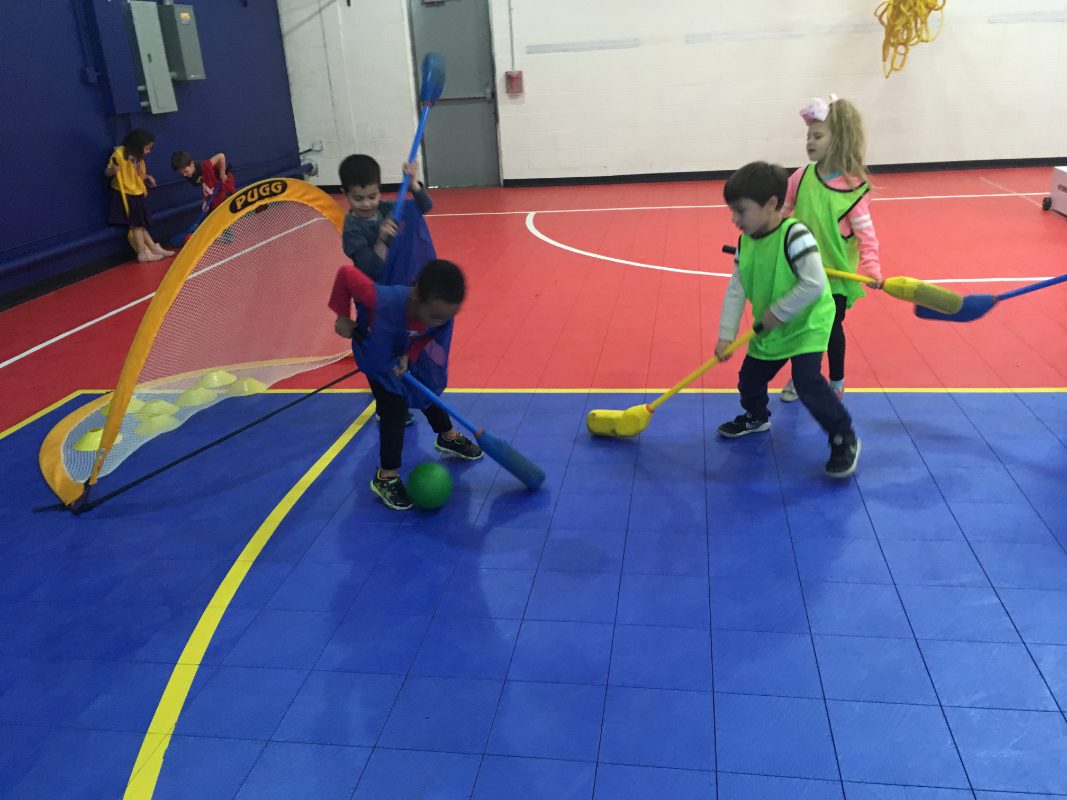
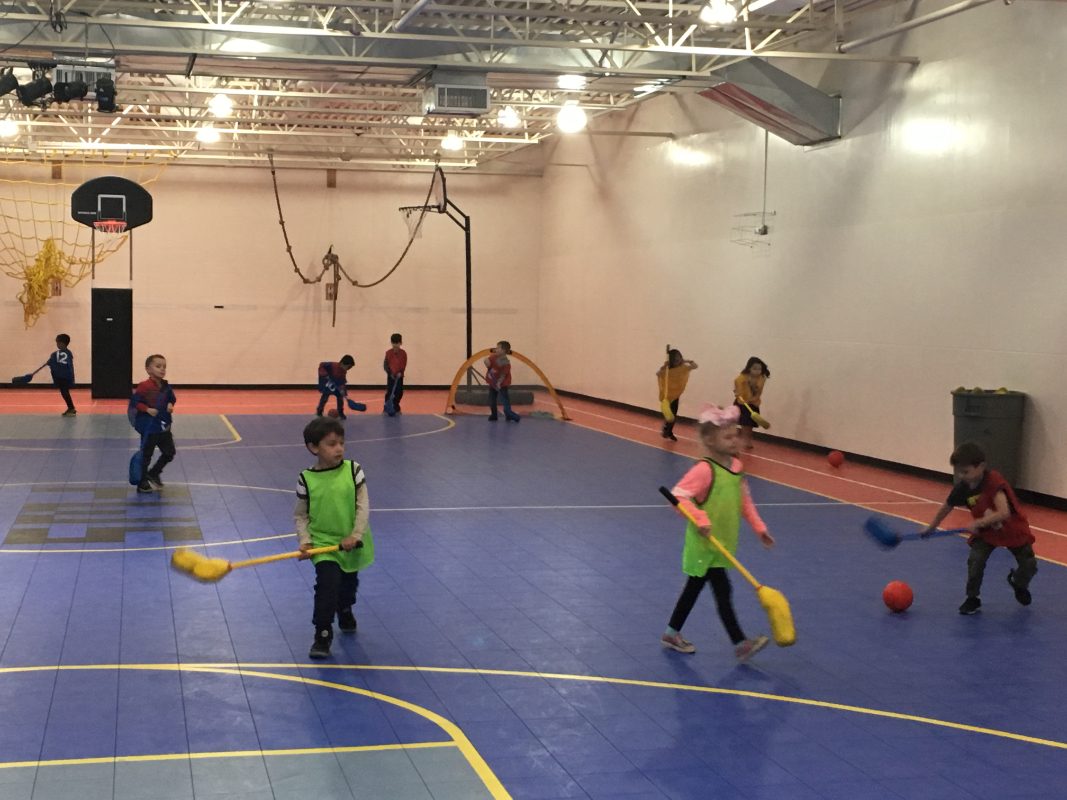
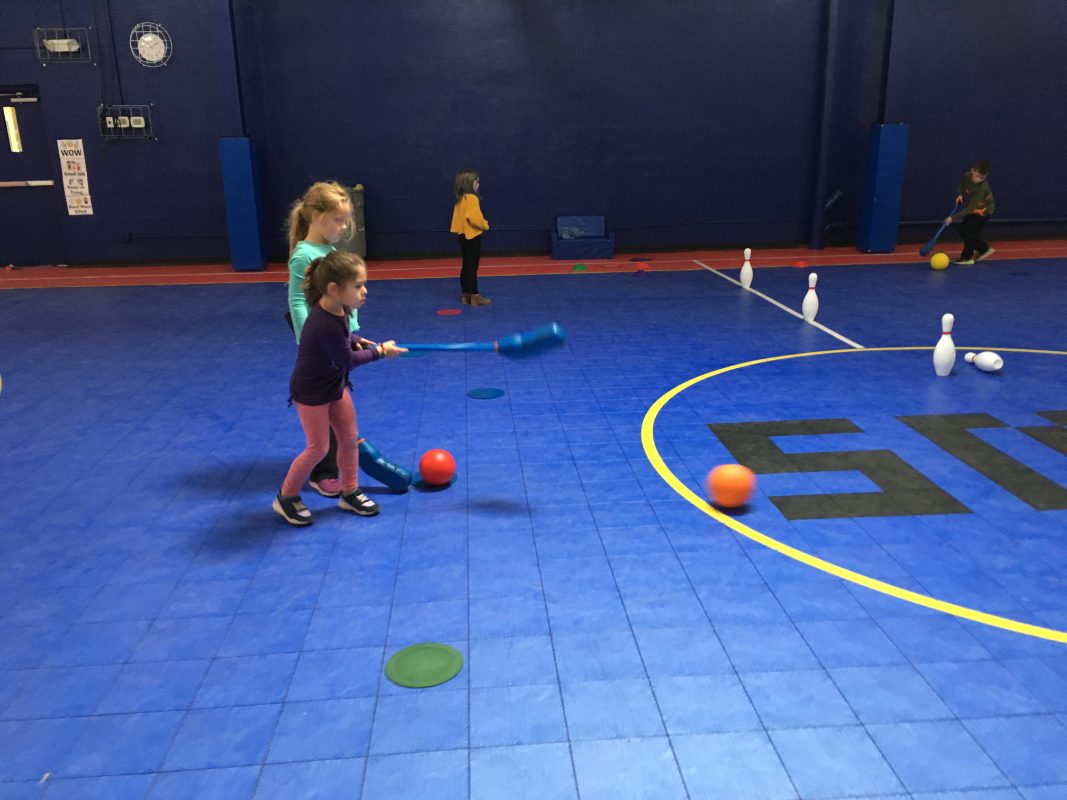
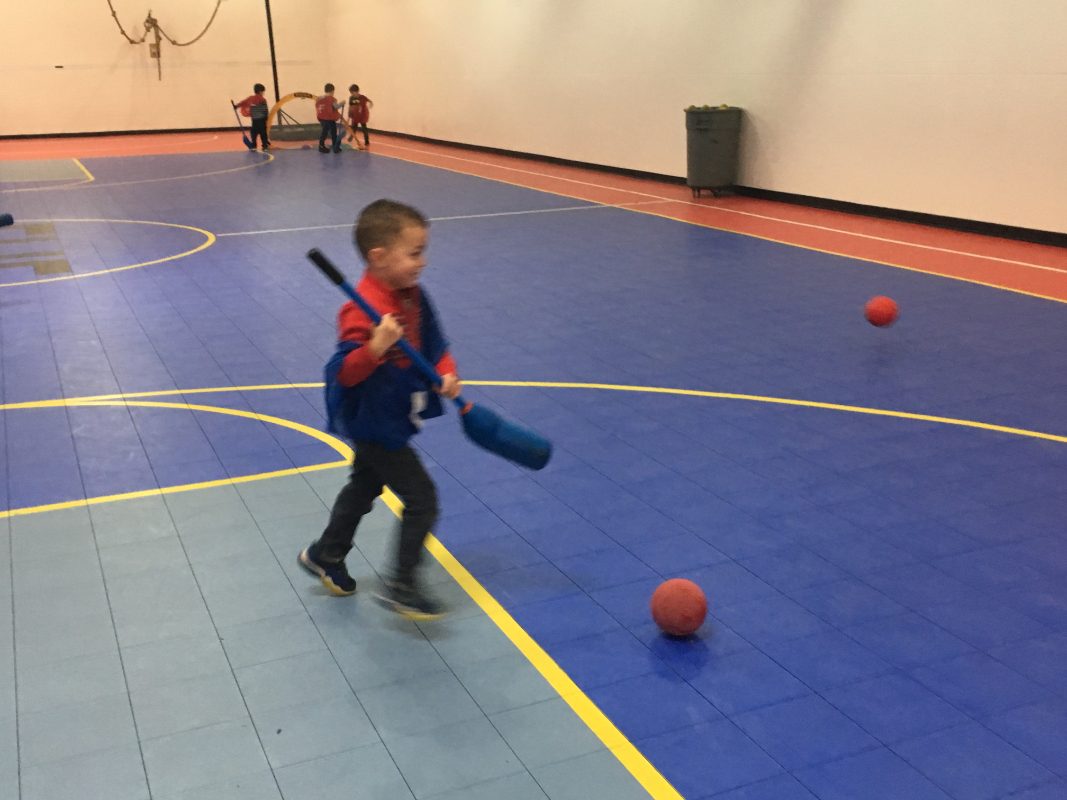
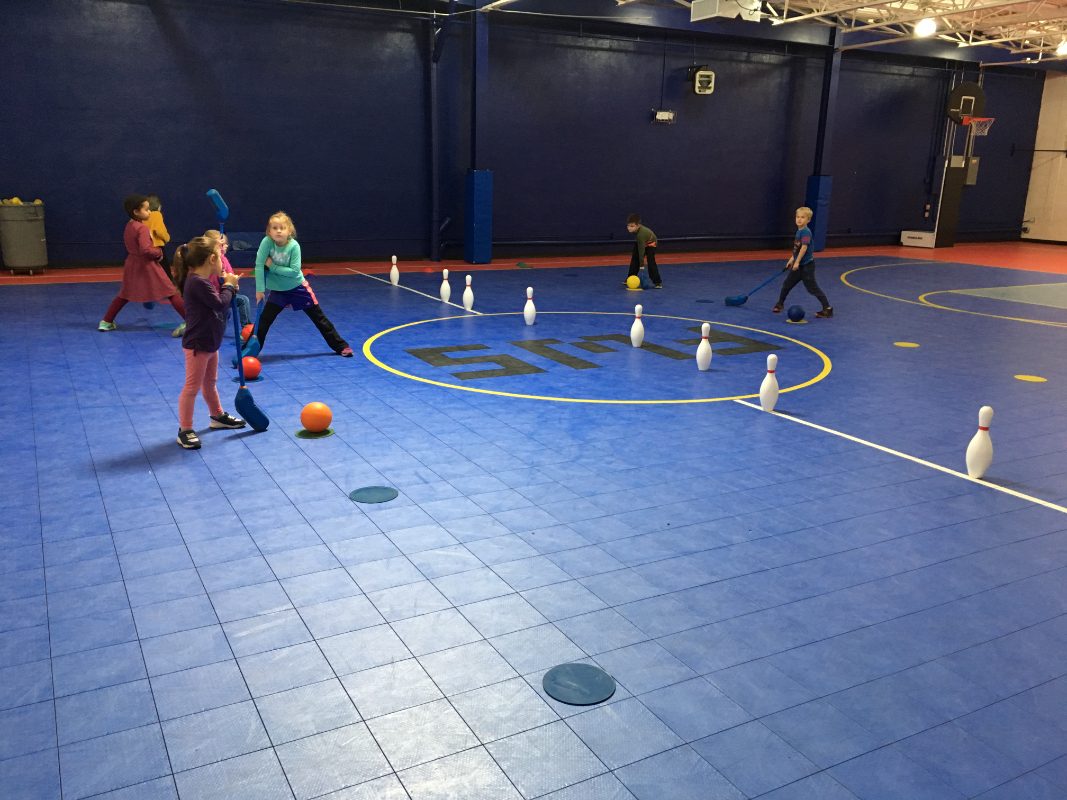
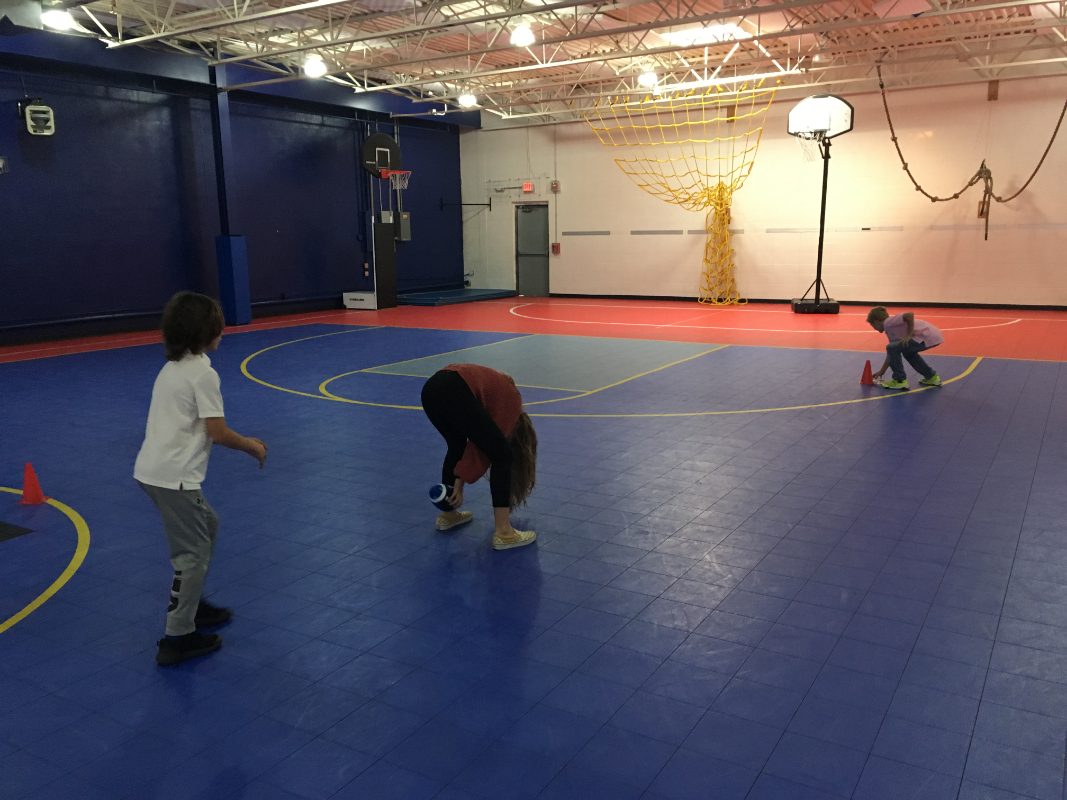
Students in kindergarten through fifth grade started a floor hockey unit this month. The floor hockey skills of dribbling, passing, and shooting were introduced. To practice dribbling, we engage in activities called Walk Your Dog, Dribble Knockout, Dribble Relay, Keepaway, Knock the Pin, Steal the Bacon, and Sideline Hockey. We practice these hockey skills in order to help students develop hand-eye coordination, agility, balance, and group cooperation. At the end of each class, students participated in sideline hockey. Sideline hockey is a game where only two students from each team come out to the court while the rest of their teammates are on the sideline and can help make passes.  Small sided games allows for students to be more actively participating in team games.


Process Art With First Year Students

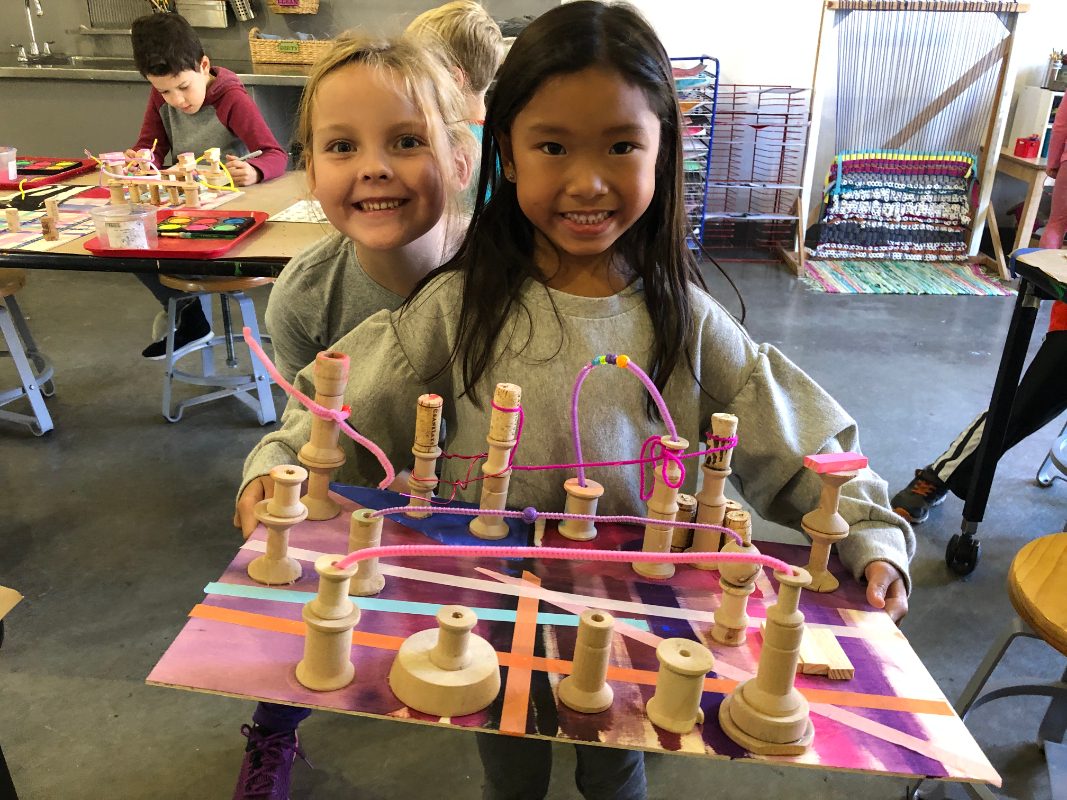
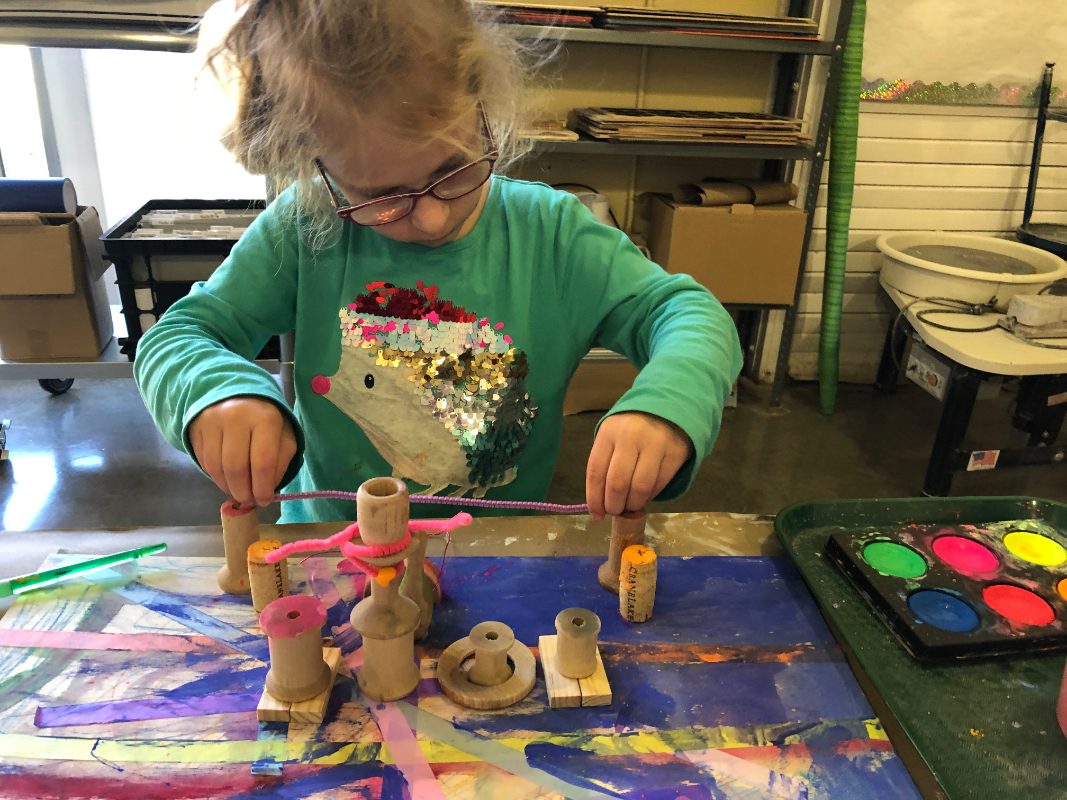
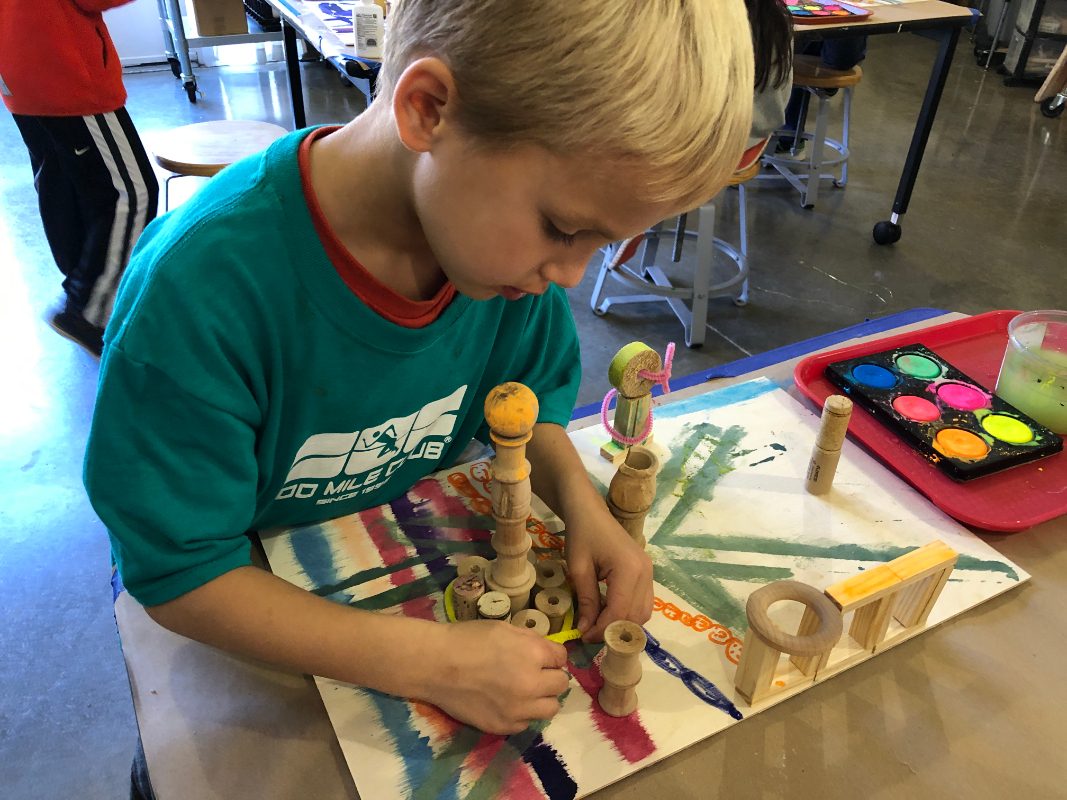
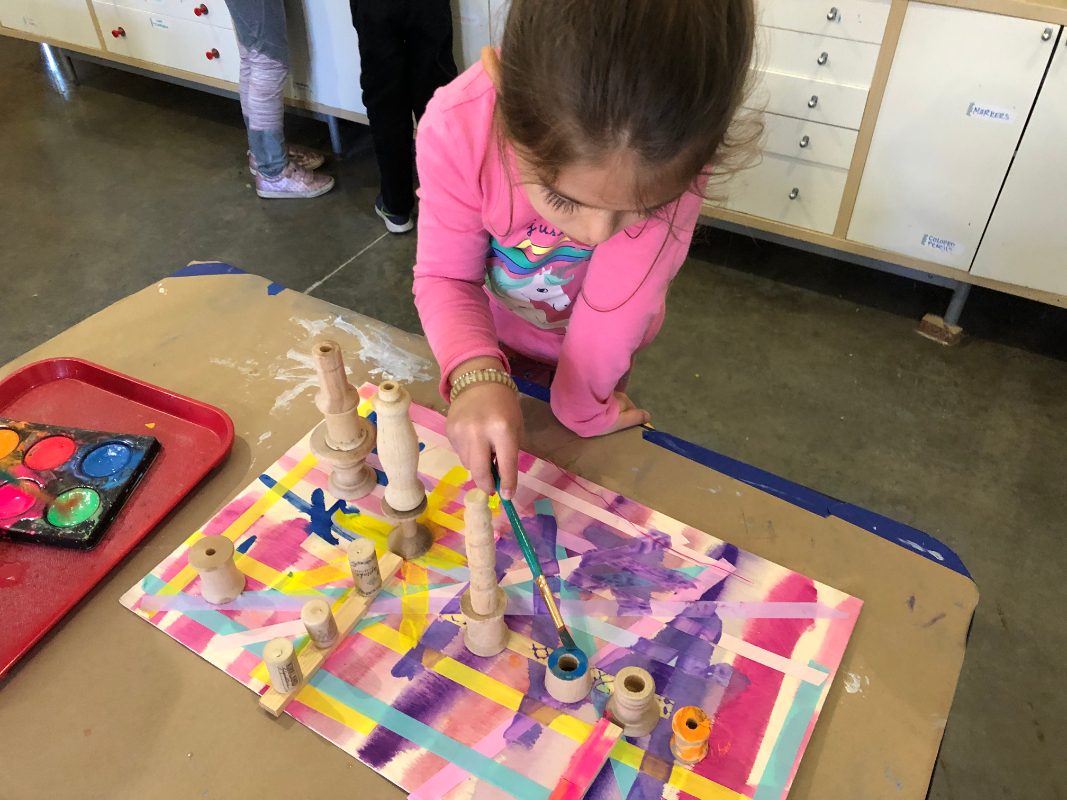
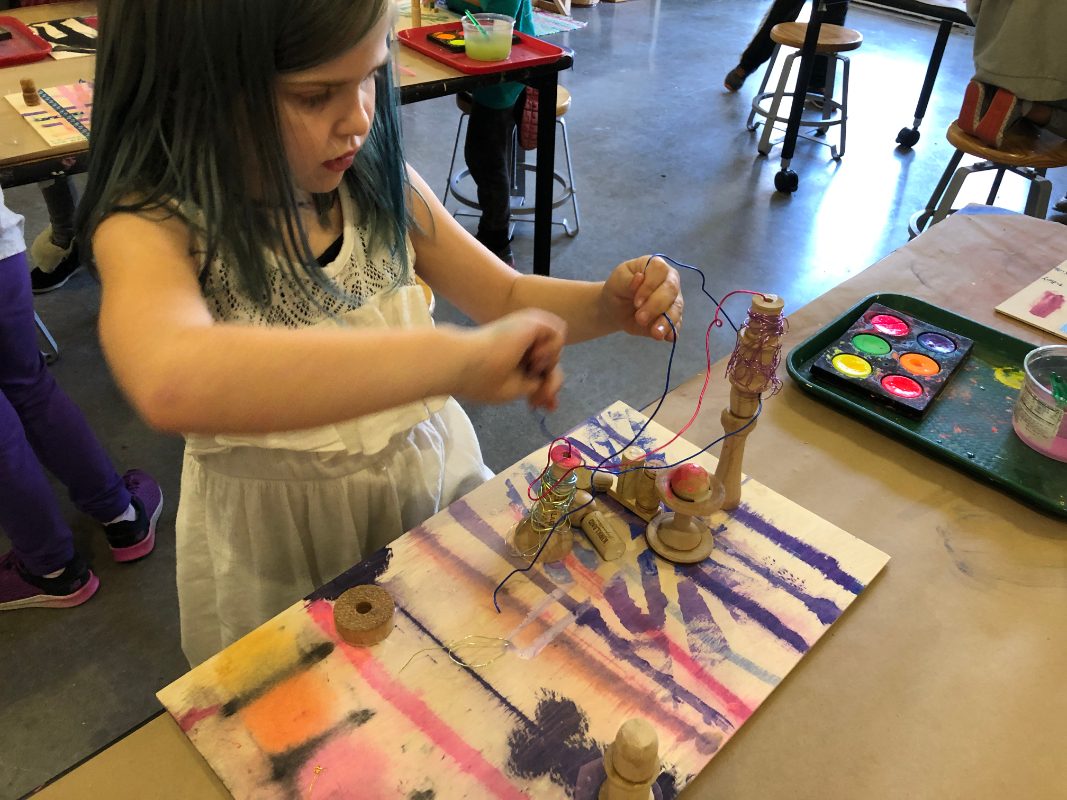
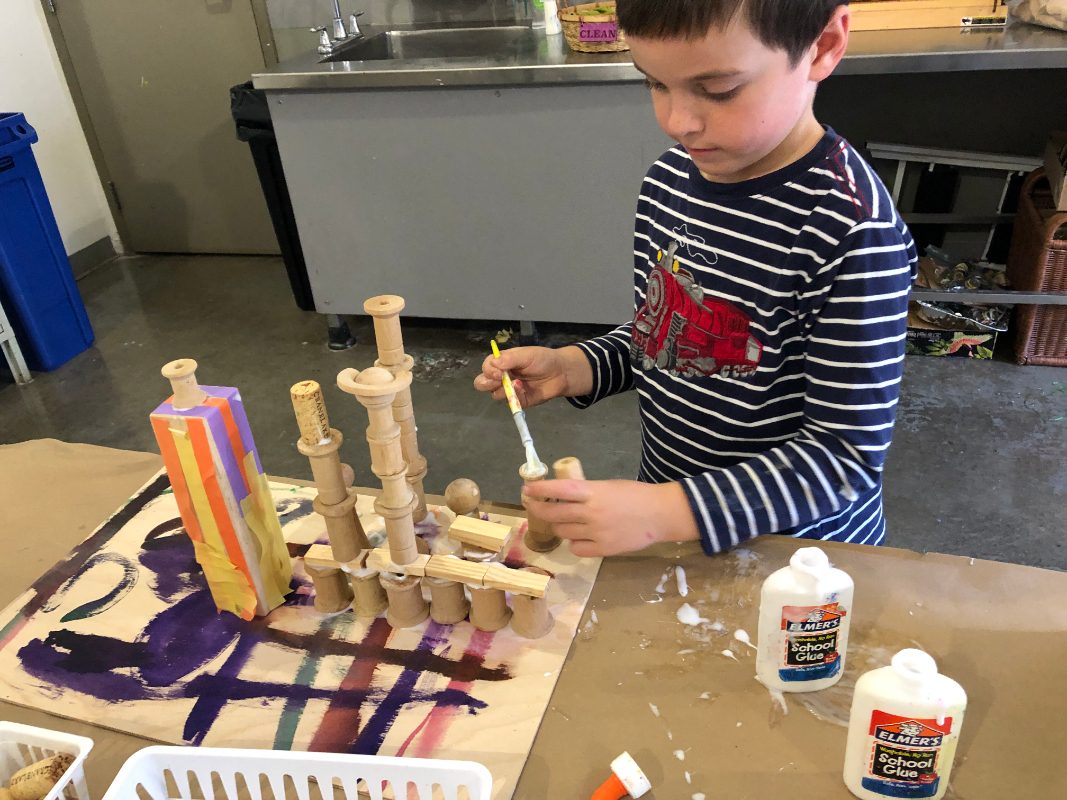
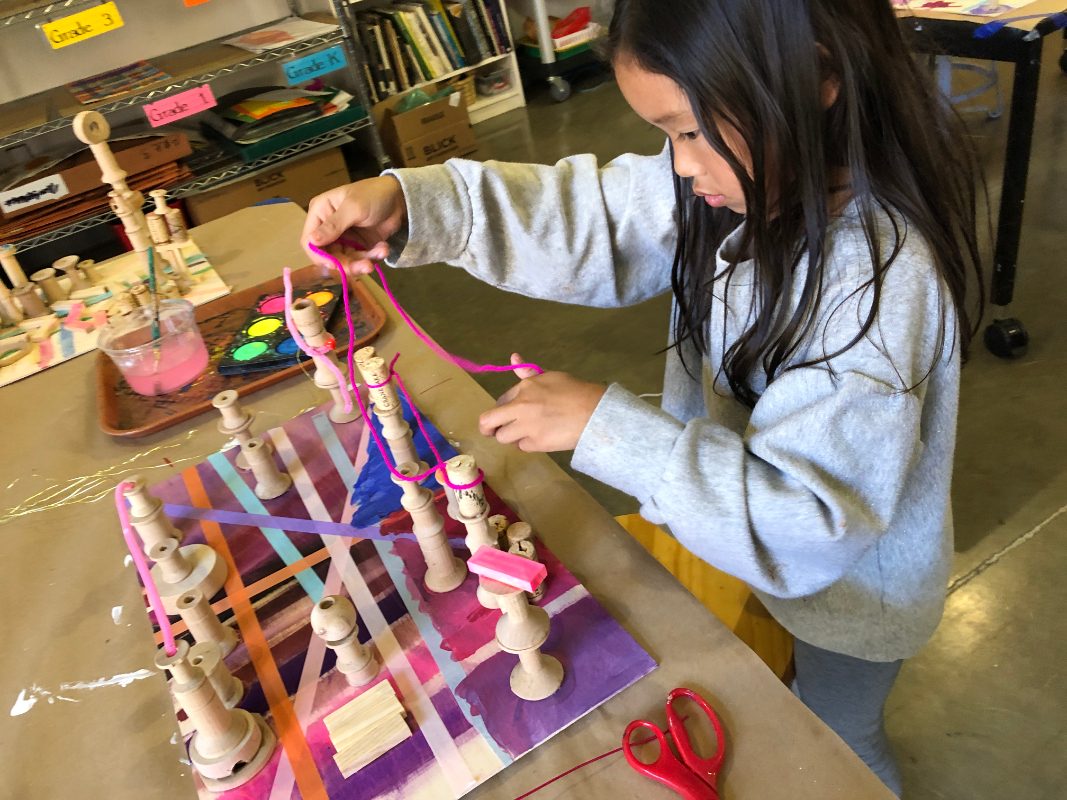
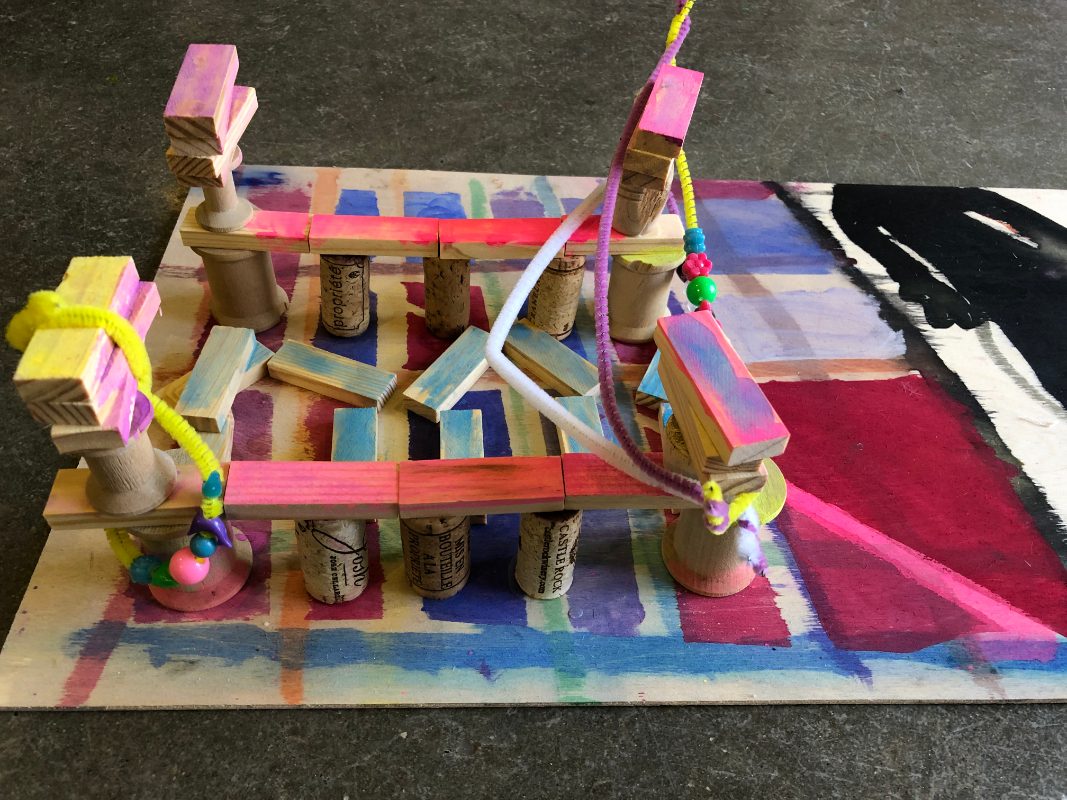
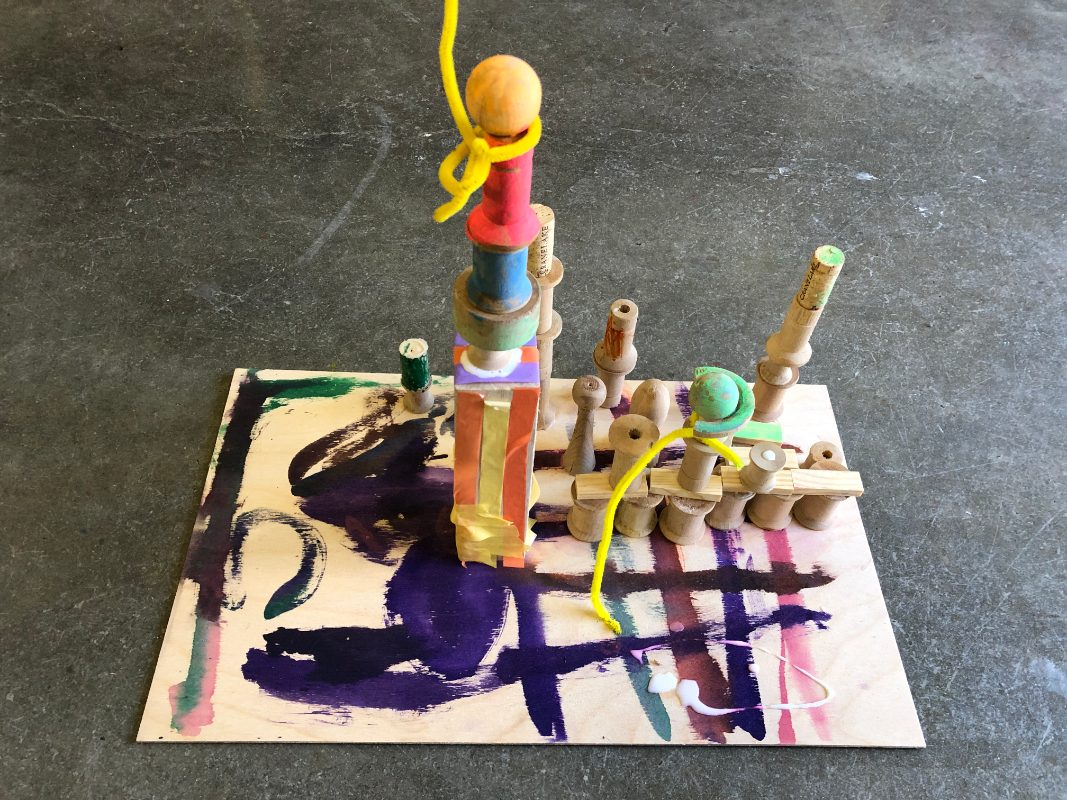
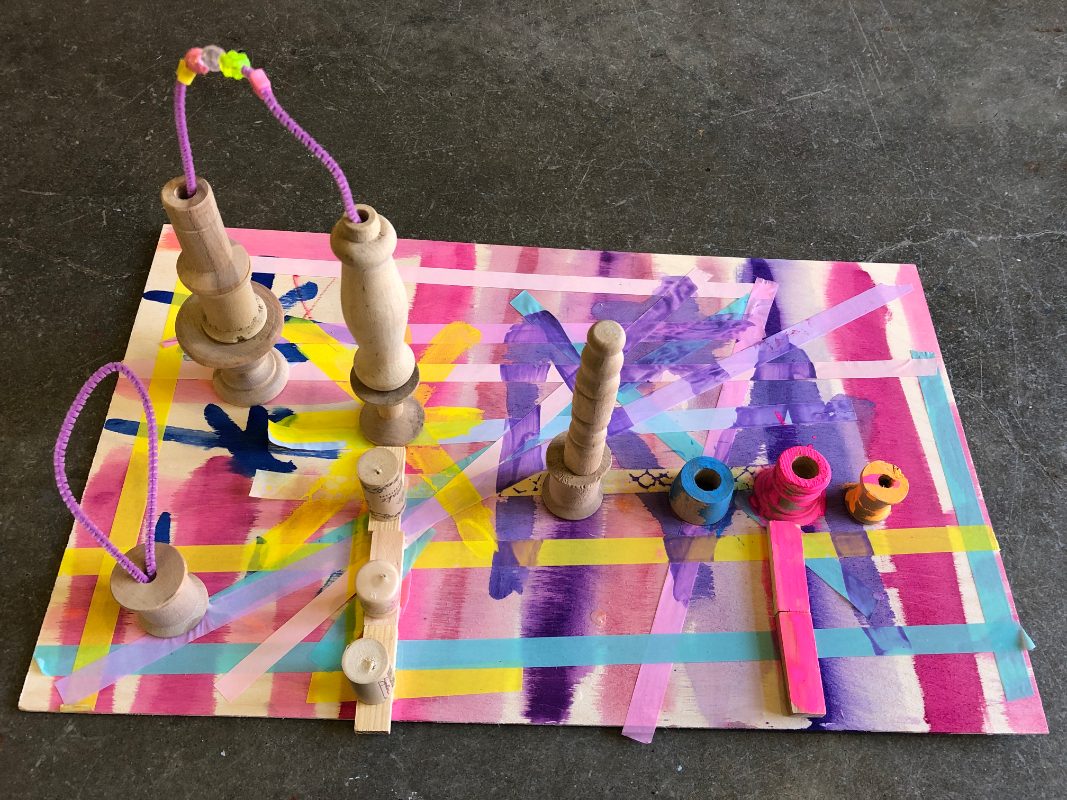
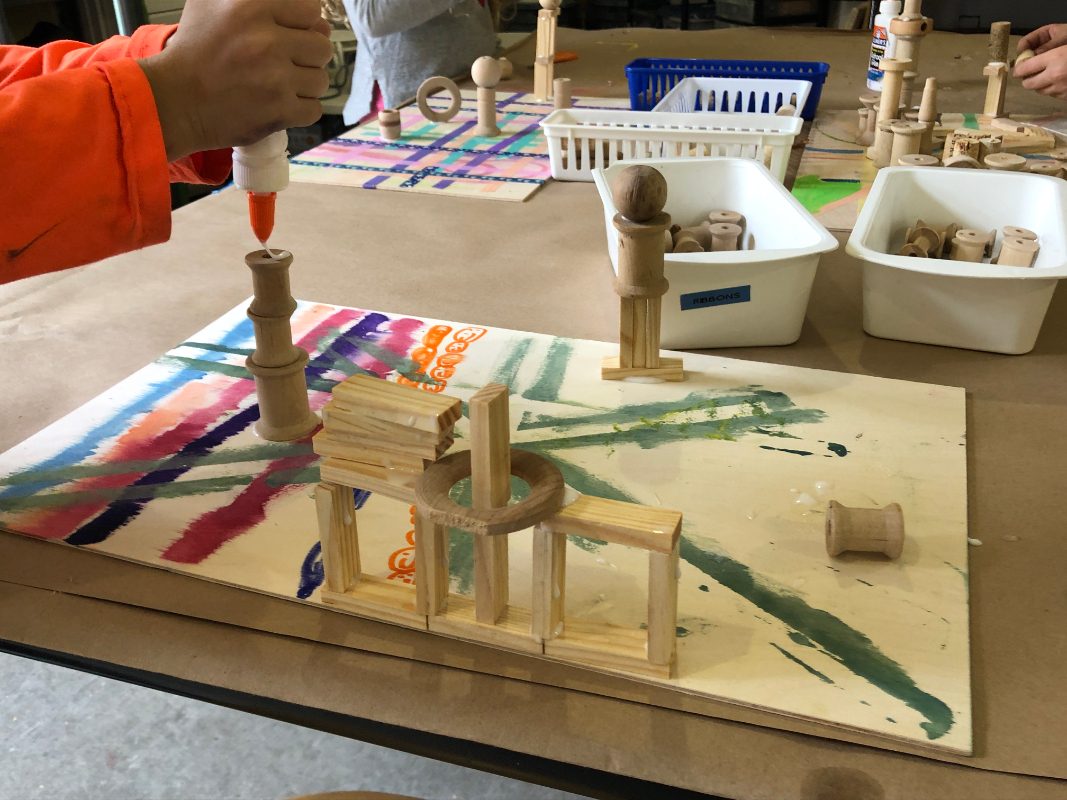
First year students created an evolving art piece throughout three consecutive Art Studio classes. This project combined a range of materials and techniques, and exposed these young artists to many different thinking processes, possibilities, and experiences. It was an open-ended, process-based project in which the making and the doing was the main focus.

We began this artistic journey by painting colorful swatches of watercolor on a 12×18 inch piece of wood. Next, we divided up the wood board with strips of tape in various directions. This created new areas for the children to paint in using tempera paint and gave children the opportunity to practice color mixing. We then added three-dimensional elements such as wood shapes, wire, pipe cleaners, corks, beads, and more. During this step of the process, the level of creativity truly accelerated! I could hear the children talking amongst themselves about what their project was evolving into: a town, a city of lights, a playground, an imaginary planet, etc. 

This is where the magic in valuing the process over the end product comes to life! Process-oriented art honors the individual and values critical thinking, exploration, listening, and imagination. It allows the developmental process of each individual to flourish. Throughout the making process, children begin to trust themselves and remain flexible thinkers, which in turn builds confidence in their ideas. Each child grew to be more deeply invested in their creation because of the freedom to explore the materials in their own way.


World Language with Señora Hall

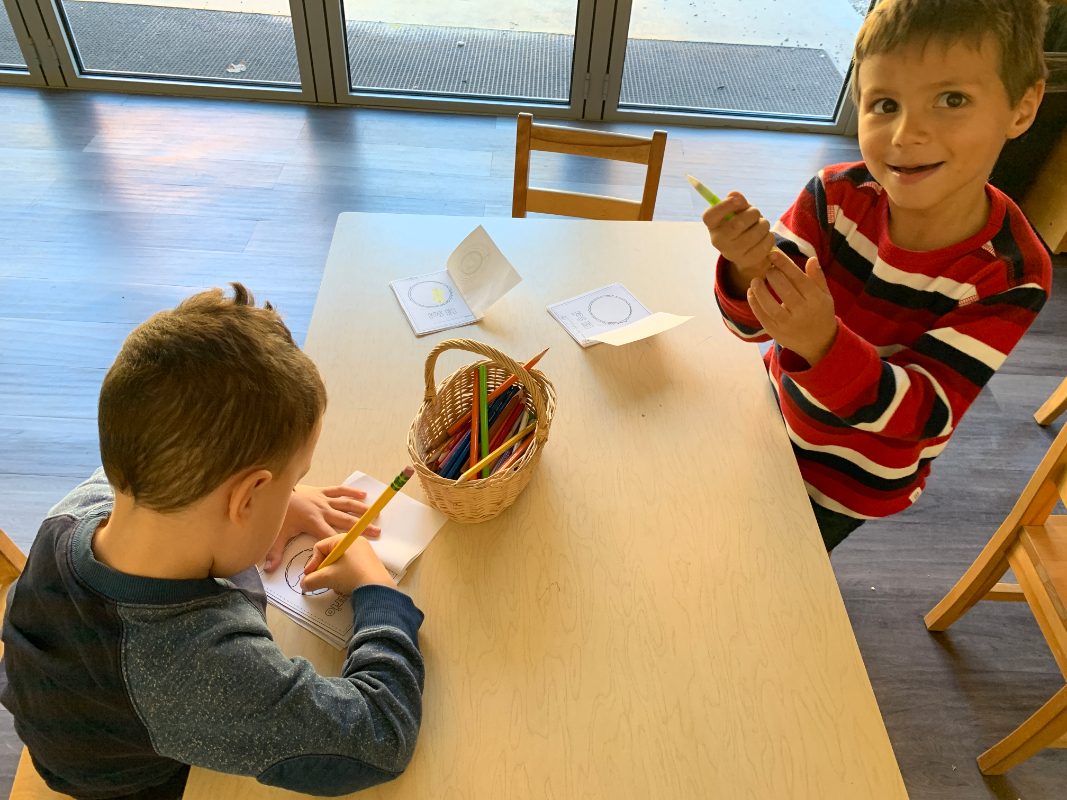
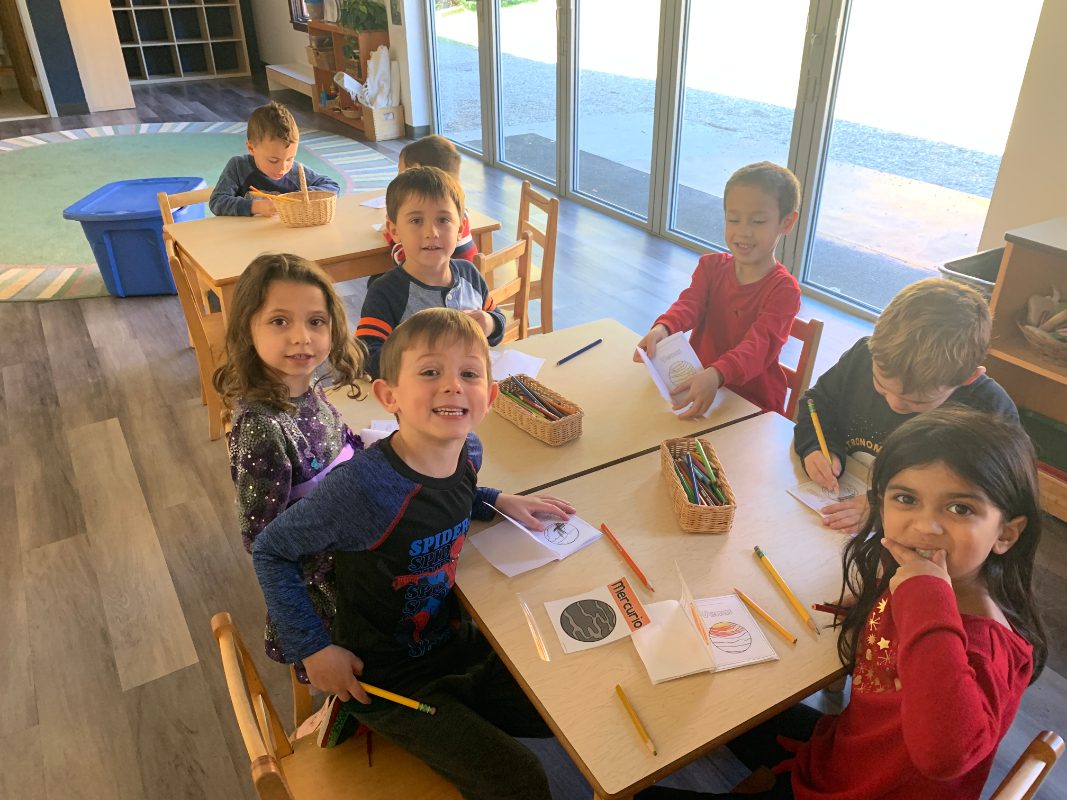
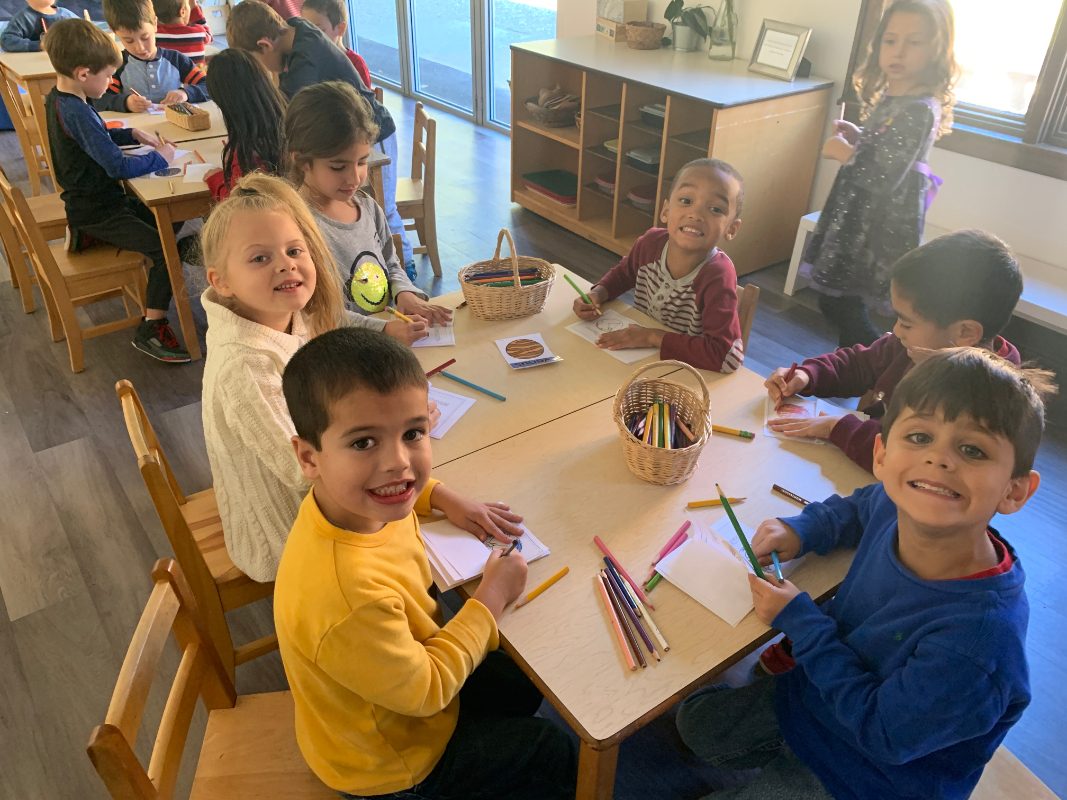
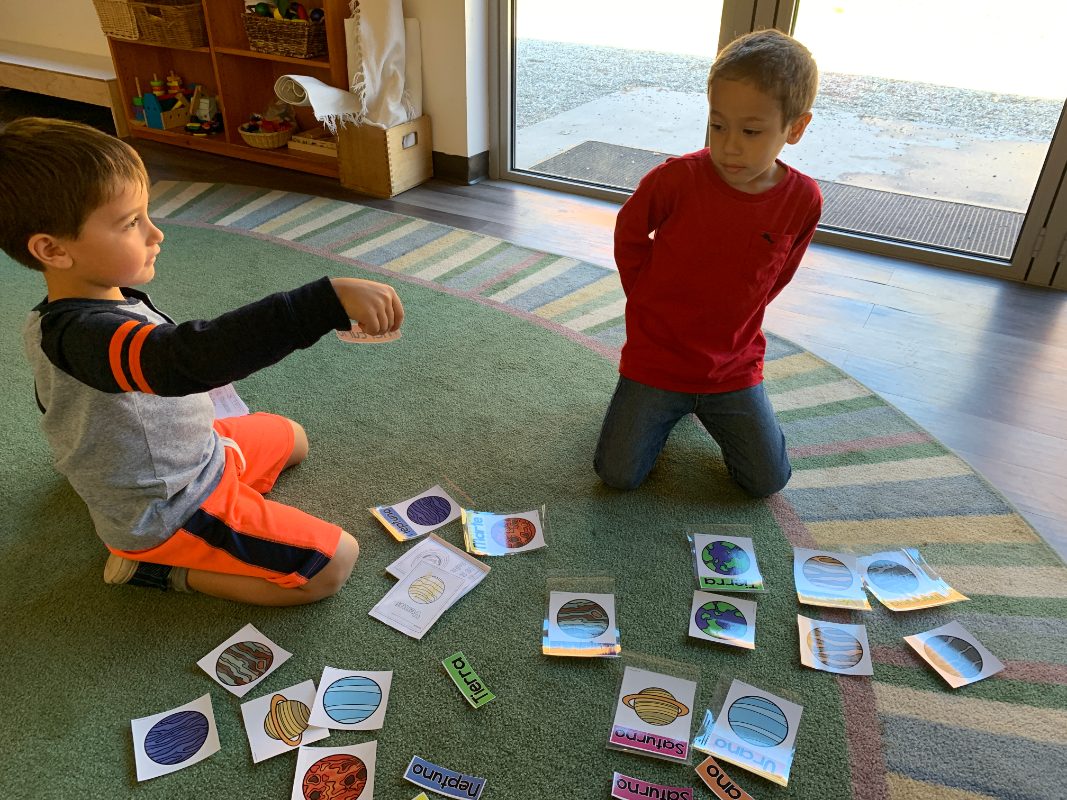
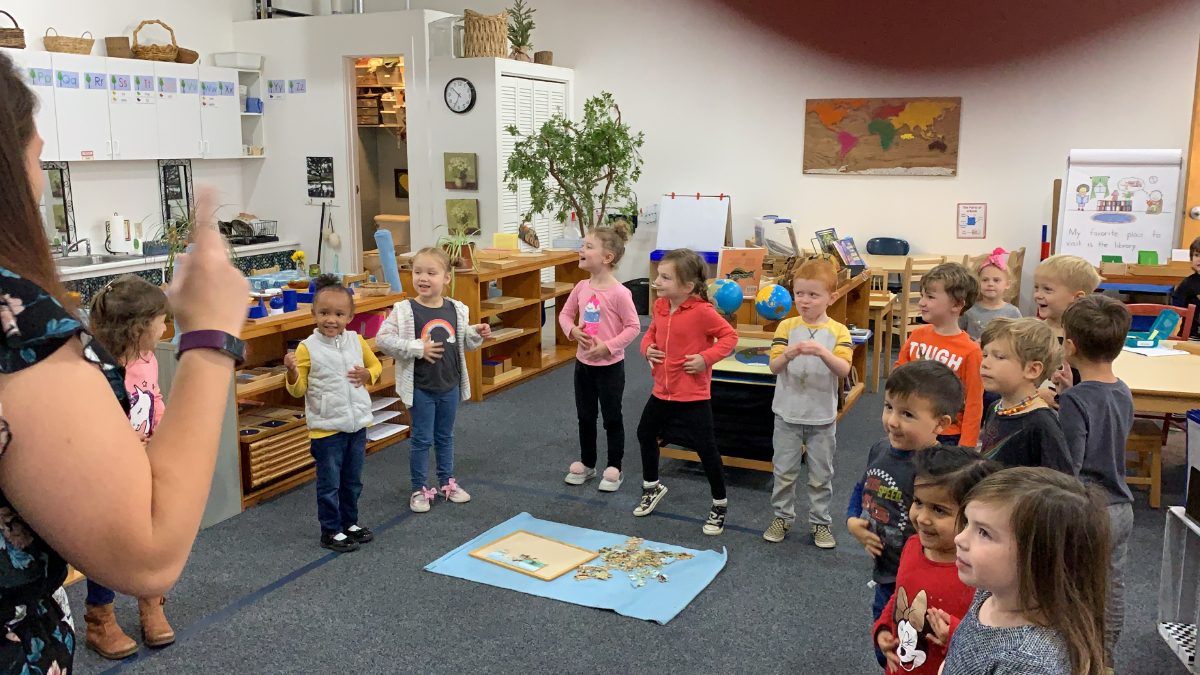
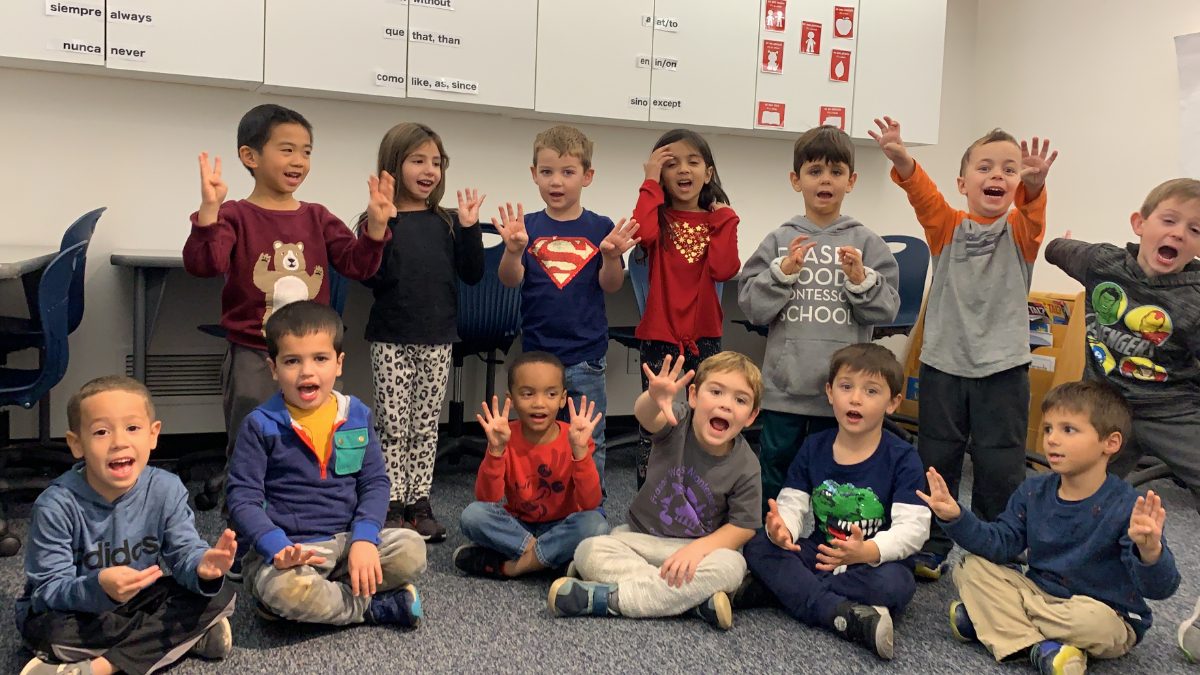
Primary students have finished learning about our Solar System with our Ocho Planetas song. We just began working on Las Partes del Cuerpo and have done Cabeza, Hombros, Rodillas, Pies, and Mi Cuerpo Hace Música to reinforce the body parts. 

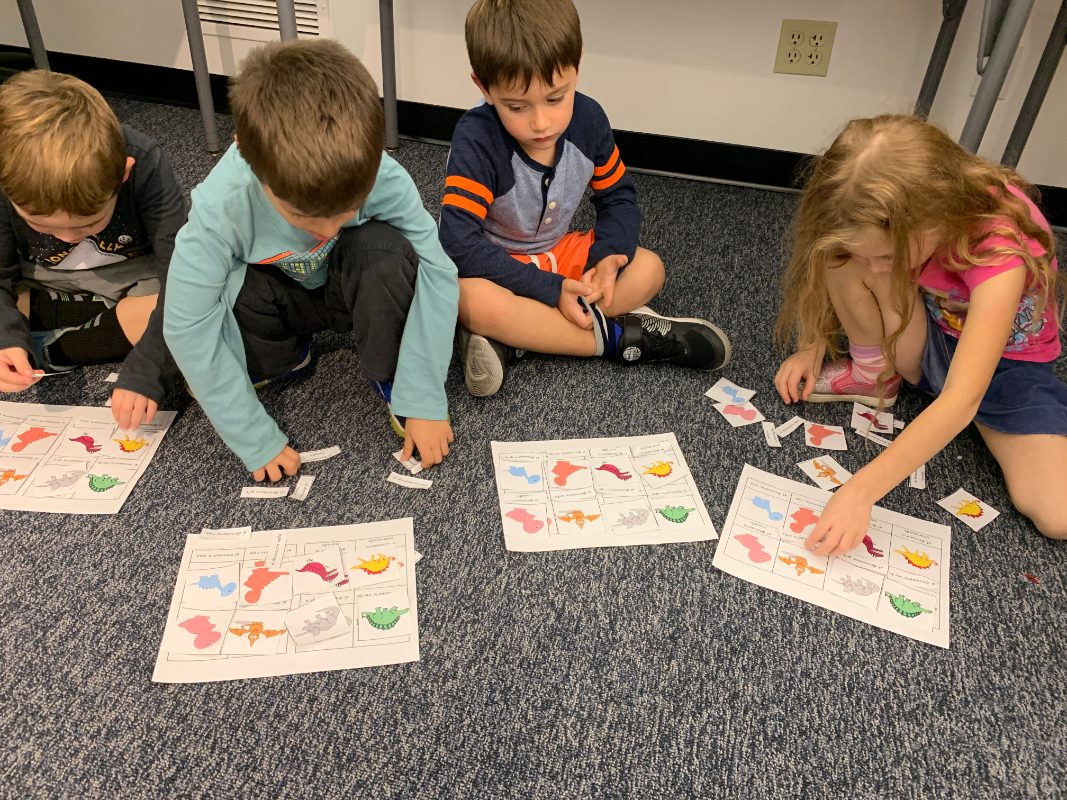
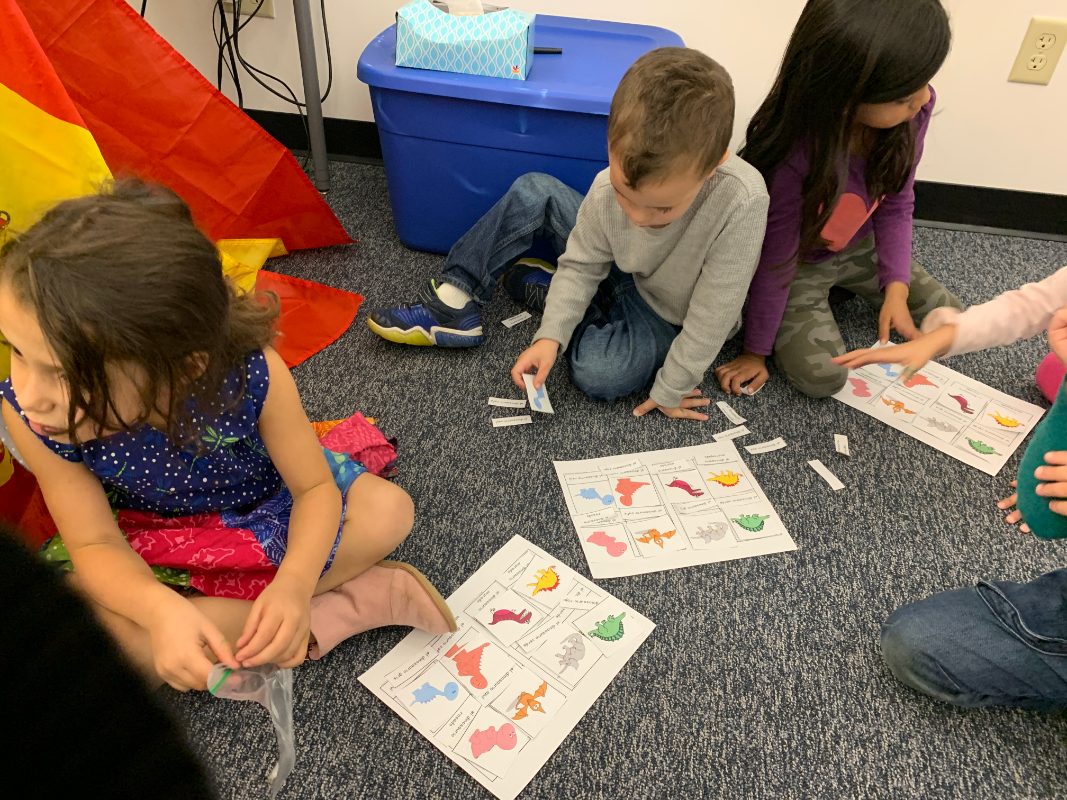
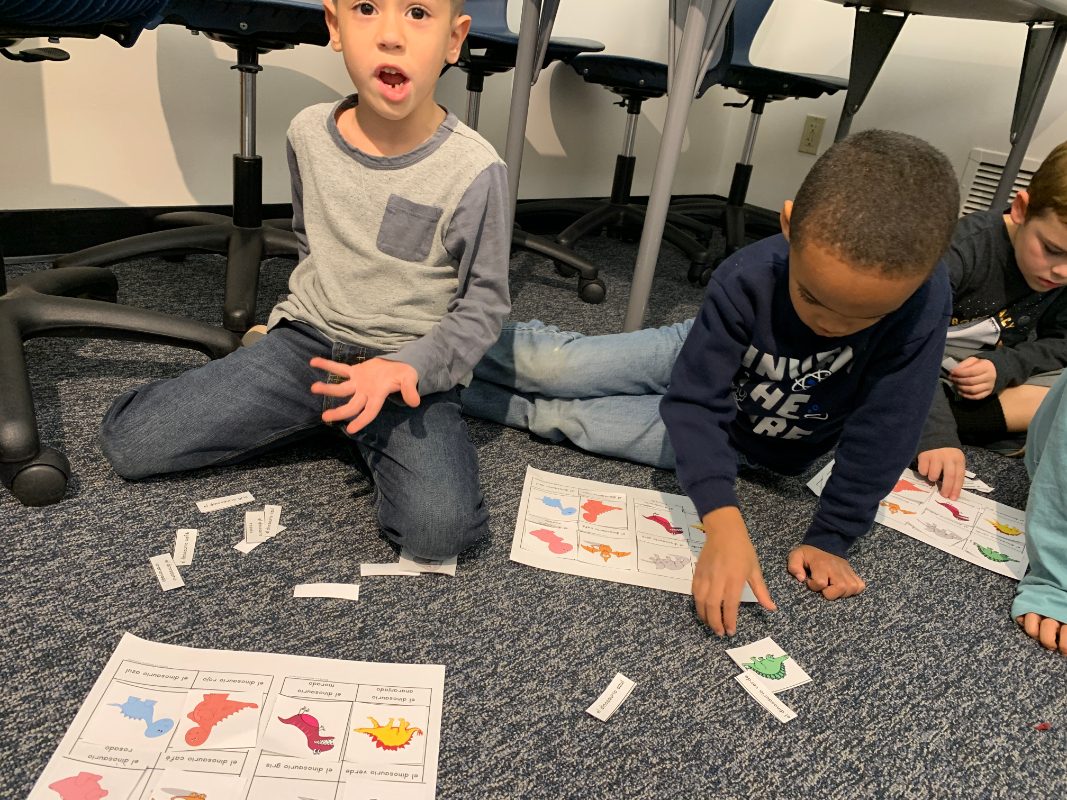
Lower Elementary classes have begun to explore their feelings in Spanish. We have also been working on retelling stories and developing our own stories with vocabulary acquired from those we have read together. 

Upper Elementary just finished listening to their first Spanish novel: Brandon Brown Quiere un Perro. We then did a Movie Talk about El Regalo, making connections between characters from the novel and those in the video. 

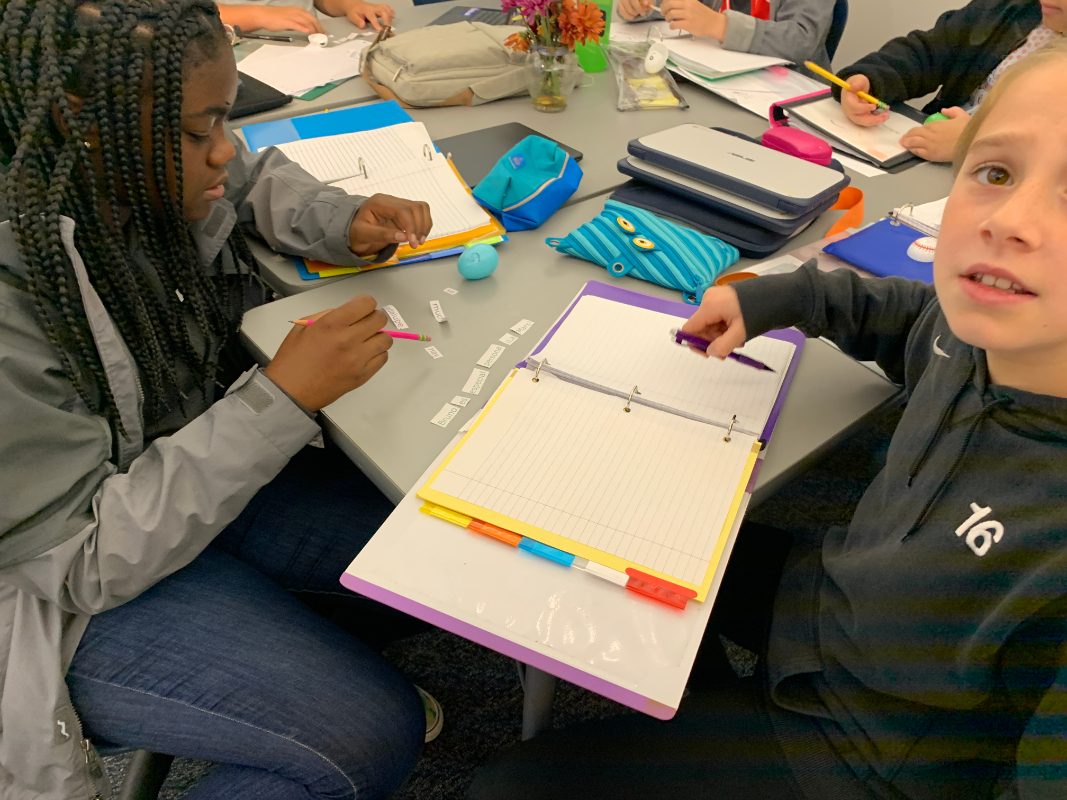
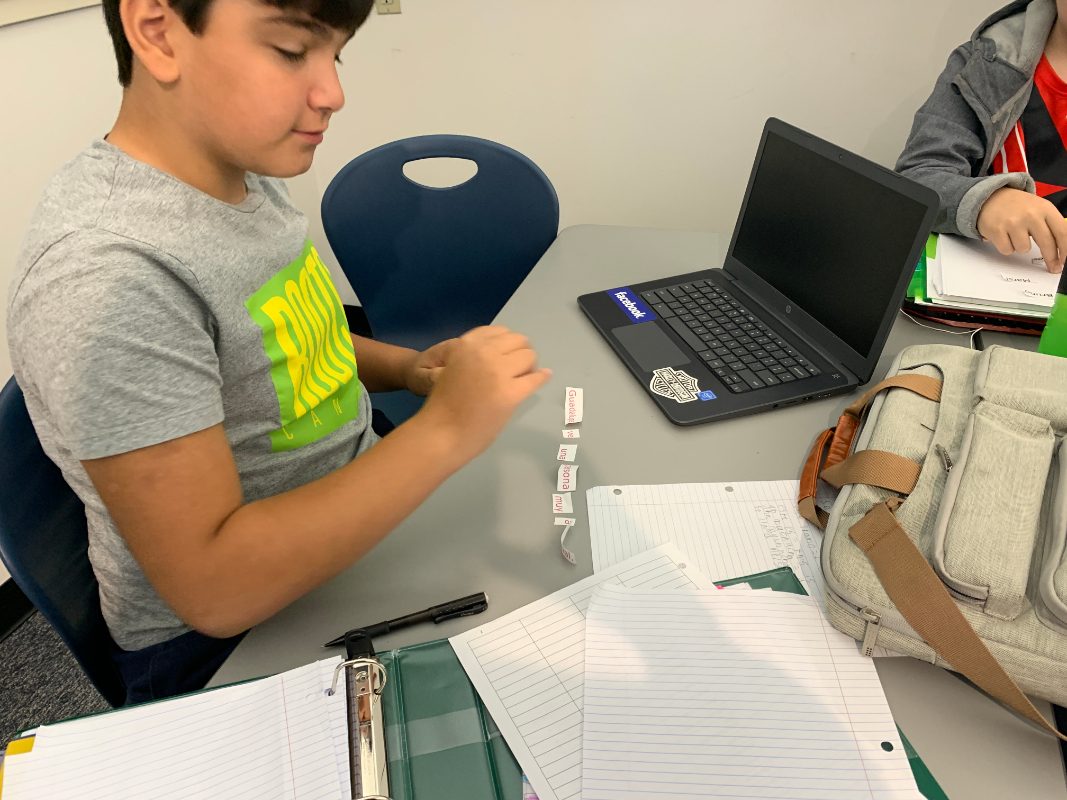
Middle School has been using phrases like, “Es una persona que…” or “Es un lugar…” for circumlocution exercises in order to stay in the target language for the majority of the class. They are flying through proficiency based novels and building a solid foundation of the language.


Flag Football Unit


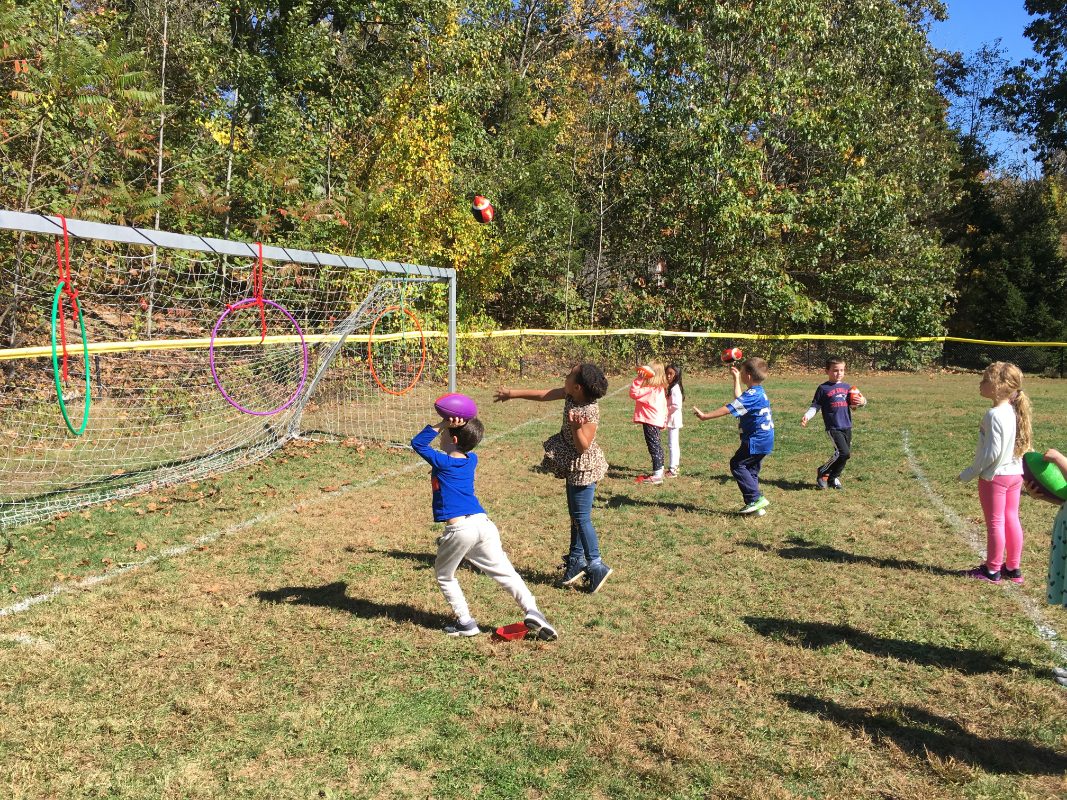
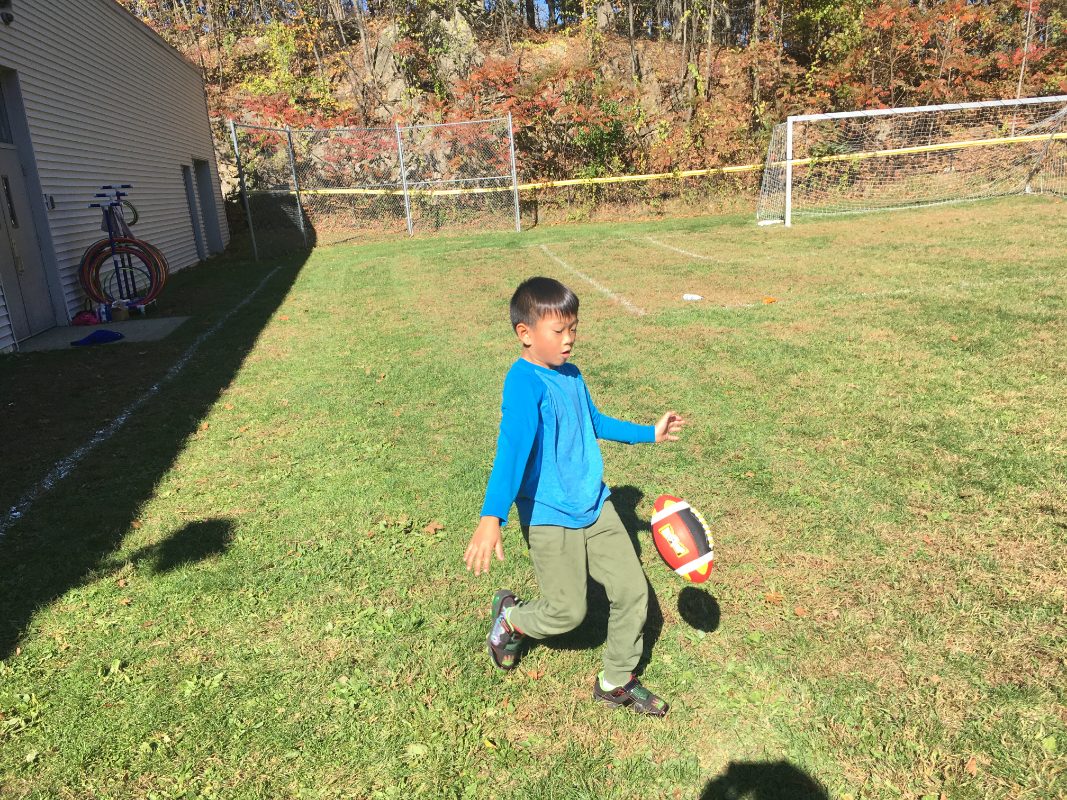
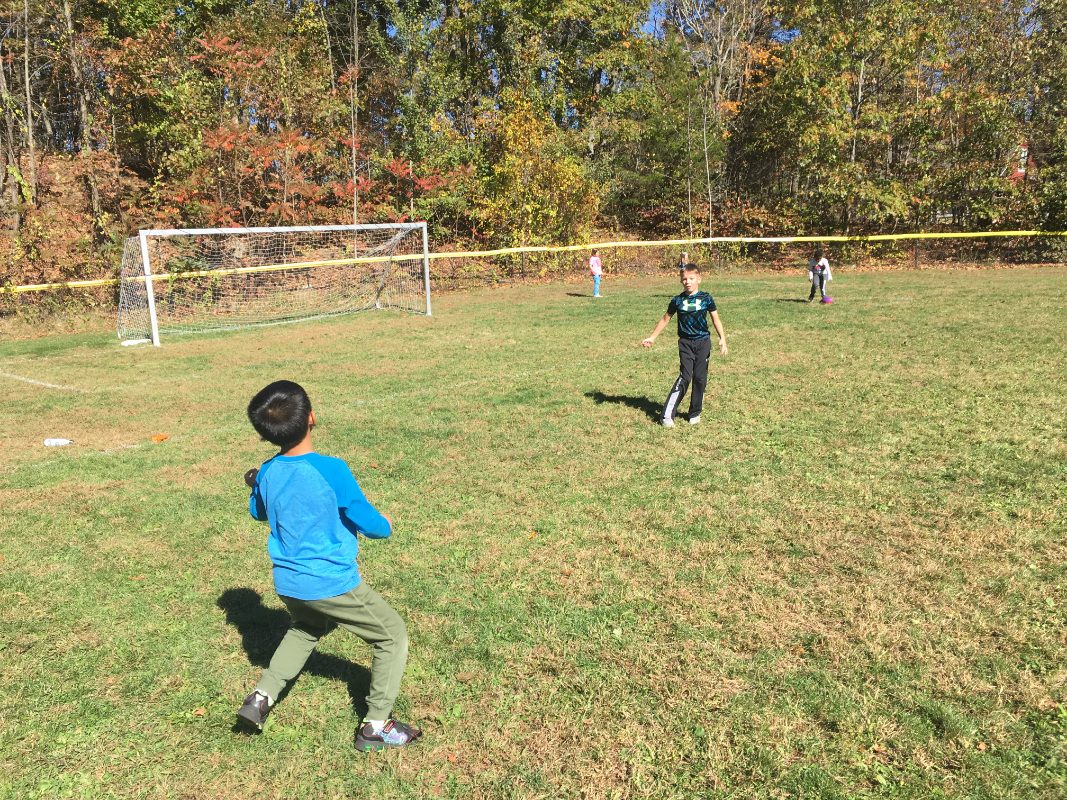
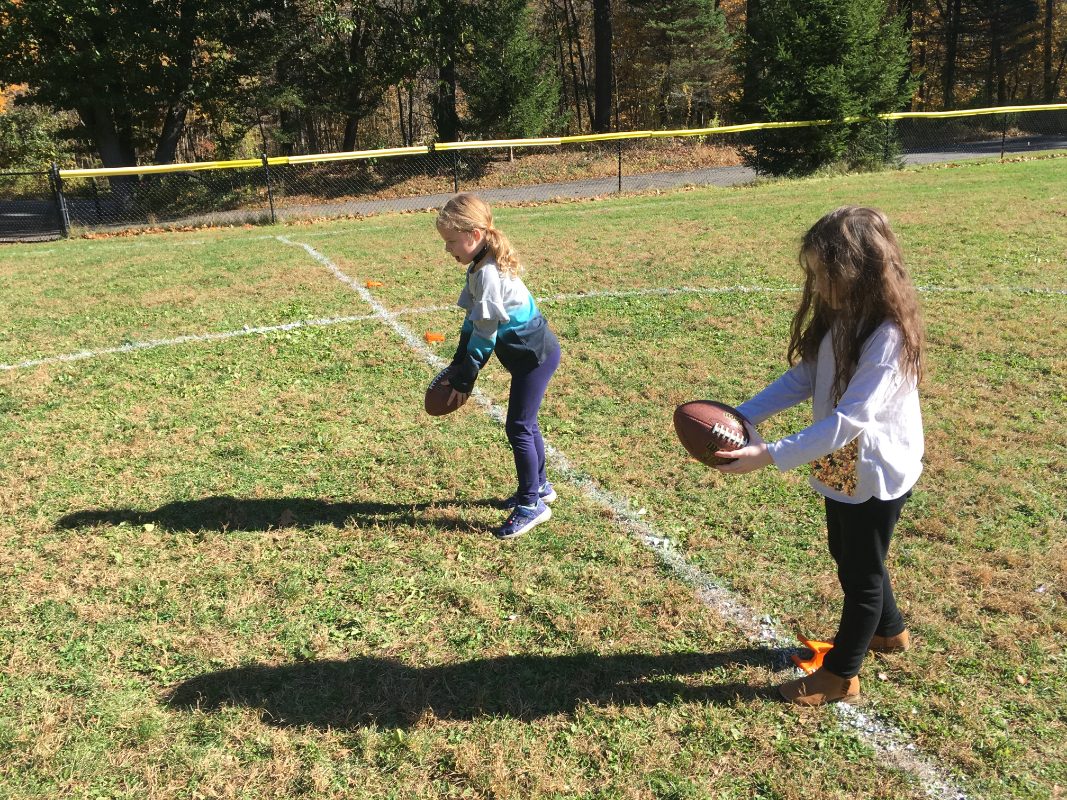
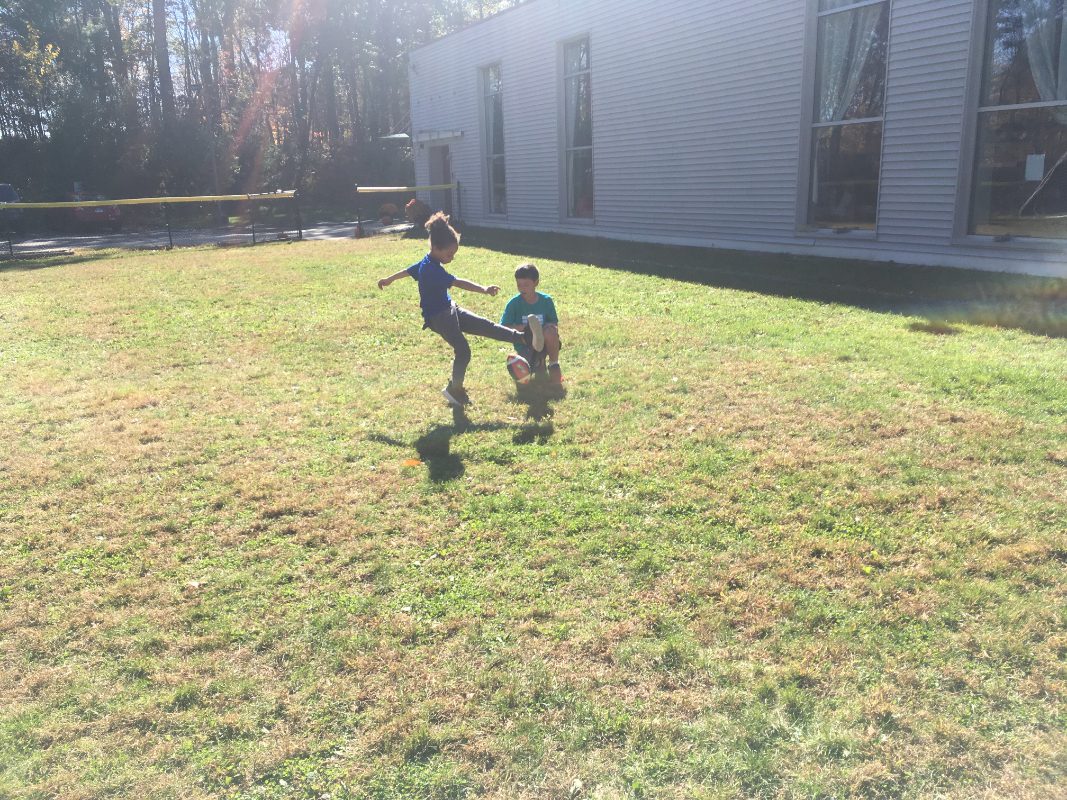
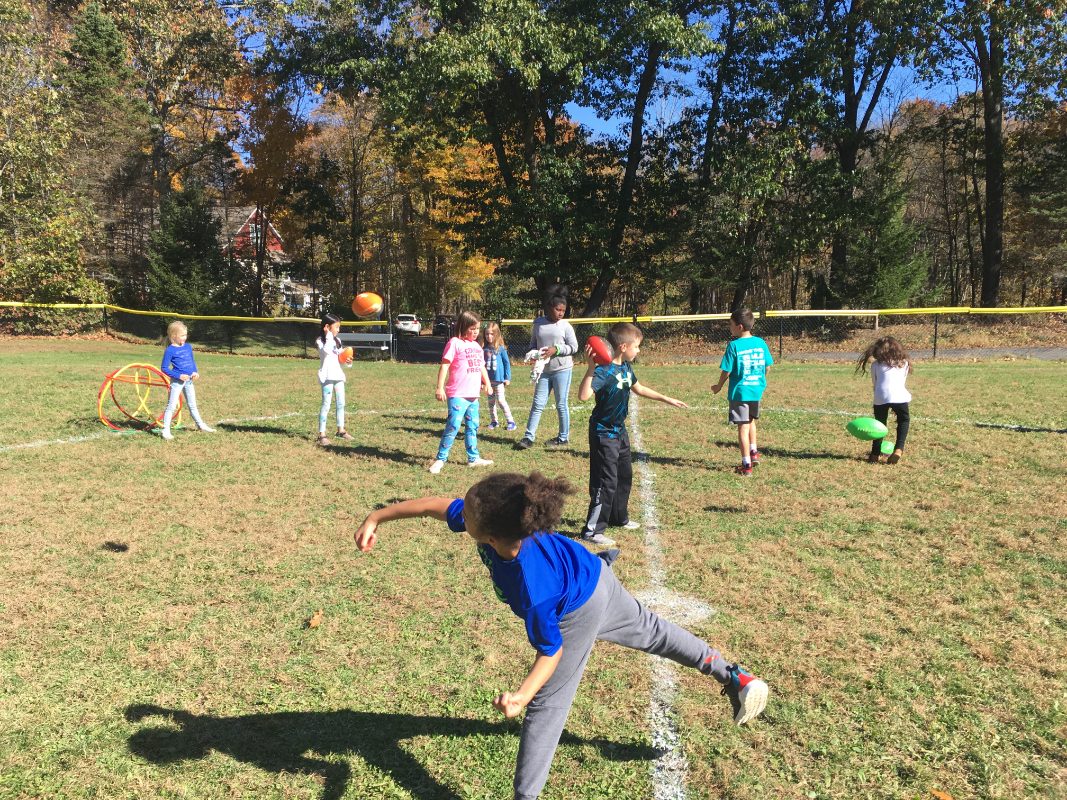
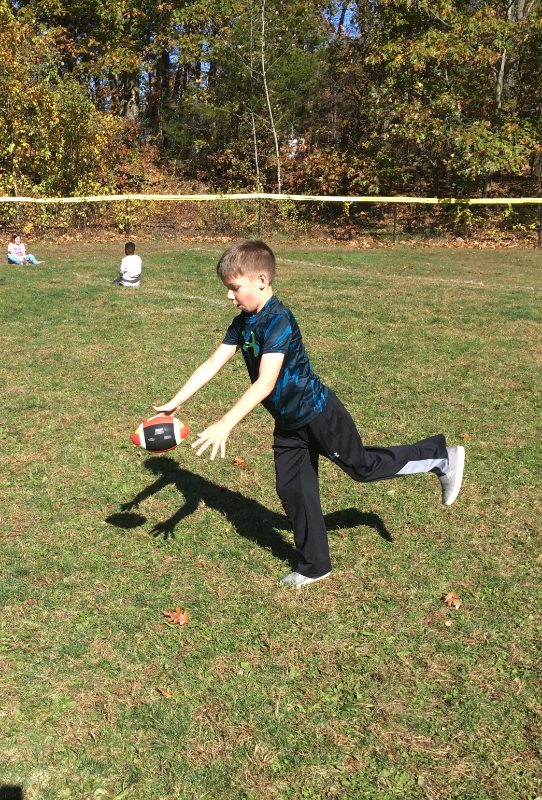
This past month, students in Kindergarten through 5th grade have been practicing and participating in the team sport of flag football. Did you know that the Super Bowl is the most watched television event in the United States on an annual basis? In flag football, instead of tackling like in American football, the defensive team tries to remove/pull the flag belt from the ball carrier to end the down.

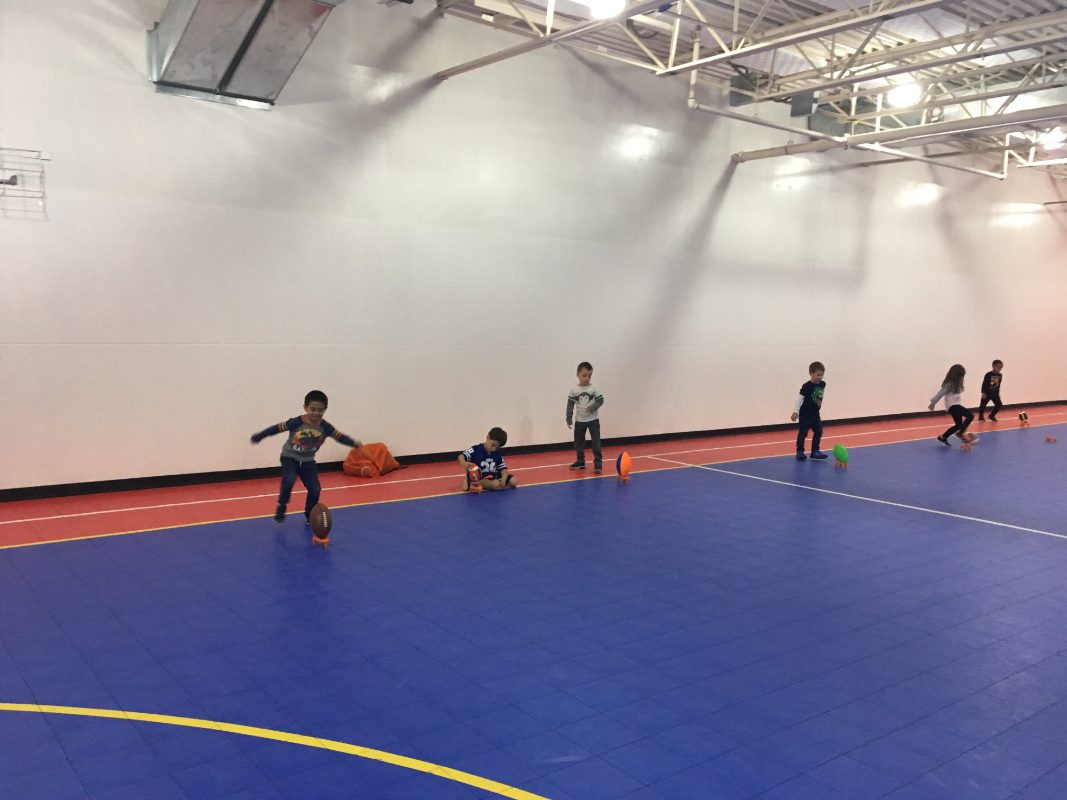
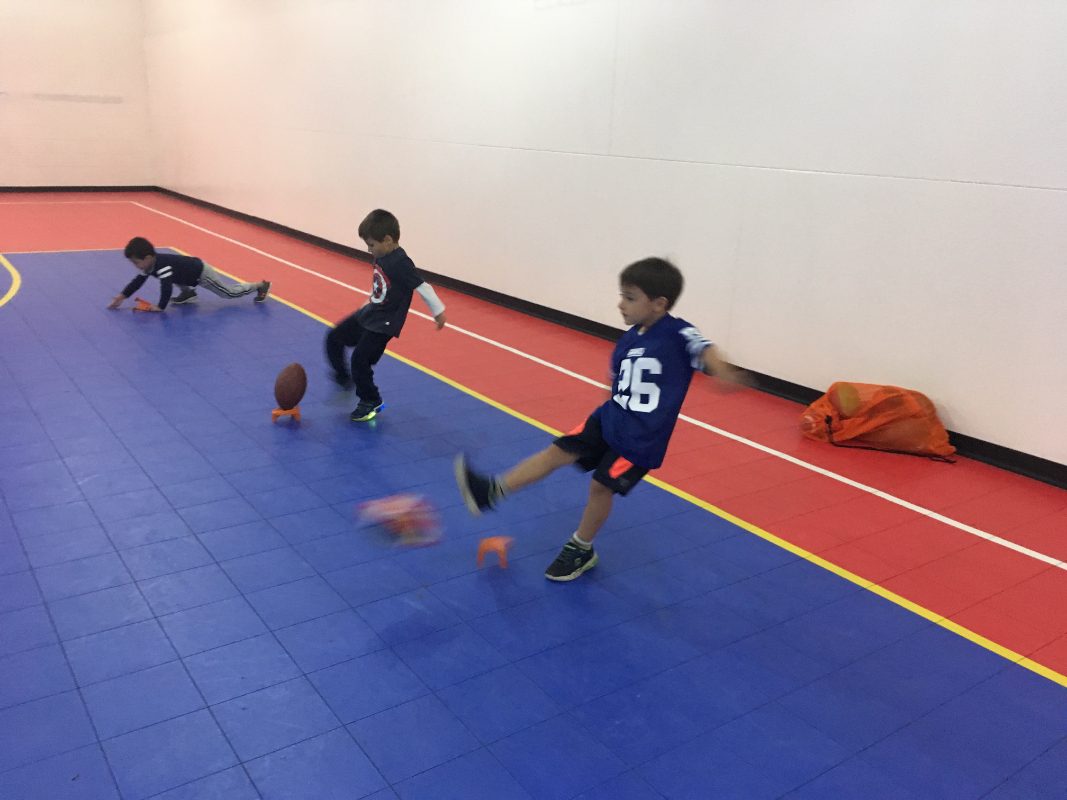
During our flag football unit, most of our focus was on developing hand-eye coordination and spatial awareness. Skills taught were: passing the football using the the proper grip (fingers on laces),taking a step with the opposite foot when throwing, passing with a partner about 10 feet away, catching a ball thrown to them (thumbs up for a high ball and pinkies down for a low ball), practicing the proper technique for kicking a football off a tee, punting the football, and understanding and using simple game rules.  Students also learned that the quarterback is the person who throws the ball, the center is the person who hikes the ball, and the receiver is the one who catches the ball and runs with it.


Hammer Time!


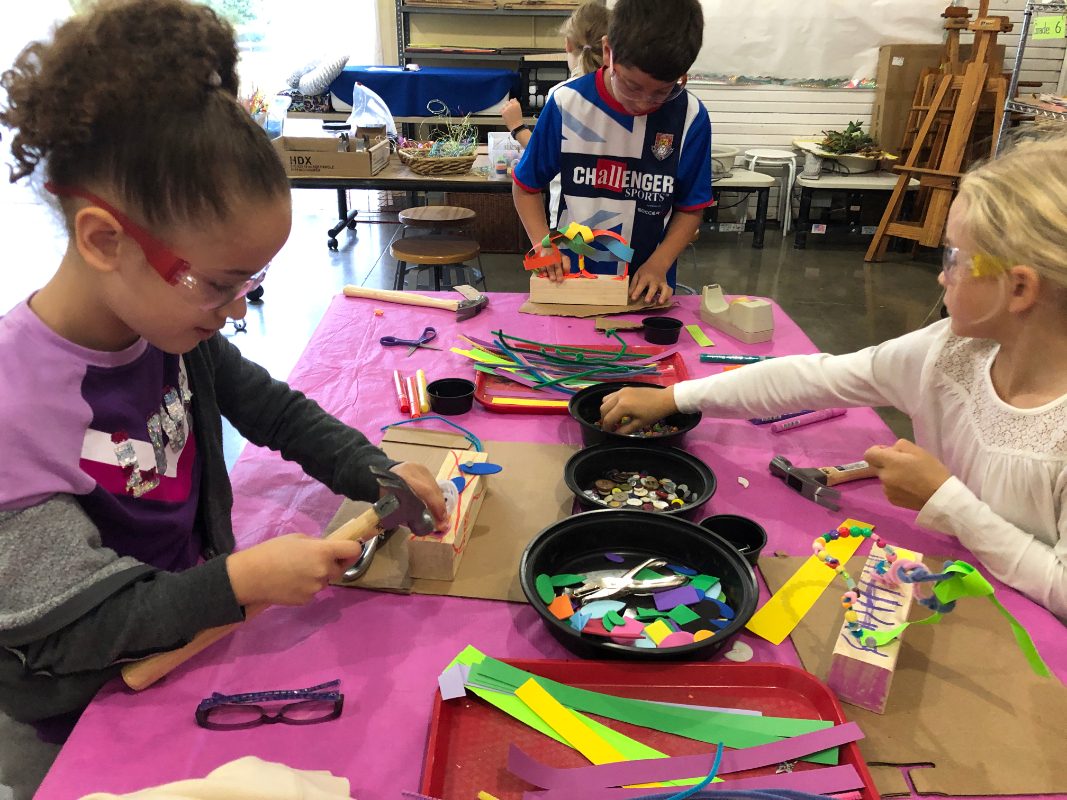
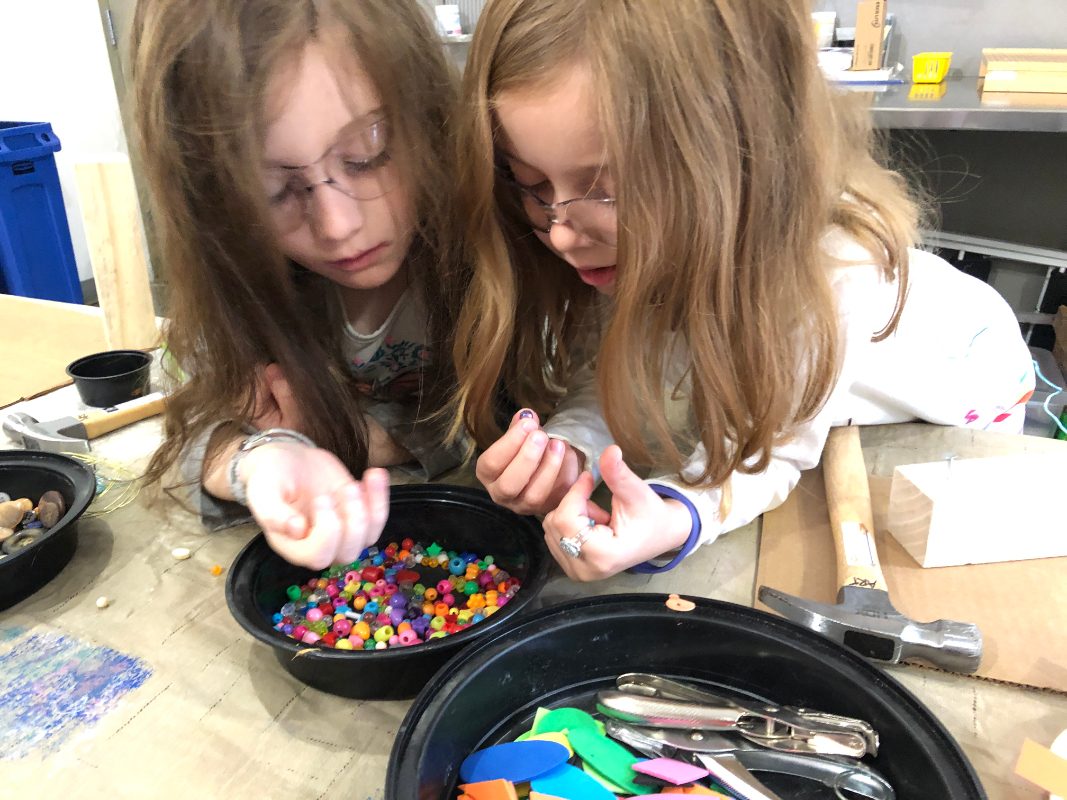
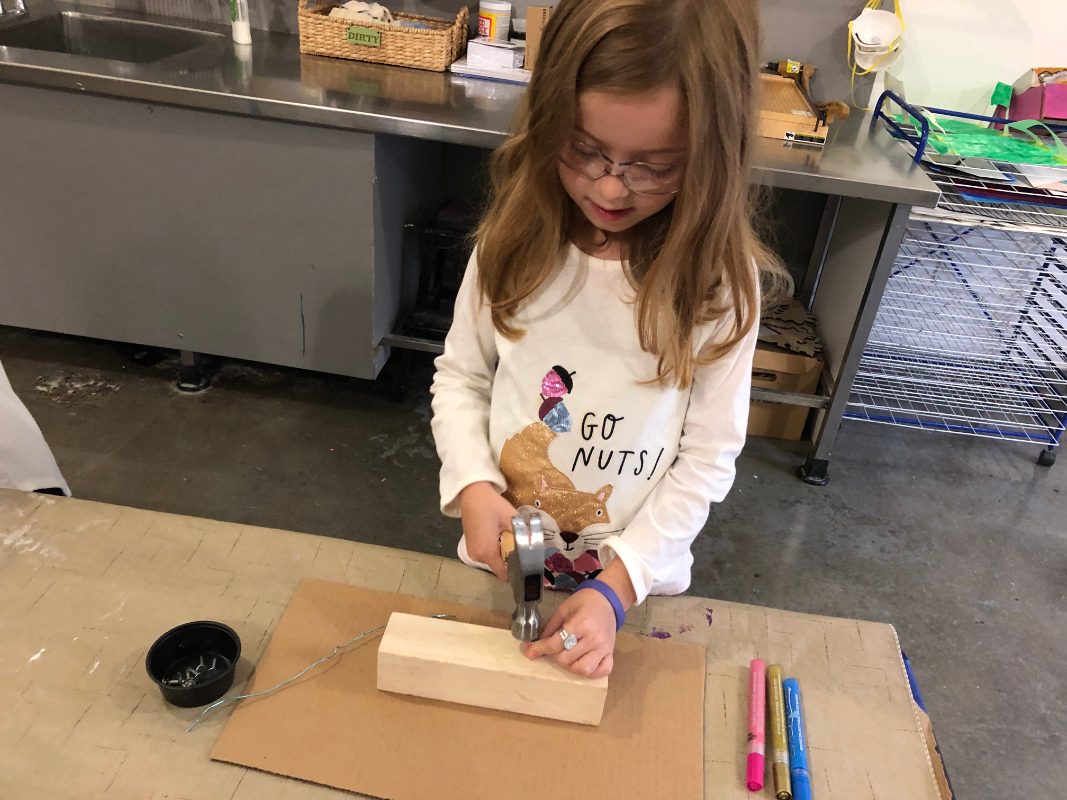
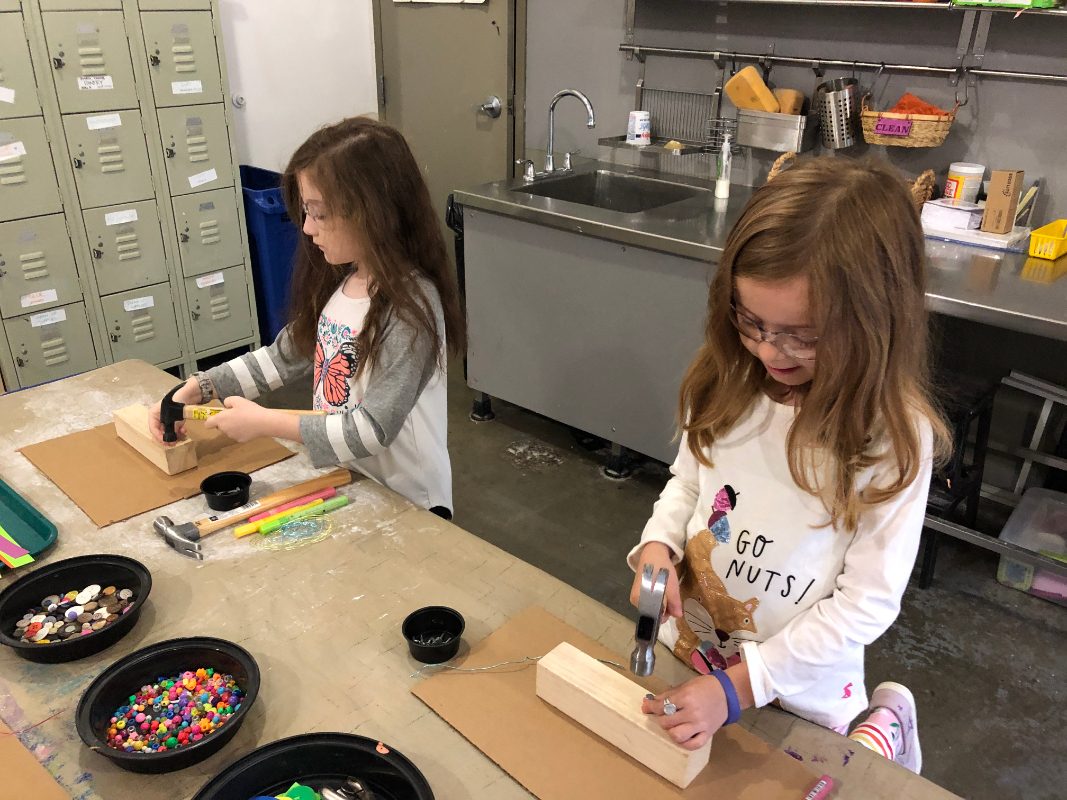
In the Art Studio, second year students have been exploring the Art element of line in various ways. After working on a few projects using materials such as paint, markers, and collage on paper, students were asked to apply what they had learned about line so far to create a 3D project. 

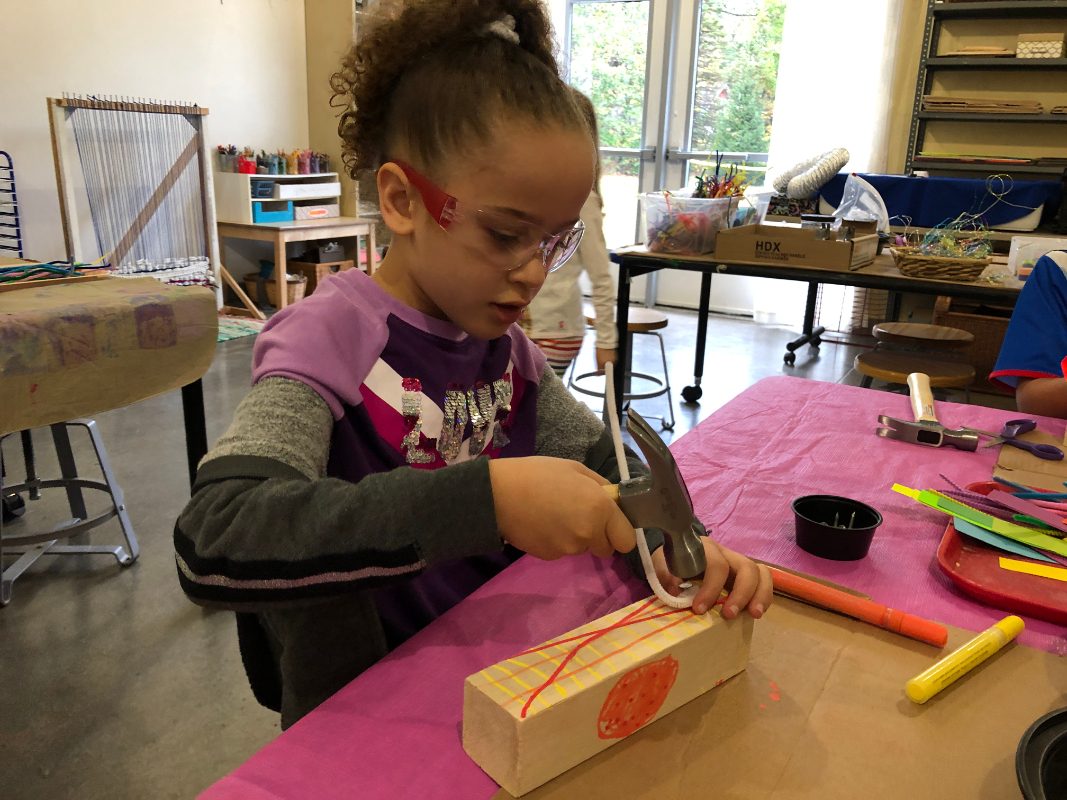
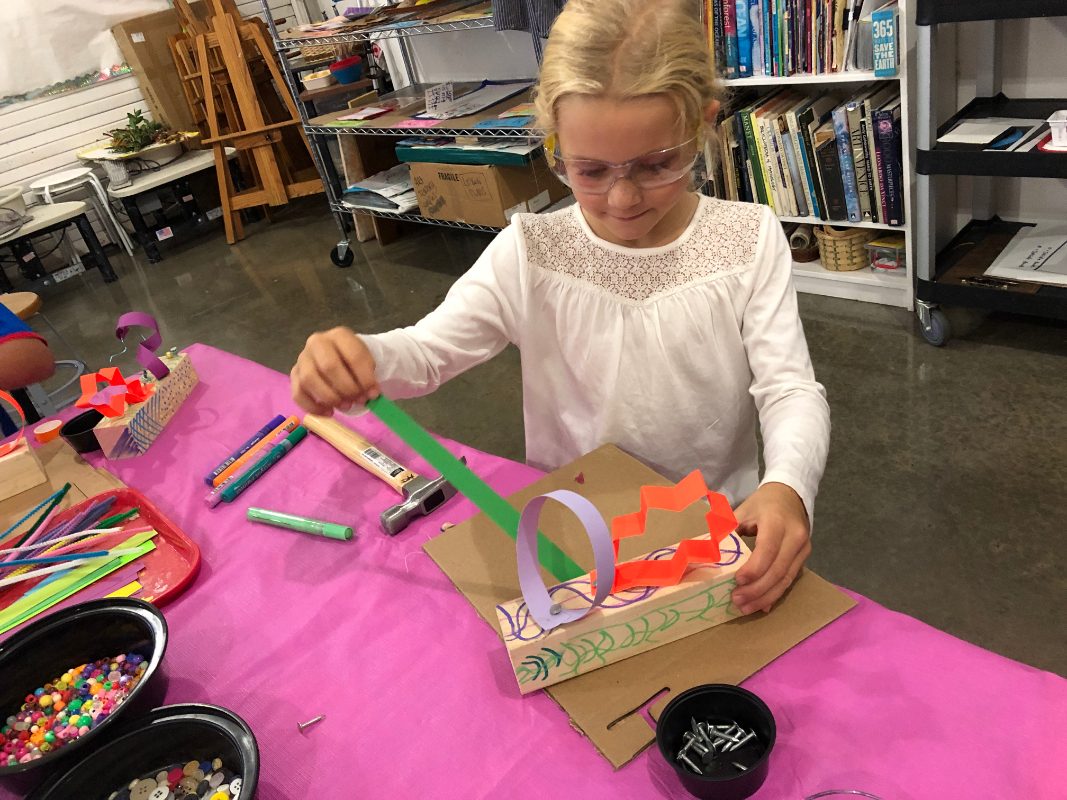
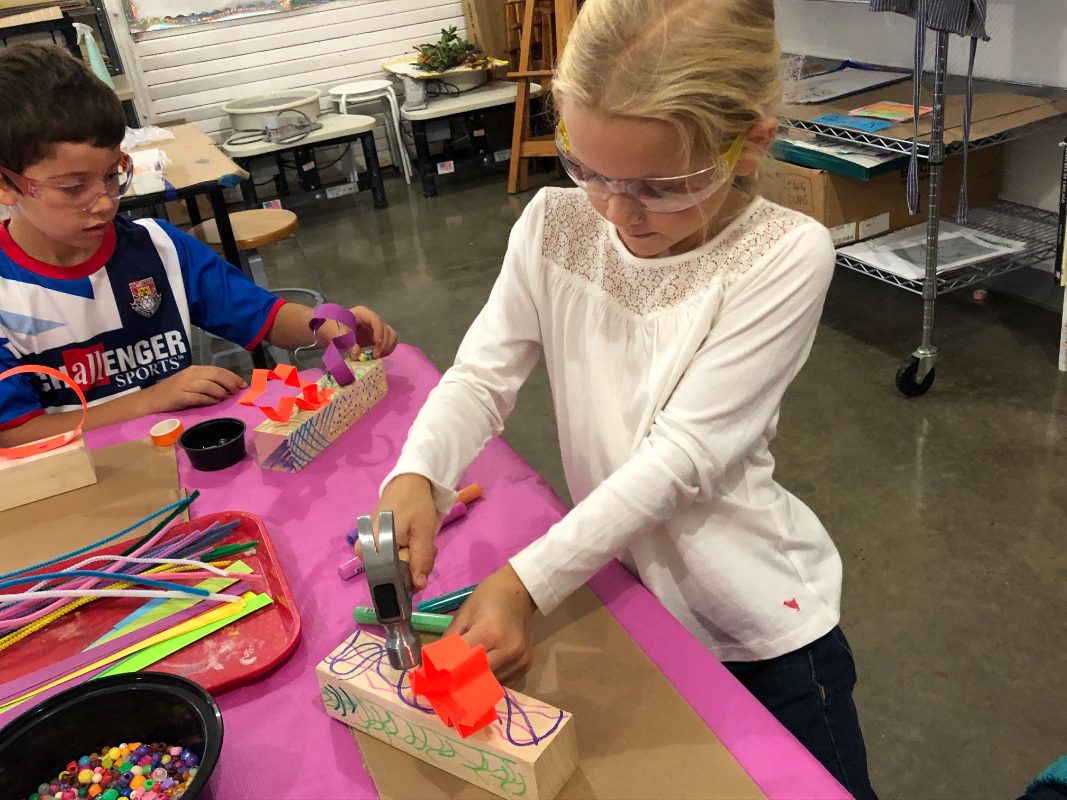
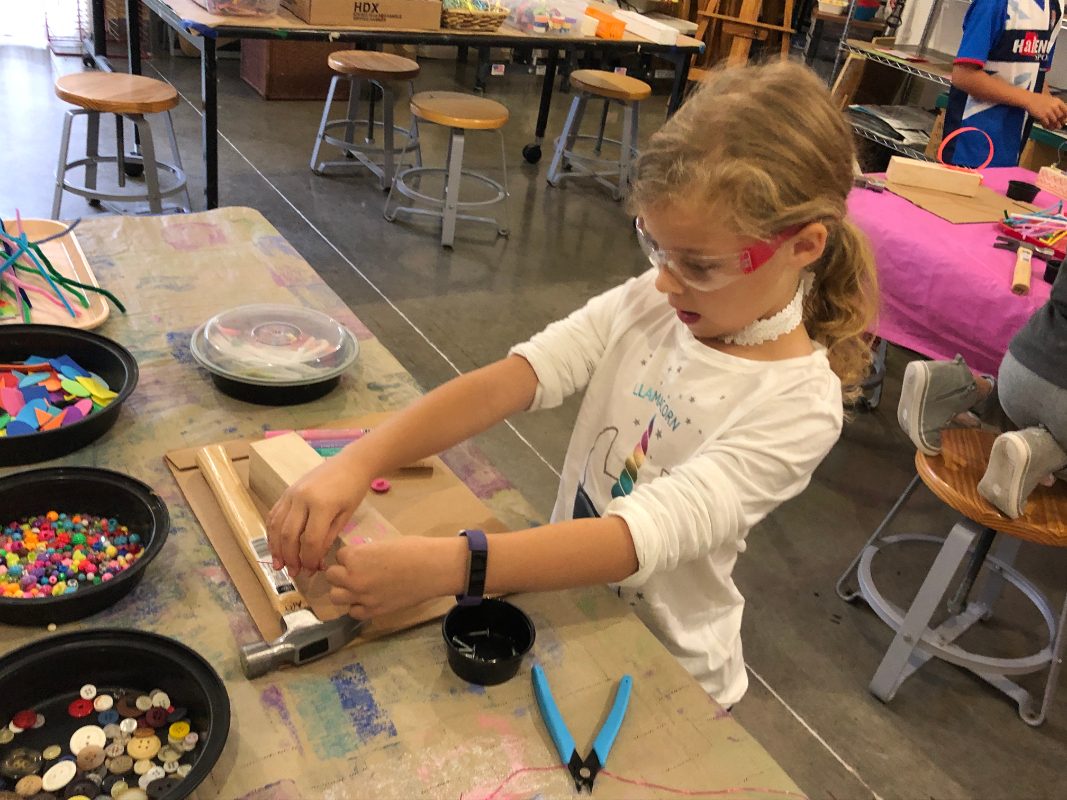
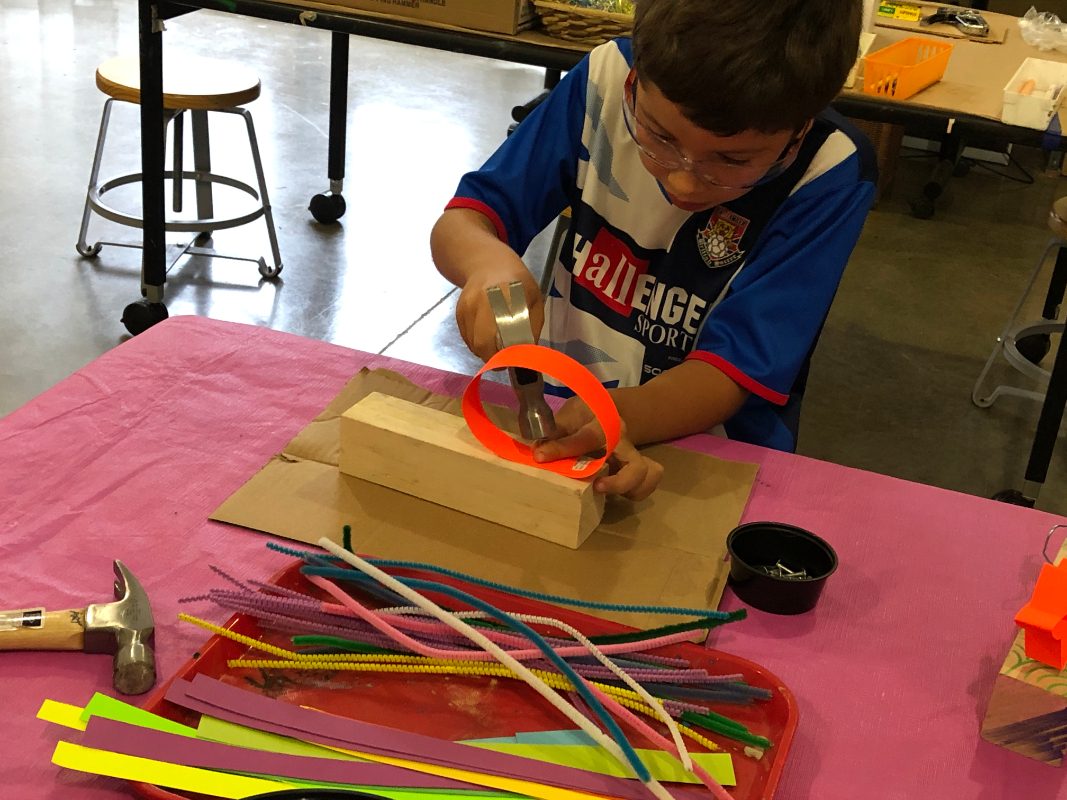
Students were presented with the task of creating a sculpture that explored line in three-dimensional form using wooden blocks, wire, pipe cleaners, strips of paper, beads, buttons, and foam pieces. The only tools they could use to attach their materials to the wood block was a hammer and nails. After a demonstration and safety discussion about how to appropriately use and respect the tools, each young artist got to work. Some students began by coloring their block with paint markers, others bent pipe cleaners and paper strips in to zig-zaggy or wavy lines, and soon enough the classroom began to sound and look like a woodworking shop! 

The task of hammering nails into the wood to attach each part required increasing amounts of dexterity and coordination, yet it was so fun and rewarding that each child wanted to do it over and over! Some students made multiple sculptures while others worked diligently on one. Students who were timid toward these tools and materials at first, quickly turned the corner and gained a newfound confidence after some practice and focus. Their fine motor skills and problem solving abilities truly improved with each swing of the hammer. This kind of open-ended, process-oriented art is an endless opportunity for making choices, coming to conclusions, and evaluating results. Throughout the making of this project, each child became more comfortable with uncertainty and remained flexible thinkers, which is key for creativity and confidence!


Acquiring Language, One Bite at a Time!

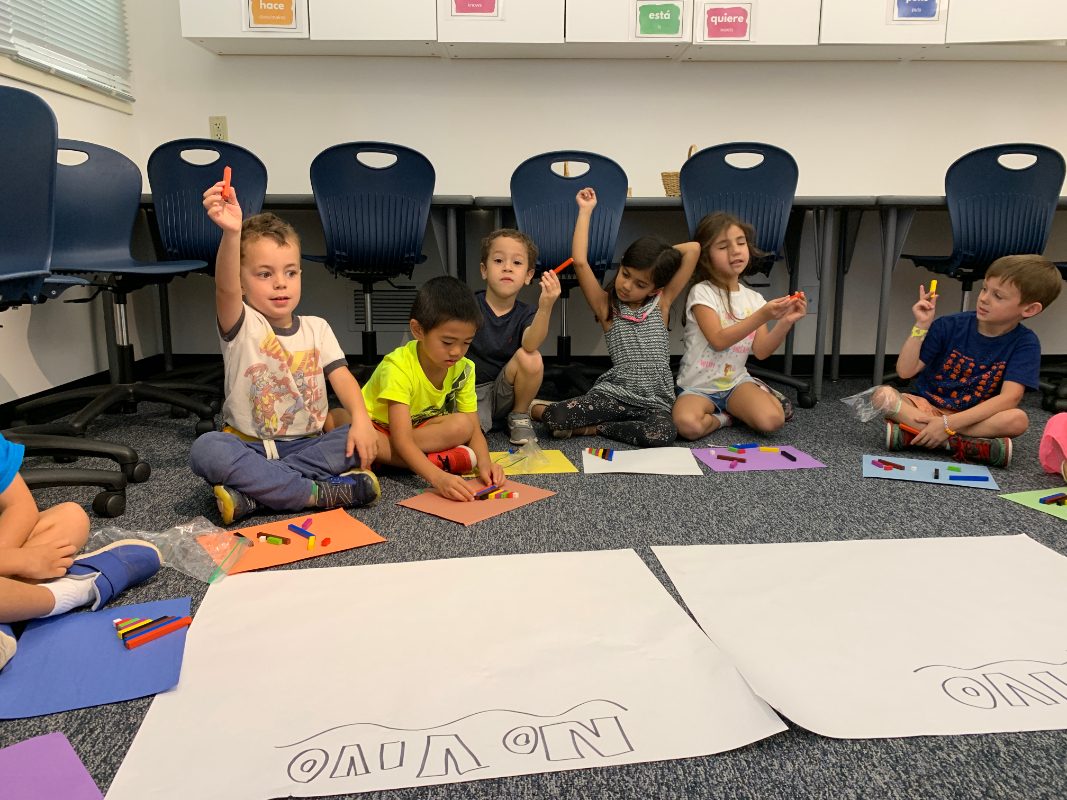
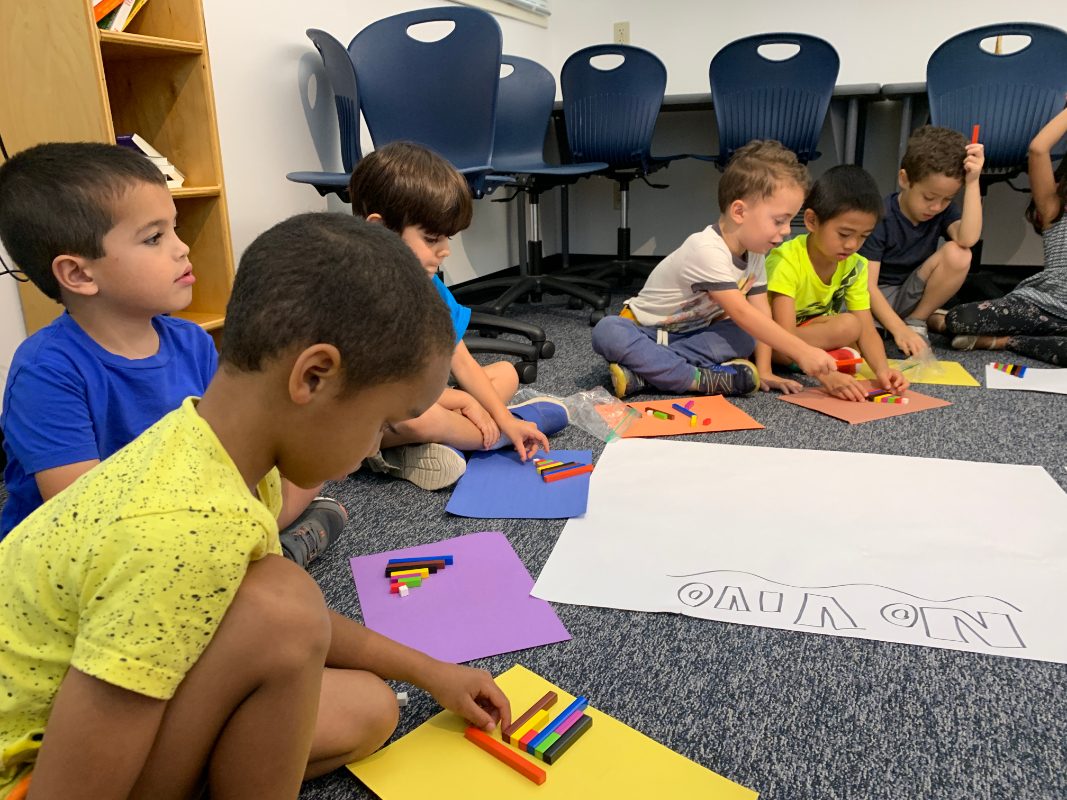
Primary students have been exploring living versus non-living objects and colors to identify a variety of objects. They even categorized those objects by land, air, and water. This week they got a taste of our solar system through the “Ocho Planetas” song. 
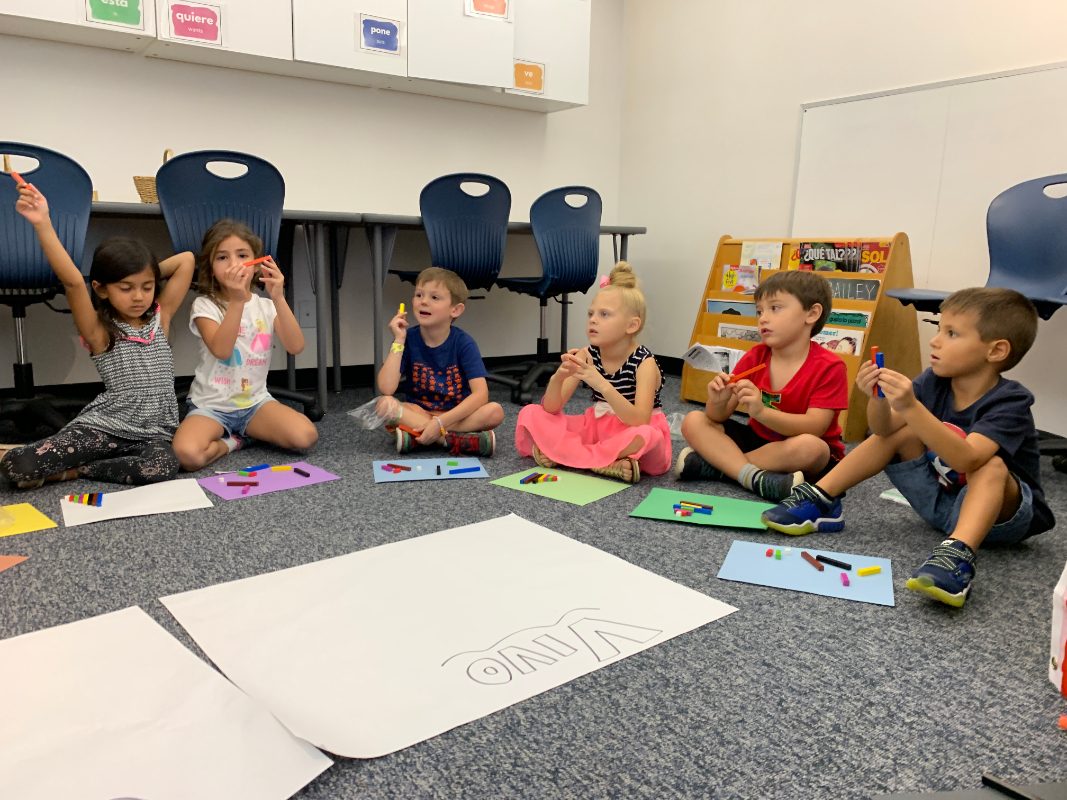
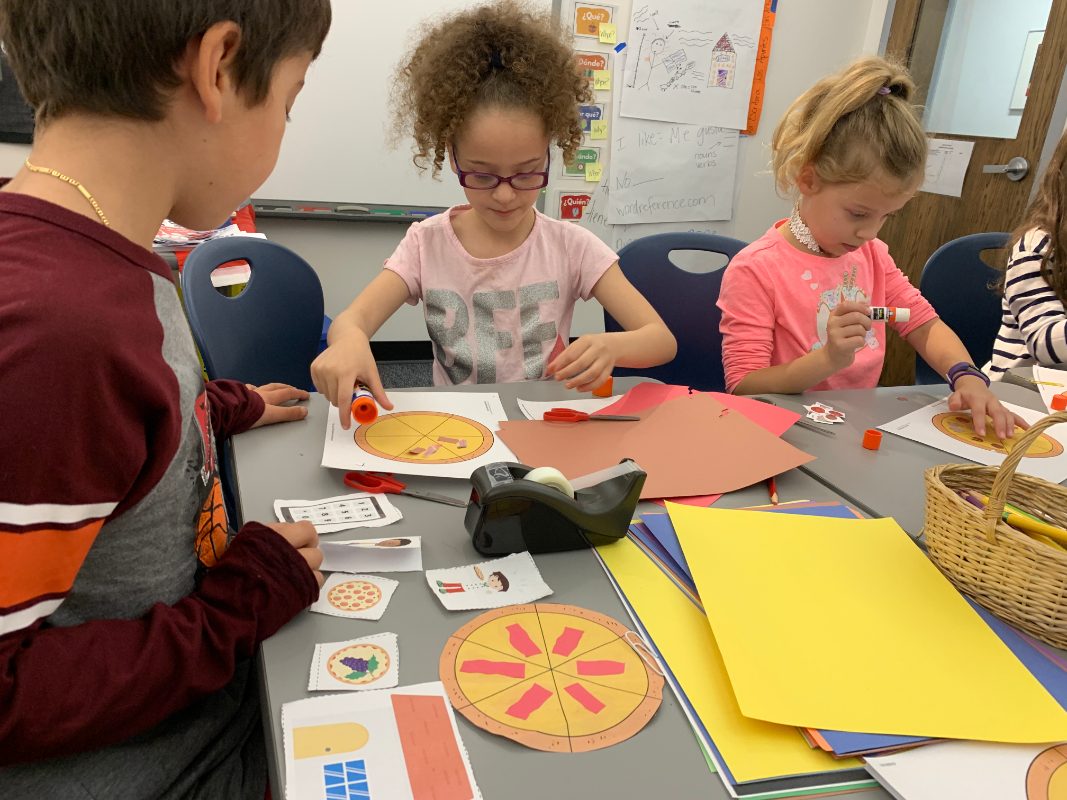
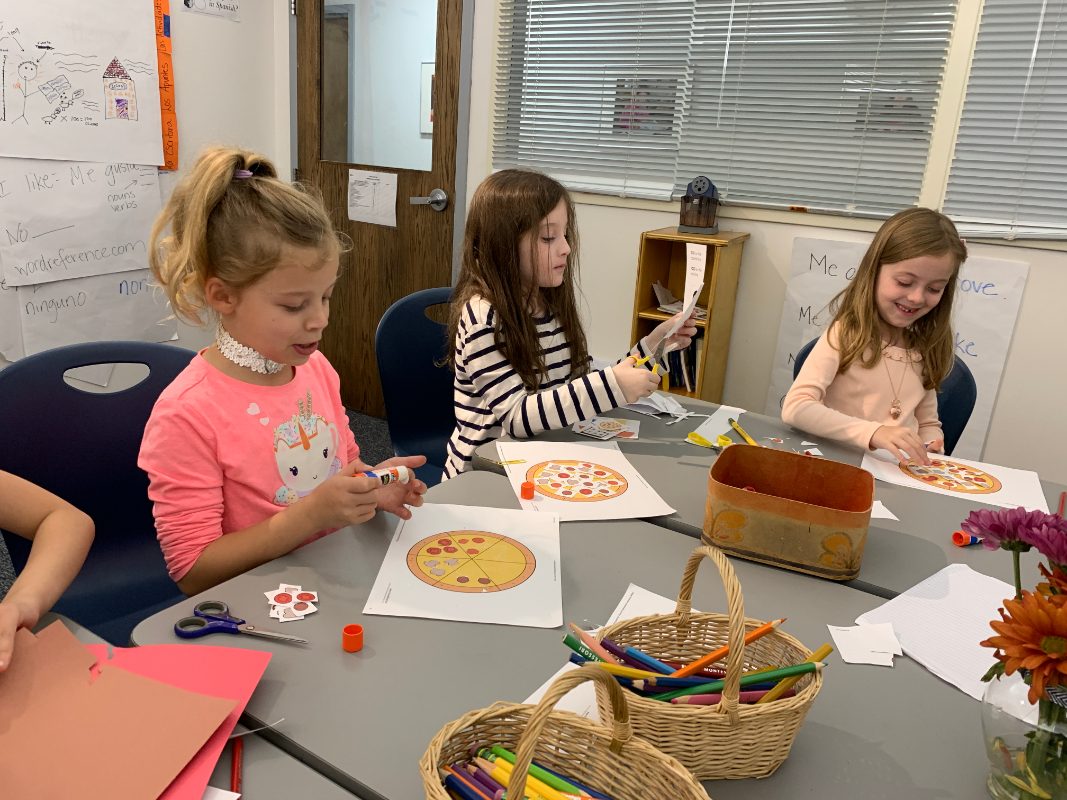
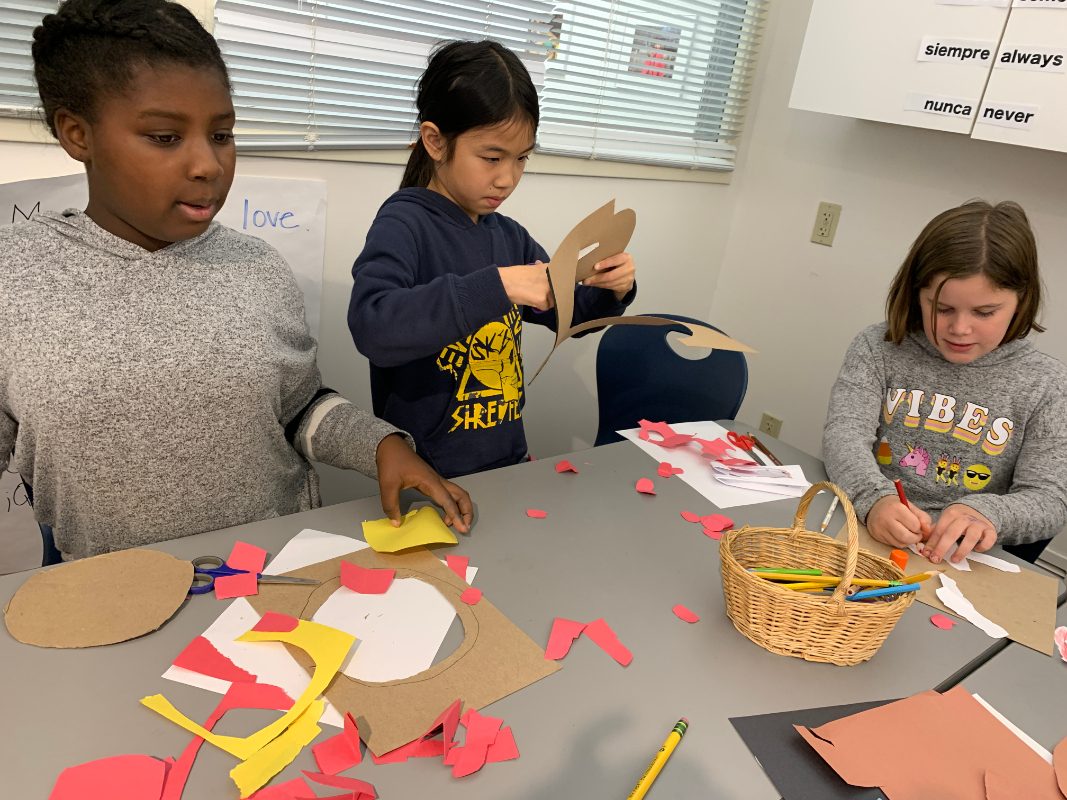
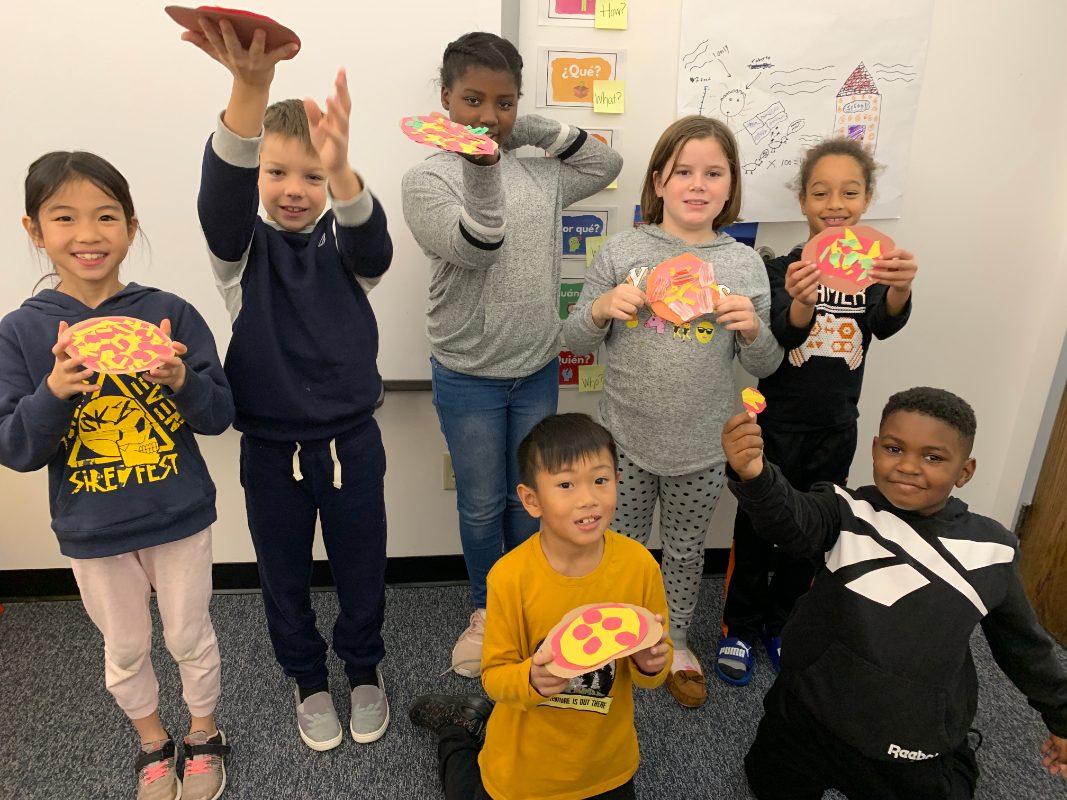
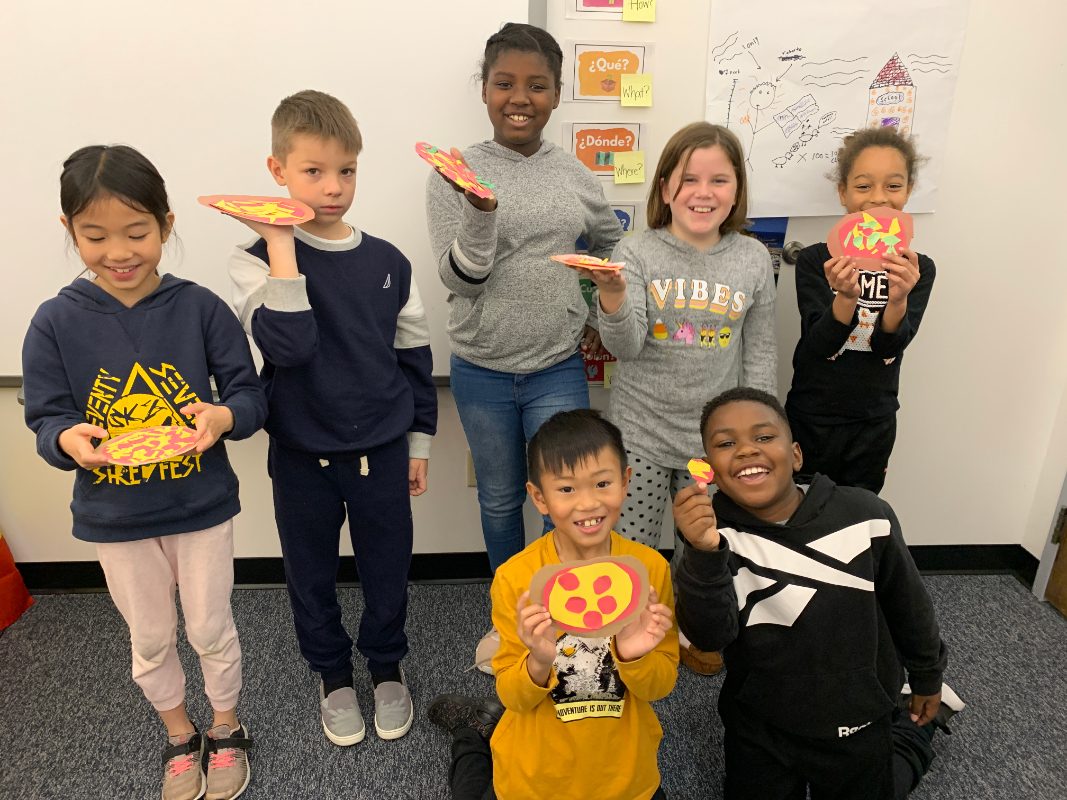
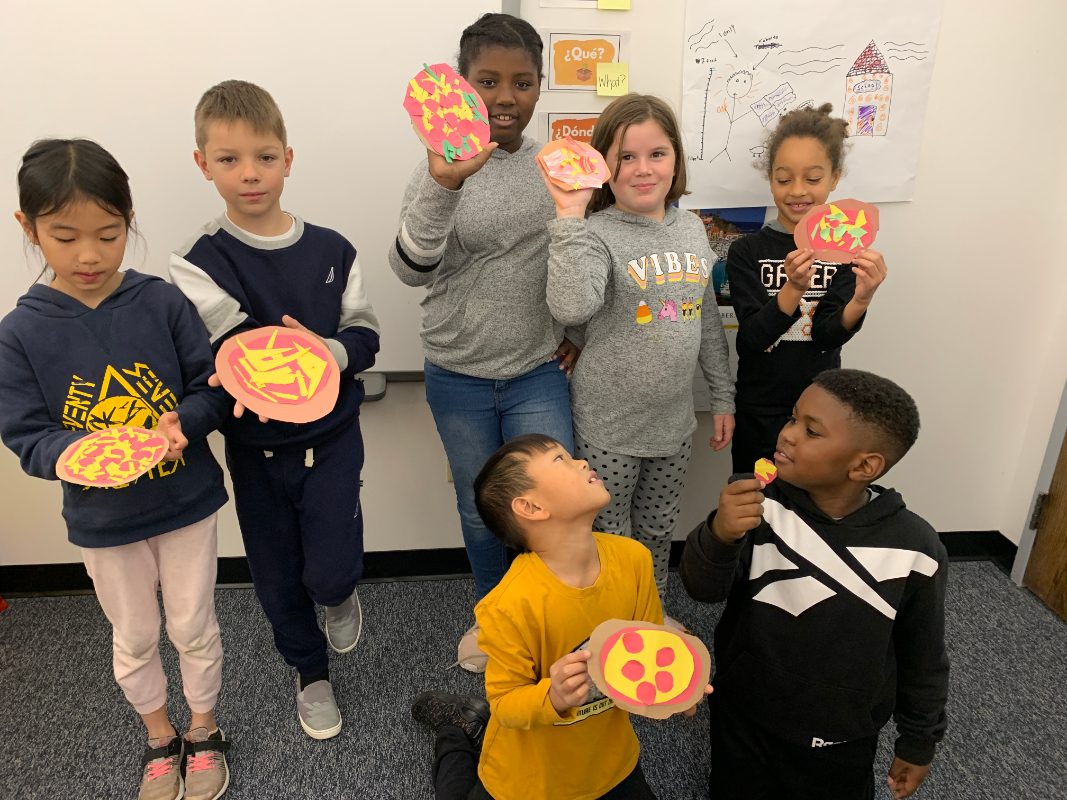
If you are what you eat, then “Soy Una Pizza.”–Lower Elementary students at FWM have been acquiring the Spanish language through songs and storytelling, specifically focusing on pizza ingredients this unit! They talked (and sang) about which things they wanted and did not want on their pizza after singing the “Soy Una Pizza” song and reading Una Pizza Diferente.

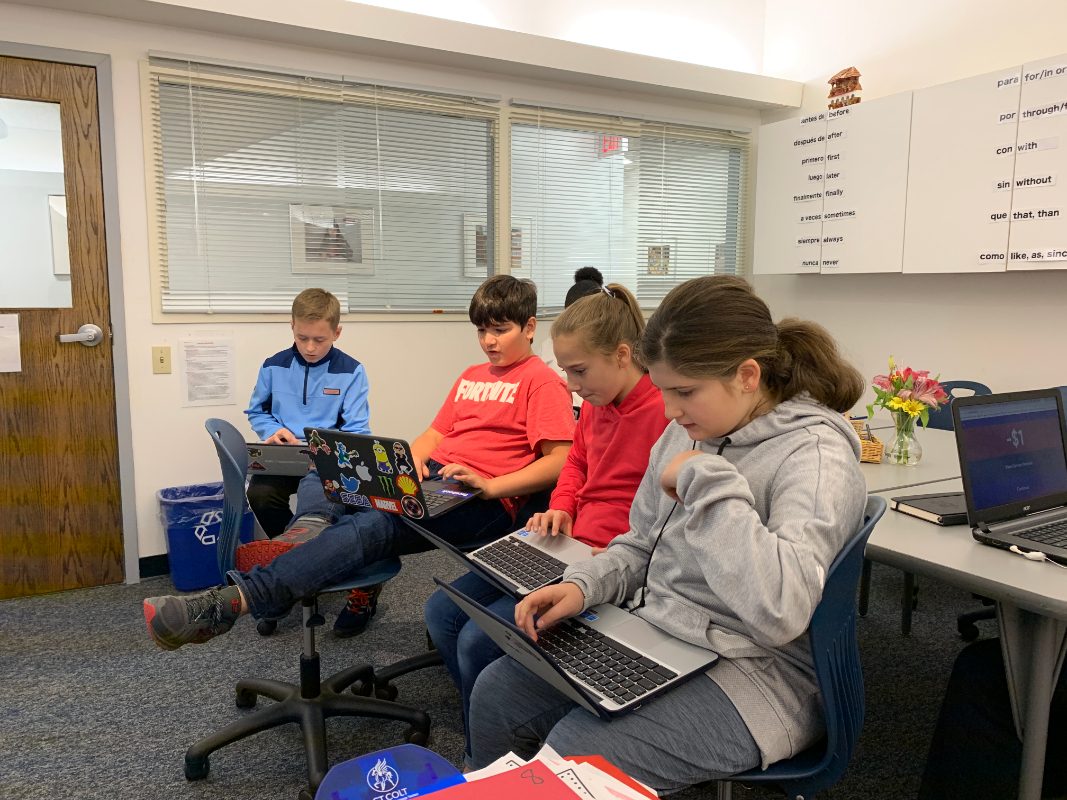
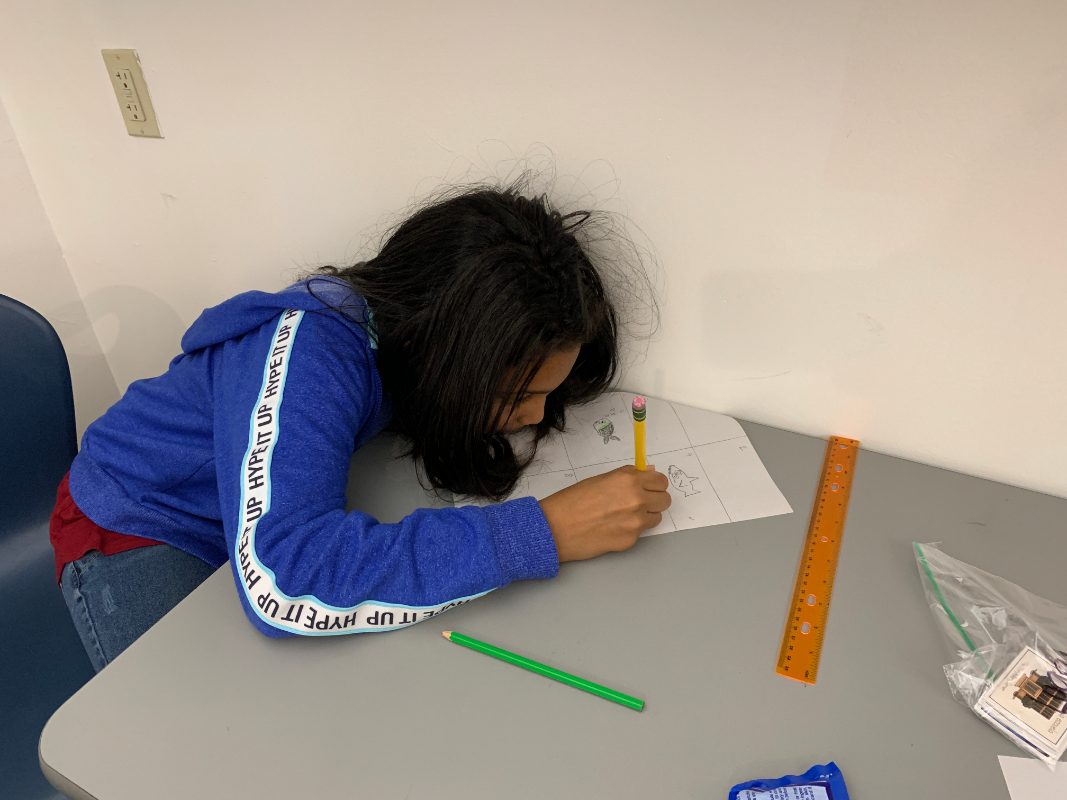
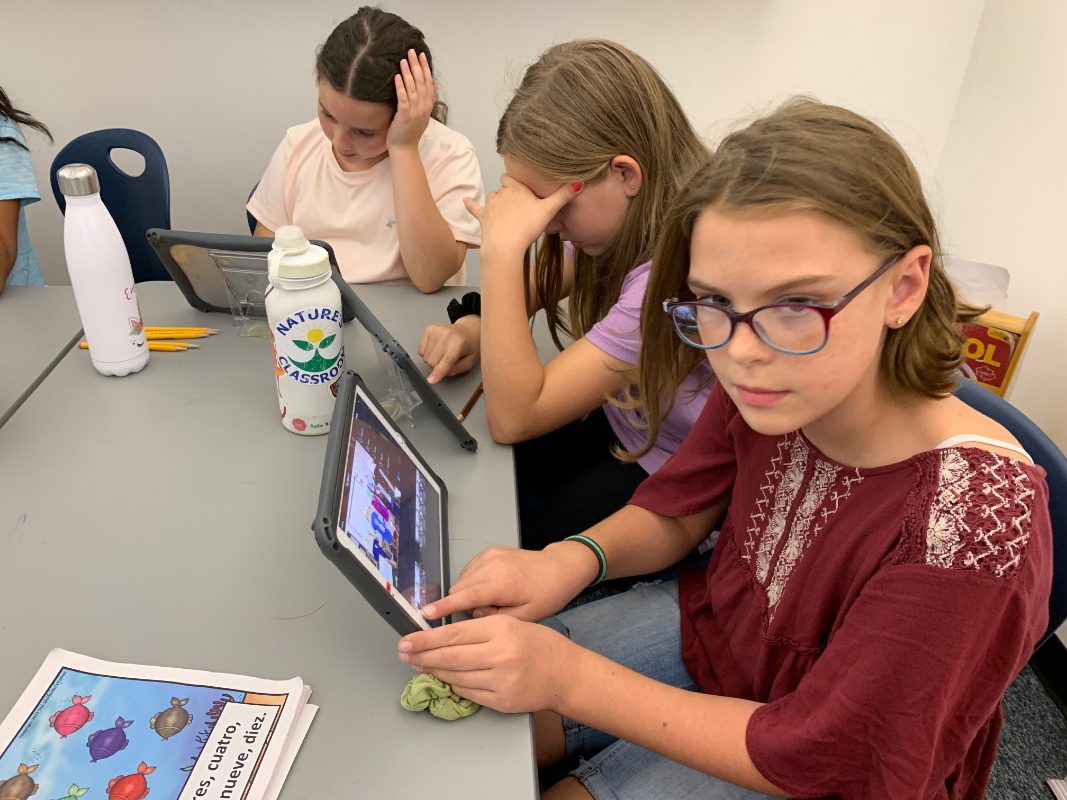
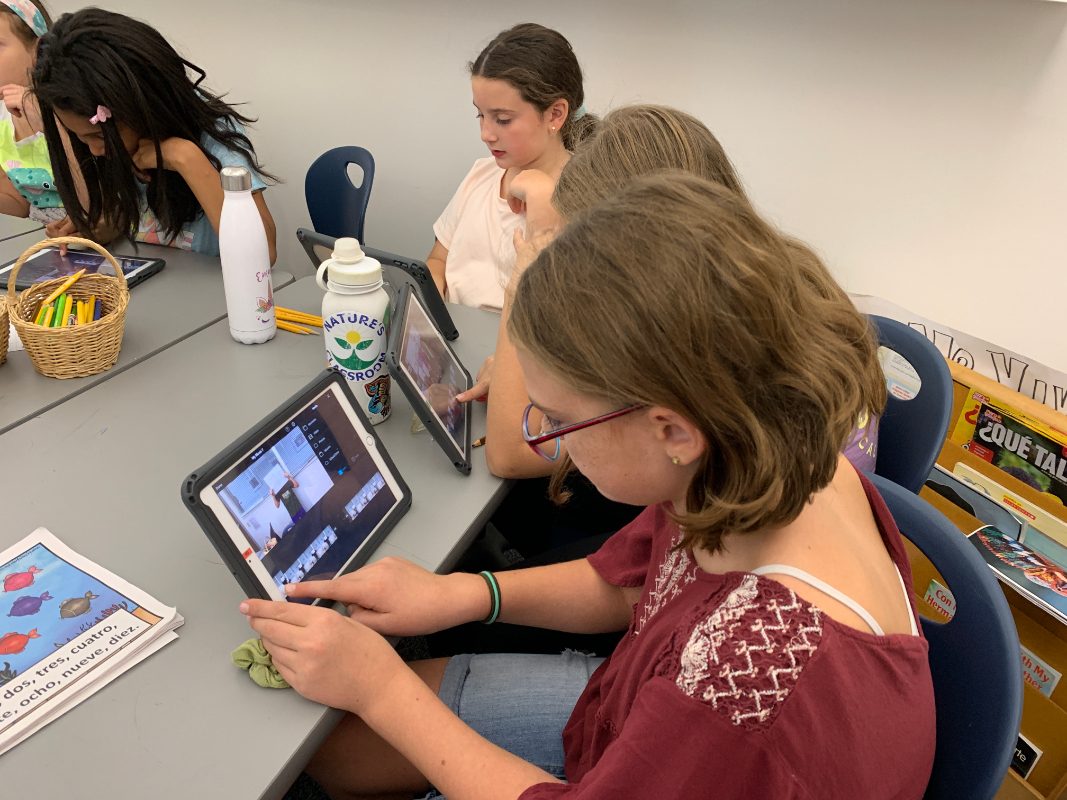
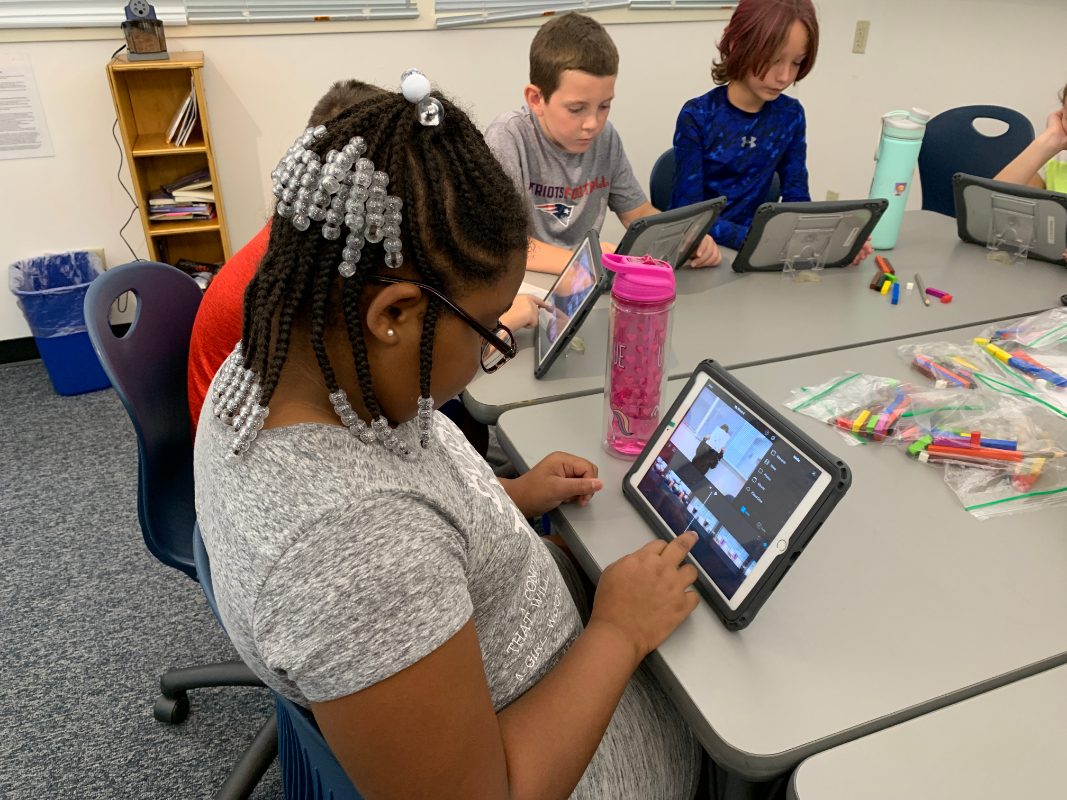
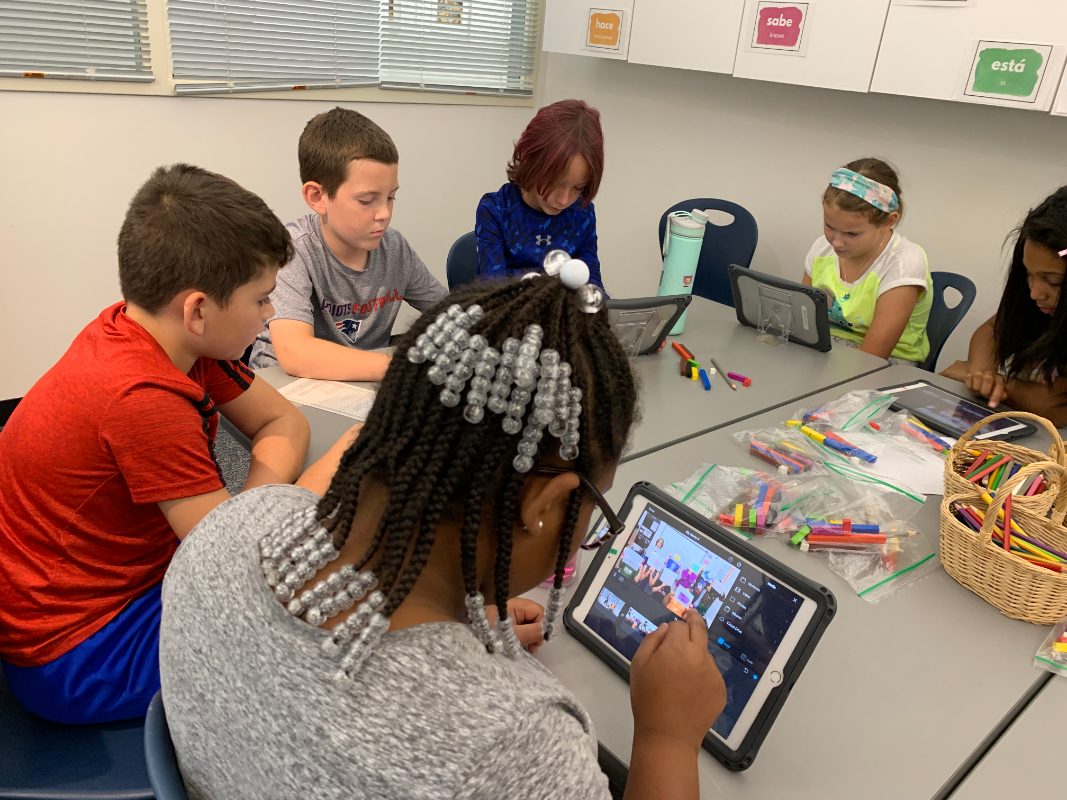
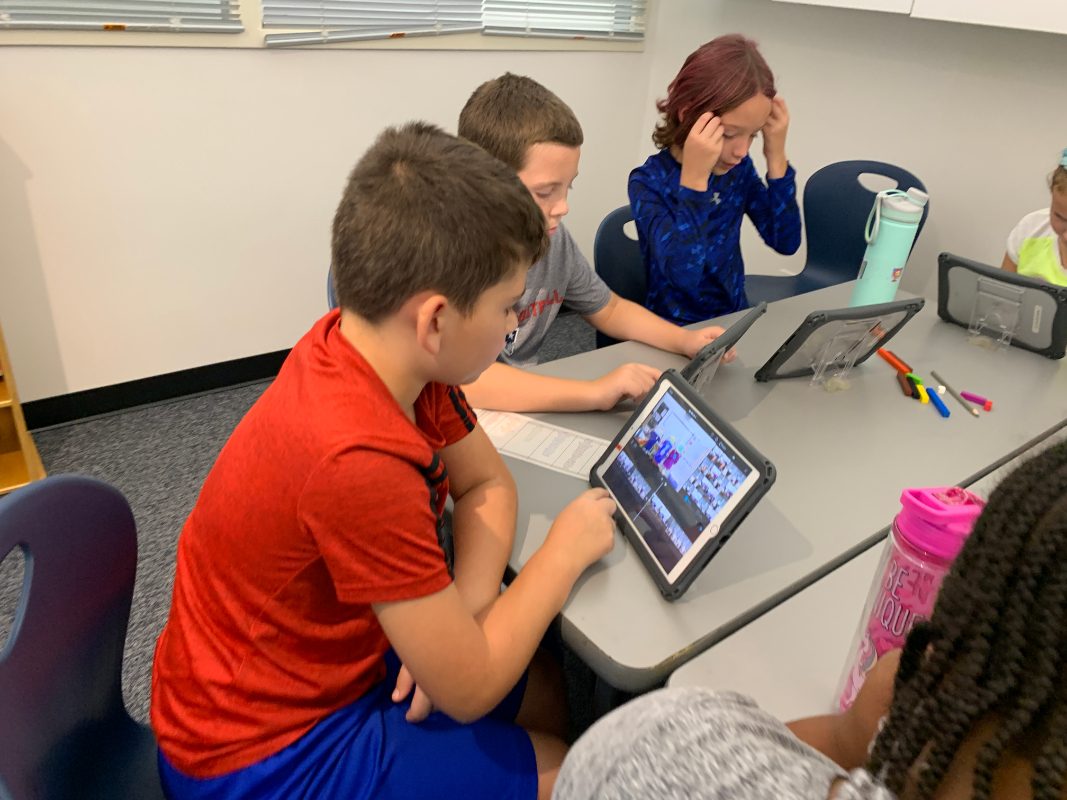
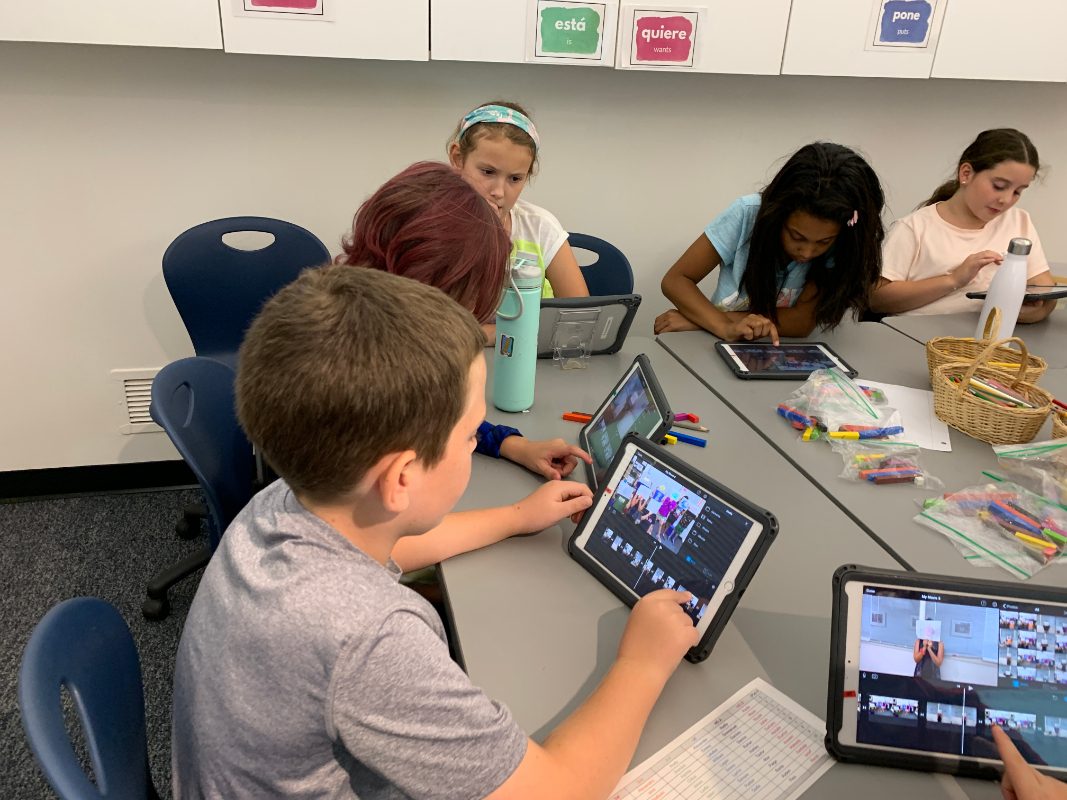
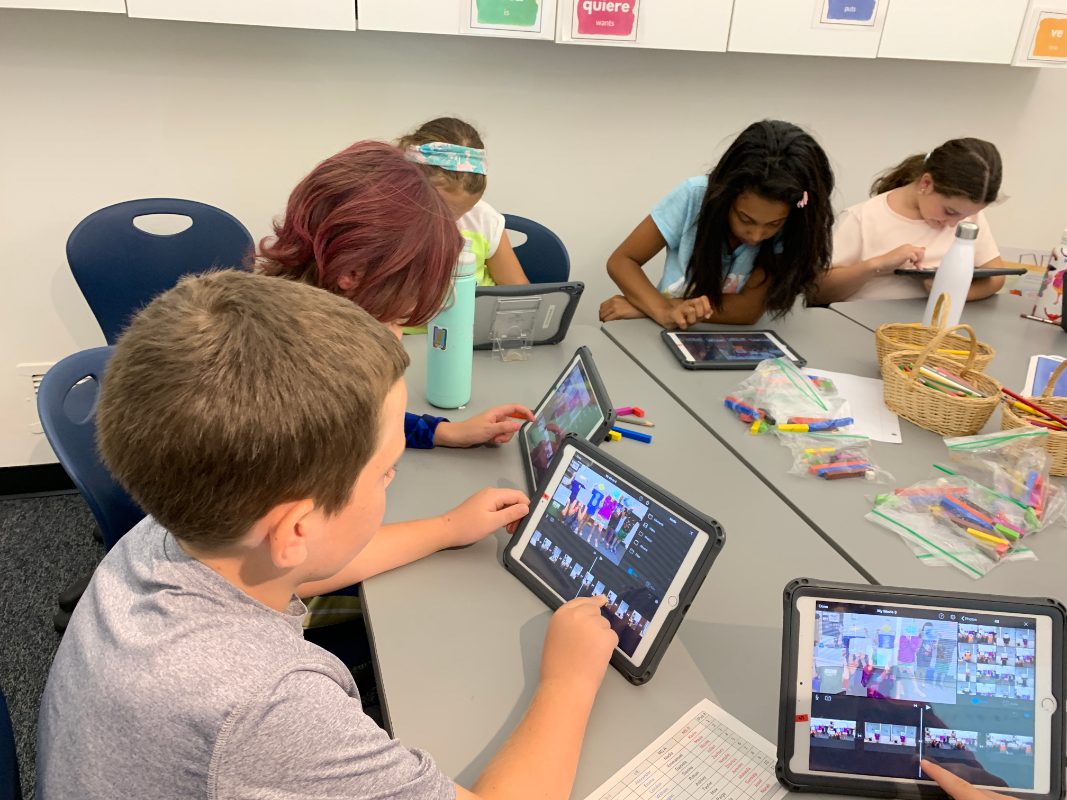
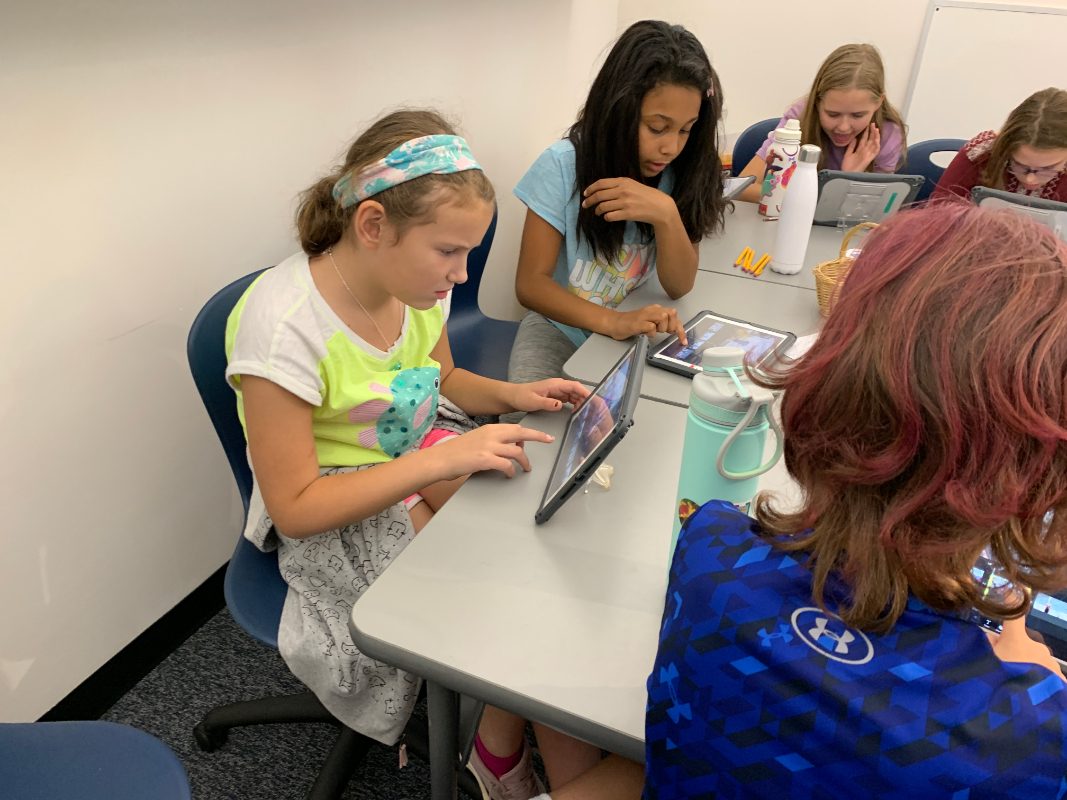
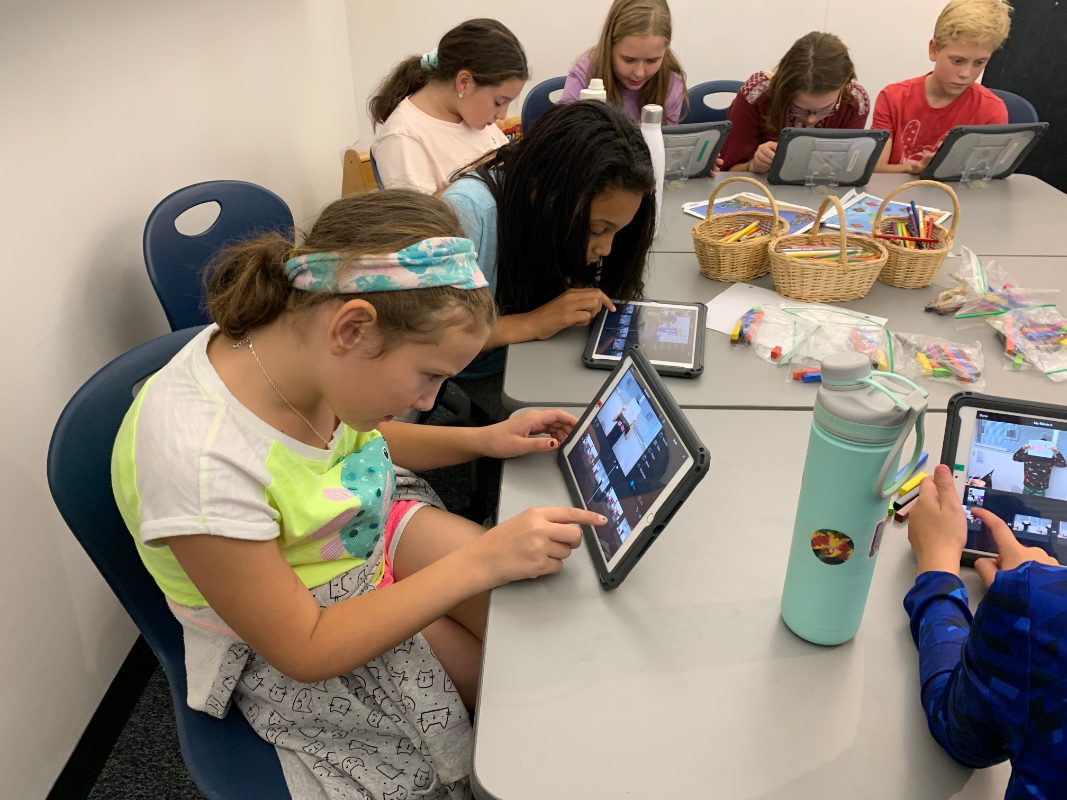
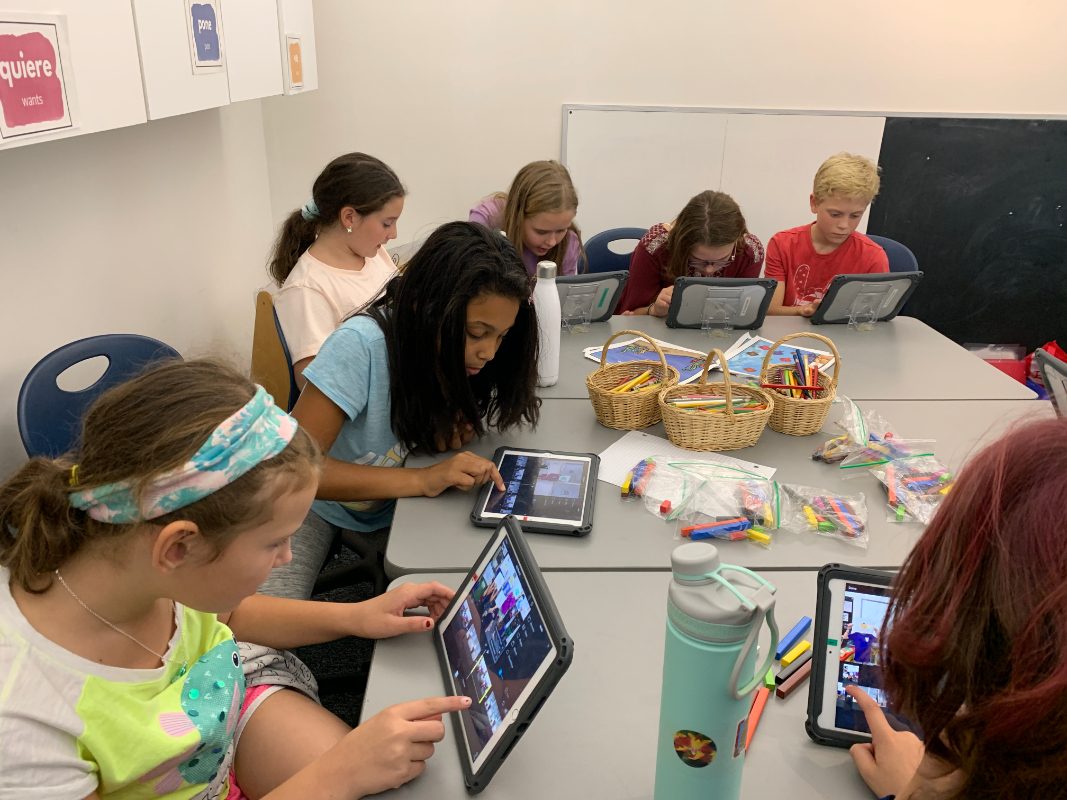
After working hard to complete voice-overs to narrate the Los Peces story through iMovie, Upper Elementary has now sampled FVR (Free Voluntary Reading). They begin each class with five minutes of reading materials of their choice from our classroom library. Some of these options include ¿Qué tal? Magazine by Scholastic or stories we have read as a class by Storyteller’s Corner. We also just began a read-aloud story from the Brandon Brown series which provides comprehensible input for students while I model reading strategies for them. 

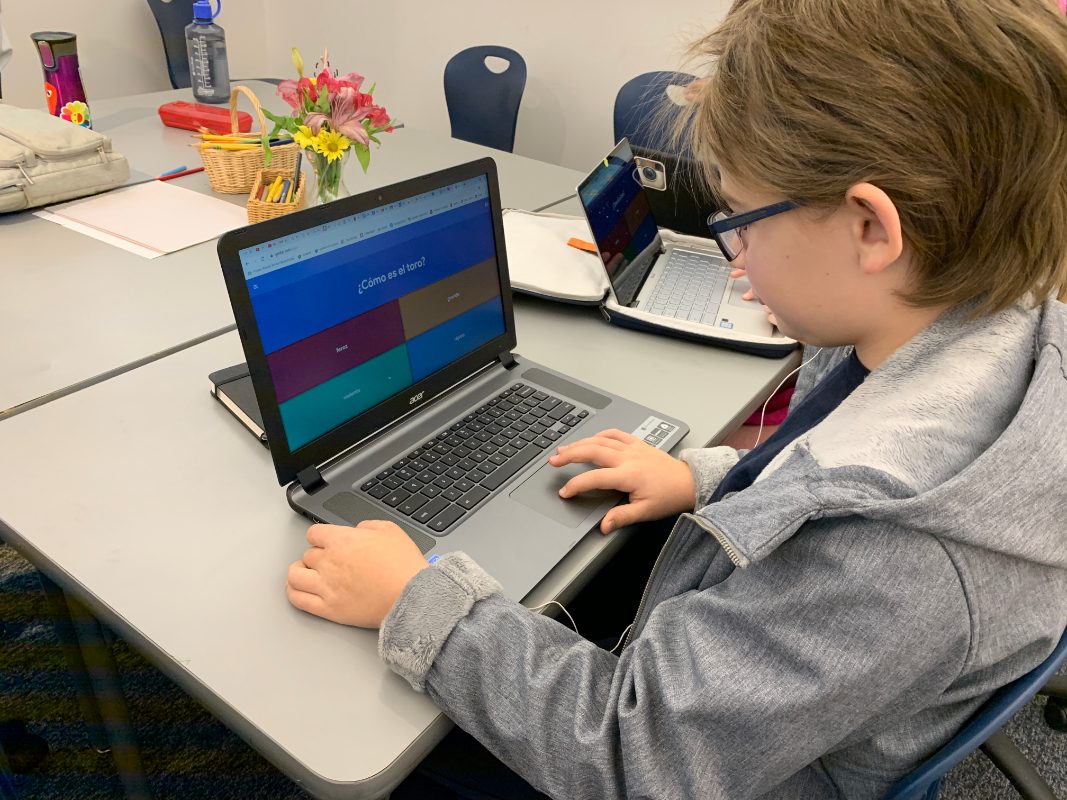
Middle School is making room for more as their appetite for language learning continues to grow. Students are moving through proficiency-based novels during FVR, learning about culture through our most recent unit “El encierro de San Fermín,” where we learned about the Running of the Bulls in Pamplona, España. Finally, students have started the process of telling and writing short stories that align with our target structures each cycle.