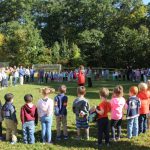
Peace Day Ceremony 2019

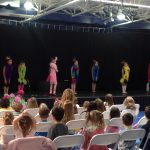
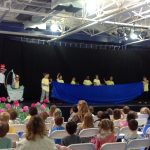
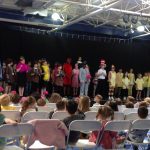
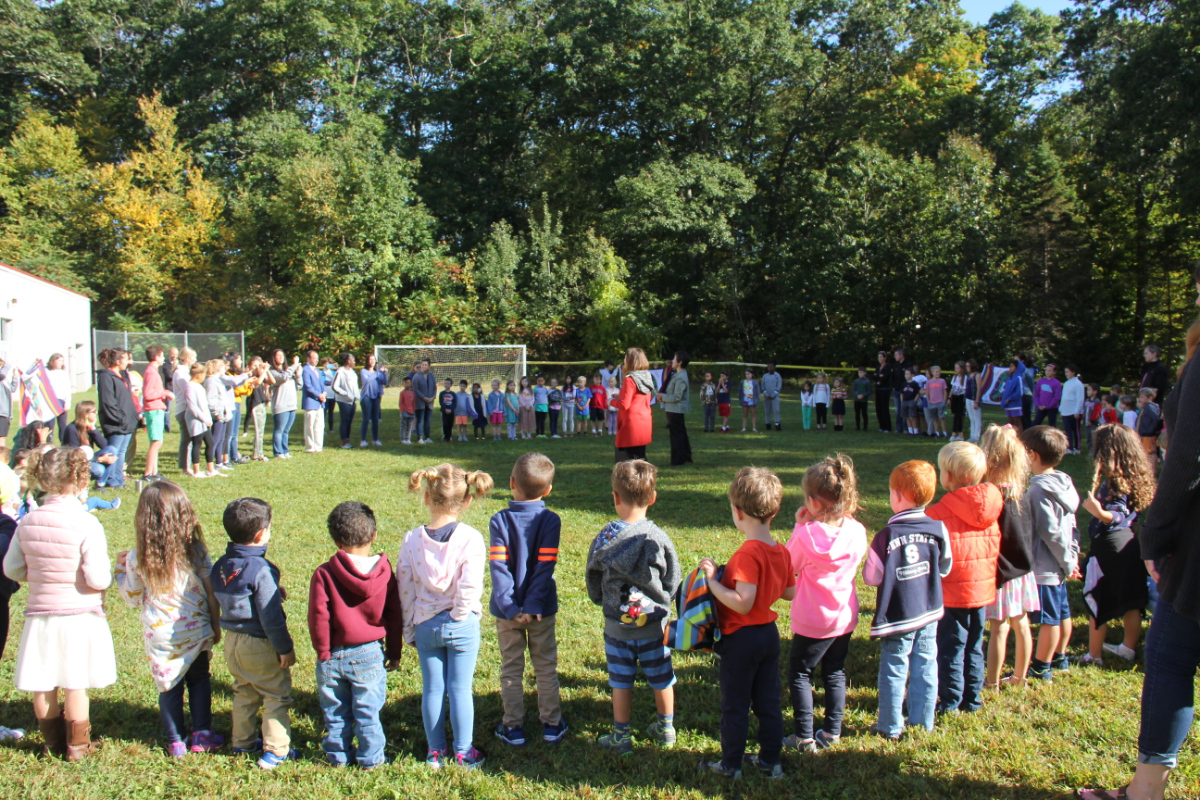
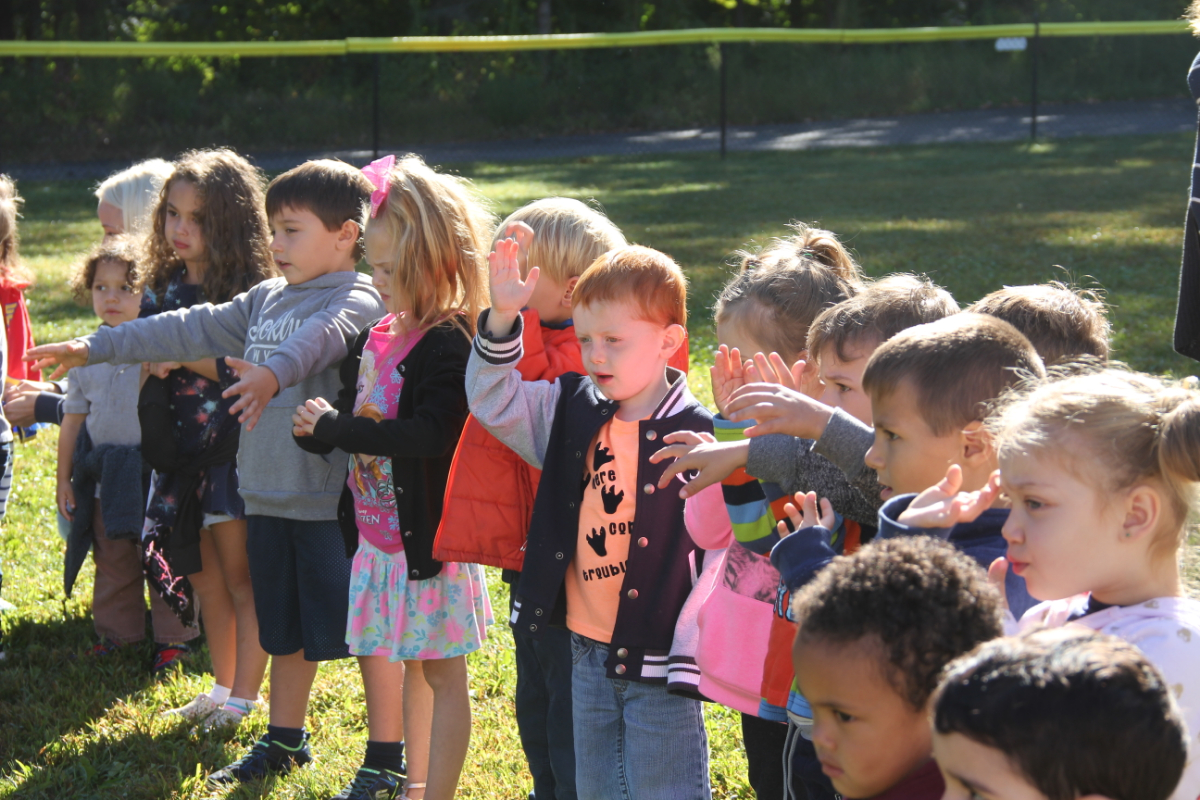
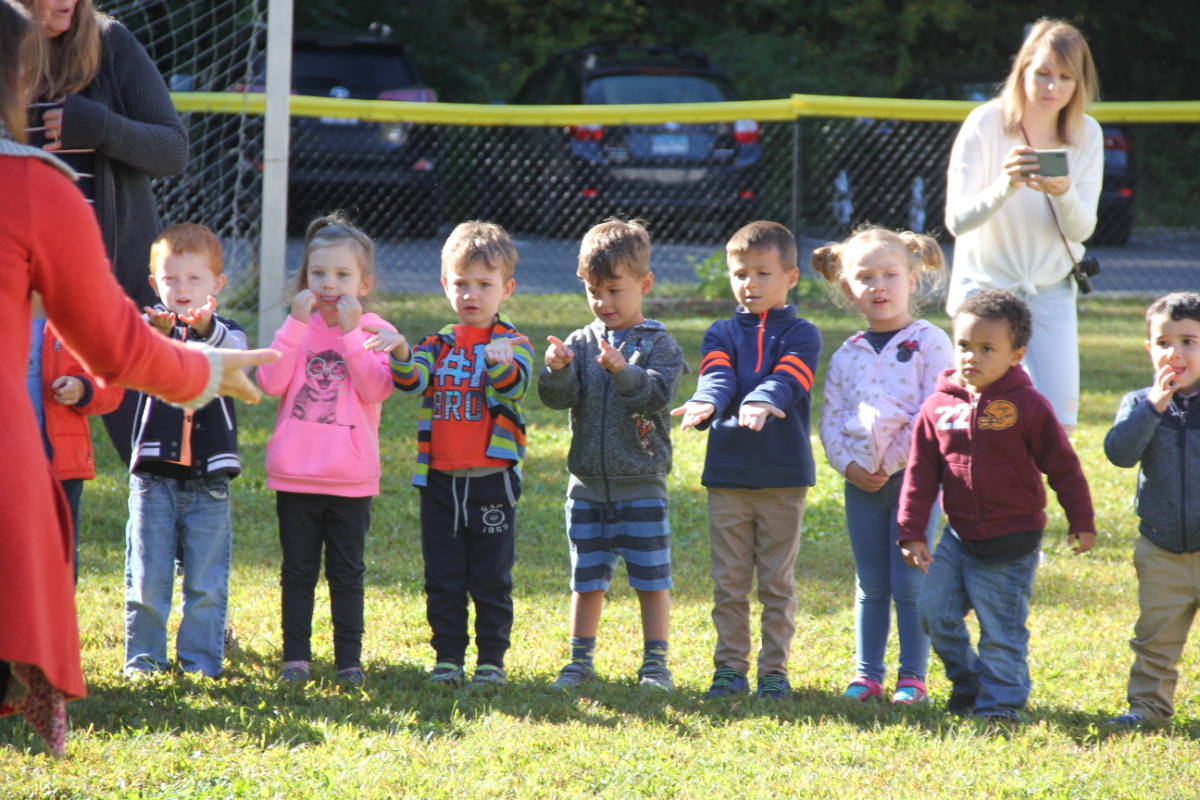
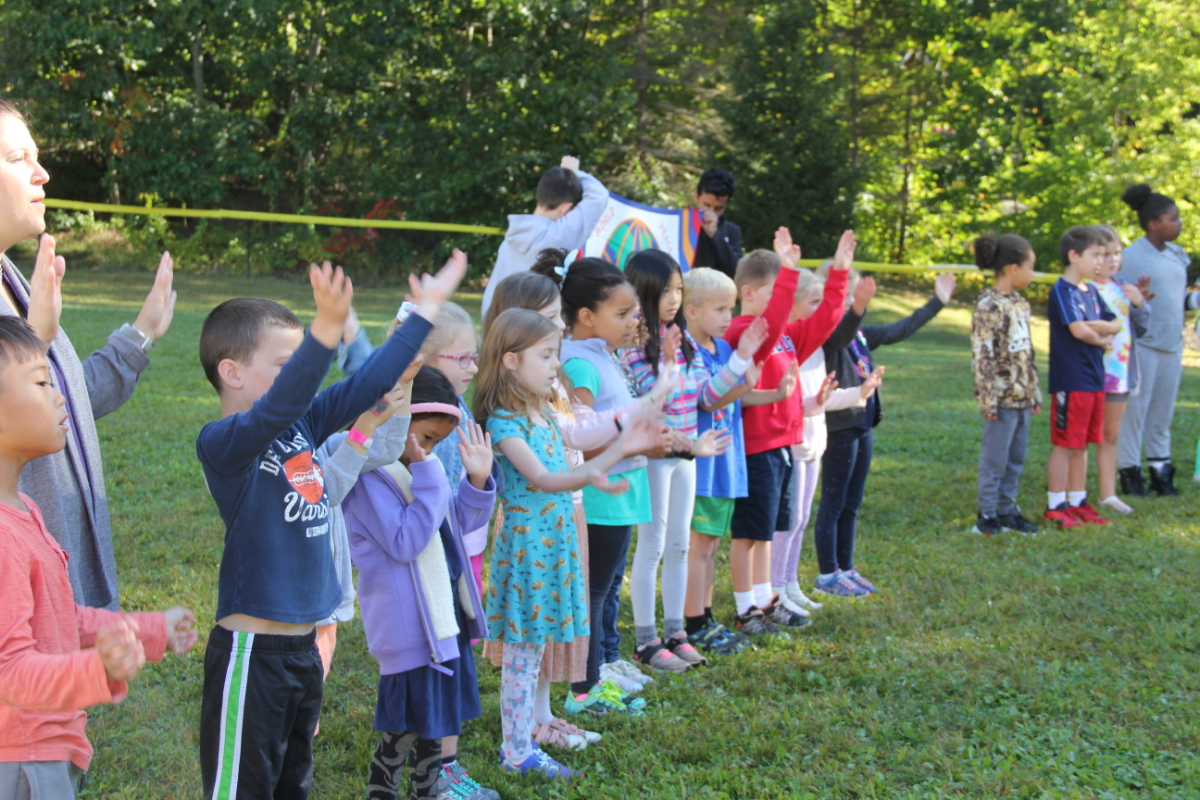
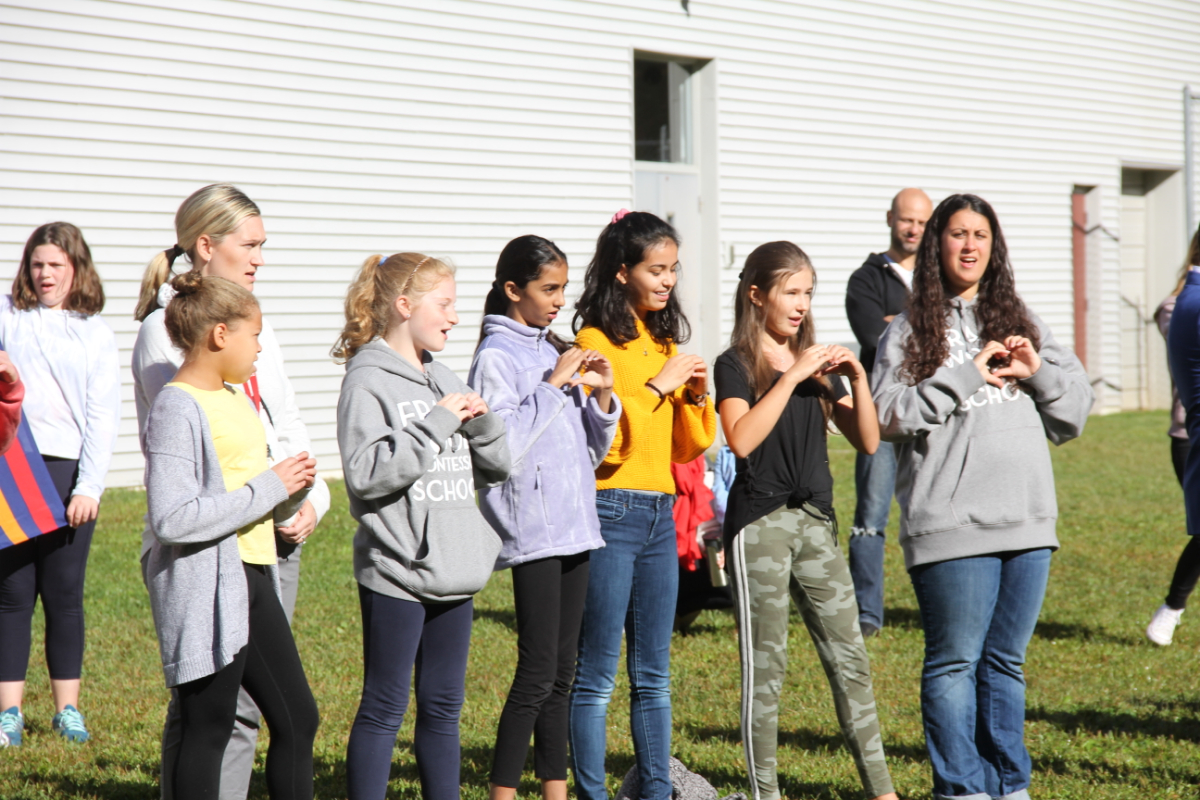
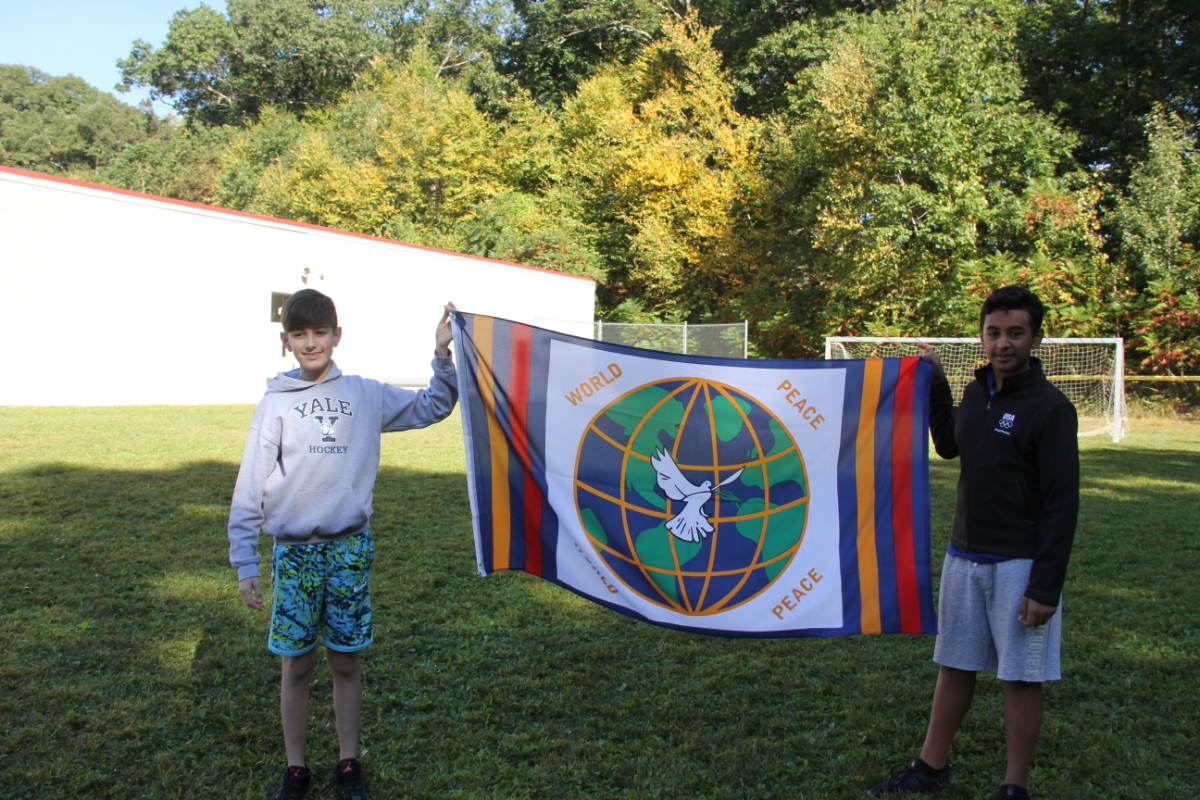
On September 20th, we celebrated the annual International Day of Peace. Fraser Woods as well as many other Montessori schools across the planet were united as ONE, singing Shelley Murley’s song, “Light a Candle for Peace” for the past 5 years in a row. The song for peace moves around the world throughout the whole day; “That our wish for world peace, will one day come true!”

Maria Montessori believed that establishing peace is the work of education. And thus, peace is an integral part of the Montessori philosophy.


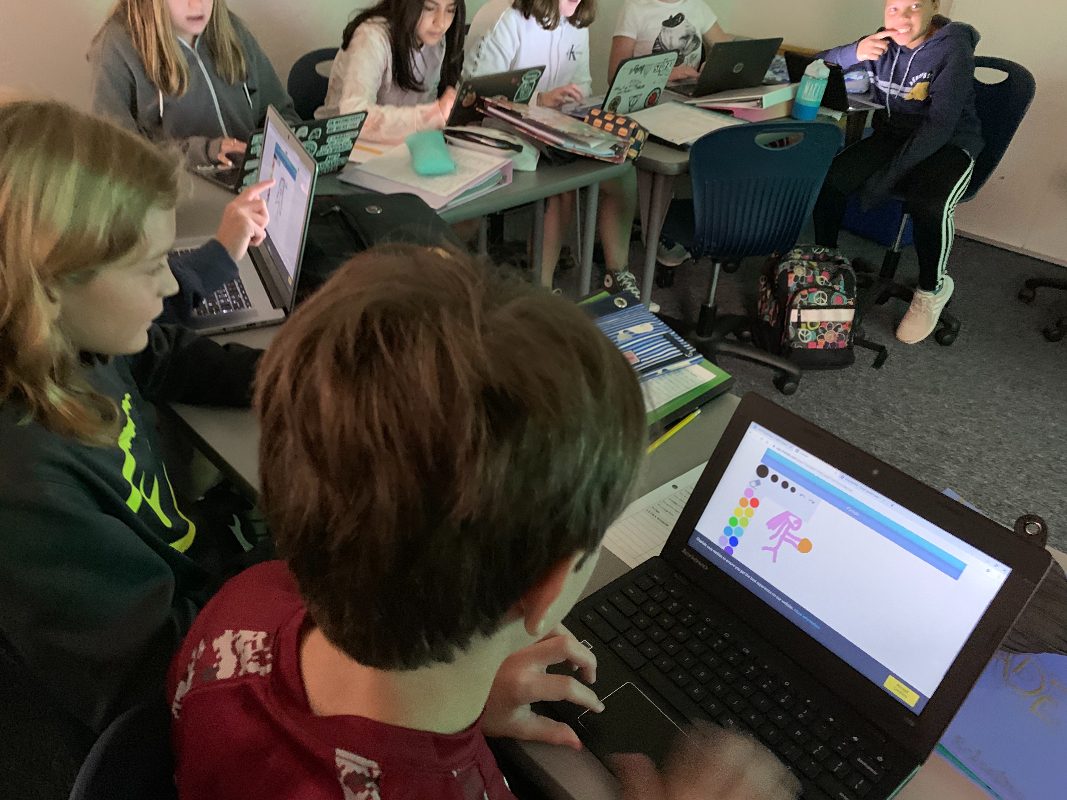
Be Internet Awesome

When our students are young, we do our best to help them get the most out of the Internet while protecting them from the risks and downsides of the online world. As children mature into teenhood, our role shifts to helping them learn to make their own safe and thoughtful decisions as they navigate their digital lives. At FWM, we believe in partnering with parents and preparing our students to:

  • Think critically and evaluate websites, email, and other content online.
  • Protect themselves from online threats, including bullying and scams.
  • Get smart about sharing: what, when, how, and with whom.
  • Be kind and respectful toward other people online, including respecting their privacy.
  • Ask for help with tricky situations from a parent or other trusted adult.

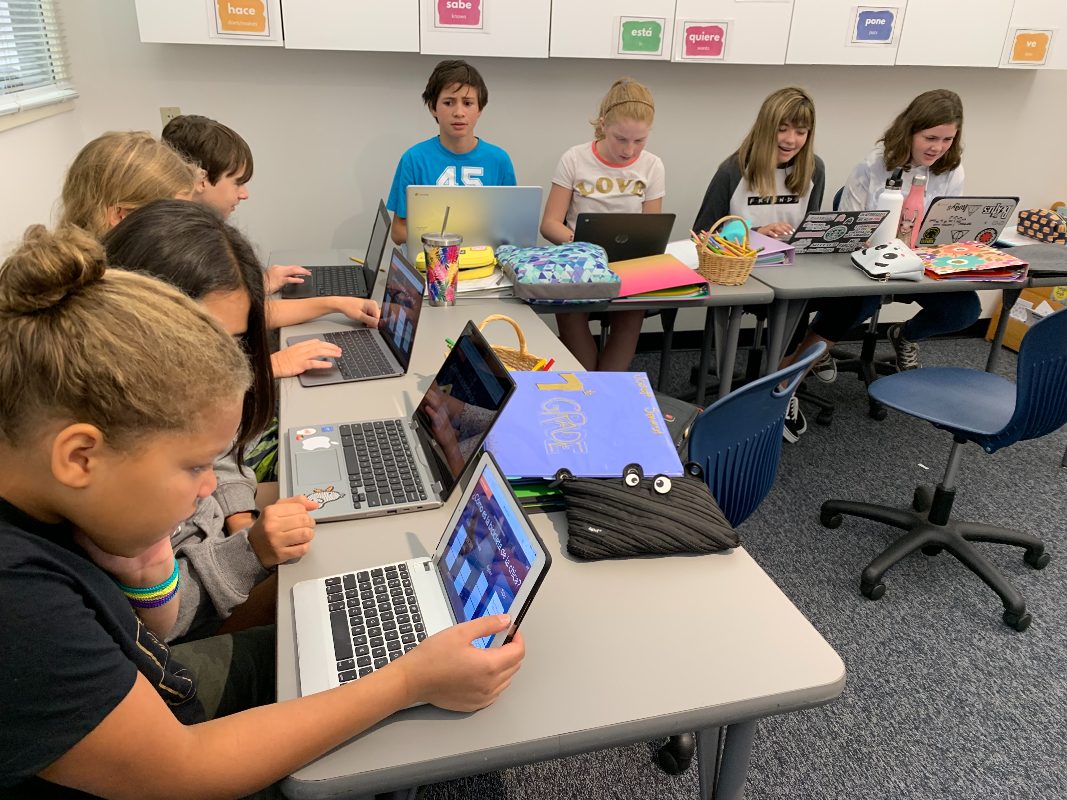
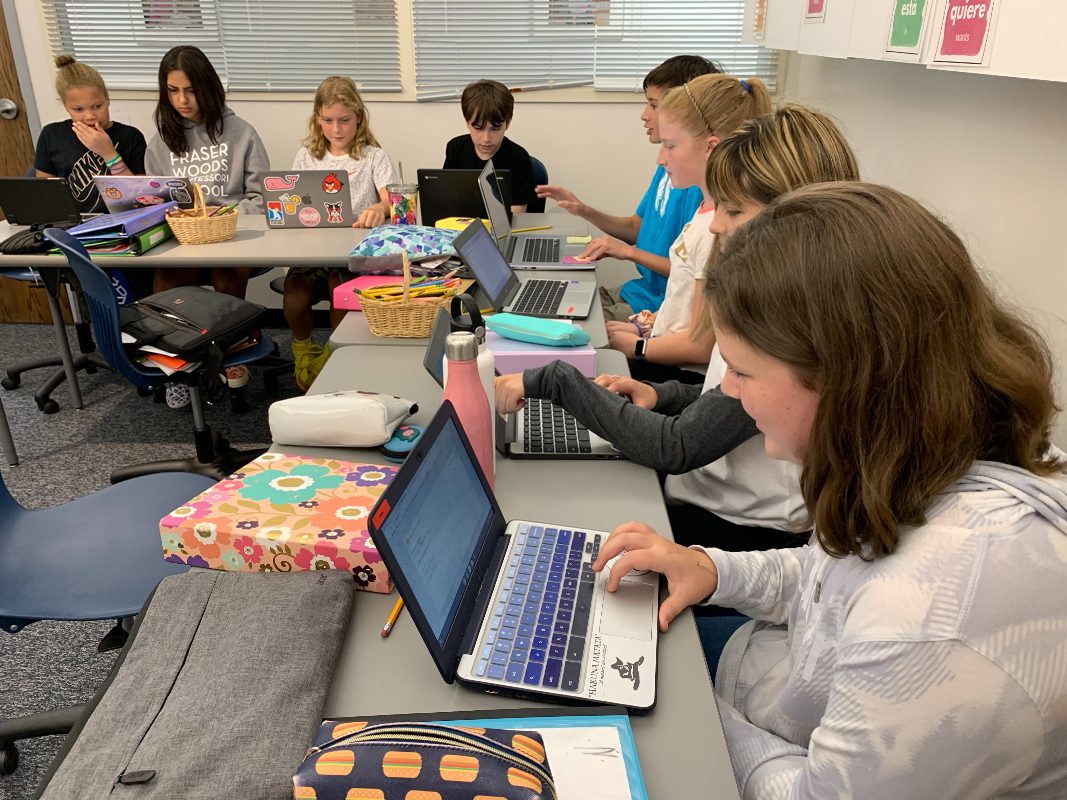
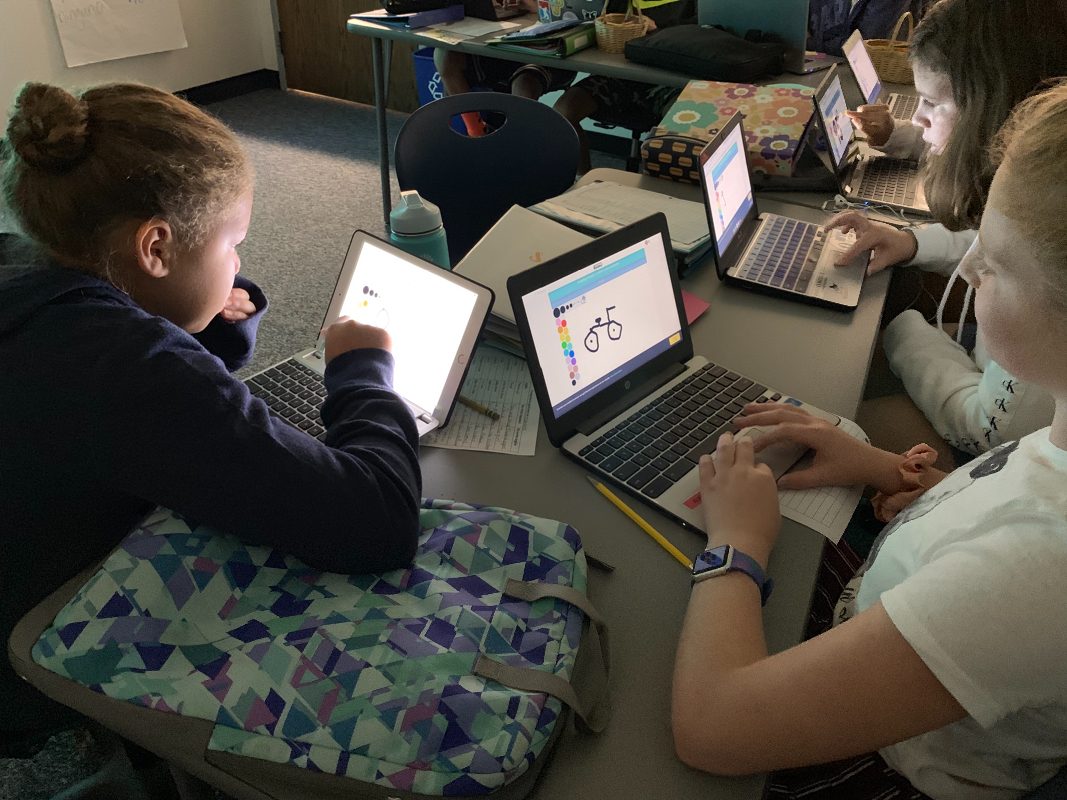
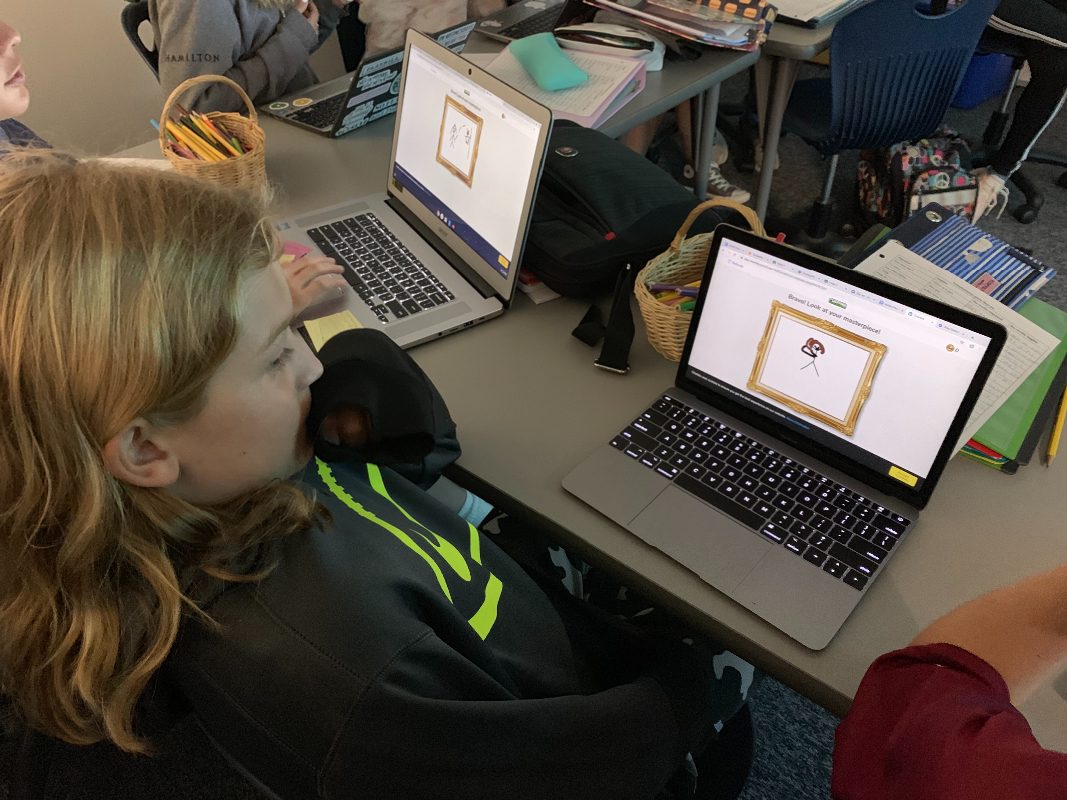
This year, these efforts will include Be Internet Awesome, a multifaceted program designed to teach students in 2nd grade through Middle School about the skills they need to be safe and smart online. One of the resources, Interland, is a browser-based game that makes learning these skills interactive and fun – just like the Internet itself. Developed by Google in partnership with educators, researchers, and online-safety experts at The Net Safety Collaborative and iKeepSafe.org.

Smart, safe technology usage can enable students to help drive their own learning and help our school function better. We believe the Be Internet Awesome program will mark an important step toward our goal of ensuring that all our students at FWM are learning, exploring, and staying safe online, both inside and outside the school walls.

We encourage you to ask your student about what activities they are participating in and continue the conversation at home – and who knows, you just might pick up a few privacy and security tricks yourself!


3D Printing Pens

For the new 2019-2020 school year, the MakeSpace has added 3D pens to our ever-growing curriculum. These pens will be utilized by our Kindergarten and Elementary makers. The 3Doodler works by “extruding heated plastic that cools almost instantly into a solid, stable structure, allowing for the free-hand creation of three-dimensional objects”.


Español con Señora Hall

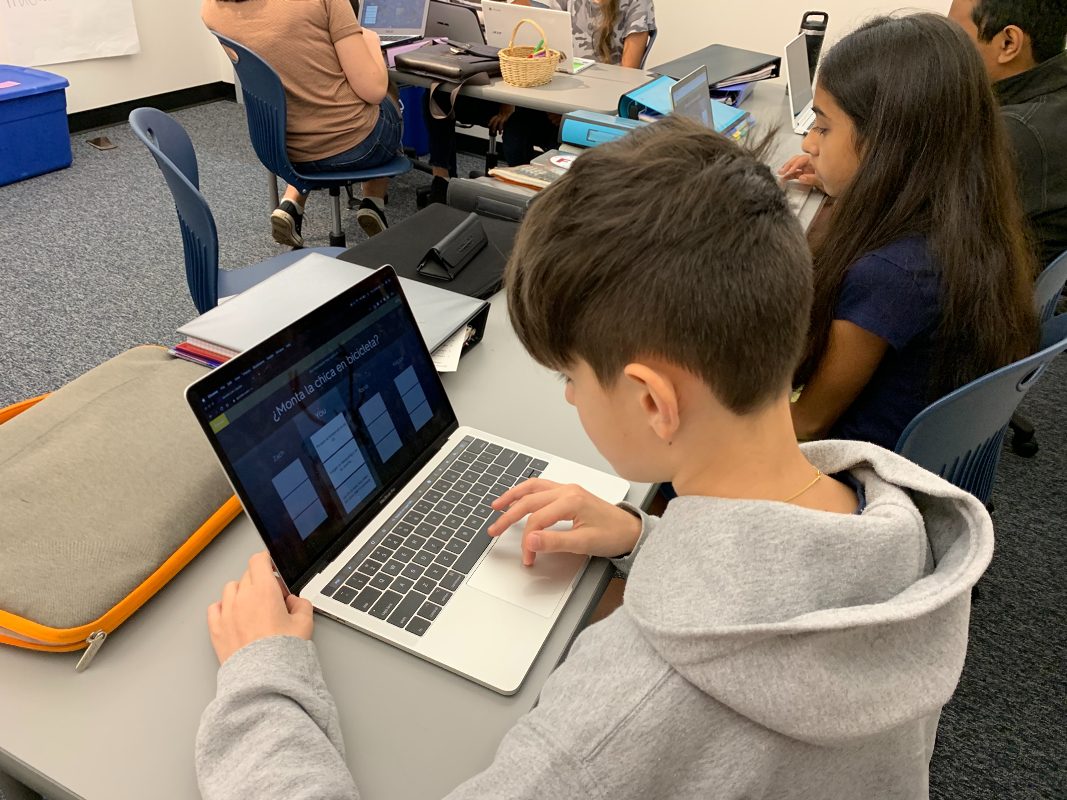
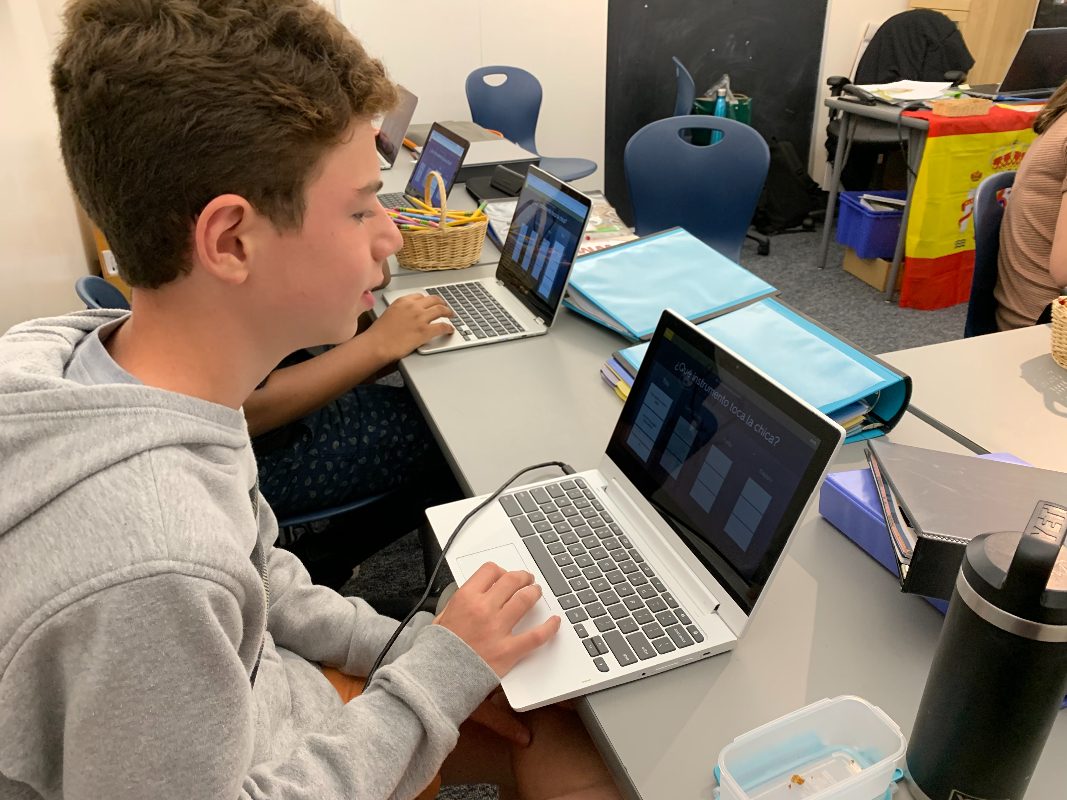
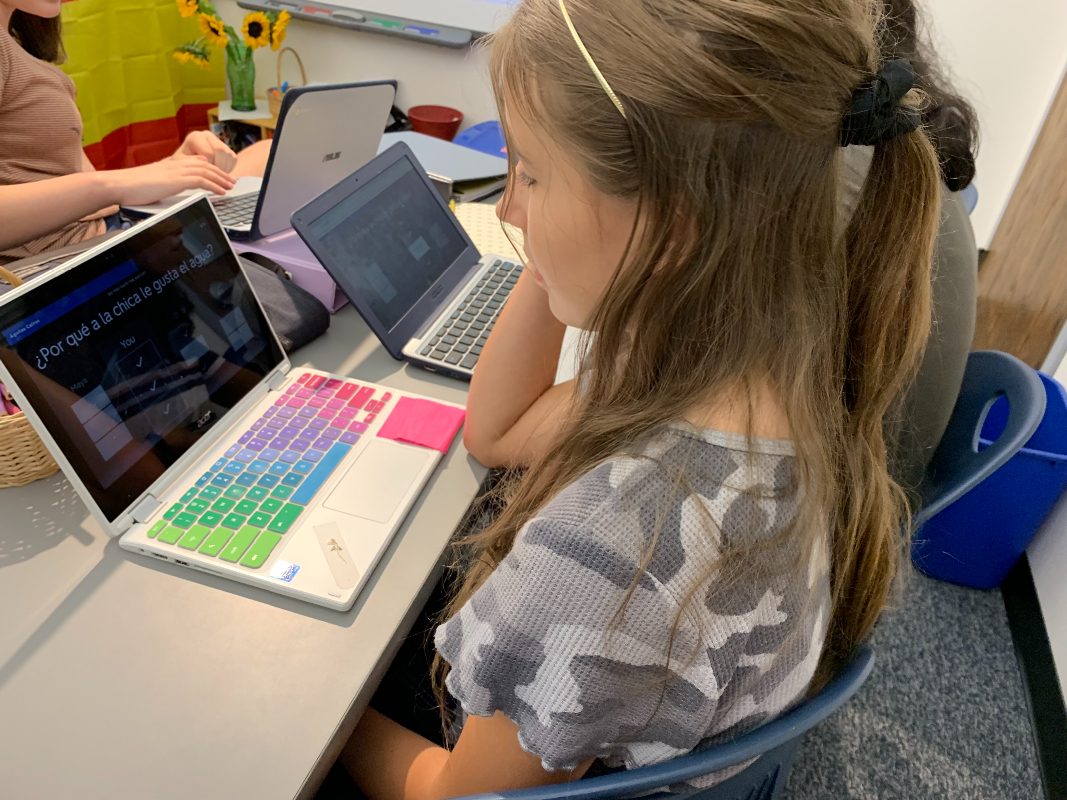
I’m so excited to be part of the FWM family and share my passion for language with the children here! In World Language, the children have been diving into stories each class. Storytelling helps students acquire language in a compelling manner and allows them to see words used in context rather than simply learning them in isolation. The children learn actions to correspond with new vocabulary words. 

In alignment with their author study for September, primary classes heard Oso Pardo, Oso Pardo, ¿Qué ves ahí? (Brown Bear, Brown Bear, What do you see? By Bill Martin Jr. and Eric Carle). With the story, they were presented with names of different animals along with their colors. Next, we will work on categorizing living and non-living things, just as they are doing for science this month.

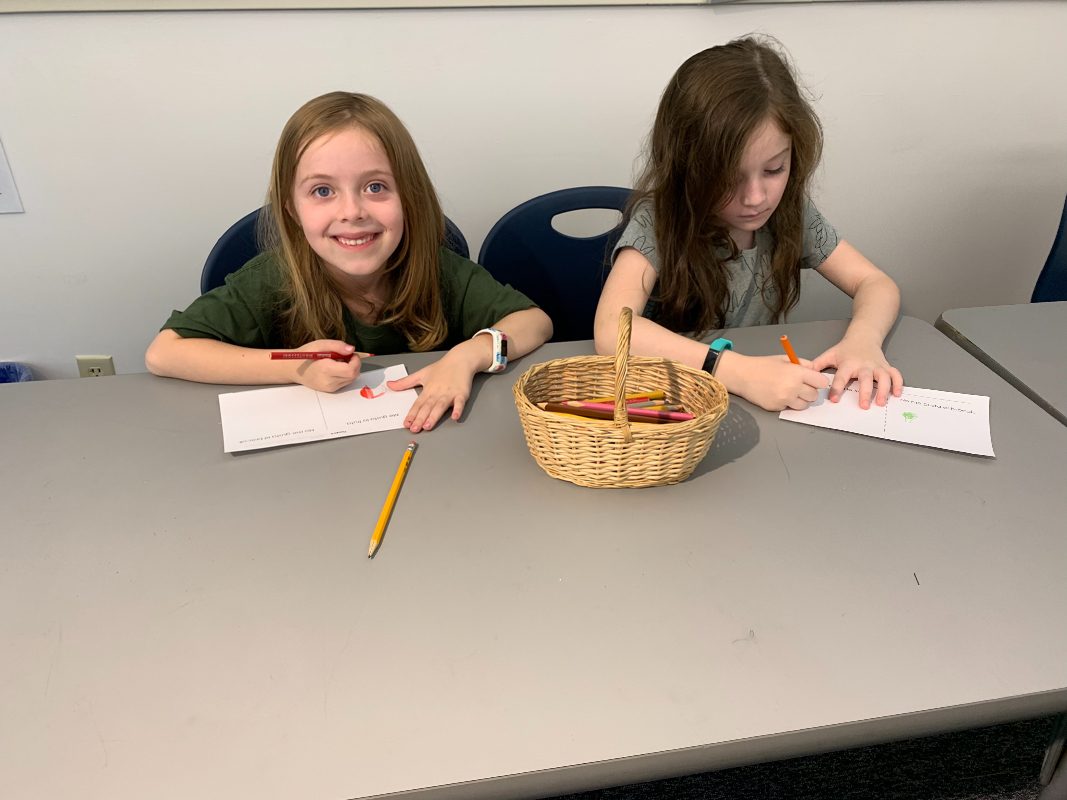
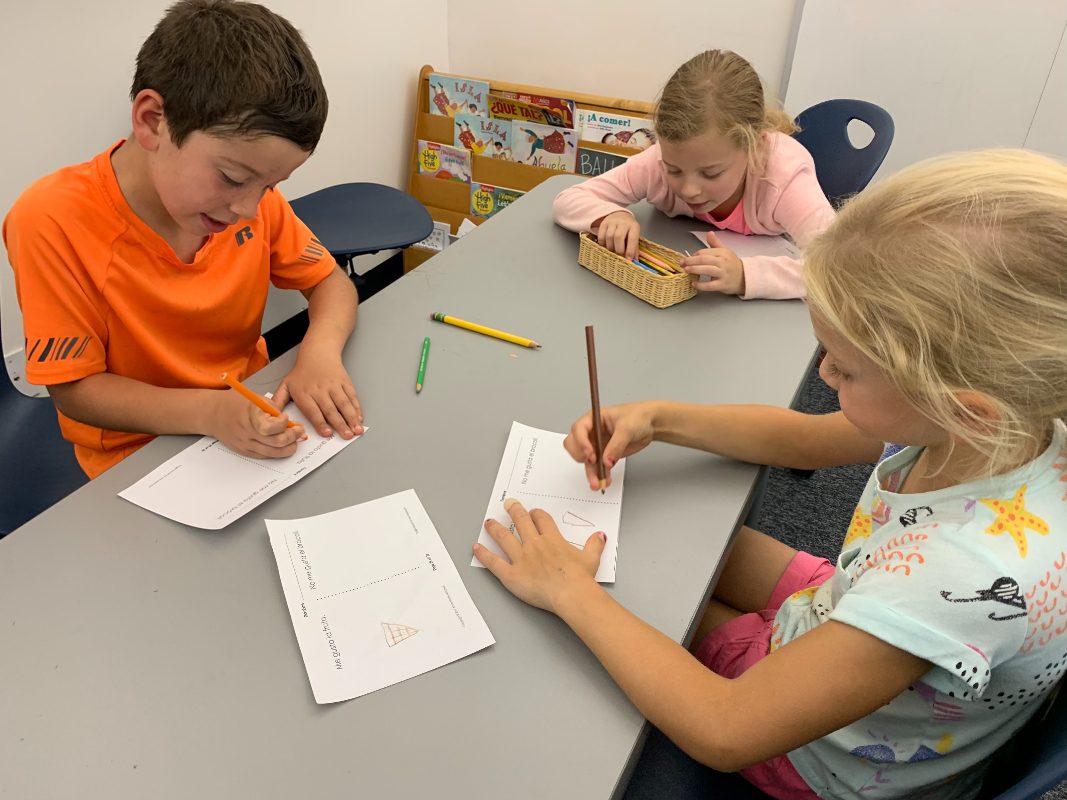
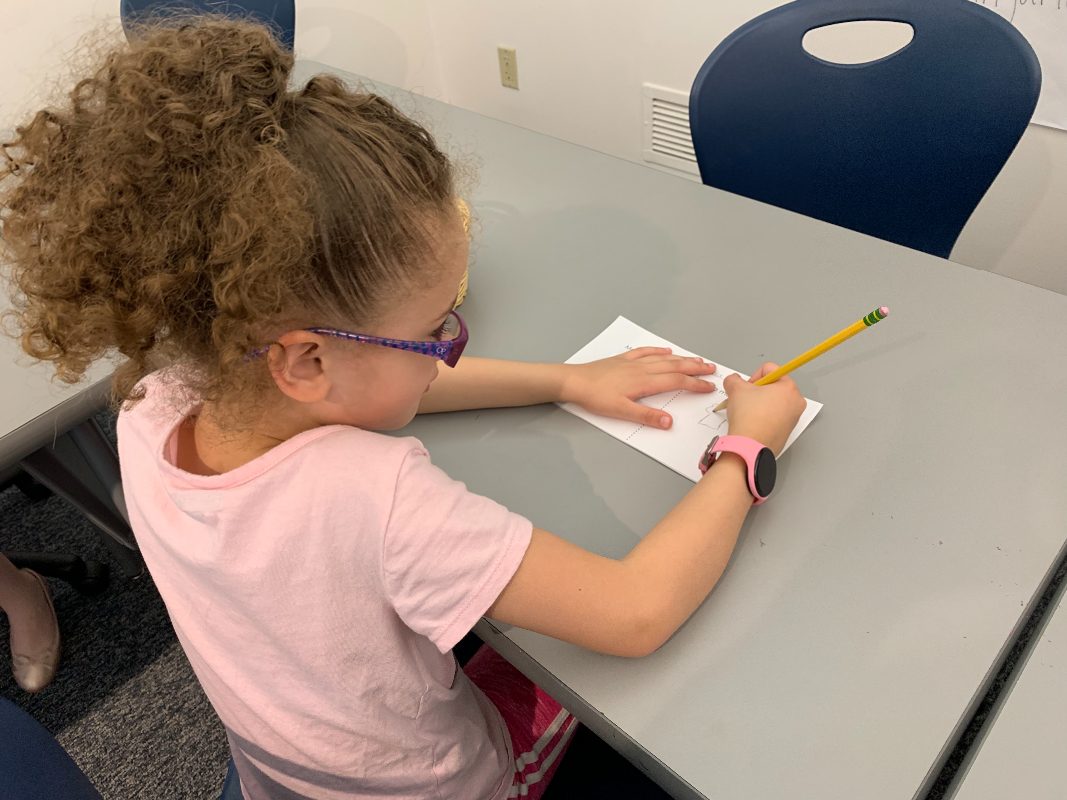
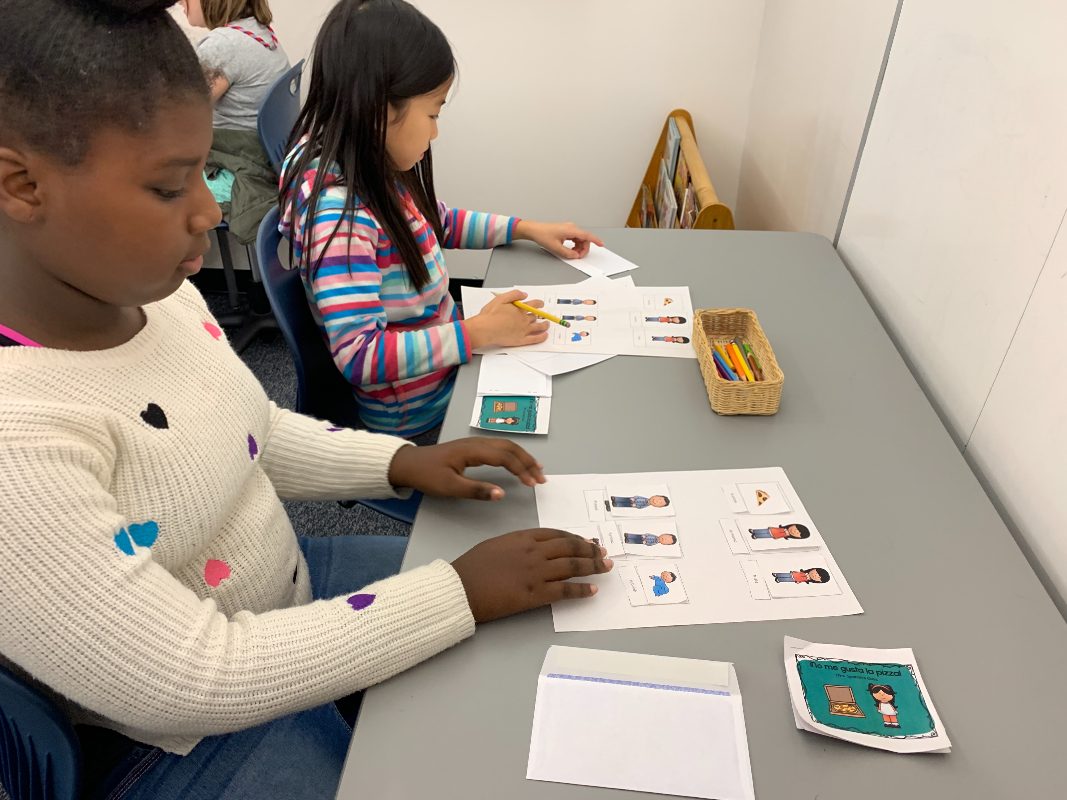
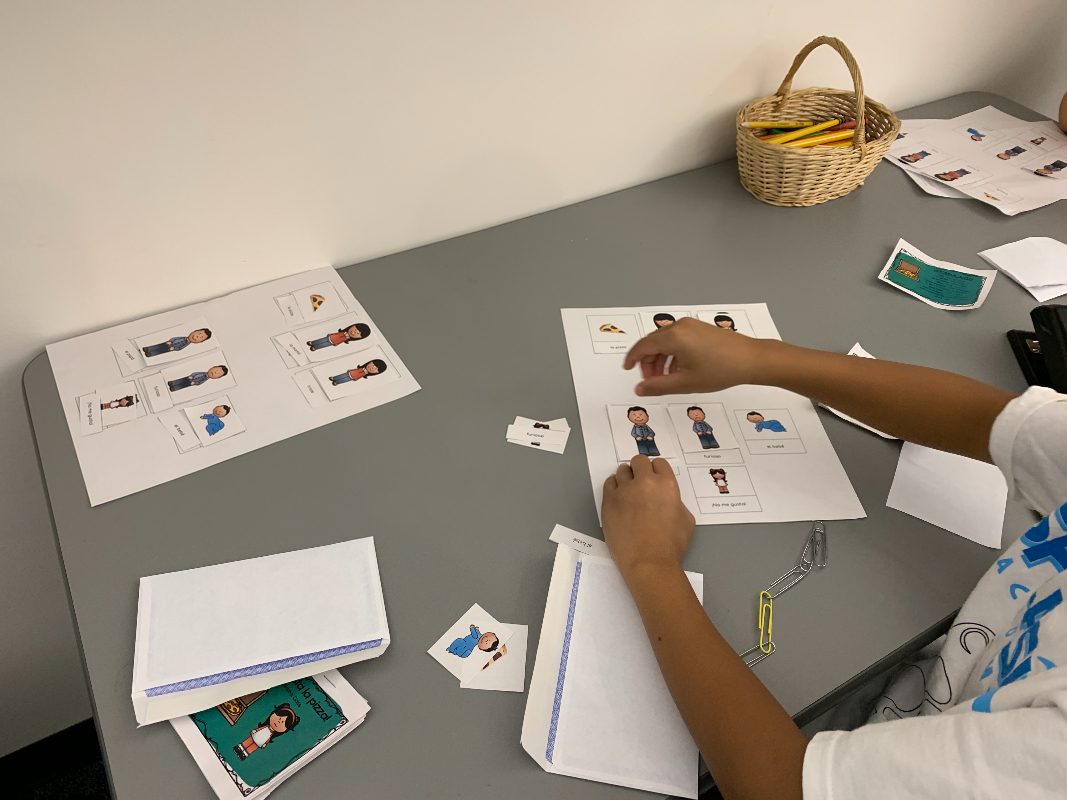
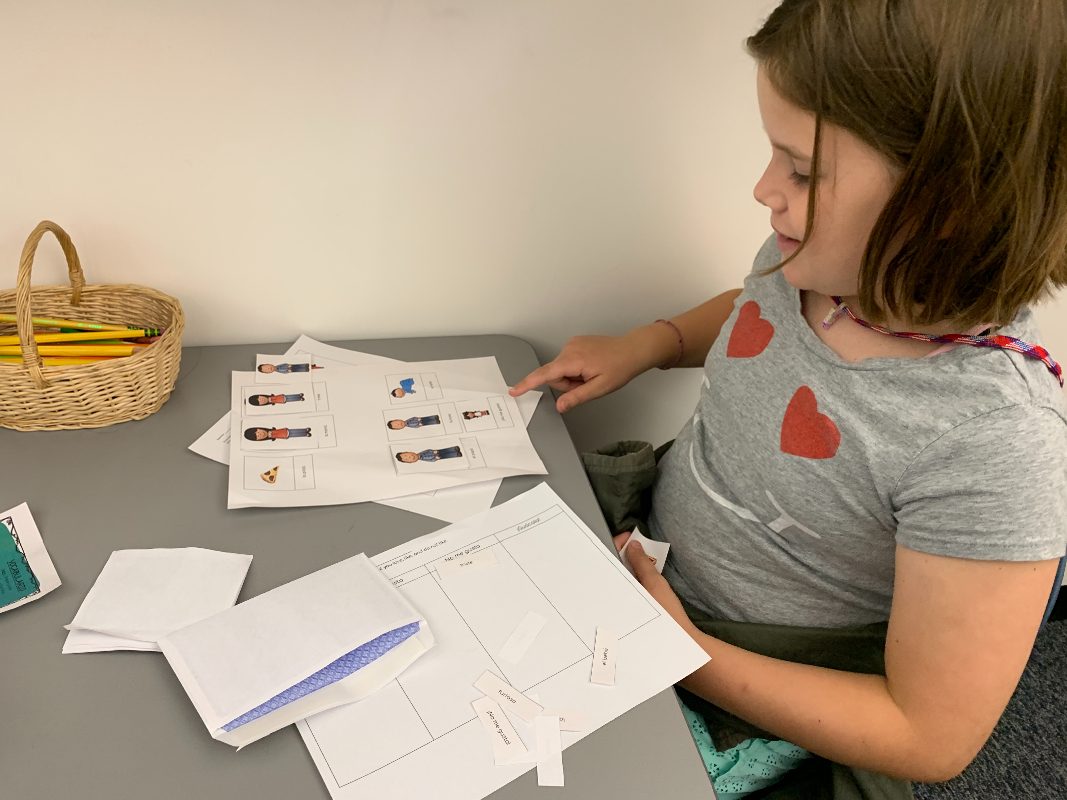
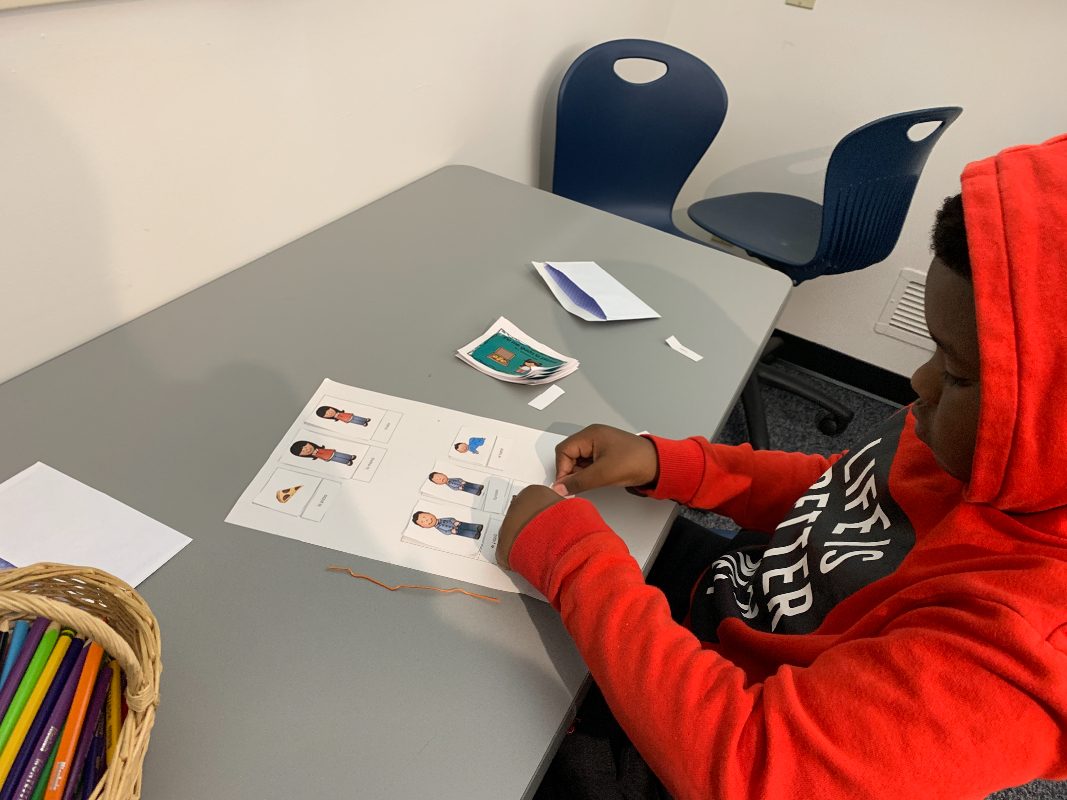
Lower Elementary has been acquiring the skills to discuss which foods we like and do not like. They have been using the story, ¡No me gusta! from the No Me Digas elementary Spanish curriculum. We have been singing and sharing about our favorite and least favorite foods. 

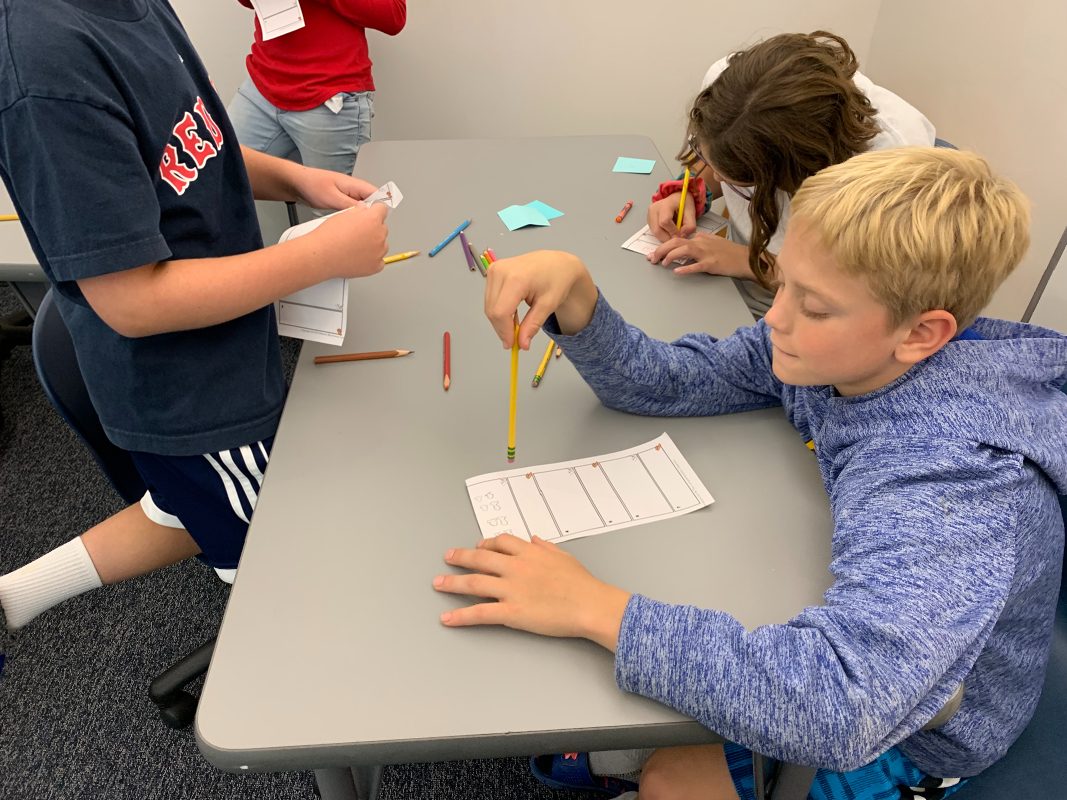
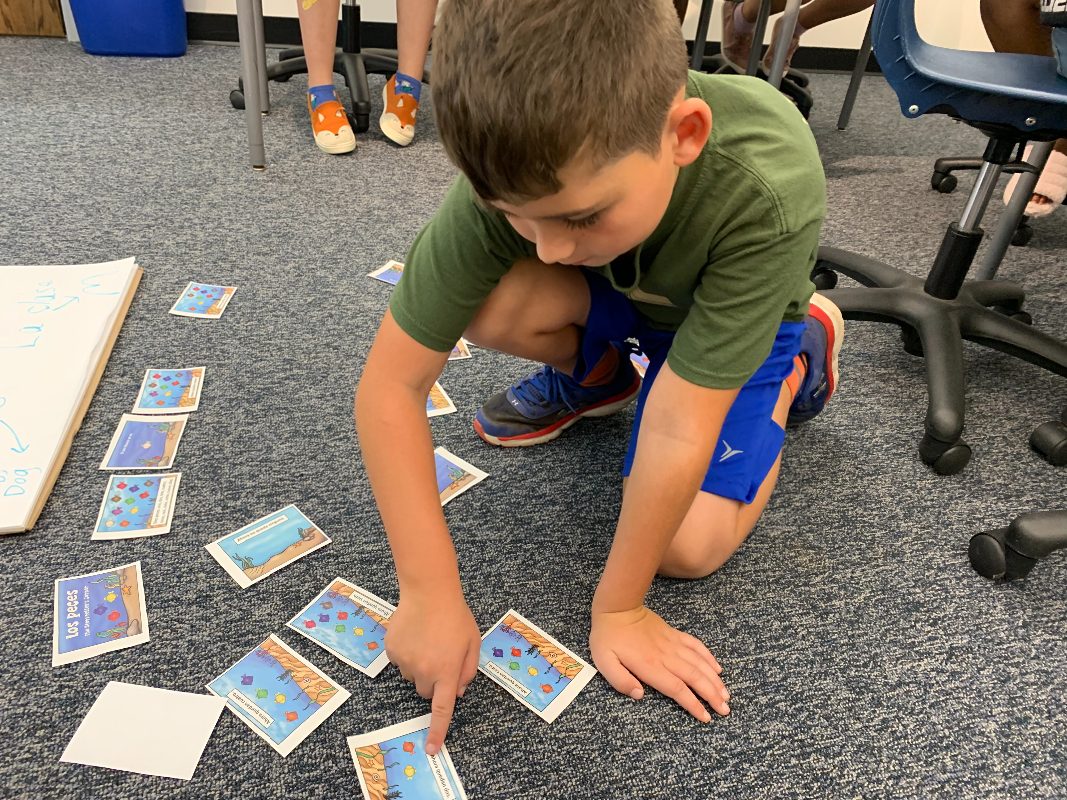
Upper Elementary has practiced retelling stories and sequencing with the stories Isabel va a la escuela and Los Peces, and Los Tiburones, all from The Storyteller’s Corner. They have learned to talk about leaving or staying, how they are feeling, and they have practiced counting 0-10 and backward. 

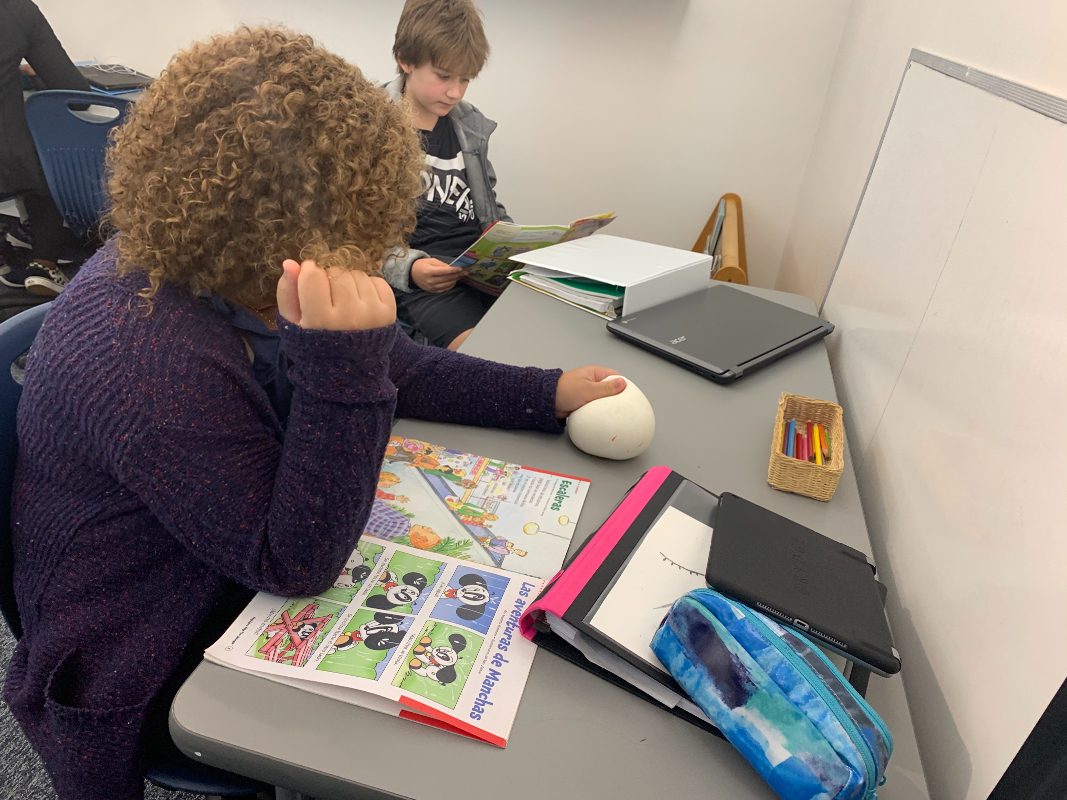
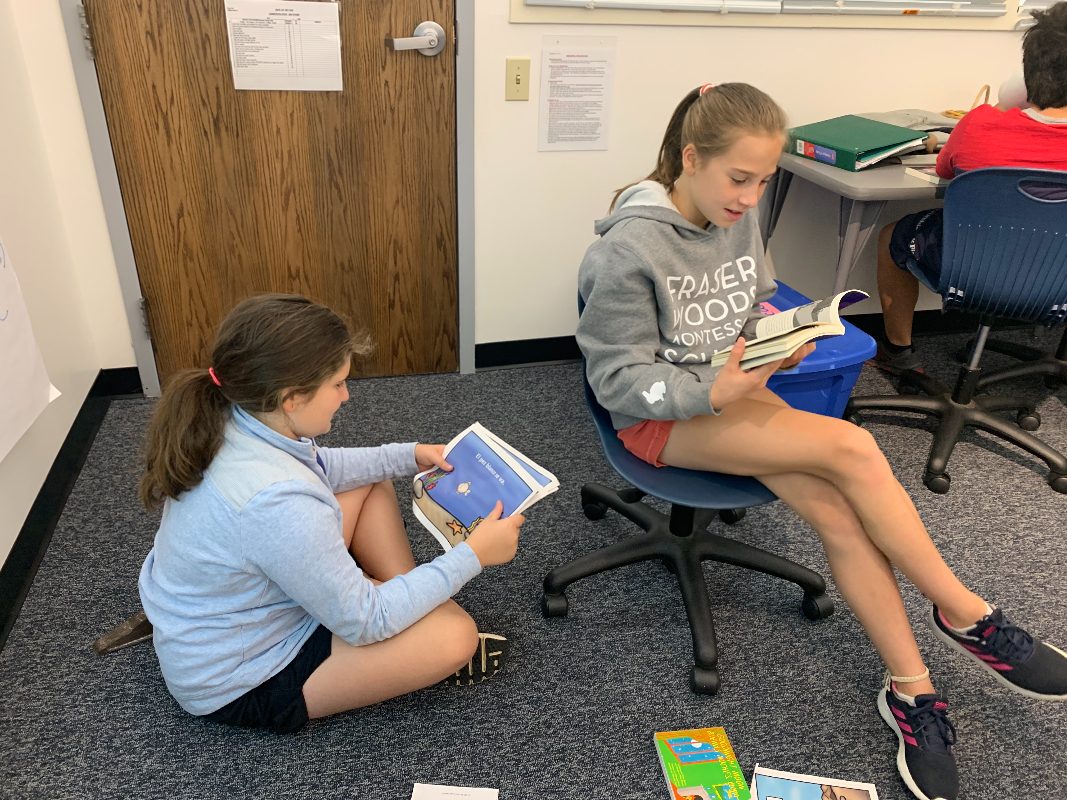
Middle School just started our Free Voluntary Reading, which is at the beginning of each class. All middle schoolers choose a book to read and spend the first five to ten minutes of class reading in Spanish. Aside from this, they have been singing and hearing stories to say who people are, what they say, and what they like and do not like to do. Then they applied these skills to begin writing their own stories about themselves. 


Reality Check: Photographs with Phones Removed

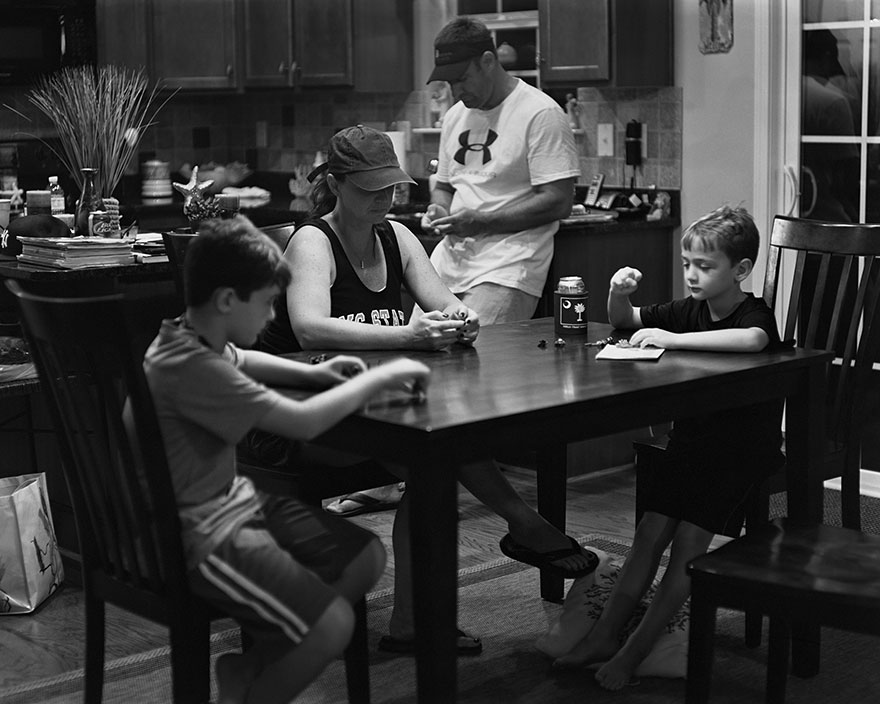
This article touched my heart and actually made me toss my phone across the room. “American photographer Eric Pickersgill photoshopped away the smartphones and digital devices from his portraits of everyday life. The project “Removed” aims to show our addiction to modern technology, social media, and hyper-connectivity. Pickersgill knows that he’s also amongst the addicted.” Click here to read more.


100 Mile Club

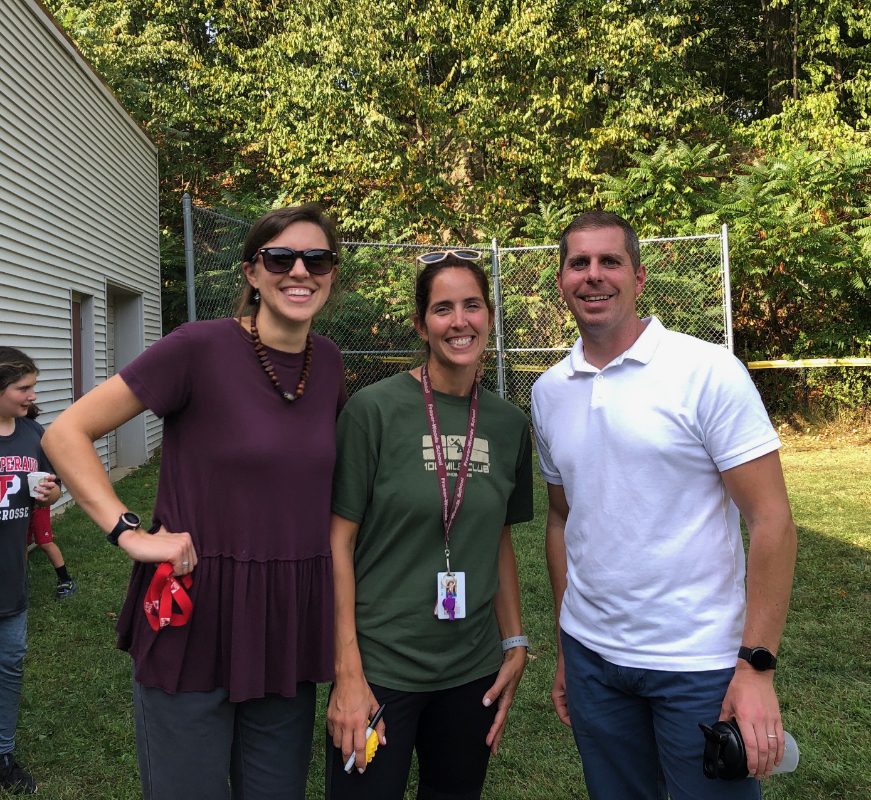
The 100 Mile Club is off to a great start!

Students are running during morning fitness, recess and PE class.  The philosophy of 100 Mile Club is to engage and empower children and families to achieve a healthy lifestyle through physical activity nationwide; preventing childhood inactivity and obesity, one child, one school, and one community at a time.

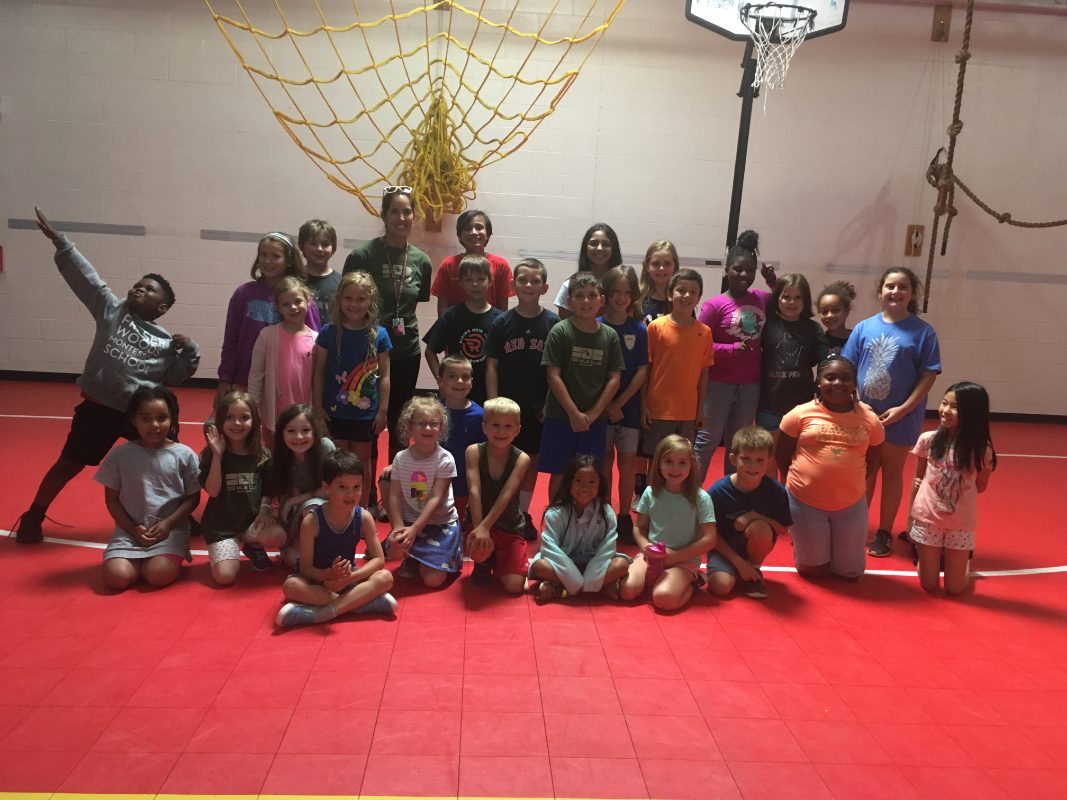
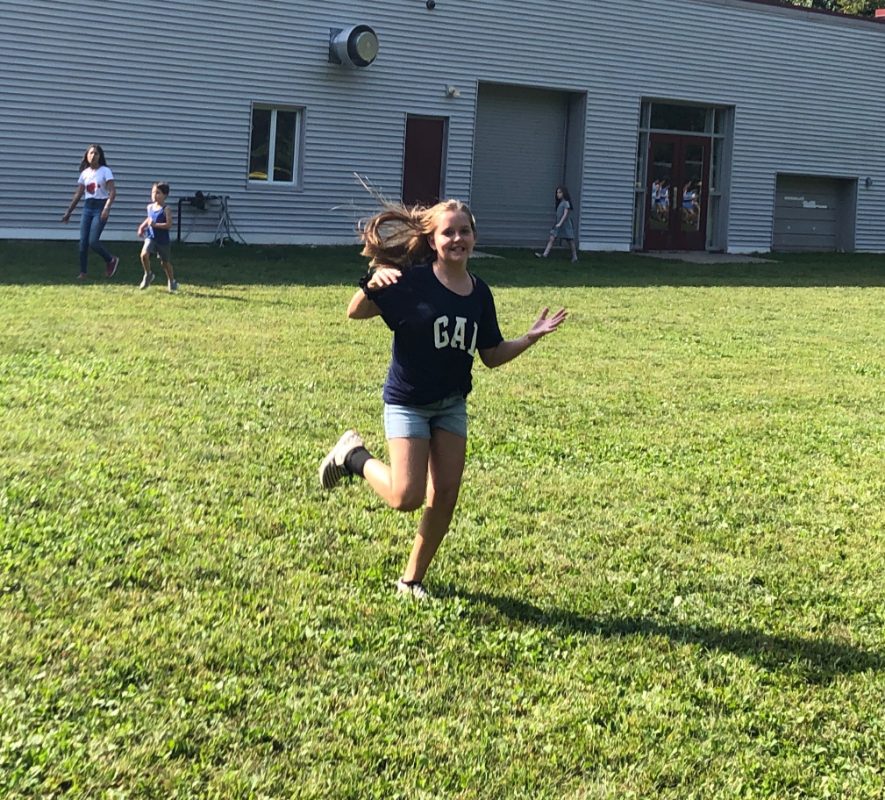
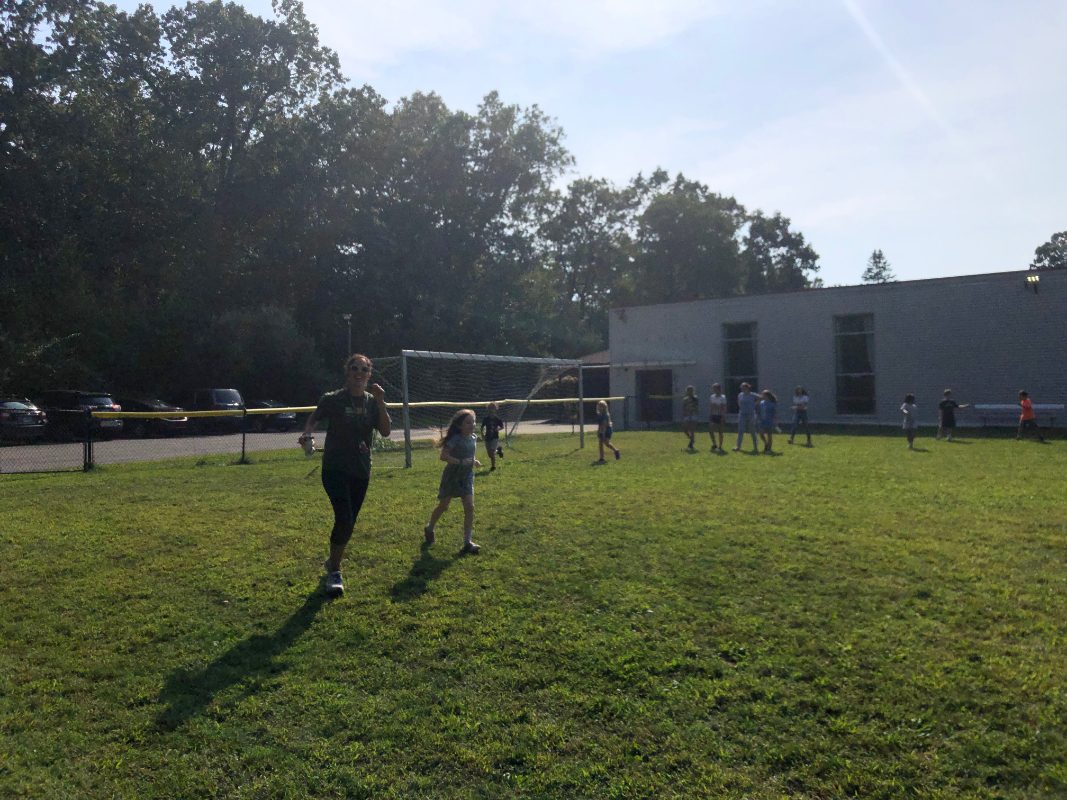
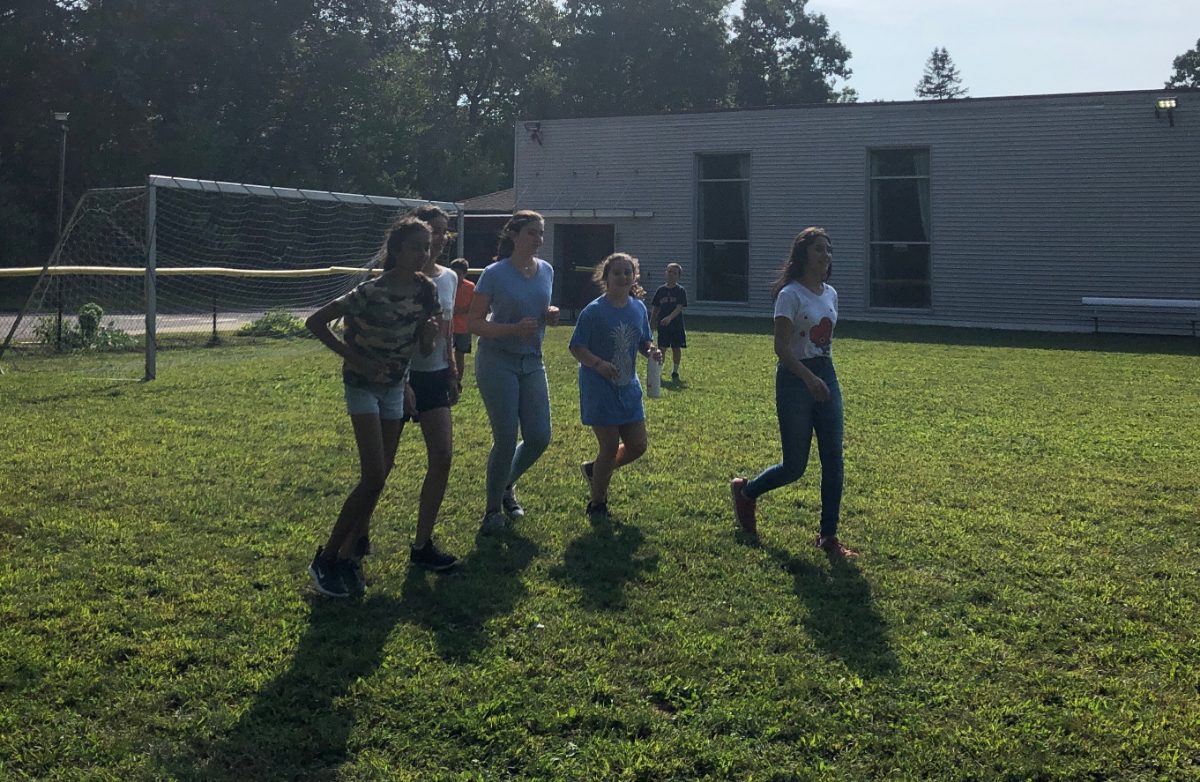
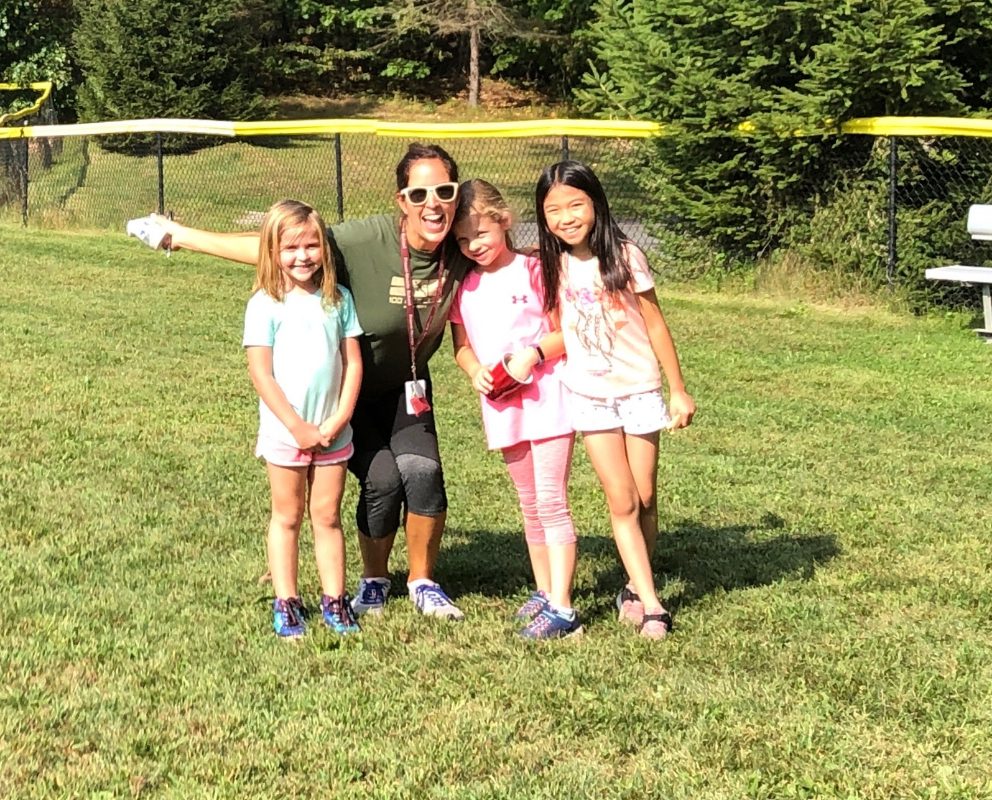
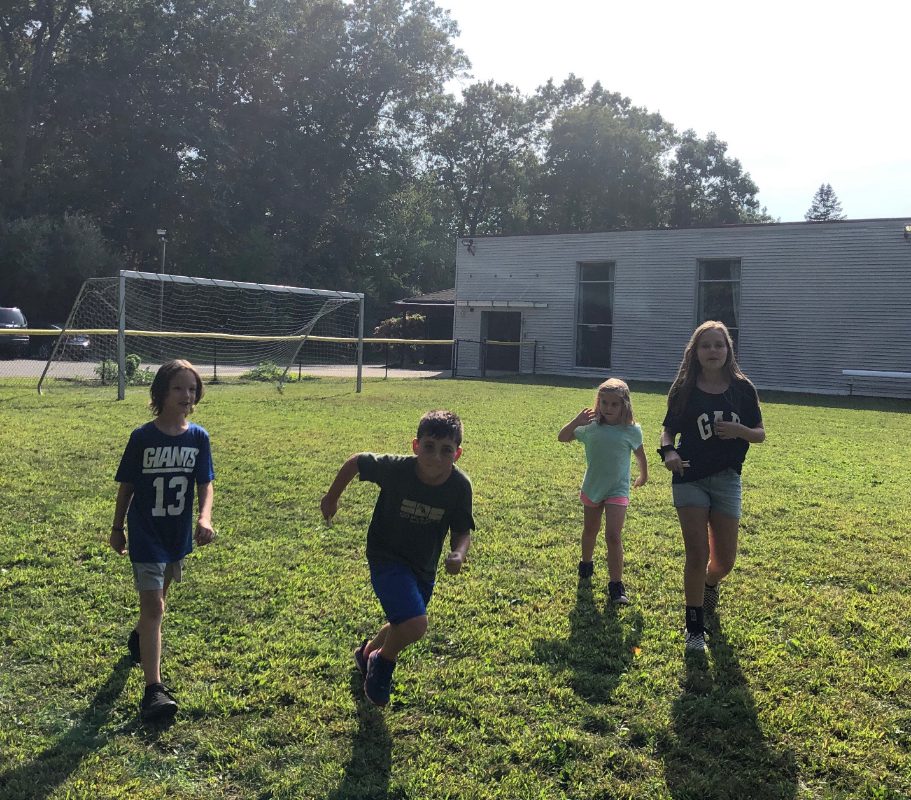
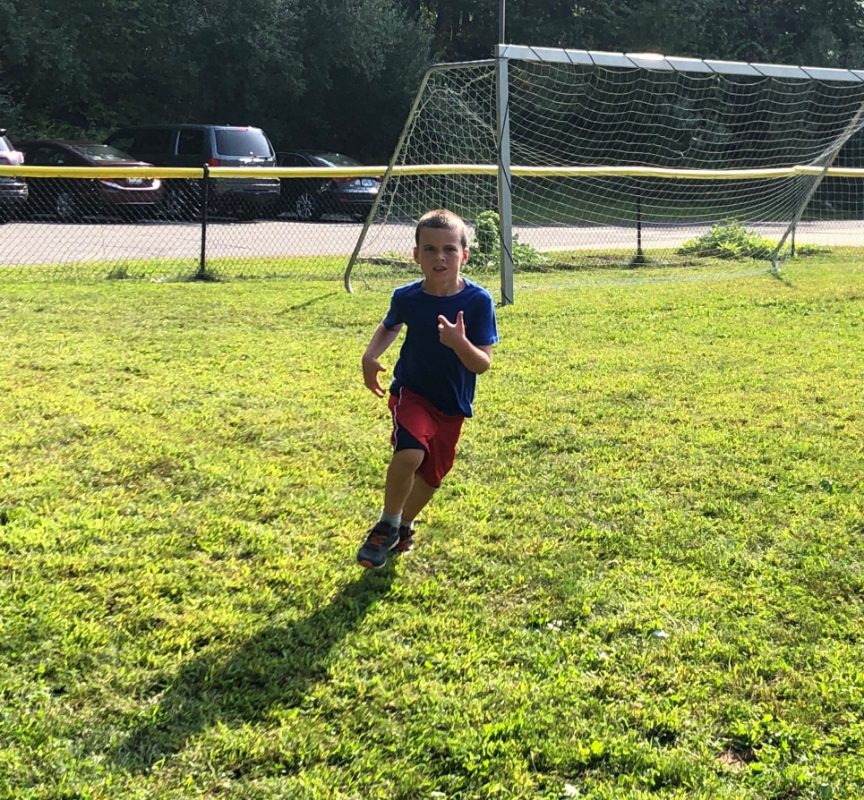
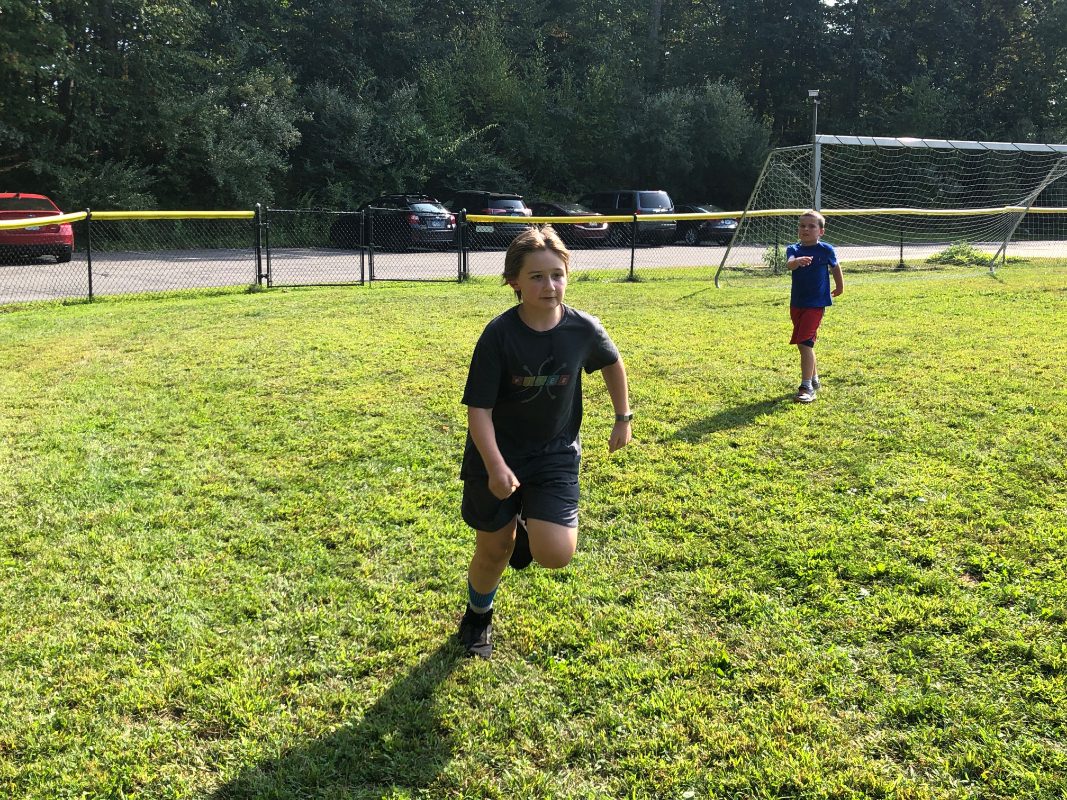
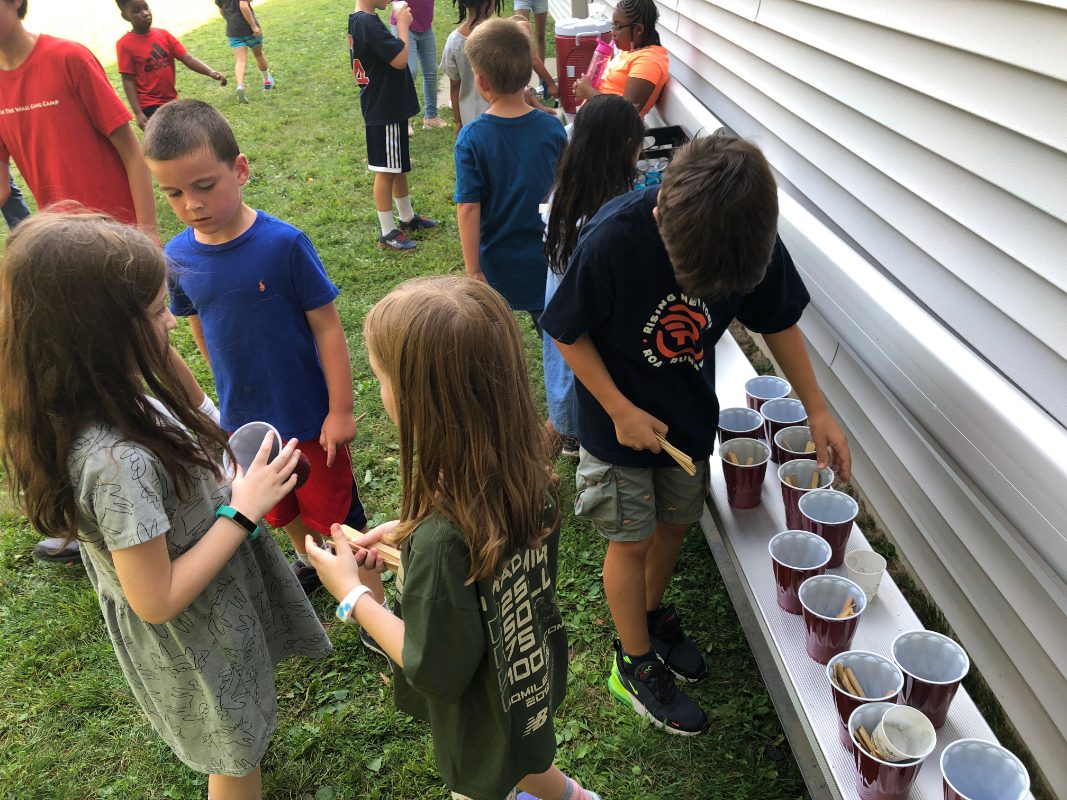
The 100 Mile Club met for the first time on Wednesday, September 11th! It was a great turnout with over 30 students in attendance! First, we spoke about the 100 Mile Club program and goal setting for the year. We then headed out to the field to start our running/walking. Students independently tracked their laps around the field by collecting a popsicle stick every time they ran or walked one time around the soccer field. We ended the club five minutes early so that they could count their popsicle sticks. Many students were so motivated to run, they asked if they could run even more laps!

I encourage parents to sign their child up for the after school 100 Mile Club on Wednesdays from 3:15 to 4:00. Parents are also welcome to join us to walk and run on the soccer field during the club. Pick up for the club is at the front lobby at 4:00. Please note: the club does not meet on some Wednesdays so please refer to the calendar for those dates. The age group for this club is from grades 1 through 8. When your child receives their t-shirt after completing 25 miles, please have them wear the shirt on Wednesdays. I hope to see you on the field!


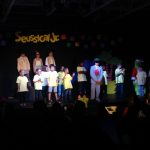
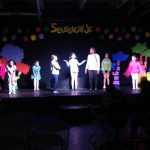
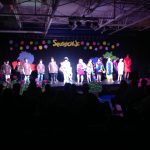
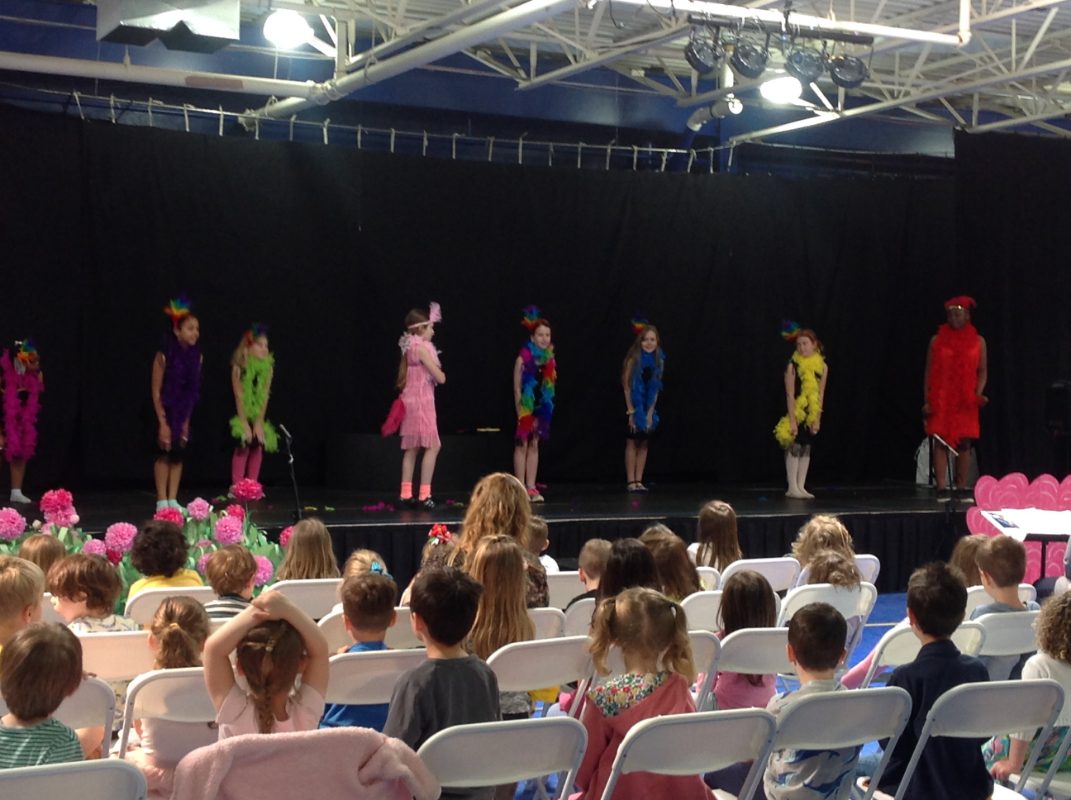
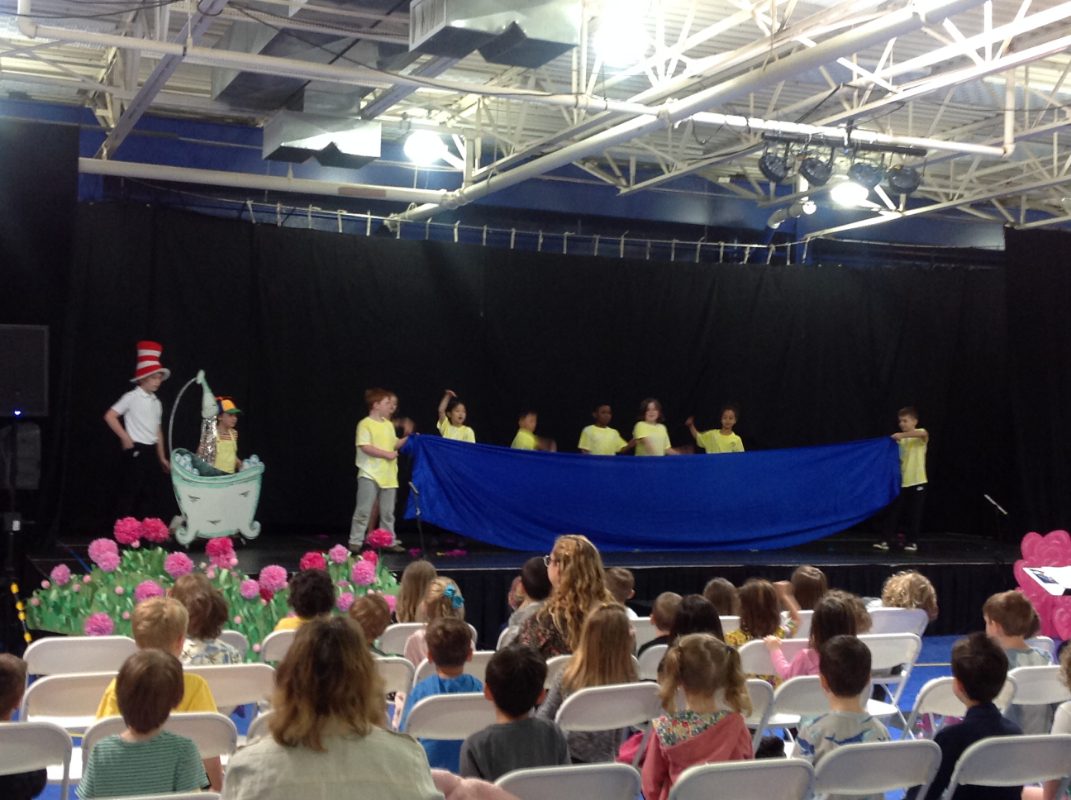
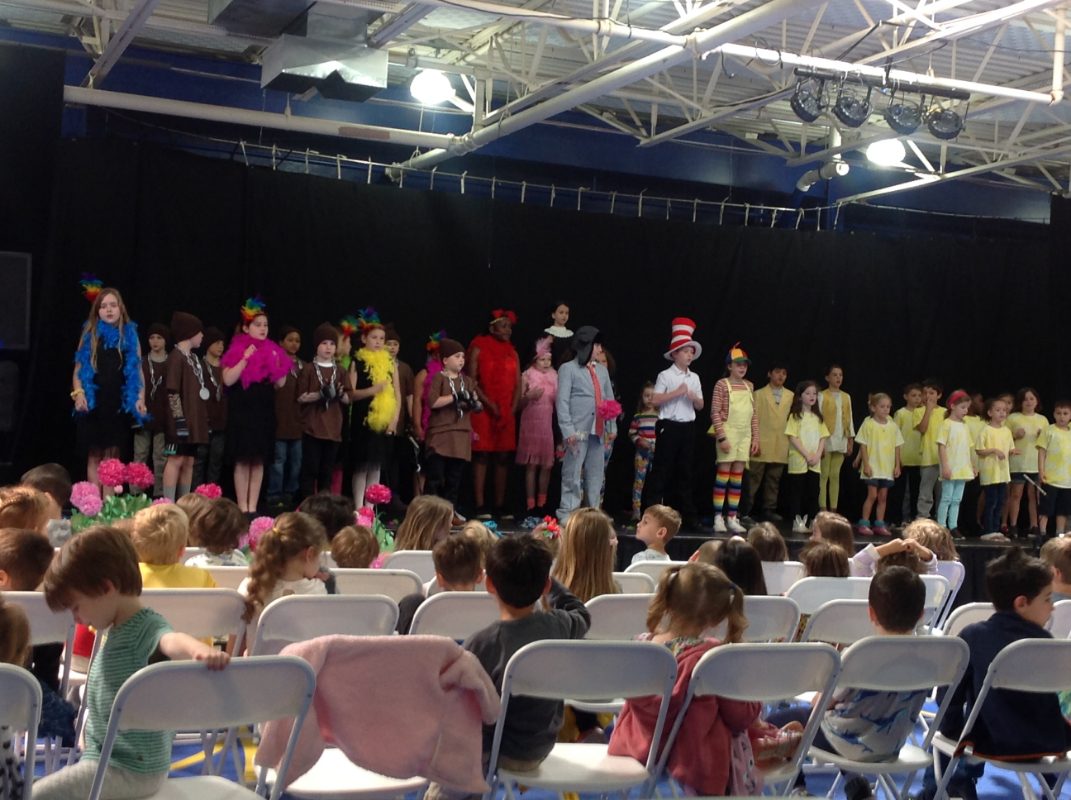
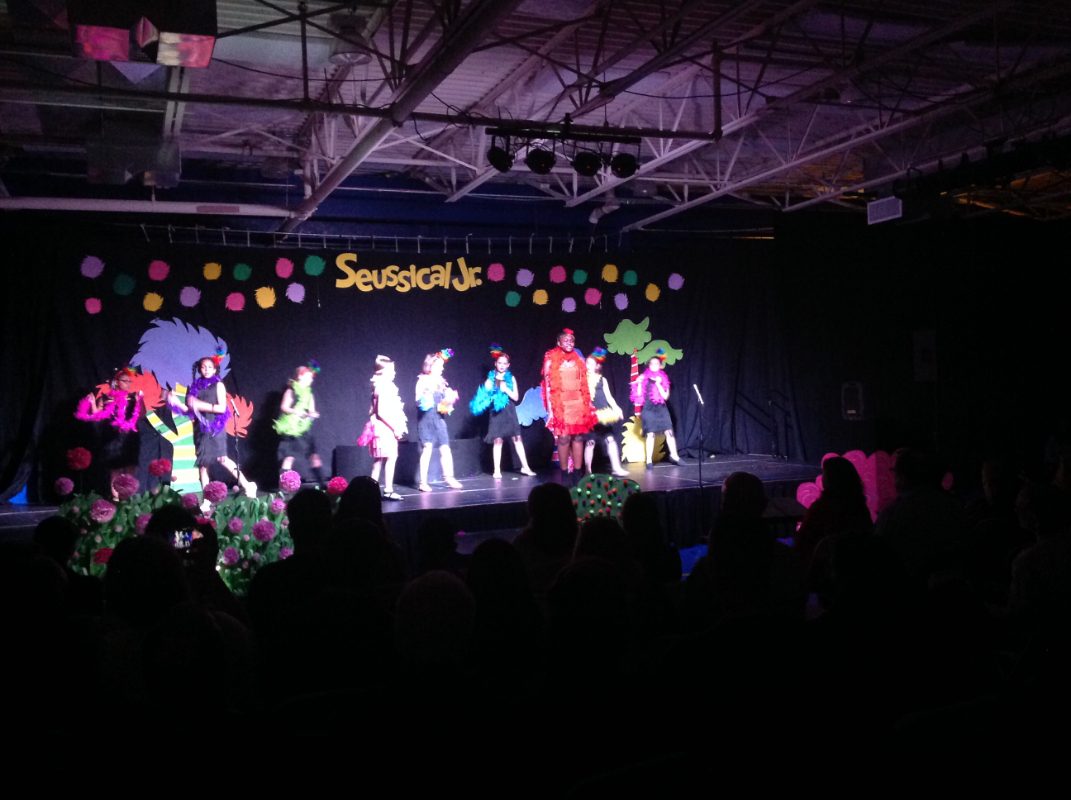
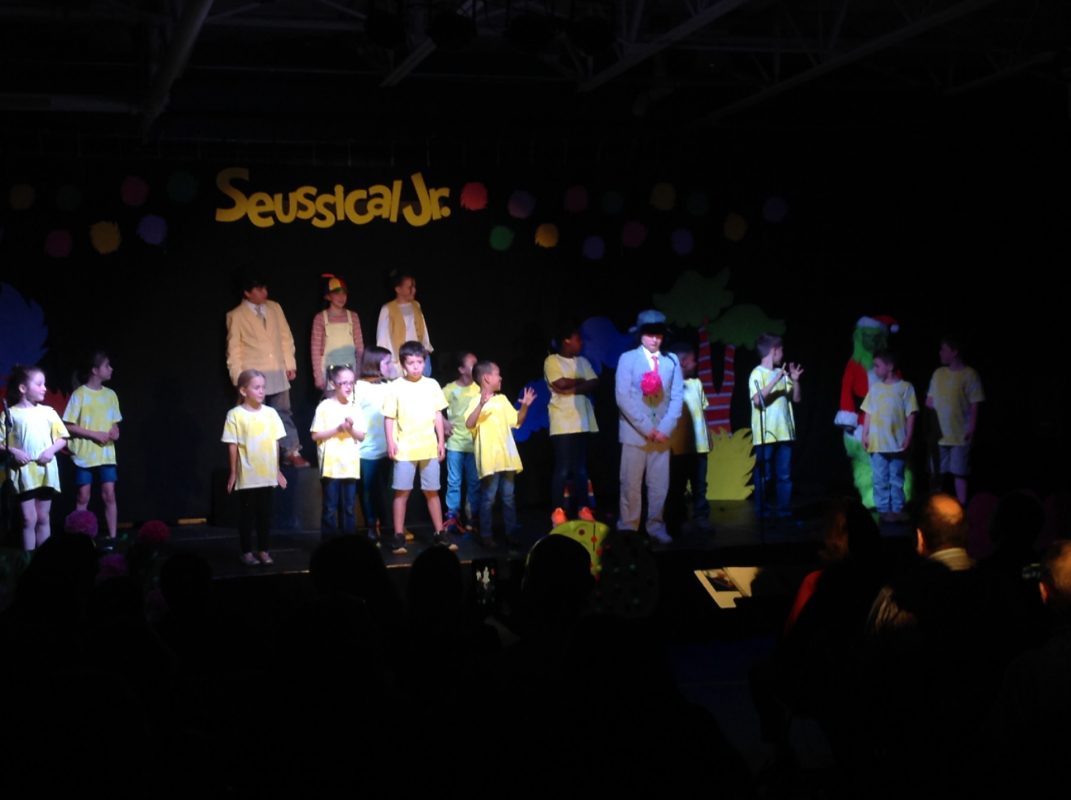
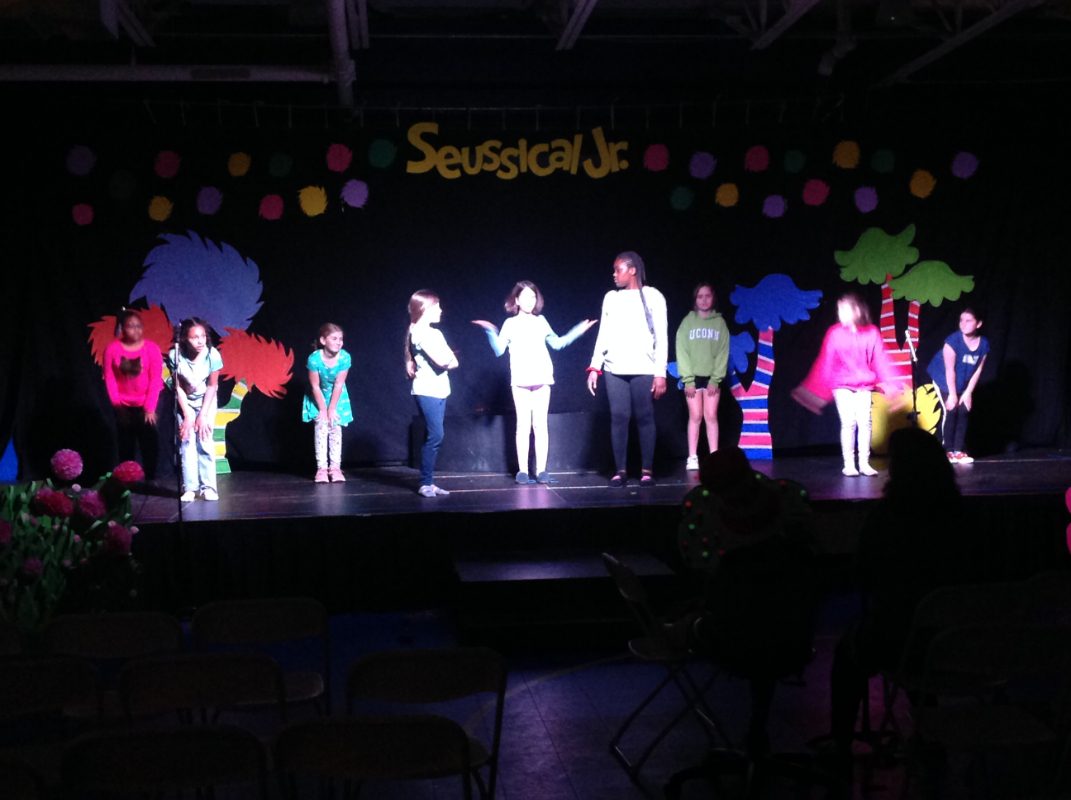
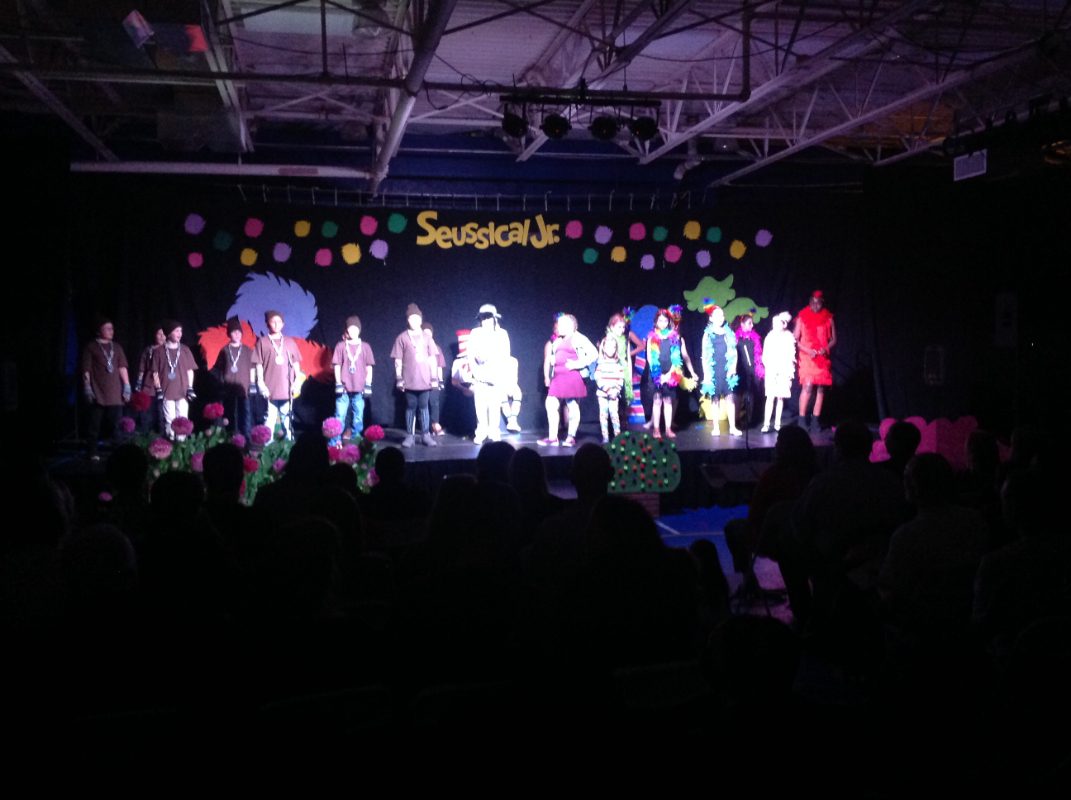
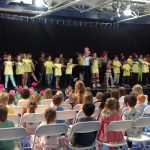
Elementary Students Performed ” Seussical Junior”


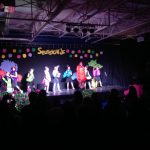
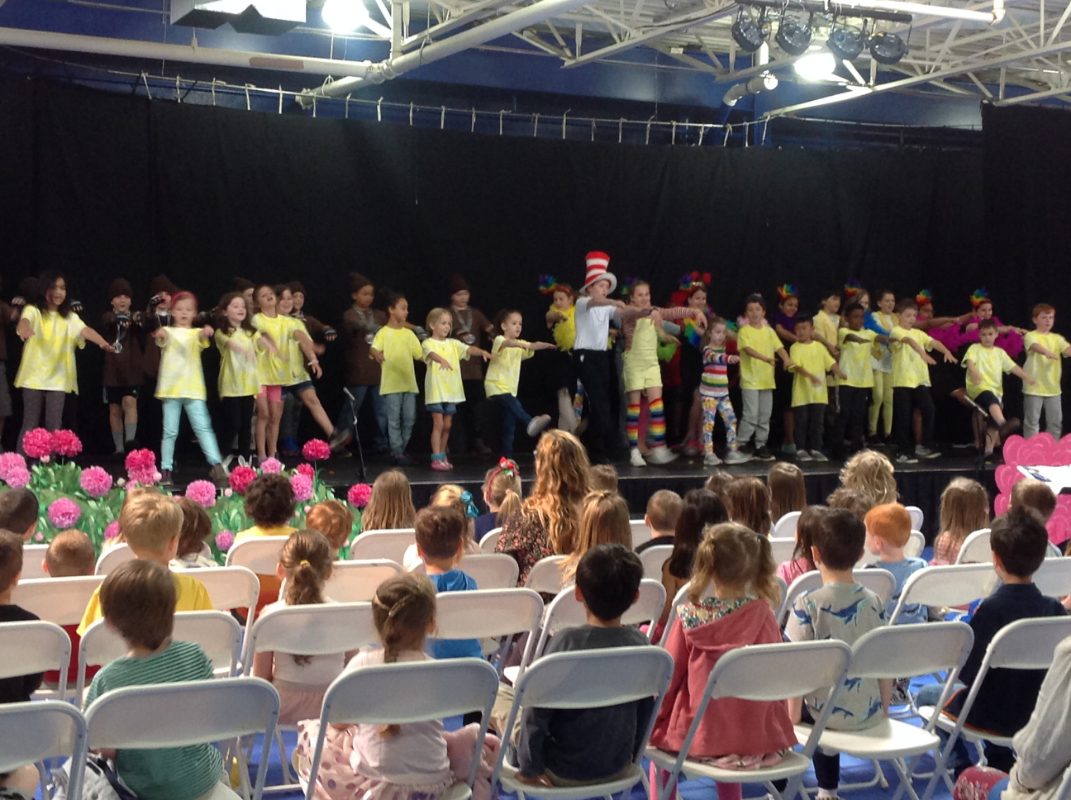
All elementary students were in the school play, Seussical Junior, the musical based on the works of Dr. Seuss. Most people are familiar with the books of Dr. Seuss and enjoy not only the rhyming style of his works but the creativity of his stories. Among the many benefits to be in school play, one of them is that the students get to become part of a larger system working toward a common goal. It has been the culmination of weeks of practice, so the performance itself became a huge reward for all the hard work. Every single participating student did an amazing job!!

This musical weaves together many of his stories and brings a variety of his characters to life. “The themes in ‘Seussical’ are the importance of honesty, loyalty and friendship. But ‘Seussical’ brings additional messages that are so important to people of all ages.

In the play, the colorful bird Gertrude McFuzz is a friend to Horton the Elephant. However, she is unhappy with her one-feather tail. The story-line surrounding Gertrude touches on the difficulties people have with self-image and outward appearance. Horton, meanwhile, has to withstand peer pressure and being laughed at as he tries to save the Whos. While he is being chided as “the biggest blame fool in the Jungle of Nool,” Horton stands firm on principal and does what he knows is right, profoundly singing, “A person’s a person no matter how small.”

Underscoring the story is the relationship between Horton and the smallest Who in Whoville, Jojo. Jojo is a “thinker of great thinks” which unfortunately gets her into trouble. As she is sent off to learn discipline, she feels all alone. Similarly, because Horton is the only one who can hear the Whos, he laments the fact that no one is able to understand him. The result is a bond between Horton and Jojo and the duet “Alone in the Universe.”

Through much mayhem, Horton retains the ability to believe in himself. Even facing the possibility of jail, Horton states, “I meant what I said and I said what I meant. An elephant is faithful one hundred per cent.” Mayzie LaBird and Sour Kangaroo provide examples of the issues of right and wrong, and the Cat in the Hat reminds the characters facing difficulty to consider “How Lucky You Are.”

BRAVO to all our performers!!

Music: DELIGHTFUL RHYMING

“There should be music in the child’s environment, just as there does exist in the child’s environment spoken speech. In the social environment, the child should be considered and music should be provided.”~Maria Montessori

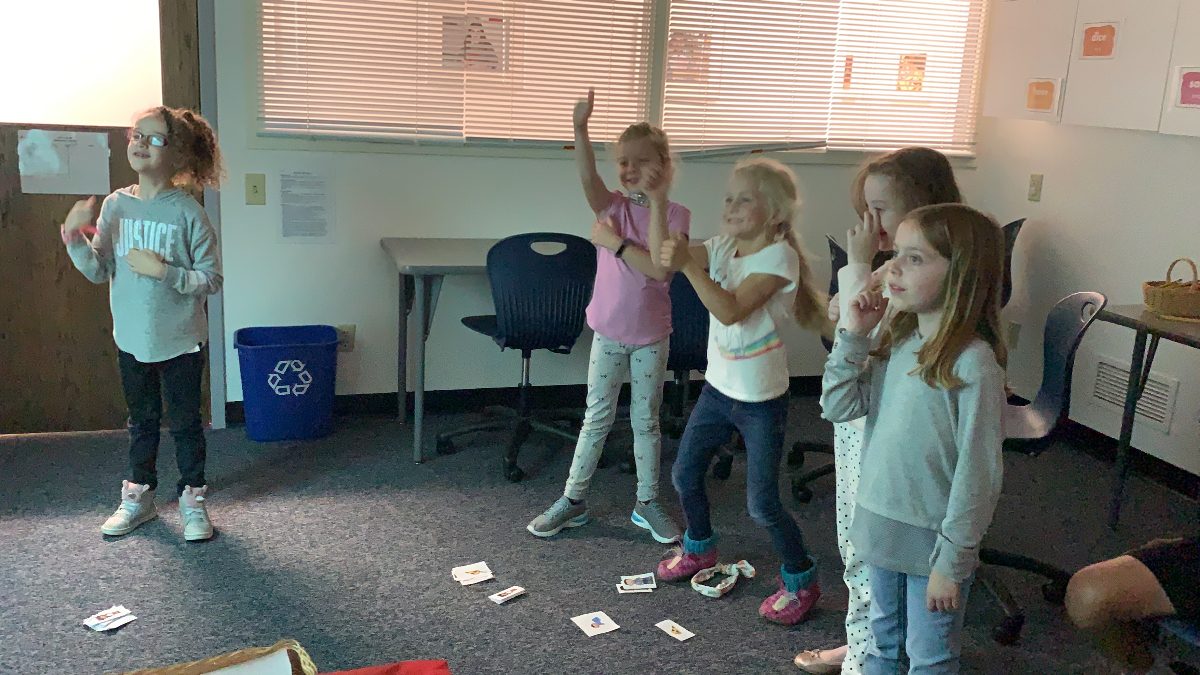
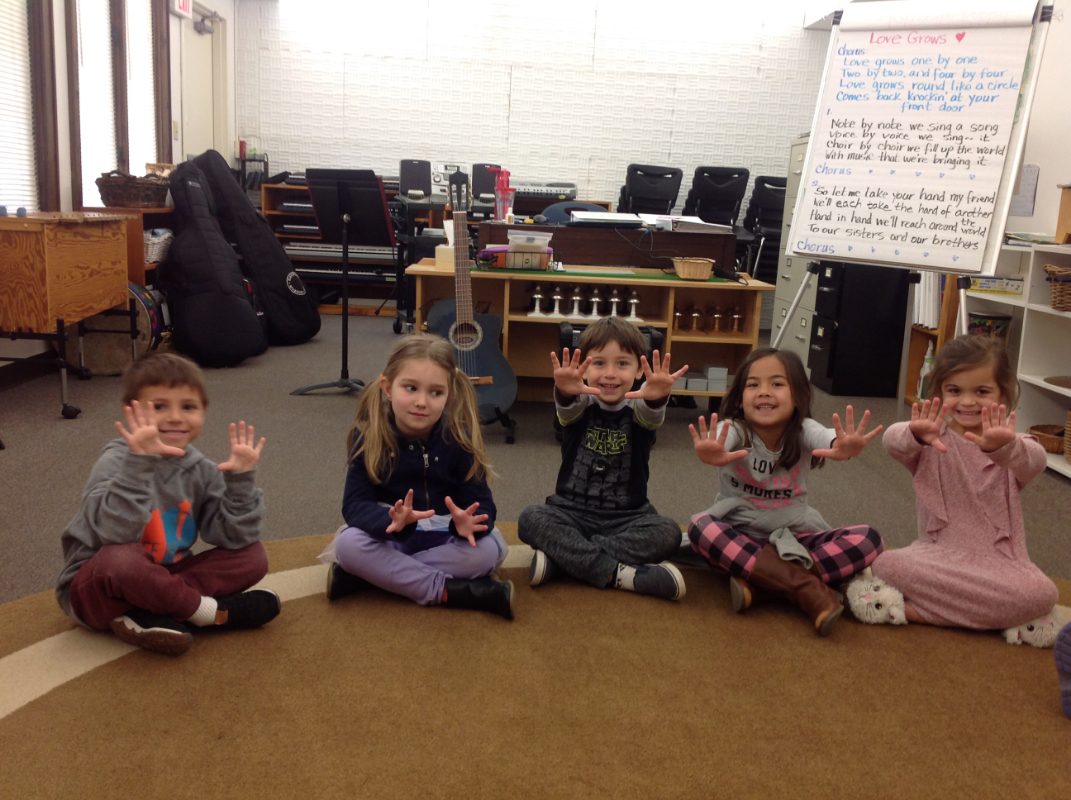
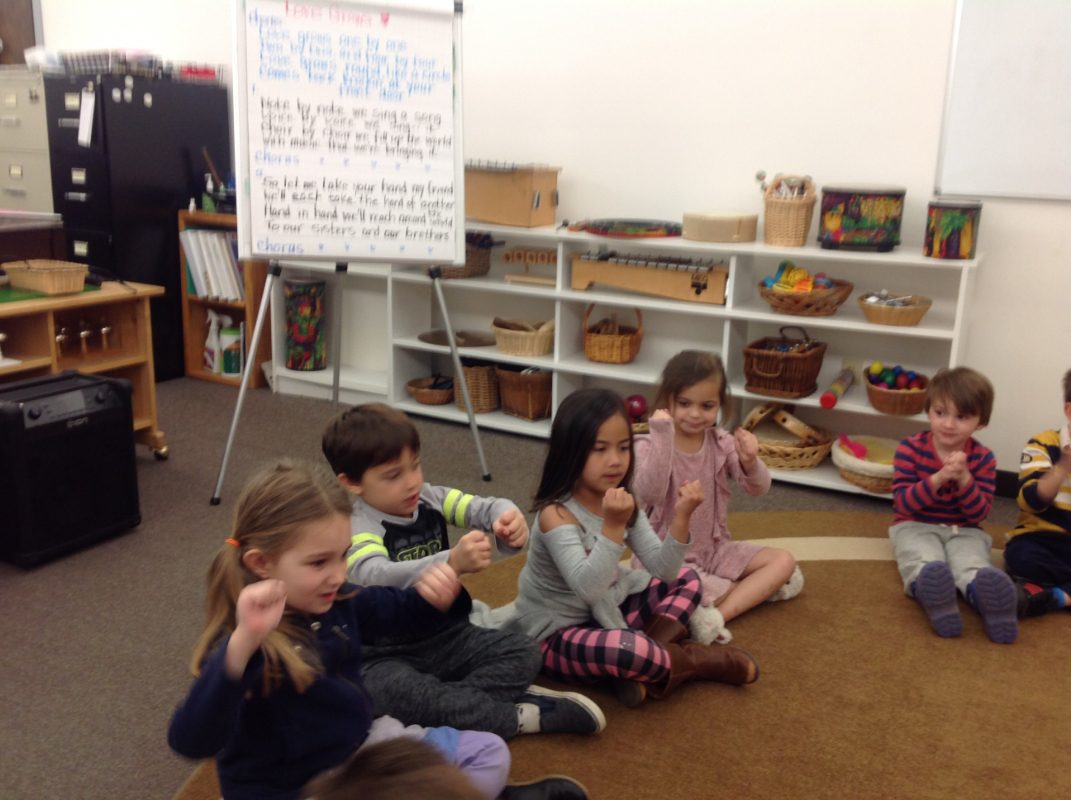
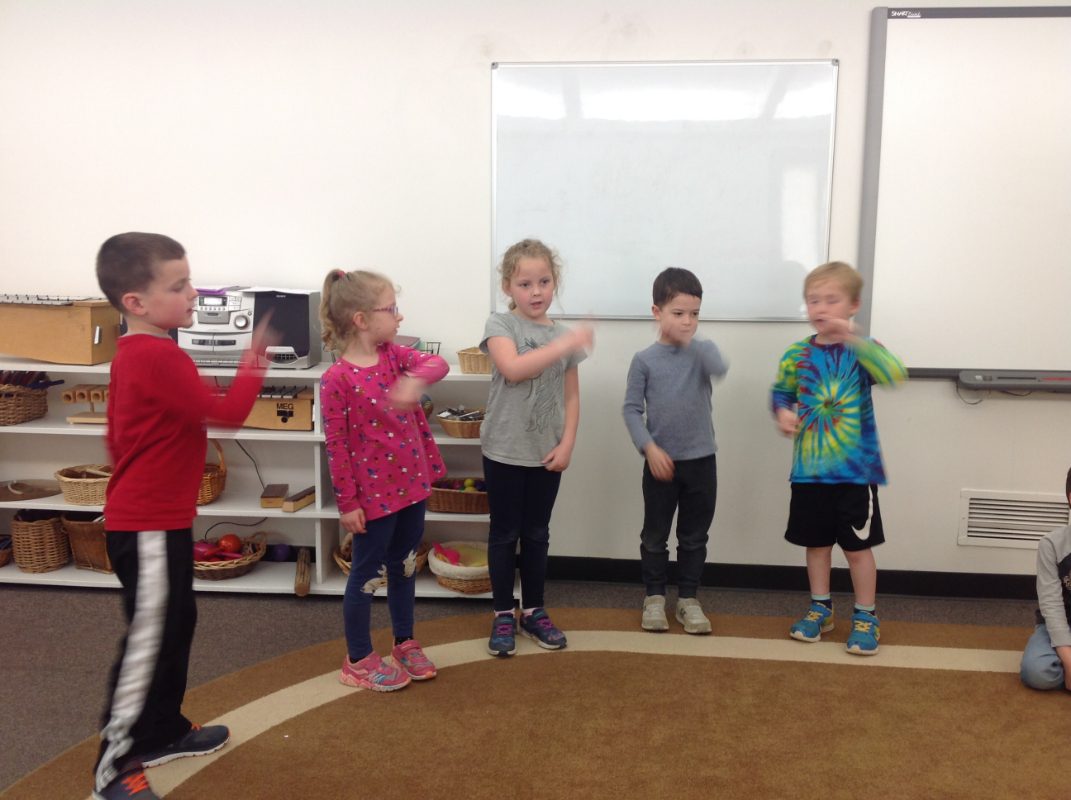
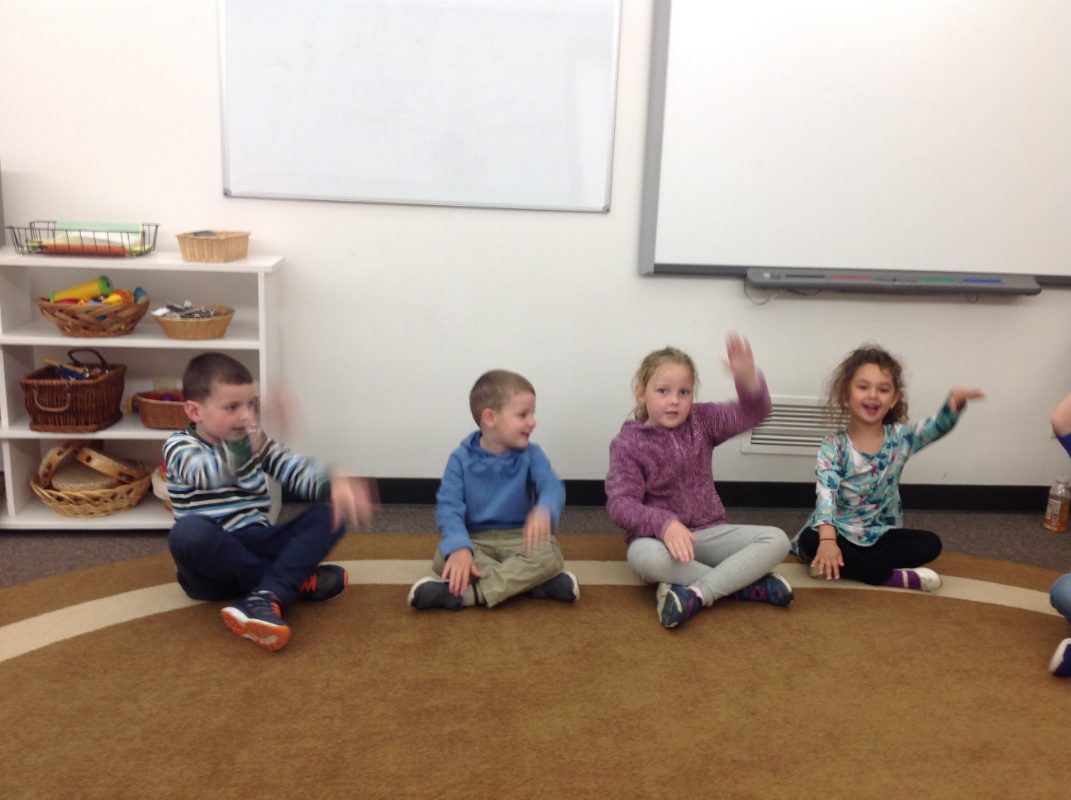
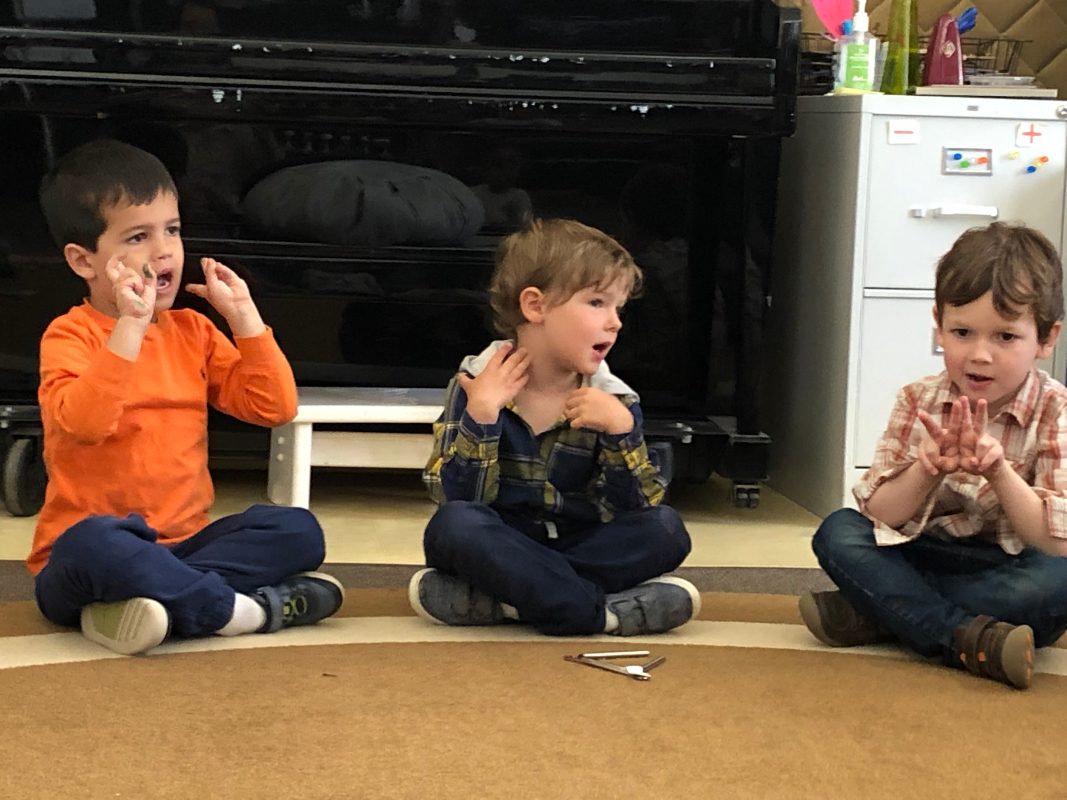
Our Primary classes have enjoyed learning rhyming songs with accompanying movements. These young children, who possess absorbent minds, love chanting poems and singing songs especially when they rhyme. Beyond the delighted participation, there has been lots of research proving the benefits of ‘Nursery rhymes’ for Primary-aged children. Below are some of the most significant findings.

Cognitive Development

  • Repetition of rhymes and stories is good for the brain, teaching how language works and building memory capabilities.
  • Nursery rhymes help develop inferencing skills, both with encountering new words and in reading comprehension.
  • Because these verses are made up of patterns, they are easy first memorization pieces.

Speech

  • Nursery rhymes are important for language acquisition and help with speech development.
  • They help children develop auditory skills such as discriminating between sounds and developing the ear for the music of words.
  • Rhymes like these help kids articulate words, modulate voices (practicing pitch, volume, and inflection) and enunciate clearly by saying them over and over without fear of criticism.
  • Nursery rhymes are excellent, natural choice for a first recitation selection.
  • The mouth and tongue muscles are developed as children say these rhymes.
  • Listening comprehension is a foundational skill that is often skipped, but nursery rhymes can help ensure this crucial ability (that precedes reading comprehension) is covered.

Reading

  • Nursery rhyme knowledge provides an excellent foundation for later literary works.
  • They are a great introduction to stories since many contain a beginning, middle, and end (sequencing).
  • Familiarity with nursery rhymes makes good readers, even despite differences in social background.
  • Work with these verses helps children detect phonetic segments of words.

Language

  • Nursery rhymes increase vocabulary.
  • They help children assimilate language.
  • They are a wonderful introduction to poetry.
  • They promote spelling skills.
  • Verses like these introduce literary devices like alliteration, onomatopoeia, and imagery.

Creativity

  • Nursery rhymes expand children’s imagination.
  • They promote creative dramatization when kids act the scenarios out.

History

  • These classic verses preserve the culture and provide something in common between multiple generations (a good way to bond with grandparents or when meeting new people!)
  • Nursery rhymes teach history and connect a child to the past.

Math

  • Nursery rhymes are full of patterns, sequencing, numbers, and counting (forward and backward).
  • They also discuss size, weight and other important math vocabularies.

Physical

  • Since many nursery rhymes involve movement, coordination and physicality are integrated with their readings (Think “Ring Around the Rosey” or “London Bridge.”)
  • Coordinating finger-plays are helpful for fine motor skill development.

Social and Emotional

  • Nursery rhymes develop humor.
  • Because of the connection between movement, rhythm, and words, singing these songs can be a great group activity.
  • Children can learn social skills from many of the rhymes.
  • Nursery rhymes are familiar and can thus provide comfort and support to youngsters in uncomfortable situations.