Explore FWM’s Summer Learning Initiative

At FWM, we believe summer is the perfect time to foster academic growth, social-emotional development, and creativity through hands-on learning and targeted instruction. That’s why we’re excited to introduce our Summer Learning Initiative—a half-day program designed to support students in a nurturing and inclusive environment. Sessions will run from June 23 to July 18.

Here’s a closer look at the two programs we’re offering this summer:

Program 1: Academic Support

This program is specifically designed for students who may need a little extra help to achieve their full potential. Whether your child has a language-based learning difference, attention challenges, or just needs focused support, this four-week program provides individualized instruction and encouragement. 

Who Can Join: Students entering Grades 2-5.

Schedule: Flexible! Sign up for one or more weeks based on your needs.

Program 2: Summer Academic Enrichment

For students who want to combine fun with learning, this program offers a variety of activities that cater to a wide range of interests and grade levels. Delivered in two-week segments, your child can choose from the following options:

Adventures in Reading: Reading Camp (Entering Grades K-1)

Reading Strategies (Entering Grades 2-4)

Math Workshop (Entering Grades 6-8)

Science Camp – Field Explorers (Entering Grades 5-8)

With engaging and educational experiences, this program ensures that summer learning is anything but ordinary!

Interested? Let Us Know!

We’d love to hear from you. If you’re interested in enrolling your child in our Summer Learning Initiative, please take a moment to complete our survey

Summer Learning programs will run in concert with other summer enrichment offerings. Please be on the lookout for a Summer Enrichment Survey in January.


December Family Connection Newsletter

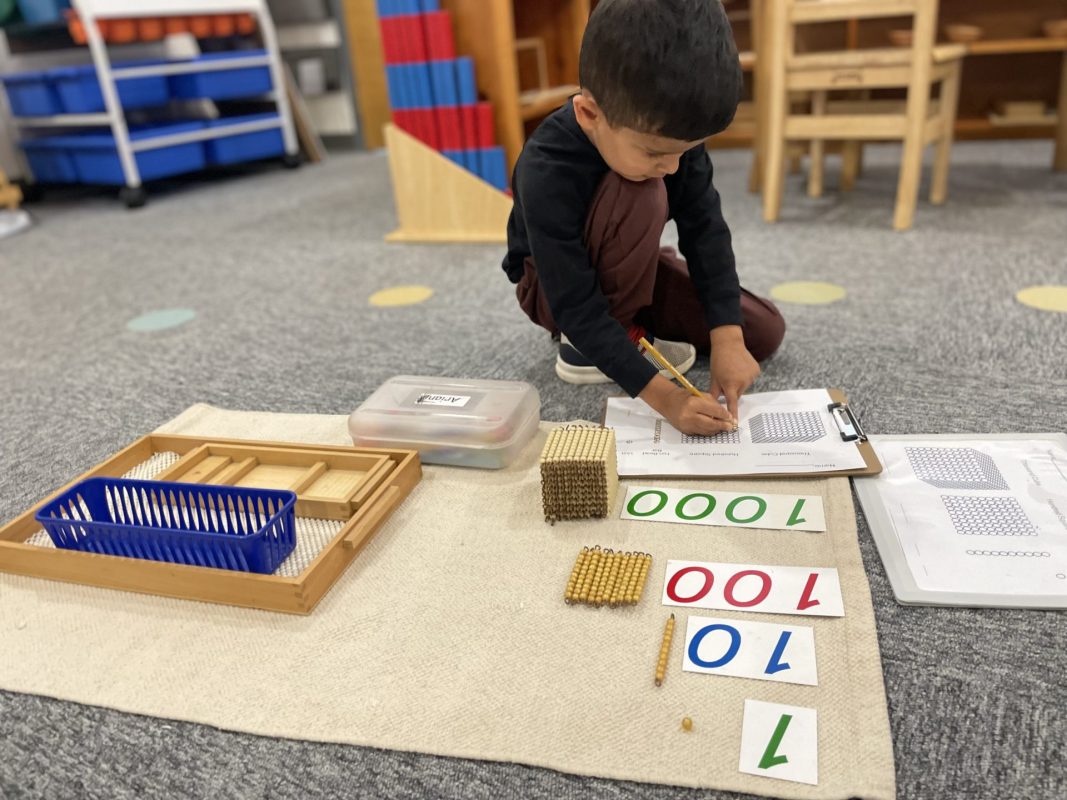
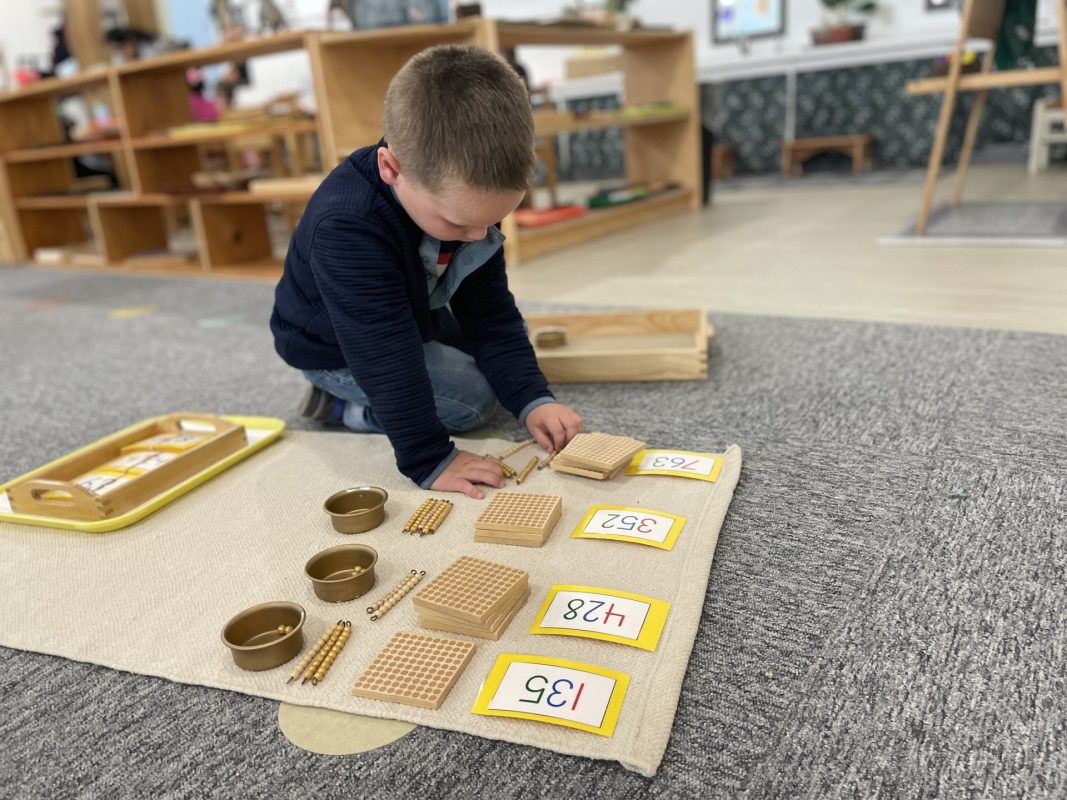
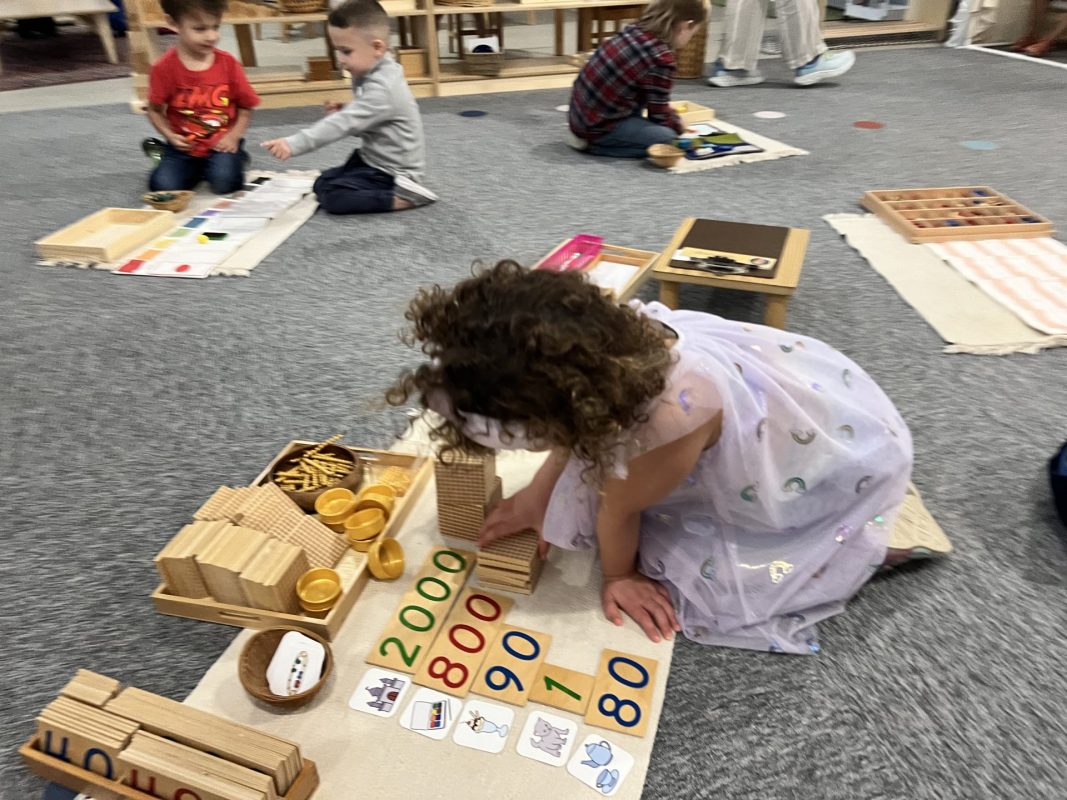
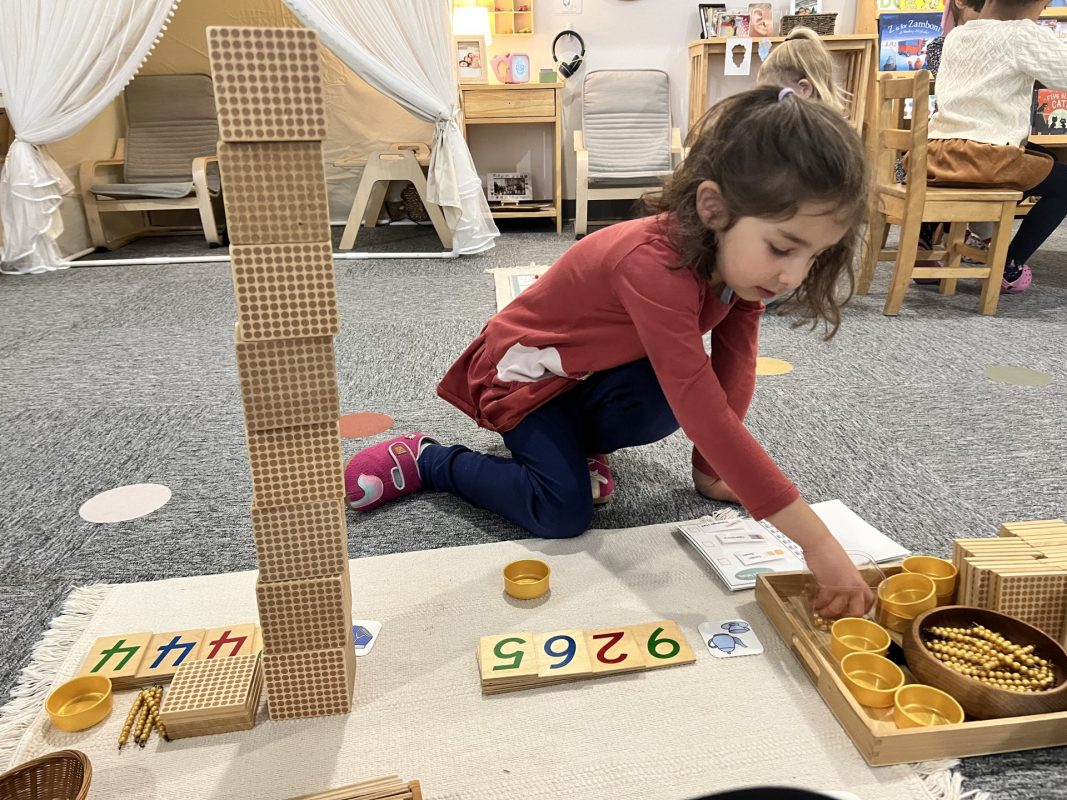
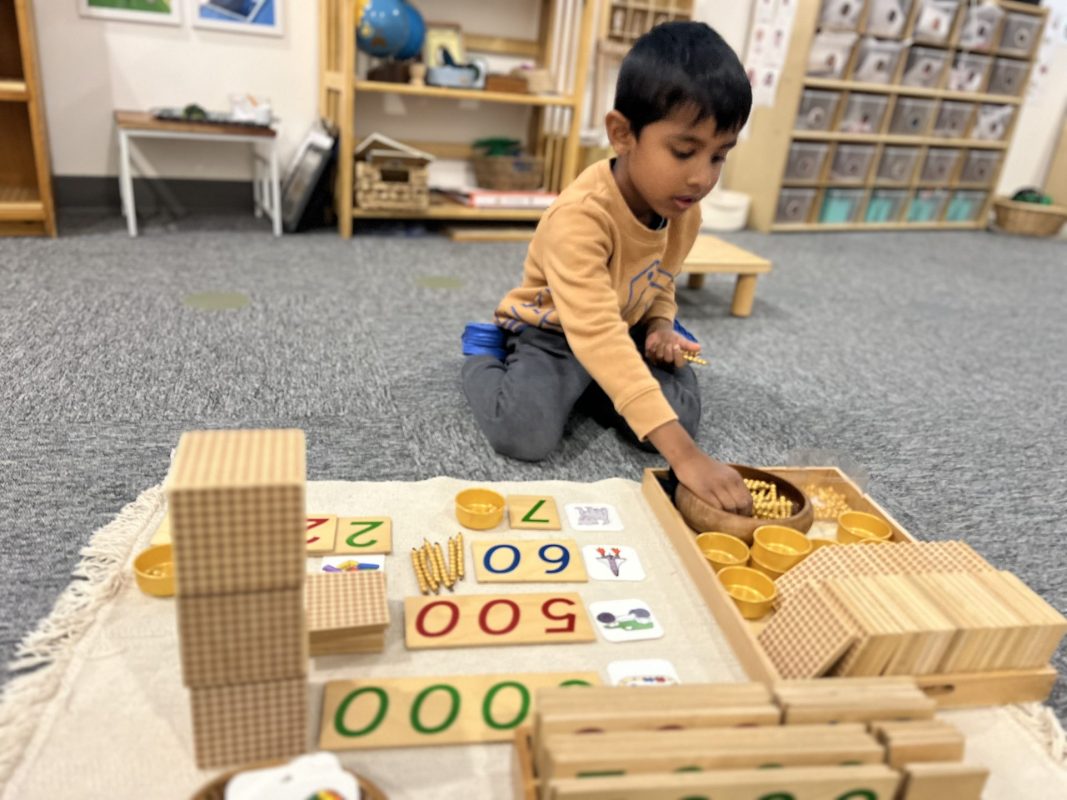
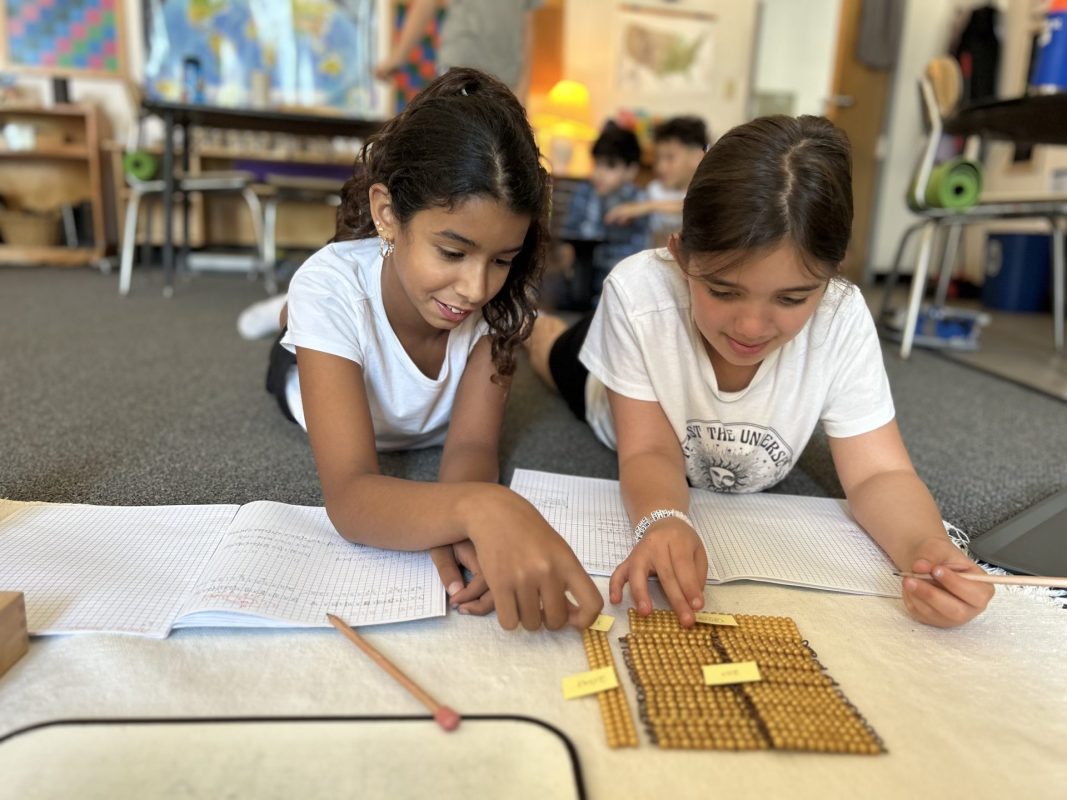
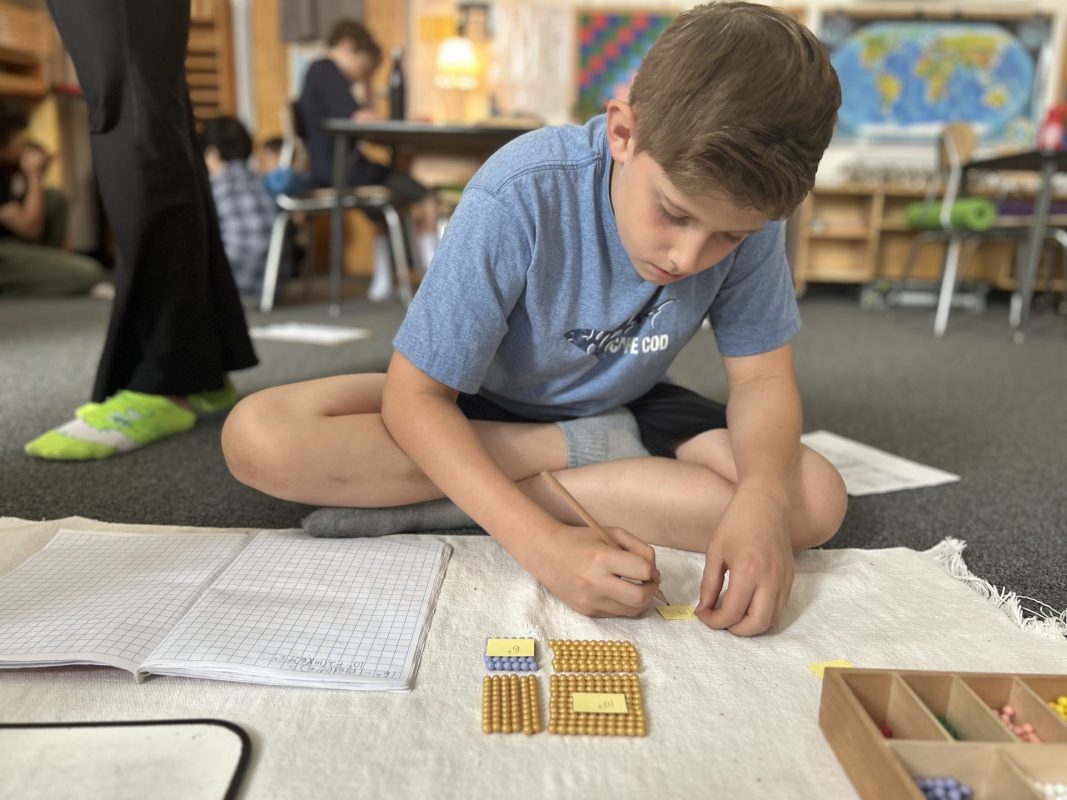
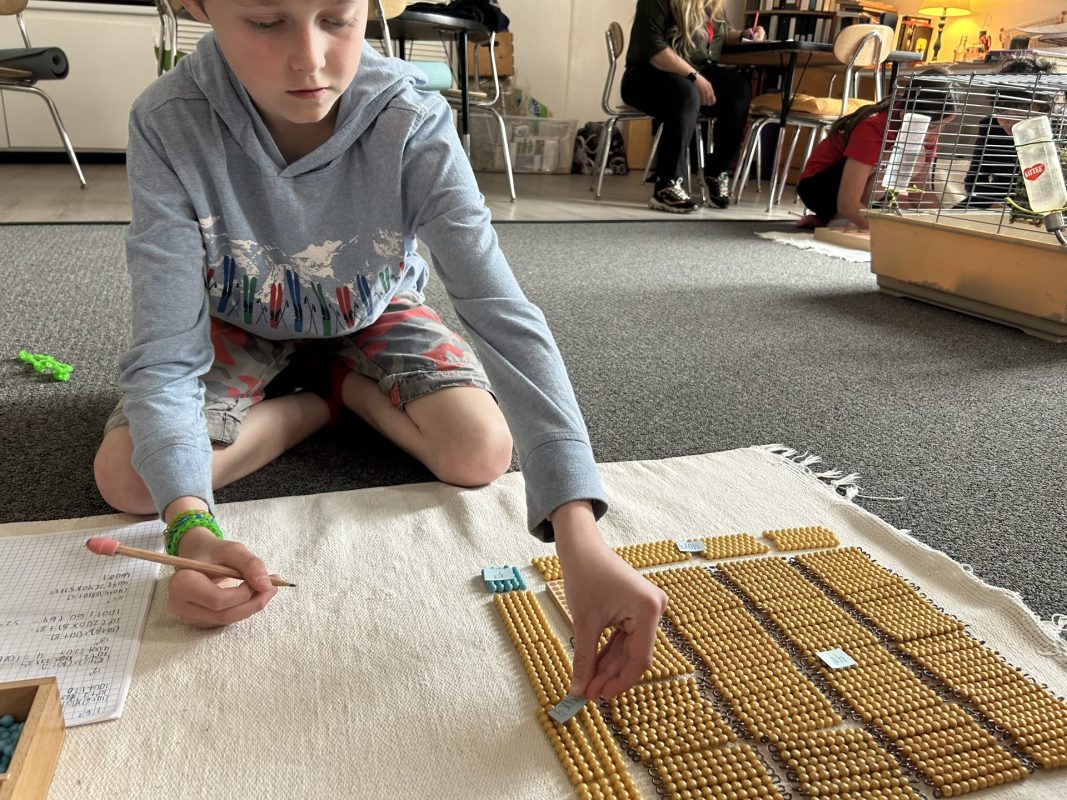
This month’s Family Connection from the American Montessori Society focuses on the Golden Bead Montessori math material. This base ten number system material is used by children from the Primary level through Upper Elementary. It introduces skills from the simple (building numbers) to the complex (square roots). Using this and other hands-on materials in the Montessori classroom allows children to develop a sensory impression of abstract ideas, making lessons and concepts accessible to all.

I hope you enjoy this month’s newsletter.

Warm regards,
Karen Sankey


It Takes a Village

The Montessori Schools of Connecticut Annual Professional Development Conference was held on Friday, Nov. 1, here at FWM. Our staff came together with over 400 Montessori educators from all over the state to focus on the theme: From the Individual to the Community – Building a Culture of Belonging.

The keynote Speaker, Andrea Fleener, spoke on building collaboration, cooperation, and community with the overarching theme: “It takes a village.”

She discussed Maria Montessori’s quote, “It’s the process, not the product.” Shifting the focus from the end result to the learning journey encourages children to value their own efforts and progress rather than striving for a perfect end product. 

Andrea also talked about the quote by former Alabama University coach Nick Saban. He said, “Becoming a champion is not an easy process. It is done by focusing on what it takes to get there–and not on getting there.” This means that in order to be successful in whatever you choose, one must commit to a process, not just a goal. She also shared Nick Saban’s description of the football community and drew a parallel to our school community and how each member of the community contributes to the process that leads to each child’s success.

To truly support children, we need a strong foundation of cooperation, teamwork, and community among the adults in our school. By coming together with a shared purpose, we create a safe, caring environment for every child we serve, whether we work directly with them or not.

As we aim to build the best “village” possible, we focus on the needs of children. We rely on the support structures we have built, from the Head of school to our teachers, to our Parents Association, class parents, etc. In doing that, we can shape a school community that encourages each child’s growth. It is the intentional action and the role of the adults that create our nurturing community. 


November Family Connection Newsletter

“The teacher’s task is not to talk, but to prepare and arrange a series of motives for cultural activity in a special environment made for the child.” -Maria Montessori, The Absorbent Mind

This month’s Family Connection is about freedom within limits, a fundamental feature of Montessori classrooms. This article highlights children’s freedom to choose, their need for structure, the role of limits, and examples of limits in a Montessori classroom. These principles are woven into the curriculum throughout our school, from the toddler program through the middle school.

I hope you enjoy this month’s Family Connection.

Warm regards,
Karen Sankey


Join us for Parent Teacher Conferences

Parent-teacher conferences are a wonderful opportunity to learn about your child’s typical school day, develop stronger connections with your child’s teacher, and gain insights into your child’s development.

Participating in these conferences shows your child that you are interested in what happens at school. You are also modeling the importance of open communication and building the bridge between home and school to promote your child’s success as a student.

Please join us on Friday, October 25th, for Parent-Teacher Conferences. Your involvement is crucial in nurturing your child’s educational journey and fostering a supportive learning environment.


October Family Connection Newsletter

“It is through appropriate work and activities that the character of the child is transformed. Work influences his development in the same way that food revives the vigour of a starving man.” -Maria Montessori

This month’s Family Connection from the American Montessori Society, written by Cynthia Conesa, discusses the Montessori planes of development, which are four distinct periods of growth from 0 to 6 years, 6 to 12 years, 12 to 18 years, and 18 to 24 years. She explains the characteristics and educational approach for children in the first and second developmental planes, emphasizing the importance of a carefully designed prepared environment and the specific developmental goals for each stage. The newsletter also highlights the role of the multi-age Montessori classroom in facilitating social, cognitive, and moral development in children.

I hope you enjoy this month’s Family Connection.

Warm regards,

Karen Sankey
Director of Montessori Education


The Start of a New School Year

The start of a new school year is always an exciting time.

In our fast-paced world, where the pressures of work, social media, and everyday responsibilities sometimes feel overwhelming, it’s easy to fall into the trap of believing we need to do everything flawlessly.

But here’s the truth: your child doesn’t need a perfect parent. They need a parent who shows up—who listens, who cares, and who is there for them when it matters.

Each new school year offers a fresh start—a chance to nurture growth, inspire learning, and build lasting memories.

As always, this year, we’re committed to starting strong, which begins with fostering positivity and involvement.

Setting a Positive Tone at Home

Children look to us for guidance, and a positive mindset at home has a ripple effect on their experience in school. Here are a few tips for starting the year off right:

  1. Create Routines Together: Establishing consistent routines around homework, bedtime, and morning activities reduces stress and sets children up for success. When children are involved in planning their routines, they take ownership, which builds responsibility and confidence.
  2. Open the Lines of Communication: Encourage your child to share their thoughts about the new school year. What are they excited about? What are they nervous about? Listening and offering reassurance will help ease any anxieties they may have.
  3. Celebrate the Small Wins: Each day will bring new challenges and triumphs. Take time to celebrate your child’s accomplishments, no matter how small, to build their self-esteem and motivation to continue growing.

Stay Involved

We know that parent involvement is key to a child’s success.

We invite you to:

  • Stay in touch: Feel free to reach out to your child’s teacher with any concerns or updates about your child.
  • Be part of the community: Attend parent meetings, participate in school events, or join our parent association.
  • Stay informed: Check out our FWM Weekly Email so you’re aware of important dates, school news, and ways you can support your child’s learning at home.

As we step into this new school year together, let’s focus on what truly counts: showing up for our children with presence, love, and an open heart.

Gina Tryforos
Director of Academic Enrichment and Student Support


September Family Connection Newsletter

“We give the child nourishing food so that his little body may grow, and in just the same way we must provide him with suitable nourishment for his mental and moral growth.” —Maria Montessori

Dear Families,

The American Montessori Society publishes a Family Connection Newsletter each month, which we pass on to you in our Parent Corner. This month’s newsletter focuses on the importance of nurturing a child’s mental and moral growth and highlights the prepared environment in a Montessori classroom. It discusses the toddler classroom’s focus on independence and self-correction, the development of leadership skills in the primary classroom, and the foundation for lifelong learning in the elementary classroom. It also stresses cultivating executive functioning skills, encouraging curiosity, and Montessori’s holistic approach to education.

I hope you find this newsletter helpful and informative!

Warm regards,

Karen Sankey