This Week in Lower El

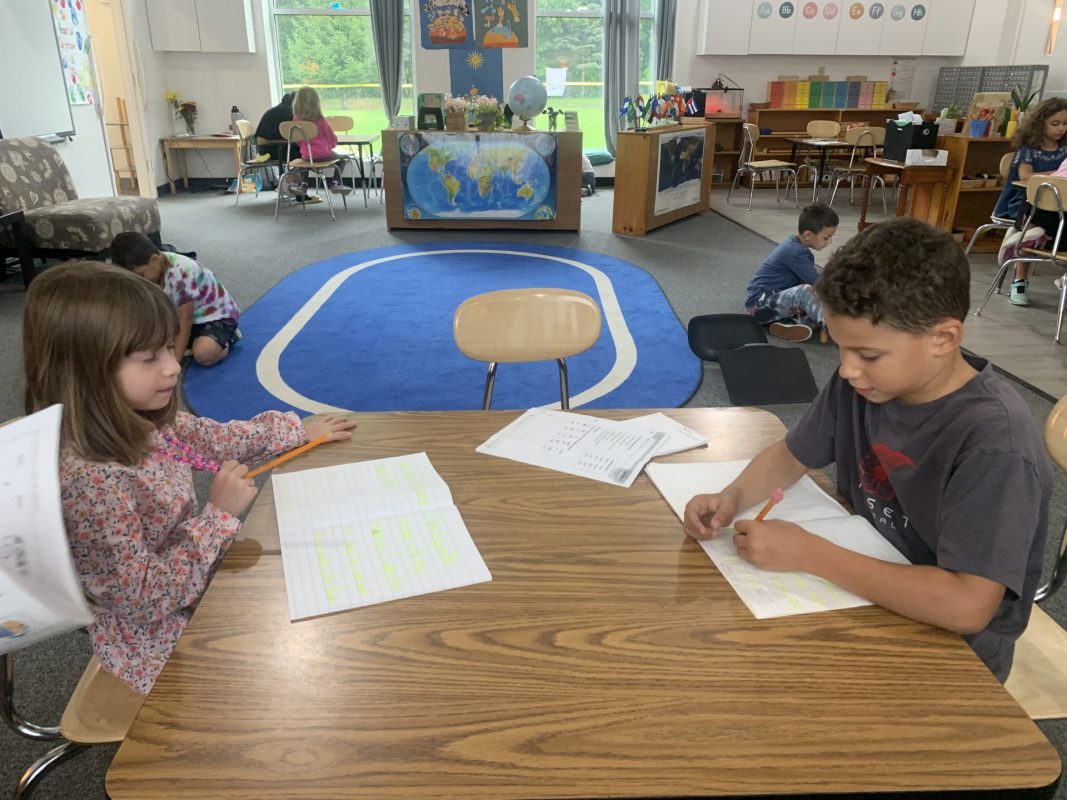
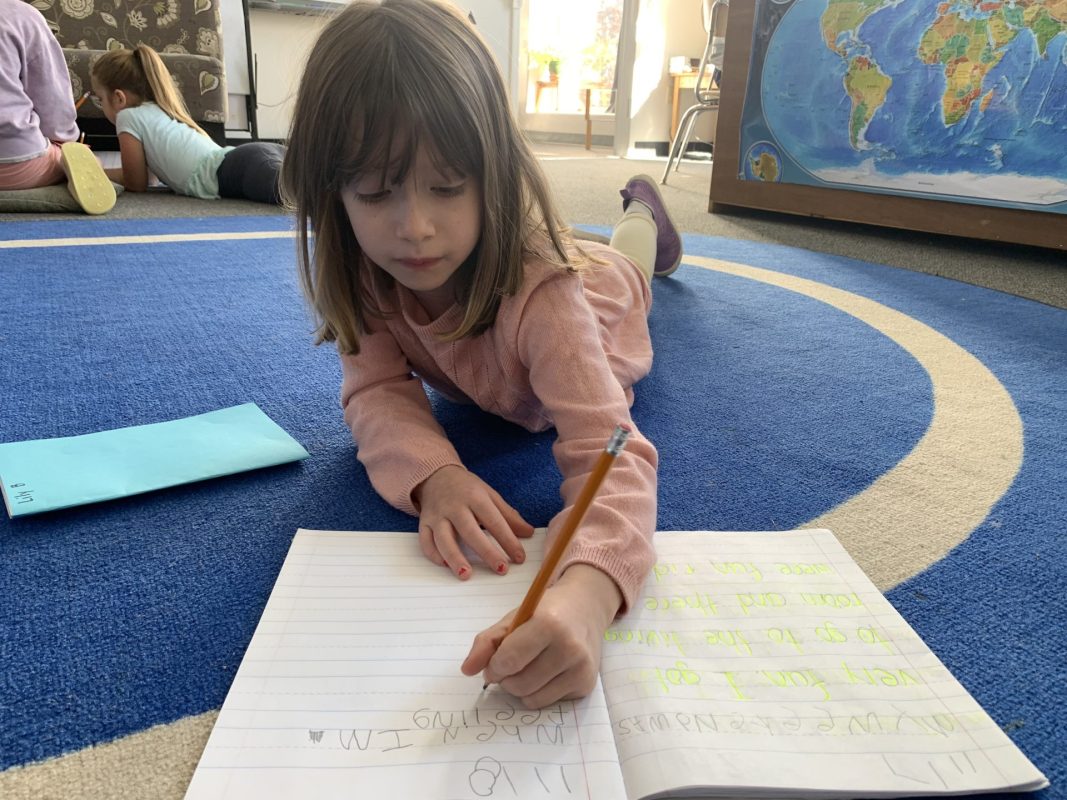
First, second, and third grade students are currently learning about physical geography. Third graders are learning to identify several parts of a mountain. Second grade students are building on their lessons from last year by learning about advanced land and water forms; most recently strait, canal and channel. First graders are learning about inverted land and water forms. Last week they learned about lakes and islands, and this week they’re studying isthmus and straits. They make the forms using clay and water.

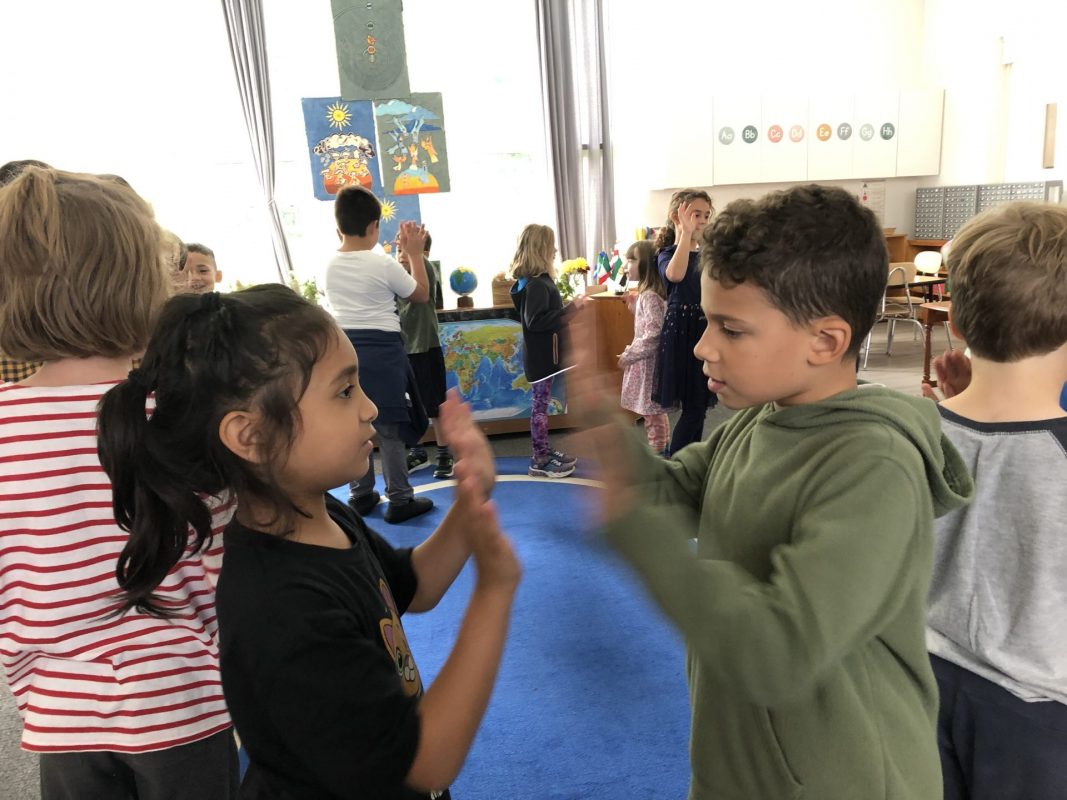
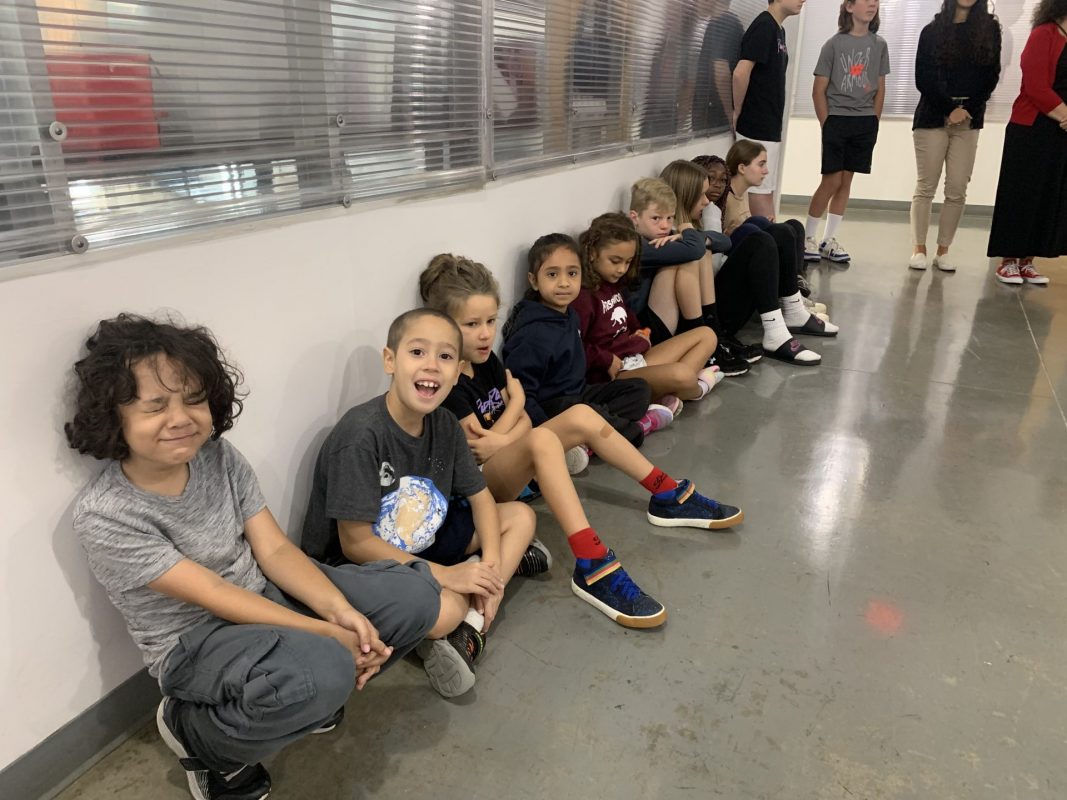
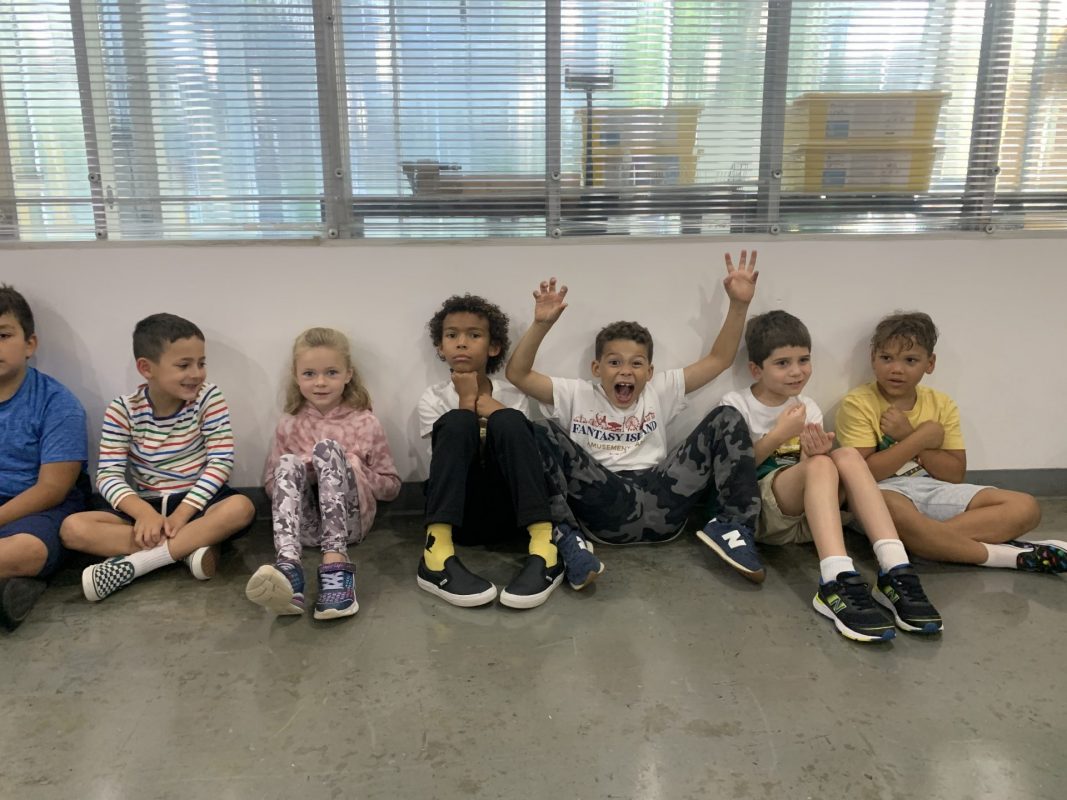
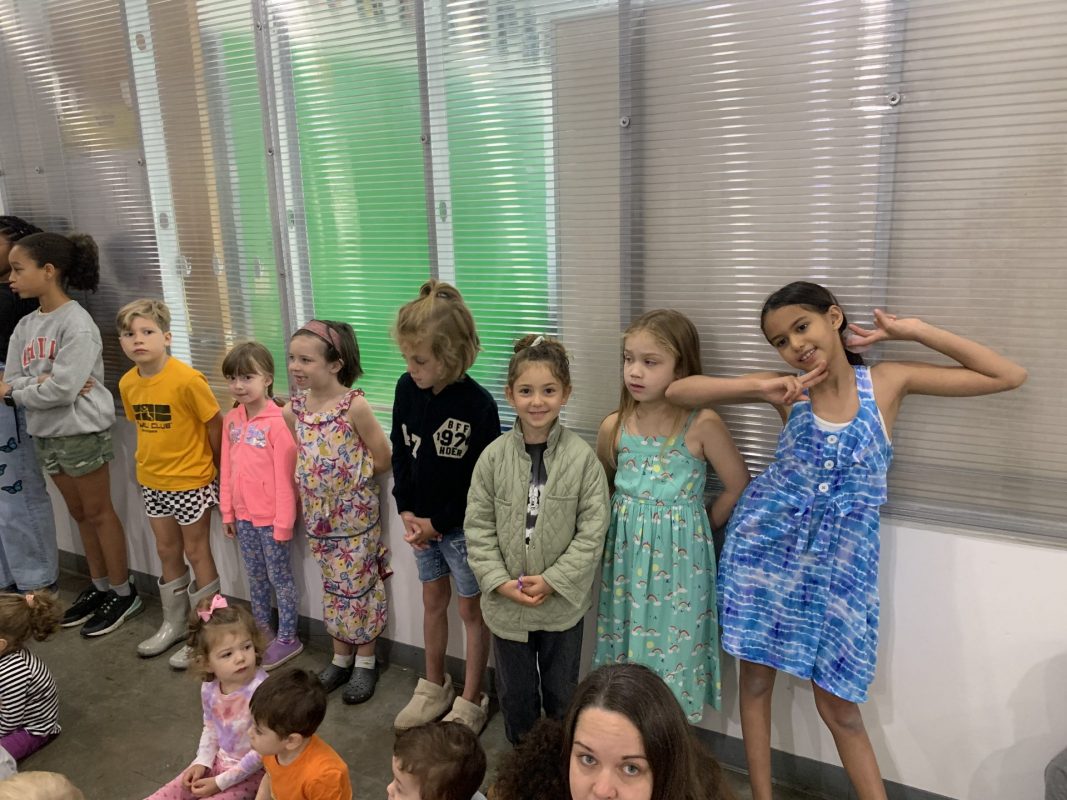
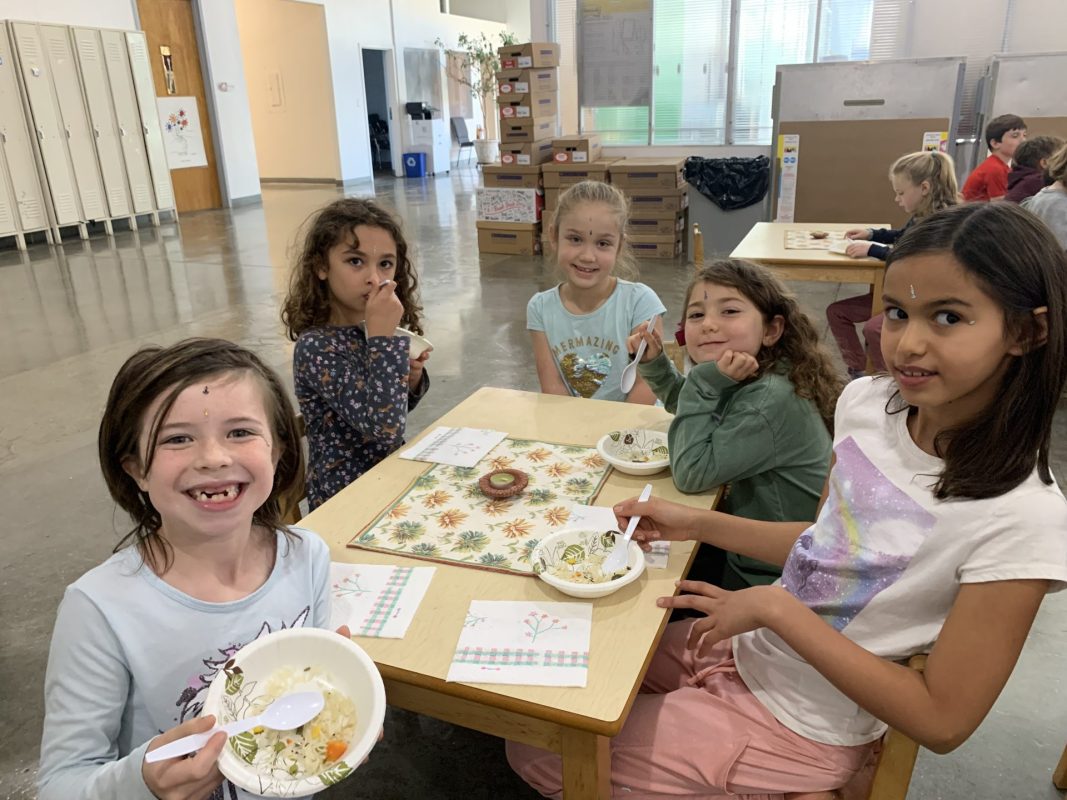
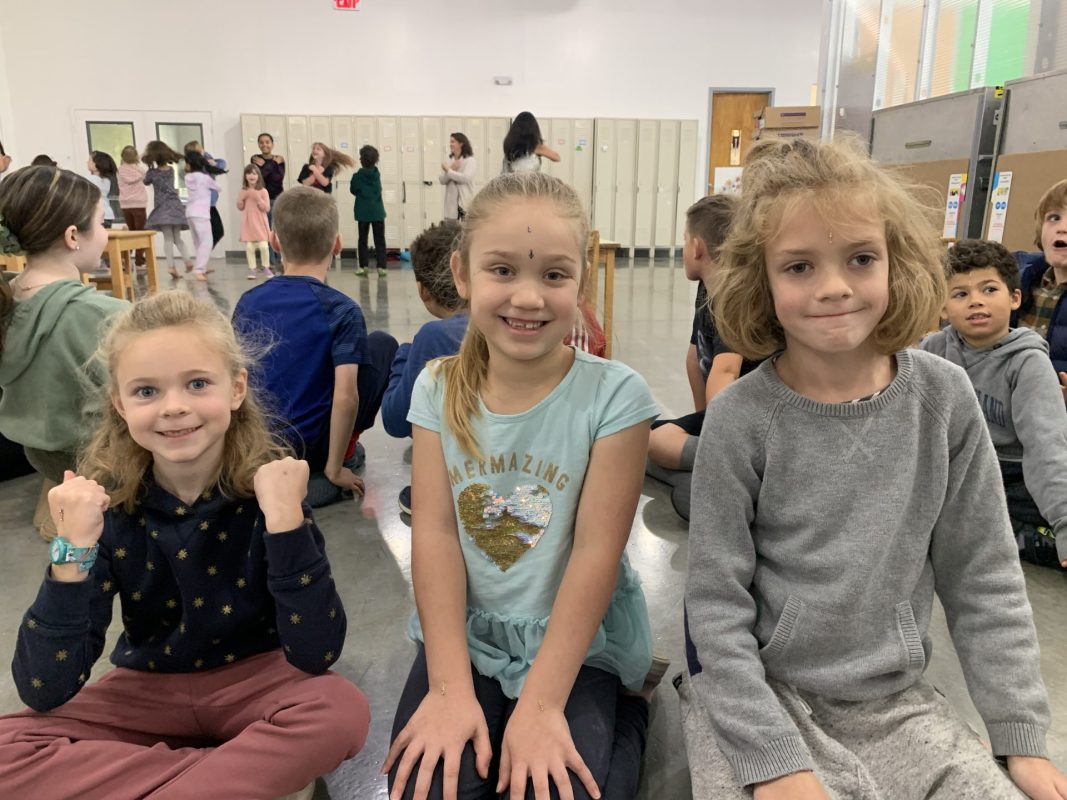
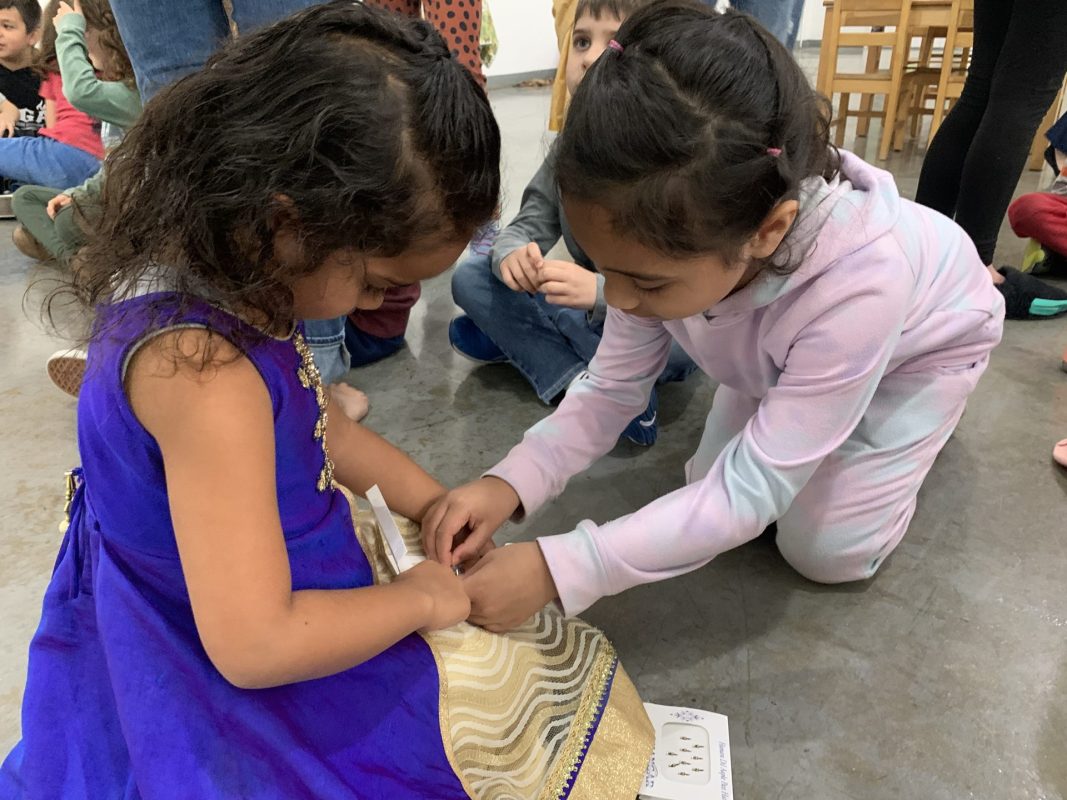
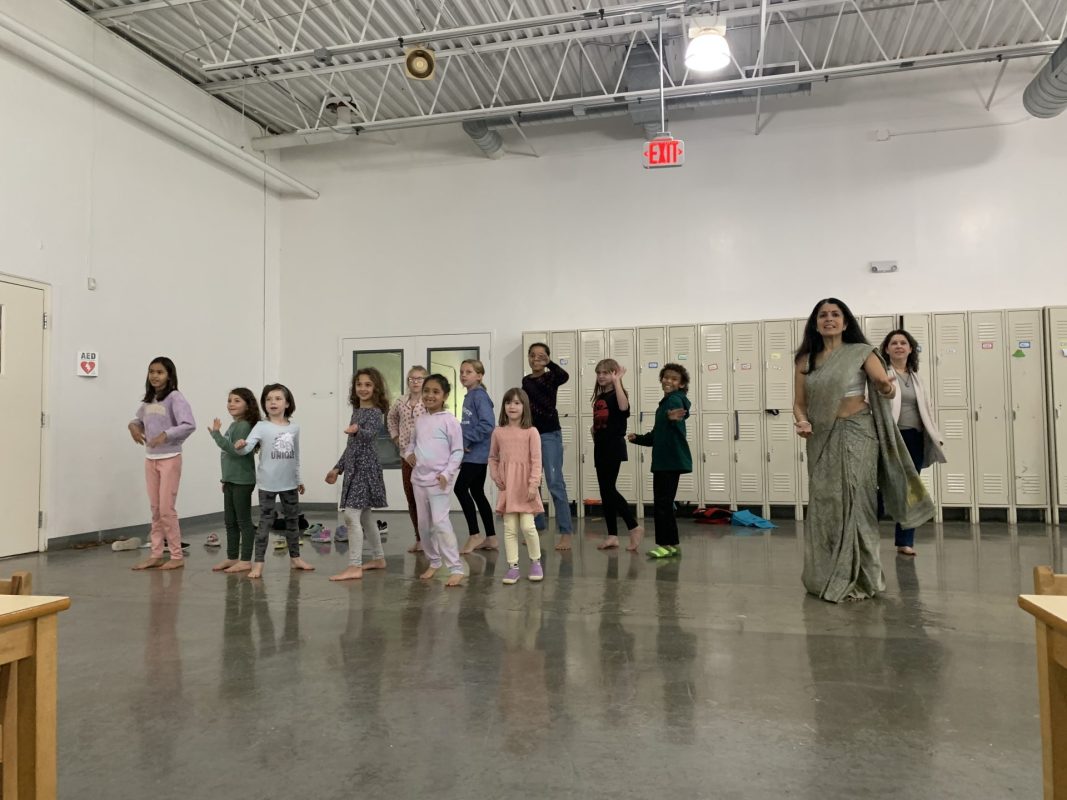
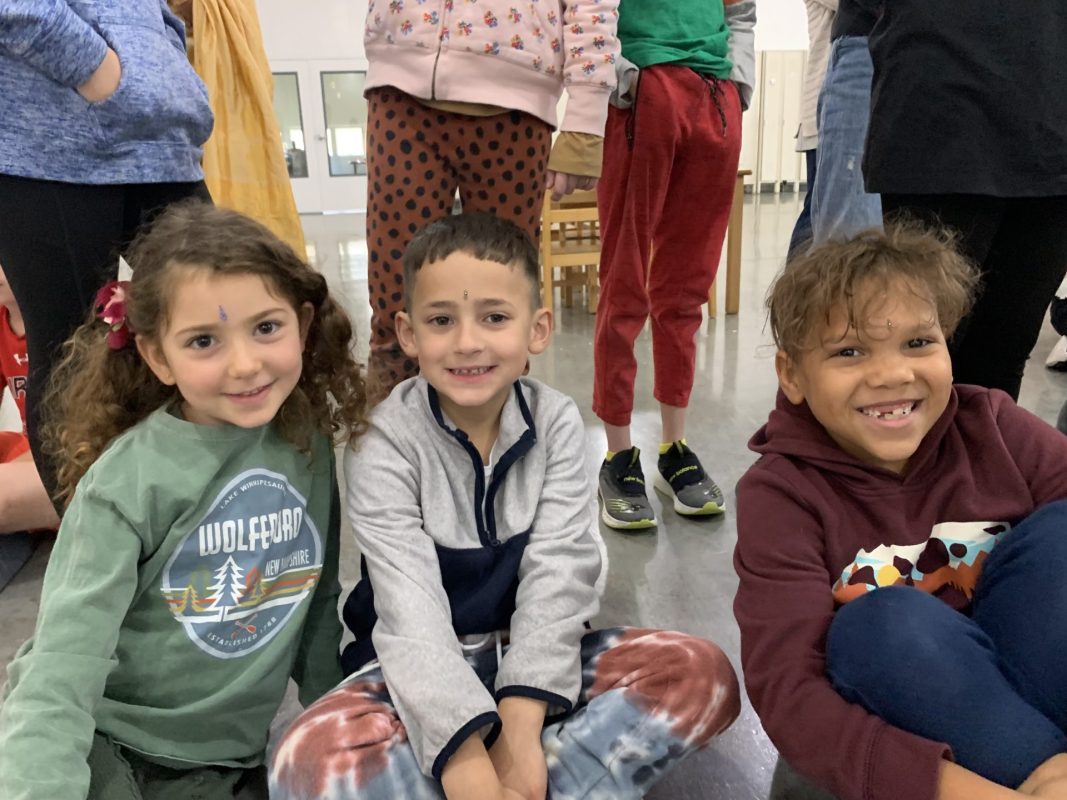
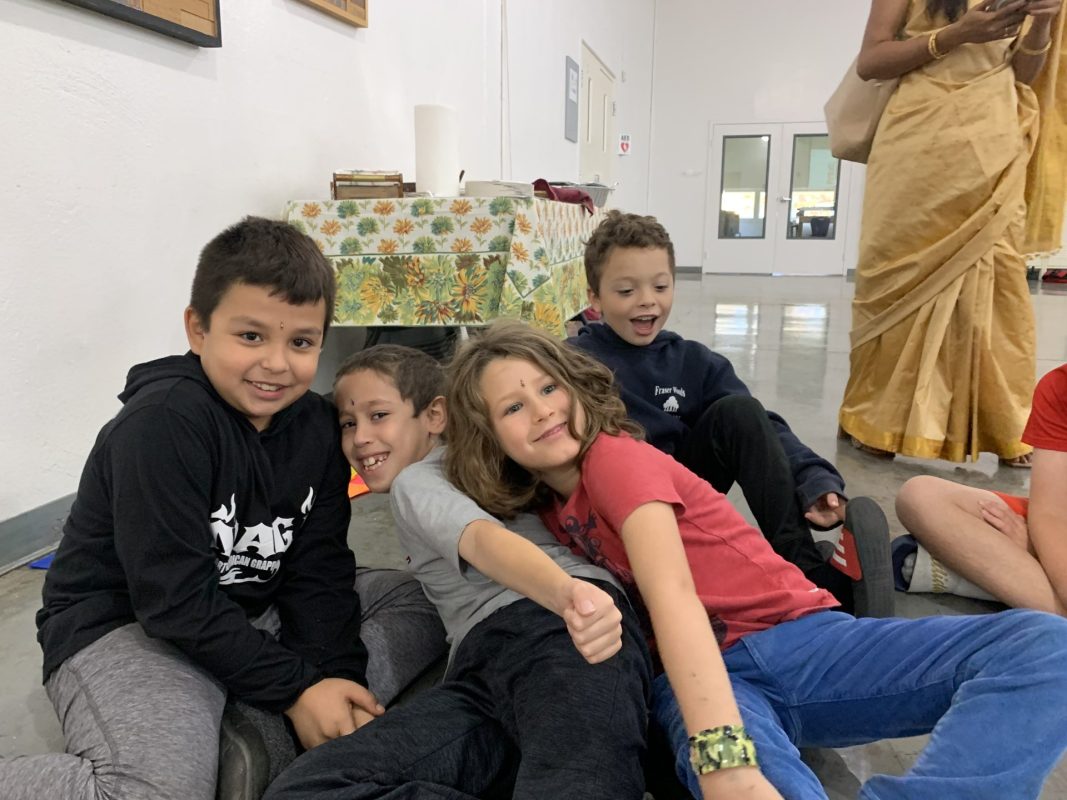
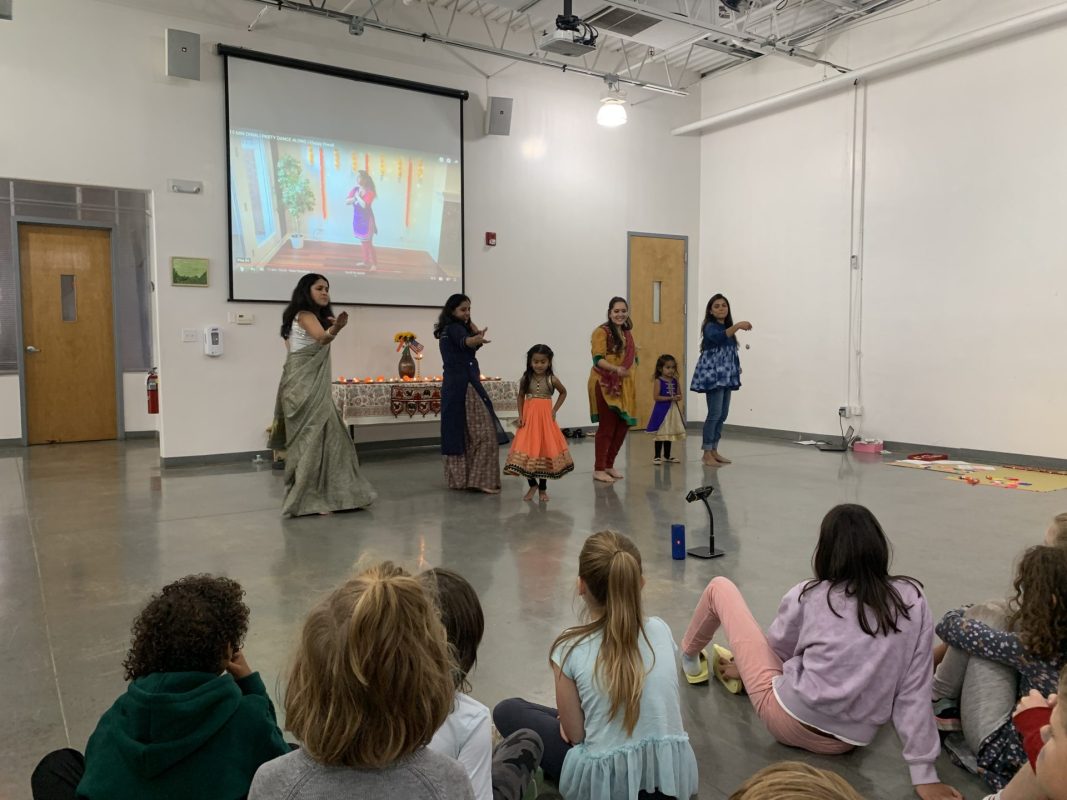
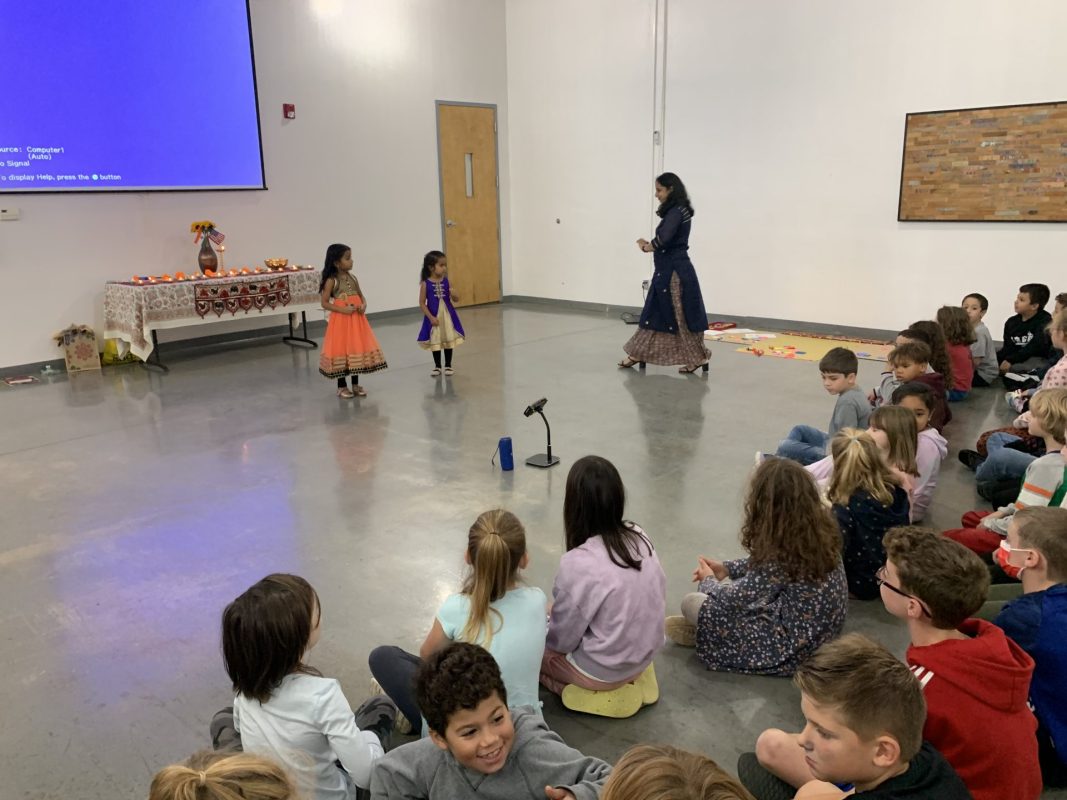
In addition, we were very excited to attend a Diwali presentation hosted by staff members and parents of the community. Diwali was celebrated on October 24th,  but we felt fortunate to celebrate it with our Fraser Woods friends as a community in school on Tuesday.  Diwali is an important religious and cultural festival, celebrated by Hindus in Asia.  Diwali, or Deepawali, is India’s biggest and most important holiday of the year. This signifies the victory of good over evil.  Diwali or Deepawali means row of lights in India. People decorate their houses with beautiful Diyas, lights, delicious food and make Rangoli designs to observe the festival. People buy new clothes for their friends and families. Lower Elementary engaged in dancing, craft making and even enjoyed some delicious foods!
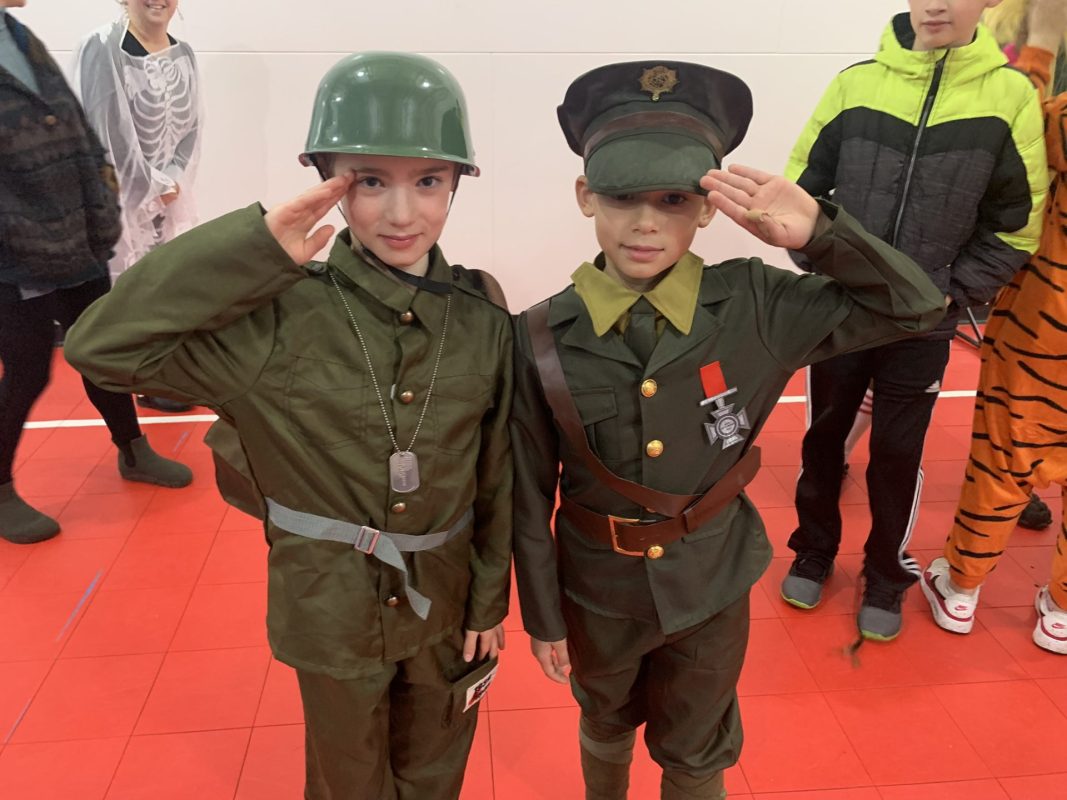
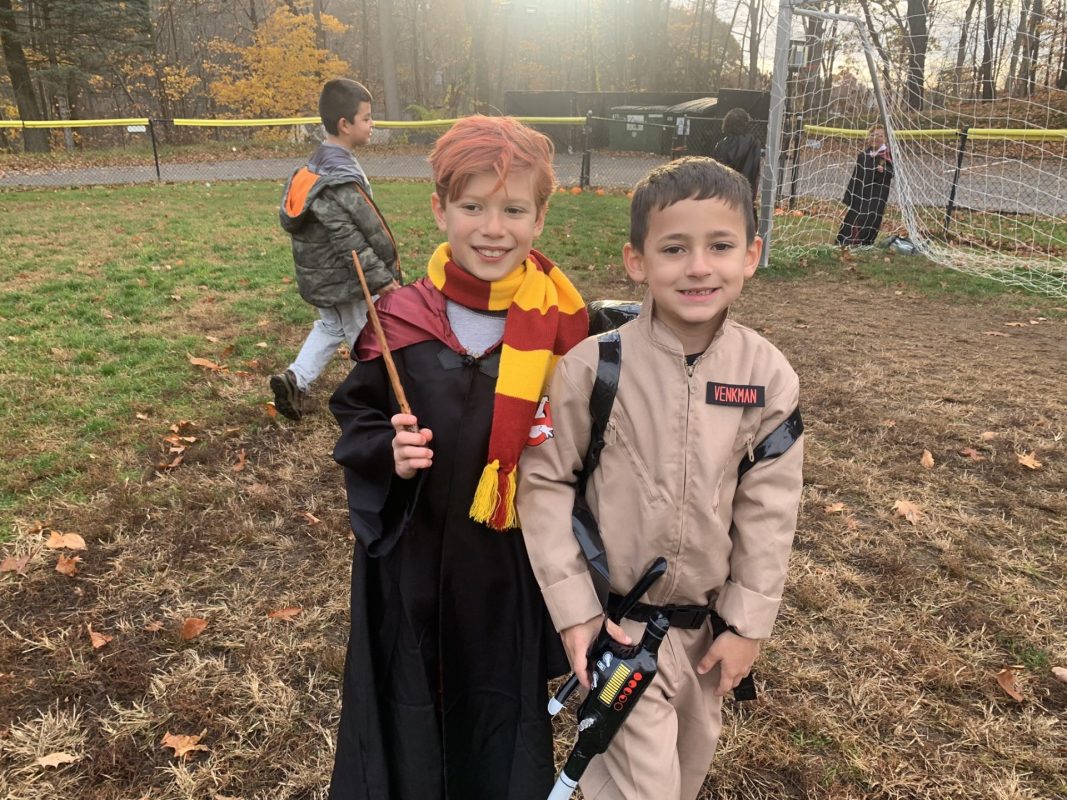
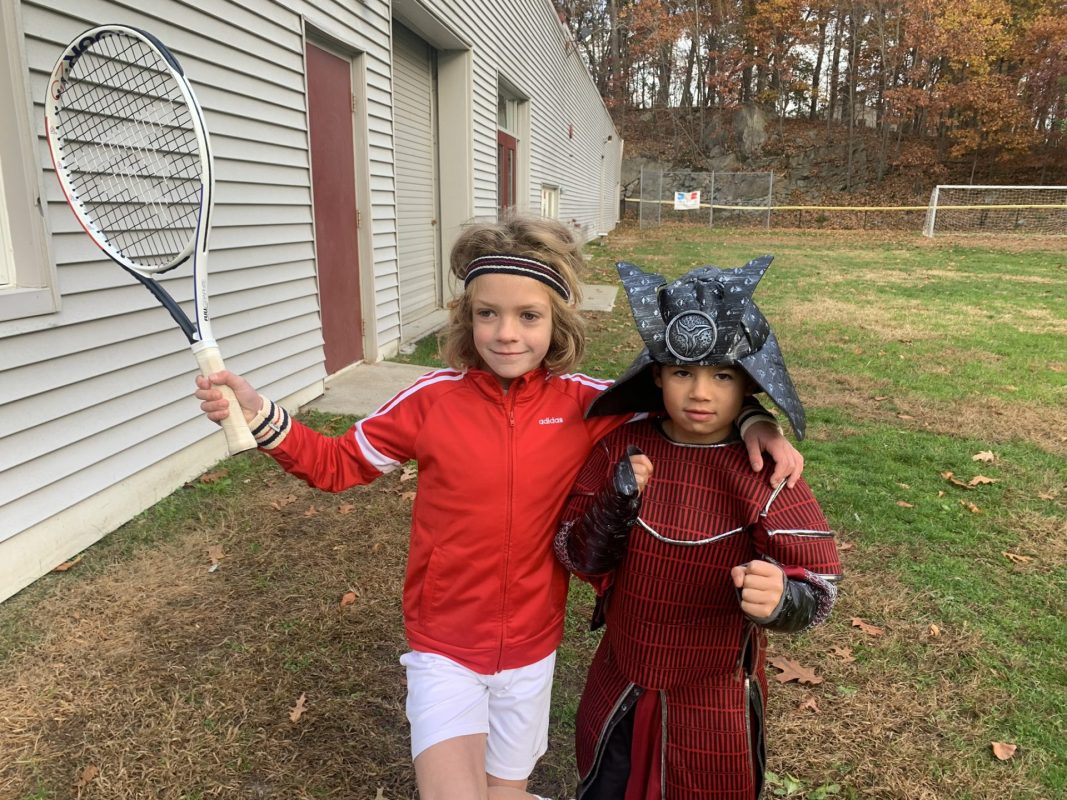
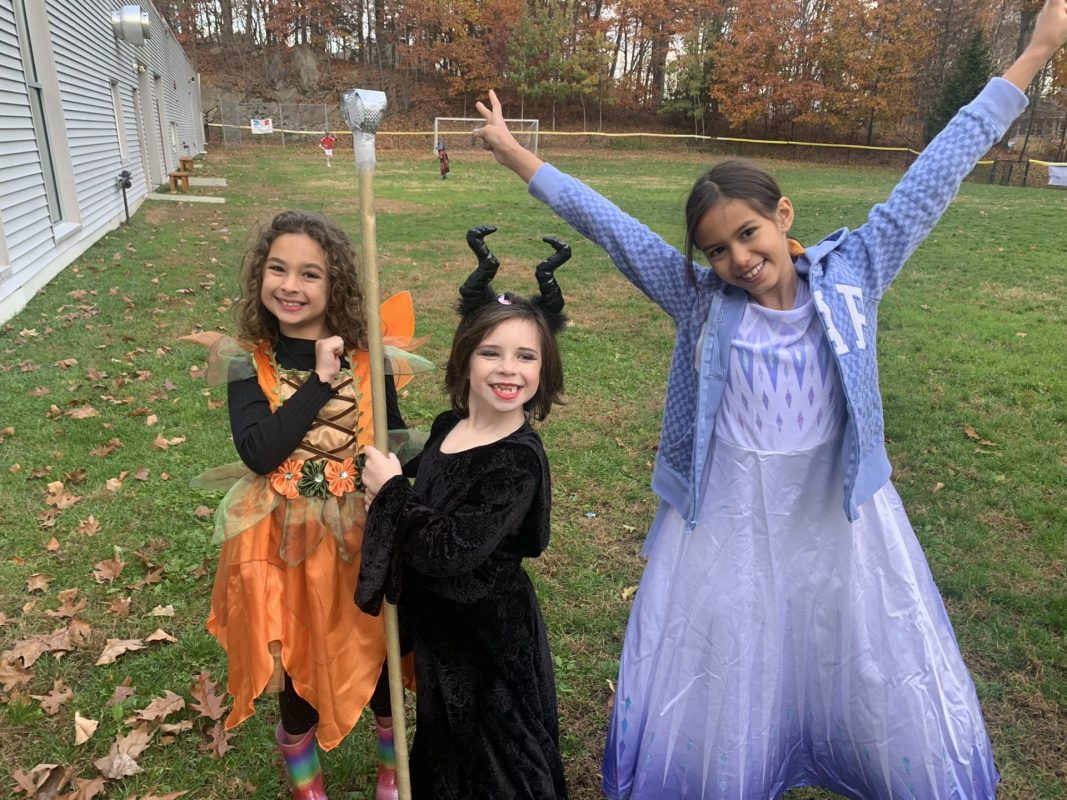
Halloween Fun in Lower El!

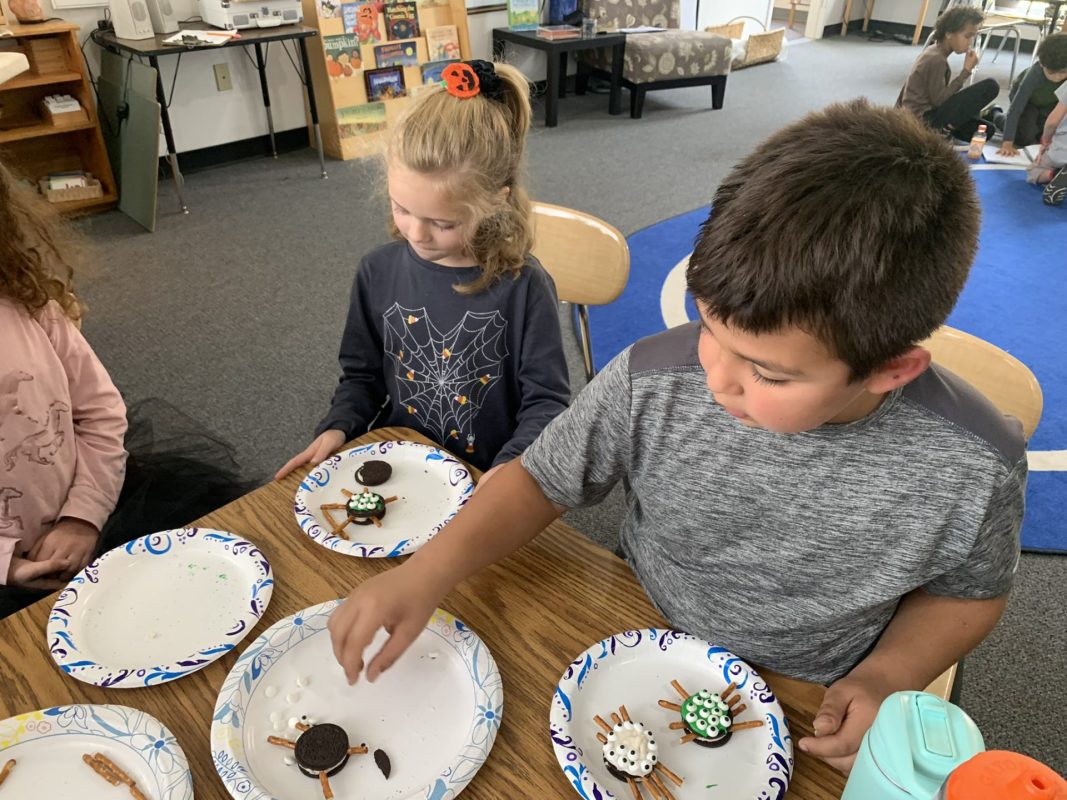
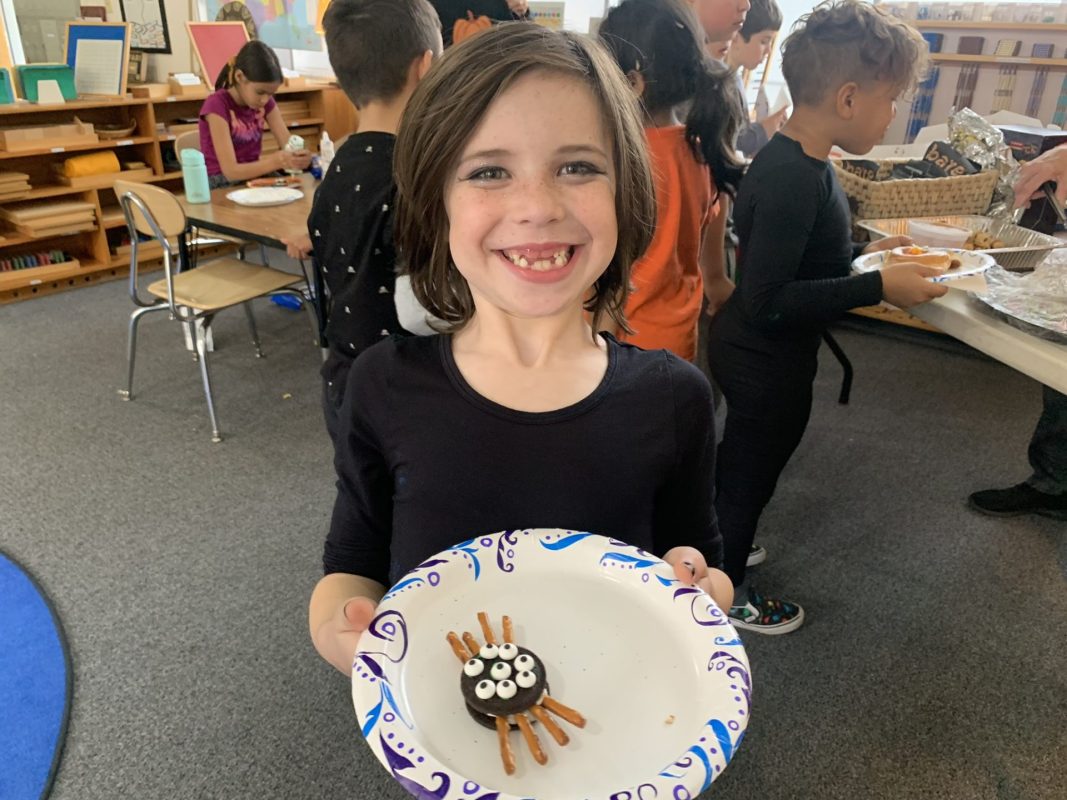
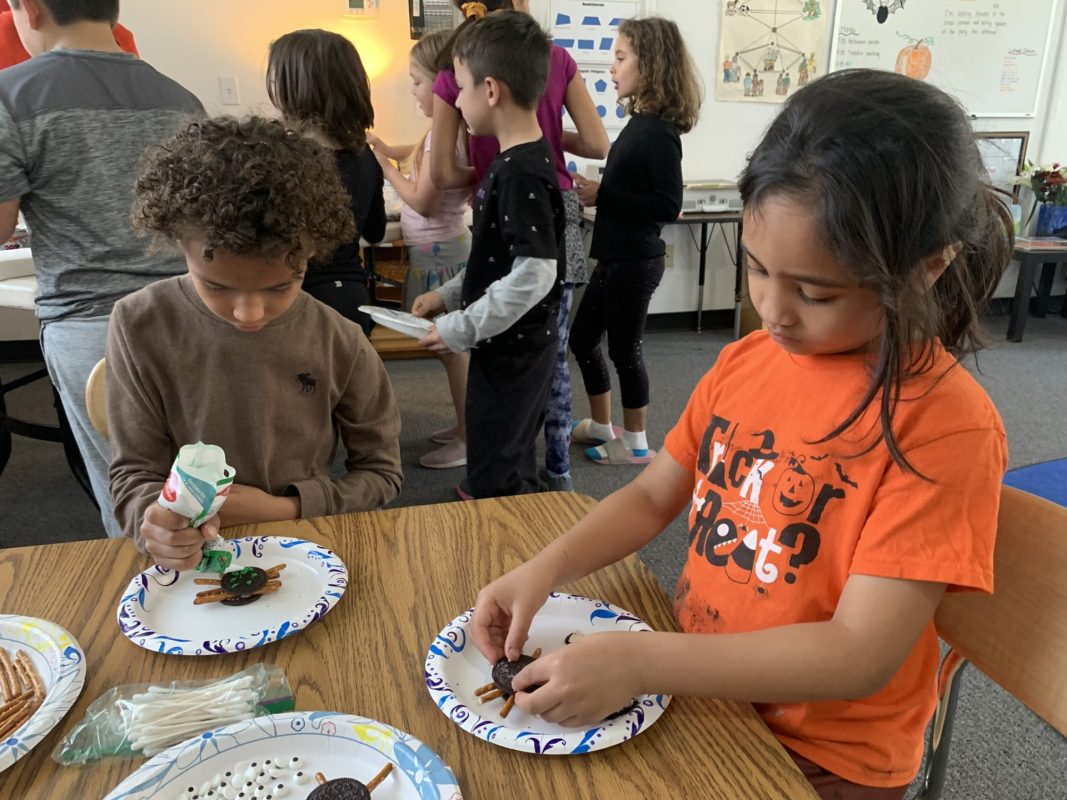
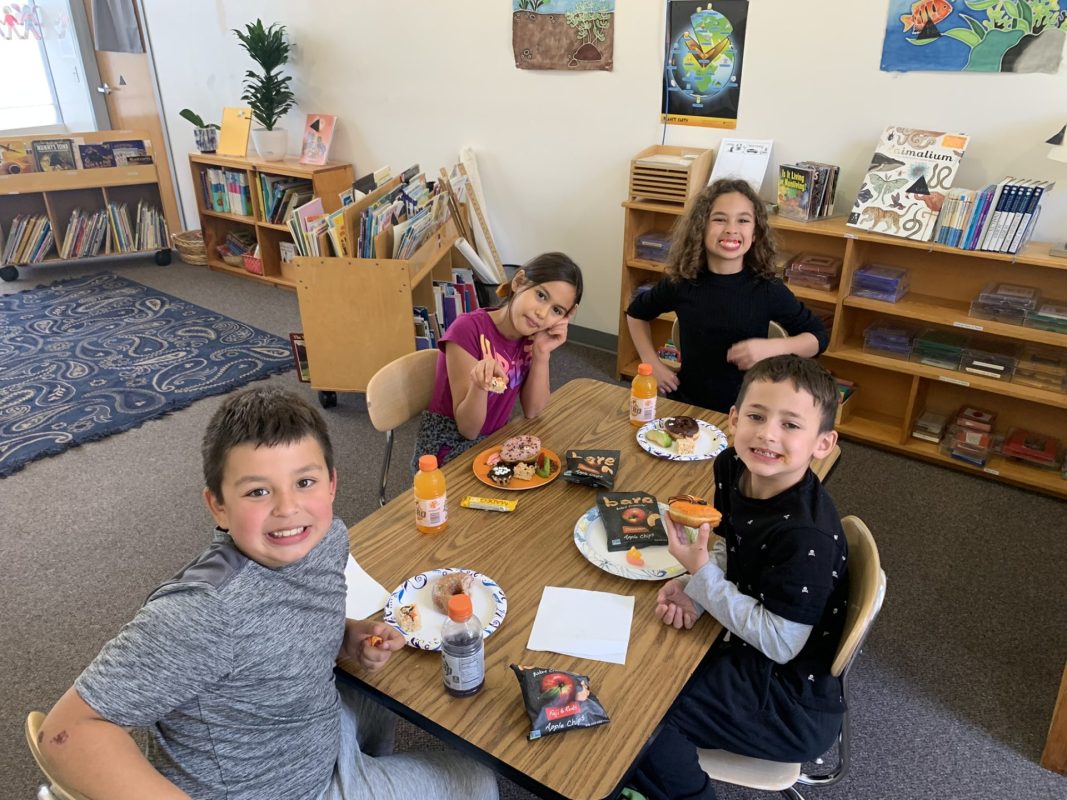
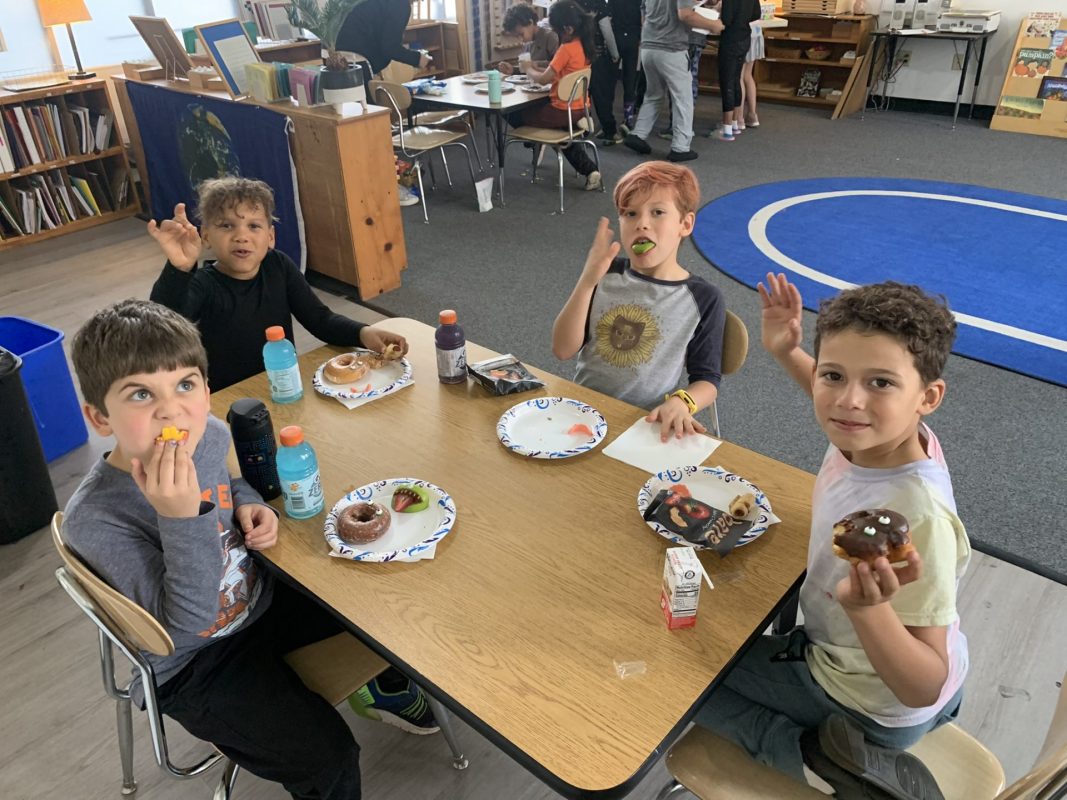
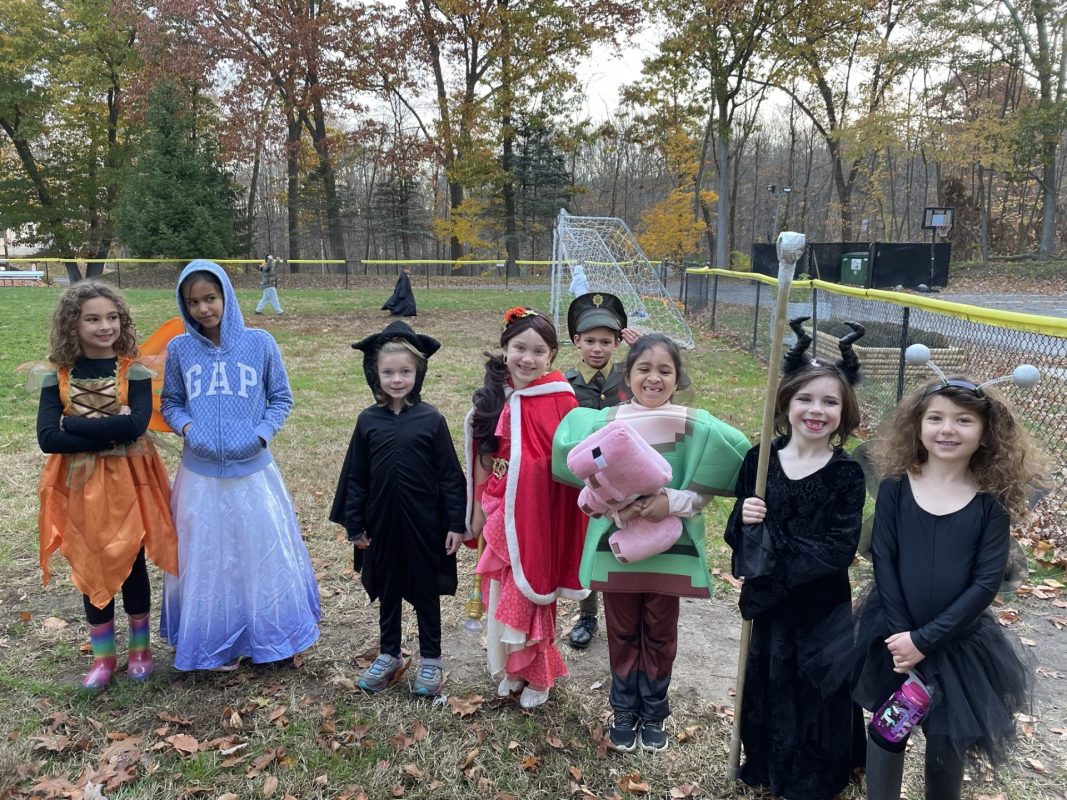
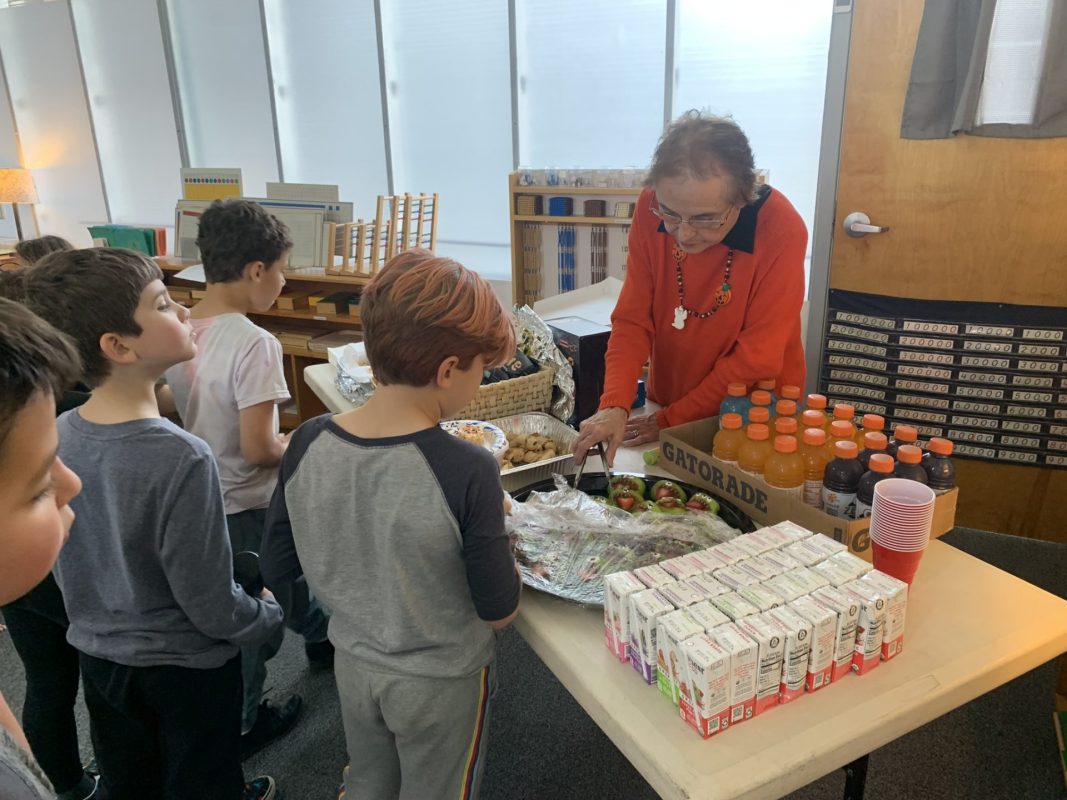
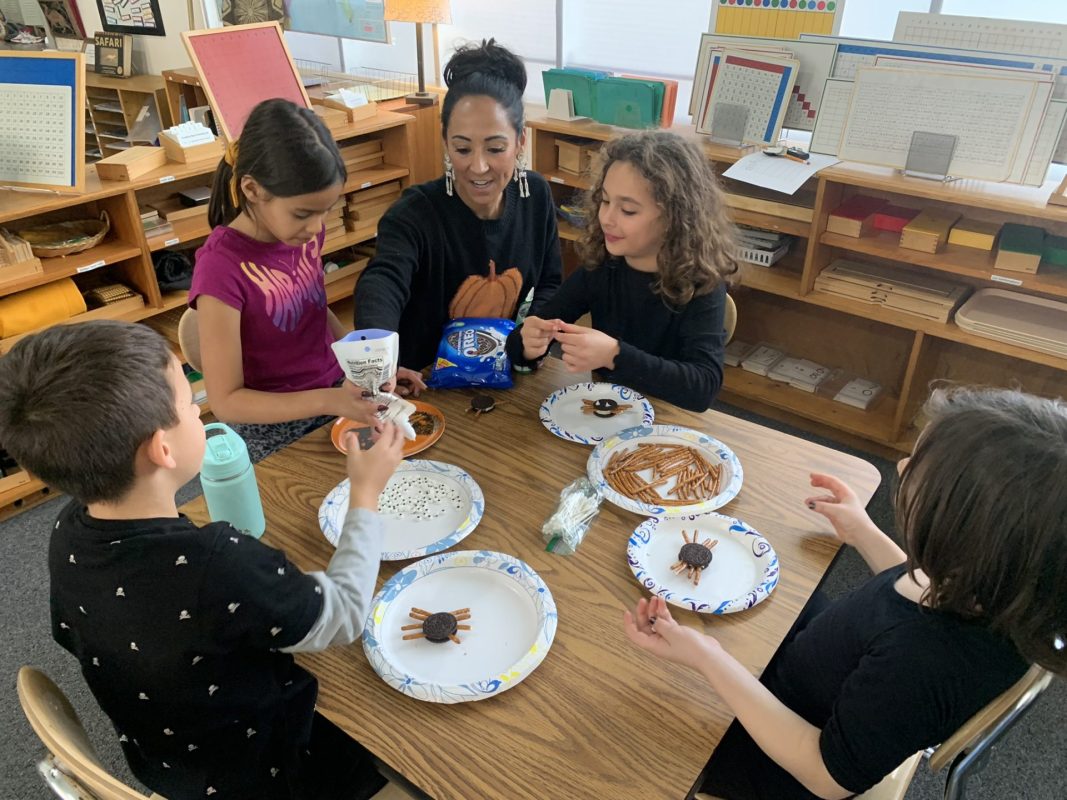
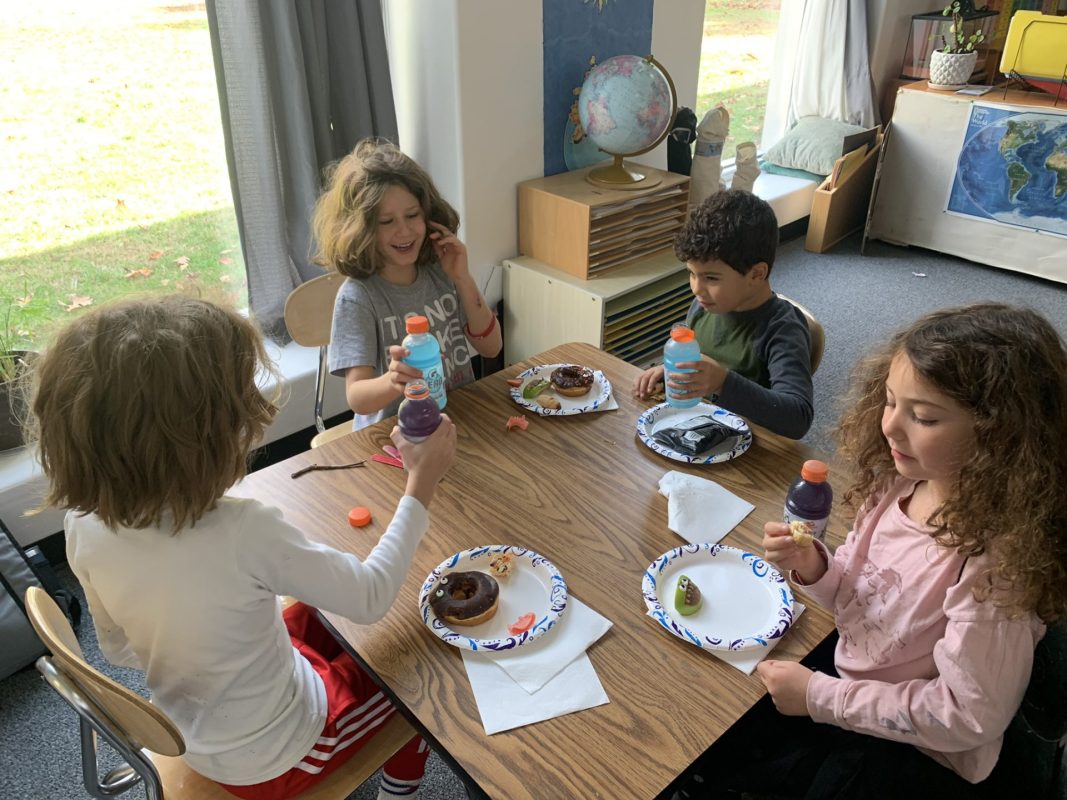
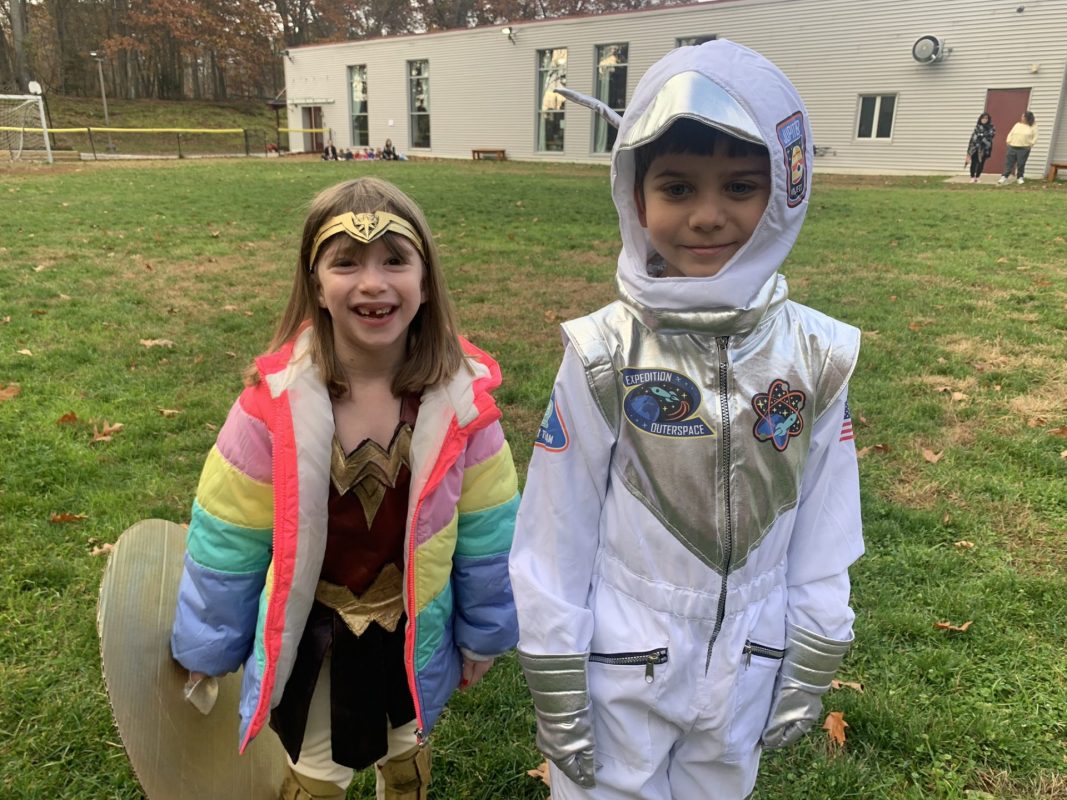
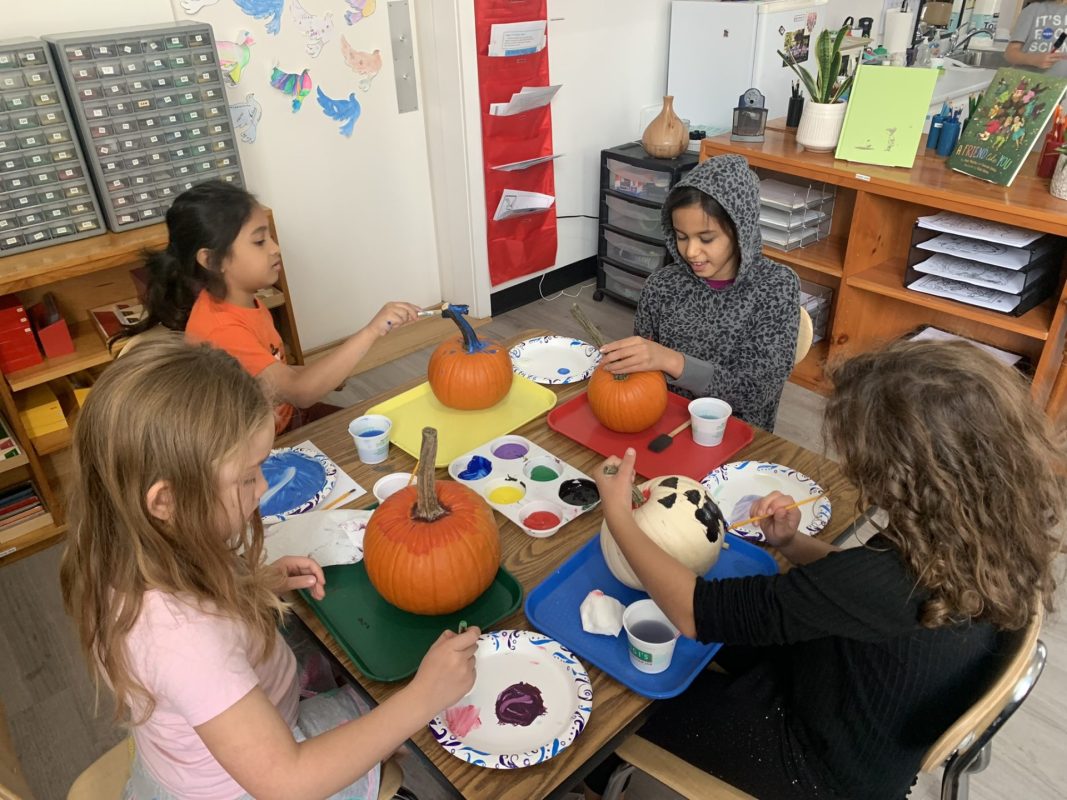
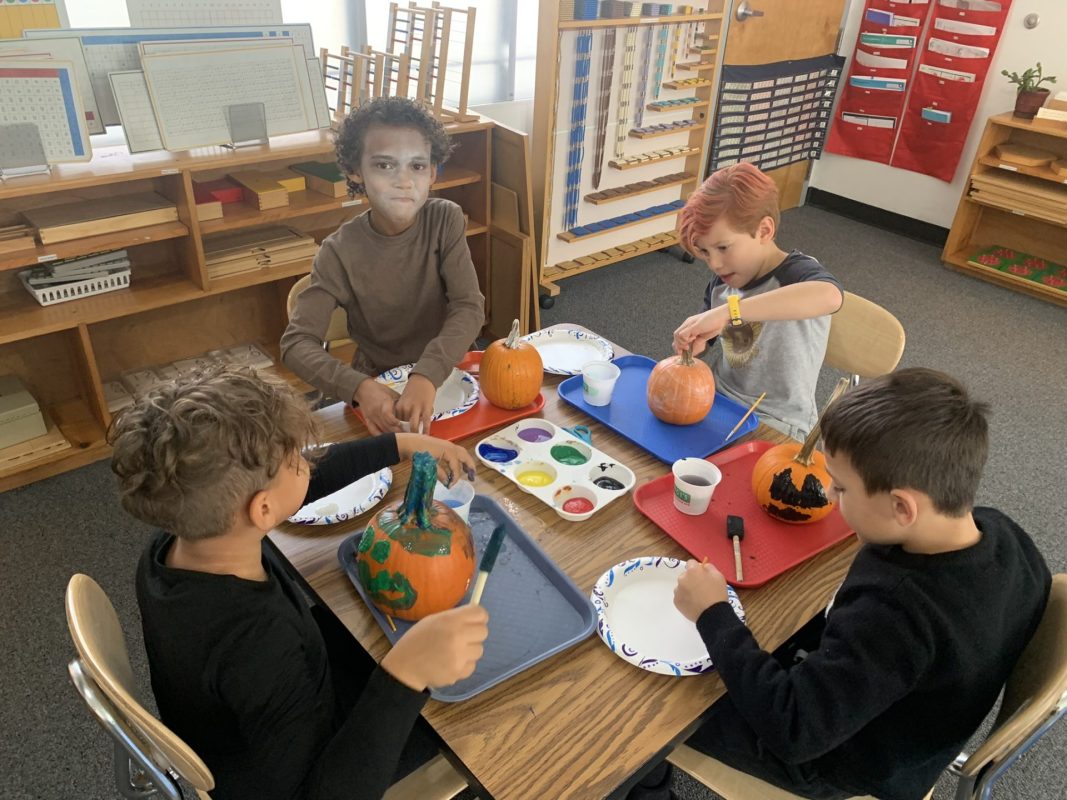
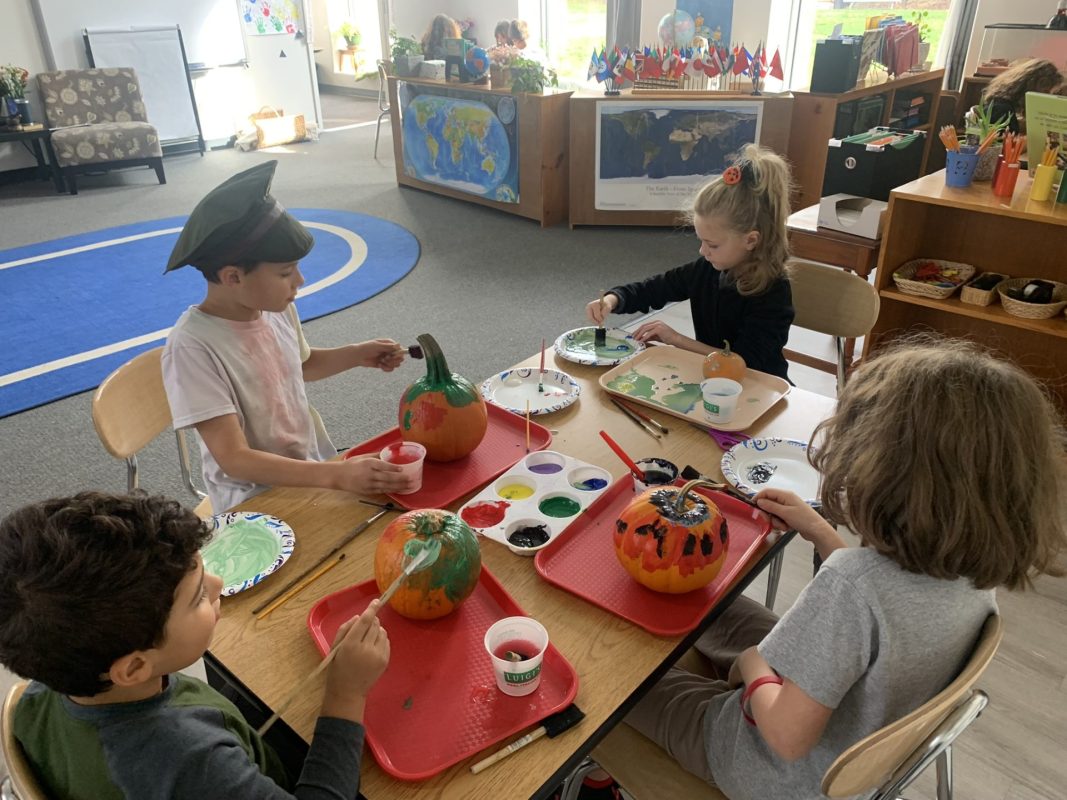
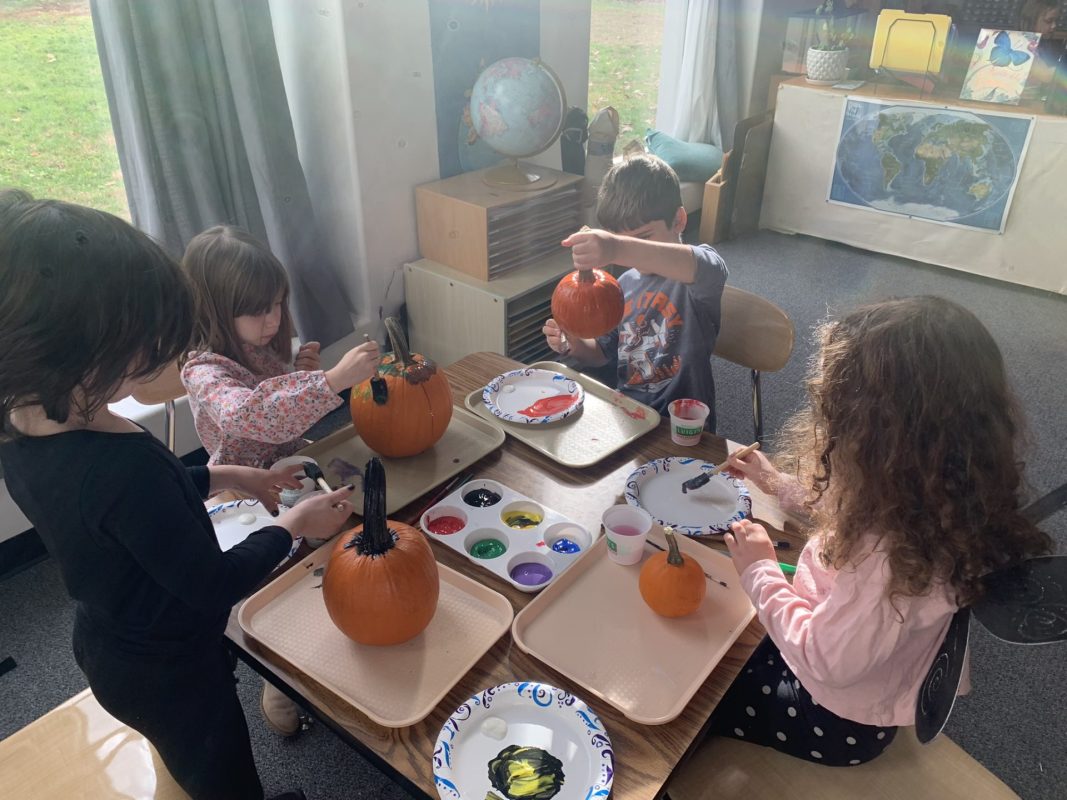
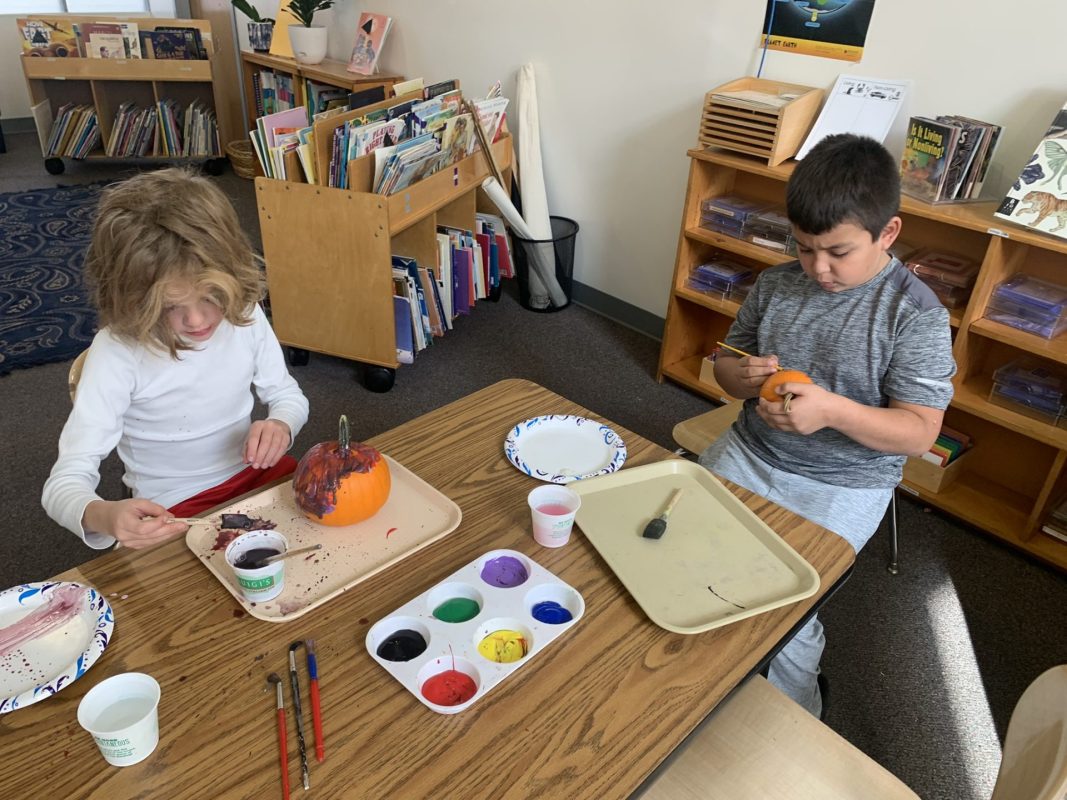
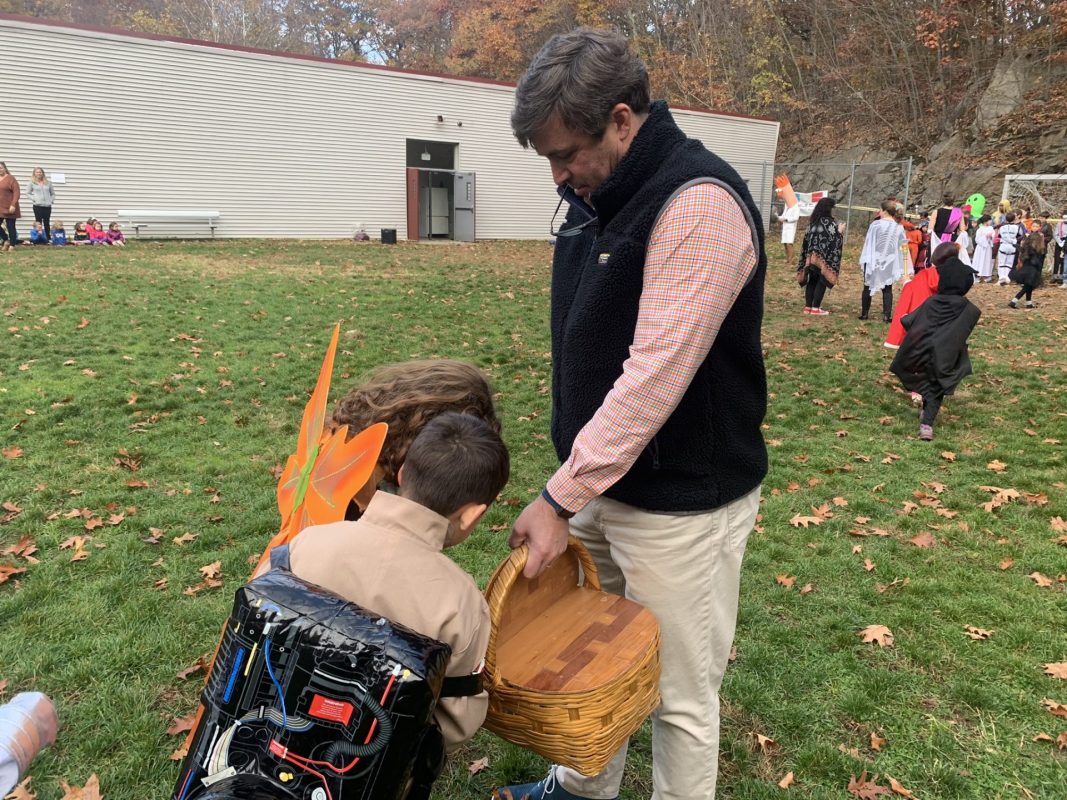
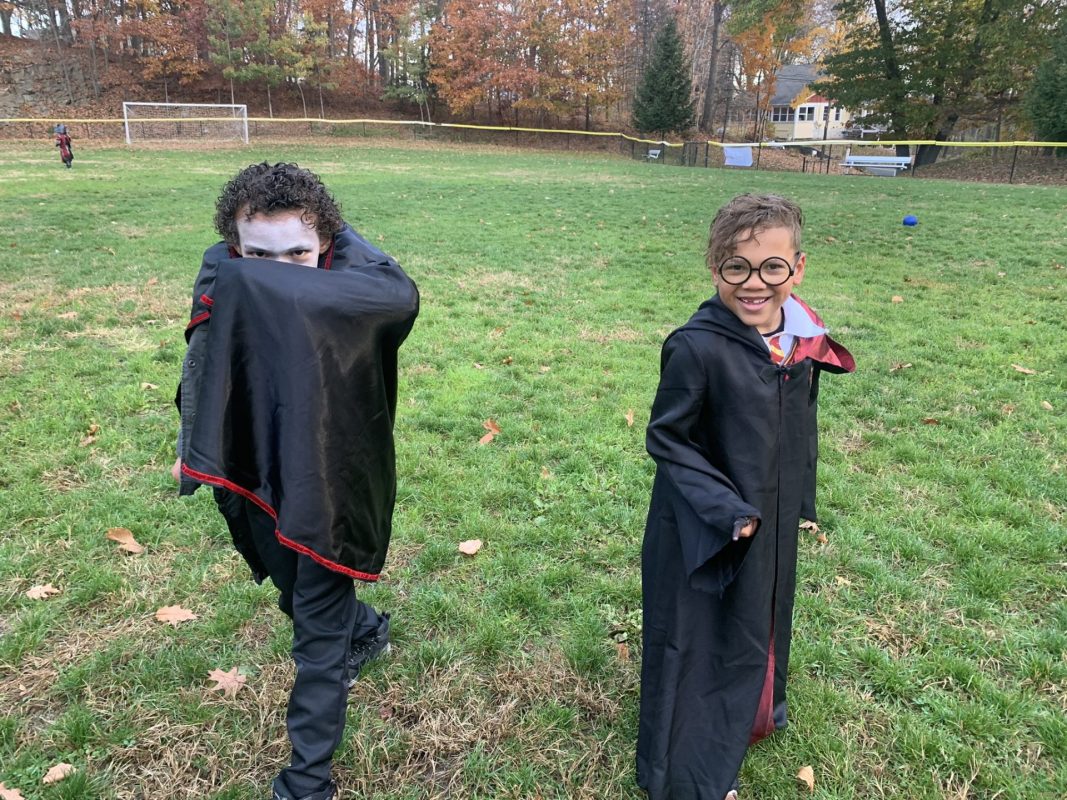
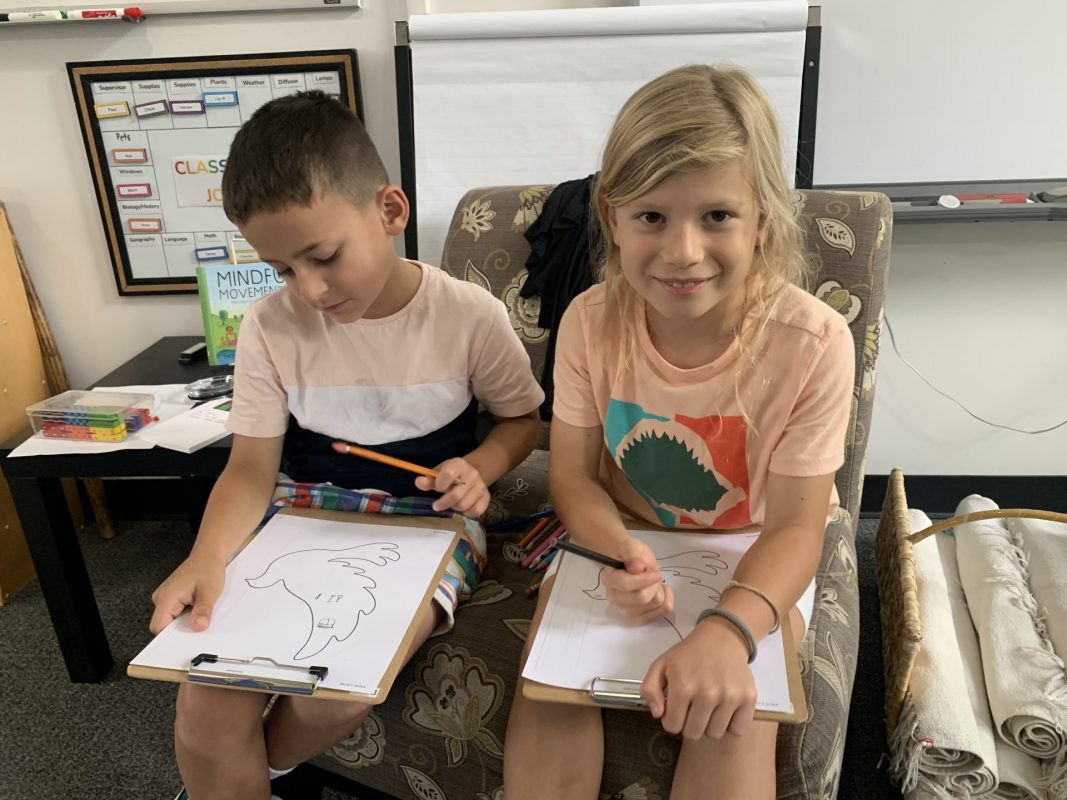
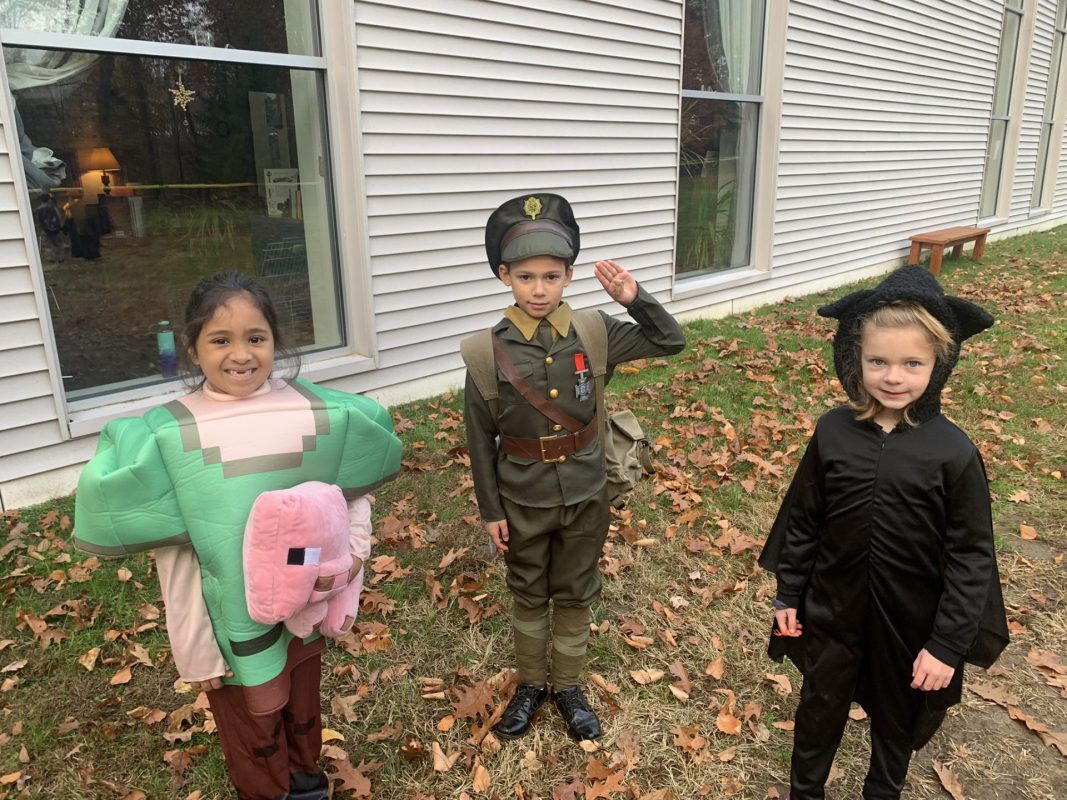
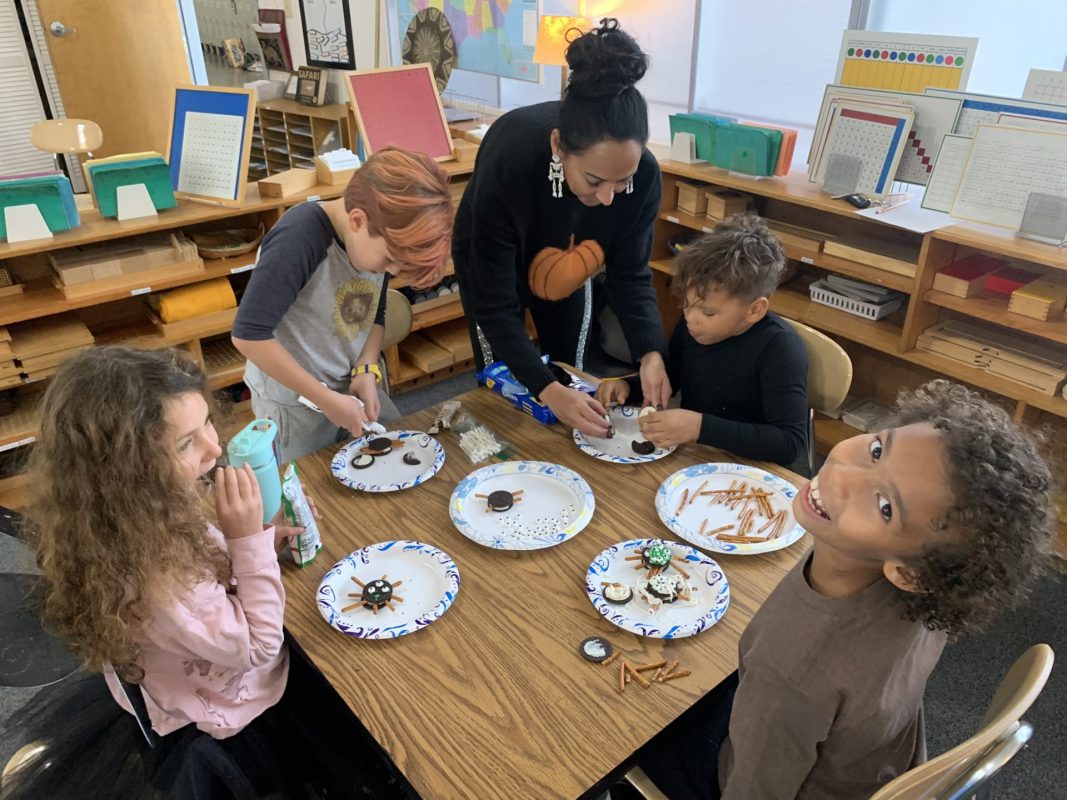
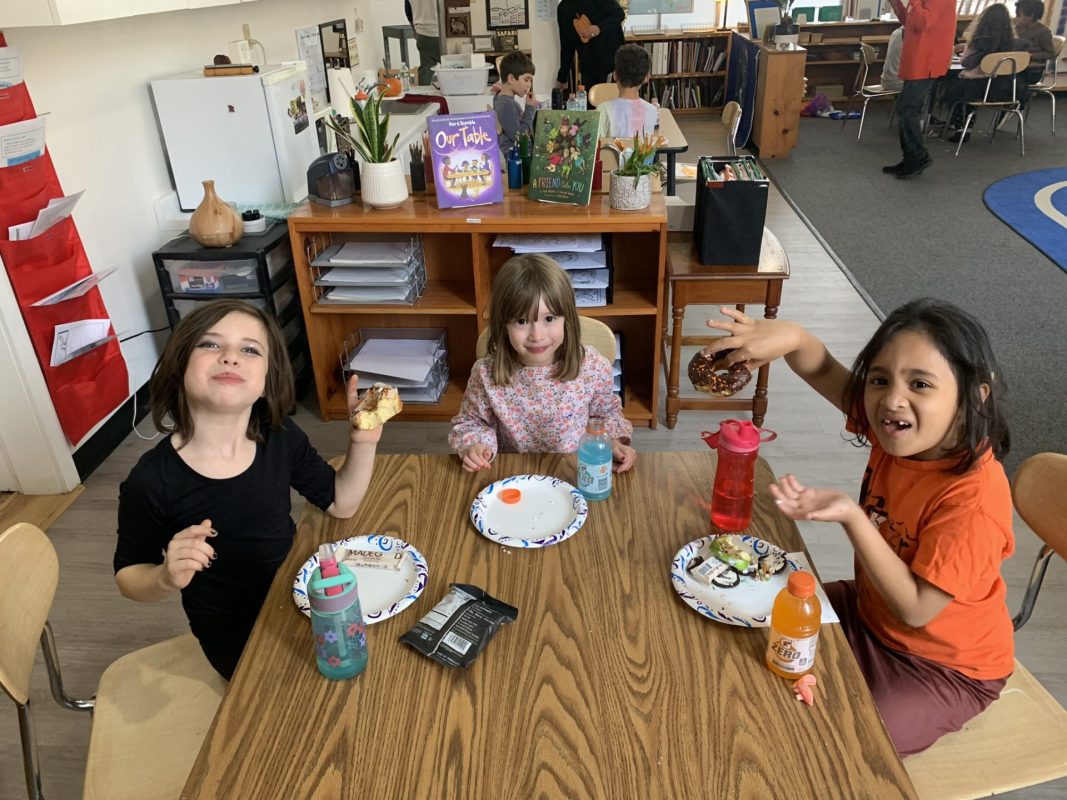
Halloween was a fun filled day! We started our morning by joining Upper Elementary and Middle School friends on a parade around the field while the younger students watched and waved. We then celebrated by painting pumpkins in the classroom and coloring and tracing Halloween sketches! Later in the afternoon, we had a class party and enjoyed delicious treats! (Thank you to the parents who brought snacks in.) Mrs. Dufour helped out with a snack/craft activity, making Oreo spiders! The children were overjoyed with the festivities all day long.
Last week we started the study of life. Animals are more familiar to children than plants, and vertebrates are the most familiar animals. Throughout the year, first and second grade children will study five classes of vertebrate animals and third grade children will study five classes of plants in evolutionary order. We will learn about fish, amphibians, reptiles, birds, and mammals as well as seaweed, moss, ferns, pine trees, and flowering plants.

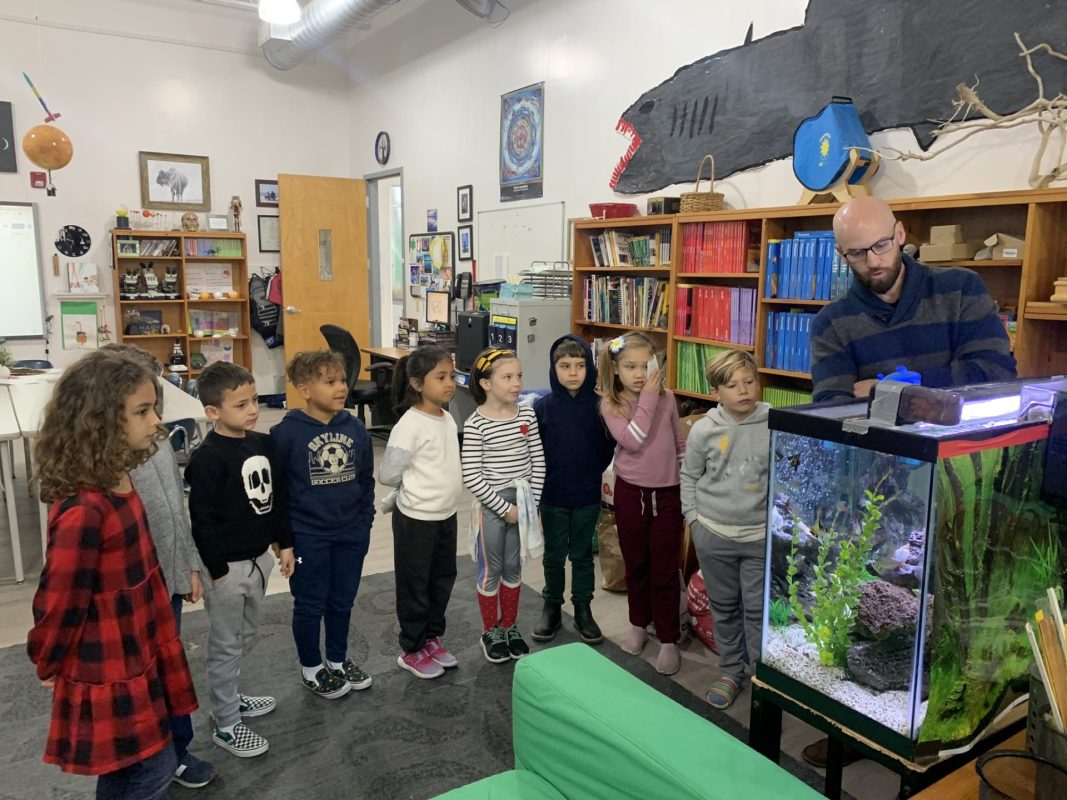
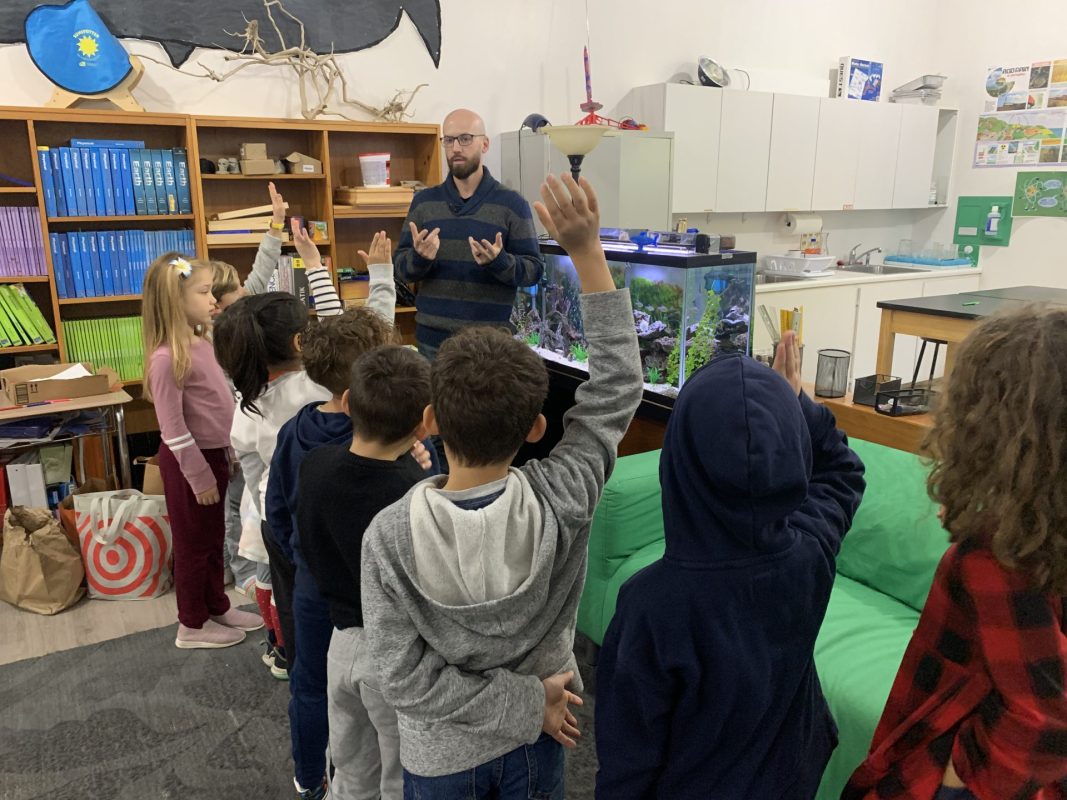
First year students learned about the external parts of fish. We started with a little in-school field trip to the Middle School science room  last week to observe Mr. Brown’s fish. Mr. Brown facilitated a discussion about the external parts of the fish. This week the children were introduced to classroom materials of fish.

Second year students also took a trip to the science room to learn about the body functions of fish last week. Mr. Brown reviewed the external parts of fish and then the children talked about what goes on internally. This week the children were introduced to classroom materials of fish.

Third year students learned about the external parts and body functions of seaweed. They were introduced to the classroom material and were thrilled to be studying botany this year! Thankfully, a classmate went to the beach and brought some samples in for us to observe closely under a microscope in Mr. Brown’s lab!

This Week in Lower El

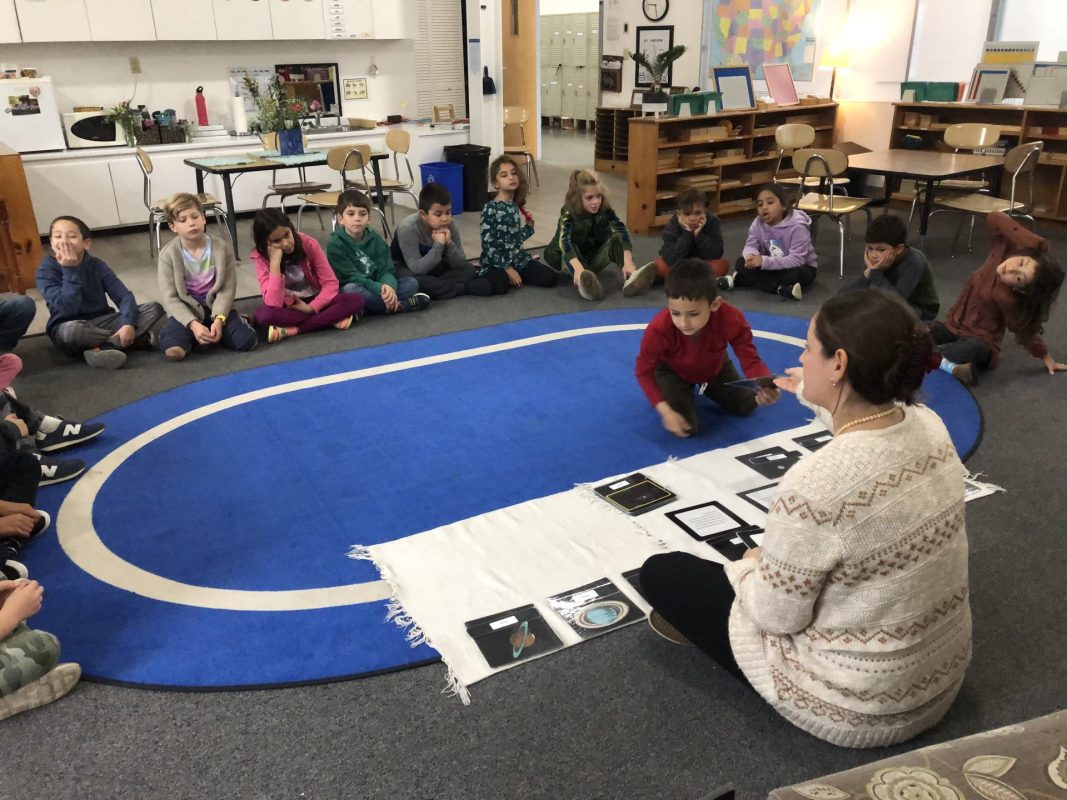
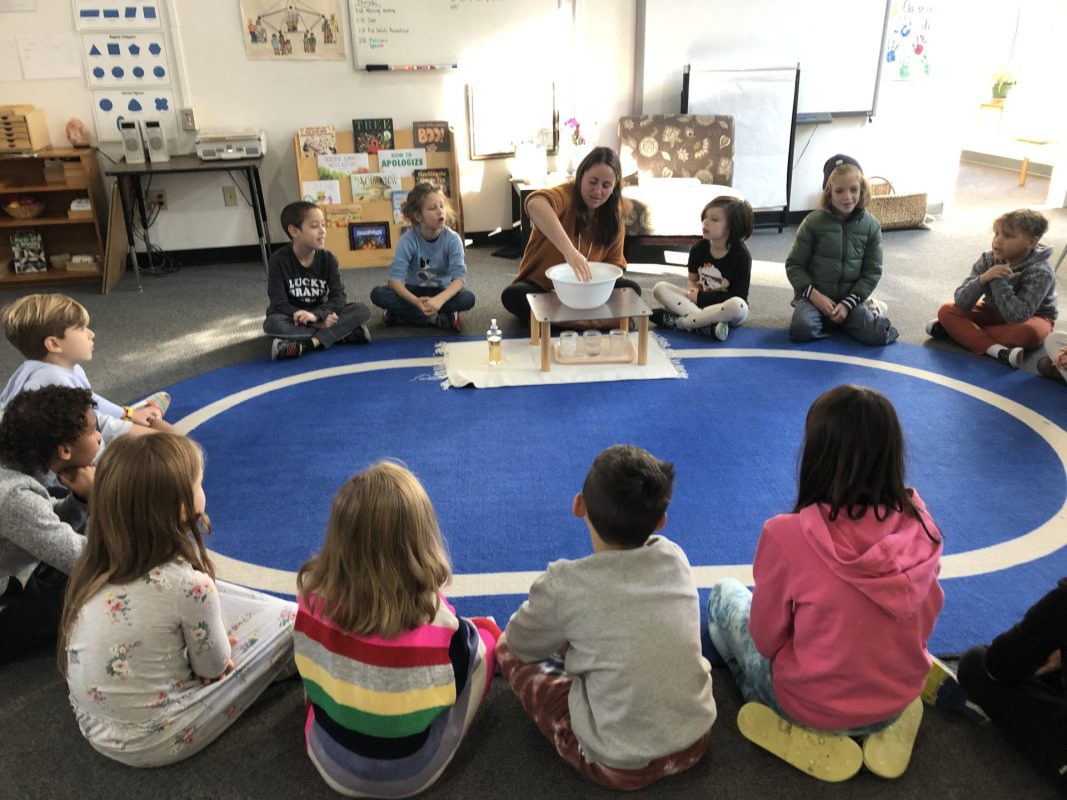
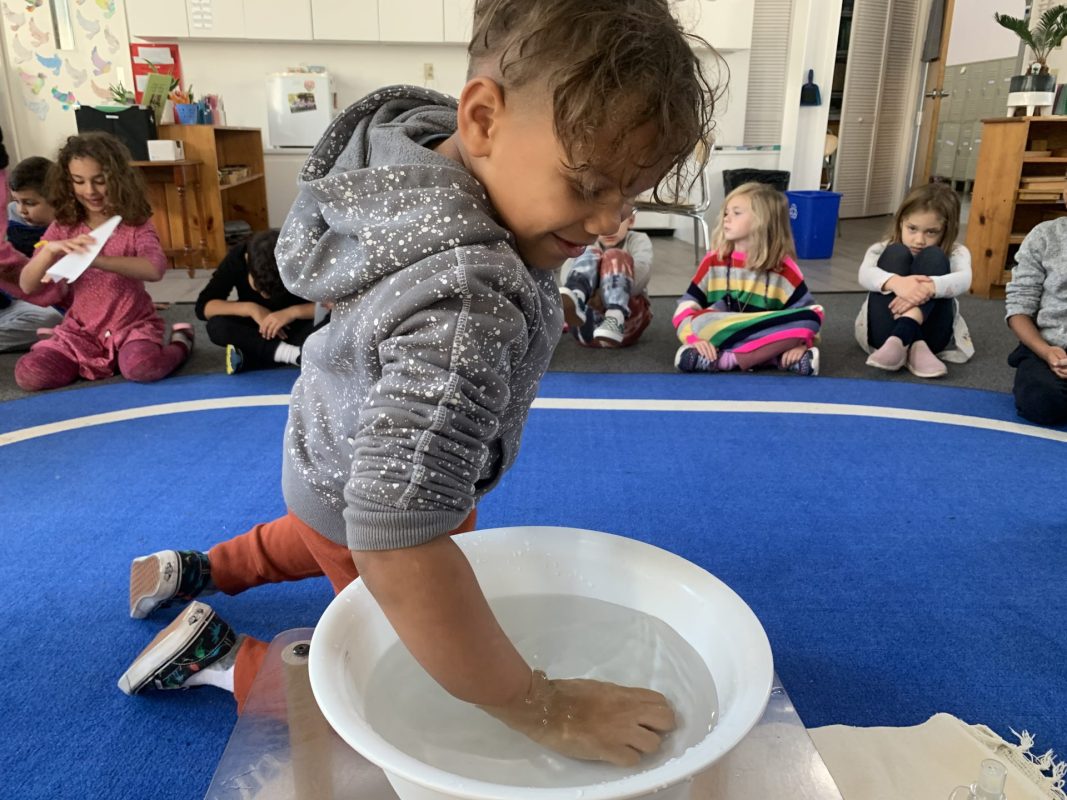
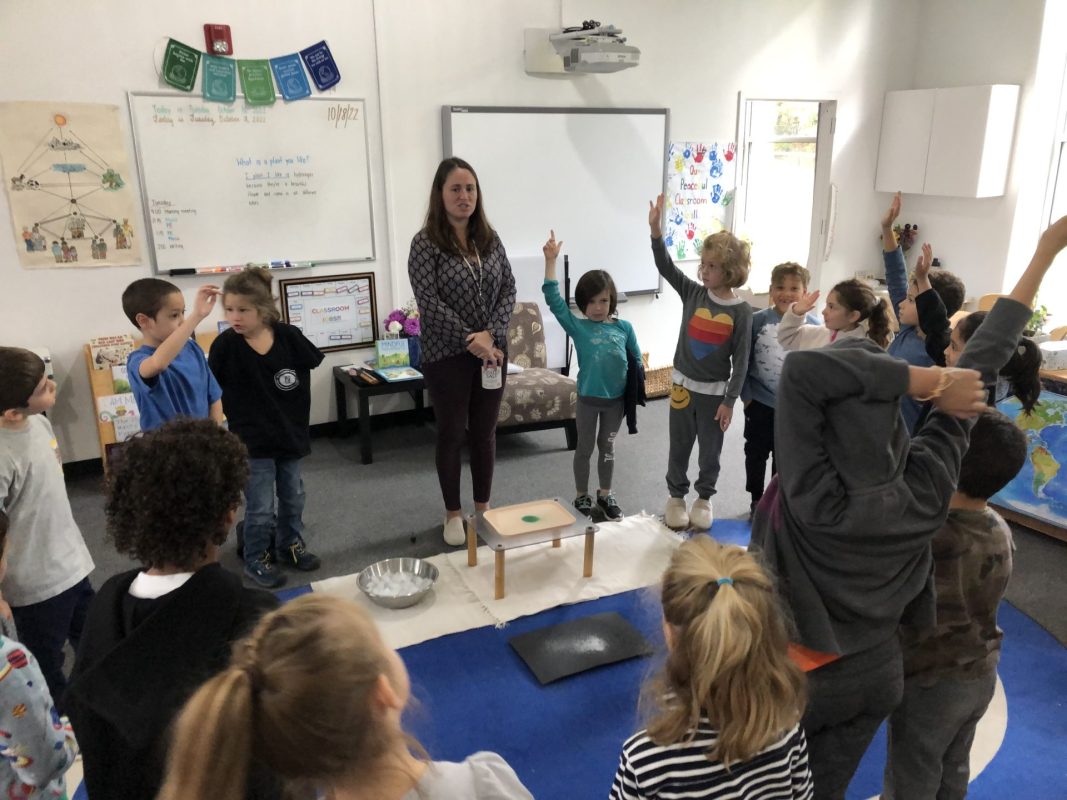
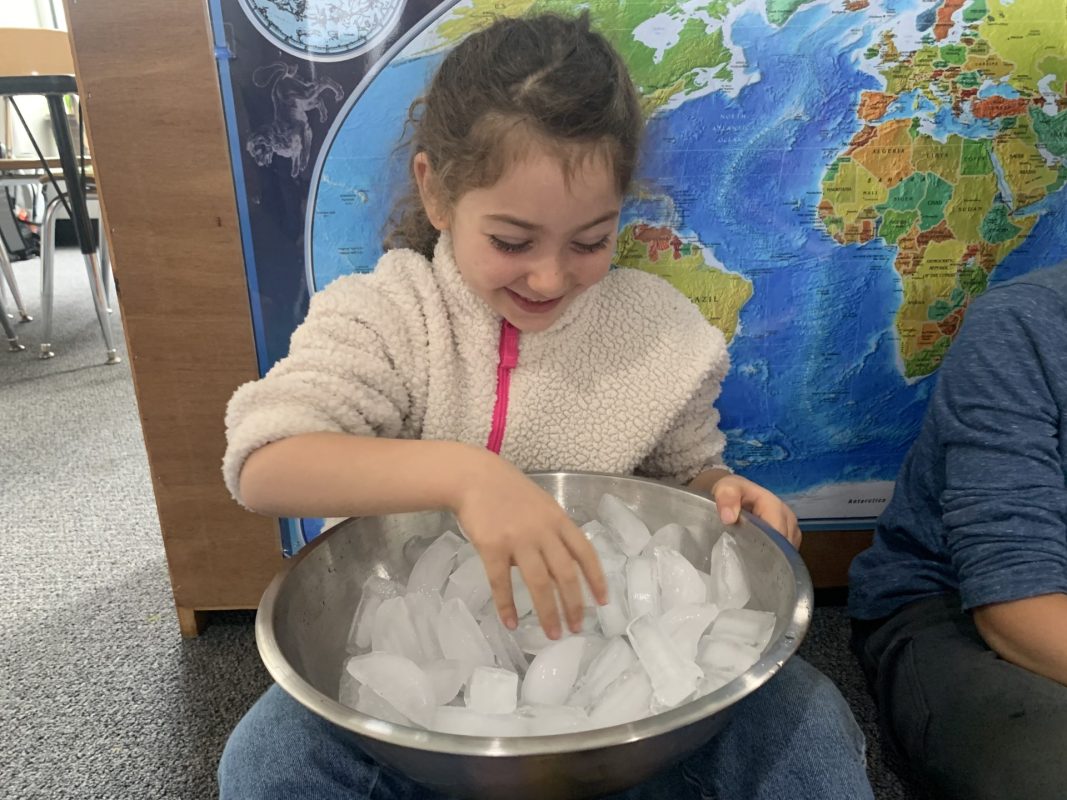
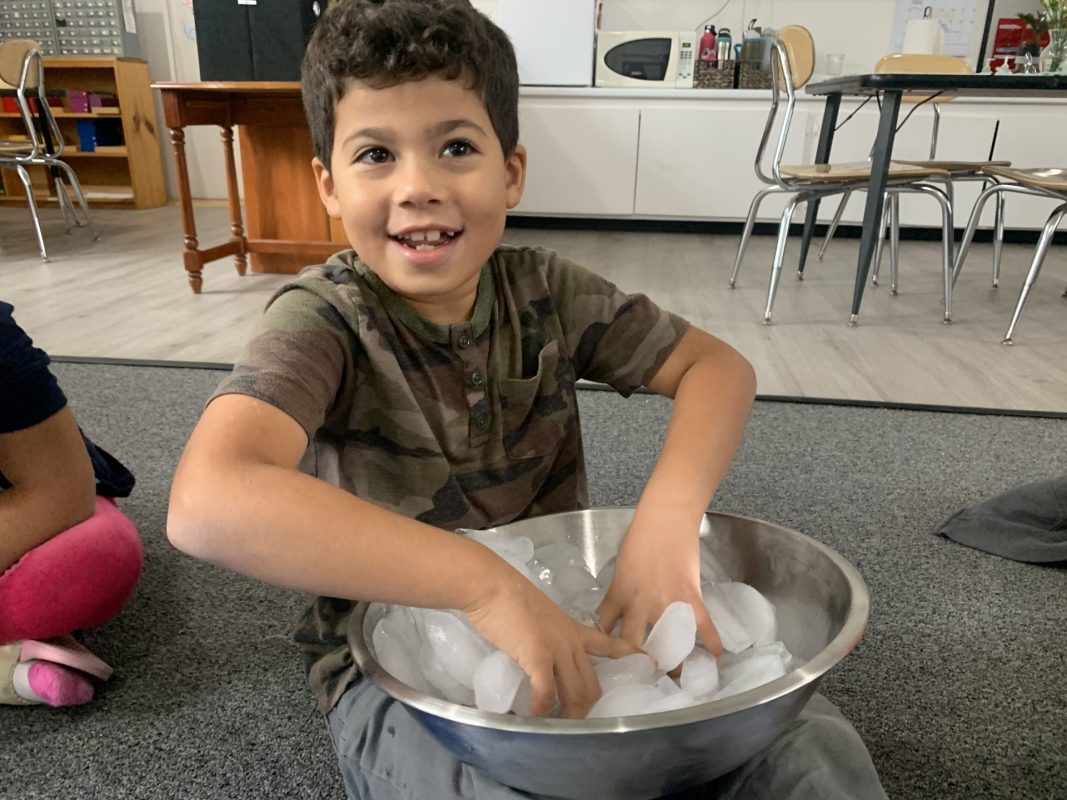
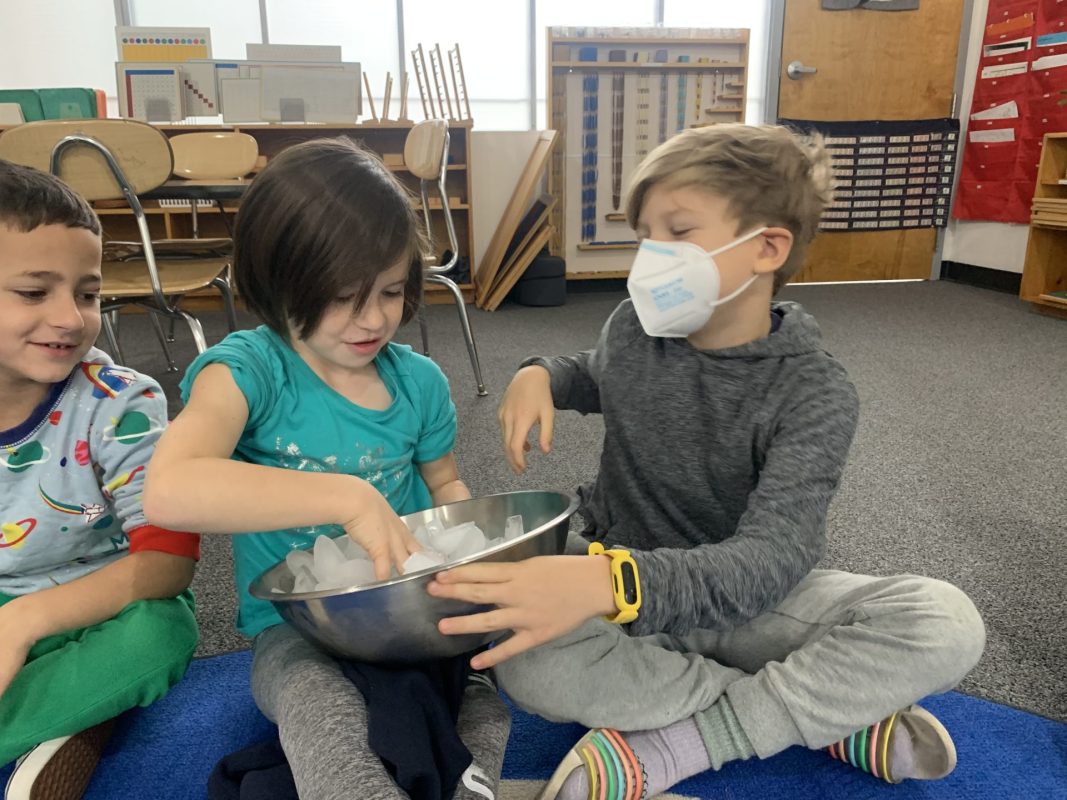
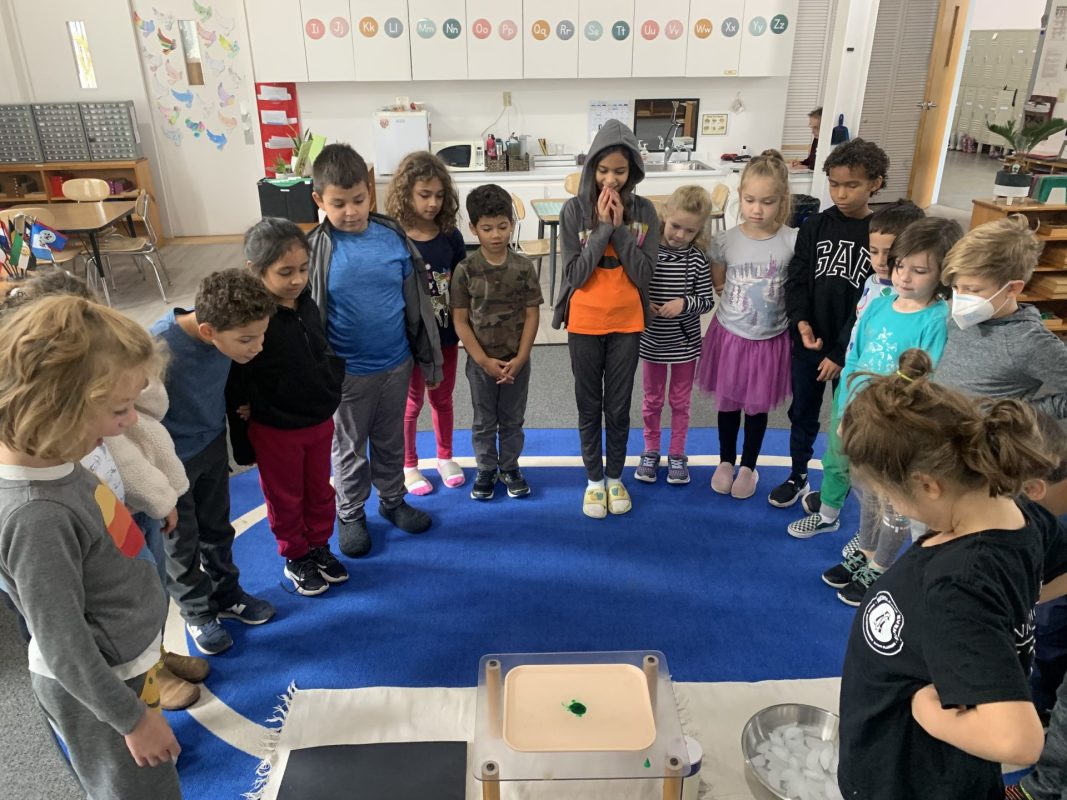
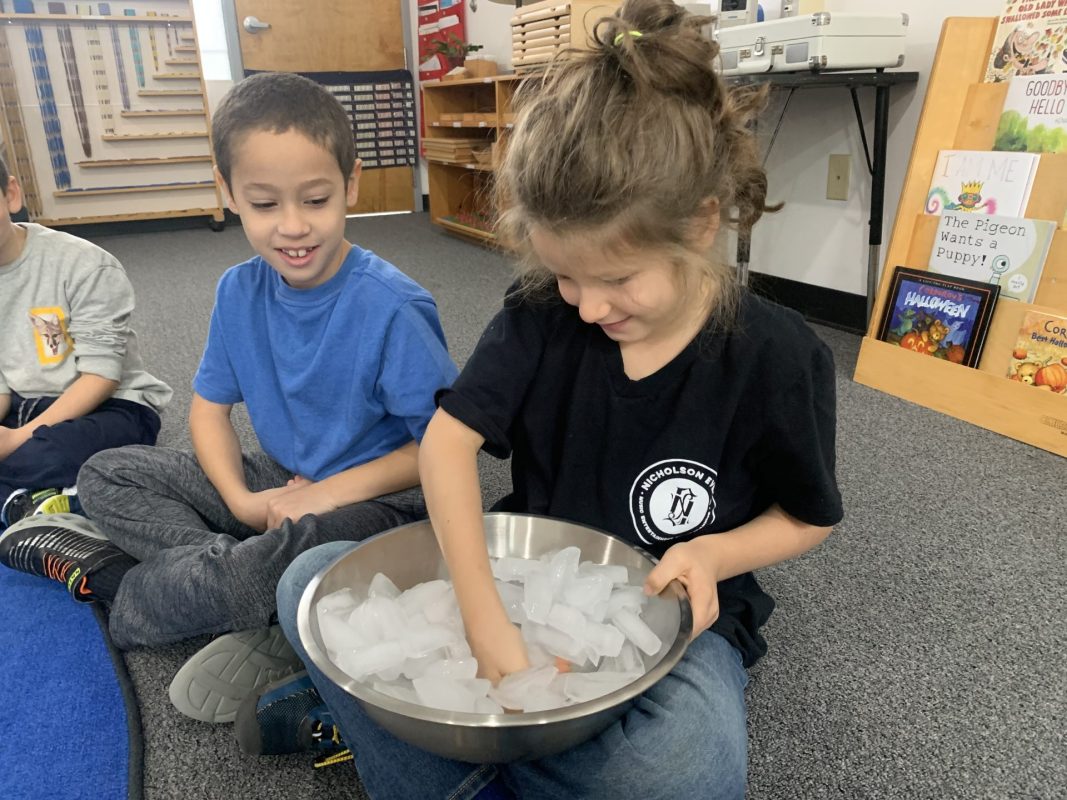
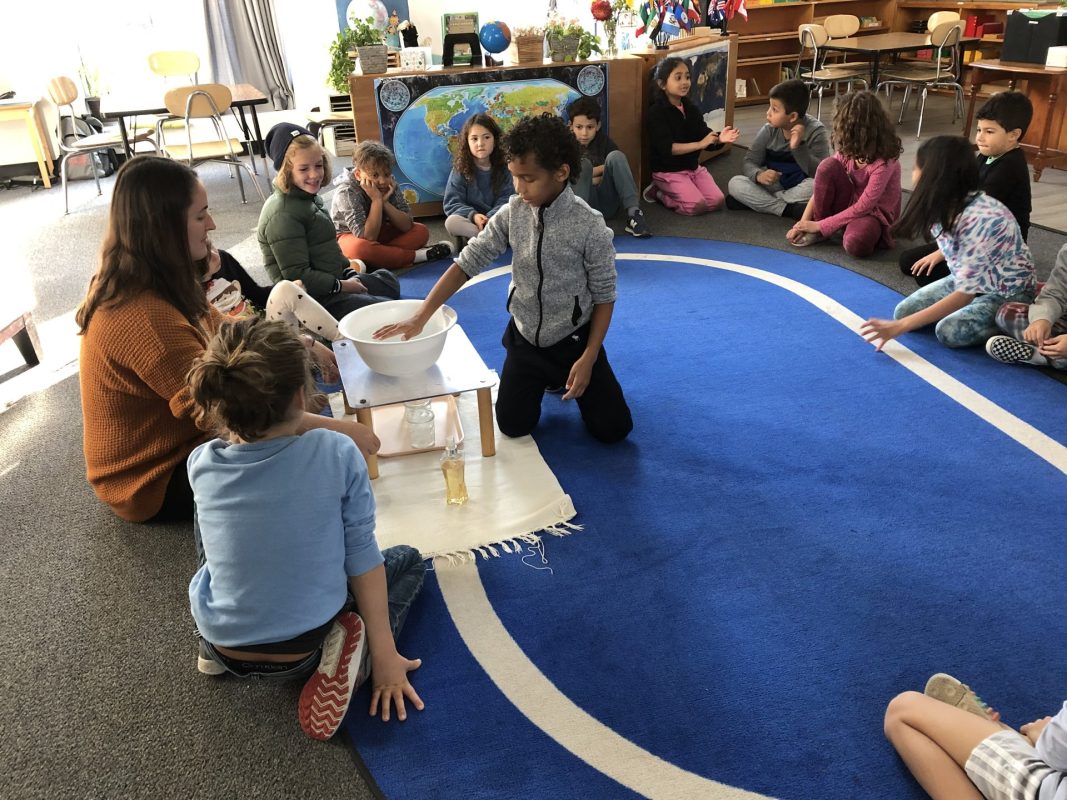
This week we started preparing for our Creation Story with some science demonstrations. The purpose of these demonstrations is to illustrate concepts explored through the story of the creation of the universe. The Creation Story provides an impressionistic demonstration of the origins of life. The story is designed to impart a sense of wonder and awe, to instill respect for all that has happened, and to ignite interest in scientific investigation.

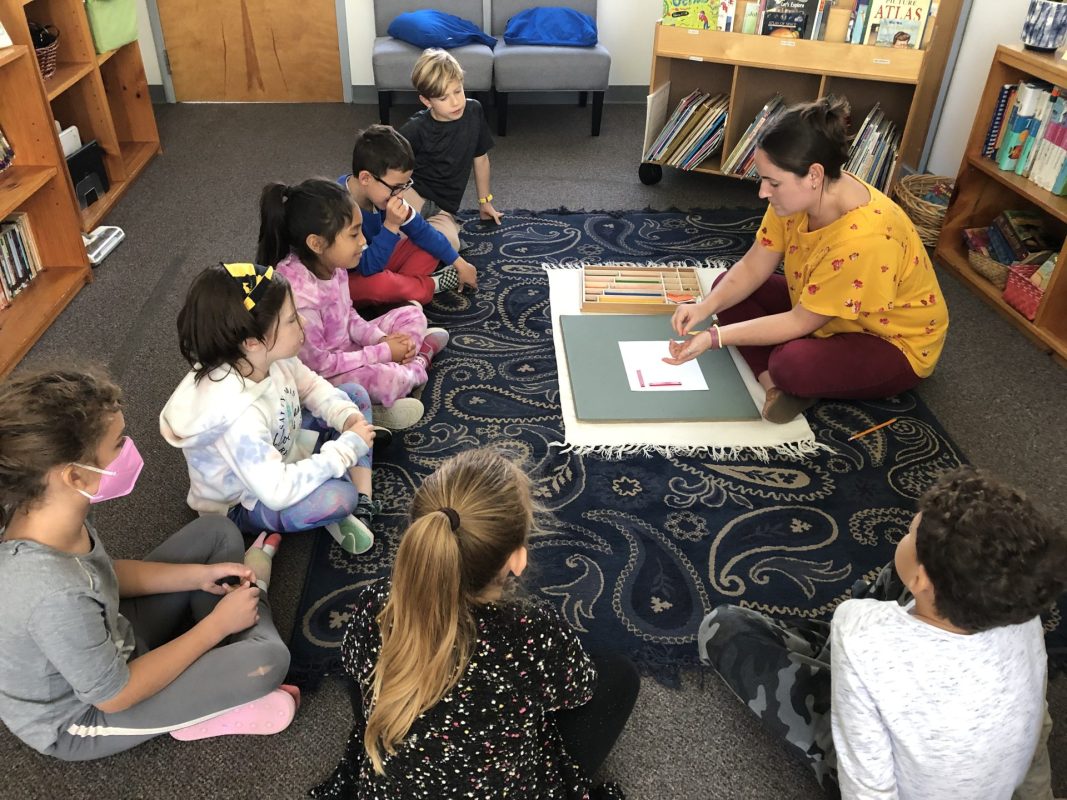
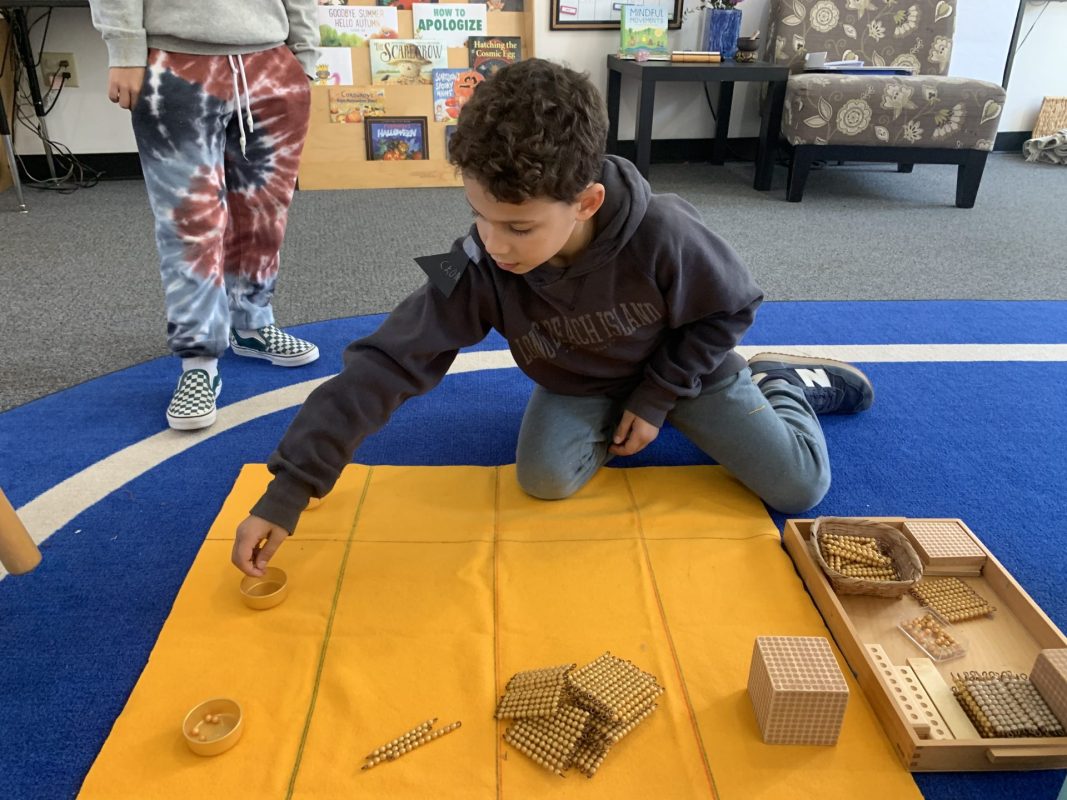
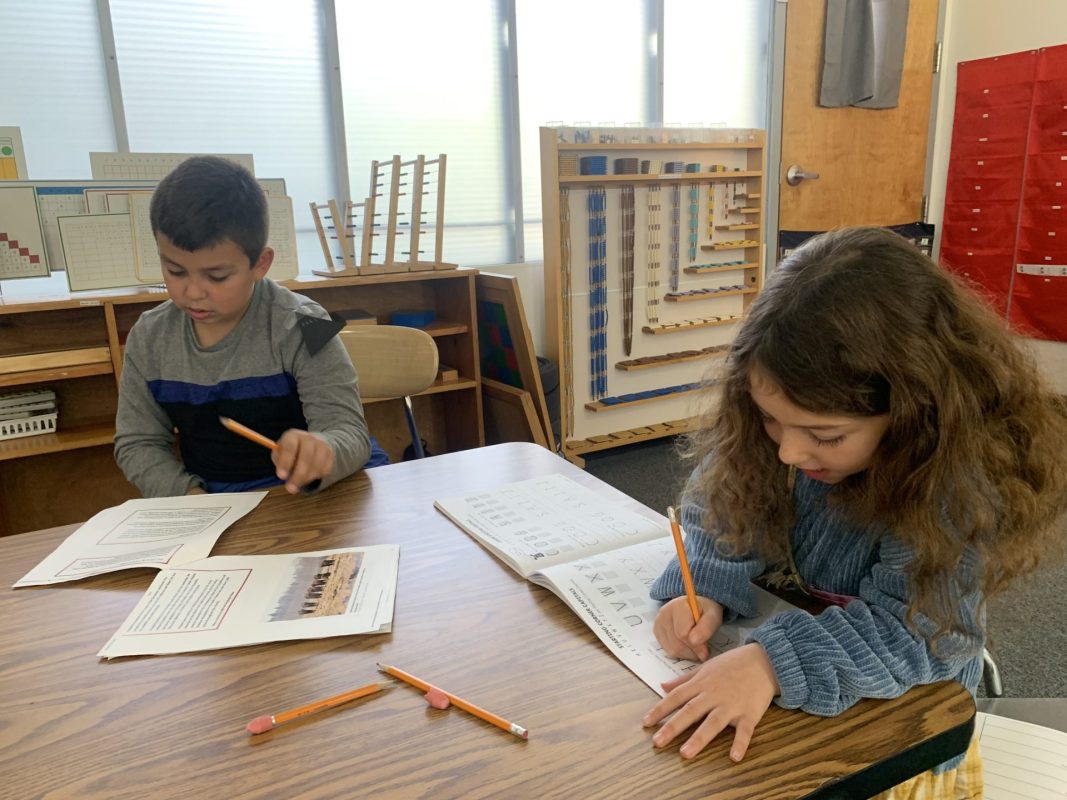
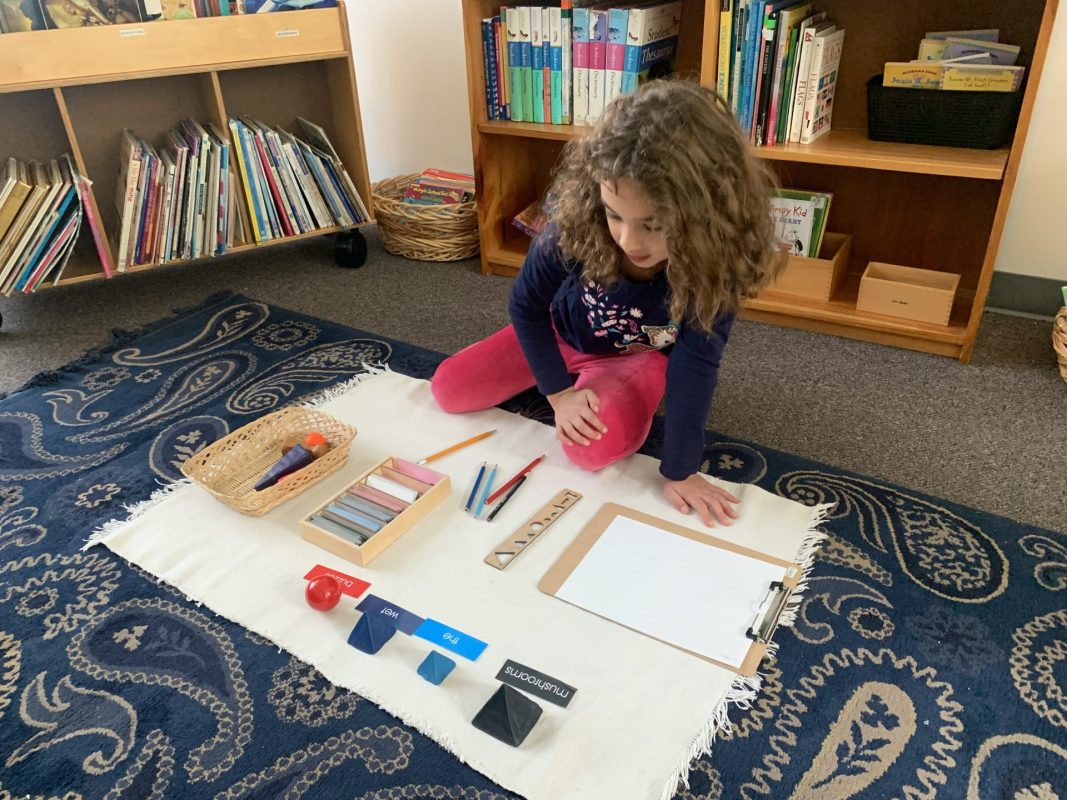
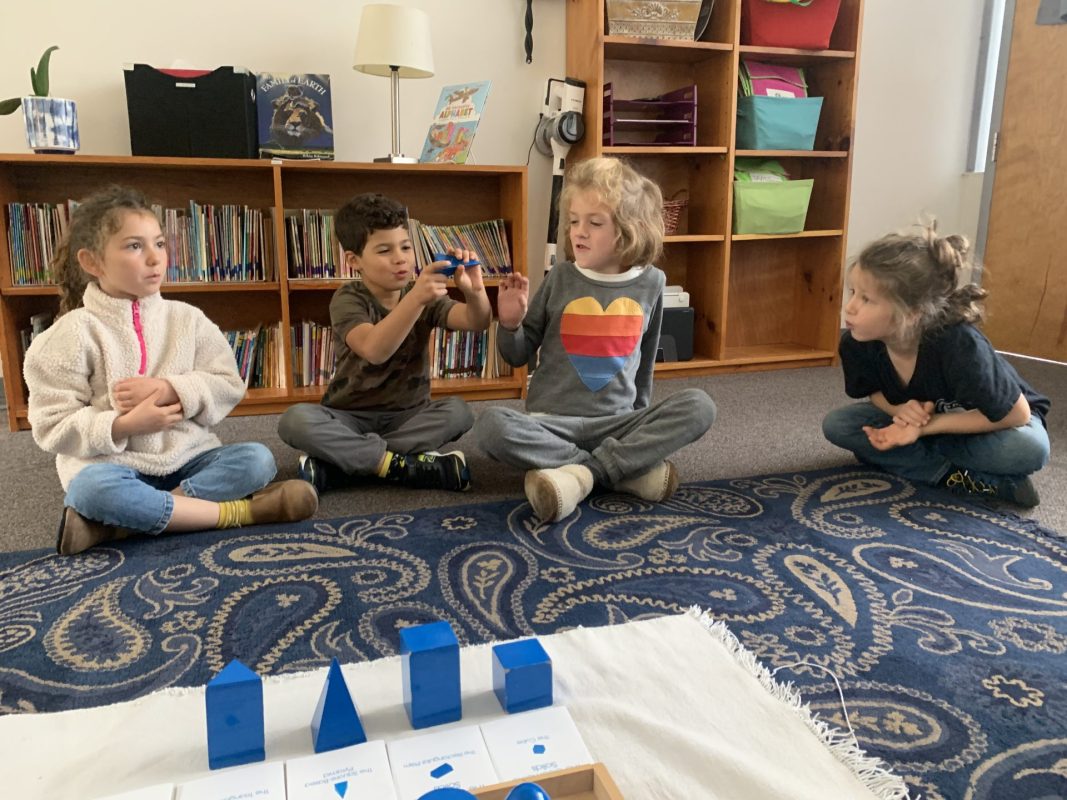
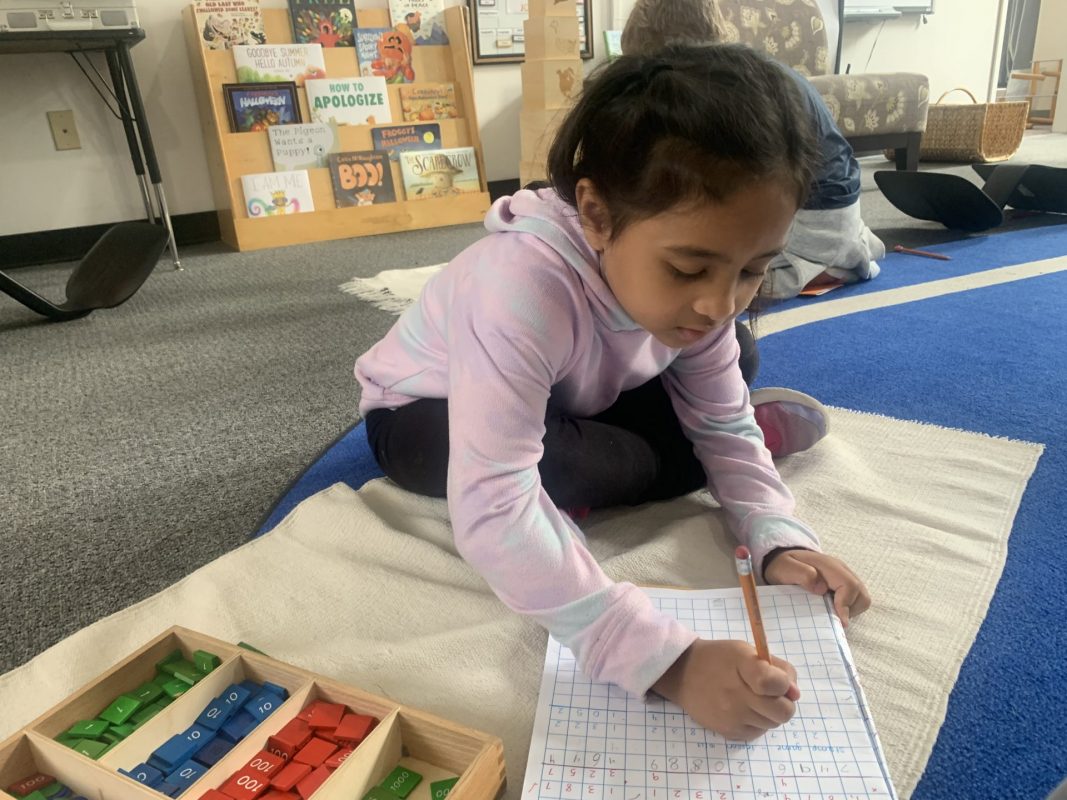
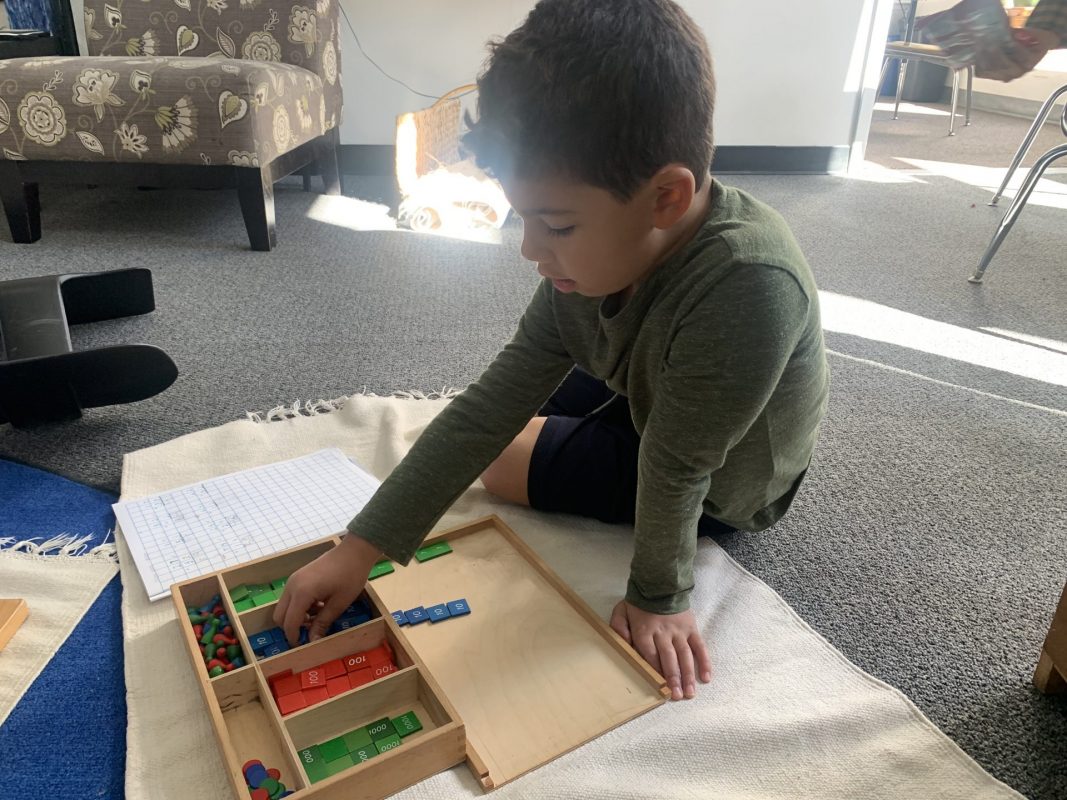
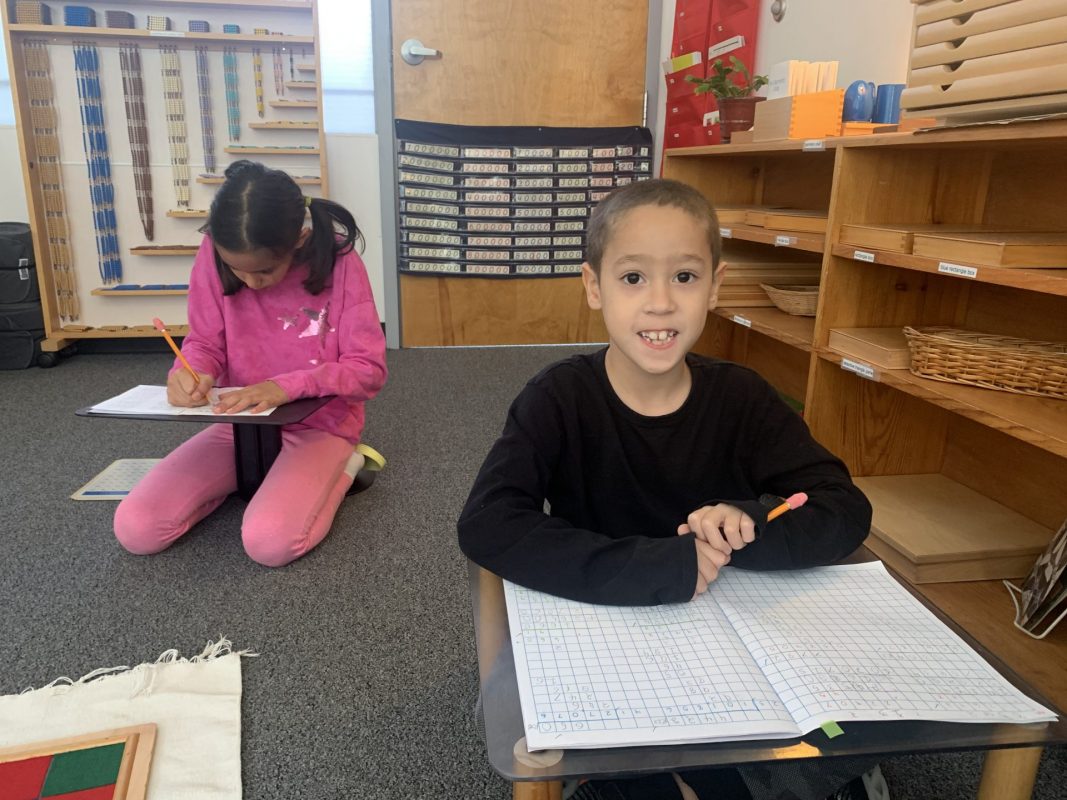
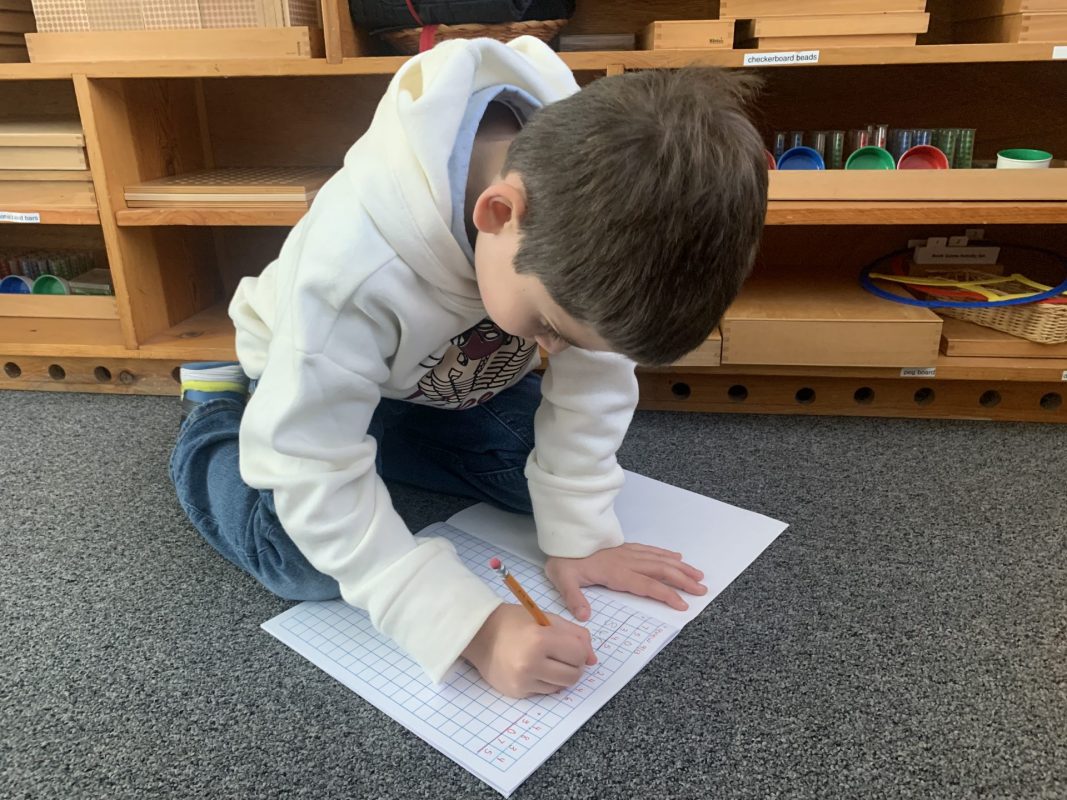
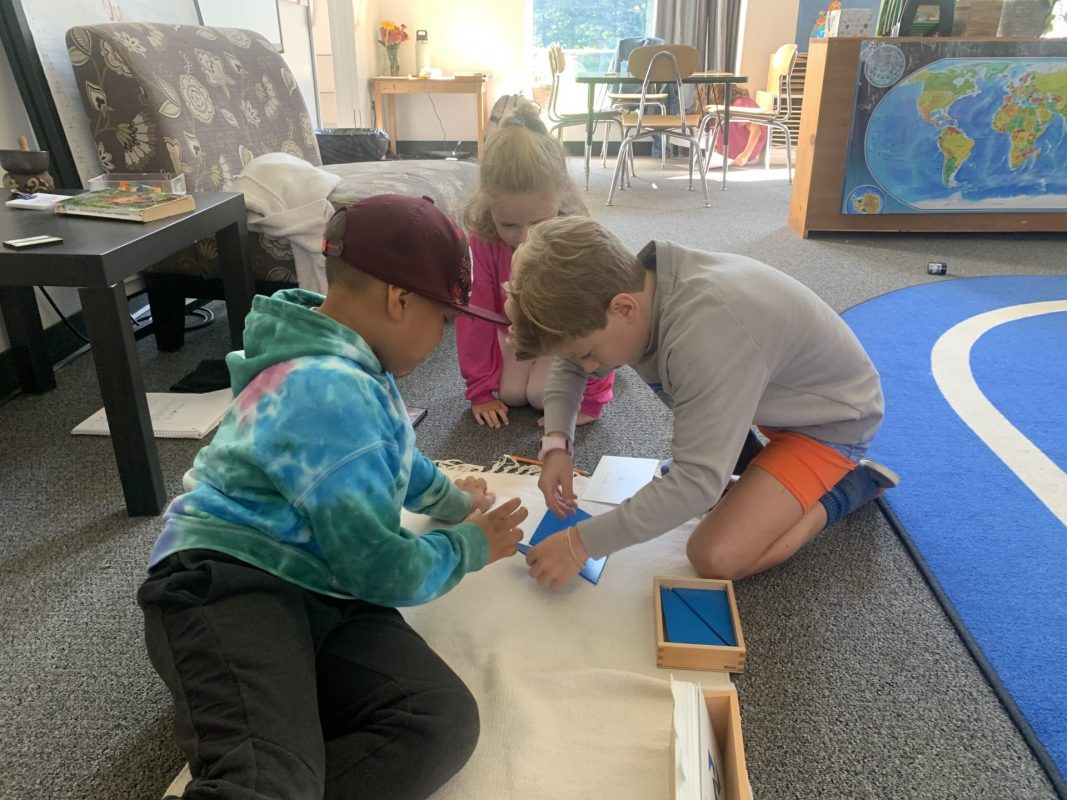
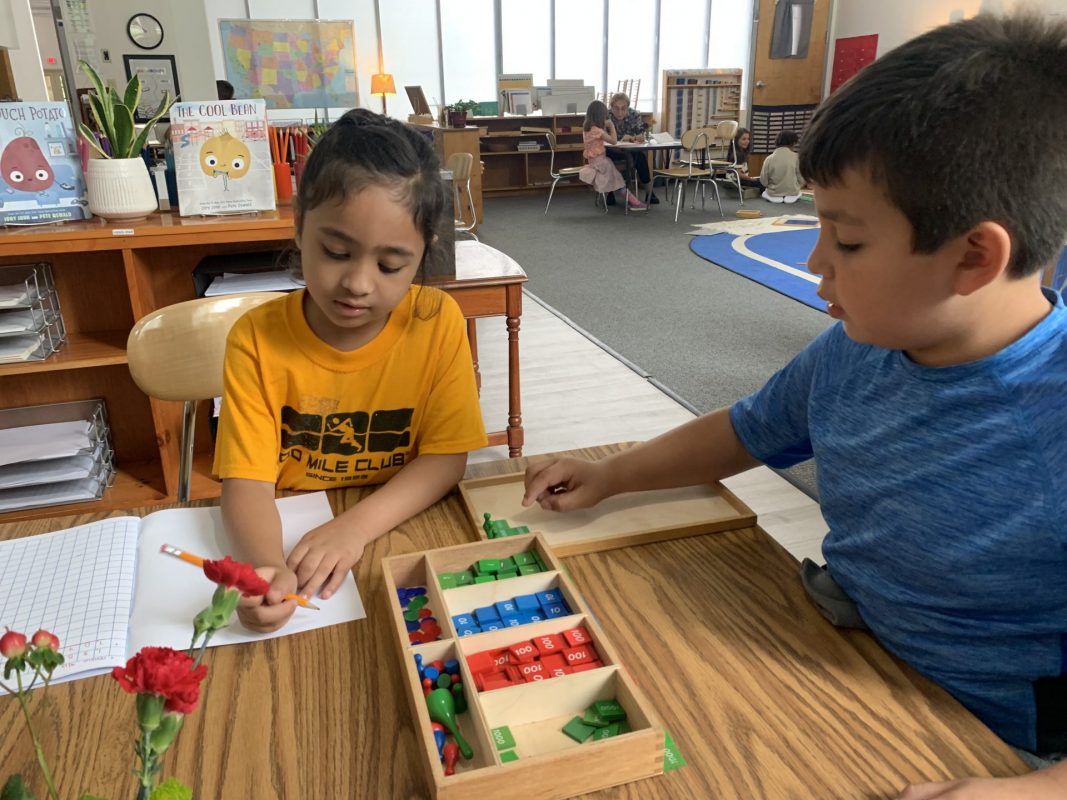
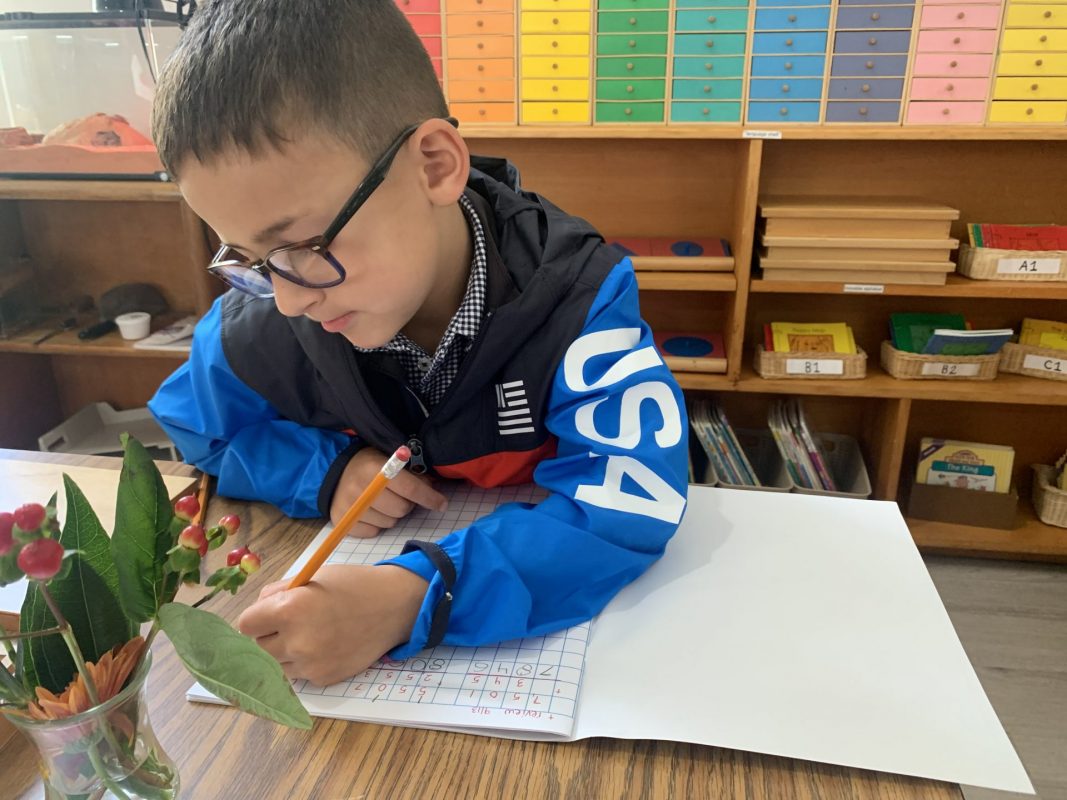
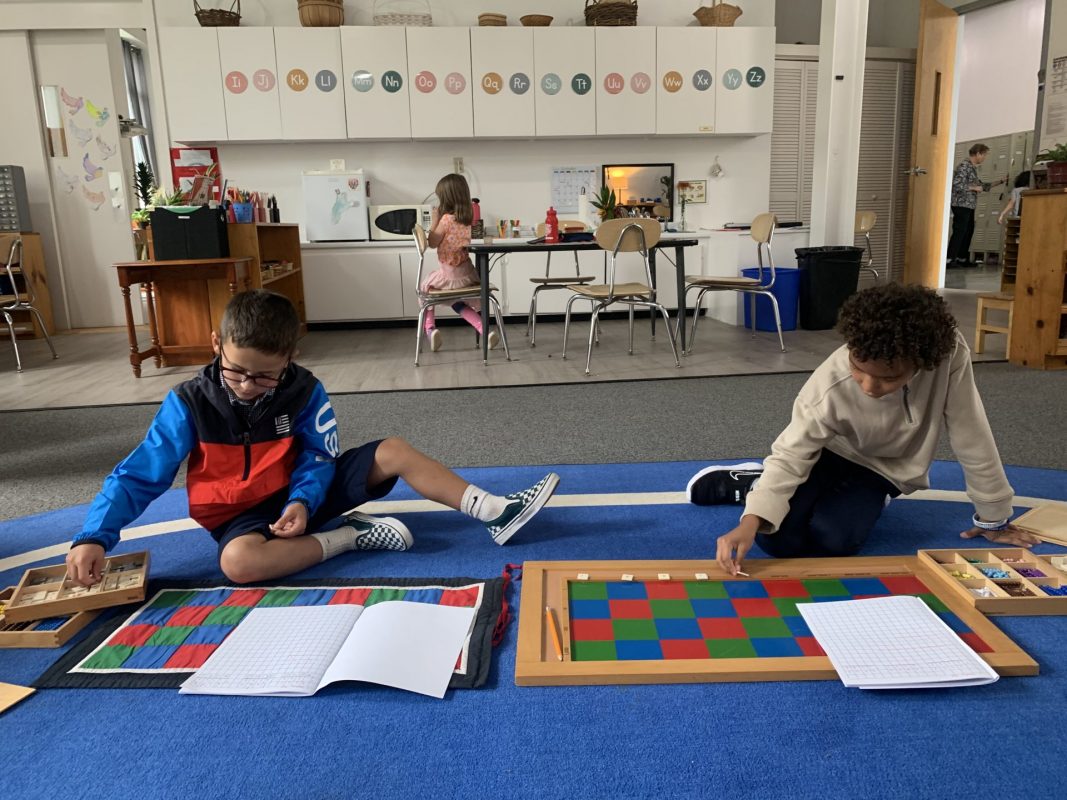
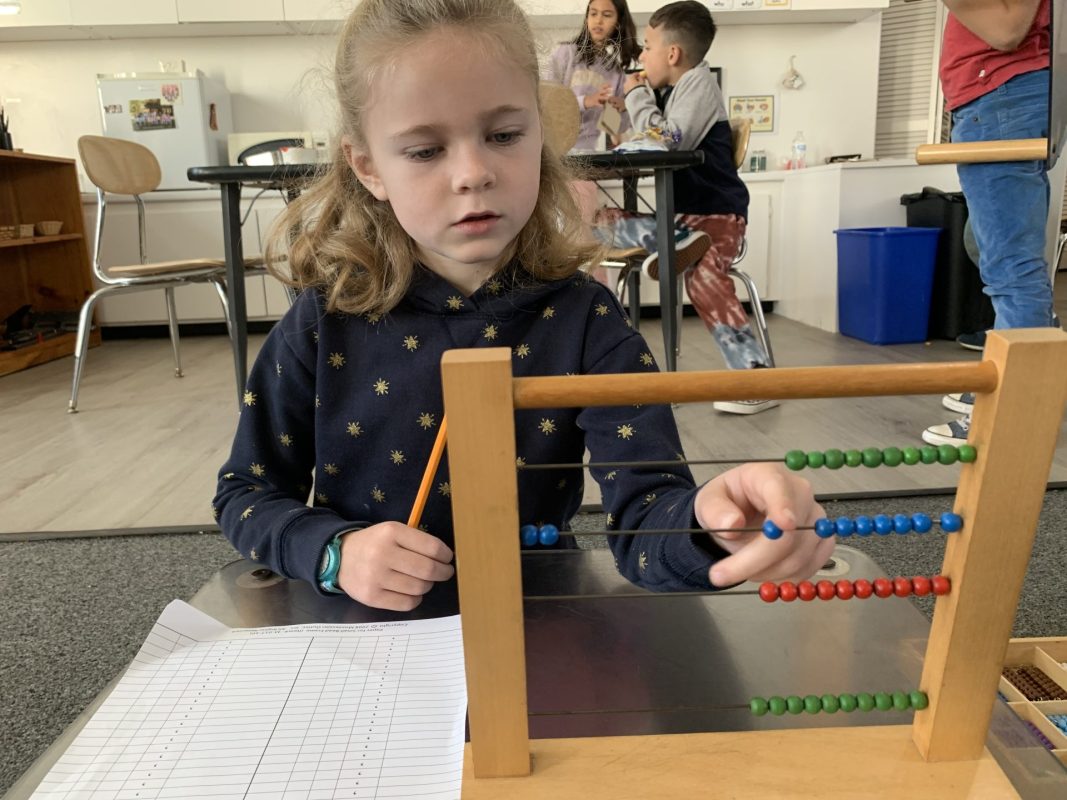
We are continuing to settle into our classroom routines and have new lessons. First year students completed their lessons on the geometric solids and enjoy playing a “hide-and-seek” game with the geometry shapes. The second years are using the box of sticks to make three different types of angles; whole, straight, and right angles. Lastly, the third graders enjoyed learning how to multiply angles on the Montessori protractor.

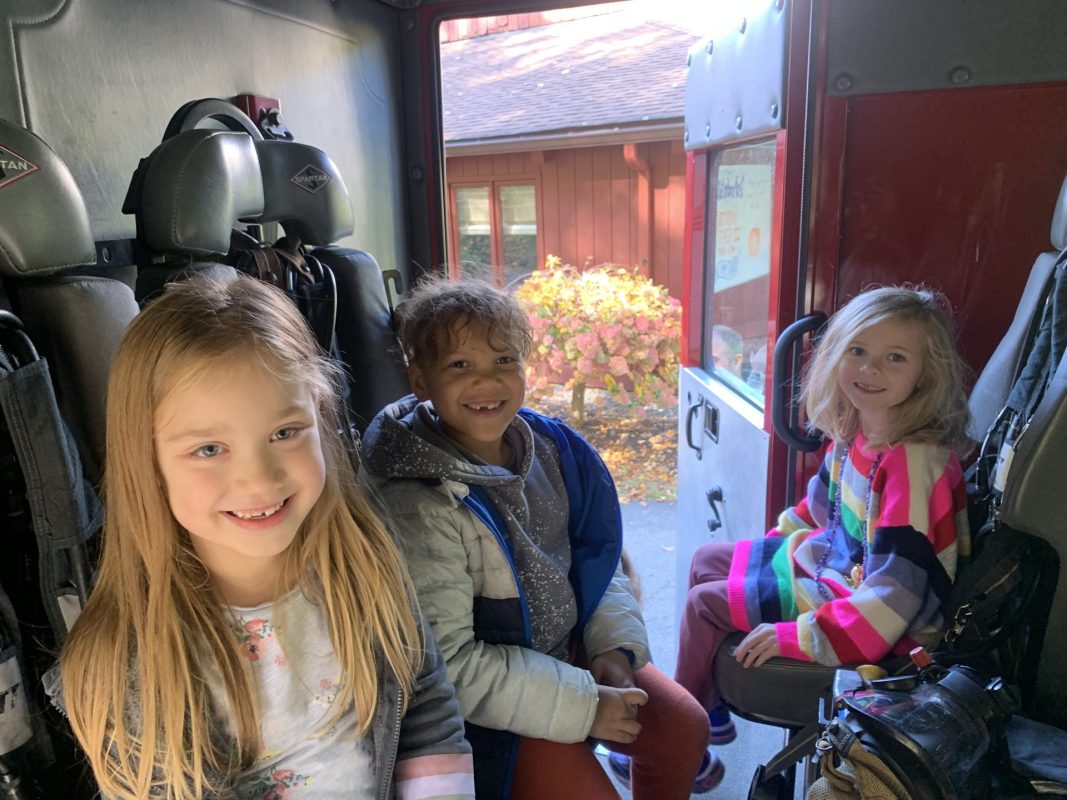
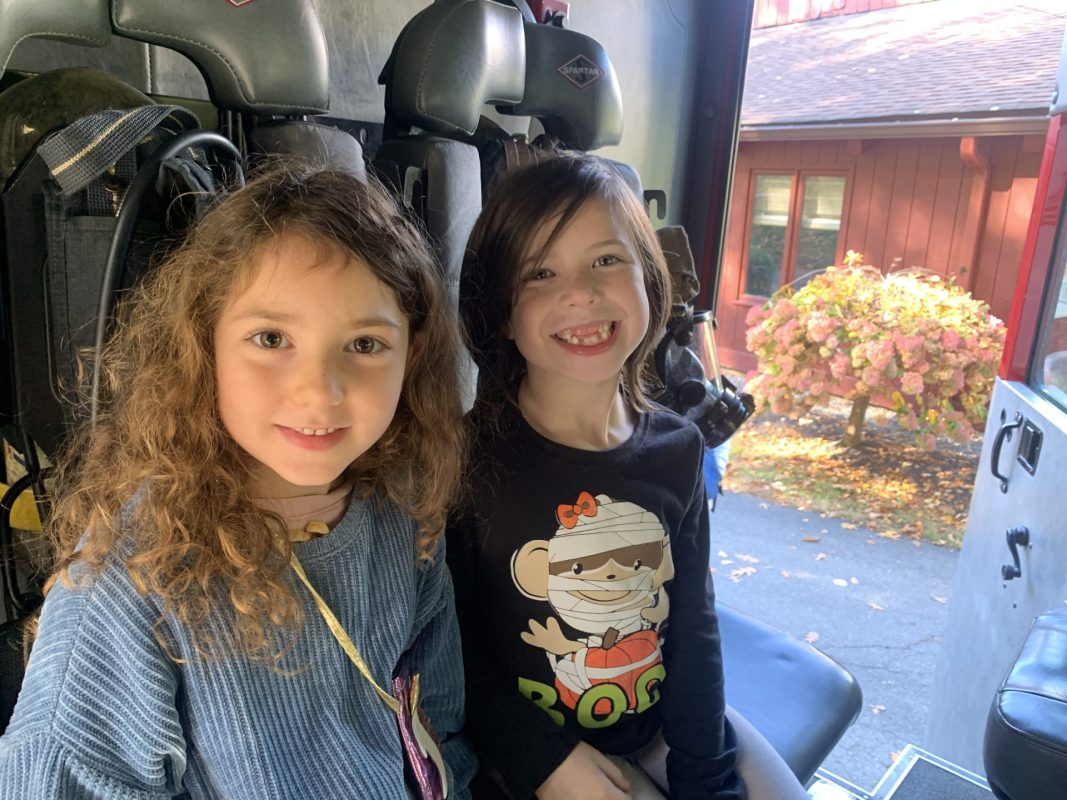
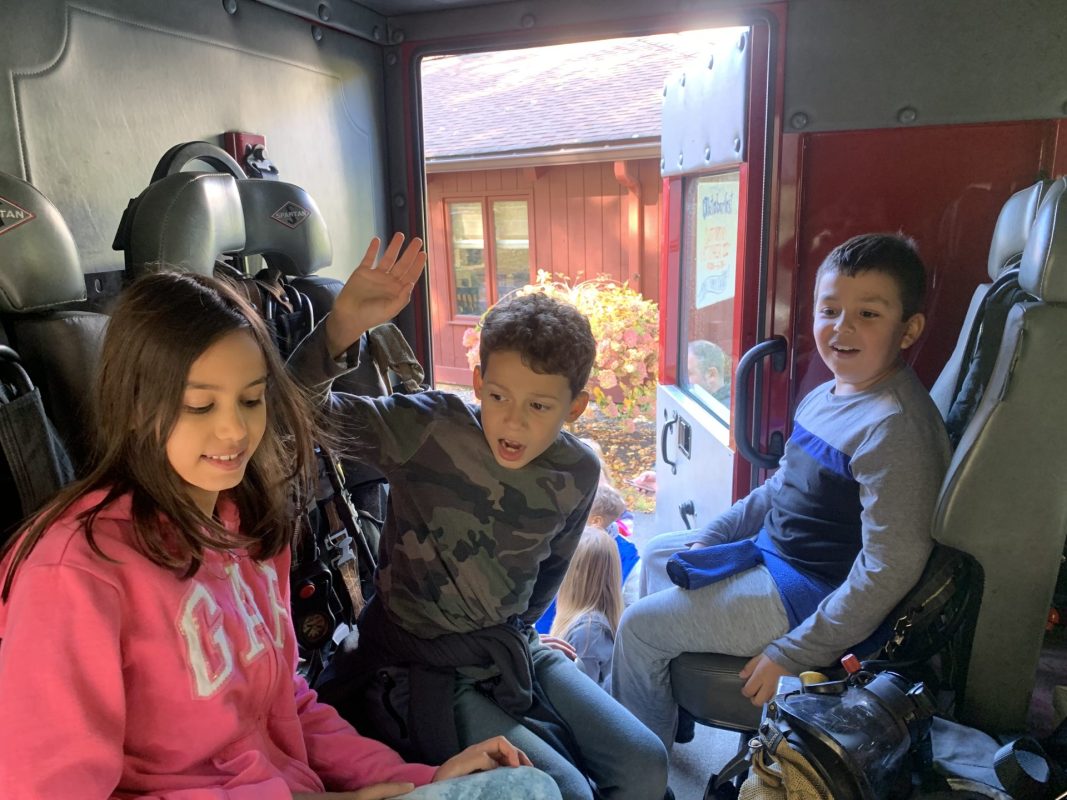
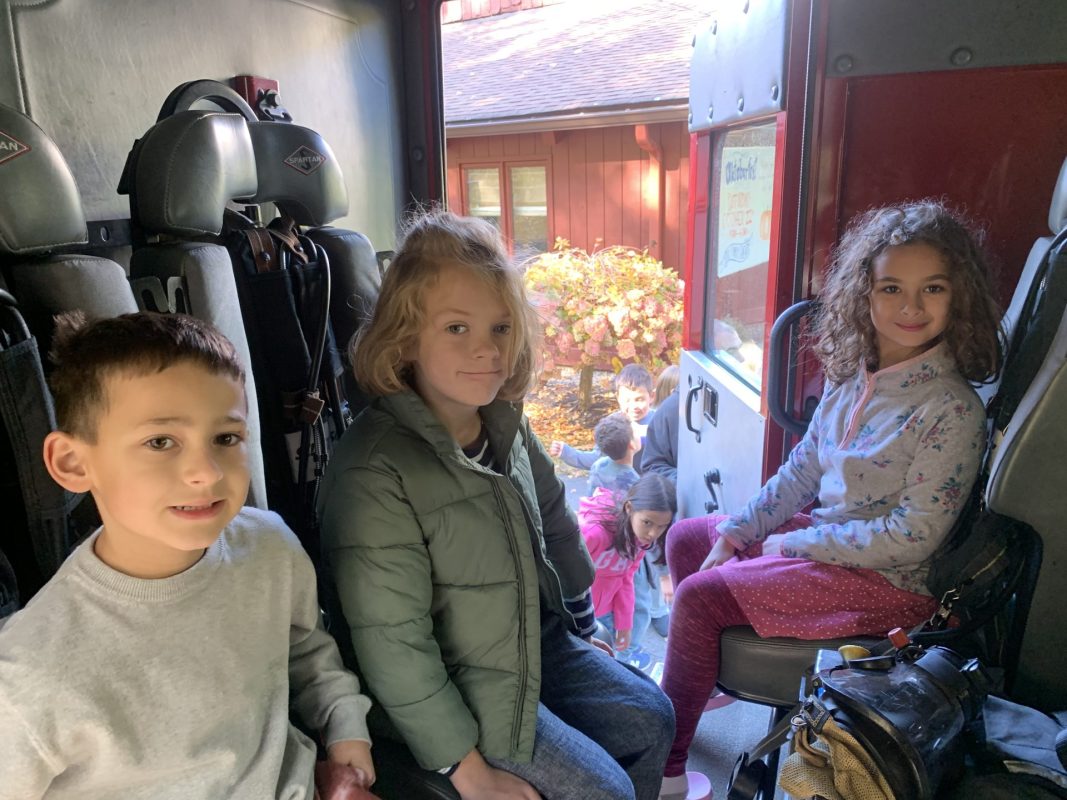
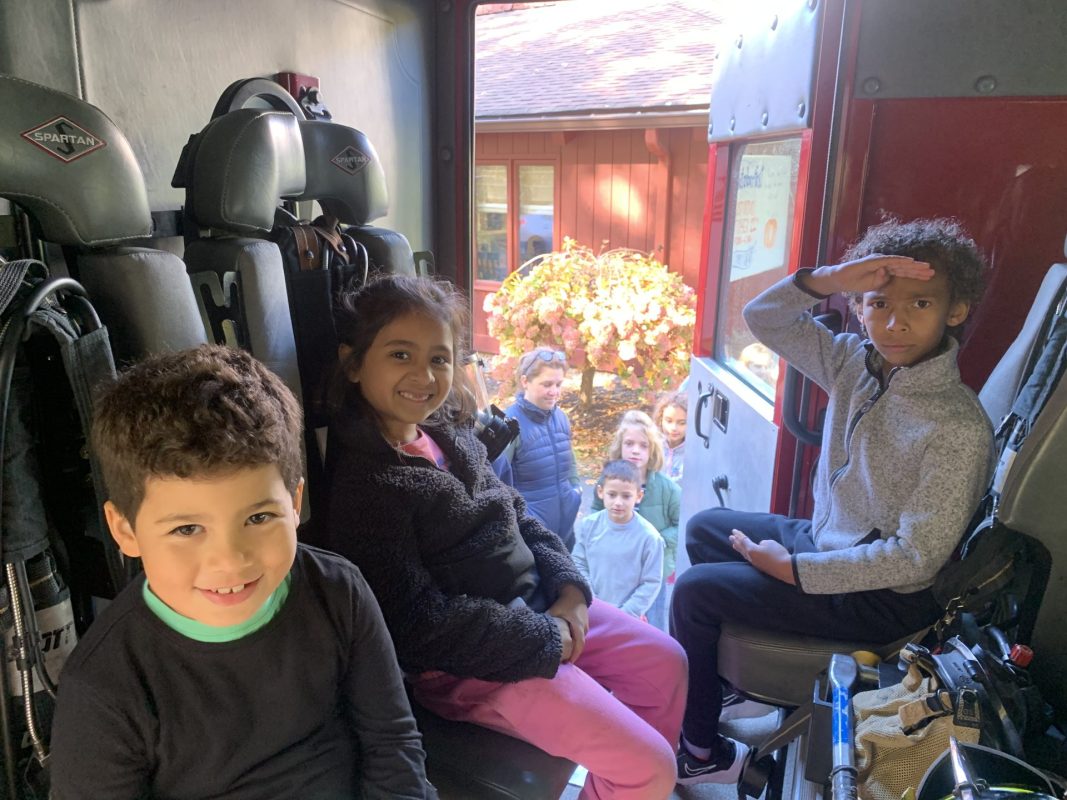
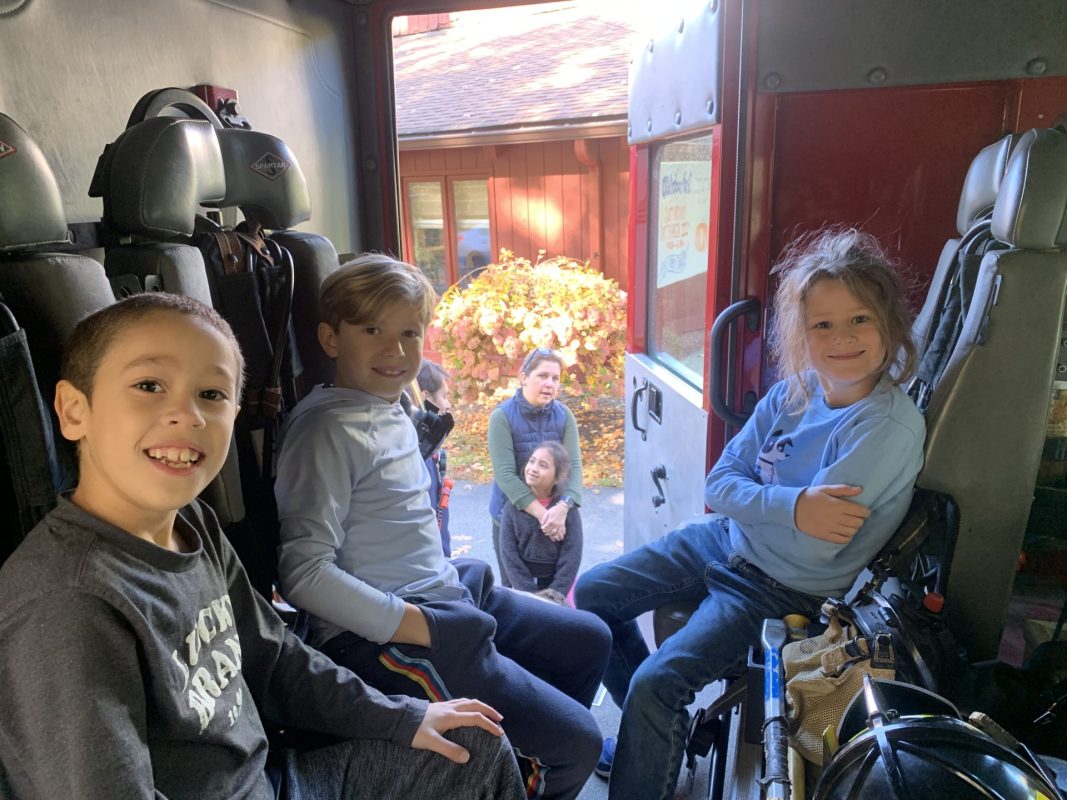
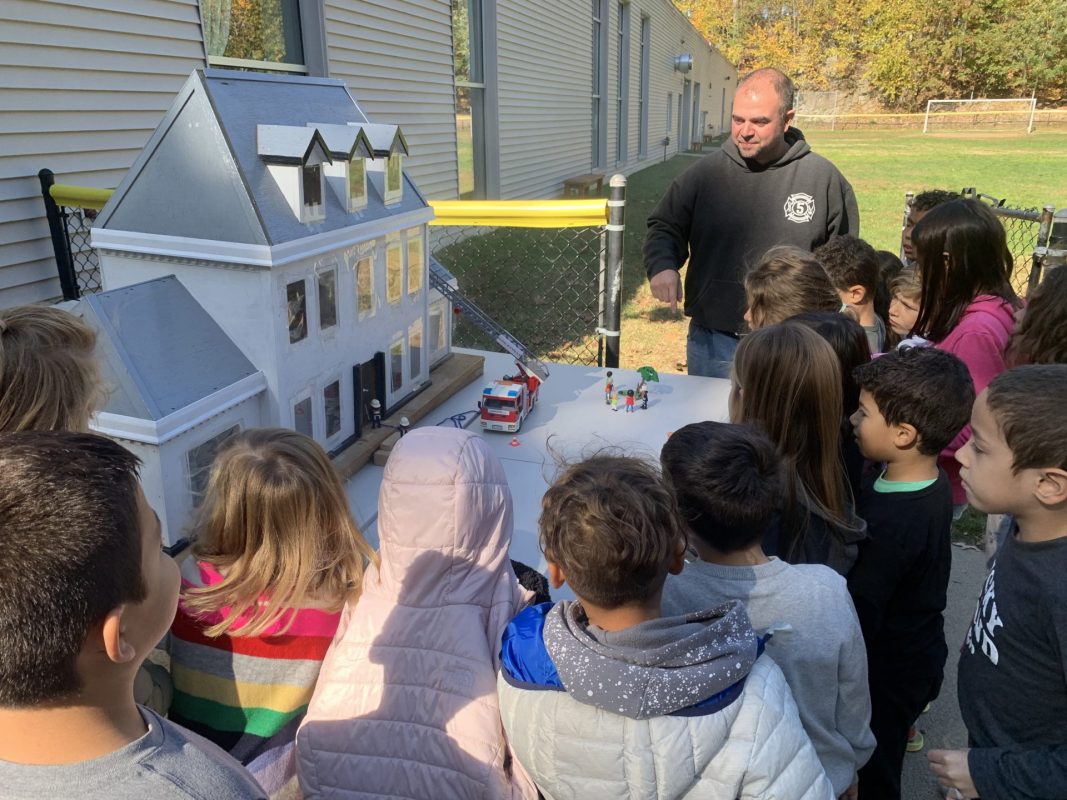
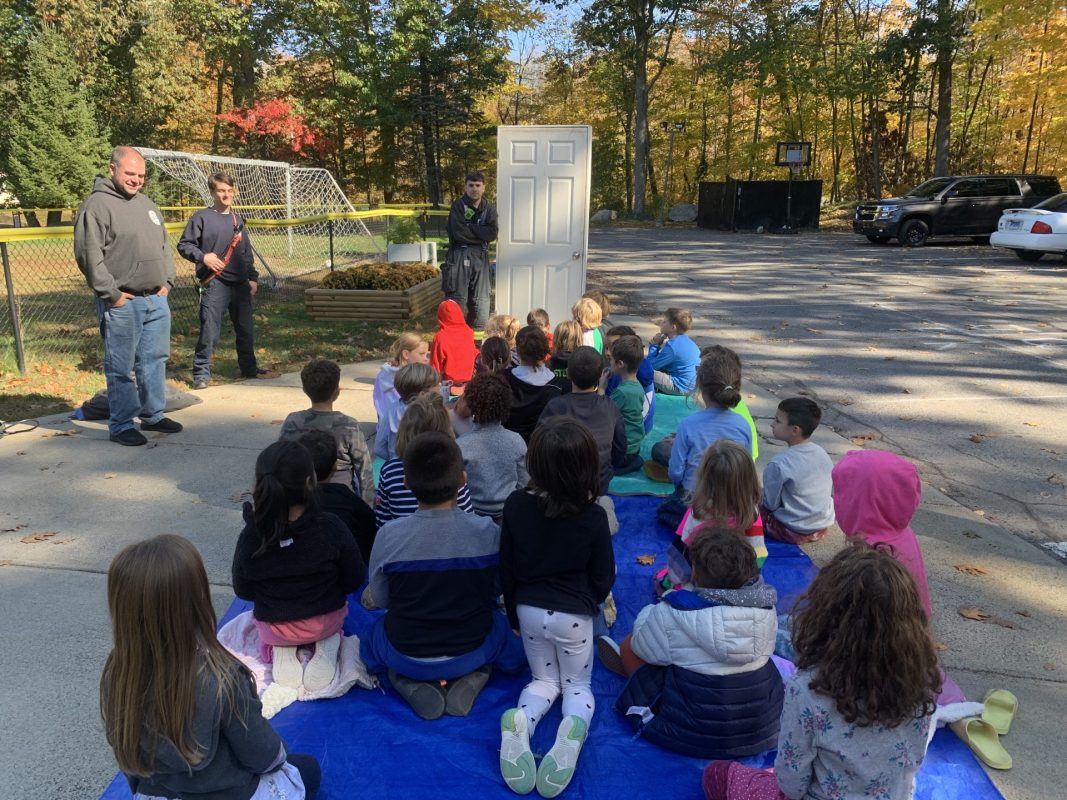
On Thursday we had a visit from the Botsford Fire Department. We learned about fire safety and prevention, how smoke moves through a house, and about all of the equipment on a fire truck!


Lower Elementary Geography Lessons

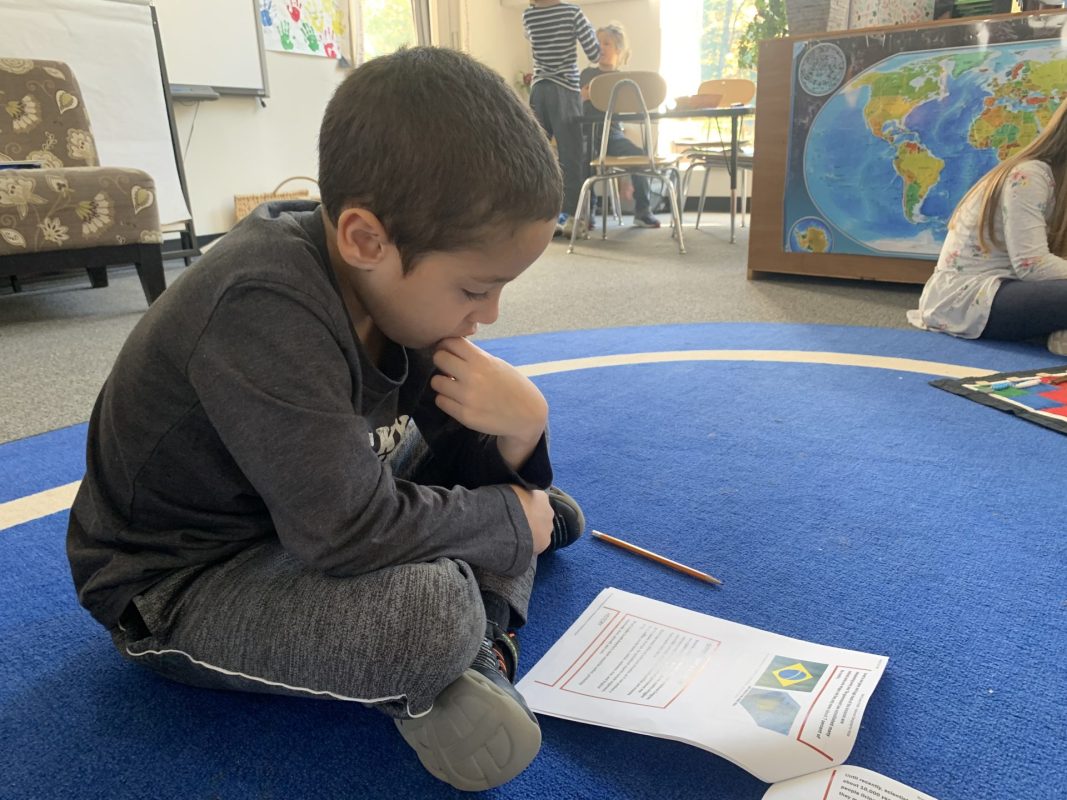
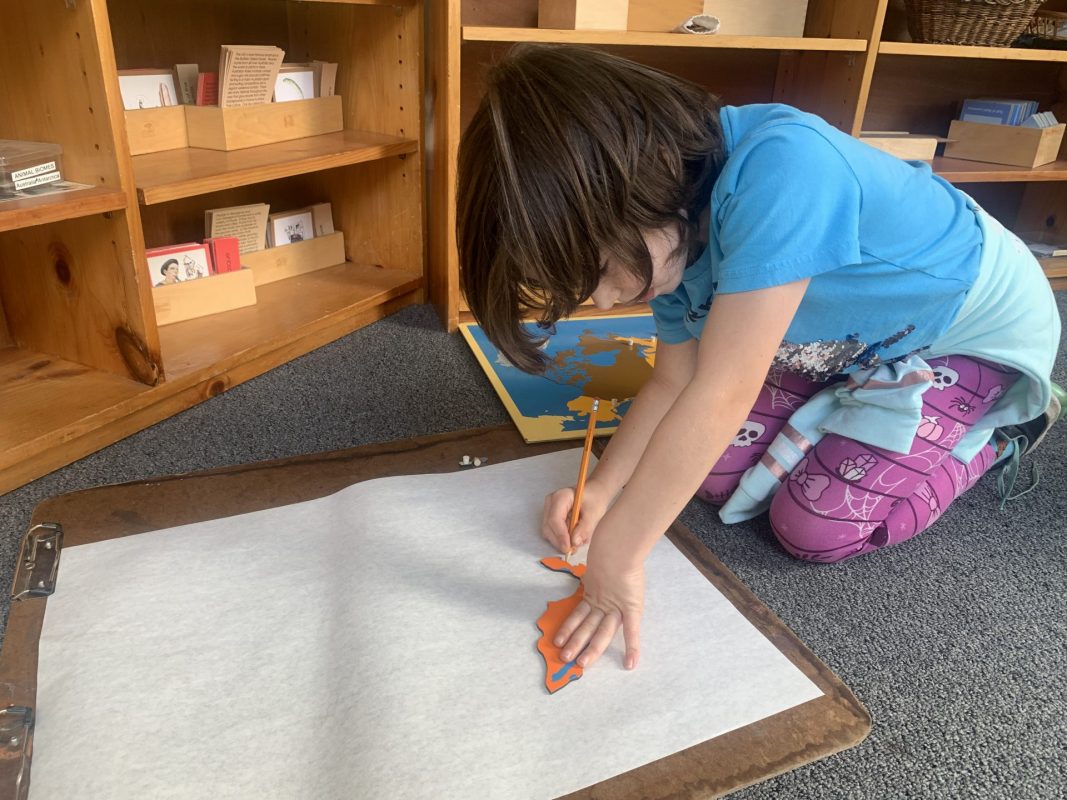
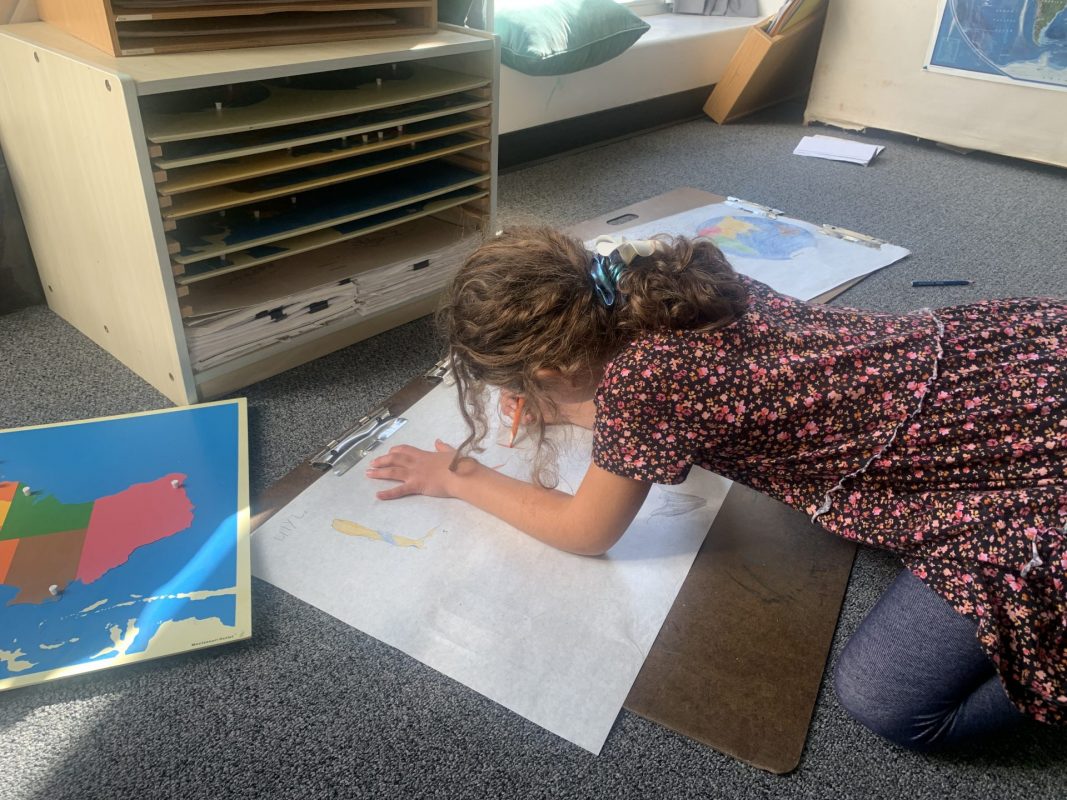
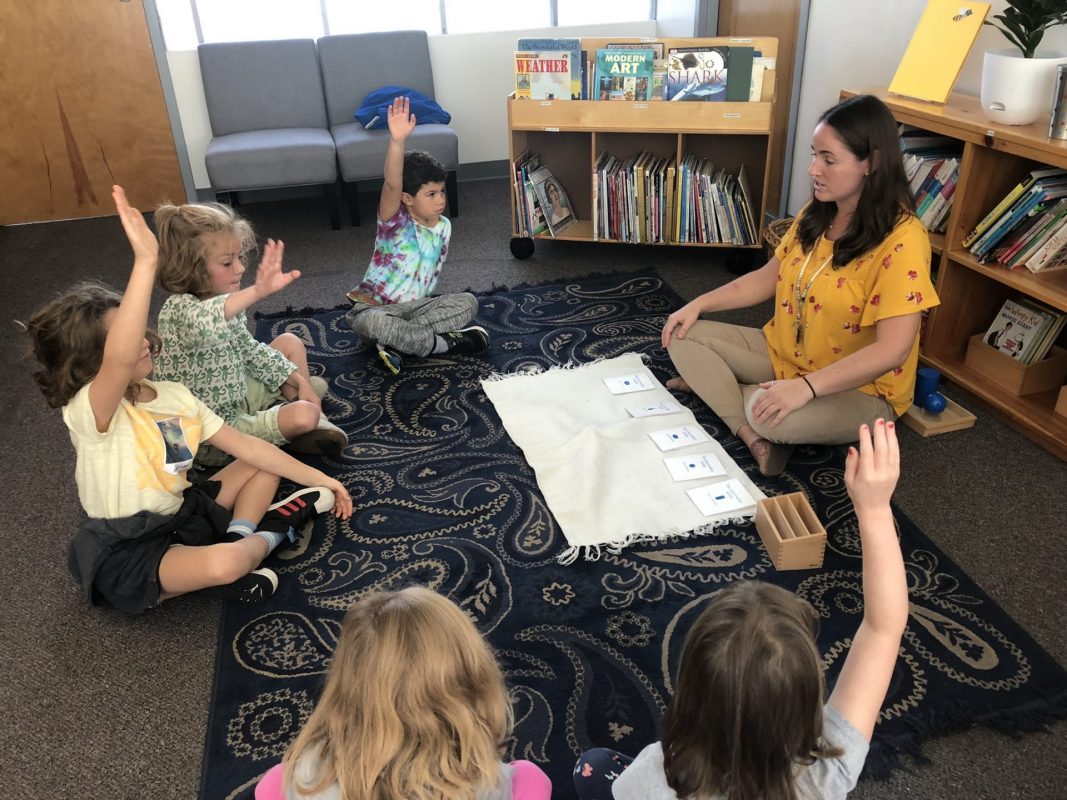
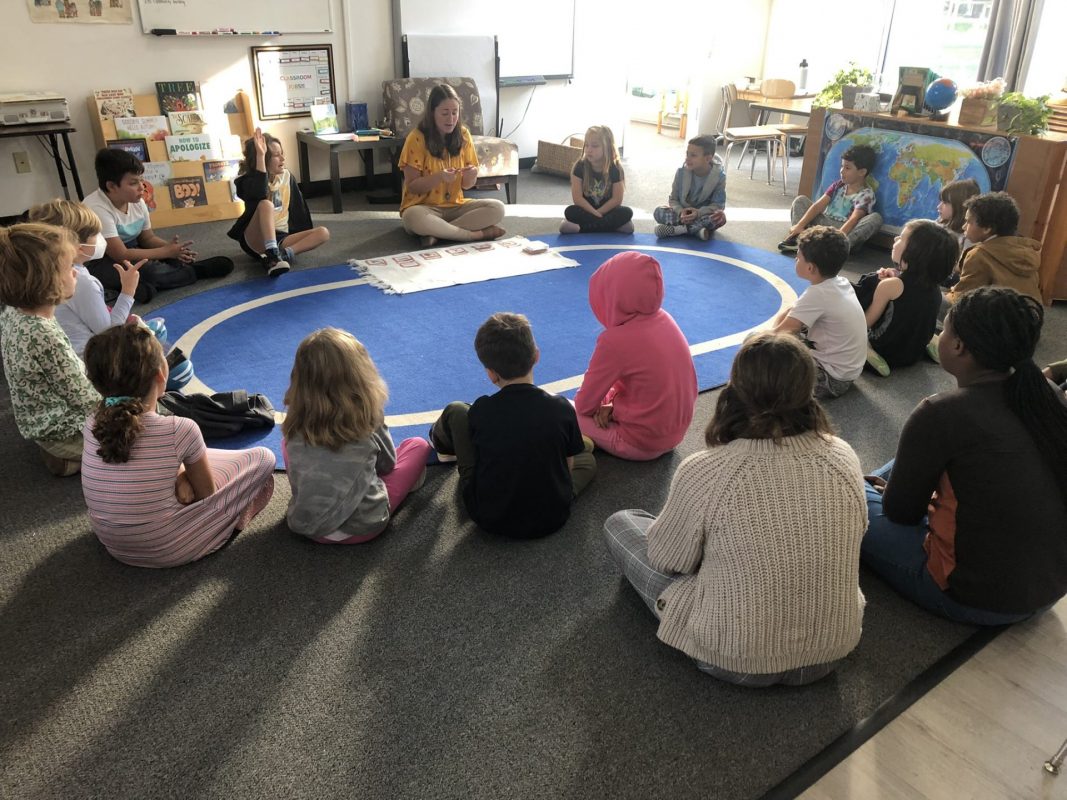
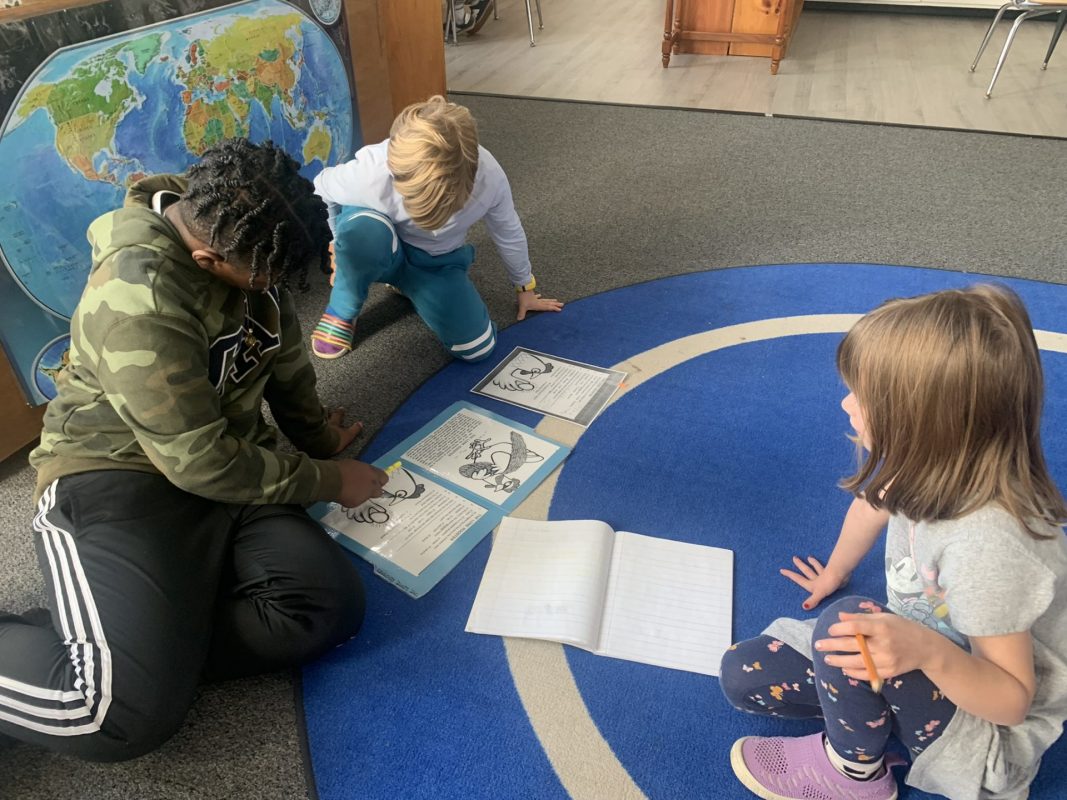
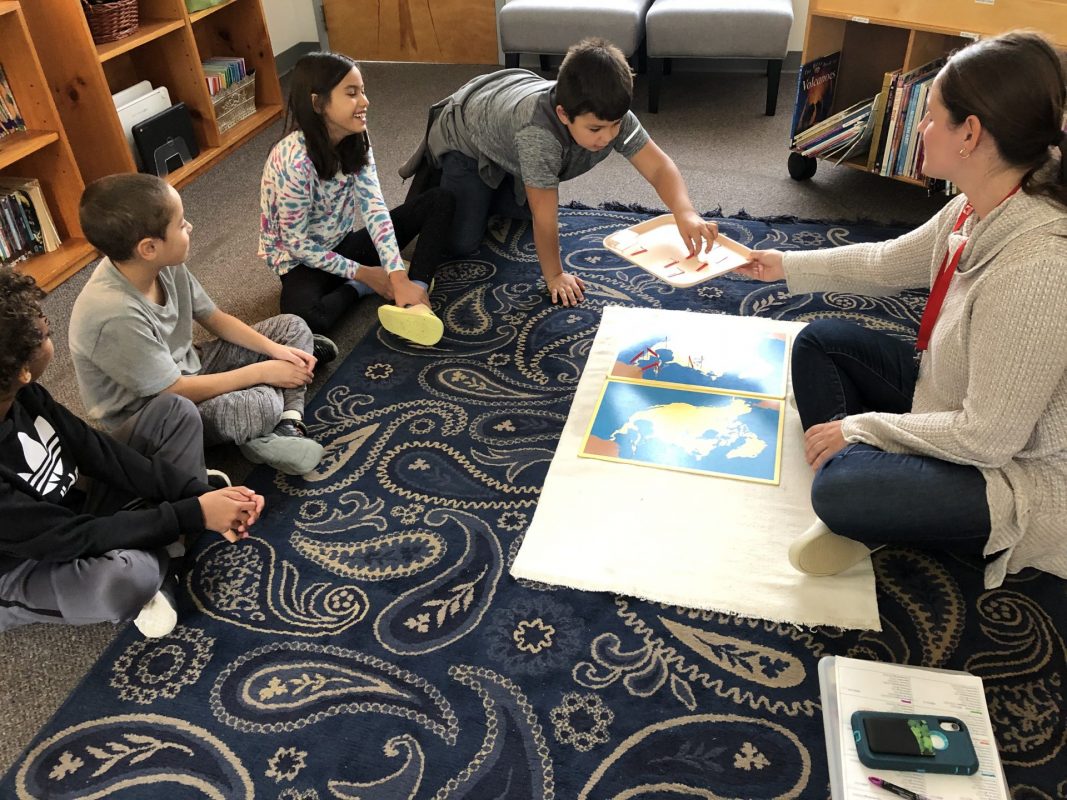
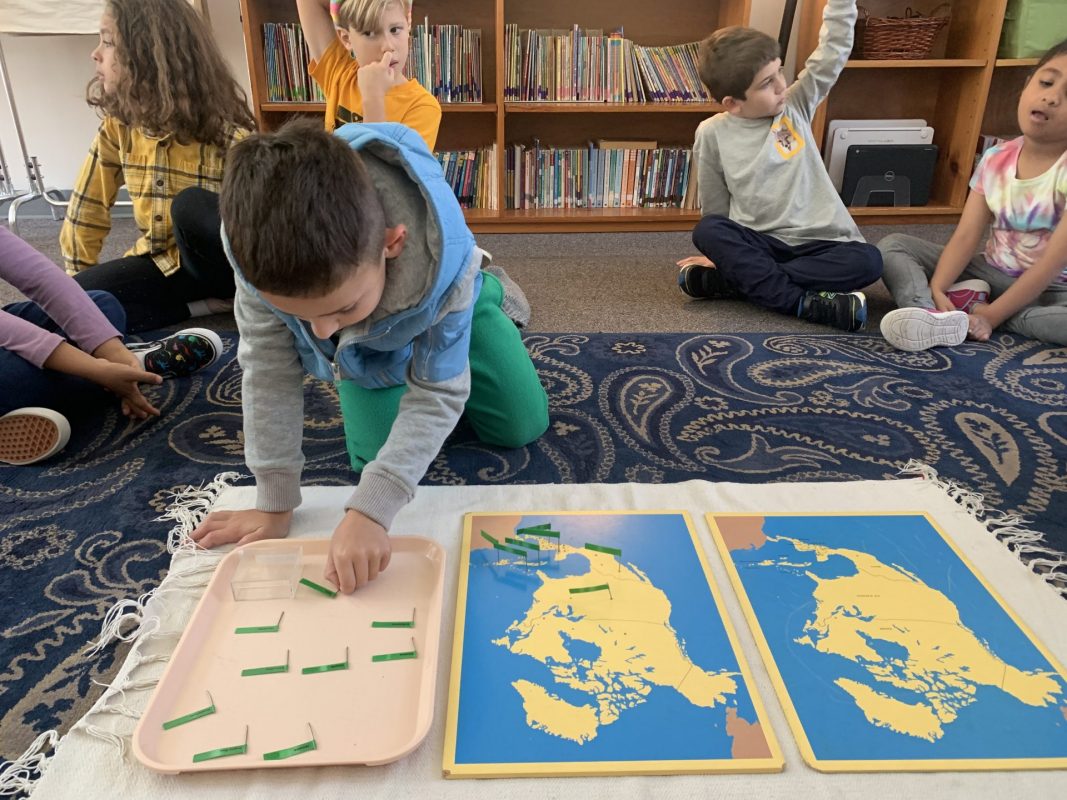
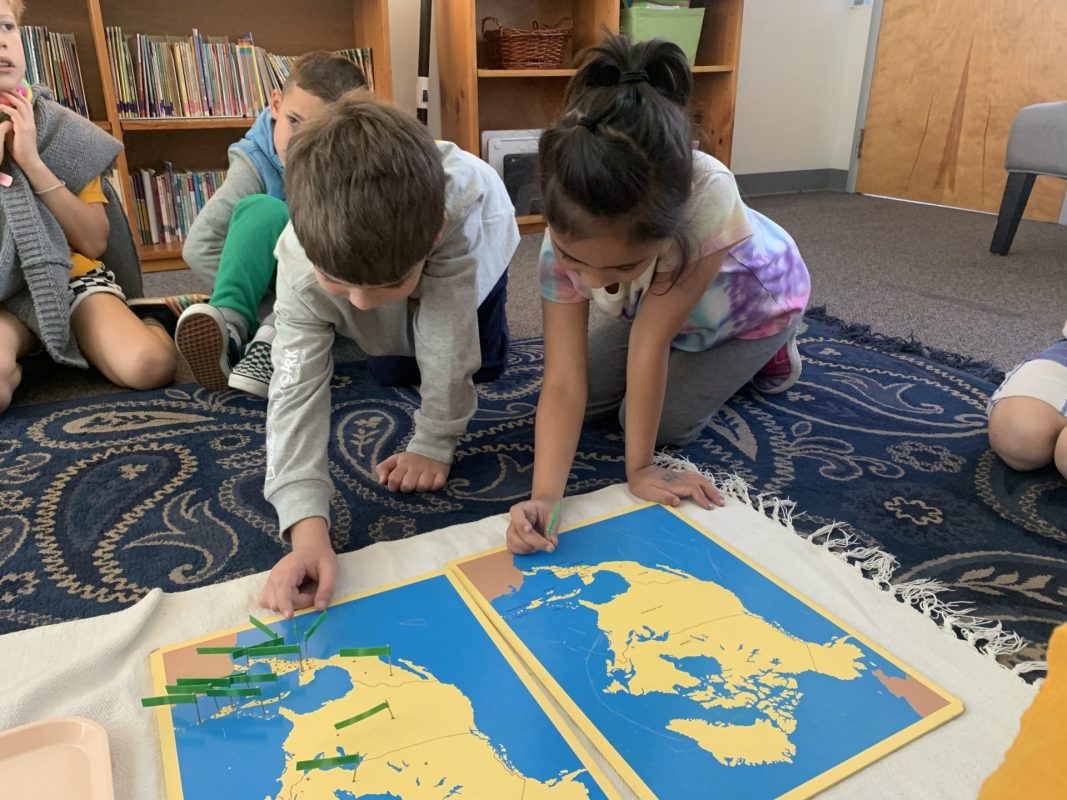
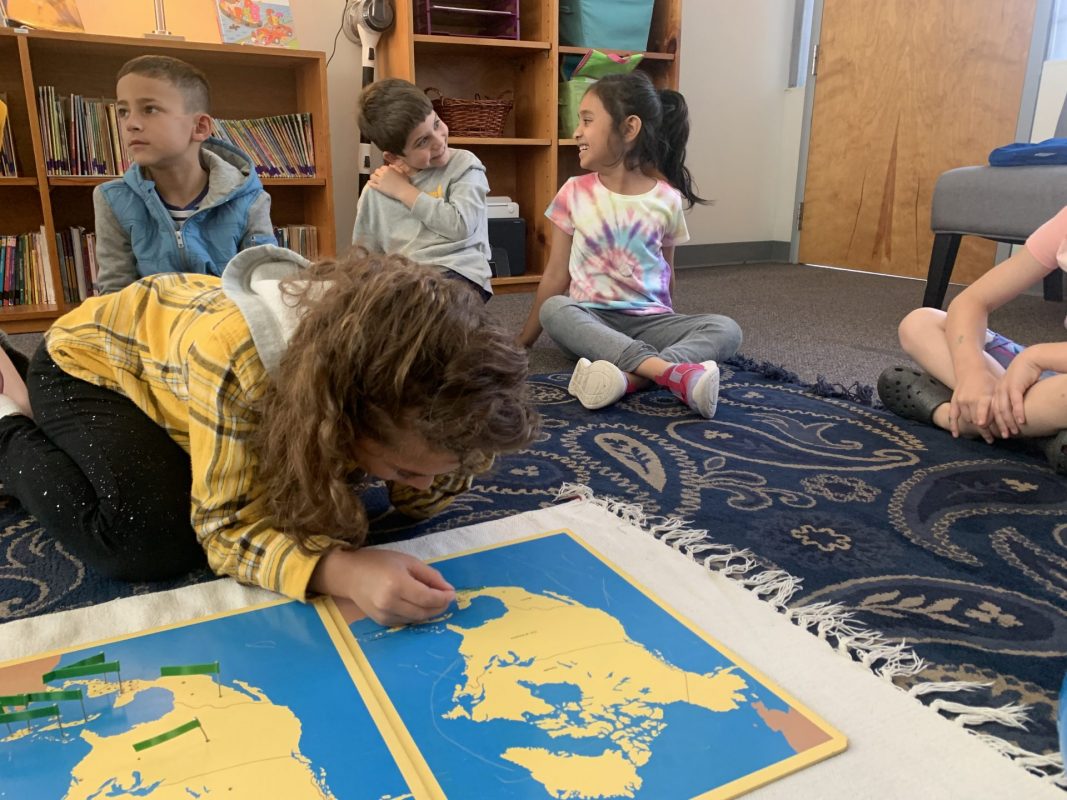
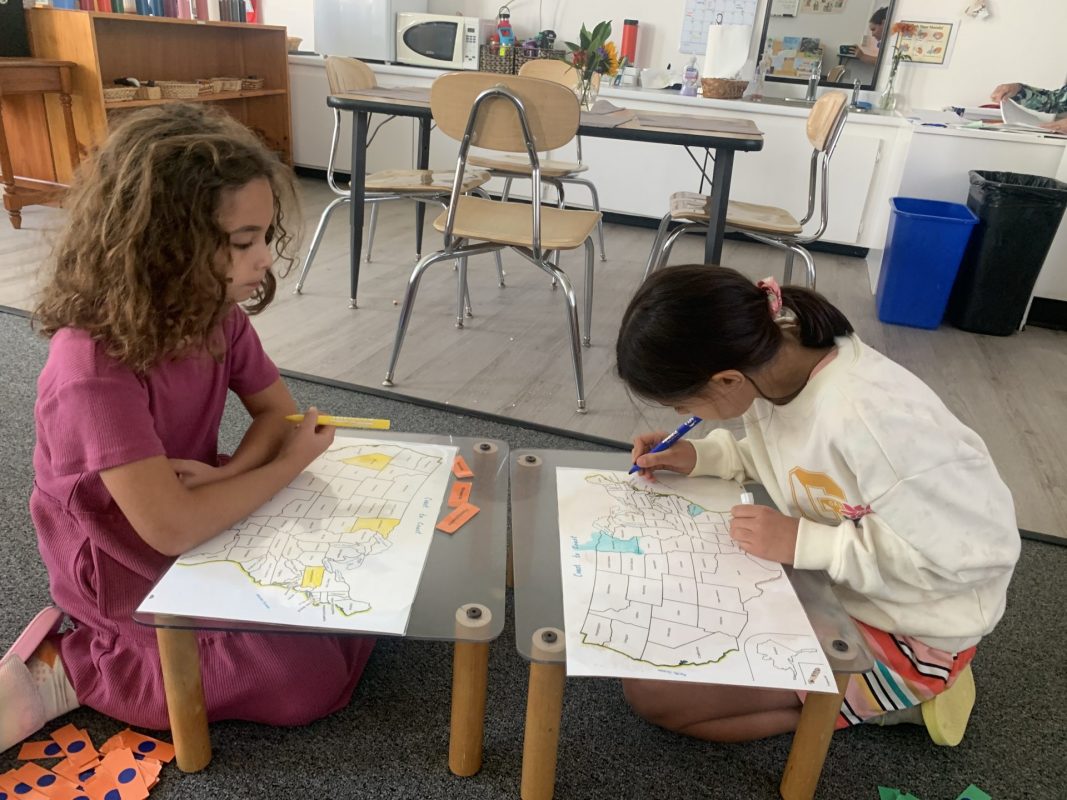
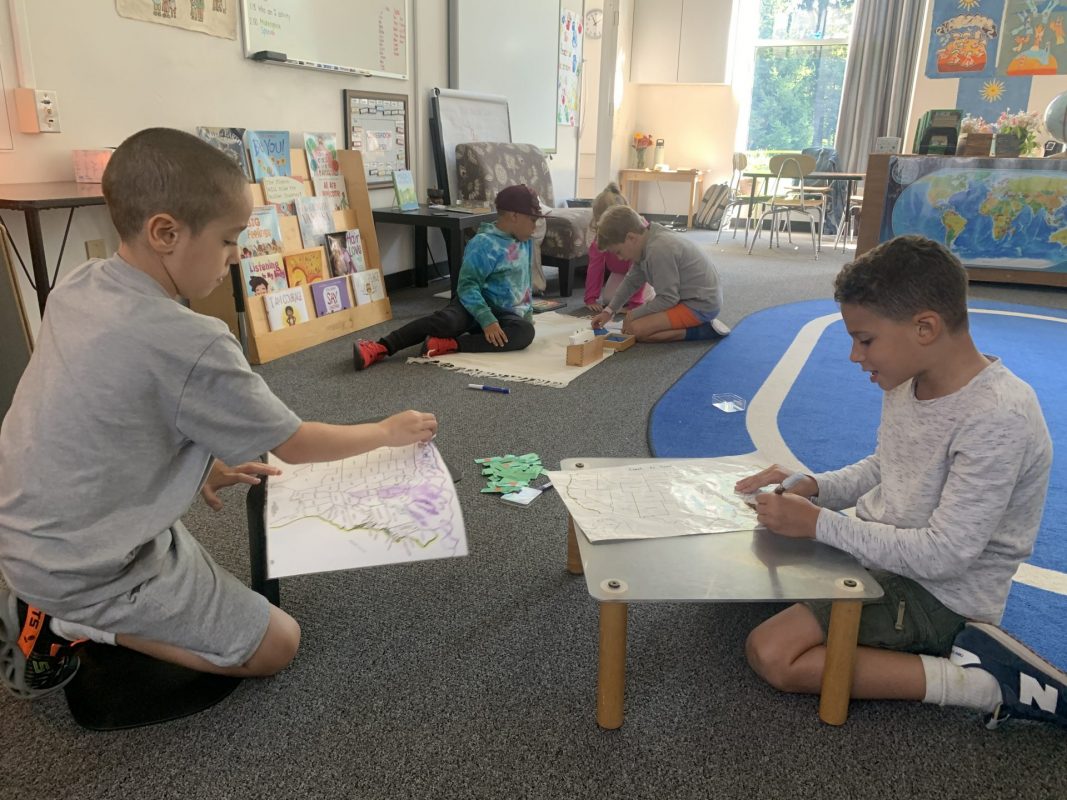
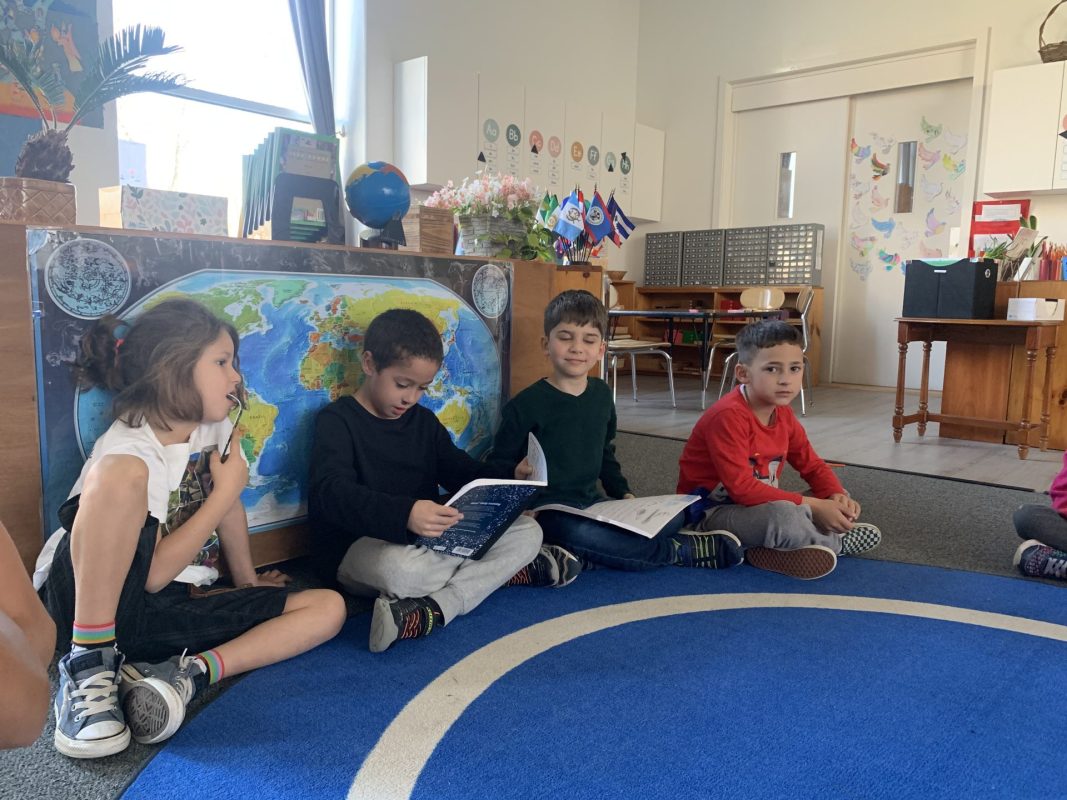
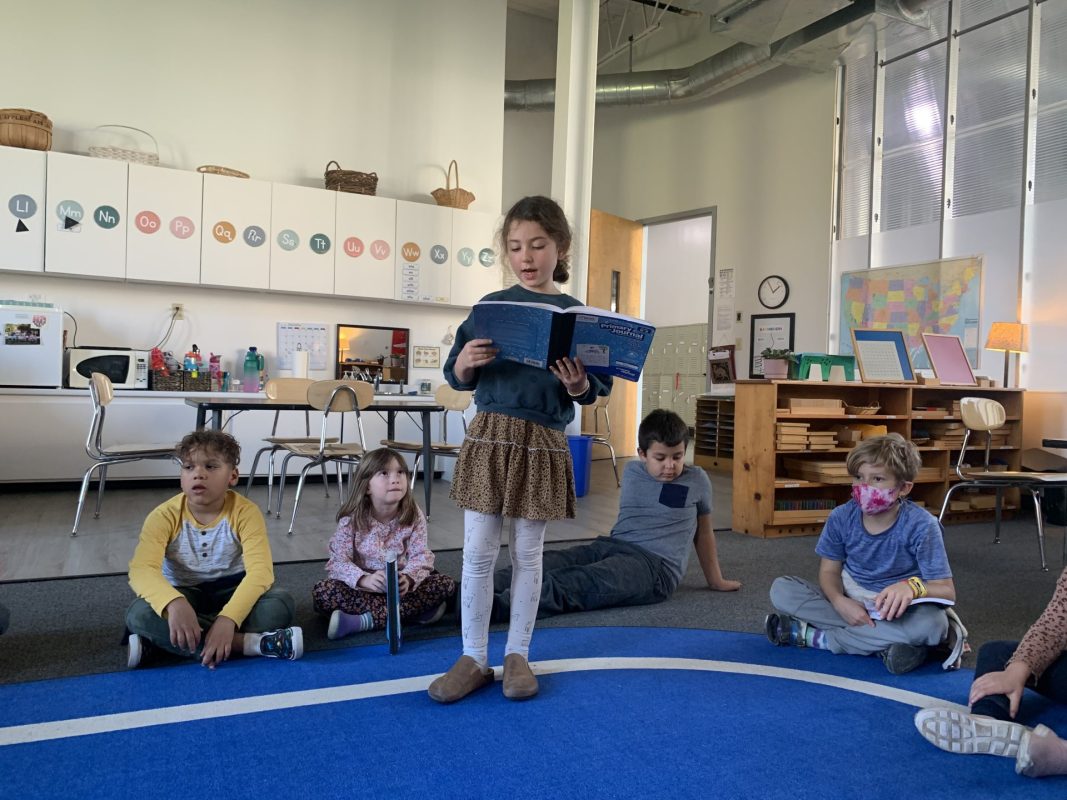
The children have been immersed in geography. The first grade group had a lesson on the puzzle maps, where they learn the continents. In a Lower Elementary classroom, puzzle maps are first used as a sensorial material, but then are used repeatedly as a resource for research of continents, countries and their capitals. The second grade group learned about the pin maps. This is an extension of the puzzle maps, but is more abstract. The children are using this material to identify countries. The aim of this material is to enhance memorization of geographical features. Last but not least, the third graders began brainstorming the country they want to independently research this semester! They also started the study of each countries capitals using the pin maps.

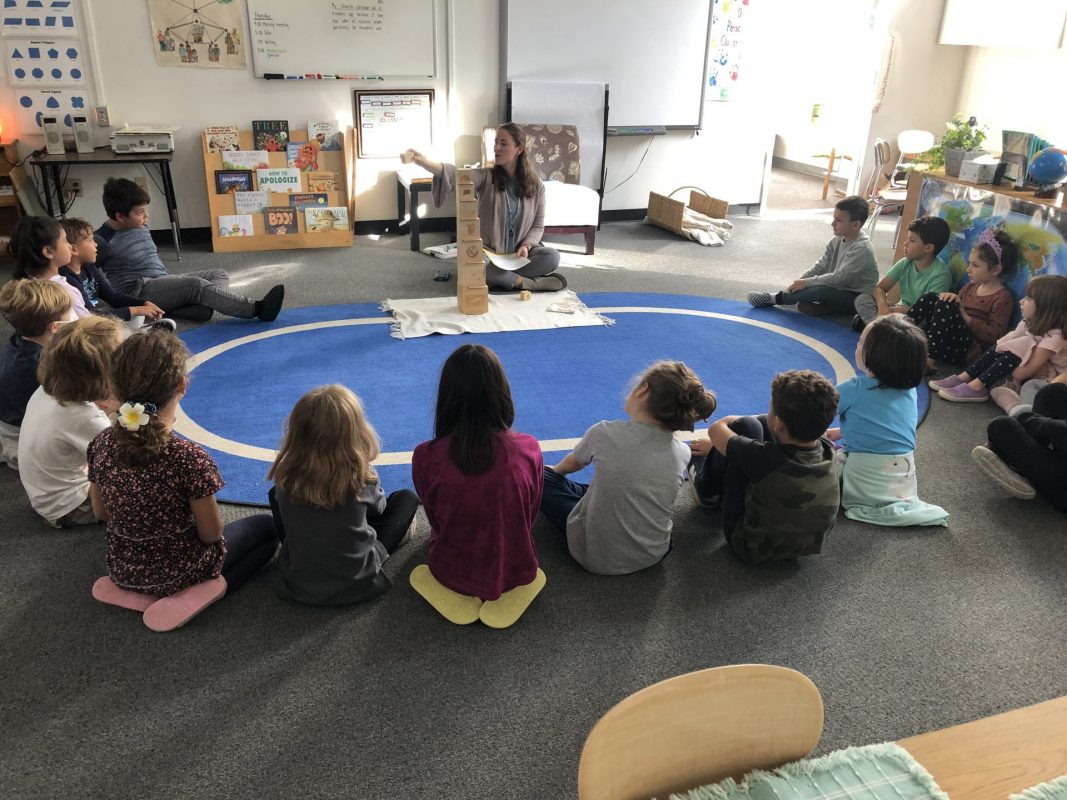
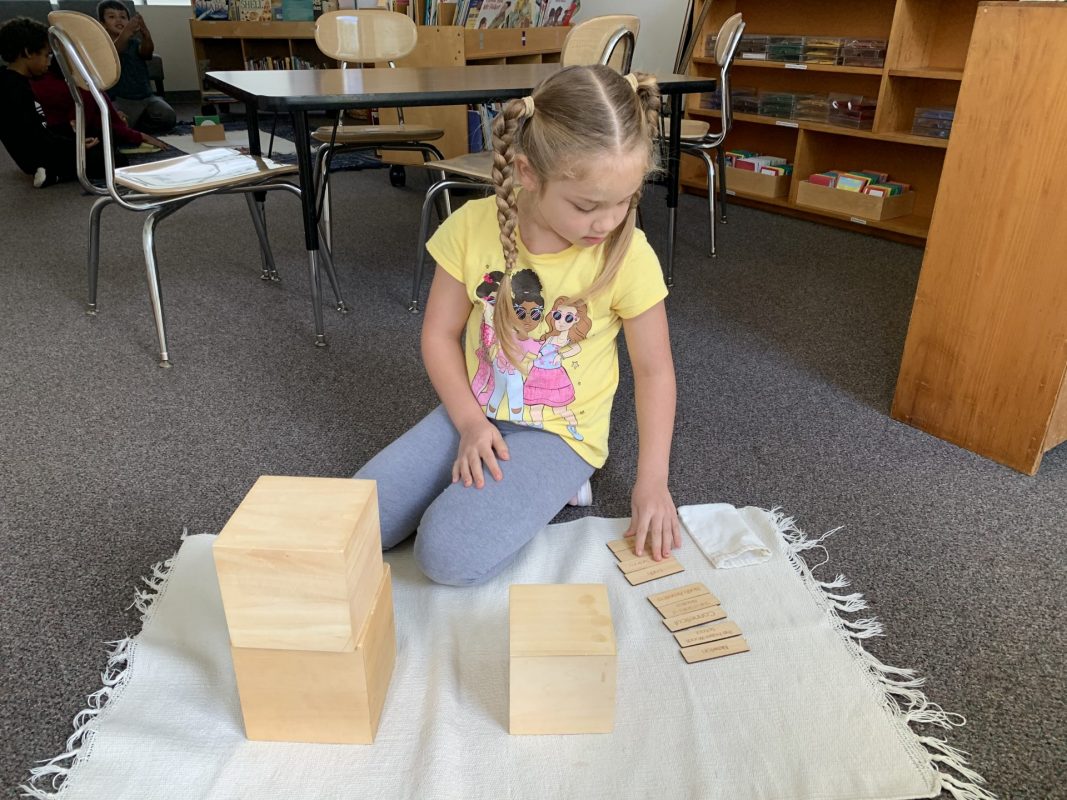
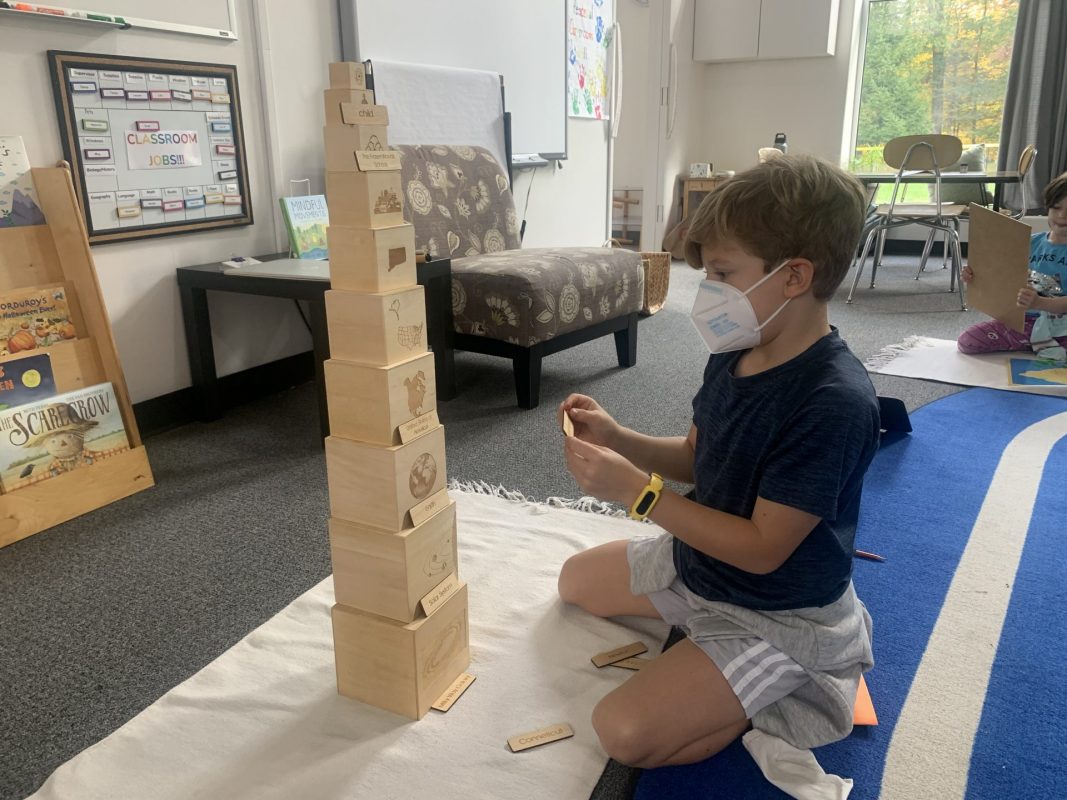
In addition, the children received a lesson called the Cosmic Nesting Boxes. These are 10 wooden boxes that demonstrate the concept of each space contained within a larger space. These nested boxes guide the child in concrete steps from the macro, the Milky Way Galaxy, all the way through to the micro, the energy within them, to help develop the child’s sense of place in the Universe.

Our Cosmic Nesting Boxes are personalized to our state, city, and school. Here is the progression:

  • Milky Way Galaxy
  • Solar System
  • Earth
  • Continent of North America
  • Country of the United States
  • State of Connecticut
  • City of Newtown
  • Fraser Woods Montessori School
  • The Child
  • The Energy within the Child

Lower El: First Field Trip!!

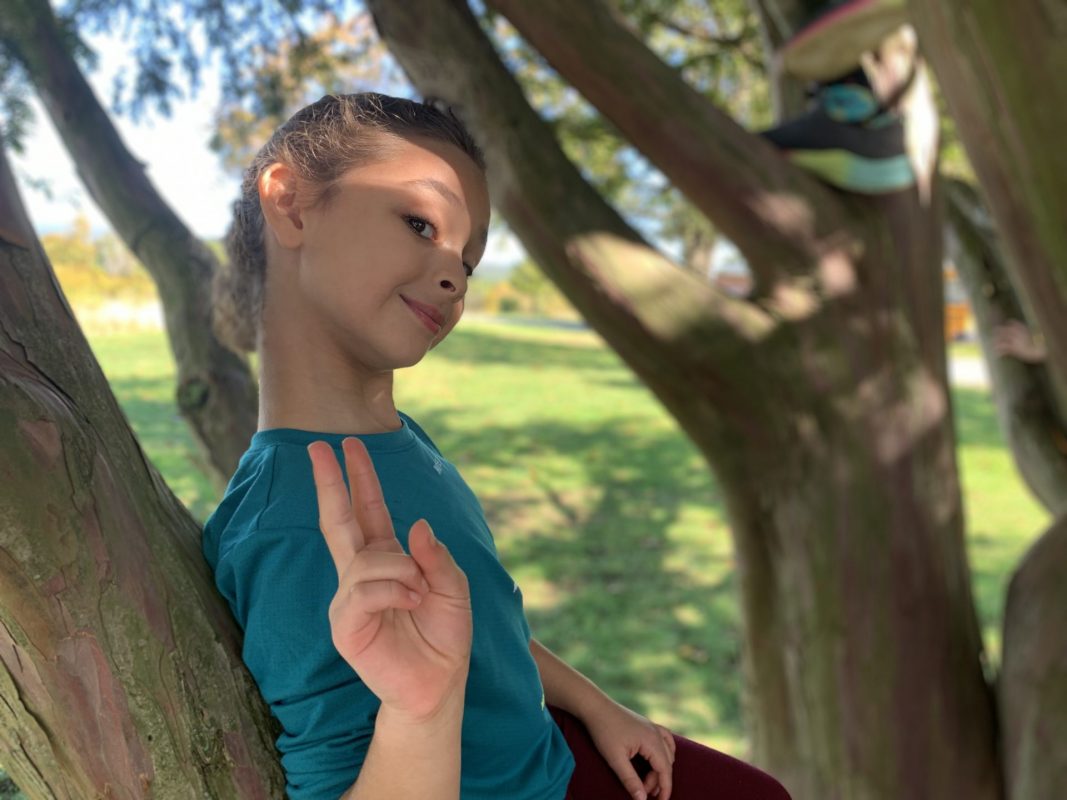
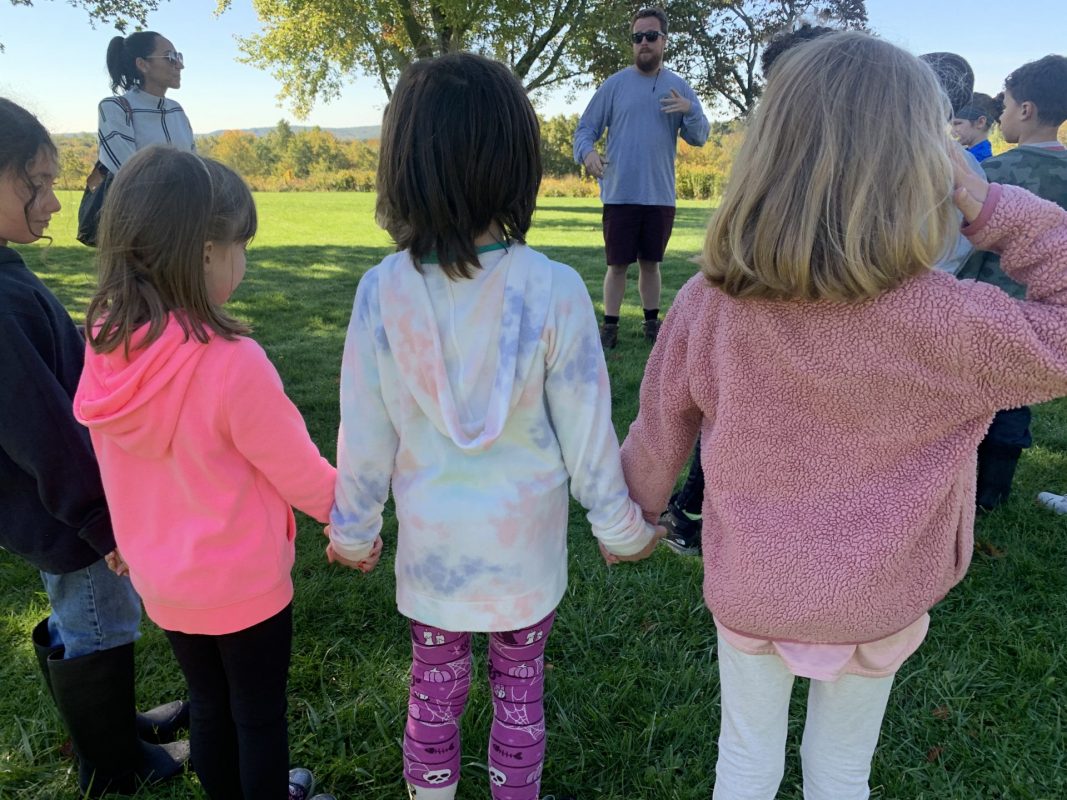
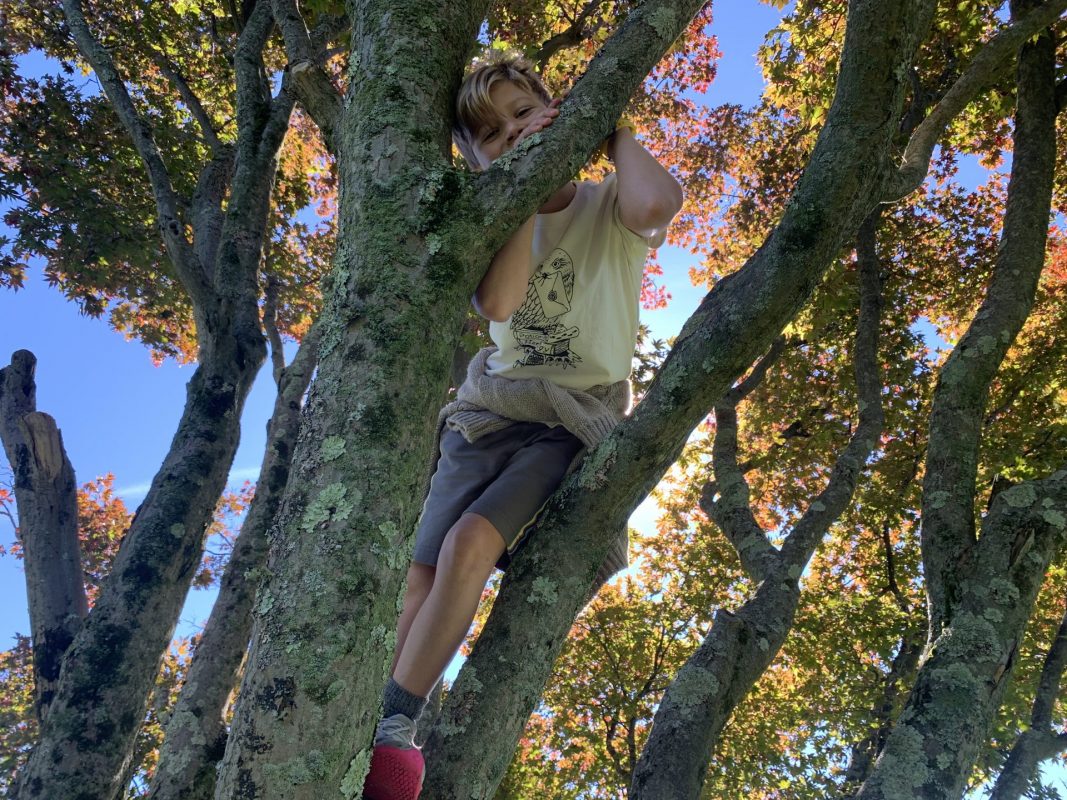
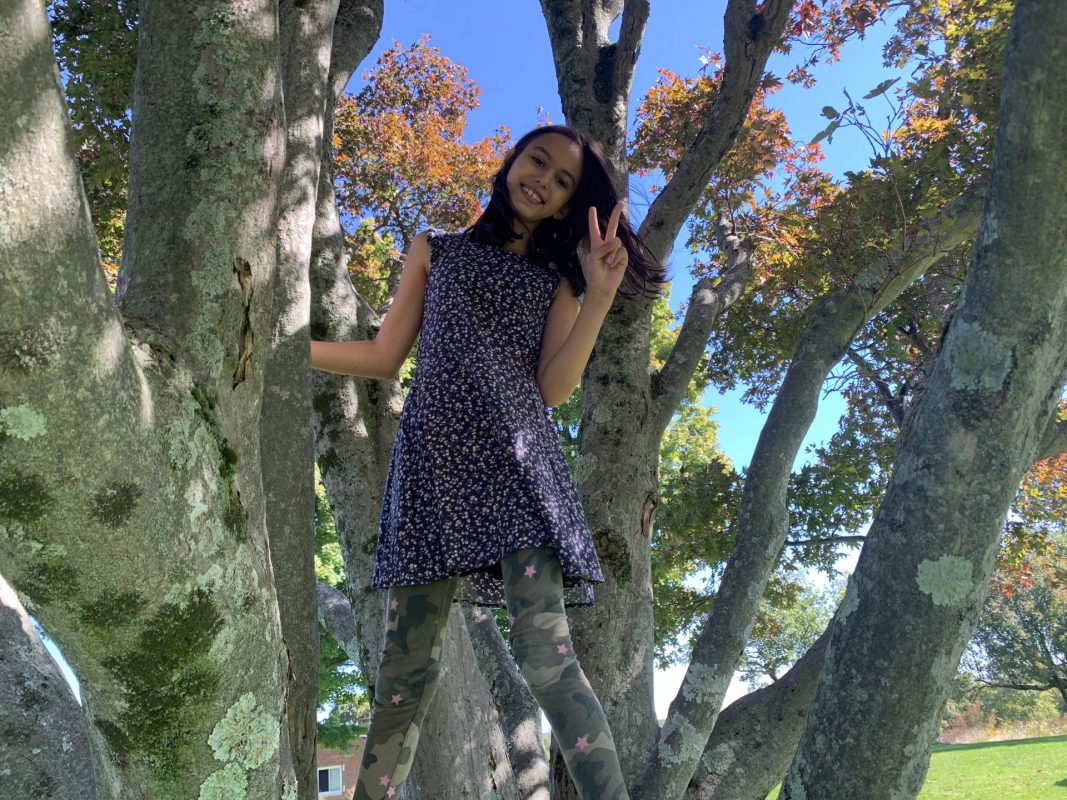
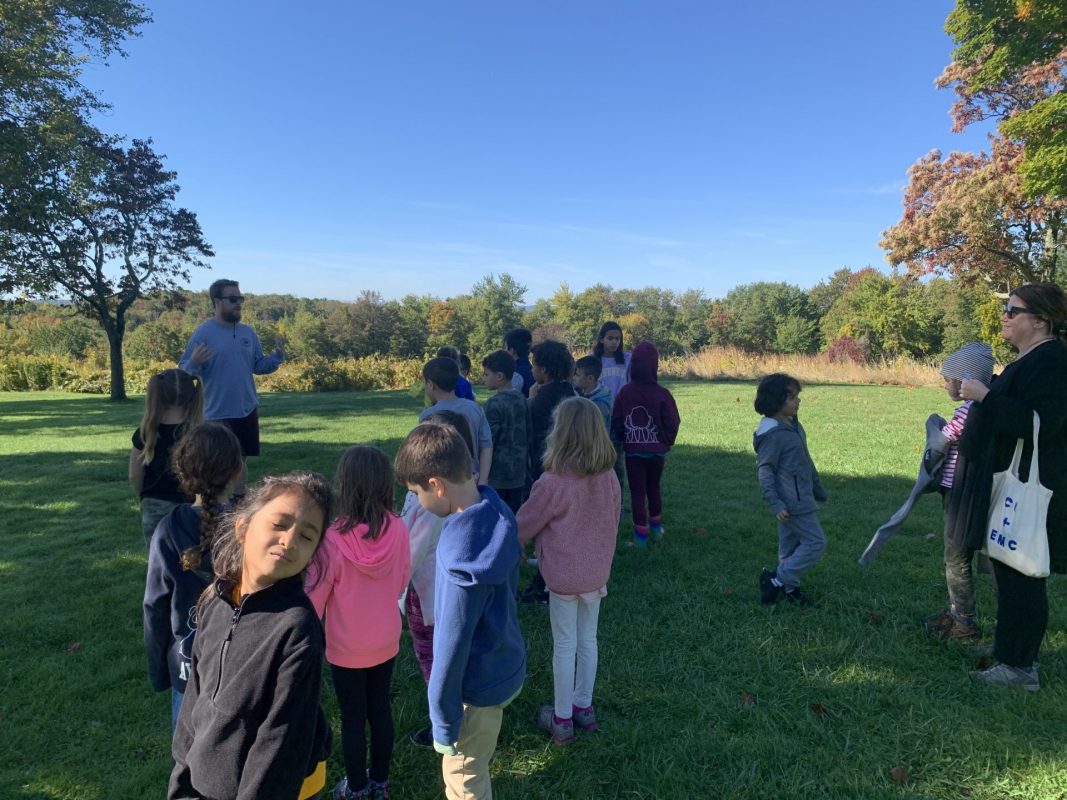
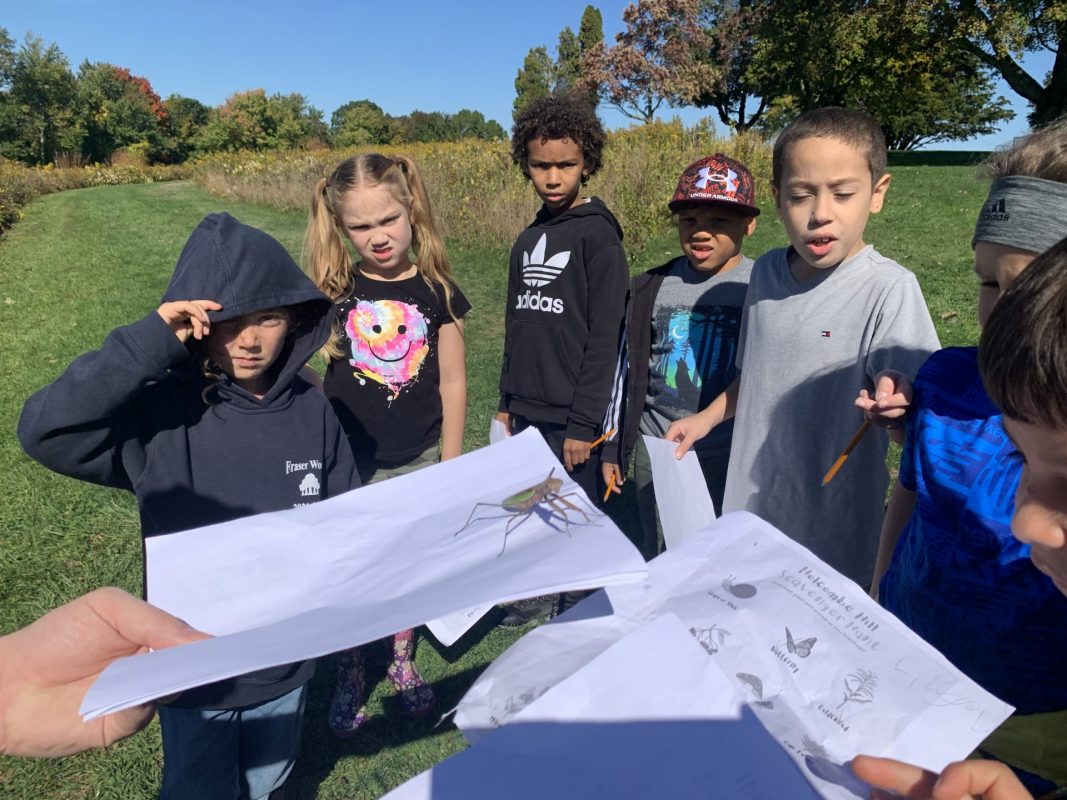
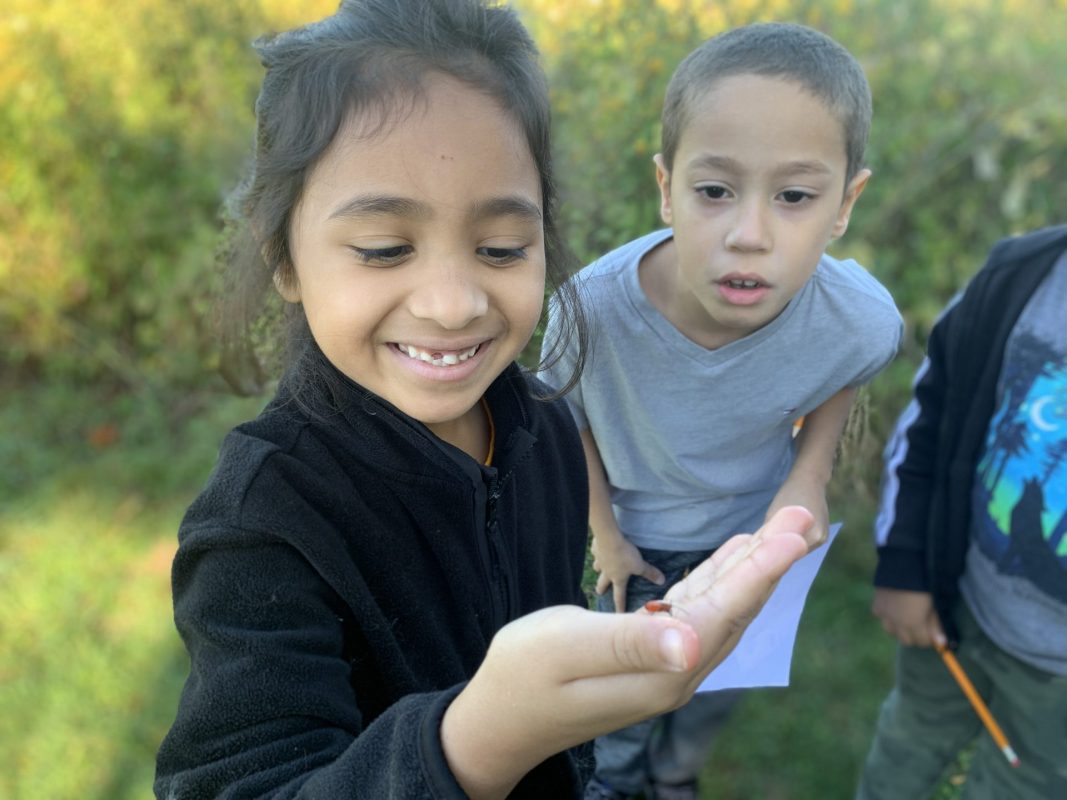
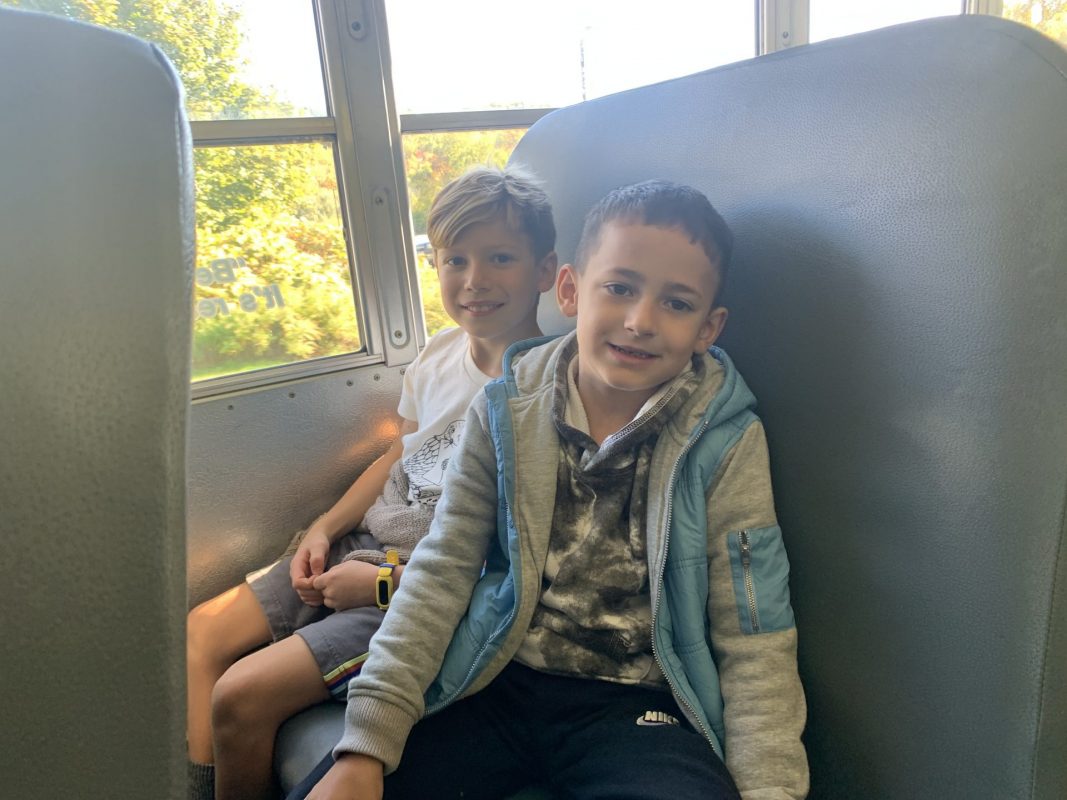
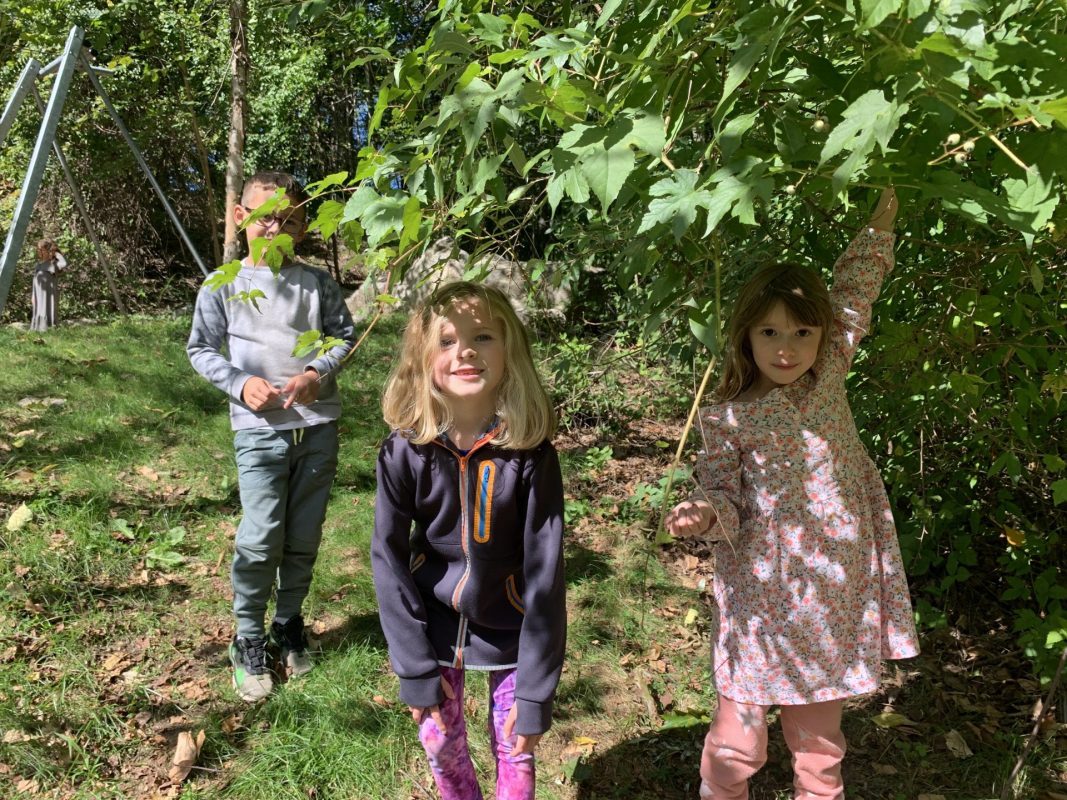
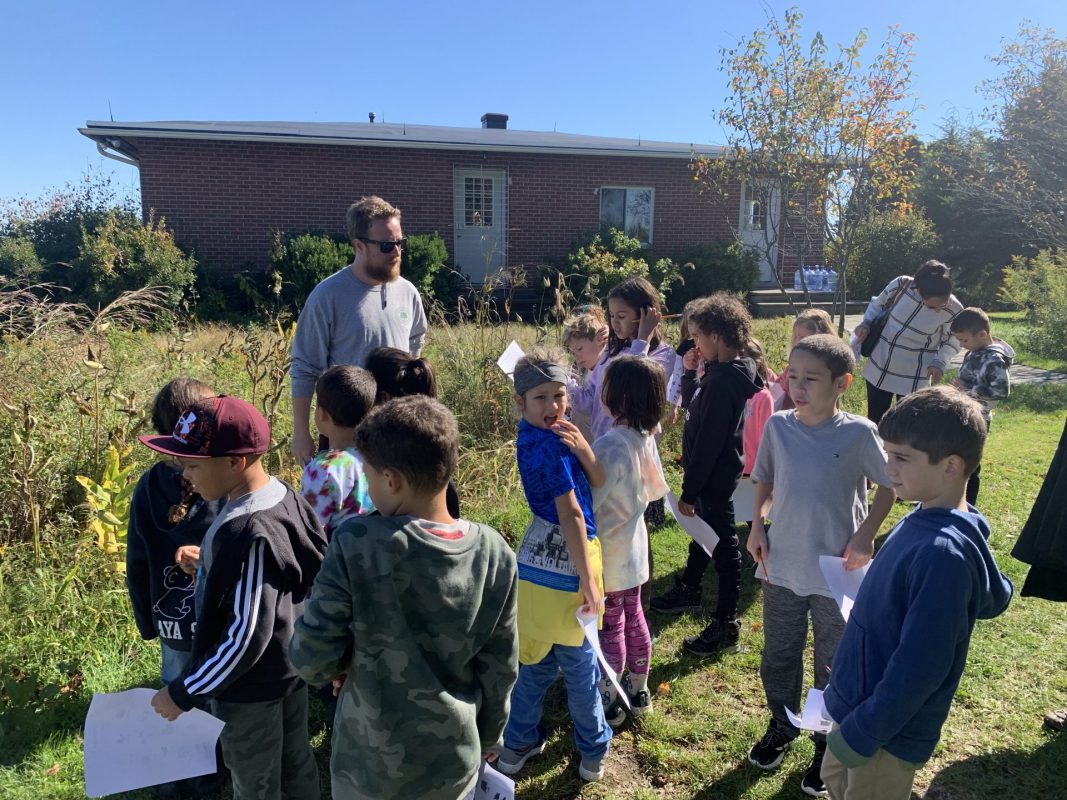
We had an amazing time at Holcombe Hill Nature Preserve on Thursday! We spent the morning enjoying the beautiful weather, what a perfect day for a field trip. The children had a blast finding different items on their scavenger hunt. Some items we searched for were: milkweed, maple leaves, different types of birds, insects and trees. Mr. Trent, the park ranger, was so insightful and so wonderfully fostered the children’s enthusiasm about nature!

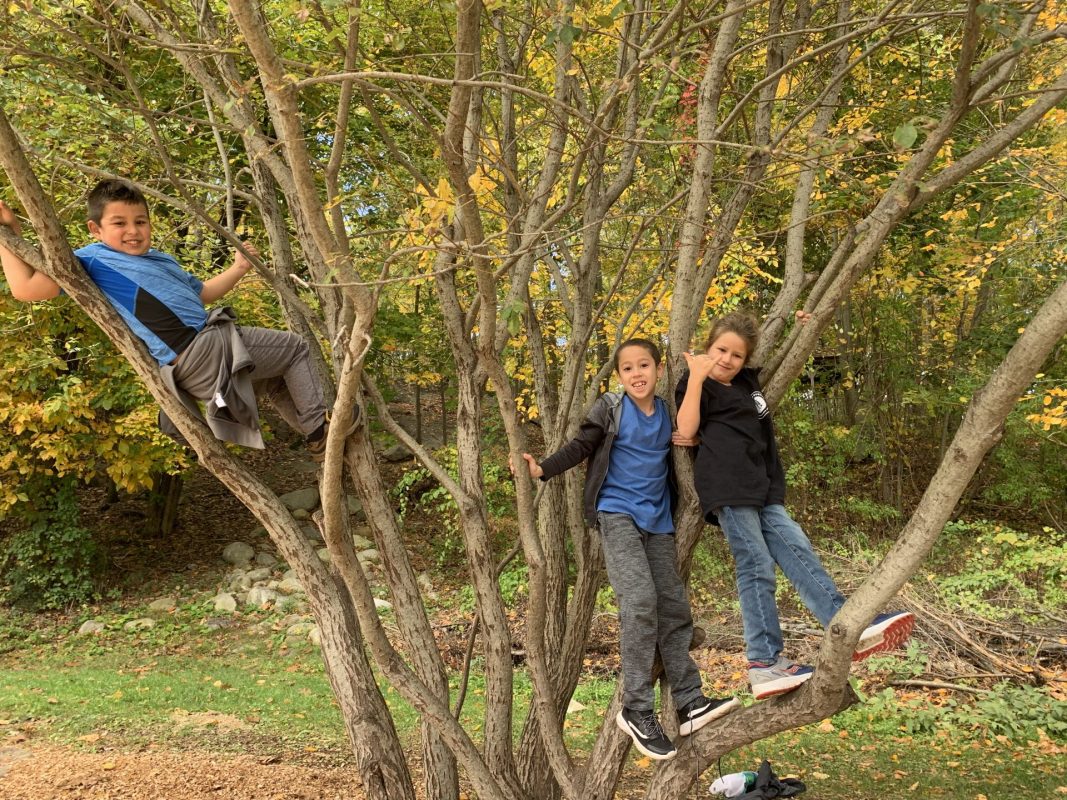
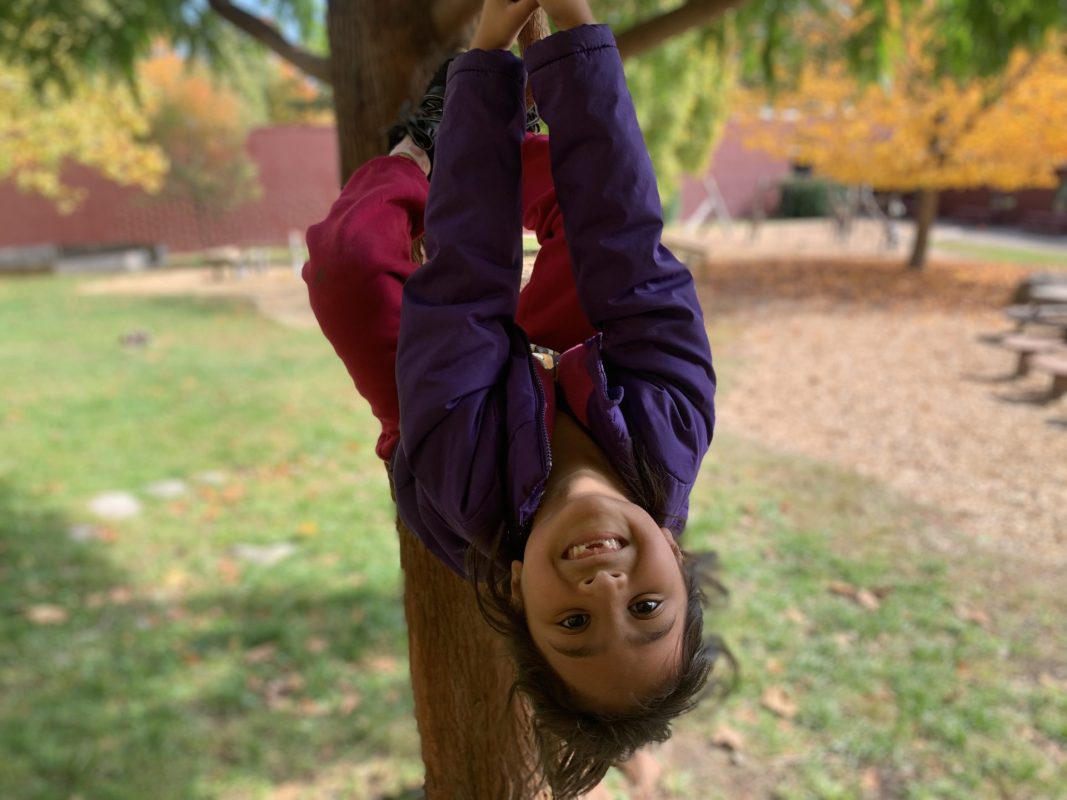
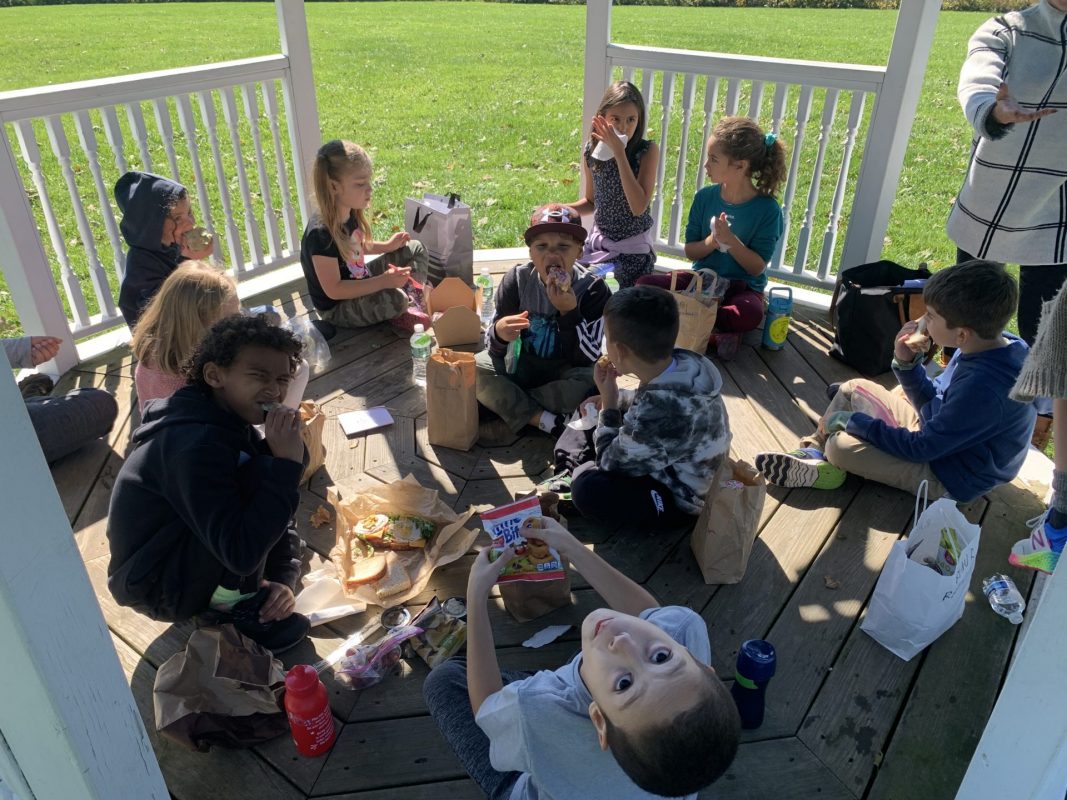
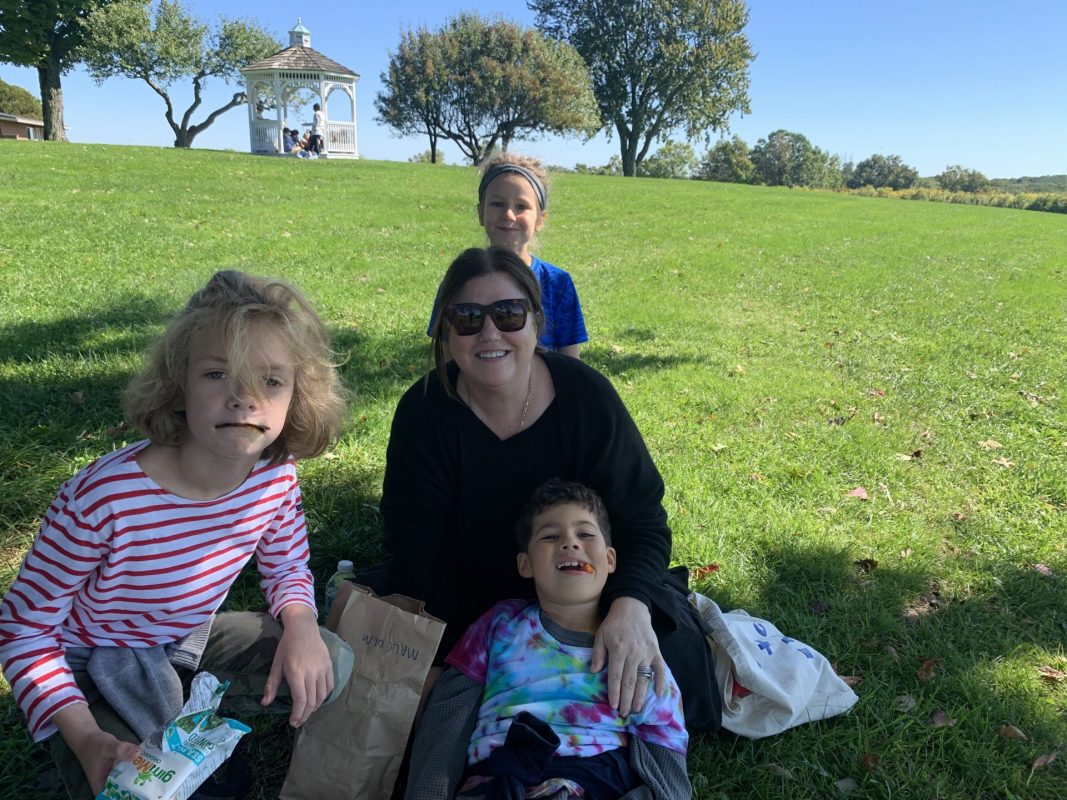
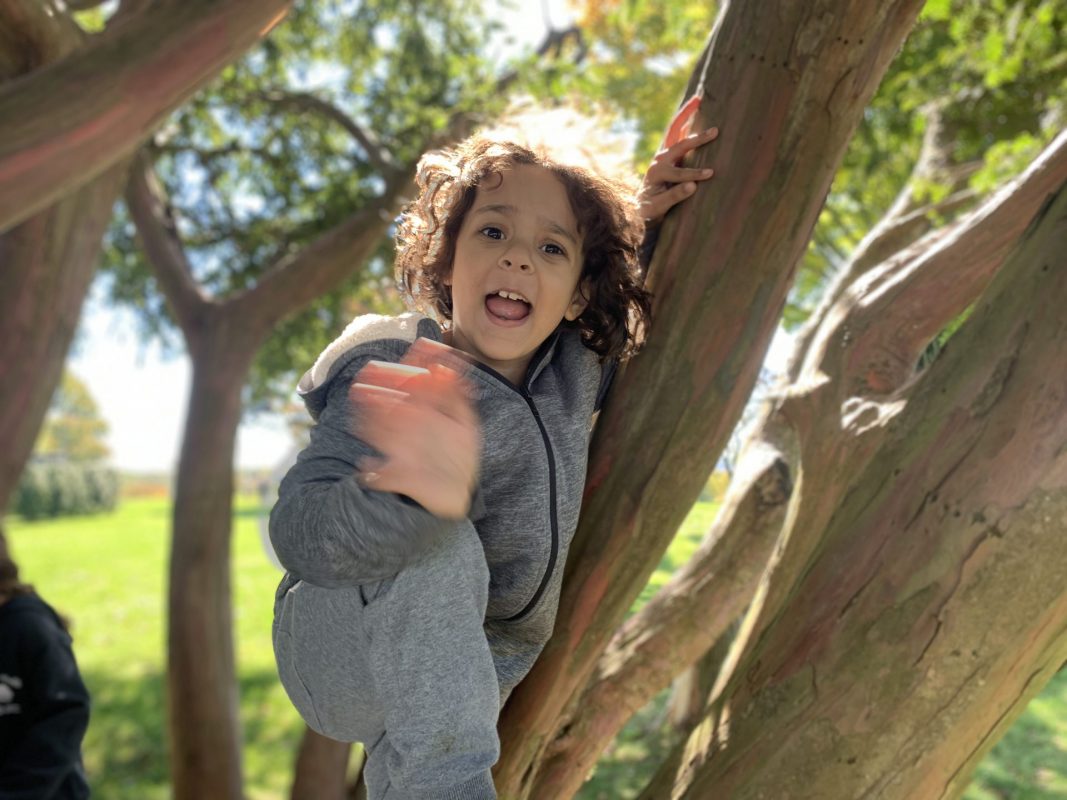
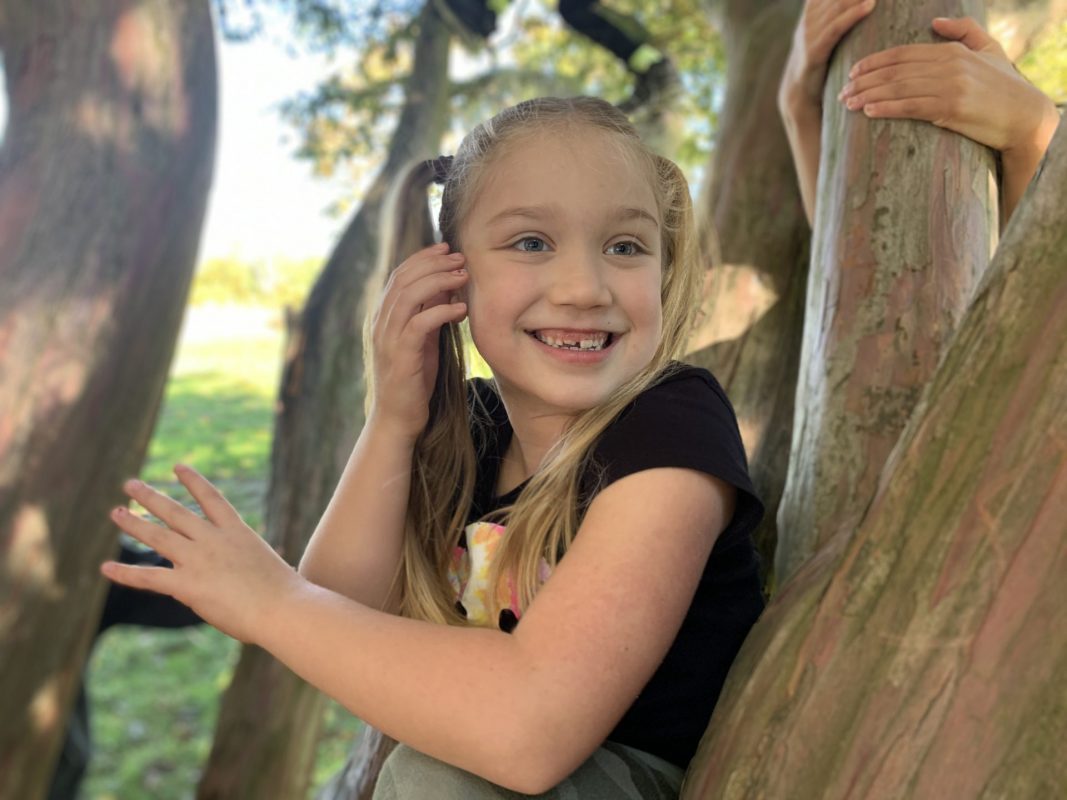
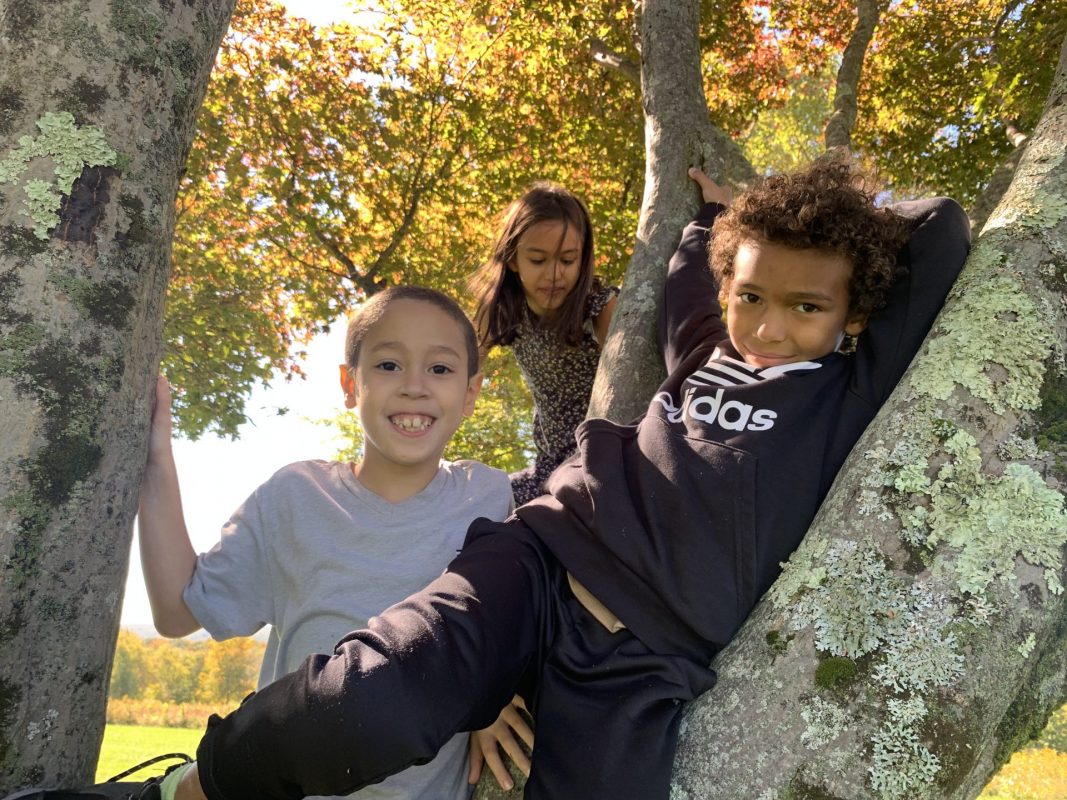
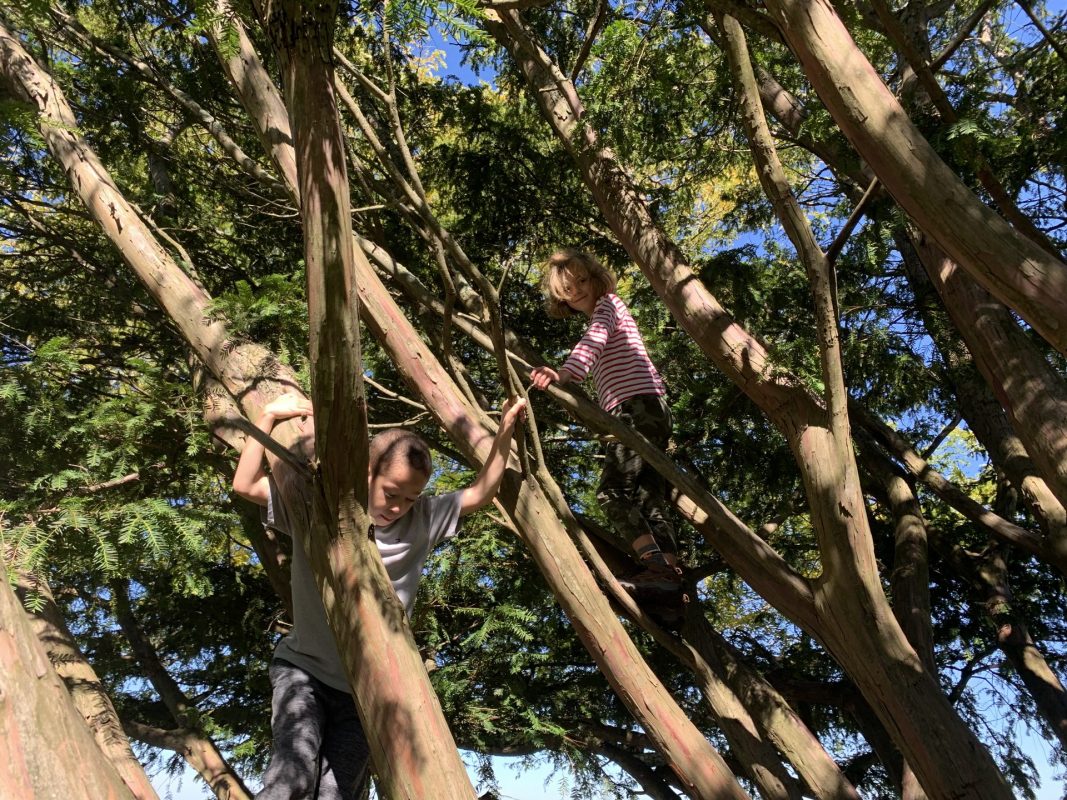
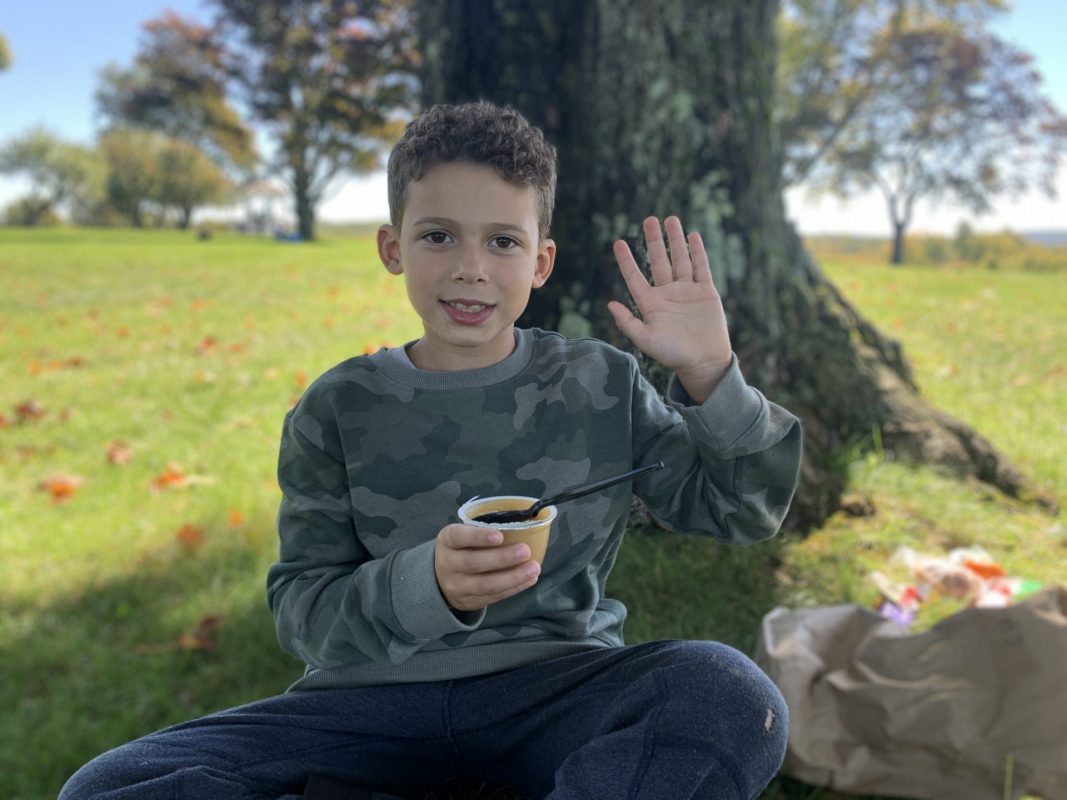
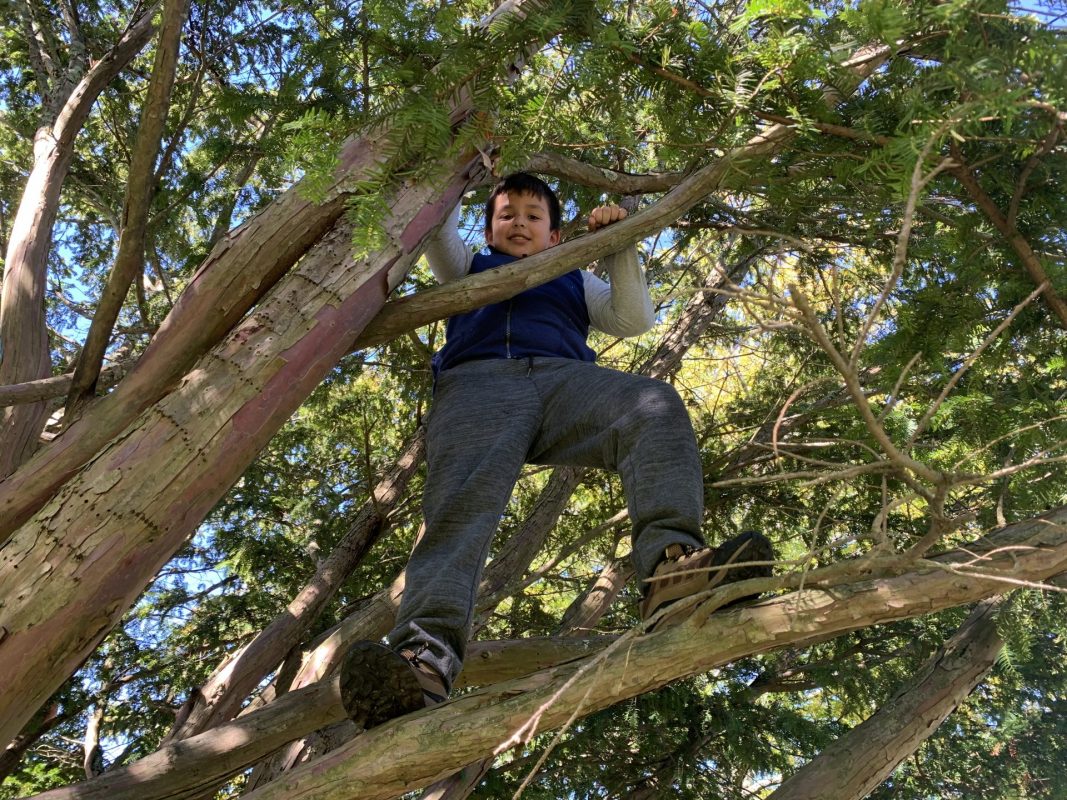
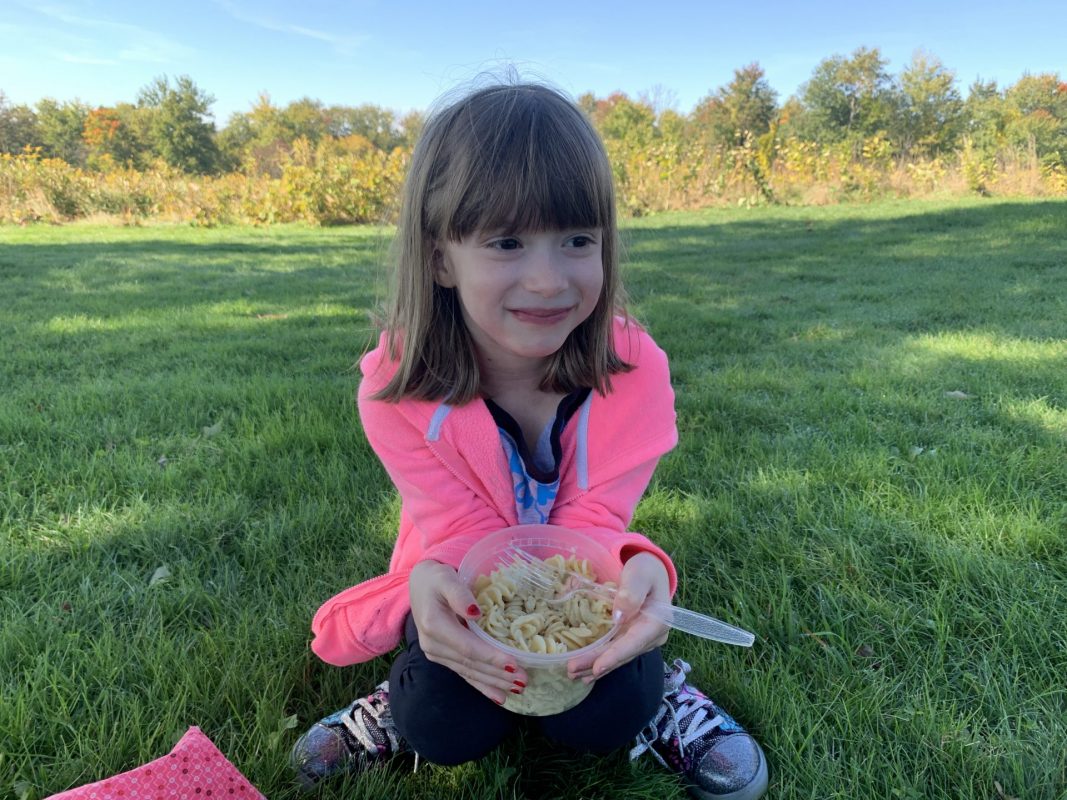
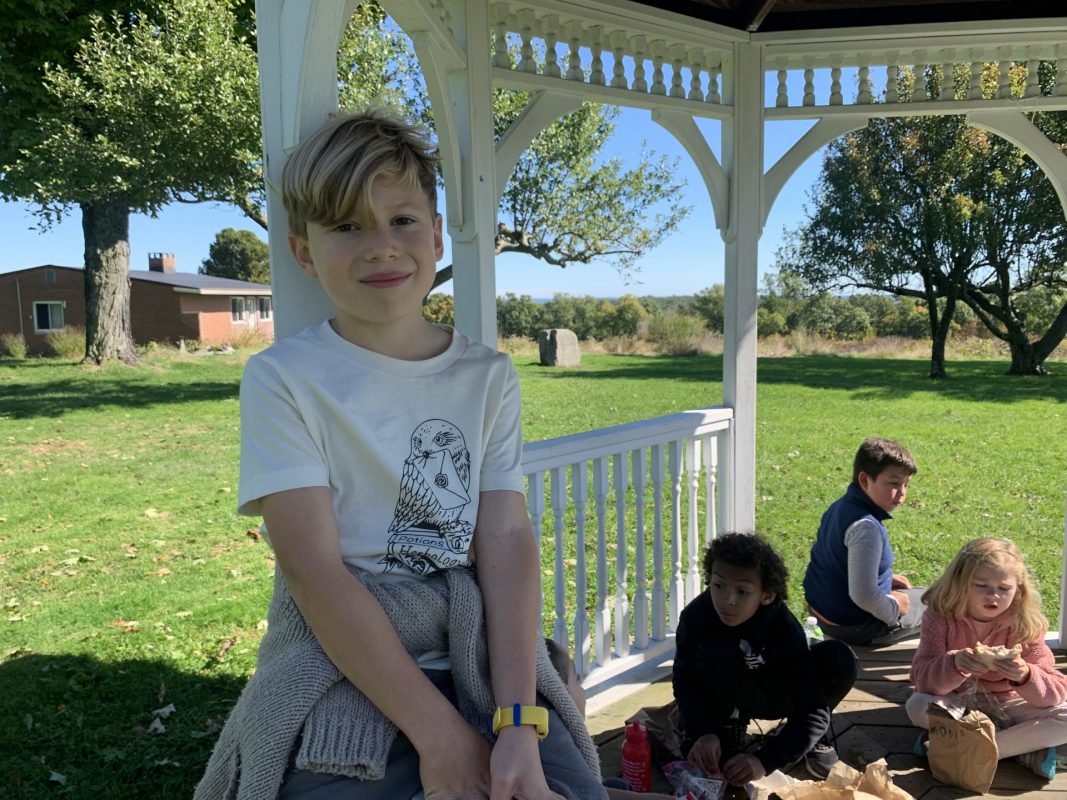
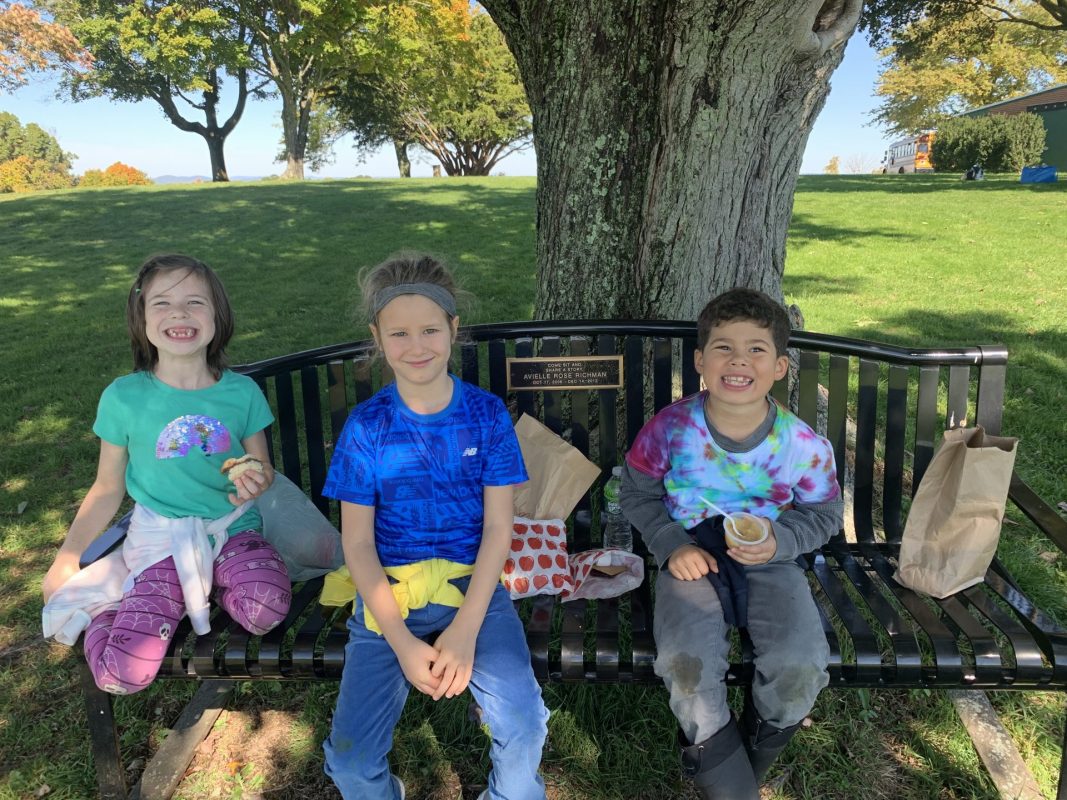
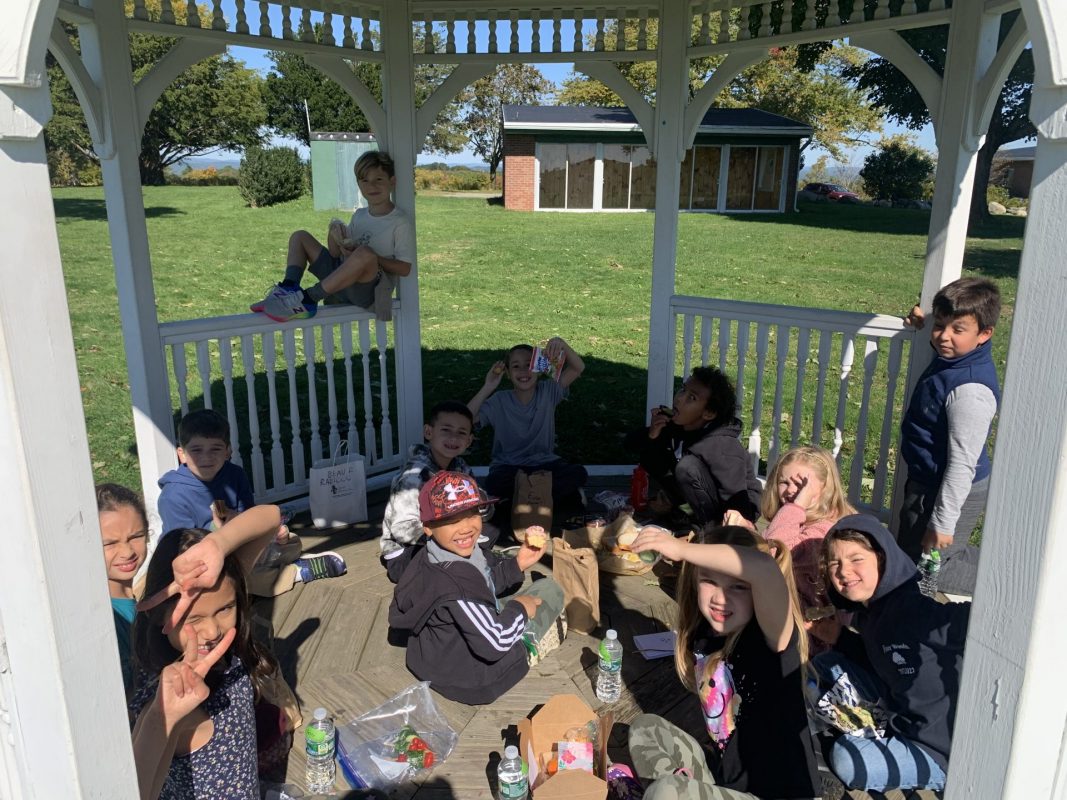
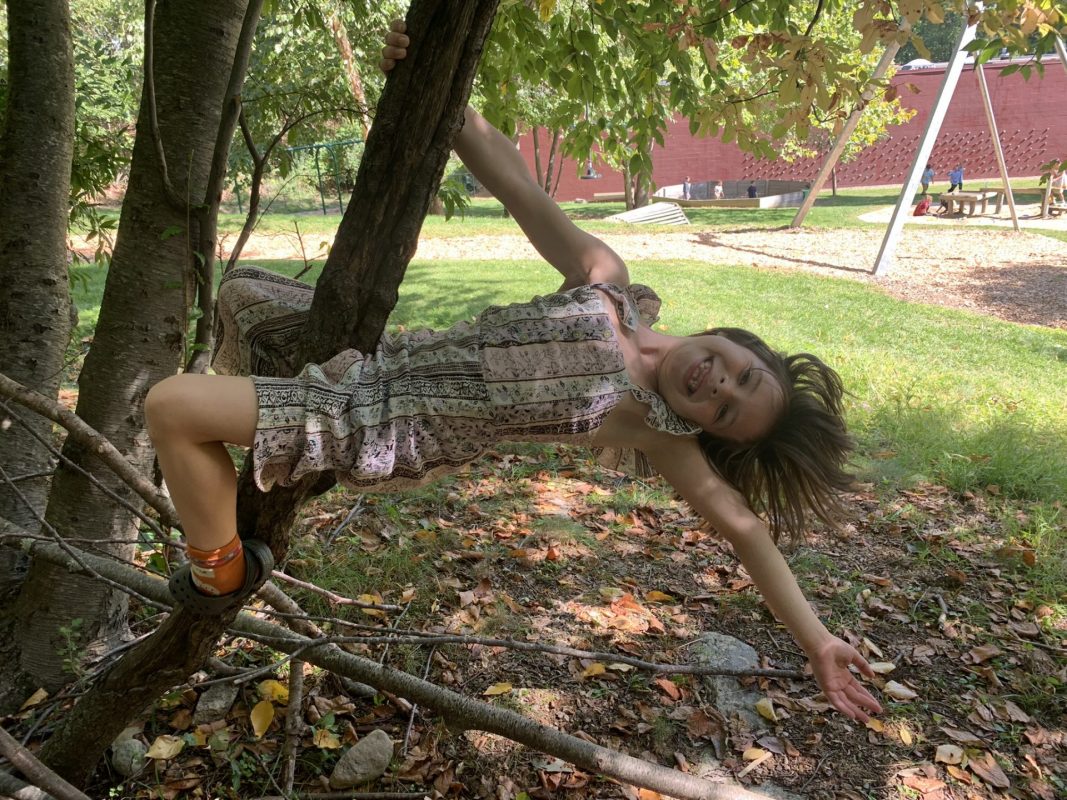
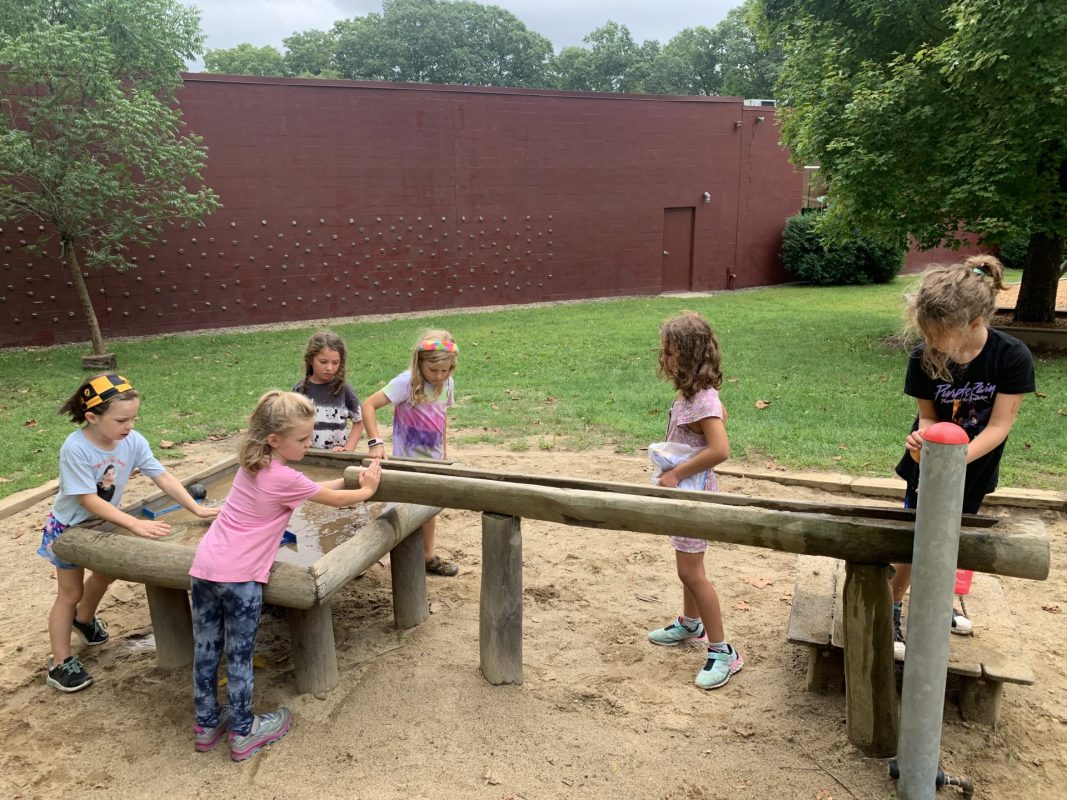
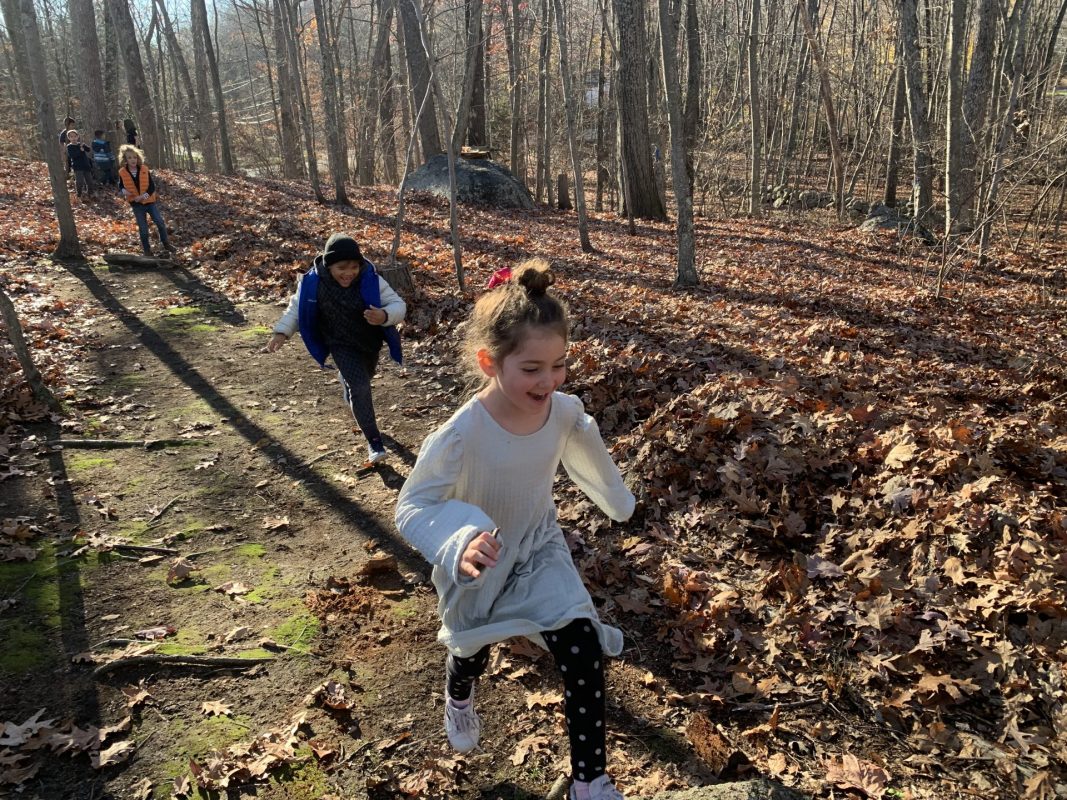
After the scavenger hunt, we had our lunch outside and some extra free time to explore the nature preserve. We adventured through paths, climbed trees and ran around. It is so important to introduce children to different natural environments to help them think beyond their immediate surroundings which helps support well rounded perspectives!


Lower El: Mindful, Independent Learners

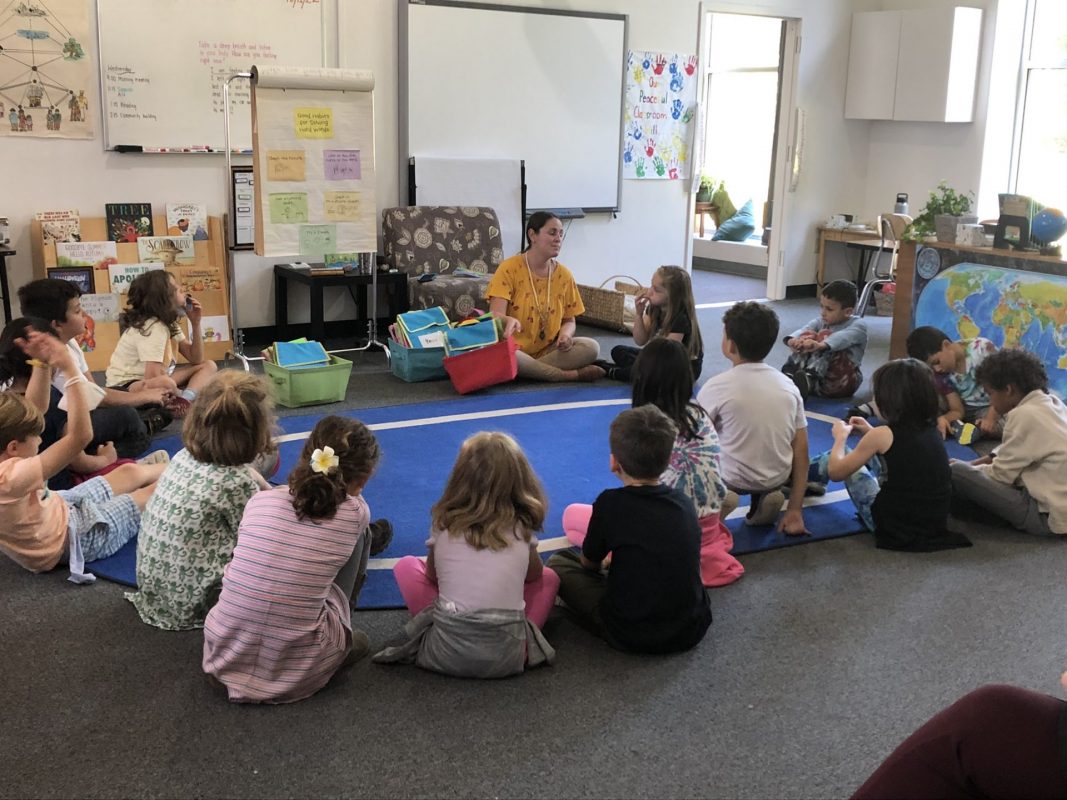
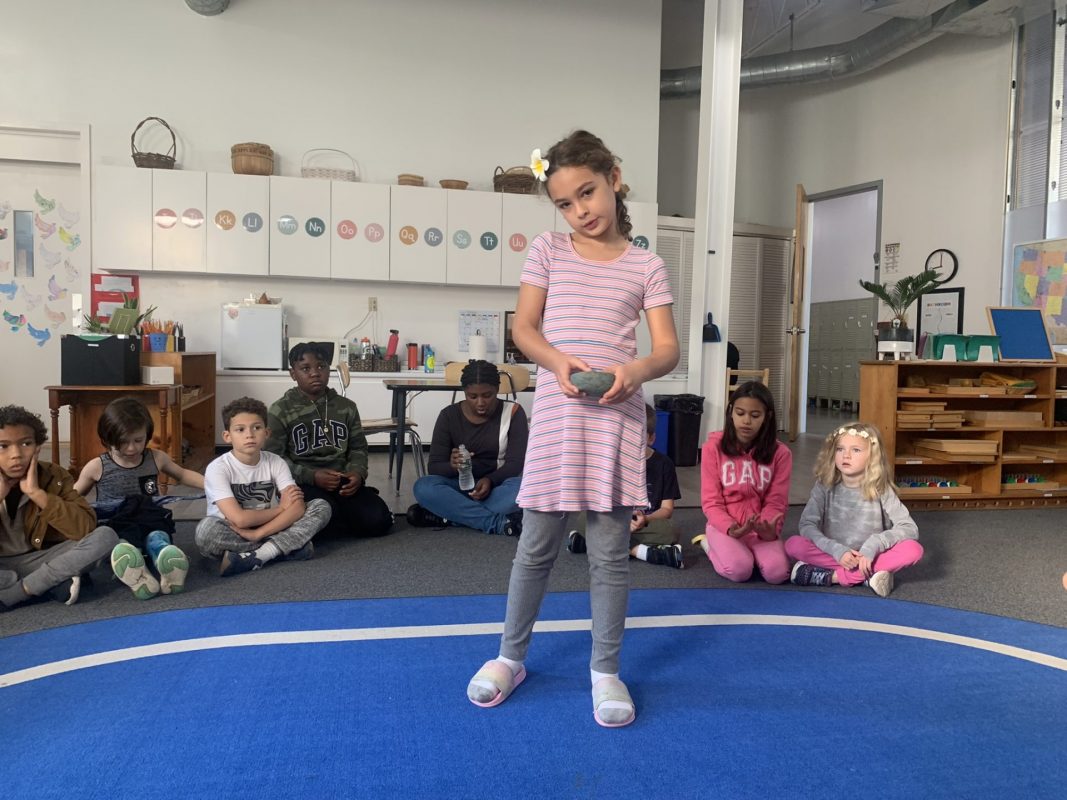
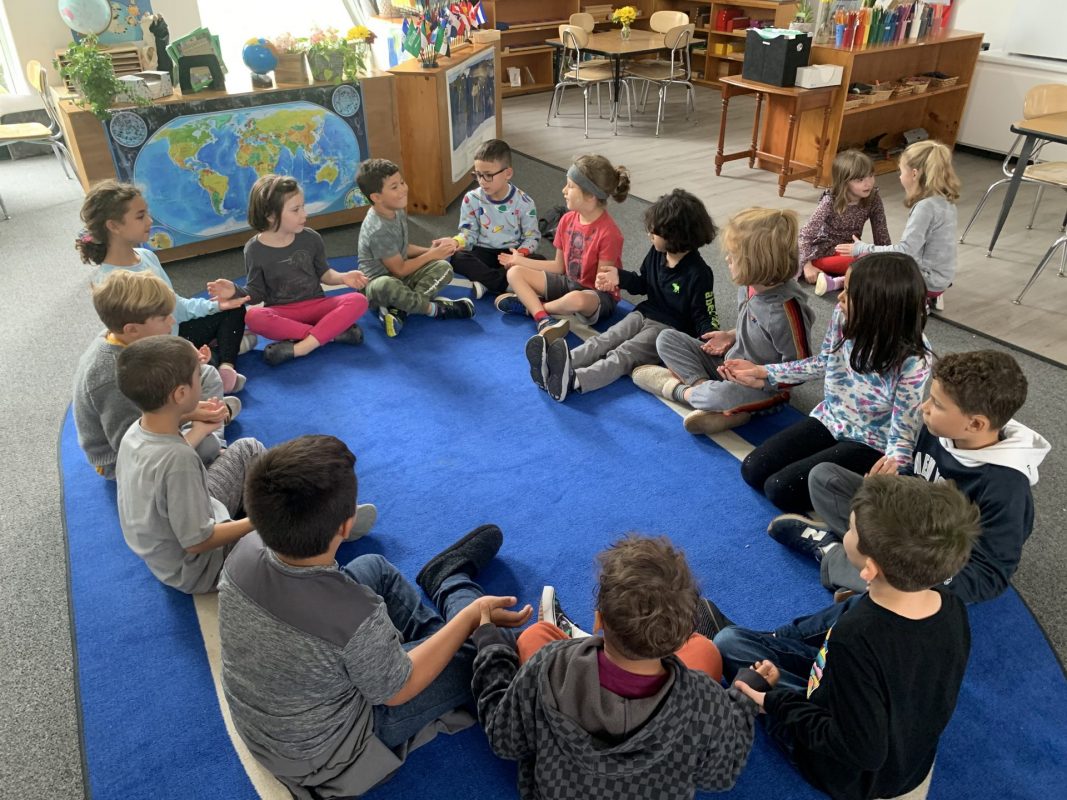
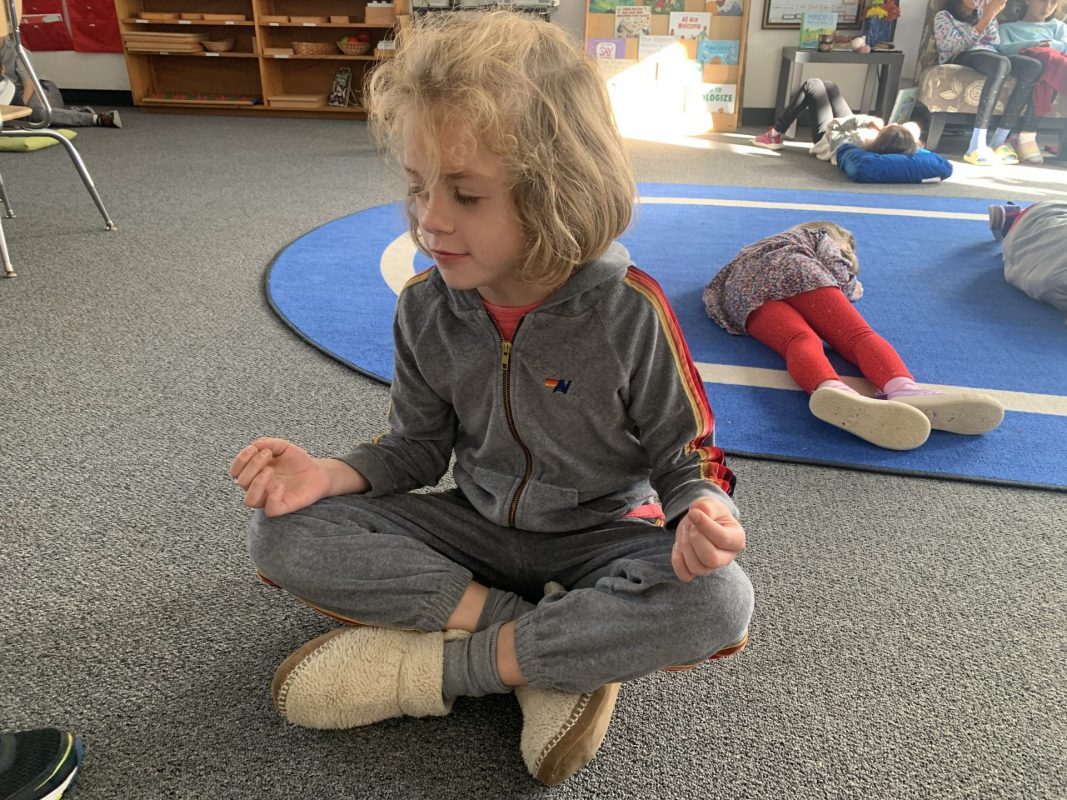
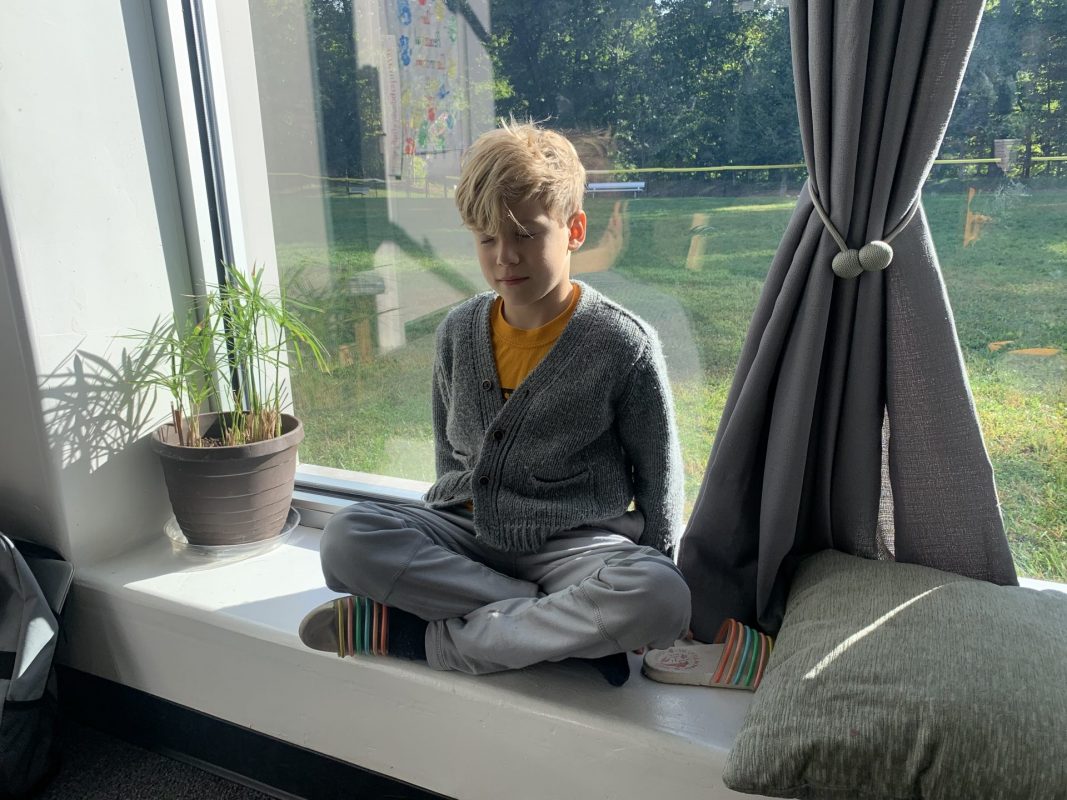
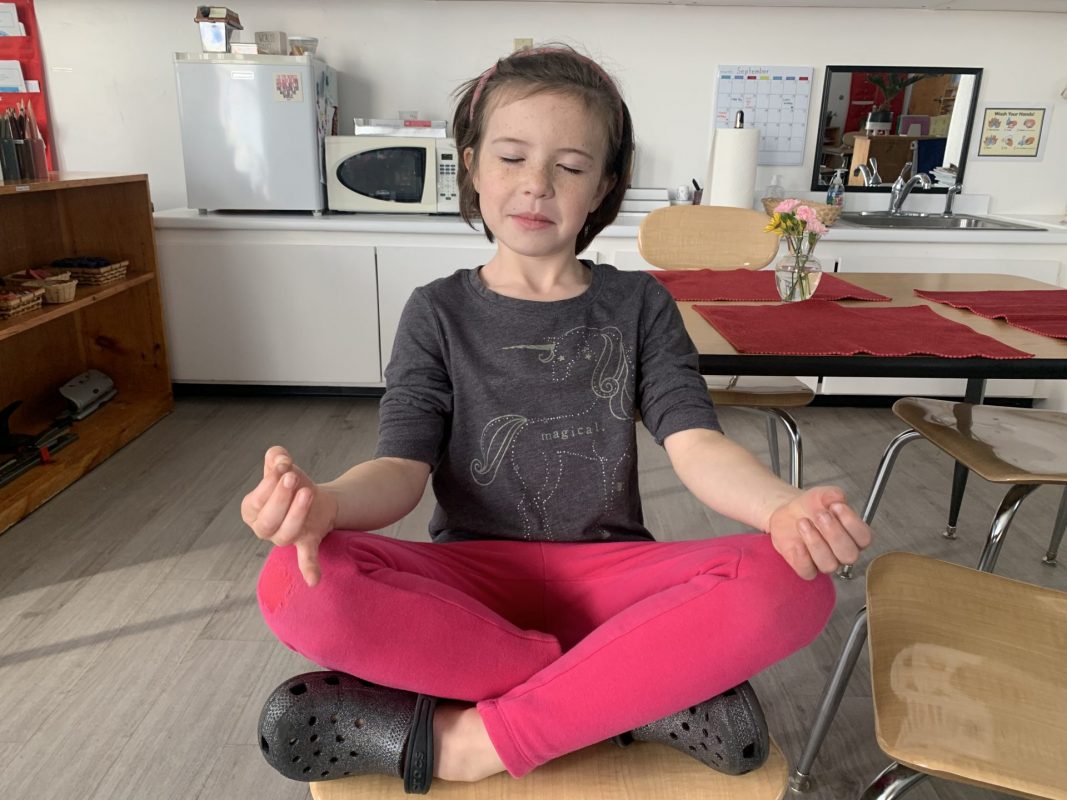
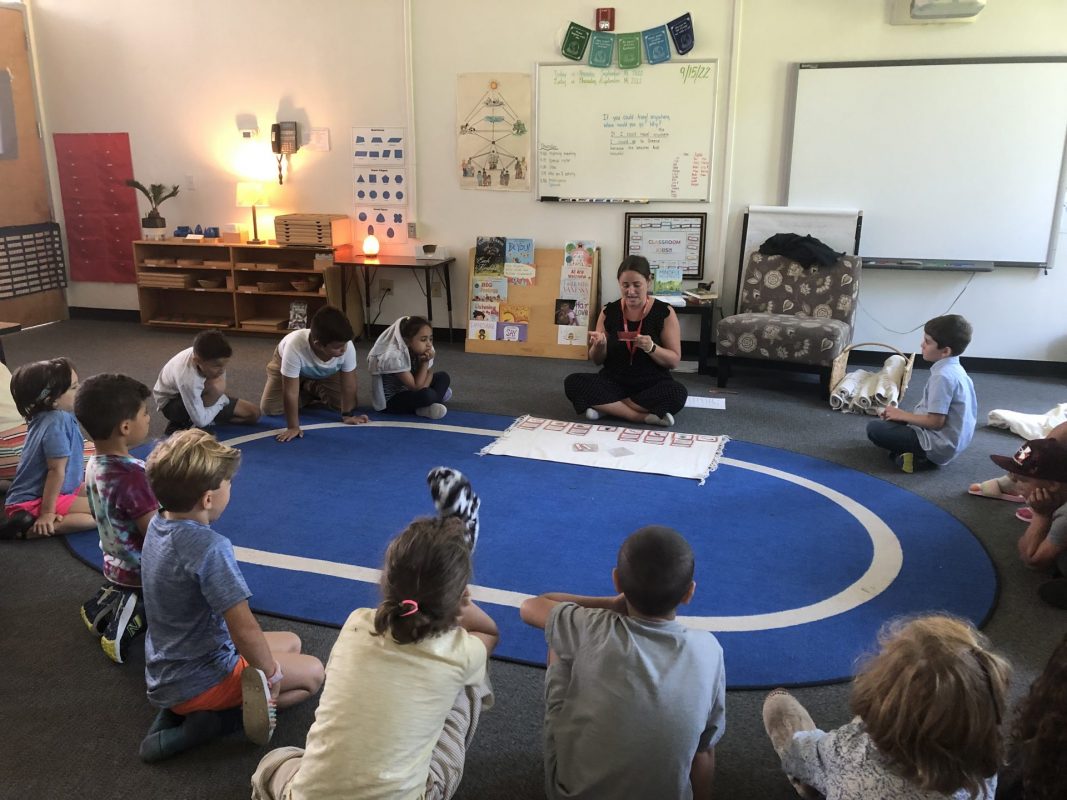
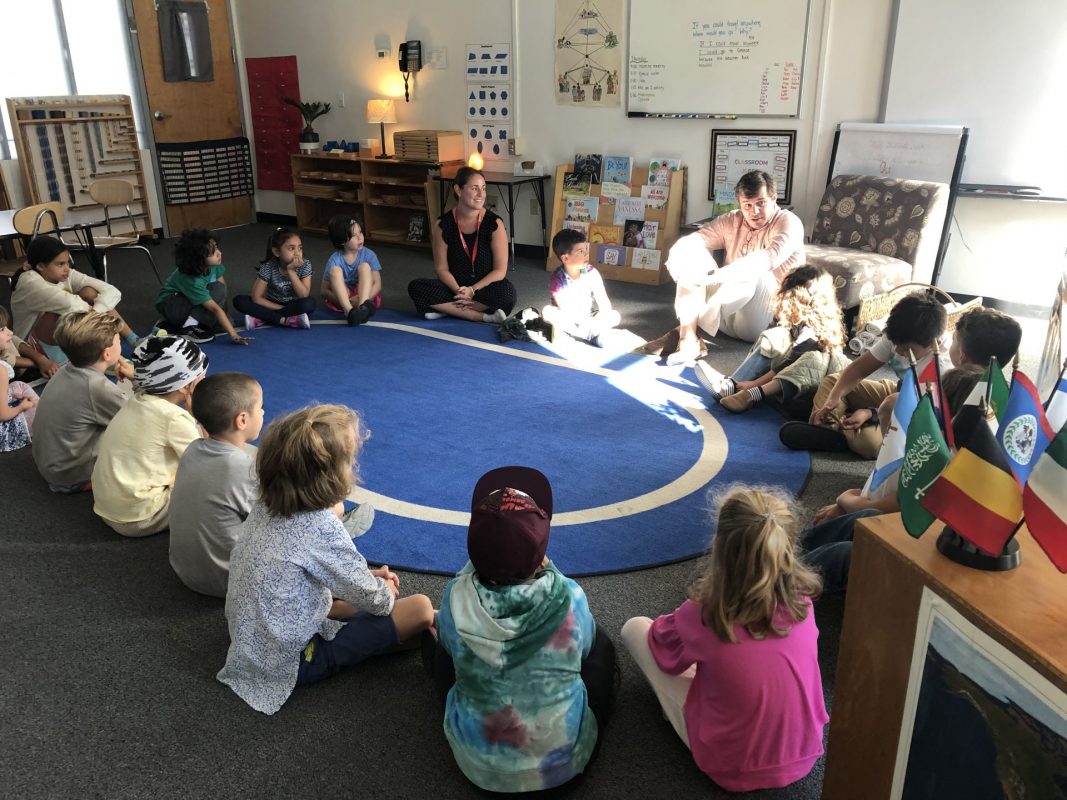
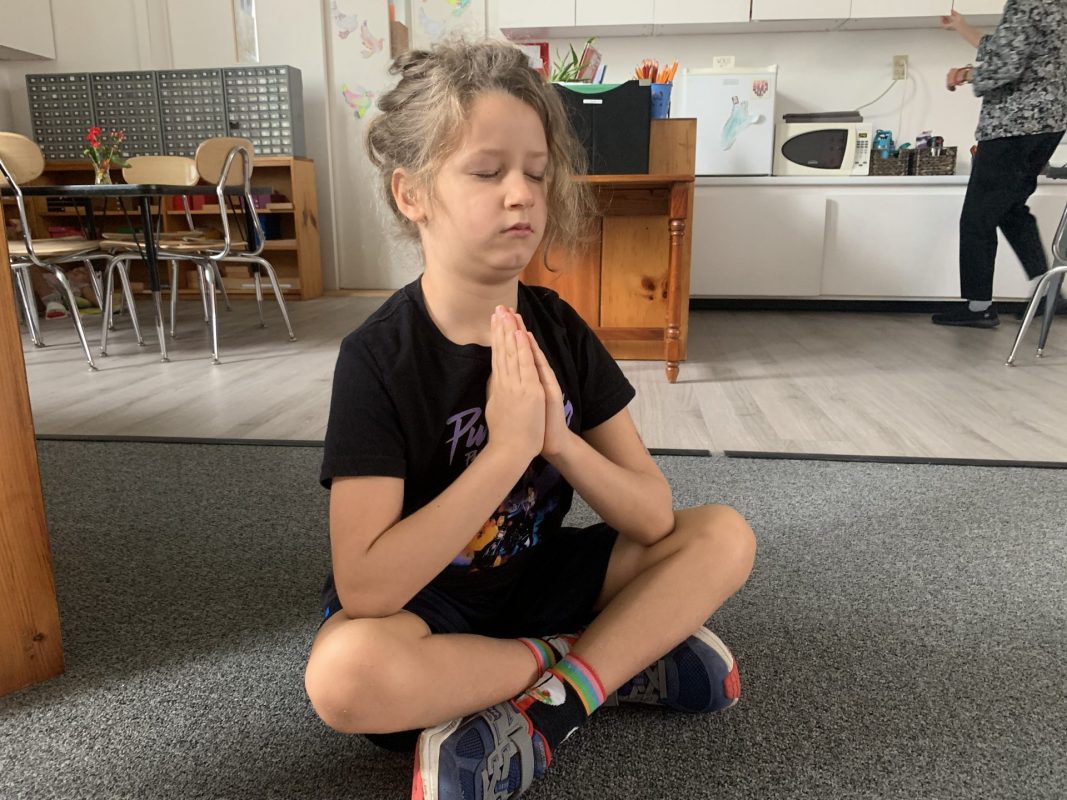
Each morning we start off our day with mindful meditation. We often assume breathing is just a natural skill; everyone knows how to inhale and exhale. But breathing is more than that. Being aware of our breath not only helps us manage the difficulties of everyday life, it also helps develop compassion, empathy, and concentration. This is an exercise where children practice focusing on the present, instead of worrying about the past and uncertainties of the future. It helps us become aware of how we feel at a given moment.

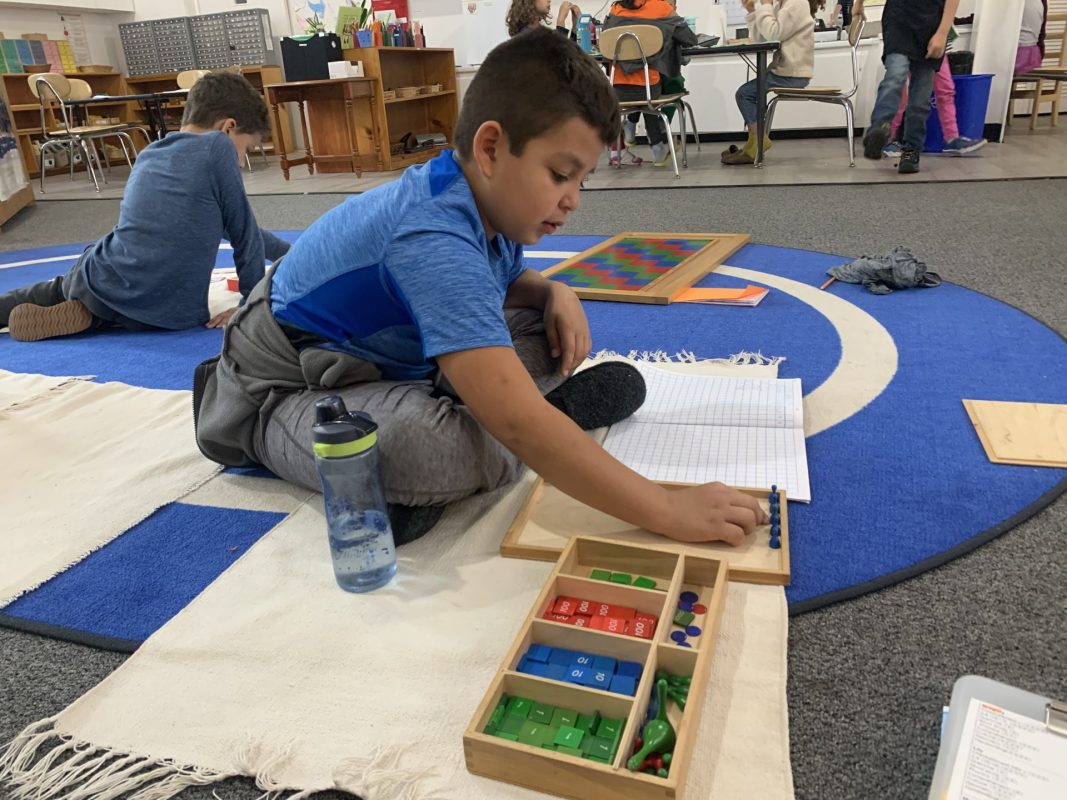
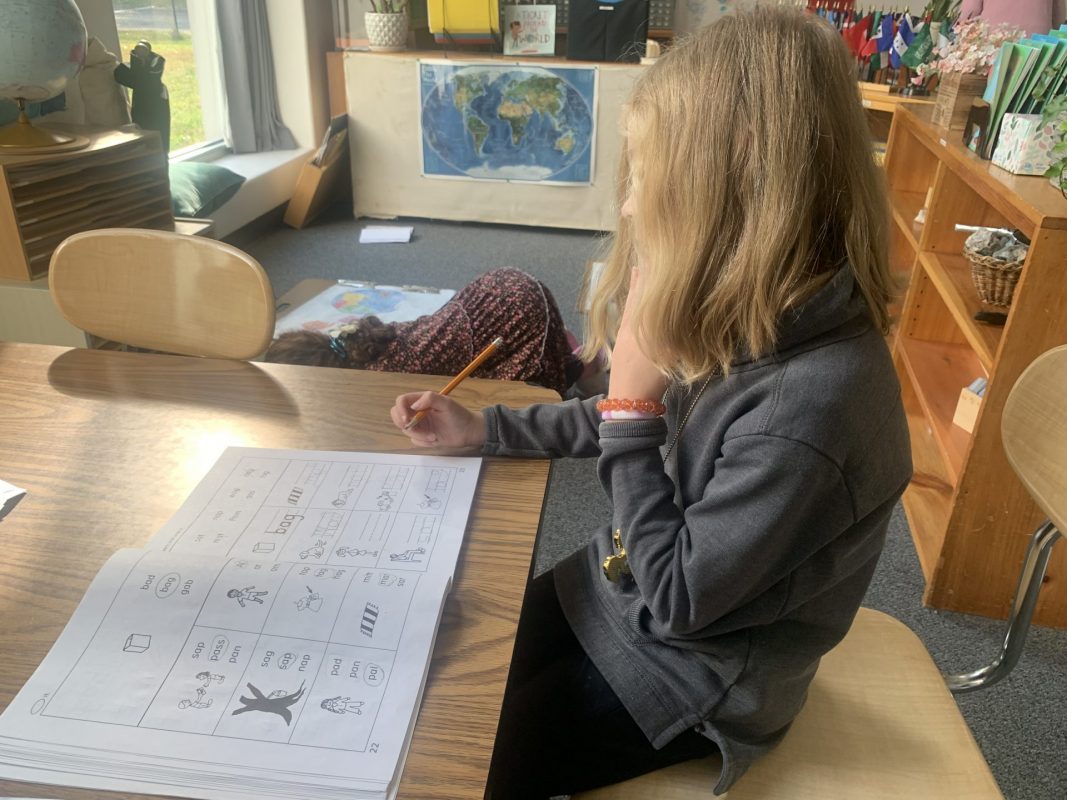
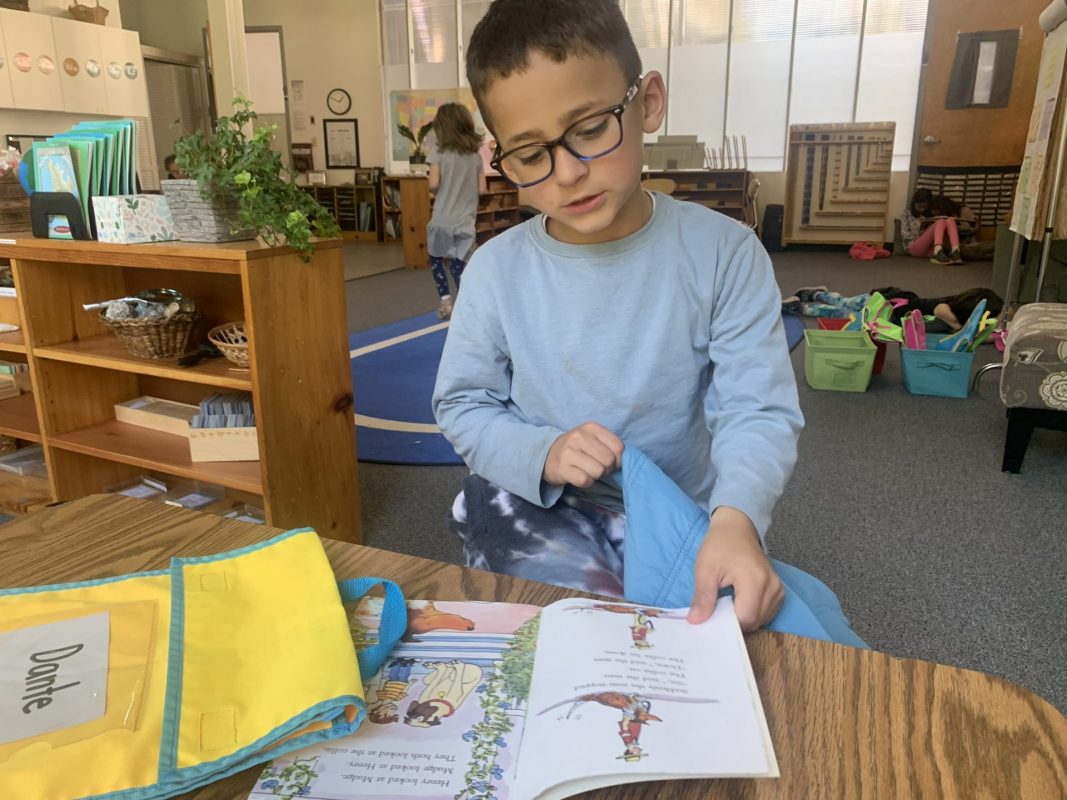
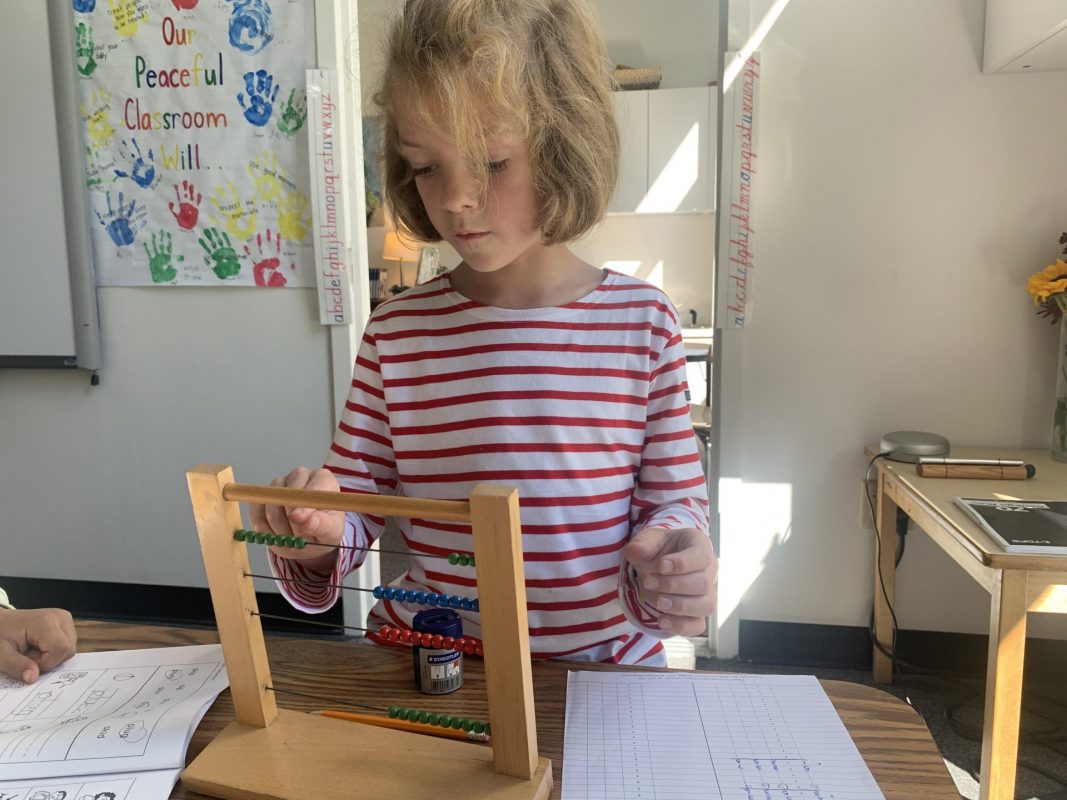
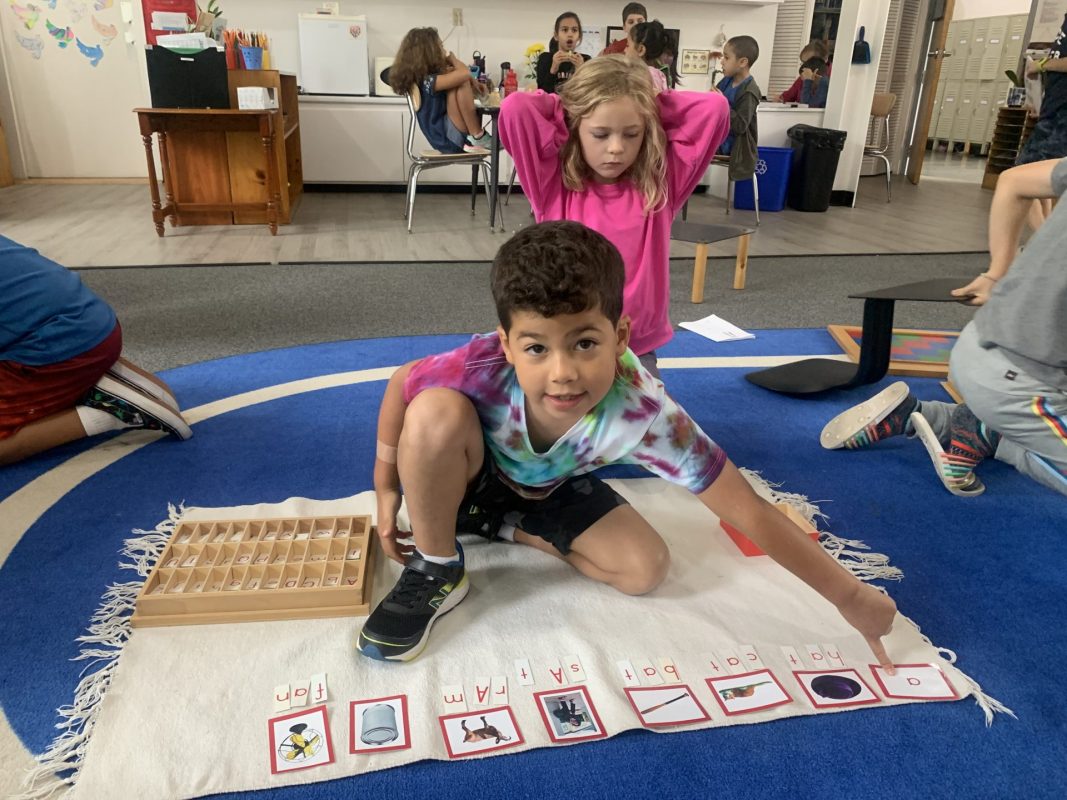
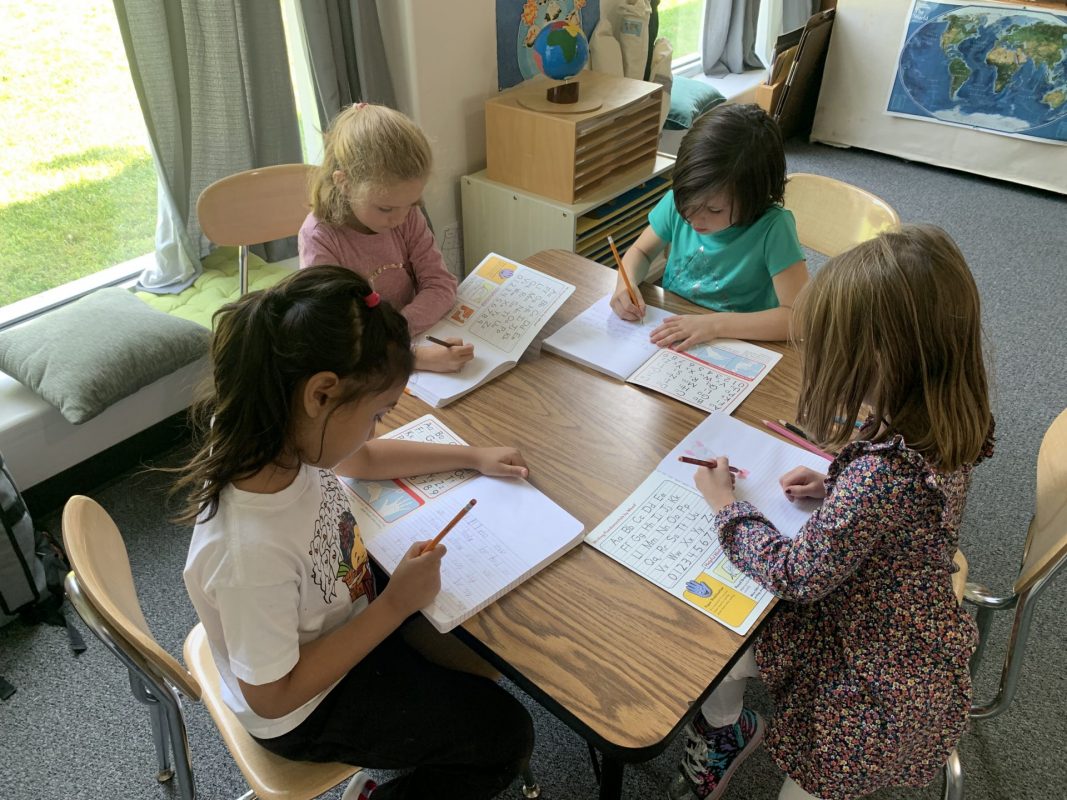
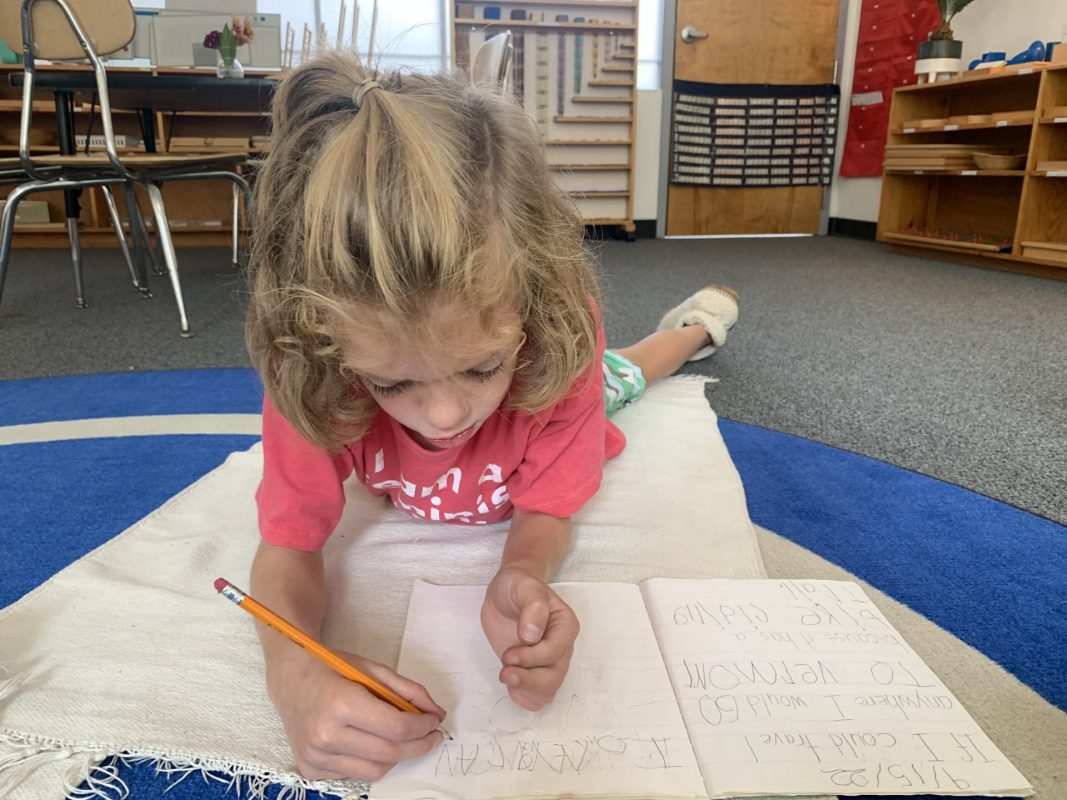
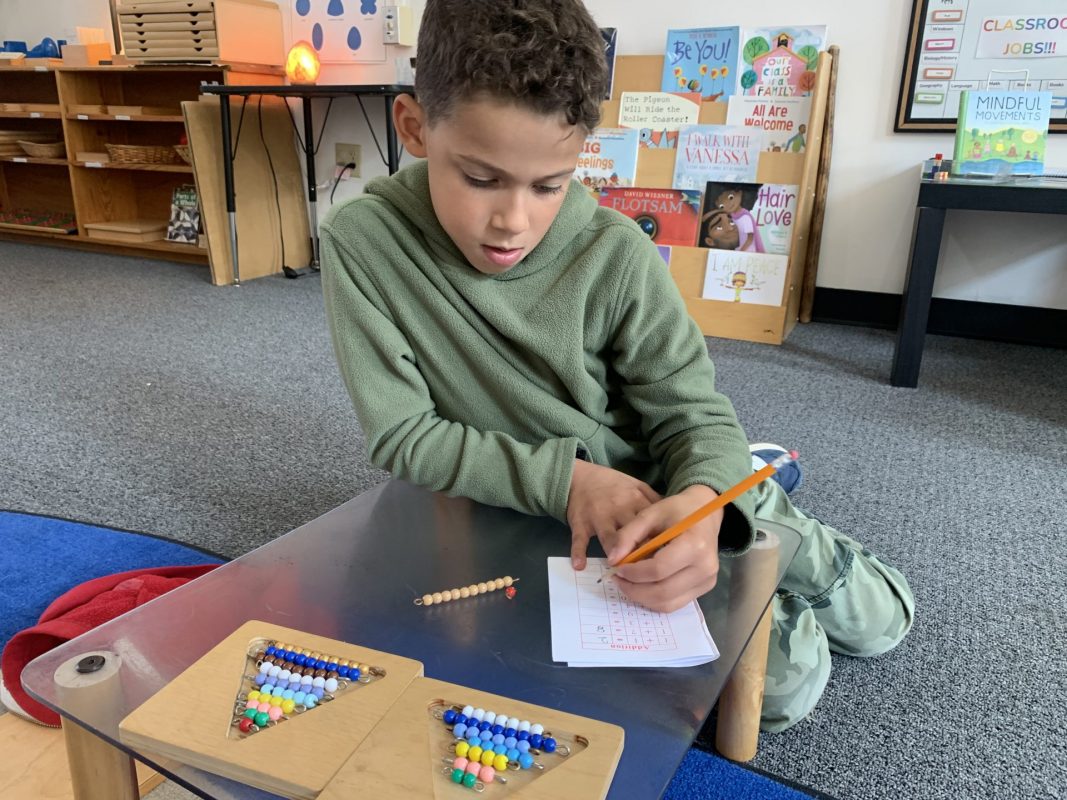
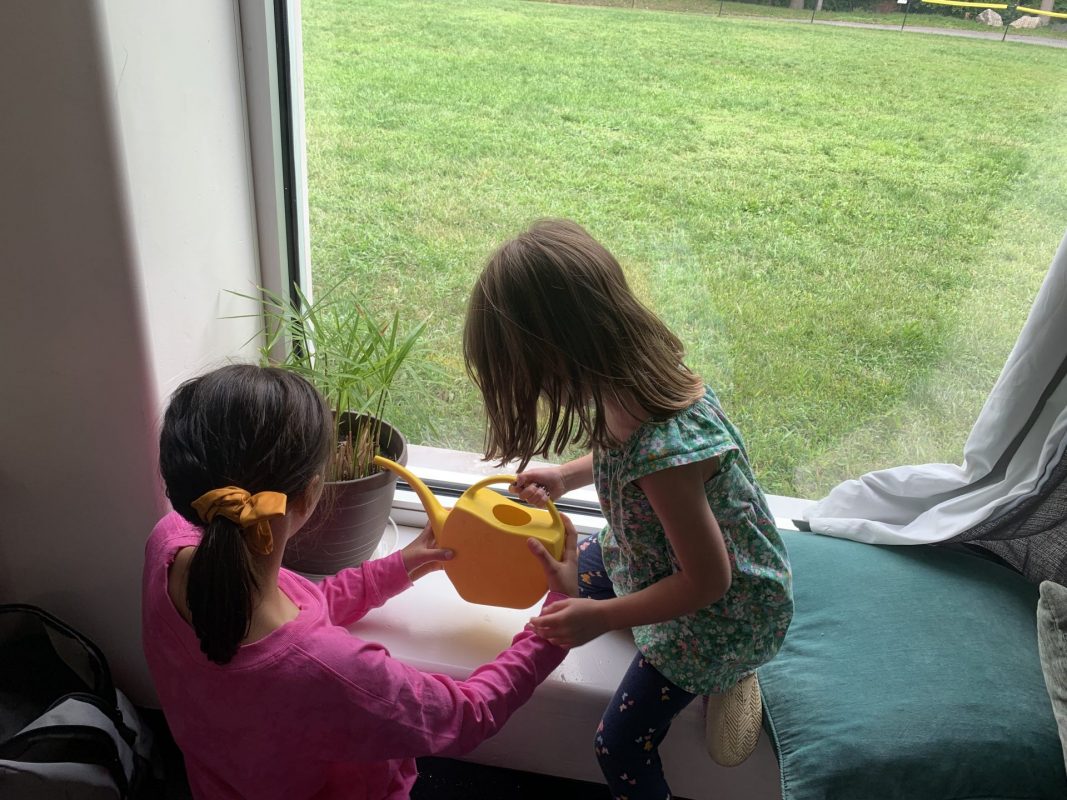
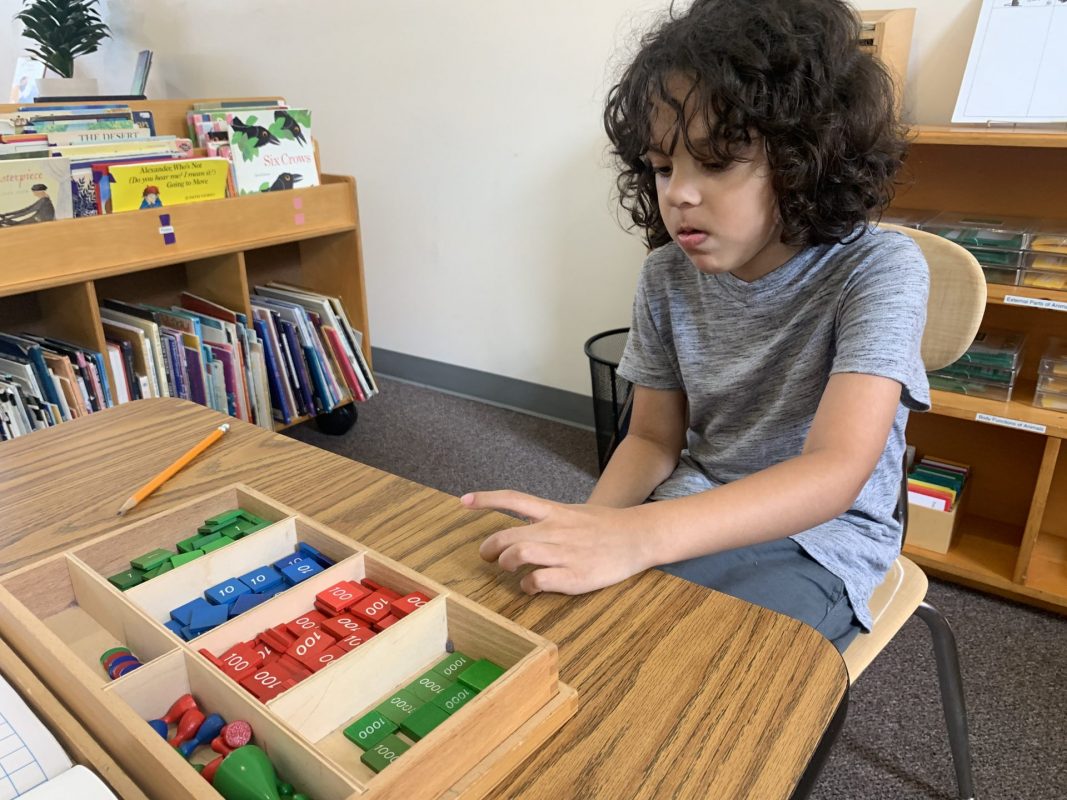
Encouraging independence and self-motivation is crucial to the Montessori approach. Children at this plane of development love the satisfaction of mastering real-life skills because they come to see themselves as respected members of a community. One way we encourage this in Lower Elementary is having weekly classroom jobs. Monday mornings are especially exciting because that’s when students decide what their weekly jobs will be. Classroom jobs can help build a sense of excitement, community, and interdependence from the very start of the school year.


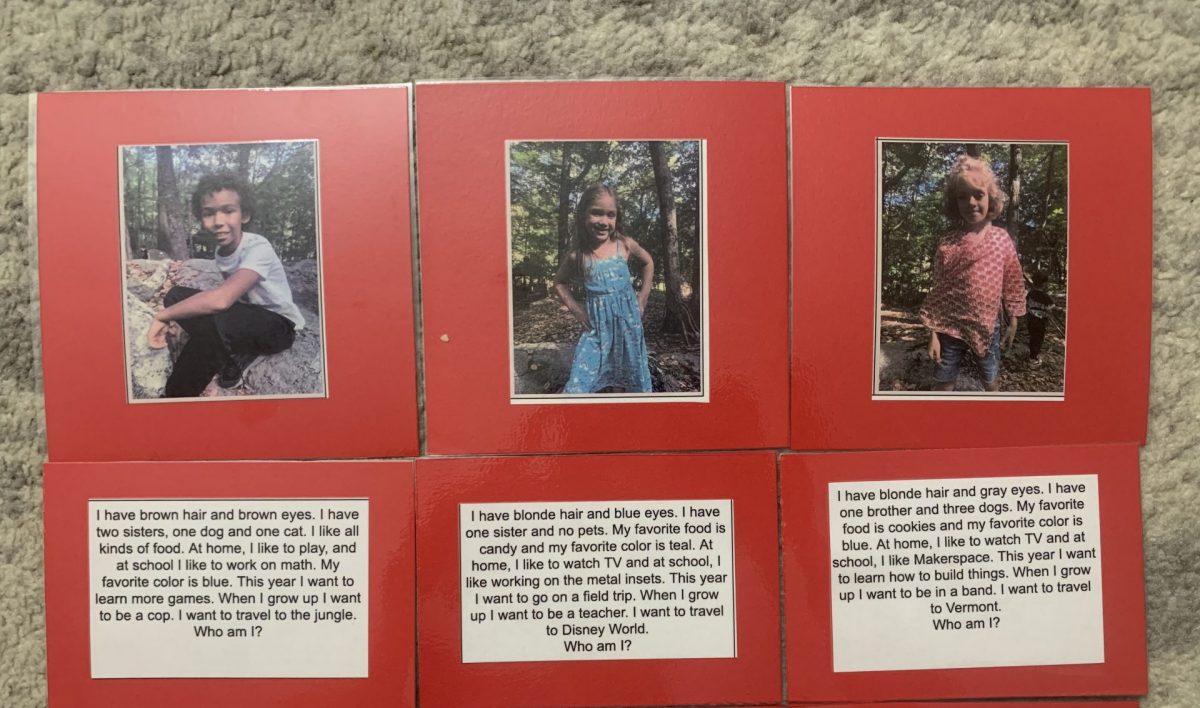
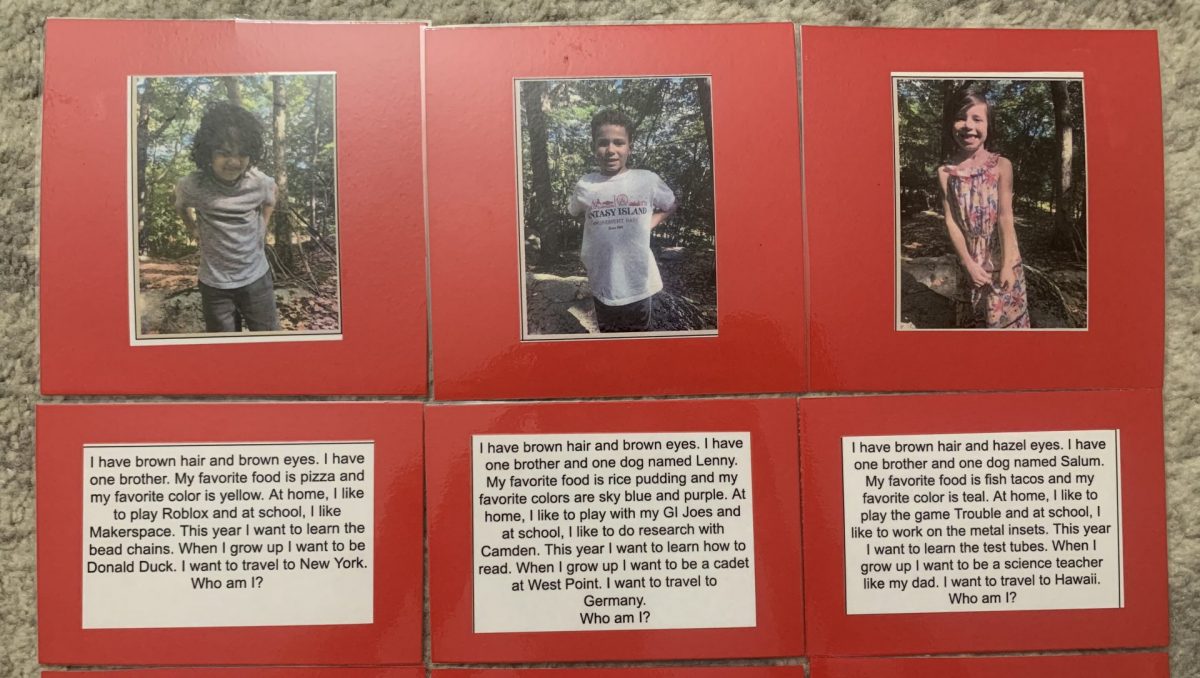
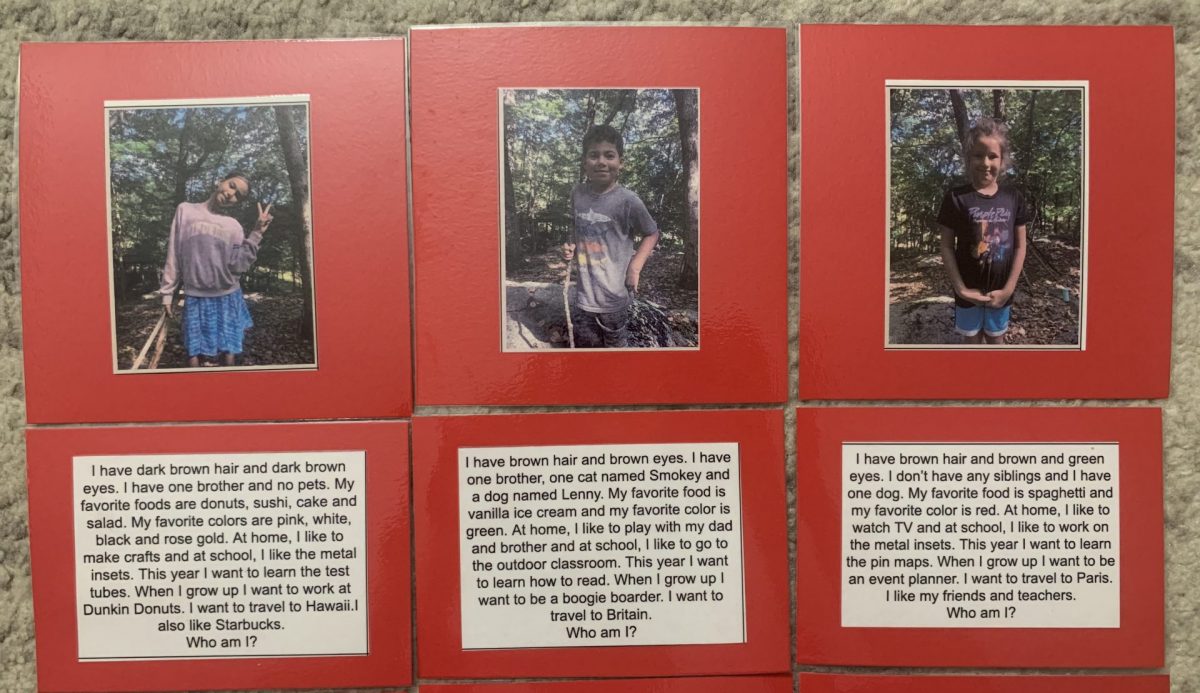
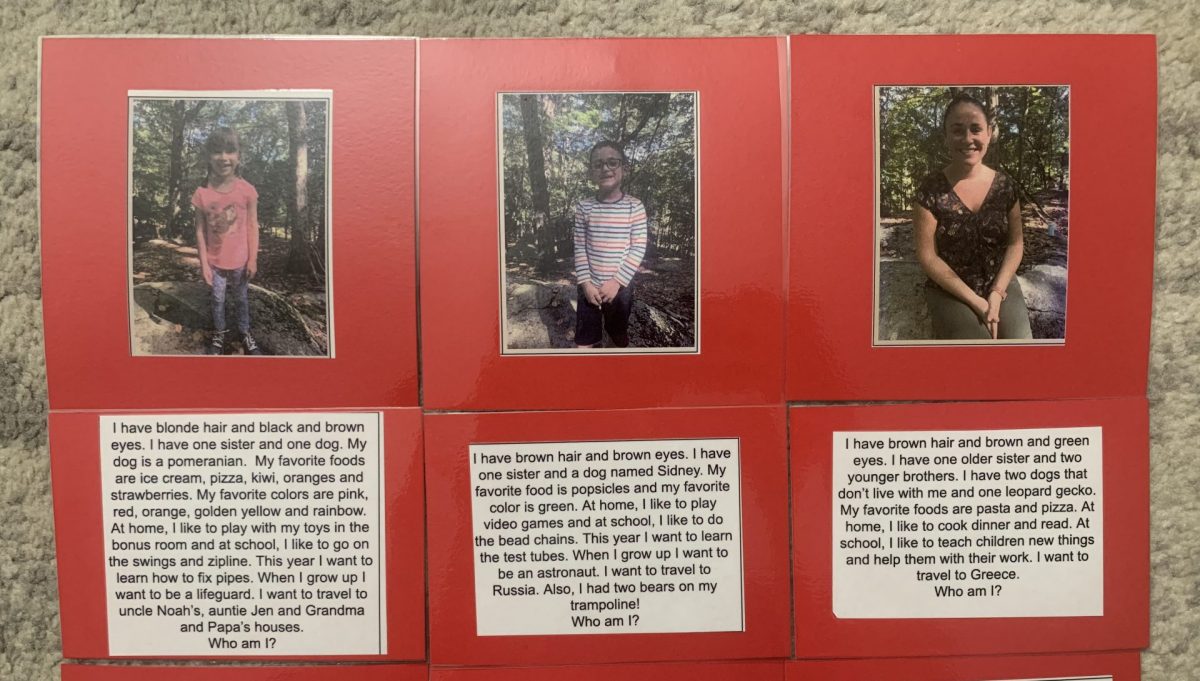
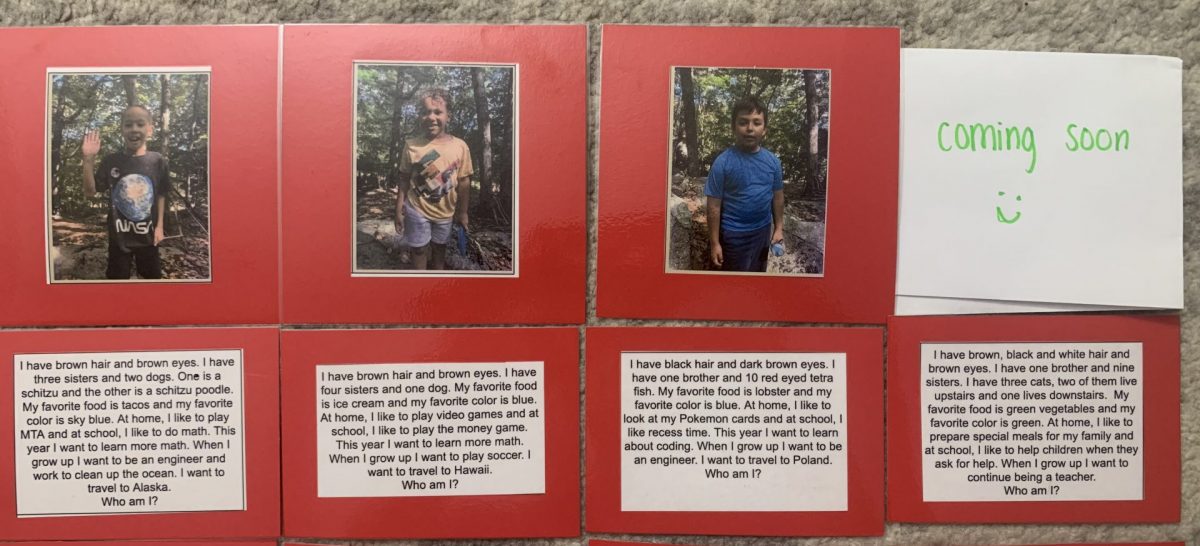
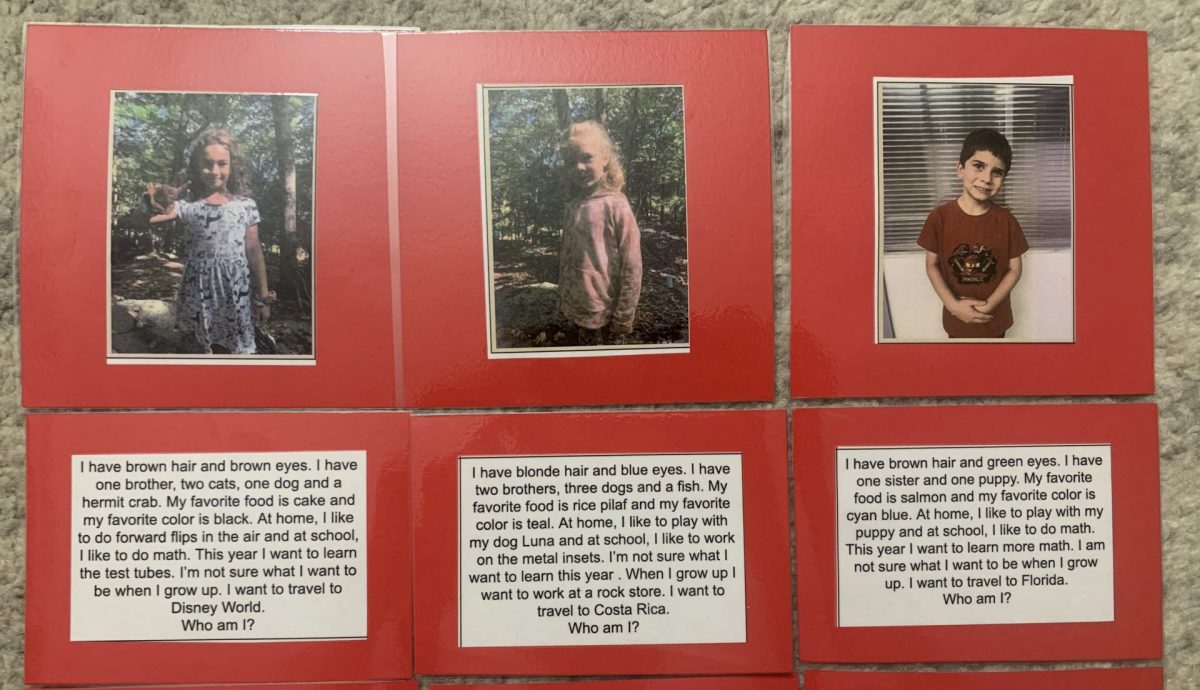
Lower El: Who am I?

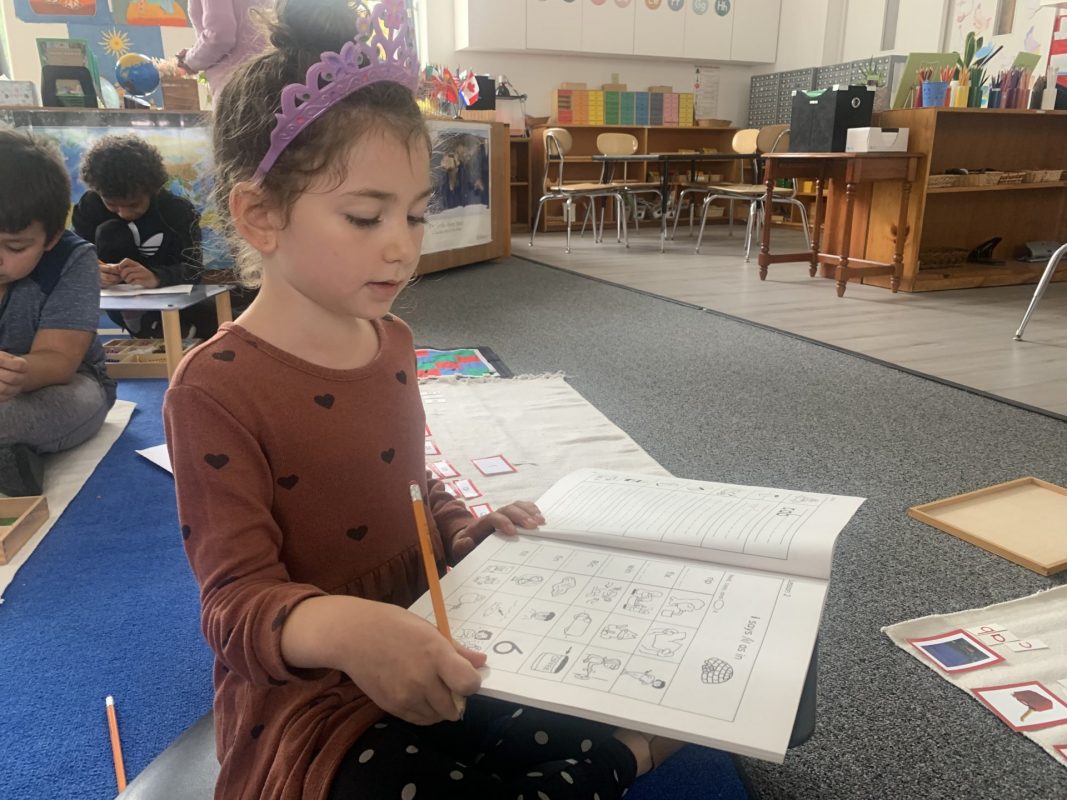
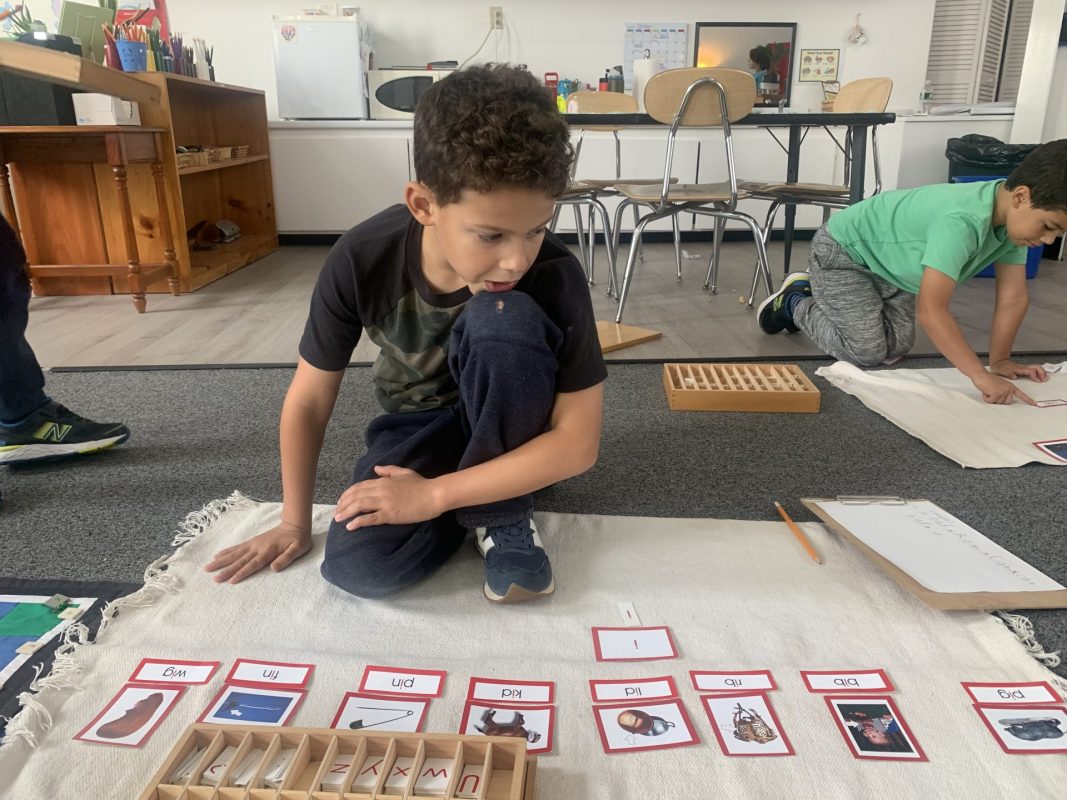
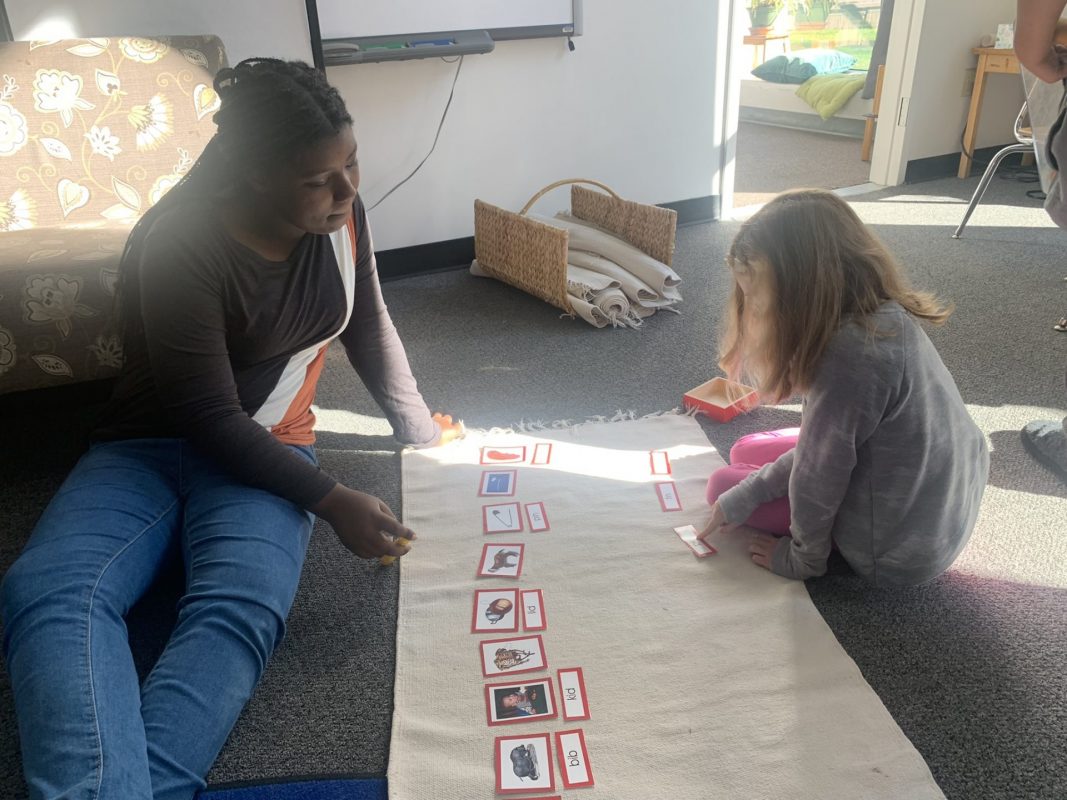
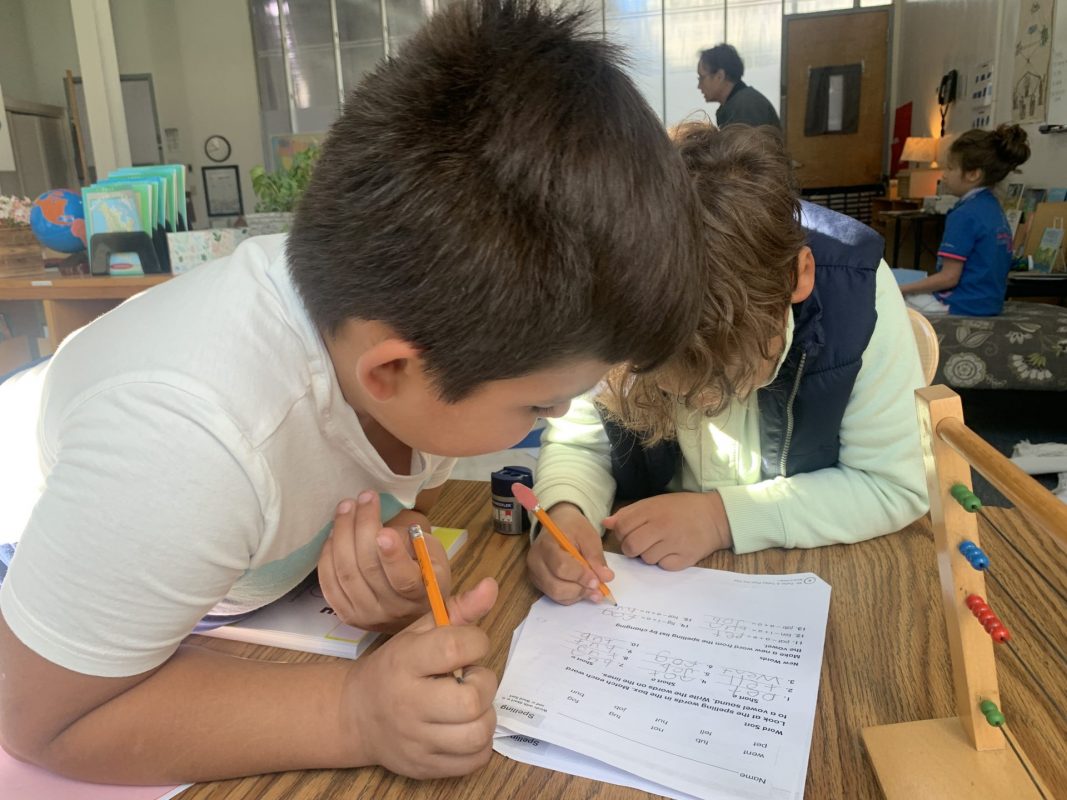
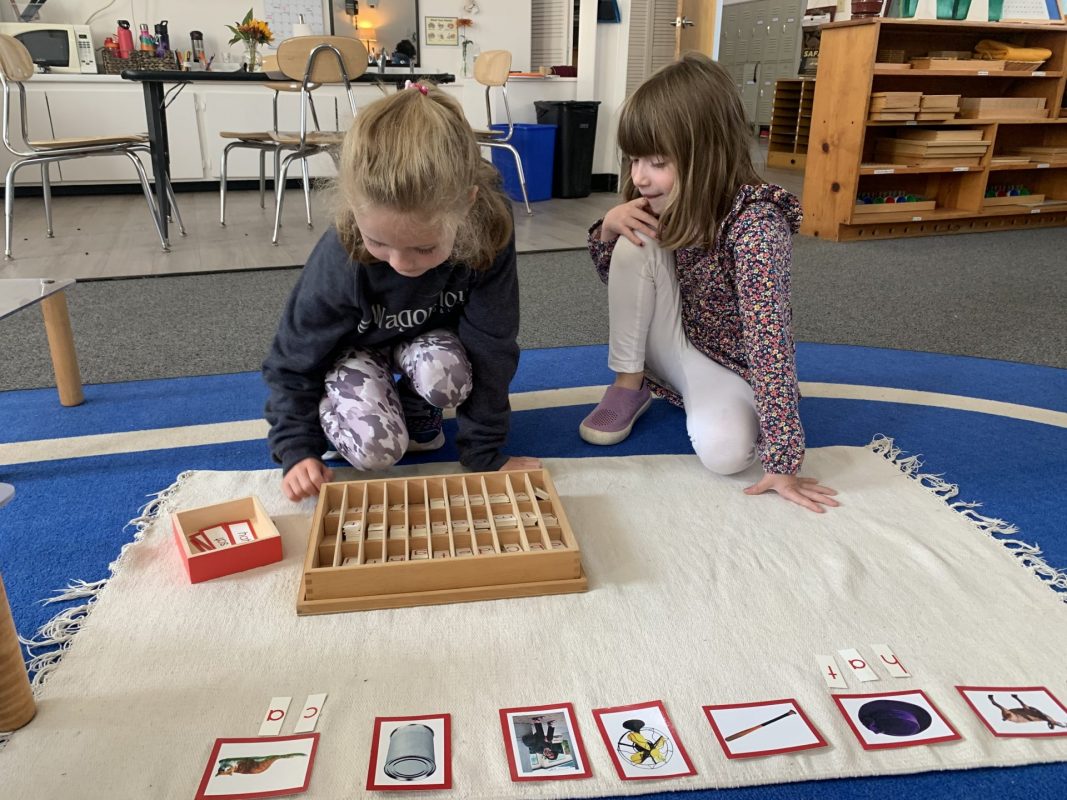
An exciting part of our week was creating the class “Who Am I” material together. “Who Am I” is a collection of Montessori biology materials used to learn about the different kingdoms of life; specifically, animals, plants, fungi, protists, and prokaryotes. As a fun beginning of the year activity, we made this material with a focus on the children in the classroom. This process started with the children answering questions about themselves. Next, it was typed up, and turned into a material the students can use during work cycle. Not only is the “Who Am I” material a fabulous and popular classification work, it also provides work in comprehension and fluency while helping the children get to know each other!

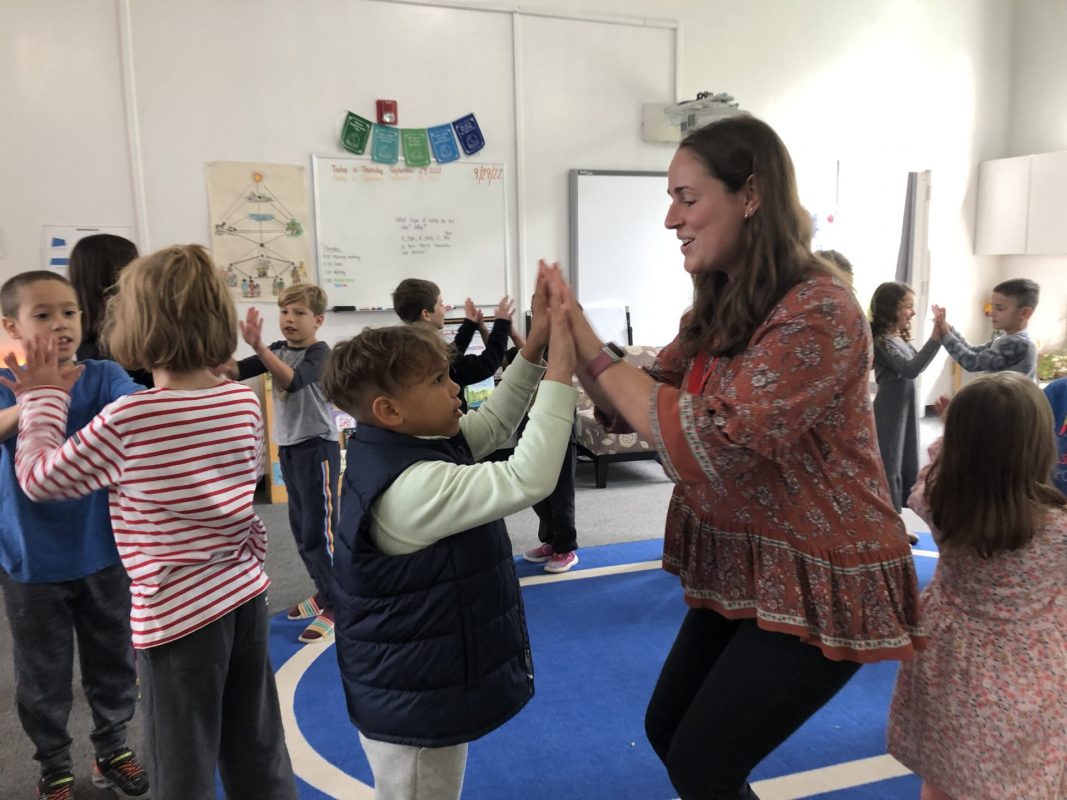
On Wednesday, we celebrated International Day of Peace by singing “Sing Peace Around The World.” For 24 hours, this special song is sung by Montessori children all around the world. We gathered together as a whole school community from toddler to middle school students.  It was a powerful moment and reminder of the importance of teaching and modeling peace to our children.

Wishing everyone a peaceful weekend!


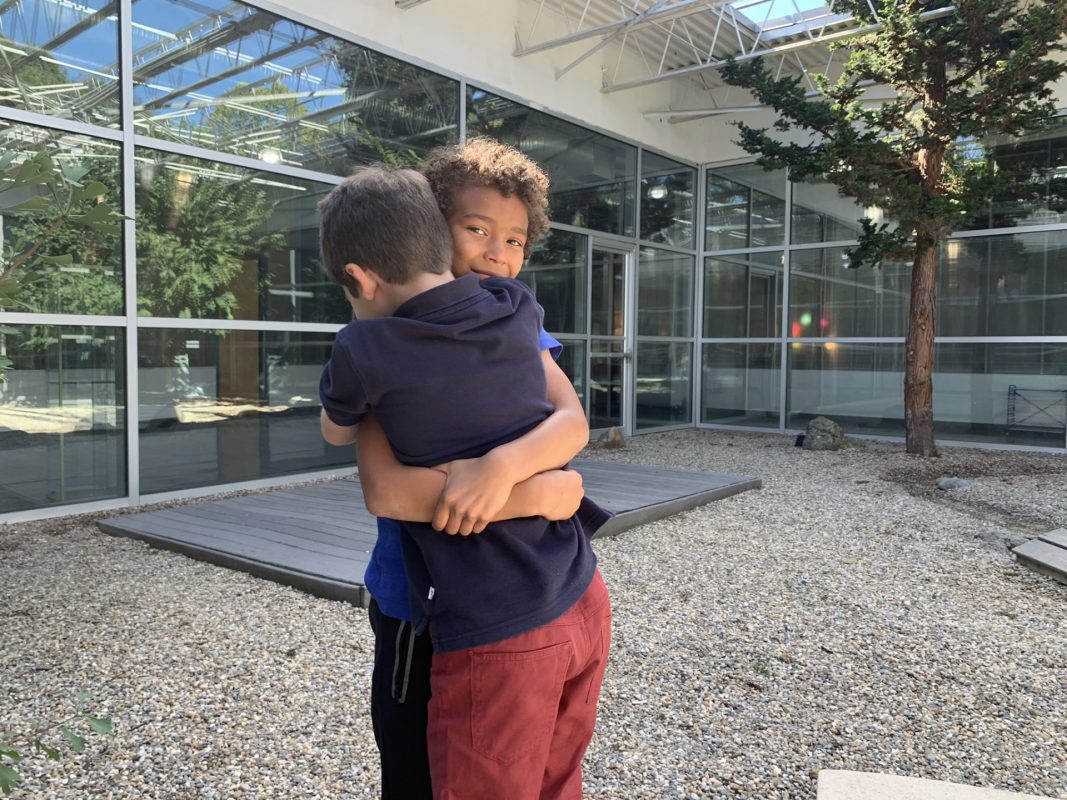
Lower El: Building Community

“There is a great sense of community within the Montessori classroom, where children of different ages work together in an atmosphere of cooperation rather than competitiveness. There is respect for the environment and for the individuals within it, which comes through experience of freedom within the community.”  -Maria Montessori

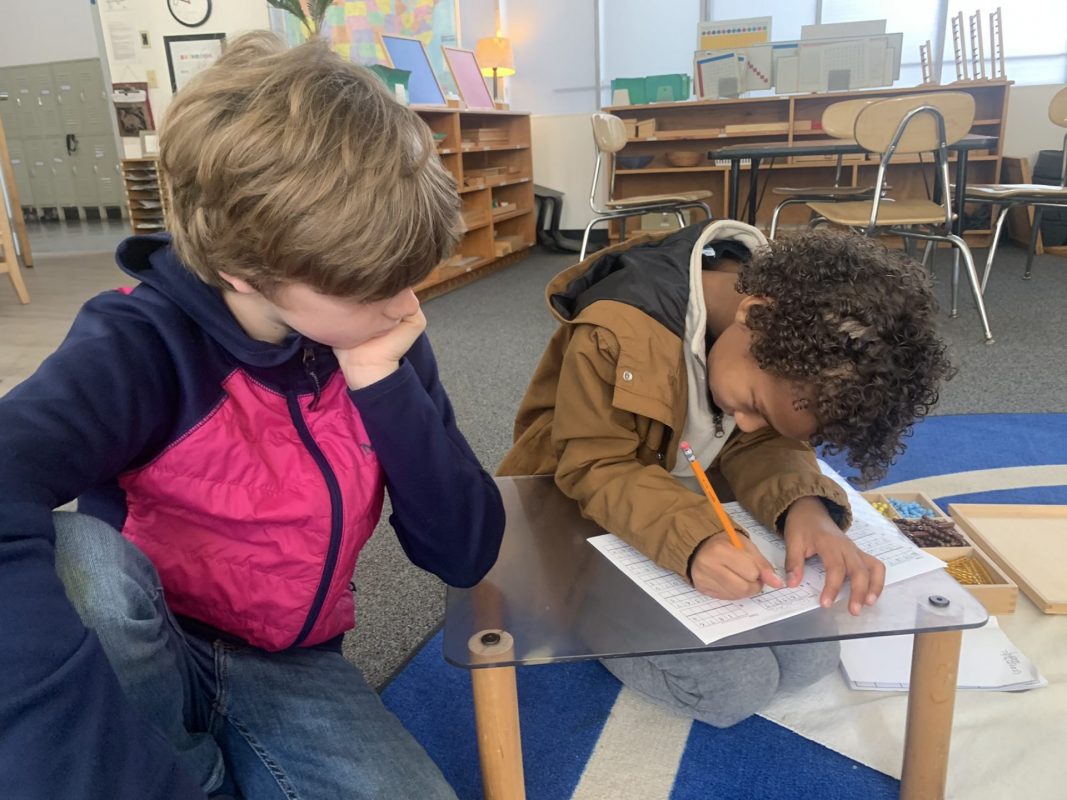
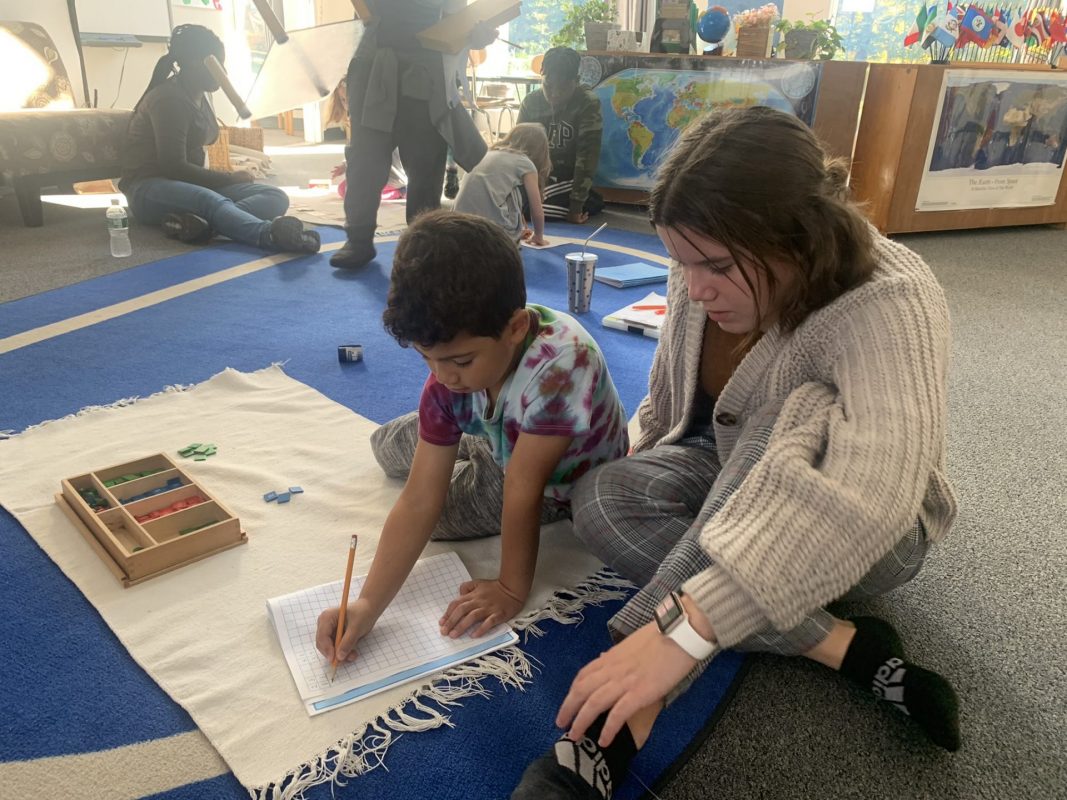
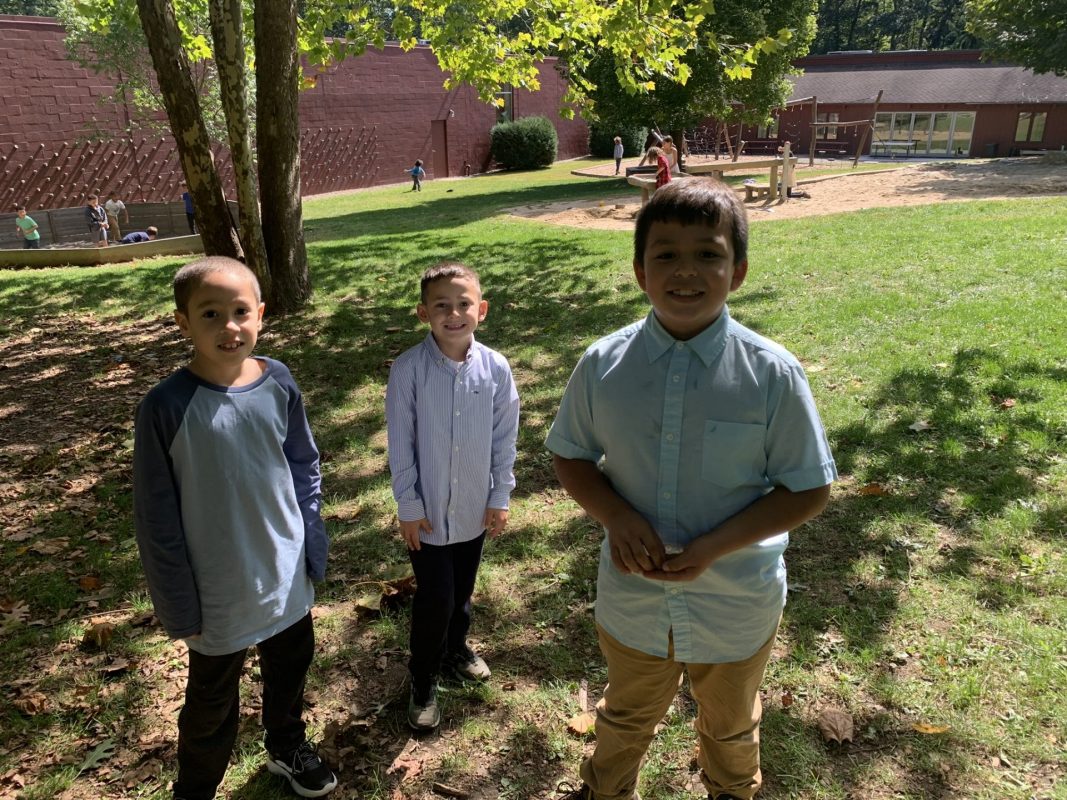
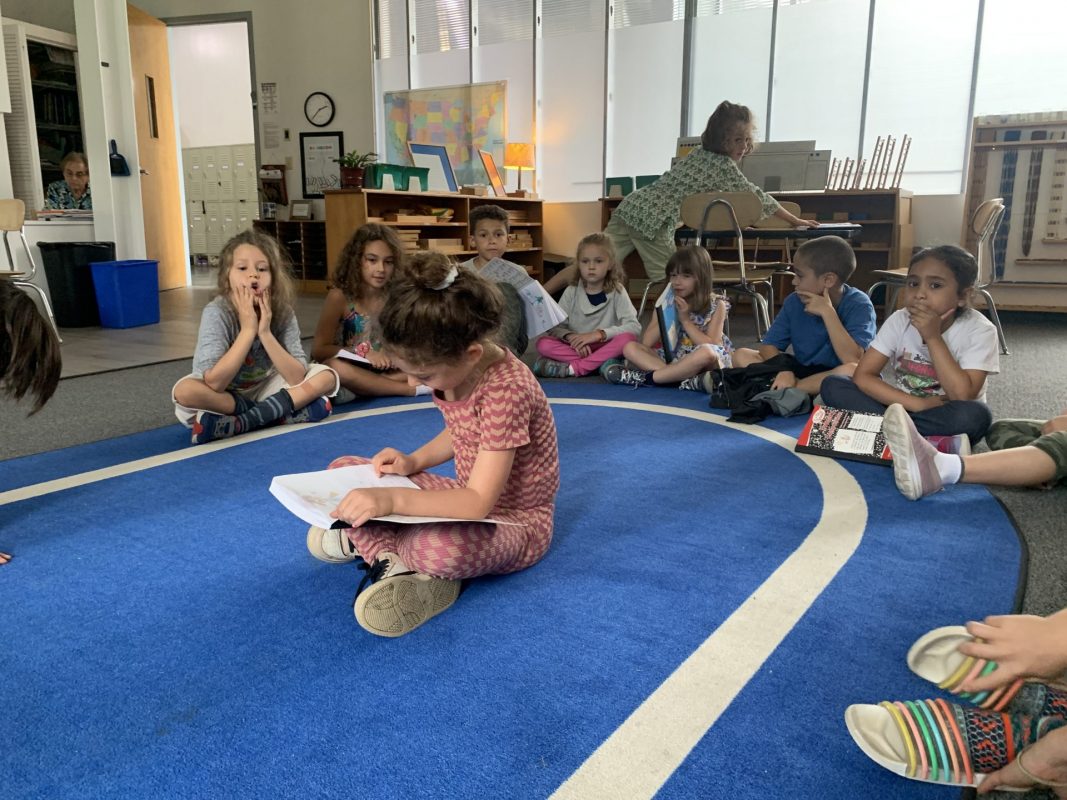
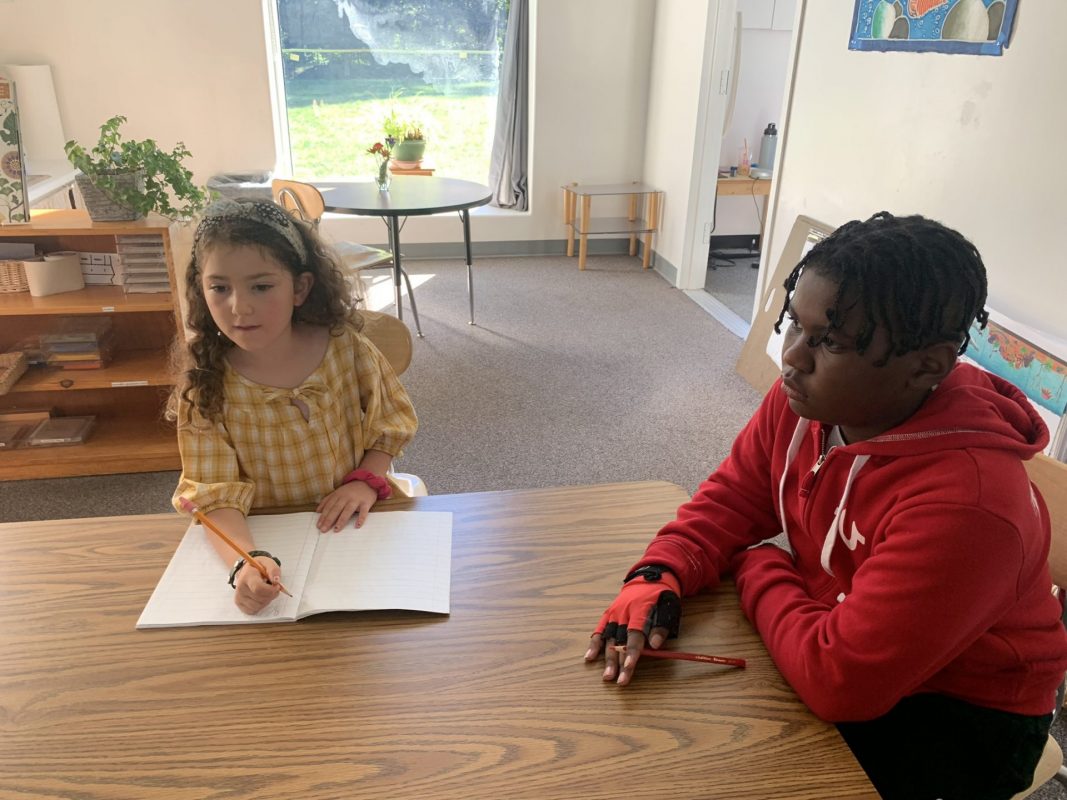
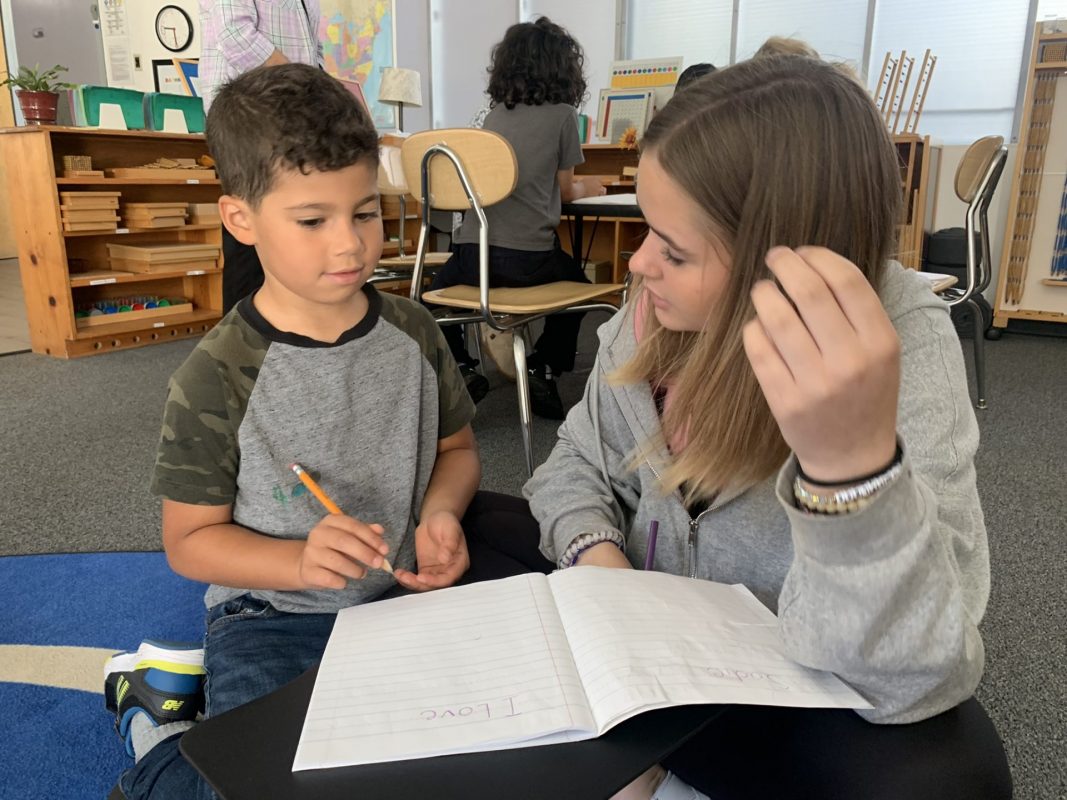
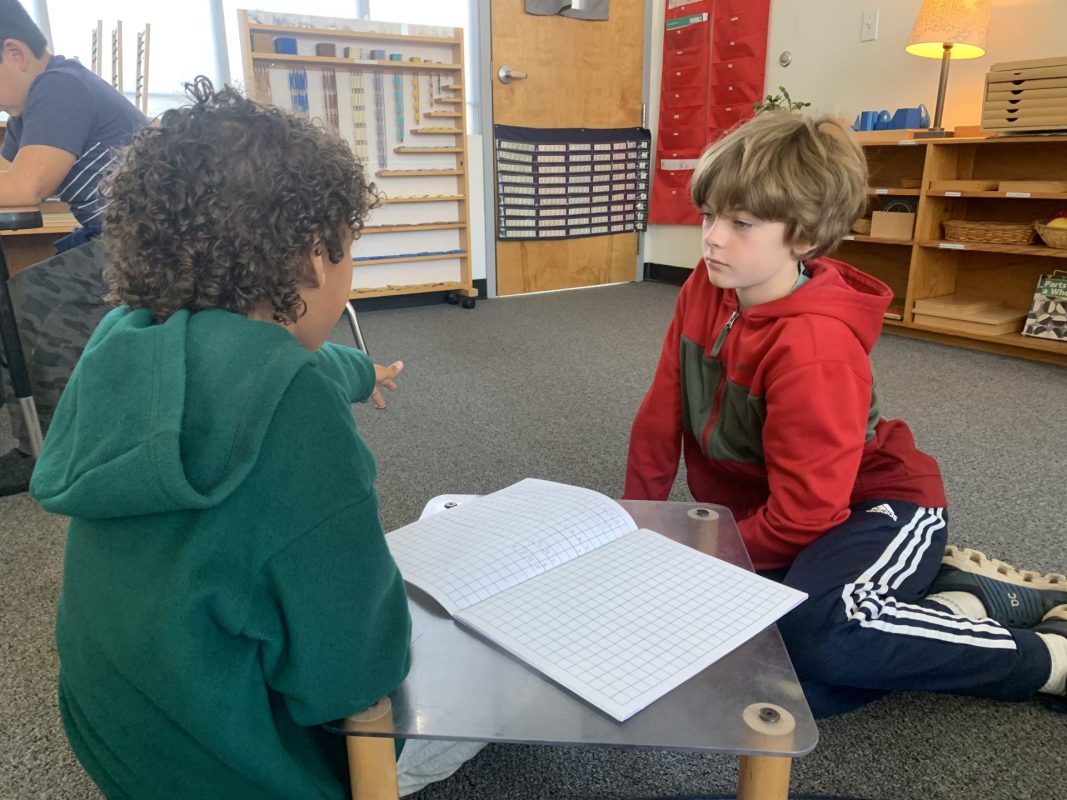
We had a great second full week of school!  This week we got to branch out and grow stronger with our school community. We felt fortunate to have our first community service day where the Middle School students came to help us with our work. Our students love this time with their older peers and take so much pride and ownership in the process of working with them. Not only is it a benefit to us, but the Middle School students get to experience the wonderful feeling of giving help where needed. We love the days our older friends visit!

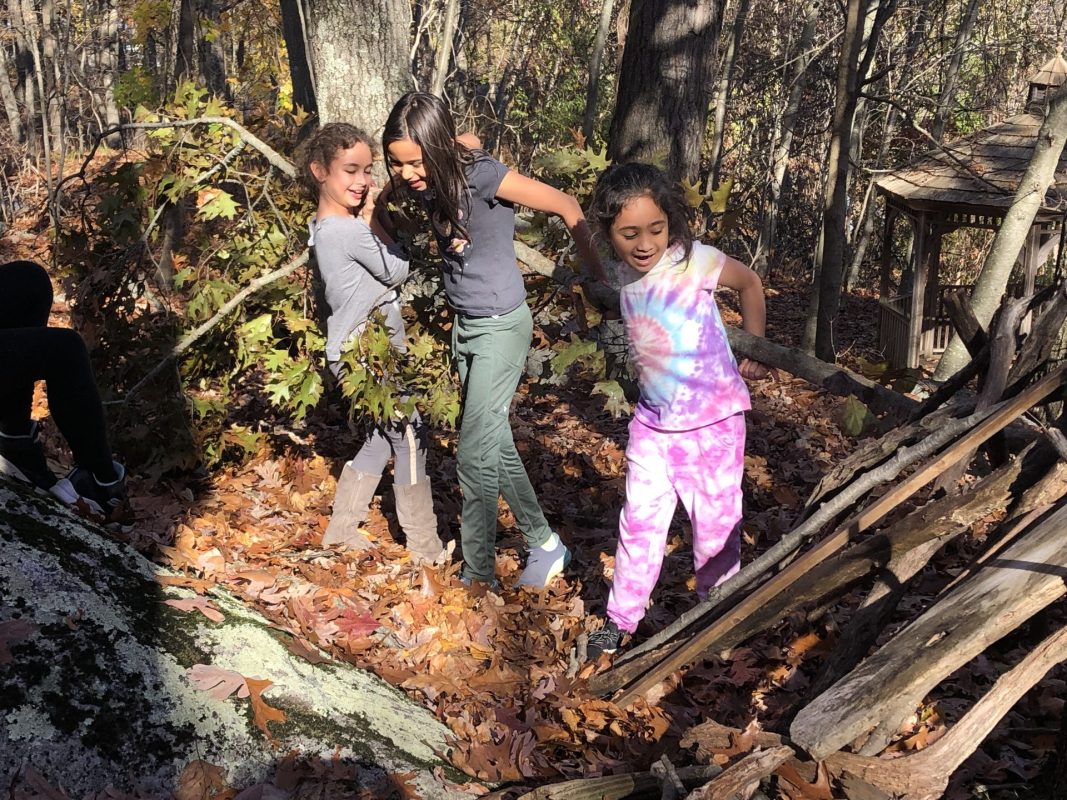
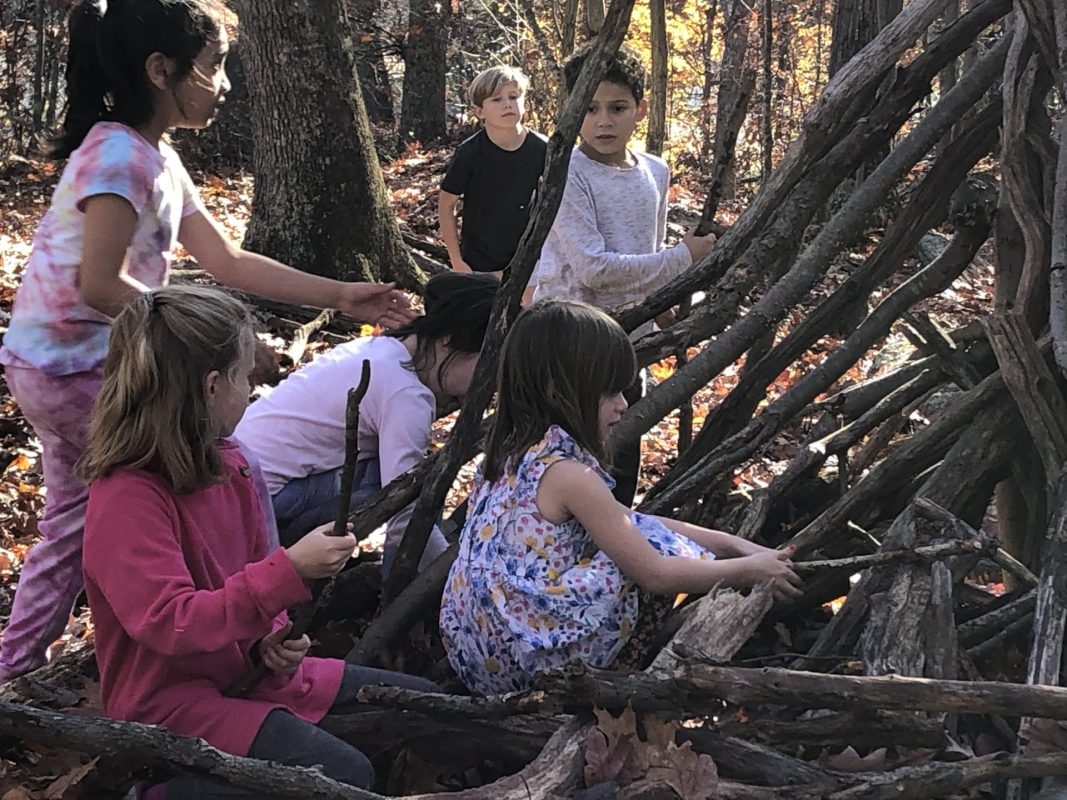
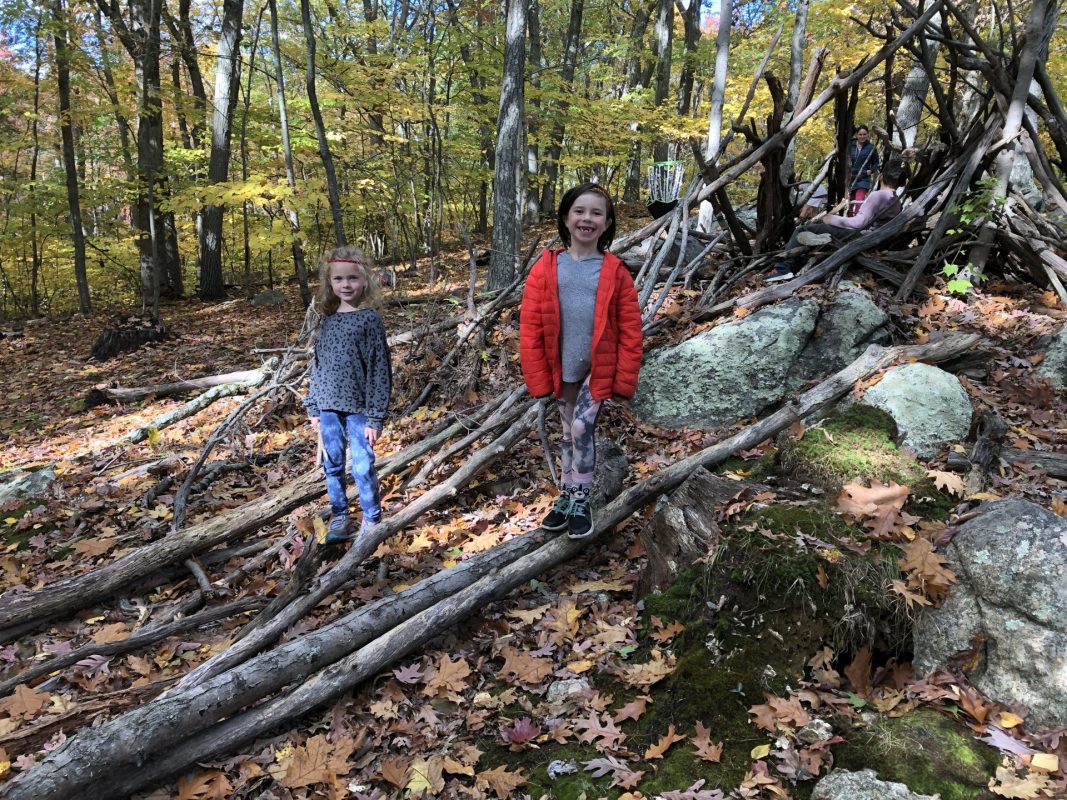
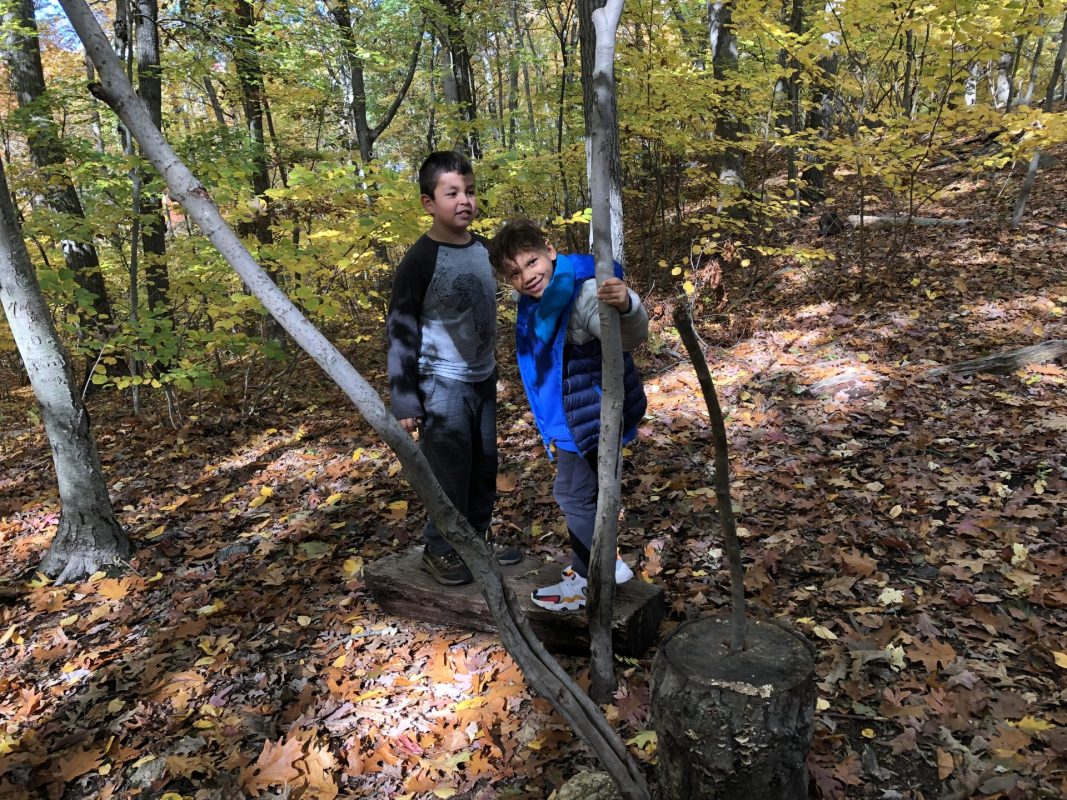
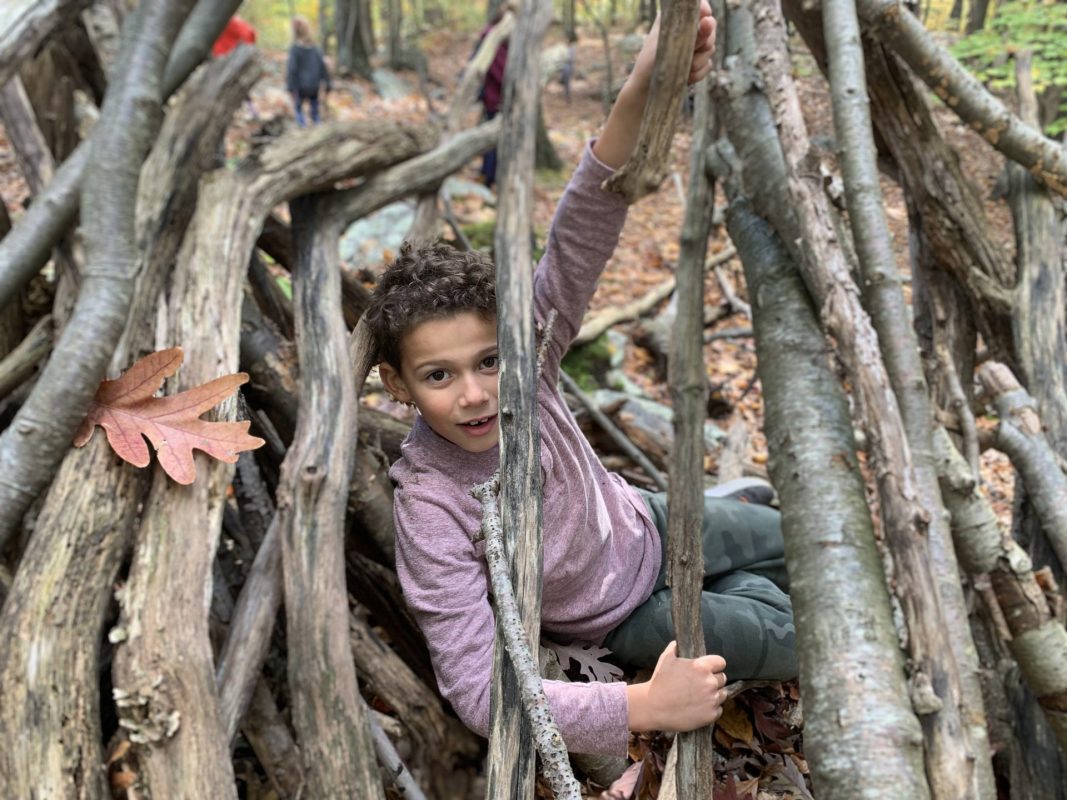
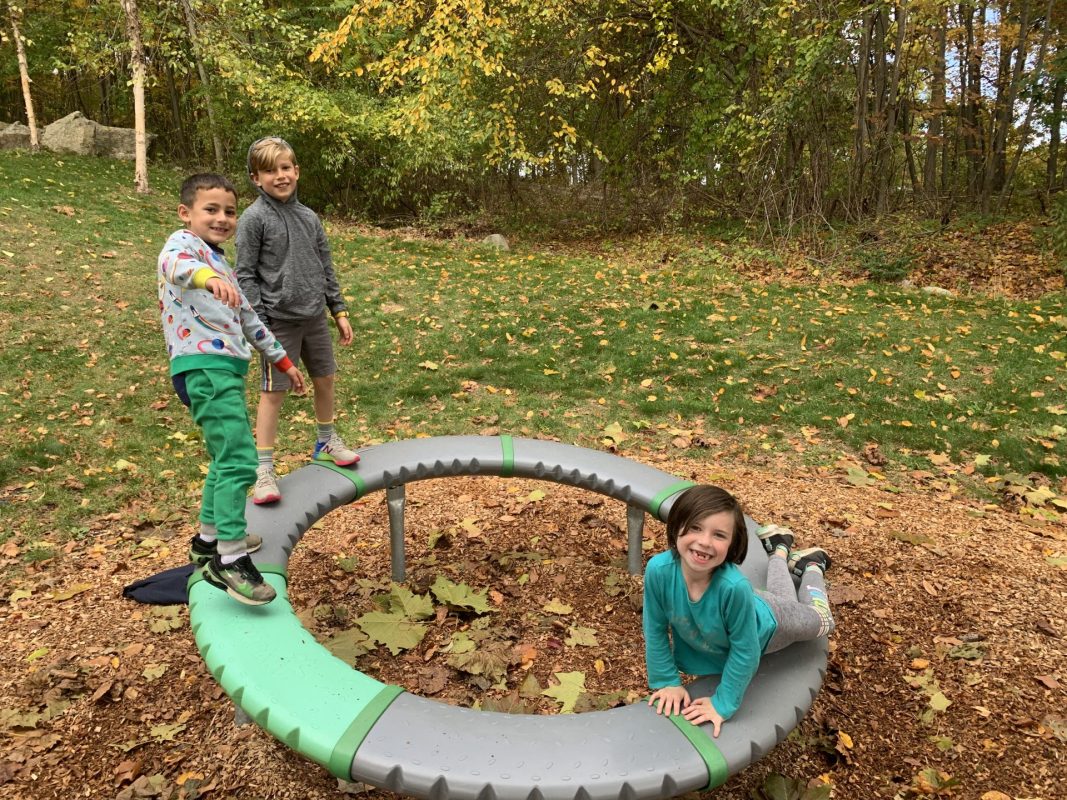
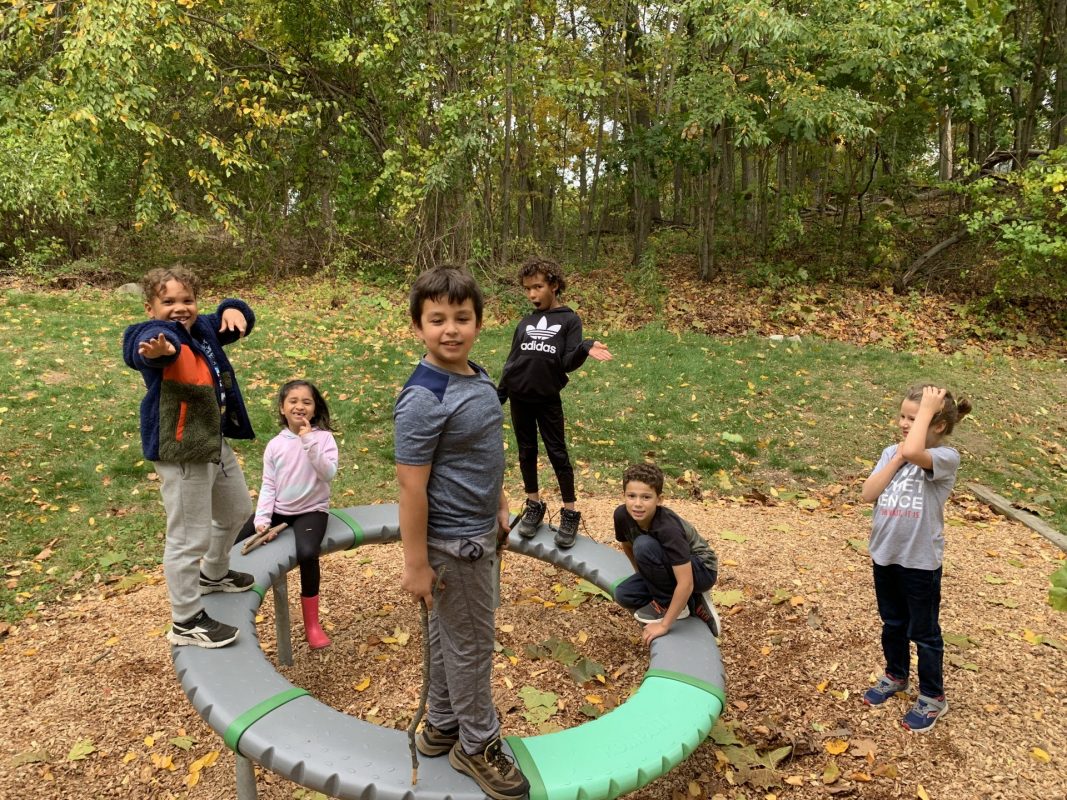
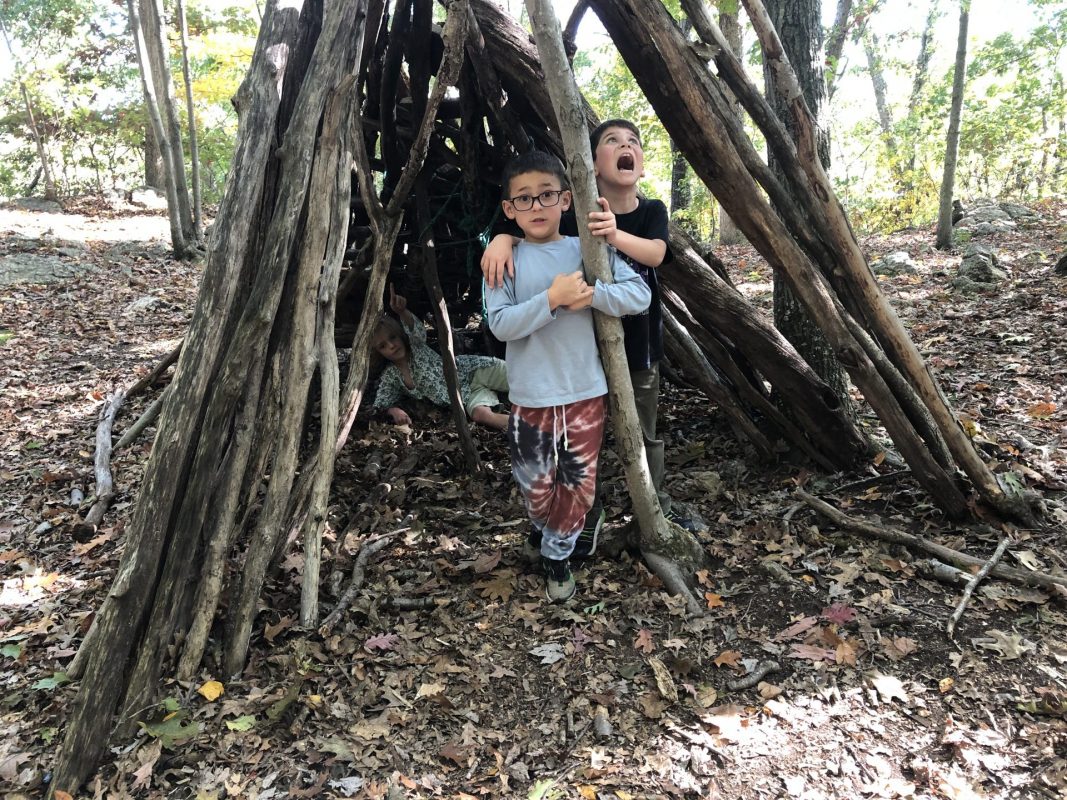
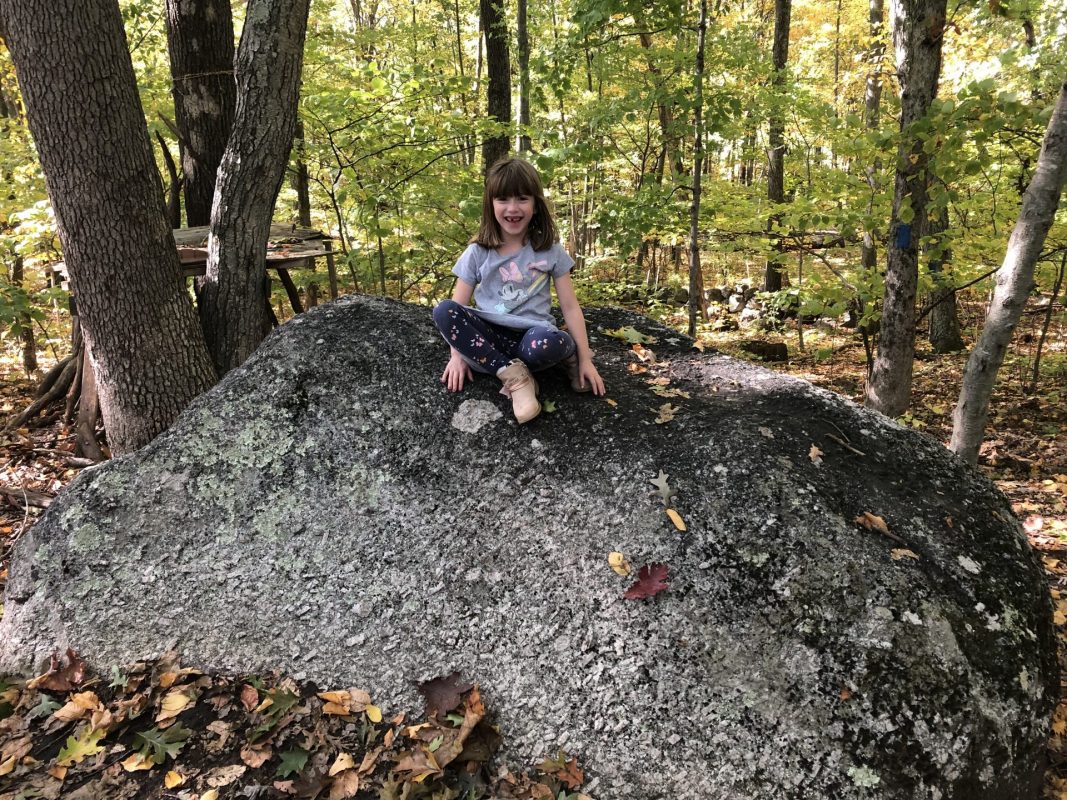
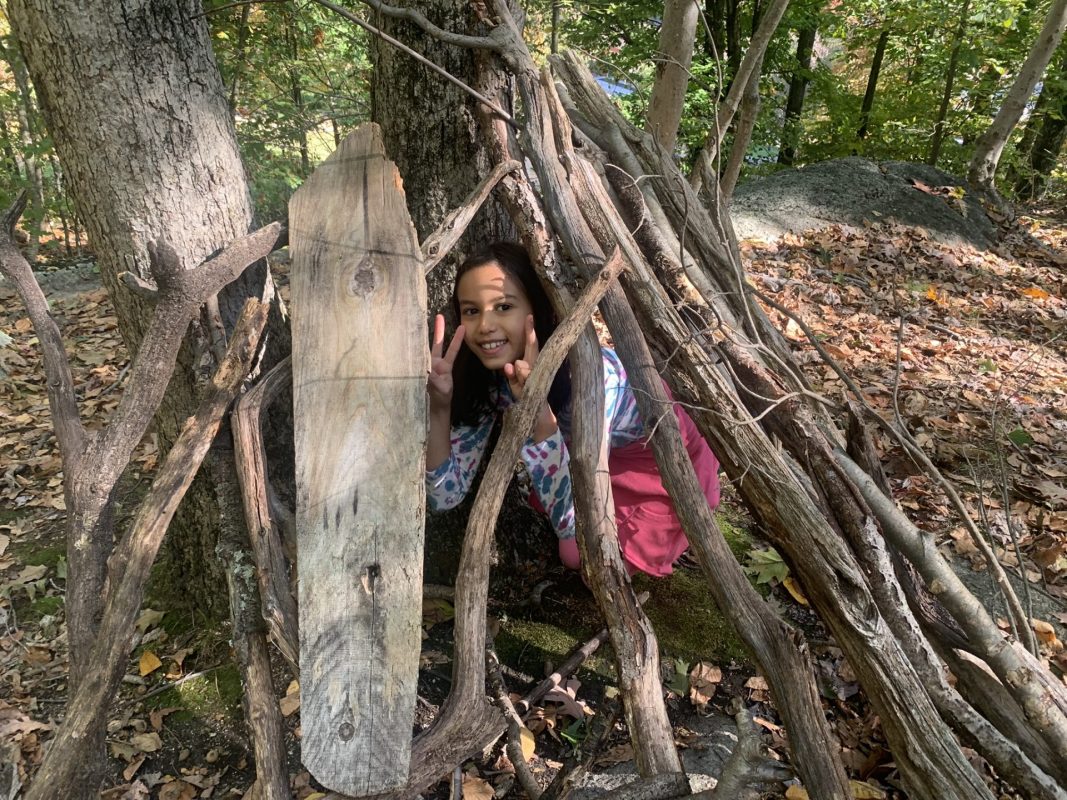
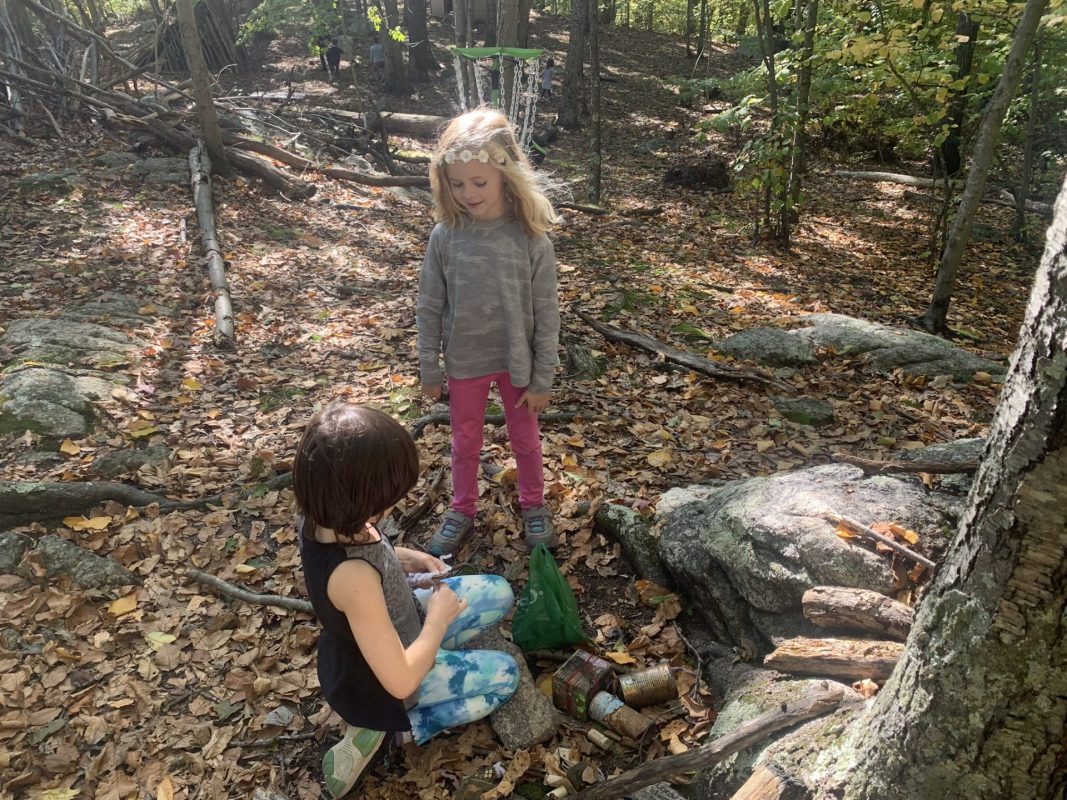
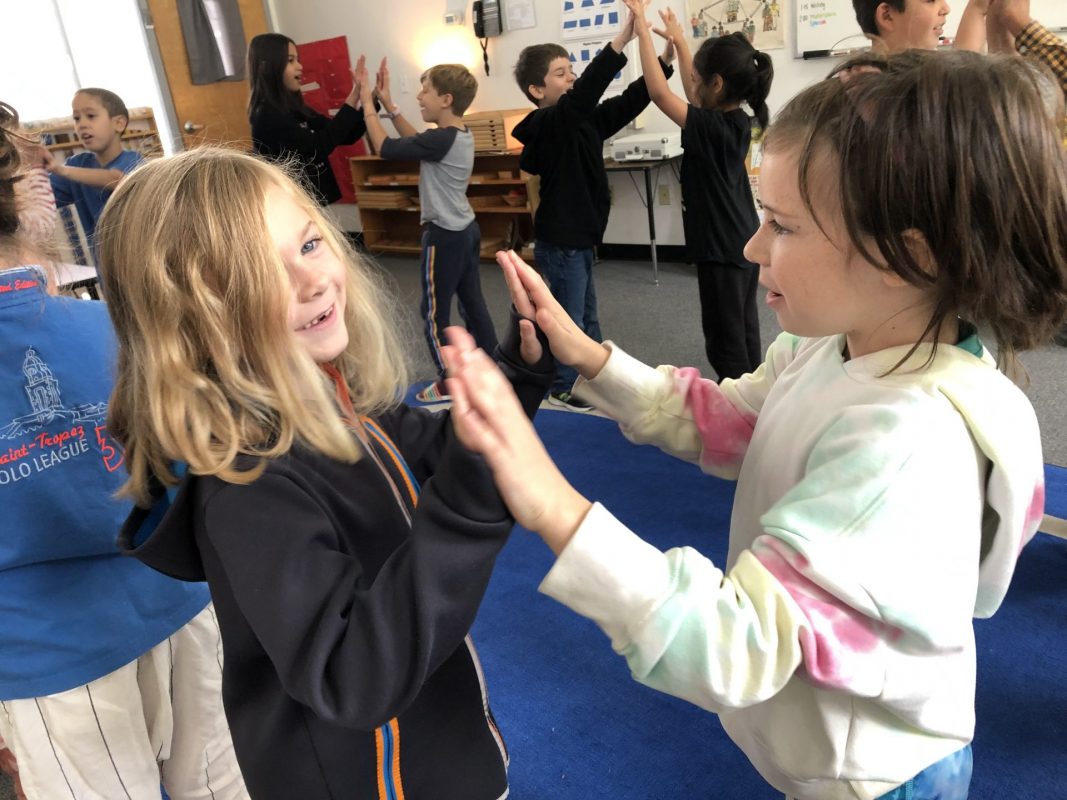
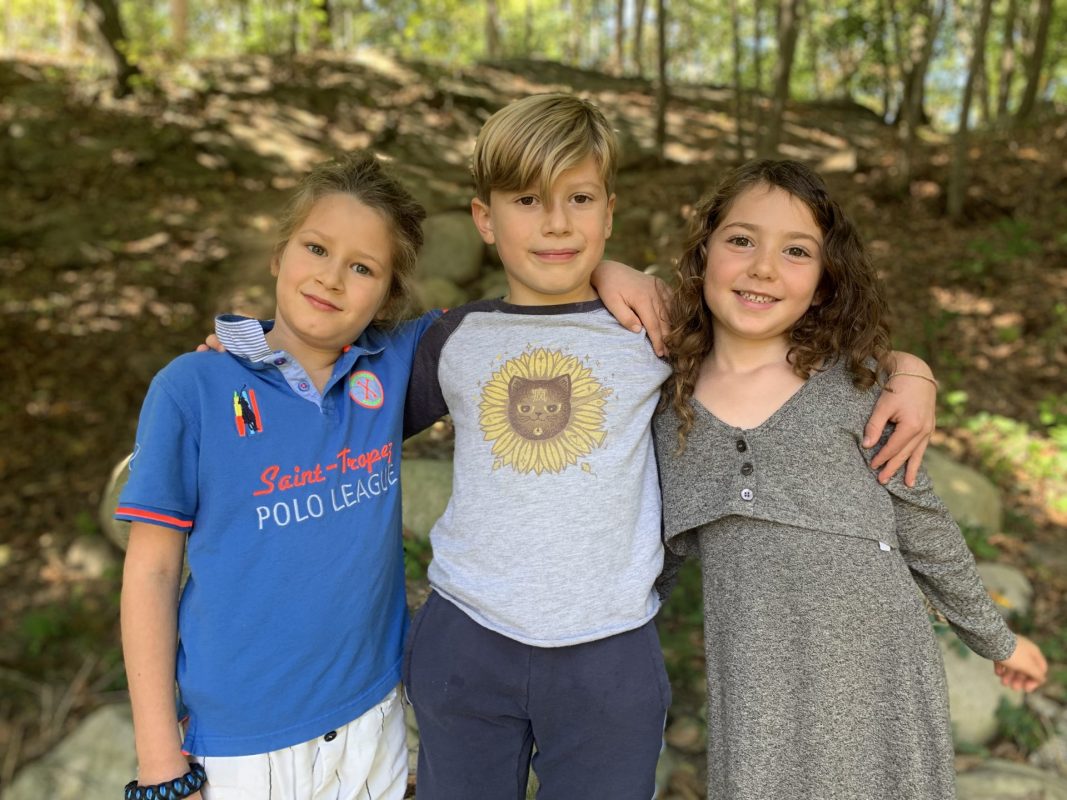
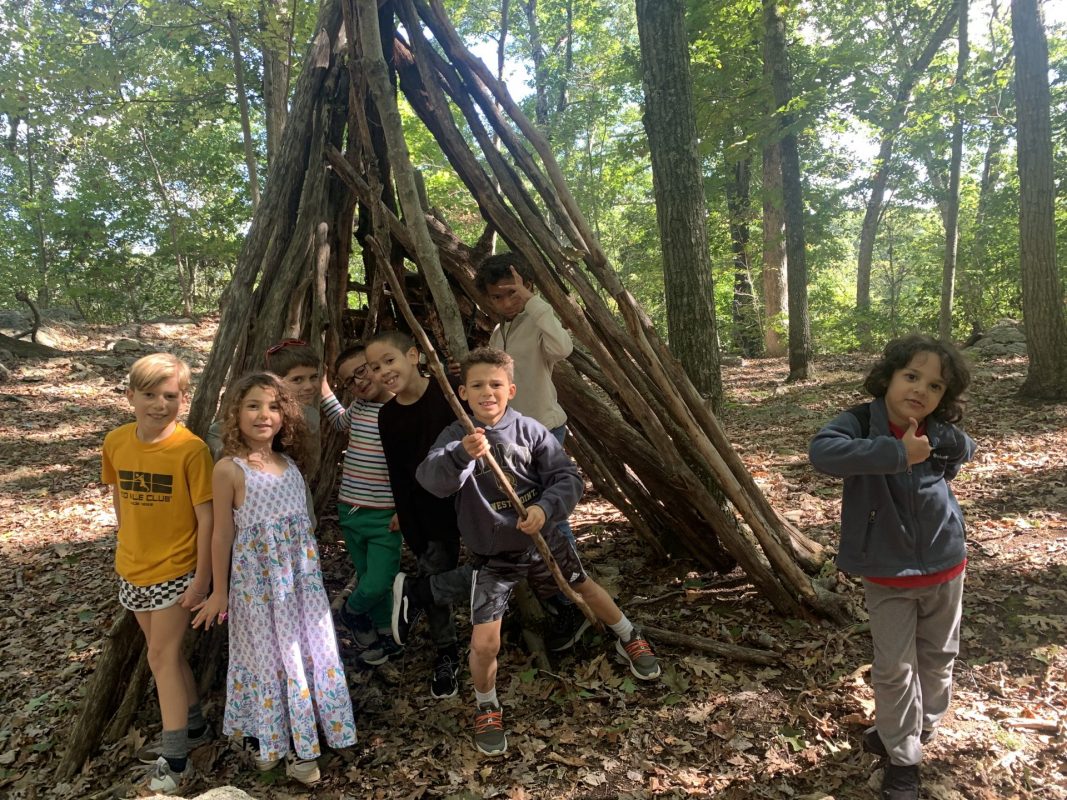
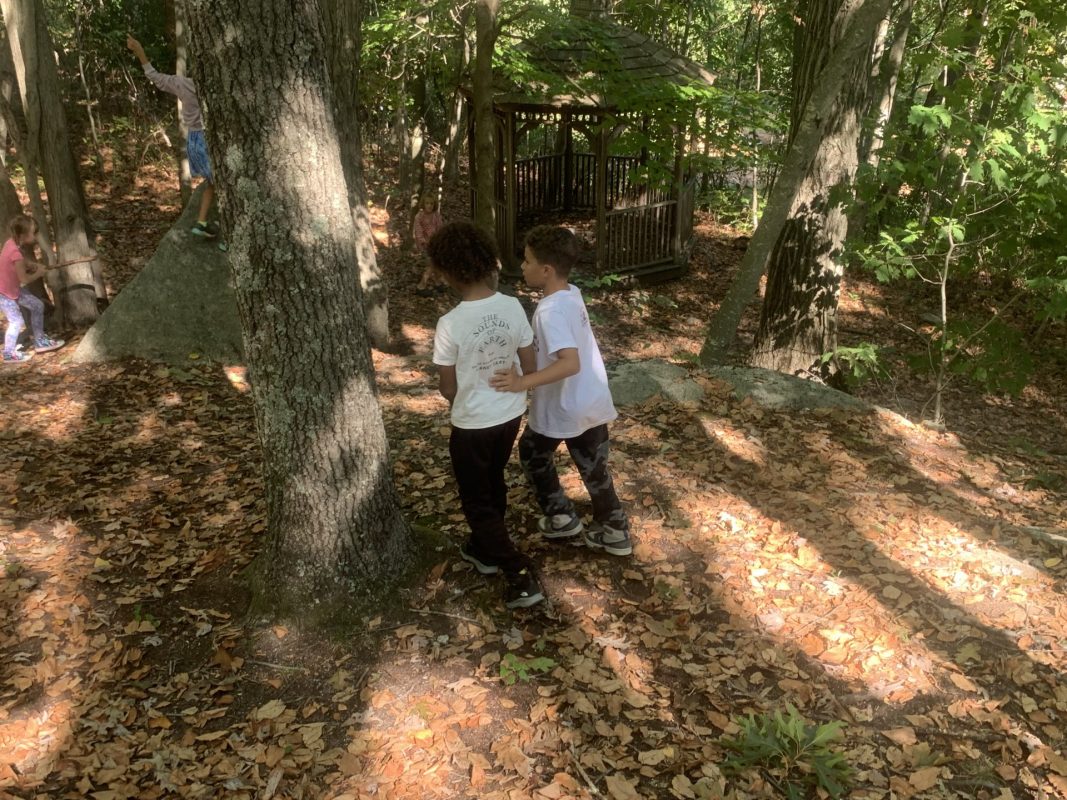
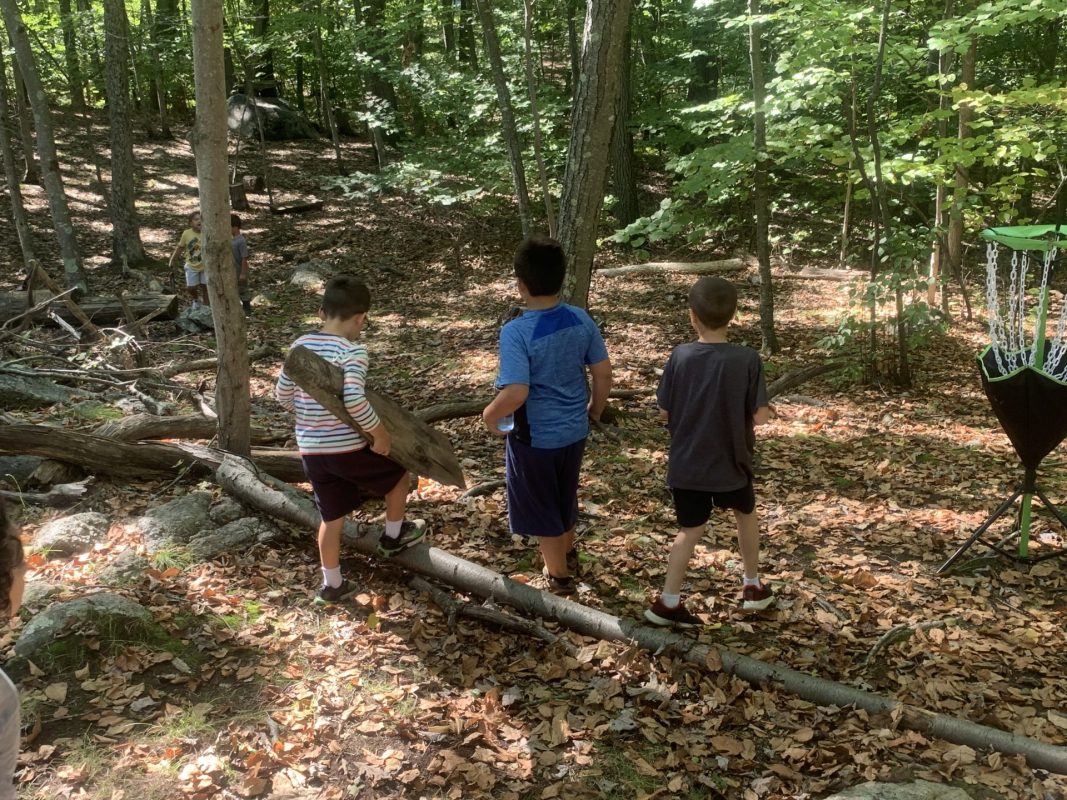
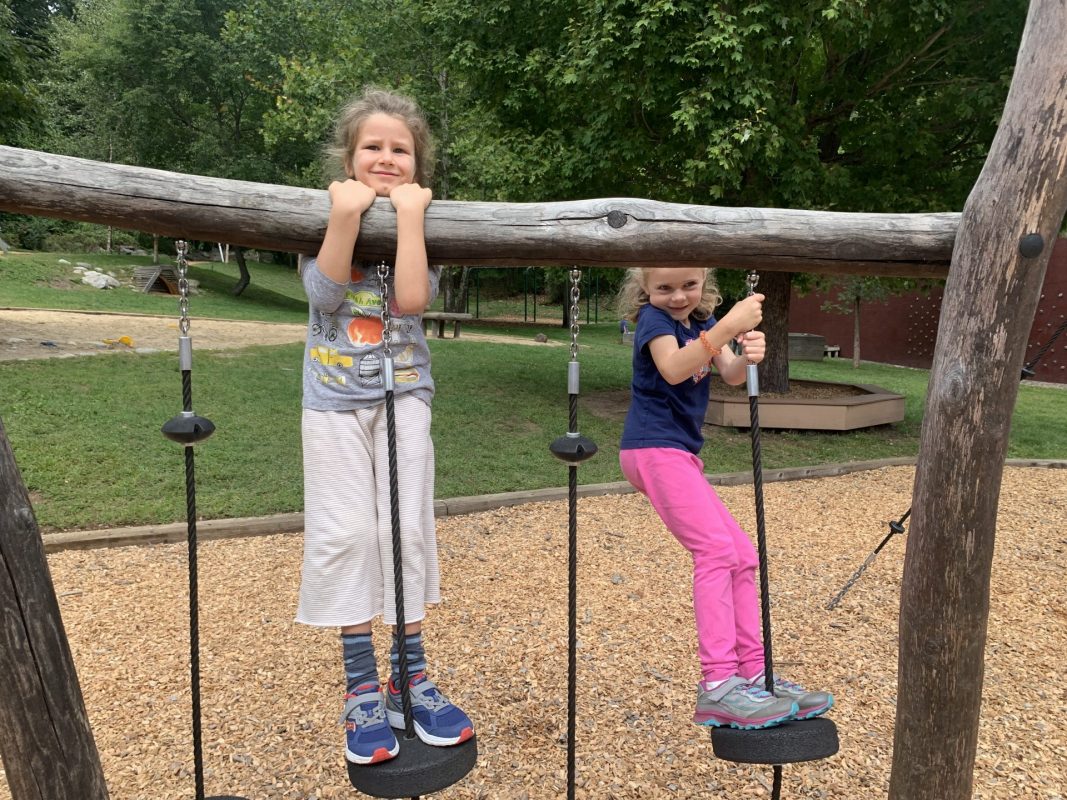
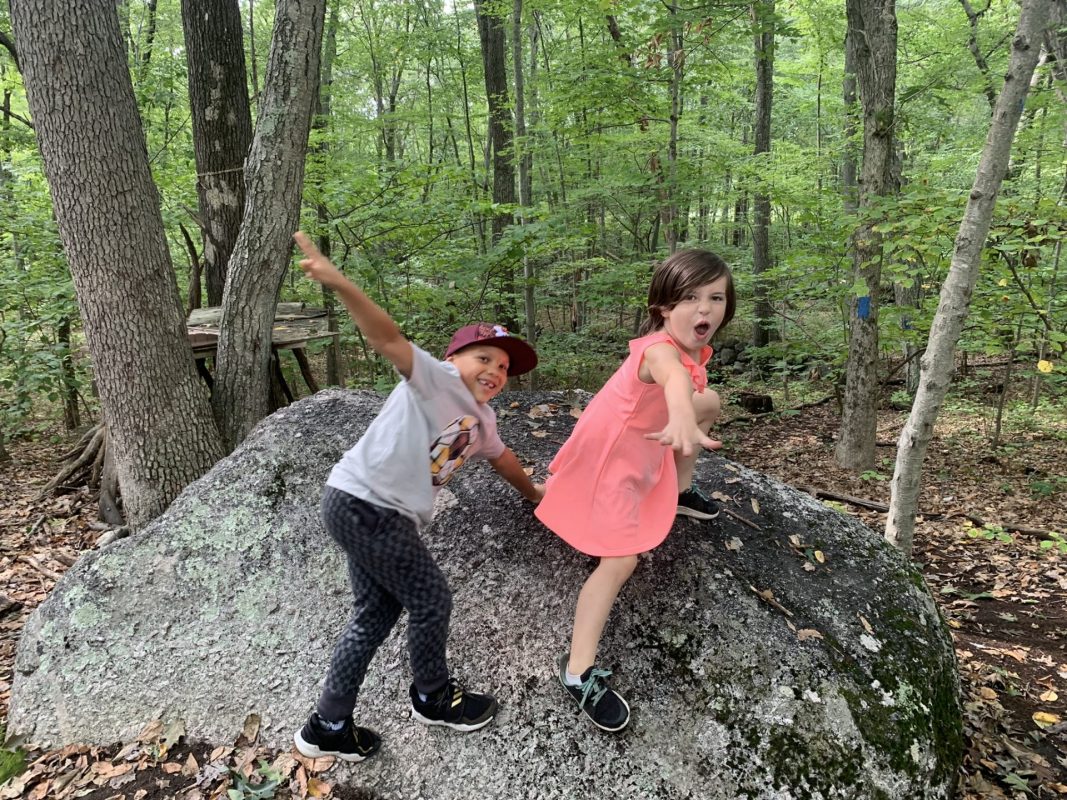
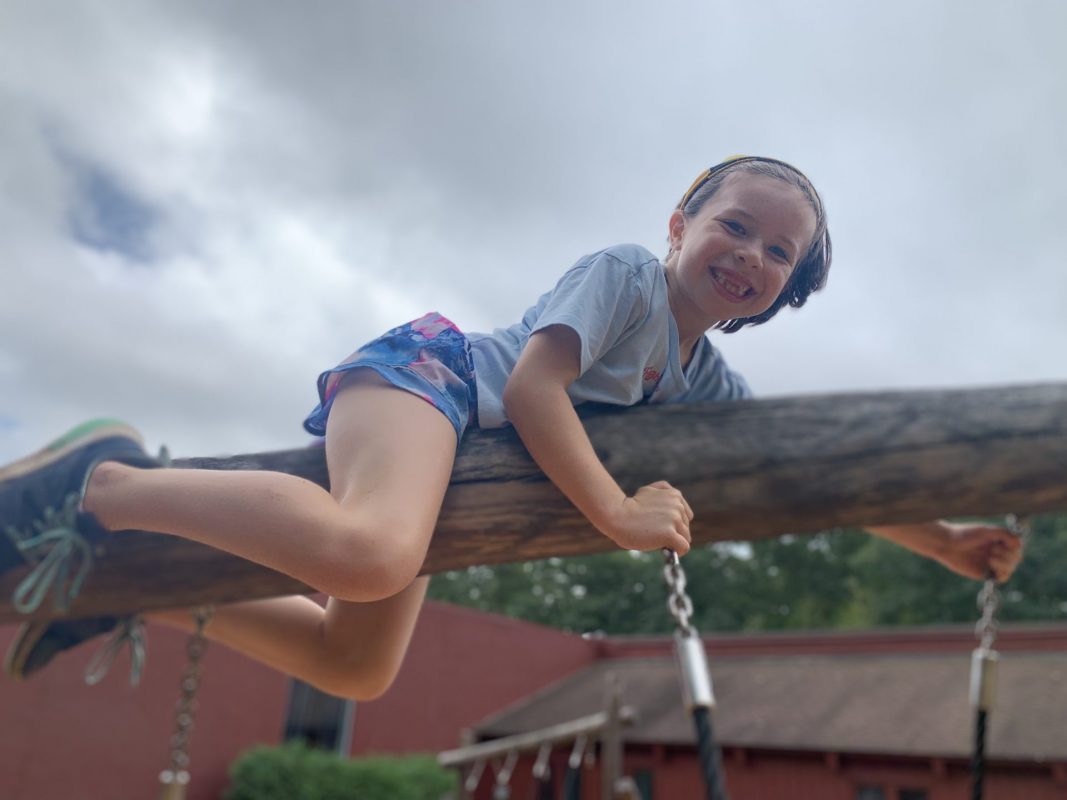
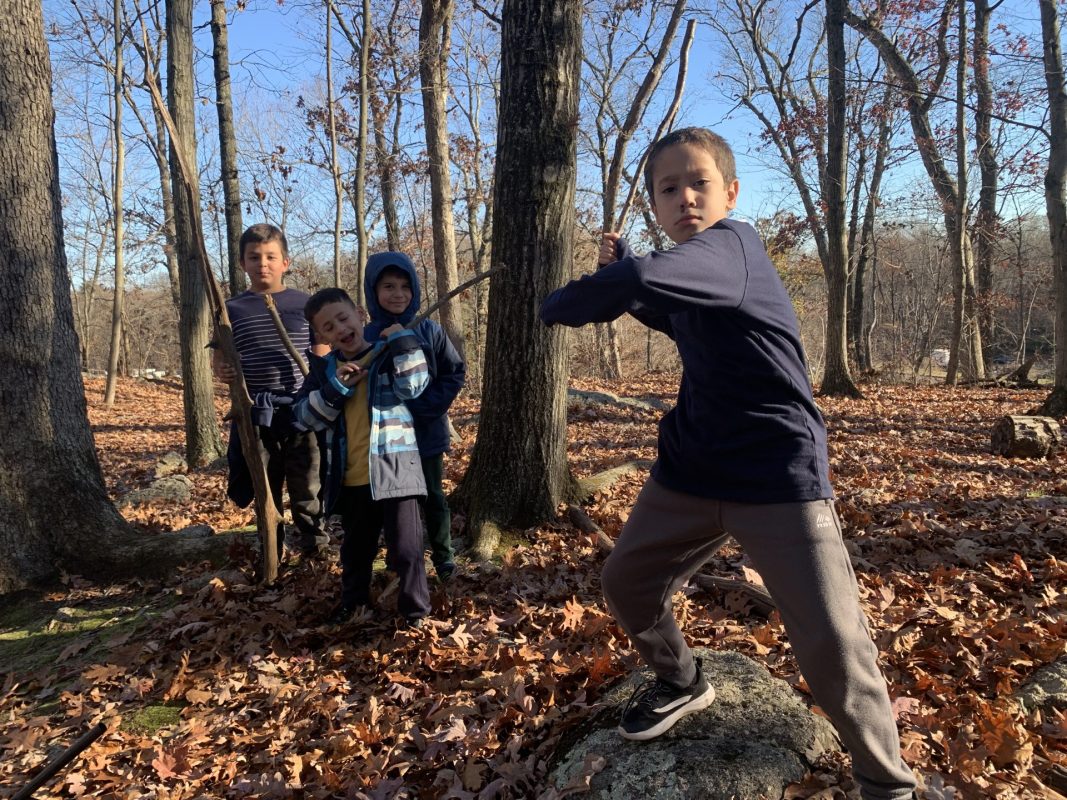
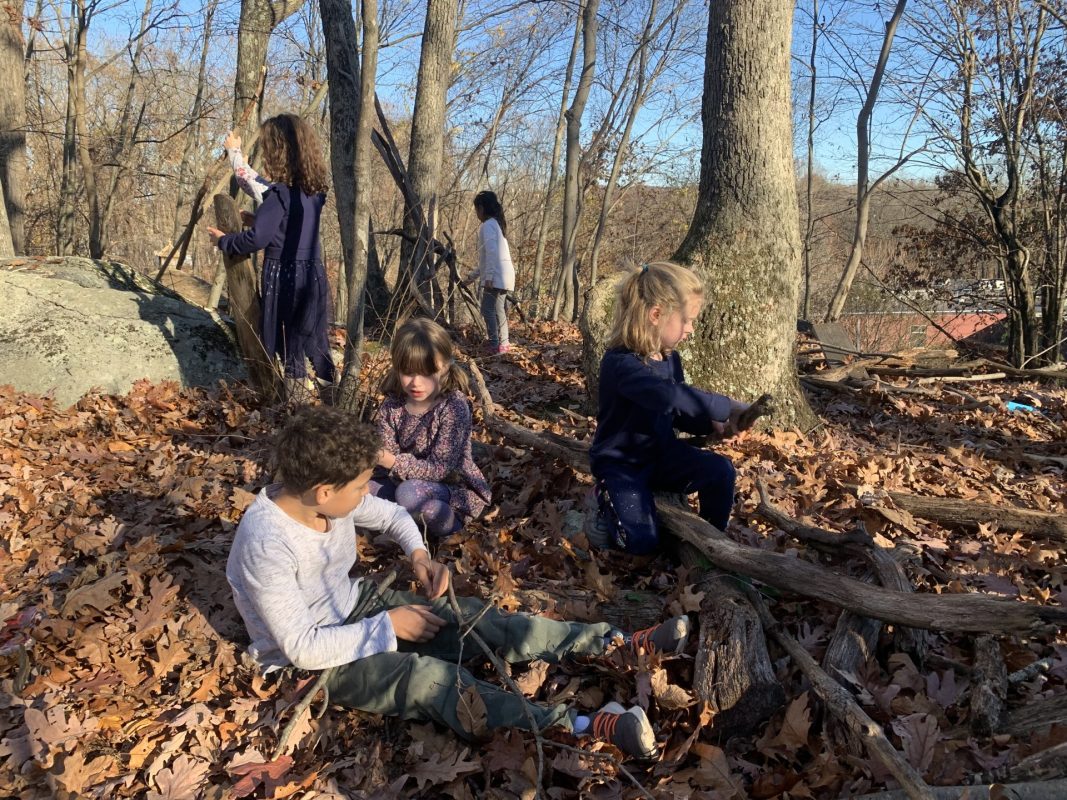
Each Wednesday afternoon we have intentional community building time. This is a time when the children socialize with each other and build our Lower Elementary community, making bonds and creating memories. Whenever possible, during this time we enjoy going to our outdoor classroom and playing in the woods. Spending time in nature is incredibly valuable and it is wonderful to watch the children be creative and play, no equipment needed!