LE Blossoming

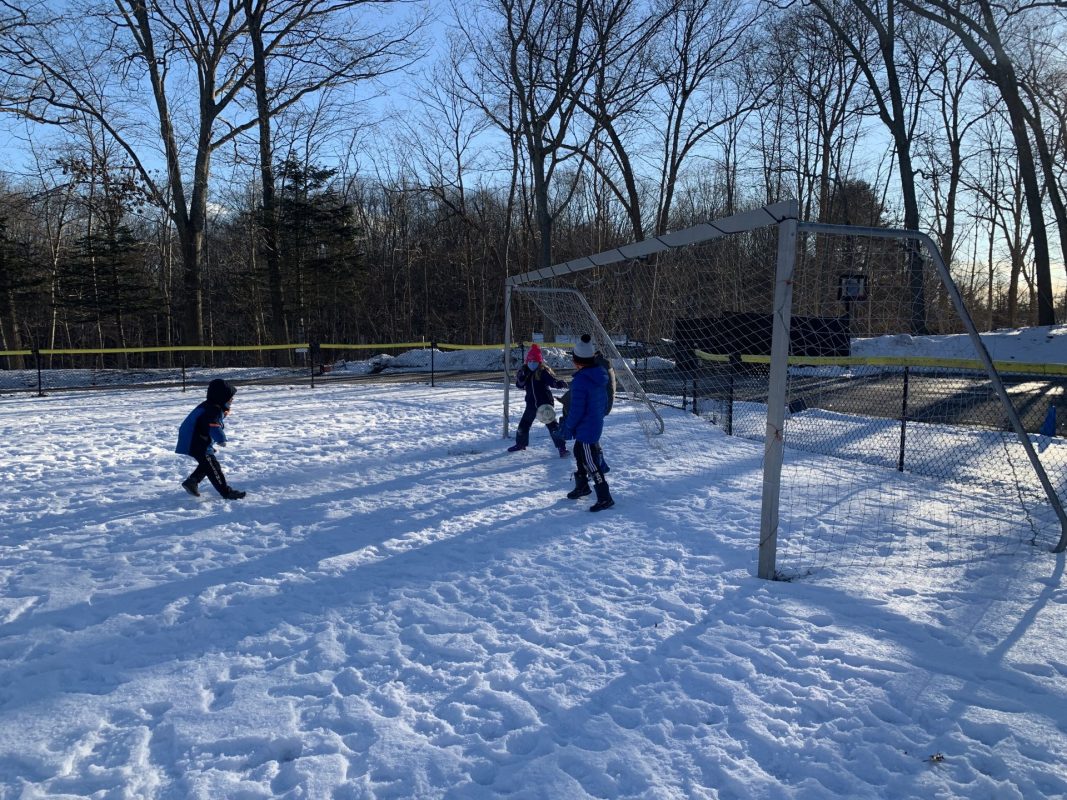
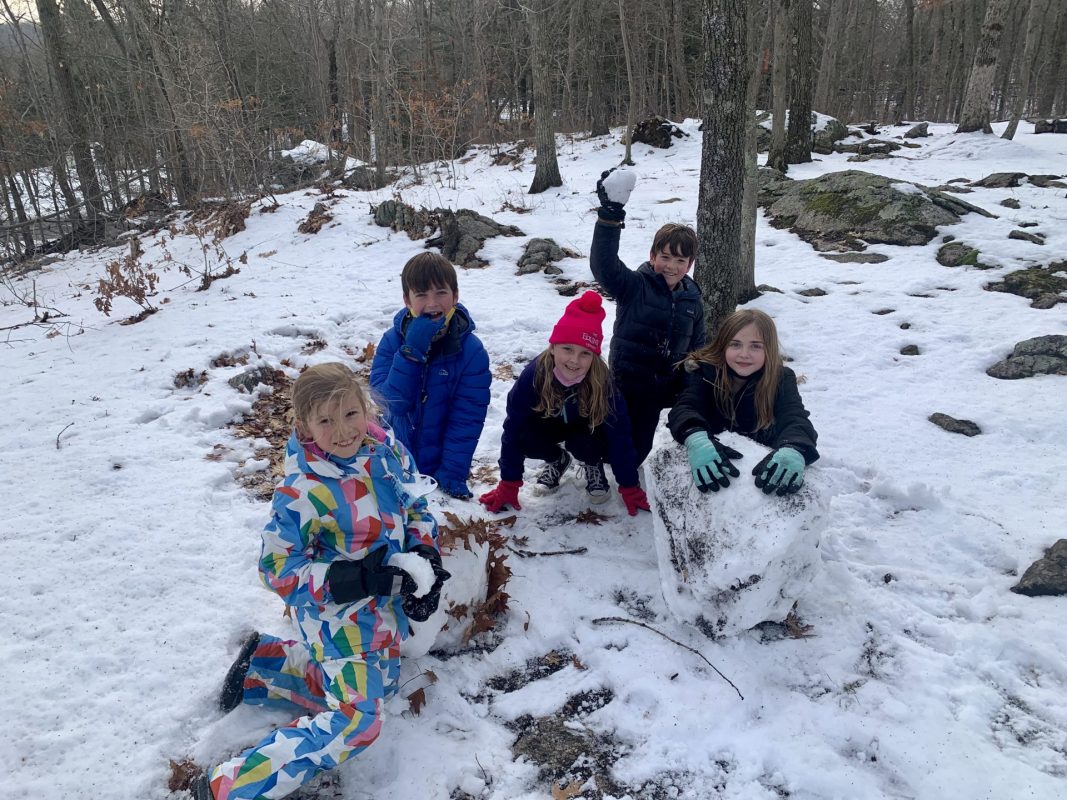
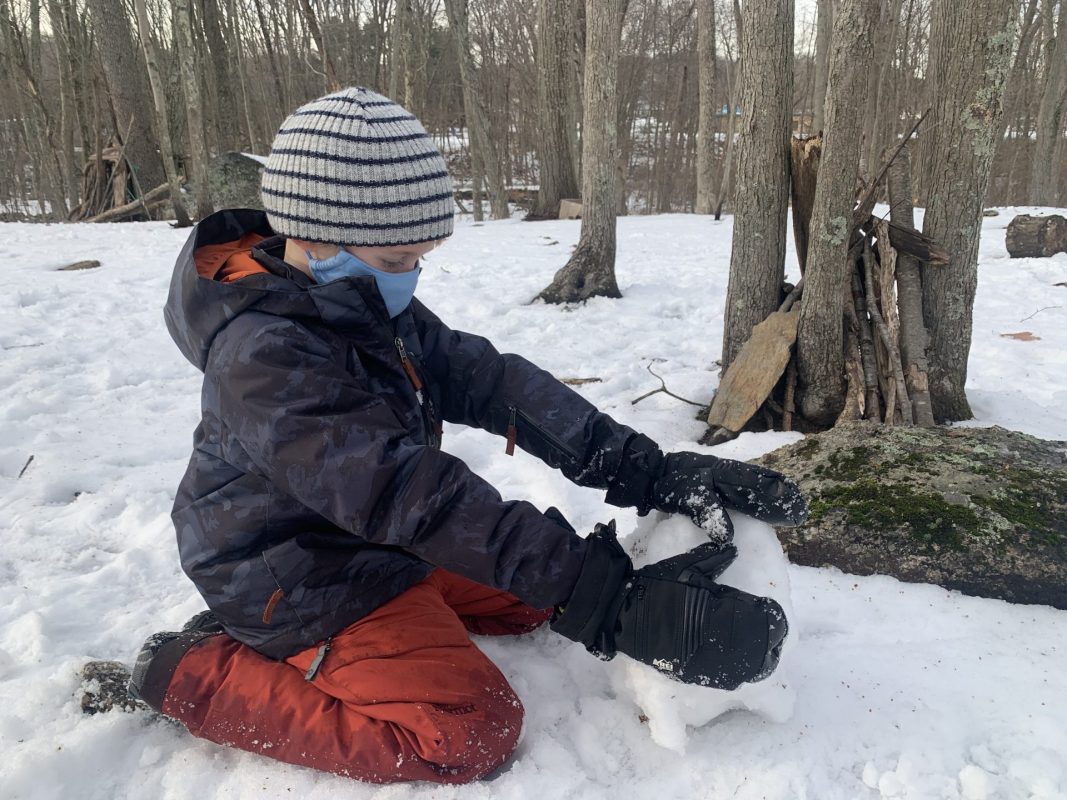
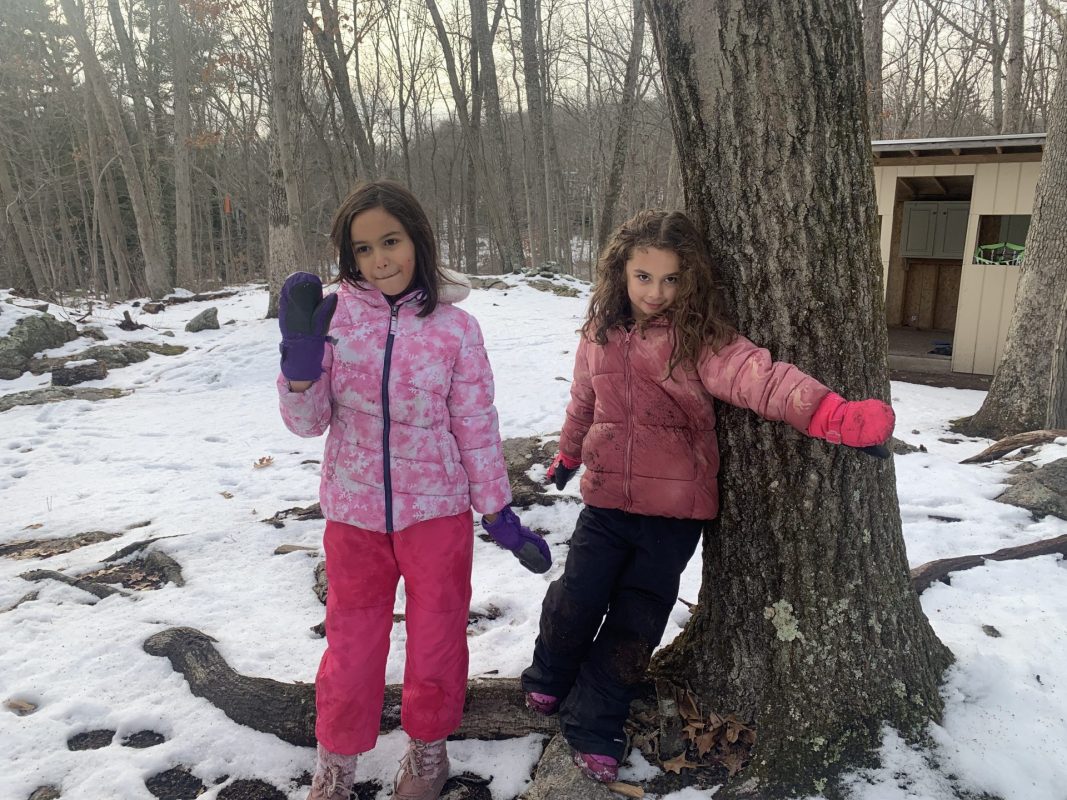
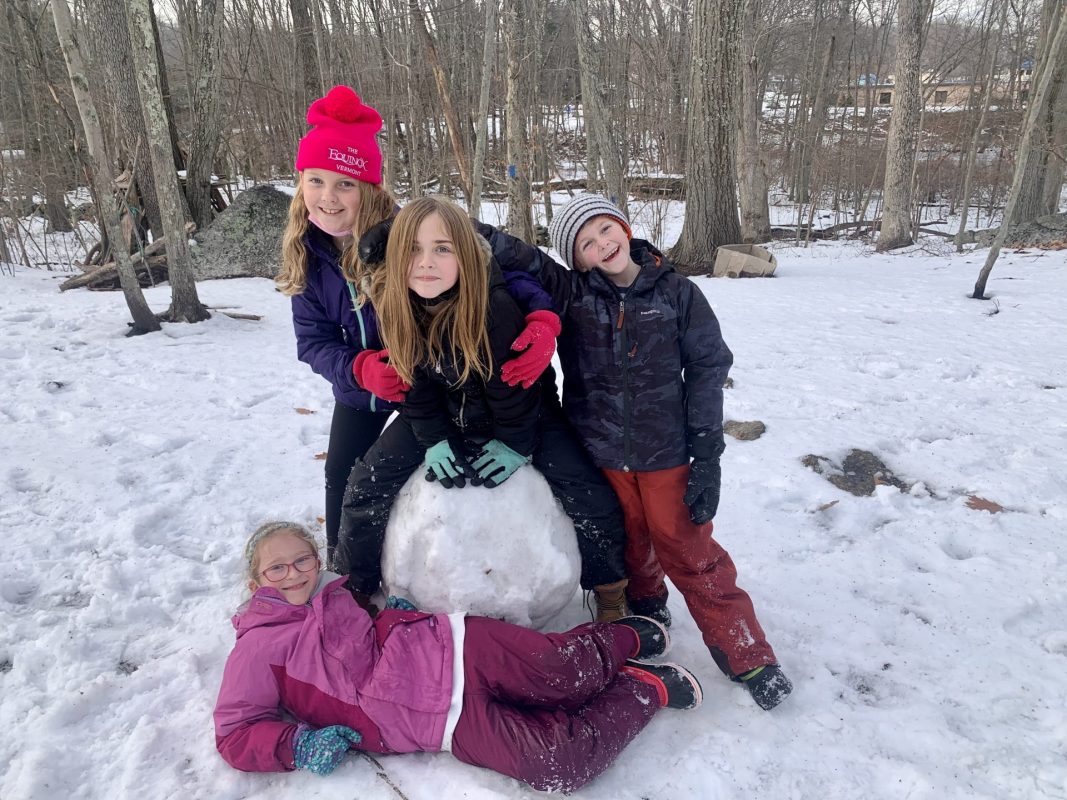
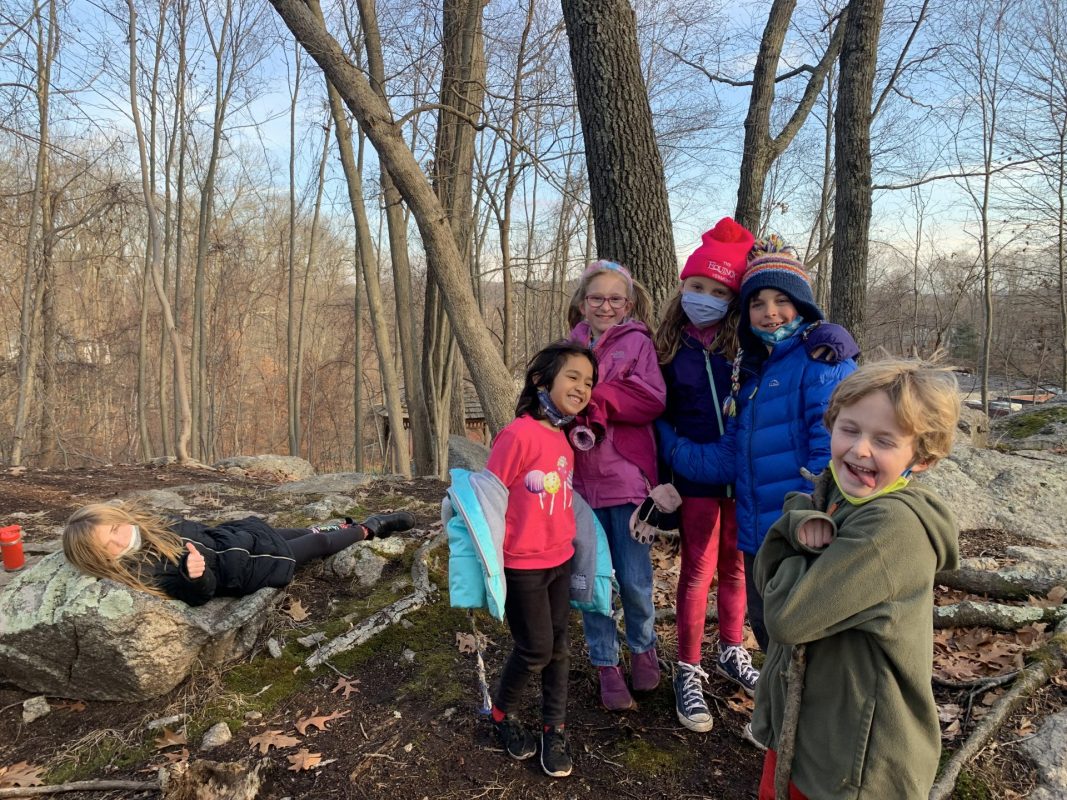
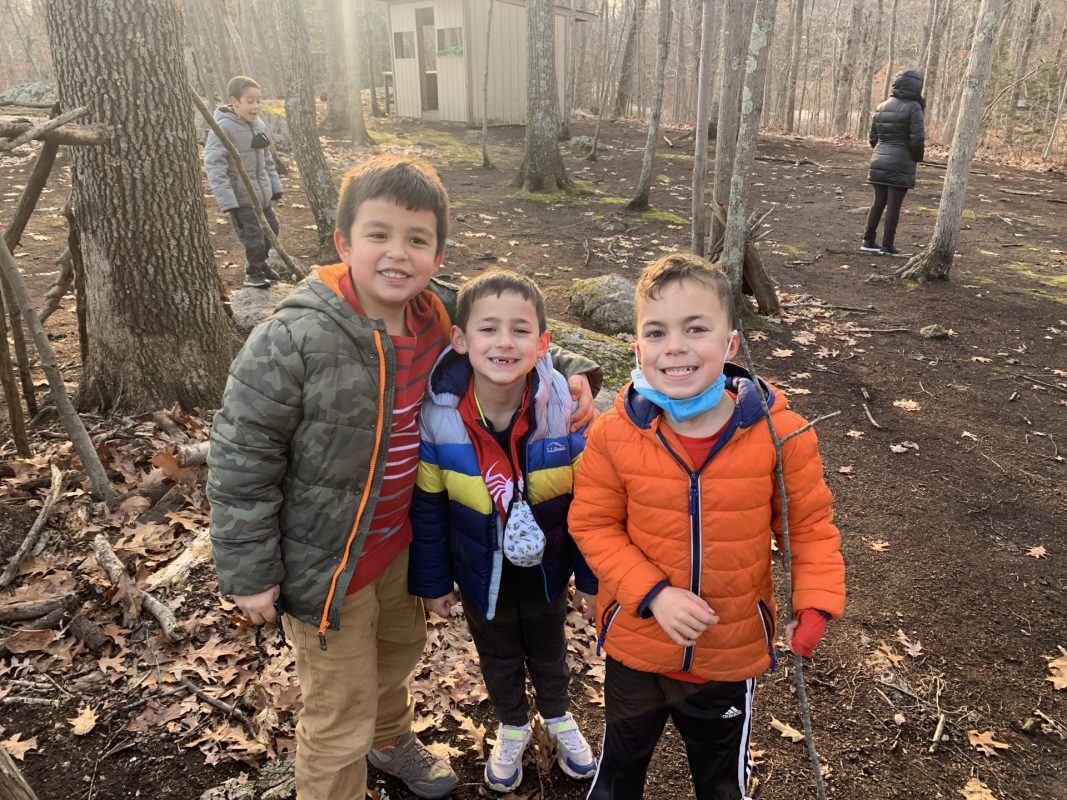
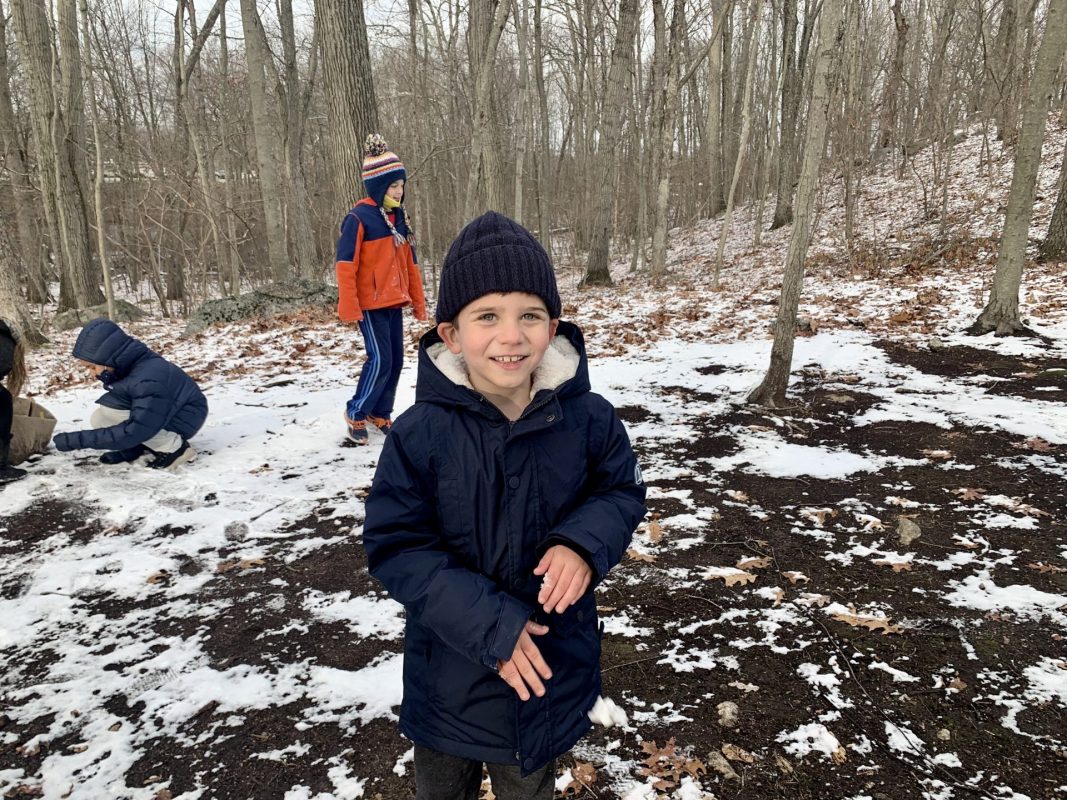
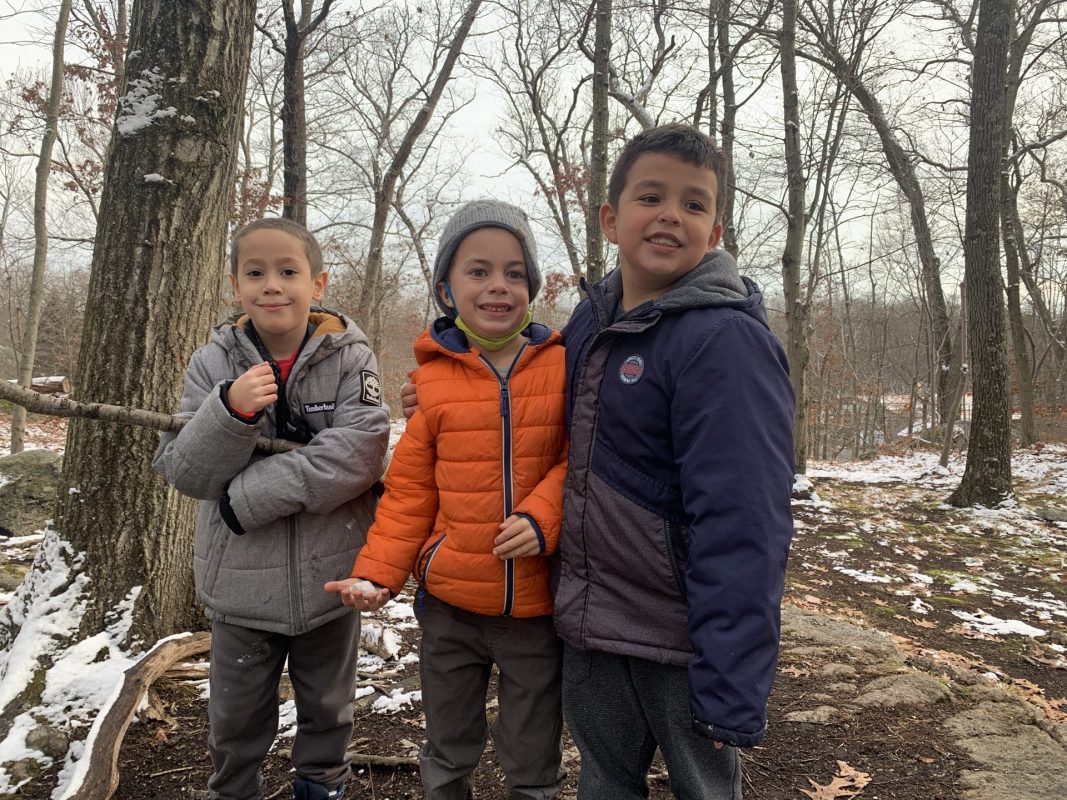
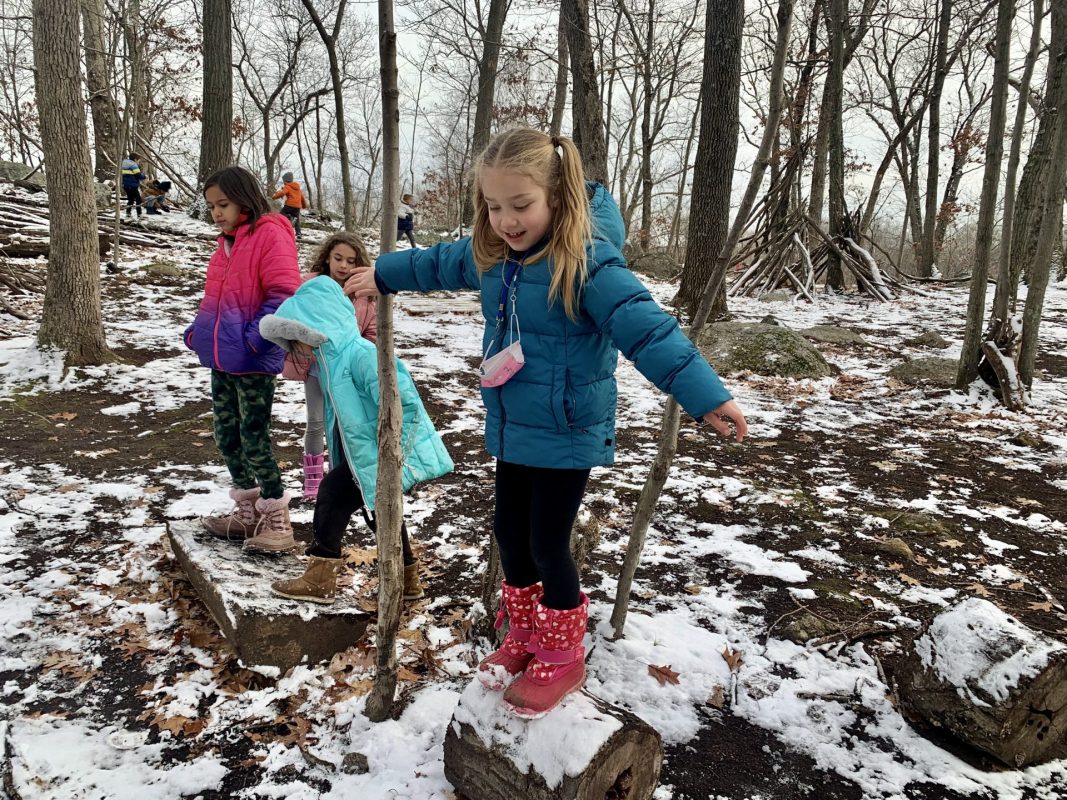
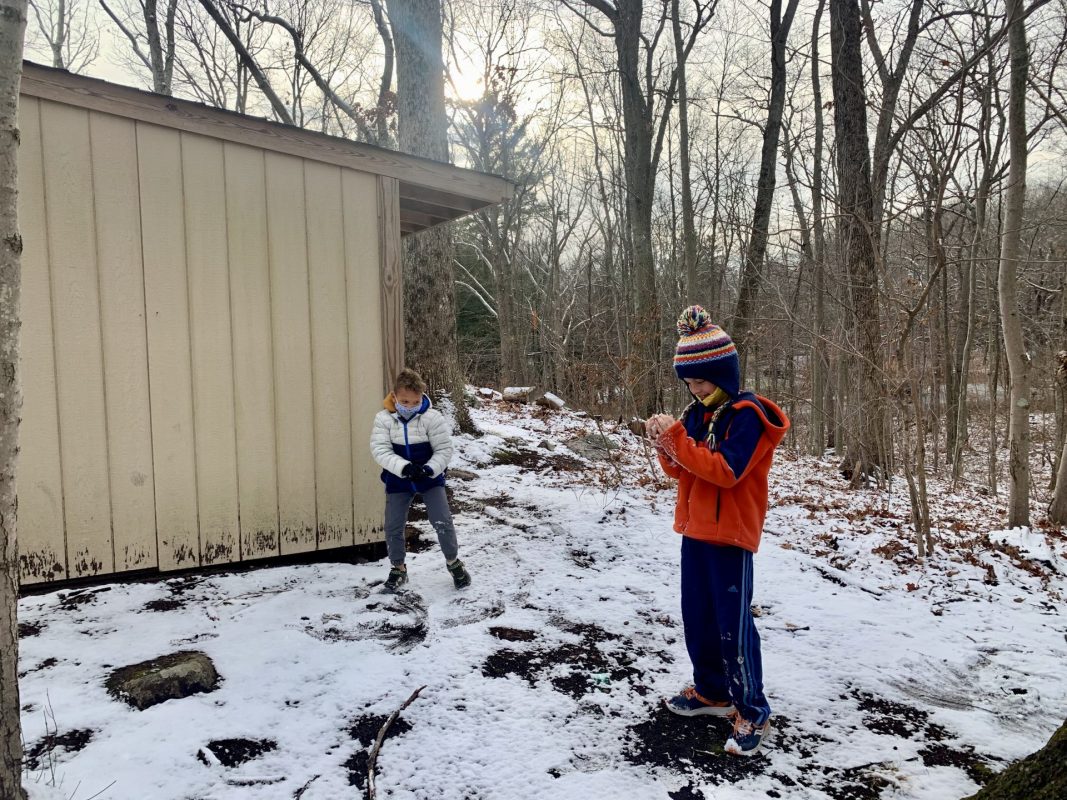
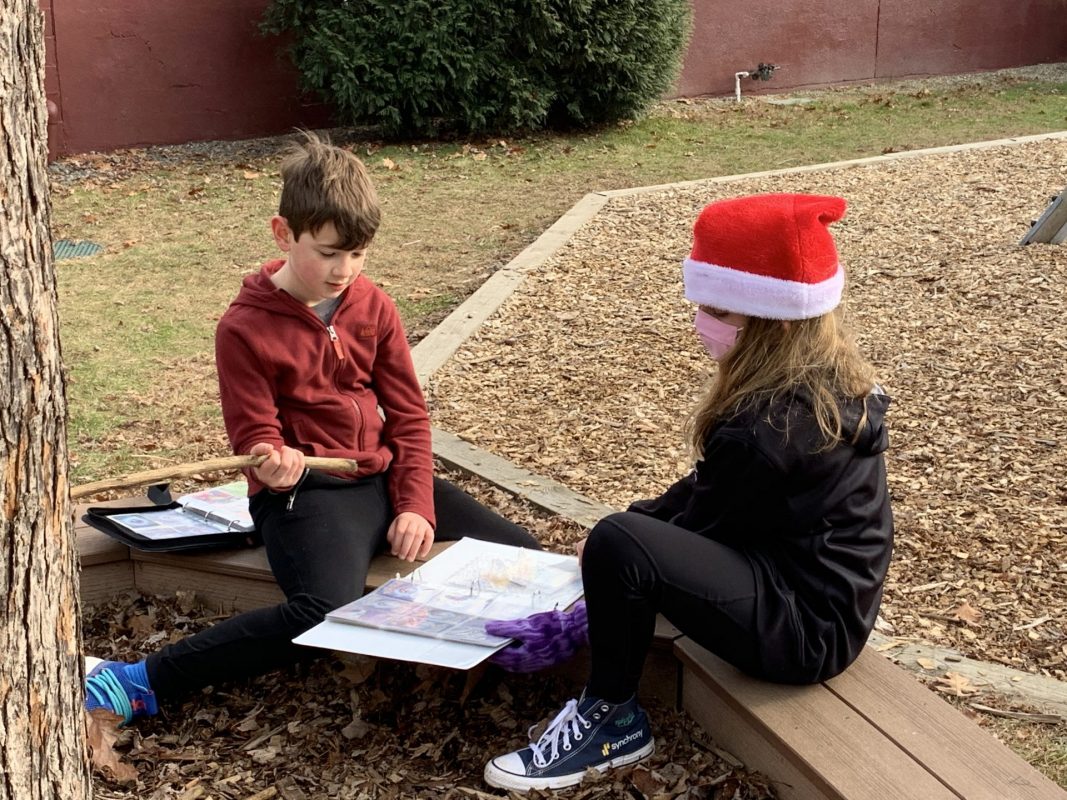
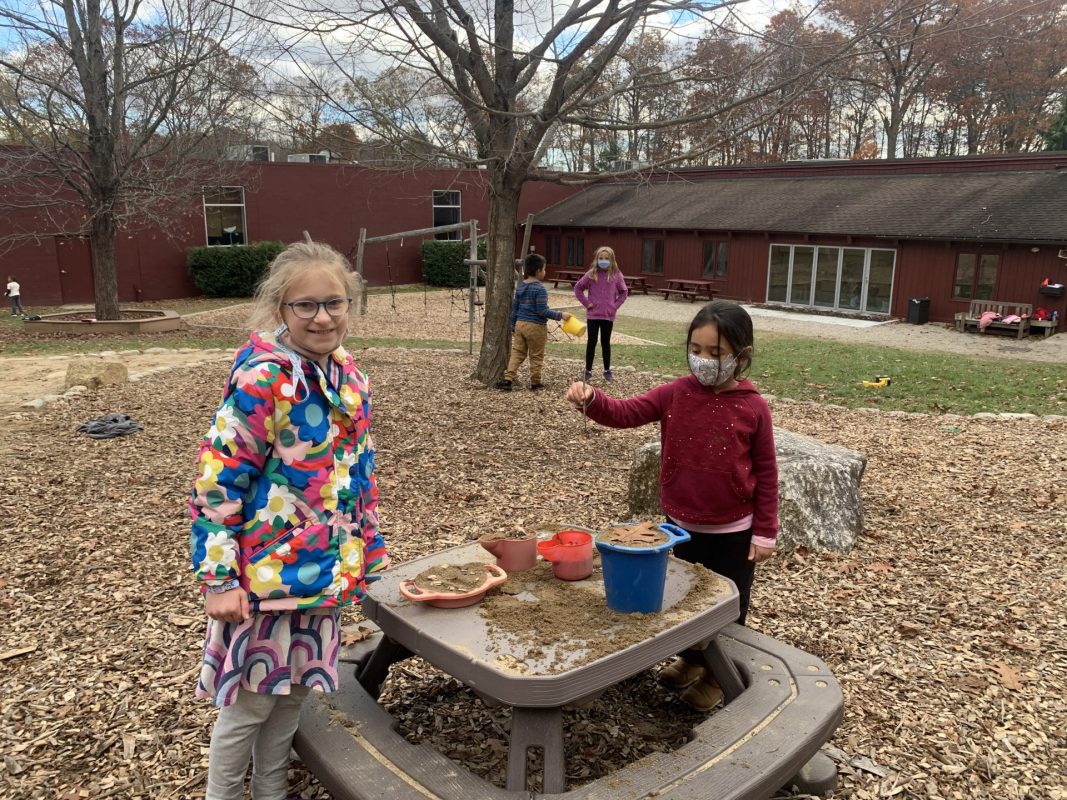
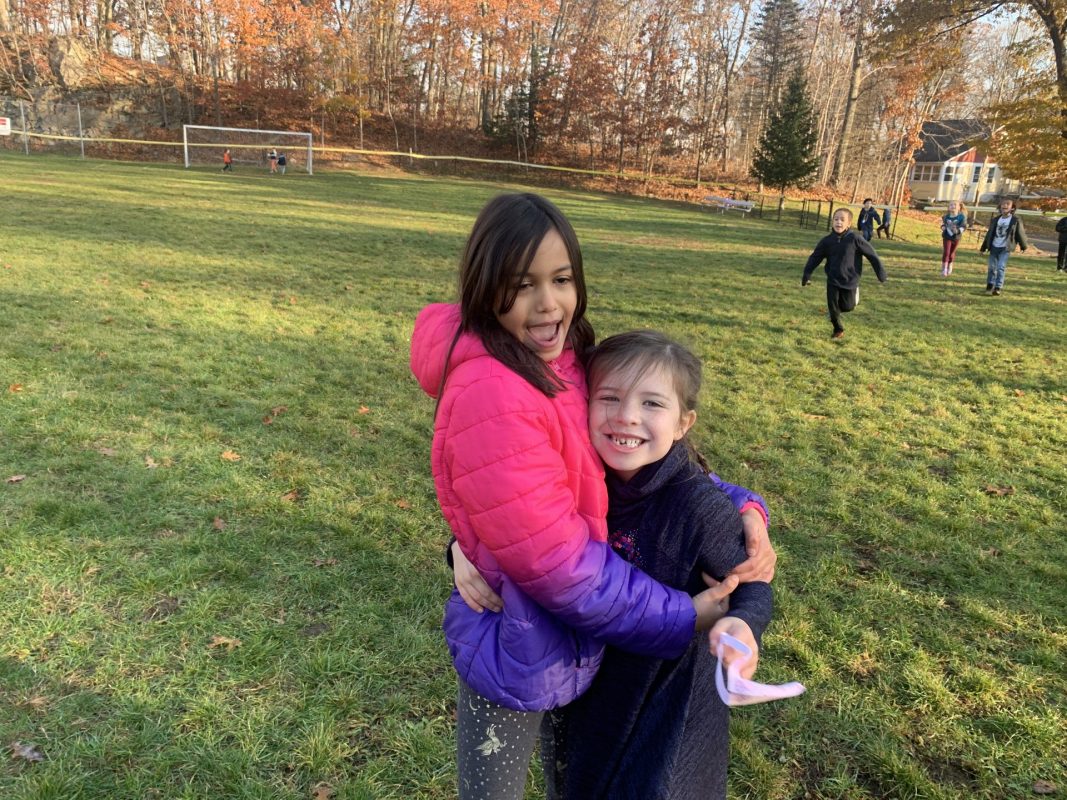
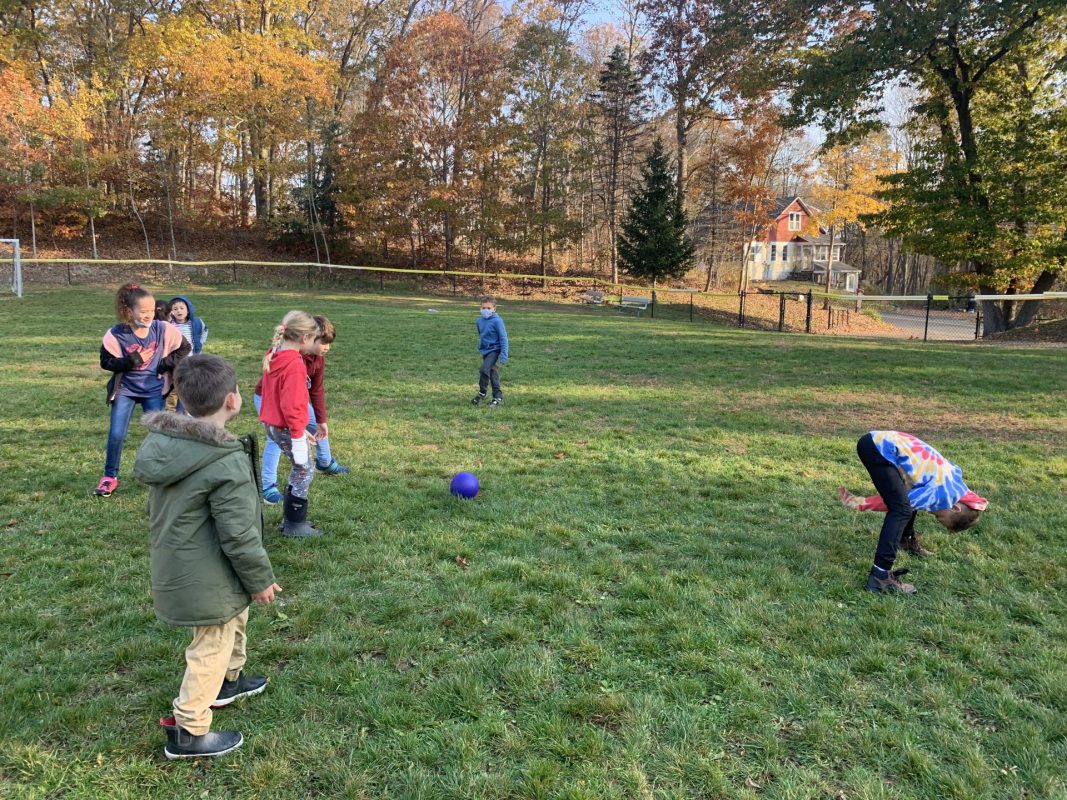
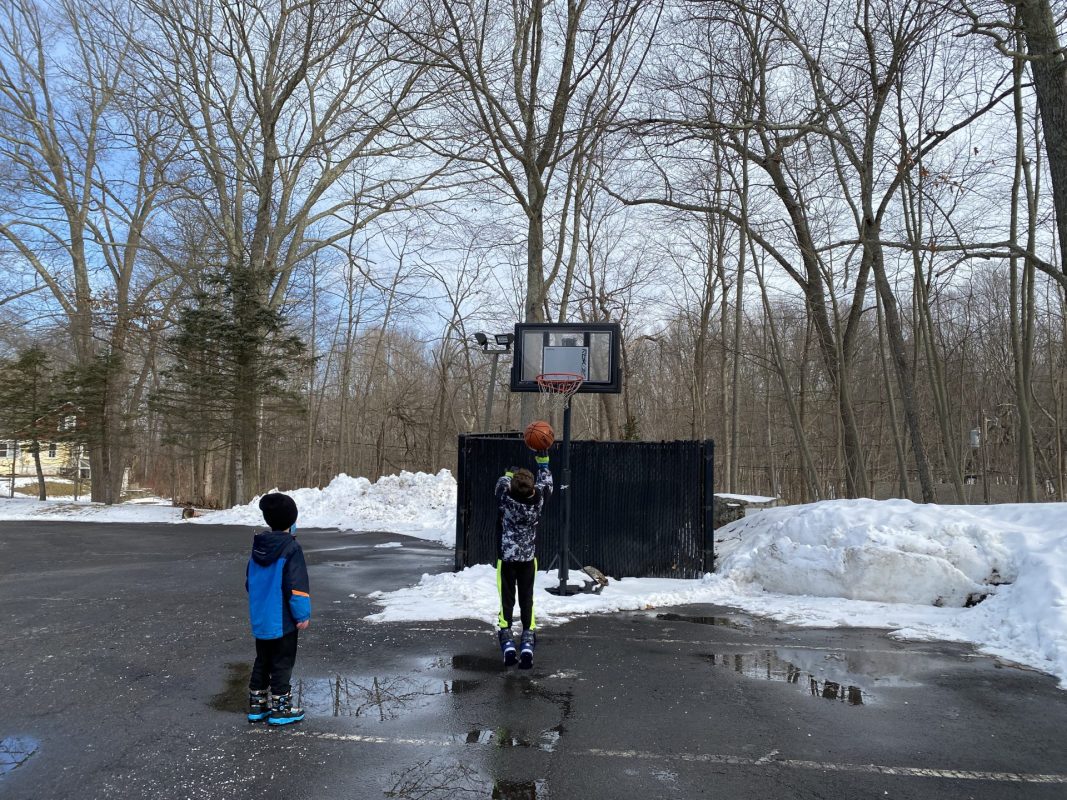
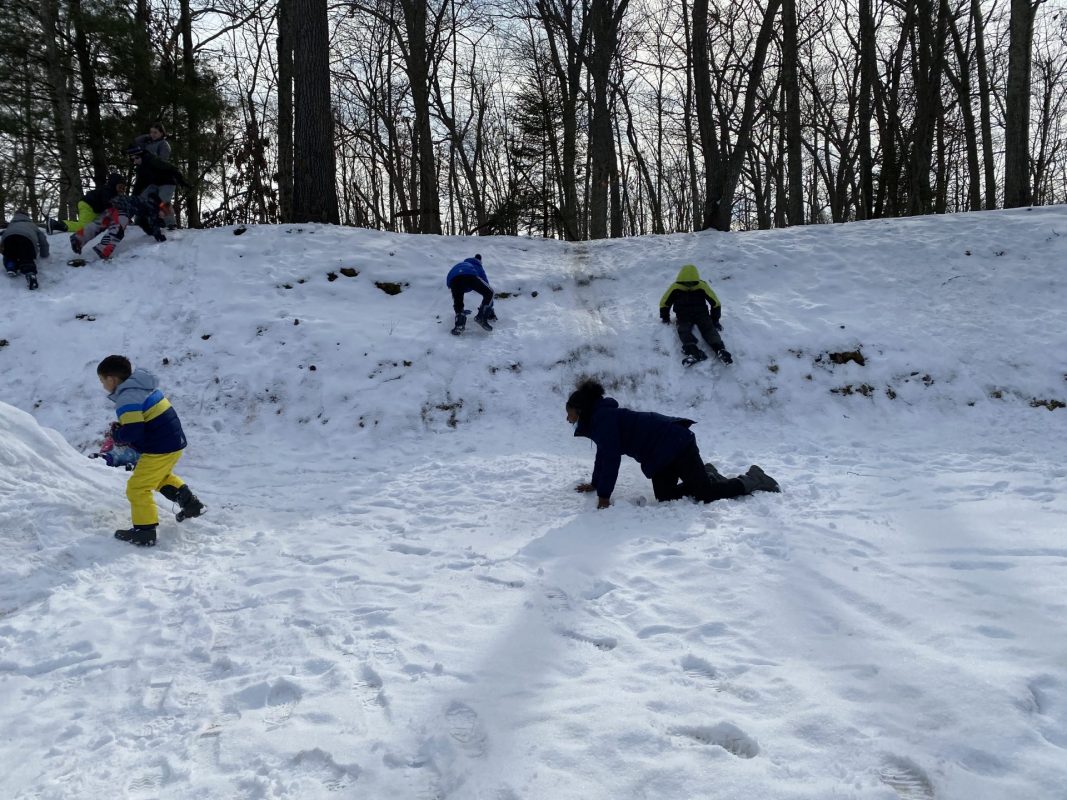
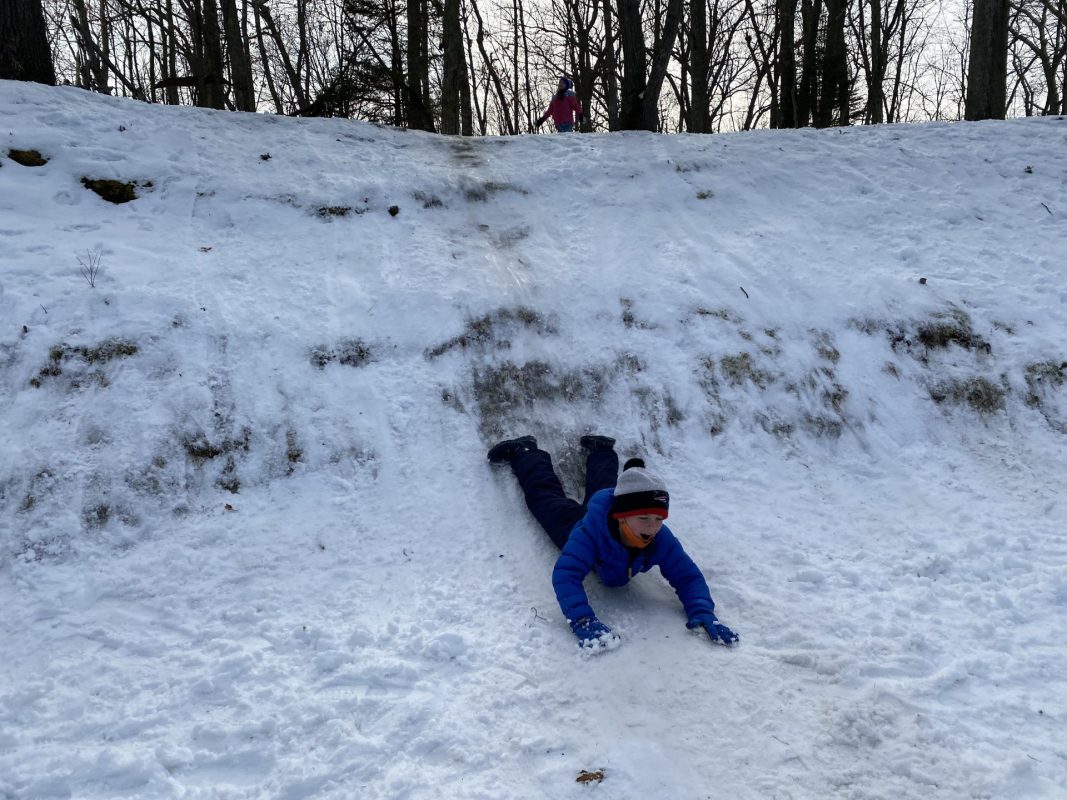
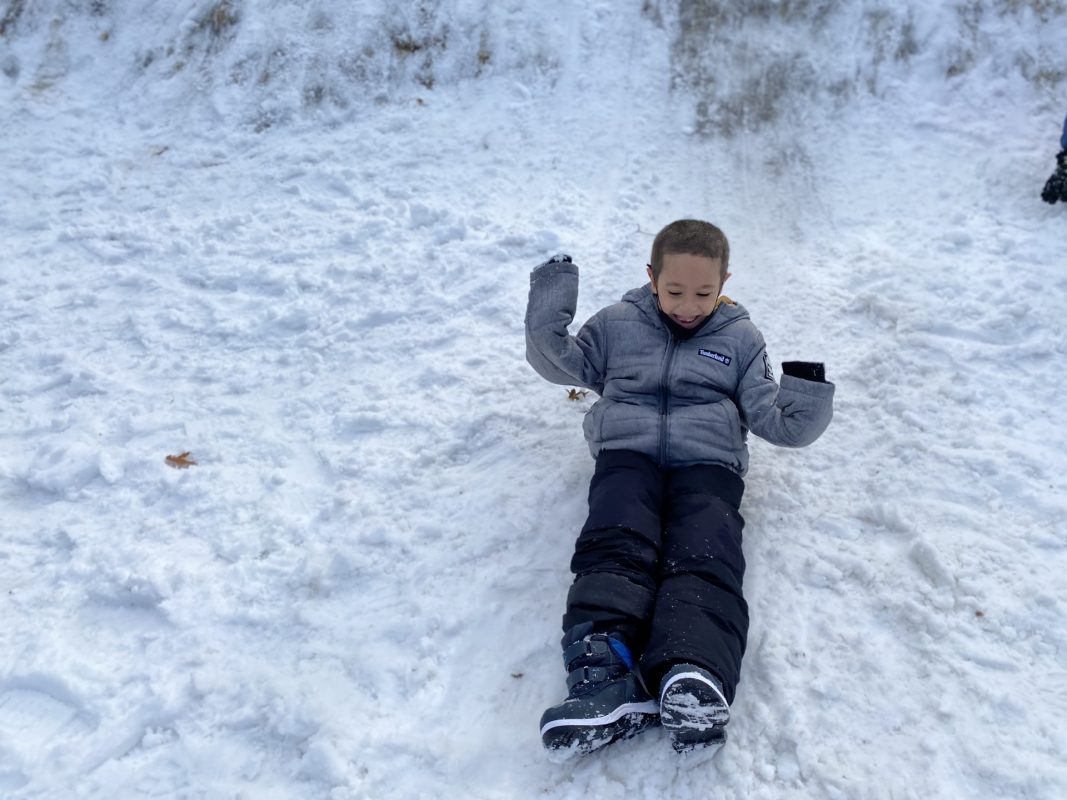
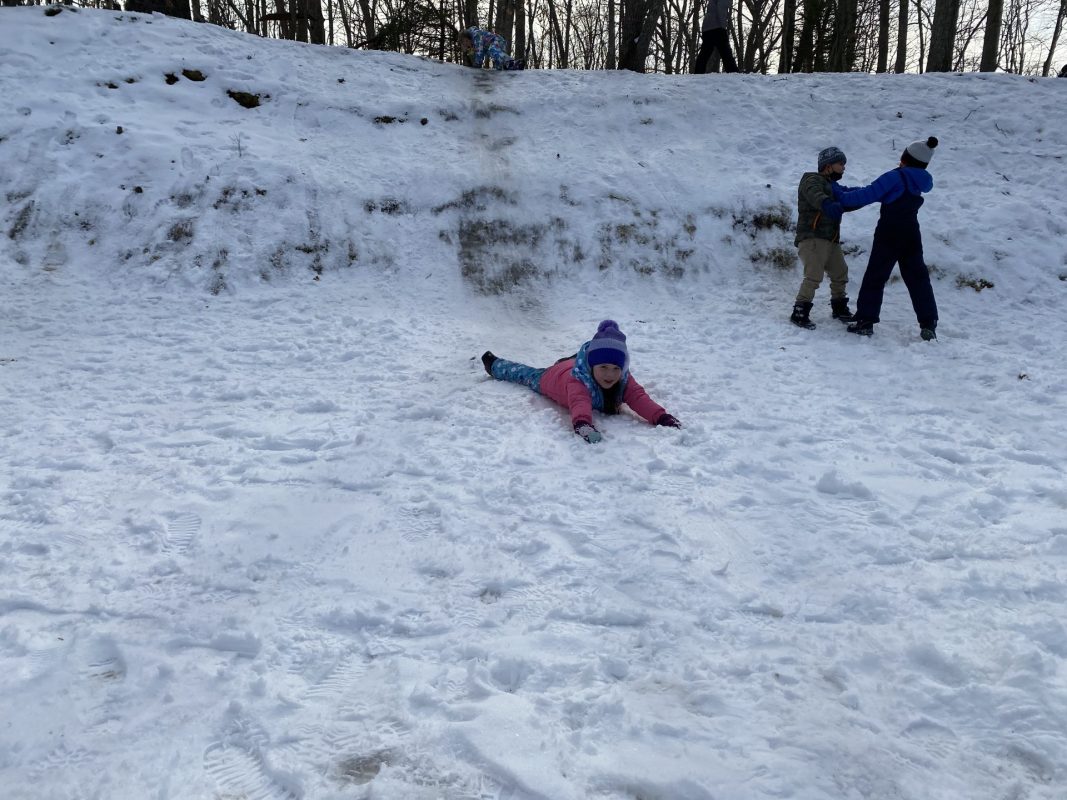
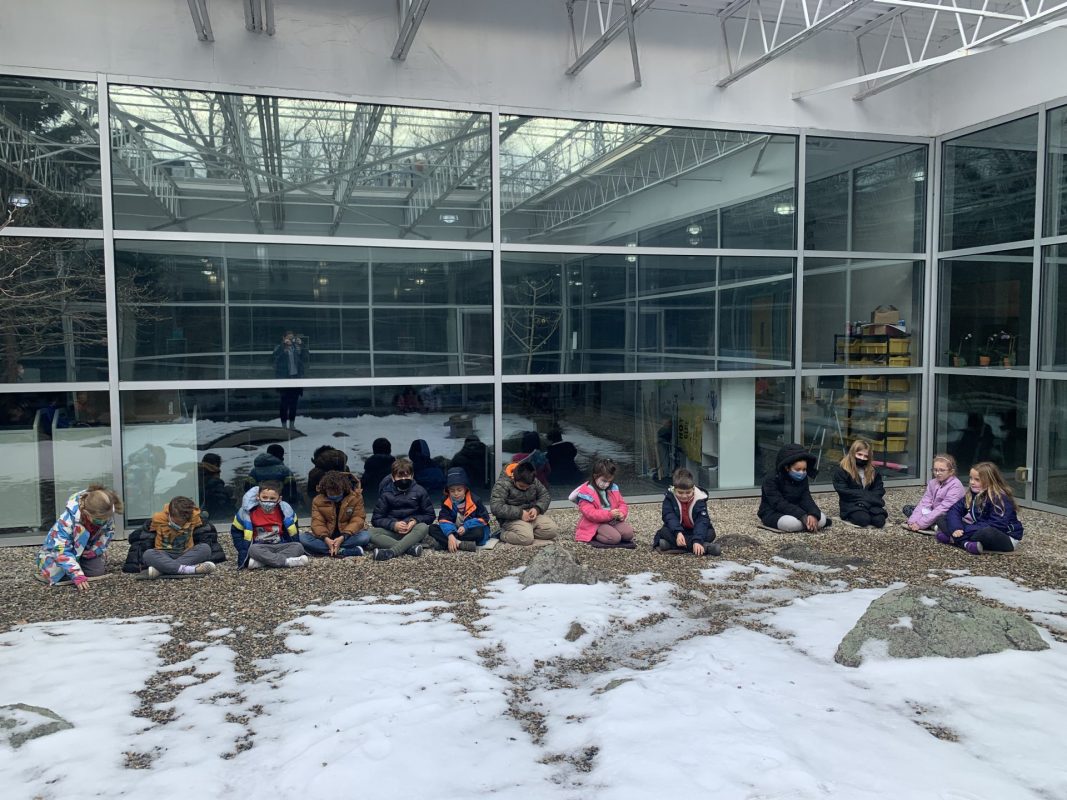
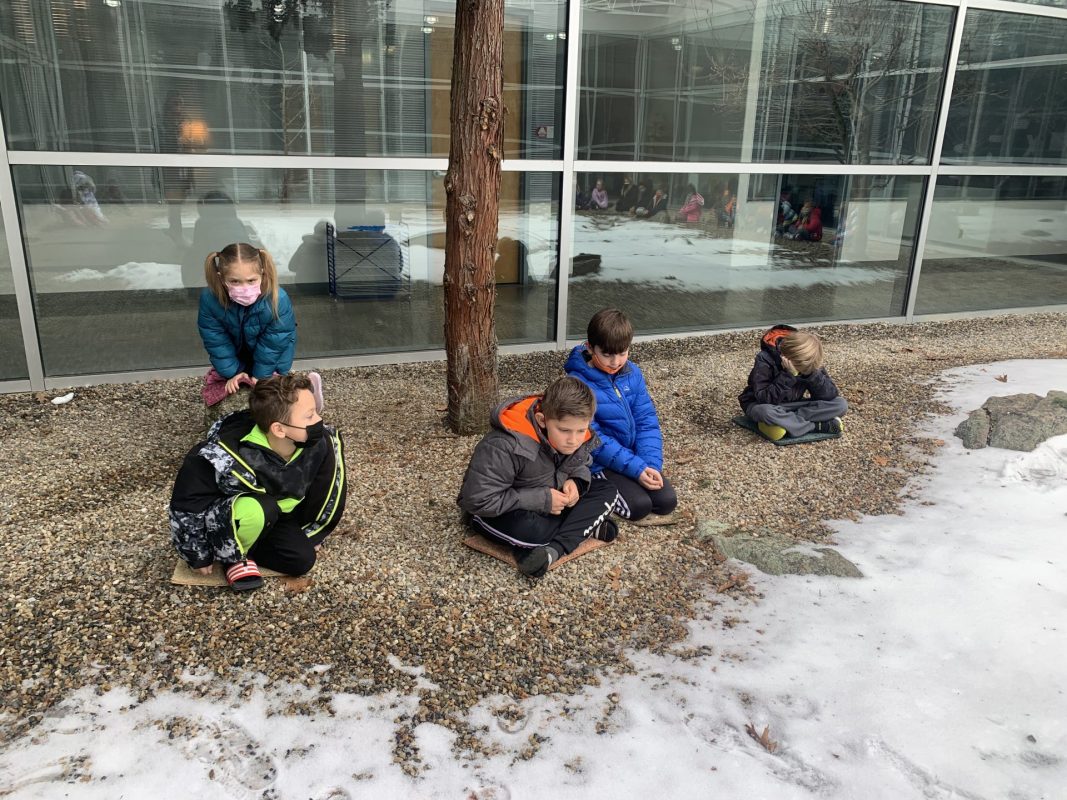
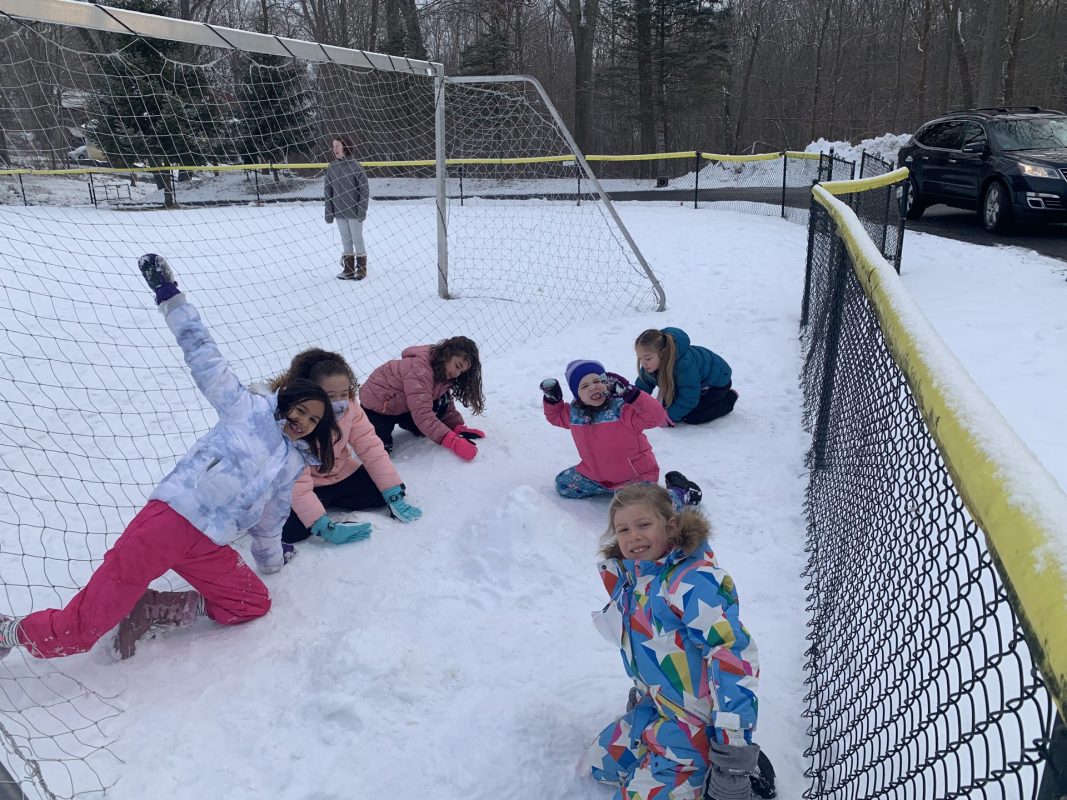
The children had a great time playing in the light dusting of snow this week! As winter approaches, please make sure your child has the proper clothing for our outside play: warm coat, snow pants, hat, mittens or gloves, and boots. Thank you in advance!

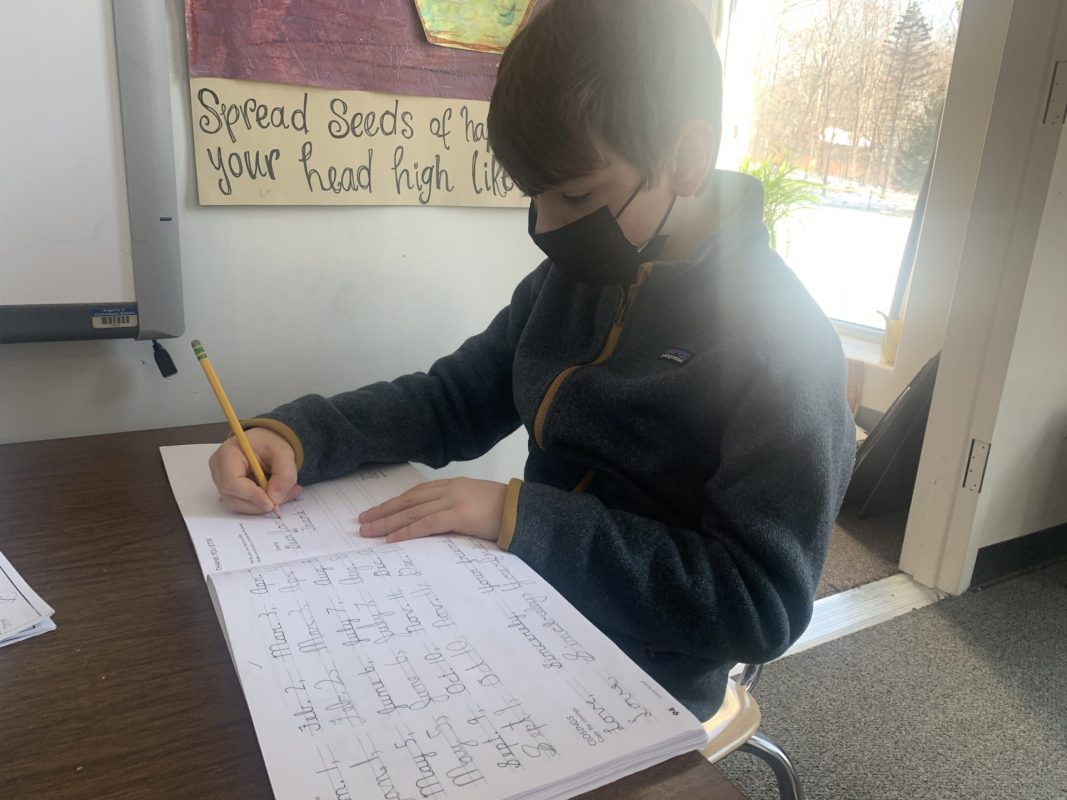
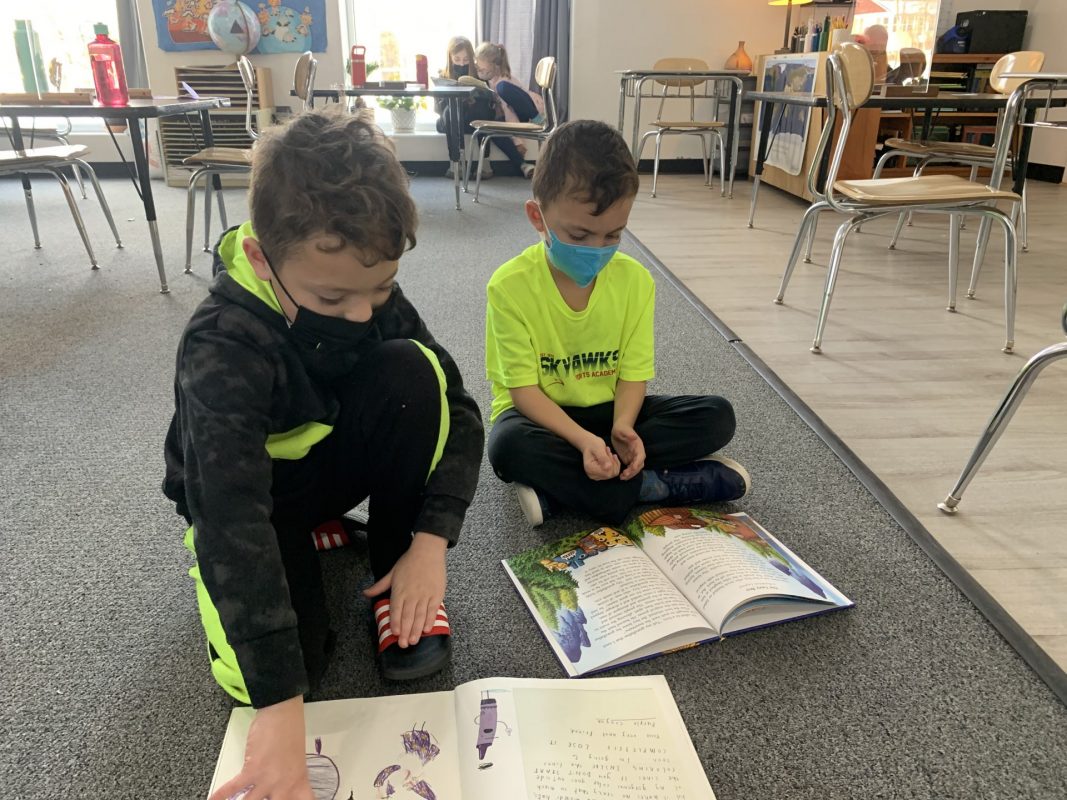
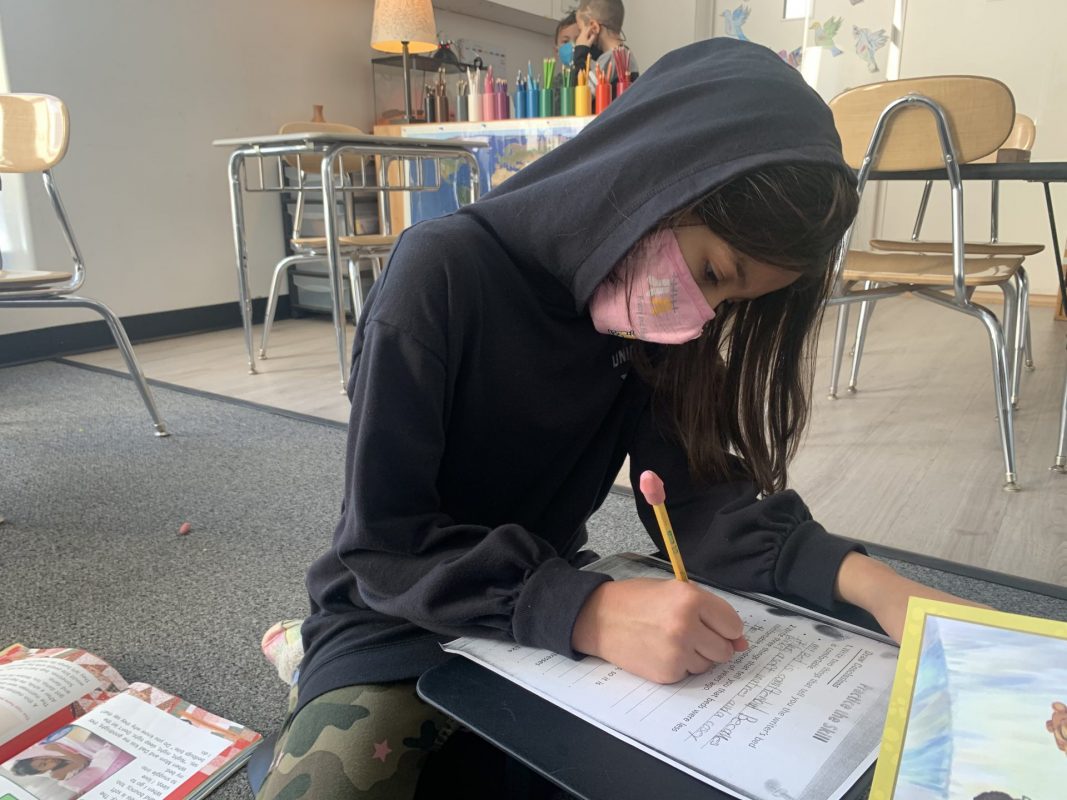
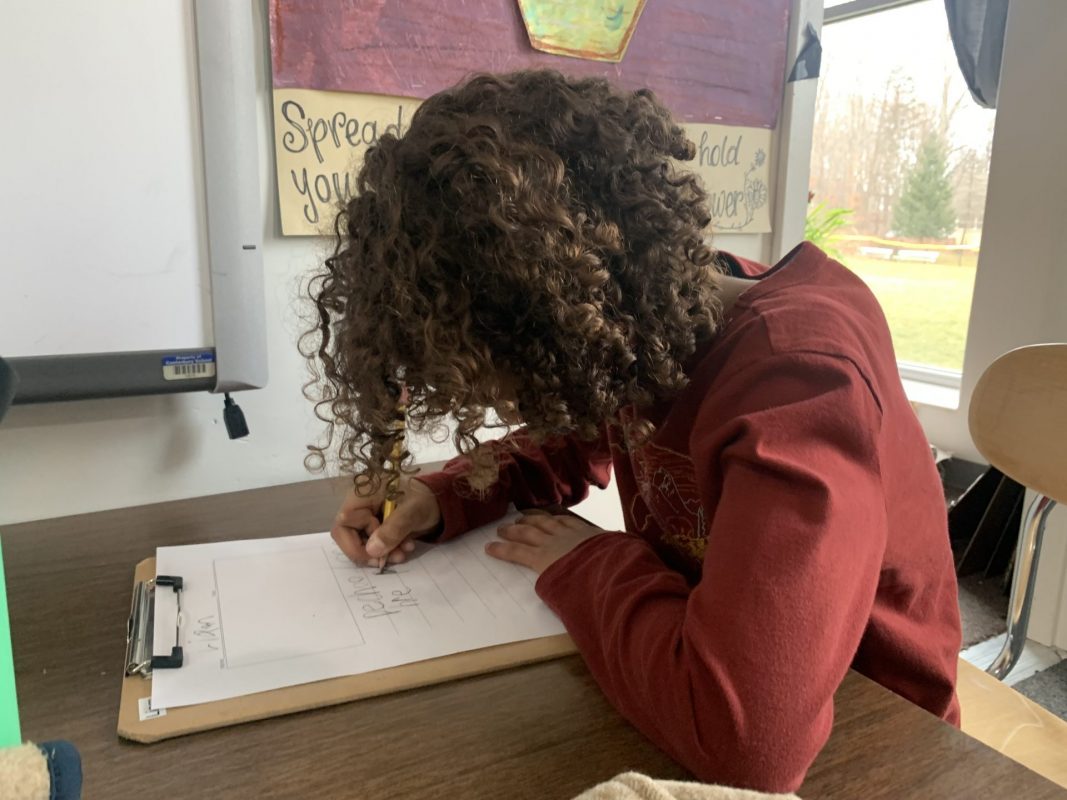
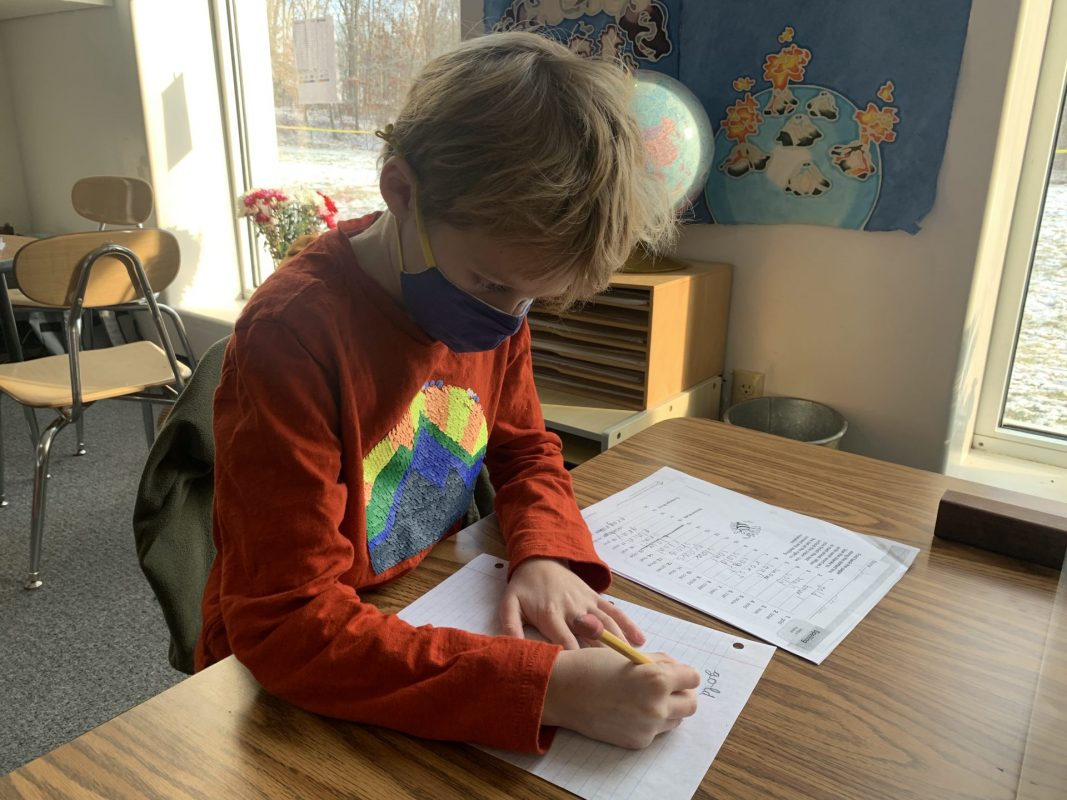
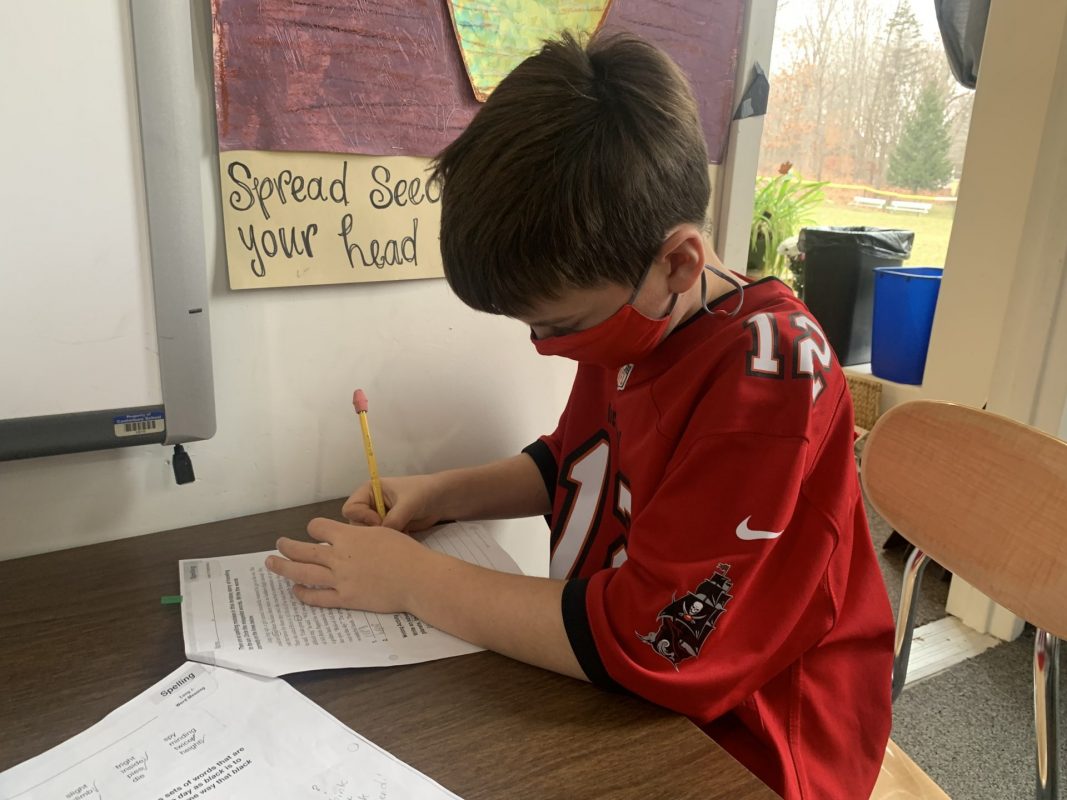
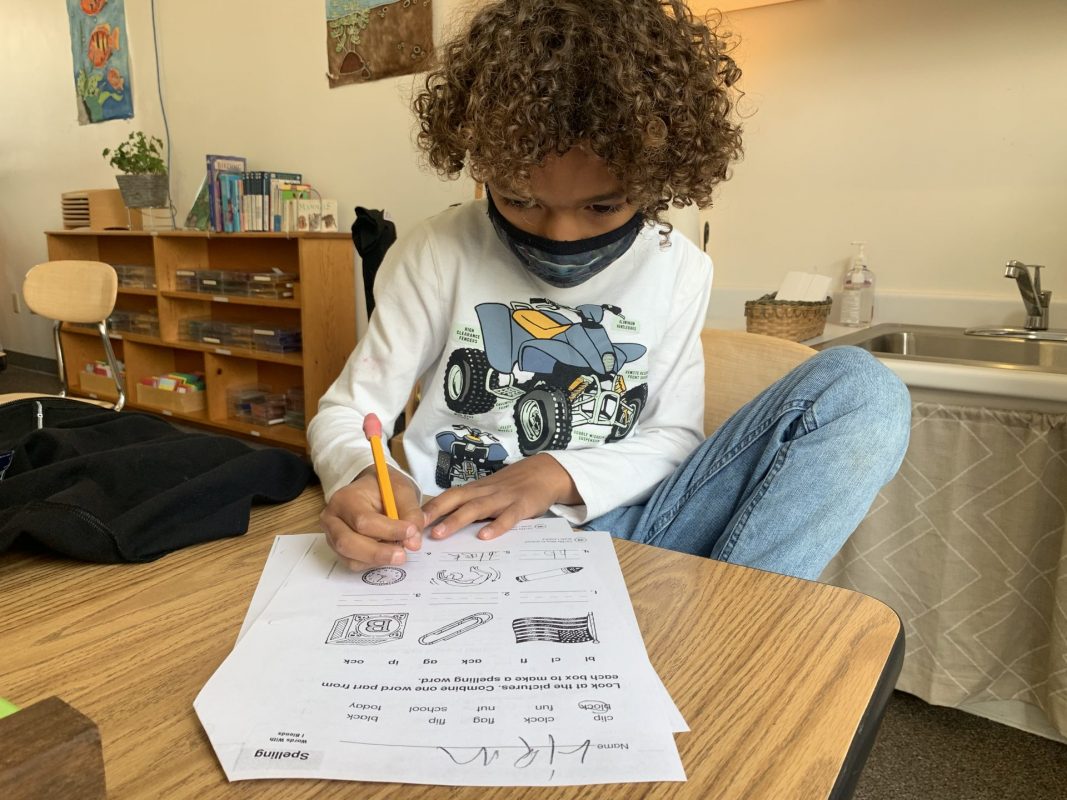
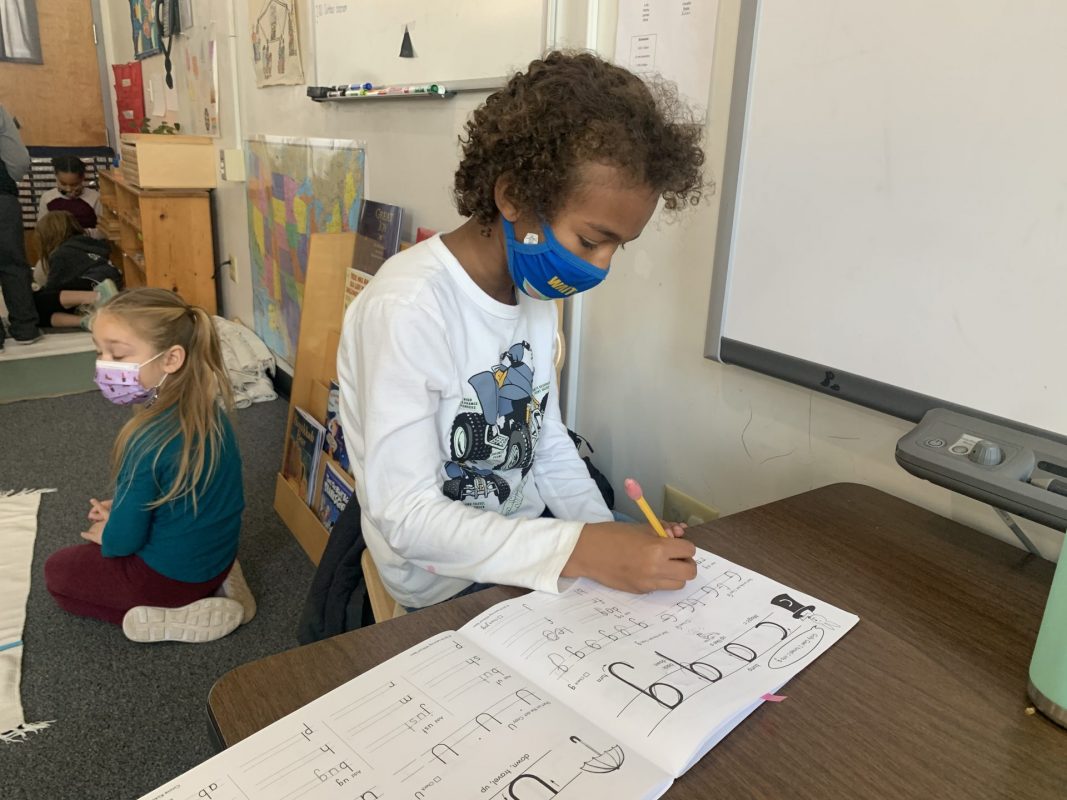
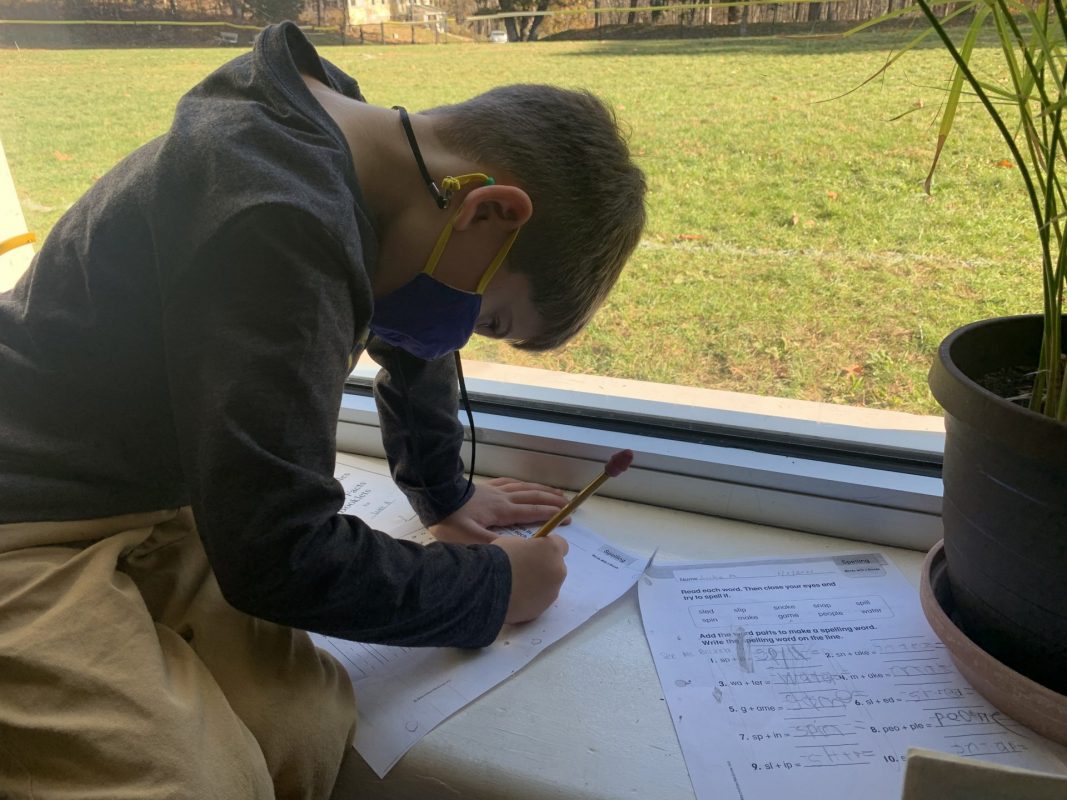
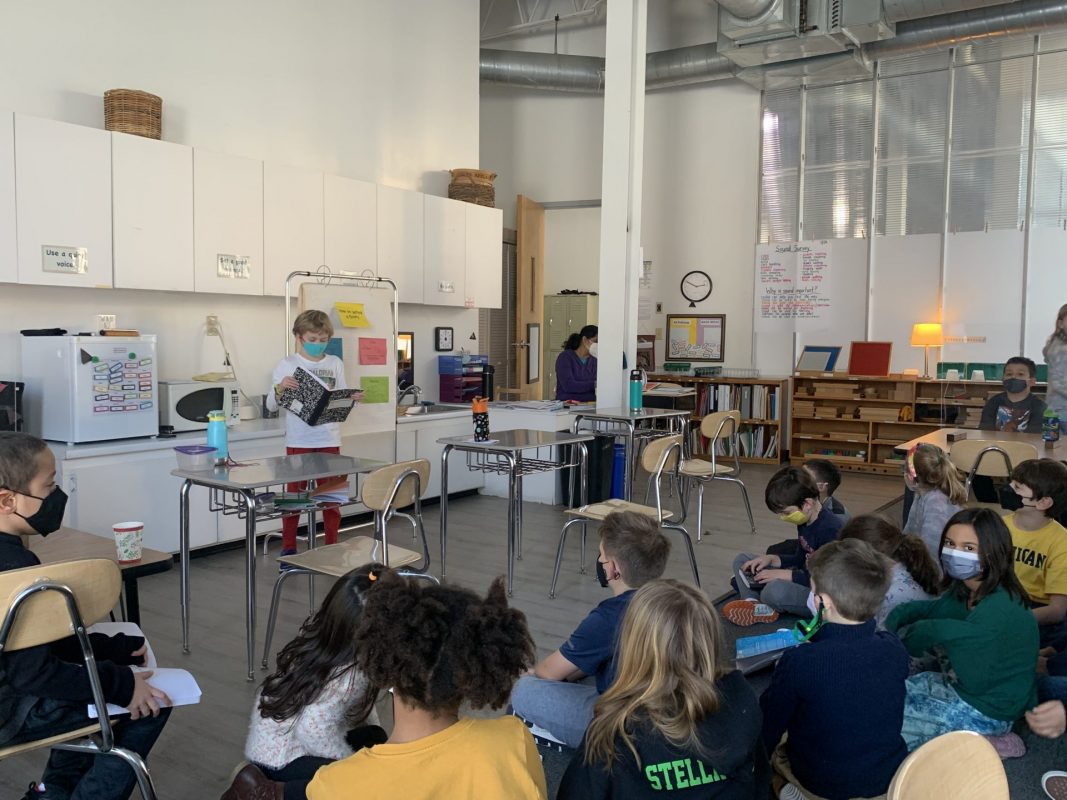
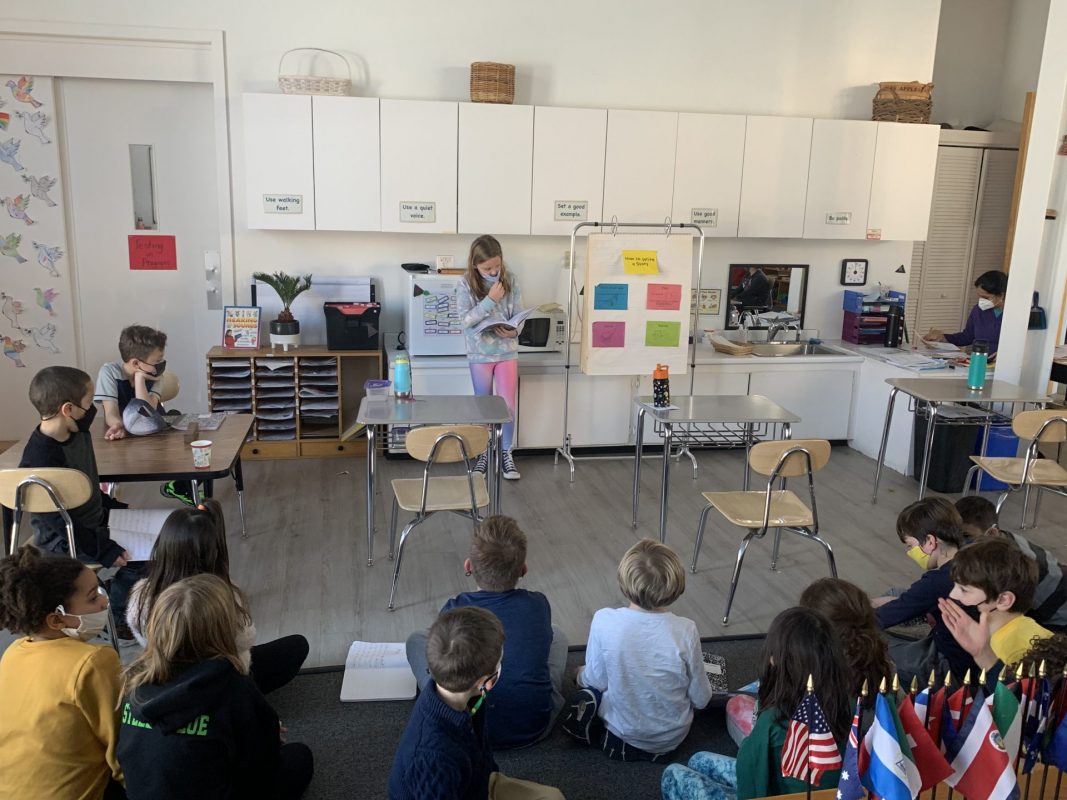
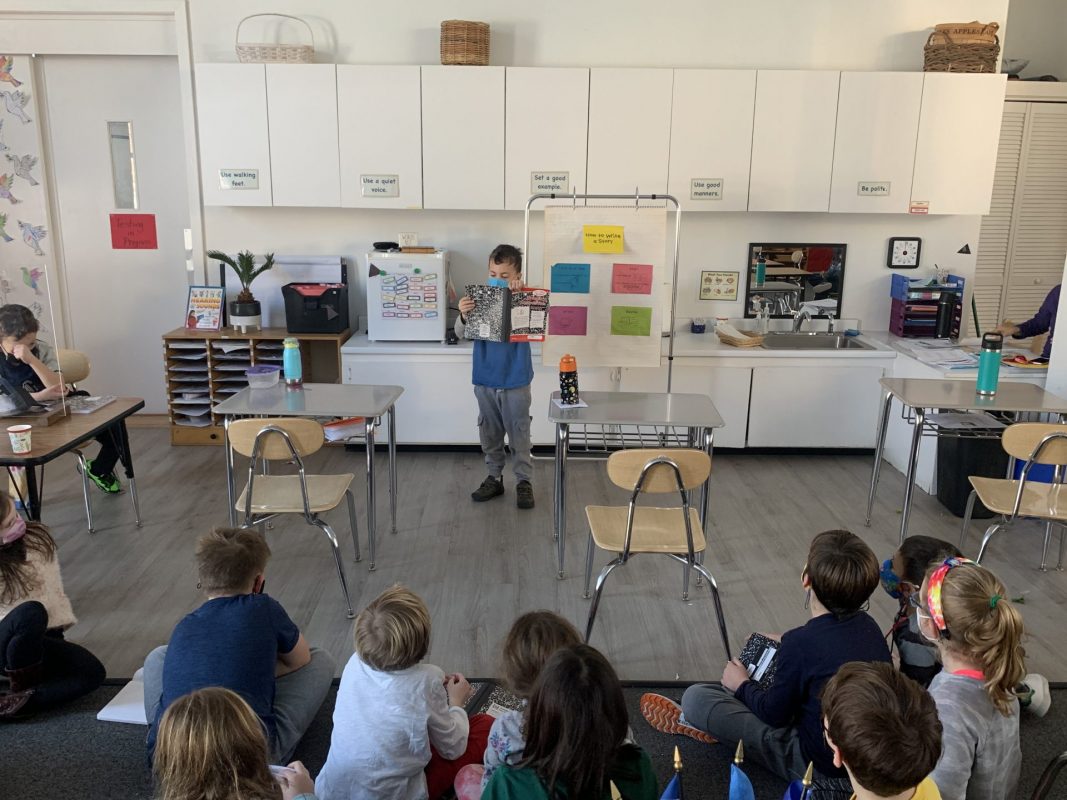
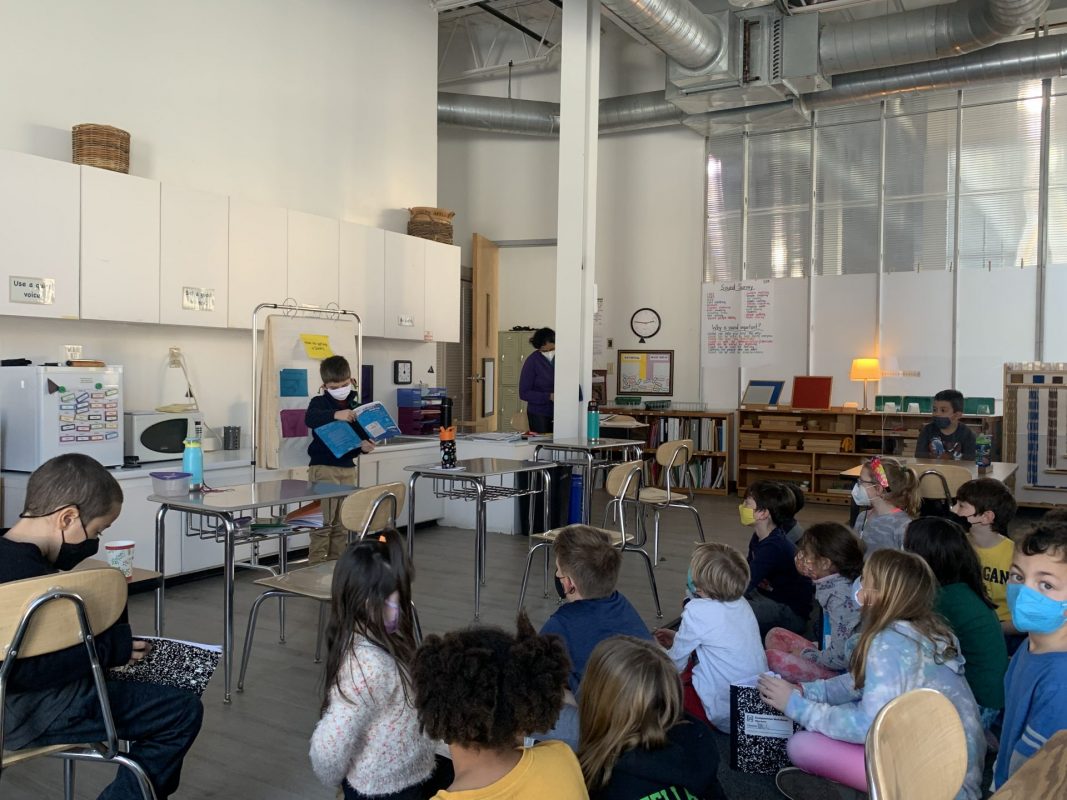
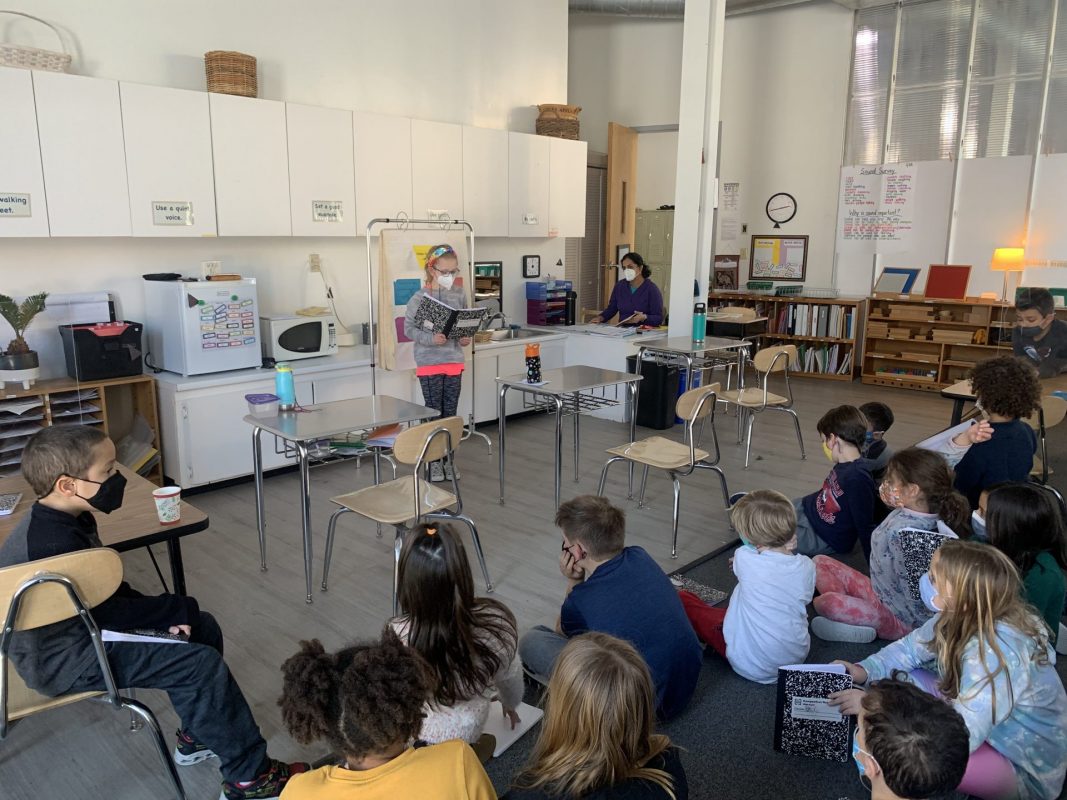
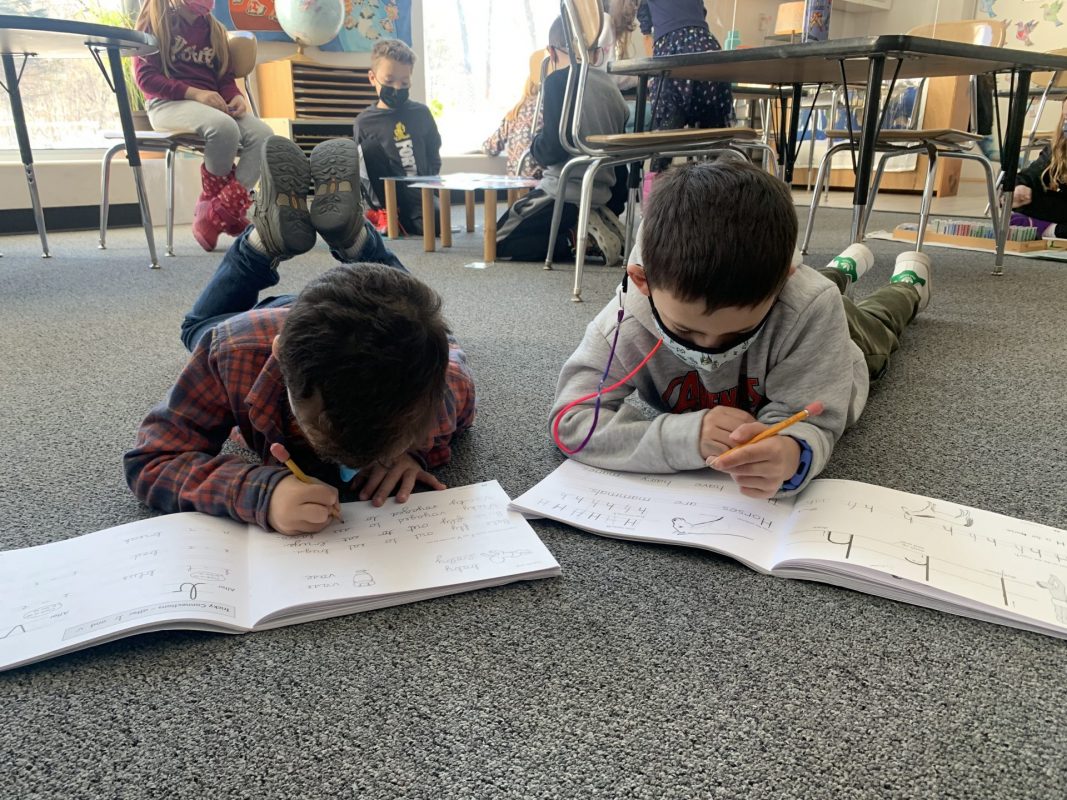
The children are wrapping up their Writer’s Workshop unit on Personal Narratives. Each child had the chance to share his/her writing with the class and most of the children proudly read their stories aloud, showing their illustrations to their friends and teachers. They are very enthusiastic about their writing and often don’t want to stop when it is time to move on to another activity. It is so wonderful to see their enthusiasm blossoming and their growth since September!


Lower Elementary Gives Thanks

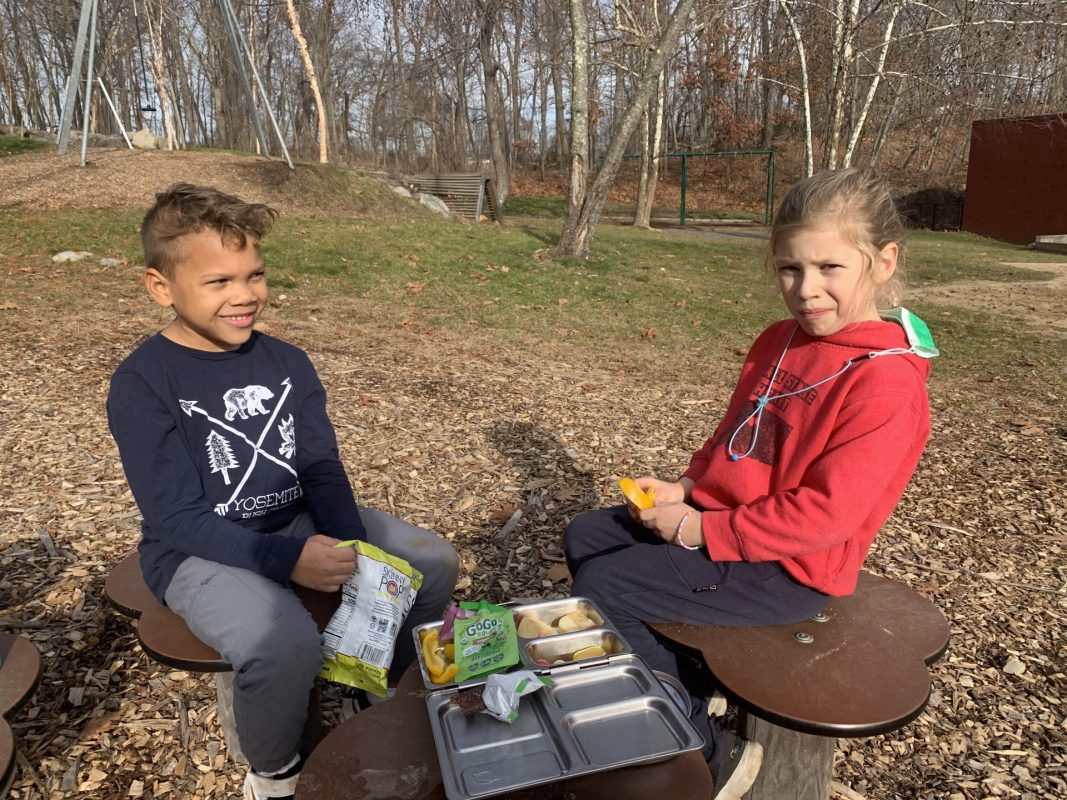
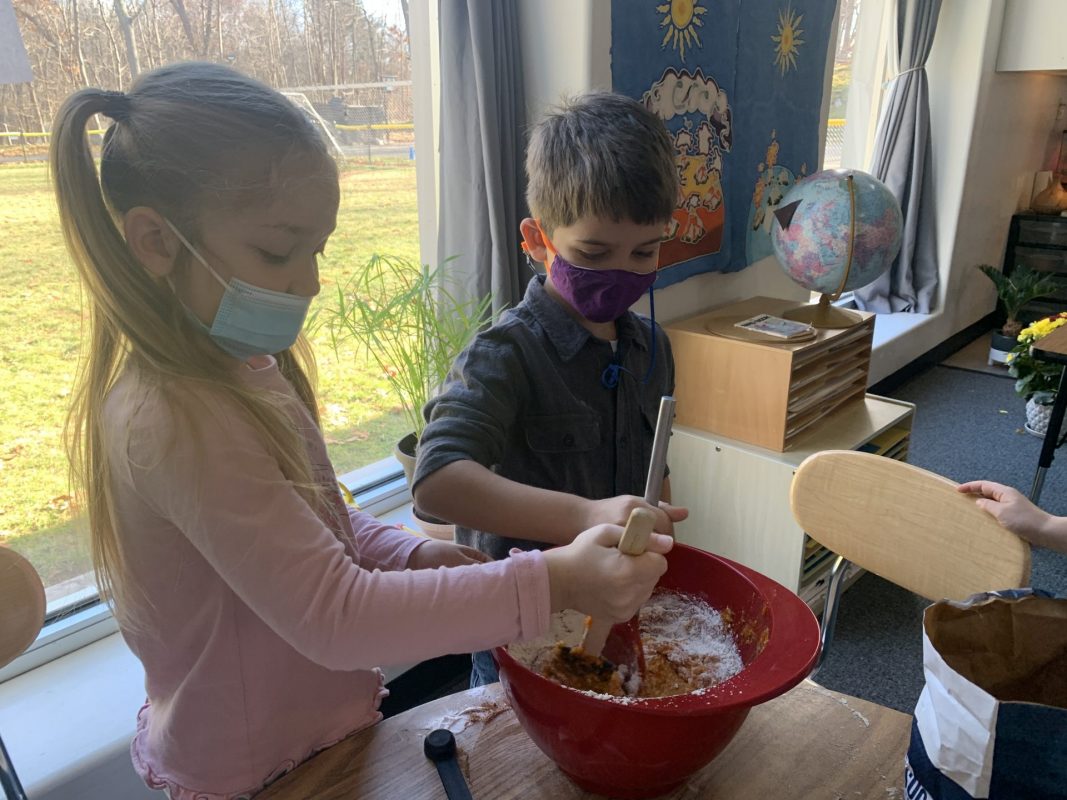
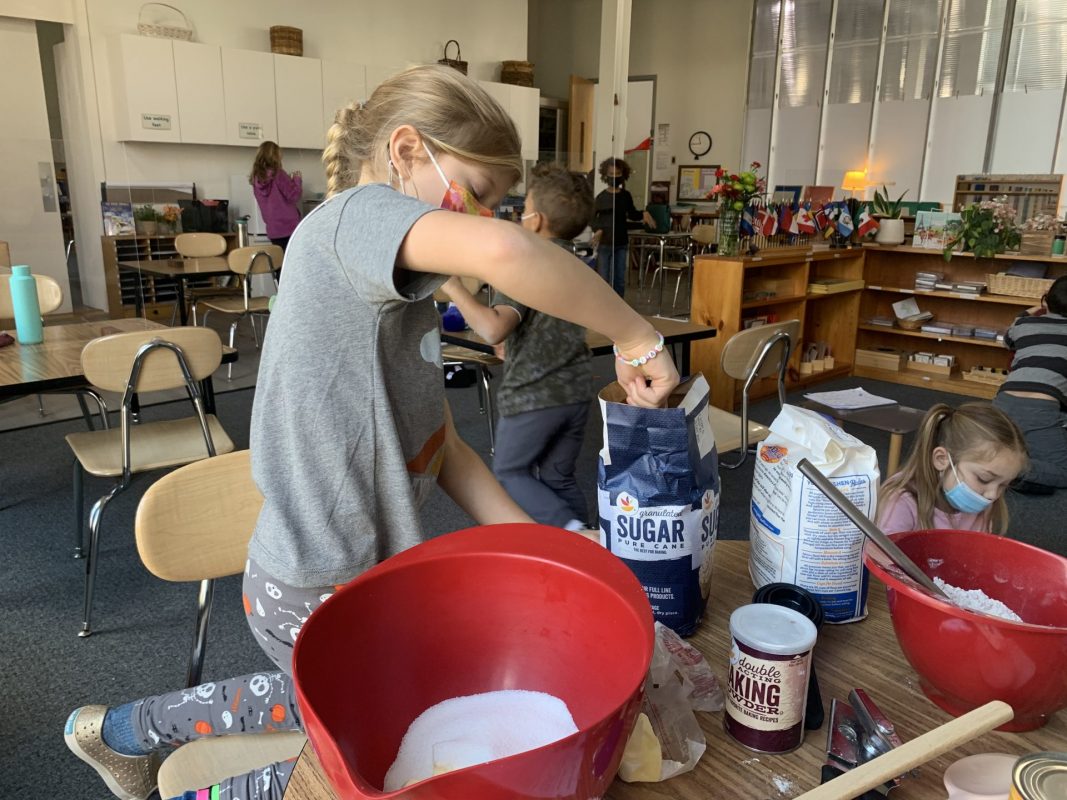
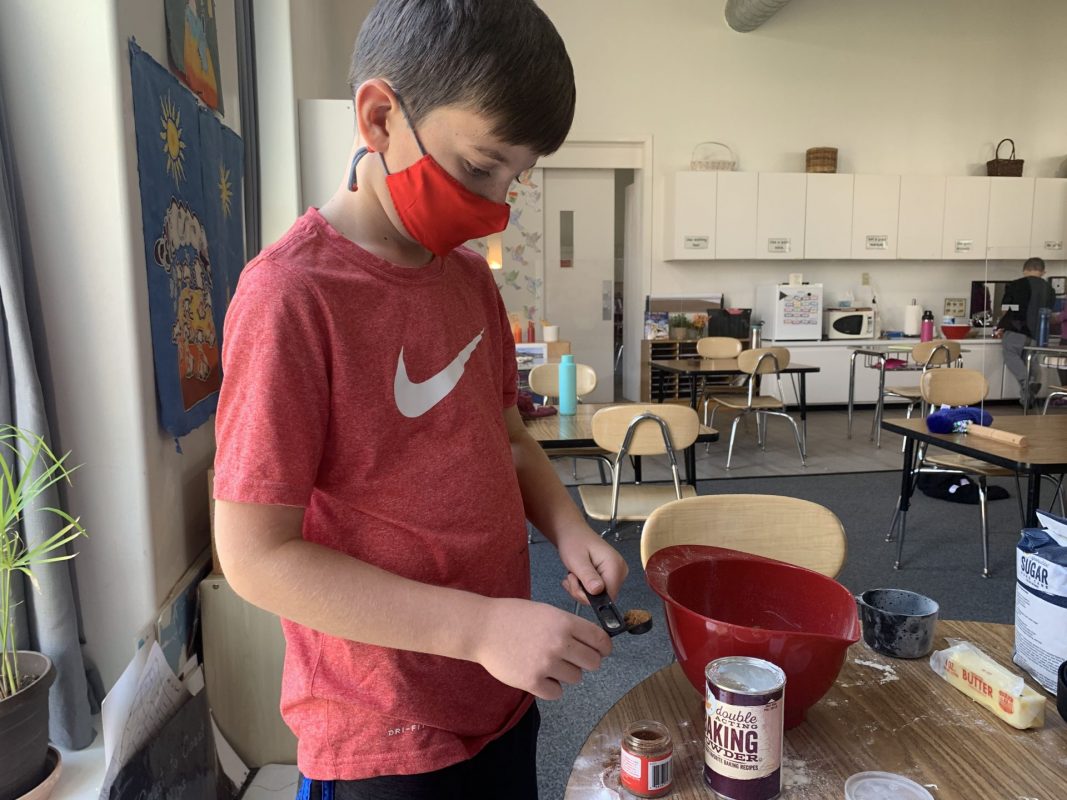
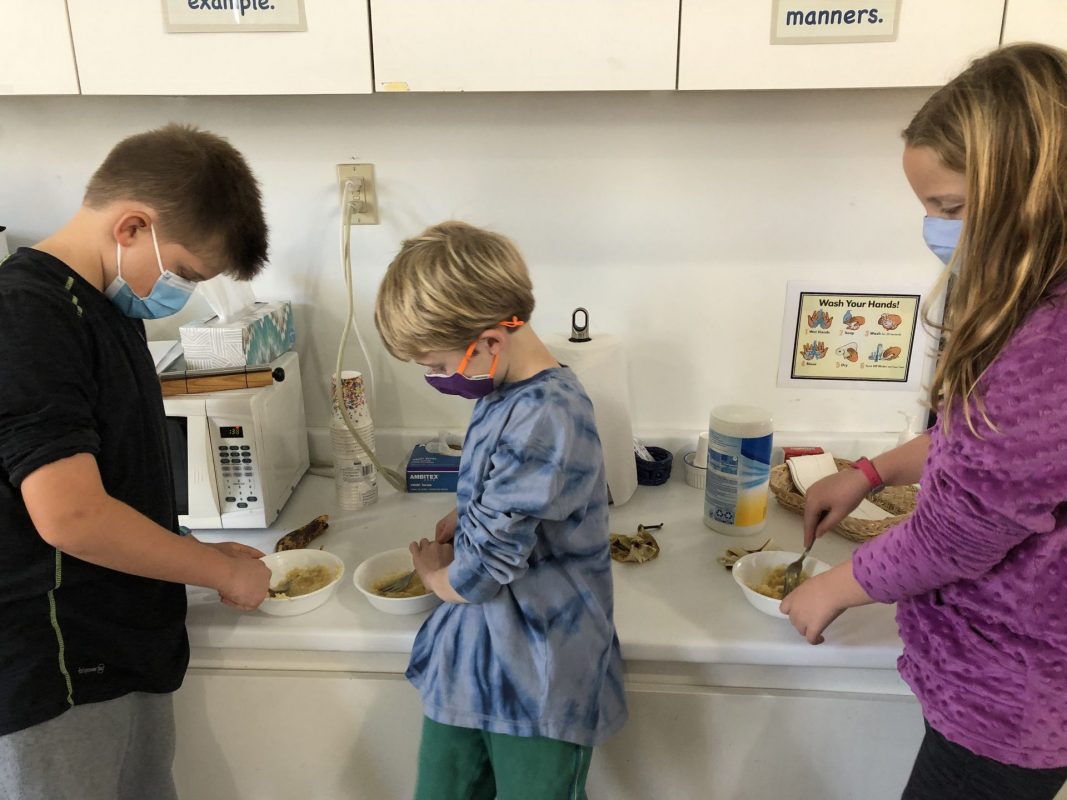
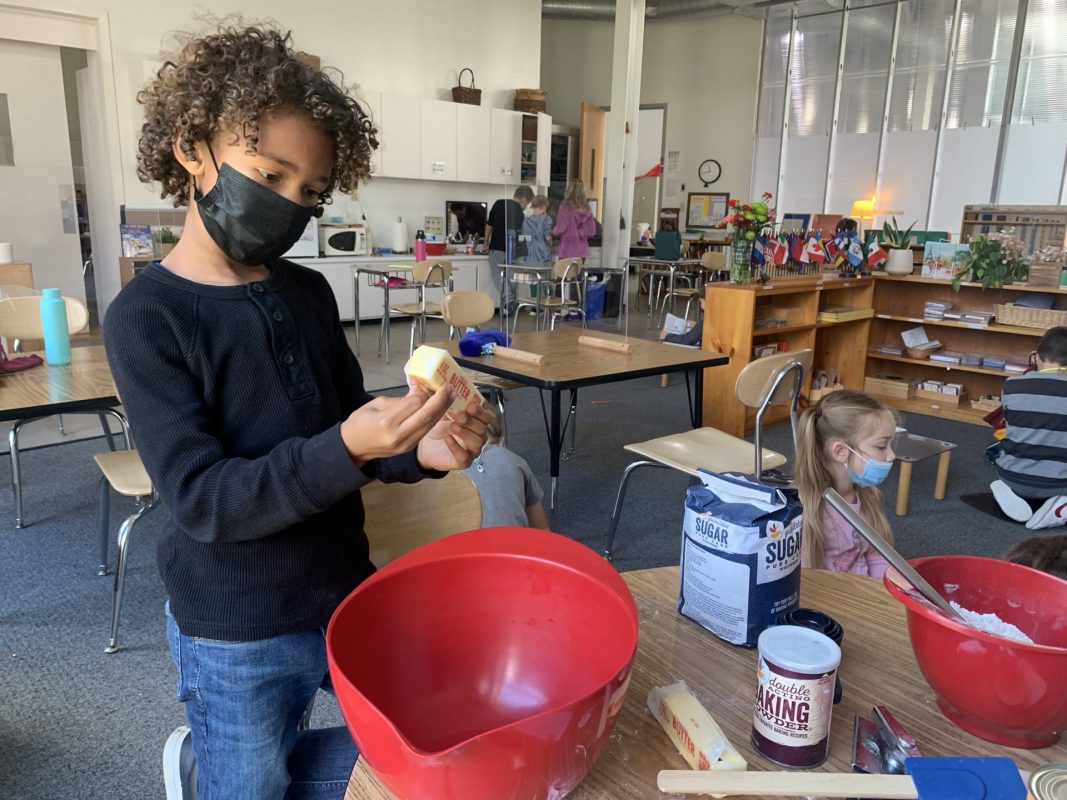
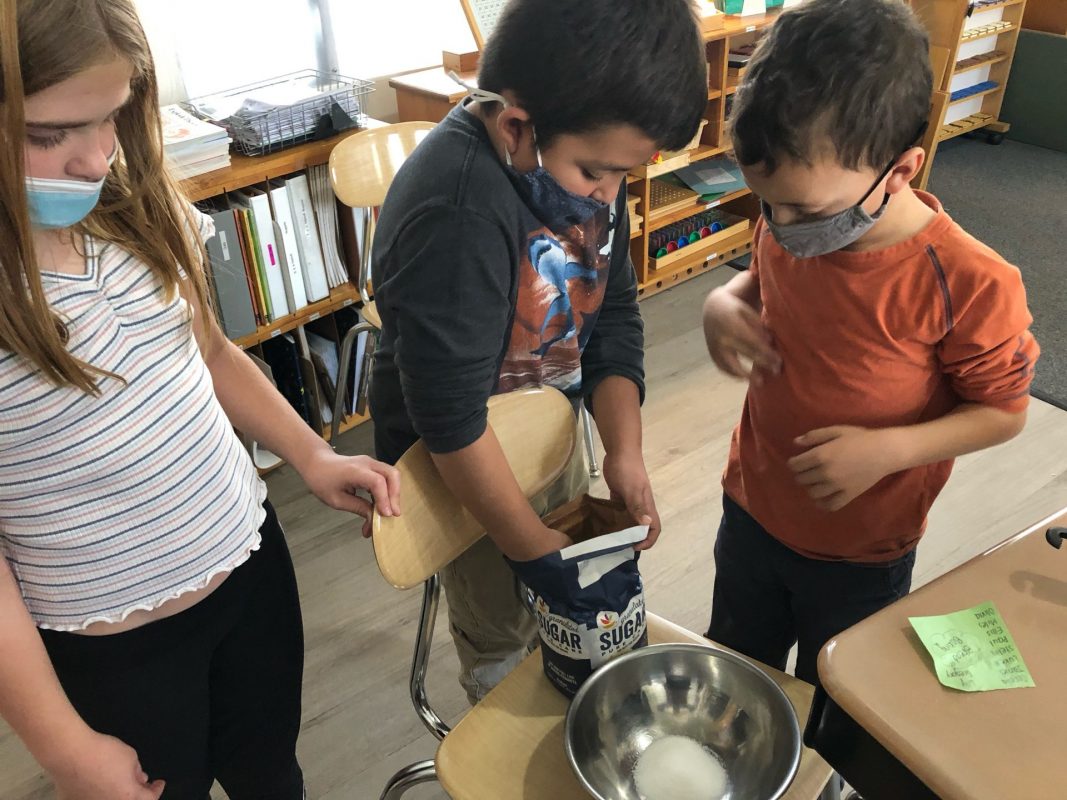
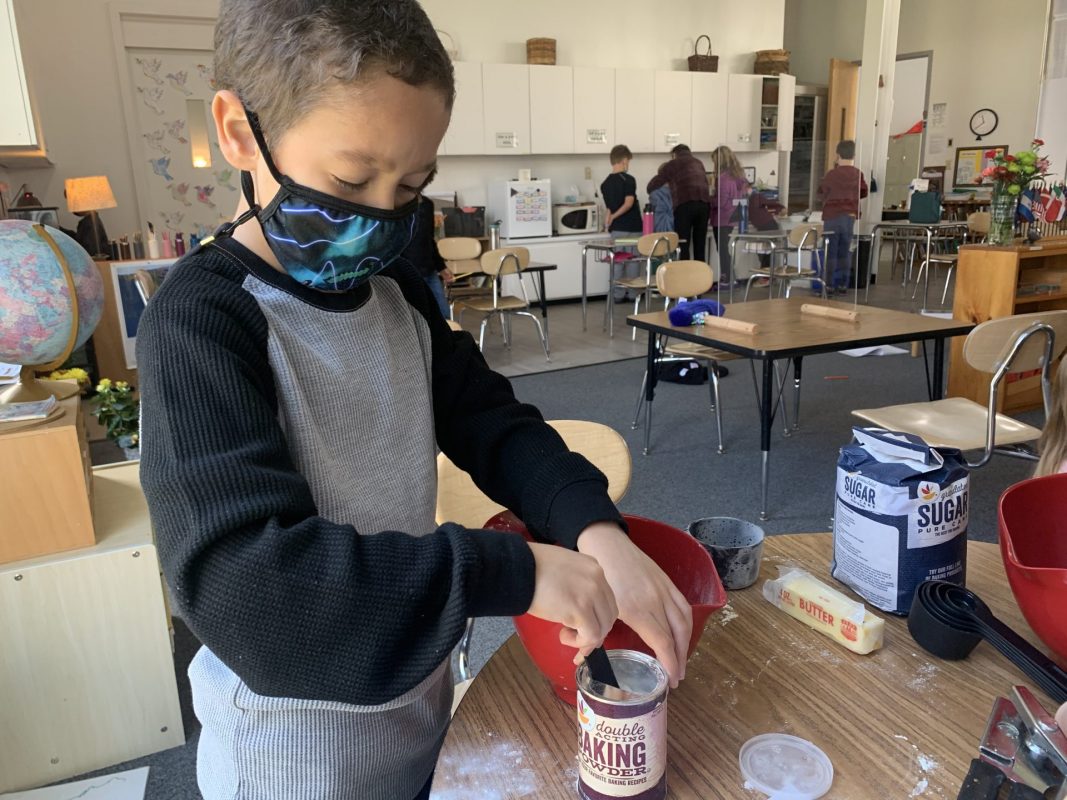
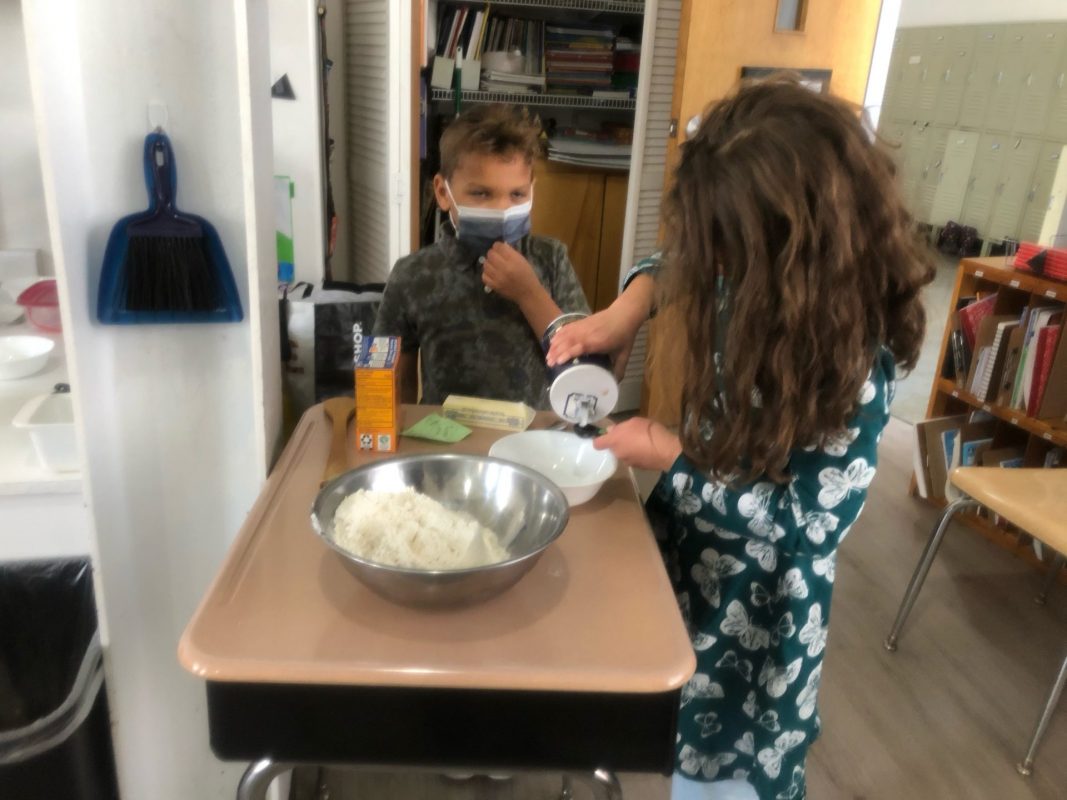
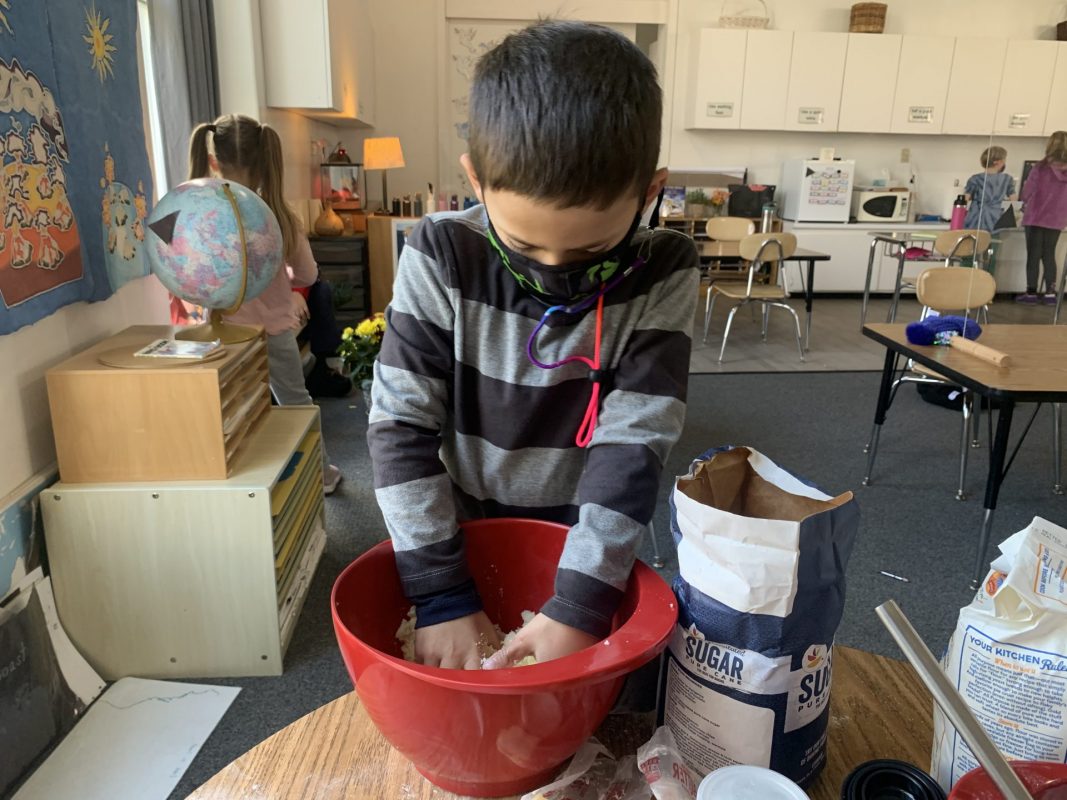
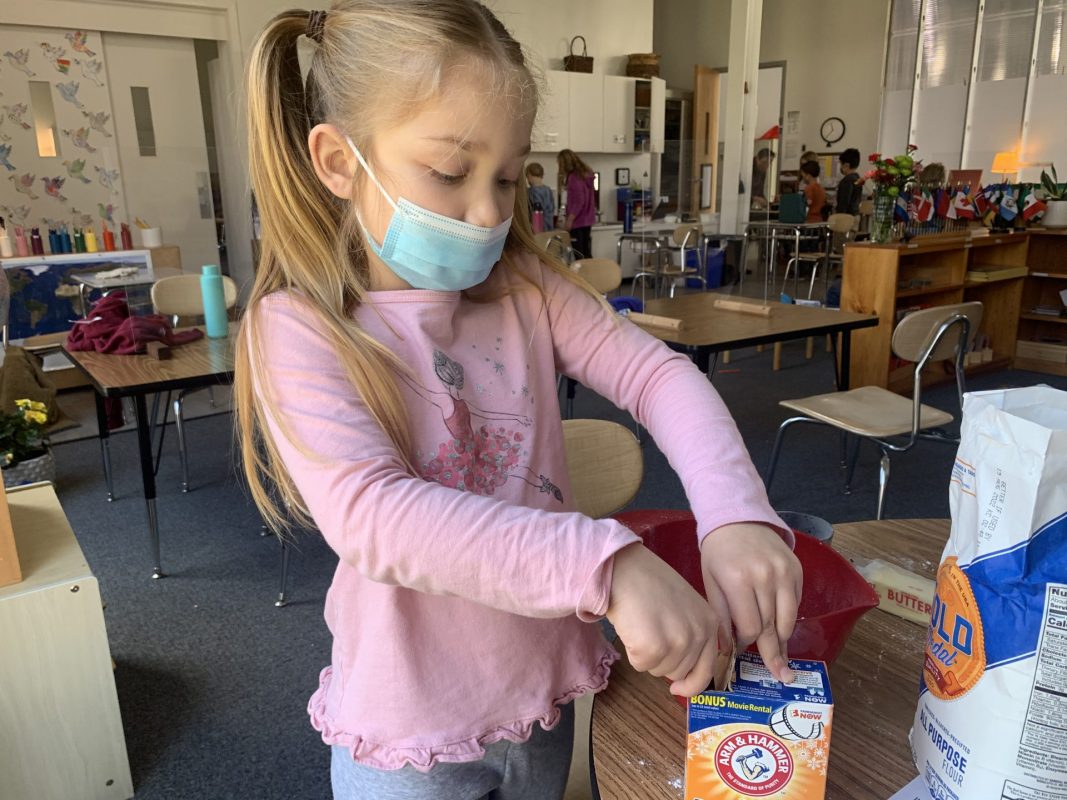
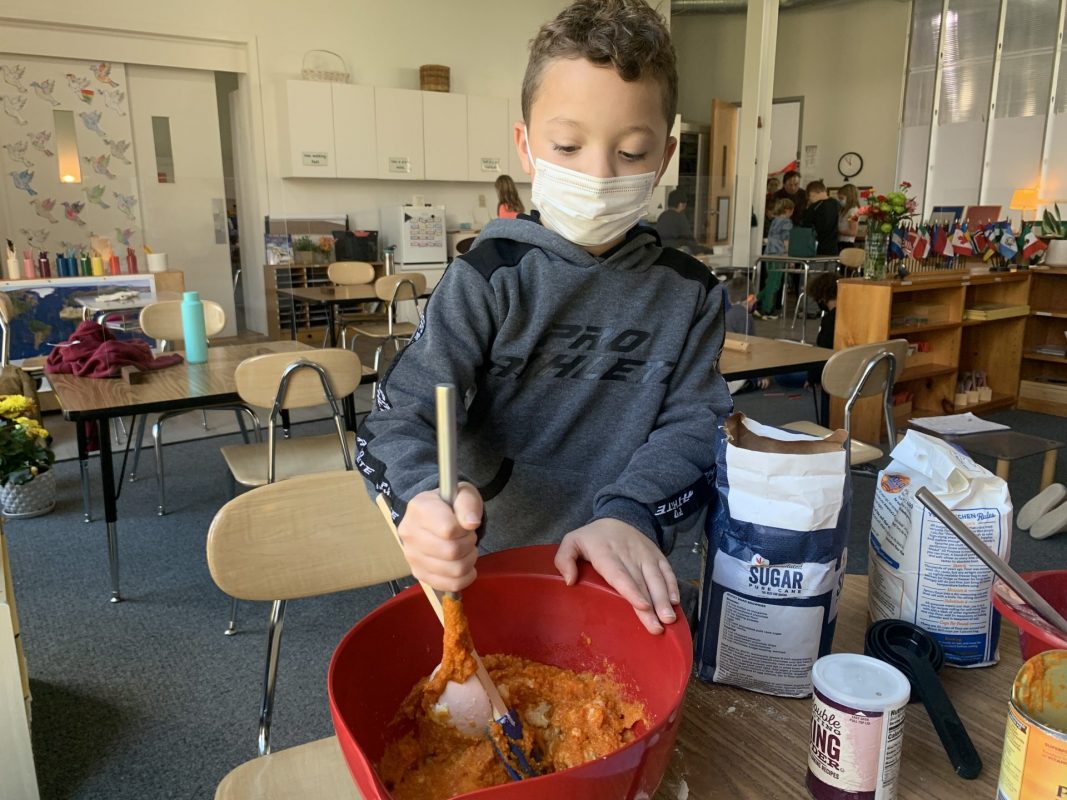
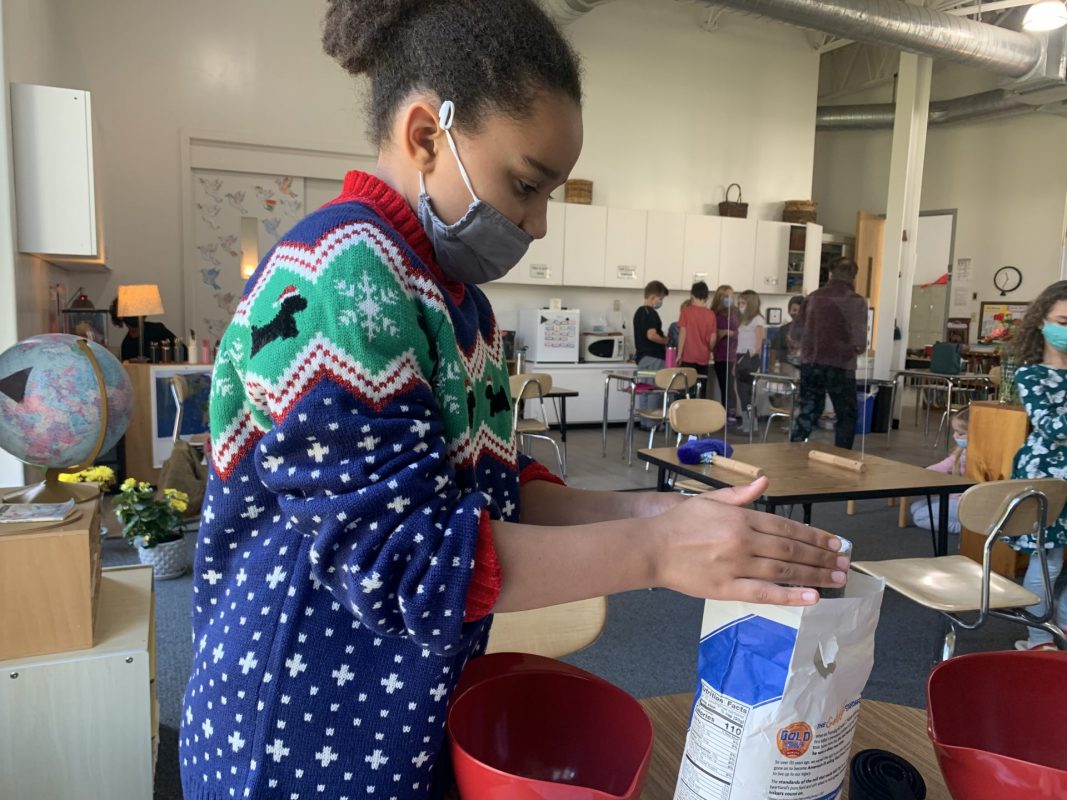
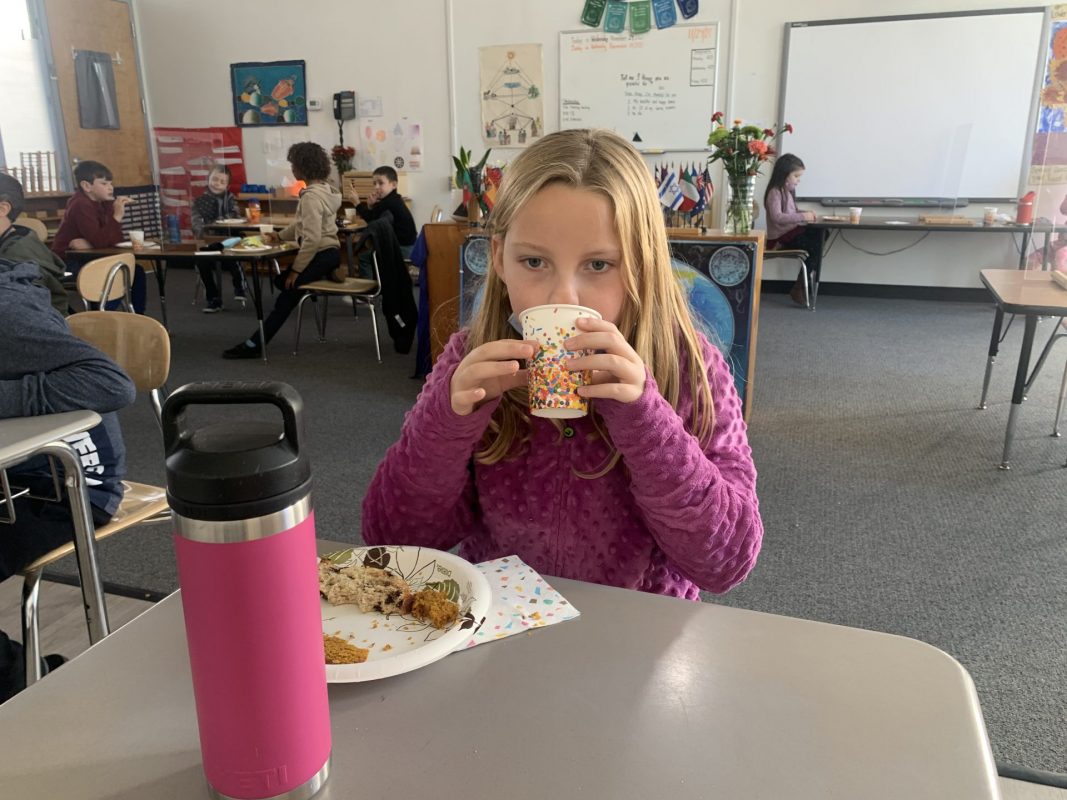
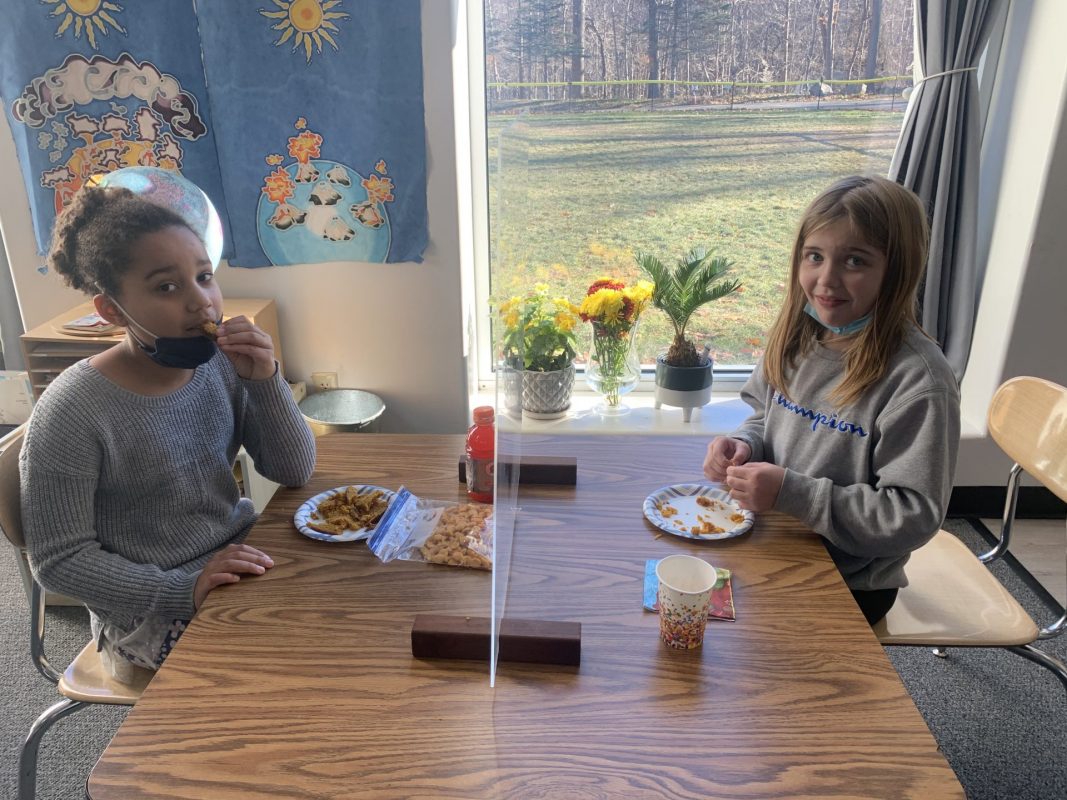
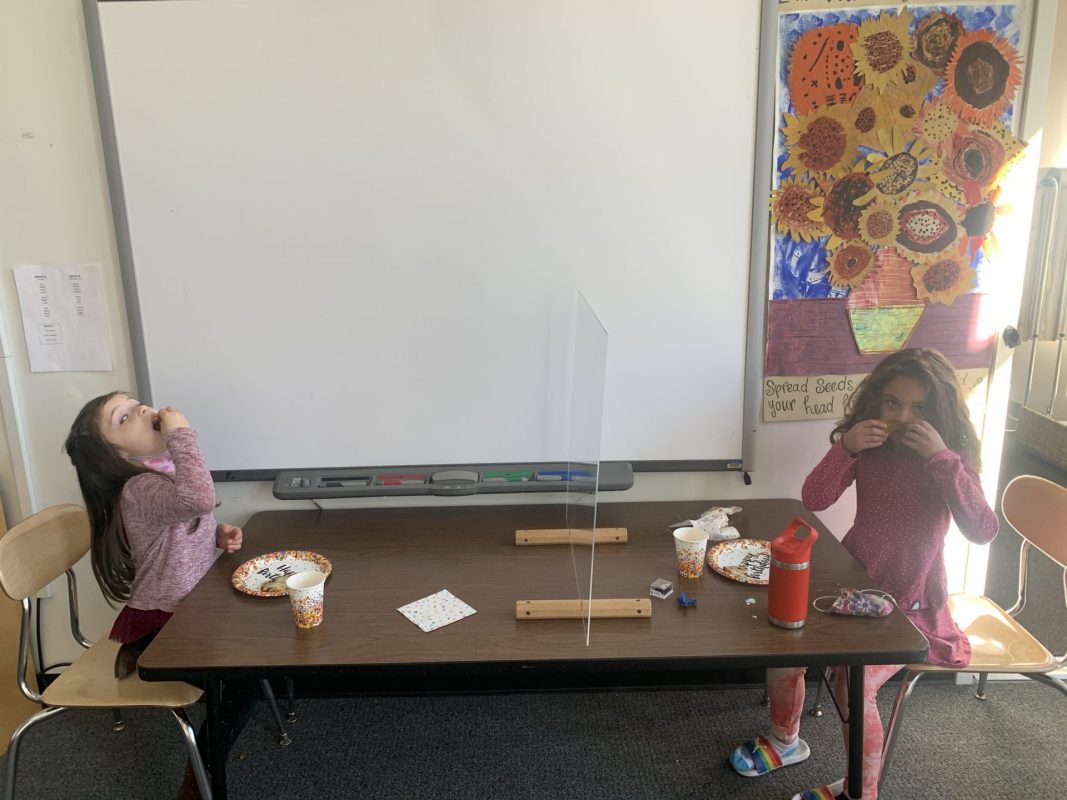
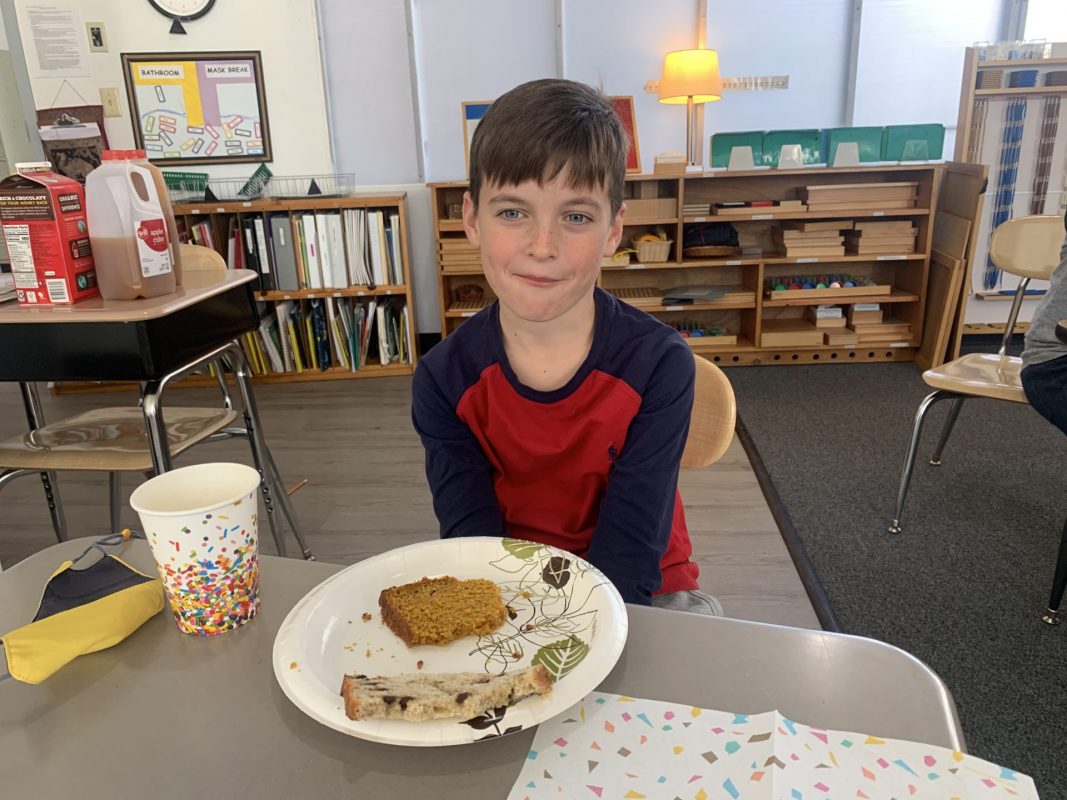
Last week we had a lot to be grateful for. We spent last Tuesday baking bread together with the generous donations and help from our parents. On Wednesday, we shared with each other as a class that we are thankful for many things. Among the most mentioned were: family, friends, our homes, the Earth, food, and our school.  Also, we enjoyed the pumpkin and banana bread we made as a classroom community!

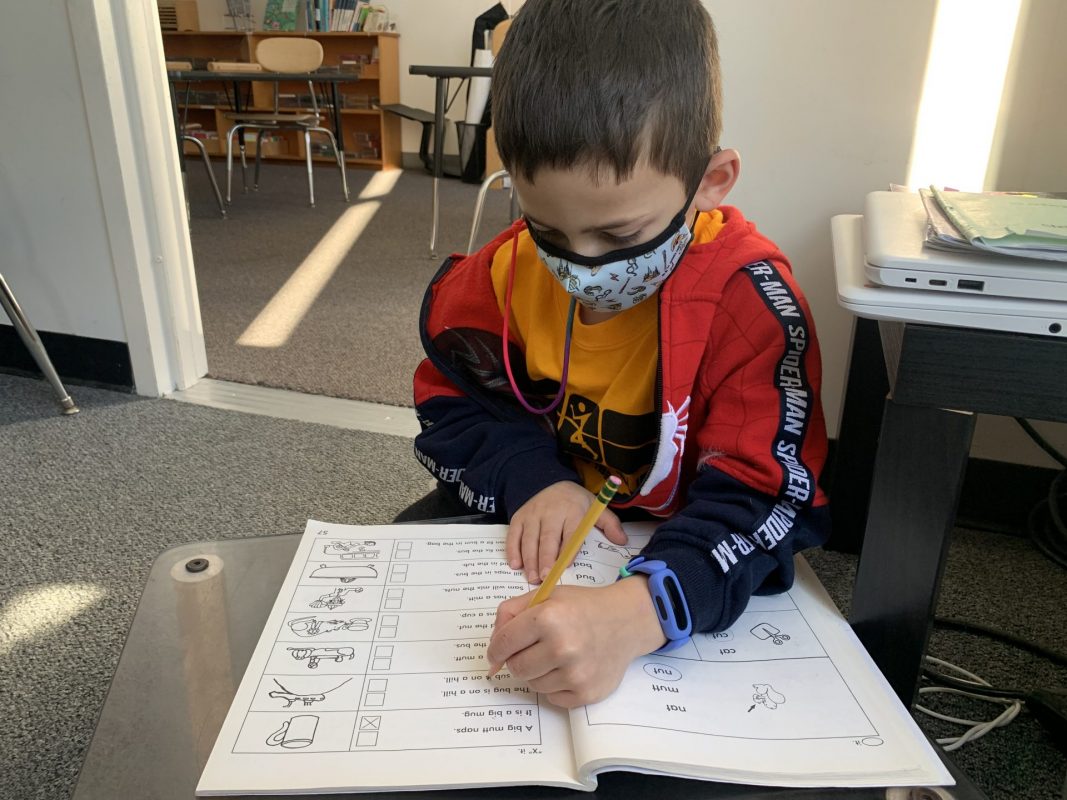
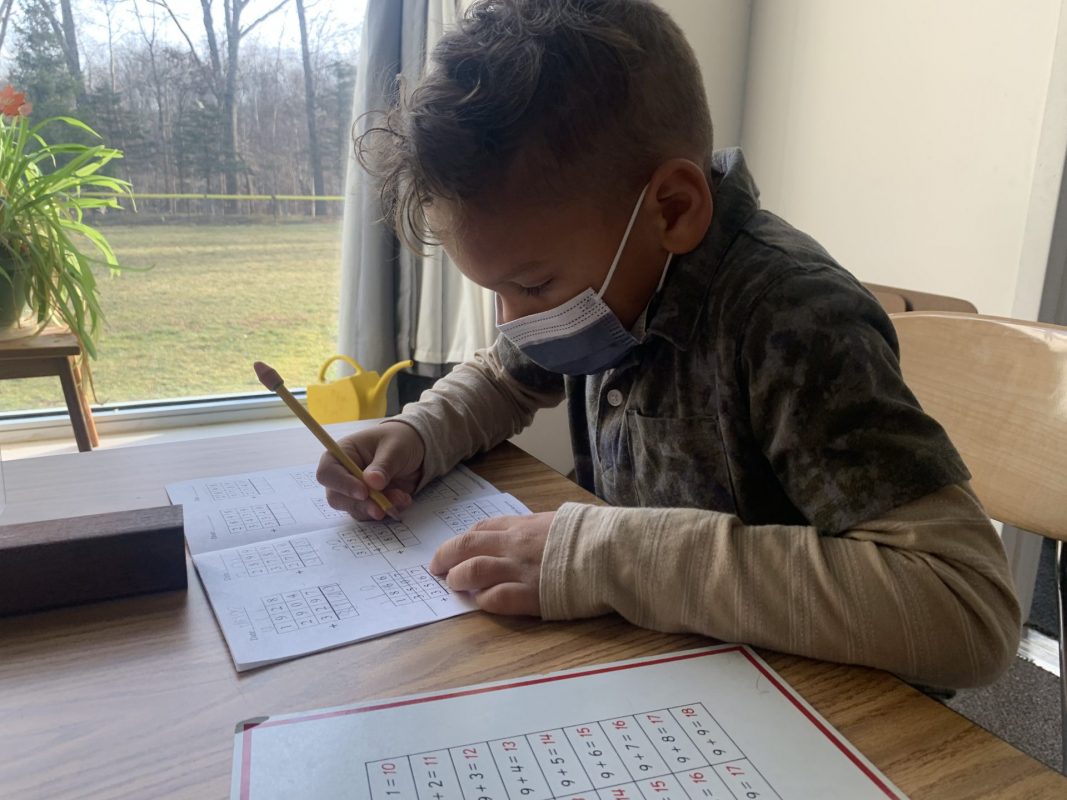
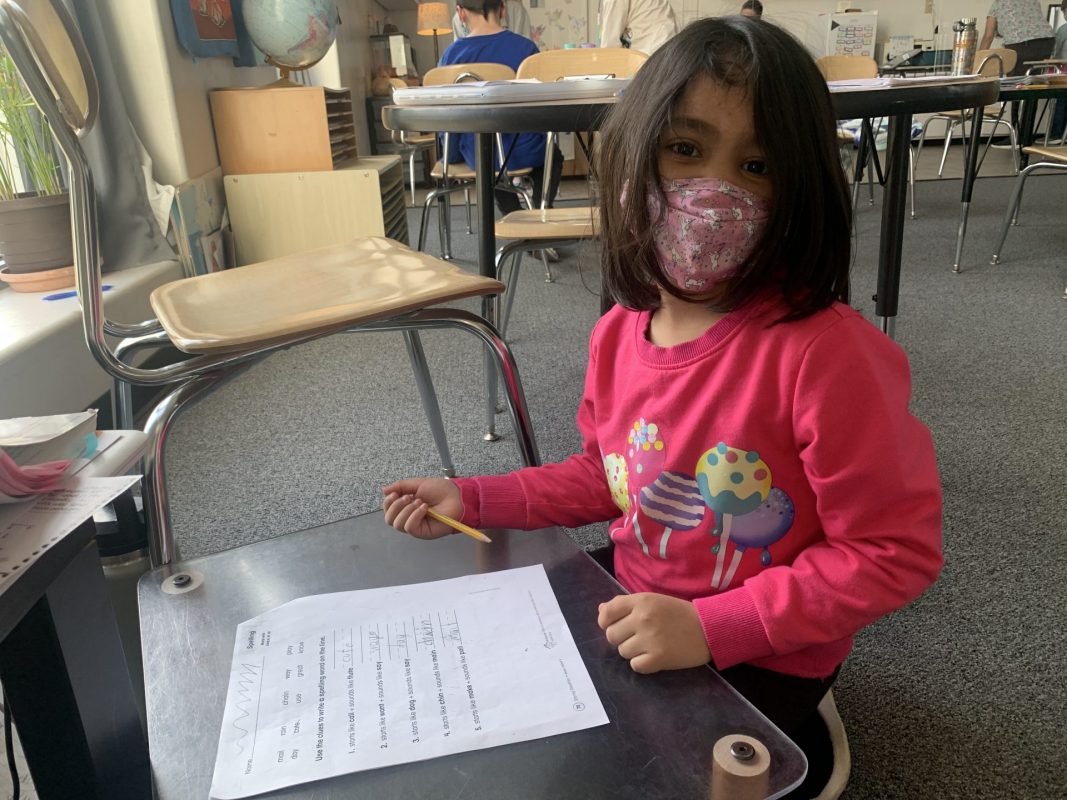
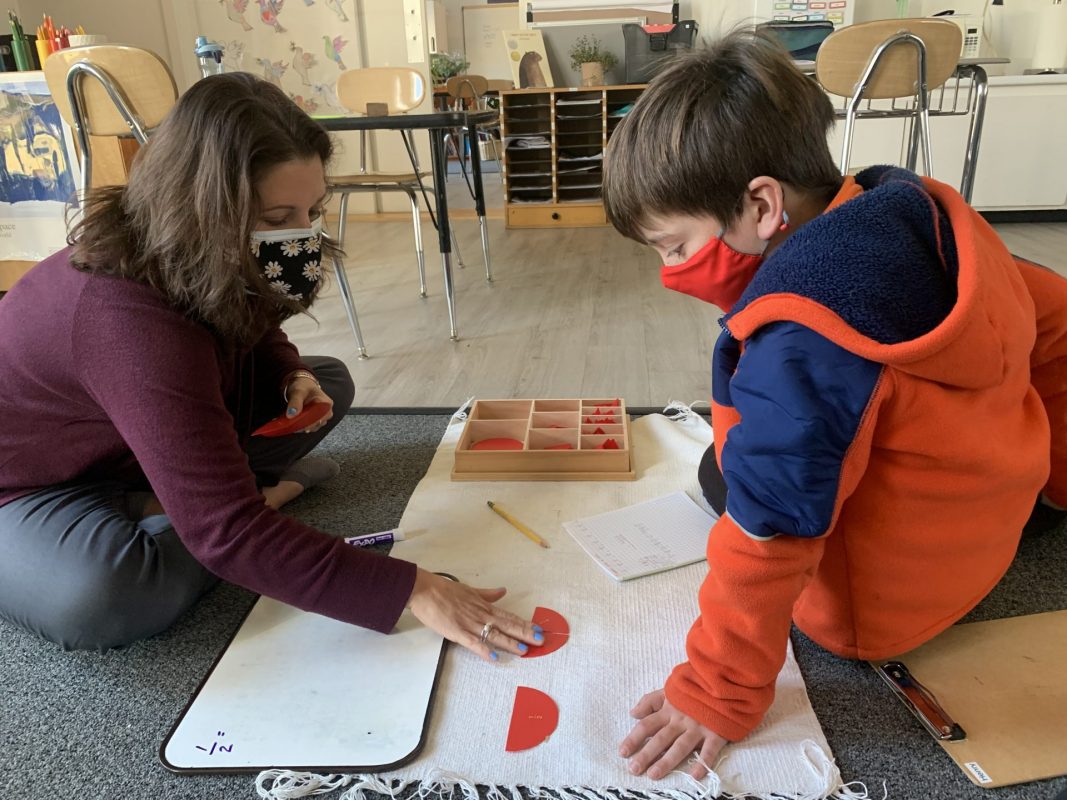
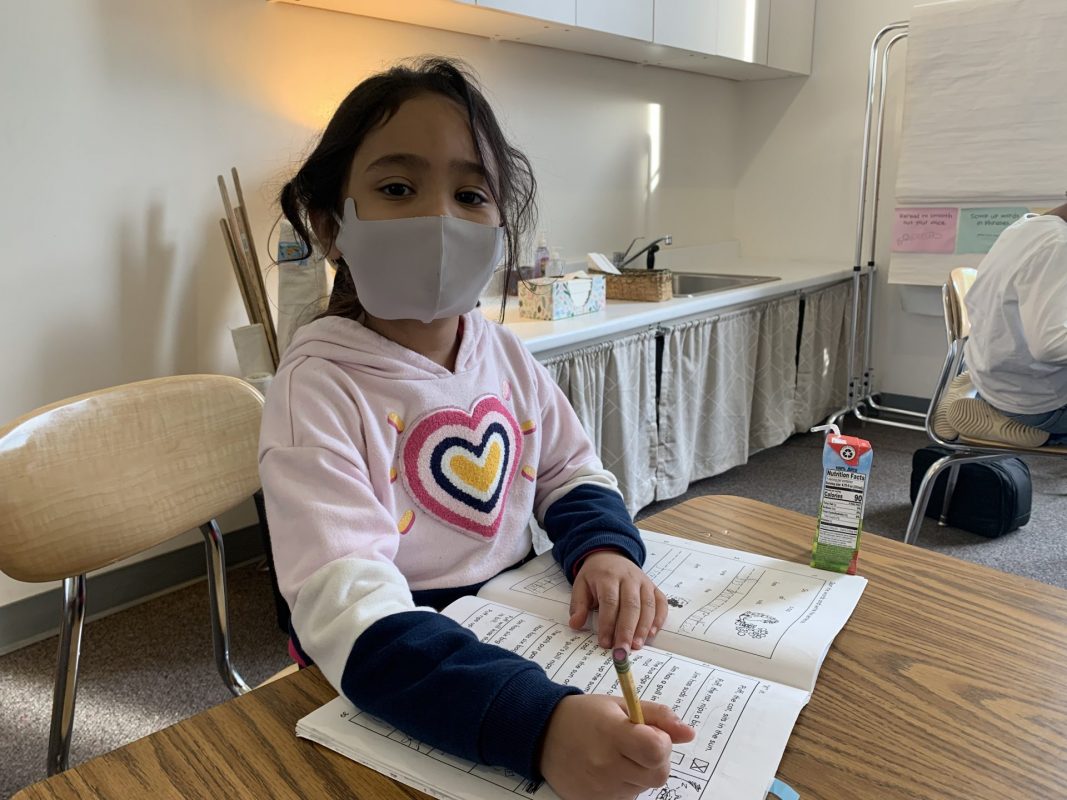
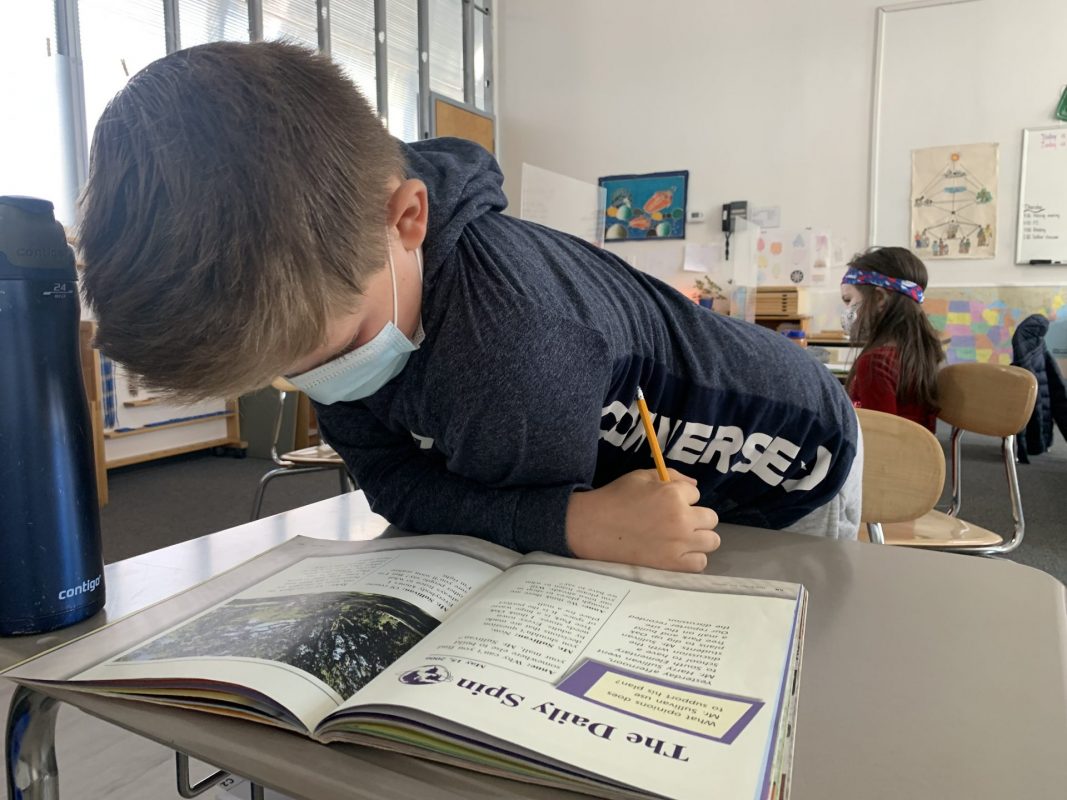
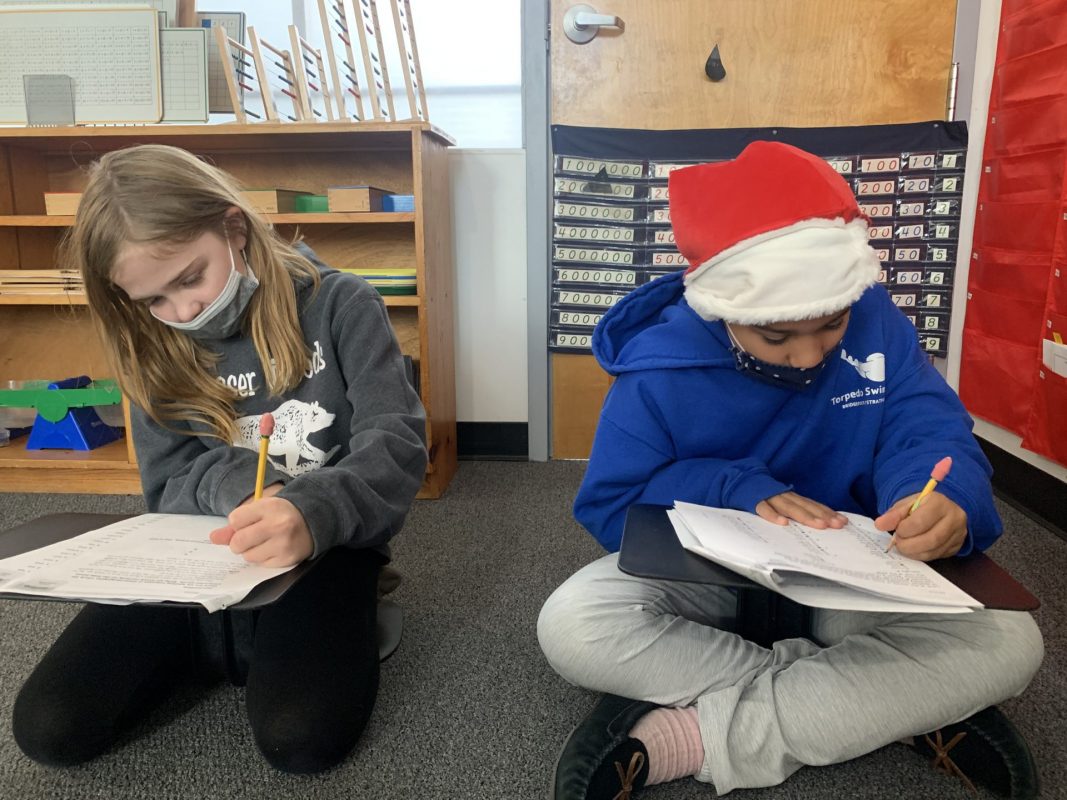
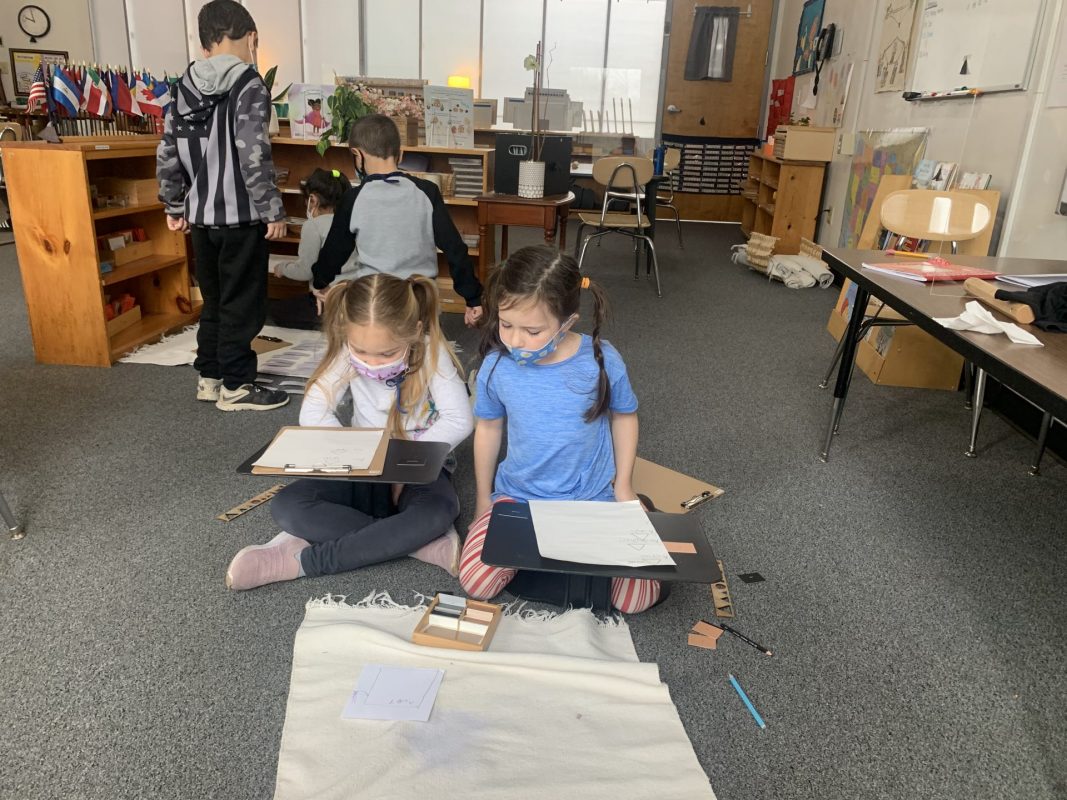
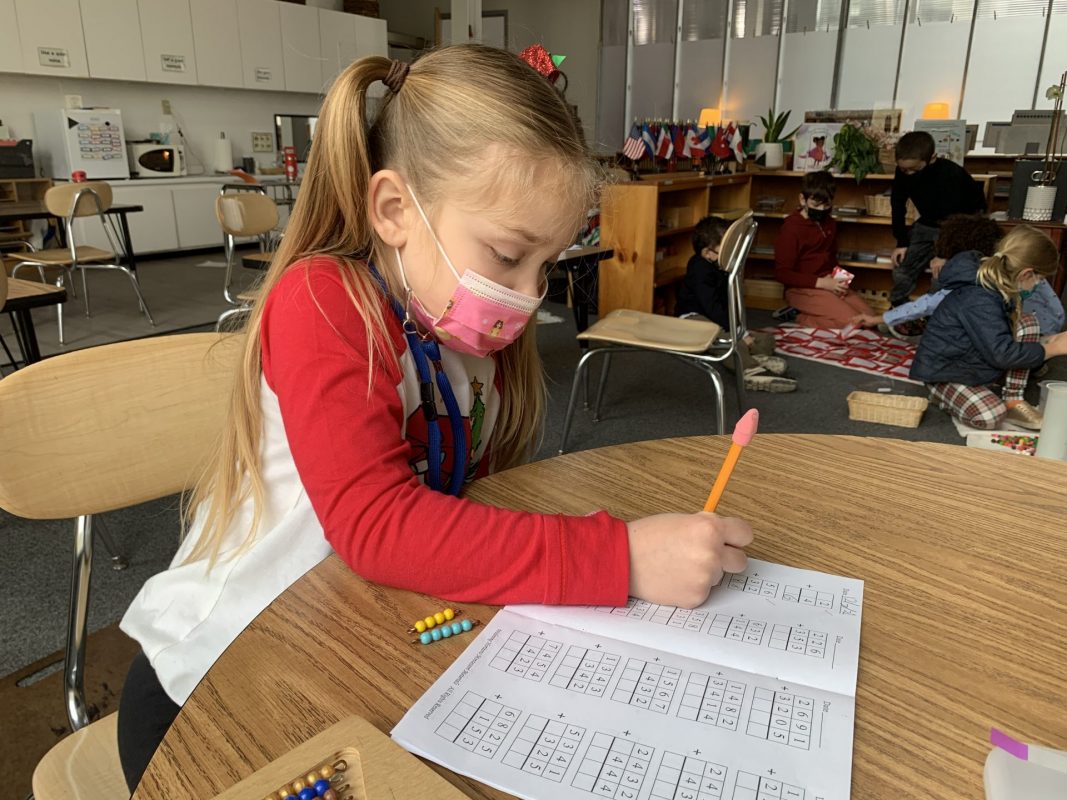
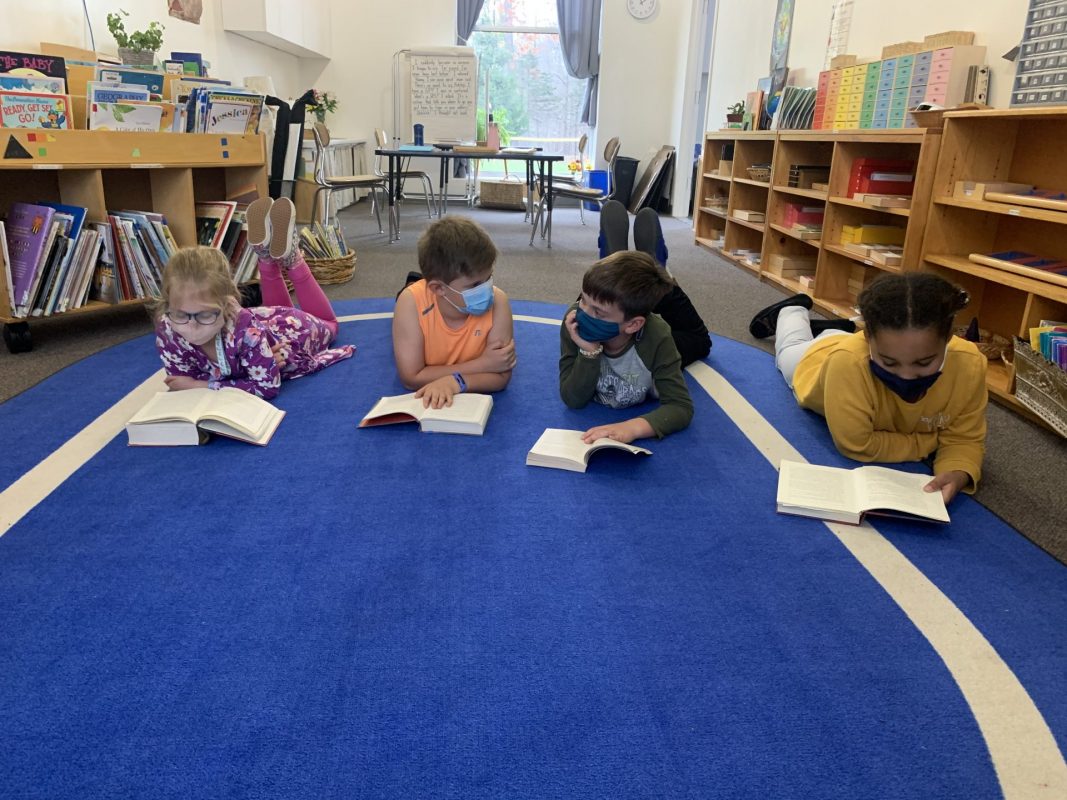
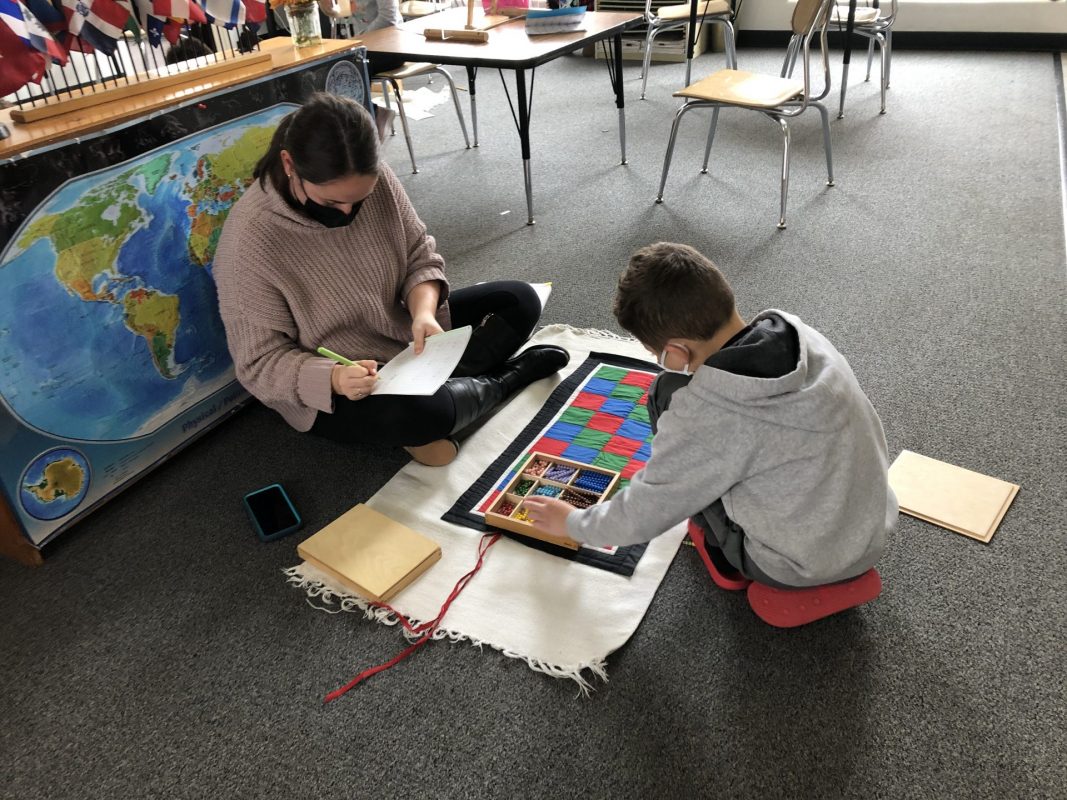
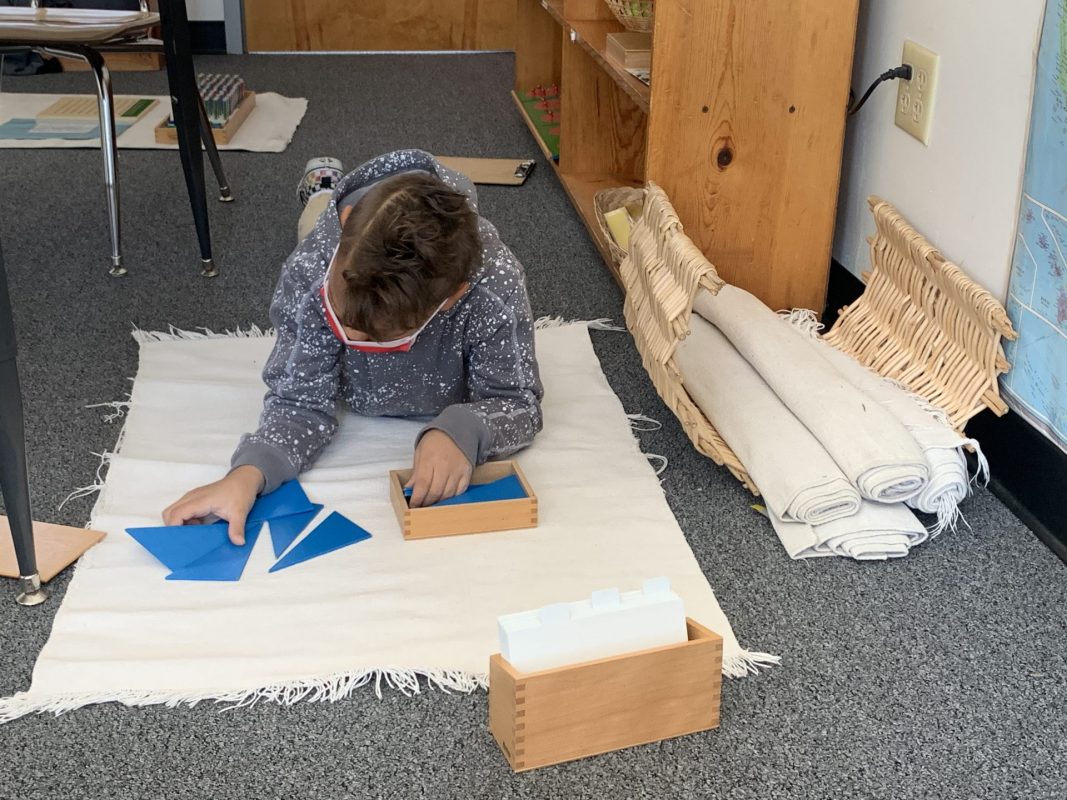
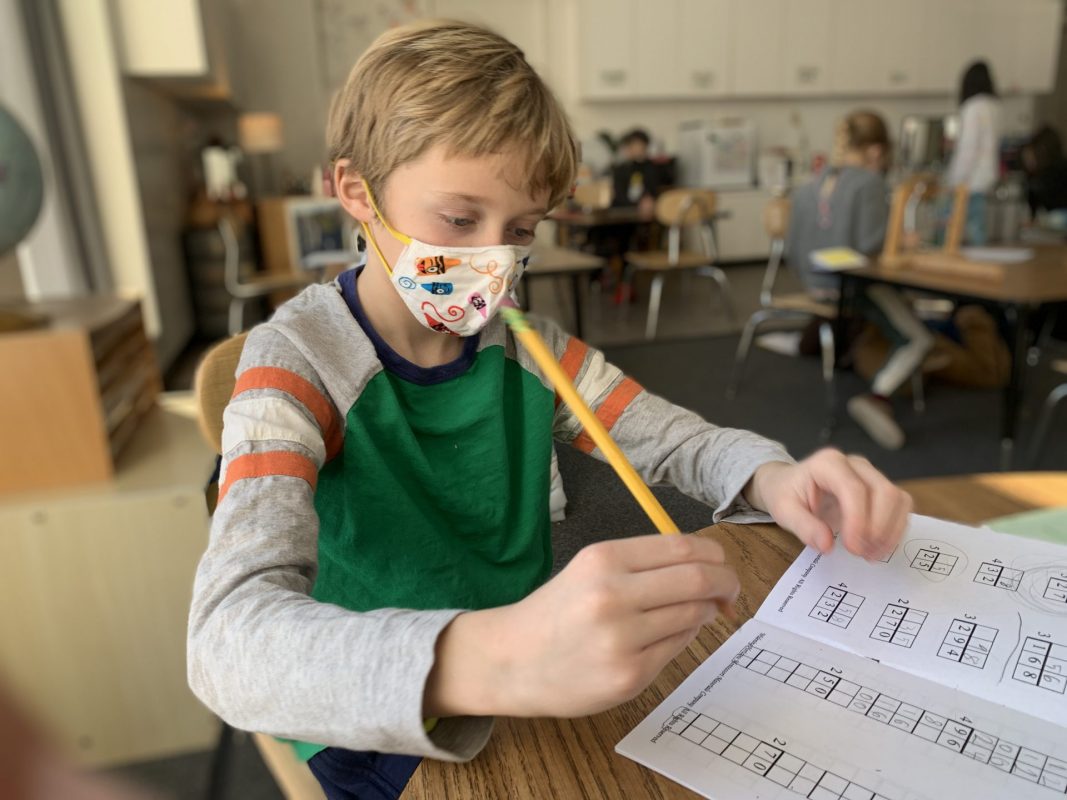
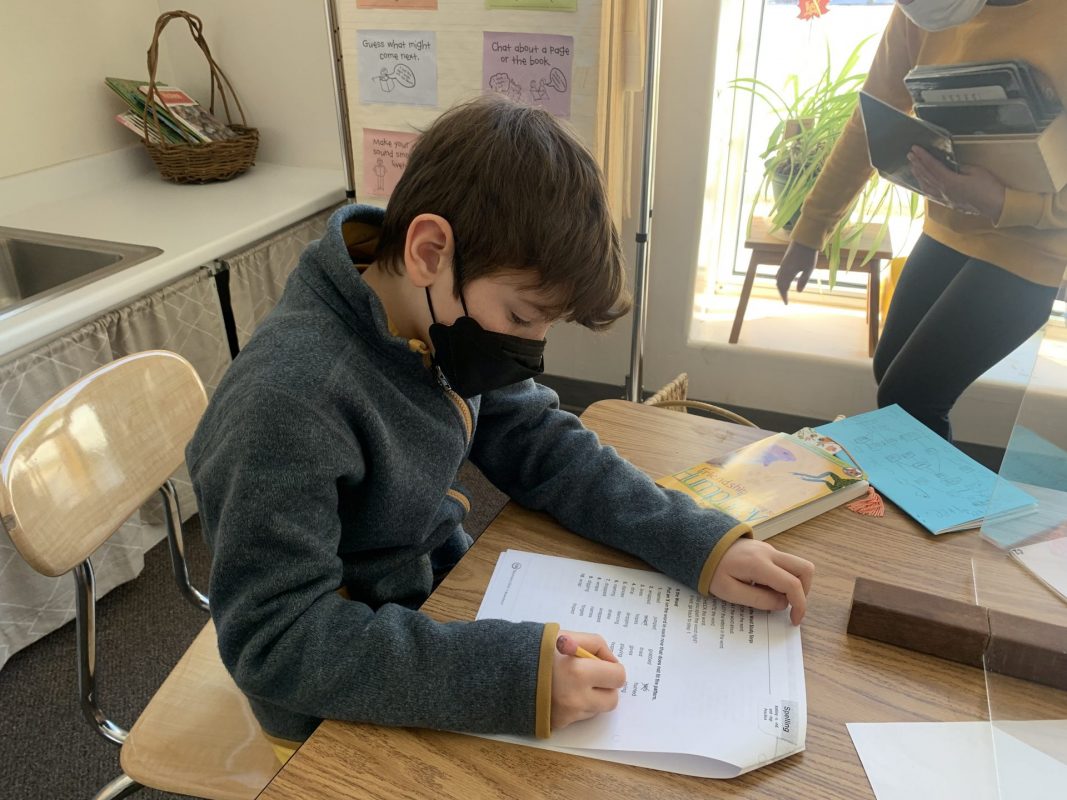
Our daily, uninterrupted work cycle has many benefits. It allows the opportunity for children to learn to concentrate, work on tasks until completion, and to participate in the planning of the work they will complete each day. They learn to work cooperatively with peers at their own grade level as well as younger and older children. This time also allows us to work individually with each child, giving lessons and providing guidance and help as needed with their work. It is also this work cycle that provides us with the ability to individualize math, spelling, and language lessons. The children have been hard at work this week, happily working with friends and independently.


The Three Year Cycle

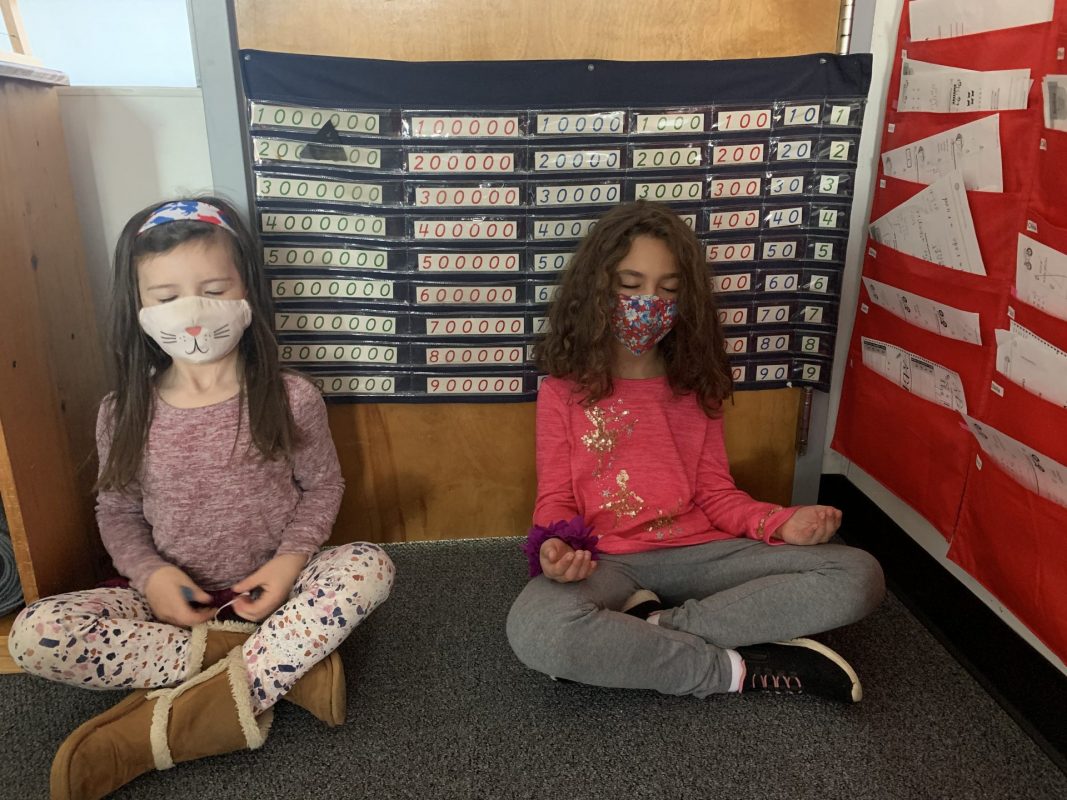
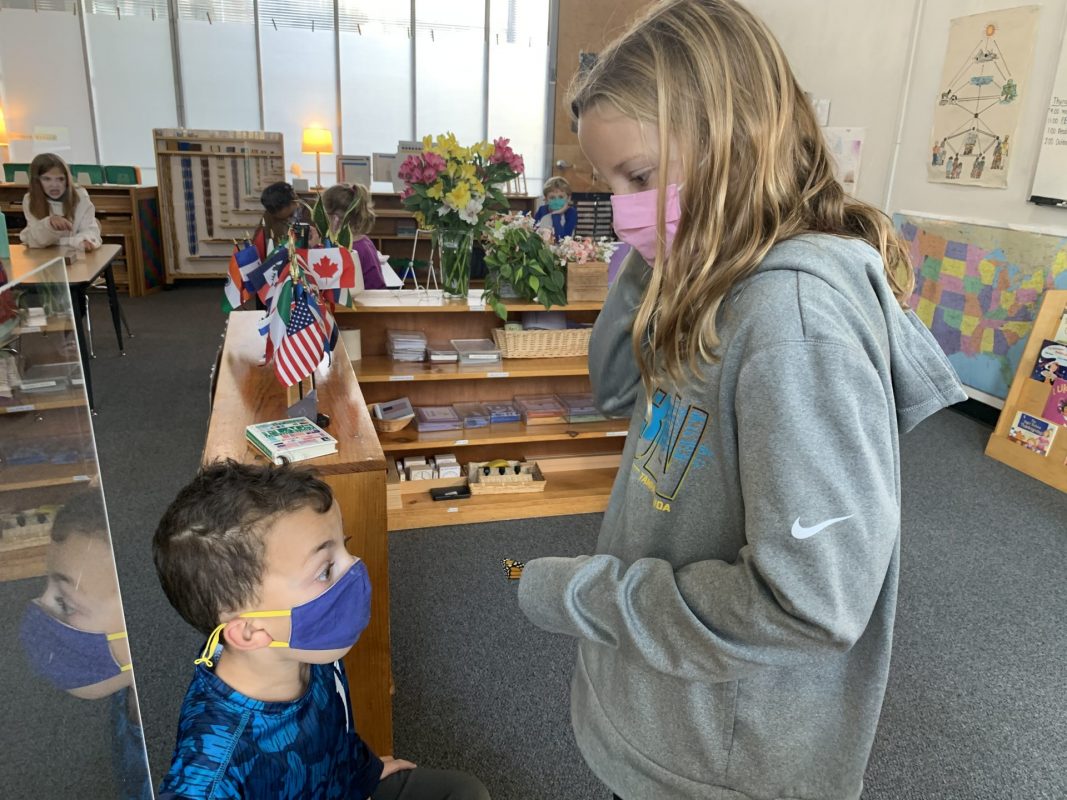
The Montessori three year cycle in Lower Elementary provides the space and time for children to develop interpersonal skills by interacting with and learning among children of different ages.  The children learn how to cooperate with one another and to respect each other. First year students are the observers, learning from the second and third year students. Second year students are no longer the youngest, but are still learning from the thirds, while practicing for next year by helping younger classmates. This second year of the three year cycle is as important as the first and third year of their time in the classroom. This is their growth year. The third year students are the leaders; teaching the younger children while also setting a good example for them. Throughout this three year process the children gain confidence, competence and learn how to interact with a diverse peer group. They gain great social skills, preparing them for success many years down the road.


Lower El: Culture is Important

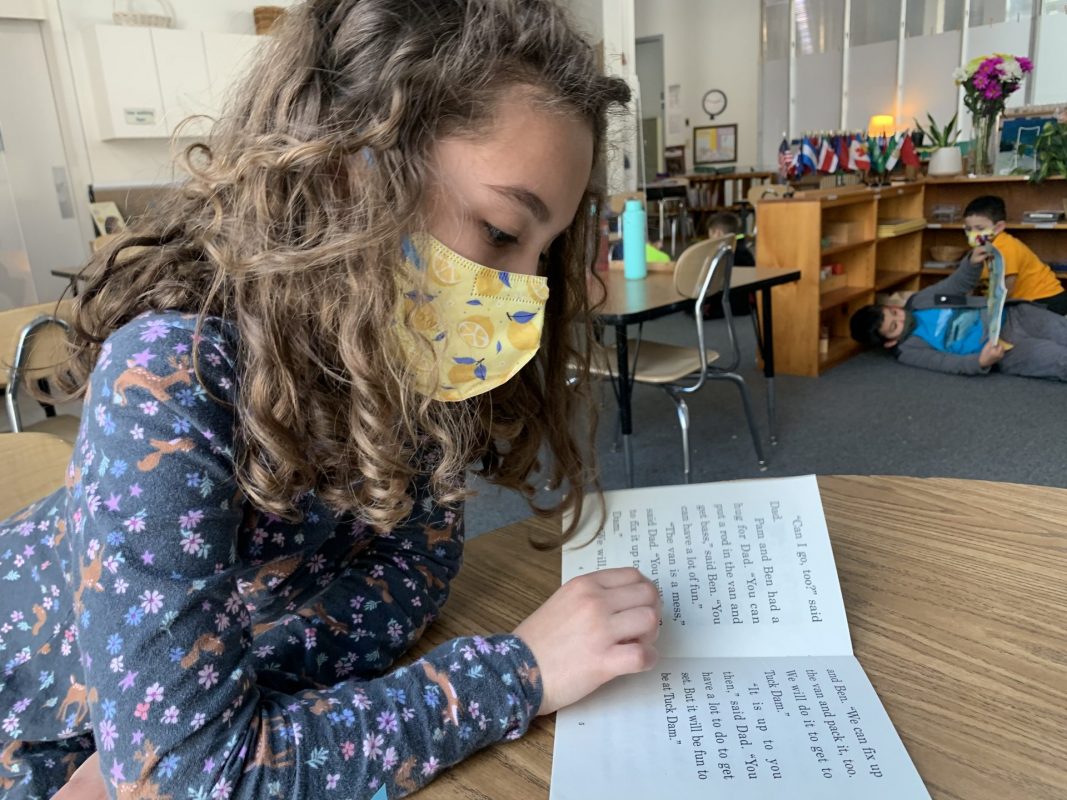
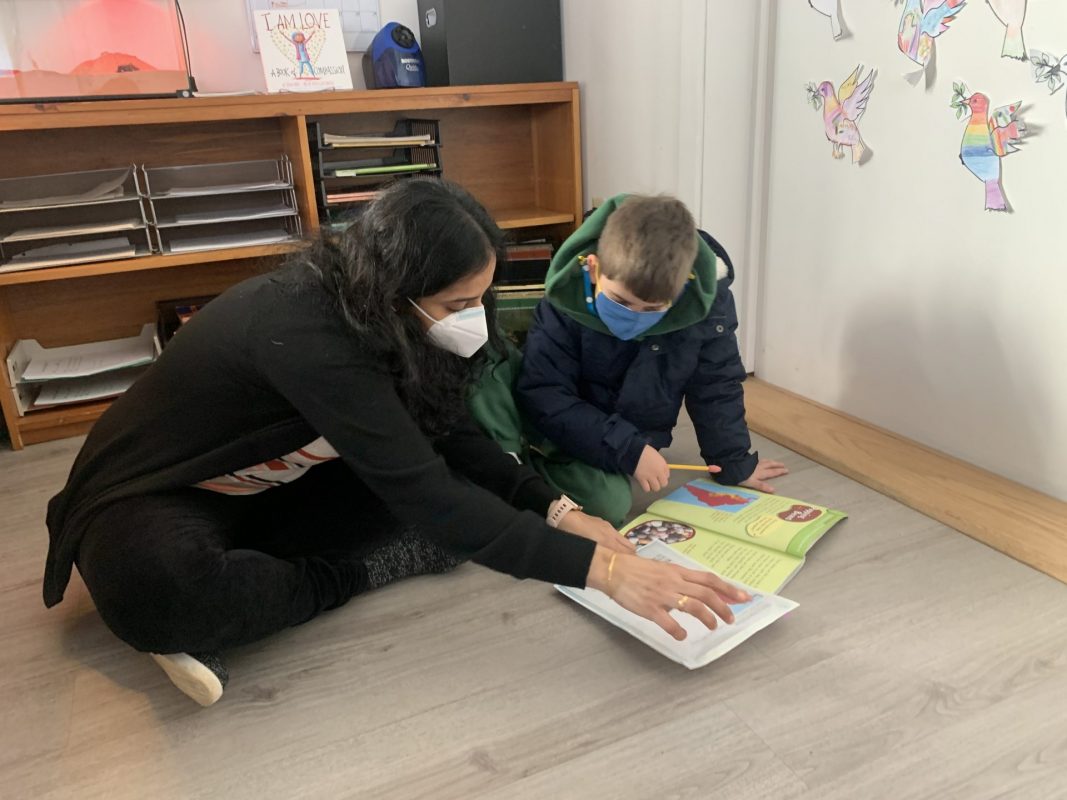
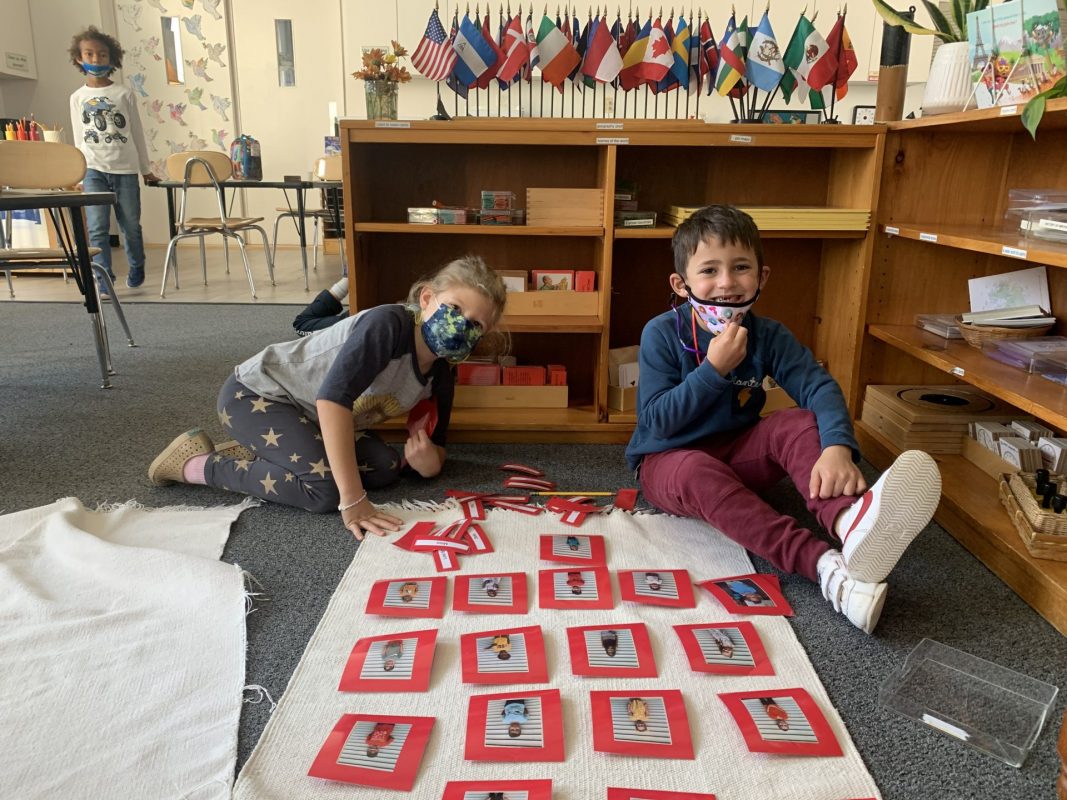
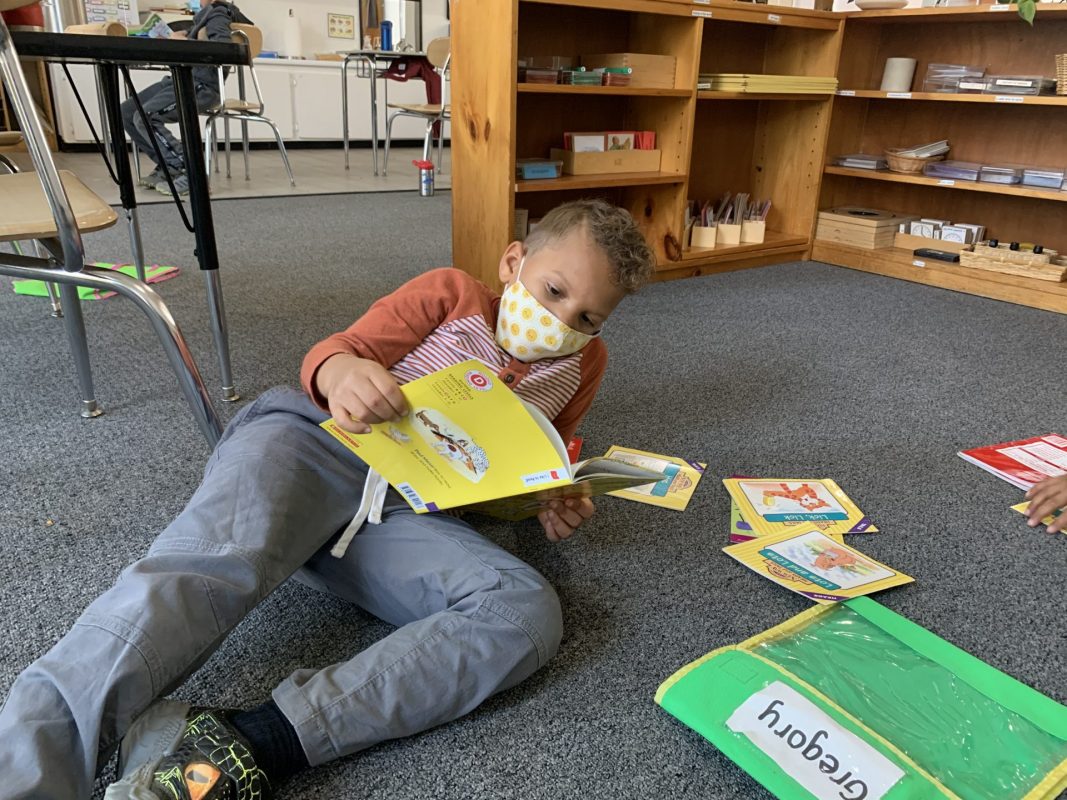
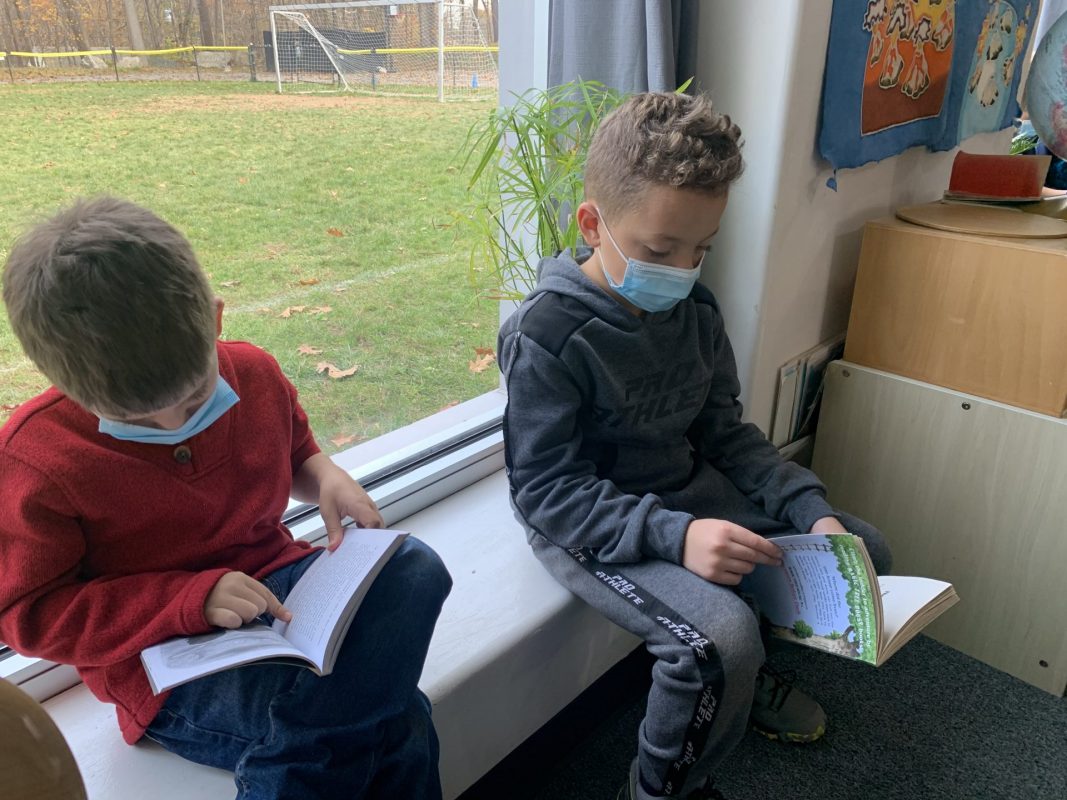
We have begun learning about the lives of children from around the world. It is so important for children to appreciate cultural differences. One way we have been doing this is by reading books which allow the voice of the culture to be heard. It is imperative for children to learn about some of the unique and amazing things that come from other ways of life.

Another way of promoting diversity is learning songs from across the globe. One song that the children learned this week is called “Senjua.” This is originally a Ghanaian song/story about a boy named Senjua. This piece has been taken up by students in Ghana and other surrounding countries, being sung as a victory song.

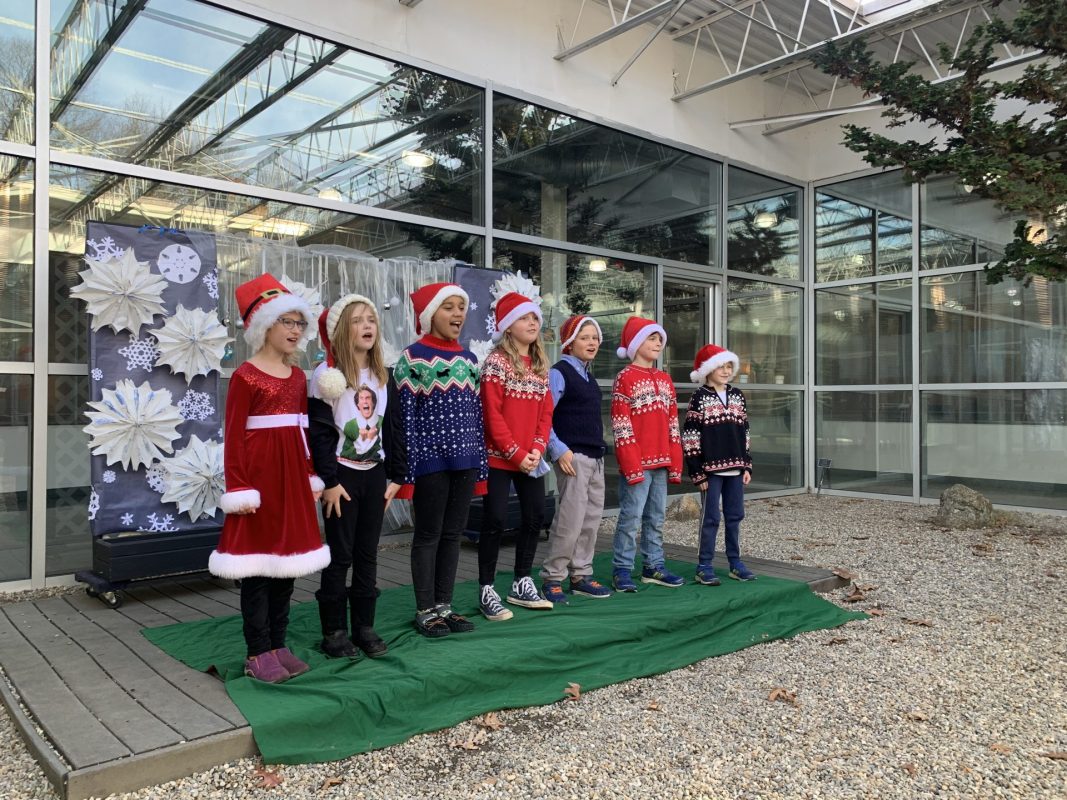
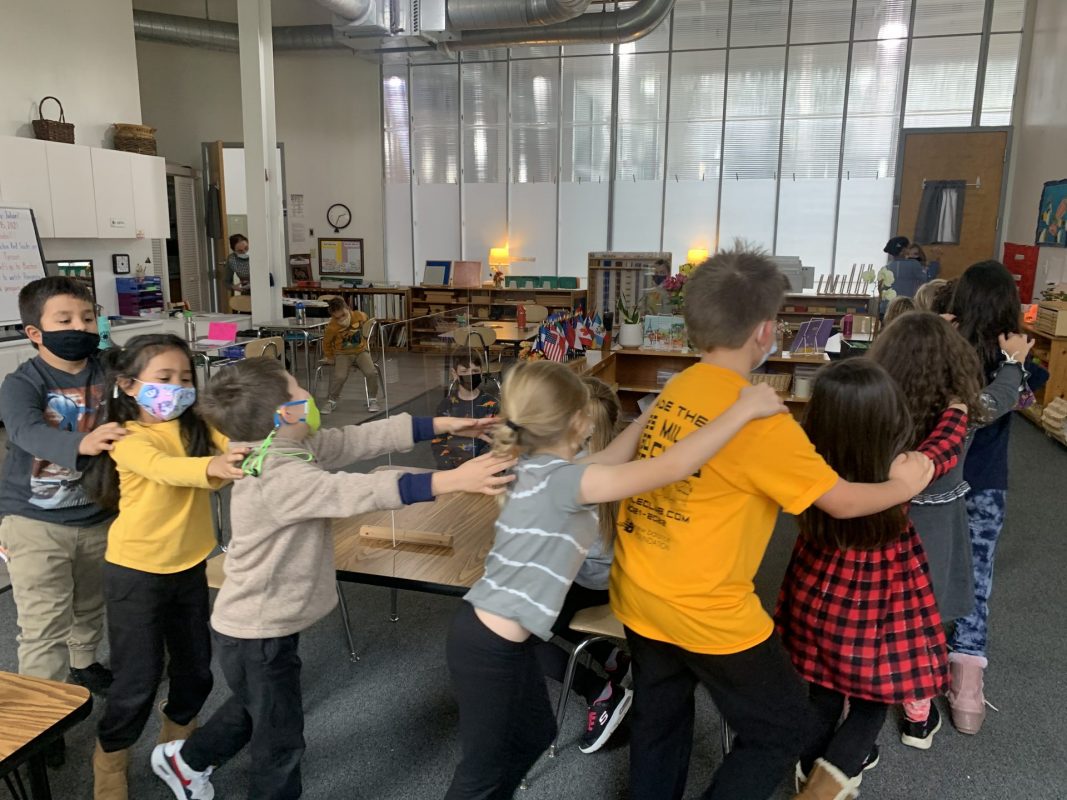
Dancing and playing singing games has a powerful effect on children. When we dance and sing together we become more alert, creative, happy, and connected to one another. Singing games and dances enable joyful human connection and create community. When children are happy and physically engaged, they become better students.


Lower El: Meaningful Workers

We are very excited to welcome a new third grade friend to our class this week! All of the children are being kind and helpful and are thrilled to have a new addition to the classroom.

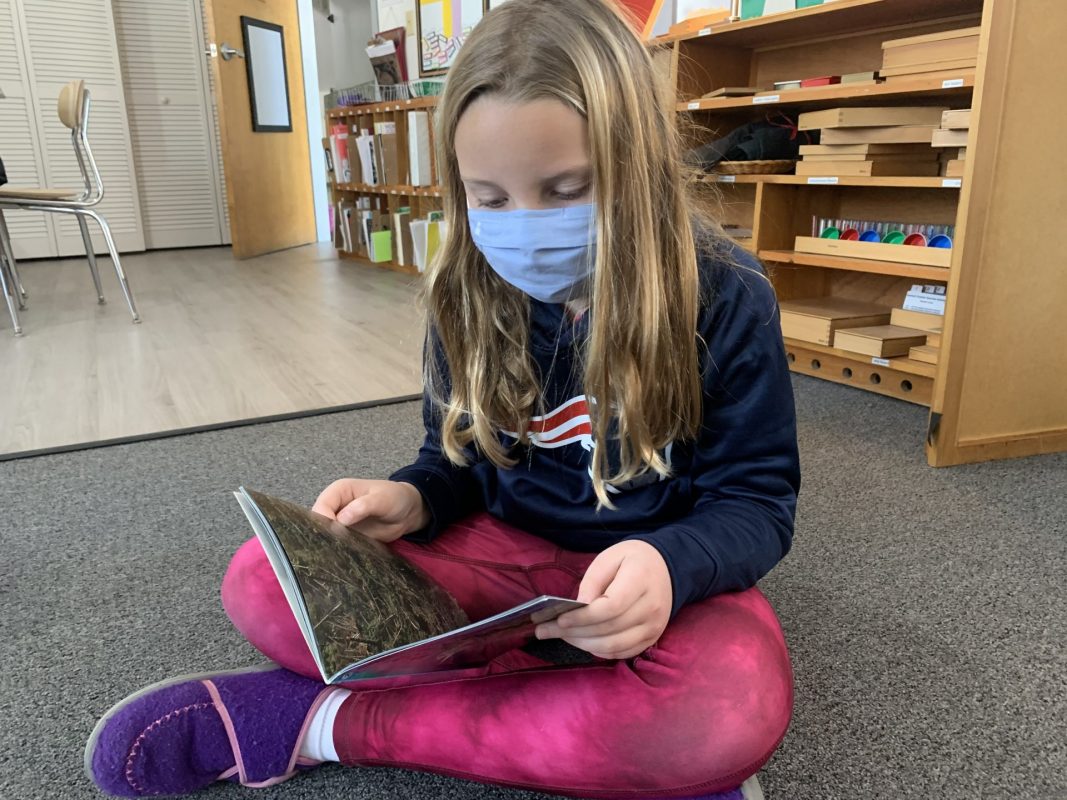
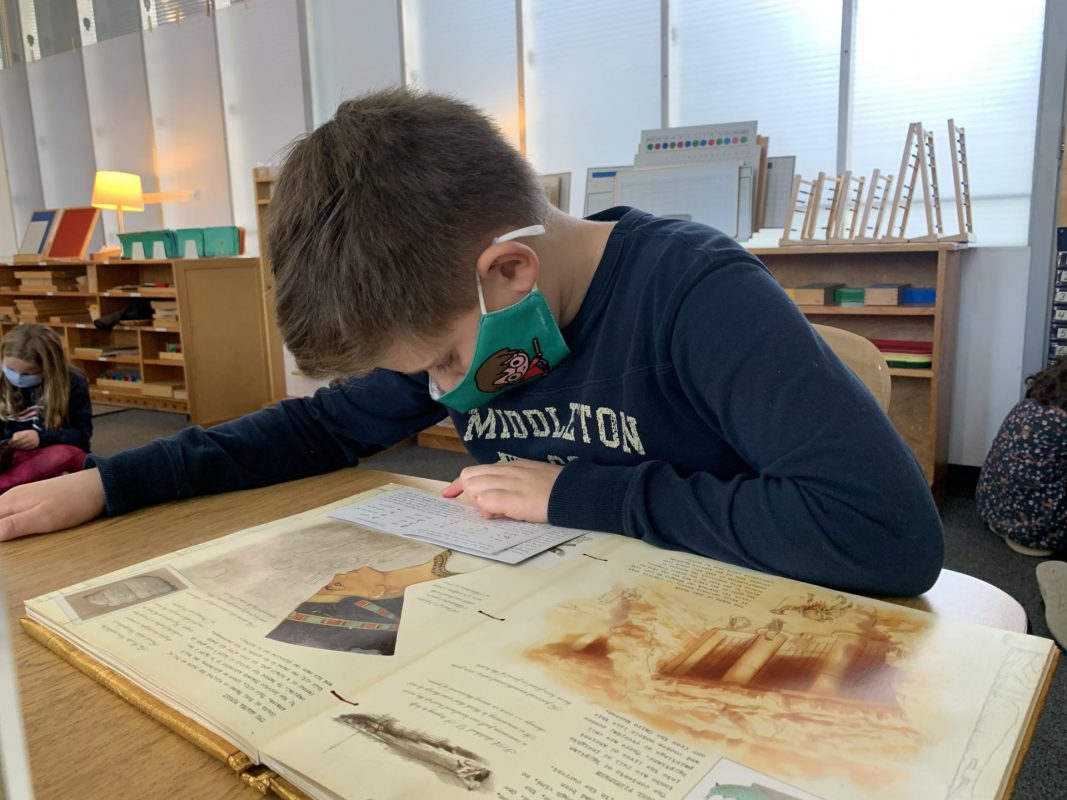
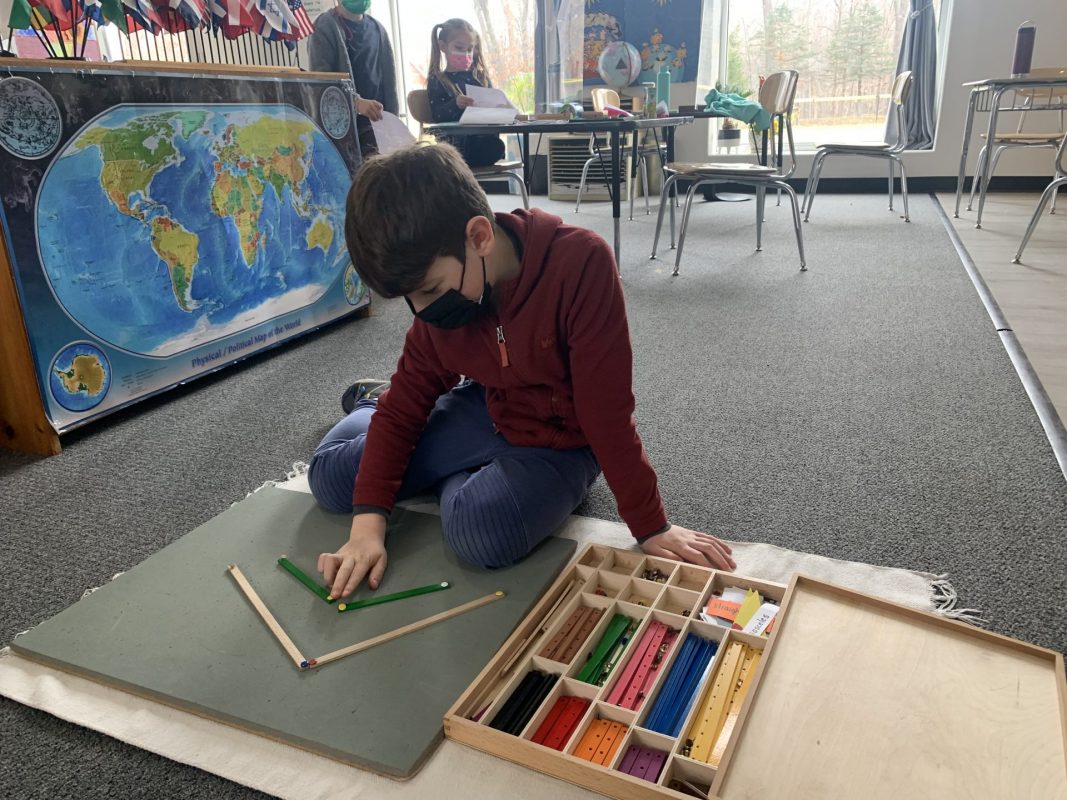
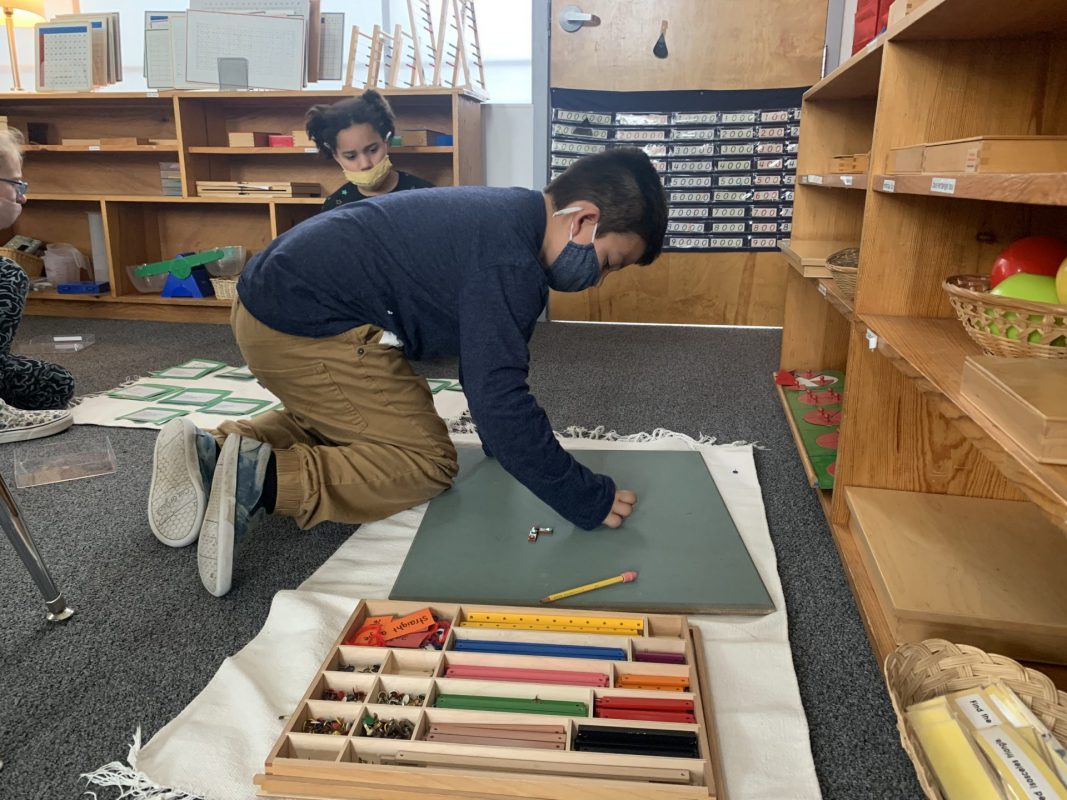
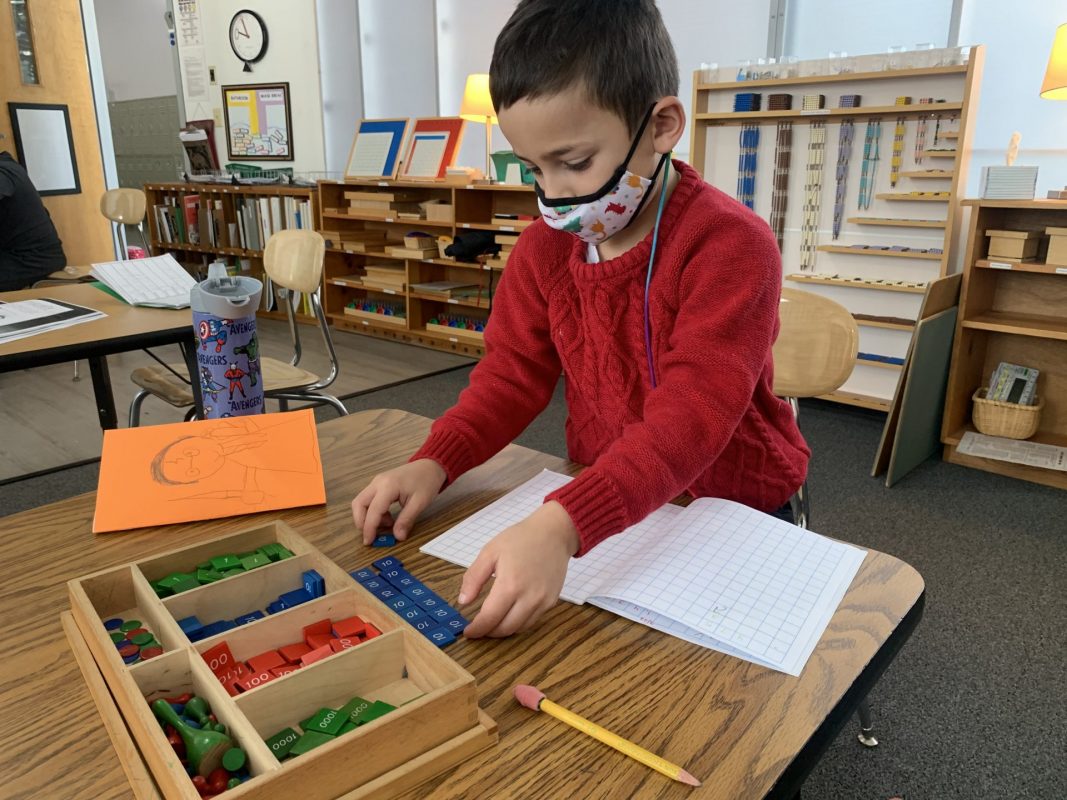
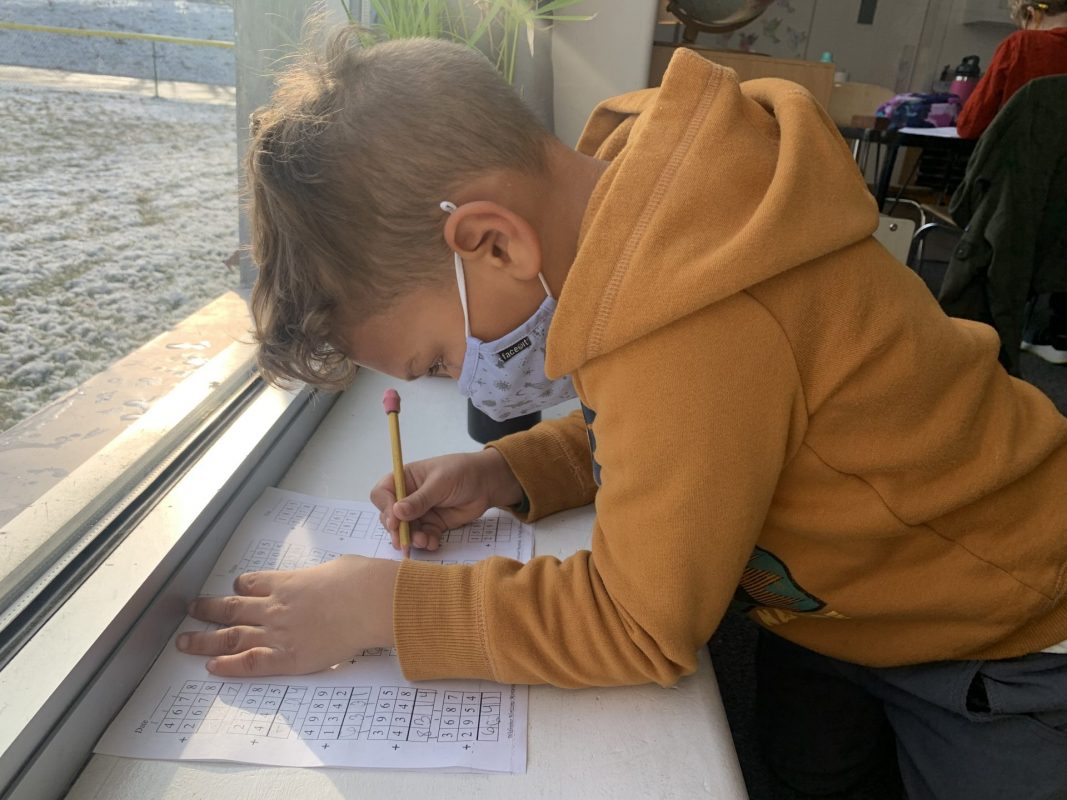
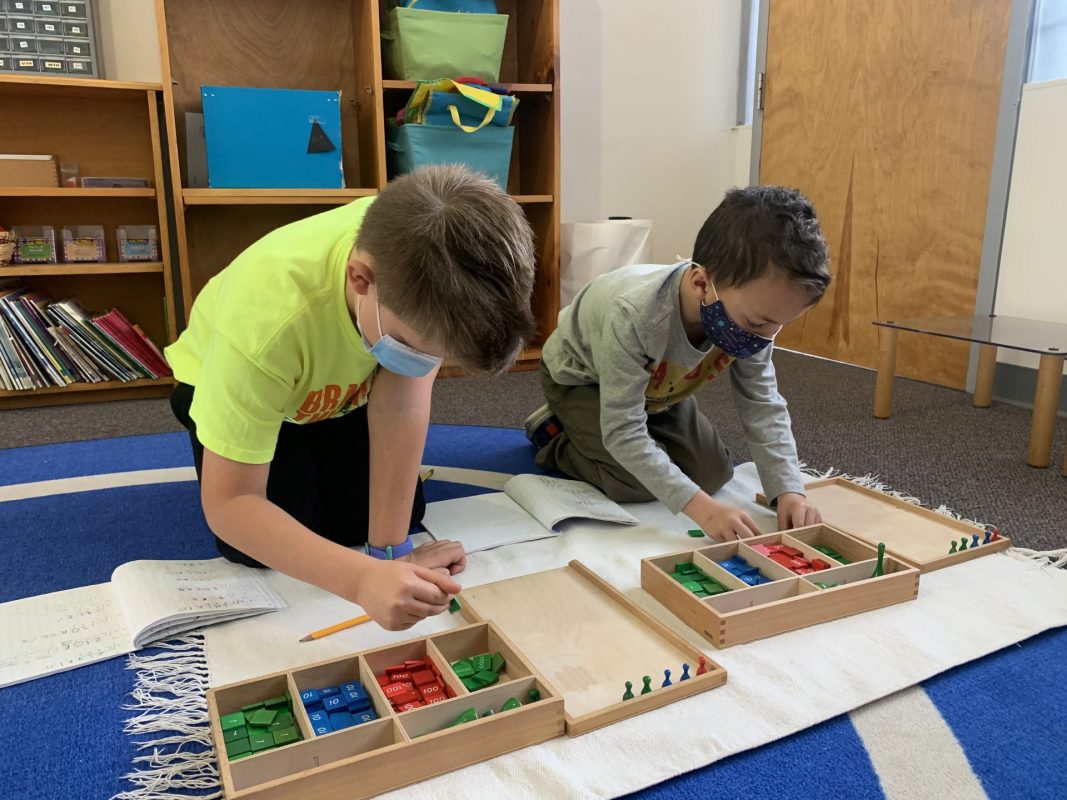
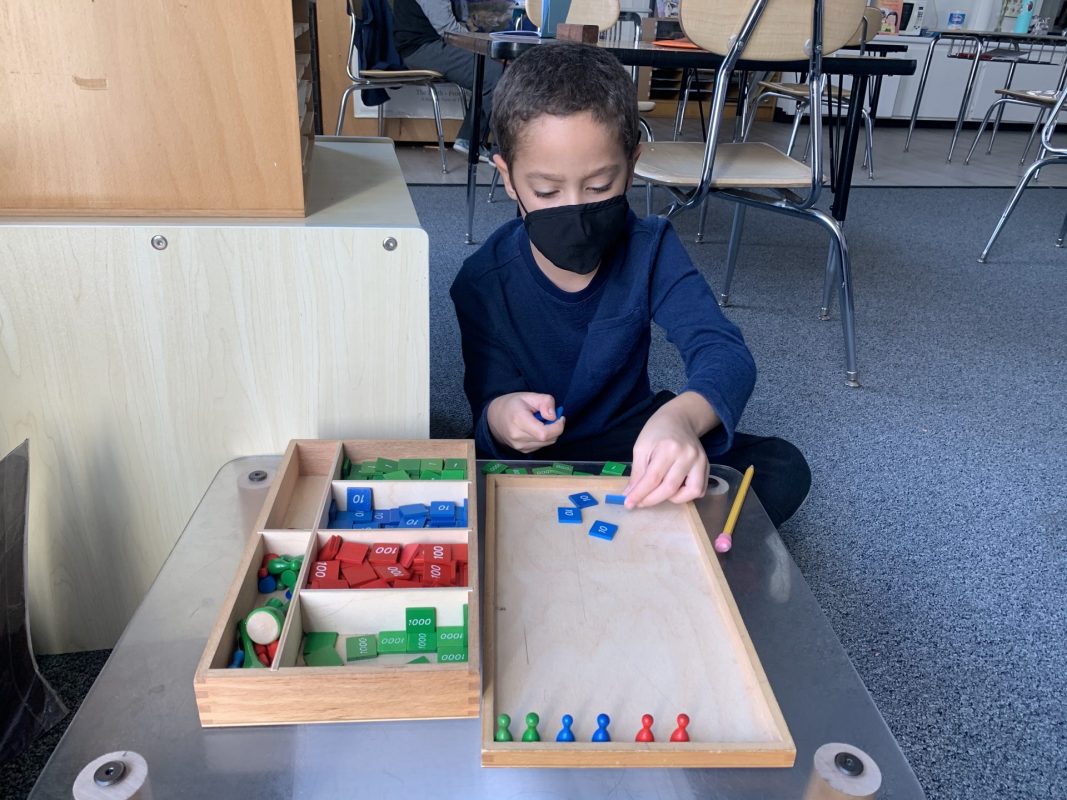
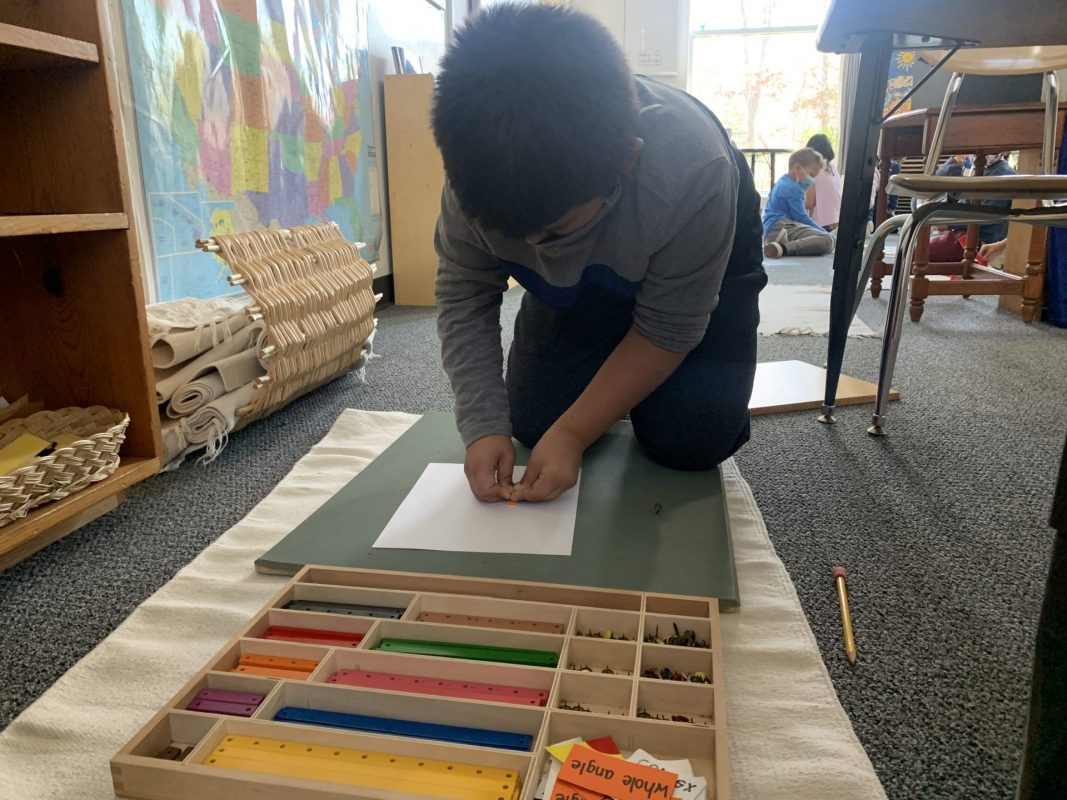
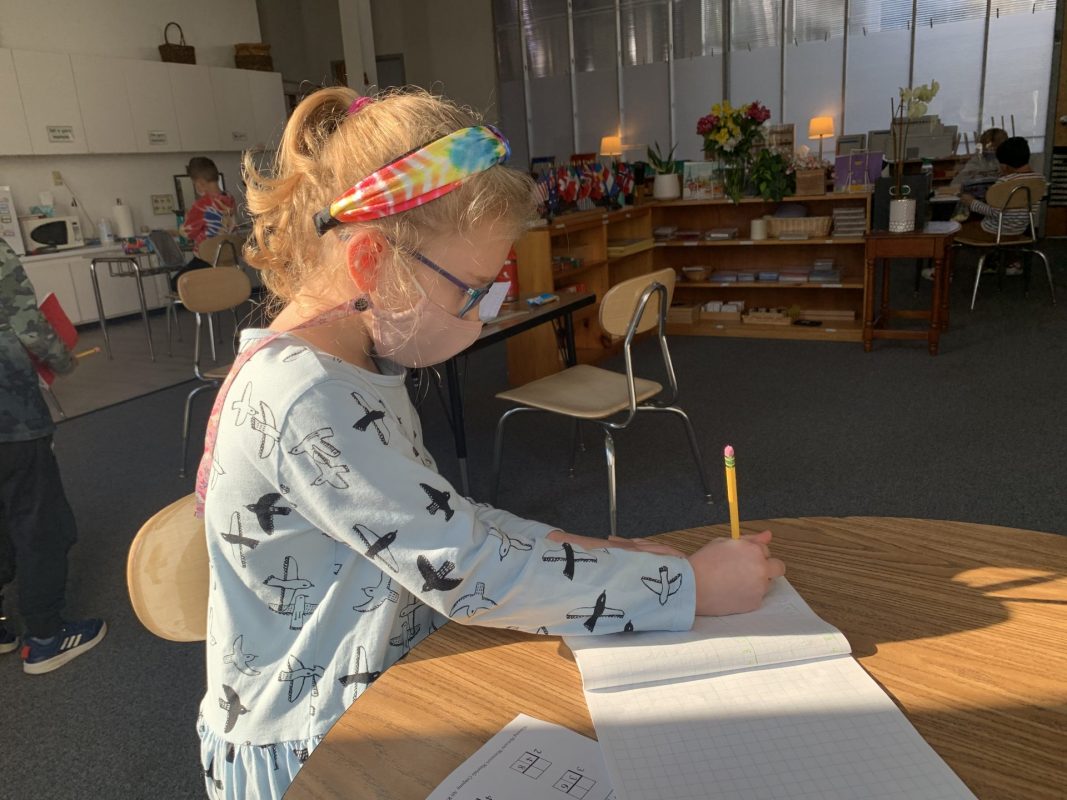
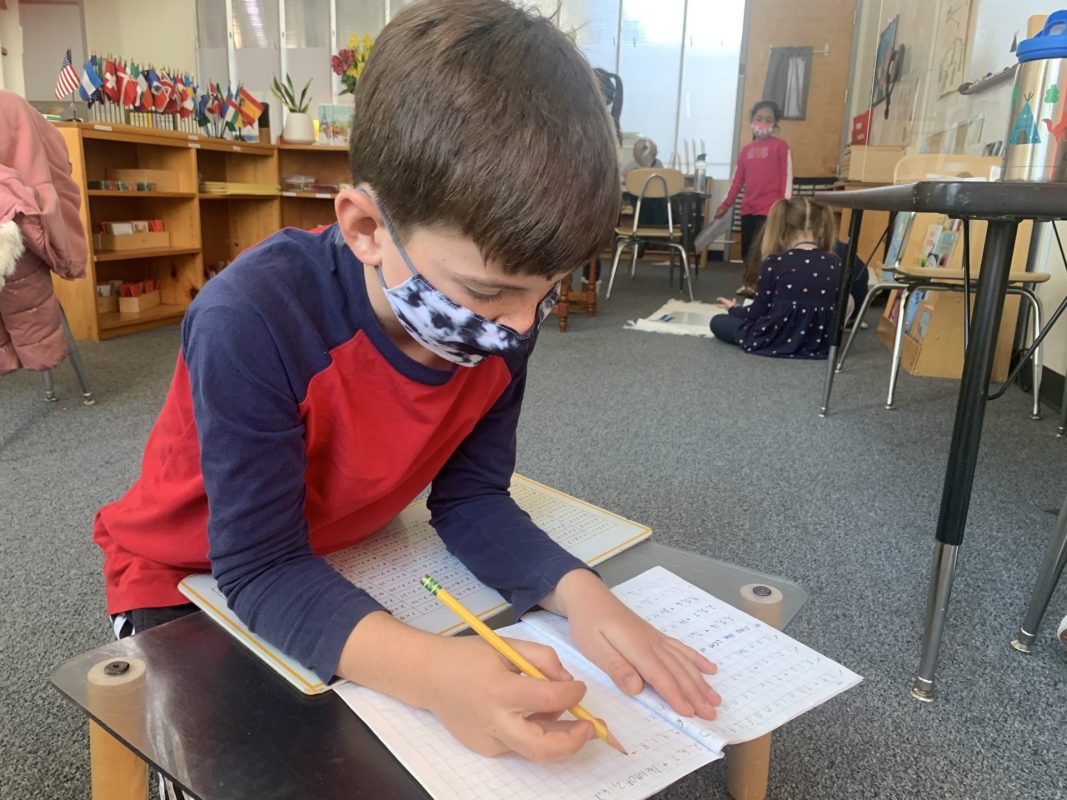
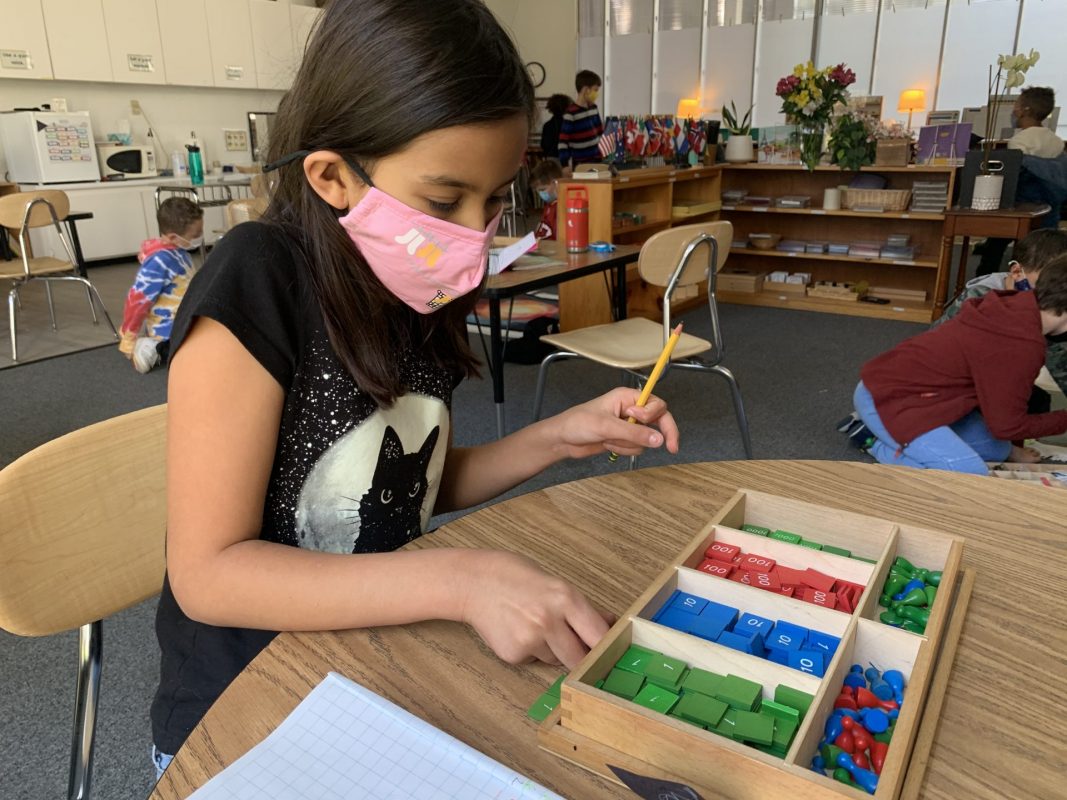
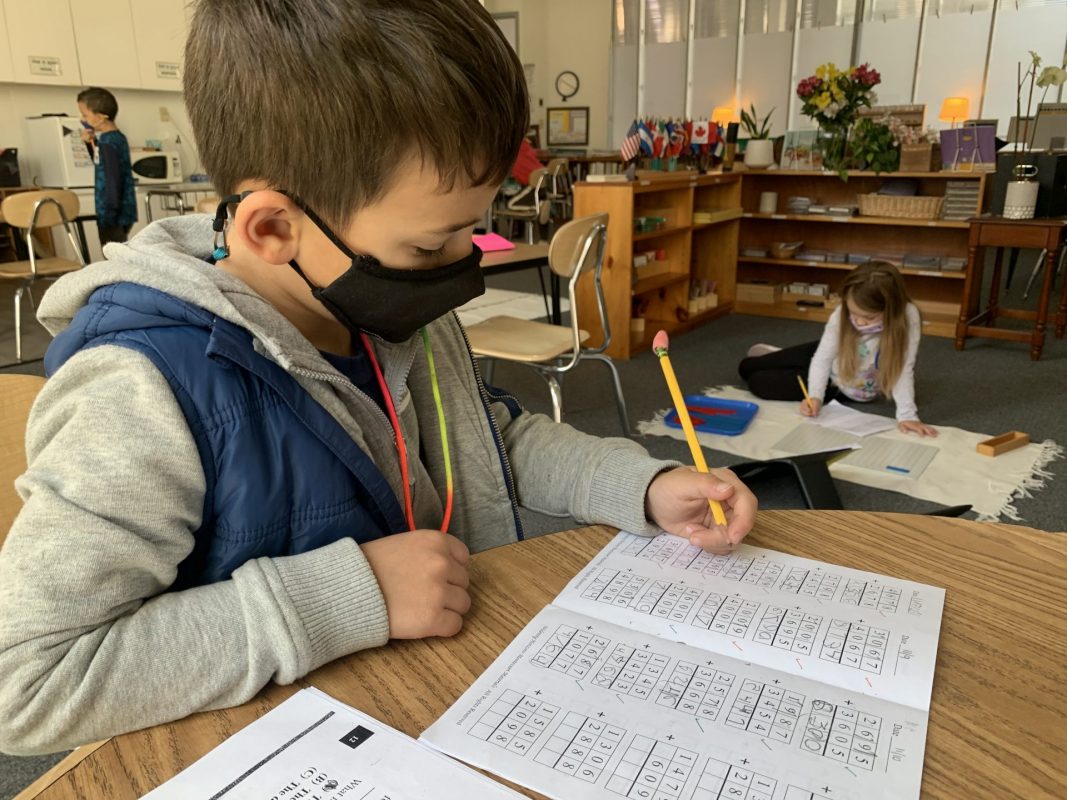
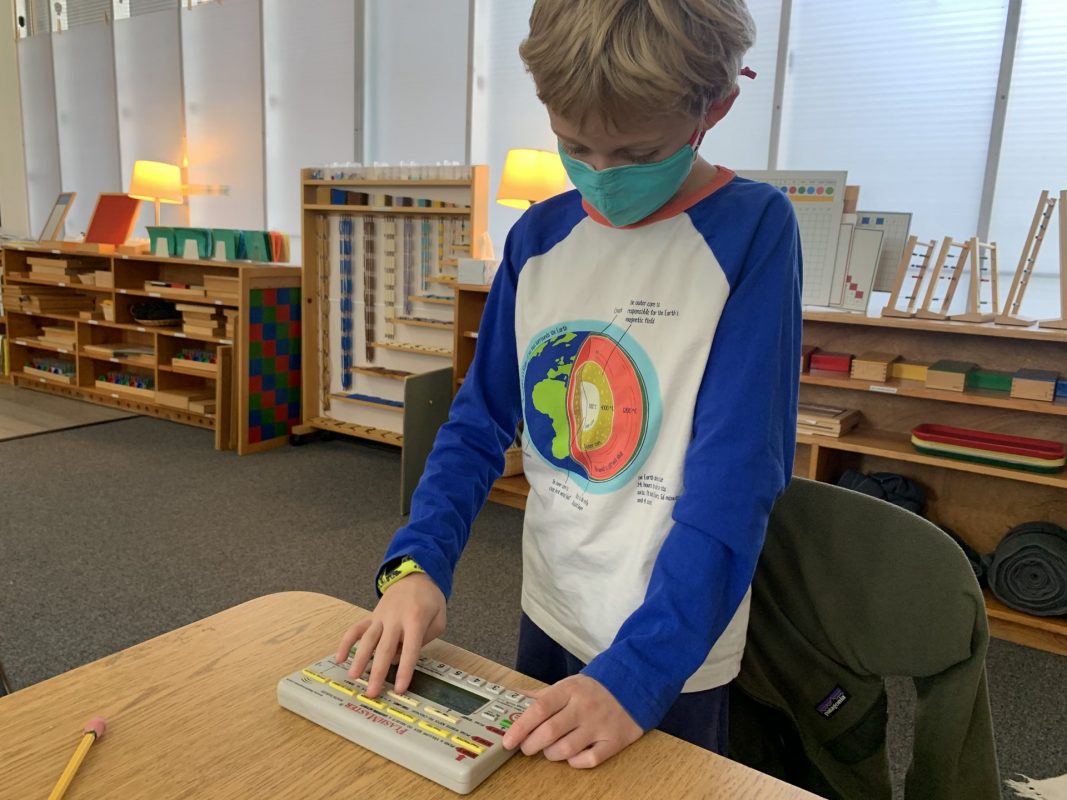
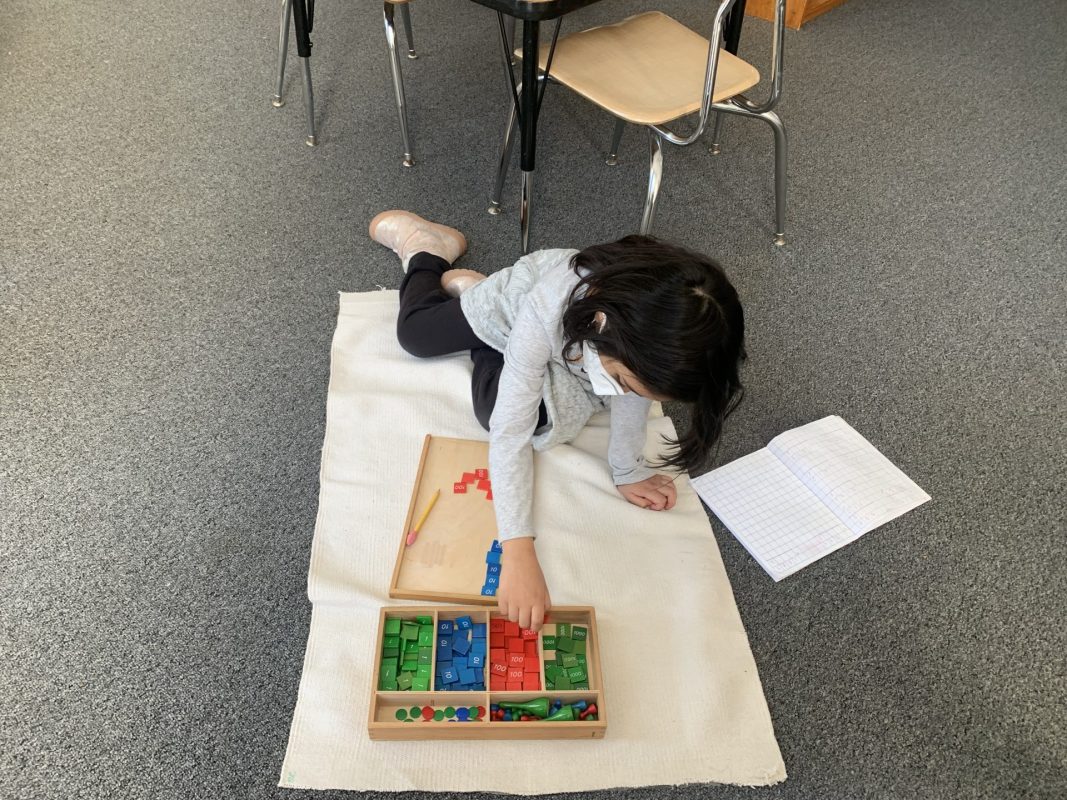
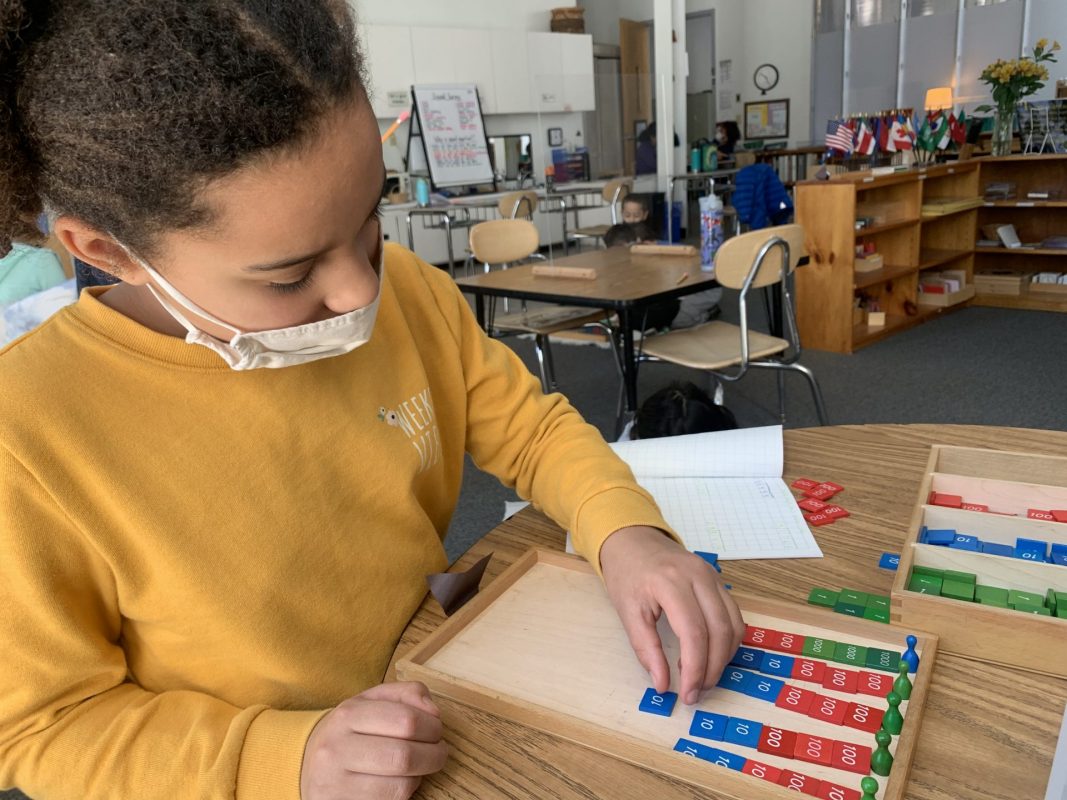
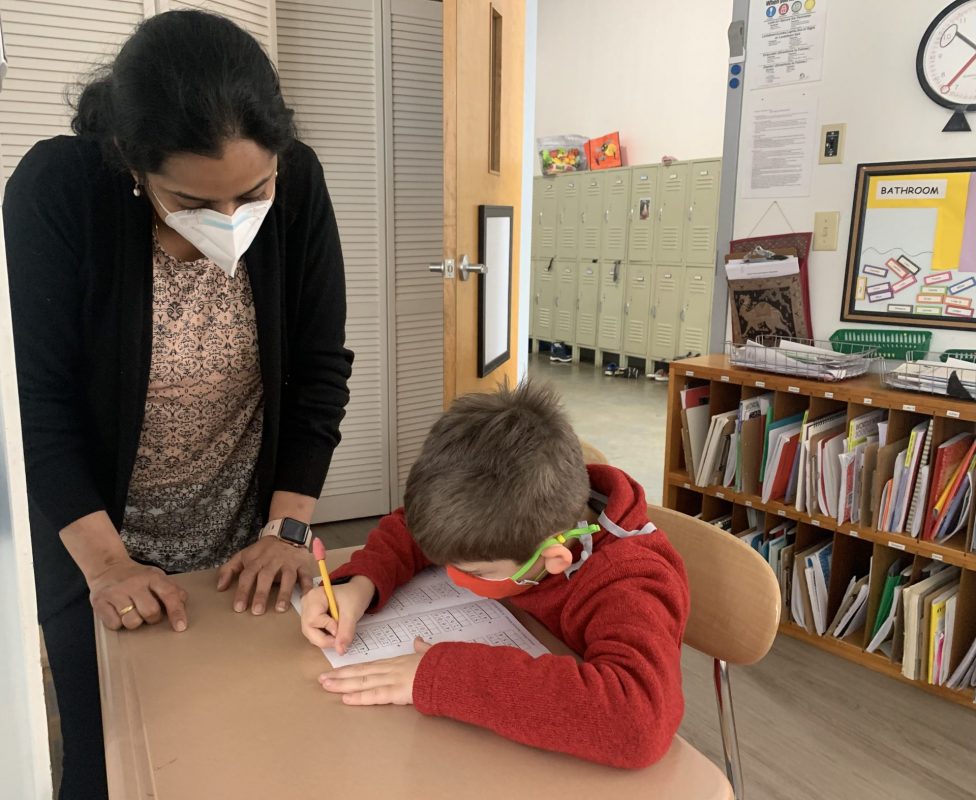
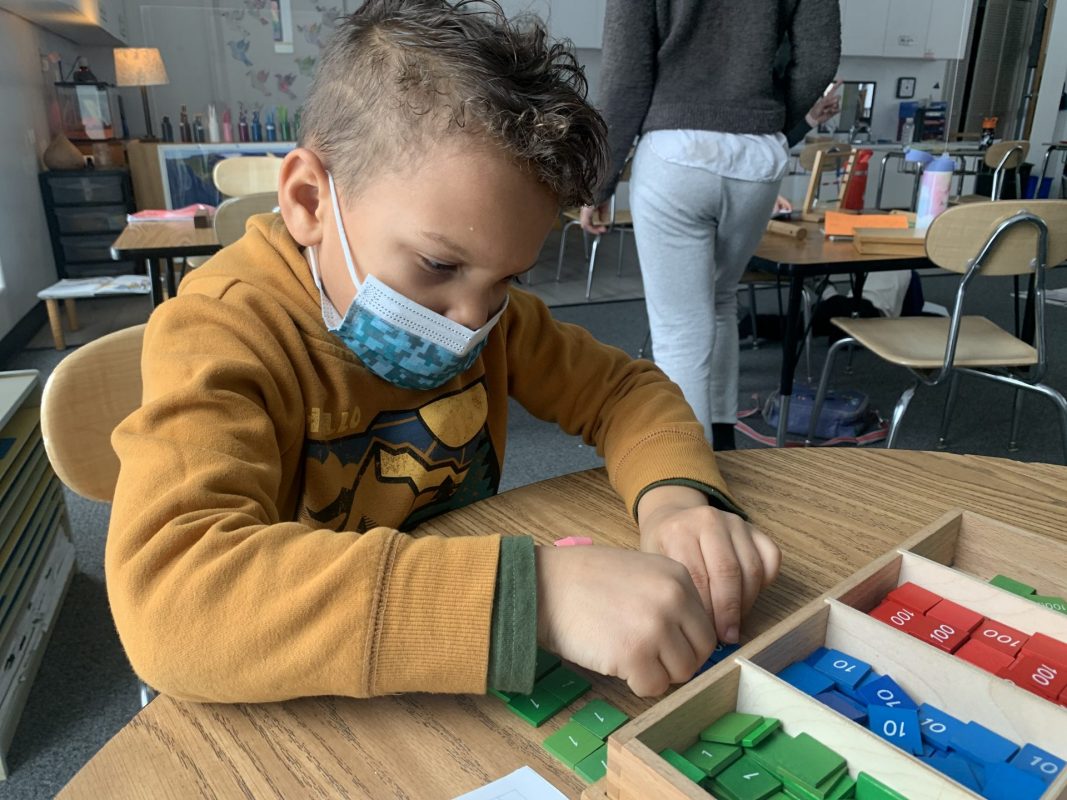
In Lower Elementary we place great emphasis on meaningful academic work for each individual child. During their two to three hour long work cycle,  the children are able to plan their work and then chose the order in which they would like to accomplish it. This creates a feeling of ownership and focus within the children.

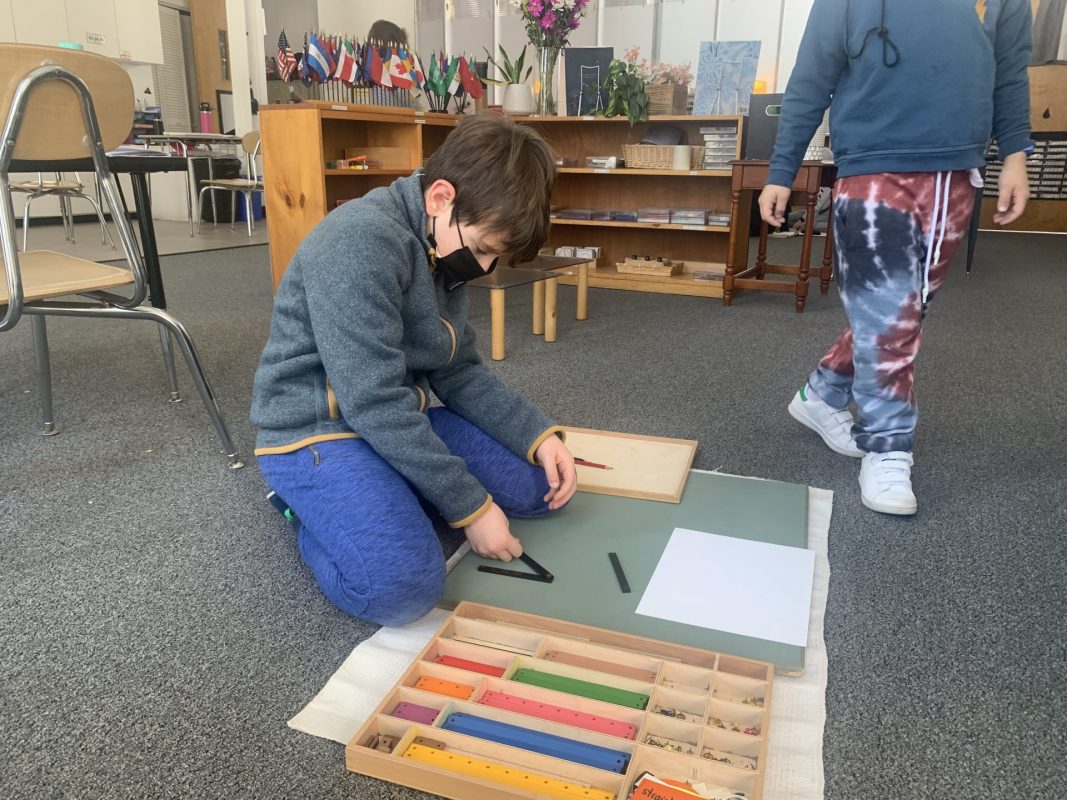
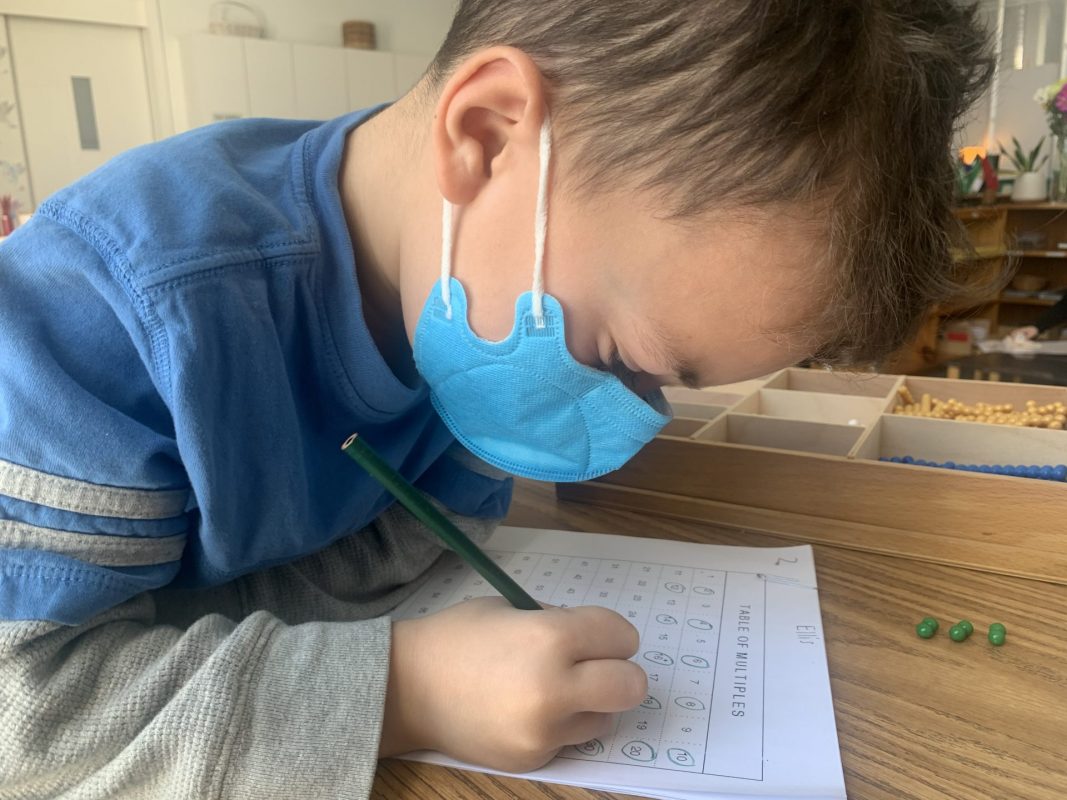
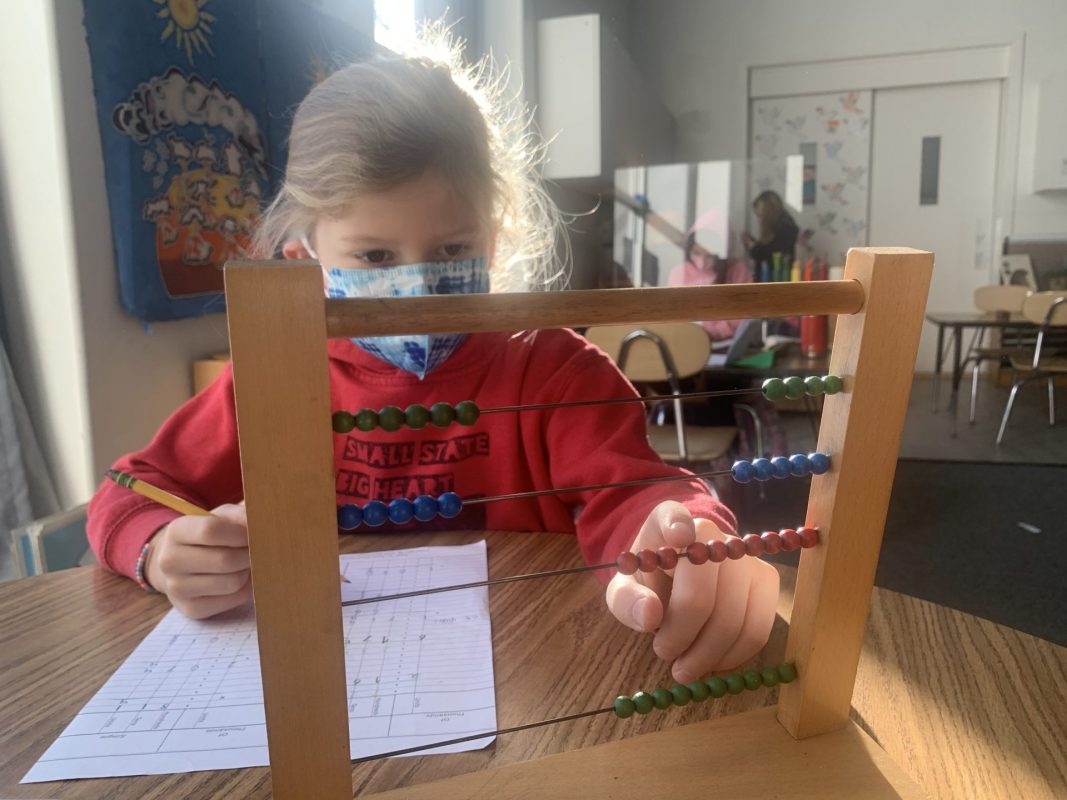
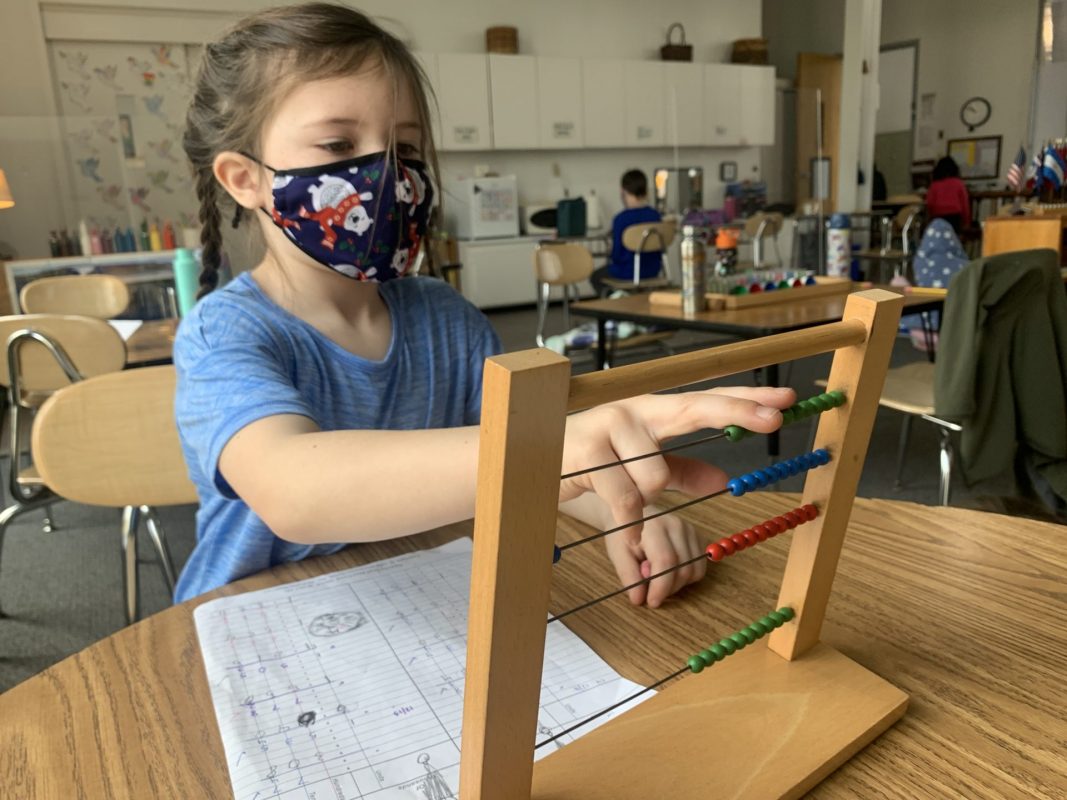
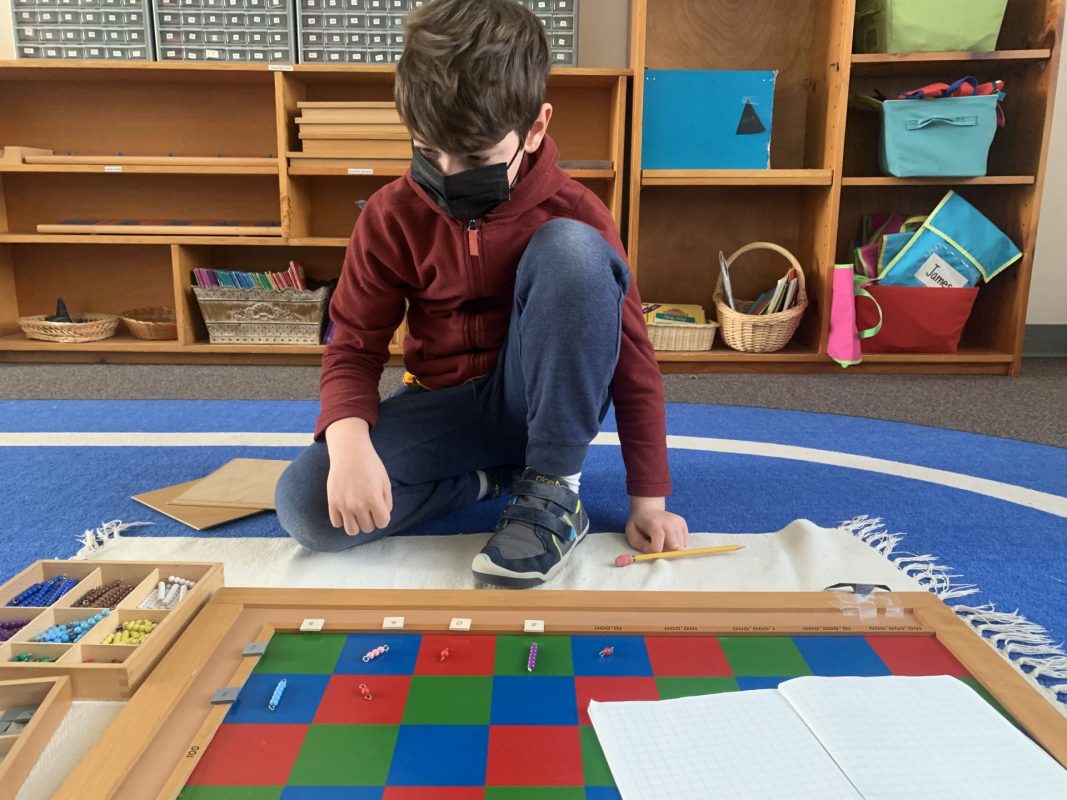
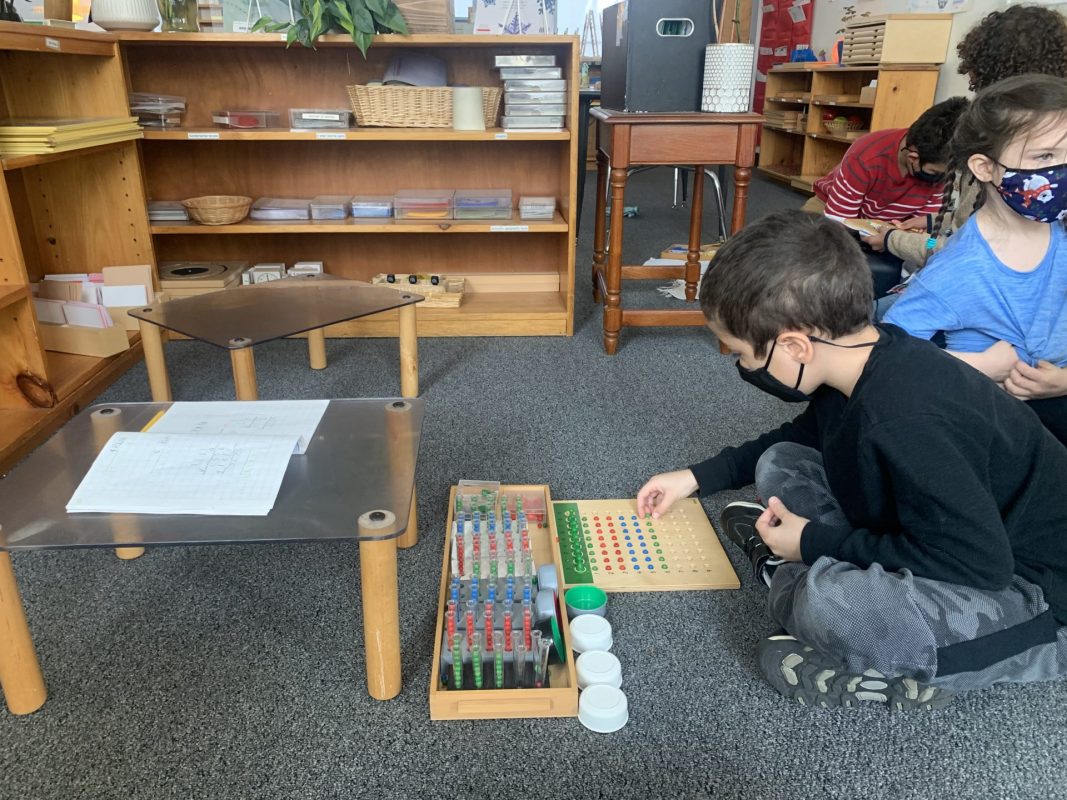
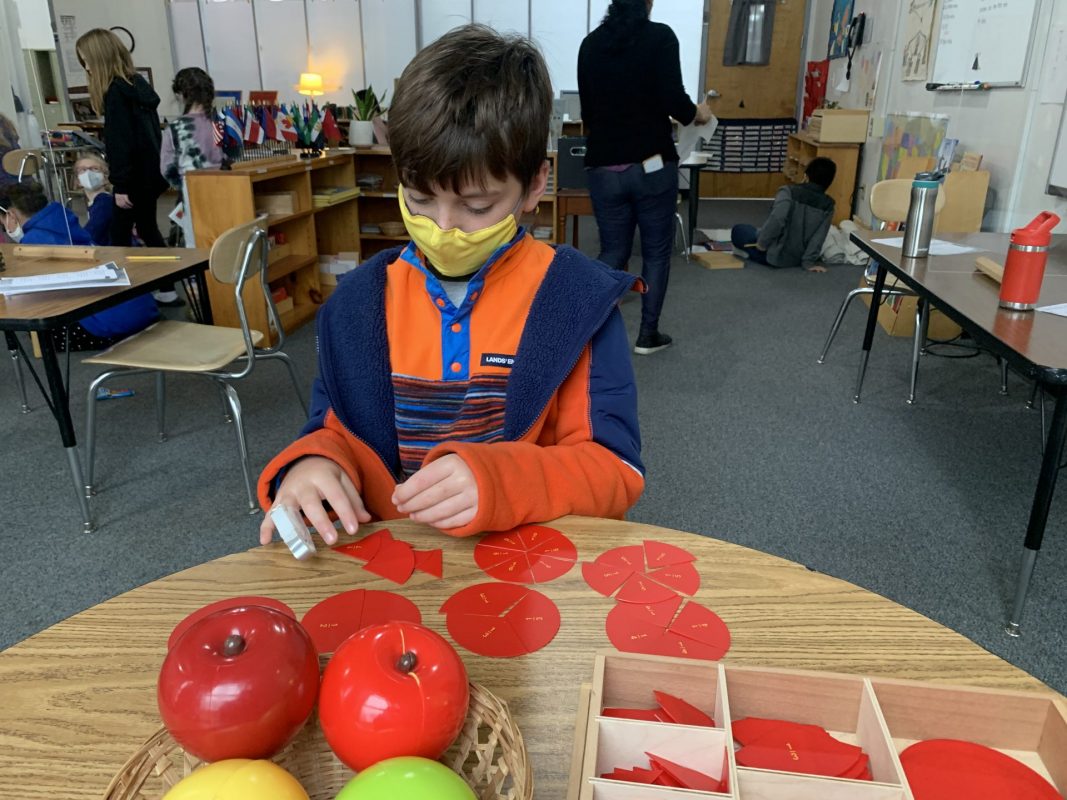
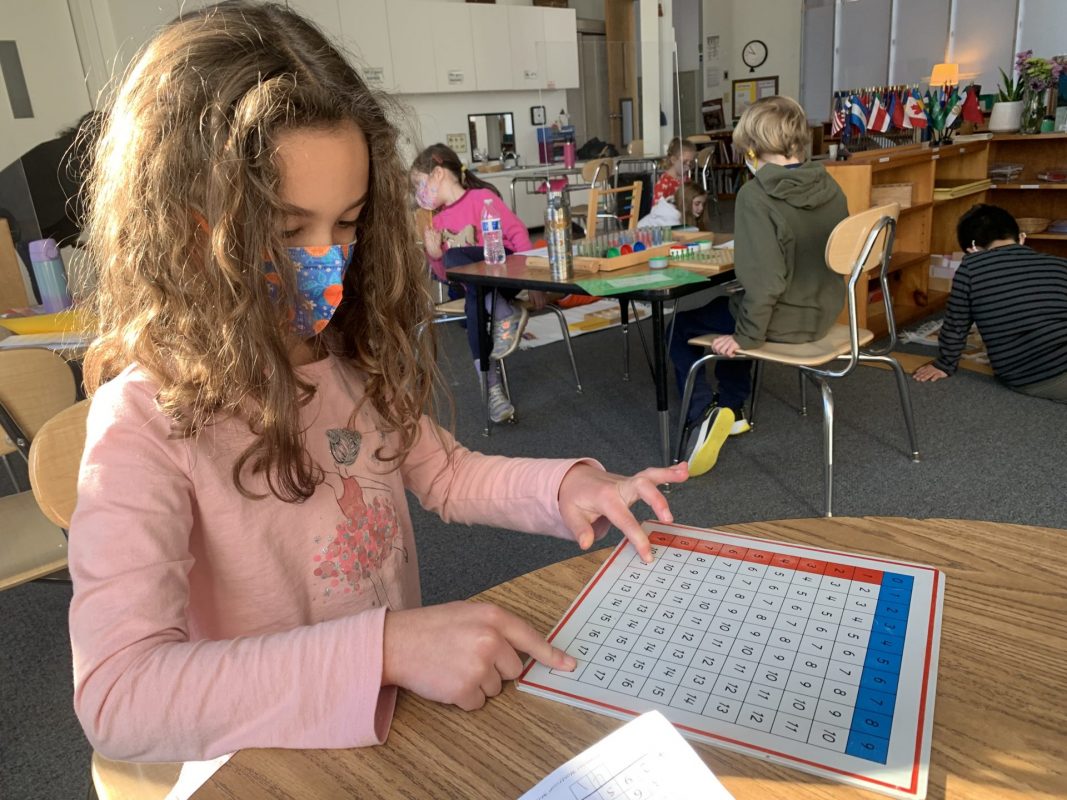
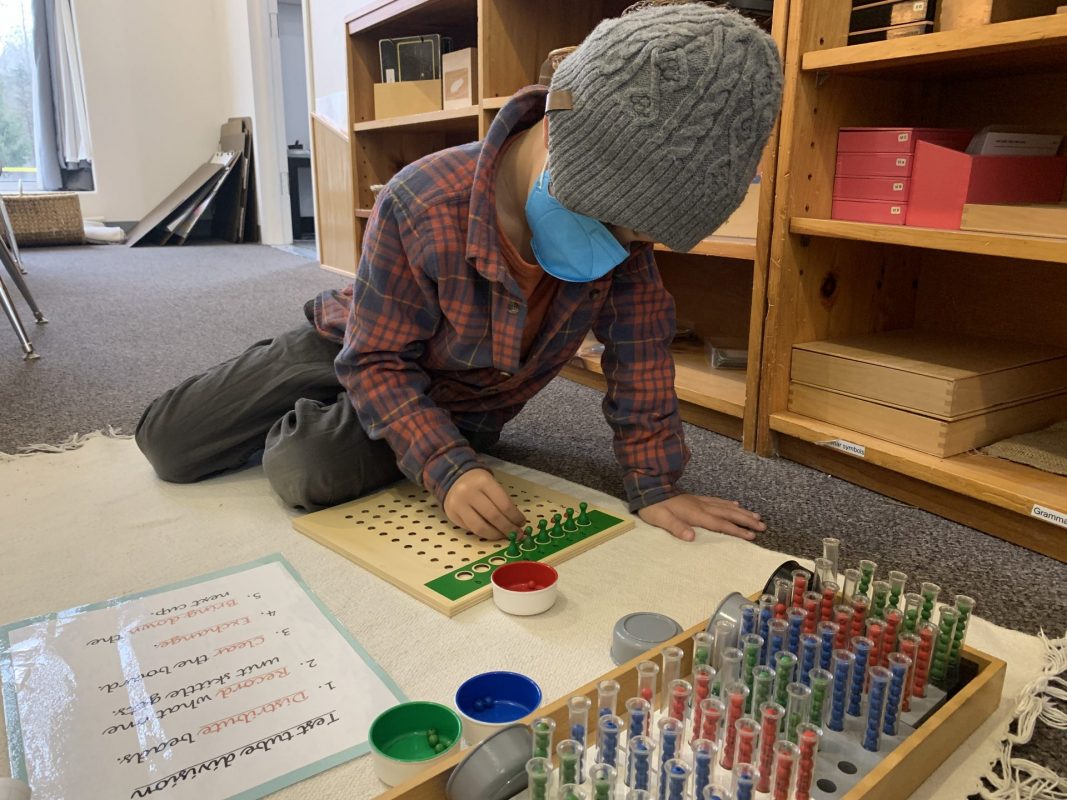
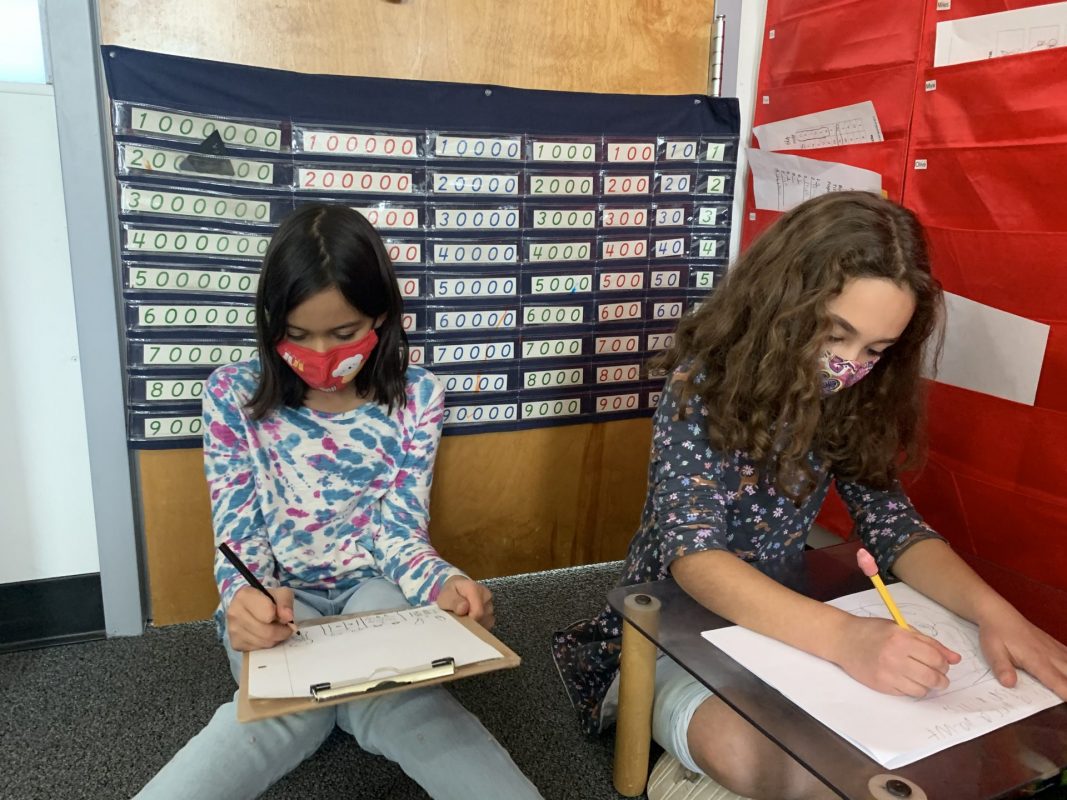
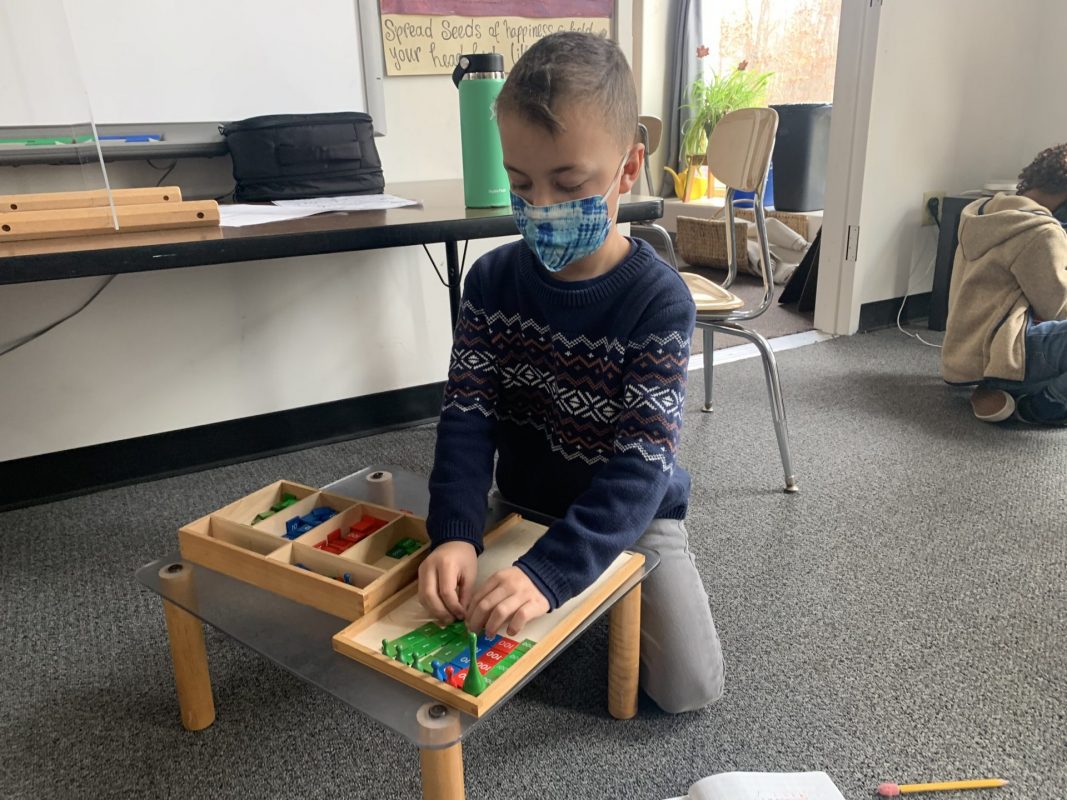
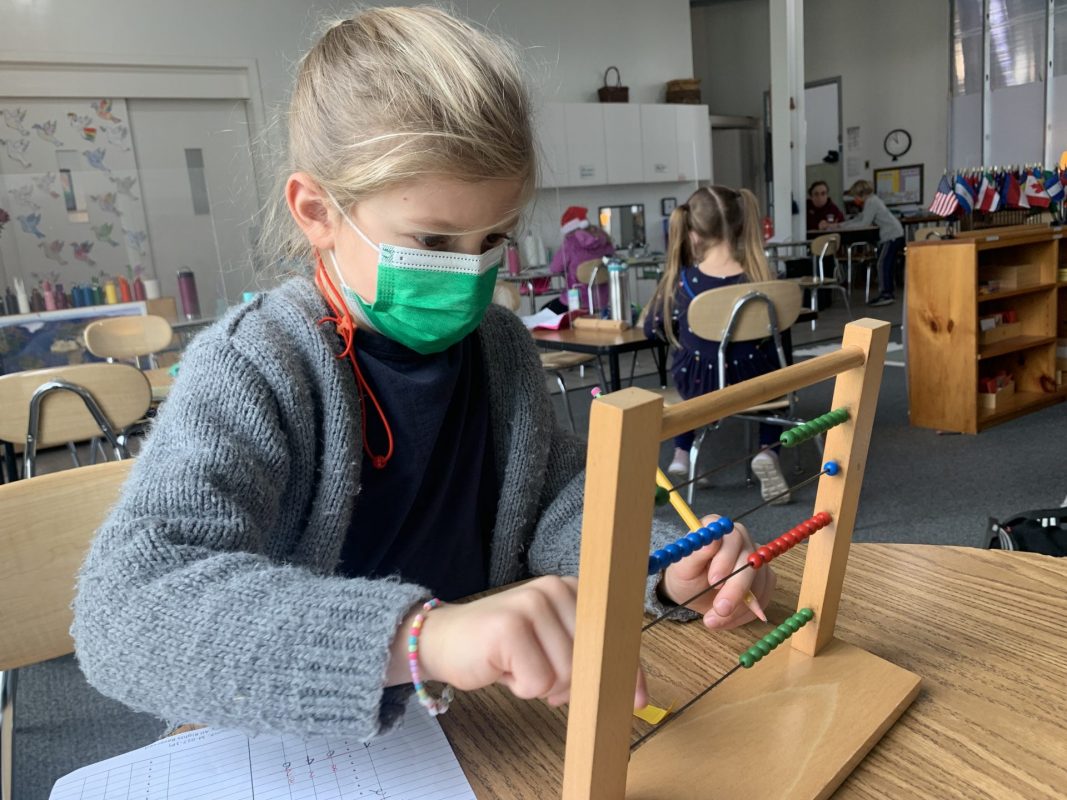
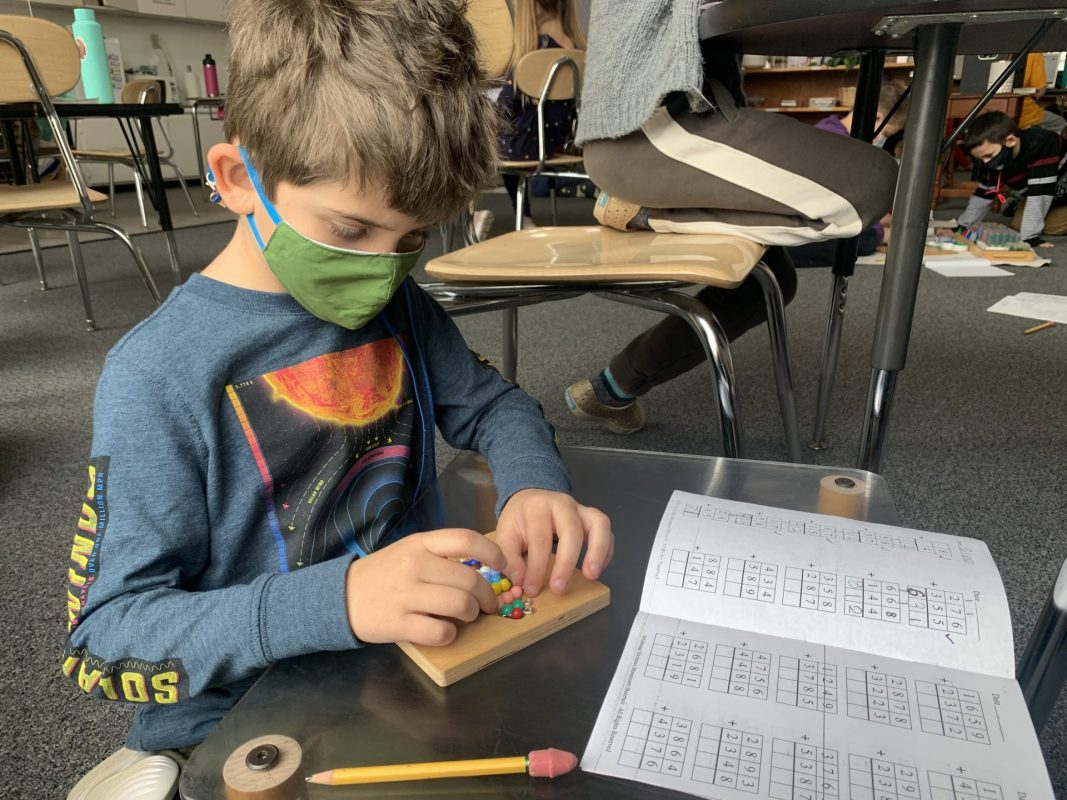
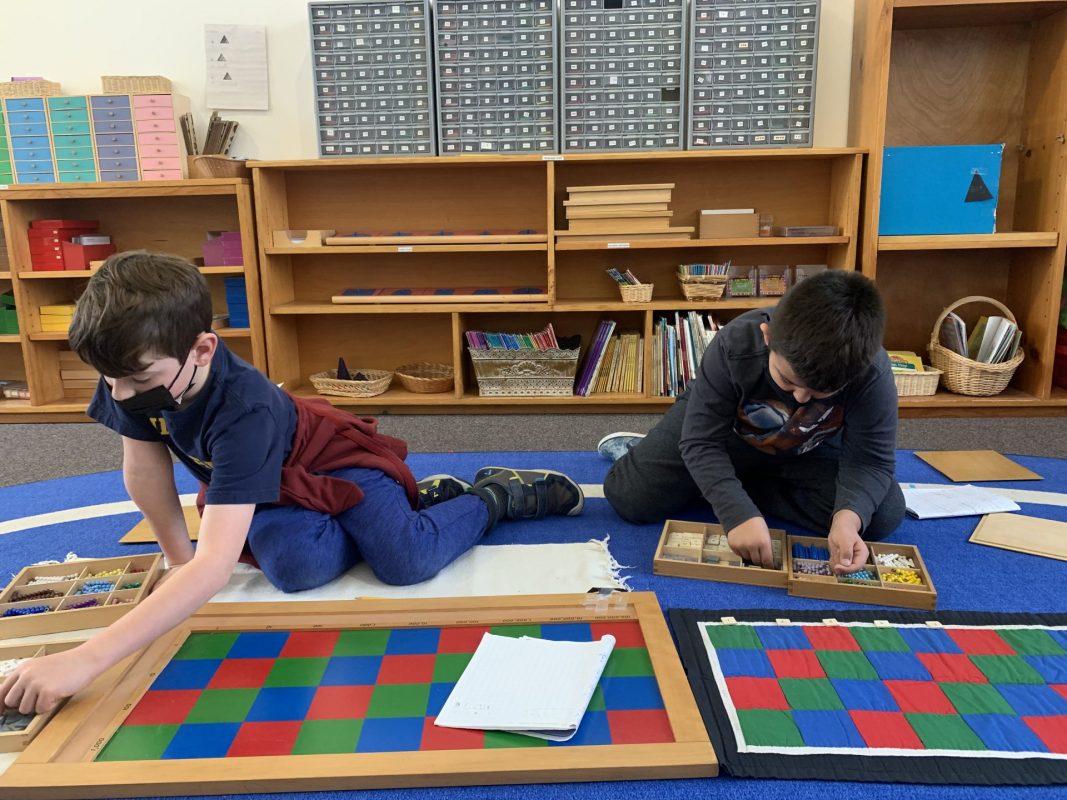
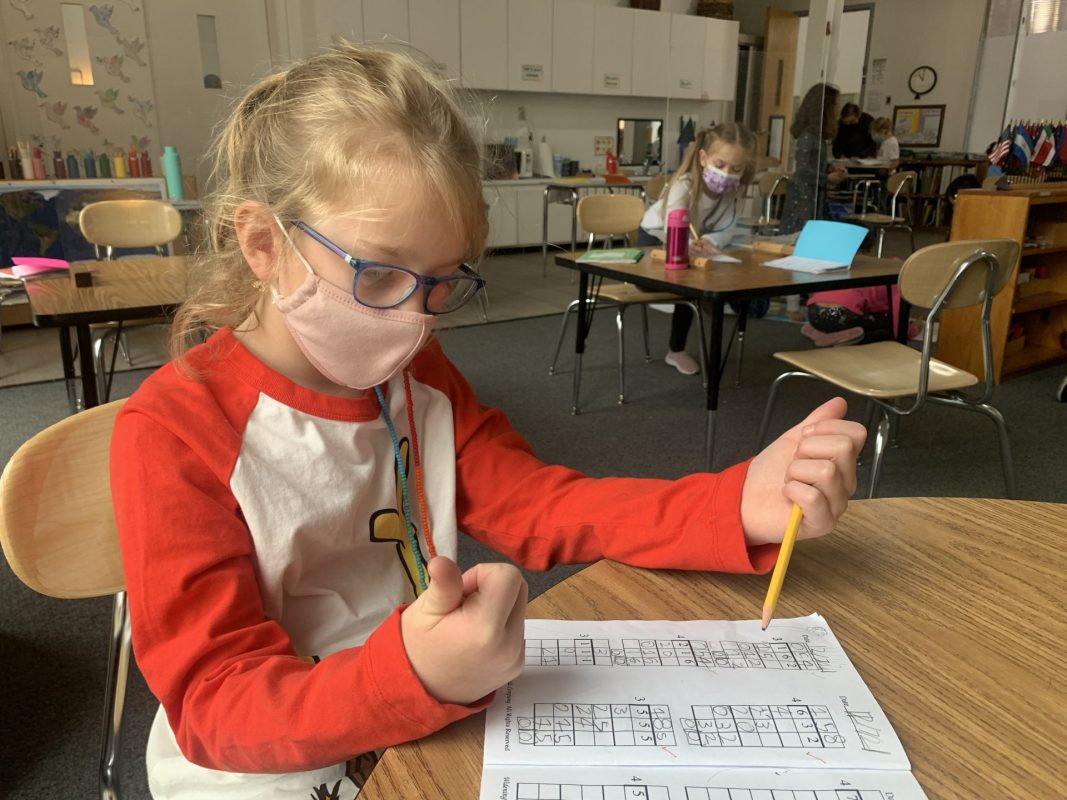
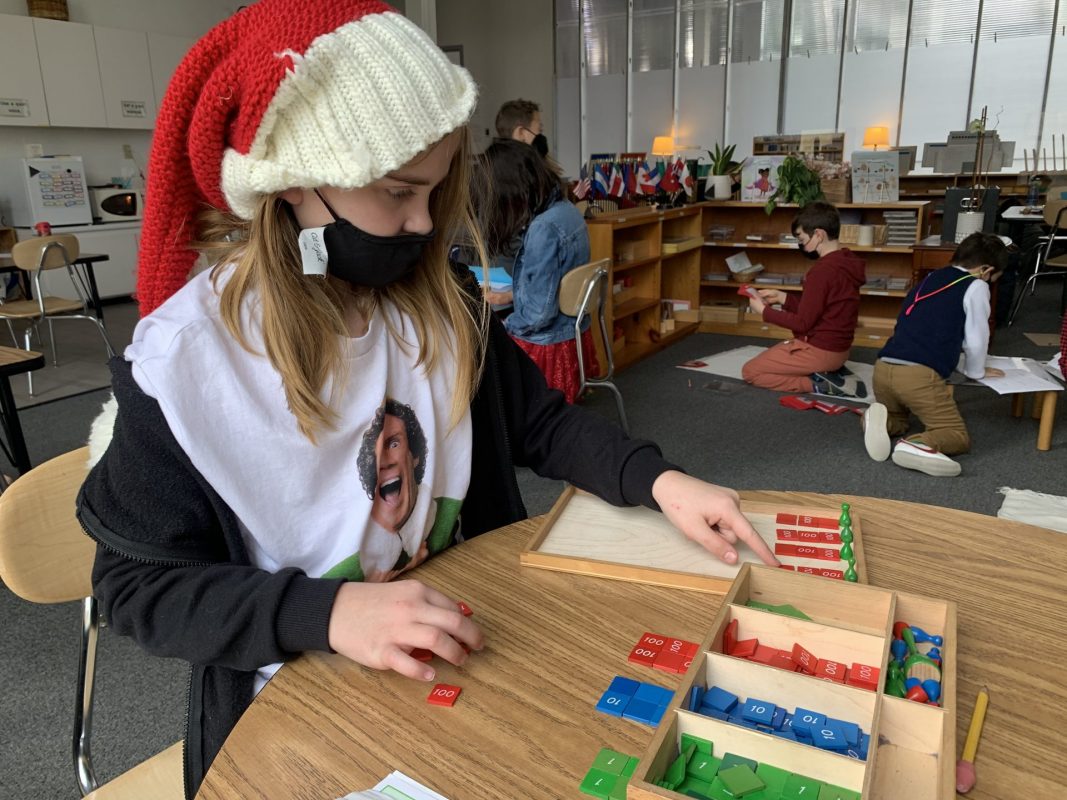
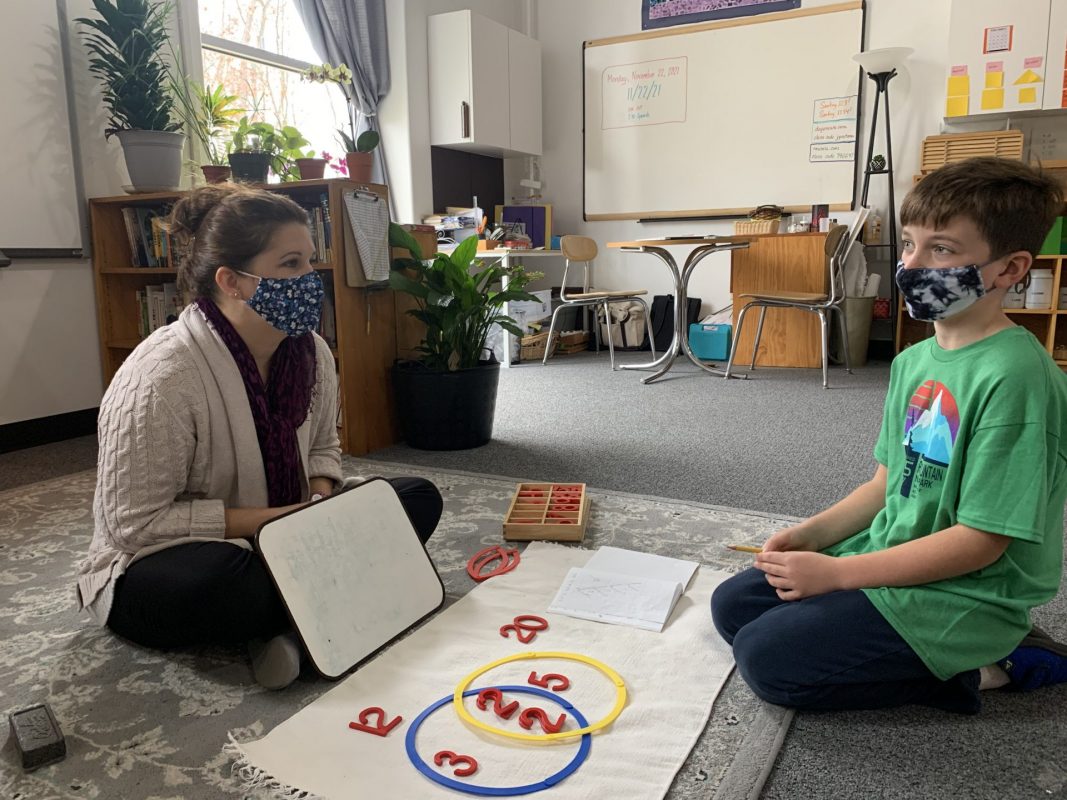
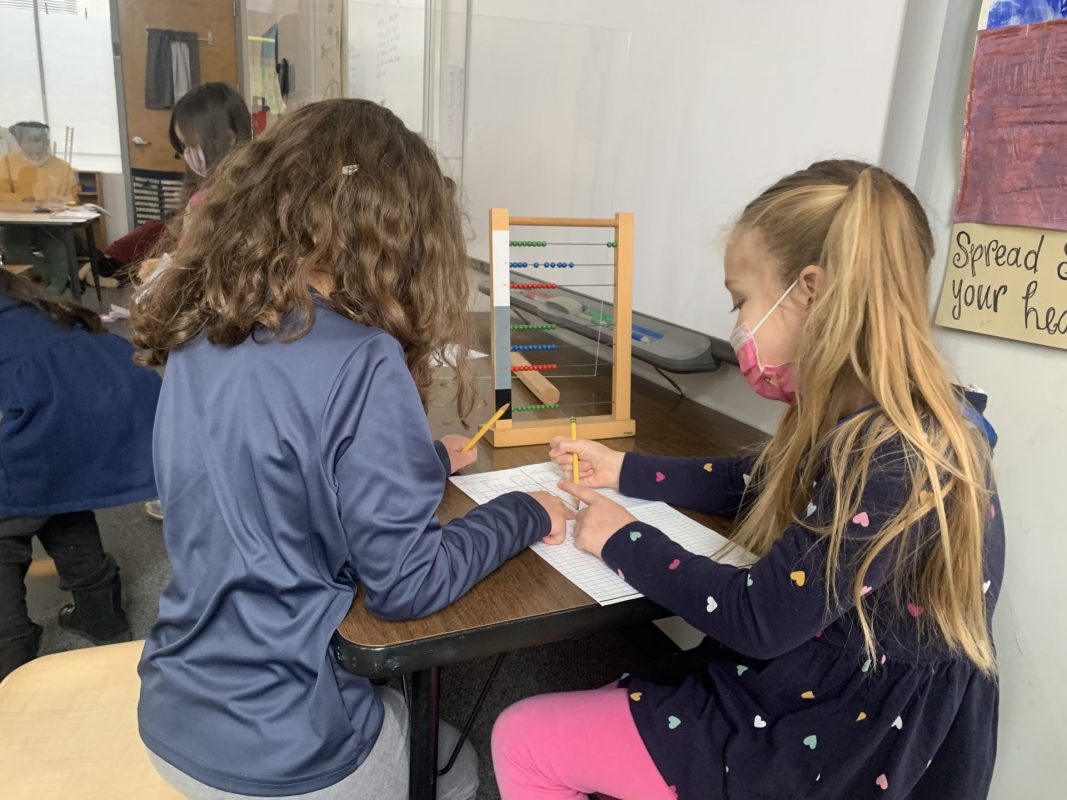
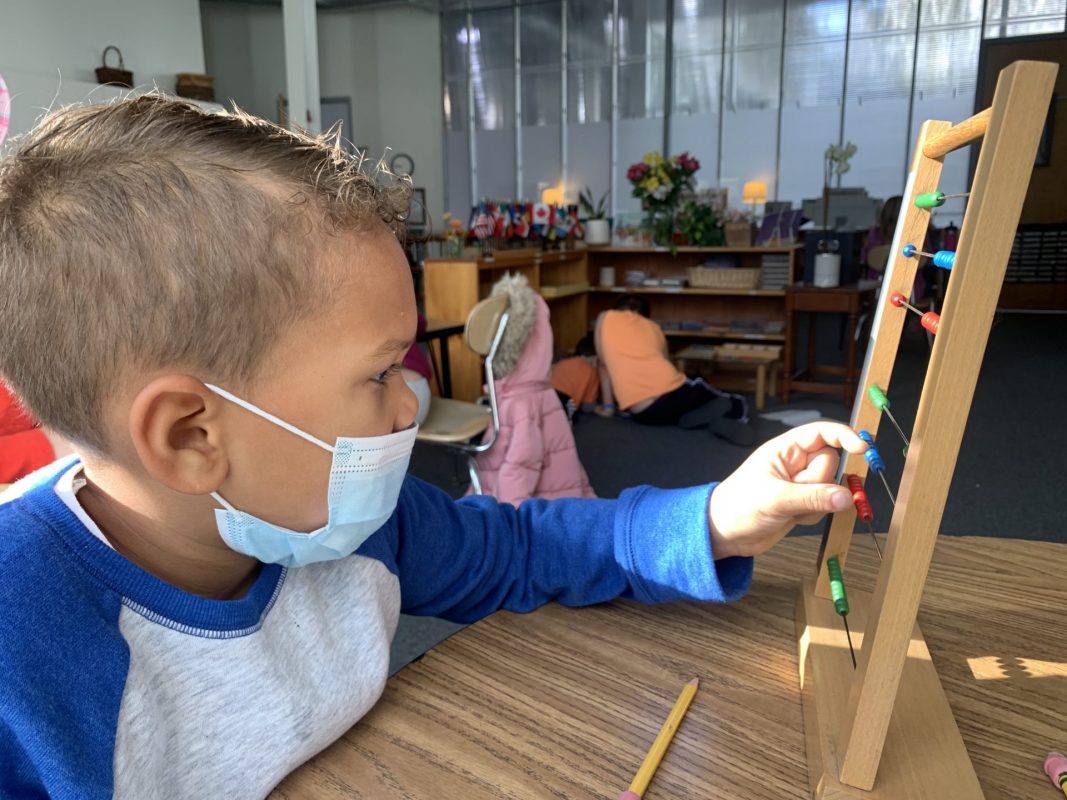
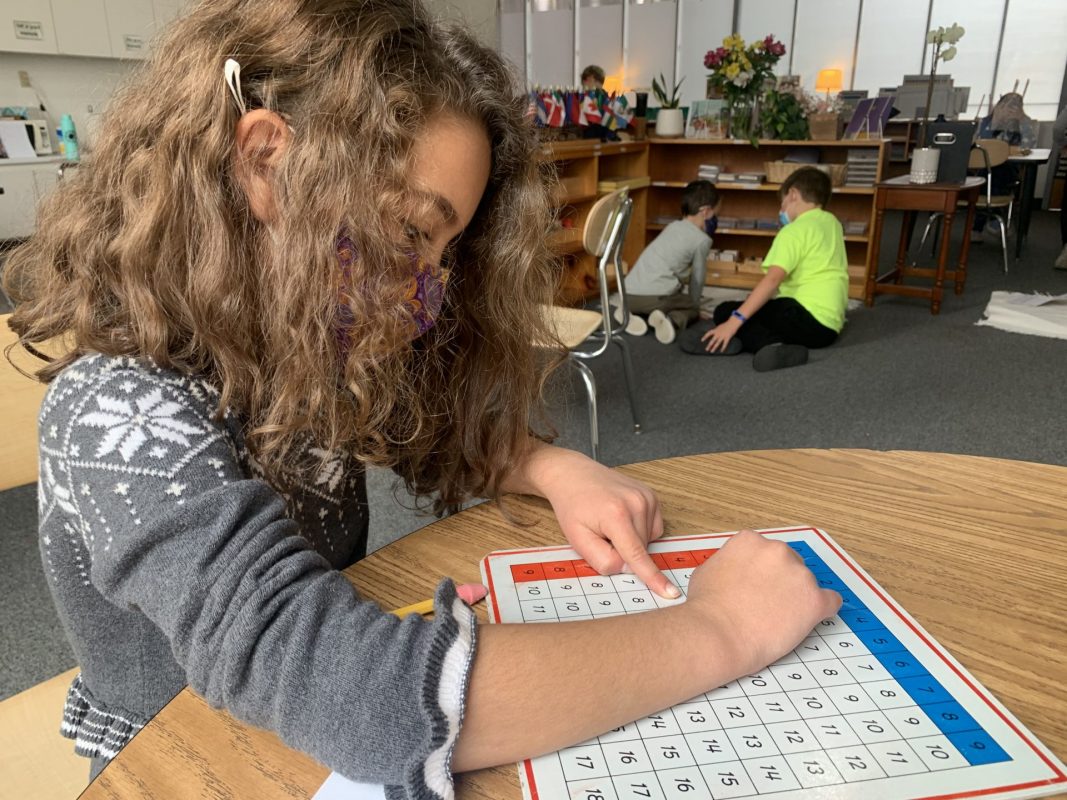
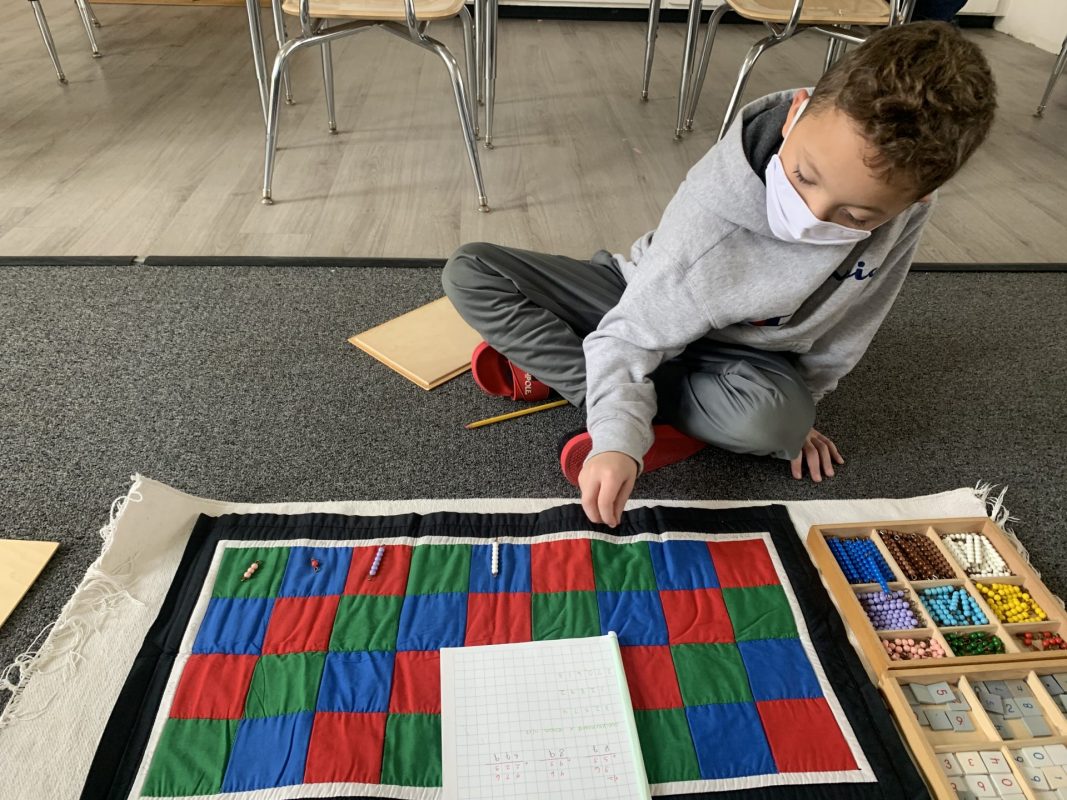
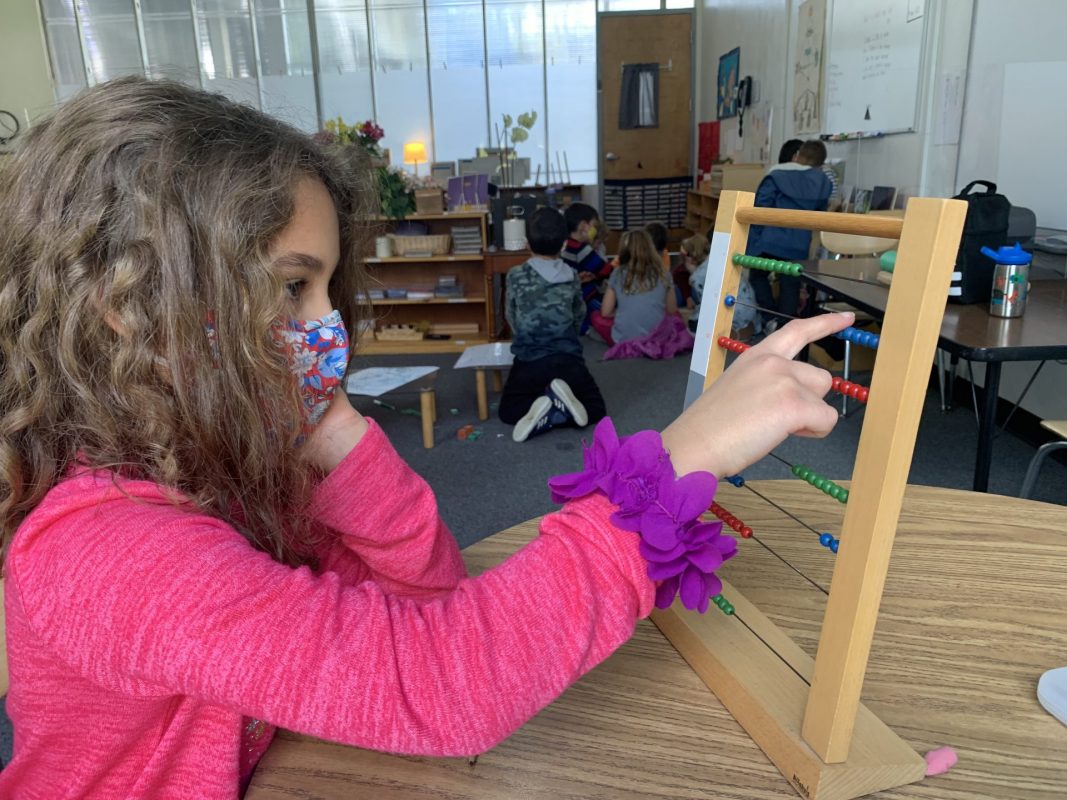
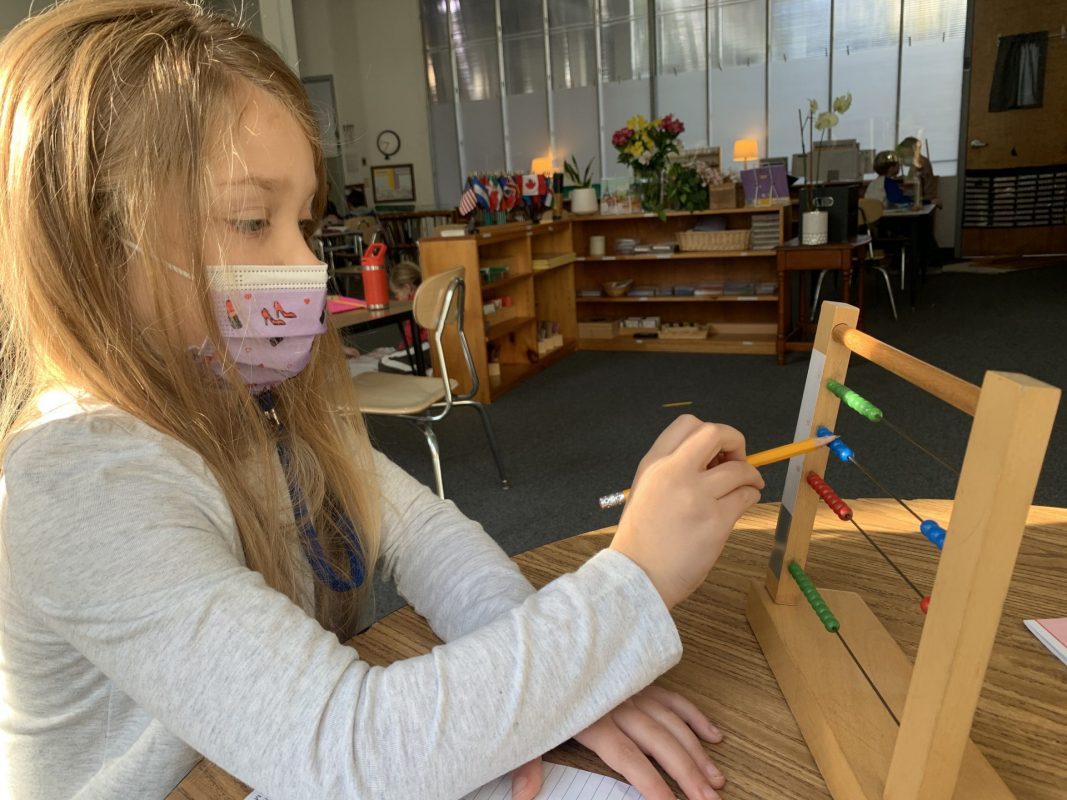
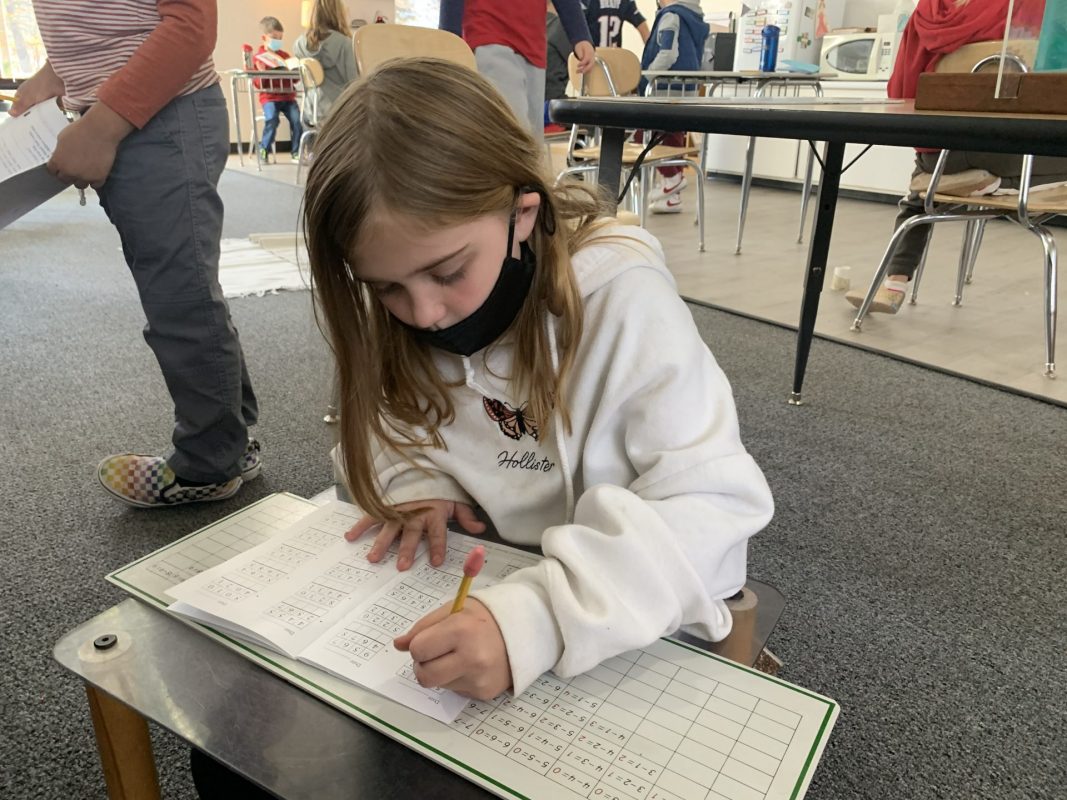
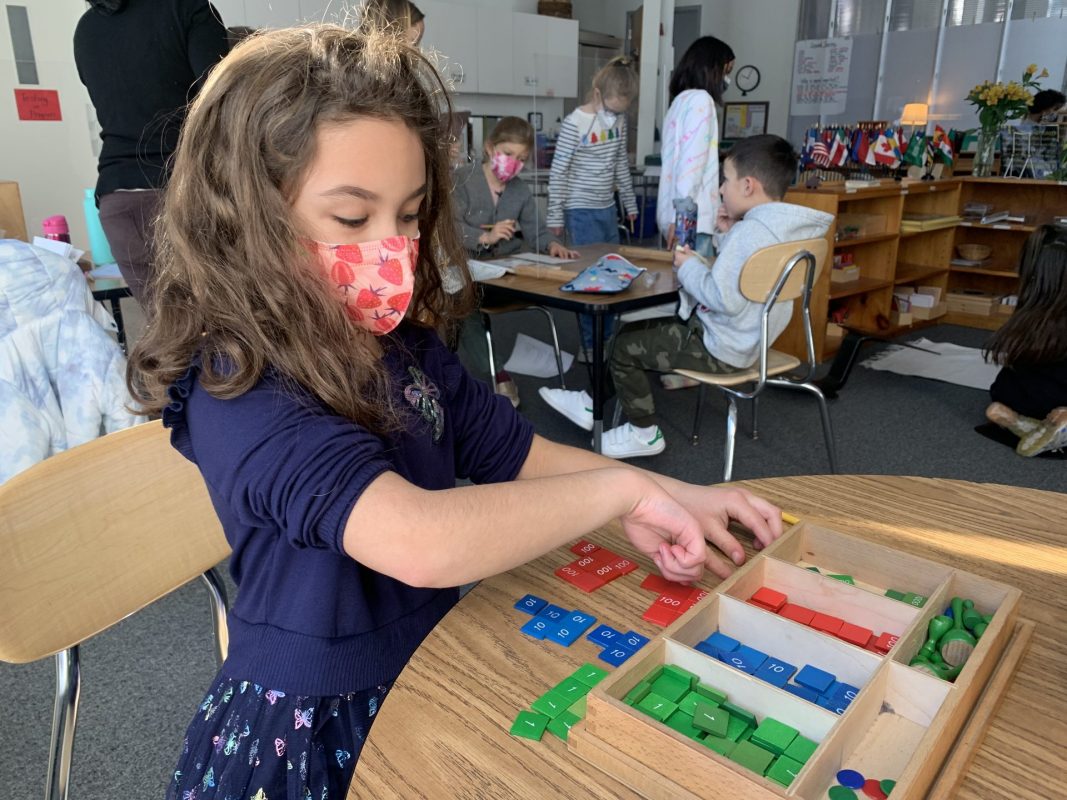
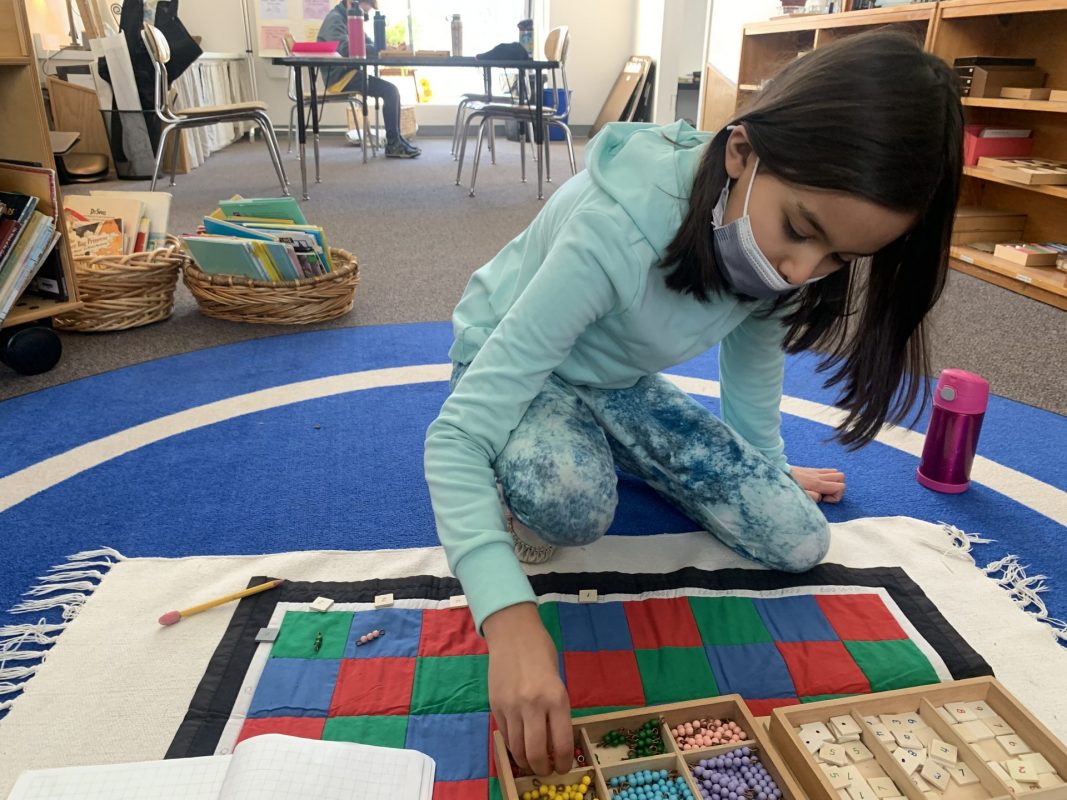
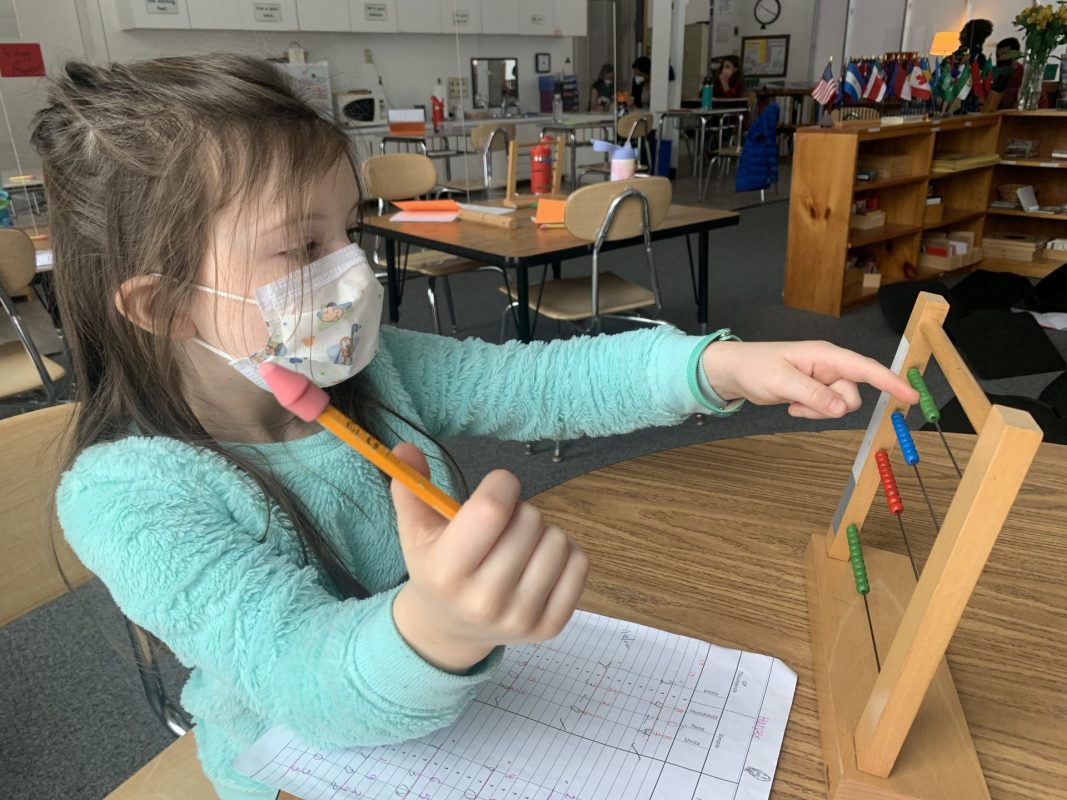
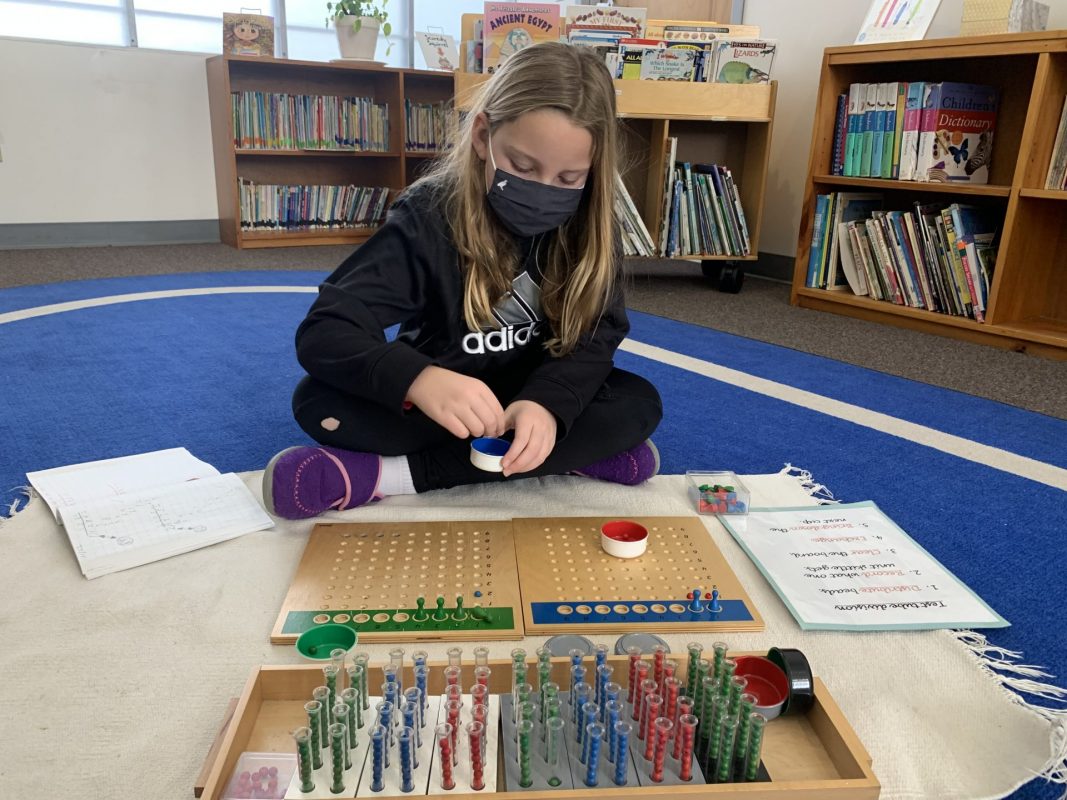
The small bead frame is a current classroom favorite! It is a math material which can be used to add, multiply, and subtract. Students use this before moving to abstraction when completing math problems for most operations. Another loved math material is test tube division. This material helps clarify the analytic procedure of the operation. Here, the result is not simply to find the answer, but also to find out the hierarchical value of the beads (the dividend) given to each single unit of the divisor.


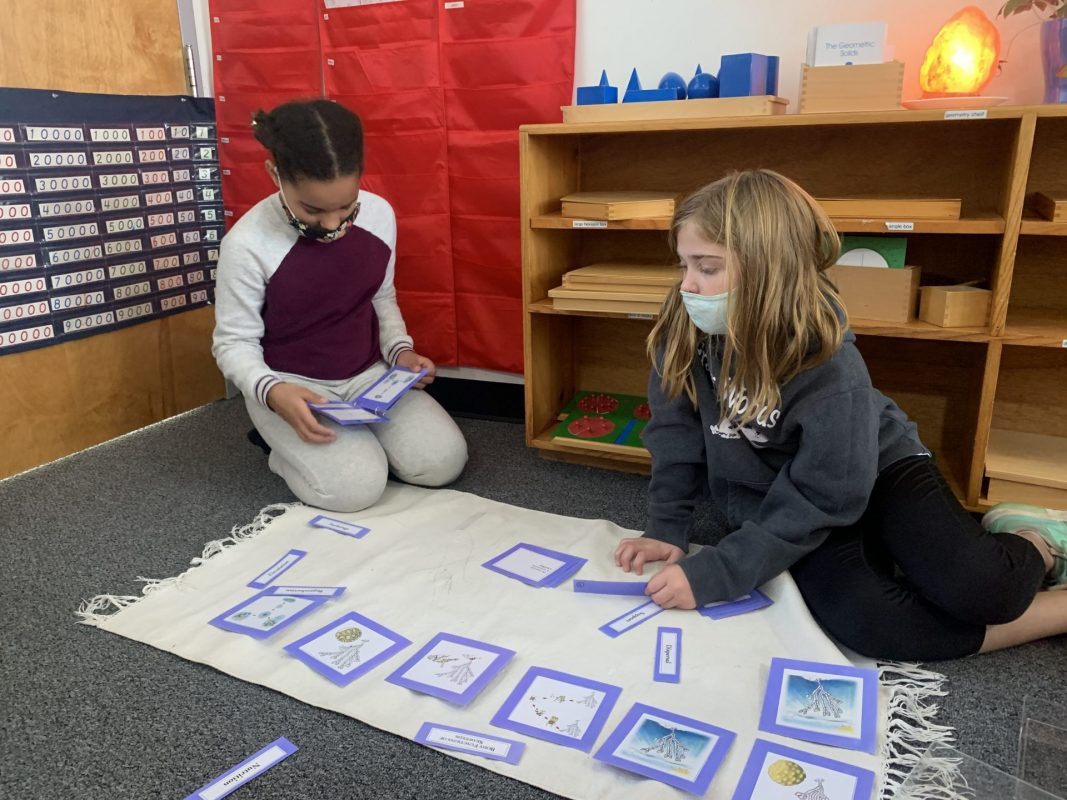
Lower Elementary Biologists!

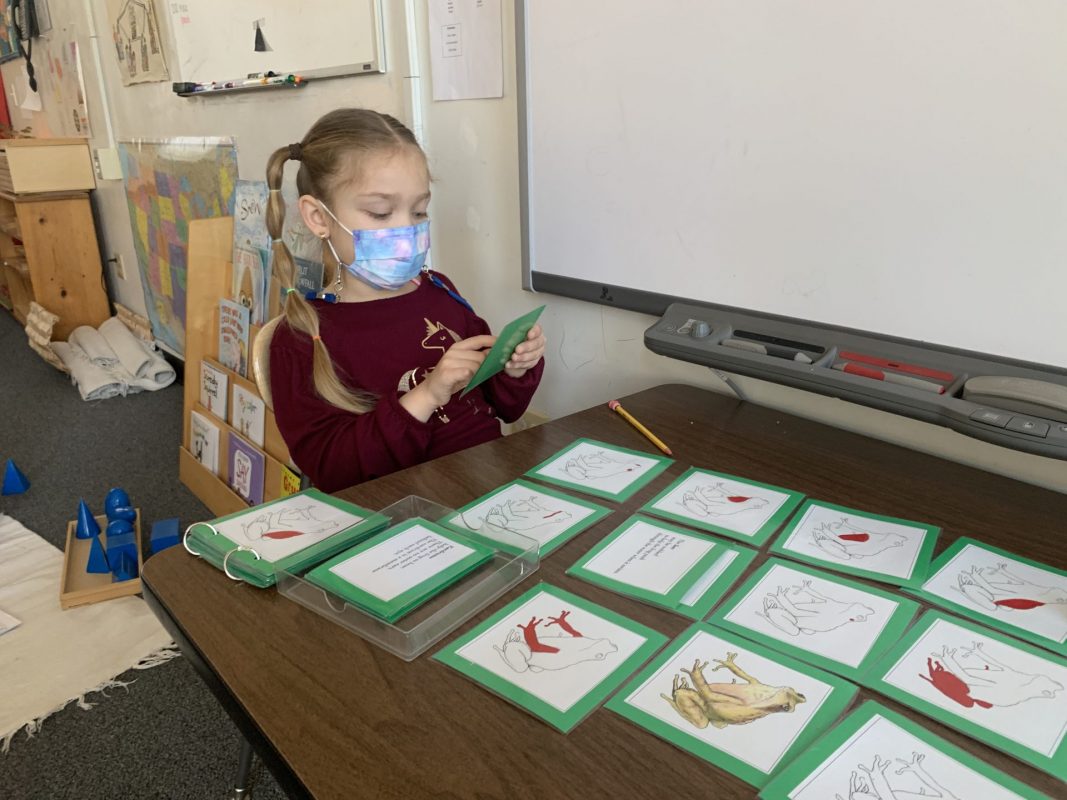
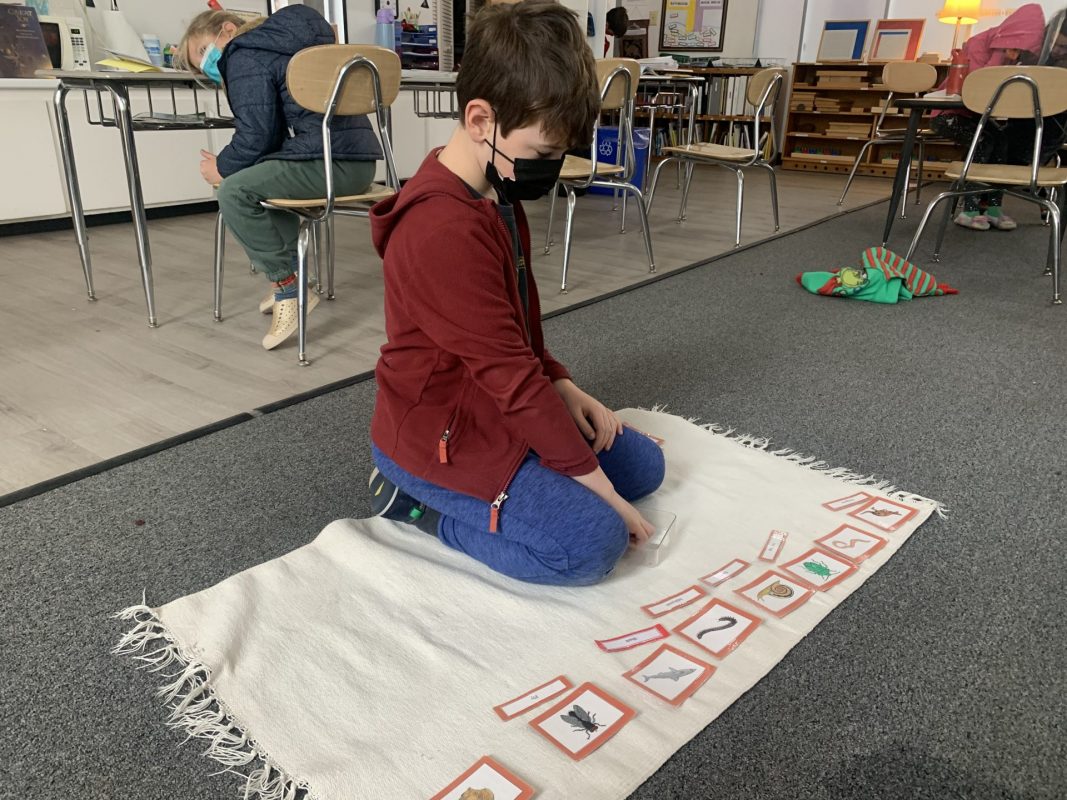
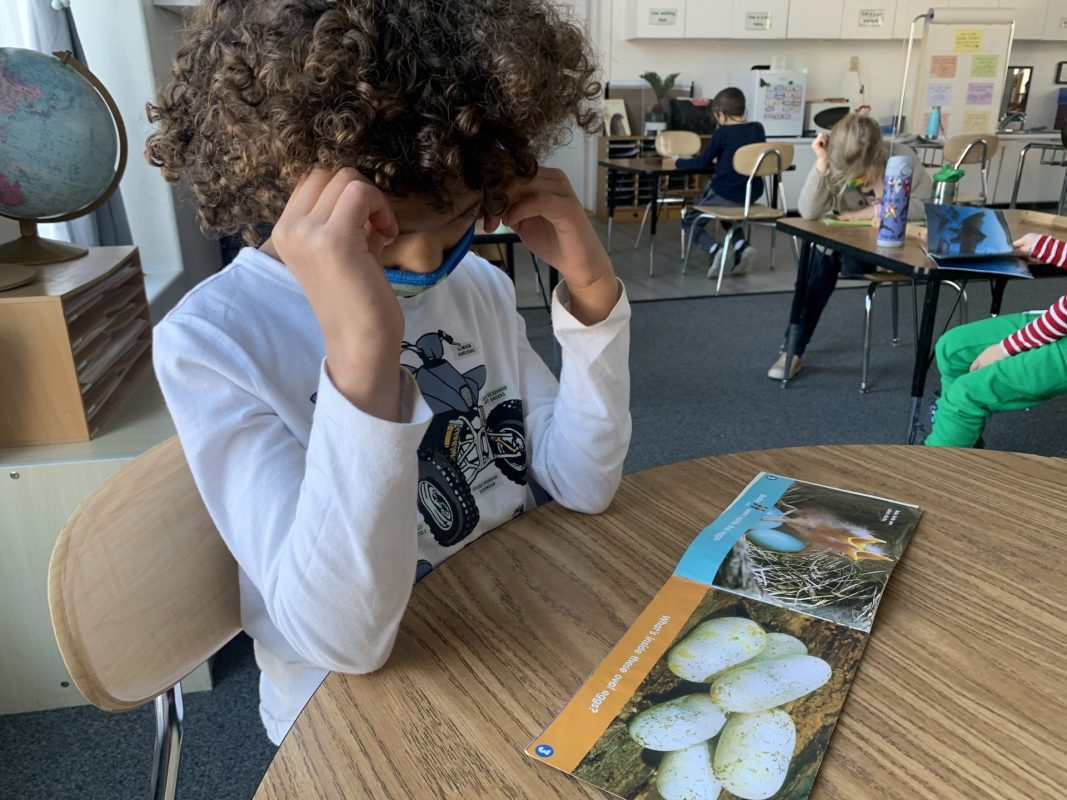
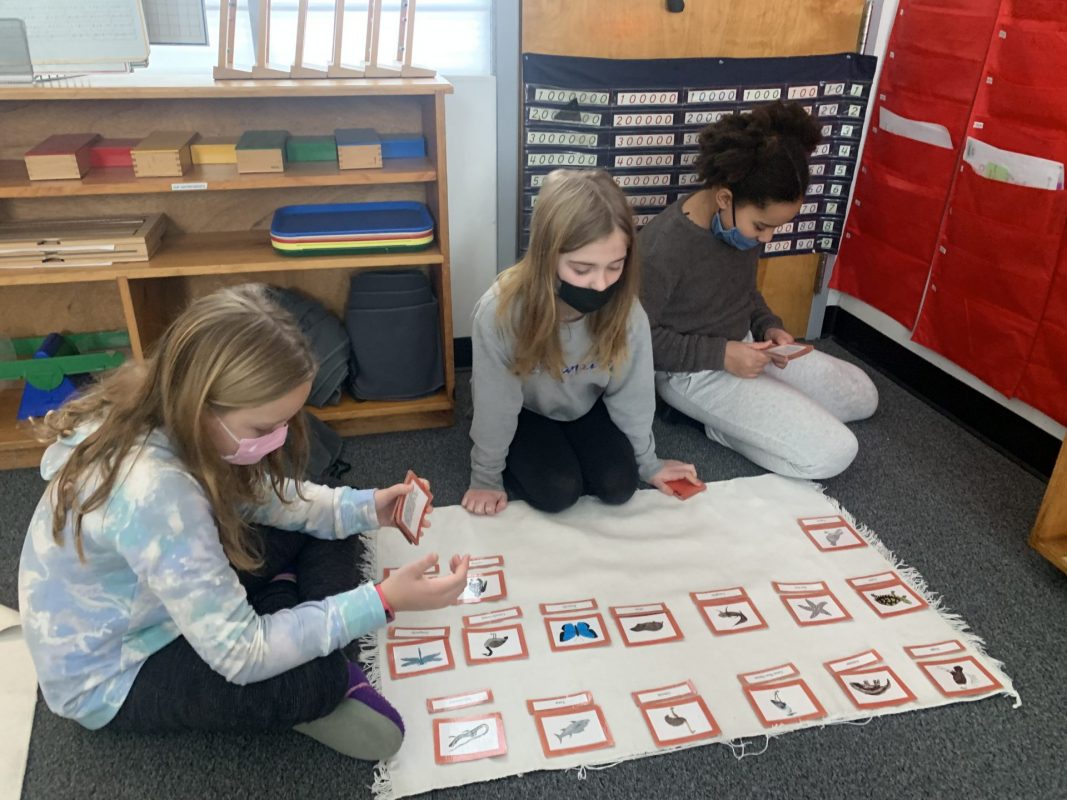
This week we started the study of life. Animals are more familiar to children than plants, and vertebrates are the most familiar animals. Throughout the year, first and second grade children will study five classes of vertebrate animals and third grade children will study five classes of plants in evolutionary order. We will learn about fish, amphibians, reptiles, birds, and mammals as well as seaweed, moss, ferns, pine trees, and flowering plants.

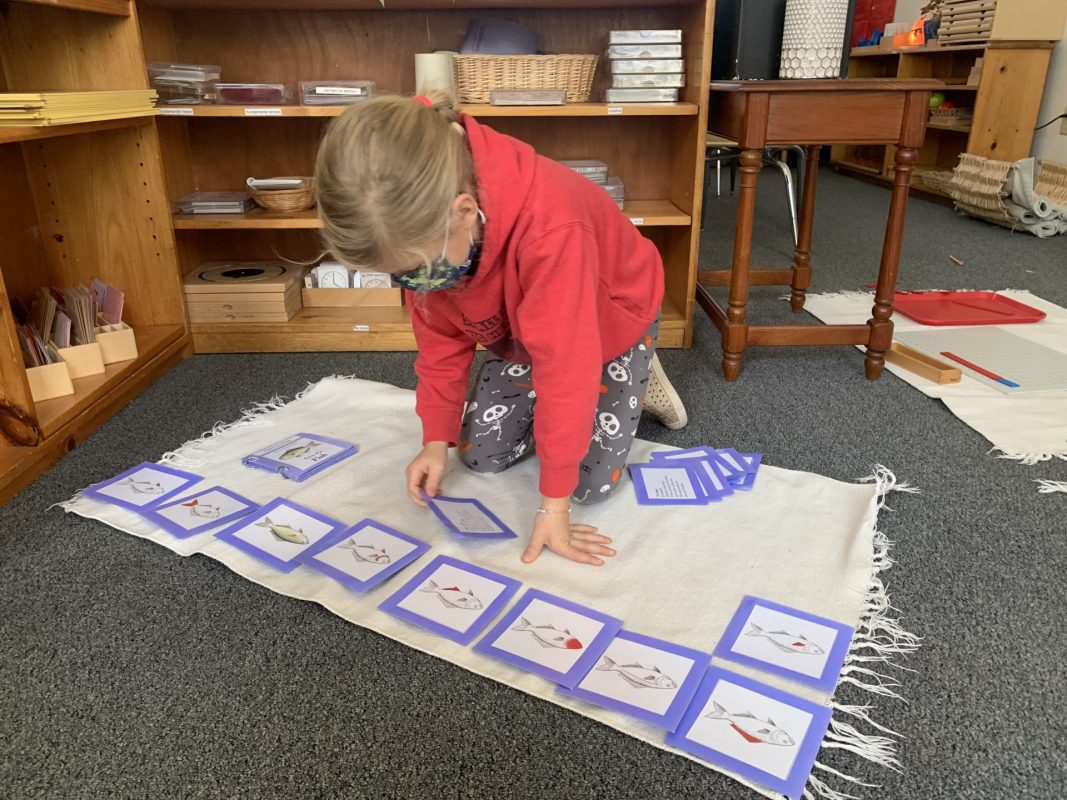
First year students learned about the external parts of fish. We started with a little in-school field trip to the Middle School science room to observe Mr. Brown’s fish. Mr. Brown facilitated a discussion about the external parts of the fish. We will follow up next week with an introduction to classroom materials of fish.

Second year students also took a trip to the science room to learn about the body functions of fish. Mr. Brown reviewed the external parts of fish and then the children talked about what goes on internally. They will be introduced to our classroom body functions of fish materials next week.

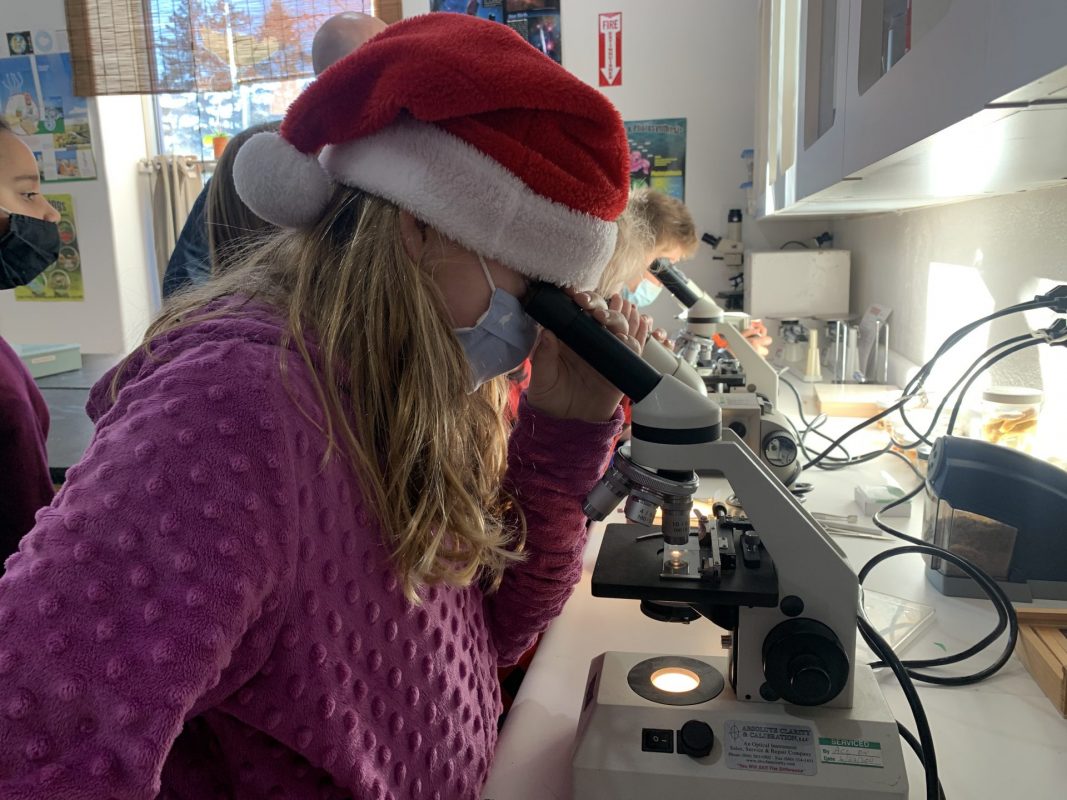
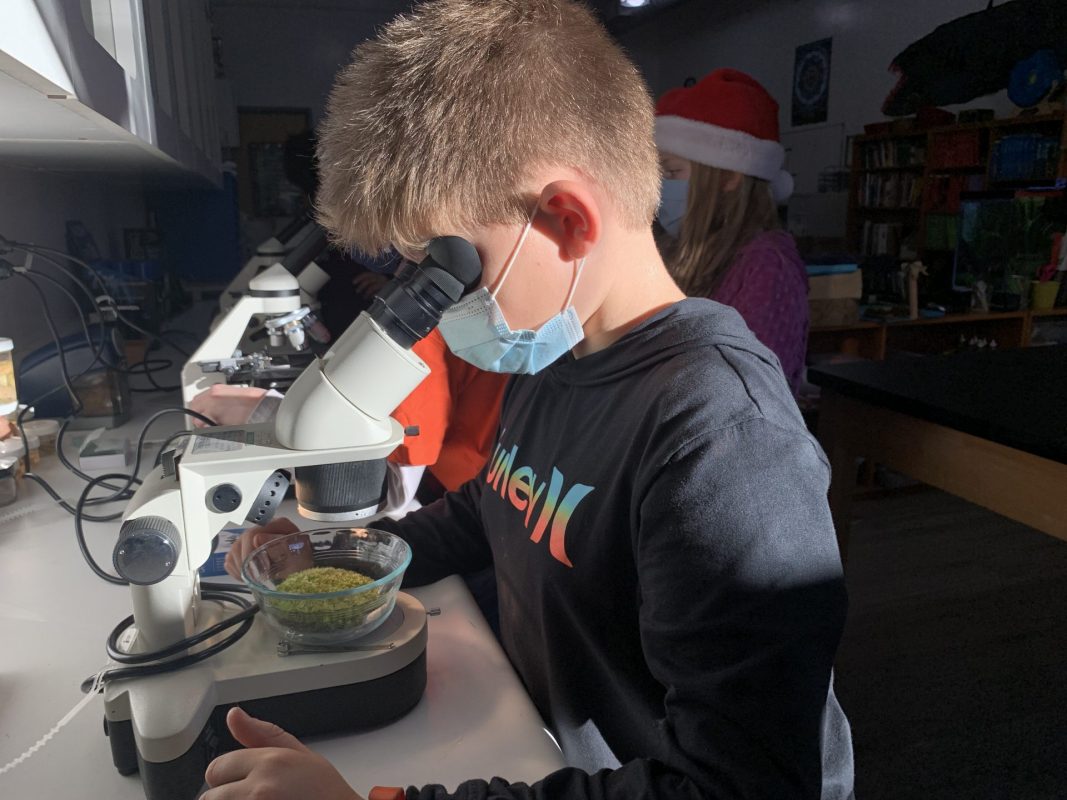
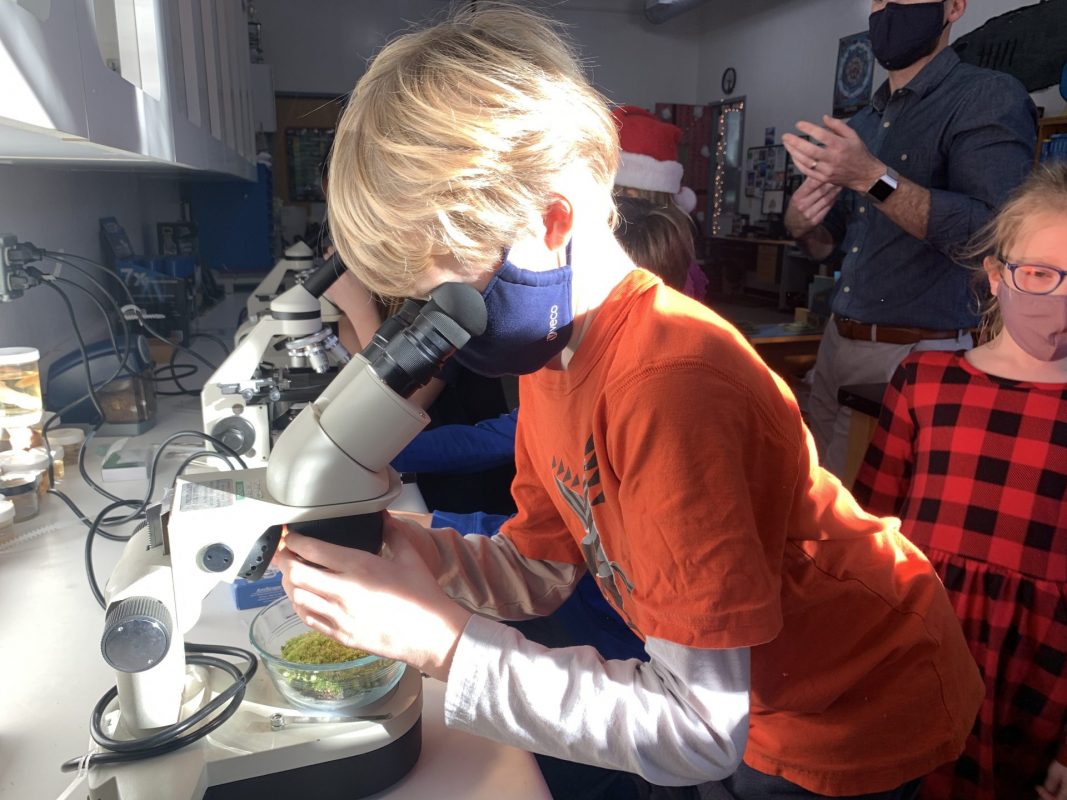
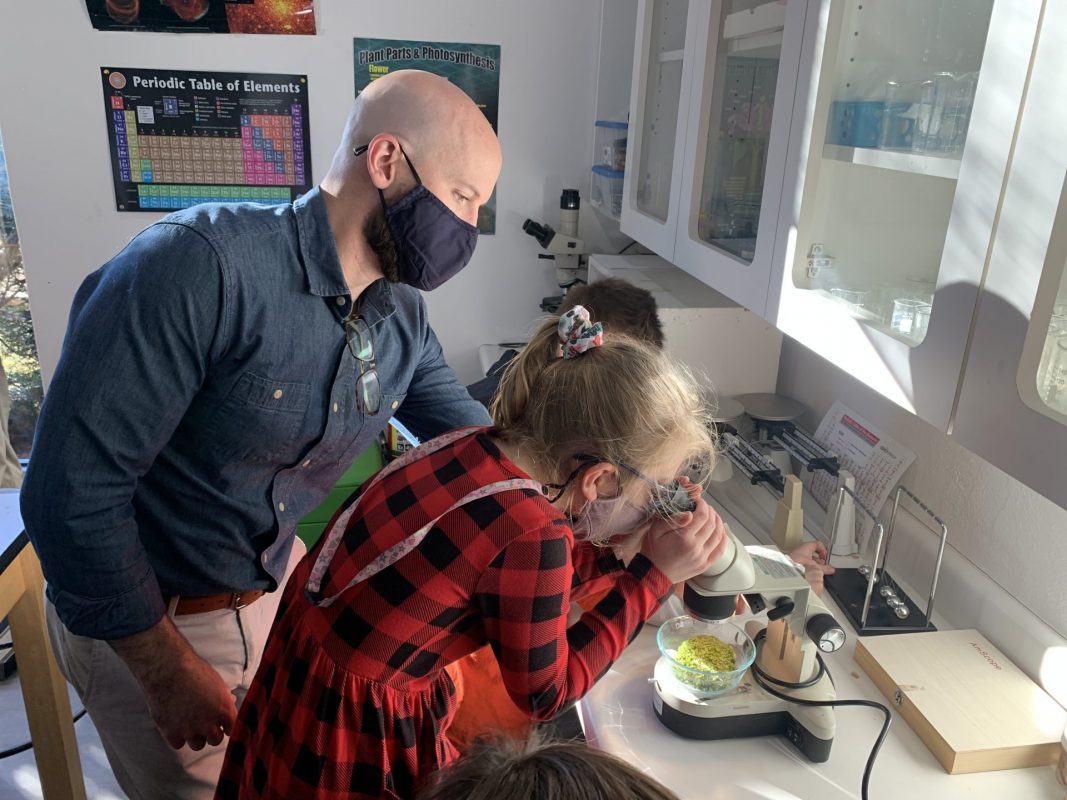
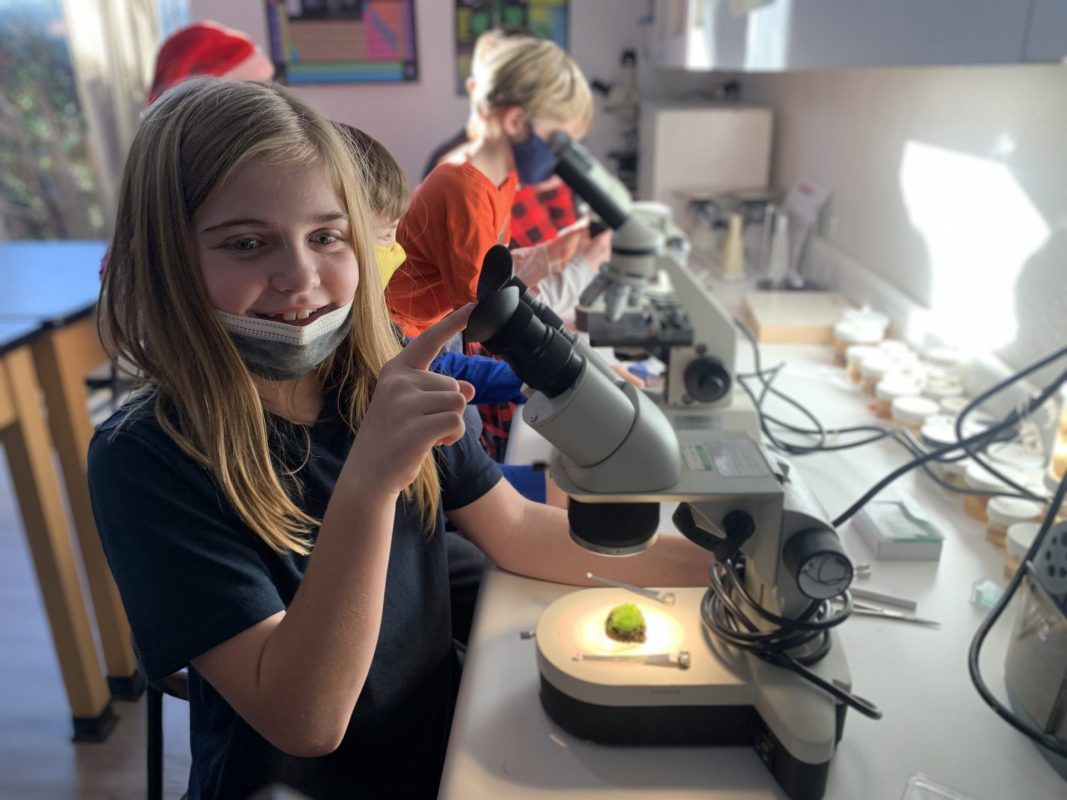
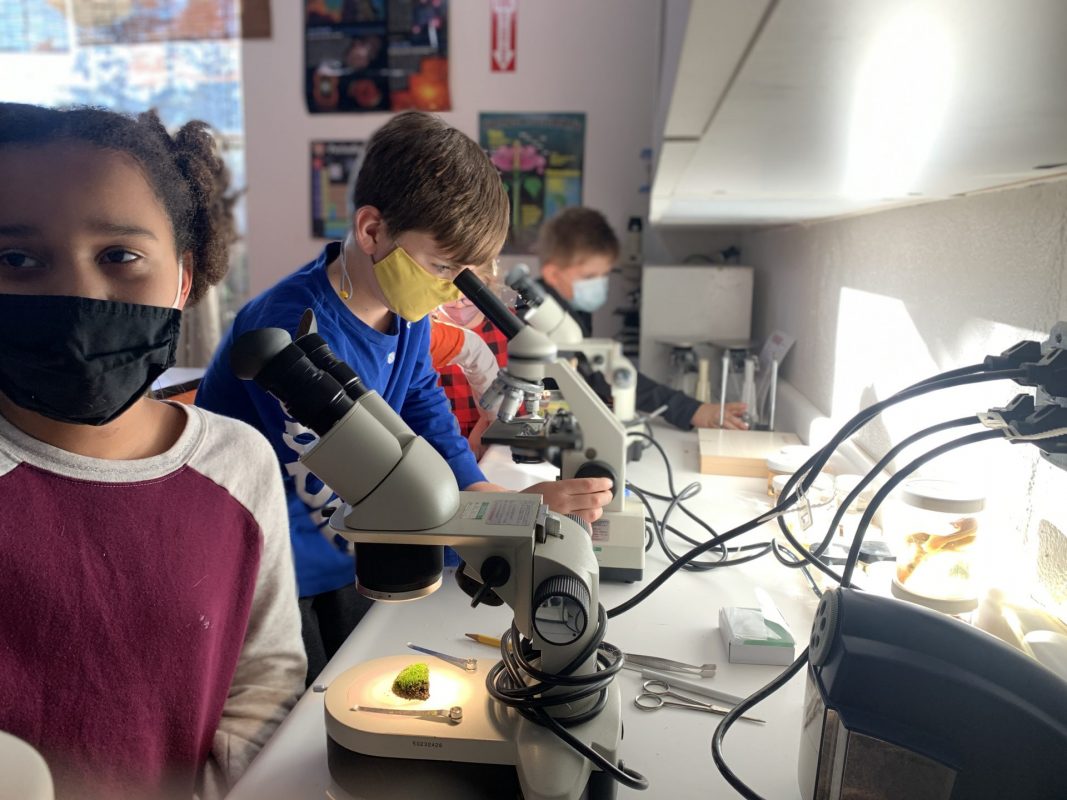
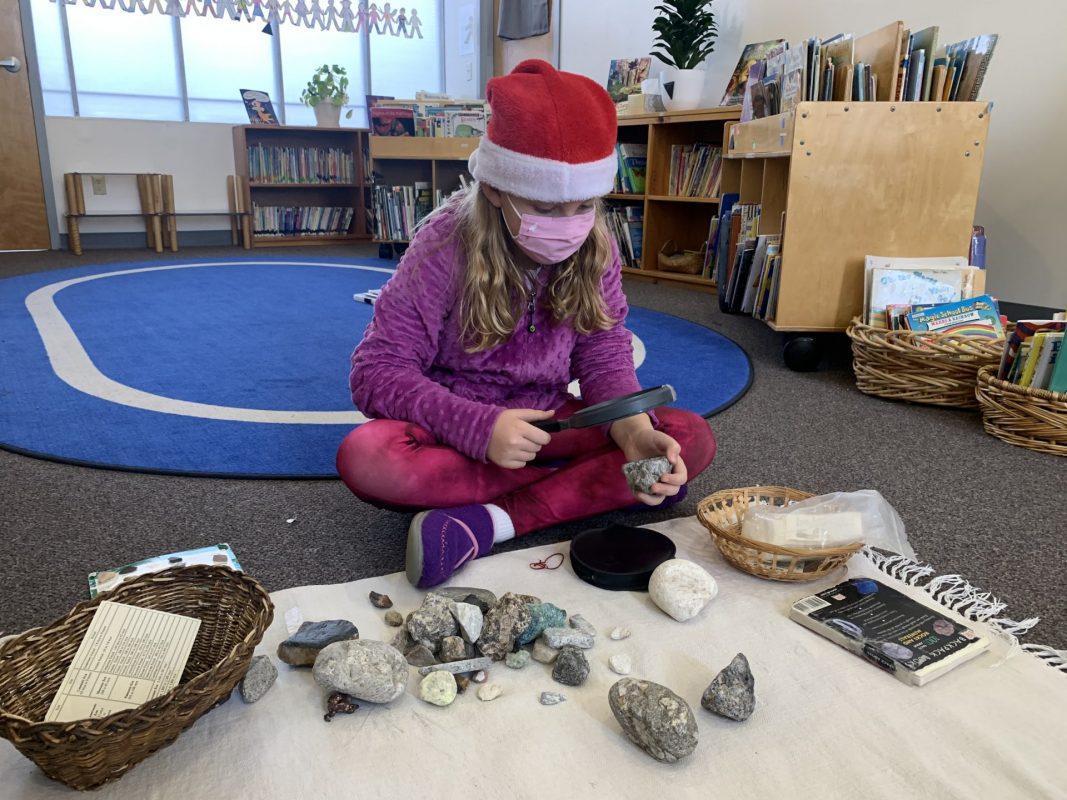
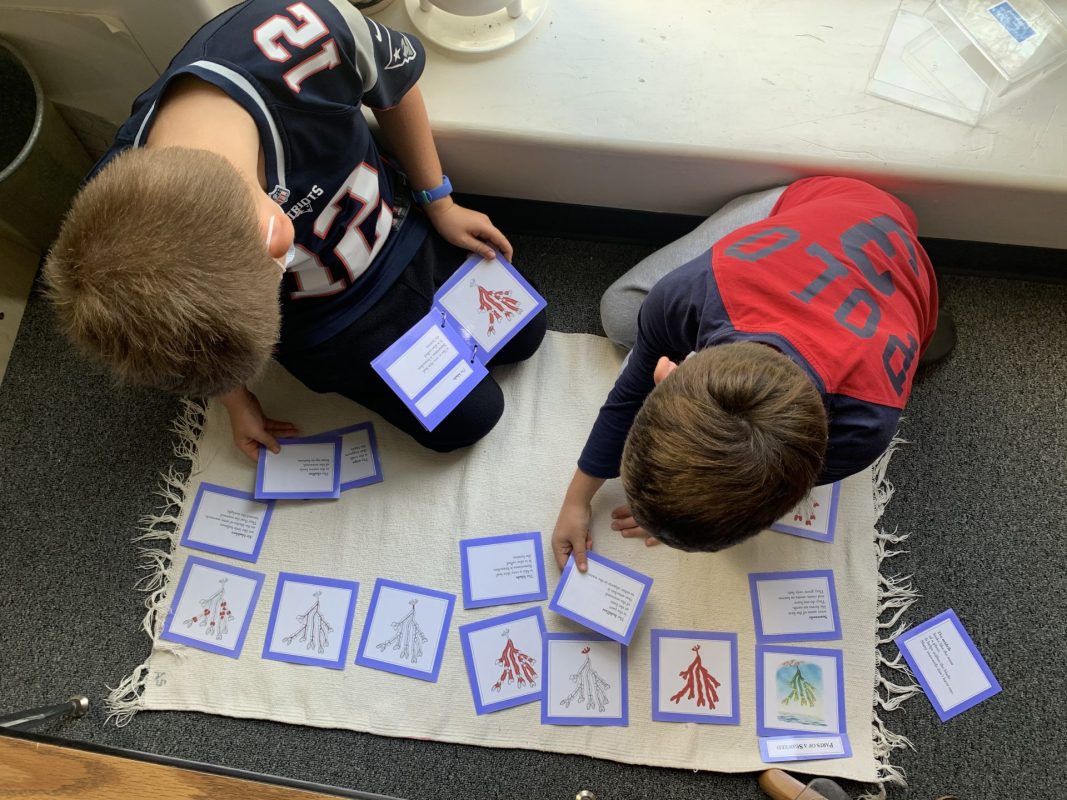
Third year students learned about the external parts and body functions of seaweed. They were introduced to the classroom material and were thrilled to be studying botany this year! The third year students will be visiting Mr. Brown’s classroom this year to observe some of these plants more closely under a microscope.


Collaboration in Lower El

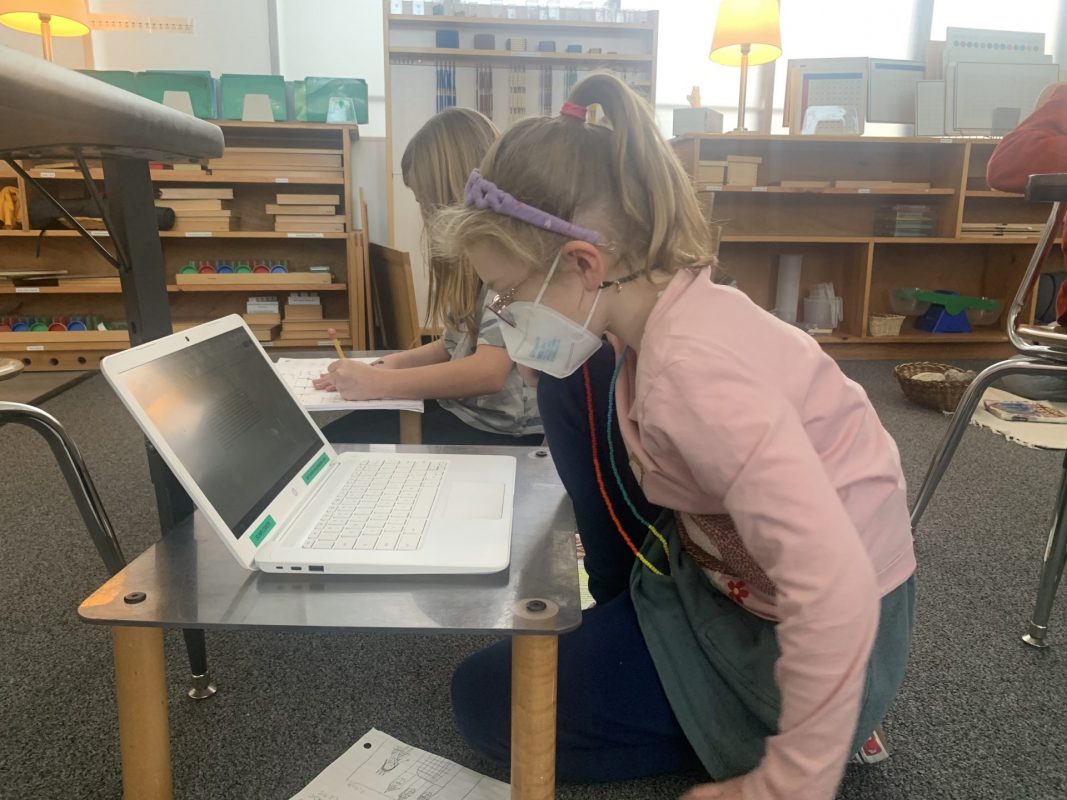
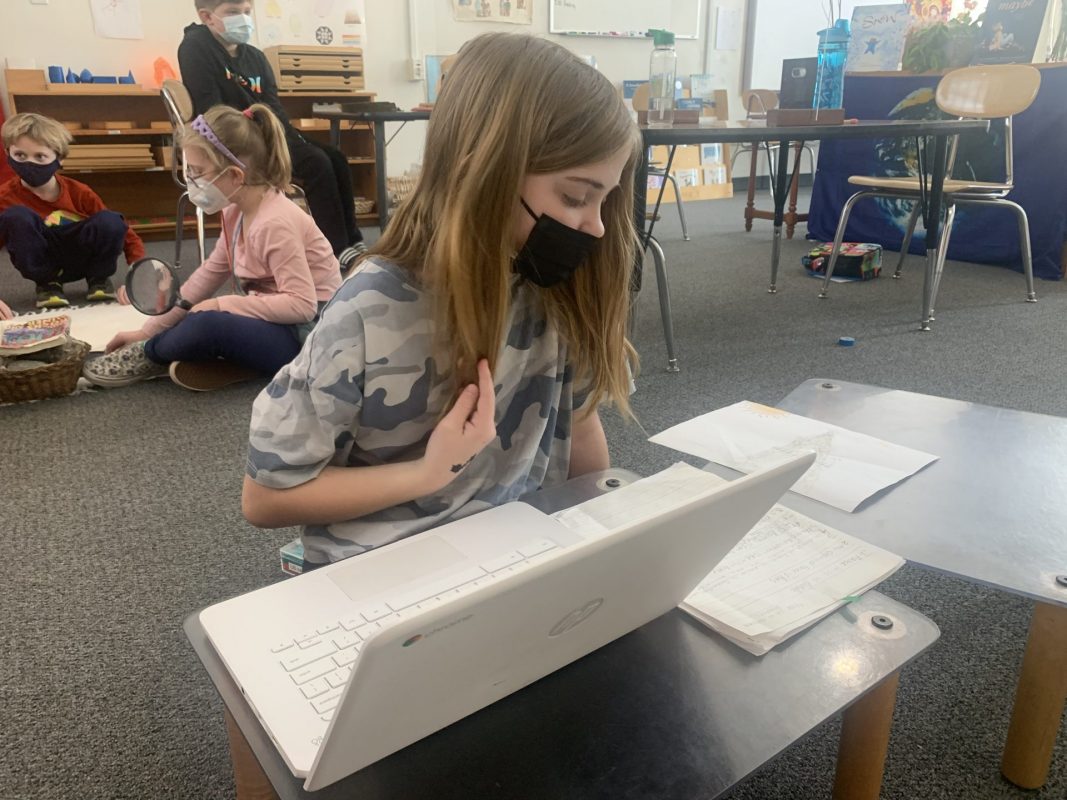
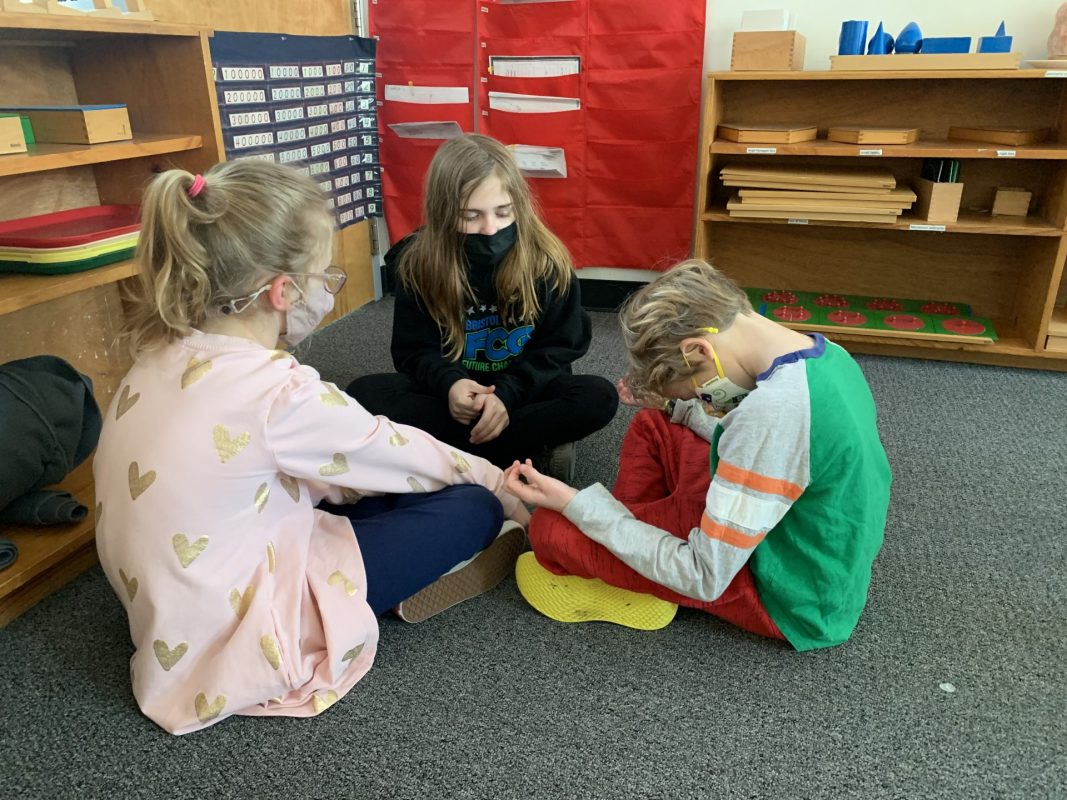
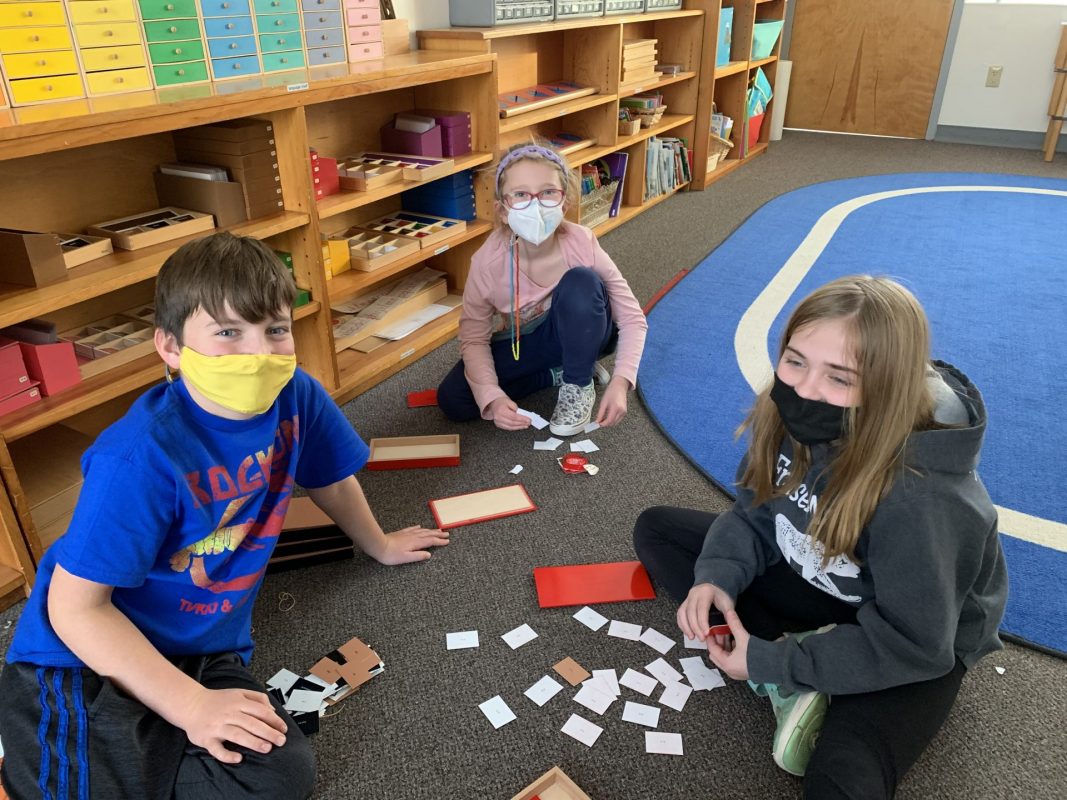
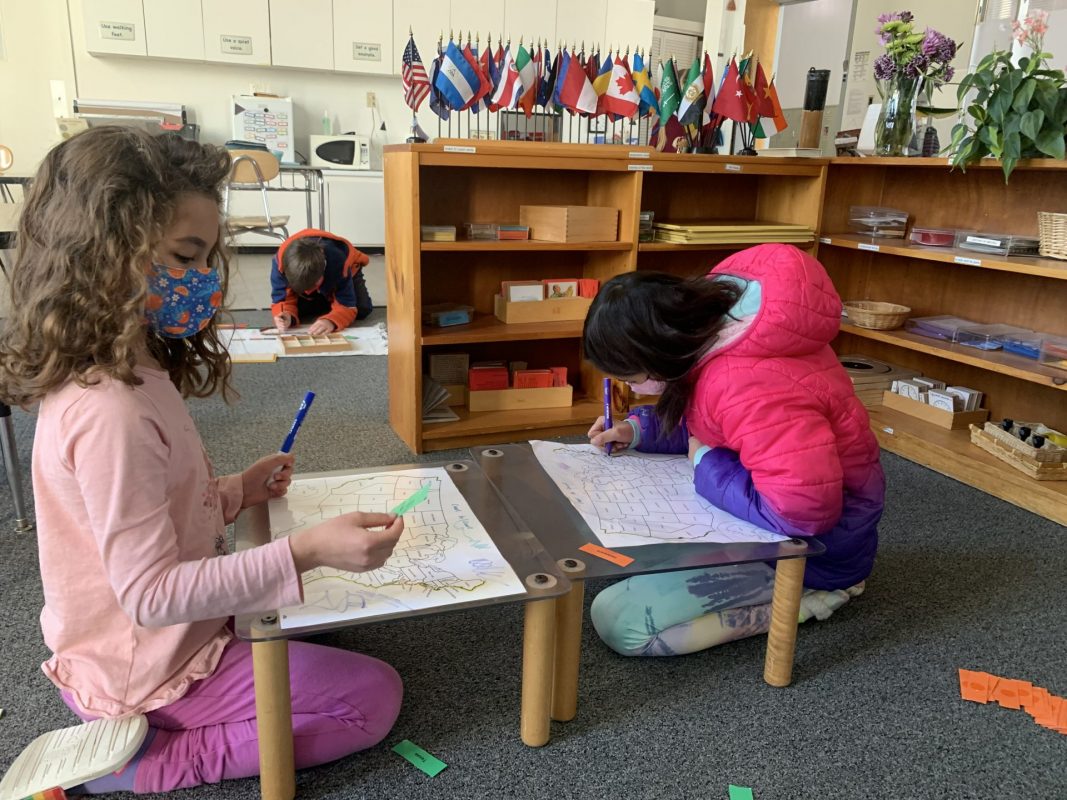
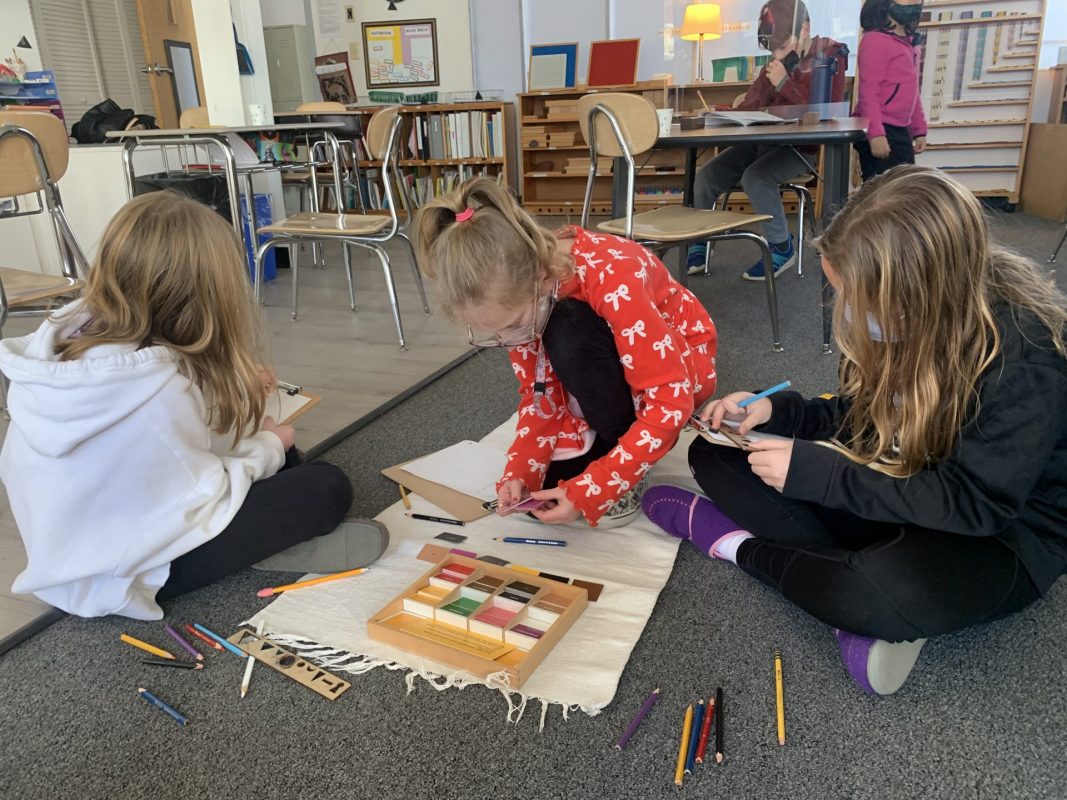
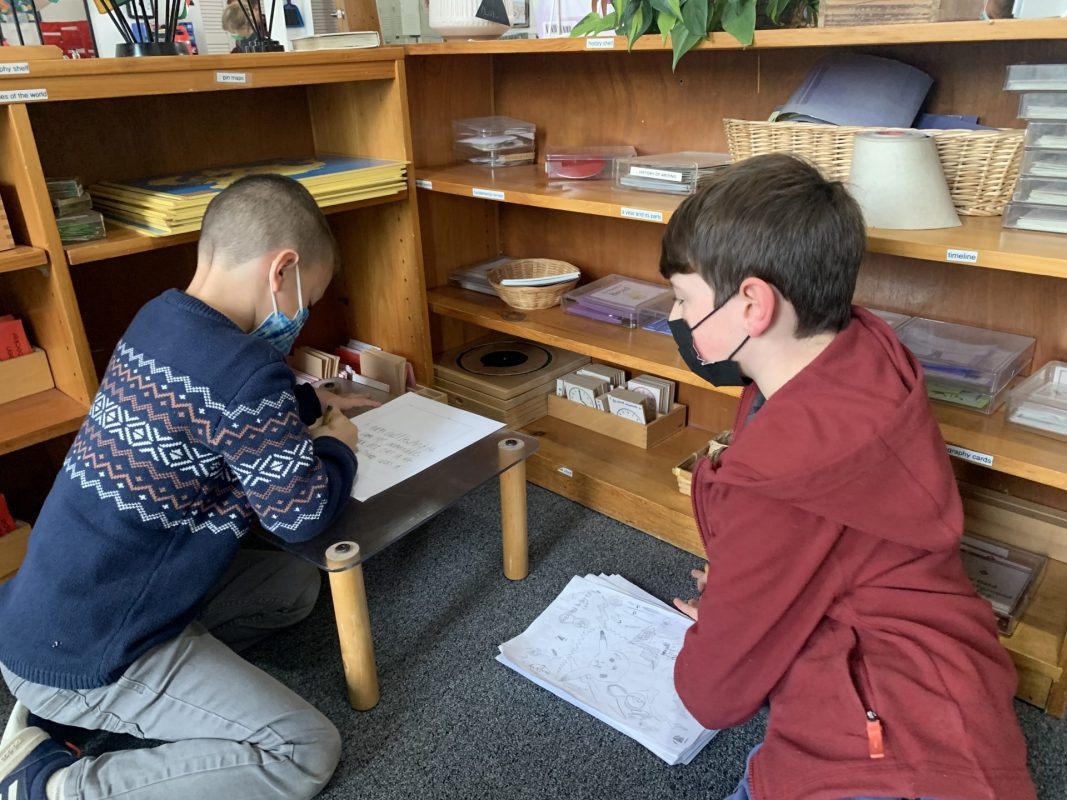
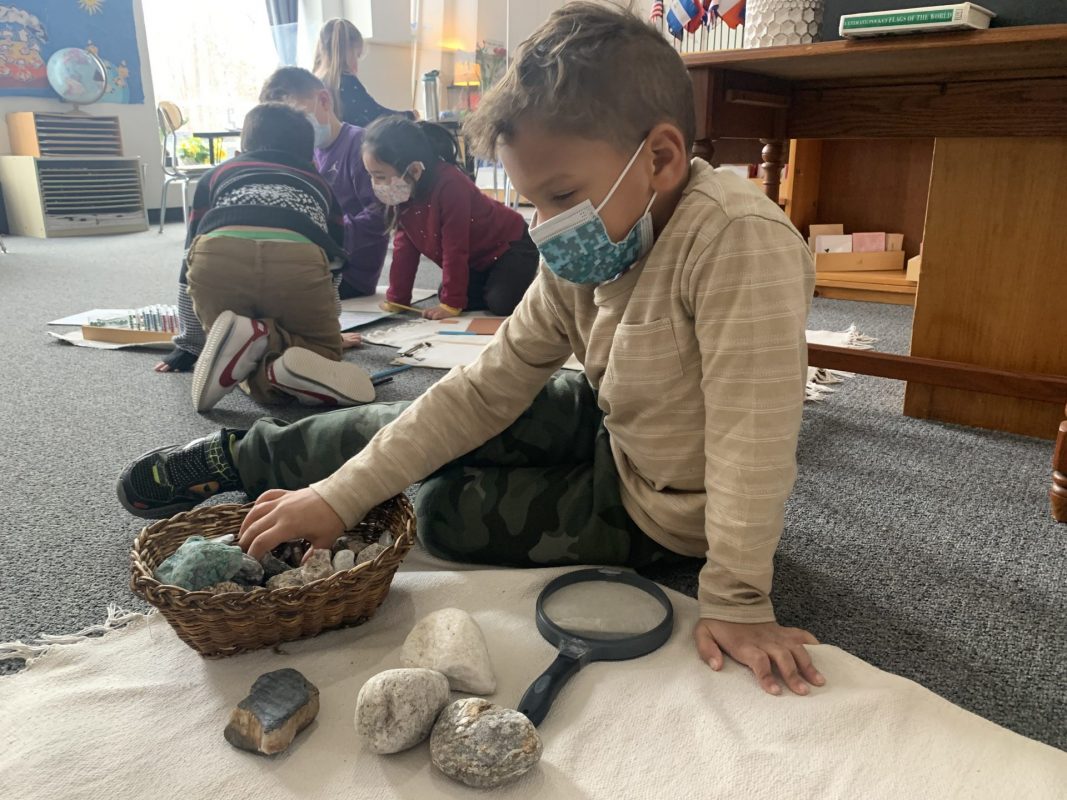
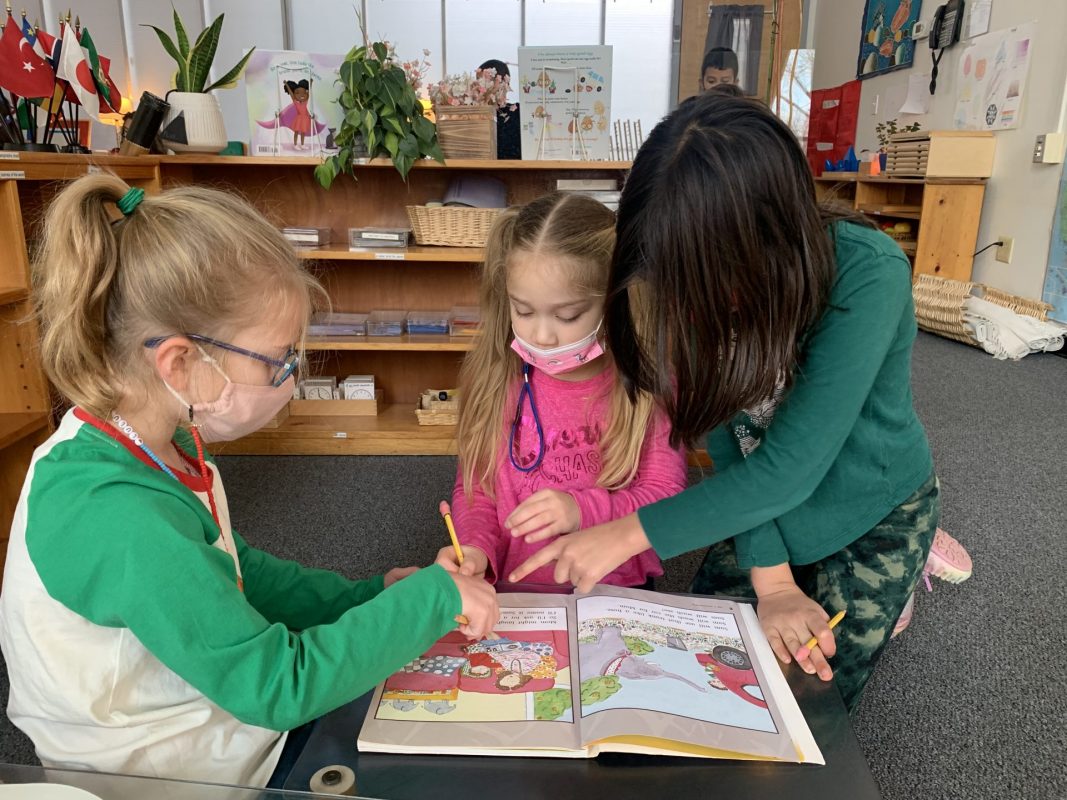
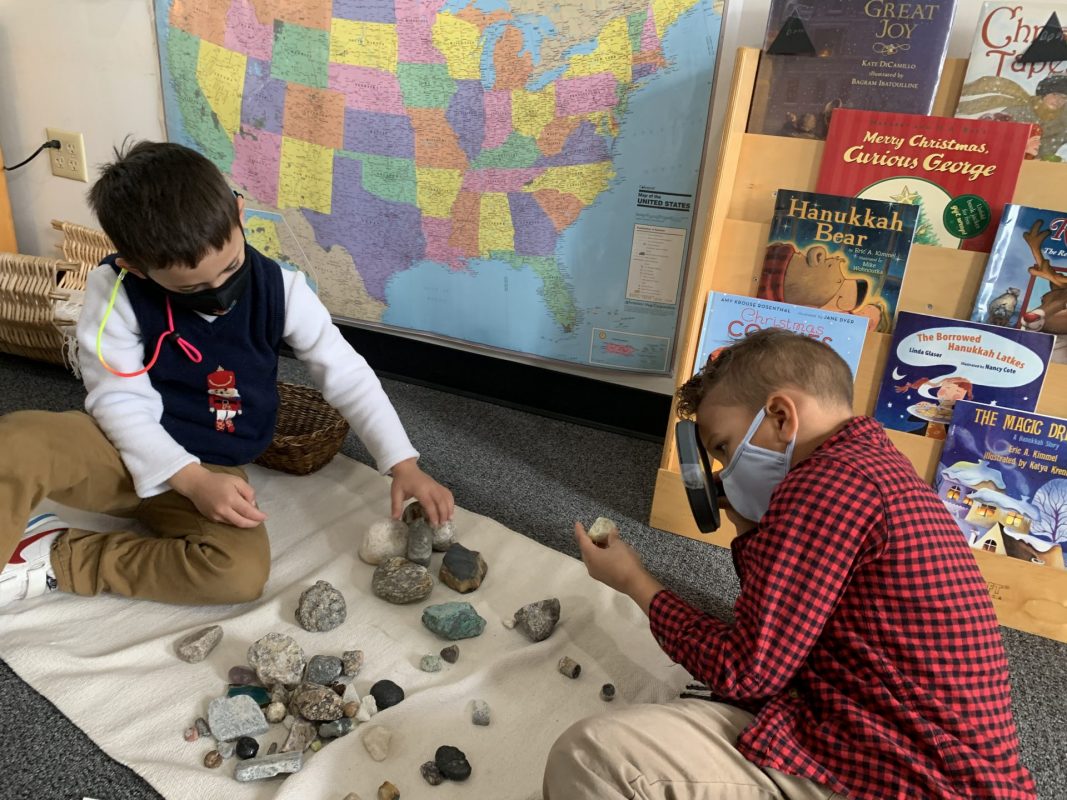
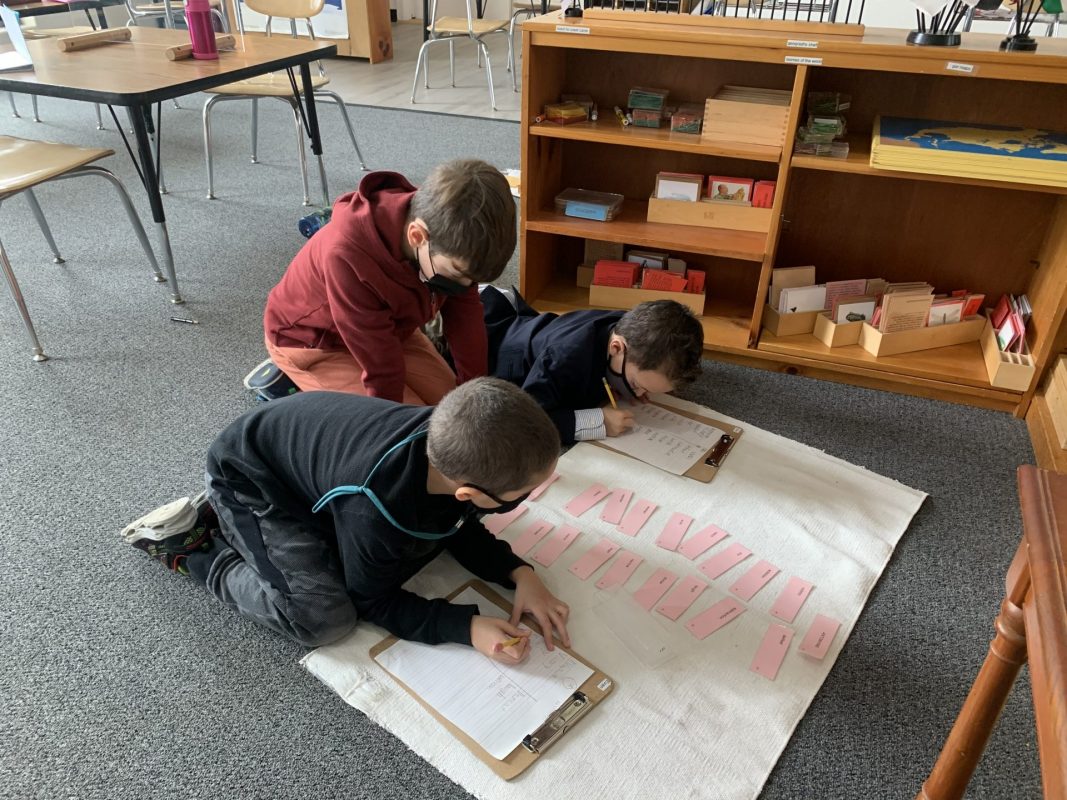
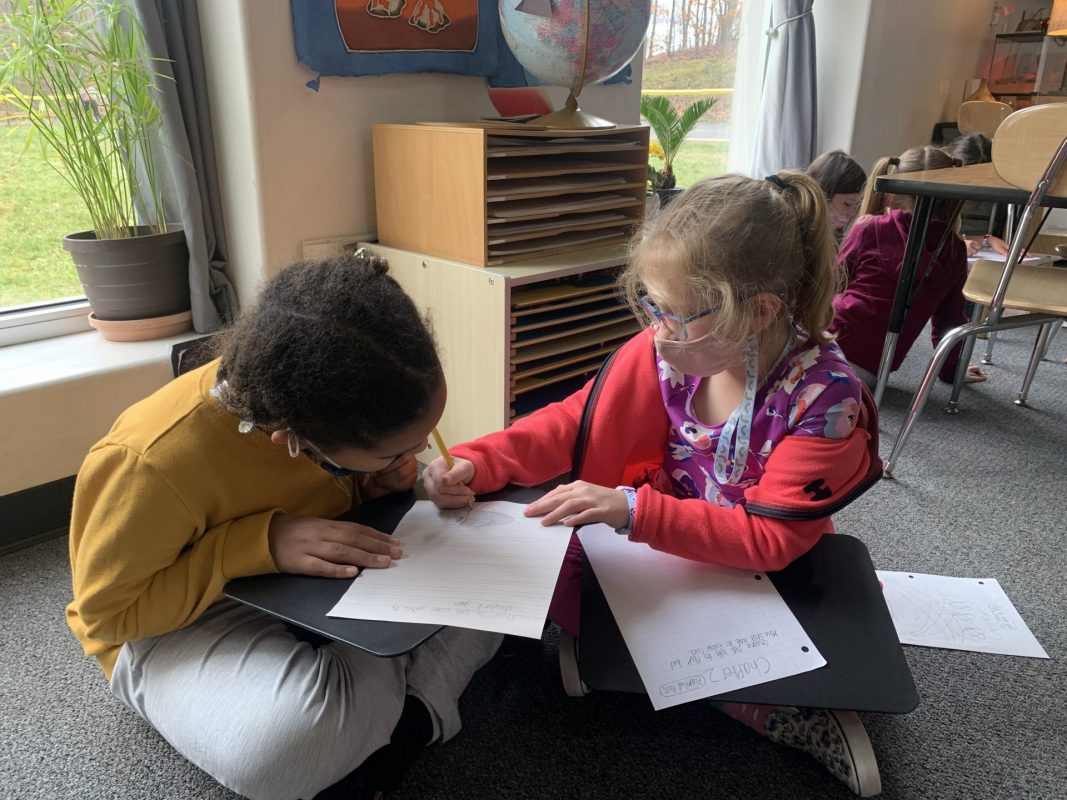
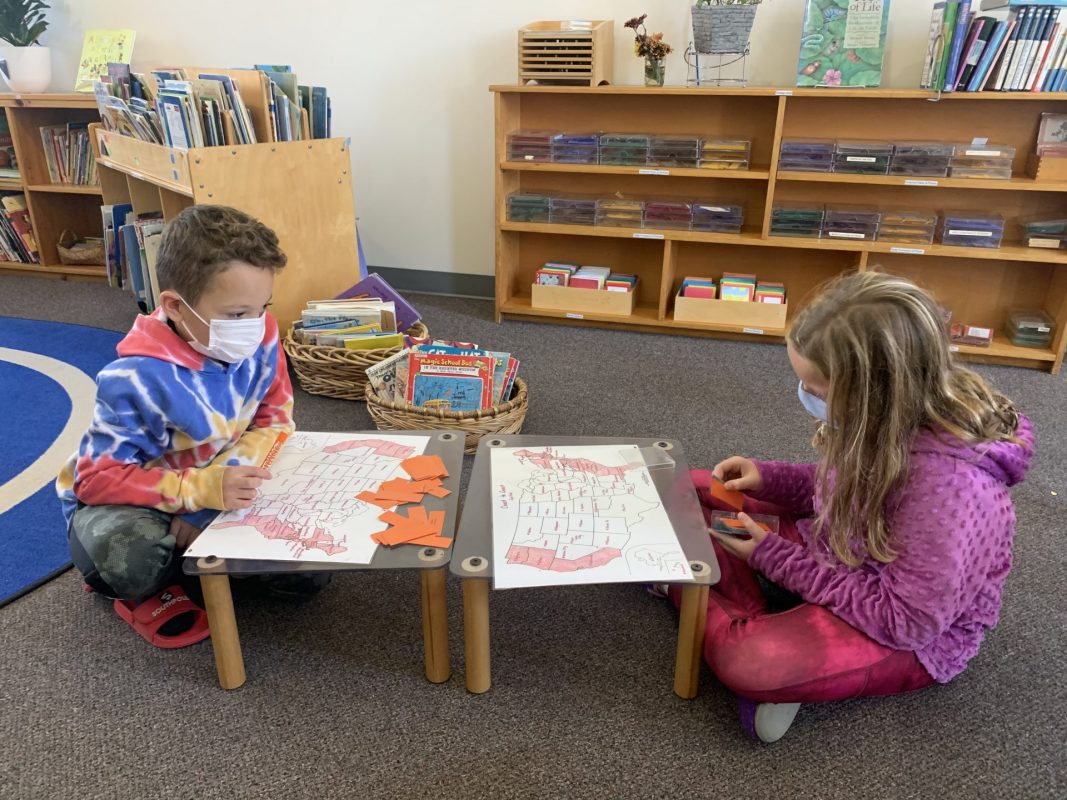
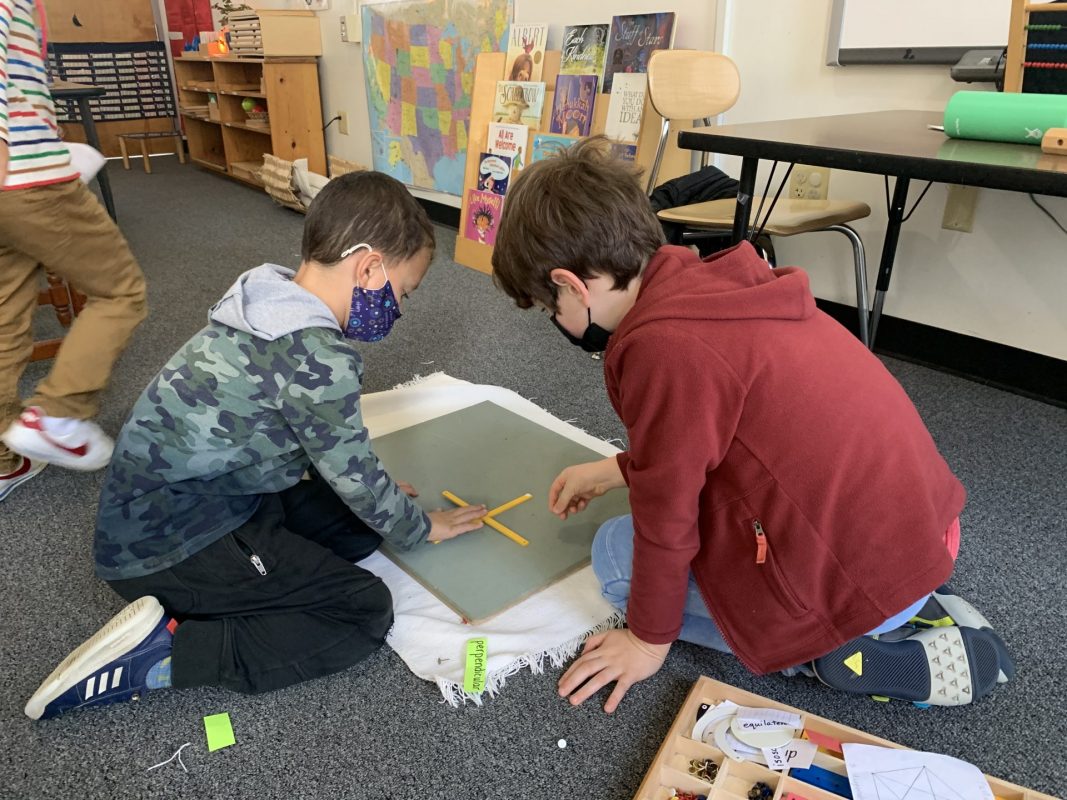
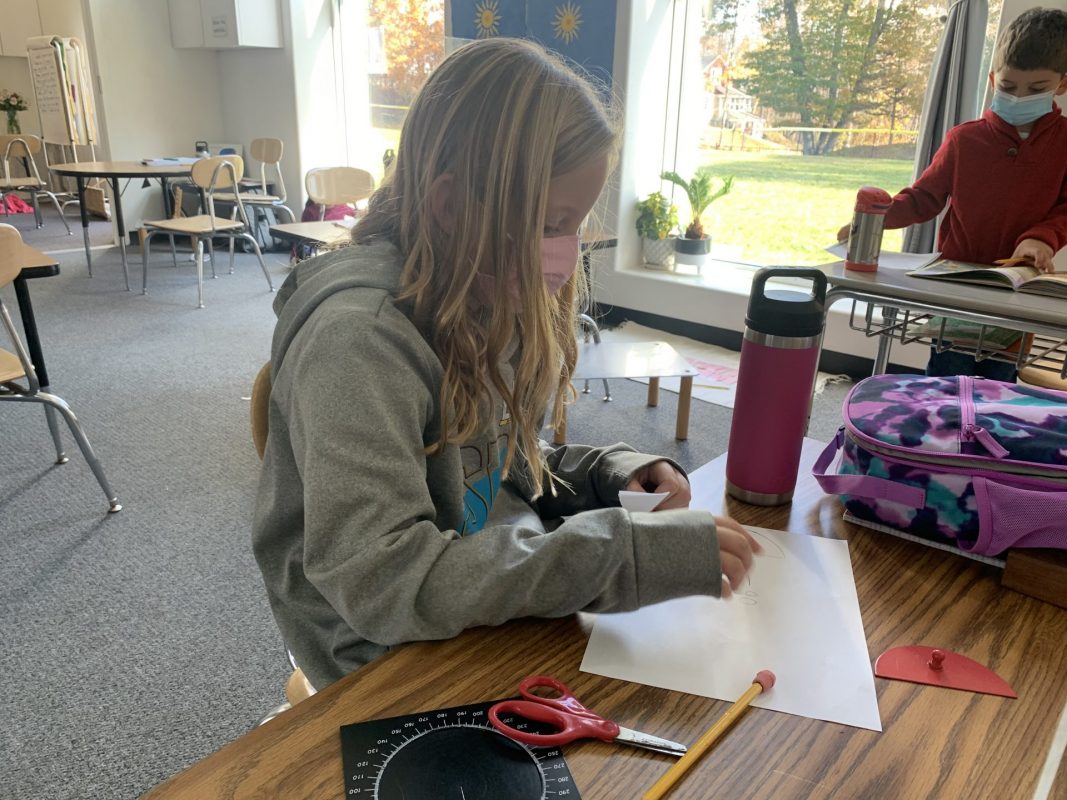
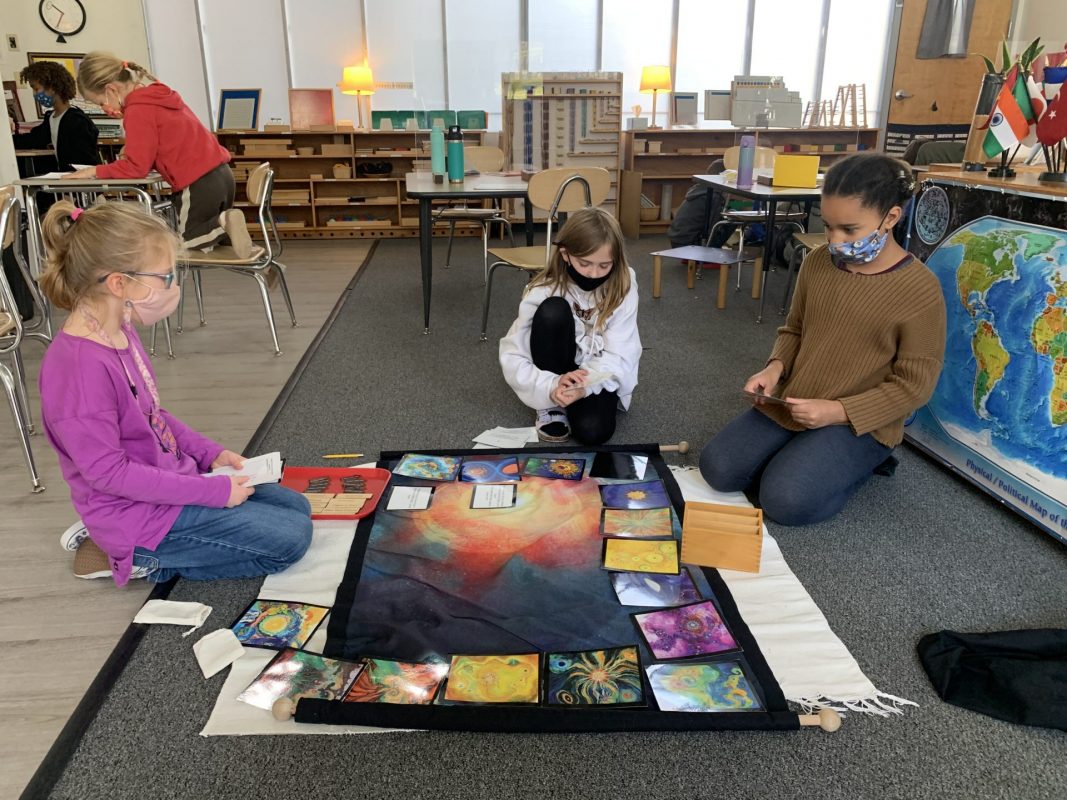
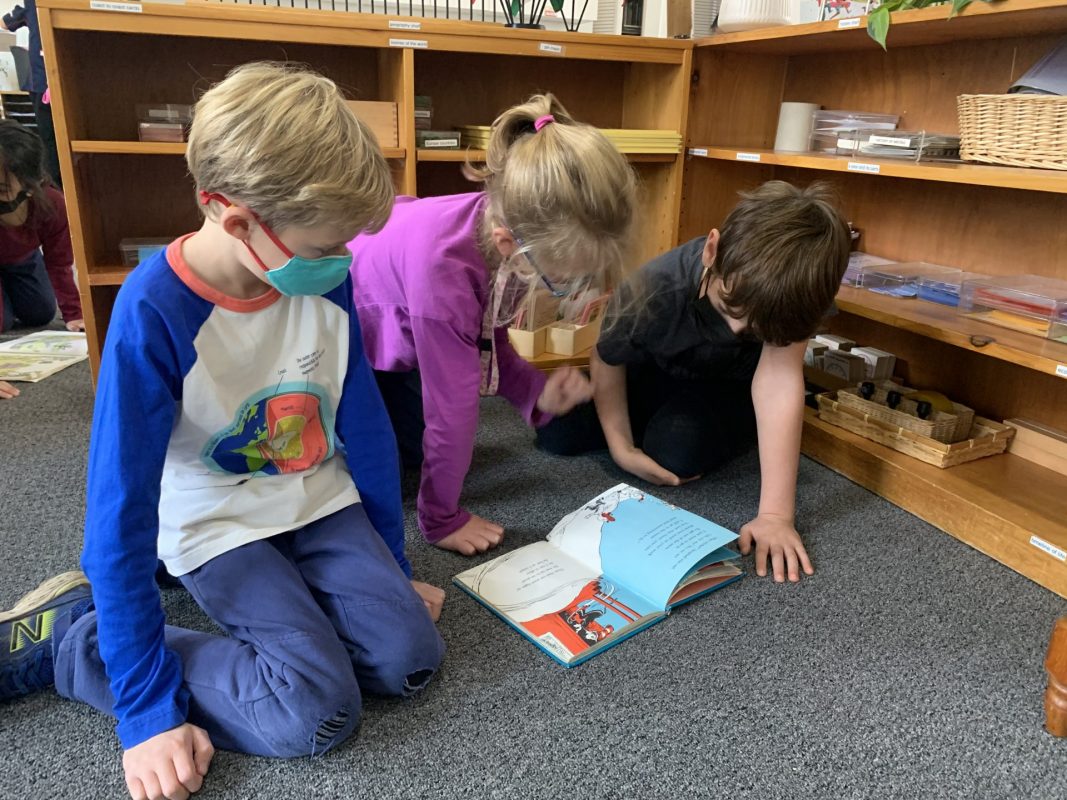
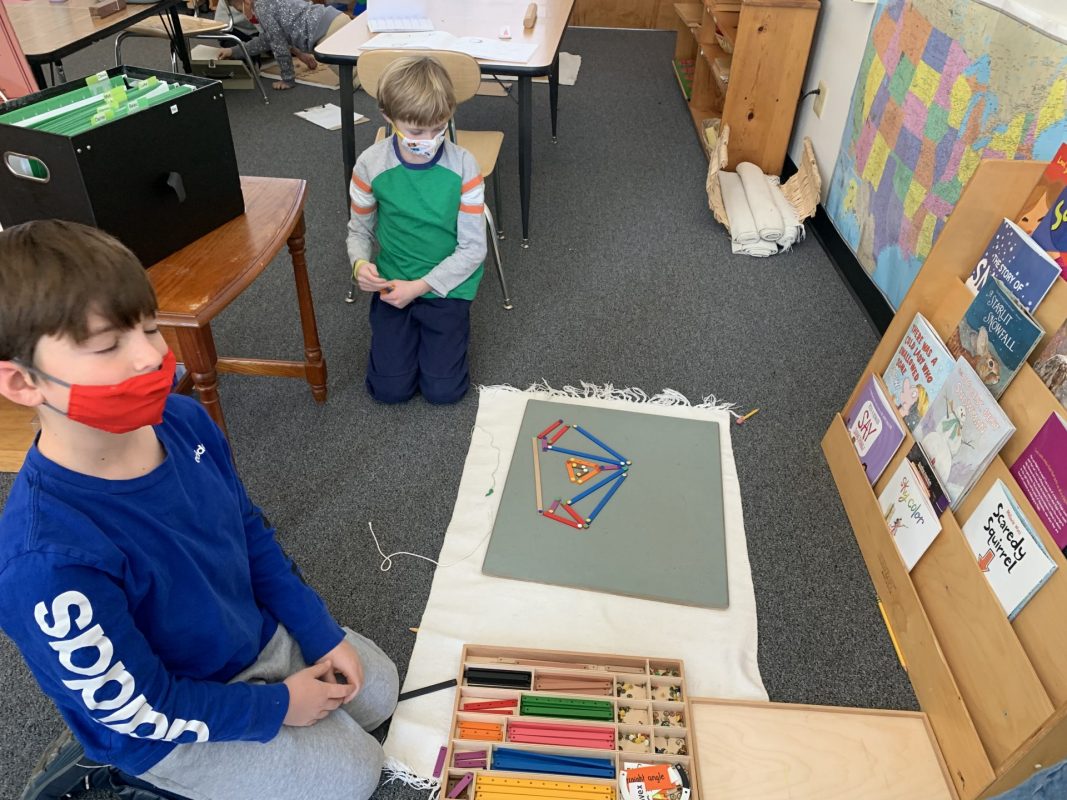
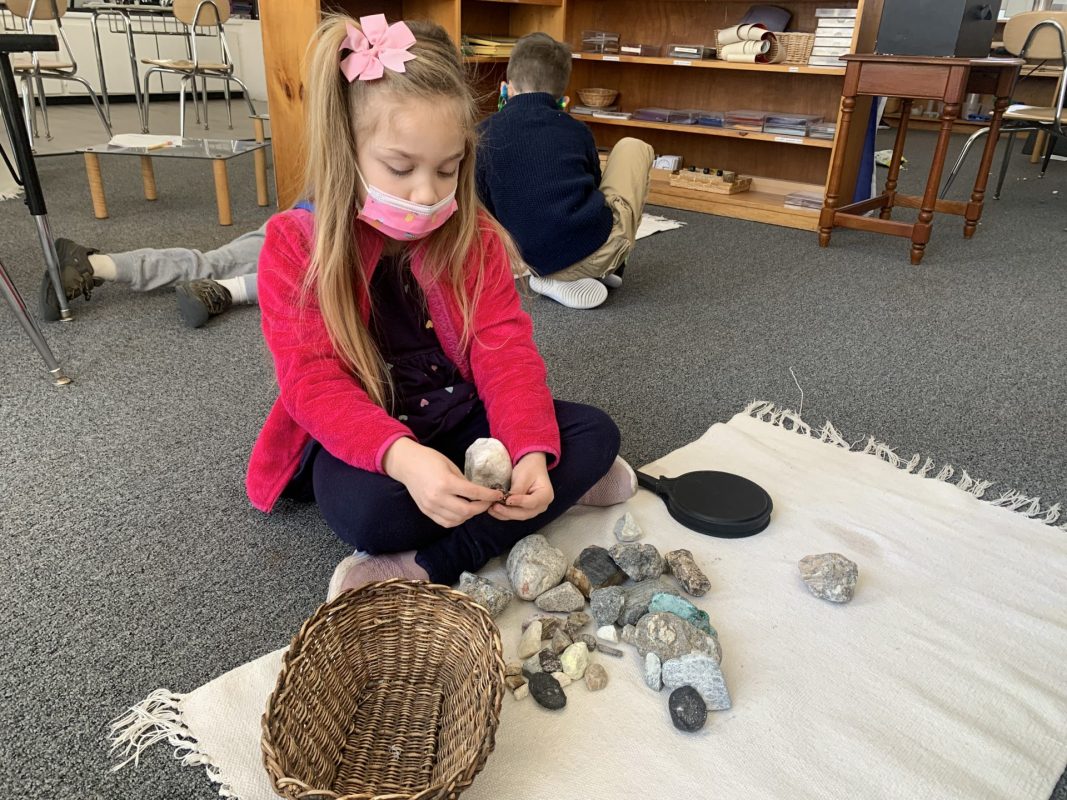
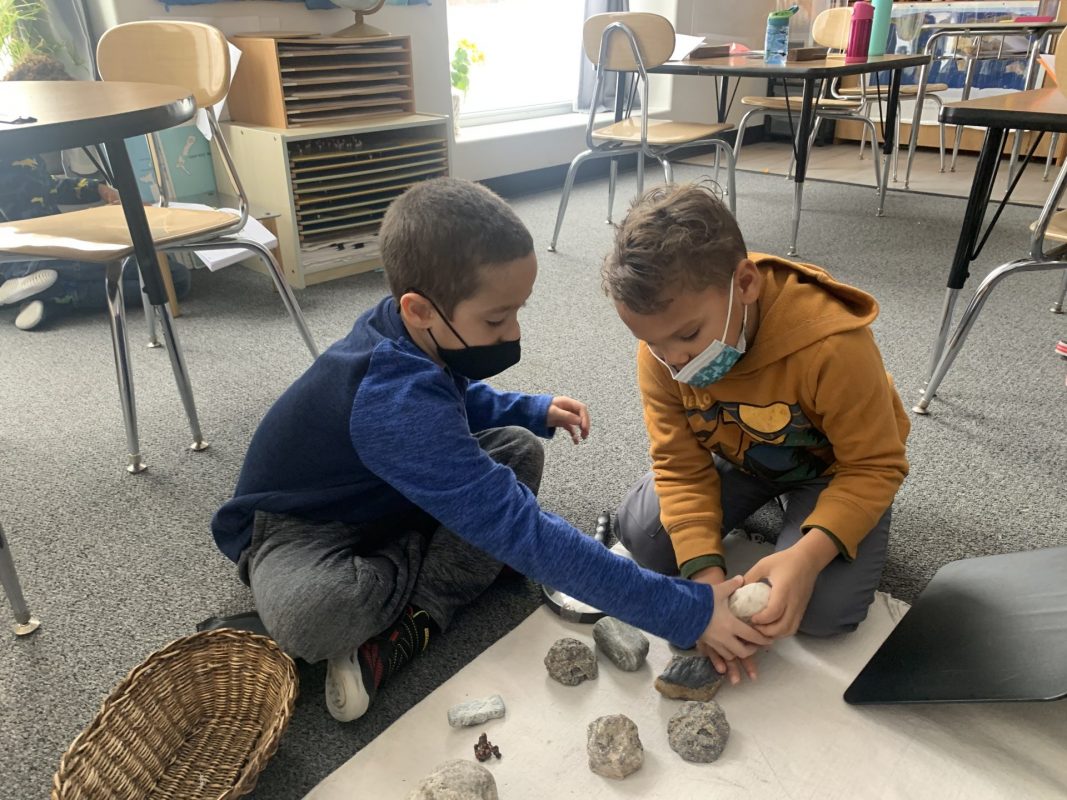
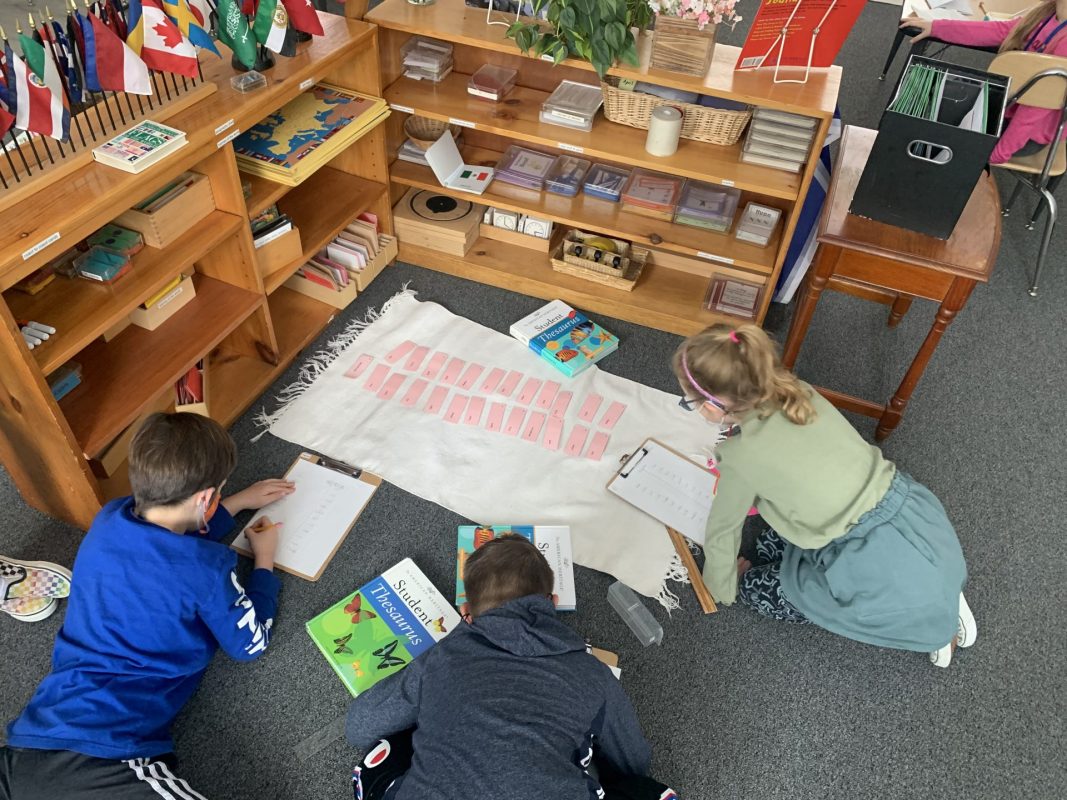
One of my favorite parts about an Elementary Montessori classroom is that you see children constantly, collaboratively, learning with and from one another on a daily basis. There are many benefits to this work. Working with a friend teaches children patience, respect for another’s strengths and challenges, and the give and take of compromising while collaborating.

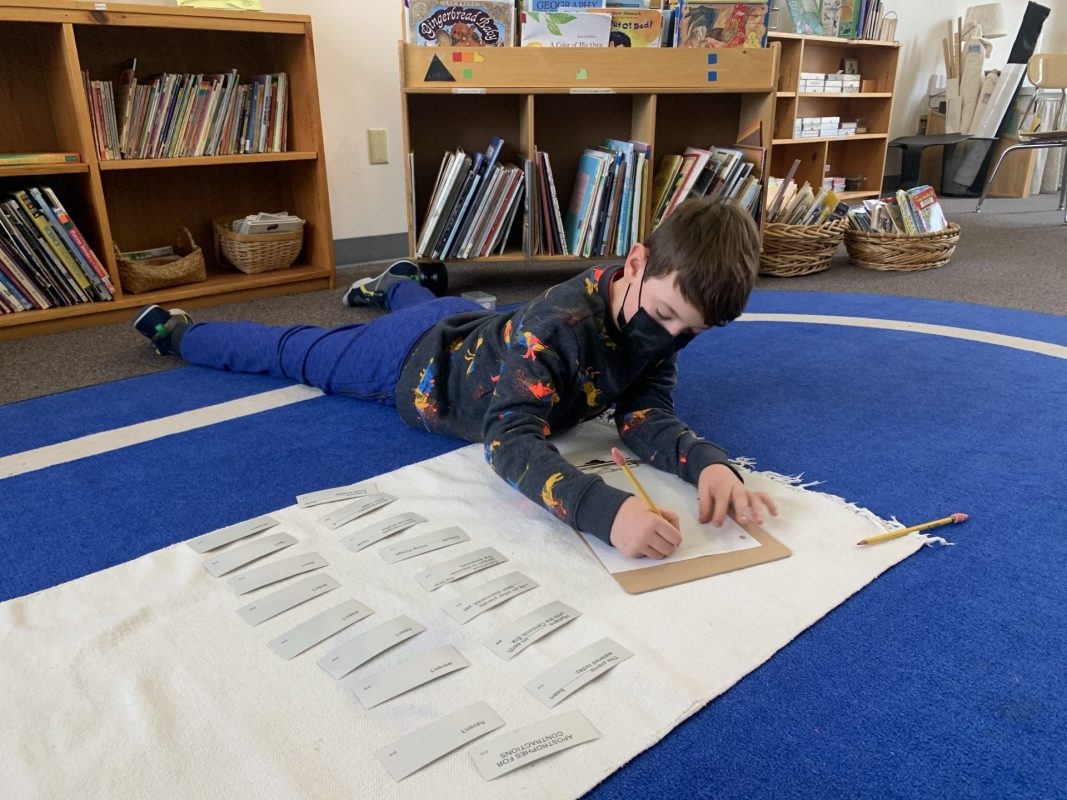
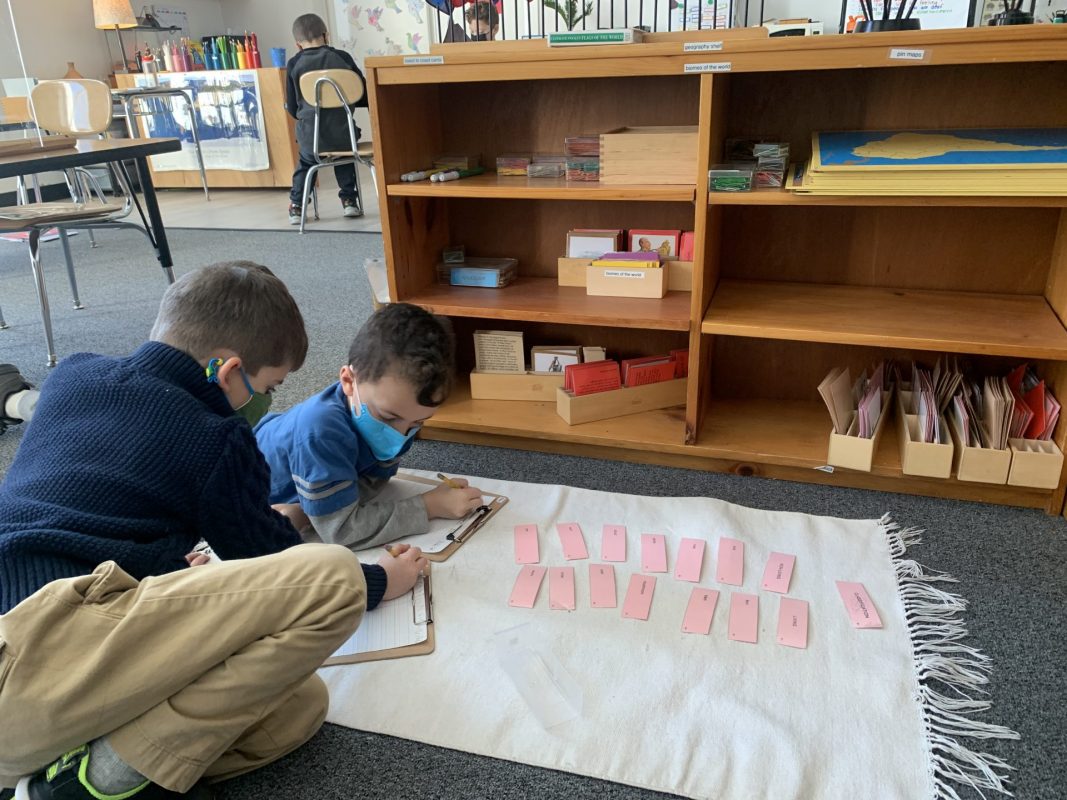
It was another productive week in Lower Elementary. The third year students learned about pronouns in grammar and the material they use to practice this skill is called a grammar box. The second graders learned about prepositions and they also use a grammar box as follow up to this work. The first year group learned about nouns. They enjoyed going on a scavenger hunt in the classroom and labeling all the nouns they could find!


Lower El: Science and Geography

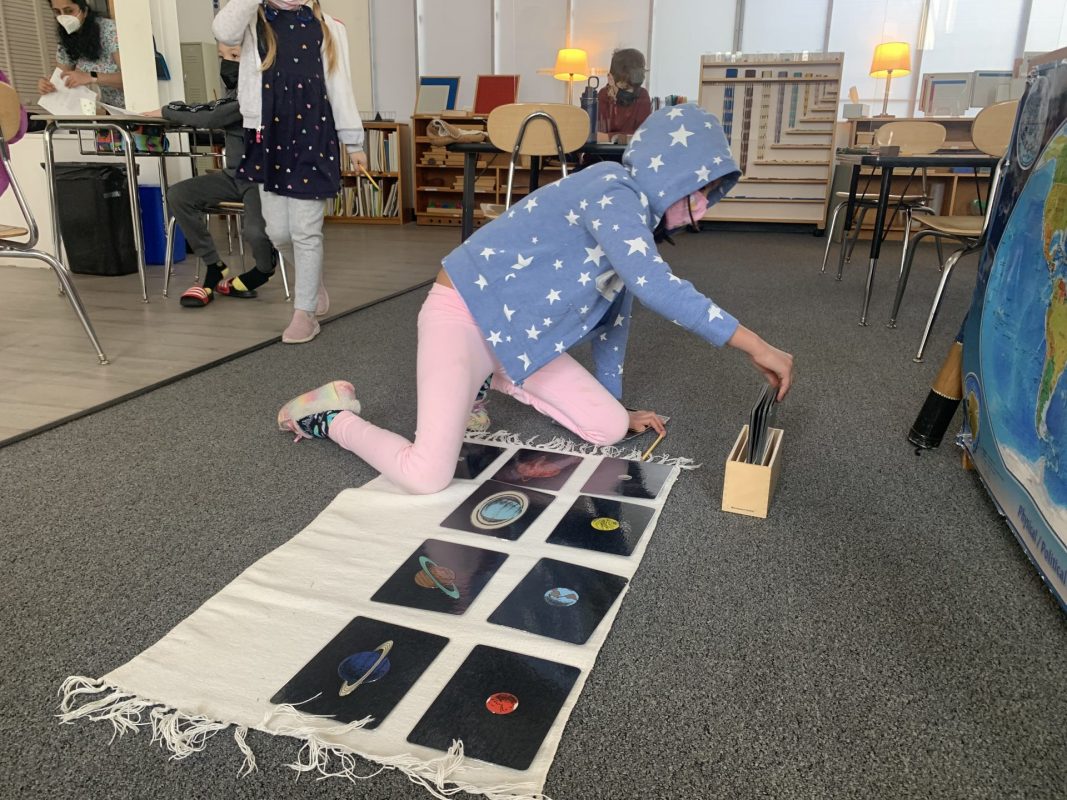
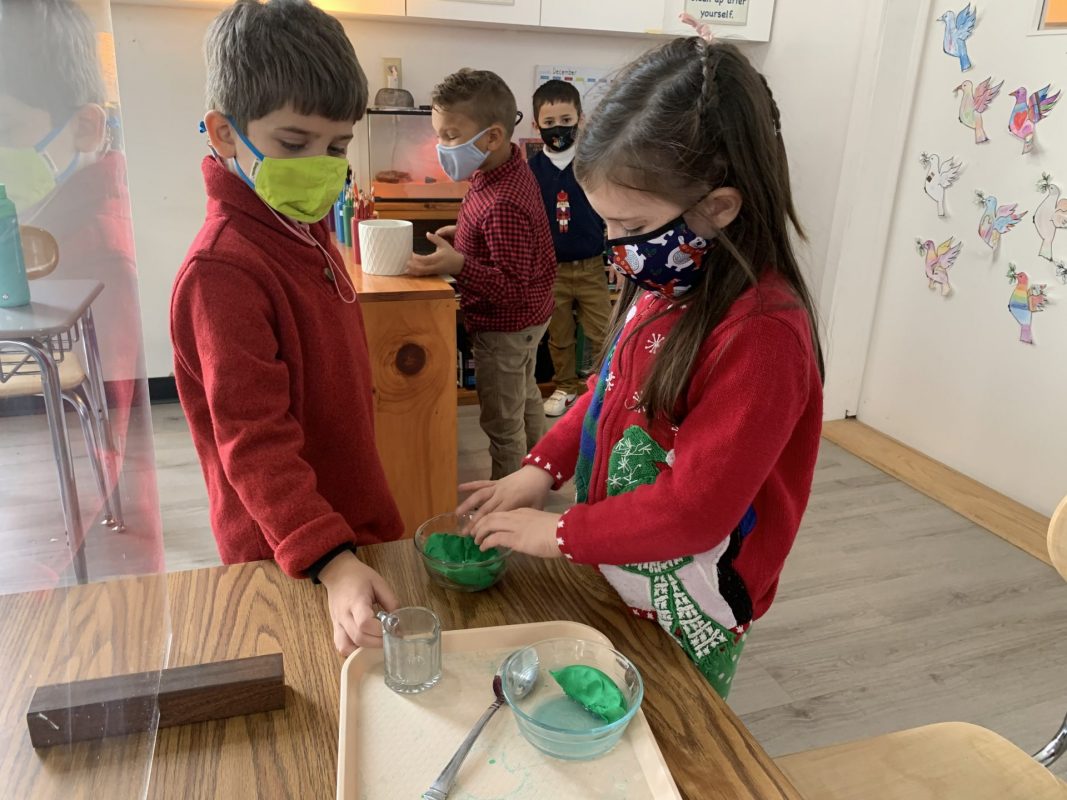
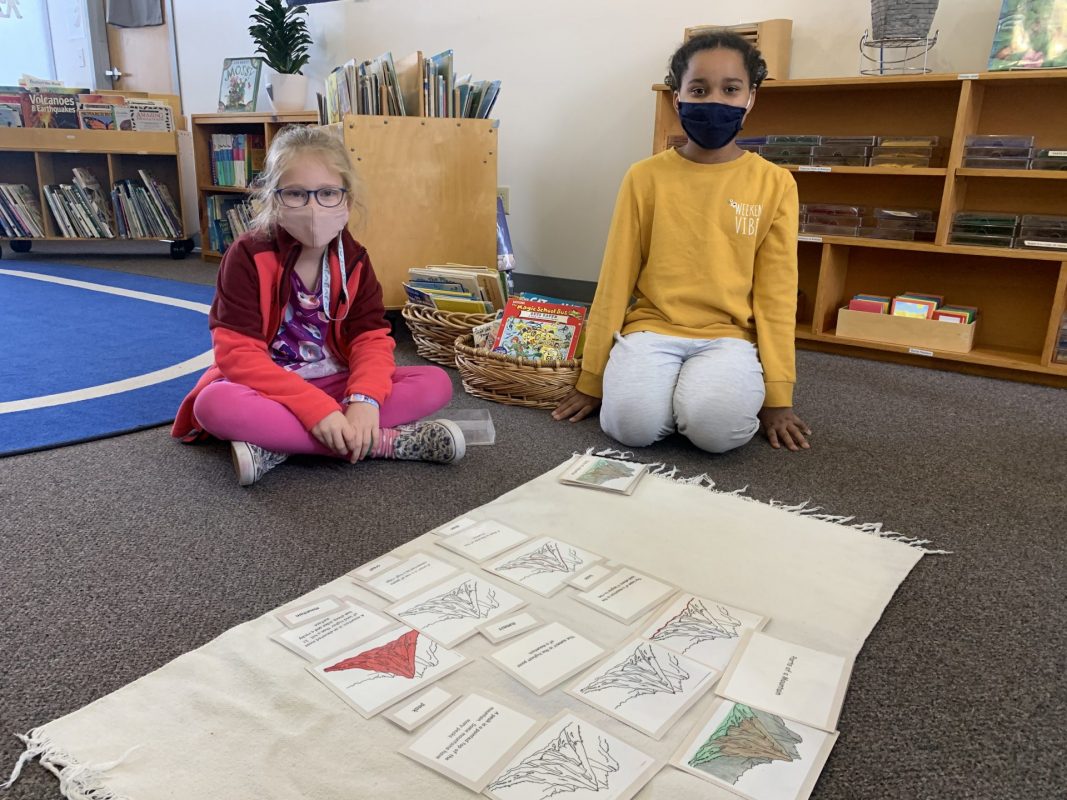
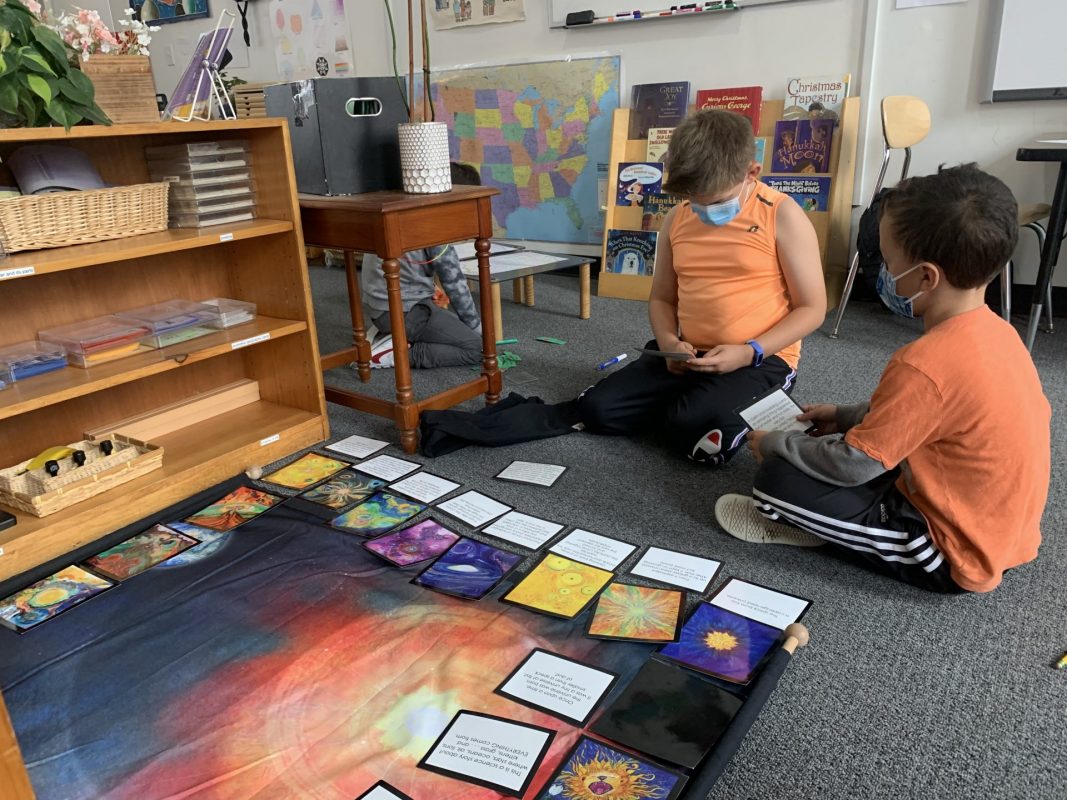
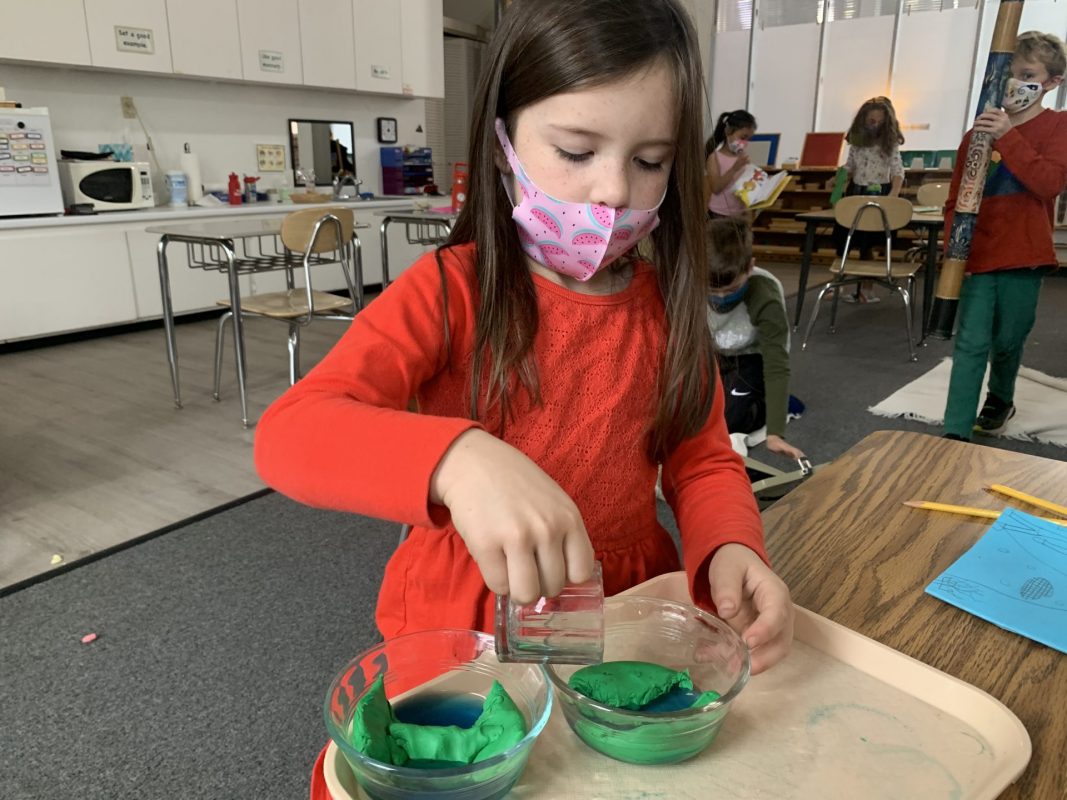
This week we started preparing for our Creation Story with some science demonstrations. The purpose of these demonstrations is to illustrate concepts explored through the story of the creation of the universe. The Creation Story provides an impressionistic demonstration of the origins of life. The story is designed to impart a sense of wonder and awe, to instill respect for all that has happened, and to ignite interest in scientific investigation.

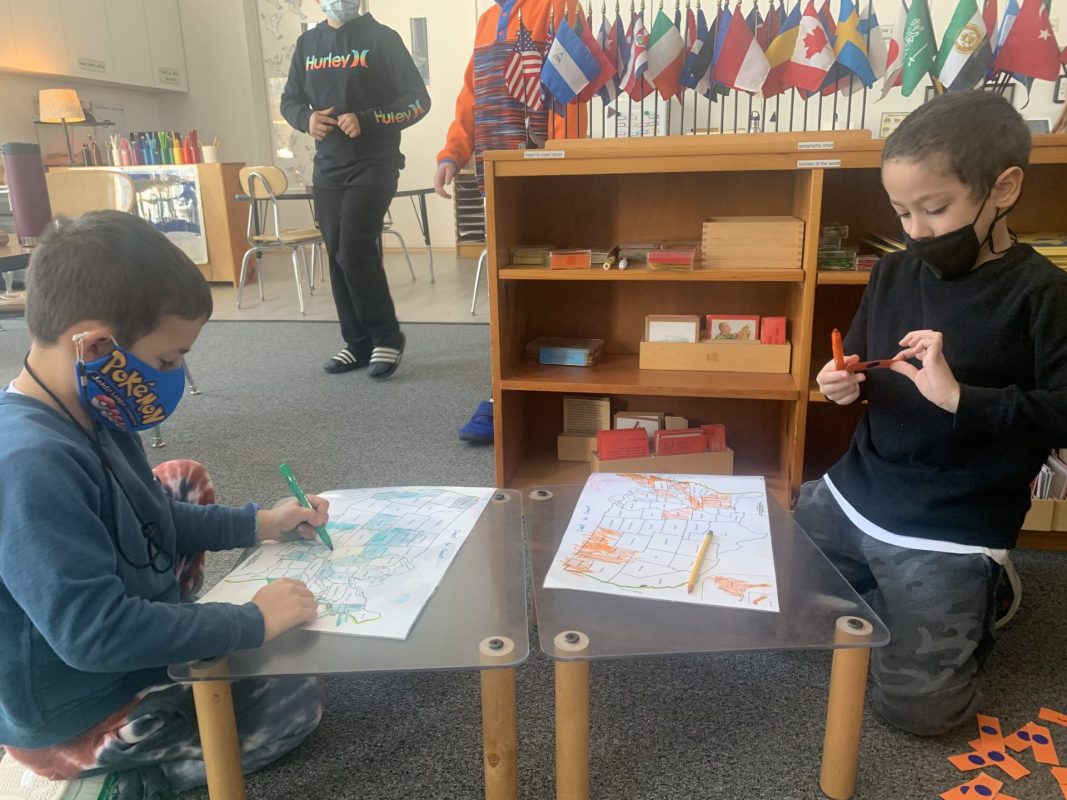
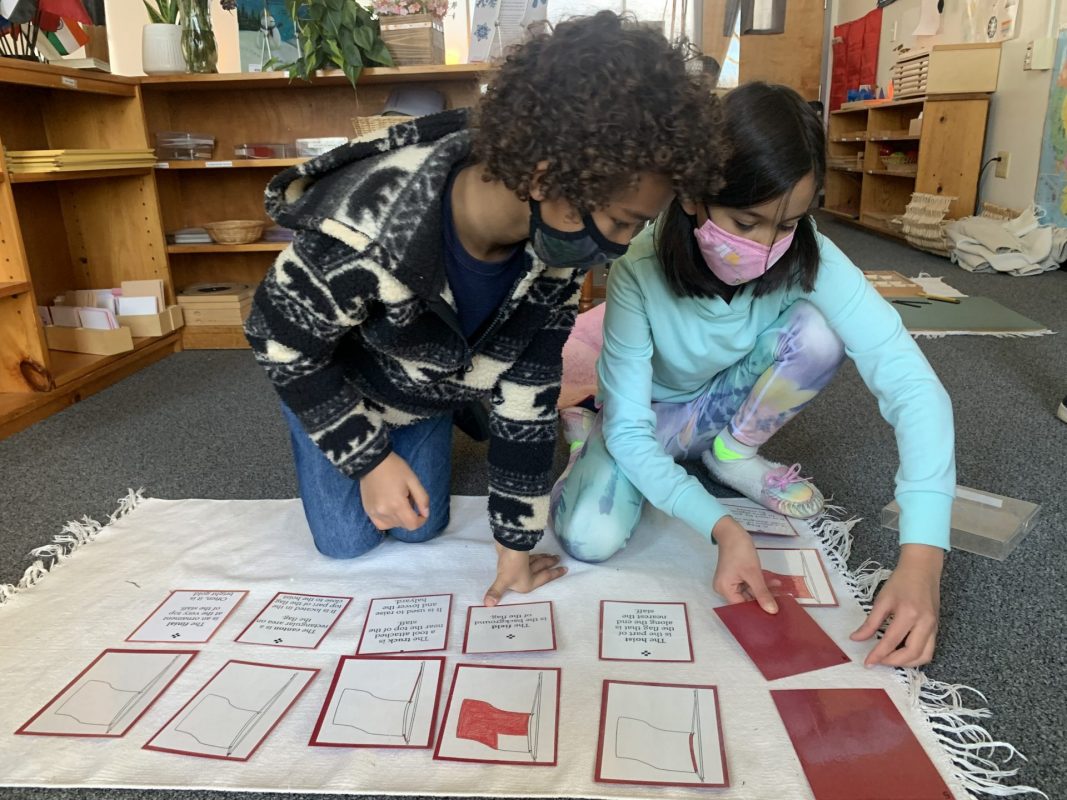
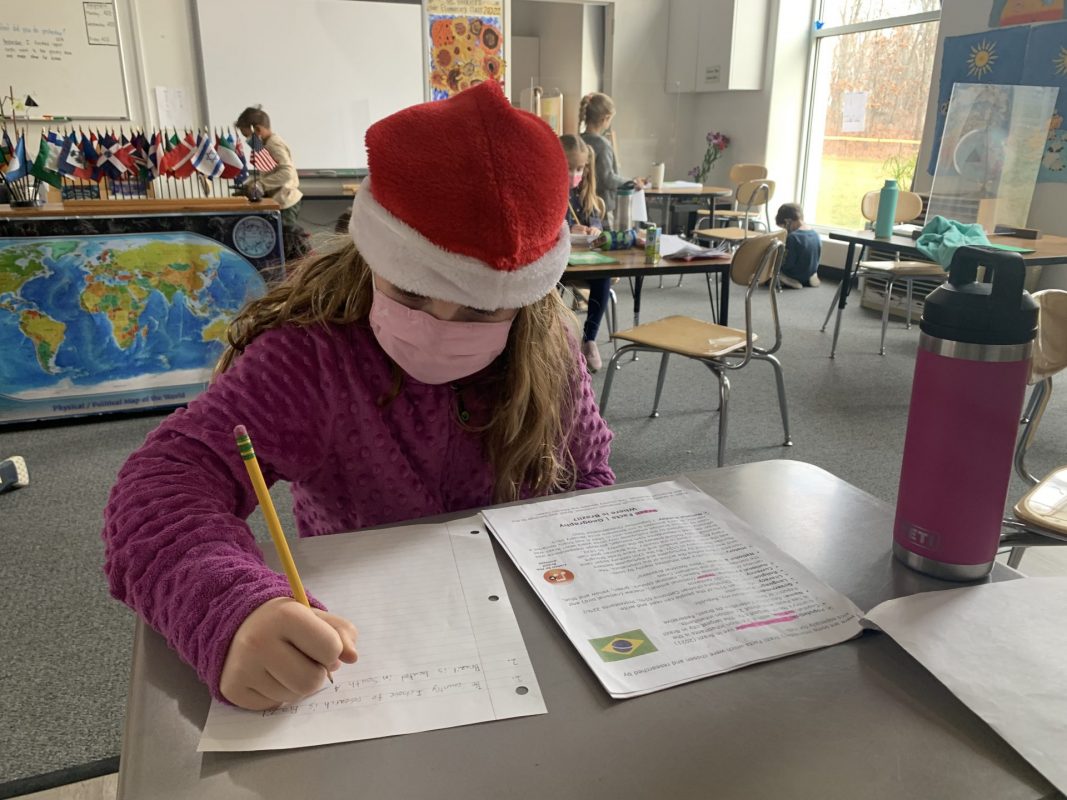
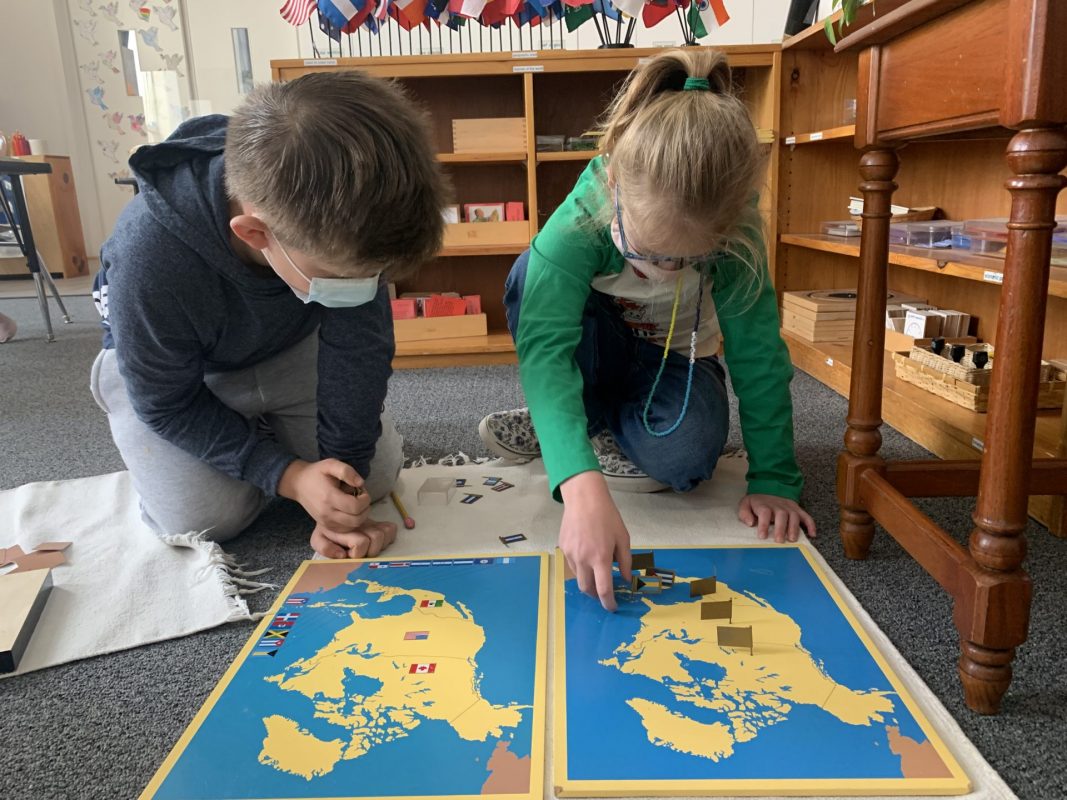
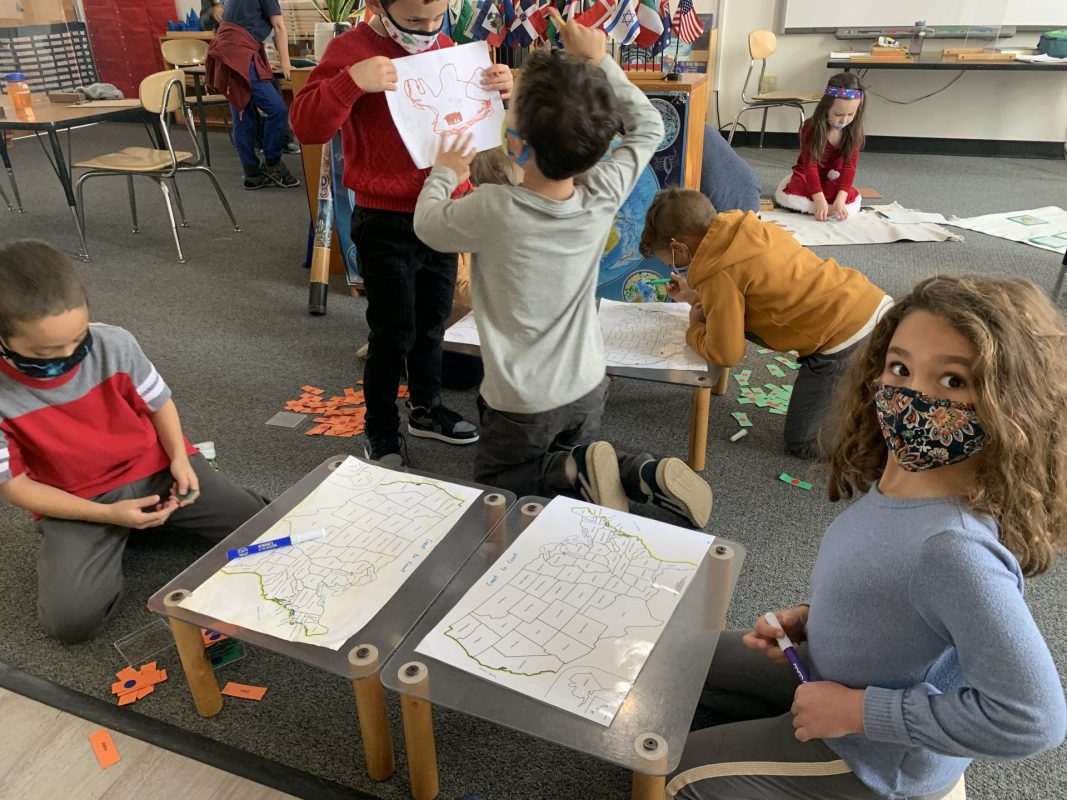
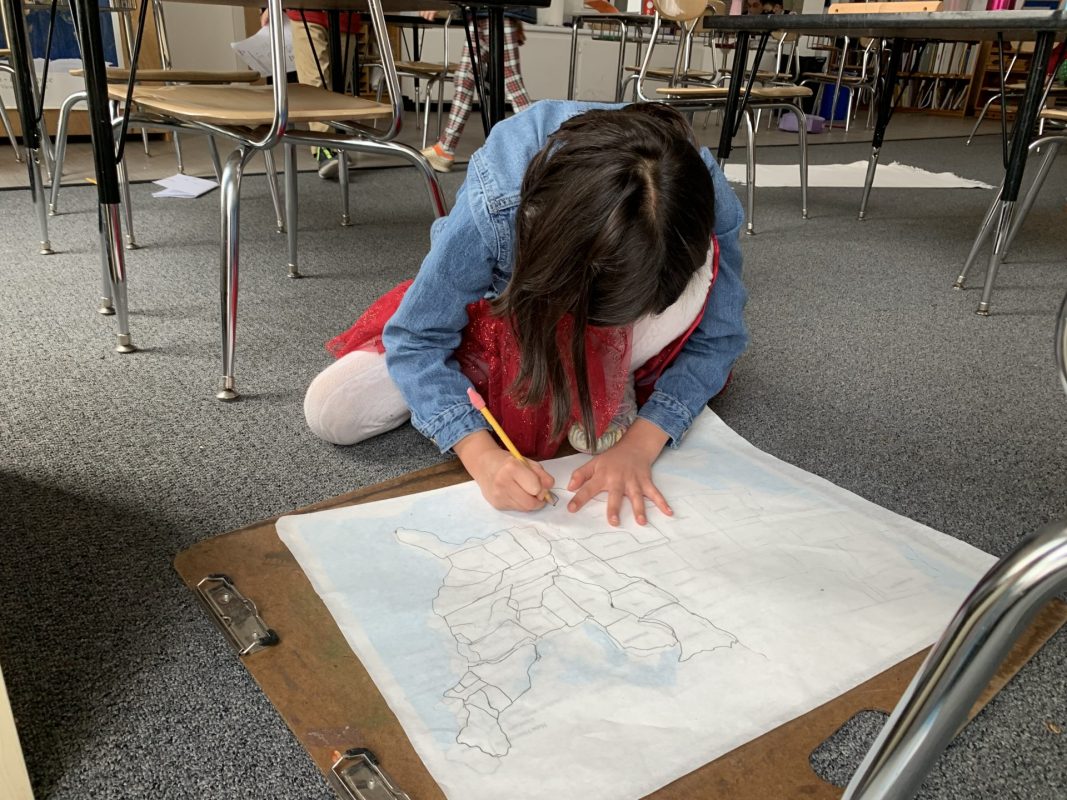
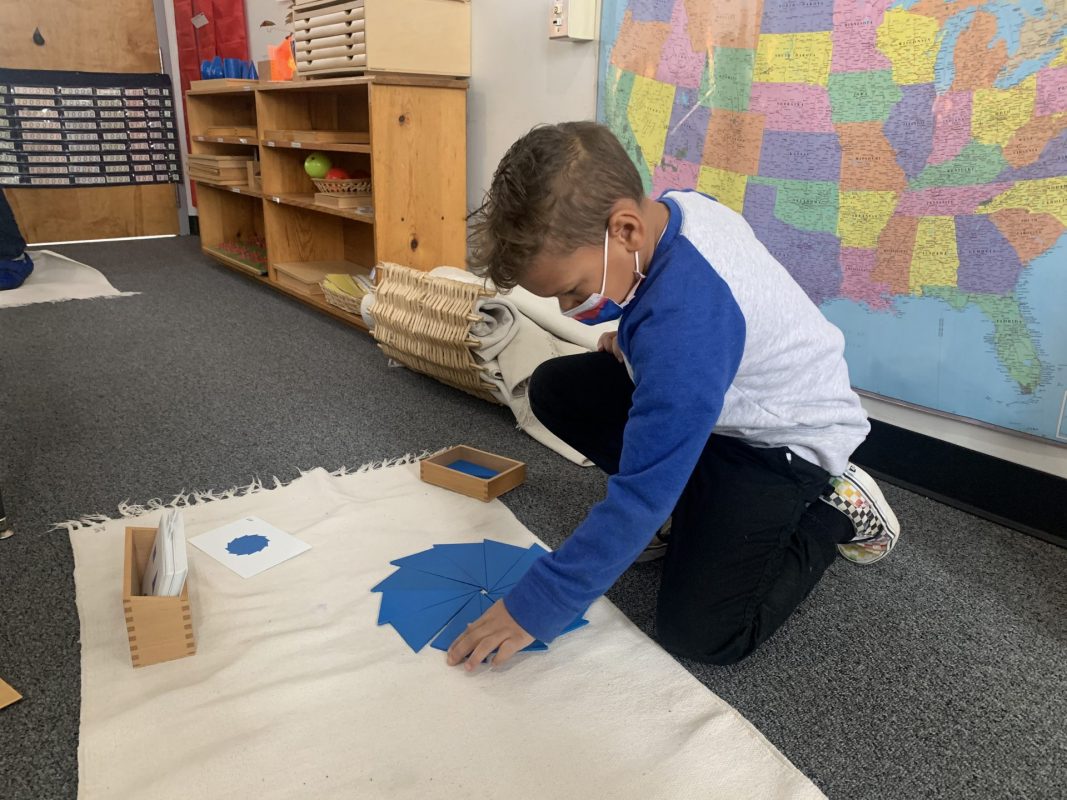
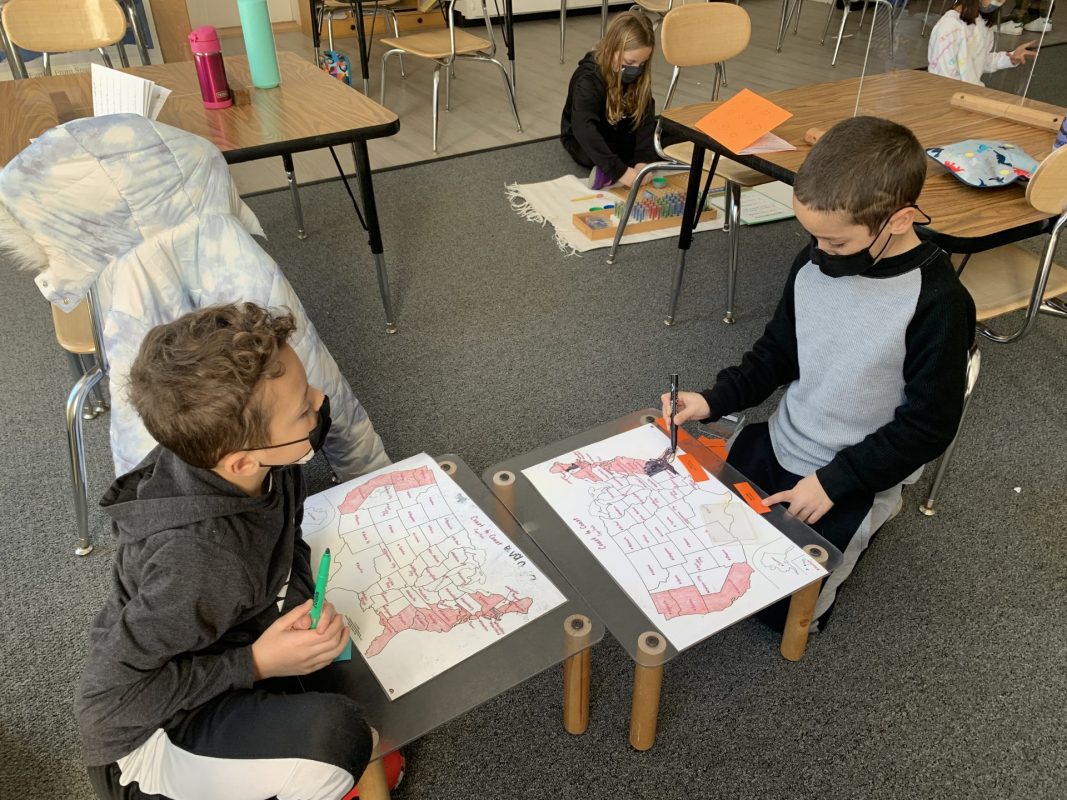
In addition, the children have been immersed in geography. The first grade group had a lesson on the puzzle maps, where they learn the continents and countries. In a Lower Elementary classroom, puzzle maps are first used as a sensorial material, but then are used repeatedly as a resource for research of countries and their capitals. The second grade group learned about the pin maps. This is an extension of the puzzle maps, but is more abstract. The children are using this material to identify countries, capitals, and flags. The aim of this material is to enhance memorization of geographical features. Last but not least, the third graders are researching countries of their choosing. Some of them were so excited, they brought their work home to work on!

Parent-teacher conferences are coming up on October 28th! Look for an email on Tuesday with a link to sign up for your conference slot.