-
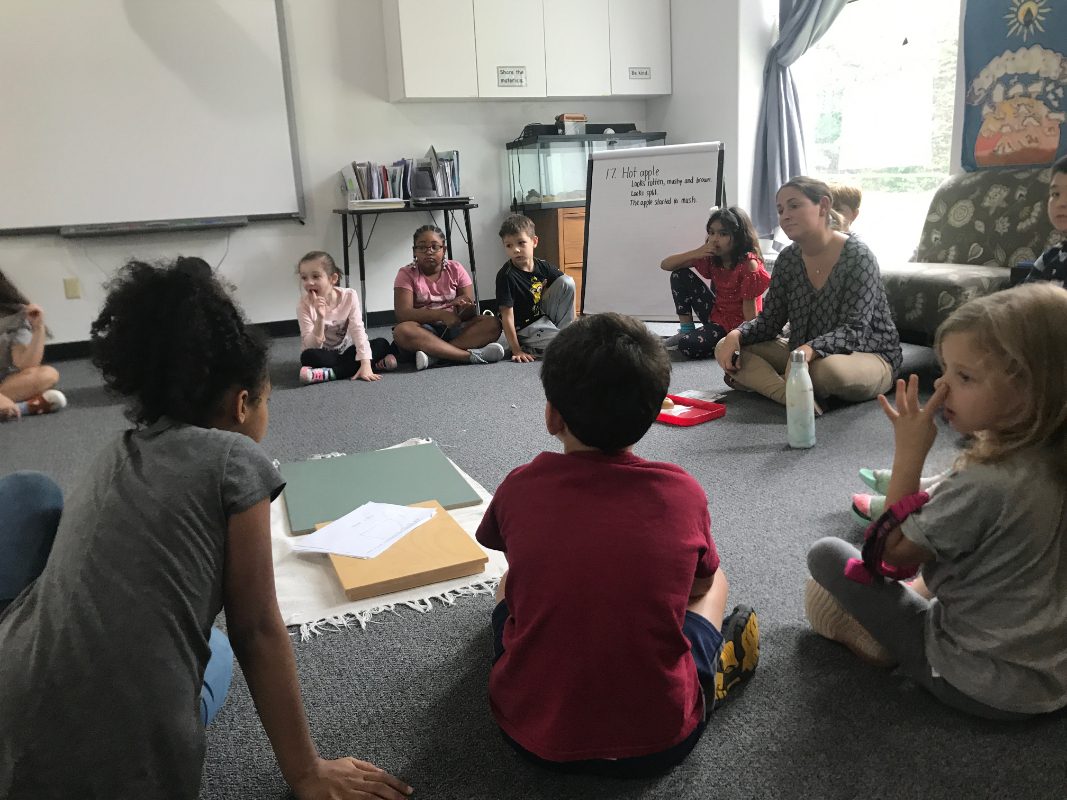
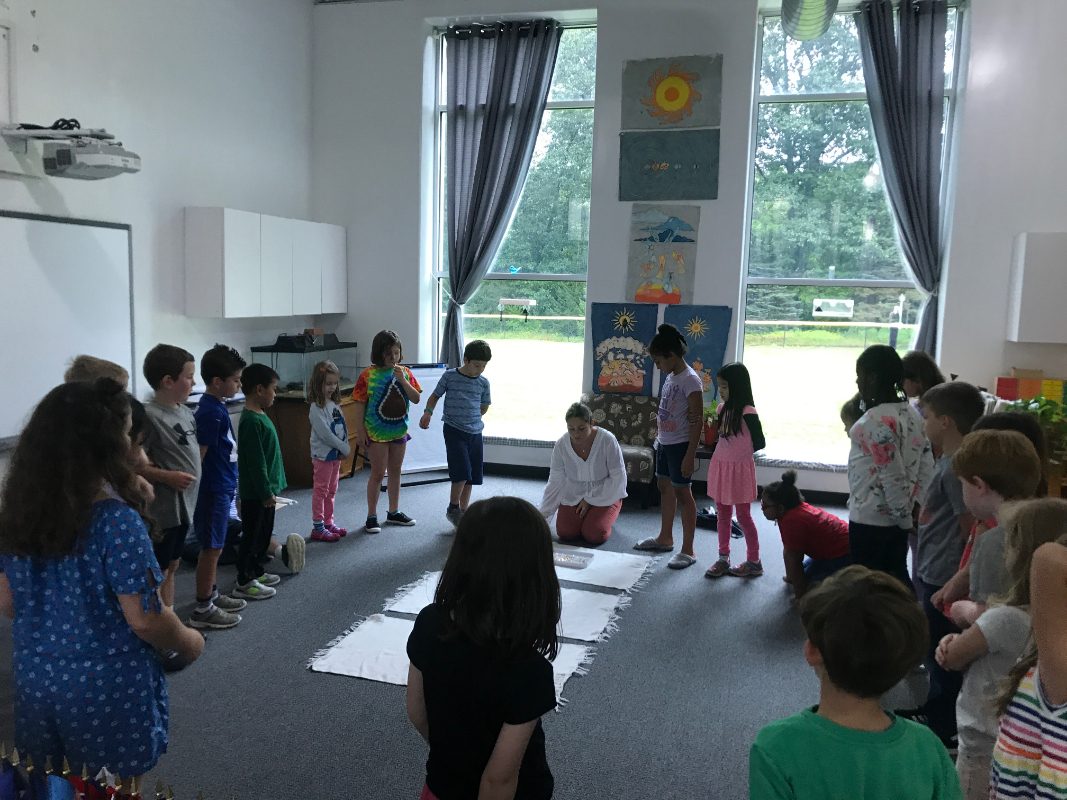
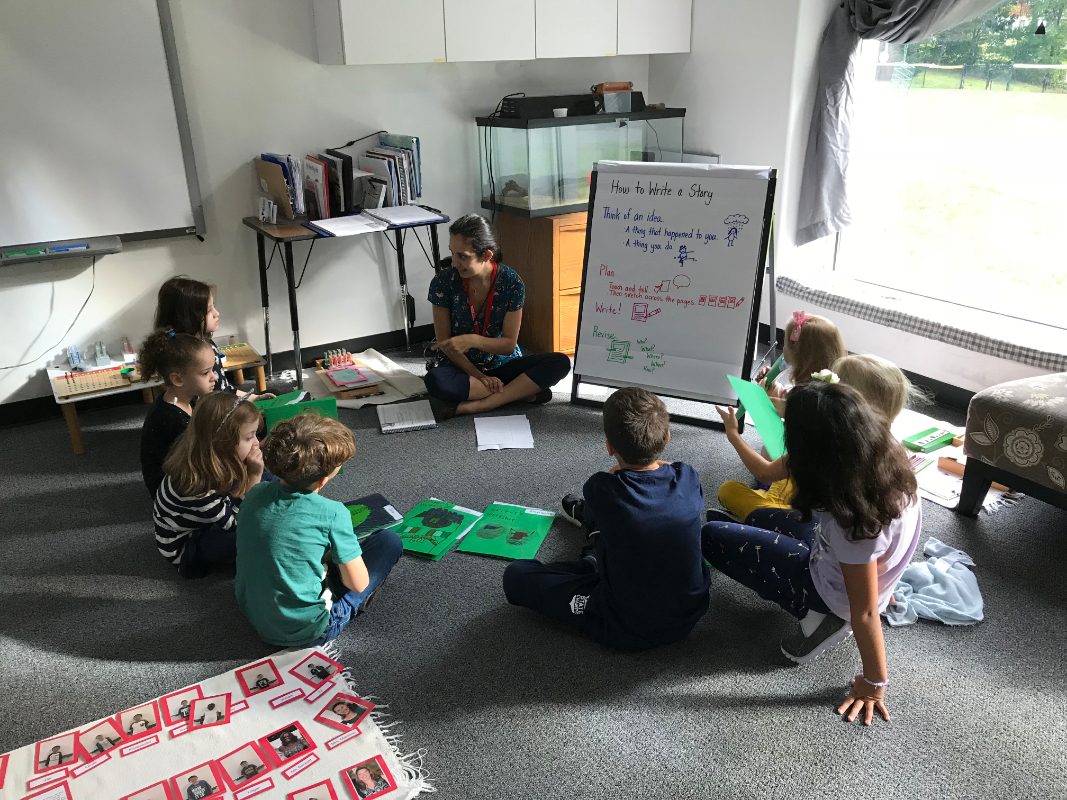
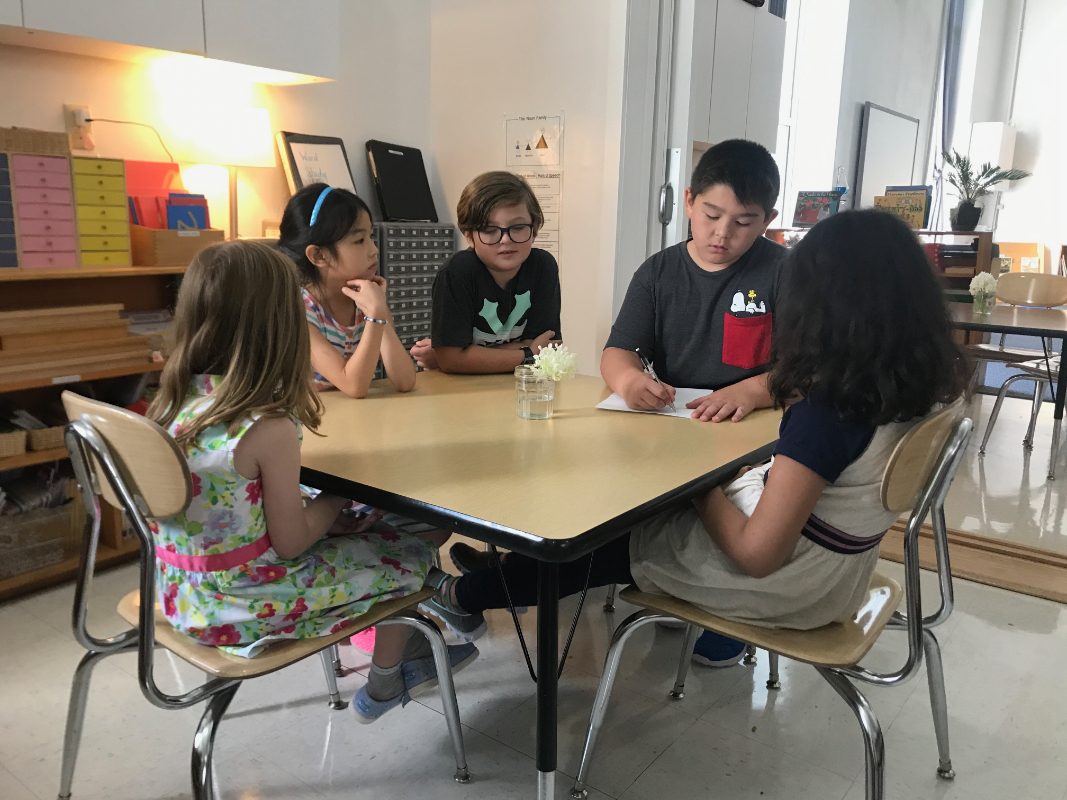
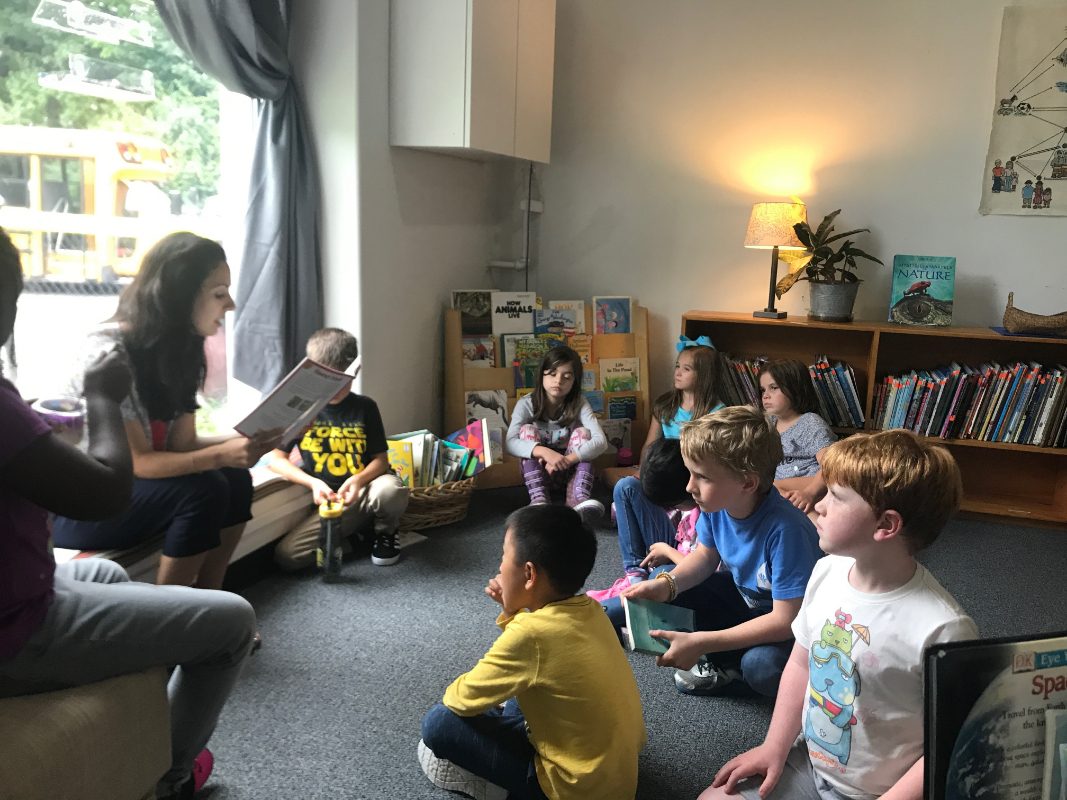
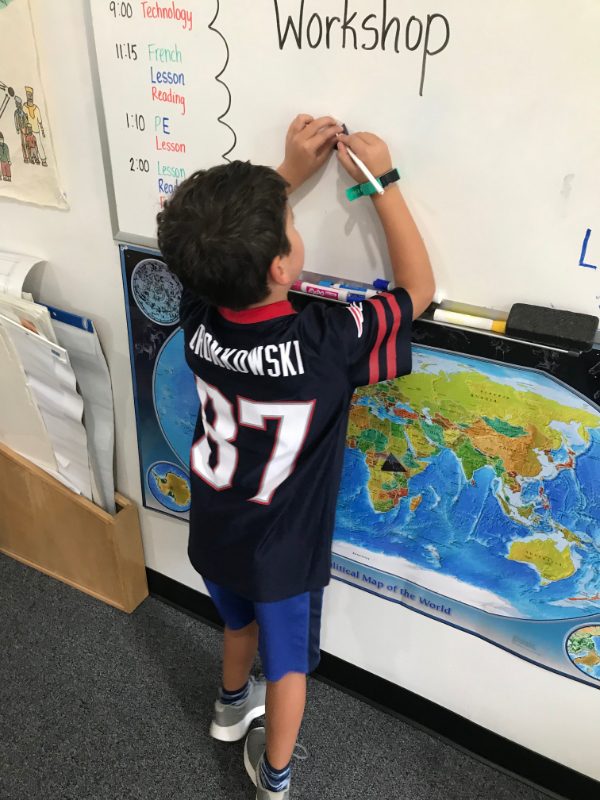
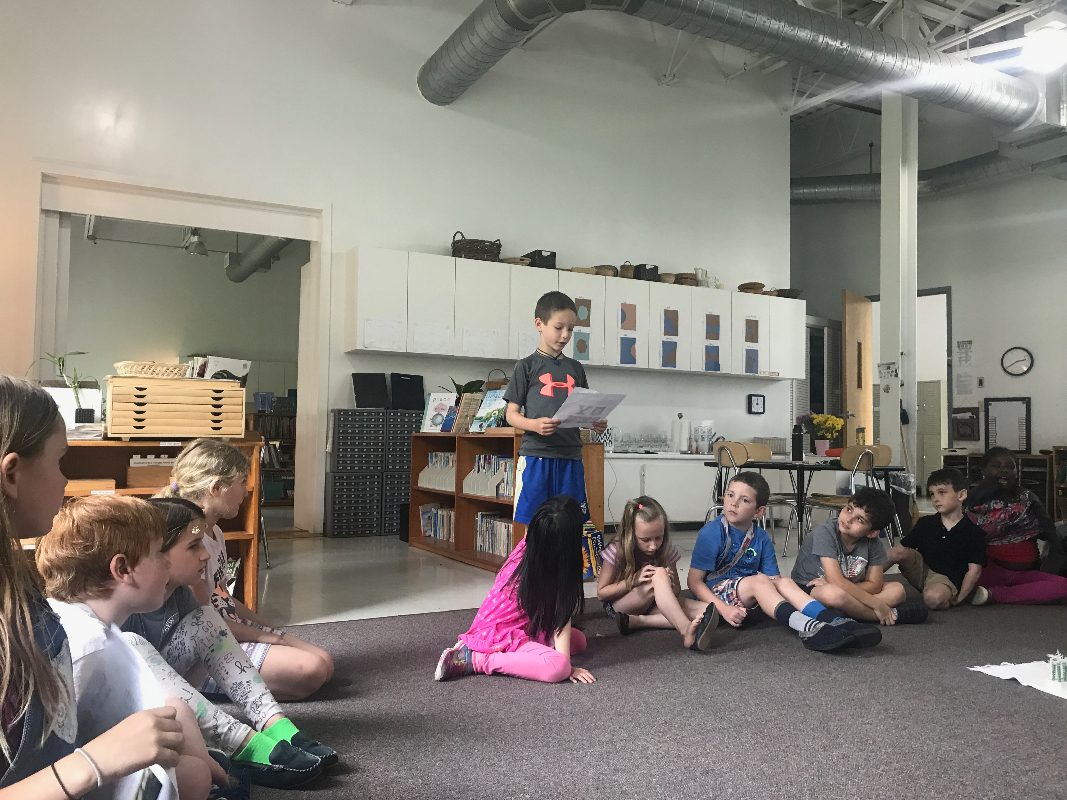
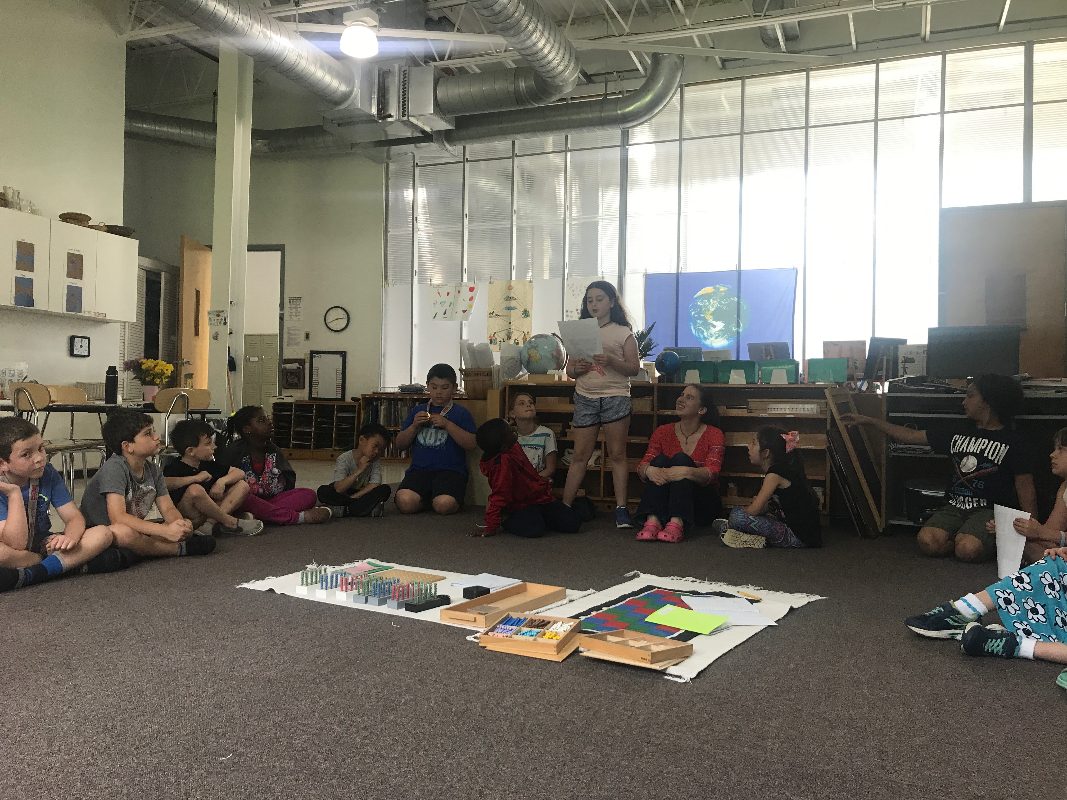
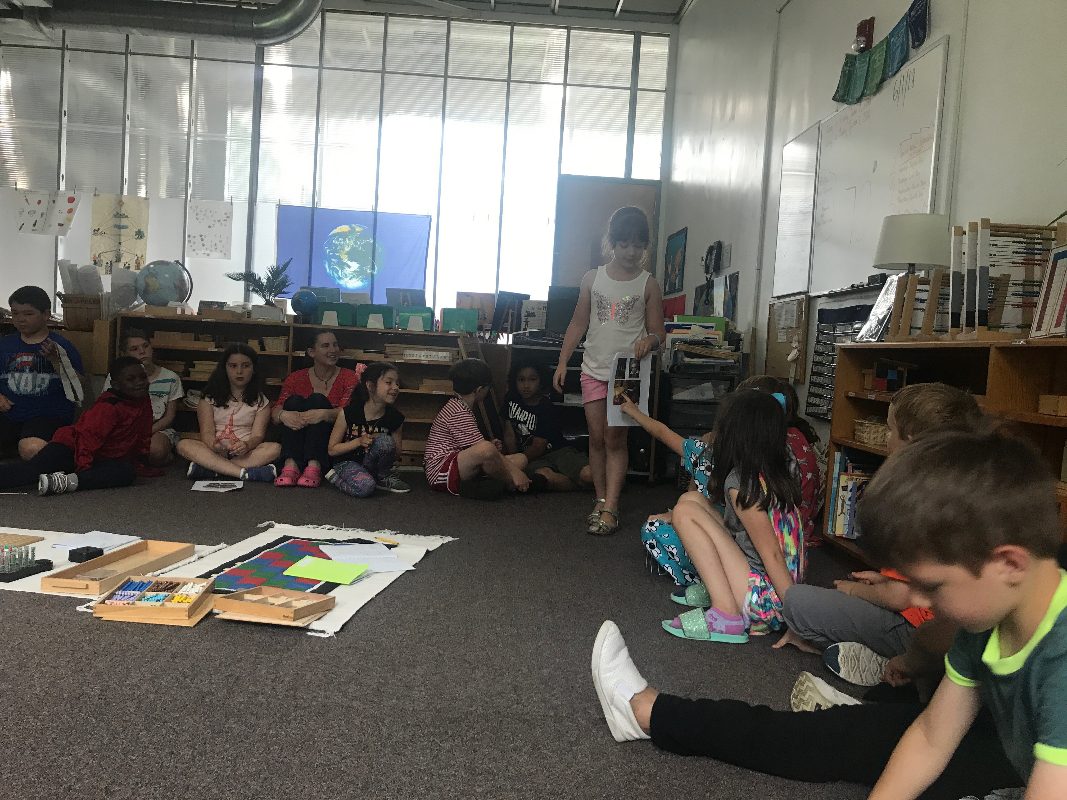
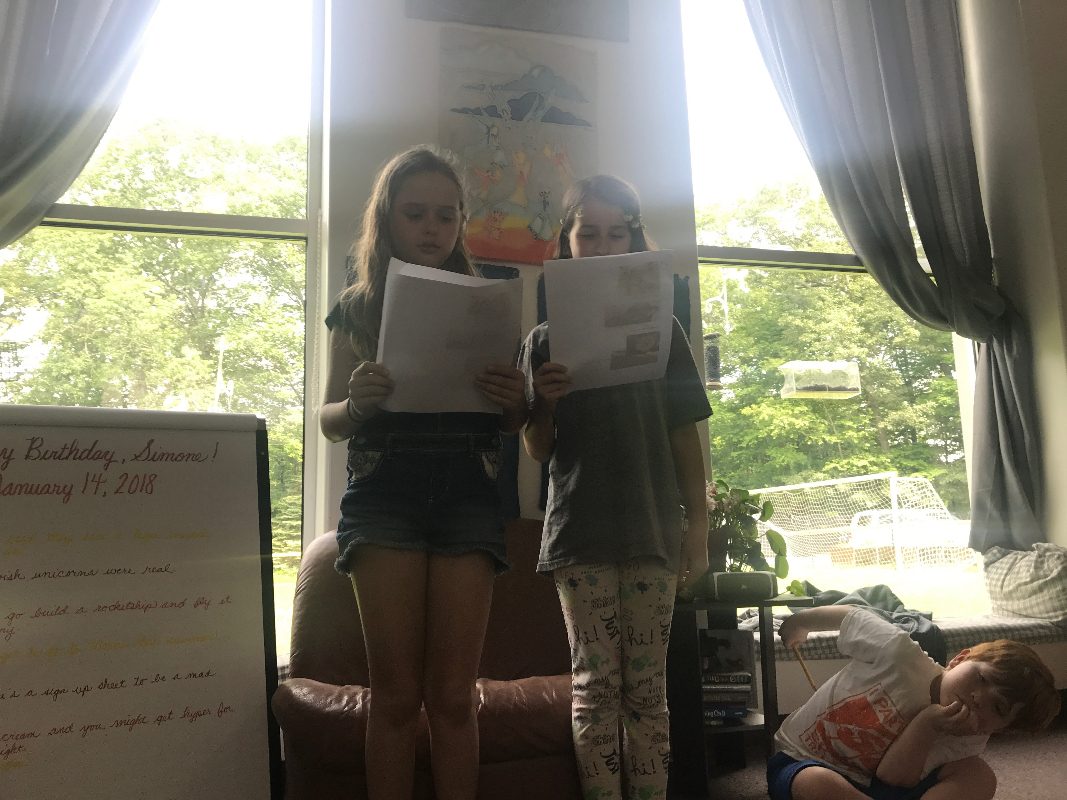
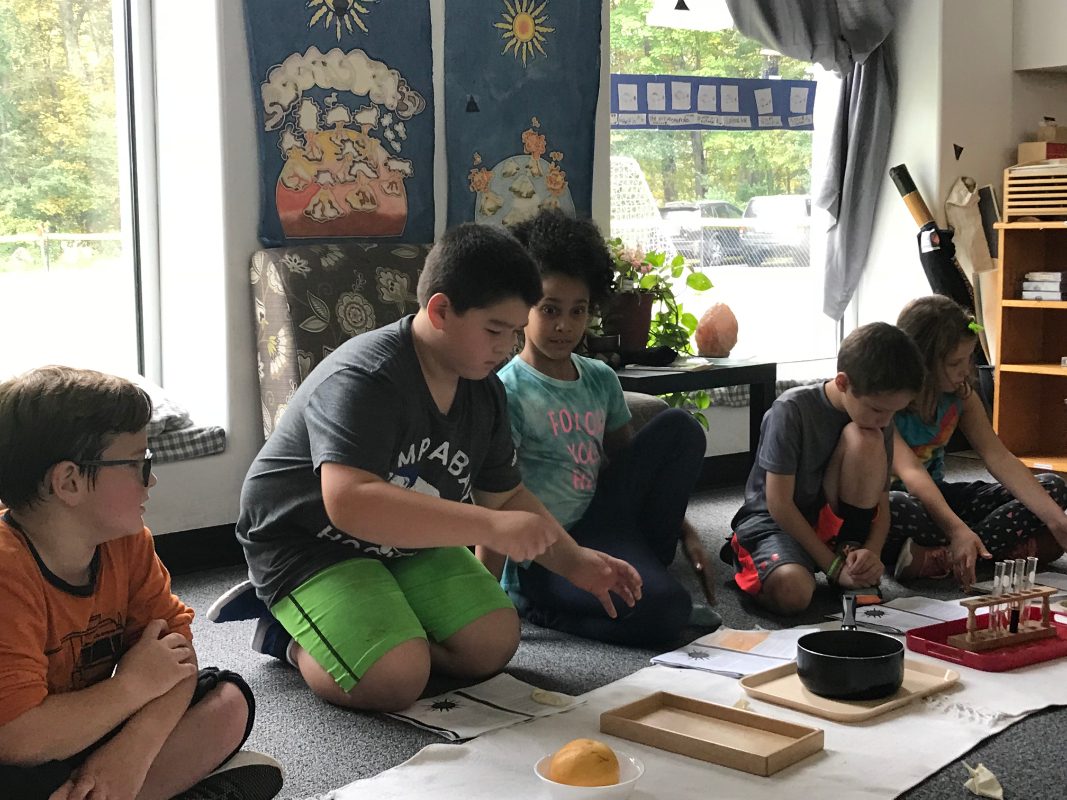
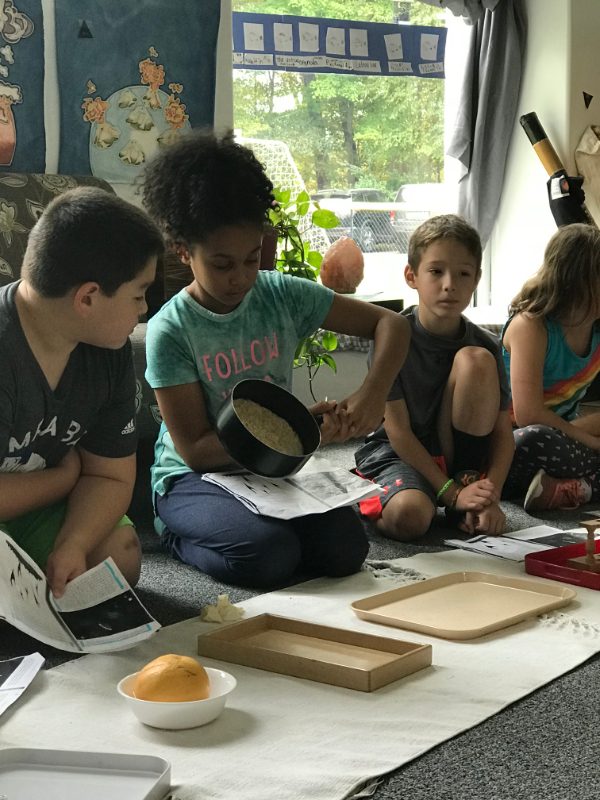
- Third year students telling the story of the creation of the universe.

-
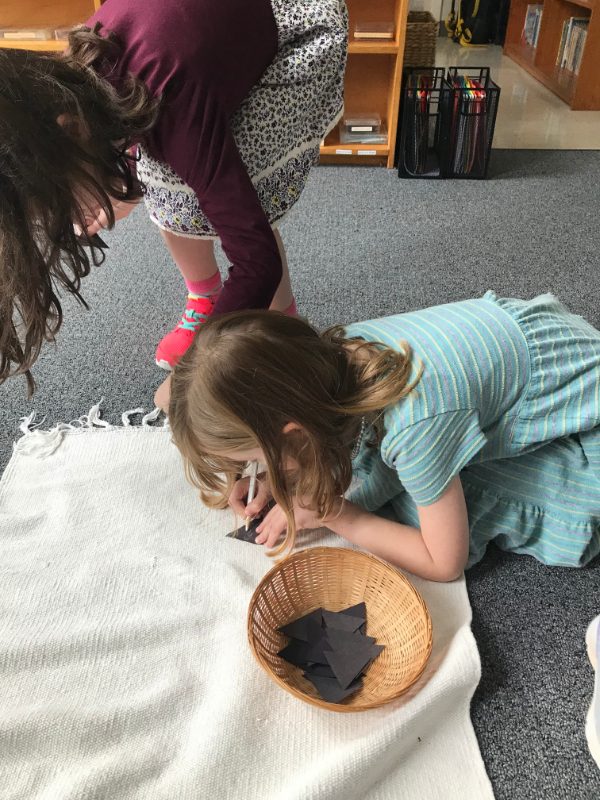
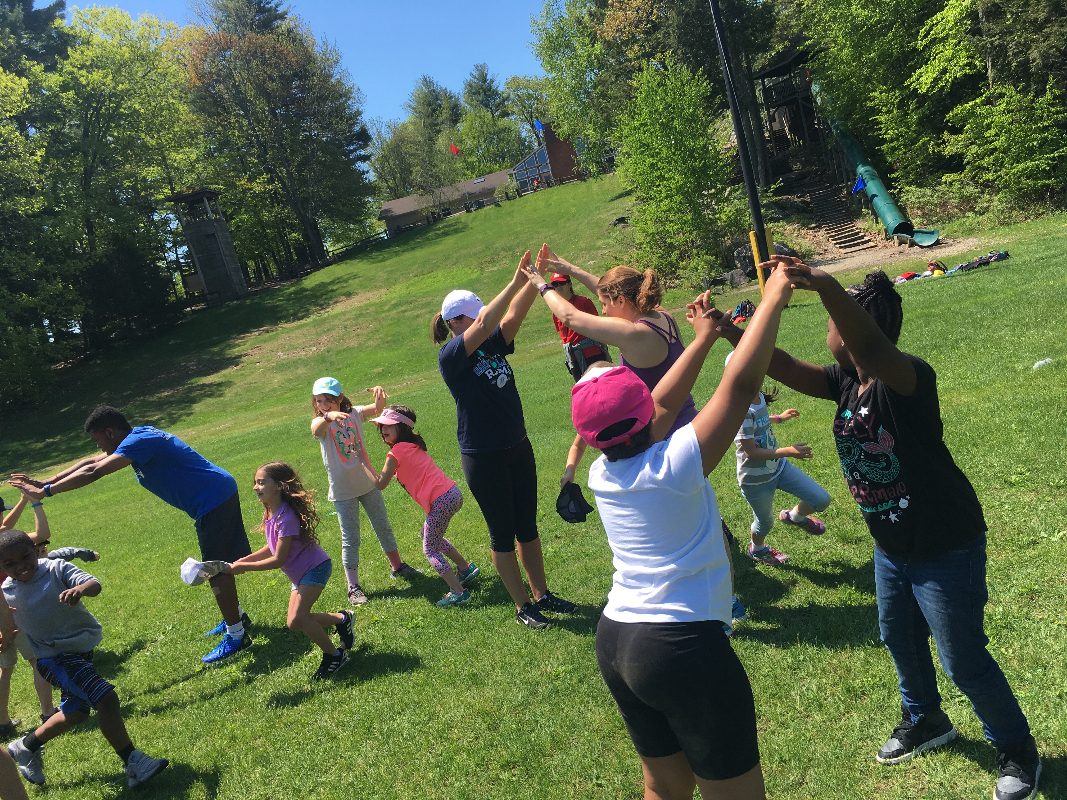
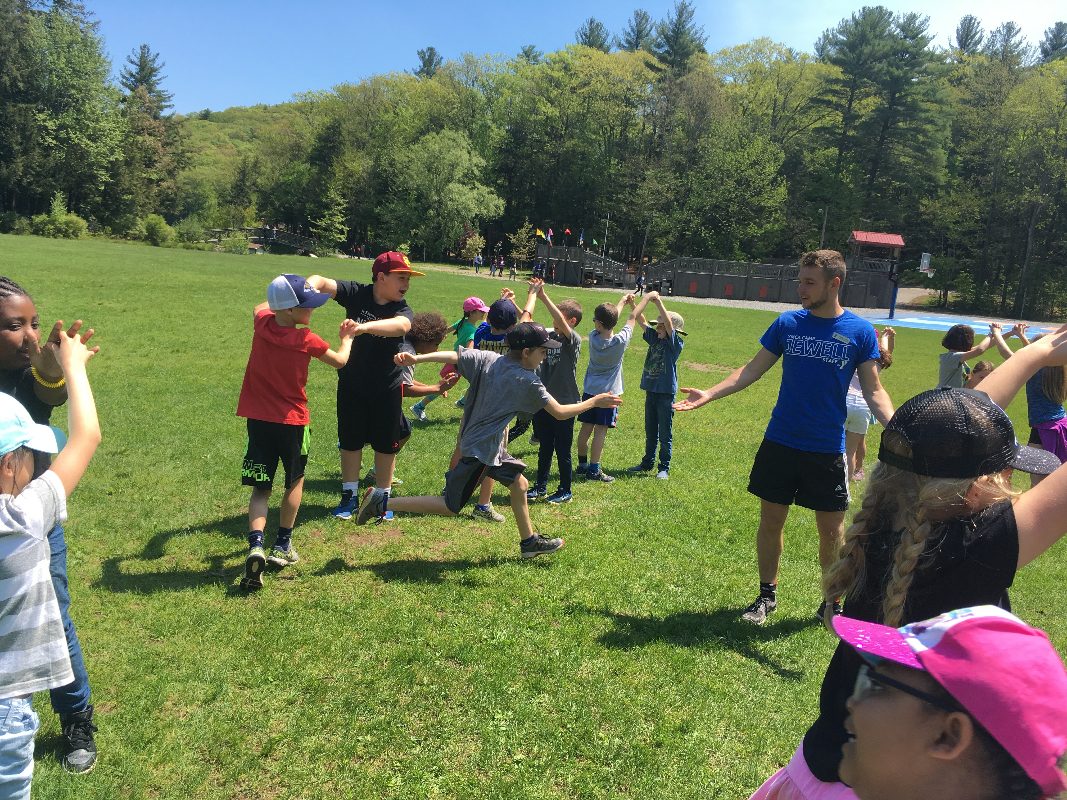
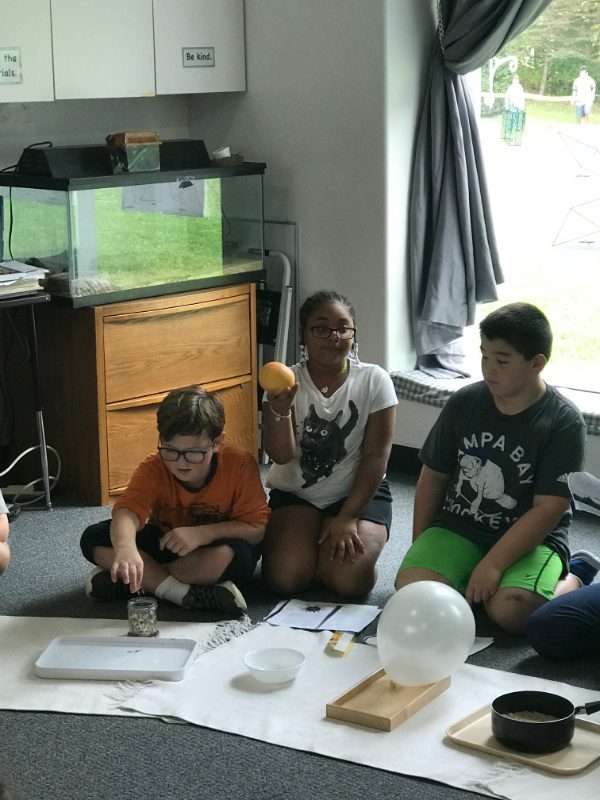
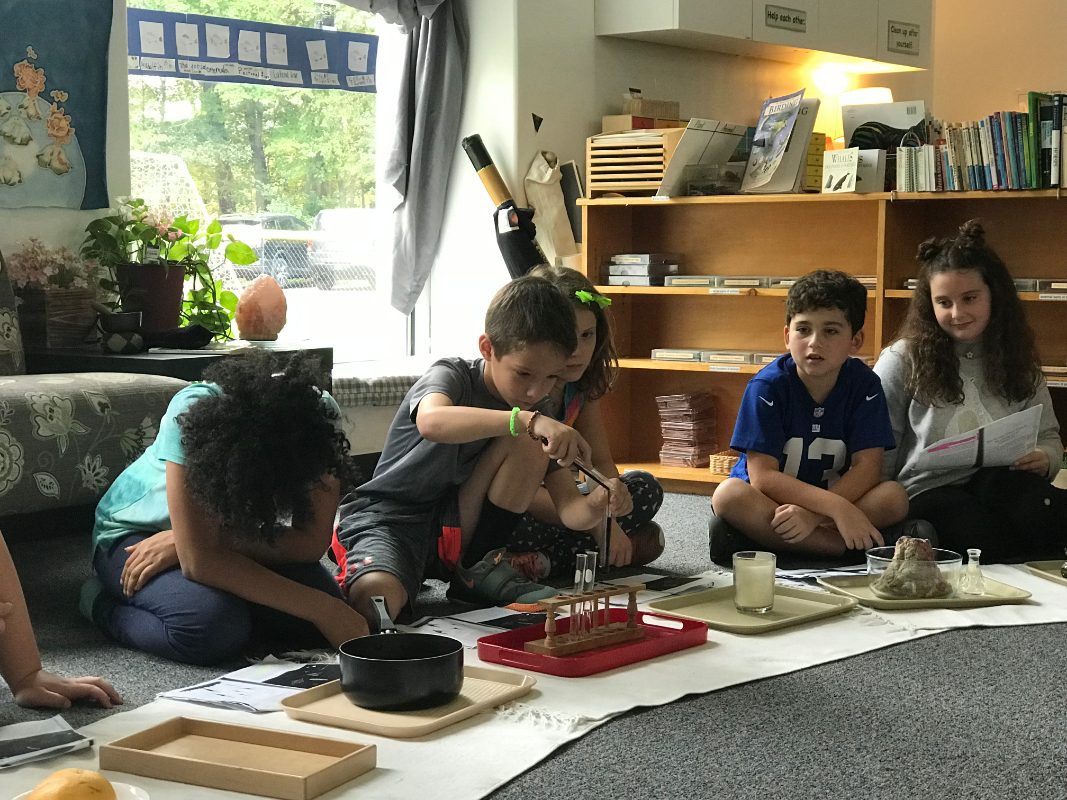
- Demonstrations used to illustrate the scientific concepts in the story. Particles are attracted to each other and the universe smaller than a grapefruit before the Big Bang.
-
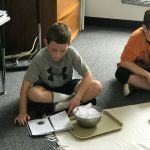
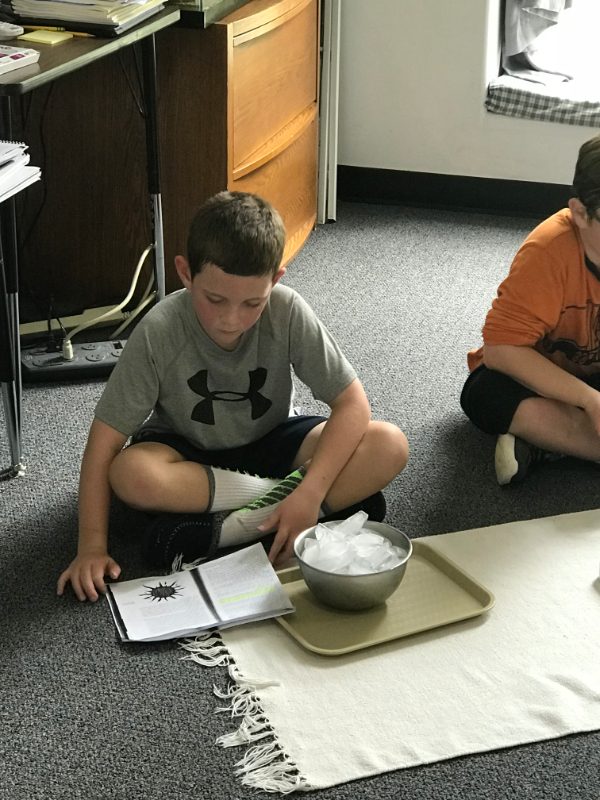
- Outer space is colder than the coldest thing you can imagine.
-
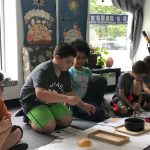
- The fireball erupted with a big bang.
-
- The surface of the forming earth was hot and steamy, covered with volcanoes.
-
- Dense, heavy matter sinks and light matter floats.
-
- Heat rises.

-
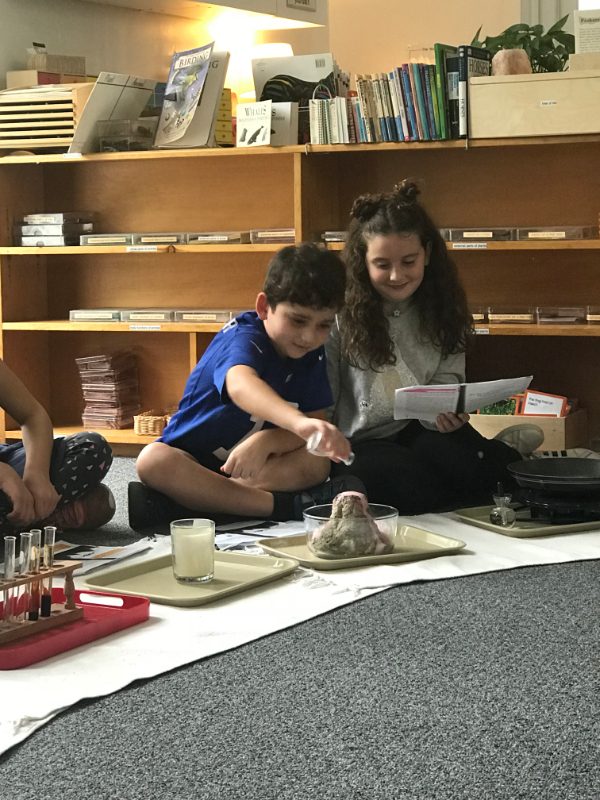
- Everybody’s favorite: the model of an erupting volcano.
-
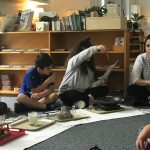
- Drops of rain on the new earth evaporated immediately upon reaching the hot surface.

-
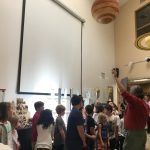
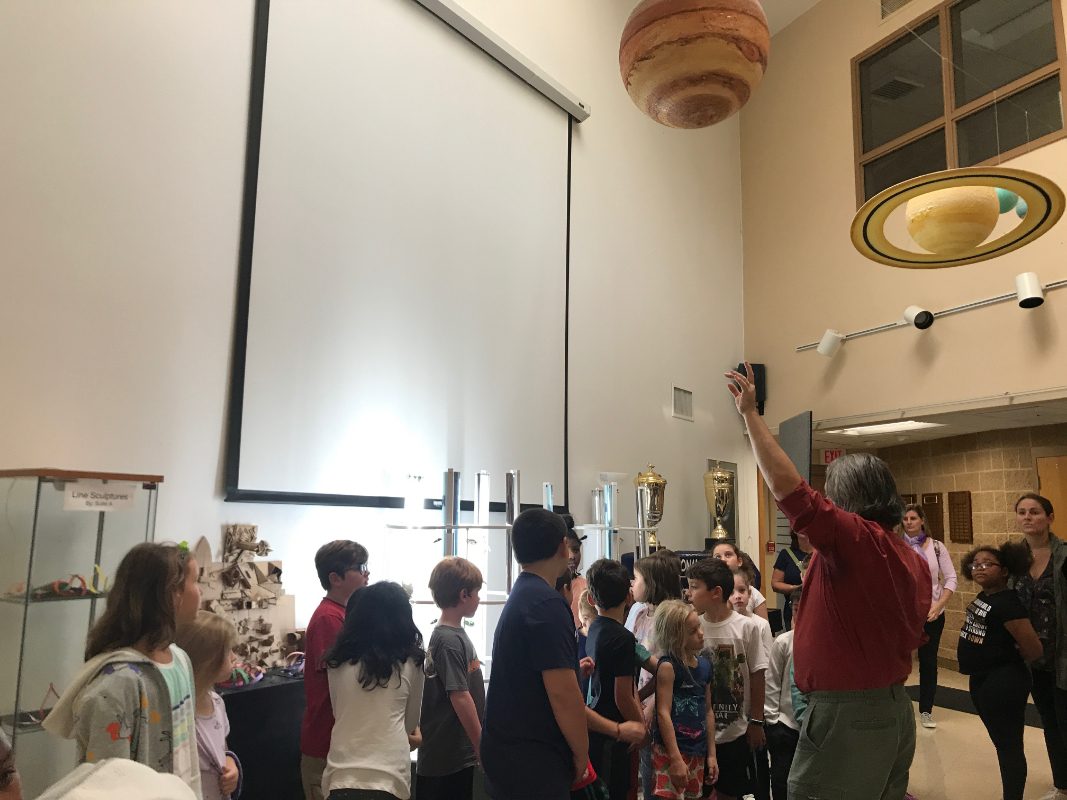
- Talcott Mountain Science Center. Learning about our solar system.
-
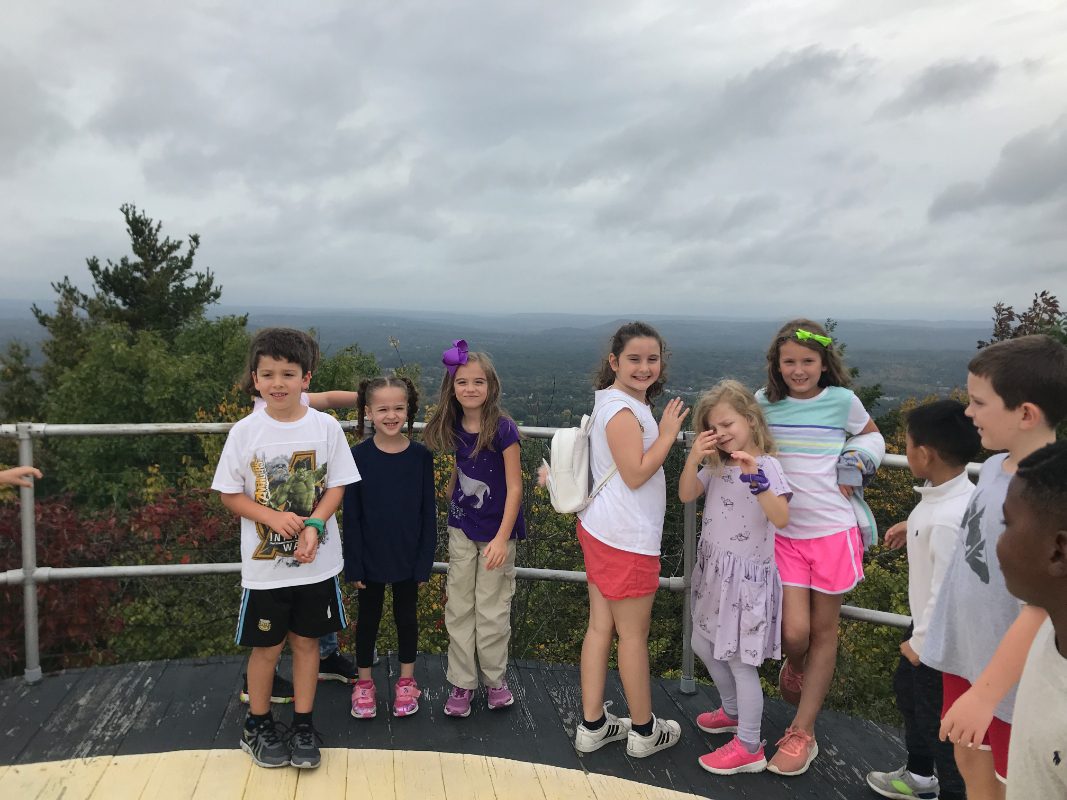
- The giant sun dial at the top of Talcott Mountain, 946 feet above sea level.

-
- Standing on the sundial with views of western Connecticut.
-
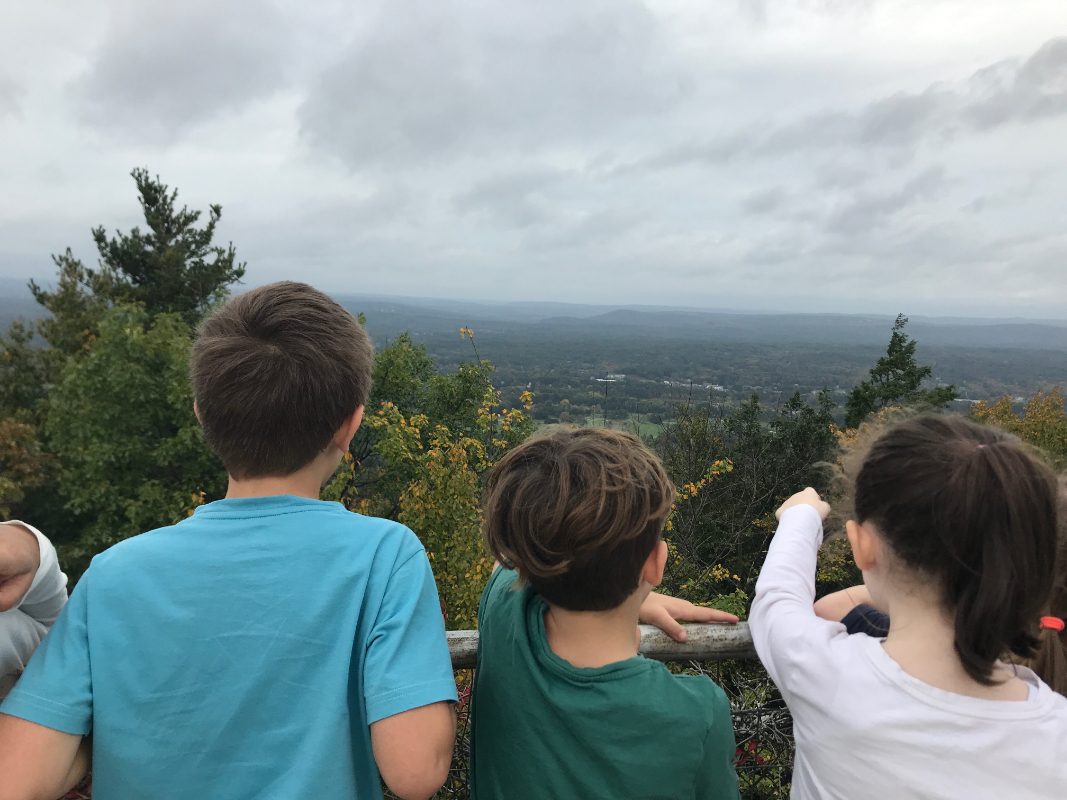
- We can see Farmington.
-
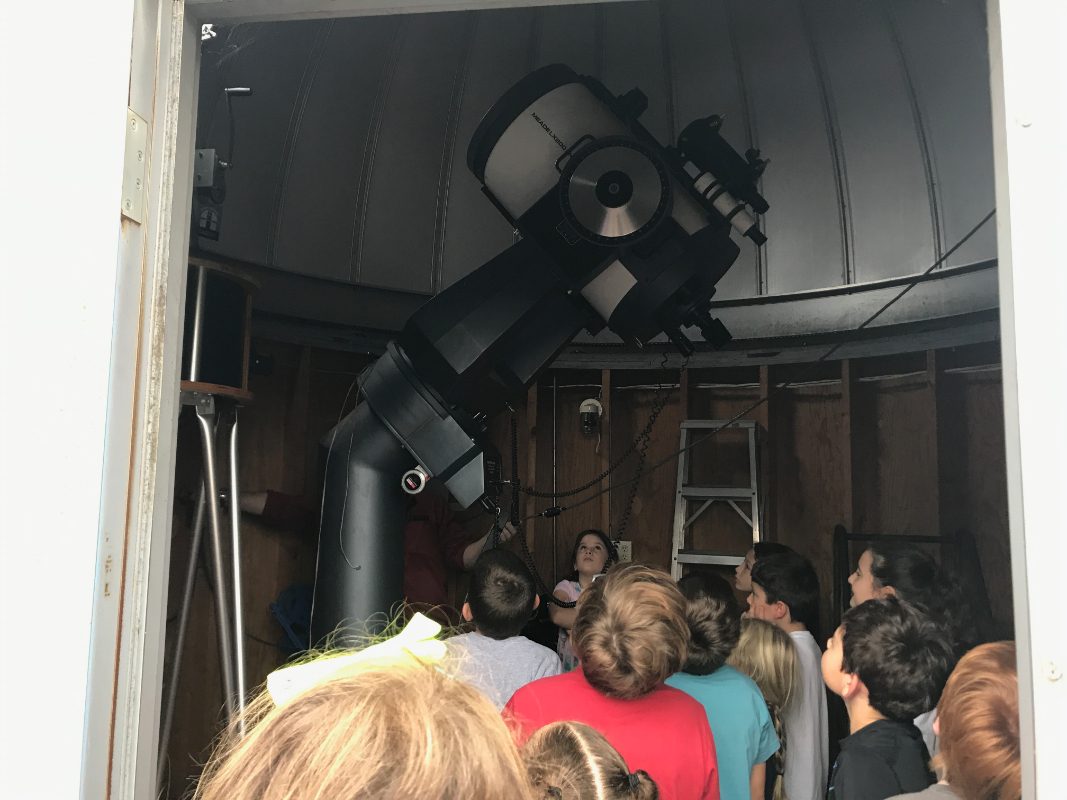
- The research-grade telescope. It was too cloudy for us to see any planets.
-
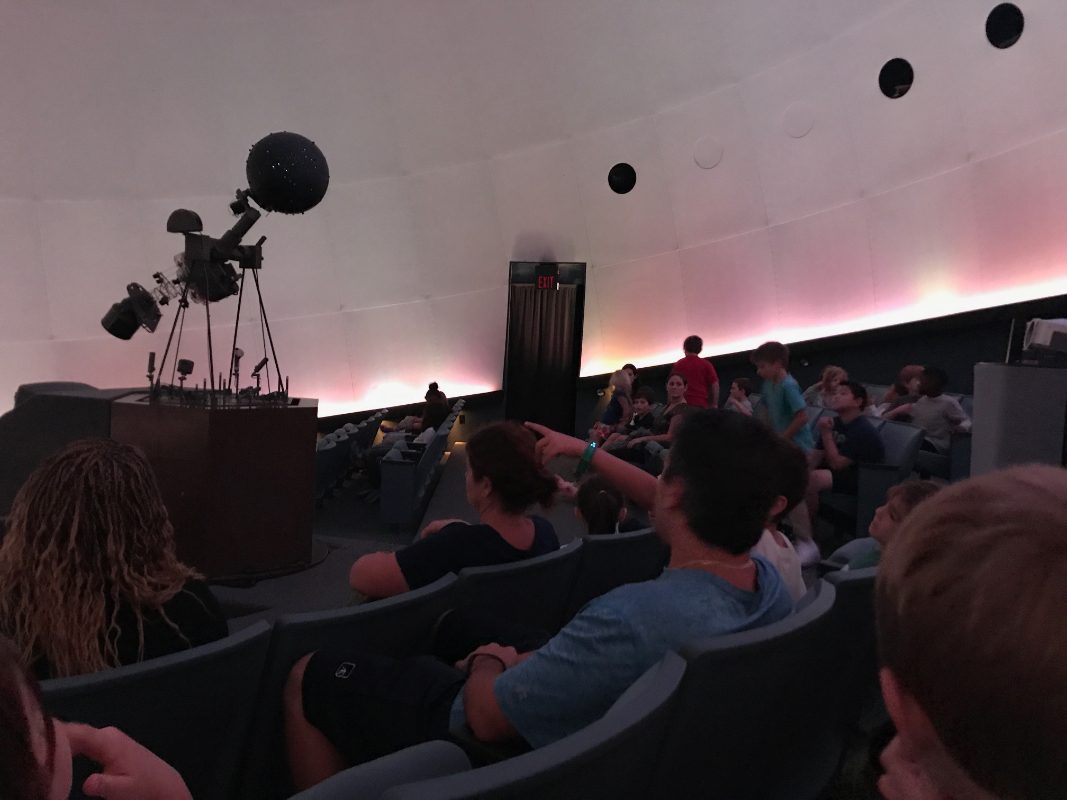
- We learned a lot about our universe in the planetarium.
The physical universe, most physicists now agree, came into being between fifteen and twenty billion years ago. If present notions are correct, we can contemplate conditions that existed a minute fraction of a second following the Big Bang, the explosion that gave birth to the cosmic egg. There was a time when what appears now as the entire universe was the size of our Earth, and before that the size of an orange, and before that the size of the head of a pin. That was about one thousandth of a billionth of a second after the beginning. Counting backwards through unimaginably small time intervals and conditions that can be described but not imagined, we can approach time zero, but we can never quite reach it. And we certainly cannot talk about anything before that cataclysmic event. Science comes to a halt there. The end of its tether. There is nothing on the other side that the human mind can grasp.
– Dawn of a Millennium by Erich Harth
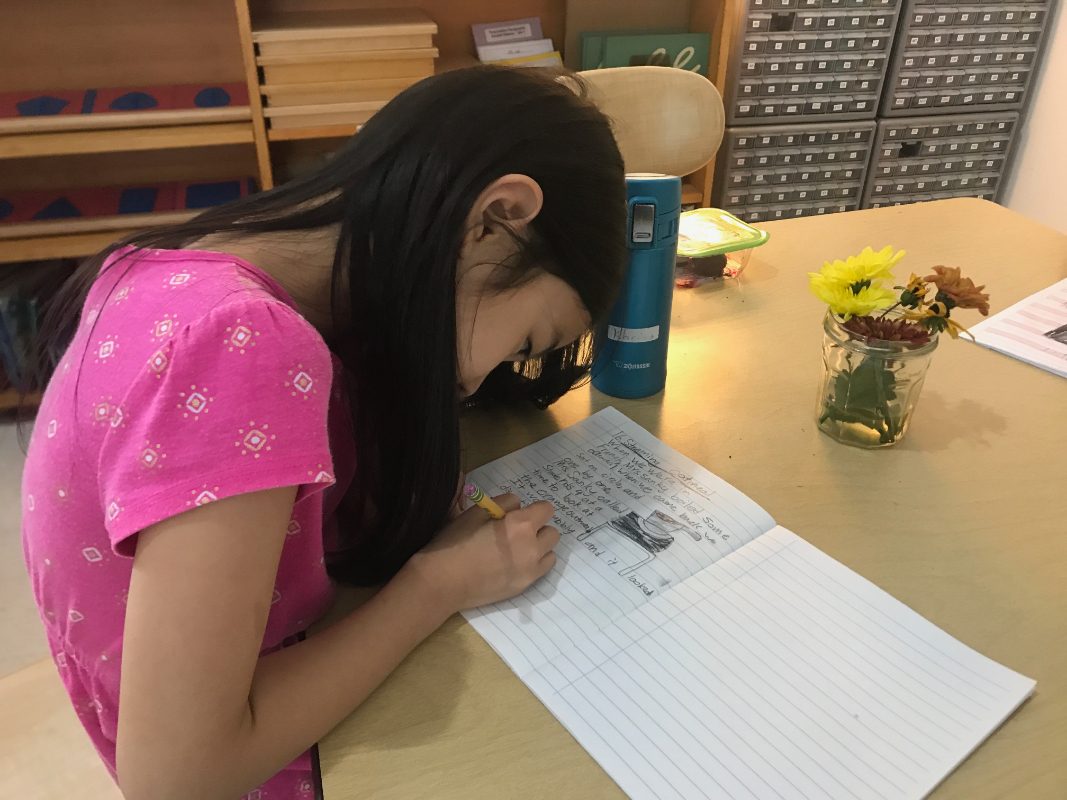
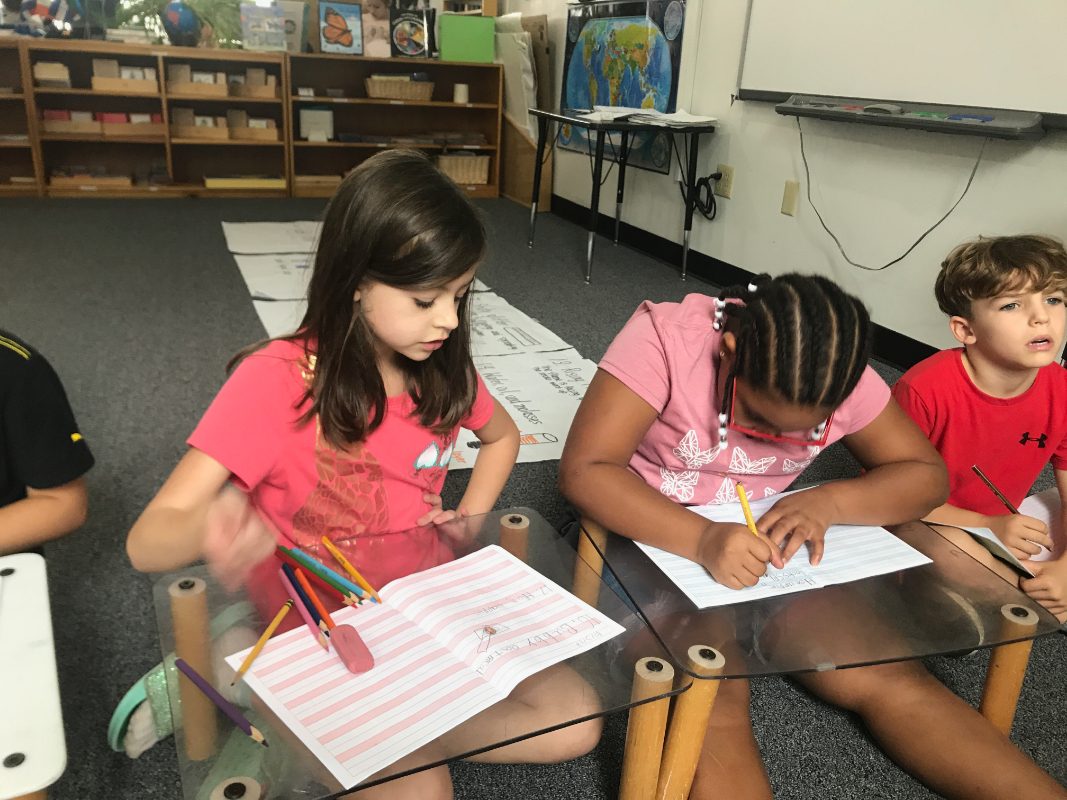
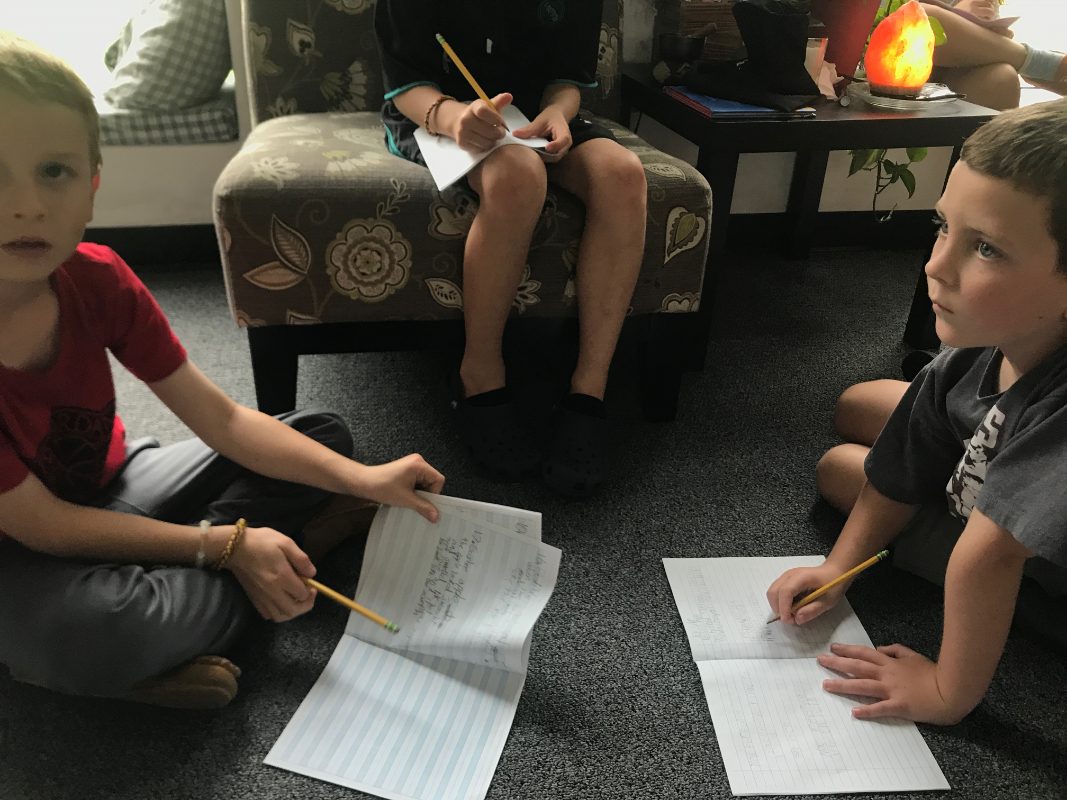
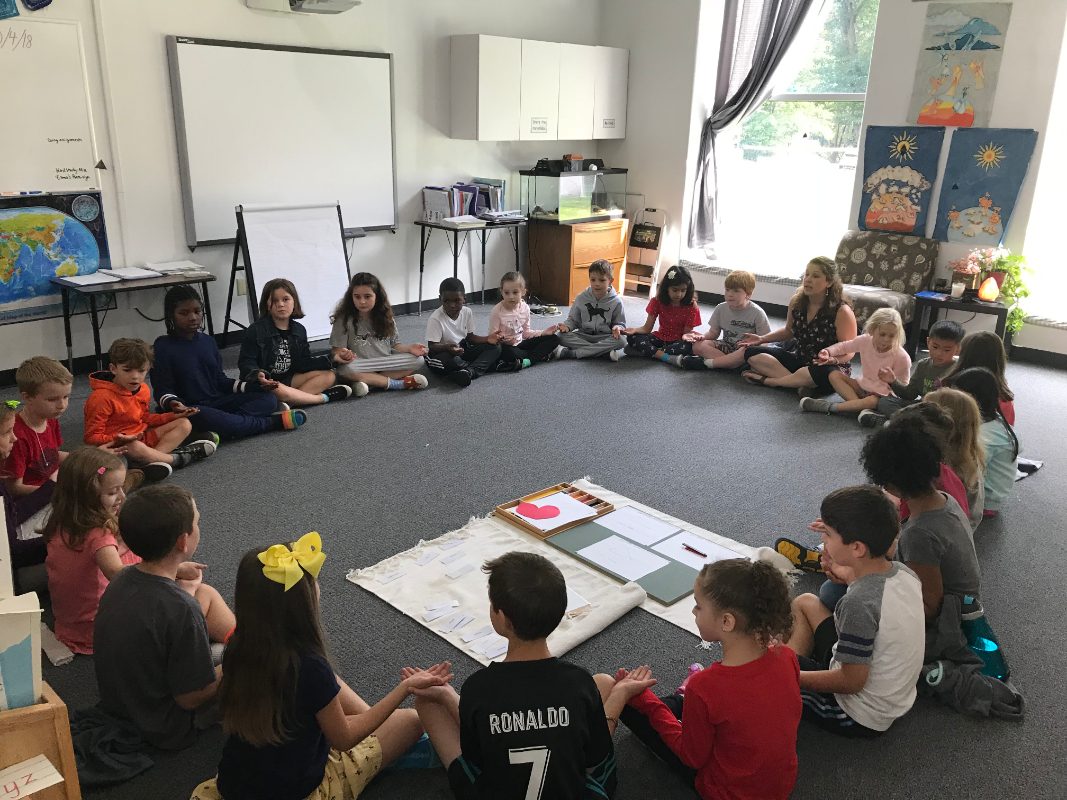
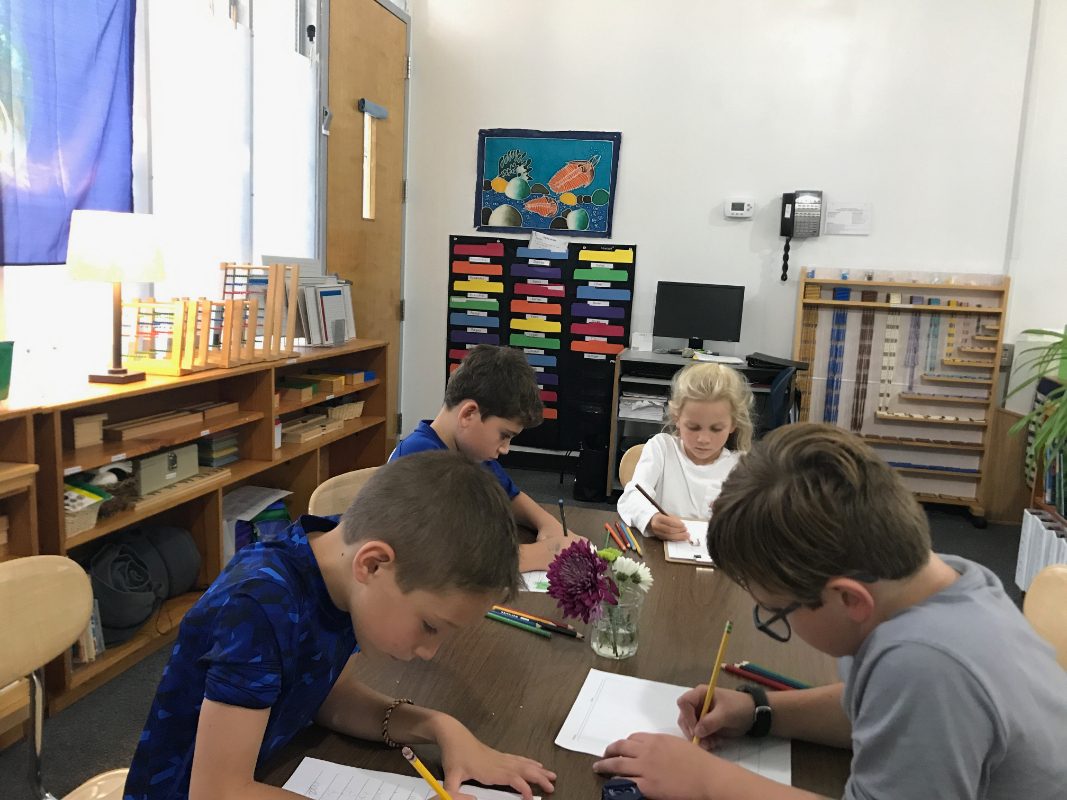
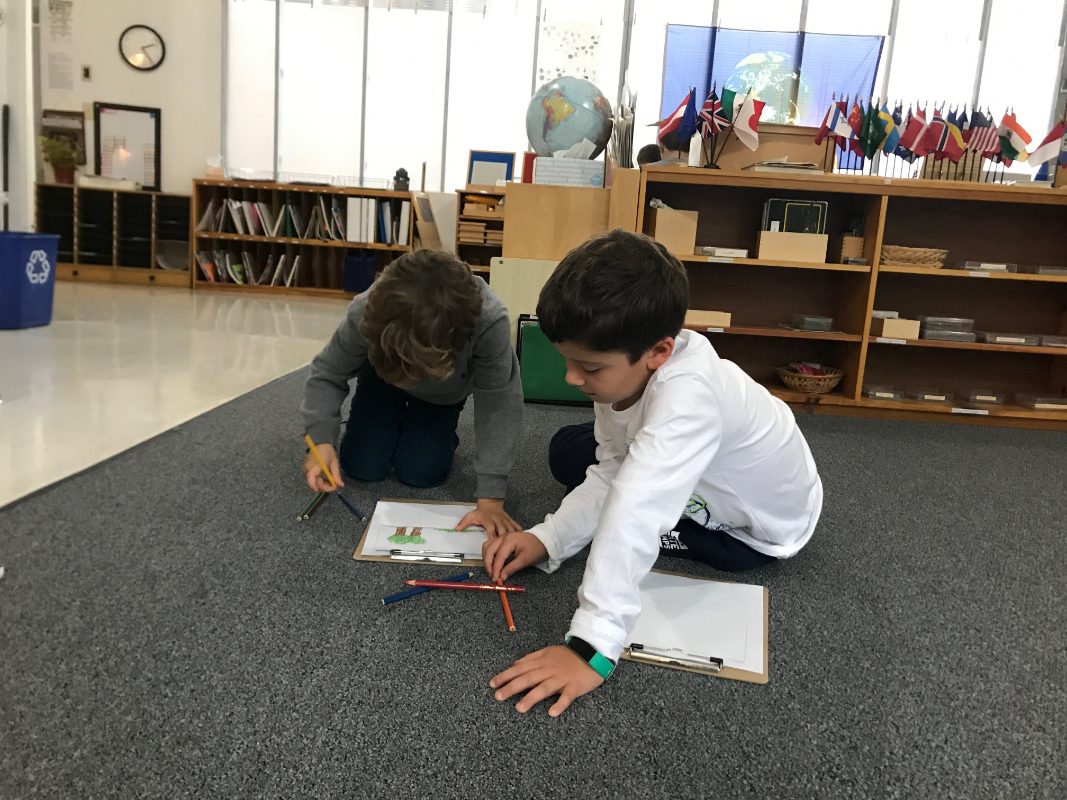
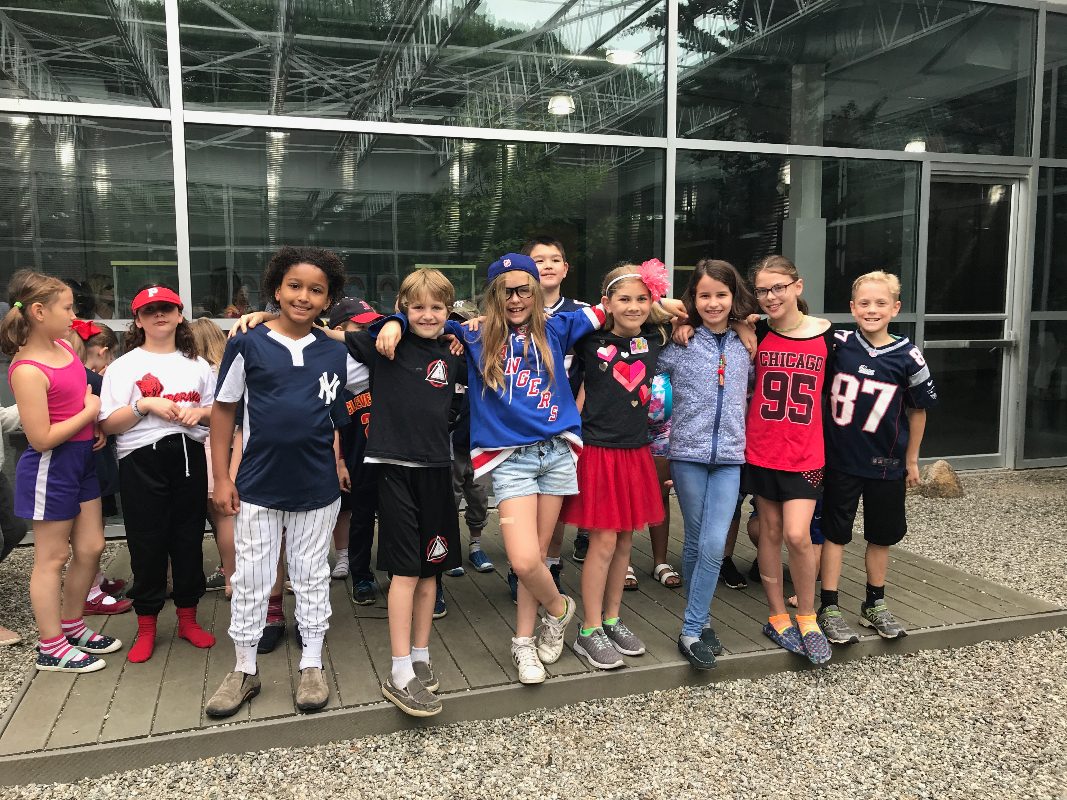
We have had a fun week, full of learning! The third year students told the story of the creation of the universe to the younger students, a rite of passage for third years. They read the story and did demonstrations to illustrate scientific concepts. This is the first of Maria Montessori’s Five Great Lessons.
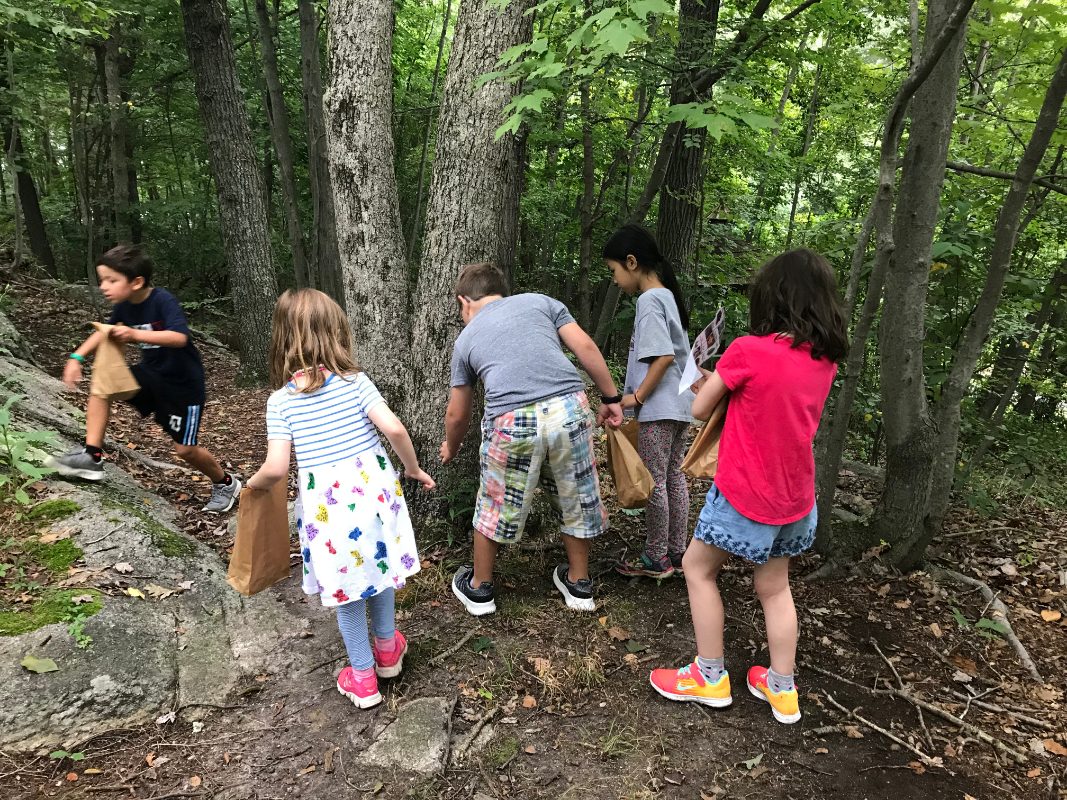
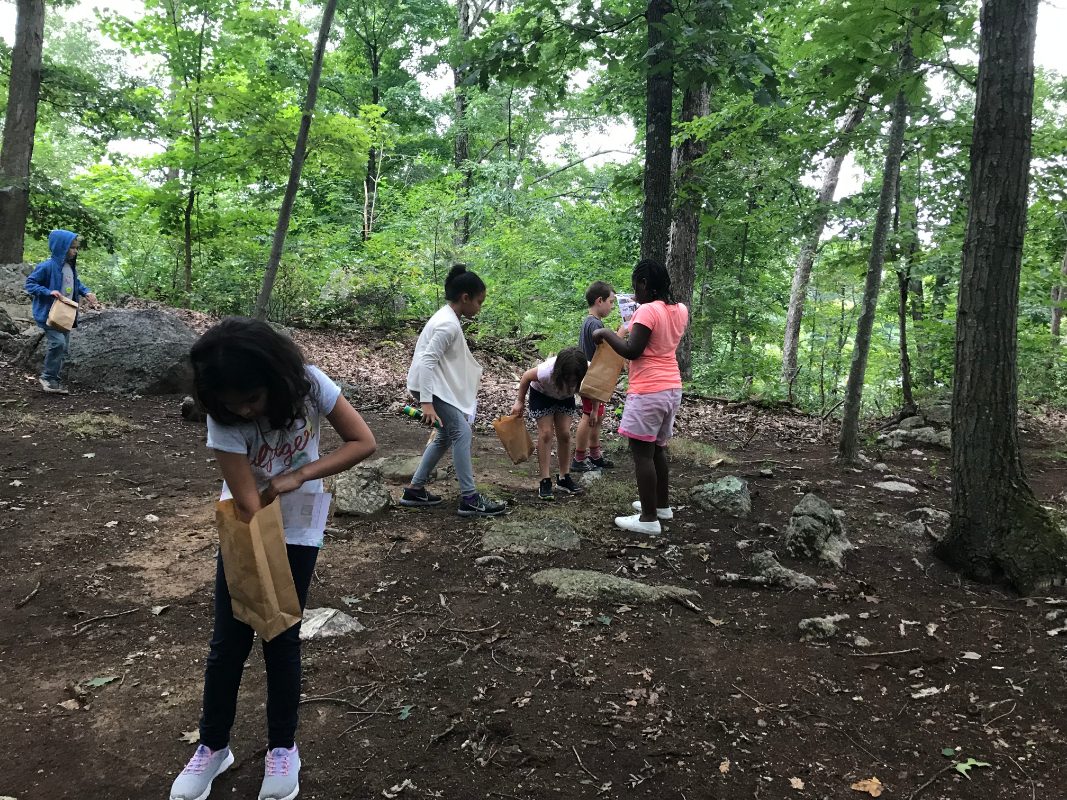
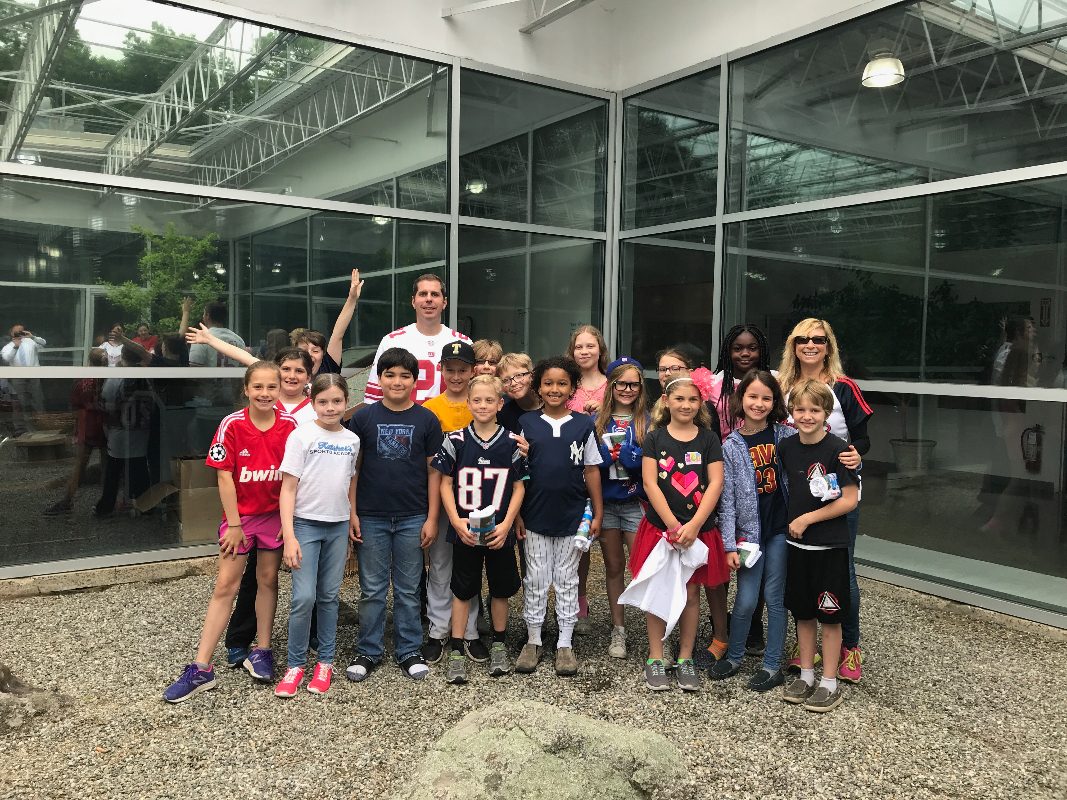
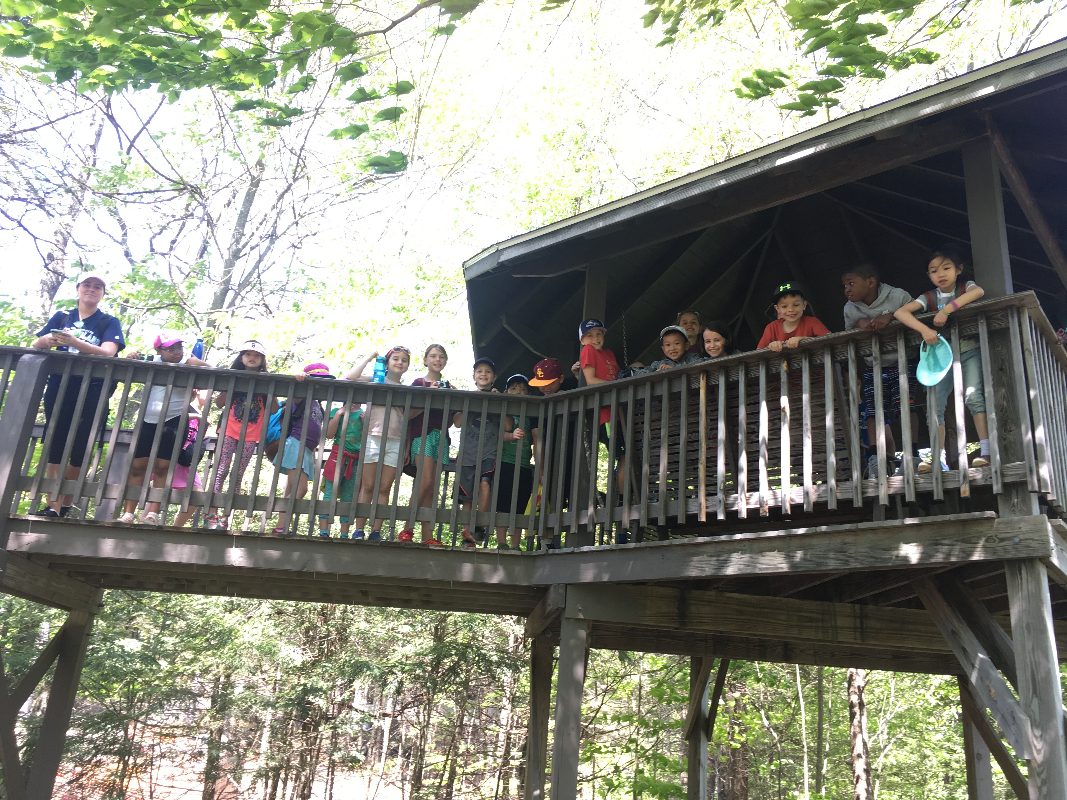
We followed this first Great Lesson with a trip to the planetarium at the Talcott Mountain Science Center to learn more about our universe and solar system. The children heard descriptions and attributes of the planets, learned how a sundial works while standing on a giant sundial, and learned about galaxies, constellations, and stars in the universe during an information-packed planetarium presentation.
We had a wonderful week and it was exciting to do some learning outside of school!