Lower Elementary December Fun!

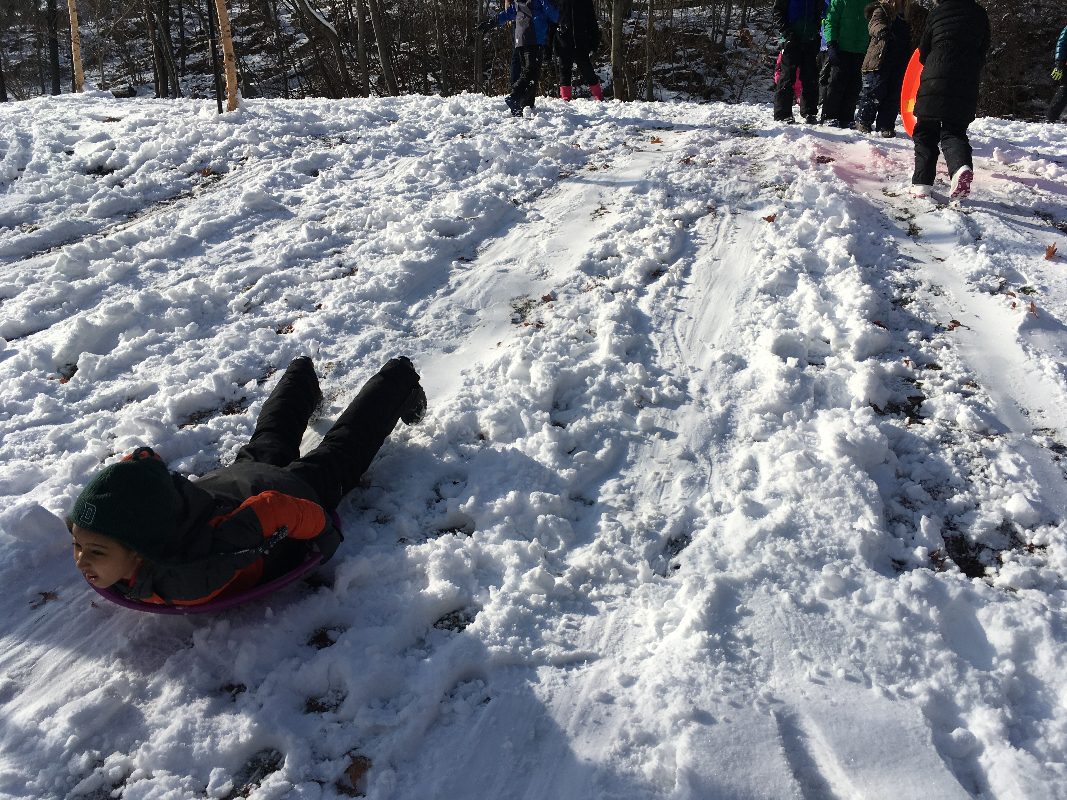
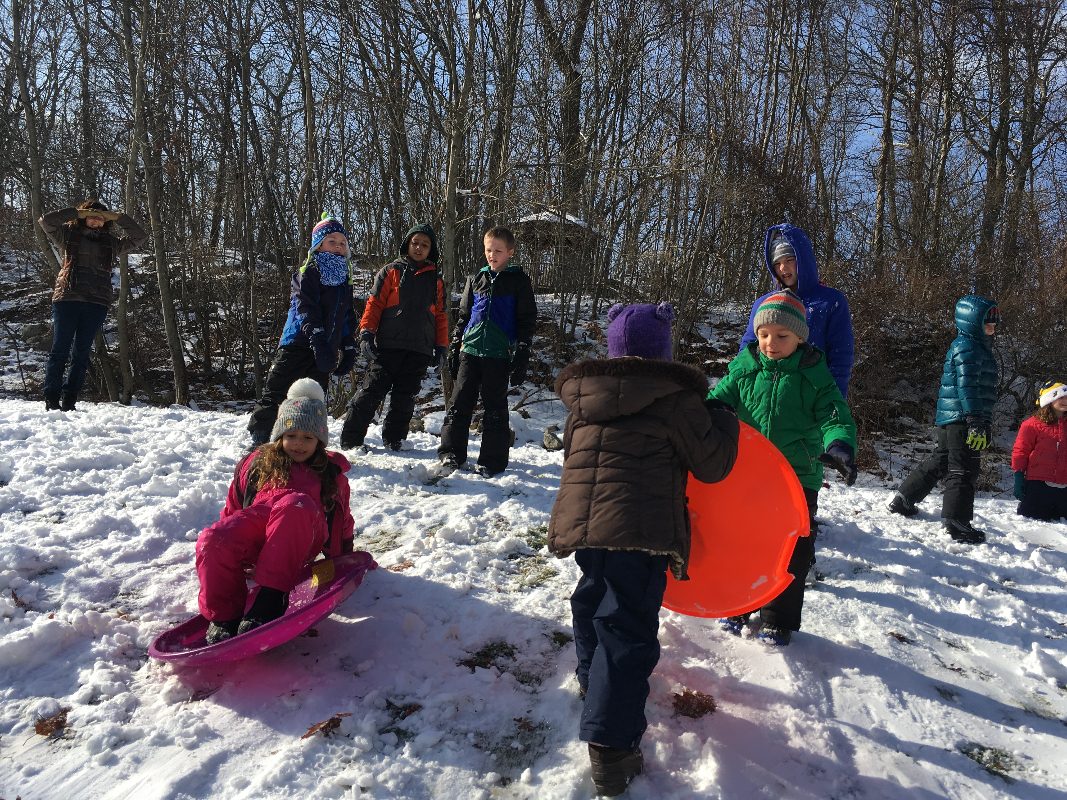
We had lots of fun at recess after last weekend’s snow! The children had a blast sledding on our playground with the sleds Miss Ryerson brought in. They took turns and worked together, going down the hill two at a time.

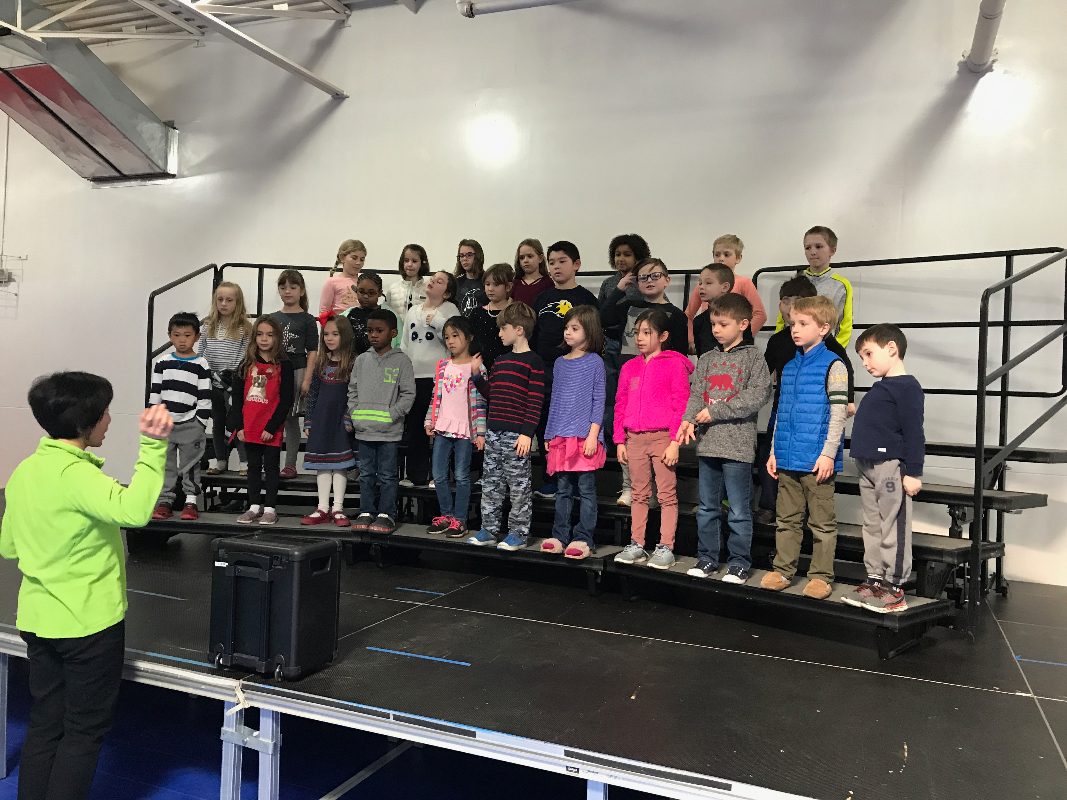
We are happily hard at work not only on our academics, but also preparing for a wonderful Holiday Celebration. The children’s voices sound beautiful. We are looking forward to seeing you on Tuesday morning.

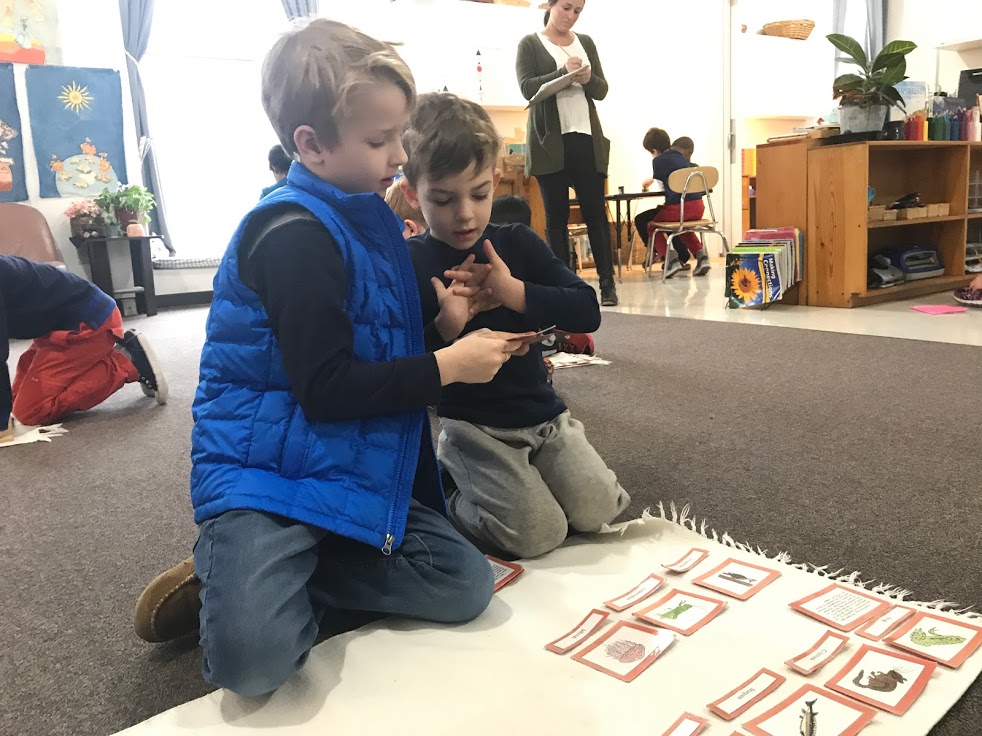
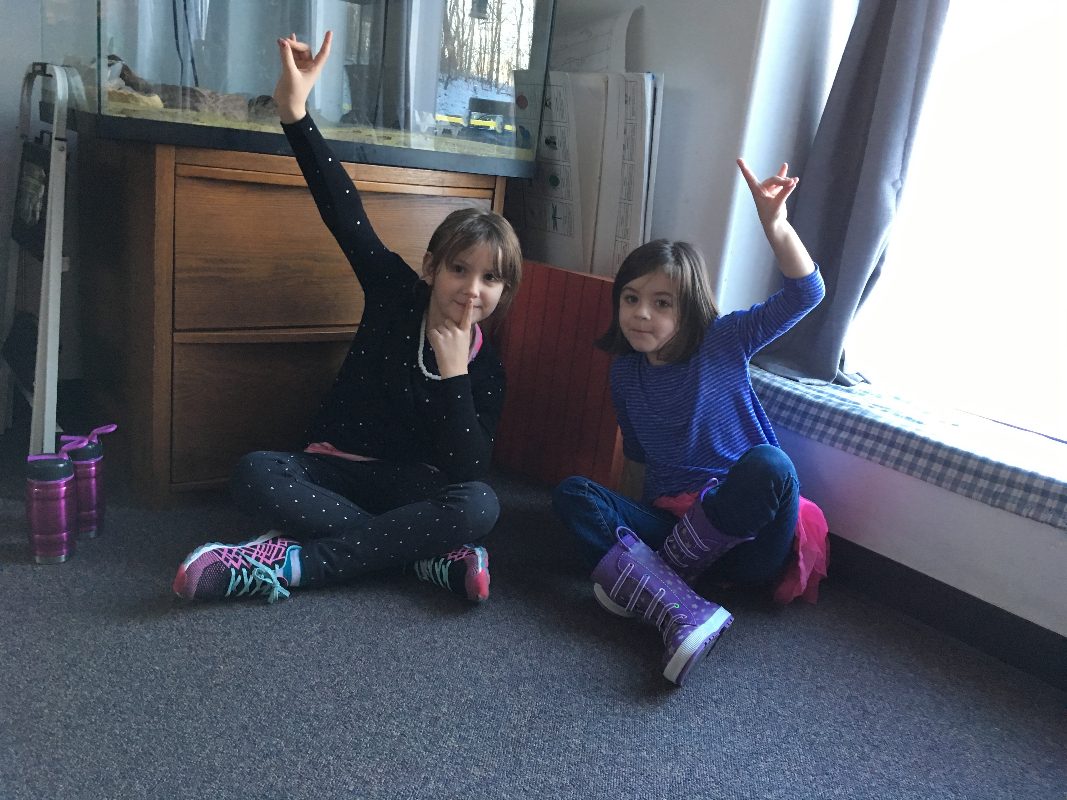
The children are doing a wonderful job leading by example. This is something we have been working on and discussing as a group. One of the ways they help each other quiet down is by making a coyote symbol with their fingers. This means “the coyote is listening” and is a gentle reminder that it is time to use a quiet voice.


Meaningful Work in Lower Elementary

“But those children who have been able to work with their hands make headway in their development, and reach a strength of character which is conspicuous.” -Maria Montessori, The Absorbent Mind

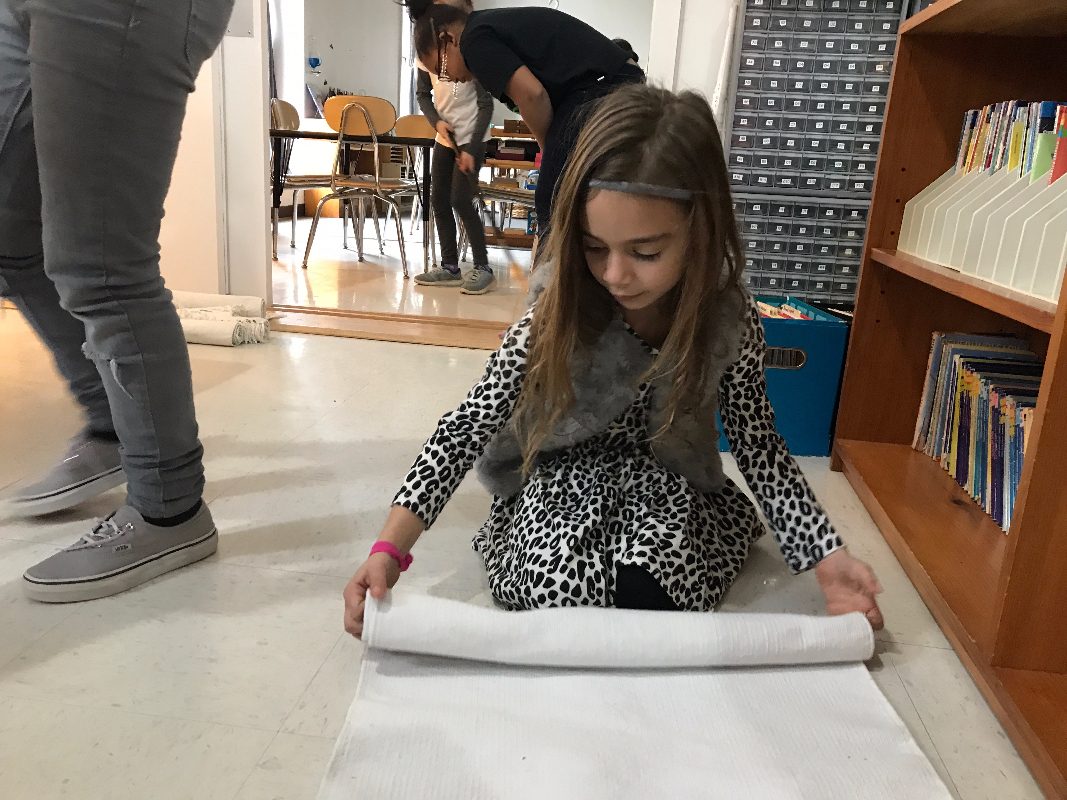
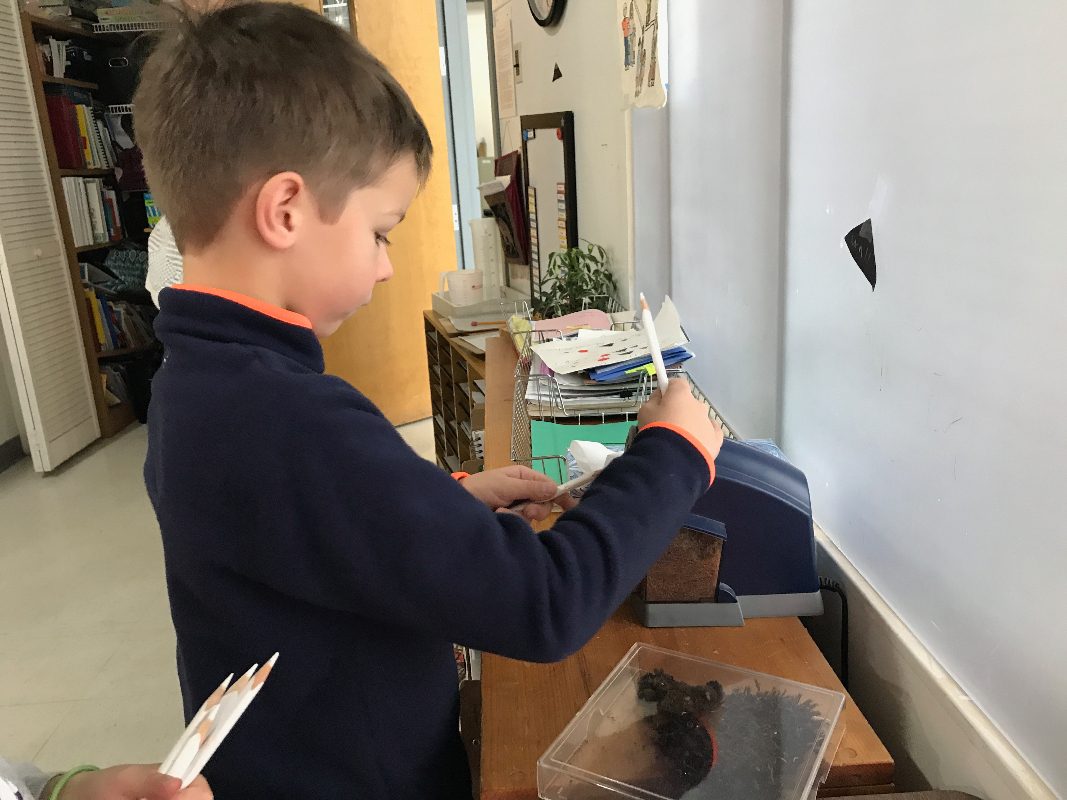
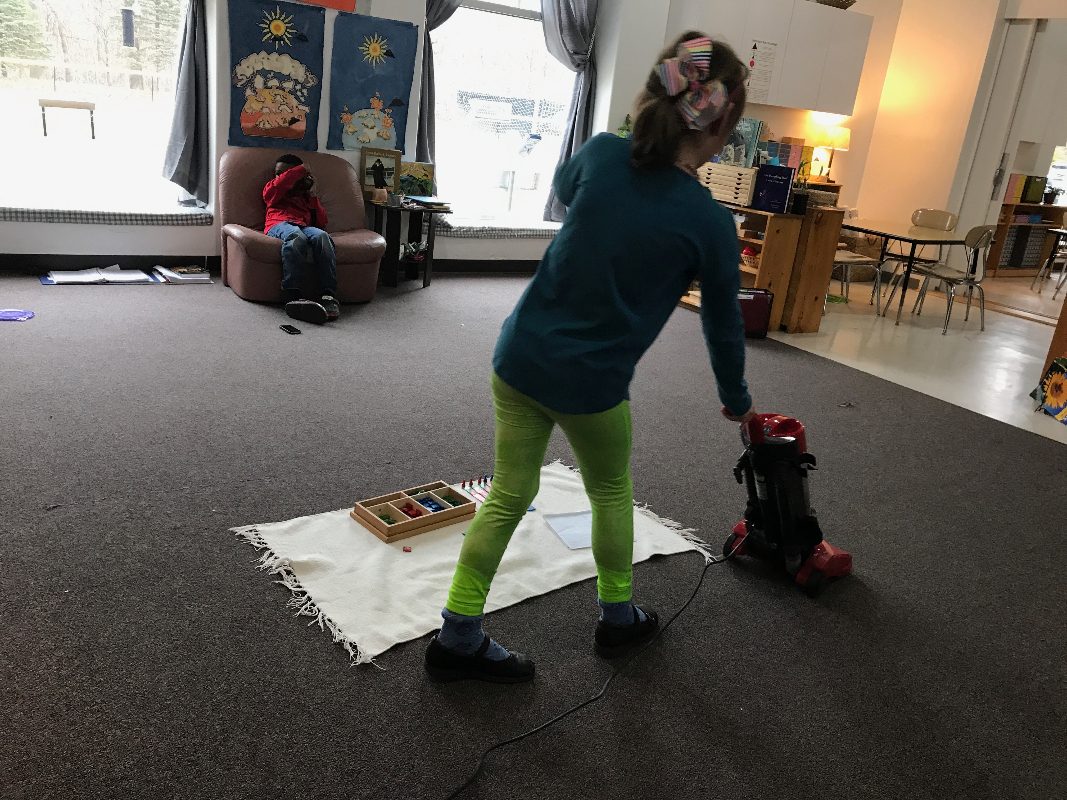
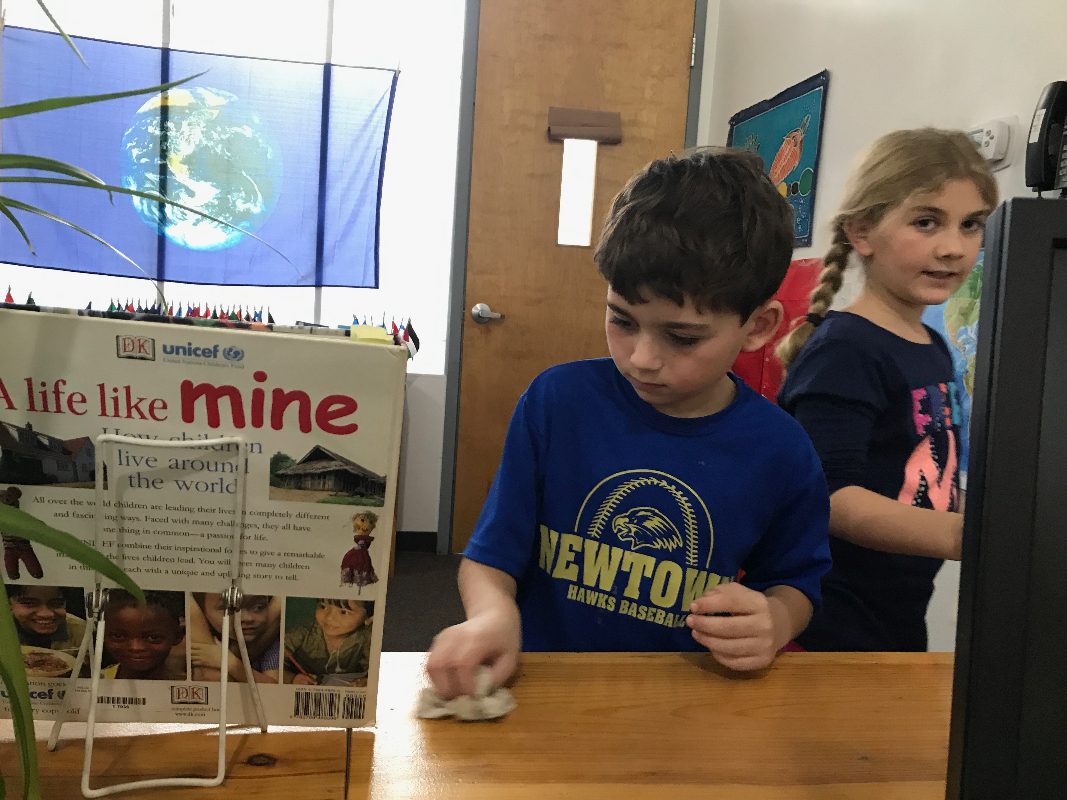
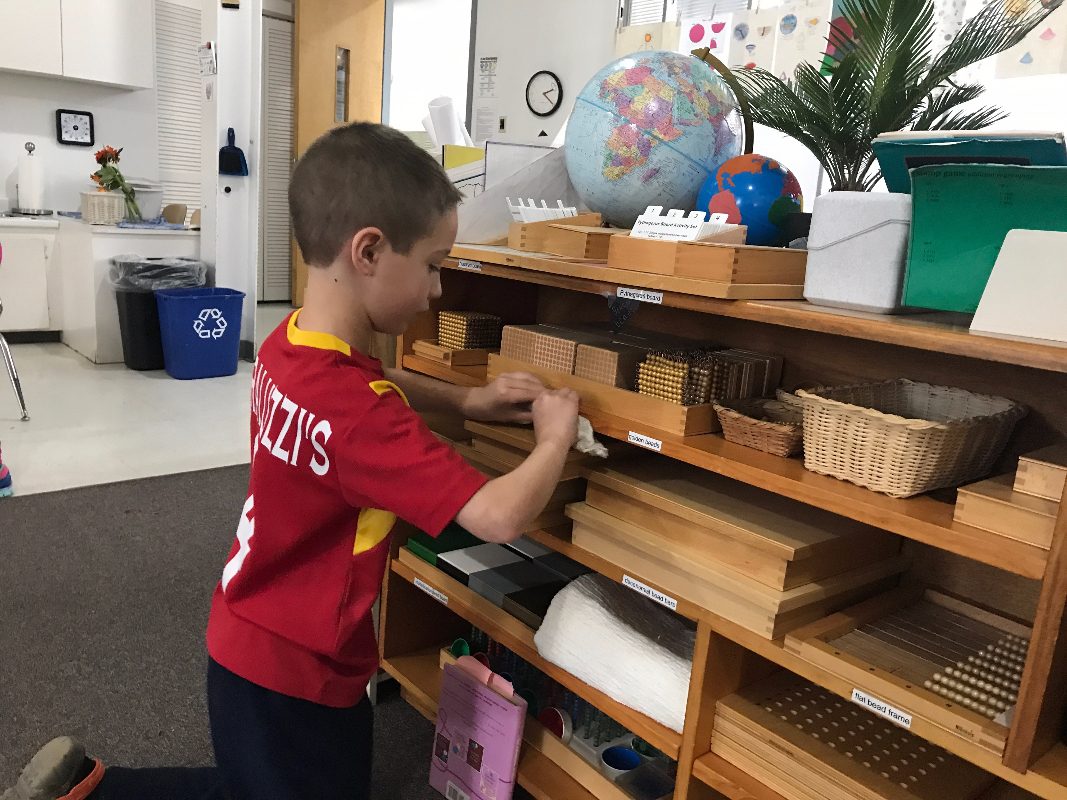
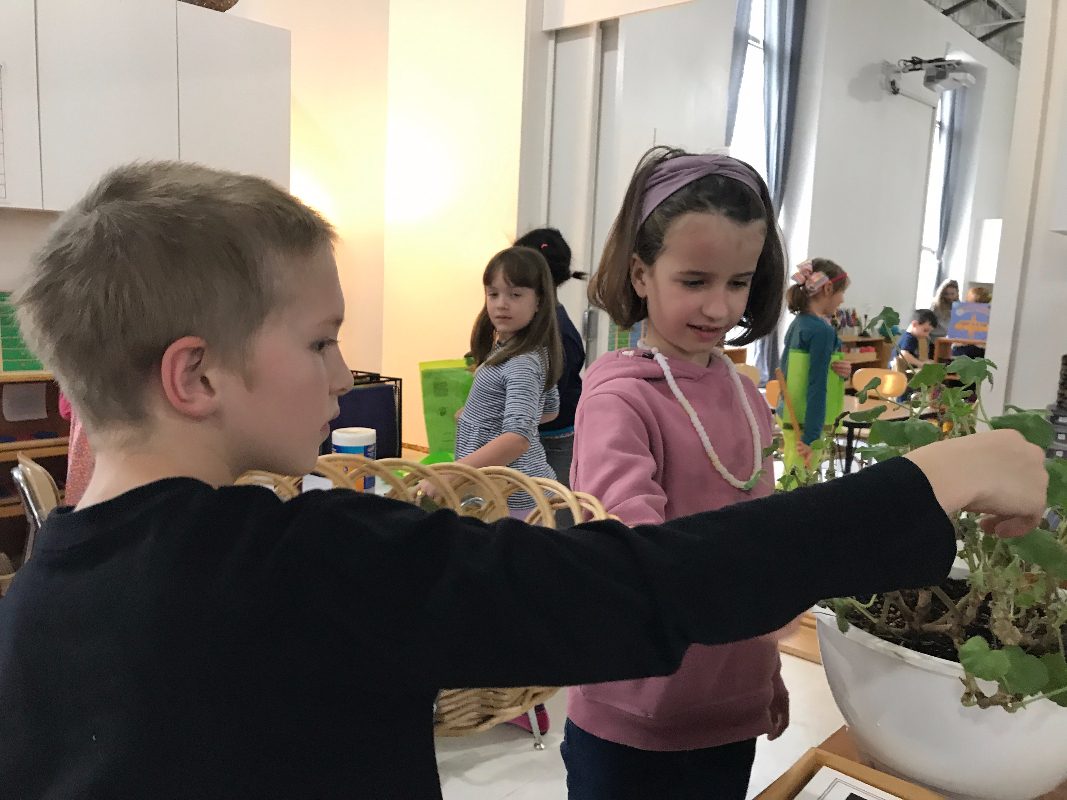
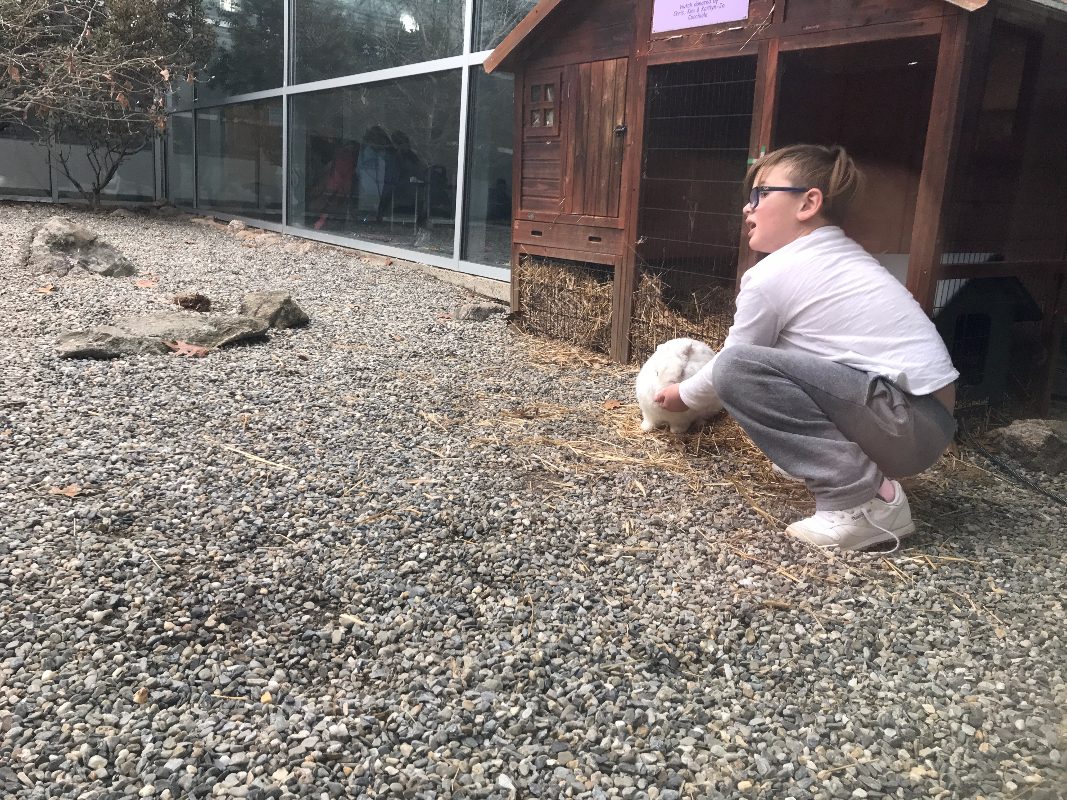
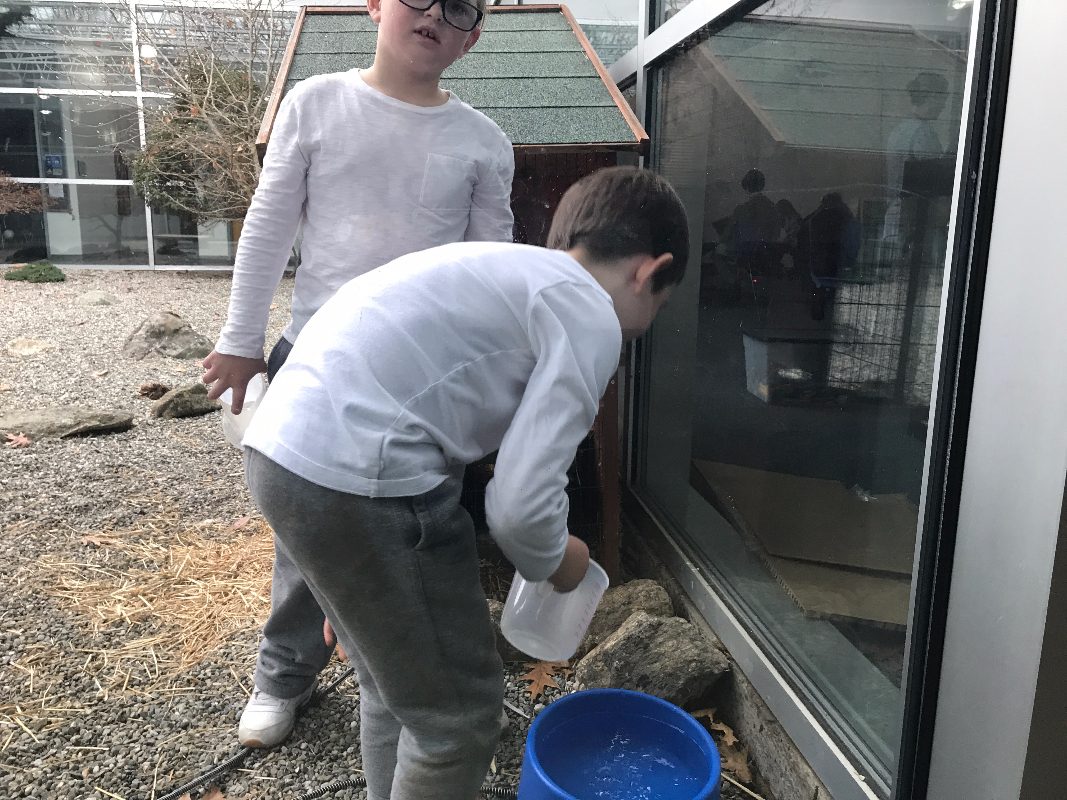
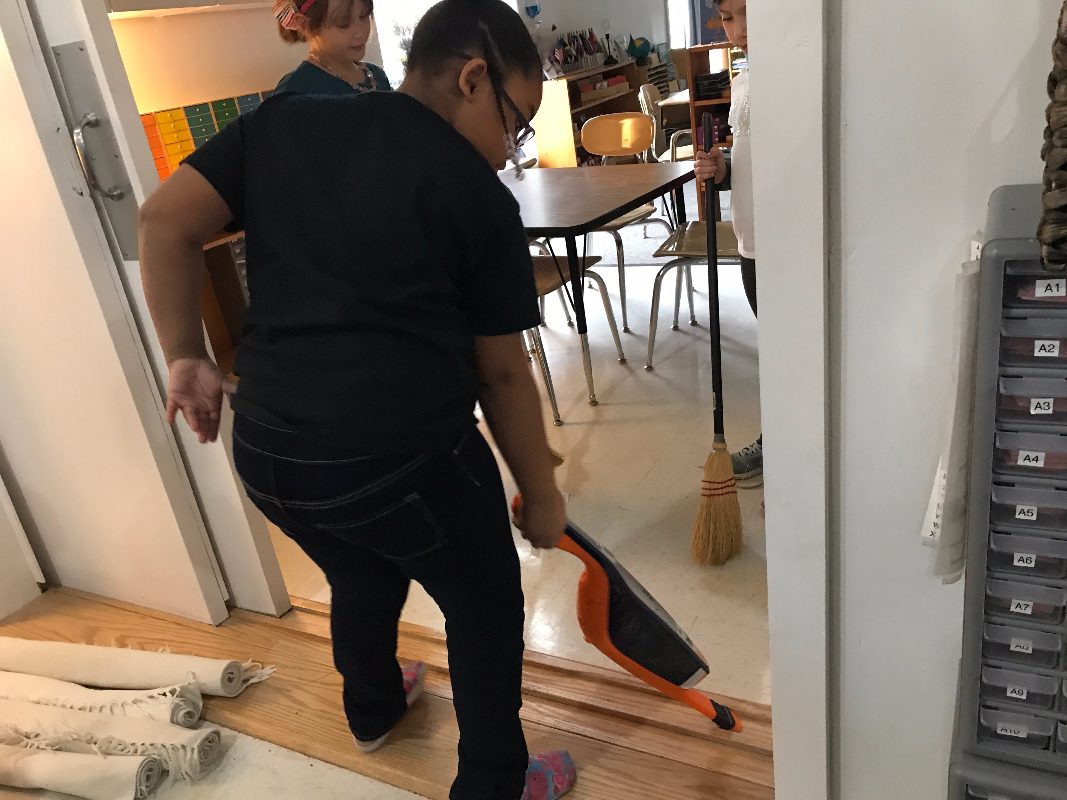
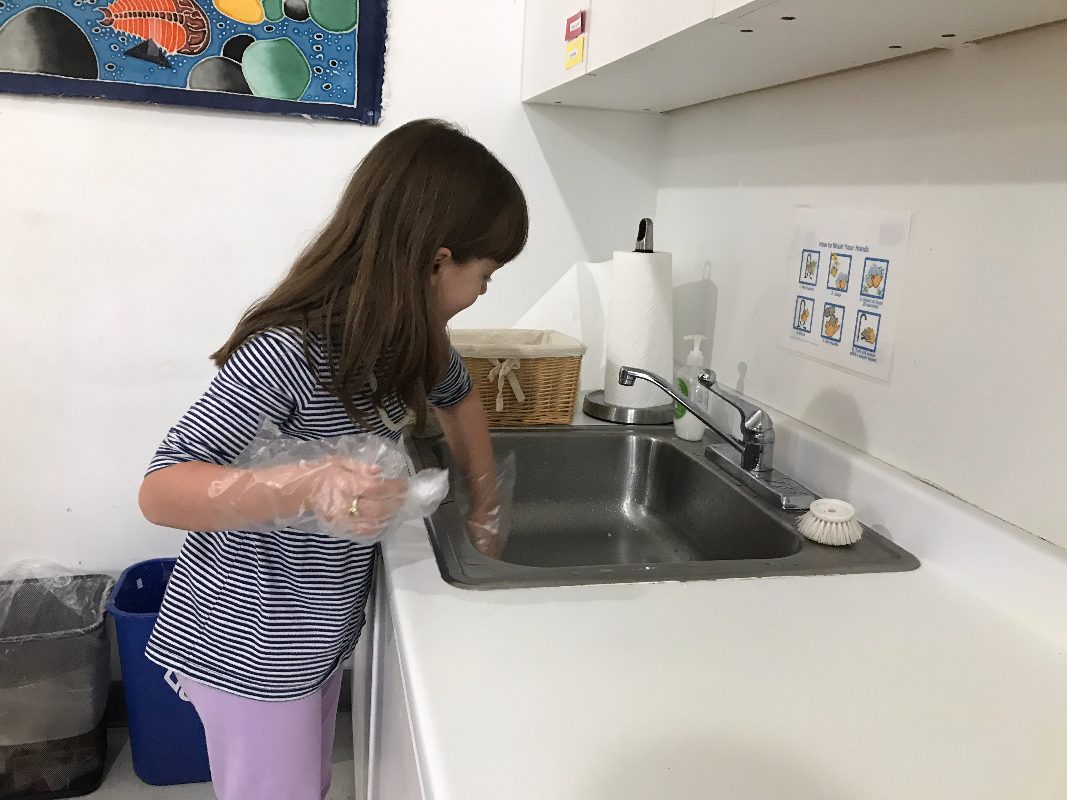
Maria Montessori believed that when children do meaningful work they achieve self-satisfaction. Part of our meaningful work is the care of our classroom. Each week students select the classroom jobs they will have for the week. Participating in the care of our classroom is real work with a practical aim. Doing this Practical Life work helps the children to develop inner discipline, a feeling of self-worth, and an understanding of what work is. The children feel the satisfaction from completing a meaningful task and a sense of ownership in their classroom. Some of our daily and weekly jobs are: taking care of Rocky (our leopard gecko) and Fraser, vacuuming, dusting, emptying the trash, rolling the rugs, cleaning the tables, setting the tables, and organizing the books in our classroom library. Before starting our weekly jobs this week, older children gave younger children advice about how to complete their tasks efficiently. Children whose jobs for the week had already been completed offered to help their classmates. When the bell was rung letting the children know time was up for jobs, many wanted to continue working.

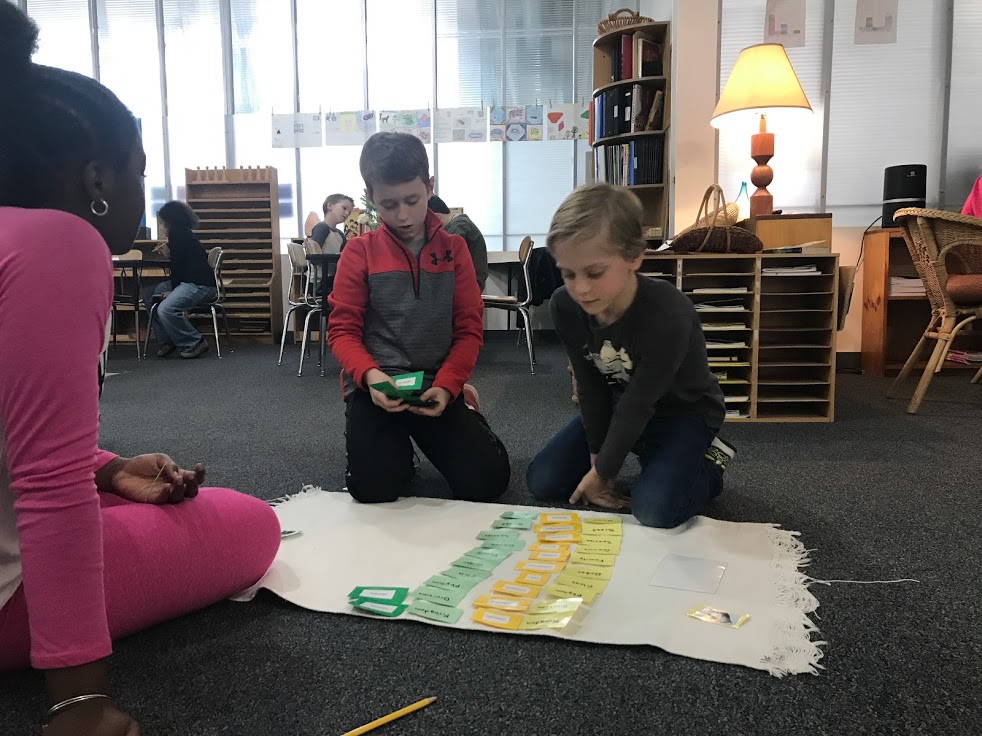
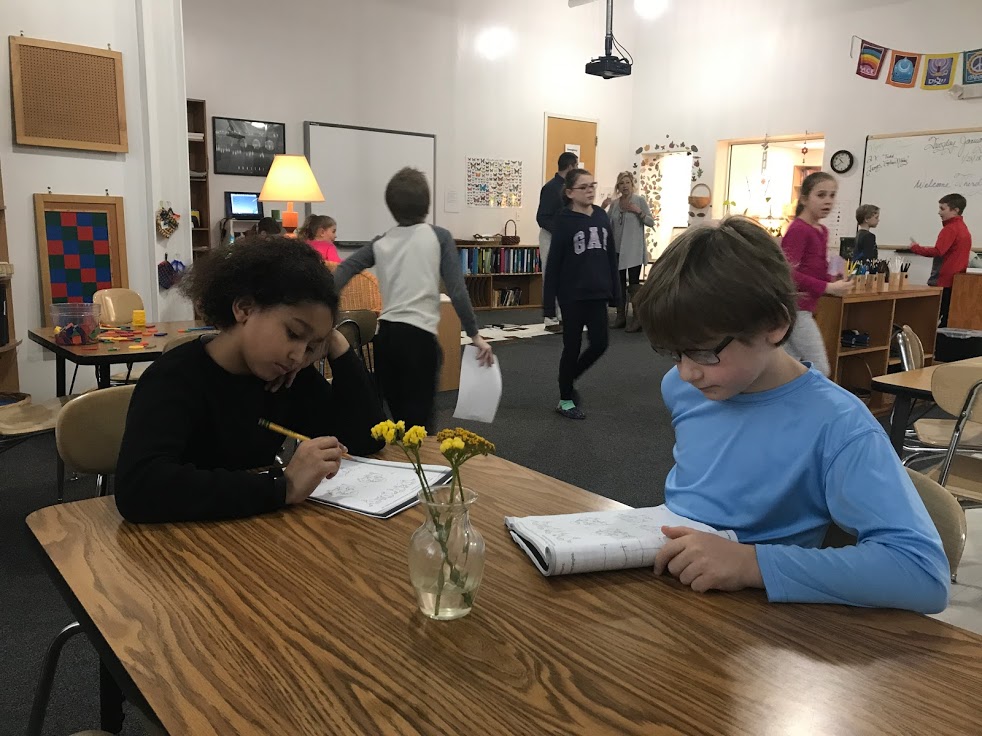
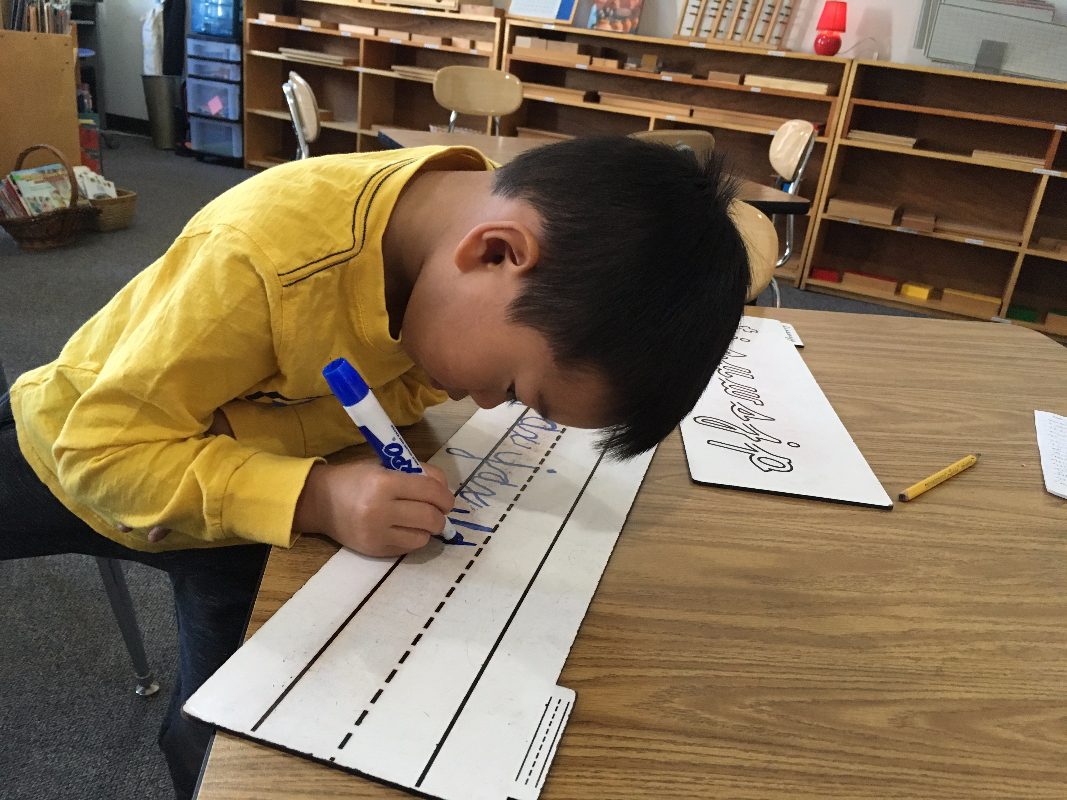
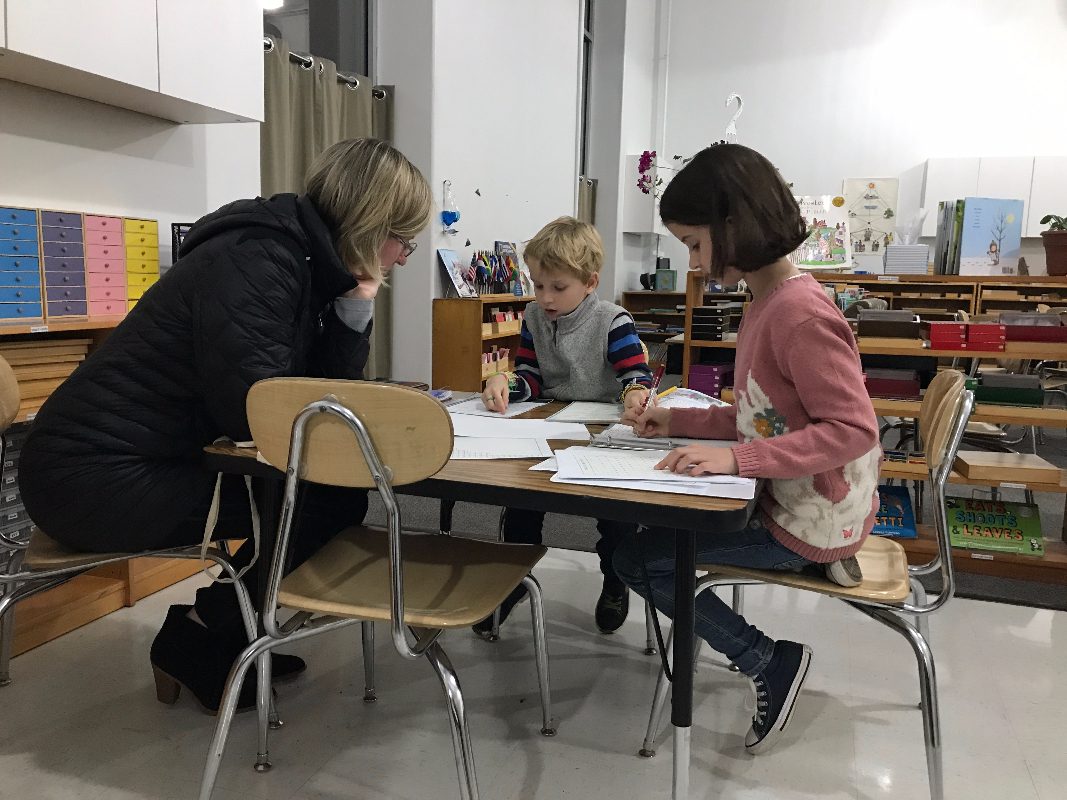
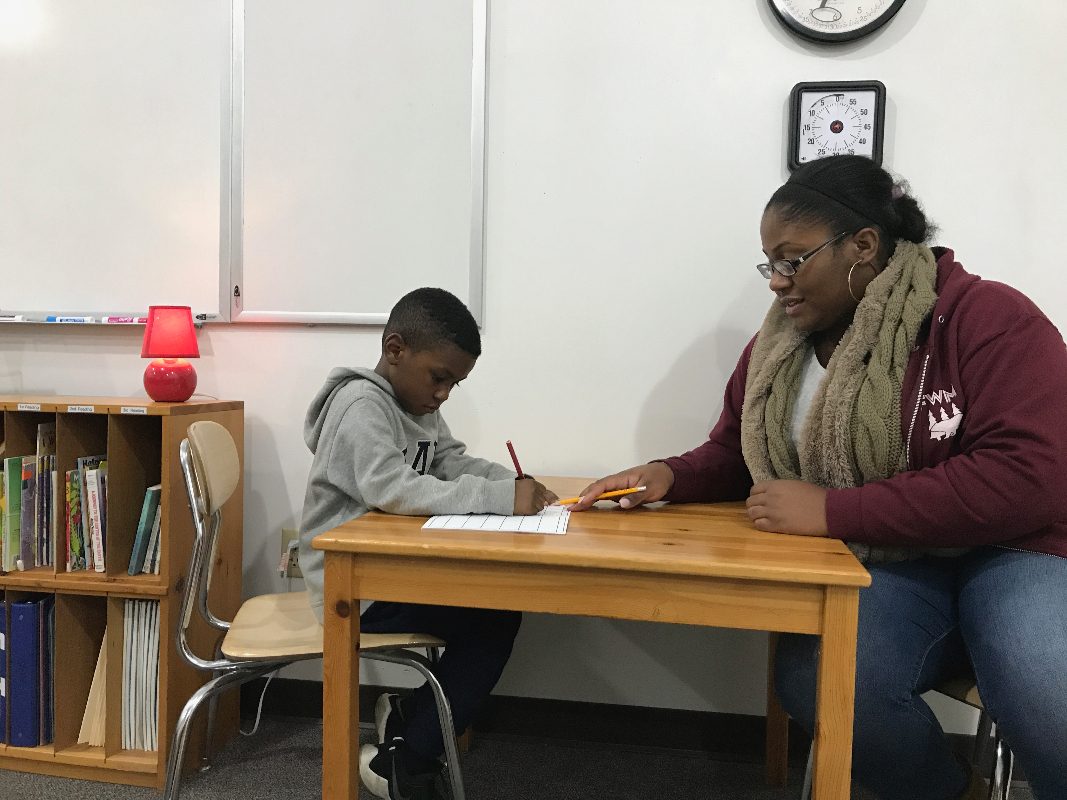
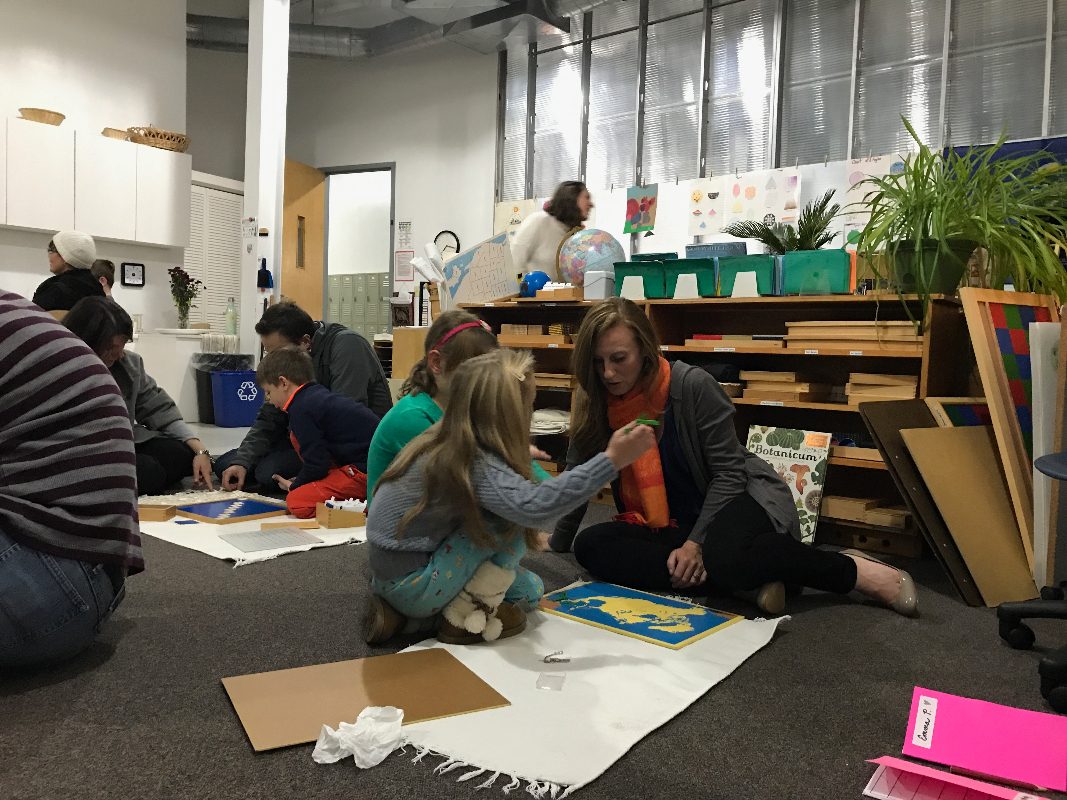
We also place a great emphasis on meaningful academic work for each child. During their work cycle, which is two to three hours long, the children are able to plan the work which is worthwhile and appropriate for them. This creates a feeling of ownership and focus within the children.


Lower Elementary – Baking and Learning

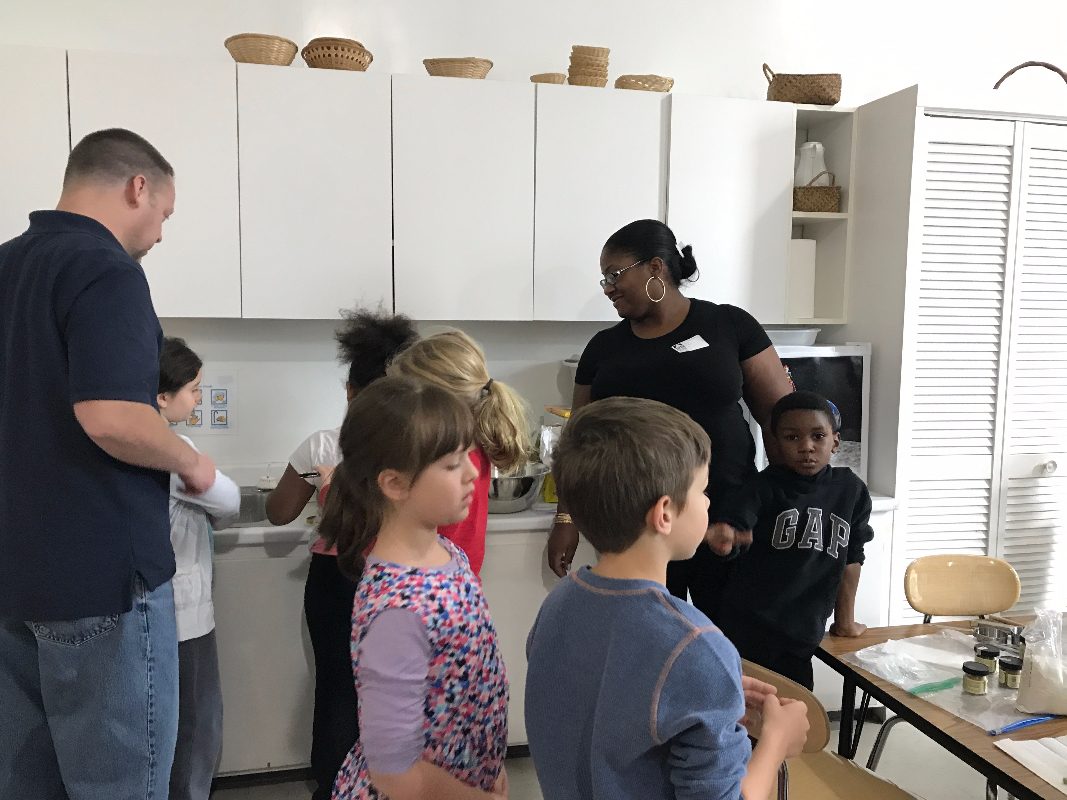
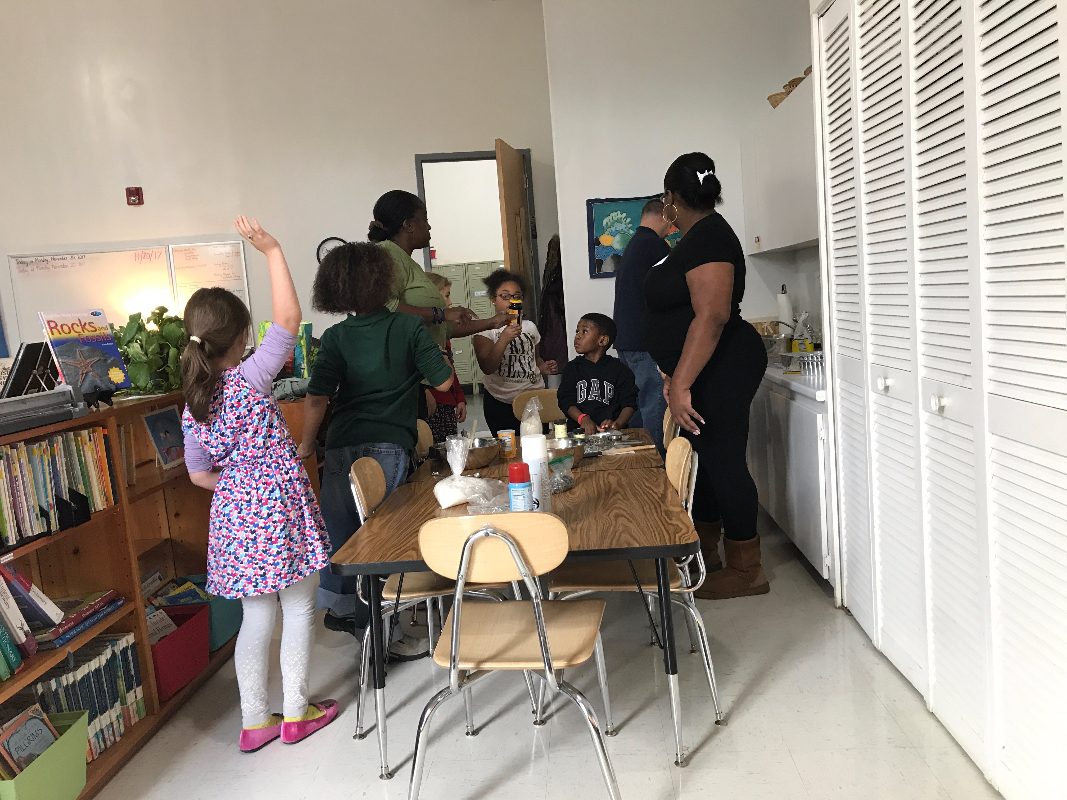
The children enjoyed baking bread to share with their Lower School, Upper Elementary, and Middle School friends at our Thanksgiving Celebration. Thank you Margaret, Kianna, and Eric for volunteering your time to help them. We had a beautiful ceremony last Wednesday. We started by calling forth the elements of air, fire, water, and Earth with a poem read by a Middle School student. We sang a song together as a school and then Upper Elementary told the history of Thanksgiving. Next, each level, Lower School through Middle School, shared what they are thankful for and Middle School shared eight prayers of thanks in different languages representing the many different cultures that make up our community. We ended with the sharing of bread. This ceremony is a meaningful tradition for Fraser Woods.

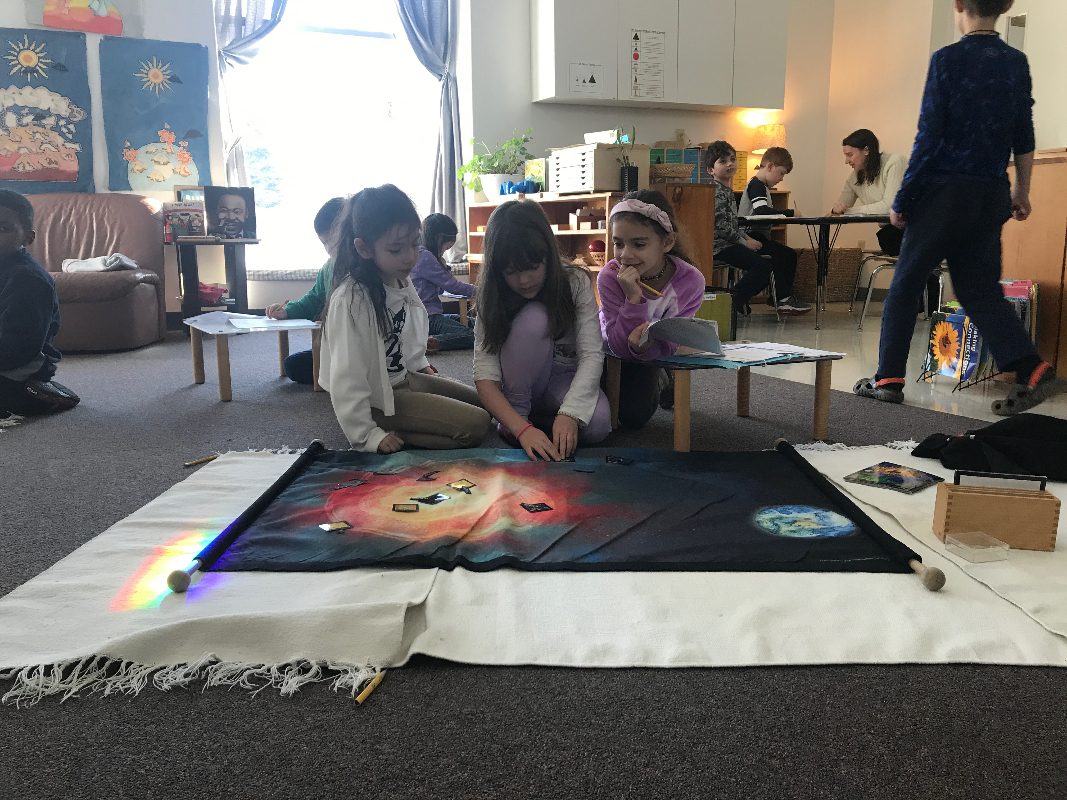
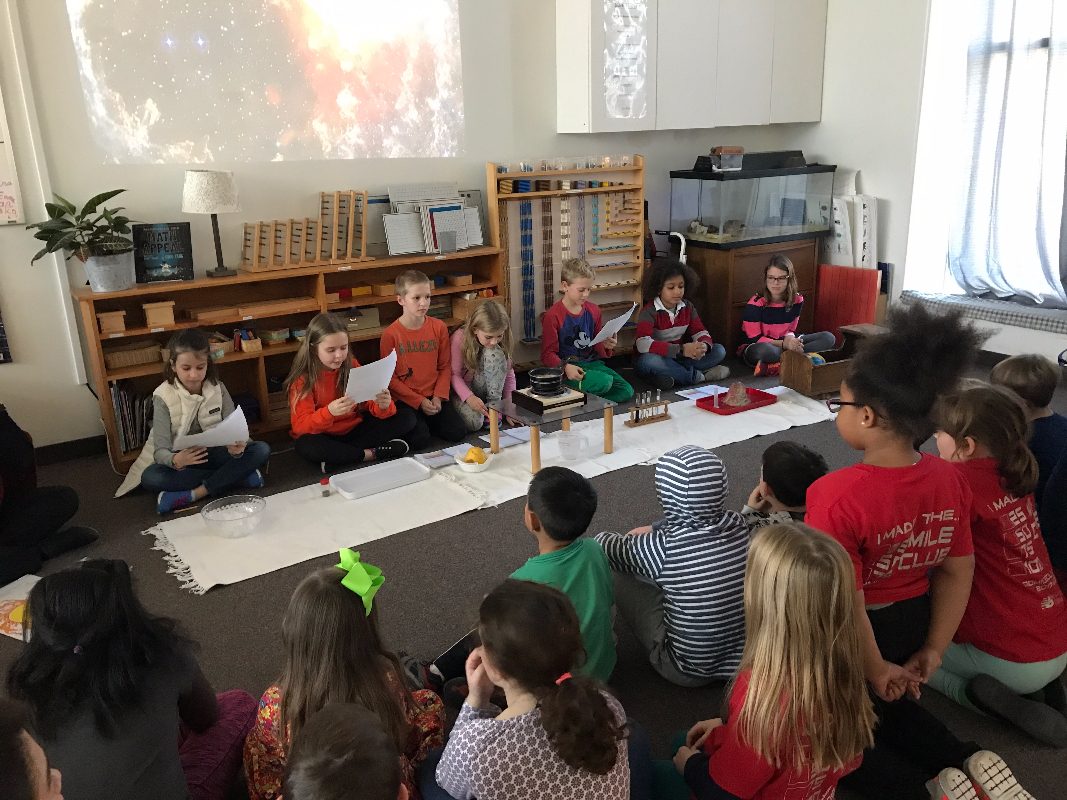
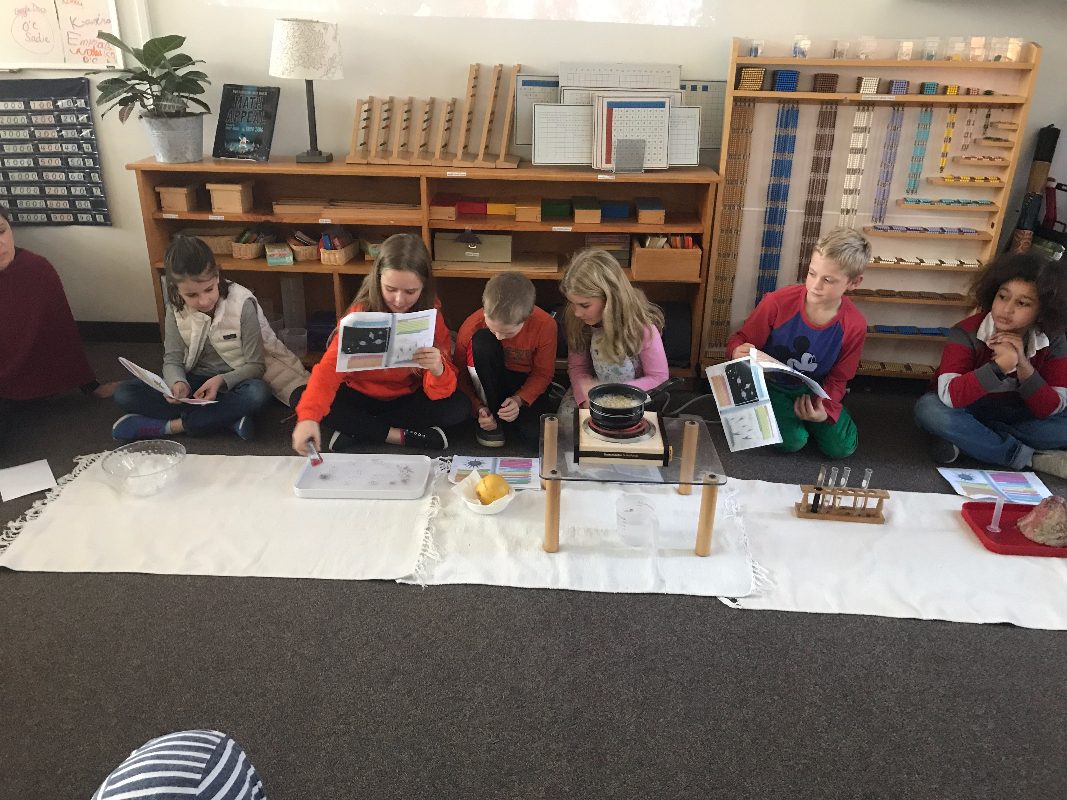
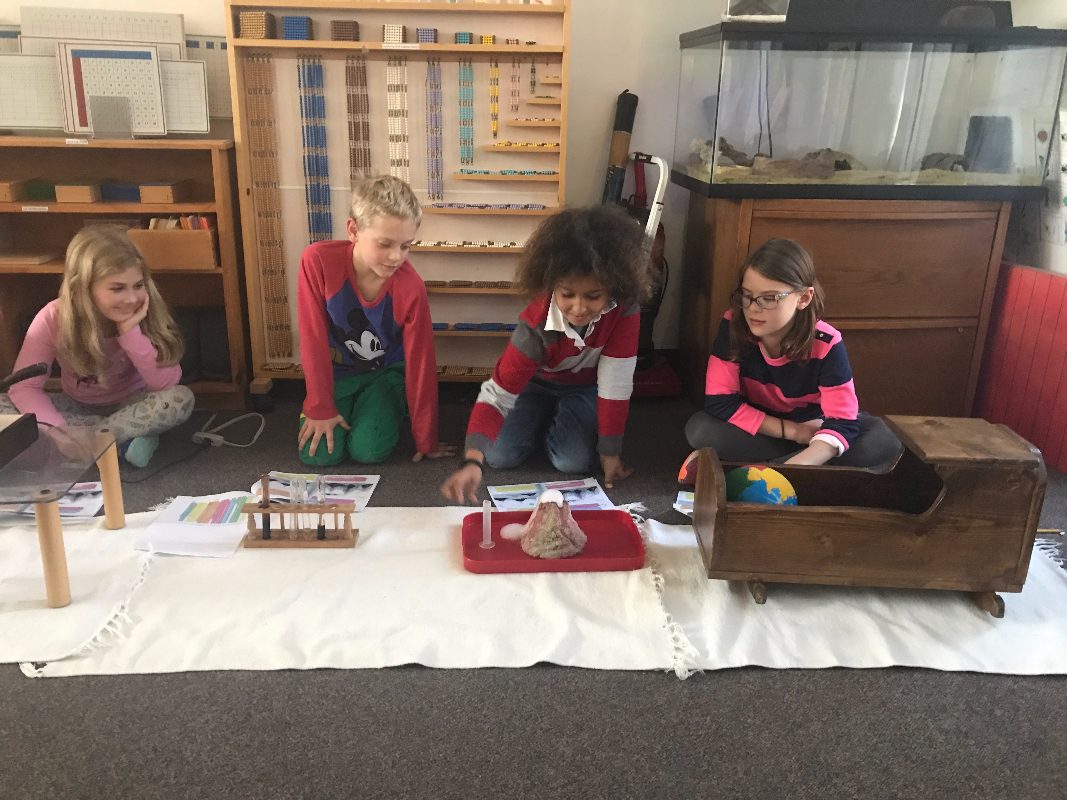
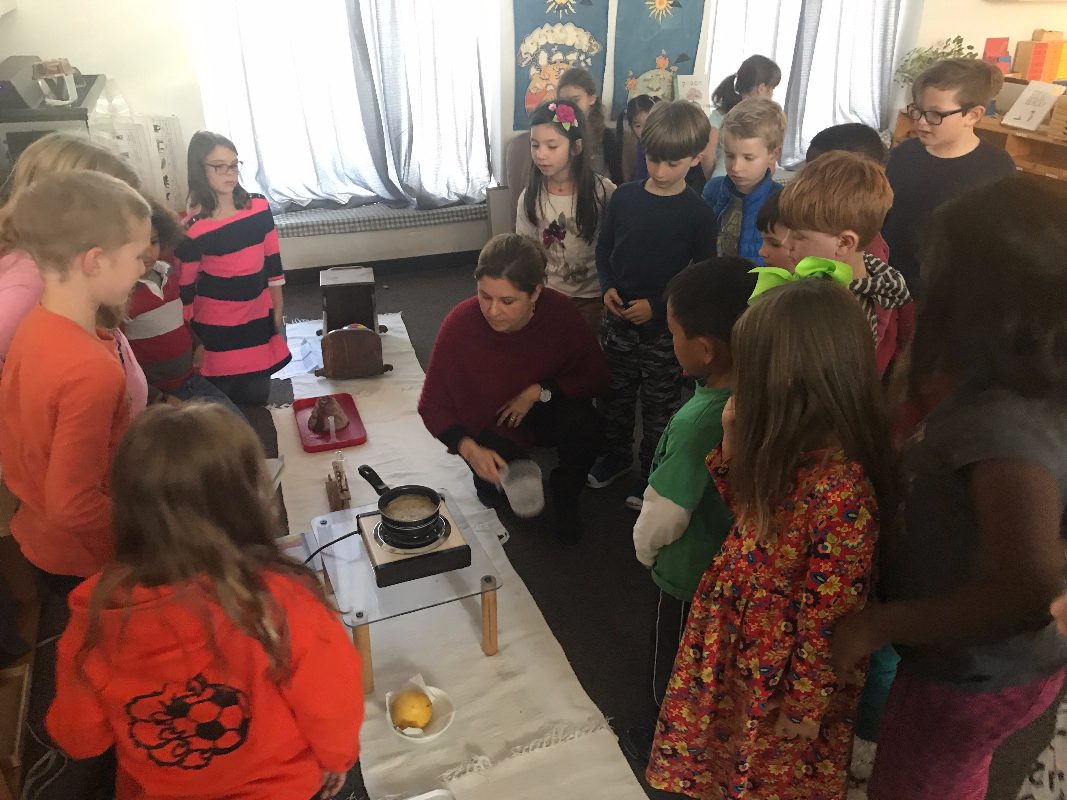
Third year students told the story of the creation of the universe to the second and first year students. Throughout the story, they performed demonstrations which illustrated the different scientific concepts in the lesson. The third years worked hard, practicing their parts, in the weeks leading up to the lesson. Telling the creation story has become a rite of passage for our third year students.

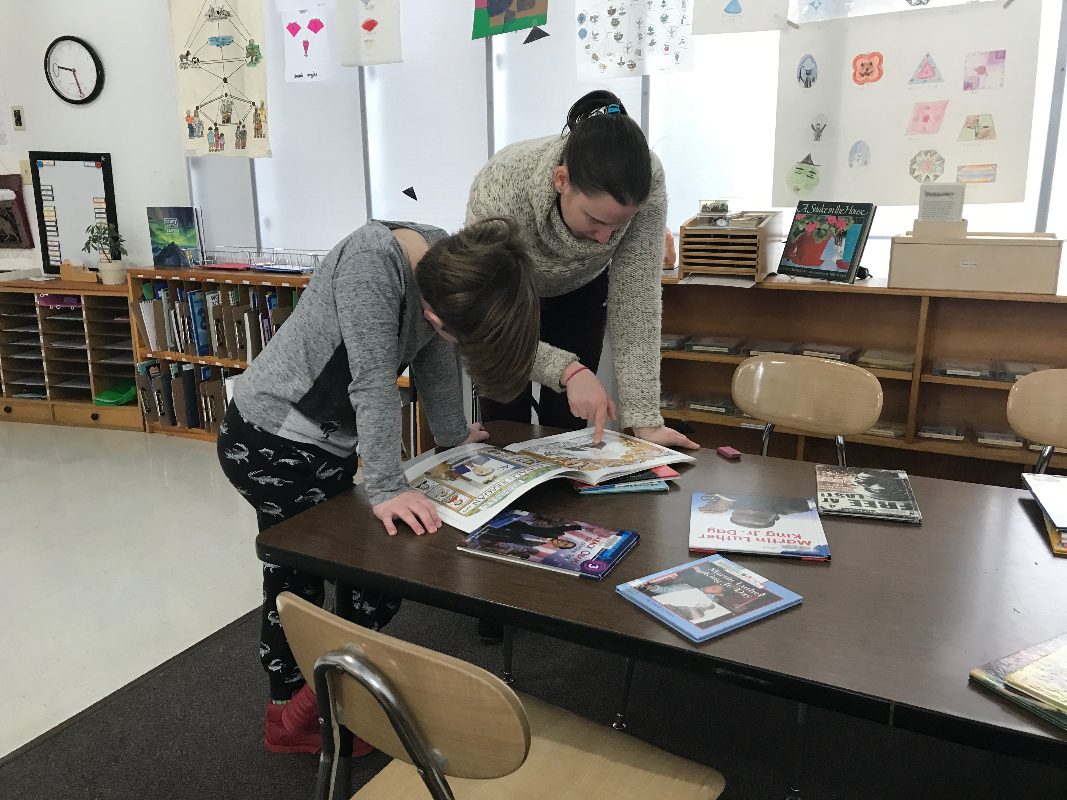
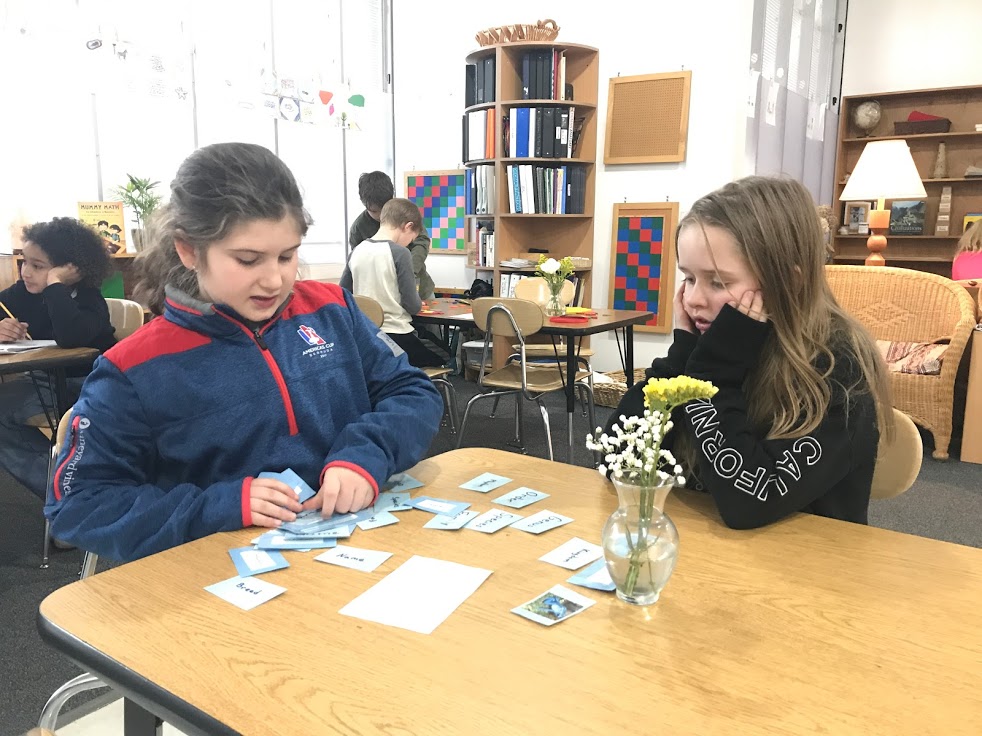
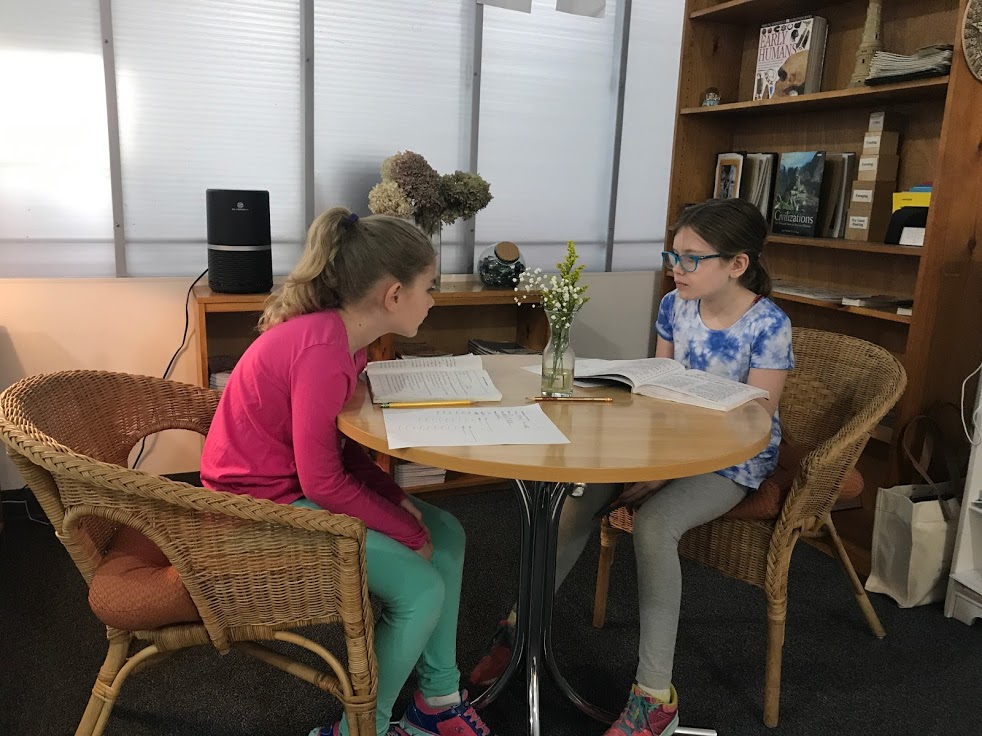
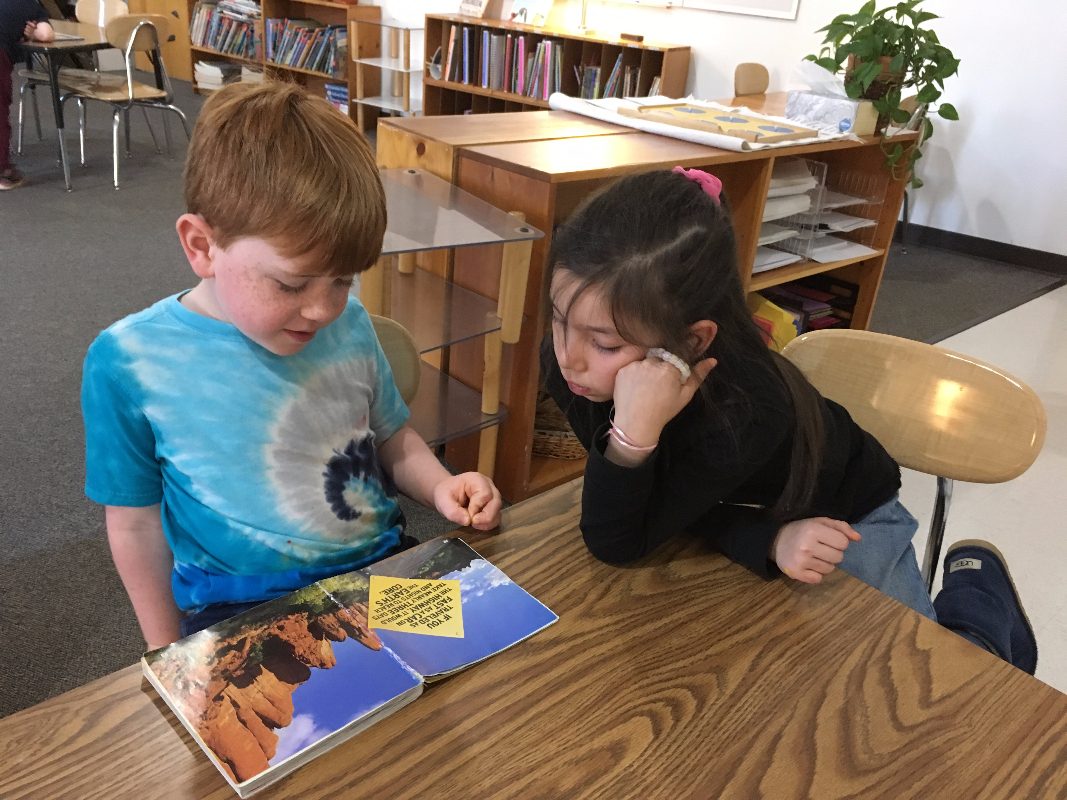
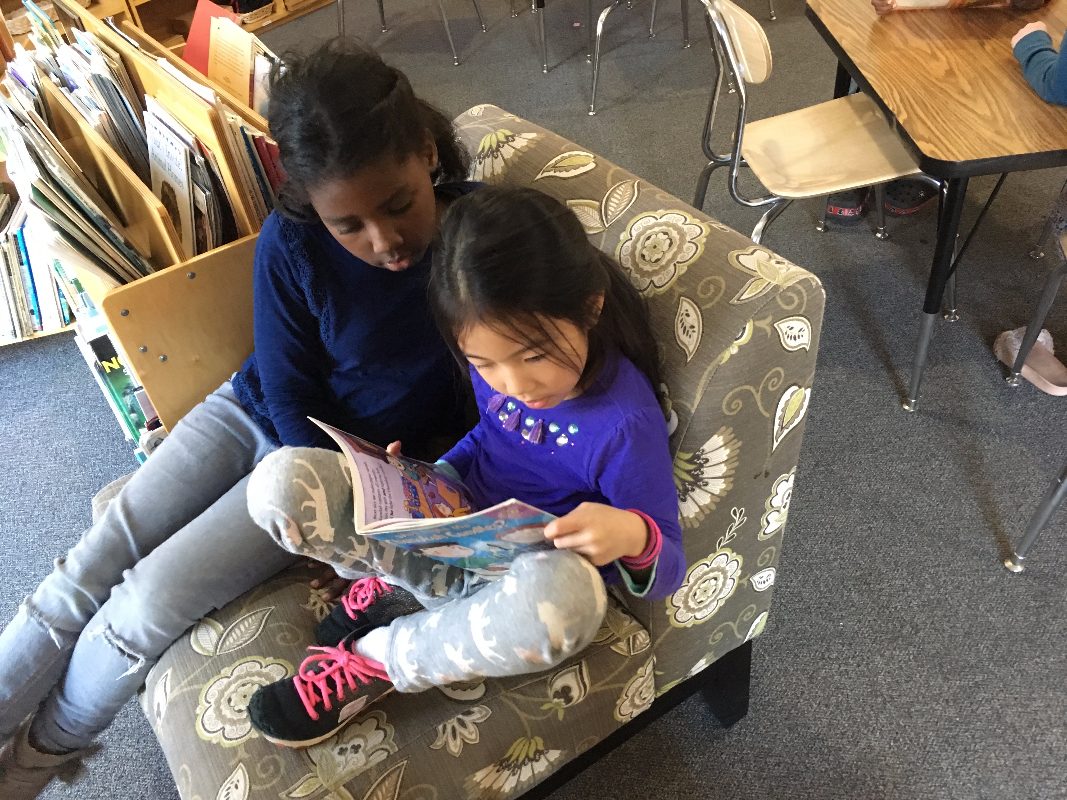
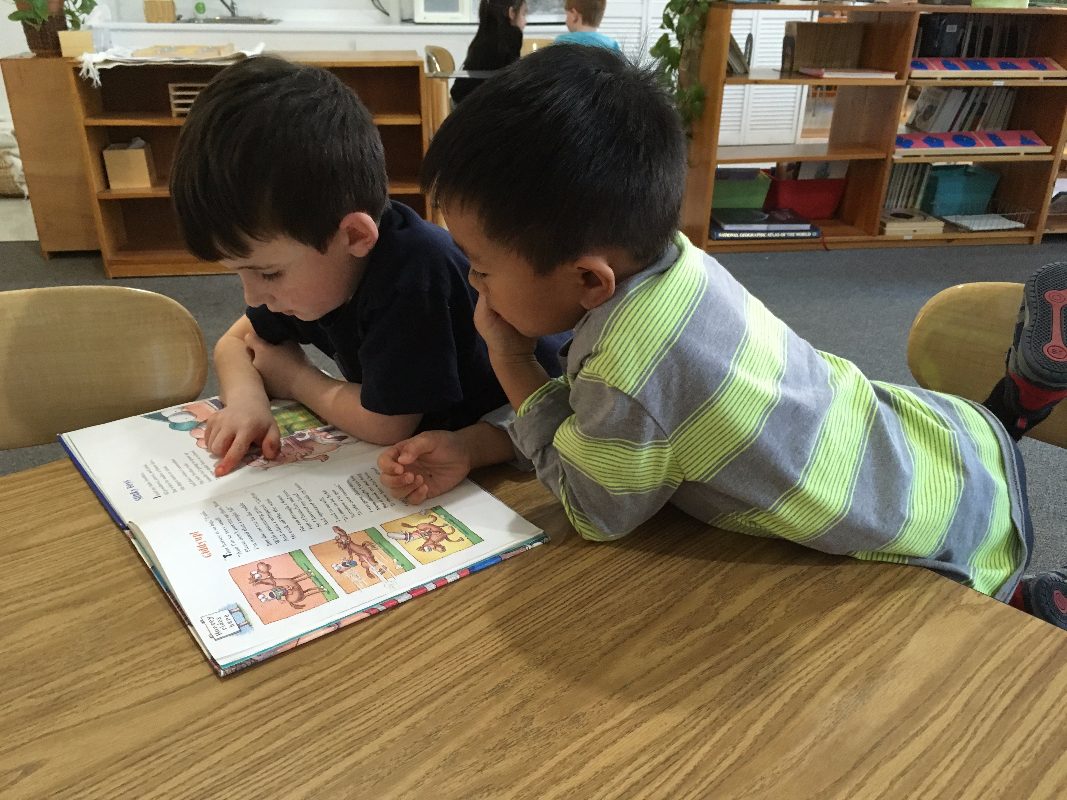
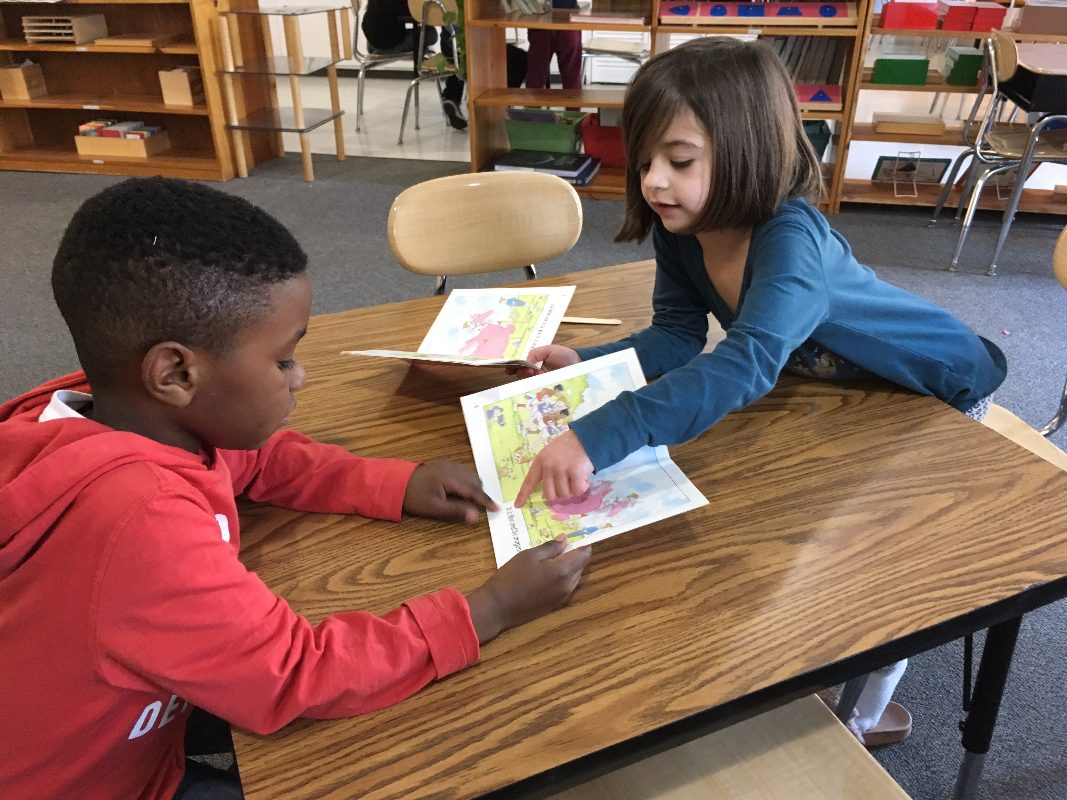
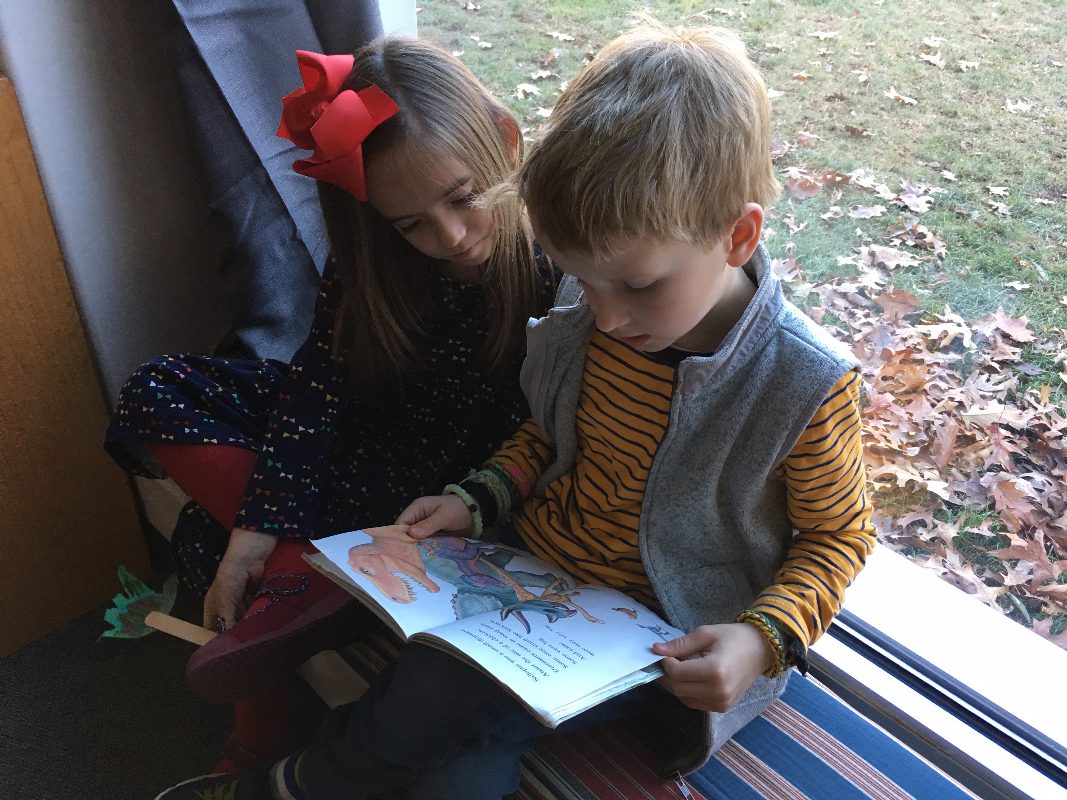
First year students practiced partner reading during Reader’s Workshop. Examples of respectful partner reading were modeled during the mini-lesson and then the children practiced with their peers. They were able to decide together which books to read, respectfully share the book with their partners, and help each other figure out challenging words.

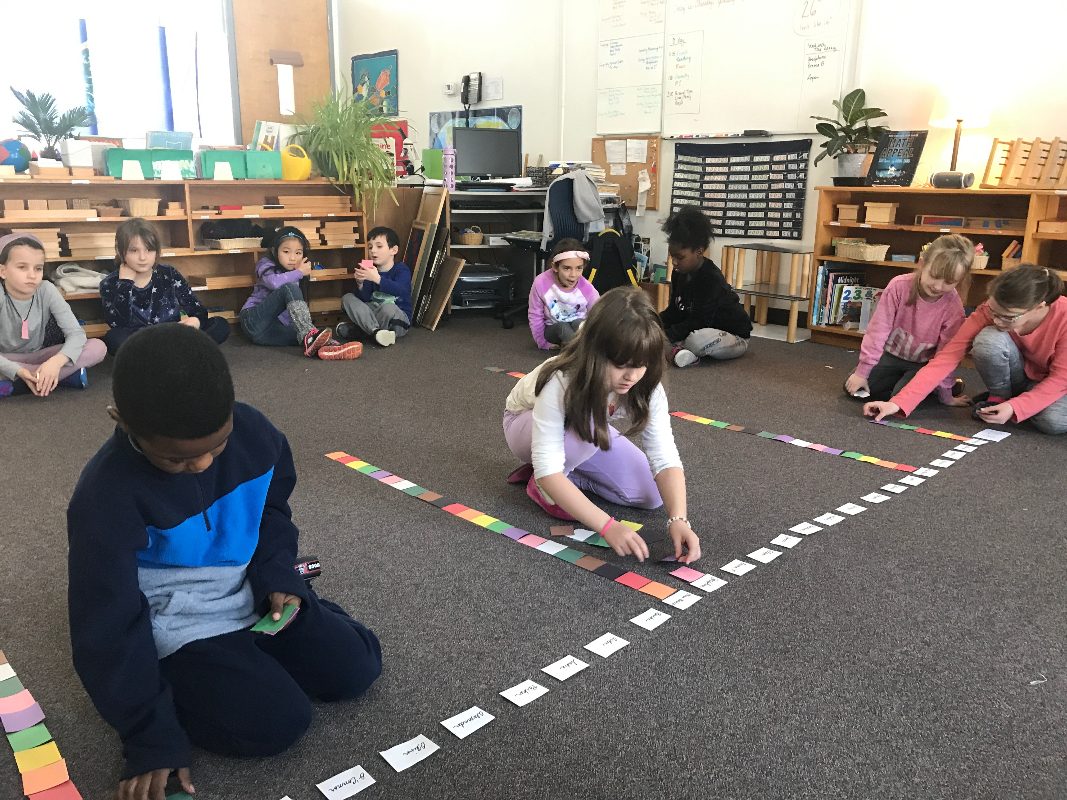
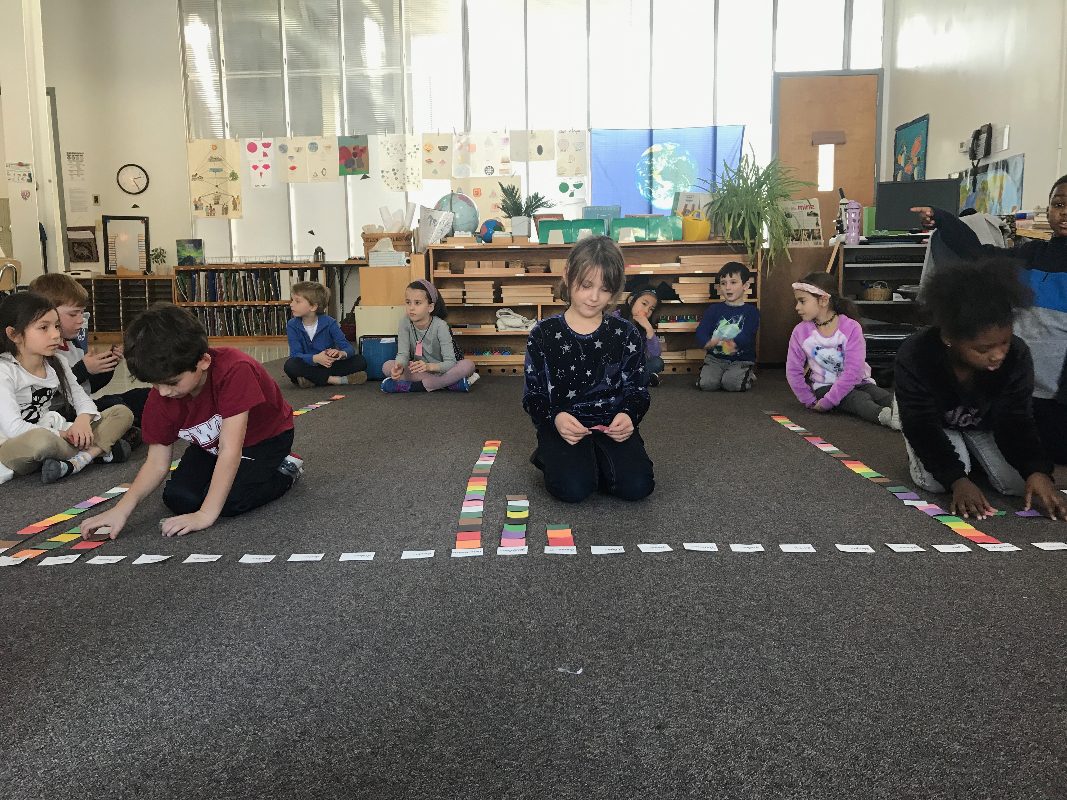
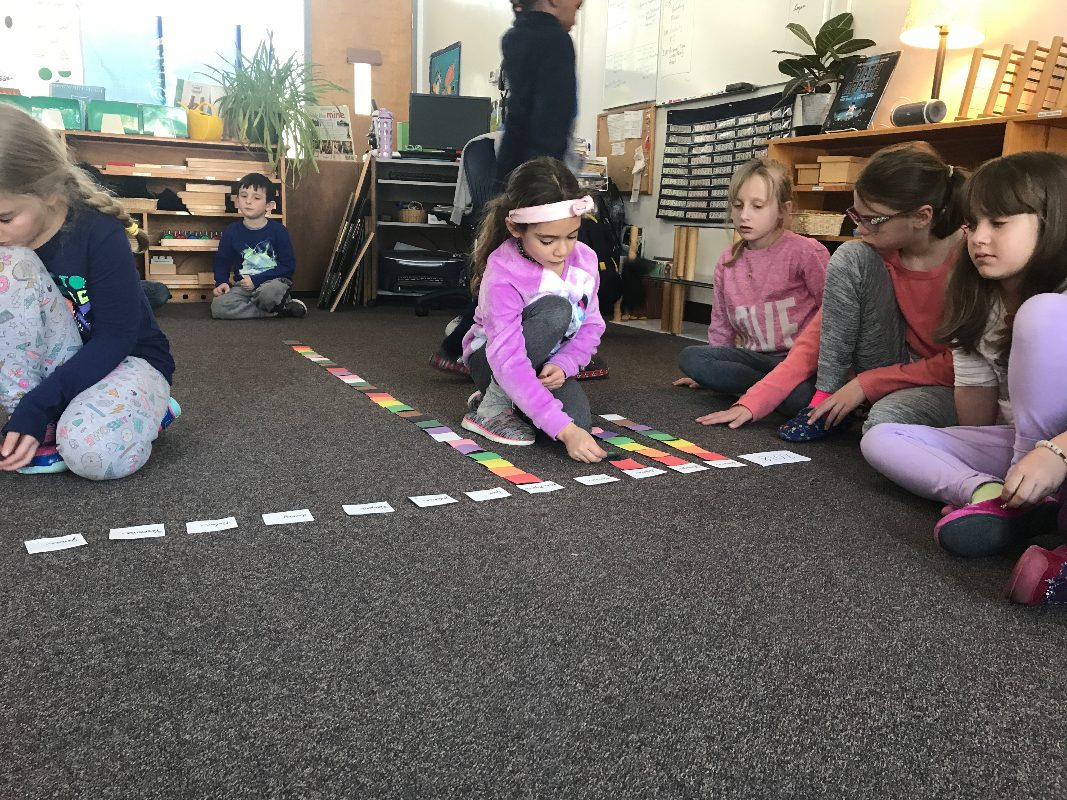
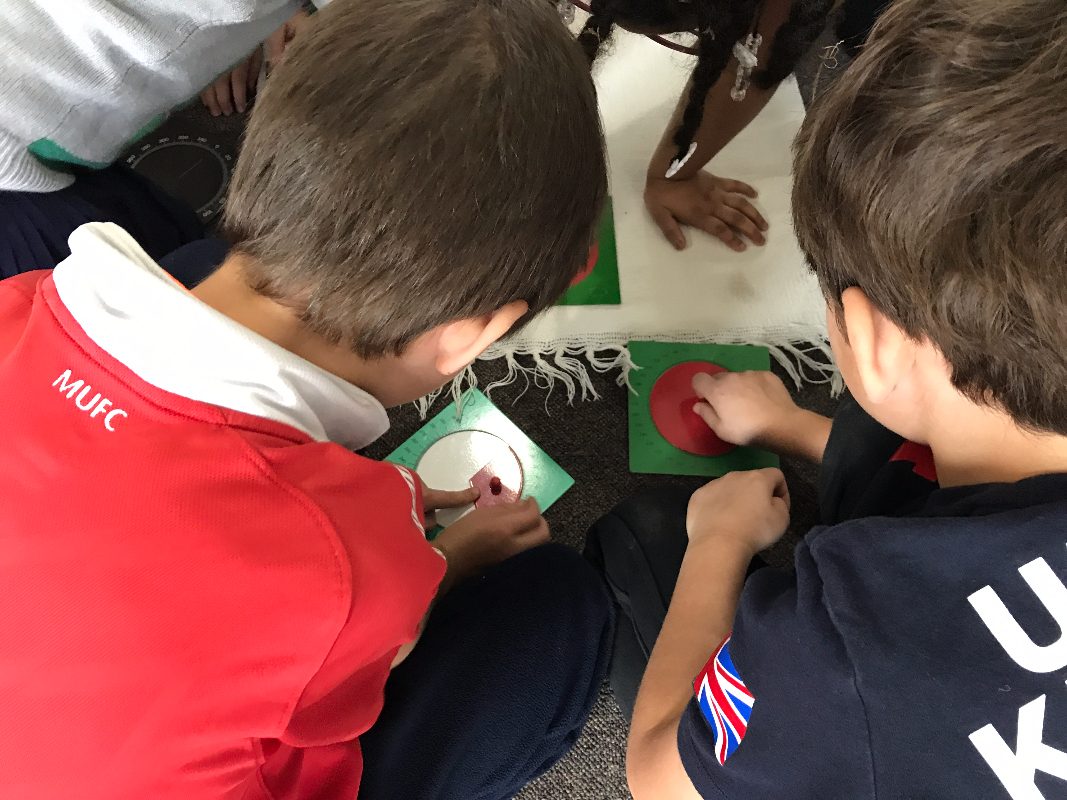
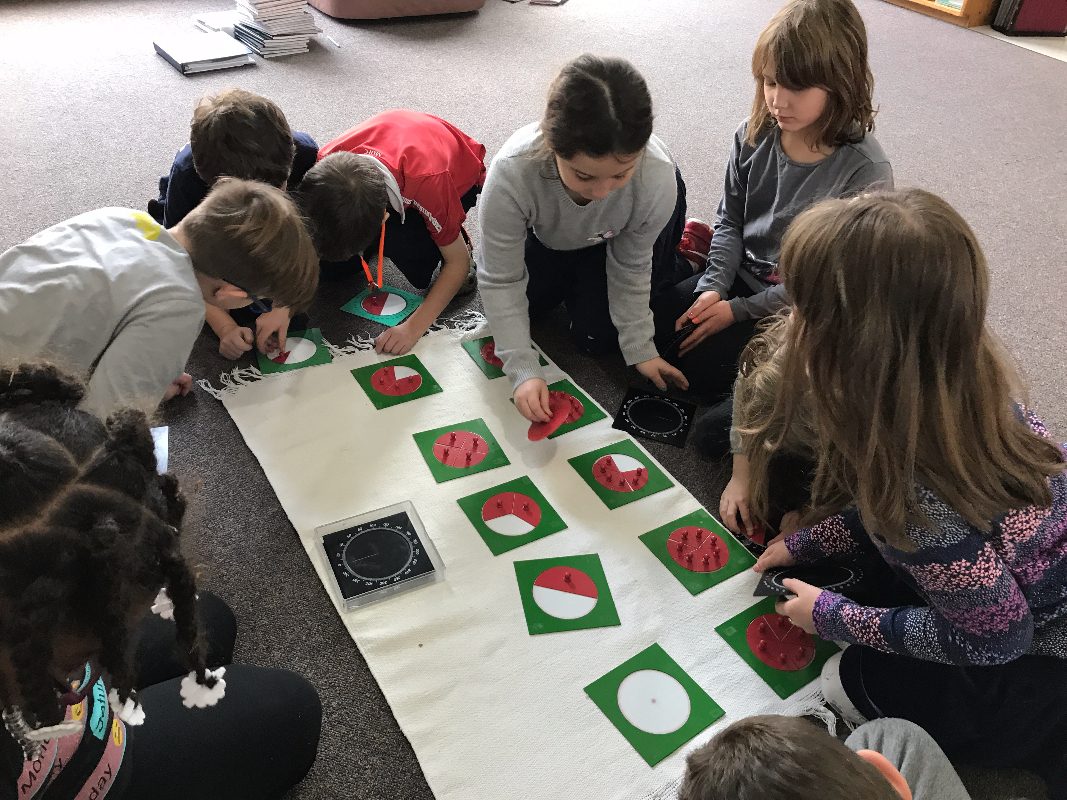
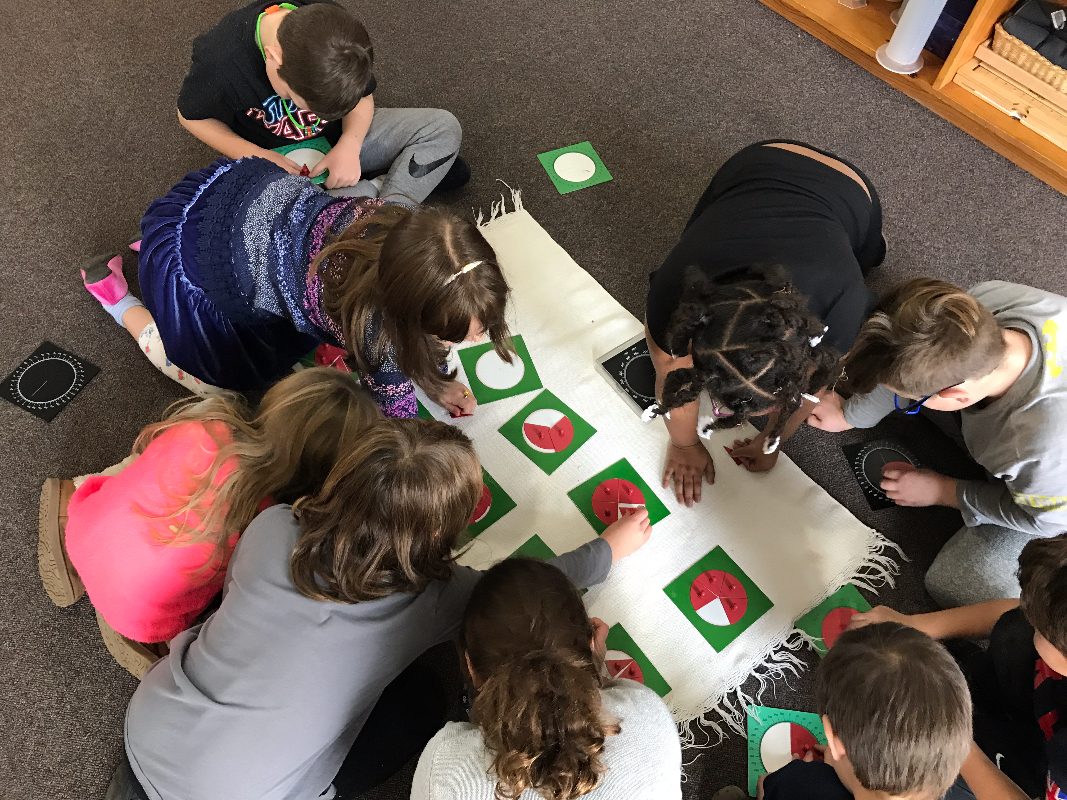
Second year students learned about measuring angles with the Montessori Protractor. This material is a complete 360°. Students have learned the history of why the circle has 360° in a previous lesson about the Babylonians. They will learn to put angle inset pieces into the Montessori Protractor to measure, add, multiply, subtract, and divide angles. Later they will transition to the standard protractor.


Lower Elementary – Growing Together

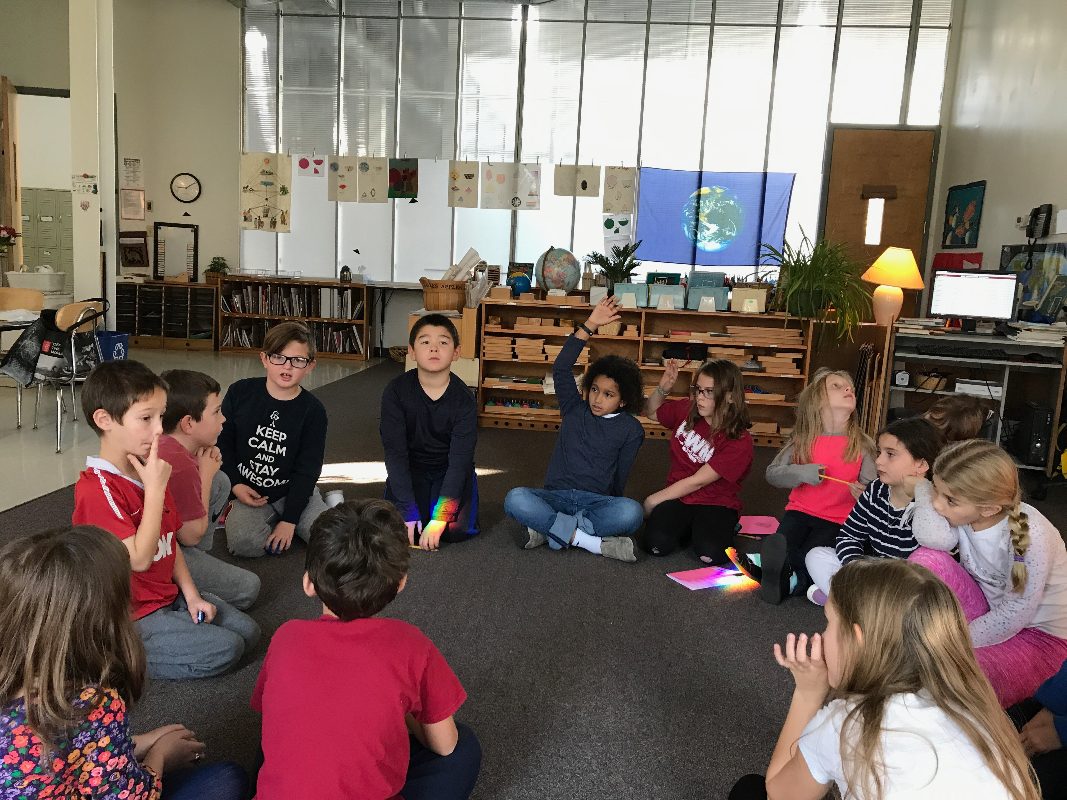
One of the authentic and beautiful aspects of our classroom community is the desire and opportunity the children have to problem solve together. The classroom is a safe space for children to share their feelings and concerns. Second and third year students called a meeting to discuss a common issue they were experiencing. They each took turns voicing their concerns and then they participated in a discussion of possible solutions to the problem. They were respectful and considerate of each other during their meeting. One of the solutions that came out of the discussion was that they want to lead by example. They then proceeded to do a fantastic job leading by example during work cycle. When children are given a voice in their problem solving, they take ownership and responsibility for the solution. As an adult in the classroom, it was a joy to watch as they demonstrated respect, cooperation, and independence.

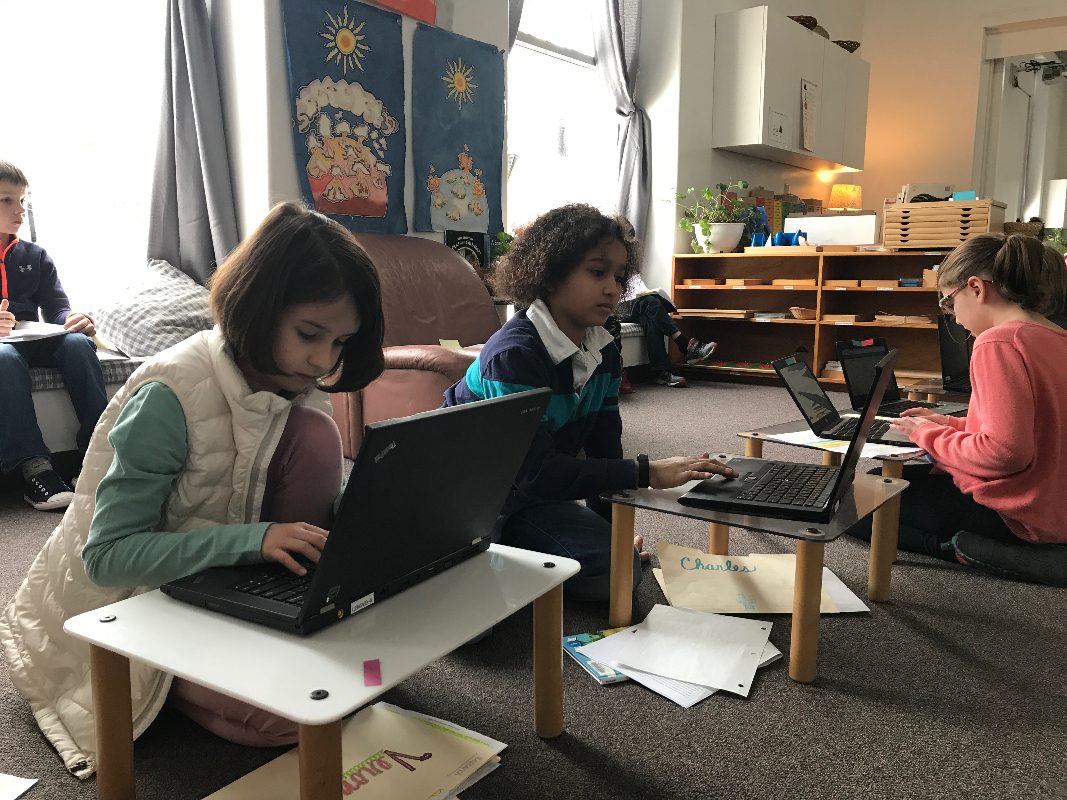
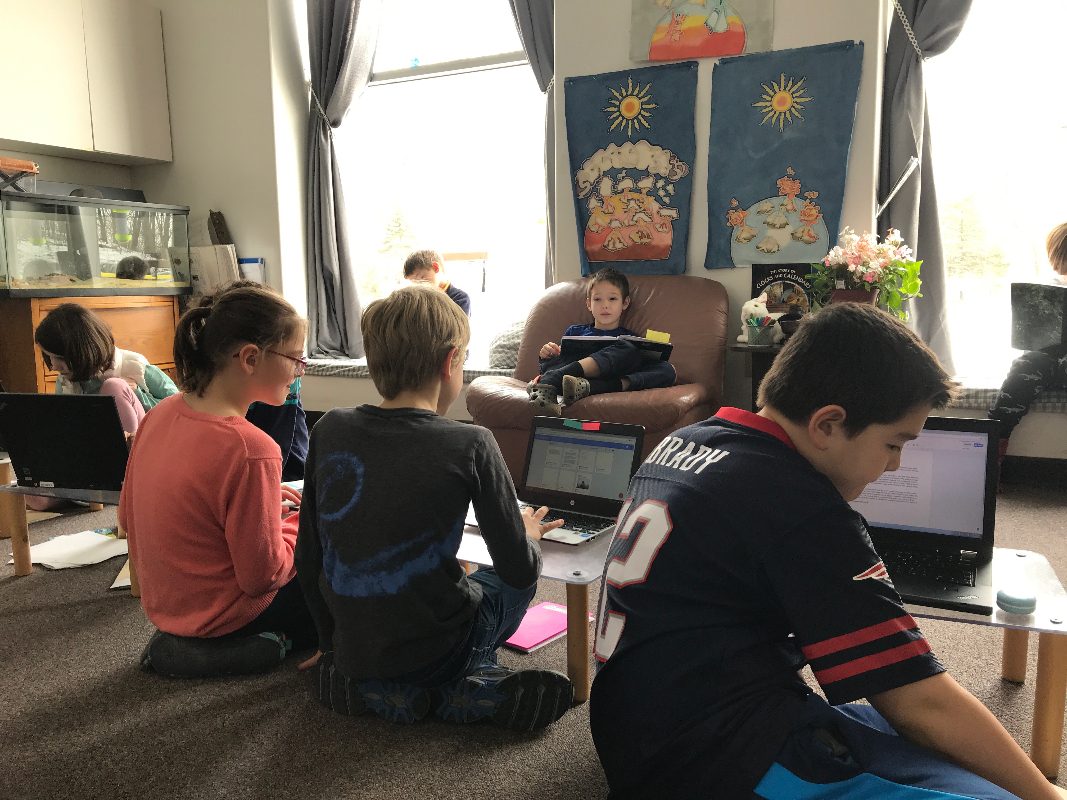
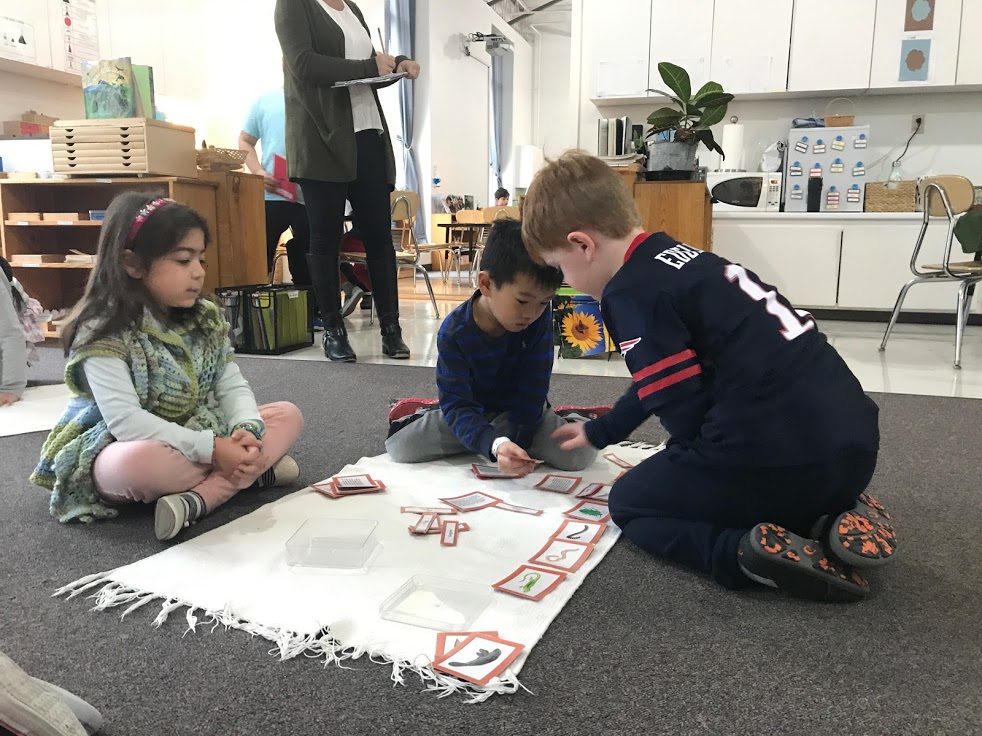
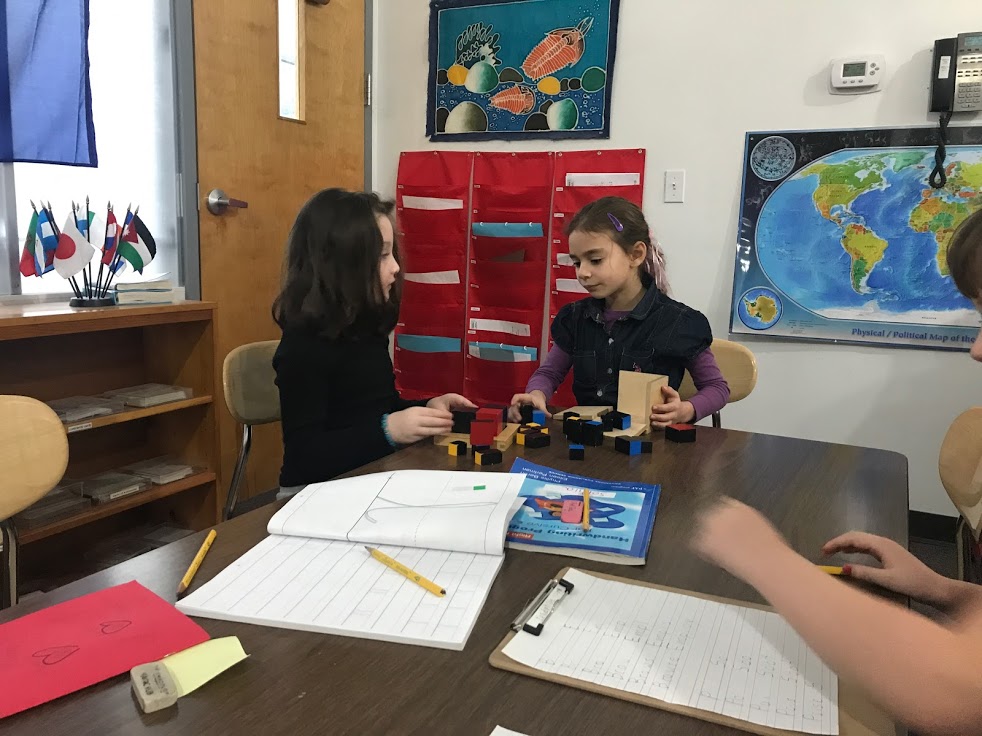
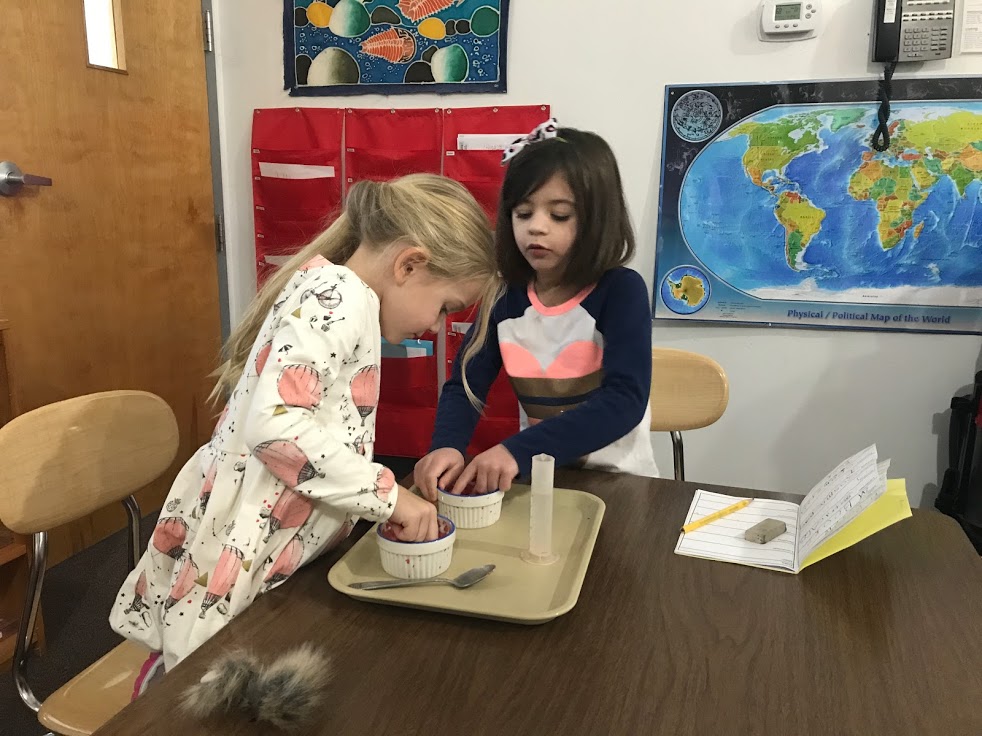
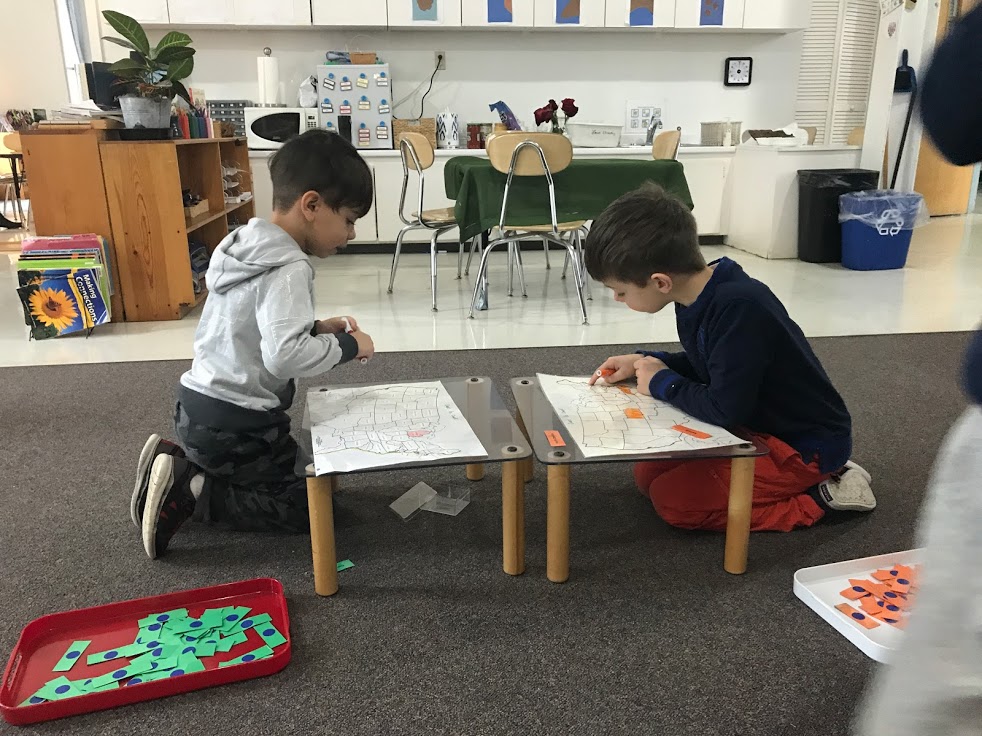
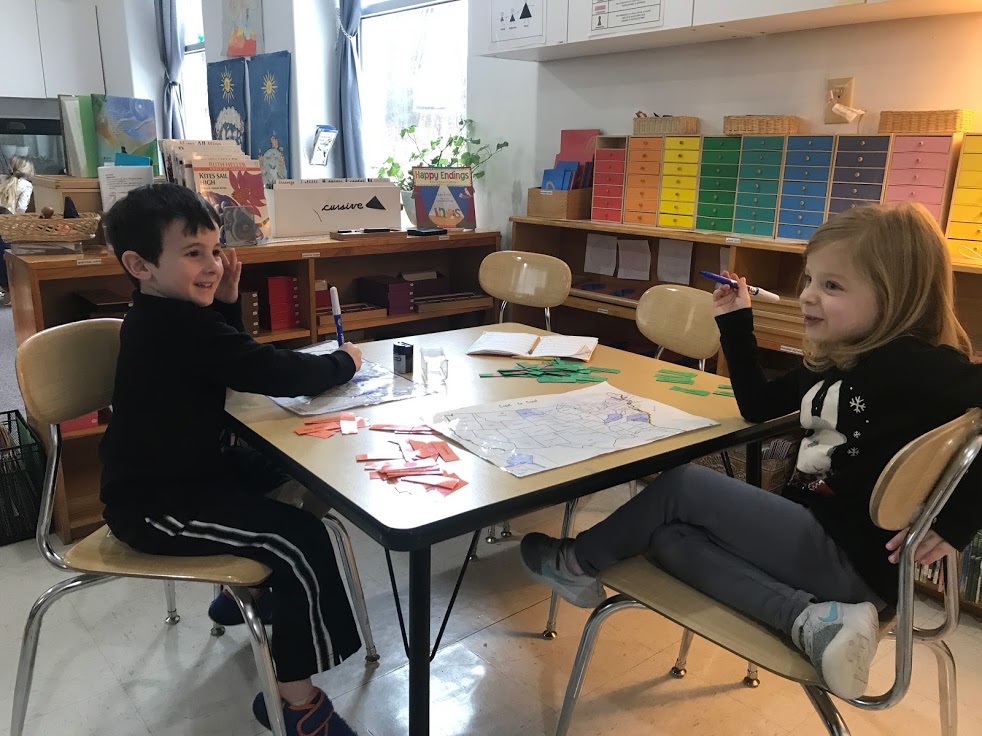
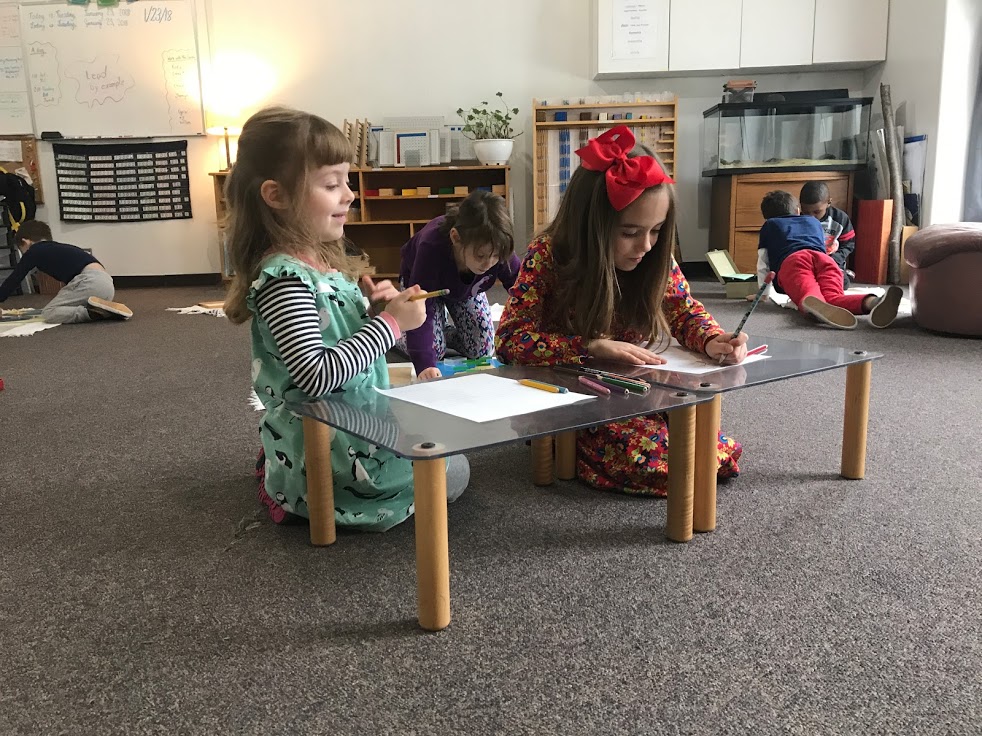
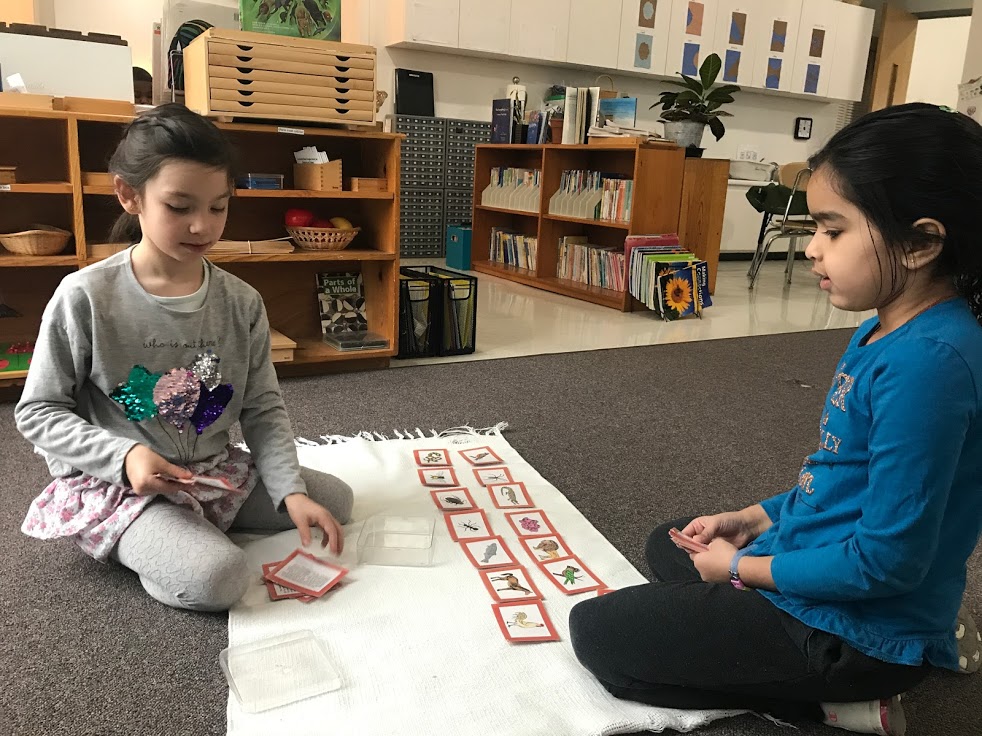
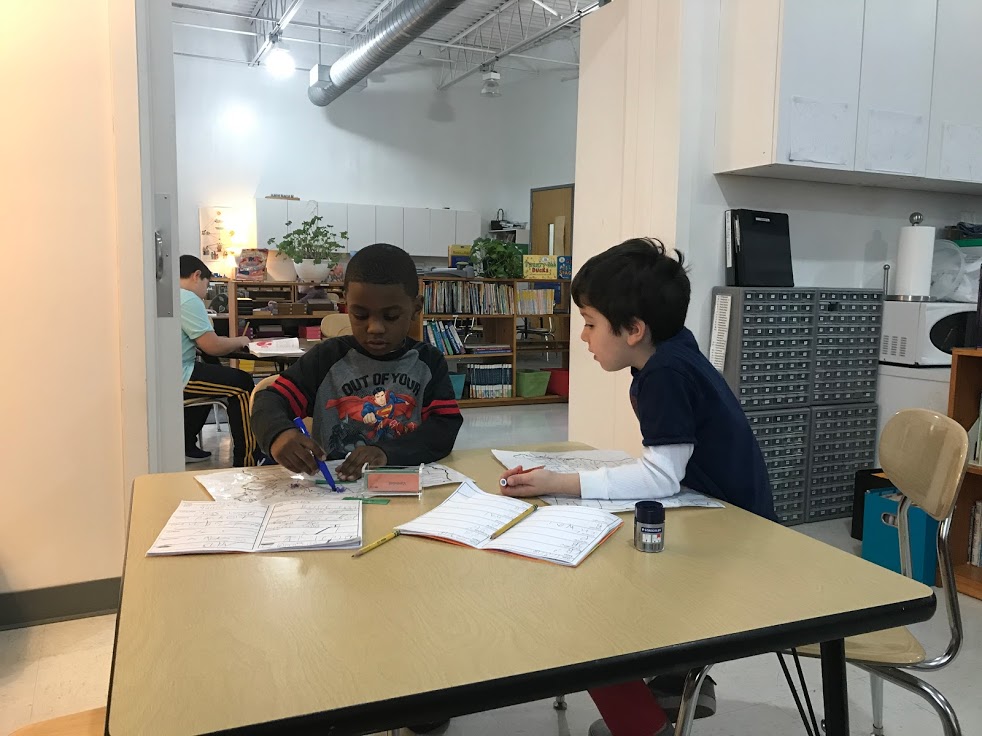
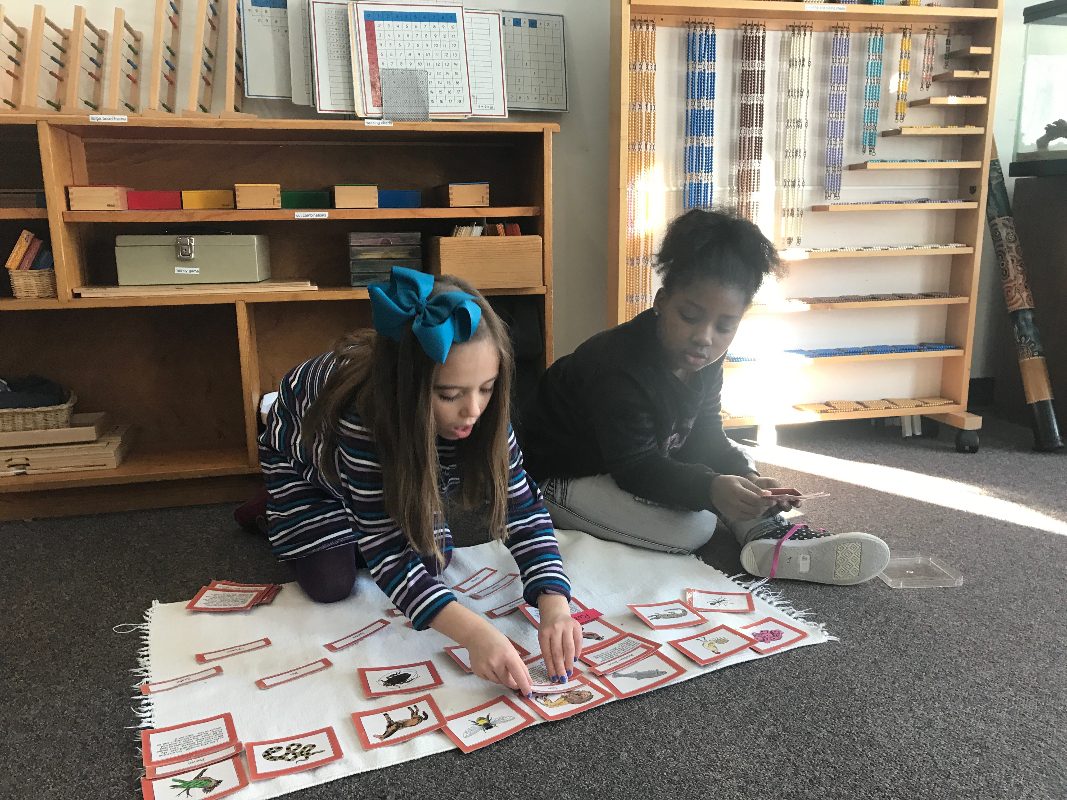
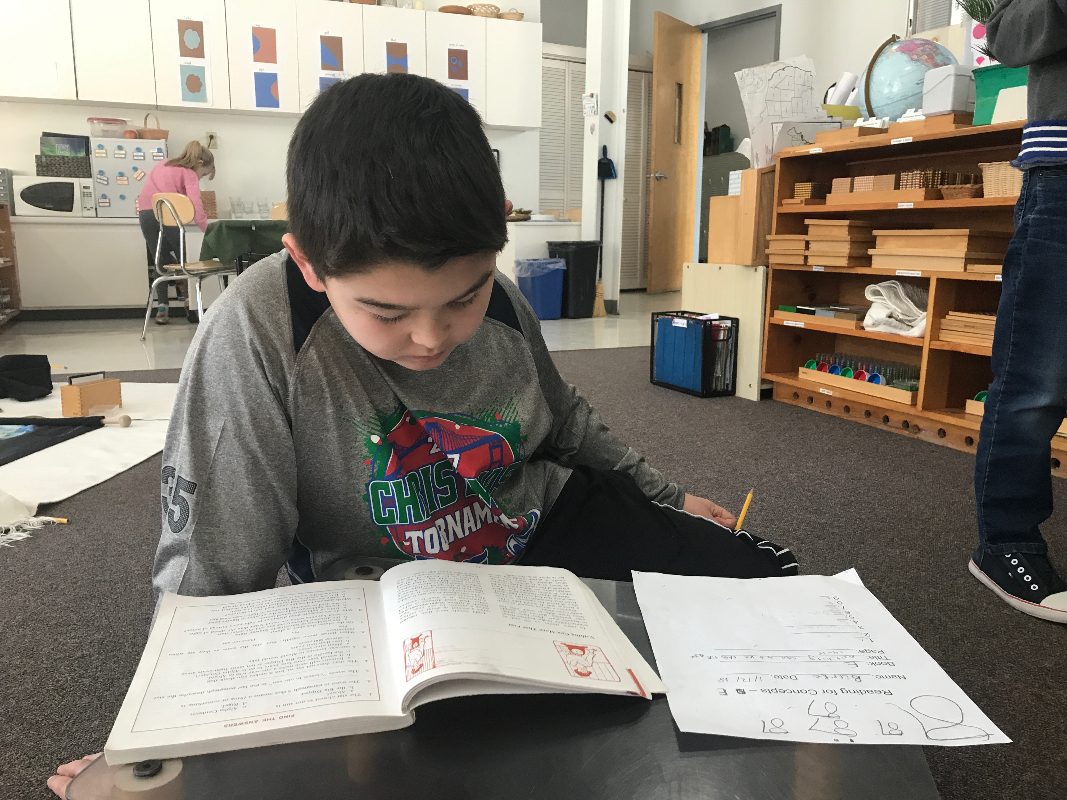
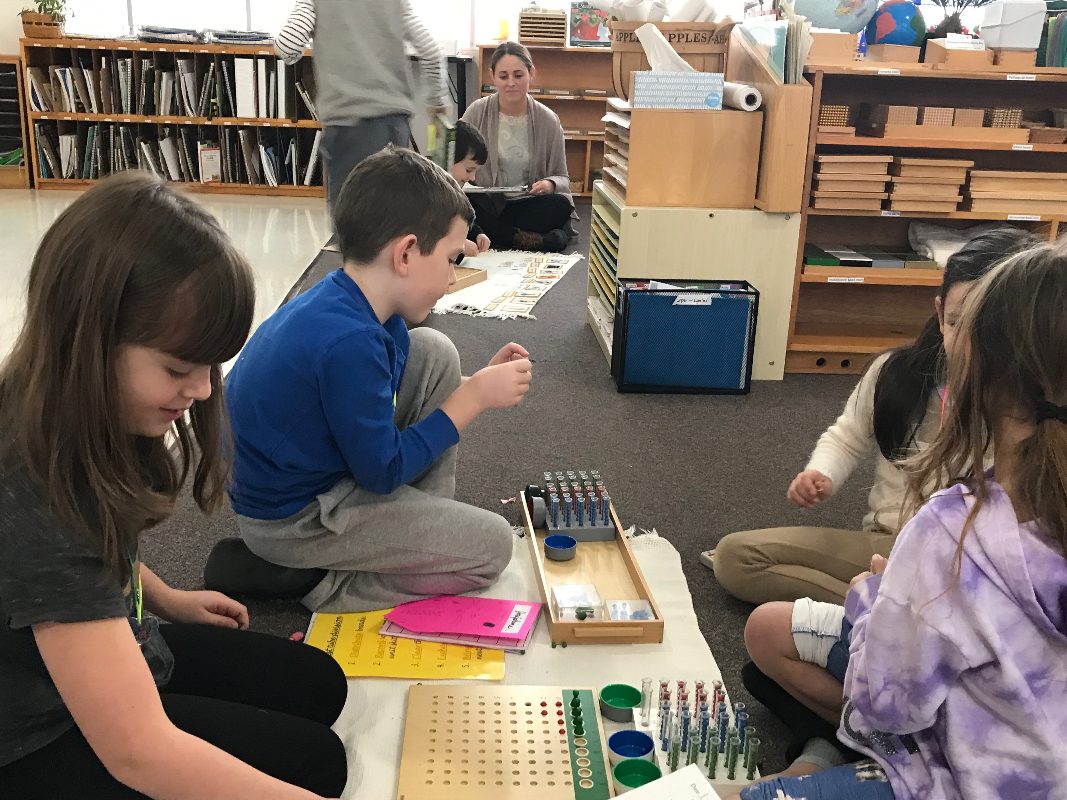
During work cycle, students are doing a great job working independently in the different subject areas.

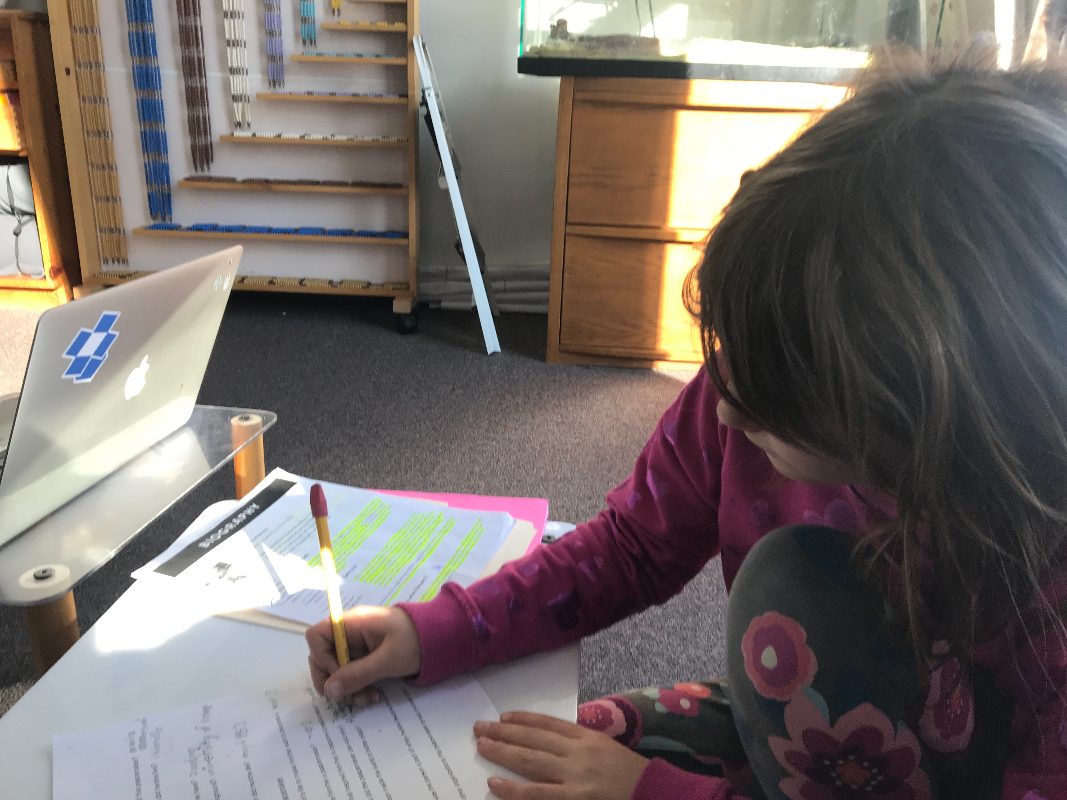
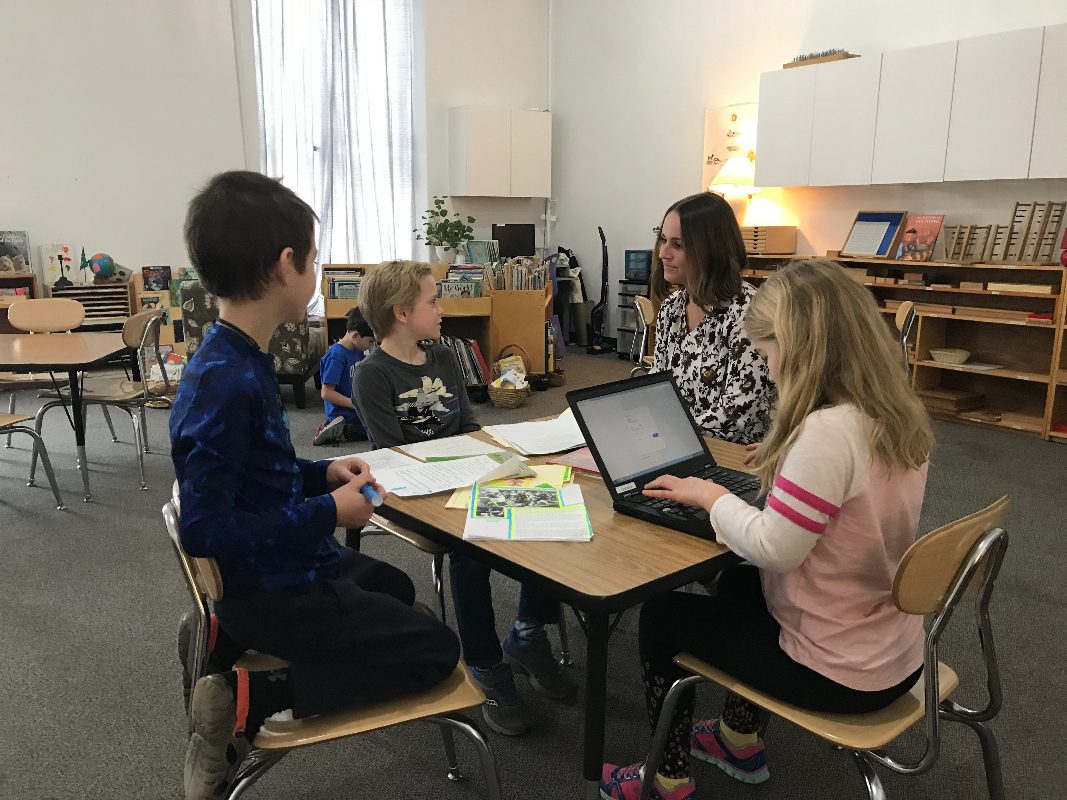
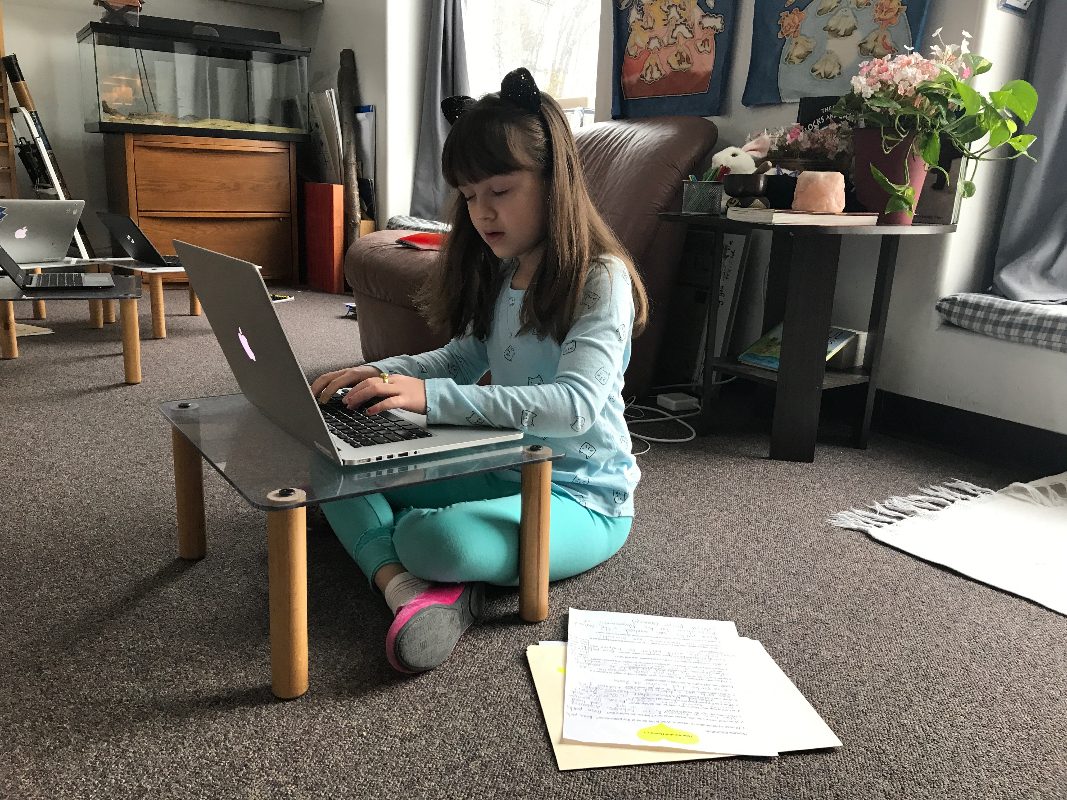
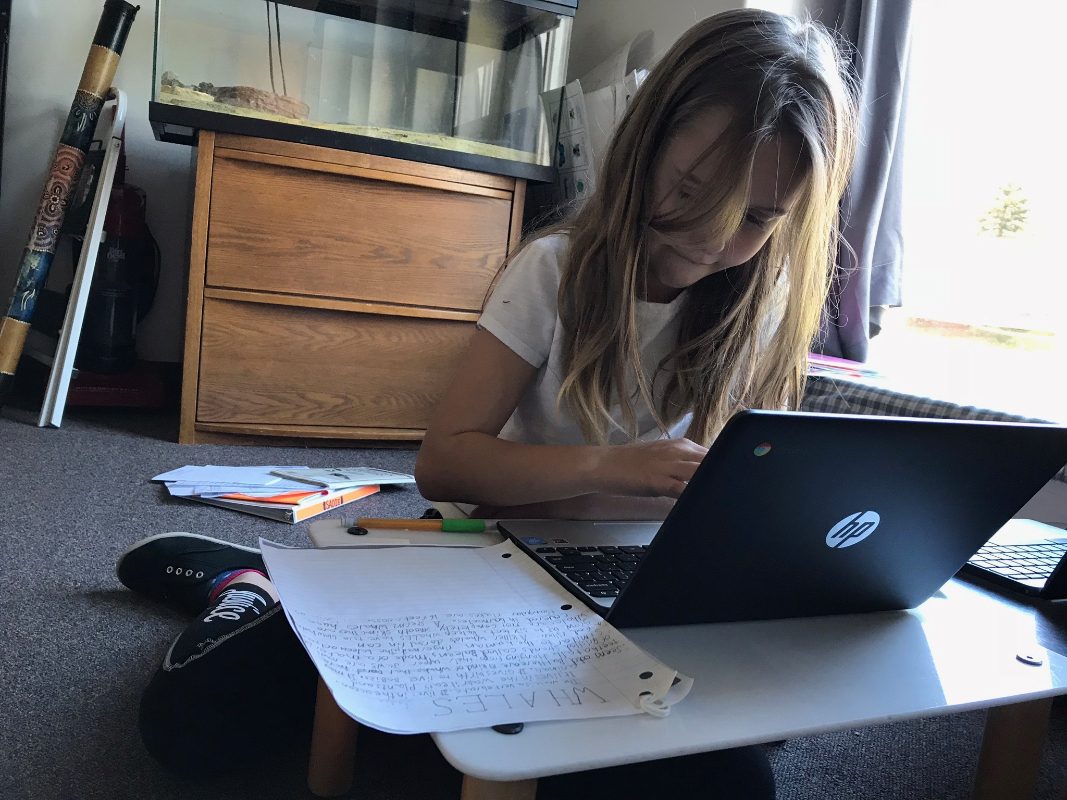
When the older students are ready, they start to research topics of interest independently. They begin by choosing a topic. They select a research guide, reference materials, and write answers to the questions in the guide. They are then able to take their answers and turn them into a report on the topic.

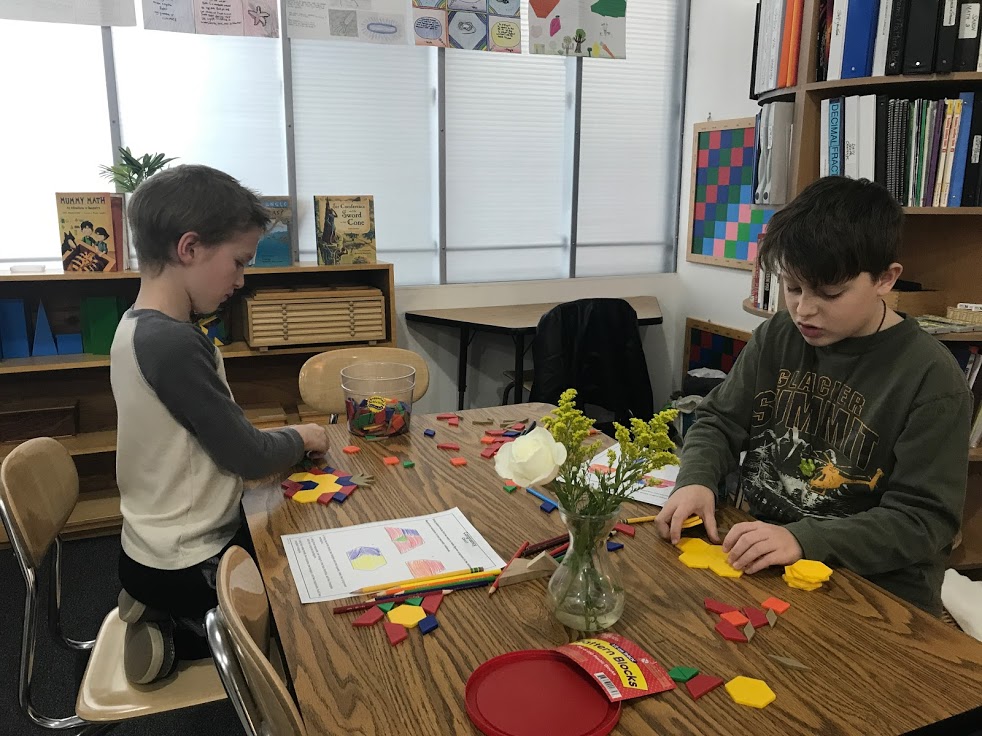
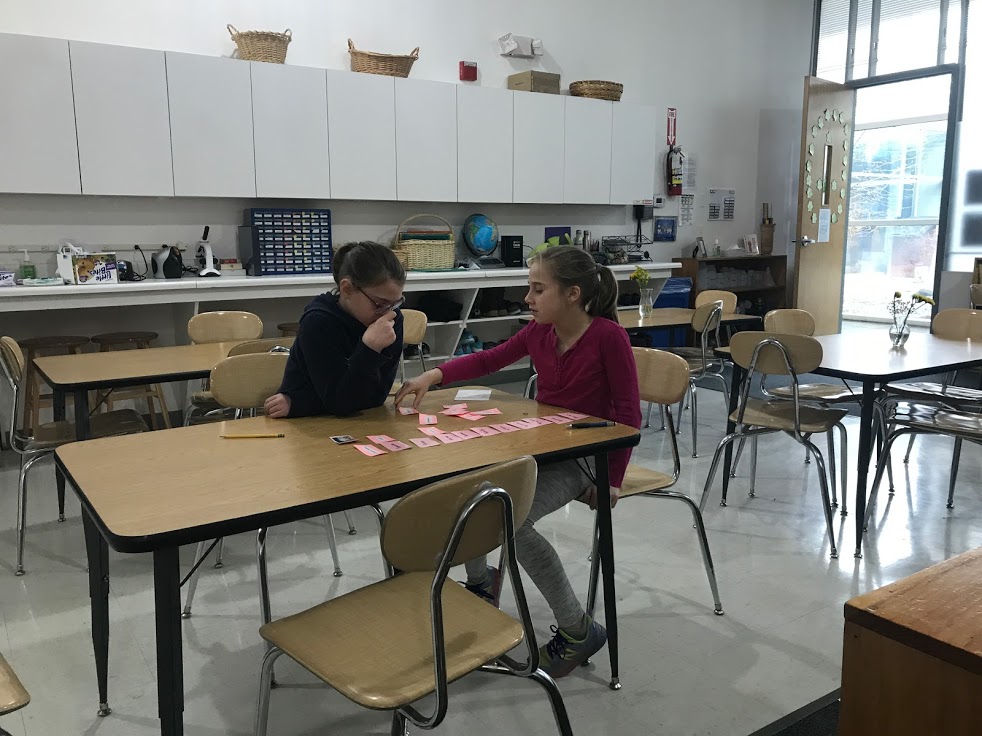
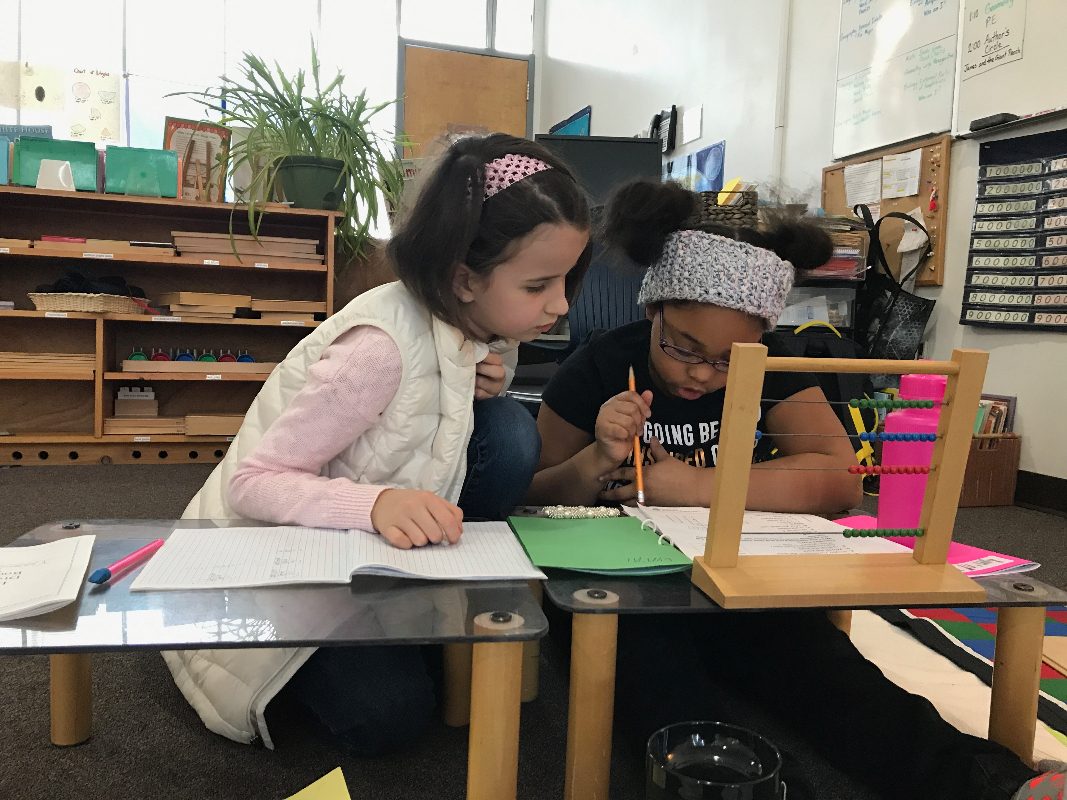
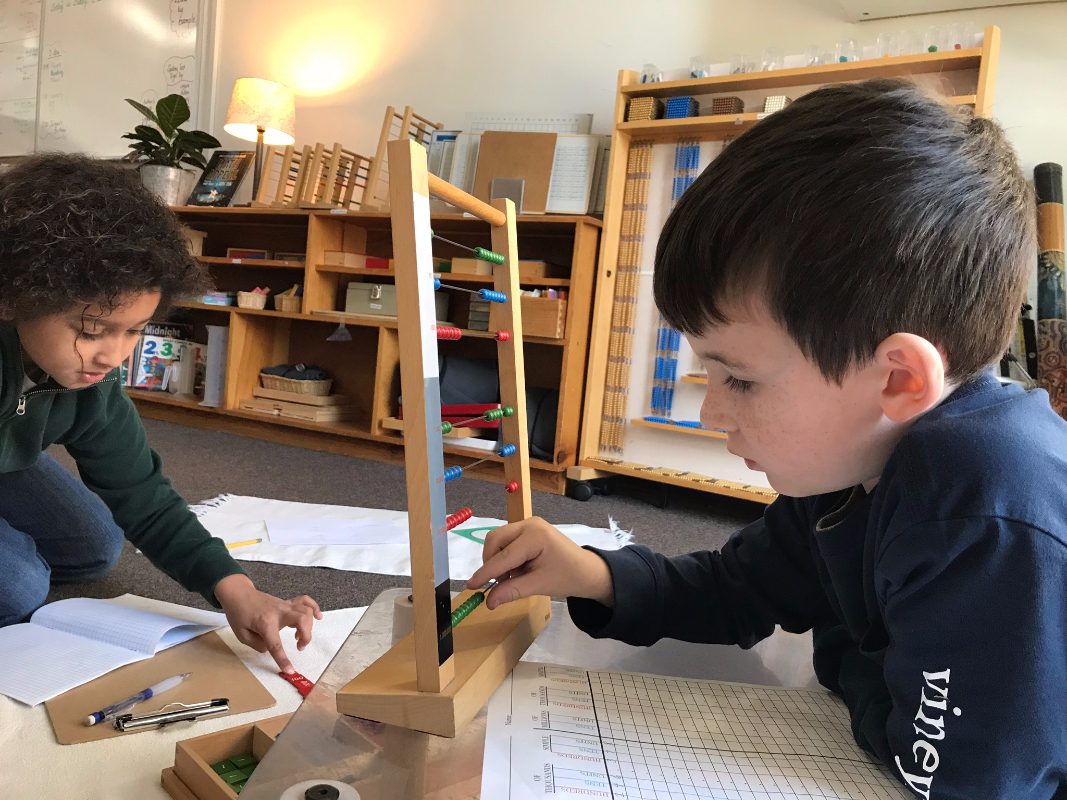
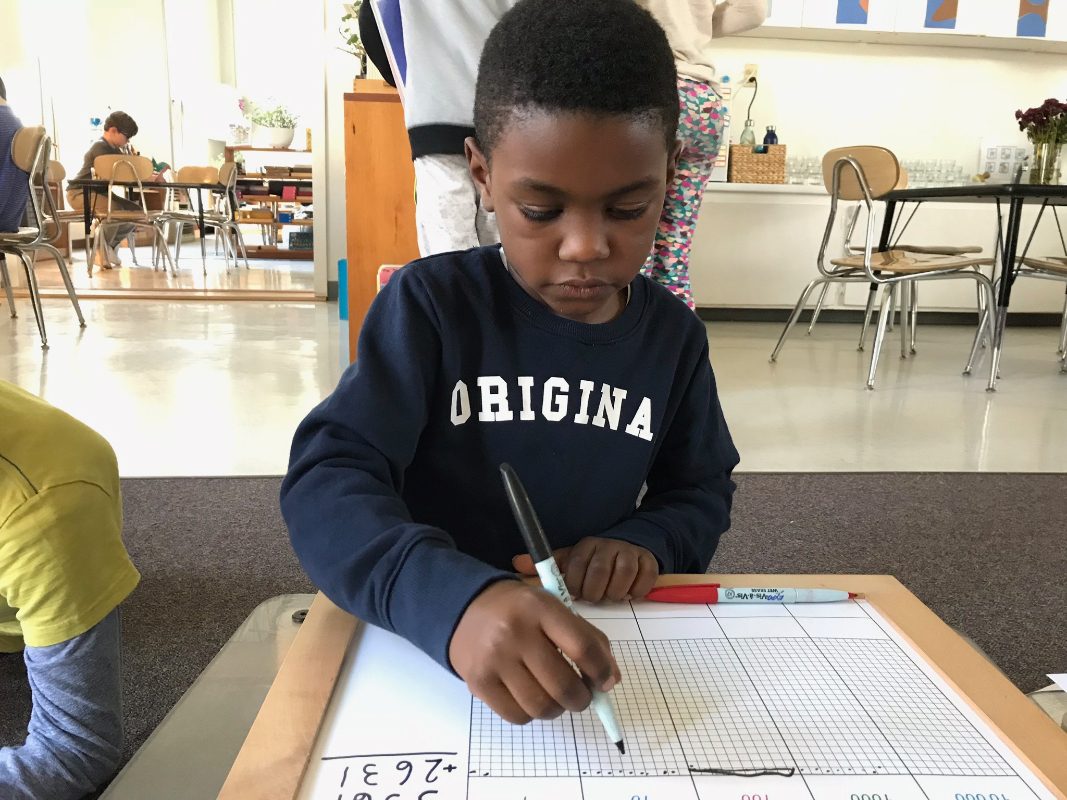
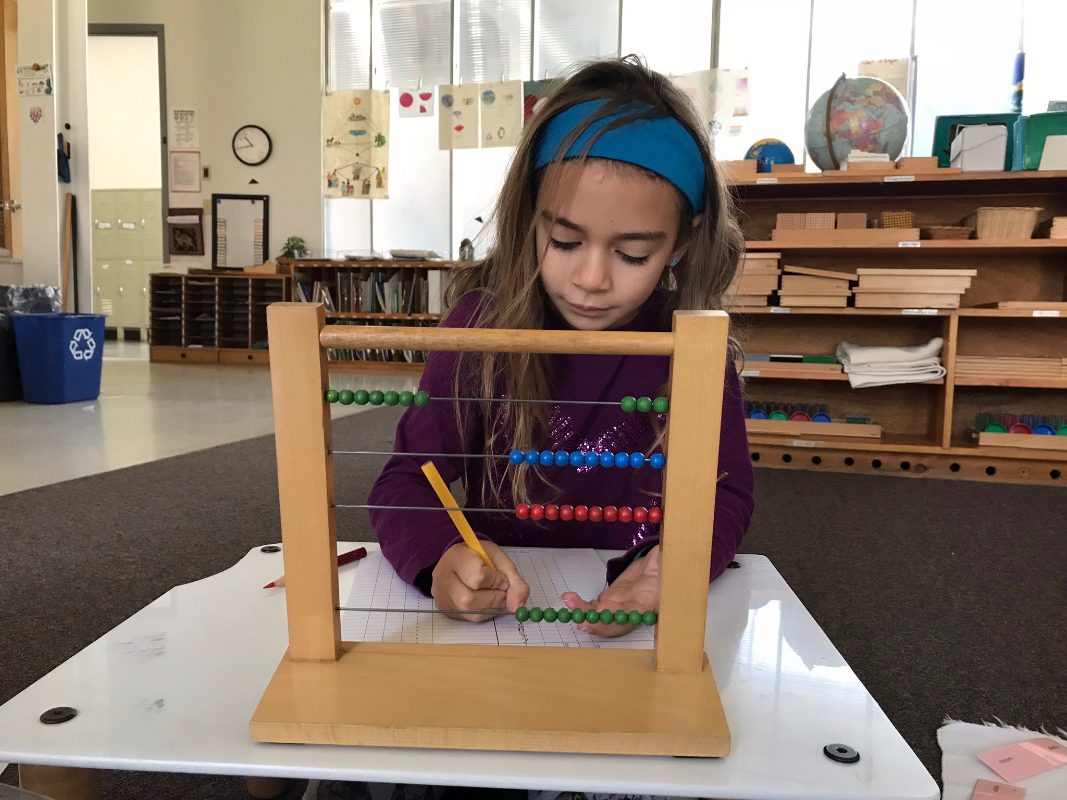
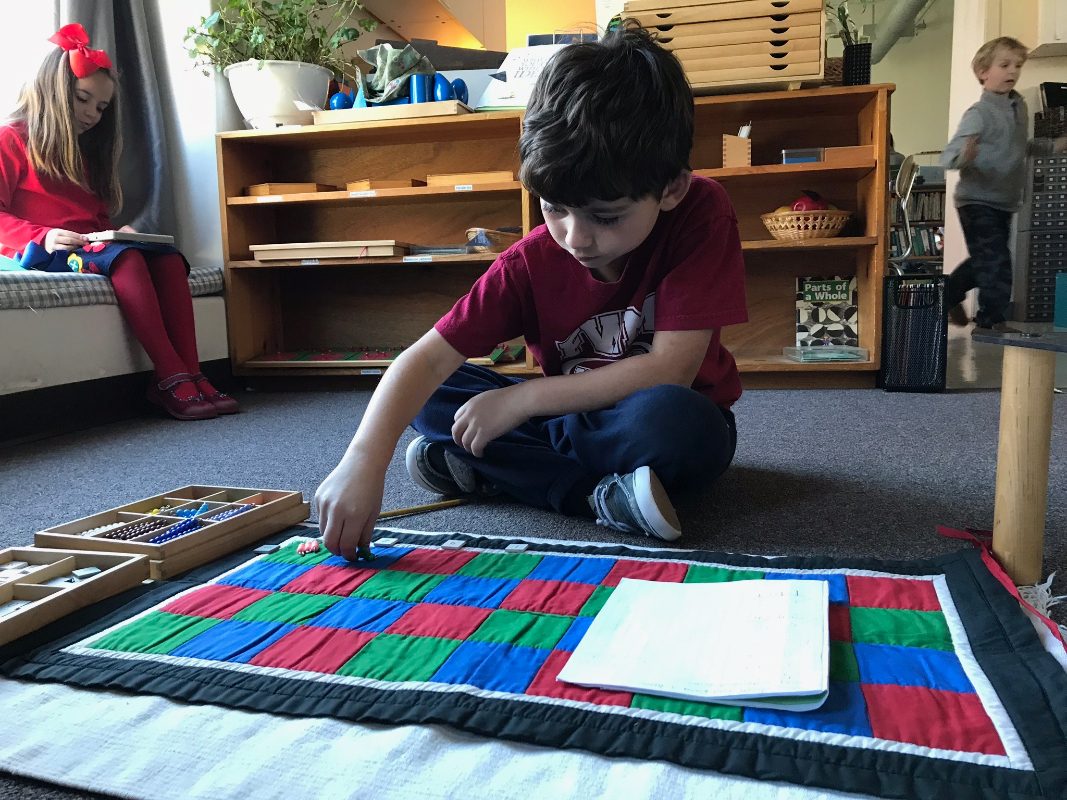
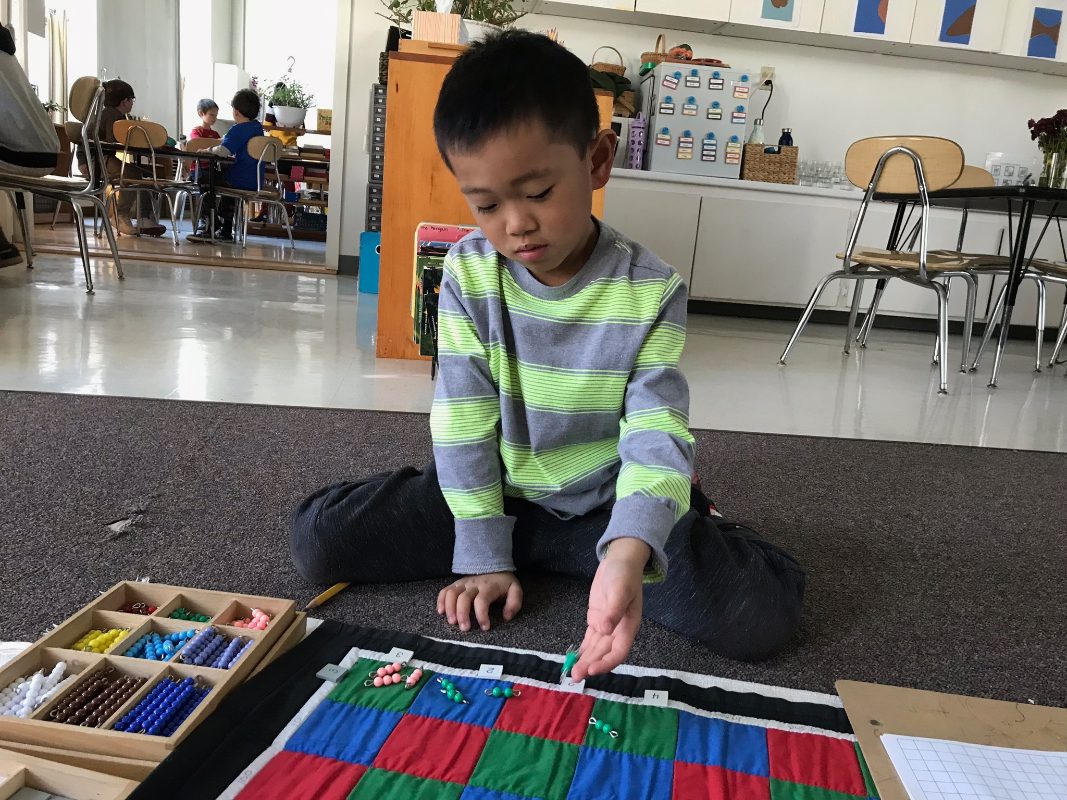
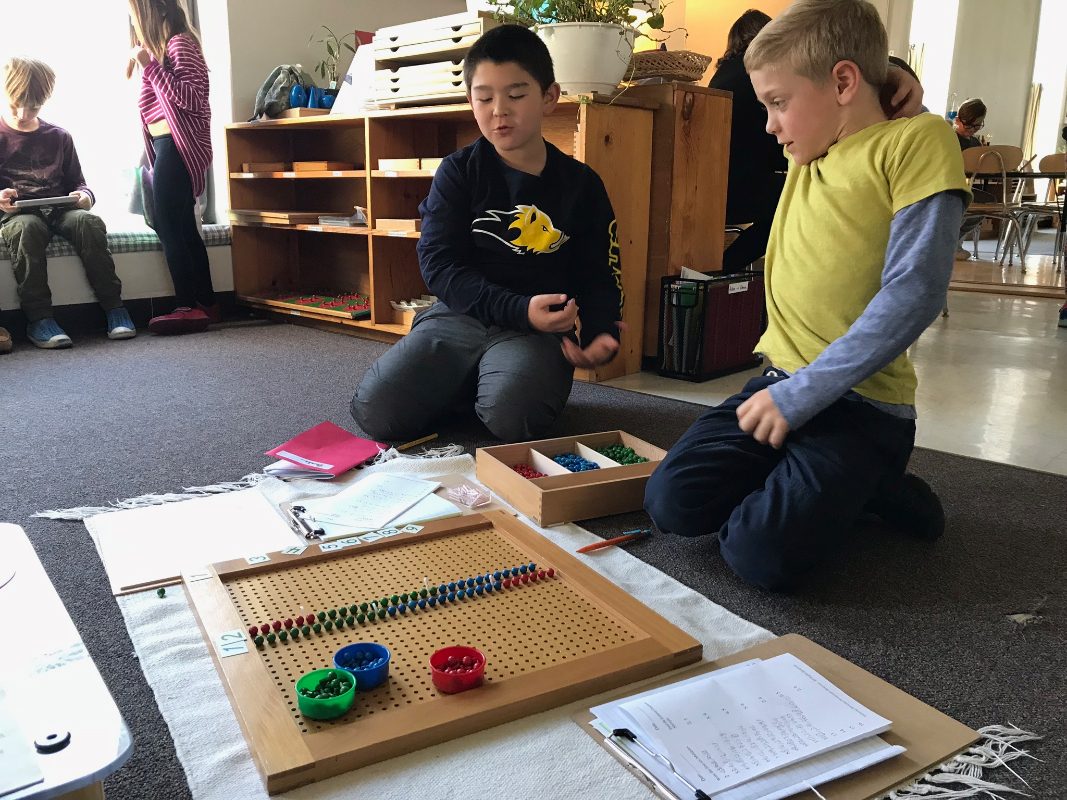
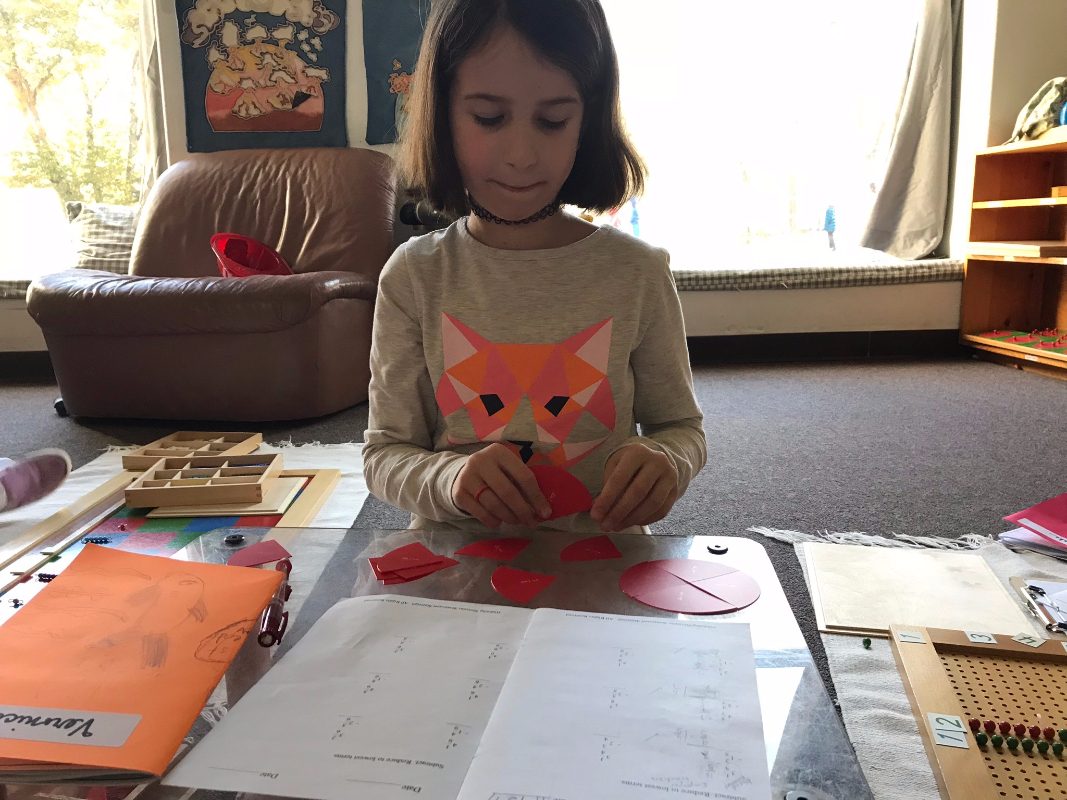
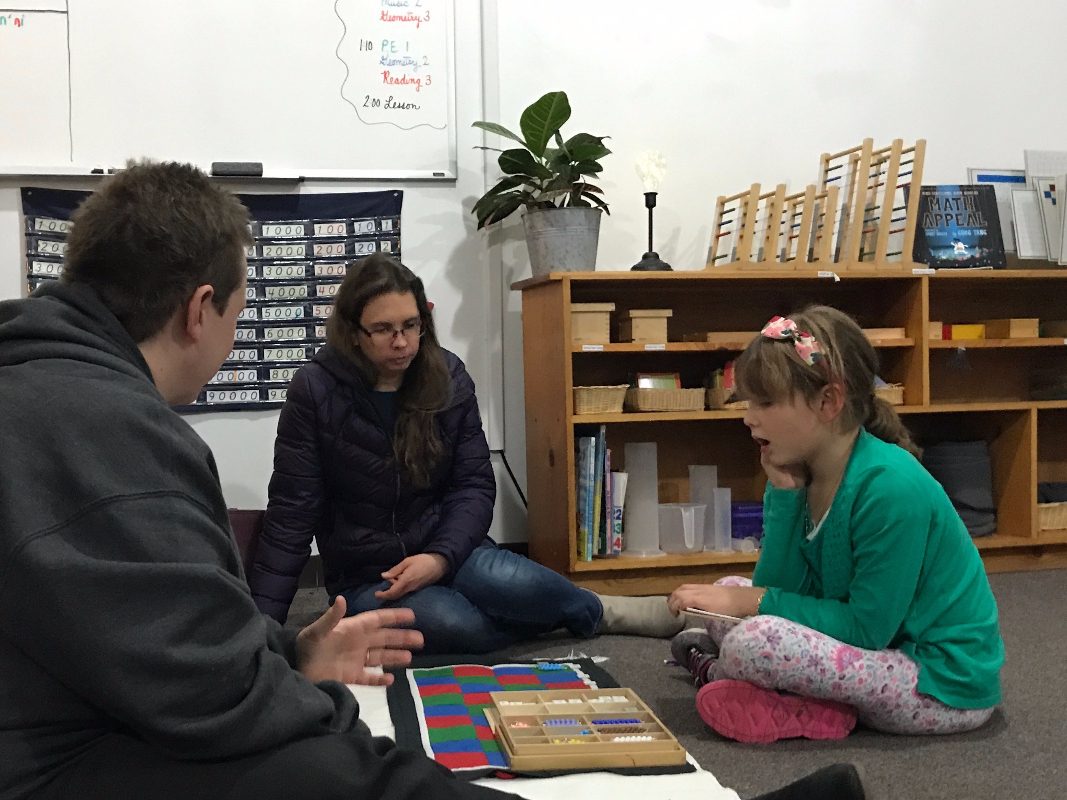
We have many different types of math going on in our classroom with multiple materials being used for the different operations. The dot game is useful for addition and multiplication. Adding, multiplying and subtracting can be done using the bead frame. The checkerboard is a favorite material used for multiplication. Once students learn about multiples and factors, the peg board is used to find the lowest common multiple and the greatest common factor. Fraction materials are used for beginning fraction lessons in the four operations.

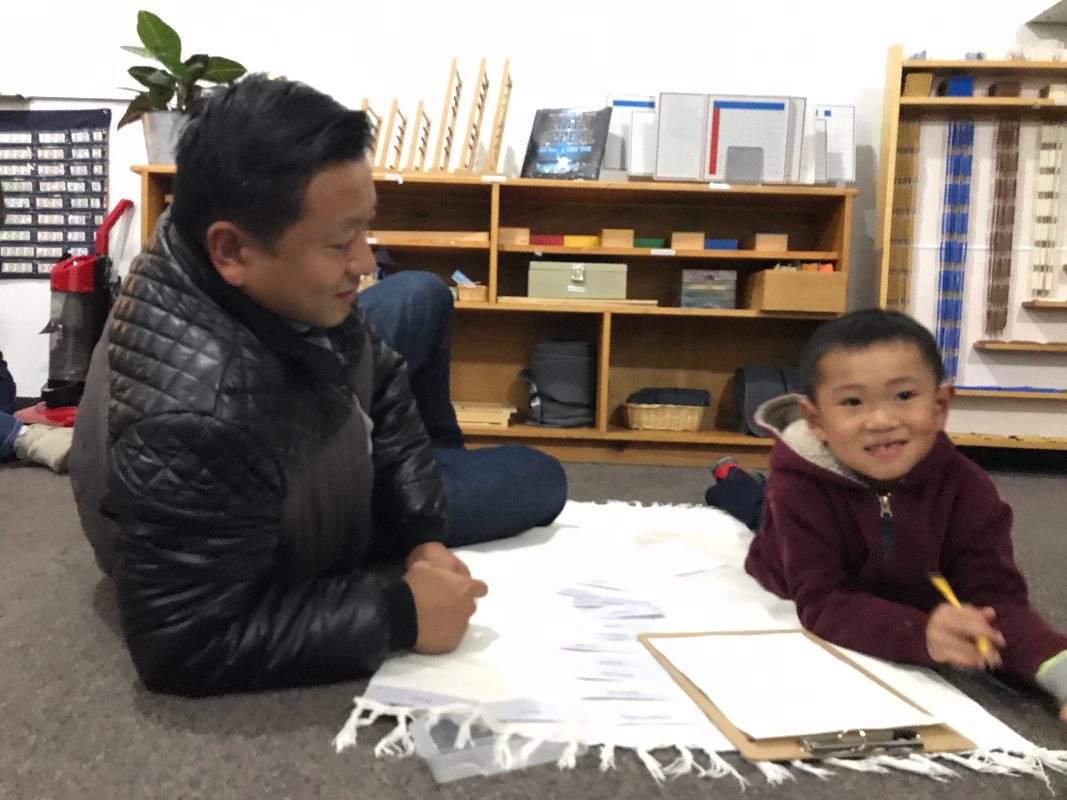
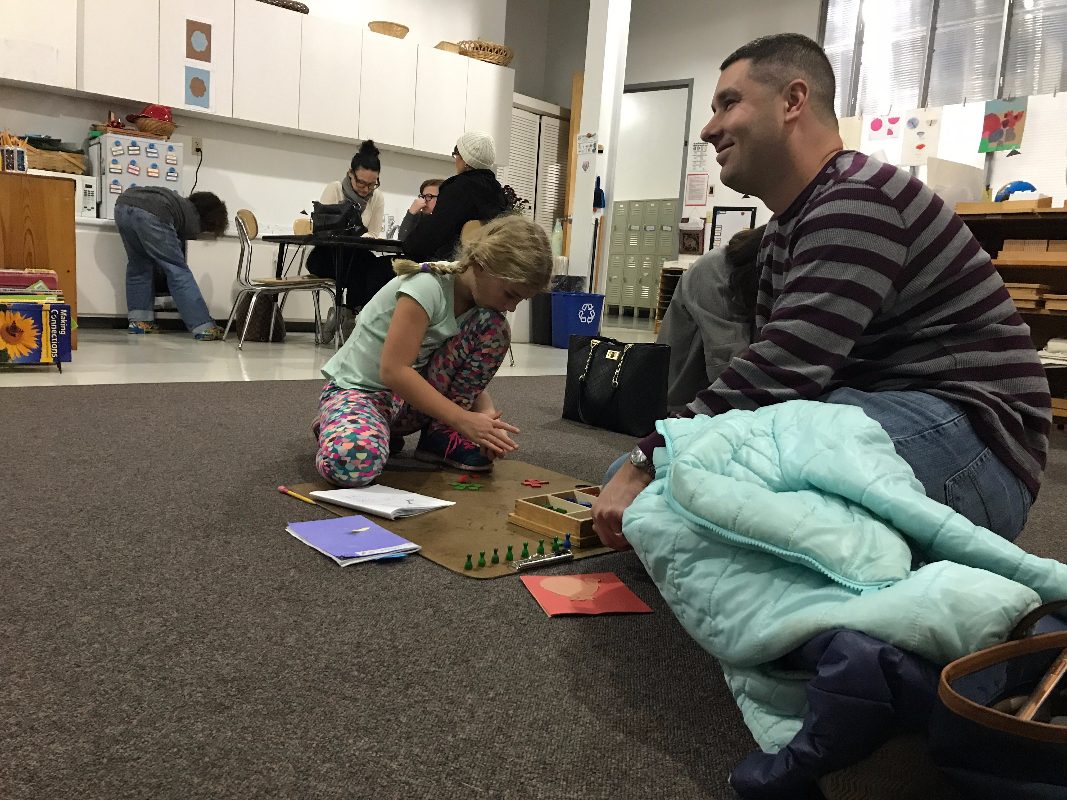
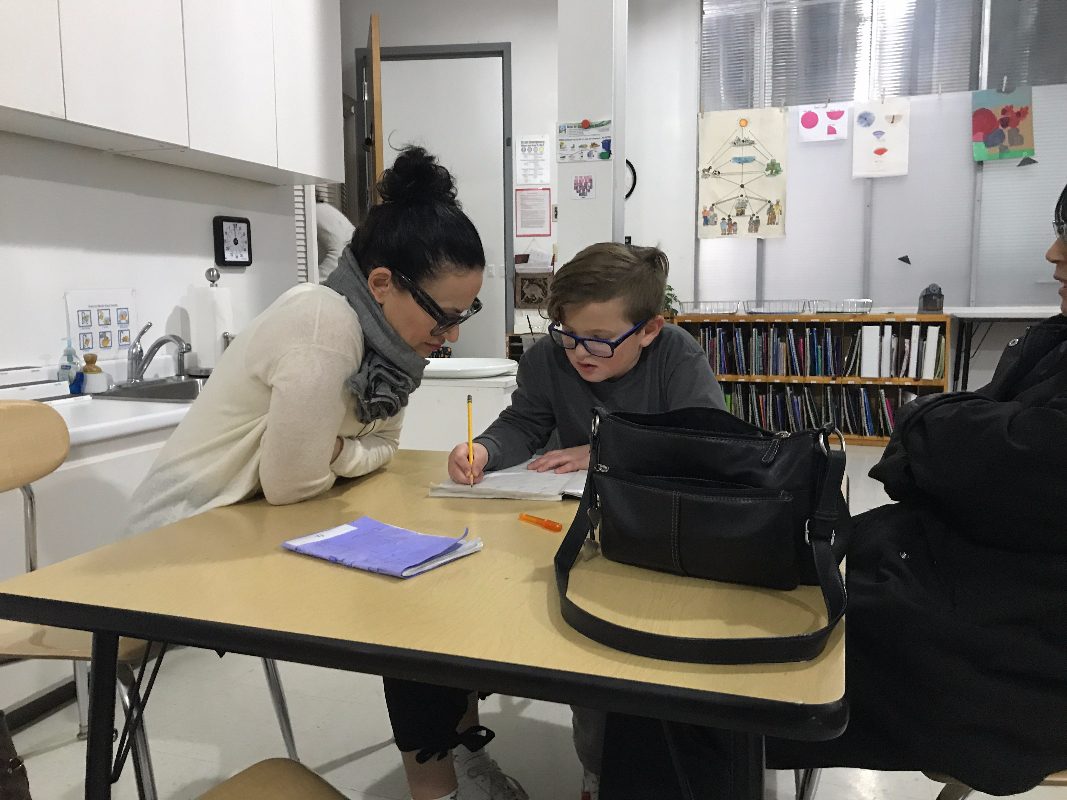
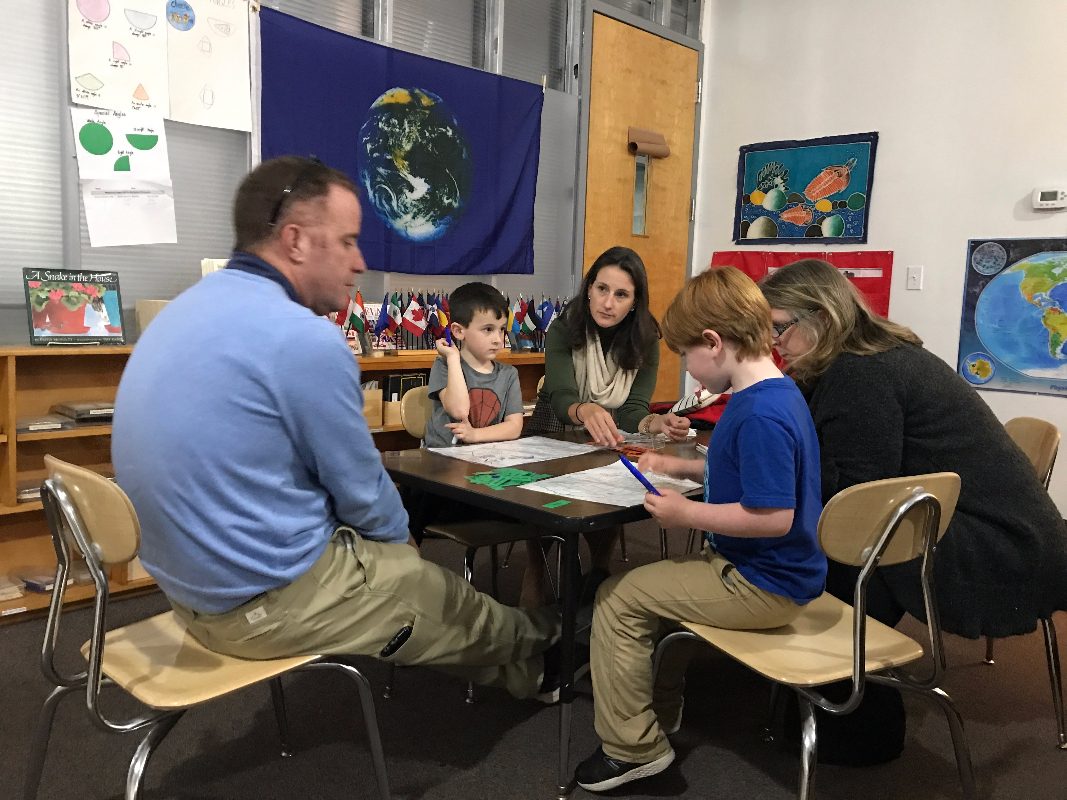
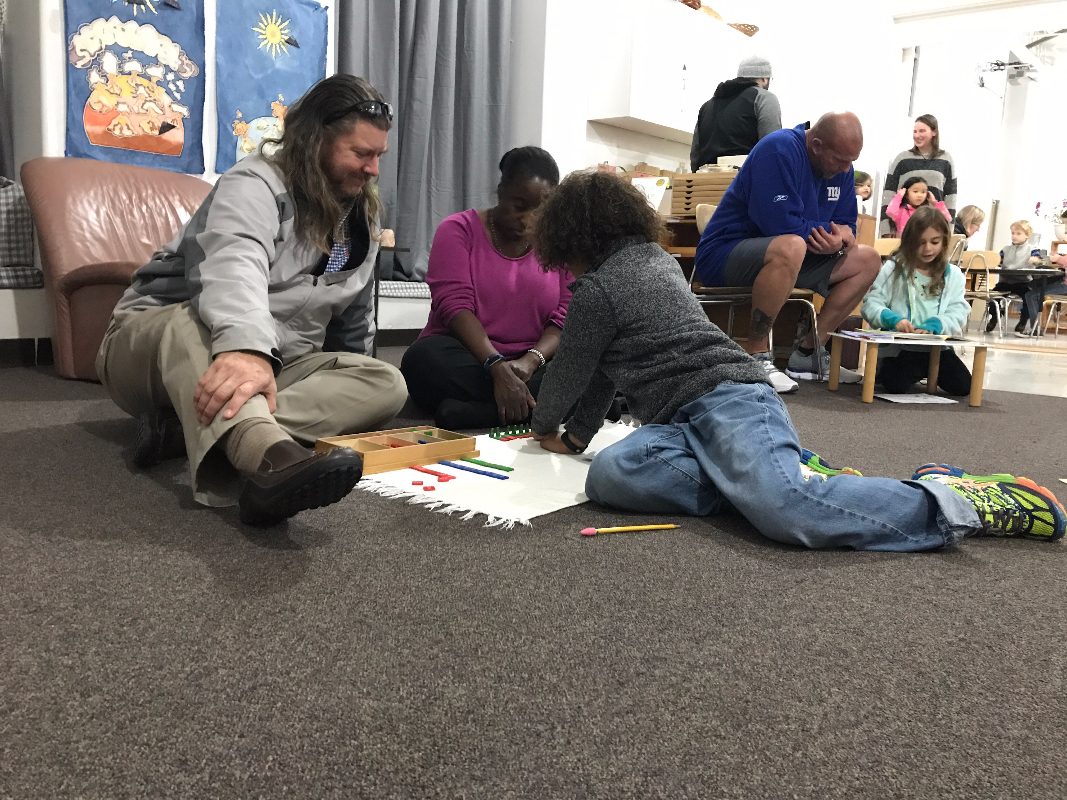
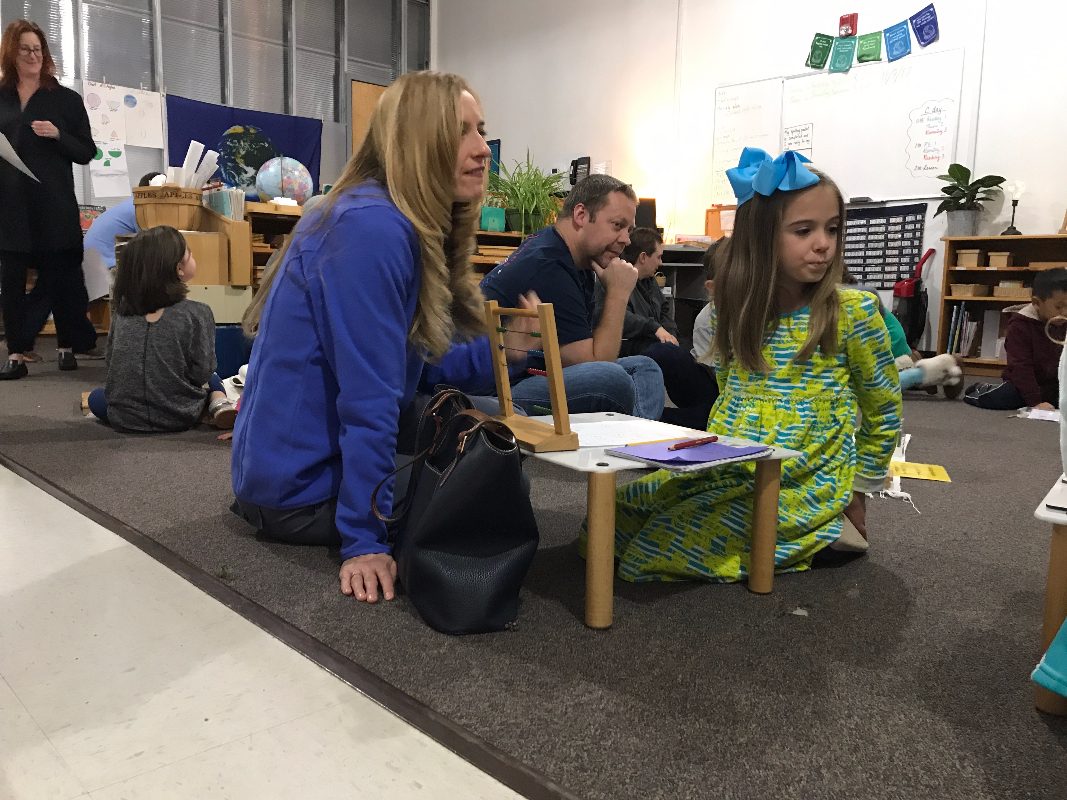
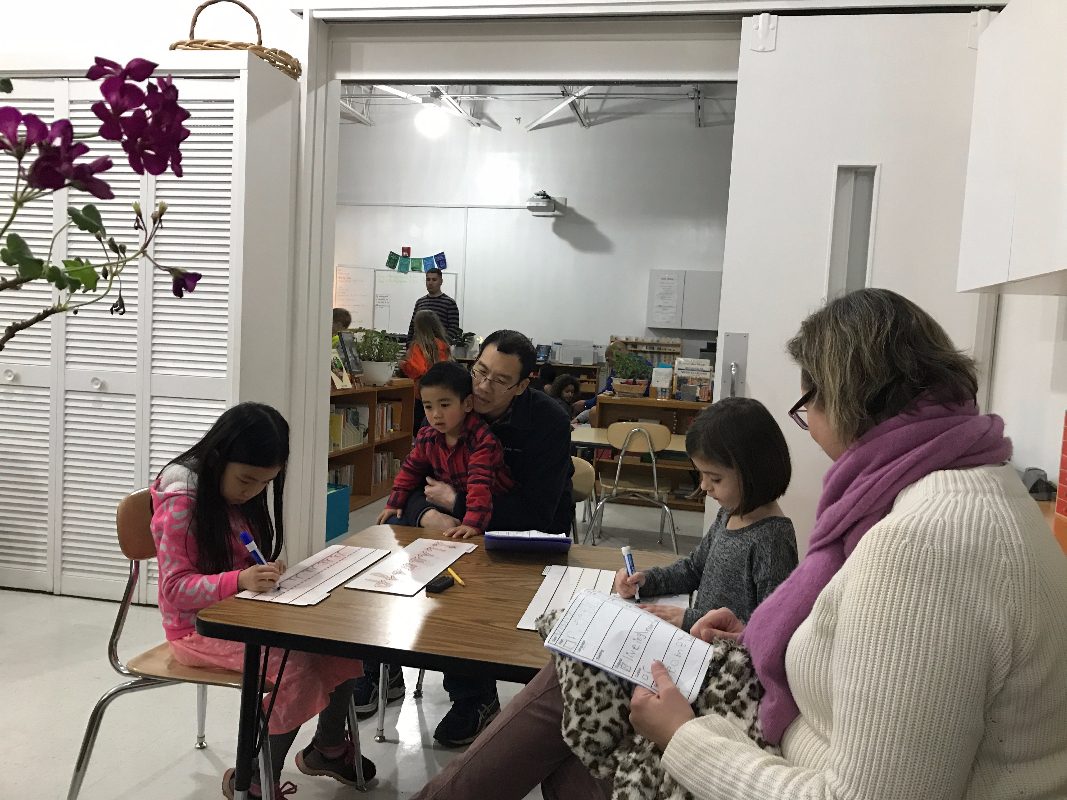
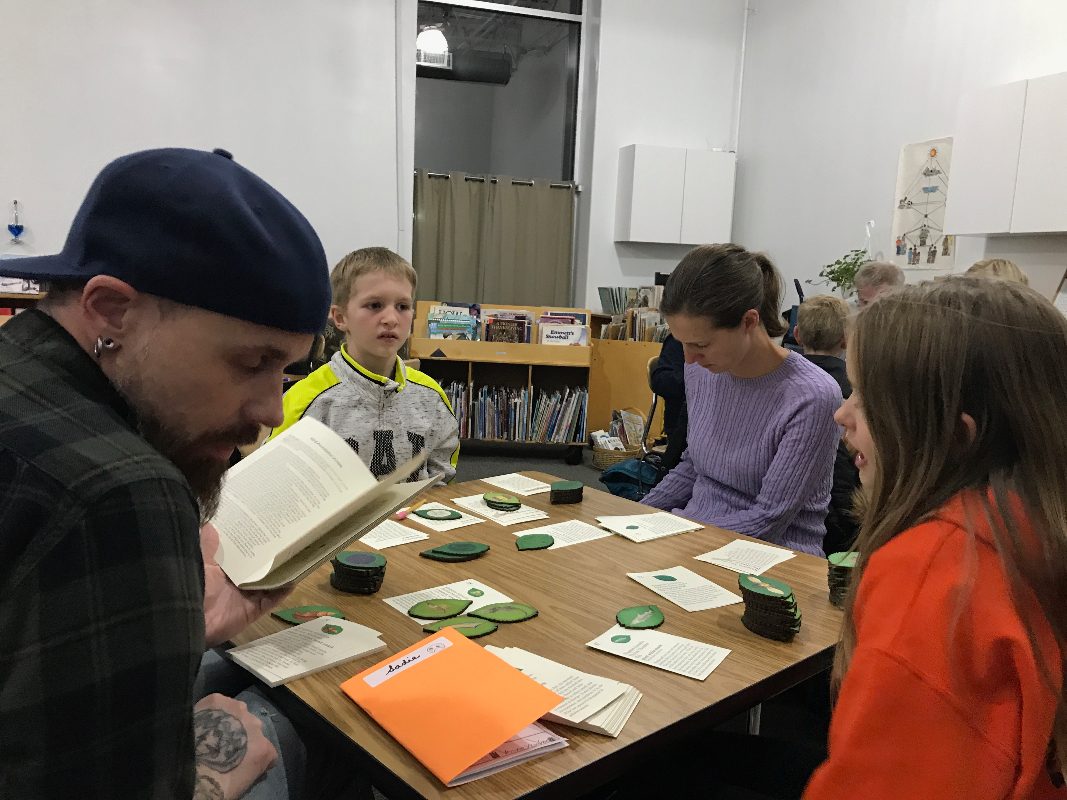
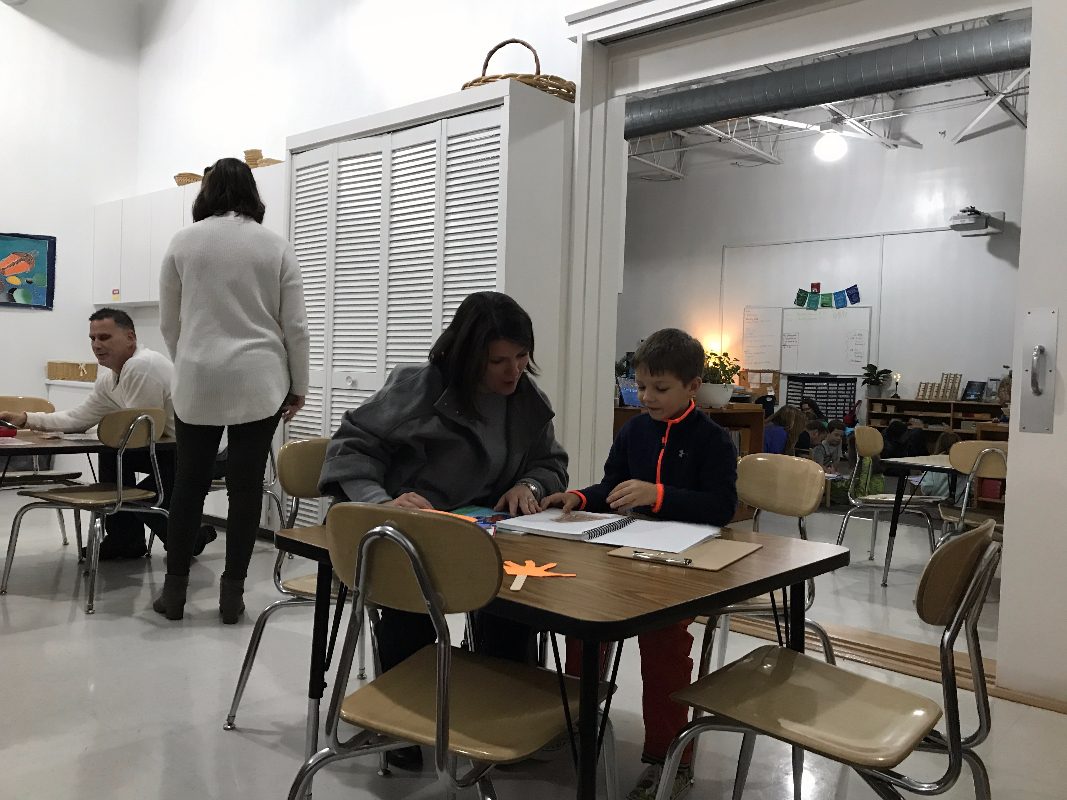
It was great to see you on Parent Child Night! The children carefully planned what they wanted to do with you that night. They enjoyed showing you the work they have been doing in school. Thank you so much for taking the time to join us!


Lower Elementary – A Fun Week!

We have had a full and fun week! On Monday we had a visit from the Botsford Fire Department. We learned about fire safety and prevention,  how smoke moves through a house, and about all of the equipment on a fire truck. The children even got to see their teacher dressed like a firefighter.

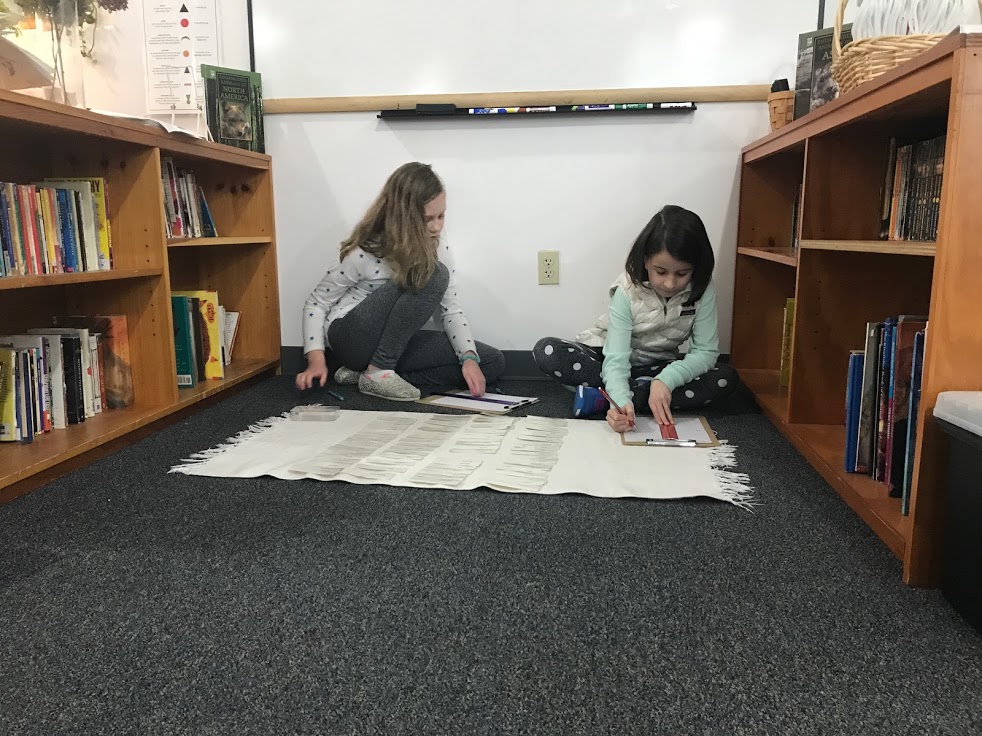
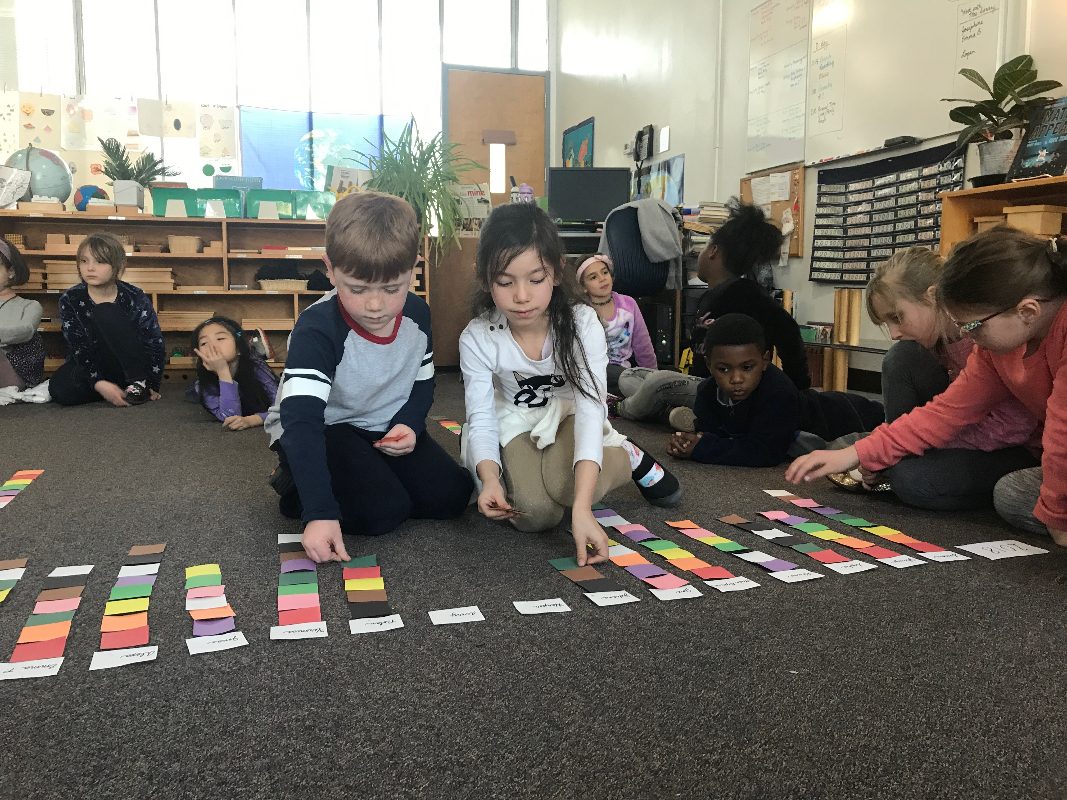
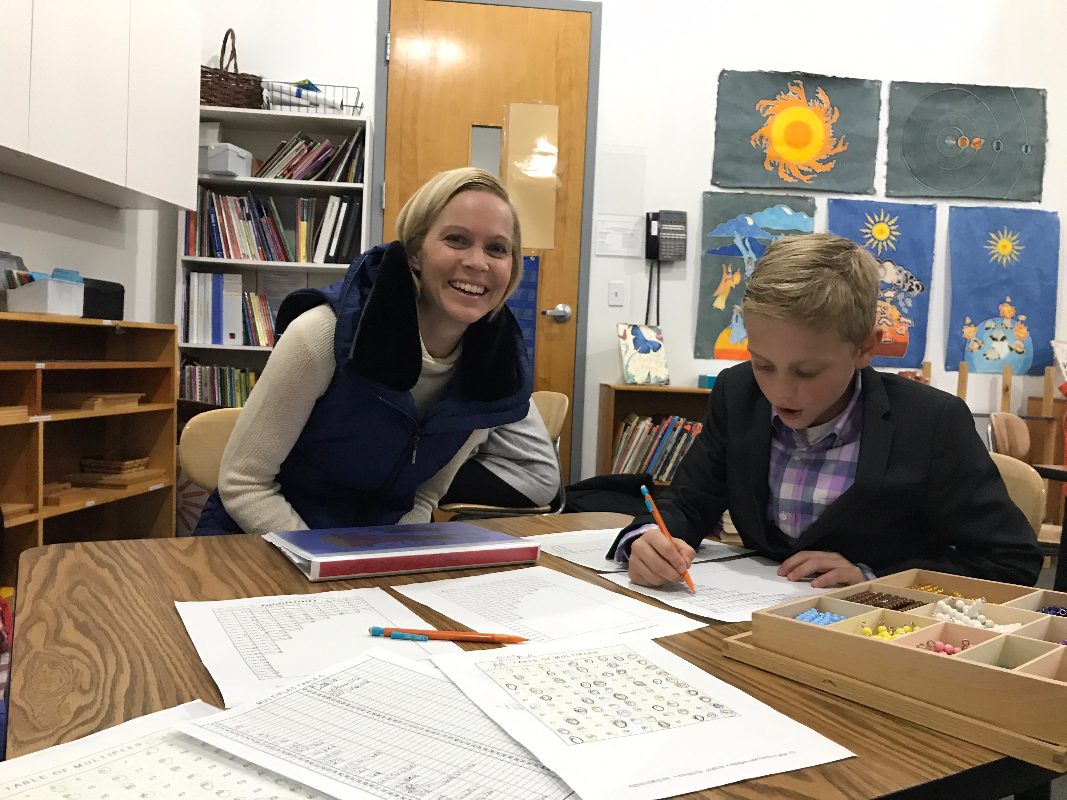
We enjoyed hearing Sadie and O’Connor’s presentation of their squid research. Research is an important part of the elder Lower Elementary student’s experience. We were also treated to Harper’s creative and enthusiastic book talk. Some of our students started learning about multiples and factors this week. Part of this work is filling out tables of multiples for the numbers two through ten. During Writer’s Workshop, after hearing the small moments story <em>Owl Moon, </em>students discussed in small groups, details they noticed in the story. They followed up by spending their writing time focusing on adding details to their stories.


Lower Elementary Jack-O’-Lanterns!

We had a great time at school on Halloween this year. Our day started with a Costume Parade with the Upper Elementary and Middle School students. We then came inside, did some cooperative group planning for our jack-o’-lanterns, enjoyed some treats, and carved the pumpkins.

Each year, Lower Elementary students work cooperatively to carve our classroom pumpkins. This year, children were organized into groups, each group led by a third year student. They discussed, planned, and agreed upon what design they would carve into their pumpkins. After planning their jack-o’-lanterns on paper, they drew their design onto their pumpkins. We moved outside and the children continued to work together in groups to cut, scoop, clean, and carve their pumpkins. We saved and roasted the seeds and enjoyed them the next day. The children enjoyed sampling three flavors: salted, garlic, and cinnamon sugar.


Health Related Fitness Components


Students in grades 2nd through 5th completed our yearly Physical Fitness testing.  Students learned about the components of physical fitness and why we test for it.  The components include:  Cardio-respiratory endurance (mile rule), flexibility (sit-and-reach), muscular strength (push-ups), and muscular endurance (curl-ups).  We discussed why aerobic exercise is good for your heart, and flexibility and strength exercises are good for your muscles and joints.  Students learned how to maintain wellness using these components. 


Recommendations to maintain or improve wellness:
To maintain or improve aerobic capacity, participate in moderate or vigorous activities for at least 60 minutes each day. To maintain or improve flexibility, stretch slowly at least 3 days a week, holding stretches 20-30 seconds.   Students can practice any stretch designed for the lower back and hamstrings. To maintain upper-body strength, perform five push-ups per day and gradually increase repetitions. Modified push-ups can be practiced until upper body strength is improved.  One way you can modify a push-up is to place your knees on the floor instead of your toes.  Another way to modify a push-up can be to perform wall push-ups.  Wall push-ups are performed with your body slanted against a wall, instead of the floor. The steeper the slant, the more difficult the push-up.  To maintain or improve healthy abdominal strength, perform ten curl-ups per day and gradually increase repetitions.


Brilliant Book Talks!

Each Monday we have a short morning gathering for Elementary and Middle School students in the Common Area, organized and run by the Eighth Year Students. This is a fun opportunity to come together with students from different levels to start our week.

After coming in from our Morning Exercise, we calm our bodies and center ourselves with a few minutes of mindfulness. This week the children chose the music they wanted to listen to each day during our five minute mindfulness time.

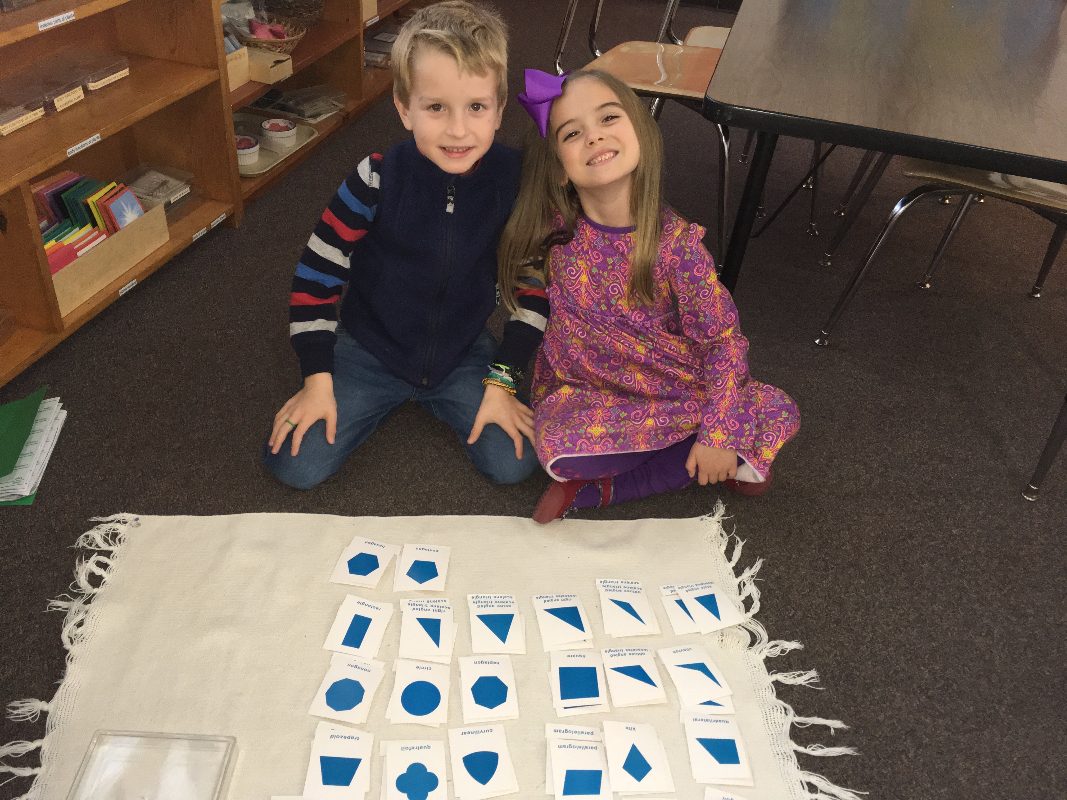
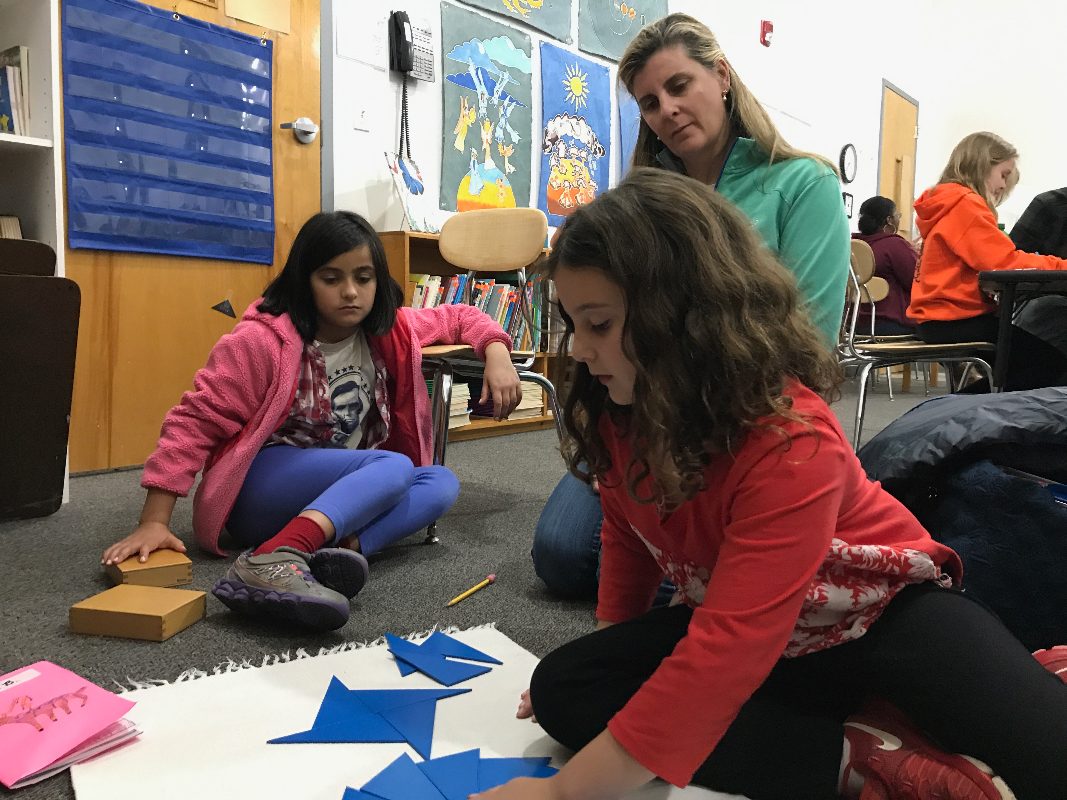
Second year students learned about divergent, parallel, and convergent lines in Geometry this week.

After working hard all morning, students love to play hard at recess. Along with make believe, swinging, and tag games, there is usually a lively game of football.

We have enjoyed many exciting book talks. The enthusiasm of the children sharing their books is remarkable. Their classmates ask thoughtful questions and make kind and respectful comments about each book talk.