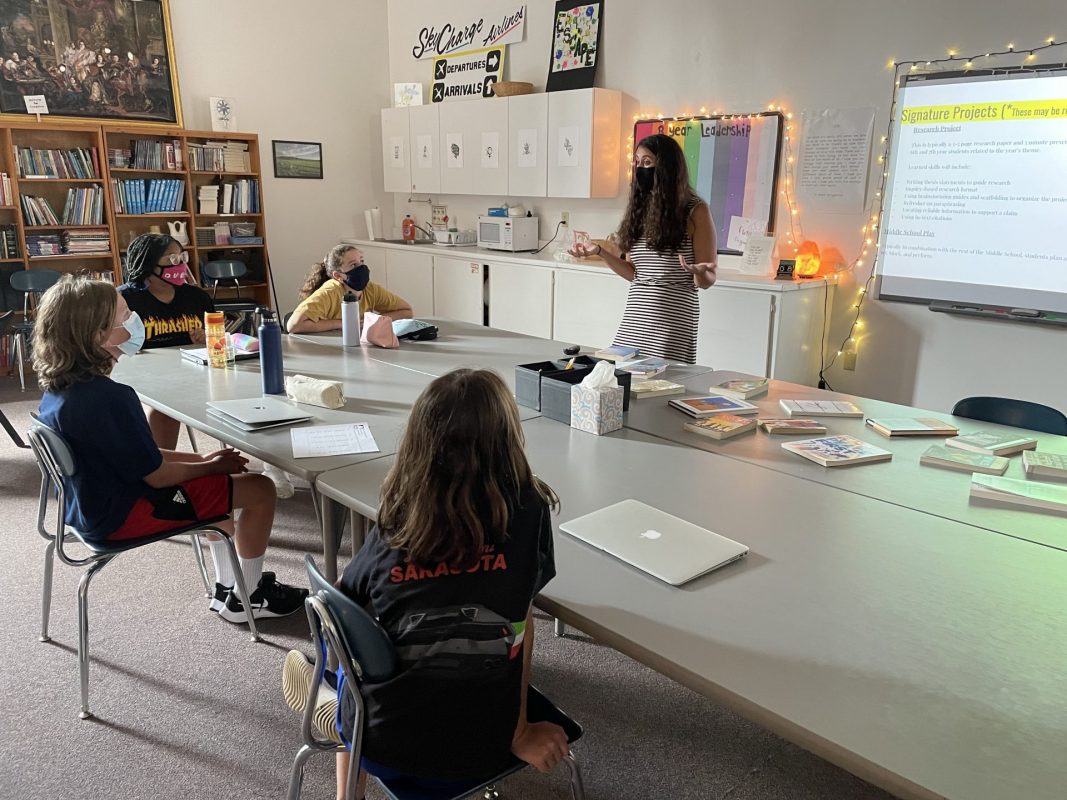
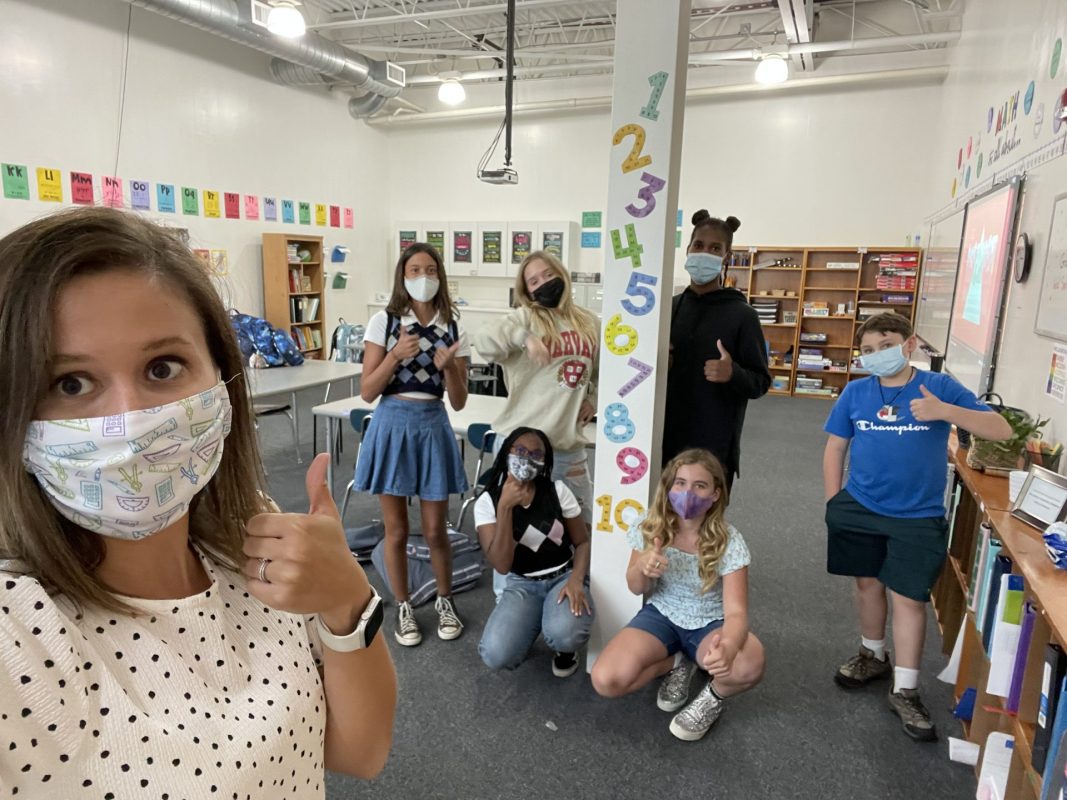
Middle School: Two Weeks in Review

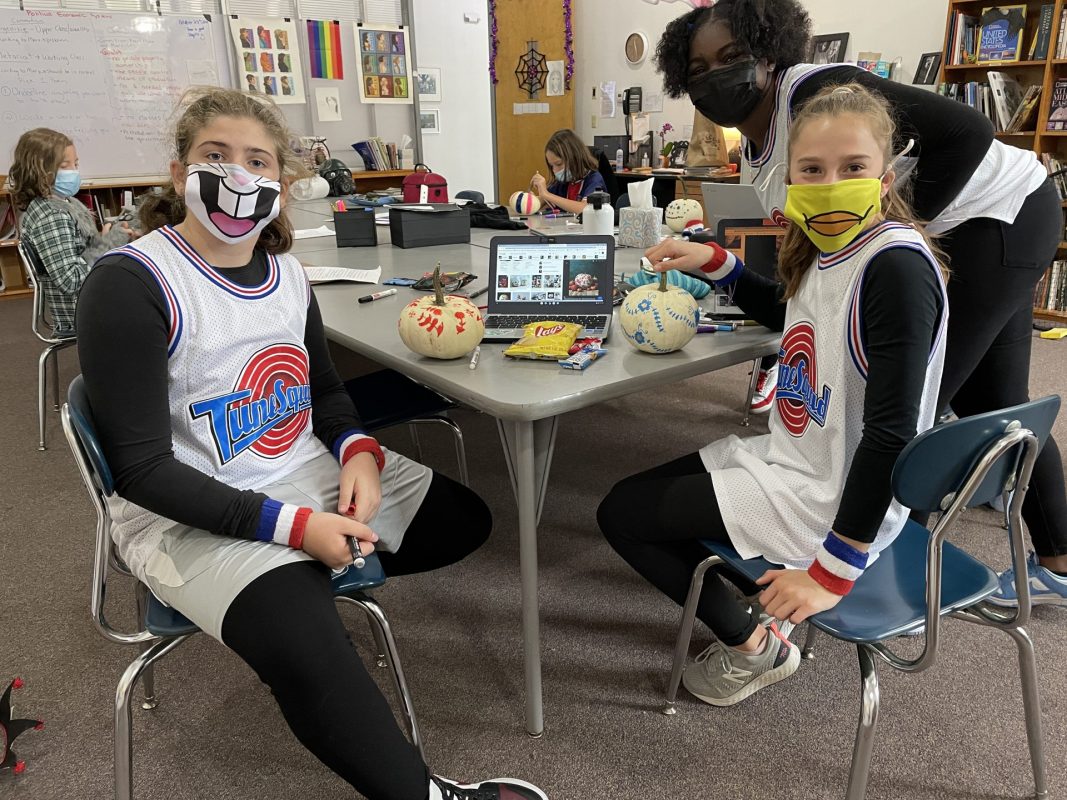
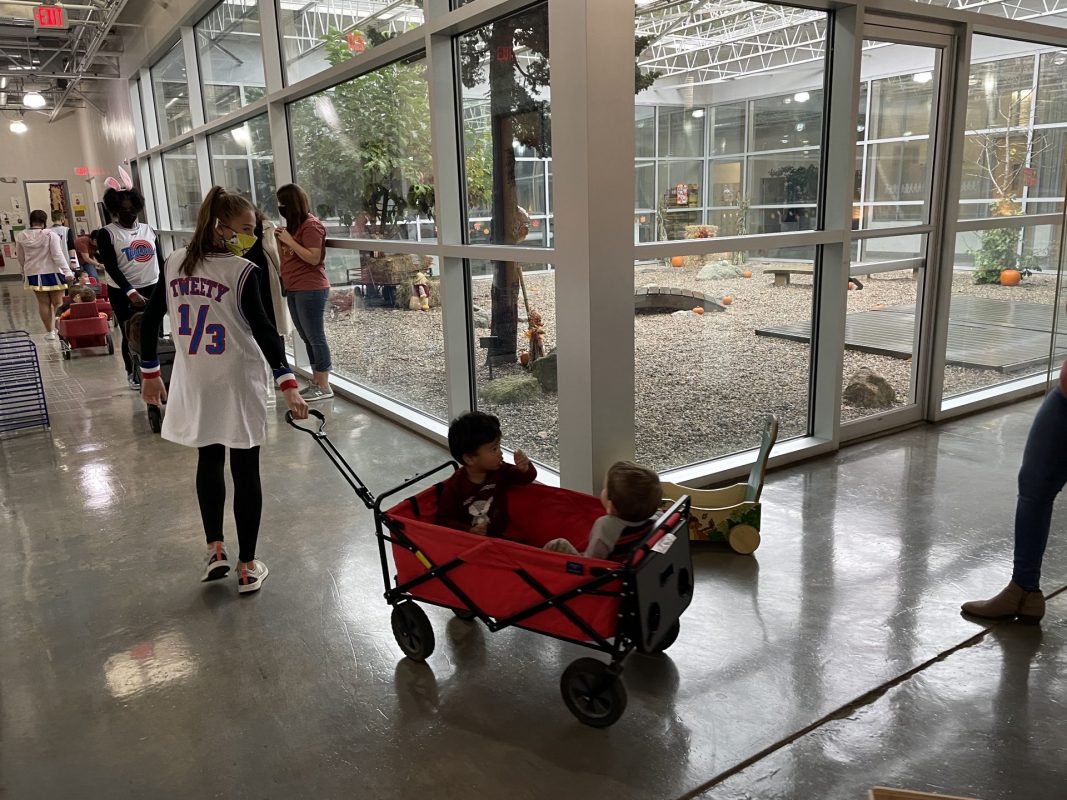
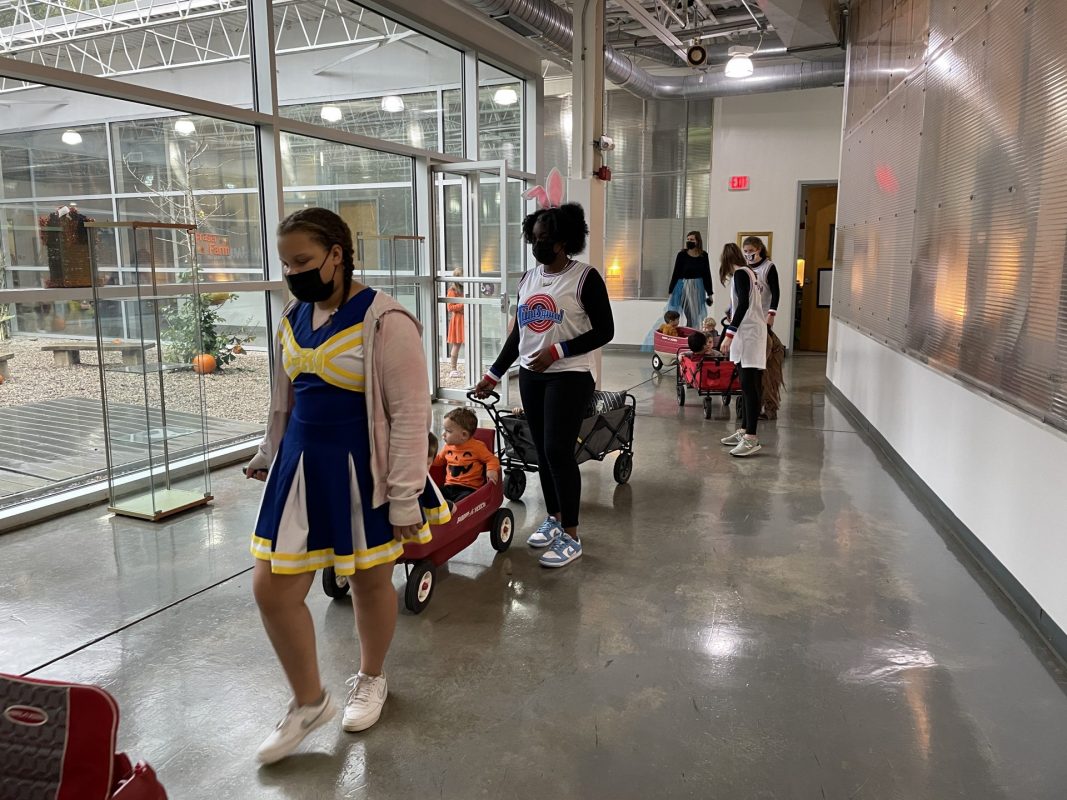
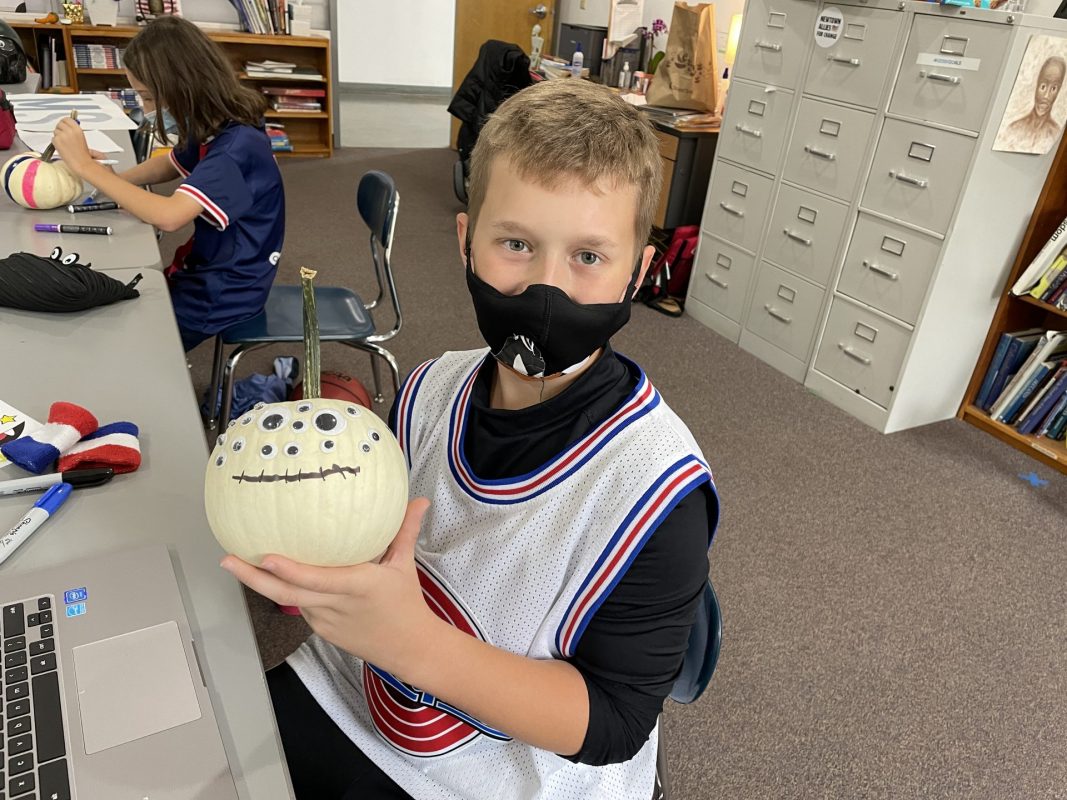
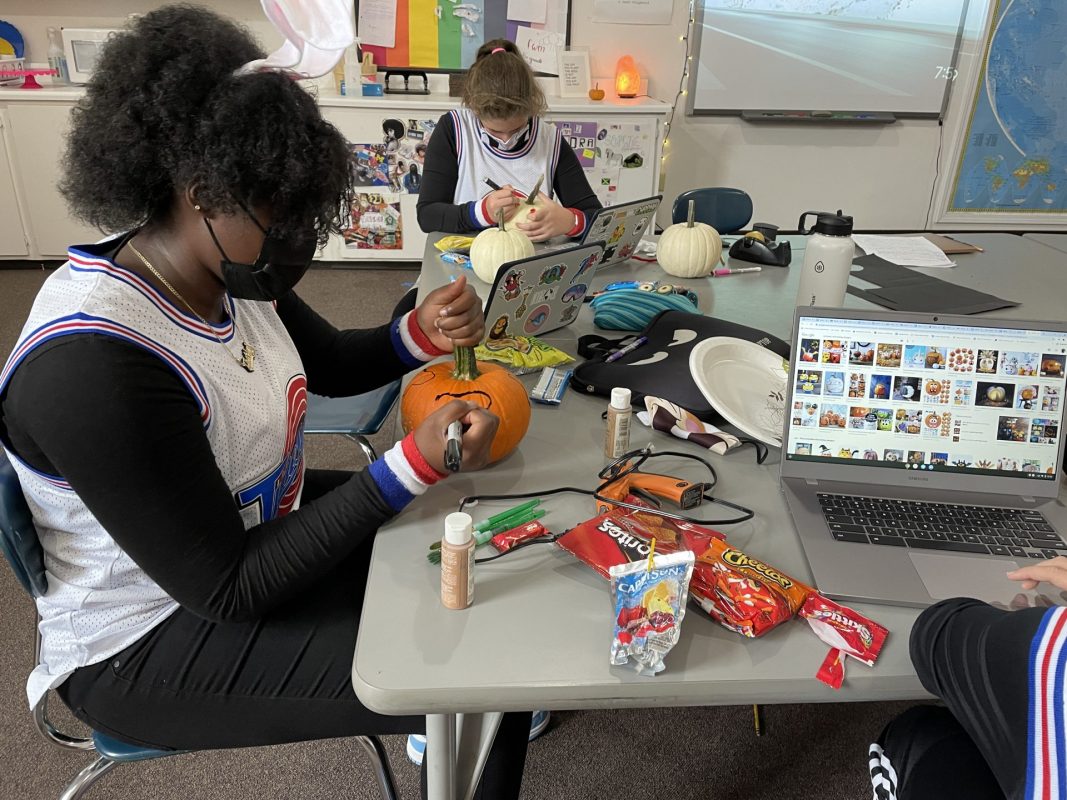
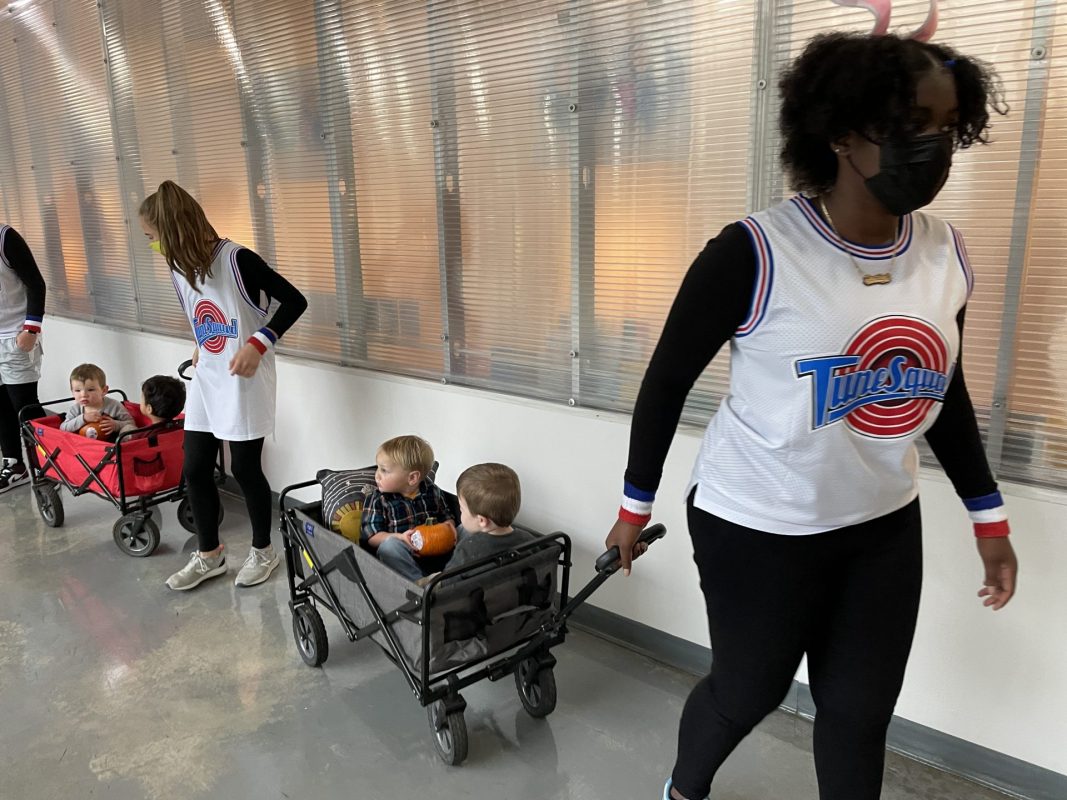
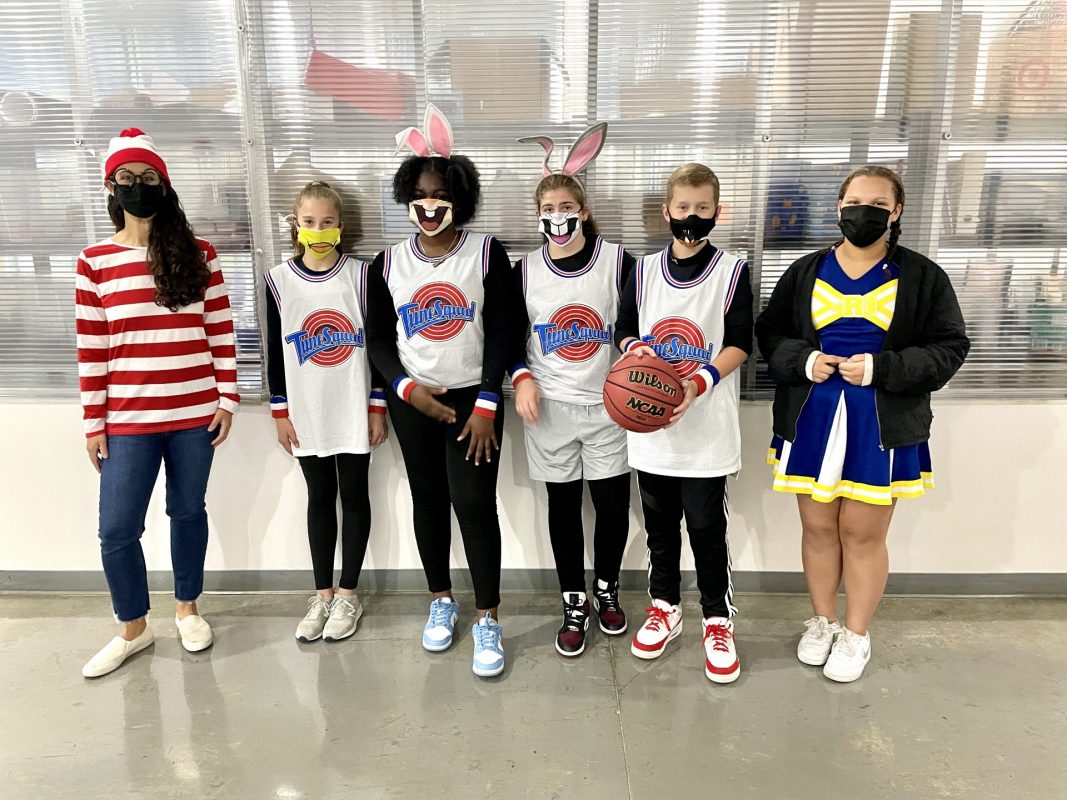
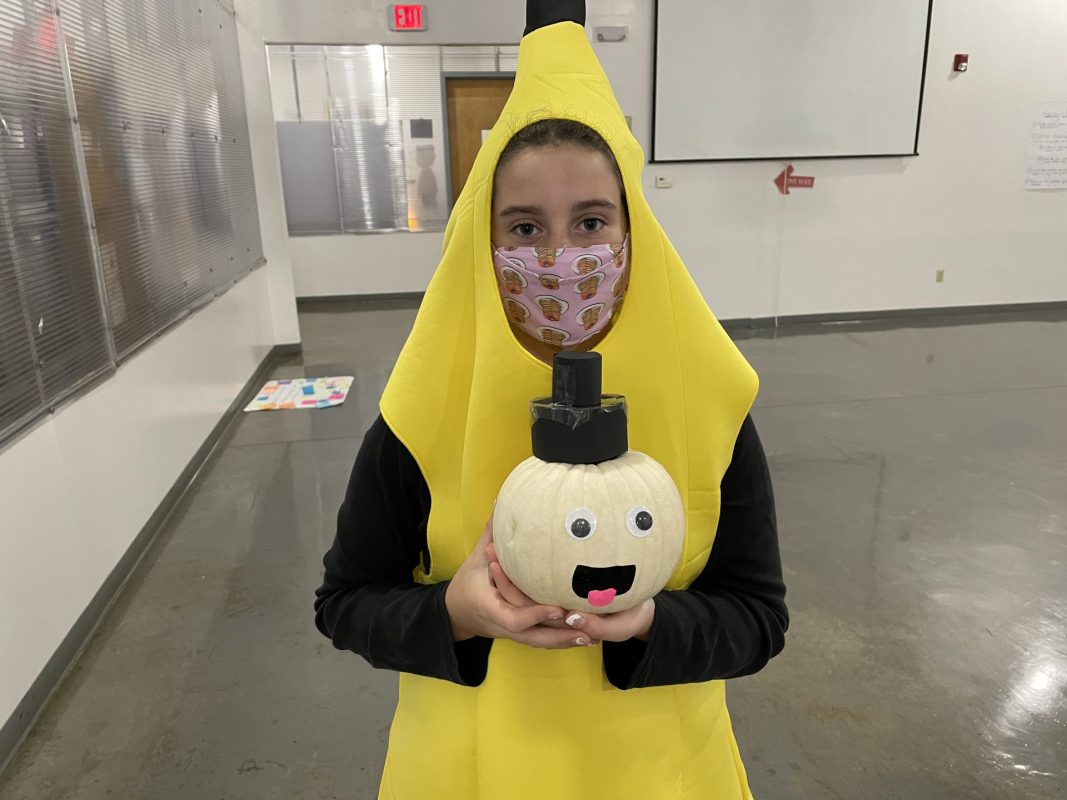
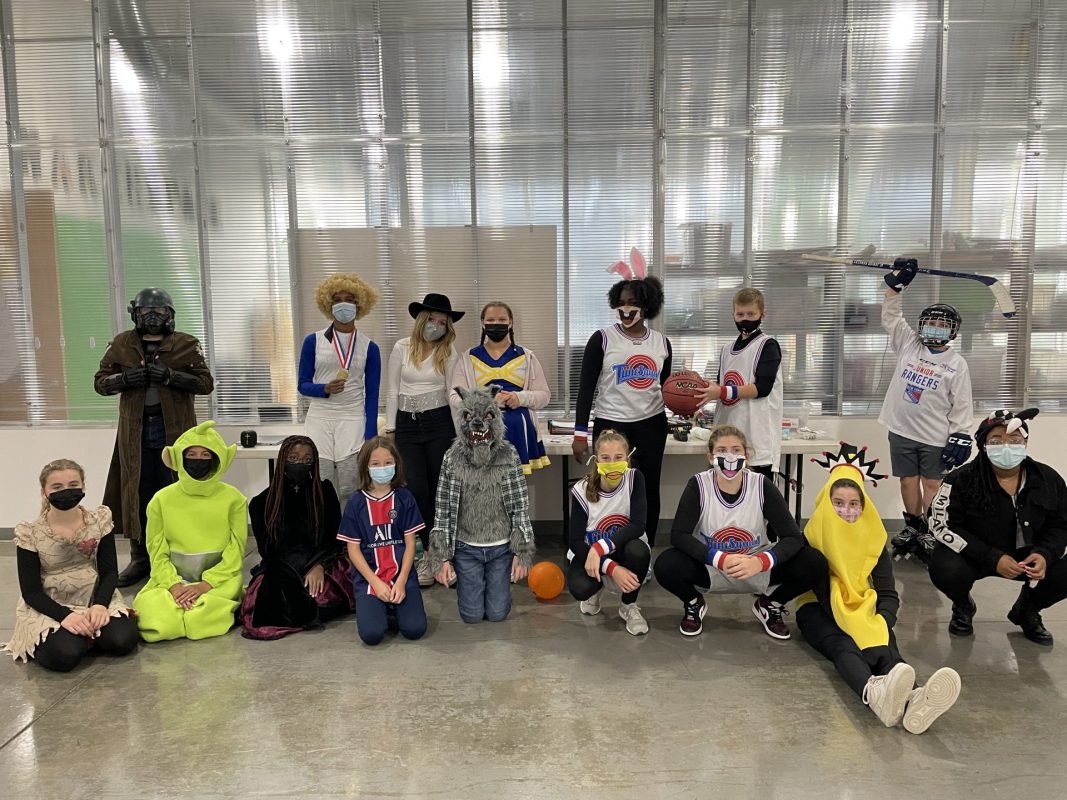
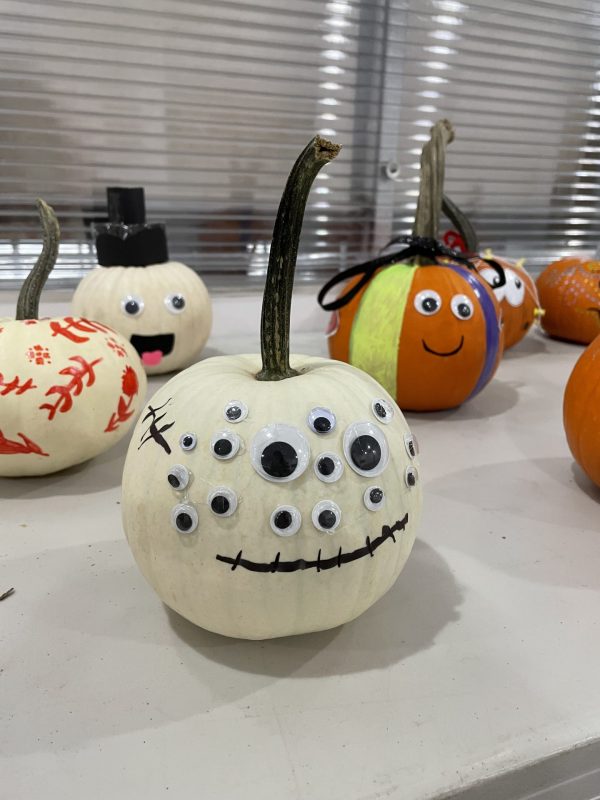
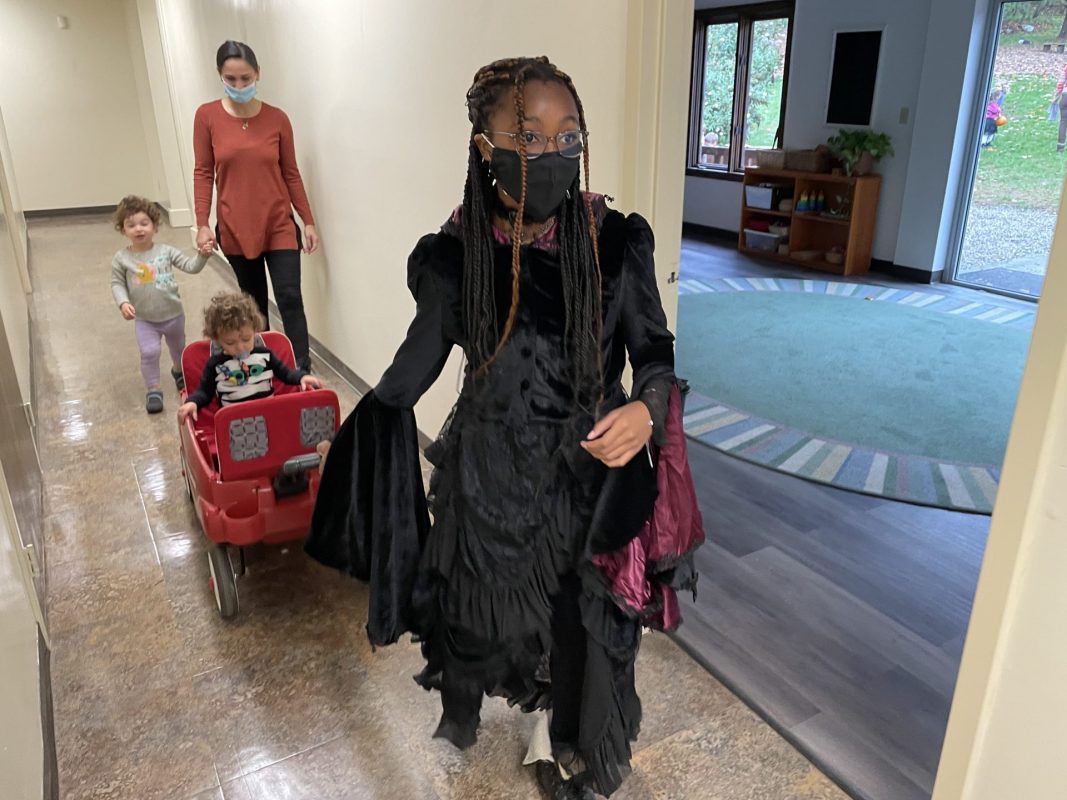
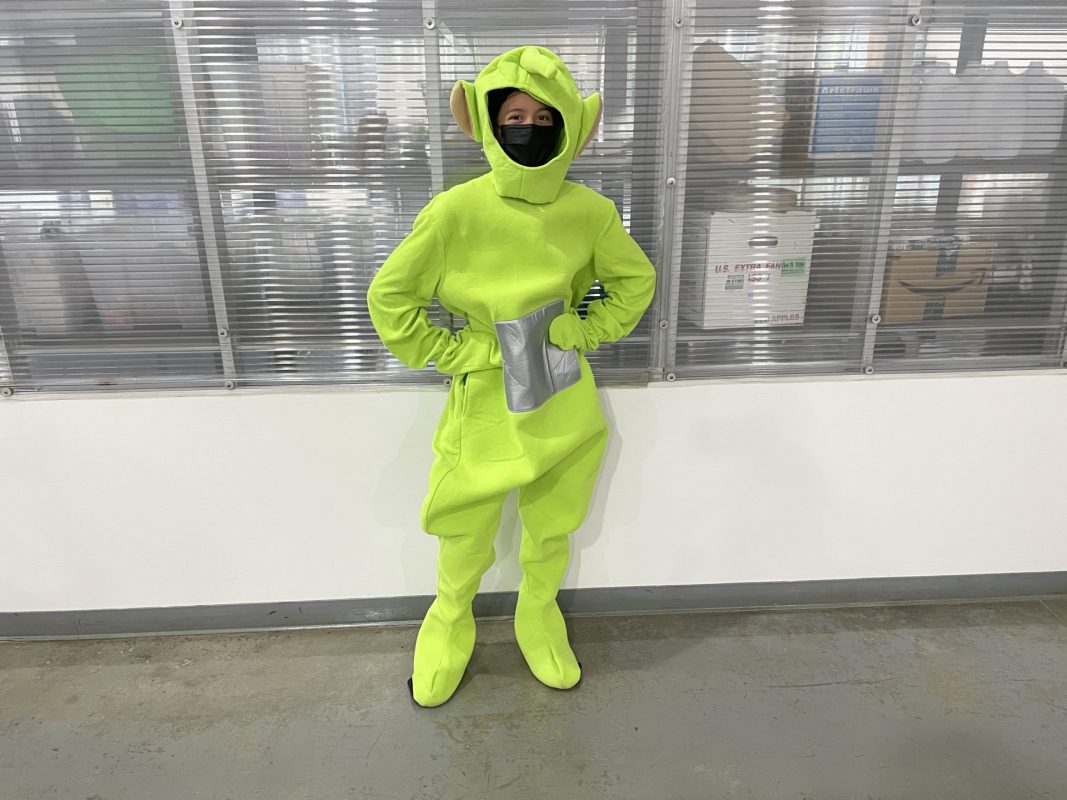
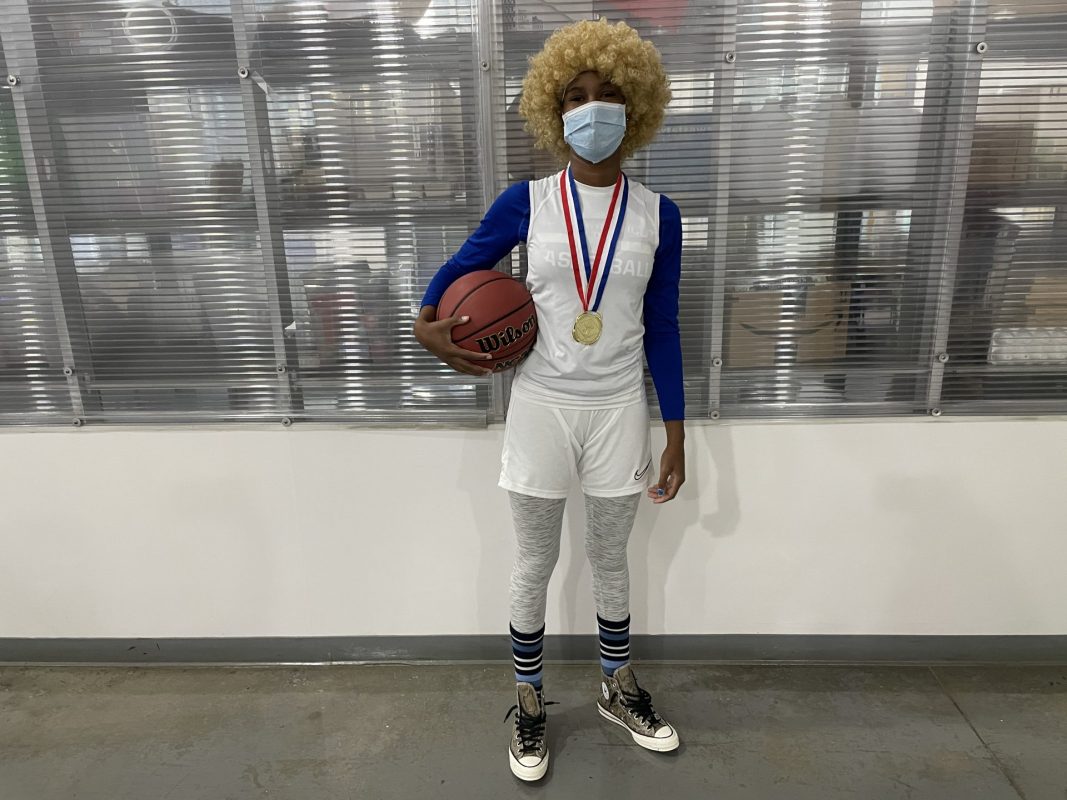
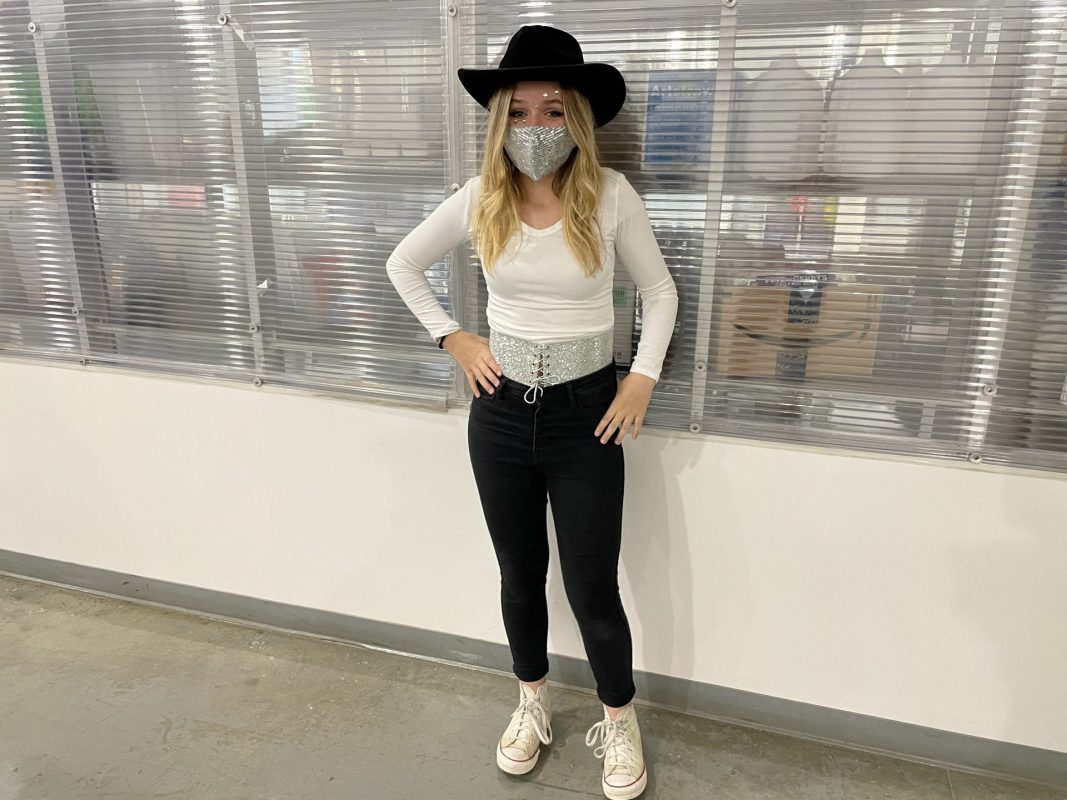
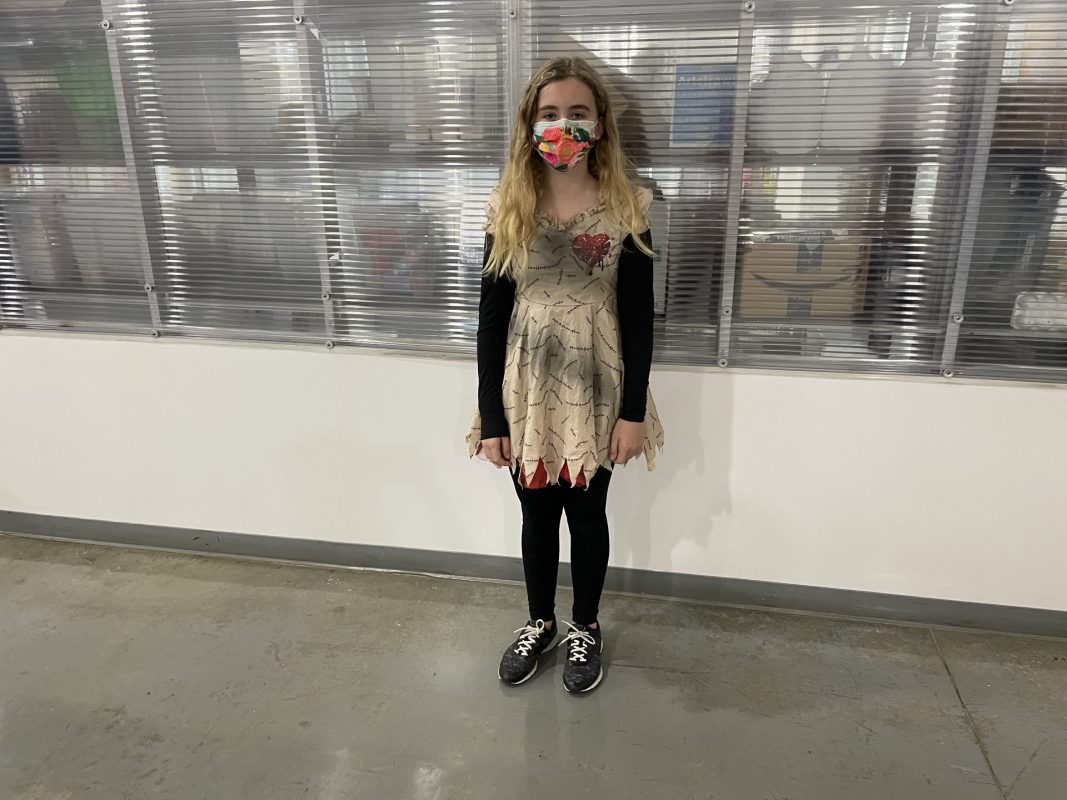
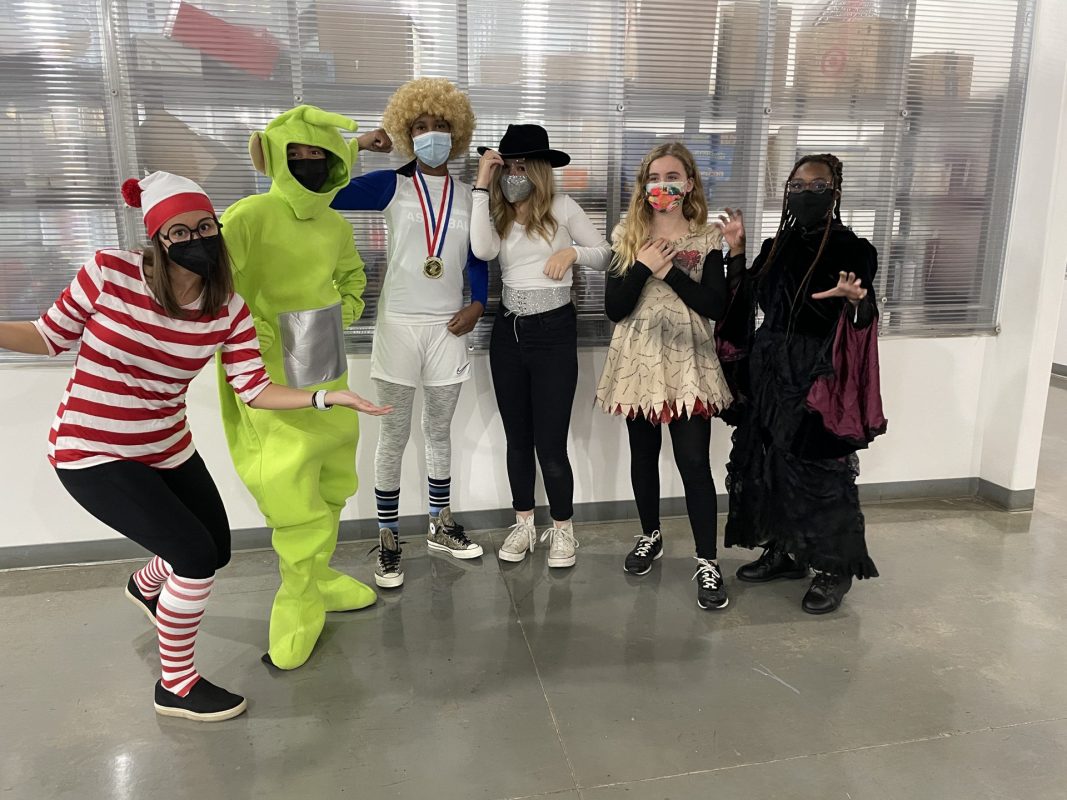
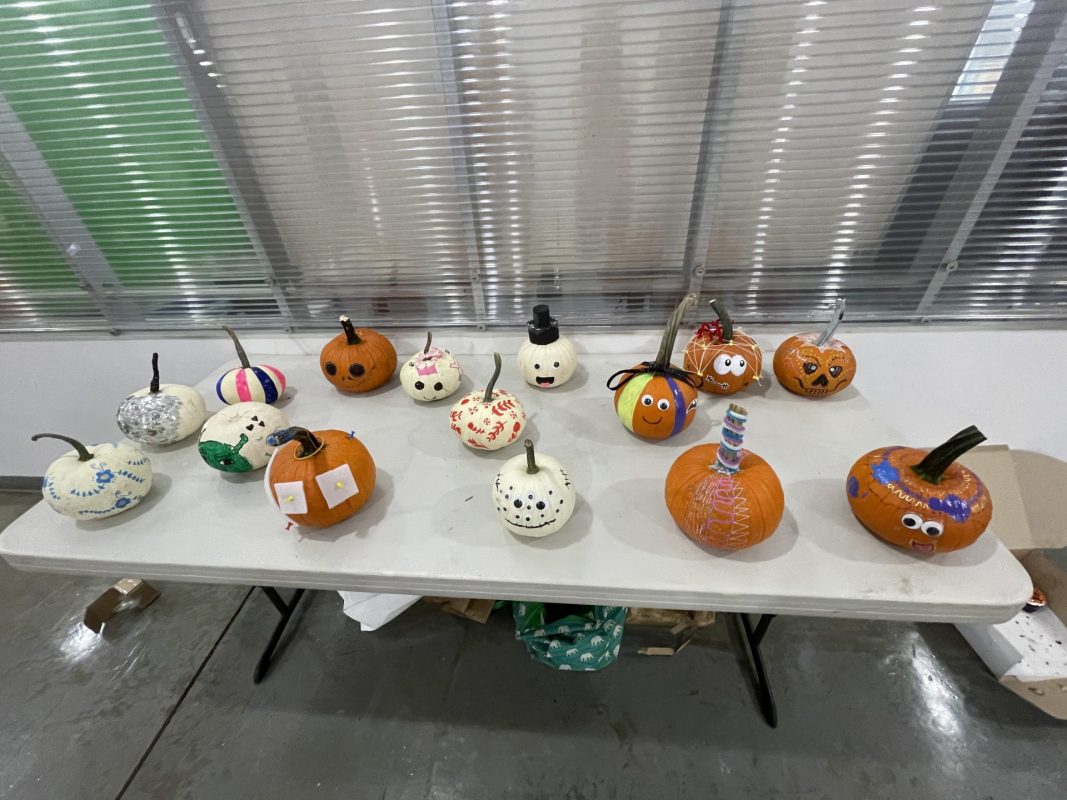
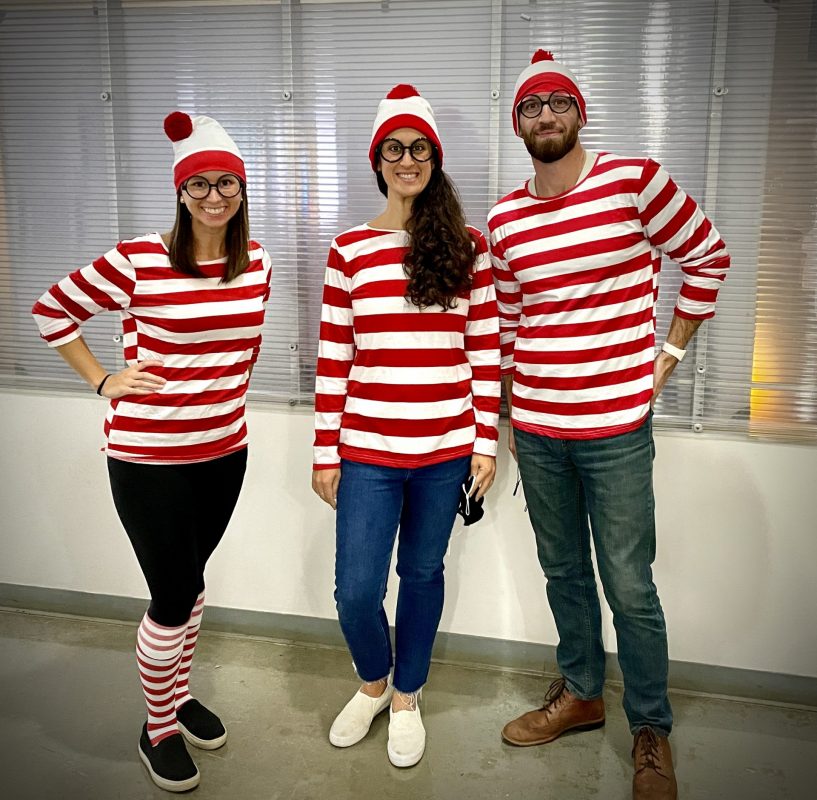
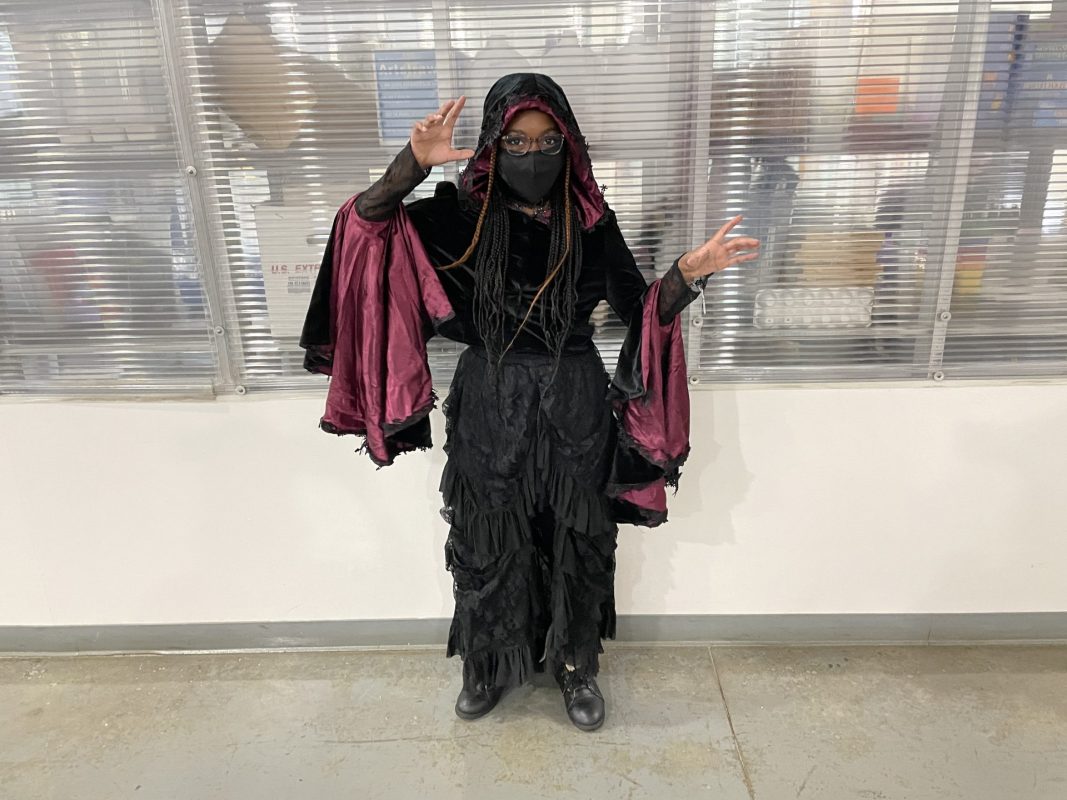
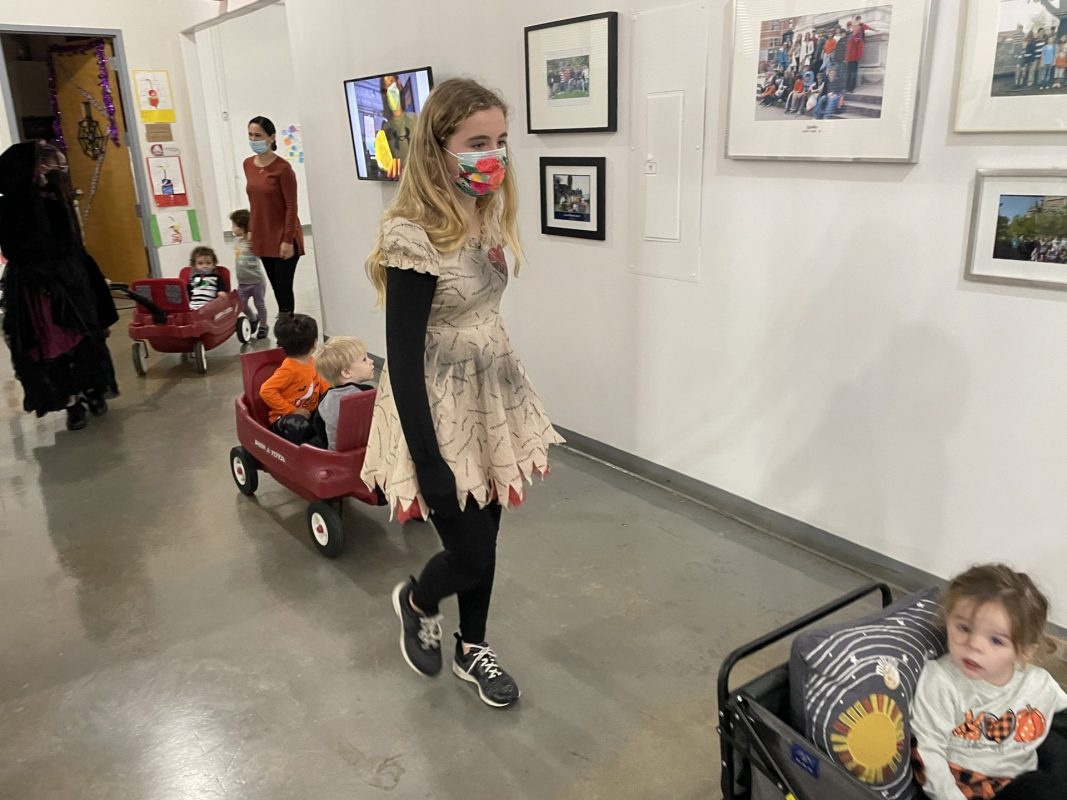
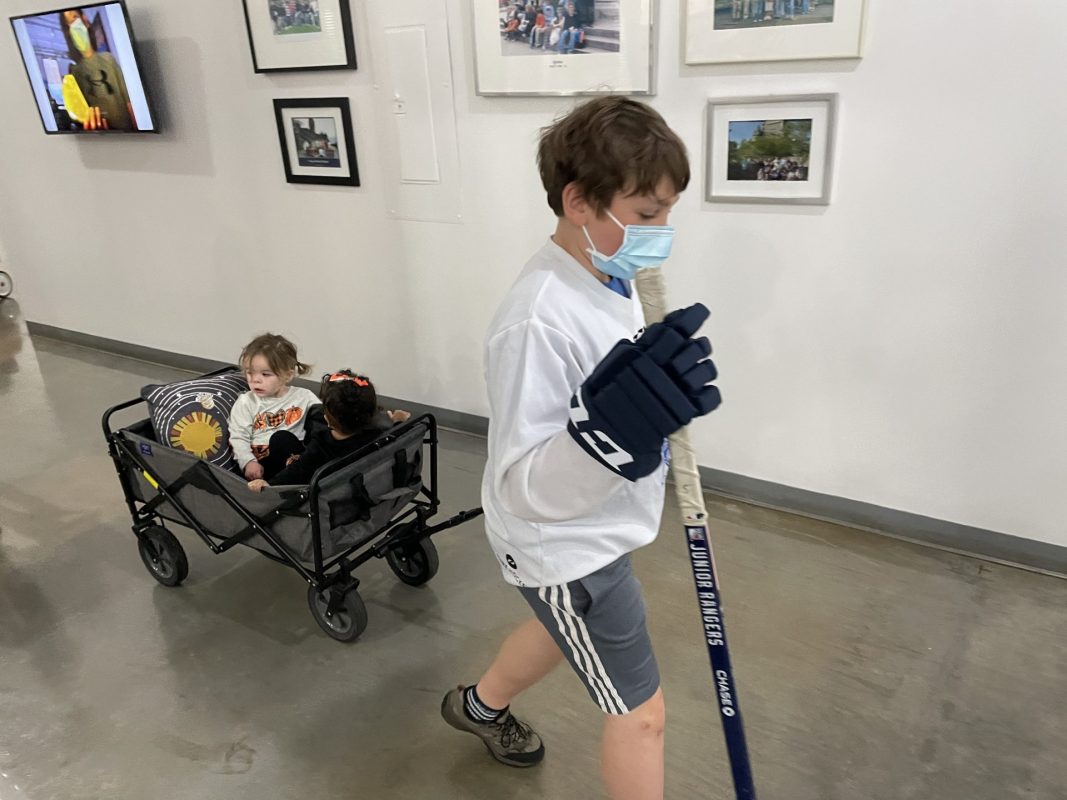
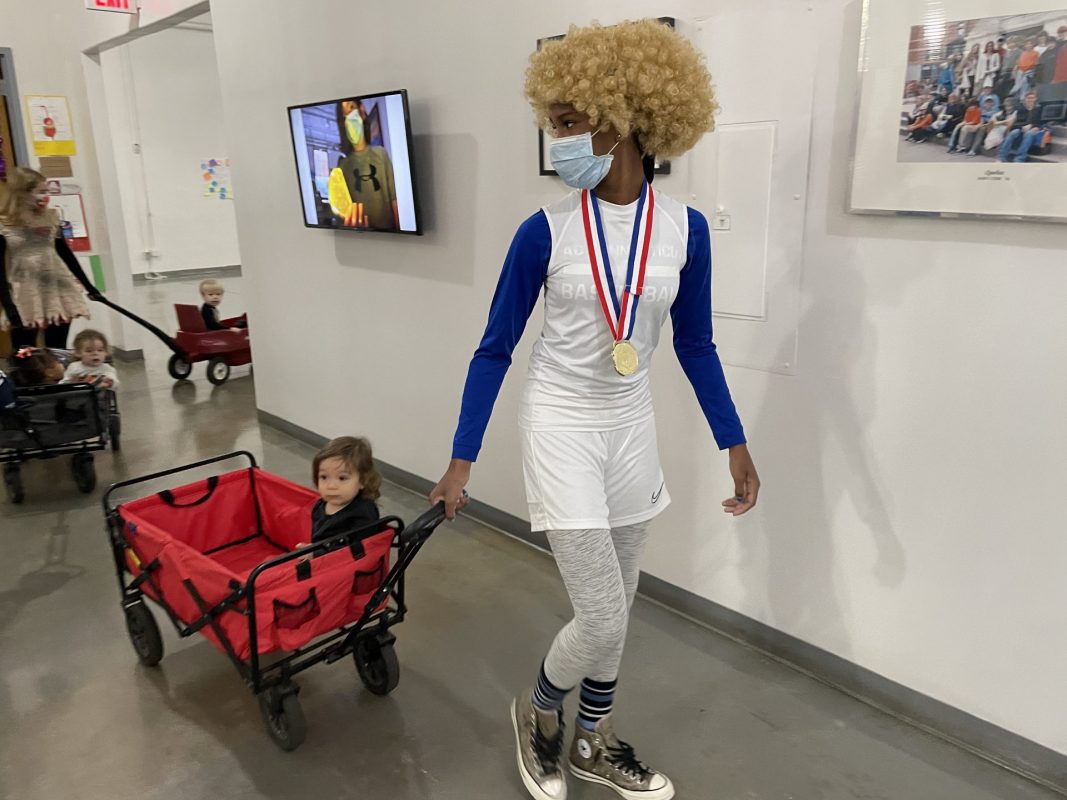
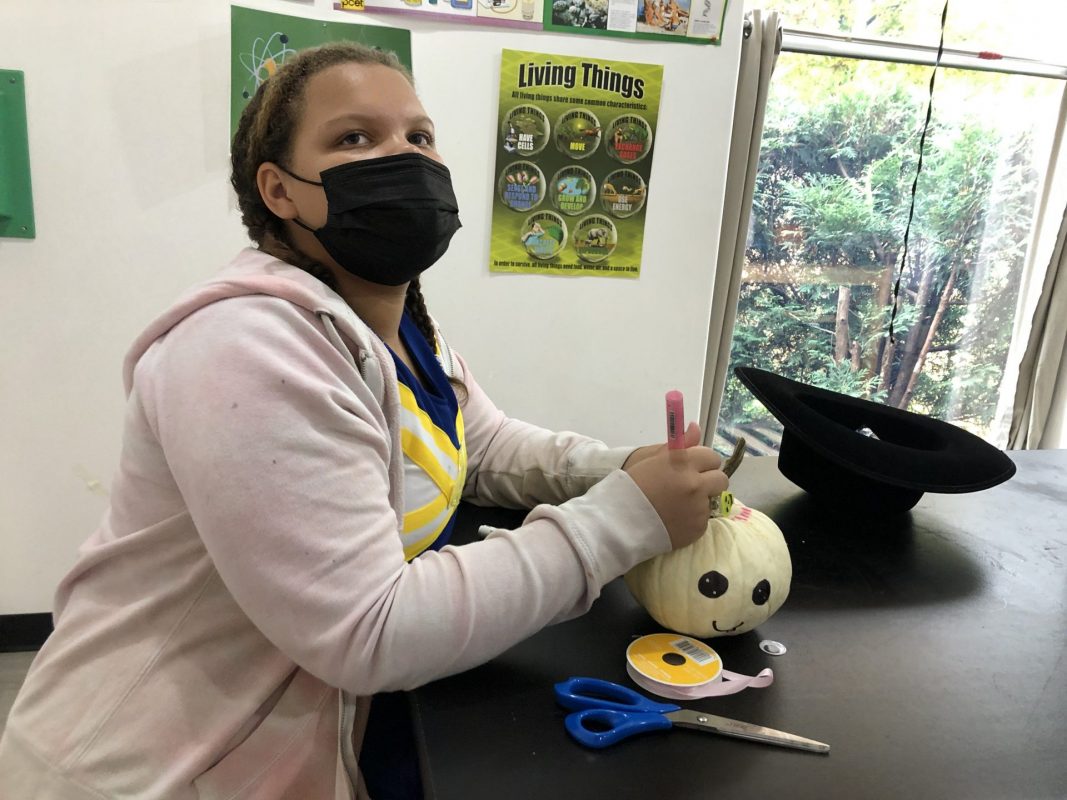
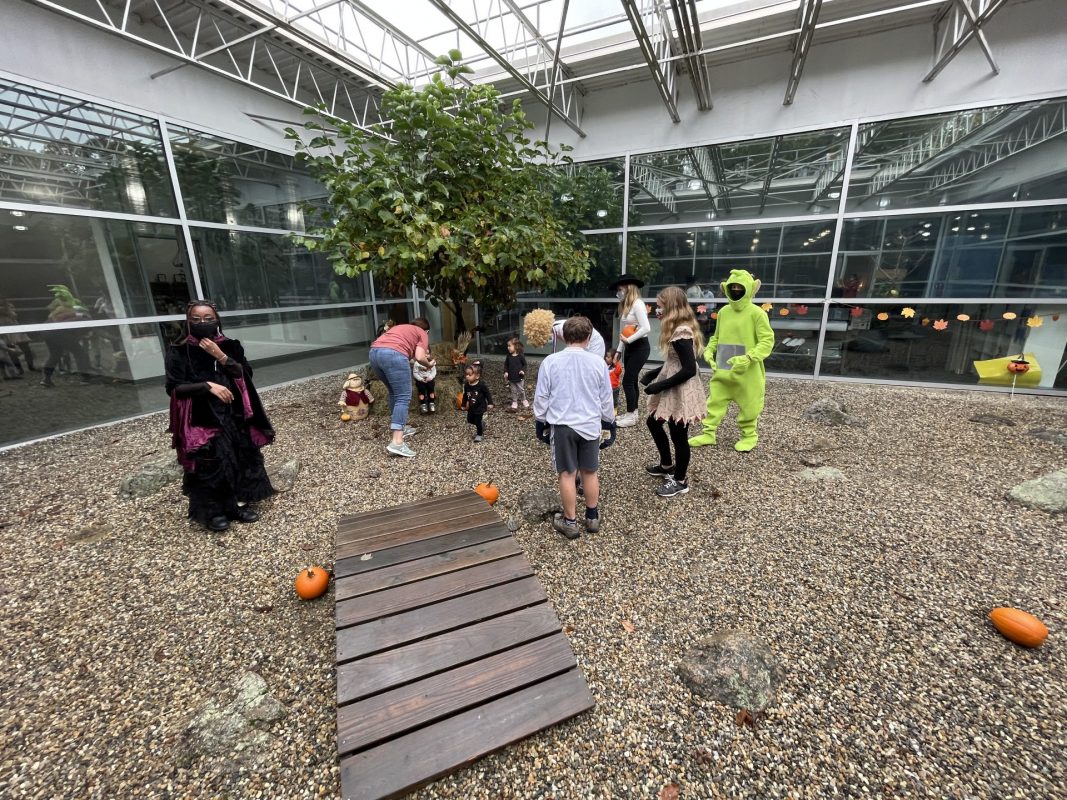
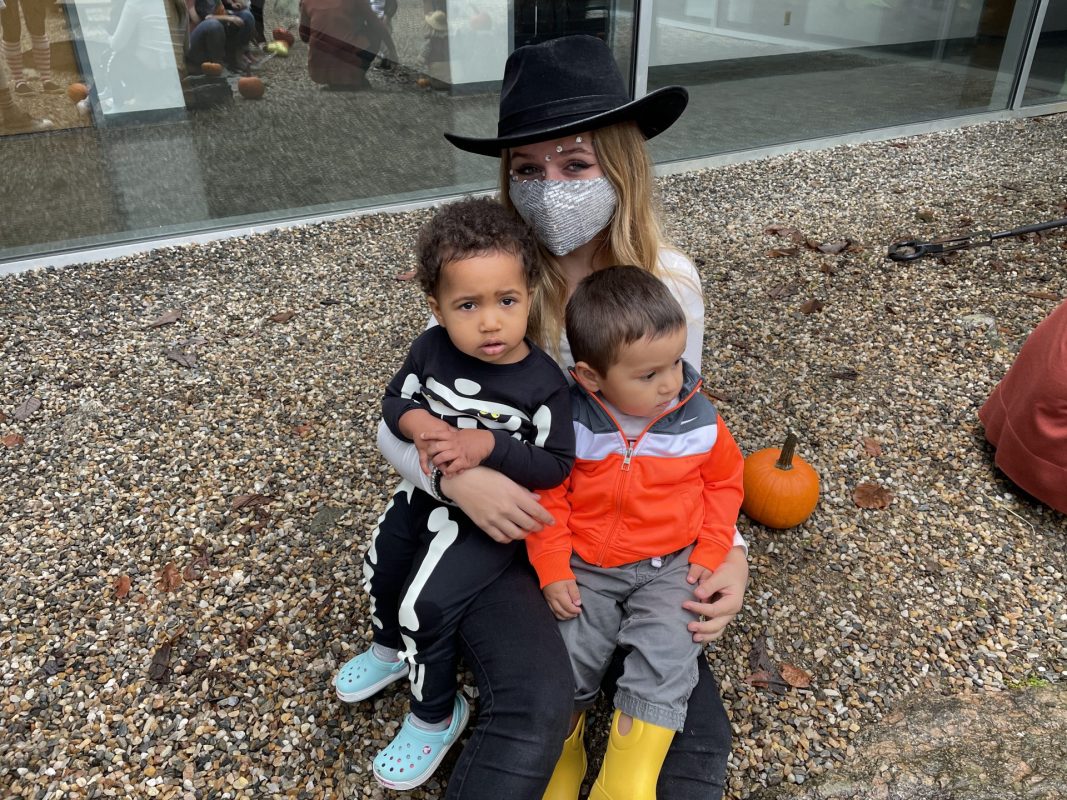
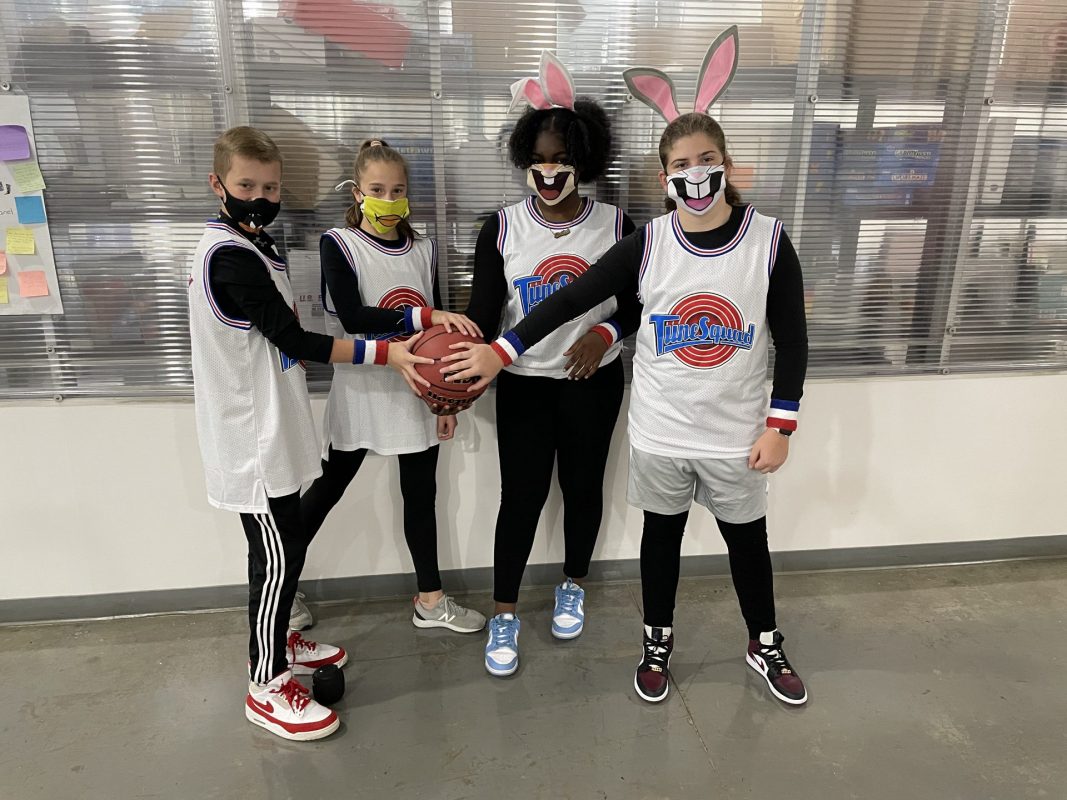
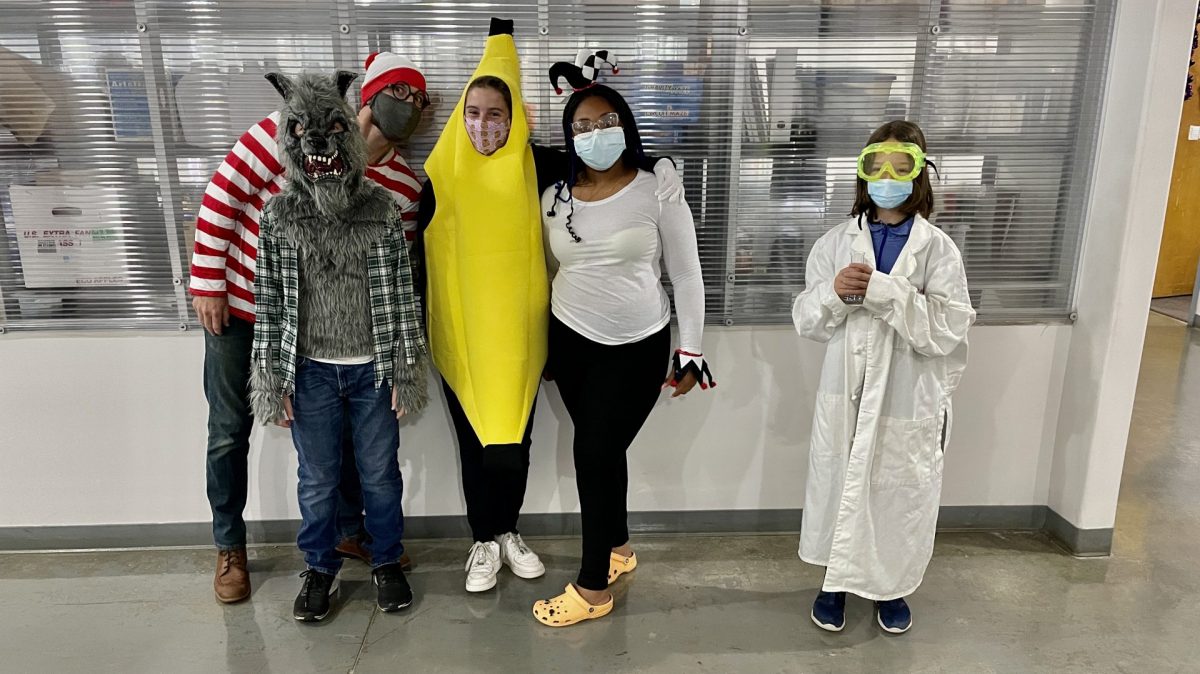
Happy Friday! We are going to backtrack to last week when we had our fun Halloween celebration. We enjoyed everyone’s costumes and had a great time together!

Also, thank you for your time meeting with us for conferences. The conversations were great, and we enjoy being on the same page with both students and parents. Please continue the conversations with us anytime!

Now, onto this week. It’s been a full and busy week in the Middle School.

Science

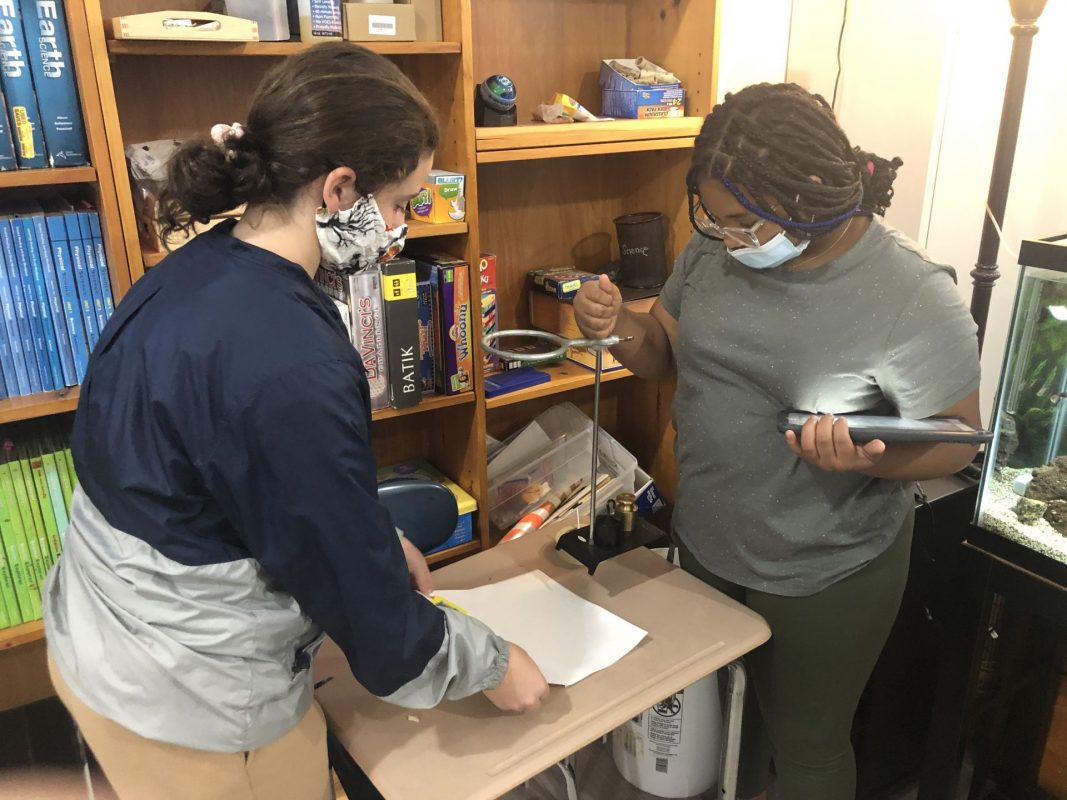
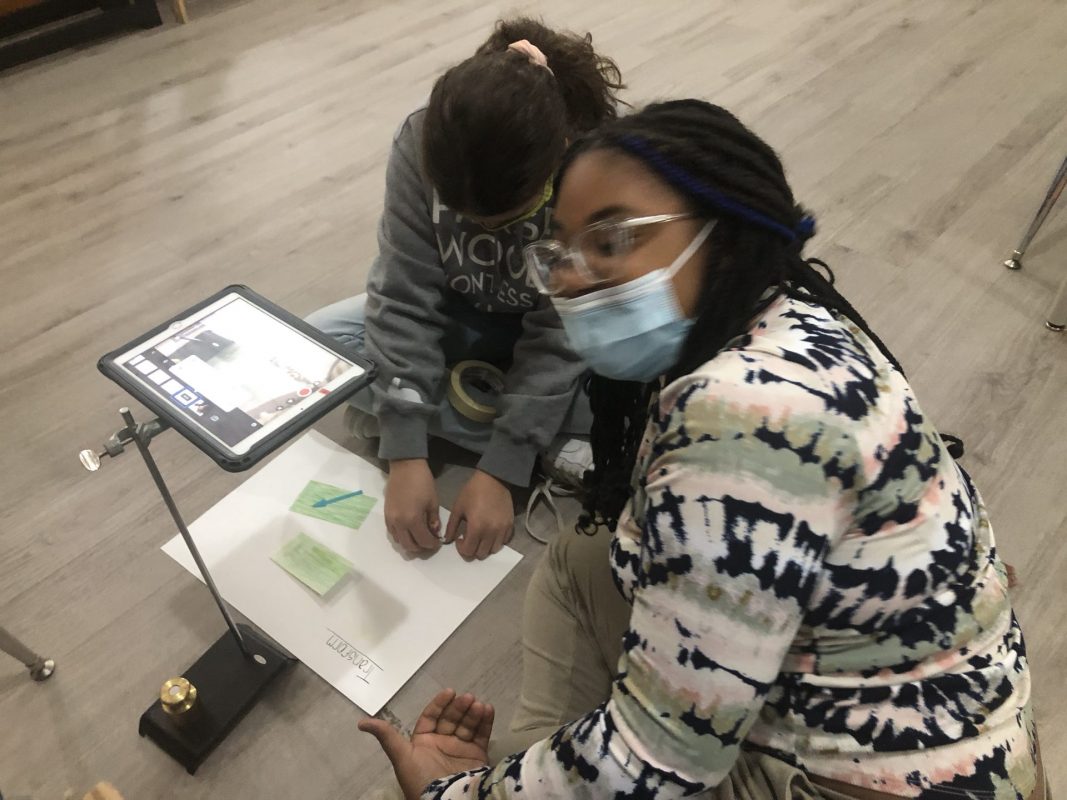
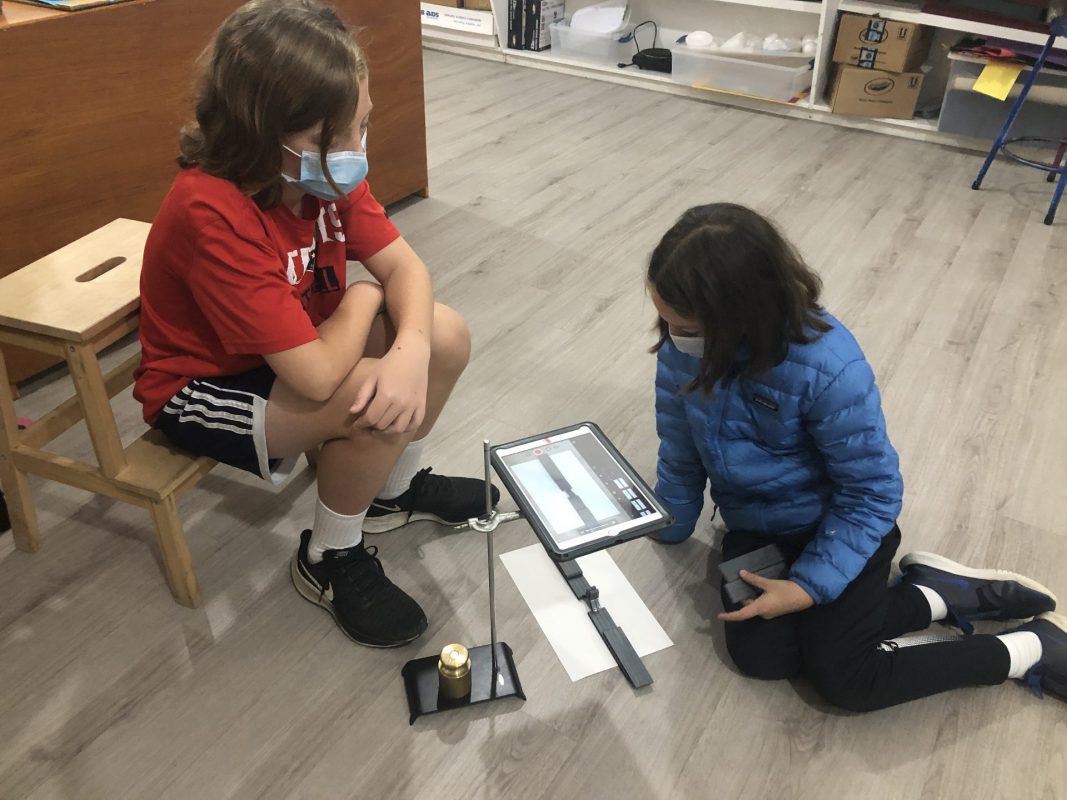
6th year Earth Science students finished creating their tectonic plate stop motion video. Each group of students was, asked to represent what exactly tectonic plates are, how convection currents cause plate movement, and what land formations are a result of these. This week, students are working on representing how tectonic plate movement is responsible for the rock cycle as it relates to the formation of igneous, metamorphic, and sedimentary rocks.

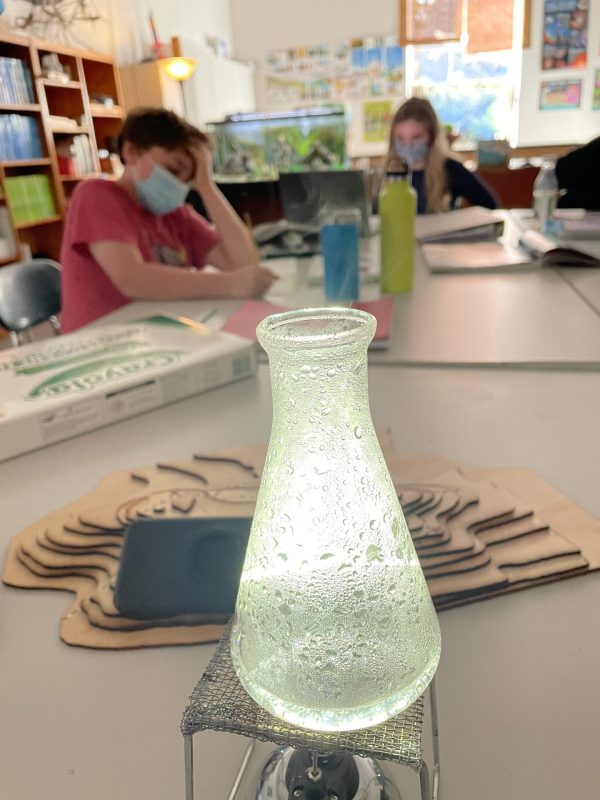
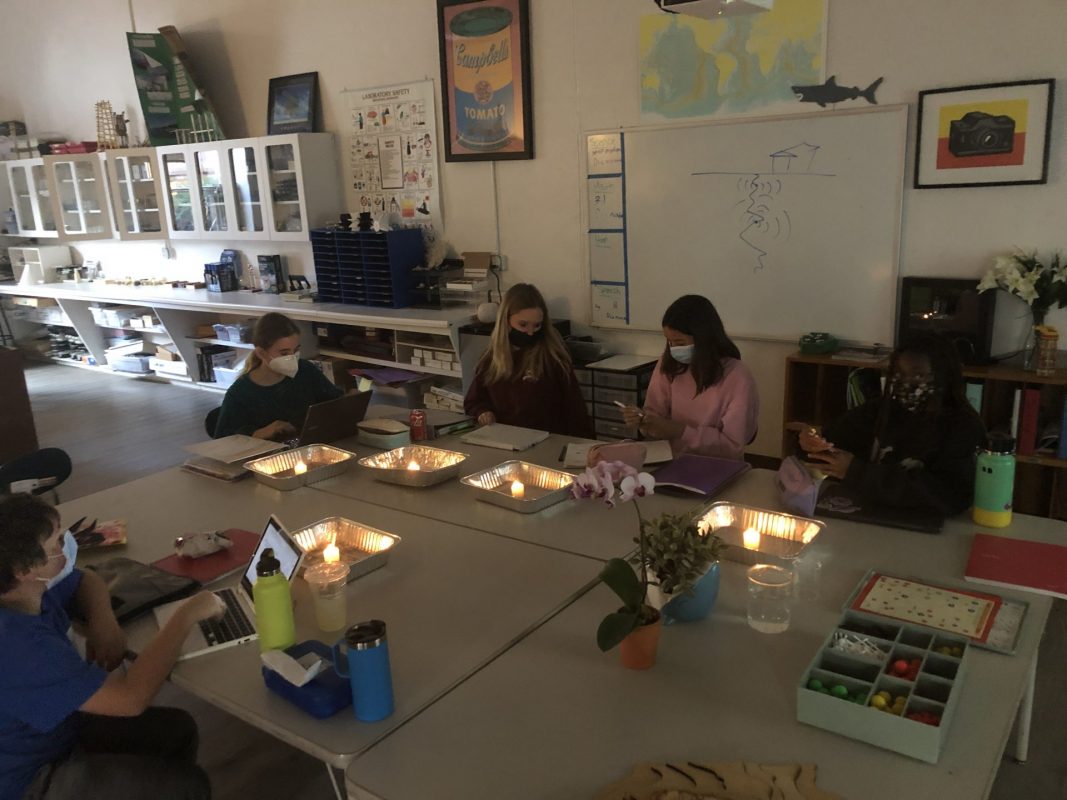
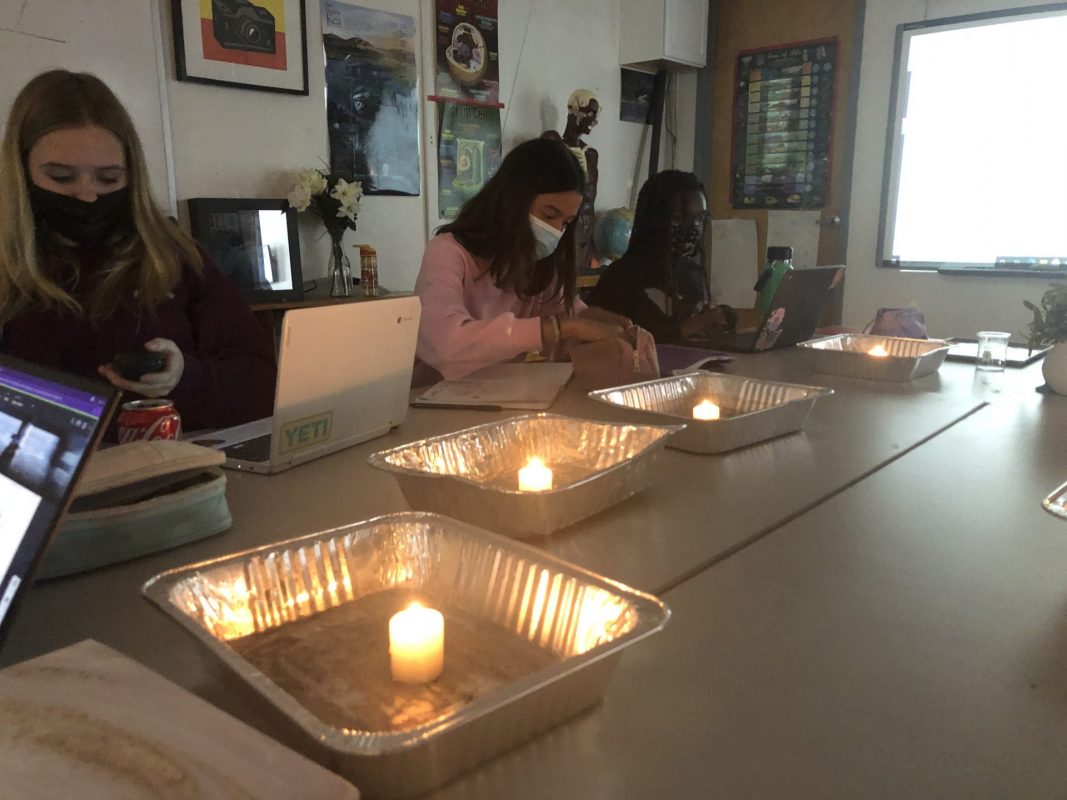
7th year Physical Science students began their unit, States of Matter. Students spent time observing and illustrating the physical changes of a candle, recording notes as it relates to a change in state of matter from solid – liquid – gas. From this unit, students will identify what similarities and differences are present in each state’s definitive shape, volume, spatial arrangement, and kinetic energy (temperature). Concluding this unit, students will create a stop motion video representing these phase changes.
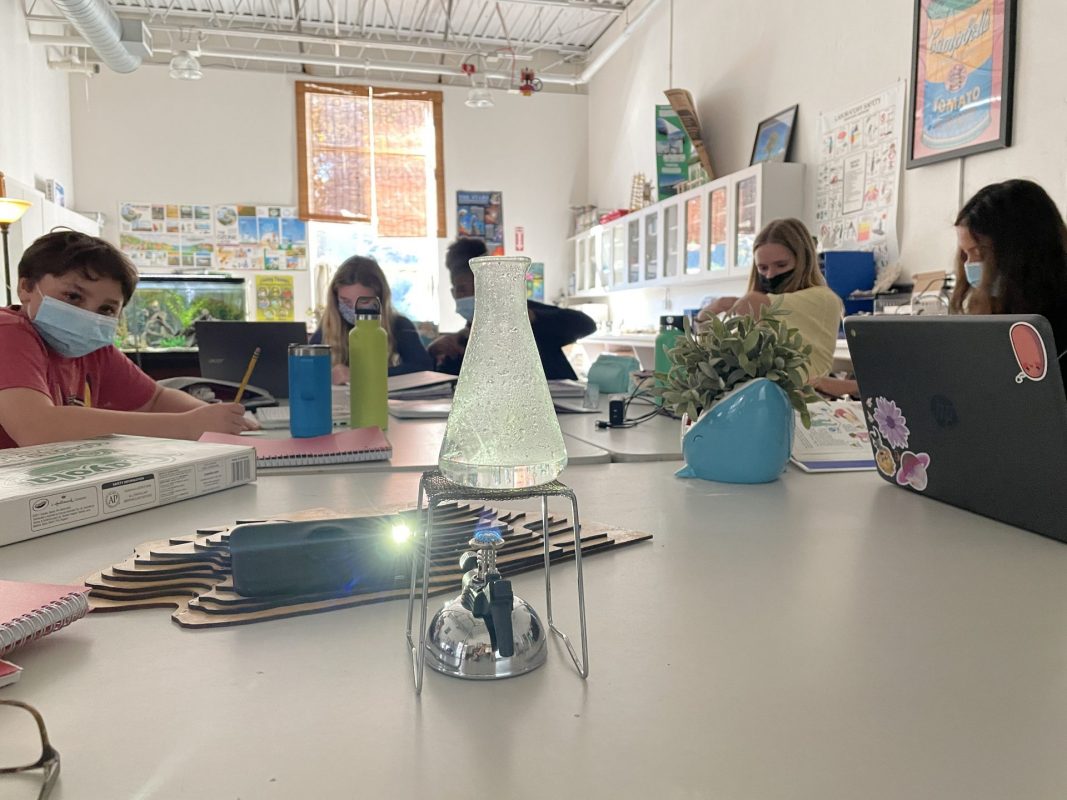
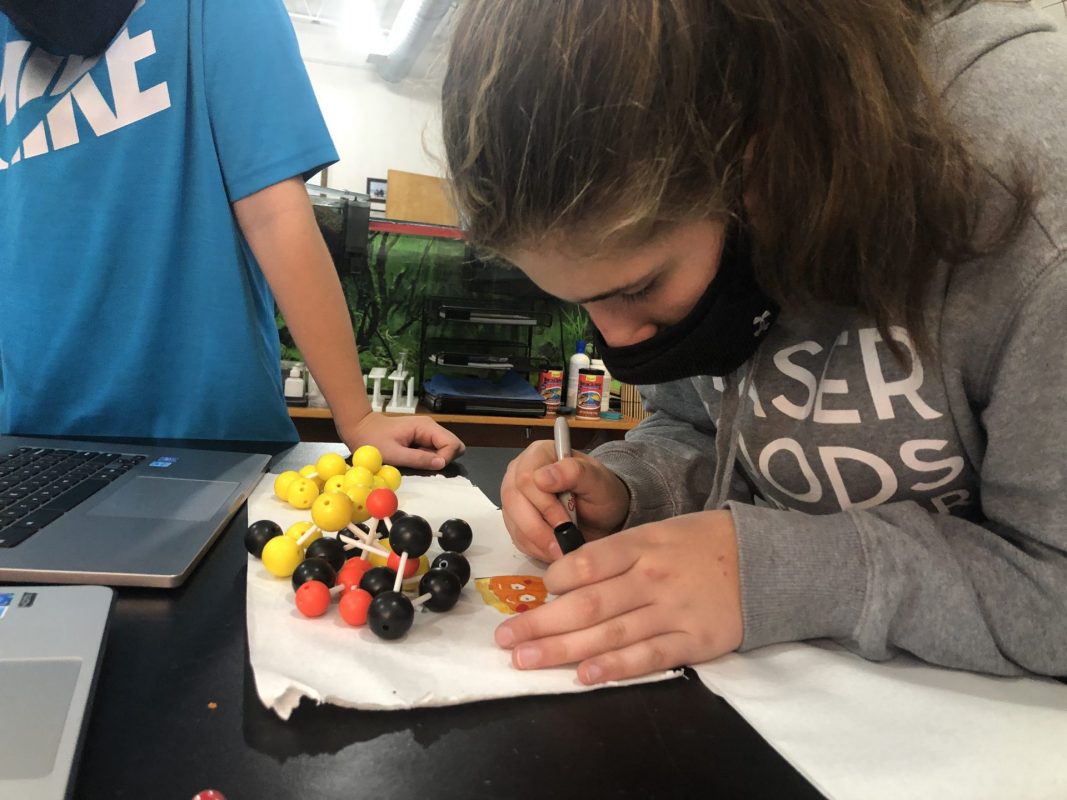
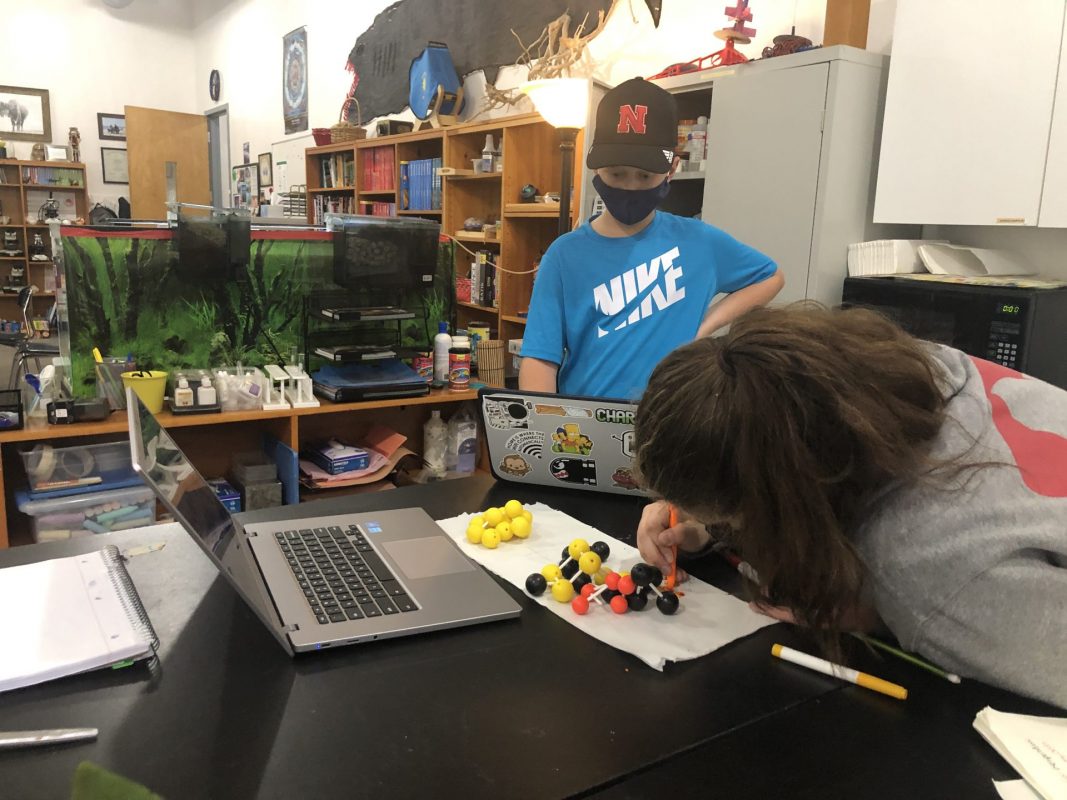
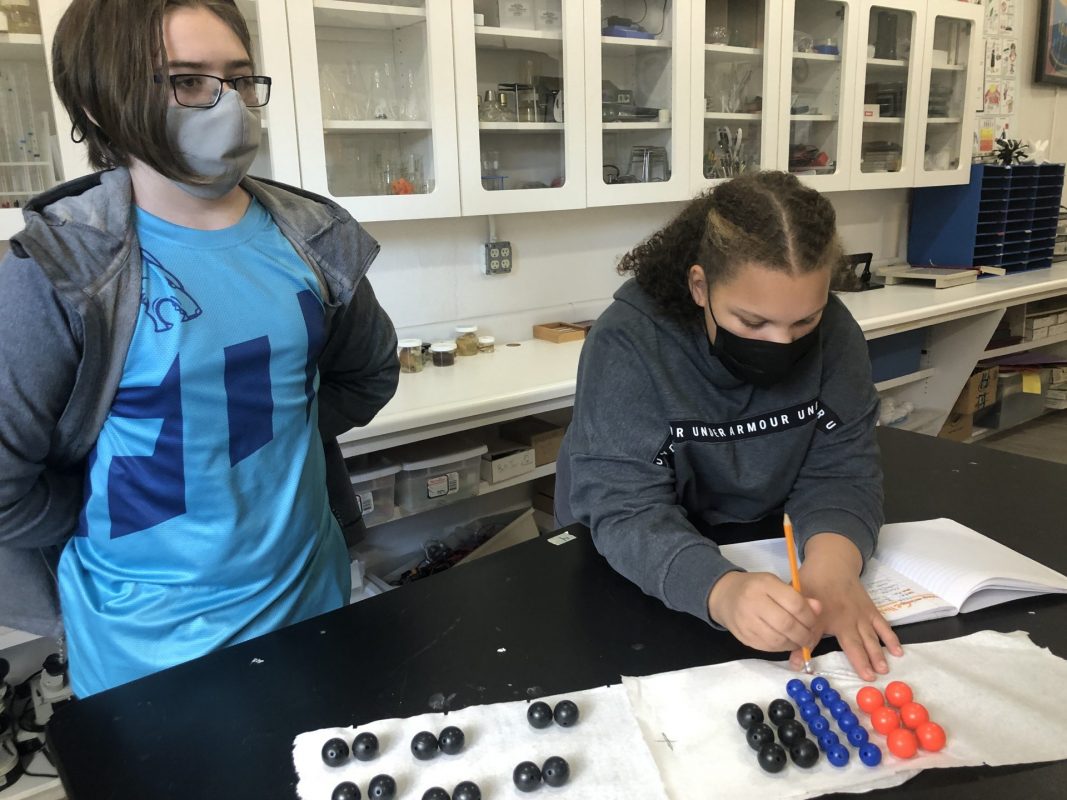
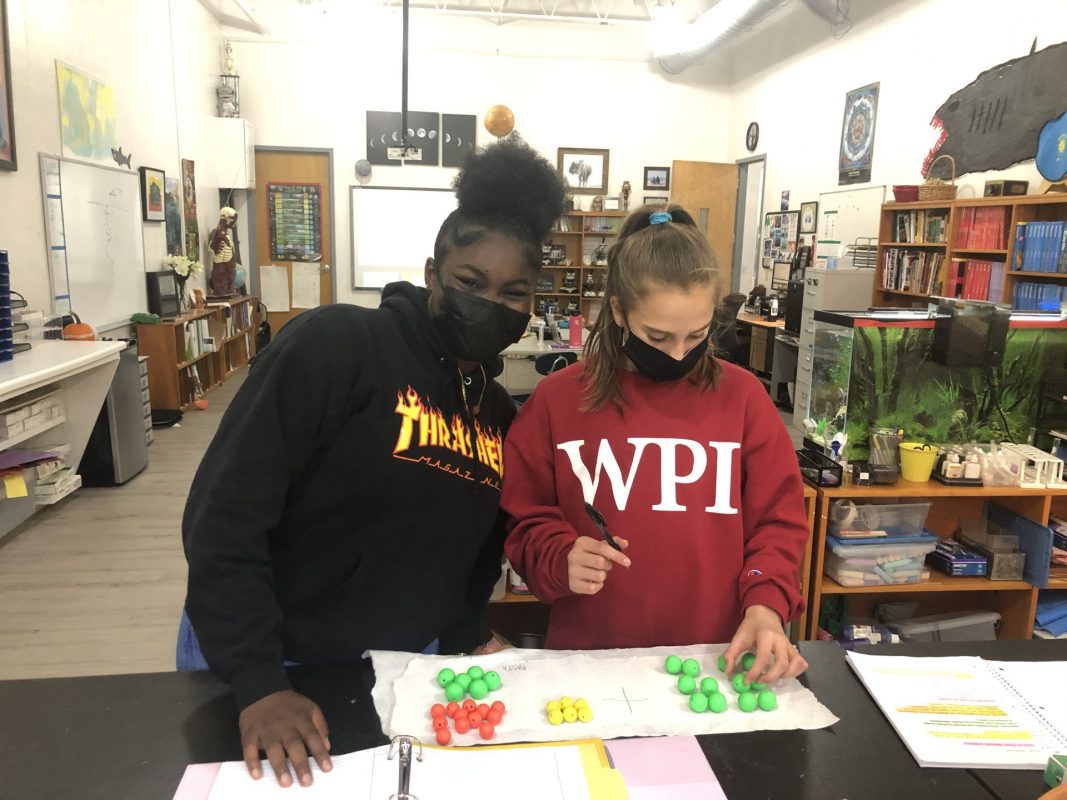
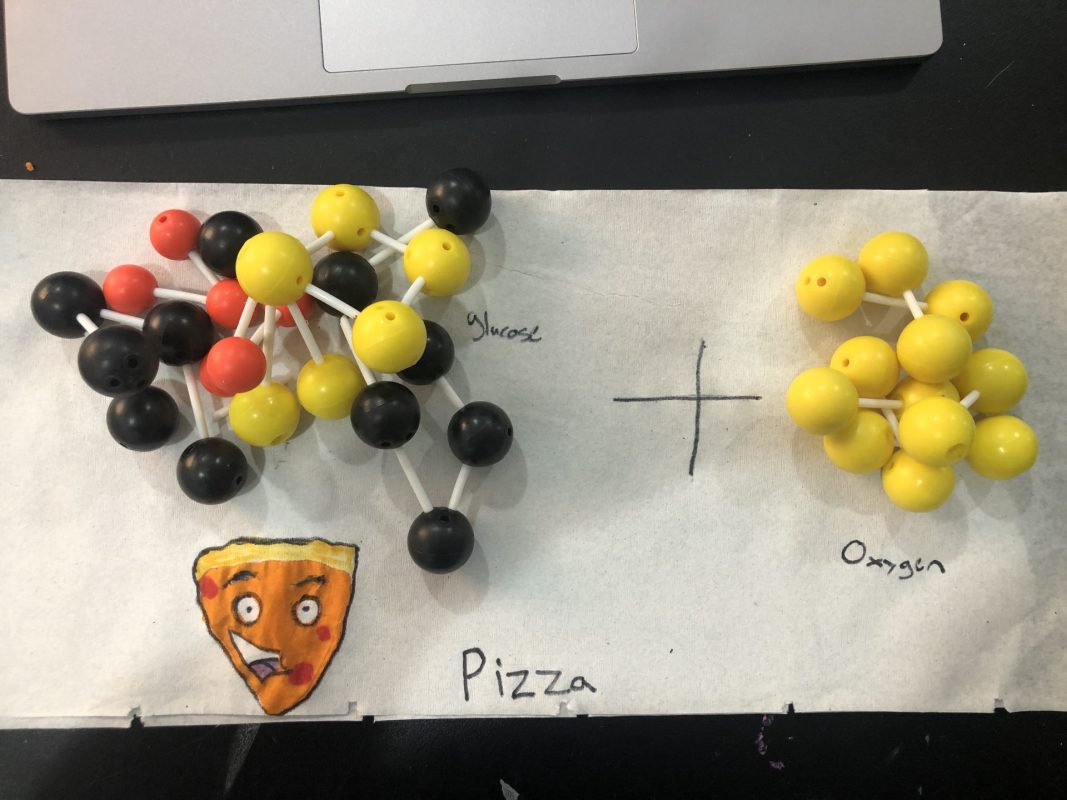
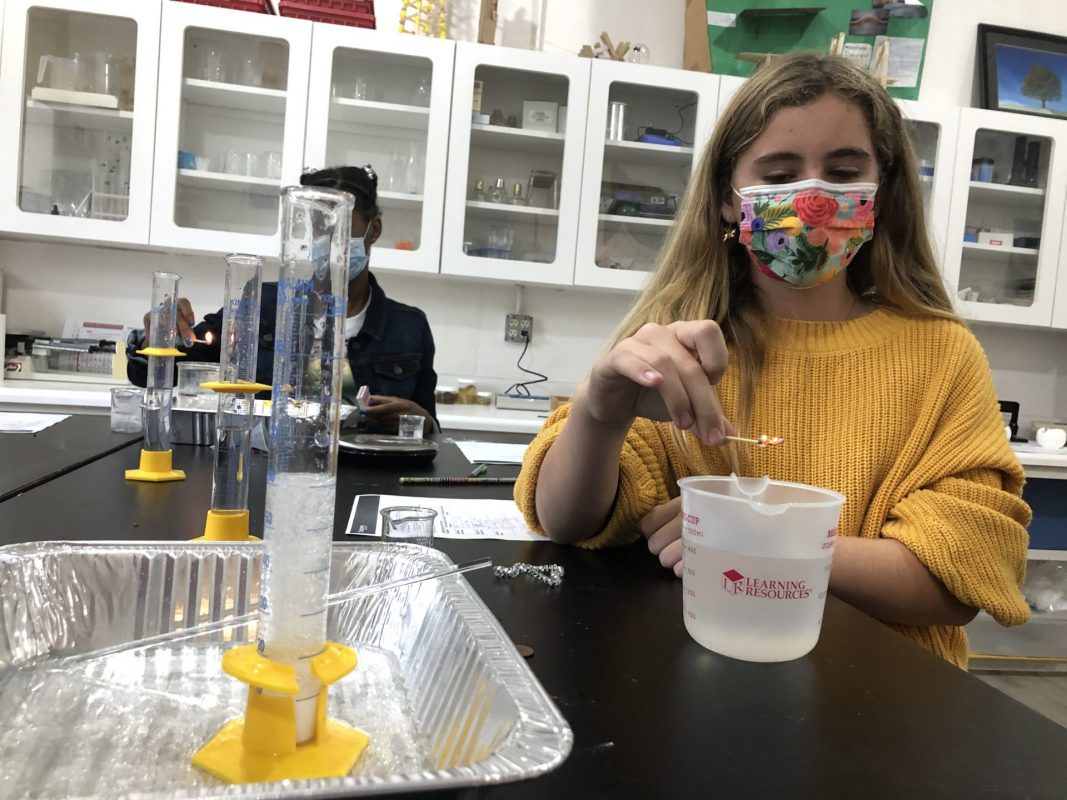
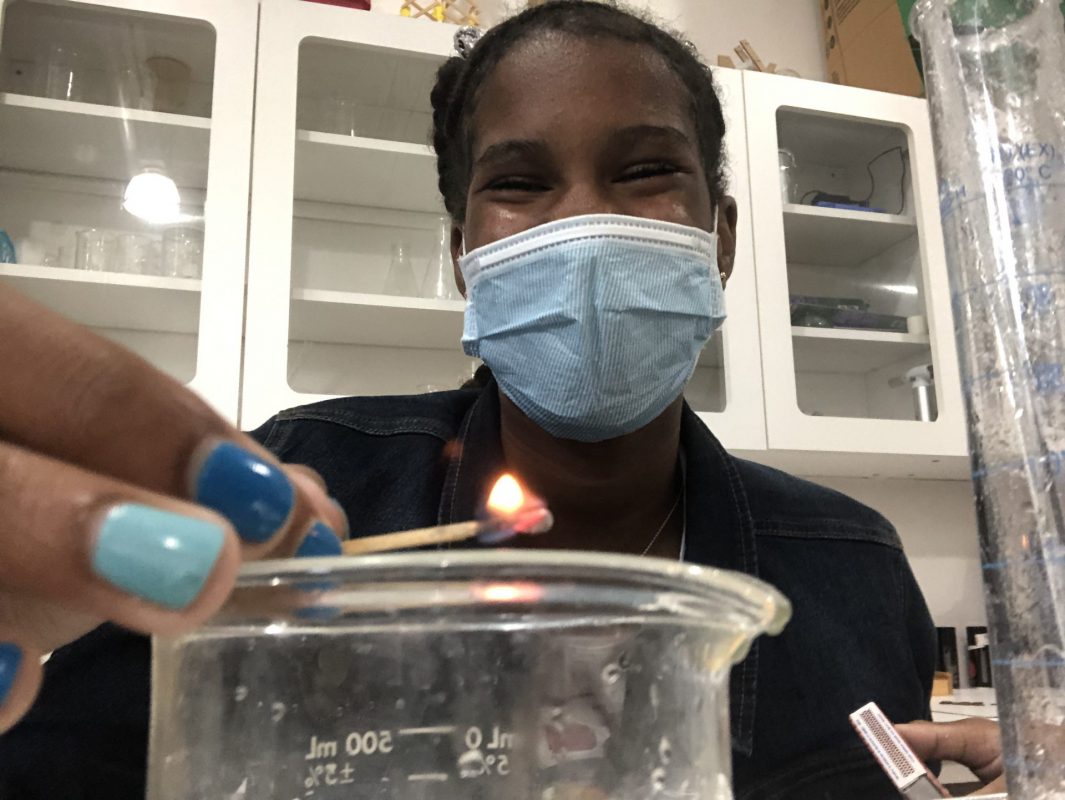
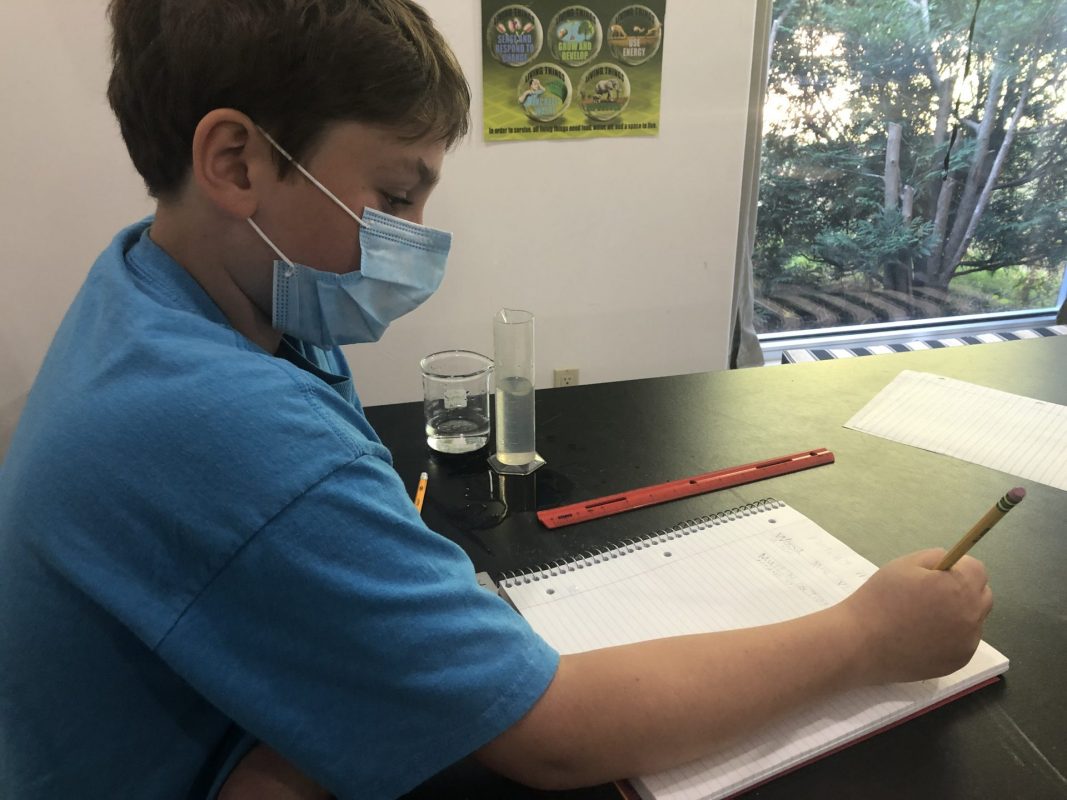
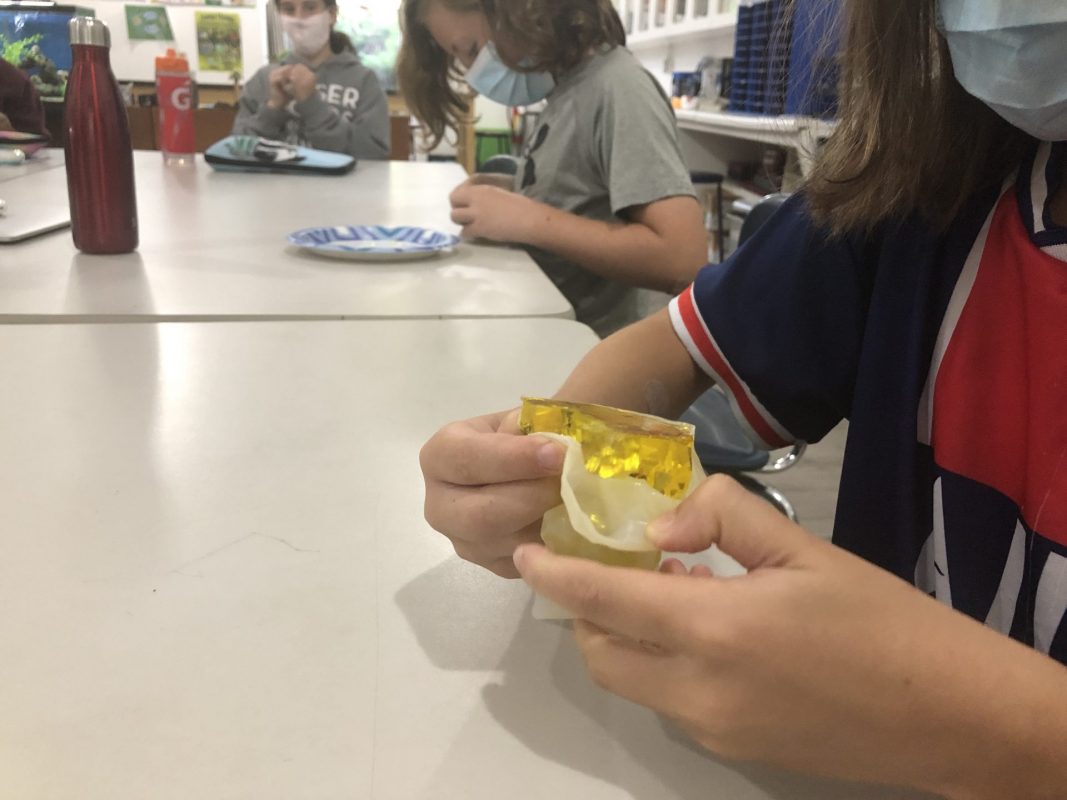
8th year Life Science students are currently learning about Cellular Respiration. This past week, students conducted experiments revealing the amount of stored energy in food by burning it. In order to obtain this data, students ignited several types of food (marshmallow, popcorn, and Pringles) while heating a known volume of water. Students recorded the initial and final mass of food before and after the burning and the beginning and final temperature of water. Students took the change in food’s mass and temperature change of water to determine the amount of energy released (kilojoules). Students have been able to model the chemical reaction that is cellular respiration by using a variety of manipulatives within class. This provided students an opportunity to see how within a chemical reaction, matter is neither created nor destroyed, only rearranged.
Math
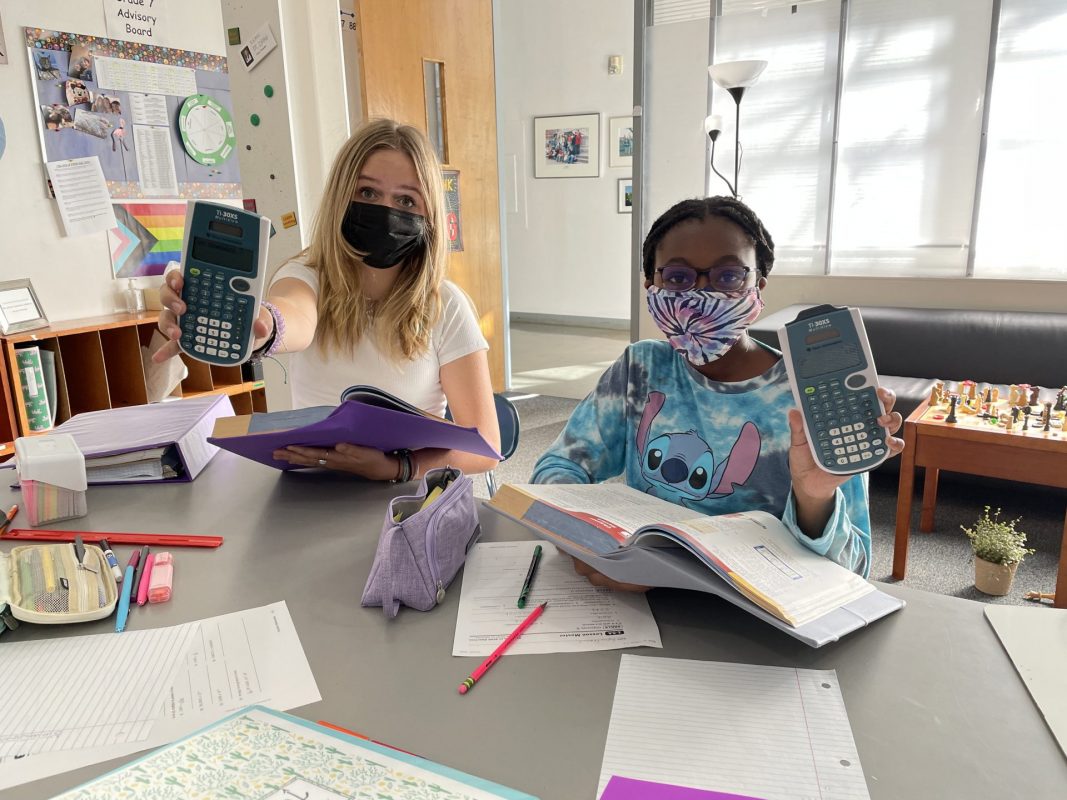
In Transition class, students are comparing decimals and fractions, they are understanding repeated decimal notation, and they are converting numbers between decimals, fractions, and percents. This class is practicing their skills with calculating the percent of a quantity, as well as using square roots in real world problems. They will be concluding Chapter 3 next week, and Ms. Sutherland encourages students to start long term studying in order to help prepare.
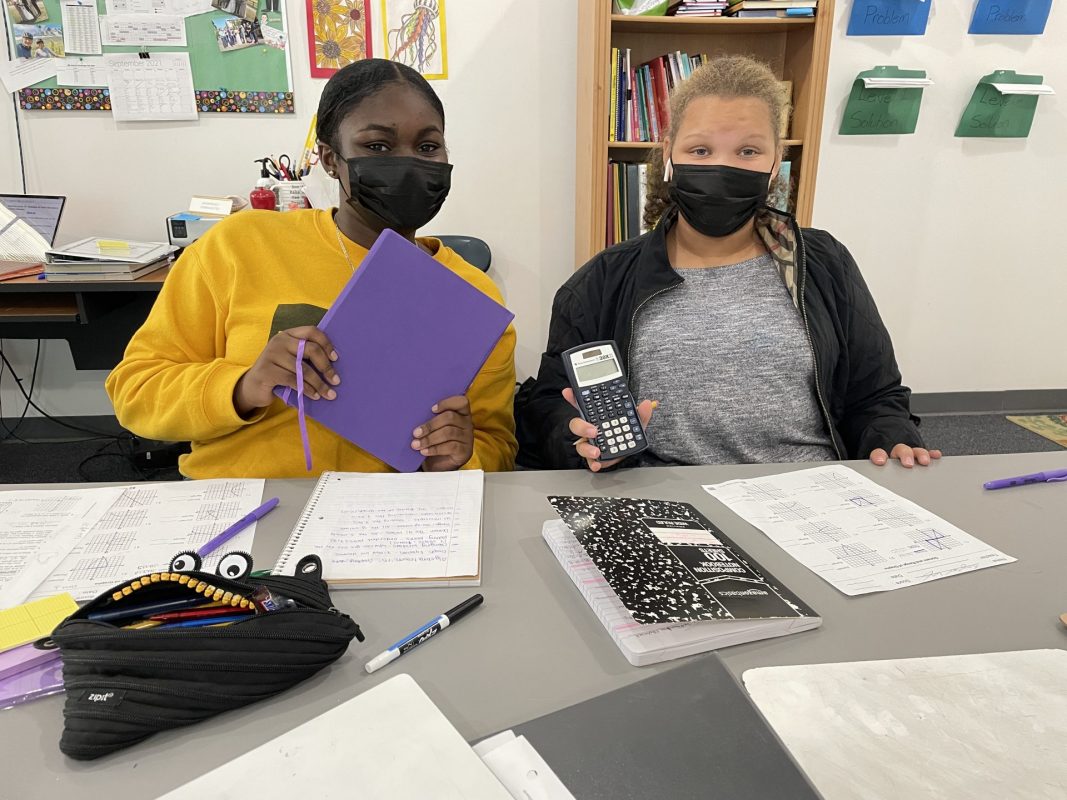
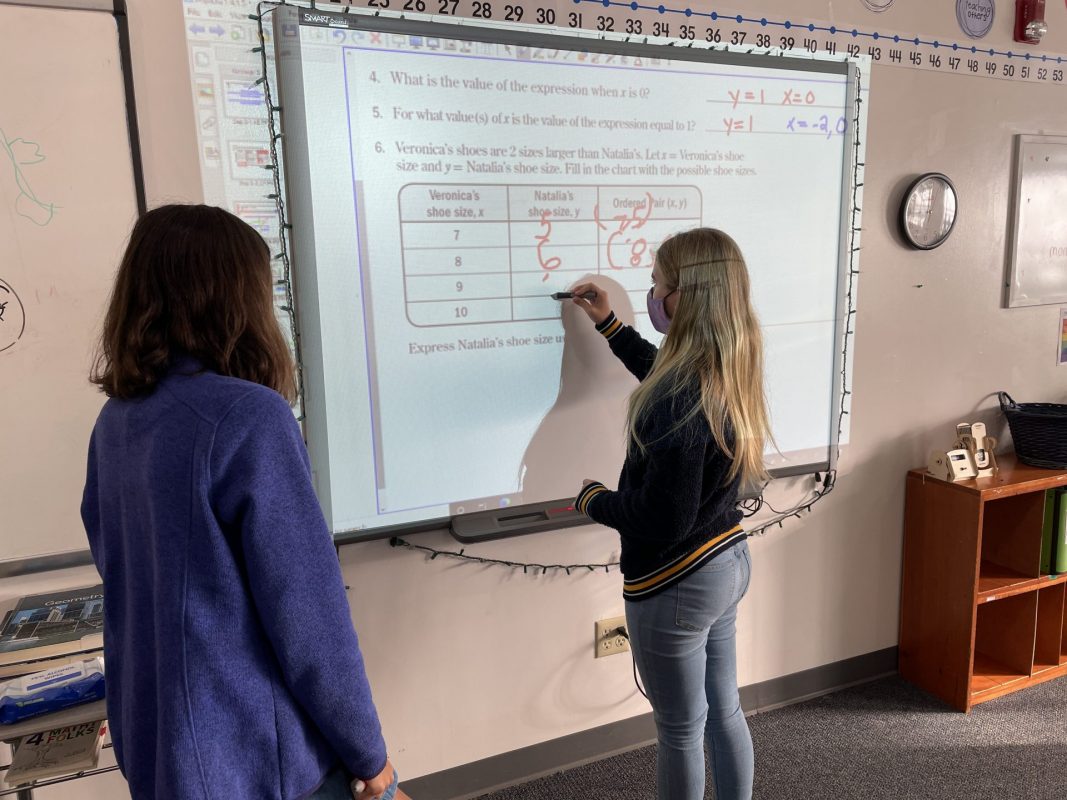
In Algebra class, students can use distributive property to simplify expressions, solve for linear inequalities, as well as graph linear equations on a coordinate grid without using technology. This class has been working hard to be more comfortable with algebraic statements and can now confidently collect like terms correctly.
In Geometry class, students are able to apply size transformations to a given figure as well as determine the measures of angles formed by parallel lines, perpendicular lines, and transversals. Students are able to identify the slope of parallel or perpendicular lines and are beginning to understand the purpose of a proof statement. This class concluded their learning of Chapter 3 this week and will begin studying Chapter 4 next week.
Math Joke: Why was the equal sign so humble?……………………..Because they knew they weren’t greater than or less than anyone else.
Humanities
Grade 6 Humanities students continue to work on descriptive writing. They wrote descriptive narration to a nature video of a shark leaping out of the water, eating a seal. They had to use figurative language including imagery, simile, metaphor, personification, and specific words. The end products were fun to read and had the students exploring the thesaurus. 6th grade students also continued to read their class novel, Out of My Mind by Sharon Draper, and complete accompanying work. Finally, students completed their monthly current events presentations.
Grade 7 Humanities students learned about the events leading up to China’s cultural revolution of the early 20th century. More specifically, they learned about the Opium Wars, Taiping Rebellion, and the Boxer Rebellion. They also discussed aspects of a culture, such as language, clothing, food, and roles of men and women. In particular they learned about Chinese Foot Binding, which was outlawed in 1912. They also finished learning about the political economic systems of capitalism, socialism, and communism. Finally, students completed monthly current events presentations.
8th grade Humanities students completed assessments on their sentence structure unit that focused on clauses as well as compound and complex sentences. They also began their history book, A Different Mirror for Young People: A History of Multicultural America by Ronald Takaki. Particularly, he begins the book by defining what it means to be American and what being American “looks” like. His main idea and the students’ discussion centered around that fact that there is no American “look” since we are a blend of cultures and people from all over the globe, each with different experiences. To echo what it means to be American, we analyzed two perspectives through poetry: Walt Whitman’s “I Hear America Singing” and Langston Hughes’s “I, Too”. Students answered written questions then had a group discussion. Next, we moved on to the movement patterns of humans from the start of homo sapiens and theories of human migration over time. We also learned about Pre-Contact America and the people that spread across the Americas. Finally, students completed monthly current events presentations.
Have a great weekend!
Middle School: Week in Review

Happy Friday! It was a beautiful fall week with the colorful foliage and temperatures cool enough for jackets. There is a lot of great work going on in Middle School that we are excited for you to hear about!

Also, if you haven’t done so already, please sign up for our fall conferences for a student-parent-teacher meeting with your child’s advisor. Sign Up Genius notifications were sent out on Tuesday, 10/12. Feel free to email your child’s advisor for the link if you need it!

Humanities

Grade 6 Humanities students are enjoying the novel, Out of My Mind by Sharon Draper. They have been reading, discussing, and writing about this piece of realistic fiction given in the point of view of a student with cerebral palsy. Before beginning, students defined and brainstormed qualities of compassionate and empathetic people. Before we dive into world history, it is important to highlight these qualities as they are vital to understanding different cultures and perspectives. 6th grade students have also been working on descriptive writing, in particular, figurative language and imagery. They can now identify these in literature and are working to use them in their writing. Finally, a unit of vocabulary was completed as well.

7th grade Humanities students gave presentations at the end of last week for the following religions: Buddhism, Taoism, Confucianism, Islam, and Christianity. While giving information regarding history, philosophy, and practice, they also researched their role in China/Chinese history. Students are now learning about the political economic systems of capitalism, socialism, and communism. As they discuss different areas of the world this year, as well as current events, it is important that they have a foundation for these terms. Finally, a unit of vocabulary was completed.

In 8th grade Humanities class, students are working on their revisions for their second draft of their literary analysis essays about irony in short stories. They also spent the week completing grammar lessons and work about dependent clauses, independent clauses, semicolons, commas, and conjunctions as they make up complex and compound sentences. They will have an assessment on this grammar work next week. Finally, 8th grade students completed a unit of vocabulary as well.

Math

In Transition class, students are concluding their learning for Chapter 2. This class was also able to start Chapter 3 titled, Representing Numbers. In this unit, students will gain a better understanding of ordering decimals, comparing fractions, and adding/subtracting mixed fractions.
In Algebra class, students are excited to start learning about Chapter 3 titled, Linear Equations and Inequalities. This class has been learning how to represent an equation in the form ax+b=c on a coordinate grid, as well as solving for the unknown variables using a two-step process.
In Geometry class, students are happy to learn about arcs, angles, and lines in Chapter 3. In this chapter, students have started to learn about finding missing angle measurements, drawing rotation images, and identifying major or minor arcs.
Math Joke:  Do you know what type of math birds like best? Owlgebra!
Science
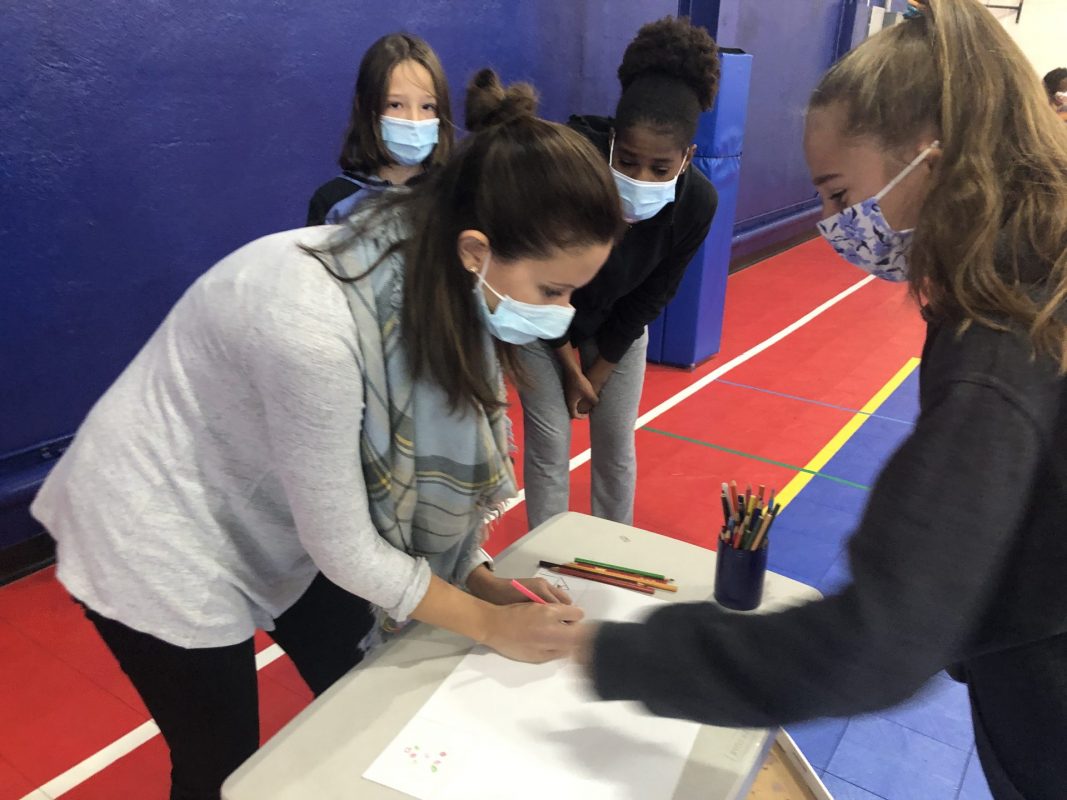
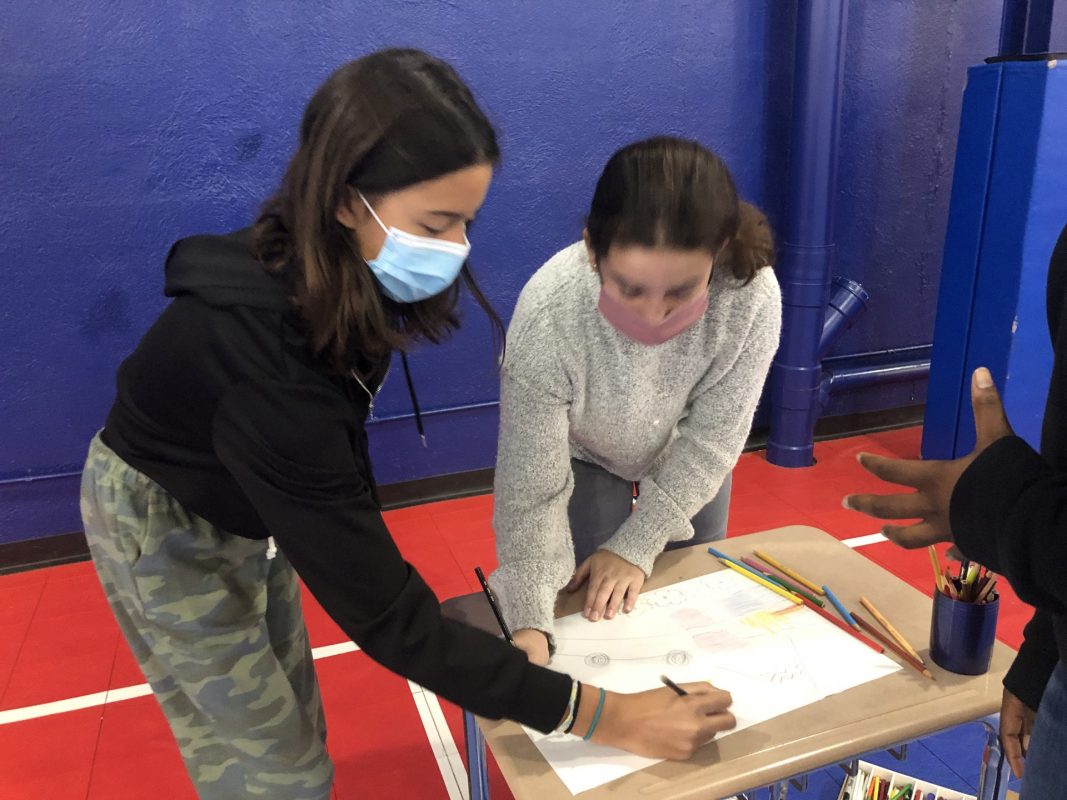
6th year Earth Science students have begun their plate tectonic stop motion video project. Each student is working with a partner to artistically represent what exactly plate tectonics are and how they influence our planet’s geography. As a class, we decided what aspects of the unit should be included in this project along with a reasonable time-frame for completion. After students have finished filming, each will write a script that will be applied to their video, explaining what action/process is being represented.
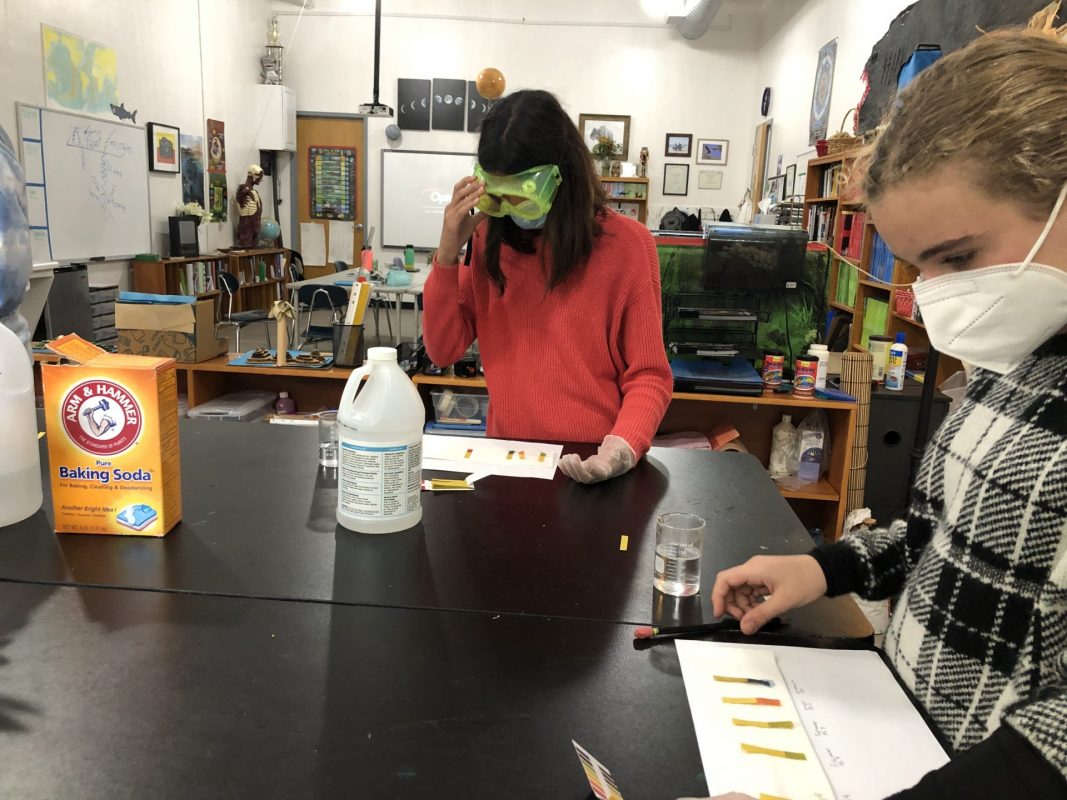
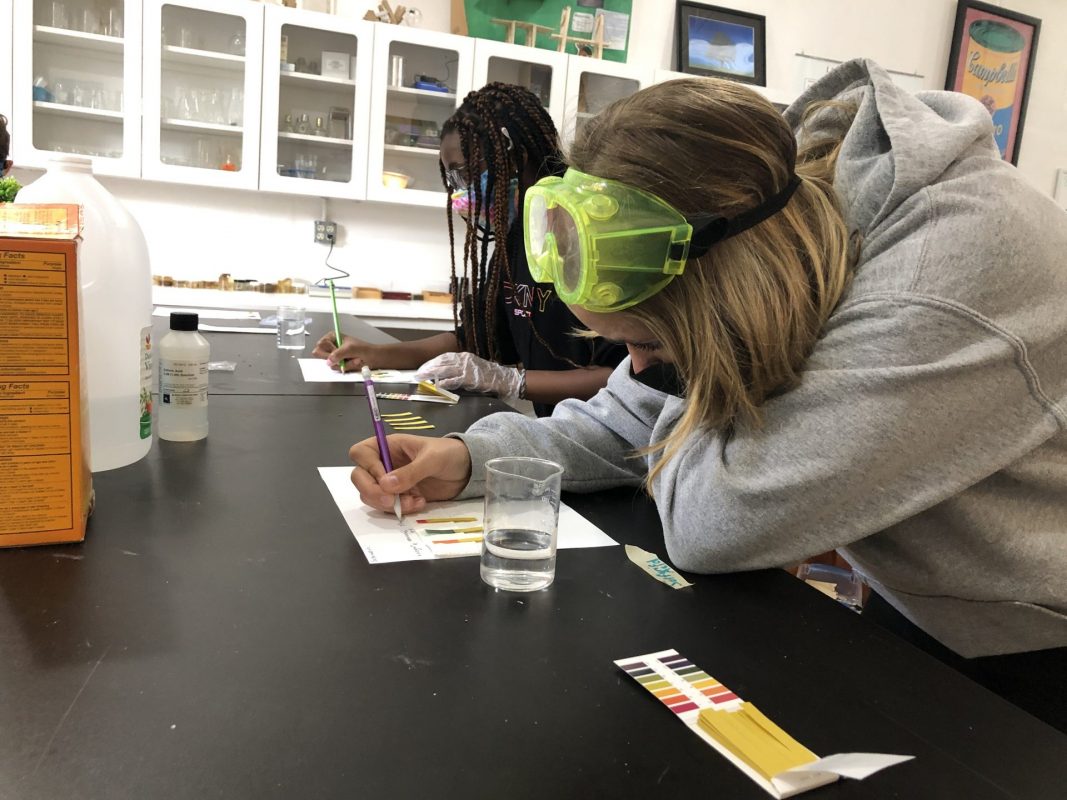
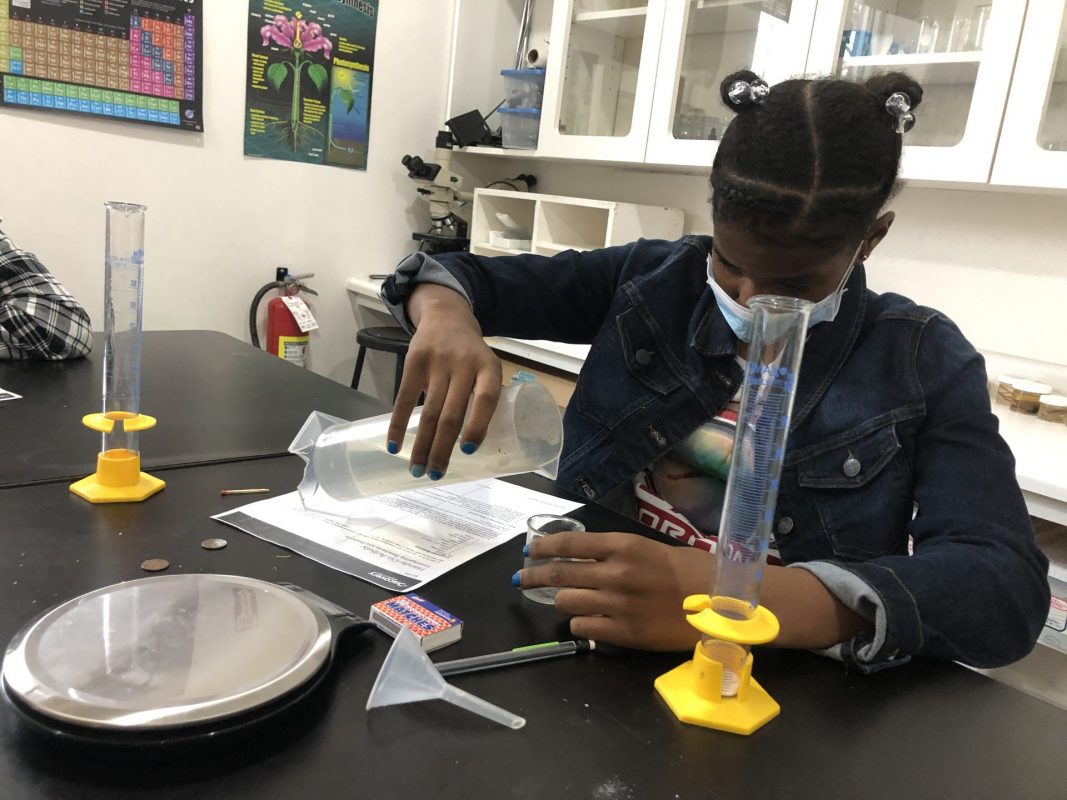
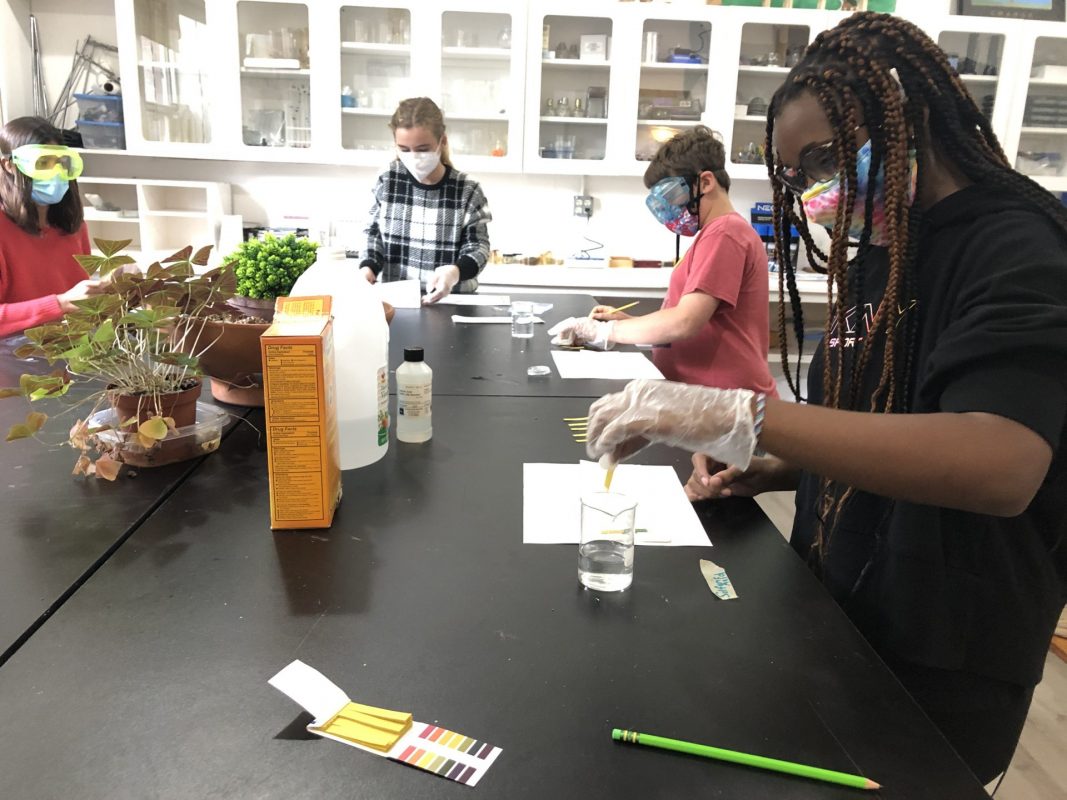
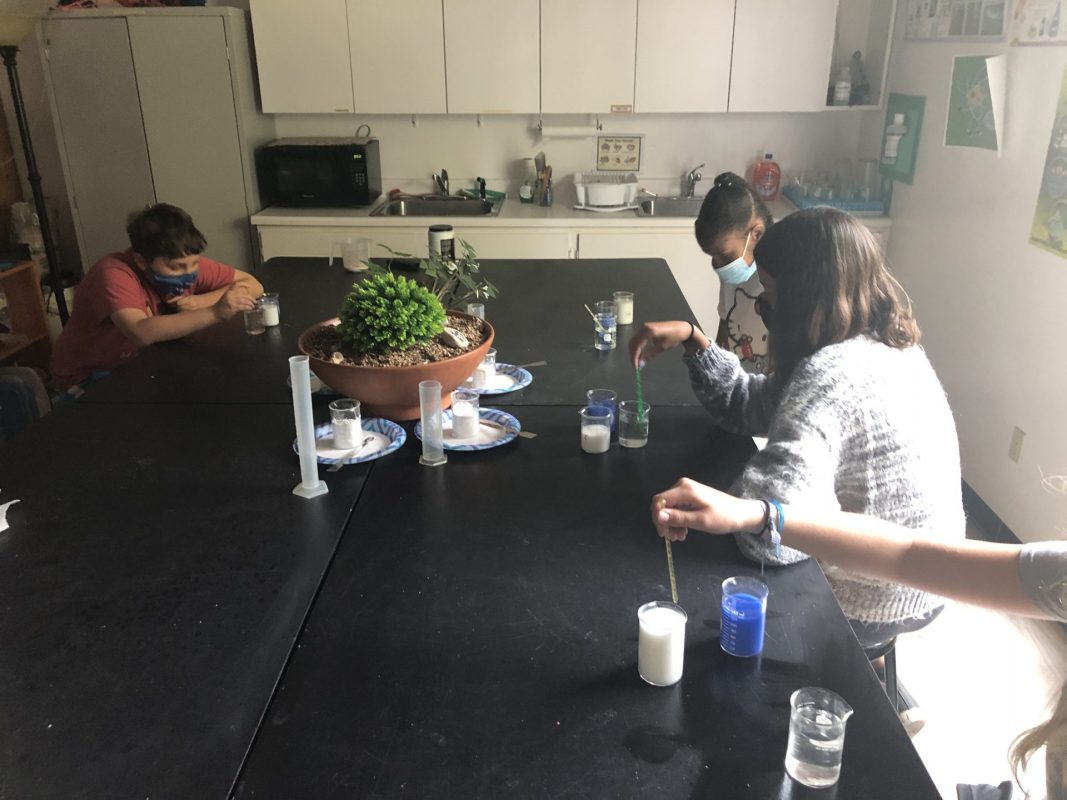
7th year Physical Science students have been busy conducting several hands-on experiments pertaining to their unit, Characteristic Properties of Matter. Students have tested electrical conductivity between salt and sugar water, tested the release of CO2 (carbon dioxide) by extinguishing a flame, and determining the pH of liquids. Each of these experiments was followed up with class discussion as it relates to becoming familiar with how certain tests can yield different results of similar items.
8th year Life Science students finished their unit on Structure of Life. Throughout the unit they had the opportunity to hold several in-depth discussions as they relate to present-day research related to cancer. Students became familiar with establishing the differences between a healthy tissue cell compared to a mutated cancer cell along with a variety of treatment possibilities currently in use. Our next unit, Cellular Respiration, will cover how the body is able to utilize energy from the food we take in.

Middle School: Week in Review


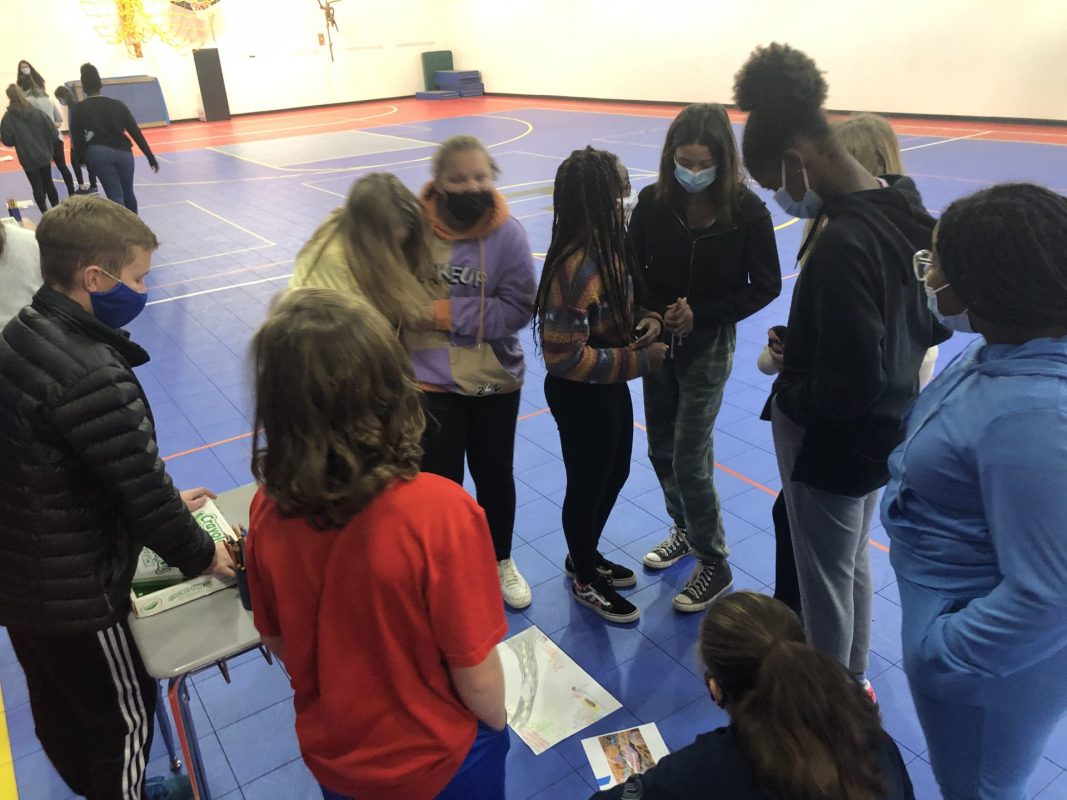
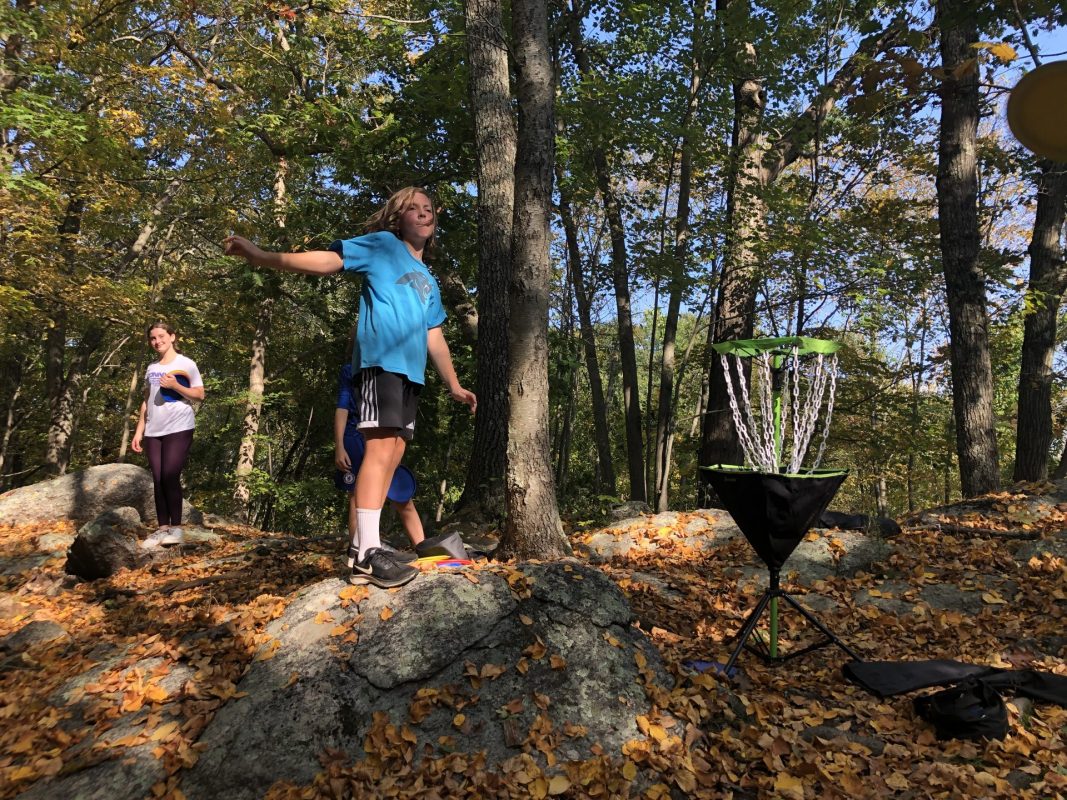
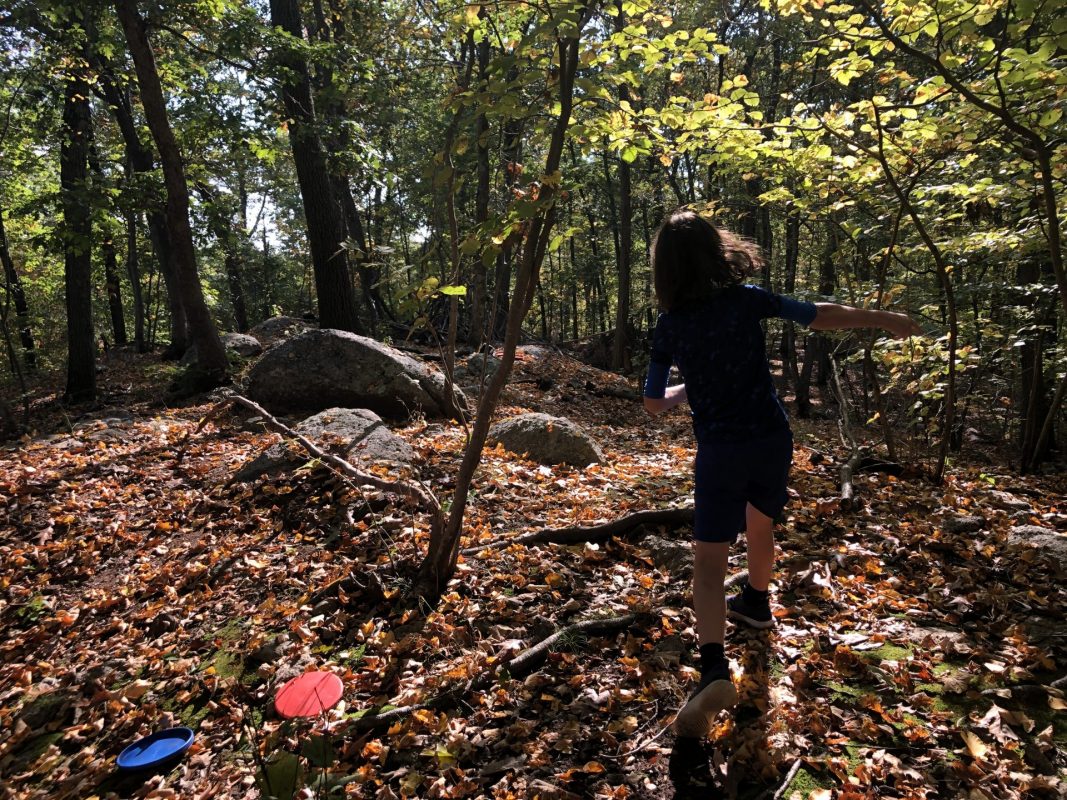
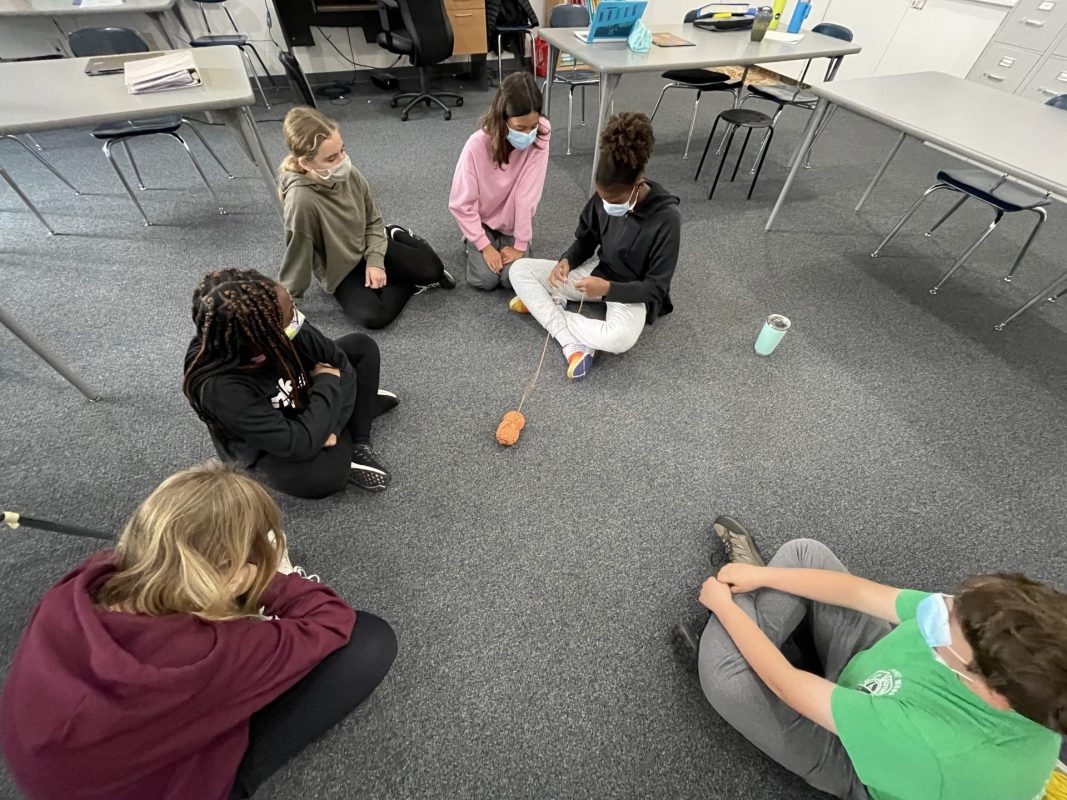
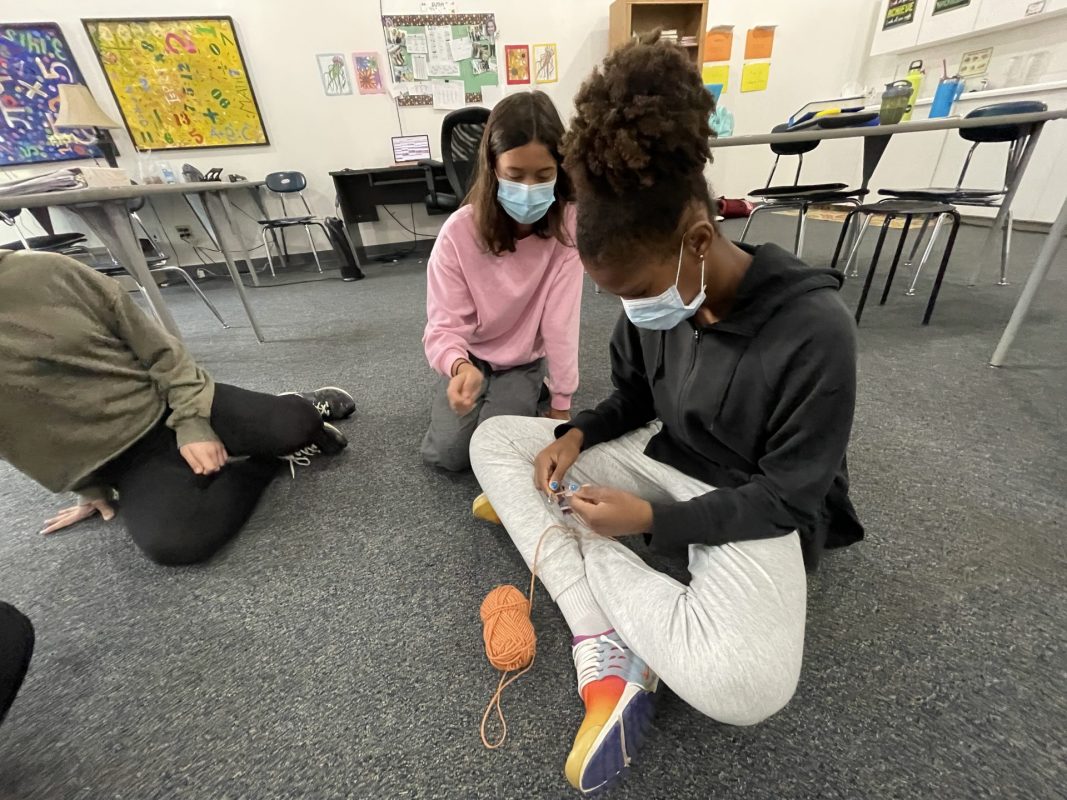
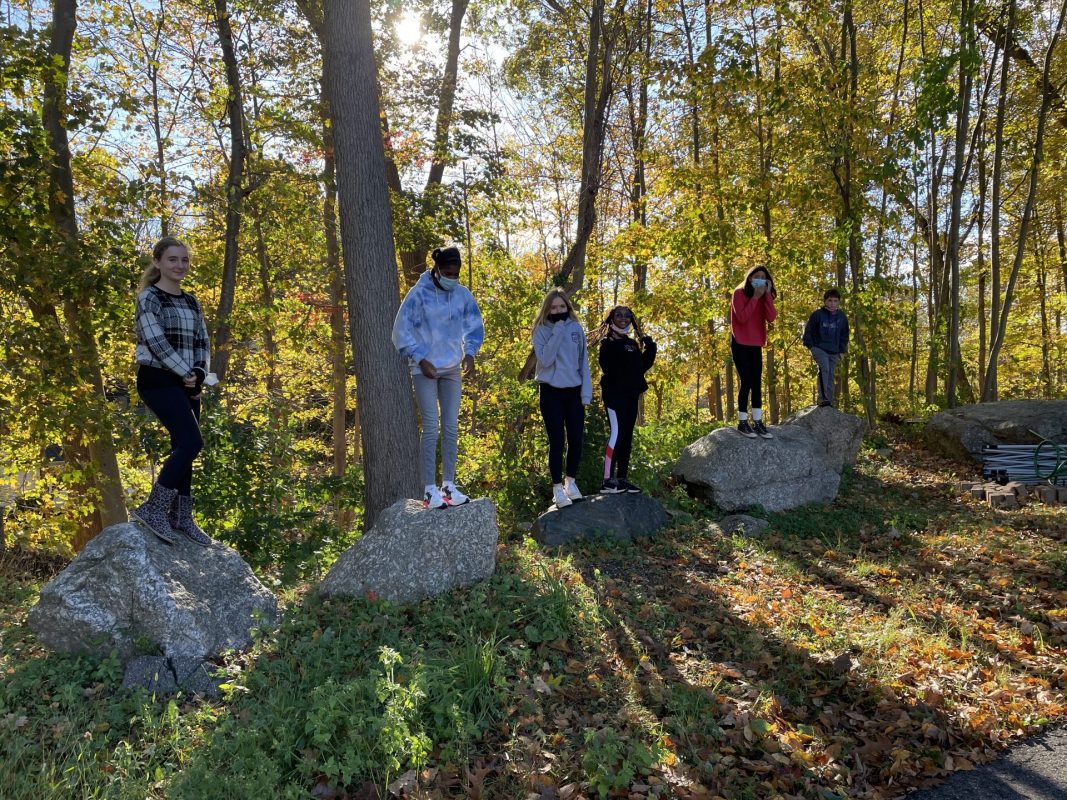
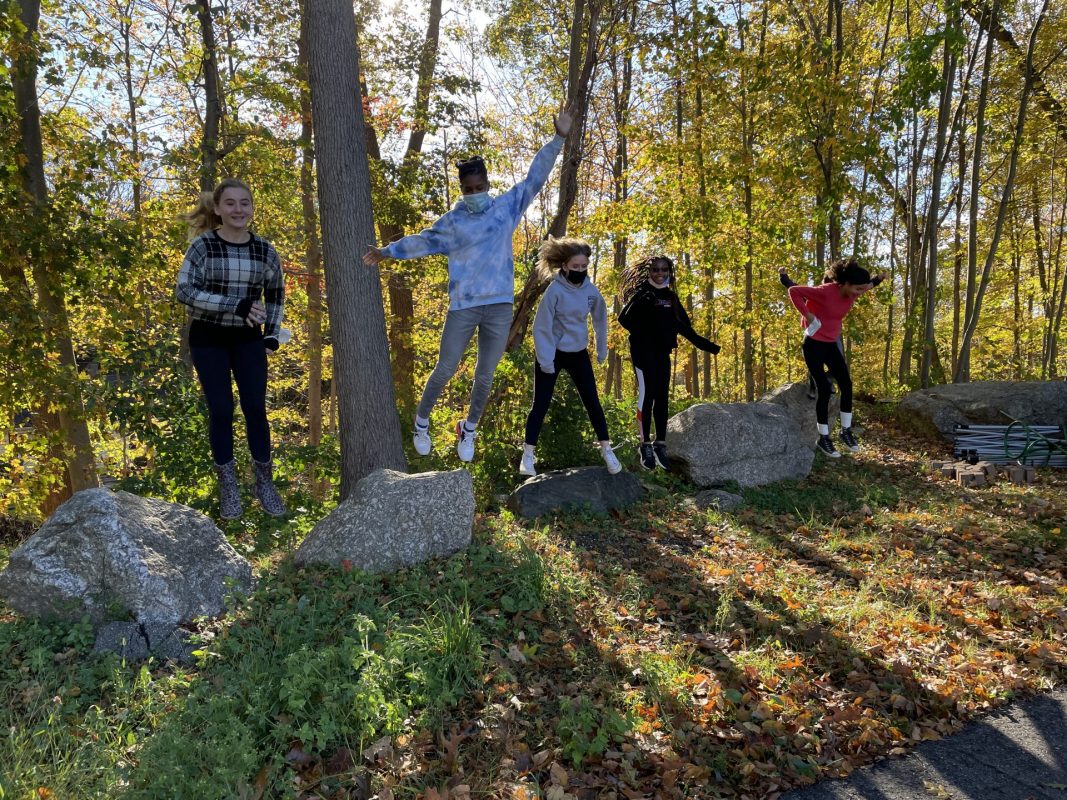
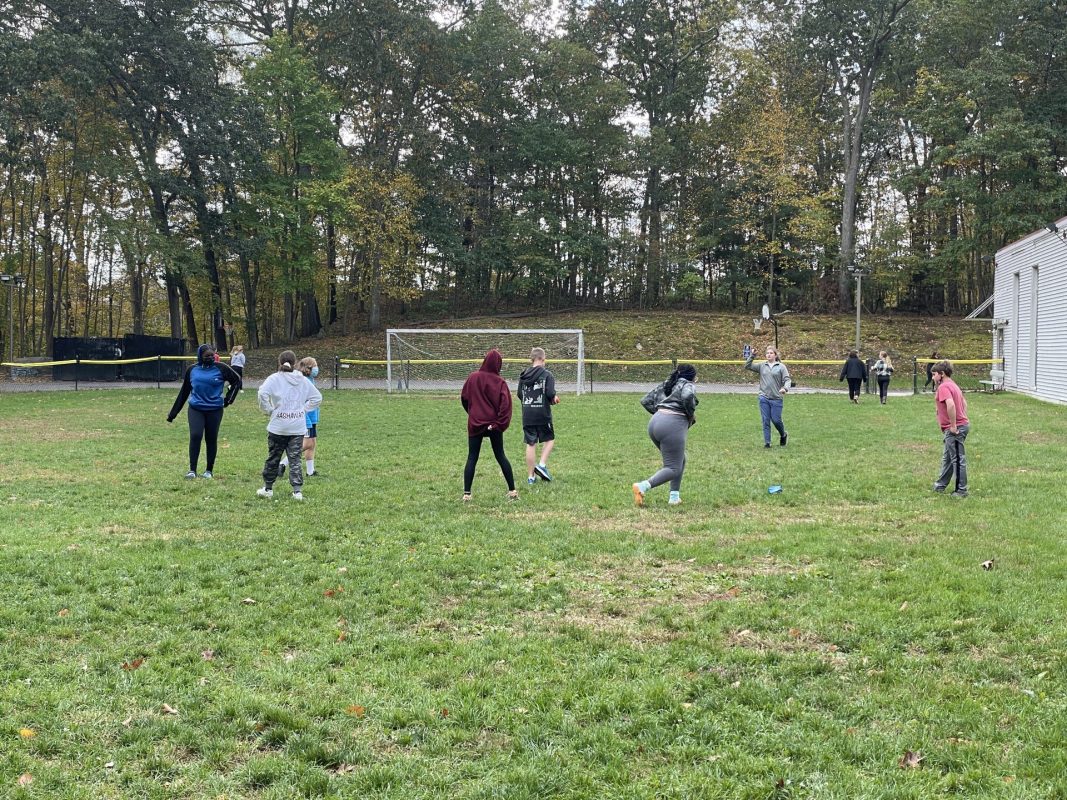
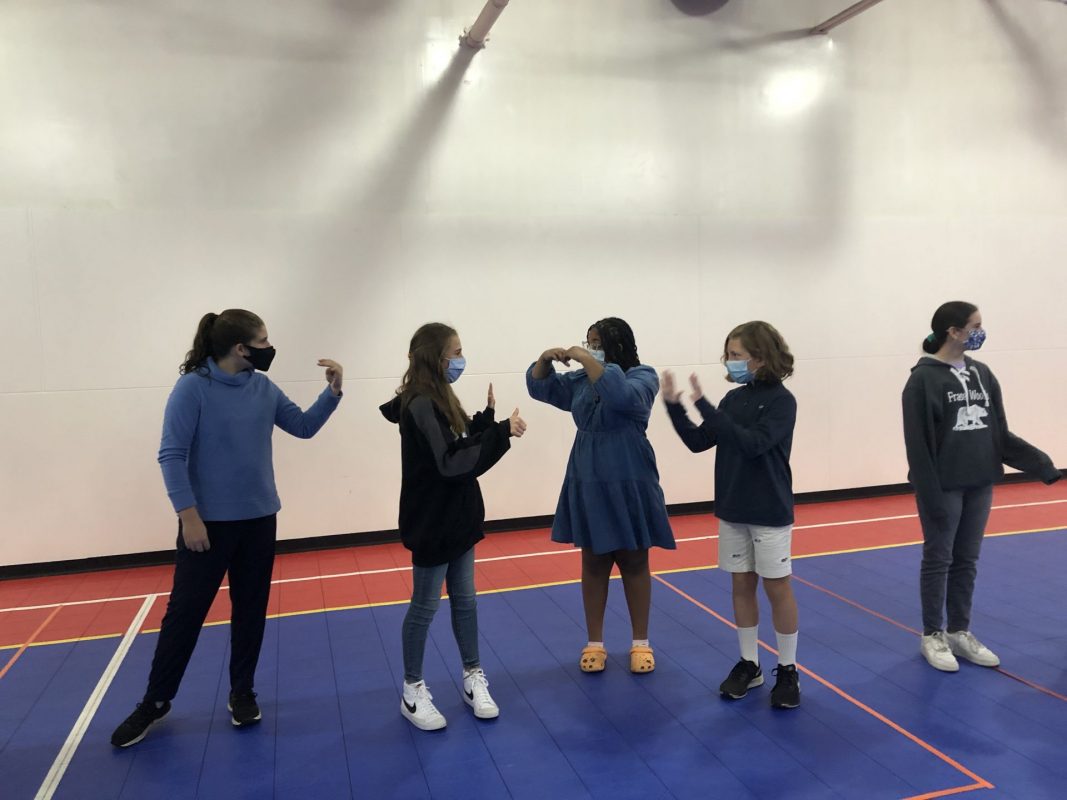
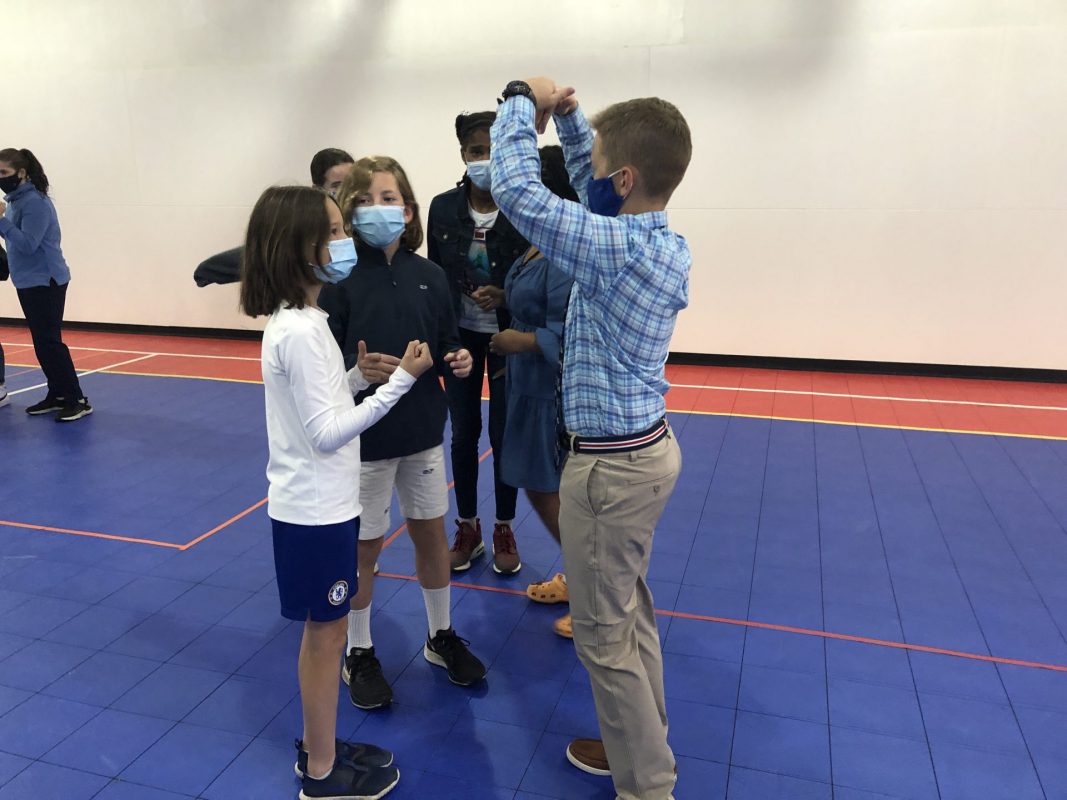
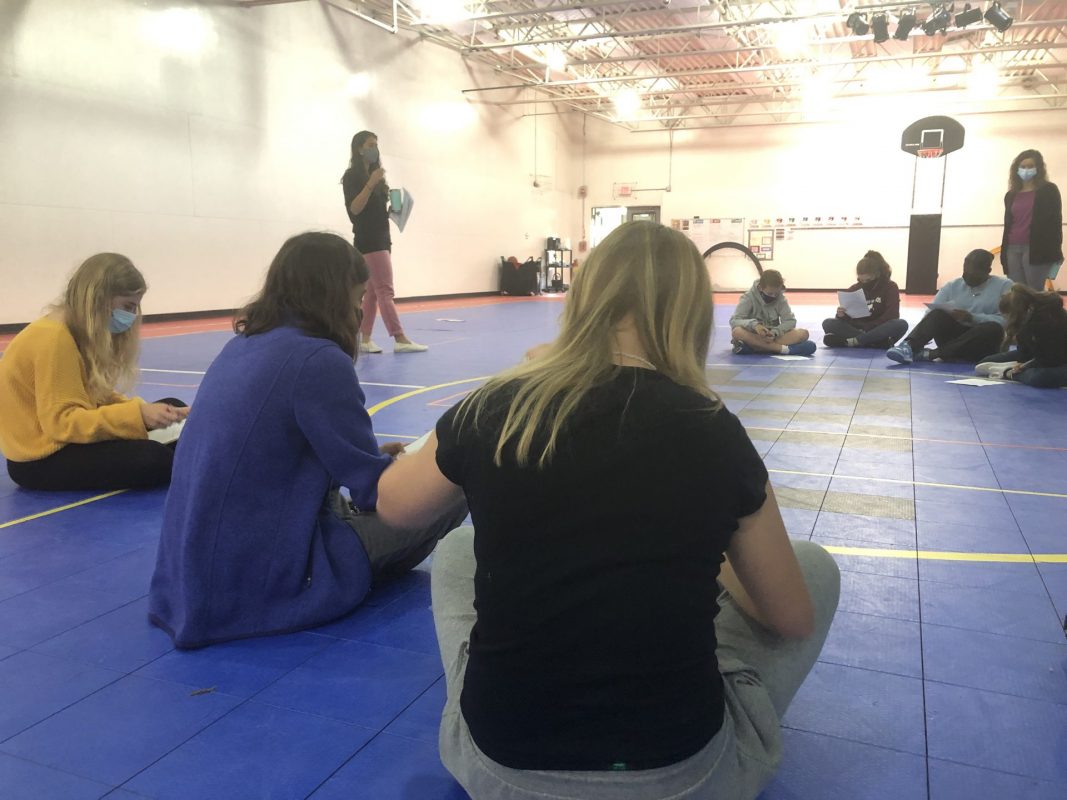
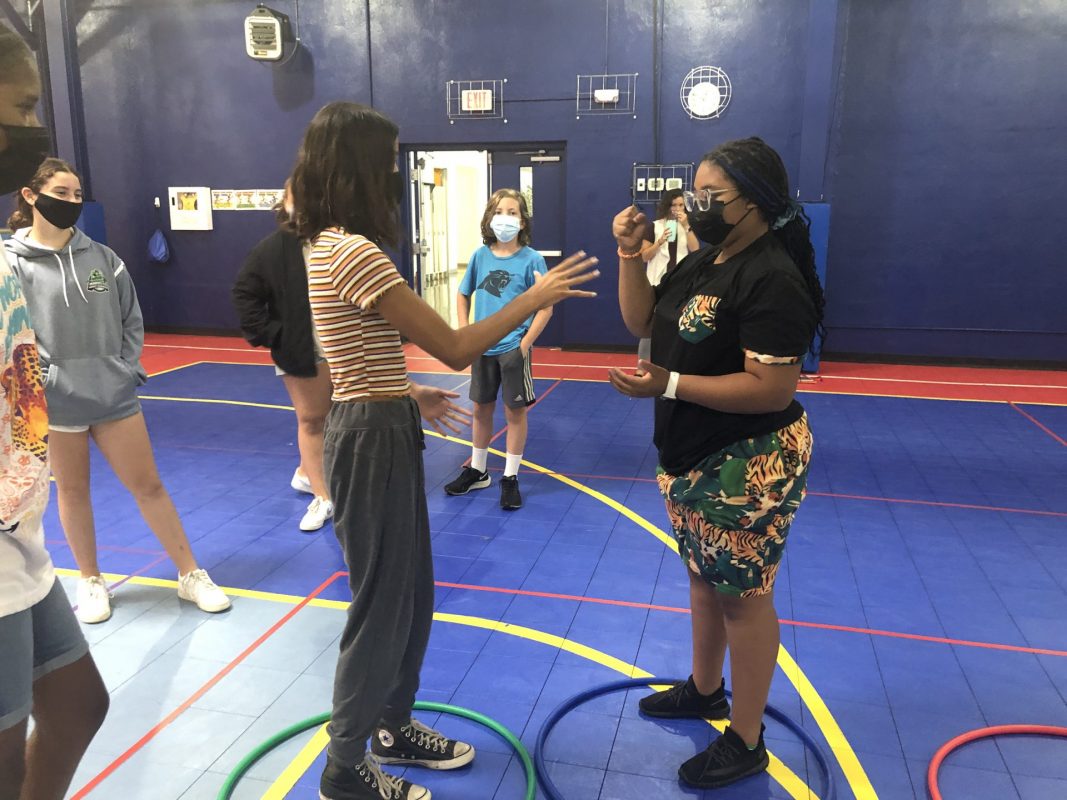
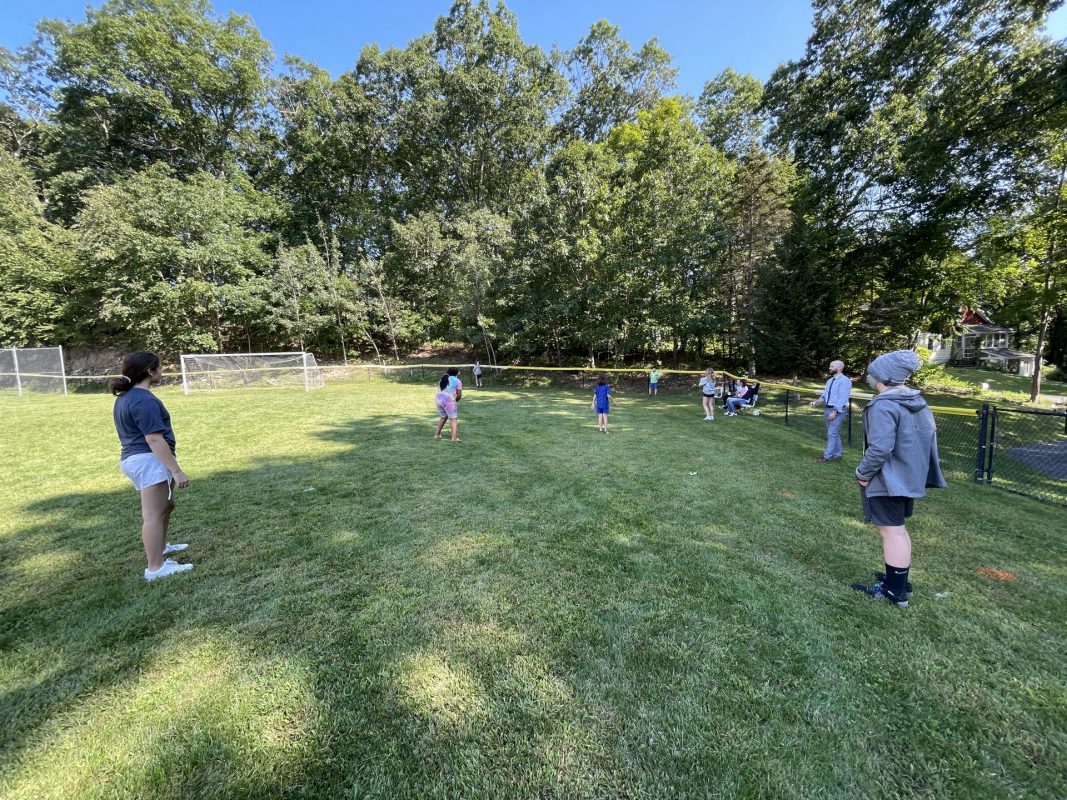
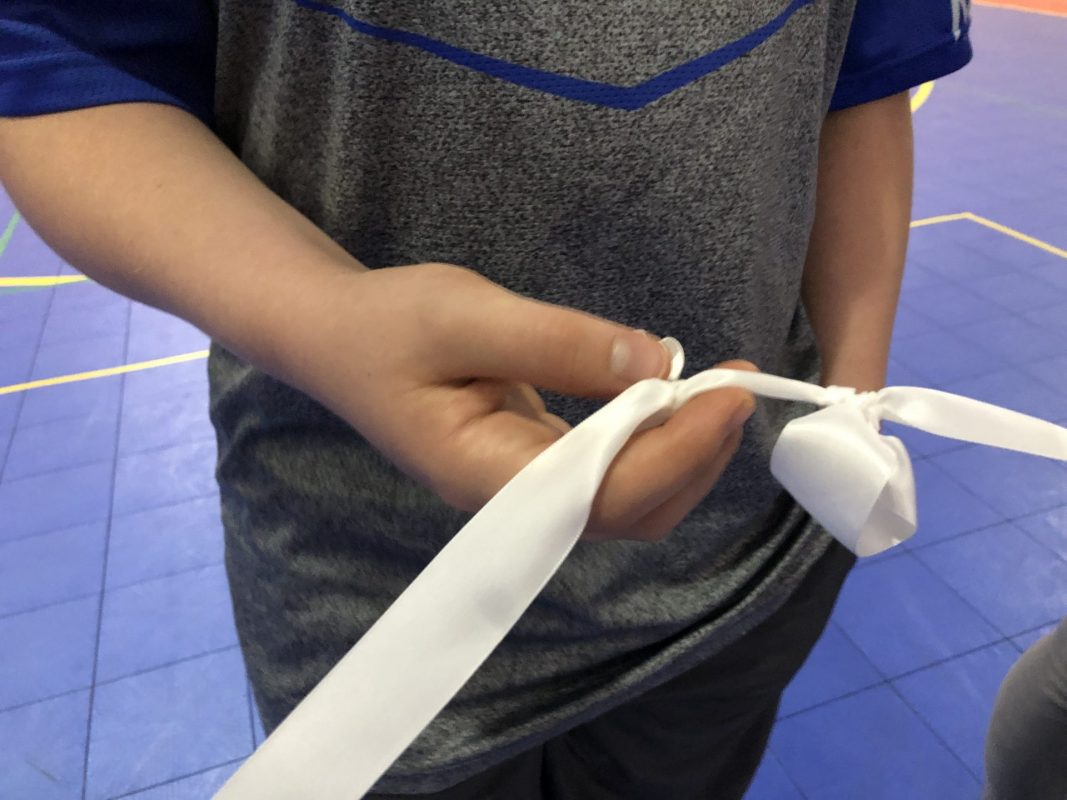
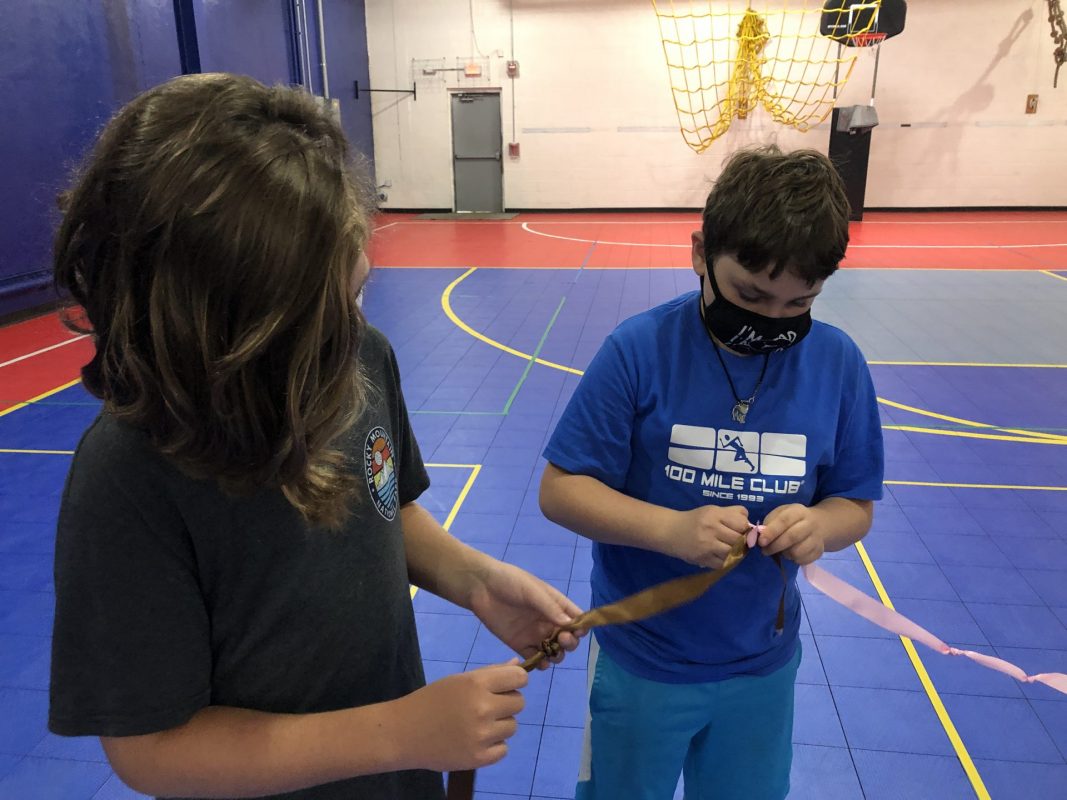
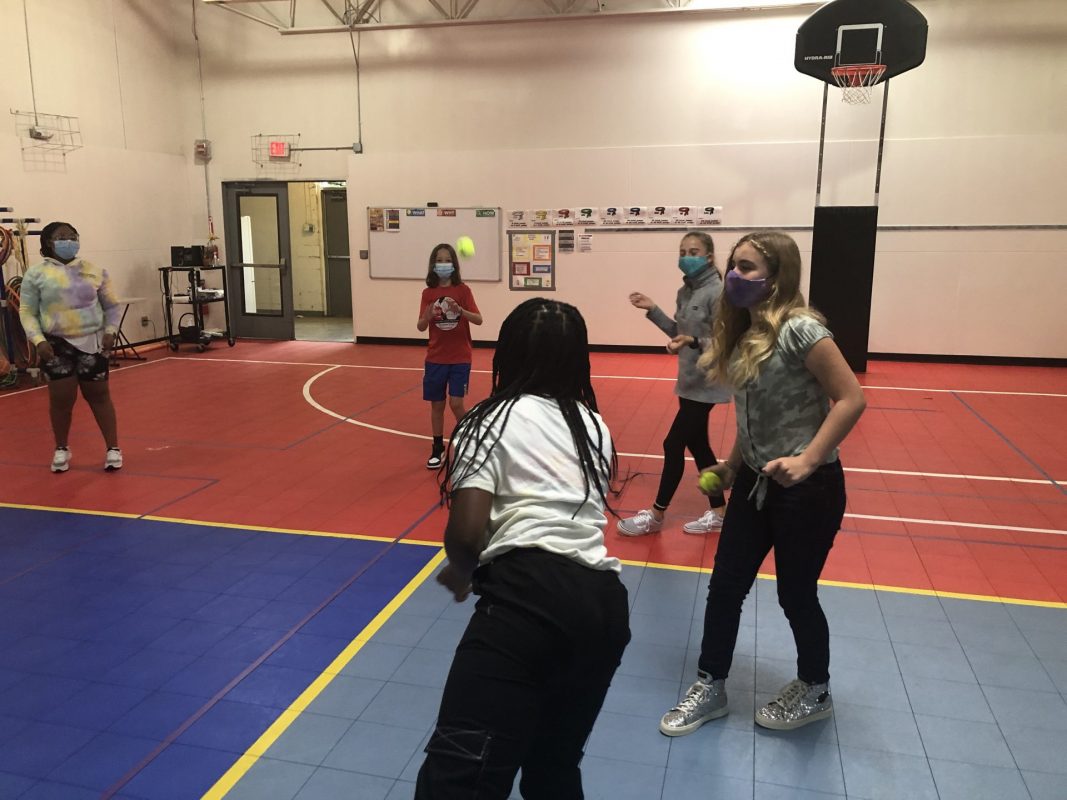
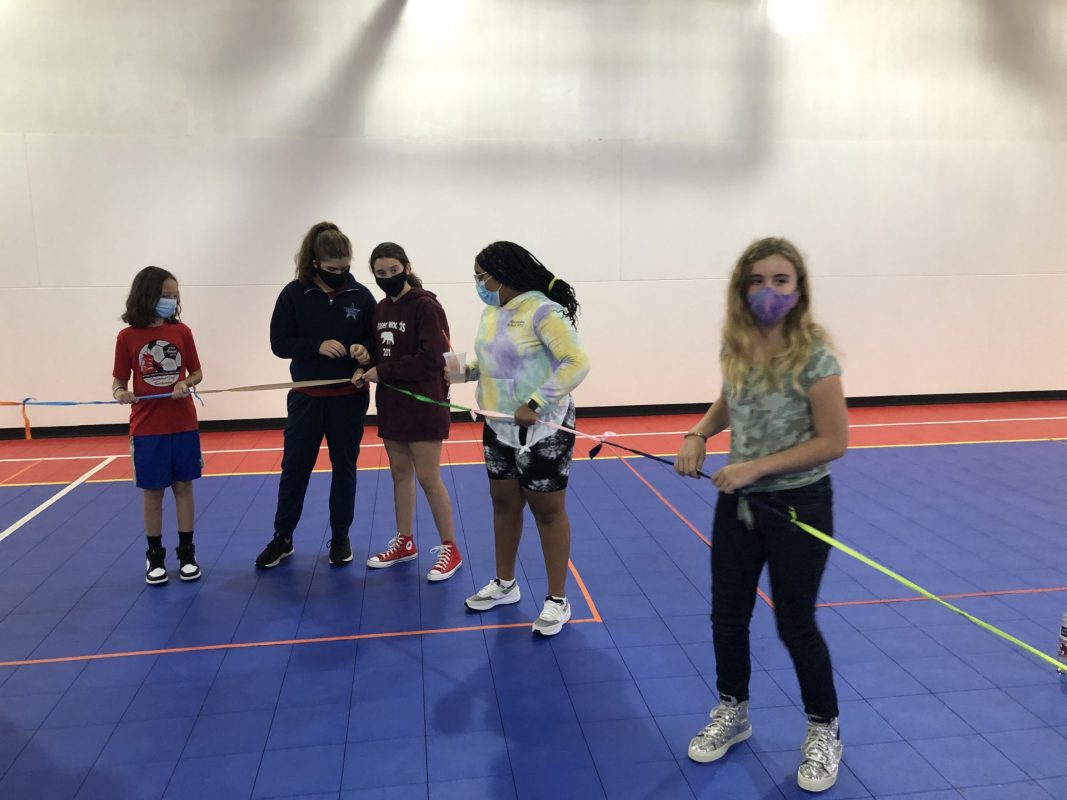
It was a short week for the middle school community with lots of fun fall activities. This week the students enjoyed the beautiful fall foliage while playing soccer during recess each day. They also had fun with our community advisory activity this week, where students had to arrange themselves in a chronological birthday order without speaking.

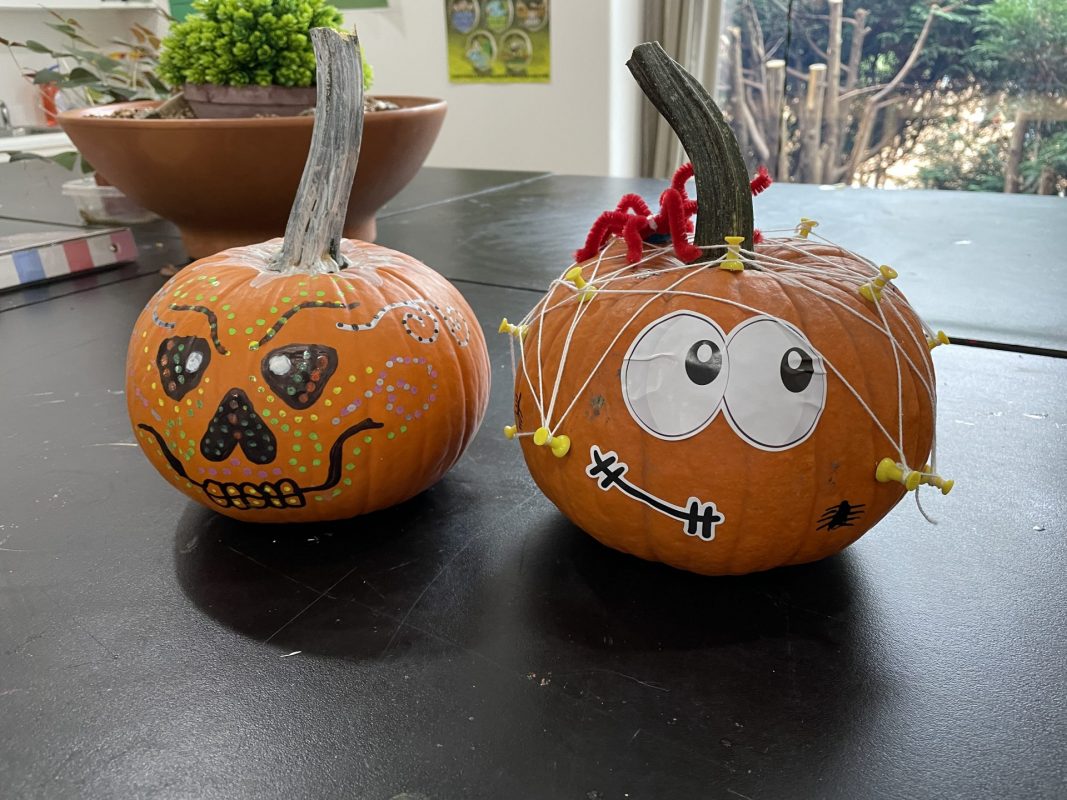
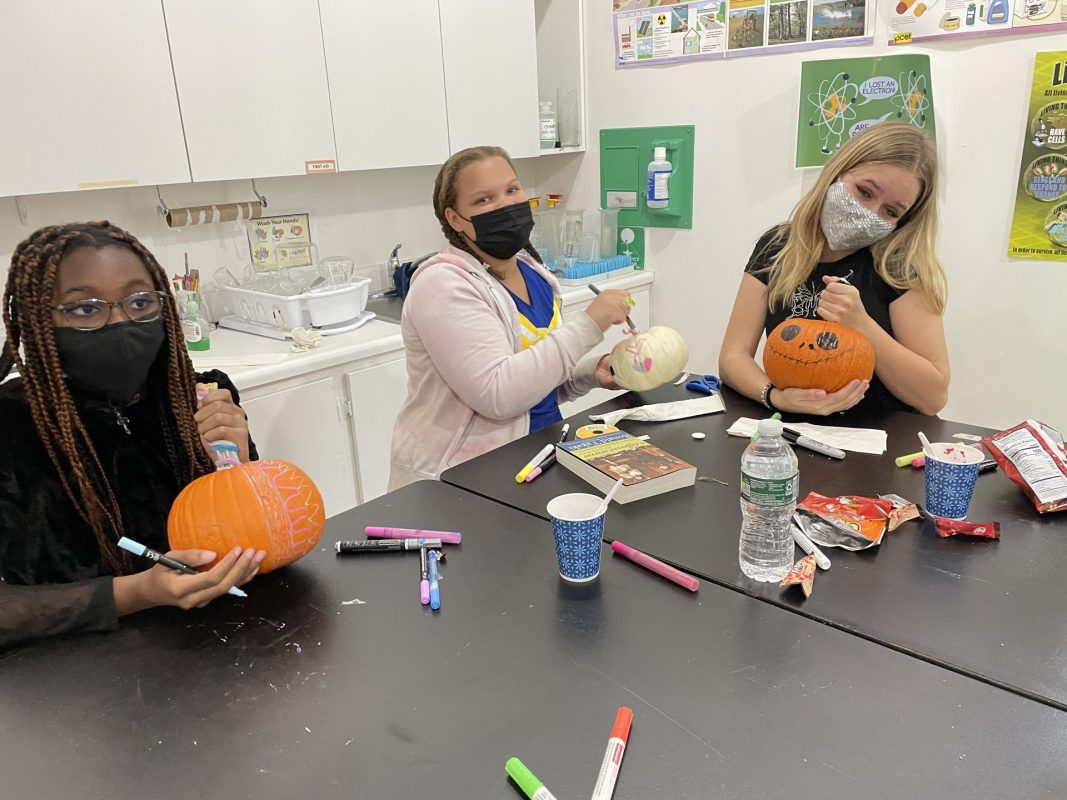
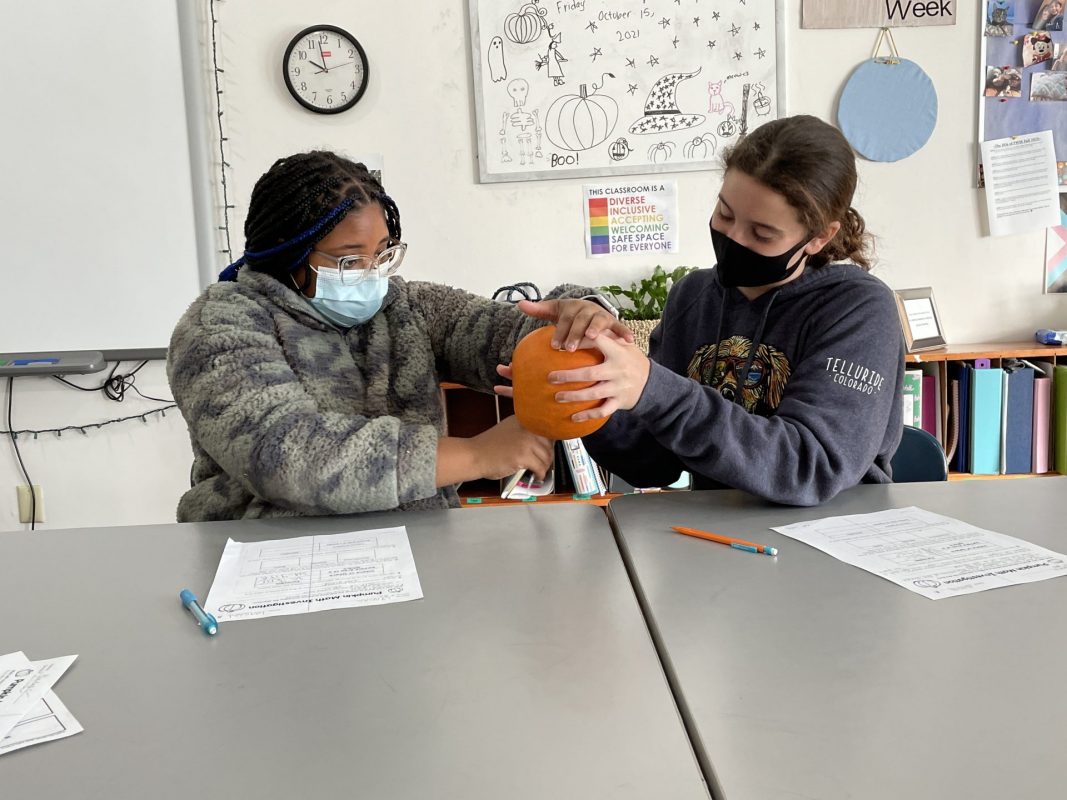
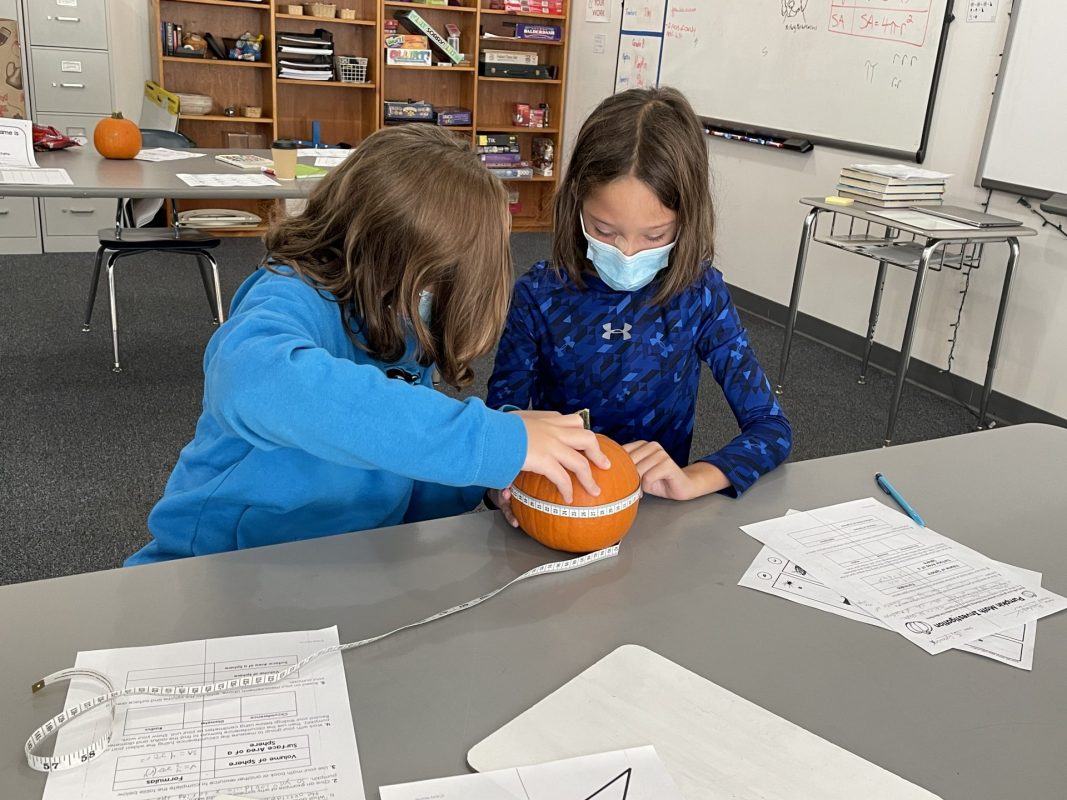
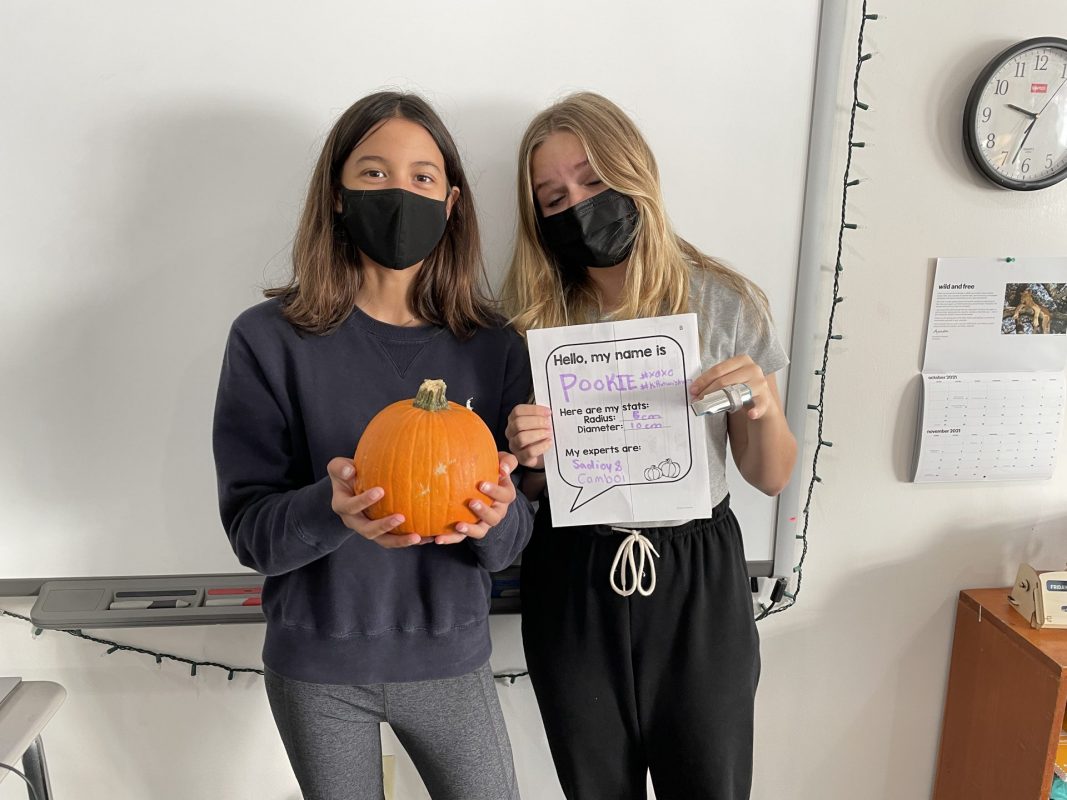
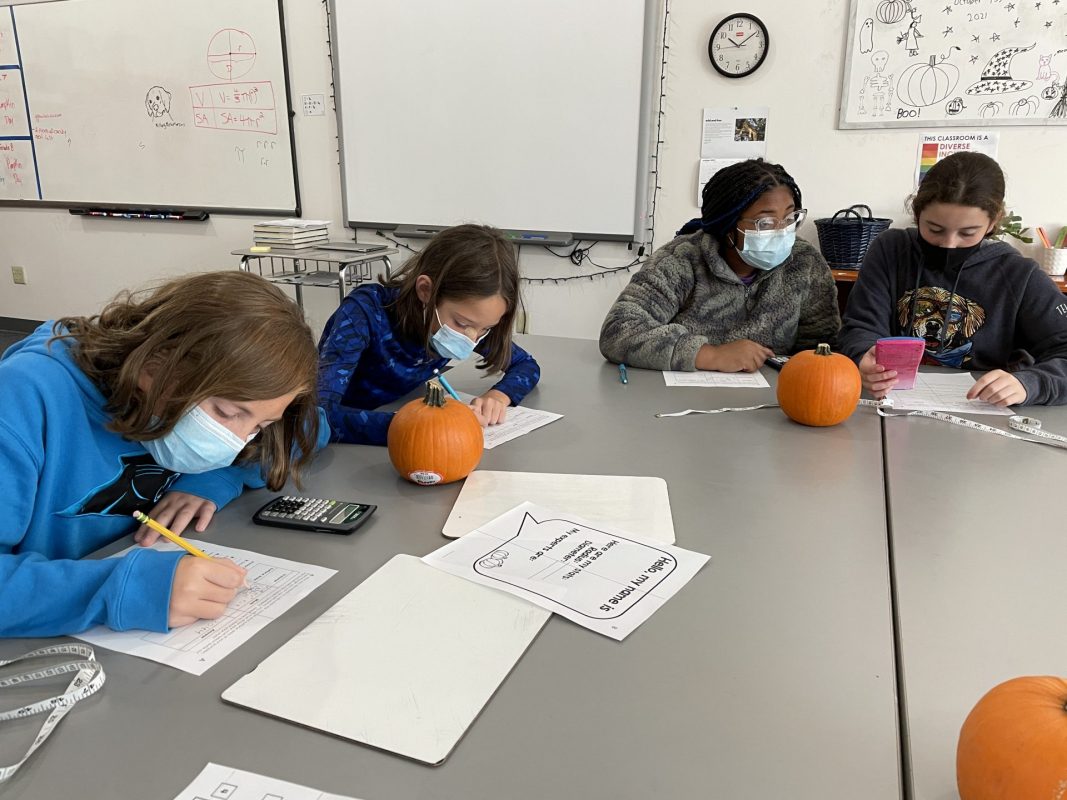
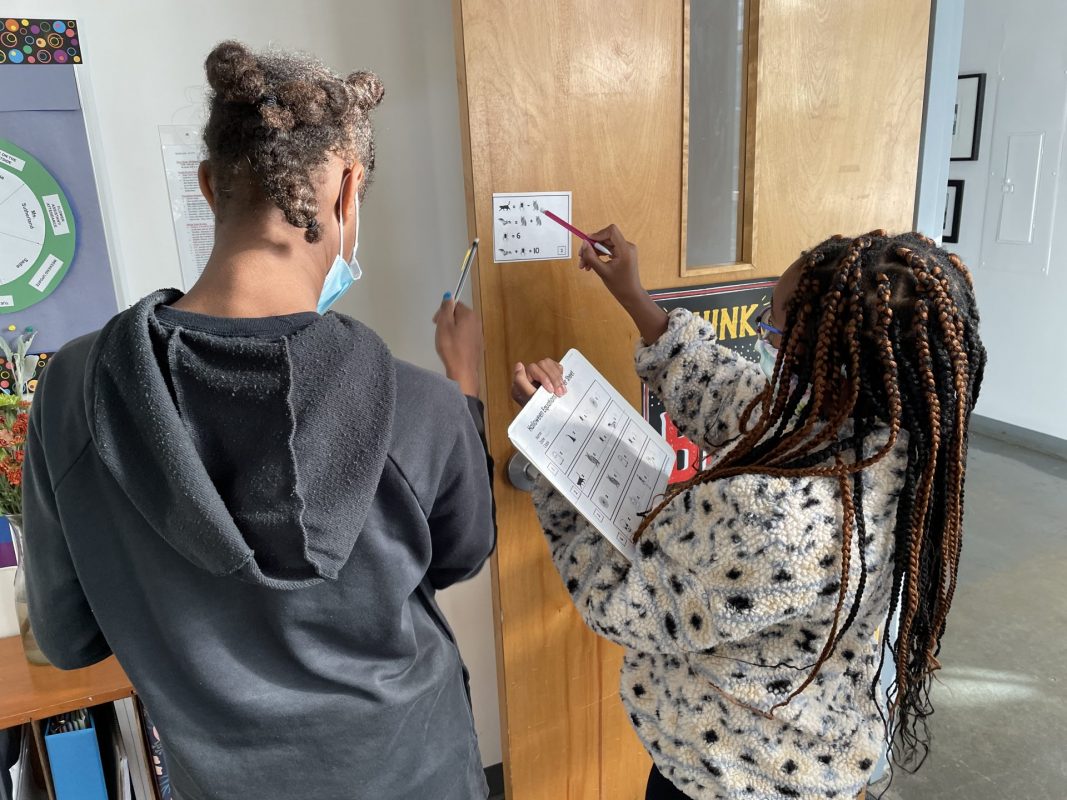
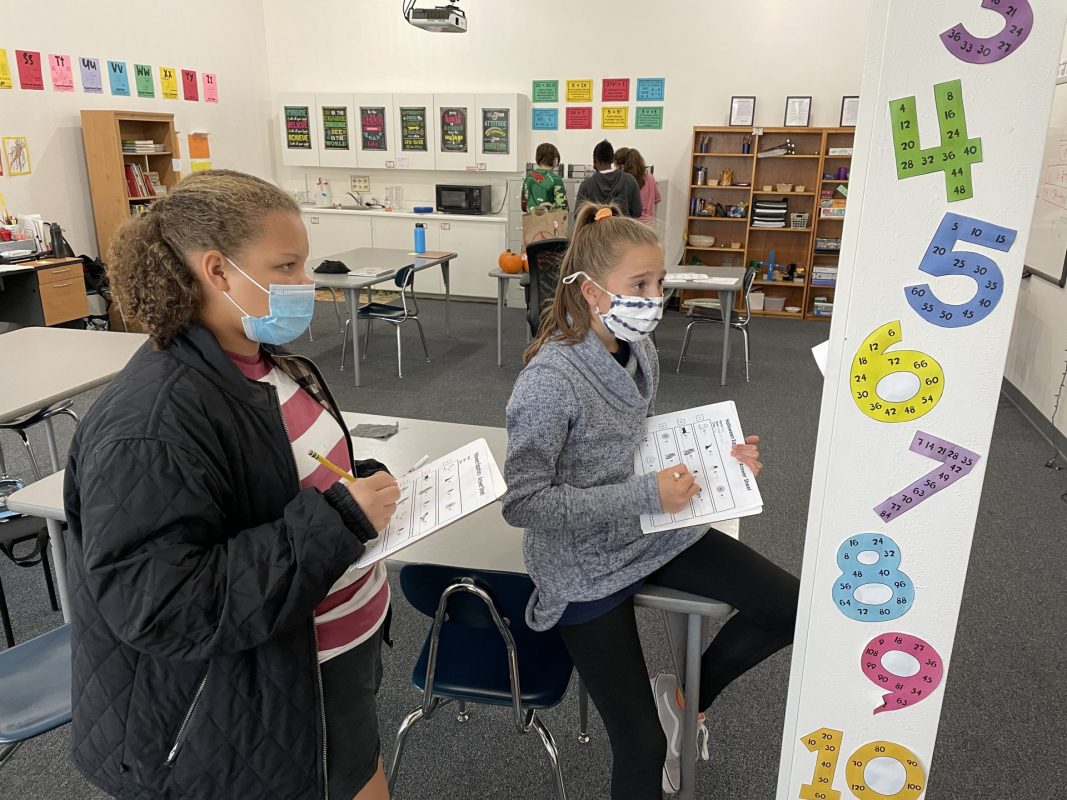
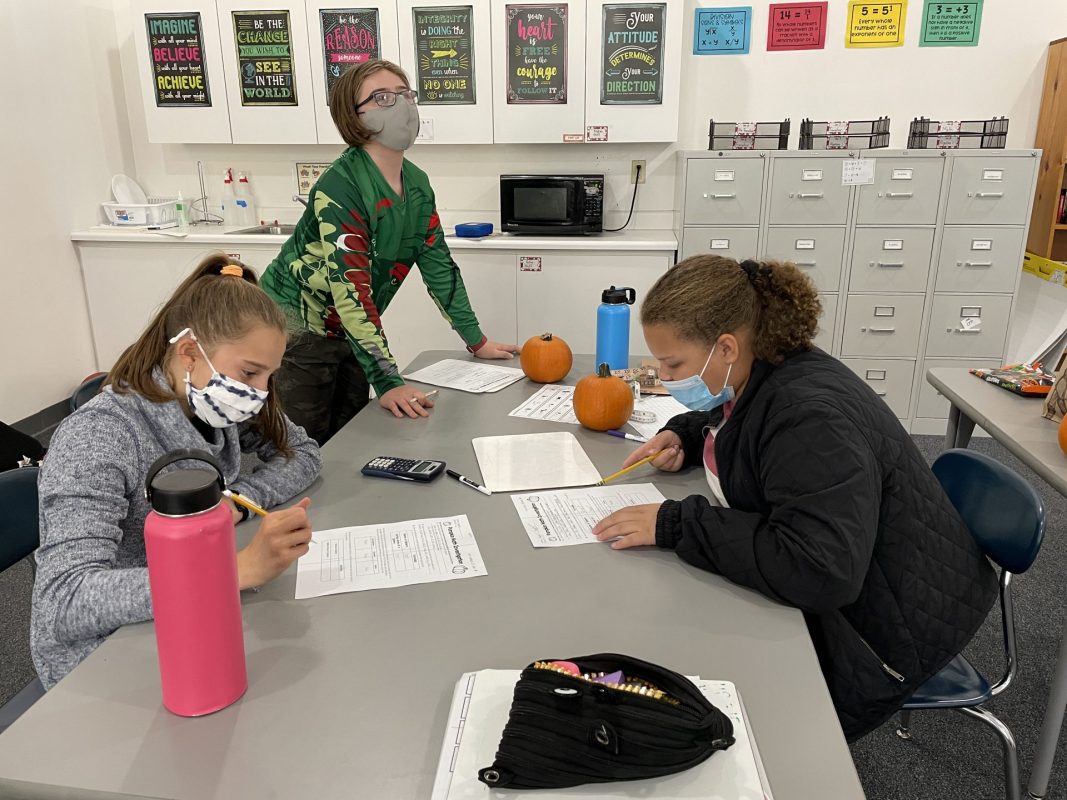
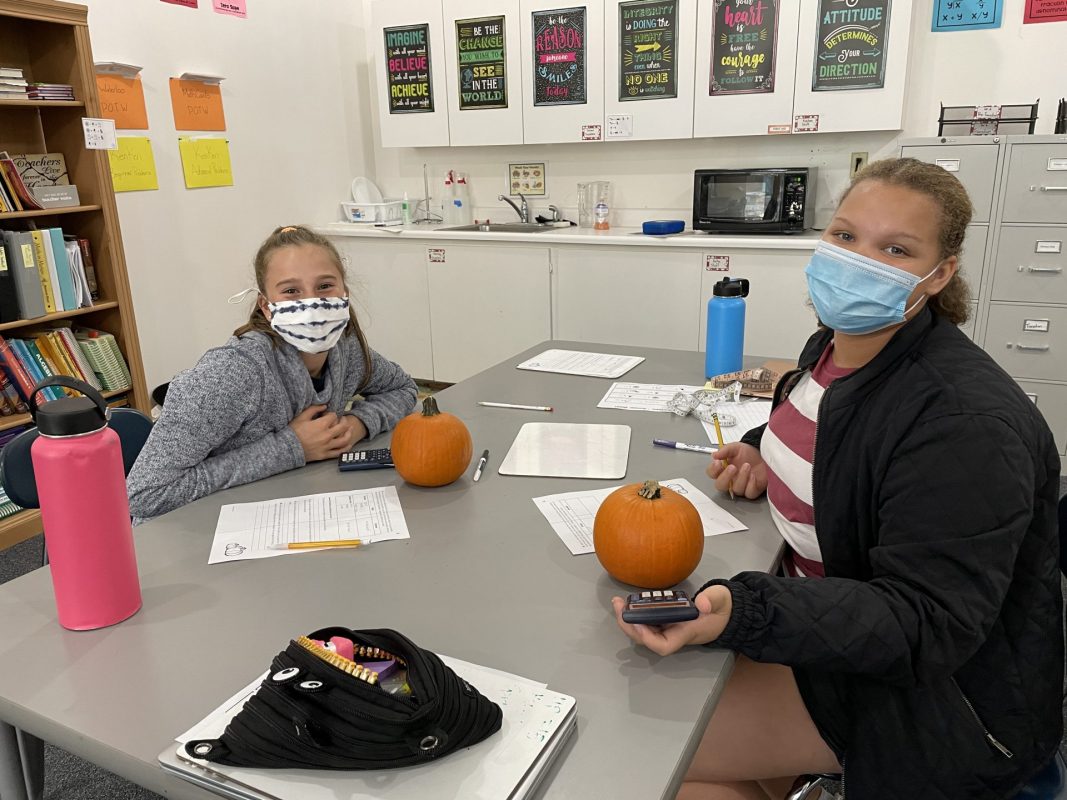
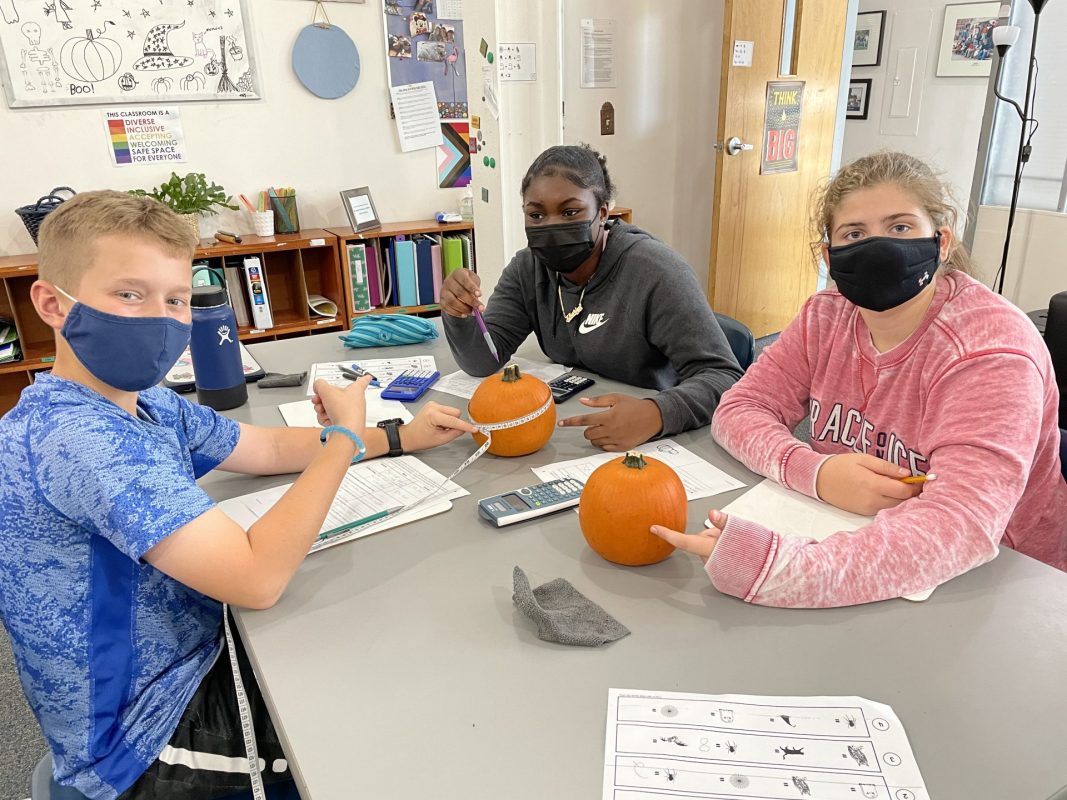
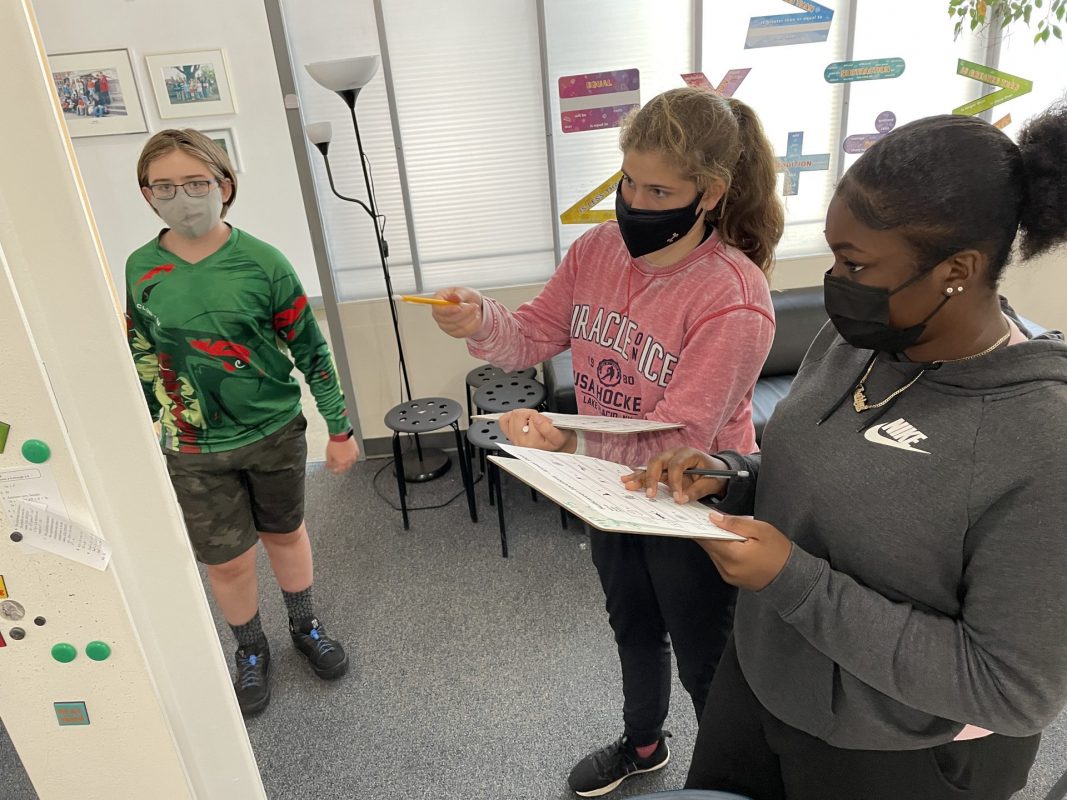
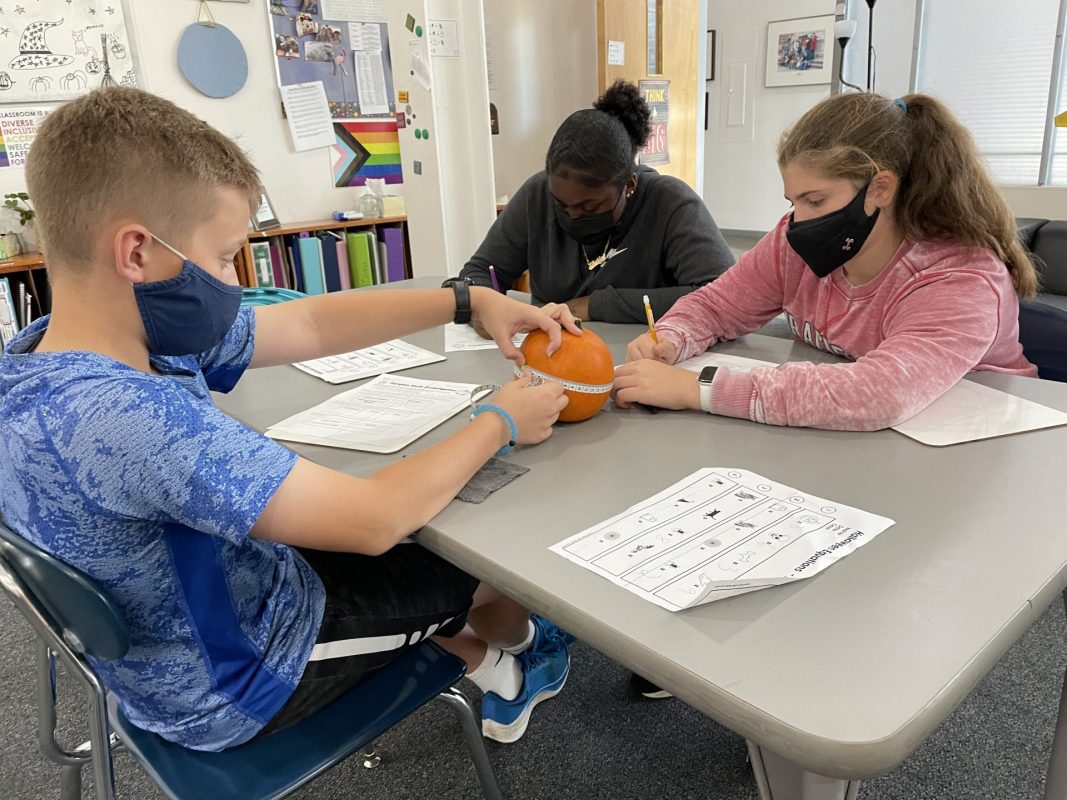
In addition to these events, all math students participated in a pumpkin exploration activity. On Friday October 15th, each class used a guided worksheet to learn about surface area and volume of a sphere. We used a mini pumpkin as the real world object to help understand our learning. Students worked in pairs and used a measuring tape to find the diameter, height and circumference of a pumpkin. Once they found their dimensions, we used formulas to find the exact surface area and volume of the unique pumpkins. This exercise gave students an opportunity to apply their learning of substituting values into a formula and use estimation to predict their measurements. Students enjoyed the activity for the hands-on learning and being able to work with a partner.
Fall Math Joke: What do you get if you divide the circumference of a pumpkin by its diameter?…..Pumpkin Pi
As a general reminder, please have students check myFWM/google classroom on a daily basis for upcoming assignments and assessments. We encourage all parents and guardians to sign-up for a middle school conference time slot to ensure you find a time that best works for you. HAPPY FALL!

Middle School: Week in Review

It has been a robust week of learning in middle school! Luckily, students were also able to get outside with the beautiful weather and enjoy the season!

Math
In Transition class, students are excited to learn about scientific notation, plotting ordered pairs on a coordinate grid, and solving radical operations. This class has concluded their learning for chapter 1 and will begin chapter 2 next week… get ready to discover what a variable is!
In Algebra class, students can successfully find the range, mean, and mean absolute deviation in a data set. Students can simplify expressions with absolute values and can use substitution to evaluate equations. This class also concluded their learning of chapter 1 and will begin chapter 2 next week, starting with simple distributive property questions.
In Geometry class, students are able to use and identify the difference between graph theory, discrete geometry, and Euclidean geometry methods. This class can determine distances between values and can find points of intersections. Next week they will study conditional statements, classifying polygons, and labeling convex figures.
Math Joke: What state has the most Math Teachers?……Math-achusetts

Humanities

6th grade Humanities students focused on writing this week. Since it was their first week completing current events writing and presentations, they spent time searching for articles that will work best, reviewing what is needed to compose a well-developed paragraph, and understanding the importance of revision. They also composed, edited, and revised poetry inspired by poet, William Carlos Williams. He wrote to express that writing can be inspired by the simplicity of the world around you.

The 7th grade class went over in more detail the dynasties of China, specifically of Imperial China, that were in power for 4,000 years. They shared their research about the dynasties that included the length of their reign, advancements or developments made during their reign, and the reason that they lost power. They are beginning work on religions of China, and will focus on that next week. Finally, 7th grade students presented their first current events of the school year.

8th grade Humanities students were immersed in literature this week. They continued their exploration of irony in literature while reading Richard Connell’s plot-twisting, short story, “The Most Dangerous Game” (1924). In addition to the main focus of identifying irony in the plot, attention was brought to the author’s word choice. We discussed how there were instances that inappropriately sent a message of oppression and why that is not something that would be published now.  Students also discussed their summer reading The Outsiders and talked about how stereotypes affect society and how society affects stereotypes, as showcased in the novel.  Finally, 8th grade students completed their first current events presentations of the year.

Science

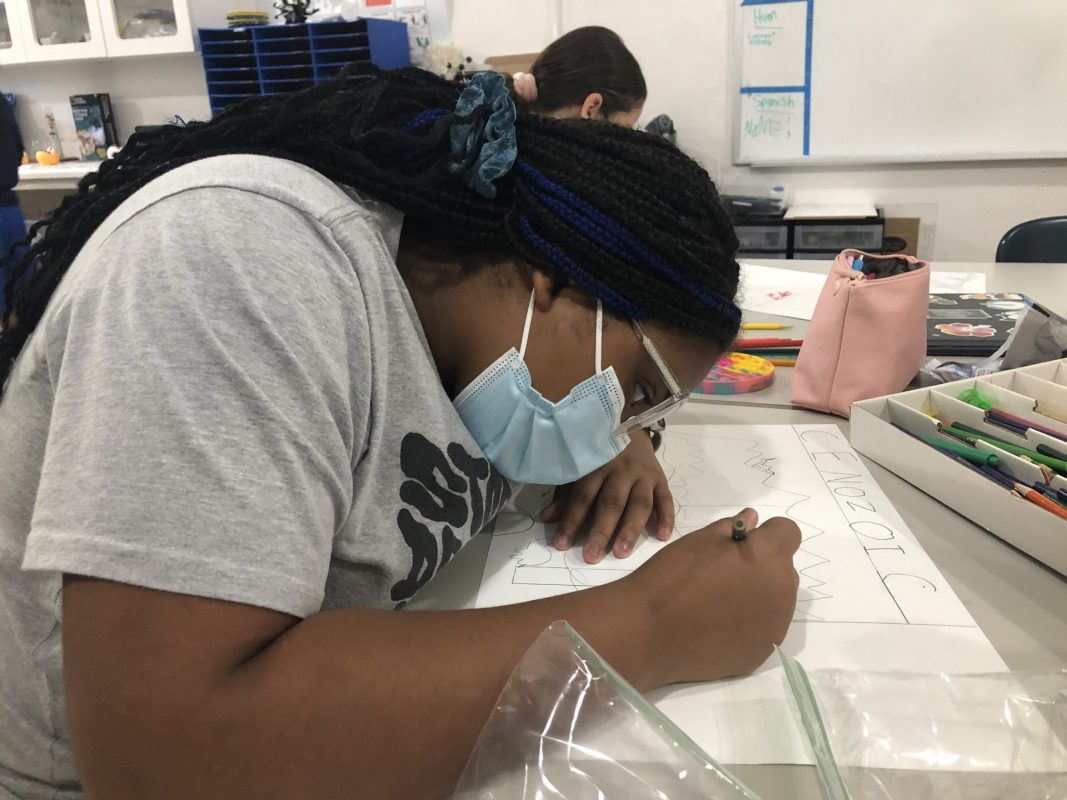
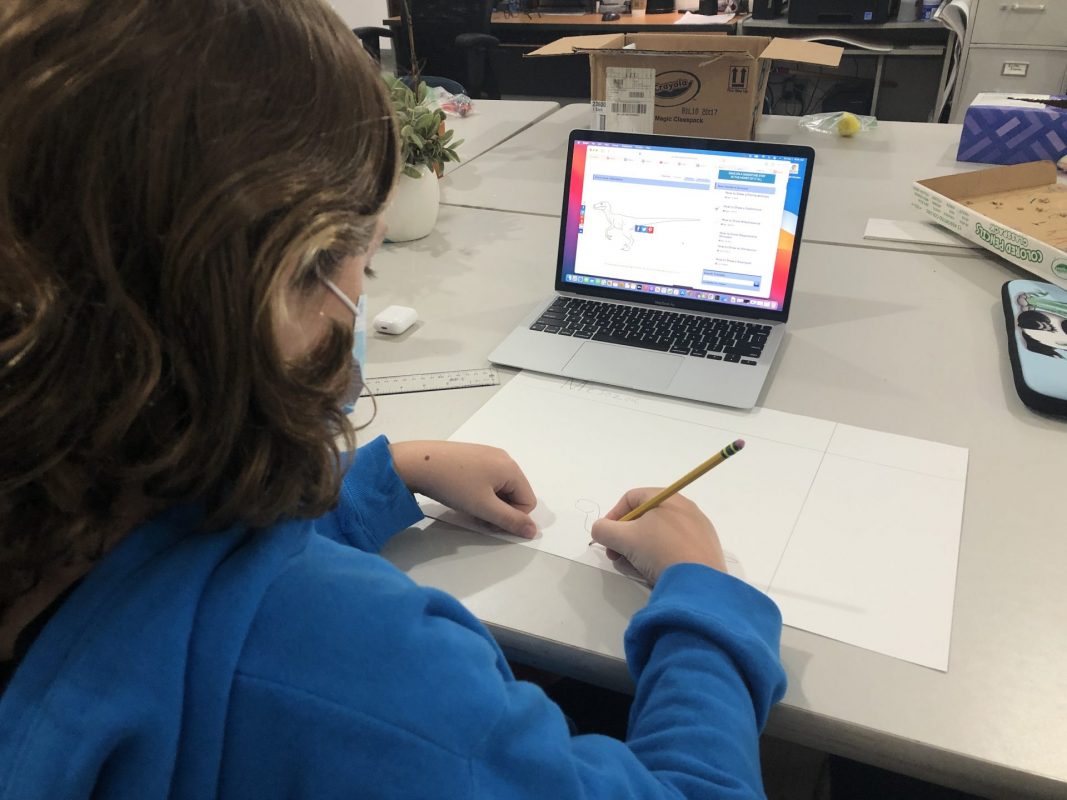
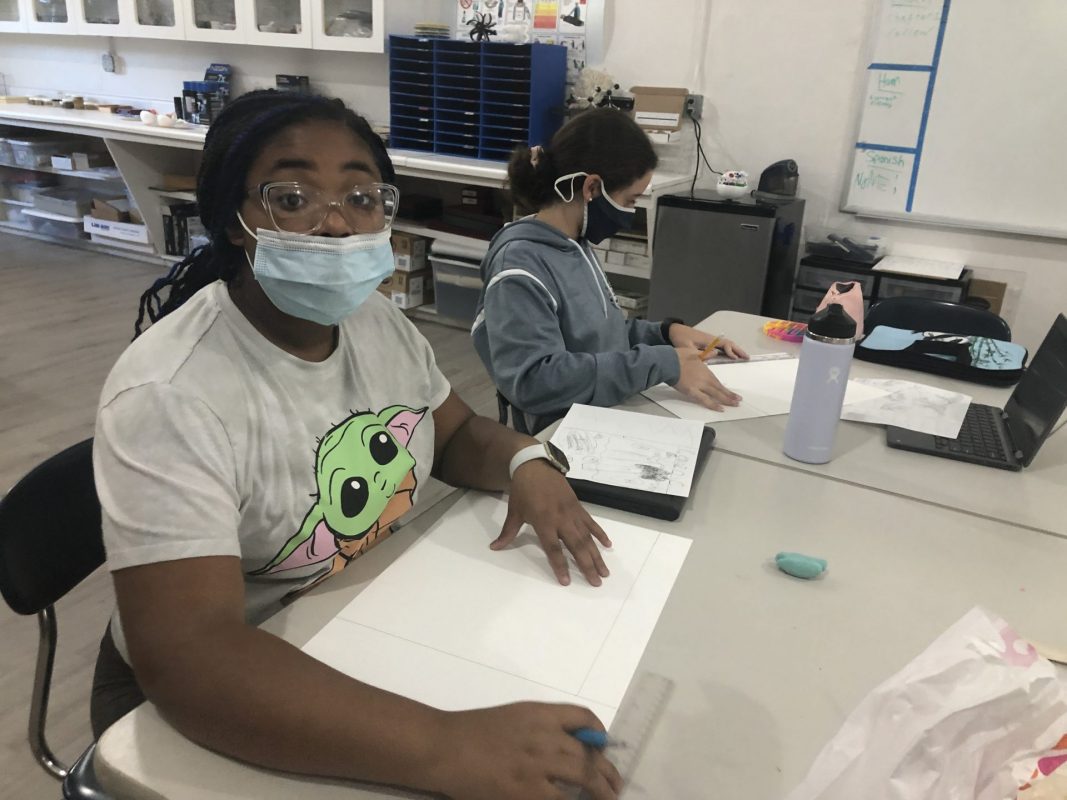
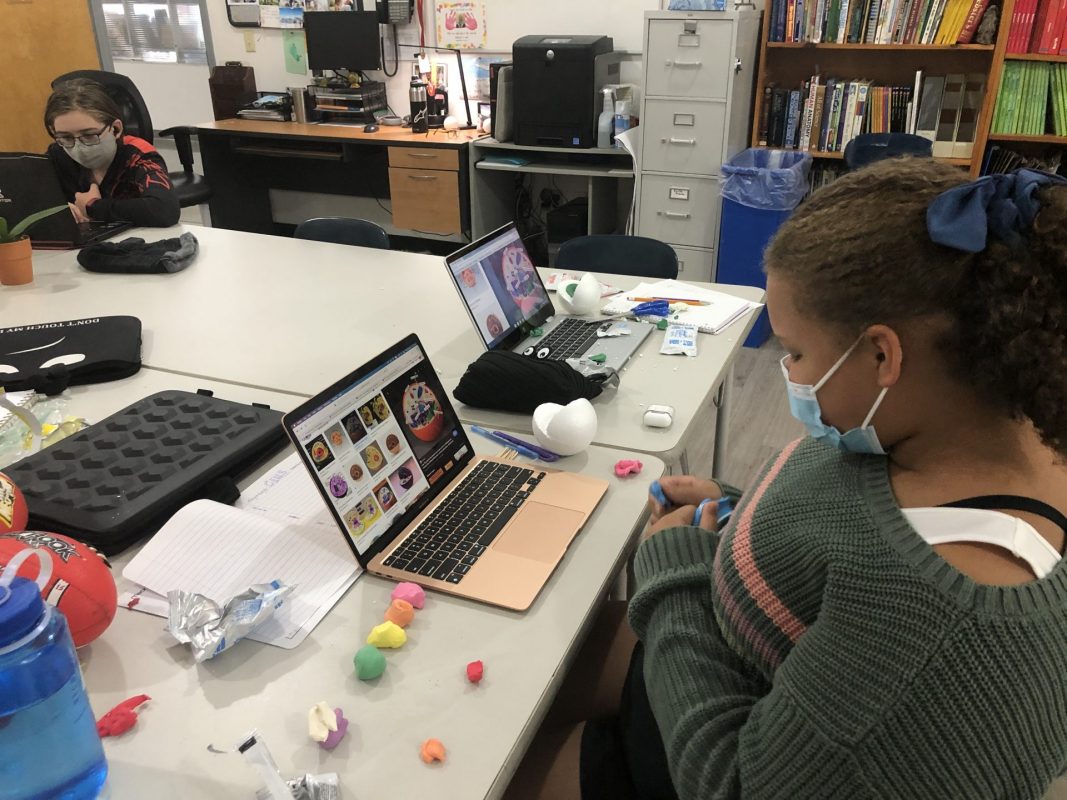
6th year Earth Science students are working on artistically representing eras from the geologic timeline as part of their unit on Fossils and Studying Earth’s Past. Students have the option to use a variety of mediums, from pencils to clay, in order to represent the environmental conditions or species present during that time period.

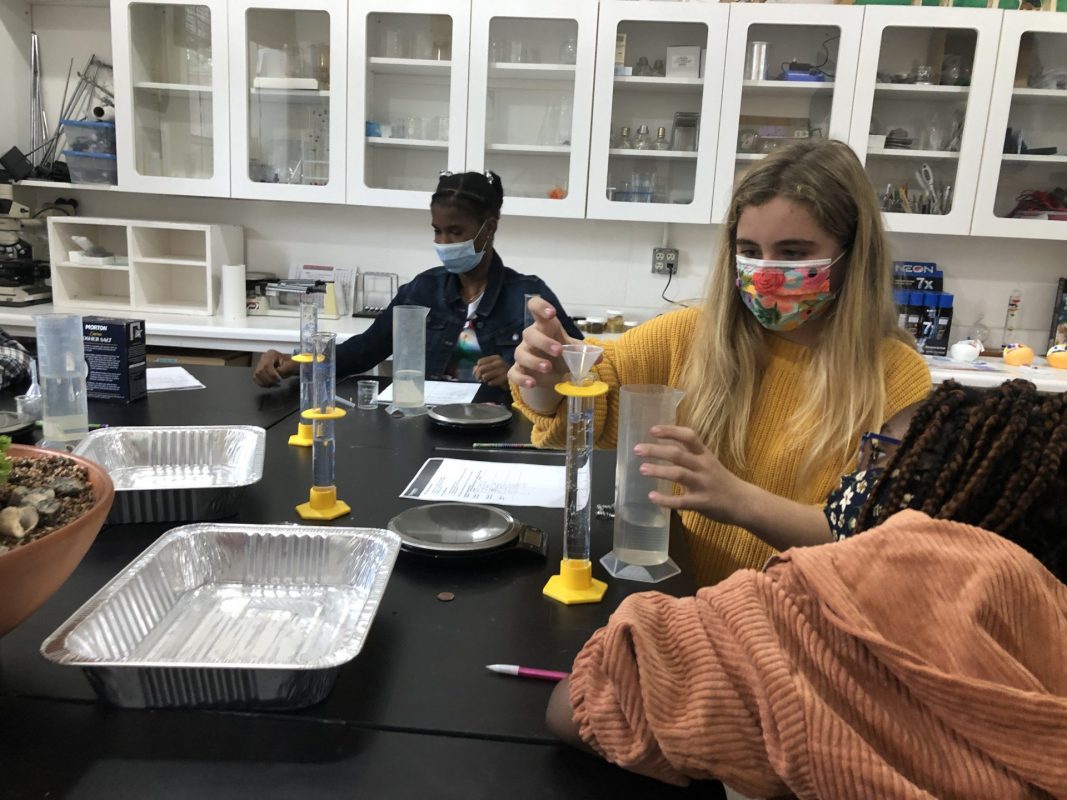
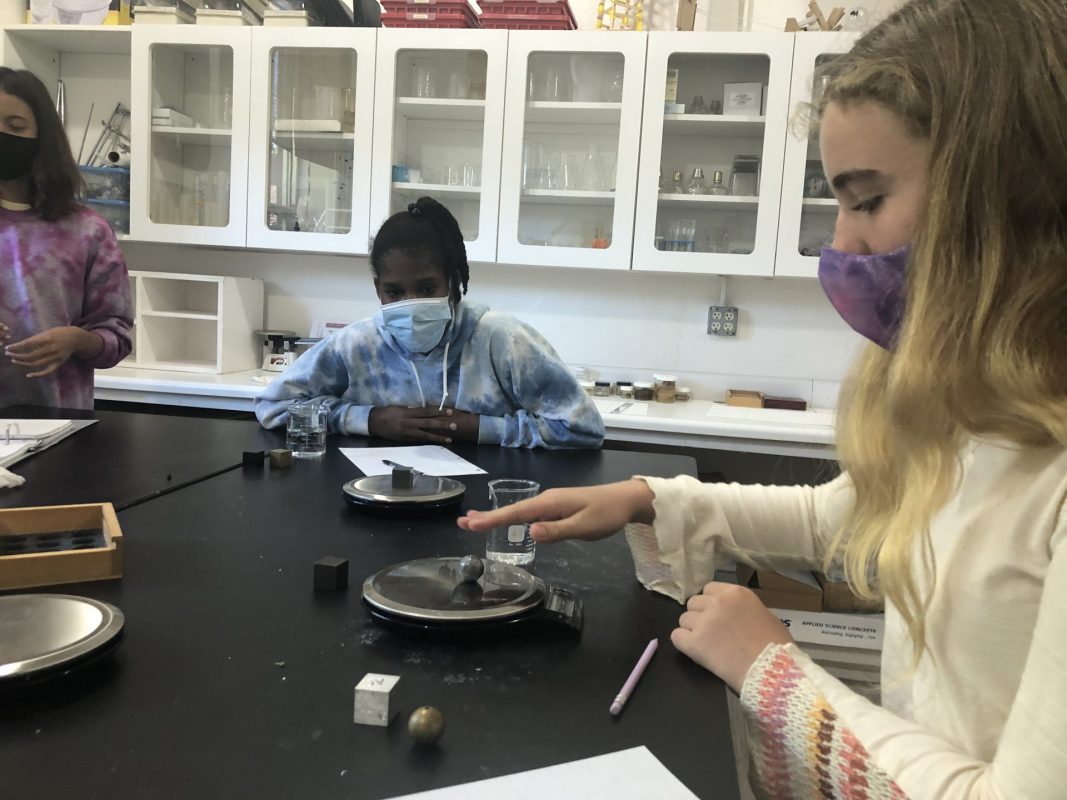
7th year Physical Science students have just begun their unit on Characteristic Properties of Matter. Within this unit students will become familiar with defining characteristics that identify the similarities and differences between matter. This will consist of color, texture, density, conductivity, and solubility. Students were asked to identify the density of unknown matter this week using their mass and volume. Density is defined as a physical property which does not change regardless of size, as the mass and volume remain proportional.
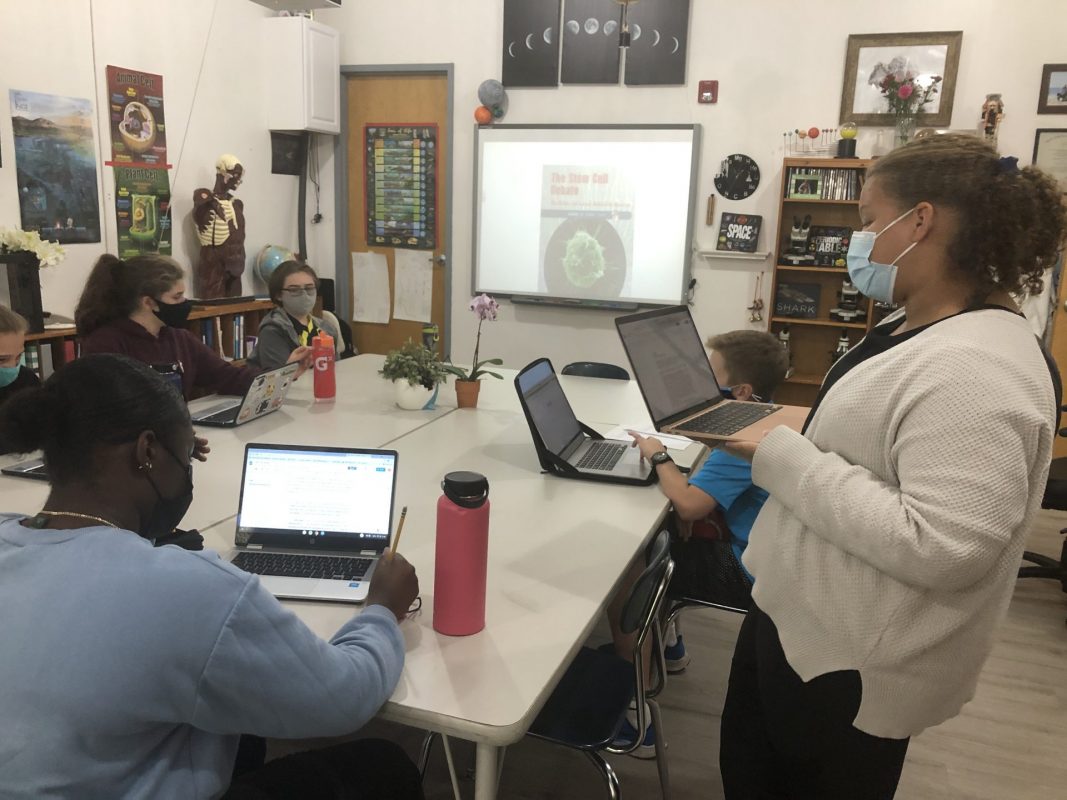
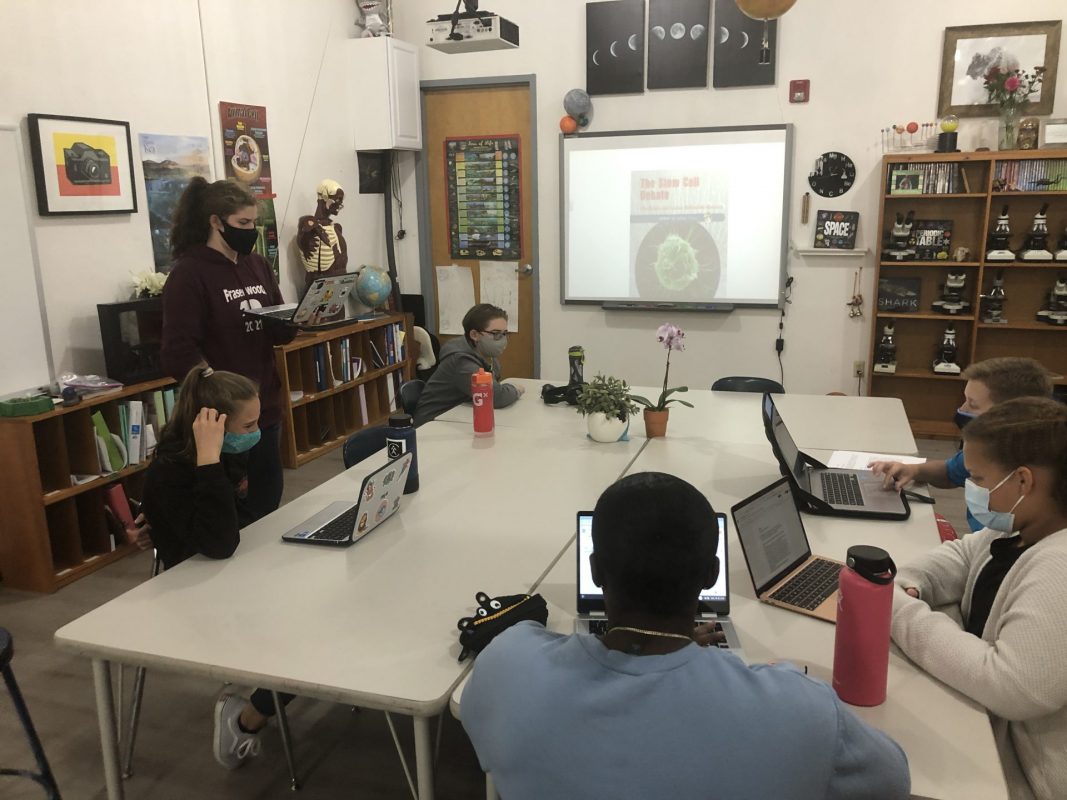
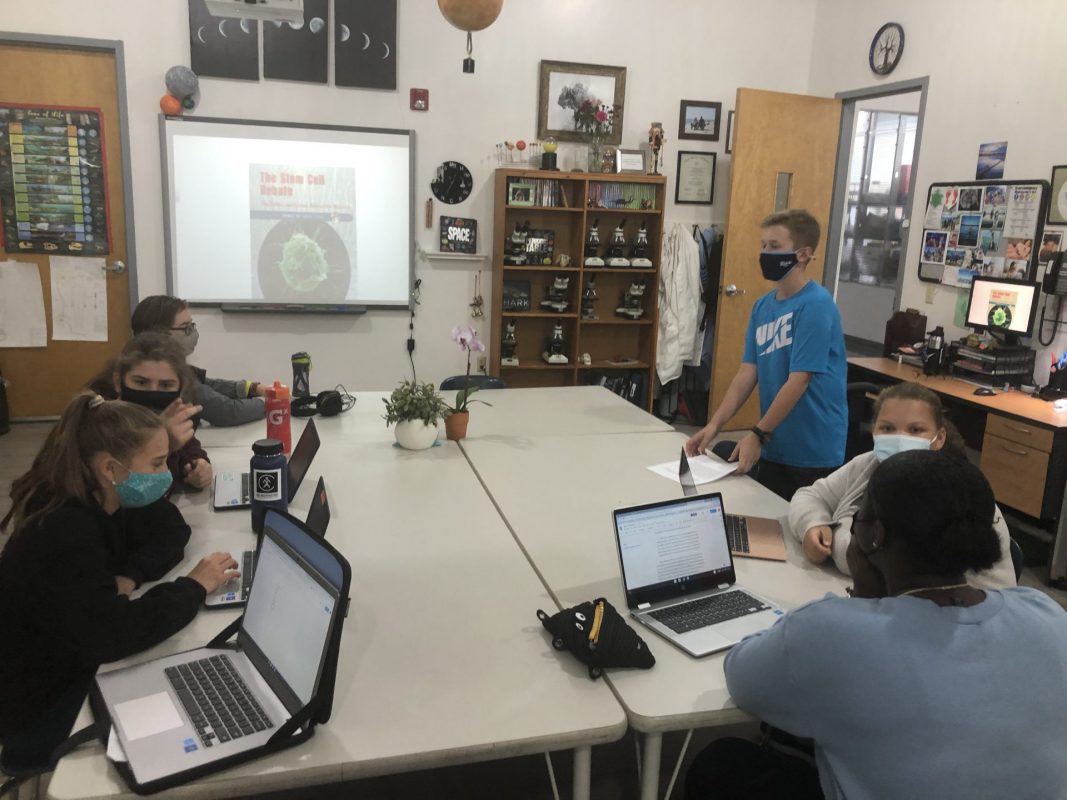
8th year Life Science students conducted their Stem Cell Debate. Students were provided time in class to research information that either supported or disproved the continued use of stem cell application with scientific data. The goal of this assignment was for students to become aware of the extensive scientific research behind such a treatment in regards to our current unit on Cell Theory. Our next unit will be Structure of Life.
Have a great weekend!
Middle School: Week in Review

Happy Friday, everyone! It’s been a busy week in Middle School, and we ended the week together with the 8th grade’s Fraser Woods Weekly News. It has been nice to go back to the live format, even if it is just for the middle school.  Students mentioned the highlights of the week were model cells in Science class, learning about Geometry in Math, working on the egg drop in MakerSpace, celebrating a student’s birthday, gym class, and Community Advisory.

Looking forward to next week!

Math
In Transition class, students had their first quiz and were all very successful. This class has been learning how to convert powers into decimal numbers, multiply by powers of tens, and perform order of operations questions.
In Algebra class, students were able to conclude their learning from chapter 1, and next week we will begin chapter 2 in the UCSMP textbook. Students have a strong understanding of evaluating expressions using absolute values, how to use variables to describe patterns, and how to find the range/mean absolute deviation in a data set.
In Geometry class, students also concluded their learning in chapter 1 and finished the week with a unit assessment. This group of students understands how to recognize the use of undefined terms, find the point of intersection of two lines, and demonstrate distance between points.
Please remember to check Google Classroom and myFWM.com each day for daily posted homework and upcoming assessment dates.
Make Joke of the Week:
Did you hear the one about two thieves who stole the calendar? …..They each got six months
Humanities
In 6th grade, students completed their first unit of vocabulary. We discussed the importance of understanding the parts of speech as they relate to words and how to find similarities between words using roots. We also went over the phonetic alphabet and how to use it to pronounce words. Also, the 6th grade is working on a characterization assignment relating to their favorite character from Becoming Naomi Leon, their summer read.
In 7th grade, students began their unit on China. They first completed maps of the country, including its provinces. Next, they worked on learning terms that will be important to understand with regards to our Chinese history studies, as well as our studies of other regions of the world (ex: dynasty, republic, imperialism, etc.). Finally, they began research into one of the Chinese dynasties that ruled from about 1600 B.C.E. to 1911 C.E. Additionally, students completed their first unit of vocabulary.
8th grade Humanities students completed their notes about plot and conflict, and they applied the information to their summer read, The Outsiders. They also learned about irony- a popular literary device they often encounter. Students read O. Henry’s “The Gift of the Magi” and are working on “A Letter to God” by Gregorio Lopes y Fuentes, analyzing the plot and the irony in the stories. Finally, students completed their first unit of vocabulary.
Science

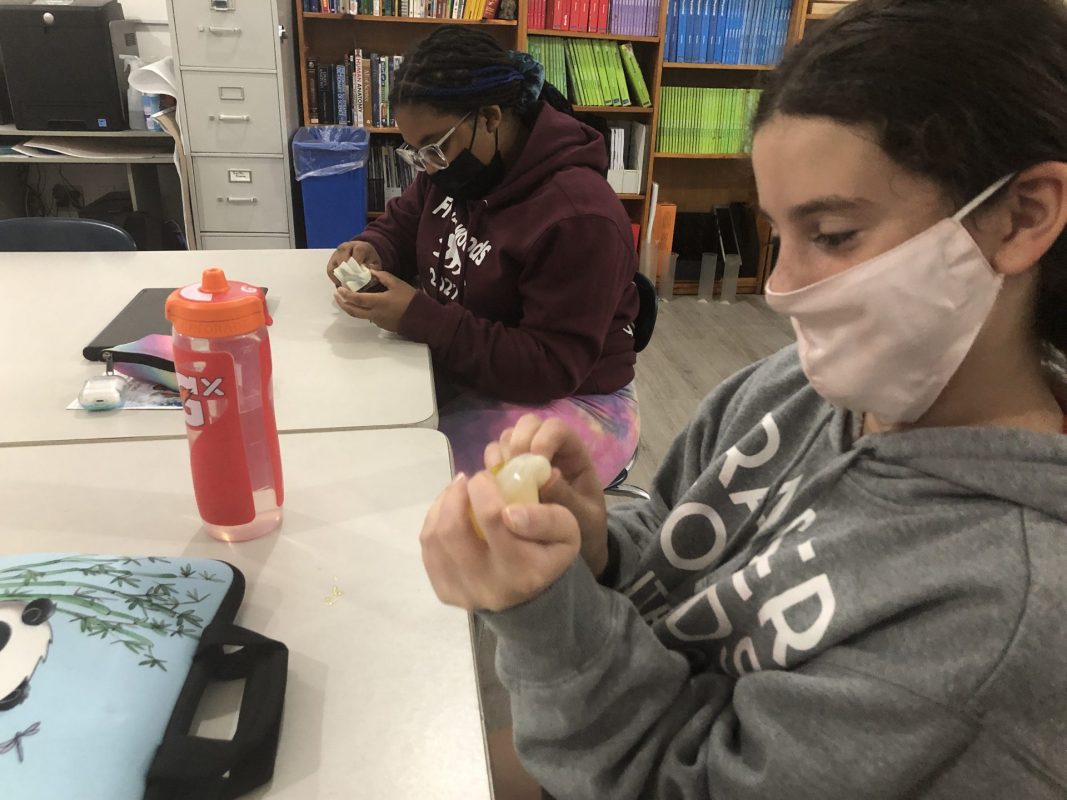
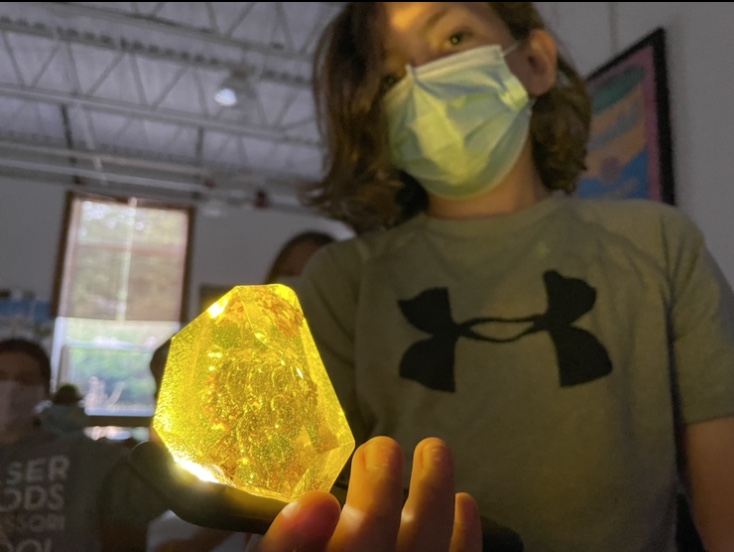
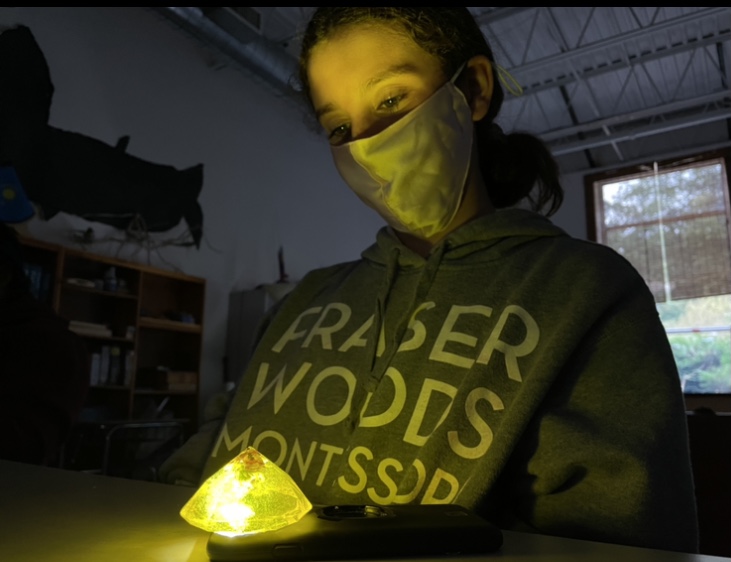
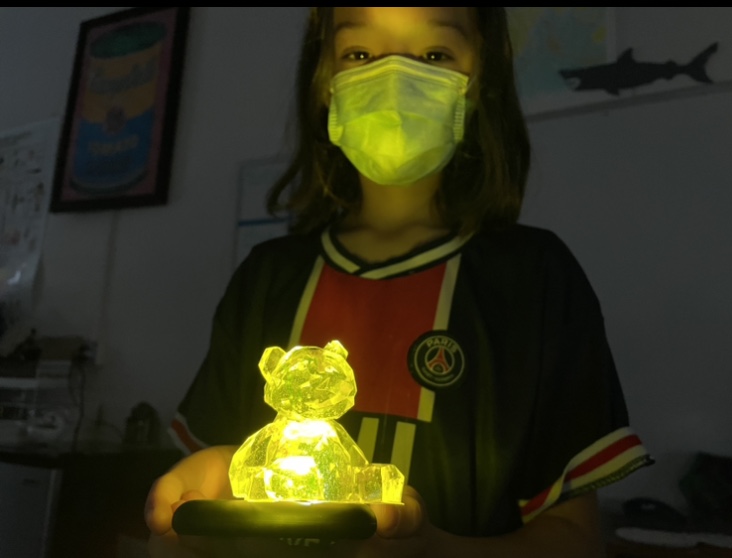
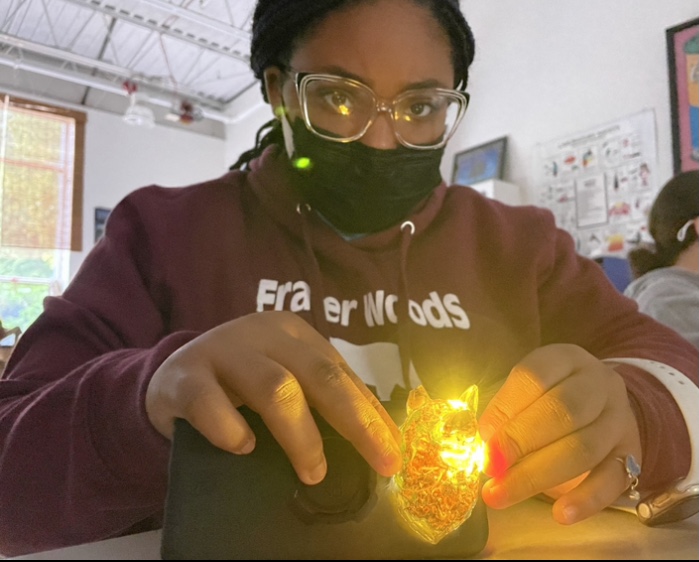
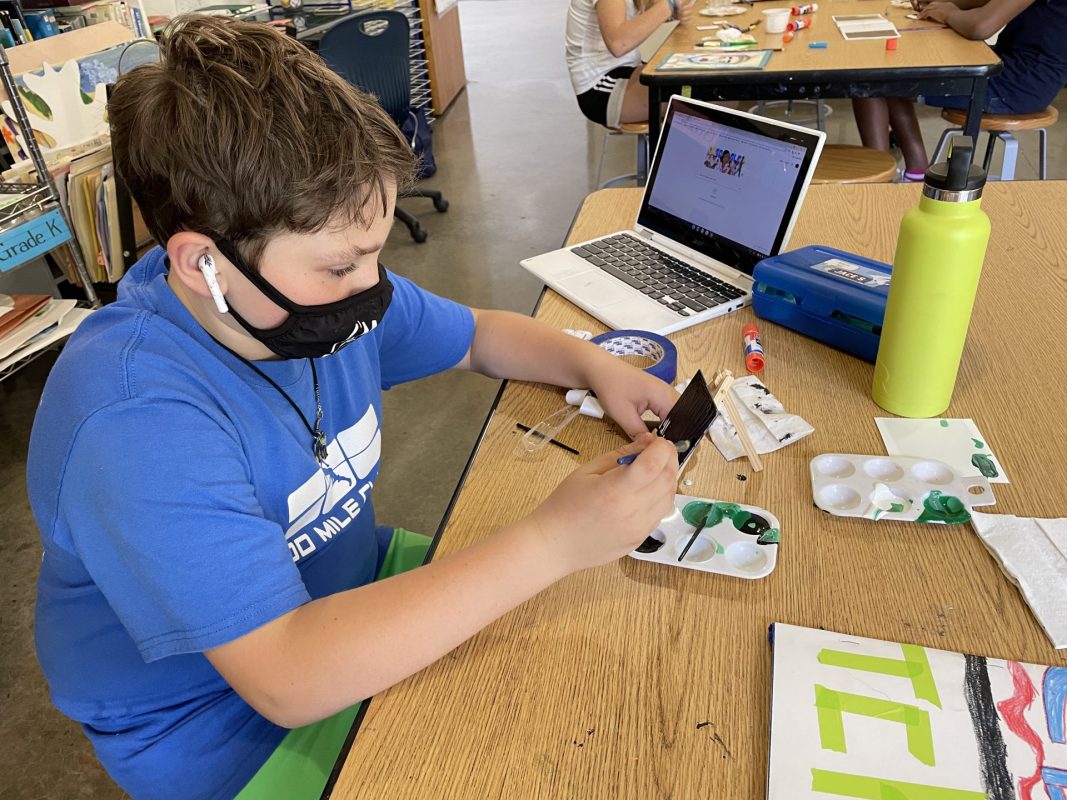
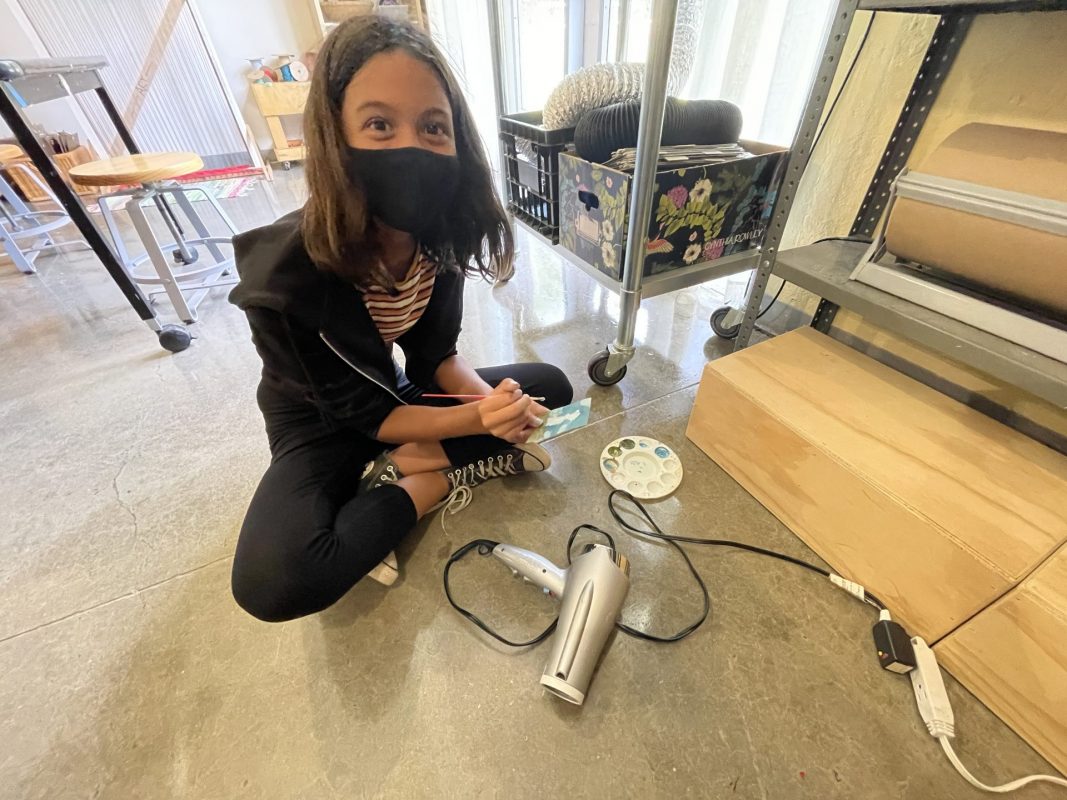
6th year Earth Science students have continued working on their unit, Earth’s History. This week students worked on representing the preservation potential of fossils. Students were able to create their own resin fossils using personally selected items to place inside their mold before layering it with resin. Once the molds had hardened, students discussed what factors were a part in the formation of these amber replicas.

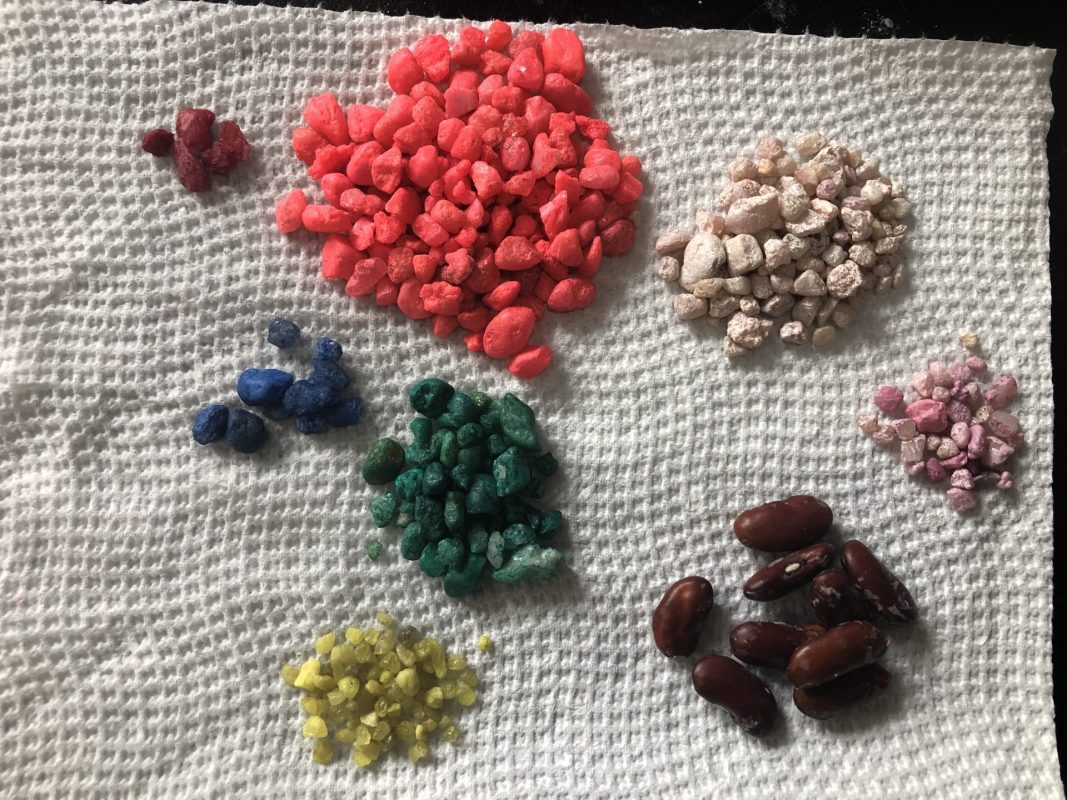
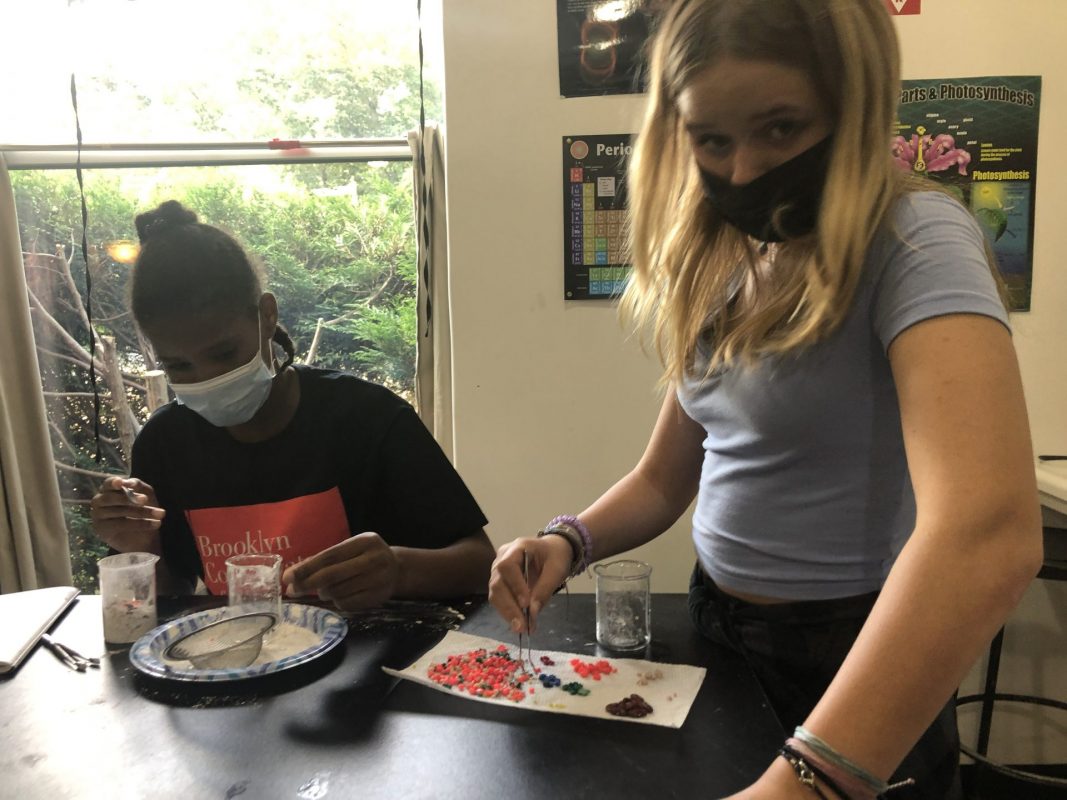
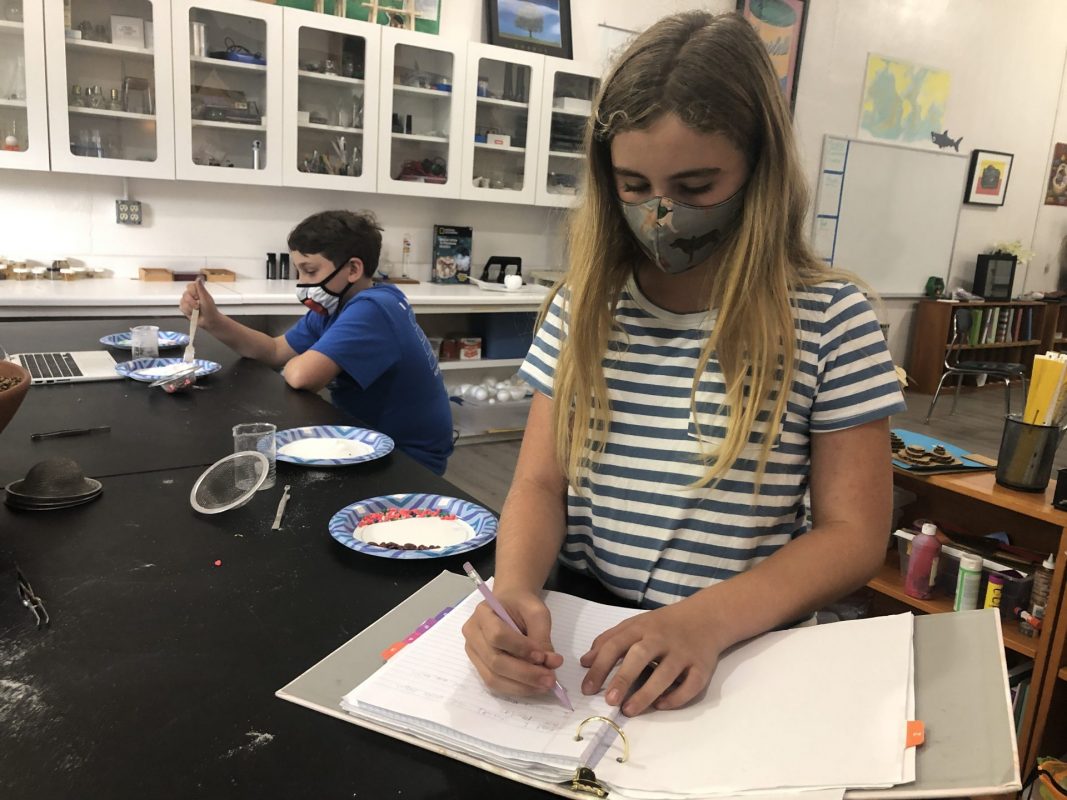
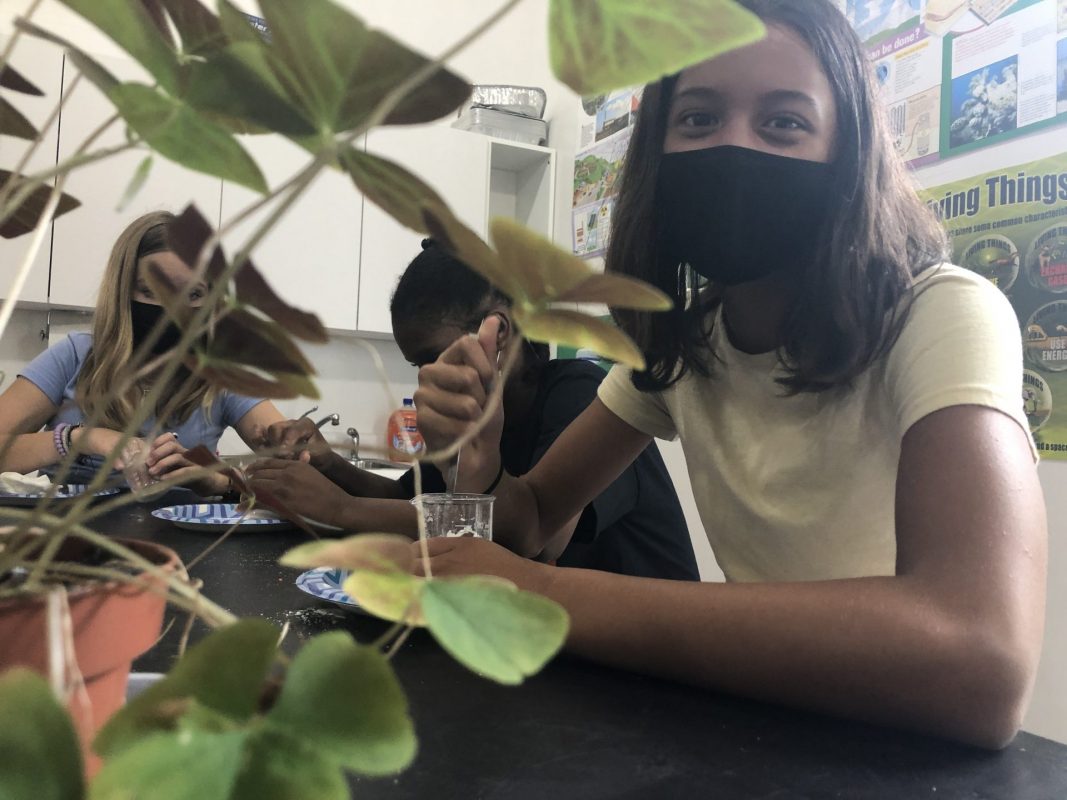
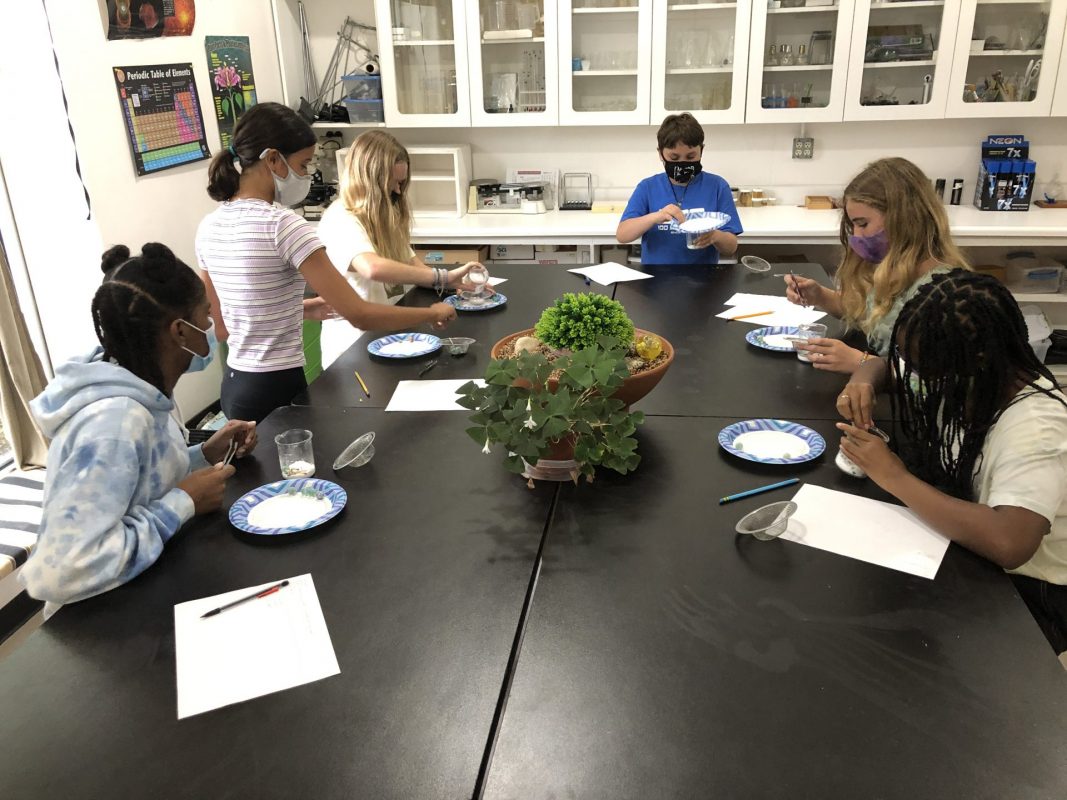
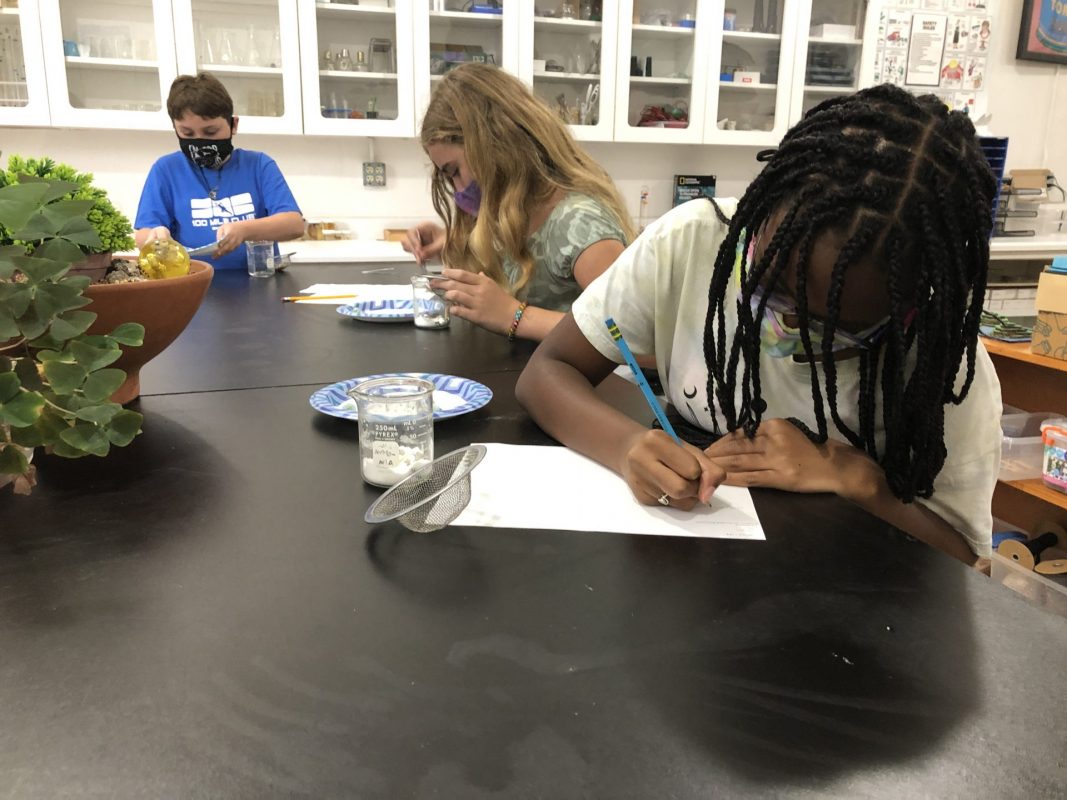
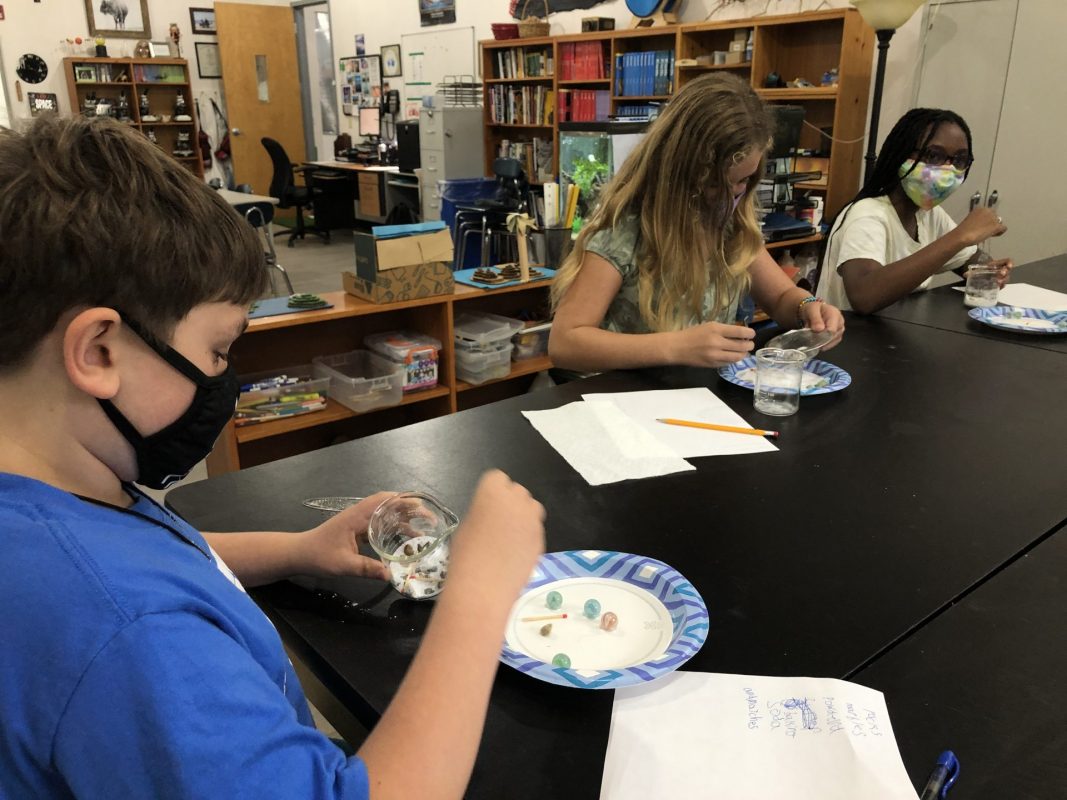
7th year Physical Science students, still in their unit Combining and Separating, conducted a laboratory experiment by creating and separating mixtures. To begin this experiment, each student was asked to create their own mixture based on corn starch, sugar, beans, pebbles, and water. Students exchanged their mixtures with one another, determining what methods of separation would effectively create original components of the mixture. Students determined certain mixtures were best separated using filter paper, boiling point, strainer, or tweezers. Upon completion of the experiment, students will be required to write a formal lab report.
8th year Life Science students began researching arguments on the topic of stem cells. Each student has been assigned to either be in favor of or oppose the use of stem cells. Students will be provided several days to gather pertinent information to support their side before we hold our Stem Cell Debate. The goal of this assignment is not for students to decide what is right or wrong, but rather to demonstrate effective research skills that support a viewpoint with supporting data and facts.

Middle School Cooperative Games

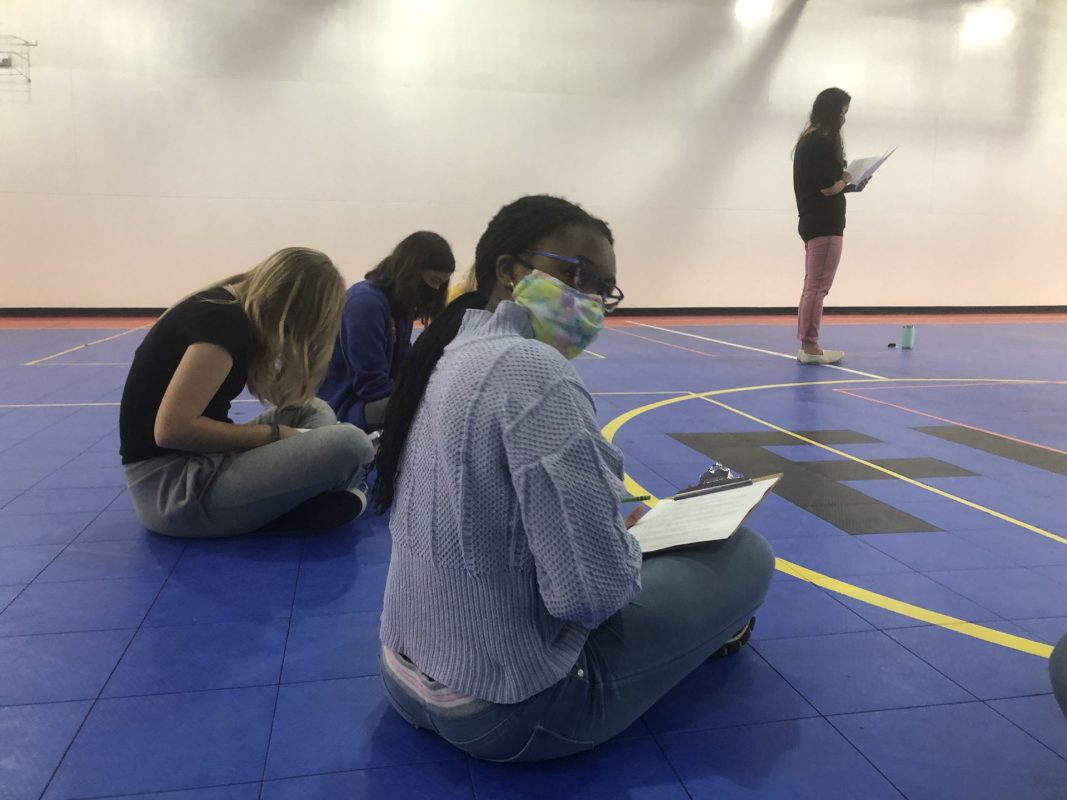
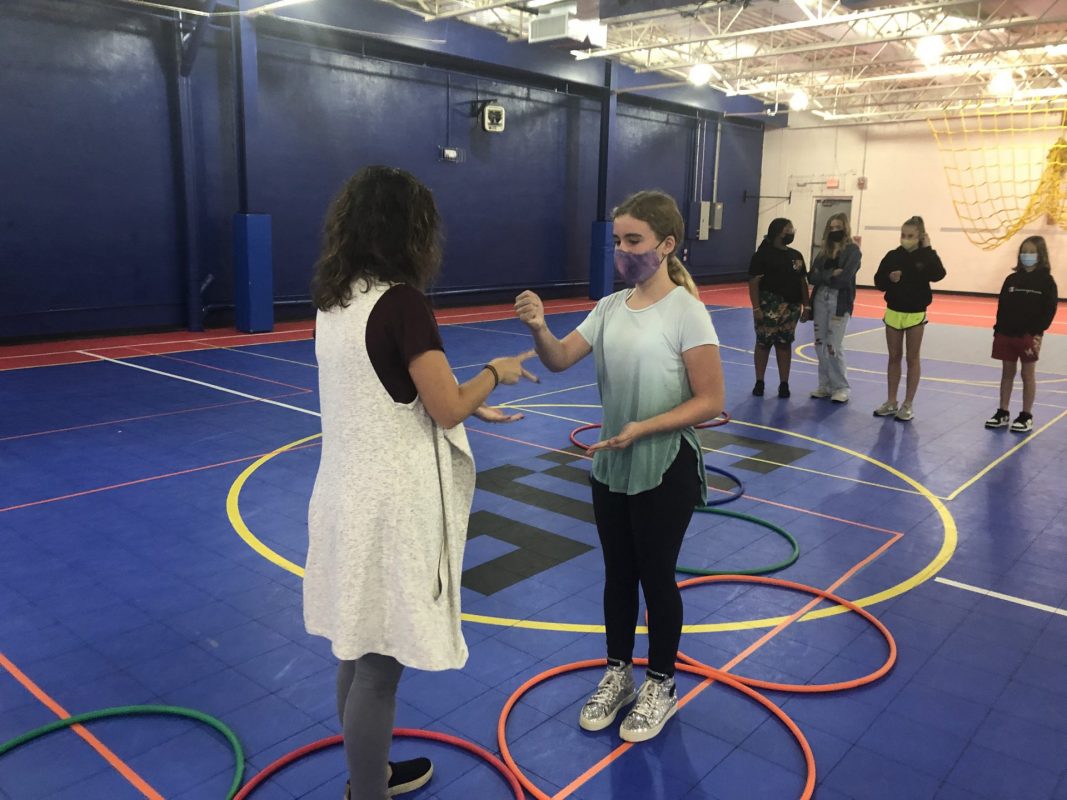
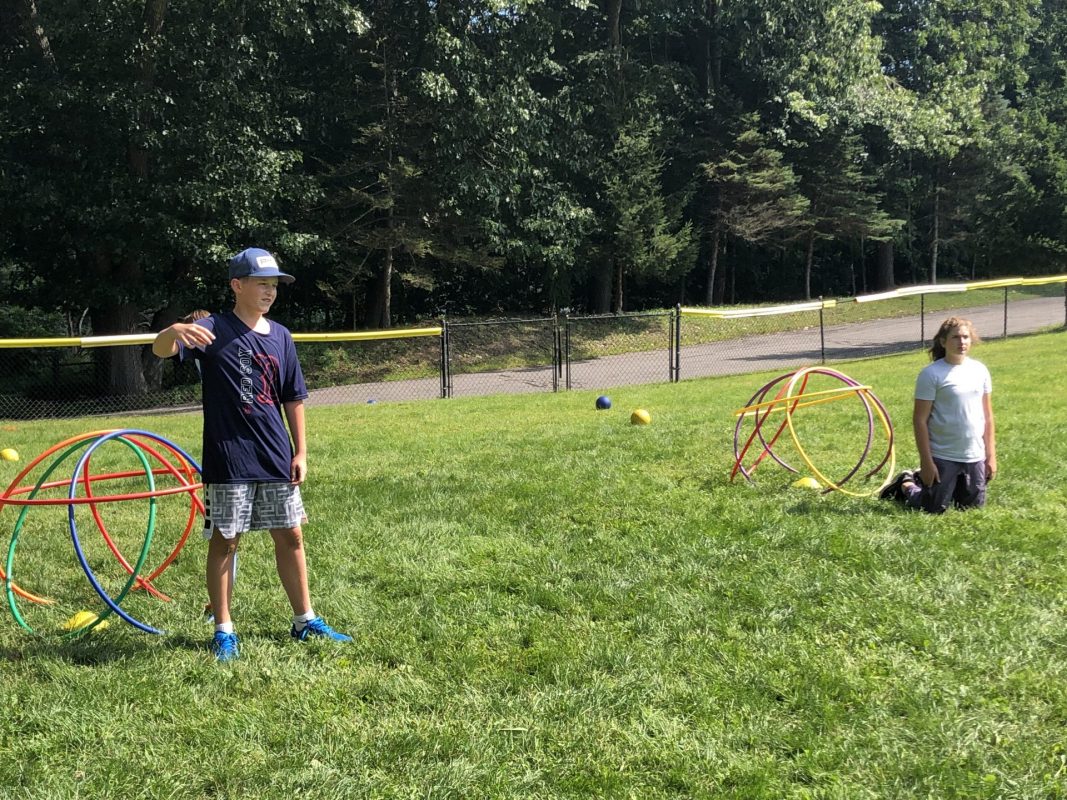
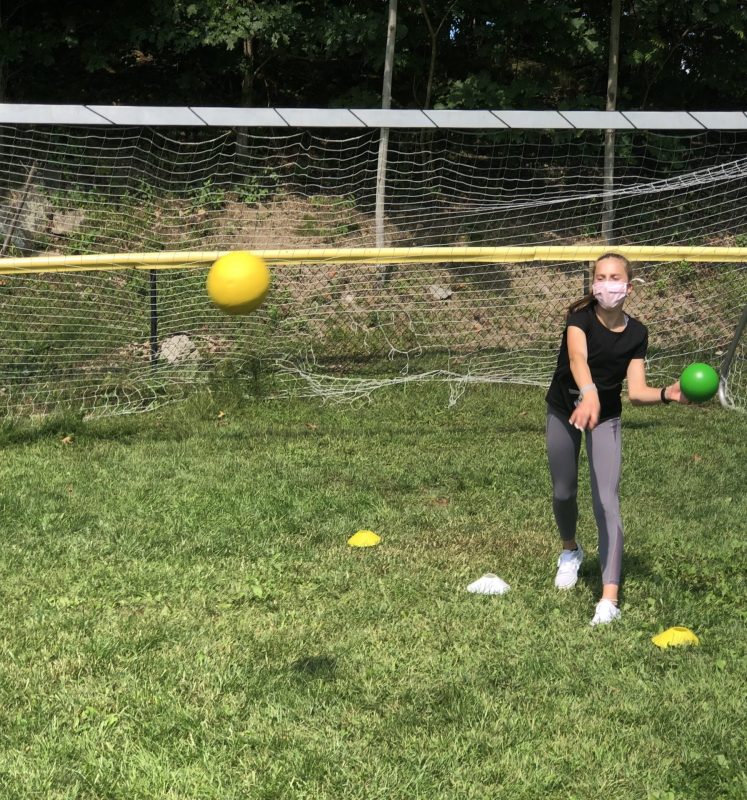
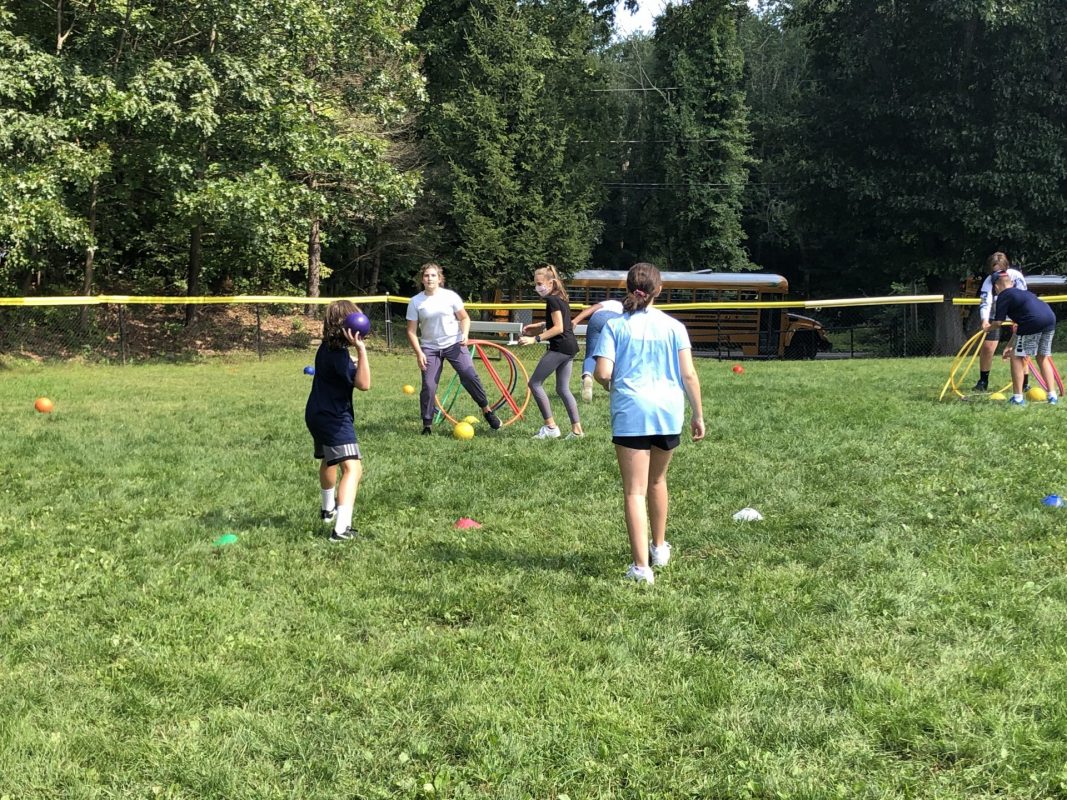
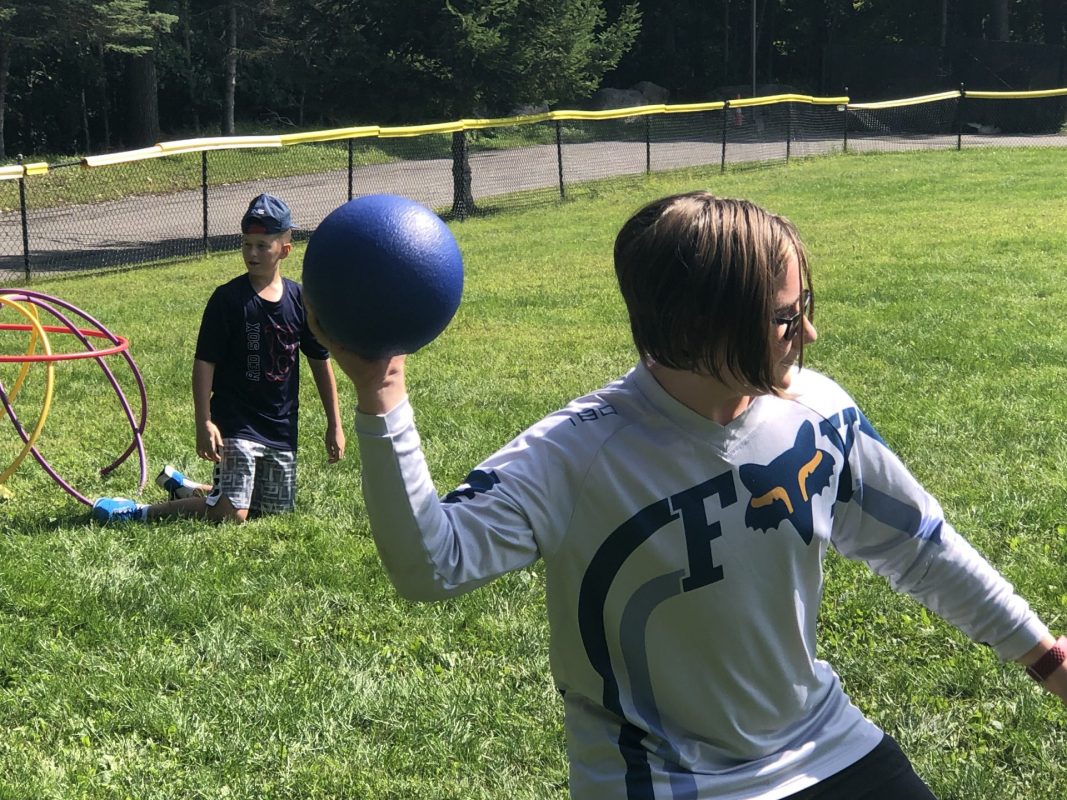
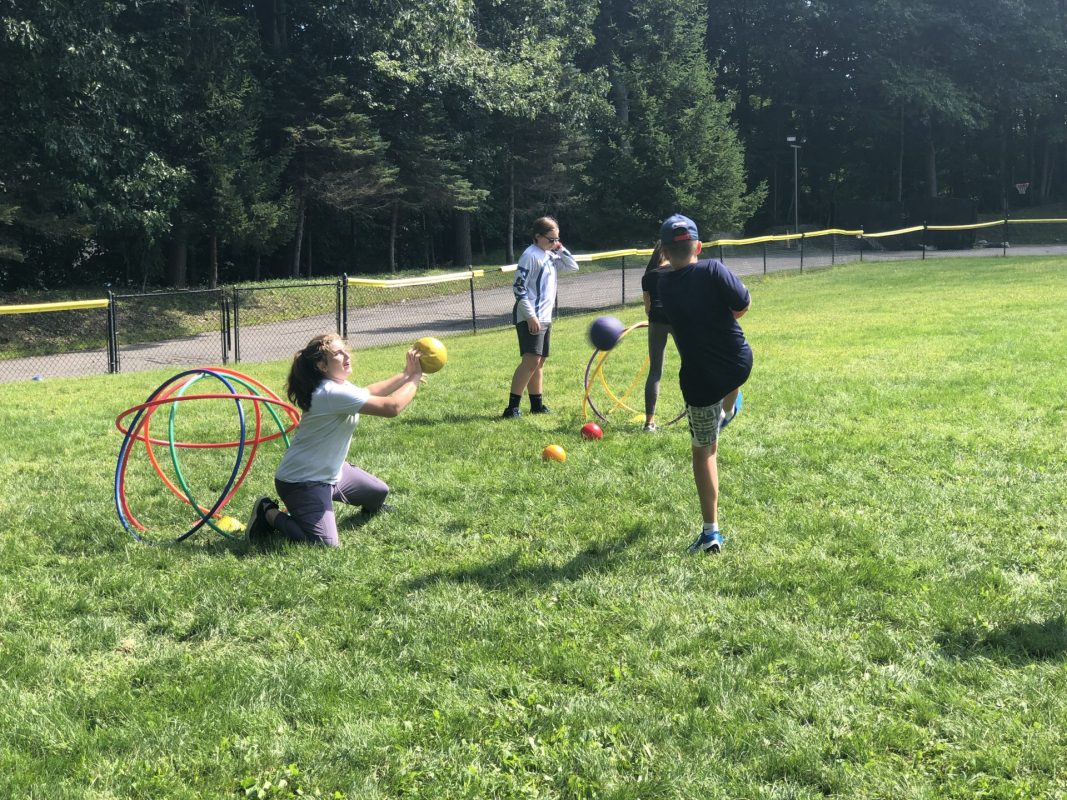
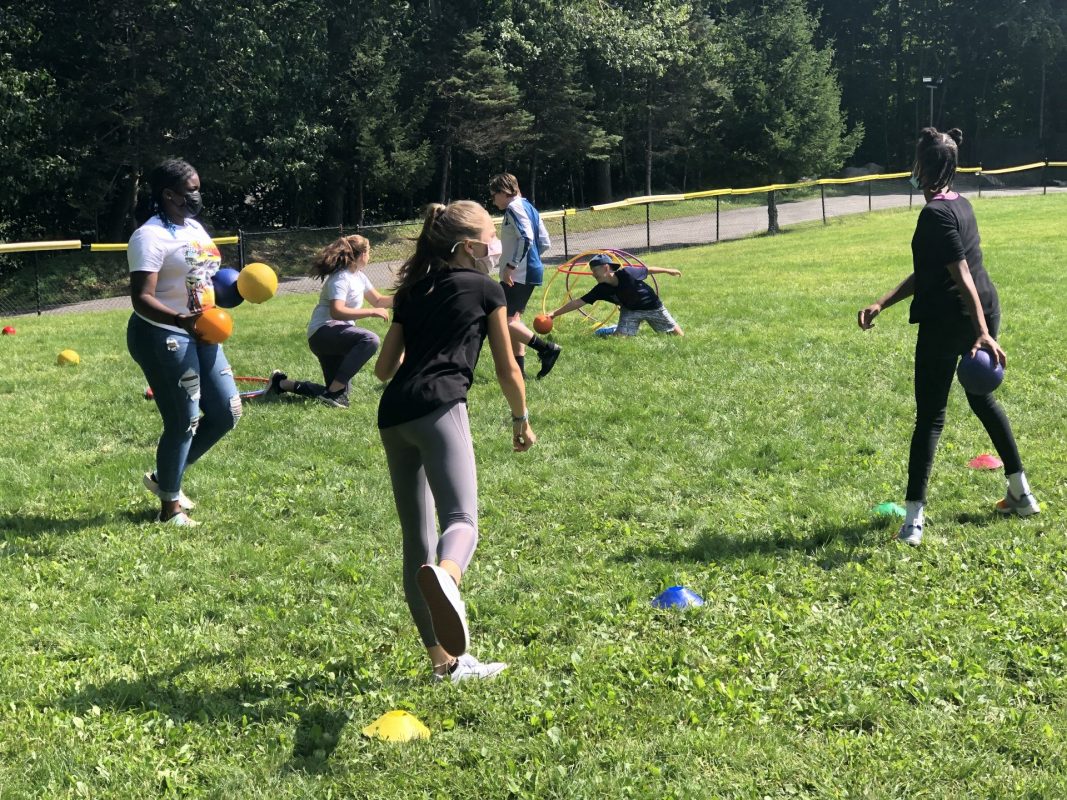
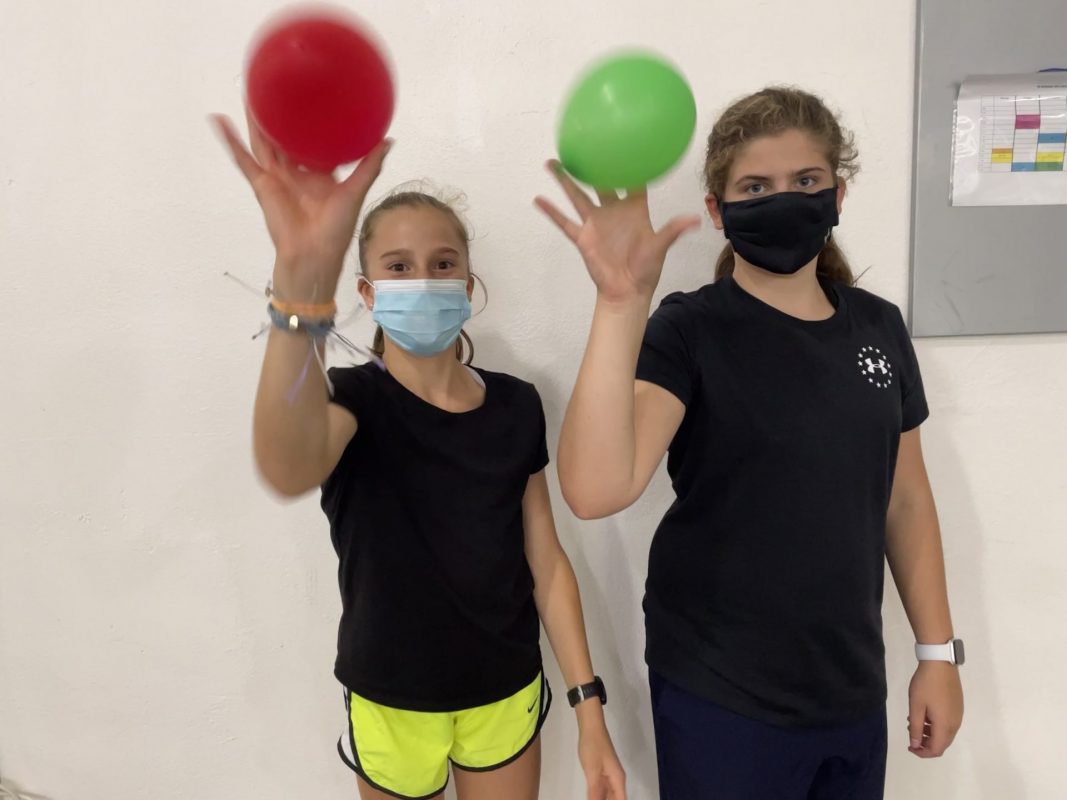
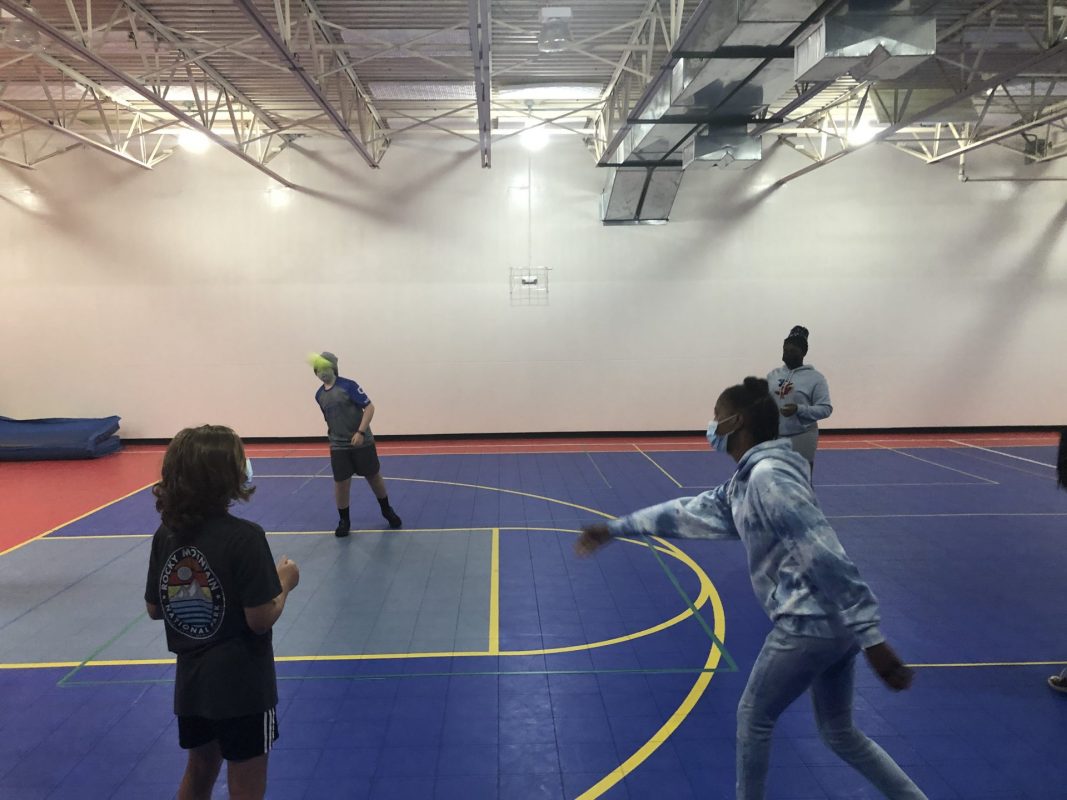
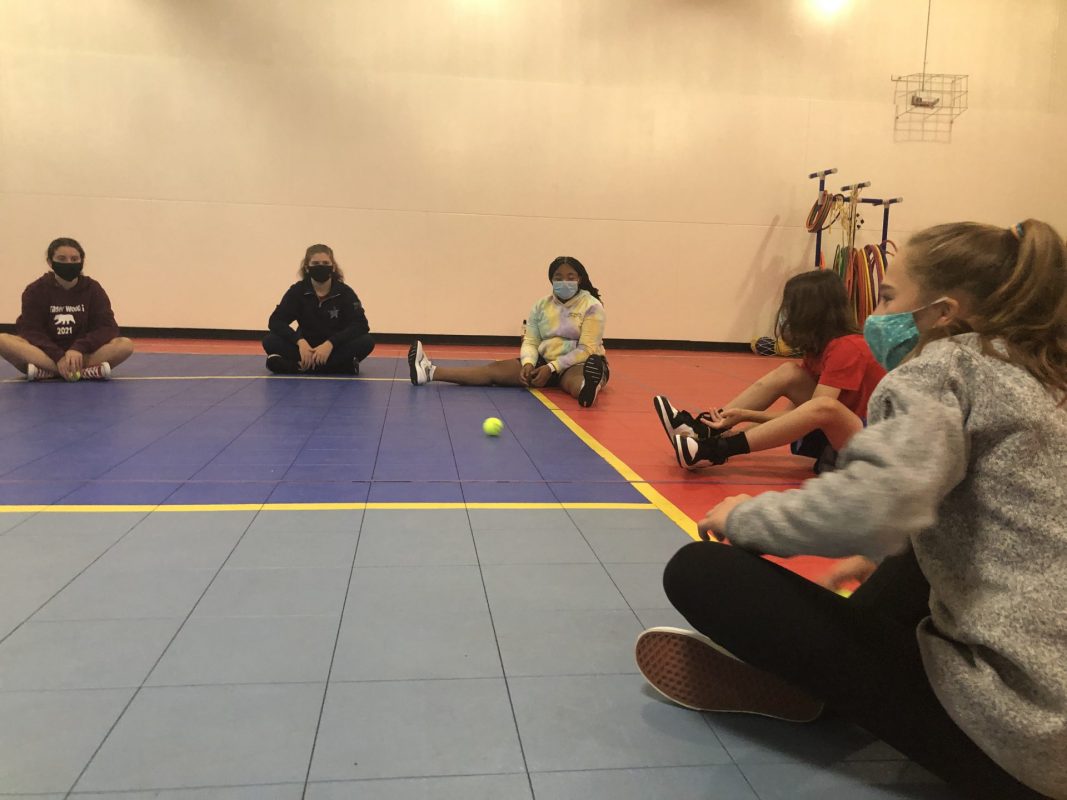
The Middle School participates in MS Sports class on Tuesdays and Wednesdays for 55 minutes. On Fridays students participate in Physical Education/Cooperative games.  The game played this week was “Castle Ball.”  The object of the game is to try and knock down the other team’s castles.  Students must work together as a team to play both offense (throwing the dodge balls to hit the castle) and defense (guarding their own castles). The game also works on throwing, catching, striking, and blocking. Cooperative games during physical education provide many benefits to students. These games not only provide exercise, but emphasize teamwork, build relationships, increase confidence, and learn about rules and strategy development.


Middle School: A Week in Review

It’s been a great week in Middle School. We are diving into classes, and the students are enthusiastic about the year!

Humanities

We began the year in Humanities with all students giving summer reading presentations, reading and discussing poetry, writing, and activities that surround identity.

The 6th grade students used the poem, “Where I’m From” by George Ella Lyon to brainstorm and draft their own version of the poem about themselves. They also discussed the importance of editing and revising and created a reference guide to editing marks to use for the year.

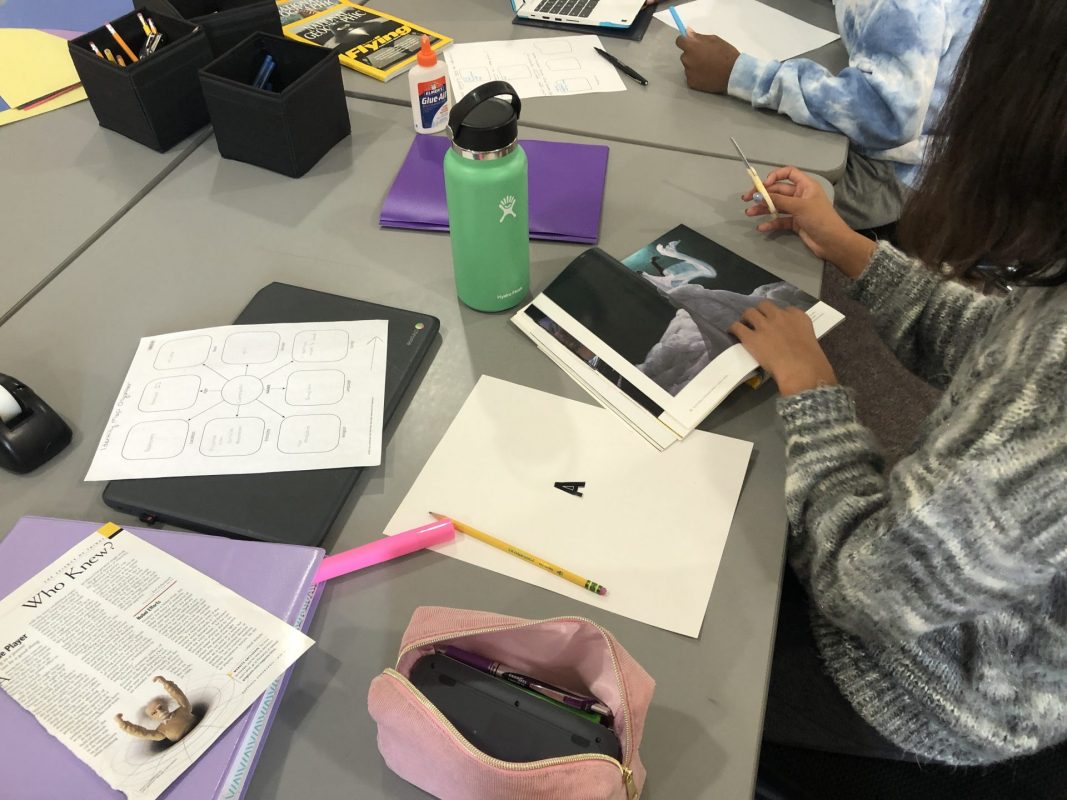
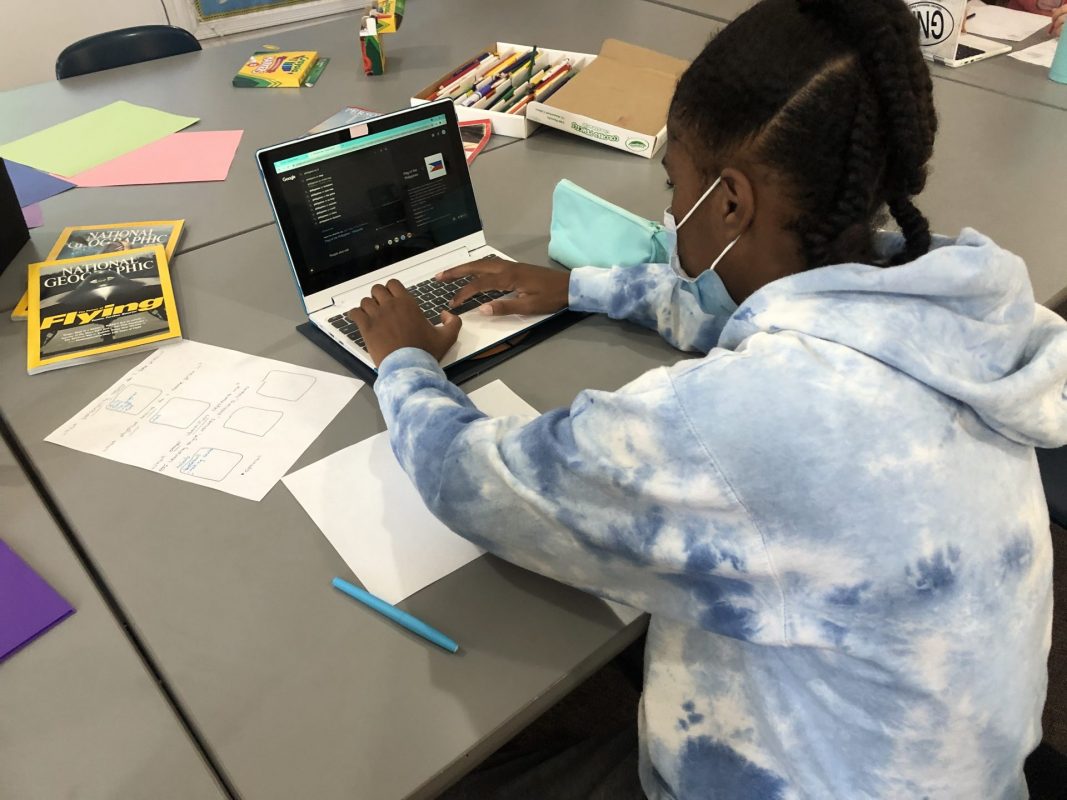
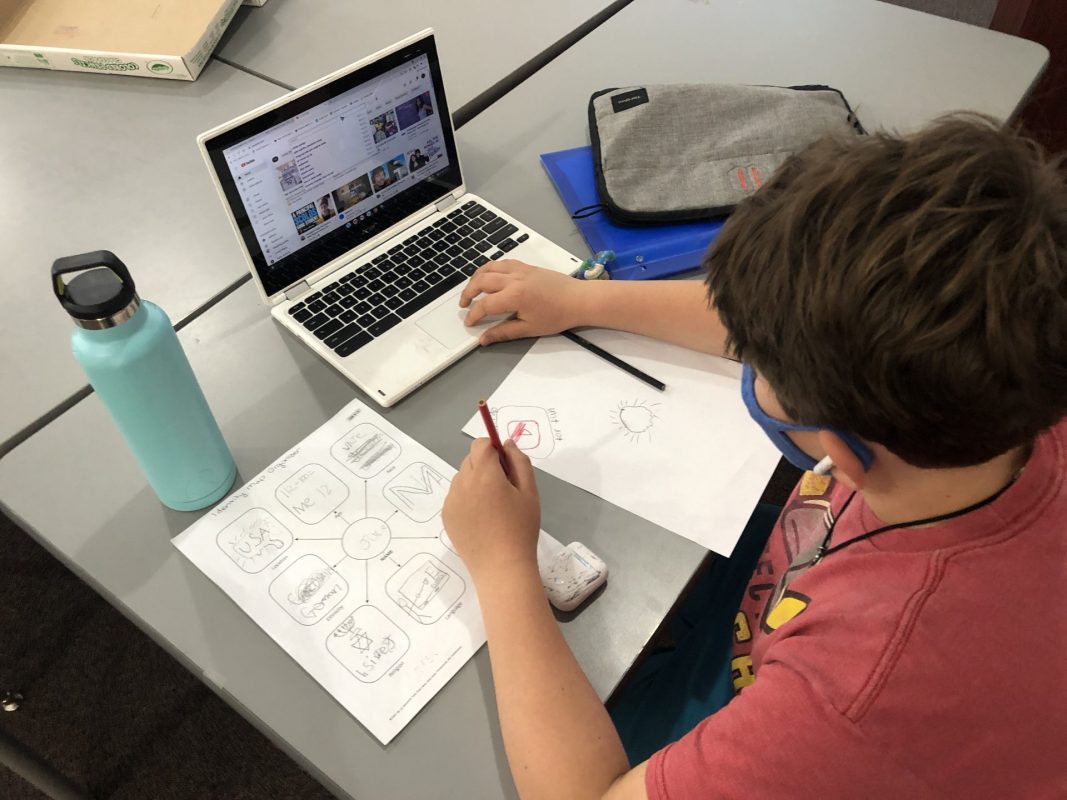
The 7th year students brainstormed and created identity maps that include a variety of personal identifiers in a creative way.

The 8th grade also brainstormed for identity maps that they are working on in Art Humanities class. The 8th grade class also learned in depth about plot- parts of the plot line, types of conflict, and types of characters. This will be used in future literary analysis.

Science

6th year Earth Science students are on the unit, “Fossils, and Studying Earth’s Past.” The objective of this unit is for students to:

  • Define the term fossil and explain how fossils are formed.
  • Identify the major types of divisions of geologic time.
  • Use relative dating methods to place geologic events in a correct sequence.
  • Justify their choice to use absolute or relative dating techniques.
  • Explain how fossils provide evidence of evolution.
  • Explain how fossils provide evidence of past environmental changes.

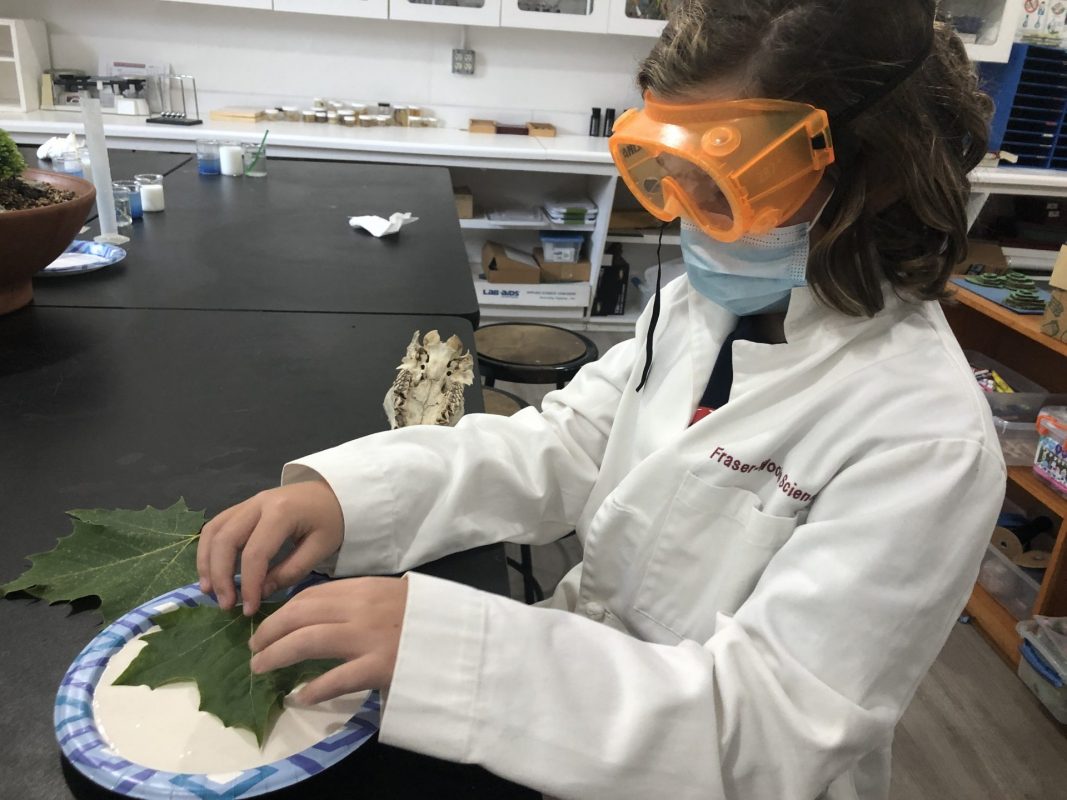
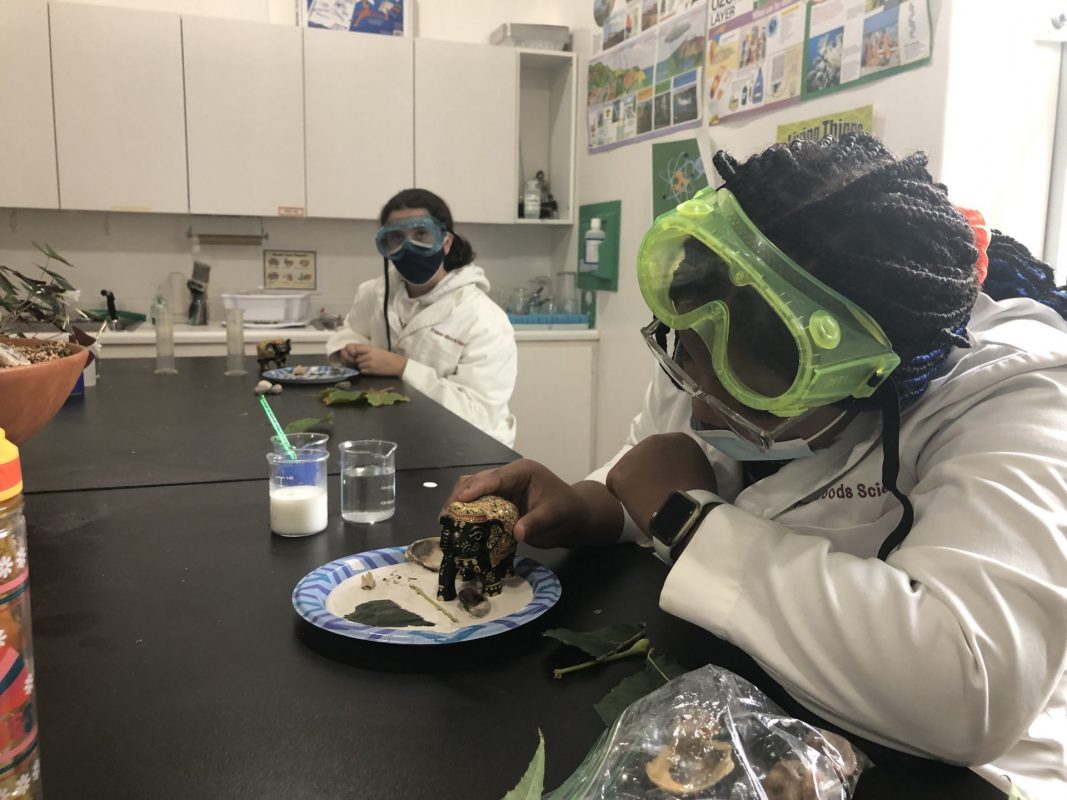
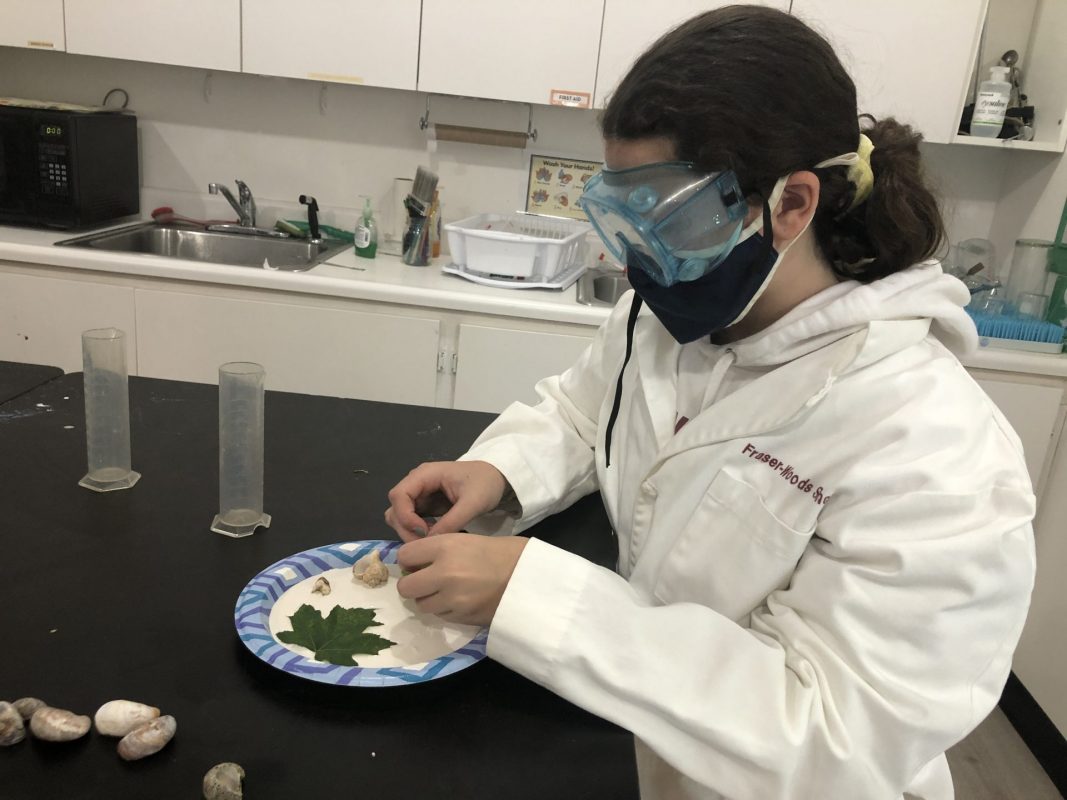
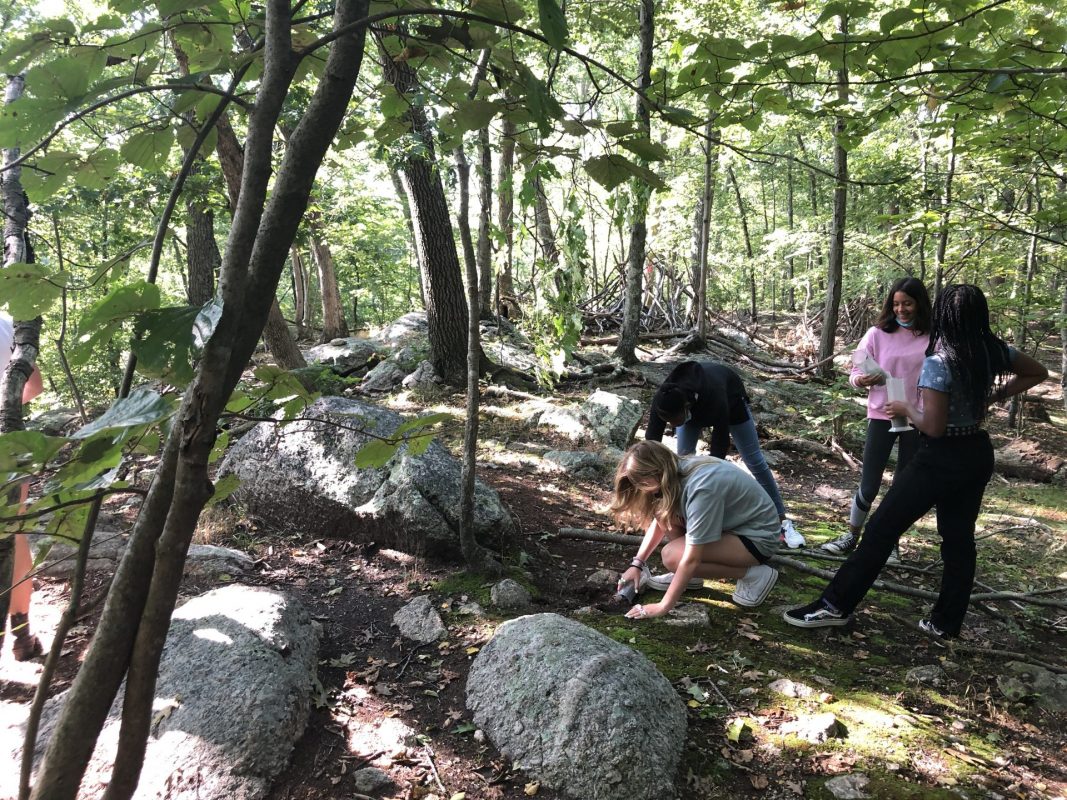
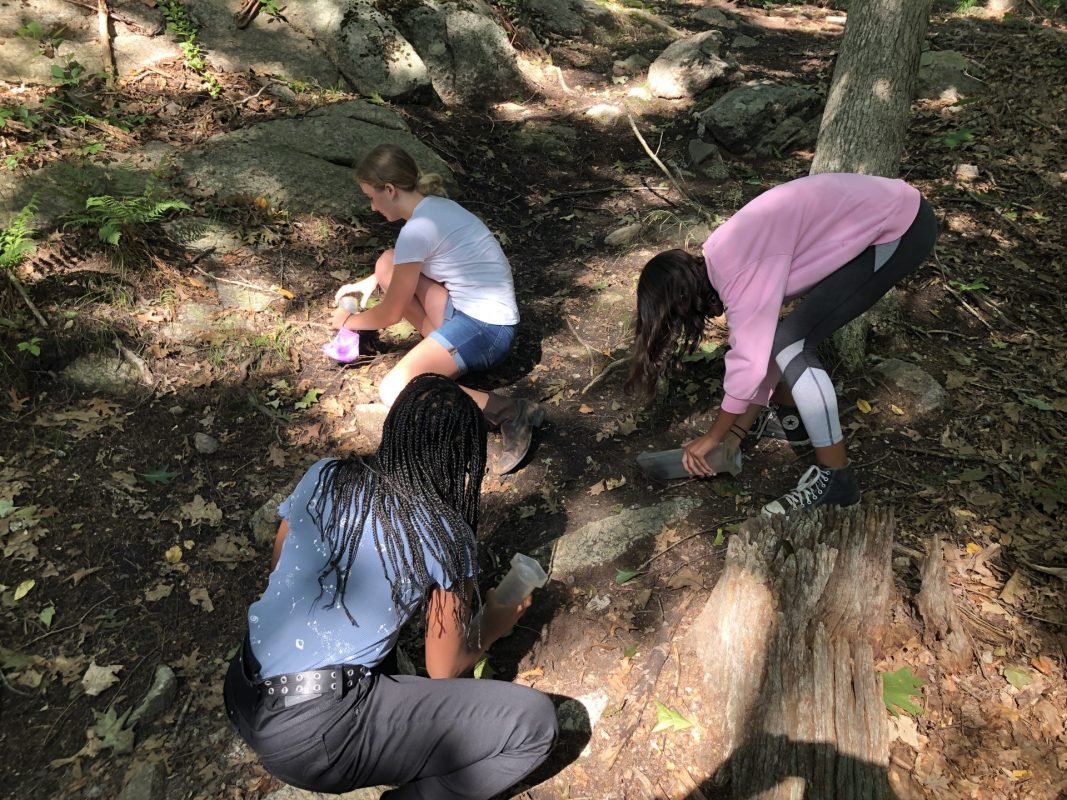
Students have begun a fossil formation project using plaster of paris and items found around nature, representing the conditions required to create a fossil.

7th year Physical Science students are on the unit “Combining and Separating.” The objective of this unit is for students to:
  • Describe a mixture, a solution, and a pure substance.
  • Distinguish between solutions, colloids, suspensions, and mixtures.
  • Separate mixtures into their components using a variety of methods.

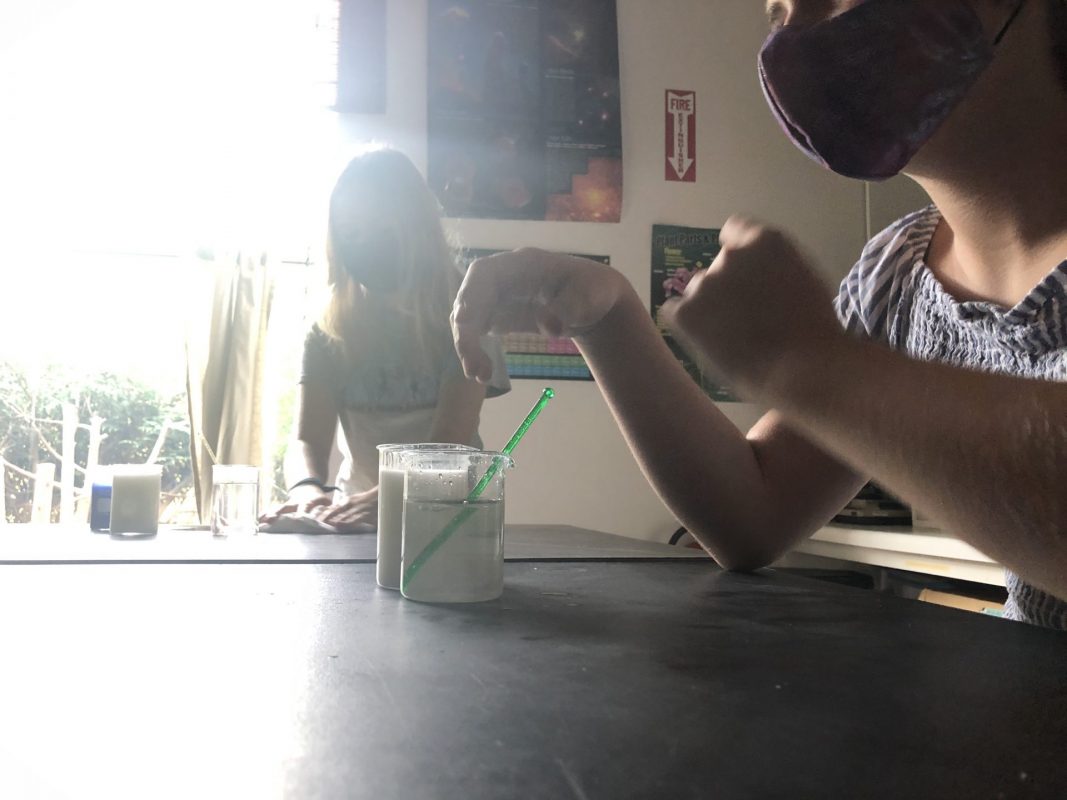
Students have demonstrated their ability to separate mixtures by using a variety of techniques (filtering, sifting, sorting) in order to classify a mixture, along with viewing samples of a mixture’s contents under microscopes.

8th year Life Science students are in the unit, “Cell Theory.” The objective of this unit is for students to:
  • Describe the three tenets of cell theory.
  • Describe evidence supporting the cell theory.
  • Use scientific tools to gather evidence in support of the cell theory.
  • Explain how both simple and complex organisms are composed of cells that perform essential functions.
  • Recognize the importance of microscopy in the discovery of cells.

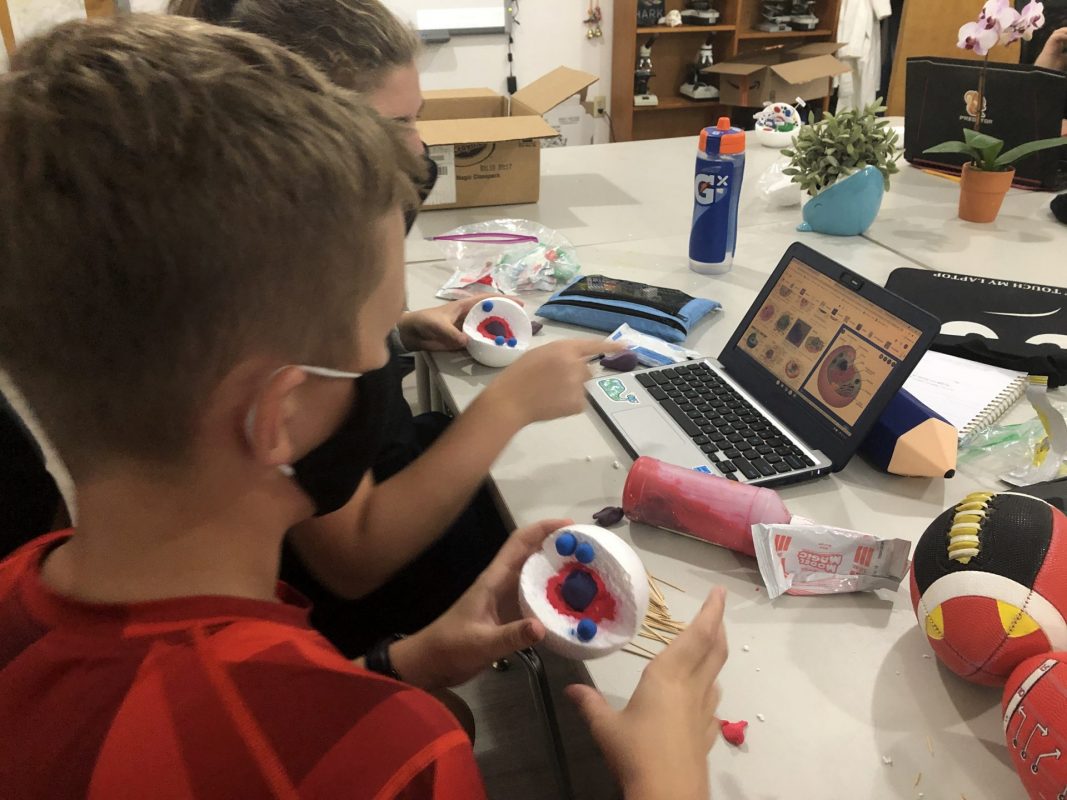
Students are currently working on constructing a 3-D model representation of either a plant or animal cell. Each model will include the organelles, detailing the function and purpose.

Math
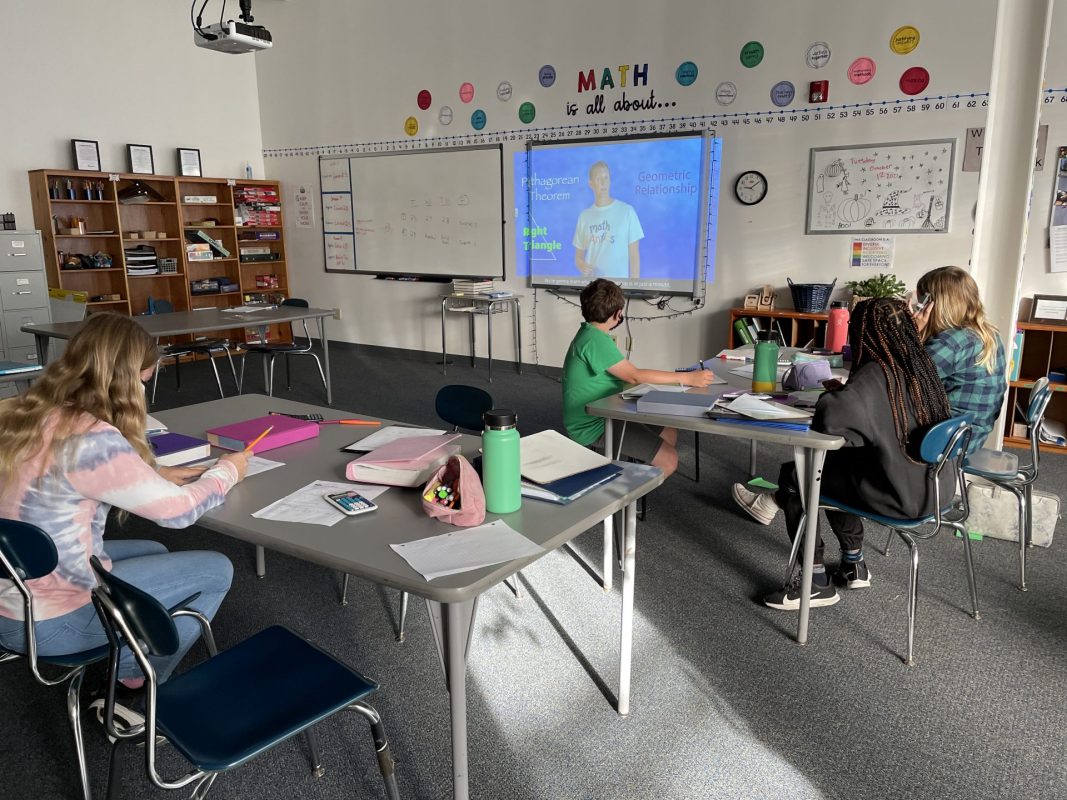
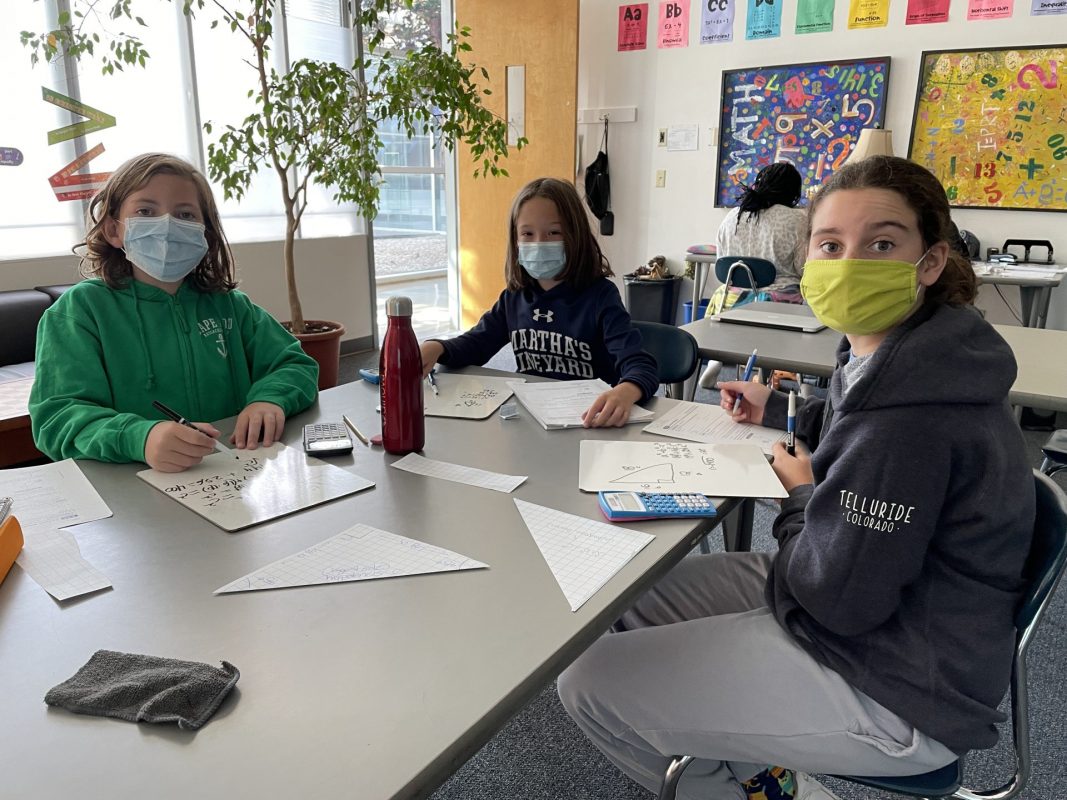
Welcome to Middle School Math! Students are off to a busy start with textbook distribution, completing their first homework questions, and practicing our note taking skills all in the first week. Ms. Sutherland is excited to learn and grow this year alongside these energetic middle school mathematicians.
In Transition class, students are using rational numbers to solve real world problems, graph and read values on a number line, as well as multiply by powers of ten. This class is working towards their first quiz on Tuesday, September 21st.
 
In Algebra class, students are using variables to: describe real world situations, be able to determine if expressions are equivalent, as well as identify the associative and commutative properties of multiplication/addition. This group of students are happy to be back working with one another in class.
 
In Geometry class, students are becoming familiar with using their postulate and theorem books to keep track of their new learning from Euclidean Geometry. This week they talked about distances on a number line, graphing points and planes on a coordinate grid, and defined the key properties of Synthetic Geometry.
 
As a general reminder; daily homework (lesson master worksheets) are due at the beginning of each class. Math Help Sessions are embedded into the Monday timetable for students to have an extra opportunity to work through any additional questions.
Math Joke: What do you call more than one L?  ………………………….A parallel!
We are looking forward to another full week! Have a great weekend!
Middle School: A Great Beginning

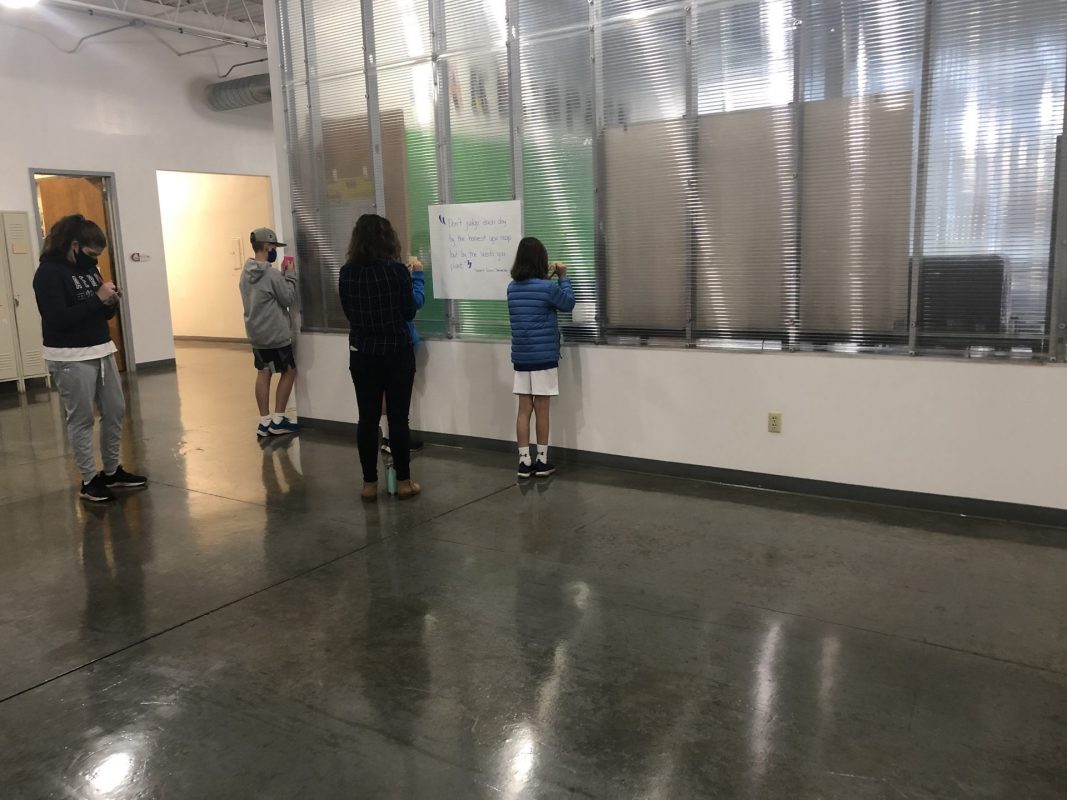
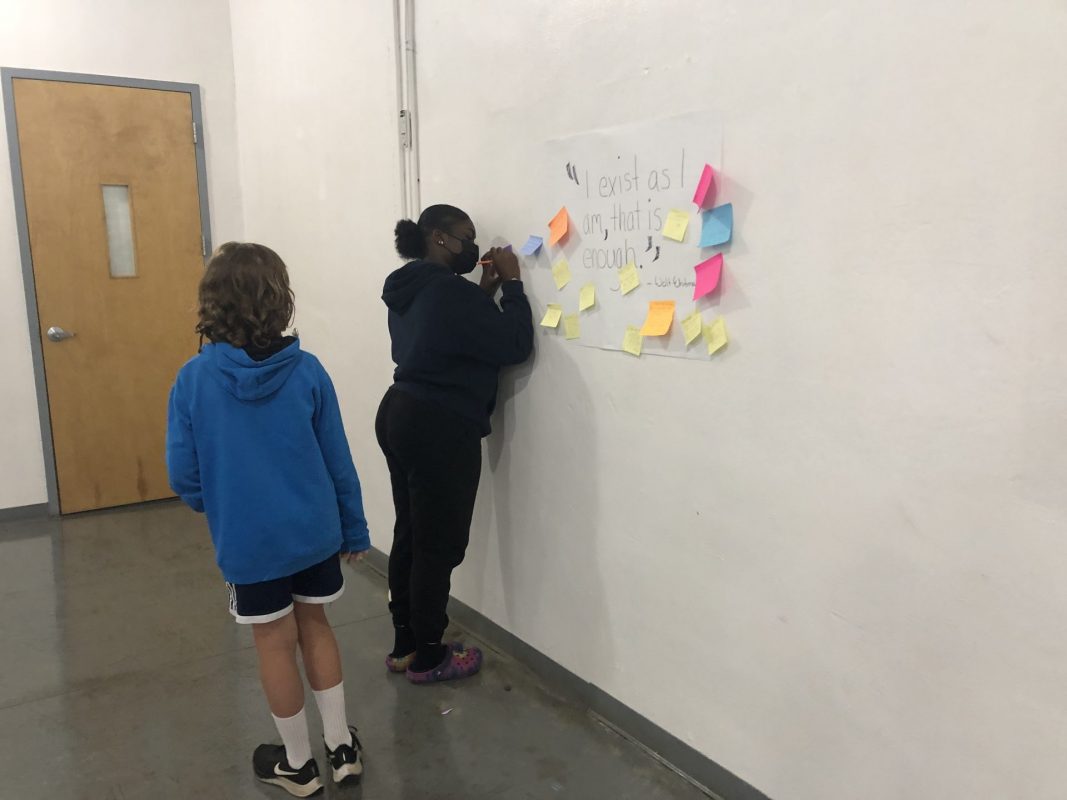
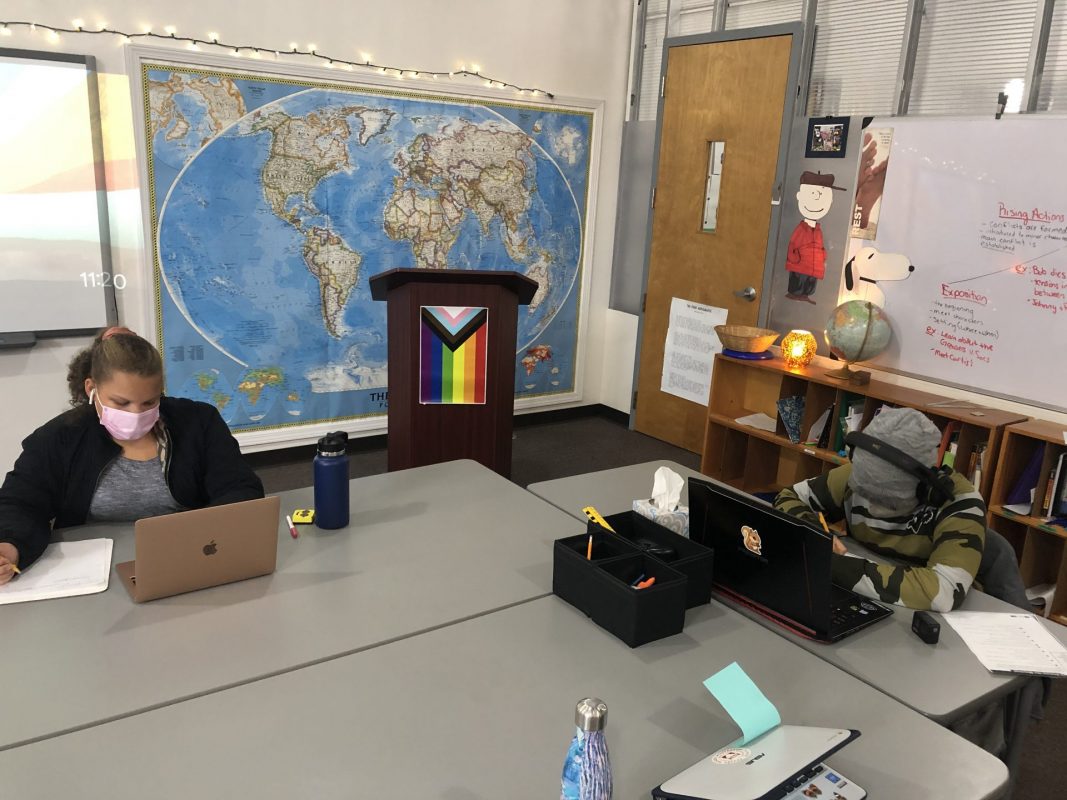
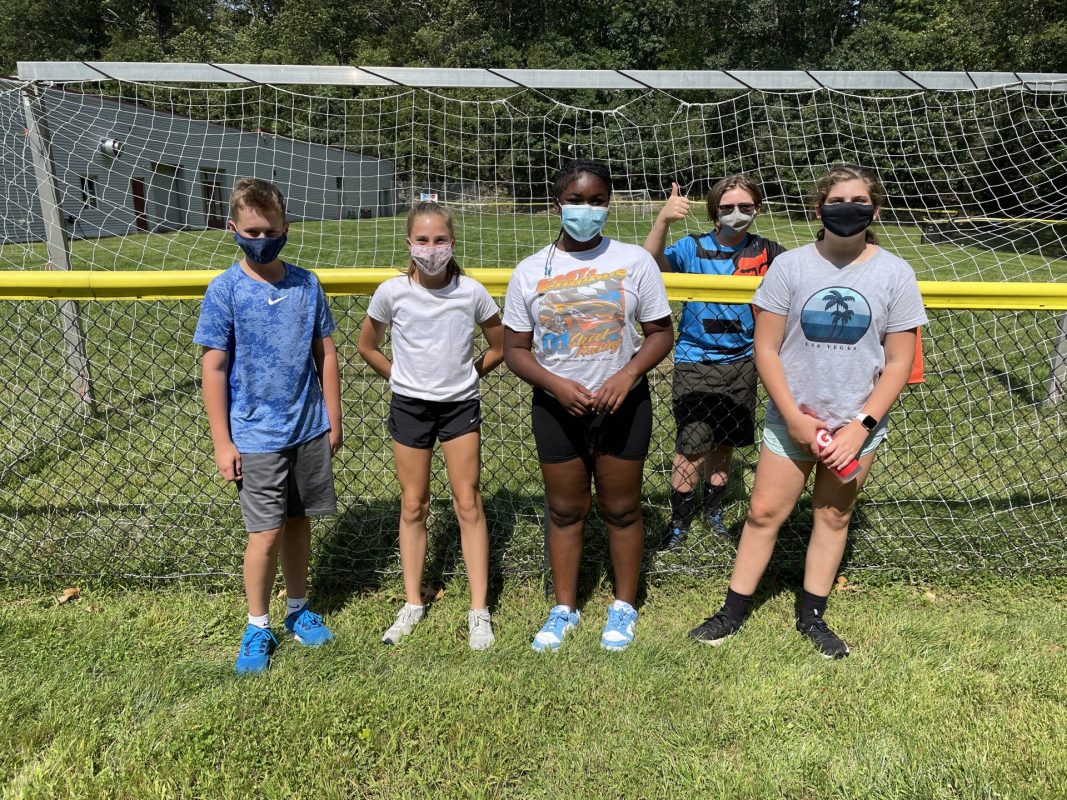
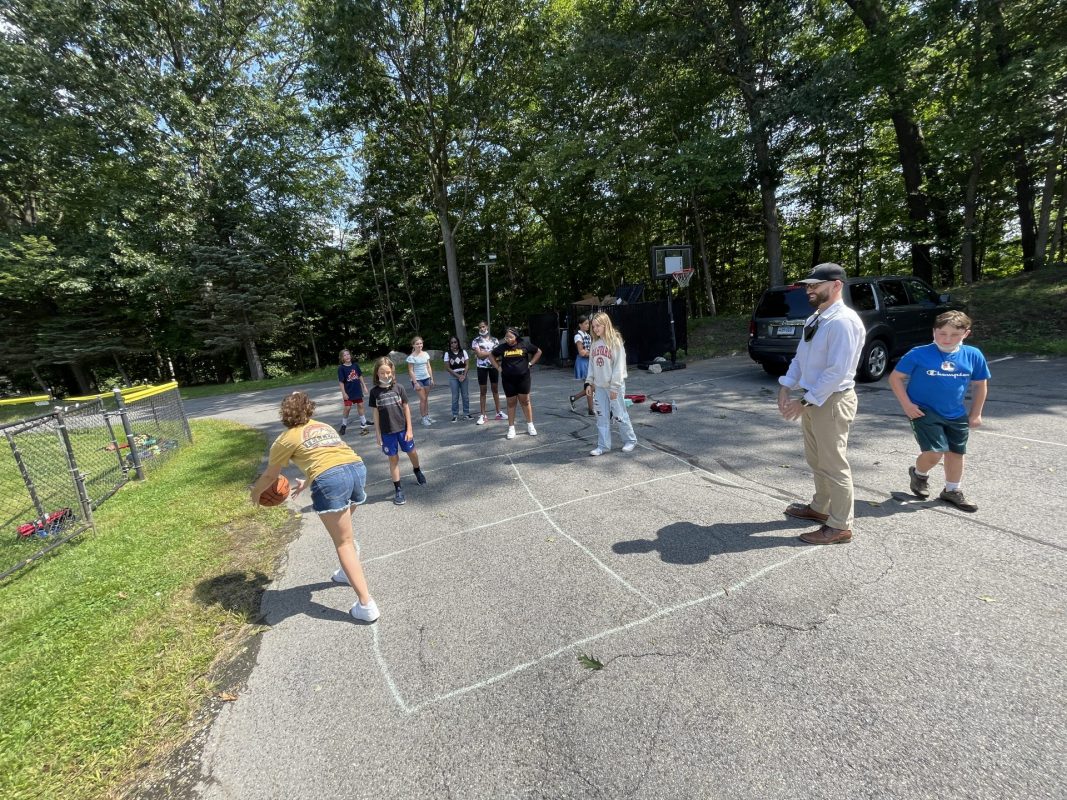
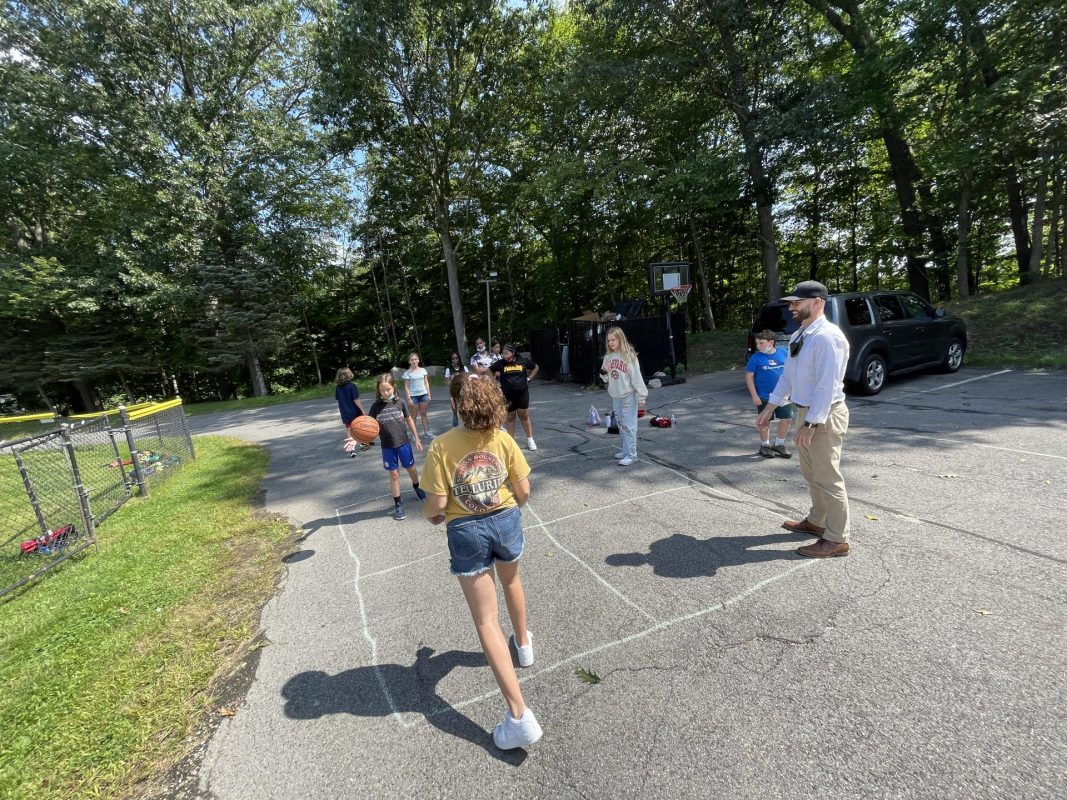
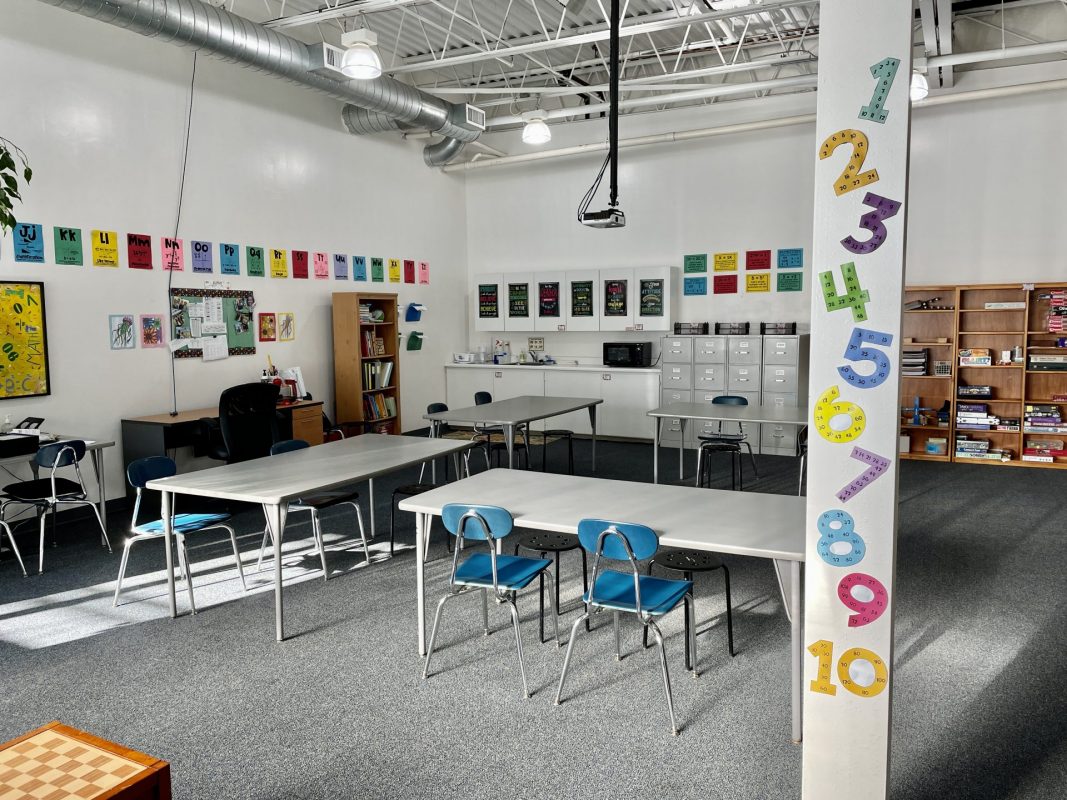
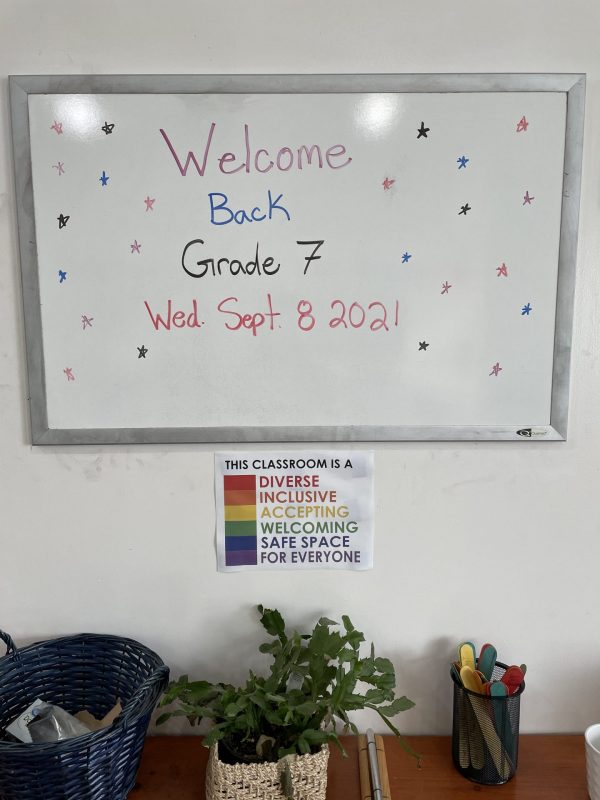
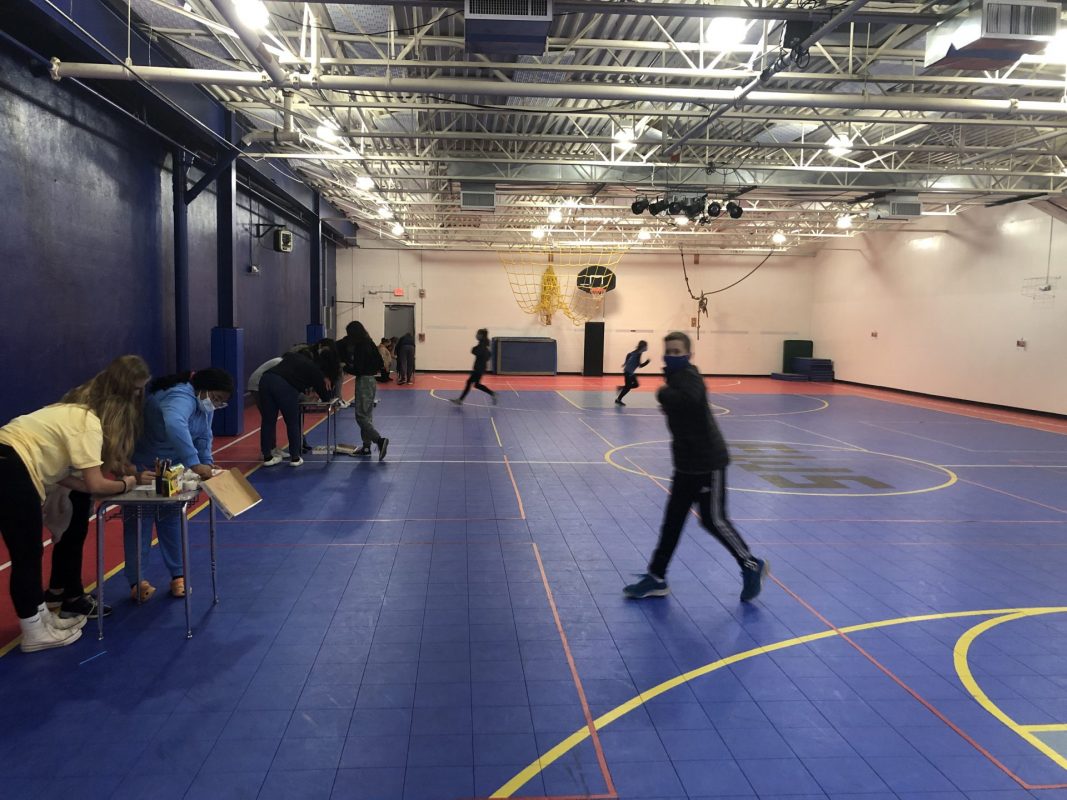
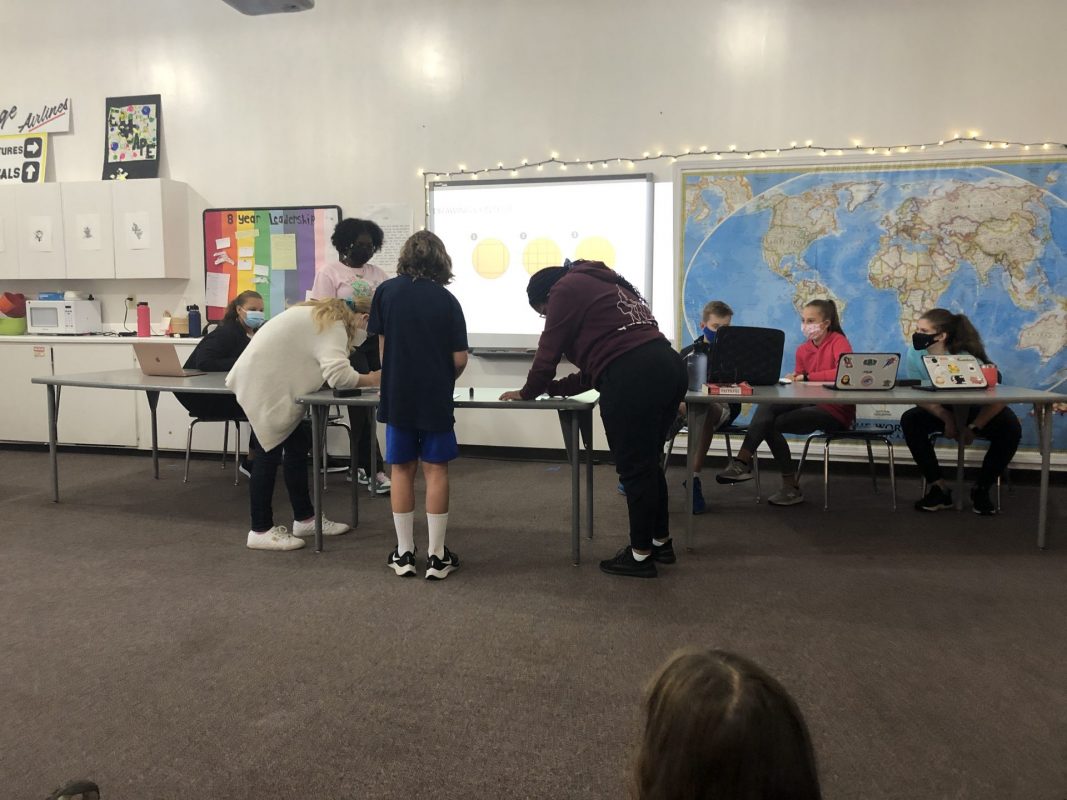
What a great first (short) week back to school. We would like to welcome all new Middle School students and families and say, “Welcome back!” to those returning. It is exciting to have middle schoolers safely back at lockers, rotating classrooms, and becoming one cohort. We worked this week on forming the group and making connections.

Please look for an email from Ms. Sutherland regarding the flower schedule. Part of a Montessori classroom is maintaining its beauty. We have fresh flowers in the classrooms throughout the school, provided by students in each class. When it is your child’s week to bring in flowers, we ask for two bouquets that will be divided and arranged by your child in school among the three MS classrooms.

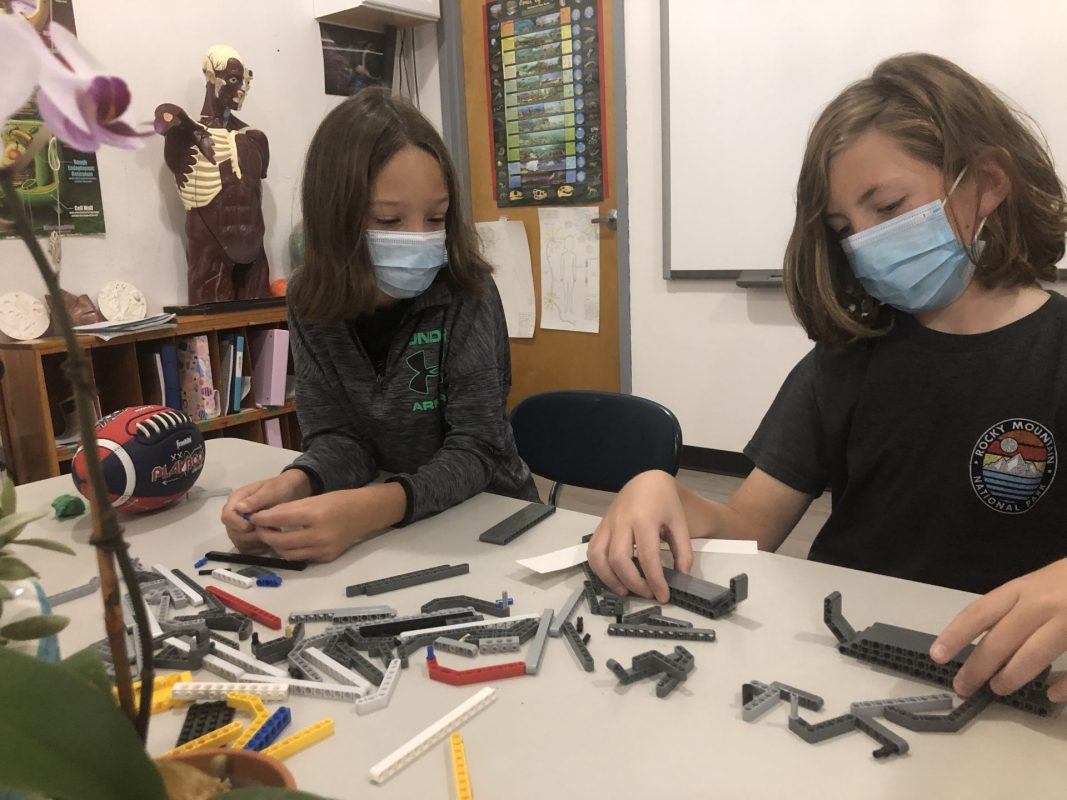
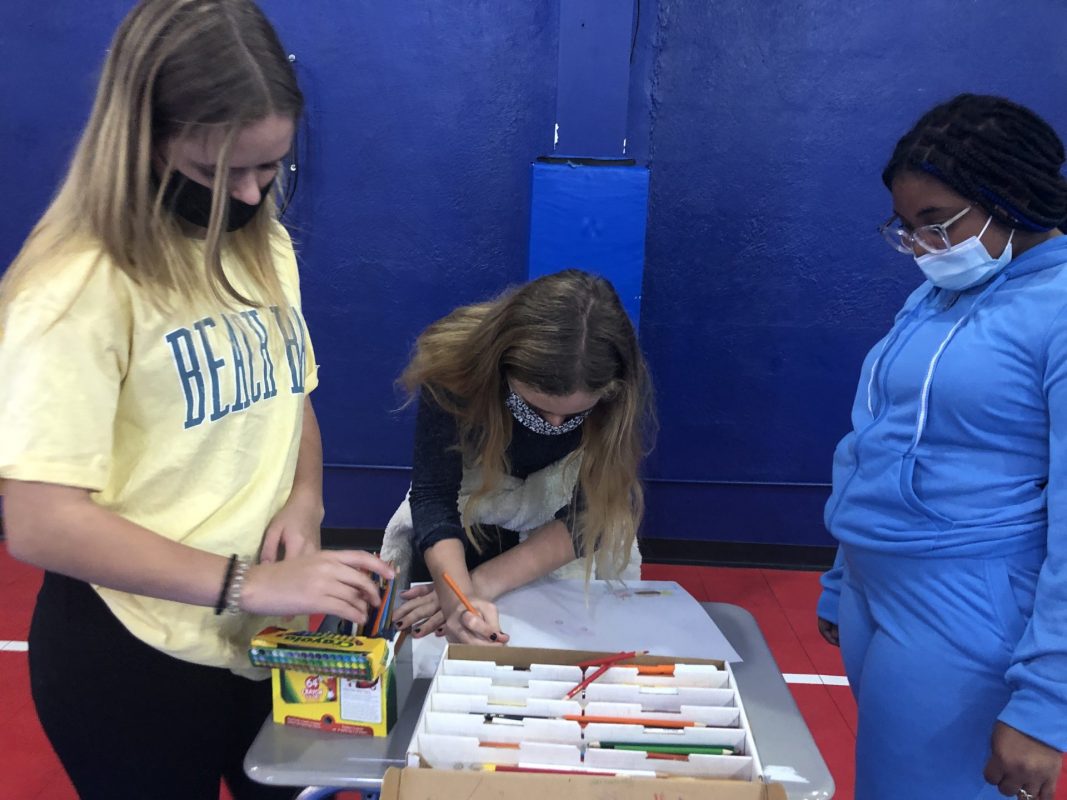
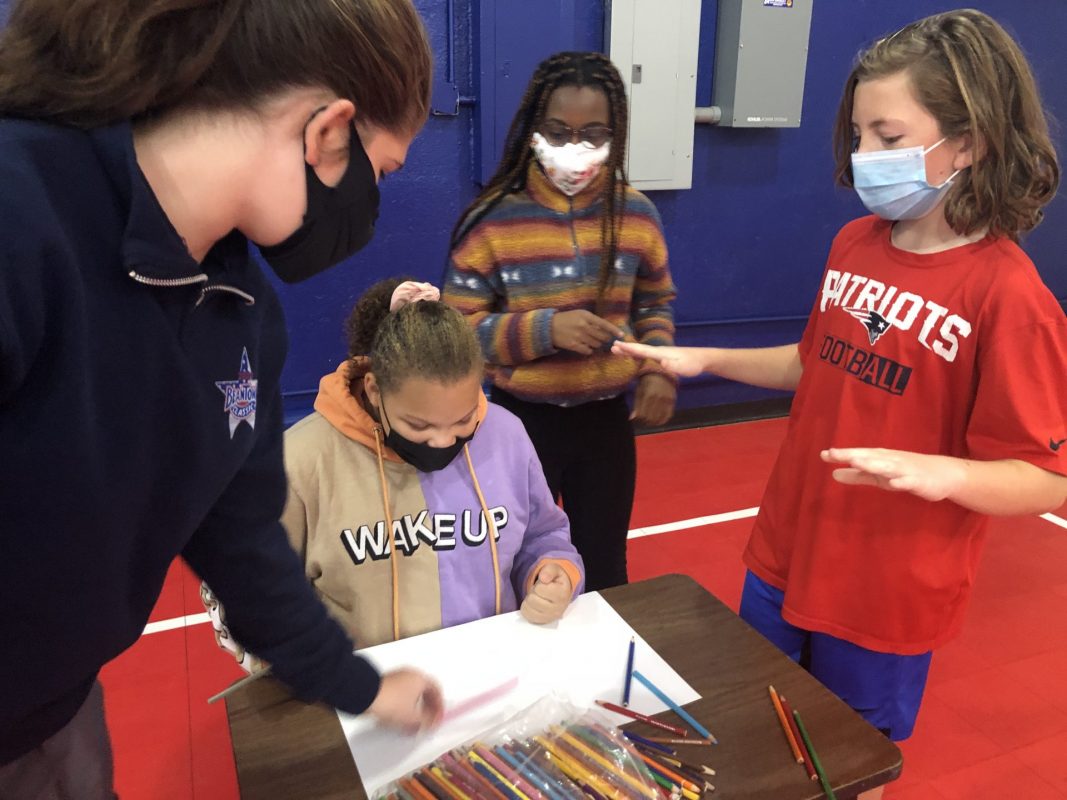
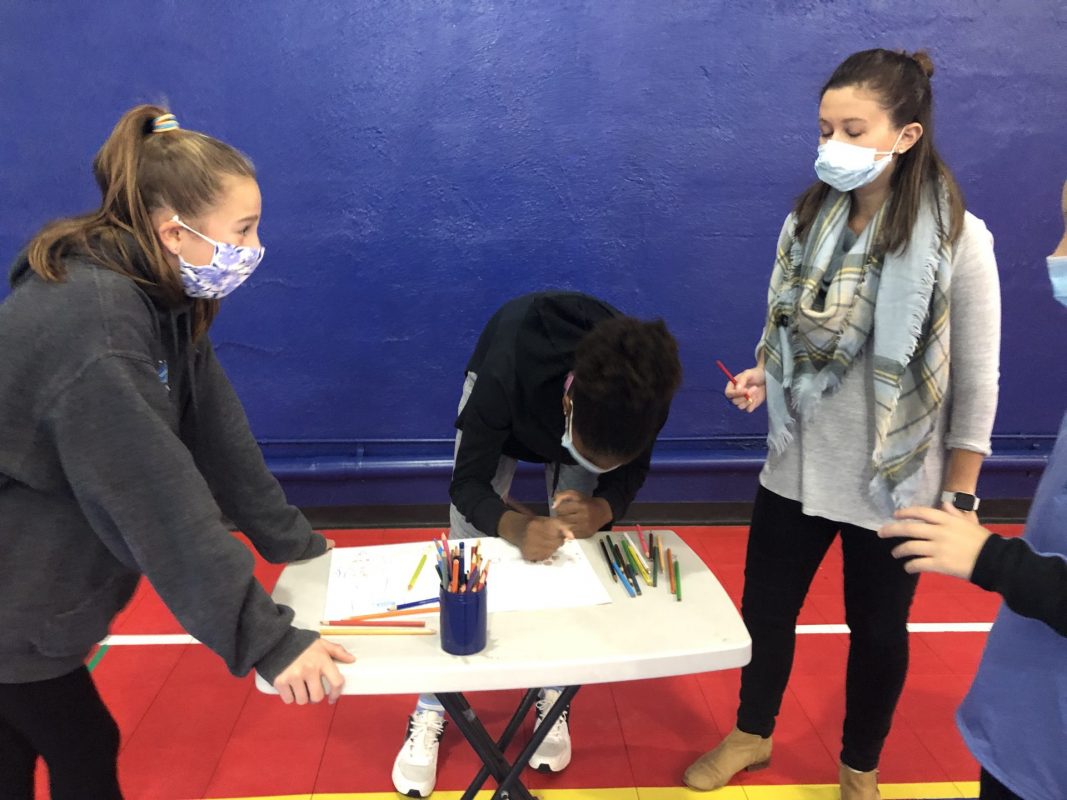
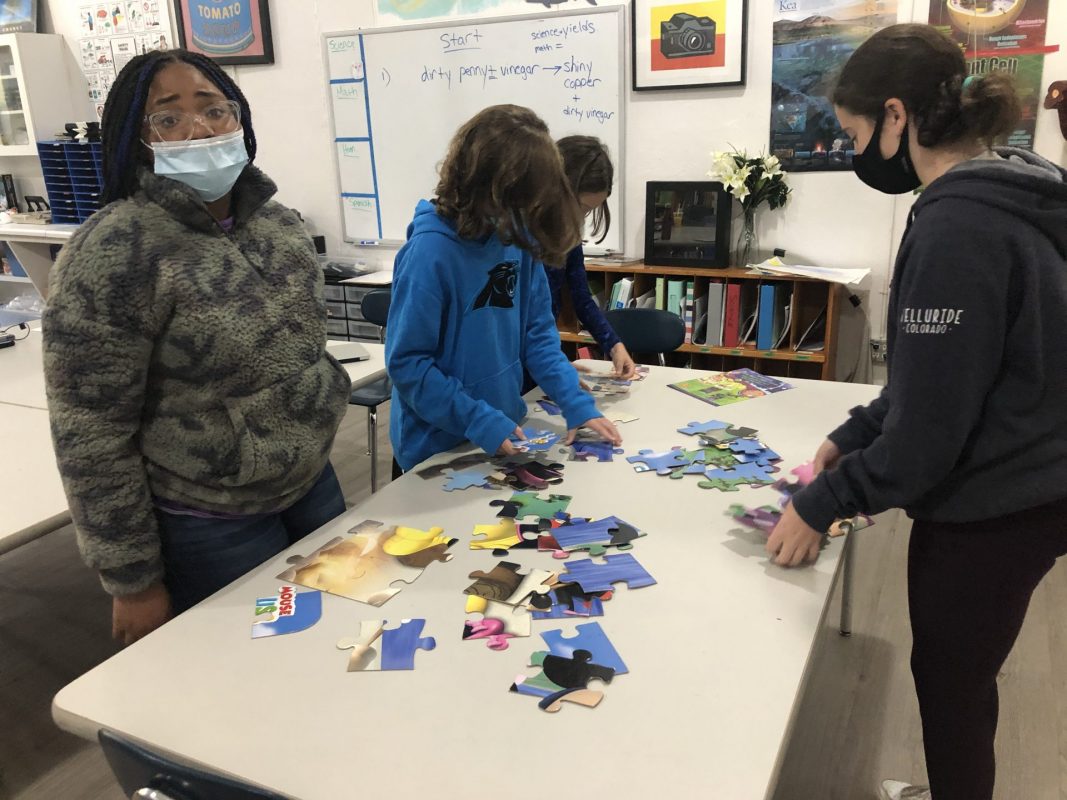
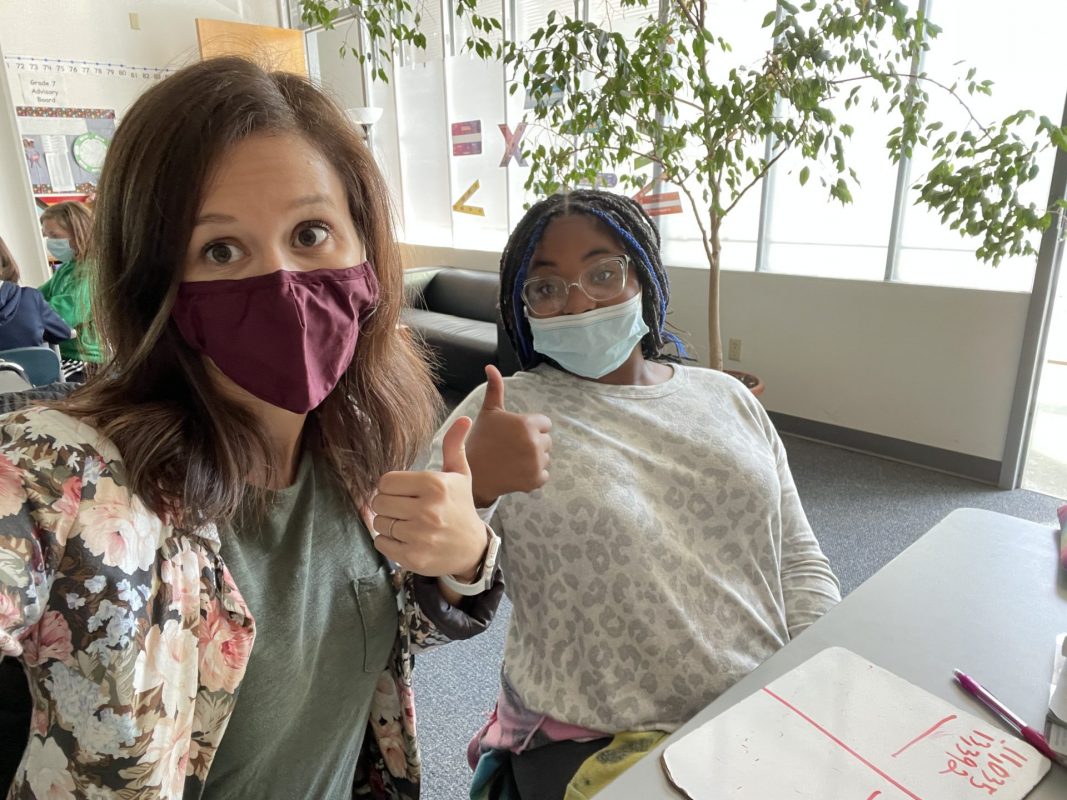
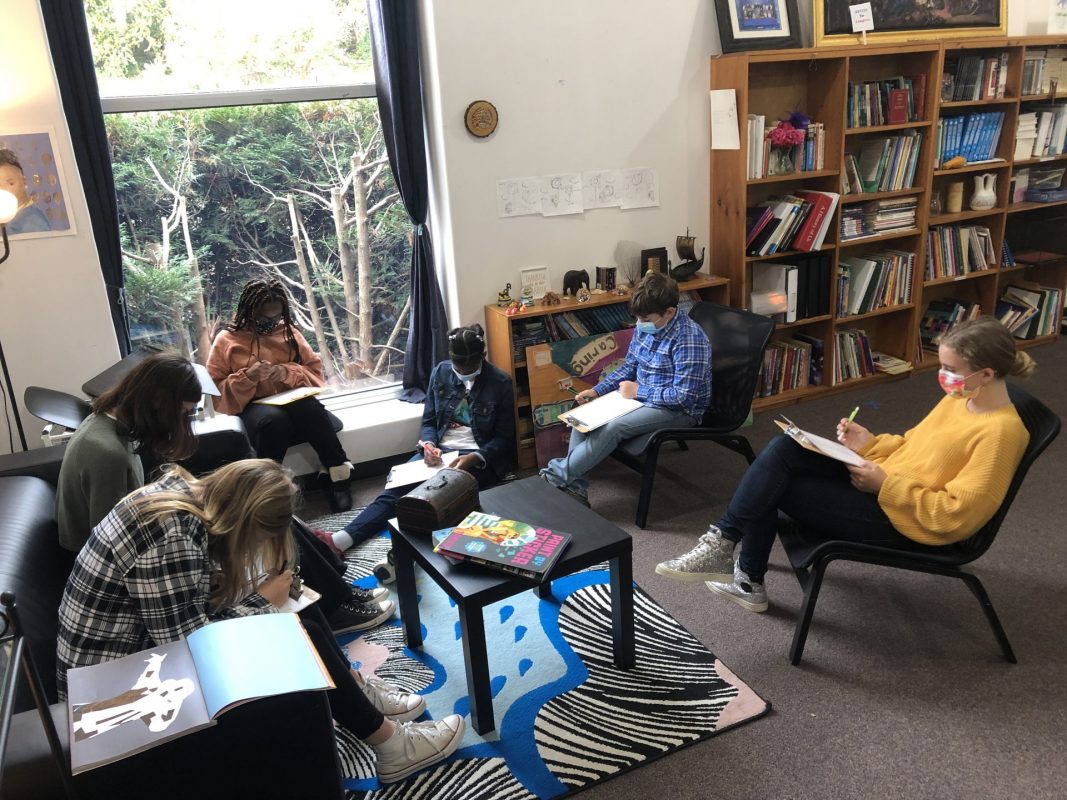
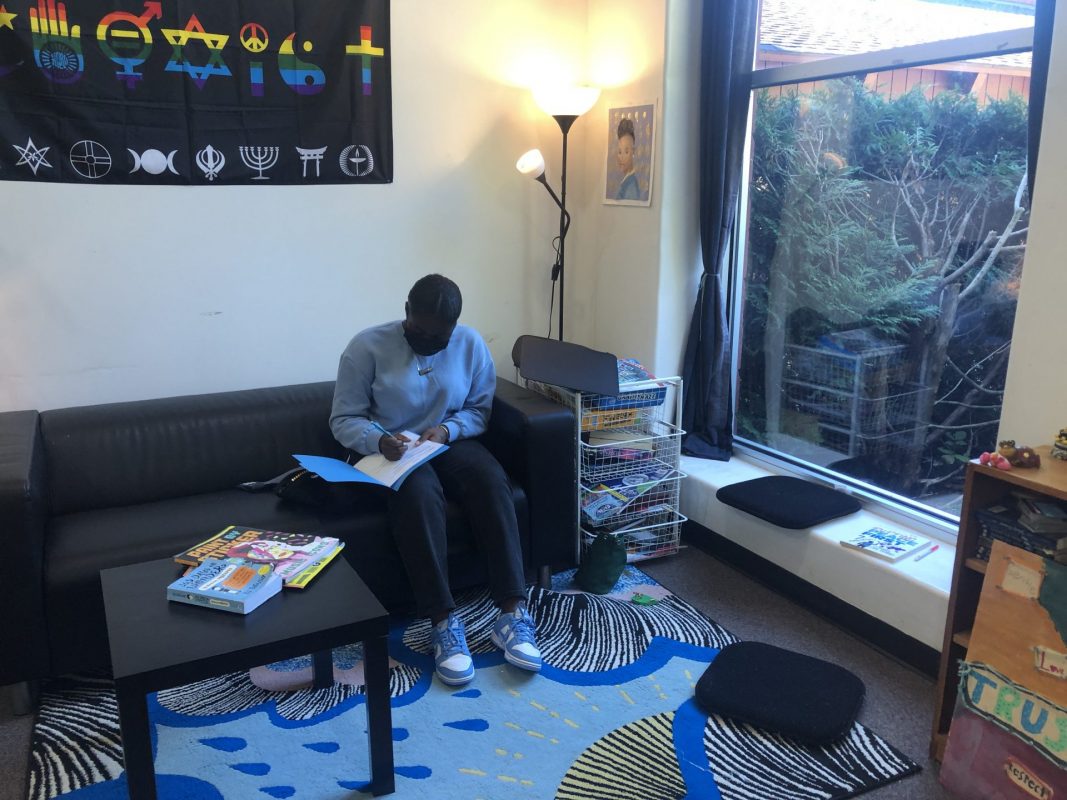
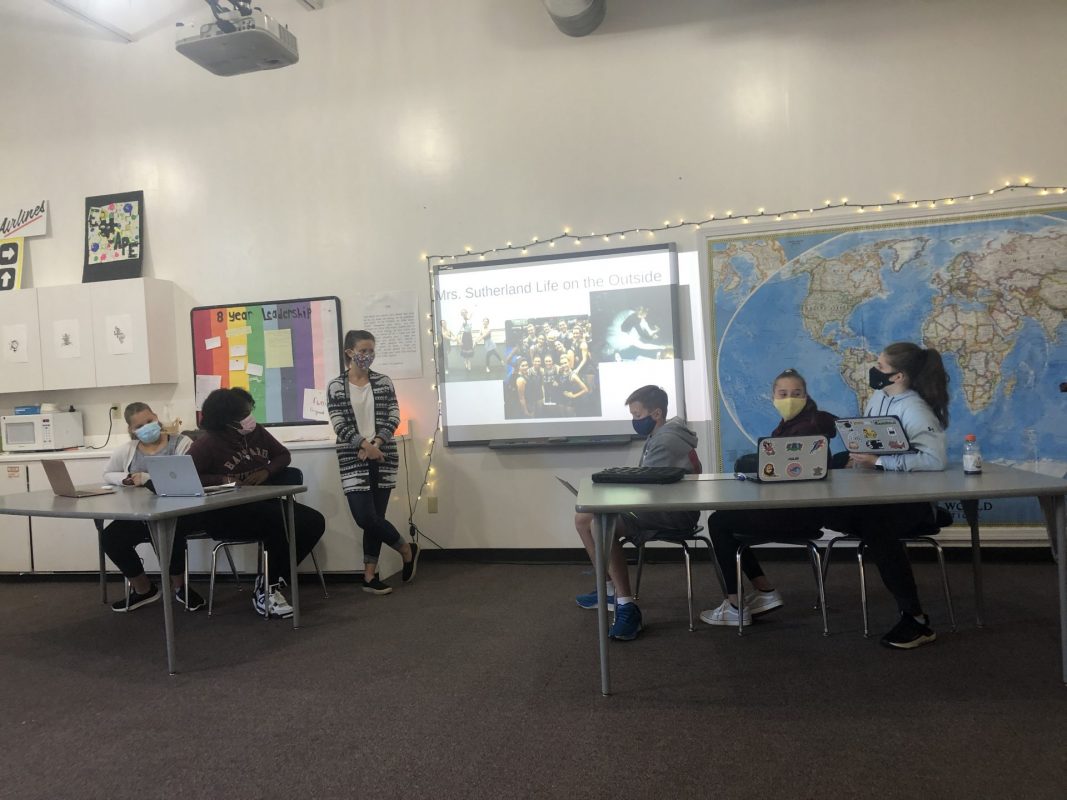
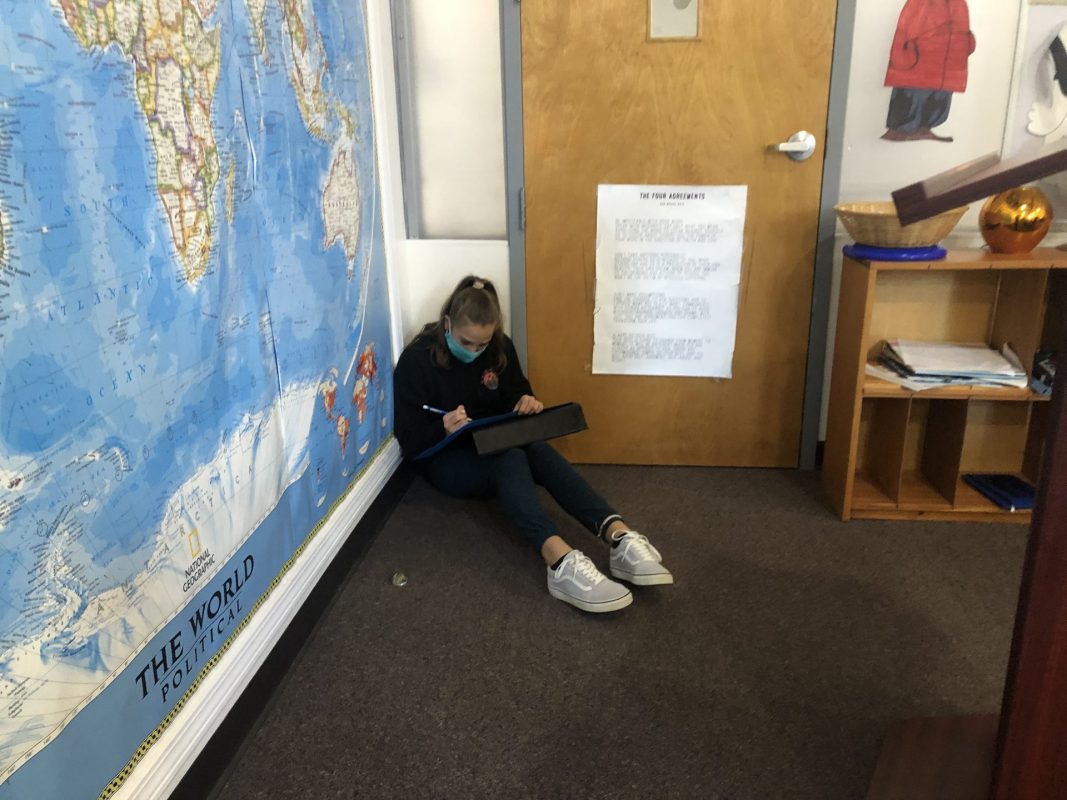
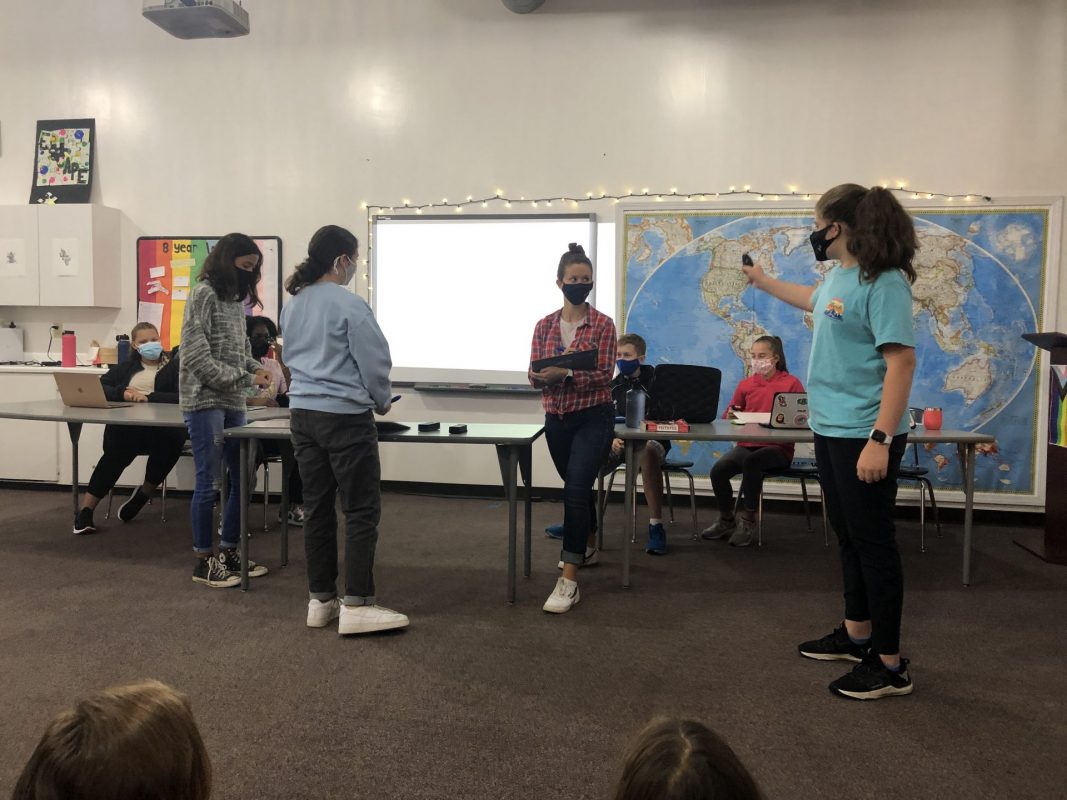
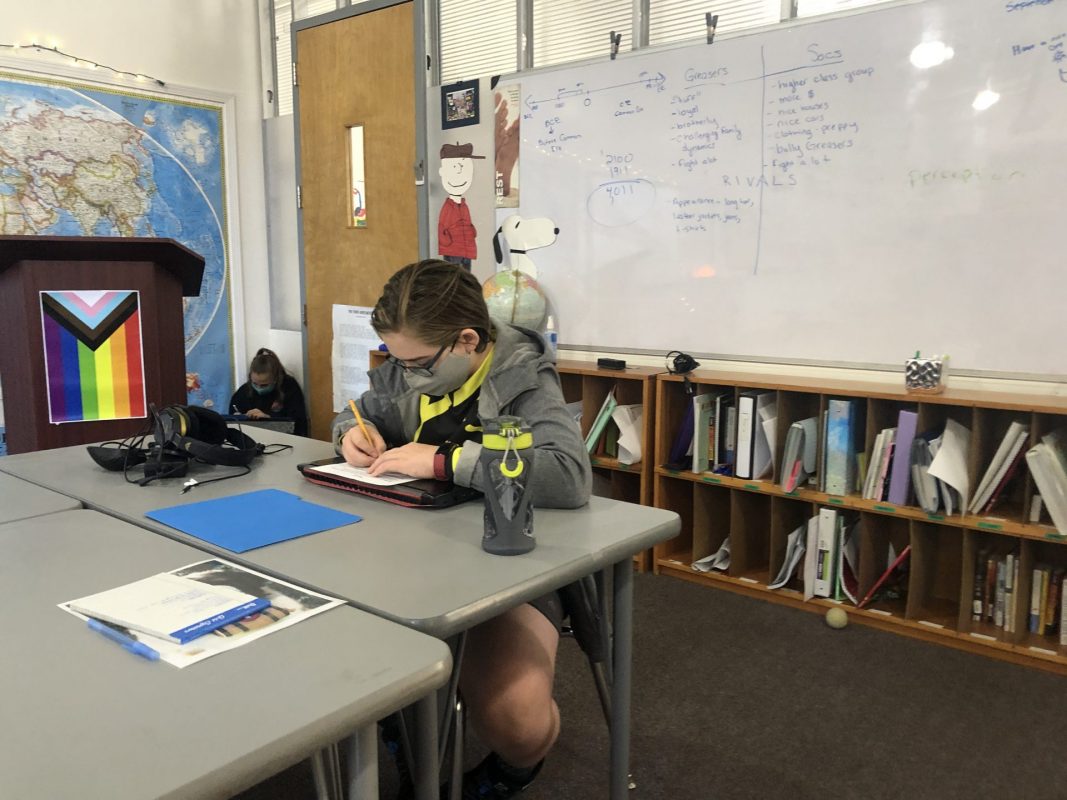
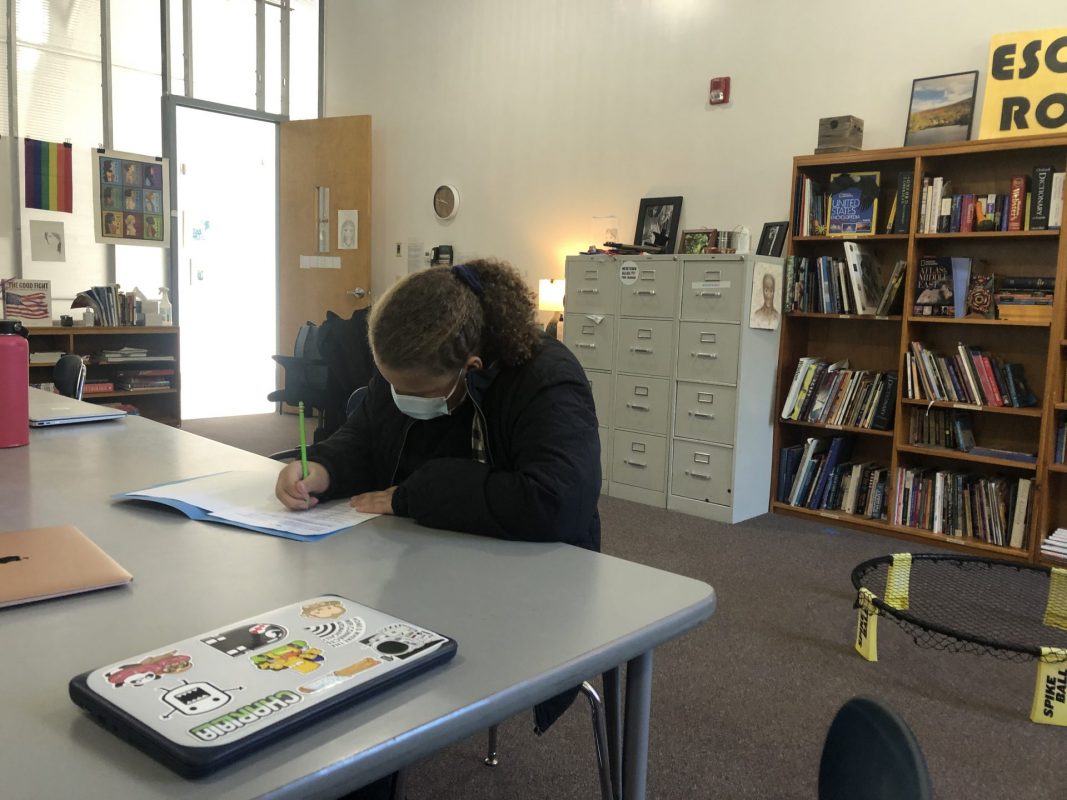
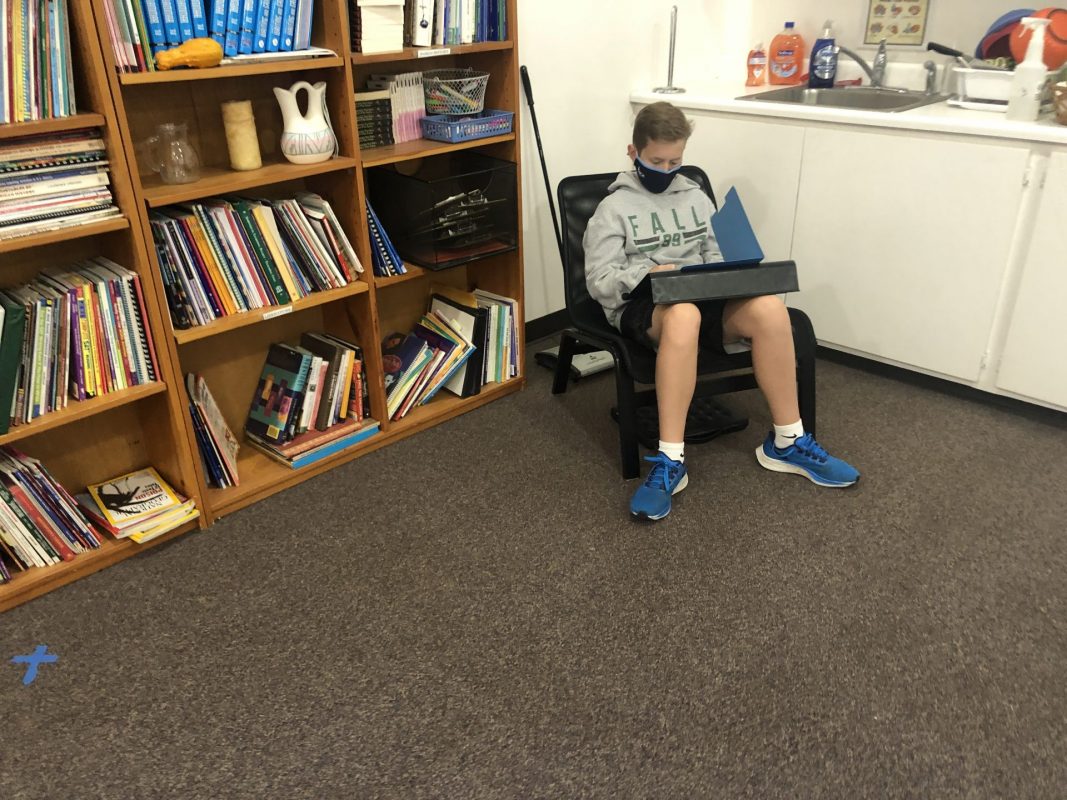
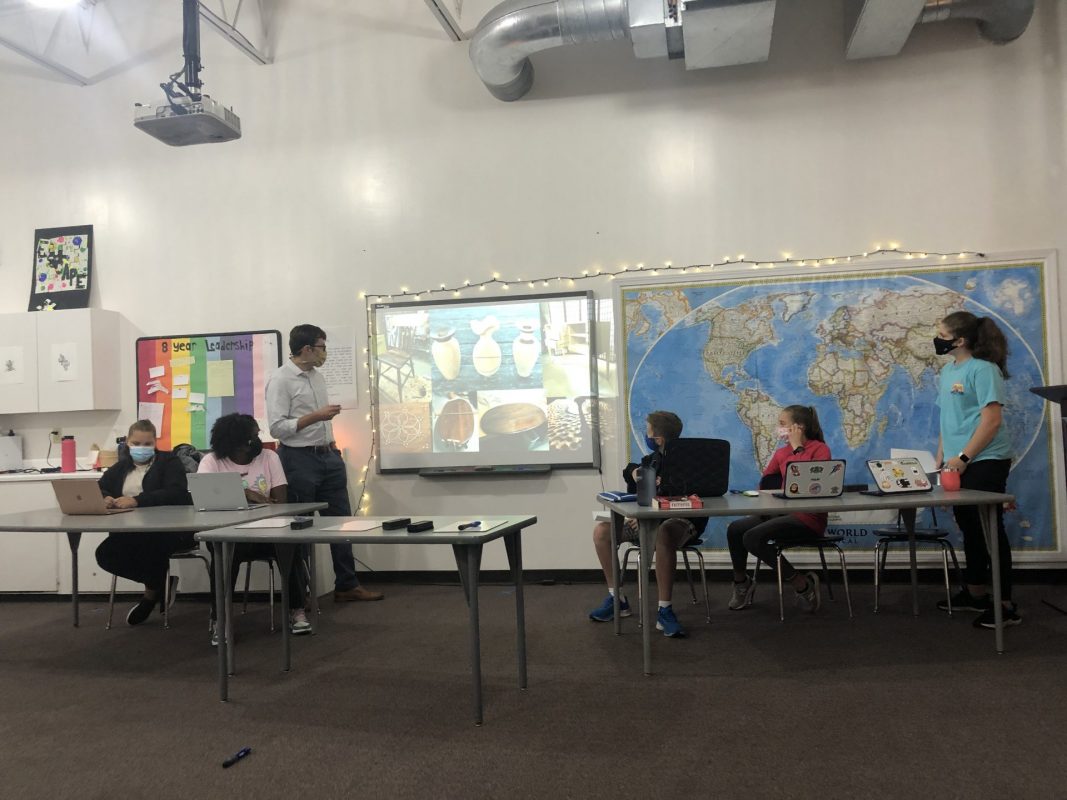
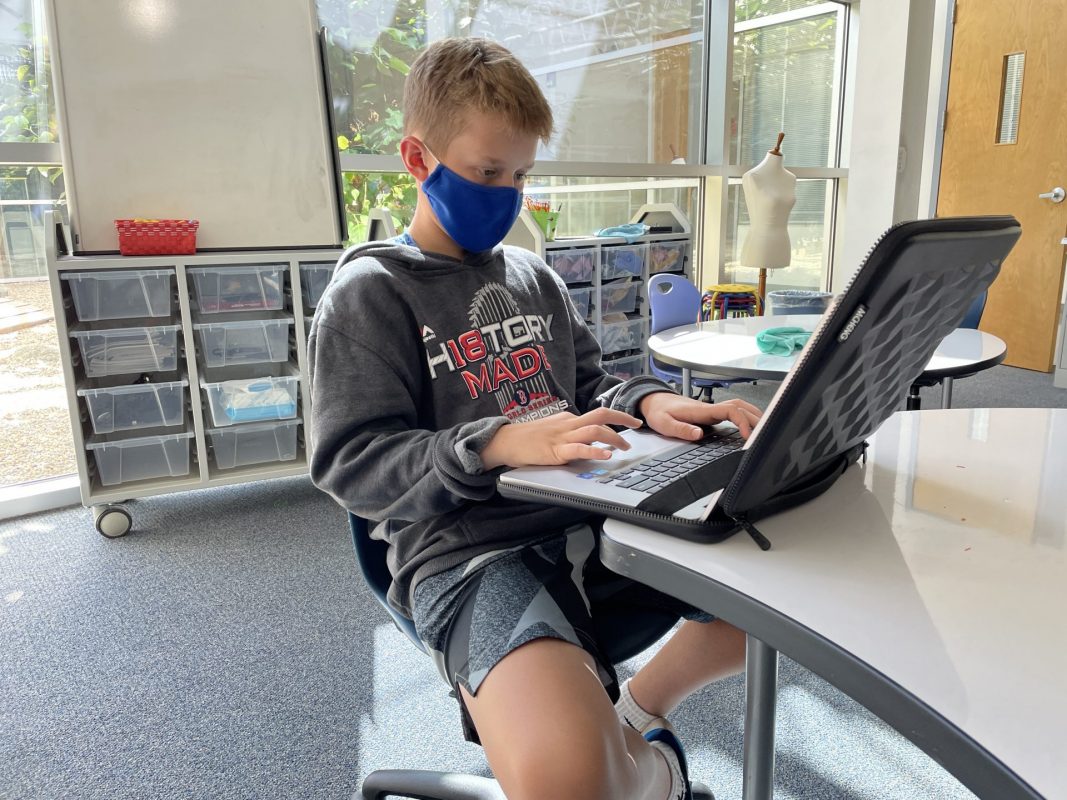
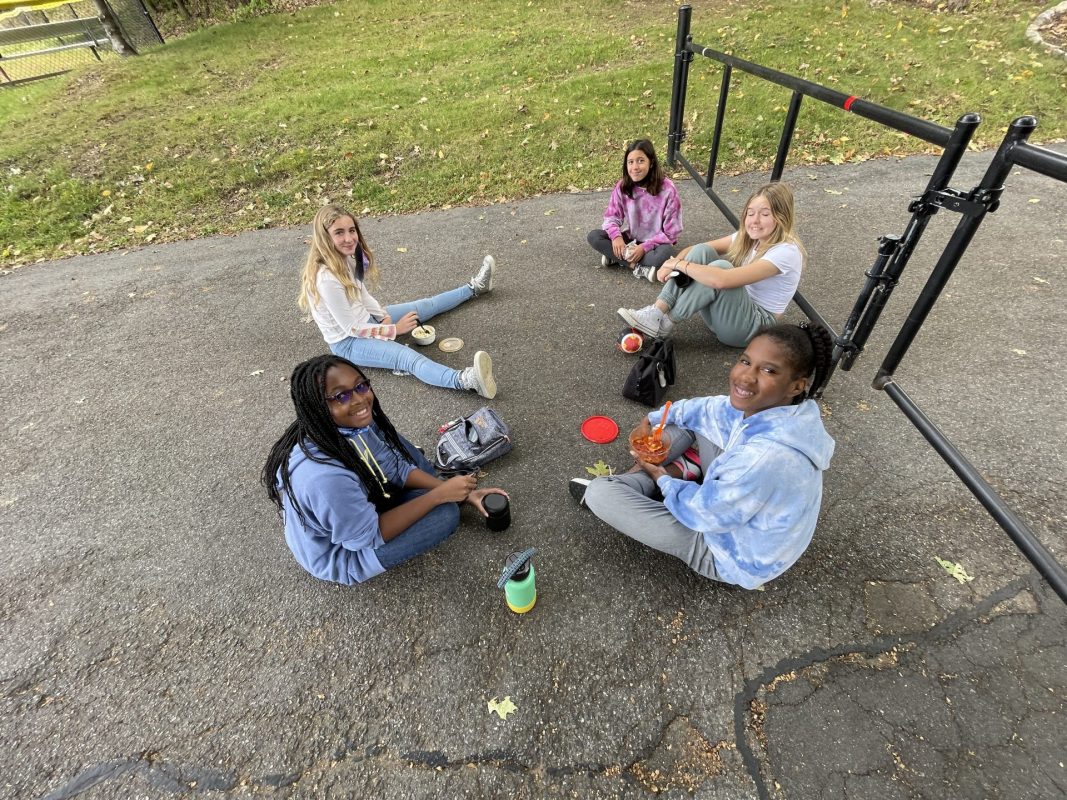
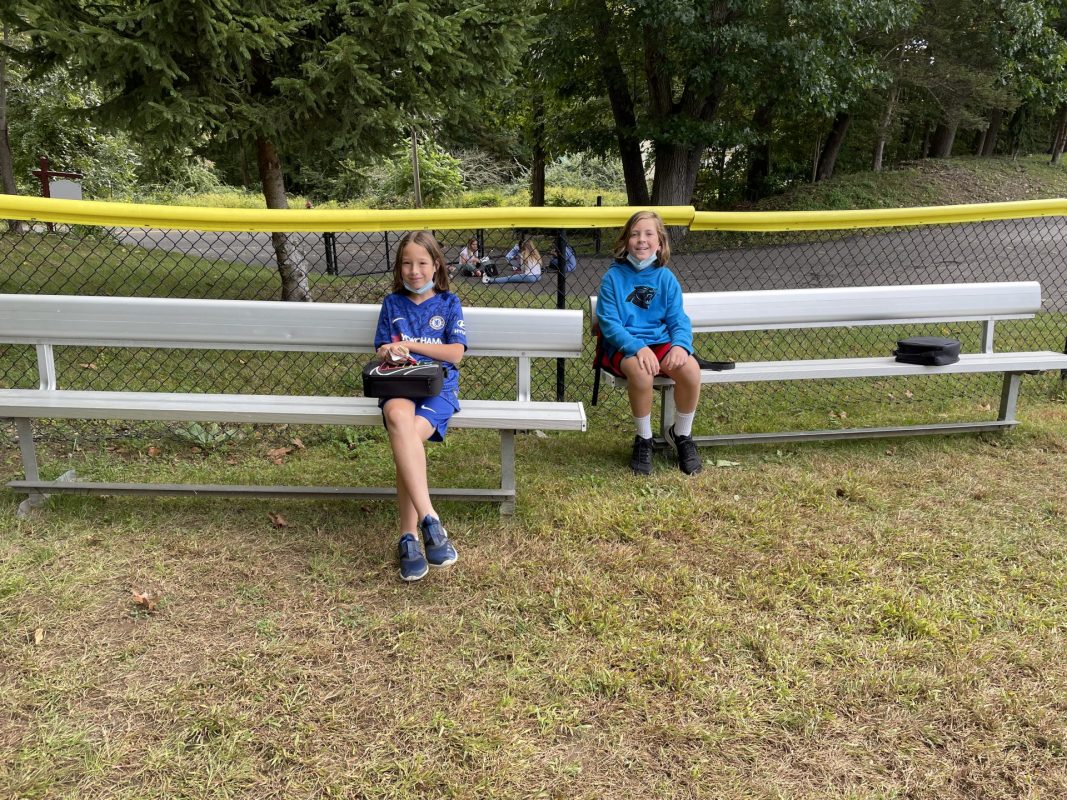
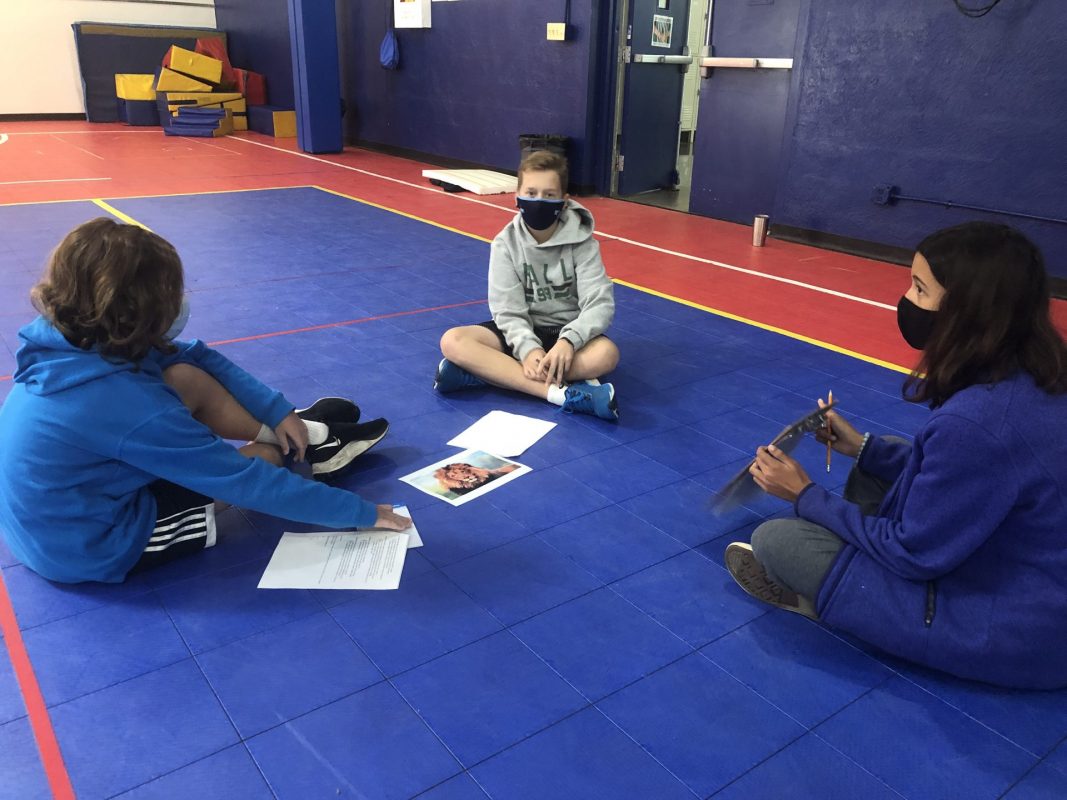
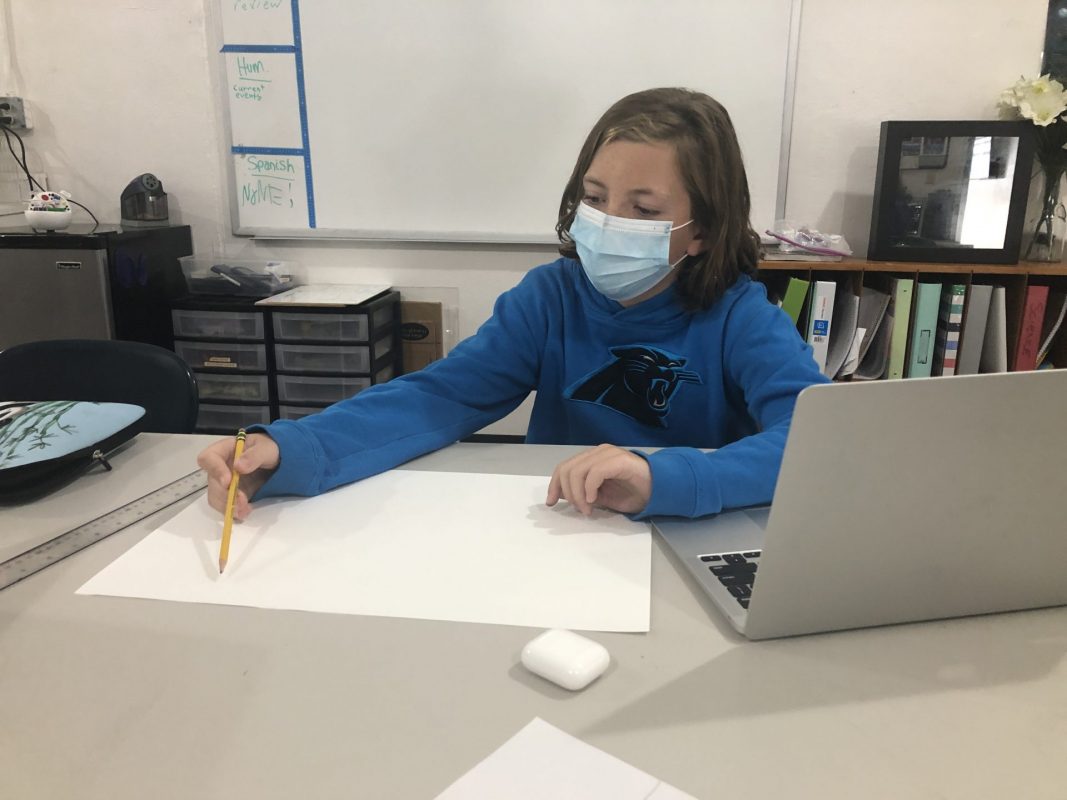
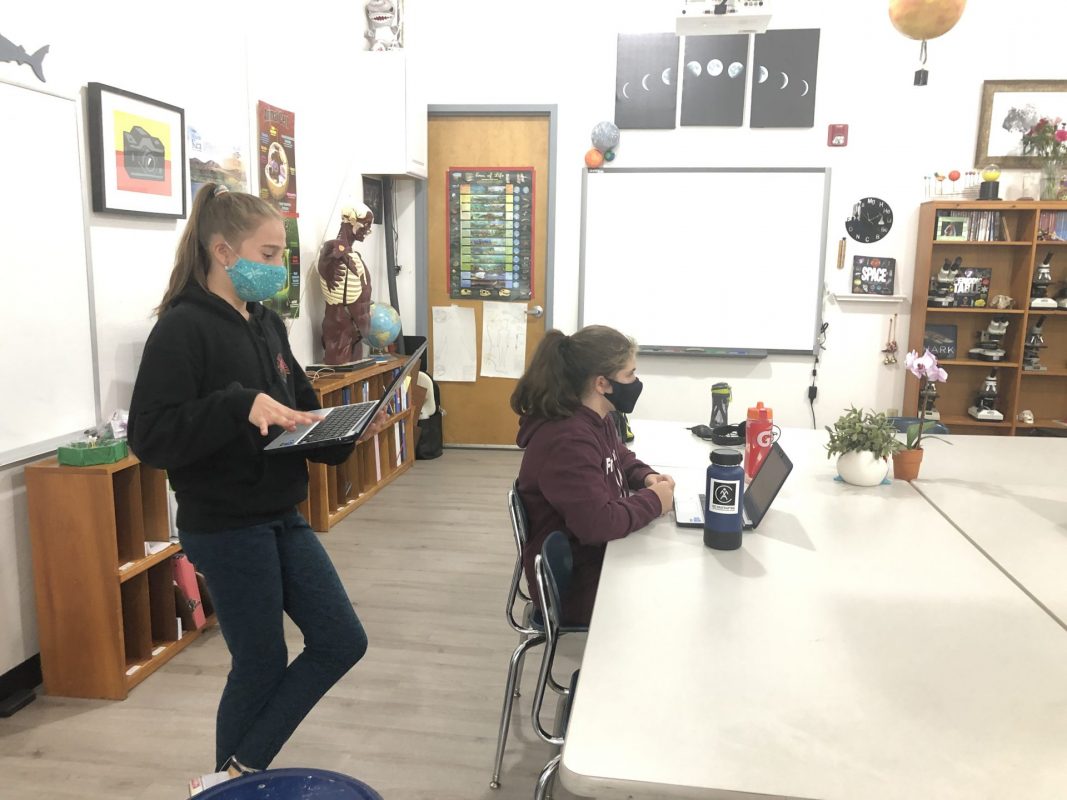
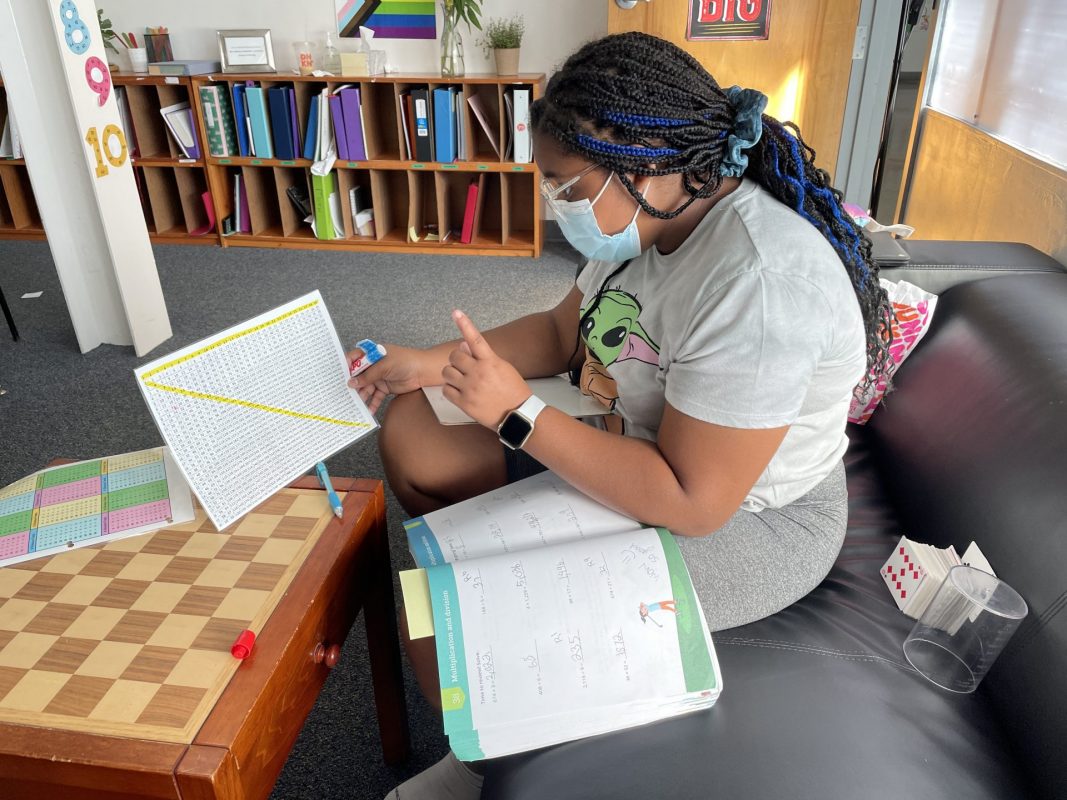
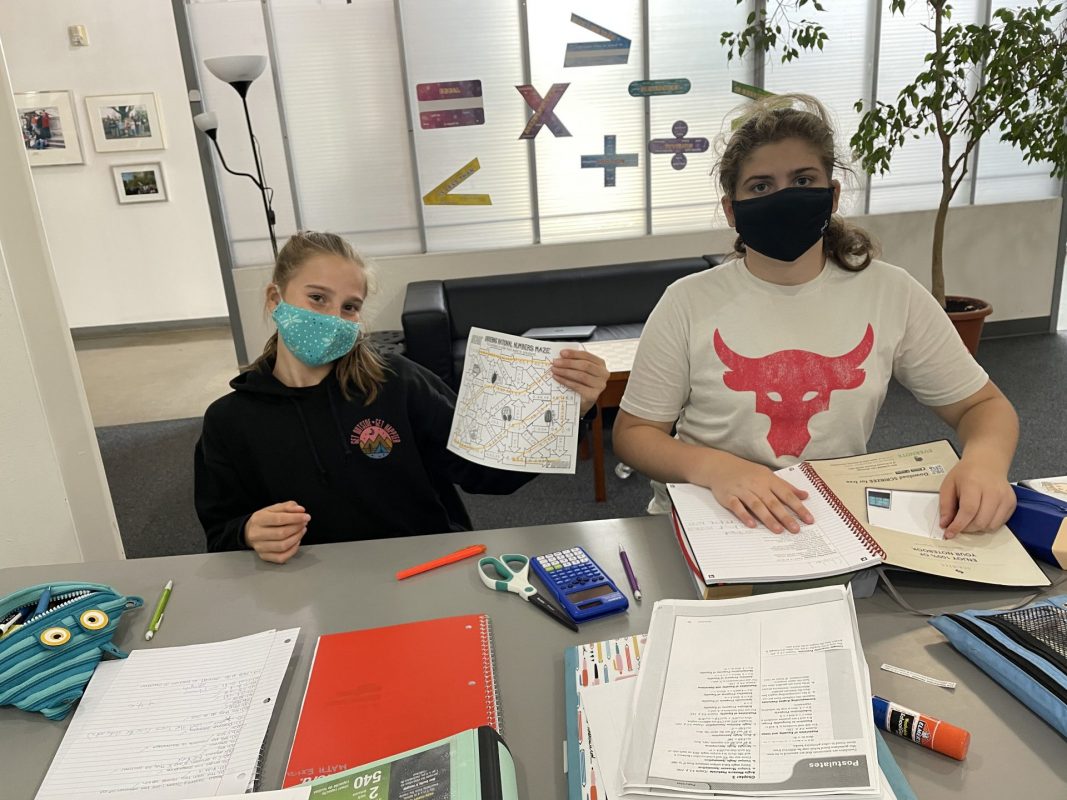
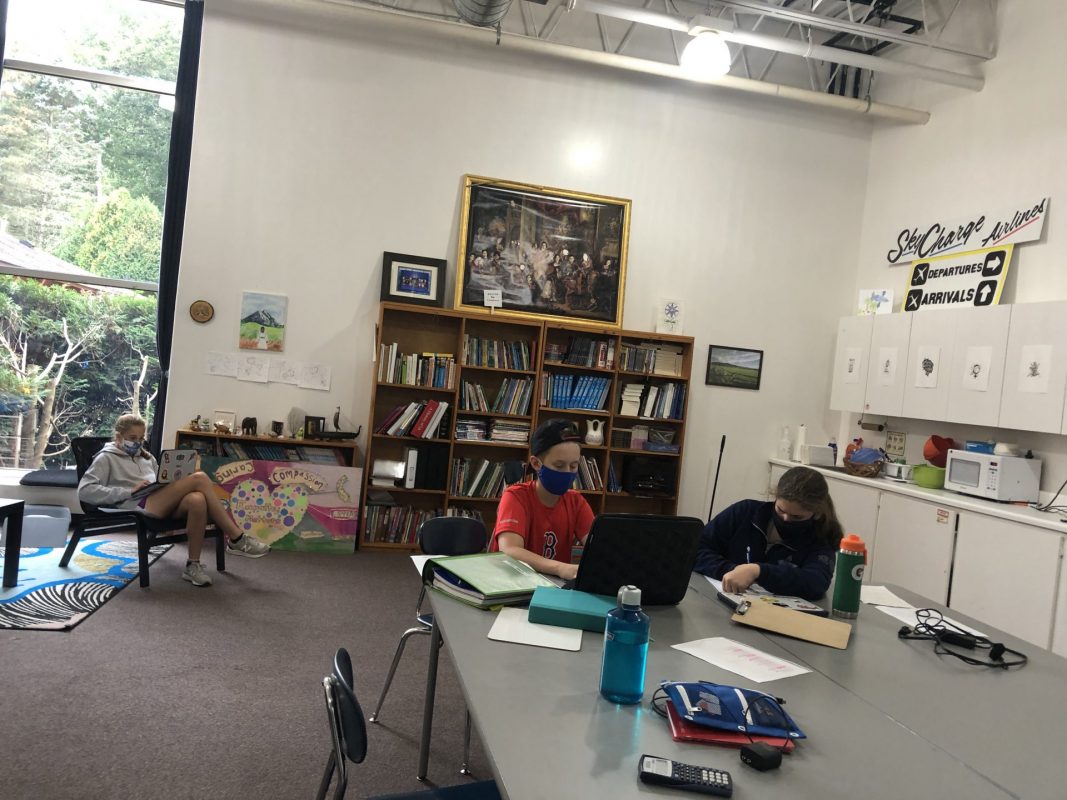
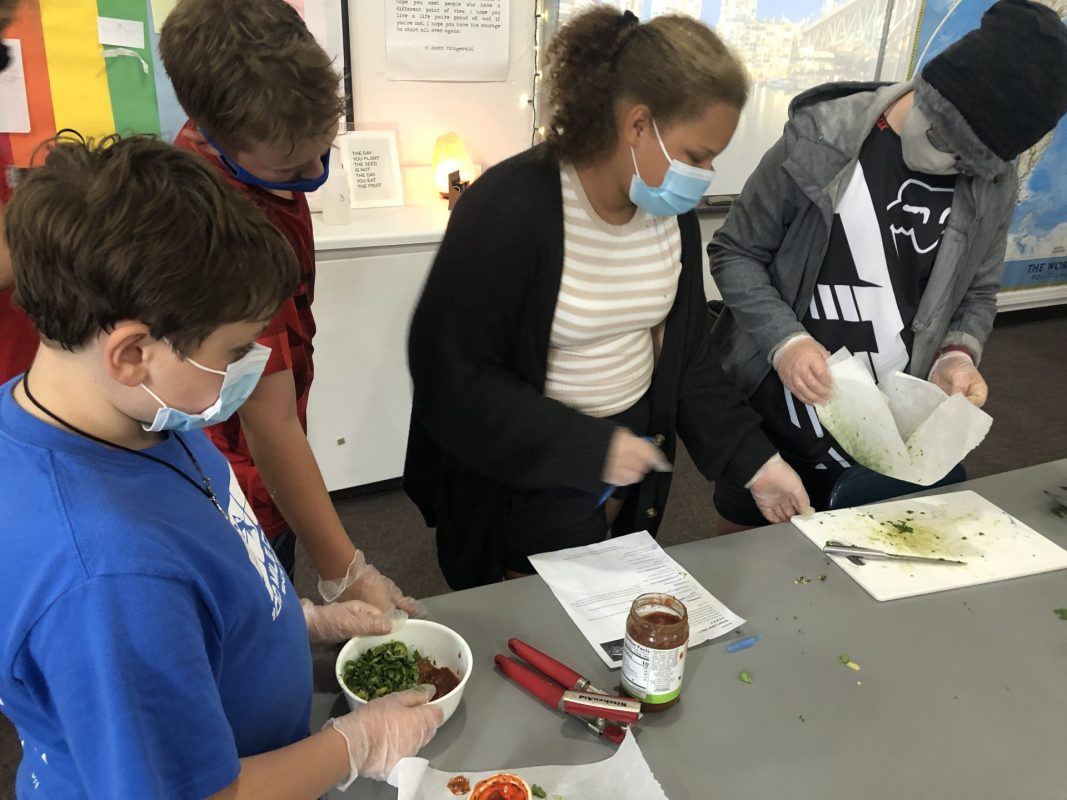
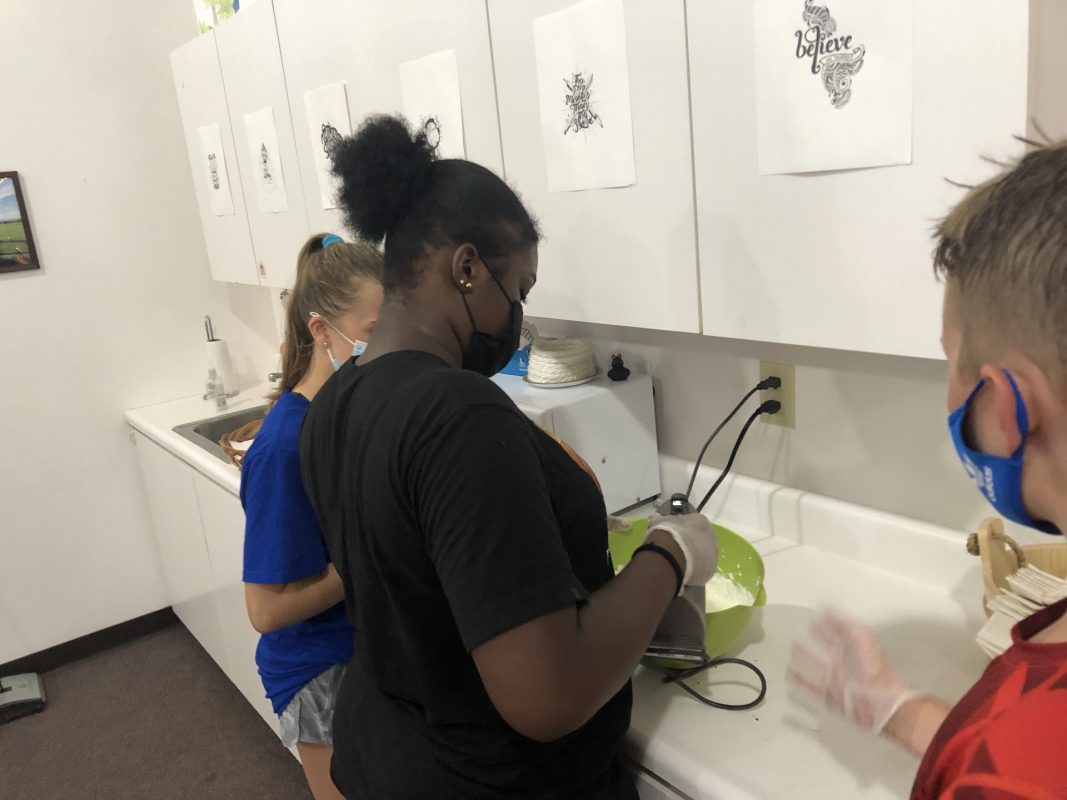
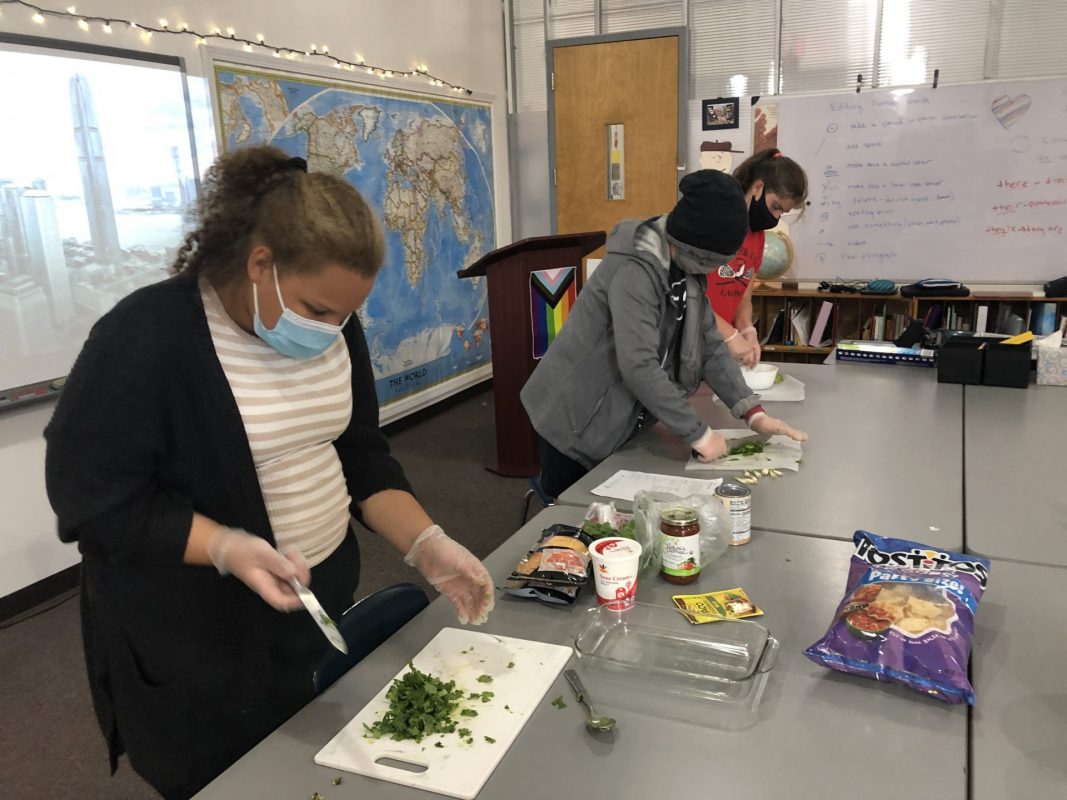
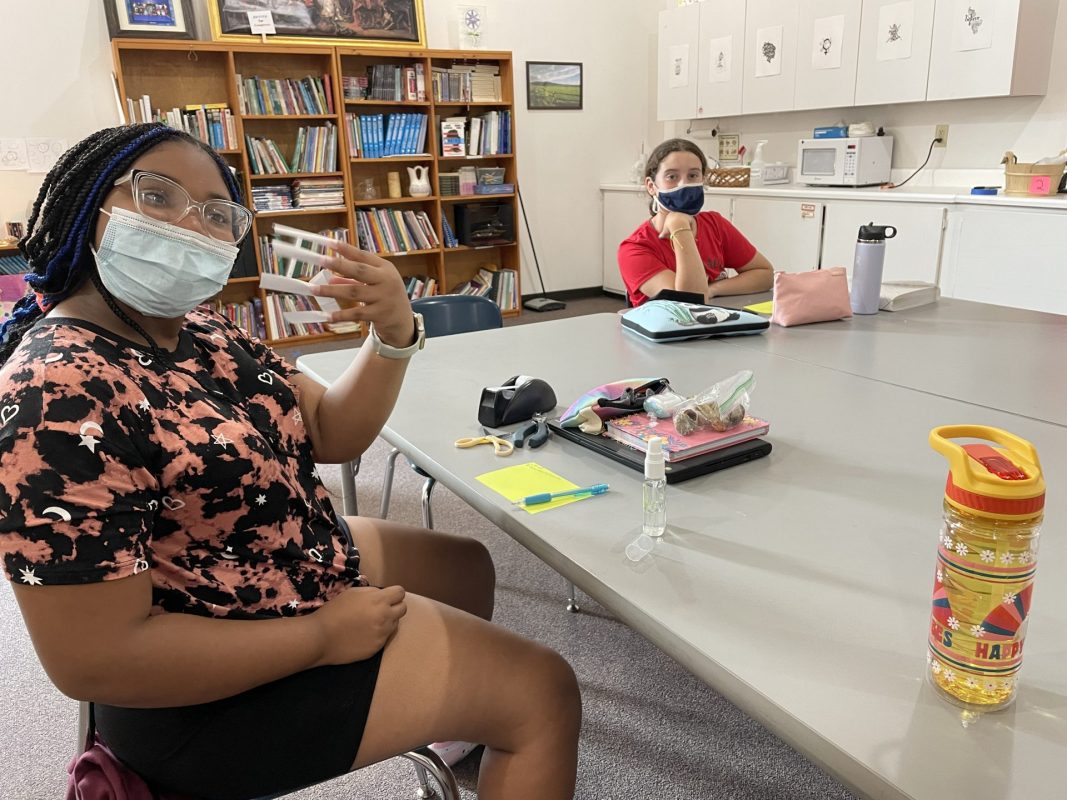
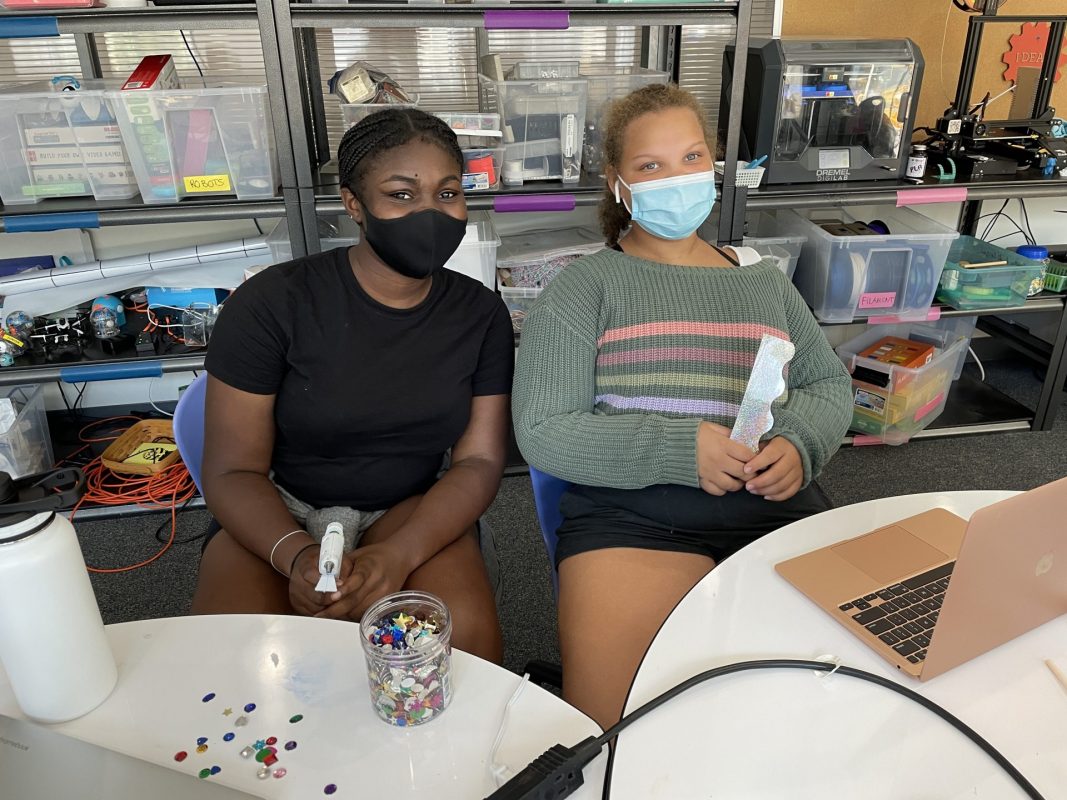
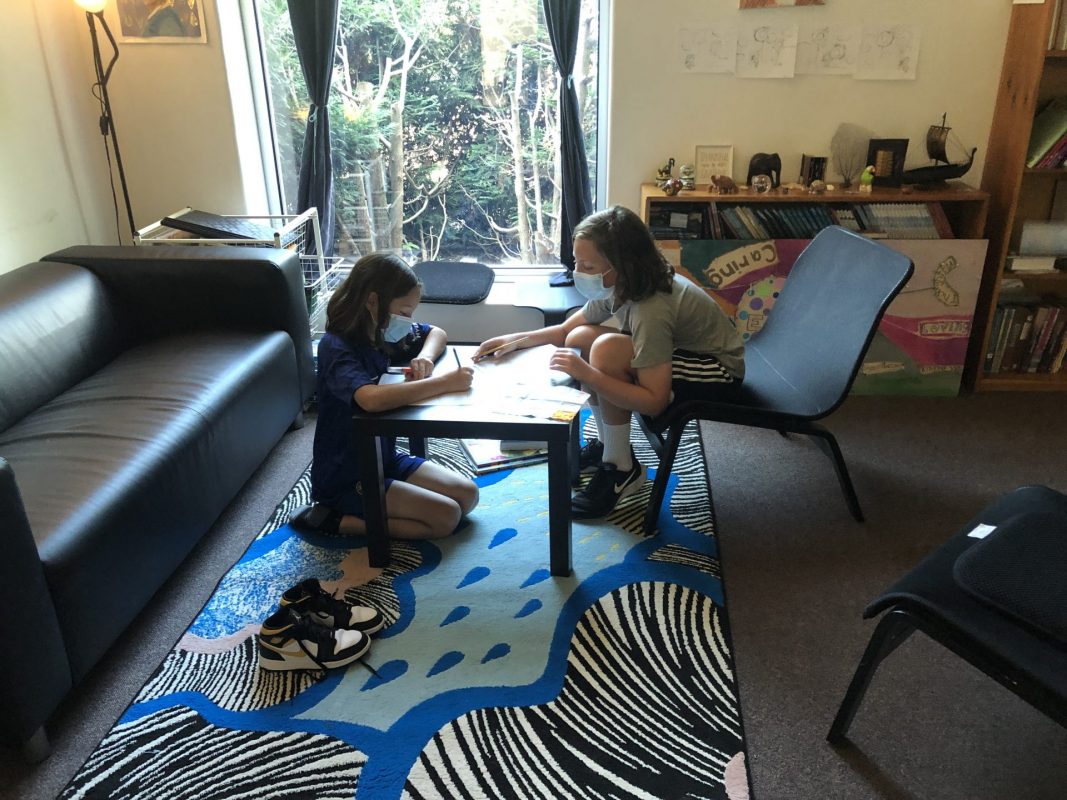
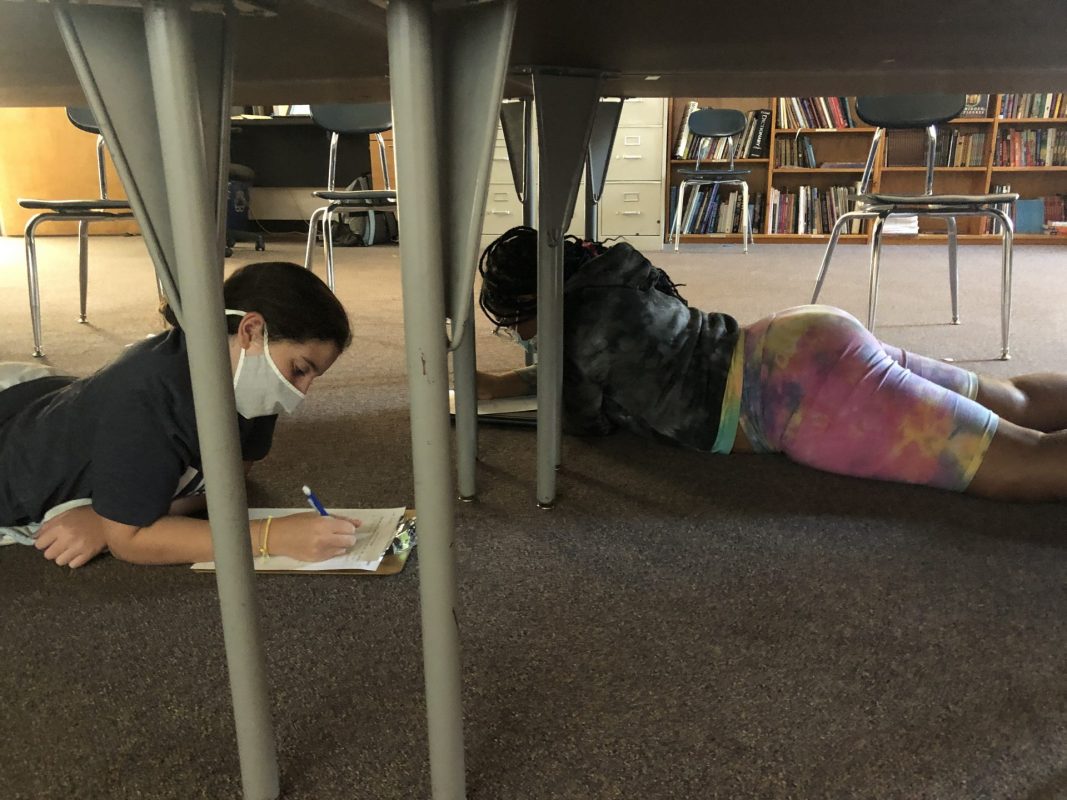
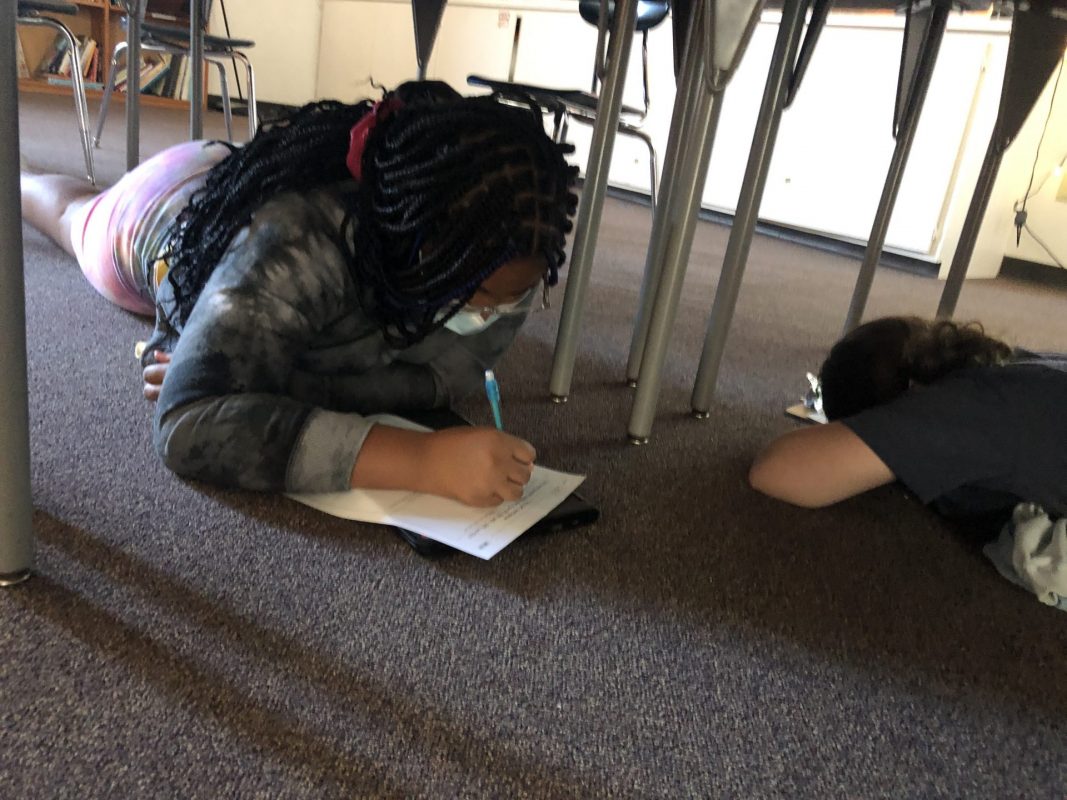
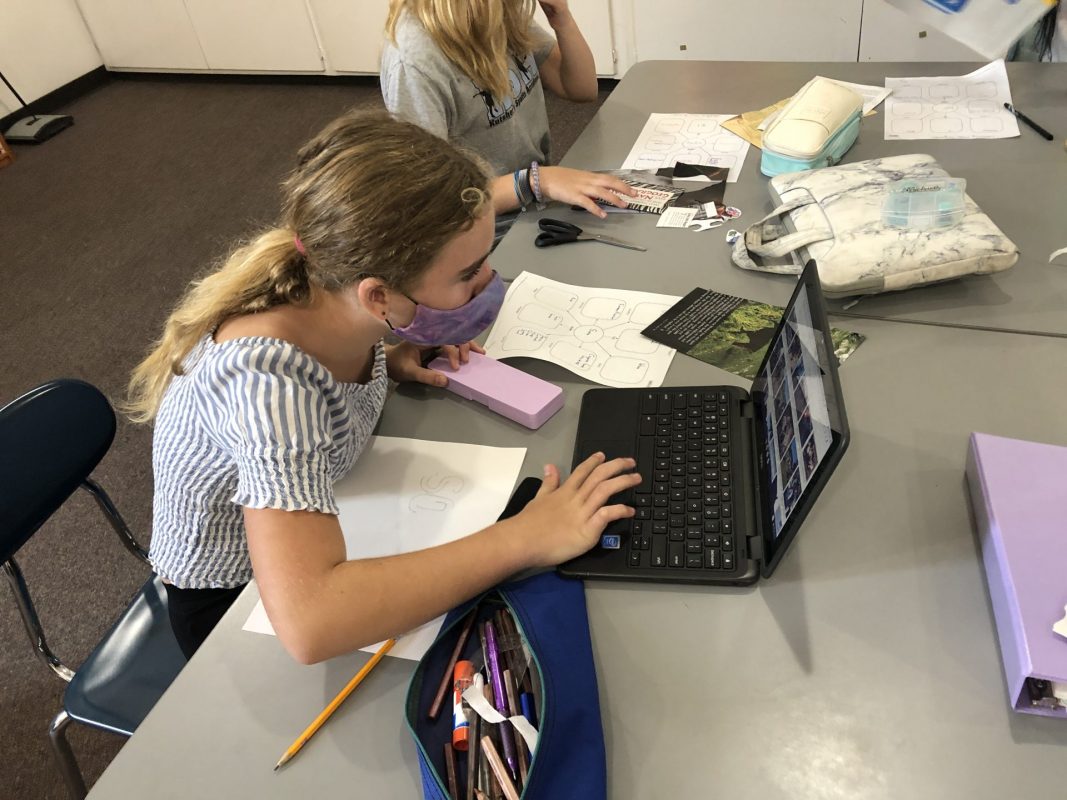
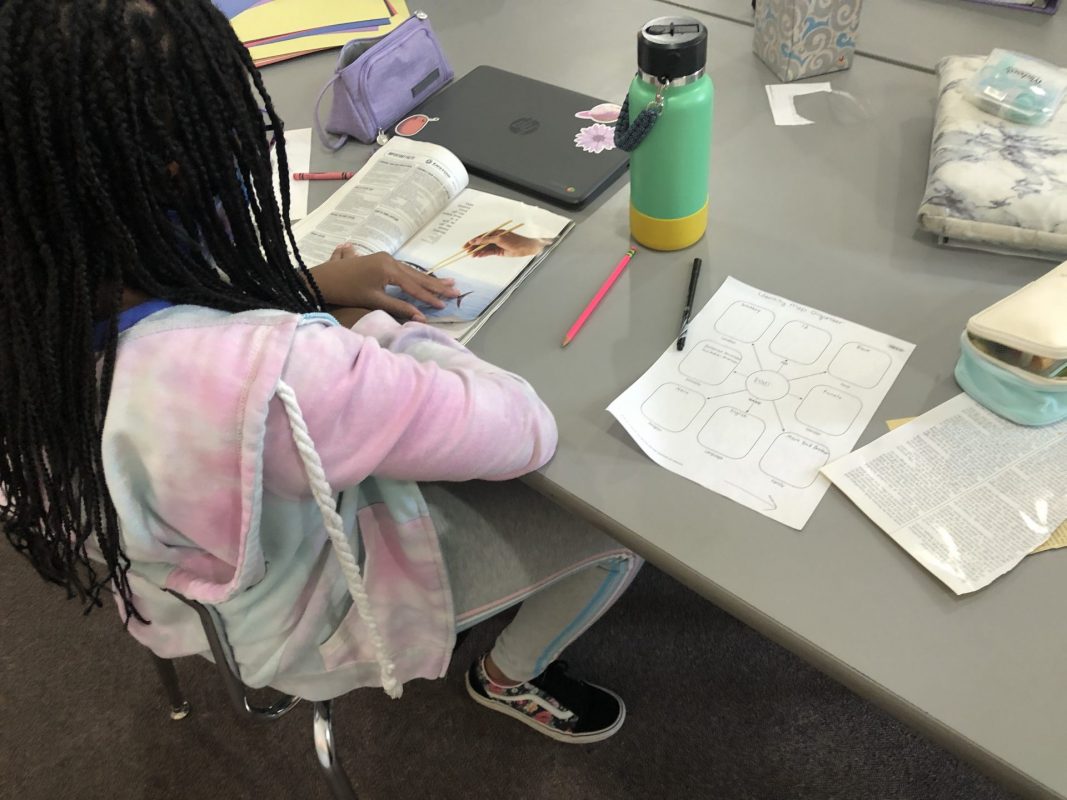
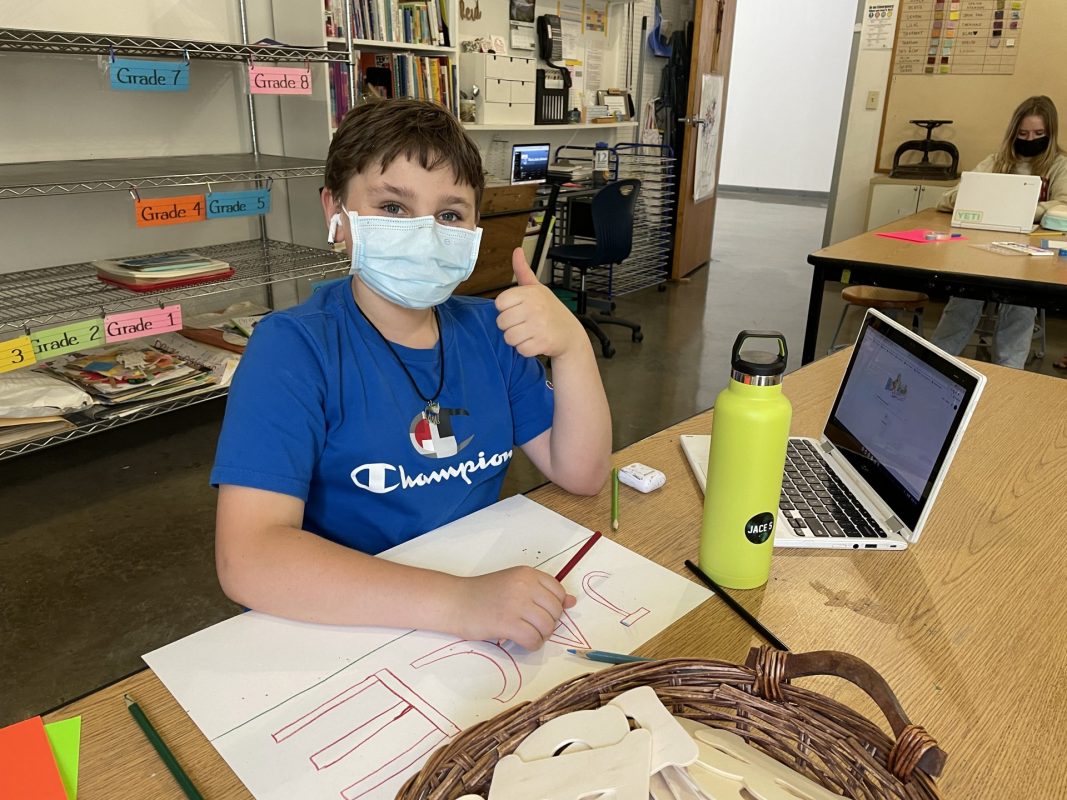
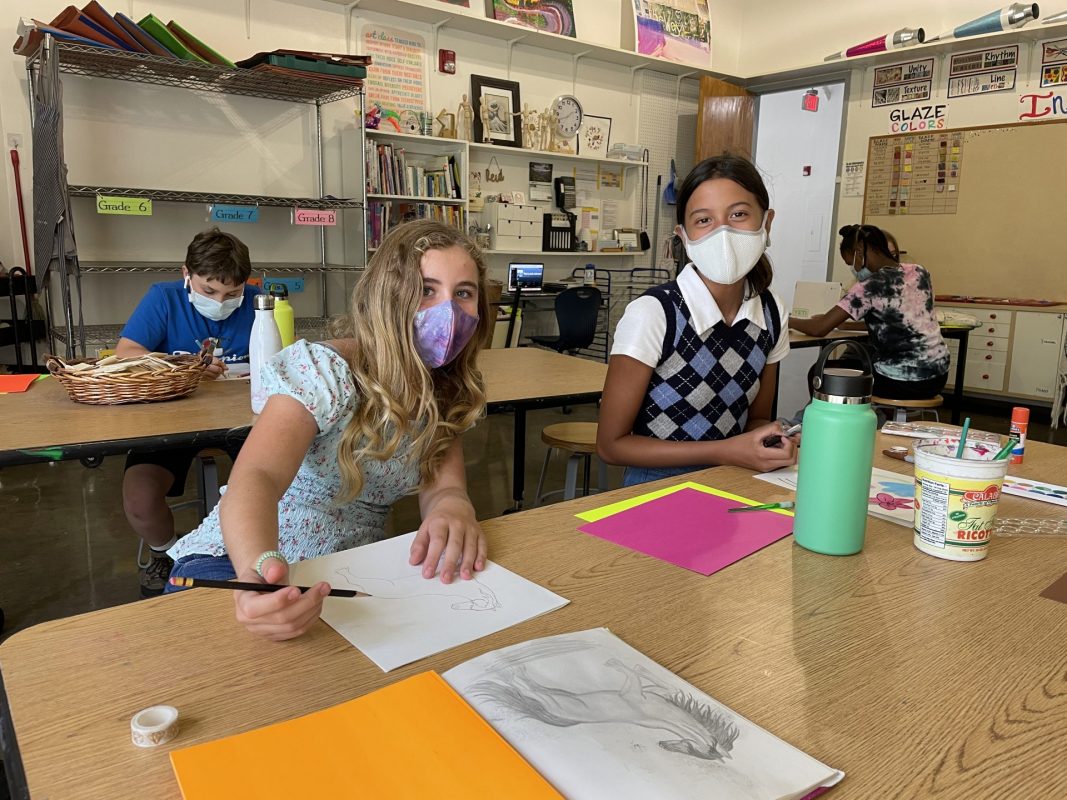
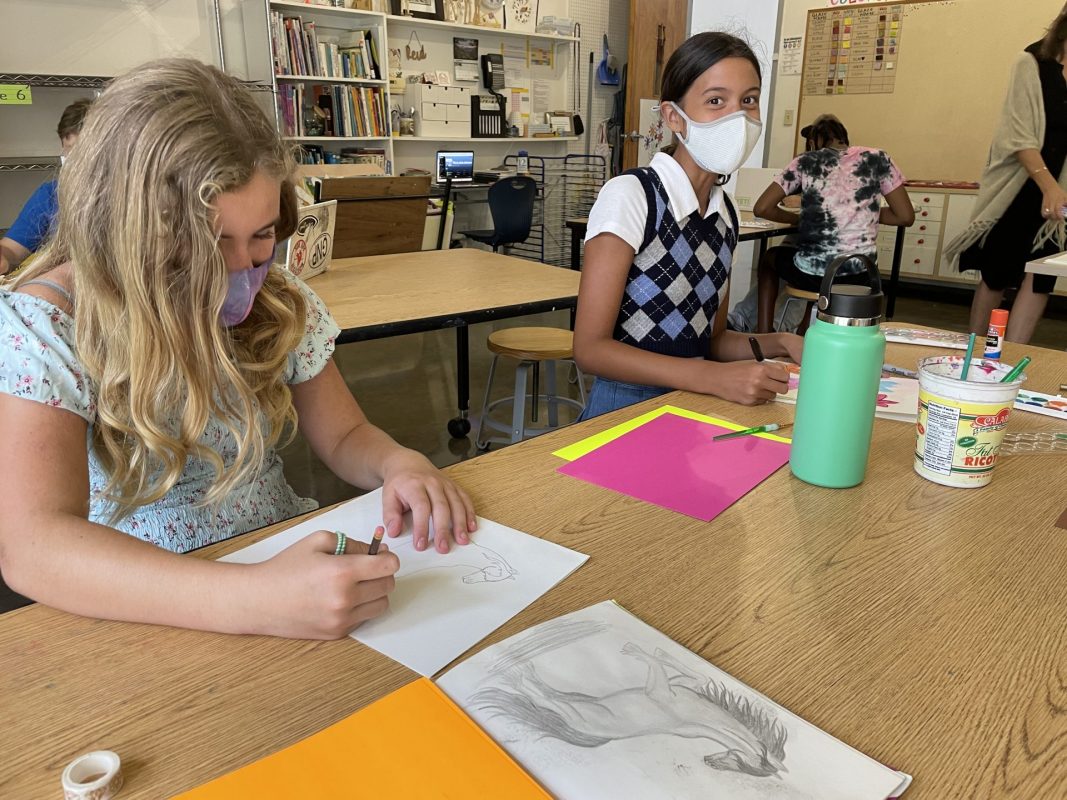
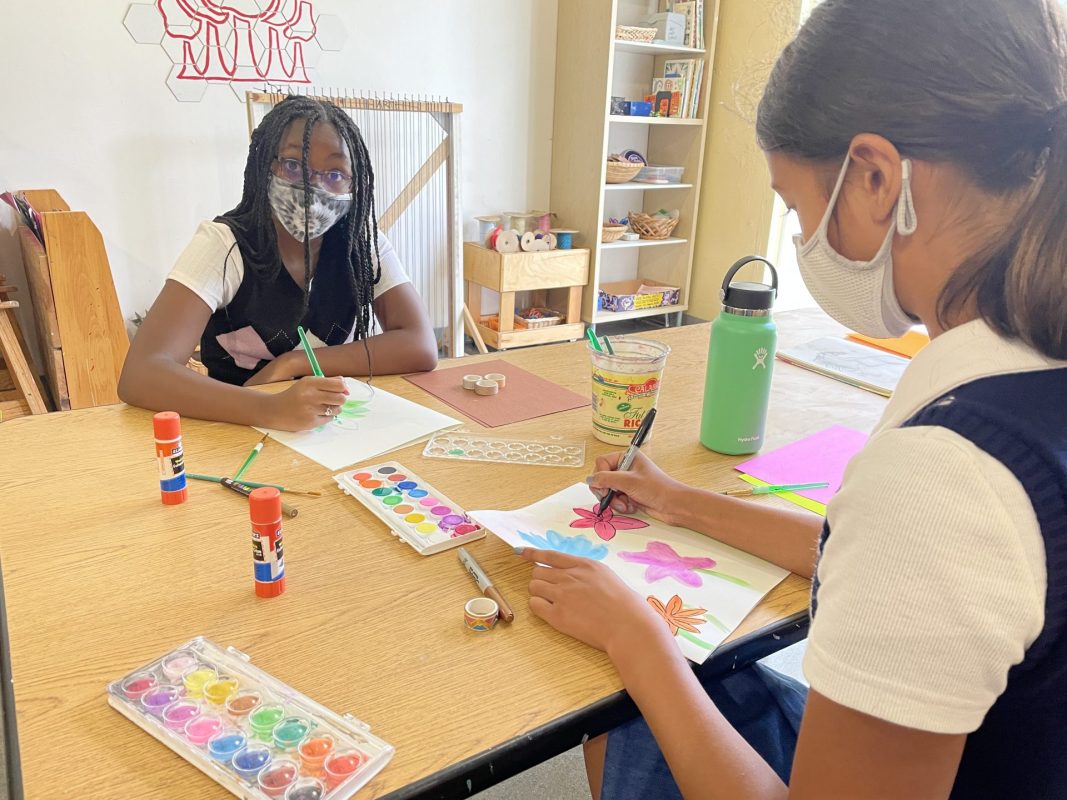
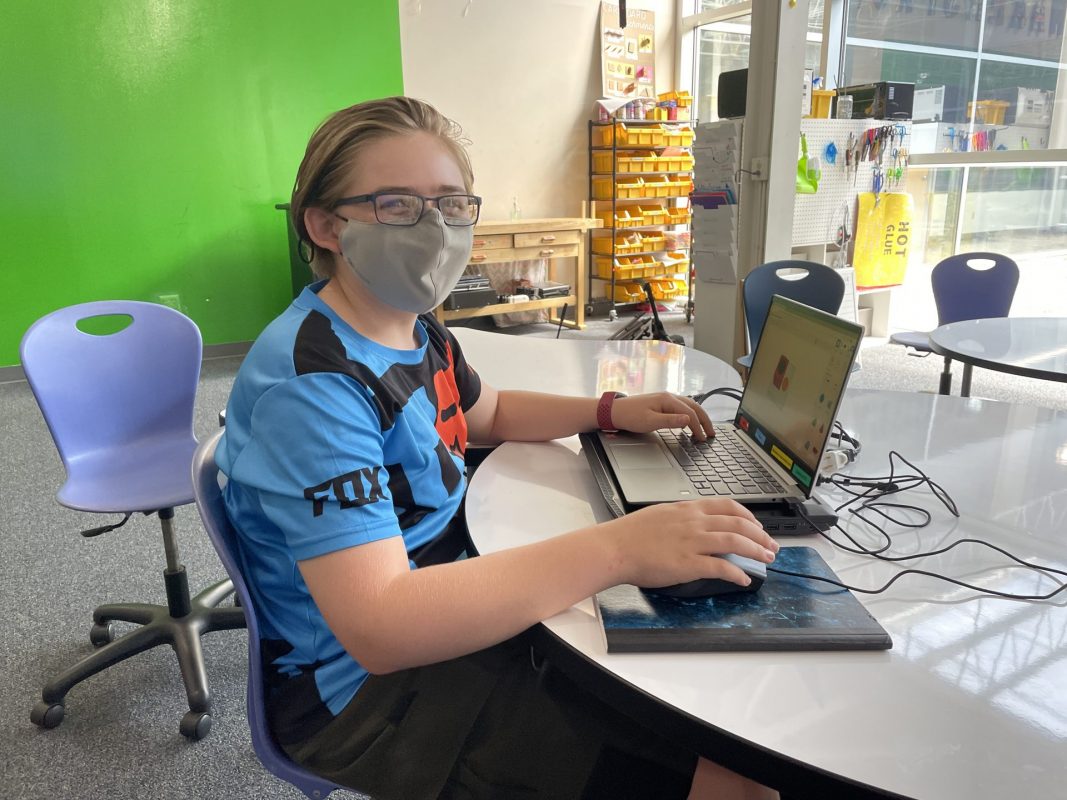
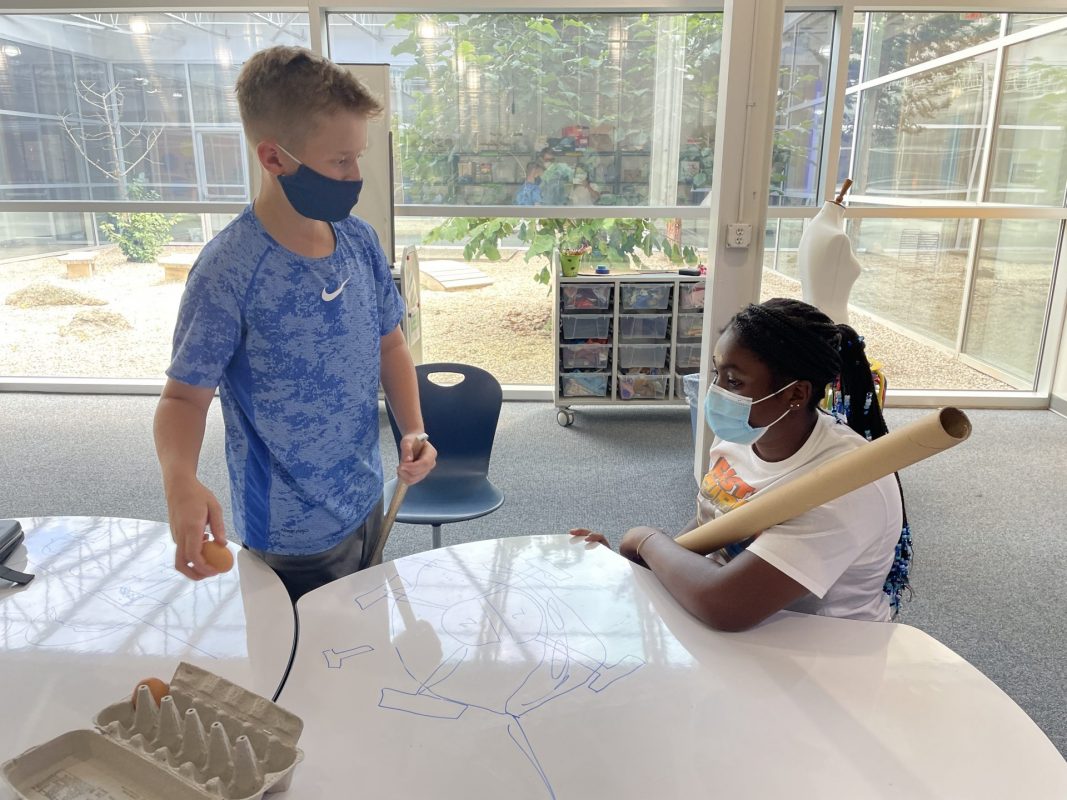
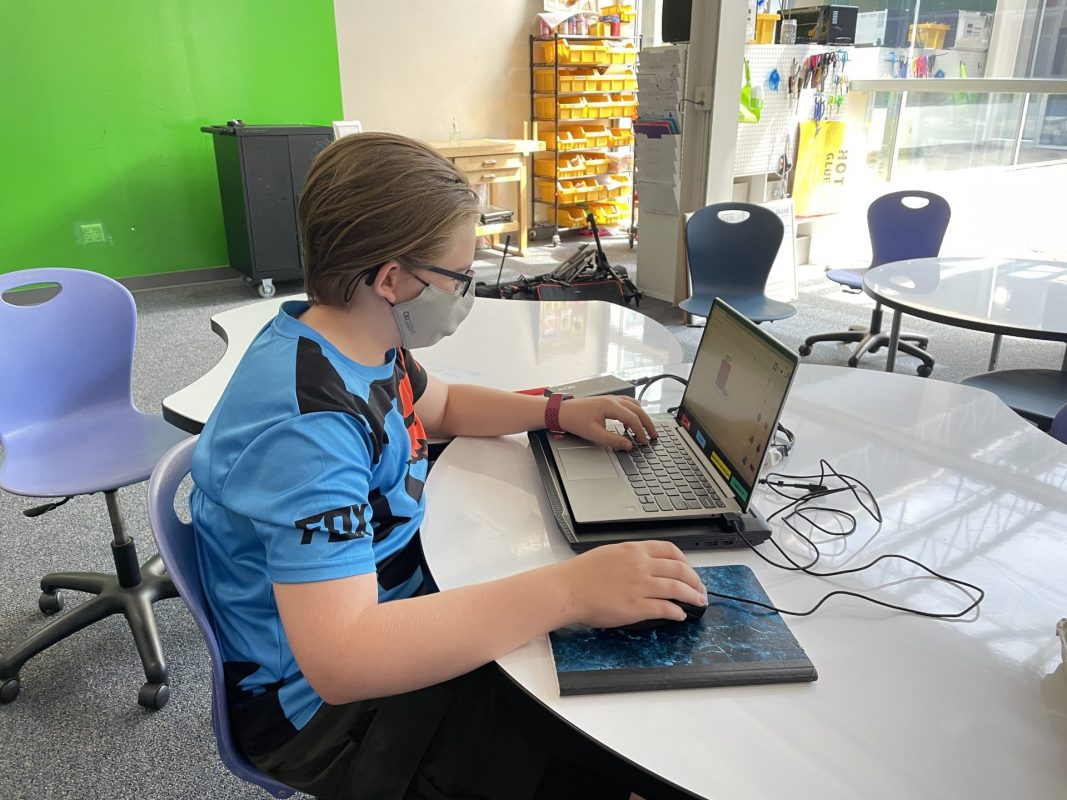
Enjoy the pictures from these first few days! We are pumped for this school year!
Have a great weekend,

Mrs. Lamb, Mr. Brown, & Ms. Sutherland