


To keep up with young adult literature is challenging. Actually, it’s impossible. With so much being published every year, it is hard to discern what to recommend and what not to. In my opinion, middle school is one of the most challenging age groups to read with. First of all, they want to read adult books, but aren’t necessarily ready for them. What I mean by this is that they may be intellectually ready for the words, but the life context behind them isn’t there. Secondly, there are many books marketed for the age group, but the content is too adult and inappropriate. It can be hard to find a balance. I struggle with it, and I know MS parents do as well.
I follow several groups on social media geared towards reading and writing teachers of middle school students. I find a lot of great books and ideas this way that are current and reliable. I recently read a post by a middle school teacher at a public school who was facing the challenge of having a new book added to the curriculum to replace The Pearl by John Steinbeck, which had been read by 8th graders at the school for as long as any of the teachers could remember. She asked, Why? and was met with answers of, “It’s a classic!” and “Because we’ve always read this.”
I have made the choice to educate in independent schools for many reasons, but one is that I can change with the times a bit more easily. I can adjust literature to students’ likes and interests quickly and stay relevant and true to their learning needs.
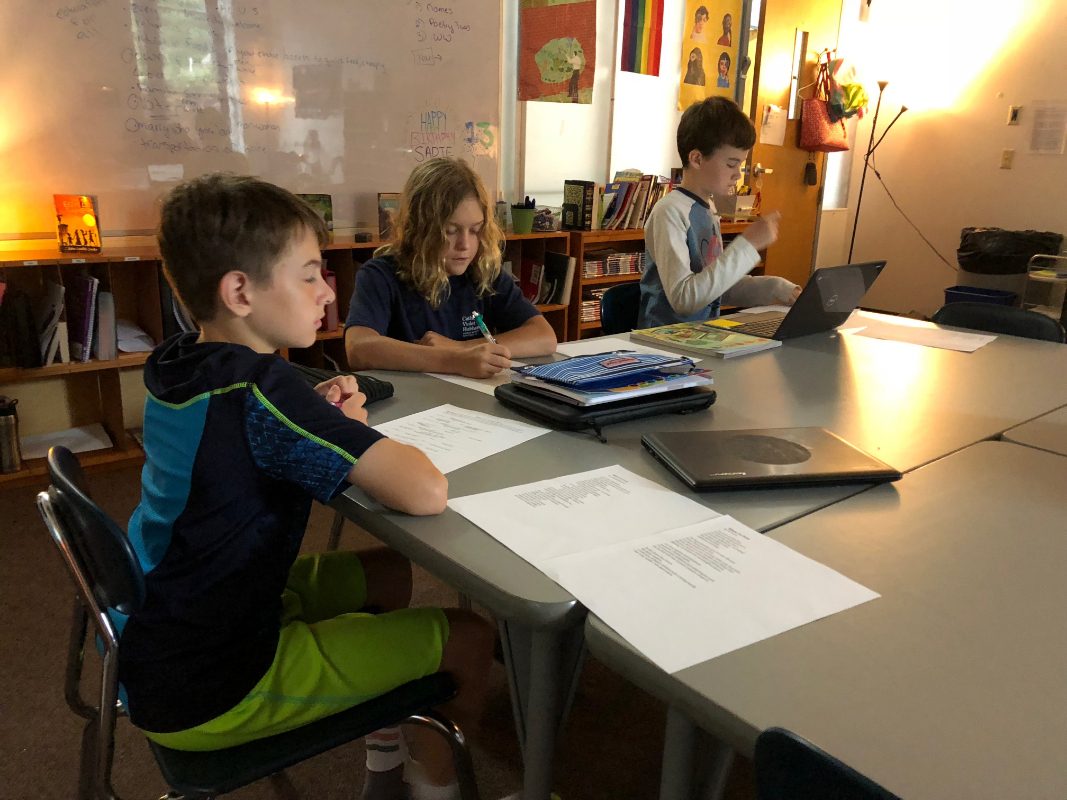
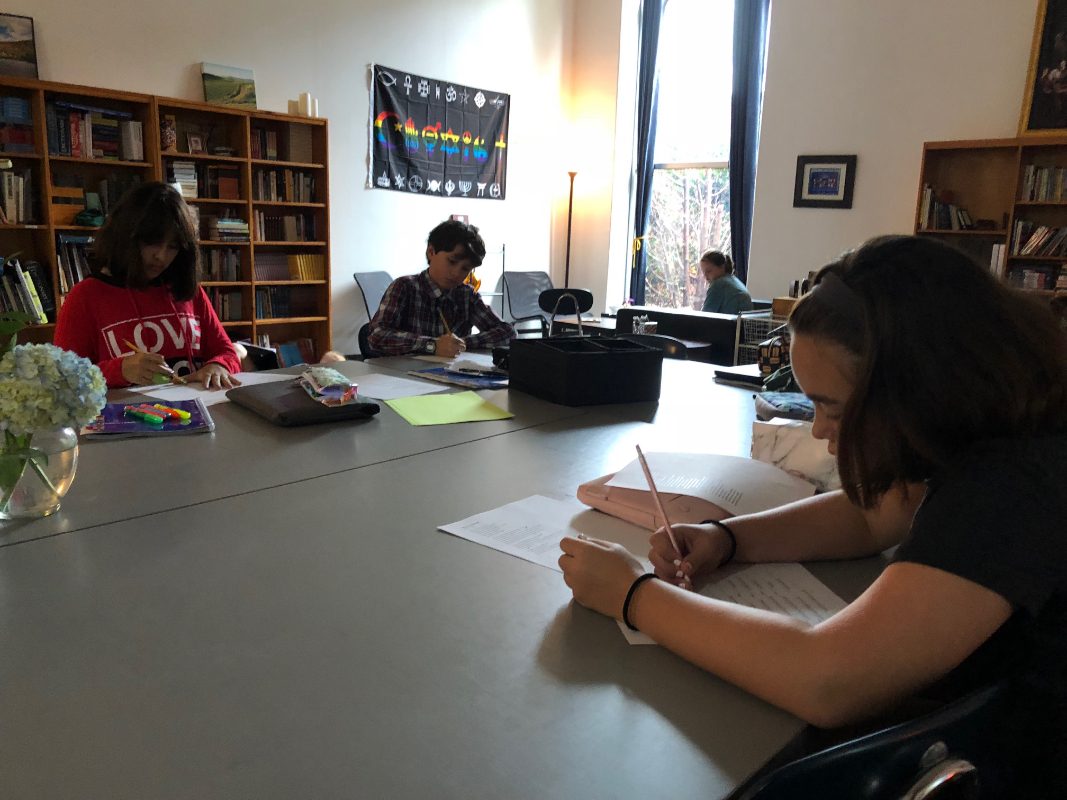
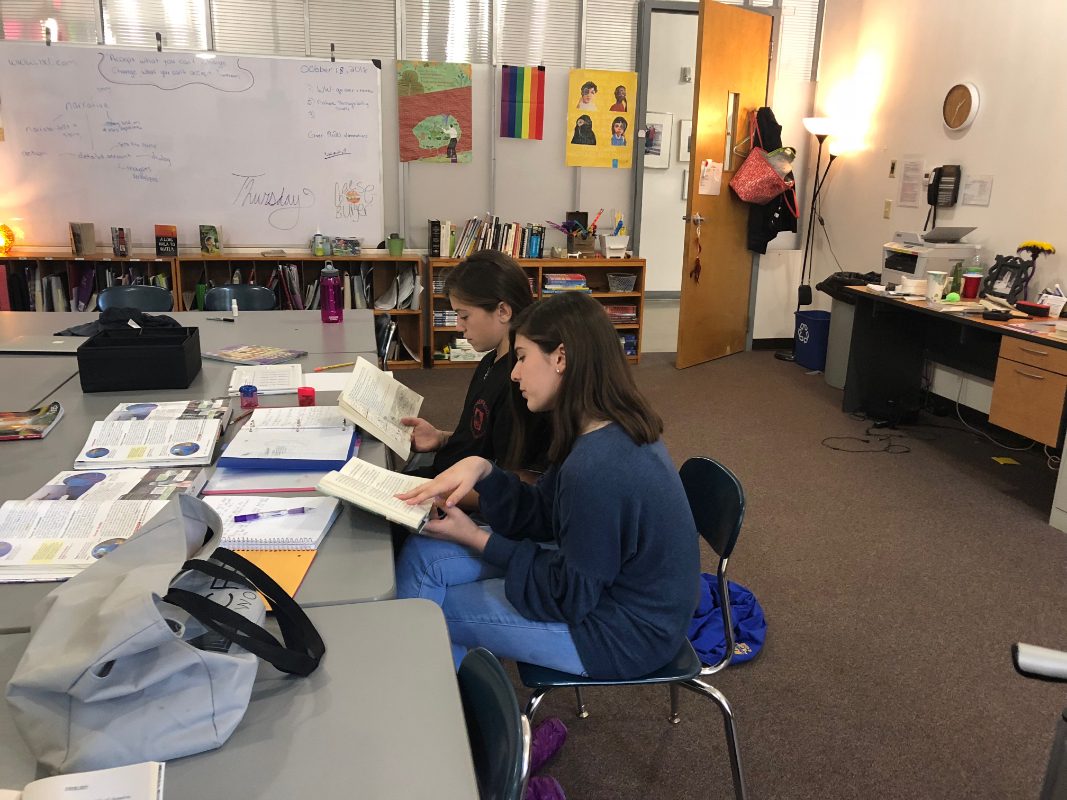
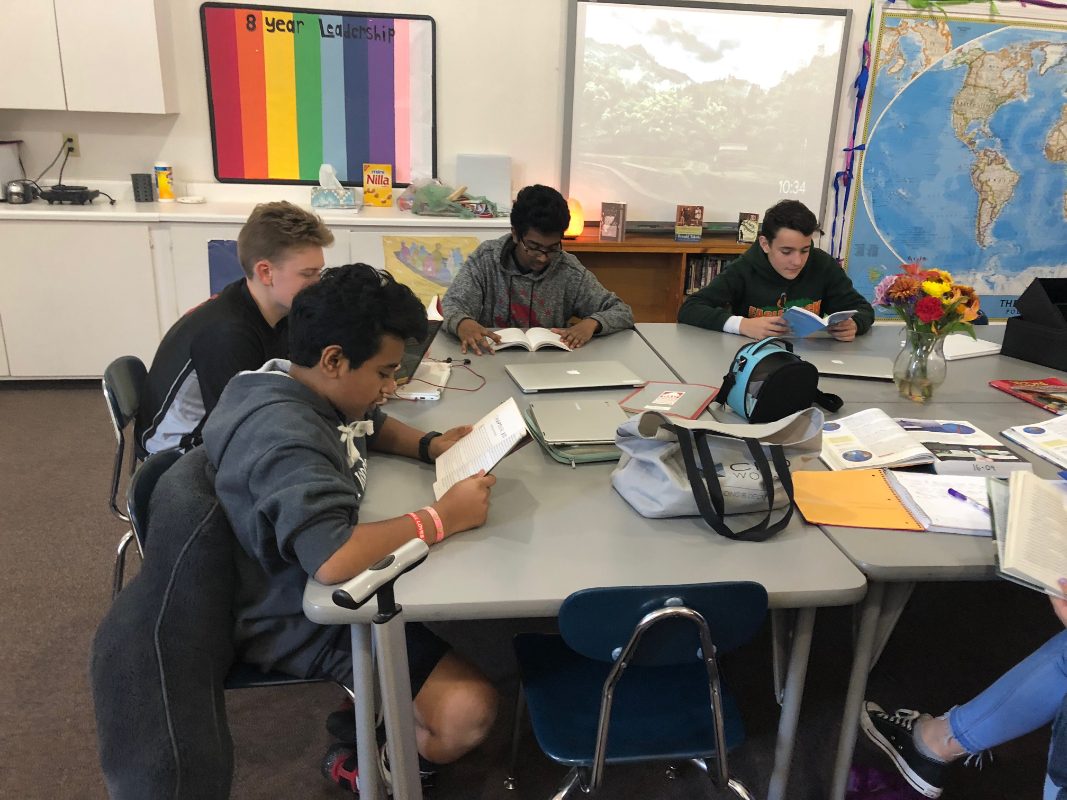
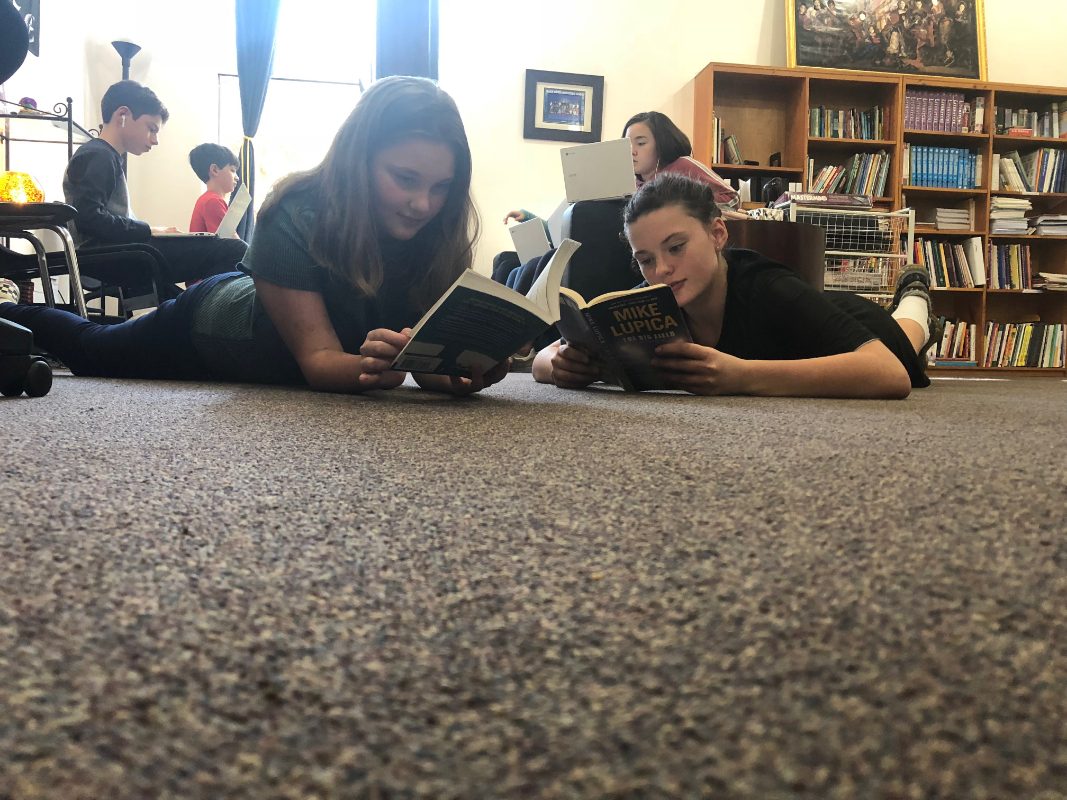
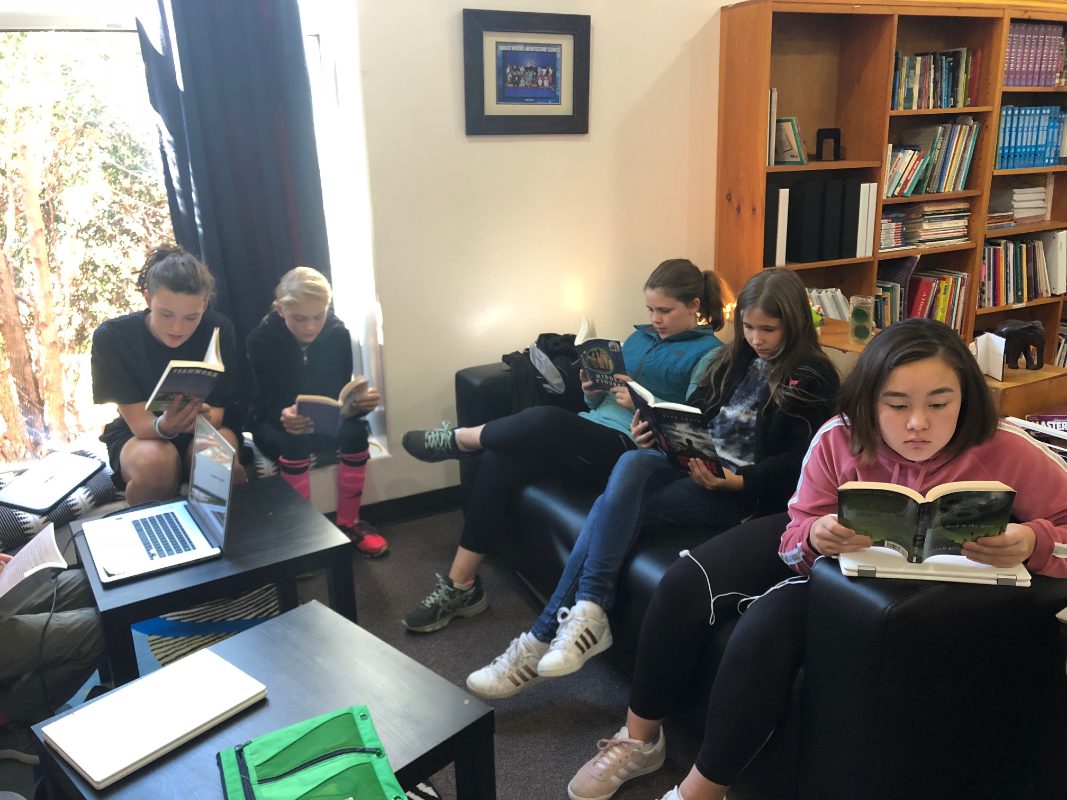
I am reading a novel with 8th years that I am excited about. In fact, I’m downright ecstatic about it. I have been searching for a novel that accurately depicts life of Native Americans currently living on reservations, and this novel is the perfect companion to the curriculum. The Absolutely True Diary of a Part-Time Indian by Sherman Alexie delivers a relatable, coming-of-age story that has edge that teens will like. This winner of the National Book Award for Young Adults is a controversial choice for some schools because it mentions alcoholism, depression, and has a few lewd teen jokes. However, as is rarely the case with young adult books these days, it does not solely focus on these.
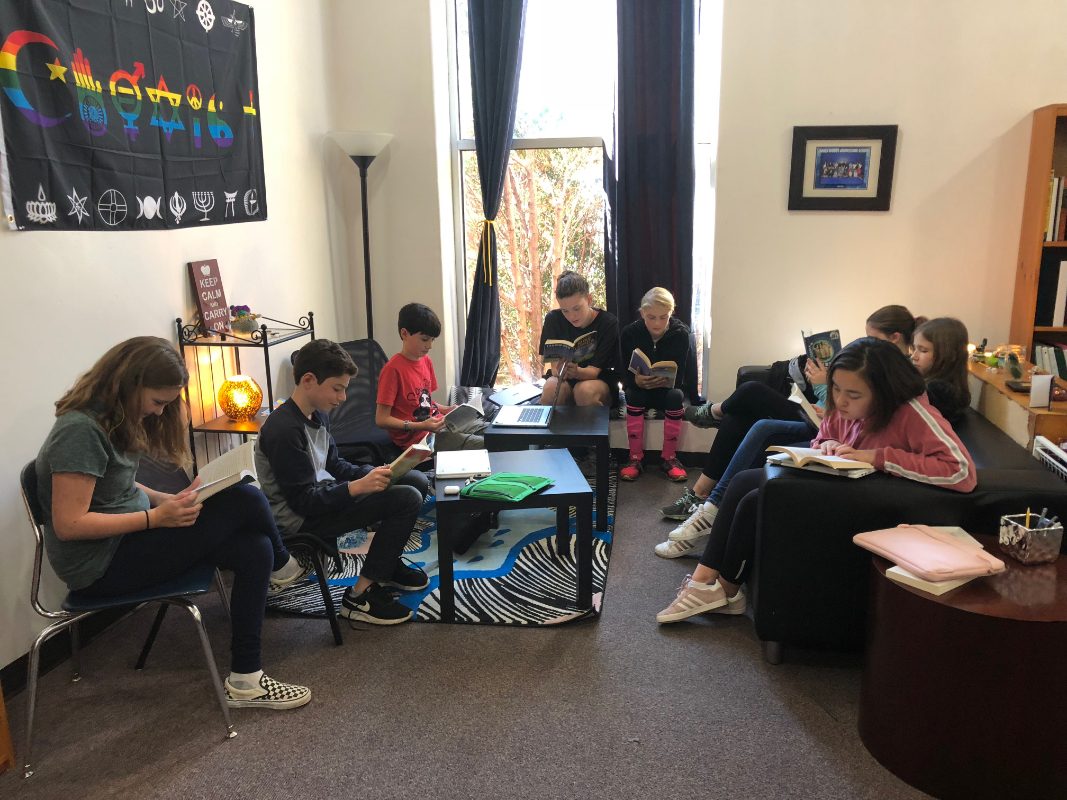
I have decided to read this novel with my students during class time in order to help them navigate the content and stop for meaningful discussion. There are strong parallels that can be made to history and fantastic lessons that will come of it while discussing its relation to the Master Narrative. I feel lucky that I am able to teach in a place where current content and methods are embraced in a changing world.