7th year French and Spanish Working on Coats of Arms!

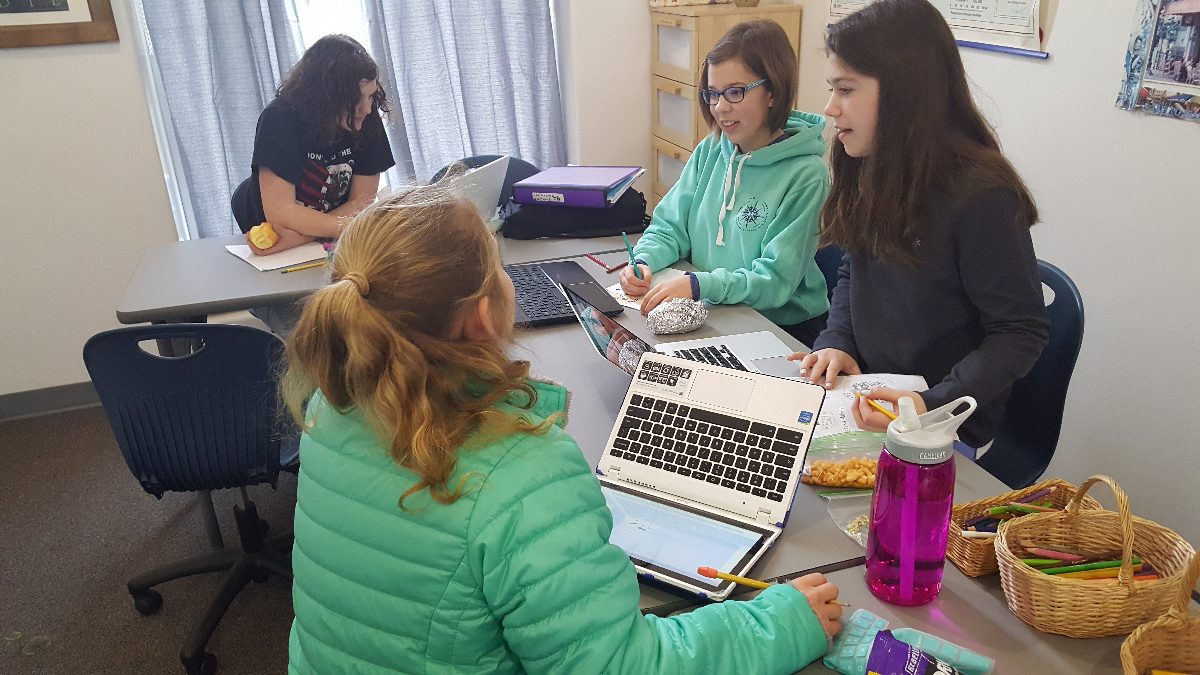
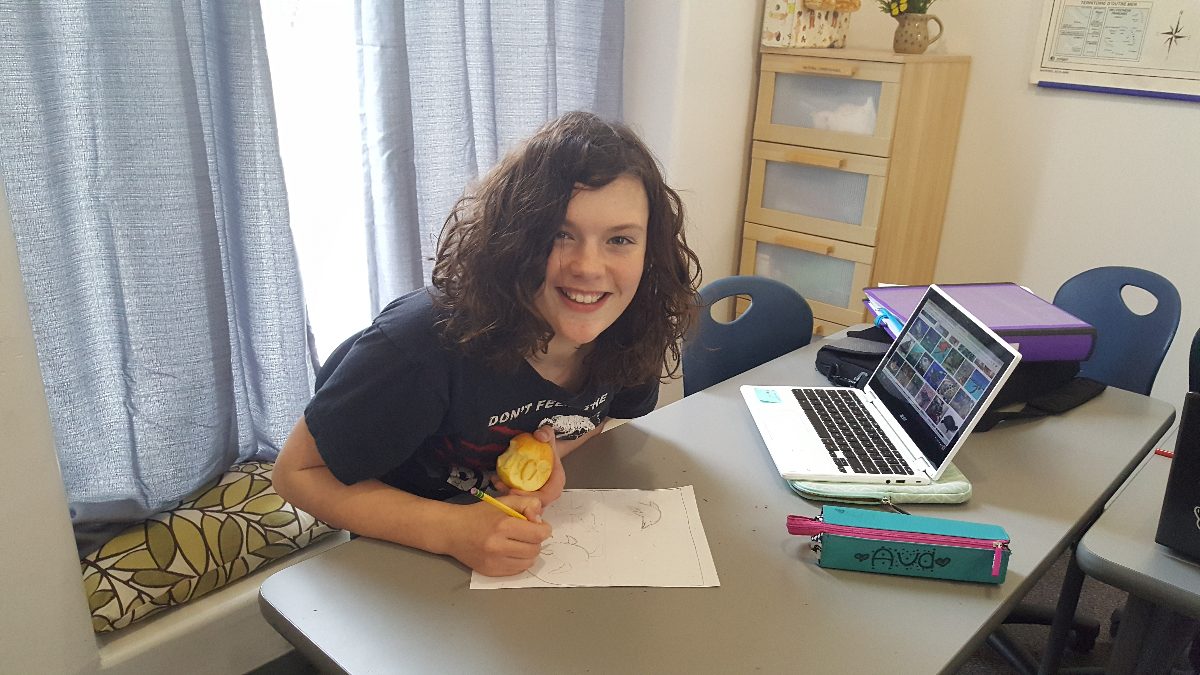
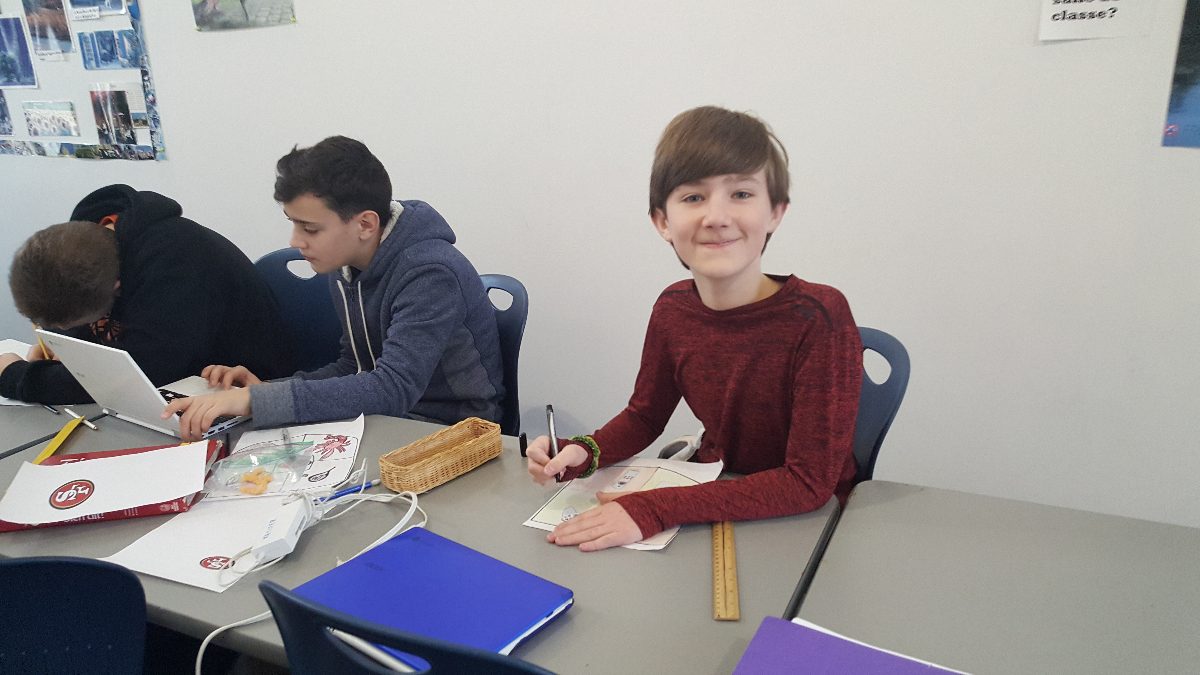
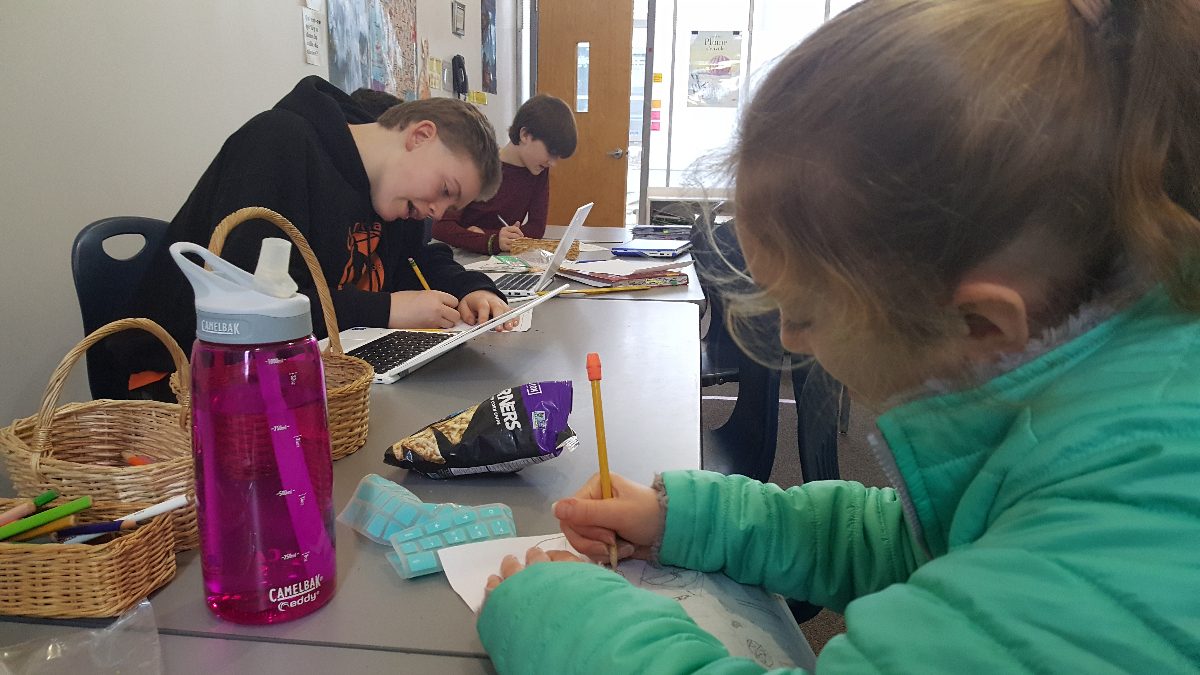
The 7th year French and Spanish Language classes have worked on a project which allowed the students to develop their own coats of arms (“blasons de famille” in French and “escudos de armas” in Spanish!) We made these to help the students understand and represent their likes and dislikes. Playing video games was the big one (jouer aux jeux vidéos + jugar juegos de video) and anything related to food and sports as well. This gave the students time to be artistic and to think about what they like to do, represent who they are and how to say that in their foreign language of choice.


Middle School: A Brief Week in Review

It has been a quick week! We started off by welcoming 5th years to Middle School for a moving up day on Wednesday. The 5th years spent the full day with 6th years, and it was wonderful. The teachers and students loved having them, and we are already looking forward to the great dynamic they will bring to our current 6th and 7th years in the fall.

Looking ahead, we are excited to listen to presentations given by our 8th years. They will be highlighting their experience from their internships.

Finally, thank you for taking the time to meet with your child’s/children’s advisor(s) last week for conferences. It is nice to have the middle school students take the lead and join us for conferences, truly making the experience genuine and effective. It reinforces the fact that parents, teachers, and students are indeed a team working together.

A note from Mr. Robertson:

With last week’s warm temperatures, ticks that were dormant became active.  Therefore, it is essential that parents begin checking their children for ticks at the end of the day.  Below is important information from the Center of Disease and Prevention about ticks.

 Check your clothing for ticks. Ticks may be carried into the house on clothing. Any ticks that are found should be removed. Tumble dry clothes in a dryer on high heat for 10 minutes to kill ticks on dry clothing after you come indoors. If the clothes are damp, additional time may be needed. If the clothes require washing first, hot water is recommended. Cold and medium temperature water will not kill ticks effectively.

Shower soon after being outdoors. Showering within two hours of coming indoors has been shown to reduce your risk of getting Lyme disease. Showering may help wash off unattached ticks and it is a good opportunity to do a tick check.

Check your body for ticks after being outdoors. Conduct a full body check upon return from potentially tick-infested areas, which even includes your back yard. Use a hand-held or full-length mirror to view all parts of your body. Check these parts of your body and your child’s body for ticks:

  • Under the arms
  • In and around the ears
  • Inside belly button
  • Back of the knees
  • In and around the hair
  • Between the legs
  • Around the waist

Mrs. Thomas’ Class: Happy Birthday, Gregory!

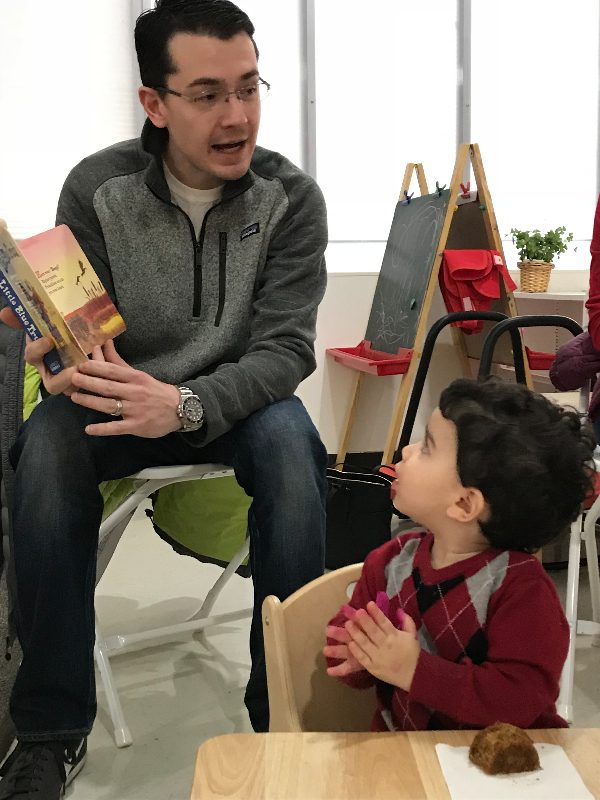
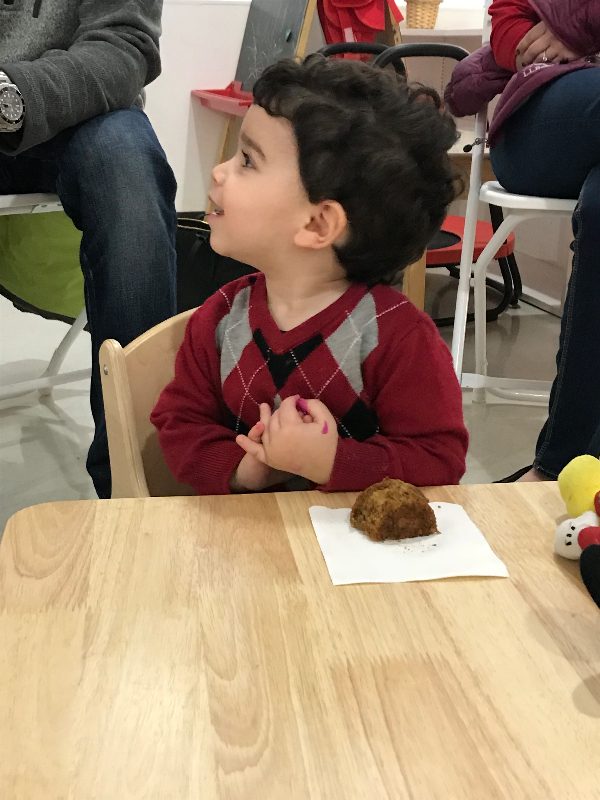
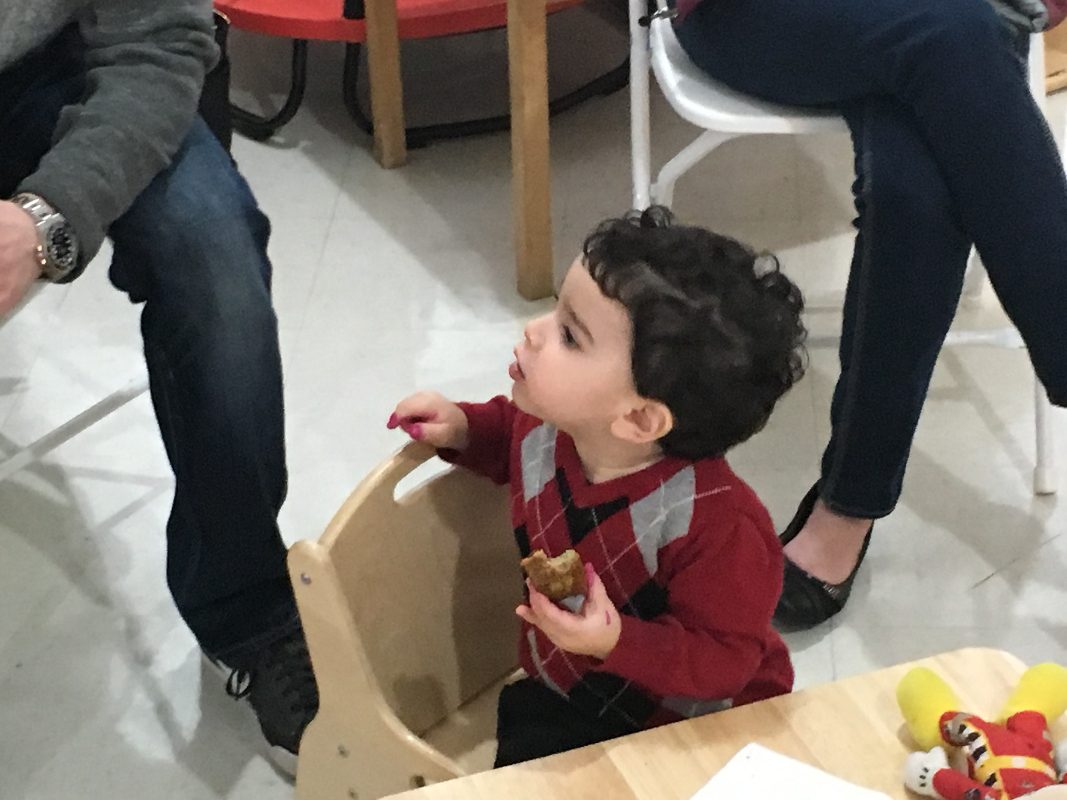
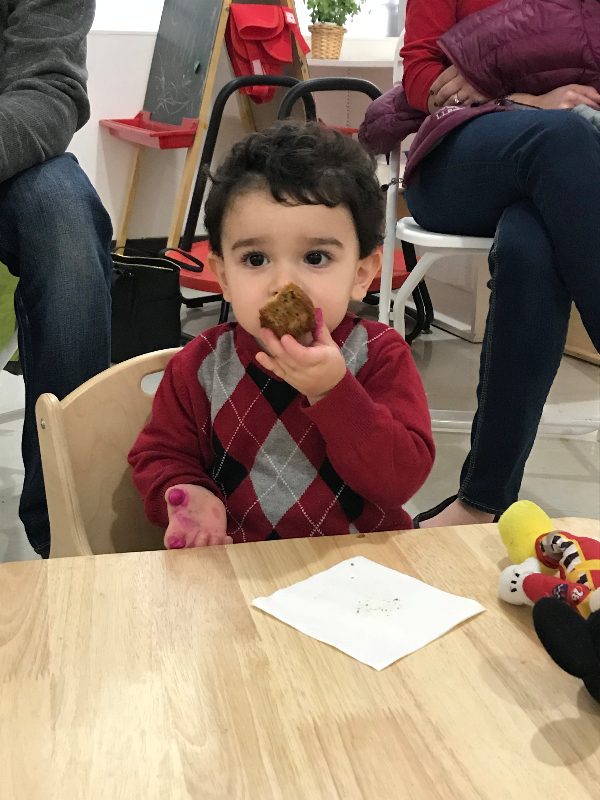
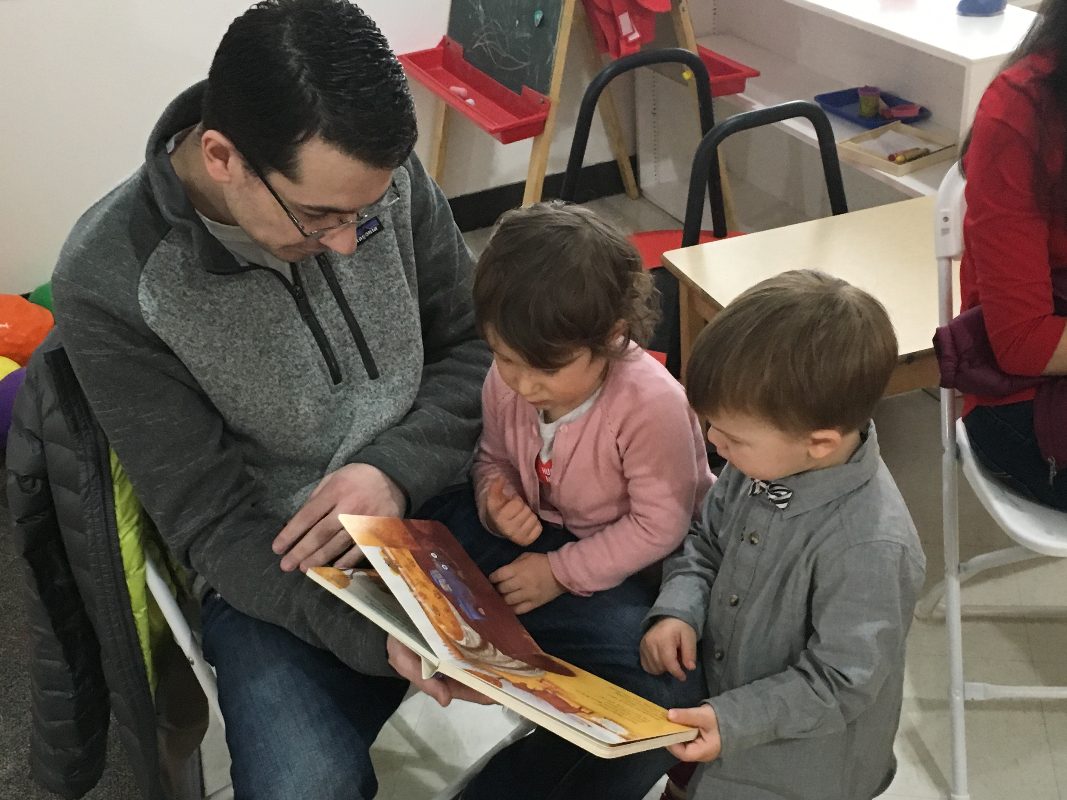
We had another wonderful and successful birthday celebration this month! Gregory turned two and his parents Angela and Tony came in with banana muffins (A huge hit!) and one of Gregory’s favorite books, Little Blue Truck. The children enjoyed being read to while munching on their delicious treats, so much so that Tony read the book twice and most children requested a second helping of muffin! Thank you to the Giorgio family for sharing Greg’s big day with his classmates and teachers.

On another note, with the recent warm temperatures, ticks that were dormant became active. Therefore, it is essential that parents begin checking their children for ticks at the end of the day. Below is important information from the Center for Disease Control and Prevention about ticks:

Check your clothing for ticks. Ticks may be carried into the house on clothing. Any ticks that are found should be removed. Tumble dry clothes in a dryer on high heat for 10 minutes to kill ticks on dry clothing after you come indoors. If the clothes are damp, additional time may be needed. If the clothes require washing first, hot water is recommended. Cold and medium temperature water will not kill ticks effectively.

Shower soon after being outdoors. Showering within two hours of coming indoors has been shown to reduce your risk of getting Lyme disease. Showering may help wash off unattached ticks and it is a good opportunity to do a tick check.

Check your body for ticks after being outdoors. Conduct a full body check upon return from potentially tick-infested areas, which even includes your back yard. Use a hand-held or full-length mirror to view all parts of your body. Check these parts of your body and your child’s body for ticks:

· Under the arms

· In and around the ears

· Inside belly button

· Back of the knees

· In and around the hair

· Between the legs

· Around the waist


Lower Elementary Research Night

Researching topics of interest is something Lower Elementary Montessori students love to do. They frequently research independently during work cycle throughout the school year.

The intentional focus of Research Night is a very special time for the children. The entire class is focused on research about one related topic. This common focus connects us as a class and presents authentic opportunities for the older, more experienced children to help the younger children who are new to research. They mentor and guide them, helping them learn about their subjects and make their posters. This year, some of the younger students chose to write papers and the older students typed for them and guided them.

In addition to their own classmates mentoring them, we are fortunate to be joined by expert eighth-year students. The relationships that are formed during this time of year between Middle School and Elementary students are incredibly special. Older students provide much needed and welcomed support, and the interactions are beneficial for both groups of students.

Our peacemaker research was inspirational and educational. The children were enthusiastic about gathering information and making their posters, papers, and presentations. The third-year students had their first public speaking experience, presenting before classmates and families. They were amazing! All of the children worked diligently and should be very proud of their work.

“The child is capable of developing and giving us tangible proof of the possibility of a better humanity. He has shown us the true process of construction of the human being. We have seen children totally change as they acquire a love for things and as their sense of order, discipline, and self-control develops within them… The child is both a hope and a promise for mankind.” -Maria Montessori


M.S. Research Night

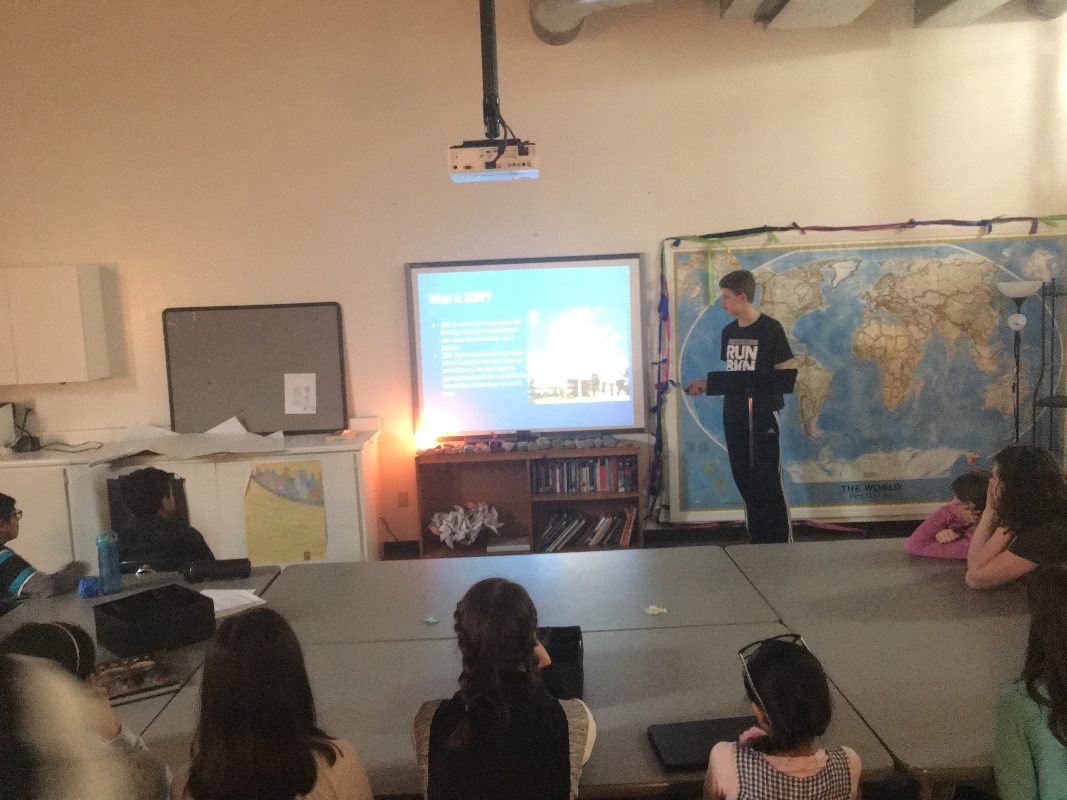
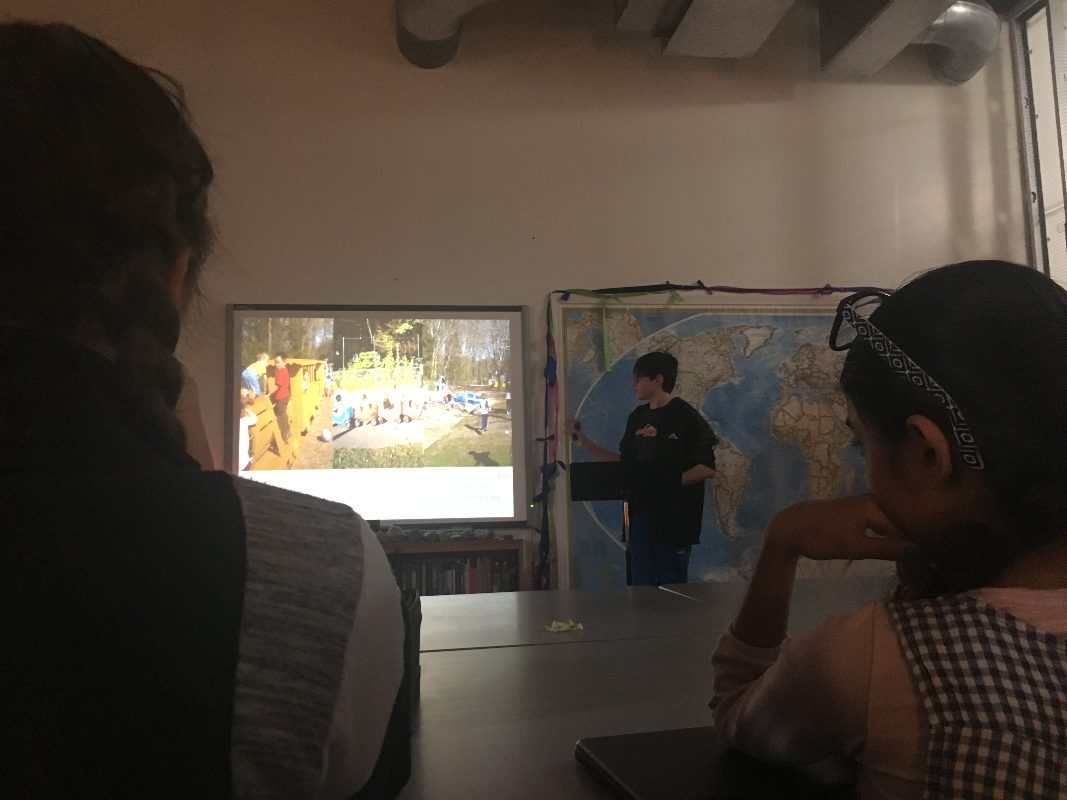
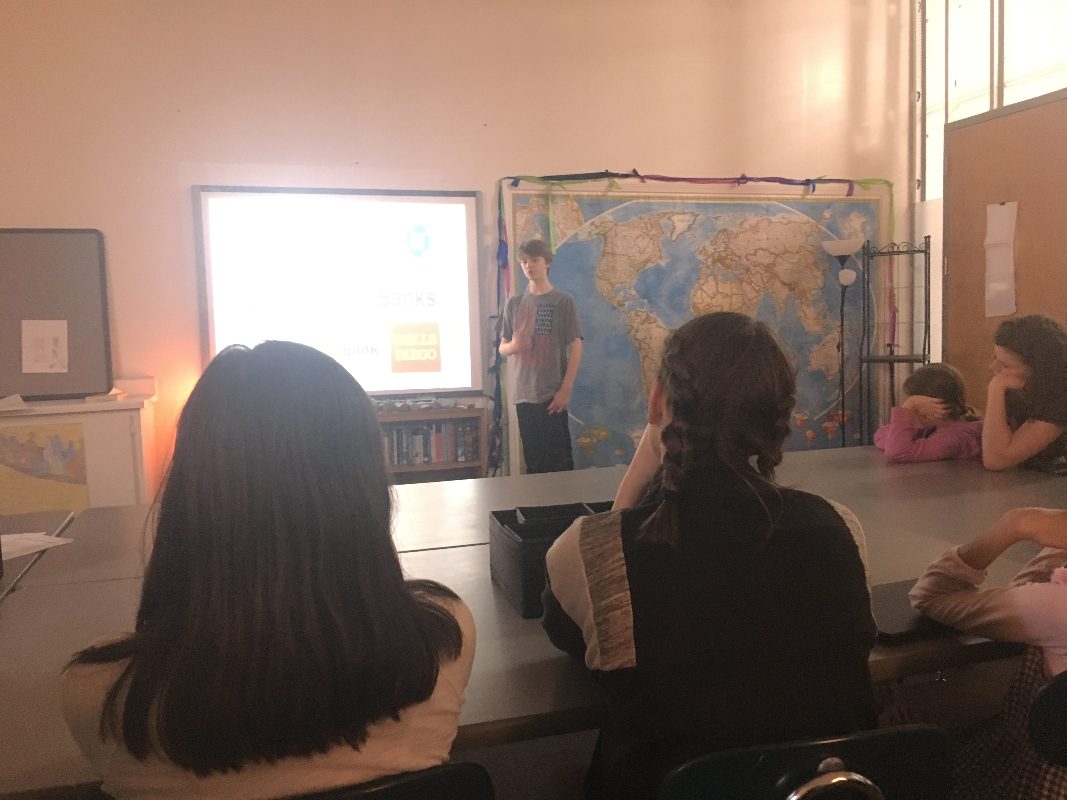
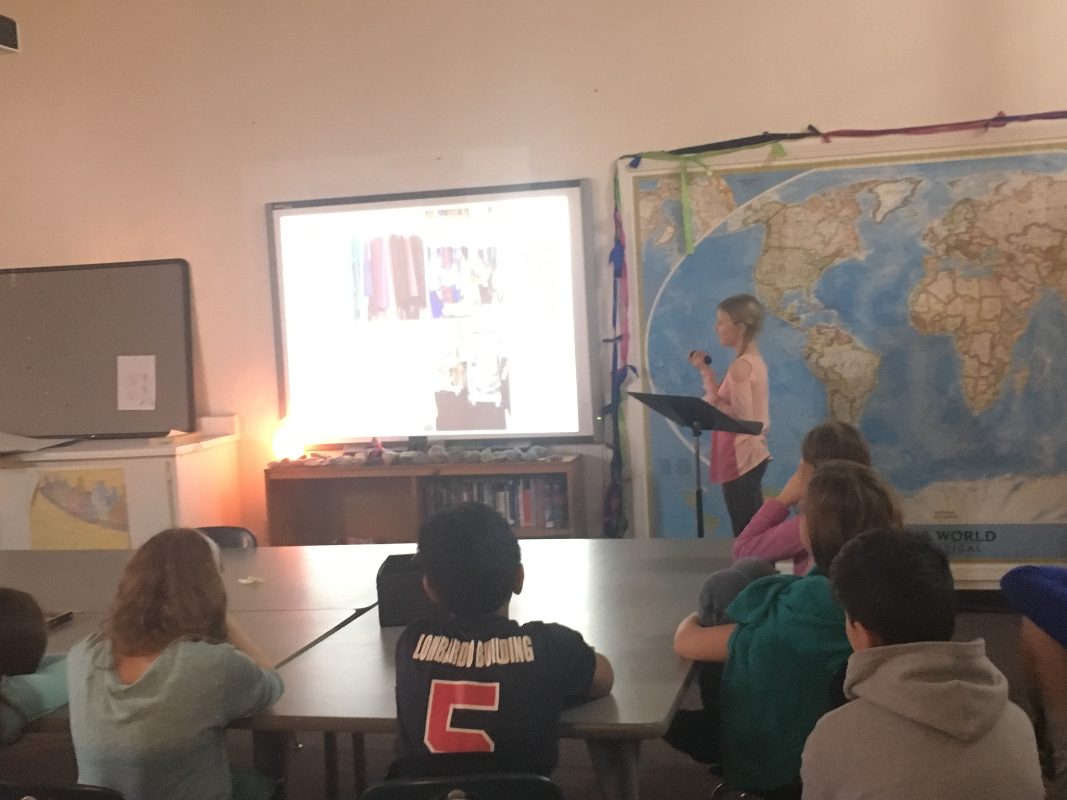
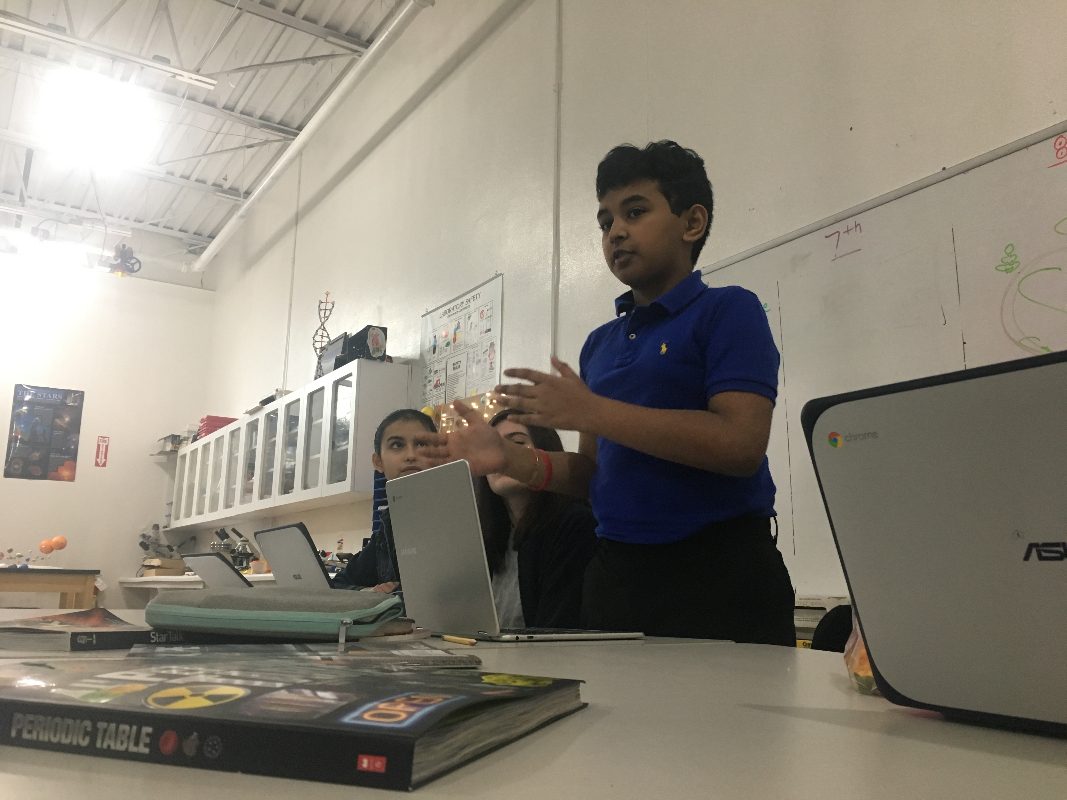
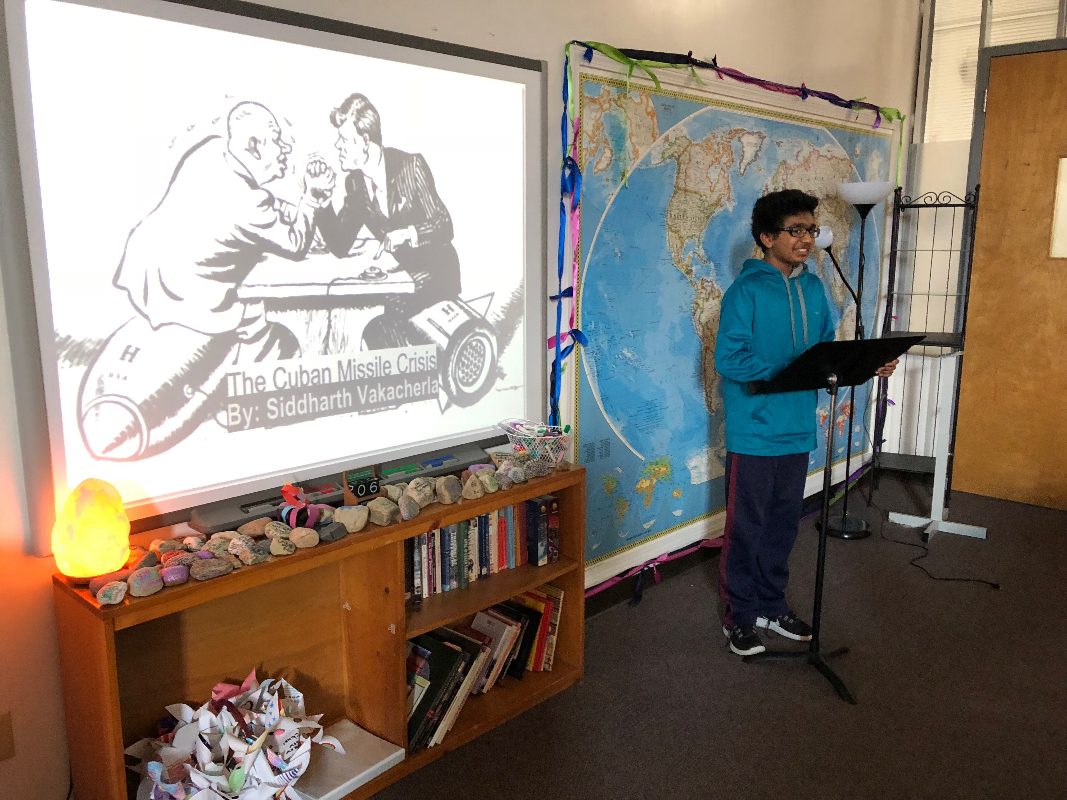
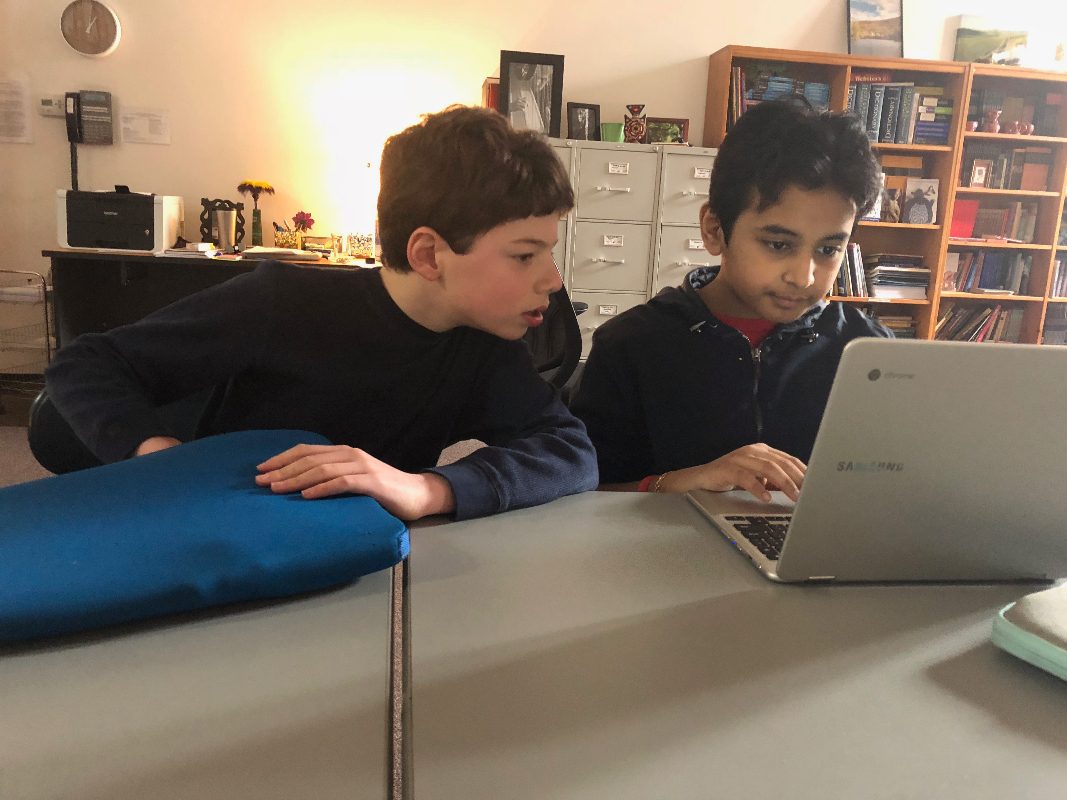
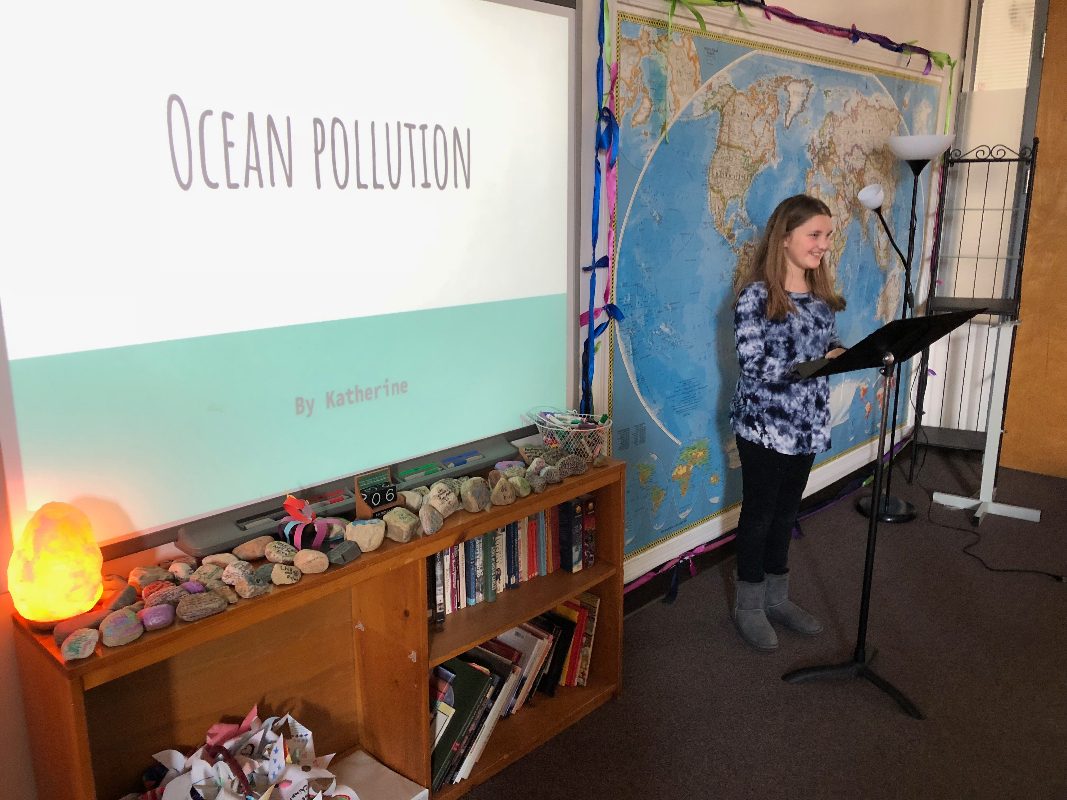
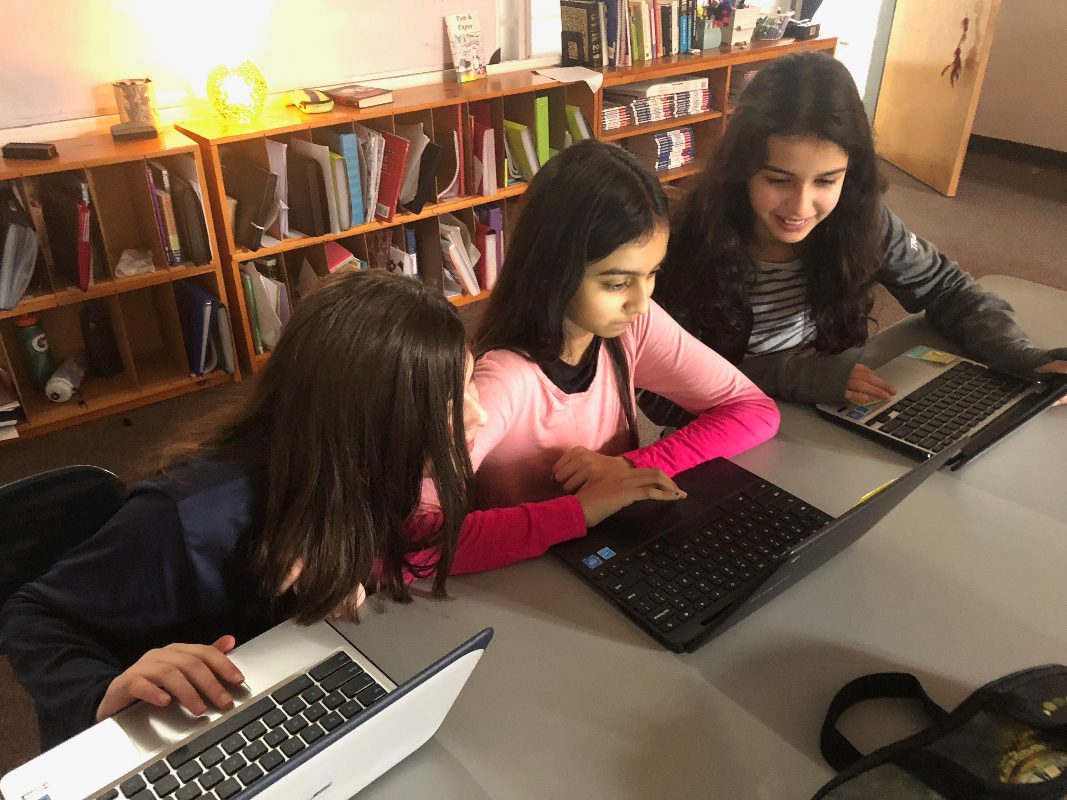
6th and 7th grade Research Night

Global Events-Past Present and Future

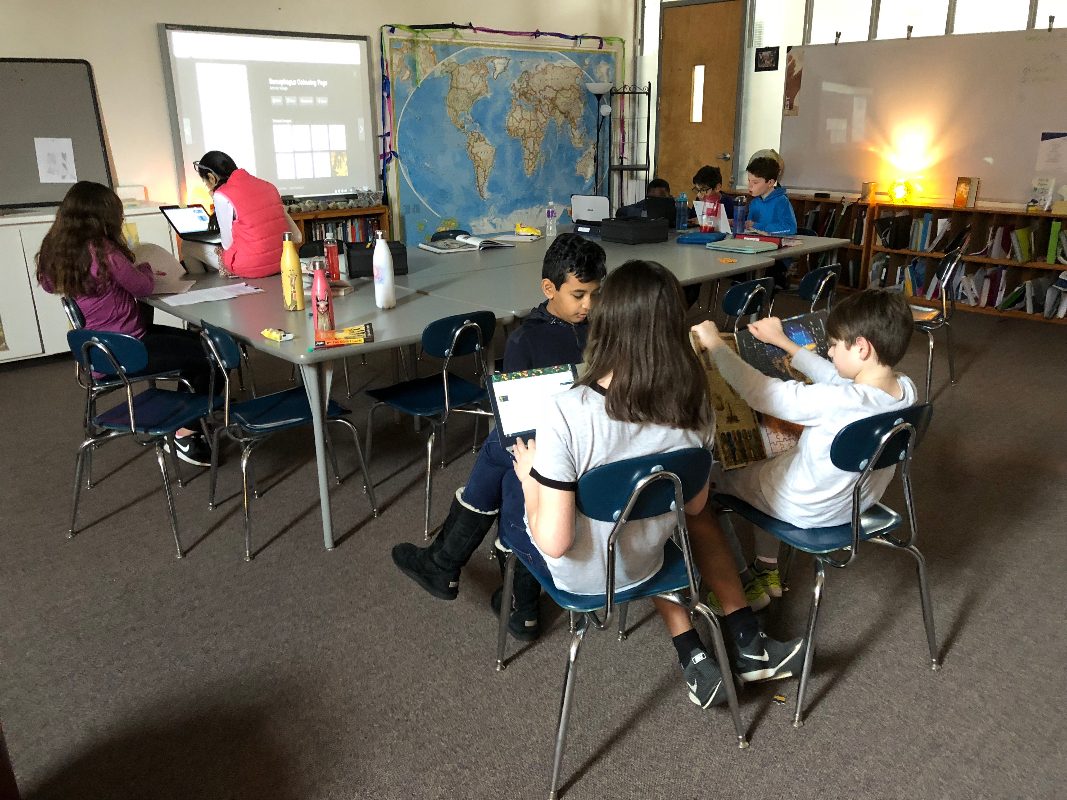
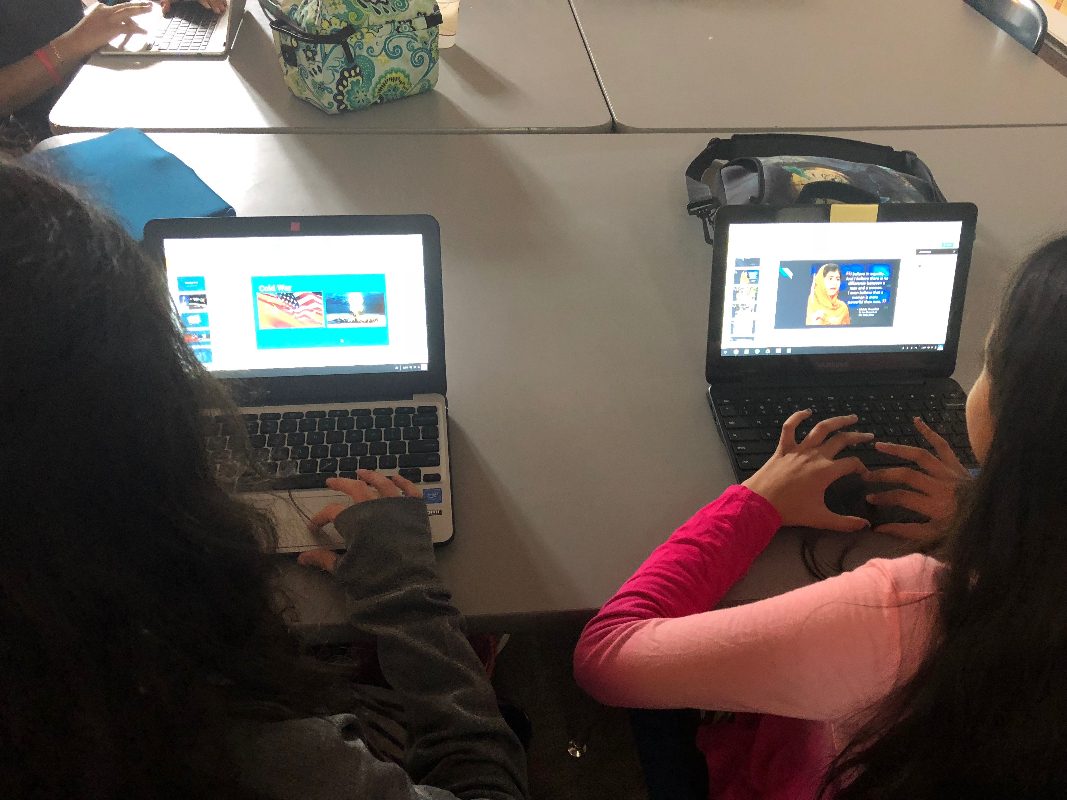
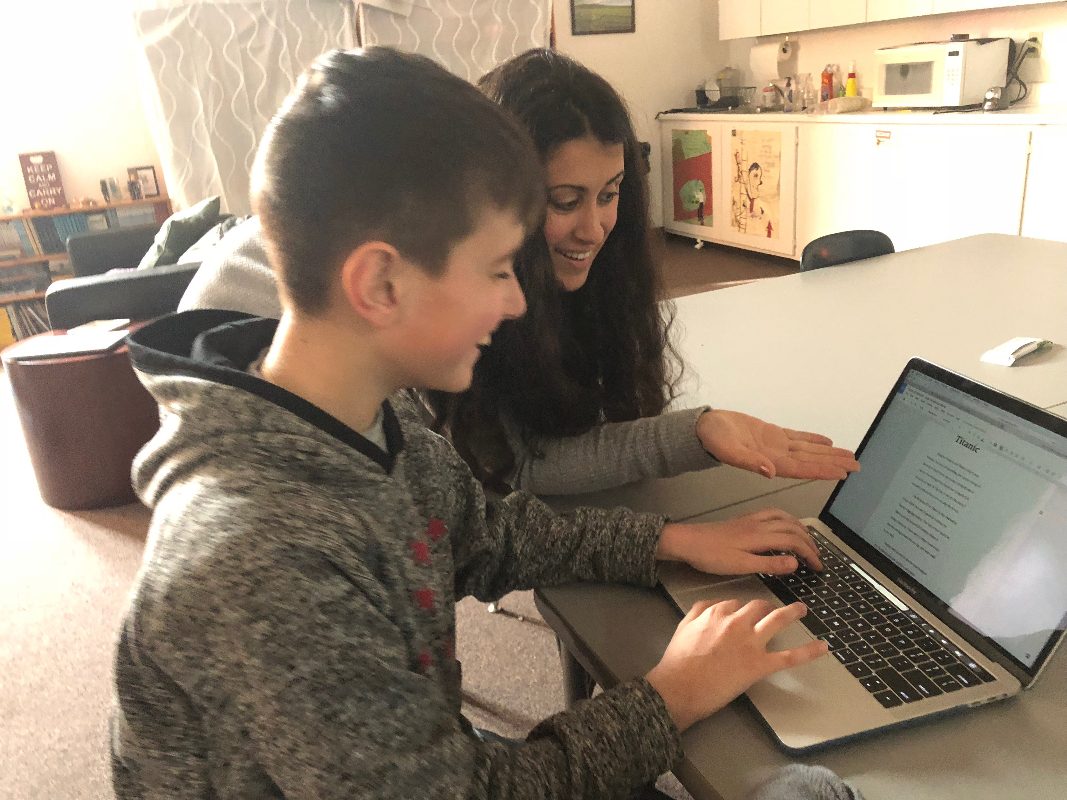
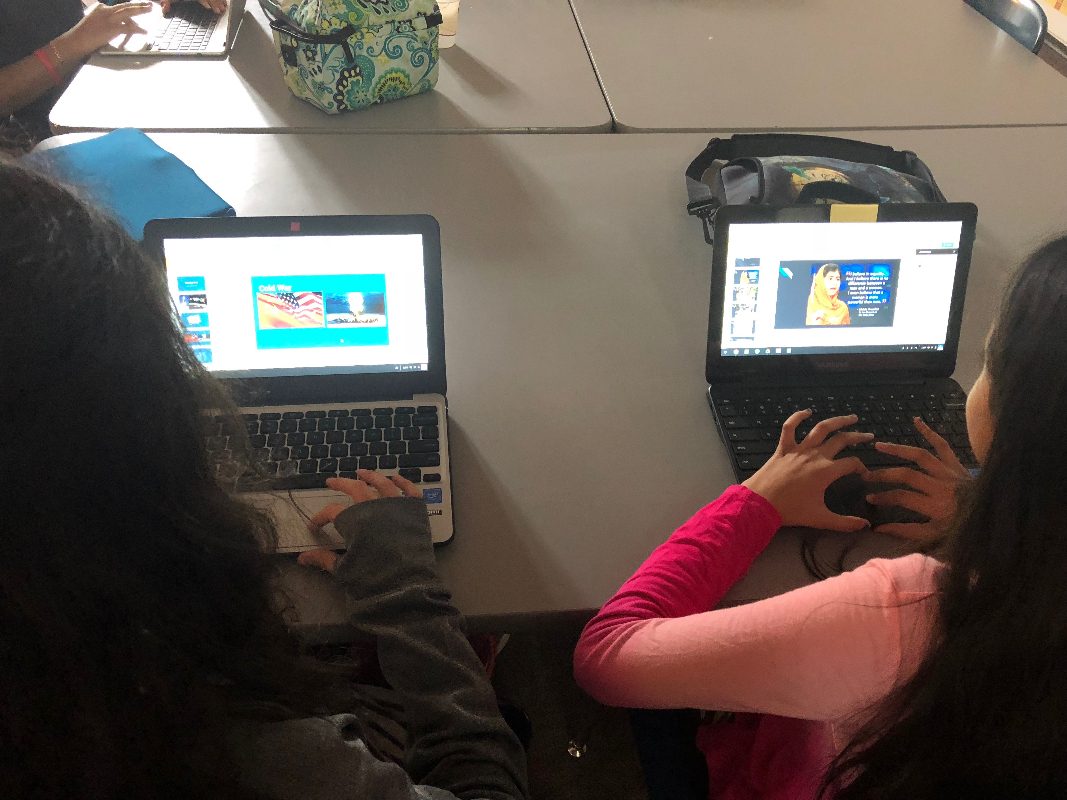
The Cuban Missile Crisis, Ocean Pollution, Gene Editing and the Sinking of the Titanic. These are only a few of the Global events-Past, Present, and Future that the sixth and seventh-year students will be presenting on Research night. In order for education to have meaning, it must be relevant and learner-centric. The learner must take the information that is presented and construct his/her own meaning and understanding. Research night gives our student the opportunity to learn about a topic of their choice and create a presentation to share with the community. The students chose this theme for their research and had the freedom to choose an event they felt passionate about.

The students are immensely proud of their work and so are we.


Mrs. Santayana’s class: Learn About The World – Discover Me

The children are learning about Earth’s largest continent, Asia. Encompassing a wide variety of countries and cultures, Asia has no shortage of cities to visit and exciting foods to discover.

The children are talking about going to different continents. Starting with the map of the world and progressing through continents then countries, the puzzle maps showcase the difference between land and water and help develop an appreciation for spatial awareness. How far is Asia from Europe?

After taking the pieces out and putting them back together, a control of error occurs if the pieces do not all fit correctly. When a child grips the pegs, it’s actually preparing his/her hand to use a pencil. The pegs help to refine a child’s fine motor control and will make the transition to holding a pencil that much smoother.  The Montessori hands-on activities build long-term memory by physically engaging the hand.

Discoveries are made about the people who live on different continents. Children learn about food, music, clothing, traditions, holidays, customs, and housing, as well as the plants and animals of the region as they compare their lifestyles to others. They learn about the flags of the world and reverently carry them as they “walk the line”. They learn to appreciate the wonder found in the similarities and differences found around the world.


Middle school Moving Up Day in Art


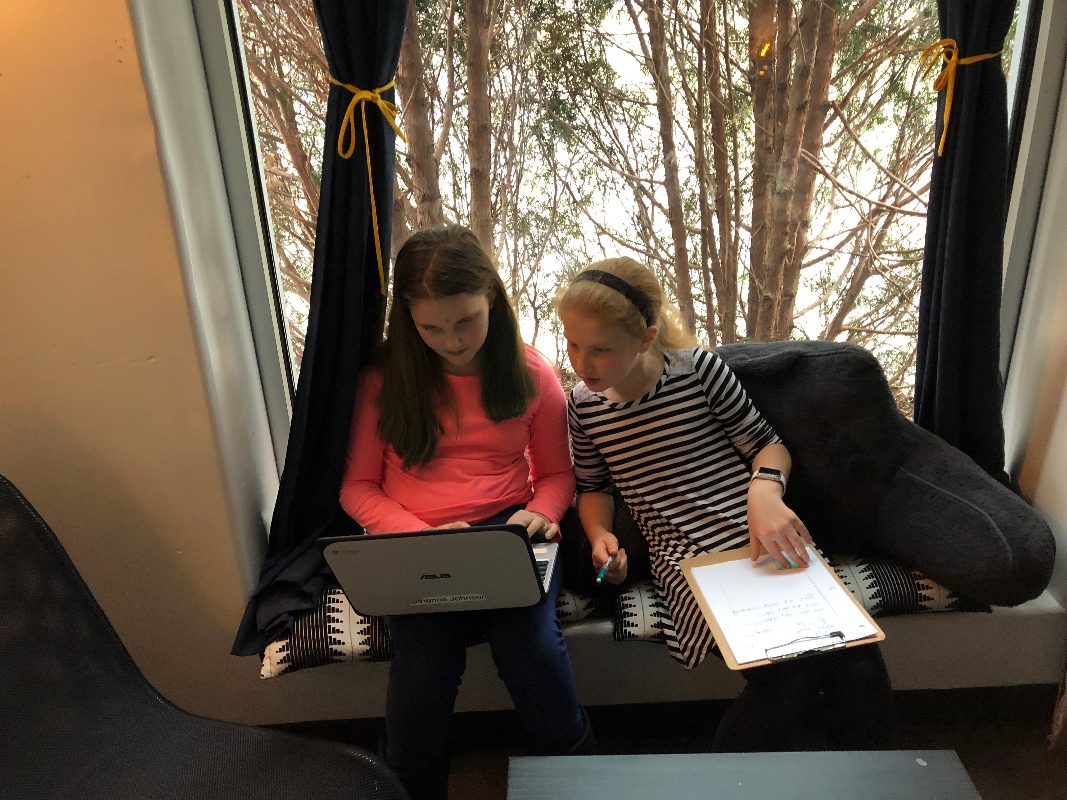
Fifth-year students joined sixth years in the art studio for a fun Zentangle inspired design project that the sixth years had worked on the week before. Sixth-year students acting as true mentors helped guide their fifth-year counterparts along and the fifth years were busy working and up to speed in no time. Zentangles differ from regular drawing, painting and other art forms as it is meant to be a form of artistic meditation that anyone can do. The process of creating a Zentangle is as important as the final outcome, which is appreciated for its unique beauty. Zentangles can resemble beautiful doodles but the difference being doodles are usually created while doing something else like talking on the phone while Zentangles are deliberate acts requiring undivided attention like other forms of meditation, and like other forms of mediation creating a Zentangle should help one achieve a feeling of relaxed focus.


Middle School: Shine Your Light


The Middle School has missed the 8th years this week as they are away at their internships. We can’t wait to hear all about it when they return!

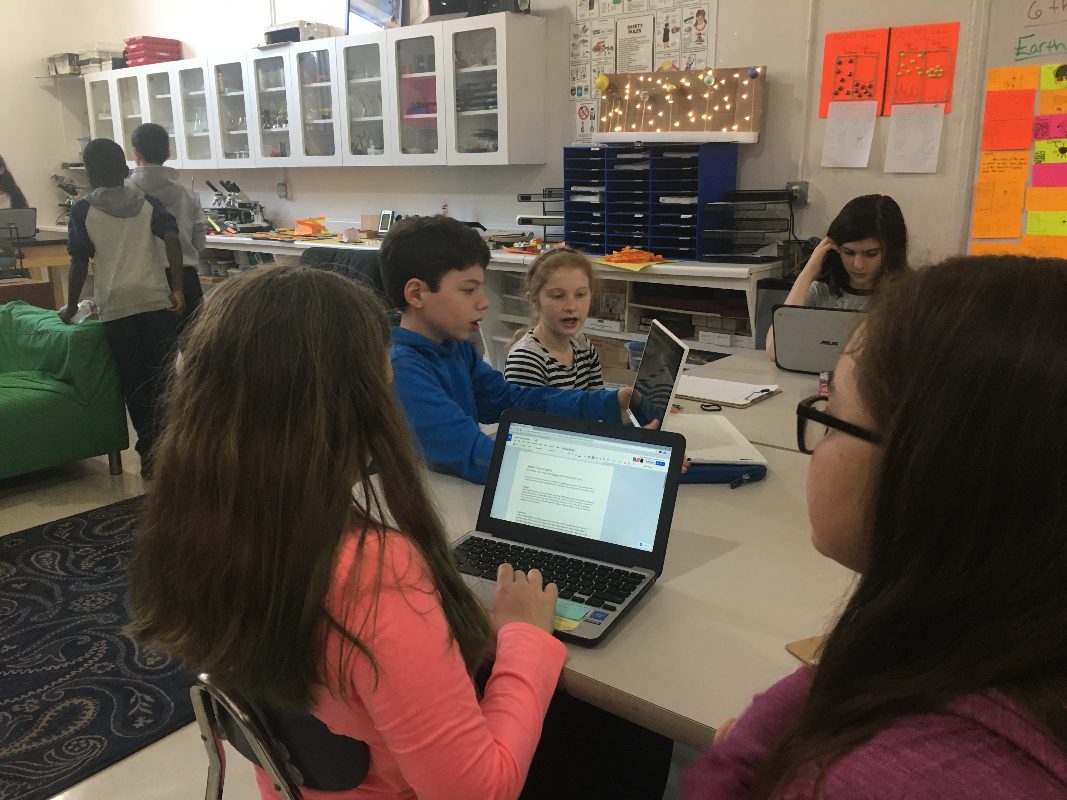
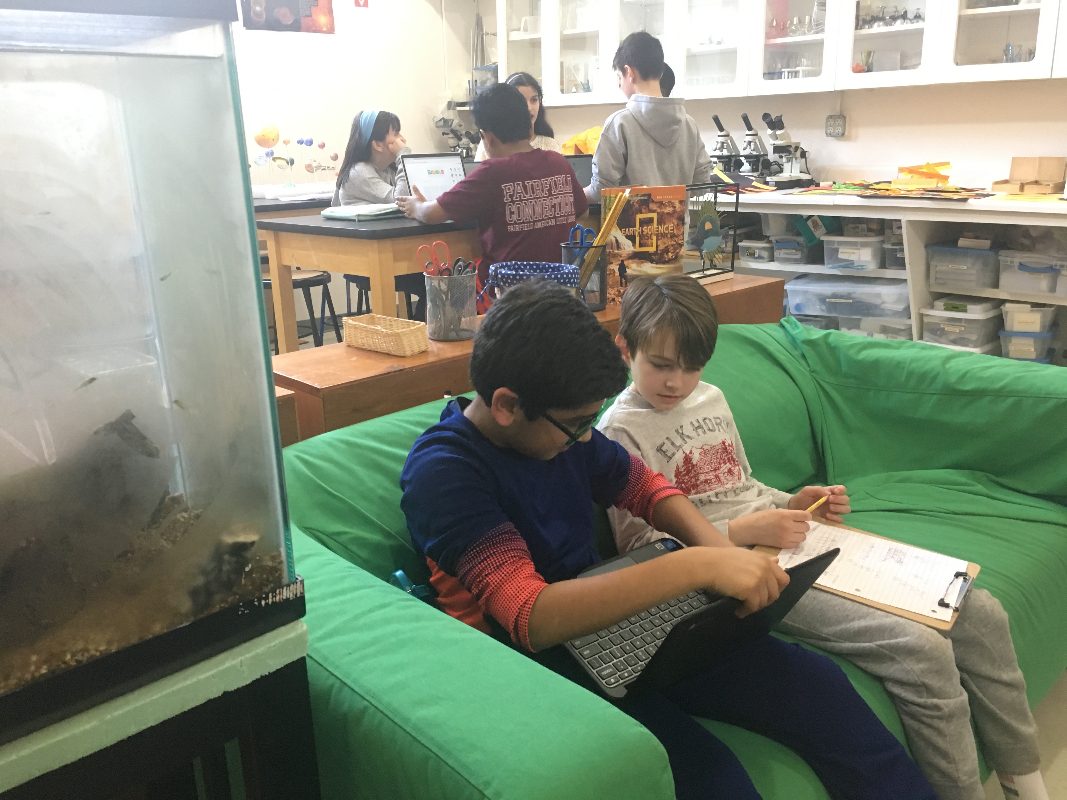
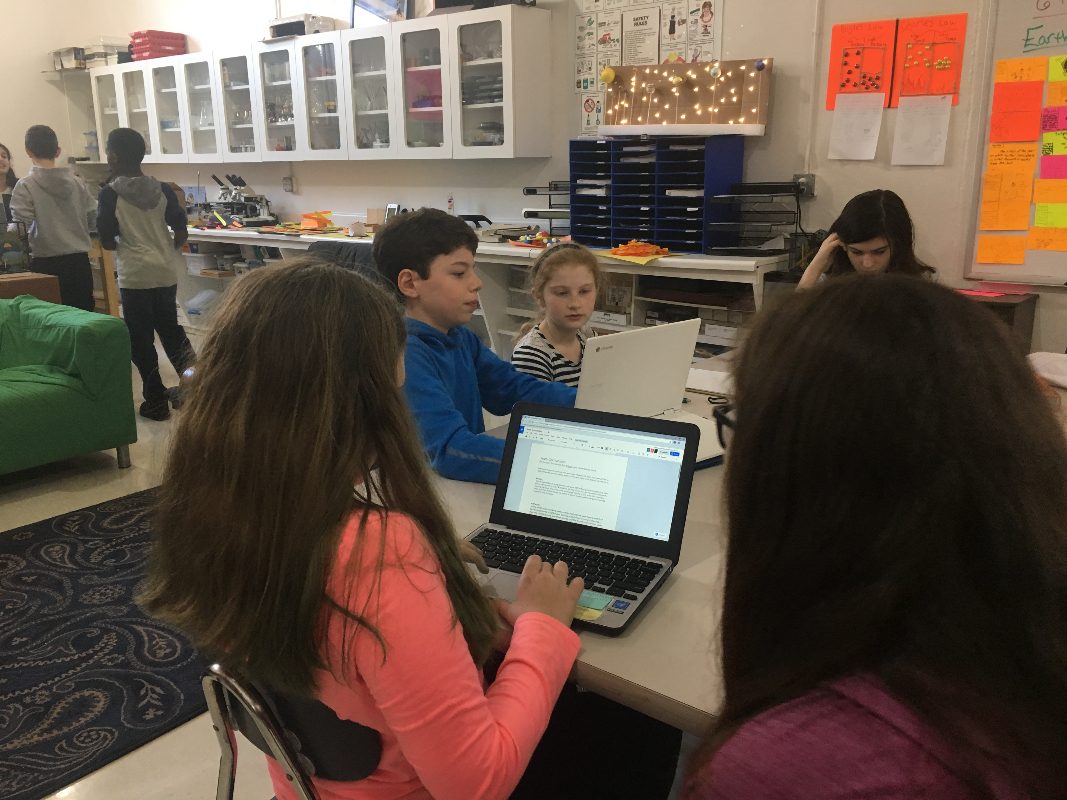
In Science, 6th year students completed their project depicting planetary alignment. Each planet was designed and positioned in relation to one another. Students did an excellent job! 7th year physical science students demonstrated their knowledge of molecules using clay. Each student chose a molecule of choice, researching its proper arrangement and bonding. At the end of last week, 8th years finished their solar system bulletin board. The addition of constellations and the asteroid belt added the finishing touches.
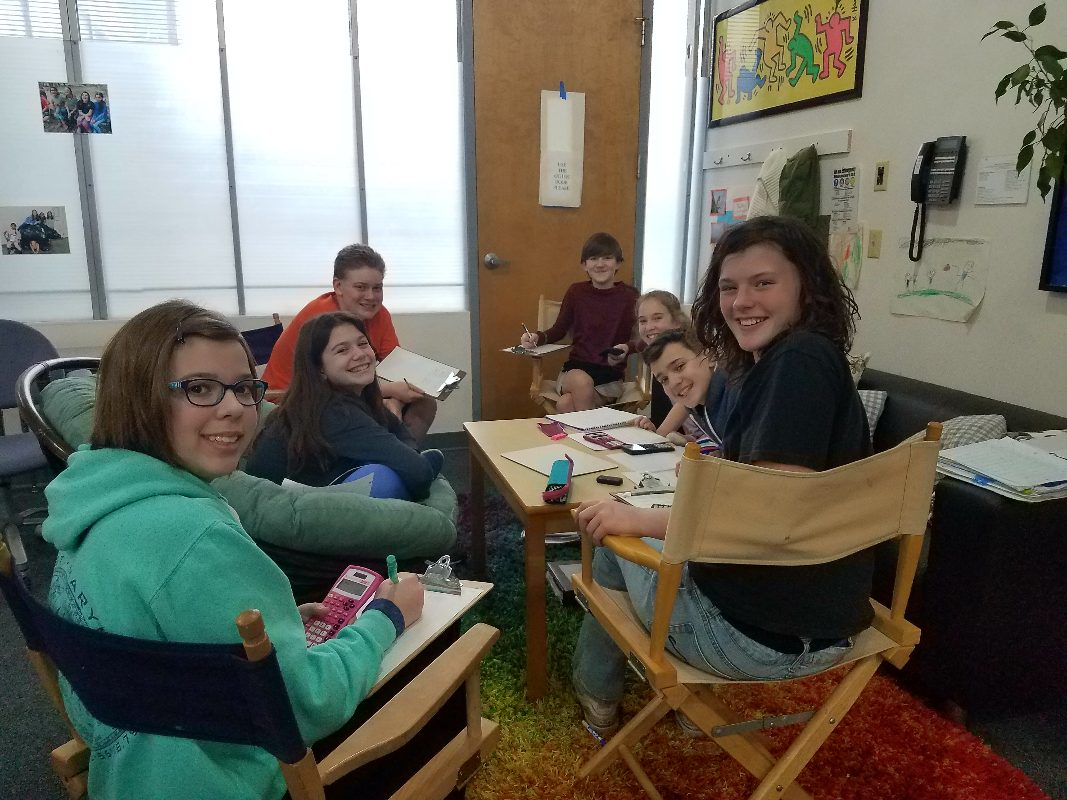
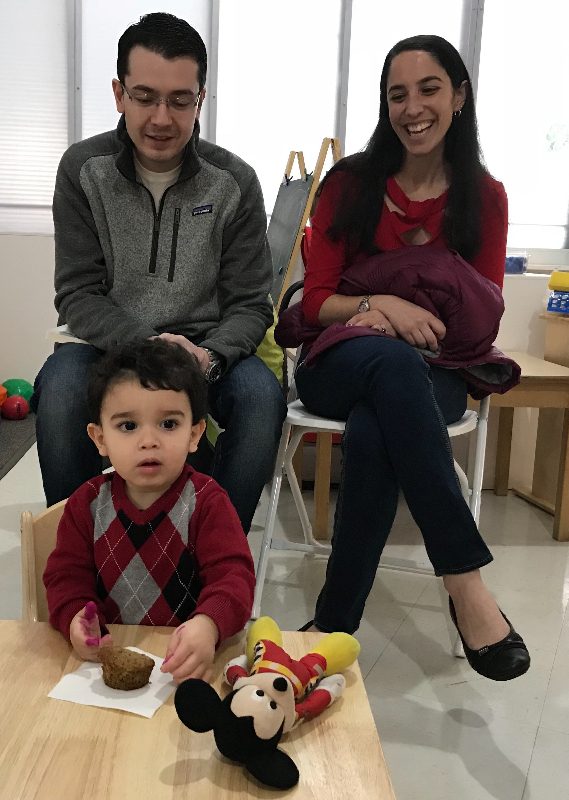
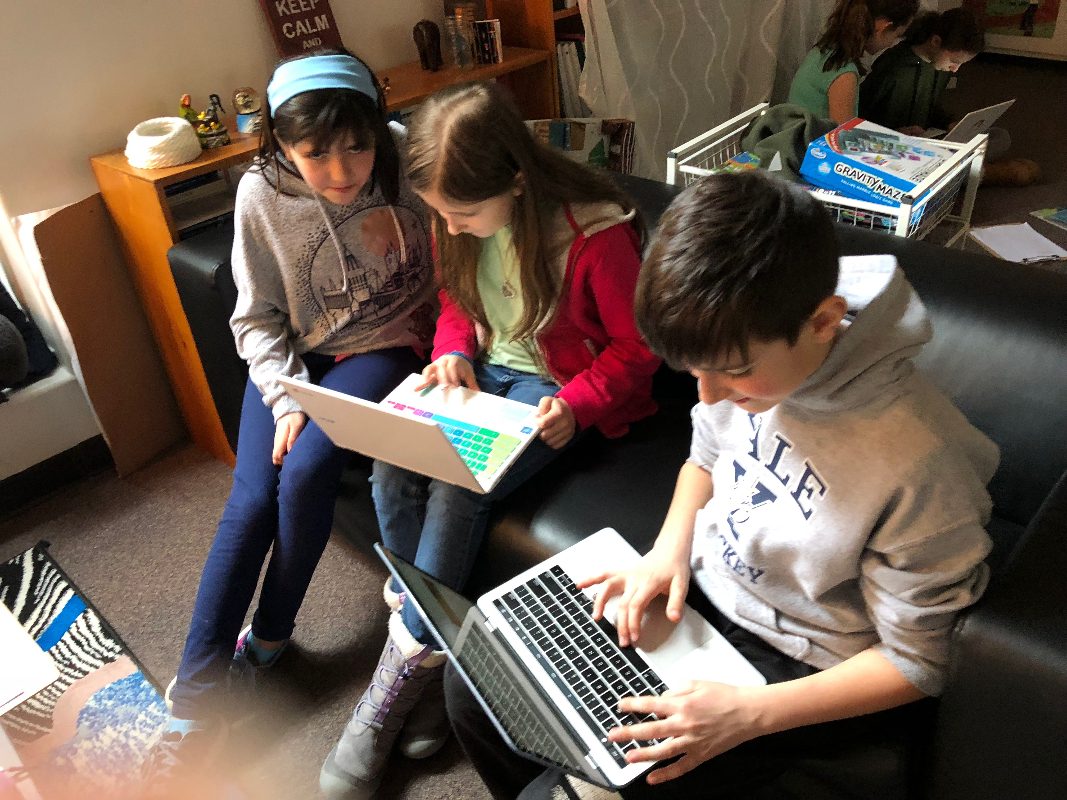
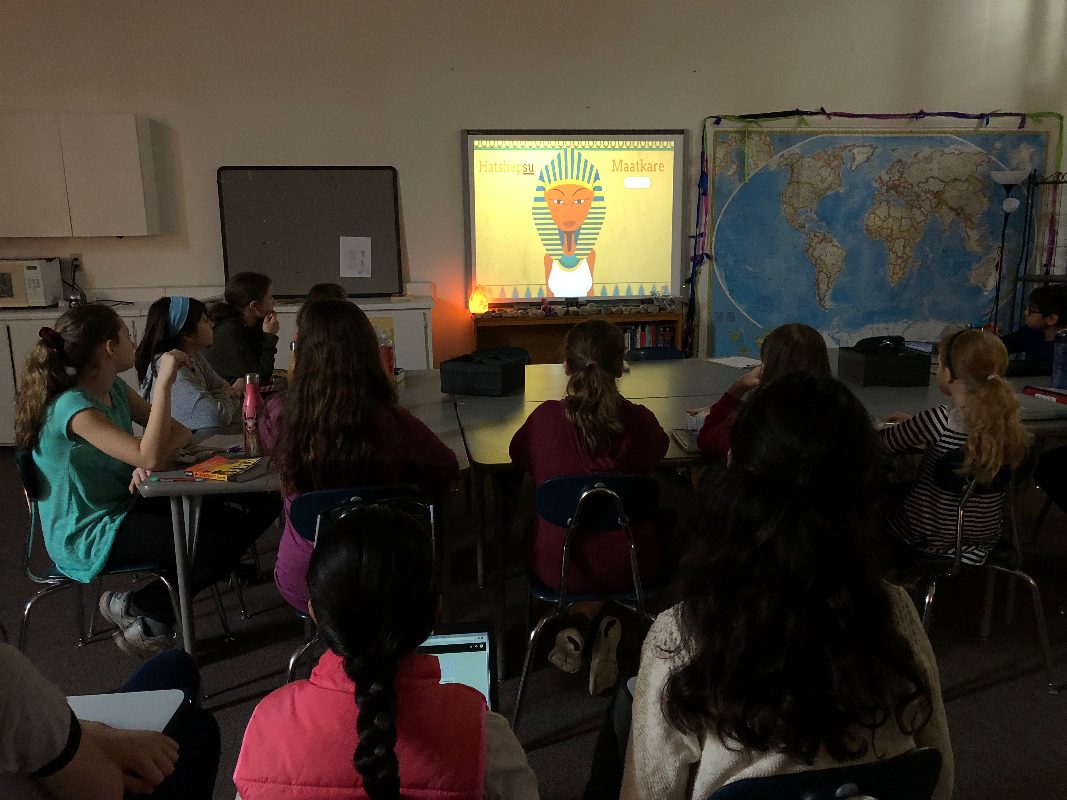
In 6th year Humanities class, we are studying Ancient Egypt. We learned about the Egyptian creation myth and the importance of gods and goddesses in the Ancient Egypt civilization. We also began reading Zilpha Keatley Snyder’s novel, The Egypt Game. 7th years have been discussing the decades of conflicts in Sudan and Southern Sudan as they began Linda Sue Park’s A Long Walk to Water.

For 7th year’s Poetry Tuesday, we read “On Turning Ten” by Billy Collins. It discusses life reflection by a youngster and the realization of what comes with getting older- the loss of innocence and weight of the world. Kids are fully aware of this change, and in some ways, they look forward to it. In other ways, it’s terrifying.

We discussed if there is a balance between staying young and childlike and bearing the responsibility that comes with getting older. There is a line in the poem that says, “It seems only yesterday I used to believe/there was nothing under my skin but light./ If you cut me I would shine./” I asked the class, “How can we keep the light within ourselves shining?” I told them that I keep the light by teaching and surrounding myself with young adults each day. It never lets me forget the importance of staying young within my soul.

As much as adults want to protect children from the harsh realities of getting older, it happens quicker than we would like; however, knowing that they remember and love being young gives comfort that despite the real-world realization they discover, they still hold onto their lights.

.