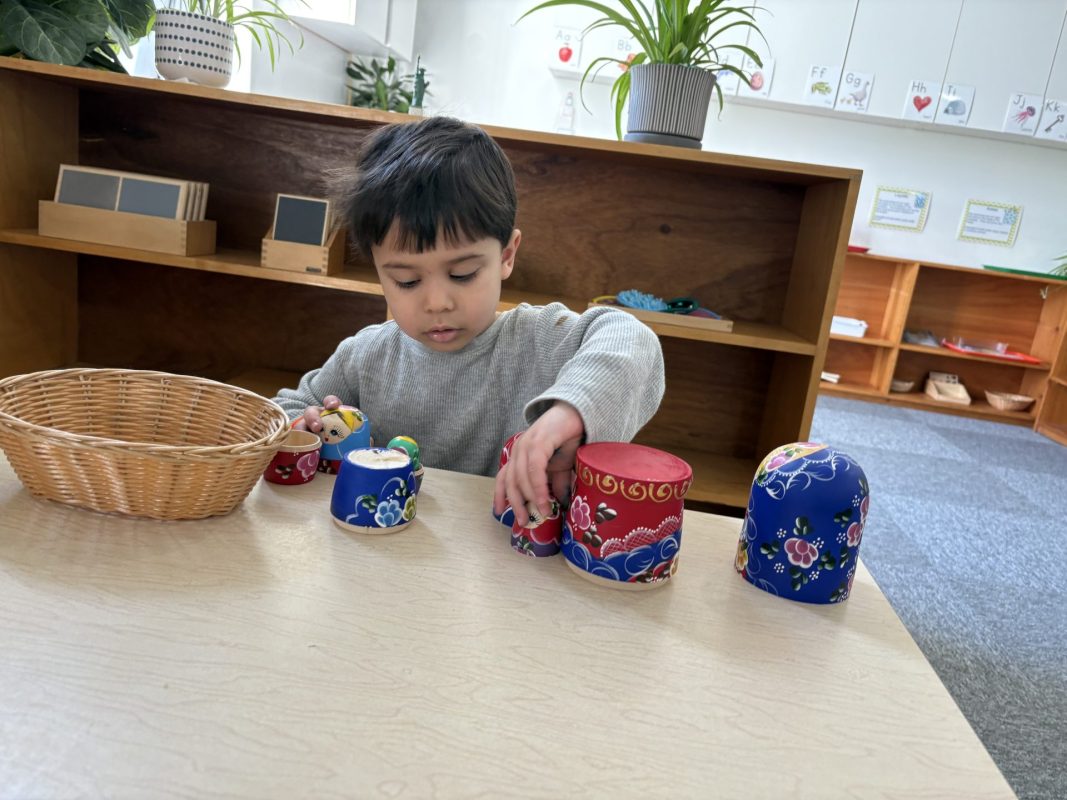
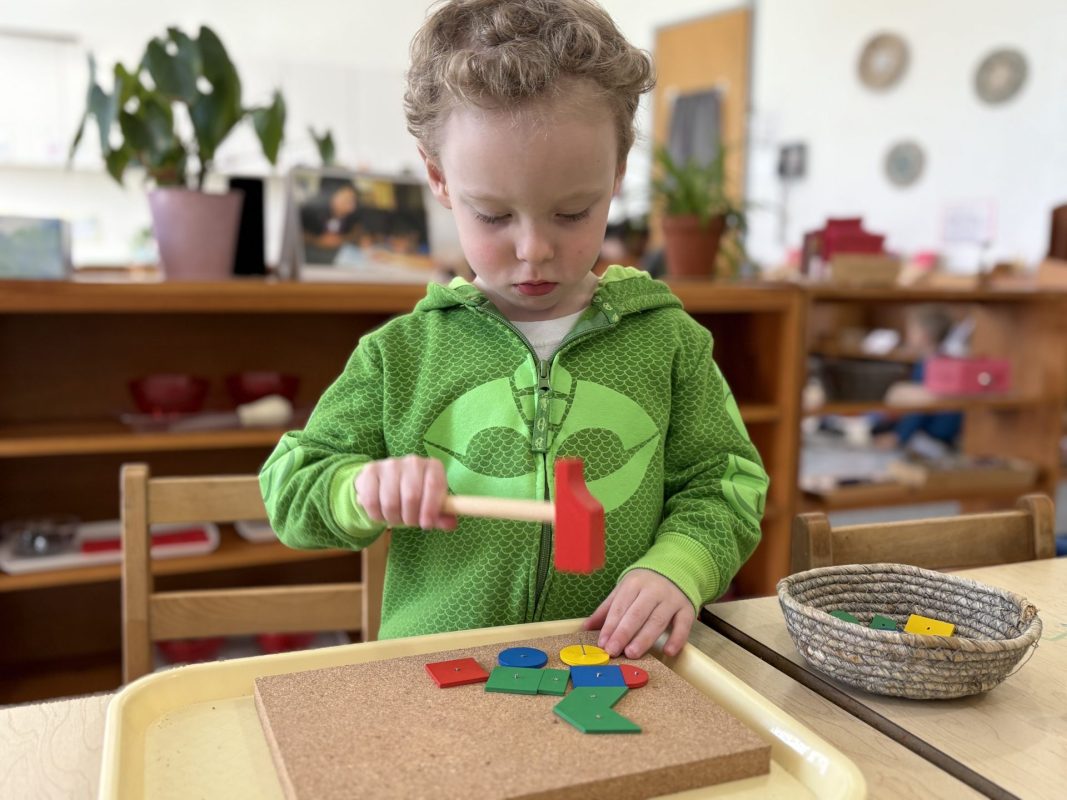
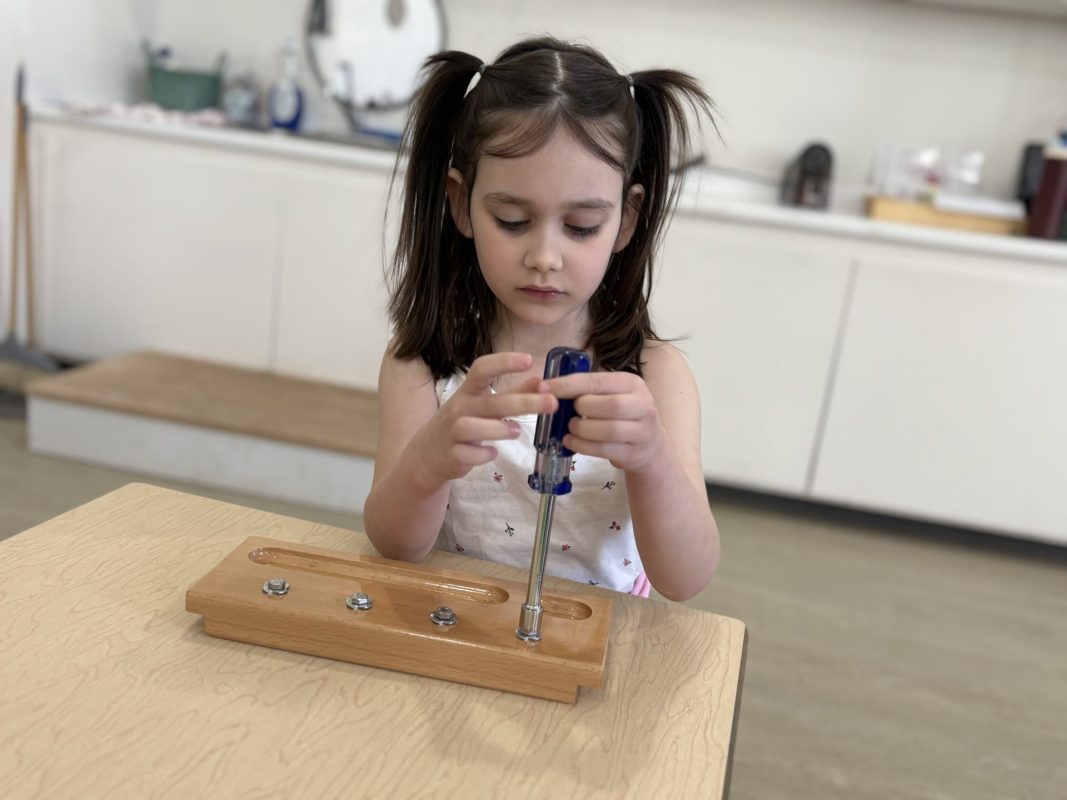
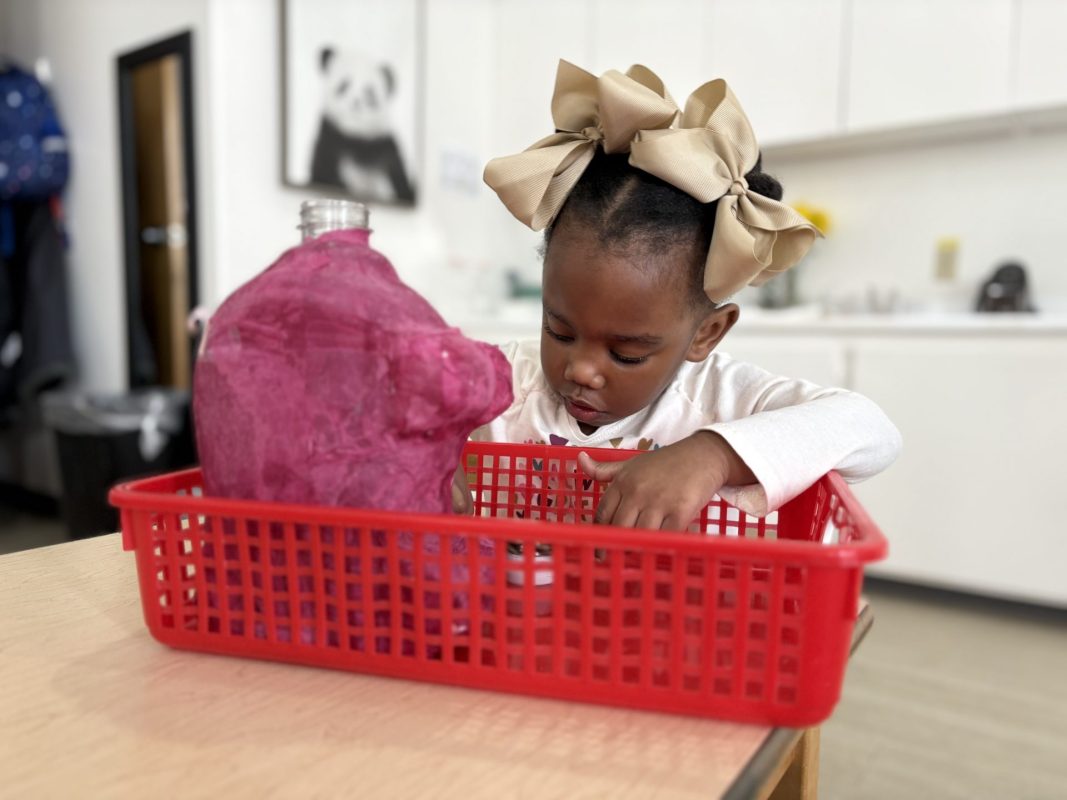
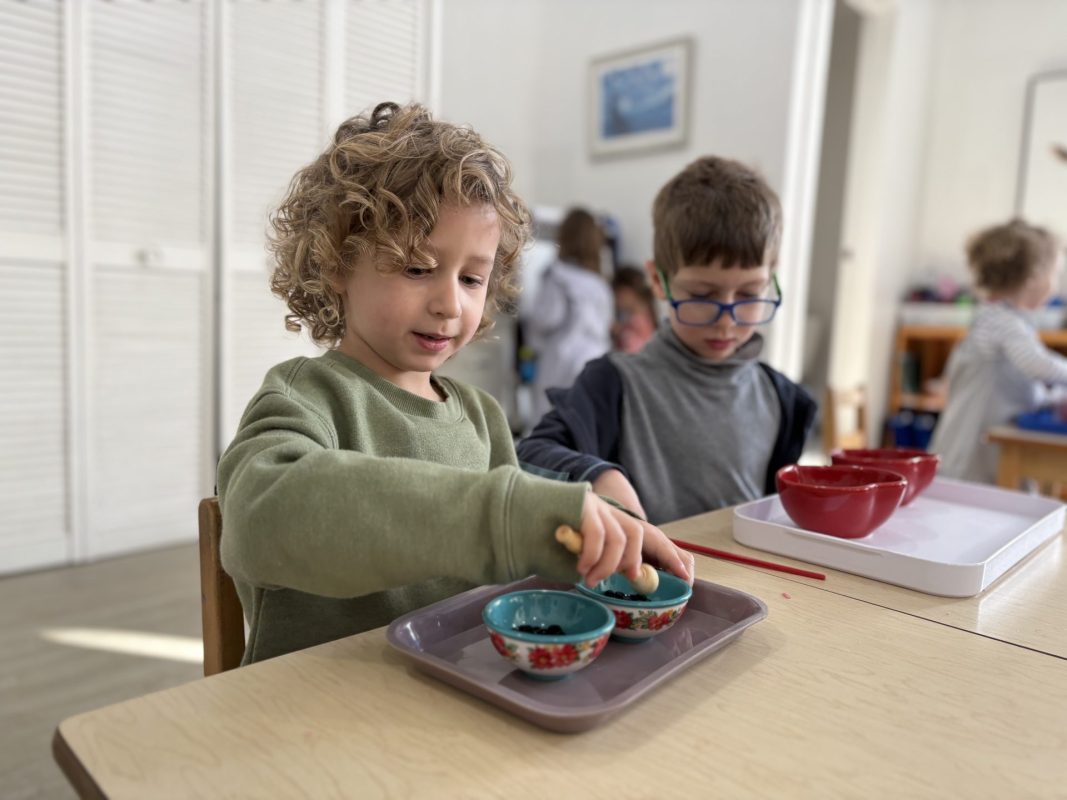
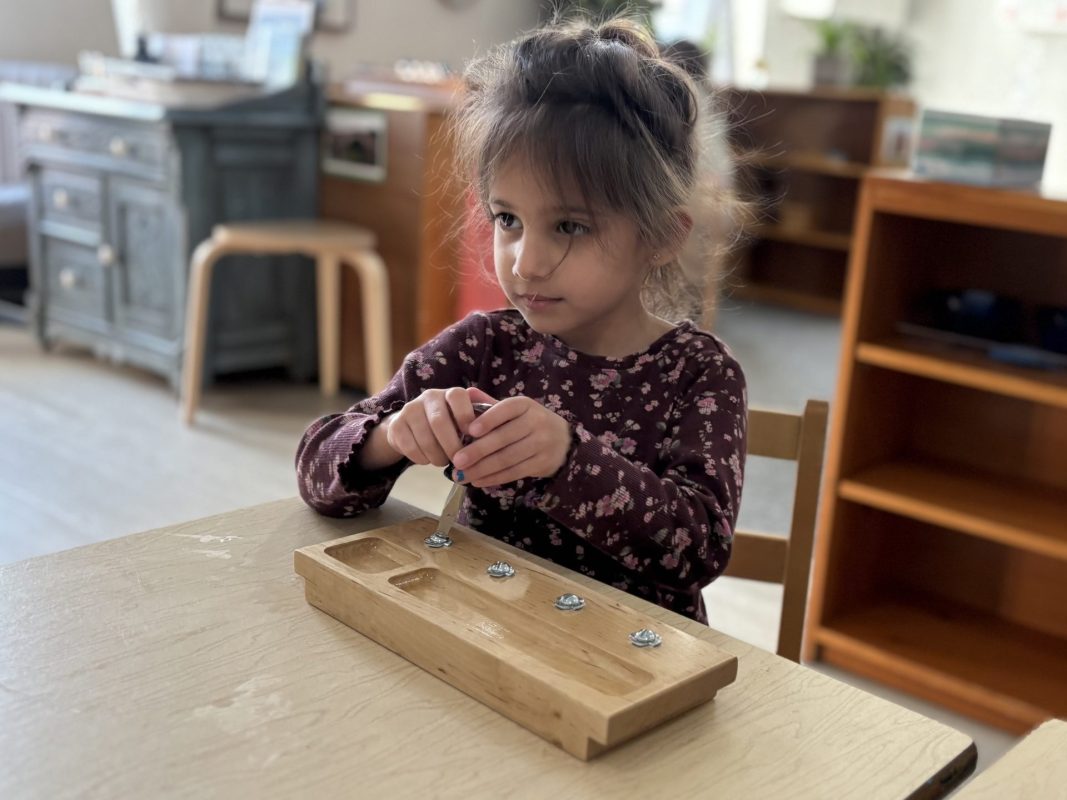
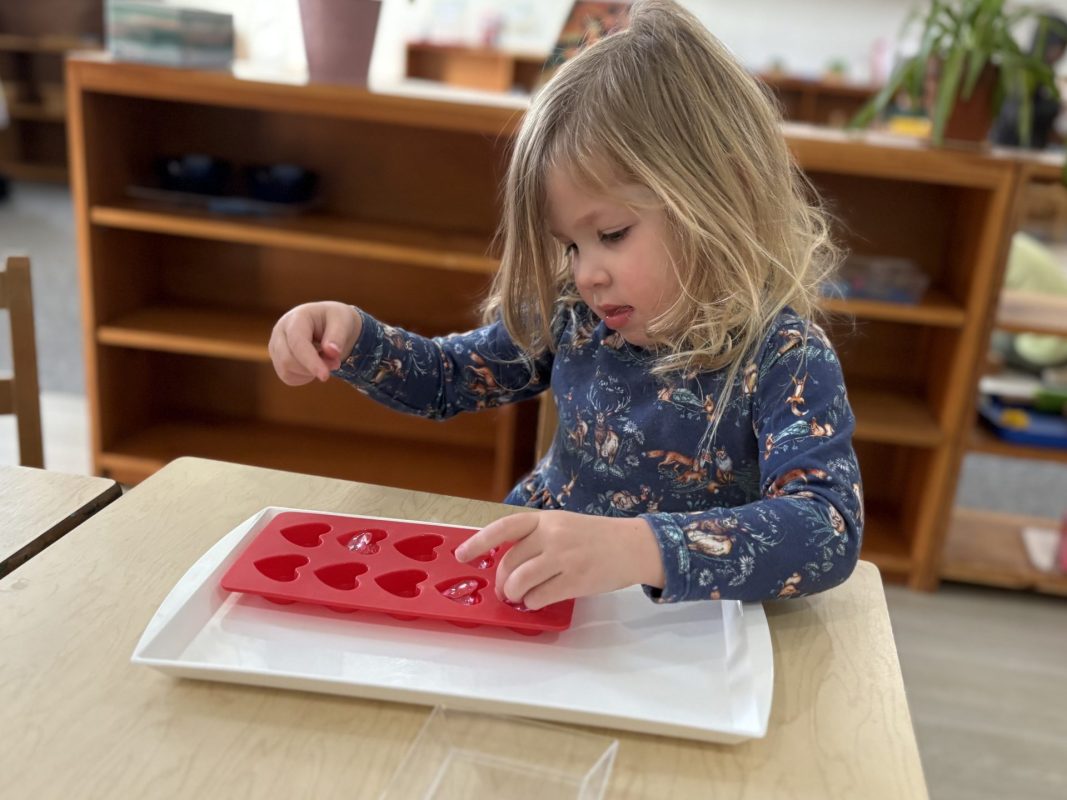
Mrs. Sargeant: A Peek at the Week

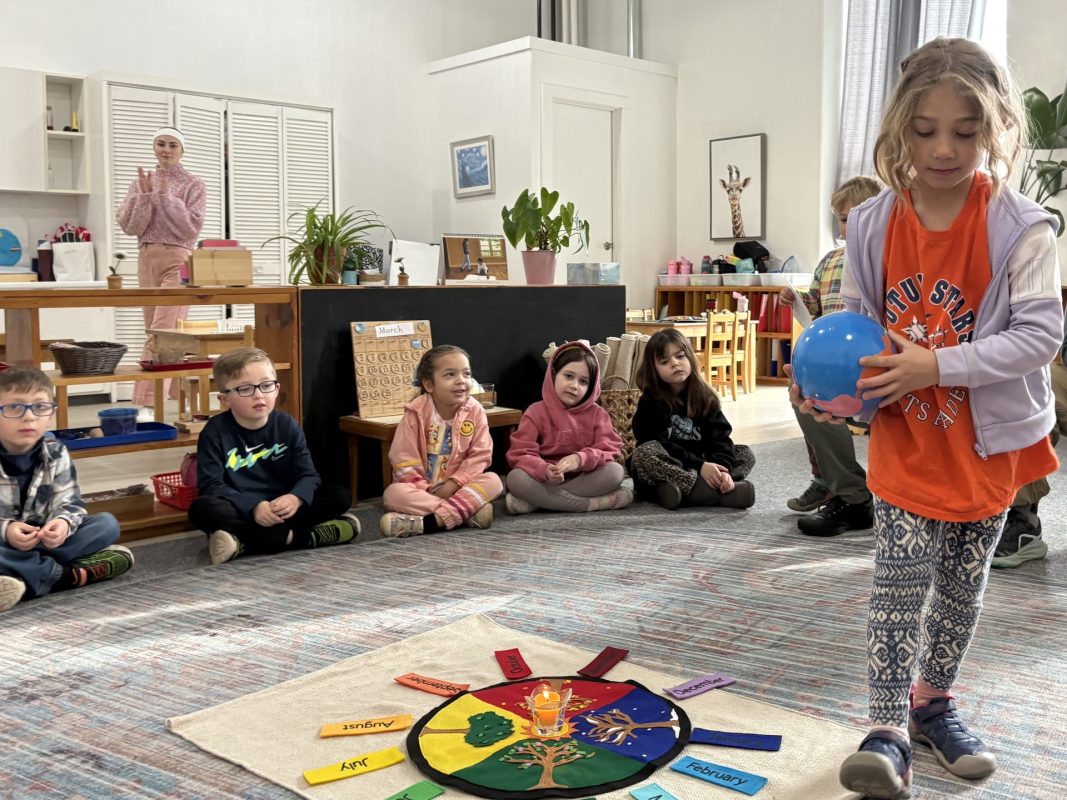
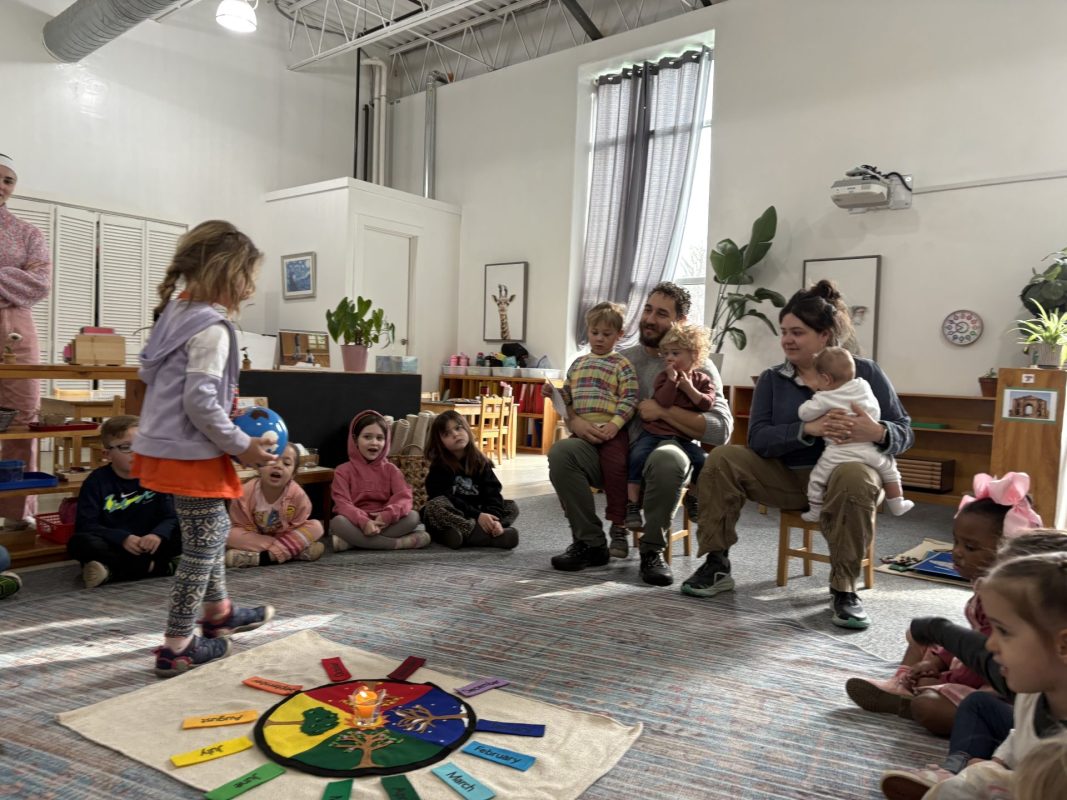
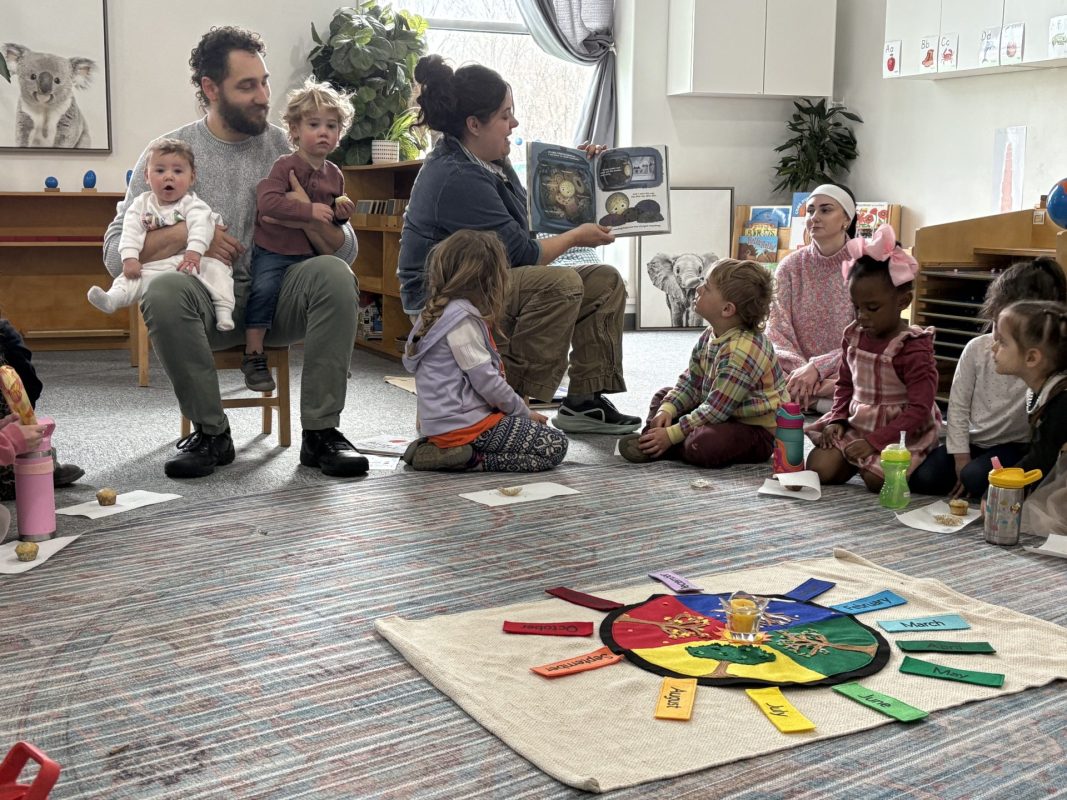
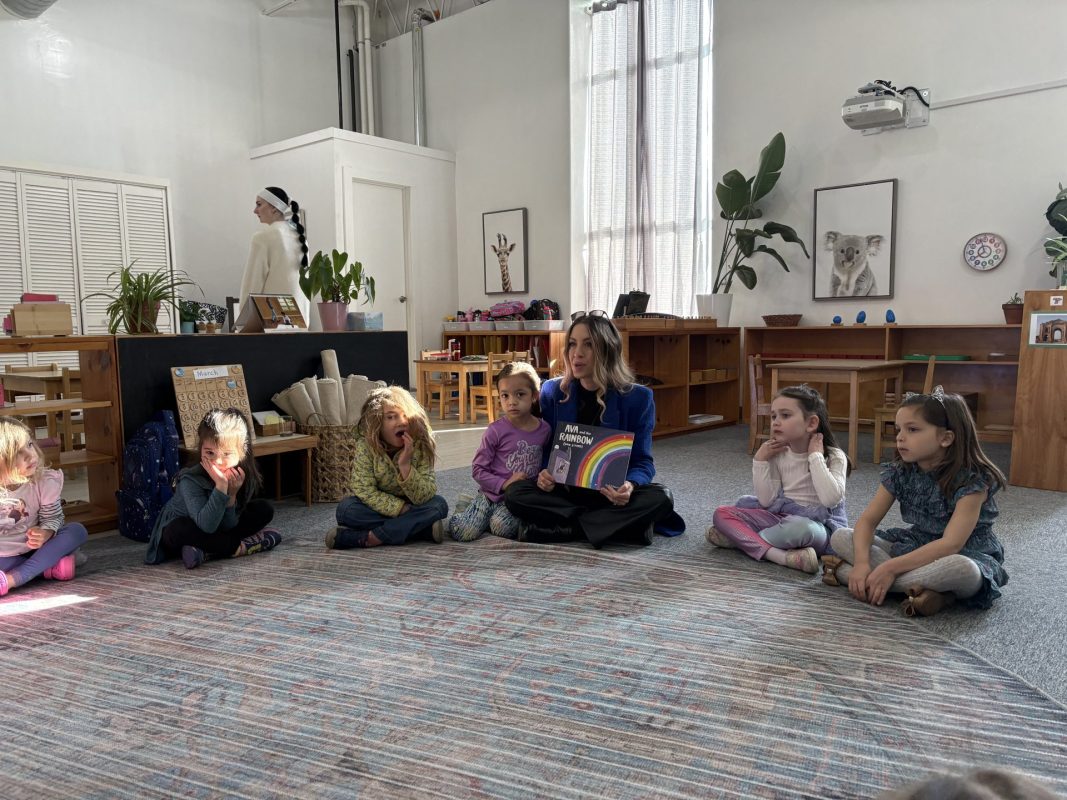
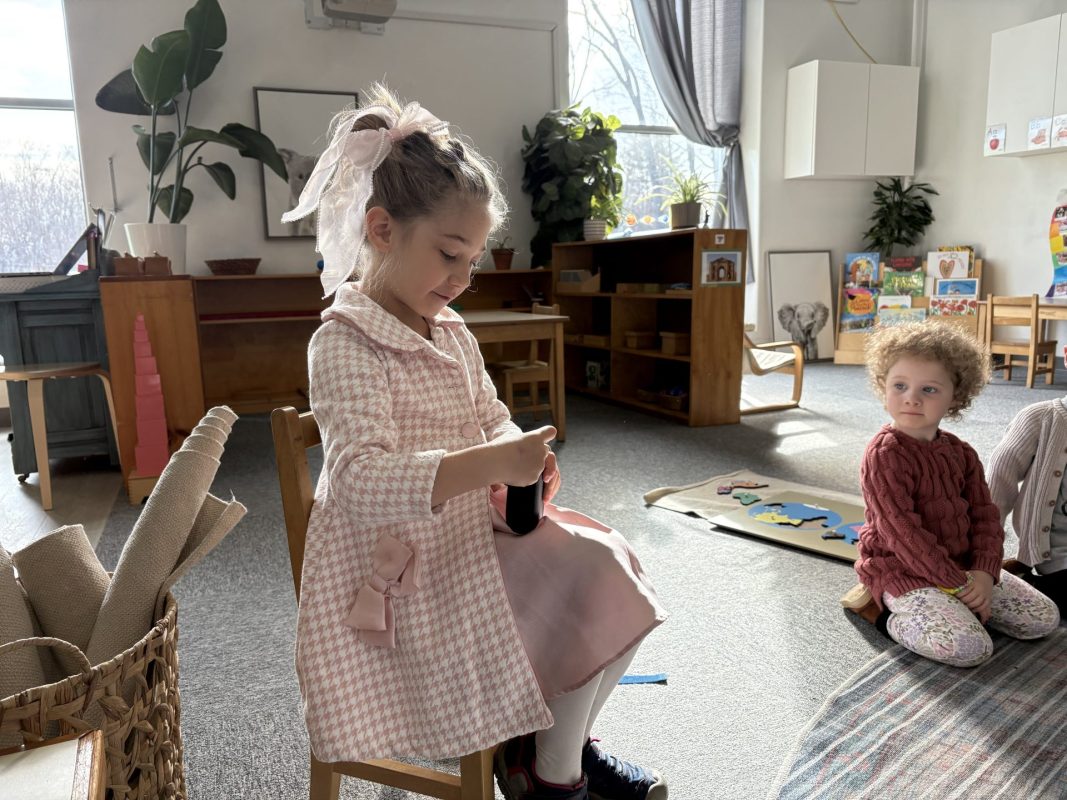
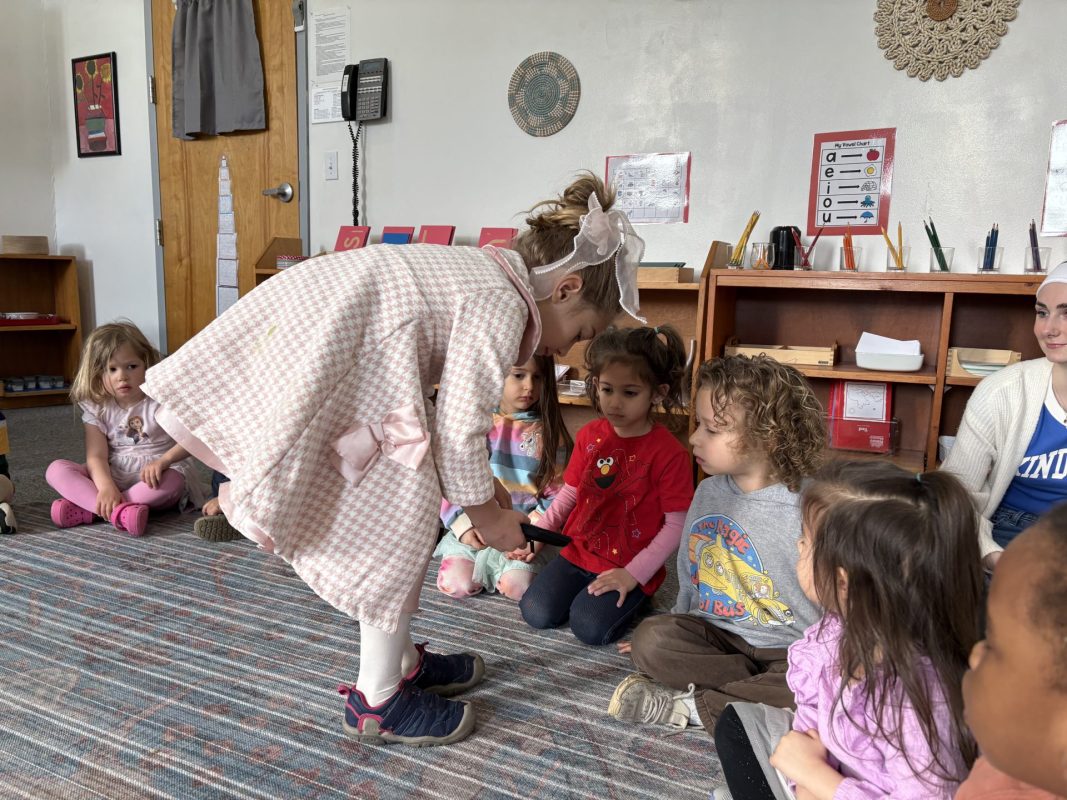
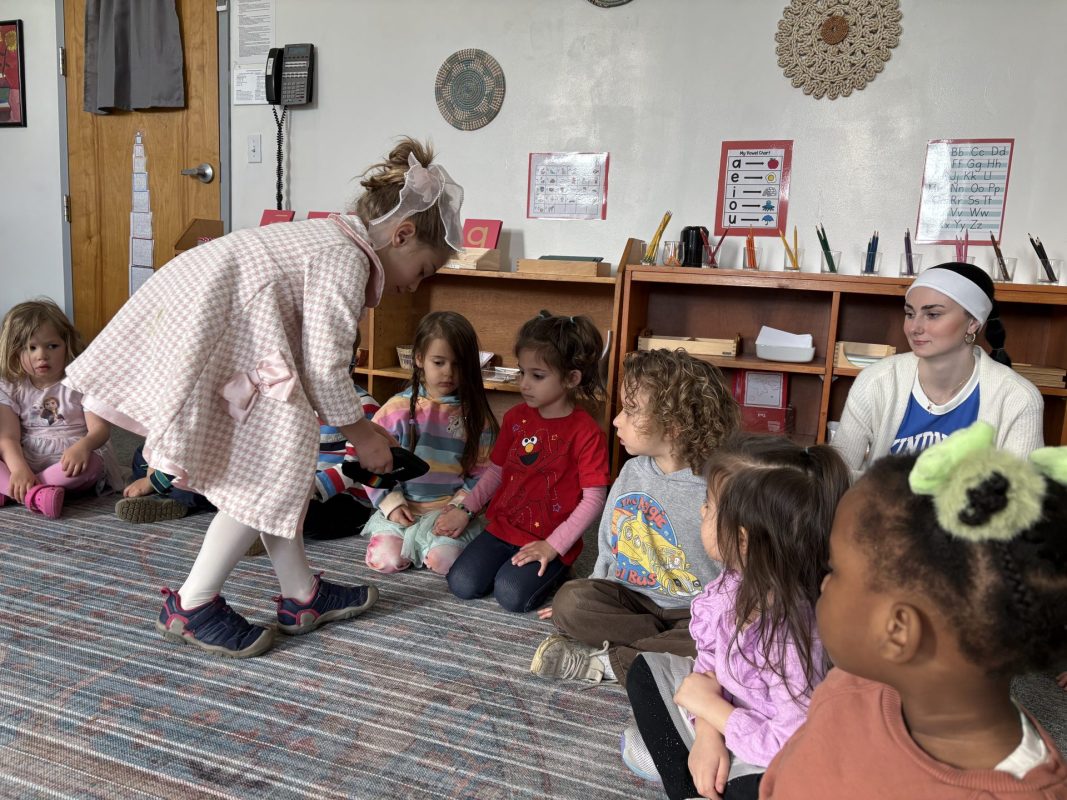
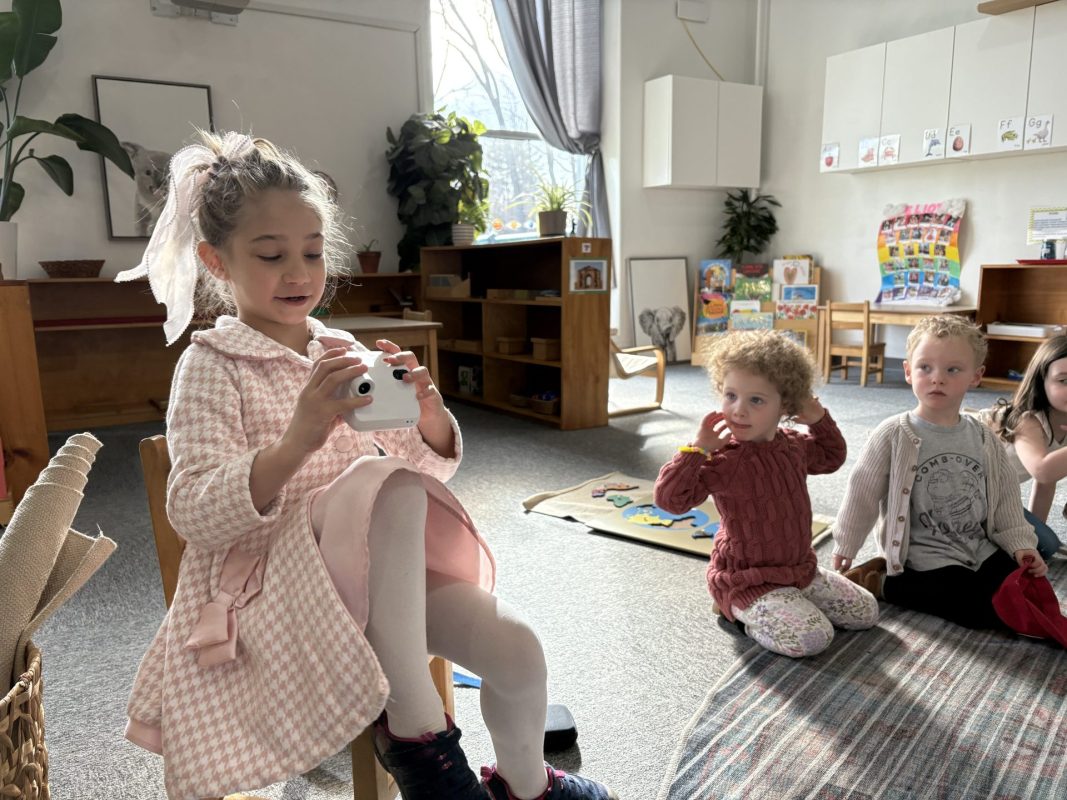
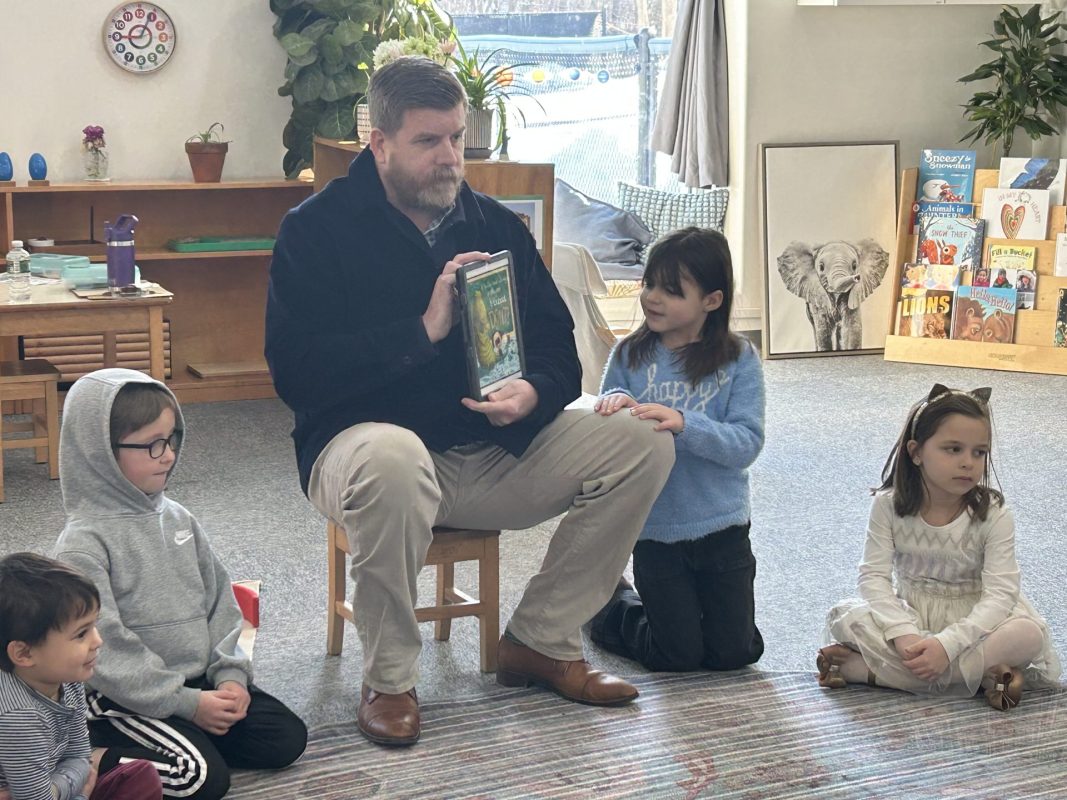
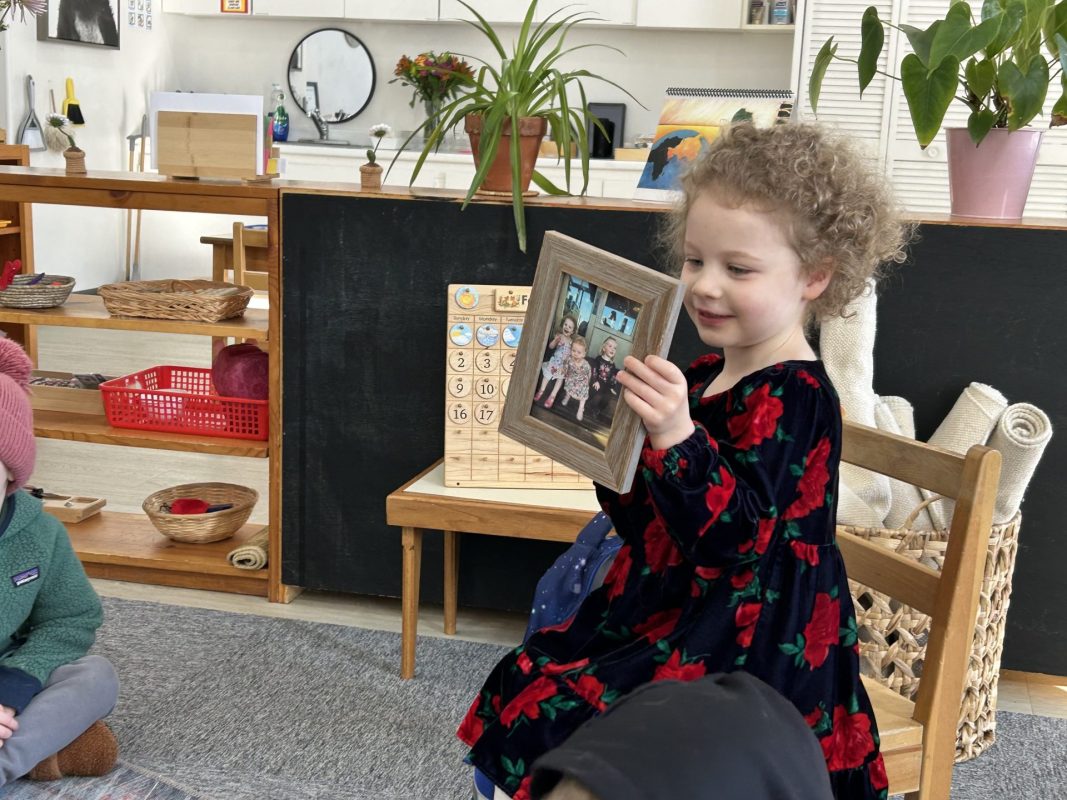
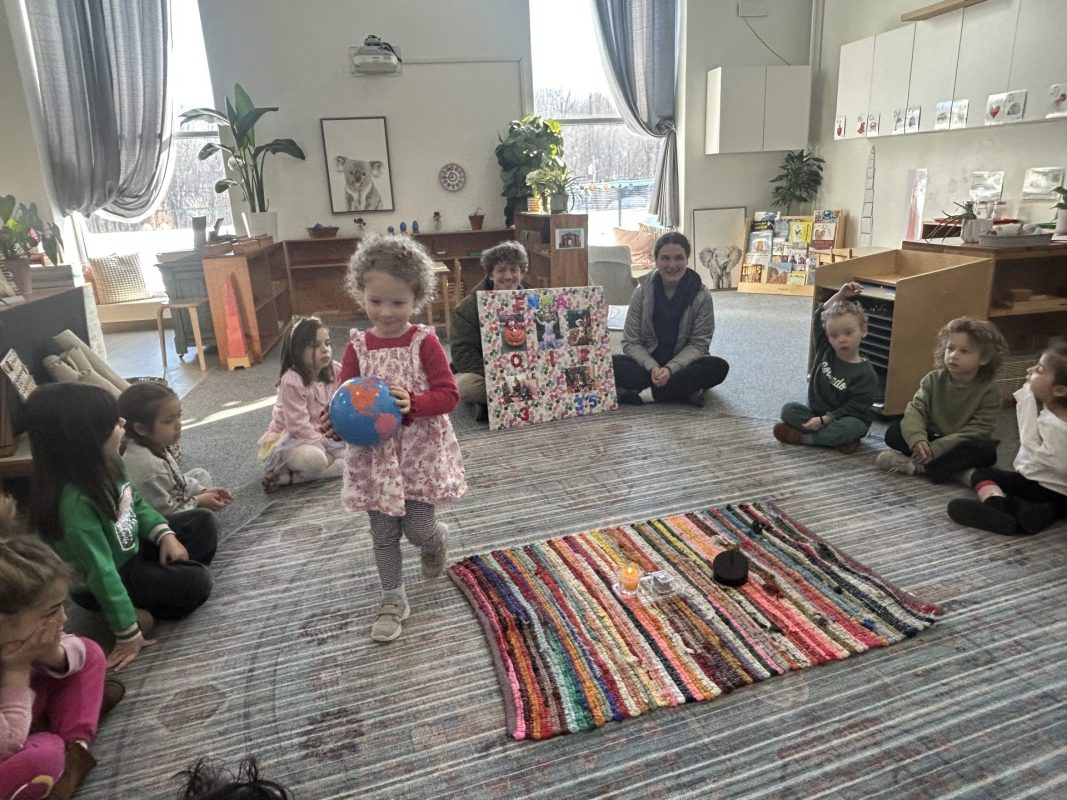
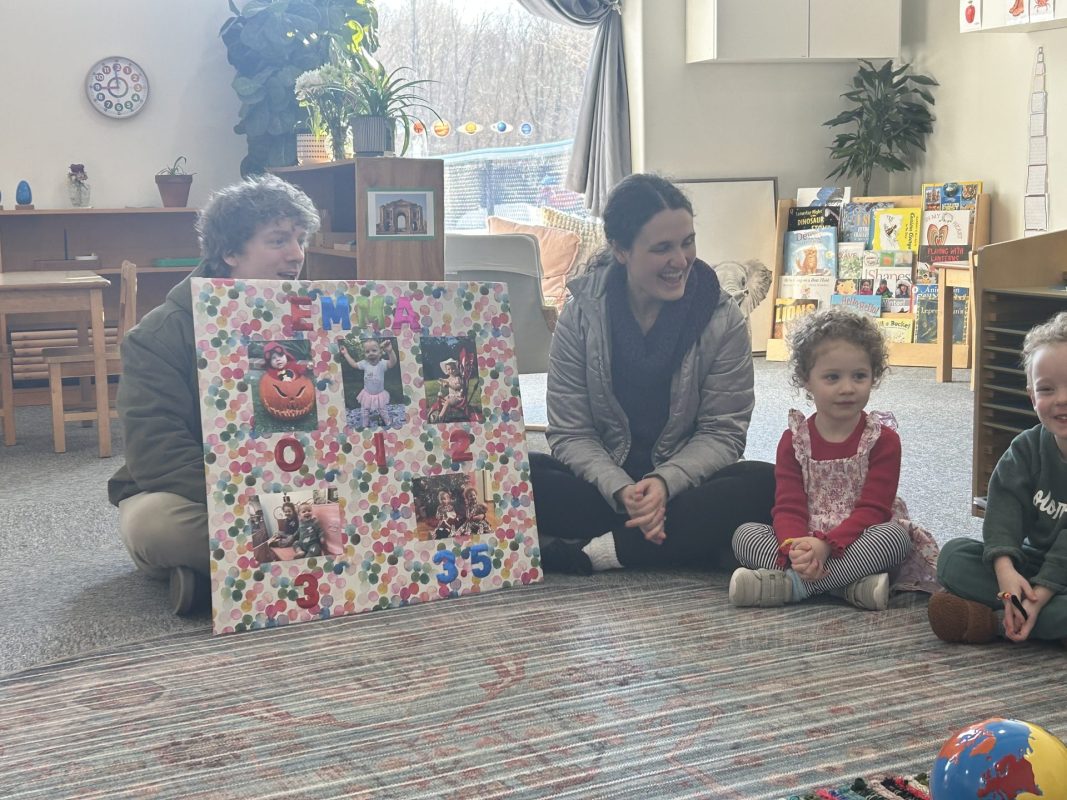
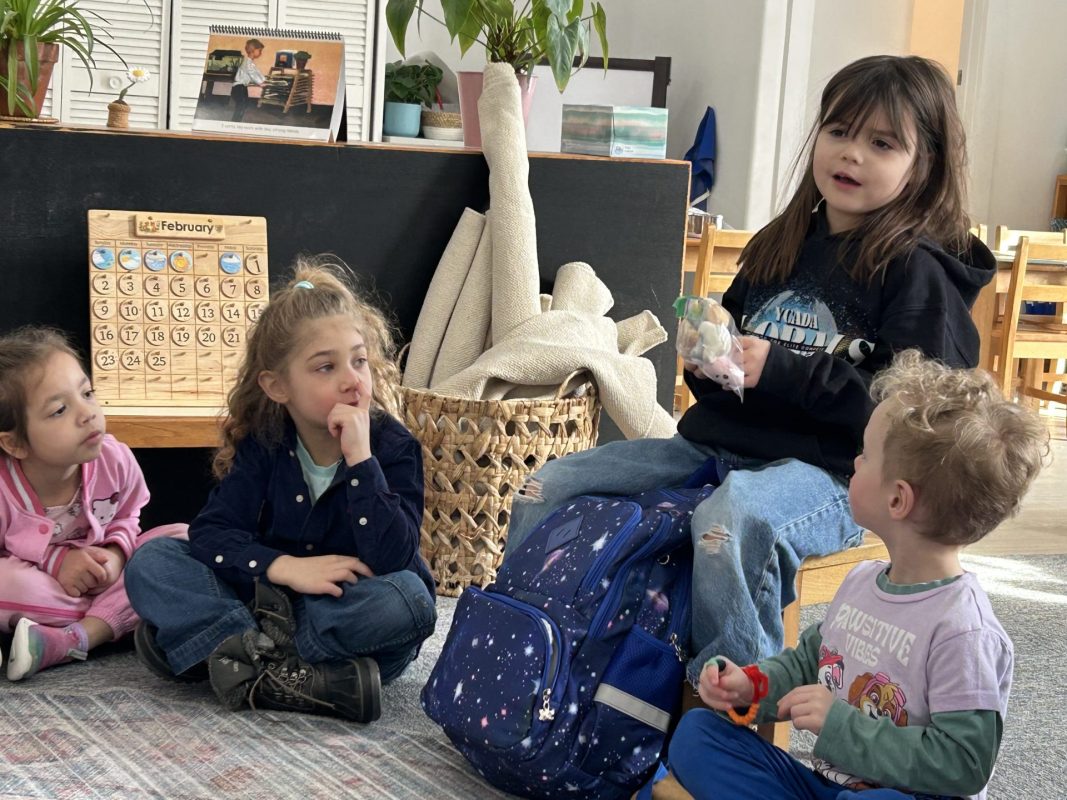
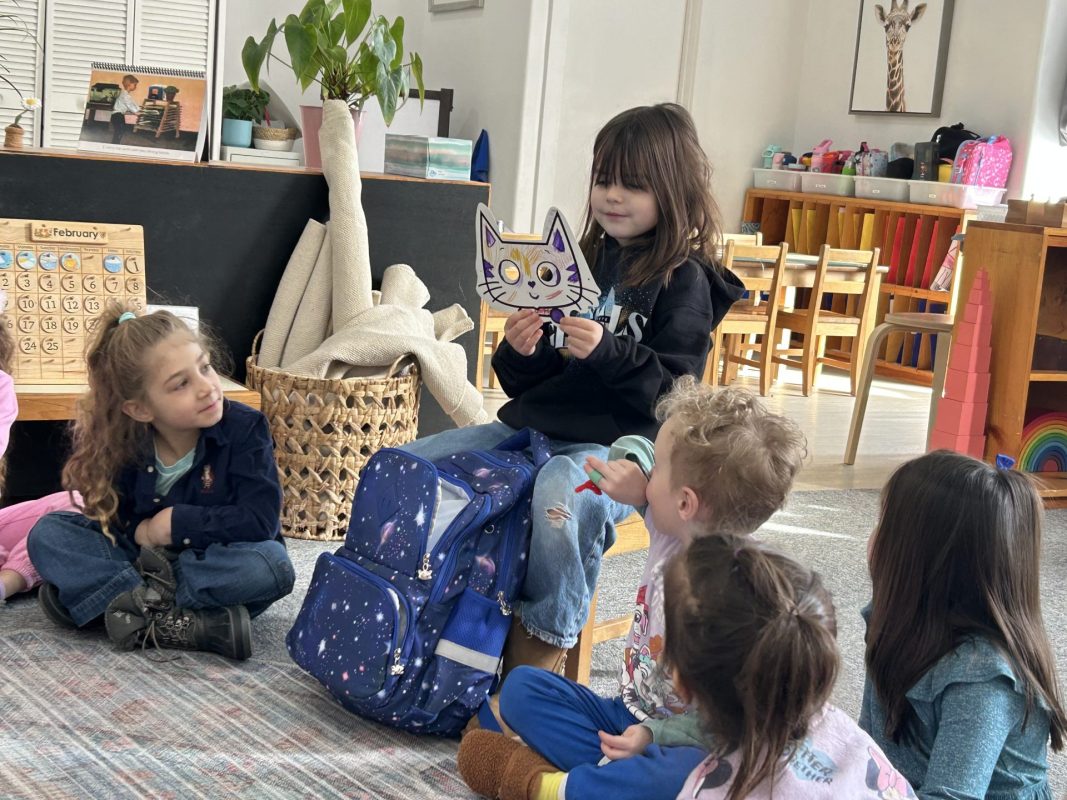
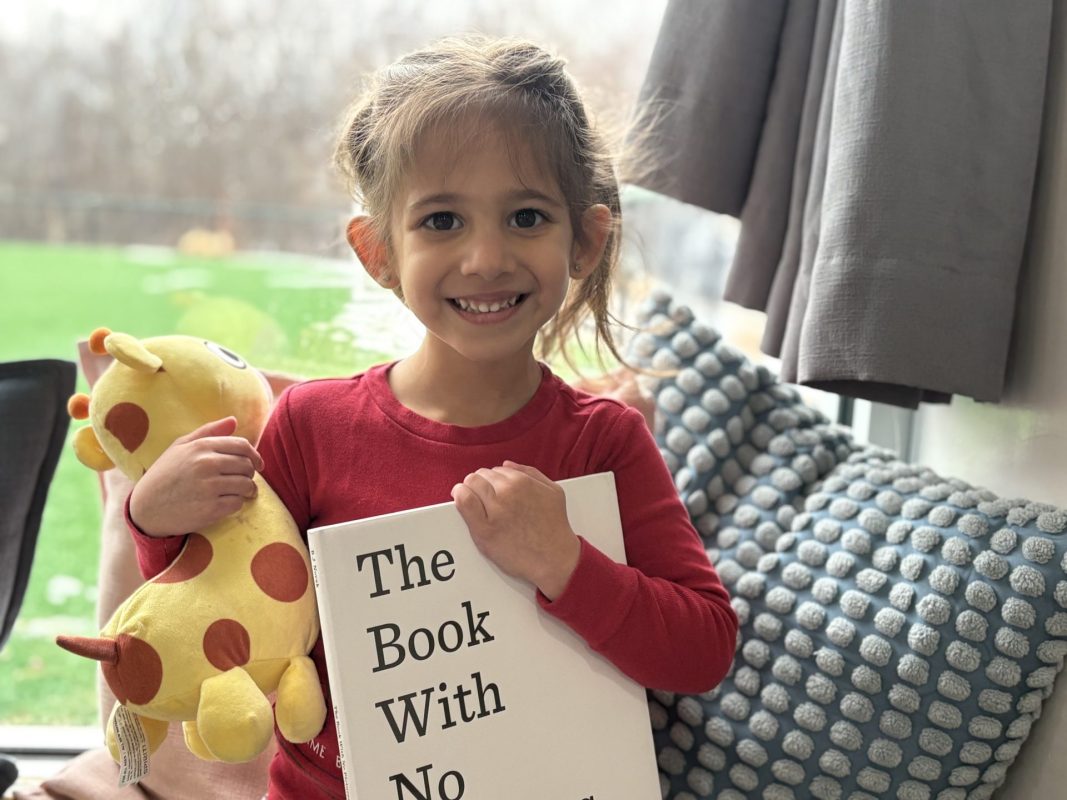
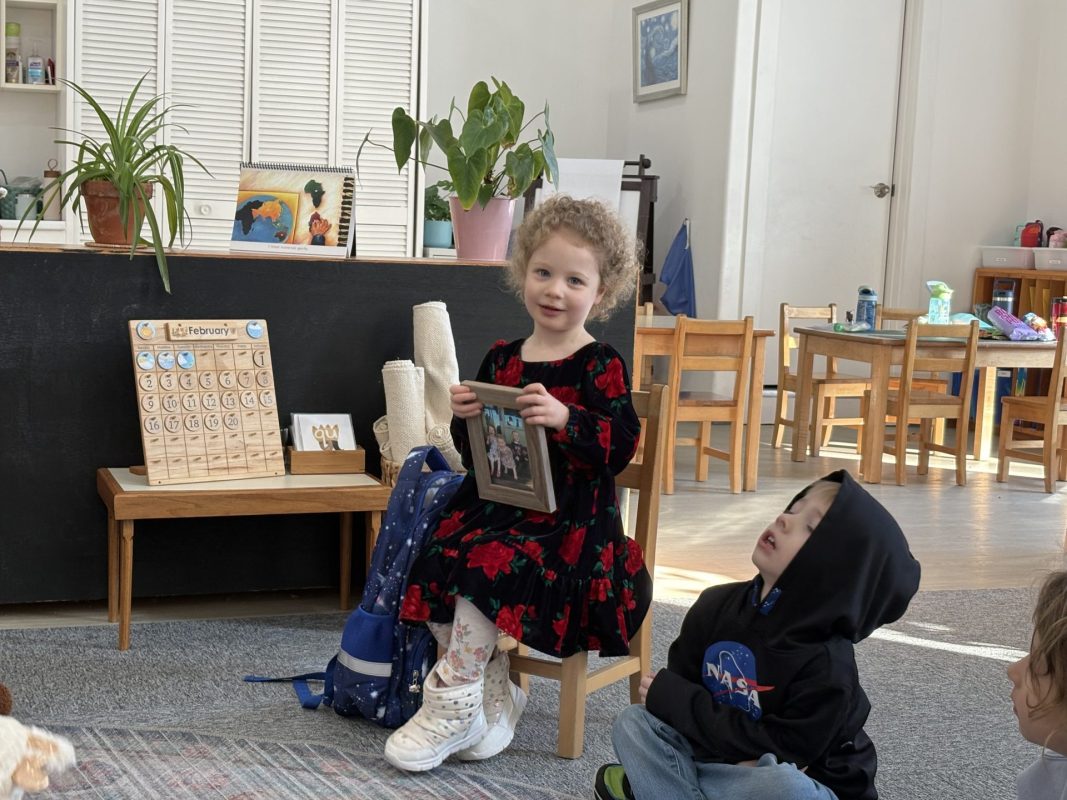
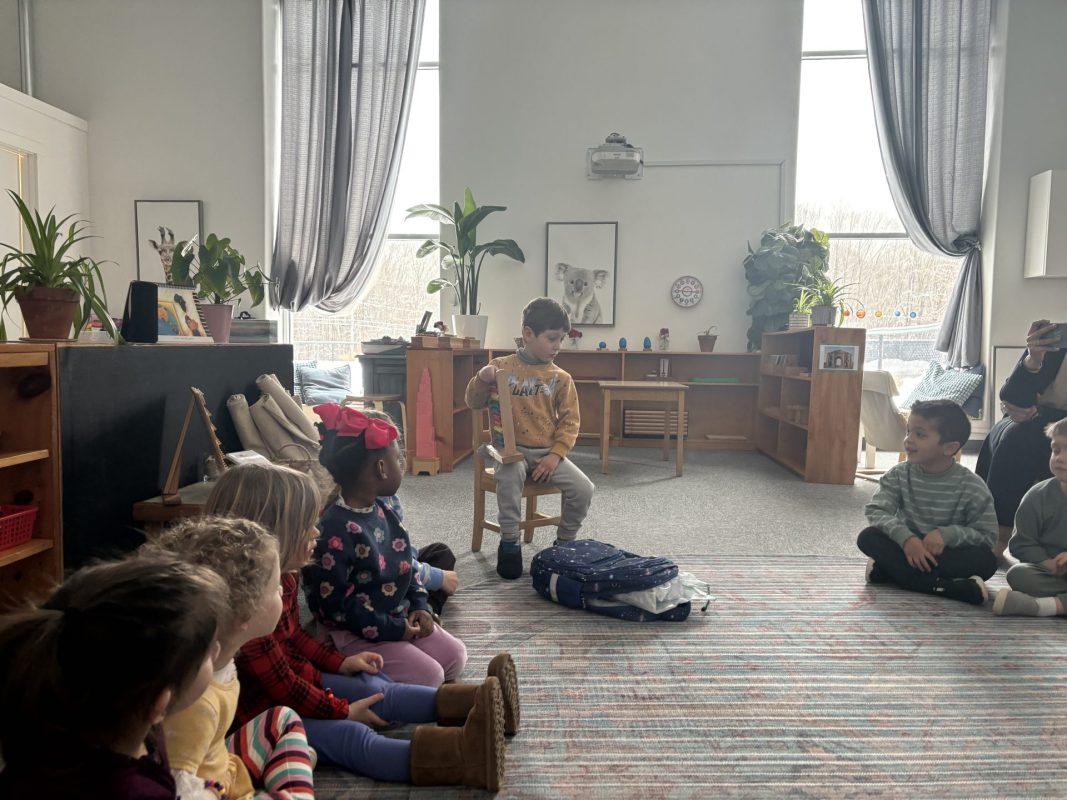
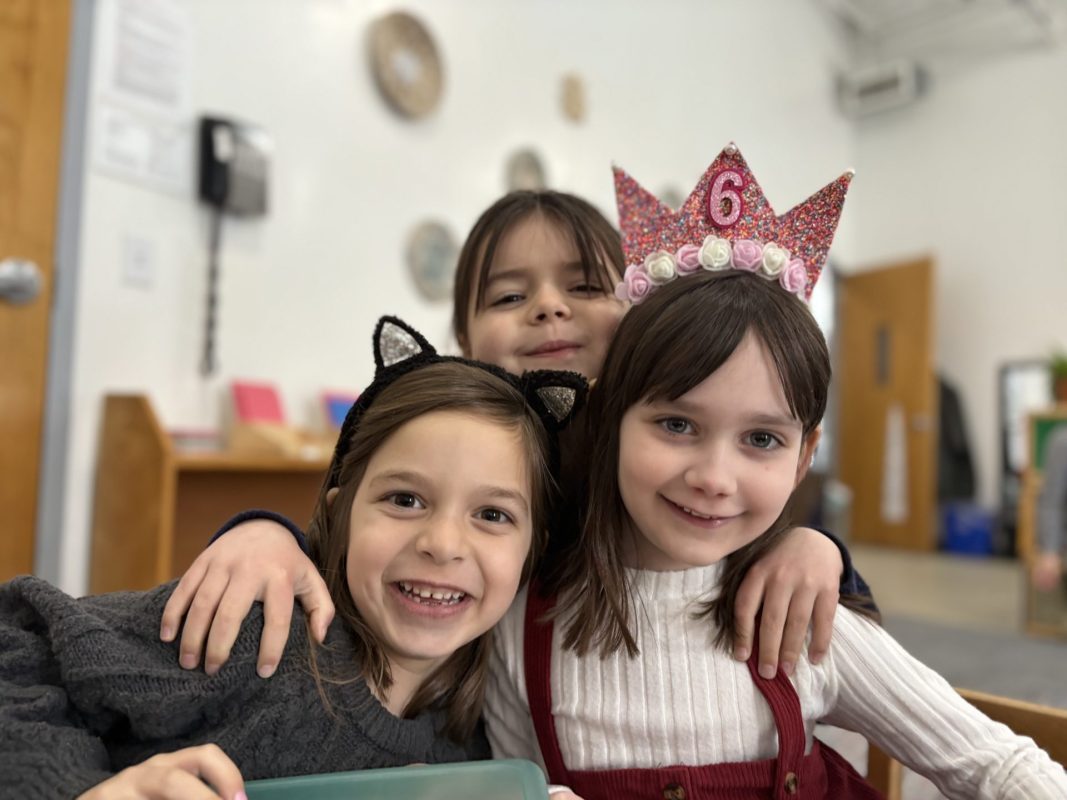
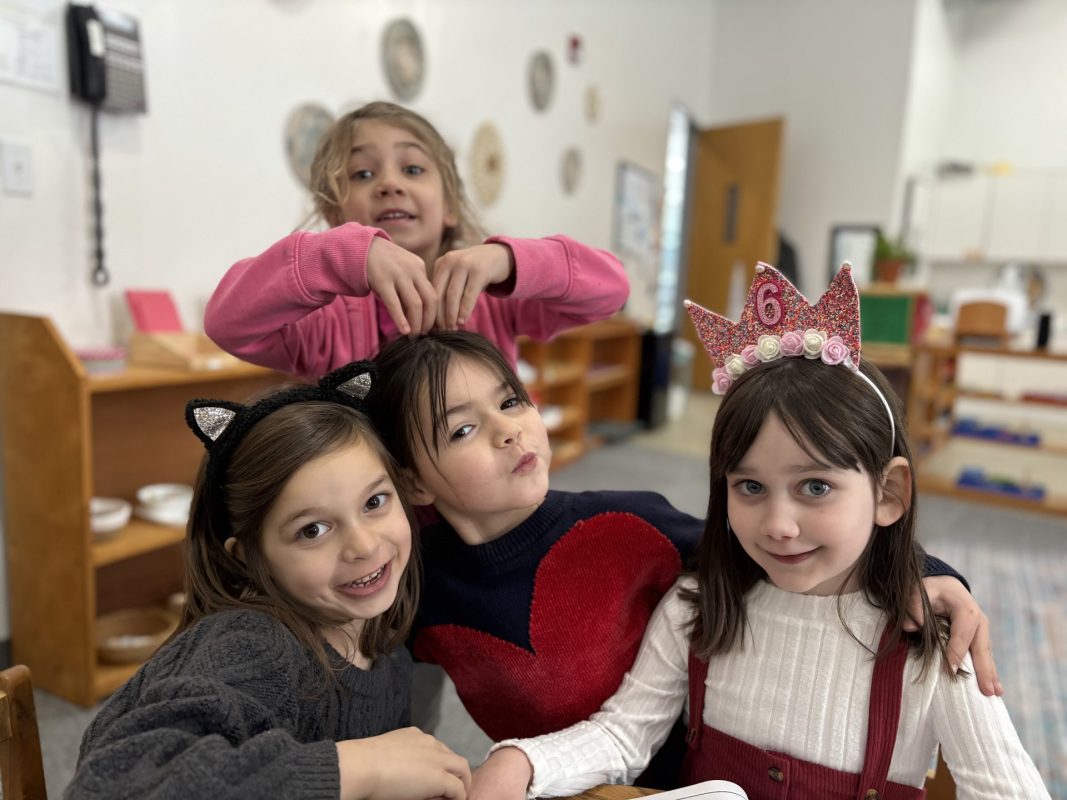
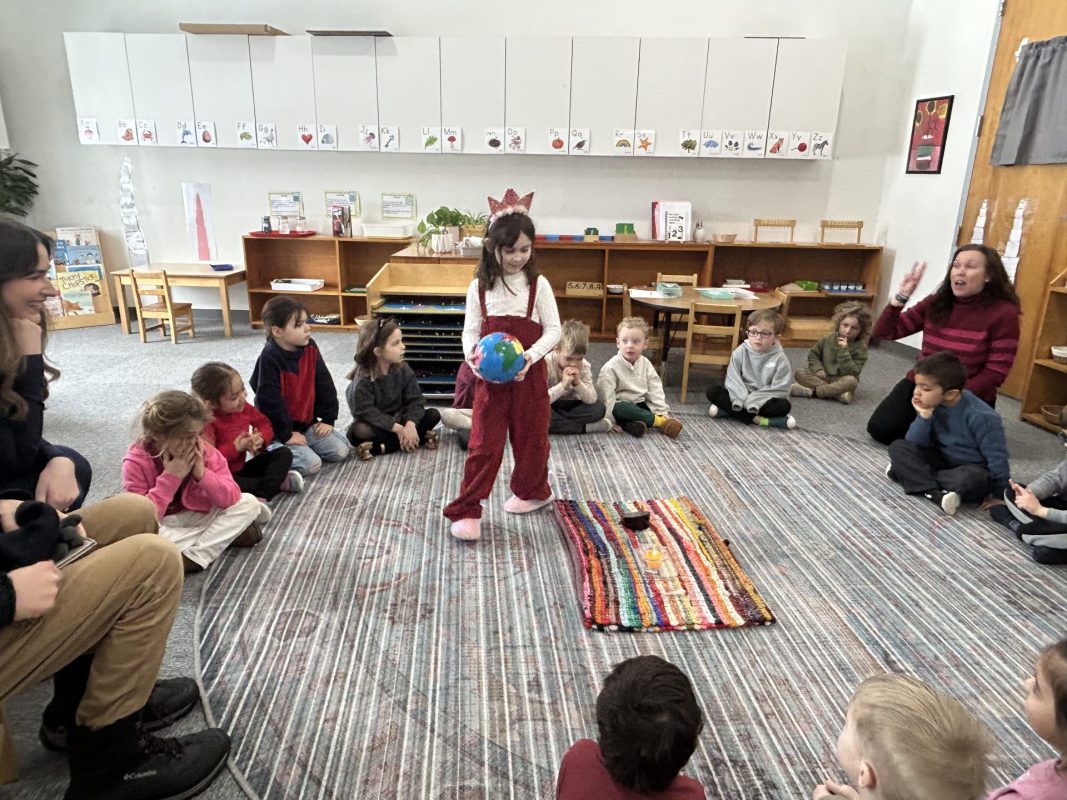
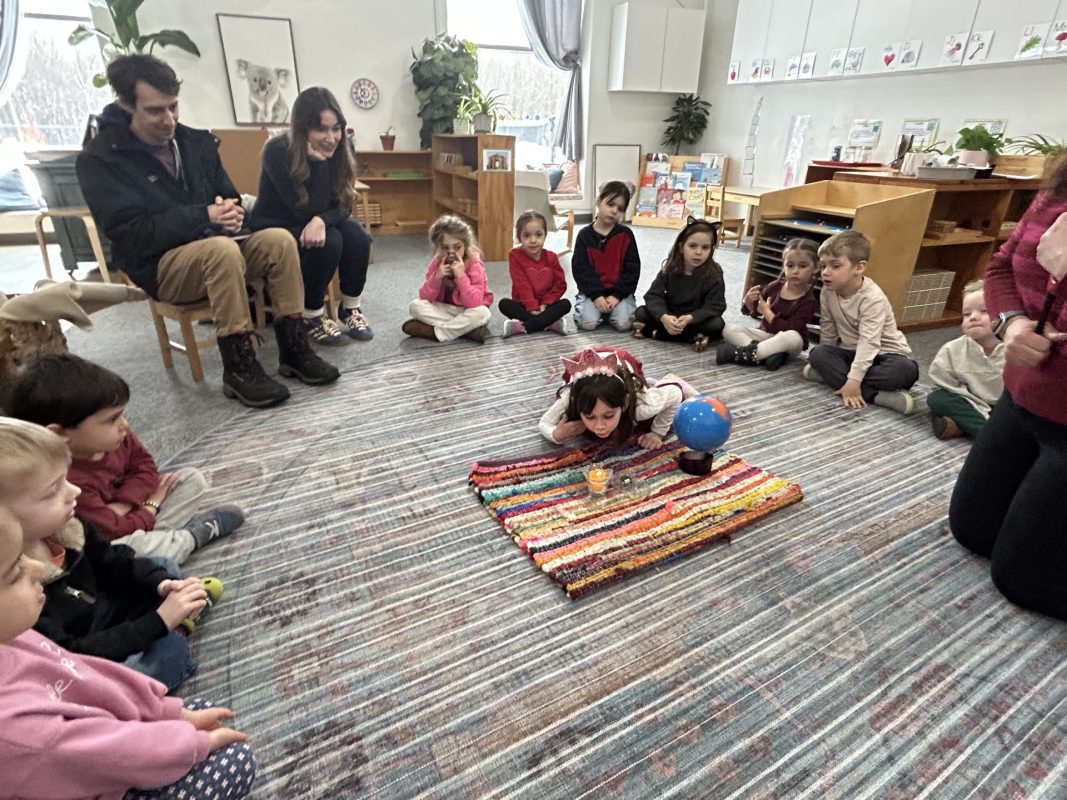
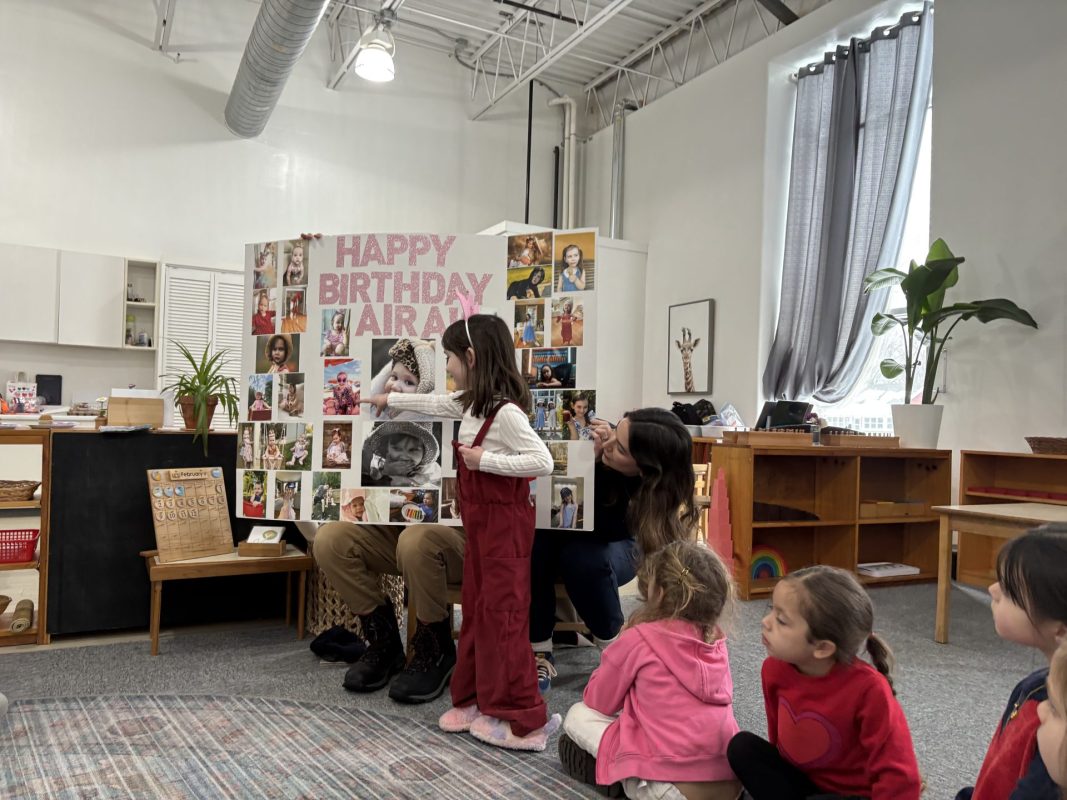
Last week and this week, we celebrated some friends’ birthdays in class. We have four more friends to celebrate with this month! We love to have parents join our class as we celebrate your children. It is customary in our class for each family to bring some photos of the birthday child – typically one per year of life. It’s easiest for the children to view the photos if they’re displayed on a piece of posterboard or taped onto a piece of paper. We’d love it if you’d bring a snack to share with the class and a favorite book of your child’s for you to read to the class as they’re enjoying the special birthday snack. Be prepared to answer lots of questions about when your child was a baby. Their classmates are always curious to learn when their friends began walking, talking, jumping, etc. Thank you for taking the time to come in and share with us.
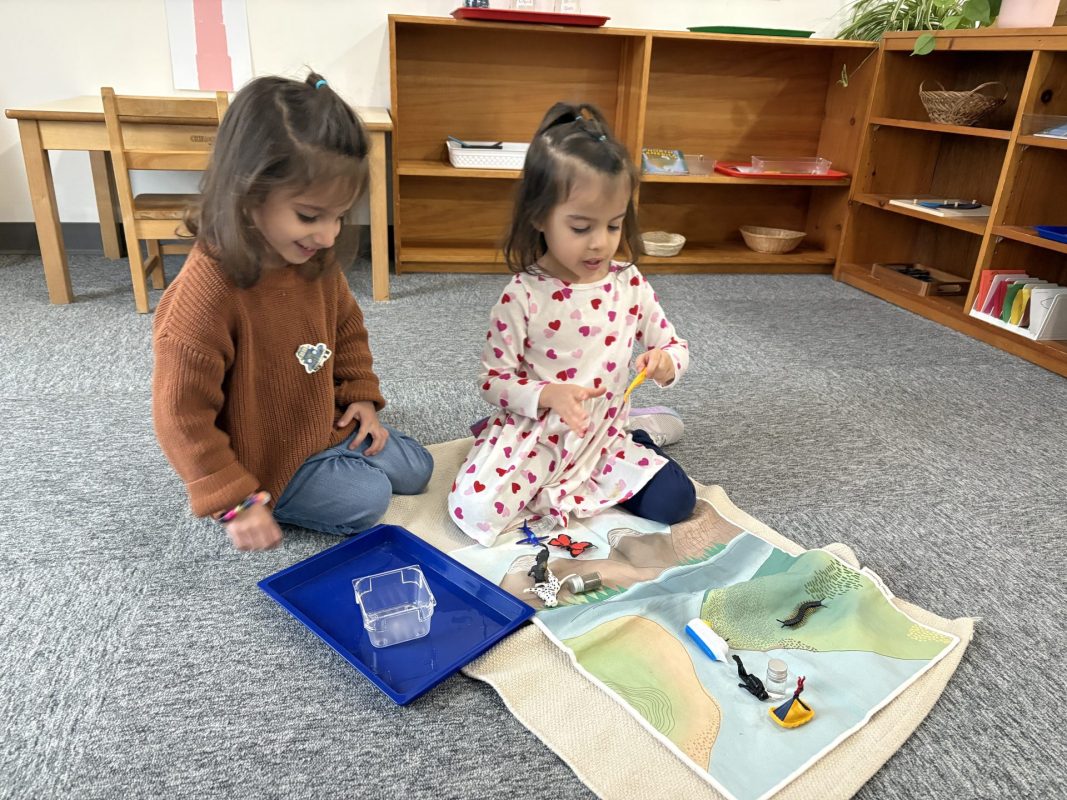
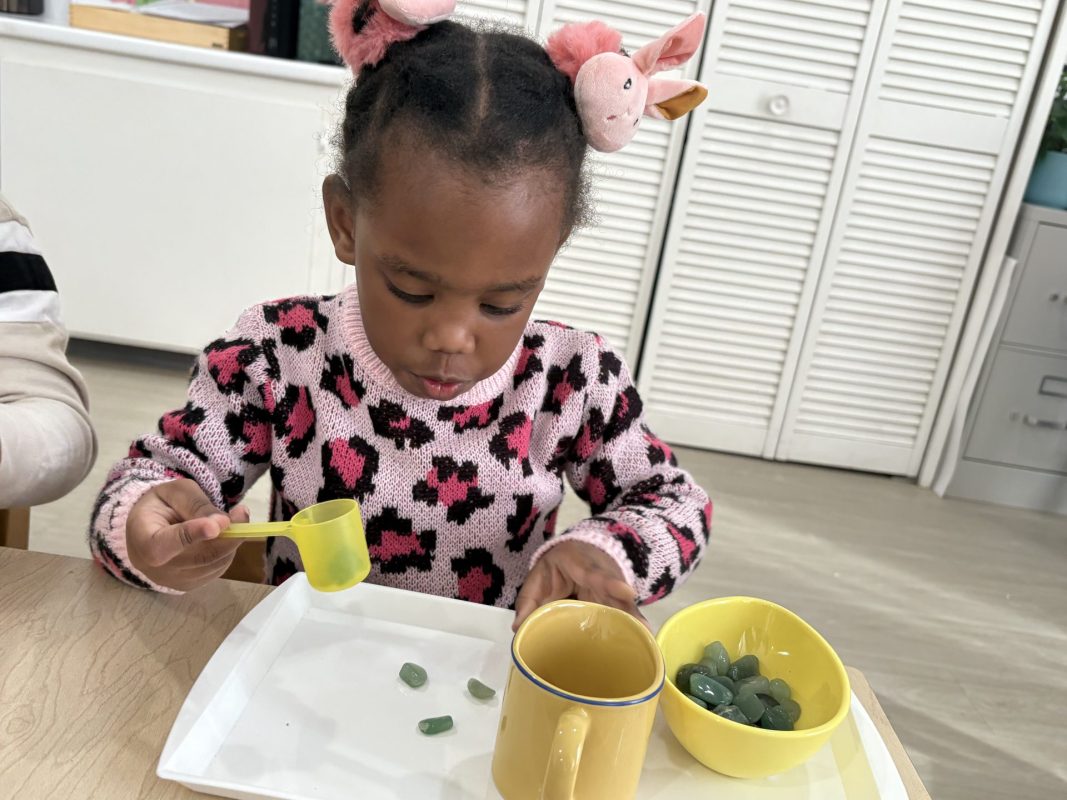
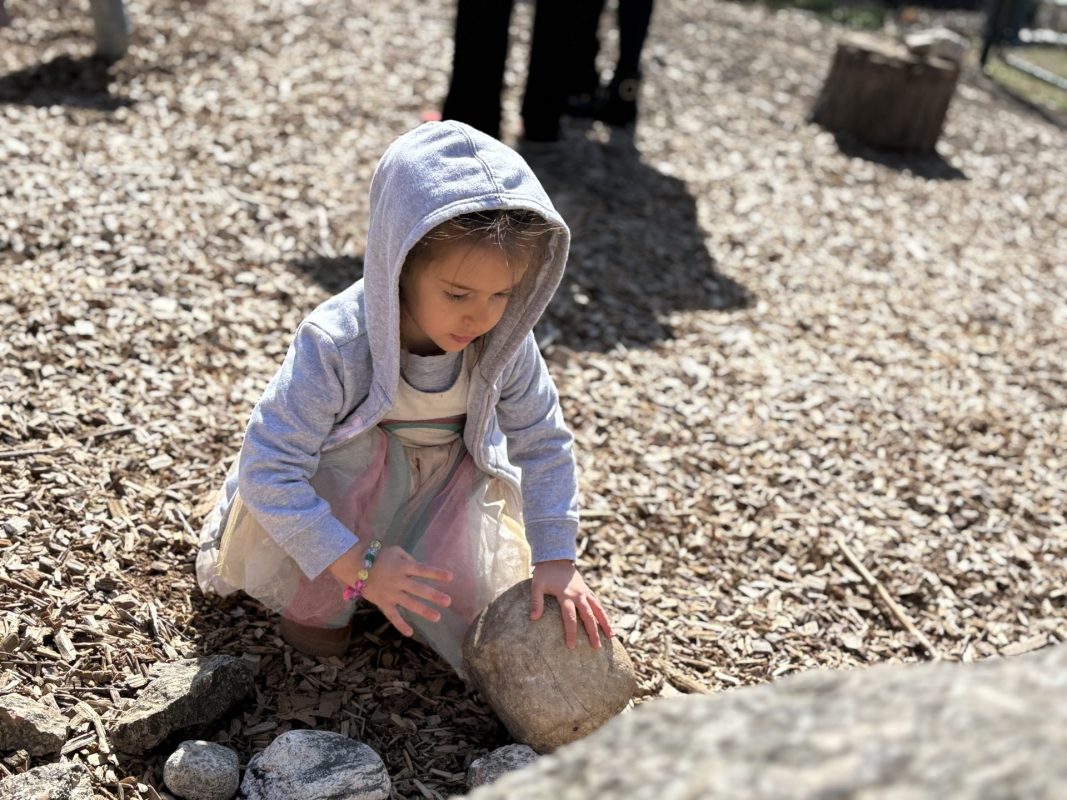
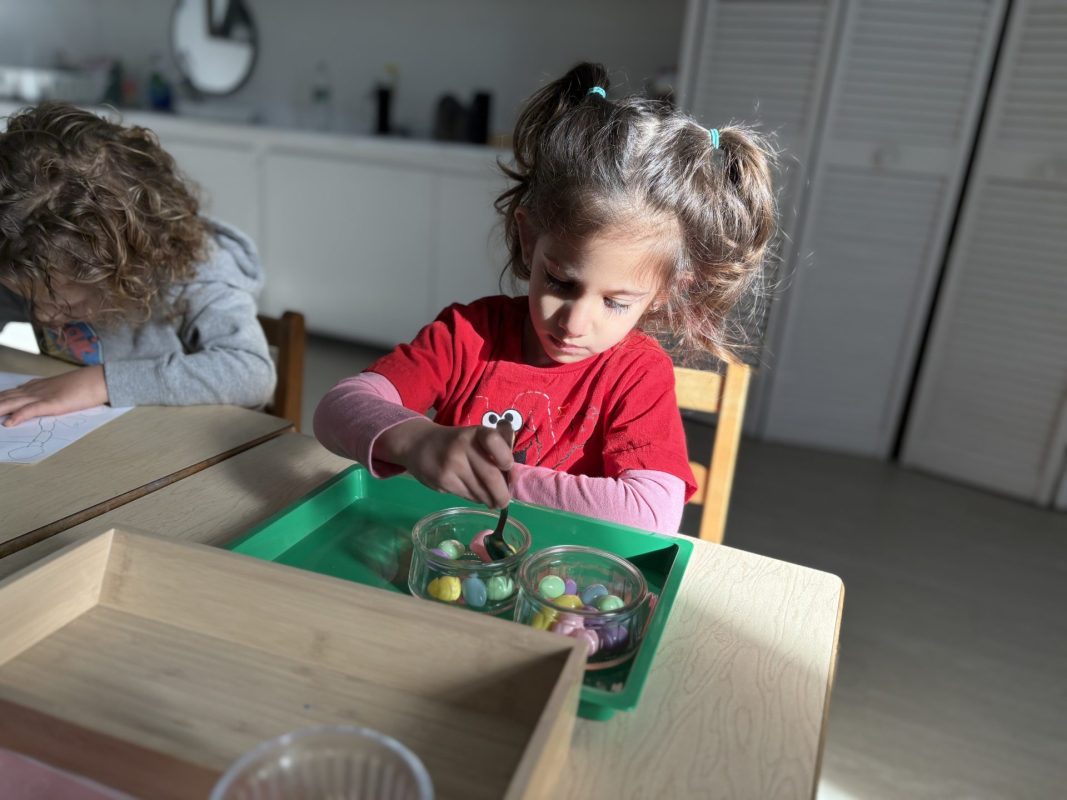
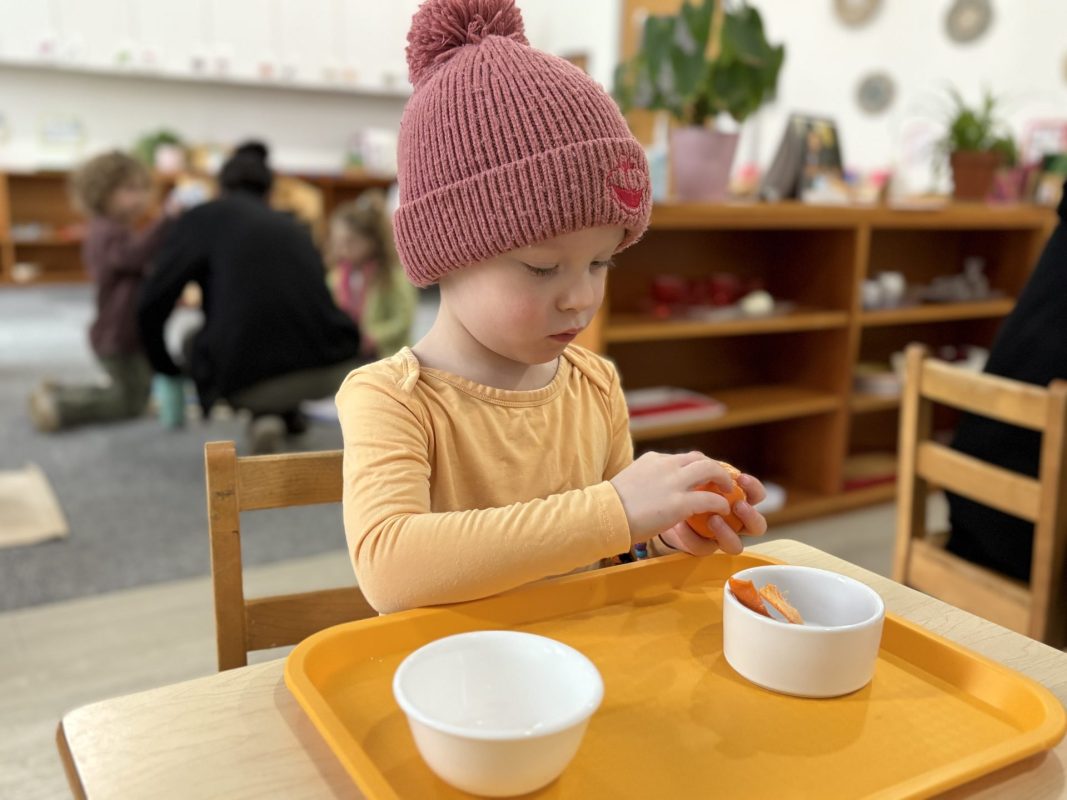
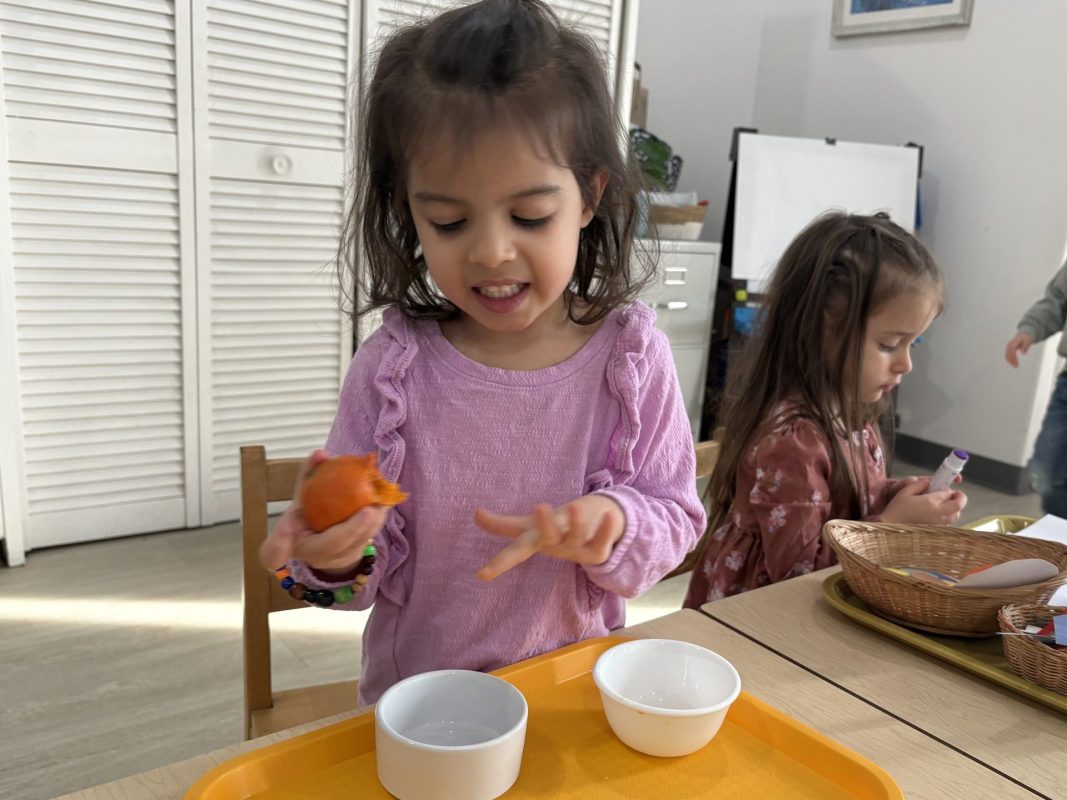
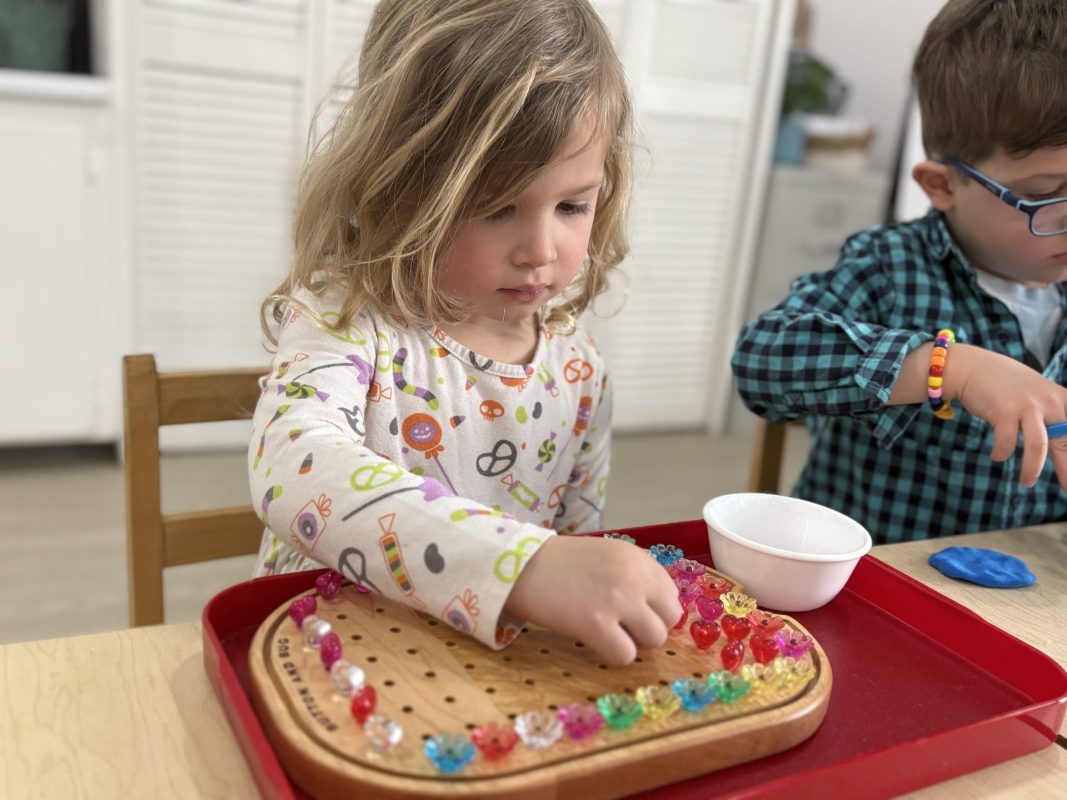
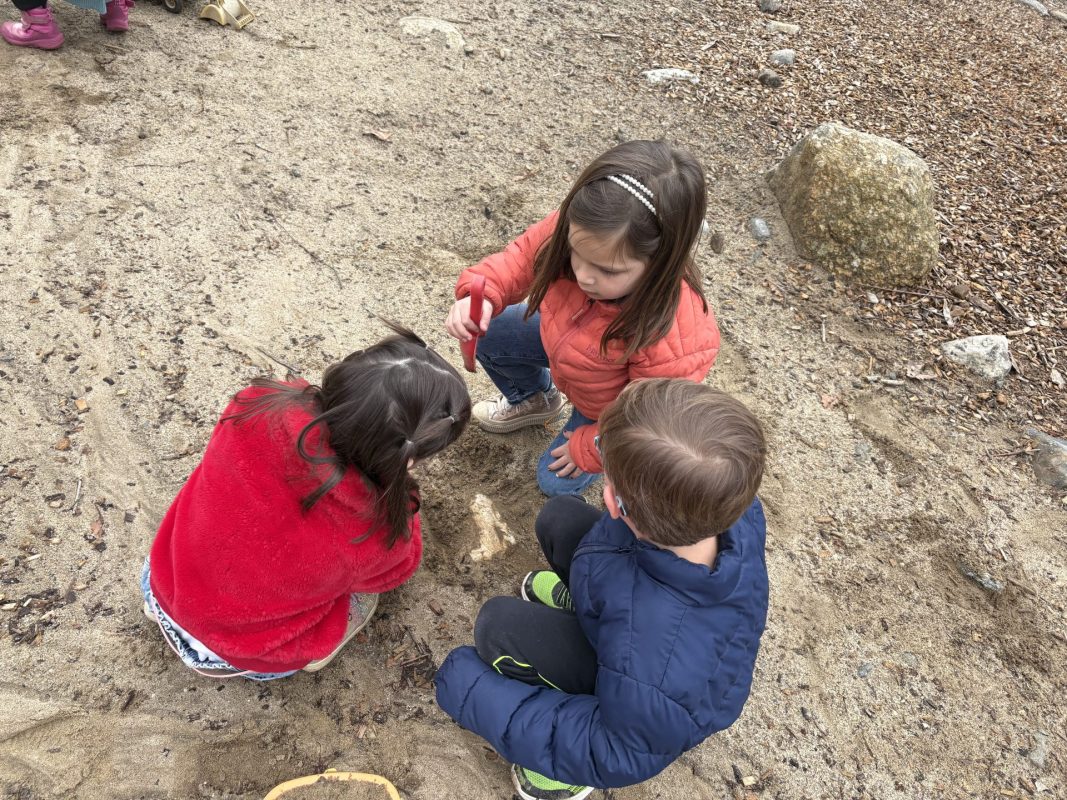
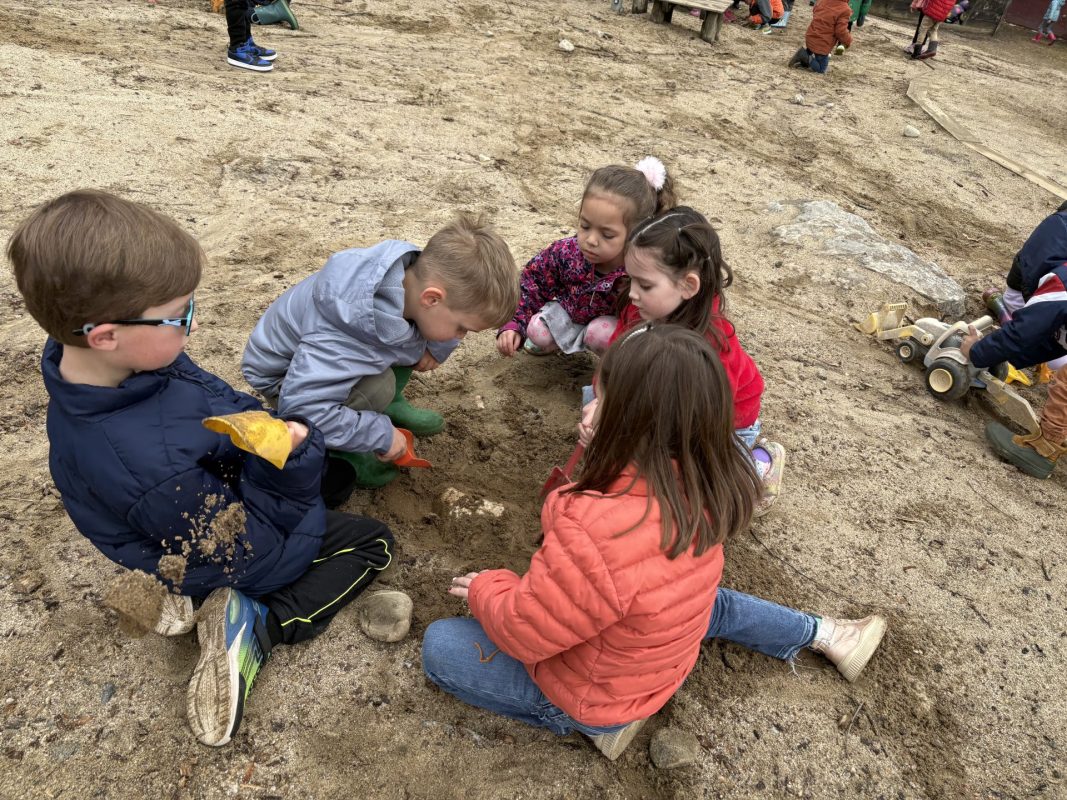
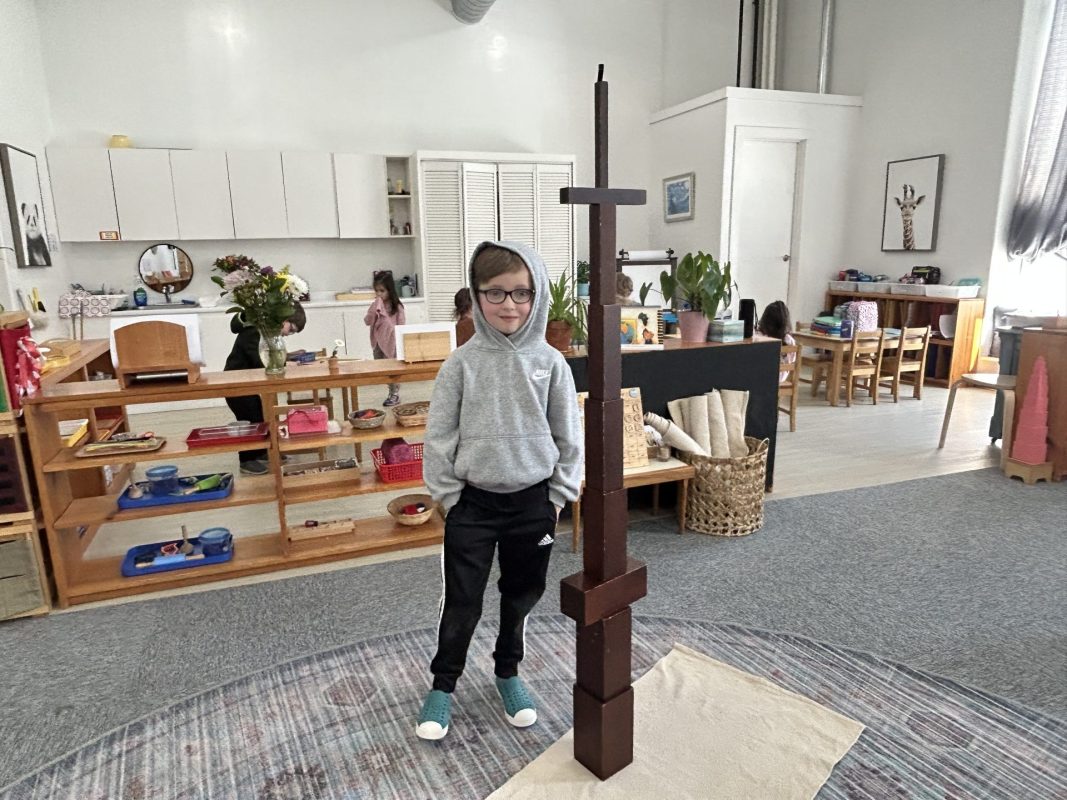
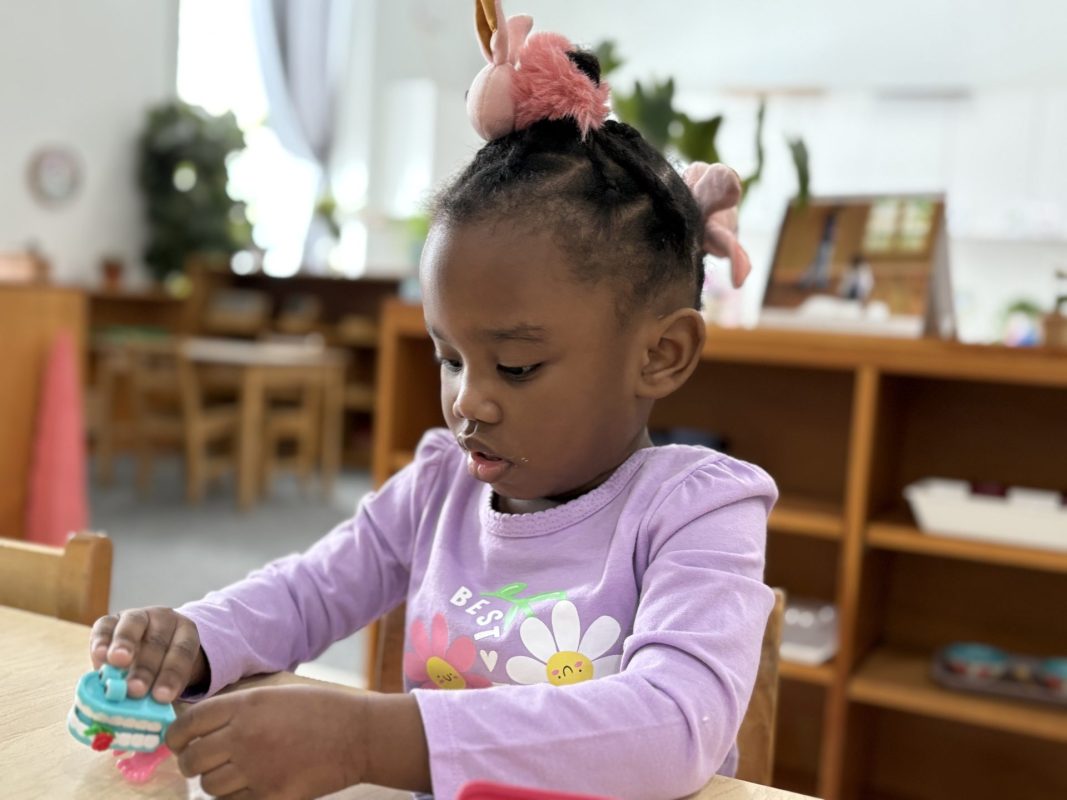
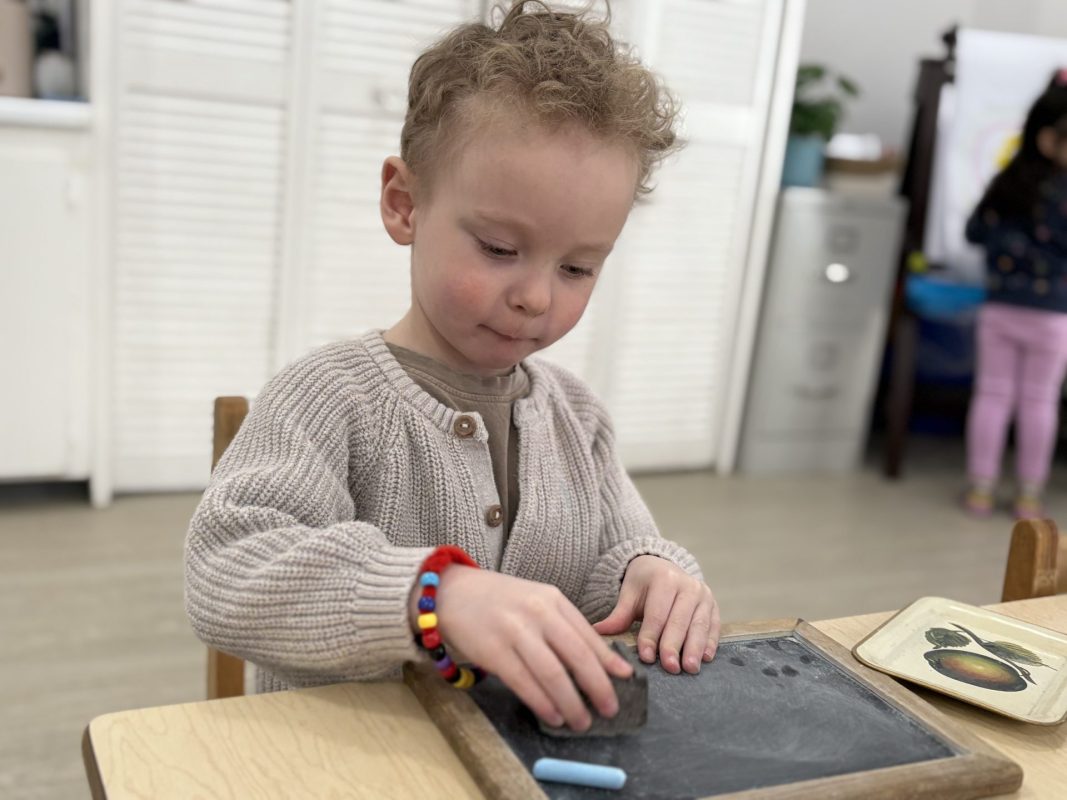
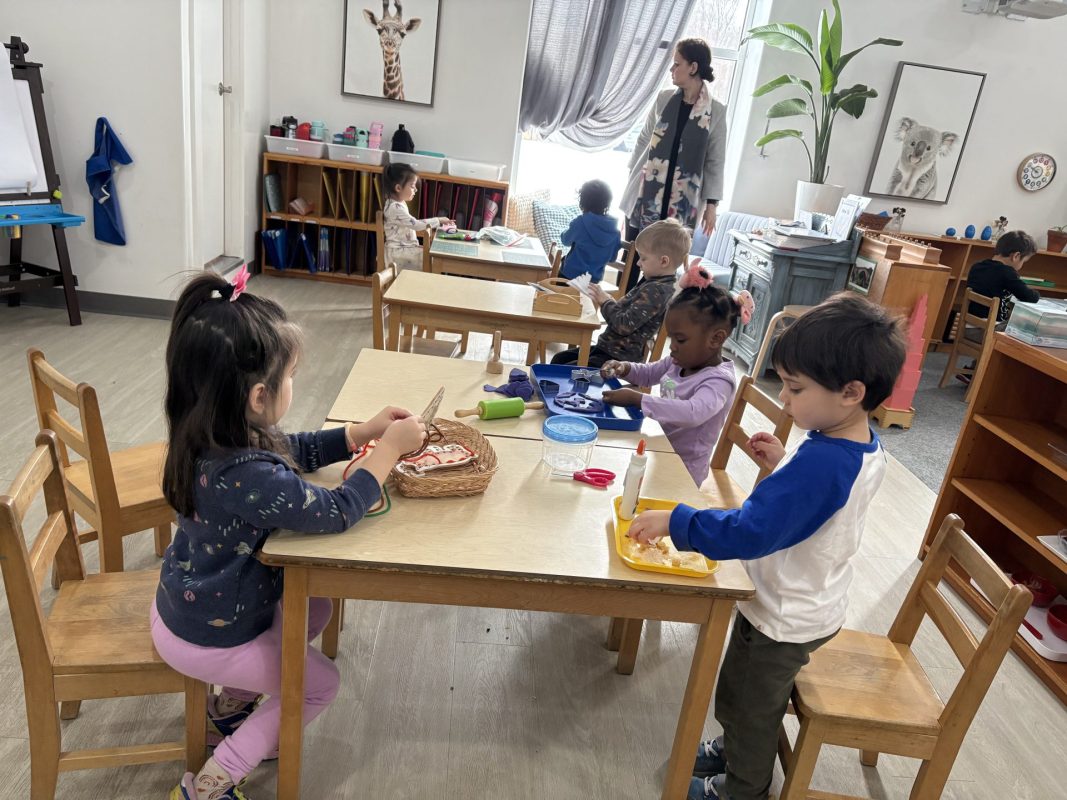
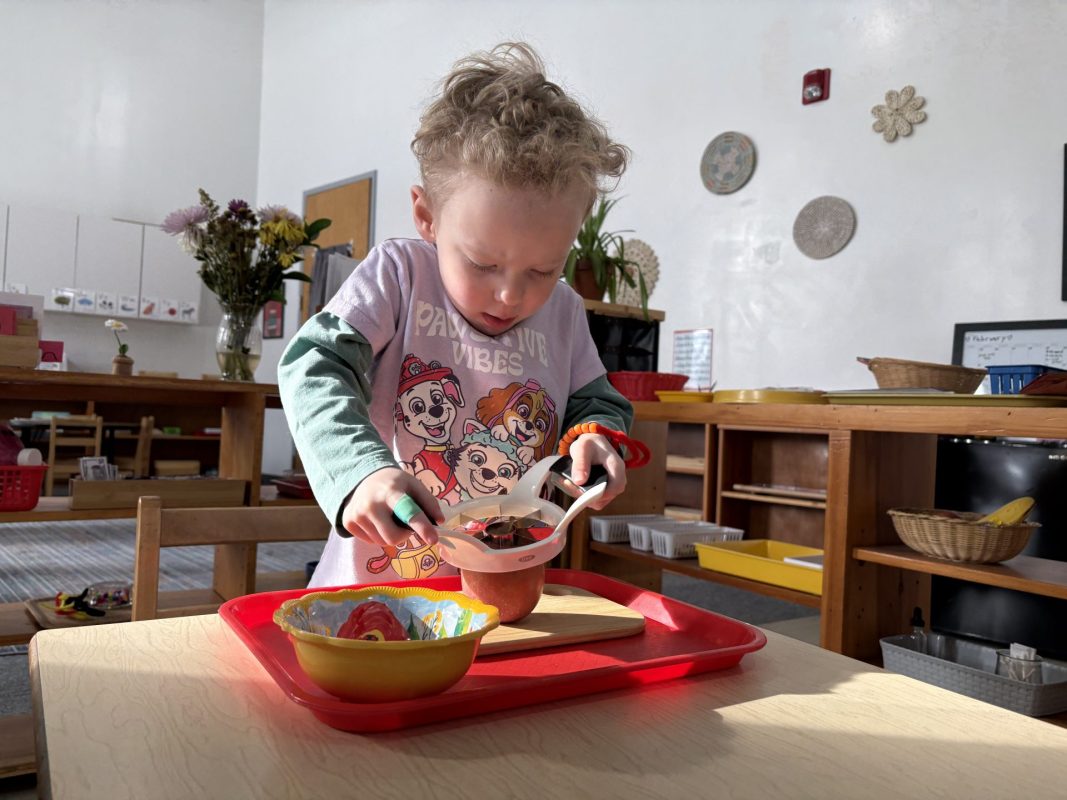
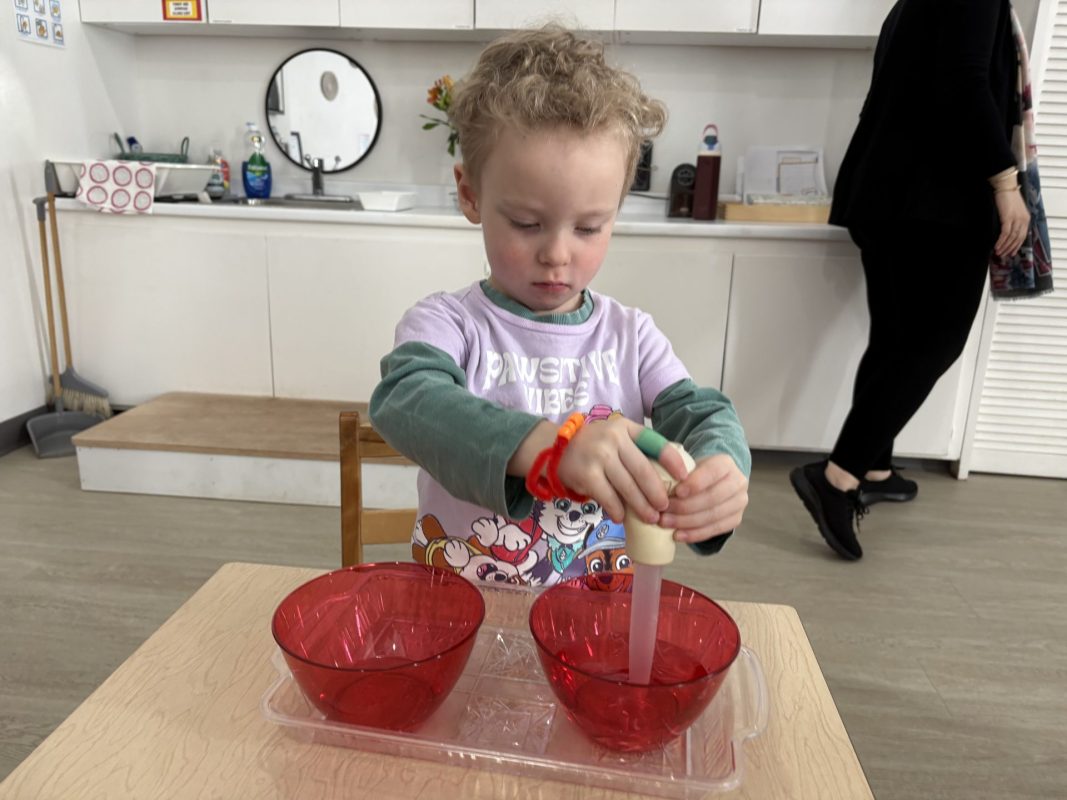
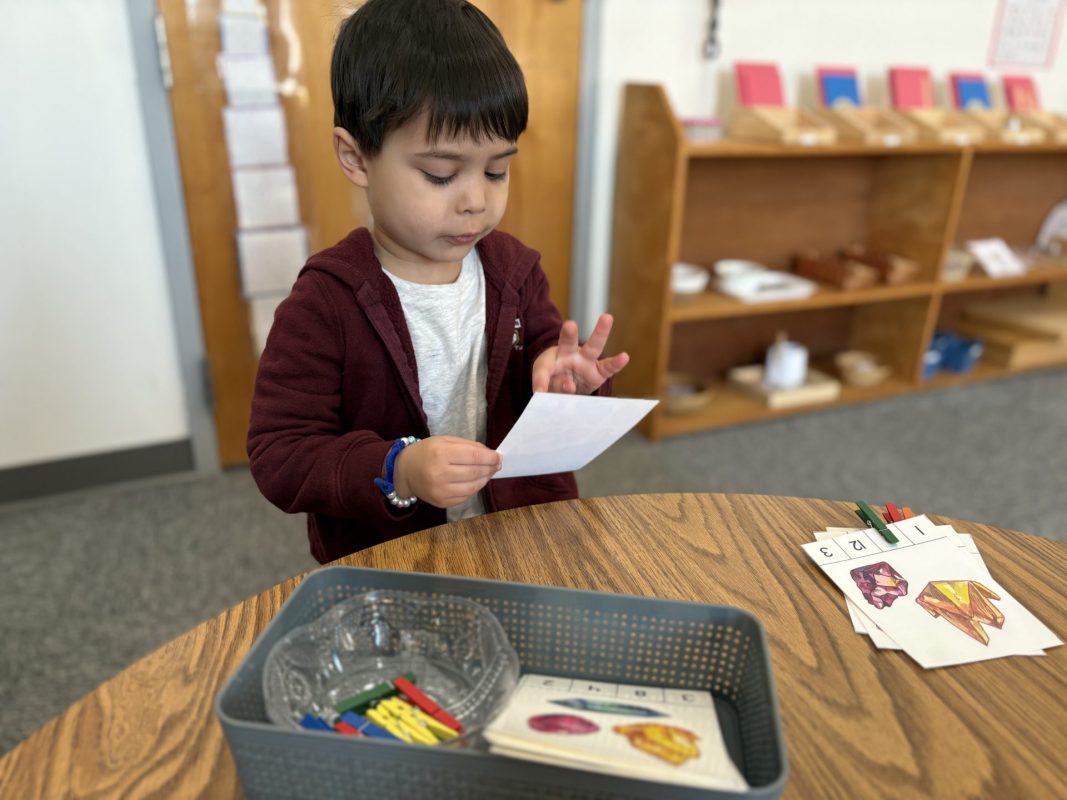
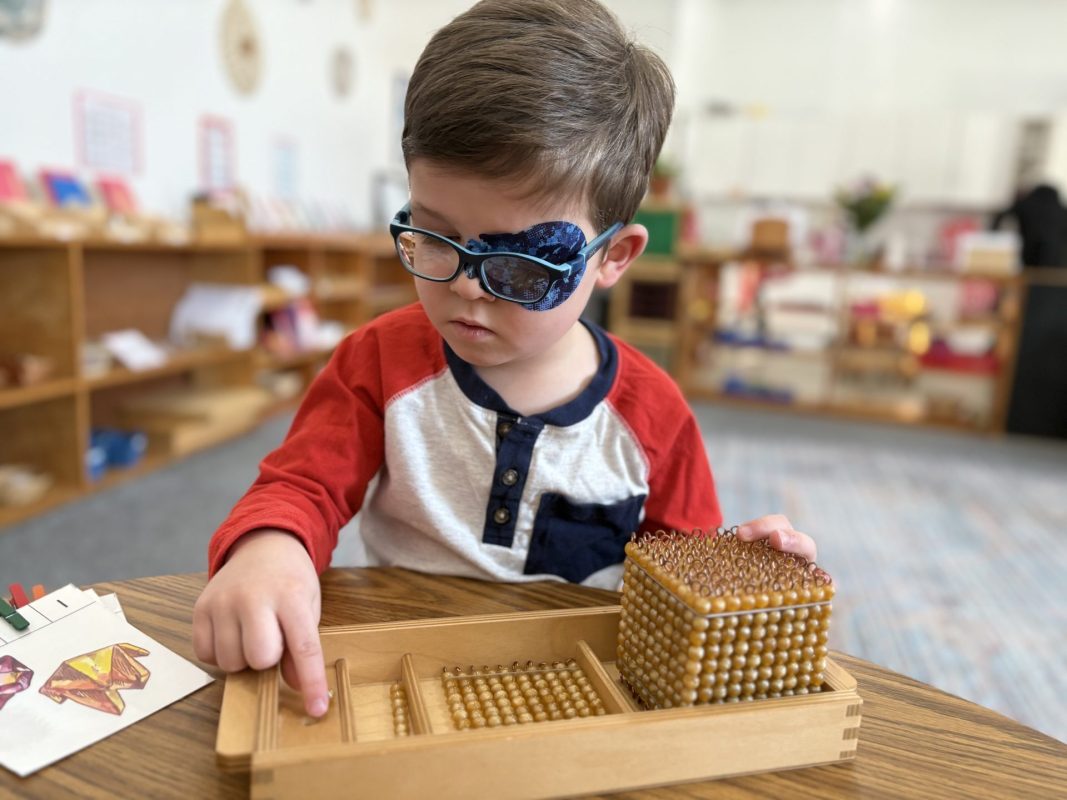
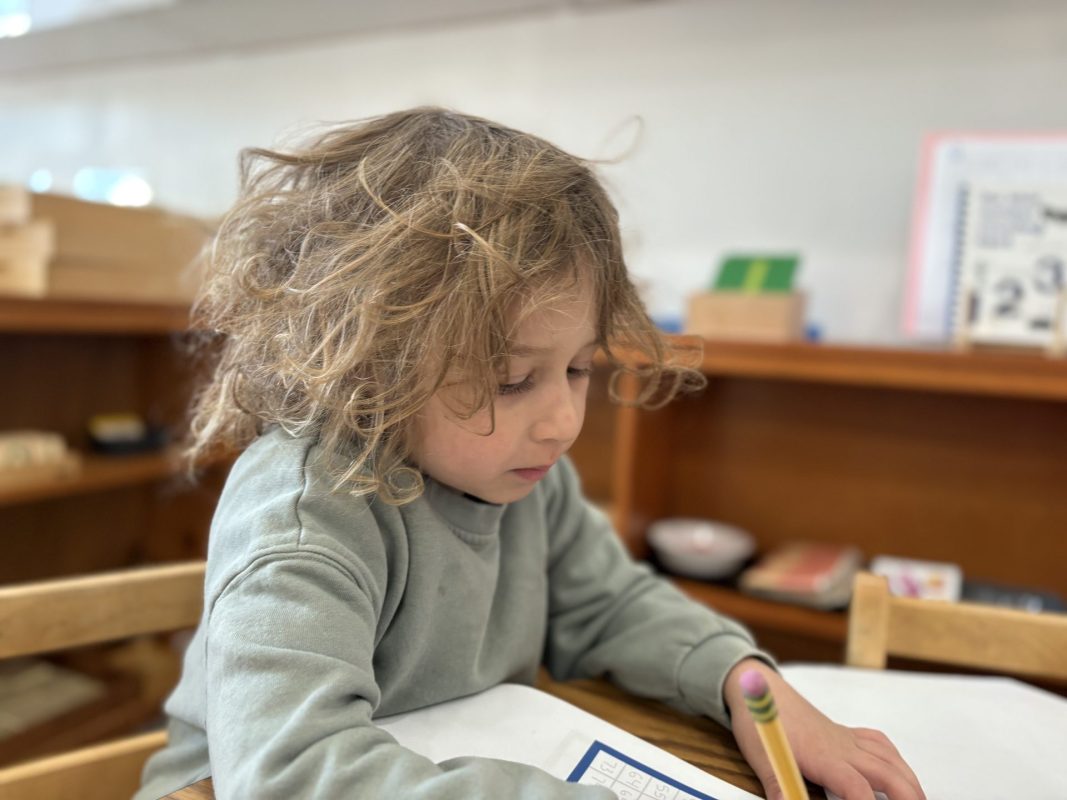
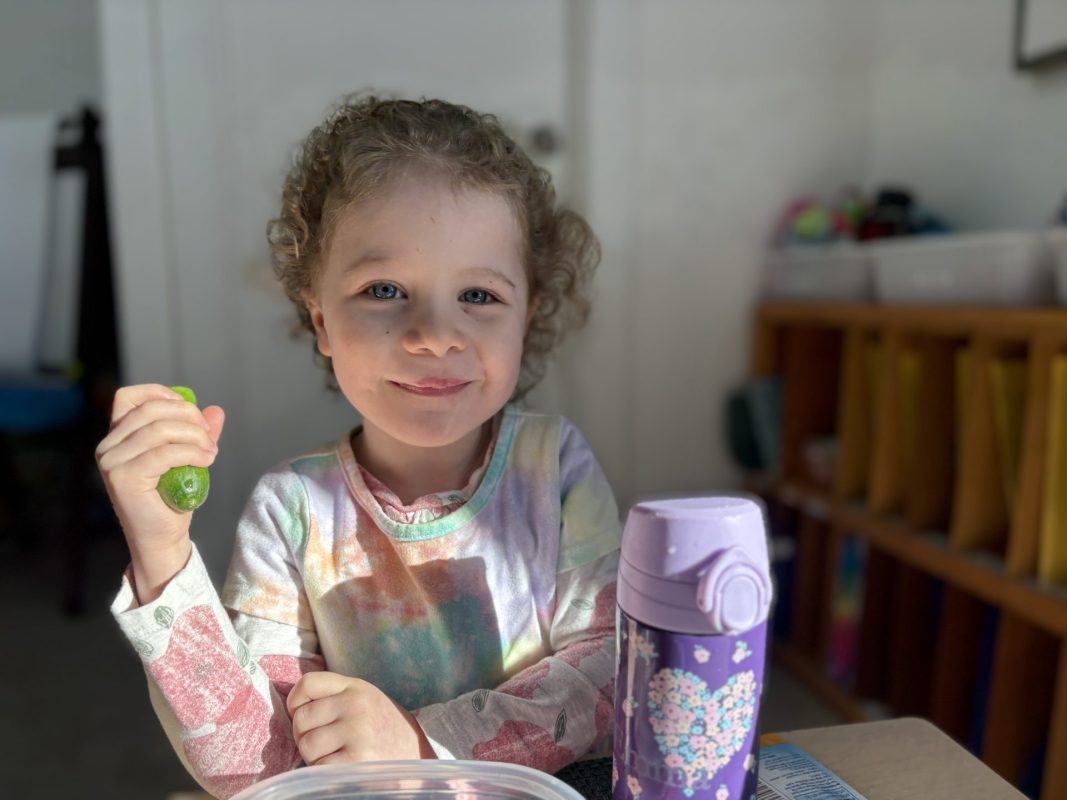
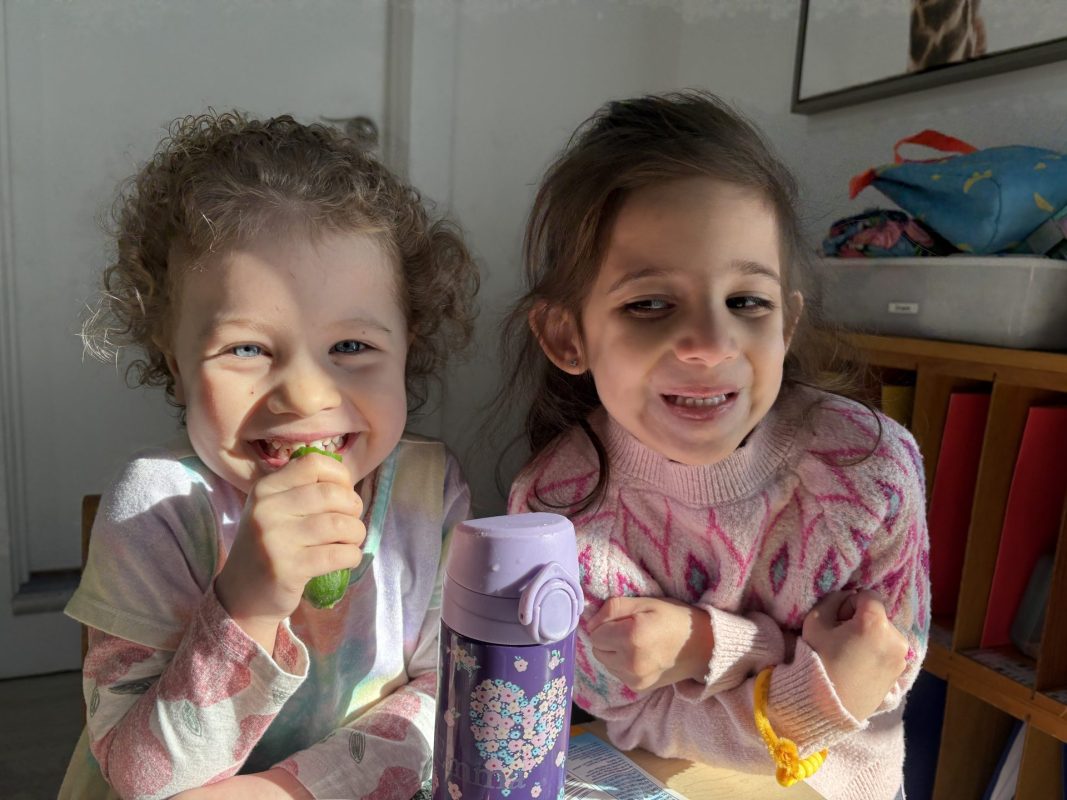
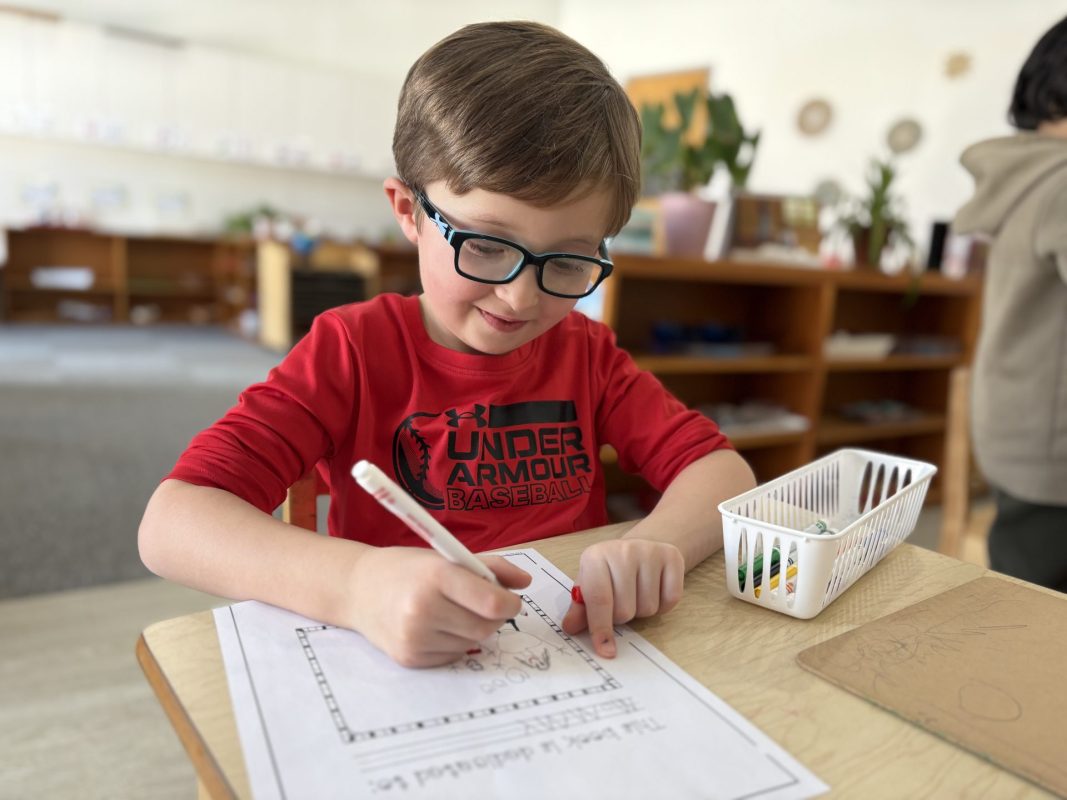
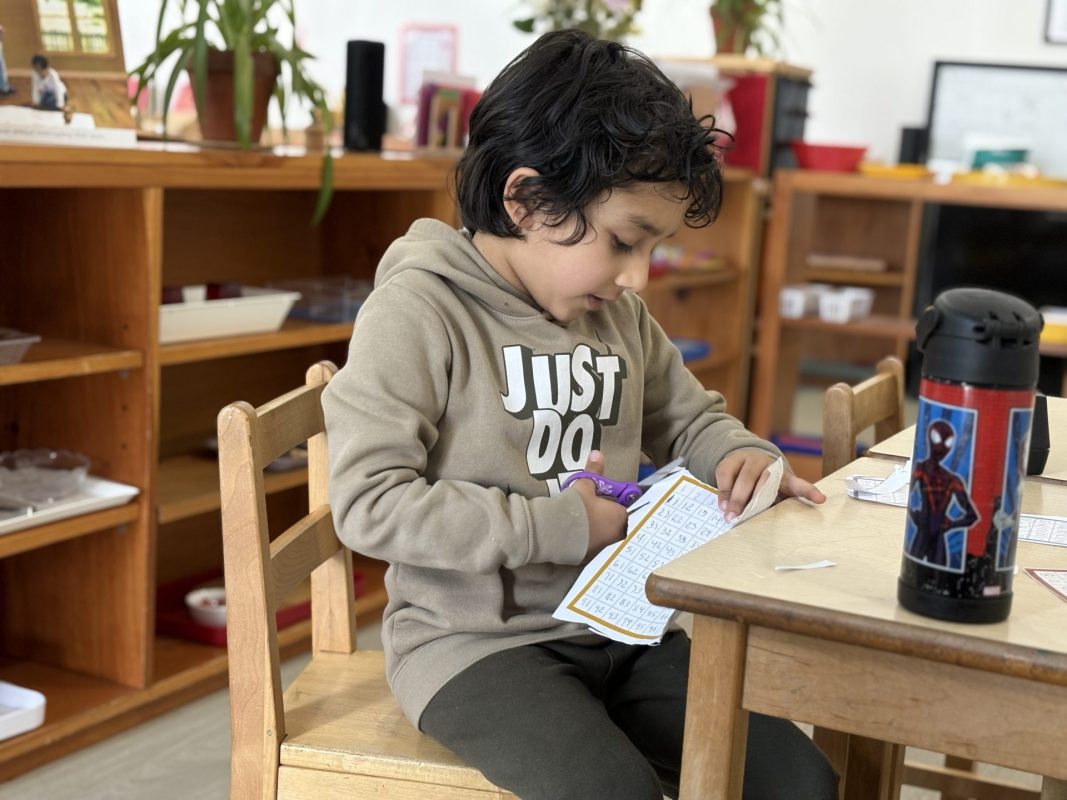
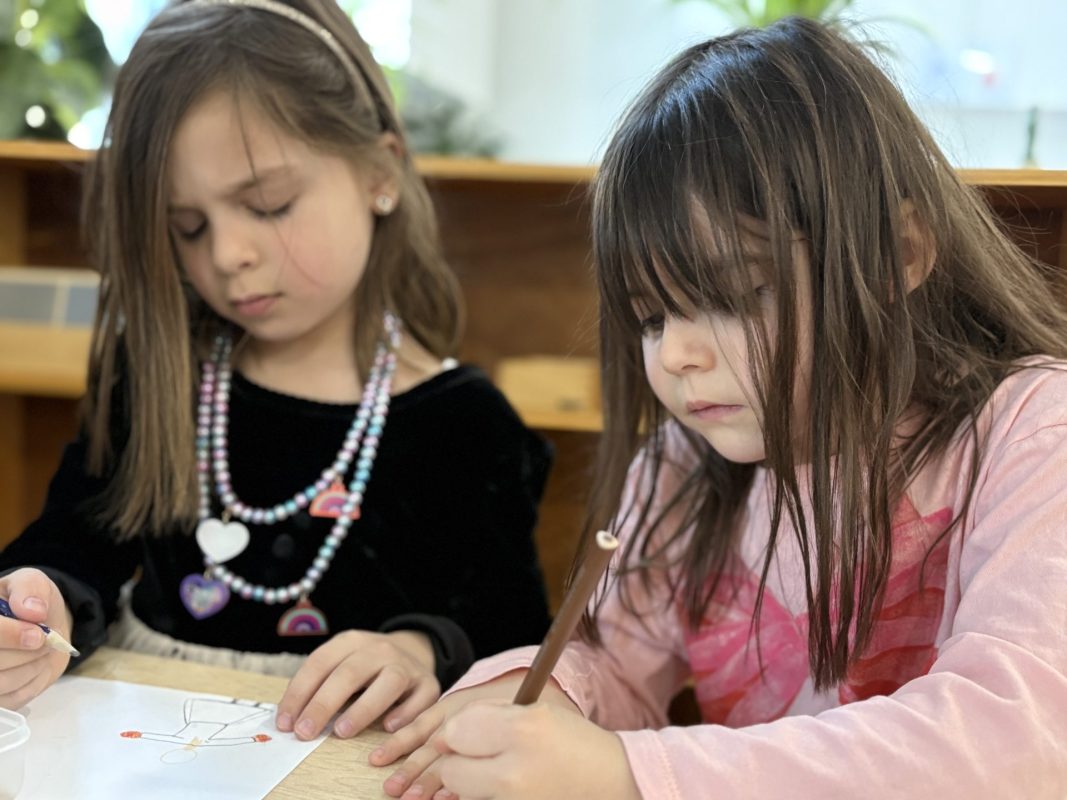
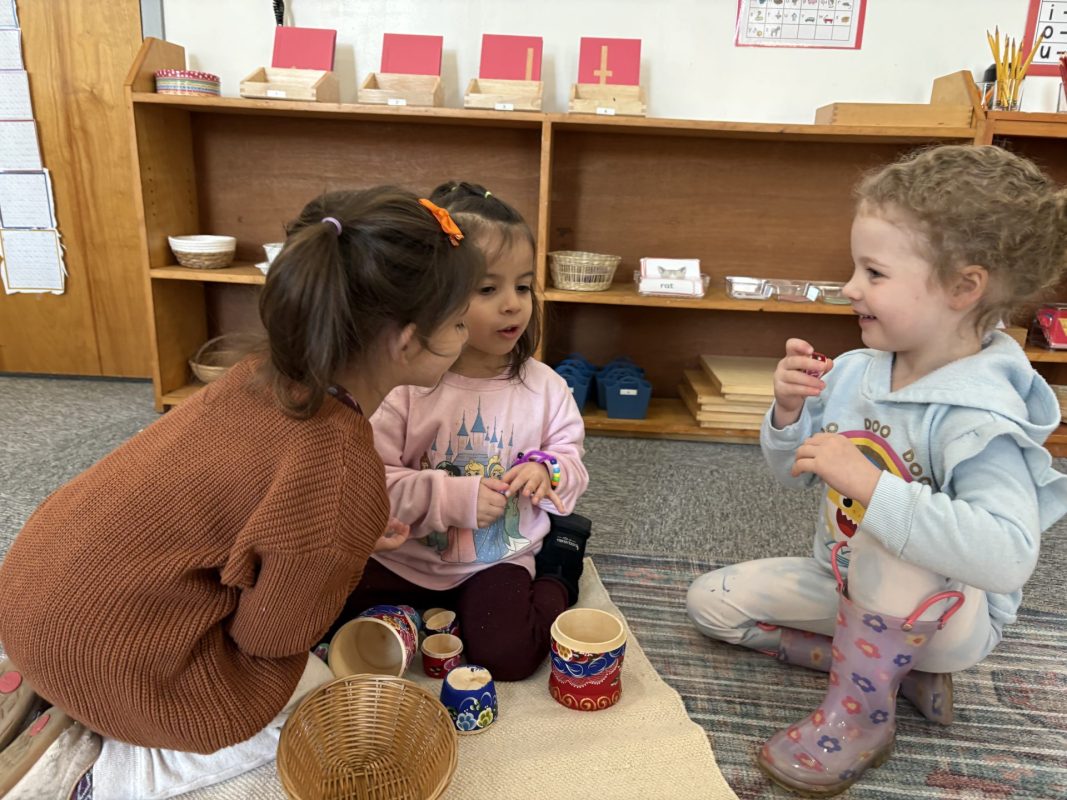
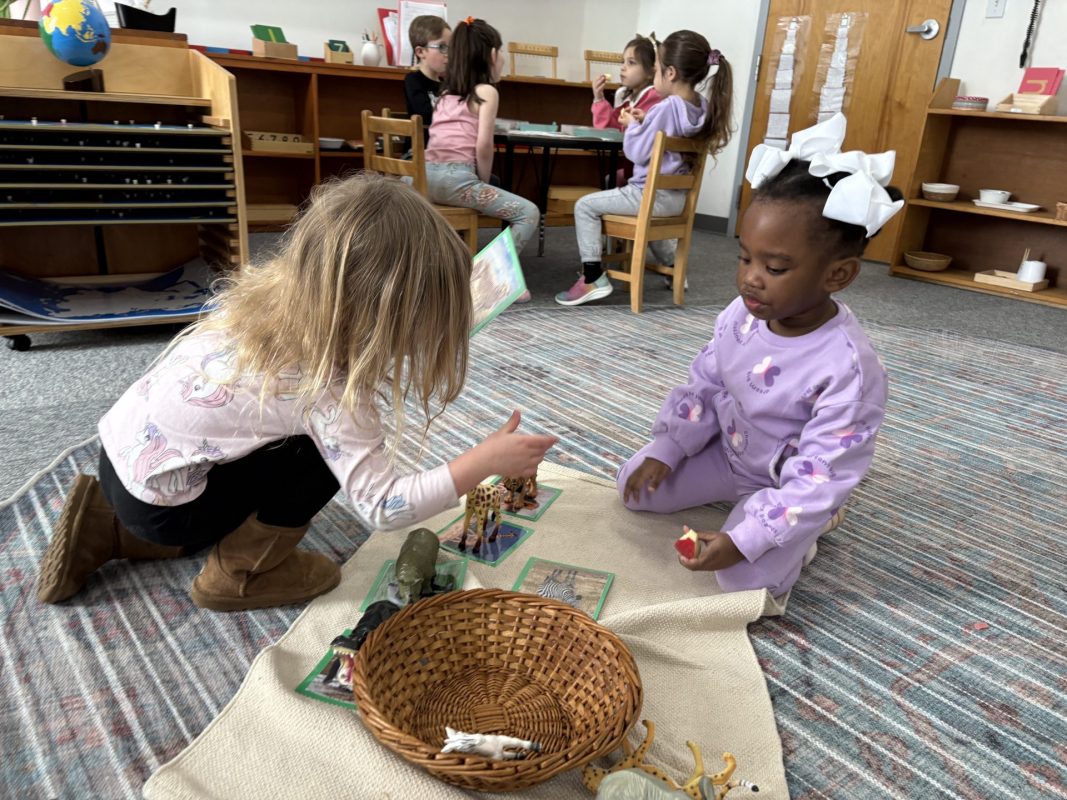
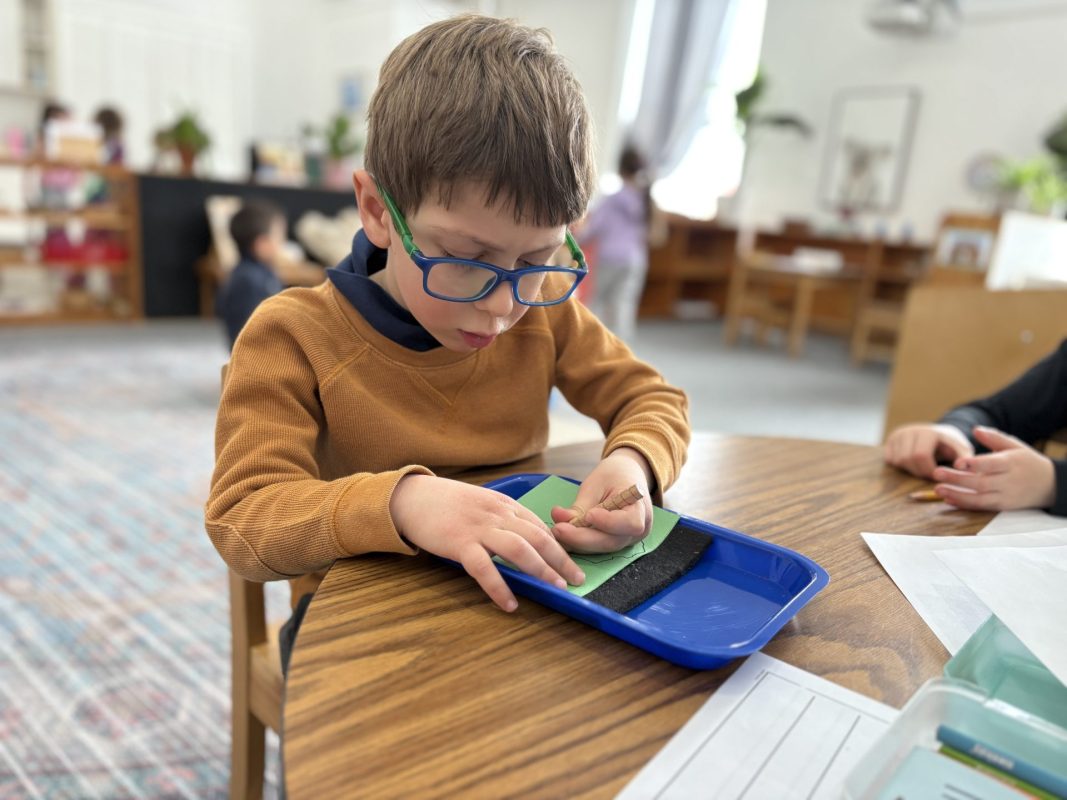
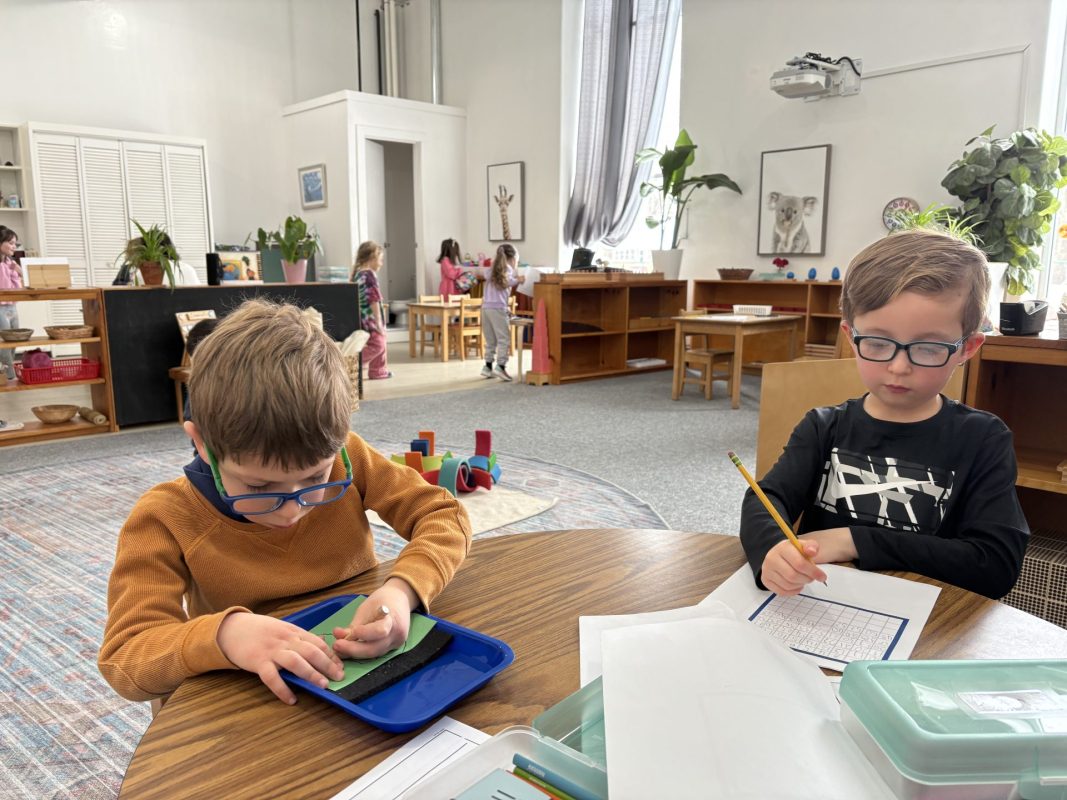
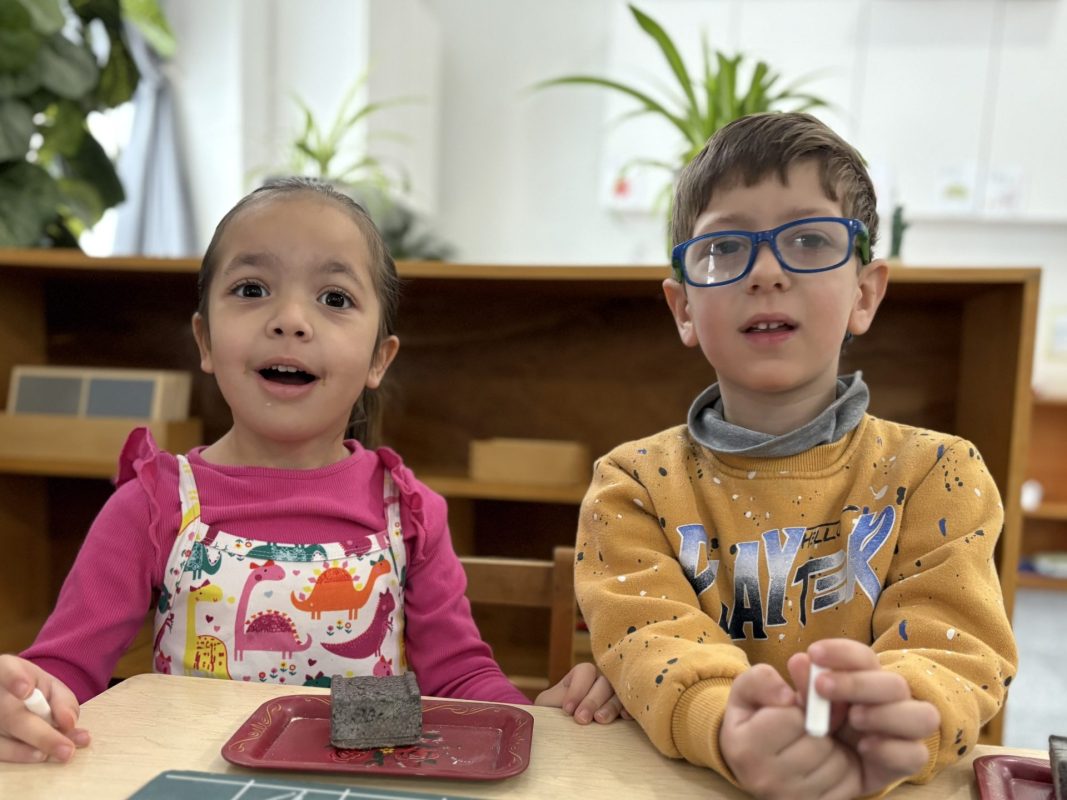
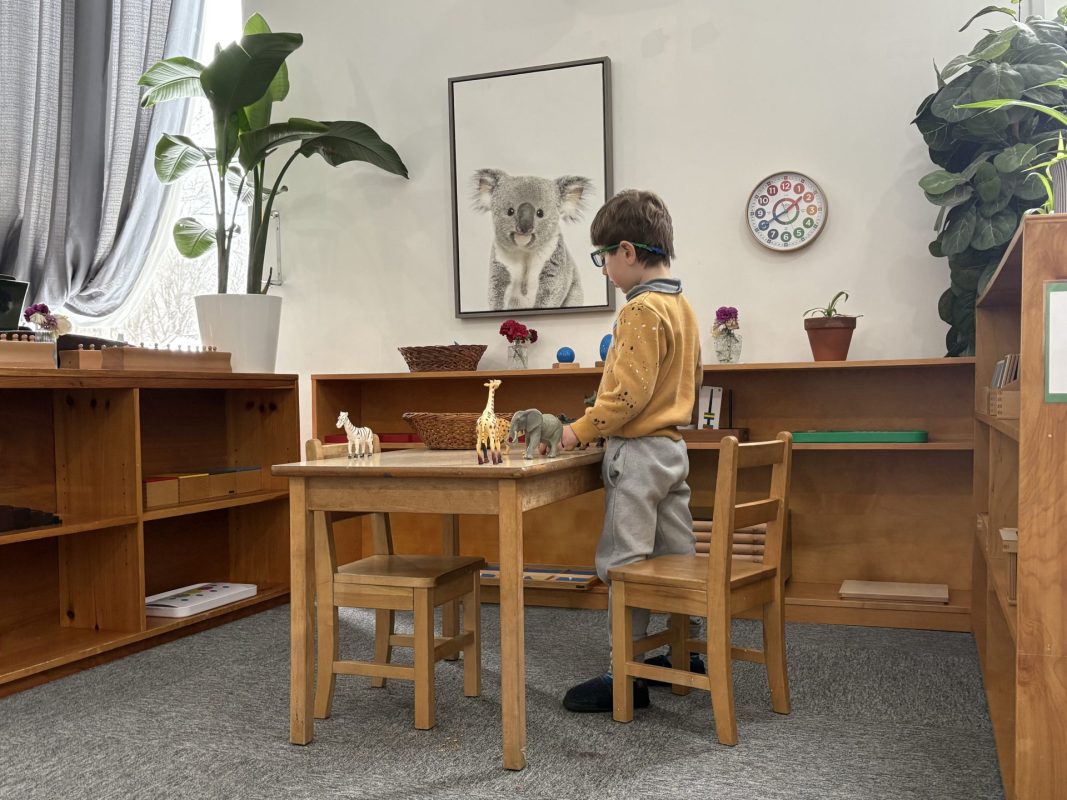
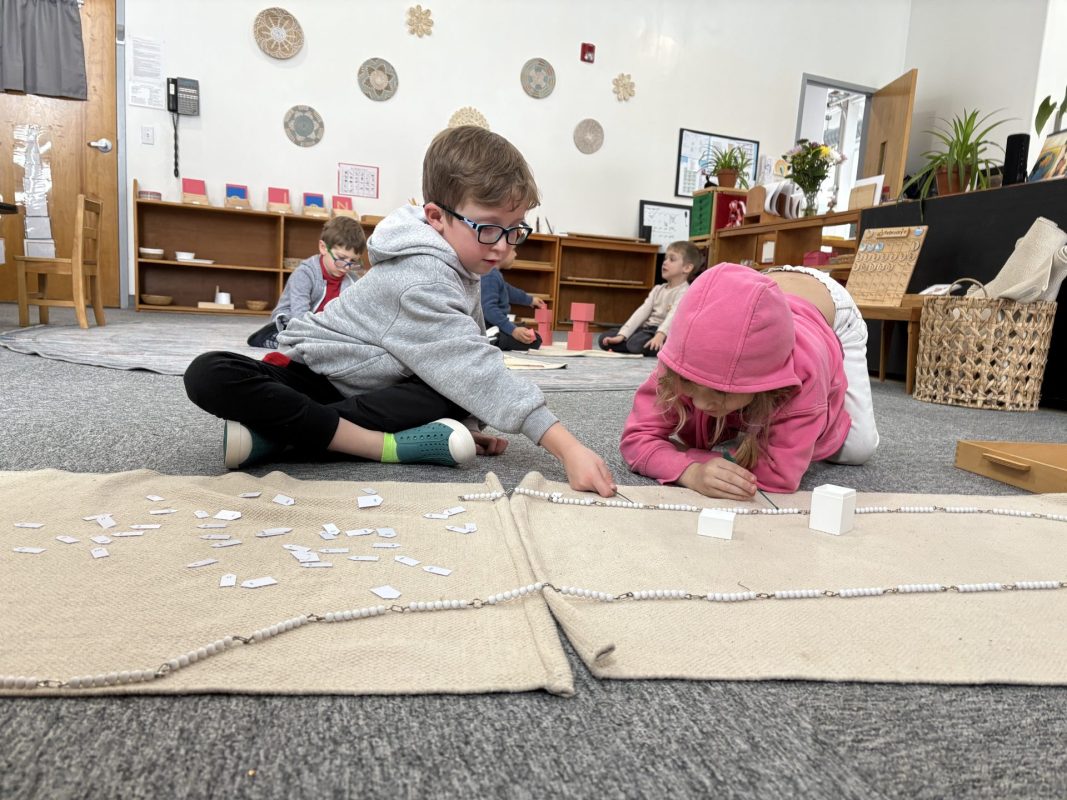
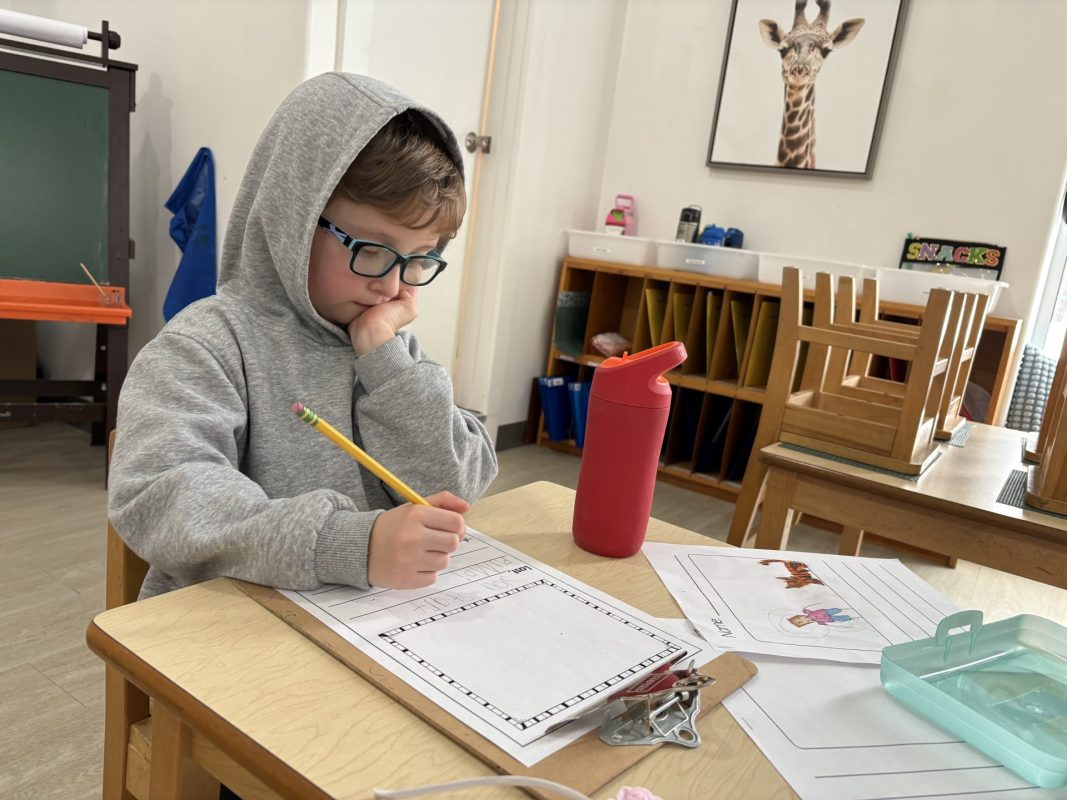
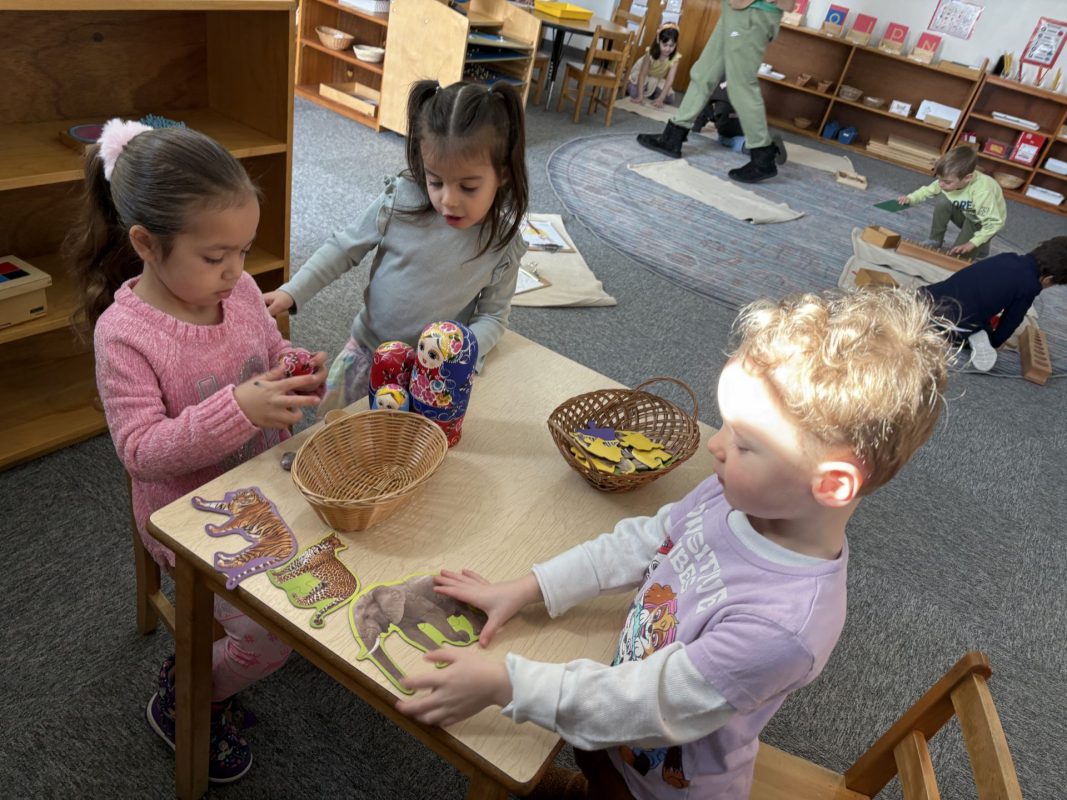
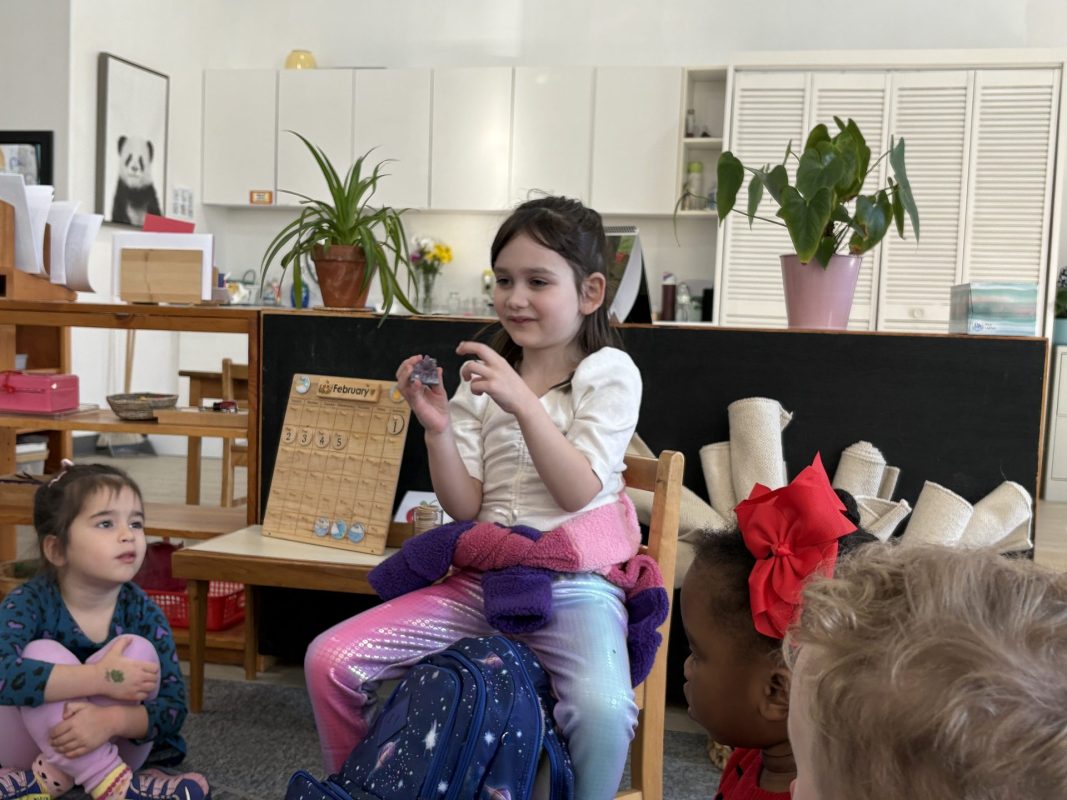
This week, we’ve been discussing different types of rocks and minerals. The children enjoyed using a magnifying glass to examine them. Orange juicing has also been a big hit- a huge thanks to Divya’s mom for purchasing the juicer for our class. Thank you to every one of you for supplying us with the food for practical life activities. The kindergarten students have been enthusiastically working on their animal research projects this week.
Looking forward to the week ahead!
Christine & Hailey

Mrs. Sargeant: A Peek at the Week

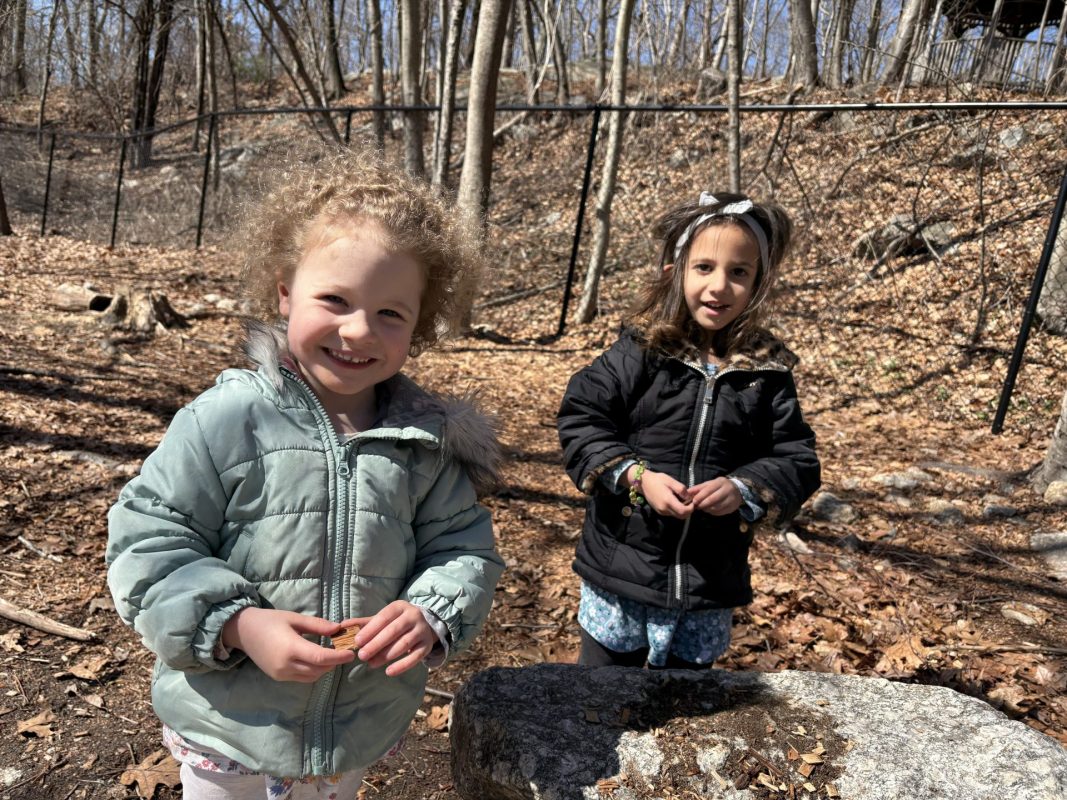
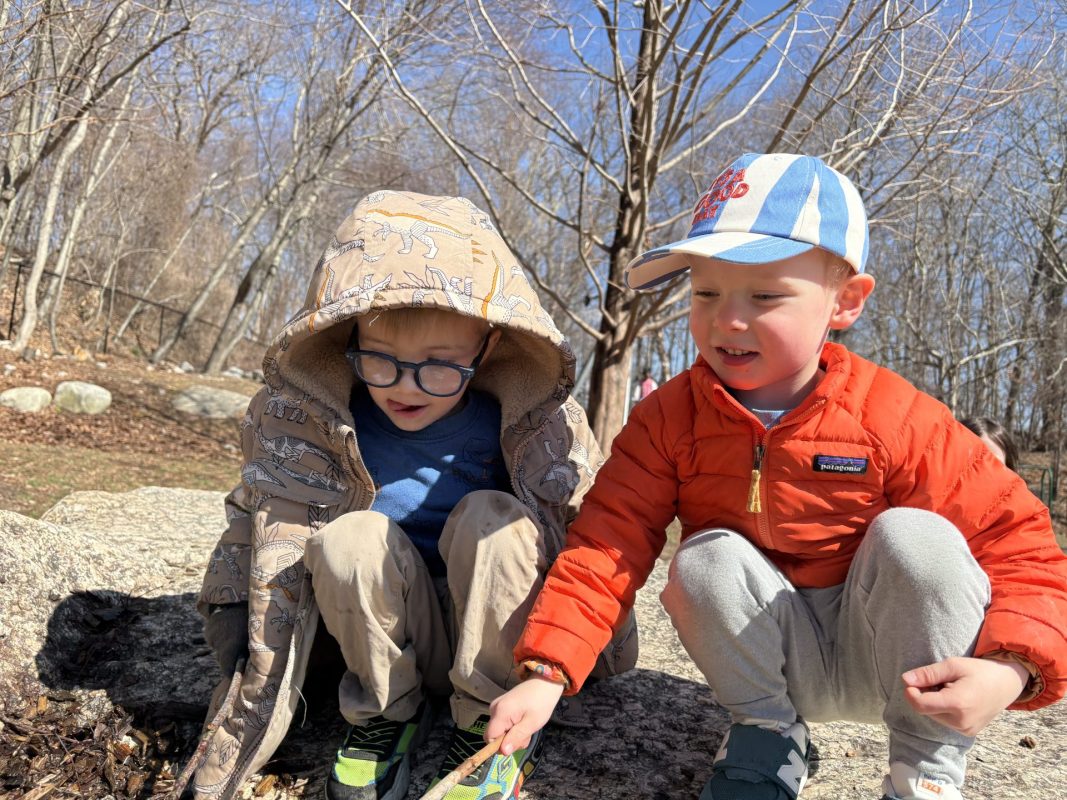
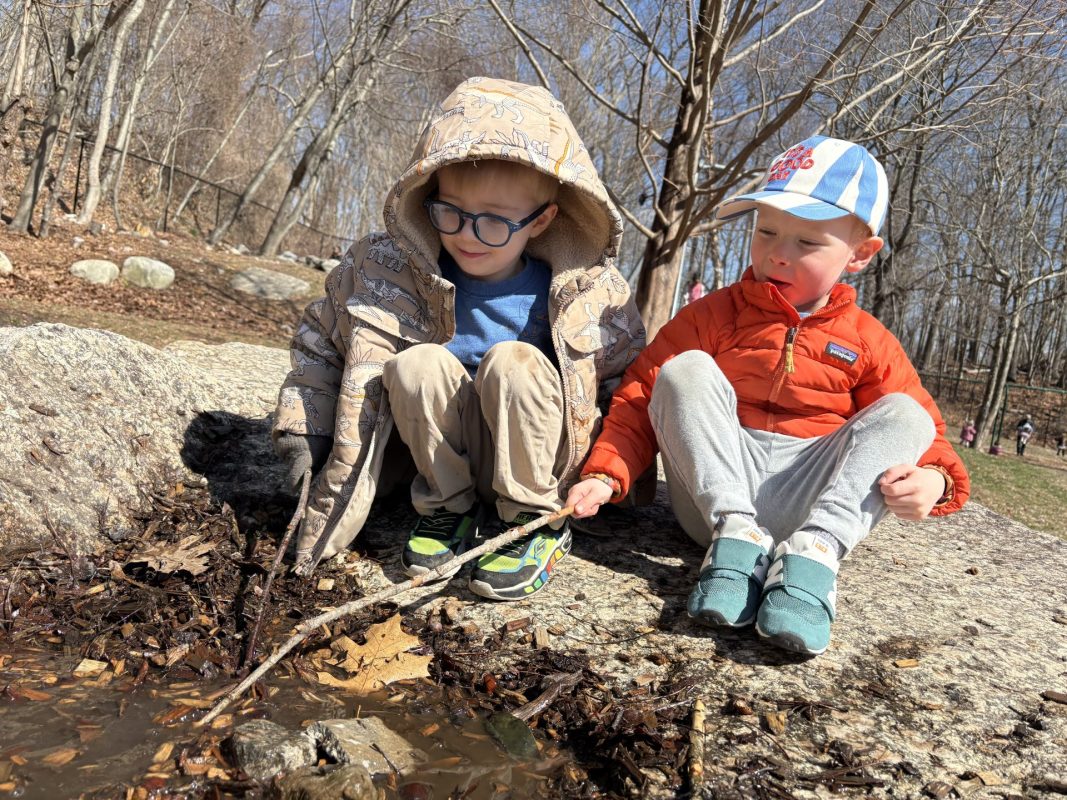
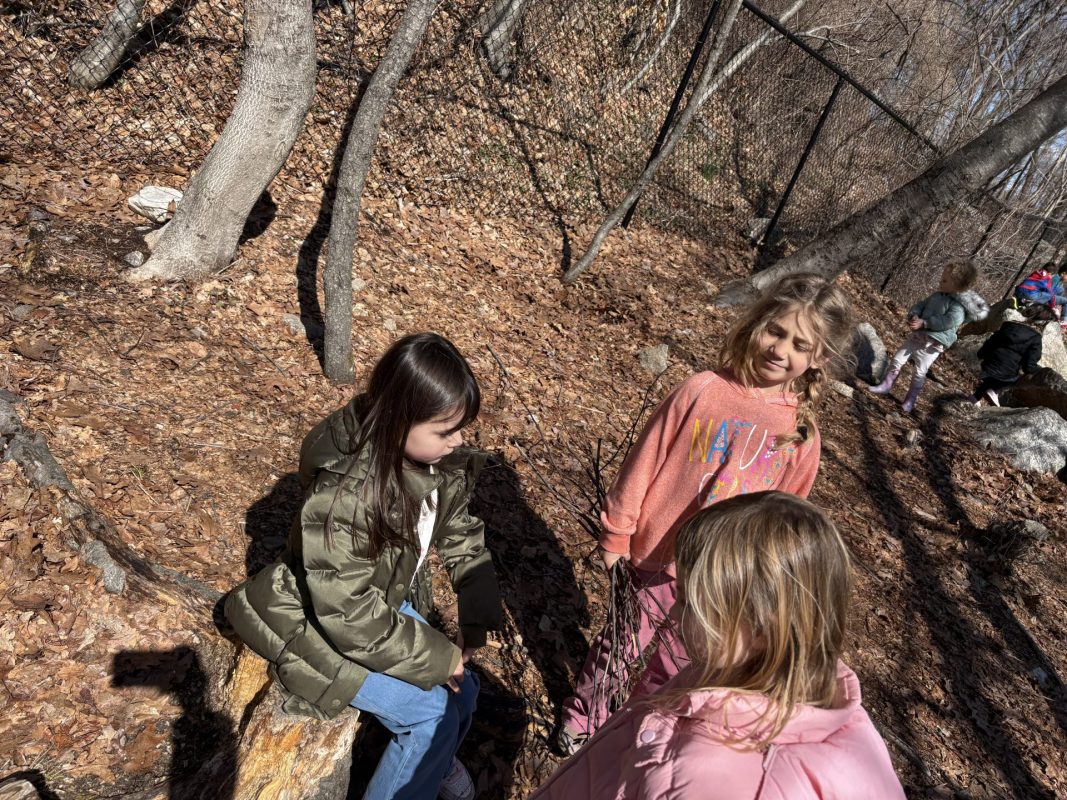
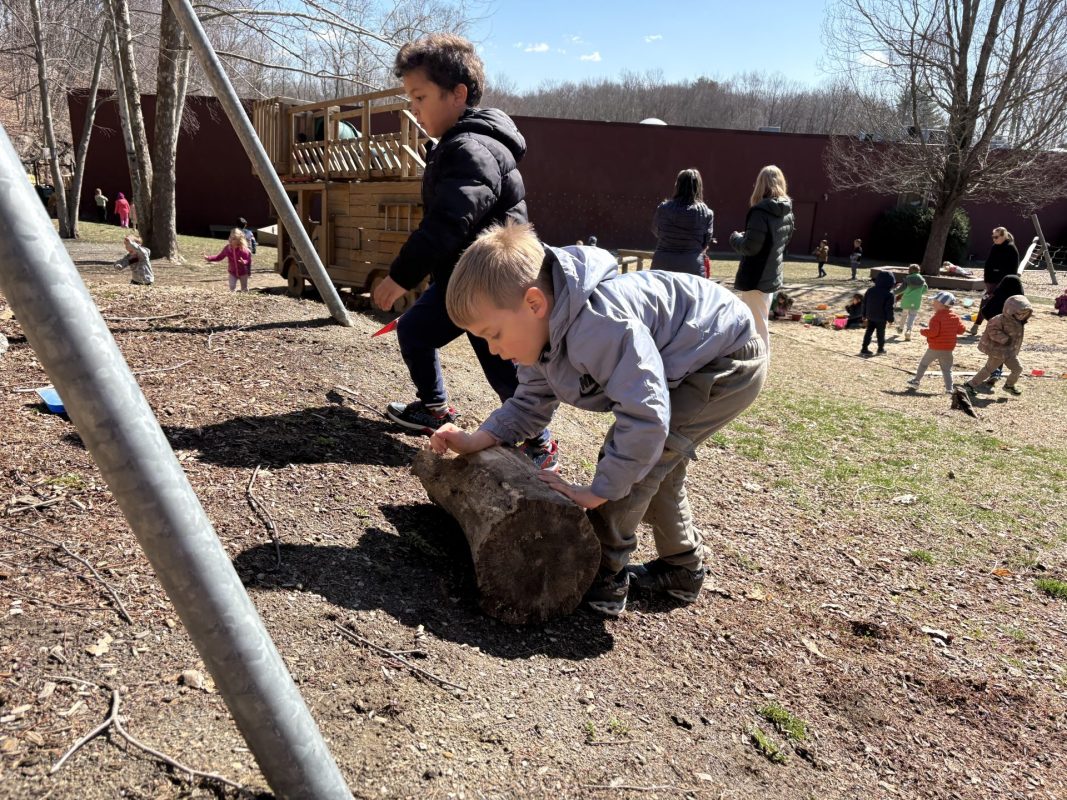
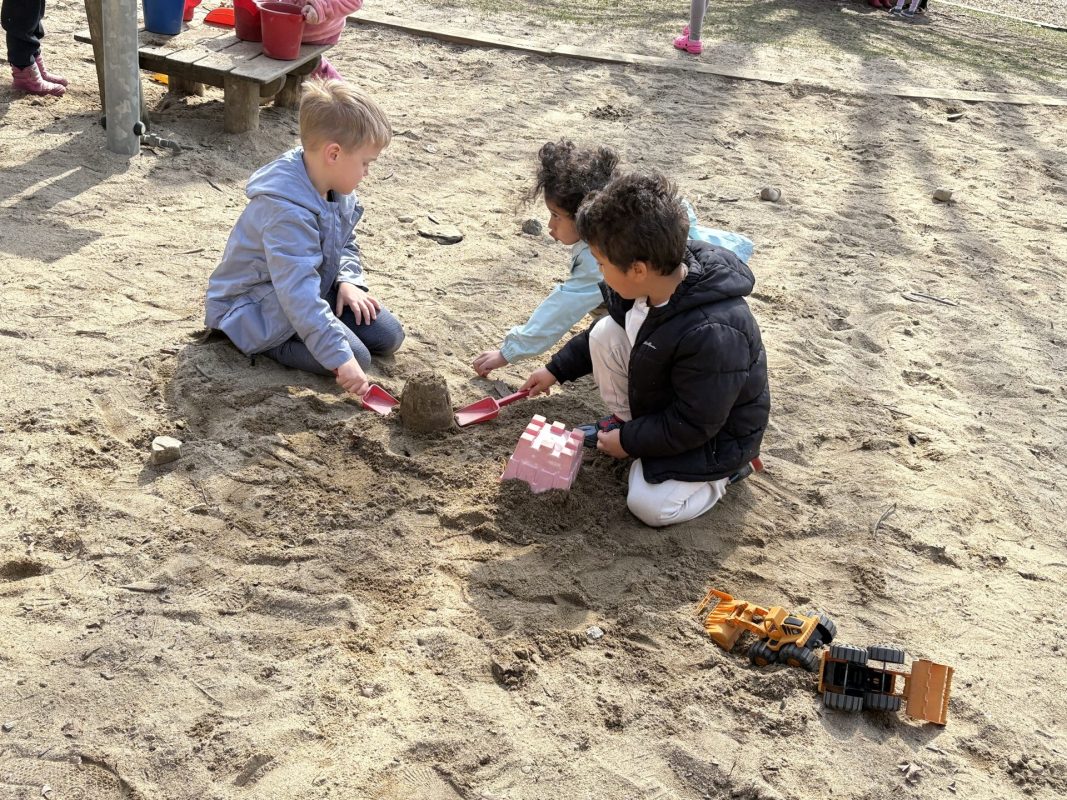
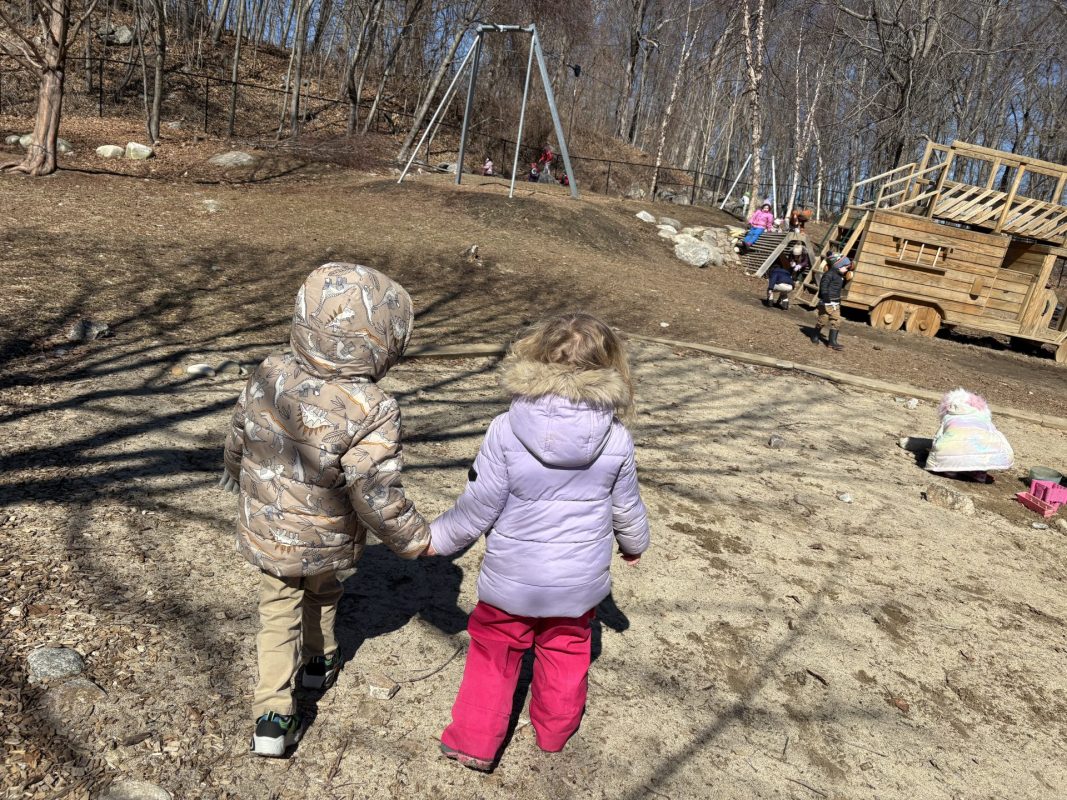
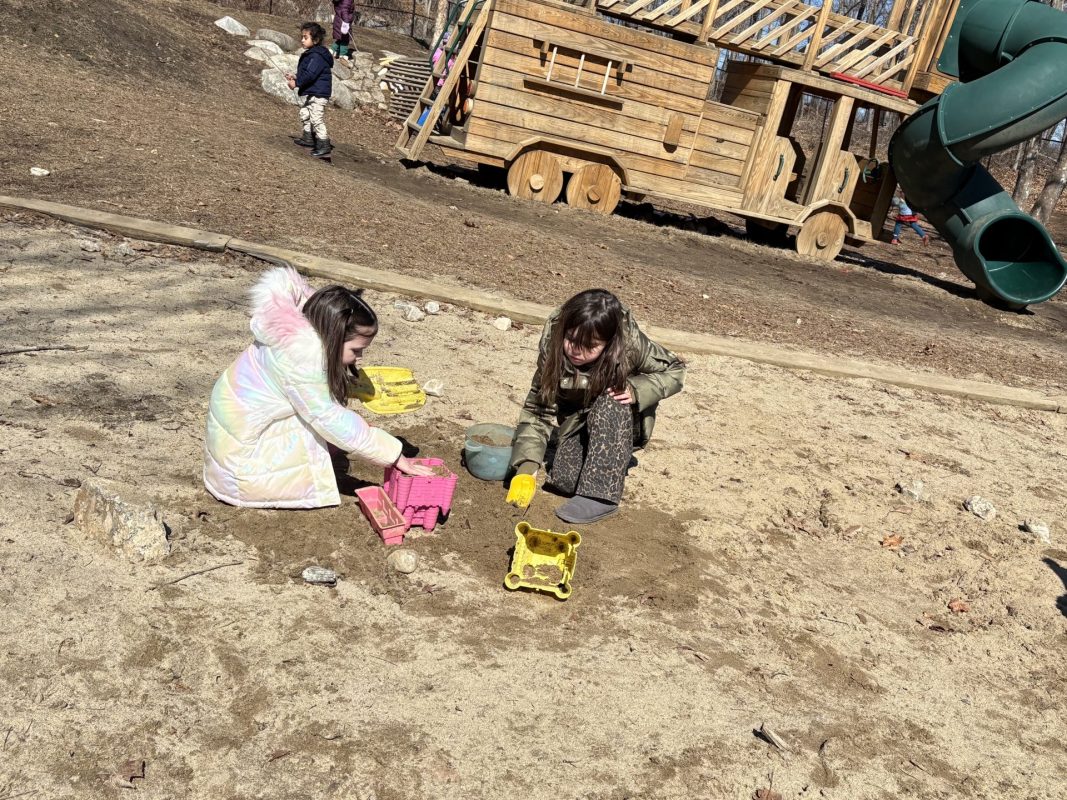
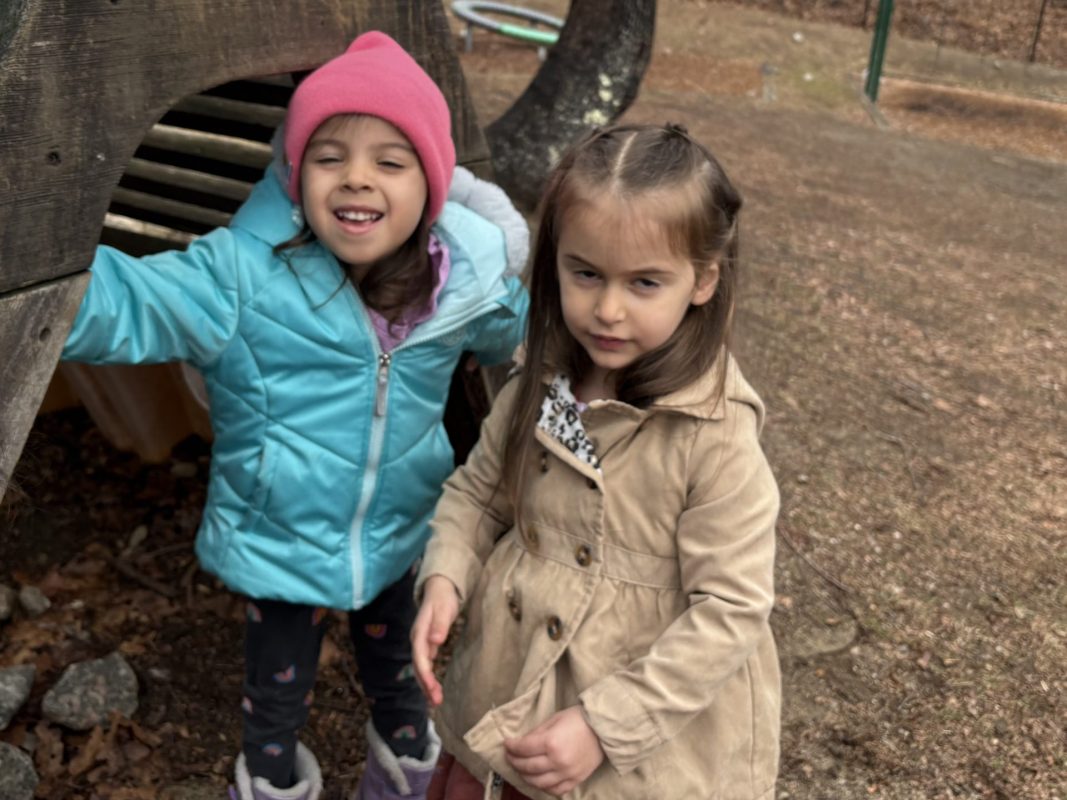
Happy spring, and welcome back! The children were very excited to be reunited this week. We made the most of the beautiful weather, spending as much time as possible outdoors.

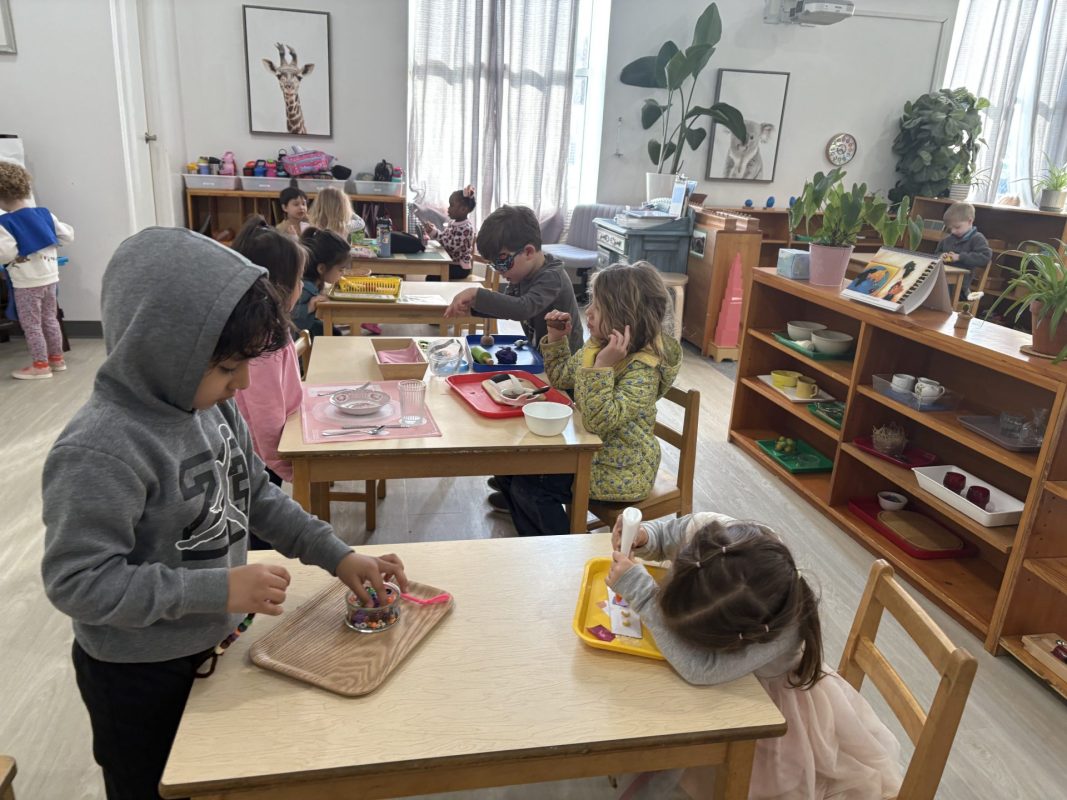
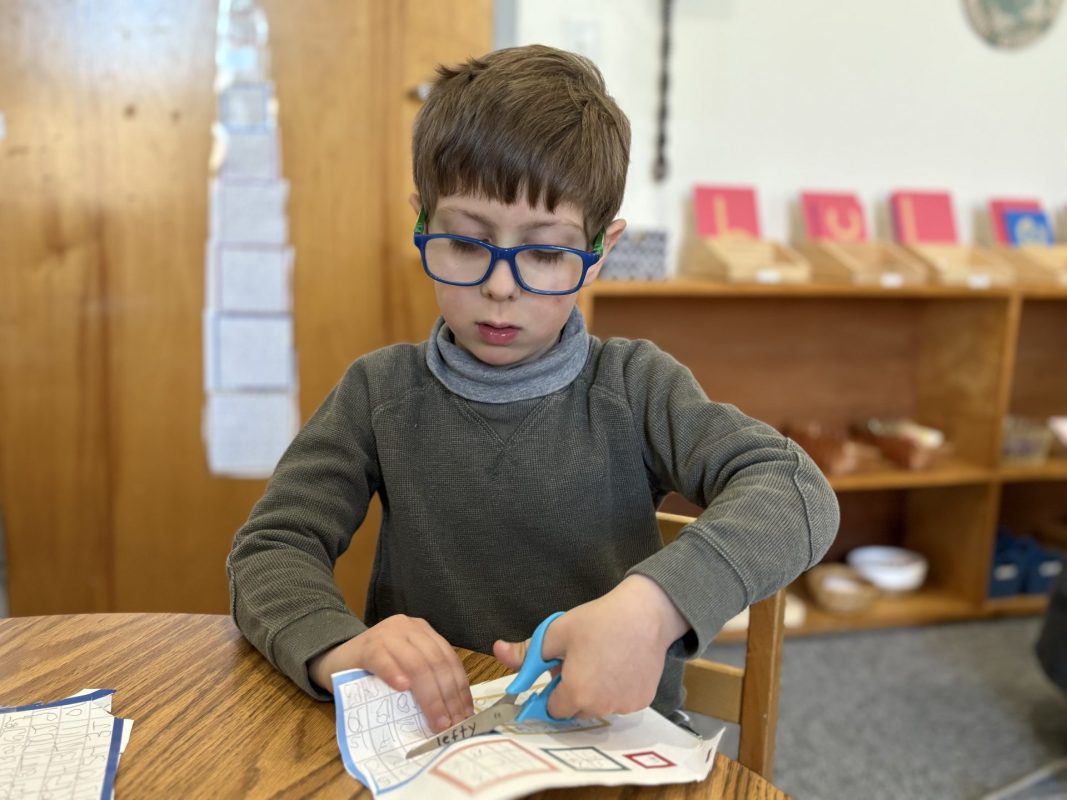
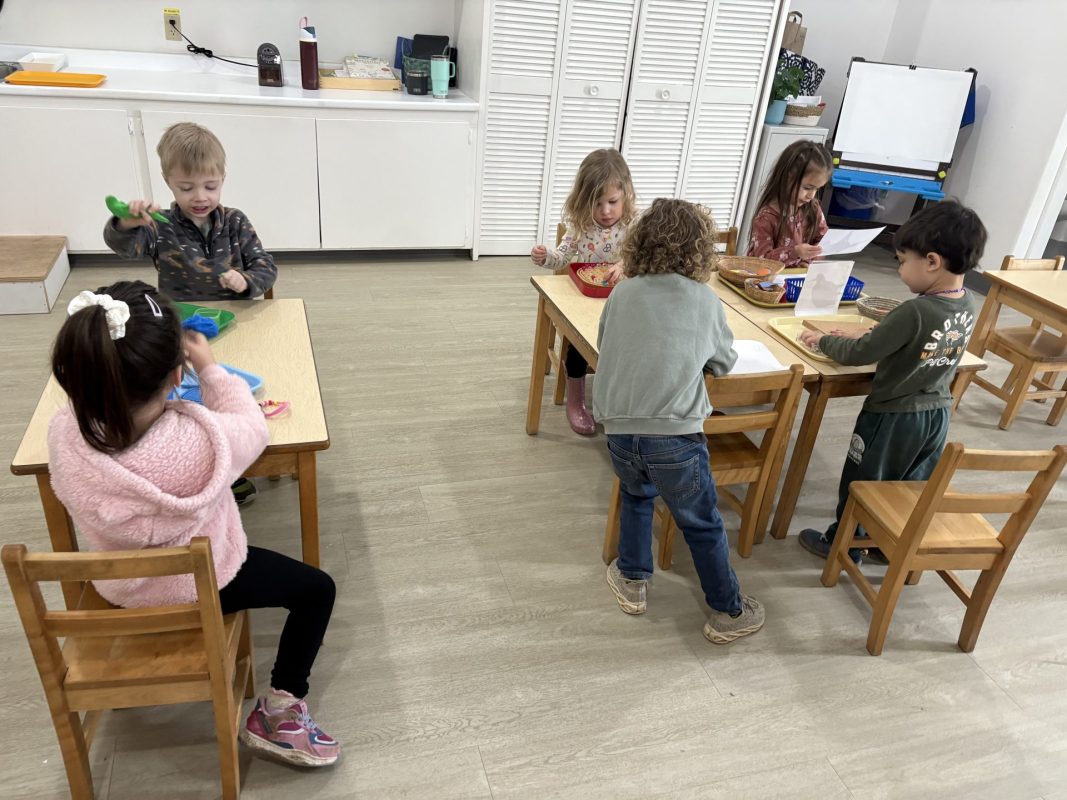
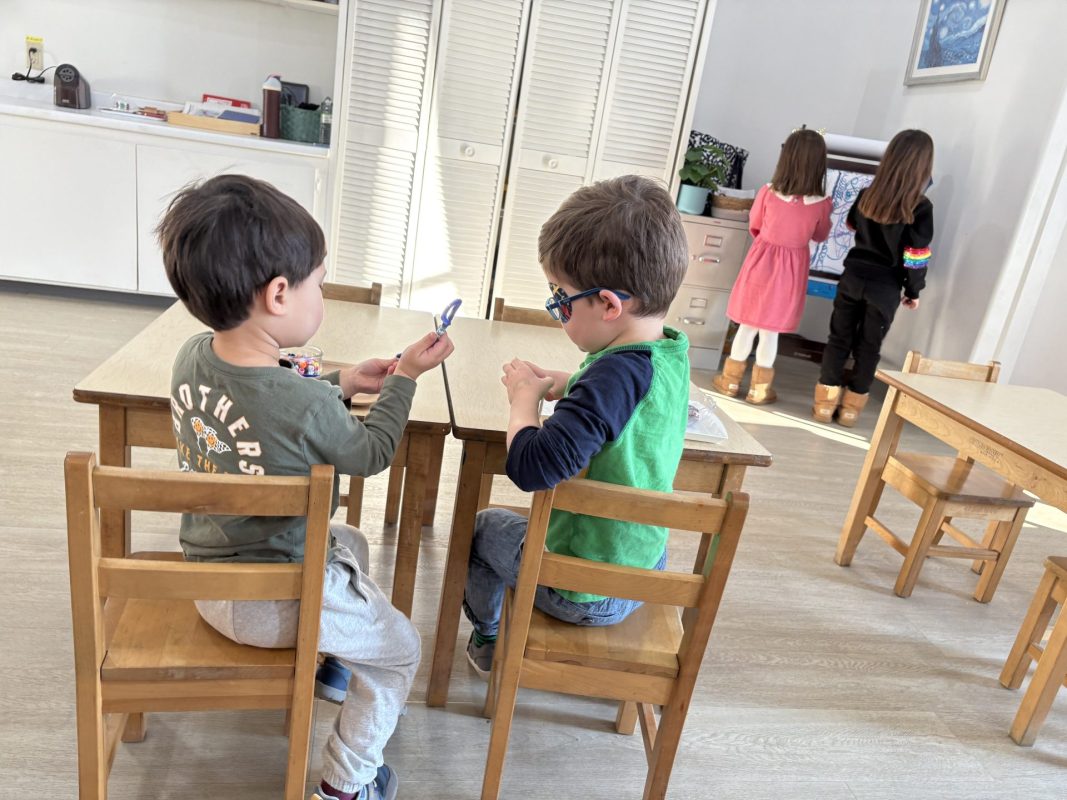
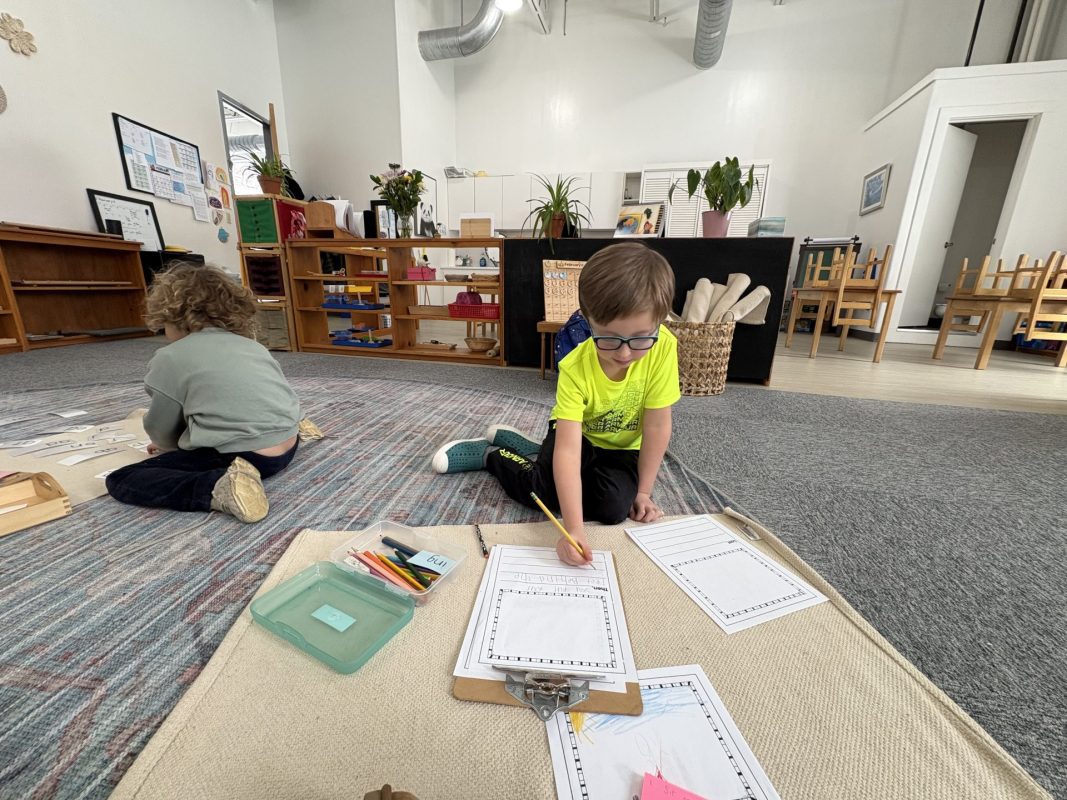
The children did not waste any time getting right back into the routine, and they were eager to make independent work choices and learn new things. We were all excited to welcome Ms. Hailey to our classroom and to sing our ‘Hickety Pickety Bumblebee’ song to introduce ourselves.

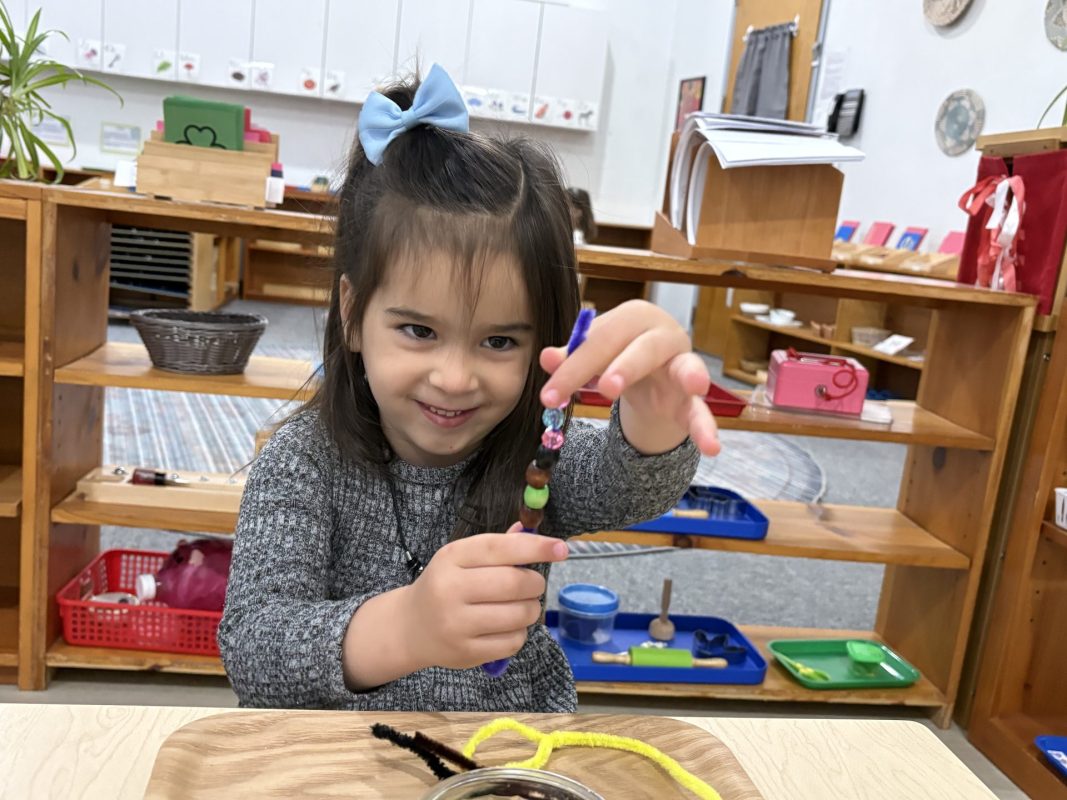
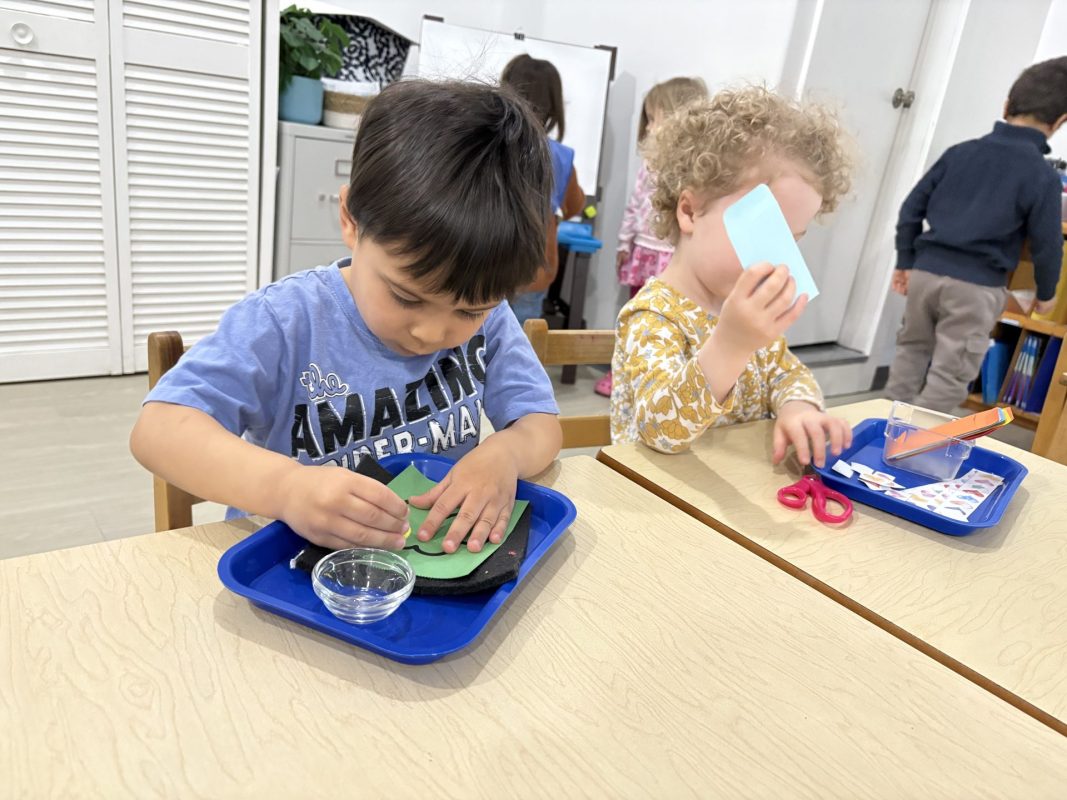
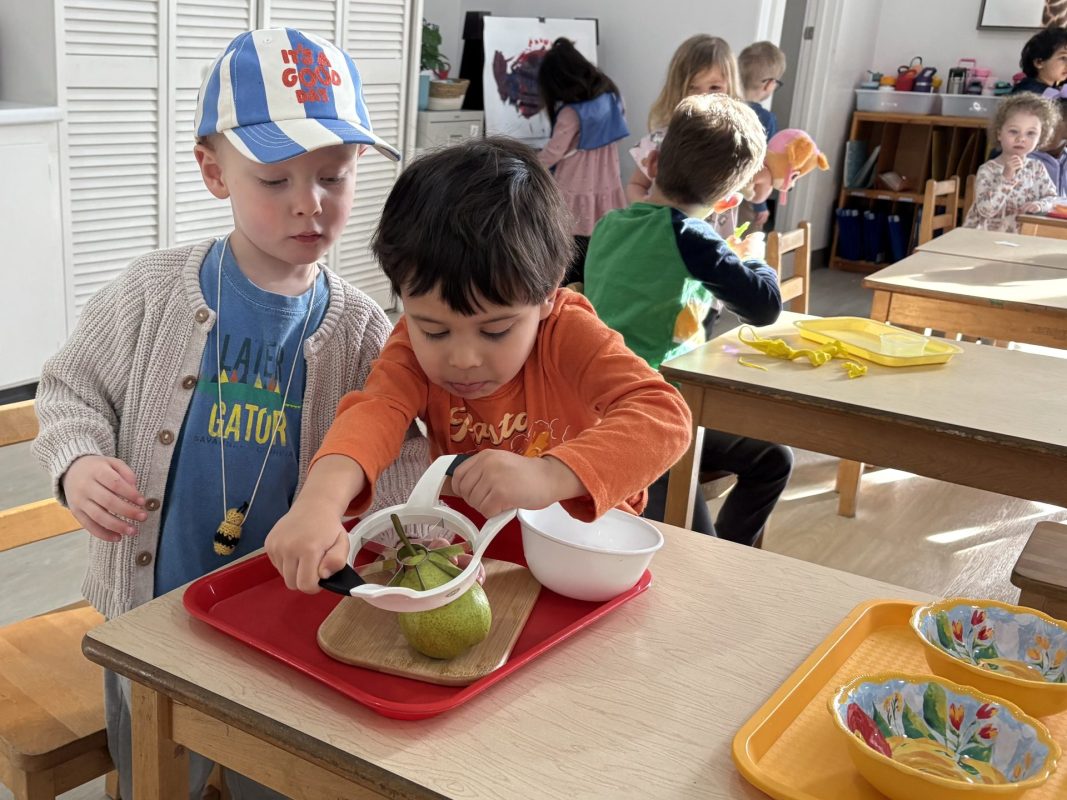
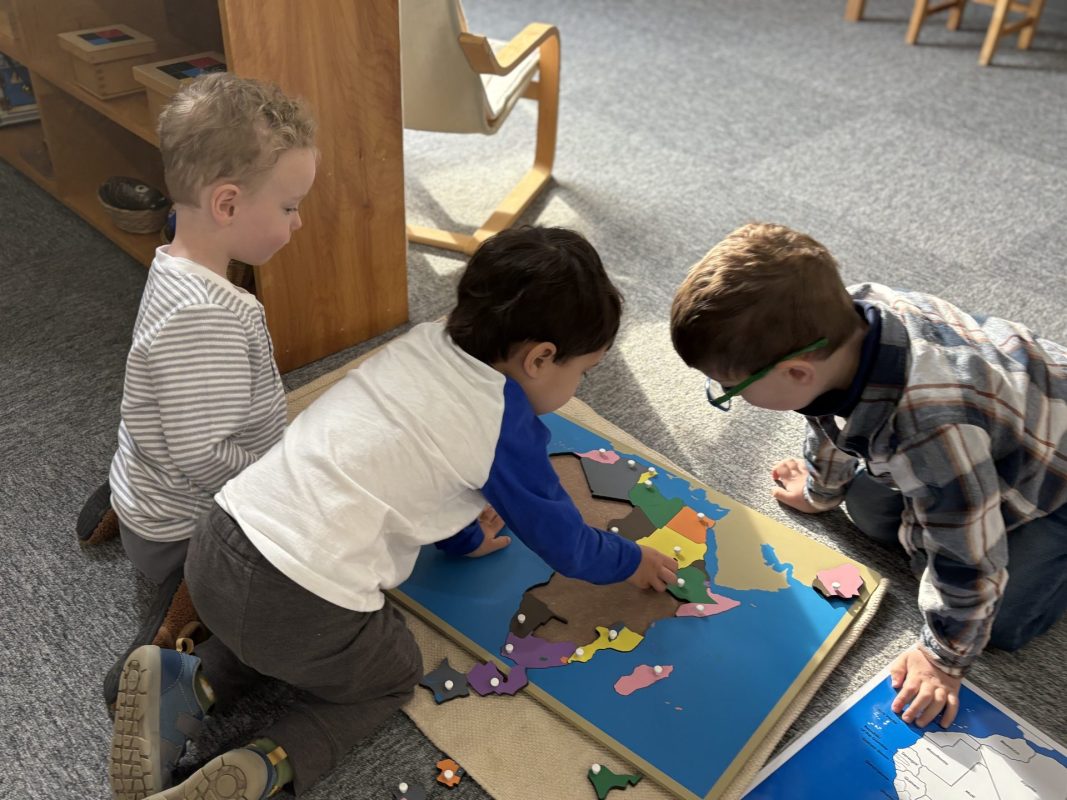
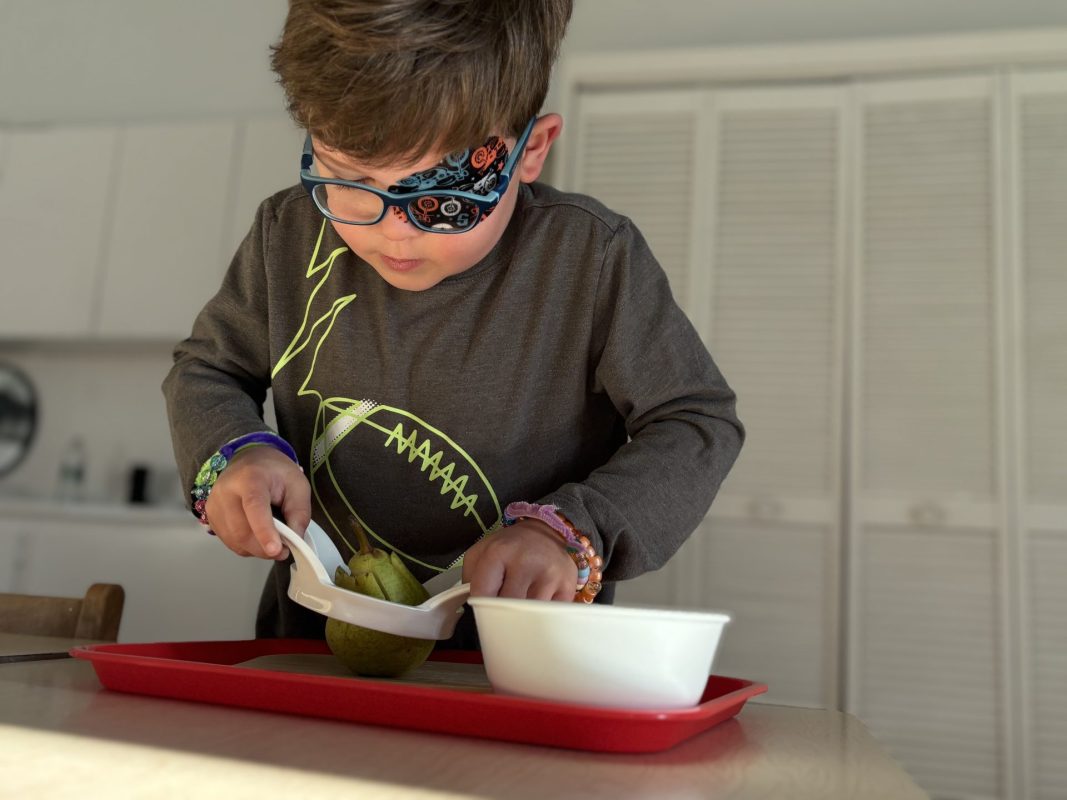
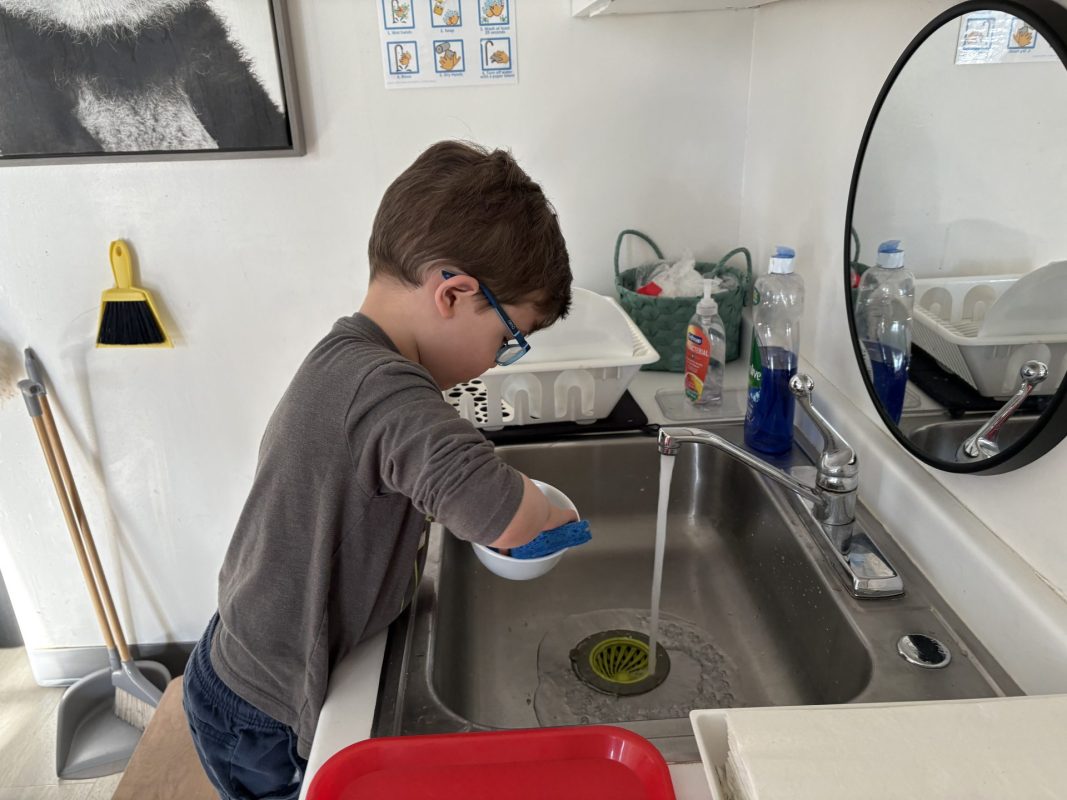
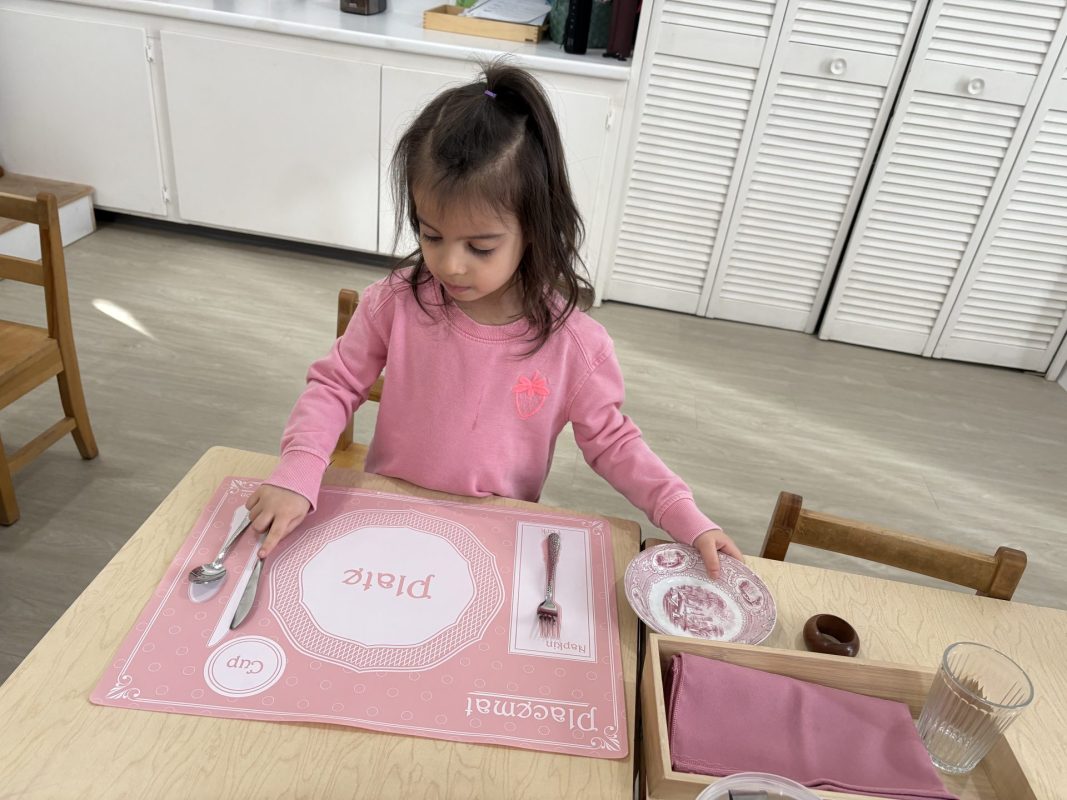
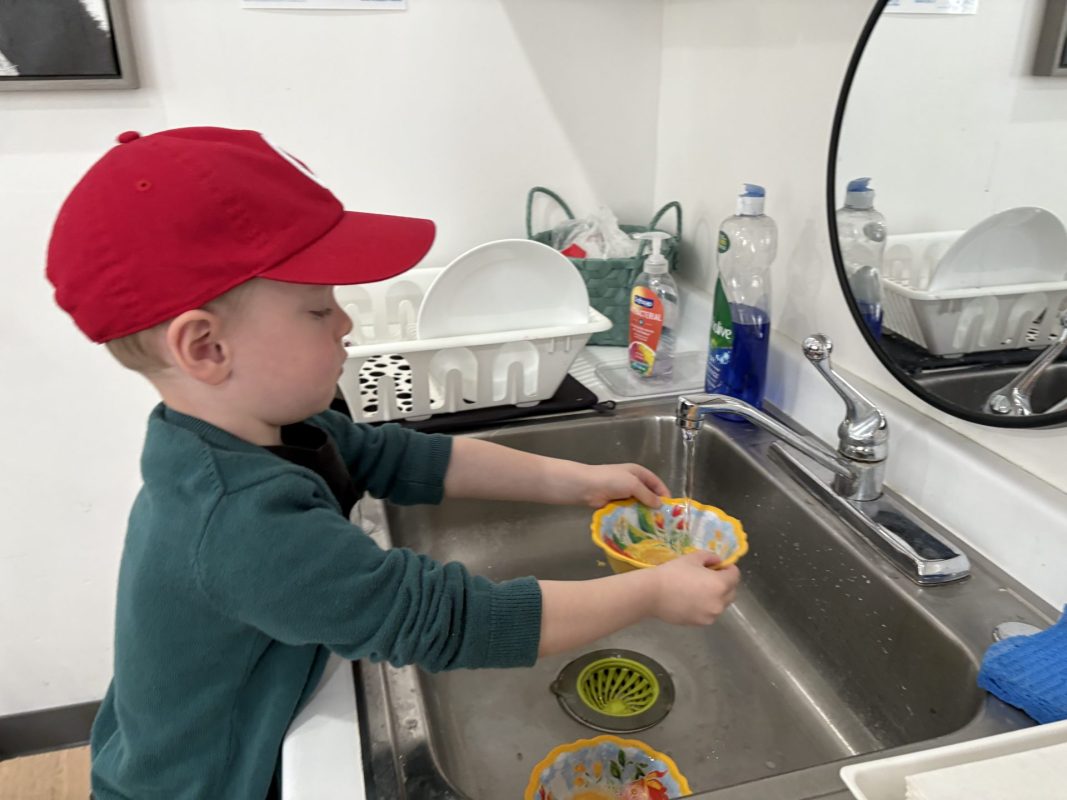
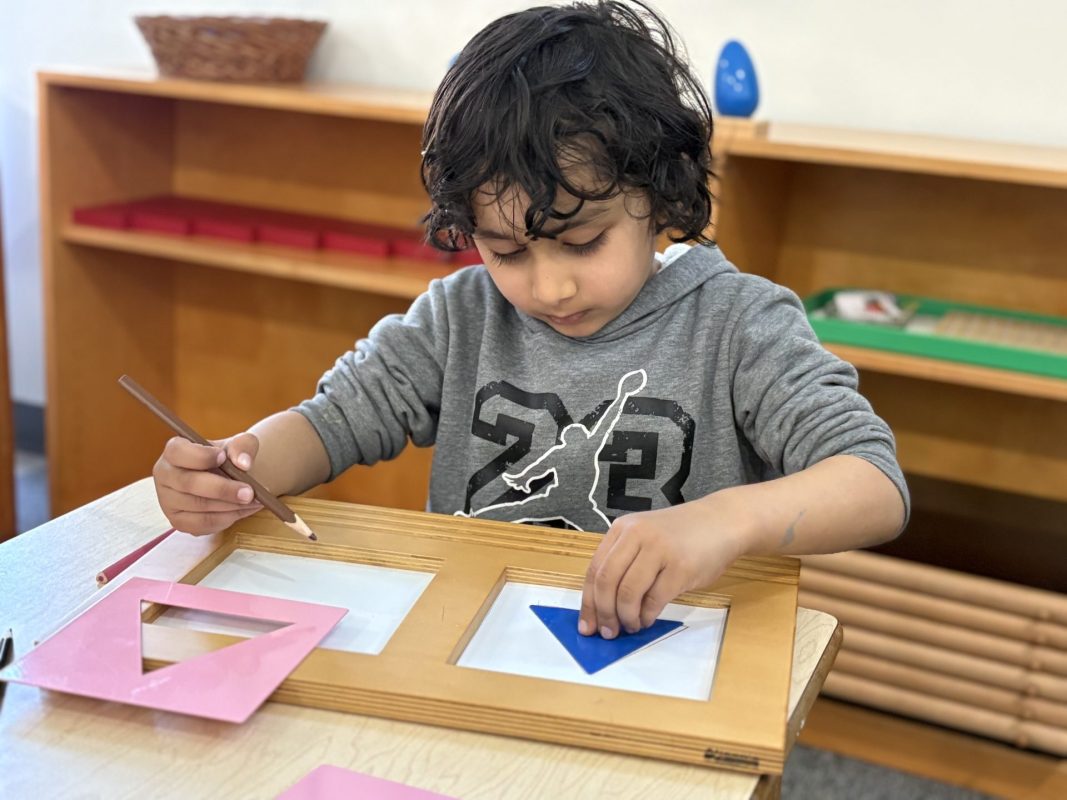
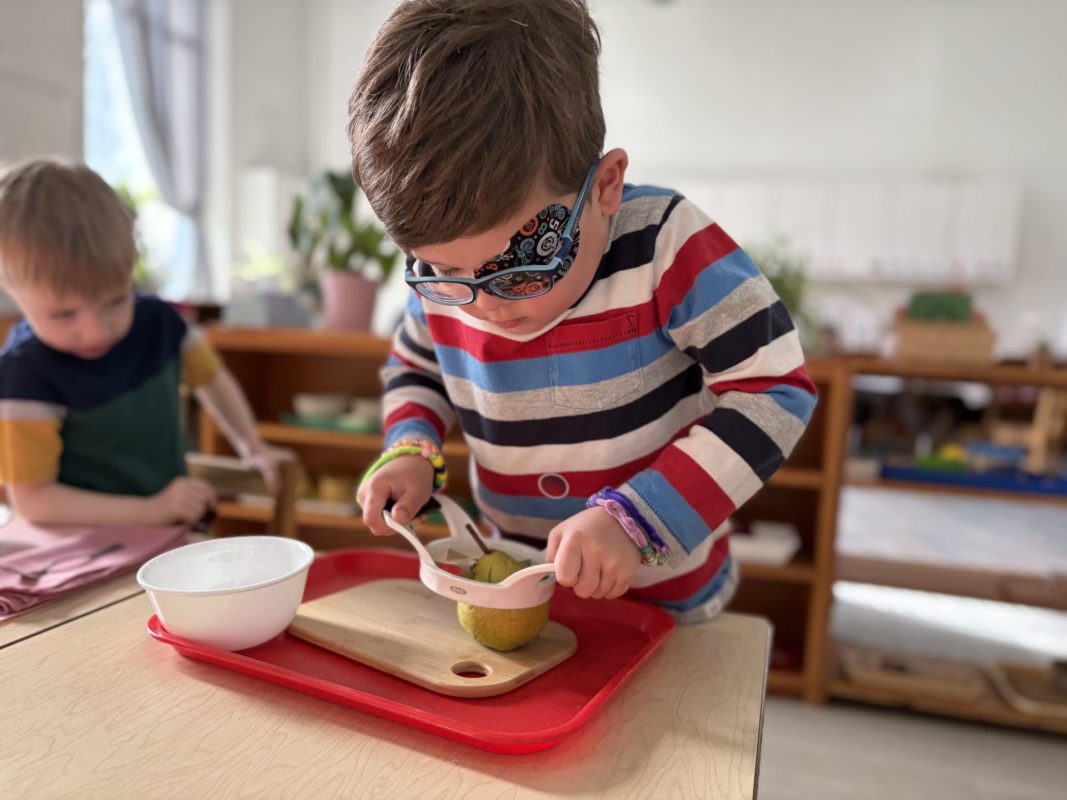
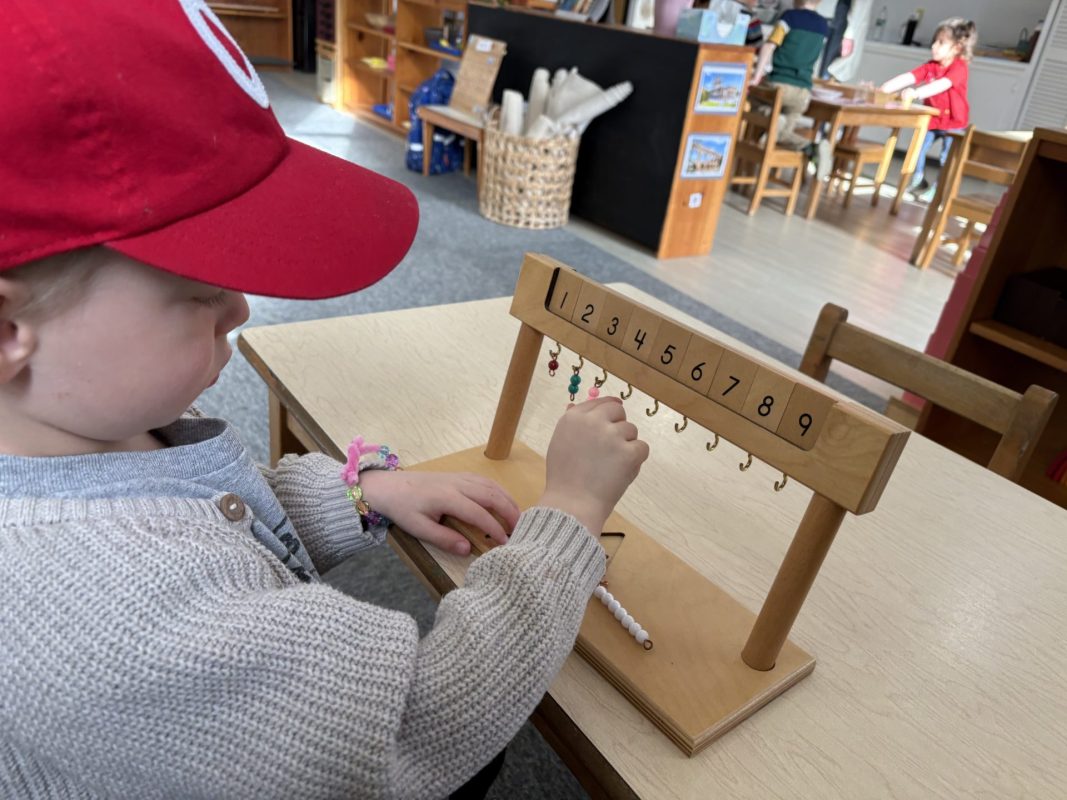
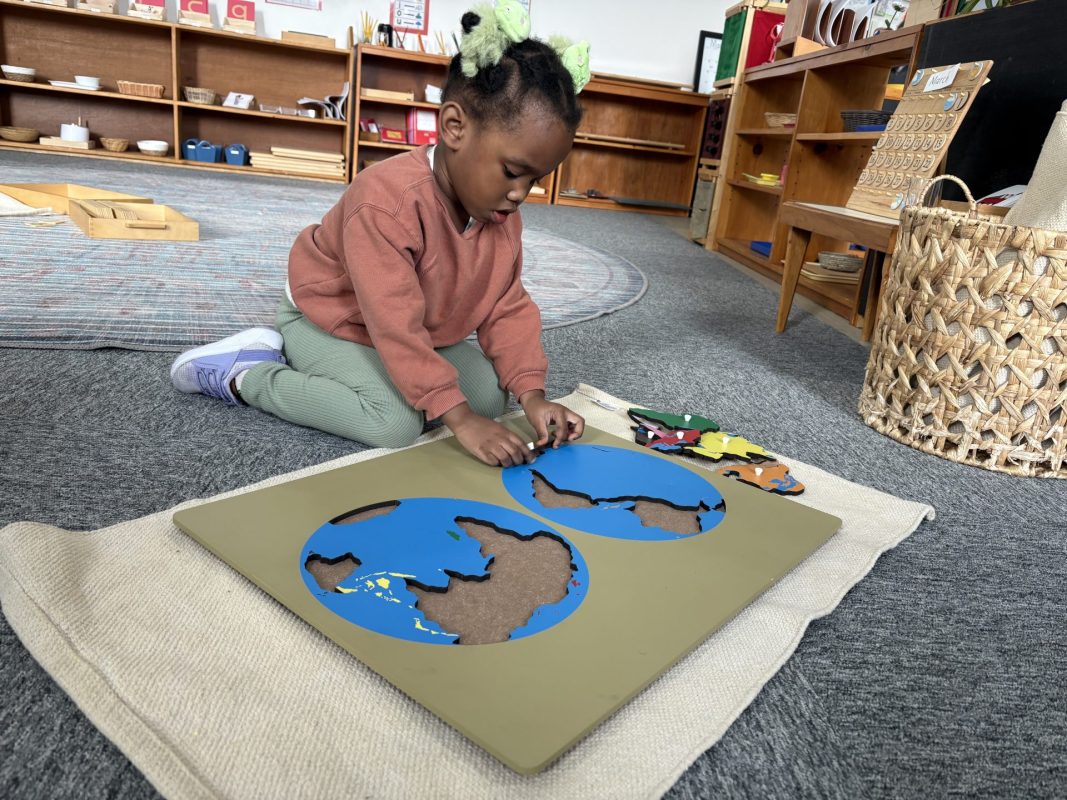
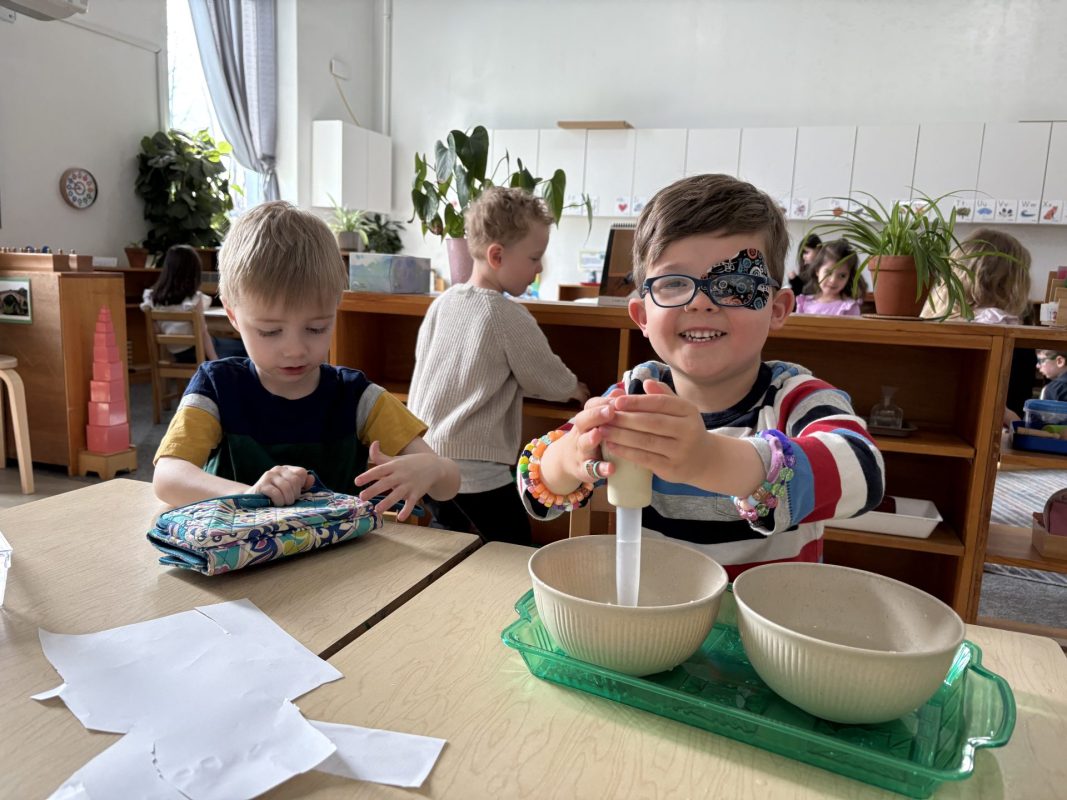
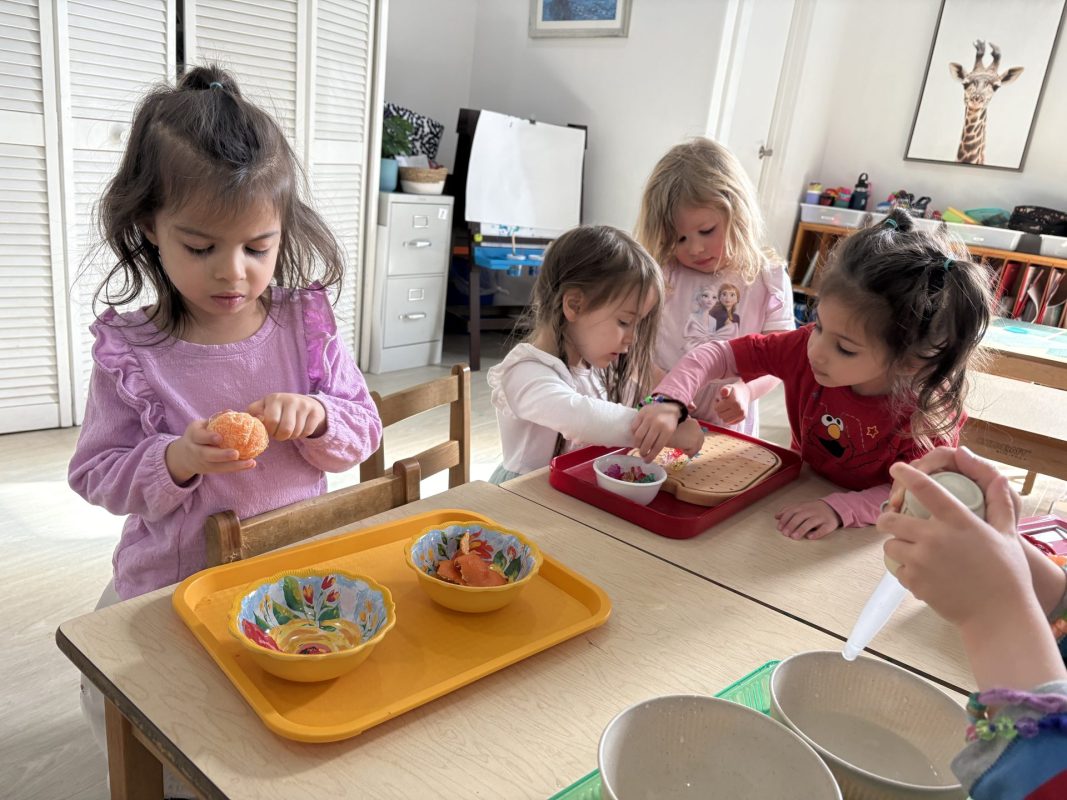
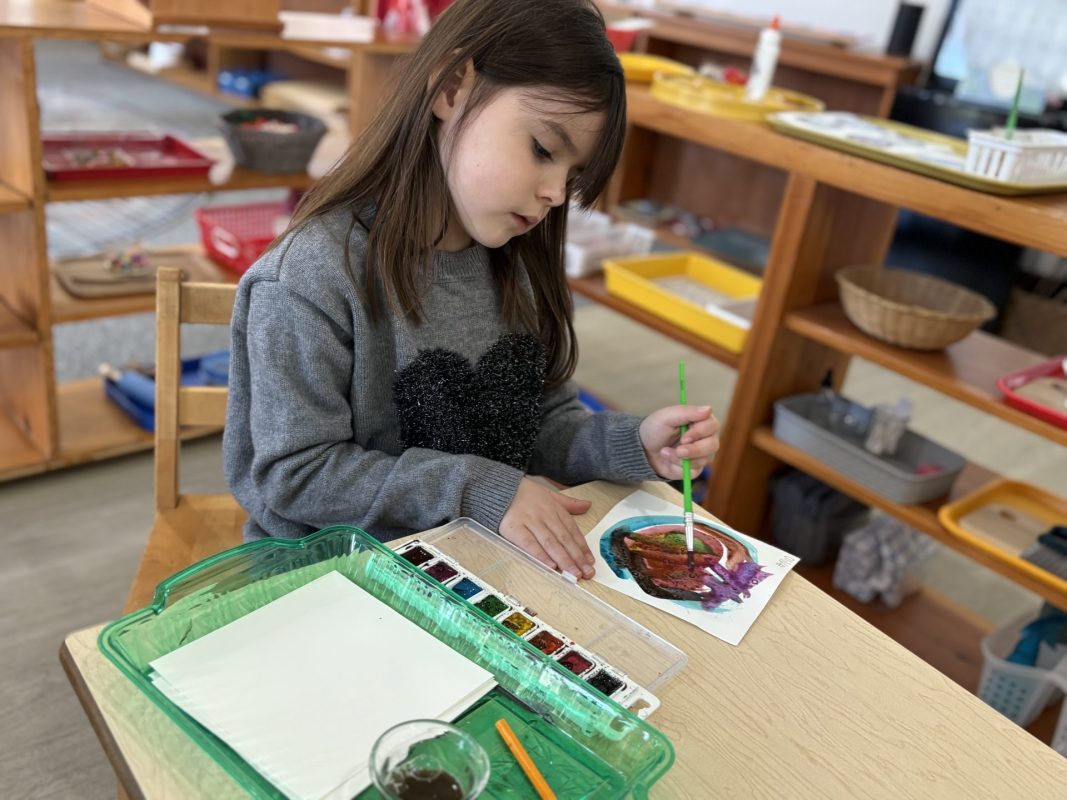
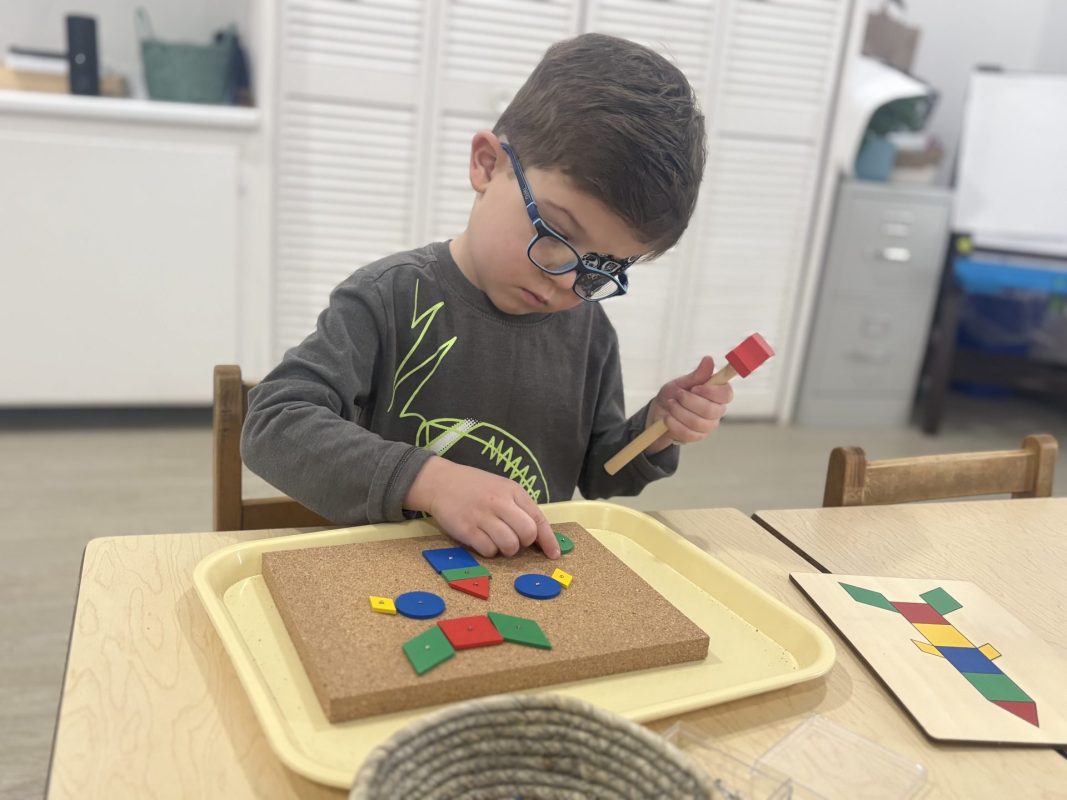
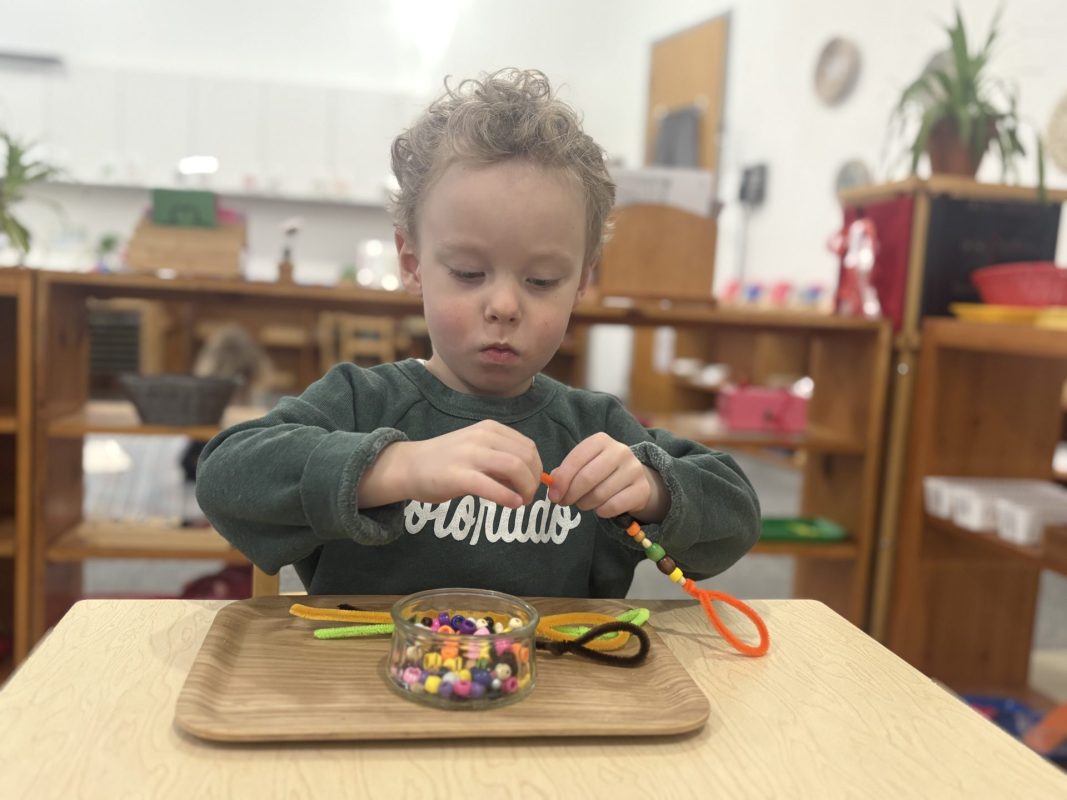
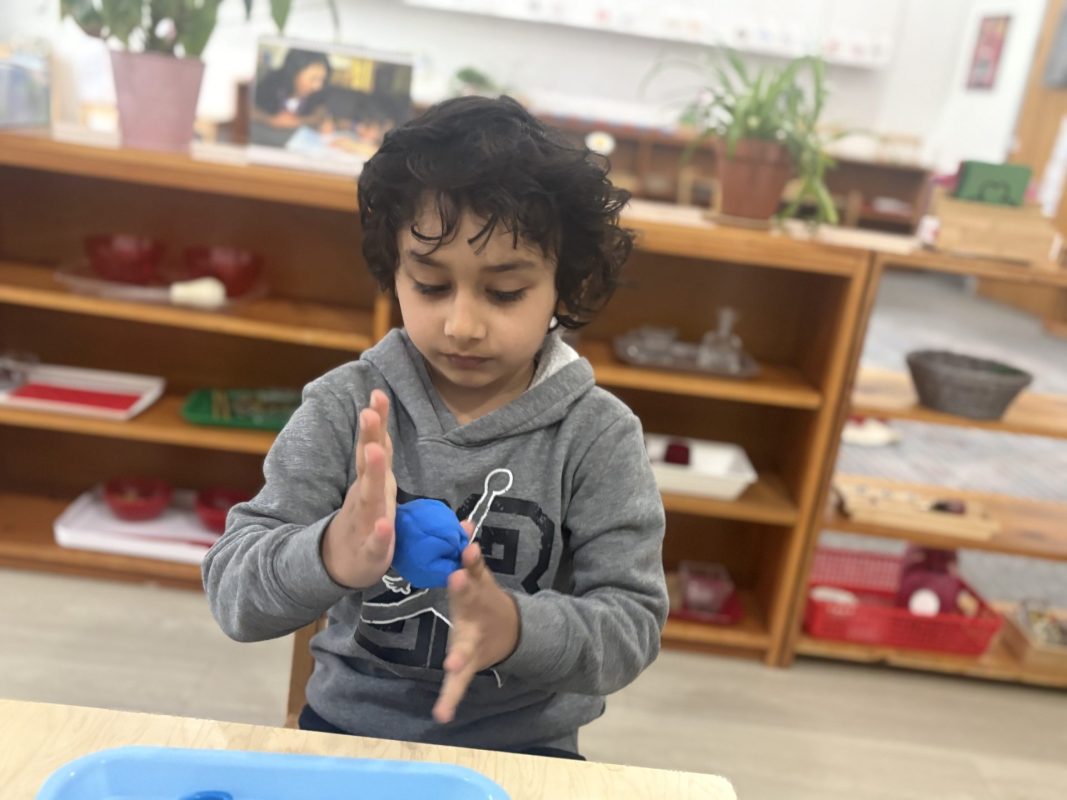
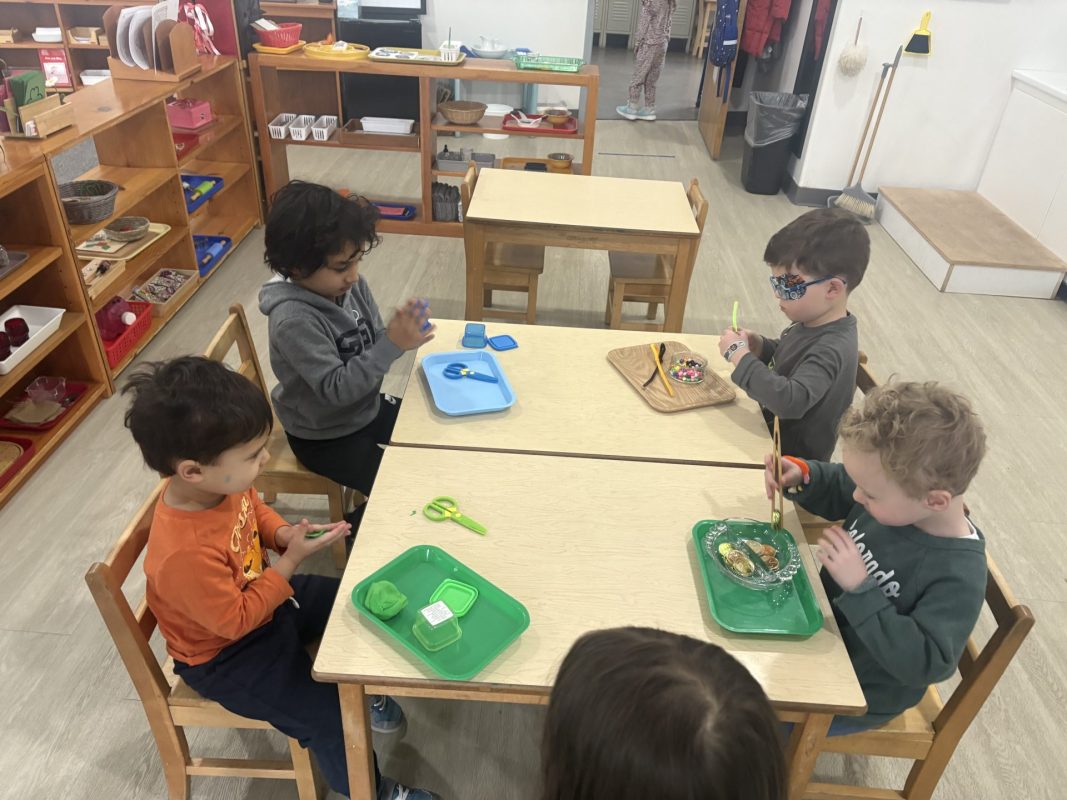
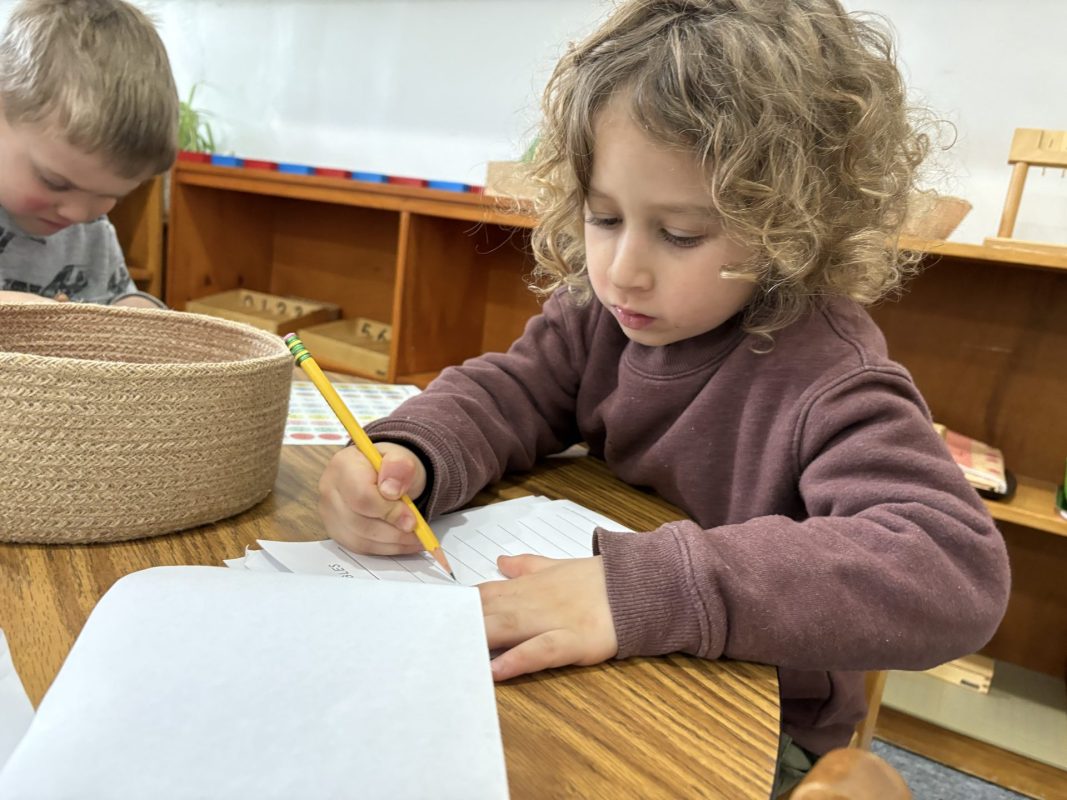
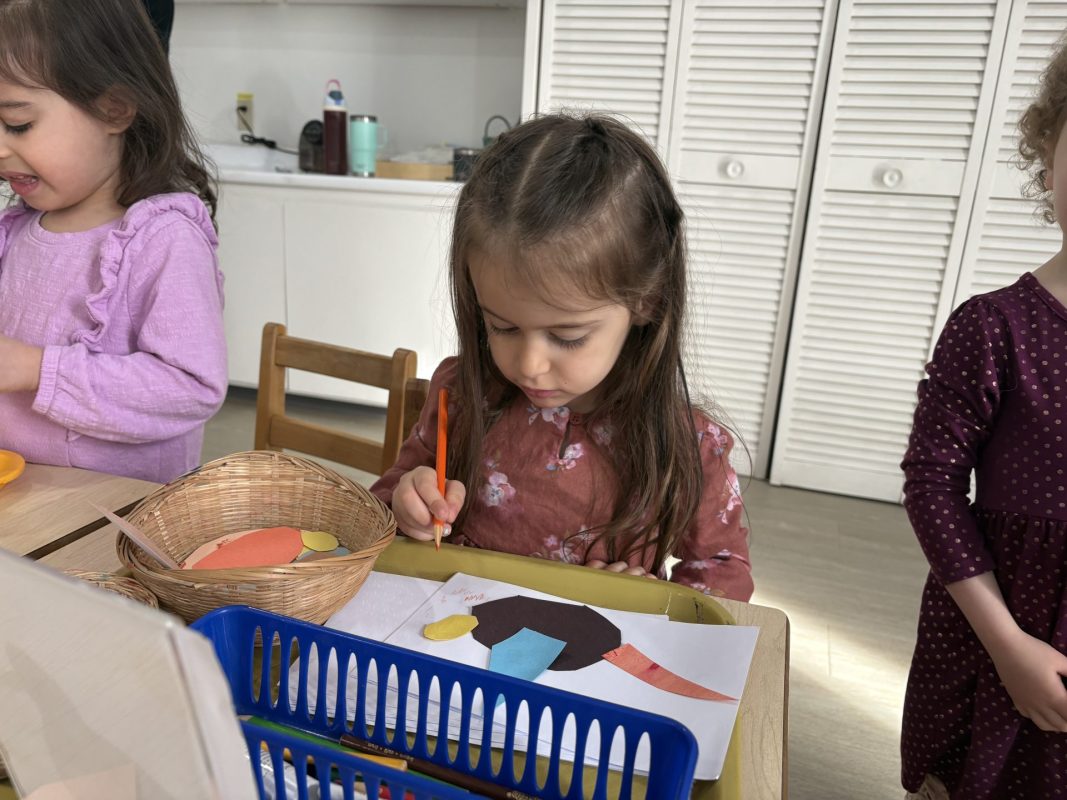
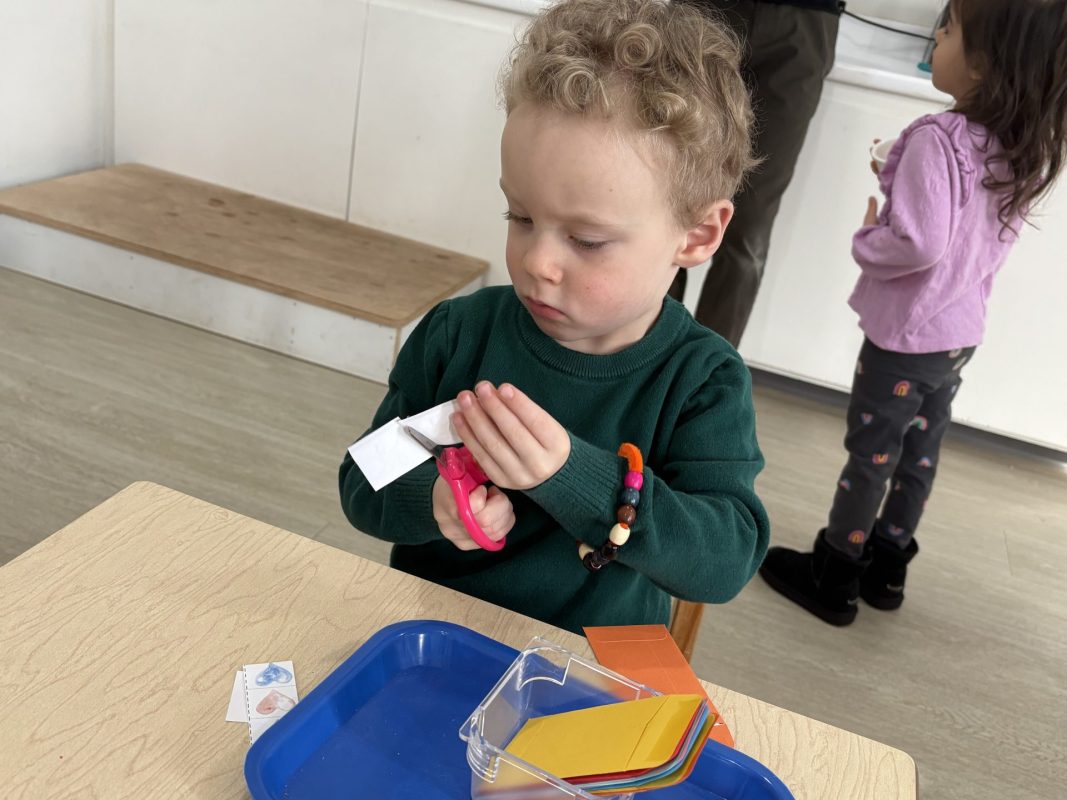
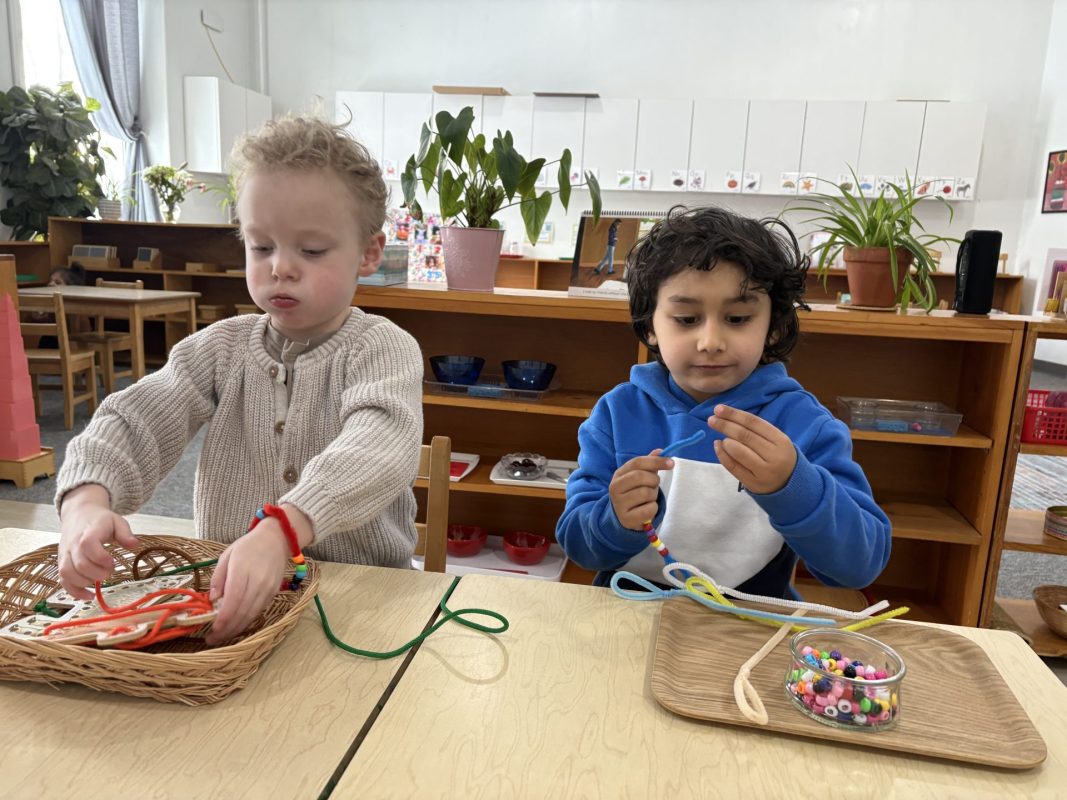
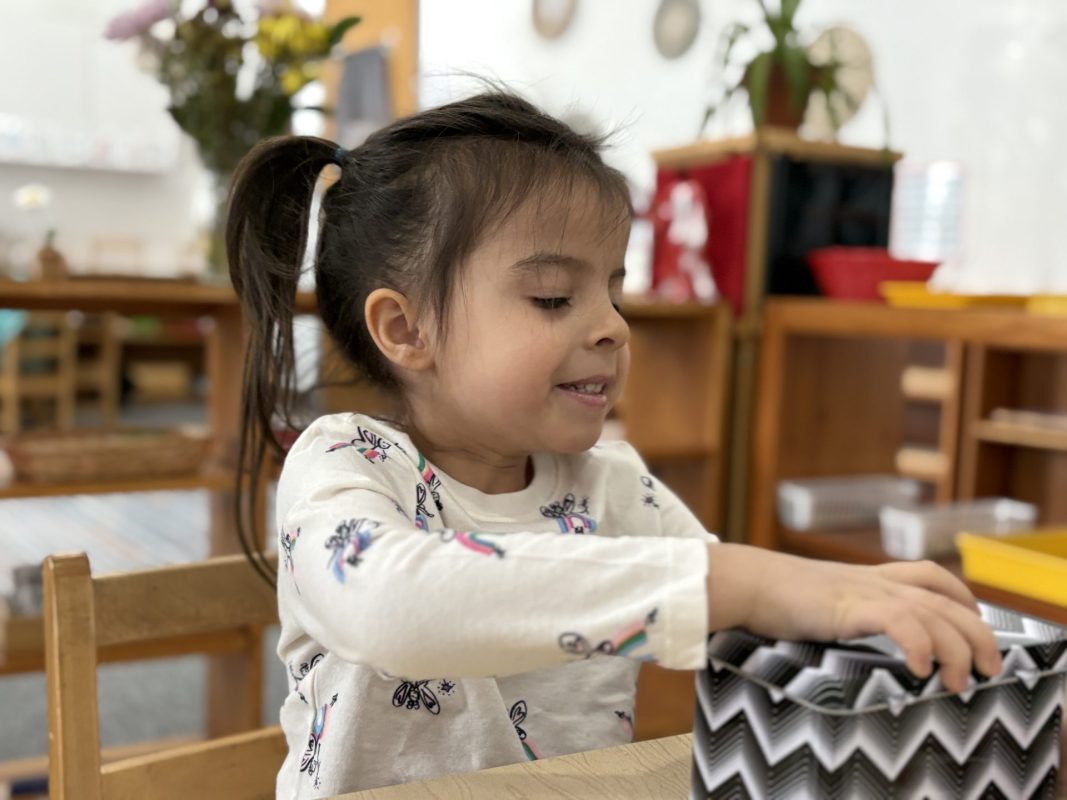
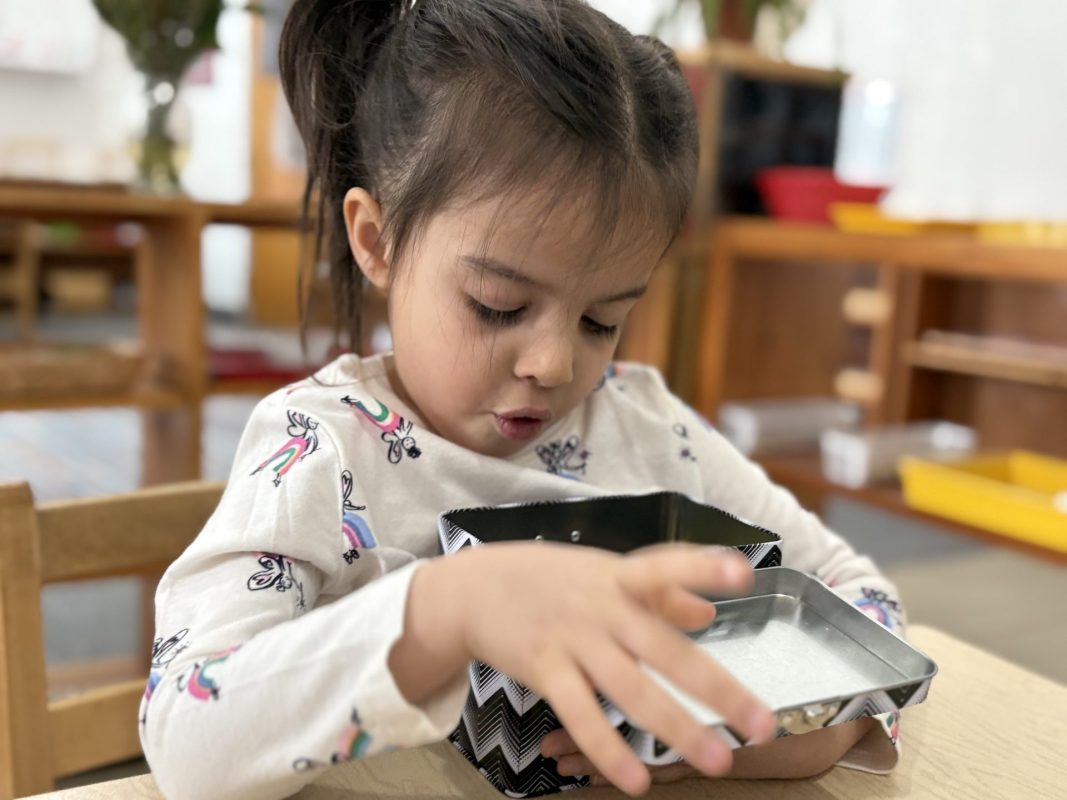
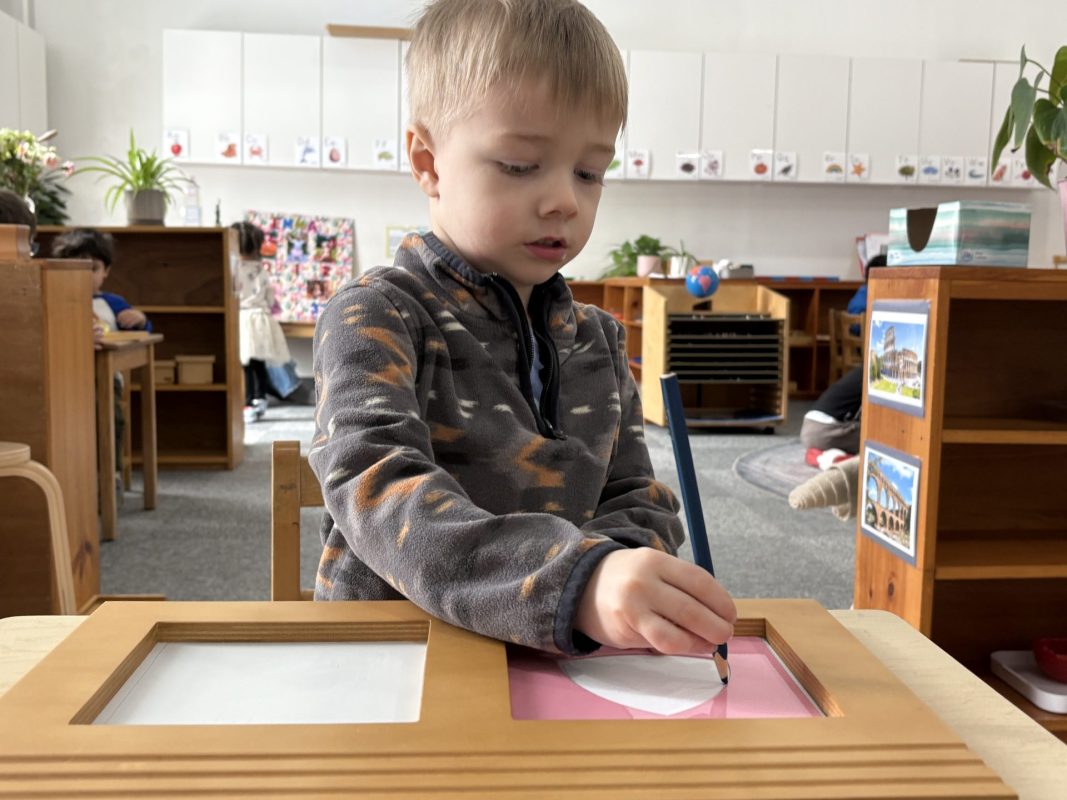
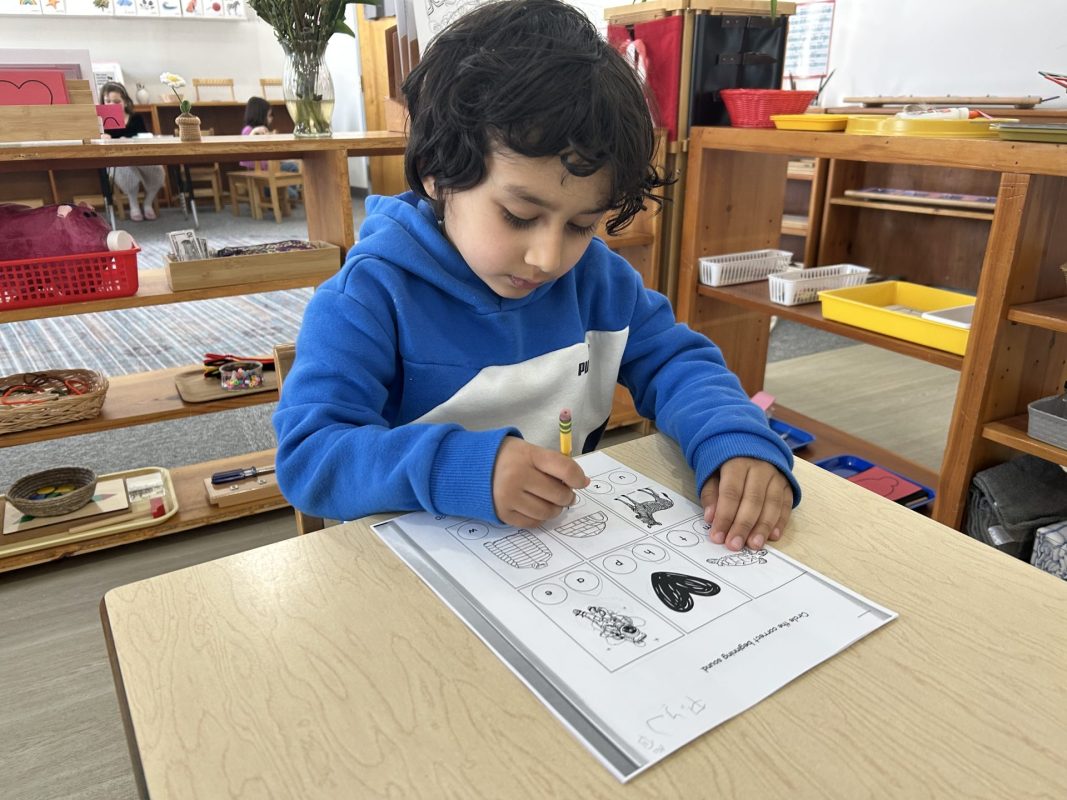
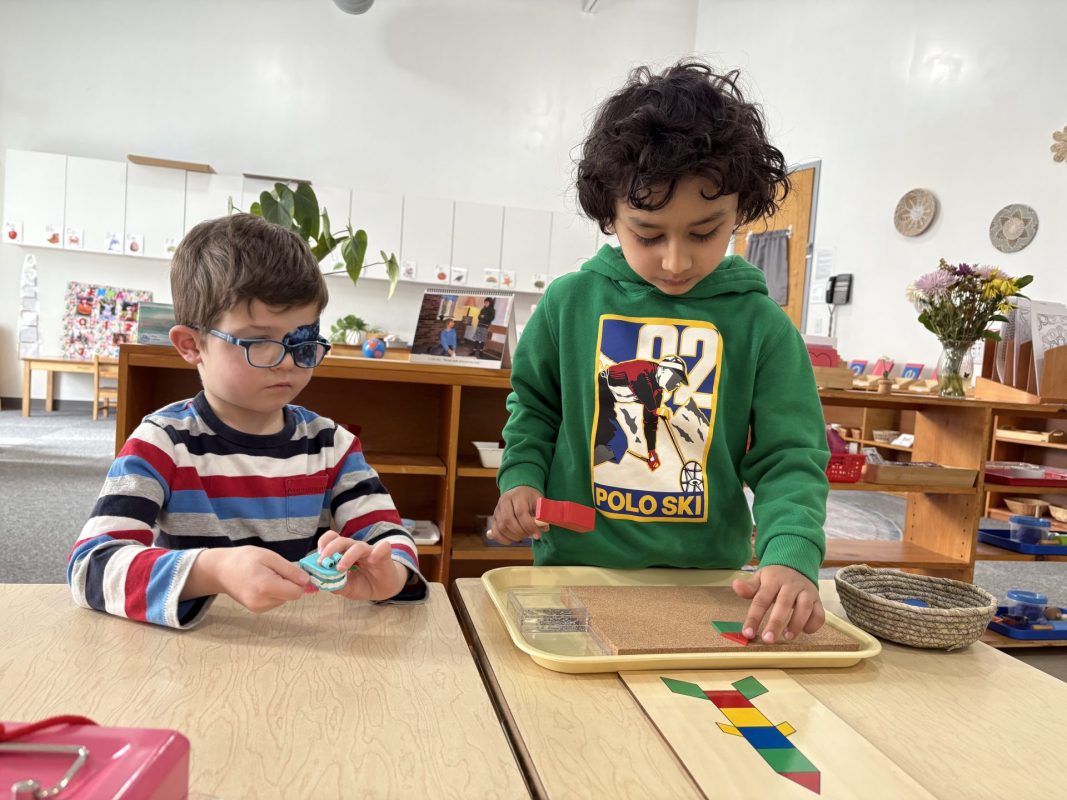
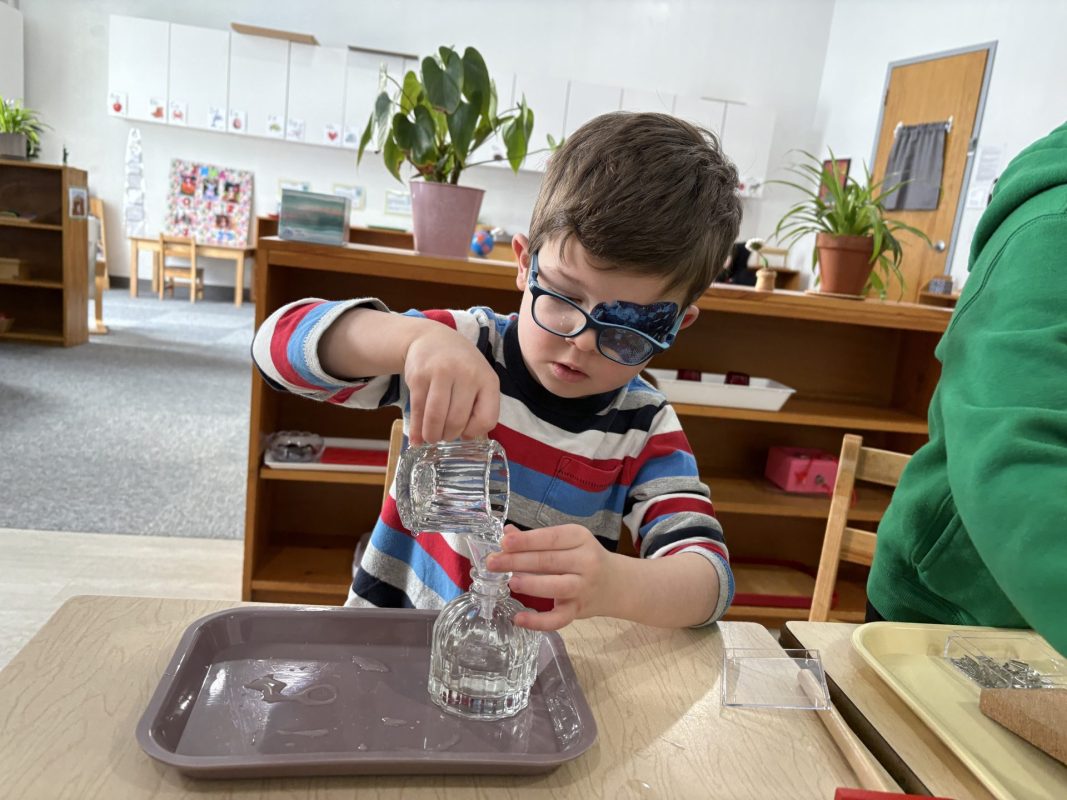
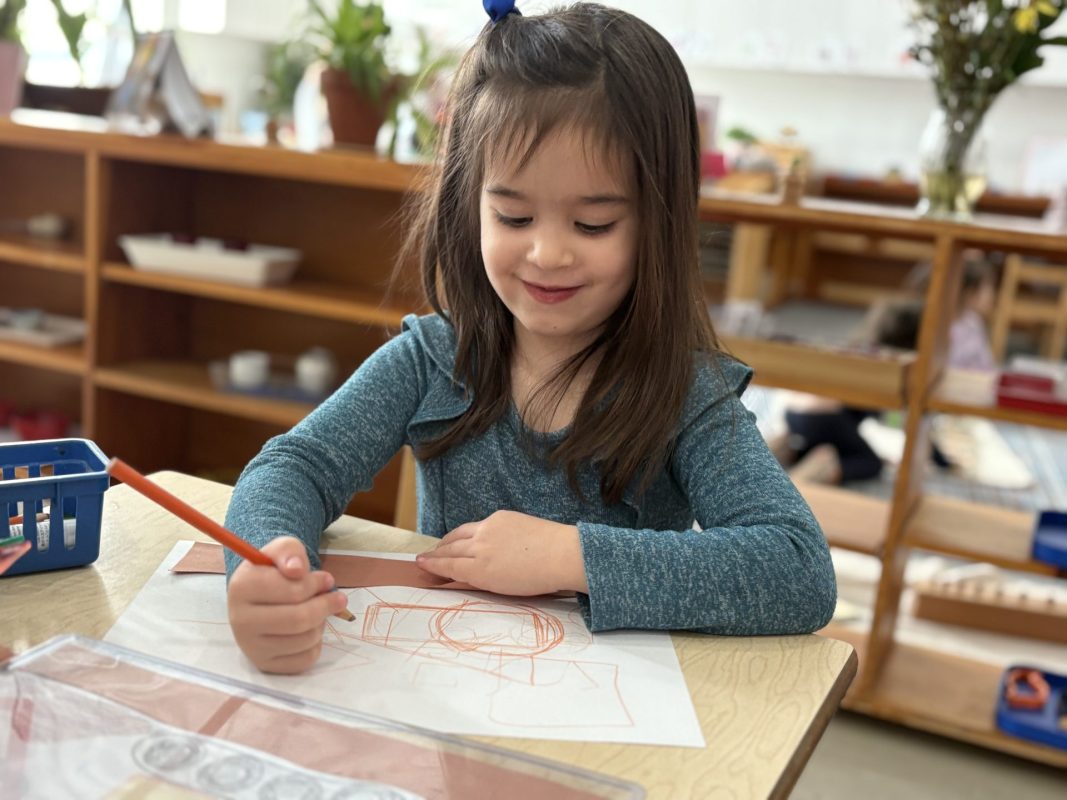
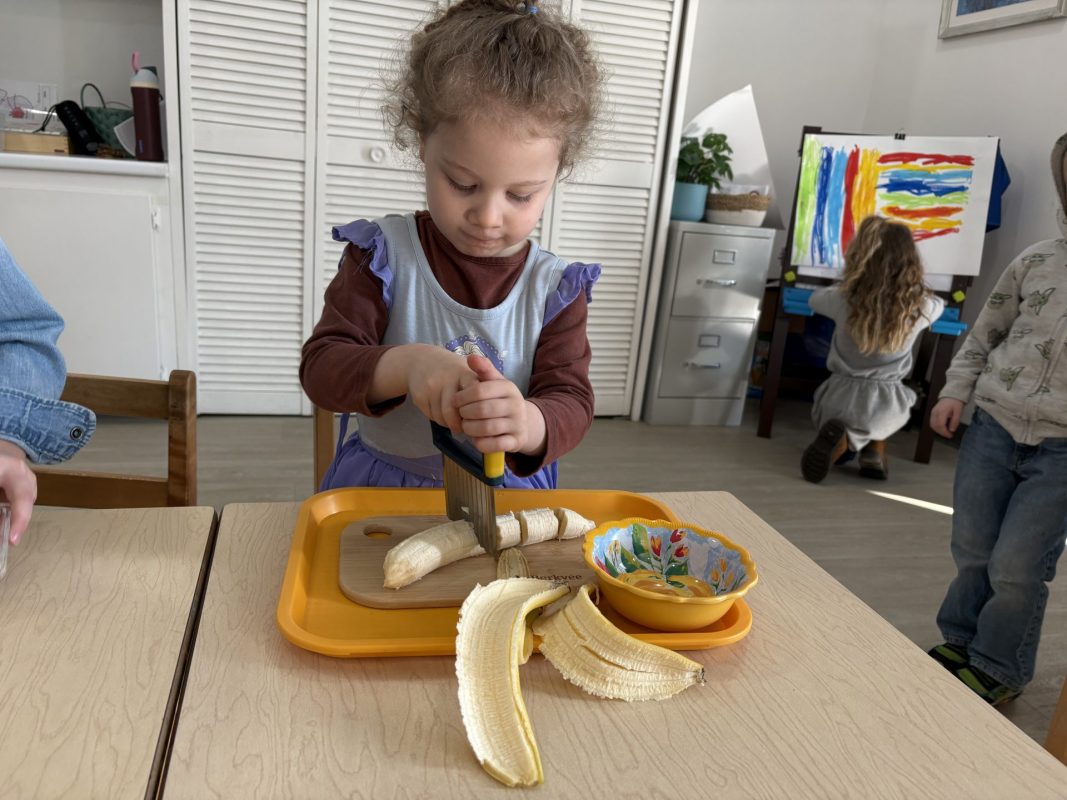
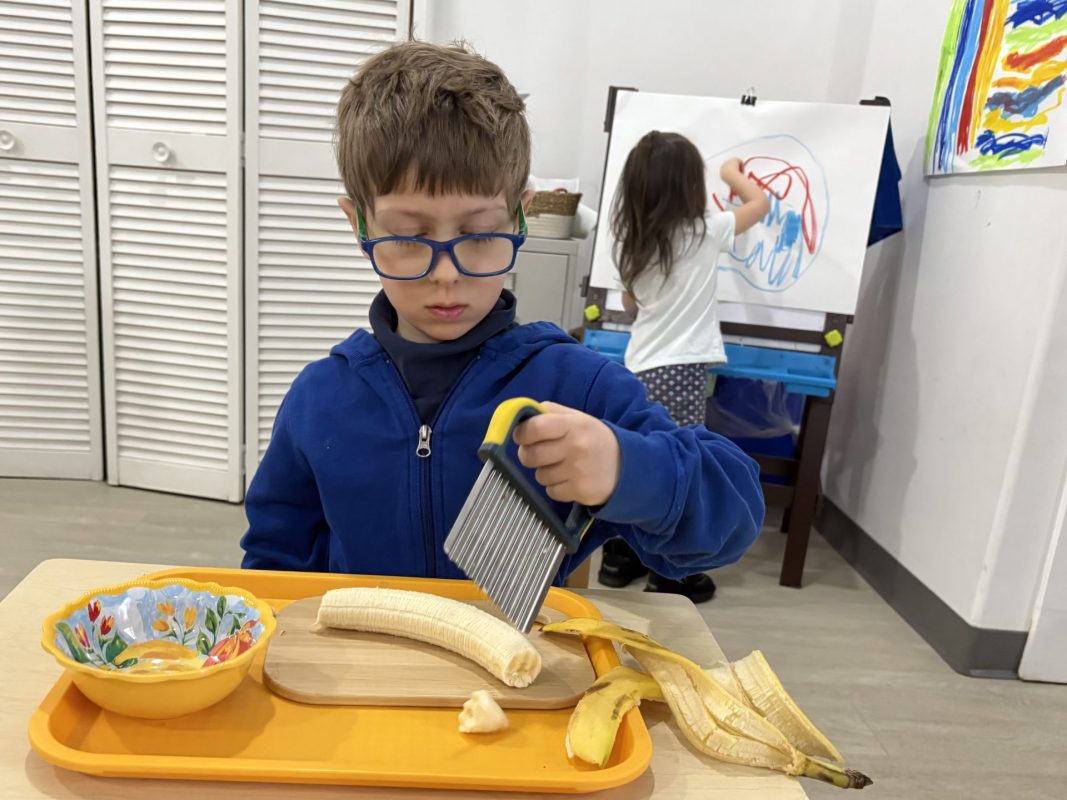
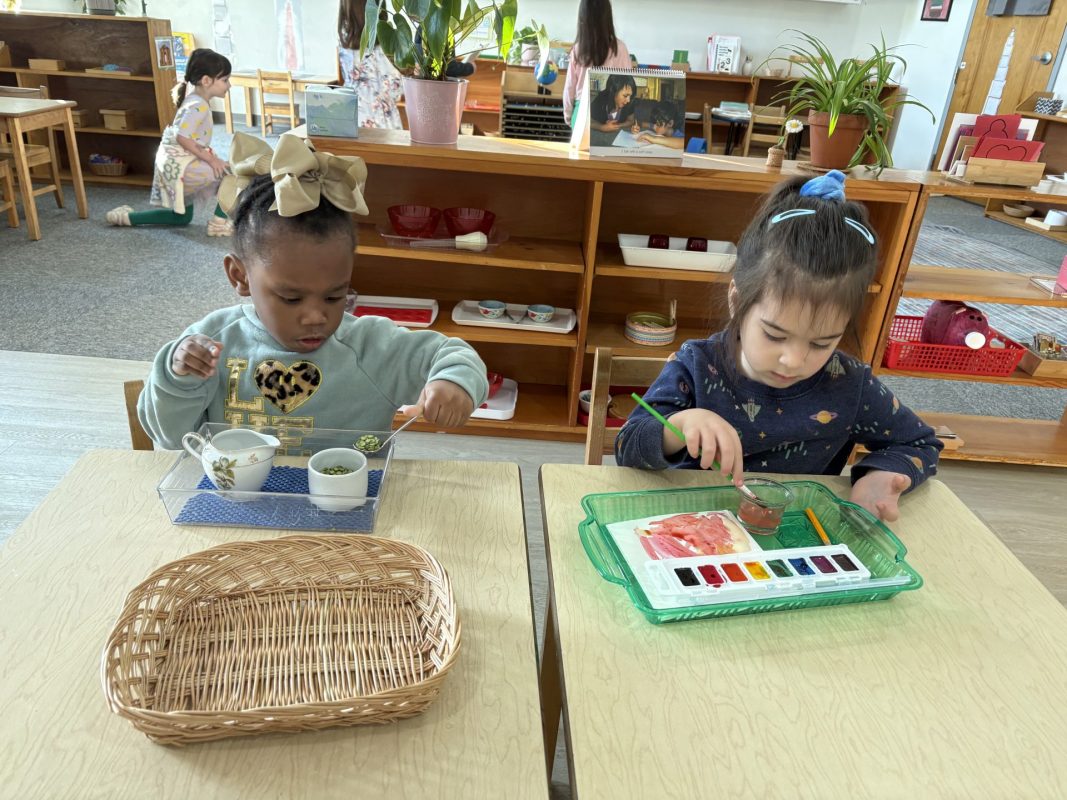
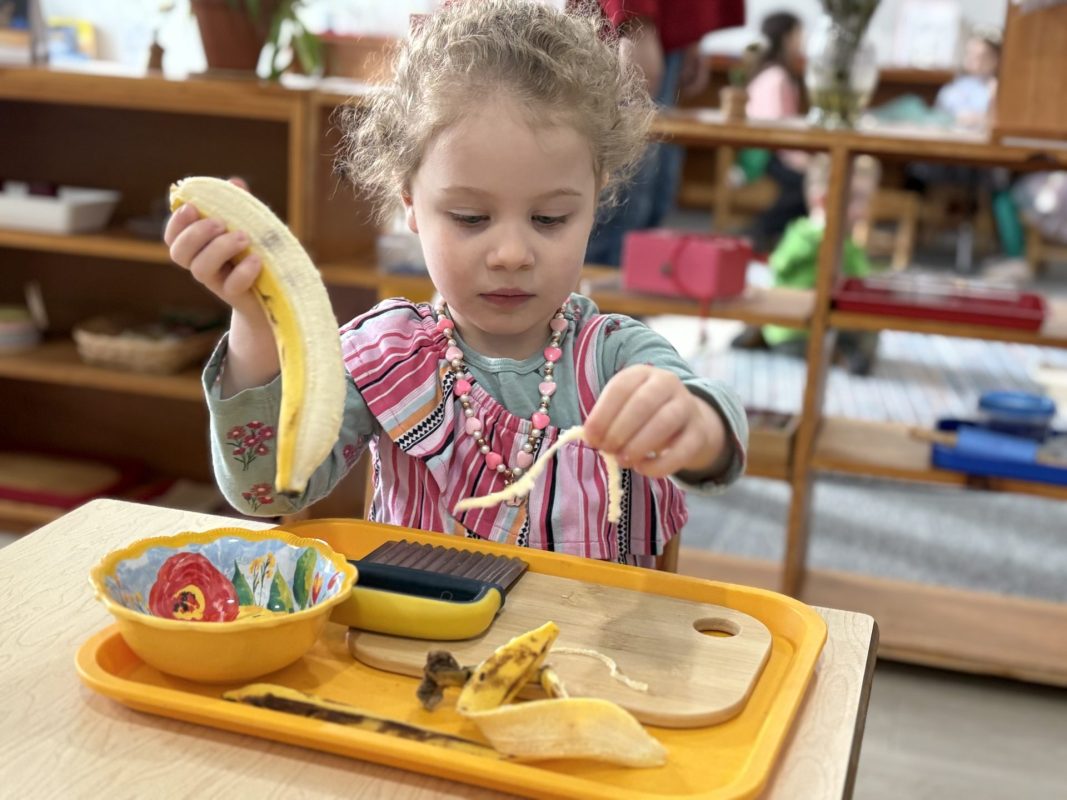
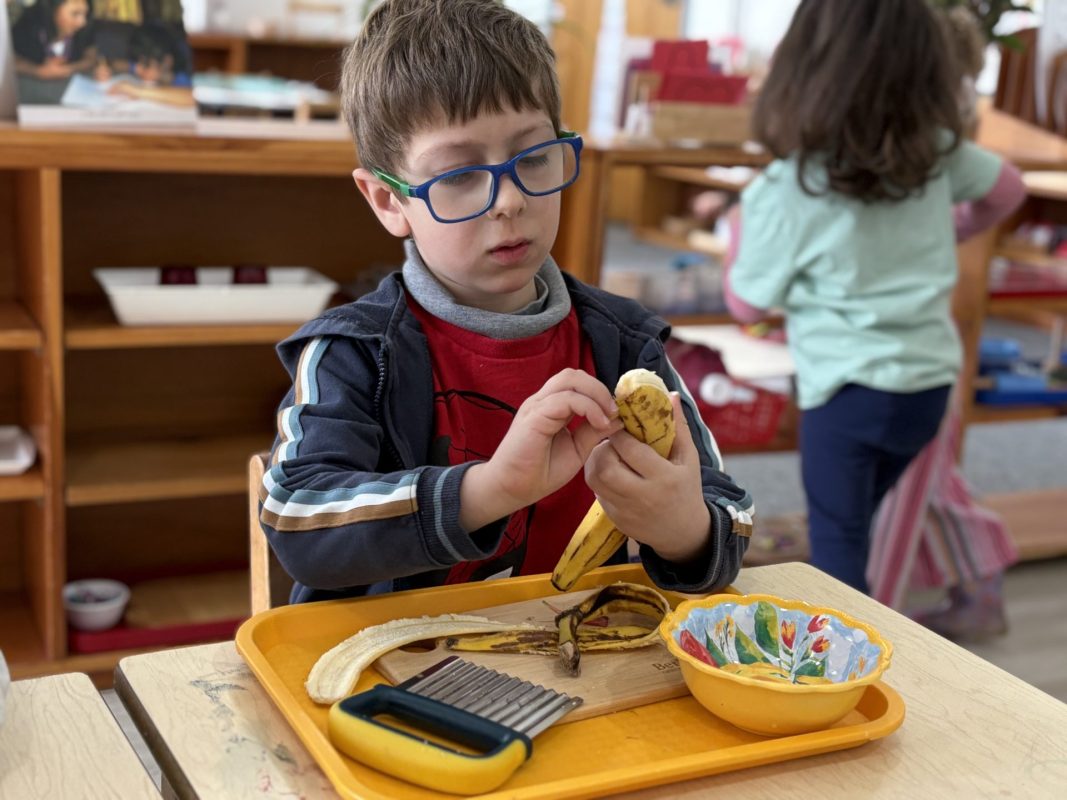
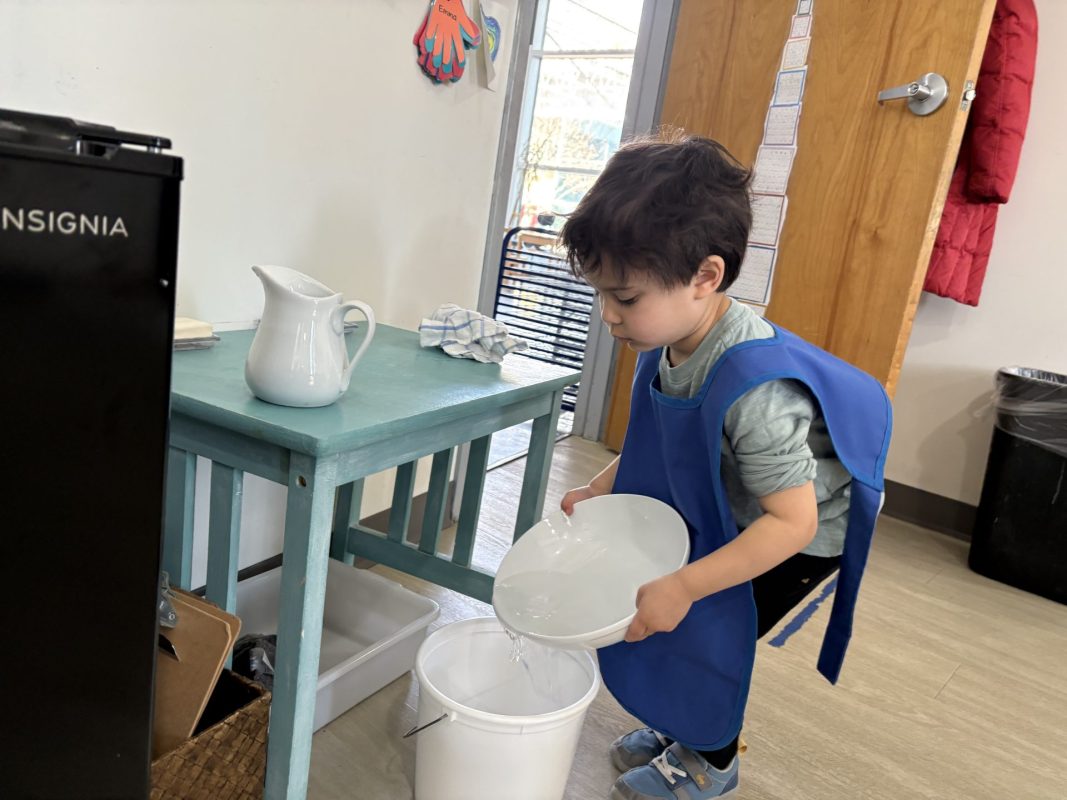
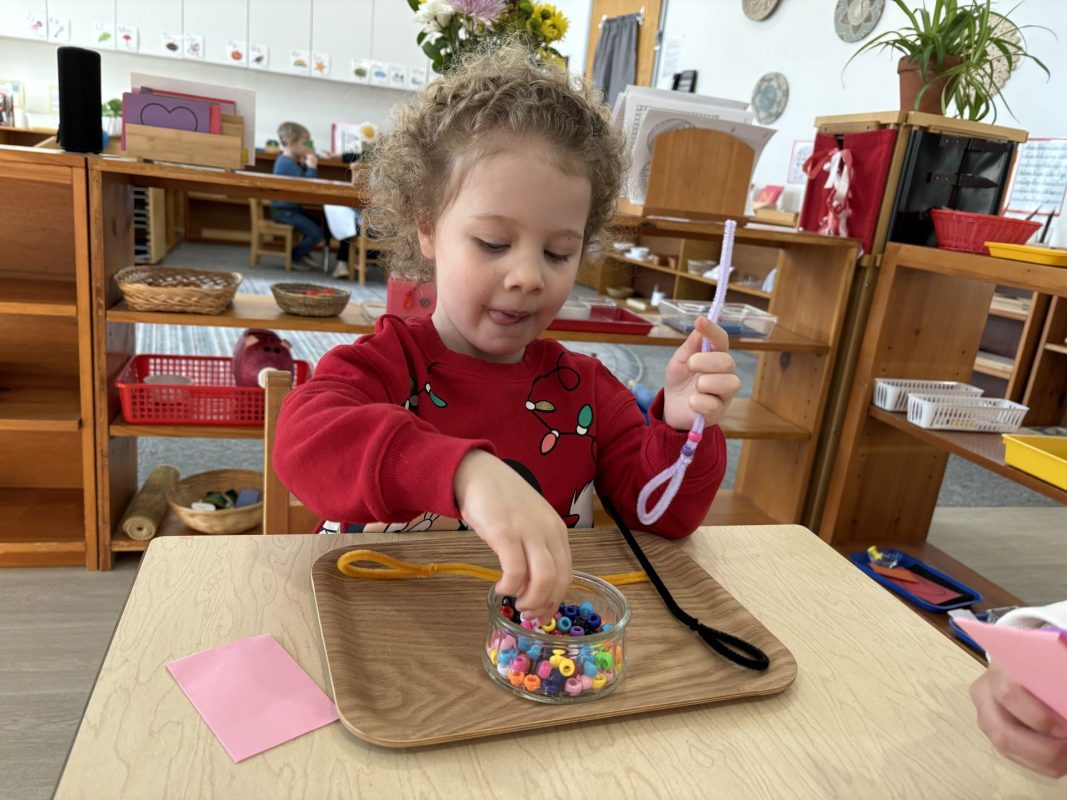
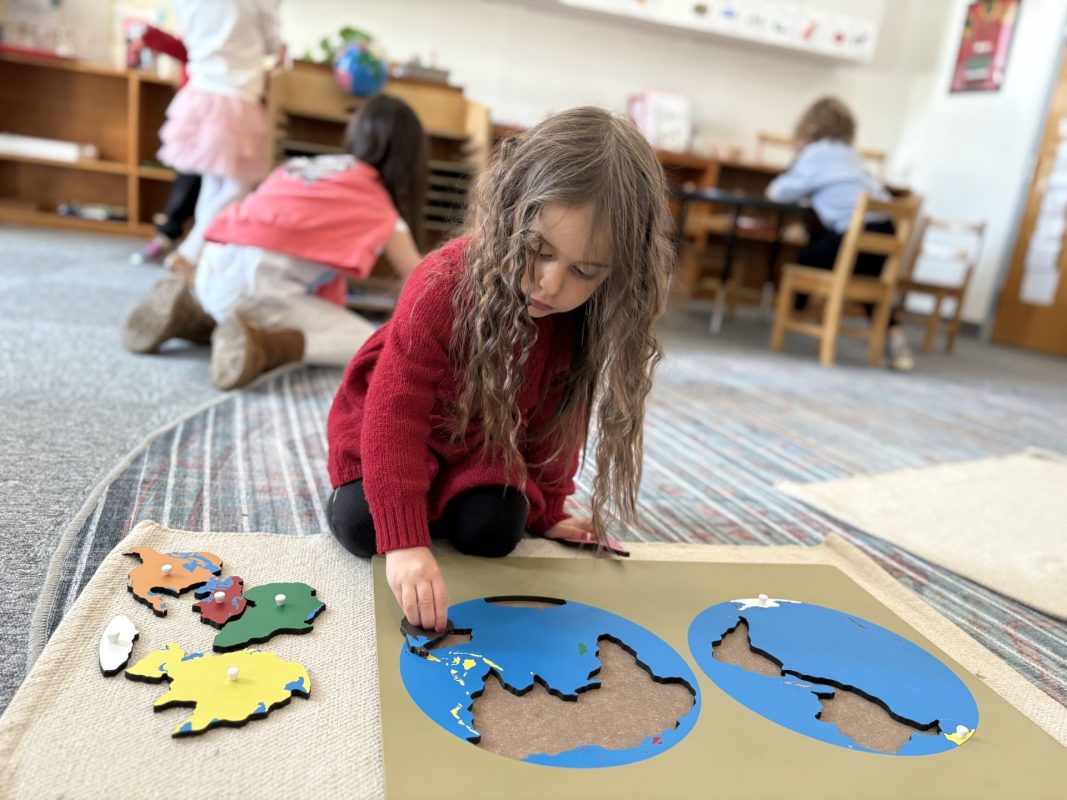
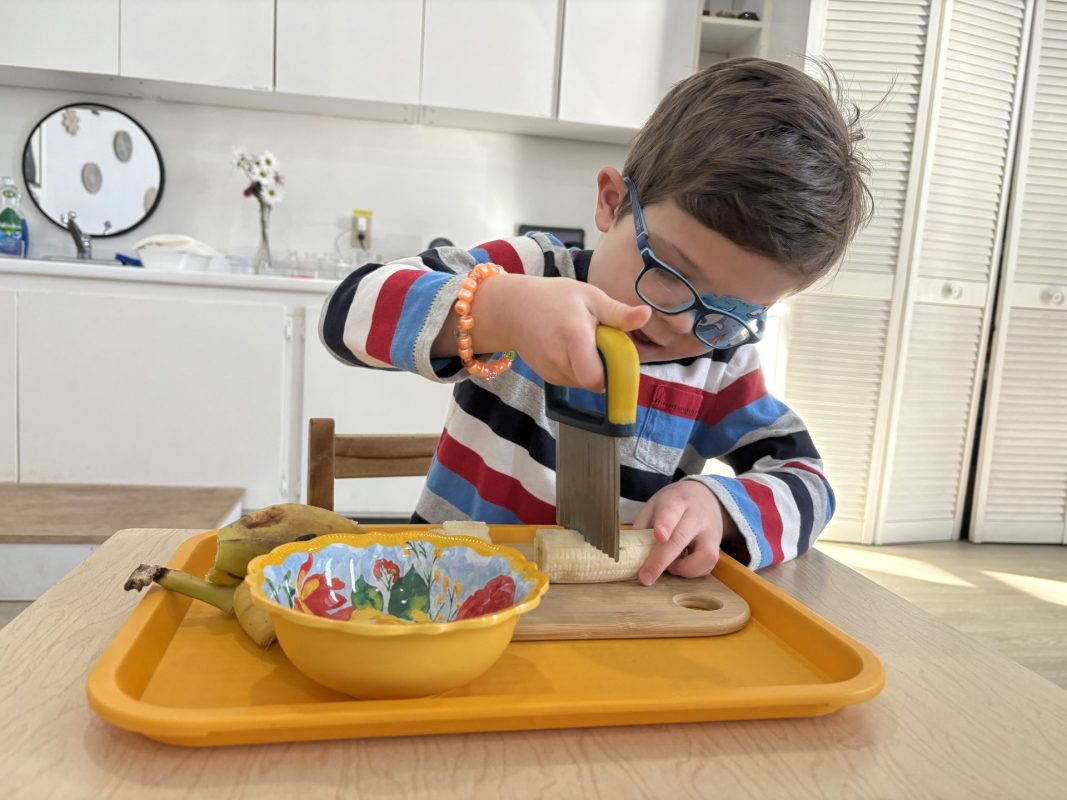
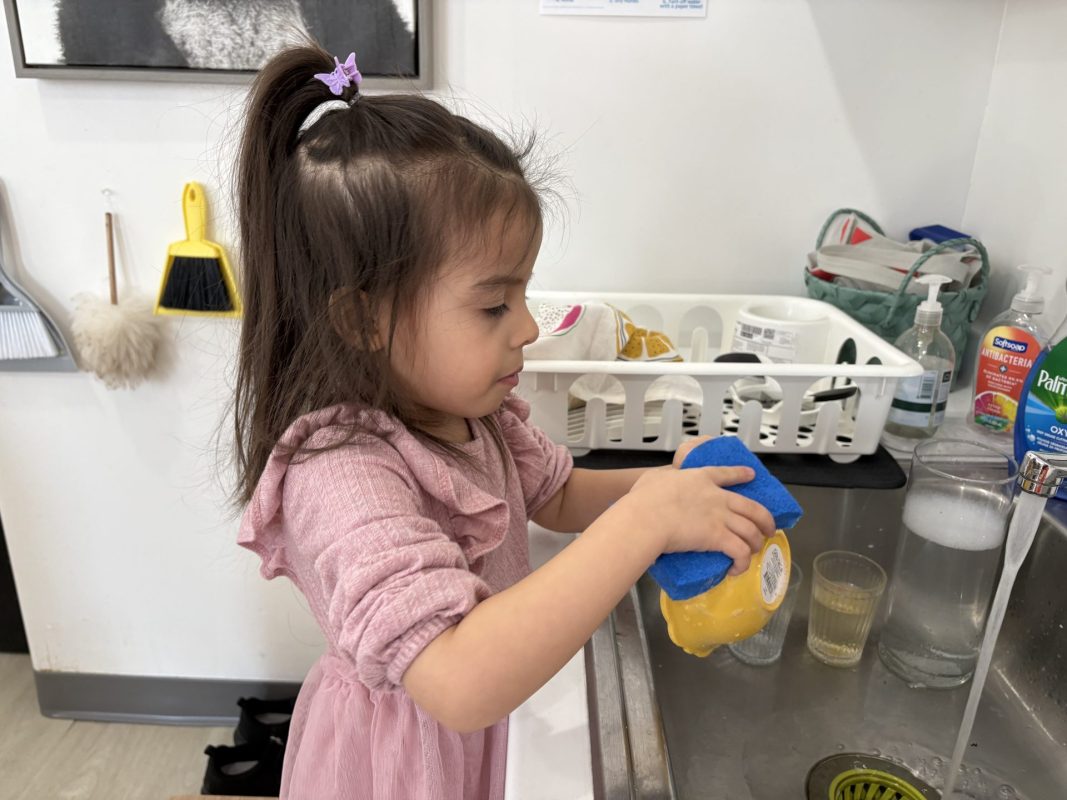
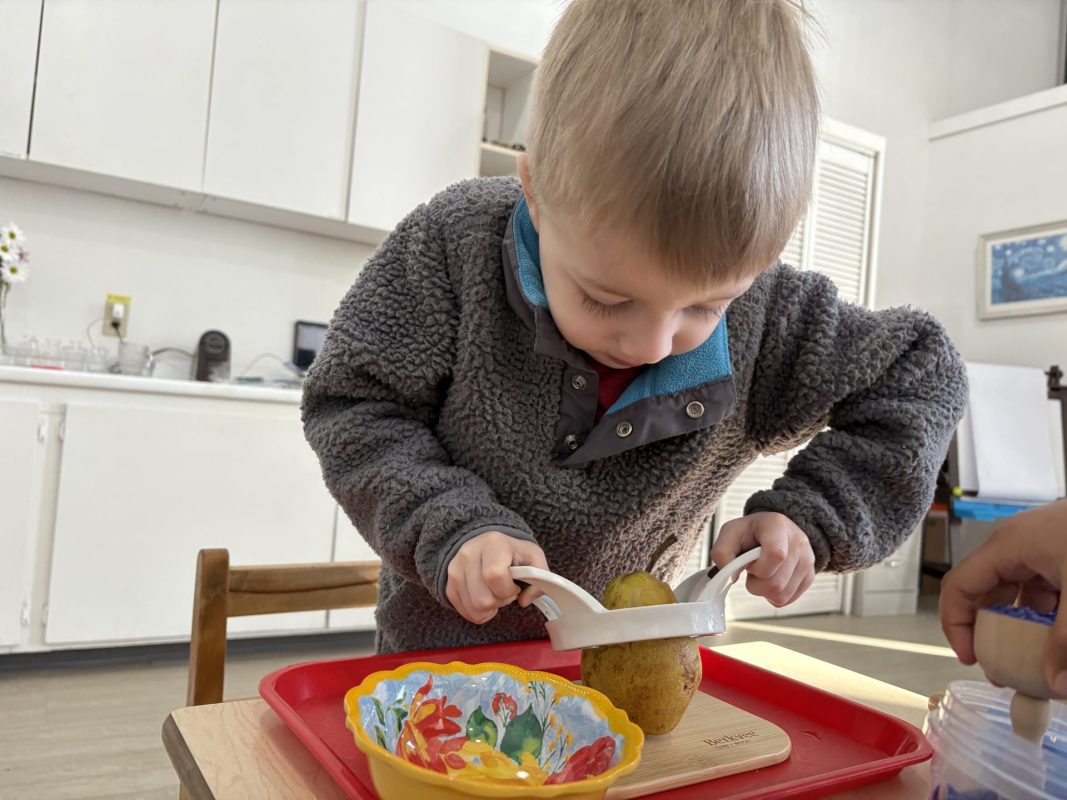
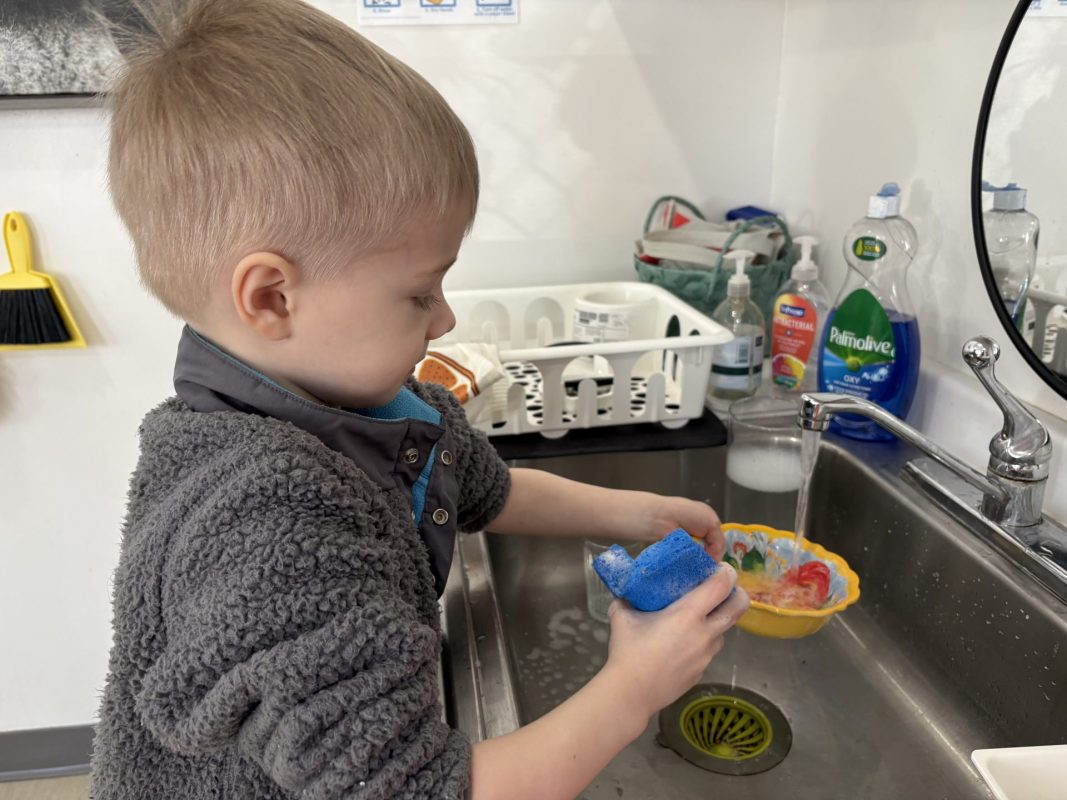
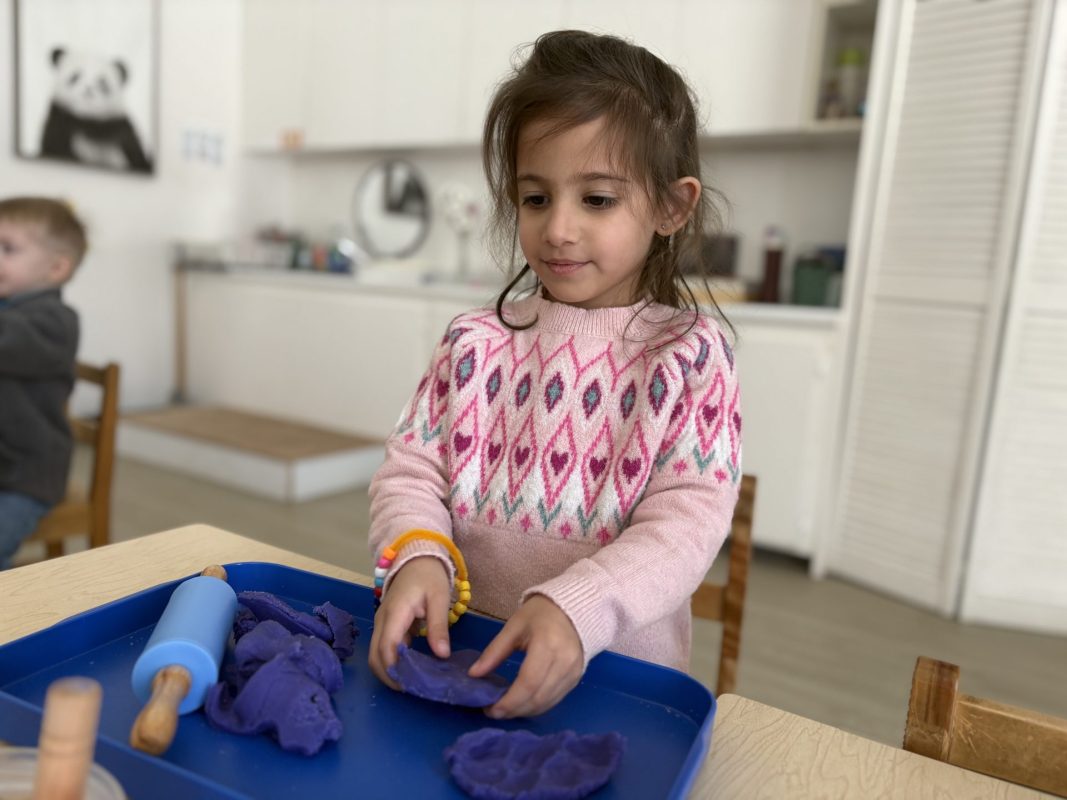
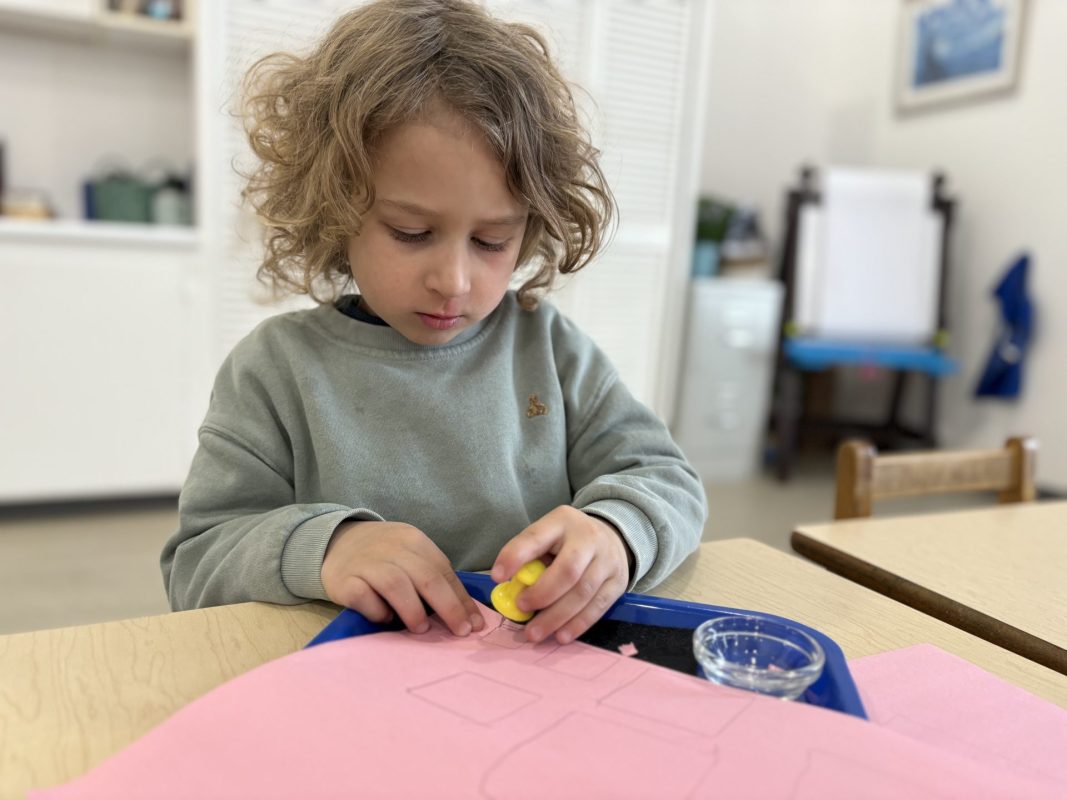
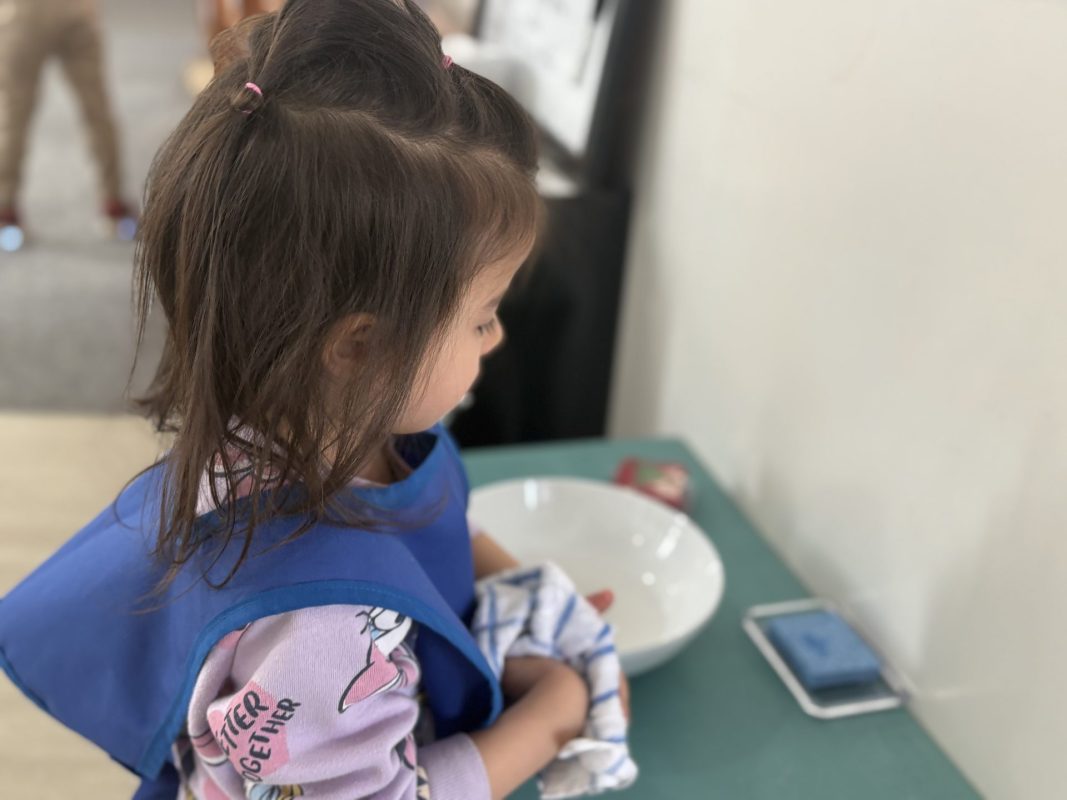
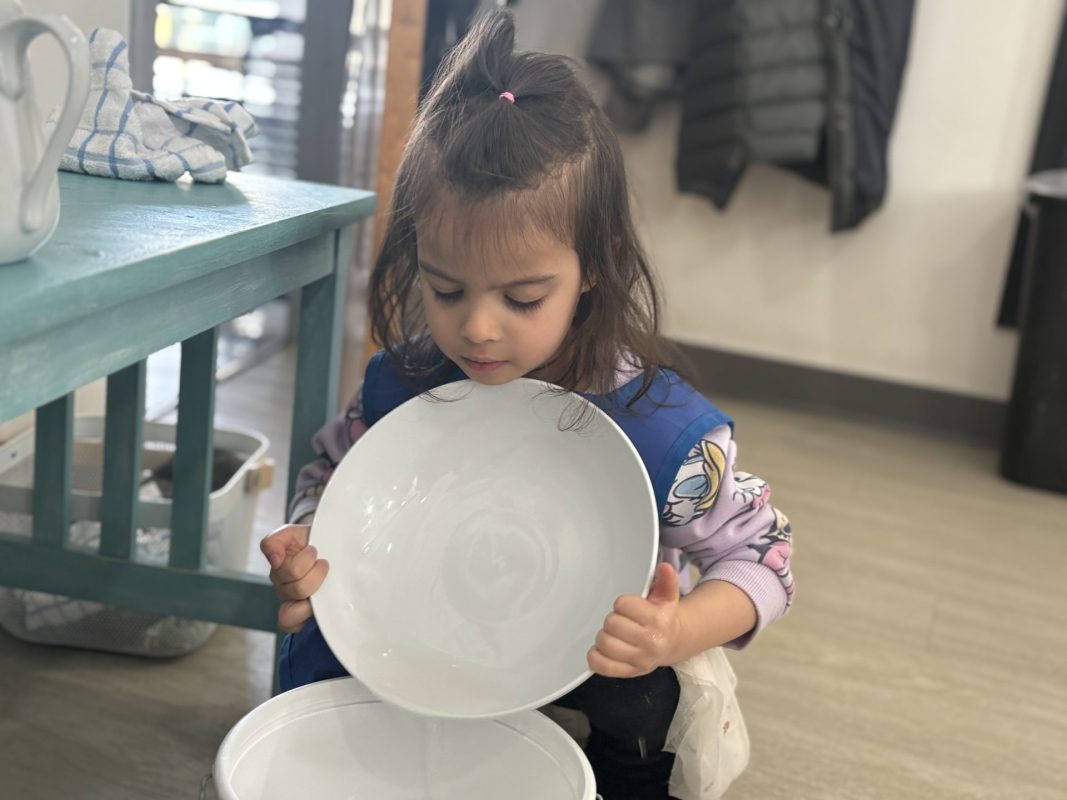
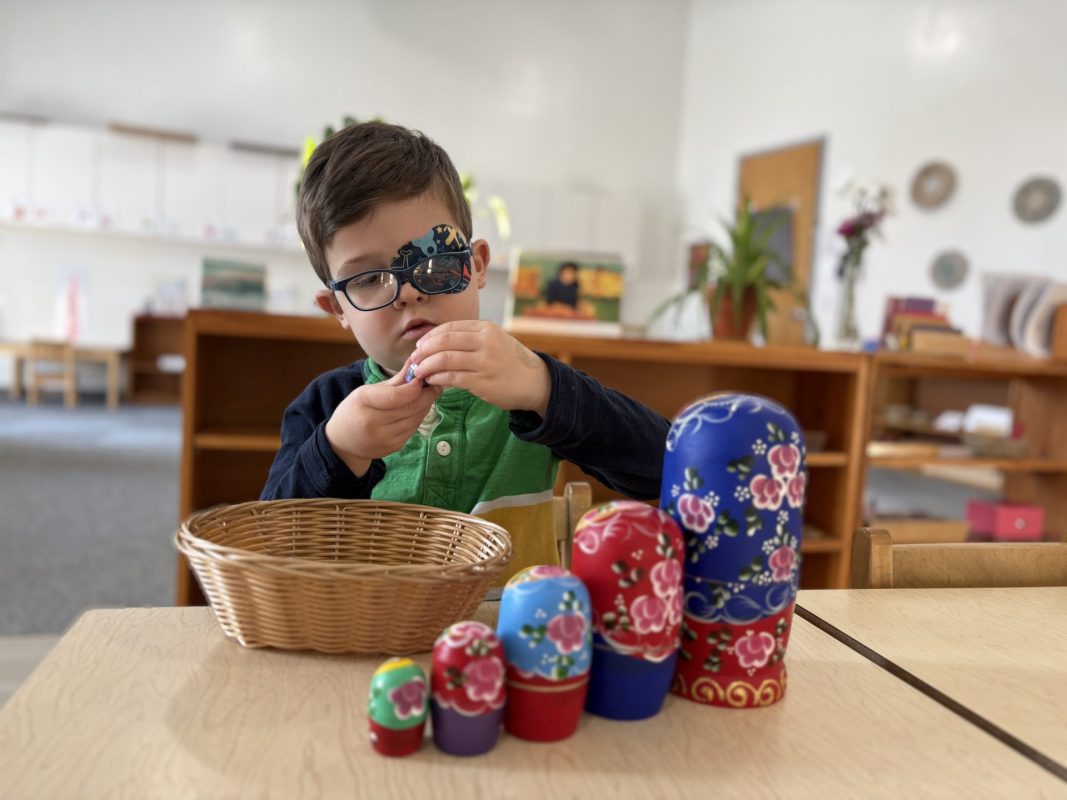
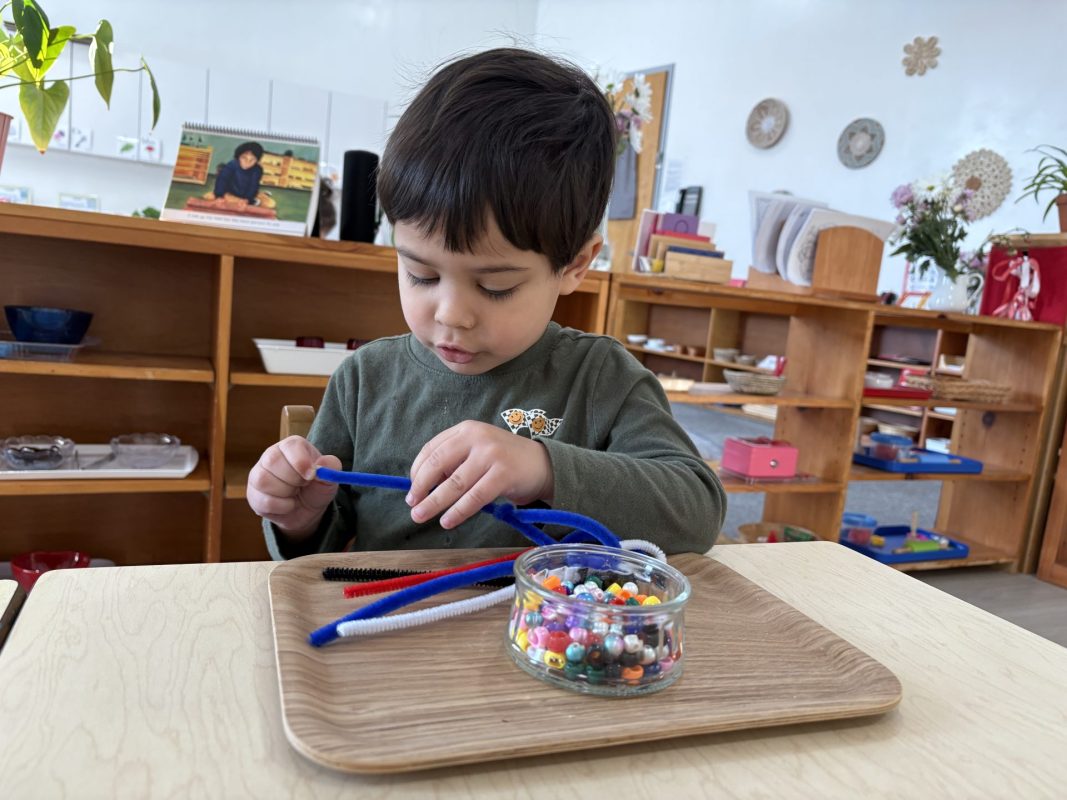
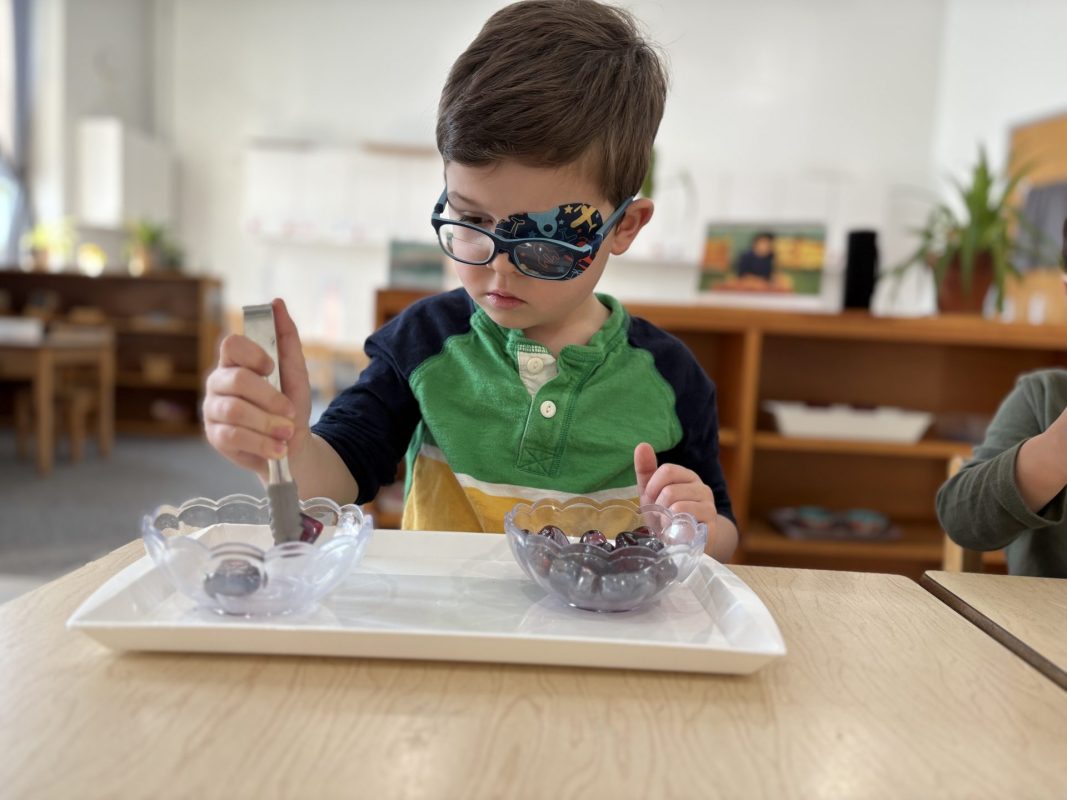
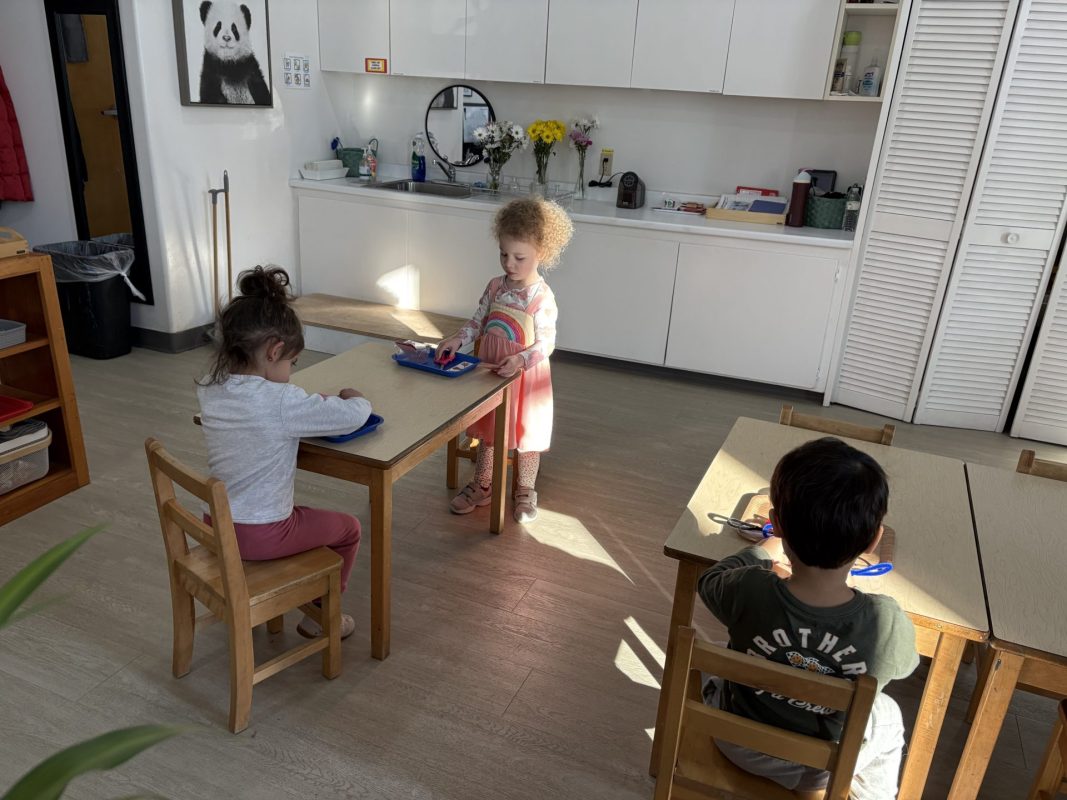
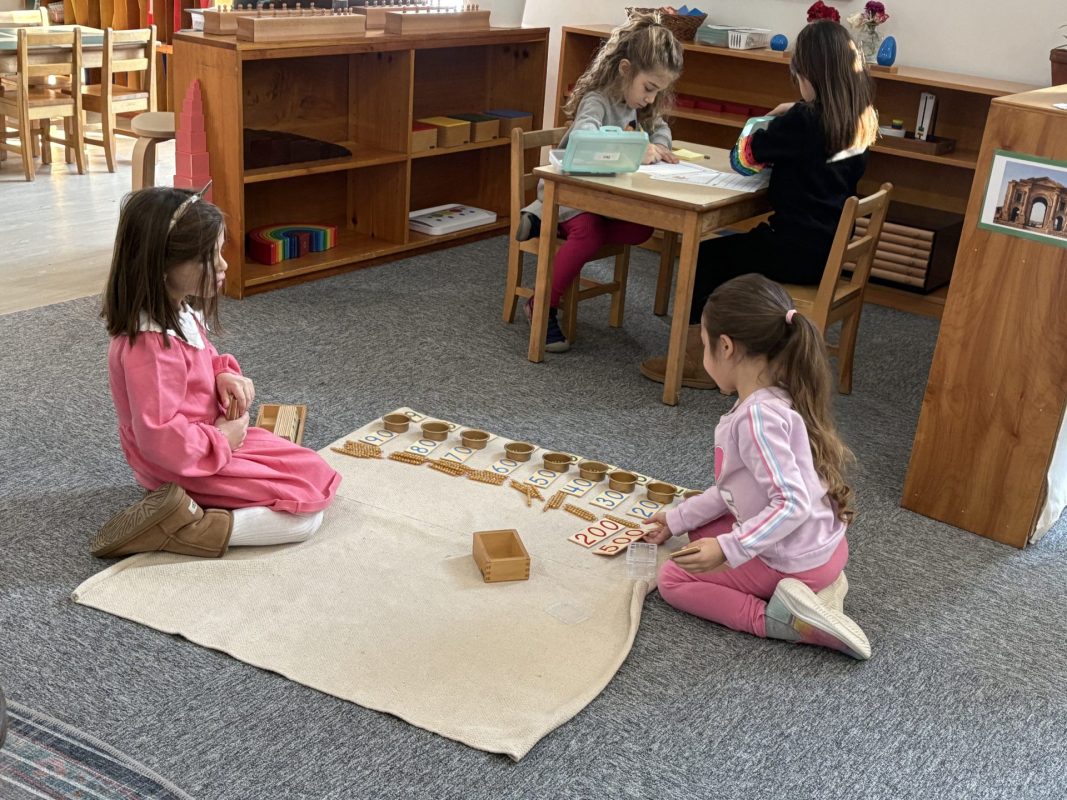
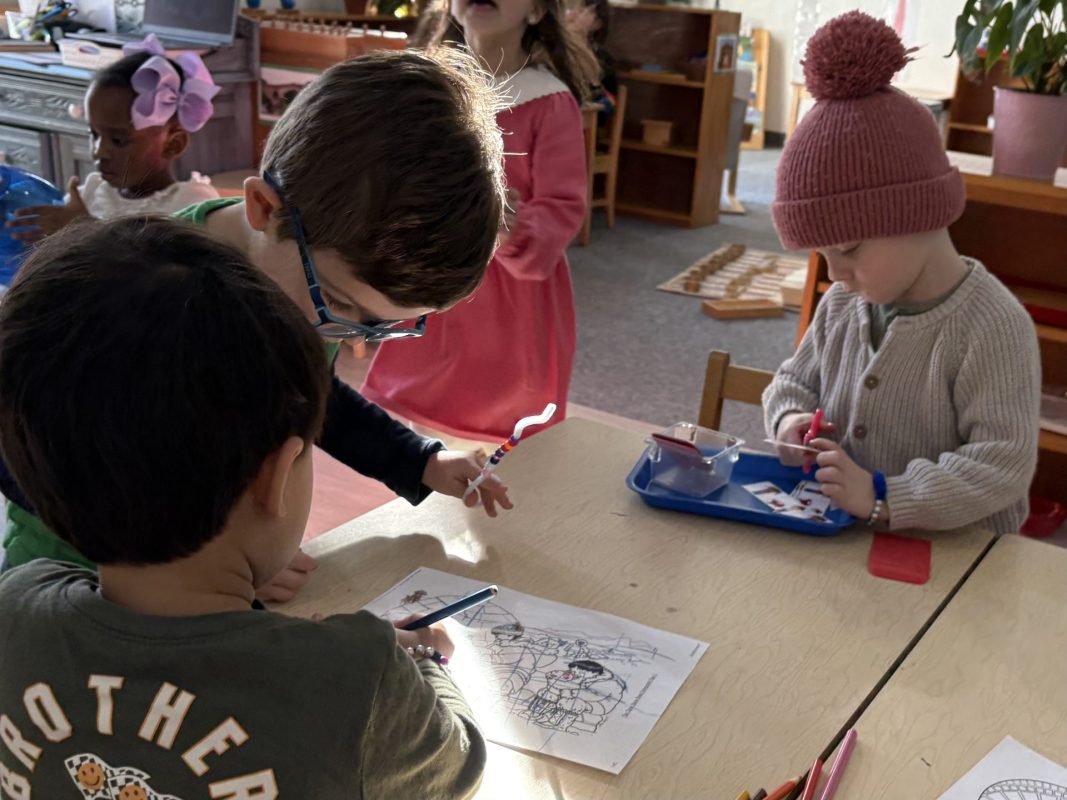
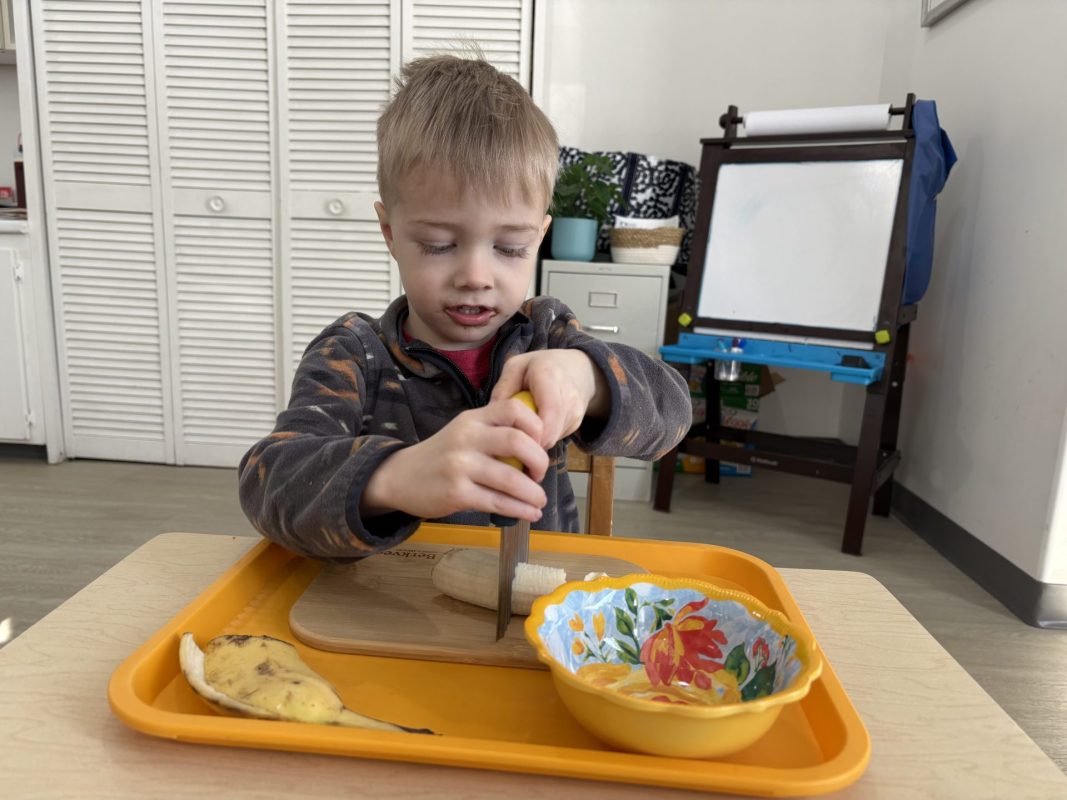
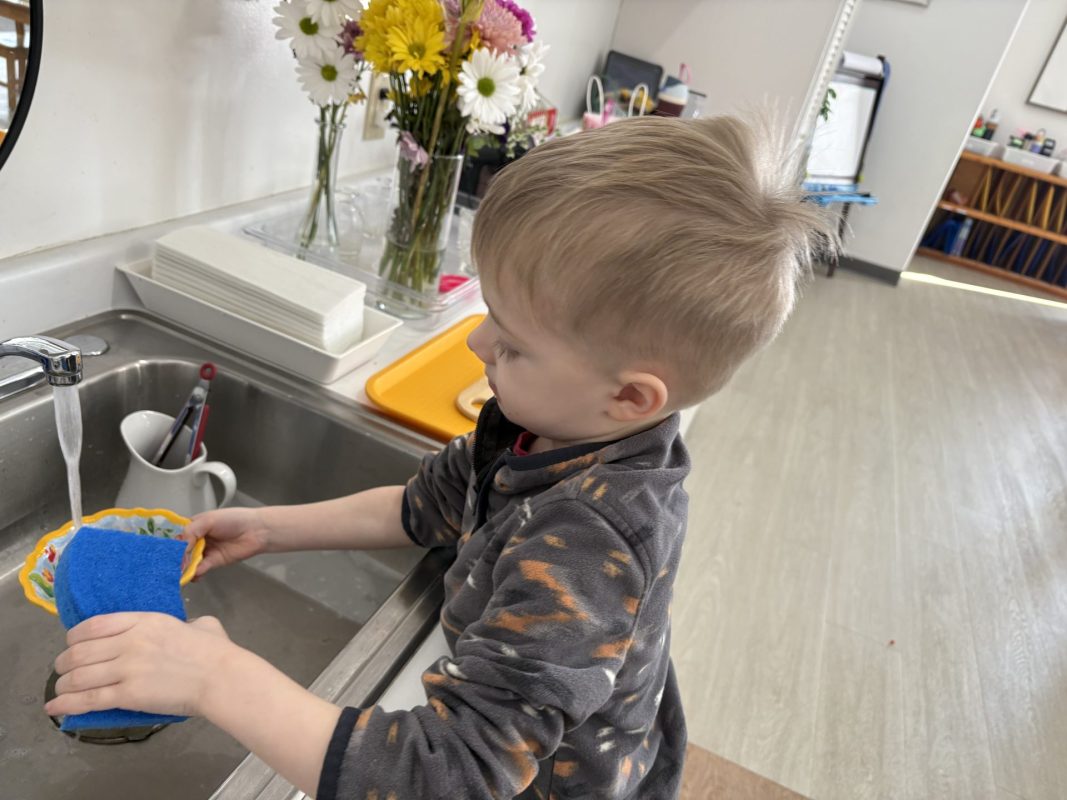
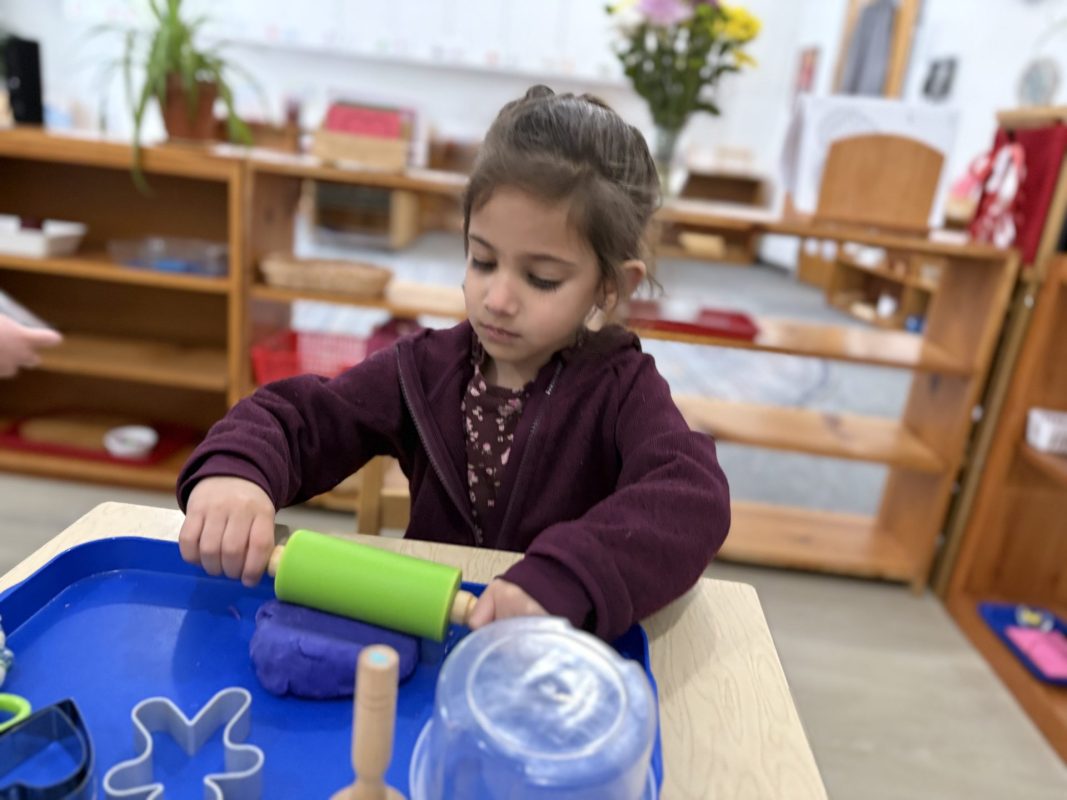
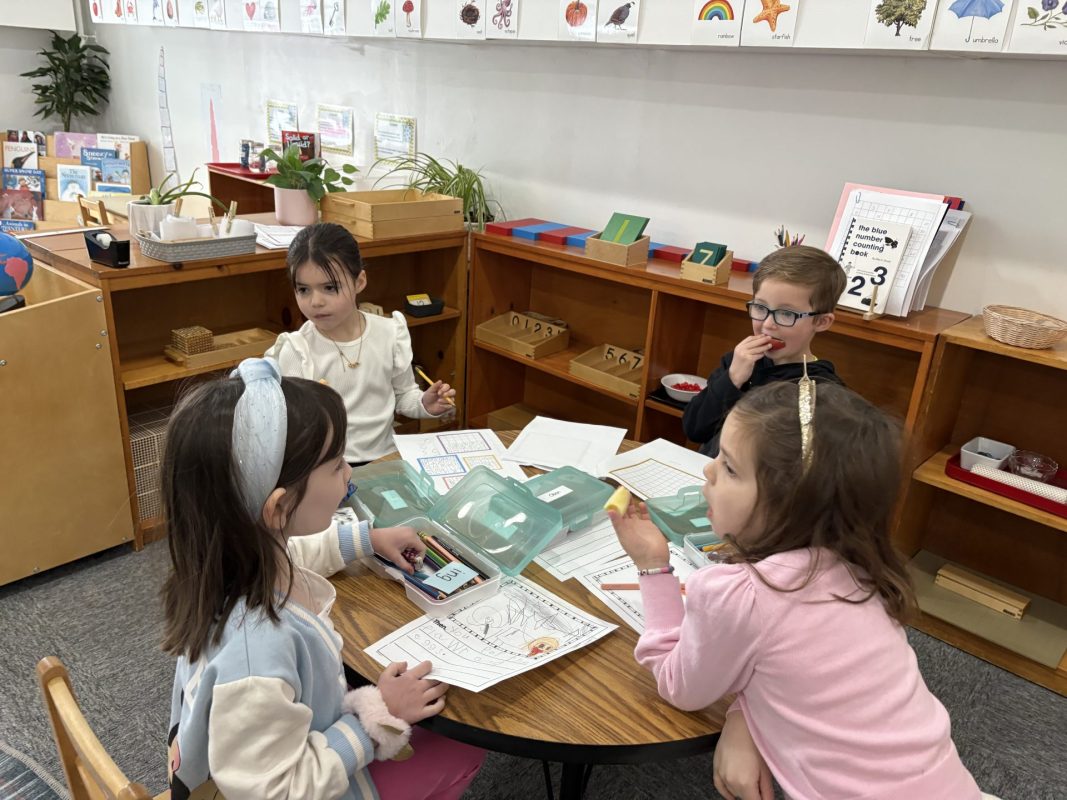
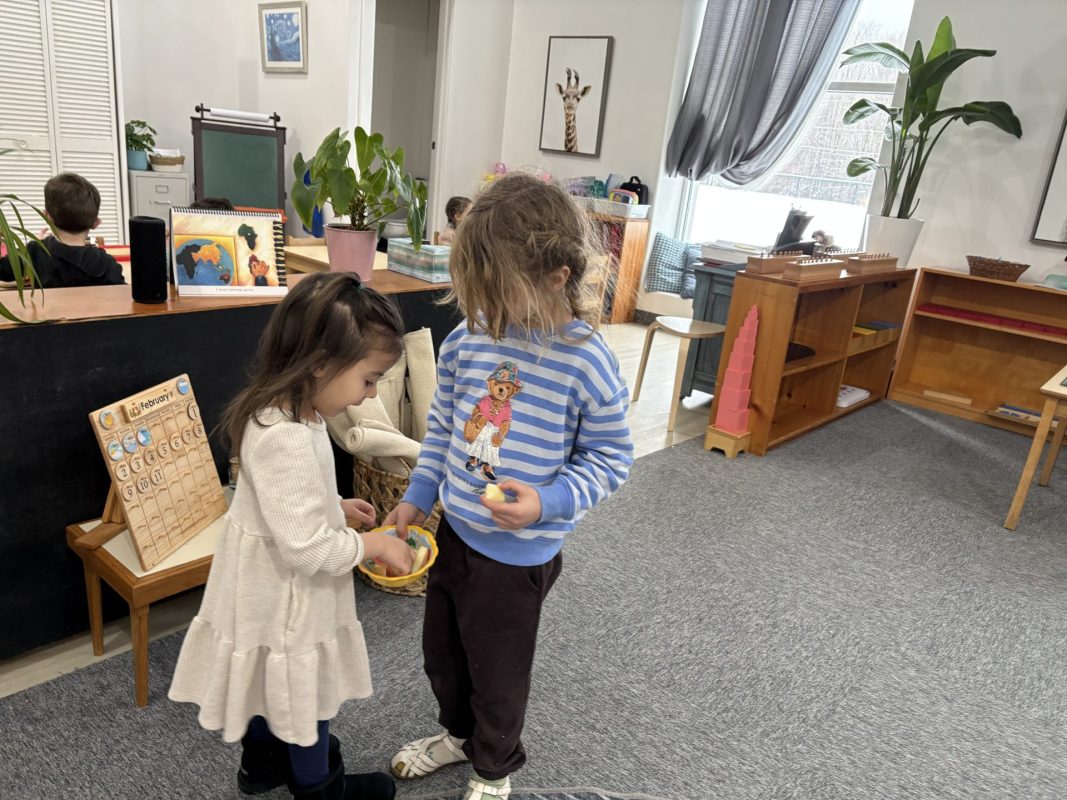
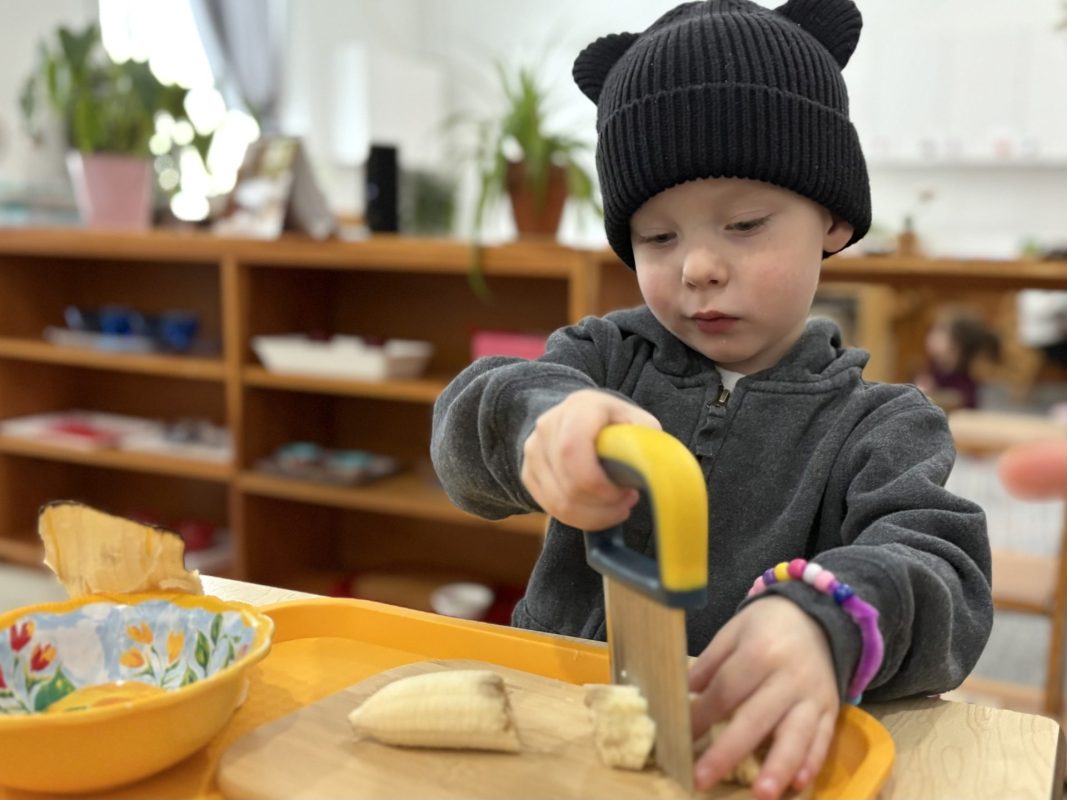
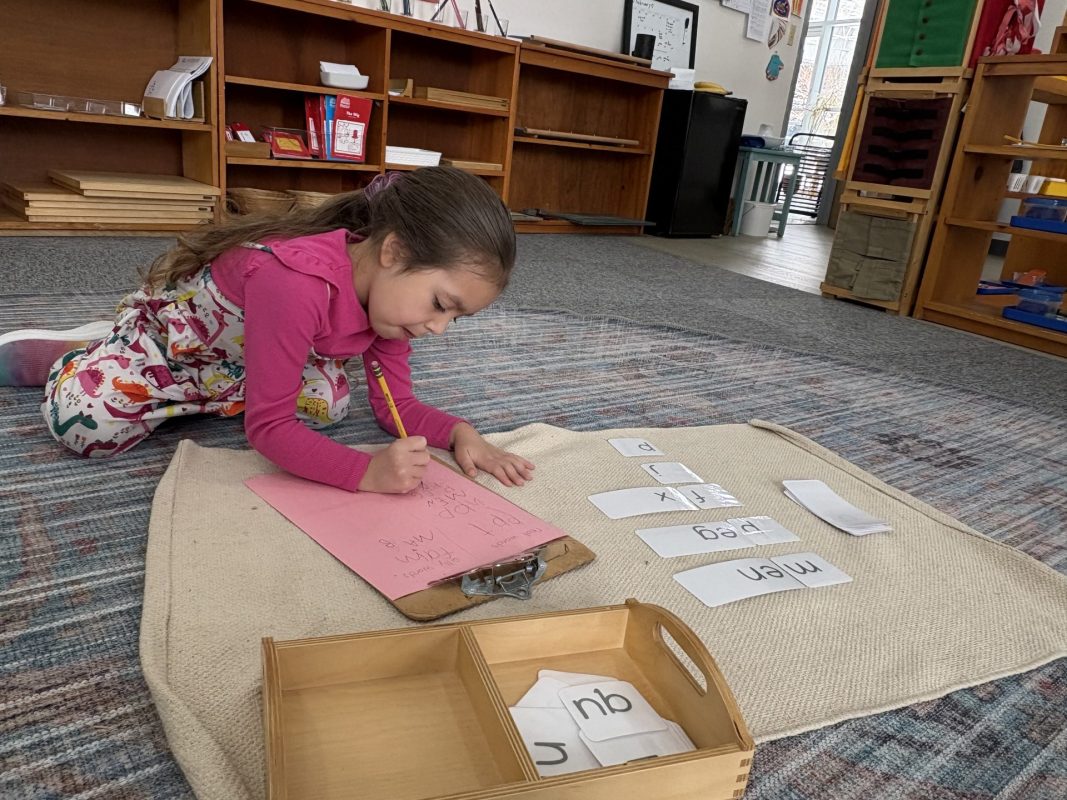
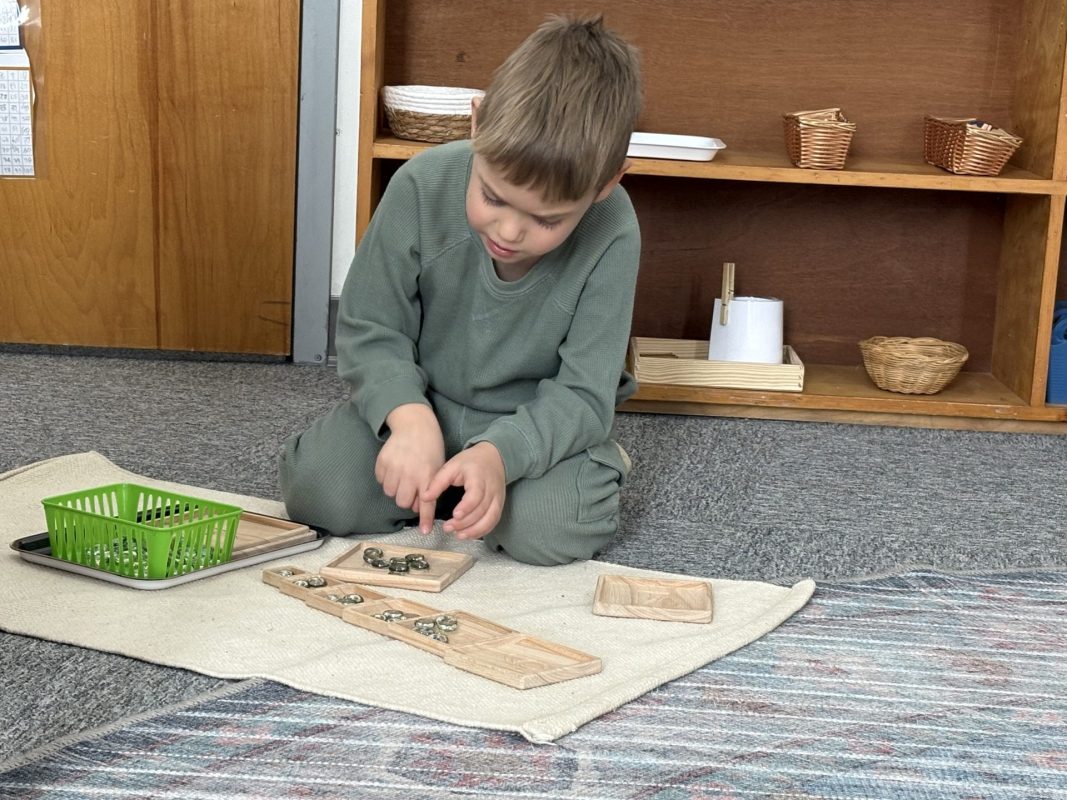
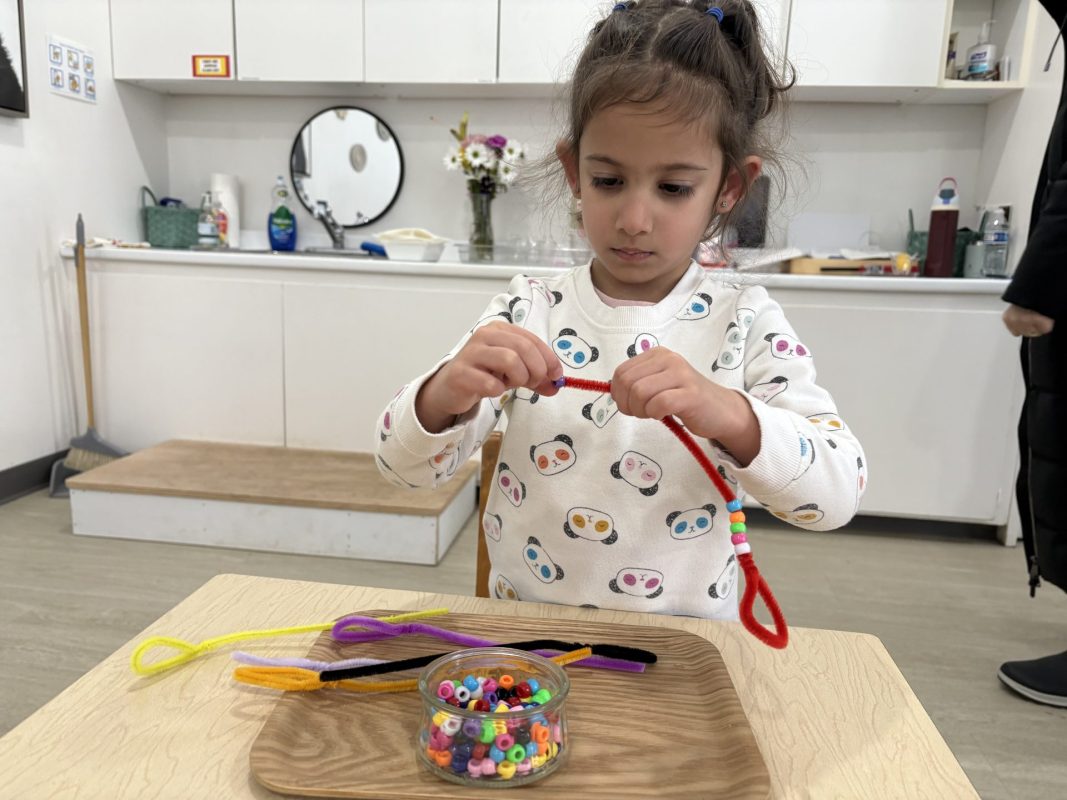
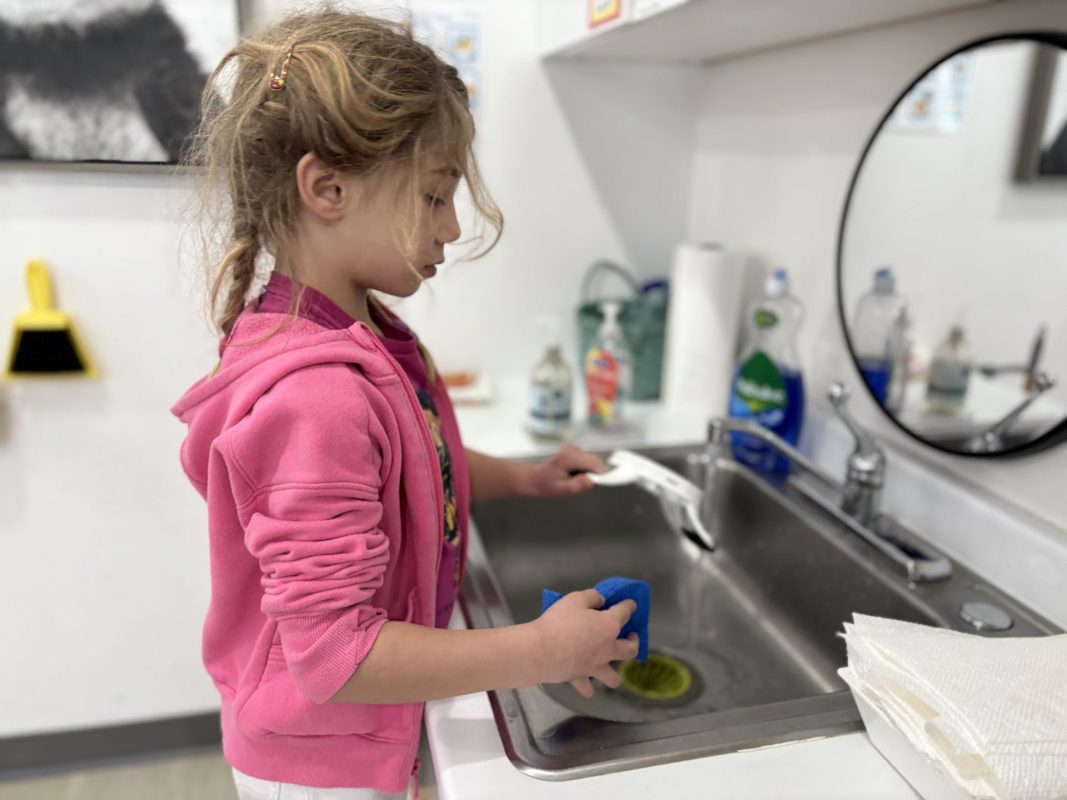
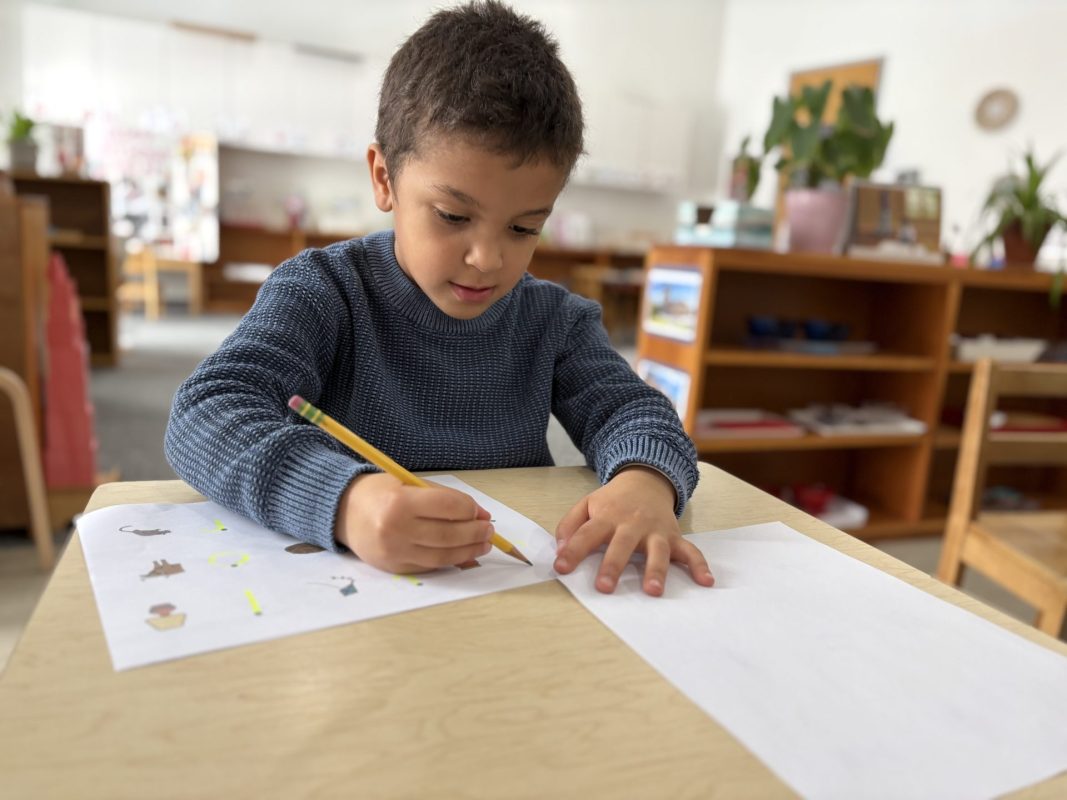
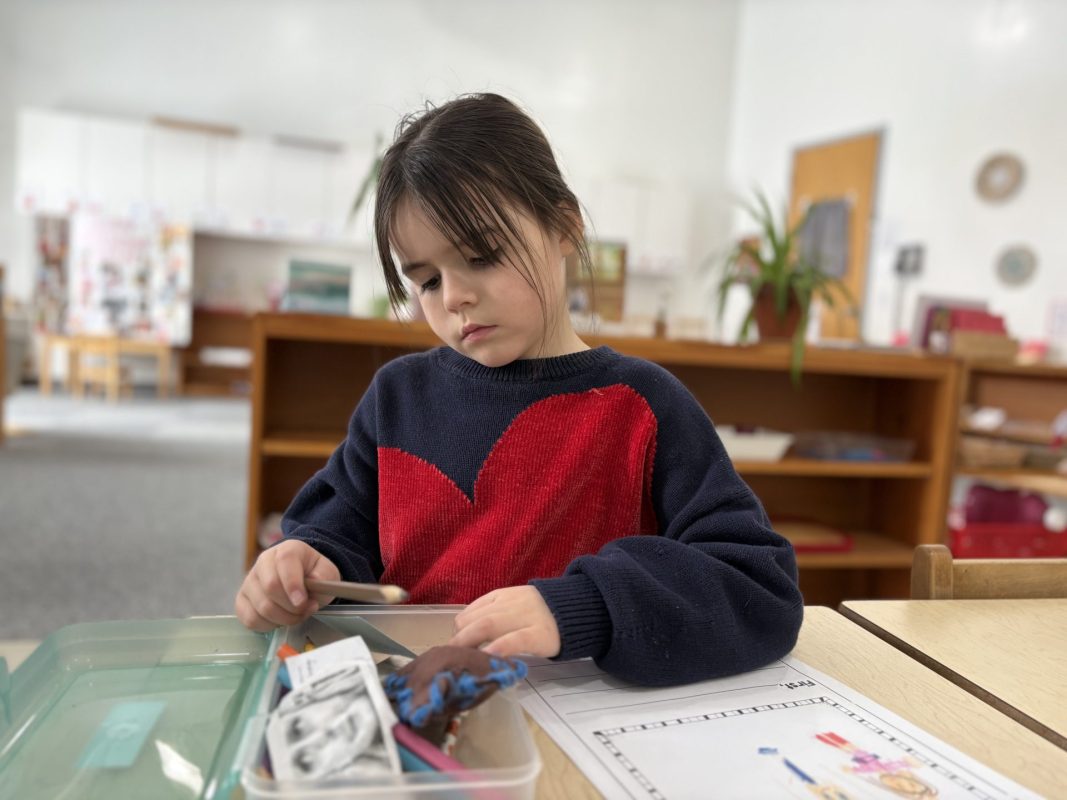
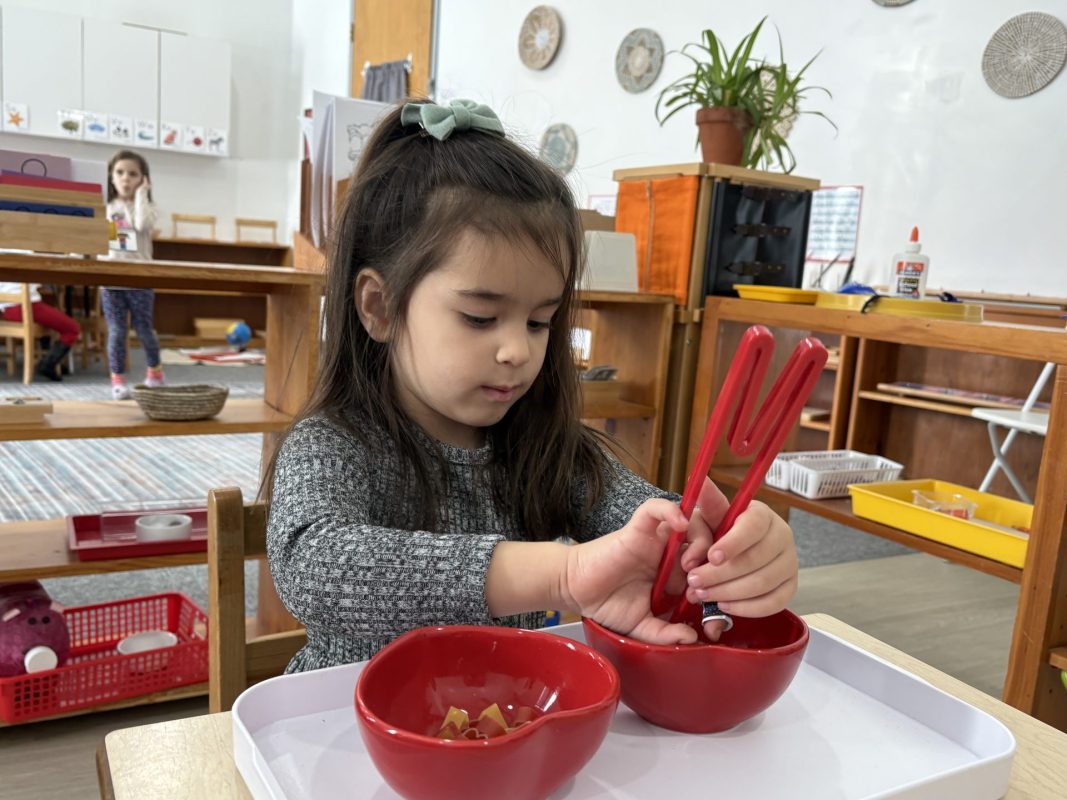
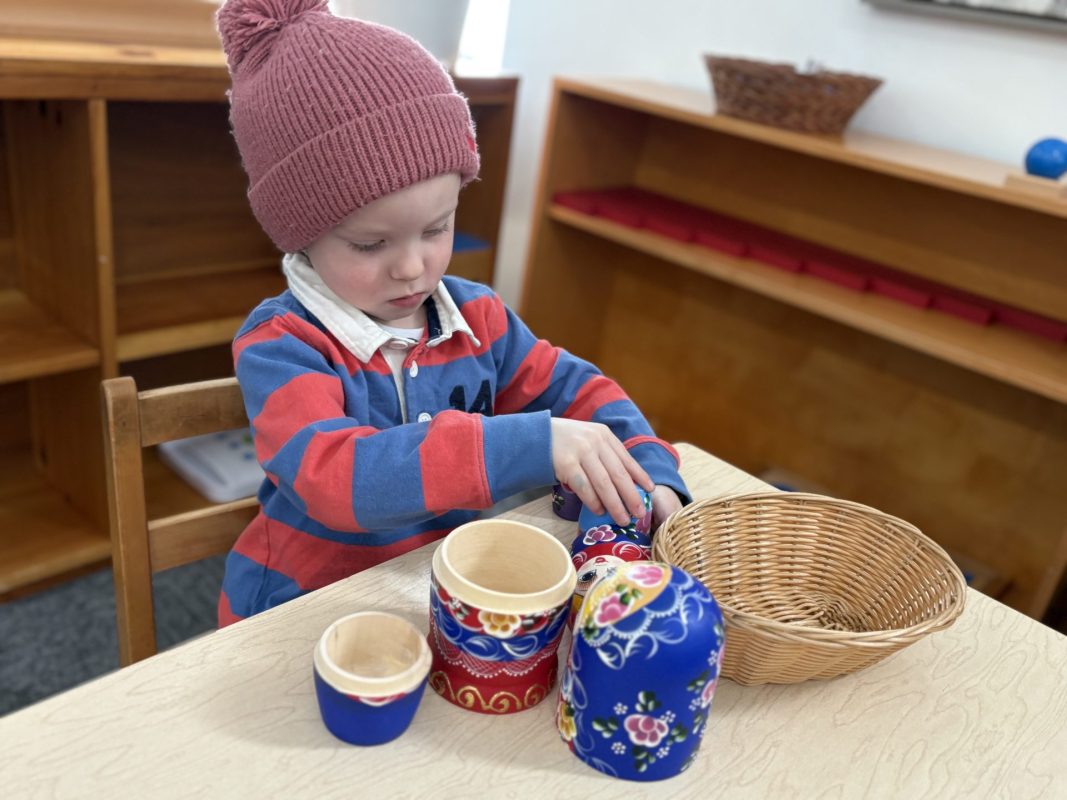
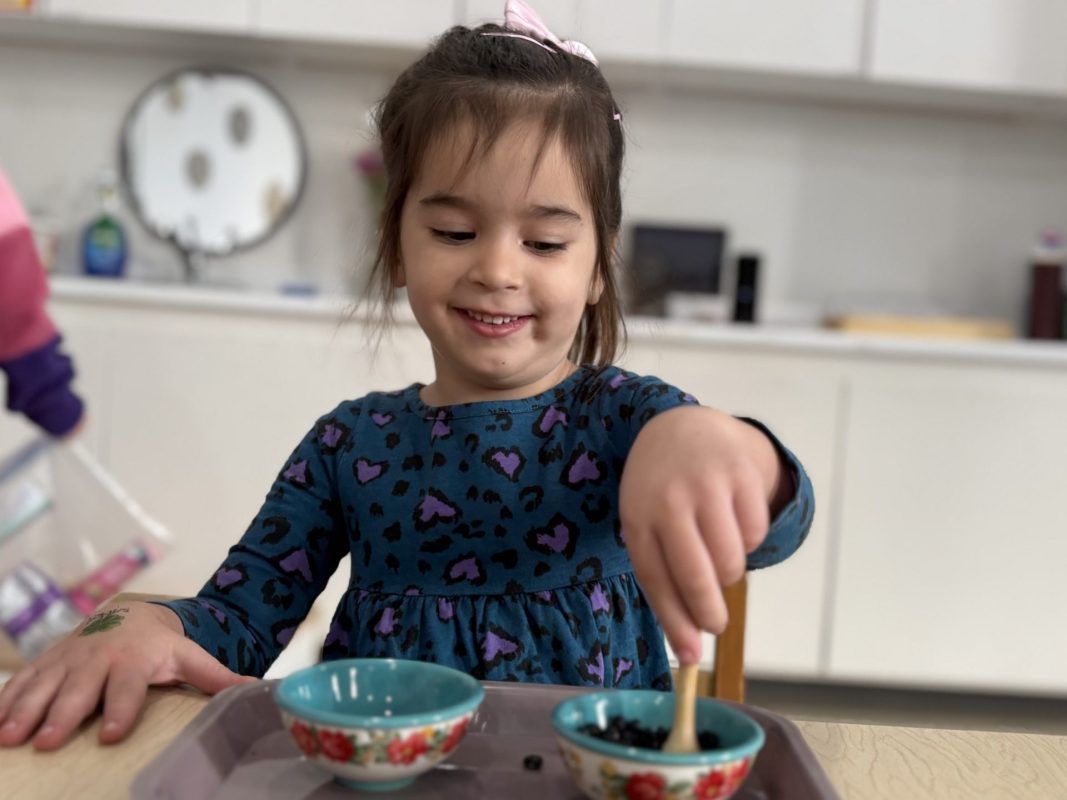
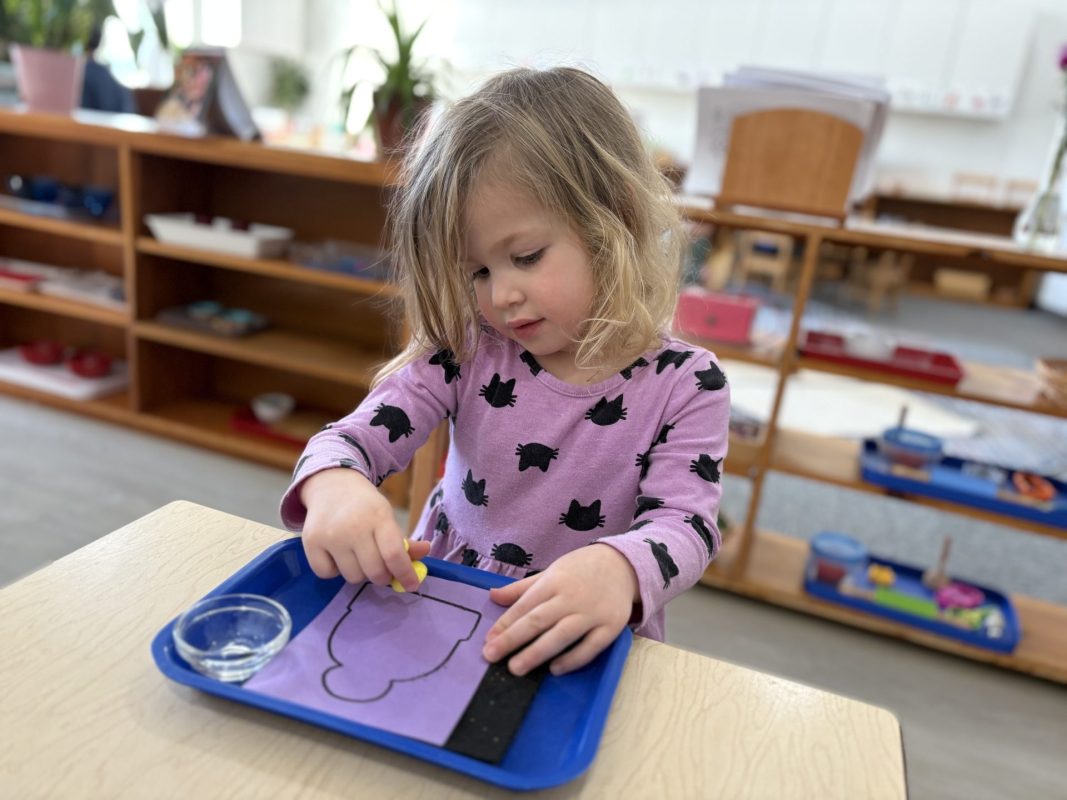
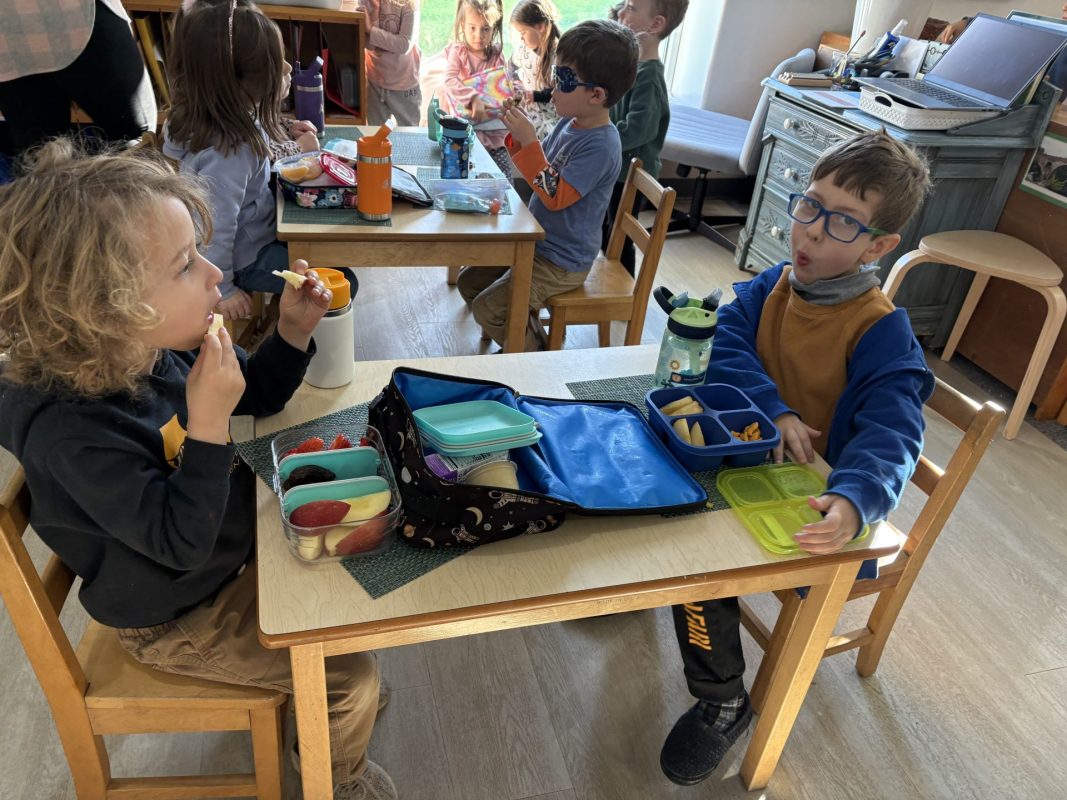
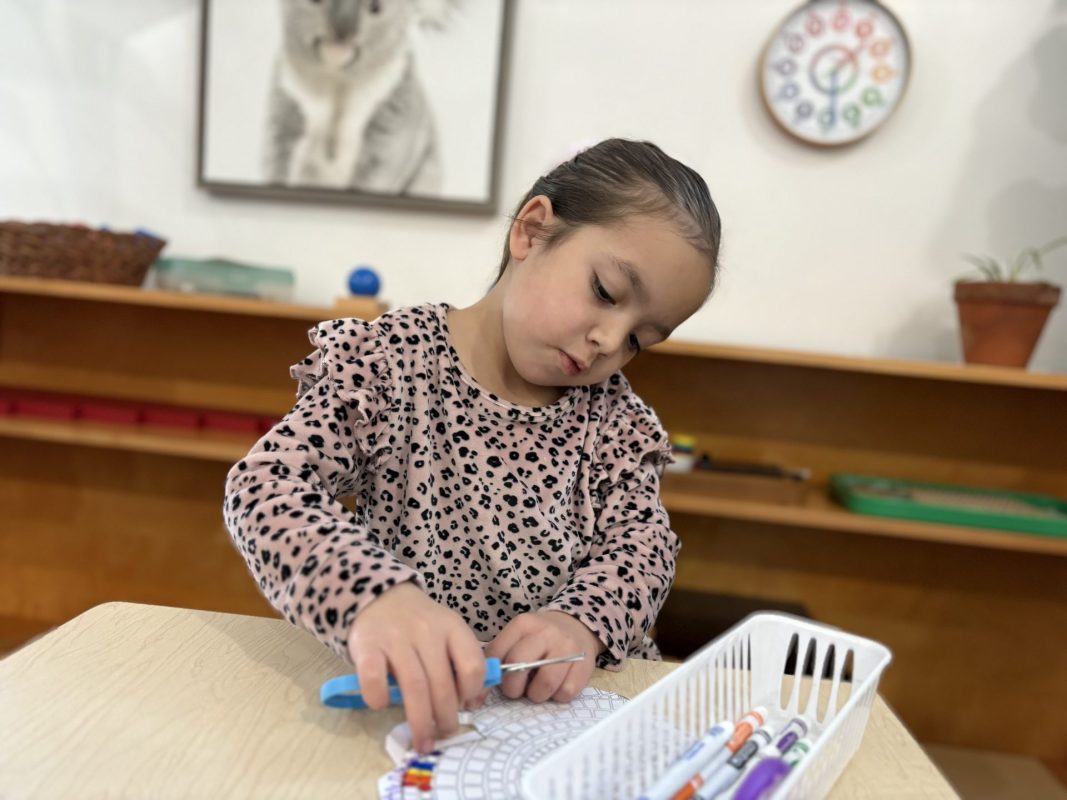
This week, the children enjoyed cutting pears and peeling clementines. The food preparation activities are so valuable. Incorporating food preparation equips children with essential life skills such as washing, cutting, peeling the fruit, and washing and drying the dishes. It also promotes social interaction and communication, as the children offer their peers a piece of fruit. The multi-step processes involved in food preparation require attention to detail and sequential thinking, which enhances children’s concentration and ability to focus, which is imperative for being successful with later academic challenges. The hands-on experience of food preparation often leads to a willingness to try new foods, in addition to fostering a sense of autonomy and self-confidence.

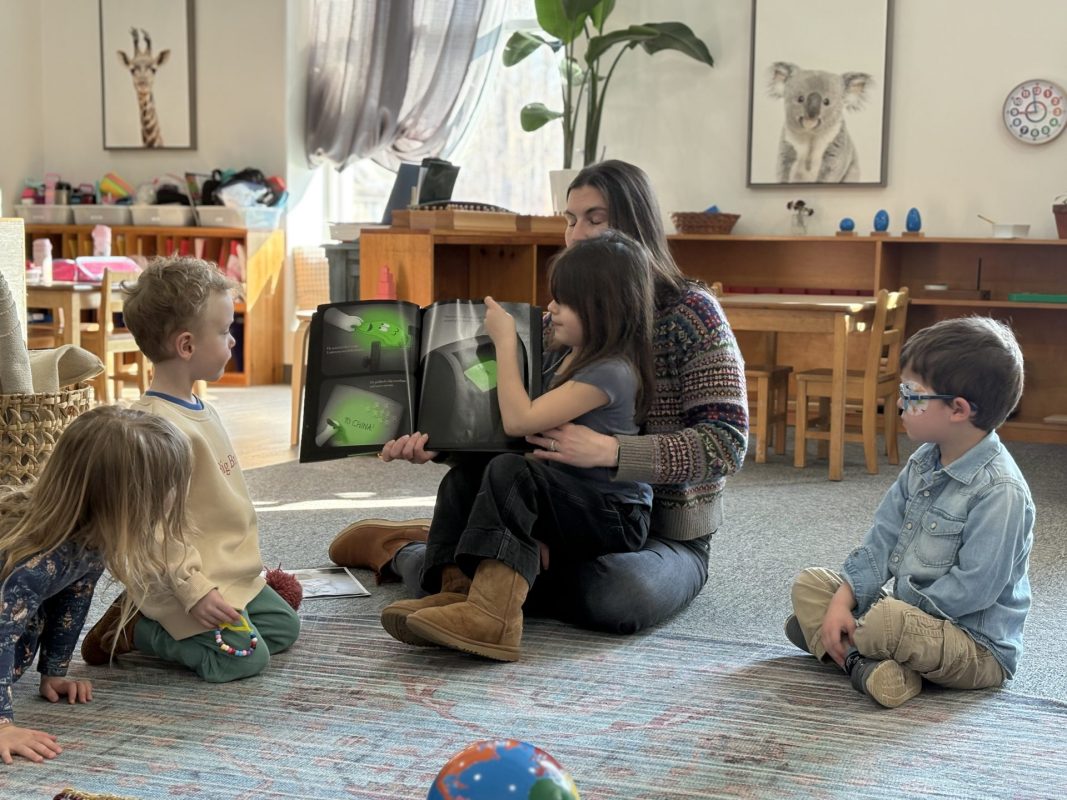
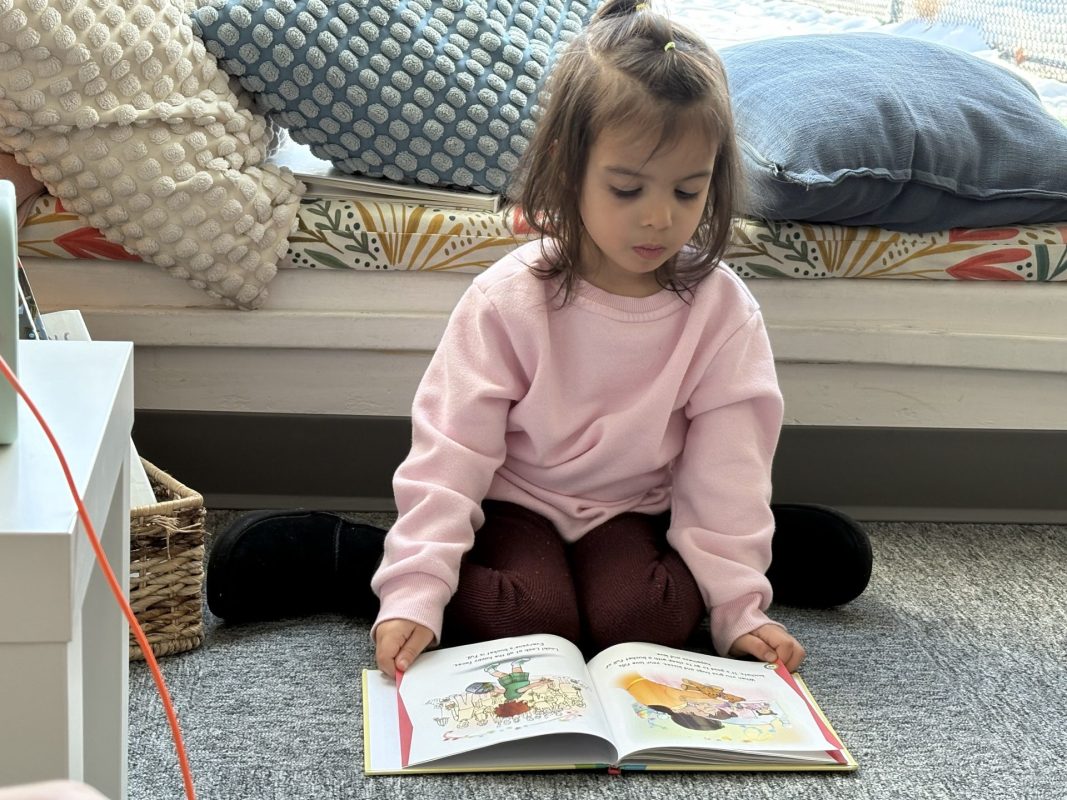
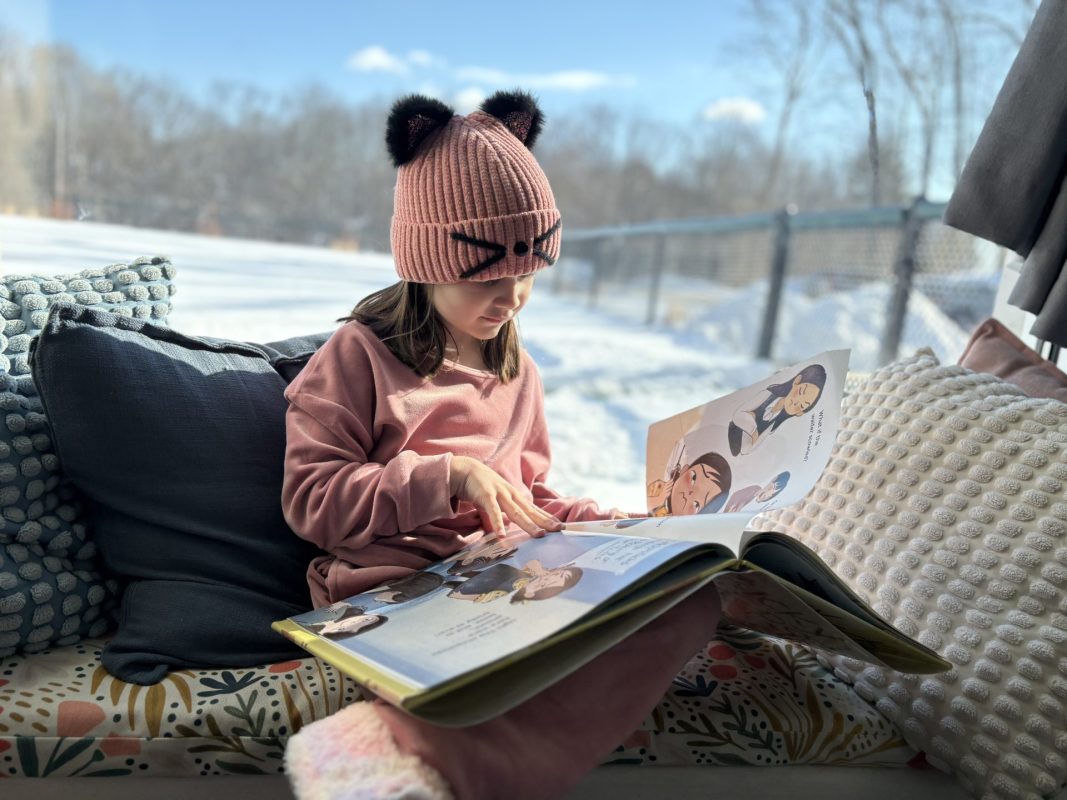
A favorite book this week has been Come Over to my House, co-written by Eliza Hull and Sally Rippin. This book explores the home lives of children and parents with various disabilities. It’s a great book that builds awareness, fosters inclusivity, and promotes empathy. The children asked thoughtful questions and thoroughly enjoyed reading about the different characters.

Wishing you a peaceful week,

Christine & Hailey

Read the March 8 blog post here.


Mrs. Sargeant: A Peek at the Week

First the education of the sensesthen the education of the intellectMaria Montessori

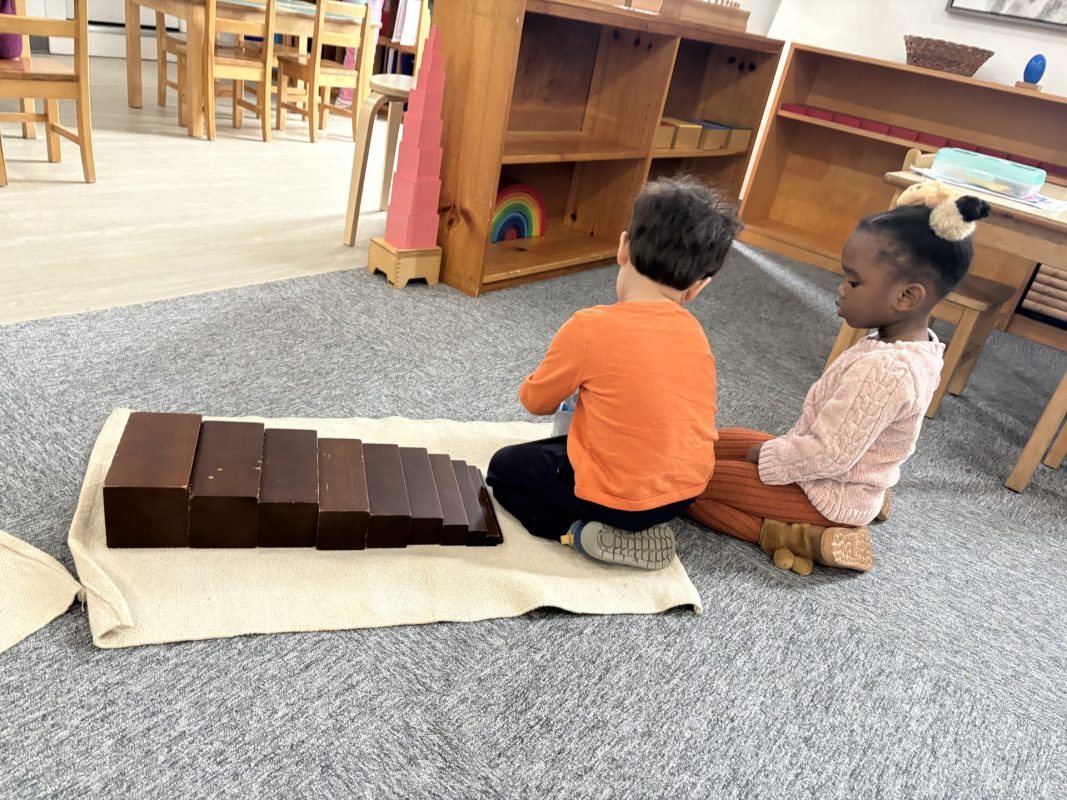
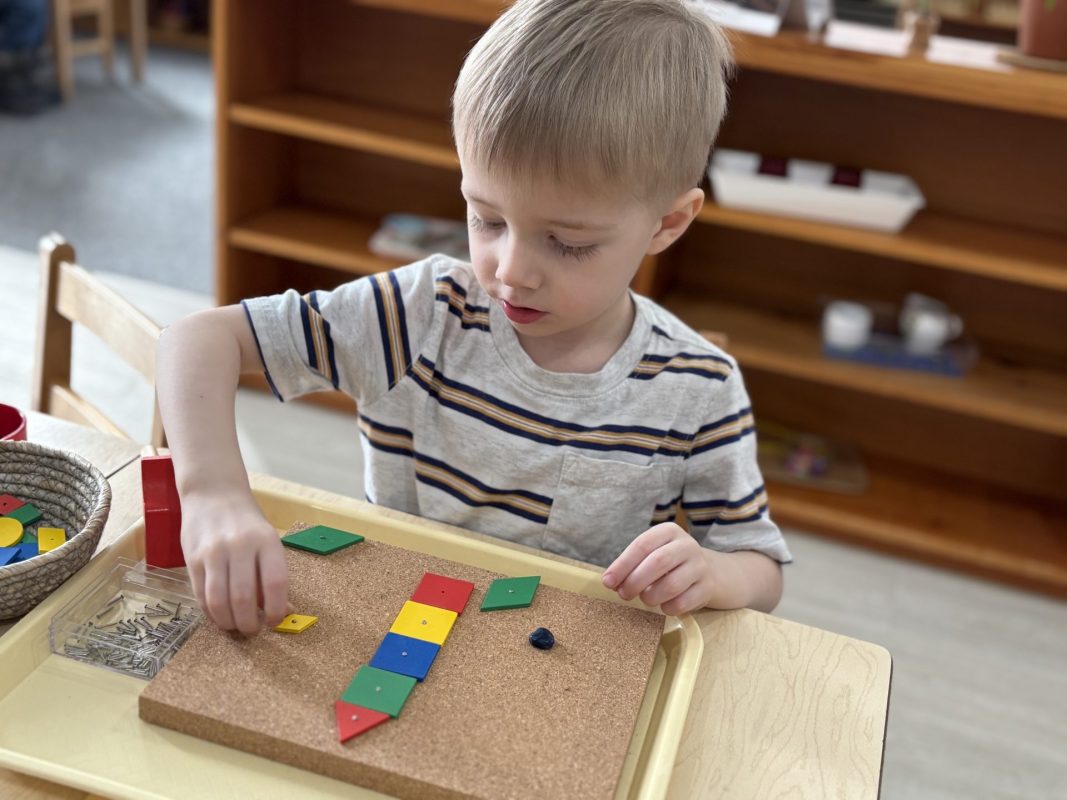
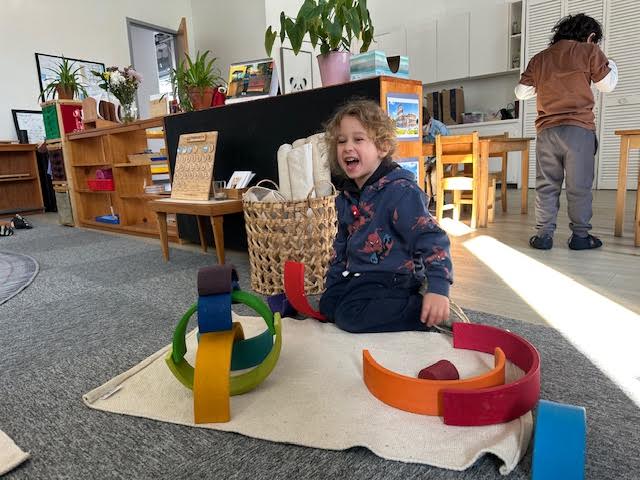
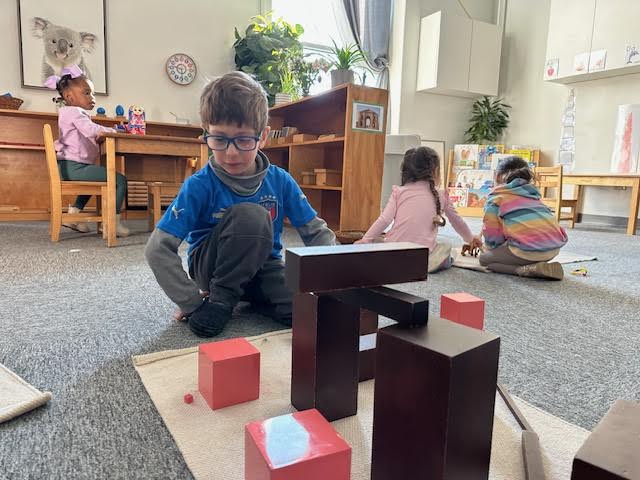
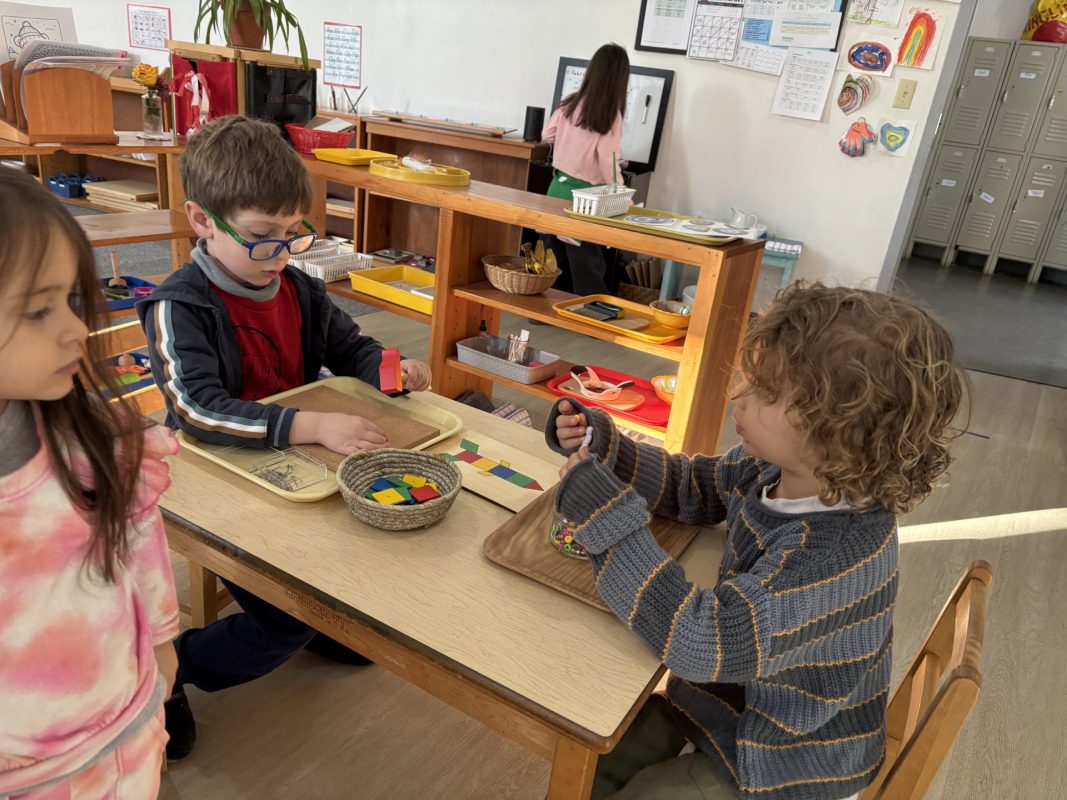
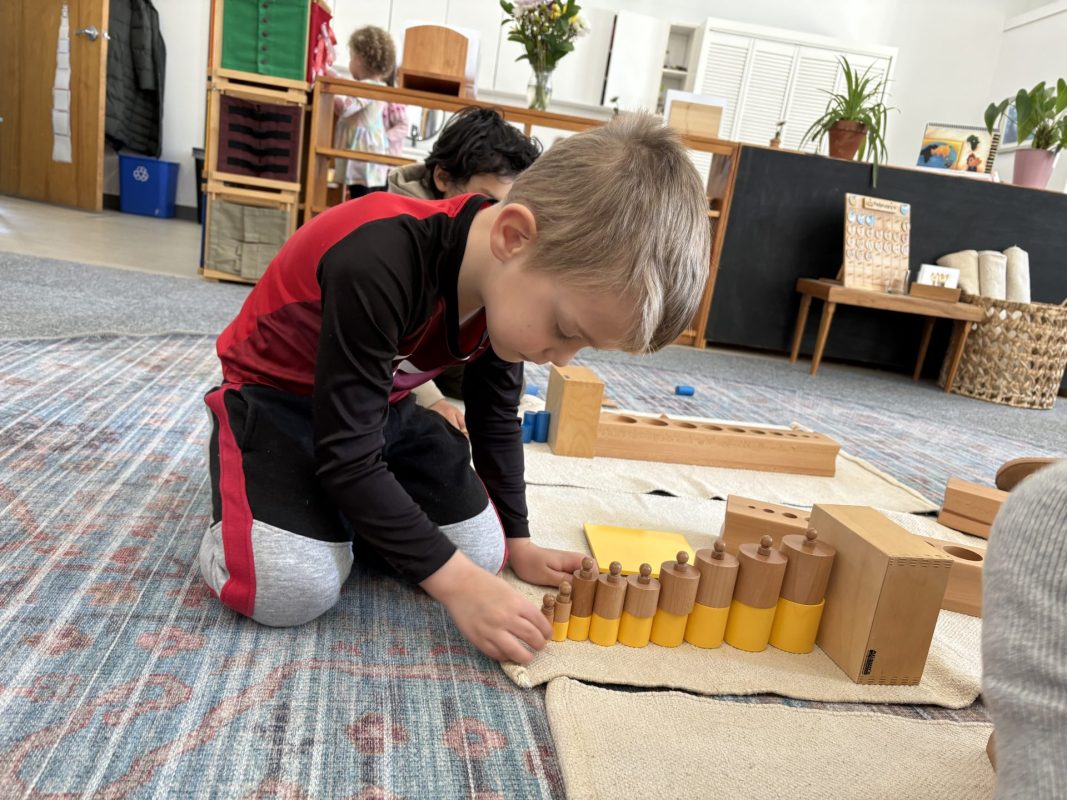
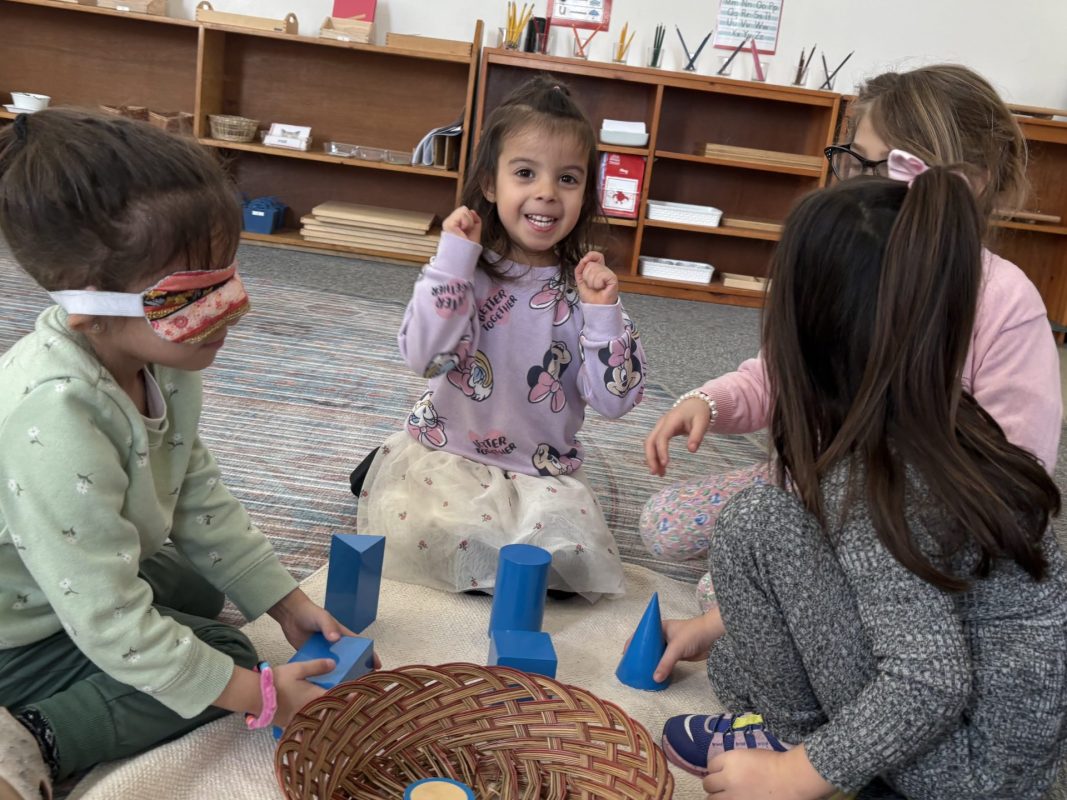
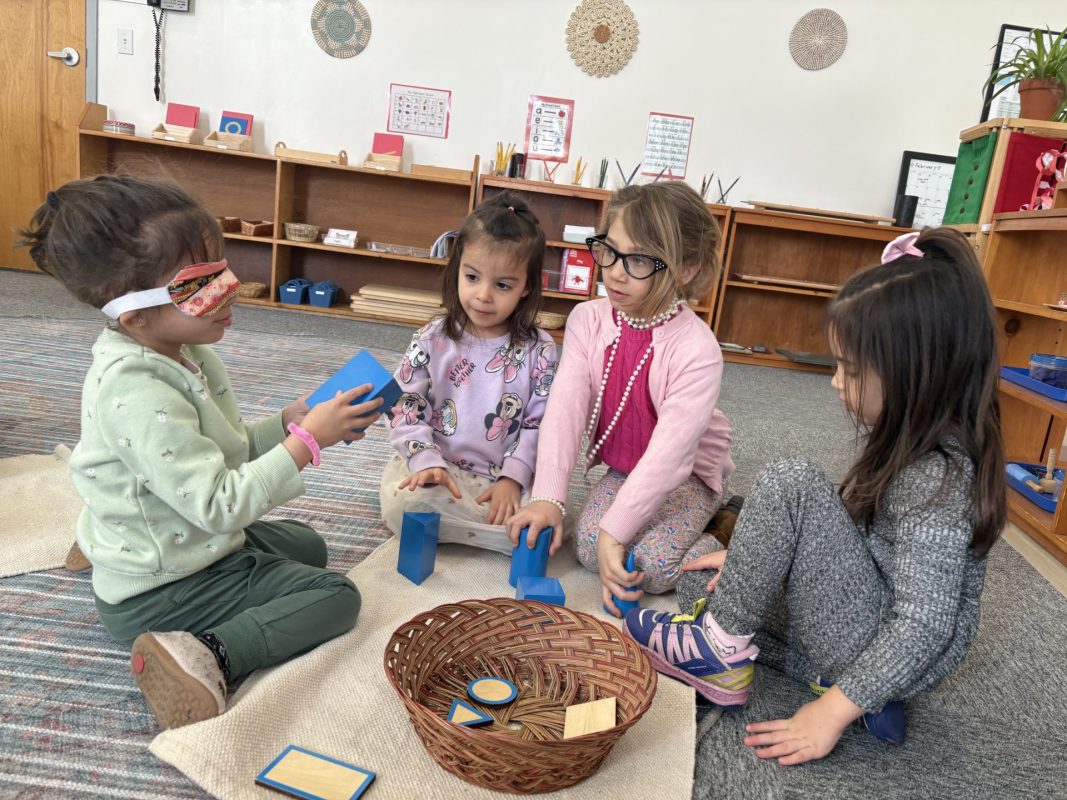
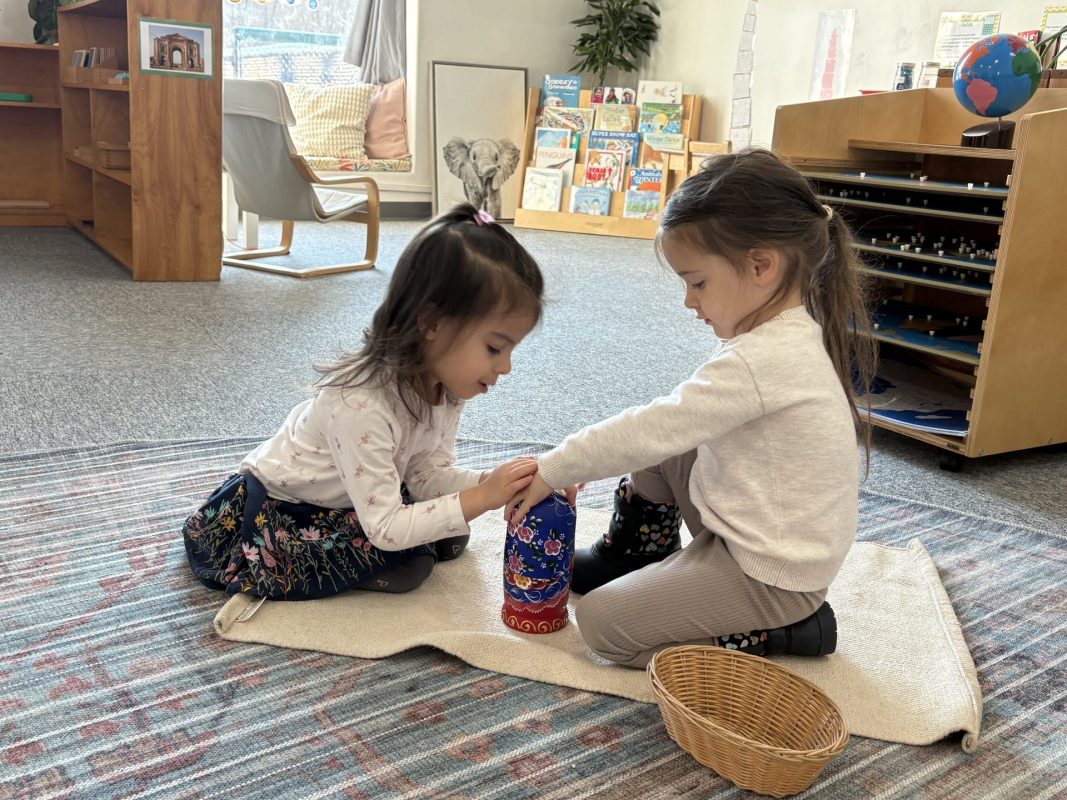
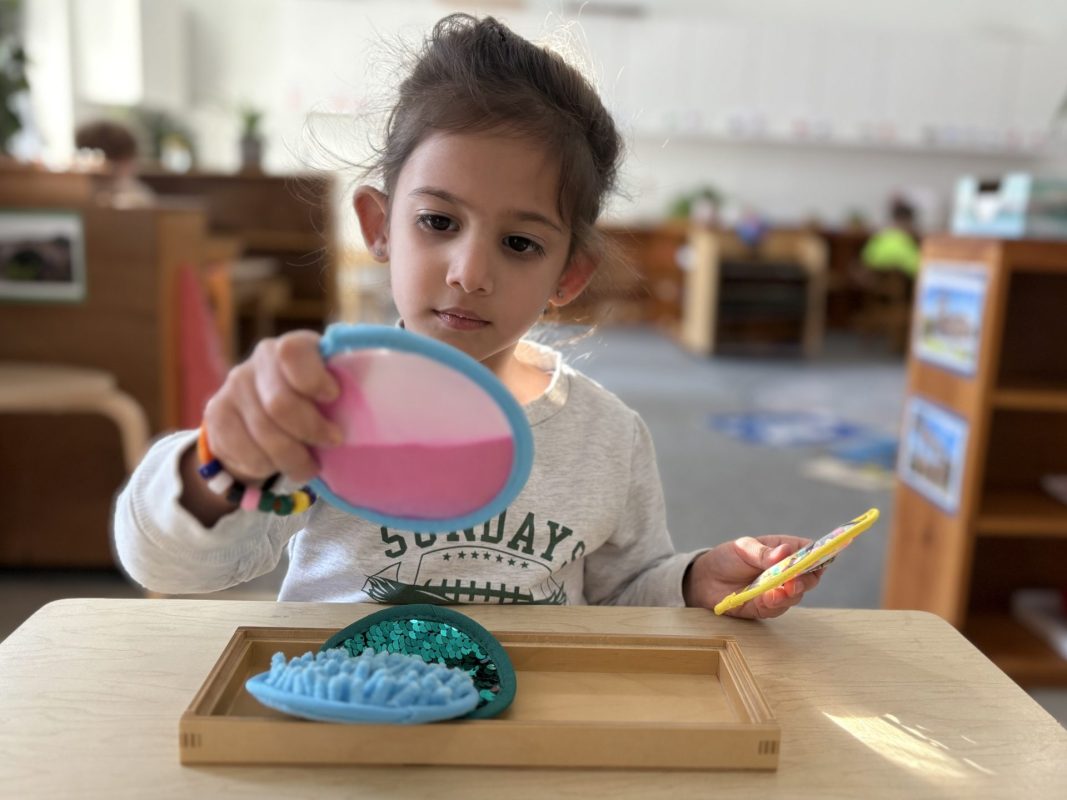
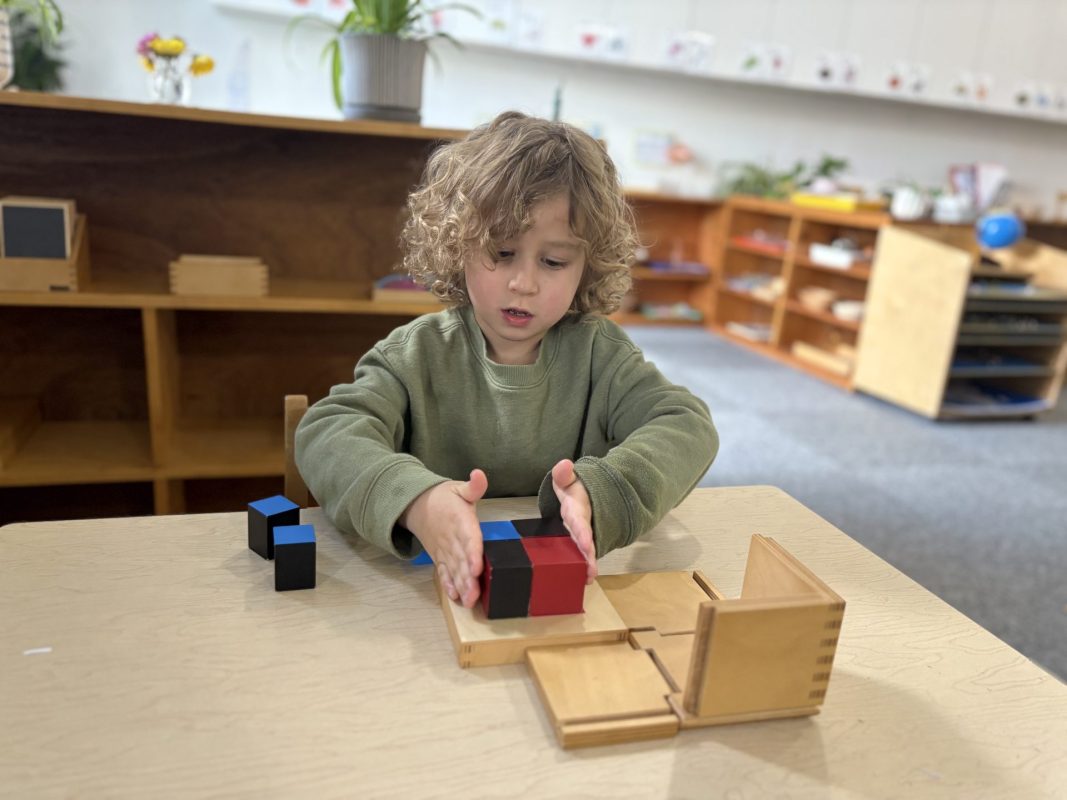
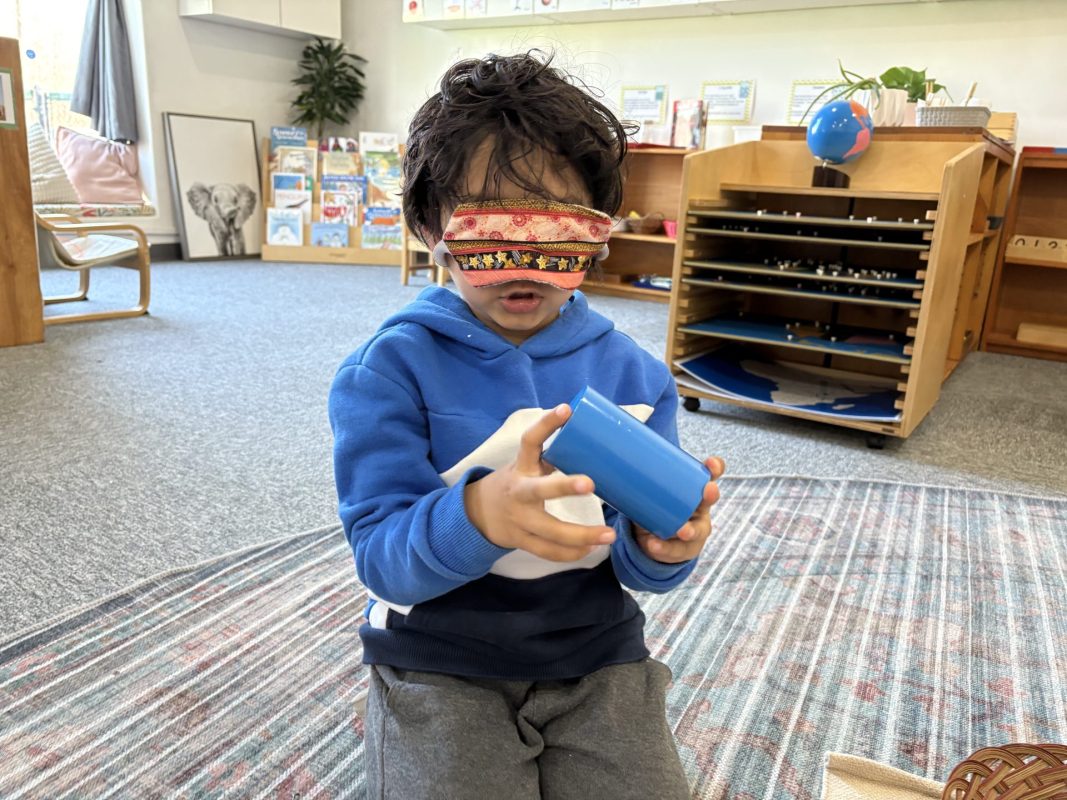
Maria Montessori believed there is a sensitive period for a child’s development of their senses. Although the senses are an integral part of our lives, children have the greatest potential to develop and retrieve them during their early years. It is precisely this idea that demonstrates the purpose of Sensorial materials in the Montessori classroom. The Sensorial materials are powerful tools that allow children to become aware of their unconscious impressions and bring these impressions into conscious awareness. Additionally, they enable your children to create a basis of order in their minds, allowing for the intelligent exploration of their environment.

This week we began to discuss the five senses. We discussed how we use different body parts to learn about things in our environment. For example, our noses are for smelling, ears are for listening, eyes are for seeing, hands are for touching, and our tongues are for tasting. We learned that sometimes, we use more than one sense at a time. We also talked about people who do not have the ability to use all five senses, such as those who are blind or deaf.

In the afternoon, the older children had the opportunity to engage all five senses as we popped popcorn using an air popper. We closed our eyes and listened to the sound of the kernels being poured into the popper, then the sound as they began to pop, we enjoyed the aroma as the kernels heated and what an exciting sight to see all the fluffy white popcorn – and of course we enjoyed the delicious tasty treat. We even tried tasting some with salt, as we discussed our taste buds.

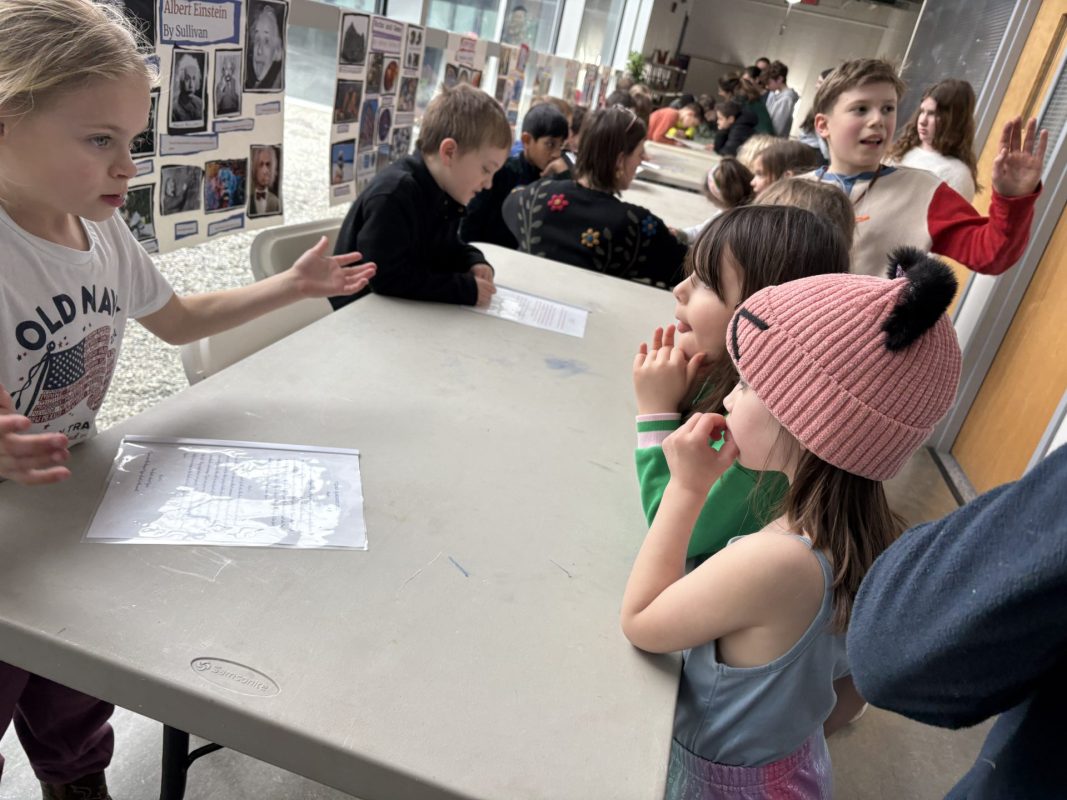
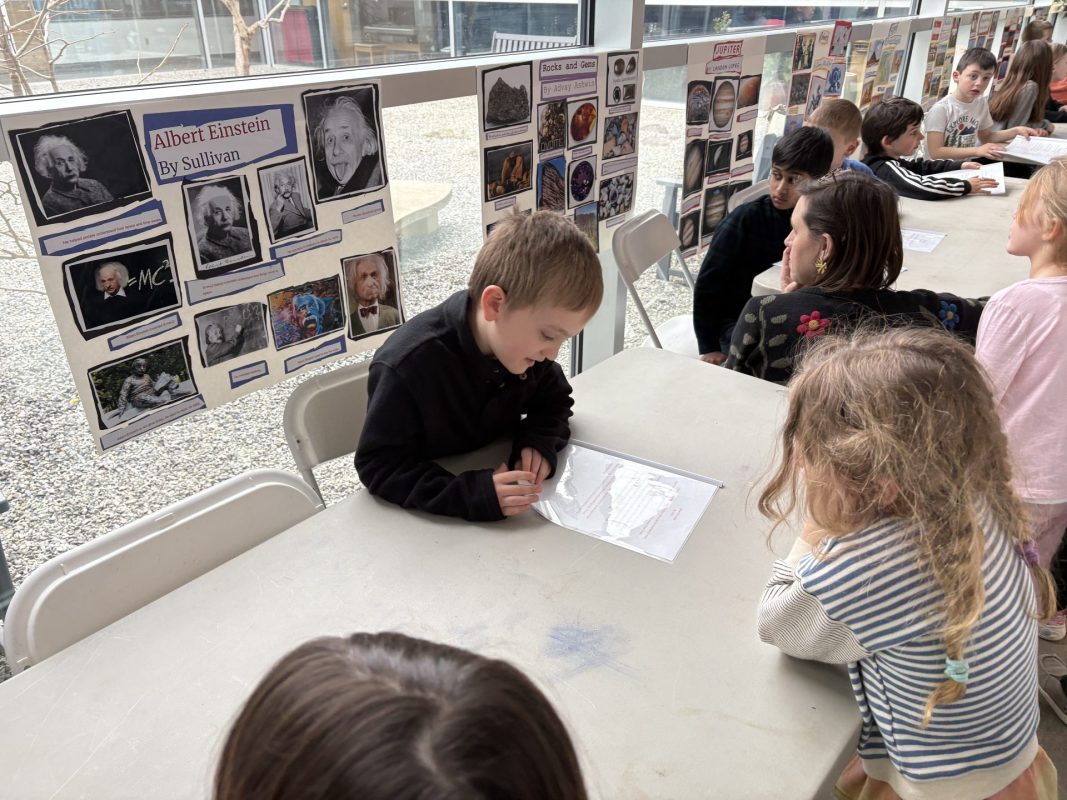
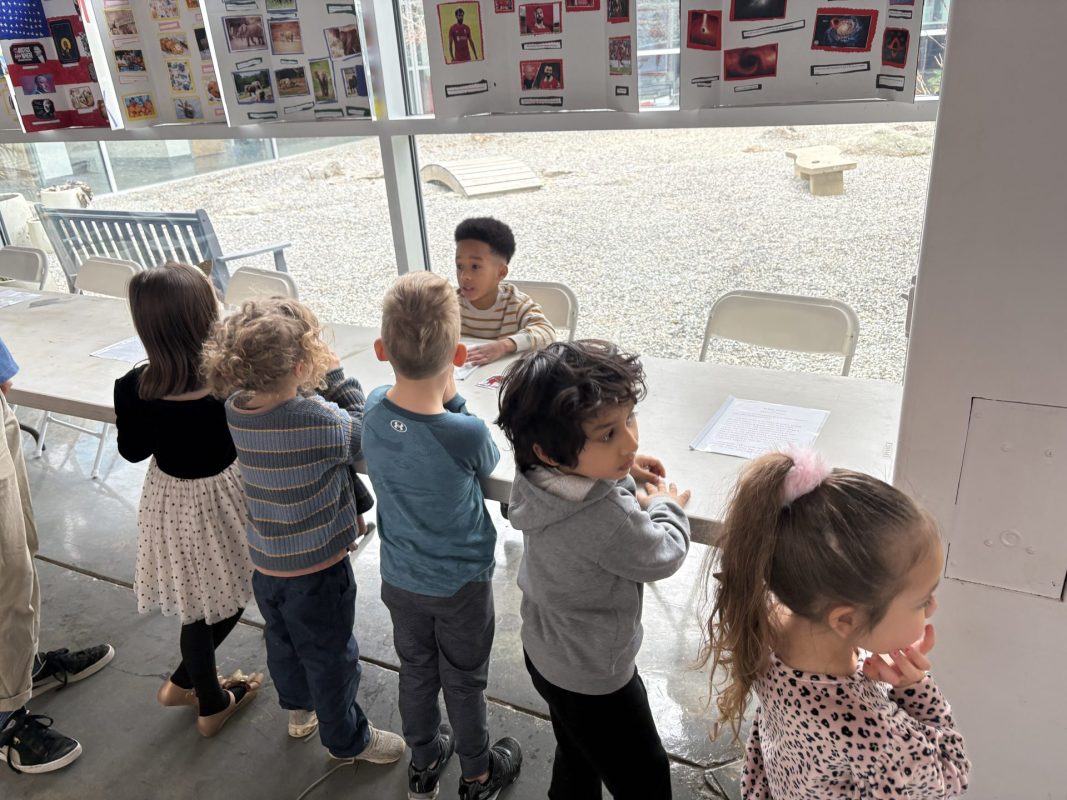
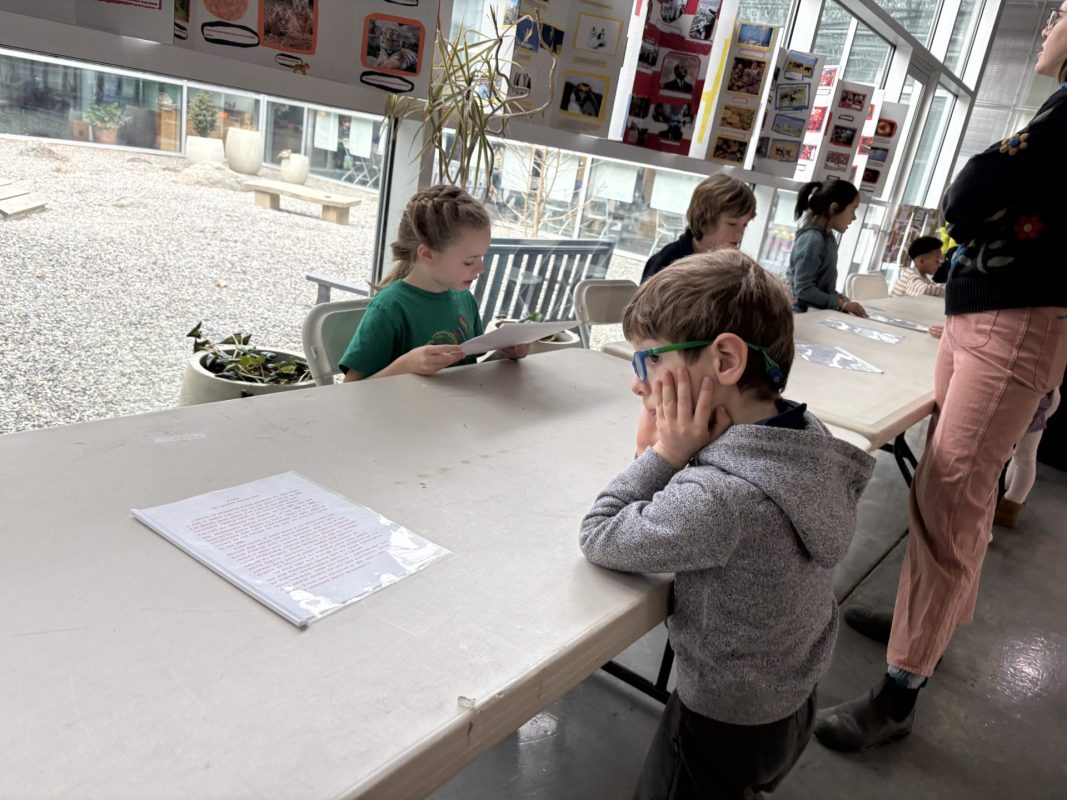
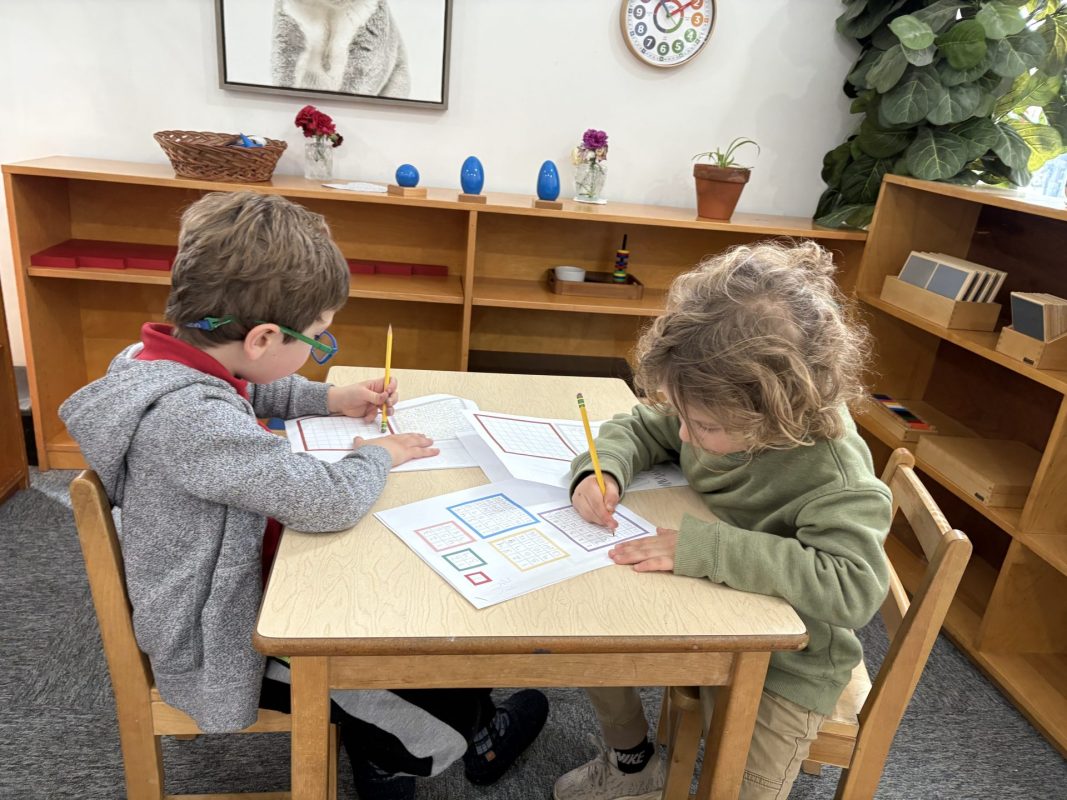
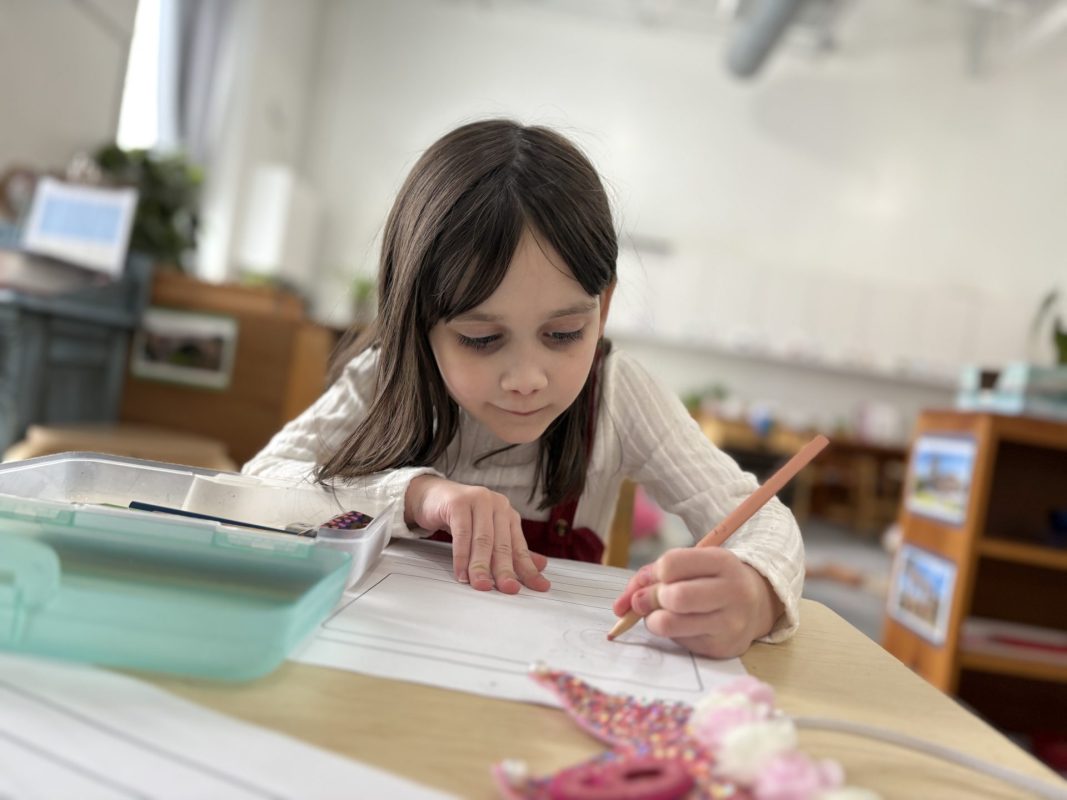
Our 4 and 5-year-olds were also invited to visit Lower Elementary, where they set up tables to share their research projects with us. Our students learned about famous athletes, Texas, Albert Einstein, and a variety of different animals, among other things! It was a wonderful experience for everyone involved!

Wishing your families a wonderful spring break with a perfect balance of fun and relaxation.


Mrs. Sargeant: A Peek at the Week

You can find magic wherever you look. So sit back and relax, all you need is a book.  

—–Dr. Seuss

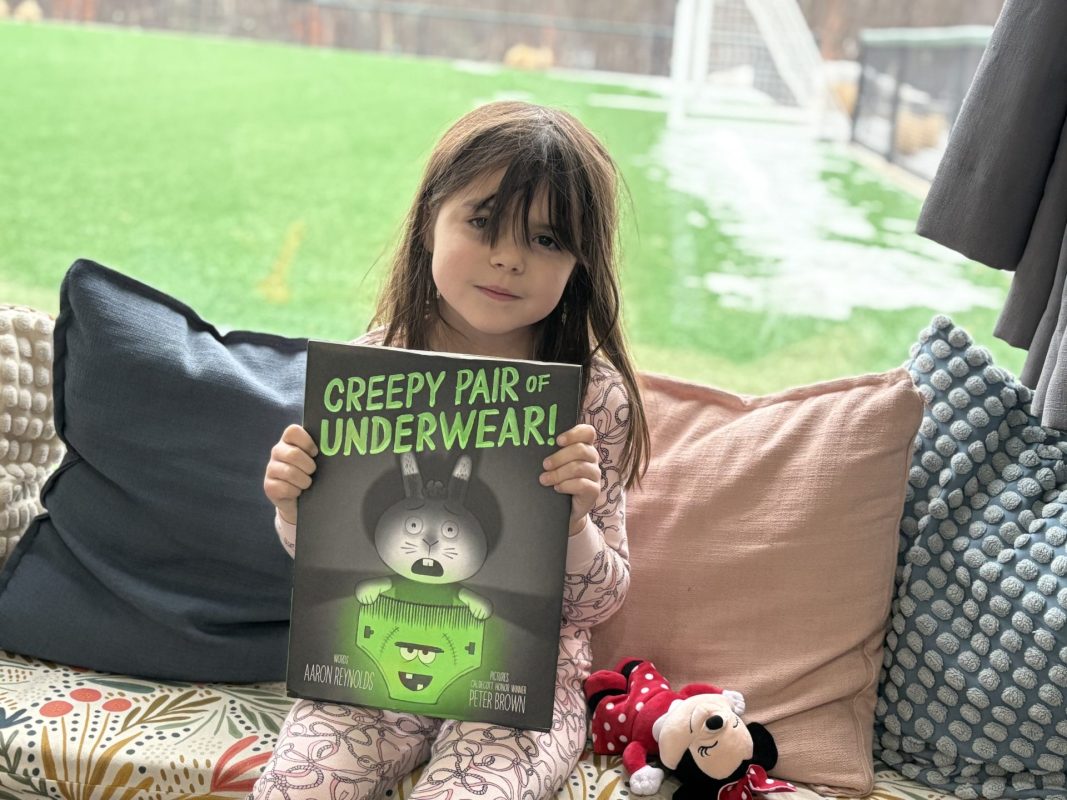
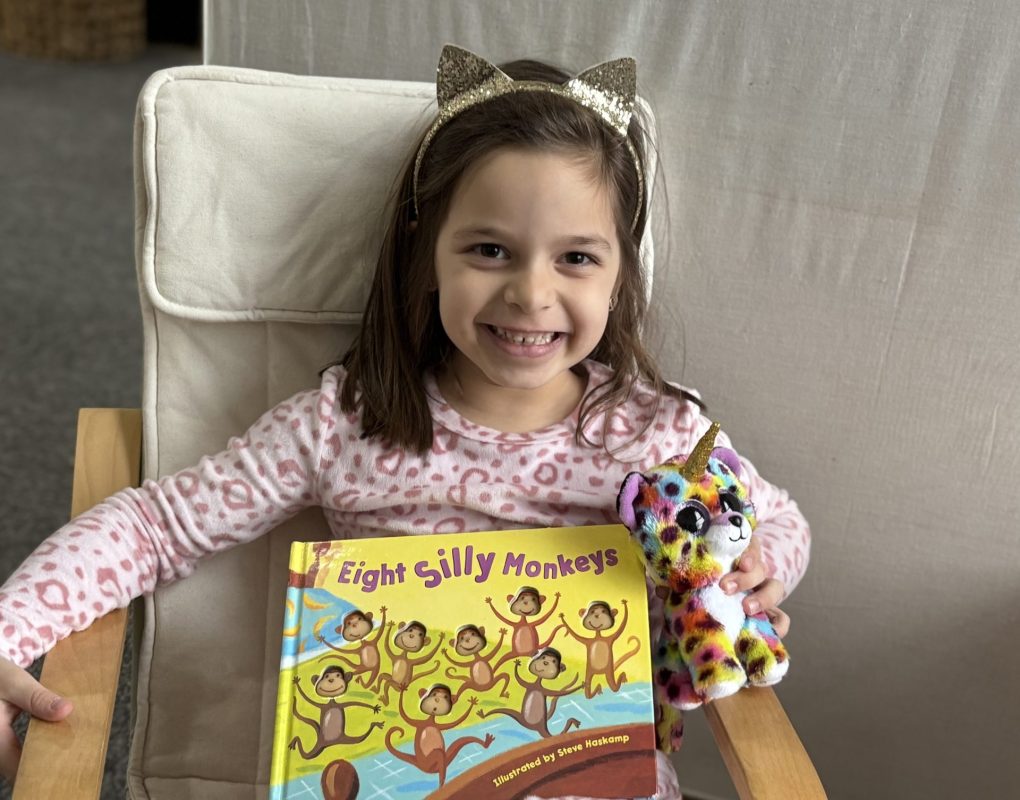
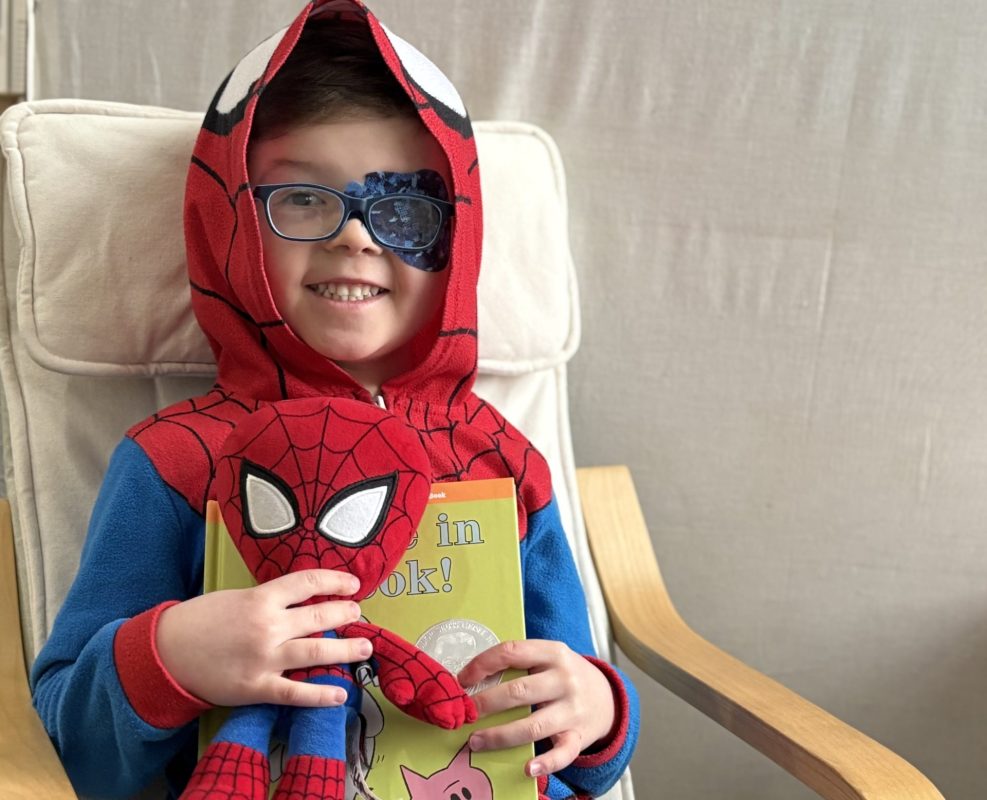
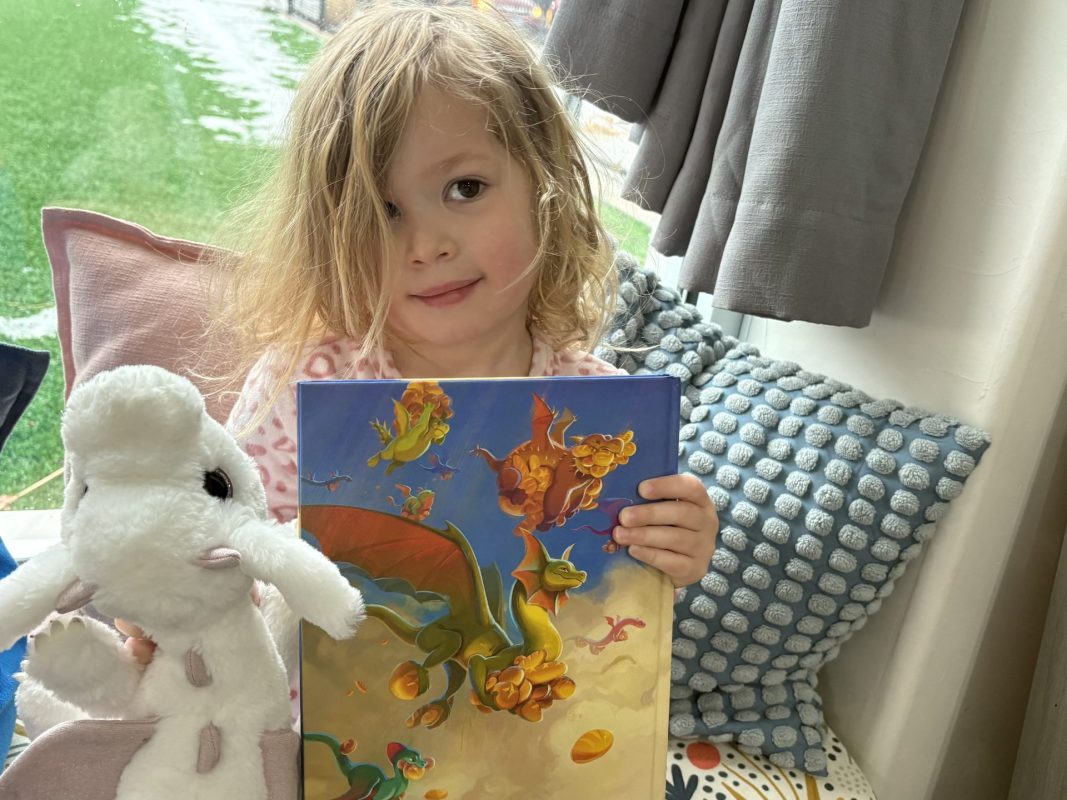
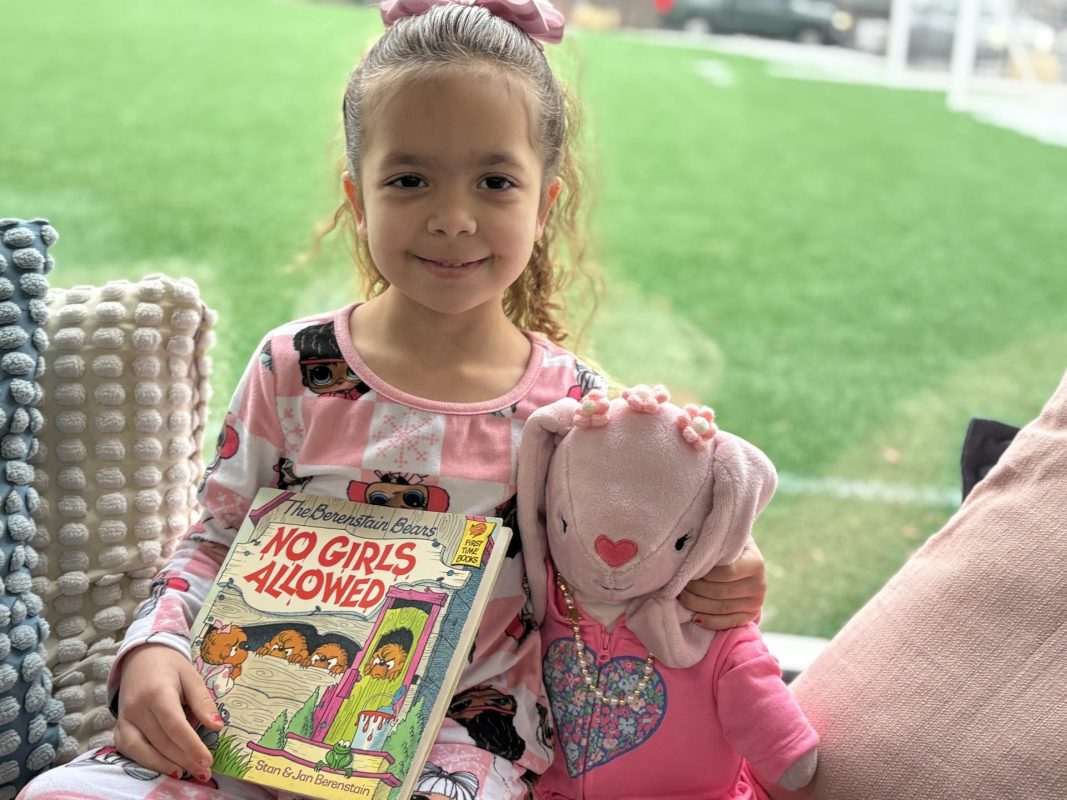
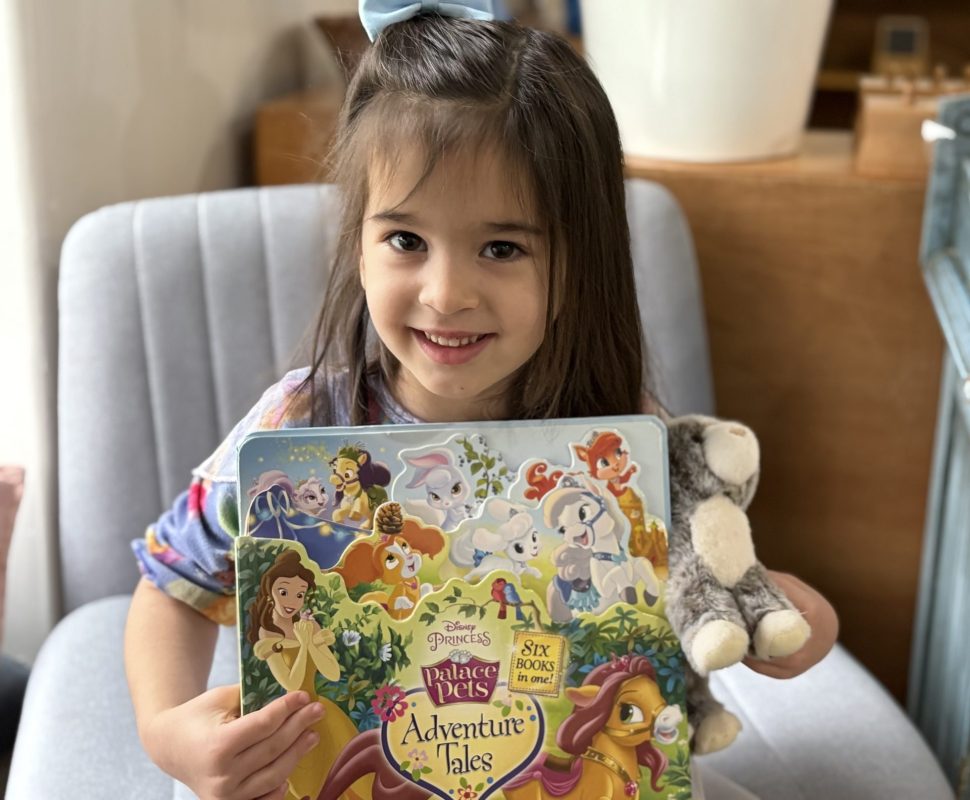
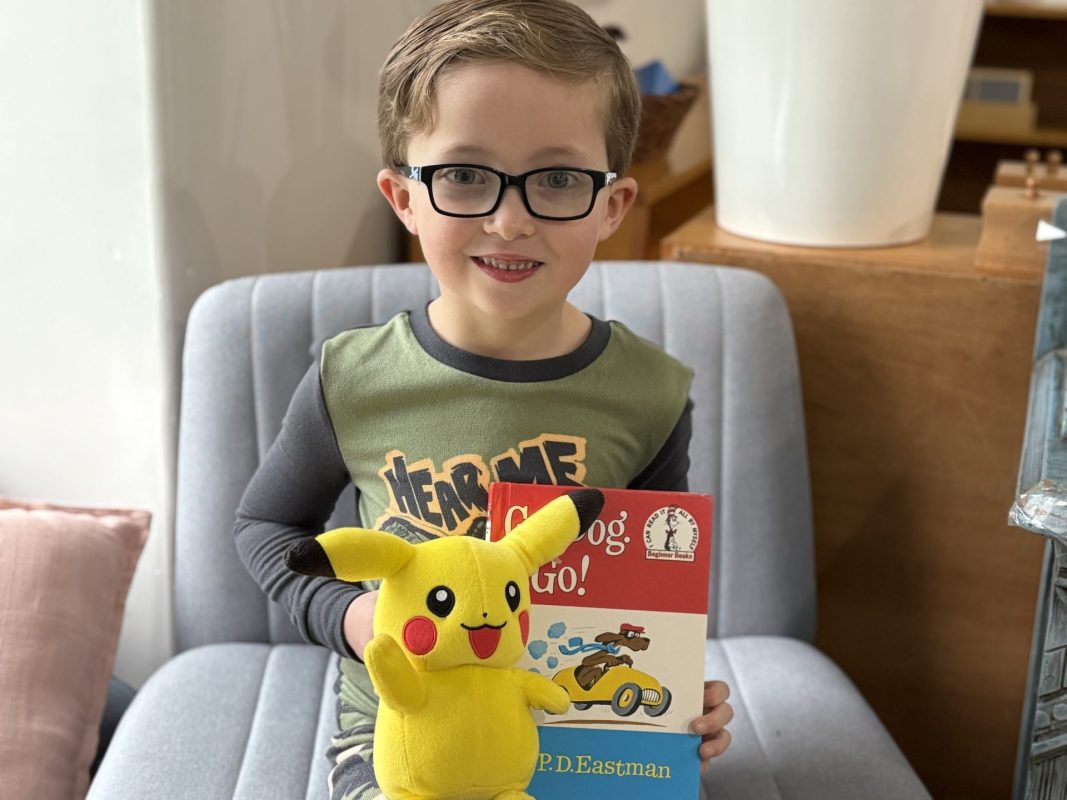
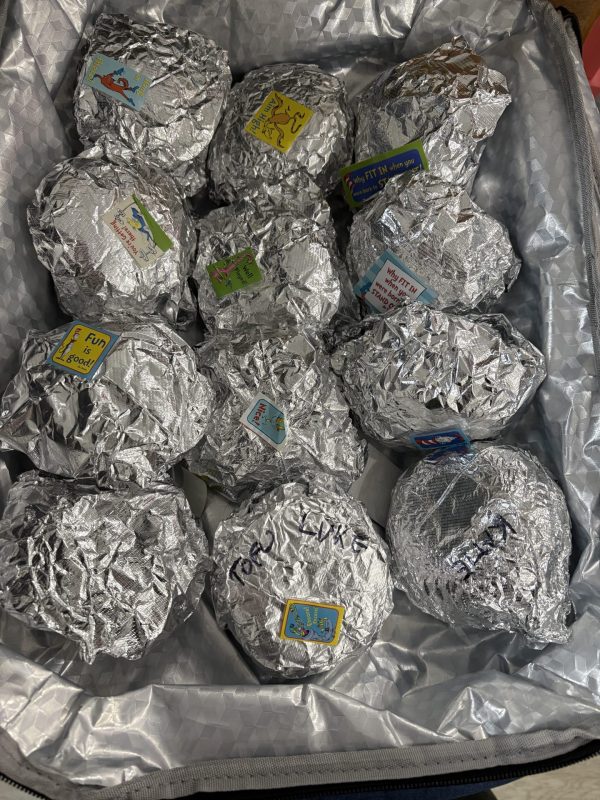
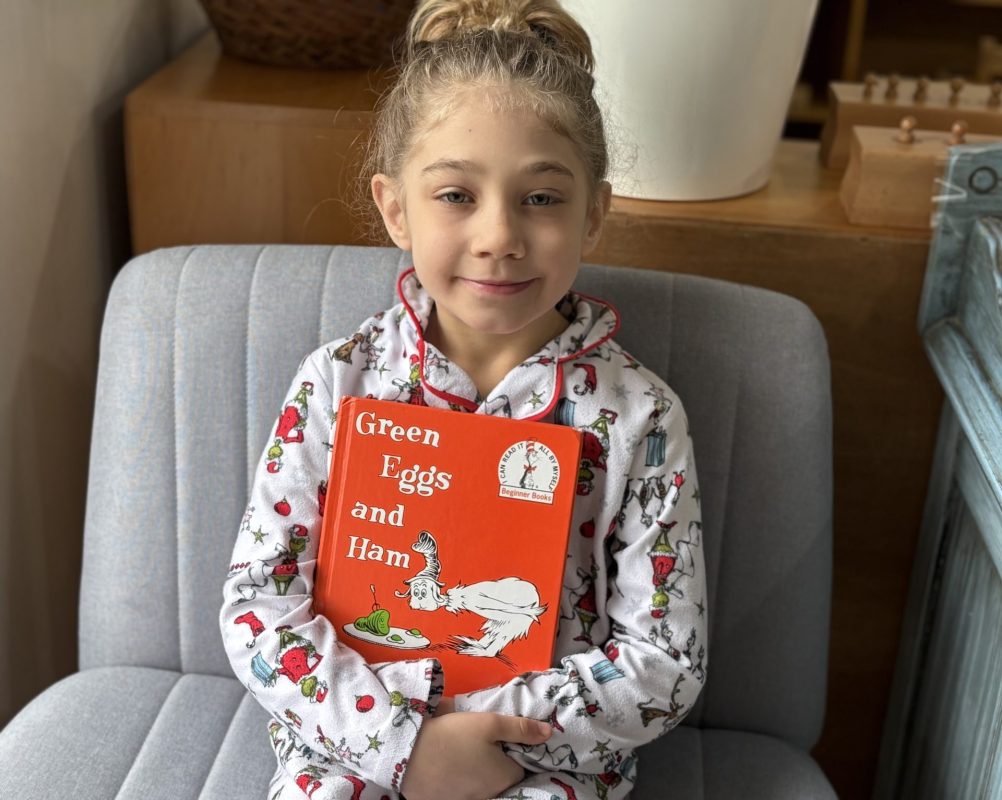
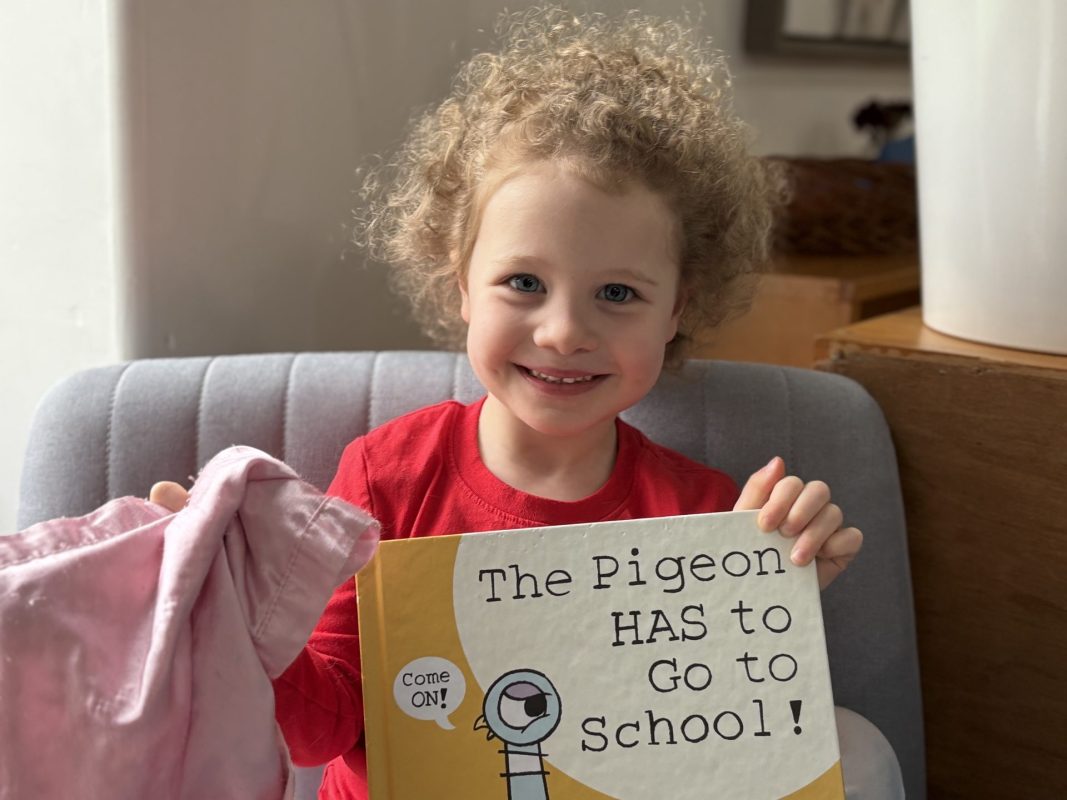
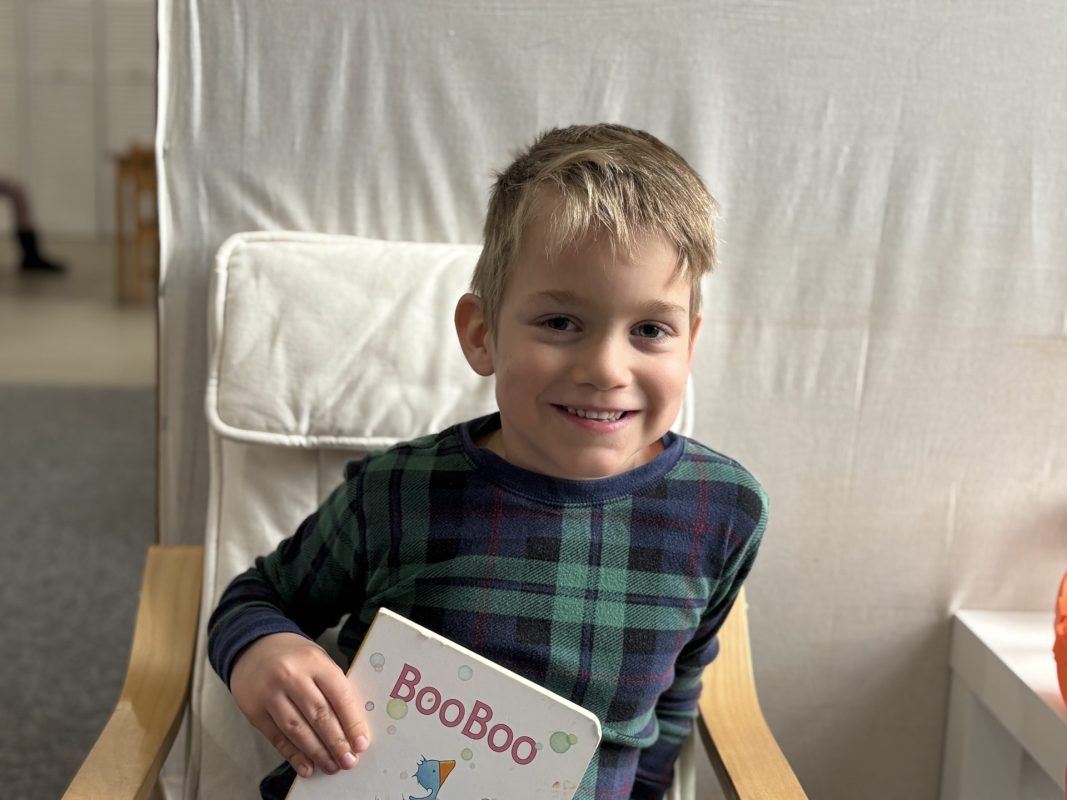
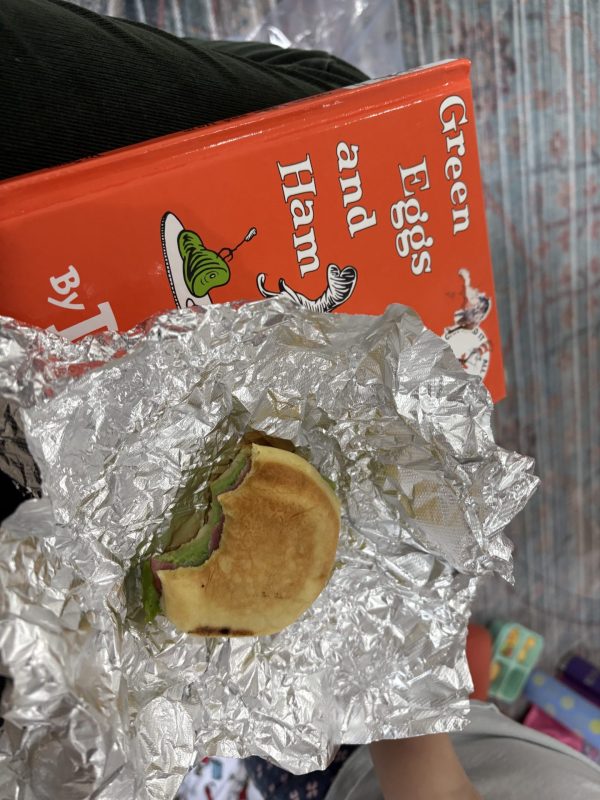
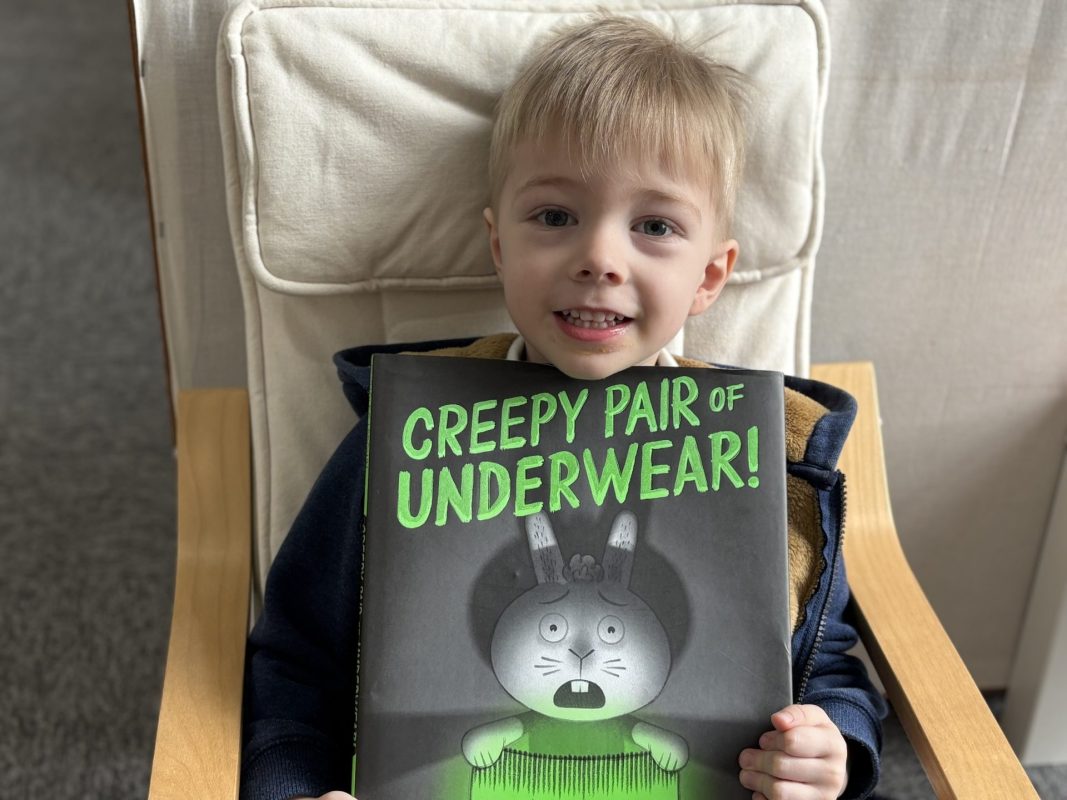
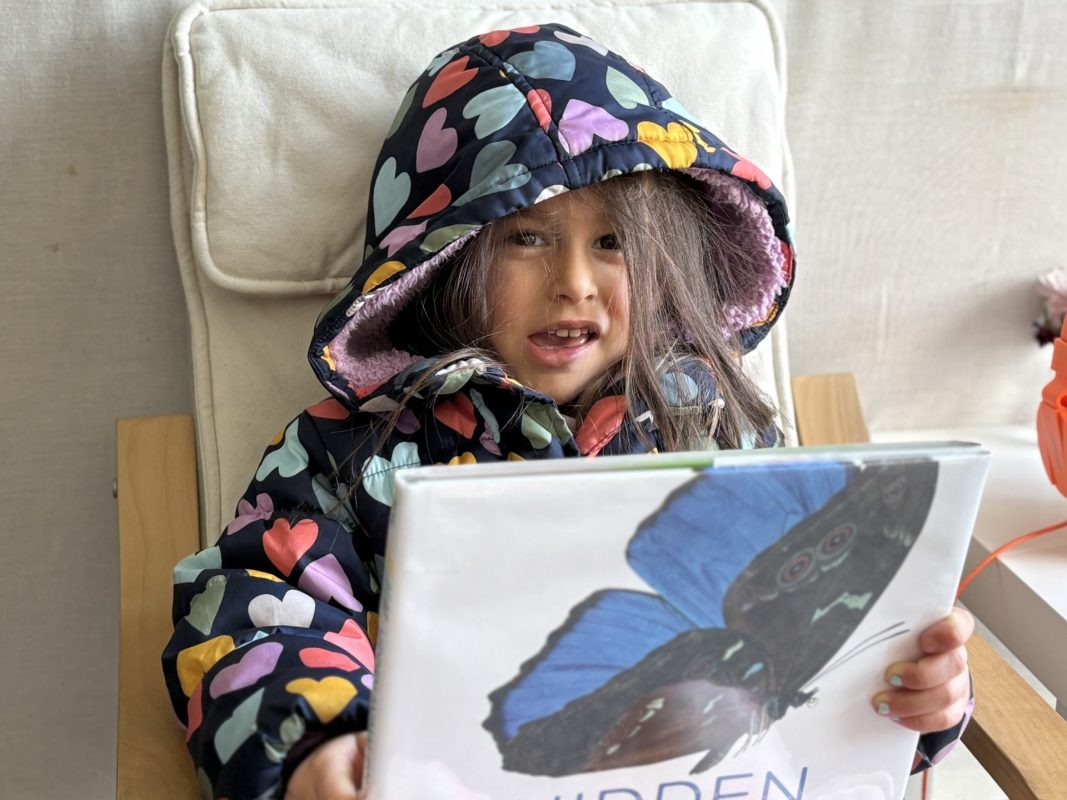
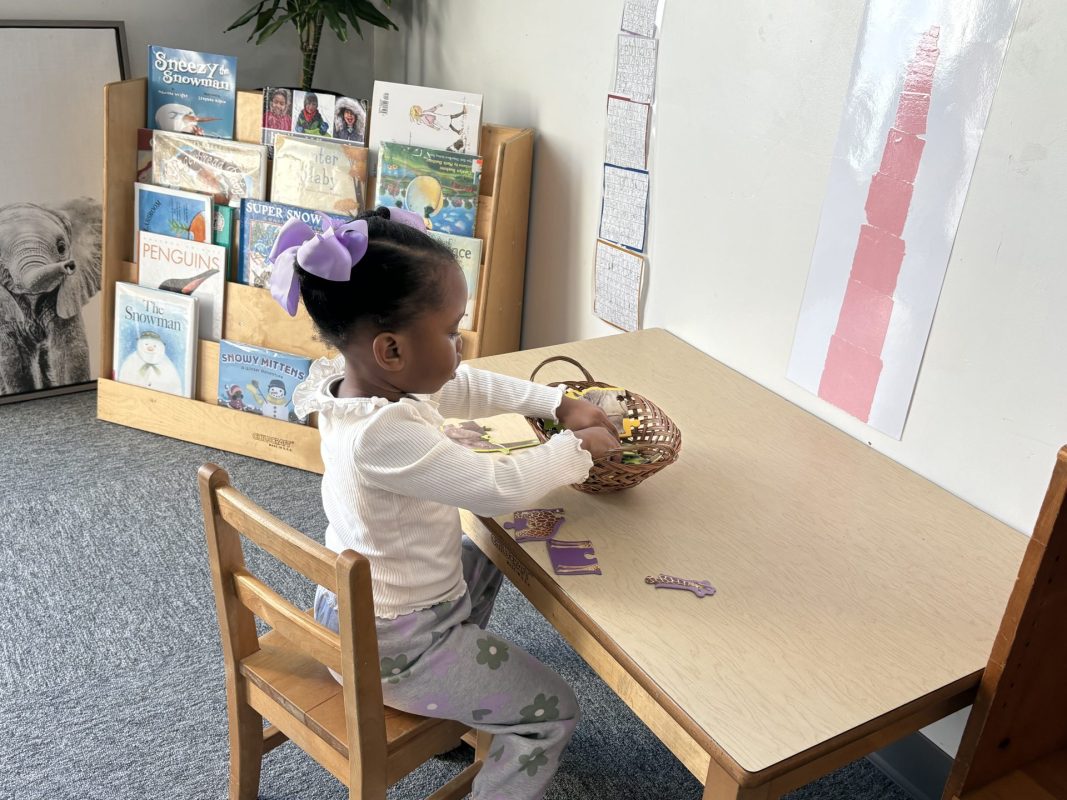
Read Across America is a national event celebrated on March 2nd, the birthday of Dr. Seuss. This initiative was created by the National Education Association and implemented to encourage a love of reading in children. At FWM, we also turn that day into Pajama Day, and the children bring their favorite book to share. We read Green Eggs and Ham, and the children were treated to their own green eggs and ham sandwiches! Once again, huge thanks to Eliot’s family for preparing the amazing snacks. The eggs were dyed green using spinach, and most of the children thoroughly enjoyed this fun snack.

An online article from nationaldaycalendar.com has some beautiful ideas on how to motivate children to read wherever they are.

  • Keep books everywhere you spend time. Put them in the car, in every room of the house, and tuck them in backpacks and purses. Make them easily accessible.
  • Visit the library often. Knowing how to use the library and learning the benefits of a library fosters a love of reading as well as genuine respect for the services libraries provide.
  • Get caught reading. Children imitate what they see the adults around them do. Whether they see you read a magazine, newspaper, or novel, let them know reading is the cool thing to do.
  • Read to your children. No matter their age, reading aloud strengthens their vocabulary and language skills. It also opens up opportunities for discussion.
  • Have your children read to you, too. You never know what you might learn!

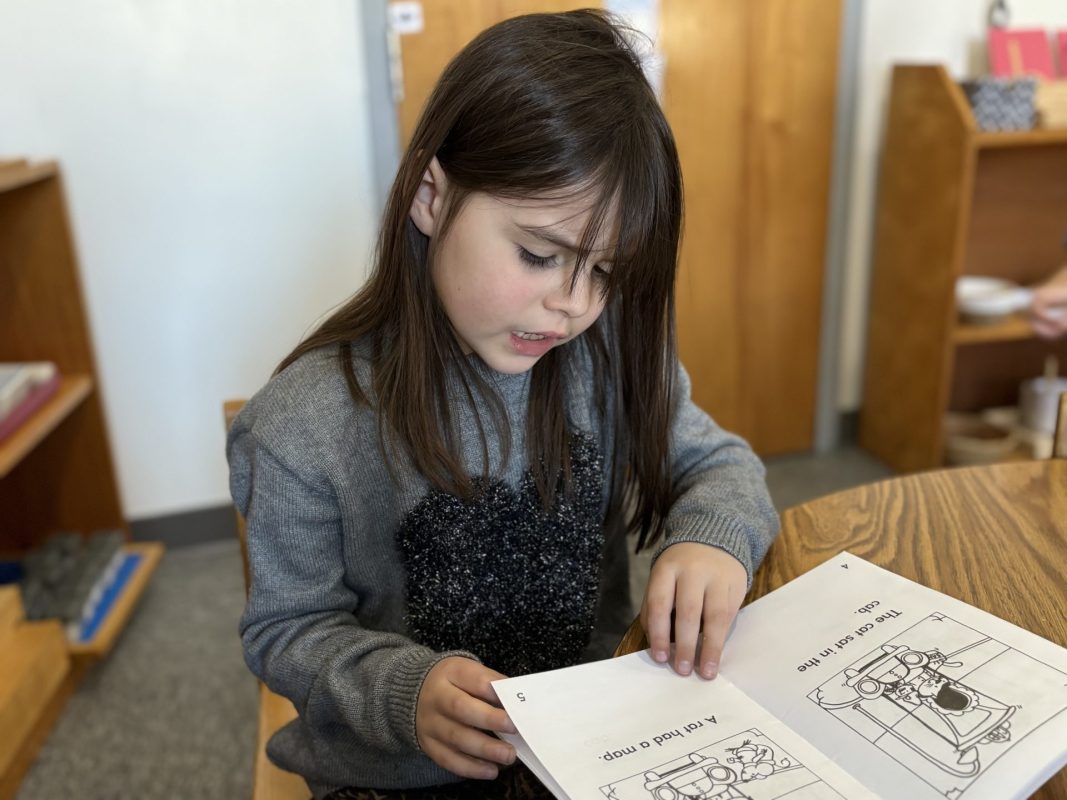
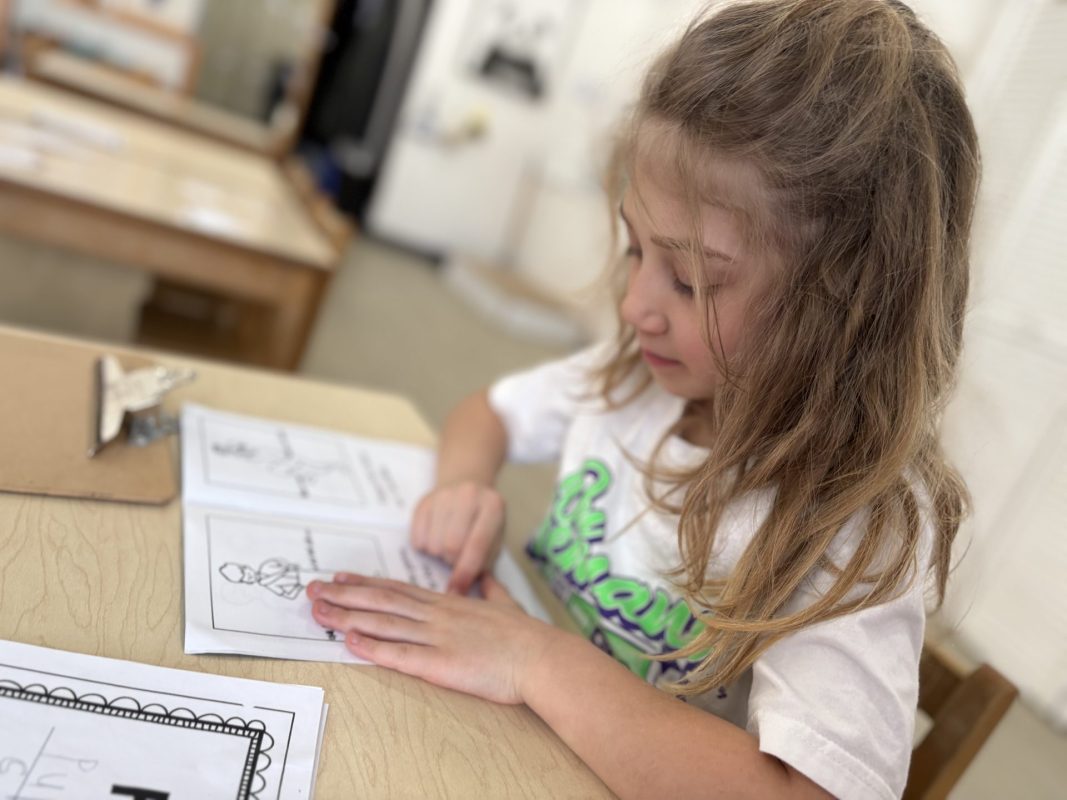
Reading is an integral part of each school day. We hope to pass on our passion for literature to your children.

Happy Reading!

Christine & Fatima


Mrs. Sargeant: A Peek at the Week

We have been discussing how harsh the winter can be for animals. The weather and lack of food can make their survival difficult. To help ensure their survival, animals hibernate, migrate, or adapt to their surroundings.

Animals that hibernate for the winter go into a deep sleep. Their body’s temperature drops, their heartbeat and breathing slow down, and they use very little energy. We’ve learned which animals hibernate as well as where they hibernate. Places where animals hibernate can be above ground, such as a cave, nest, or den, or they can be below ground, such as a burrow, a hole, or deep down in the mud. We explored which animals migrated or traveled to other places where the weather was warmer and where they would be able to find food. We also examined why animals might migrate and where they may go. Animals that adapt remain and stay active in their environment. They adapt to the changing weather, and their behavior and bodies may change, too. We talked about what changes animals may make to ensure they will have enough food for the winter.

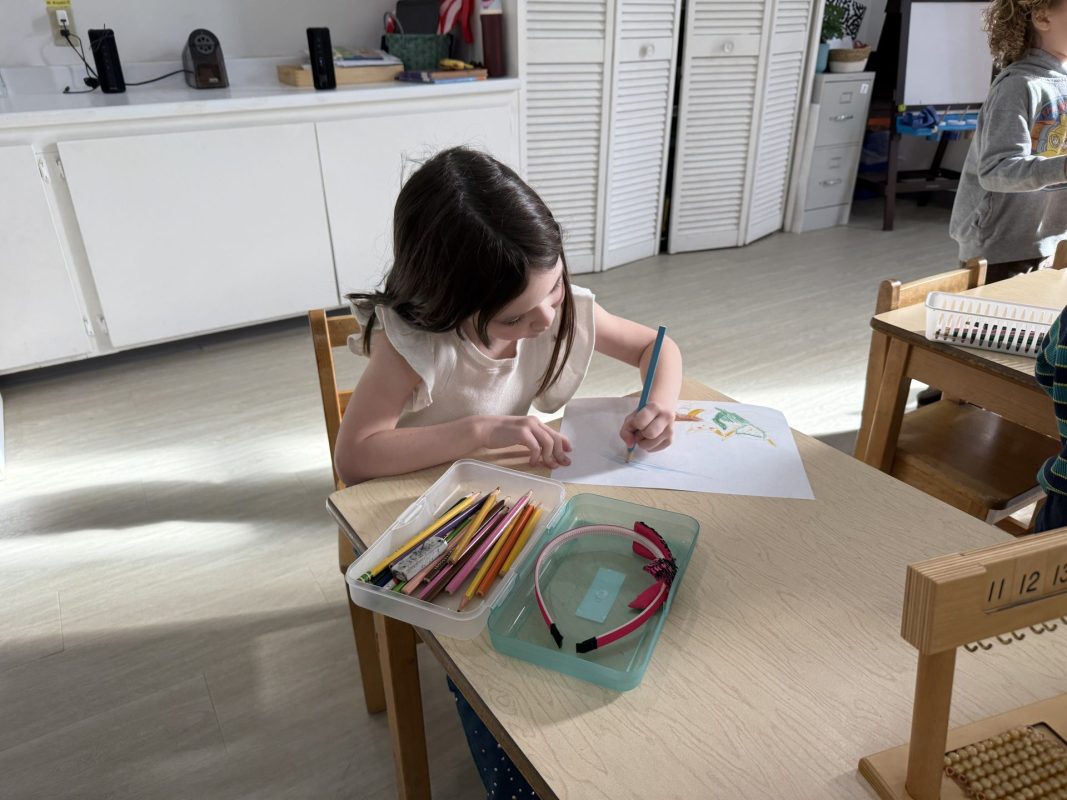
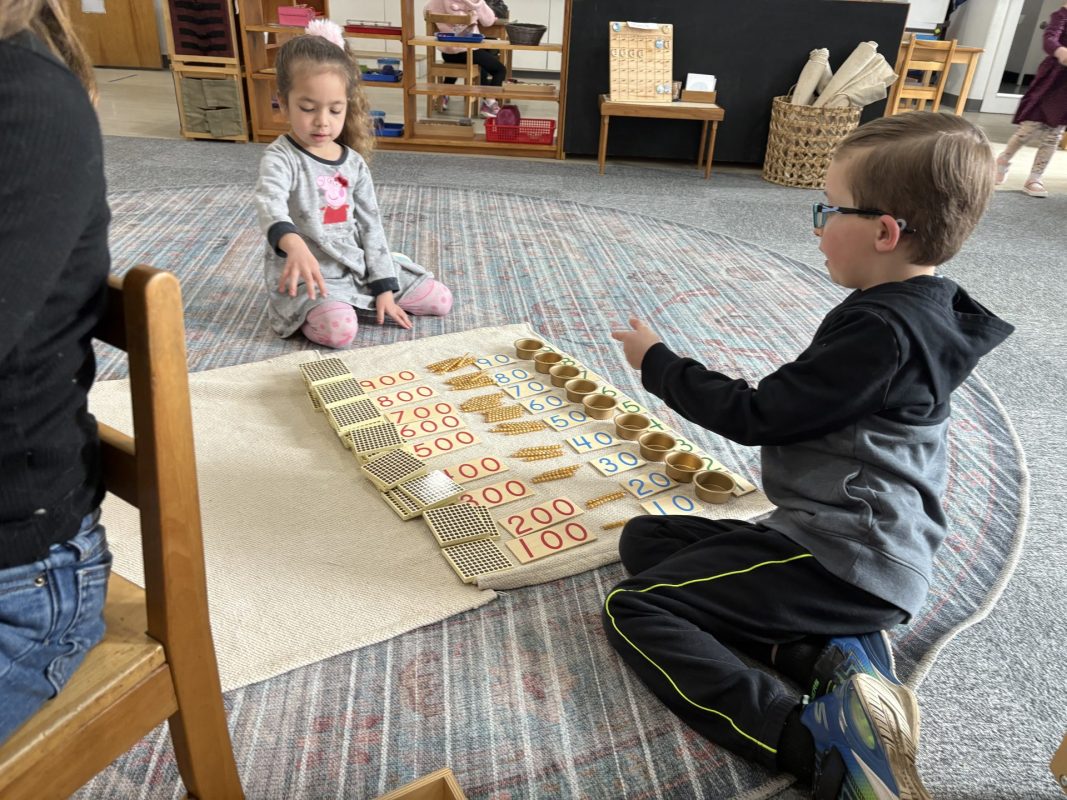
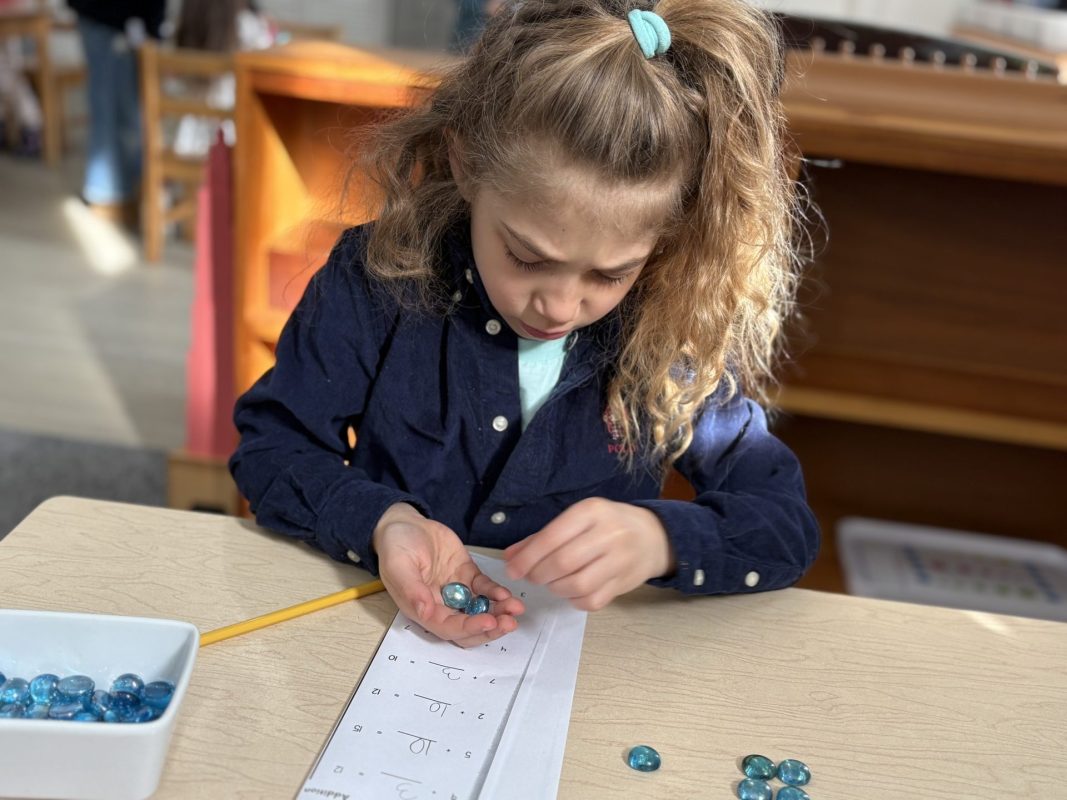
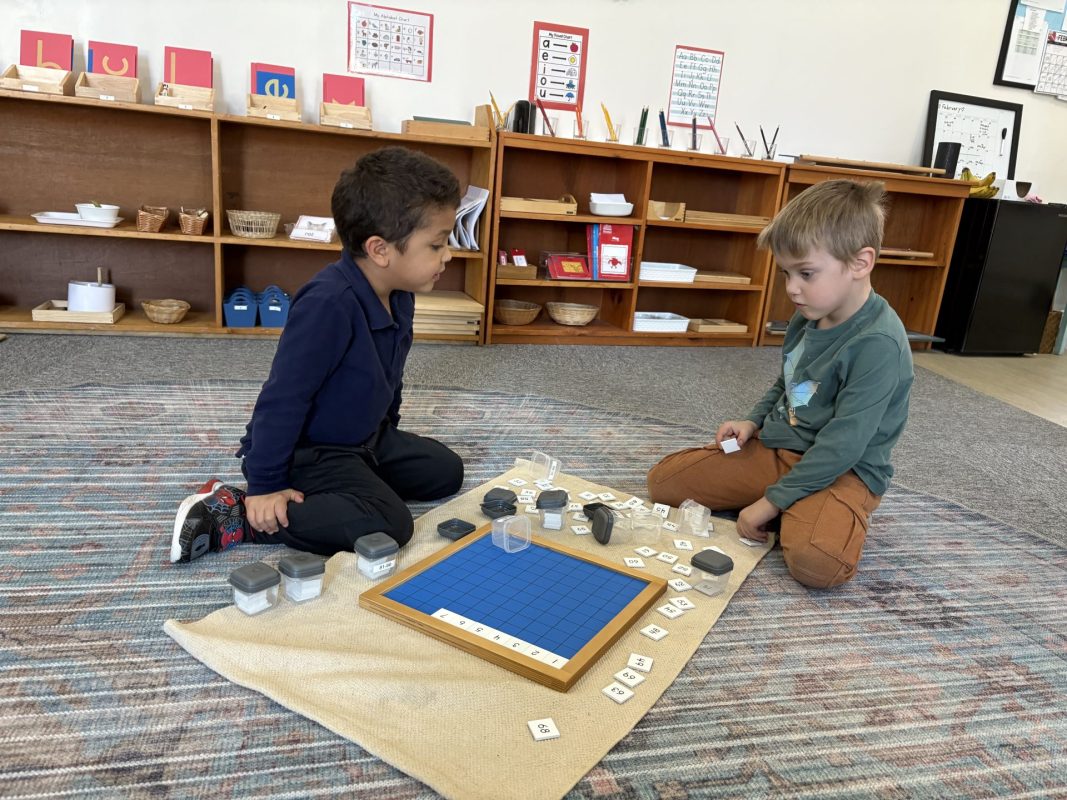
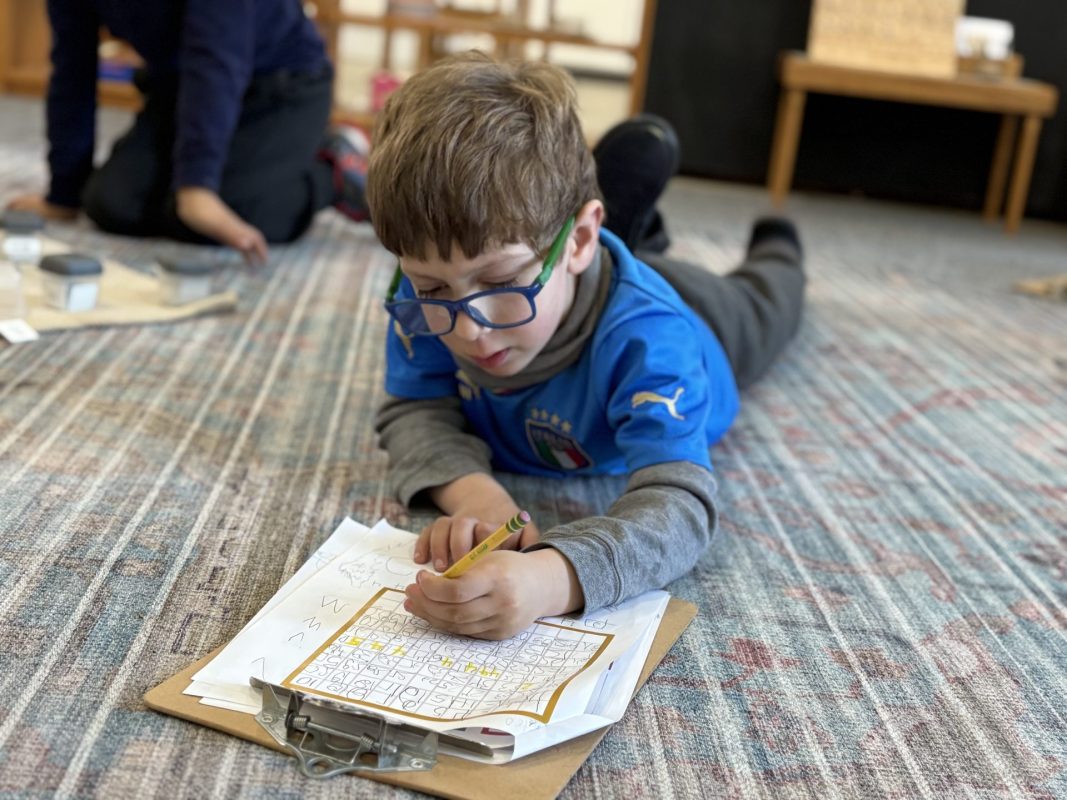
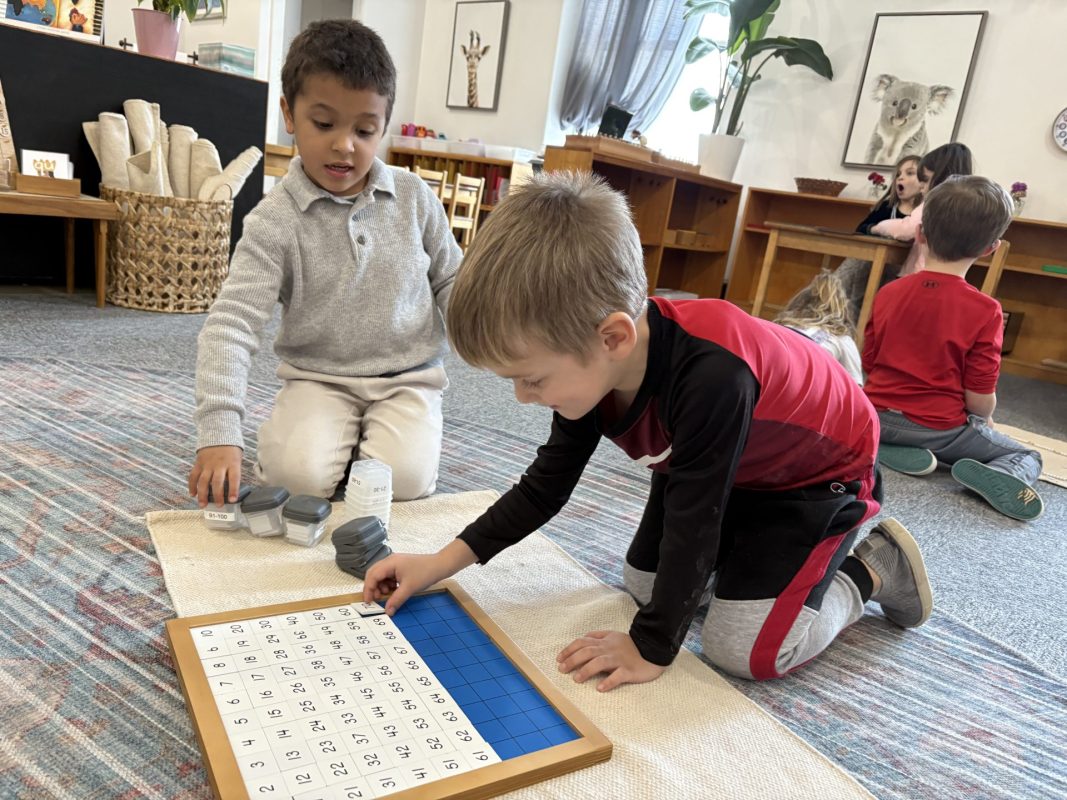
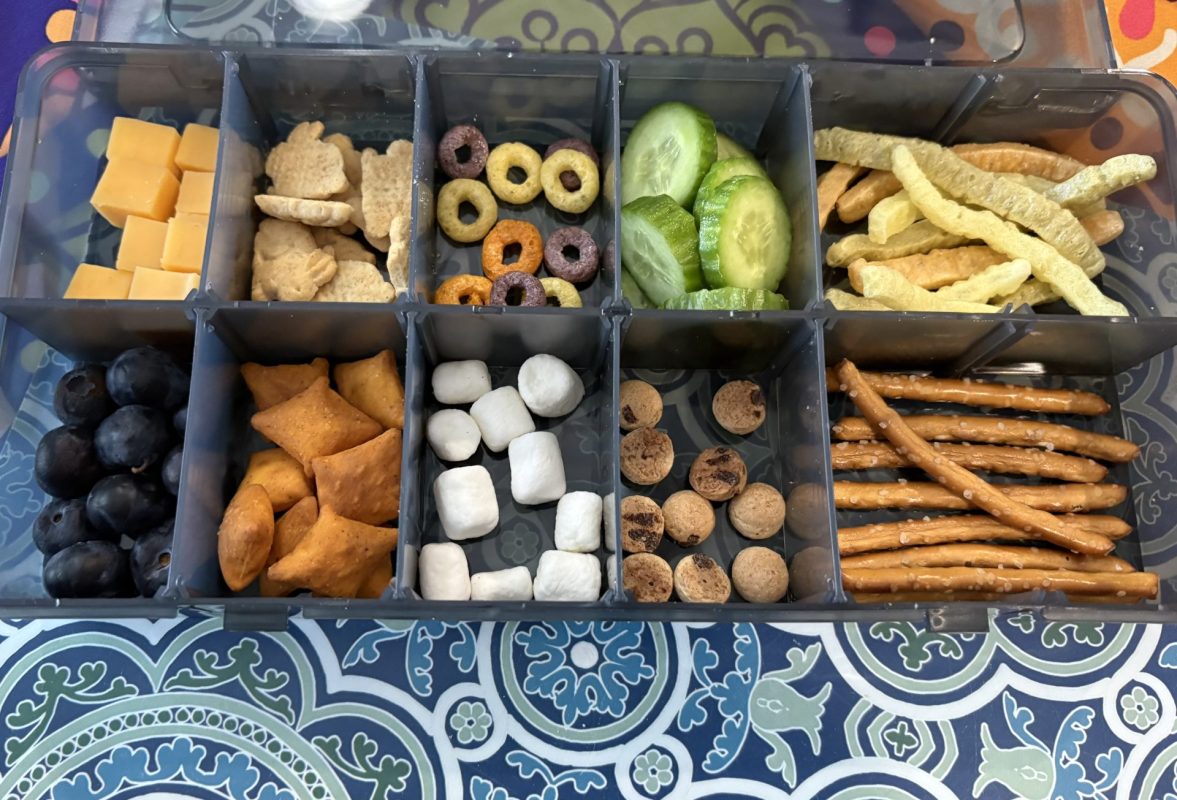
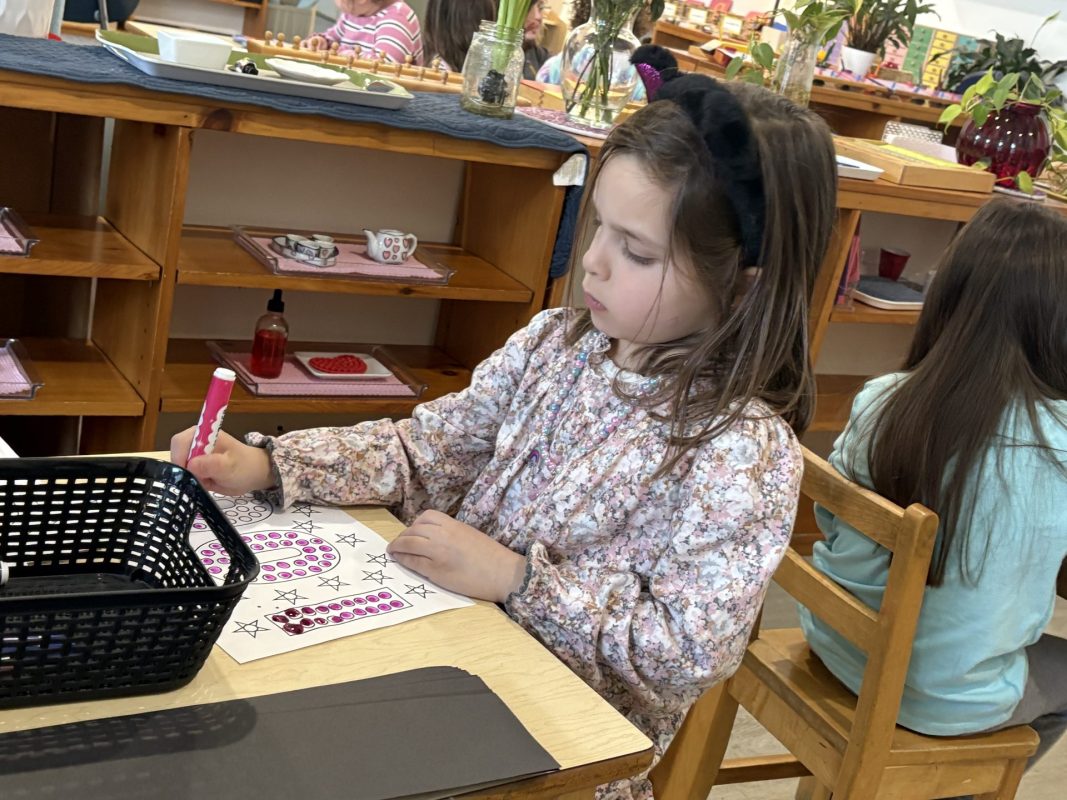
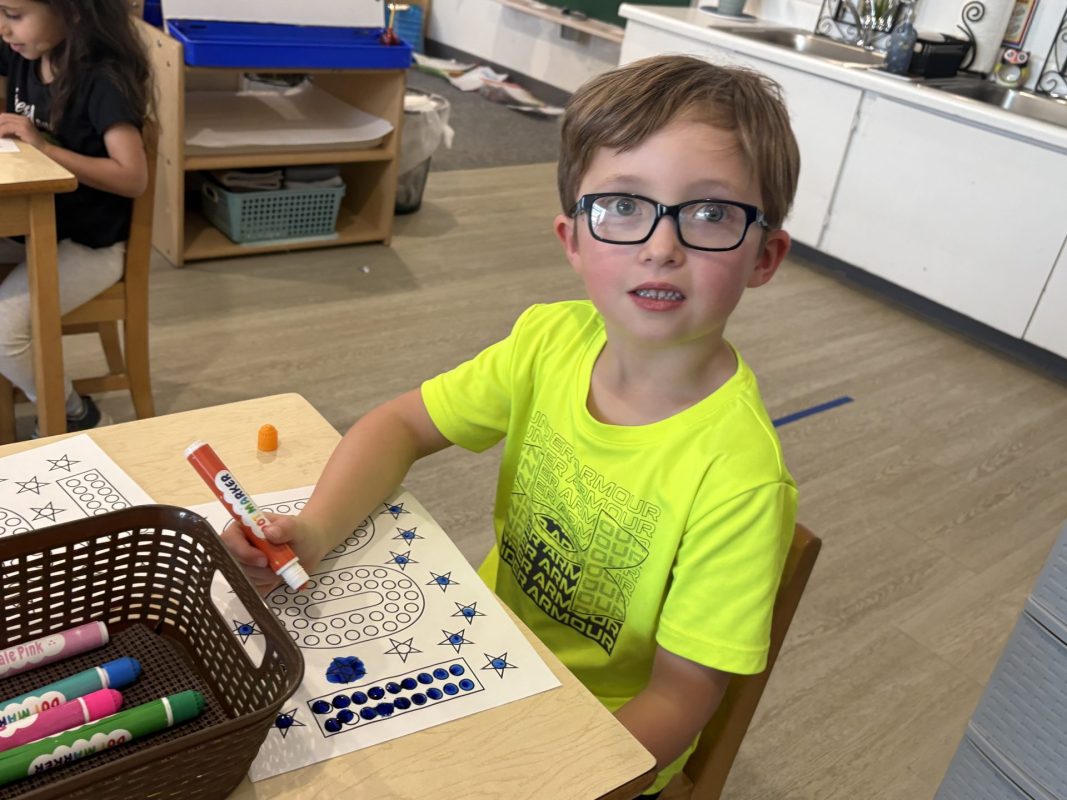
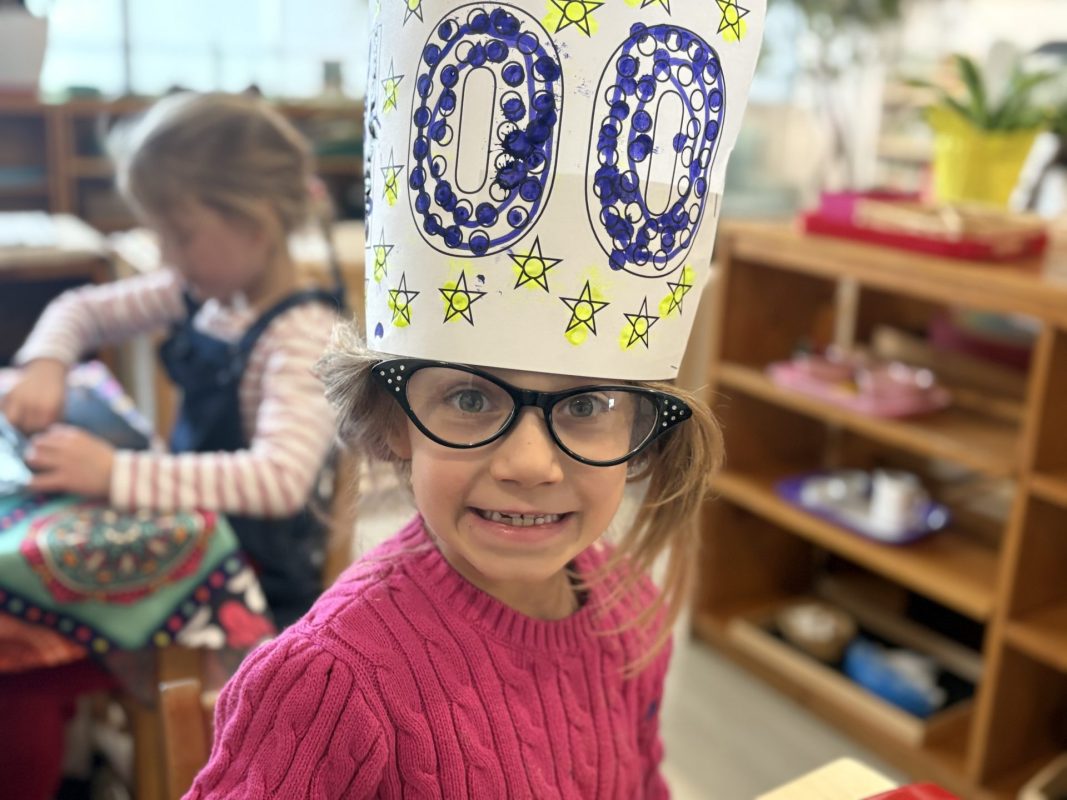
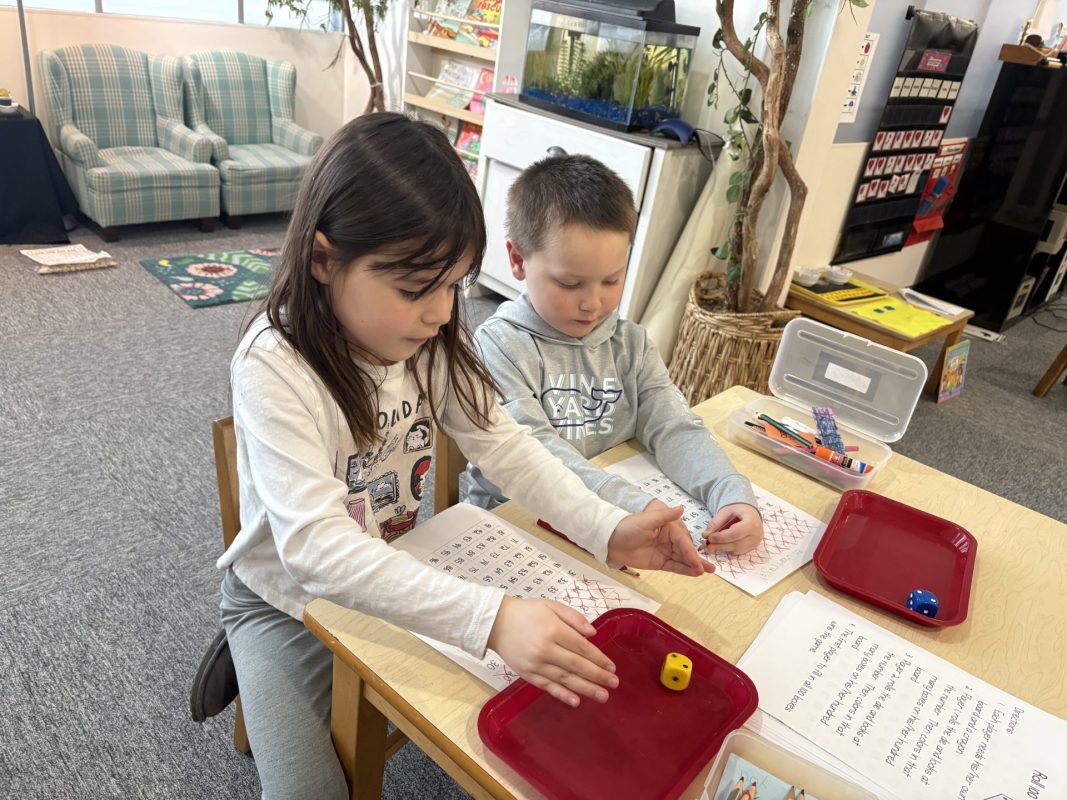
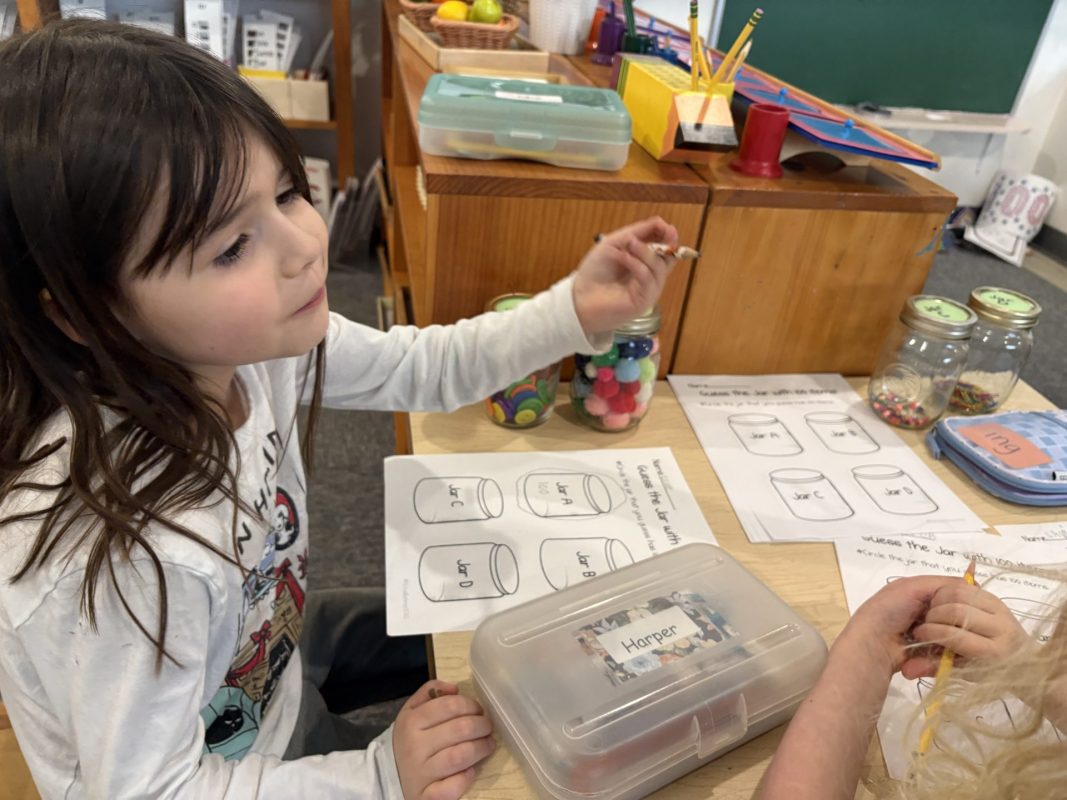
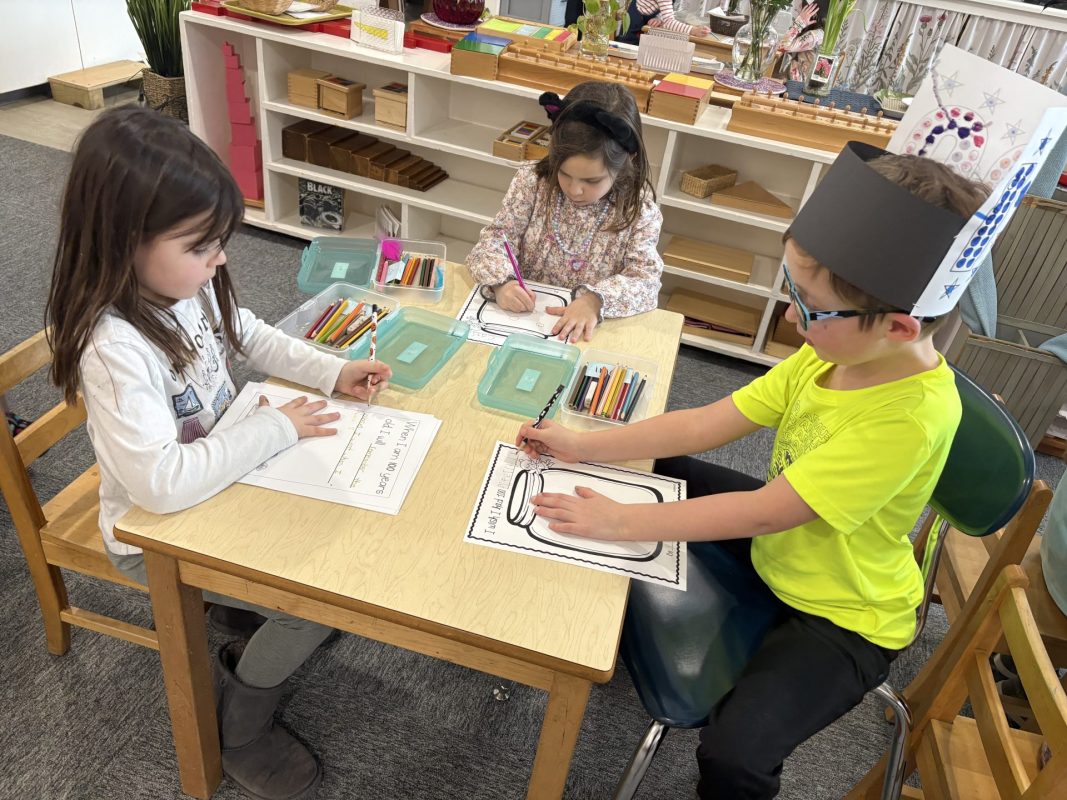
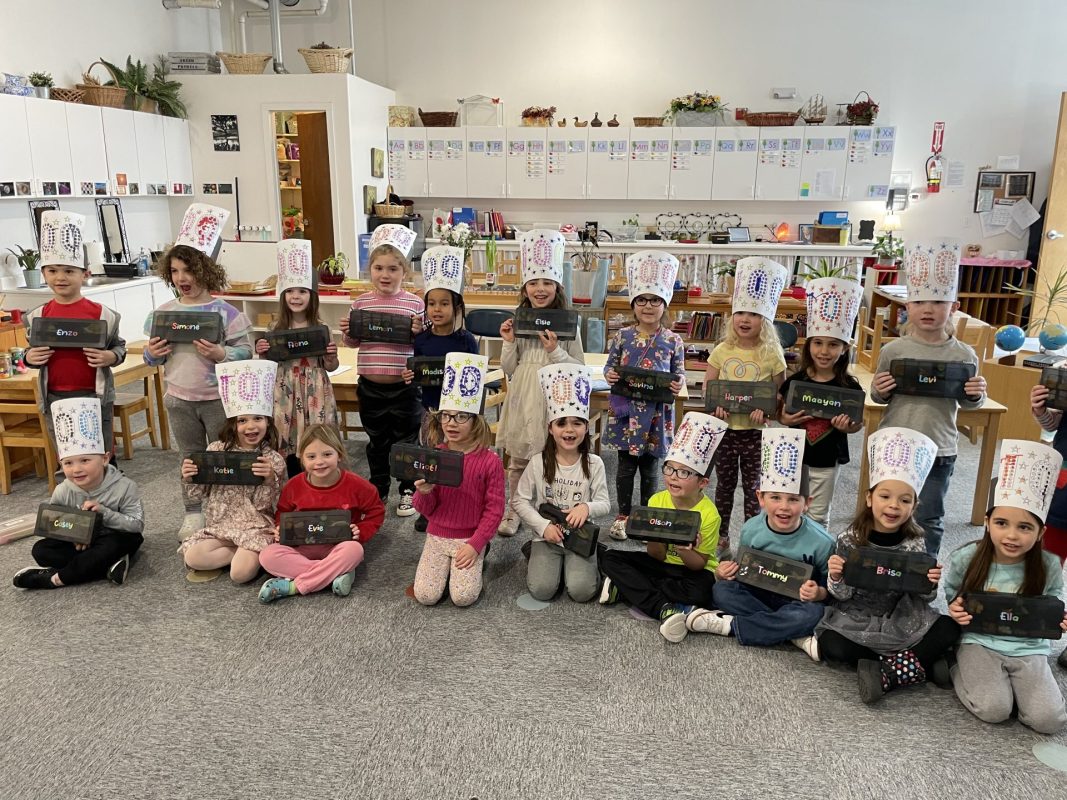
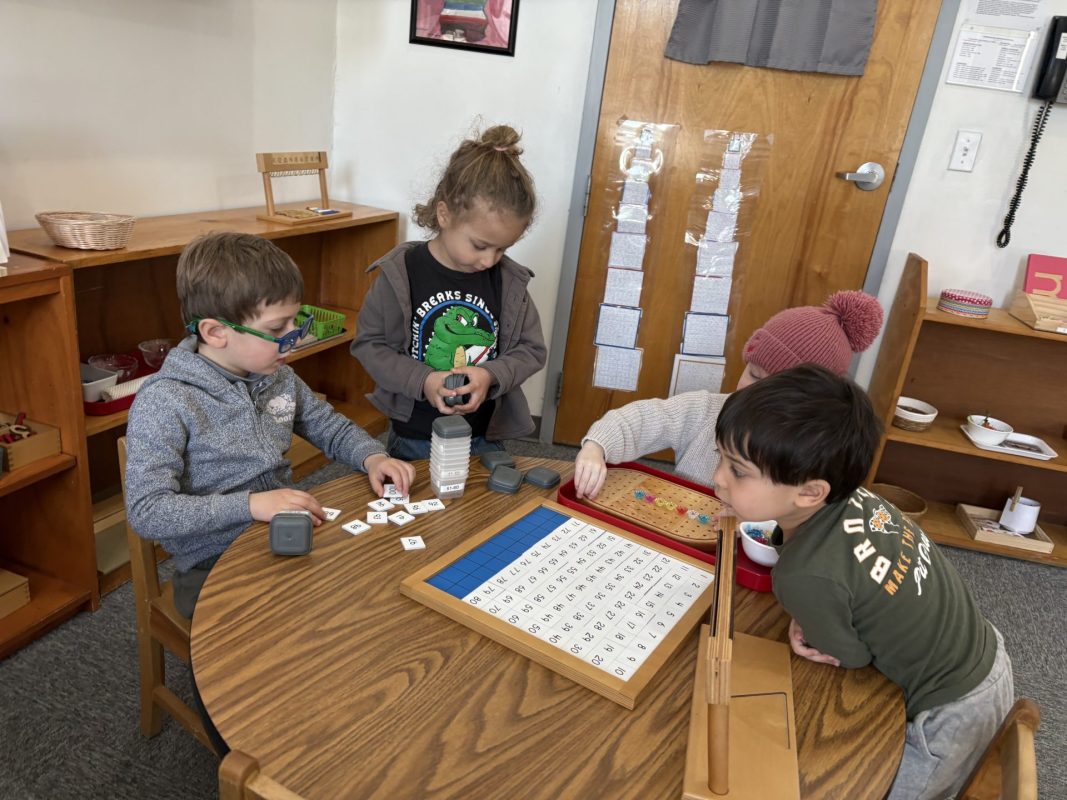
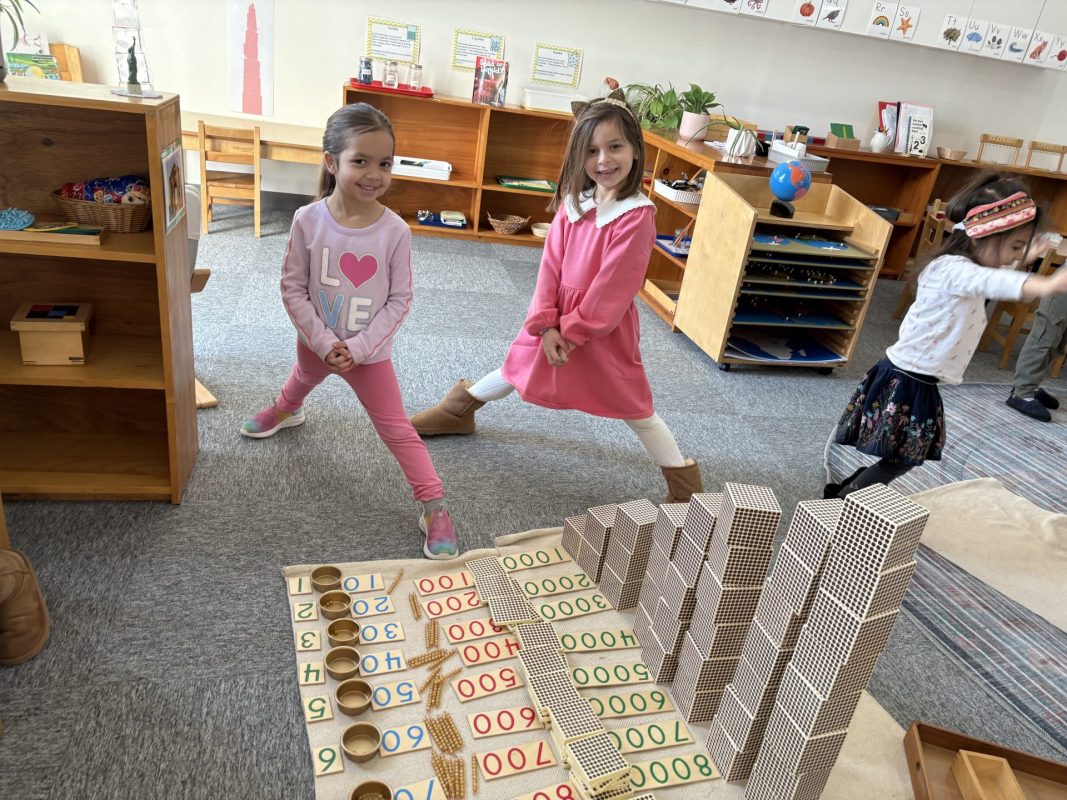
On Thursday, we celebrated the 100th day of school. From the very first day of school, the kindergarten children have been learning to count by 1s, 5s, and 10s to 100. They spent the afternoon going to different stations that revolved around 100. They drew pictures of what they would like when they were 100, what they would buy with $100, and what they wished they had a hundred of, made a 100 headband, and then played a game called Race to 100. They even did 100 exercises and learned how hard it was to sit quietly for 100 seconds. They also had 100 snacks! Many thanks to Eliot’s family for the amazing ”snackle boxes” and special 100th-day snacks!

We’re hoping the ice and snow will melt over the weekend so we can get outdoors next week. Wishing you all a week filled with sunshine!

Christine & Fatima


Mrs. Sargeant: A Peek at the Week

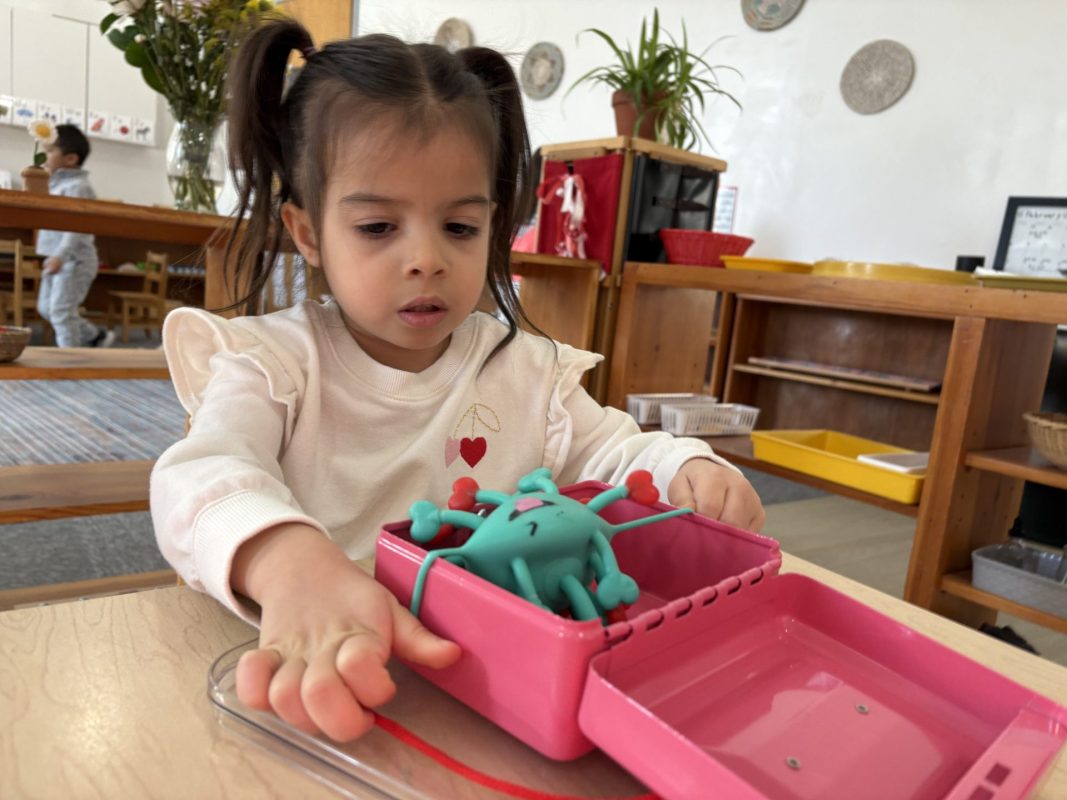
A large part of our work with young children  is to lay the foundation for developing emotional intelligence—the ability to recognize, understand, manage, and express emotions. Cultivating emotional intelligence in children is crucial for their social and emotional well-being.

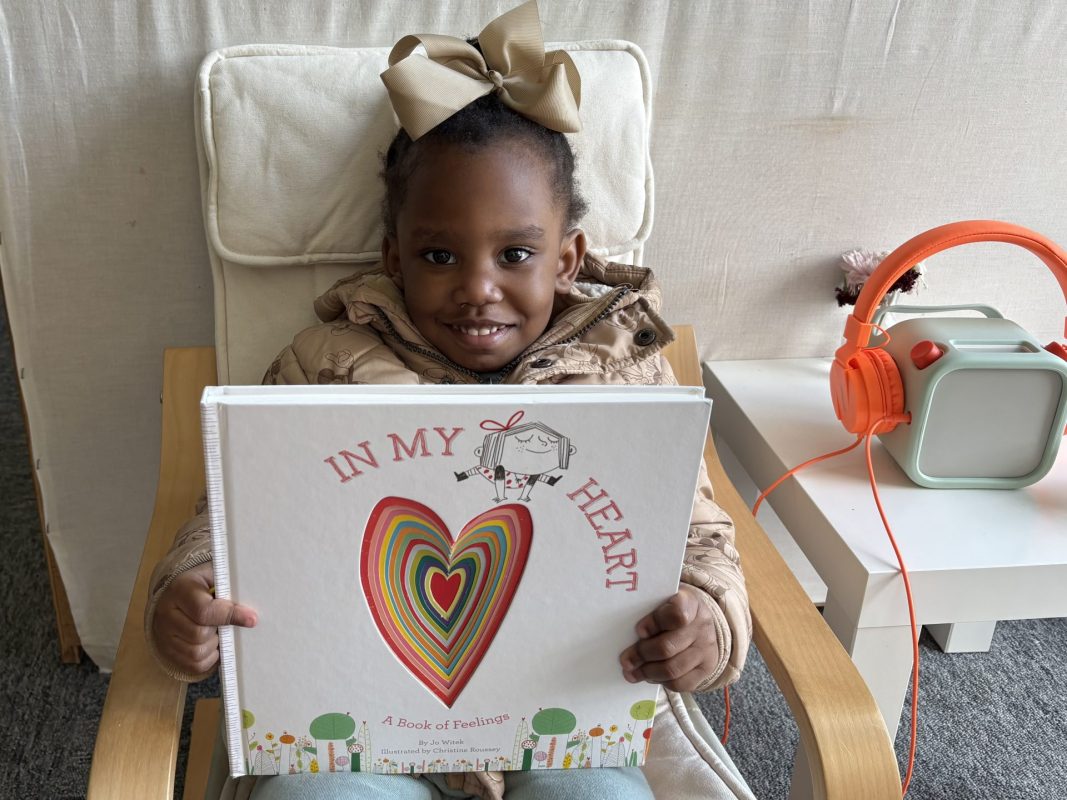
Teaching children to identify and name emotions is the first step in teaching children about their own emotions and the emotions of others. Being able to identify and name their feelings can help children to feel heard and understood. Introducing children to a diverse range of emotions through books, stories, and discussions will develop their emotional vocabulary. Since children often mimic the actions and attitudes of the adults around them, demonstrating healthy ways to express and manage emotions is crucial – such as taking deep breaths to calm down when feeling frustrated. One of our favorite books this month was In My Heart: A Book of Feelings by Jo Witek. We have read it numerous times, and it has inspired discussions about times when we’ve felt a variety of different emotions. The children especially enjoy hearing the anecdotes that I share with them about times when I have felt brave, happy, sad, etc. 

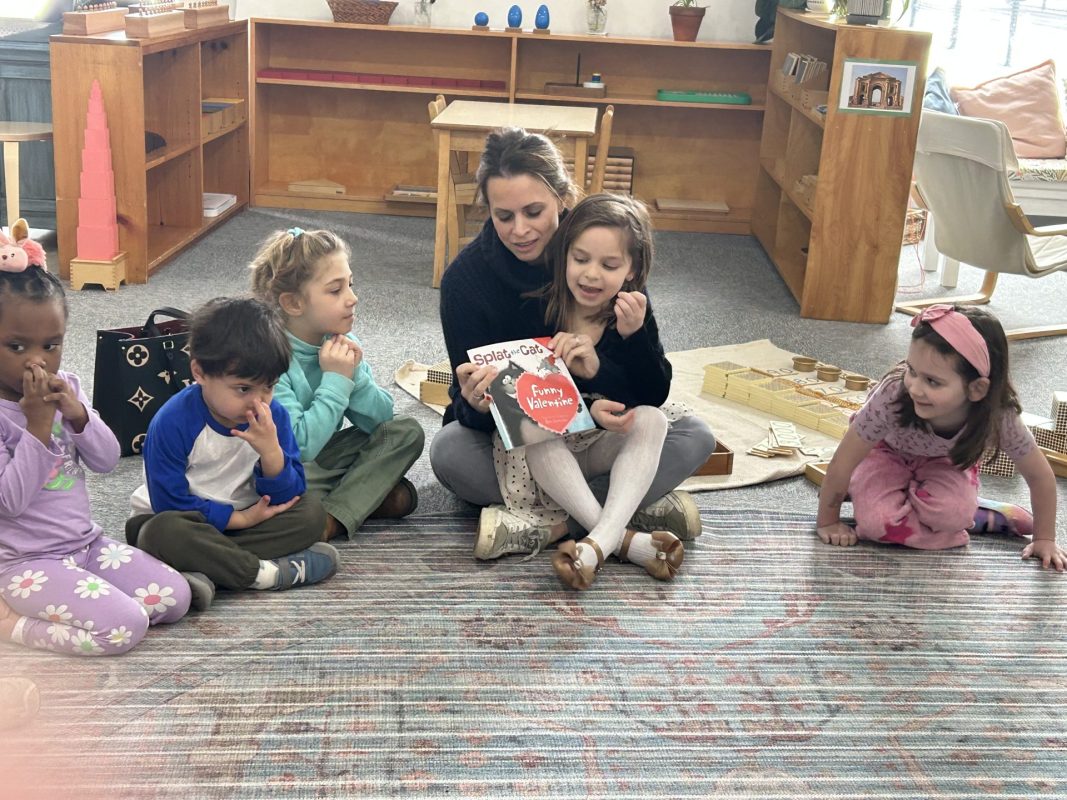
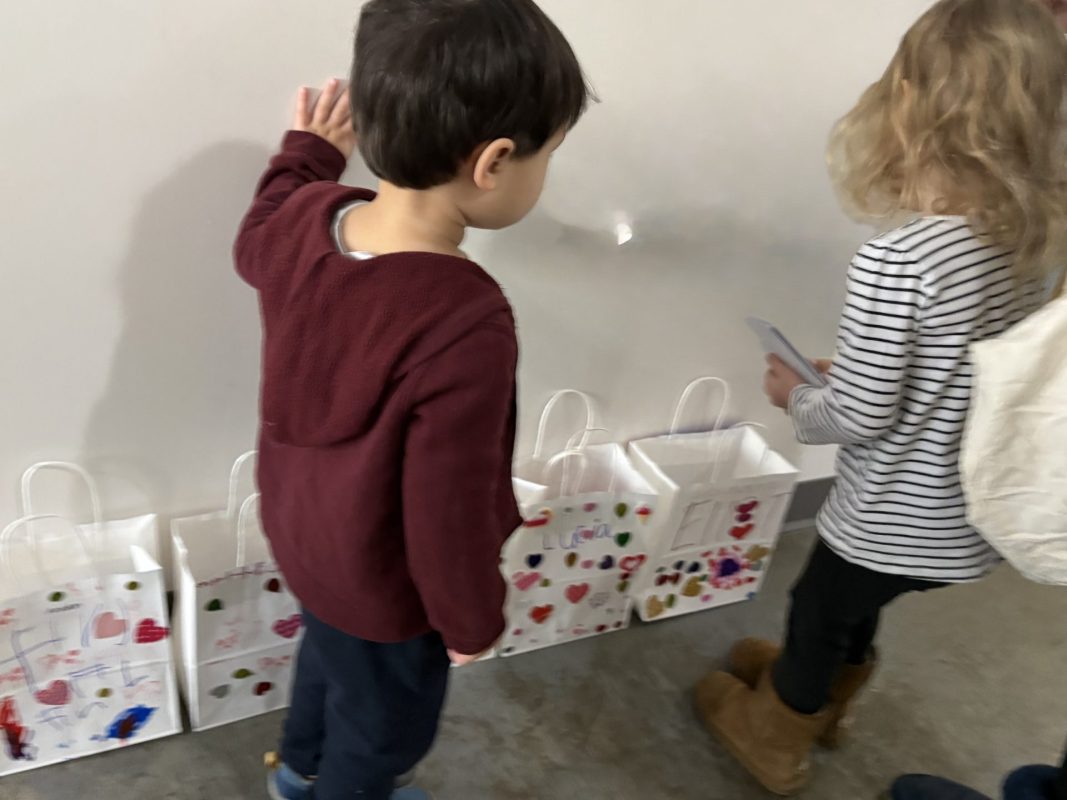
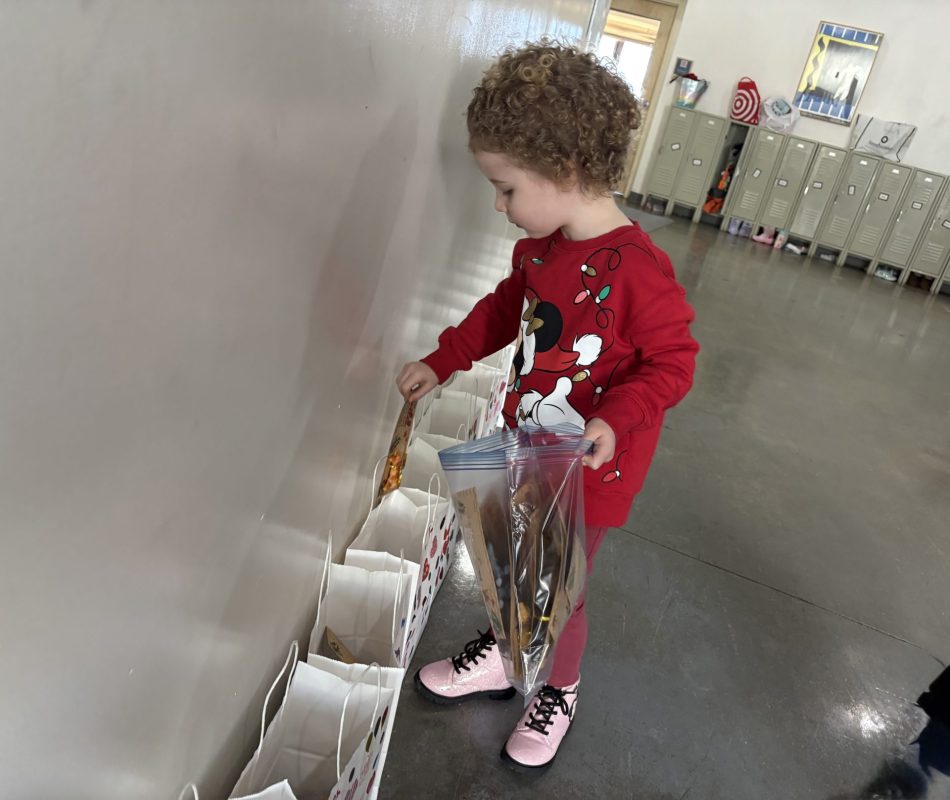
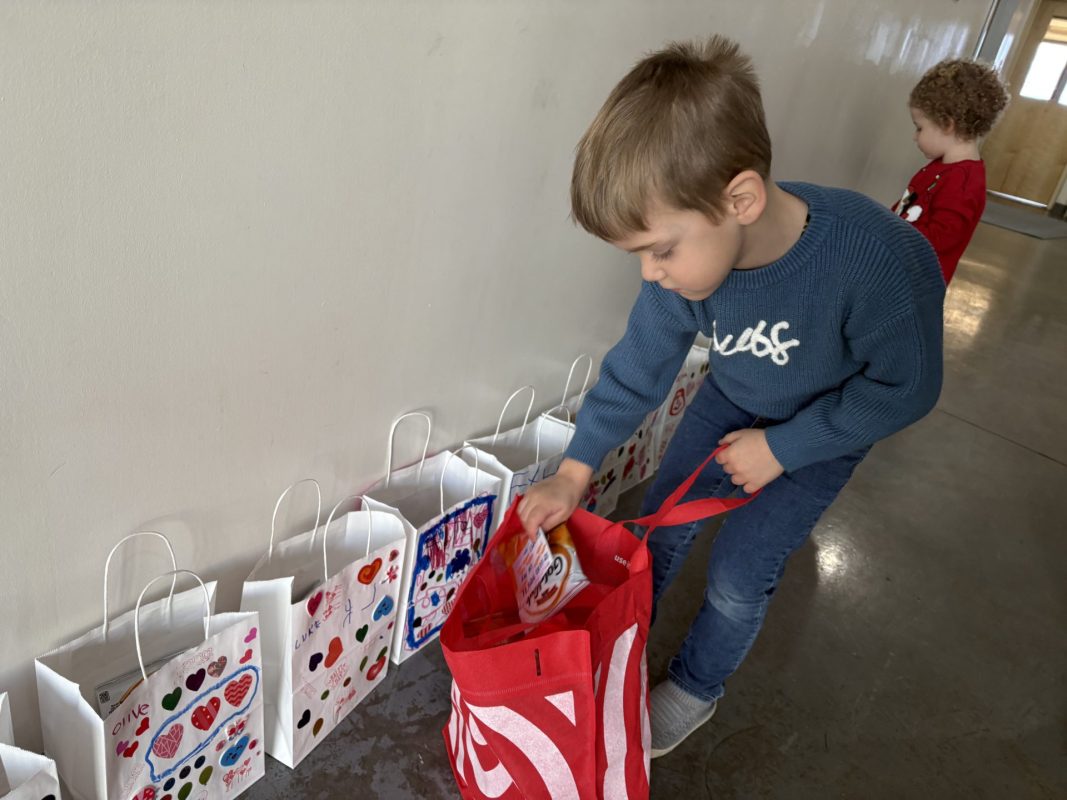
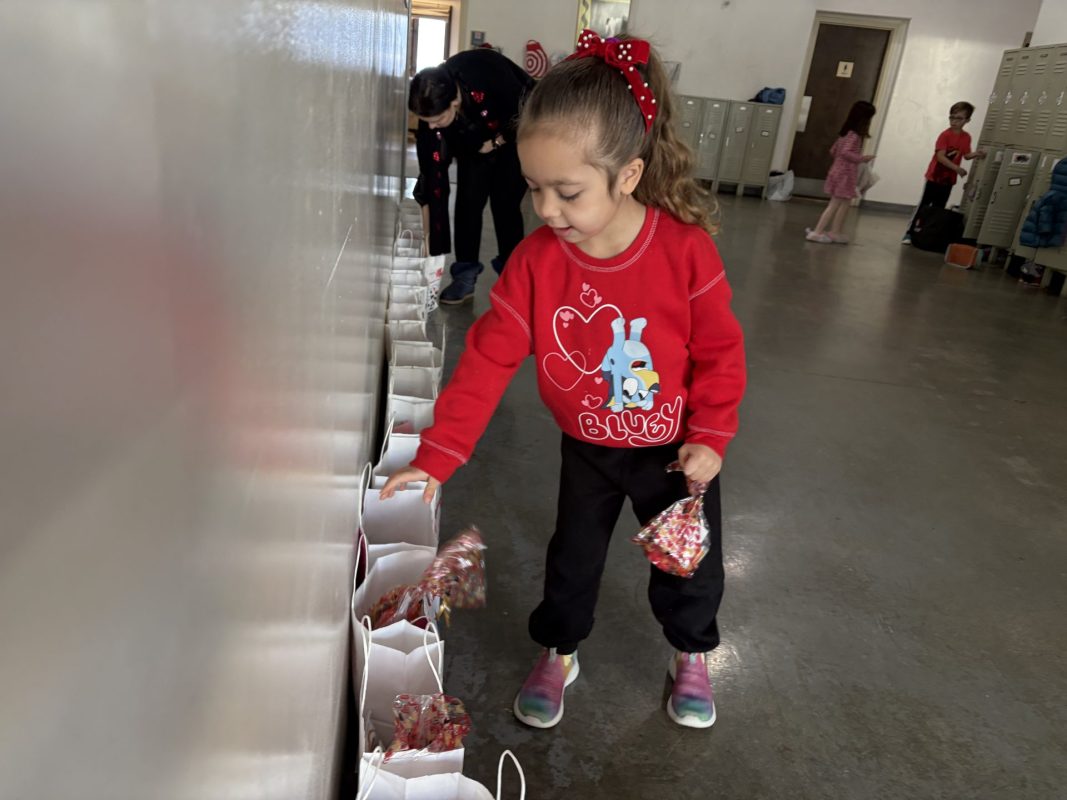
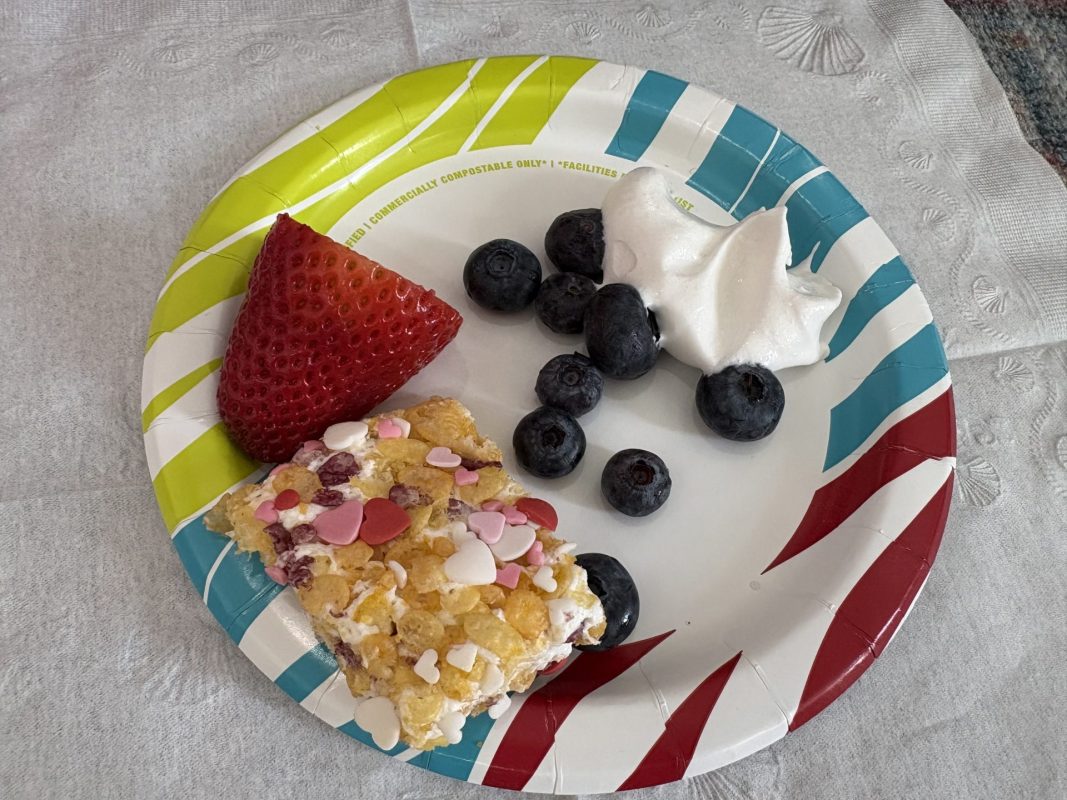
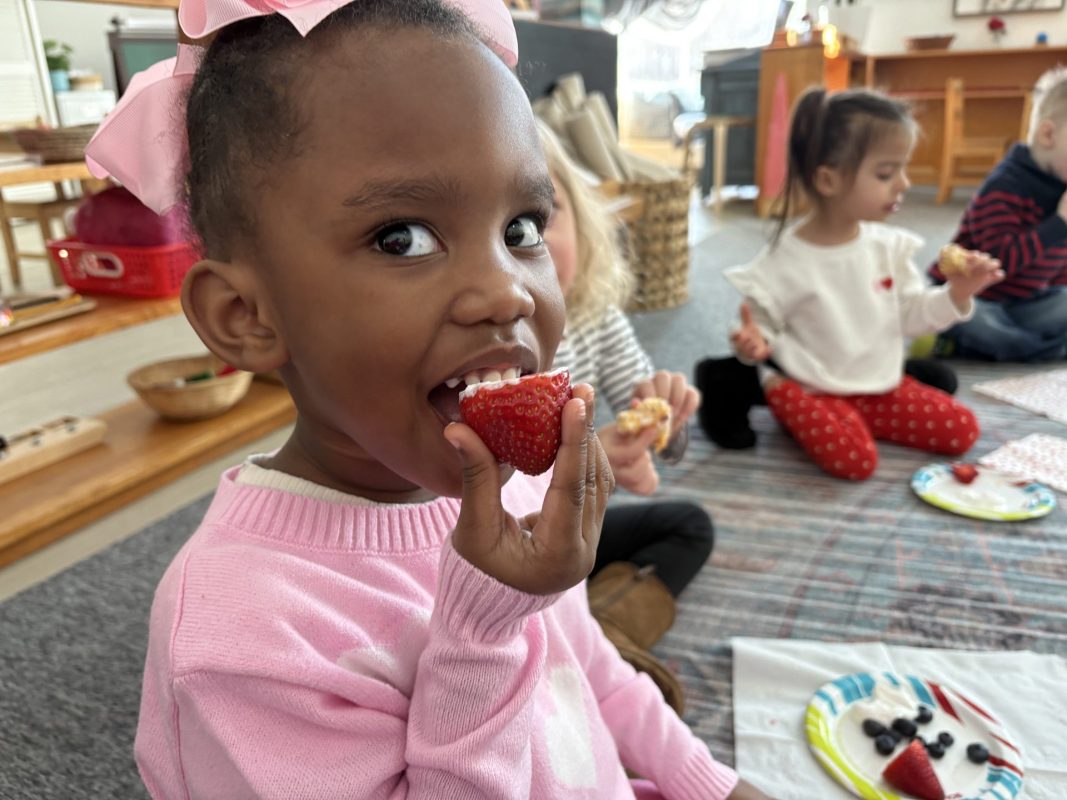
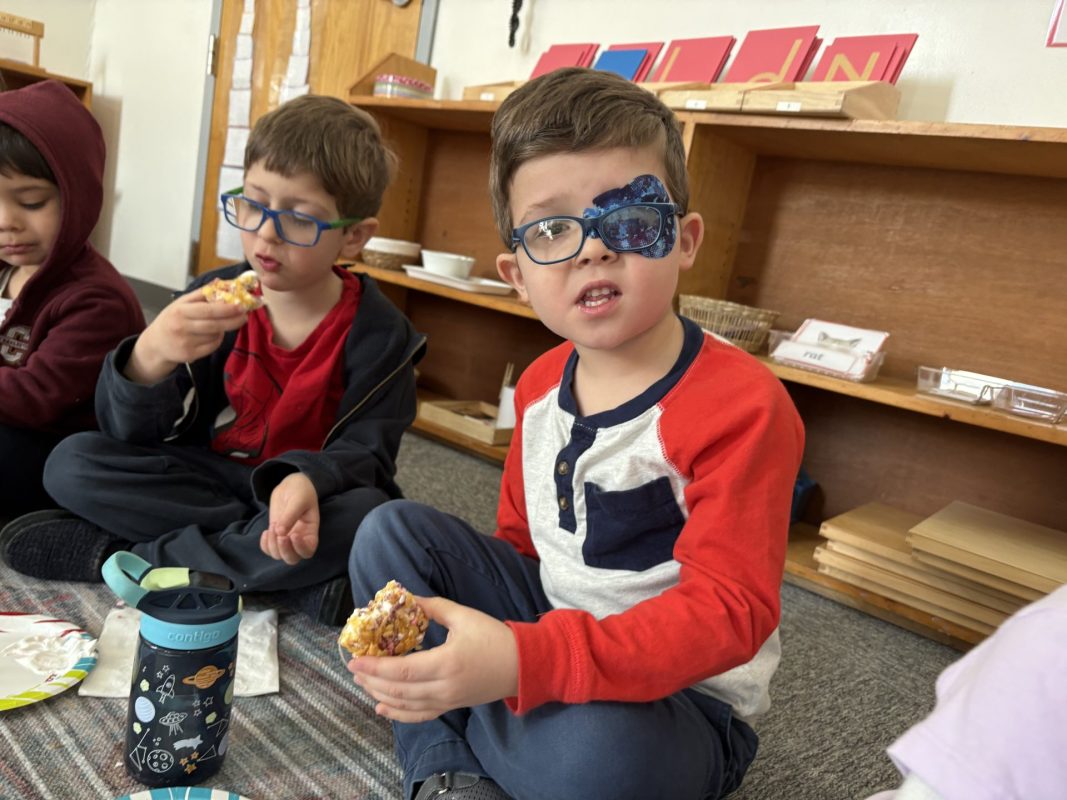
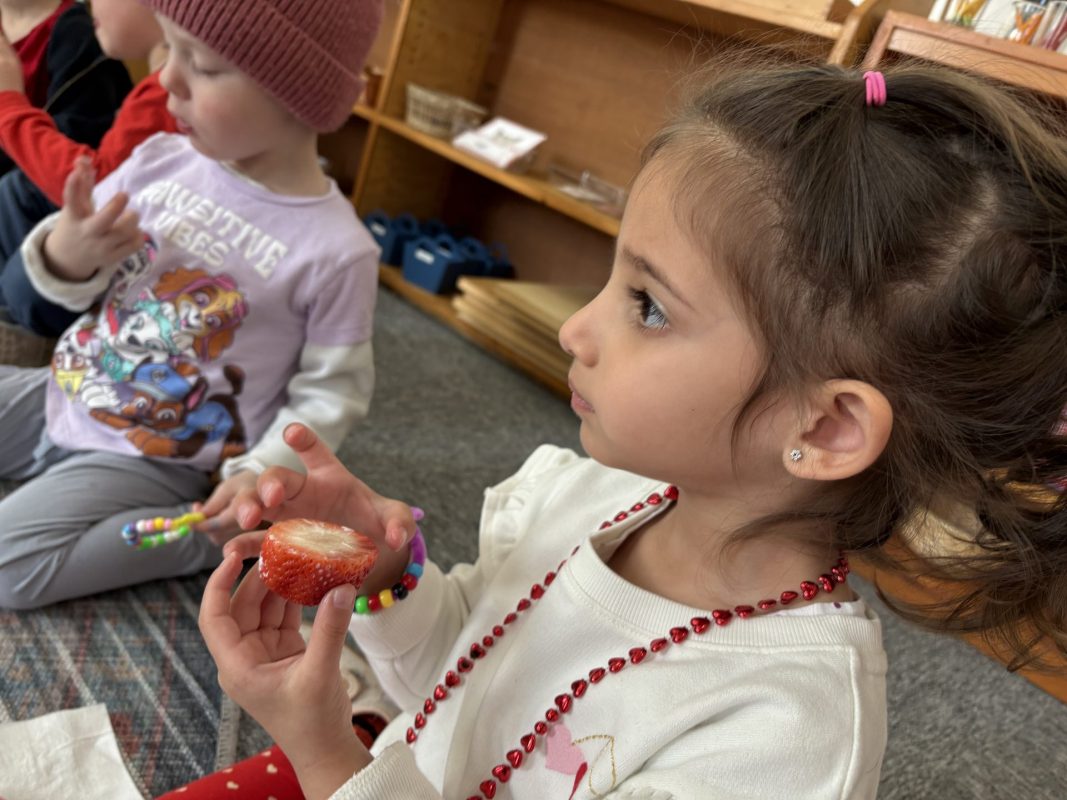
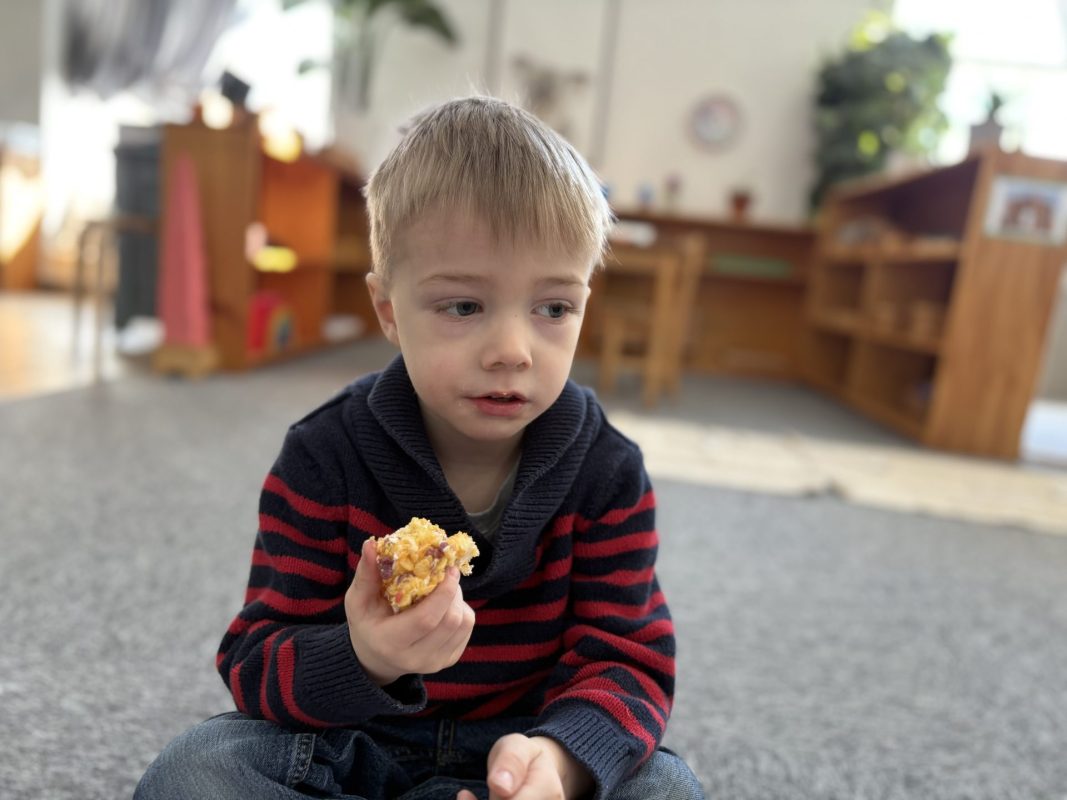
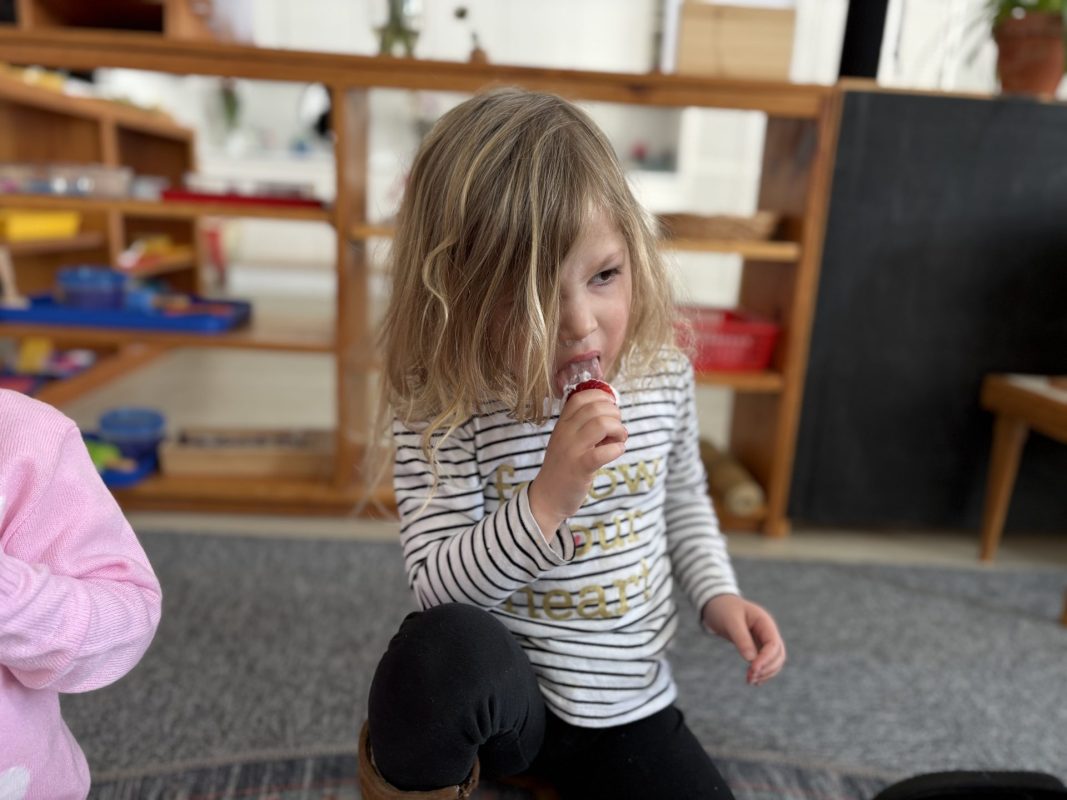
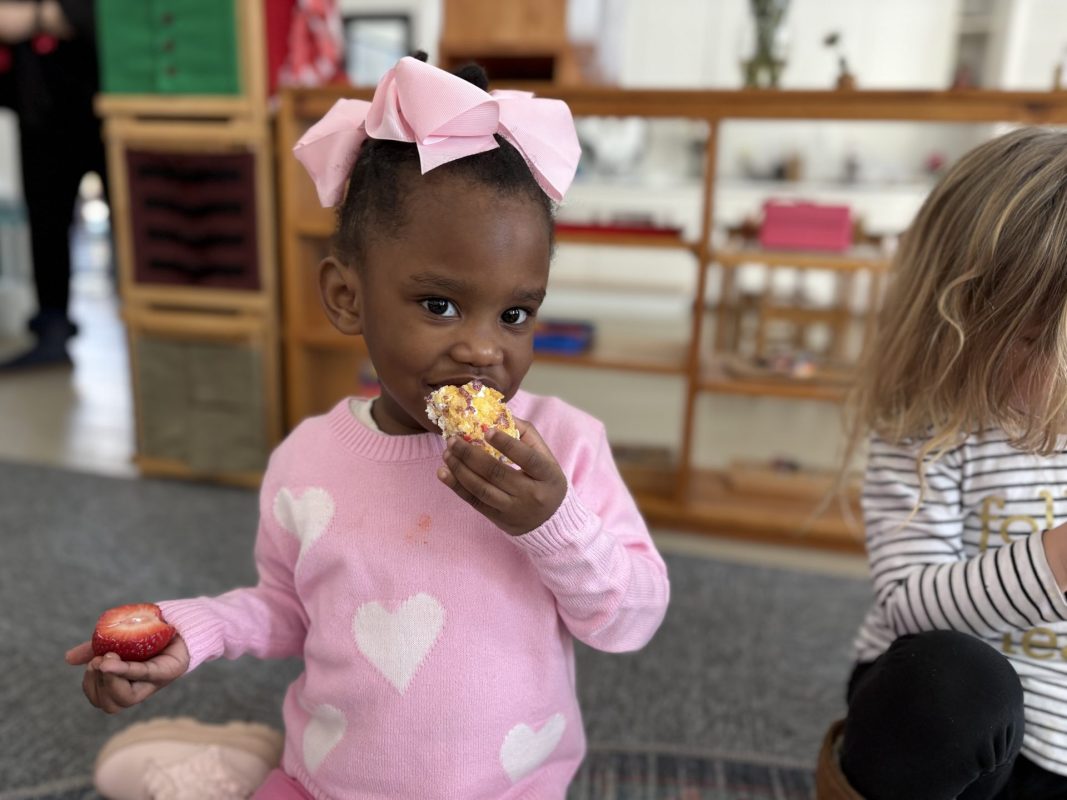
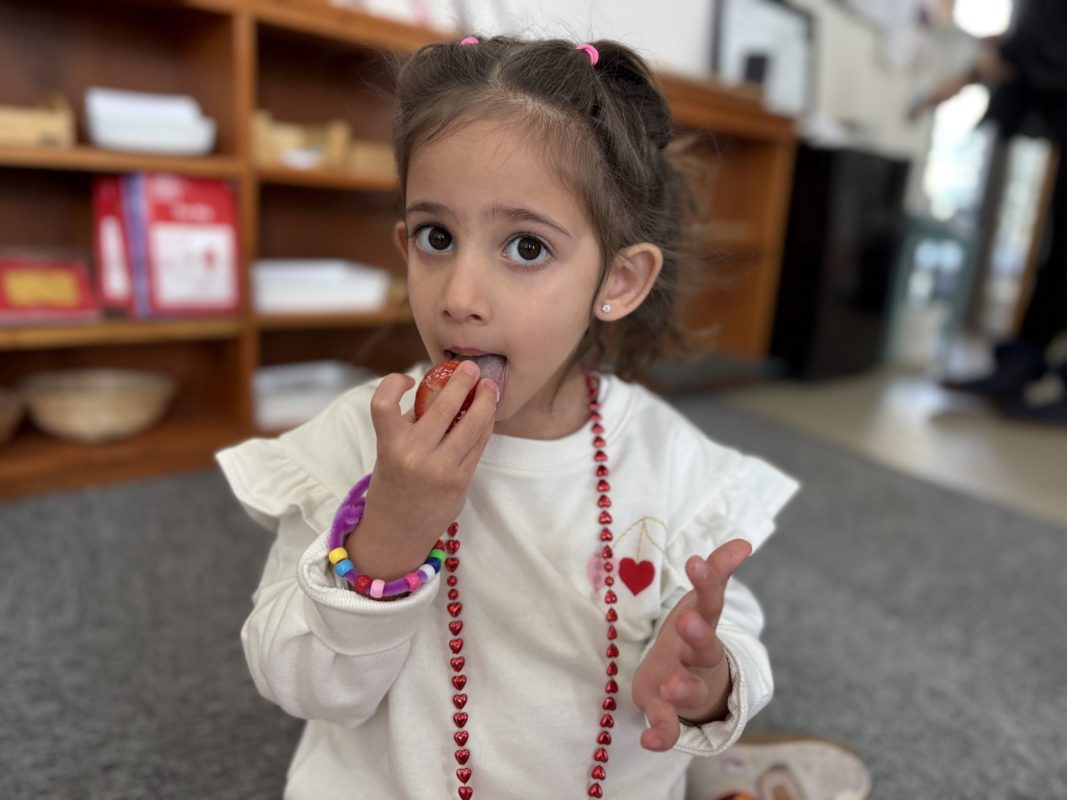
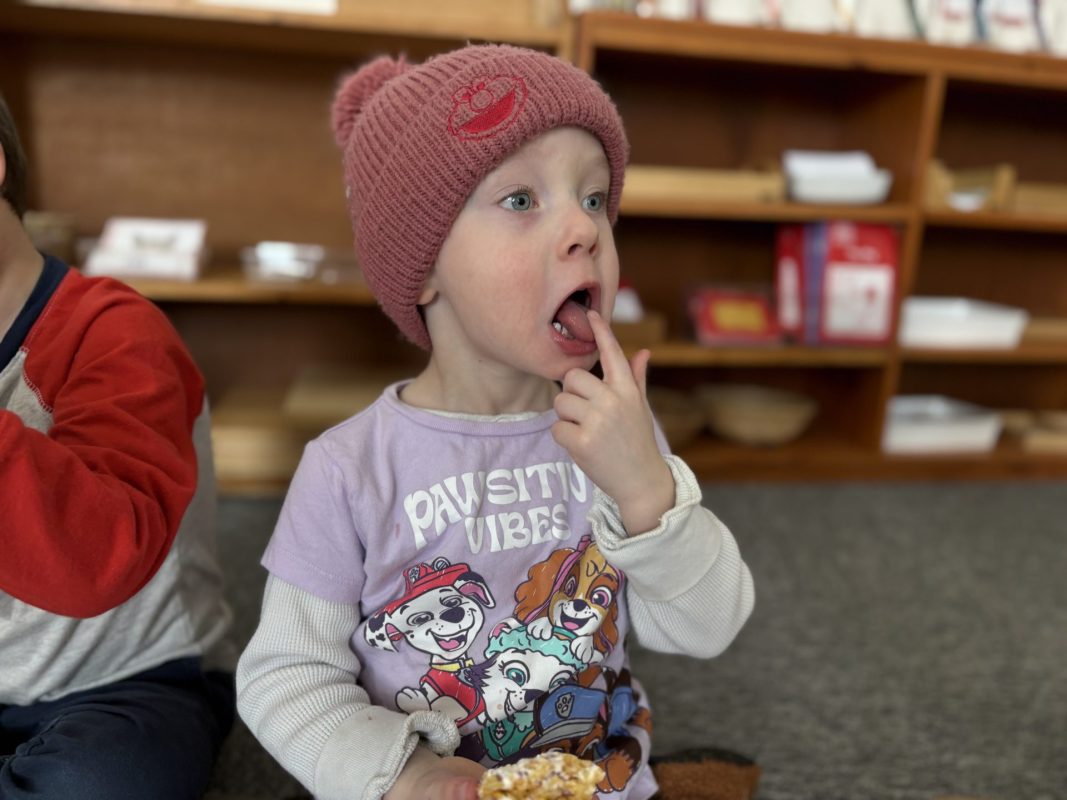
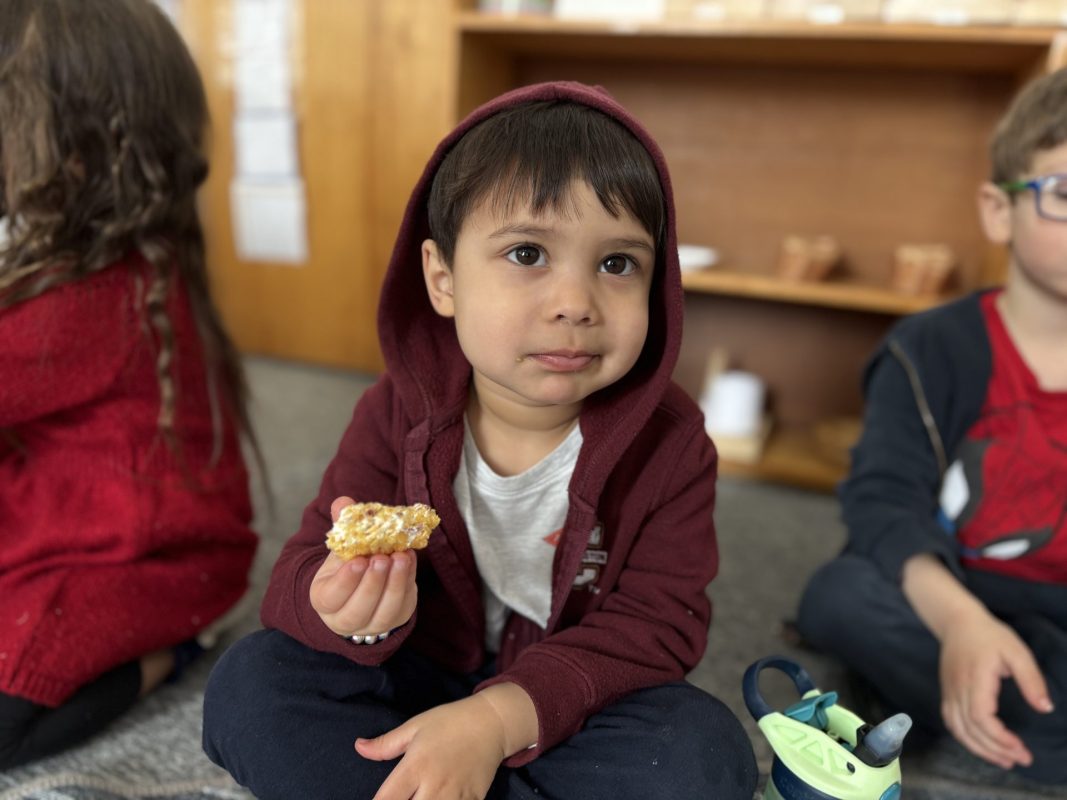
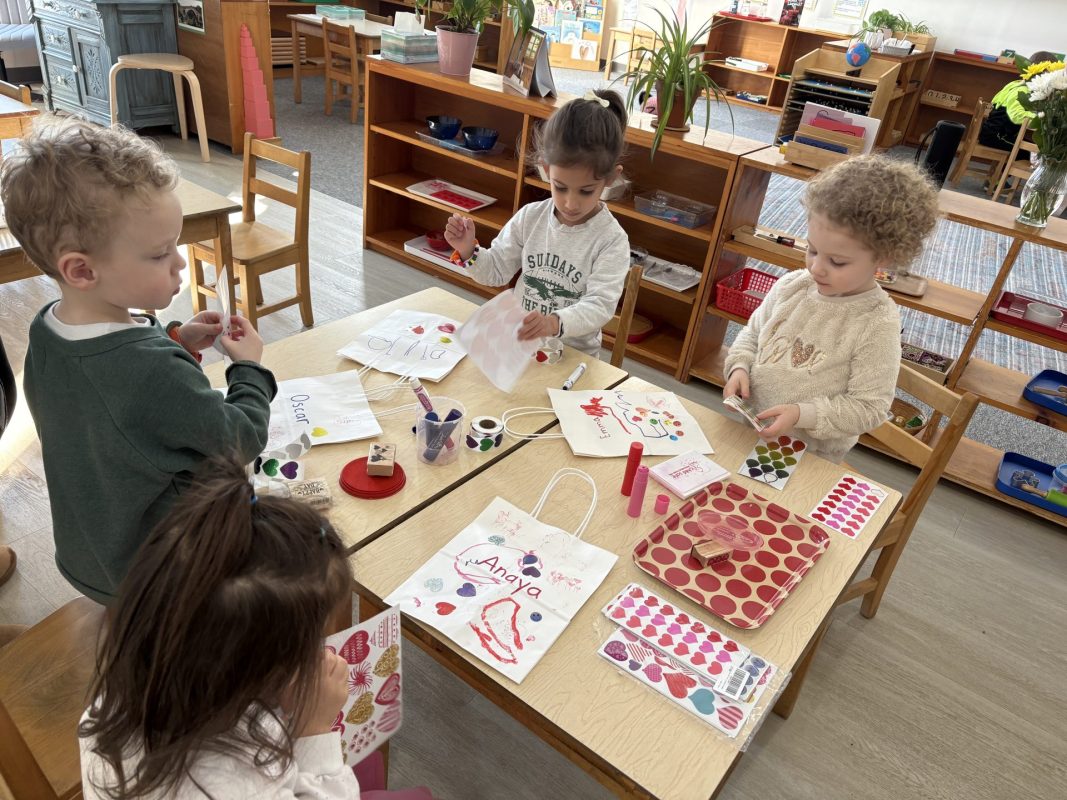
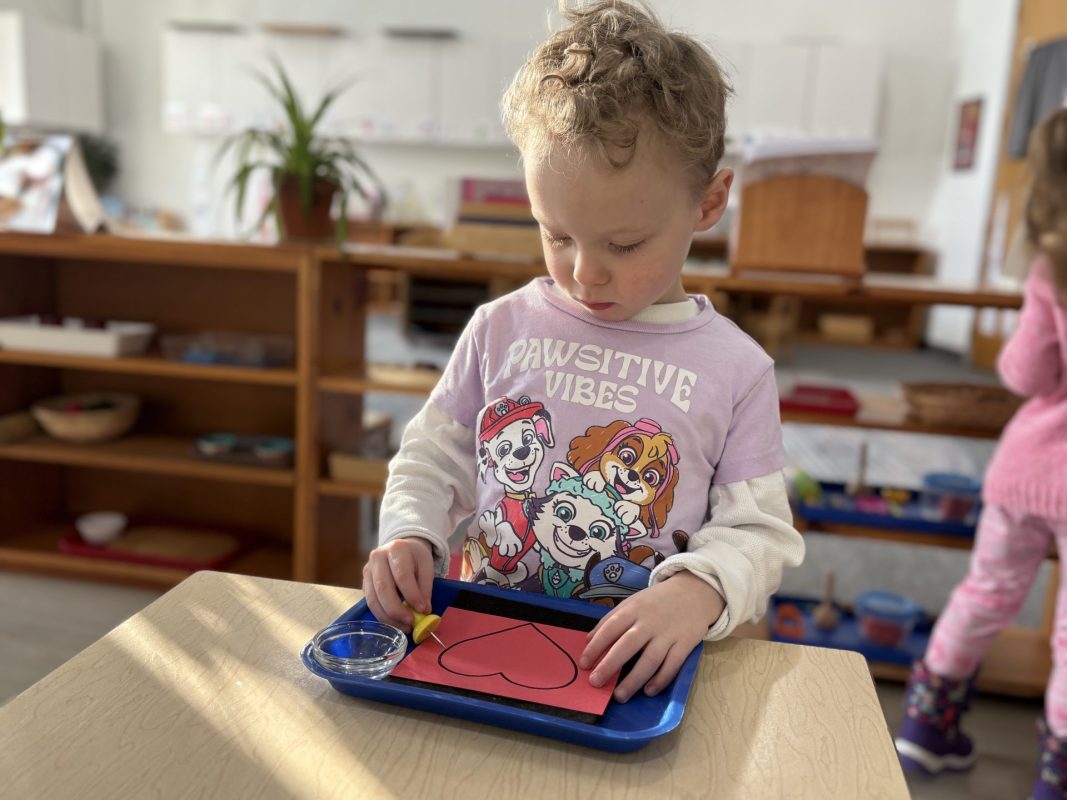
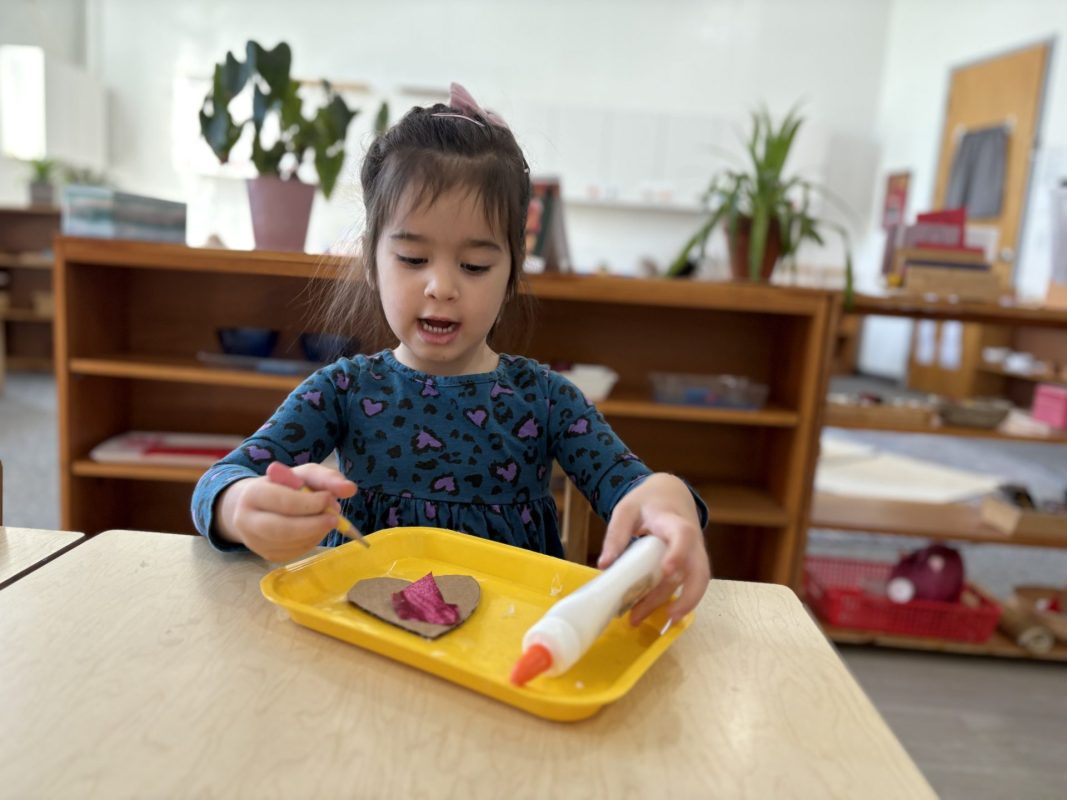
The children decorated their Valentine’s Day bags this week, and we’ve been reading Valentine’s books that celebrate friendship. They were so thrilled to exchange Valentines! We shared a group snack of berries and whipped cream, and marshmallow cereal treats. Thank you, parents for providing the snack and decorations for their bags!

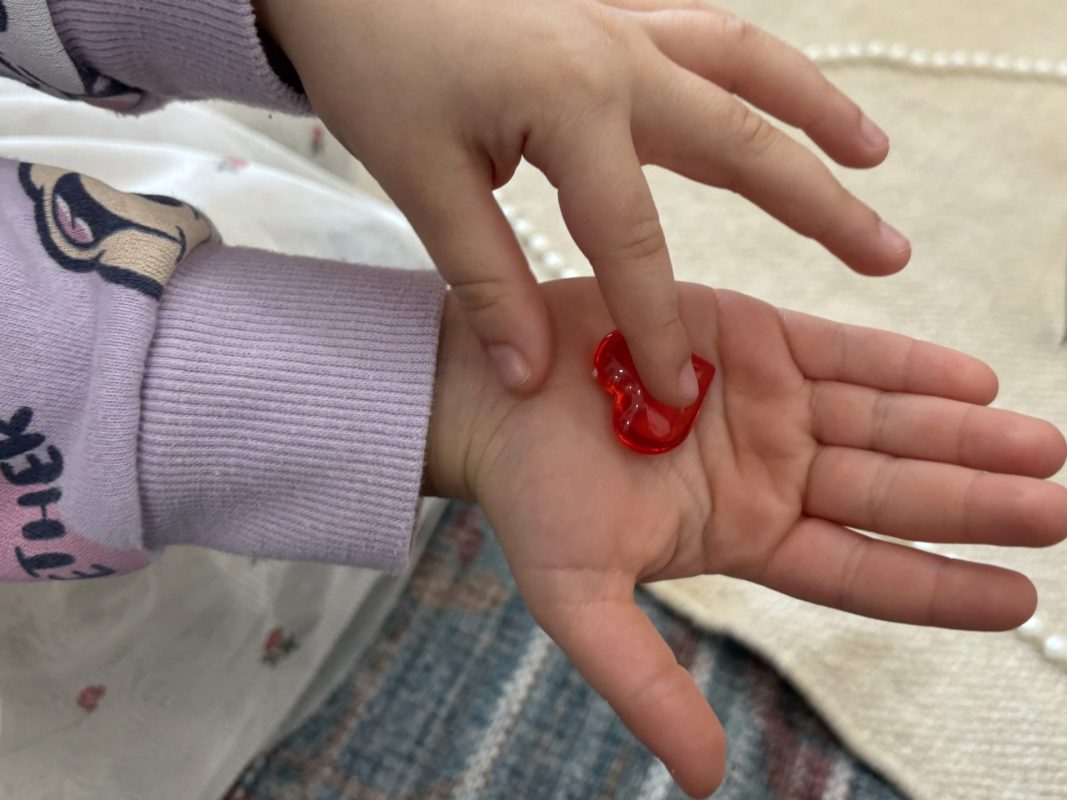
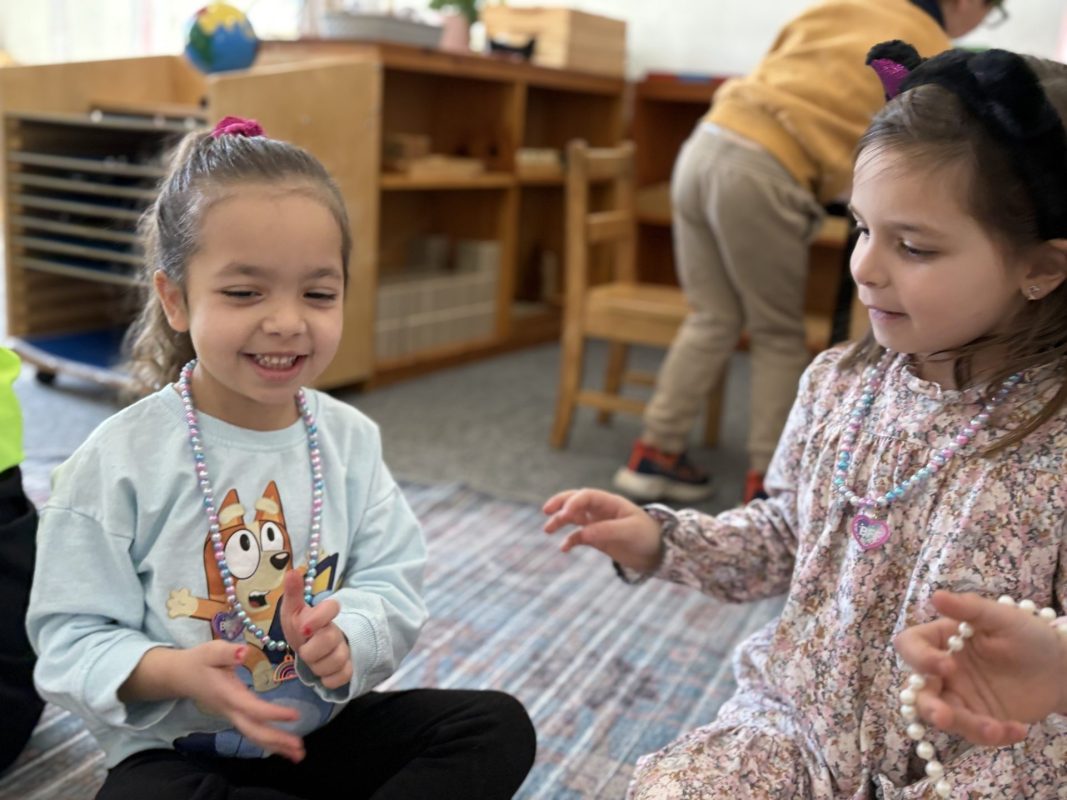
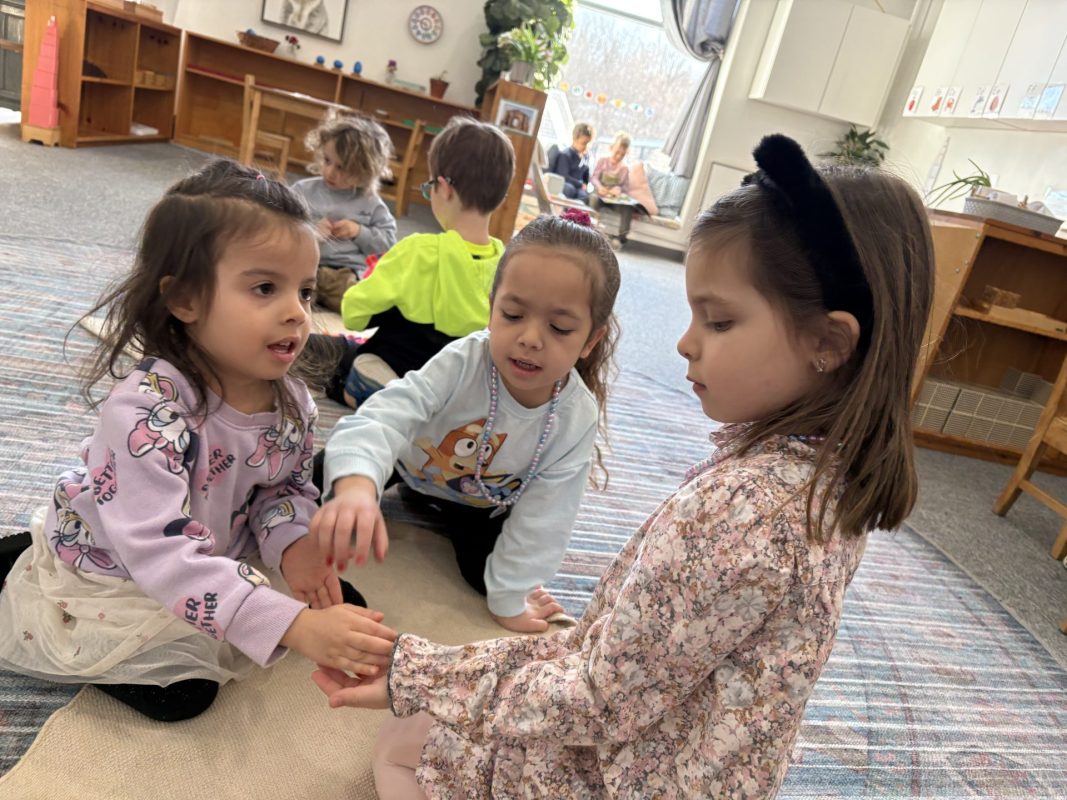
We also played the Compliment Game, where we pass around a heart and whoever is holding it when the music stops receives a compliment from a classmate. This teaches children how to politely give and receive a compliment. They love it!

We asked the children what love means. Their answers are sure to bring a smile to your face. (A few friends were either missing, or weren’t ready to share)

Aira- You can’t see love, but you can feel it inside your body.

Anaya- Love is giving my Mom and Dad and sister a picture with a heart.

Ava- Love is what you give to people and fill up their buckets and that means your heart makes other people feel happy.

Cameron- I love my family and I hug them.

Divya- Love is Mommy because she cares about me all the time.

Eliana- Love is giving kisses to Mommy and Daddy.

Eliot- Love is when I hug my Mommy after school and it feels like I’m never going to be afraid.

Ethan- Love means that your heart is happy!

Hayes- Love is all about loving people and giving hugs and sharing toys.

Ivy- I love you and my Mommy and my little singing rabbit that I’m saving for Easter.

Katie- Love is something that you feel, and it feels happy!

Luke- Love makes me feel happy.

Matteo- Love is a feeling and it fills up your bucket.

Olive- I love my friends and family and cute pets and all the flowers- especially roses, poppies, and sunflowers.

Olson- You can love on your Mom and on your Dad but you can’t see it!

Oscar- My Mom loves me and Valentine’s Day means love.

Otto- Mommy and Daddy got married because they love each other.

Rayna- I love Mommy and snow.

William- Love means giving hugs.

Wishing you all a lovely week,

Christine & Fatima


Mrs. Sargeant: A Peek at the Week

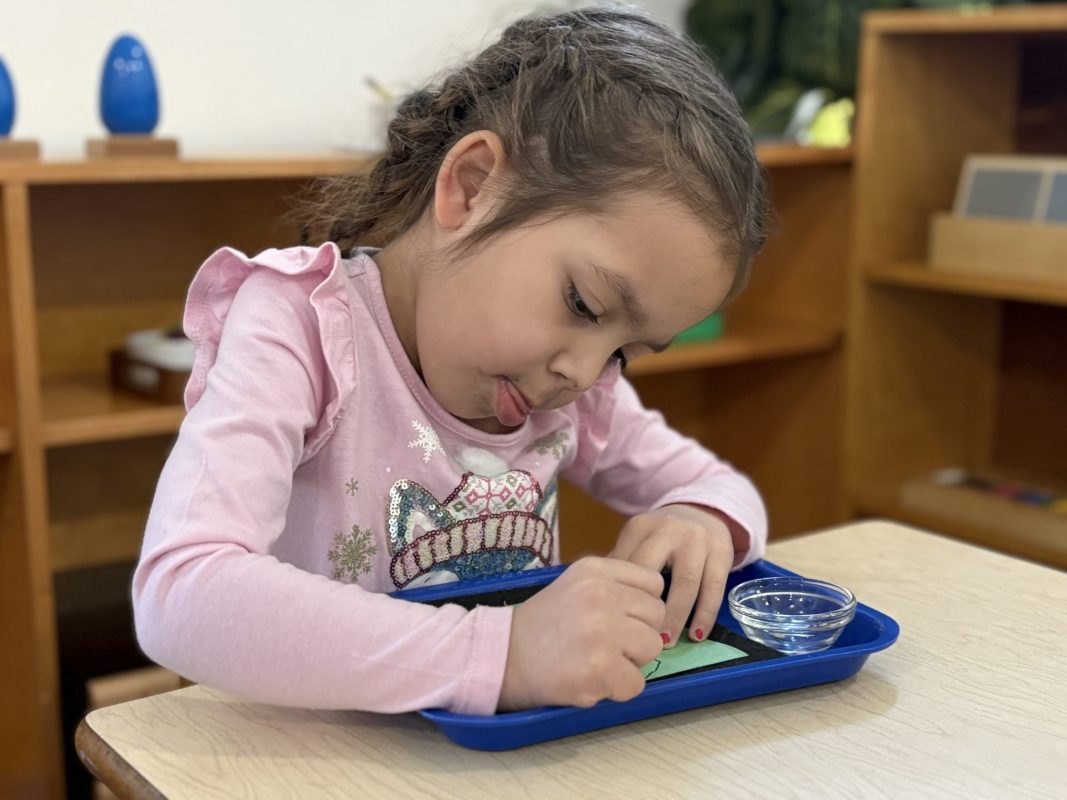
“Help me to do it myself” is the core of the Montessori classroom. Maria Montessori said that these words reveal the inner needs of the child.

Maria Montessori once recounted an incident where she had given a nose-blowing lesson in front of a group of children at the Casa de Bambini. She observed that the children were fascinated by the lesson and expressed gratitude by clapping and thanking her afterward. This experience led her to realize the significance of teaching self-care to children. Dr. Montessori recognized that children have a natural inclination to learn and practice self-care tasks. She understood these skills are essential for preserving a child’s dignity and building self-esteem.

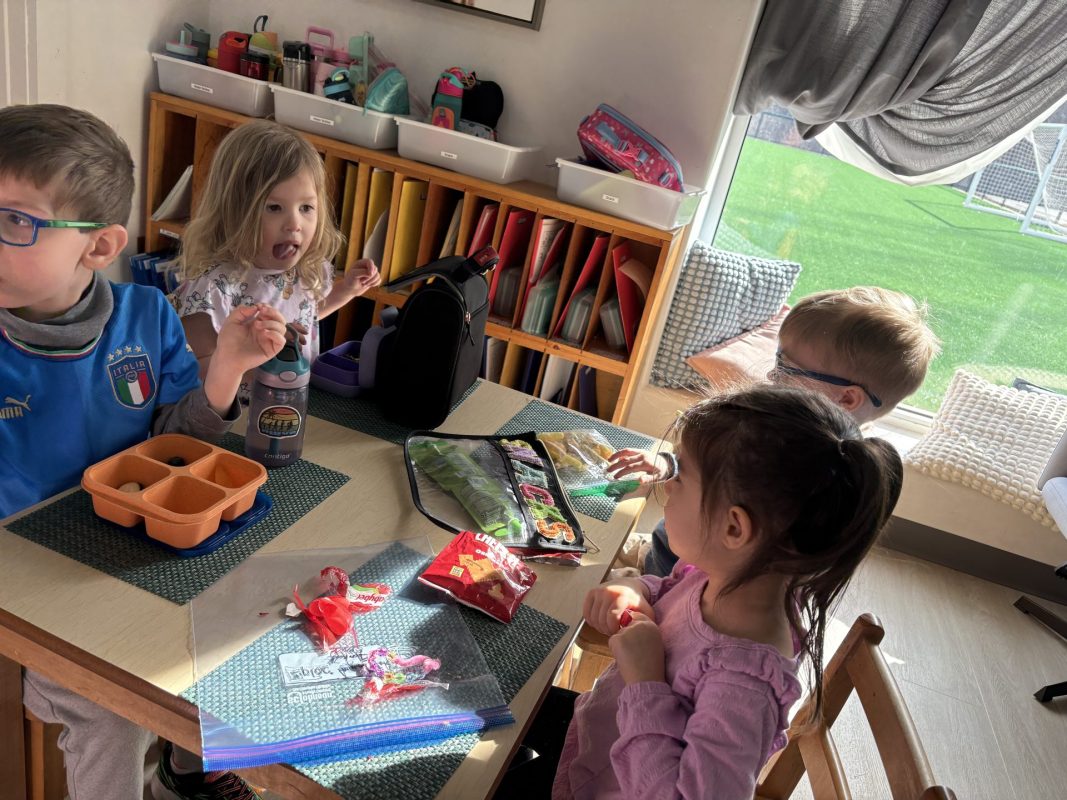
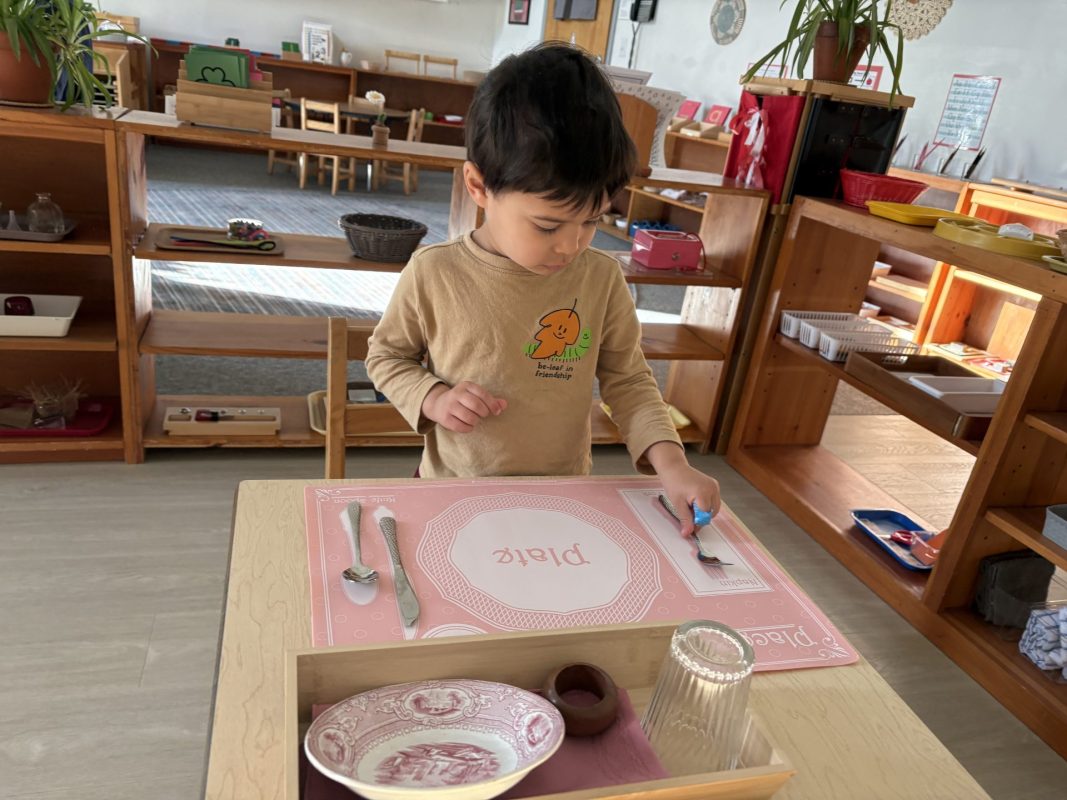
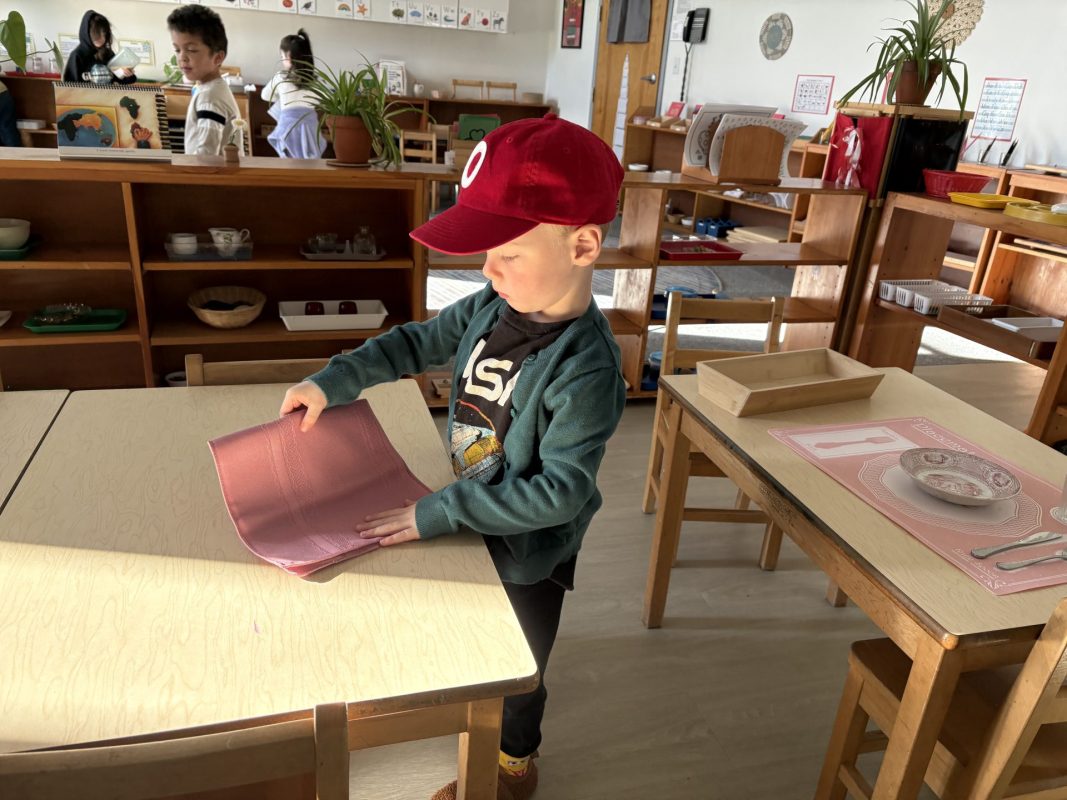
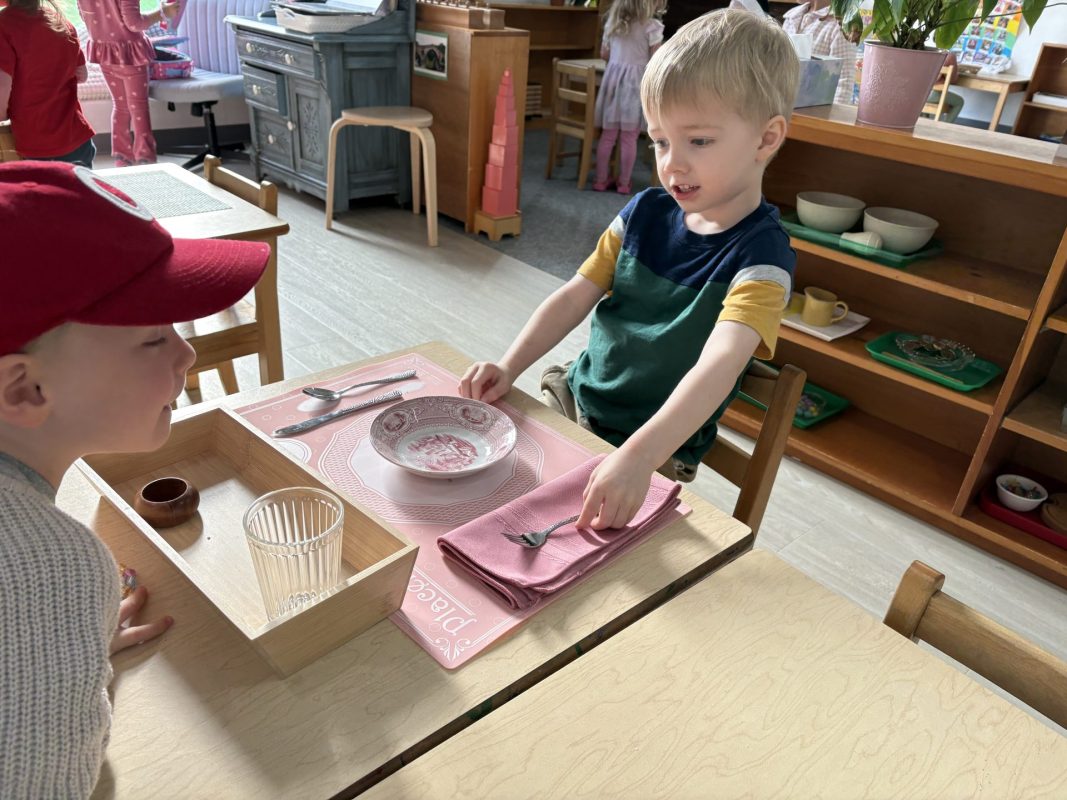
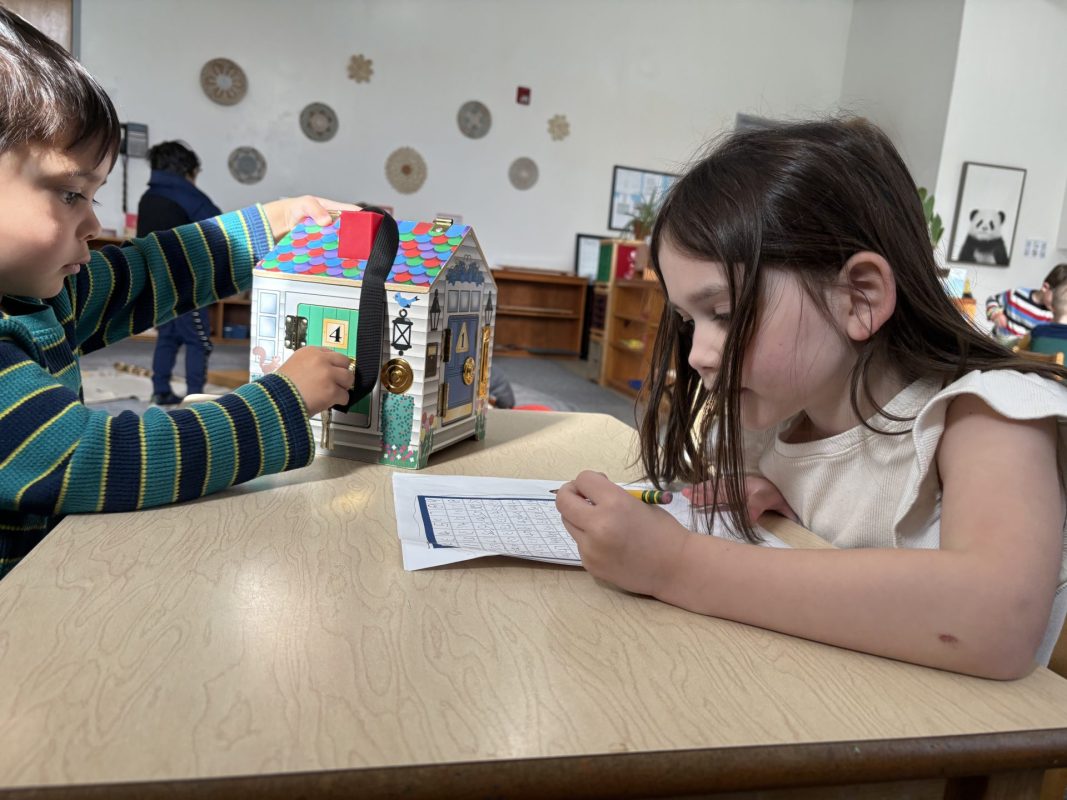
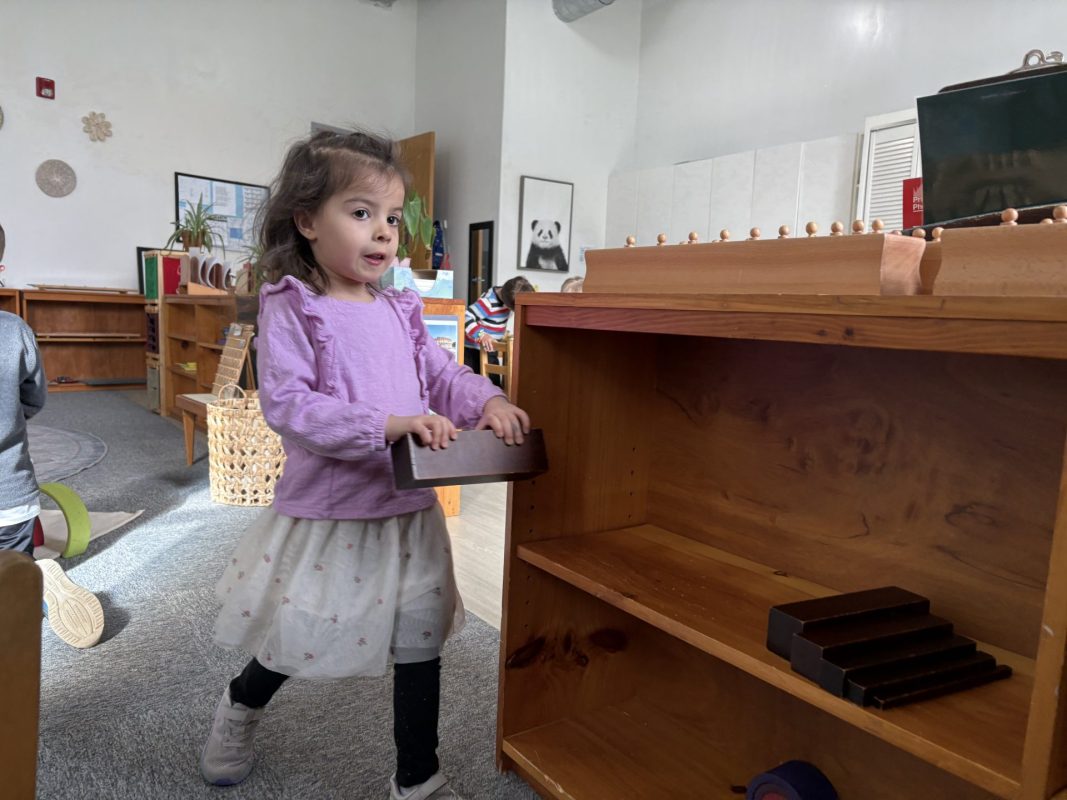
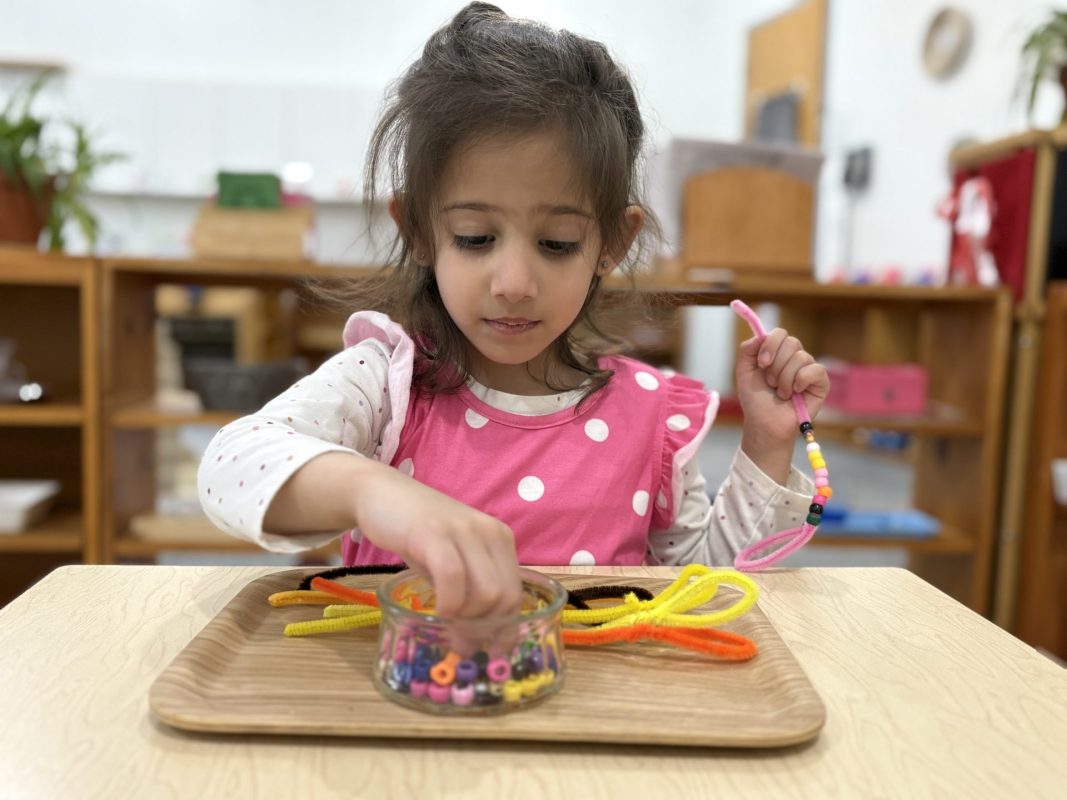
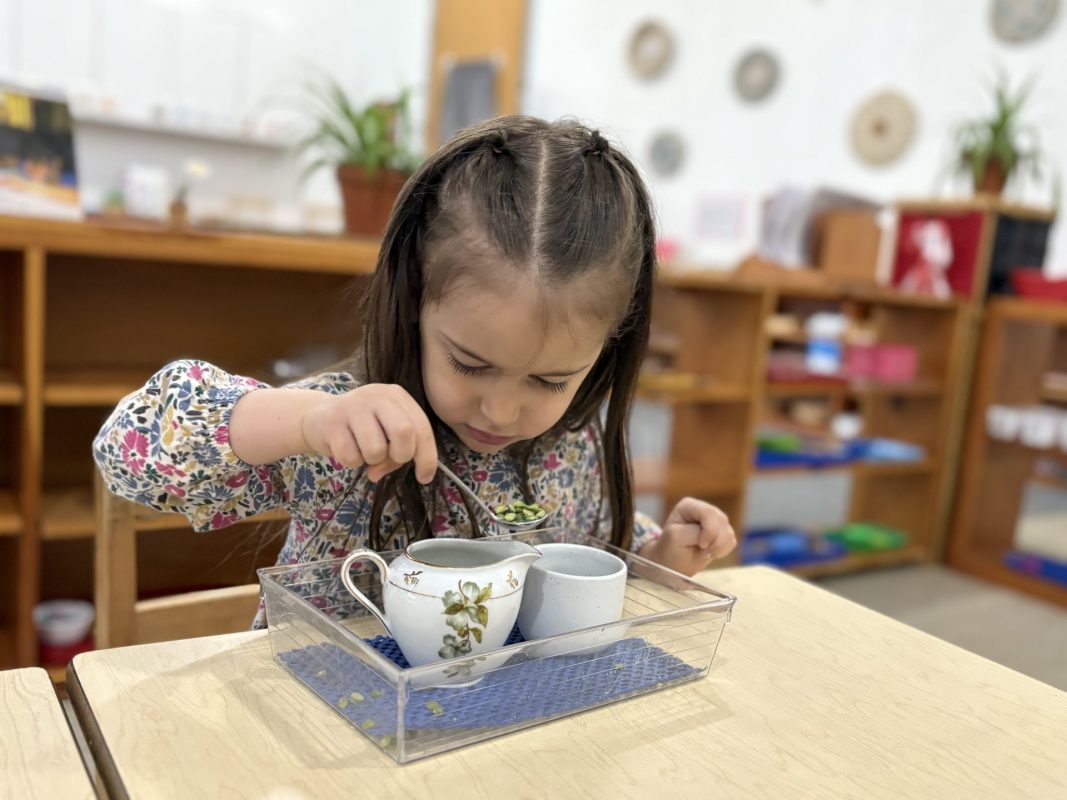
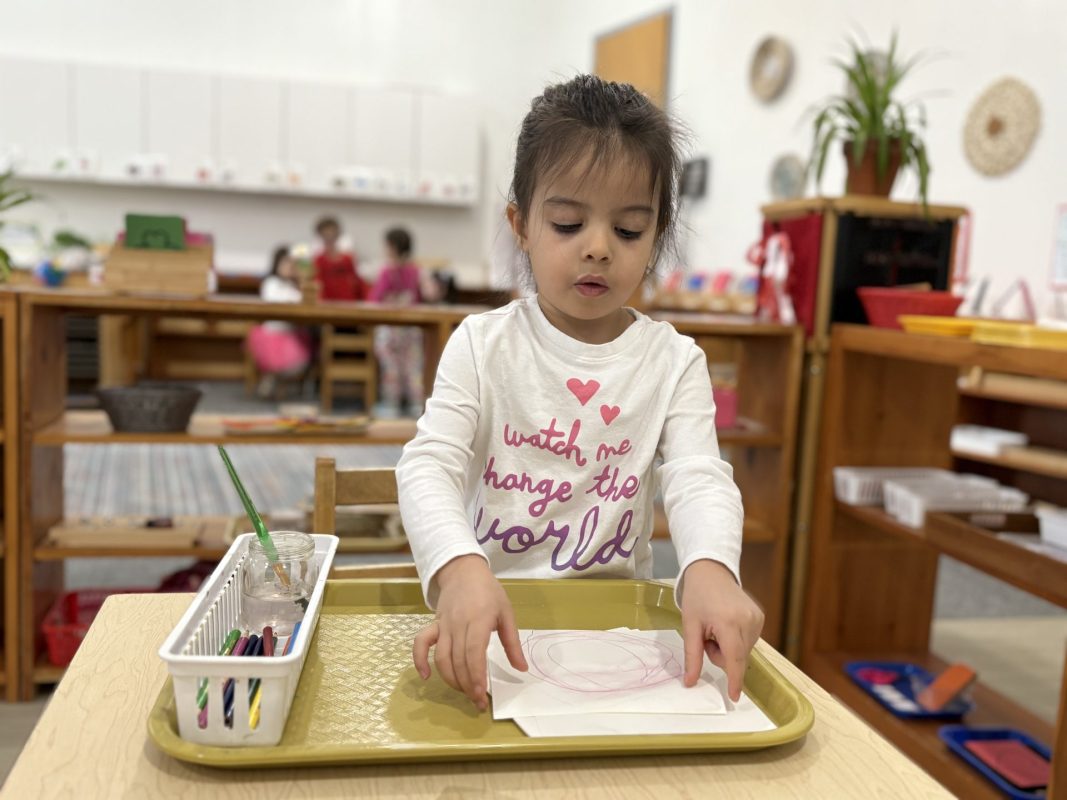
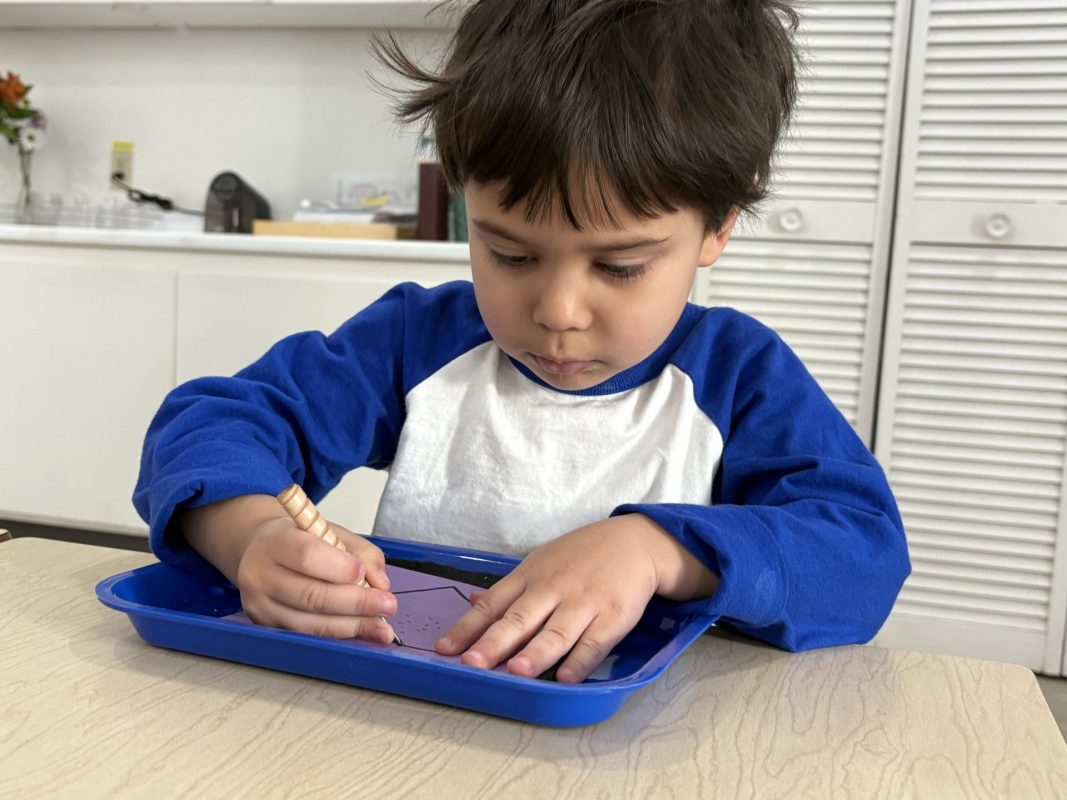
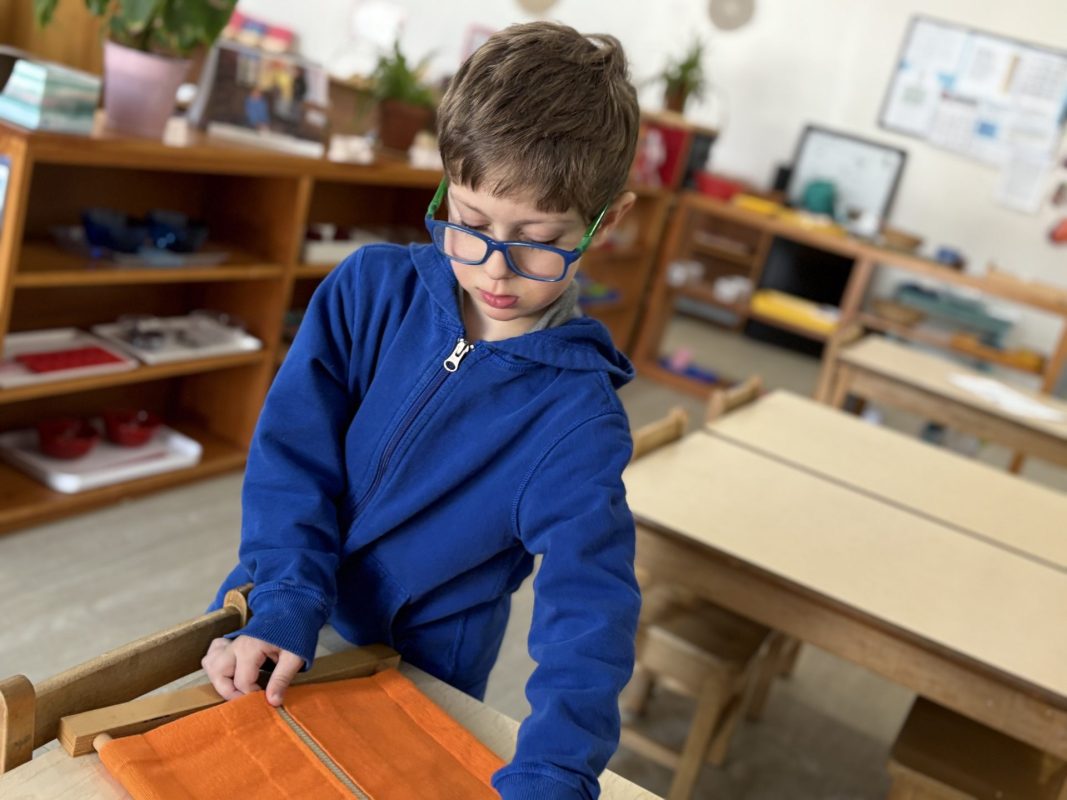
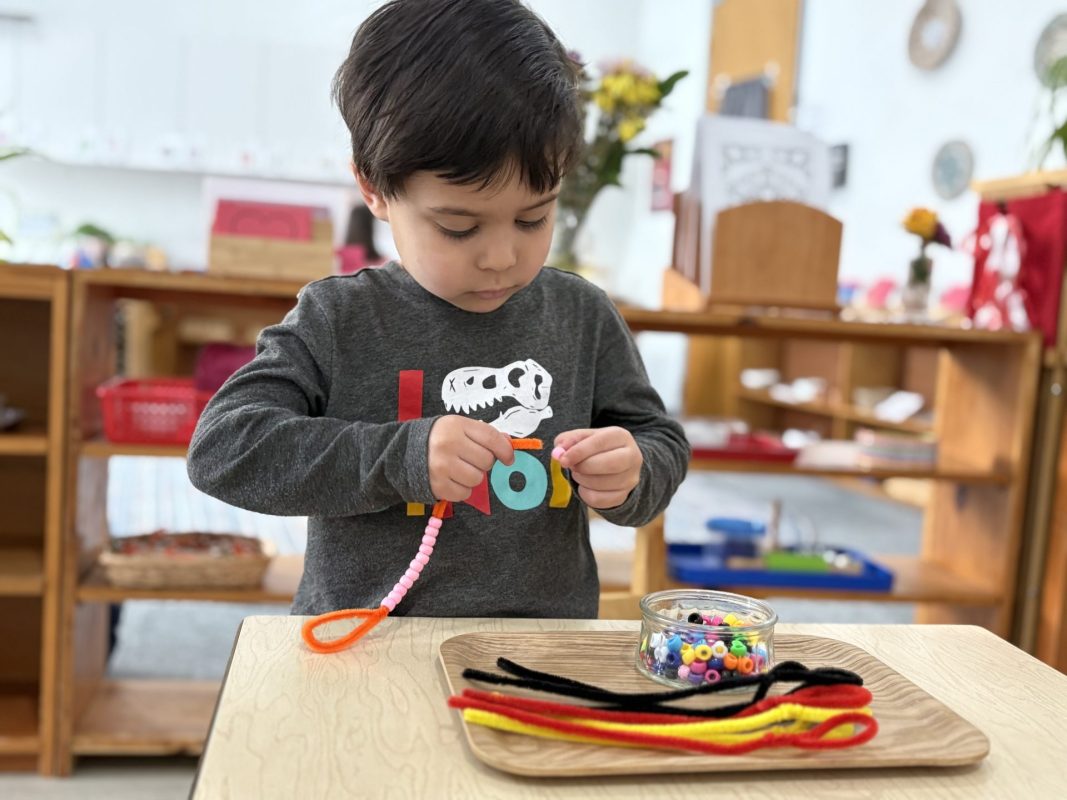
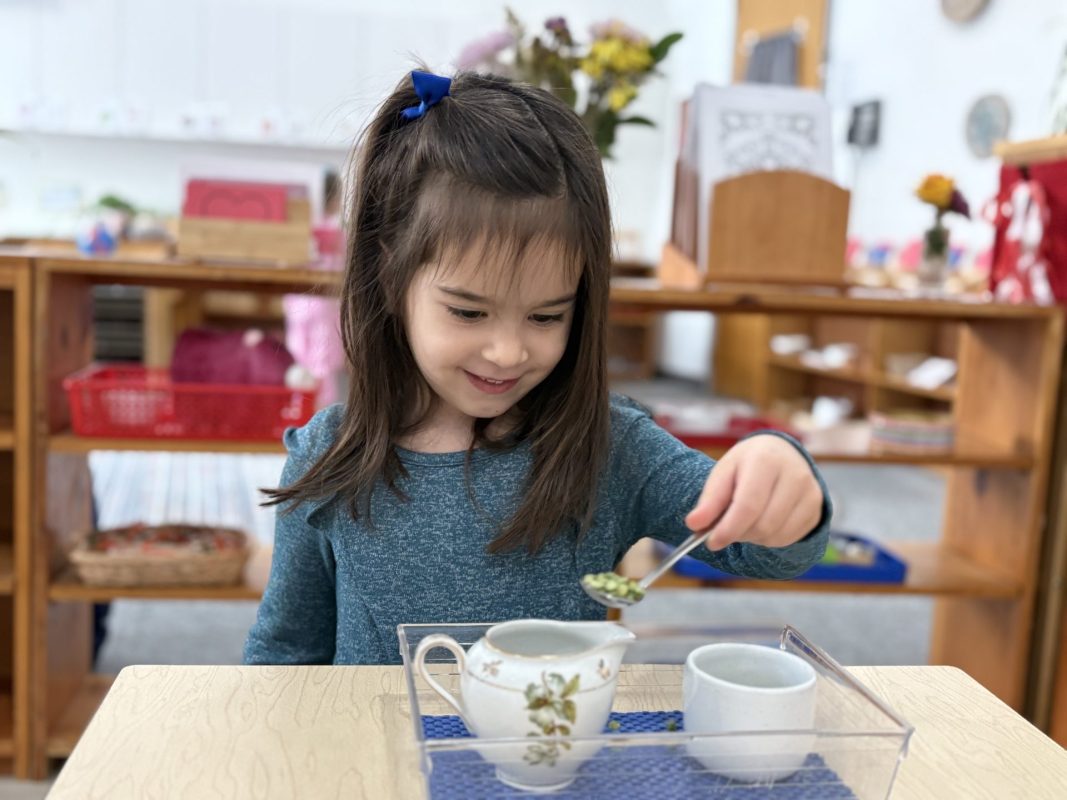
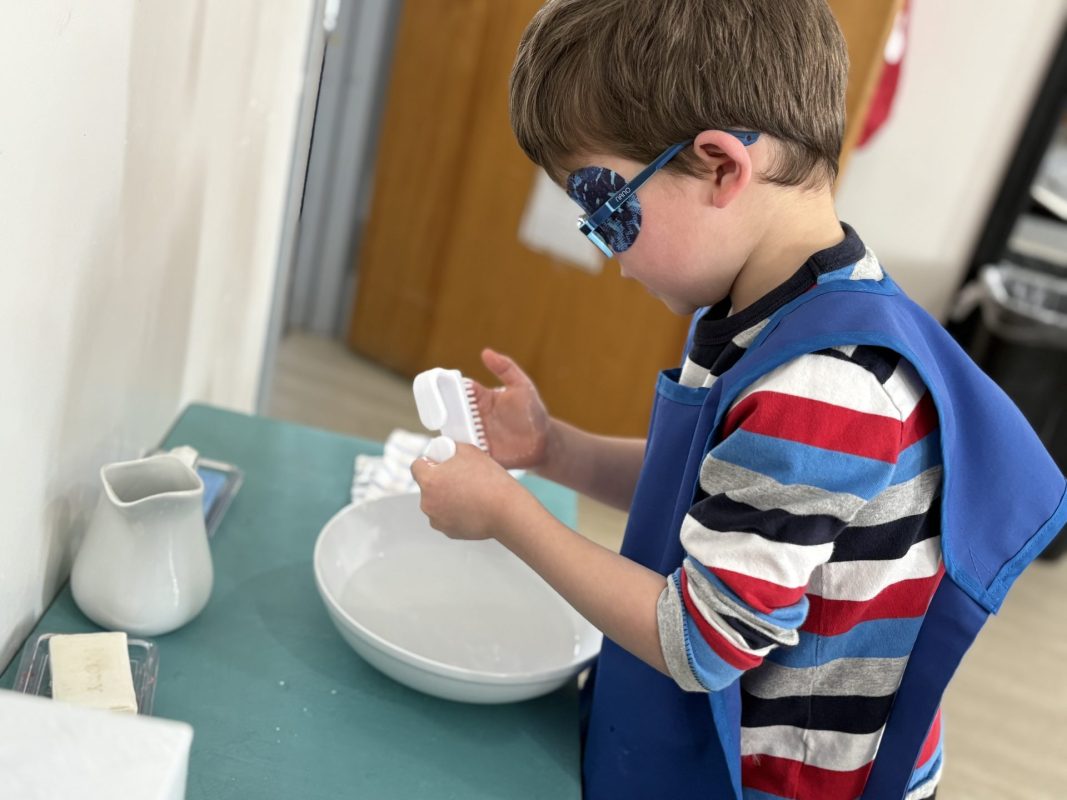
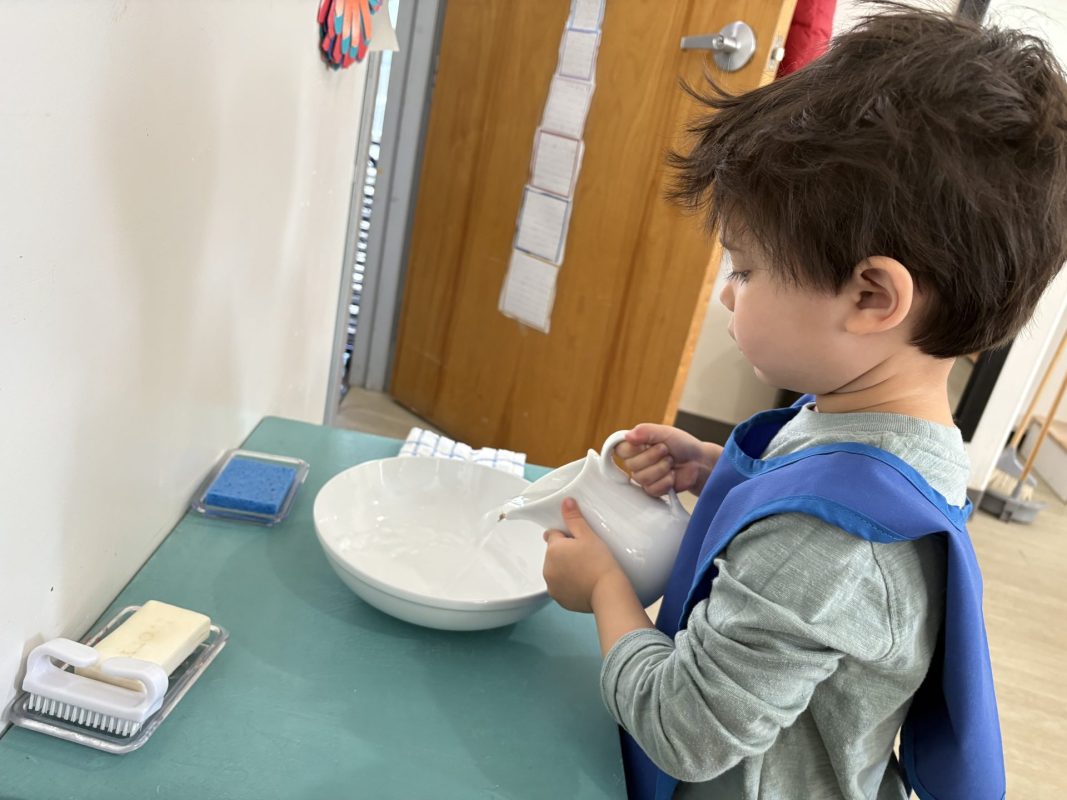
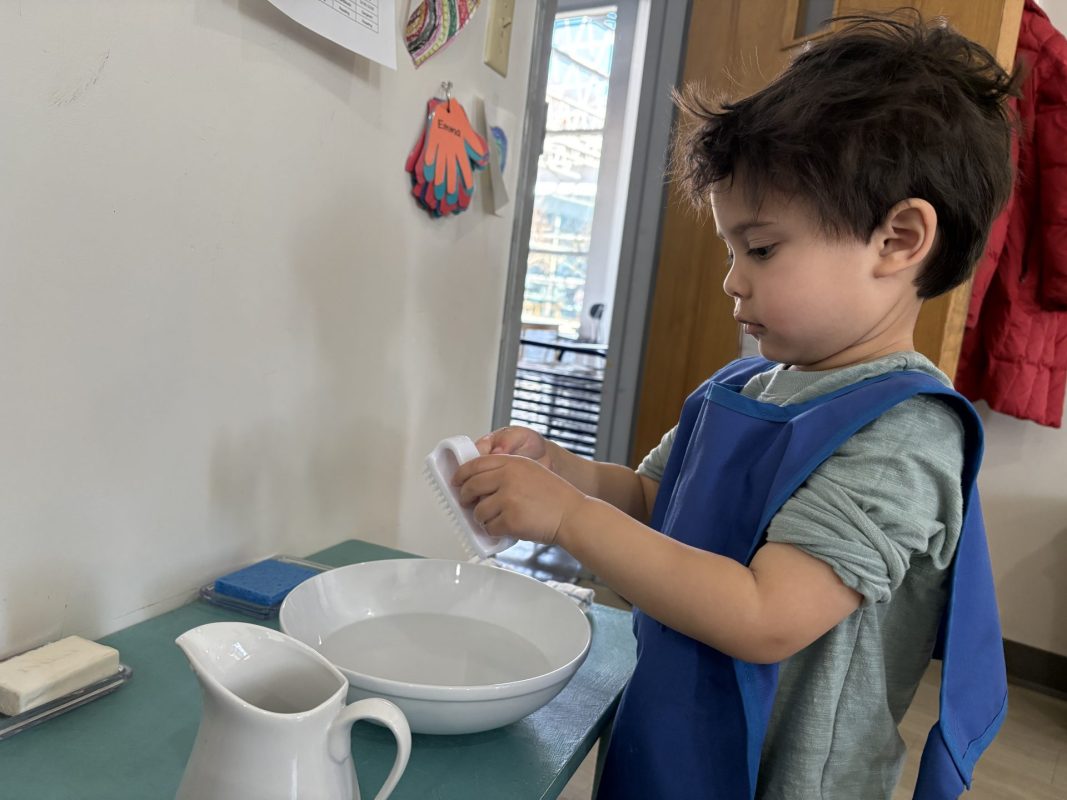
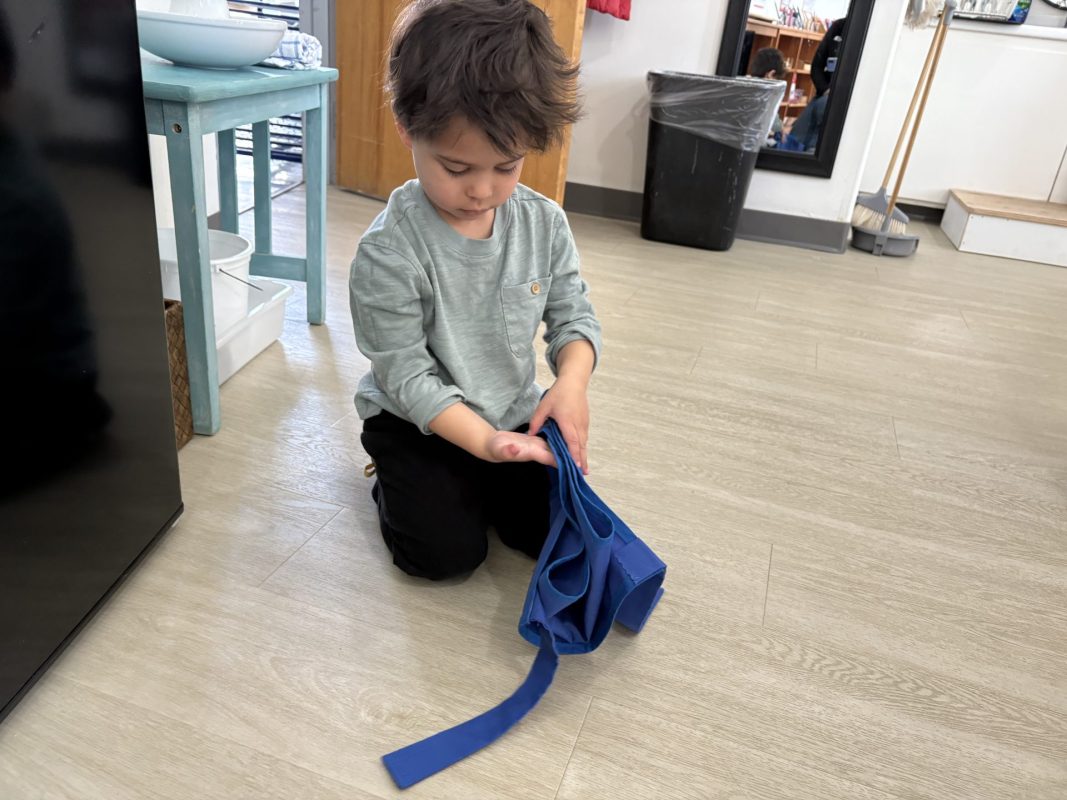
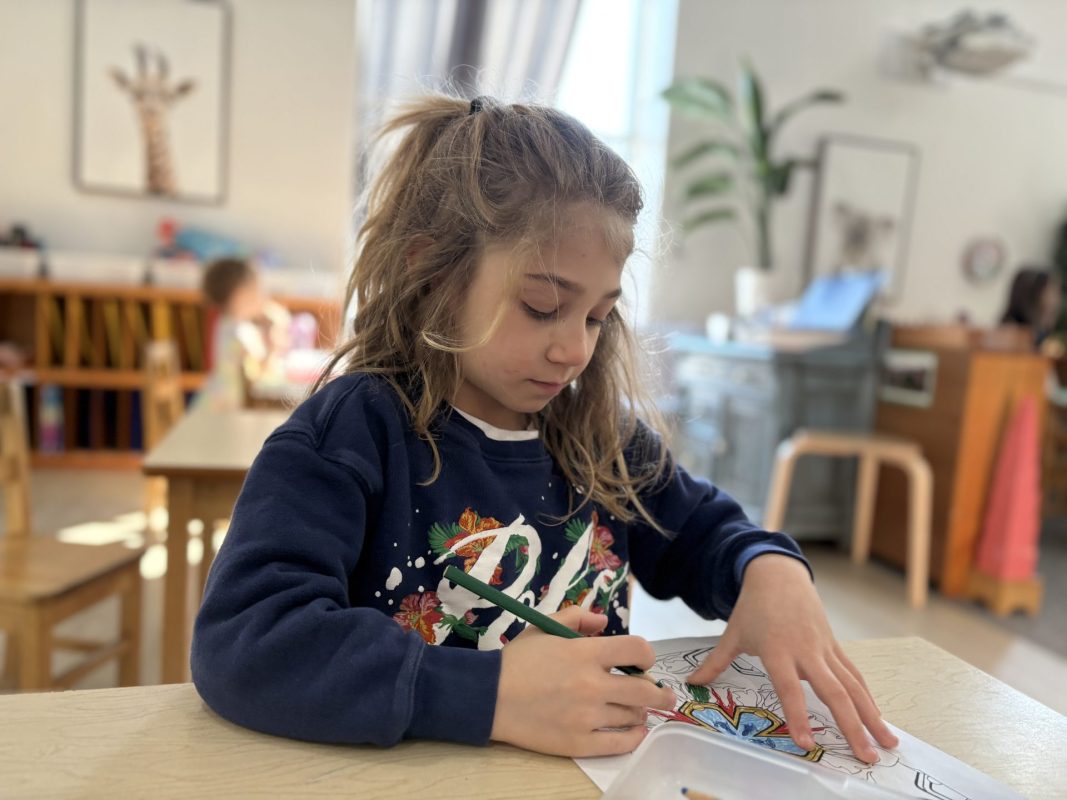
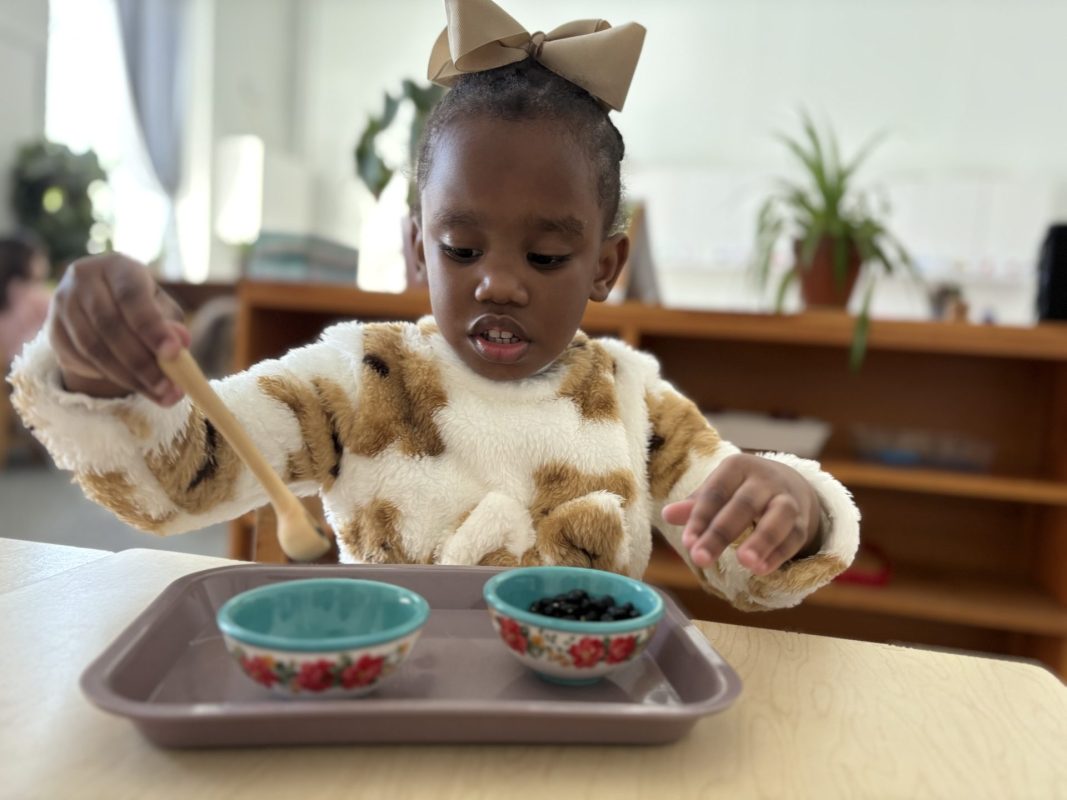
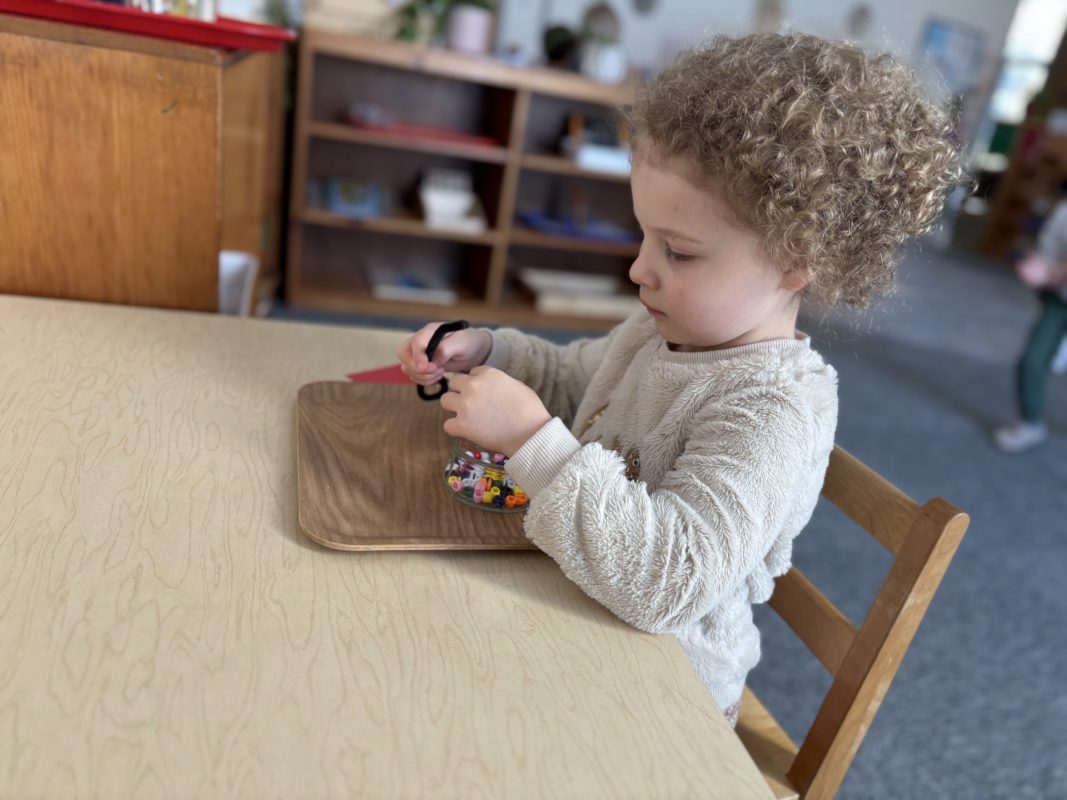
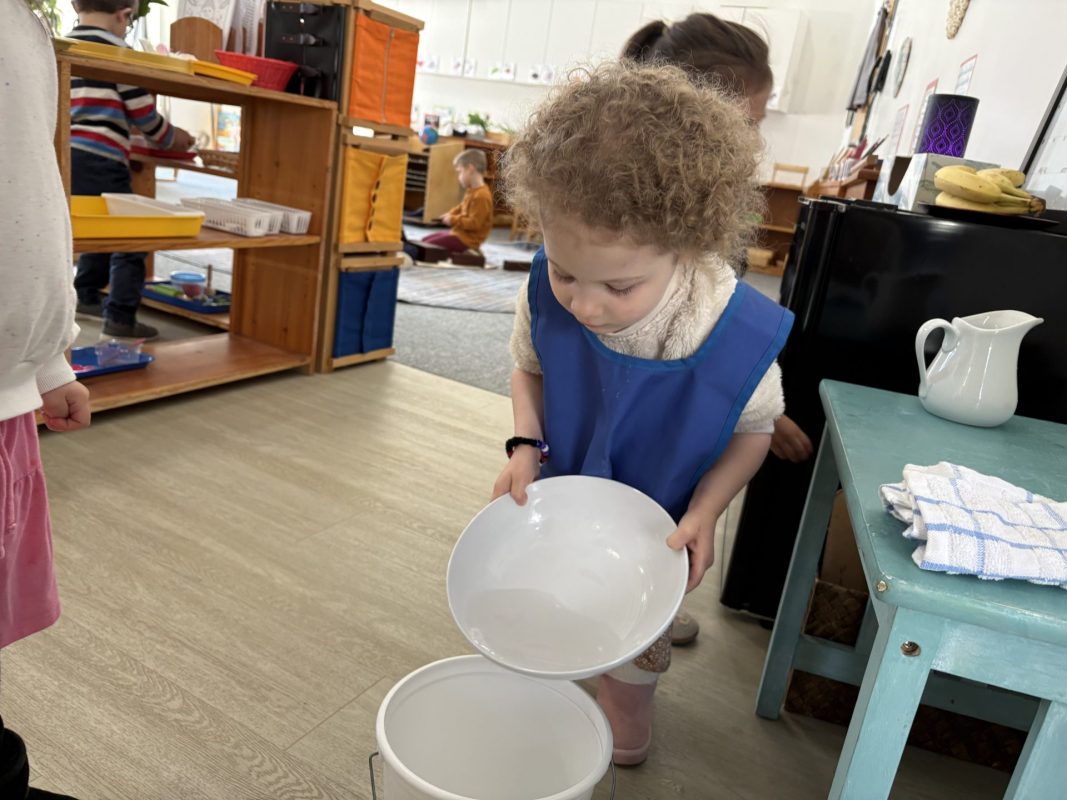
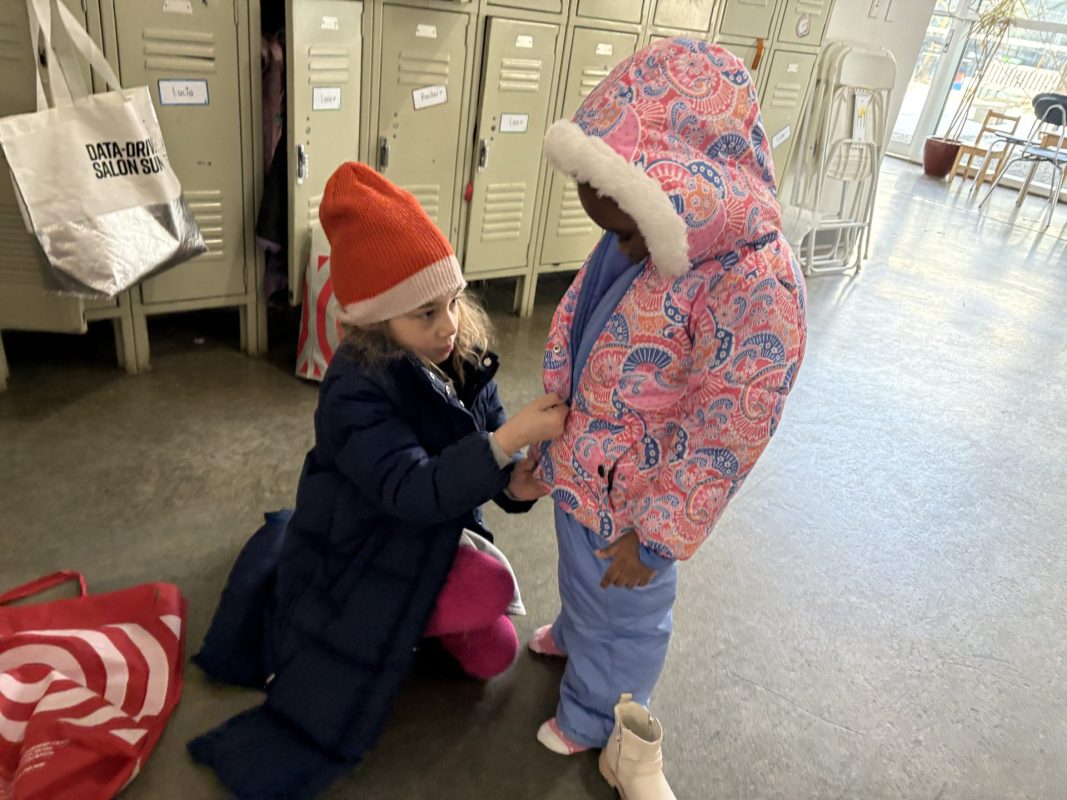
We encourage children to do things for themselves each day: hanging their backpacks, removing their shoes, washing their hands, opening their lunchboxes, and even wiping or blowing their noses. Of course, jumping in and doing these tasks for the children is easier and quicker. However, the time spent teaching the children to do something independently will not only build their self-confidence and concentration but will eventually save time and increase your family’s happiness!

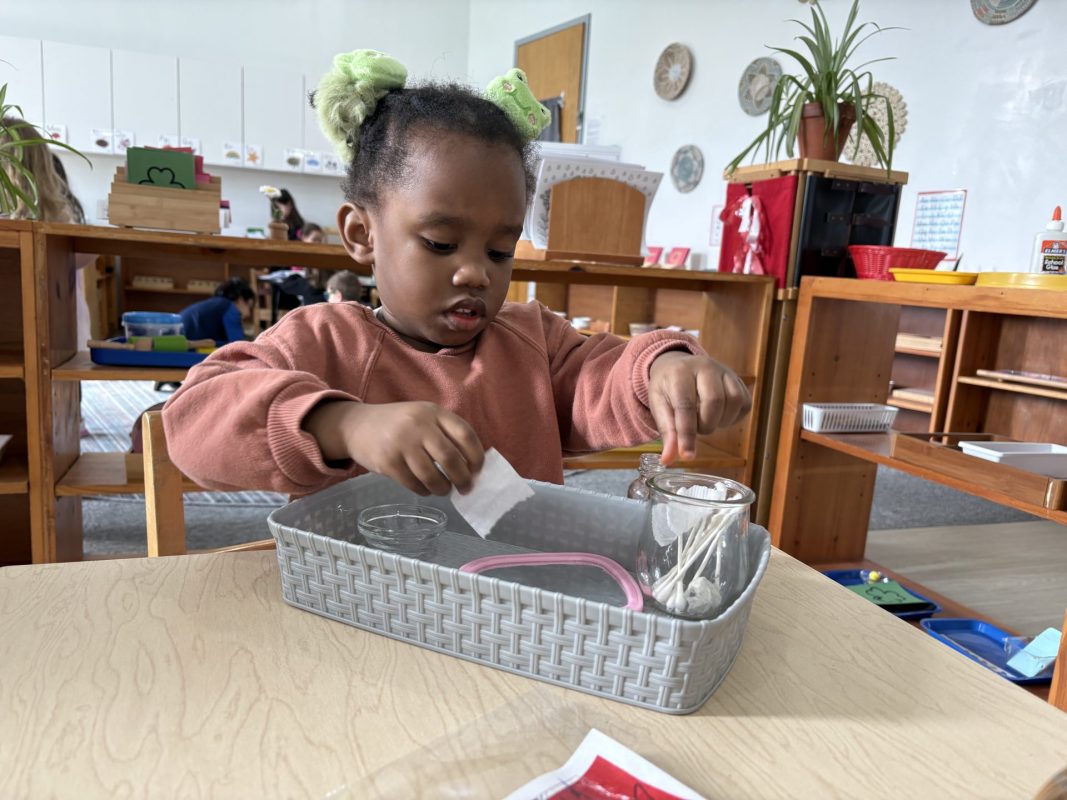
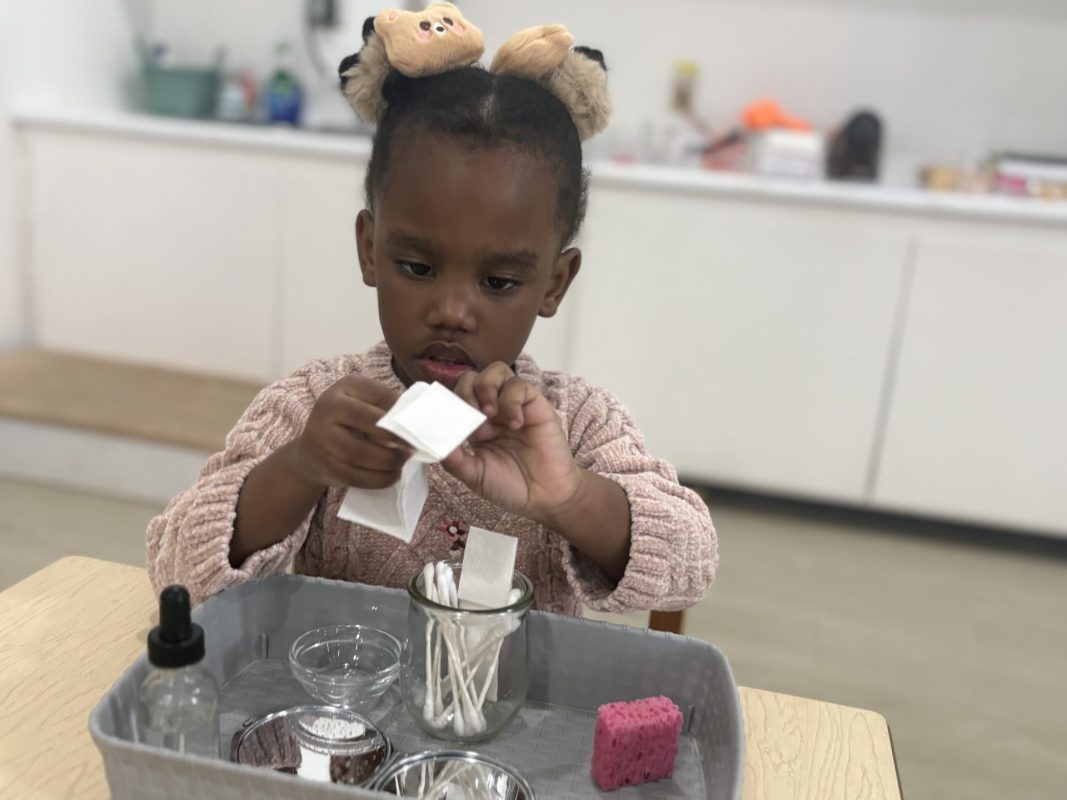
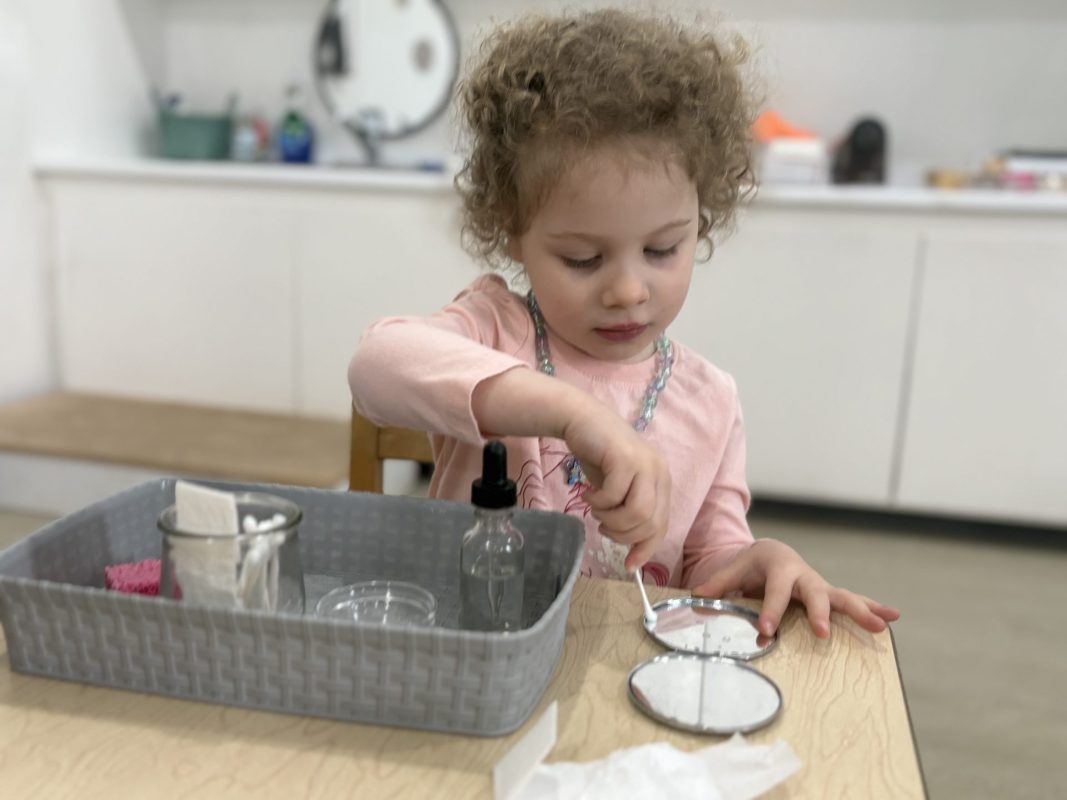
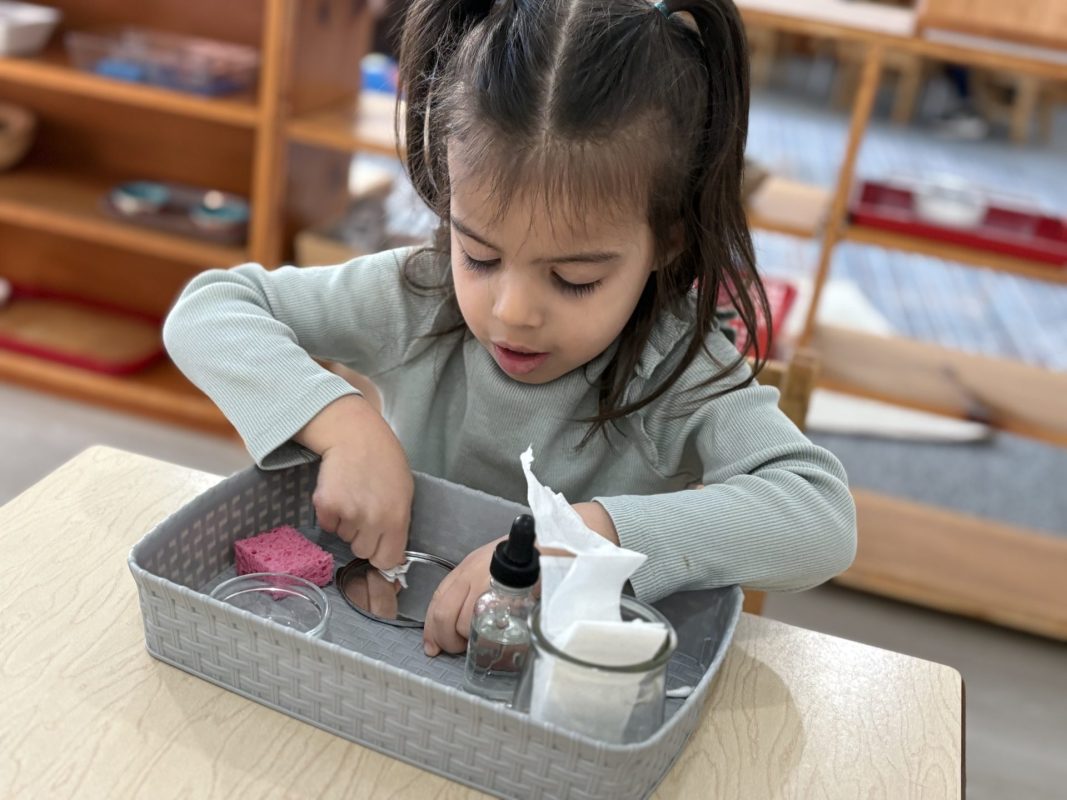
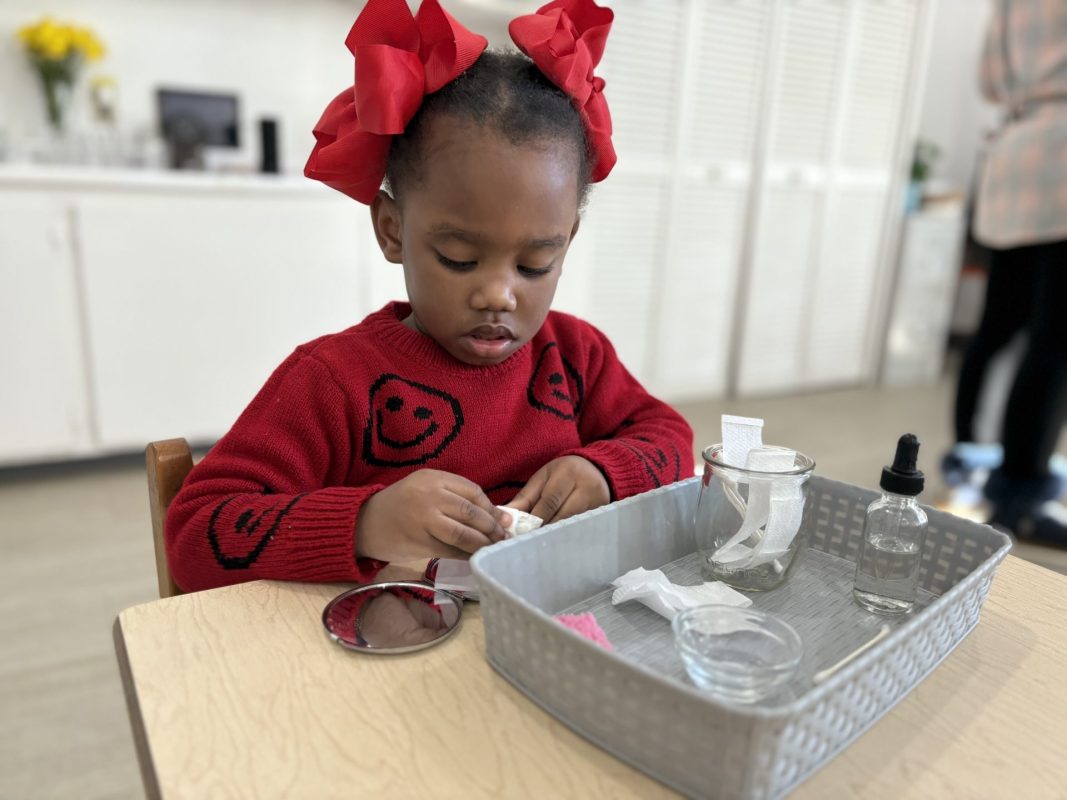
Since entering the season of colds and runny noses, we have been focused on showing the children how to use a tissue independently. If you’d like to encourage this at home, it is helpful to have an accessible tissue box and mirror. We have shown the children to pick one tissue from the box, look in the mirror, deliberately pinch their nostrils, and then pull it away. Next, they throw the tissue in the trash and wash their hands. 

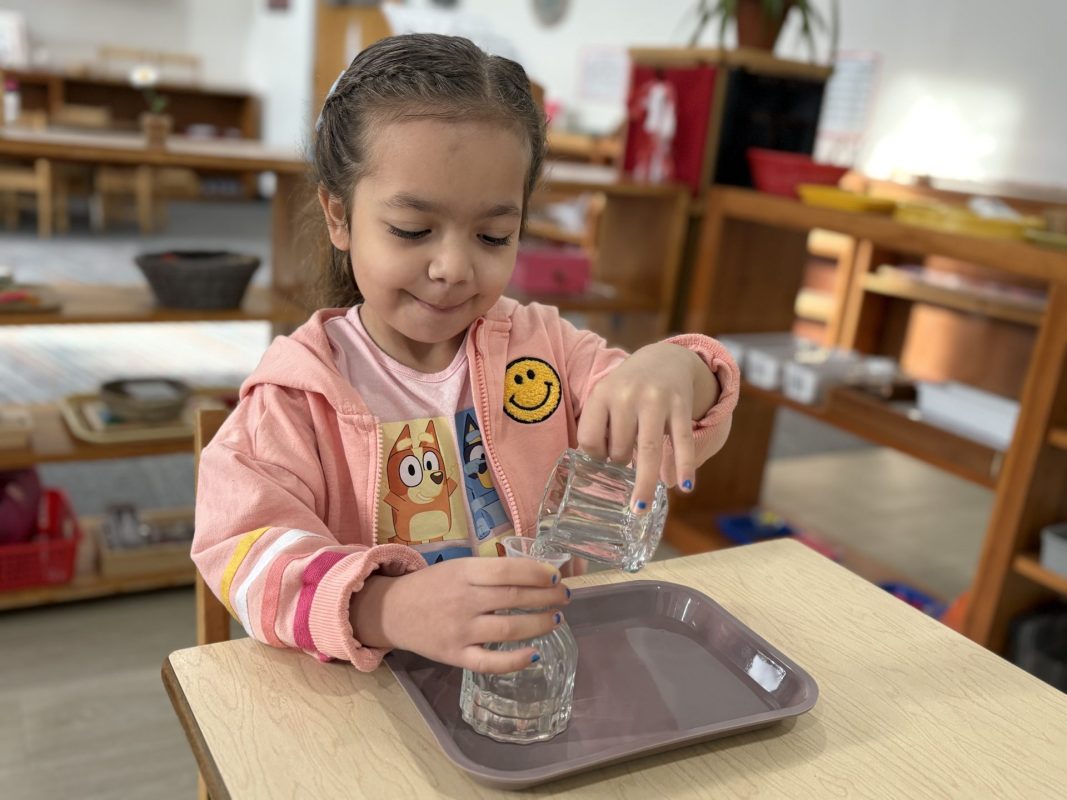
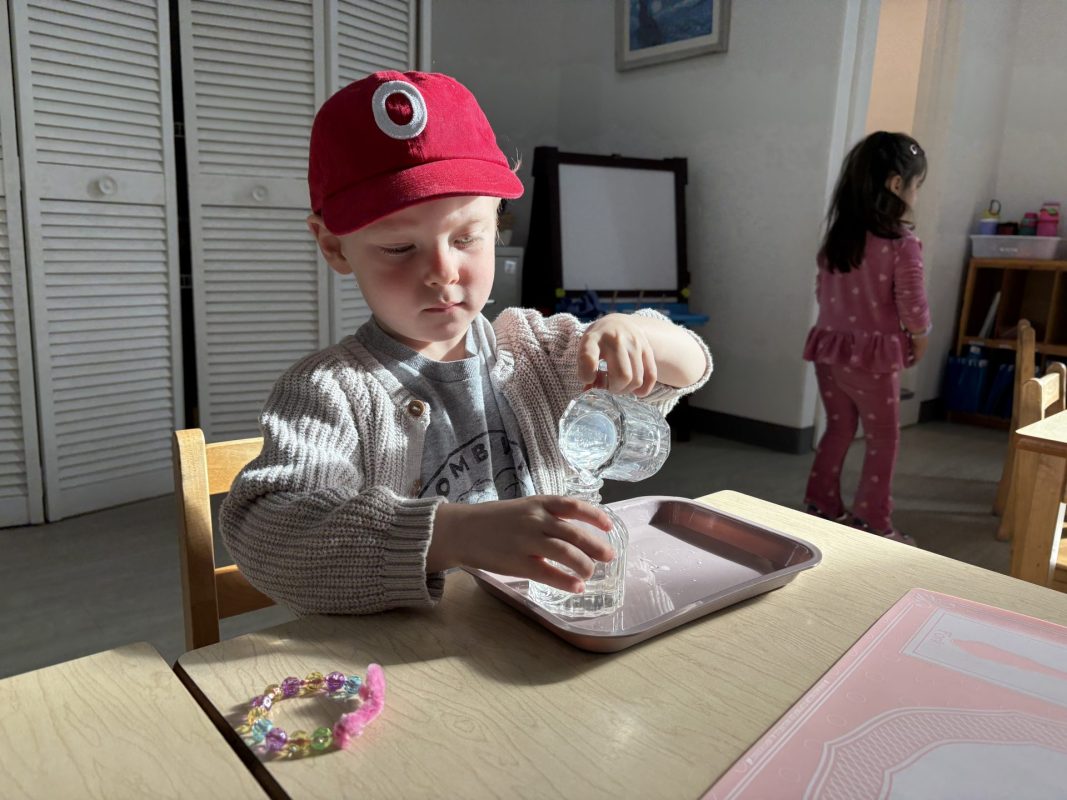
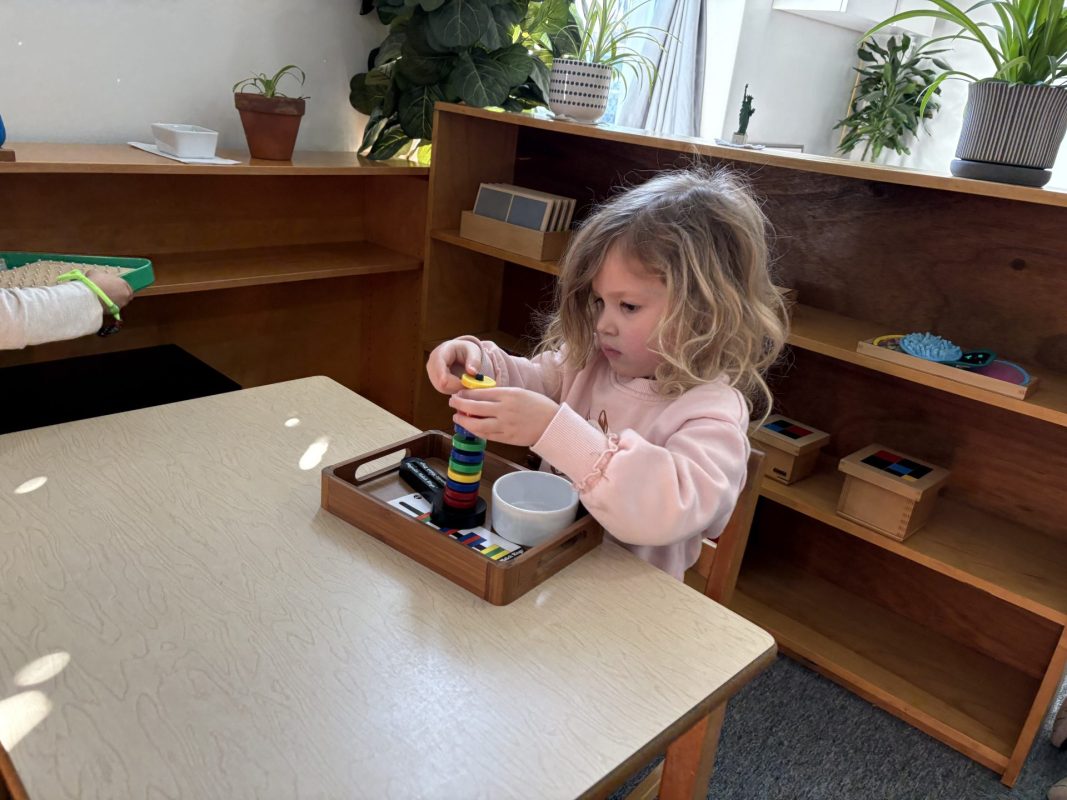
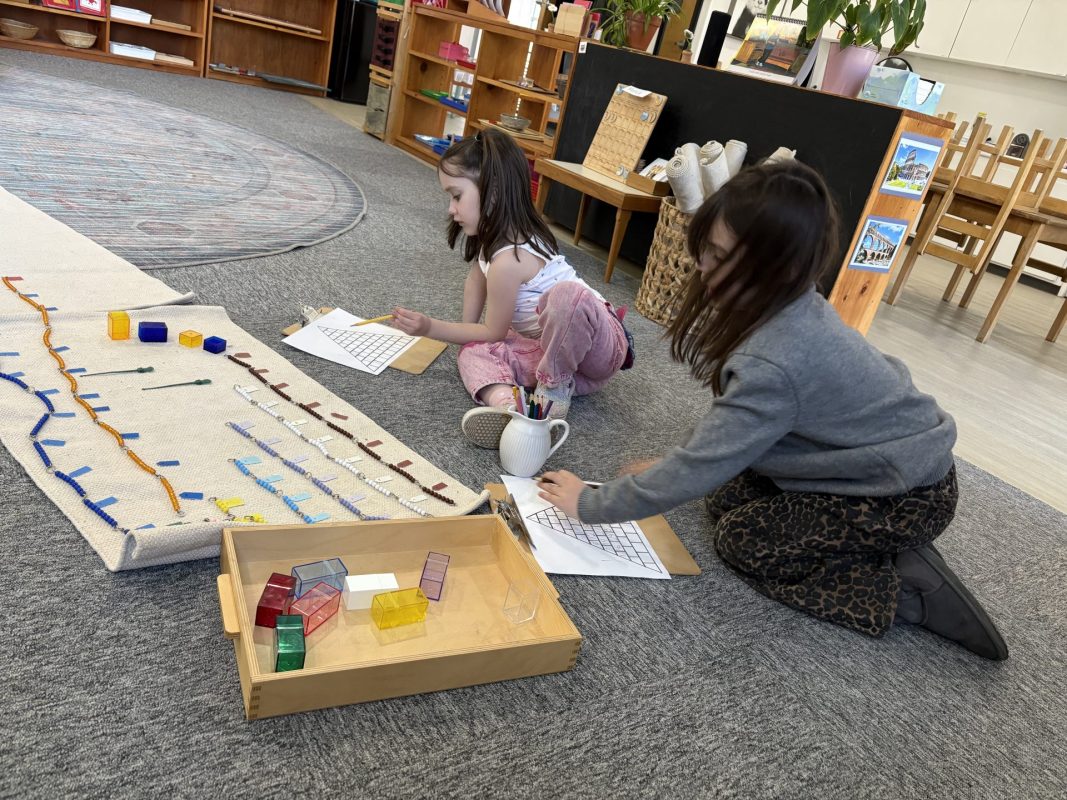
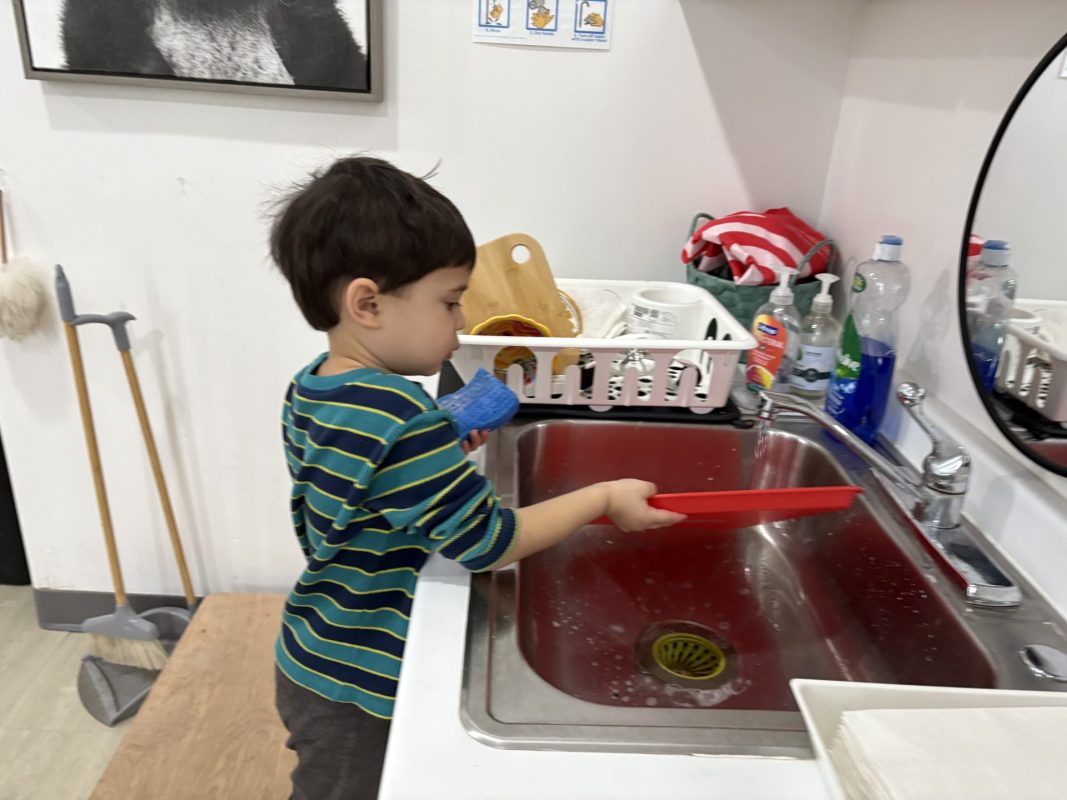
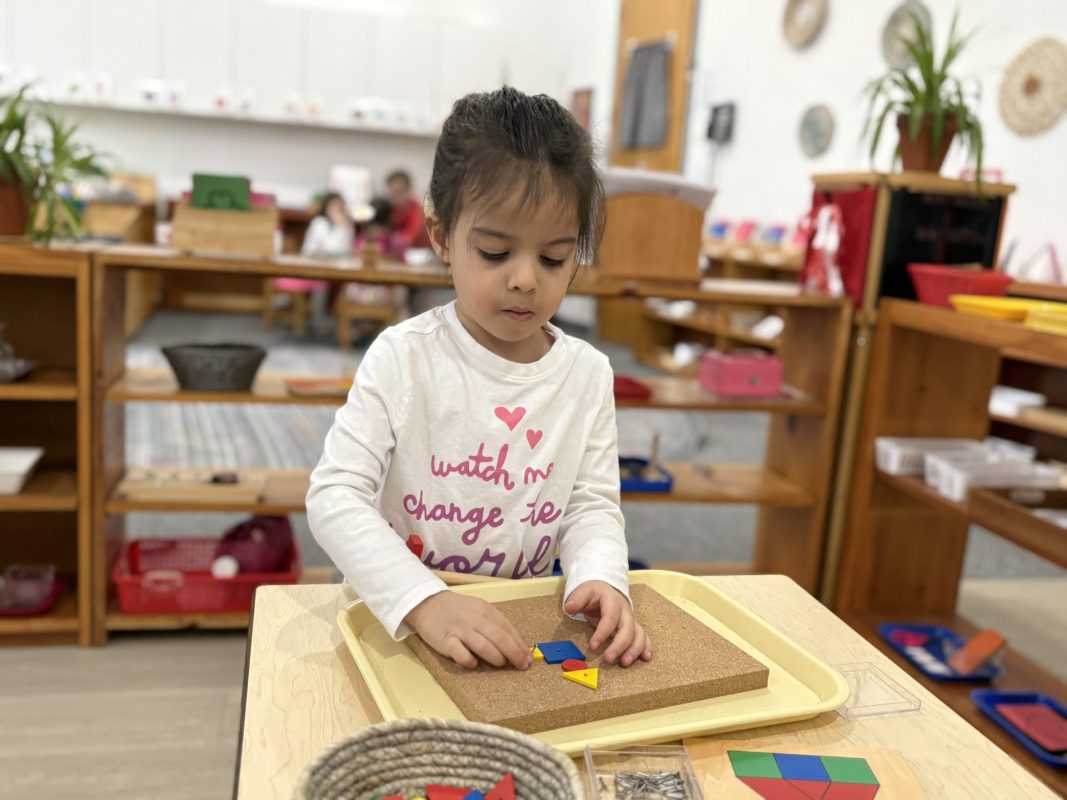
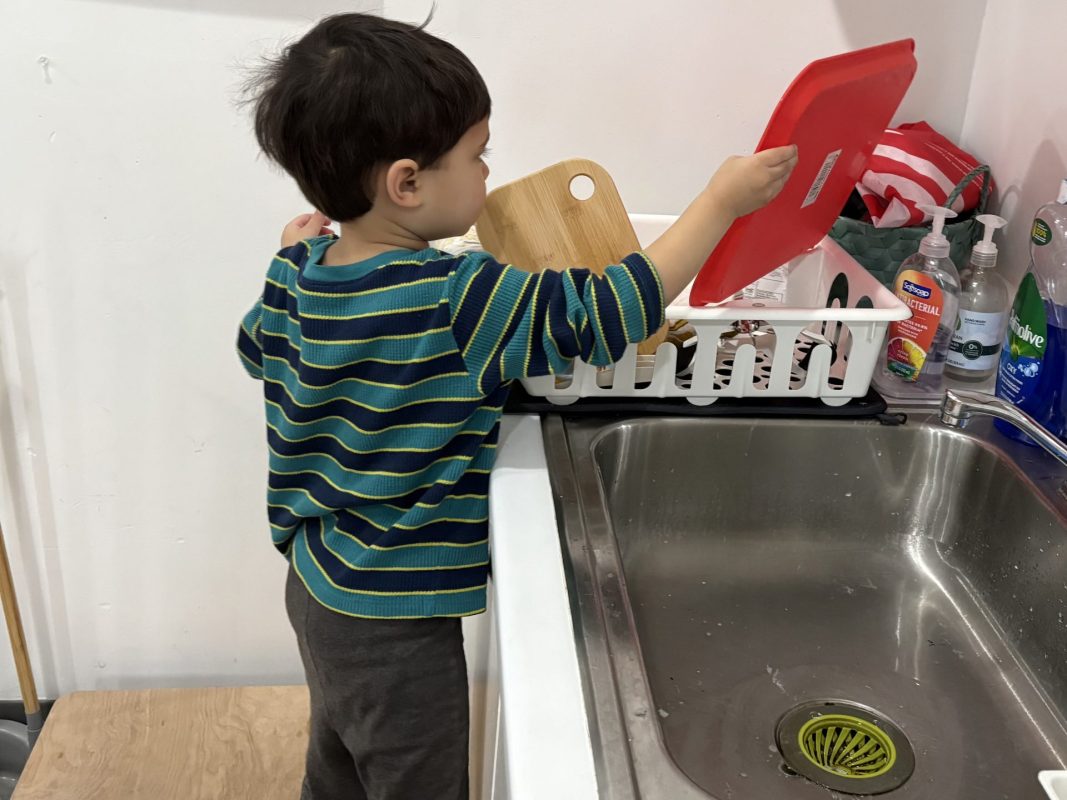
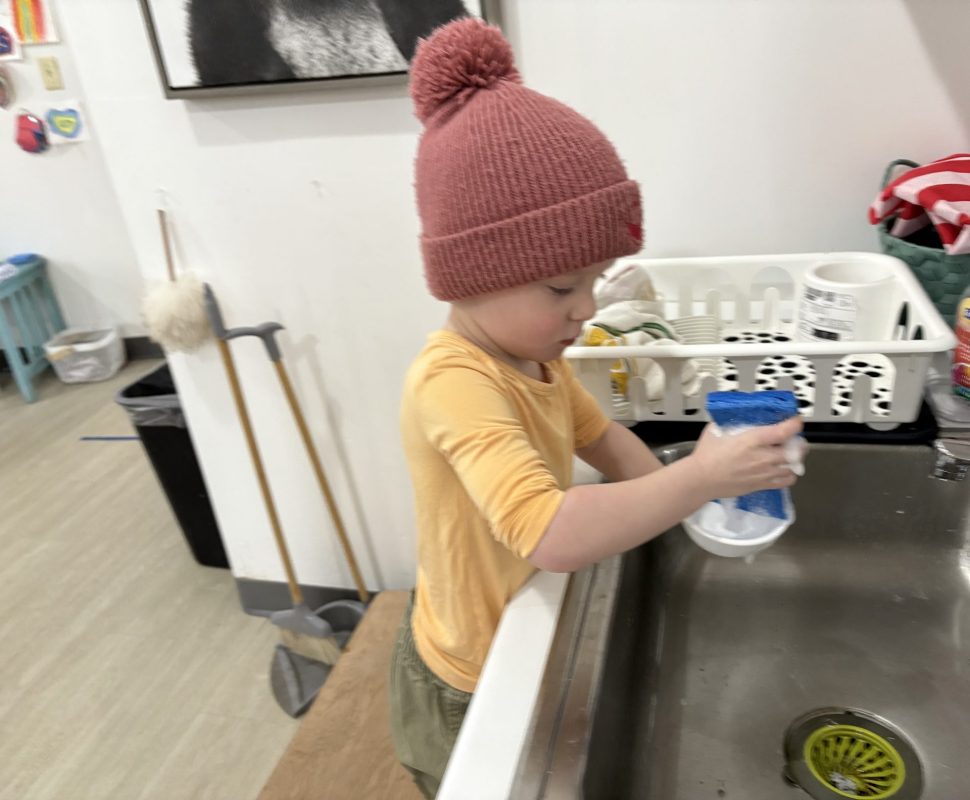
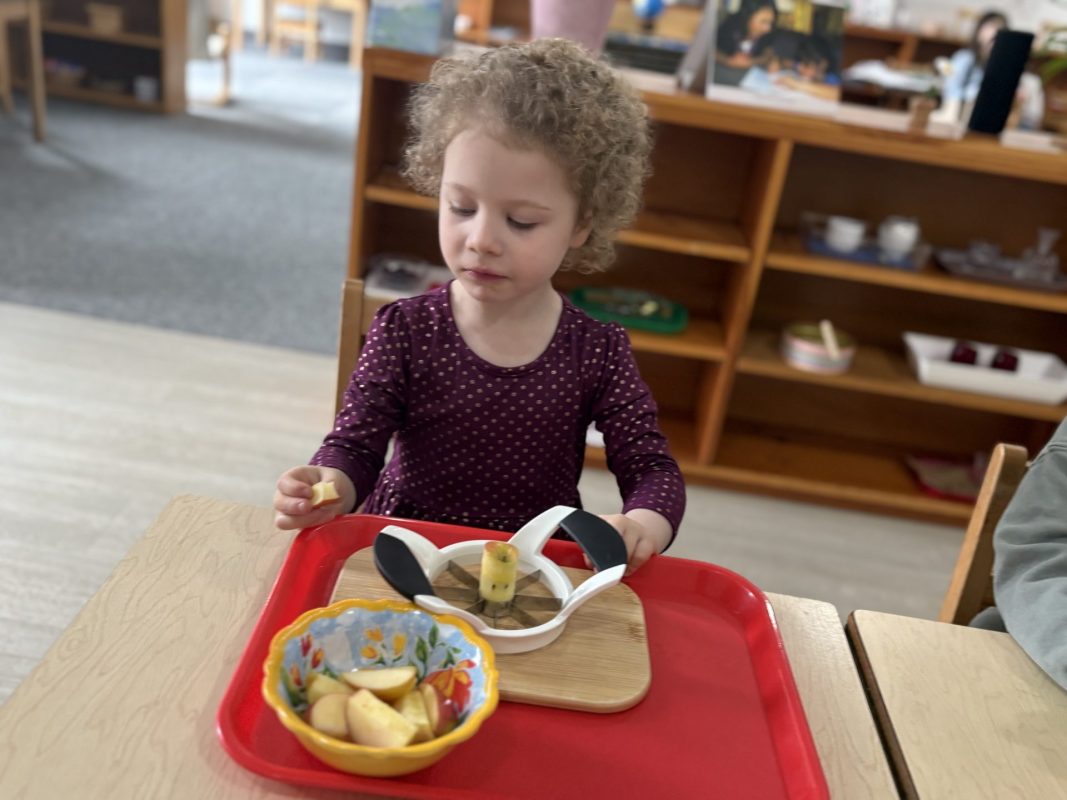
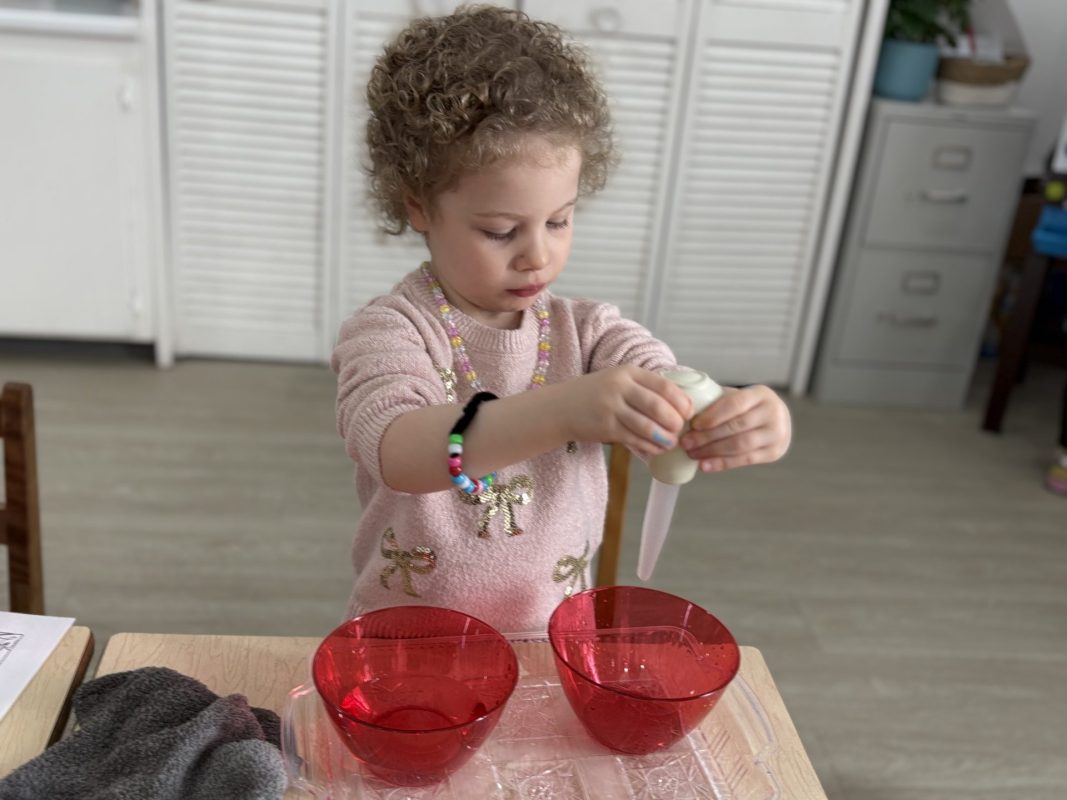
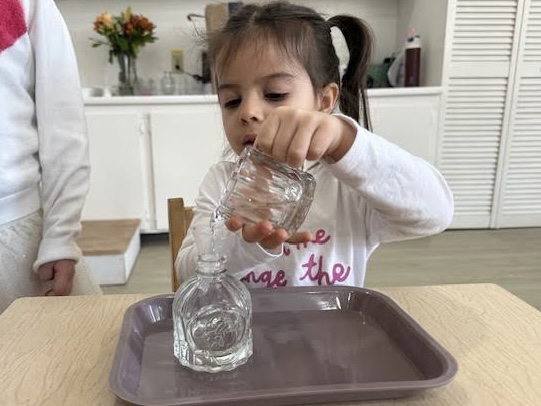
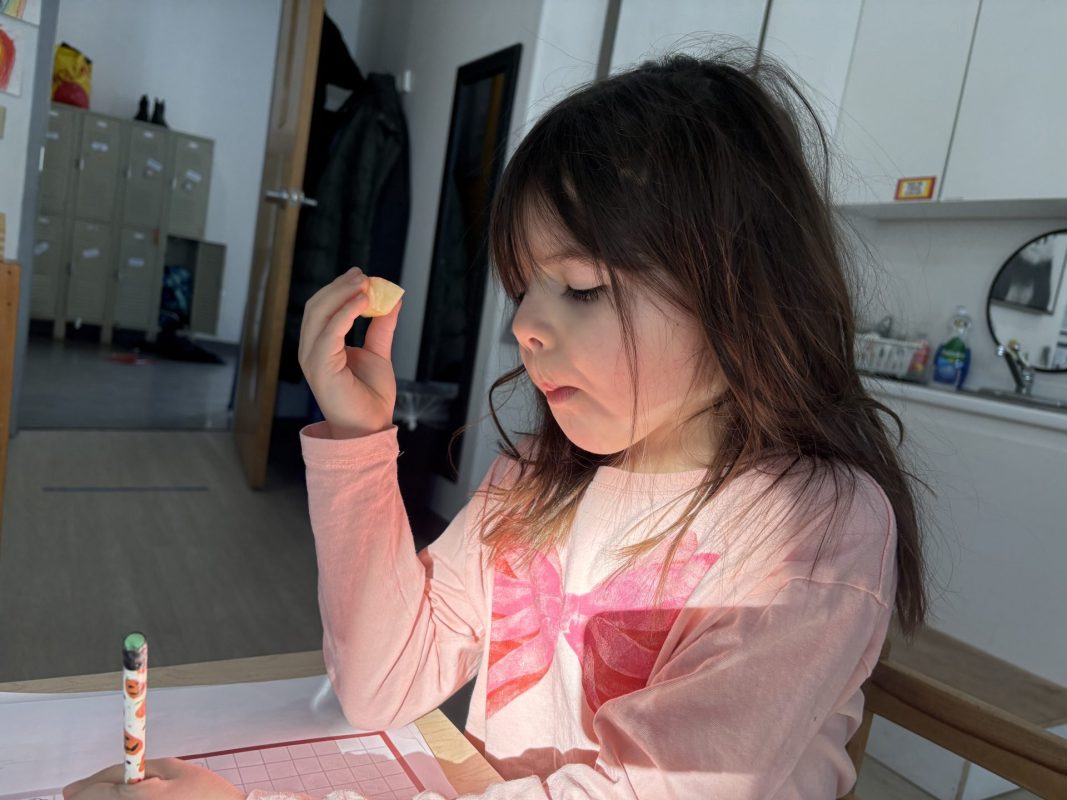
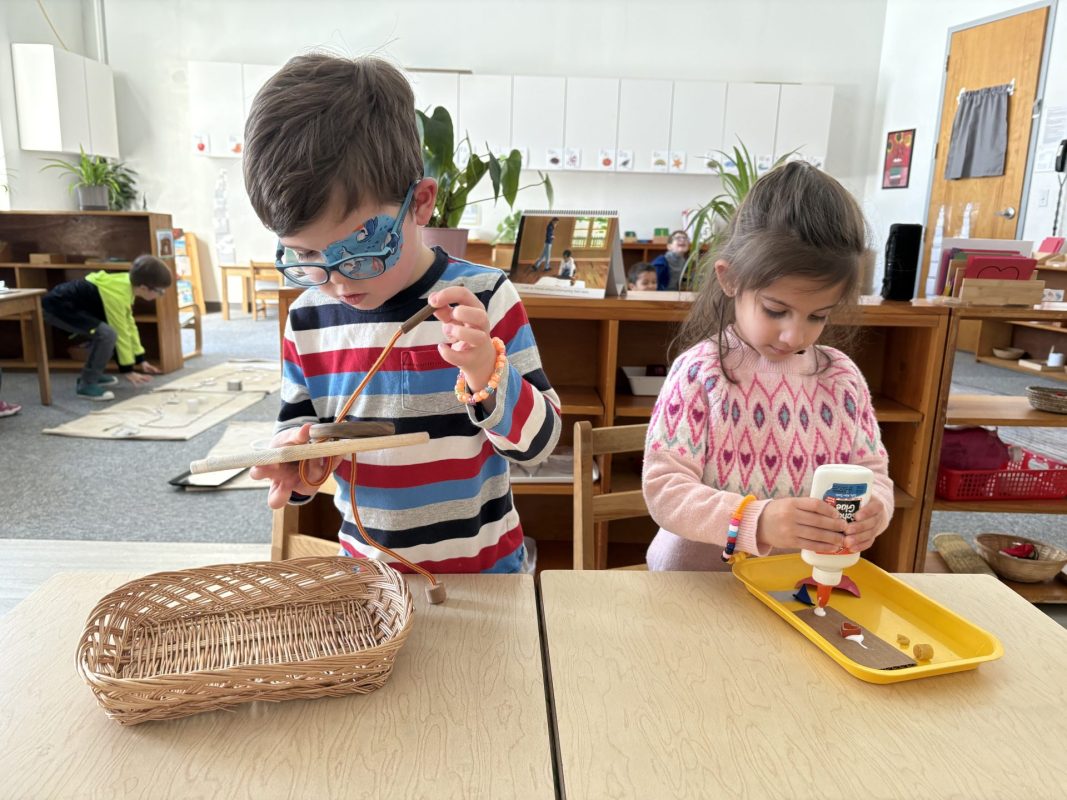
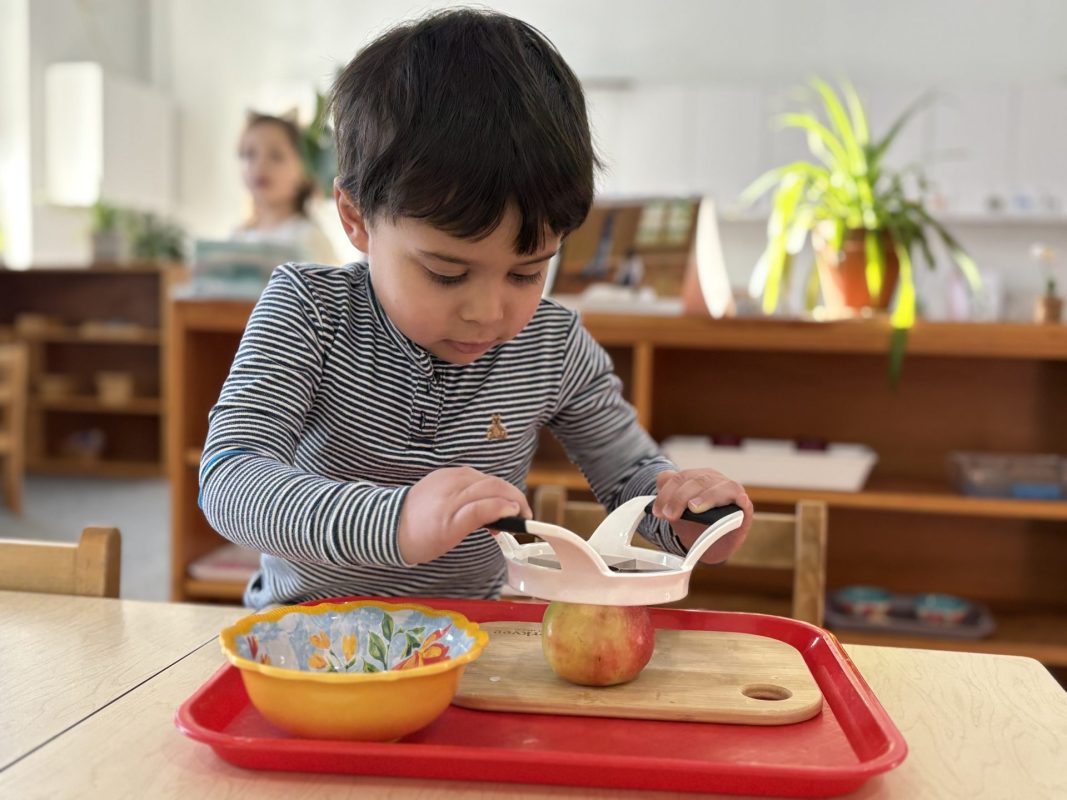
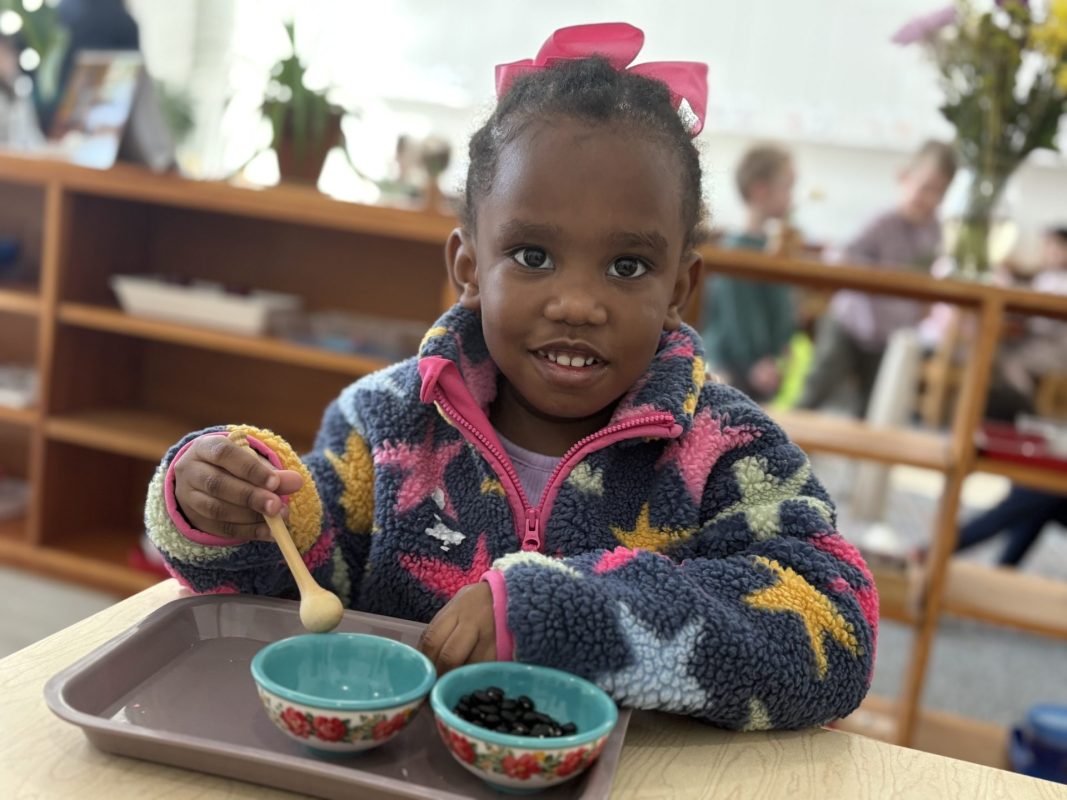
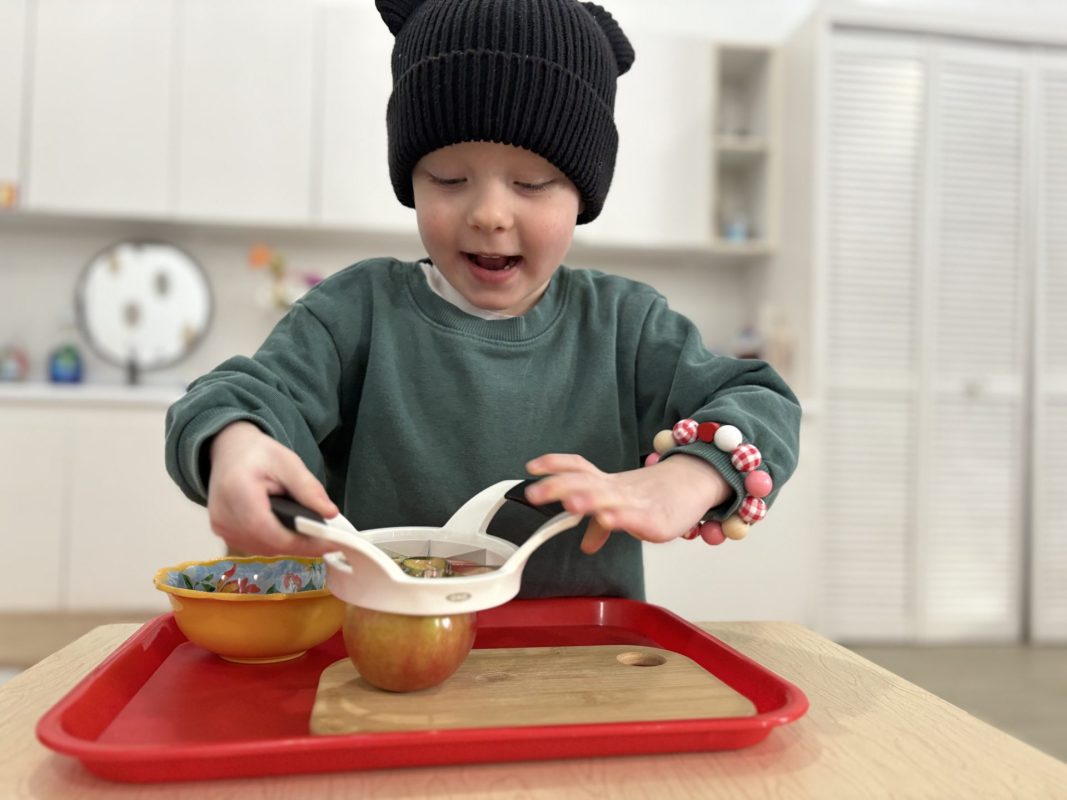
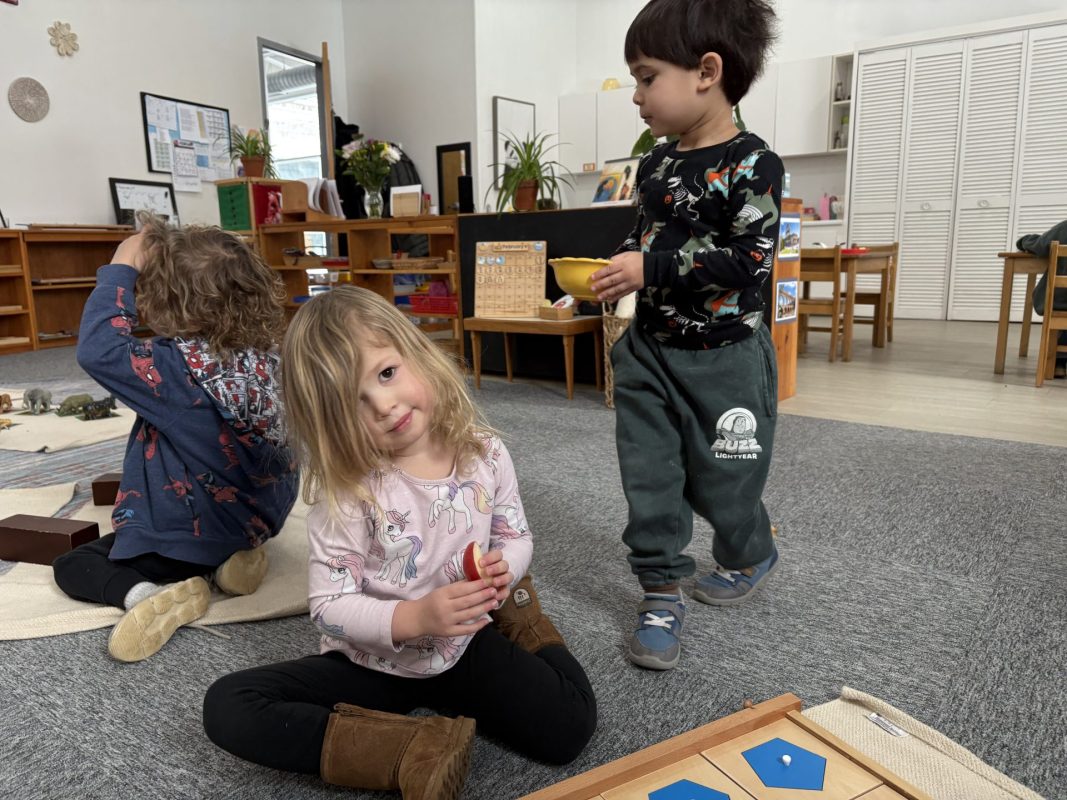
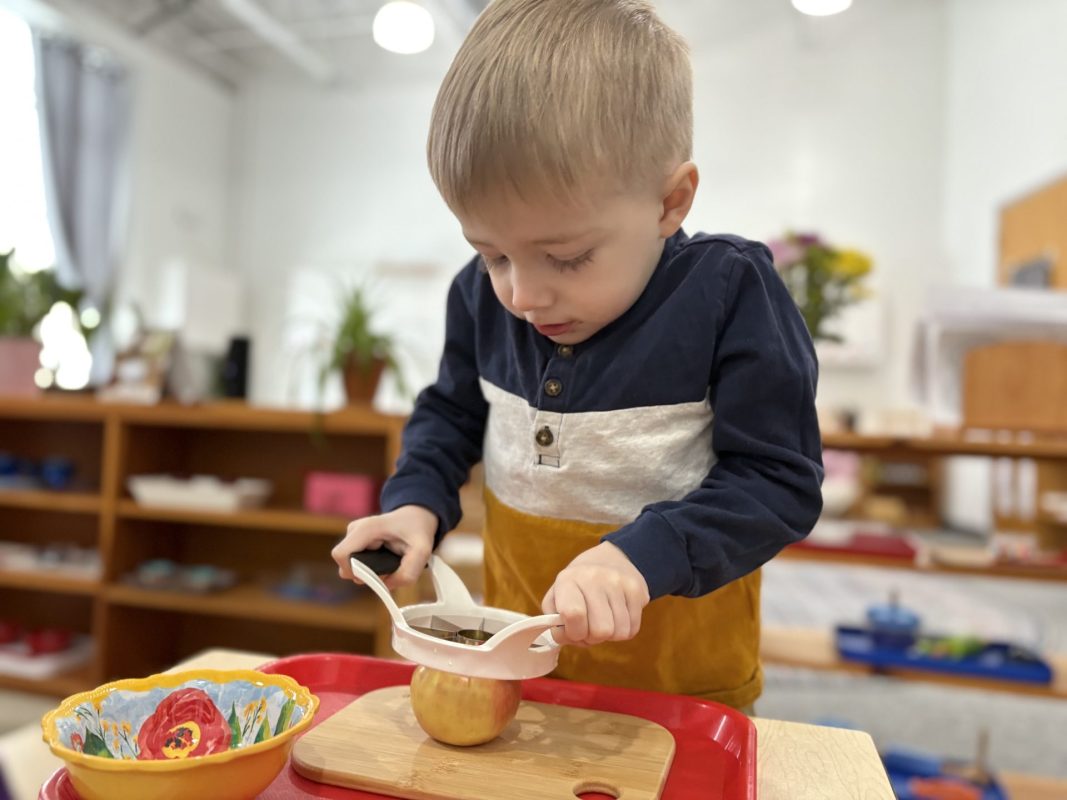
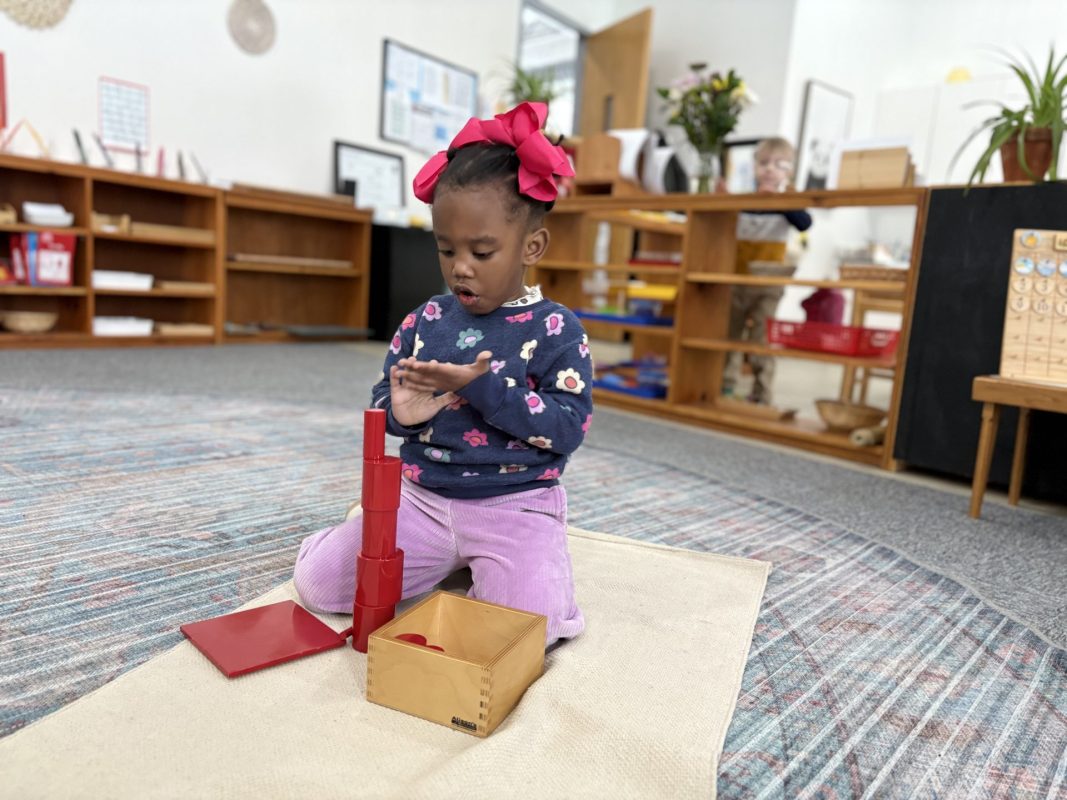
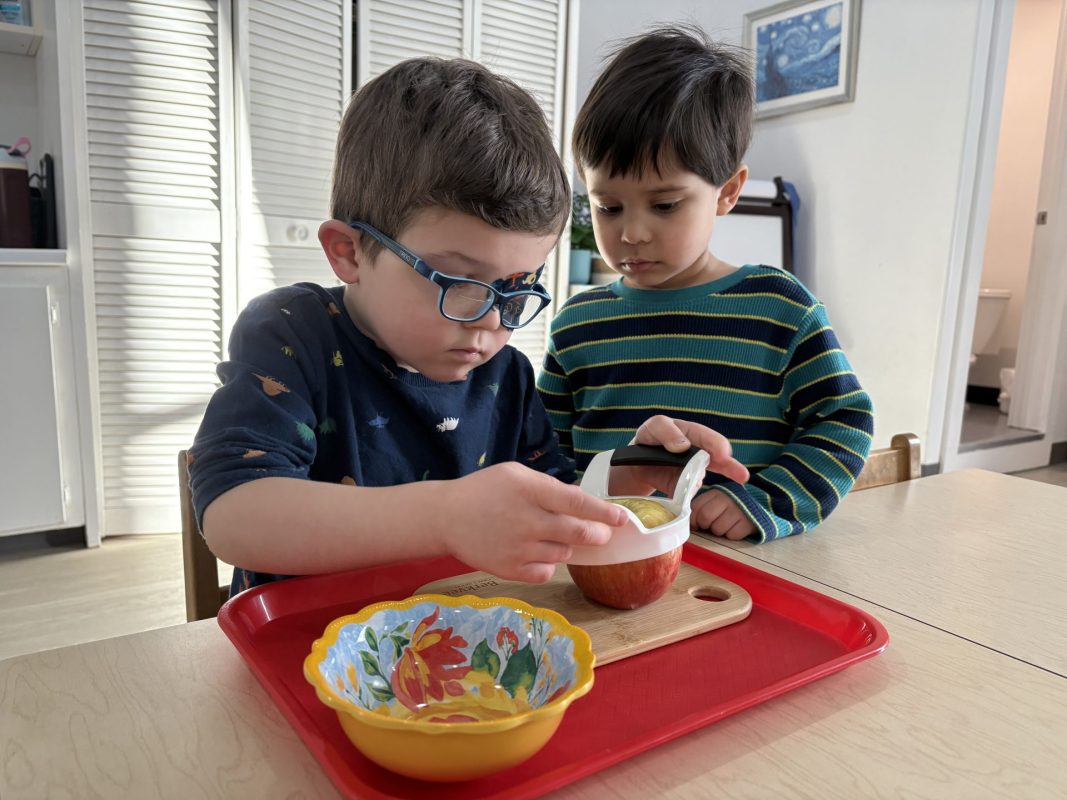
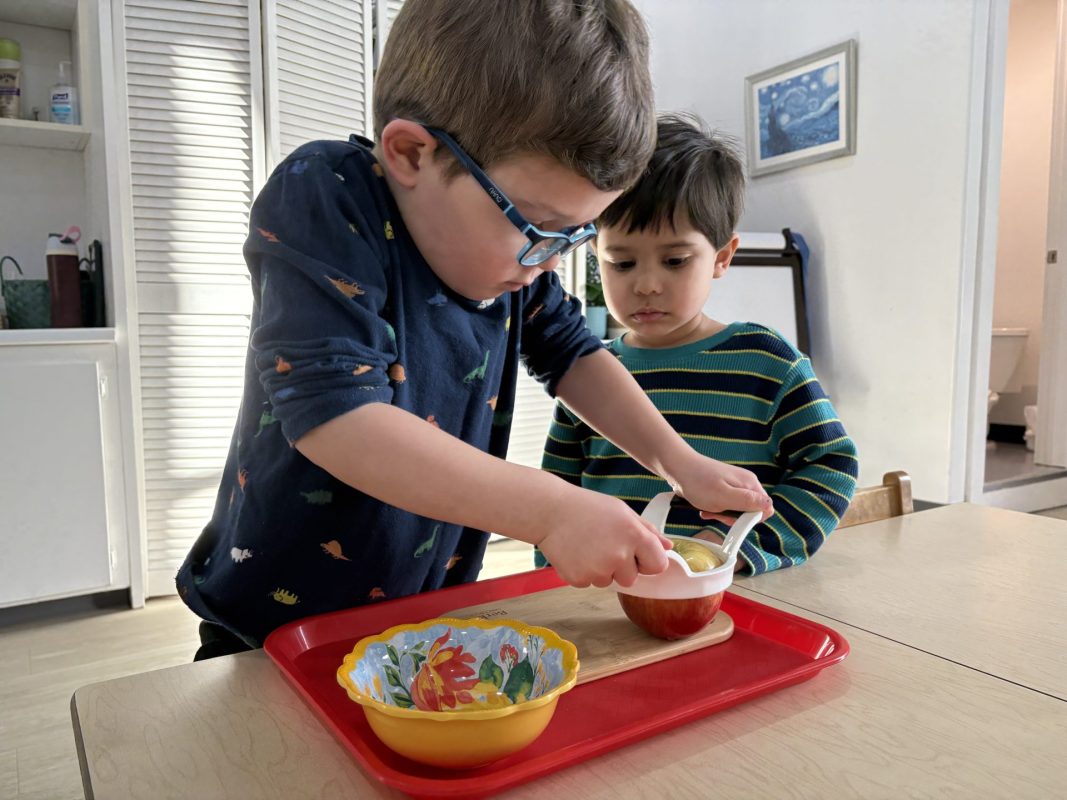
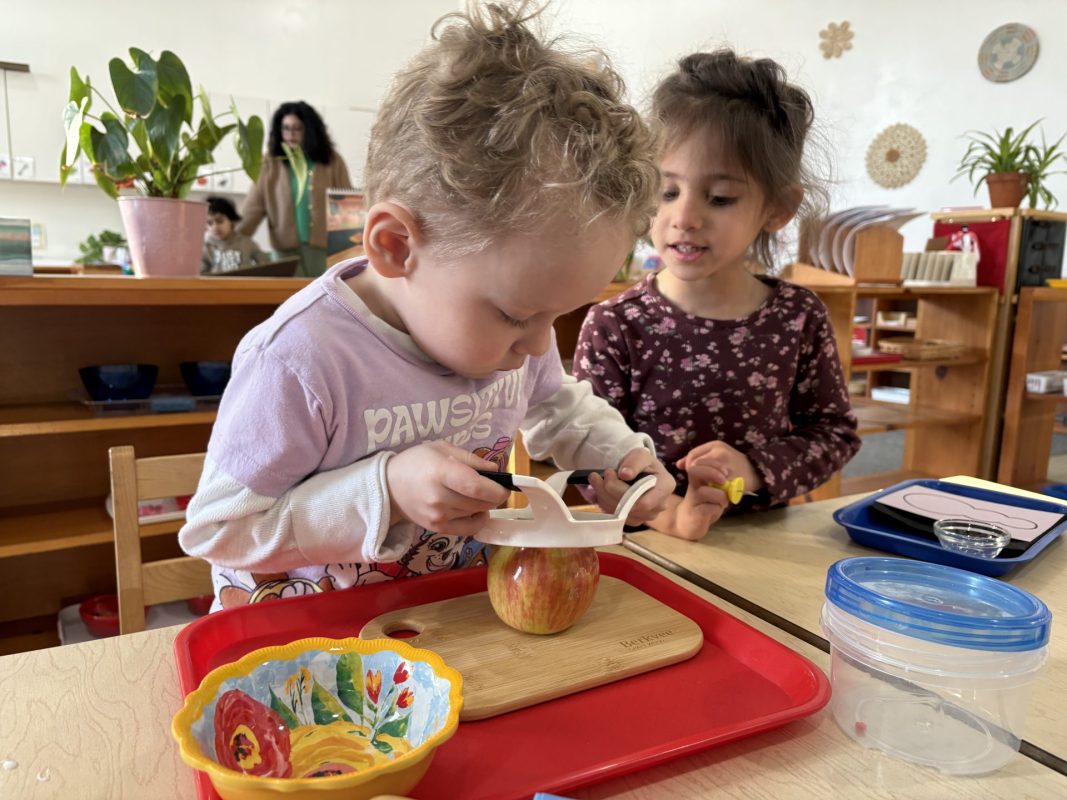
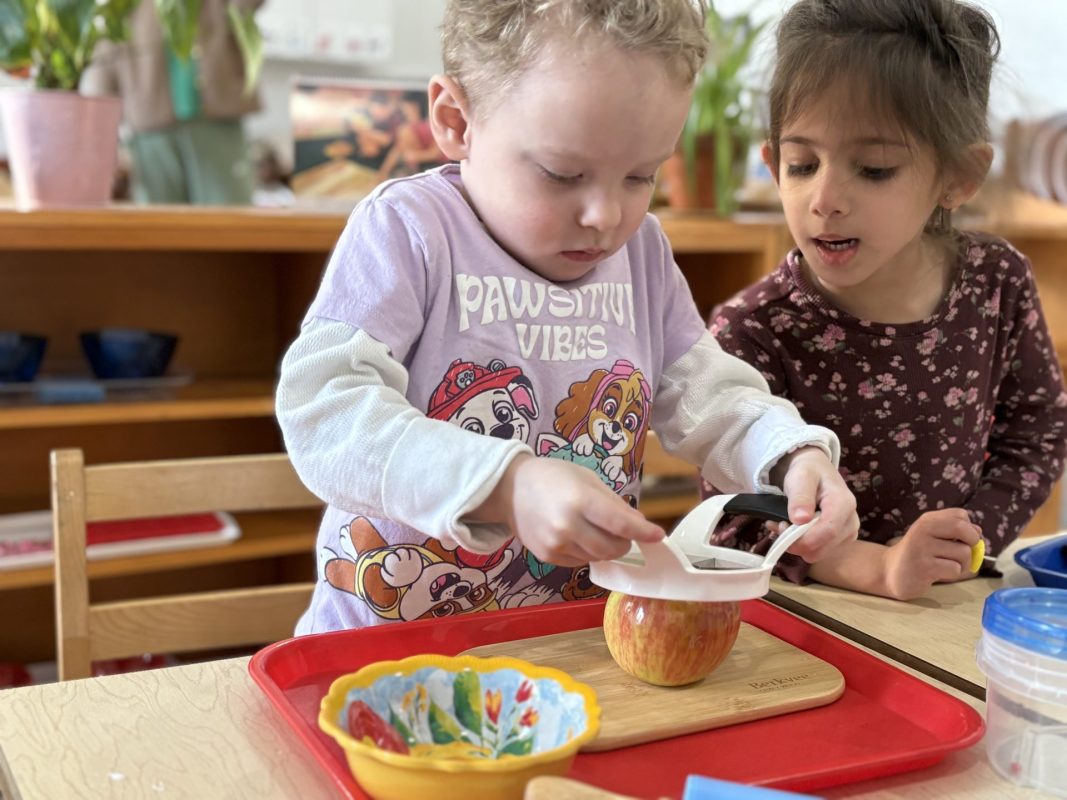
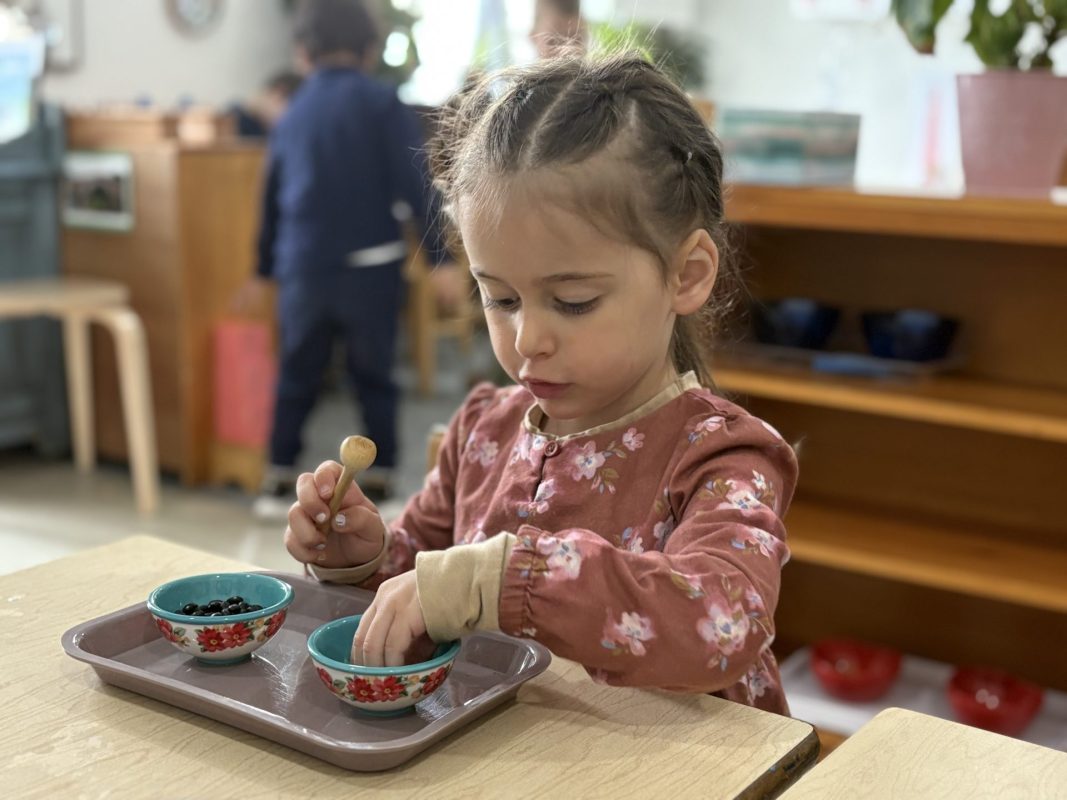
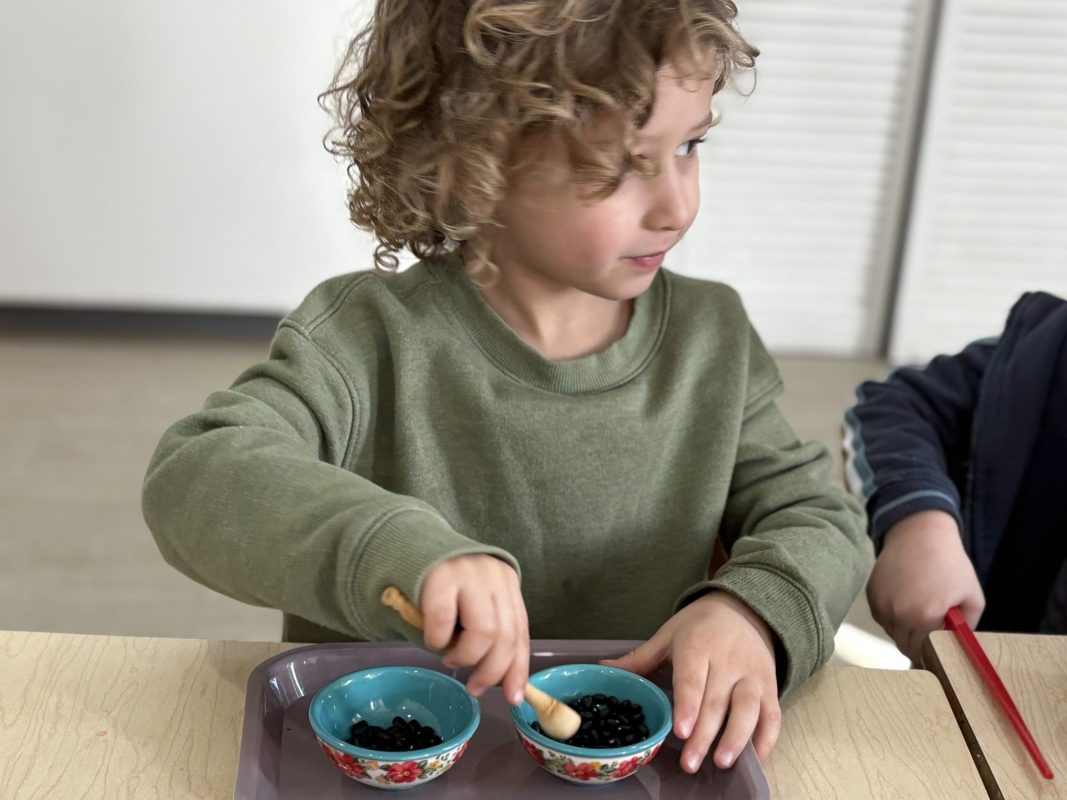
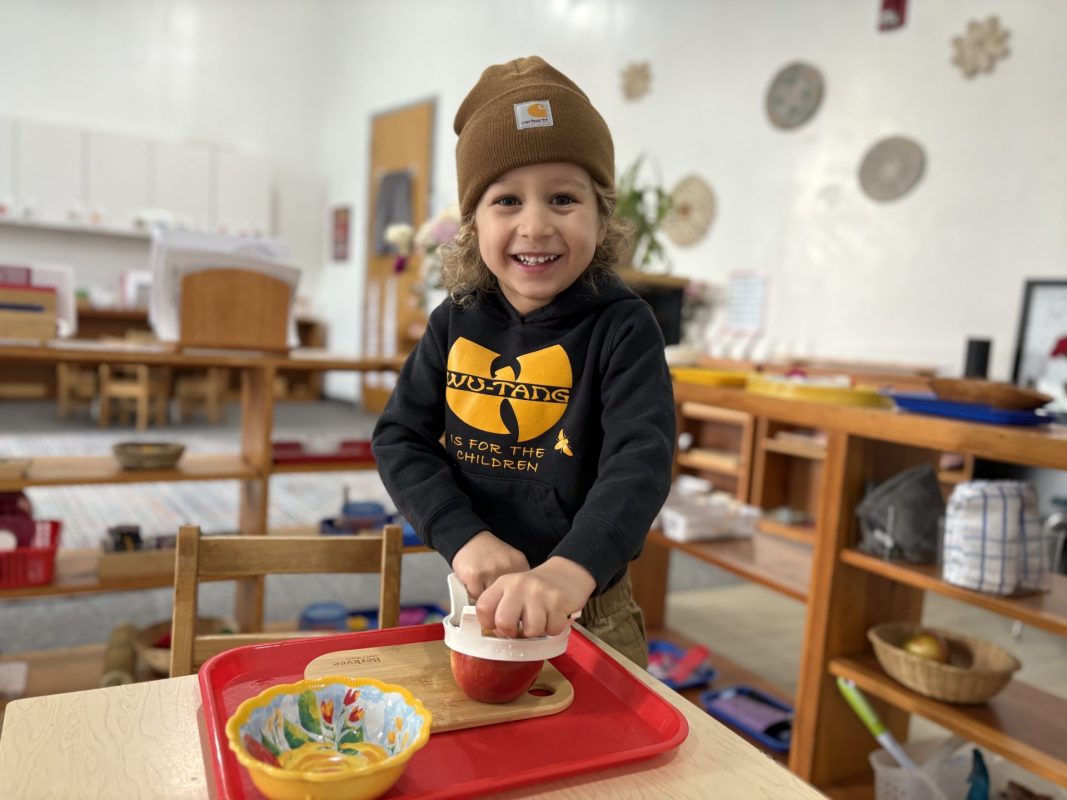
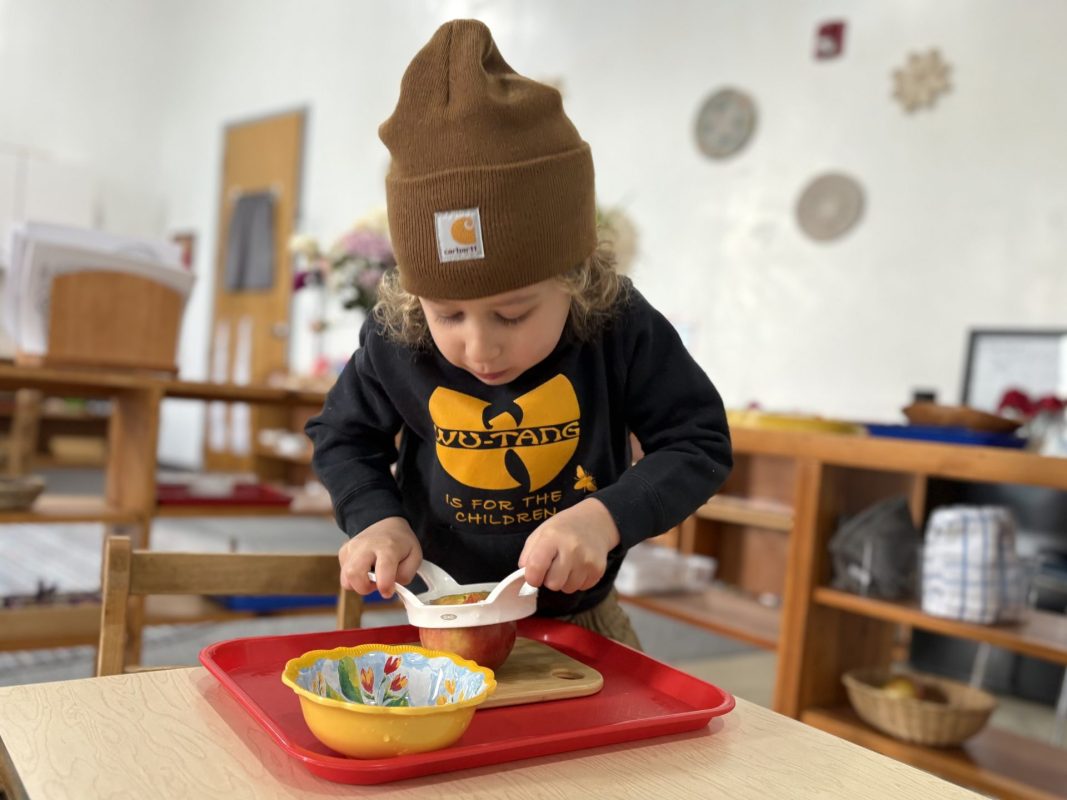
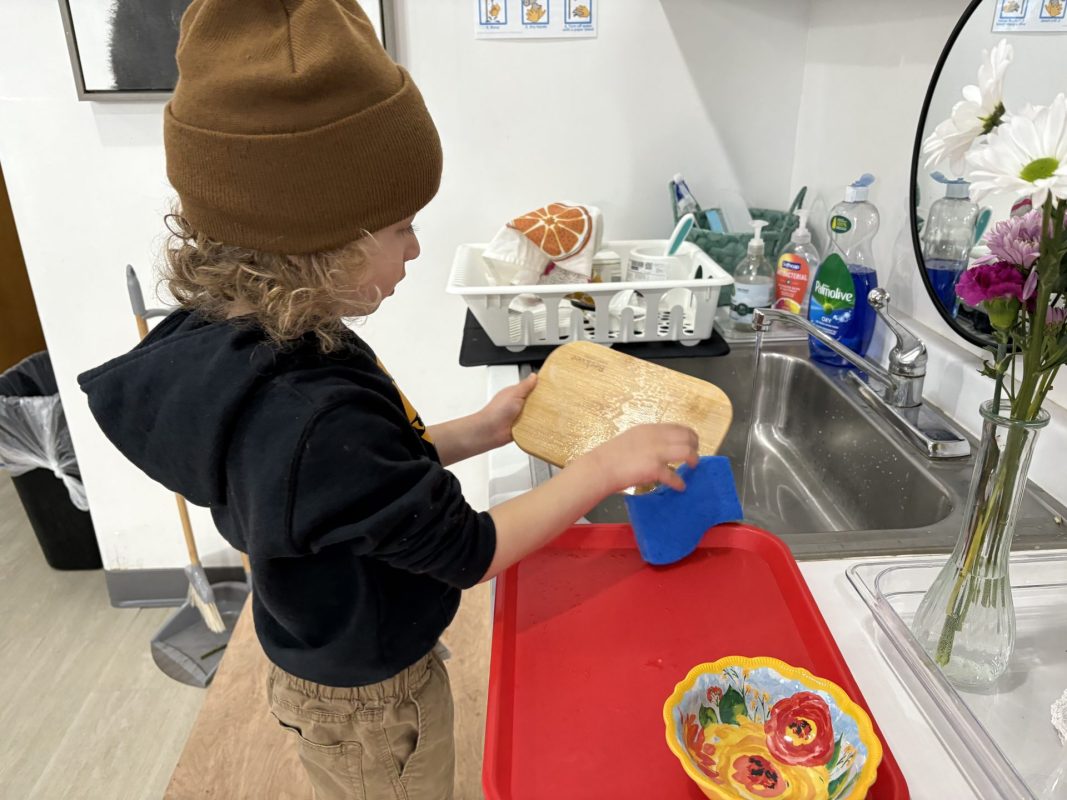
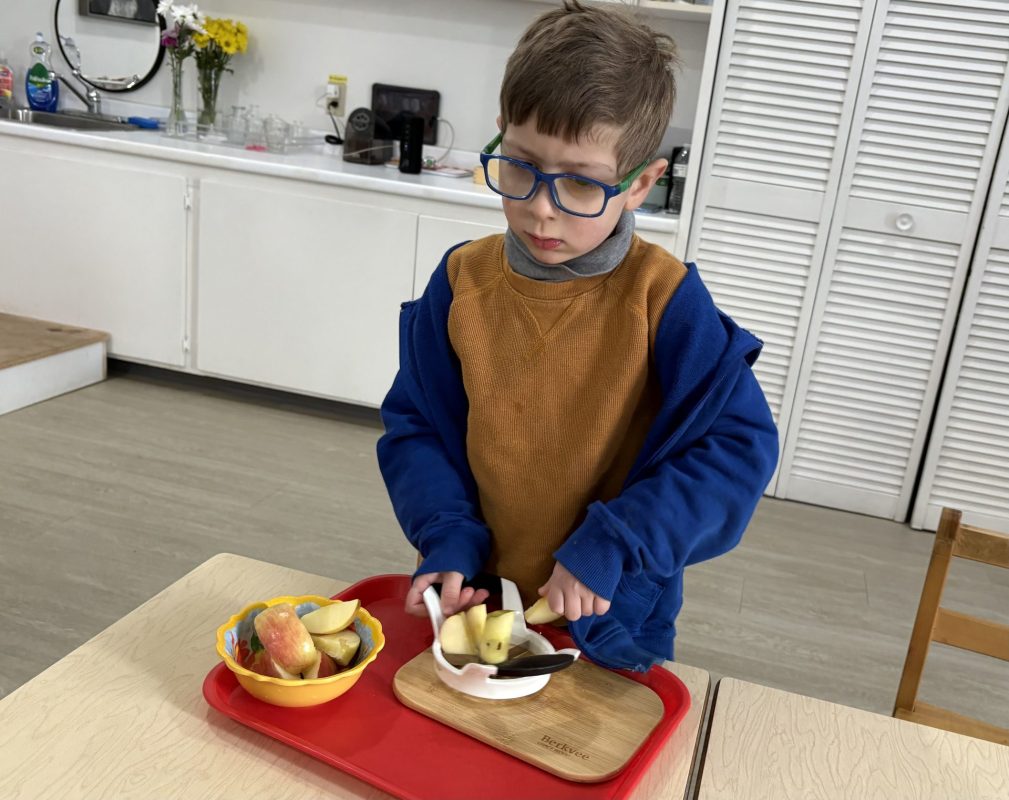
This week, we have introduced apple cutting. There are many steps involved in this practical life activity- from slicing the apple, offering the slices to classmates, cleaning and drying each of the materials at the sink, and finally returning the tray back to the shelf. The children are so capable and filled with pride upon completion of this activity.

Fostering independence in young children is a gradual process that evolves as they grow. It is essential to find a balance between providing support and allowing them to take on more responsibility as they become more capable. This approach helps them to develop the skills and confidence they need to become self-sufficient individuals.

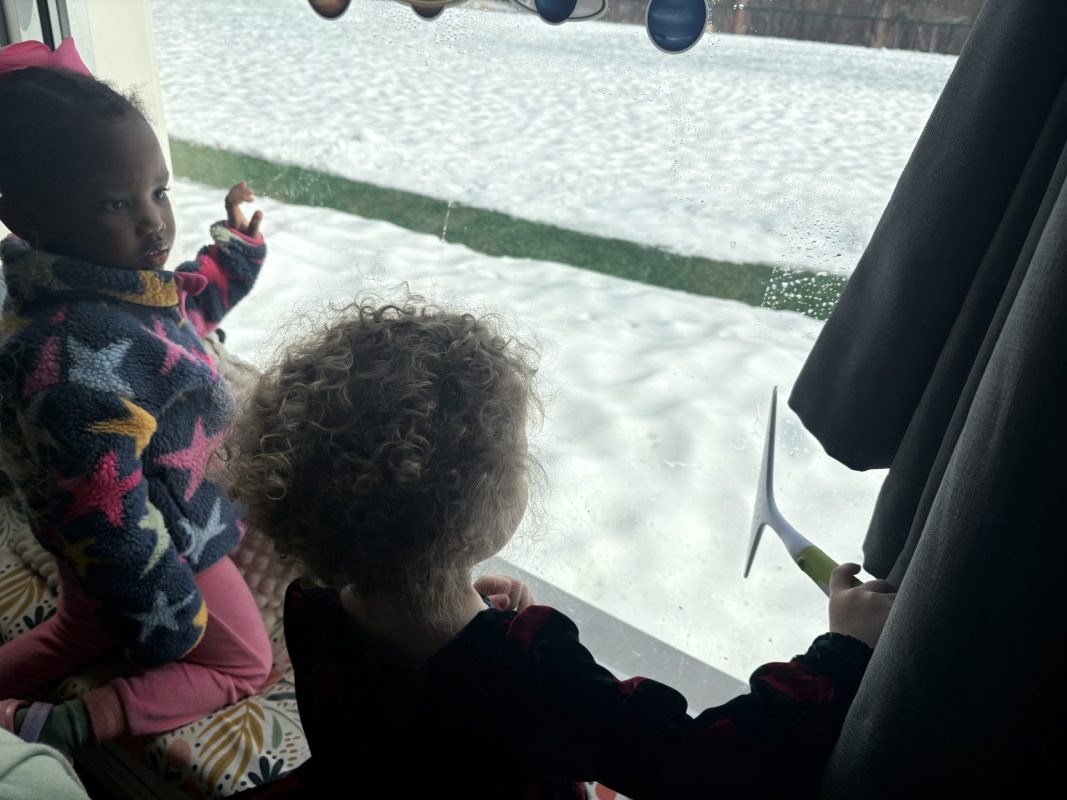
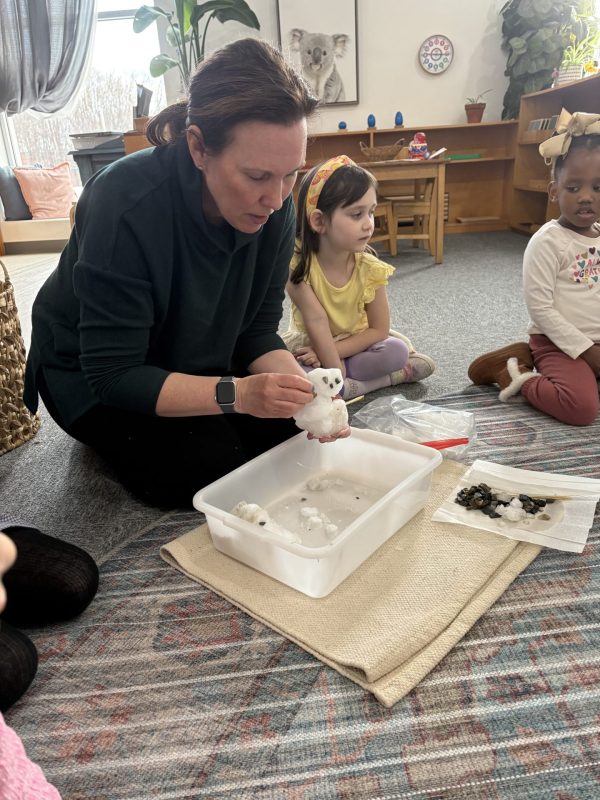
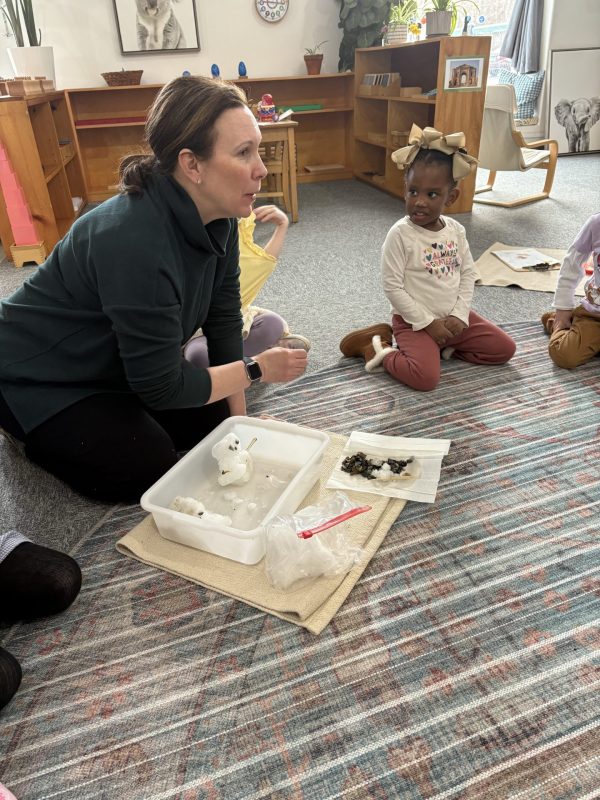
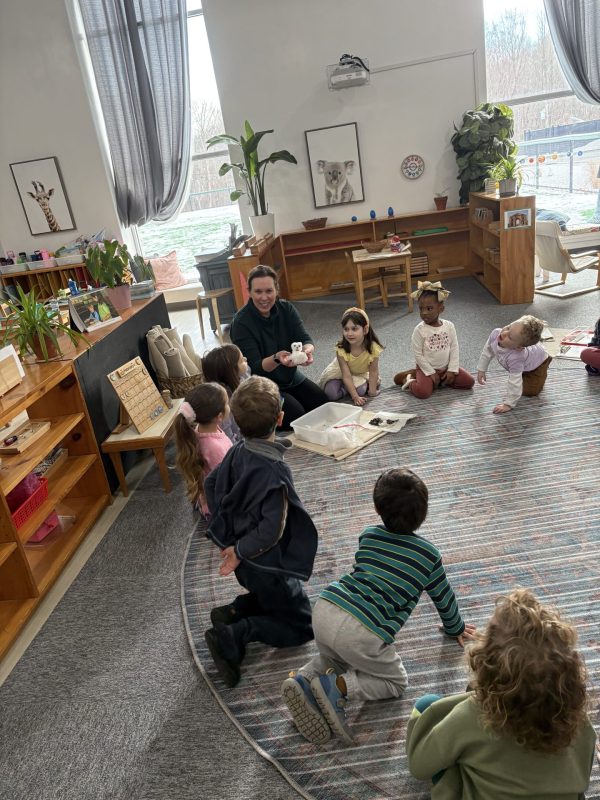
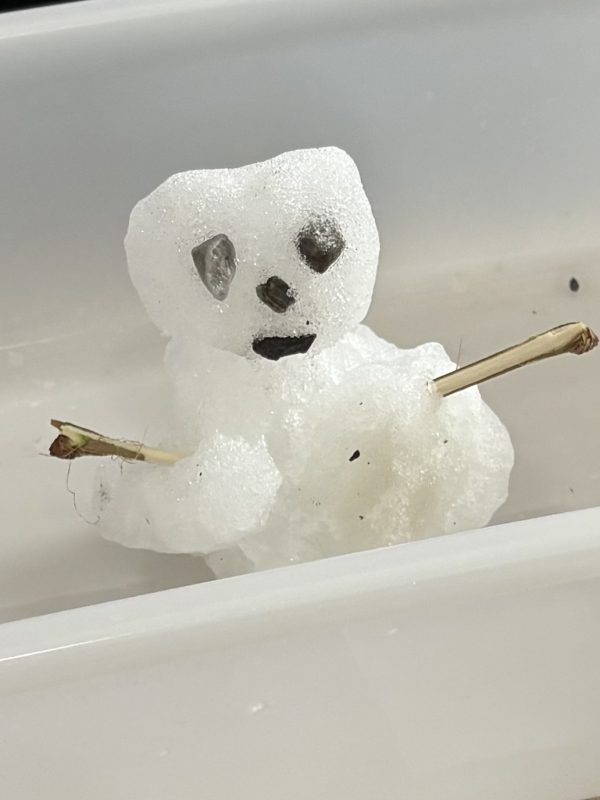
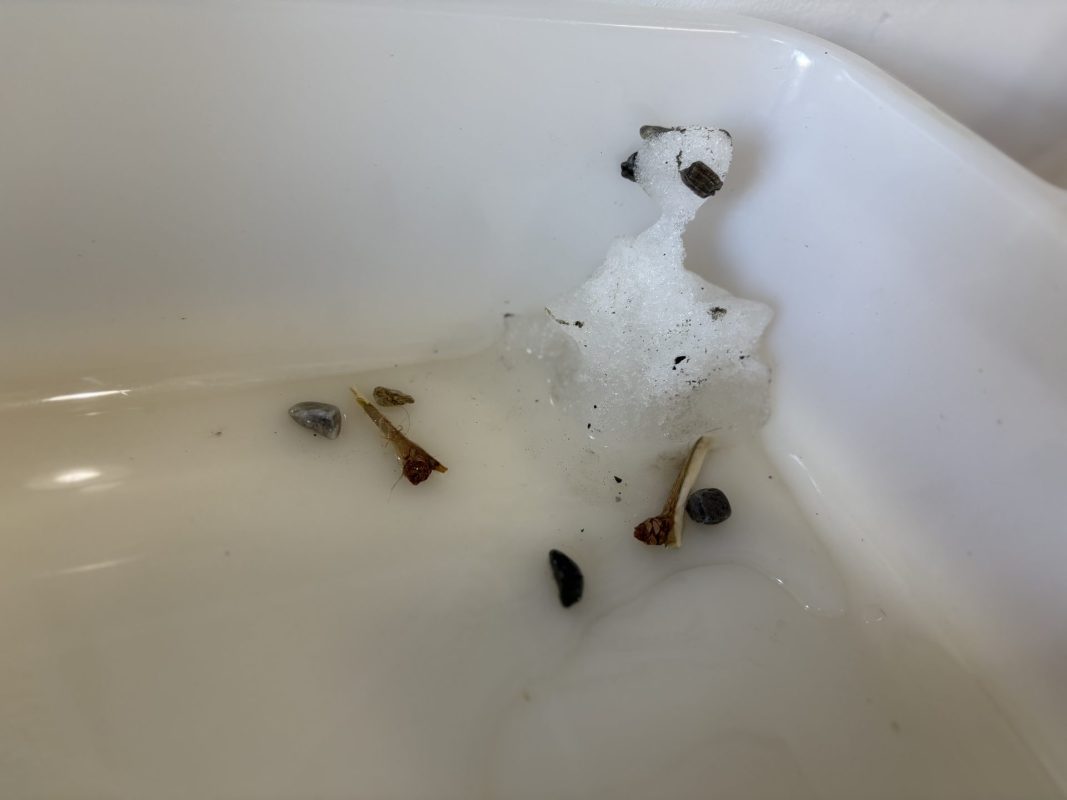
This week, we finally had the chance to build a snowperson! We have been observing its transformation ever since bringing it indoors. The children were excited and amazed to see how much of the melted snow had evaporated after missing school yesterday due to the snow.

Best wishes for a fabulous week!

Christine & Fatima


Mrs. Sargeant: A Peek at the Week

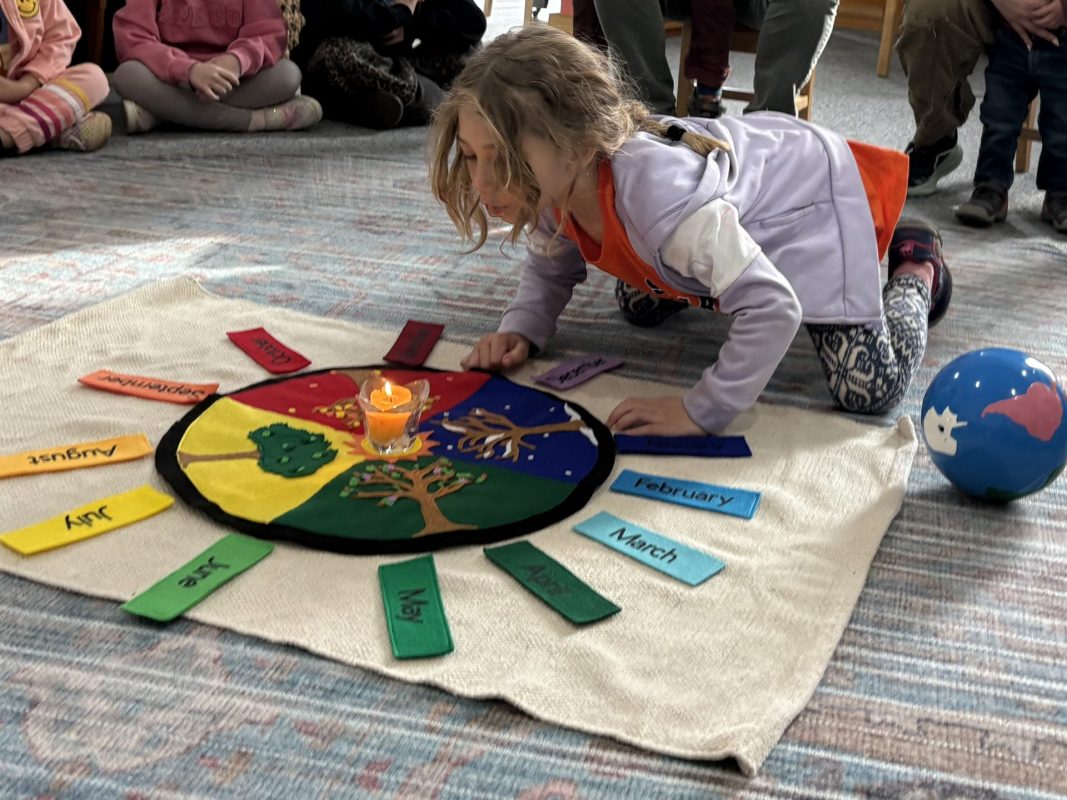
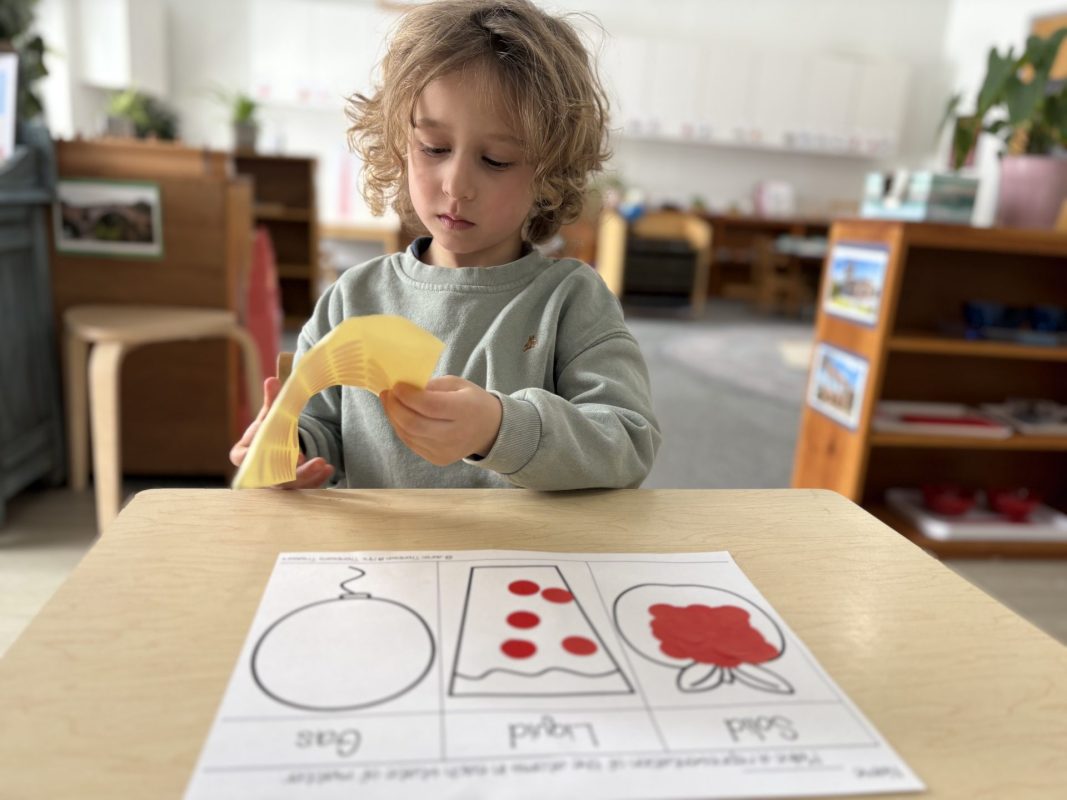
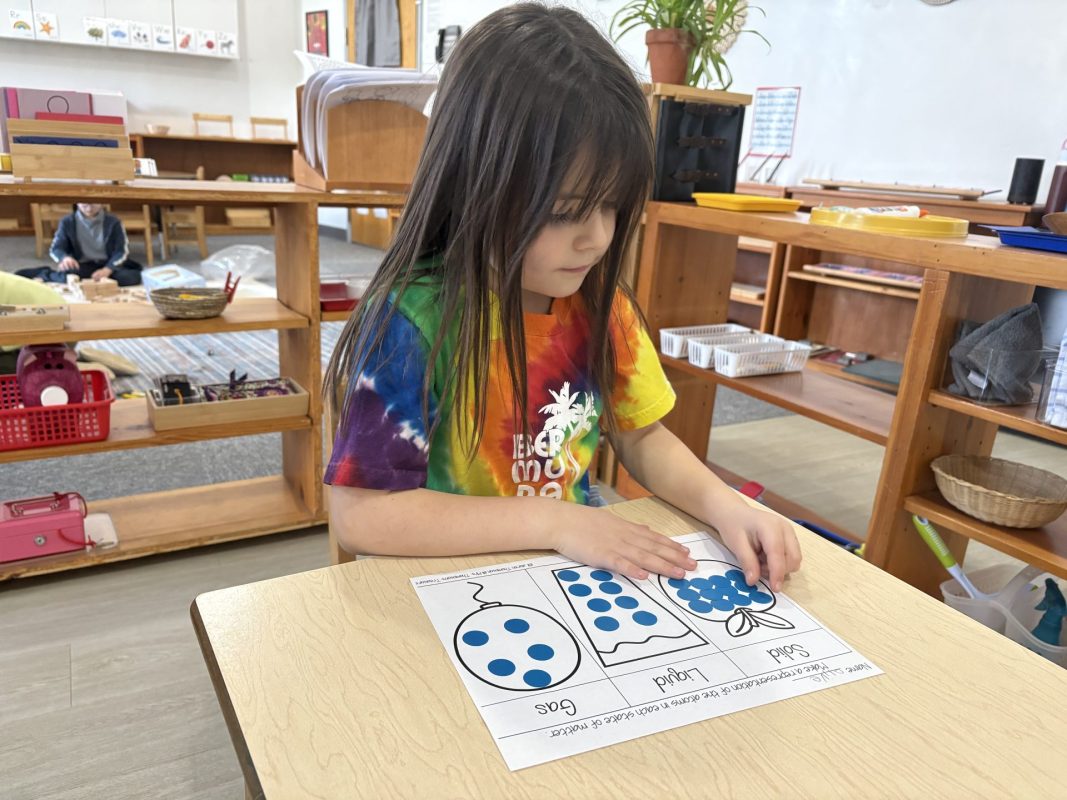
We have begun a science unit on States of Matter. Matter is all around us. Everything that you can touch, taste, smell, and see is made of matter. The three main states of matter are solids, liquids, and gases.

Solids have a definite shape because these molecules are very close together and do not move very much. The shapes of solids do not change unless some type of force makes them change. Liquid matter does not have its own shape. The tiny molecules in liquids are not as close together as solid molecules, and they move around more. Liquids take the shape of the container they are in. Gas matter also does not have its own shape. The molecules in a gas are far apart, and they move around a lot. Gases spread out and fill up their container, too.
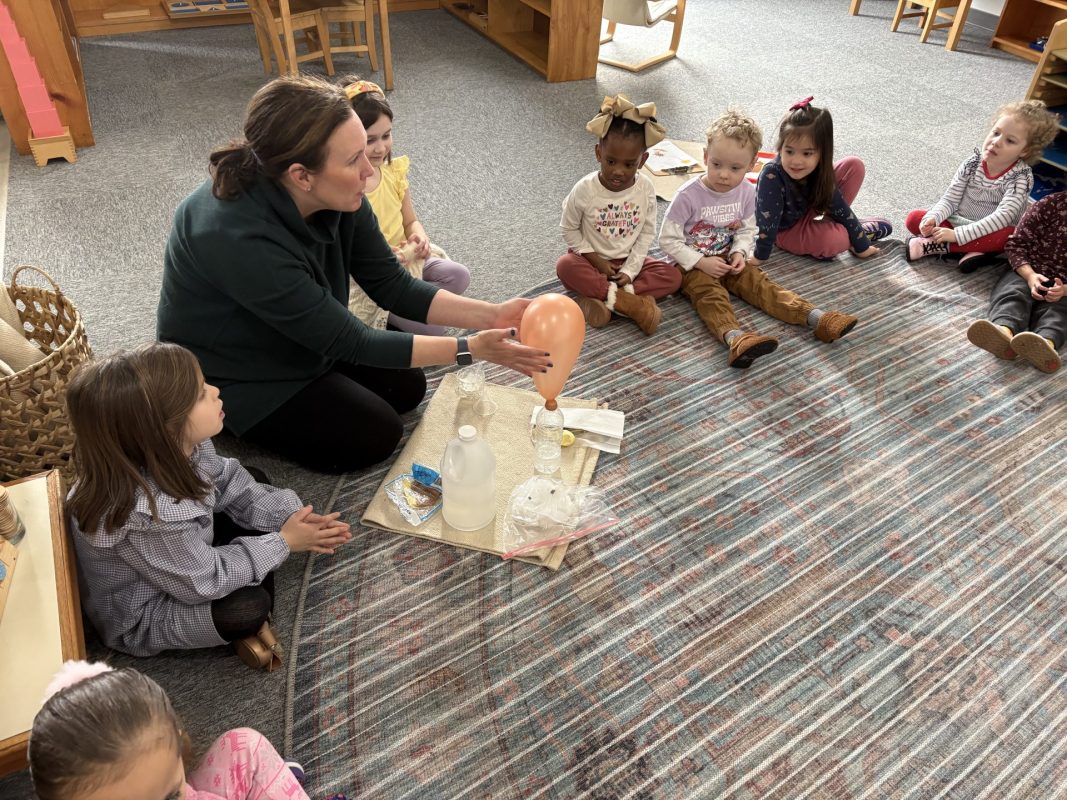
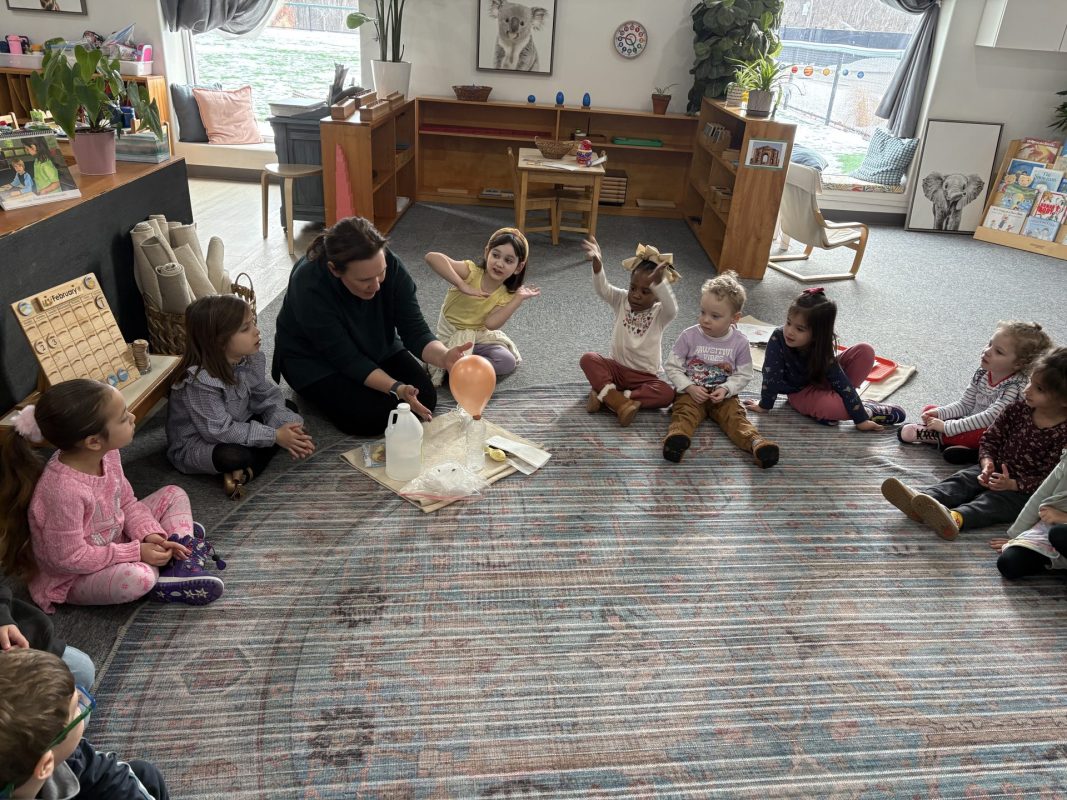
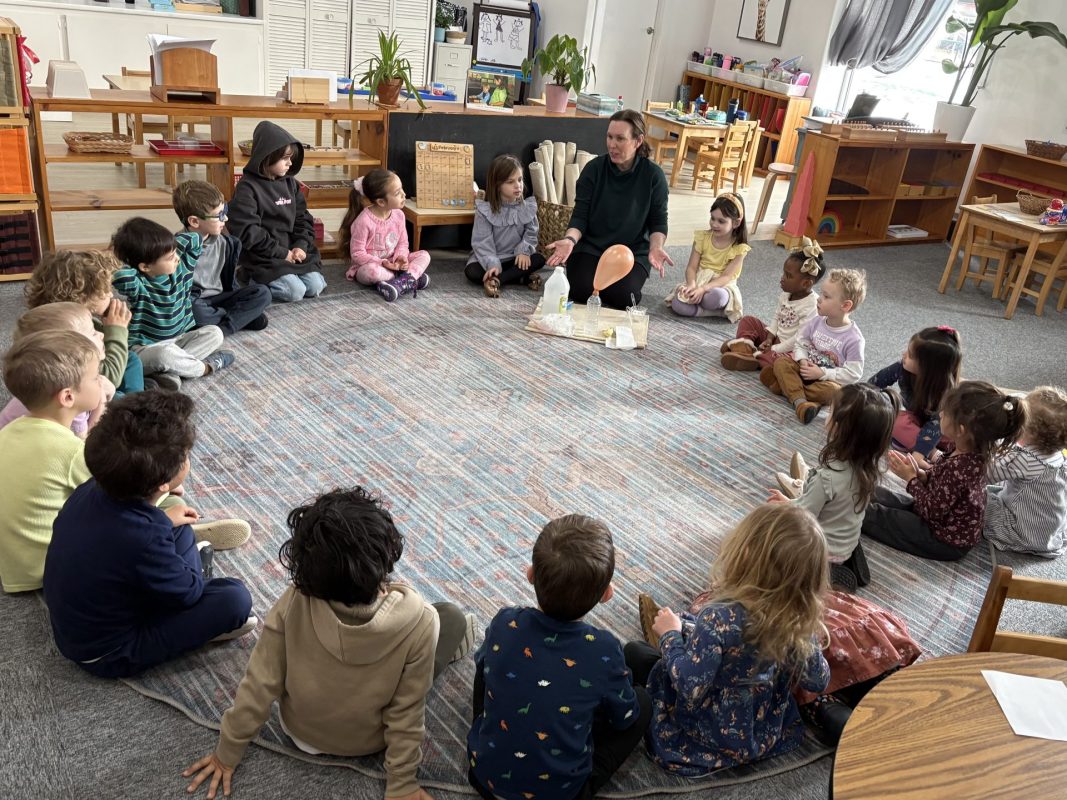
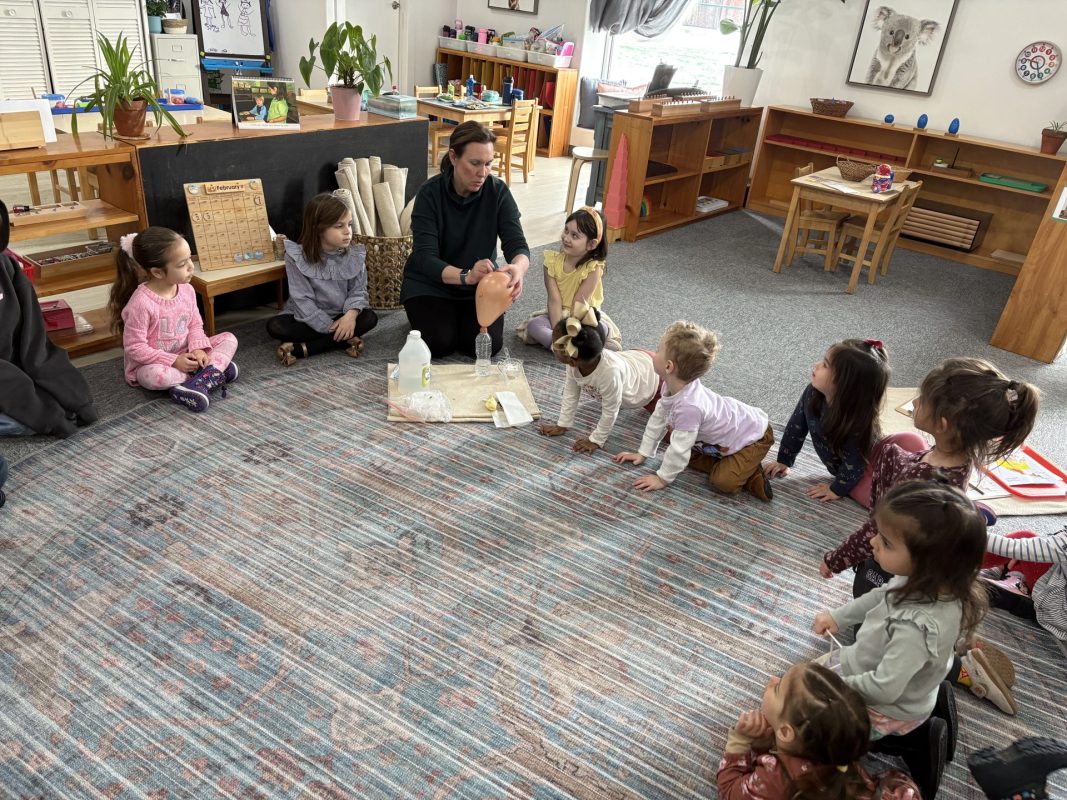
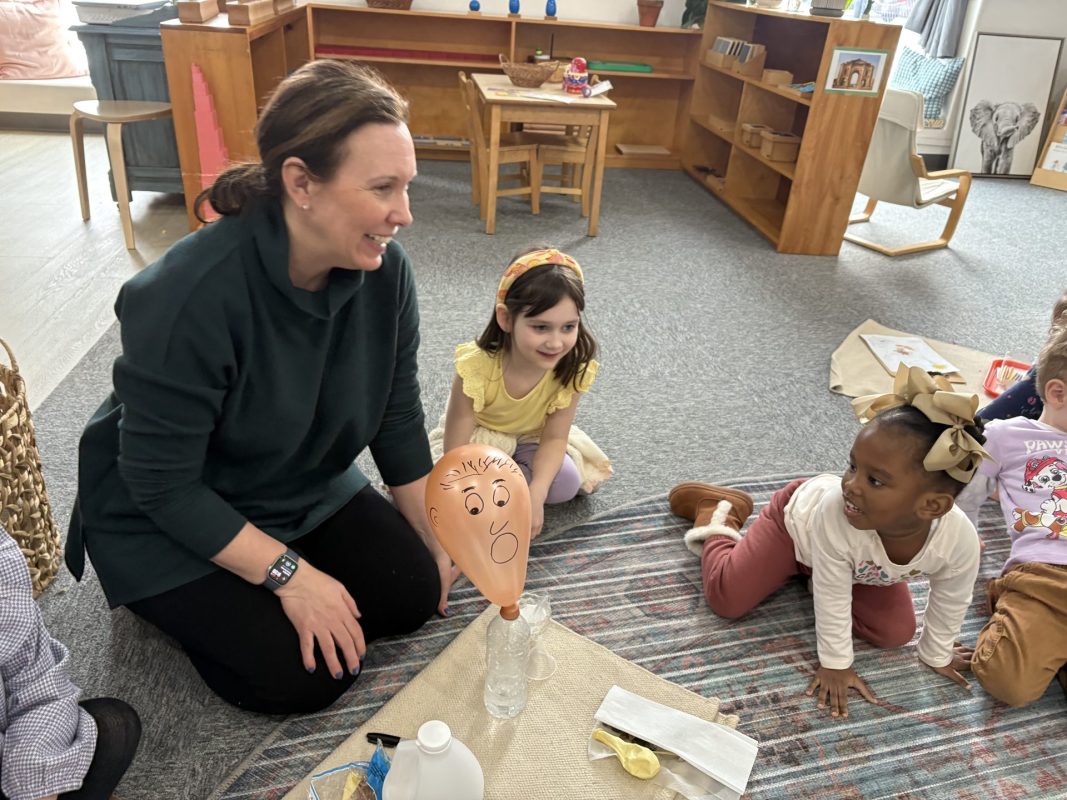
This week, we talked about experiments and making predictions. We blew up a balloon using something other than our mouths – we poured vinegar into a bottle, then added baking soda to the balloon, put it right on top, and watched the reaction as the balloon filled.

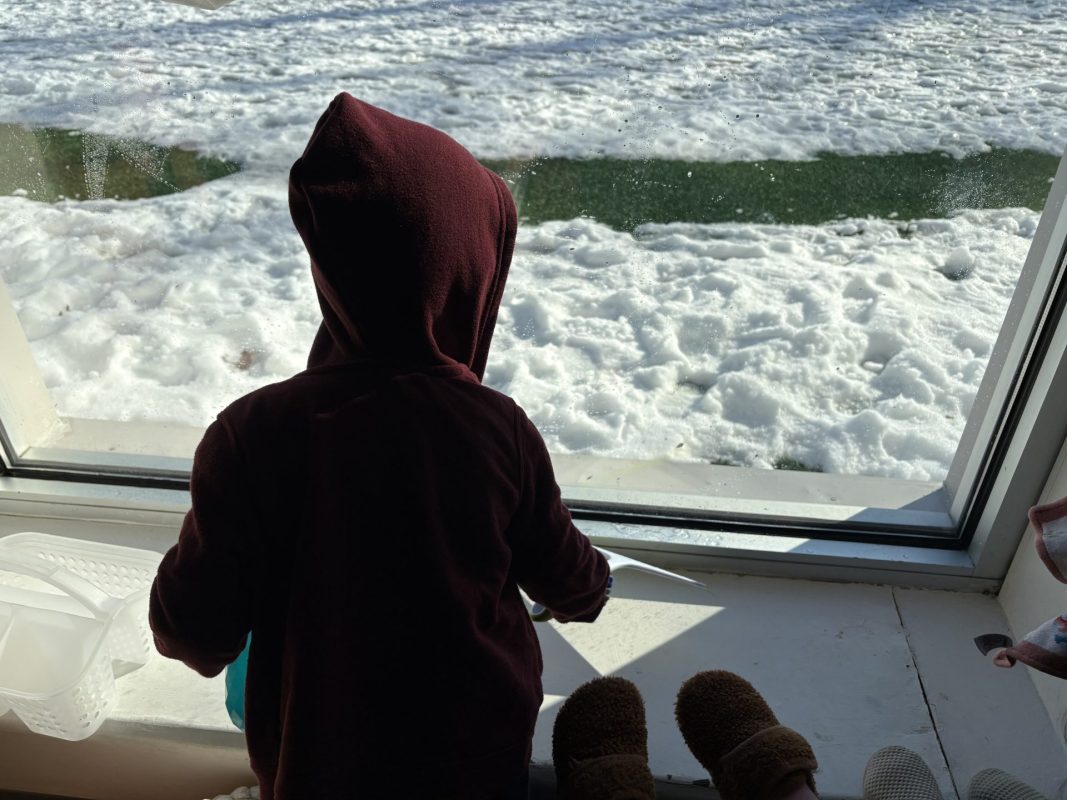
We are eagerly awaiting a snowfall so that we can build a snowperson, bring them inside, and observe the transformation from a solid to a liquid and finally a gas.

We also took a trip to the gym this week to watch the Middle Schoolers’ performance of Set in Stone. It was such a treat, and your children were a very respectful audience!

Wishing everyone a fabulous week!

Christine & Fatima