Ms. Marissa: First Stop, South America!

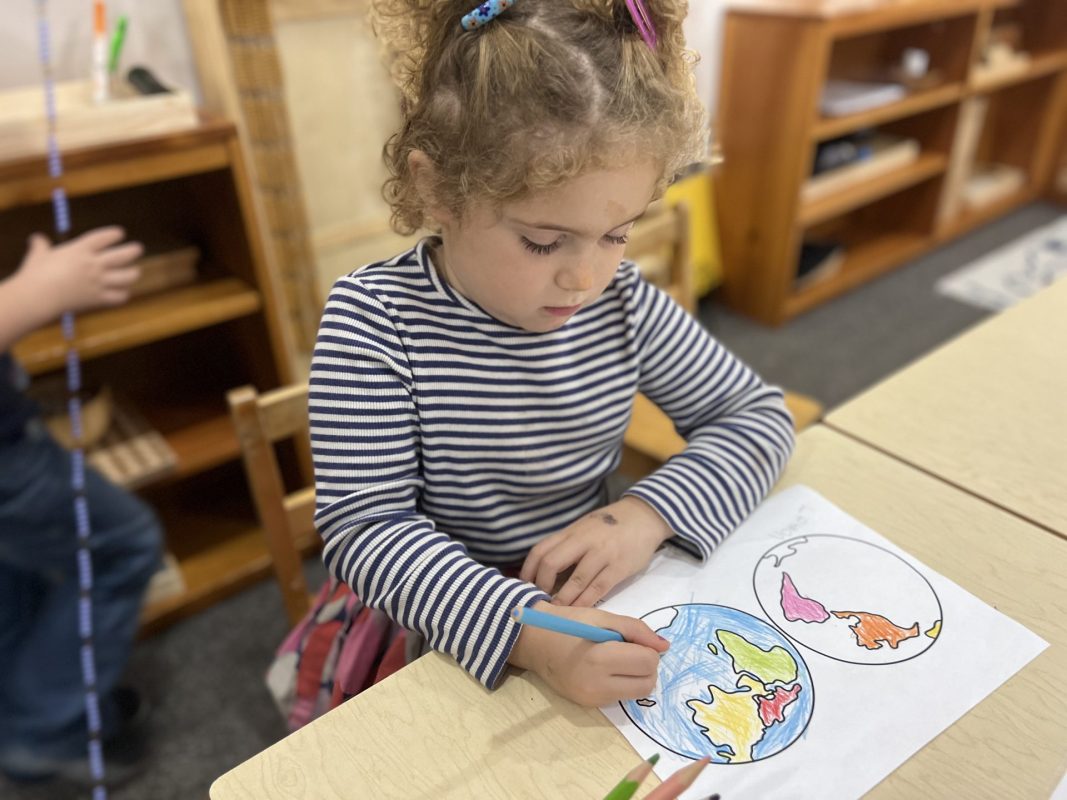
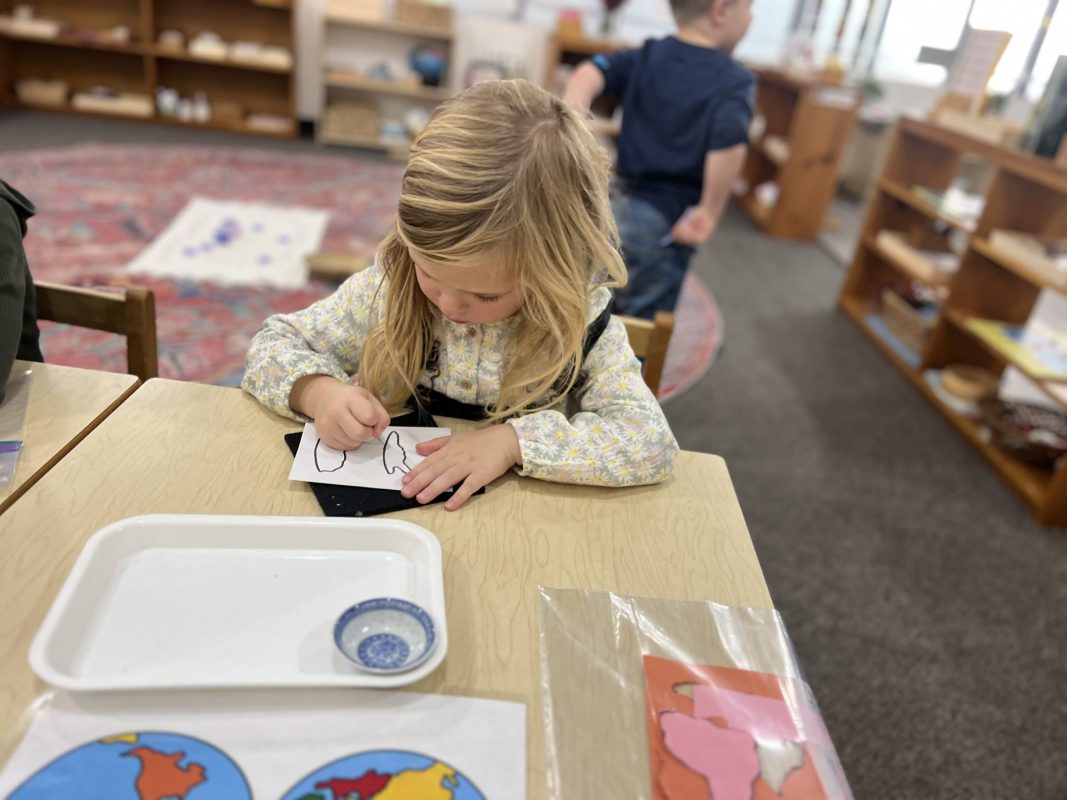
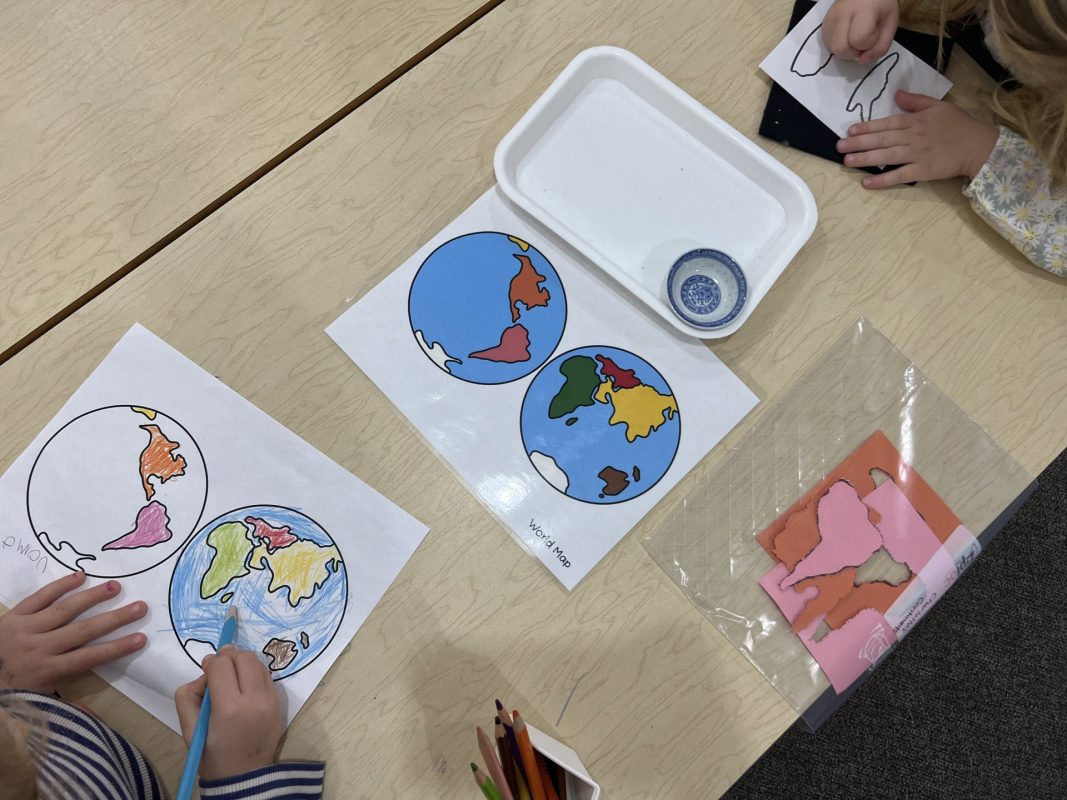
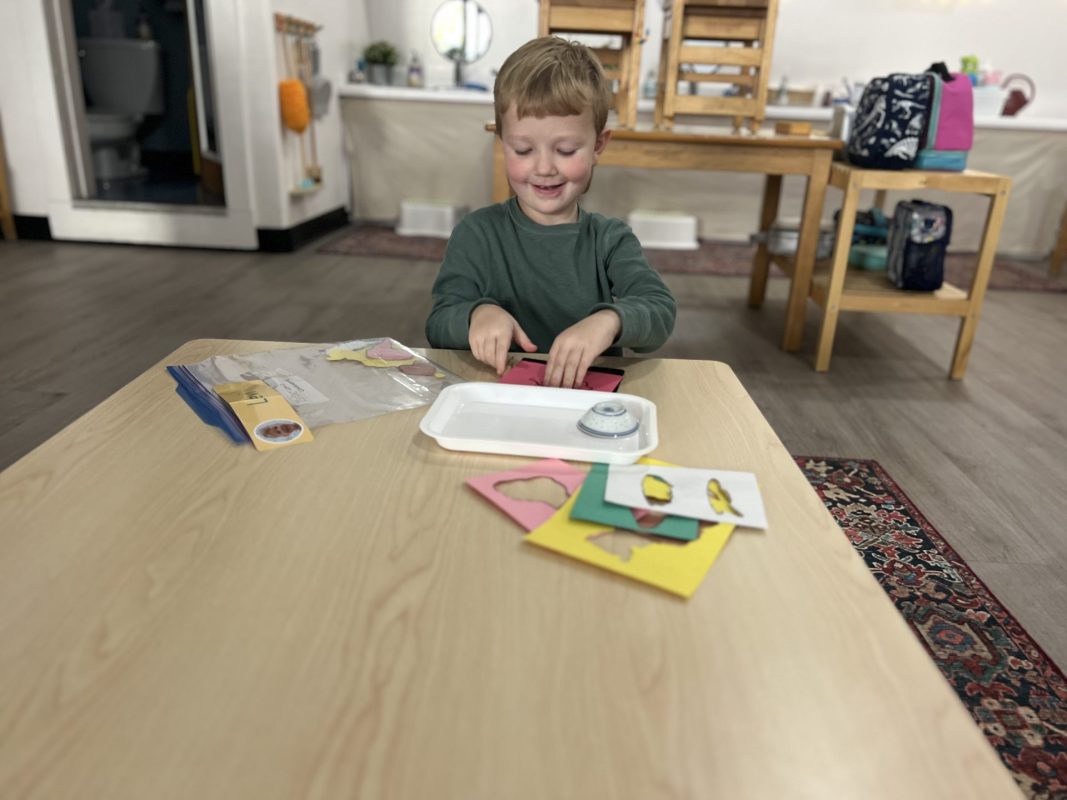
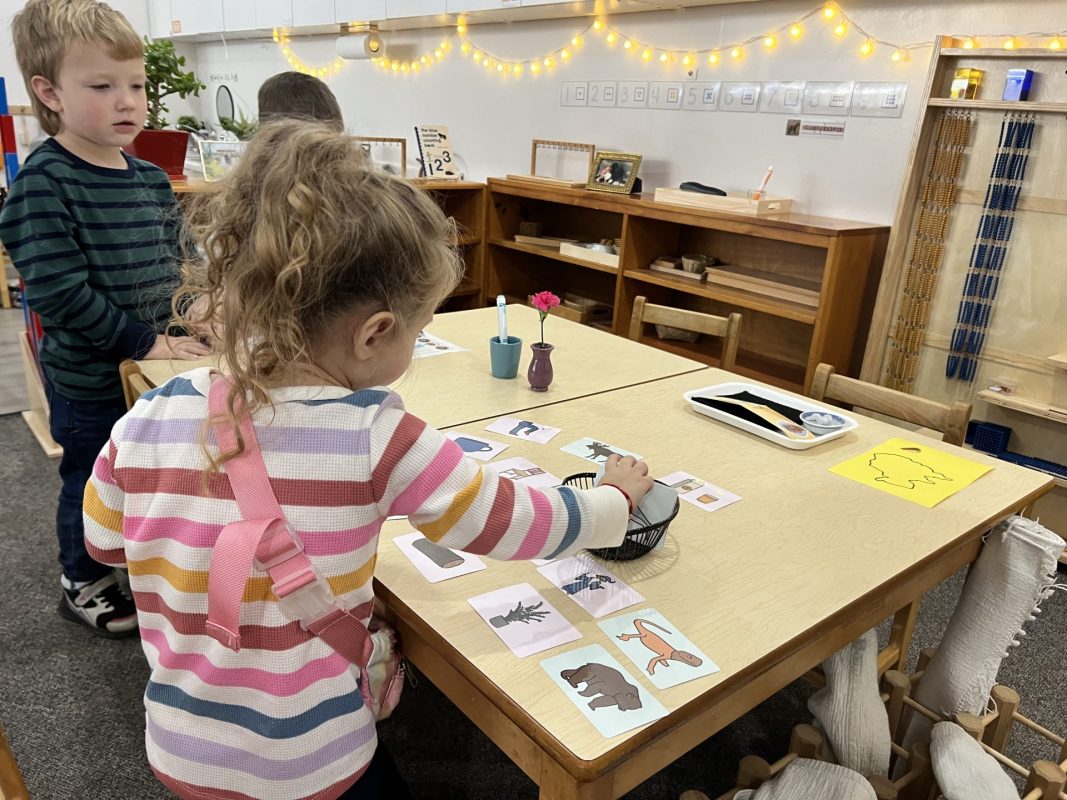
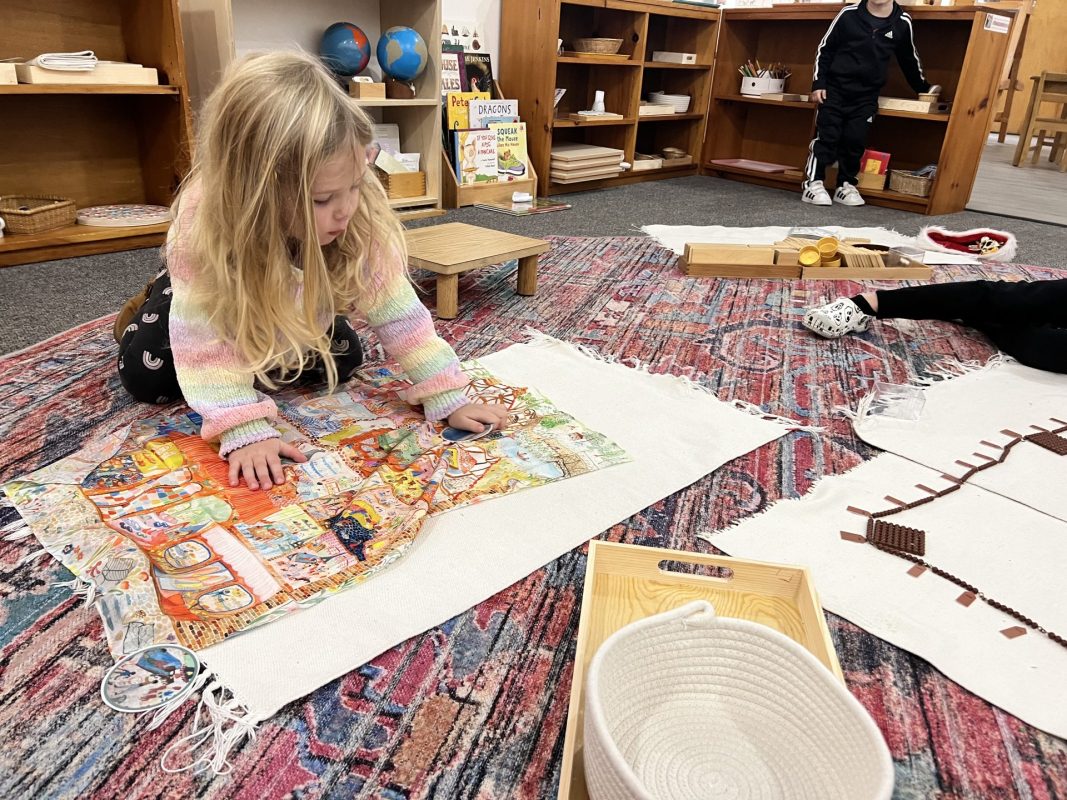
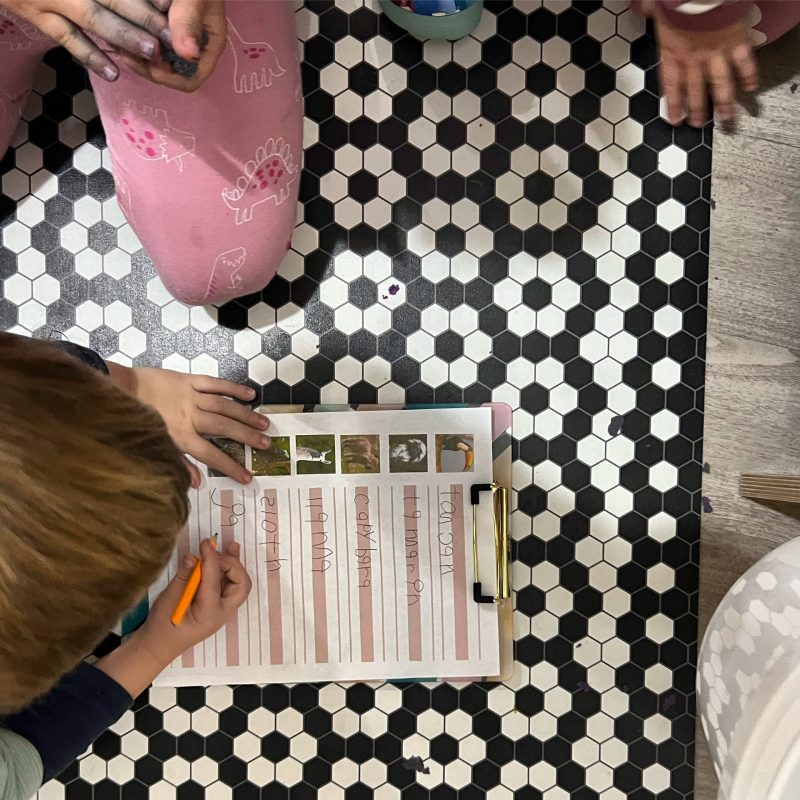
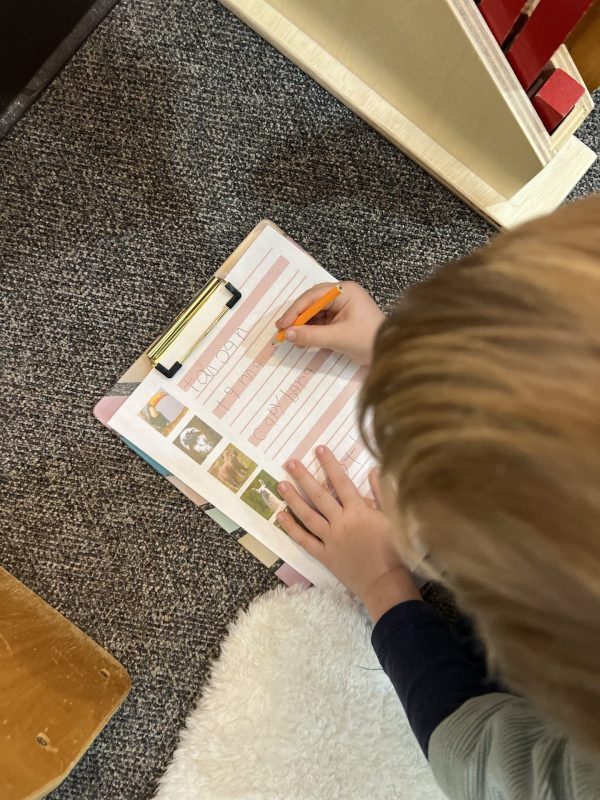
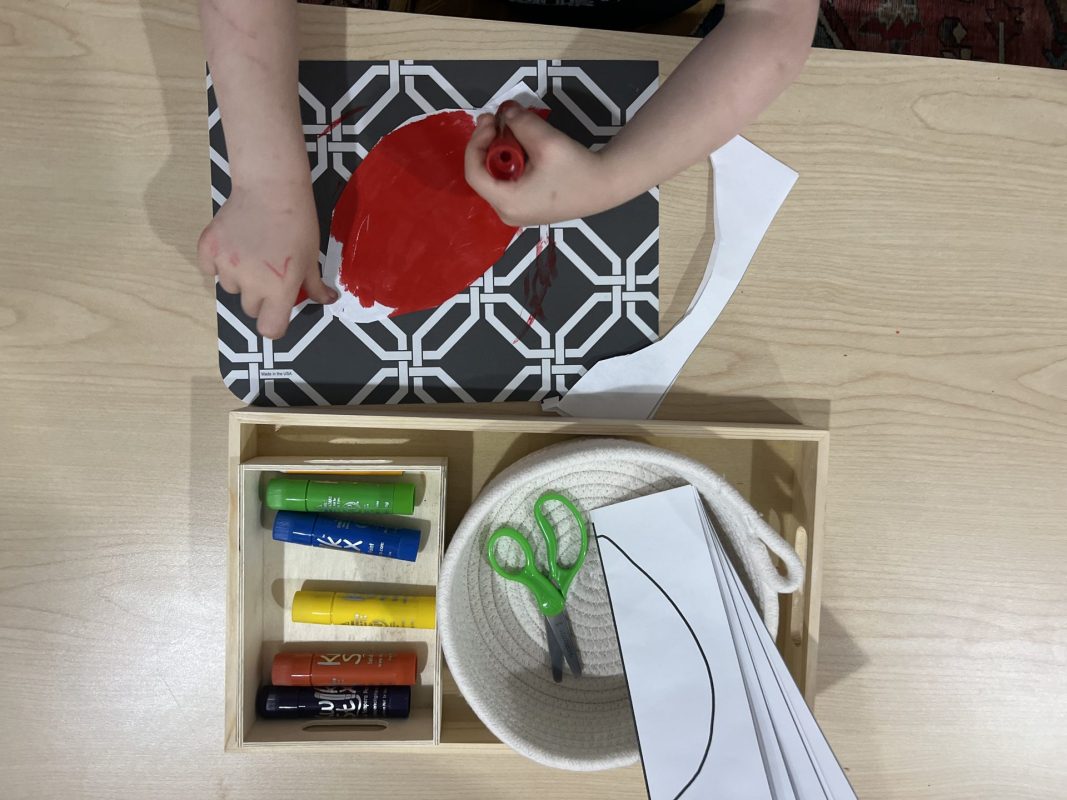
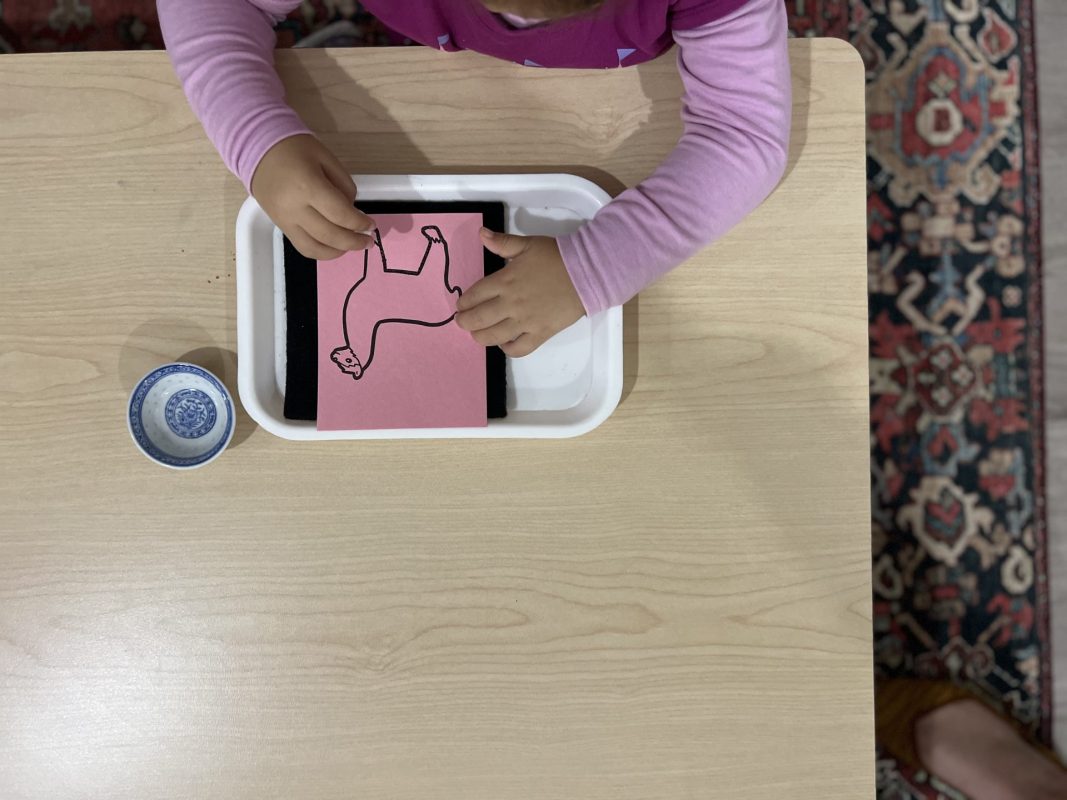
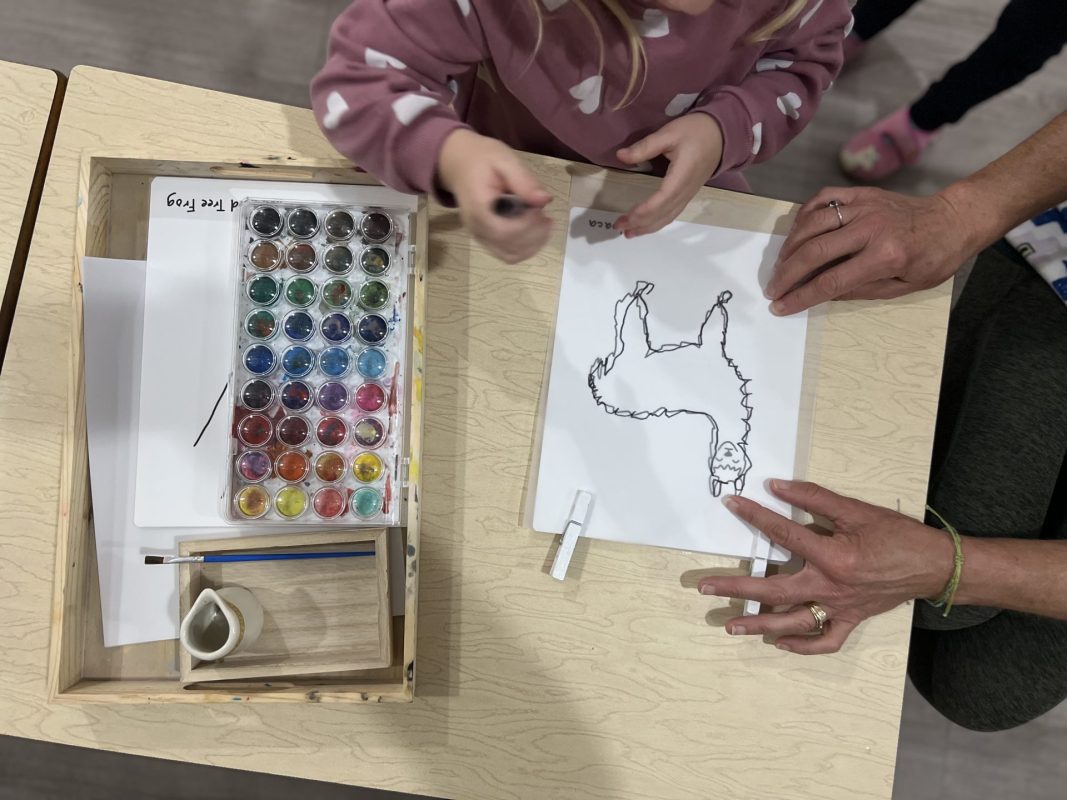
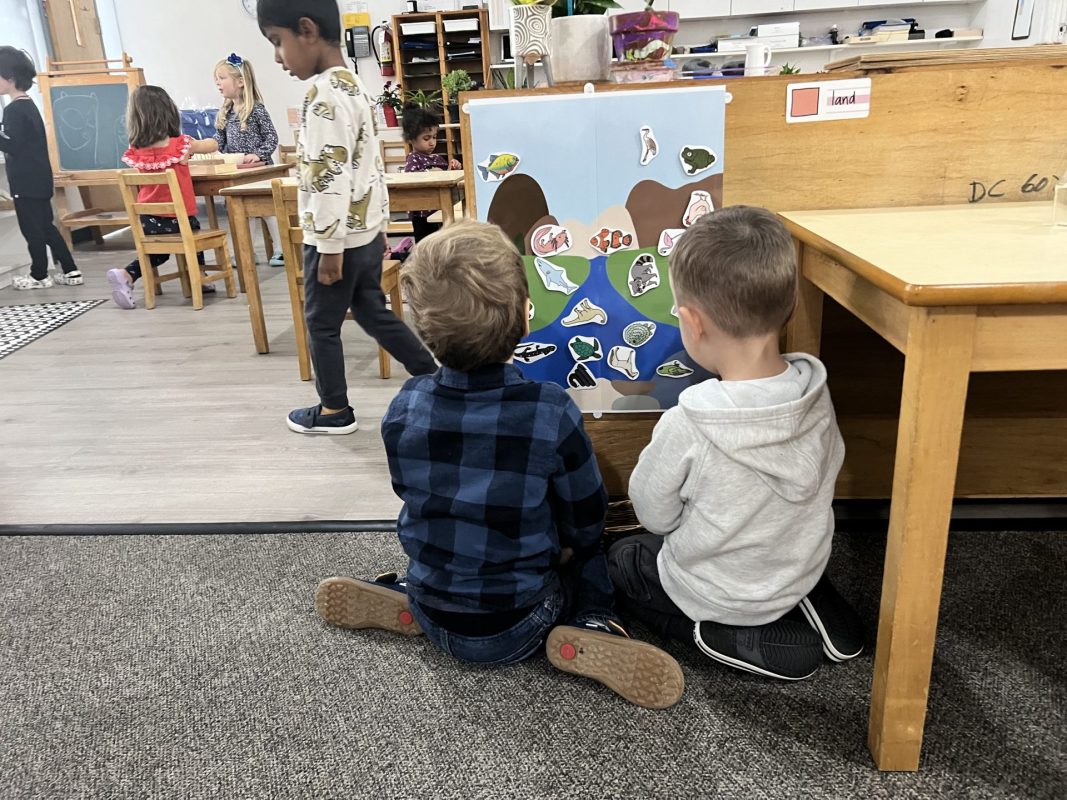
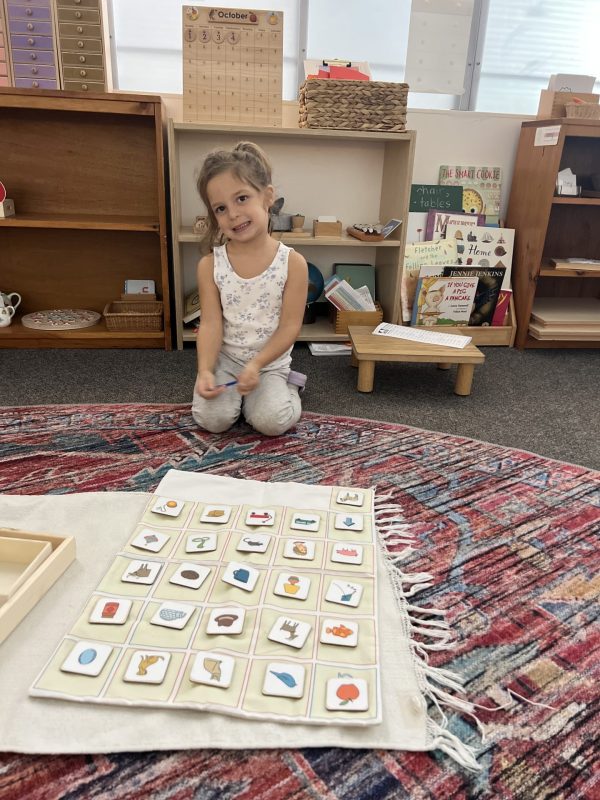
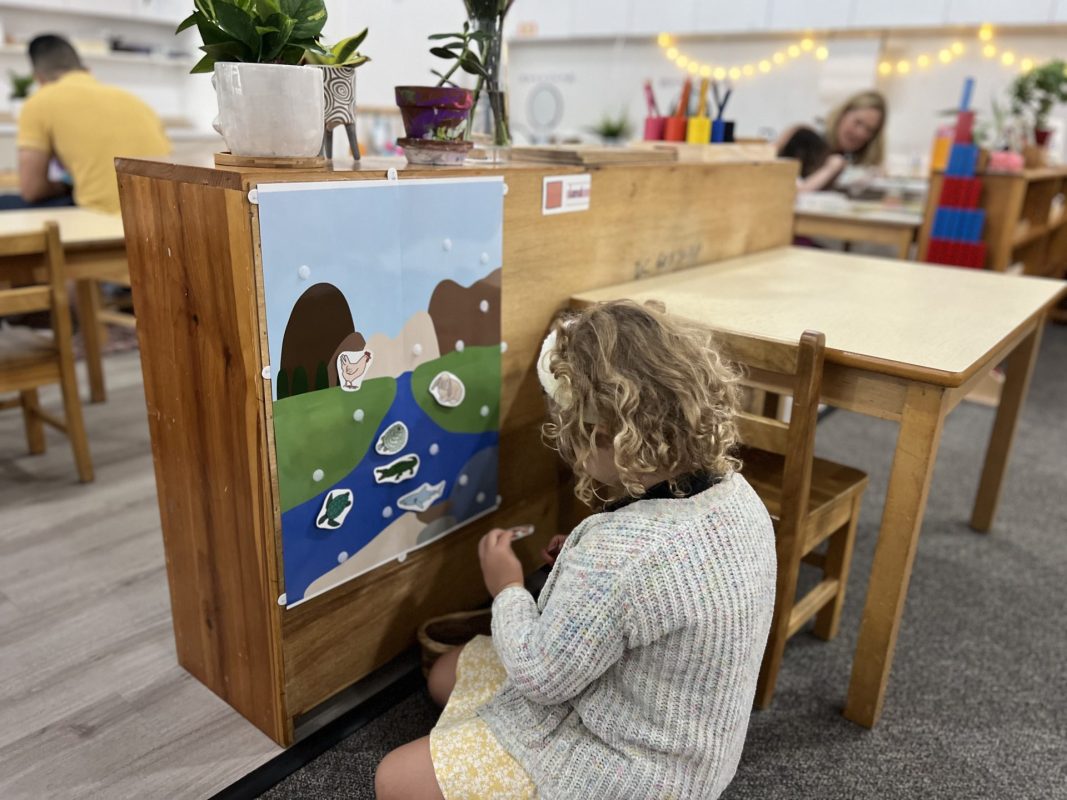
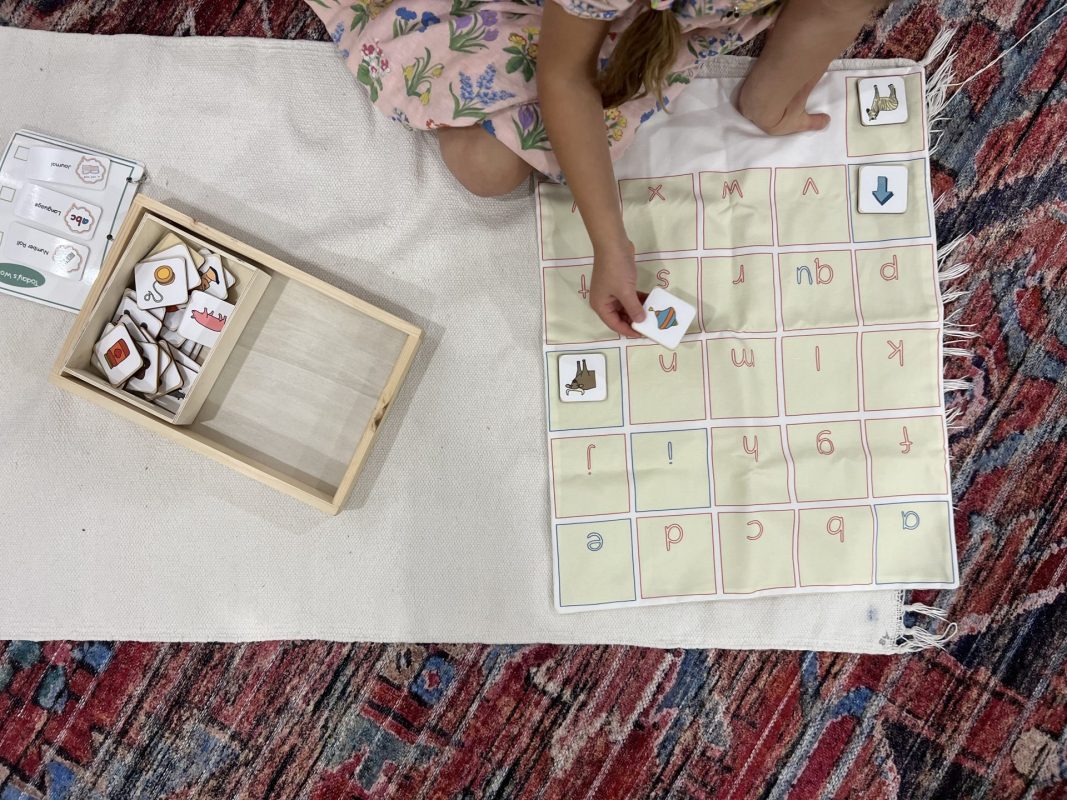
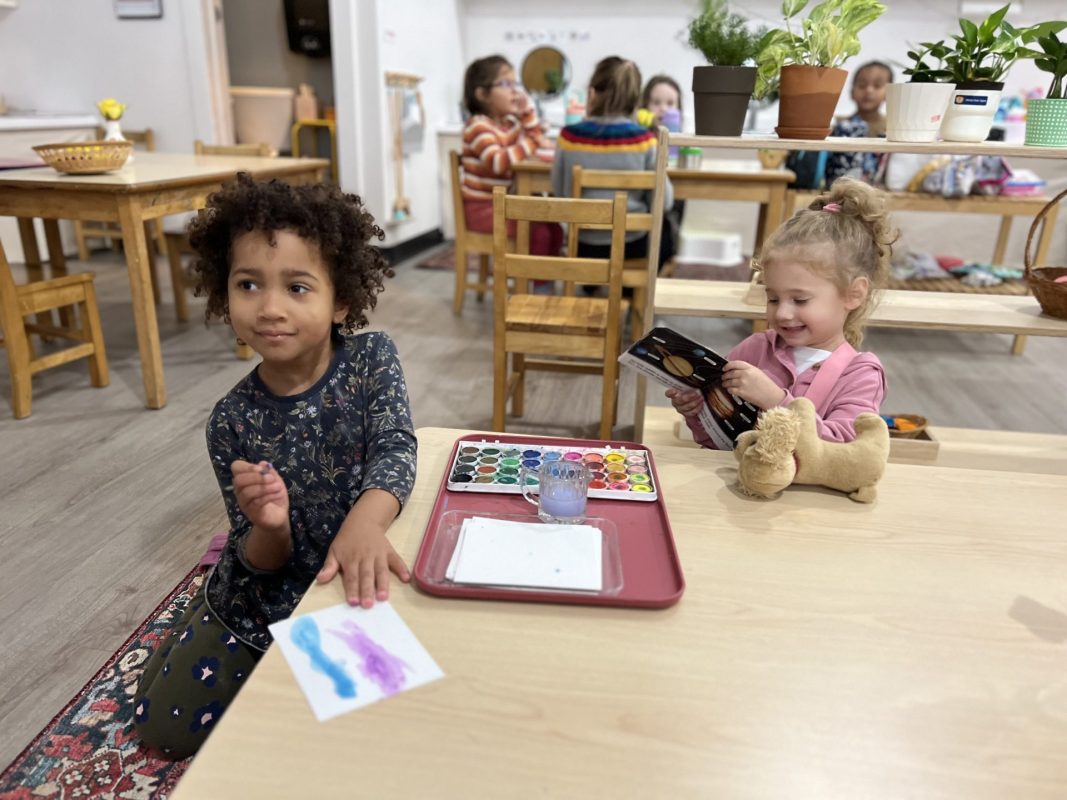
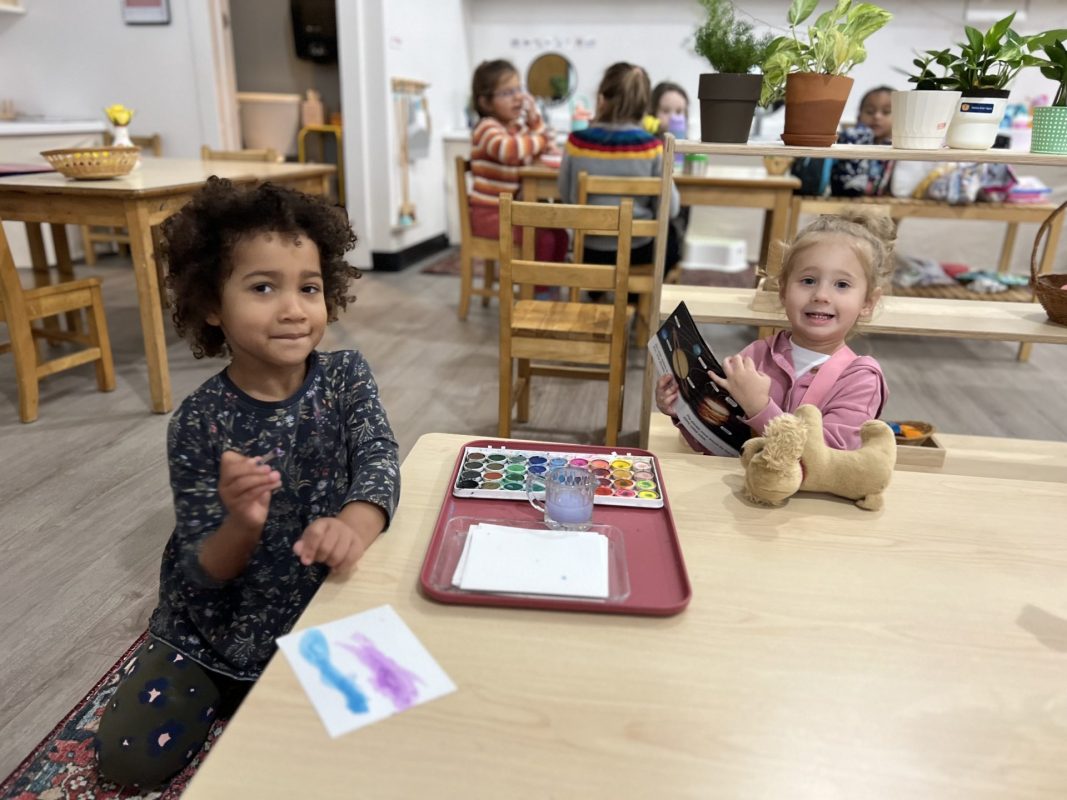
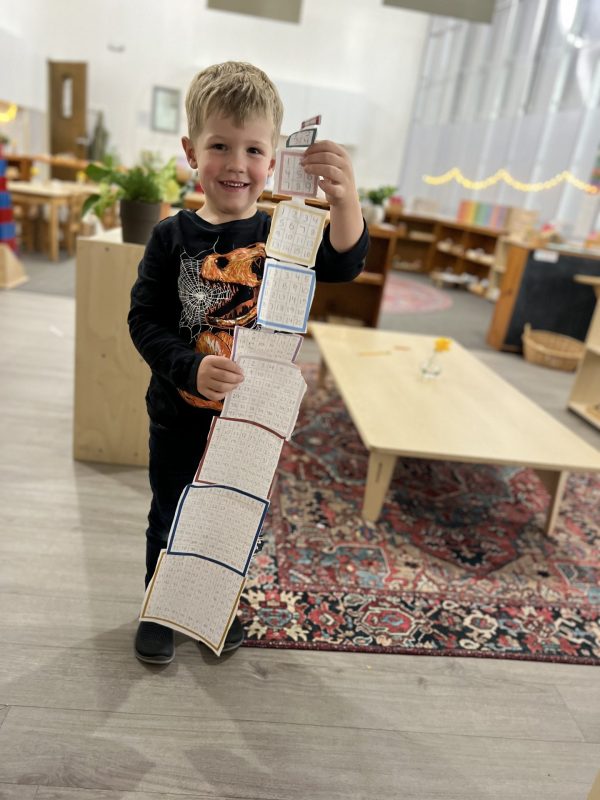
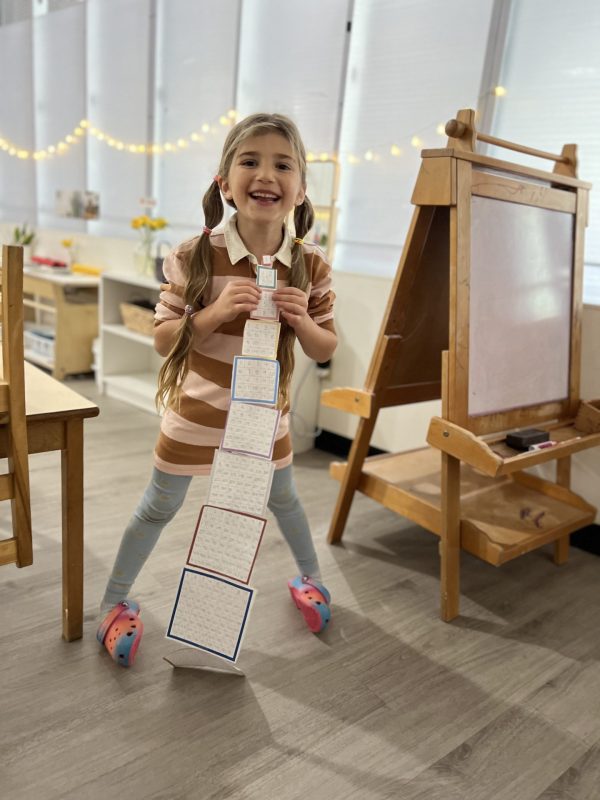
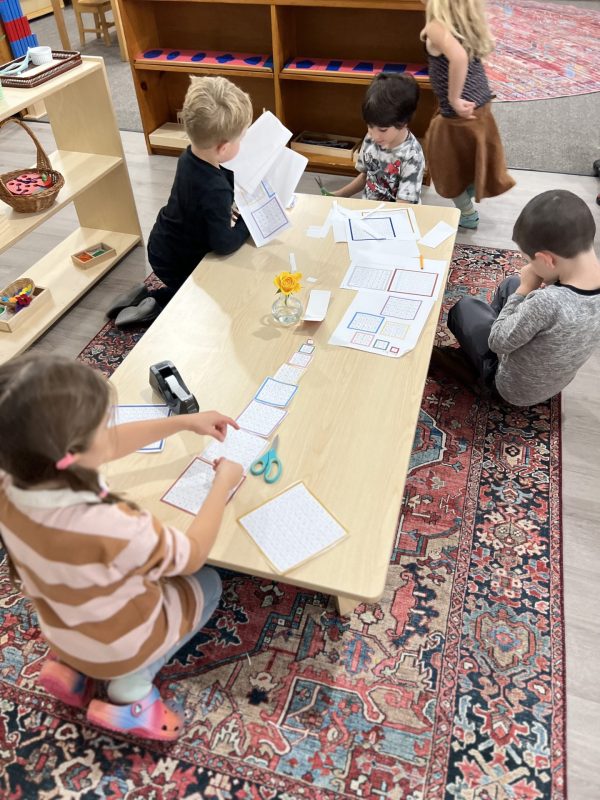
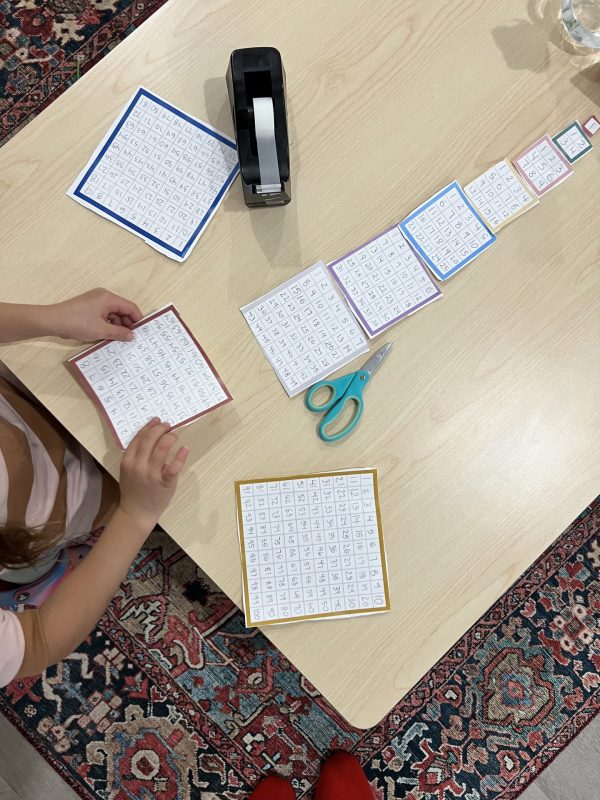
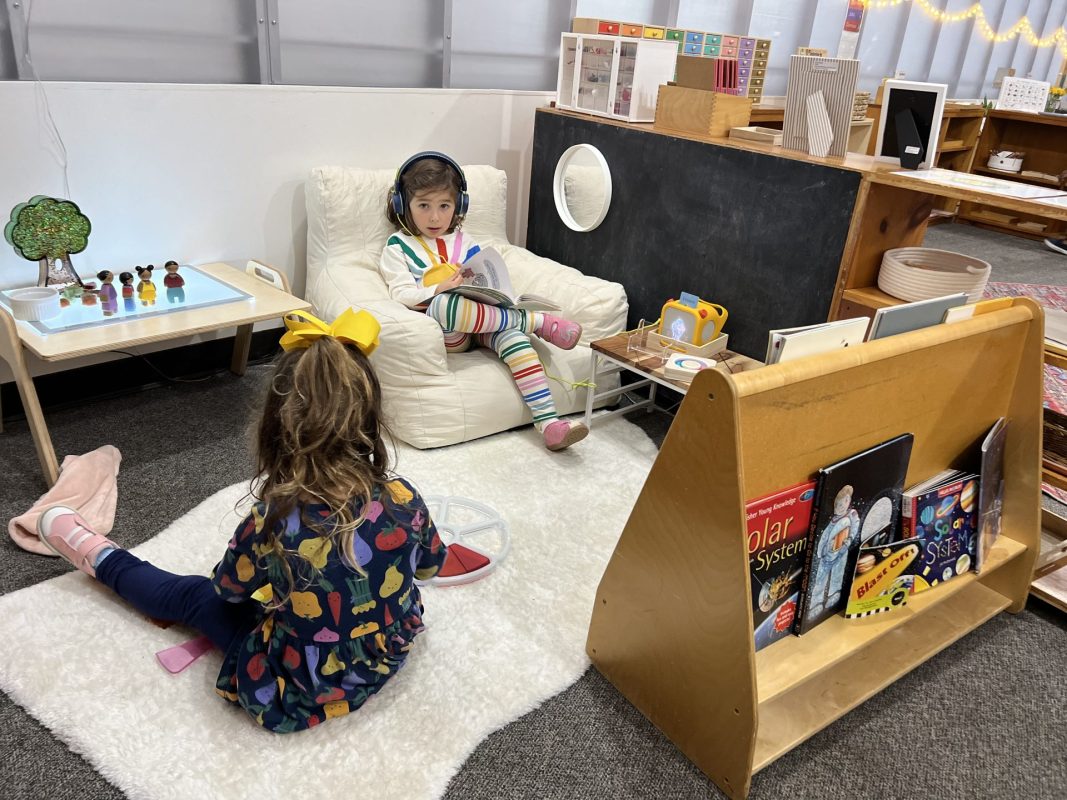
These last couple of months have been a busy and exciting time with your children. We have traveled through space, explored the eight planets, discovered that the sun is a star, and rocketed back to planet Earth. We are now exploring the first of seven continents, South America.  You may hear your children call it the pink continent. This is because, on the Montessori globe and map, South America is indeed pink. We will continue to explore the animals native to South America, map South America’s countries, examine topography, and study how a continent’s proximity to the equator impacts its climate.

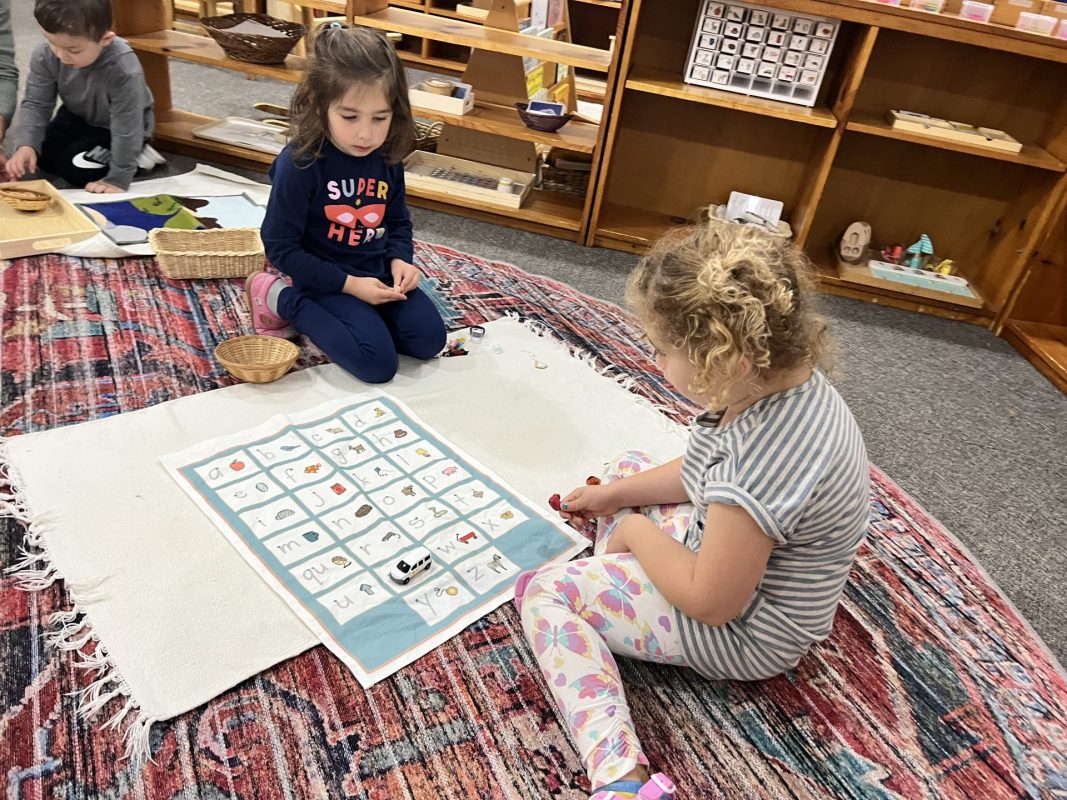
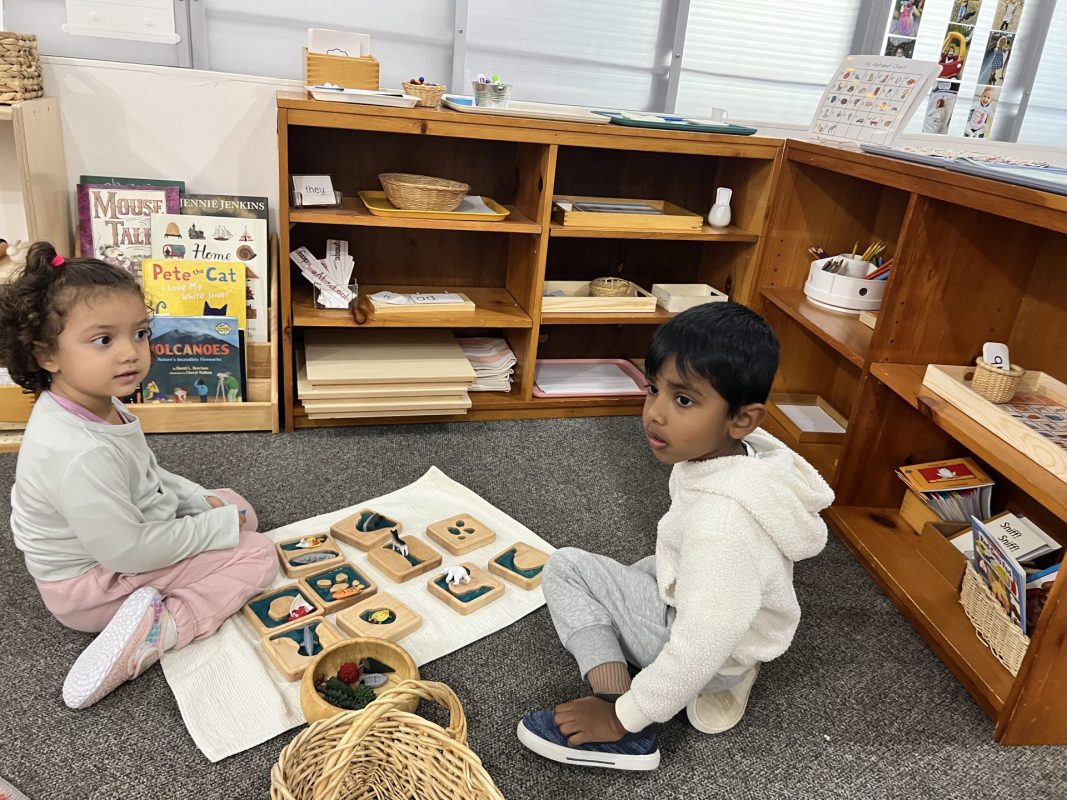
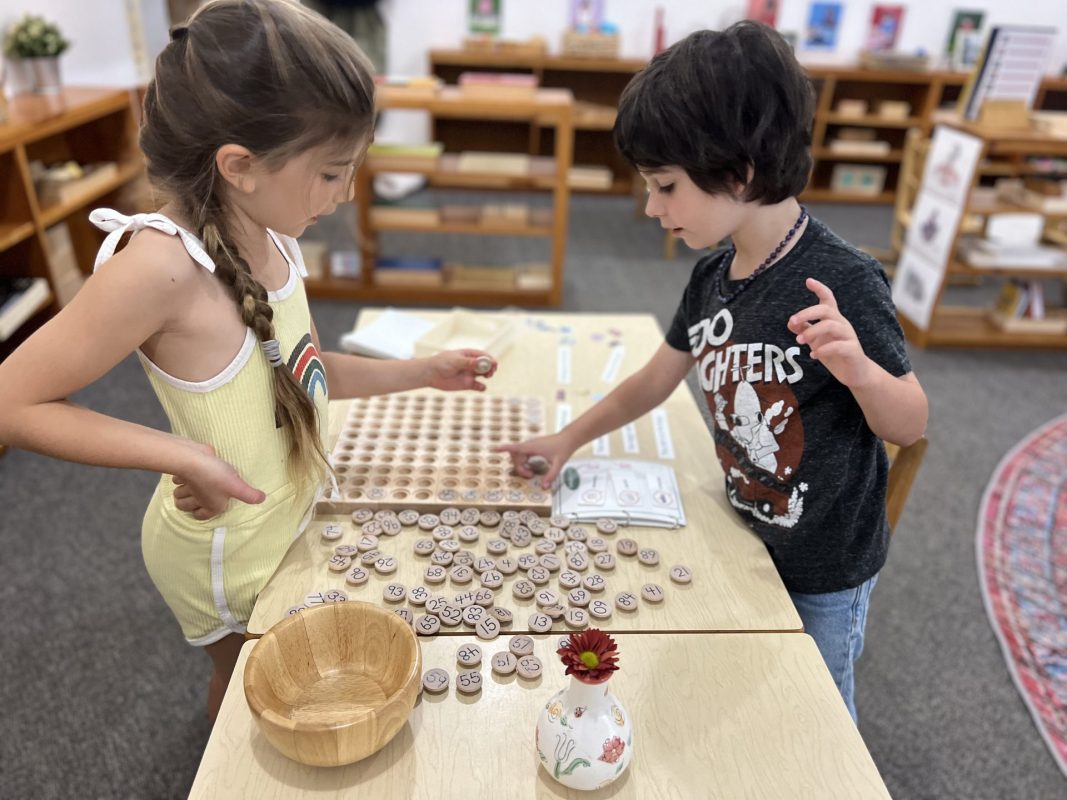
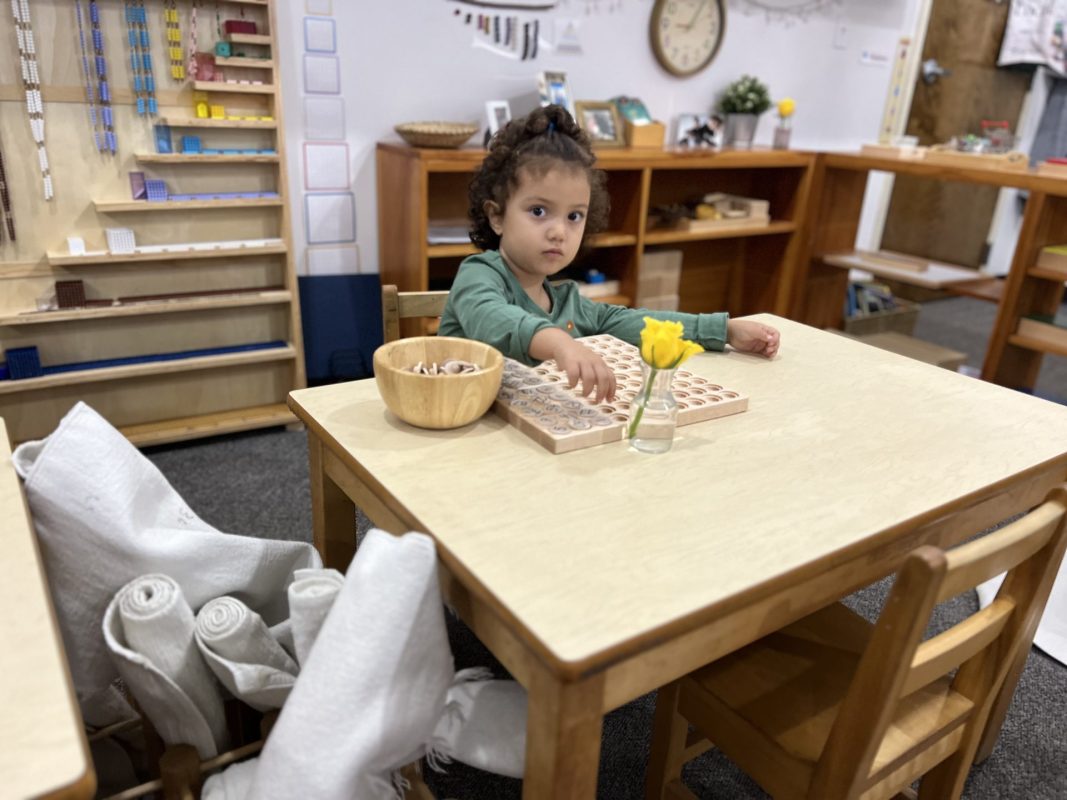
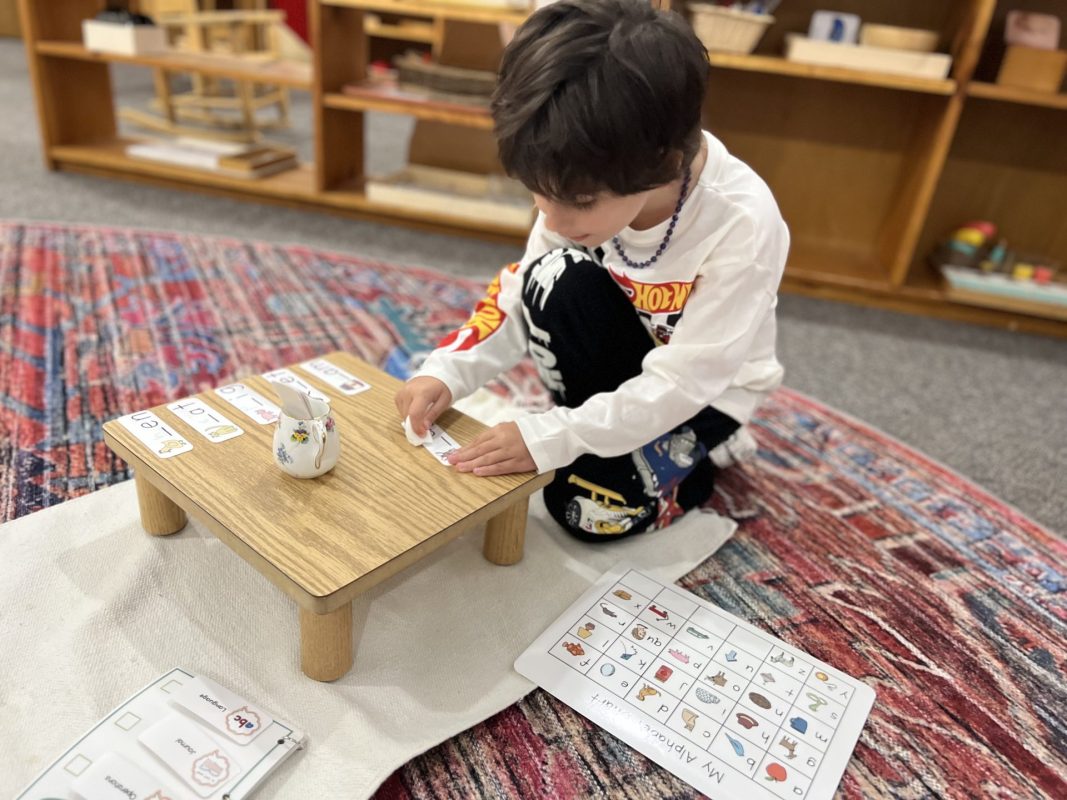
The Montessori cultural studies curriculum provides children with an opportunity to explore the whole world, including the continents, countries, people, animals, terrain, music, and arts. Children use didactic Montessori materials to familiarize themselves with the needs of all humans for such things as food, housing, and clothing. This early cultural awareness helps cultivate independent, joyful citizens of our world.

Wishing everyone a week filled with peace and love!

Marissa & Sue


Ms Marissa: A Pumpkin Filled October!

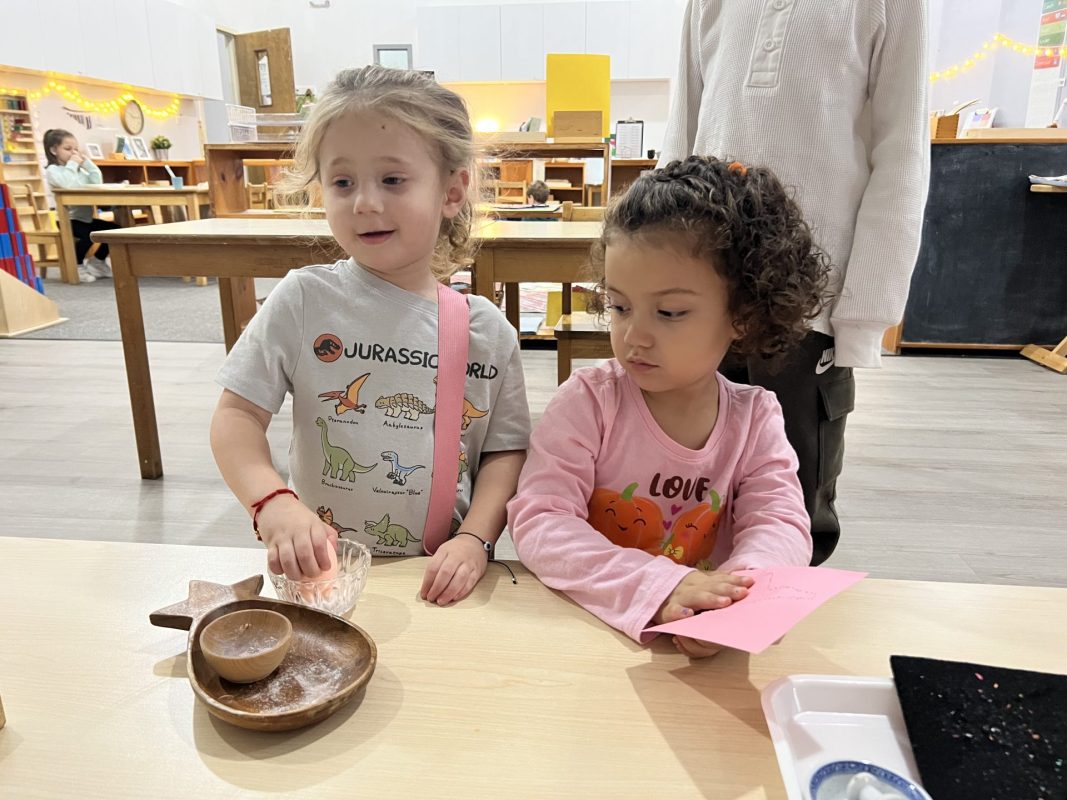
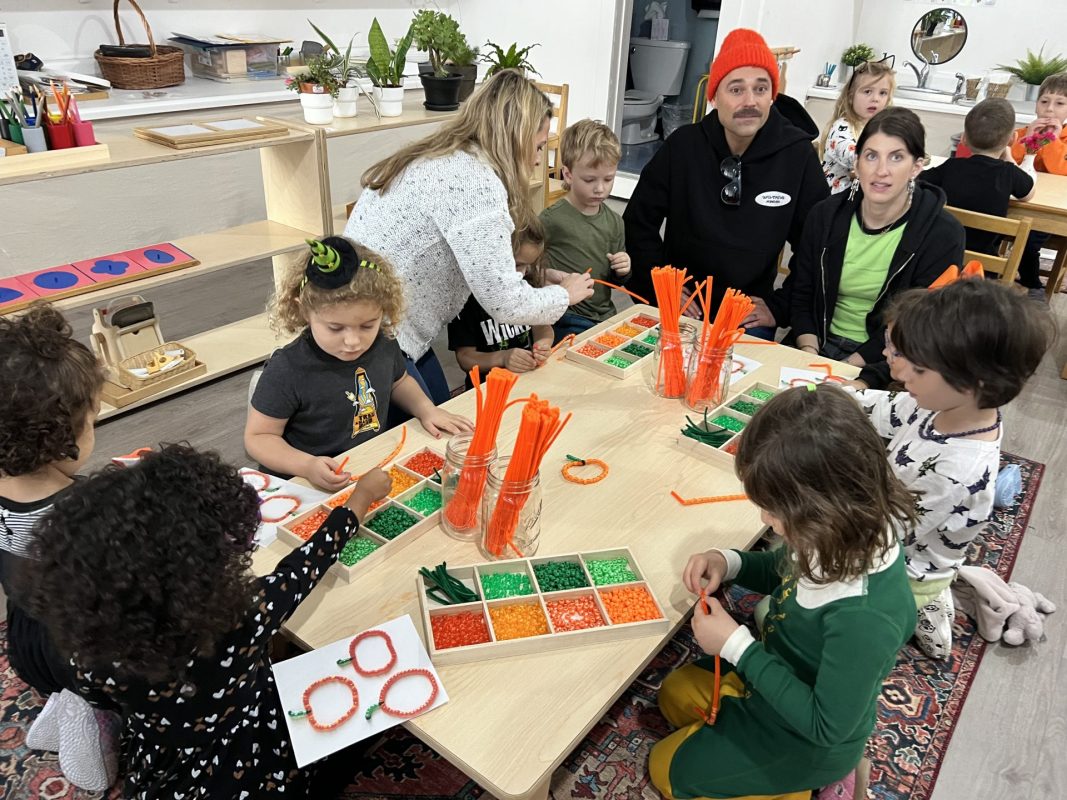
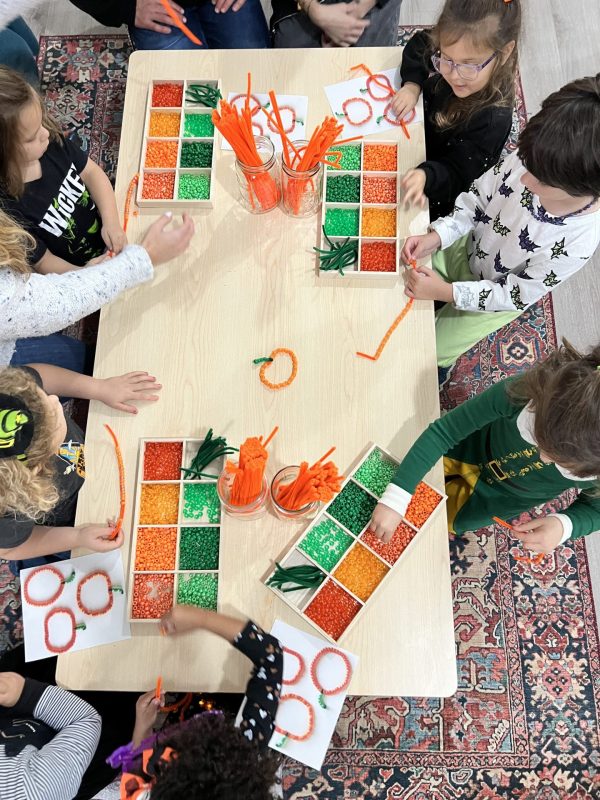
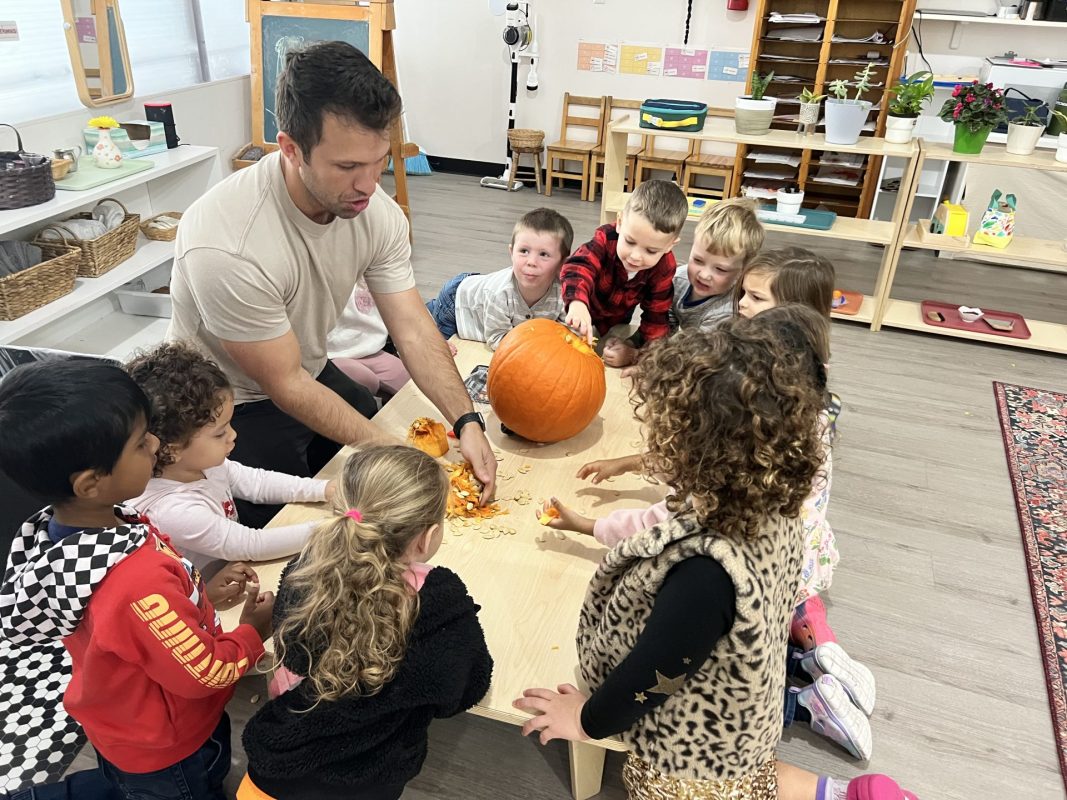
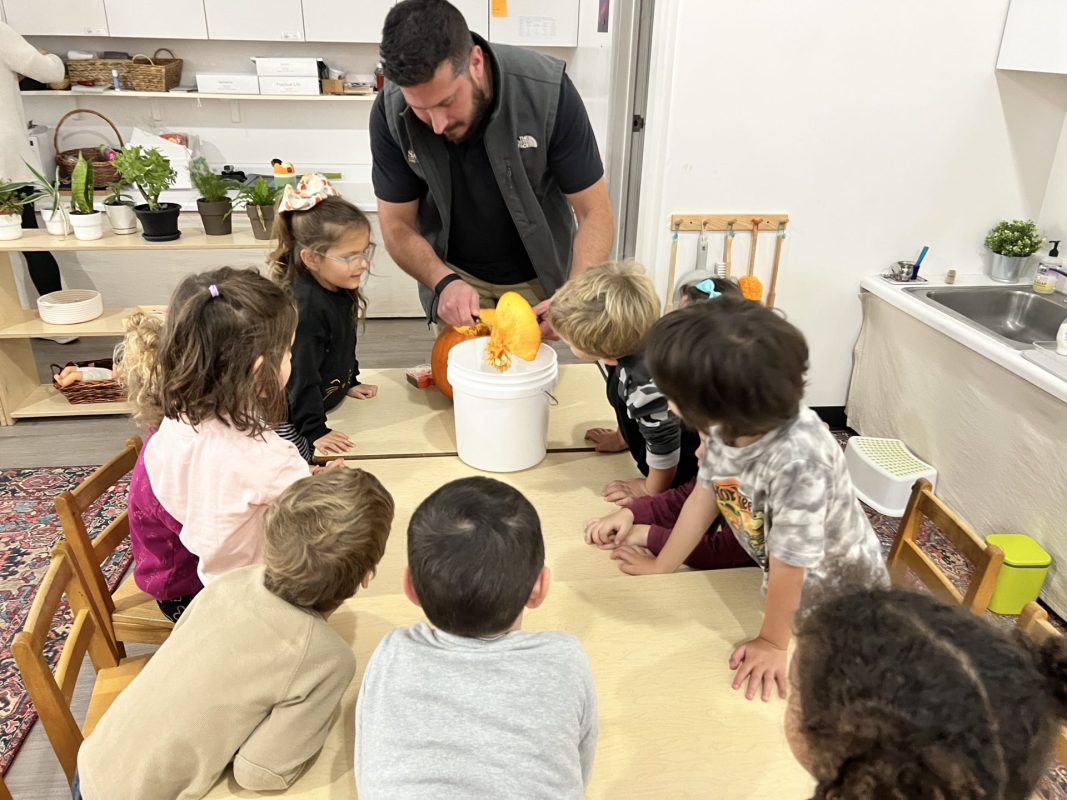
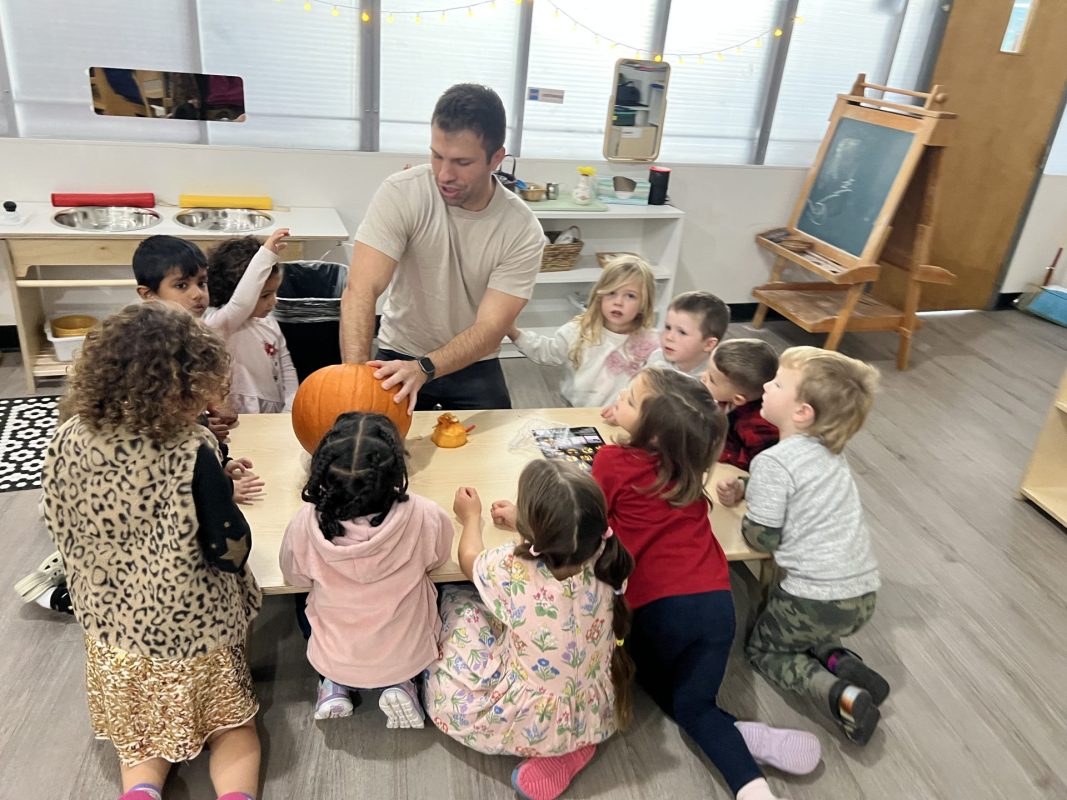
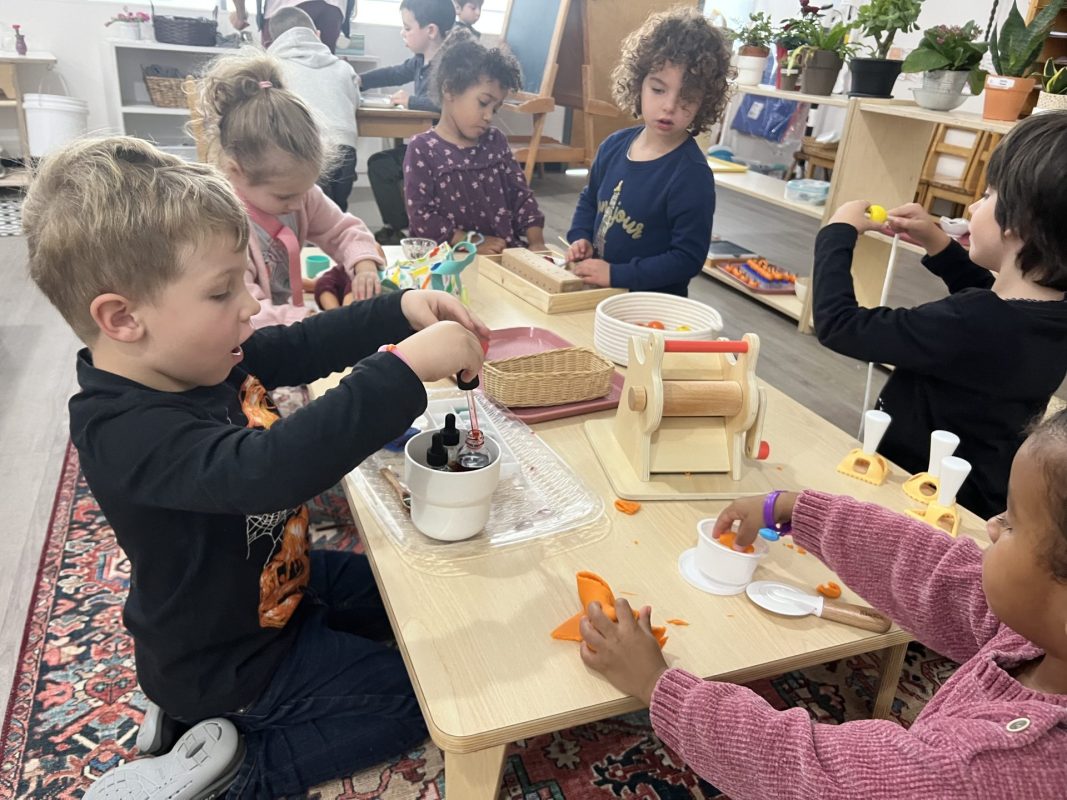
Welcome to our pumpkin patch!  There are pumpkins everywhere in our class. Having pumpkins in the classroom provides many opportunities for the children to observe and introduce basic science and math concepts.

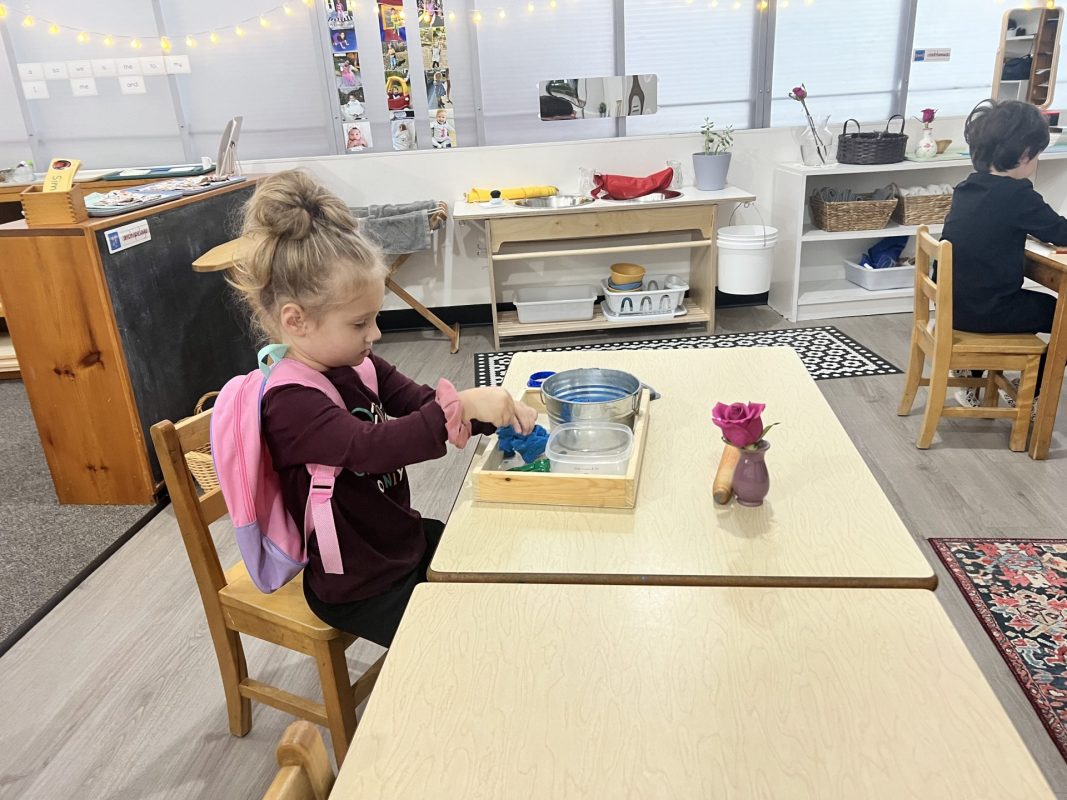
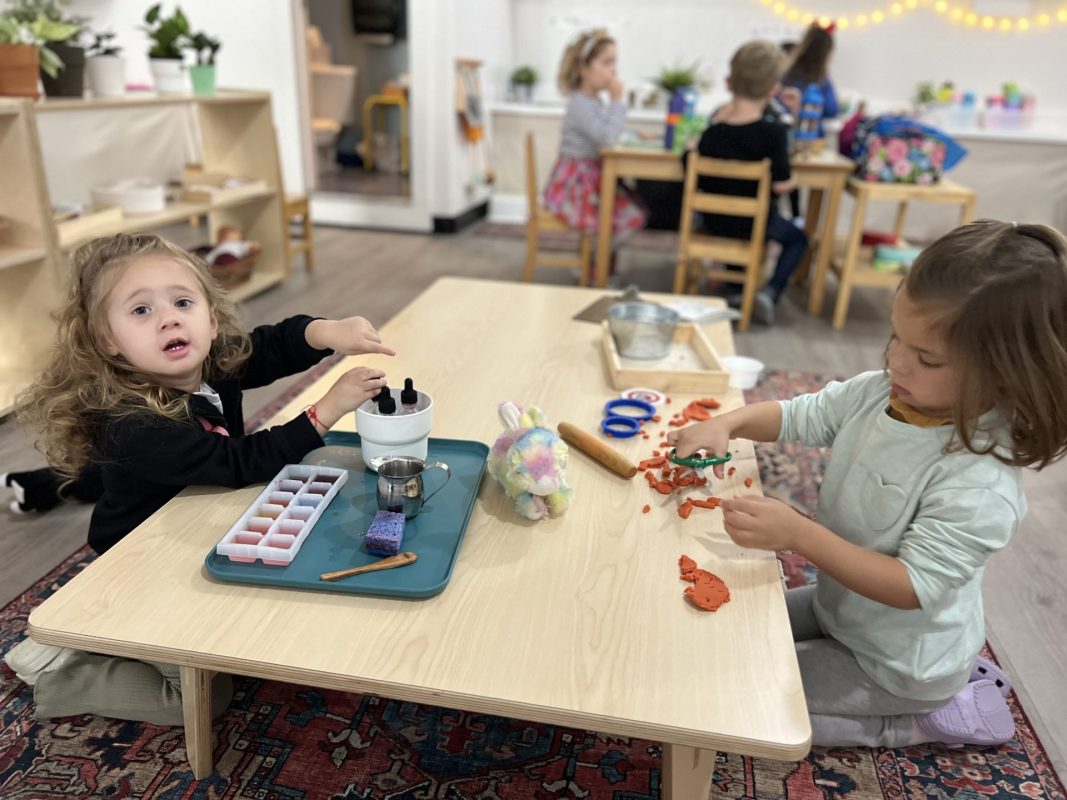
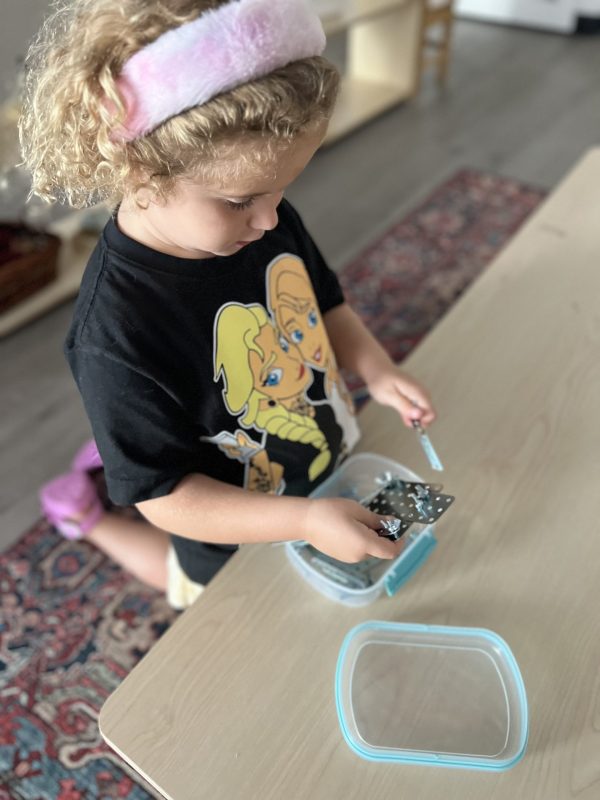
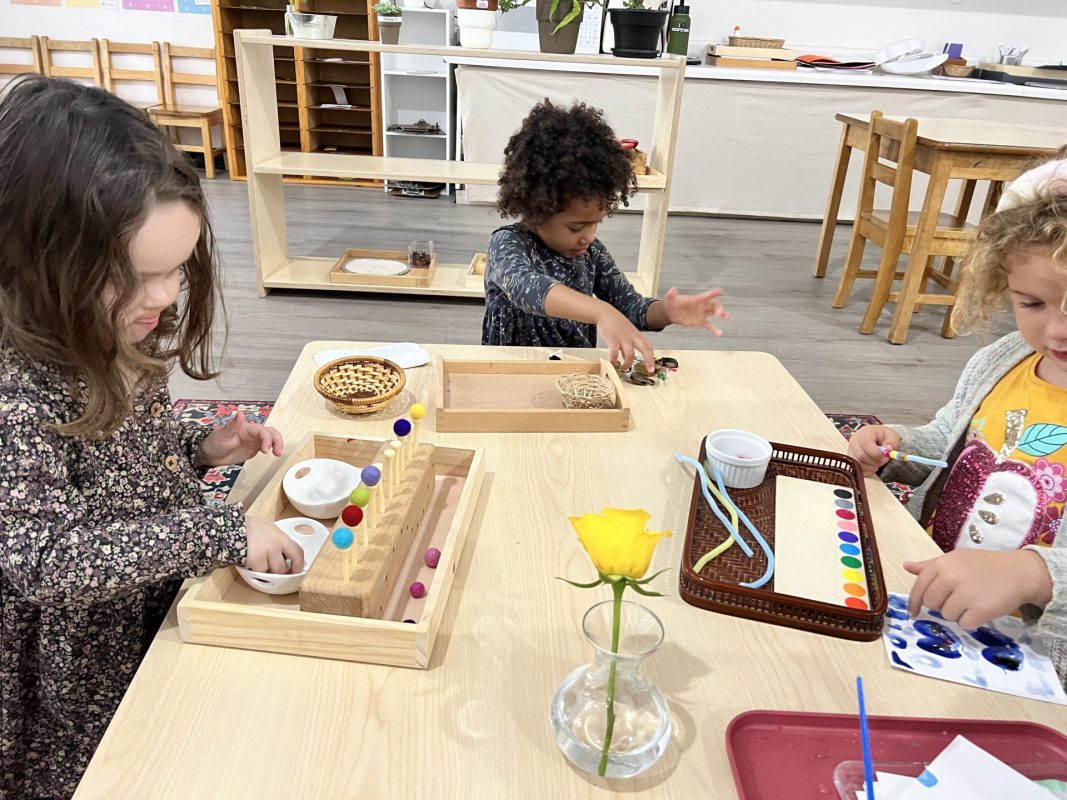
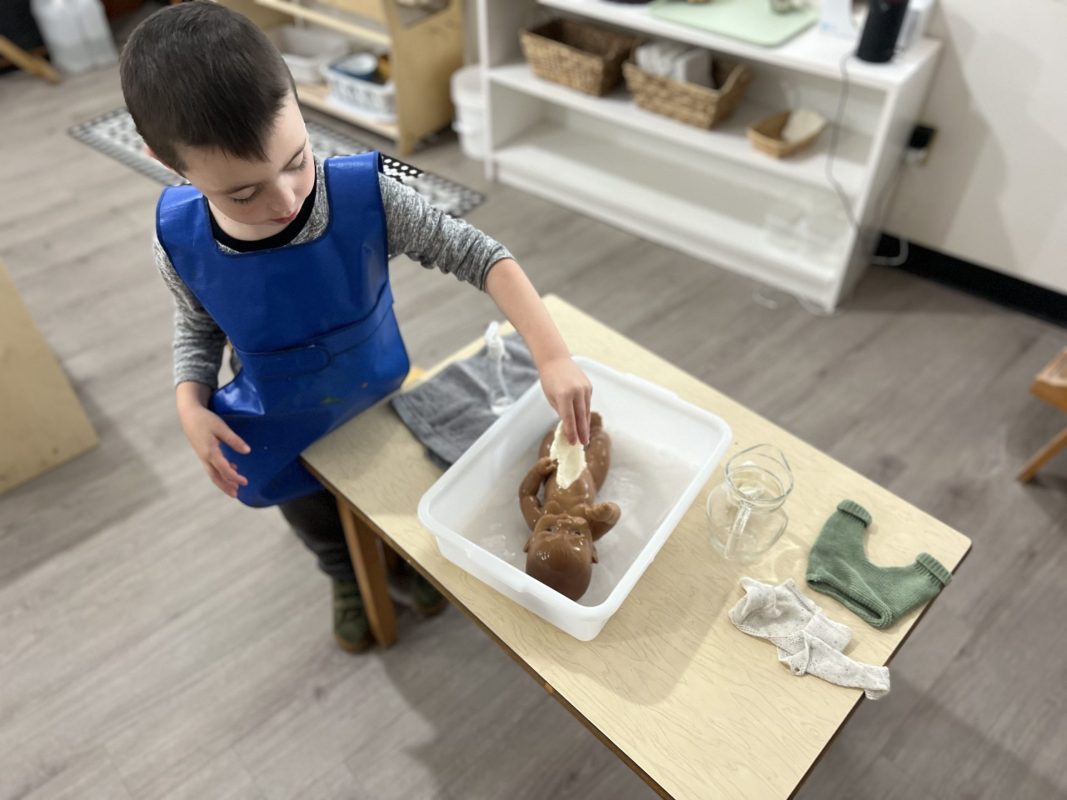
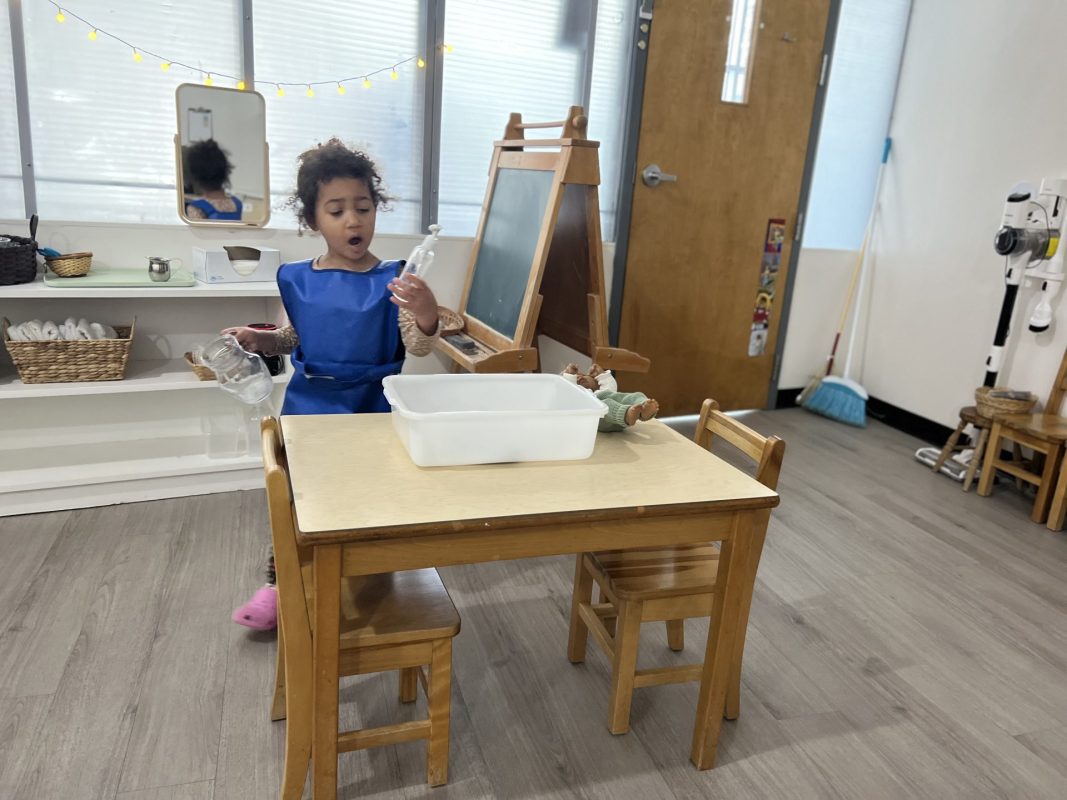
In Practical Life, we have pumpkin spooning, pumpkin pouring, pumpkin scrubbing, and pumpkin grasping. In Science, we learned about the parts of a pumpkin and the pumpkin’s life cycle. We compared pumpkins and categorized them as small, medium, and large. We are using our five senses to determine what pumpkins look, smell, feel, sound, and taste like.

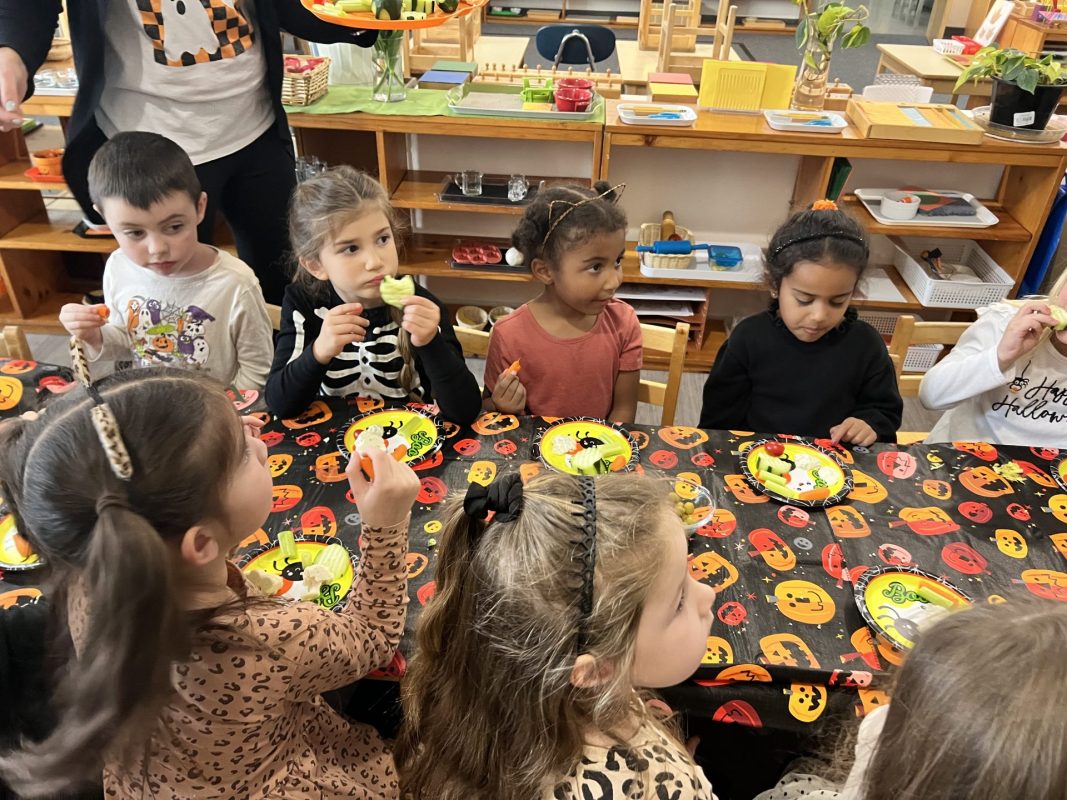
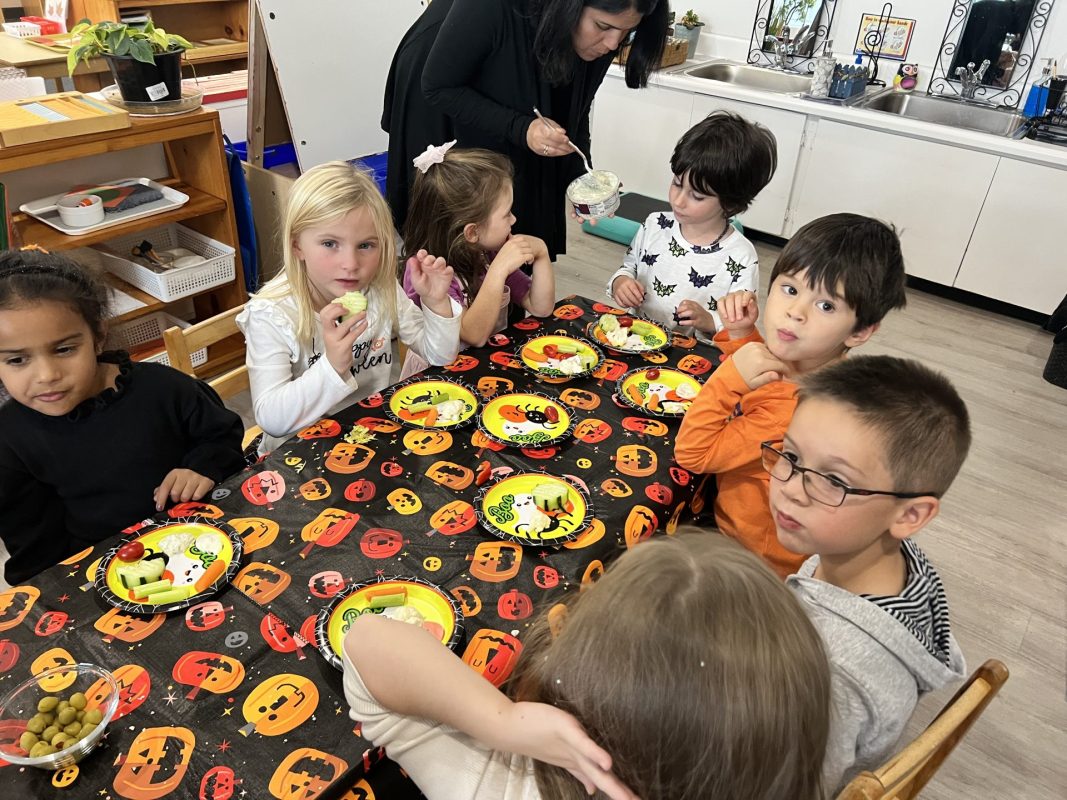
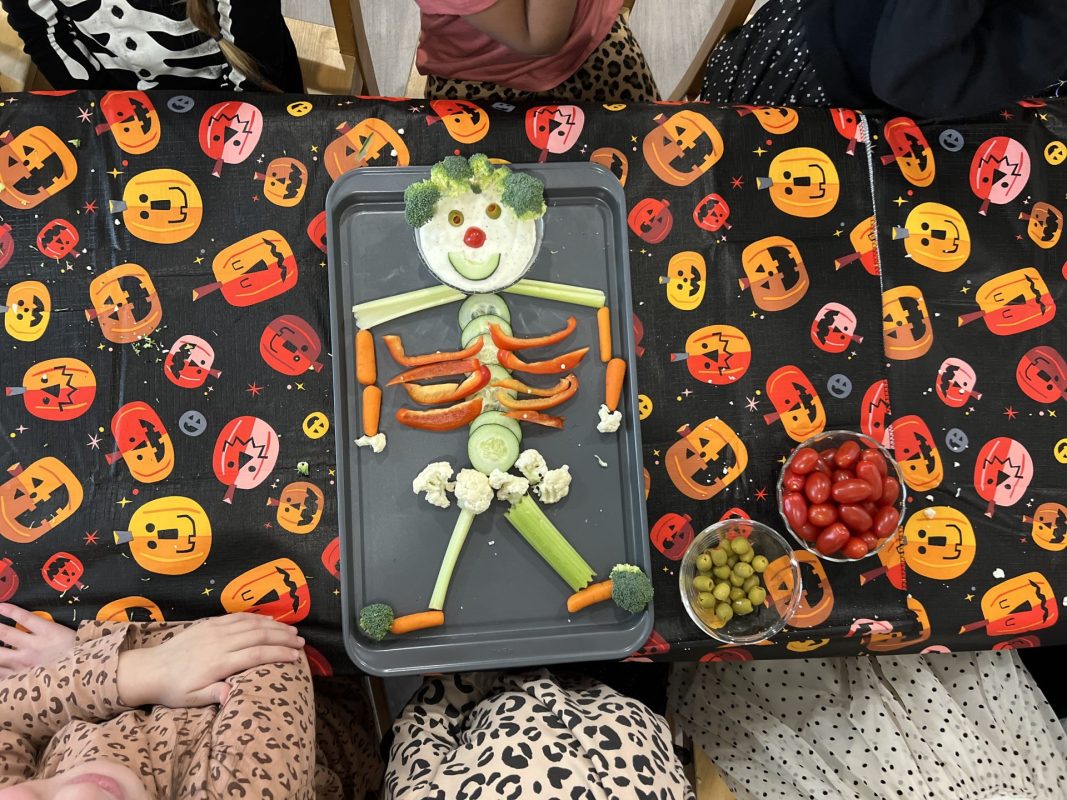
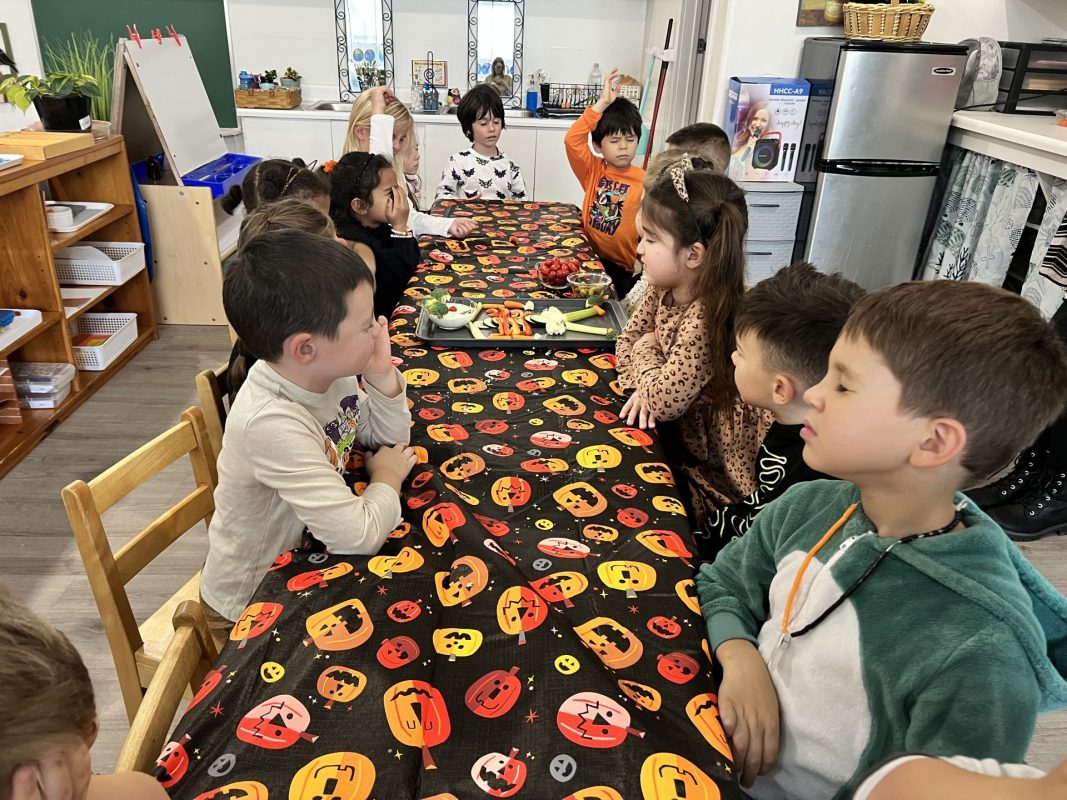
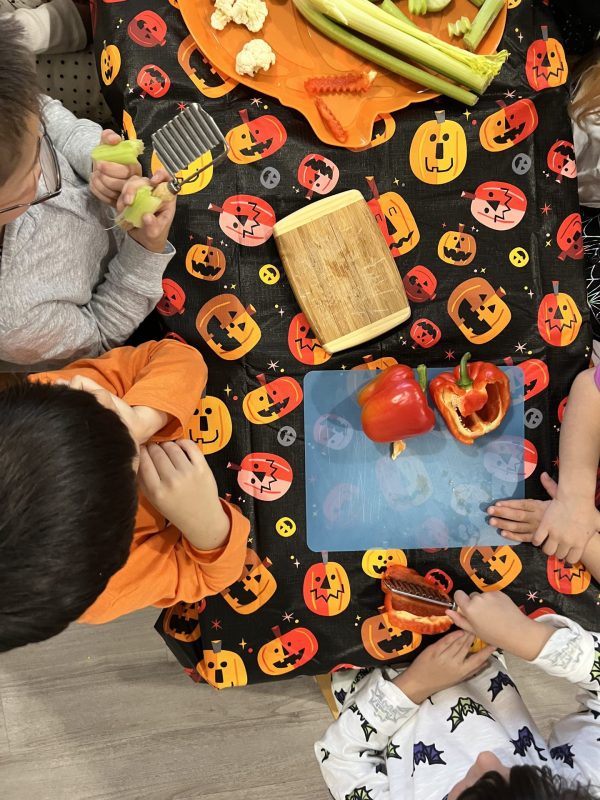
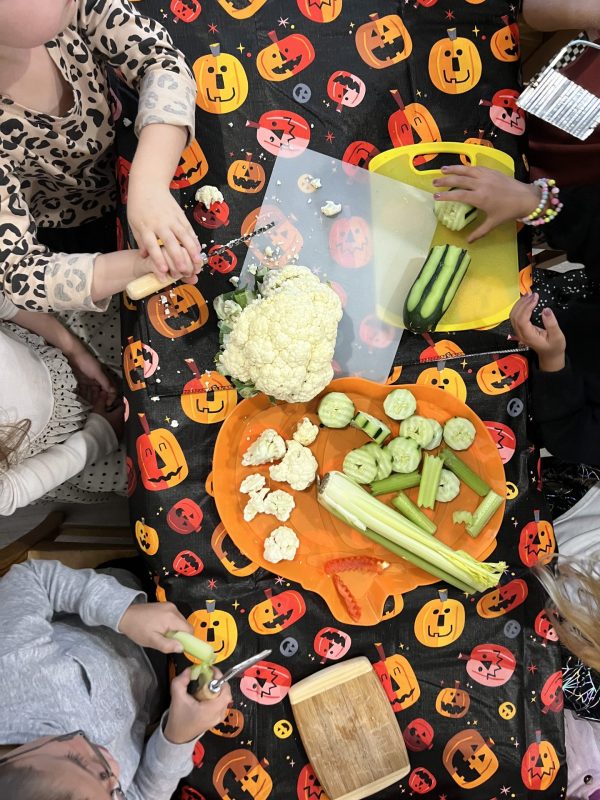
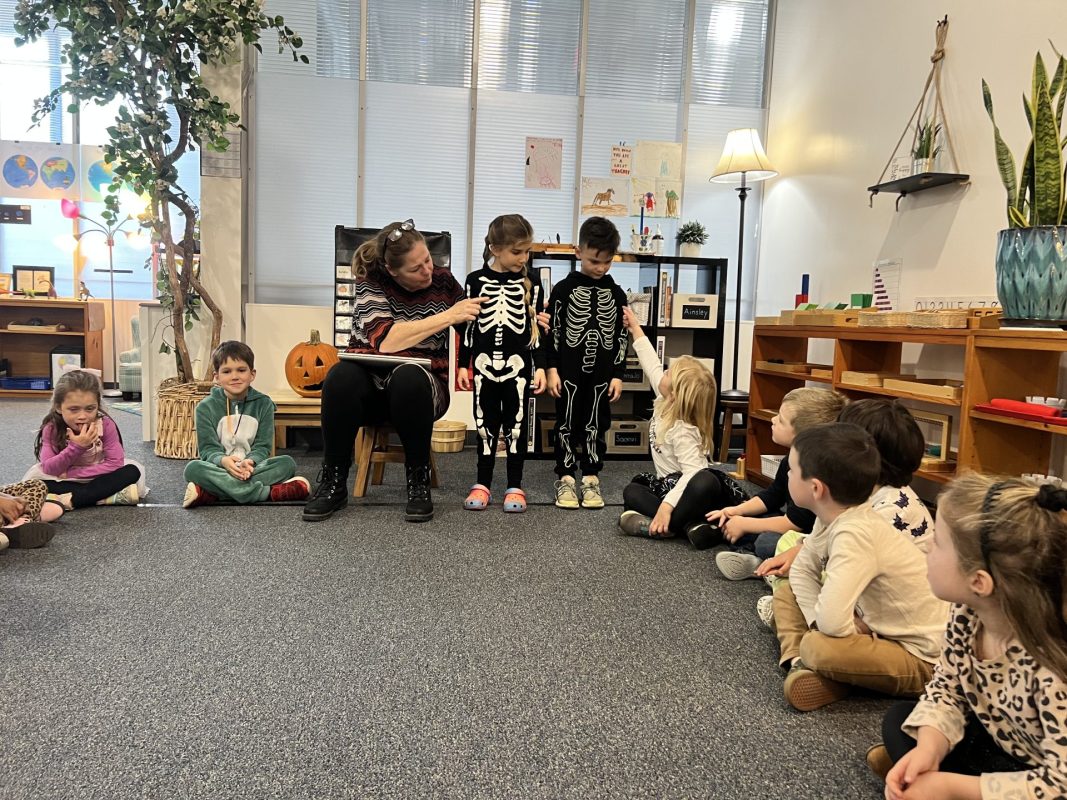
On Tuesday, we had a small in-class Harvest Celebration where each child had the opportunity to visit our “pumpkin patch” and pick their own pumpkin, make a yarn spider web, and have a fun snack.  Last but not least, meet Skelly, our veggie skeleton prepared by the kindergarten students.  It is always so wonderful to hear the children say they don’t like this vegetable or that one and then devour all of it! All of this was possible because of parents helping behind the scenes.  A huge shout out to everyone for sharing their time and energy with us to provide these wonderful opportunities for the children. We are very grateful and truly blessed.

Wishing you a week filled with peace and love.

Marissa & Sue


Ms. Marissa: The Three Period Lesson

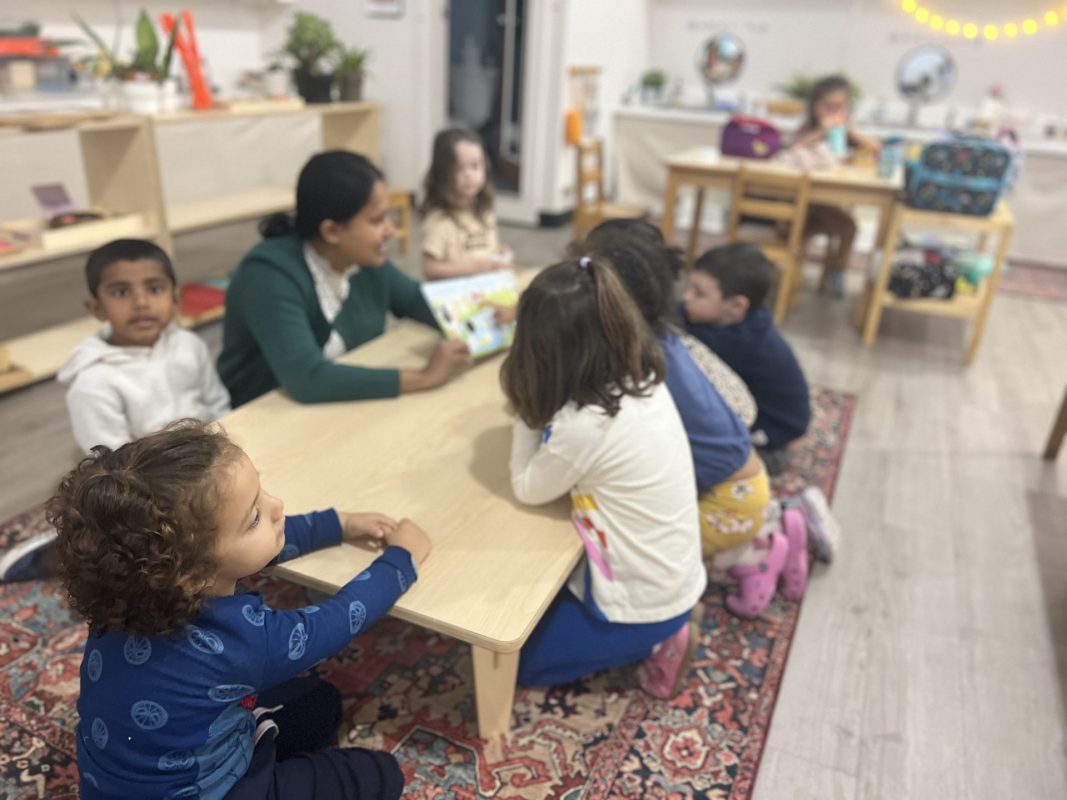
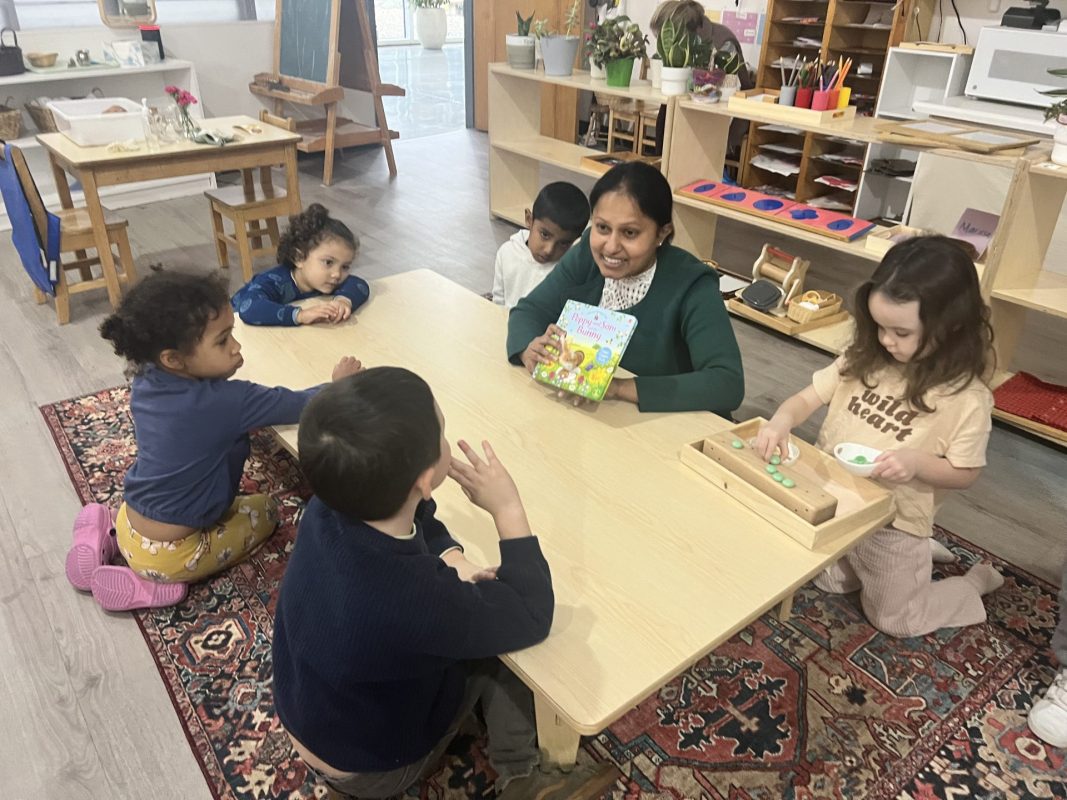
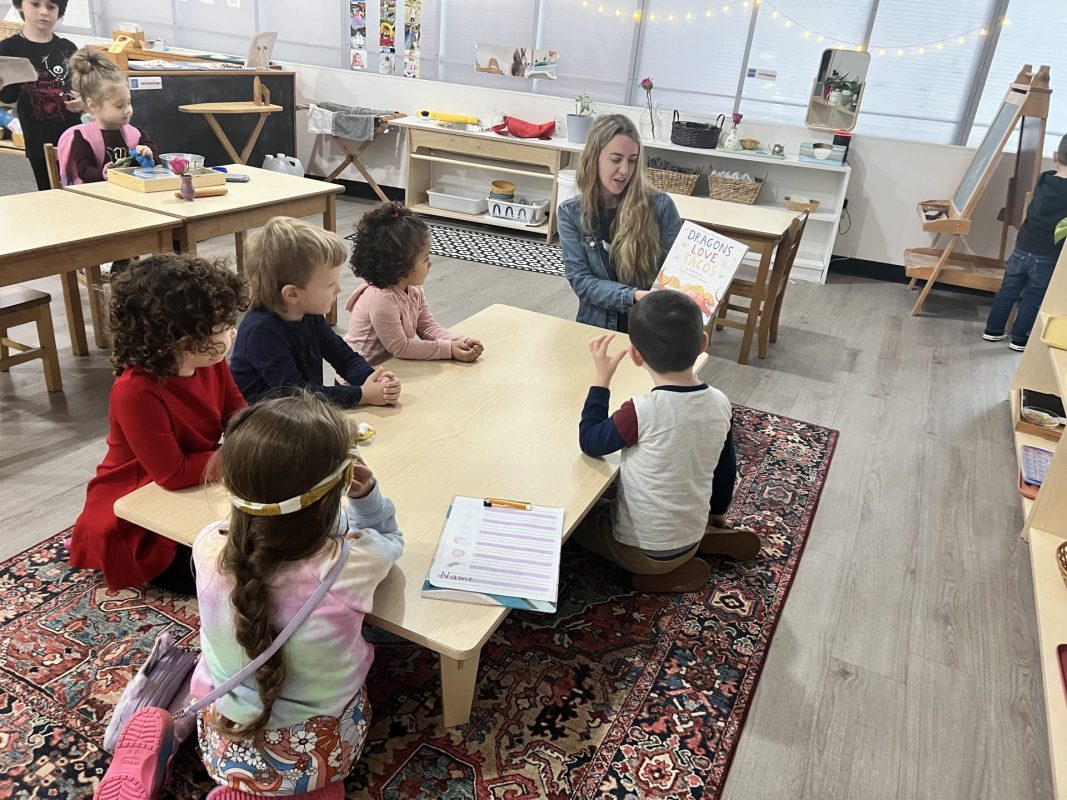
When we introduce new concepts or materials to the children, we often do so using a three-period lesson. This is an important tenet of Montessori education and it helps to move the child from basic understanding of a concept to mastery.

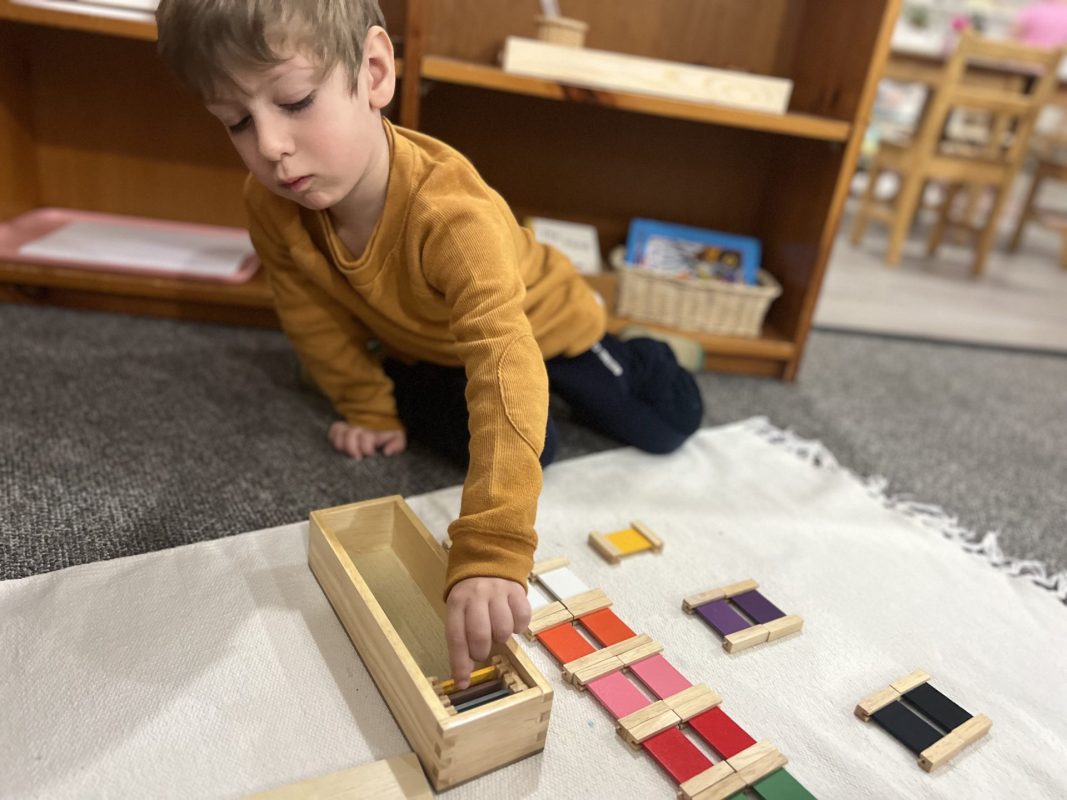
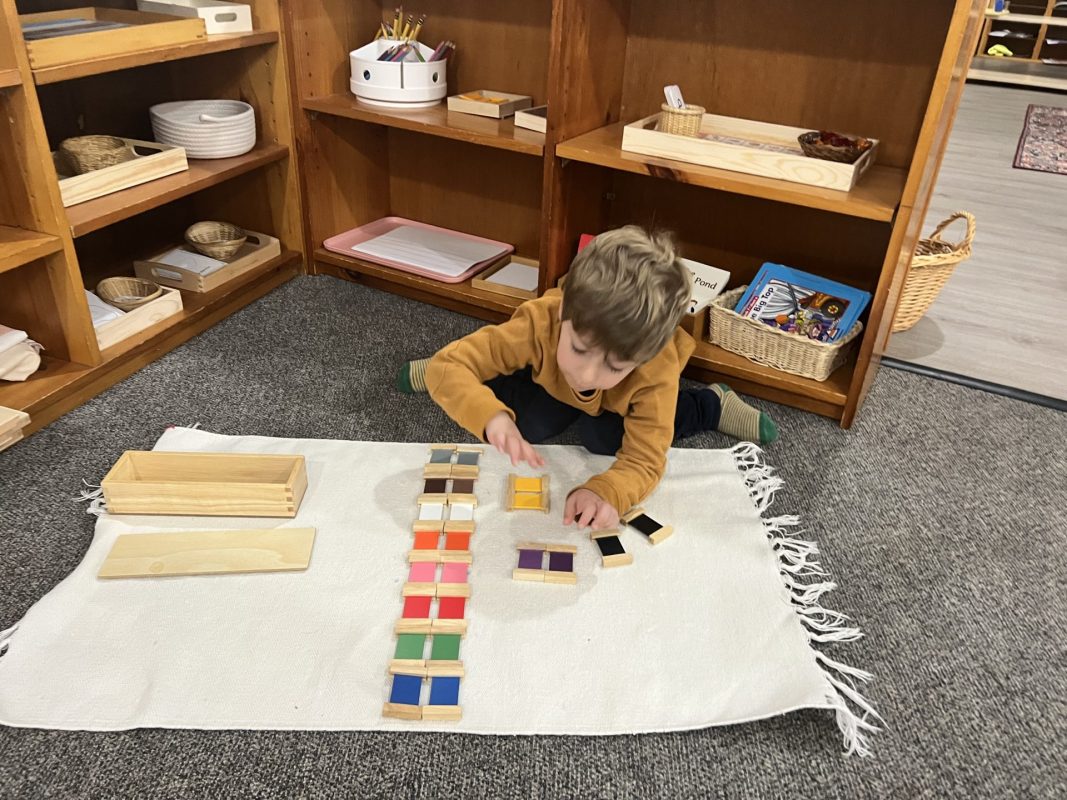
Period One is the introduction stage. In this stage we are isolating new vocabulary to the children. For example, if we are introducing the color tablets, we say, “This is blue.”  Repeating that statement and allowing the child to manipulate the blue color tablet are crucial during this stage.

Period Two is all about association and recognition. It is often a separate lesson. We do not ask the children to remember the vocabulary or recall the concept.  We are simply reinforcing the concept taught in Period One. We use words such as “Show me the blue tablet,” or “Can you place the blue tablet on your lap?”

Period Three is the recall stage and the first time we ask the child to remember the concept independently. We ask them, “What is this?” when showing them the blue color tablet. We are careful not to begin Period Three until we know they are ready for success.

Every time a child masters a new concept it builds the foundation for the next lesson or concept to be taught.

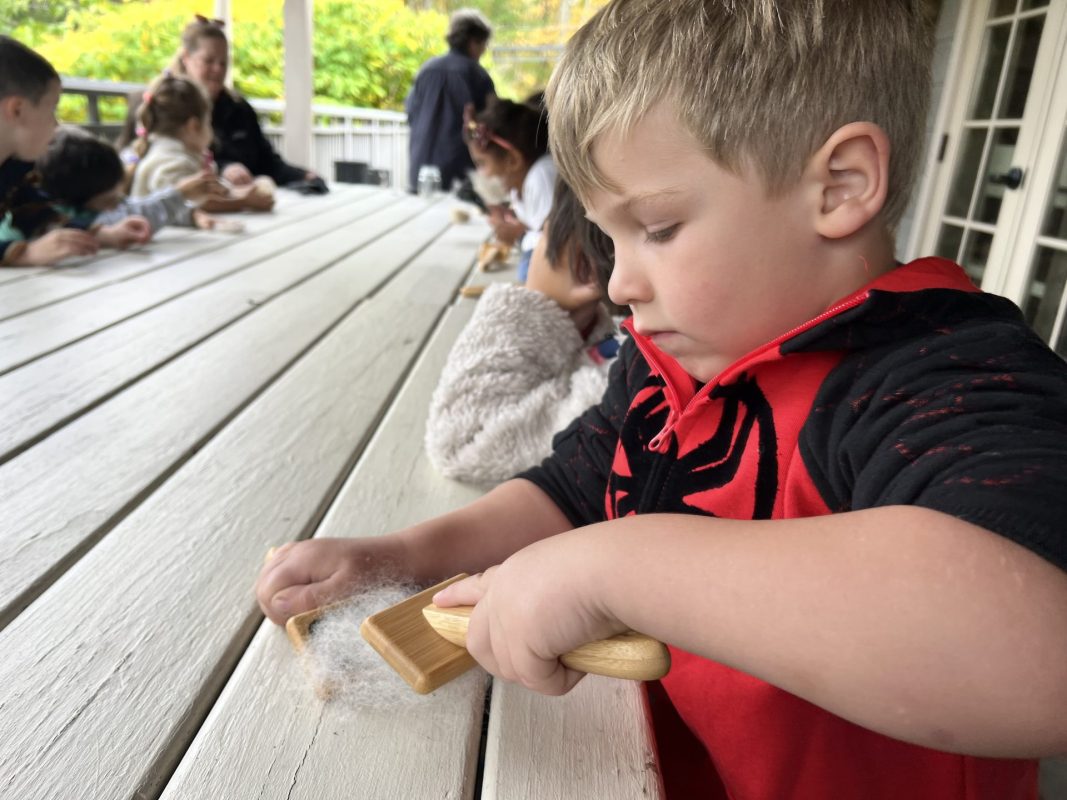
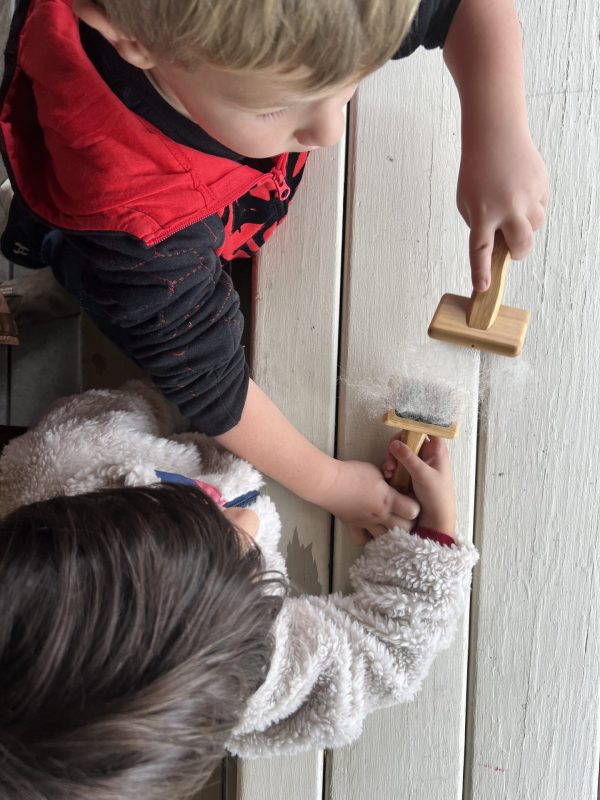
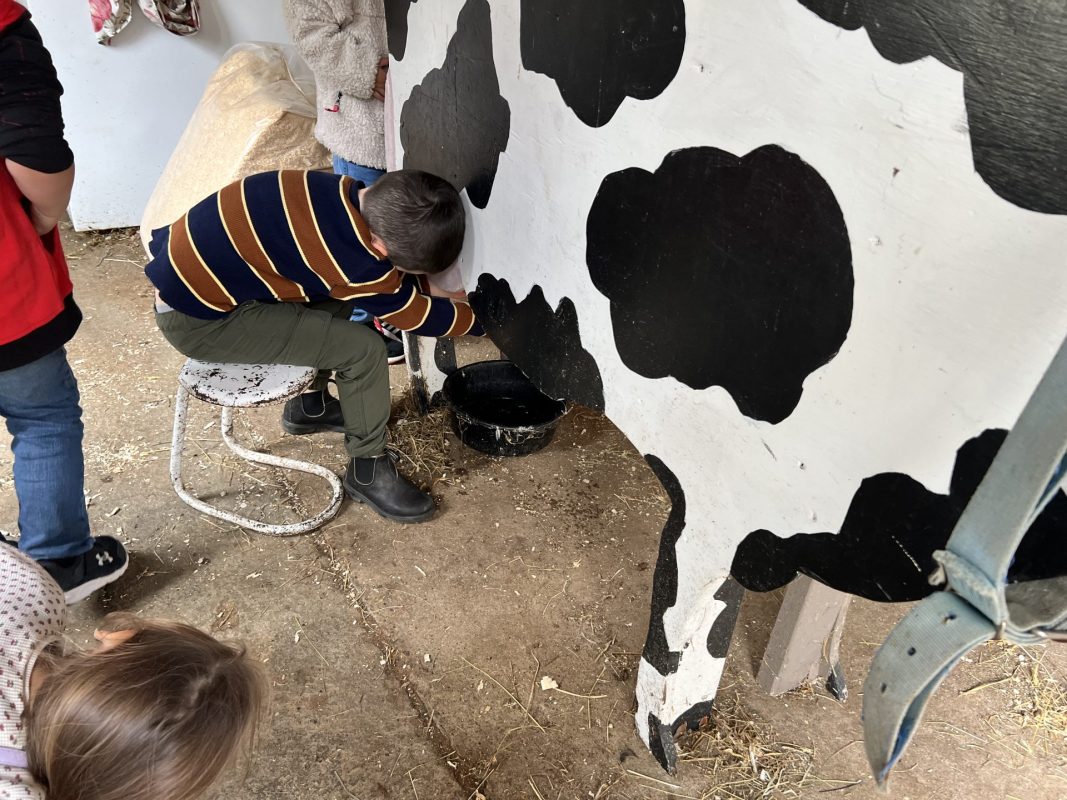
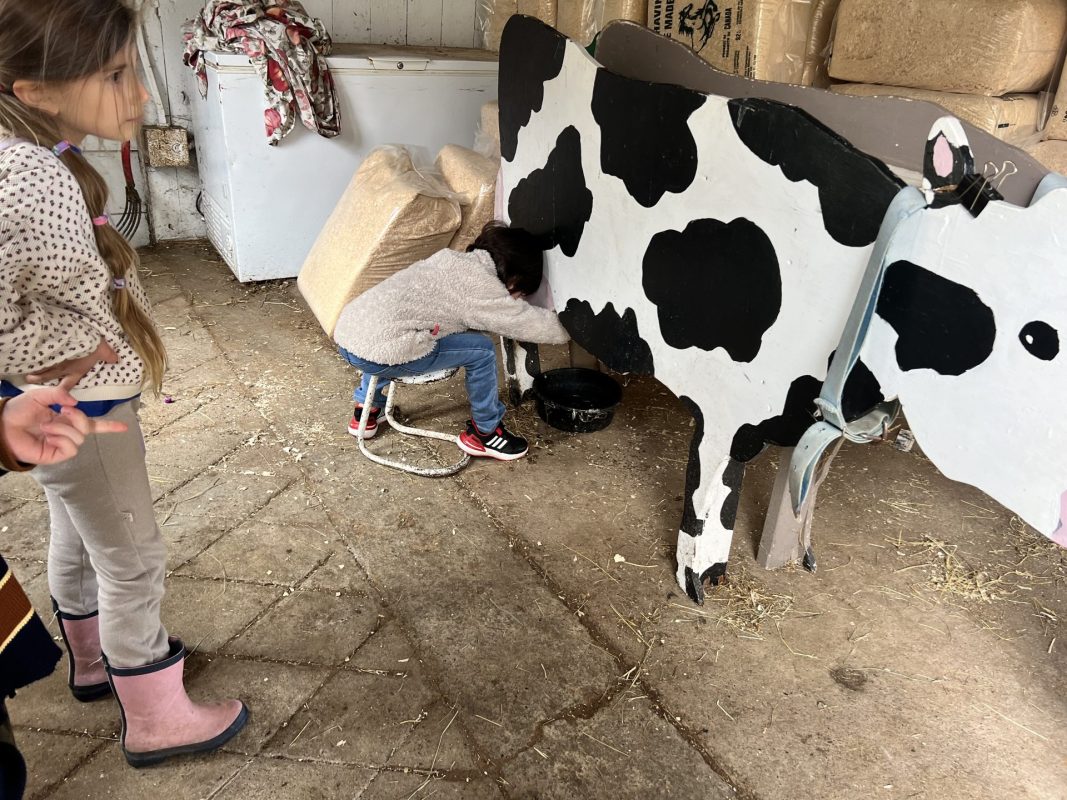
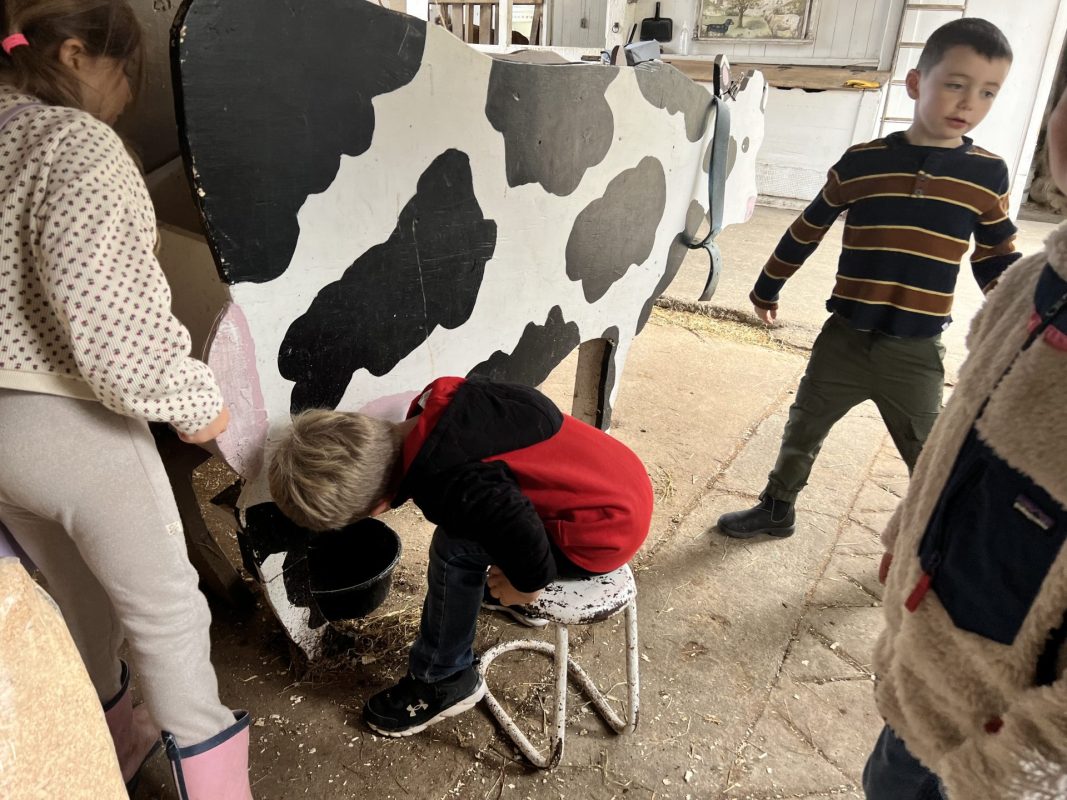
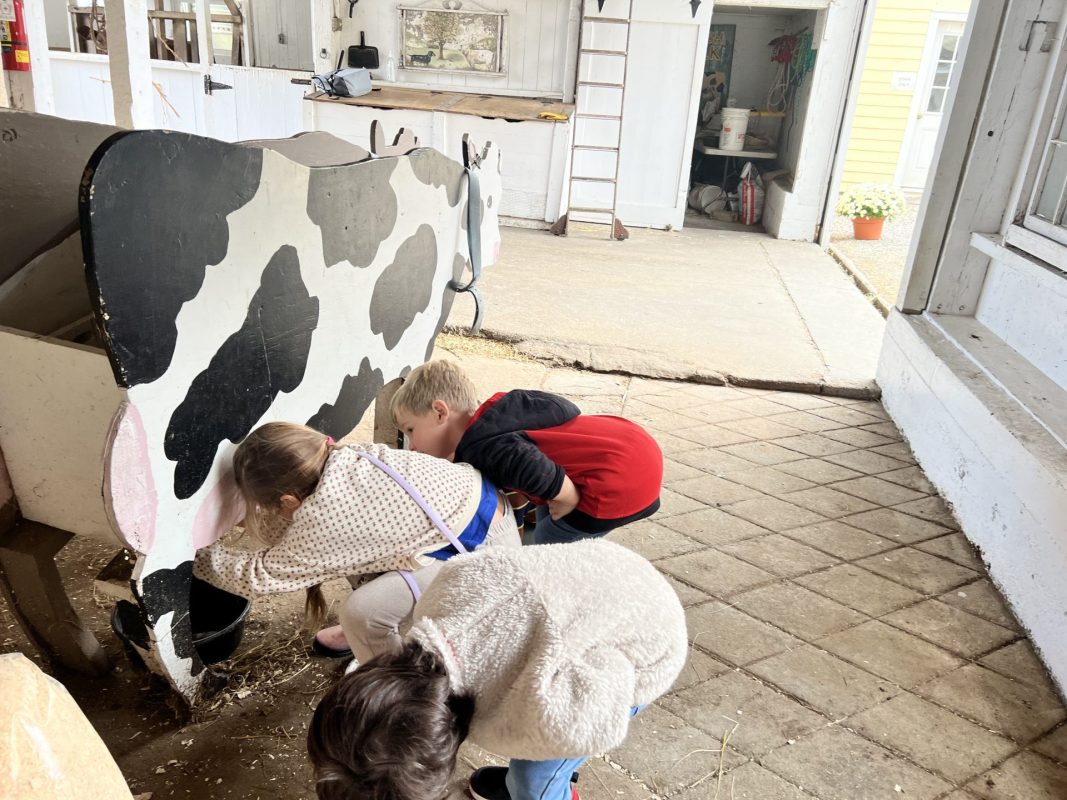
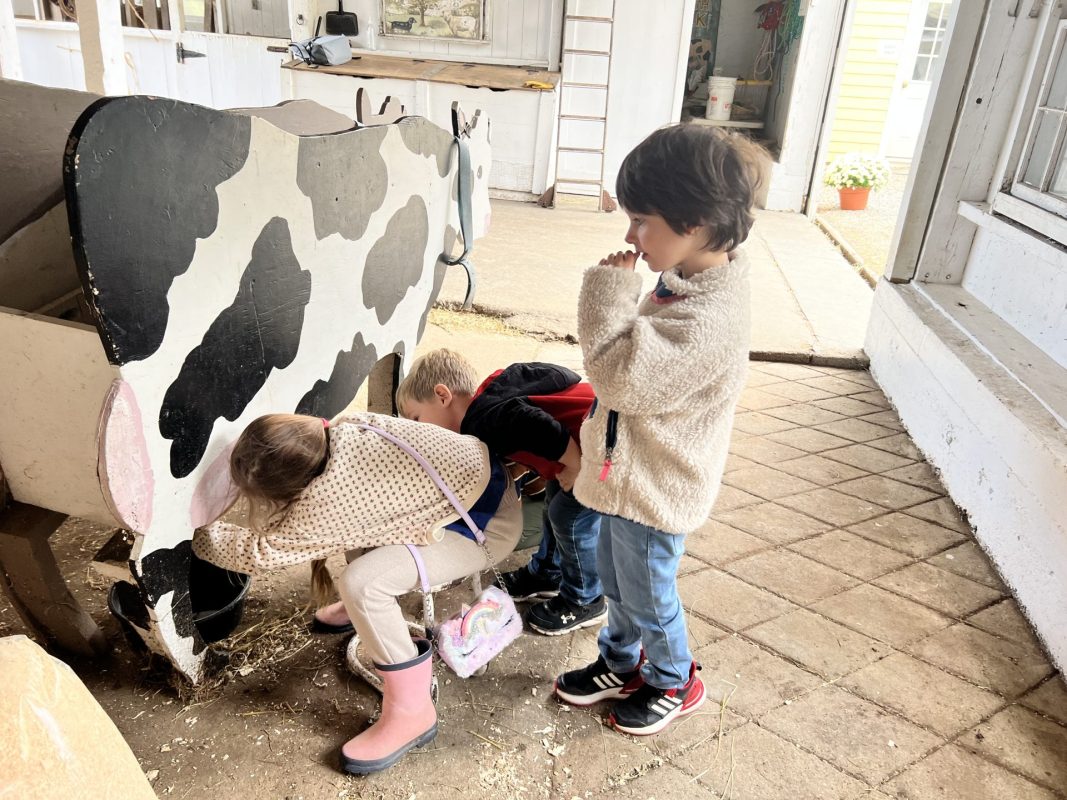
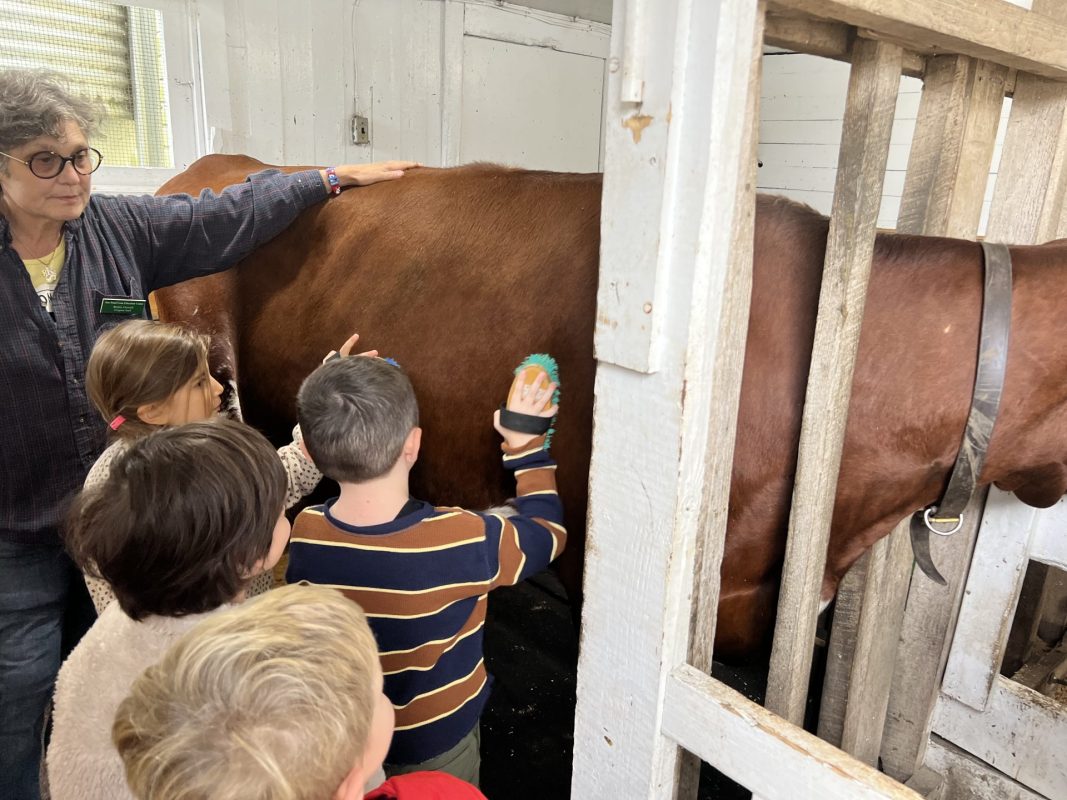
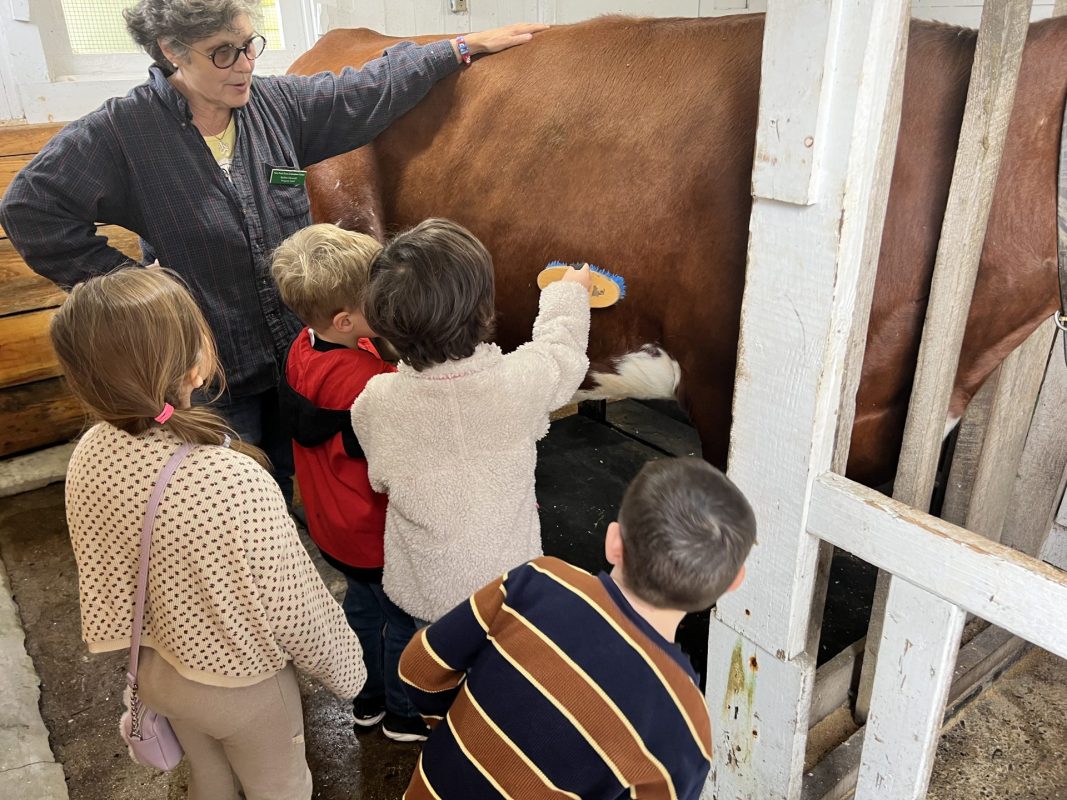
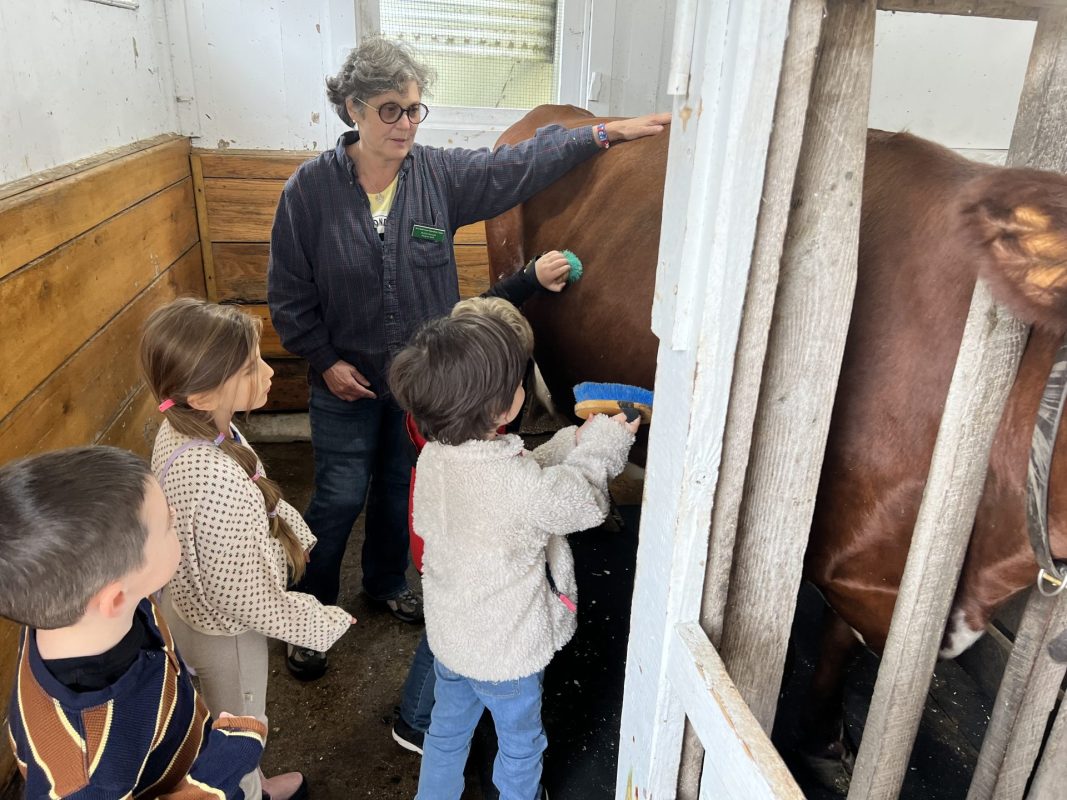
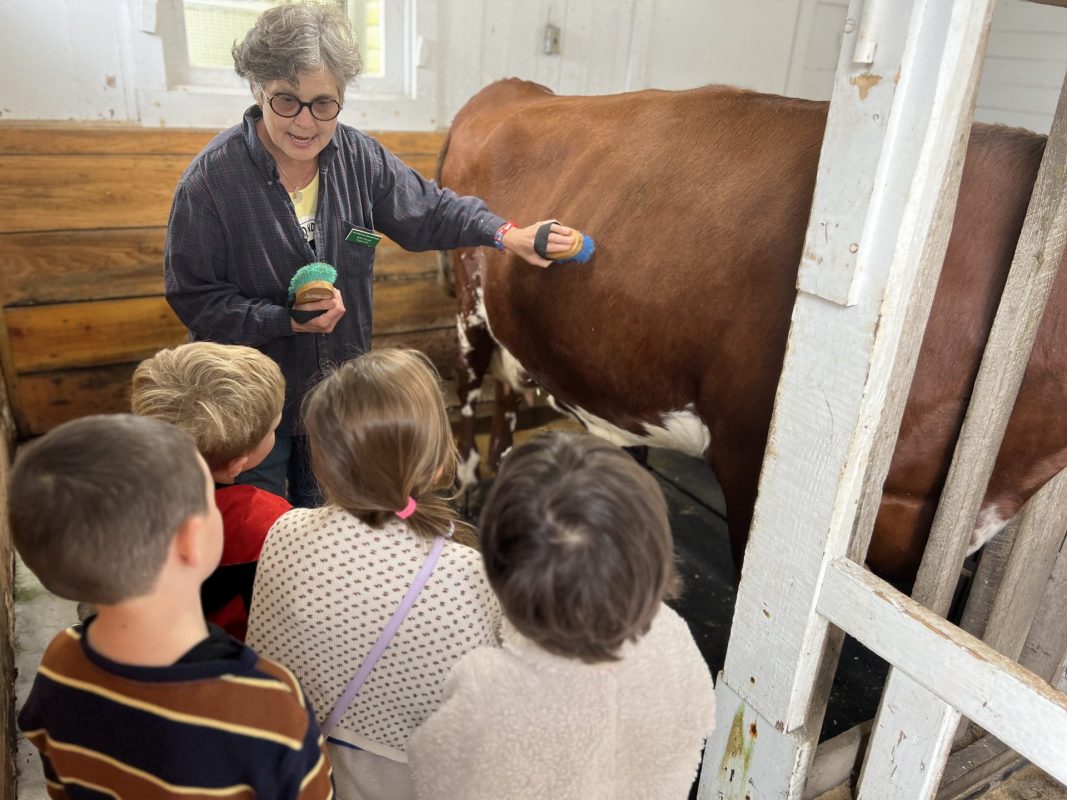
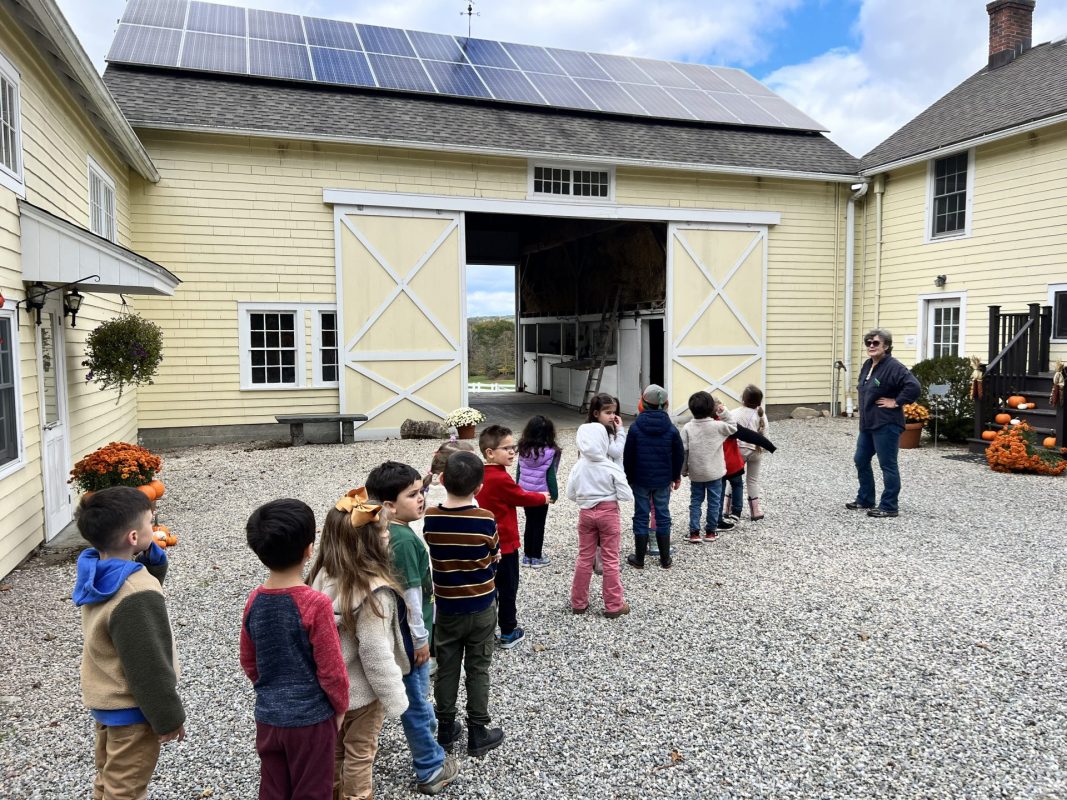
On Monday, the Kindergarten children had the opportunity to visit New Pond Farm in Redding.  We had a wonderful time walking around and learning about the different animals that live on the farm. The highlight of our field trip was when the children used previously shorn fleece, washed and combed it and then made a bracelet to keep.

Have a wonderful weekend!

Marissa & Sue


Ms. Marissa: Starting BIG and Ending small

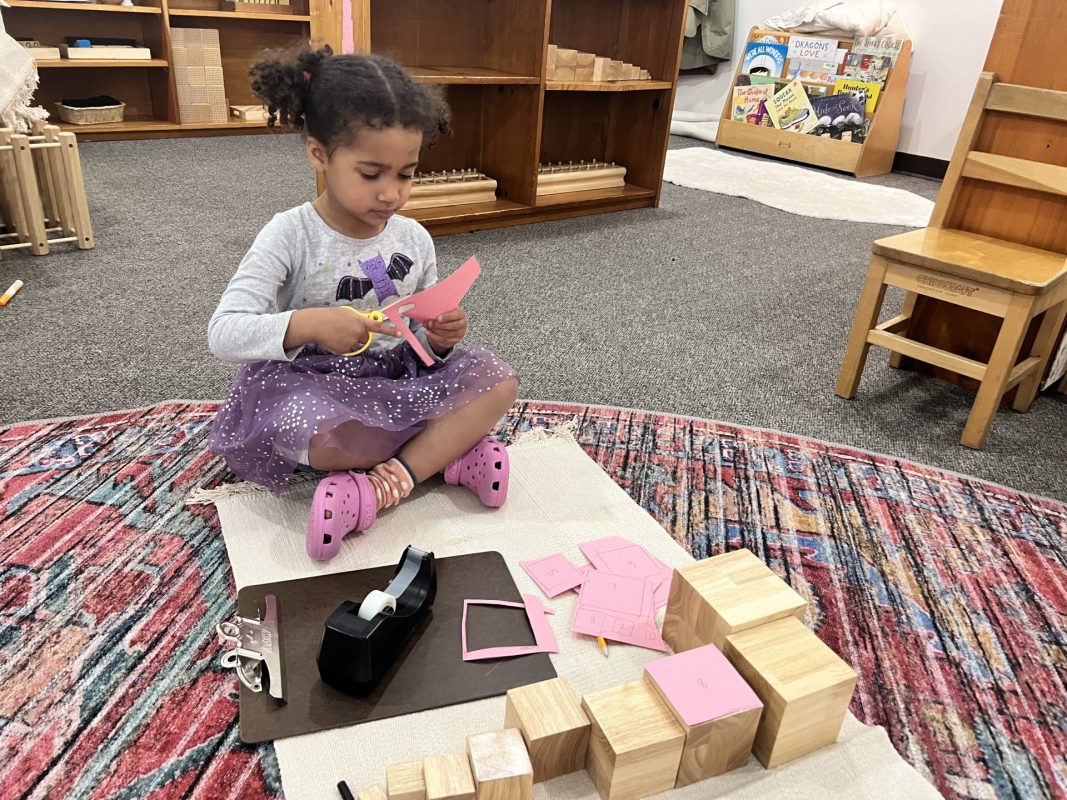
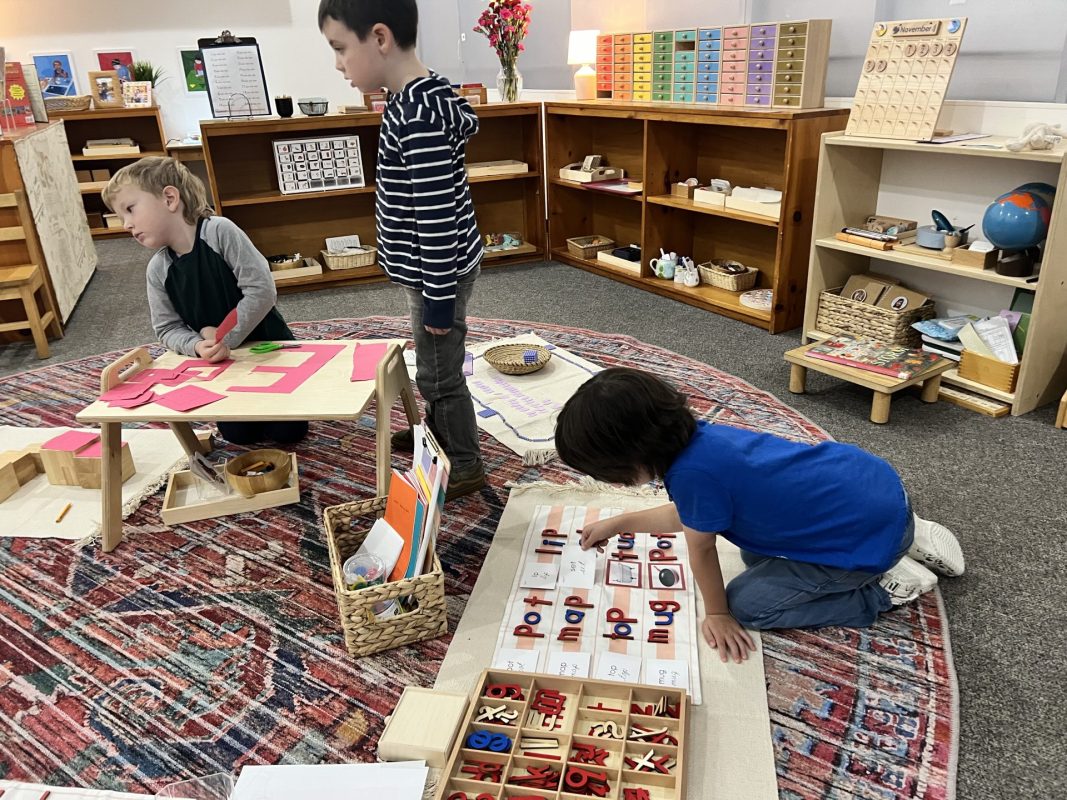
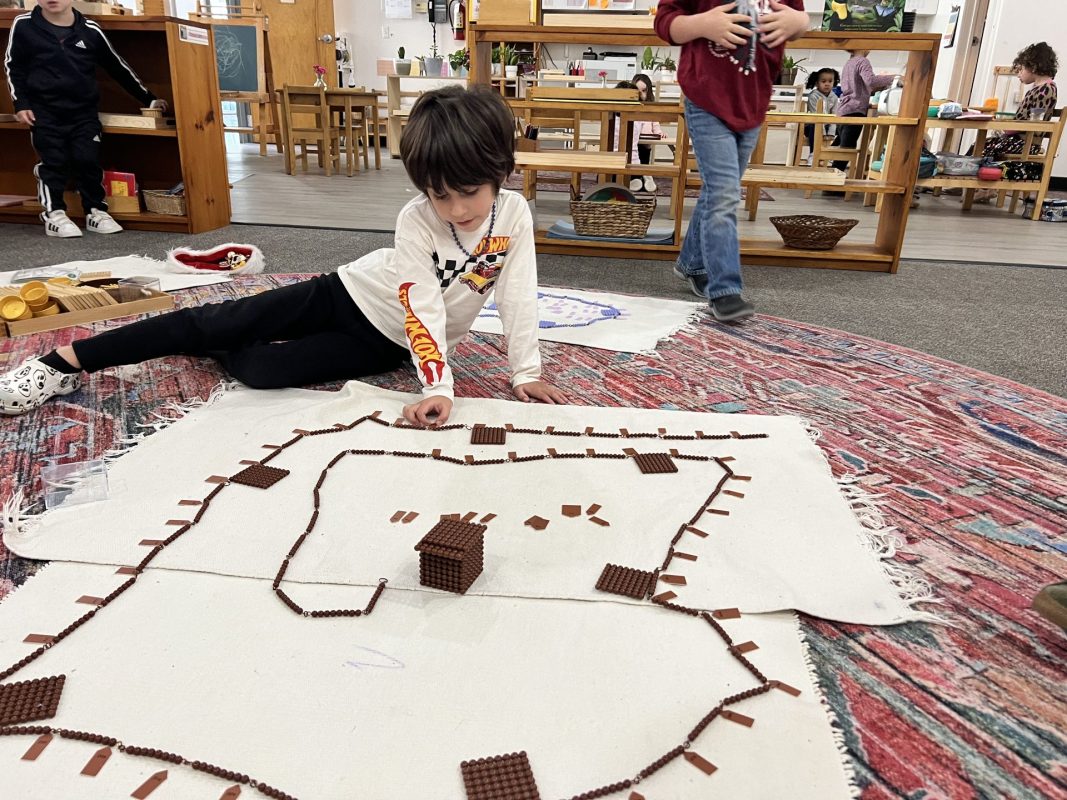
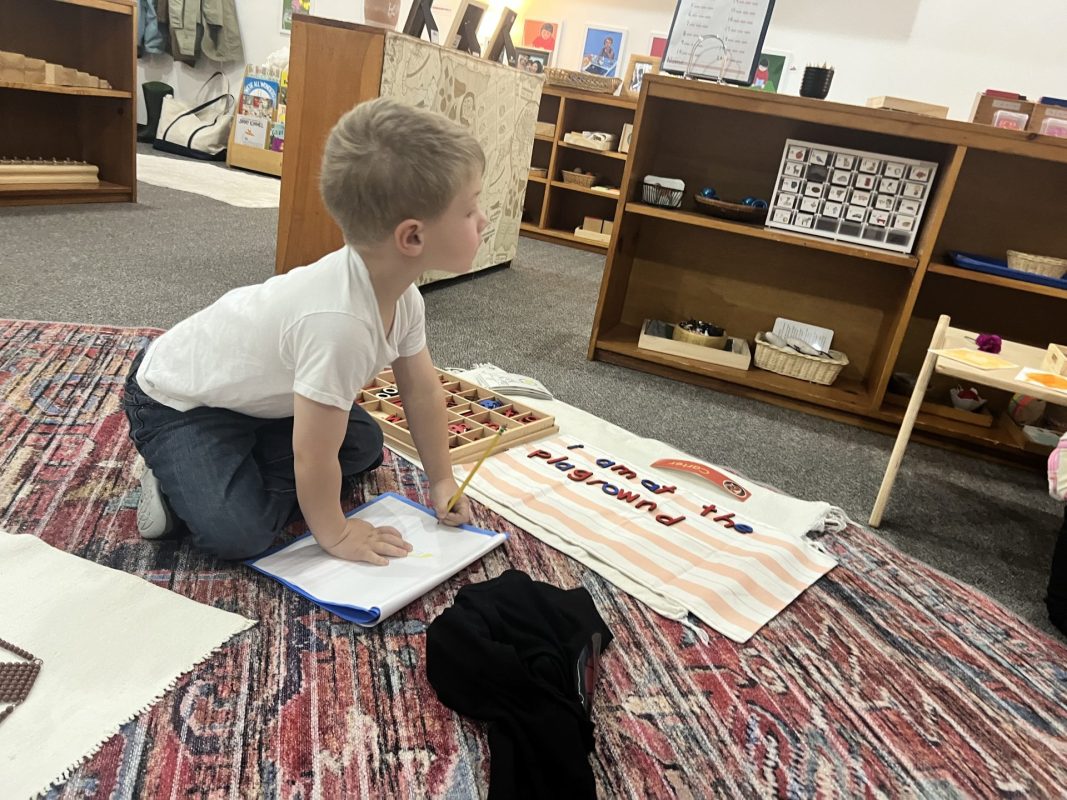
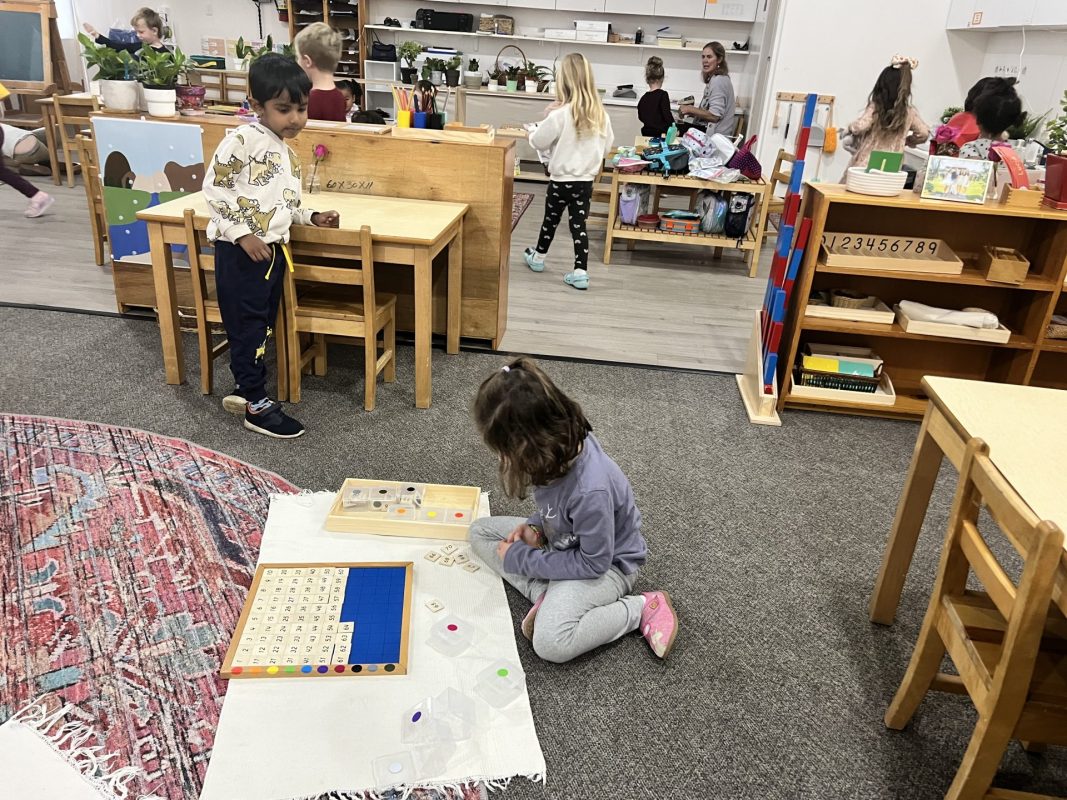
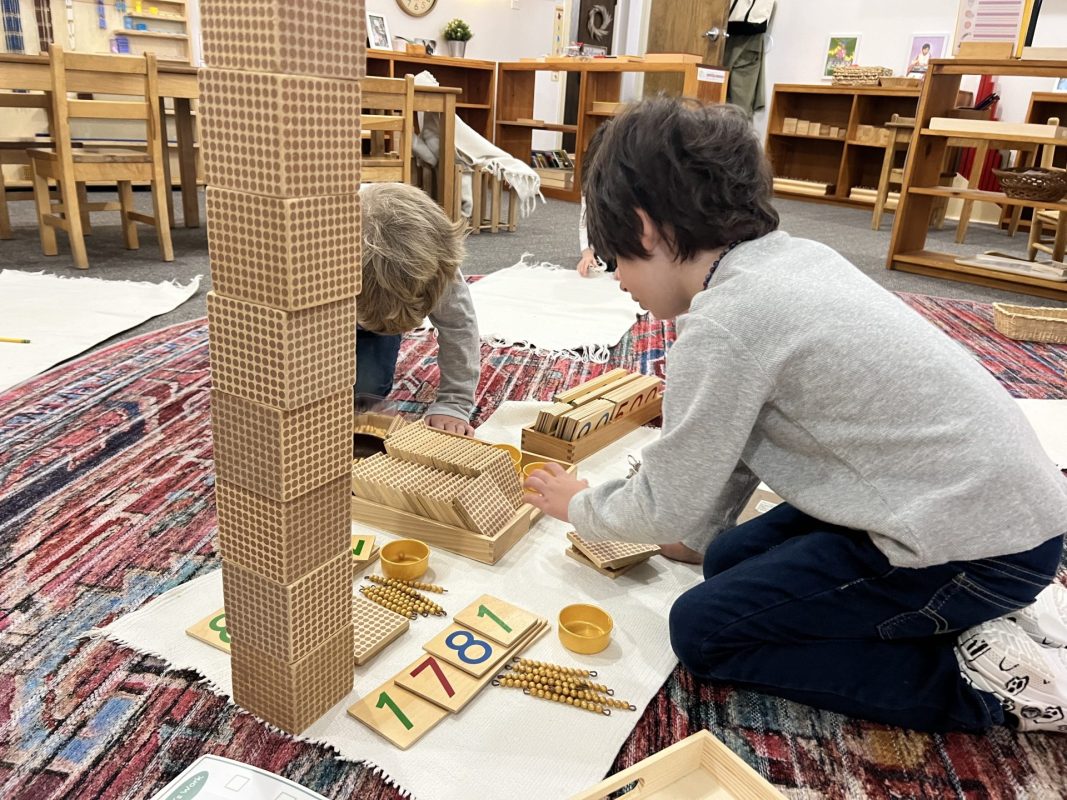
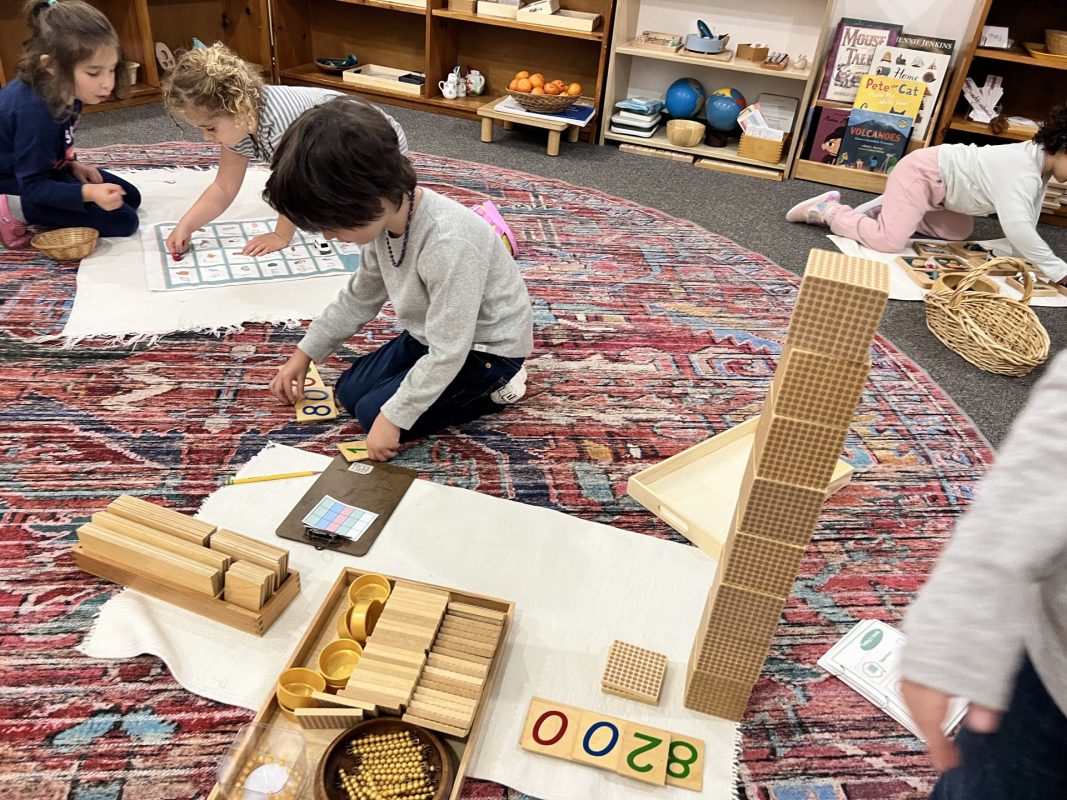
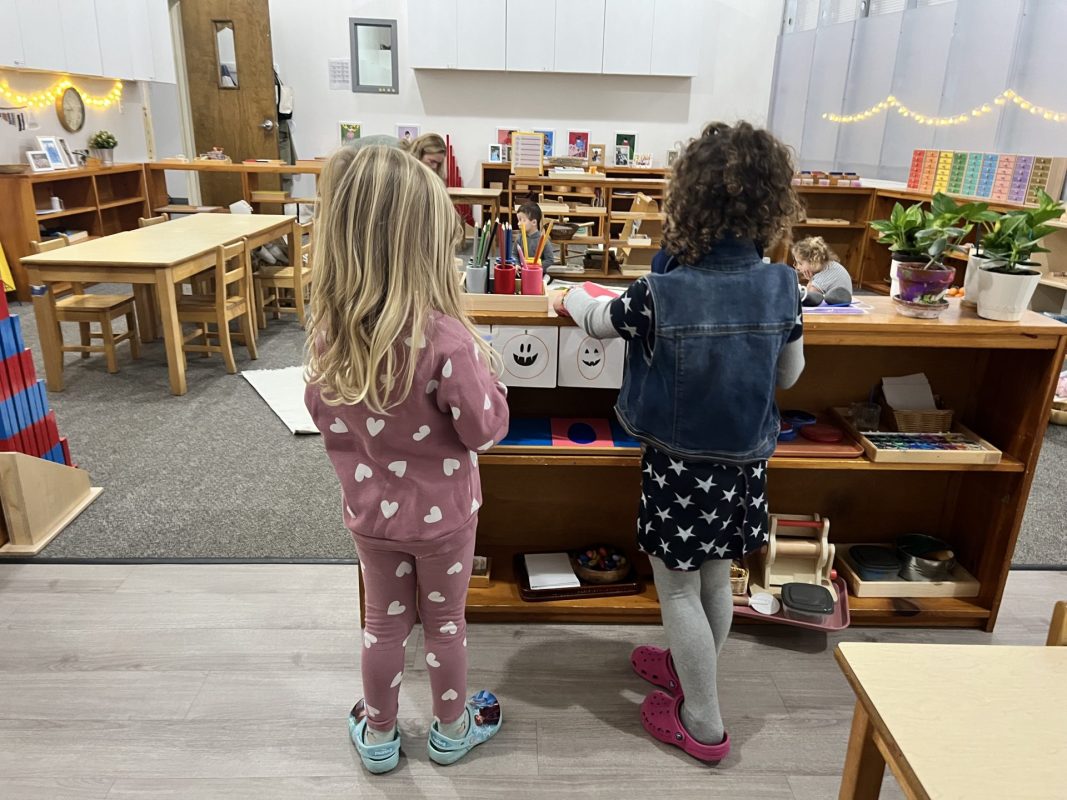
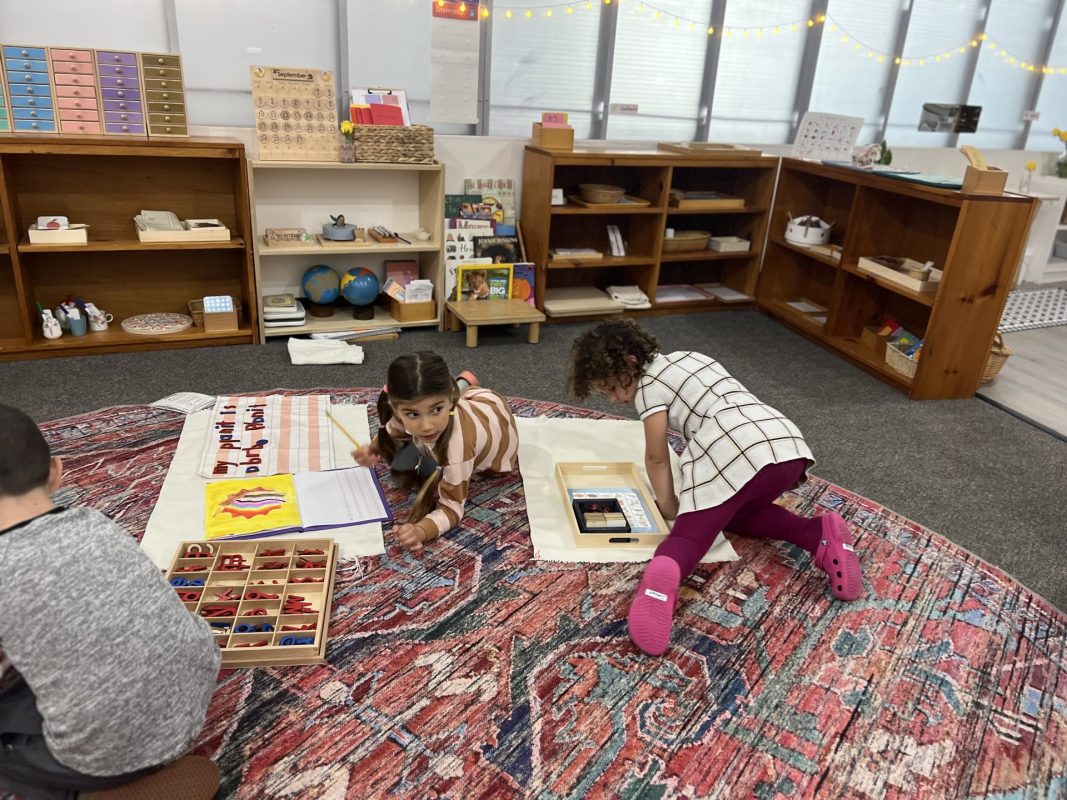
The Montessori approach to teaching Geography is unique and comprises two components: physical and political geography, also known as Culture. From the beginning of the school year, we weave Geography lessons and terminology into our day as we learn about our physical world. The Geography materials are always fascinating to the children and are a springboard for wonderful discussions.

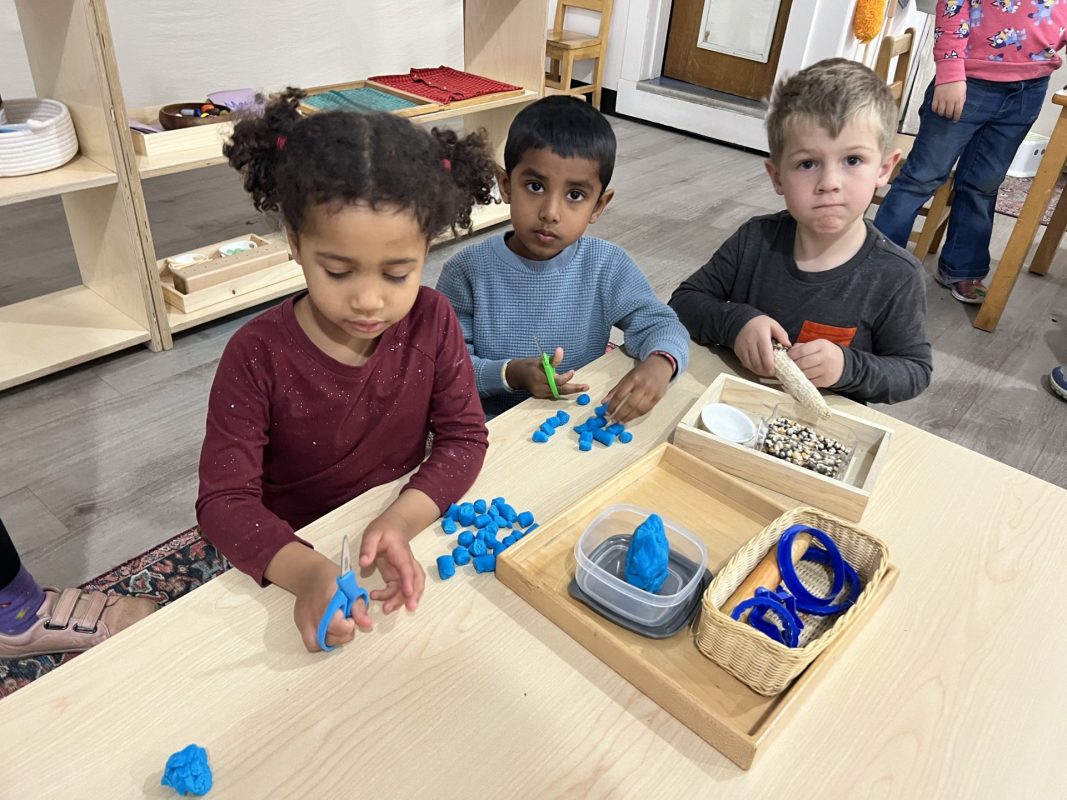
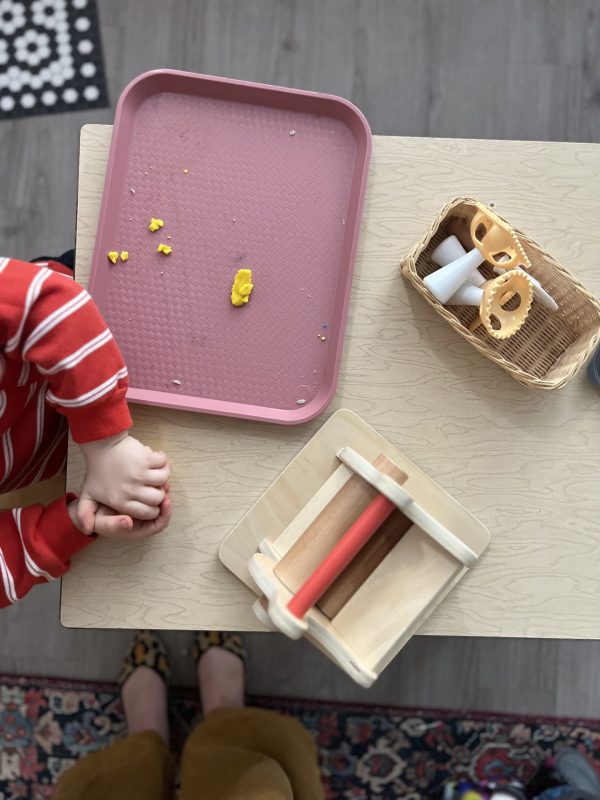
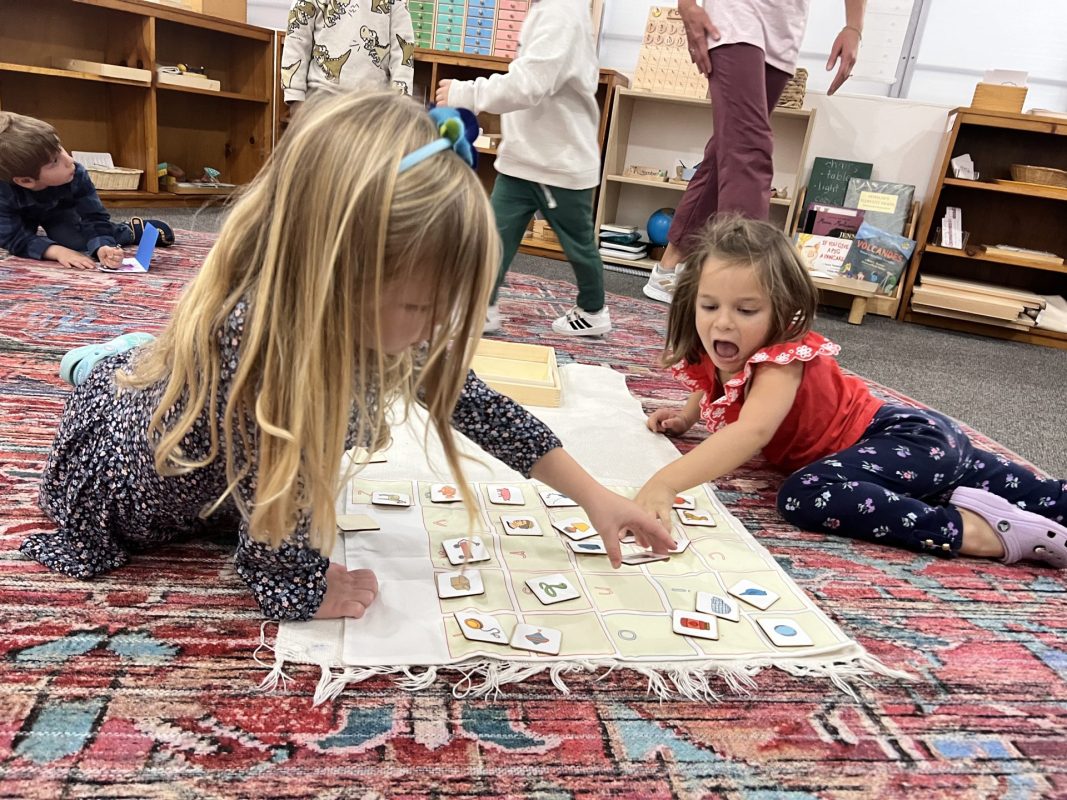
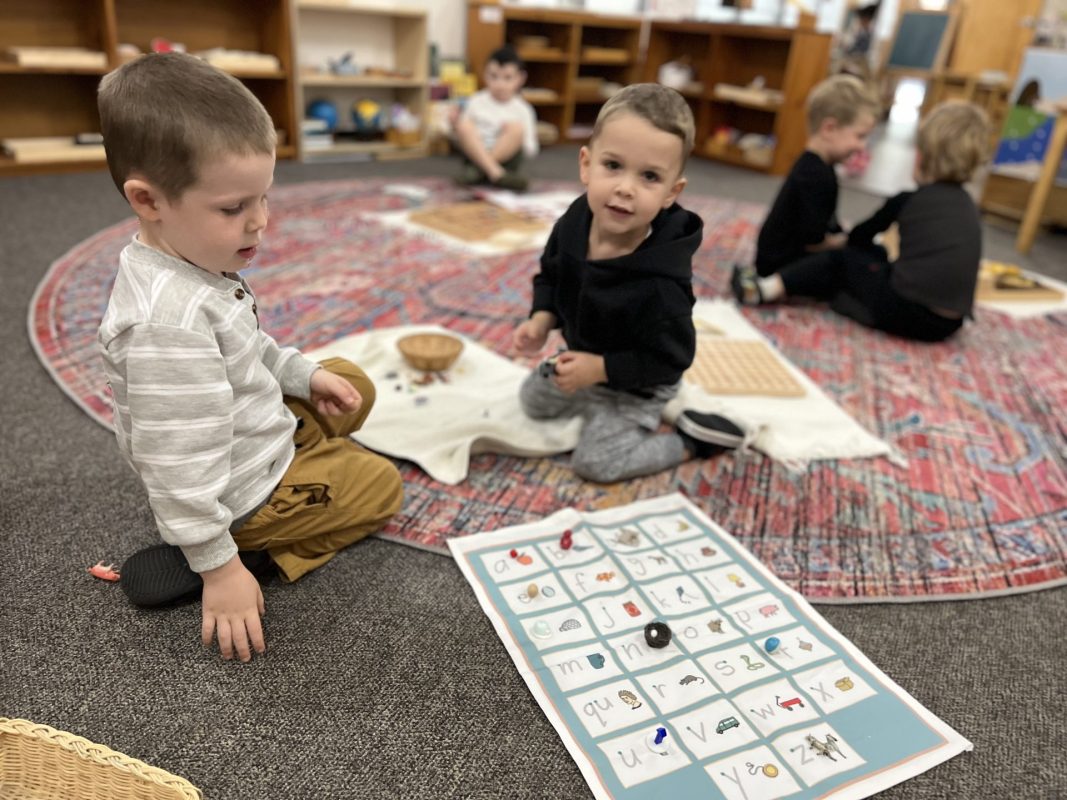
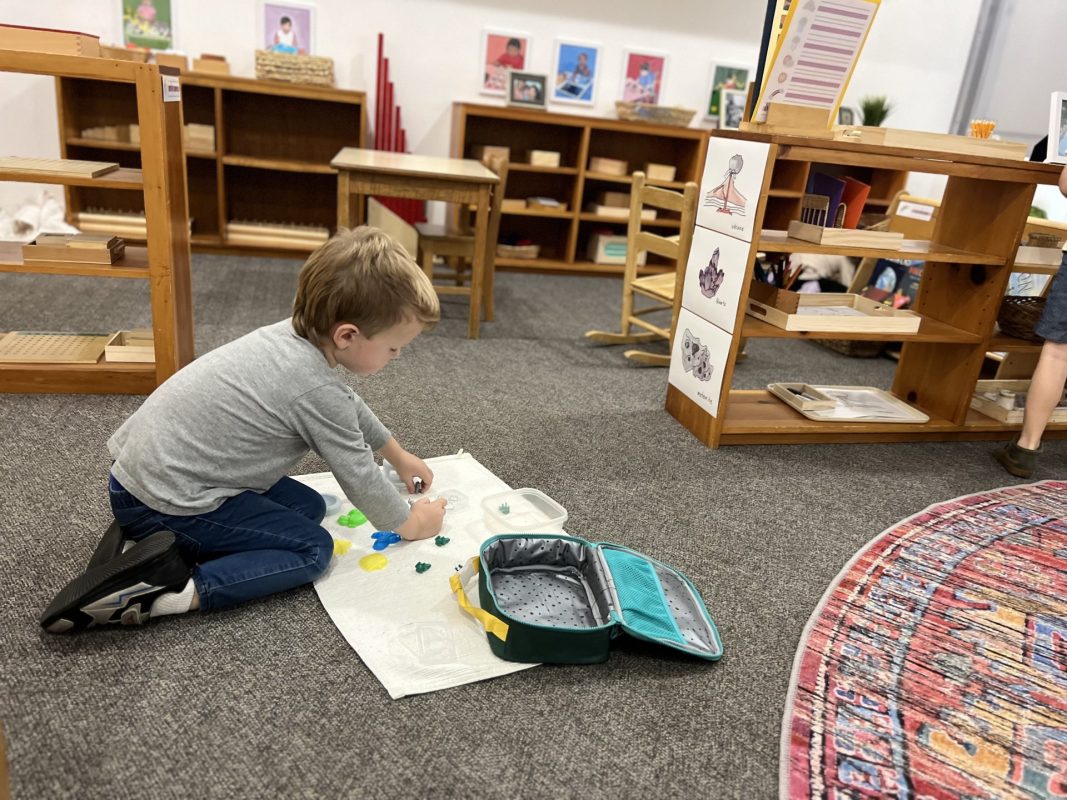
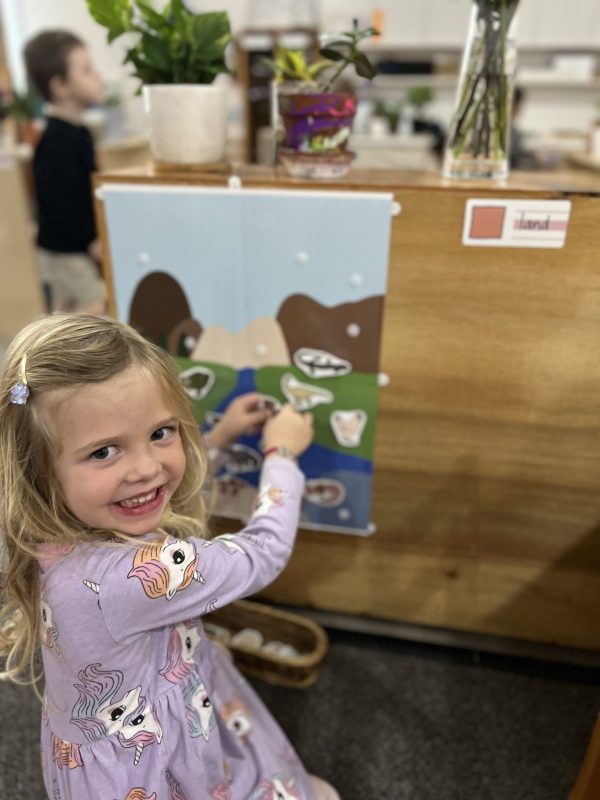
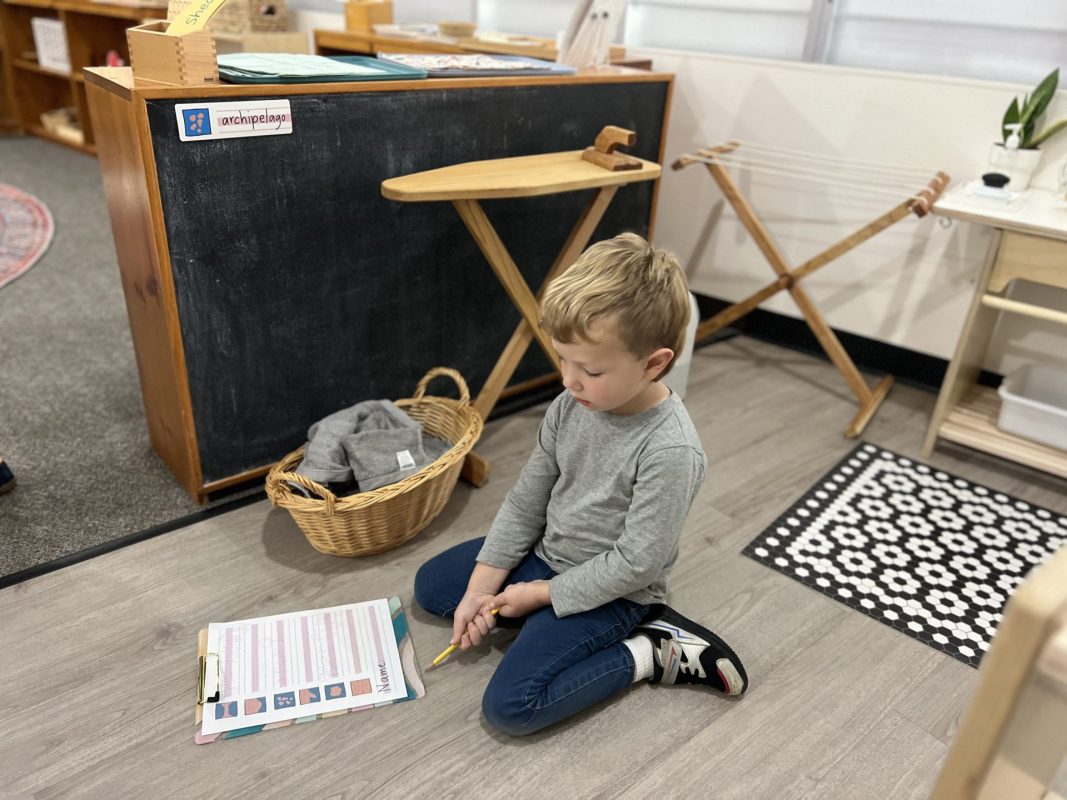
We start the school year by zooming way out from ourselves and studying the Solar System (we end the year by studying the human body and ourselves). This month, we are moving on to our own planet, Earth. We categorize the planet Earth into air, land, and water. We sort what we would find in each of these different components of our world. Next, we introduce the geometric solid known as a sphere to the children and compared it to the shape of the globe. We start with a sandpaper globe that helps to distinguish land and water. The colored globe comes next, and we begin to teach the continent names (we start that towards the end of the month!). We make a sphere out of play dough and cut it in half to help them visualize the concept of a hemisphere. Simultaneously, the children are learning about landforms that introduce the concept of lake, island, bay, cape, peninsula, gulf, isthmus, strait, archipelago, and a system of lakes. These sensory experiences help the children learn about their physical world.

Our goal is to encourage the children to appreciate the beauty and wonder found in the similarities and differences around the world. Our classroom has a cultural shelf with artifacts from each continent.

I look forward to seeing some of you this week for our conferences!

Have a wonderful weekend!

Marissa & Sue


Ms. Marissa: Weekly Folder Fun Facts

As adults, we must remember that we want things done as quickly as possible so they are finished and out of the way. In contrast, the child is interested and content in the doing, not the done.” –Margaret Stephenson, The Art of Montessori in the Home.

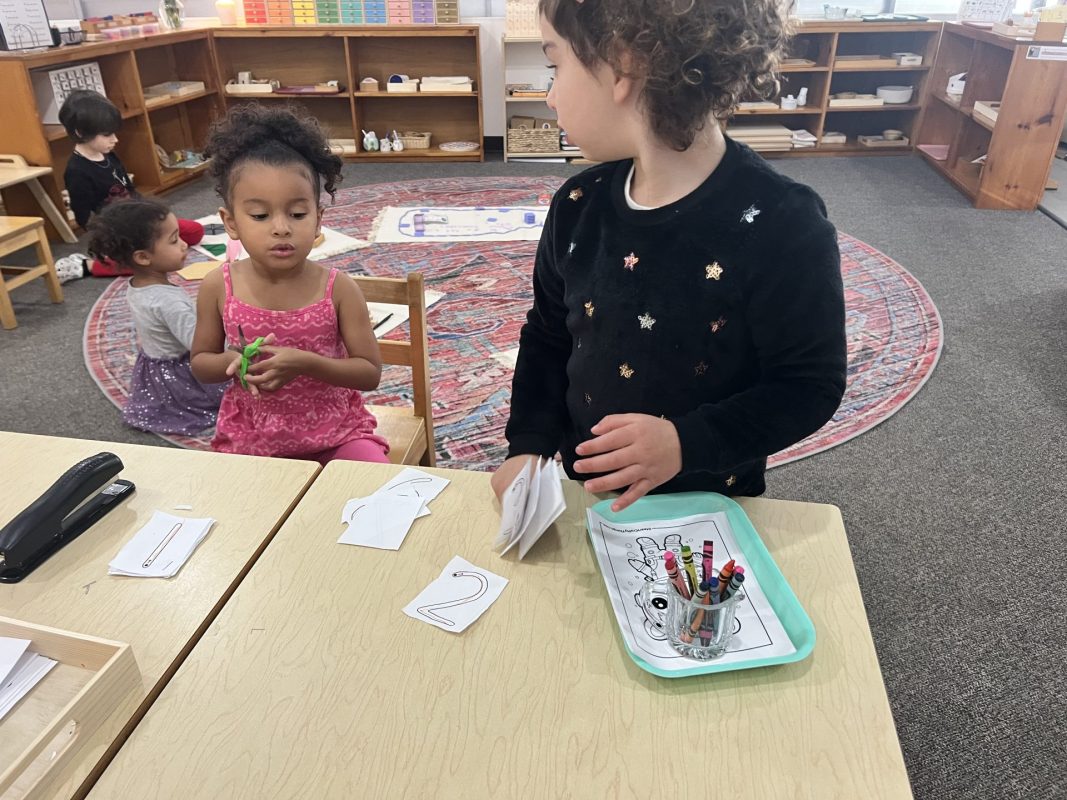
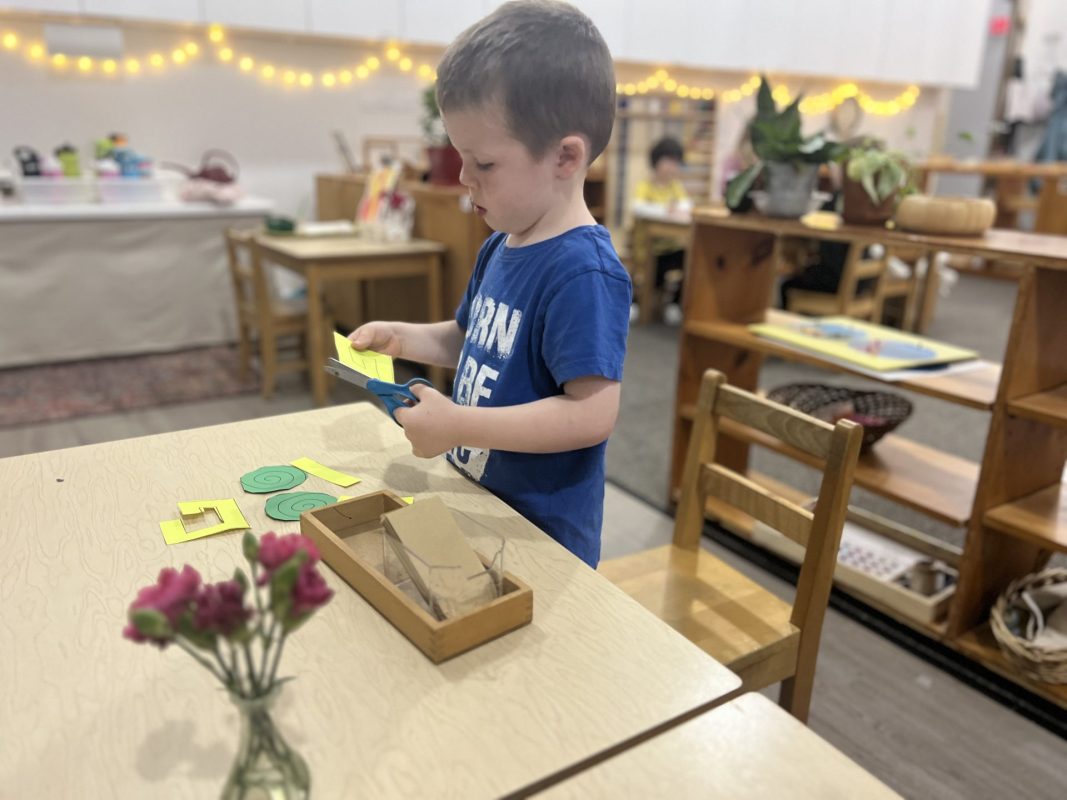
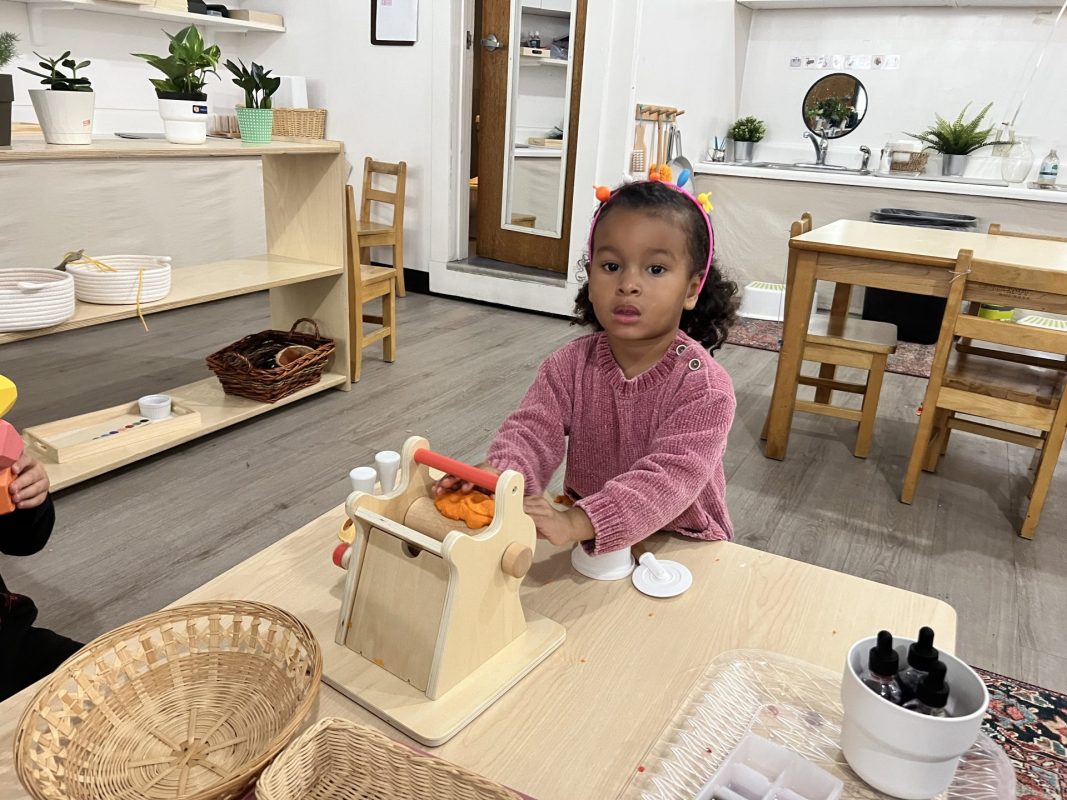
Each Thursday, we send home Weekly Folders with the work the children have completed over the past week. We often receive emails asking why there was so little work inside and what exactly the children are doing.

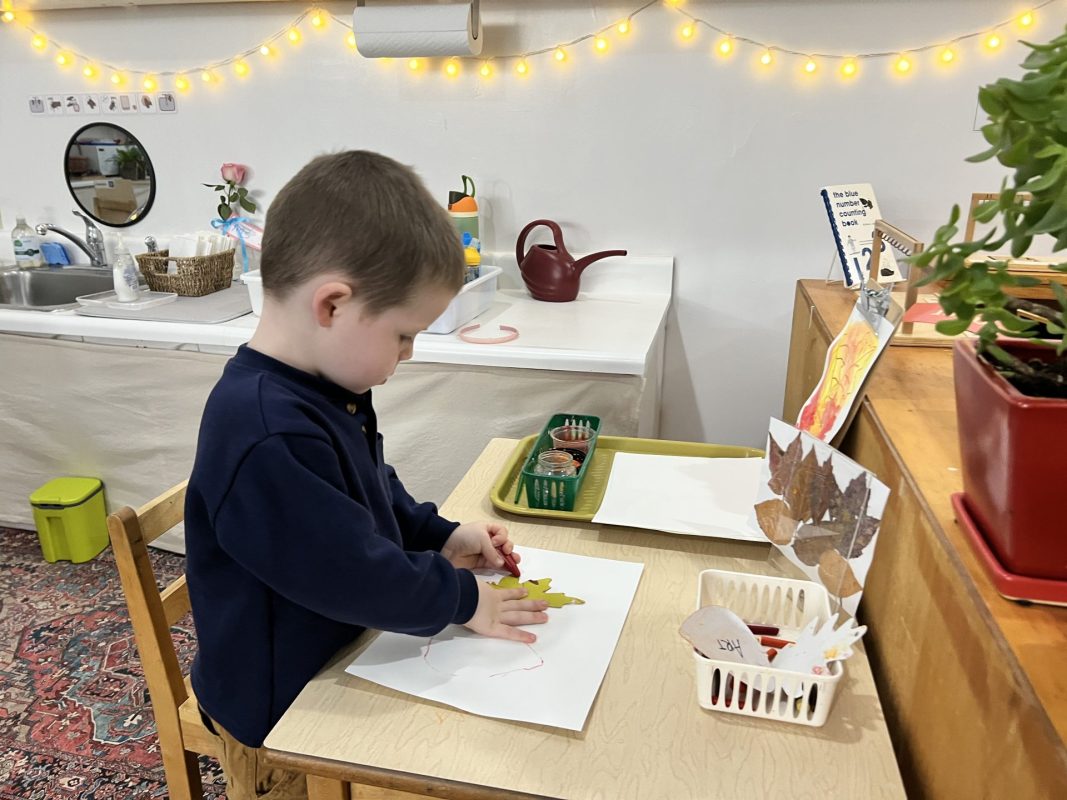
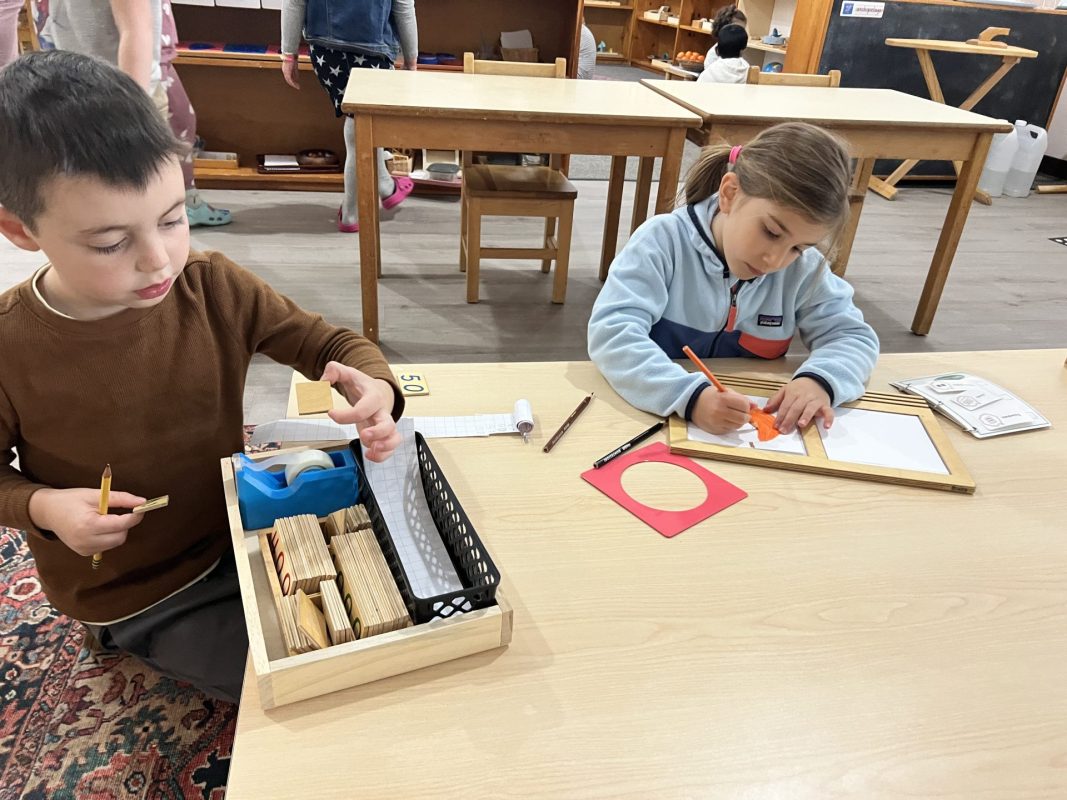
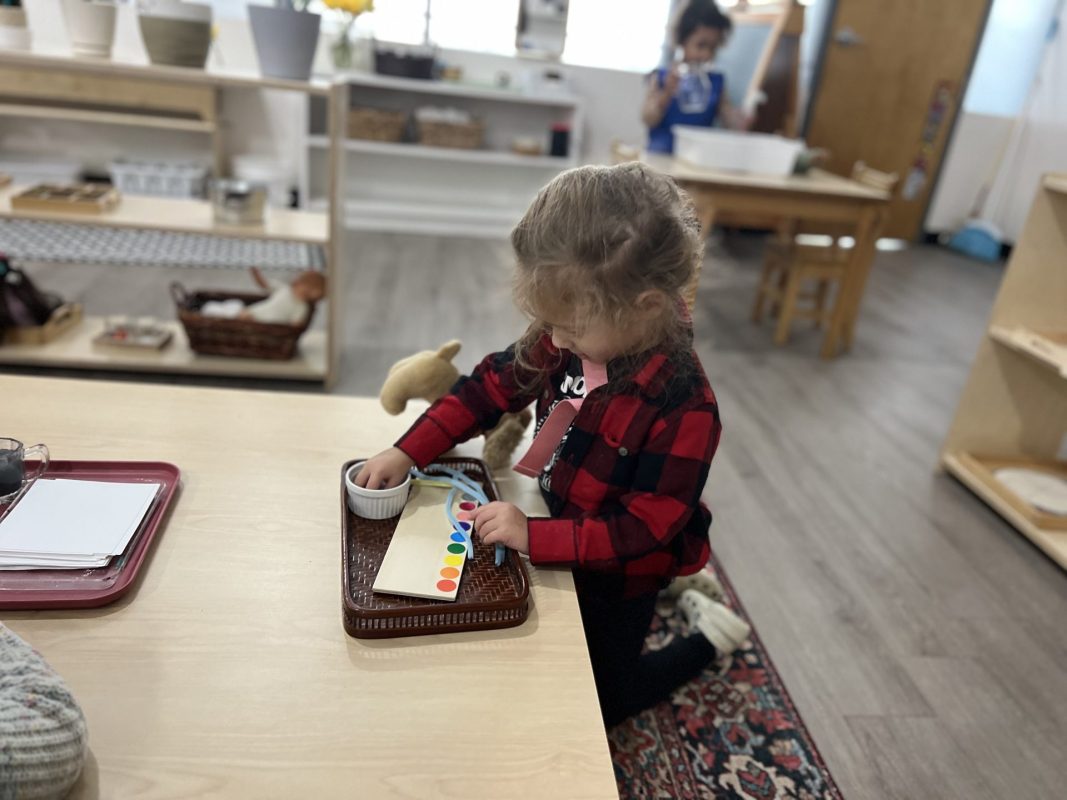
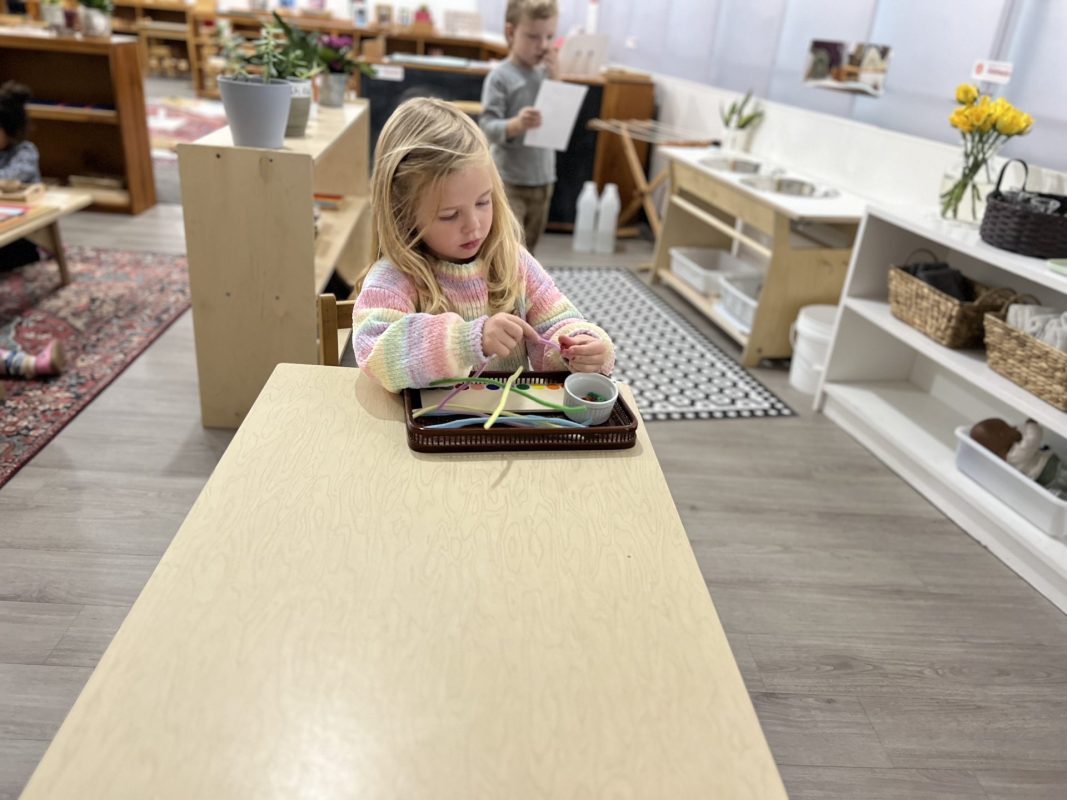
Sometimes, it can be difficult to accept the idea of focusing on the process, not the product. What exactly does that mean? Many works in the Montessori classroom do not end with a physical product the children will bring home to share with everyone. There is often no way to visually assess what a child is learning. Overall, as a society, we are product-driven and often base our success on this factor. The experience a child has when working with the materials is truly what is most important. However, it can often be unsettling when you hear they did “nothing” day after day.

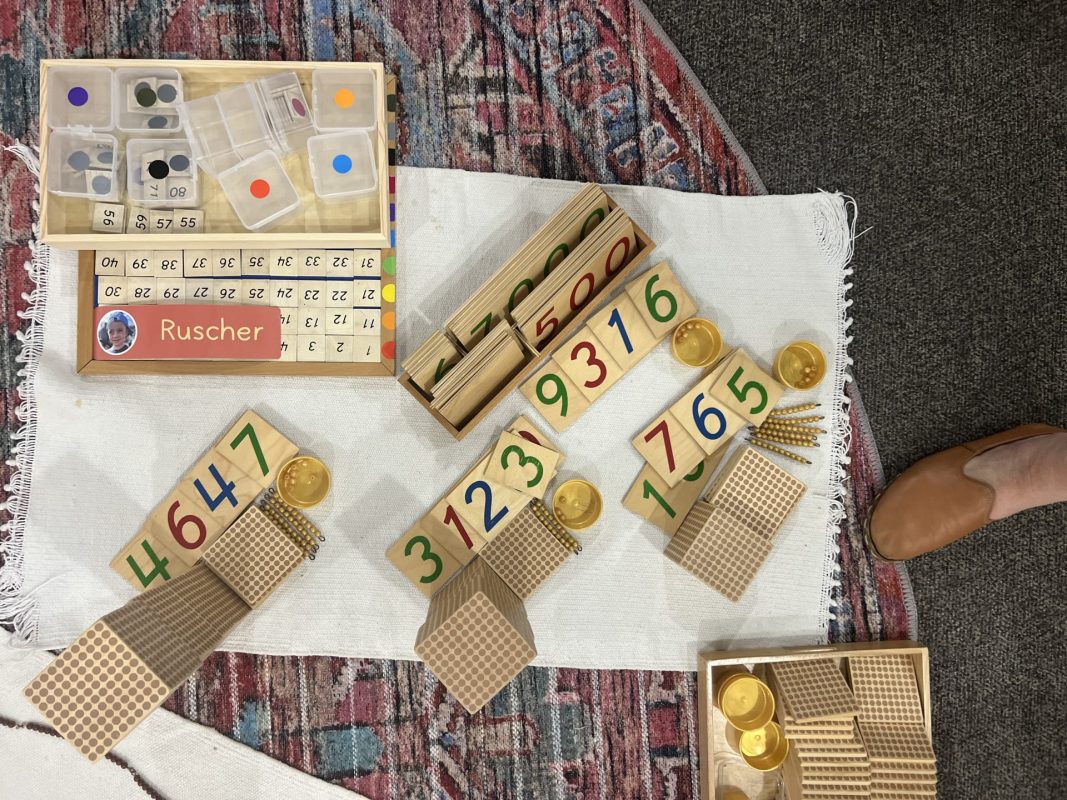
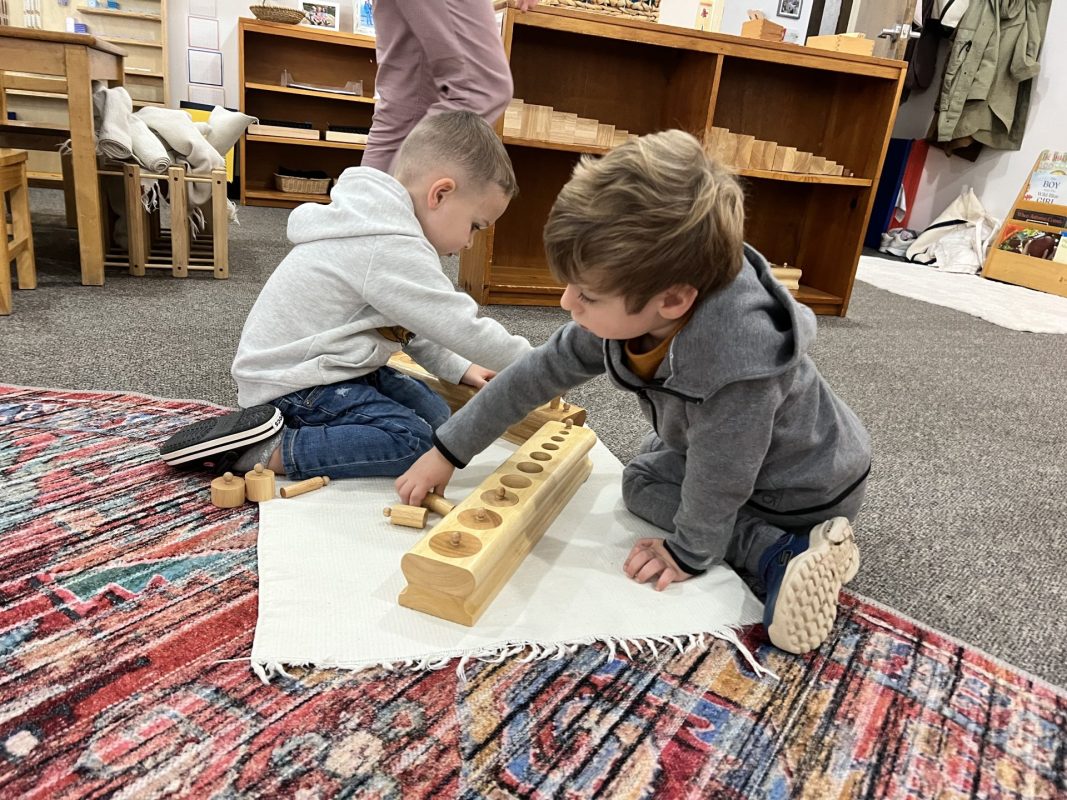
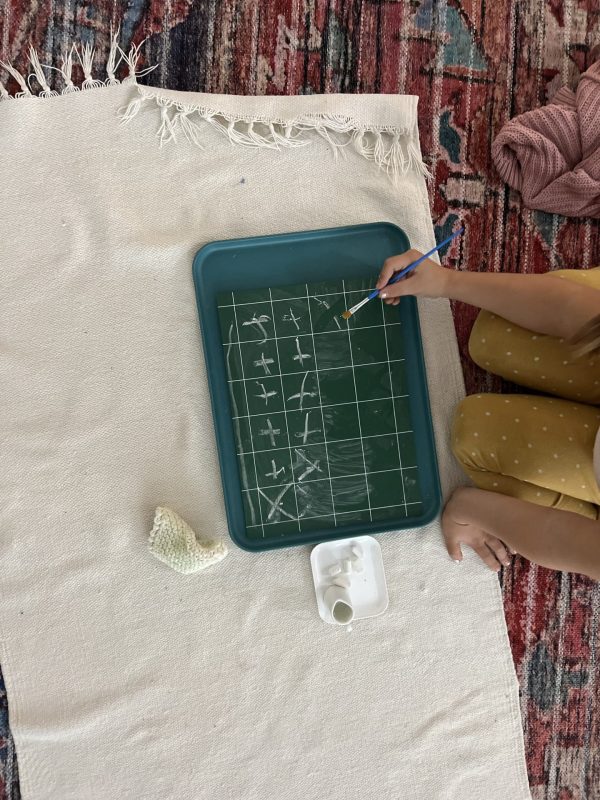
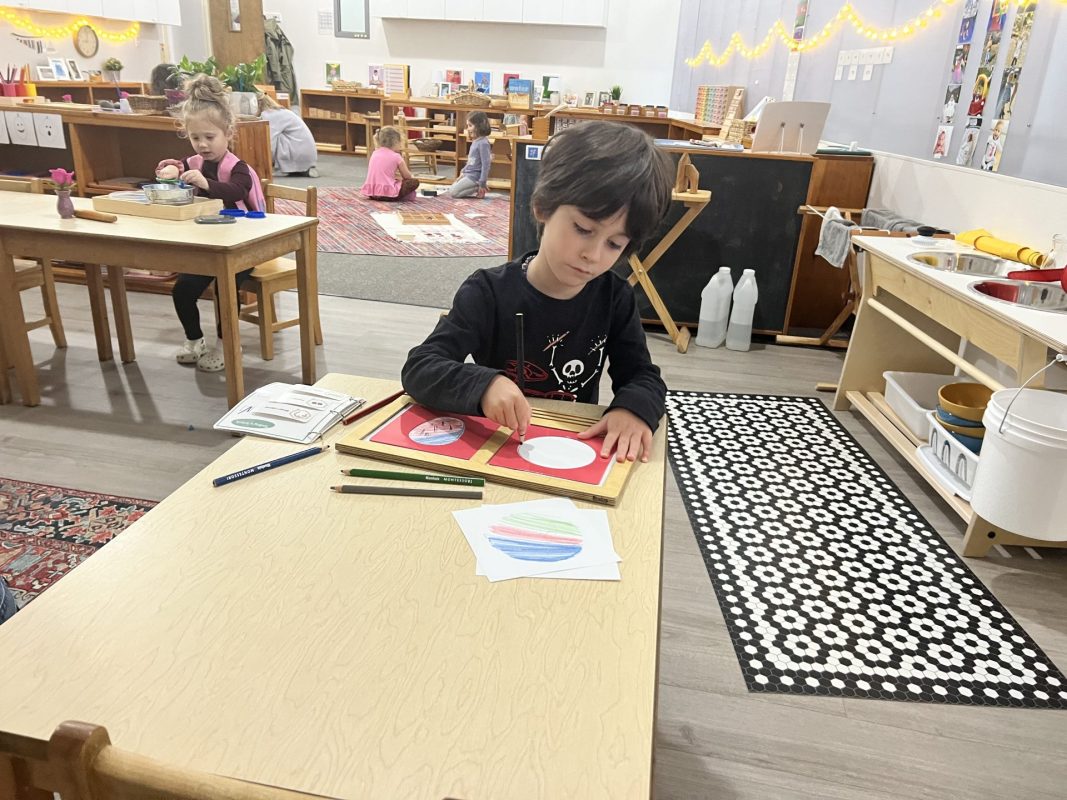
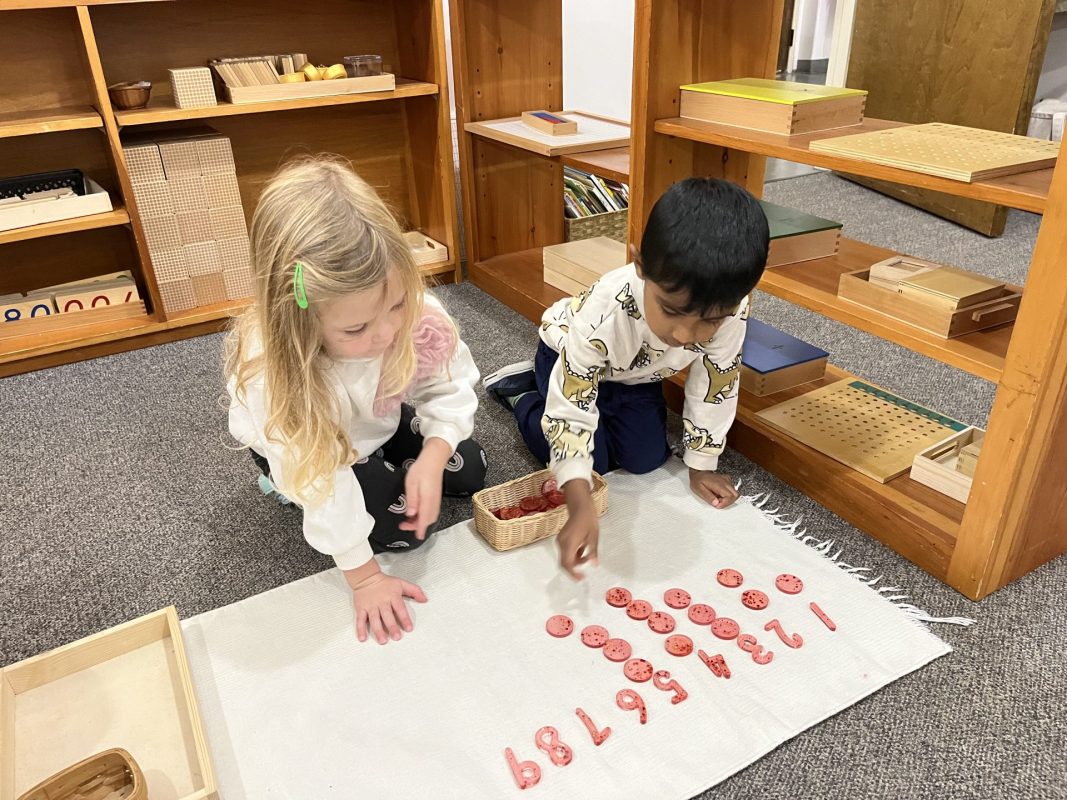
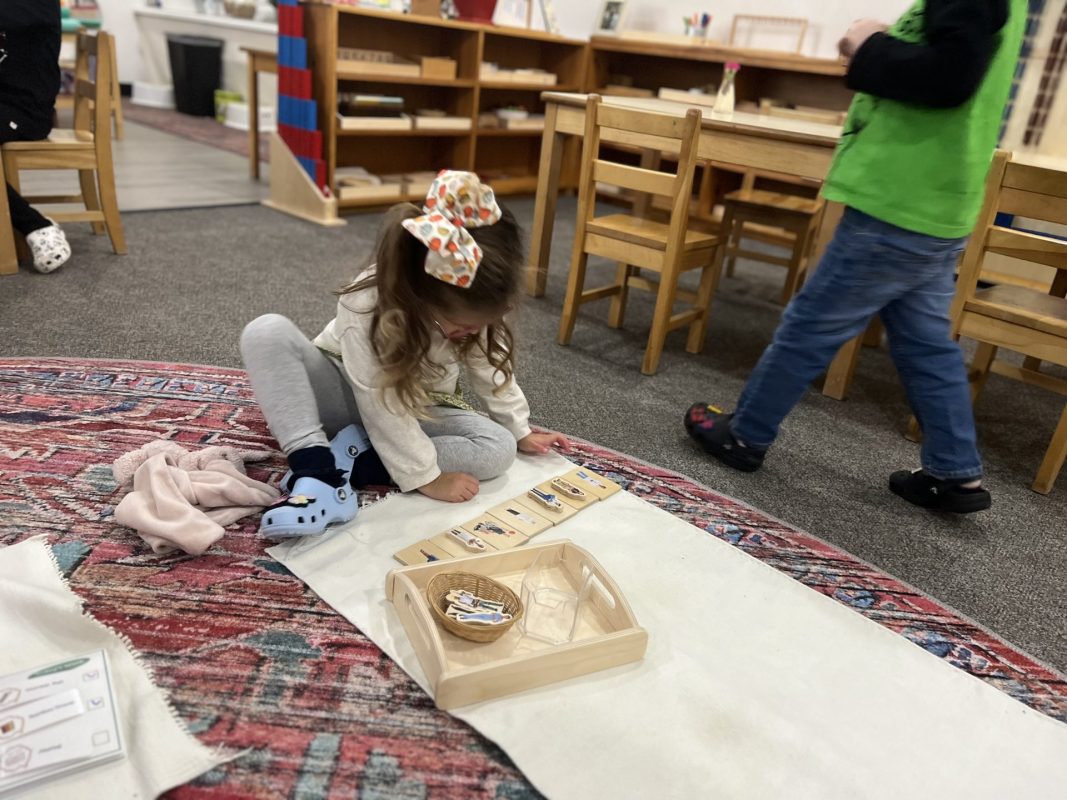
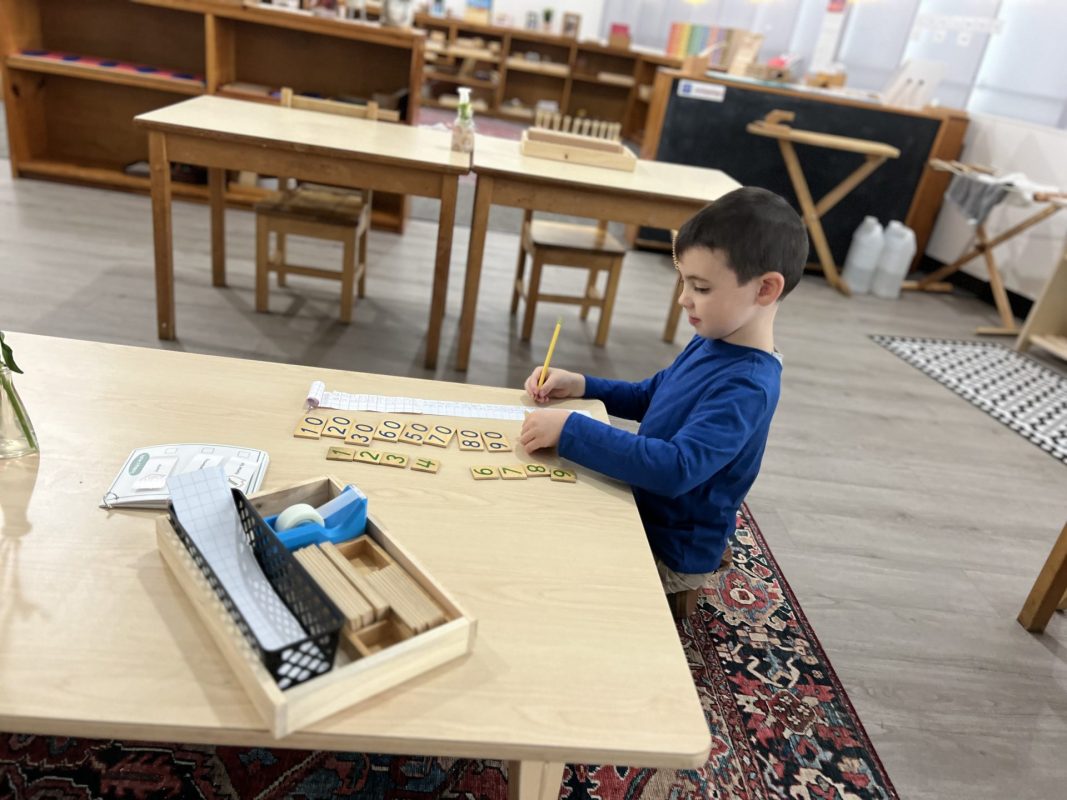
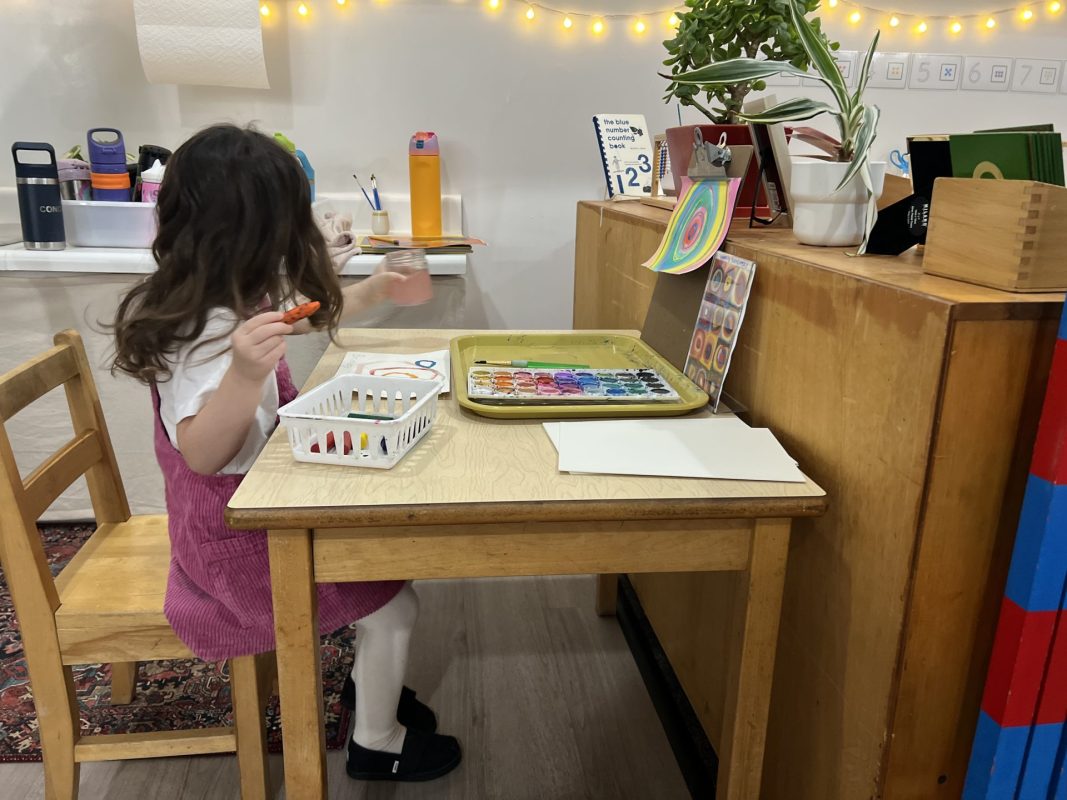
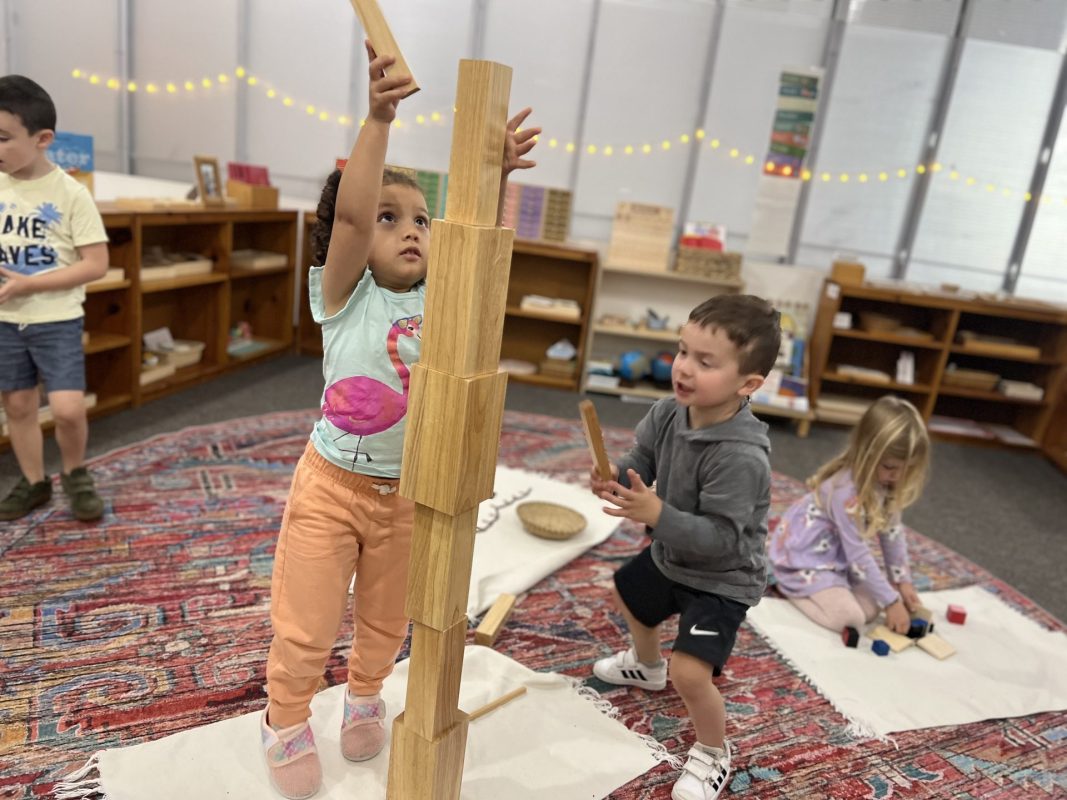
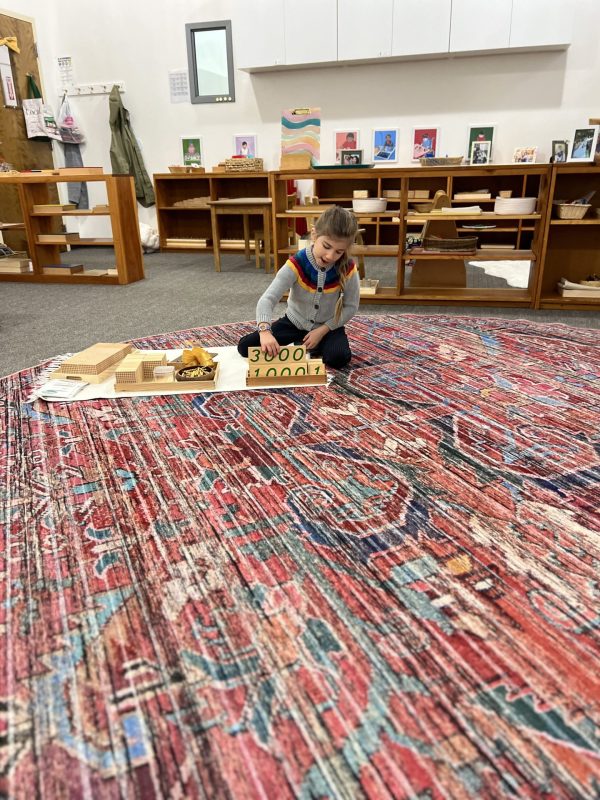
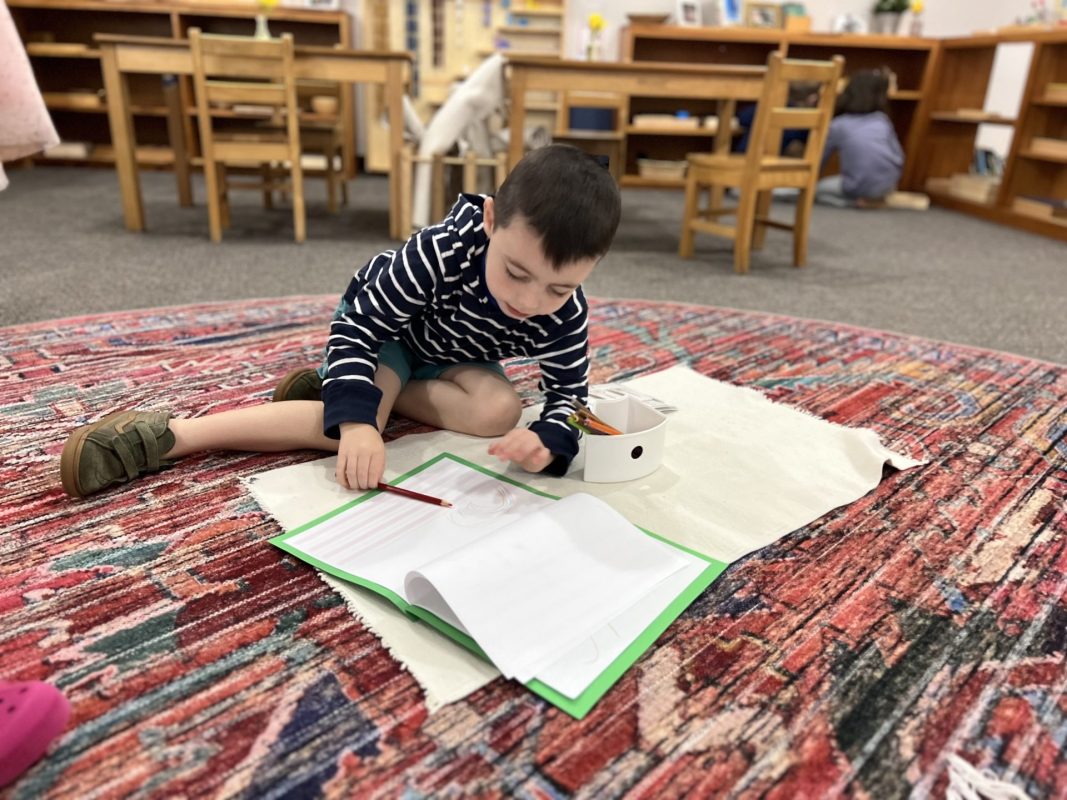
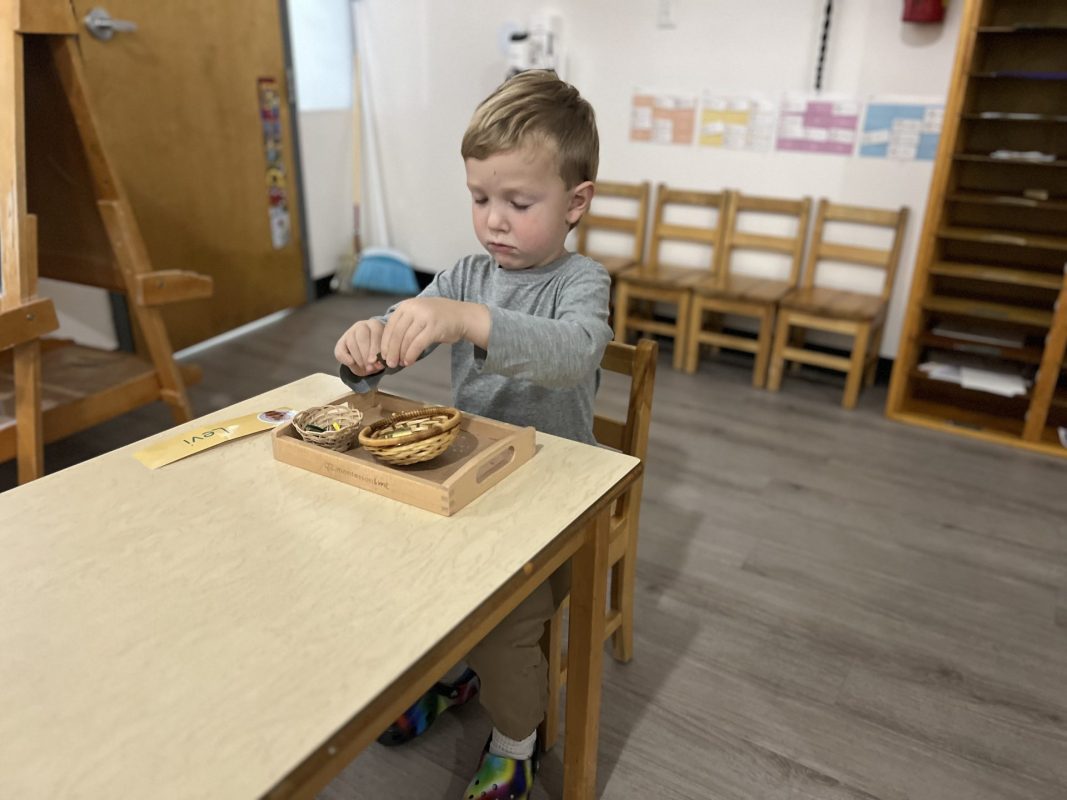
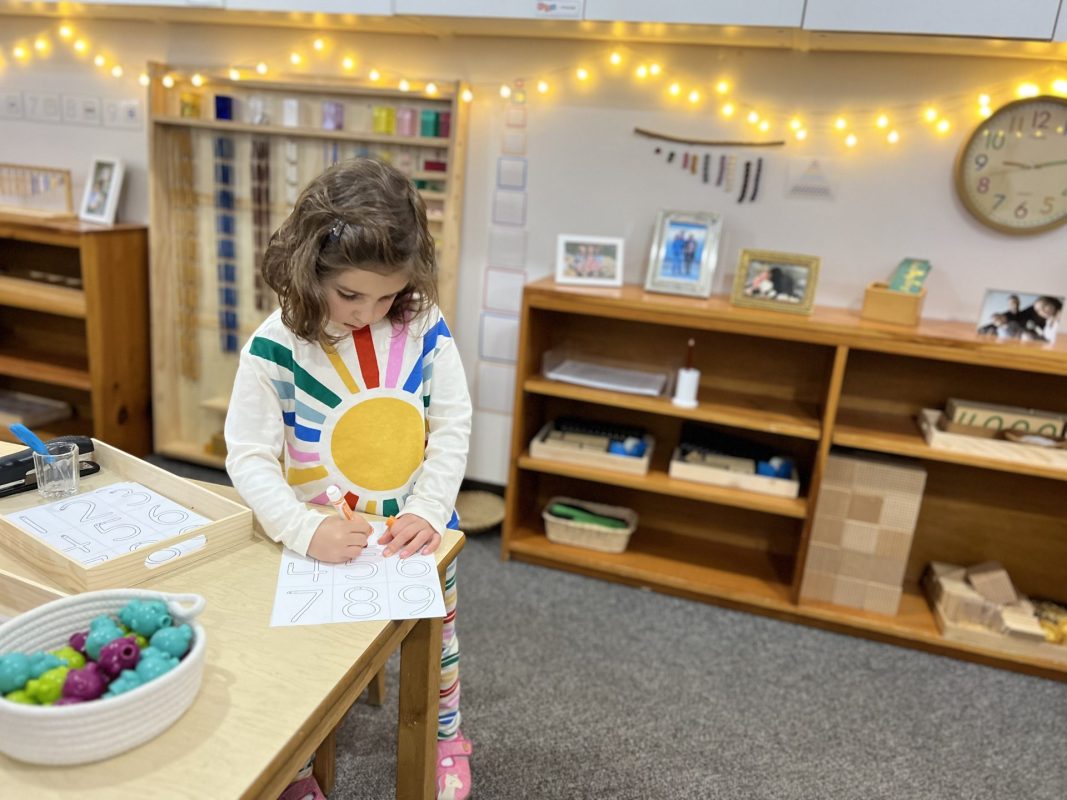
Research shows children ages three to six learn best through their hands. To truly understand a concept, they need to explore it through touch. This is why so many lessons in the Montessori environment are not based on memorization alone. Most concepts we teach involve tracing, manipulating, and exploring with their hands. Perhaps most importantly, focusing on the process protects the child’s intrinsic motivation to learn and understand. External factors such as recognition, praise, or reward do not influence it. We truly value and encourage the time and experience with the materials.

So, if your child’s folder comes home with little to no work, know that their accomplishments can’t always ‘fit’ in that folder. Maybe after weeks and weeks of trying, they learned how to zipper their coat, or perhaps they can finally carry a work without it dropping. Maybe after observing a lesson day after day, your child tried it independently for the first time. The list of skills each child can accomplish will never be fully represented in the Weekly Folder. So please enjoy the work in there, but know it will never be an accurate portrayal of all the children are learning and accomplishing.

Fall conferences are scheduled for Thursday, October 26th. In addition to this date, I am offering six slots on Friday, October 20th. Please click here to sign up and choose your time. We look forward to seeing everyone during conferences and sharing our goals for your child for the year.

Wishing you a week filled with peace and love.

Marissa and Sue

Ms. Marissa: One Step at a Time!

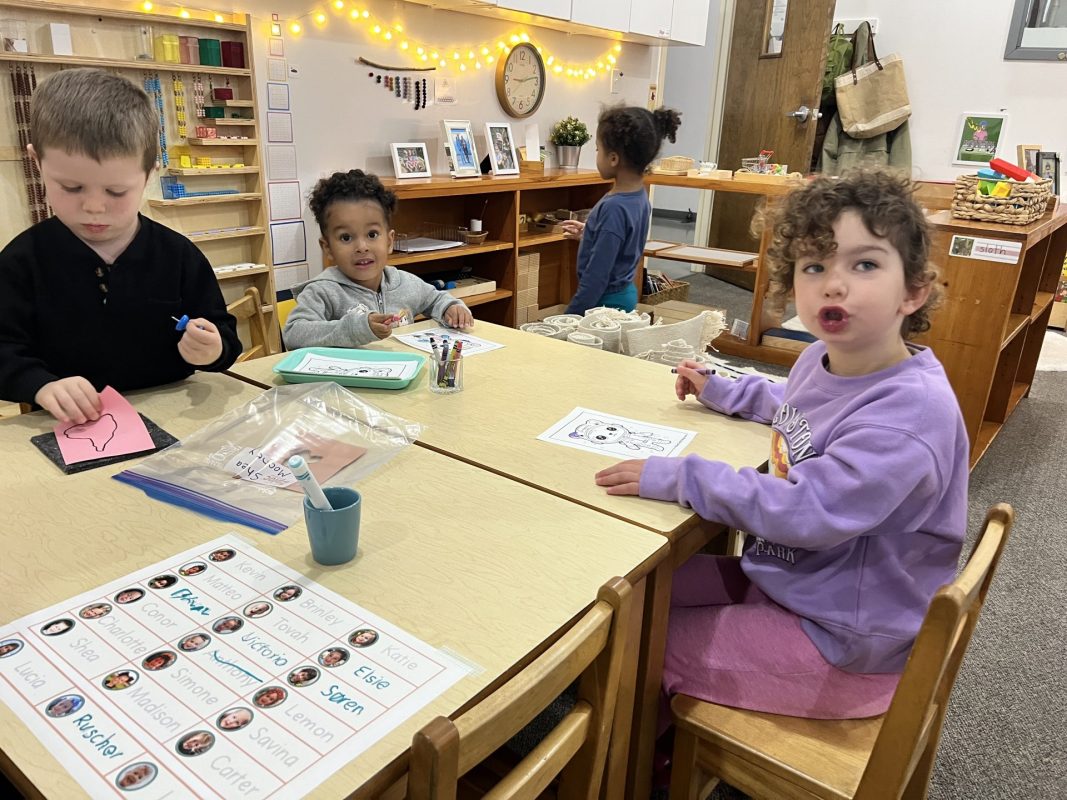
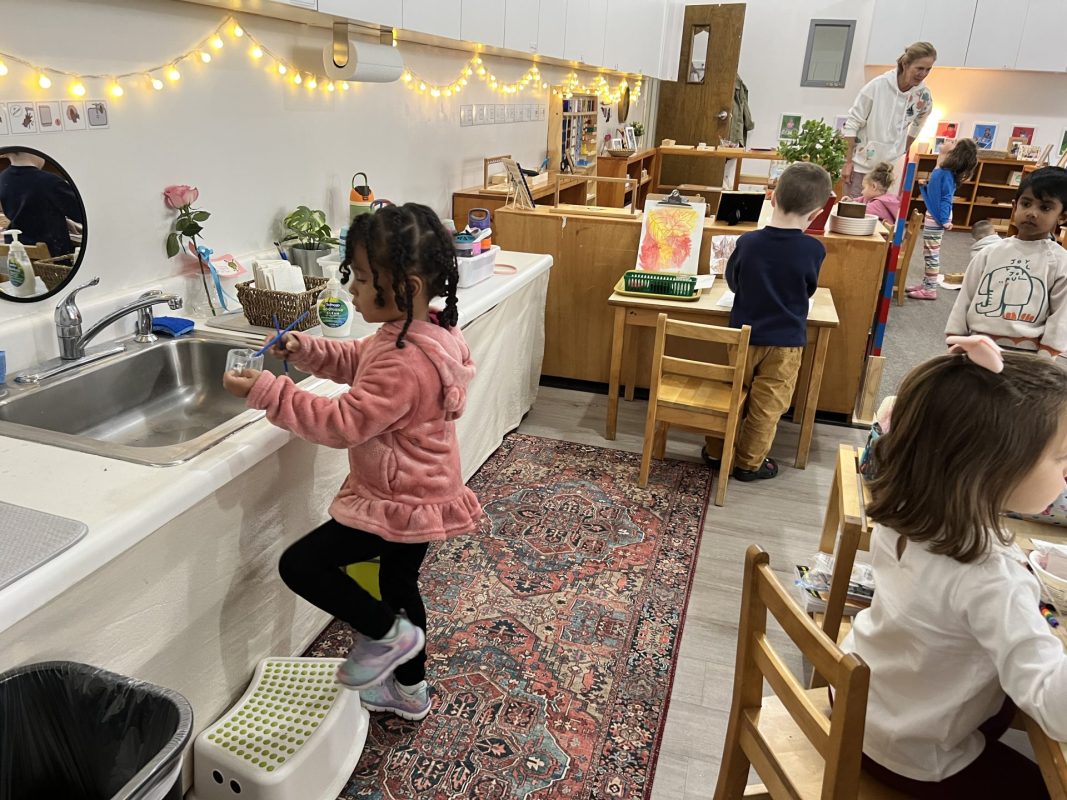
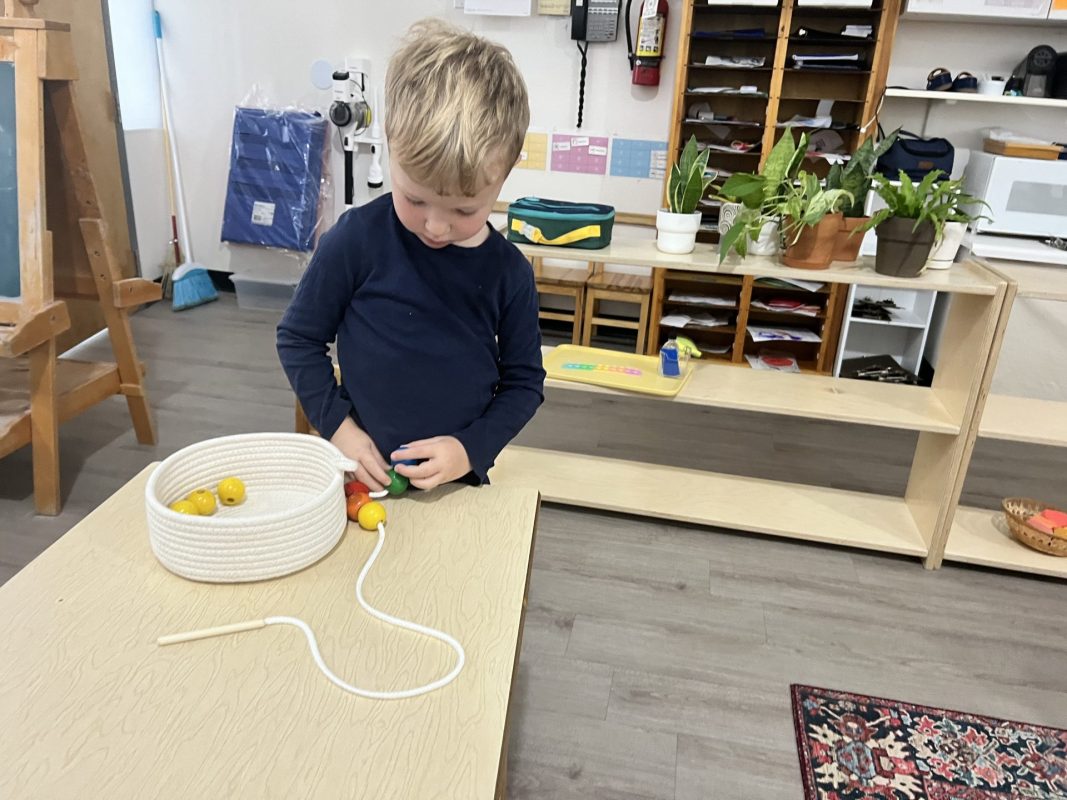
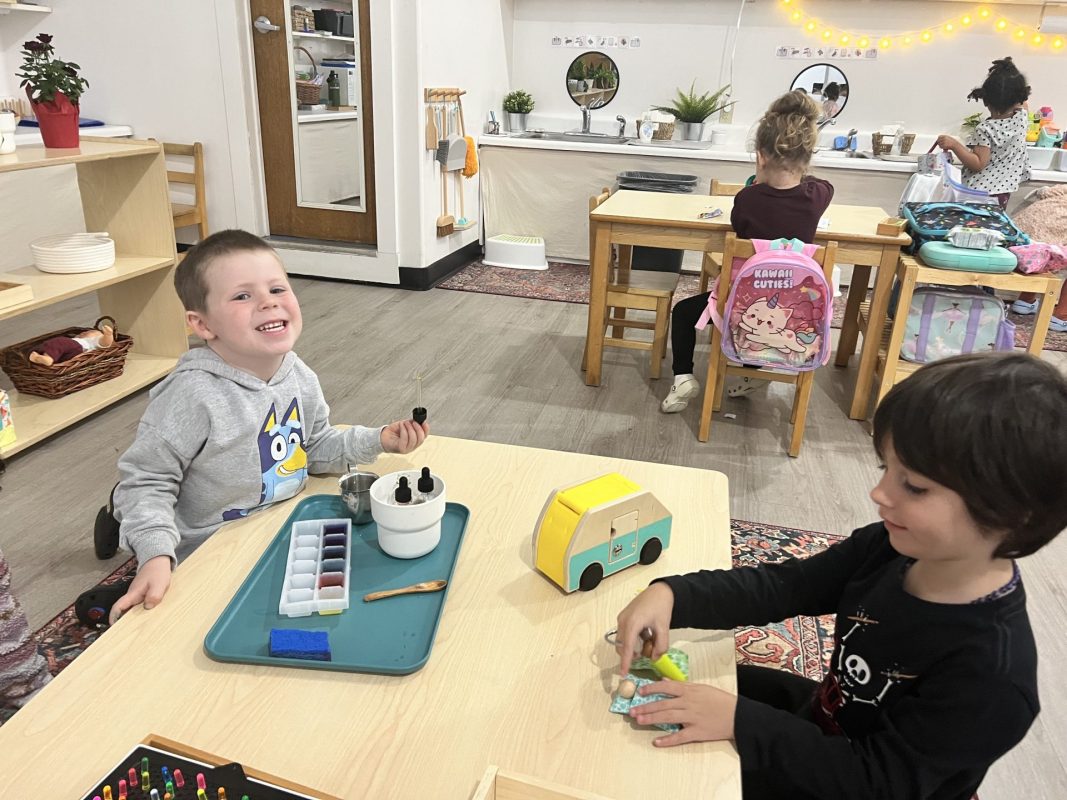
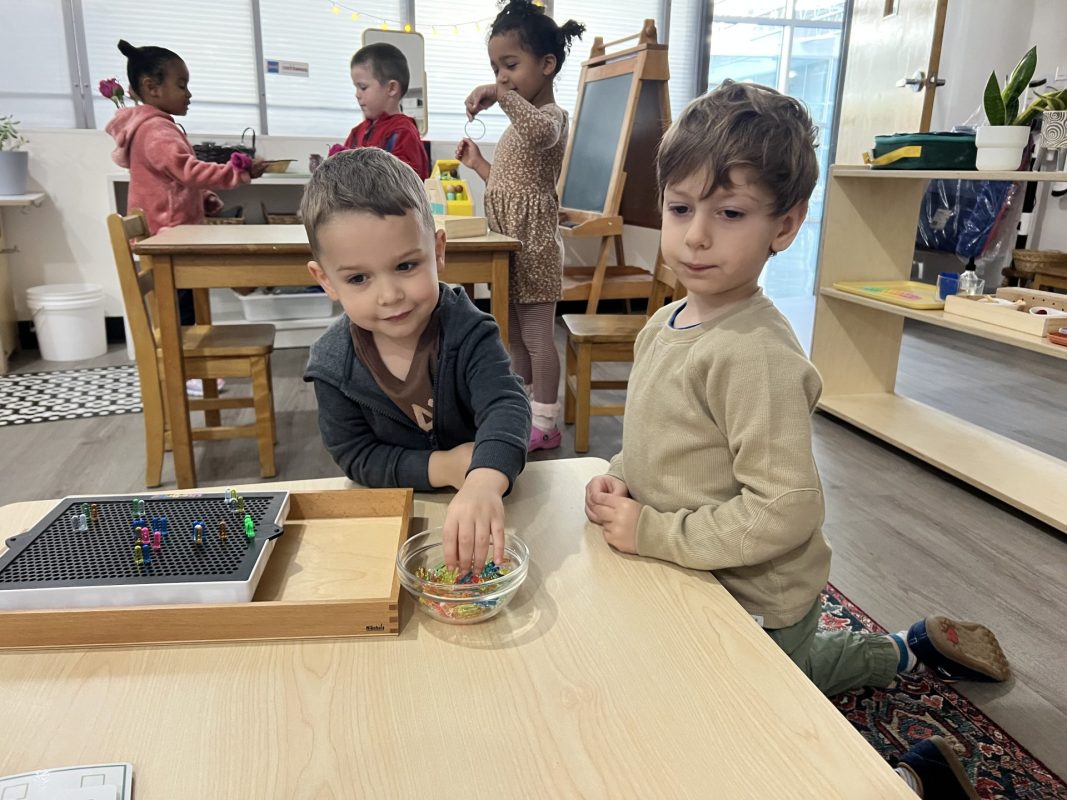
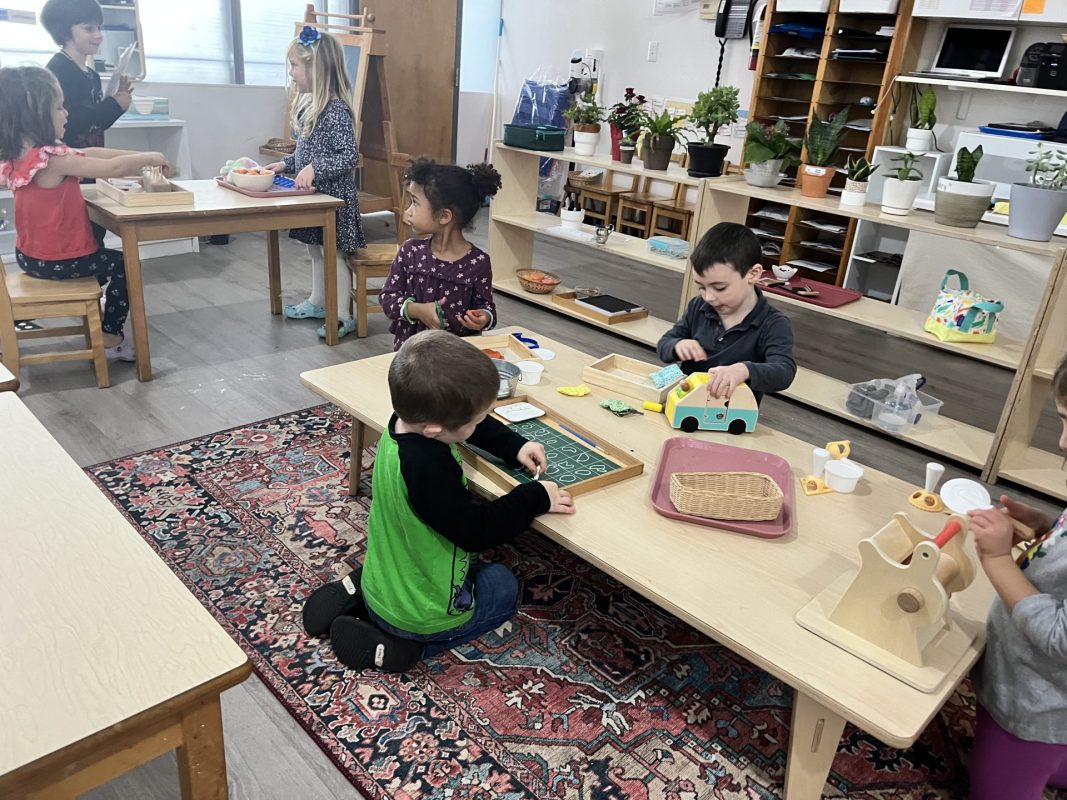
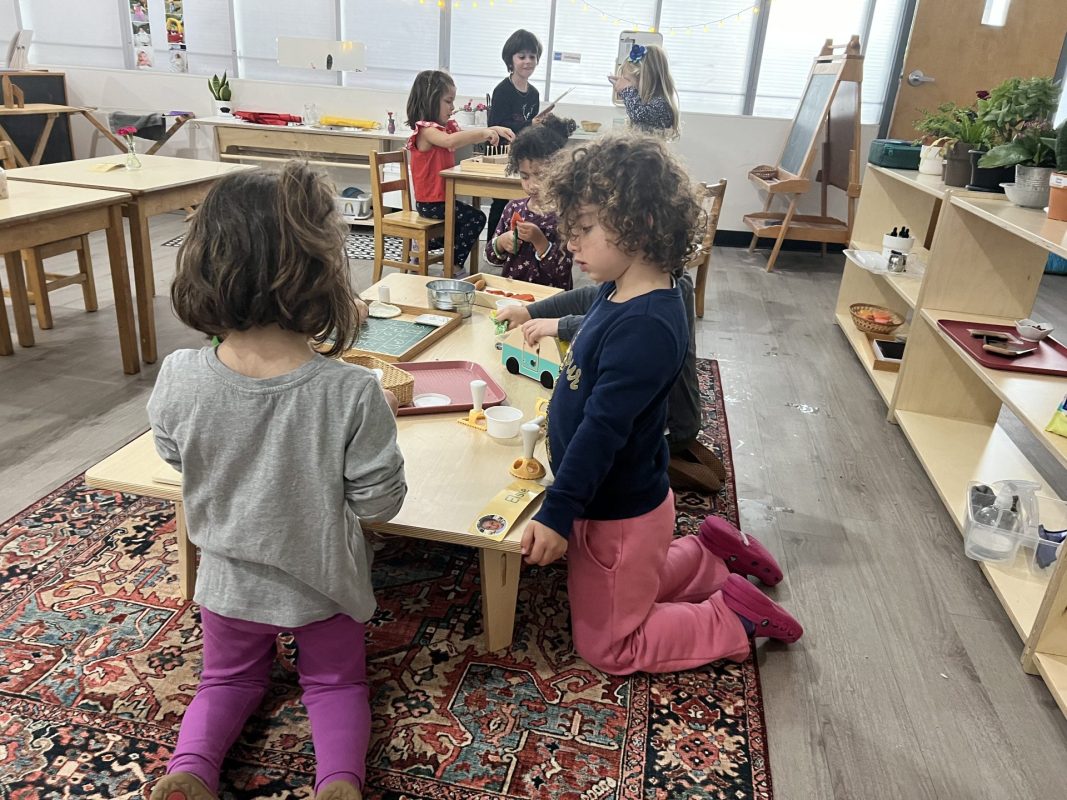
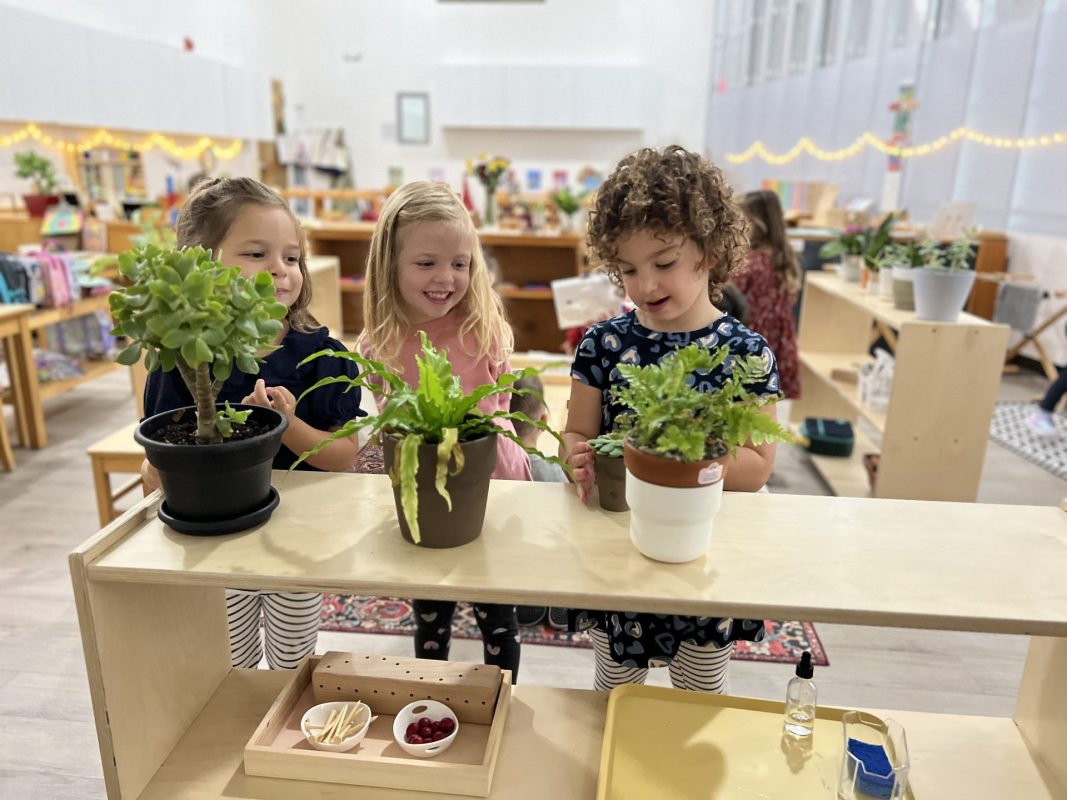
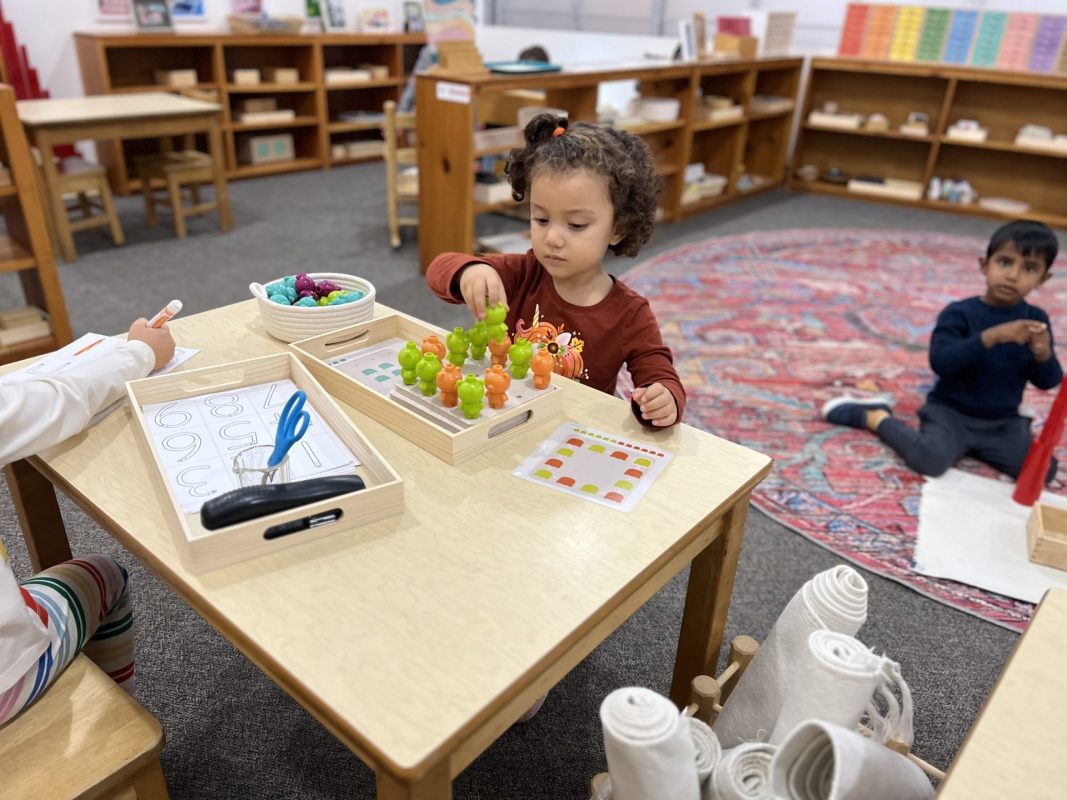
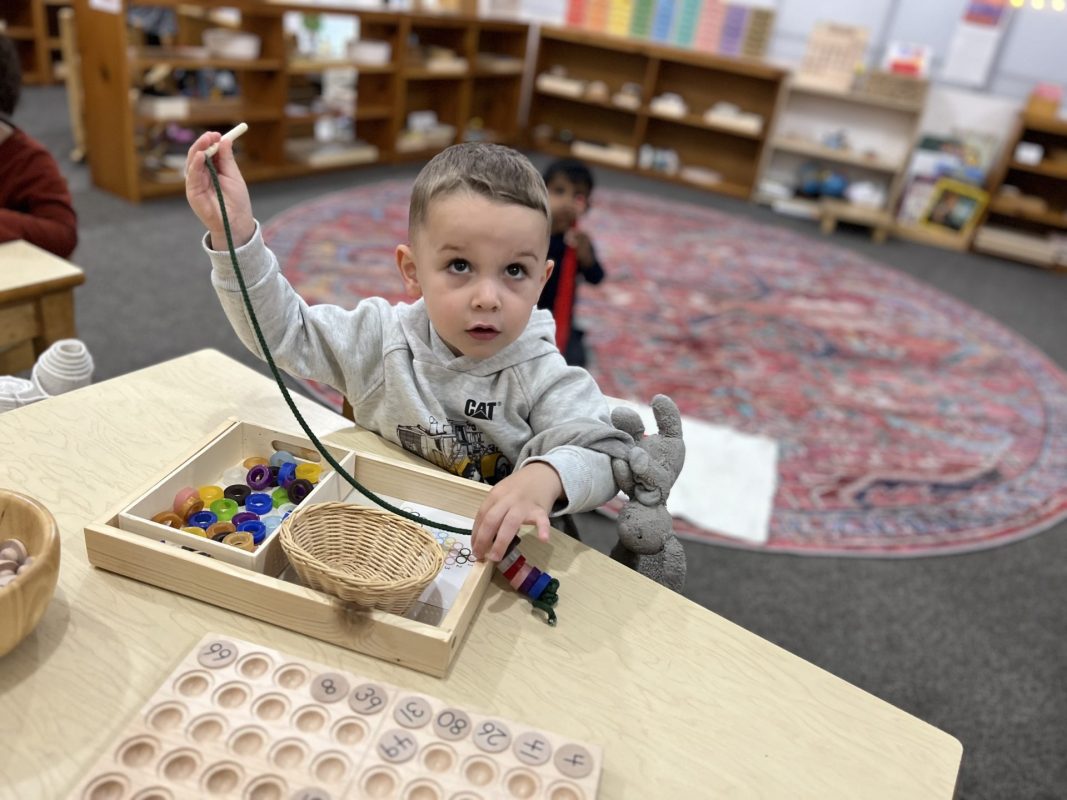
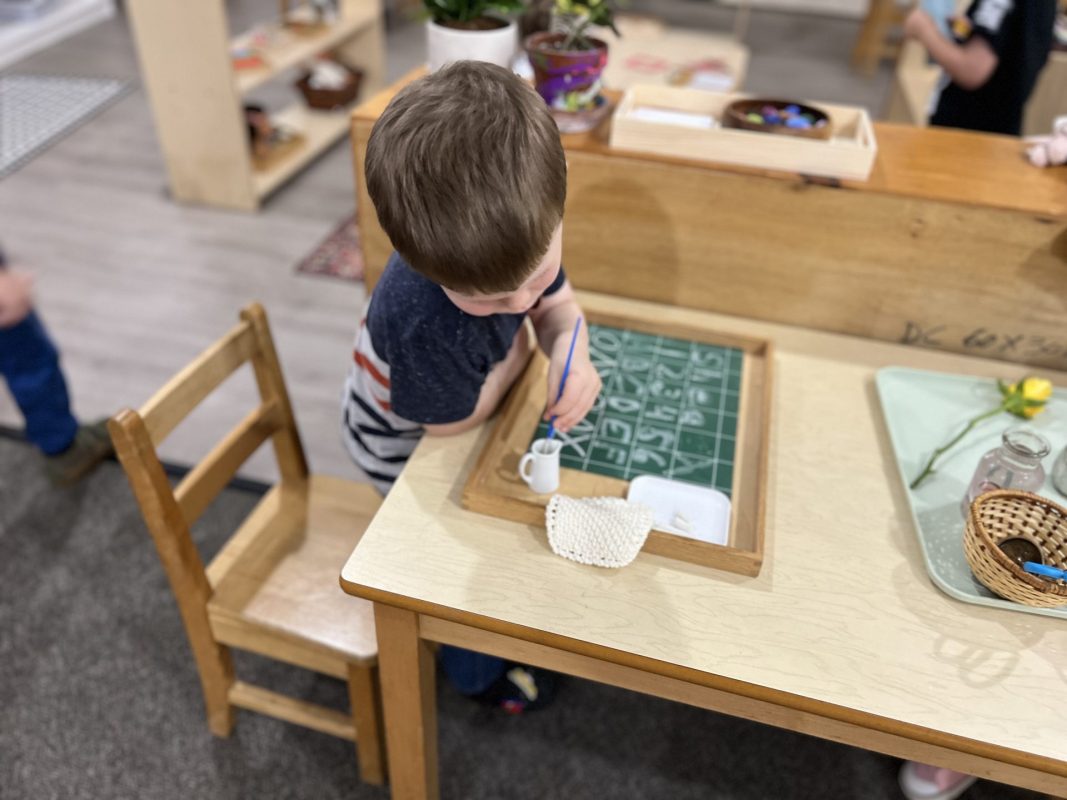
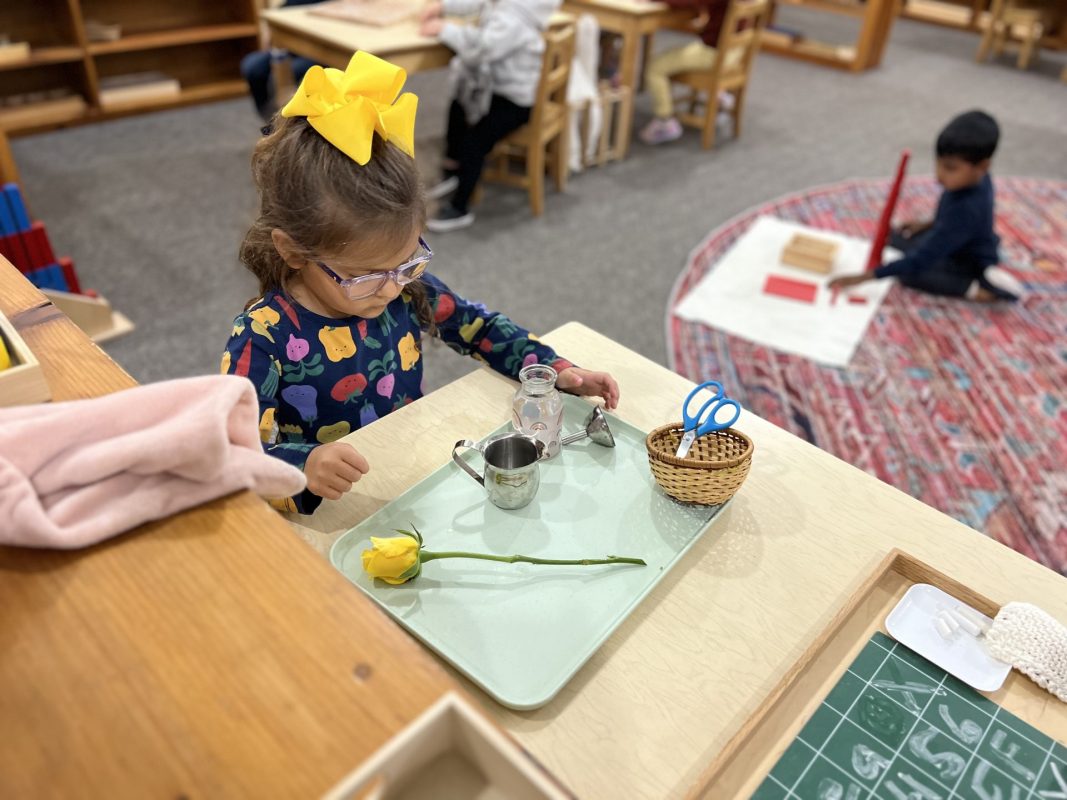
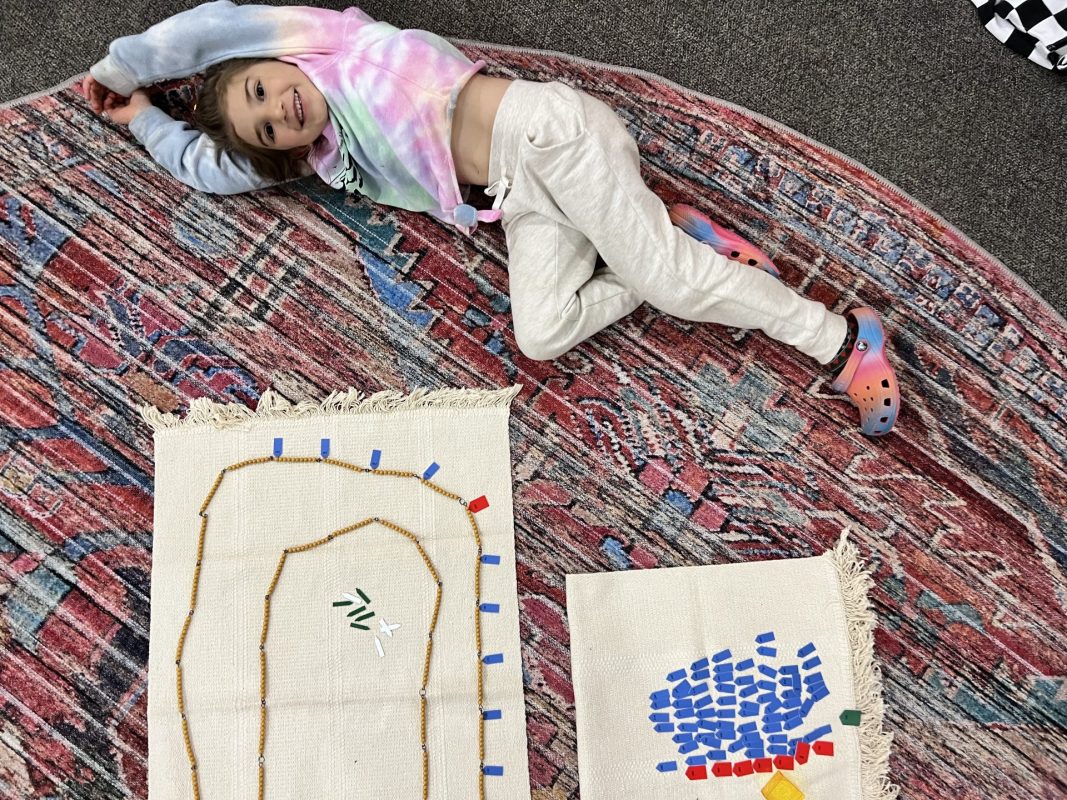
We know it takes time for the new rhythm of school days to become familiar. So, while taking one step at a time, we are slowly building the foundations for a smooth, exciting school year.

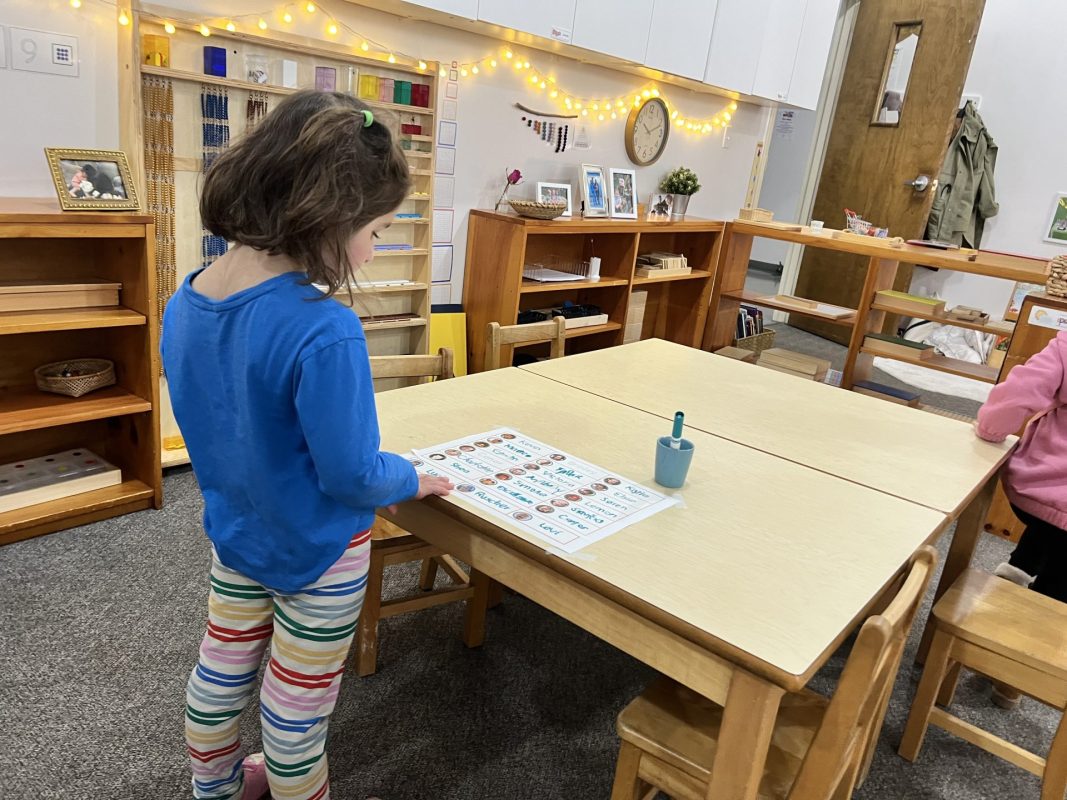
In just a few short days, we as a class are learning:

  • how to navigate our way around the environment
  • how to wait for a lesson
  • the routines of our school day
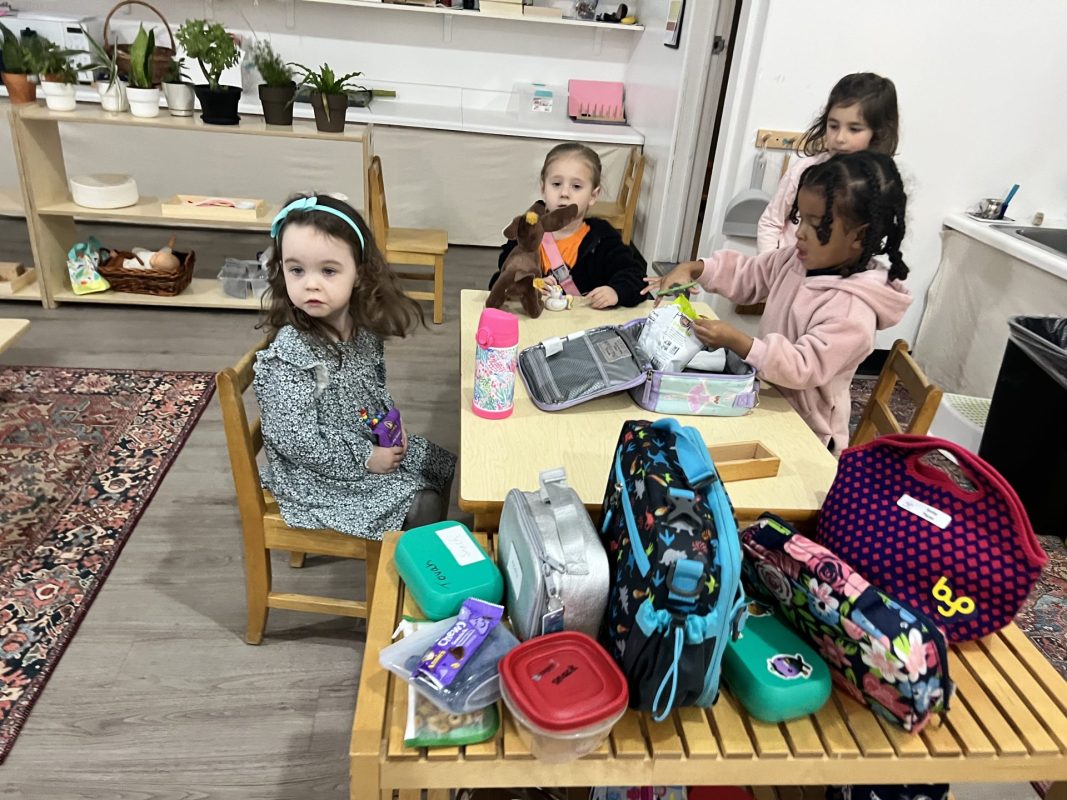
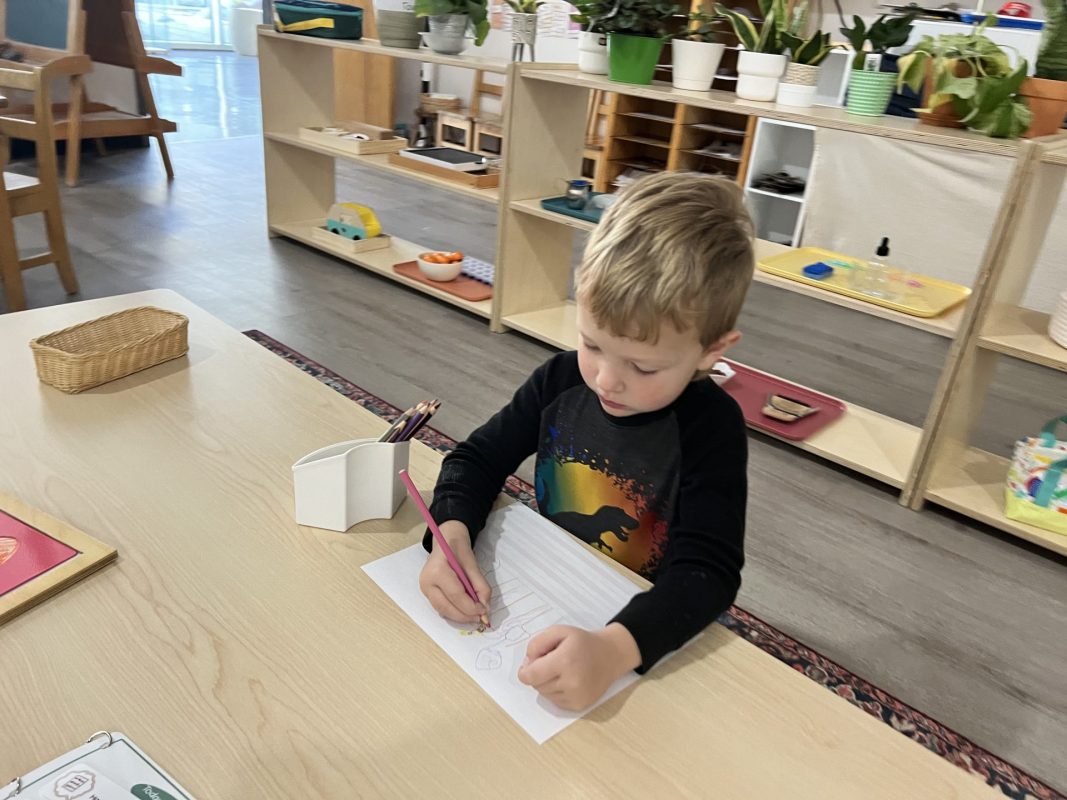
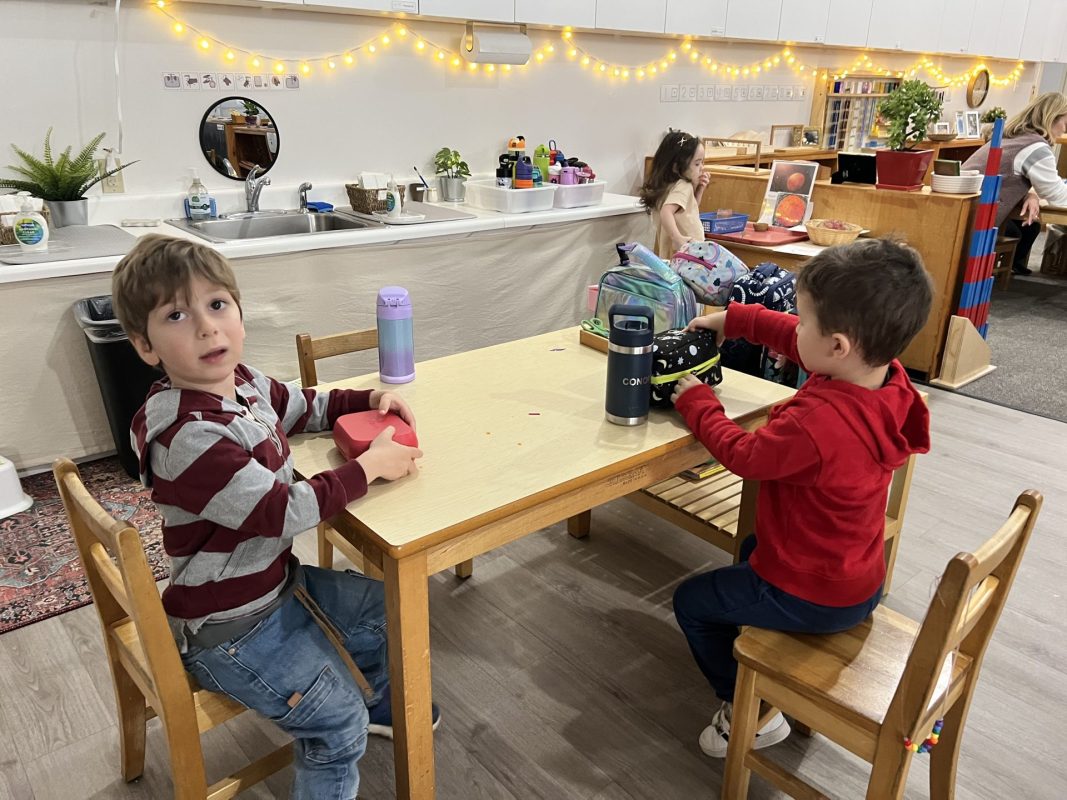
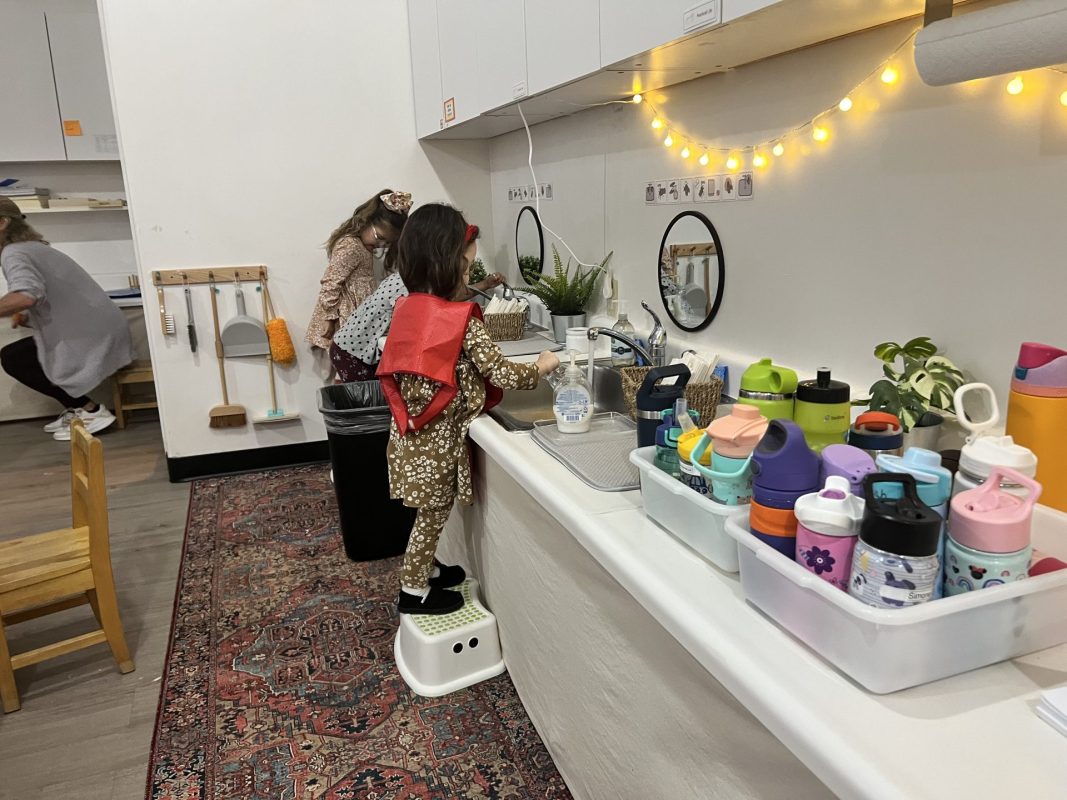
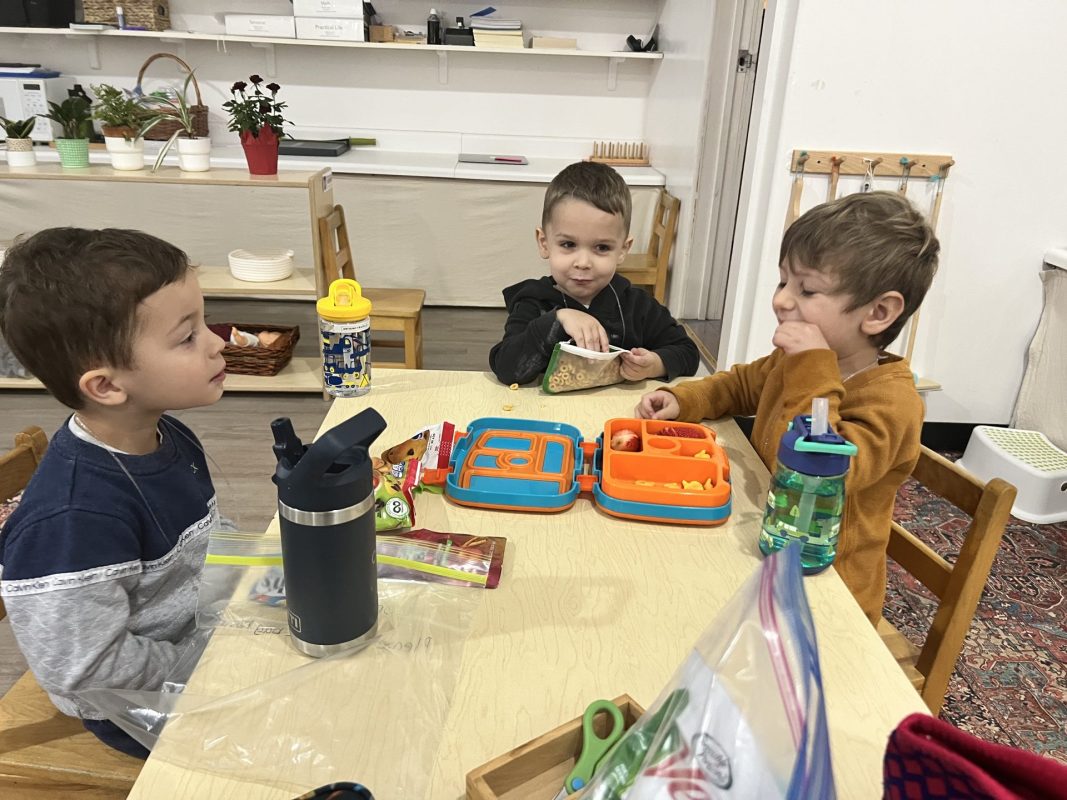
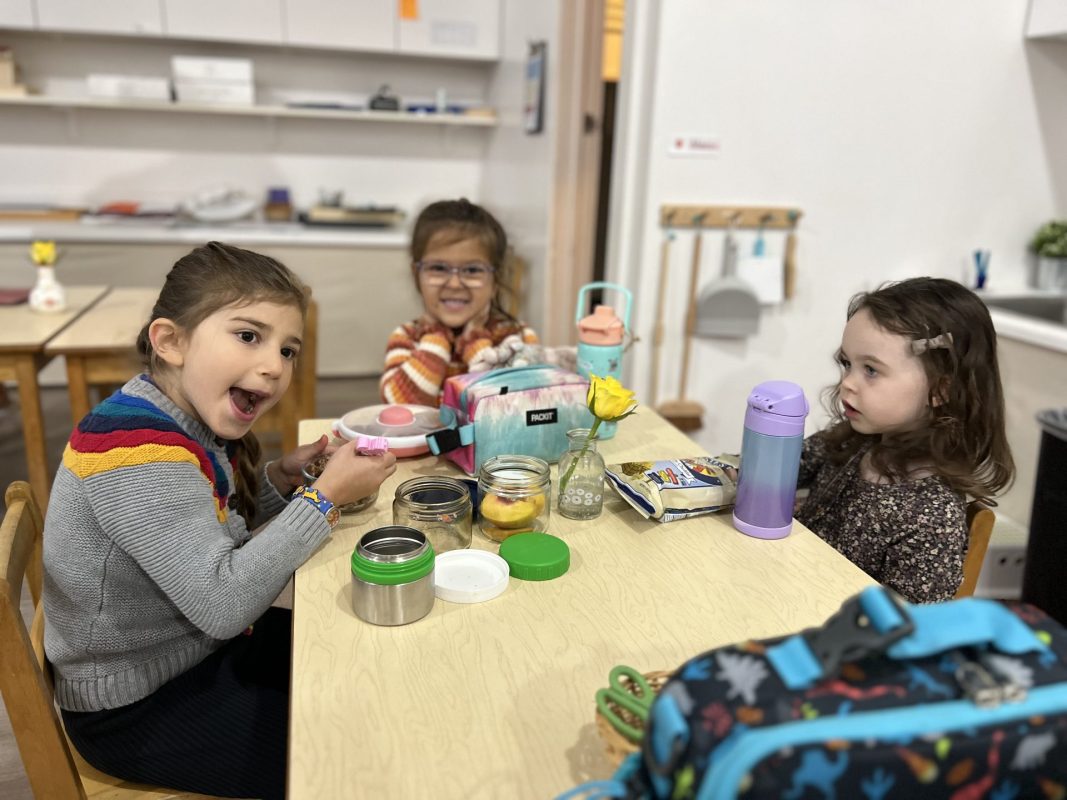
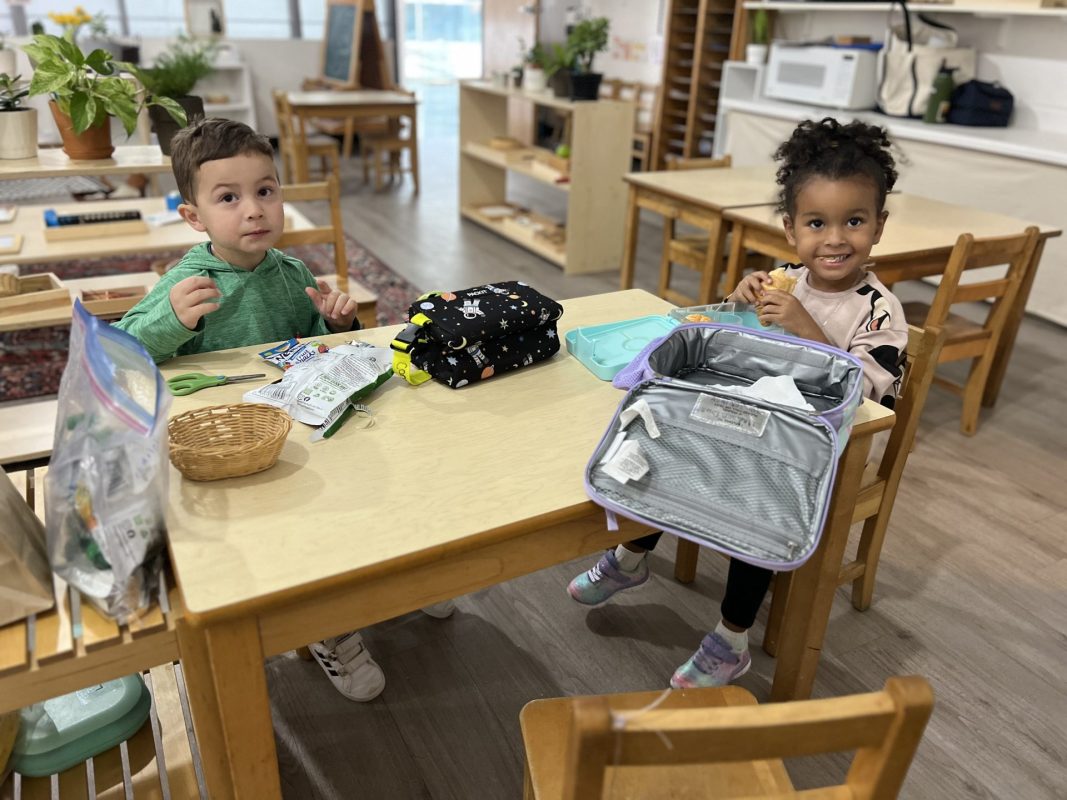
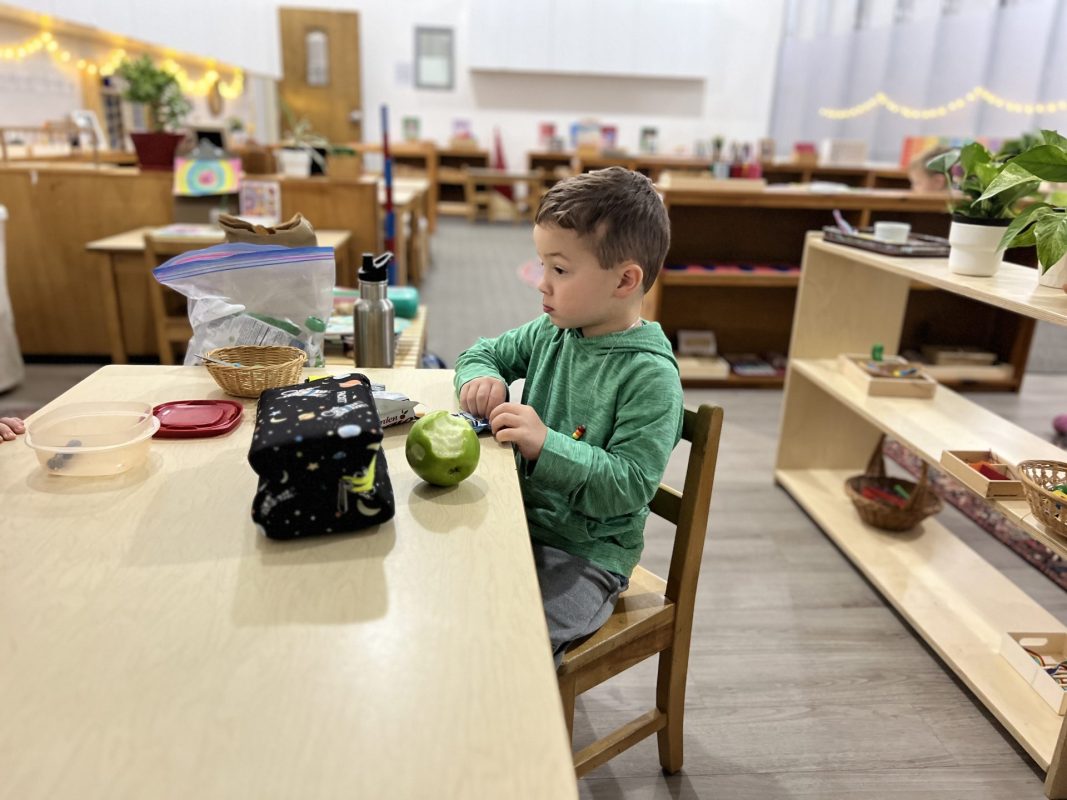
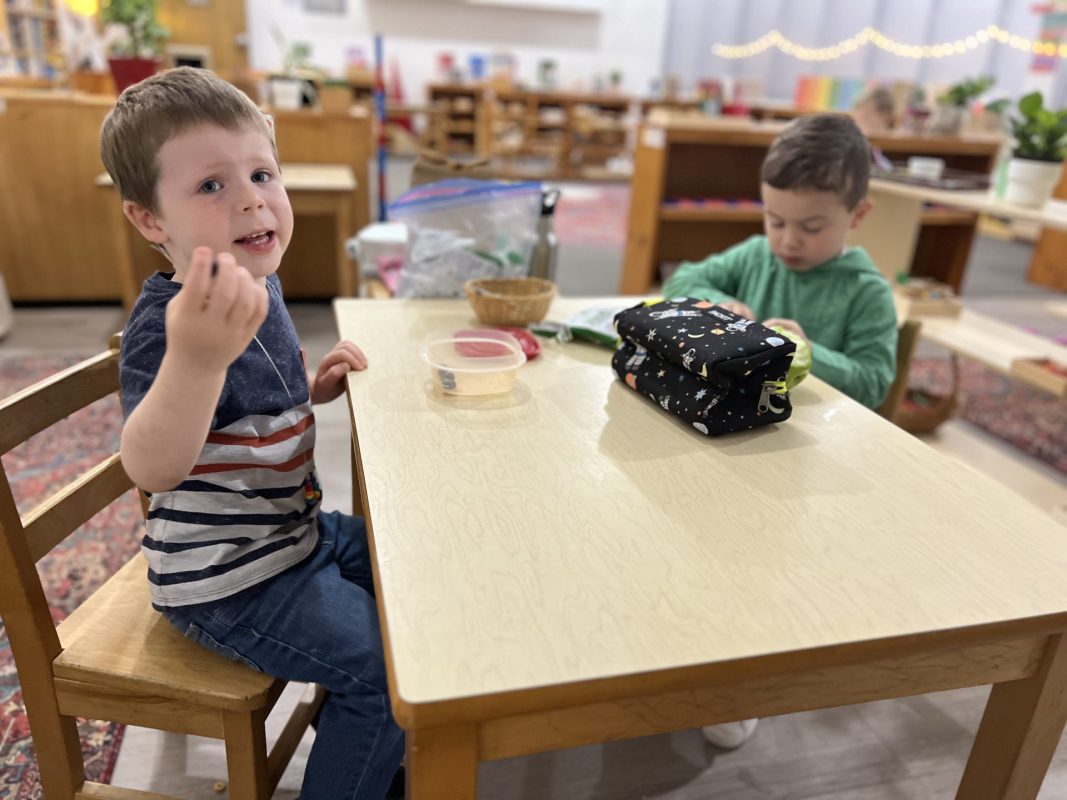
  • how to prepare for snack and lunch independently
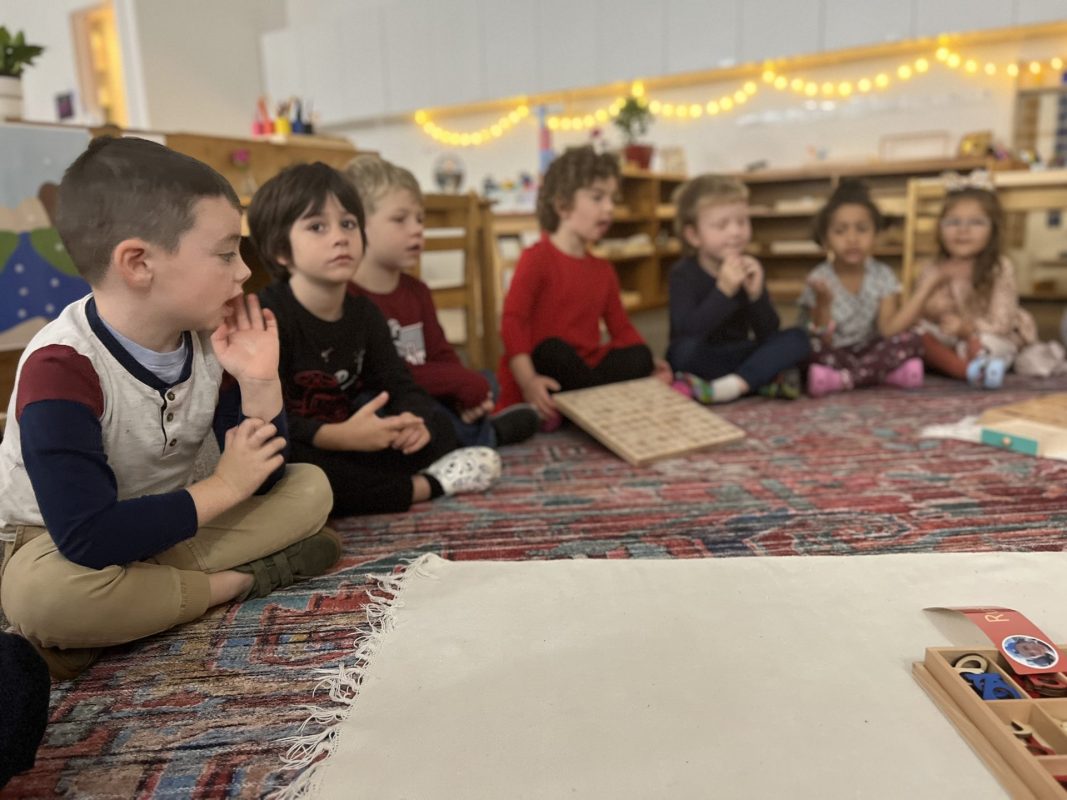
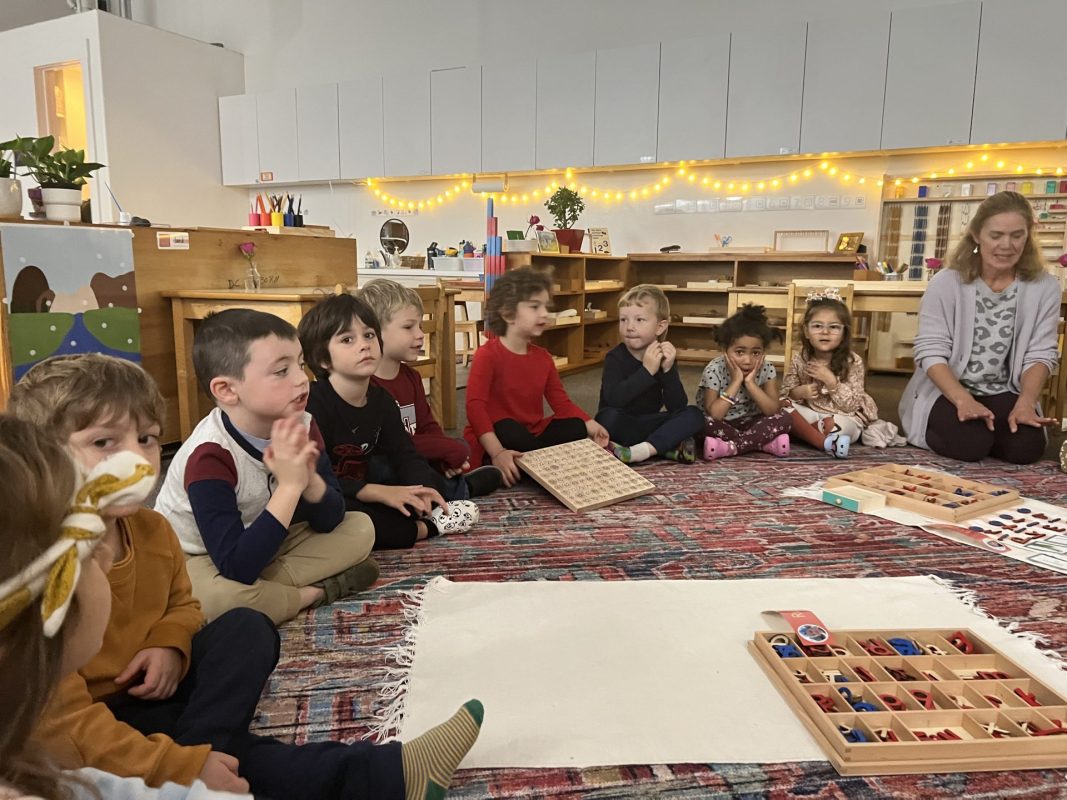
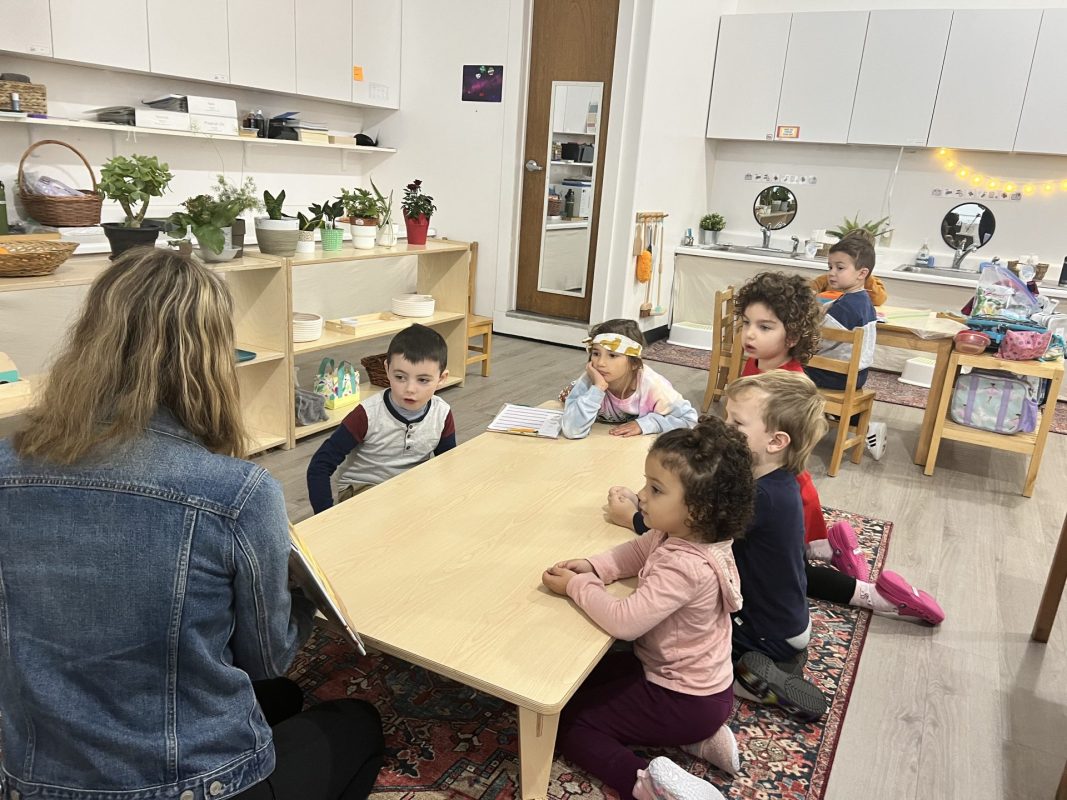
  • about being part of a large group meeting by listening and sharing
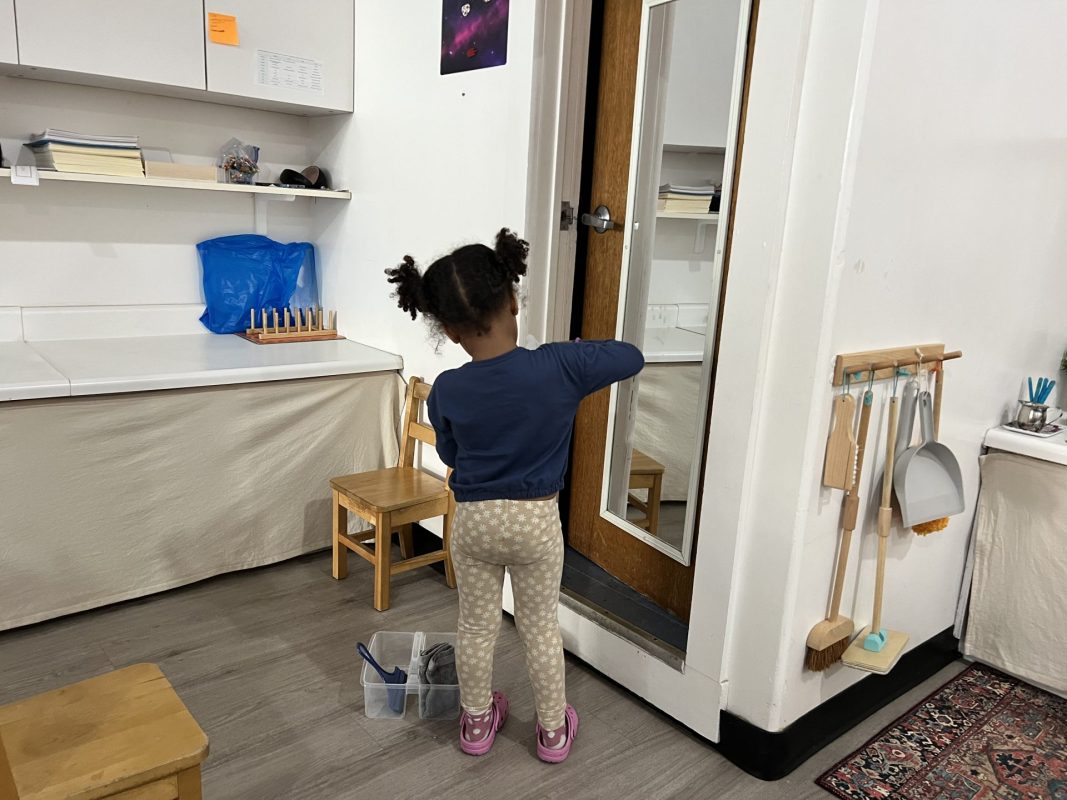
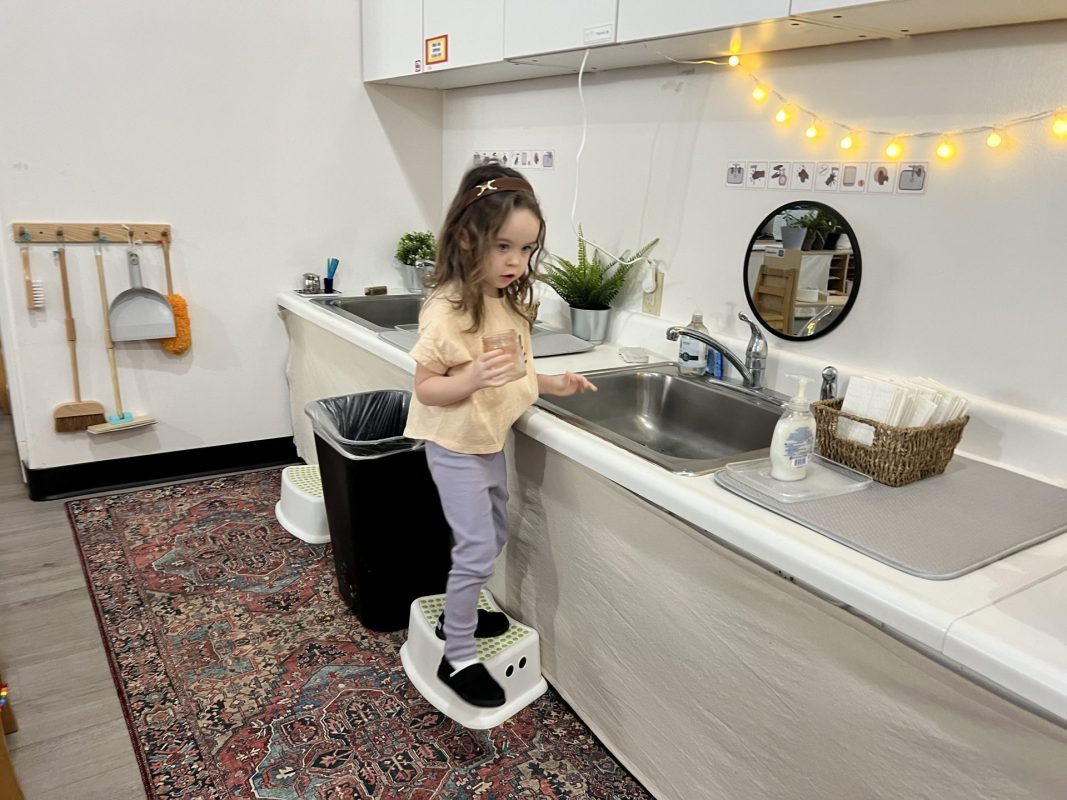
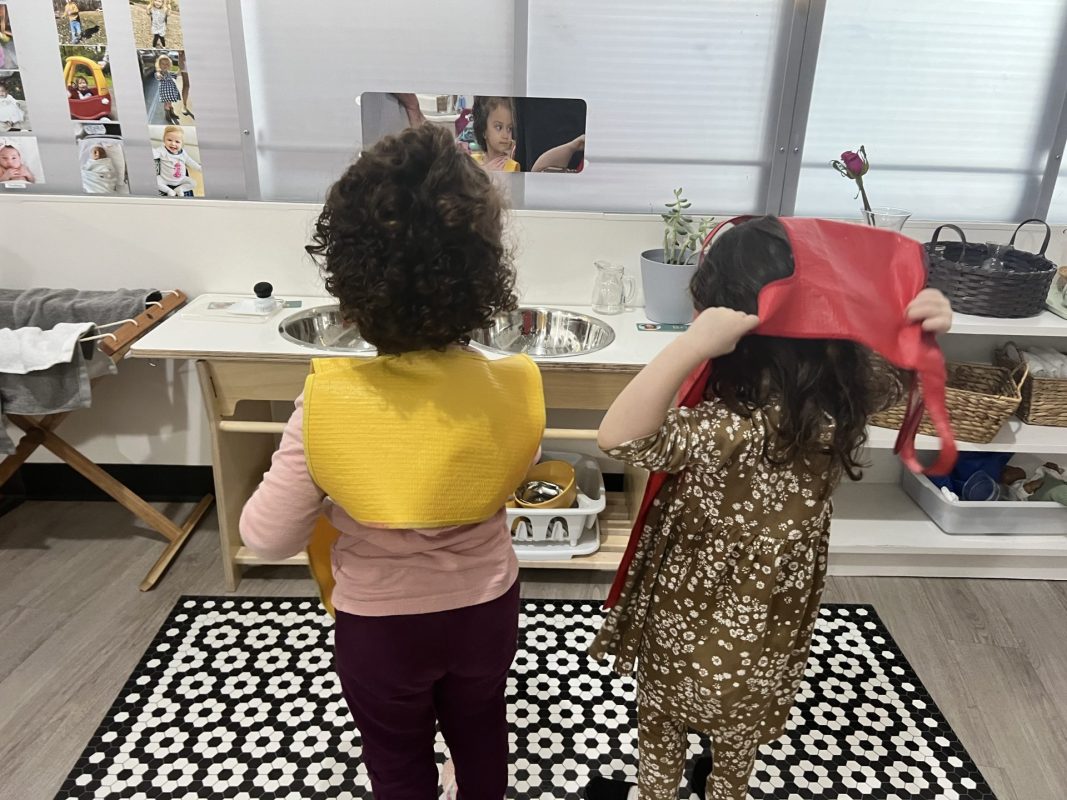
  • care of self and care of the environment

Our returning friends have been role models for our new friends. It’s a wonderful opportunity for them to be a leader. It wasn’t so long ago that they were new to the classroom themselves, and they accepted this new responsibility with excitement and confidence.

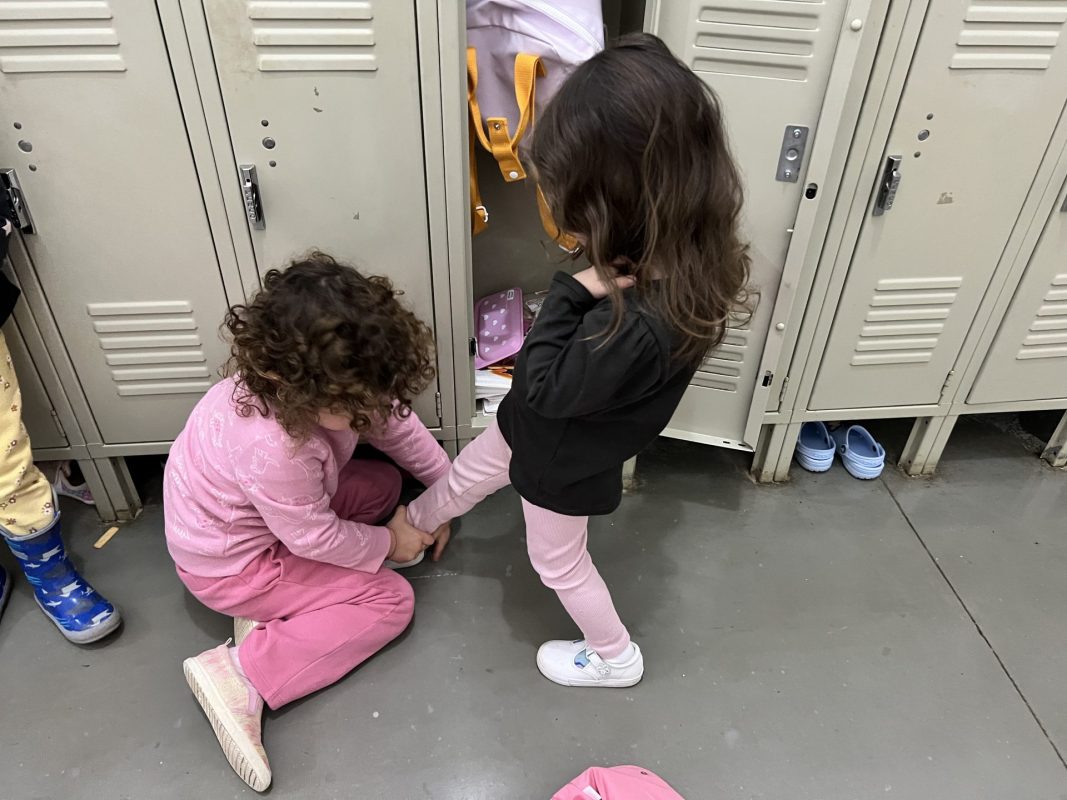
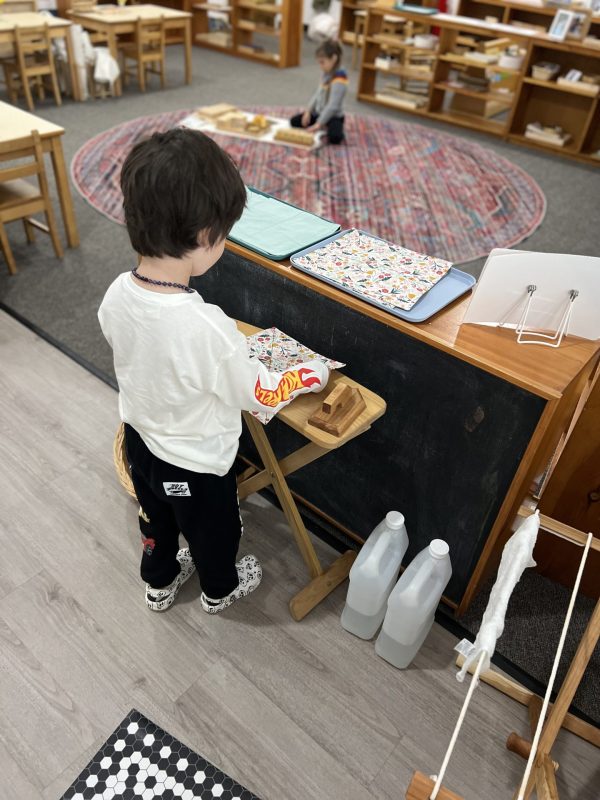
A question we frequently hear from parents is, “What can I do at home to help my child be successful at school?” One way to do so is to guide your child to become as independent as possible. Your child’s age and ability guide this independence. So there are no hard and fast rules to follow. A few important areas to focus on are setting up and cleaning up their lunch, putting on and taking off coats and boots, toileting themselves, packing and unpacking their backpacks, and carefully putting their toys away when they are done. This process is also one step at a time.

Here’s to new beginnings and a peaceful, fun school year for everyone!

Wishing you all a week filled with peace and love!

Marissa and Sue


Ms. Marissa: Sing Peace Around the World


Peace is what every human being is craving for, and it can be brought about by humanity through the child. -Maria Montessori

Peace education is a basic tenet of the Montessori philosophy. In the 3-6 environment, studying the seven continents, including their people and cultures, provides a global view of our world. As Montessori teachers, practicing and teaching peace, kindness, and acceptance is a natural part of our day. Dr. Maria Montessori believed we should think of education as peace, not education for peace. She also believed that young children were our hope for eliminating conflict and instilling peace throughout the world. Dr. Montessori, as always, knew that lecturing children would accomplish very little and that to truly understand peace, they would need to discover it for themselves.

To celebrate Peace Day, we participate in “Sing Peace Around The World.”  Beginning in New Zealand and ending in Hawaii, Montessori schools around the world sing “Light A Candle For Peace” for five minutes. At FWM, we gathered together and sang with the entire school early Thursday morning. It was a powerful moment and reminder of the importance of teaching and modeling peace to everyone we interact with. So, for 24 hours, Montessori children sang this special song continuously in different parts of the world.

Wishing everyone a week filled with peace and love!

Marissa & Sue

Ms. Marissa: Swinging Into A New Year!

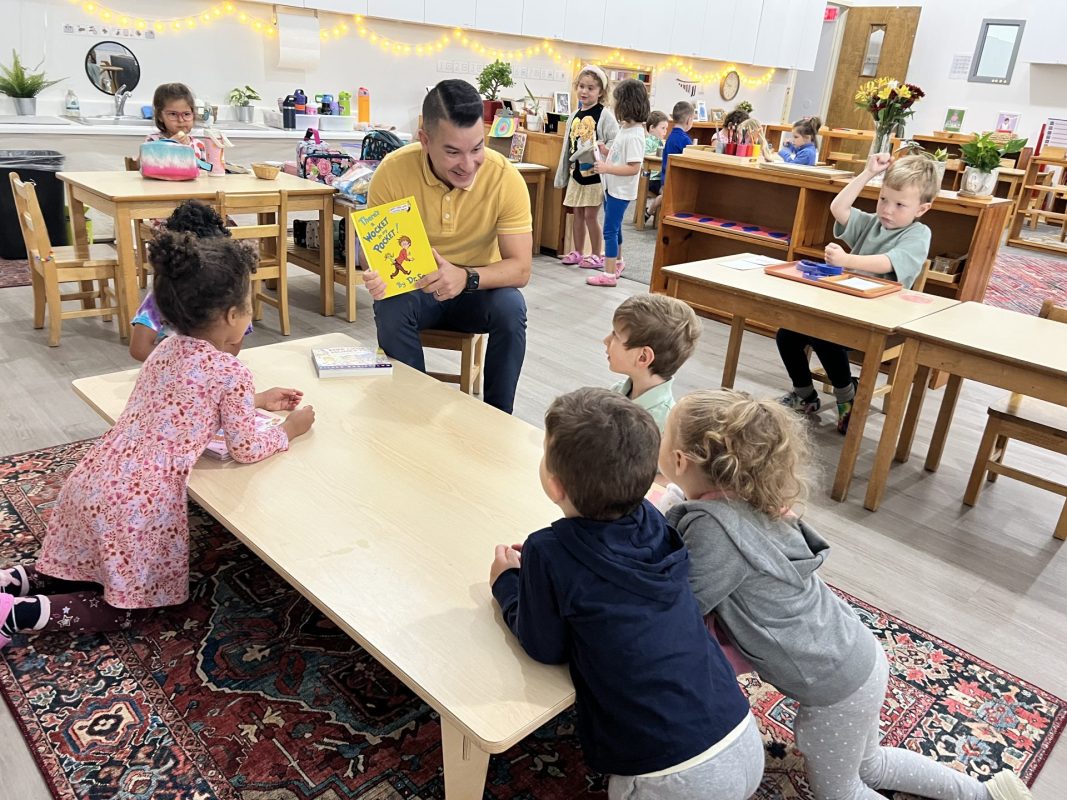
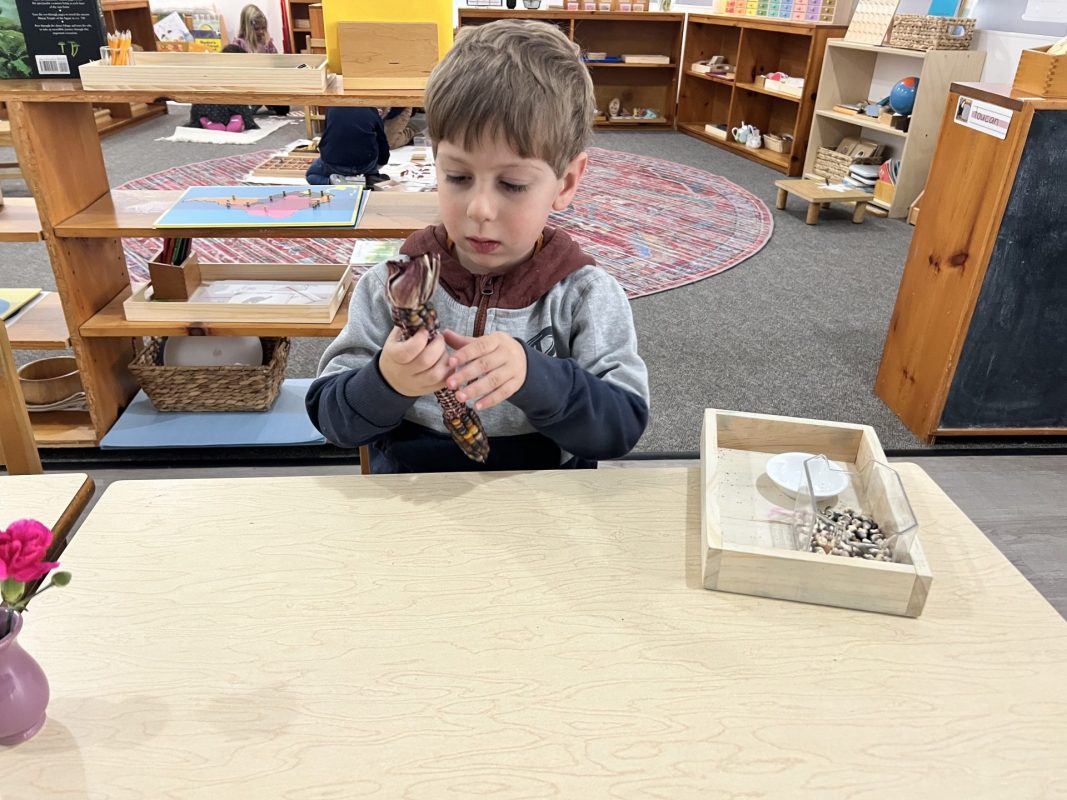
While our first week was a short one, it was also a very successful one. We know that the phase-in schedule can be challenging to manage, but it does allow us to set the tone for the year. We are grateful for your patience and understanding.
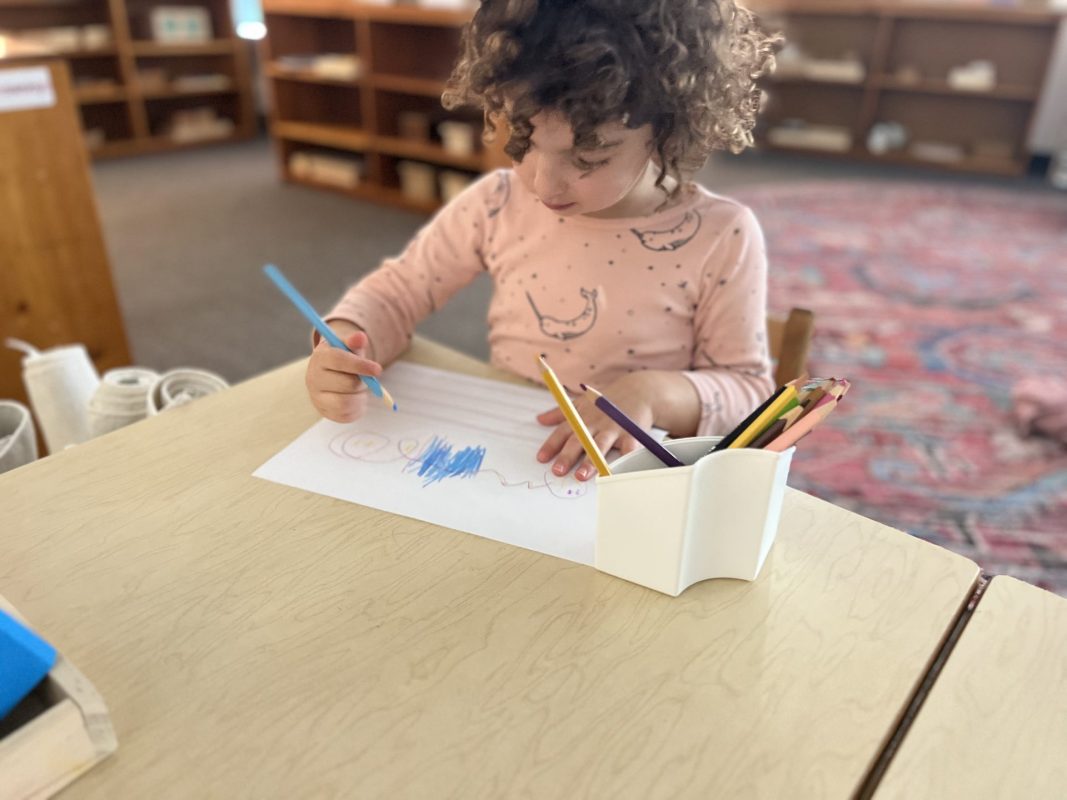
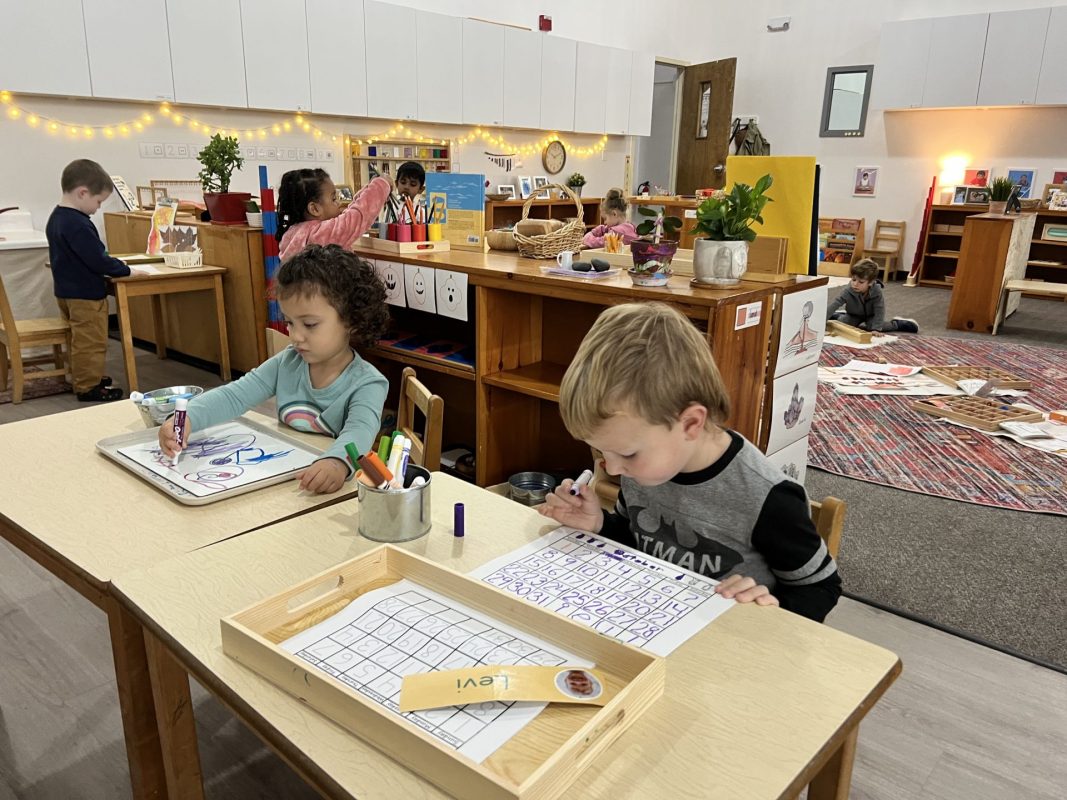
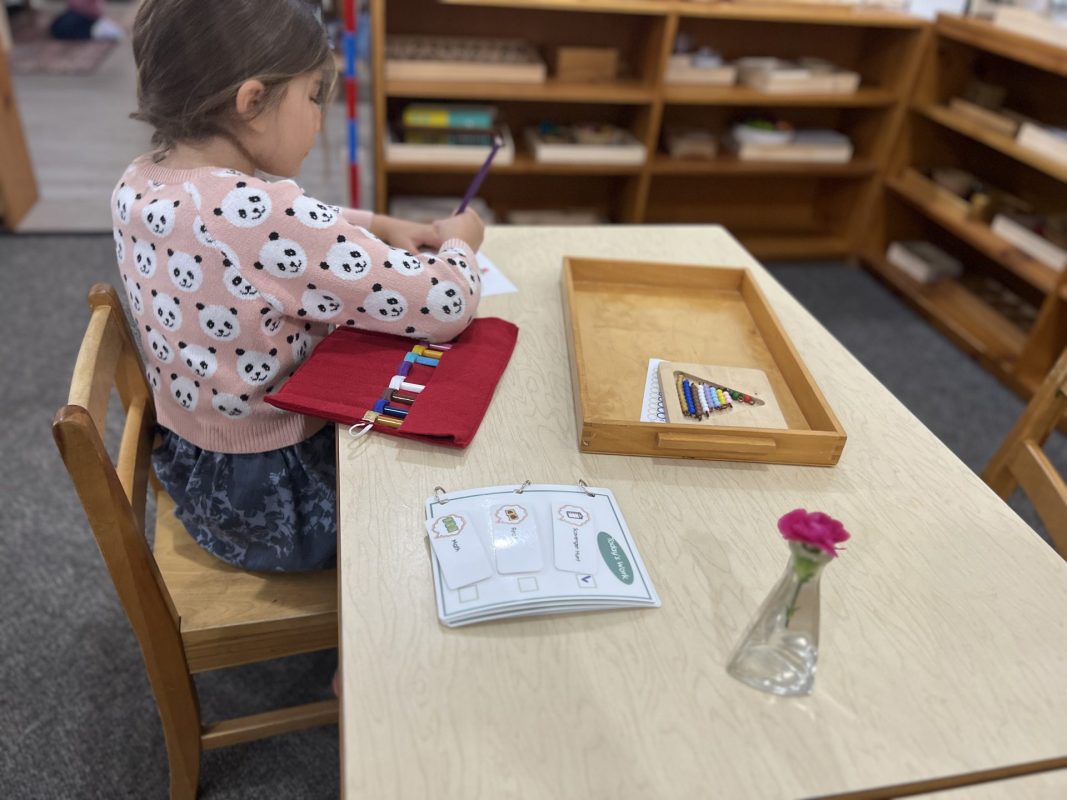
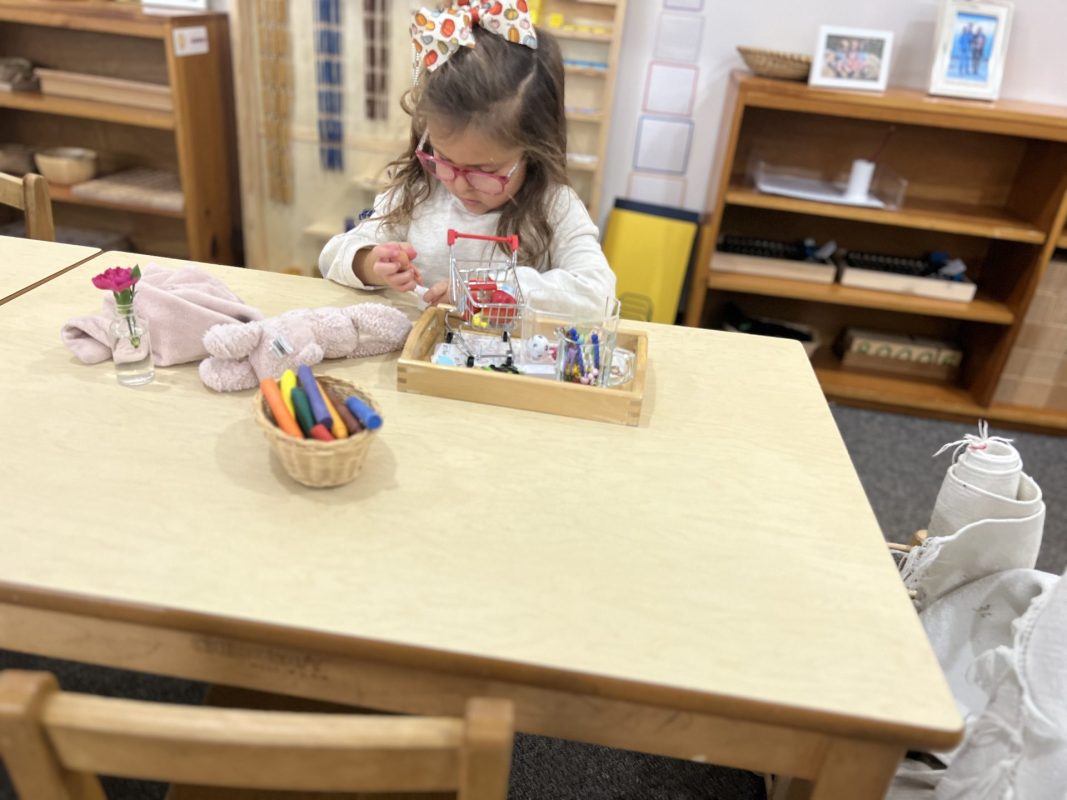
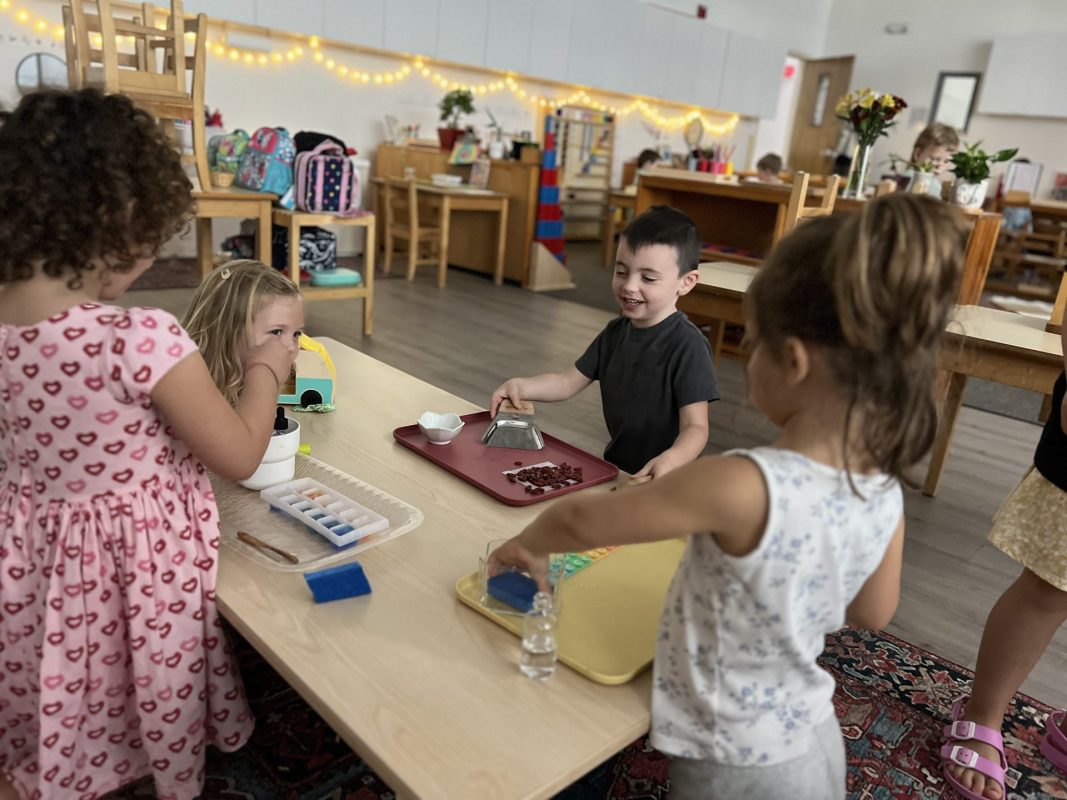
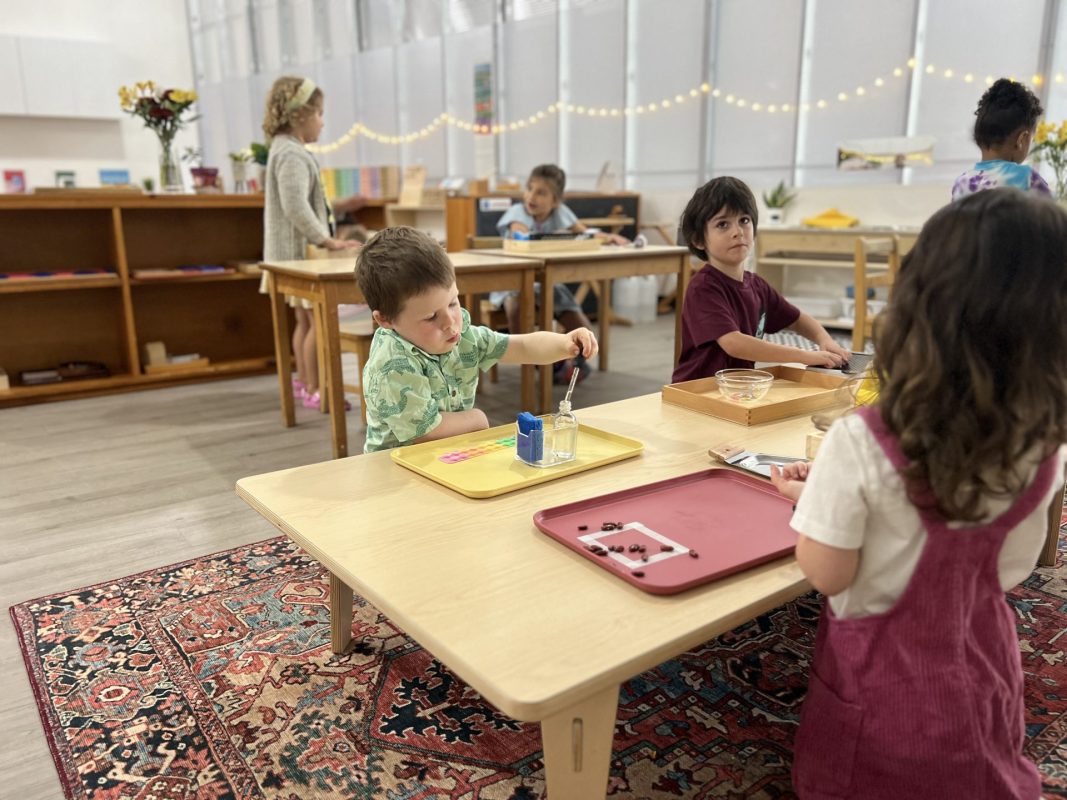
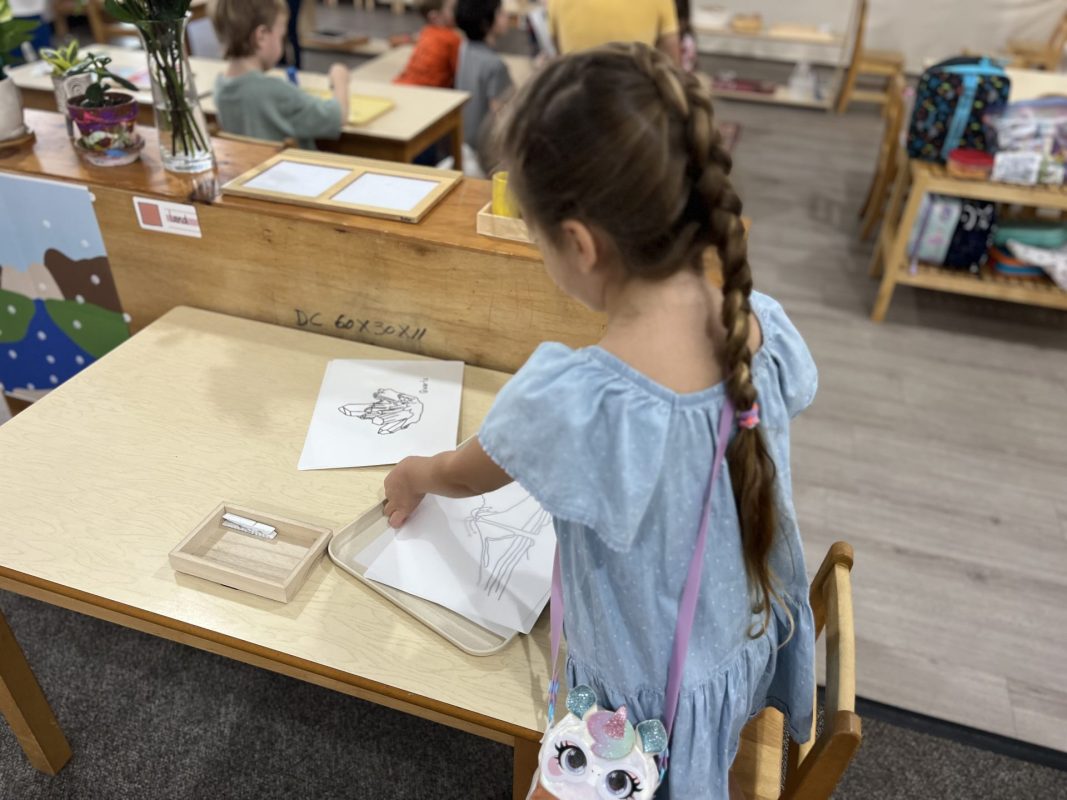
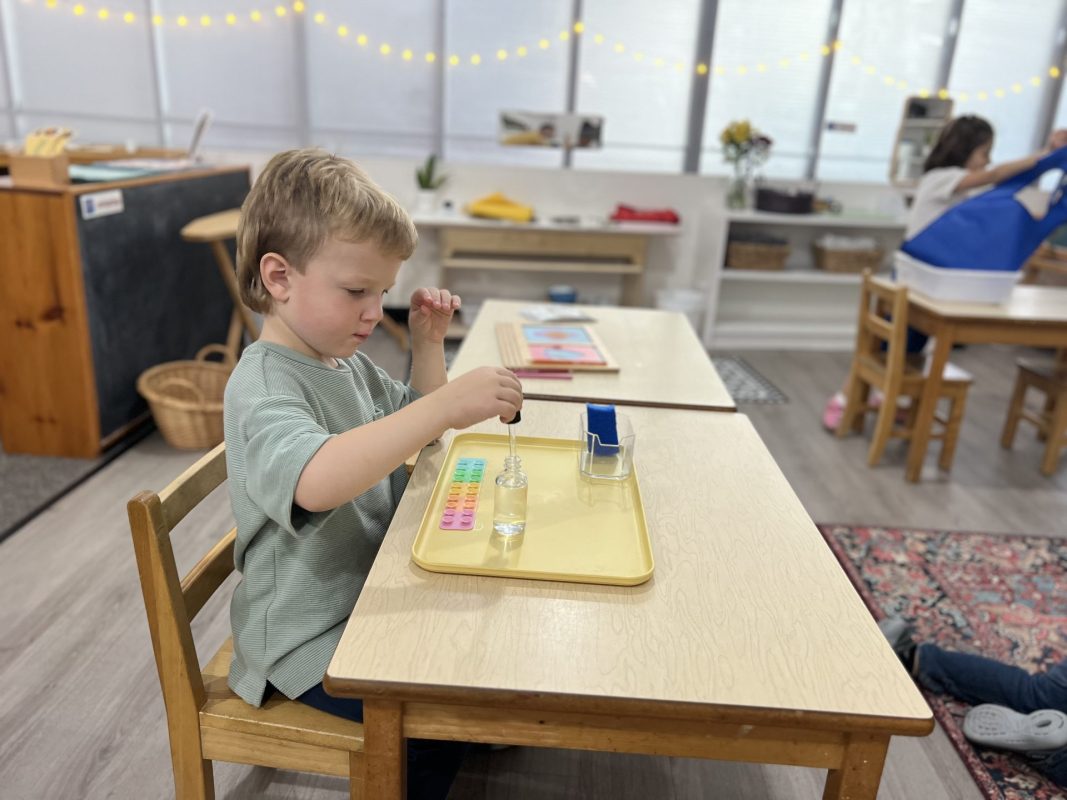
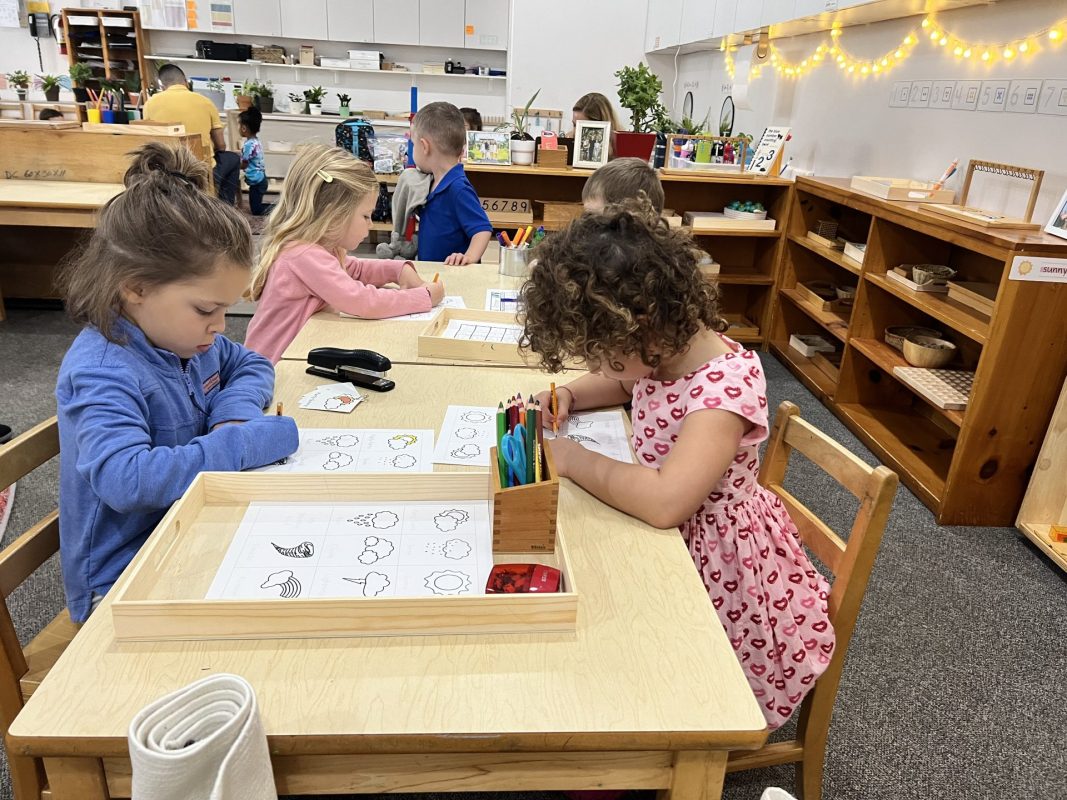
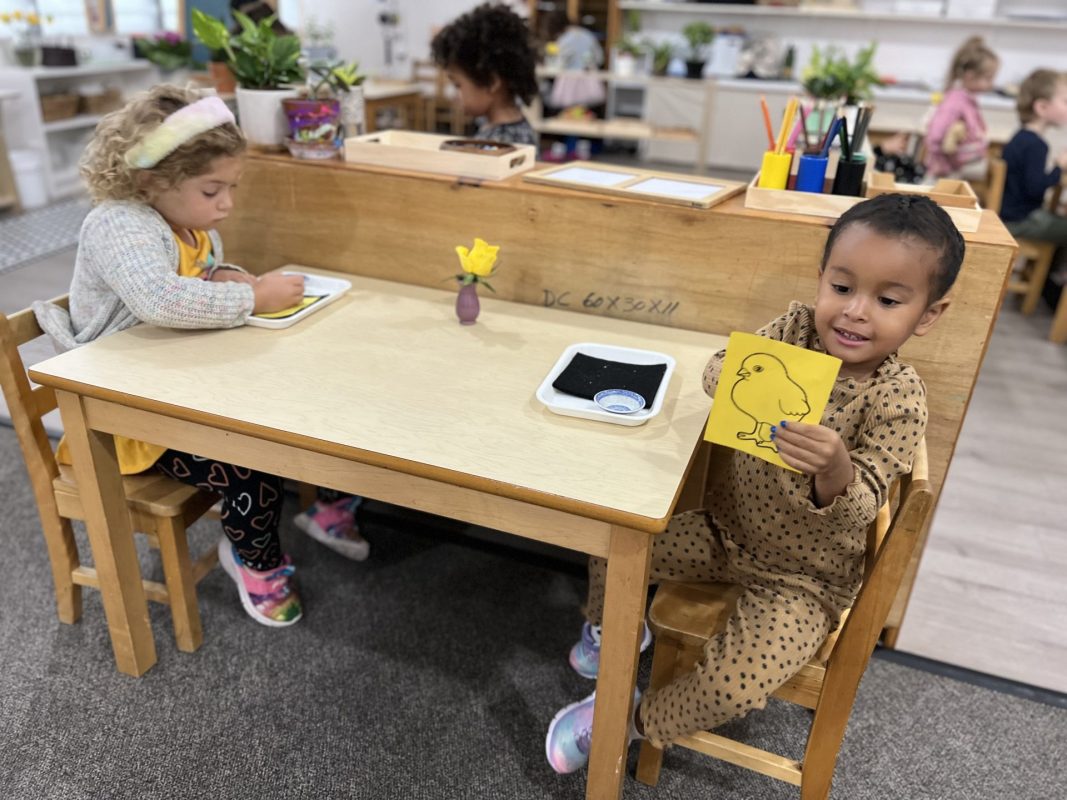
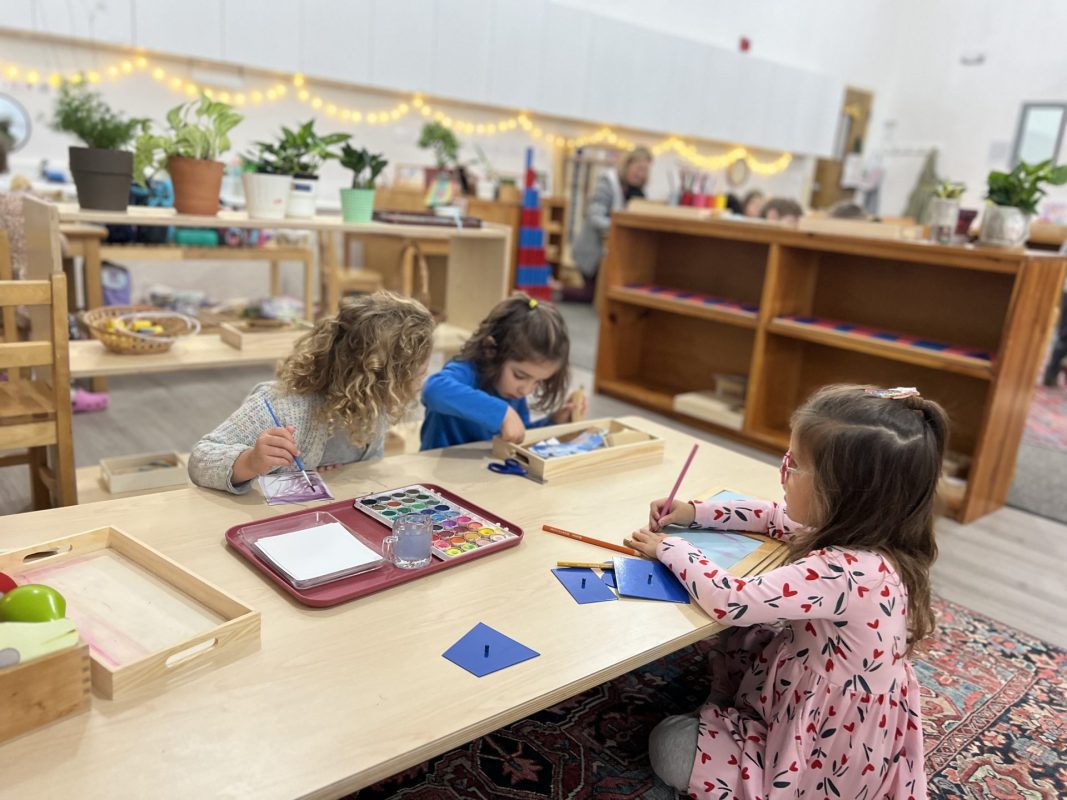
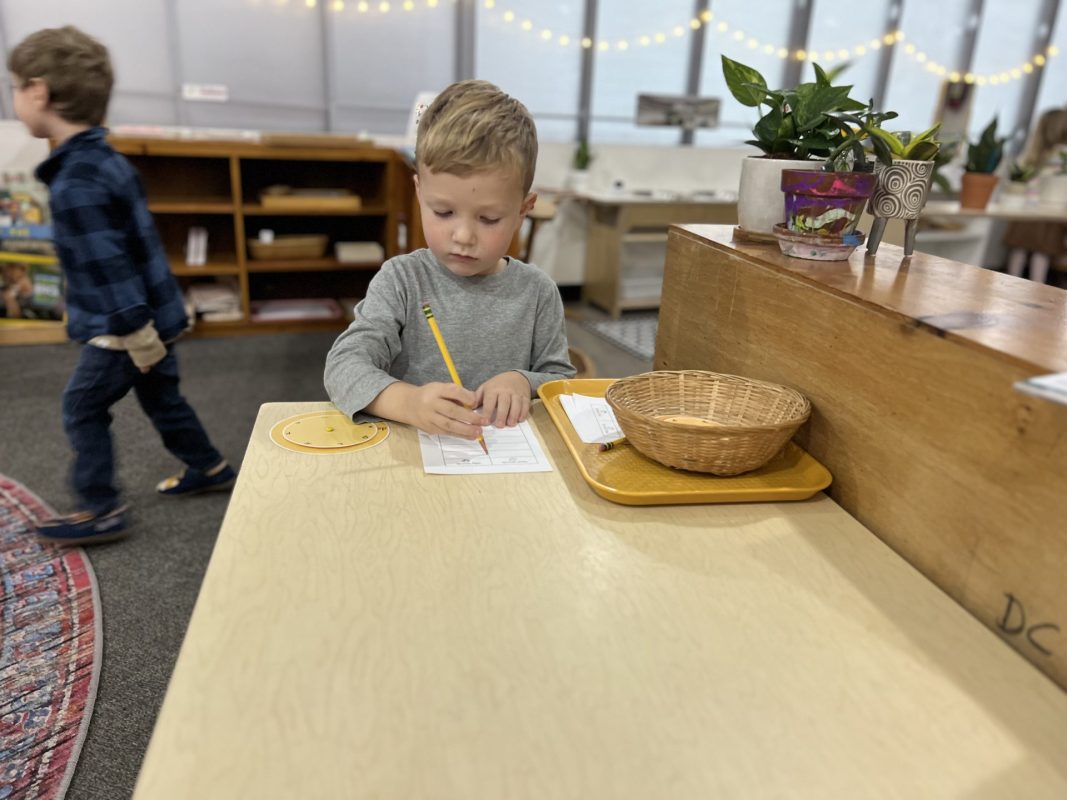
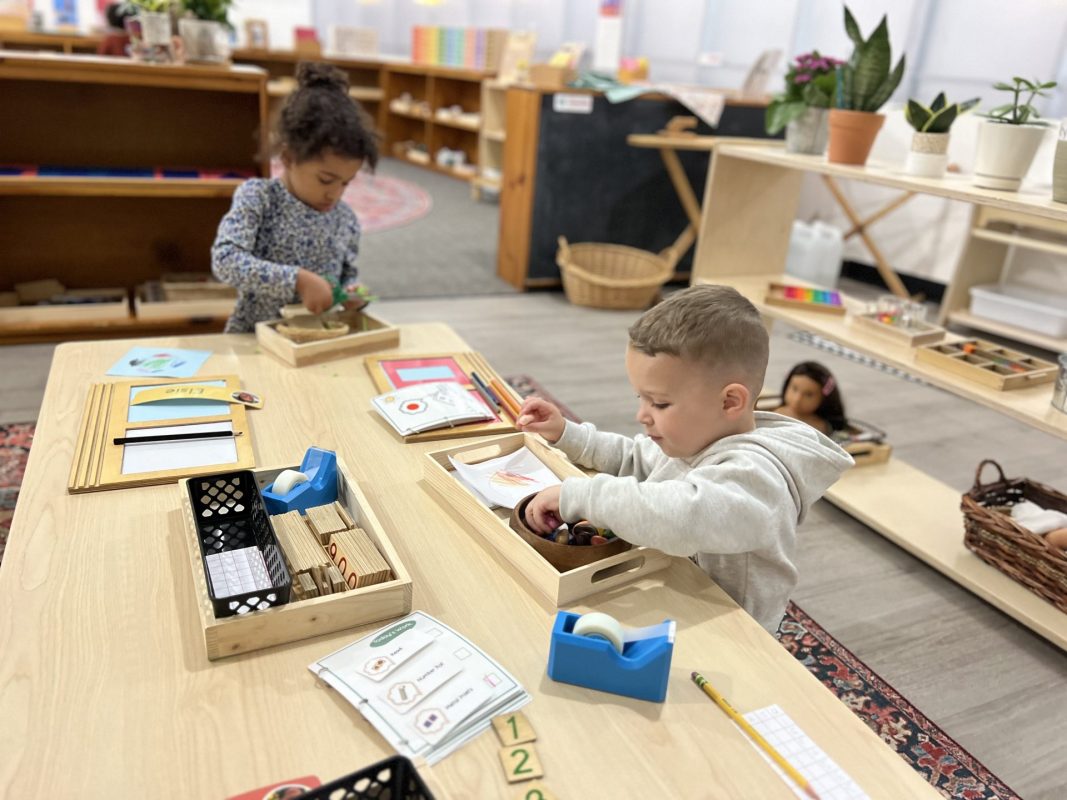
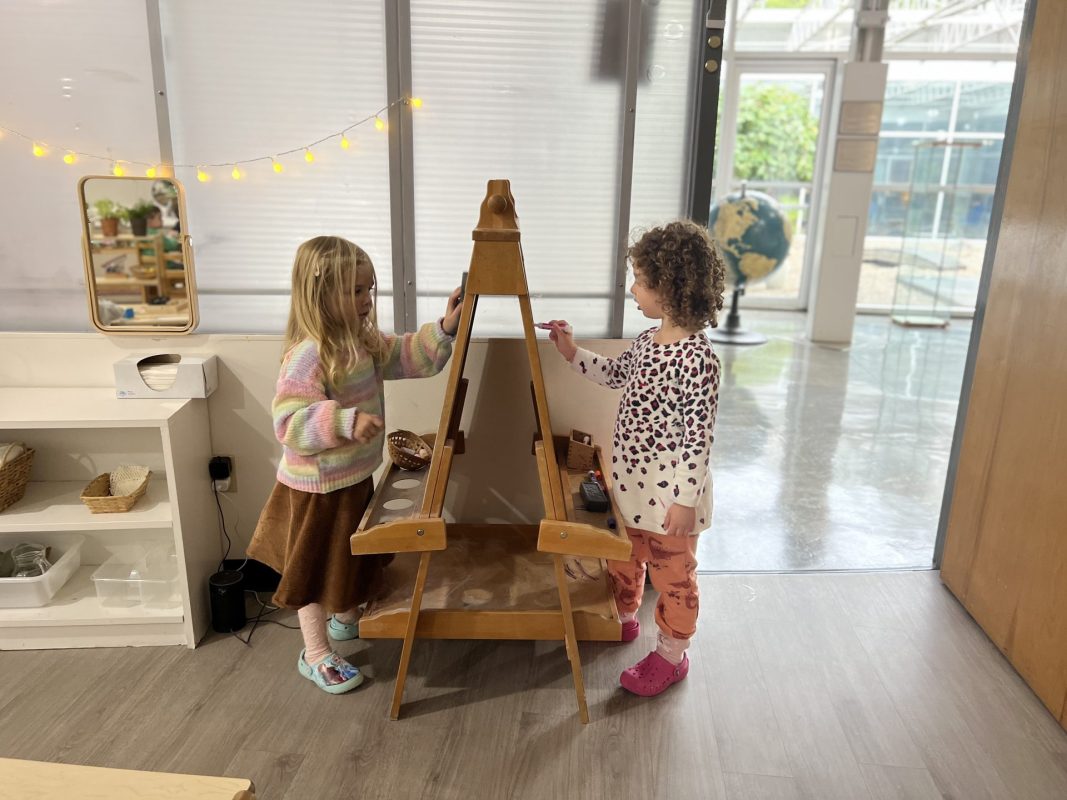
In just a few short days, the children are beginning to learn how to navigate the environment and the routines of our day. This is a work in progress and constantly evolving over the year. We had a very smooth start, and we are so excited to be part of this journey with all of the children and all of you!

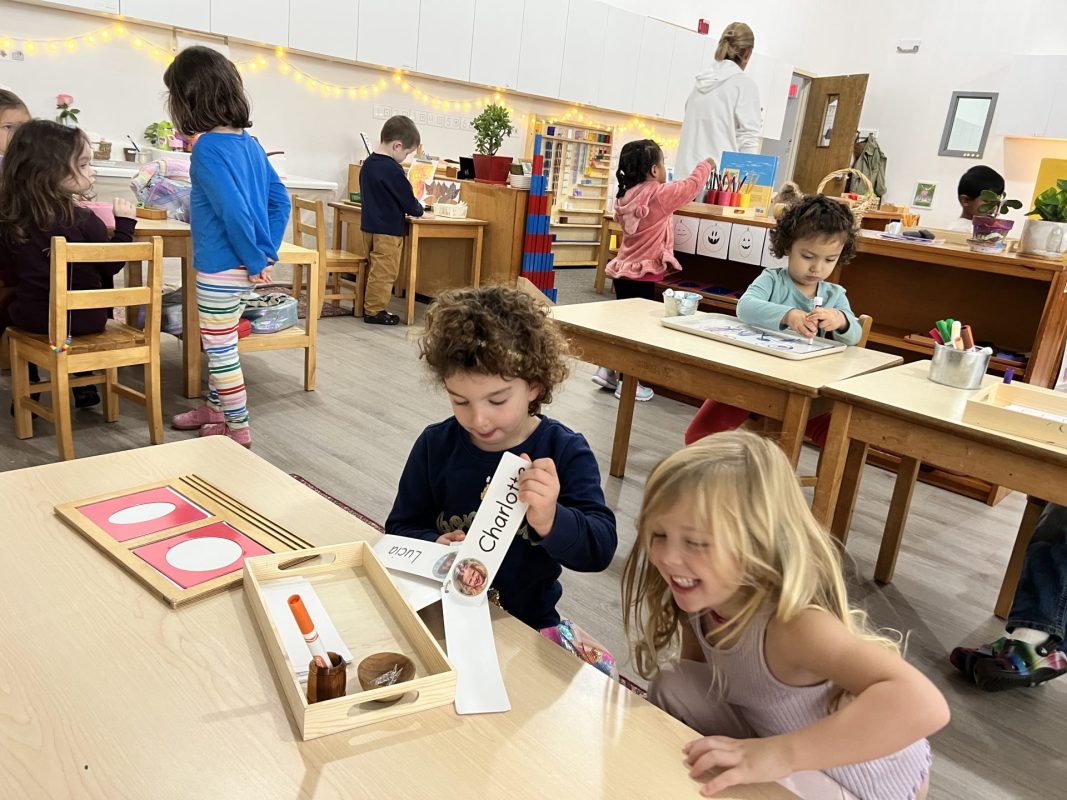
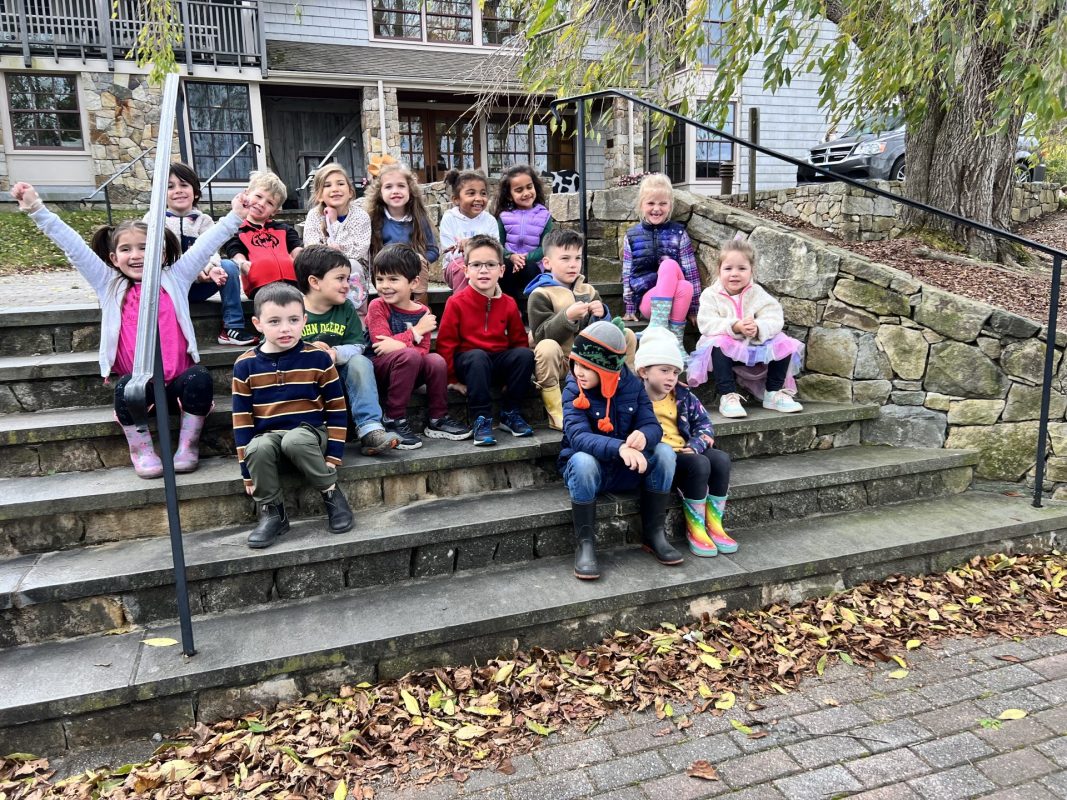
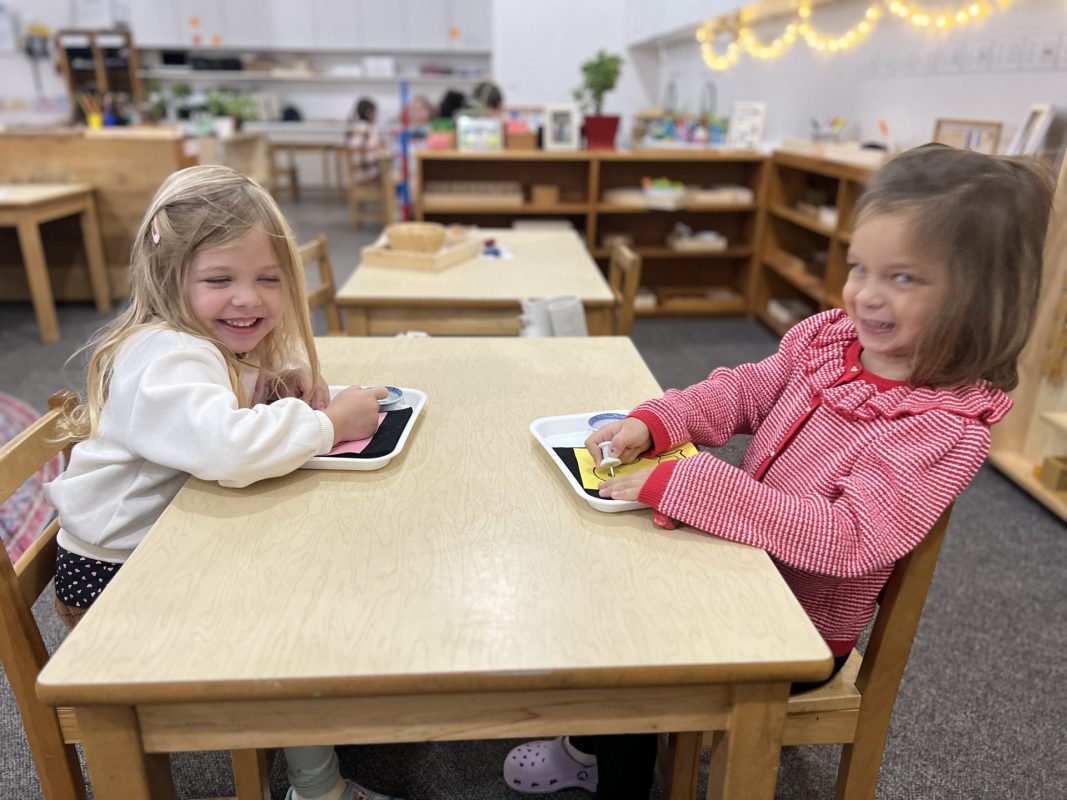
The adage “a picture speaks a thousand words” comes to mind when you see all the smiles on each child’s face.

Next Thursday, September 21st, from 5:30-7:00, is Curriculum Night. This is a great time to spend some time in our classroom and get a sneak peek into how our days are spent. We will discuss each area of the classroom and the structure of our days and have some time to answer all of your questions.

We look forward to seeing everyone!

As a gentle reminder, to streamline our dismissal process, we ask that you please stay in your car as a teacher is bringing your child over. The teacher will assist the child in the car. Please pull forward against the side of the building before exiting the car and buckling them in.  Thank you for your help!

Thank you for adhering to your child’s scheduled, staggered arrival and dismissal time. Unless your child has a sibling at the elementary or middle school level, or you have registered for early drop-off, arrival for primary is from 8:20 to 8:30, and dismissal is from 3:00 to 3:20. 

Have a wonderful week!

Marissa & Sue