Mrs. Doyle’s Class: I Wonder What’s Out There?

Bringing some of the wonders of the universe to the children is exciting and one of their favorite units that we study. By nature, children are inquisitive, observant and eager to learn about the world around them.  With their concrete thinking, understanding and desire to label and name everything they learn about, we start by introducing the components of the universe, especially our own solar system.

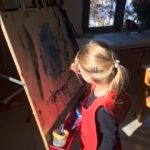
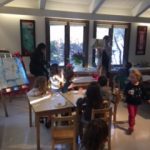
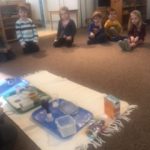
This week, we  asked the children “How many of you saw the sky this morning?”  They almost all raised their hands in agreement.  We ask them to draw what the sky looks like from memory while we are inside.   Next,  we go outside and have the children lay on their backs to look more carefully at the sky.  With probing questions and more observation, we ask them to draw the sky while they are looking at it.  It is fun to compare the two pictures.  We learn the names of the planets and key information about each one.  We also do hands on activities to explain revolution and rotation.
This Thursday, a presenter from The Discovery Center Of Bridgeport, came to present the program, “I Want To Be An Astronaut.”   Among the numerous areas of interest she shared, the children really enjoyed learning how astronauts live and work in space and how rockets launch astronauts and their cargo into space. The morning ended with a mini rocket launch! It was a successful mission.

We appreciate the children arriving on time to school.   Just a gentle reminder that arriving on time  allows the children to peacefully enter the classroom and  smoothly transition  from home to school.  Morning arrival for the lower school children is from 8:30-8:45.  Our morning meeting begins at 9:00.


http://www.forsmallhands.com/images/newsletter/earth250.jpg


Mrs. Mancusi: Focus and Concentration

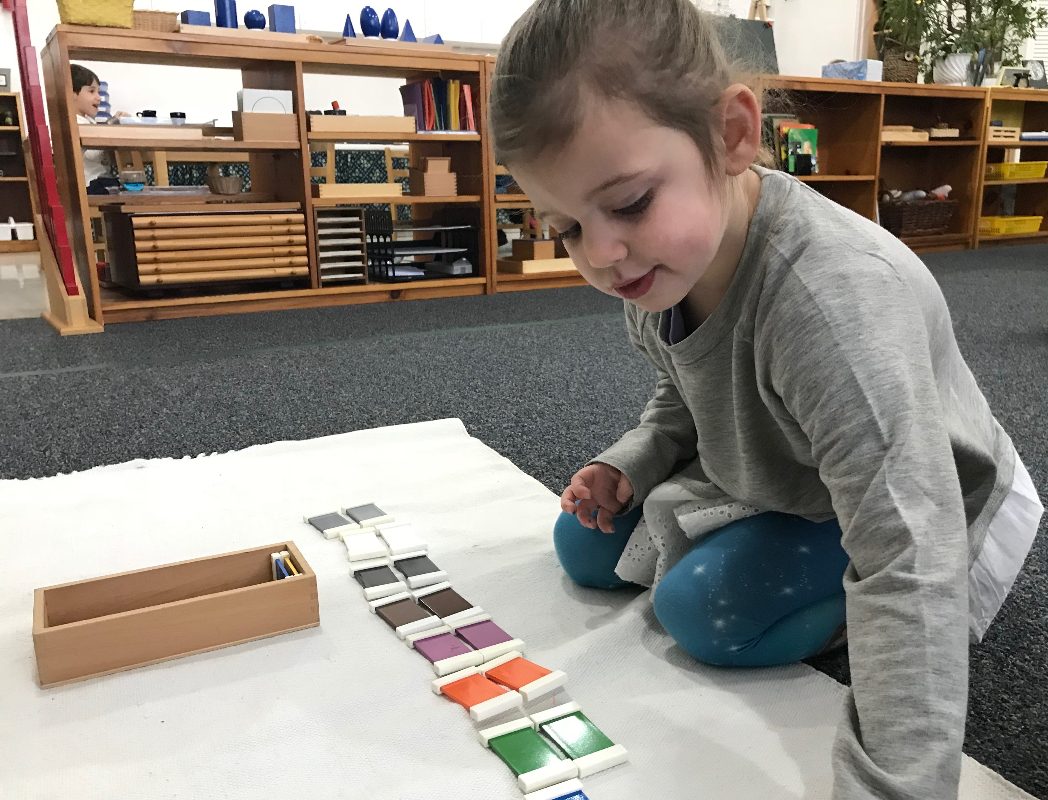
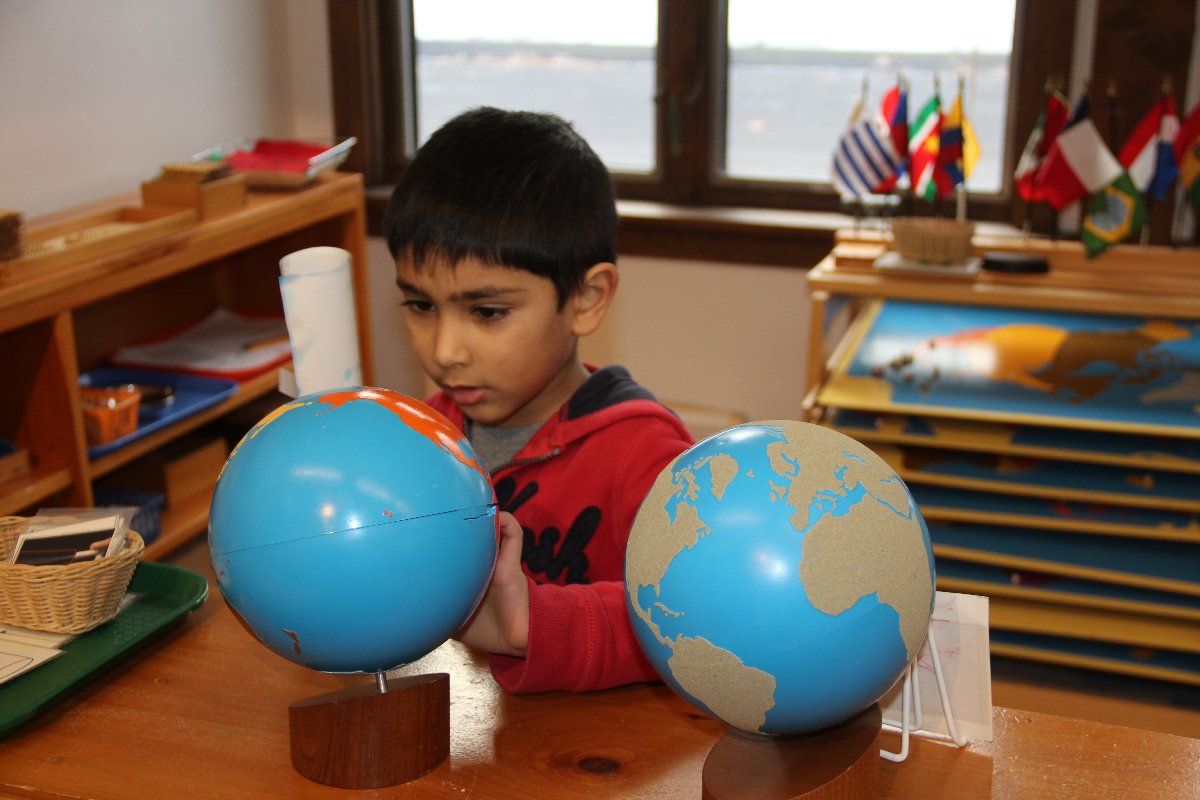
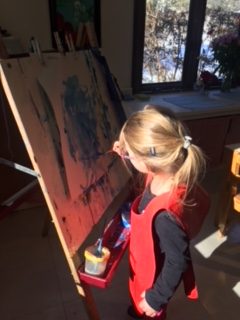
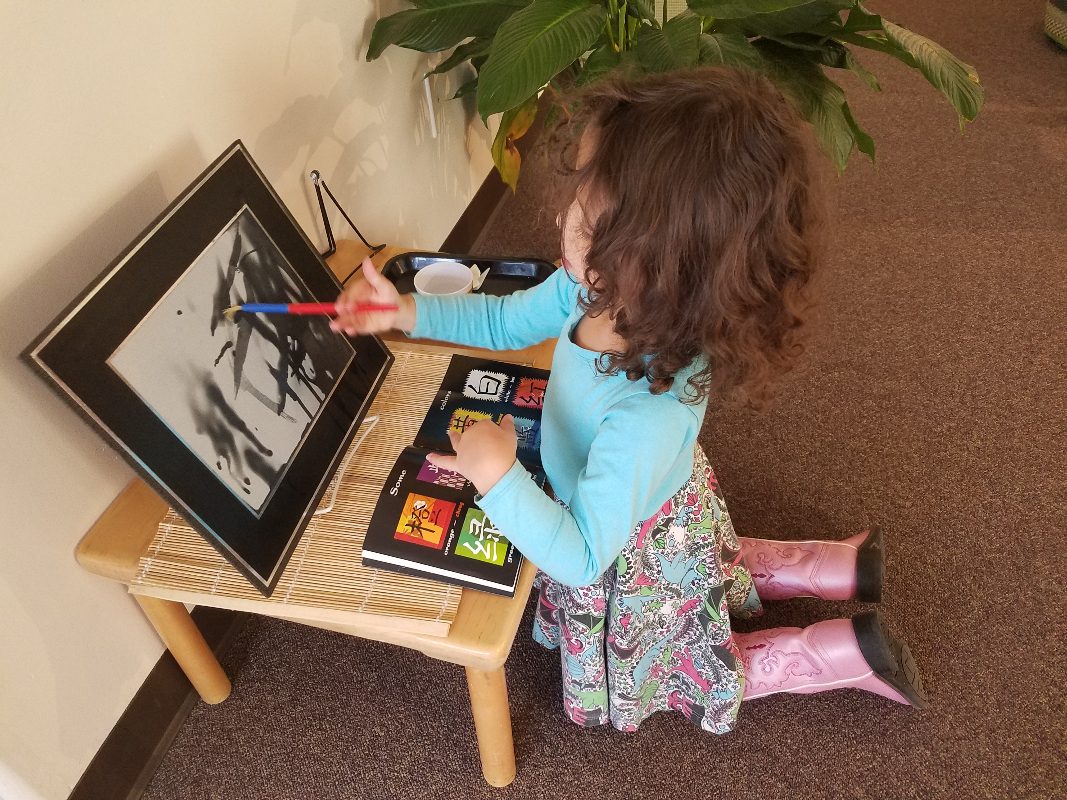
Another busy and exciting week has passed!  We have begun our study of North America, it’s people, animals and culture.  Children enjoy exploring the globe and pointing out the “orange continent” on which they live.  Invertebrates, vertebrates, mammals, reptiles, amphibians, birds and fish are also being classified as we delve deeper into zoology.  Exploration of color is occurring through painting, color mixing and the use of the color tablets.  All of our friends are becoming experts on the new colors you can create by combining the primary colors.

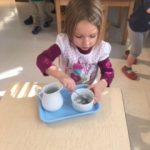
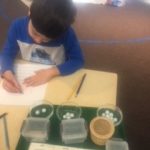
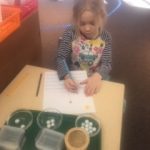
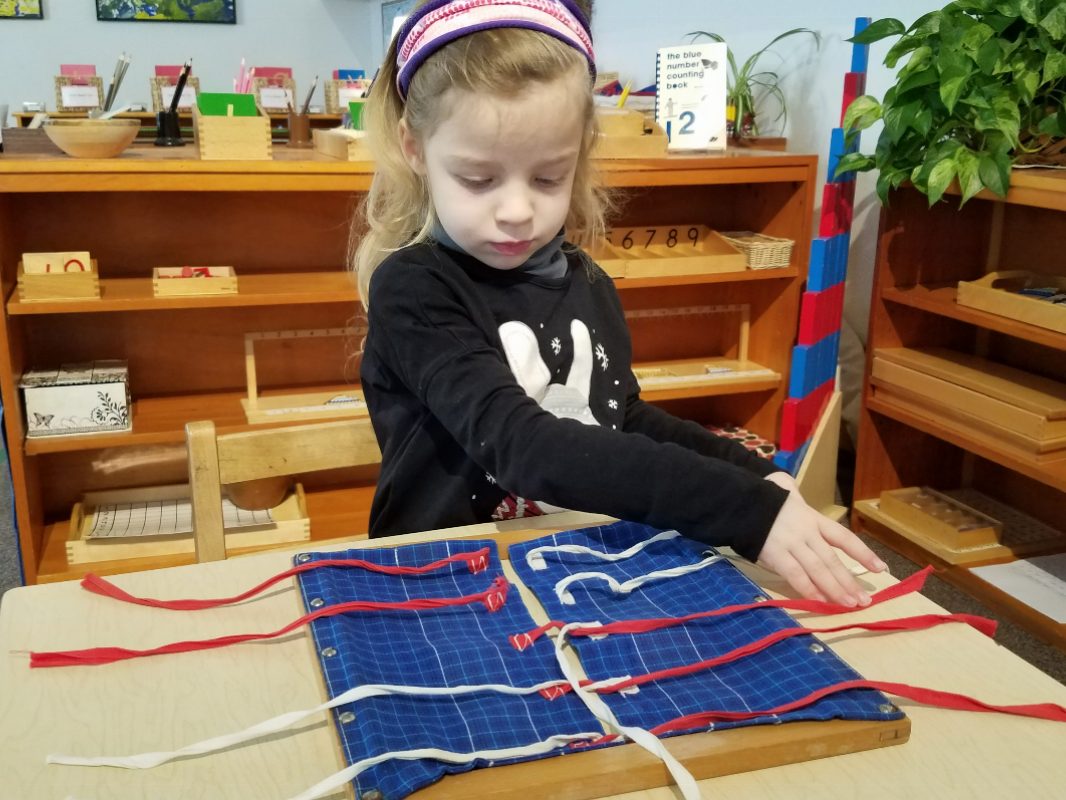
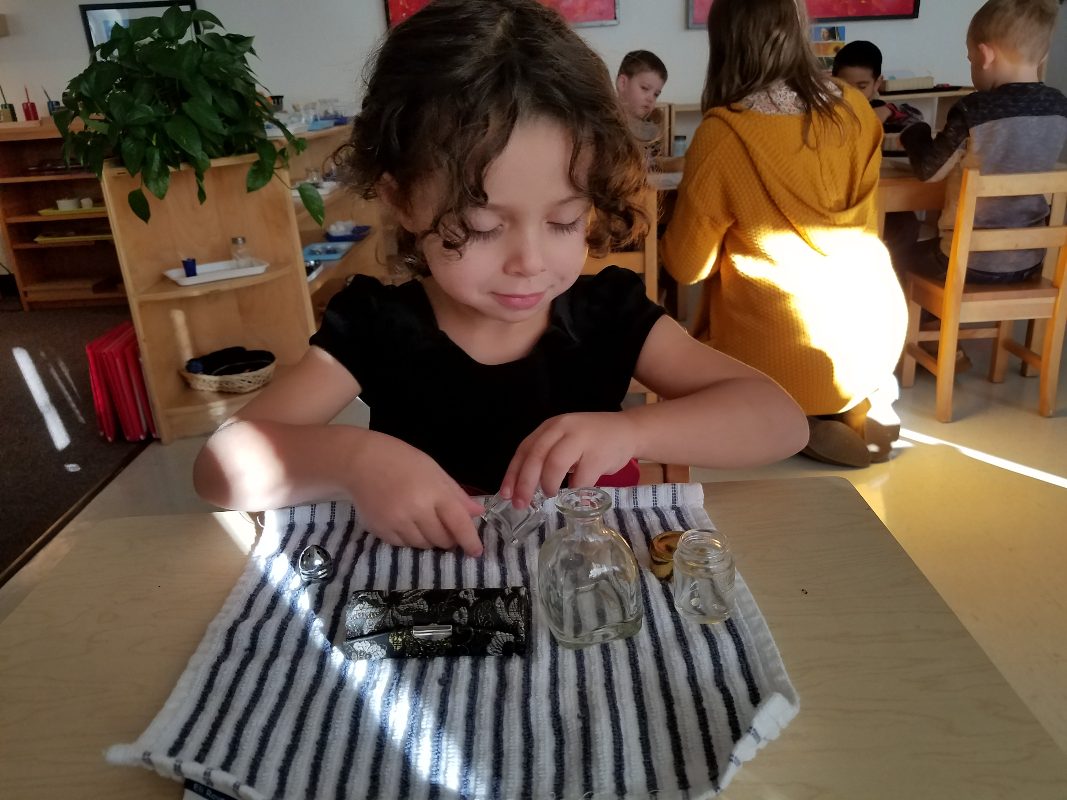
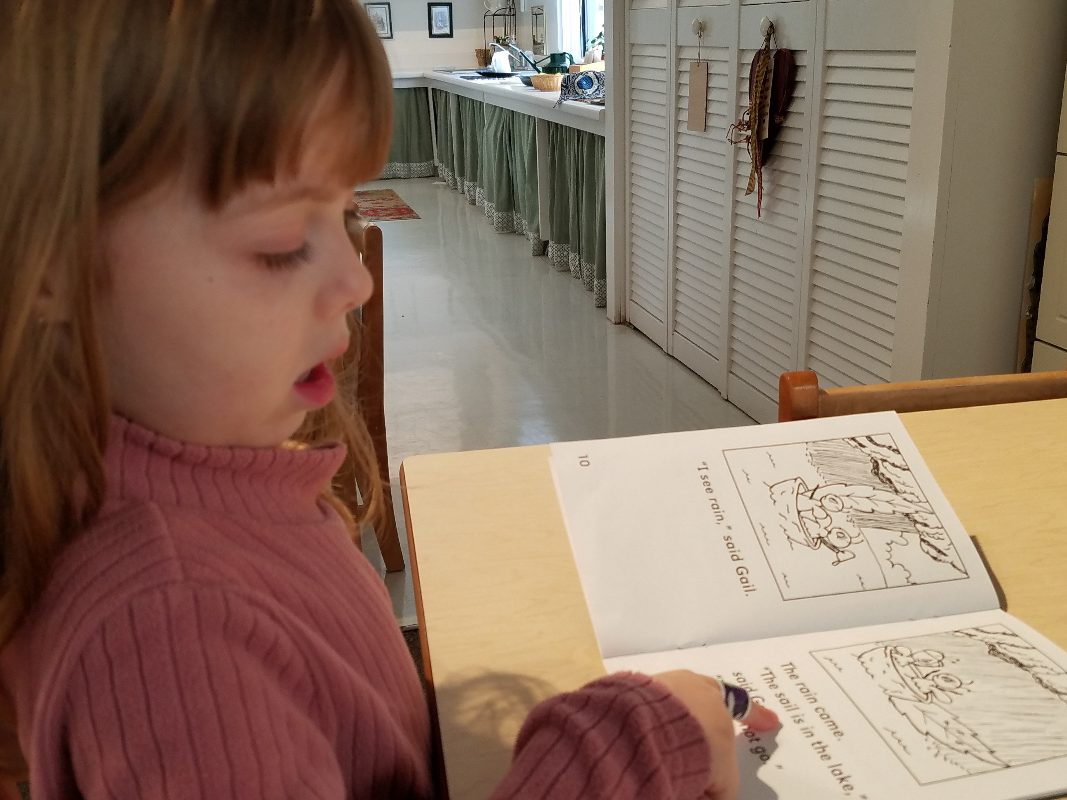
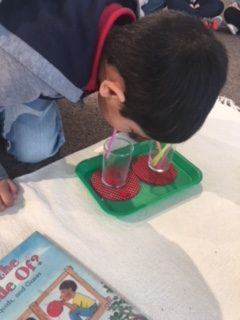
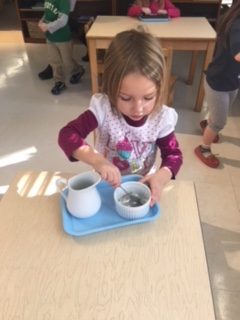
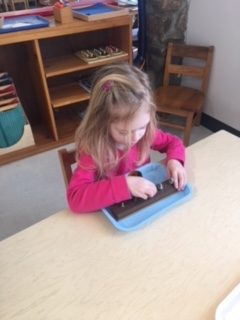
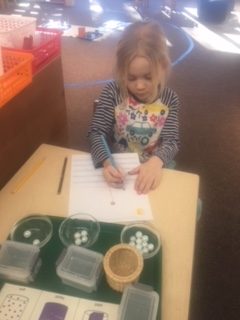
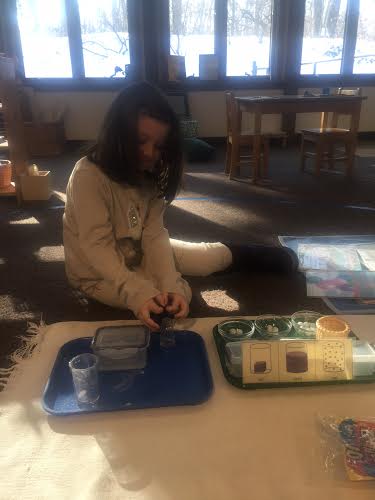
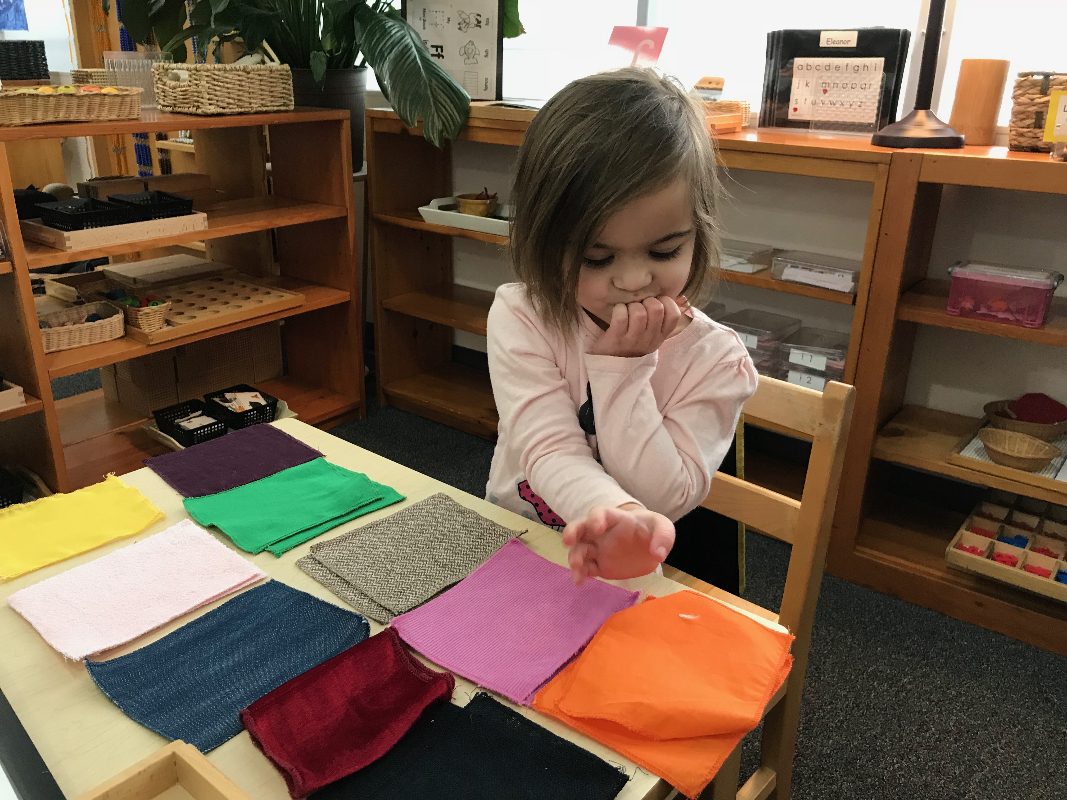
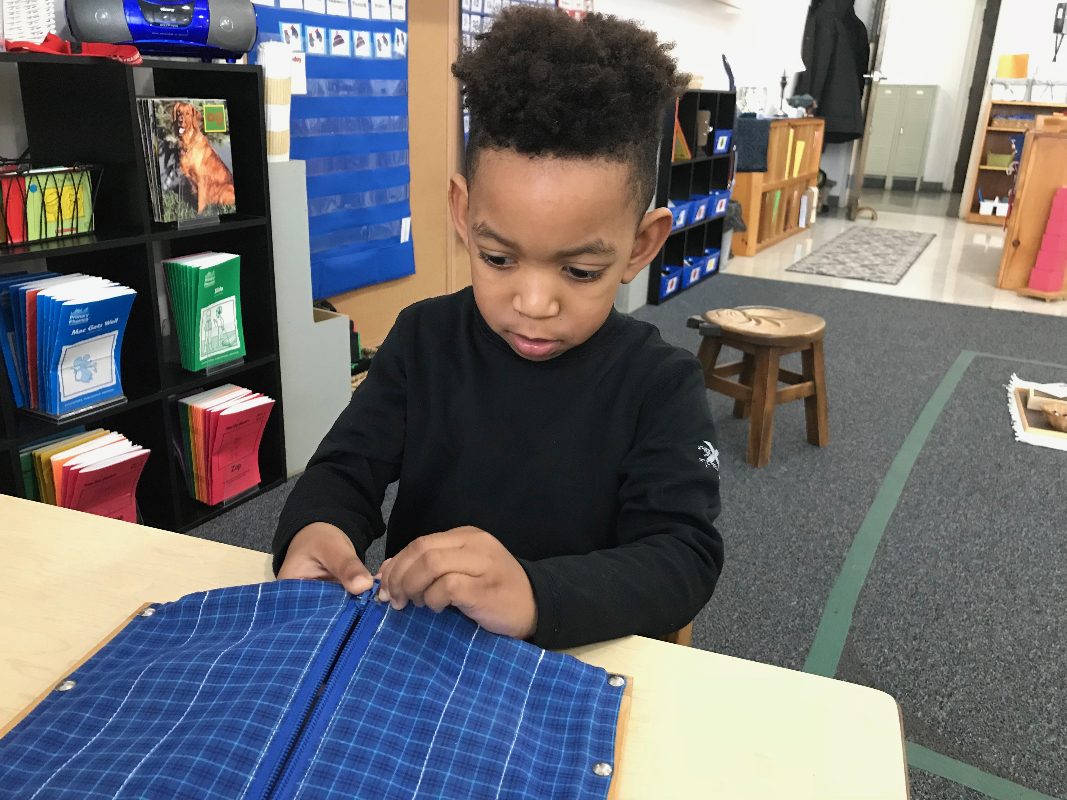
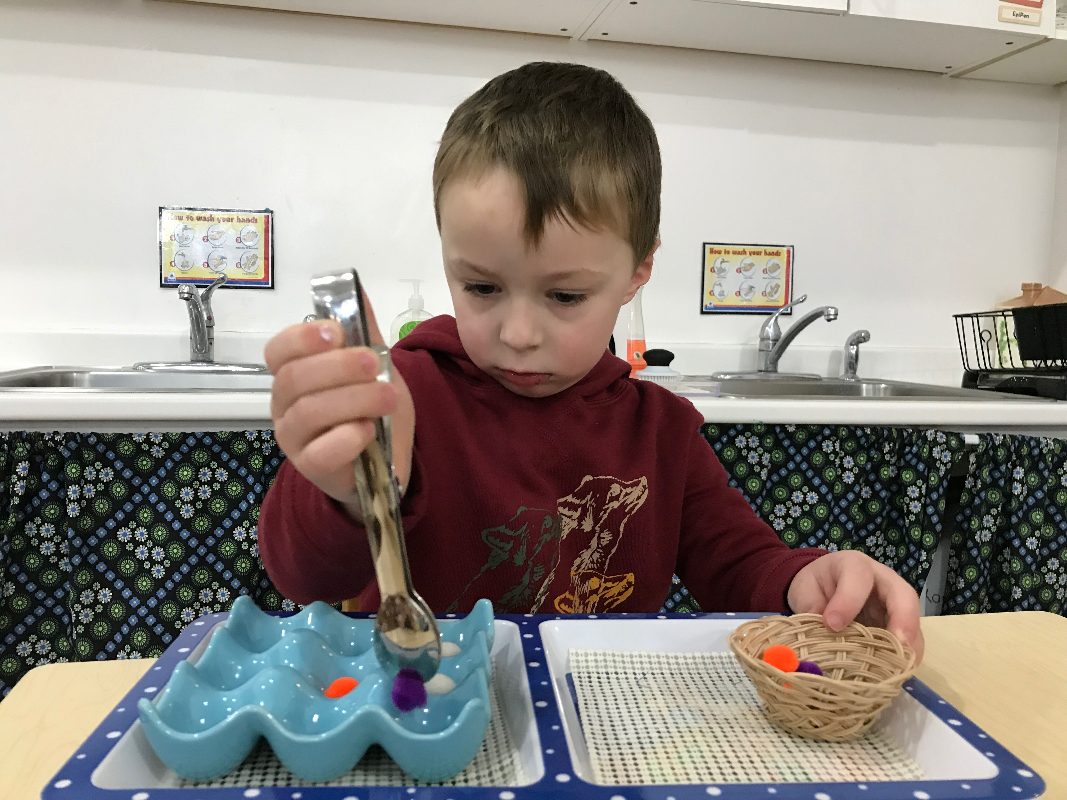
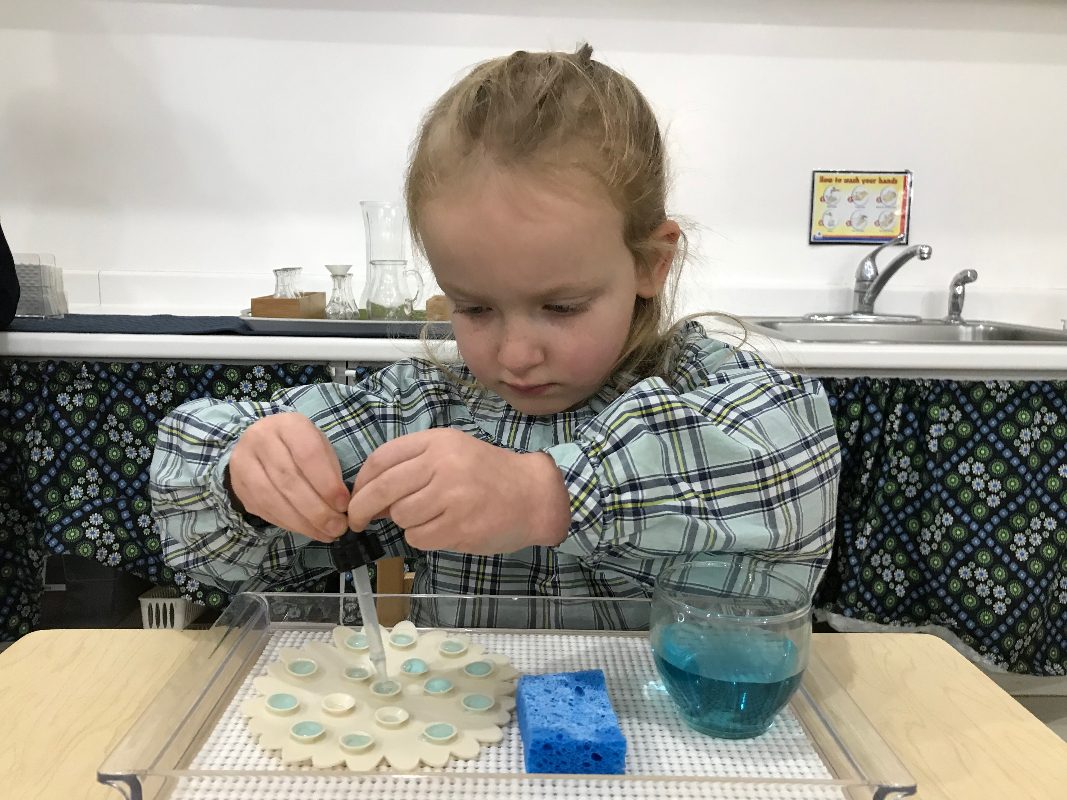
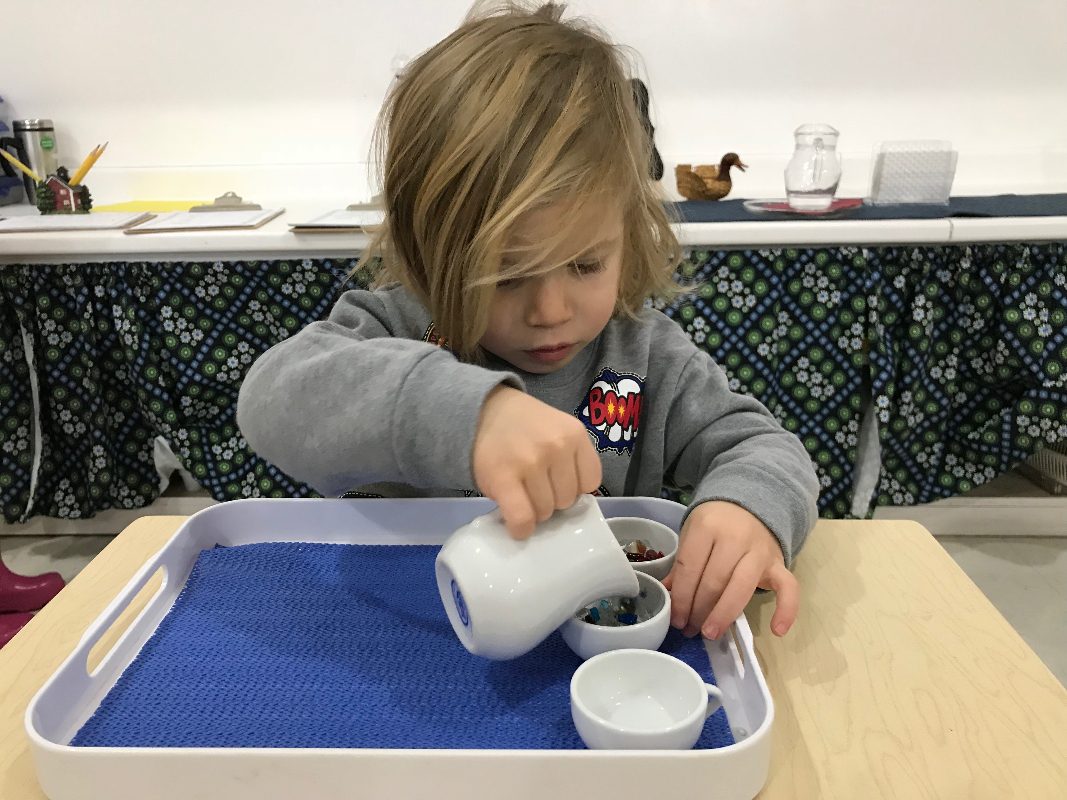
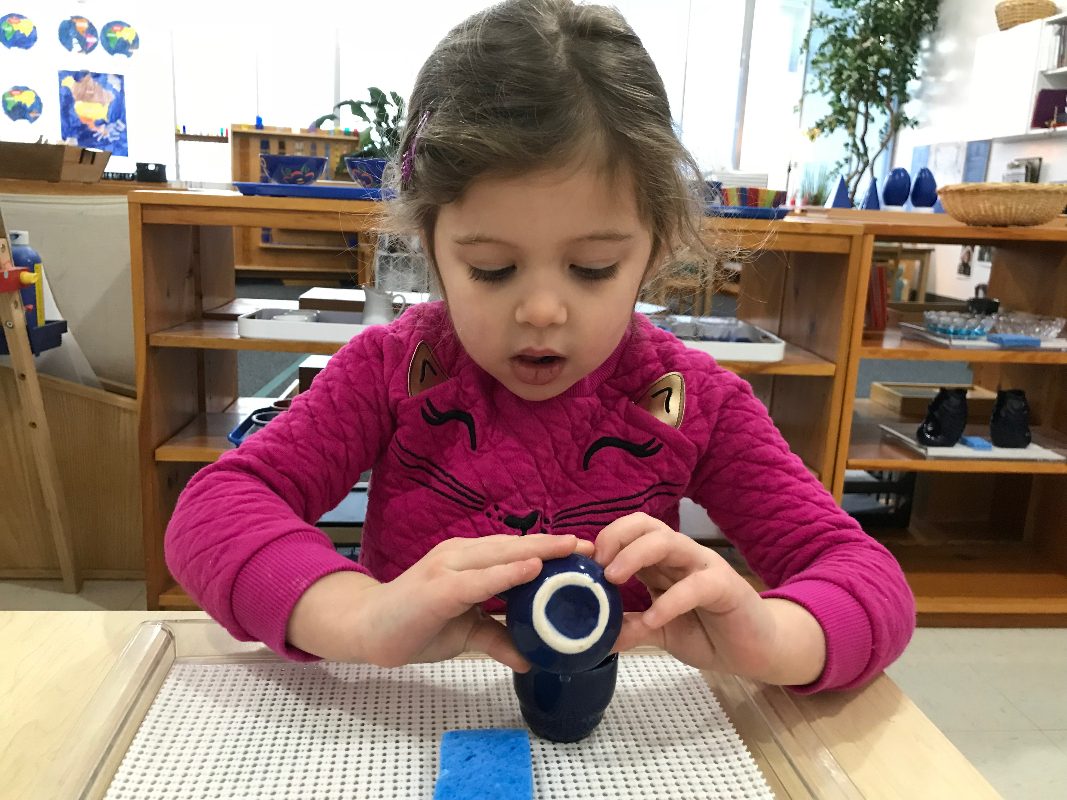
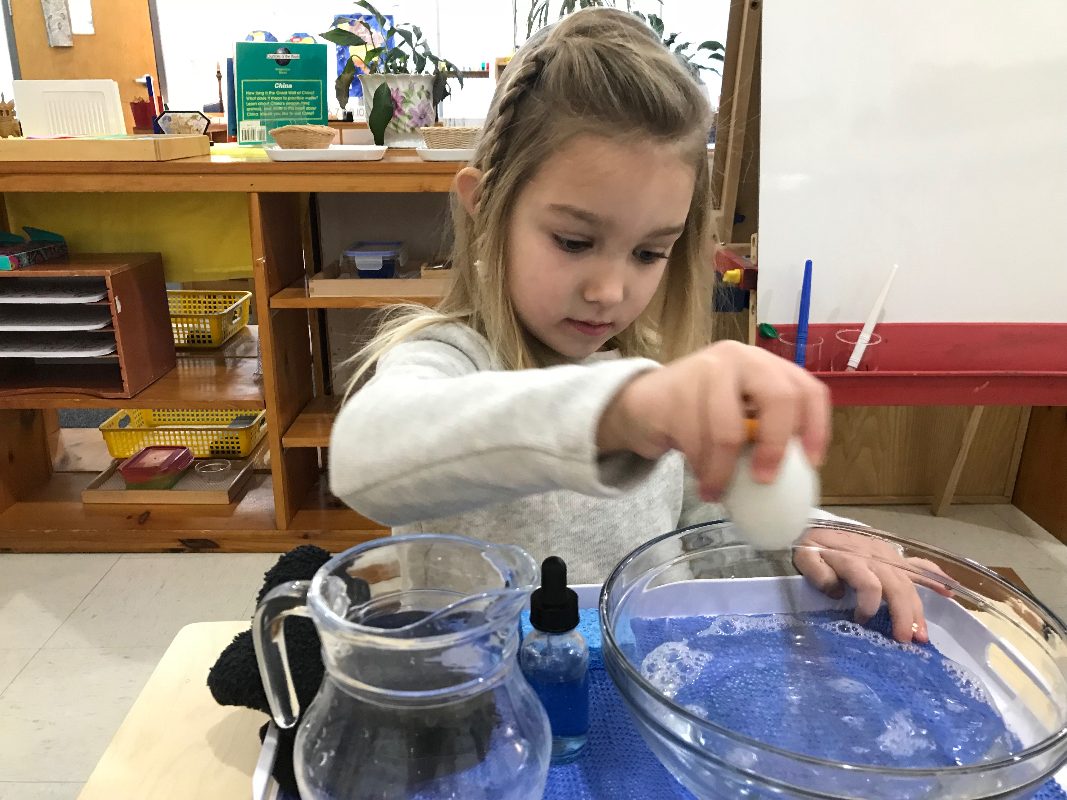
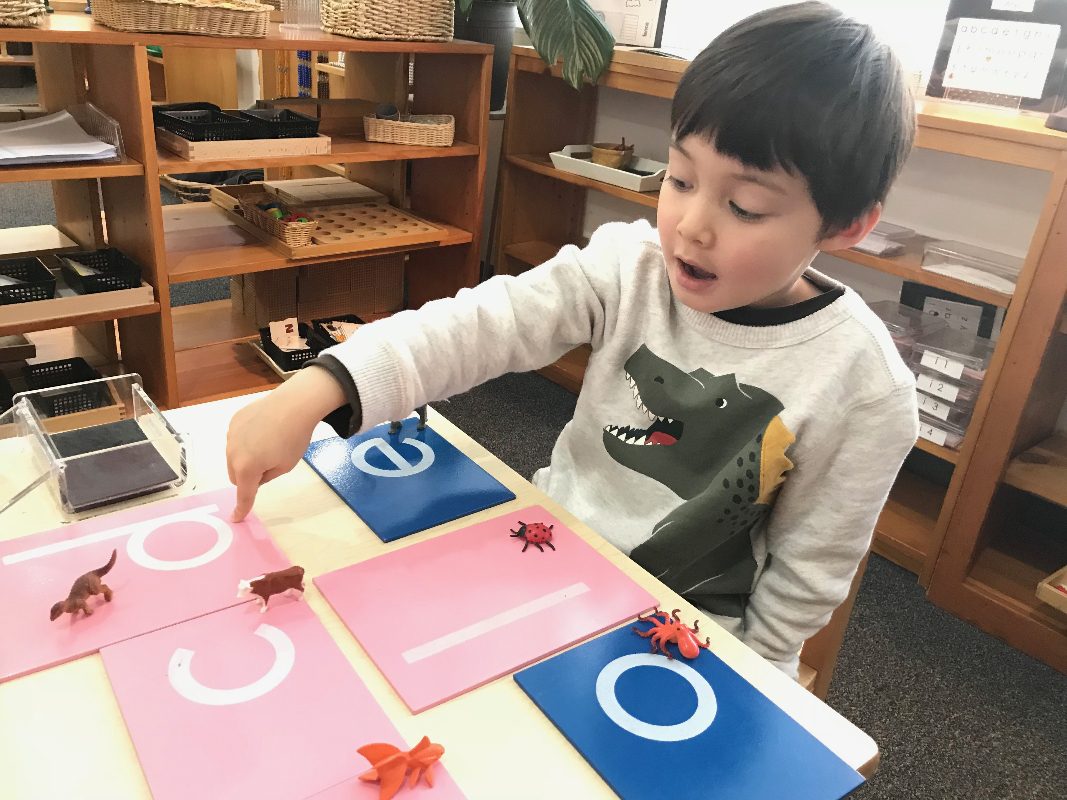
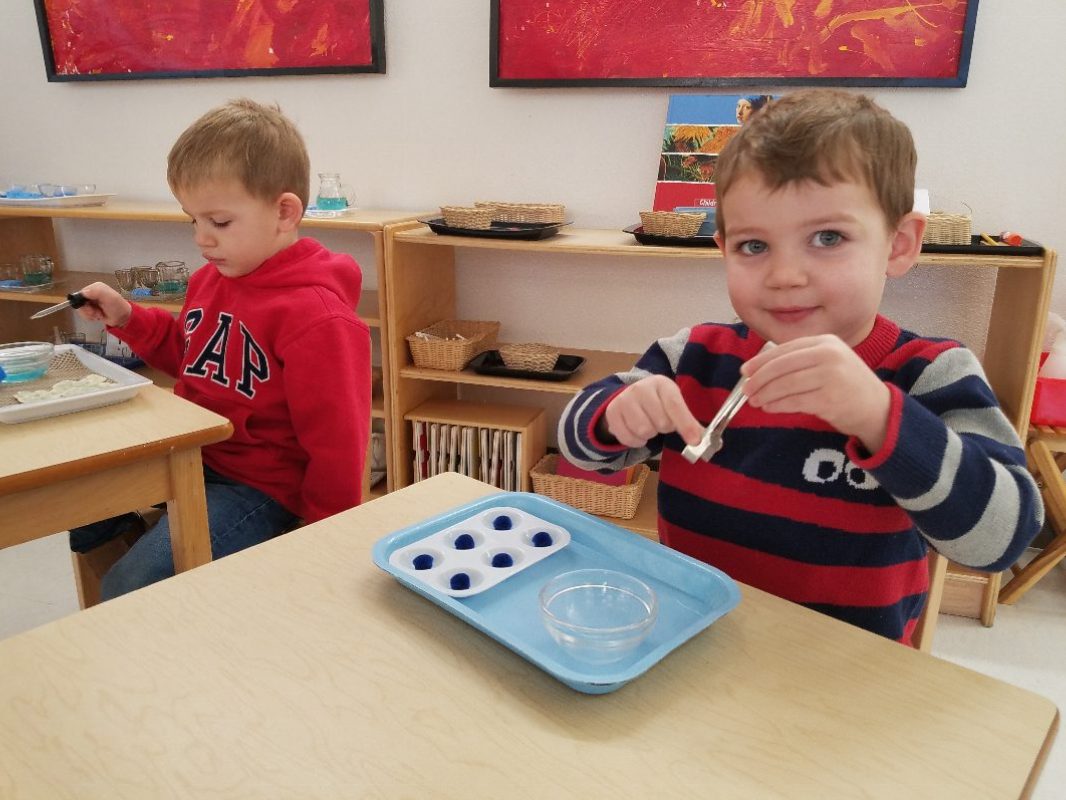
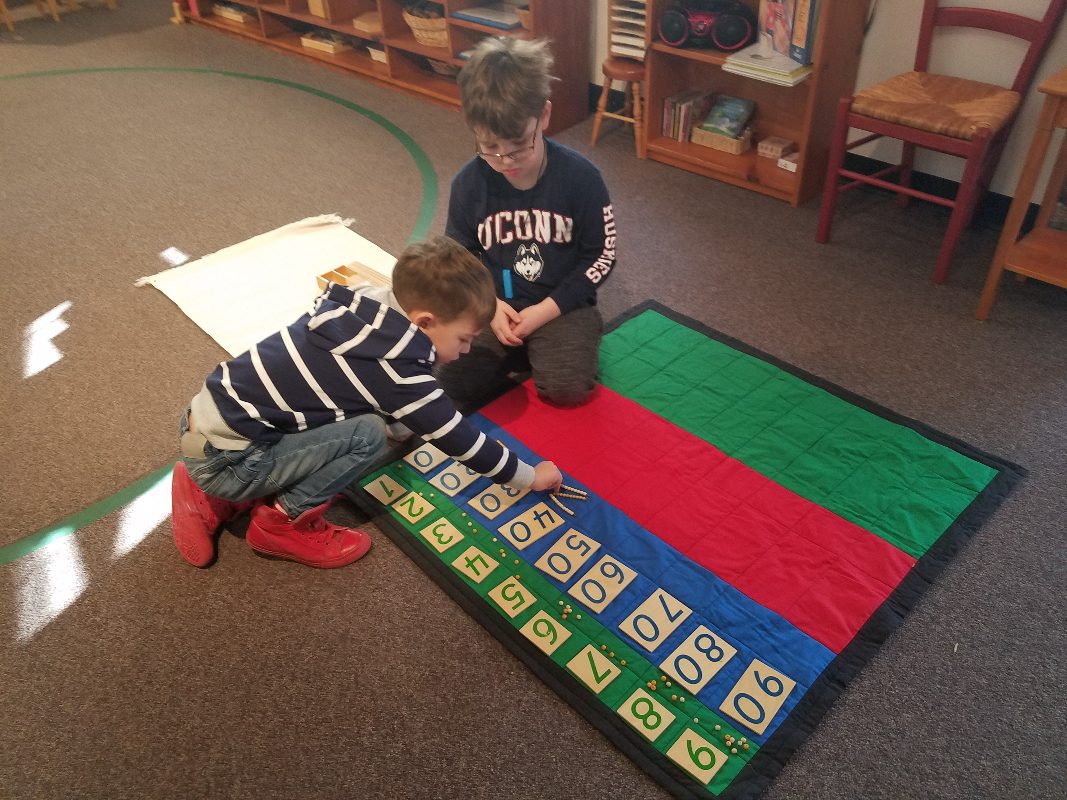
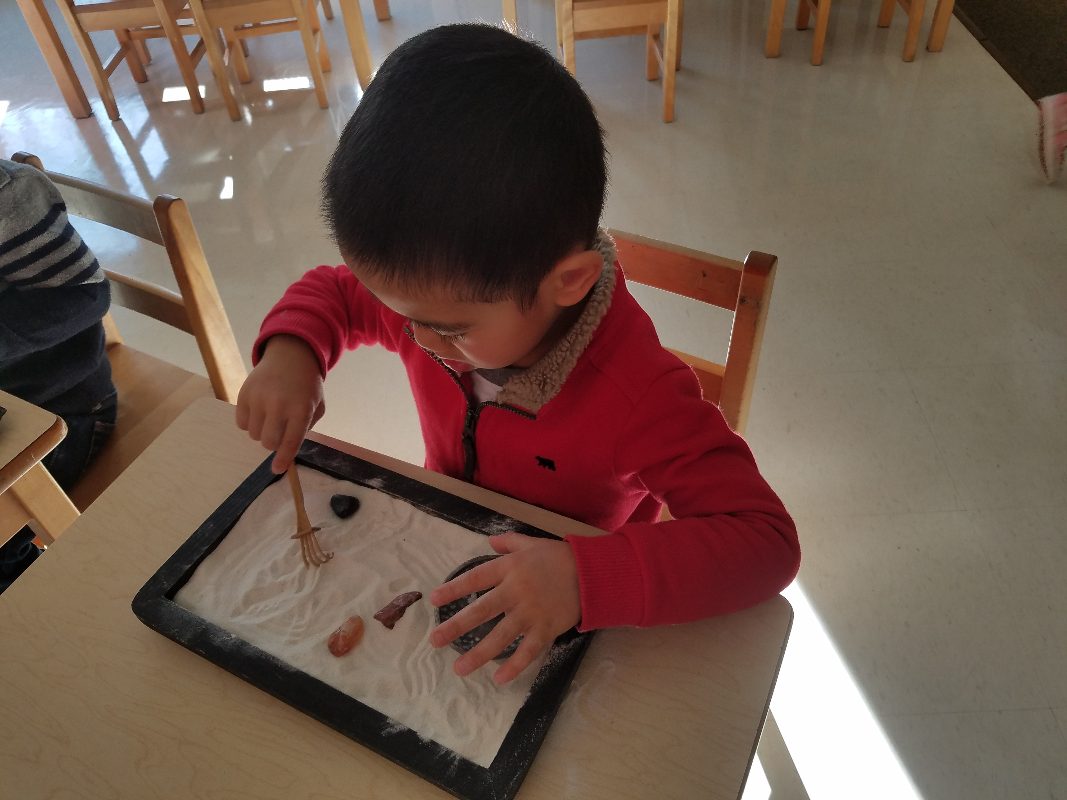
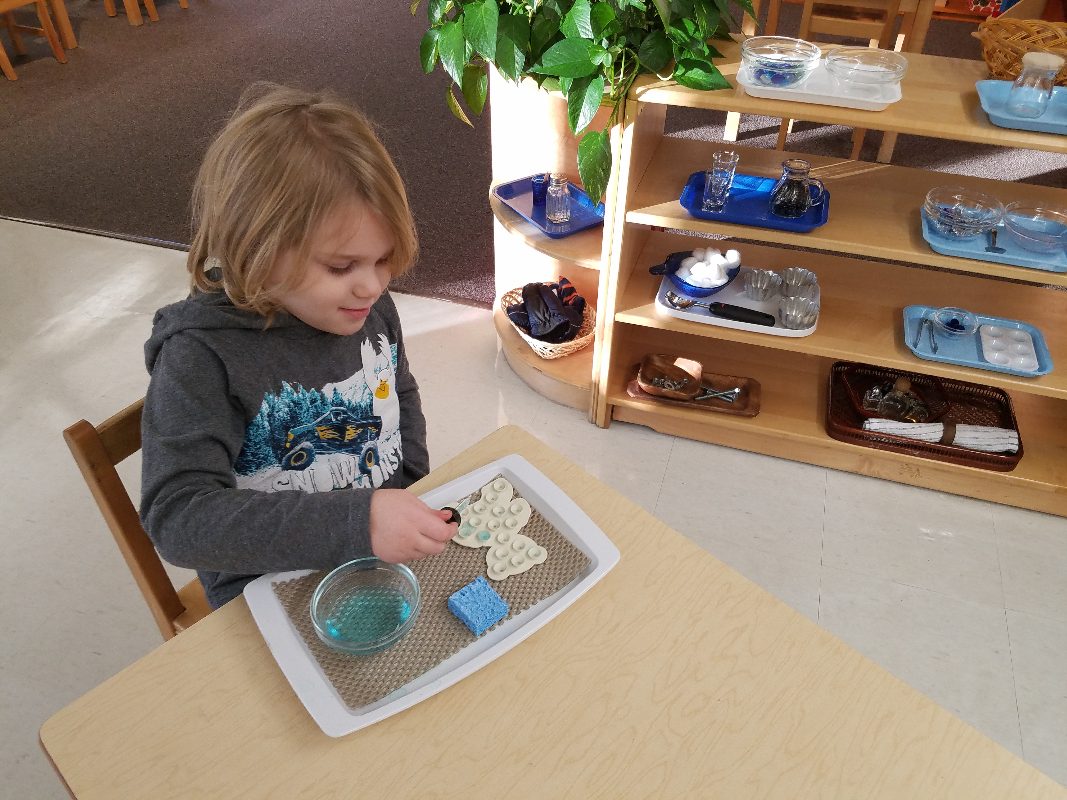
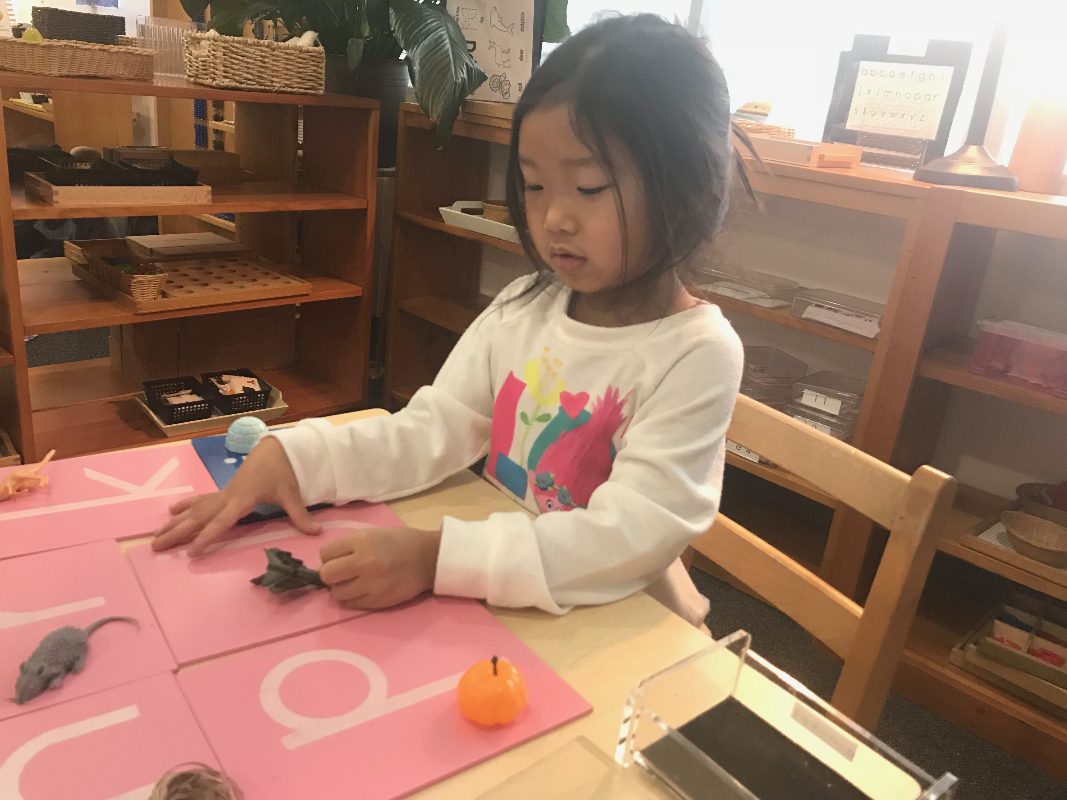
The Practical Life area of the classroom is buzzing with the sound of hammering and grating, as friends are enjoying new materials in the environment.  Practical Life lessons aid the child in learning how to do living activities in a purposeful way.  These activities also aid the growth and development of the child’s intellect and concentration that will in turn help the child develop an orderly way of thinking.  The independence, concentration, coordination and sense of orderliness learned in Practical Life prepare the child for more complex lessons in the Sensorial, Language and Math areas of the classroom.  The materials in this area are also enjoyable to use and give the child a sense of purpose and accomplishment.


Mrs. Doyle’s Class: Do You Know The Continents?

Have you heard your children singing The Continent Song?  We often hear the children sing this song spontaneously throughout the day.  The Geography materials are always fascinating to the children and are a springboard for wonderful discussions.

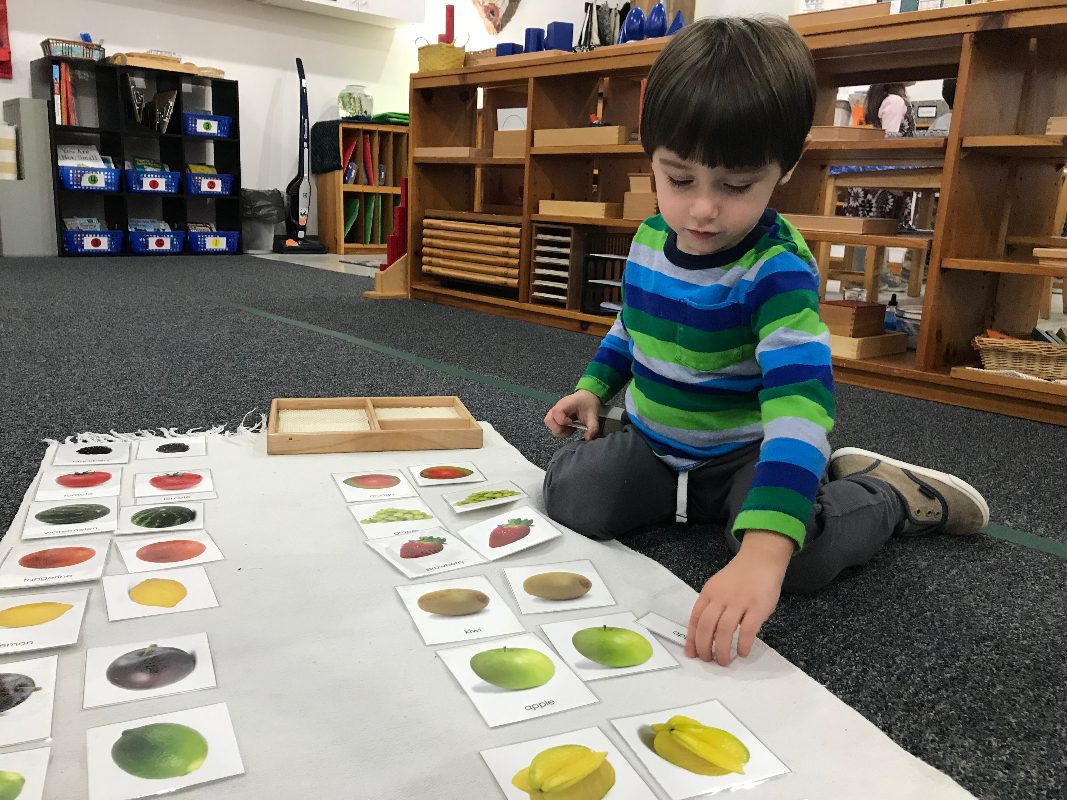
The Montessori approach to teaching Geography is unique and is comprised of two components,  physical geography and political geography, also known as Culture. From the beginning of the school year, we weave Geography lessons and terminology into our day as we learn about our physical world.

Early in our school year, we categorized the planet Earth into air, land and water.  We then sorted what we would find in each of these different components of our world.   Next, we introduced the geometric solid known as a sphere to the children and compared it to the shape of the globe.  We start with a sandpaper globe that helps to distinguish land and water.  The colored globe comes next and we begin to teach the continent names.   We make a playdough sphere and cut it into half to help them visualize the concept of a hemisphere.   Simultaneously, the children are learning about land forms that introduce the concept of lake, island, bay, cape, peninsula, gulf, isthmus, strait, archipelago and a system of lakes.  These sensory experiences help the children learn about their physical world.

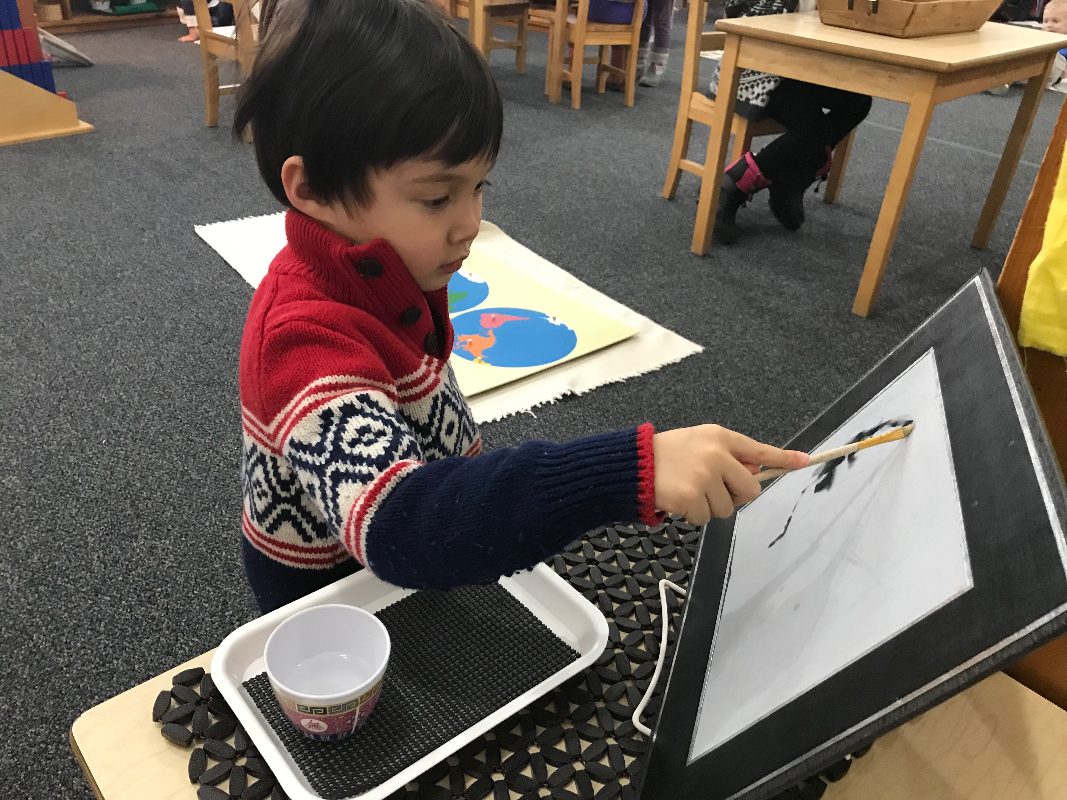
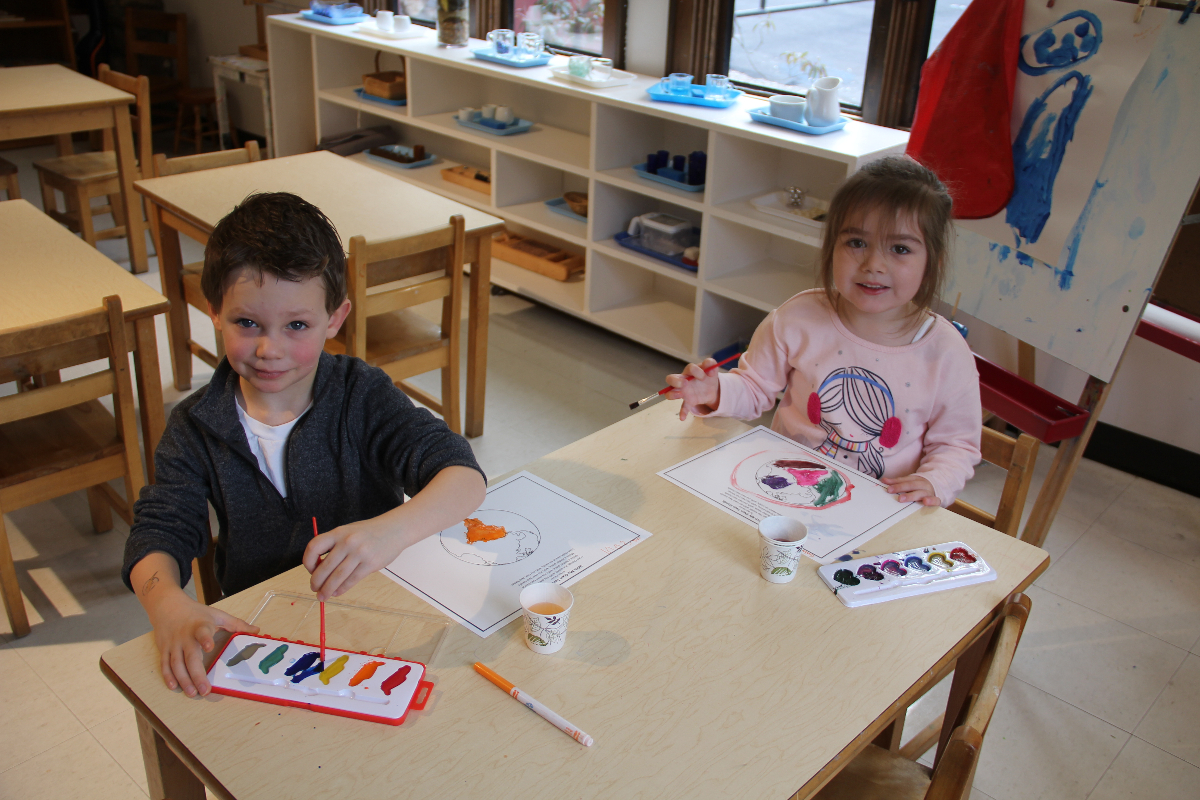
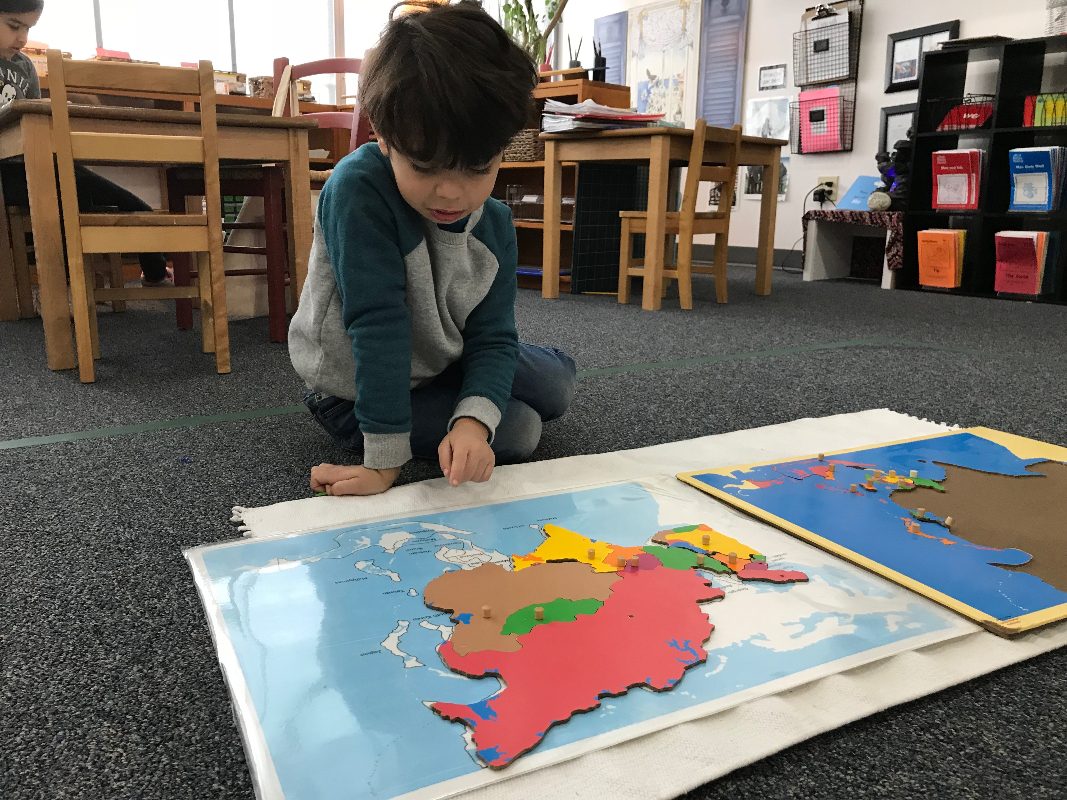
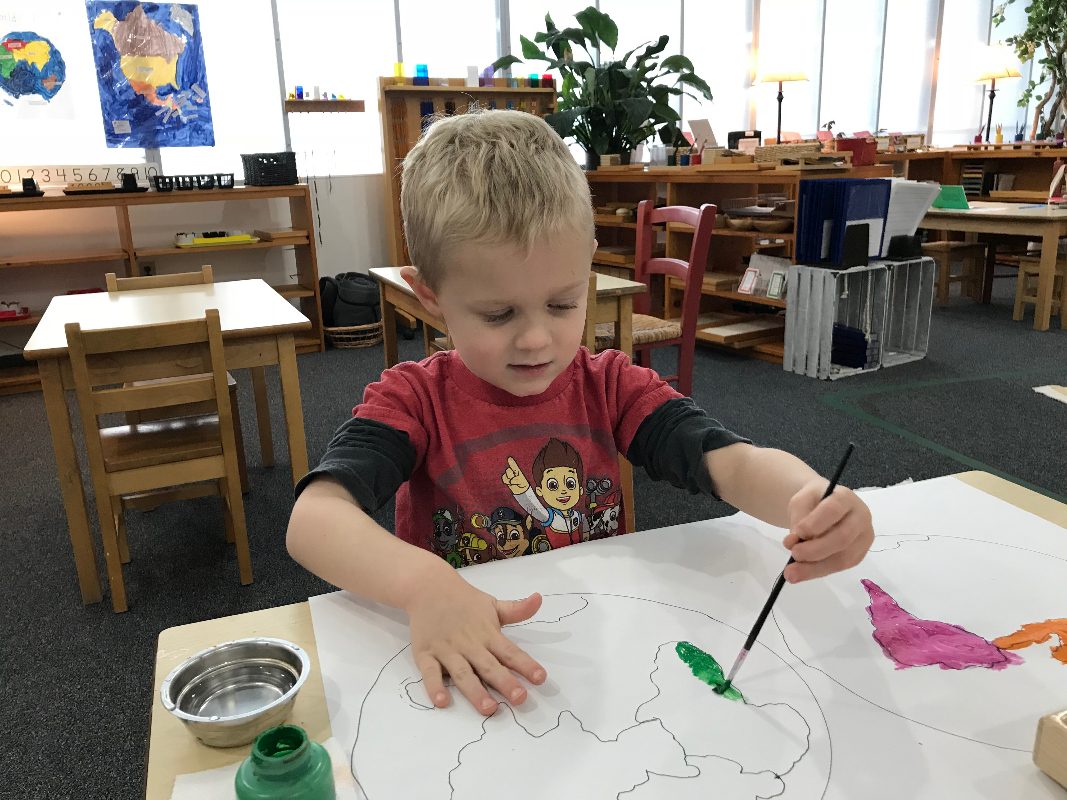
After learning the continent names, we introduce the puzzle maps for each continent, starting with  North America in November.    We learn that there are many countries in North America.  The older children will trace and paint each of the puzzle maps.    We will learn about the animals, people and climate often associated with each of the continents.  Our goal, is to encourage the children to appreciate the beauty and wonder found in the similarities and differences around the world.

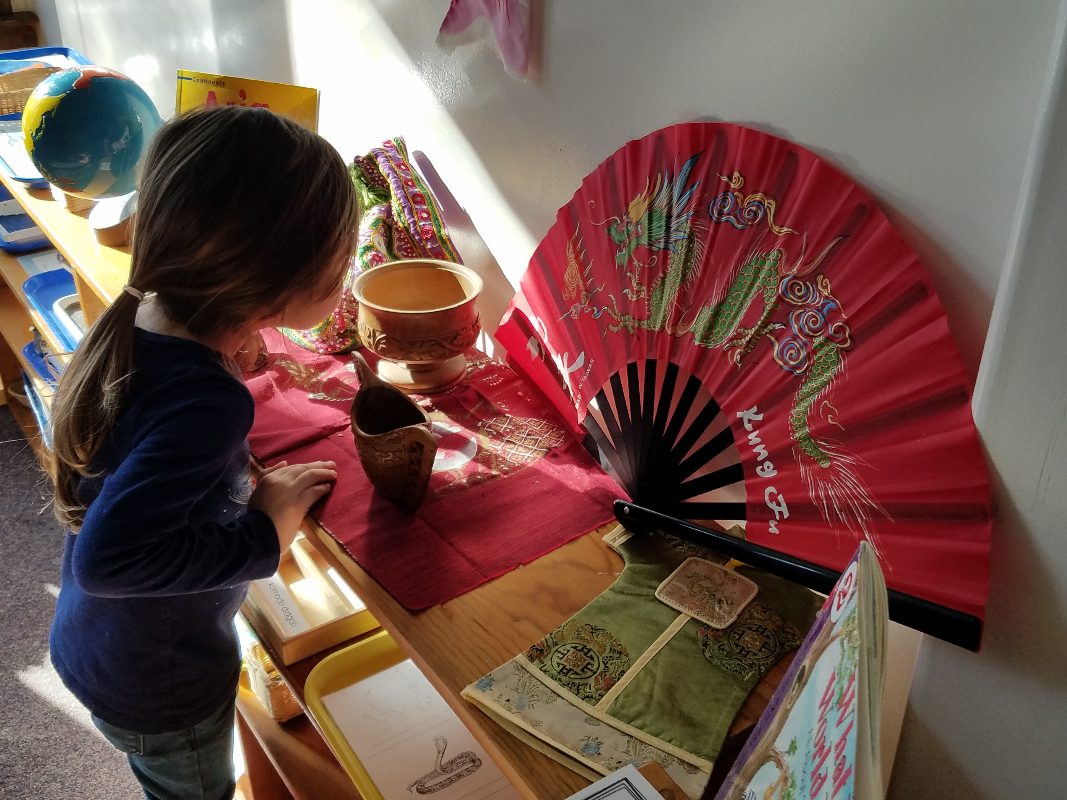
In our classroom, we have a cultural shelf with artifacts from each continent.  If anyone is ever traveling  and has the opportunity to add to our treasured class collection, we would be ever so grateful.

On  Monday, the Botsford Fire Department visited FWM to discuss fire safety with the children.  Our class had the chance to go inside the fire truck, learn about fire safety and even see Mrs. Lyga put on their turnout gear.  The children were given “homework” to make sure that the smoke alarms in their homes had new batteries.


Mrs. Carroll’s Class: The Orange Continent

These last few weeks have been a particularly busy and exciting time with your children. We have traveled through space, explored the eight planets, discovered that the sun is a star,  rocketed back to the planet Earth and are now exploring the first of  seven continents;  the orange continent, our continent, North America. We will continue to explore the plants and animals native to our continent, map North America’s countries, examine topography and study how a continents’ proximity to the equator impacts it’s climate.

The Montessori cultural studies curriculum provides children with an opportunity to explore the whole world including the continents, countries, people, animals, terrain, music and arts. Children use didactic Montessori materials to familiarize themselves with the needs of all humans for such things as food, housing, and clothing.    This early cultural awareness helps cultivate independent, joyful citizens of our world.


Mrs. Mancusi’s Class: Enjoying Work and Play!


Our class celebrated Halloween at our Harvest Party earlier this week by carving jack-o-lanterns, decorating sugar pumpkins and enjoying some special snacks.  Thank you to all parents who donated their time and contributed items needed for our celebration.  We had a wonderful time!
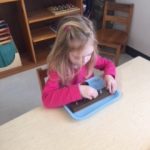
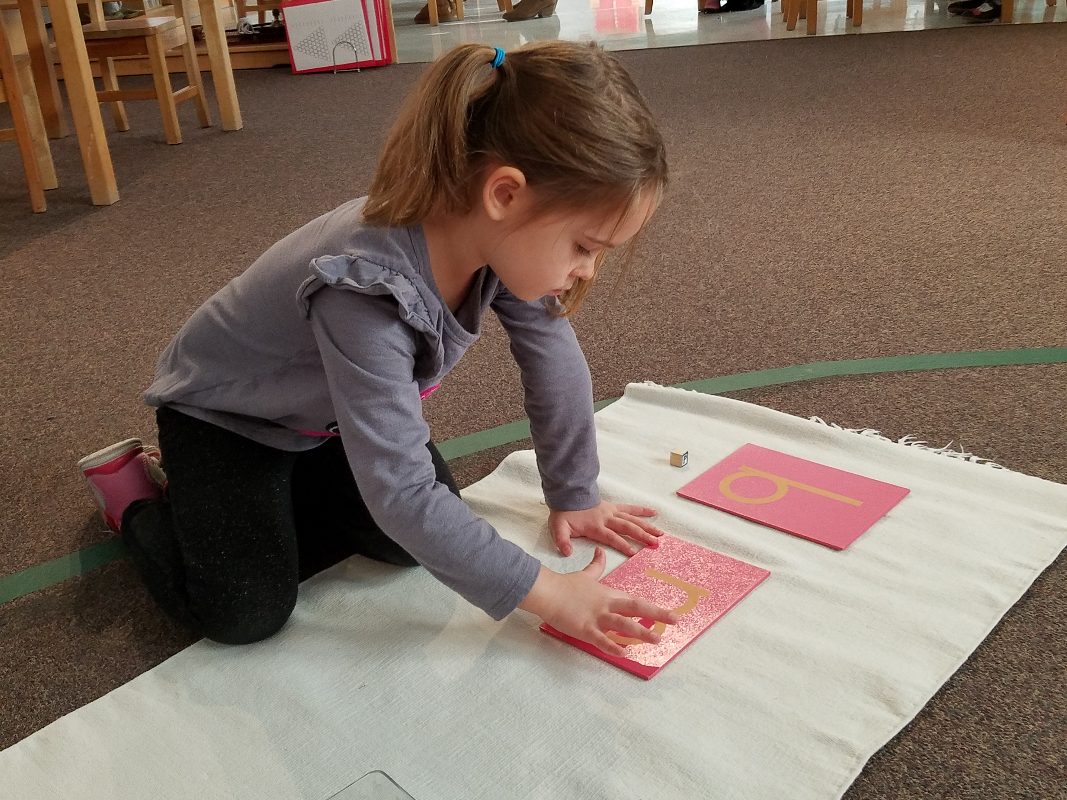
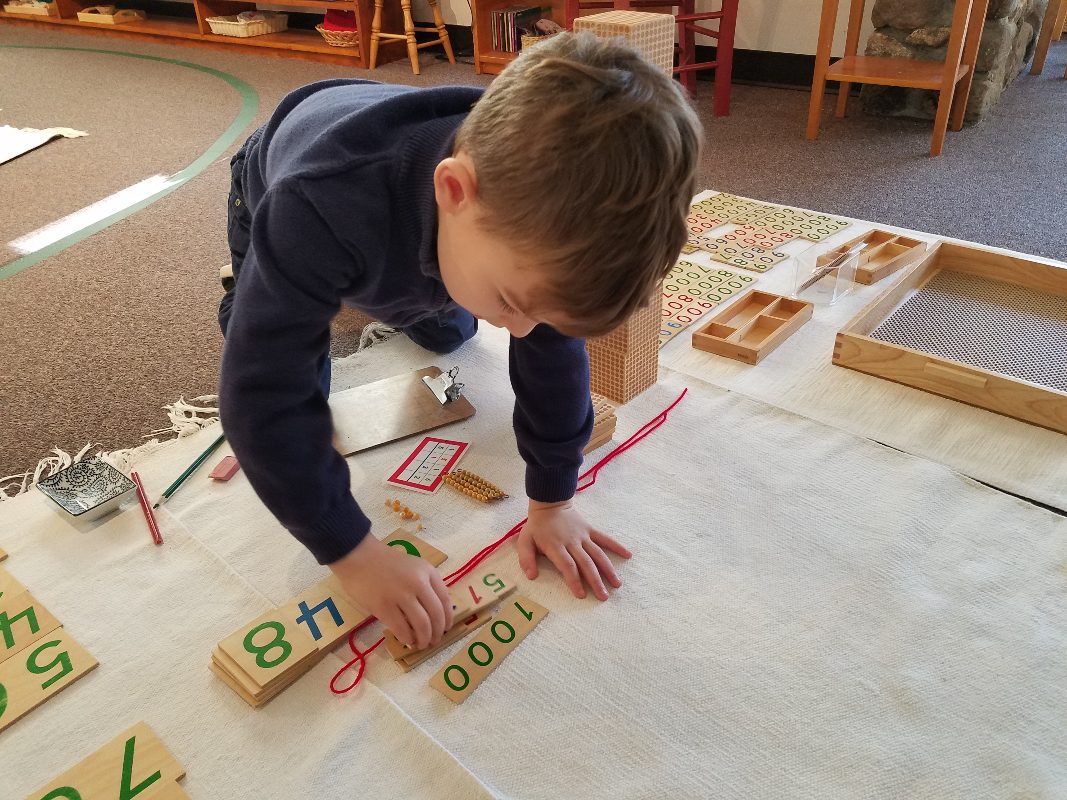
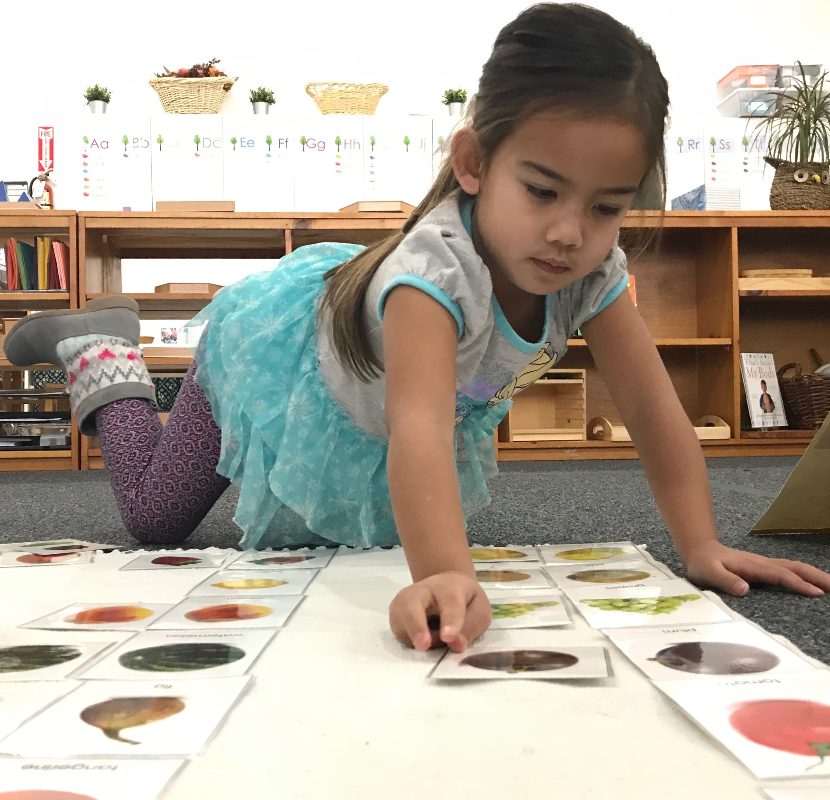
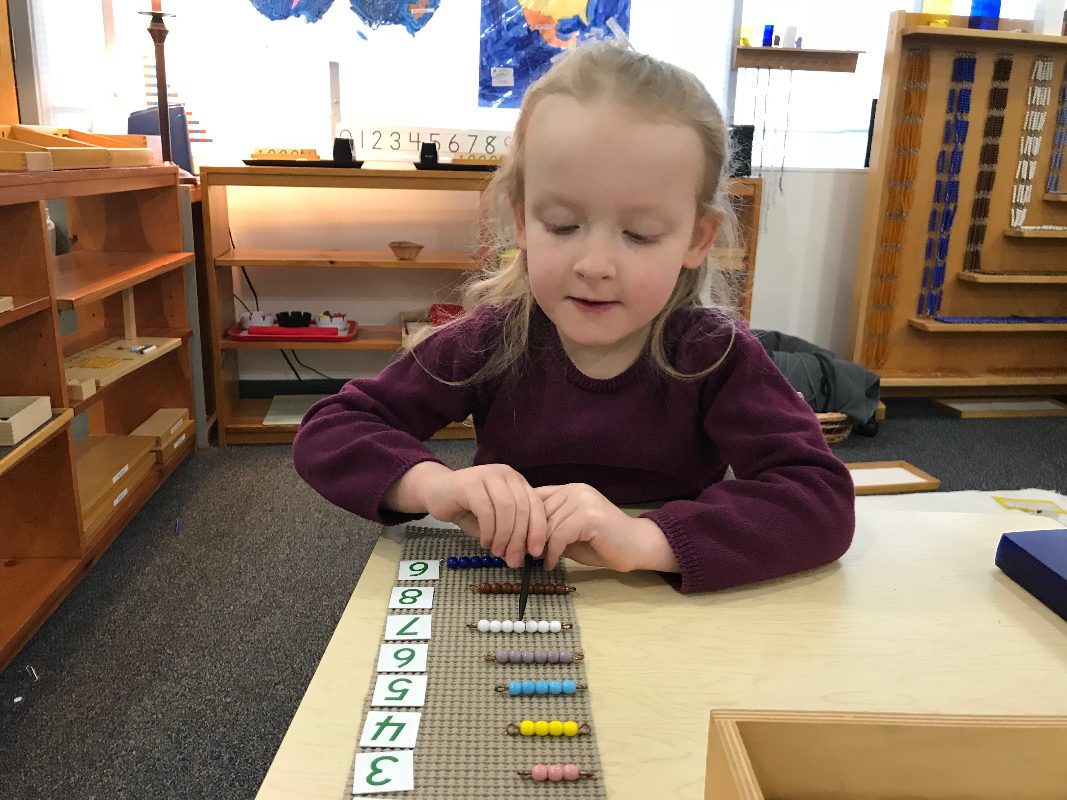
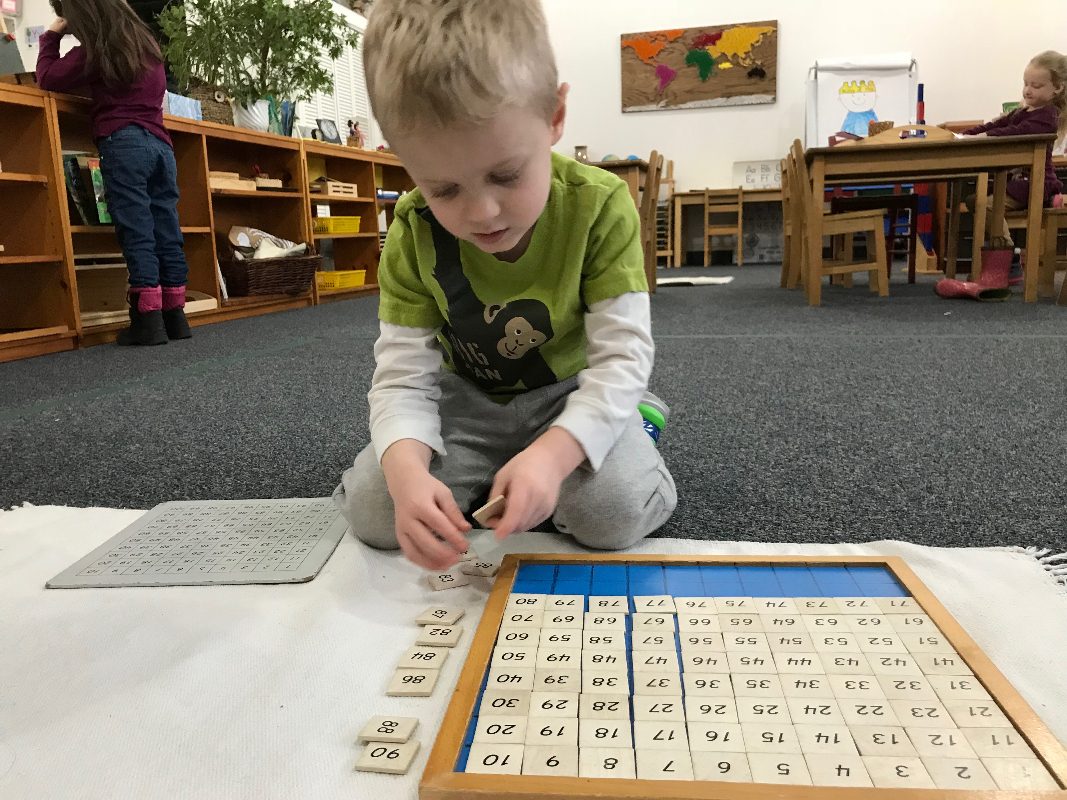
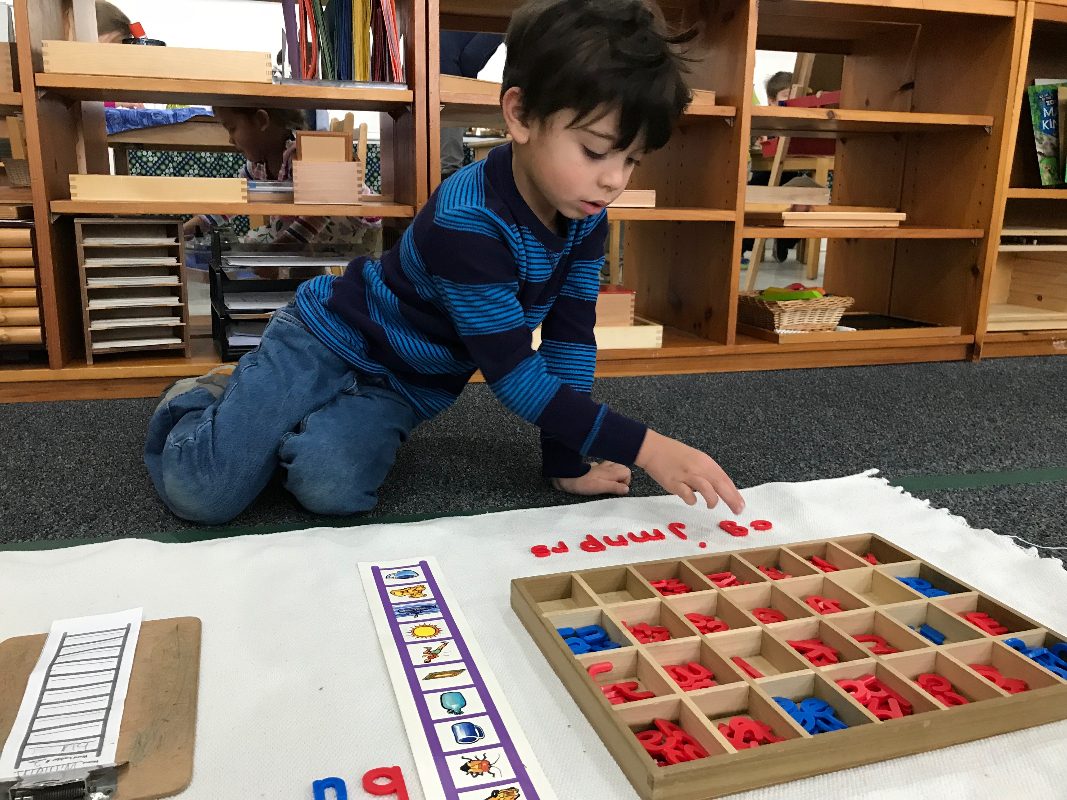
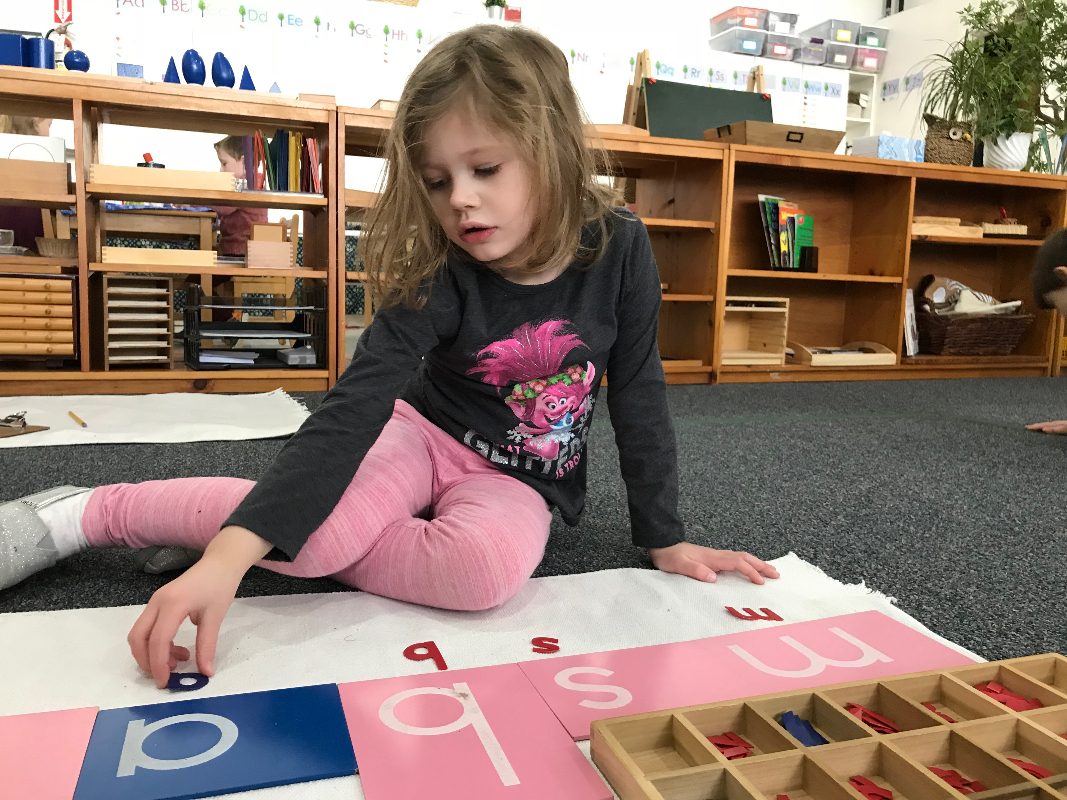
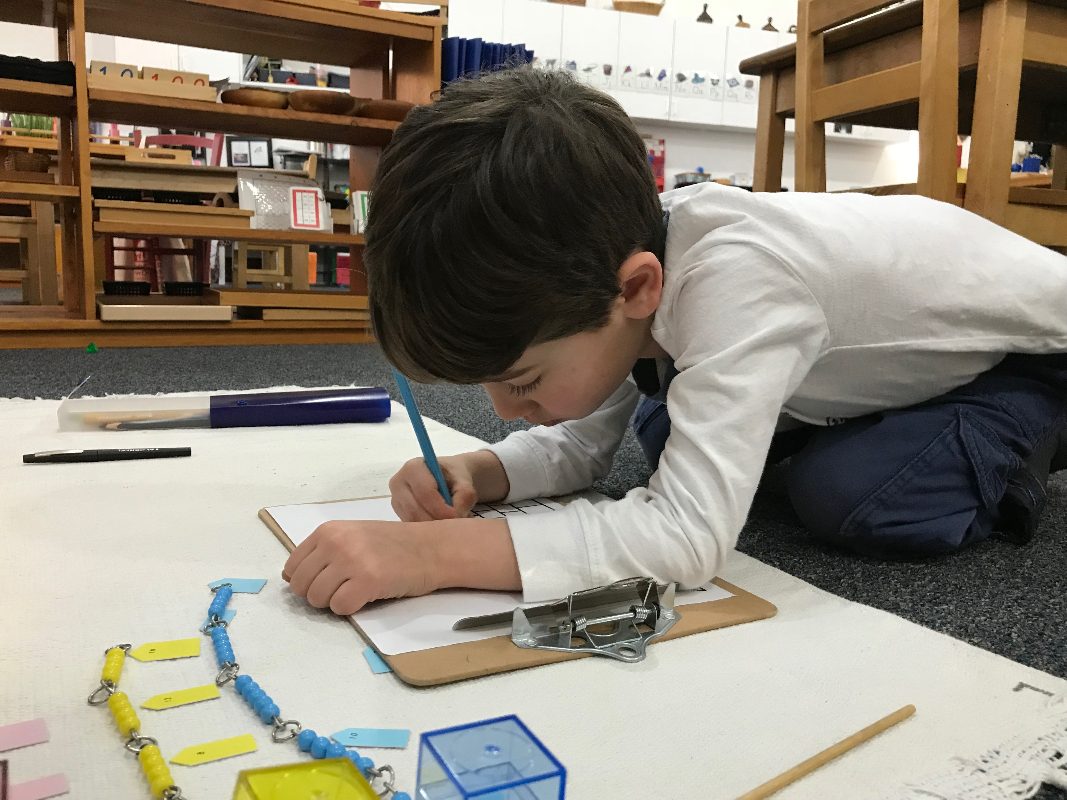
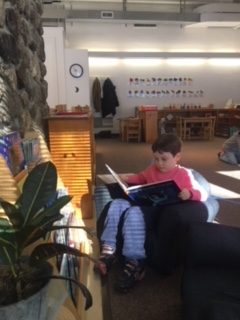
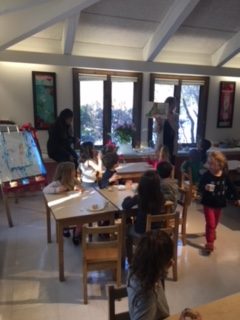
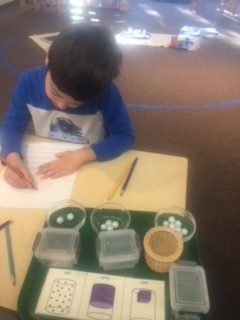
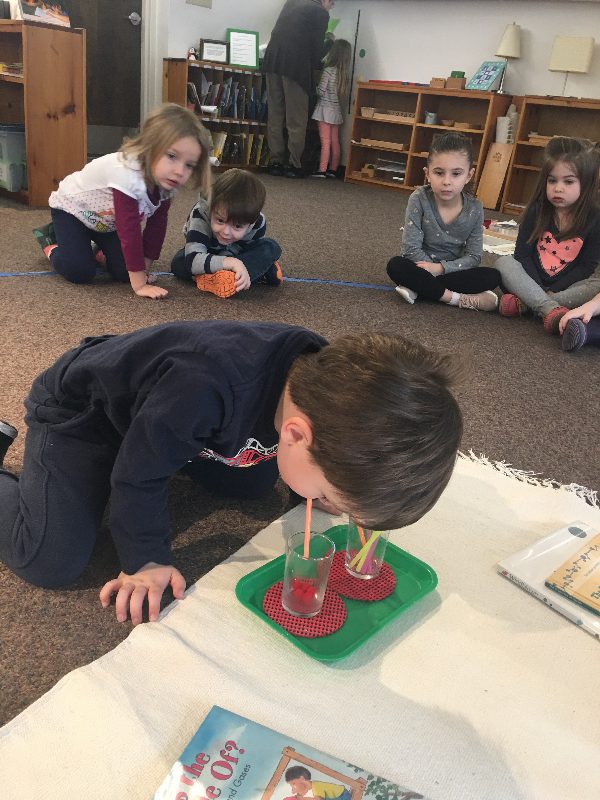
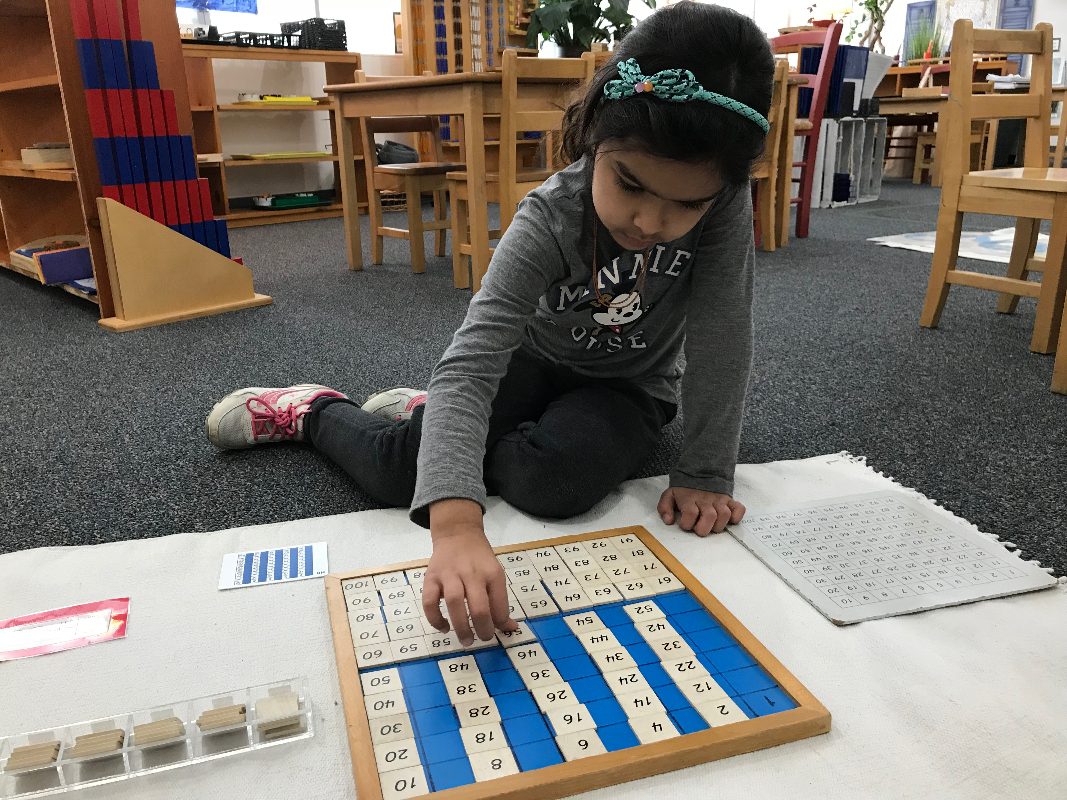
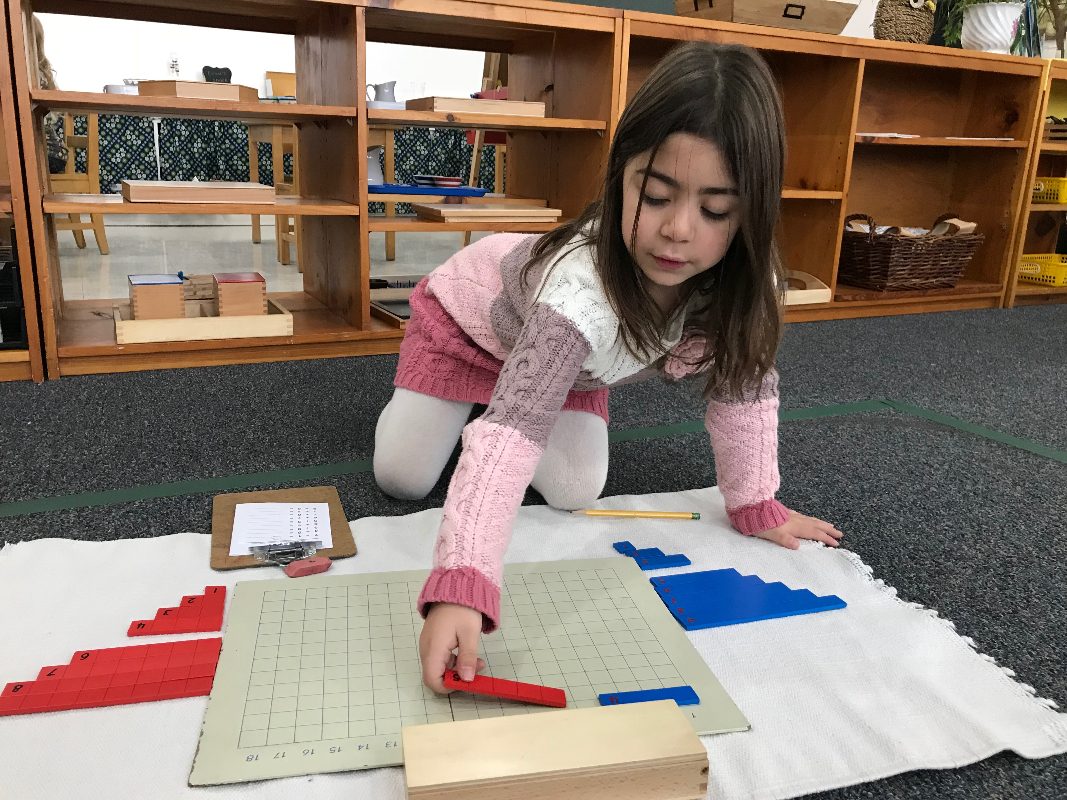
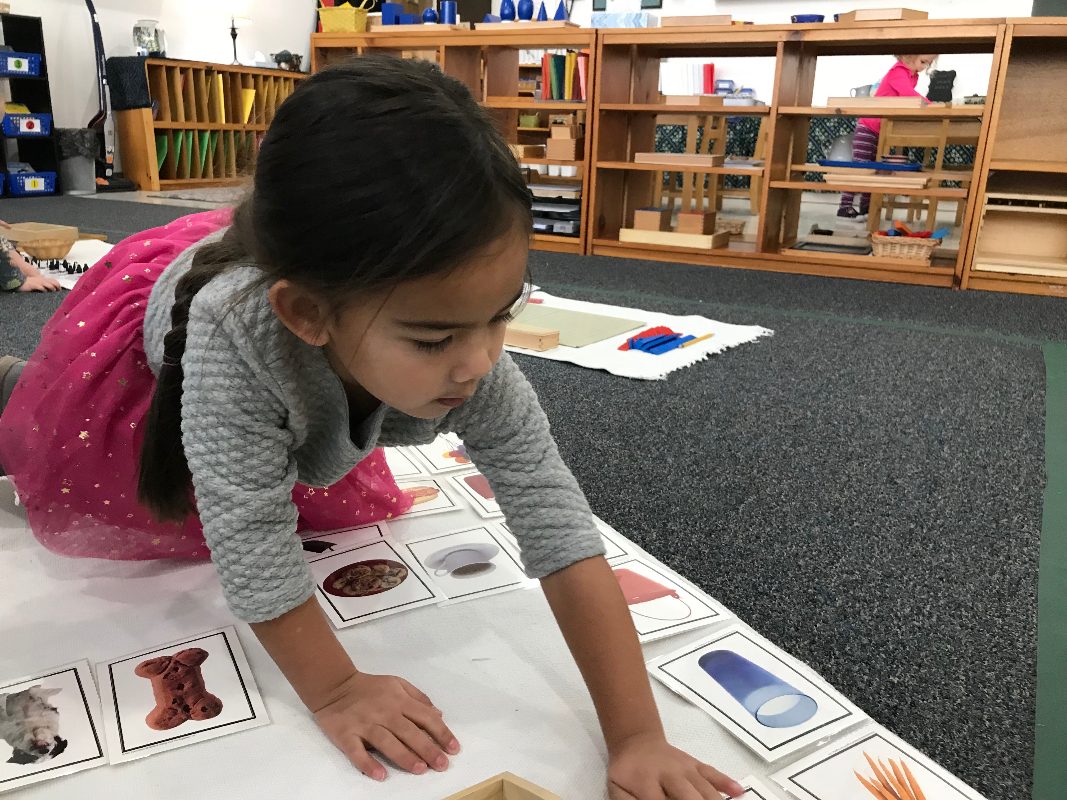
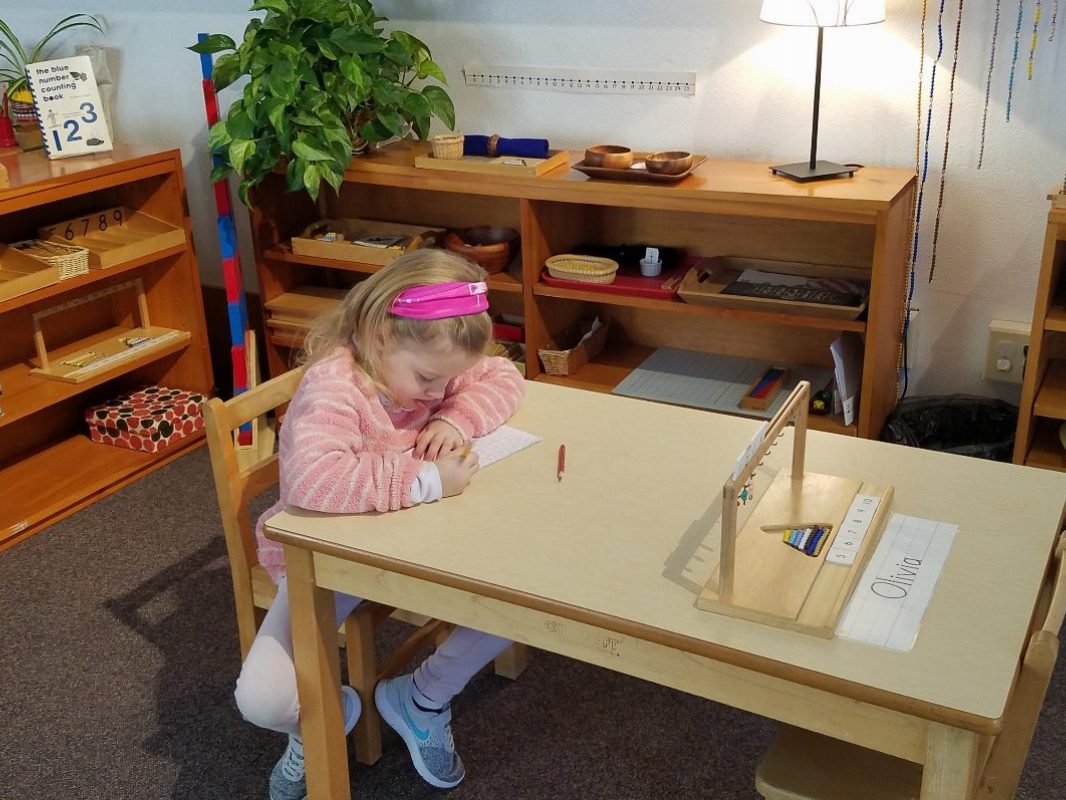
Amidst all of the festivities, the children were still hard at work, enjoying new lessons and revisiting familiar materials.  As the work cycle begins, a child may wander around the room. They might socialize with classmates or look for work that they find engaging. A teacher may give a lesson or guide a child to choose a specific material during this time. As the morning progresses, children find work that interests them. If interrupted, they will not truly be able to develop the concentration that allows them to be able to work amid distractions.
The desired outcomes of the Montessori work cycle include:
  • Deeper concentration
  • A satisfaction with the completion of the work
  • The desire to learn through the materials
  • Excitement about and focus on the work

These outcomes are evident in the faces and behavior of Montessori children. They are actively learning in the environment so thoughtfully created by the work cycle. Therefore, classrooms hum as the children radiate joy in their work.

We did take a break from our busy day in order to visit the Book Fair!  Children enjoyed browsing the shelves and working with teachers and parent volunteers to compile “wish lists.”  We will be sending these lists home with the children this week in Friday folders; we hope you can stop by the Book Fair as well!


Mrs. Doyle’s Class: Celebrating The Harvest Season


All children are full of wonder about the world around them.  The beautiful Fall foliage and seasonal changes provide a wonderful teaching opportunity as well as captivate the children’s attention and imagination.  We are learning that Autumn is another name for  Fall.  The Fall colors, crops, and even how animals are beginning to prepare for winter are all great discussion topics for the children to take part in and learn about.

On Tuesday, we had a small Harvest Celebration in our classroom.  We worked together as  a class to decide how to carve our pumpkin.  First, we brainstorm ideas of what shape the eyes, nose, and mouth should be and then we vote on it to make our decision.  Every child has a chance to come up and scoop out some of the pumpkin pulp and seeds. We also voted on his name and “Mr. Muffin Head” was the clear winner!!!

Over the past week the children were asked what they were thankful for and we used their words to write a poem titled, “Thankful.”  Each child then painted a placemat and we placed their poem on top of it.  Thank you to Ali Fowler for helping the children with this project.  We hope you enjoy them as much as we did.  They will be displayed in the classroom until next week but we will make sure you have them back in time to use at your Thanksgiving dinner.

Last, but definitely not least, we enjoyed a wonderful and fun snack provided by Tiffany Beech.

Our Extended Day children had fun cutting and arranging an array of vegetables in the shape of a skeleton.  As they were building and discussing the different parts of a skeleton, they had to decide which vegetables would work best to build “Skully.”  They definitely didn’t make any bones about eating their veggies this time!


Mrs. Carroll’s Class: Our Window on The World

Ms. Kayser and I enlarged our windows on the world this week by introducing the wonders in space. In her book, Nurturing the Spirit in Non-Sectarian Classrooms, Aileen Wolf says that ” Interesting discoveries are often made, not when we have new landscapes to look at, but when we have new eyes to look at what we see everyday.  Fostering children’s sense of wonder means helping them to slow down and to linger in their observations of all that surrounds them.” And so we began with observations.

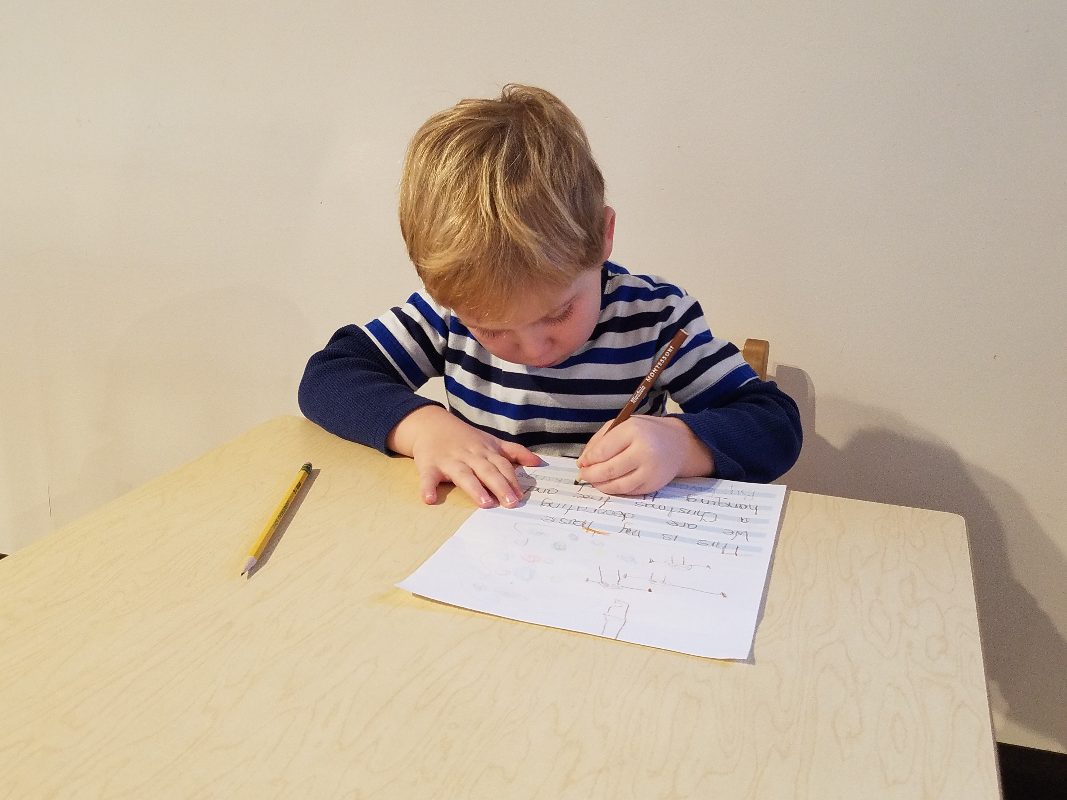
Our first activity commenced with a question to the children, “How many of you saw the sky this morning?” Several children raised their hands.  We asked the children to draw what they saw.  When they had finished, we took the class outside and invited them to lie on their backs and look more carefully at the sky. After they had observed carefully (and were asked many probing questions), they were asked to draw the sky again. We compared the two drawings and discussed our observations. This, our first  cosmic activity shows the children how to look more carefully at the details in the sky.  We have begun our exploration of the wonders of space!

The Harvest celebration was a success. Our marvelous black pumpkins were prepared by your children, holes drilled and lines drawn to create  “unknown” constellations. We hope the lights shown bright! The children also enjoyed creating delicious, holiday inspired popcorn hands. A ghoulish treat. The Extended Day children took pleasure in using a variety of vegetables they had prepared to create a vegetable skeleton. We enjoyed making, naming and then eating our friend, Veggie Skully.


Mrs. Mancusi’s Class: Are Pumpkins Living?

Our class is enjoying exploring the life cycle of a pumpkin and pumpkin scrubbing.  We were unfortunately unable to visit Castle Hill Farm for our field trip this past week due to poor weather, but discovering small sugar pumpkins on top of our lockers was a wonderful surprise…thank you, Lisa Jackson!  We are looking forward to decorating our pumpkins at our Harvest Party next week.
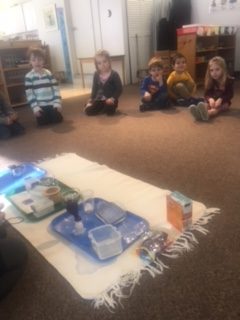
Our study of living organisms versus non-living objects, as well as plants and animals, continues in our Science area through the use of small objects, vocabulary enrichment cards and the construction of small books.  We were able to compare a living pumpkin to a decaying one for an up-close look at the differences between the two.  The questions we ask the children to determine if objects are living or non-living include:
Does it eat?

move?

have more plants/animals?

breathe?

grow?

This critical thinking helps children to differentiate between the two constructs.

Mrs. Simmons and I thoroughly enjoyed chatting with you at Conferences last week and sharing all of your children’s wonderful progress.  Thank you for sharing your children with us every day!

Please note:  Beginning on November 6th, our three and four year-old friends will once again have Physical Education class.  Our class will have PE on E days, from 10am-10:30am.  On those days, please make sure your child wears or has in his/her locker a comfortable pair of soft-soled shoes.  Thank you!