Mrs. Sargeant: Apples to Oceans

Week of Sept 29–October 3

UPCOMING EVENTS & ANNOUNCEMENTS

Thursday, October 9: Class Photo Day
Monday, October 13: No School
Thursday, October 17: Kindergarten Field Trip to New Pond Farm – More details to follow soon.
Weather Note: Mornings have been chilly while afternoons warm up significantly by recess time. Please dress your child in layers they can easily remove and manage independently.

This Week in Our Classroom

Exploring Our World: From Apples to Oceans

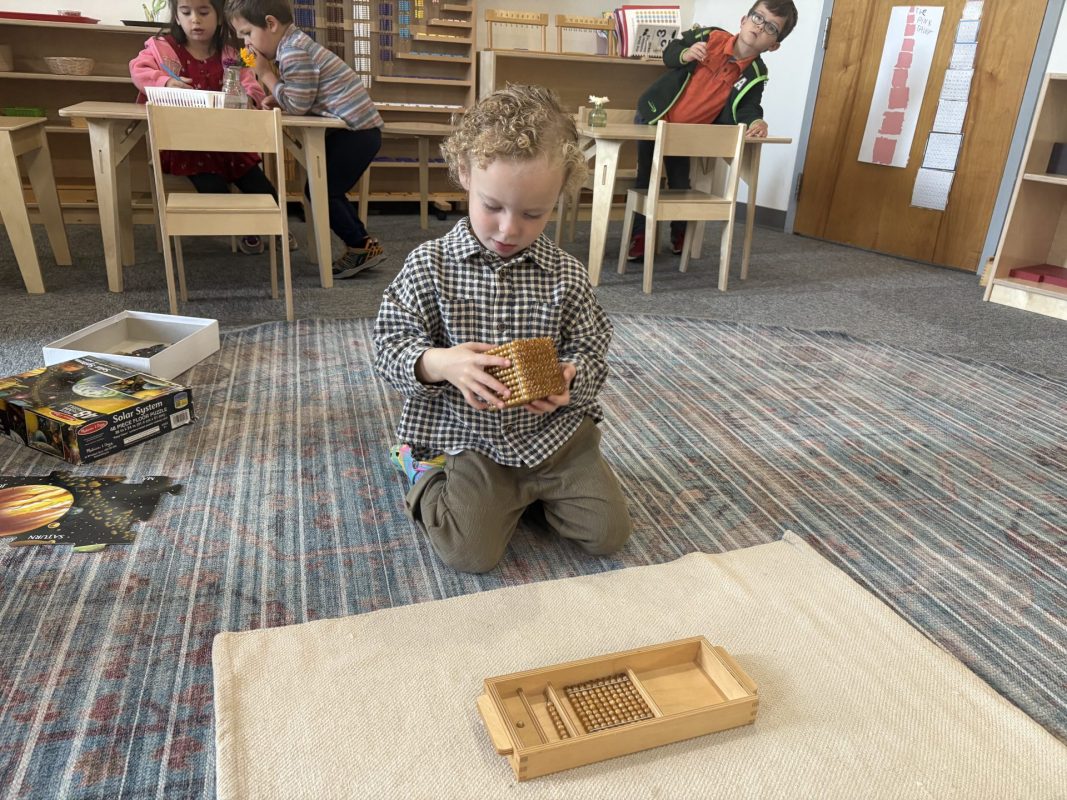
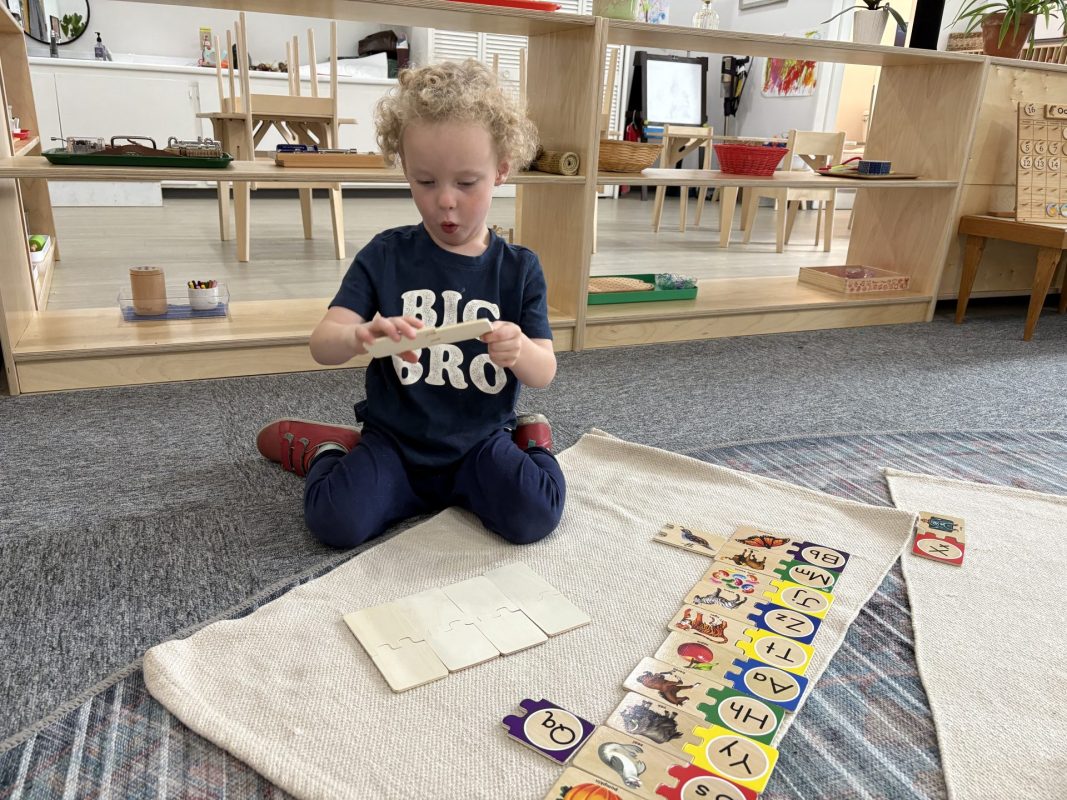
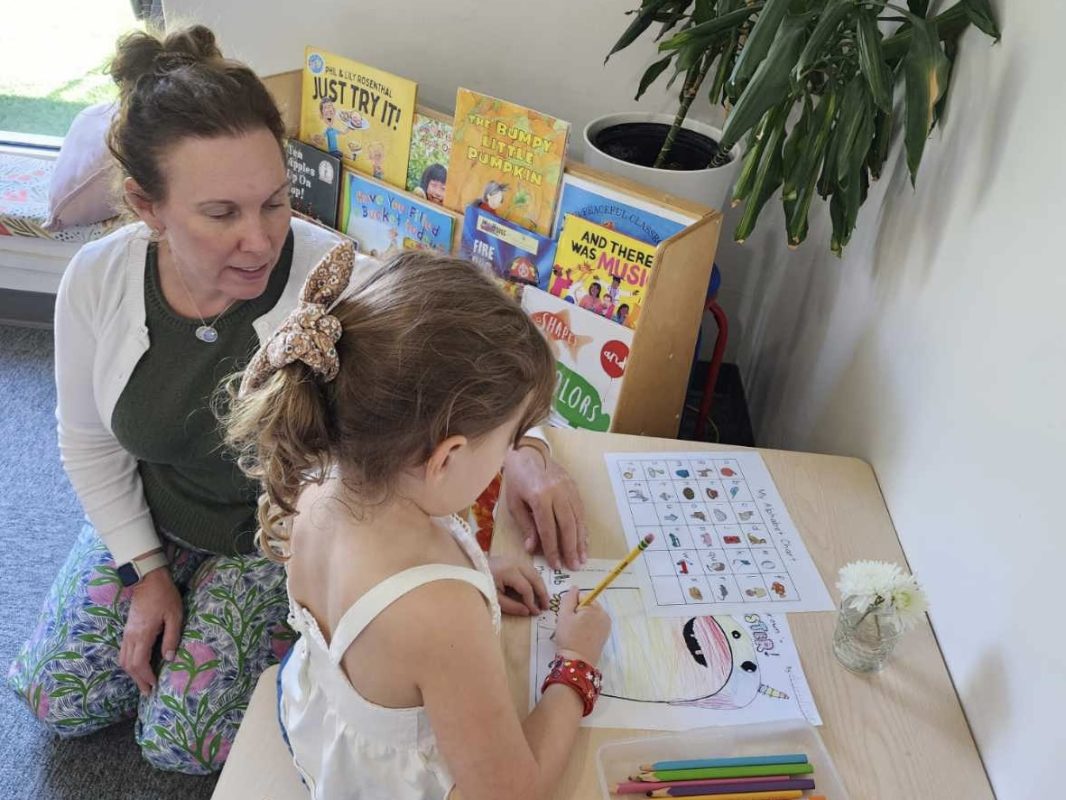
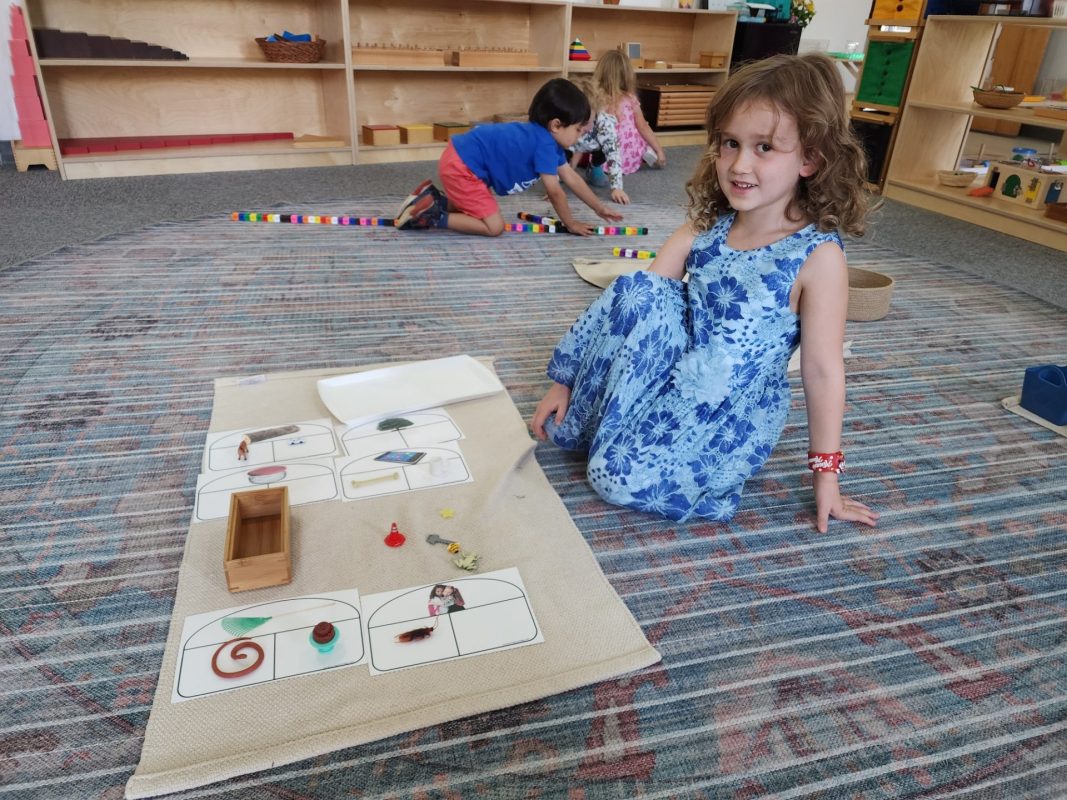
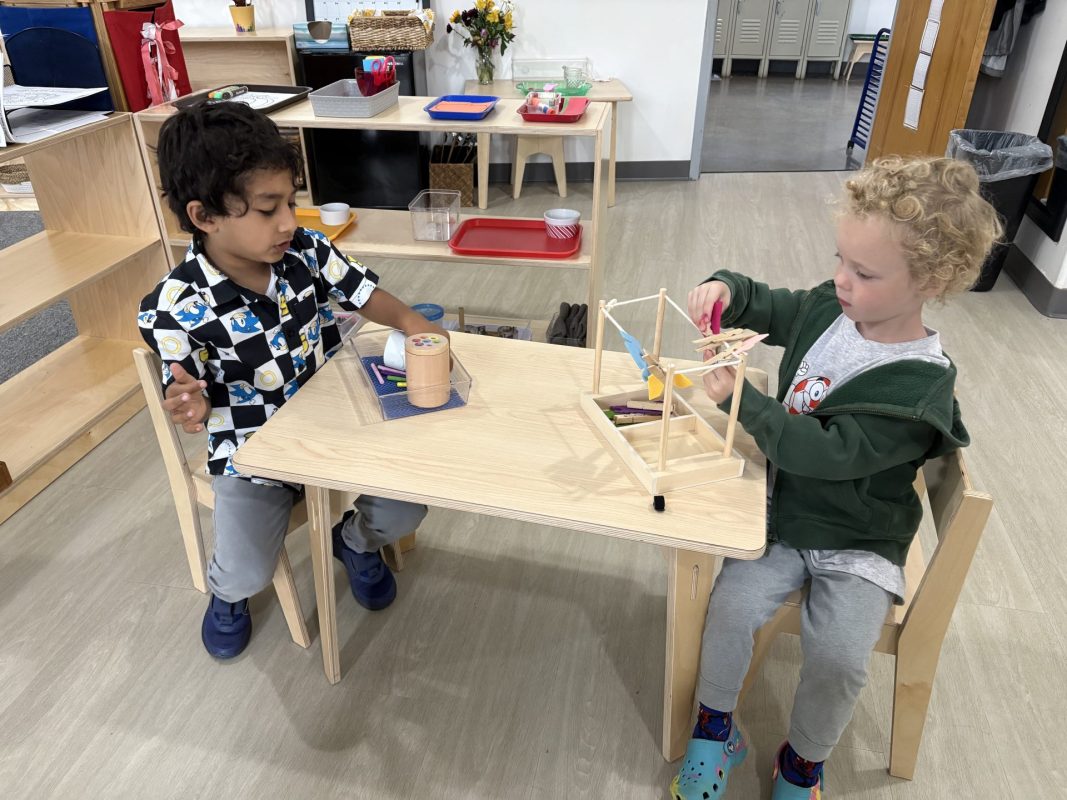
Our classroom has been alive with discovery as we explore the natural world around us! The children have been learning to classify objects as living or non-living, developing their scientific thinking and observation skills. This work has led to rich discussions about what living things need to survive and grow.

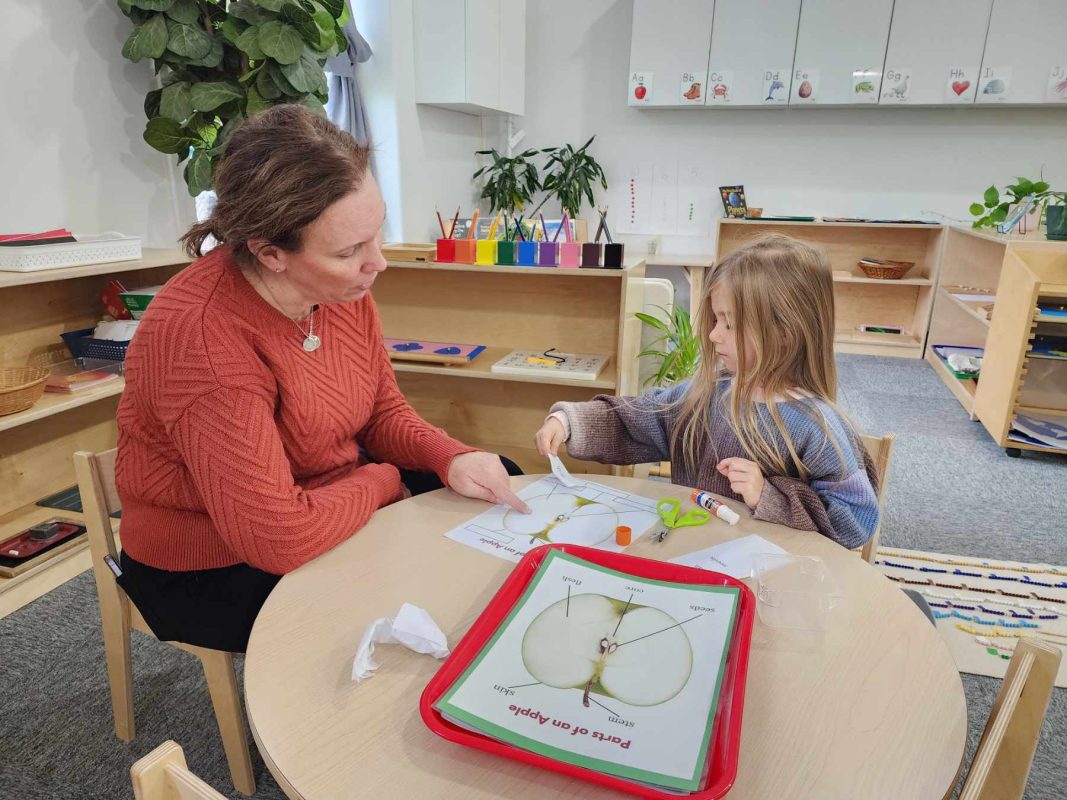
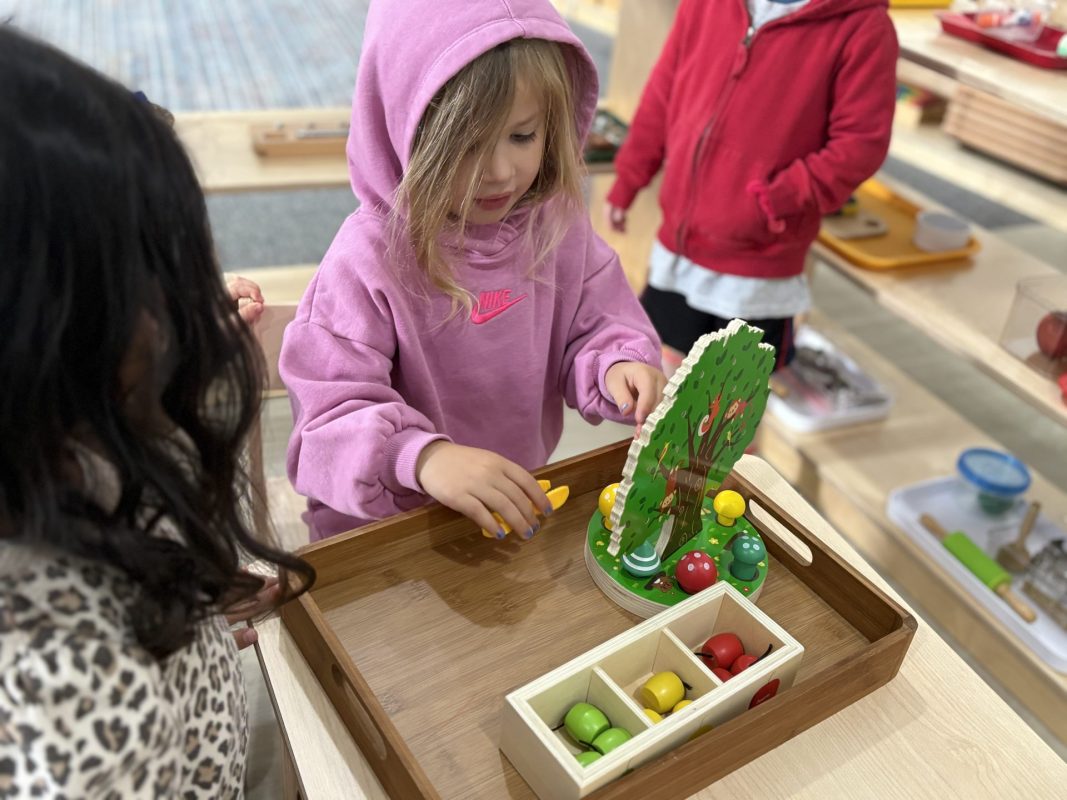
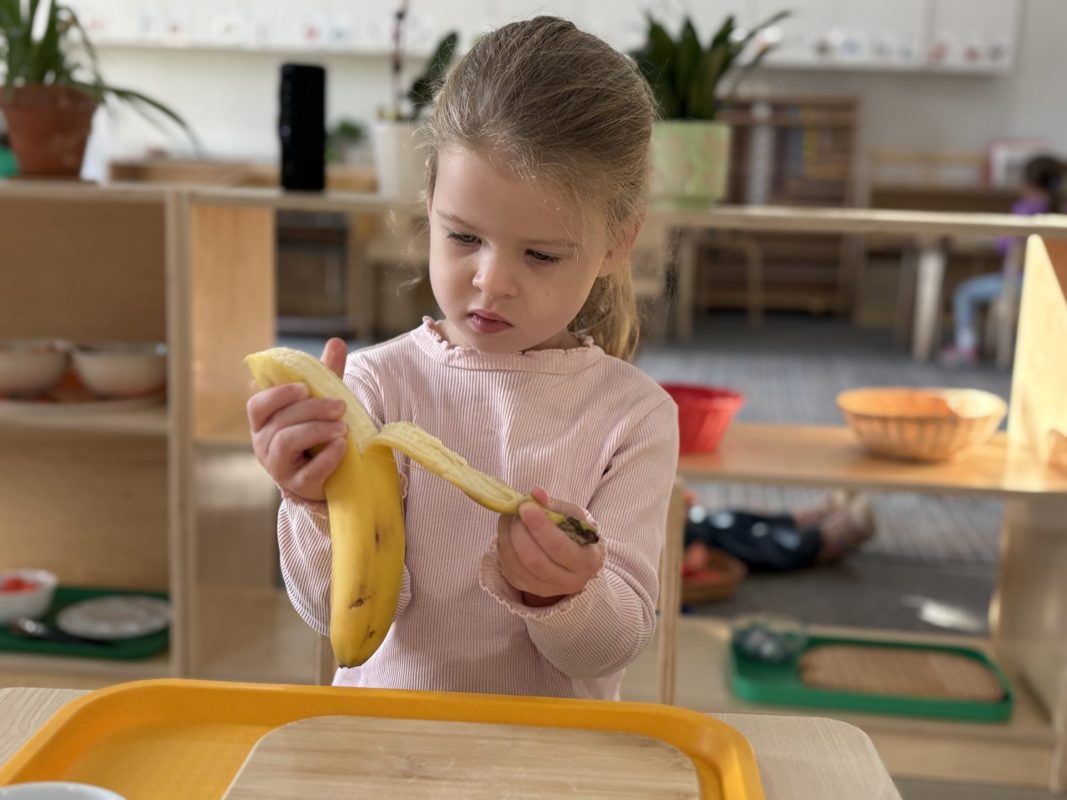
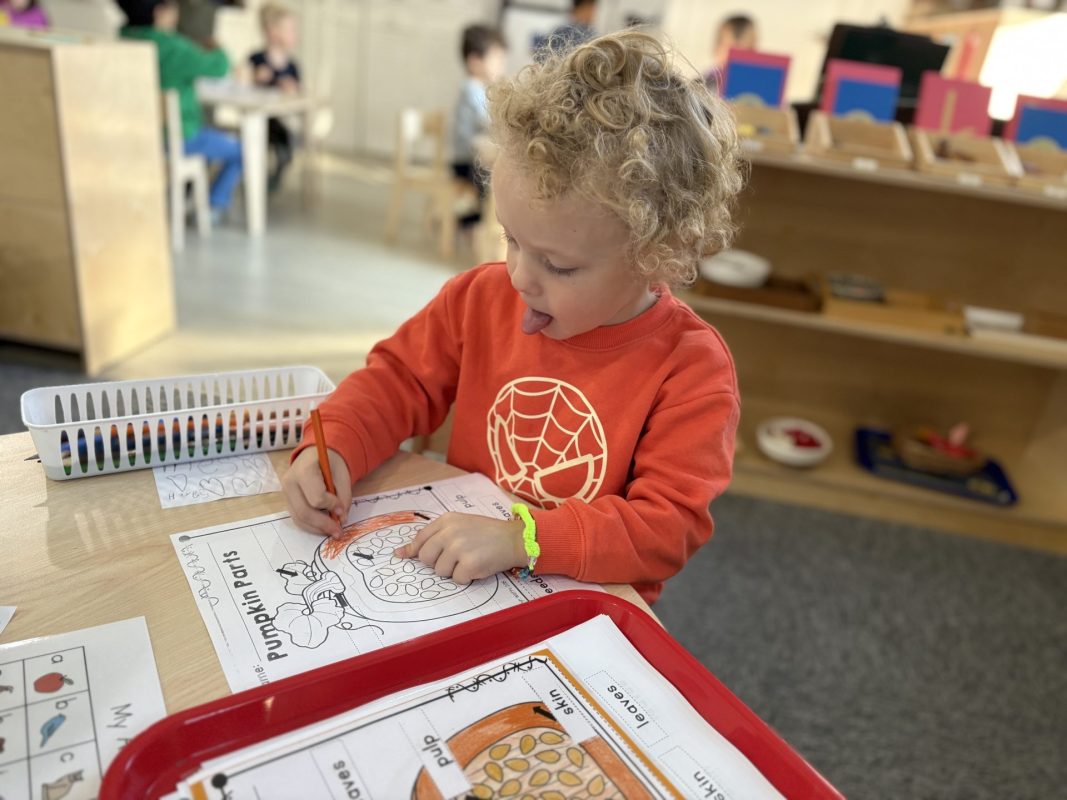
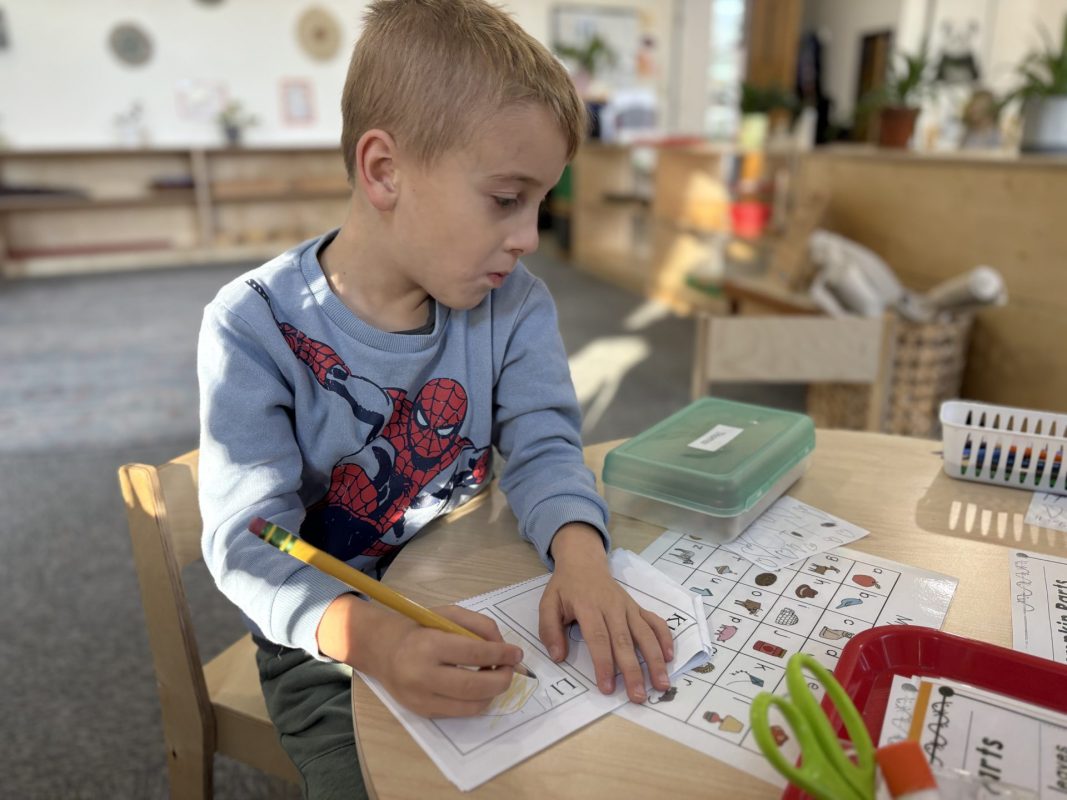
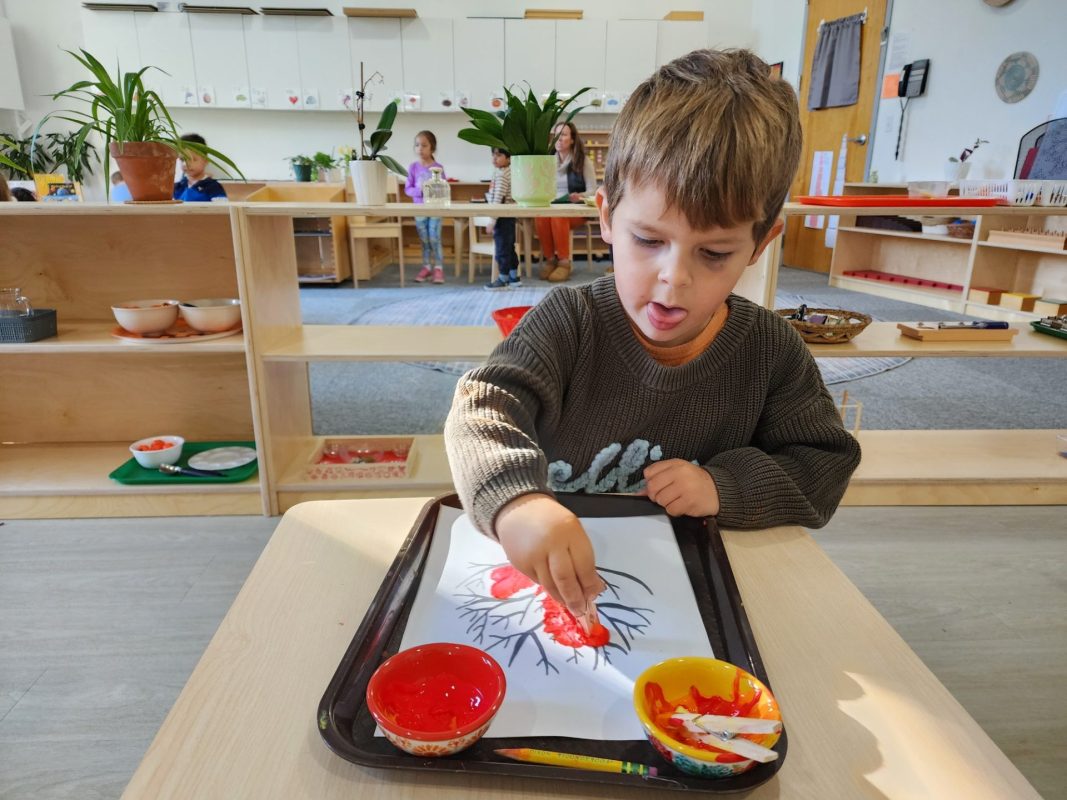
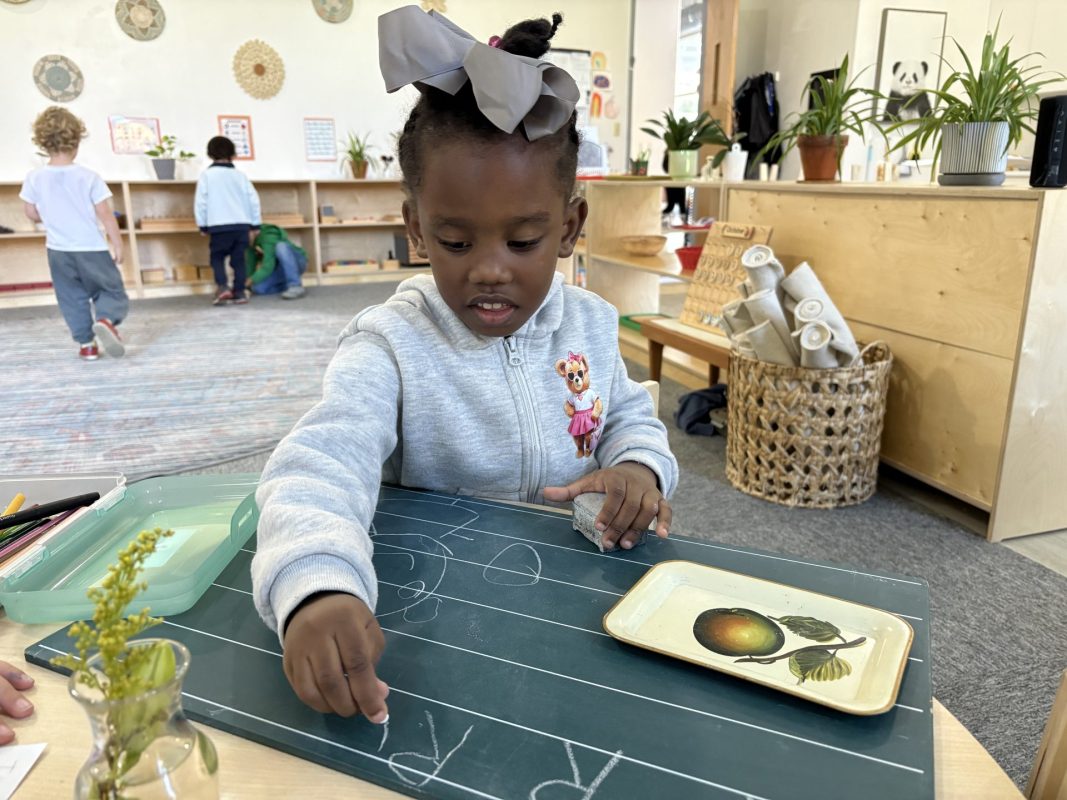
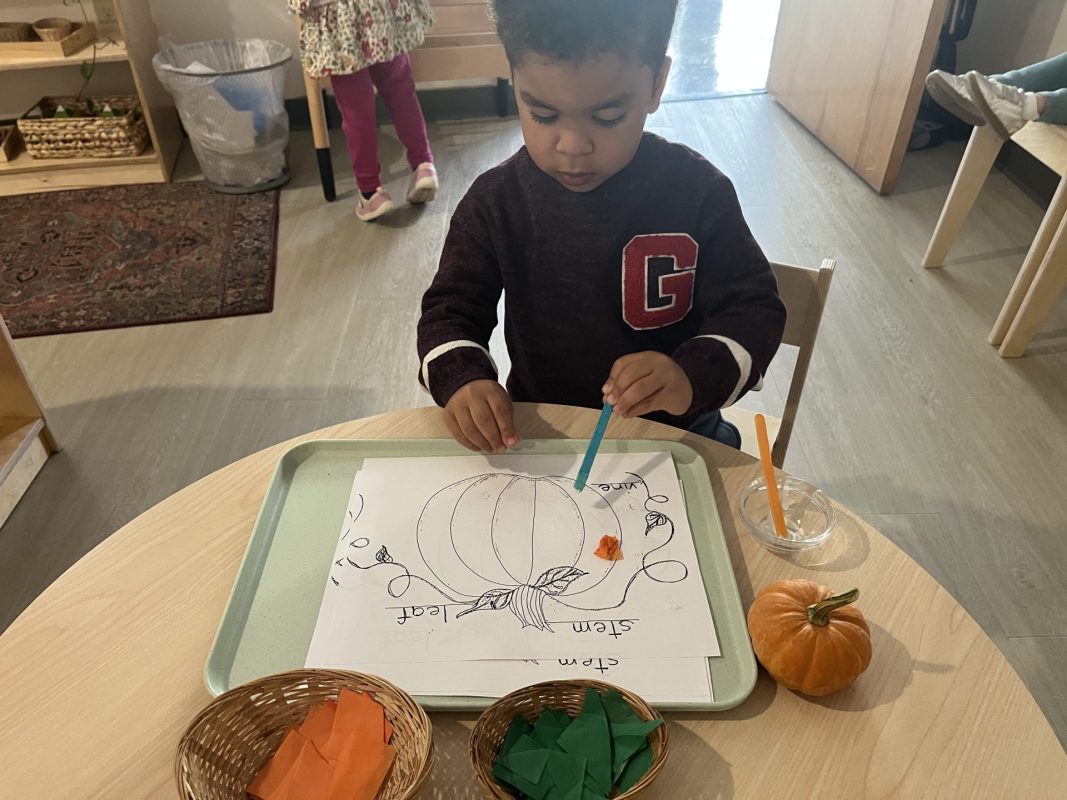
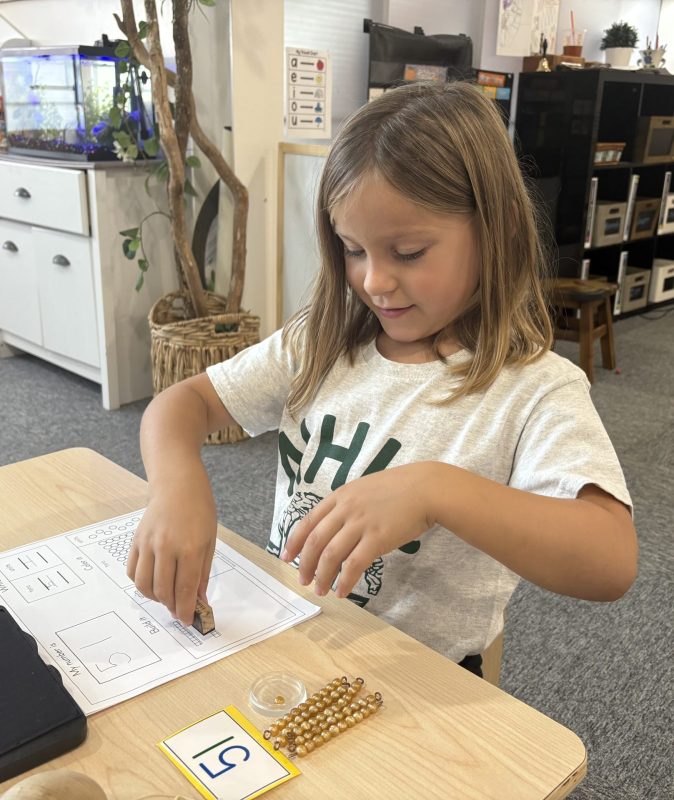
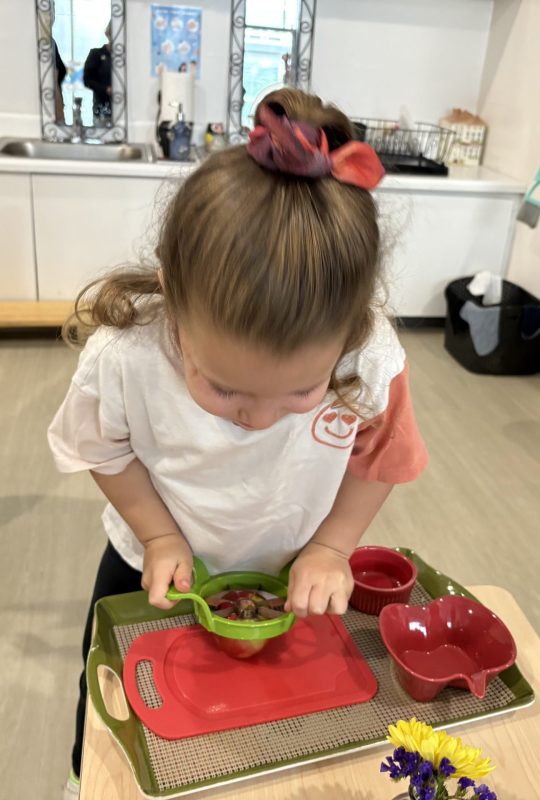
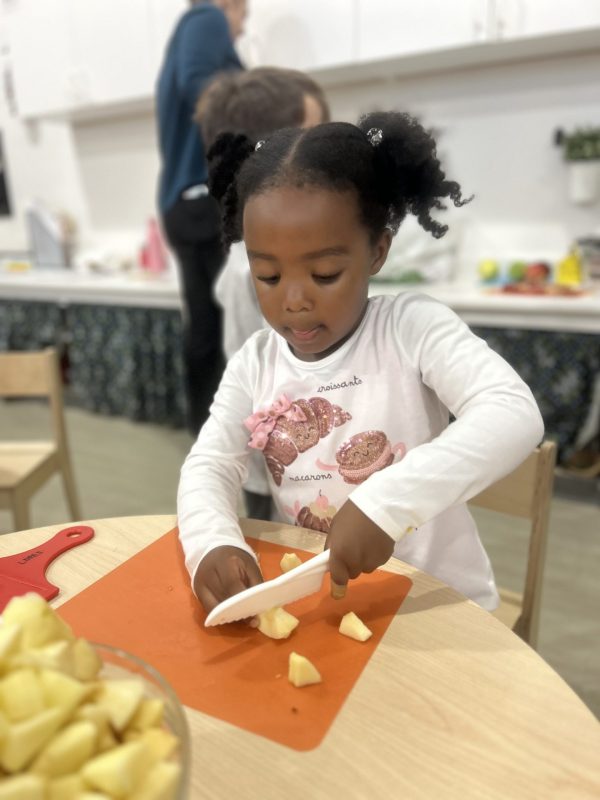
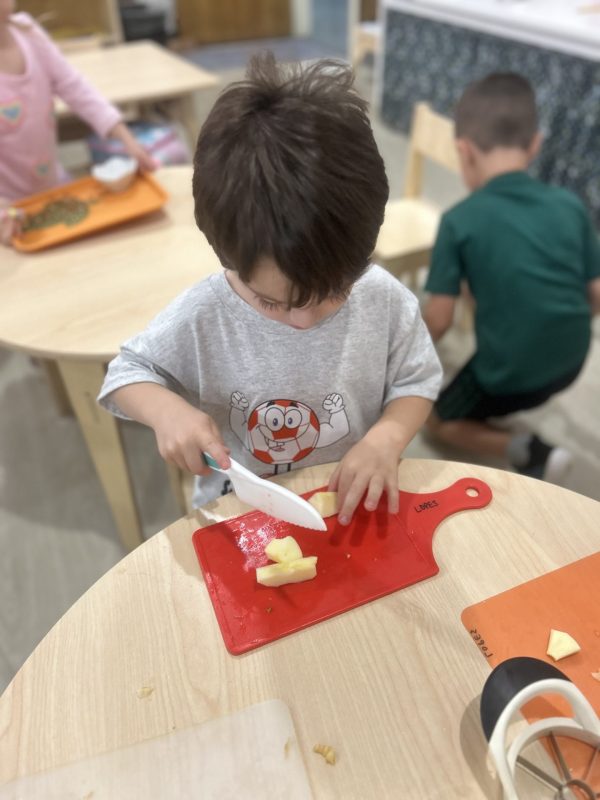
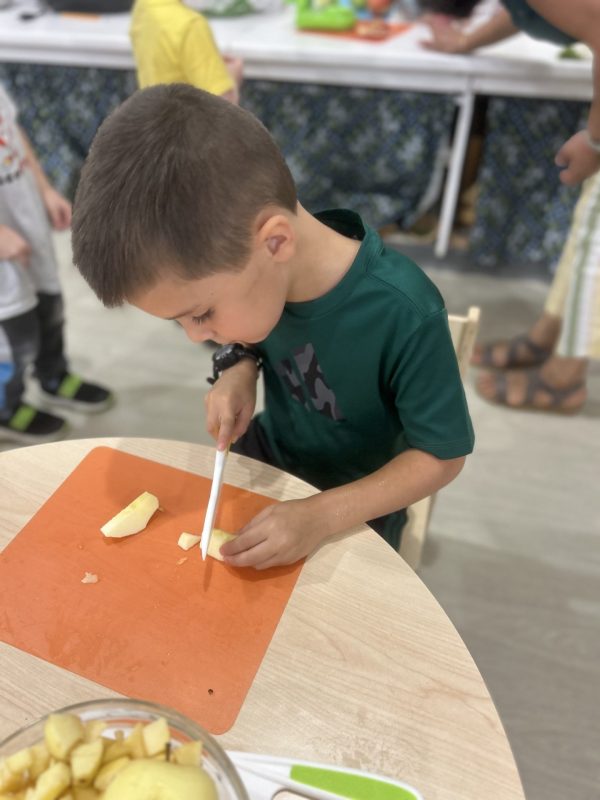
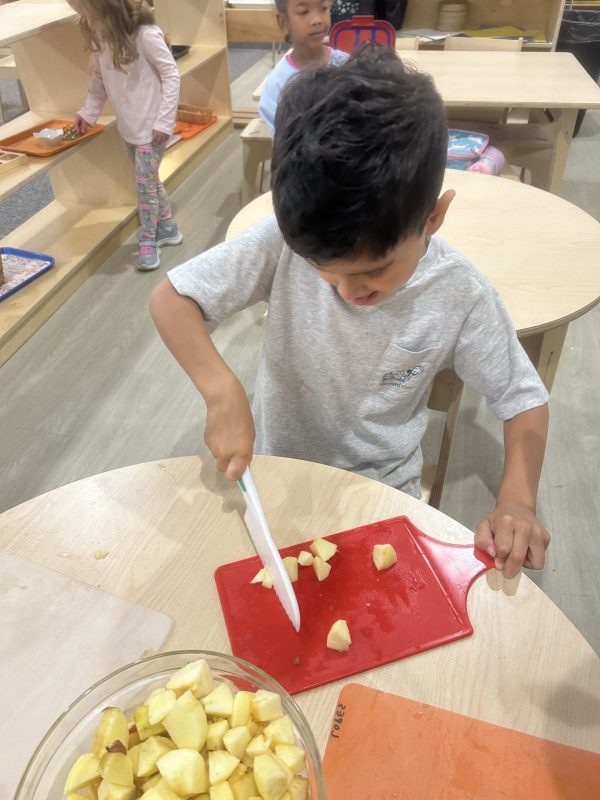
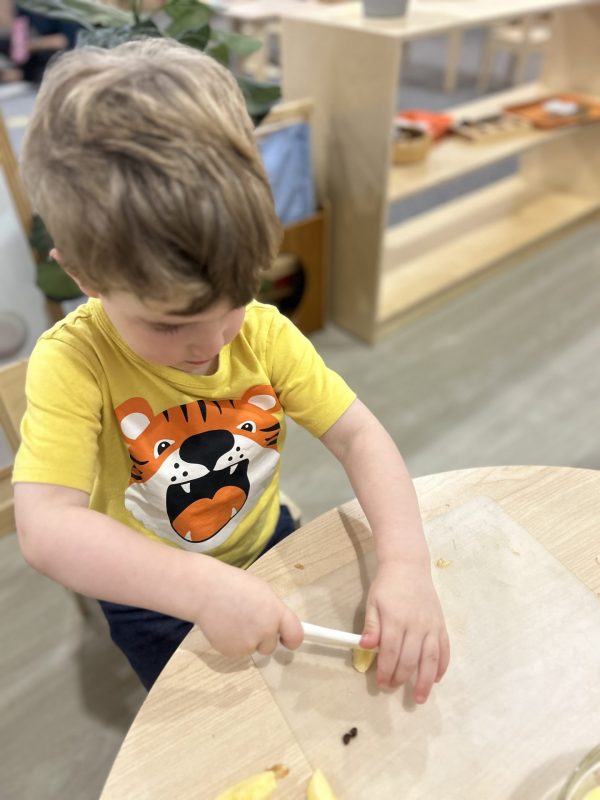
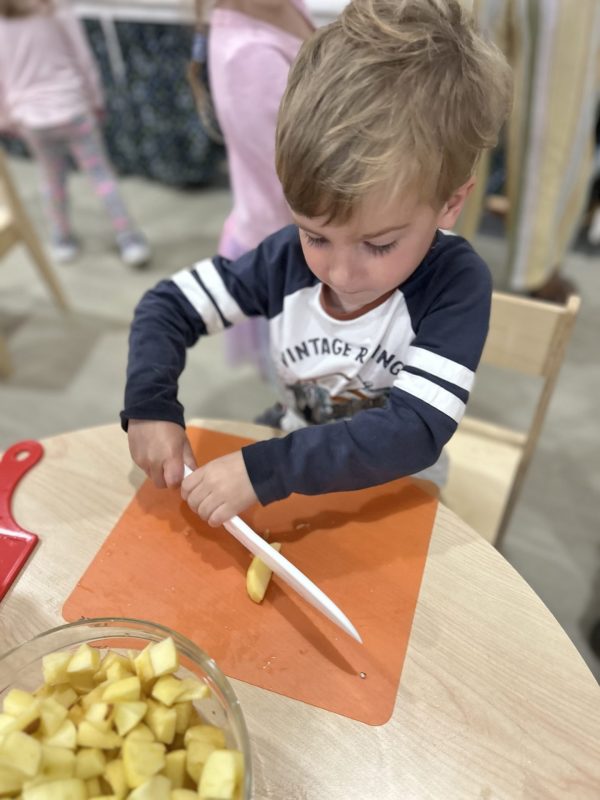
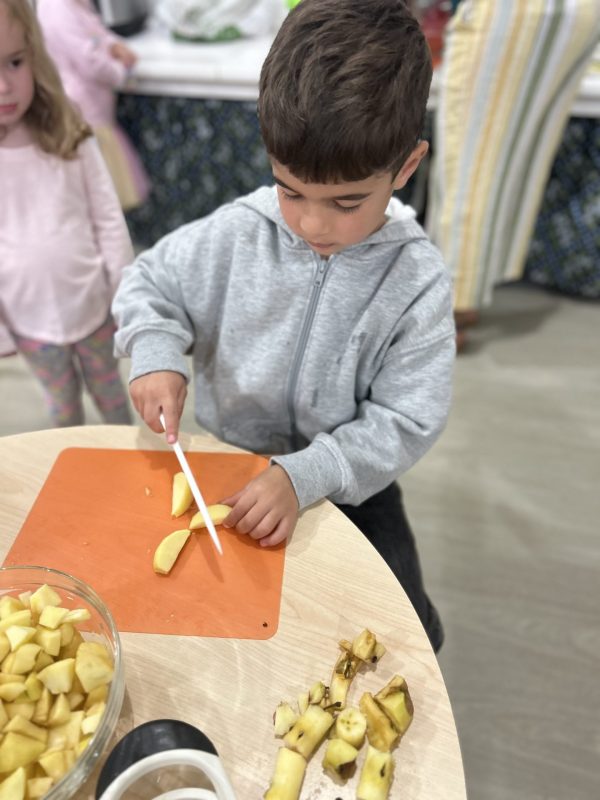
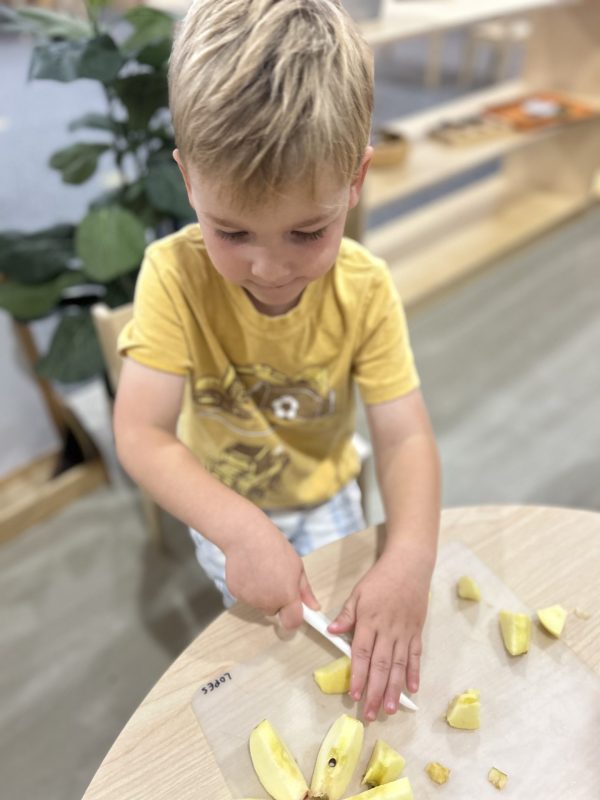
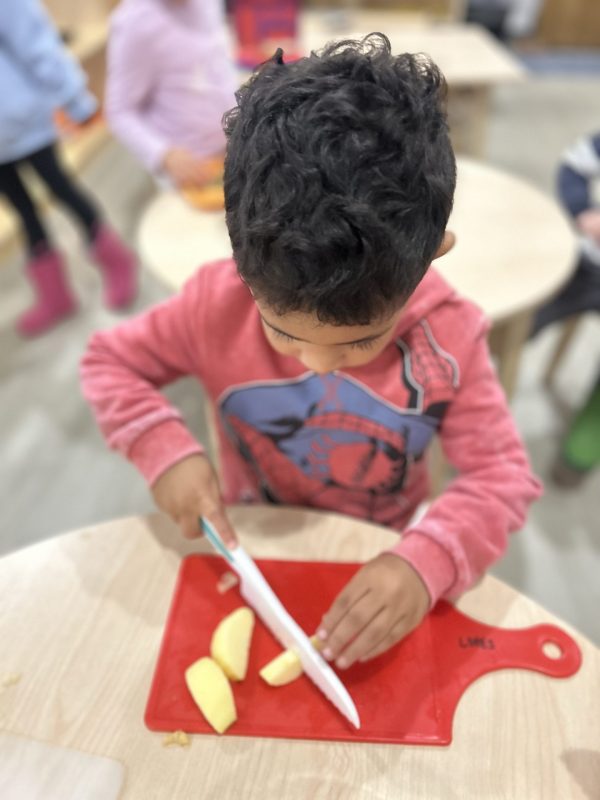
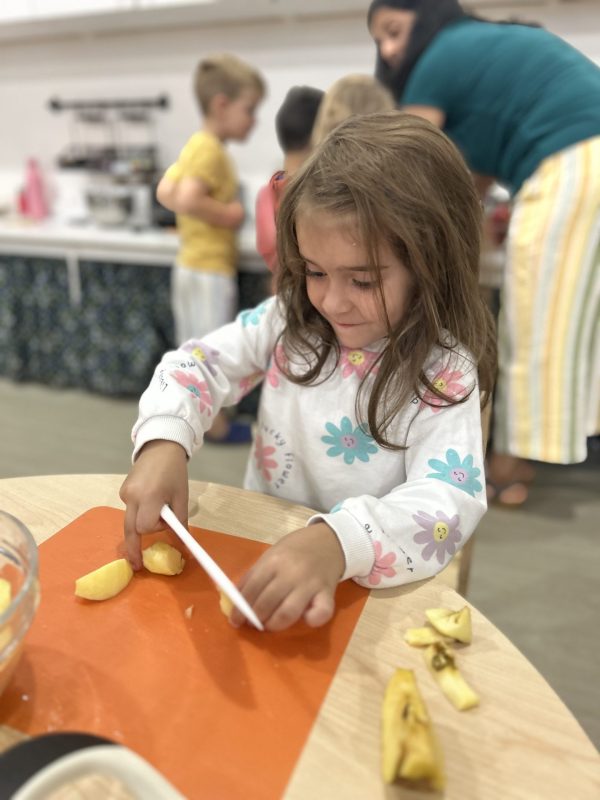
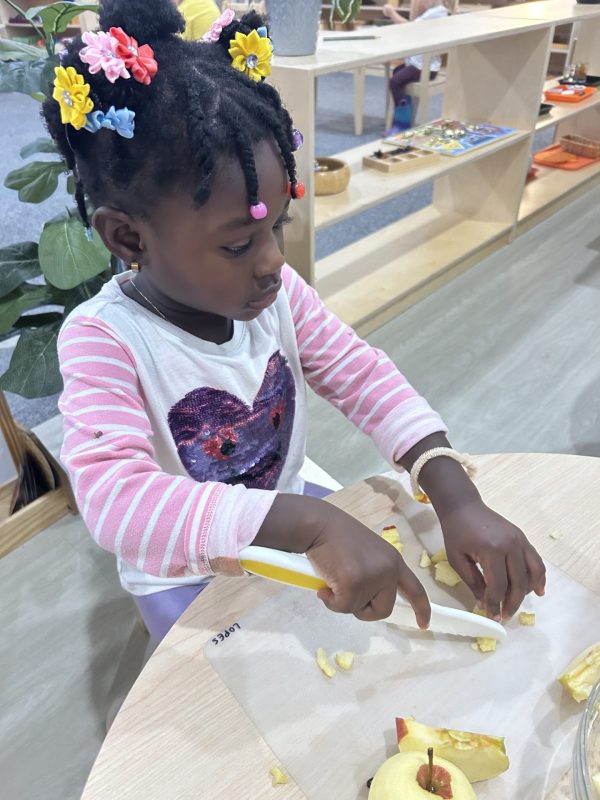
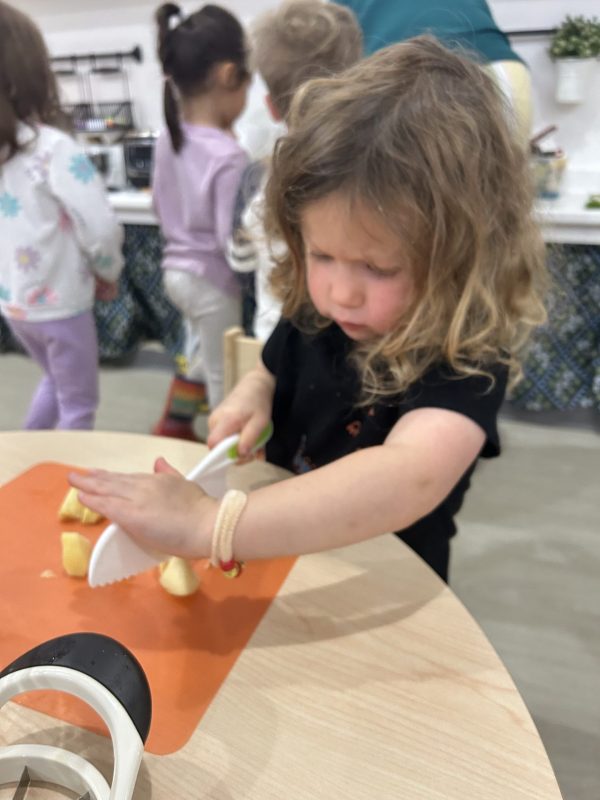
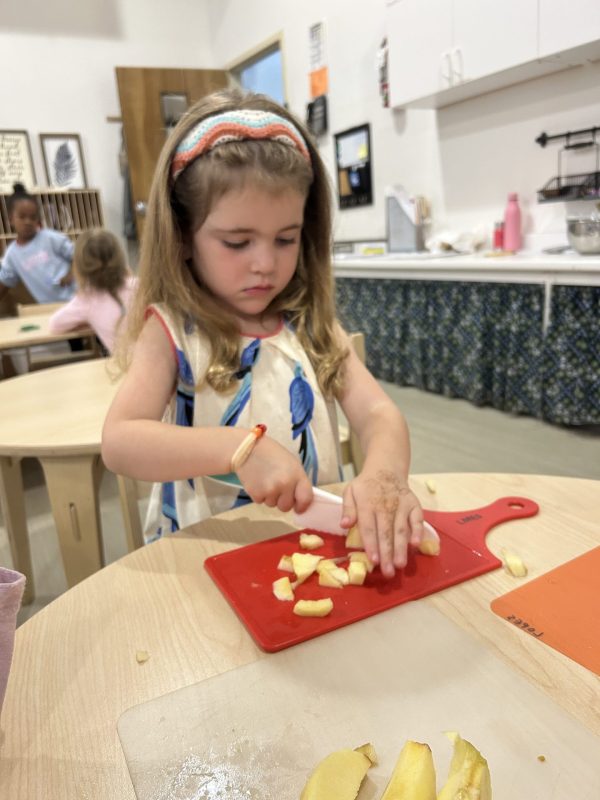
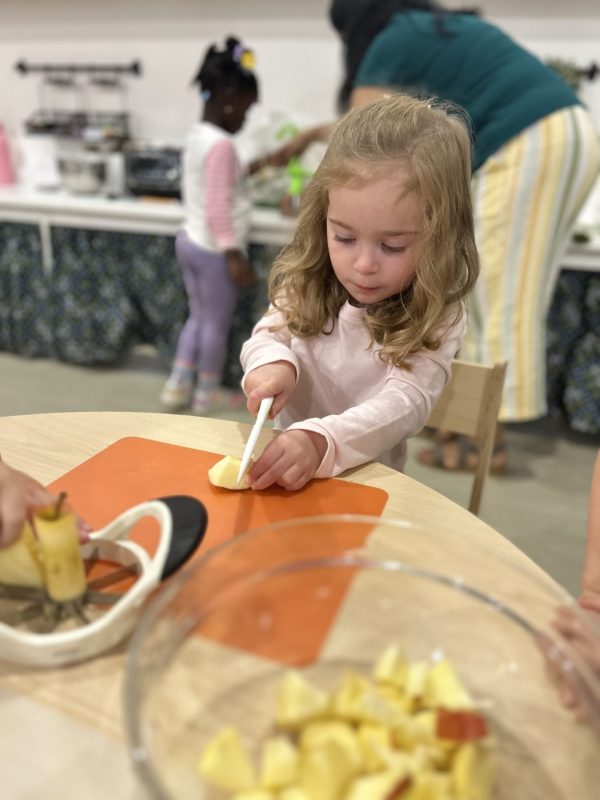
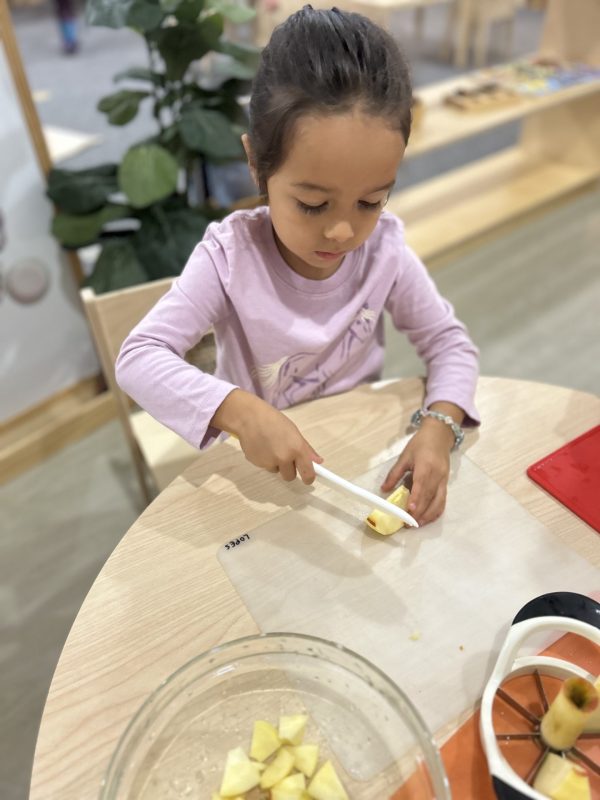
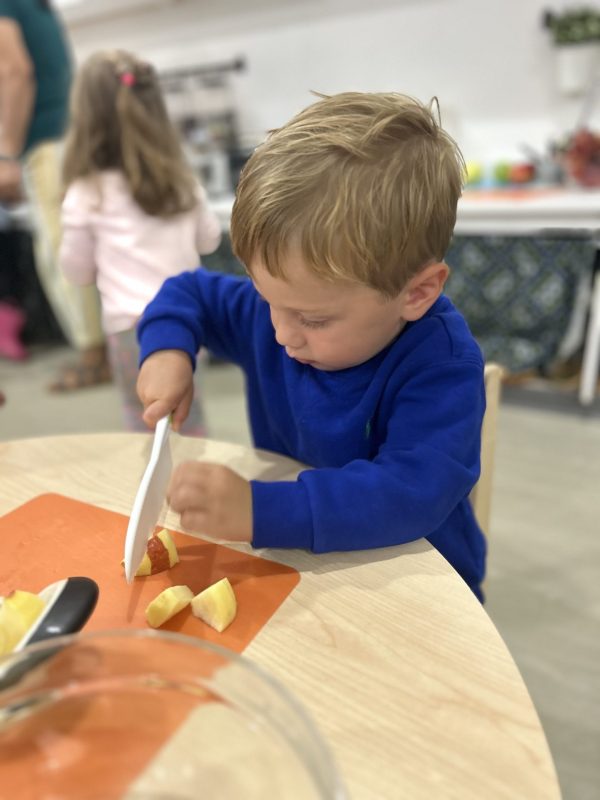
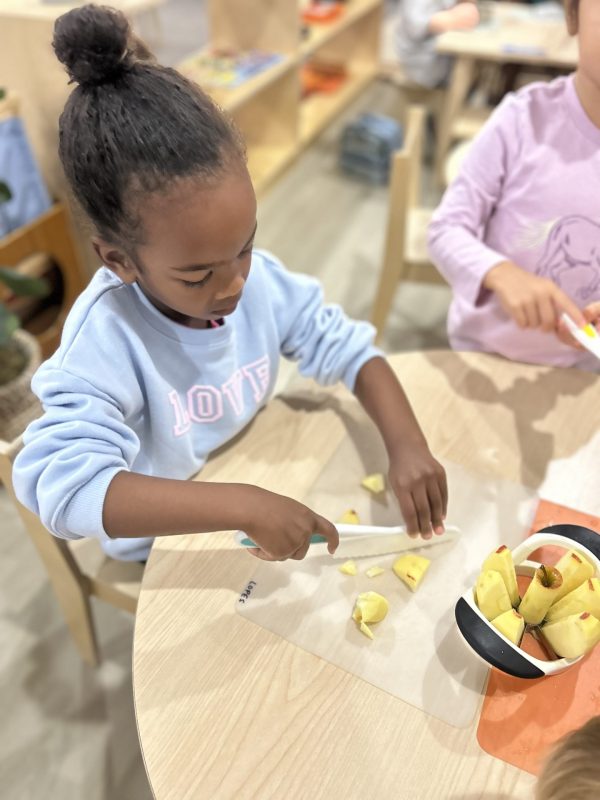
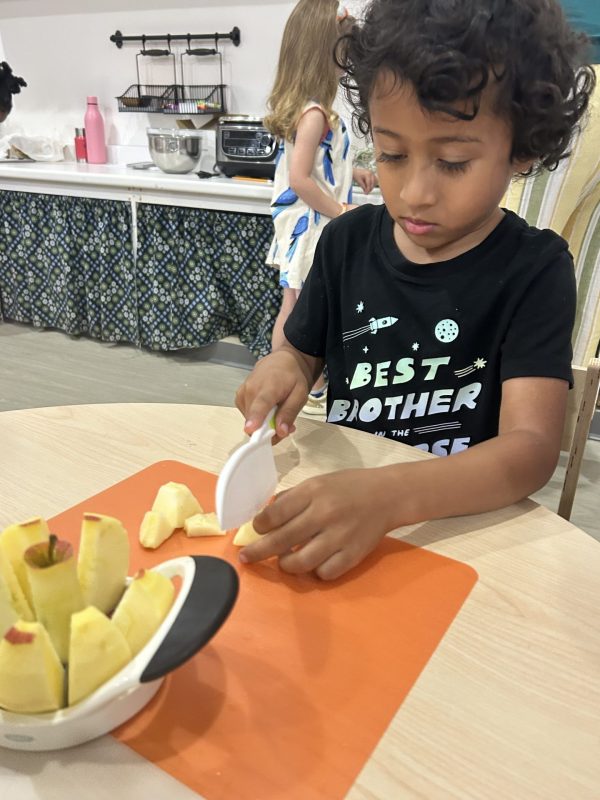
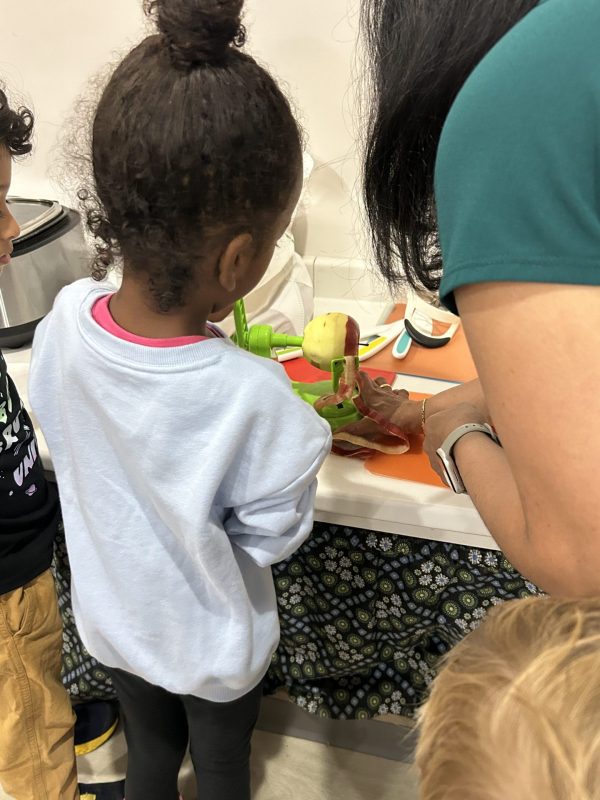
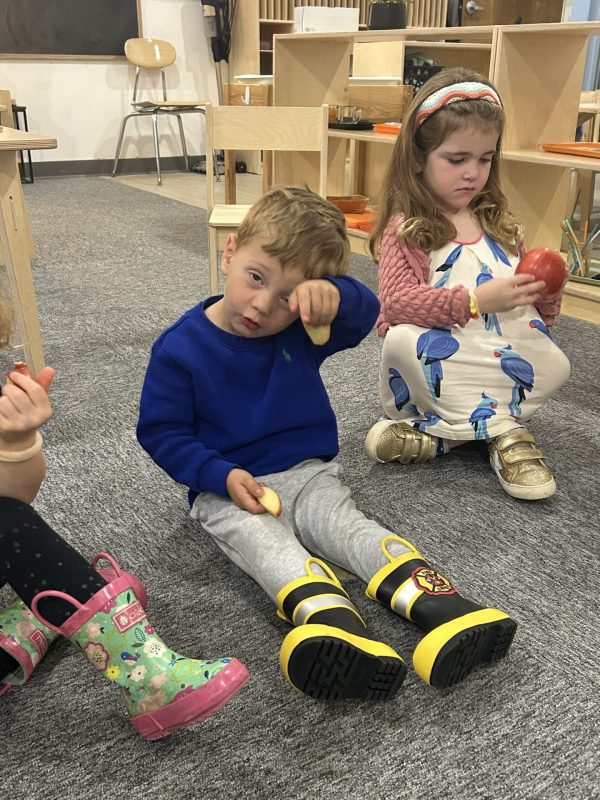
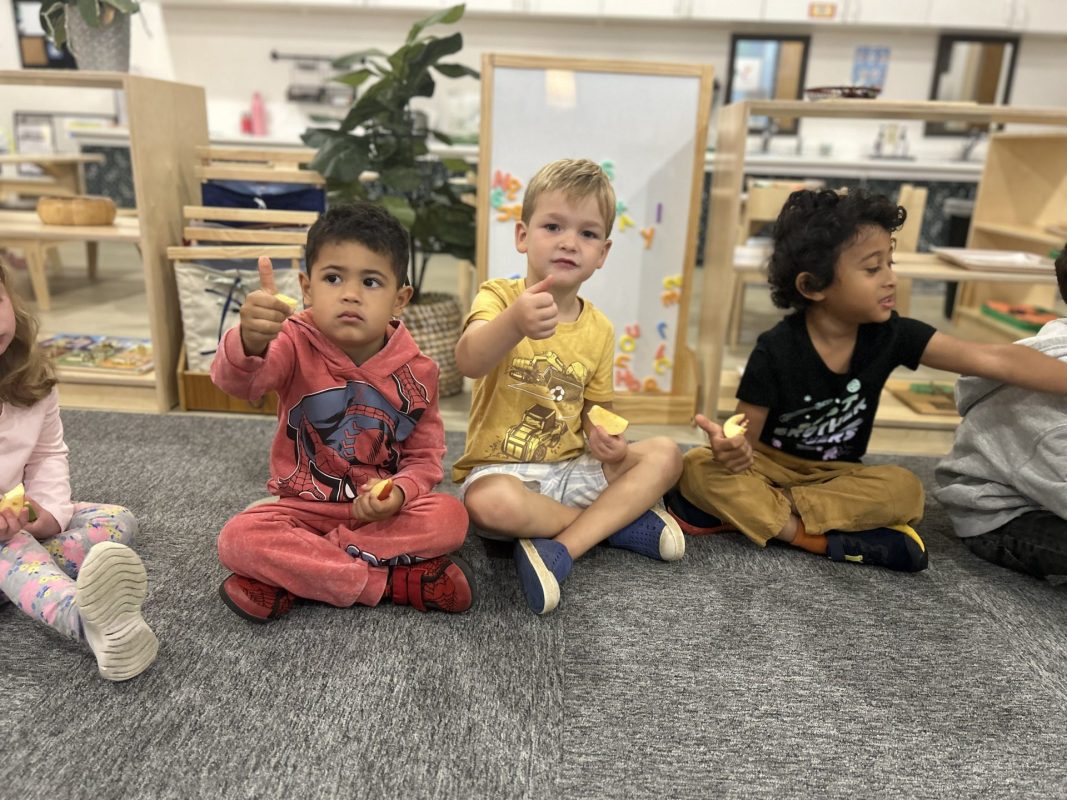
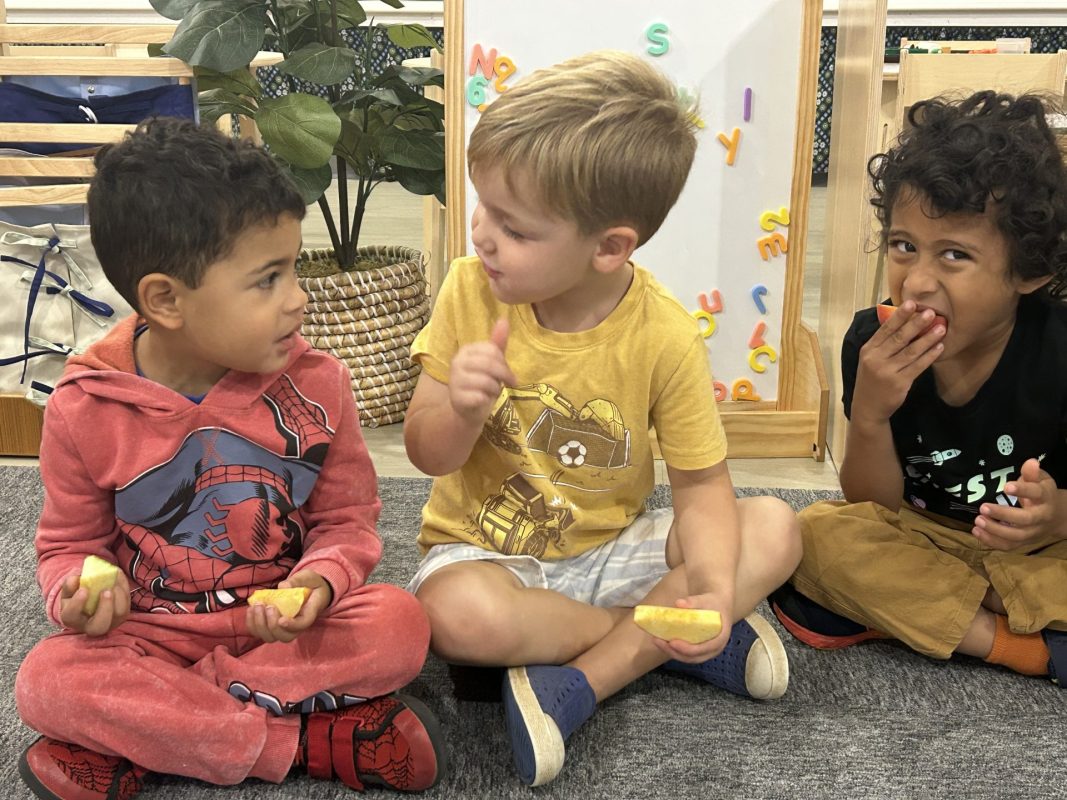
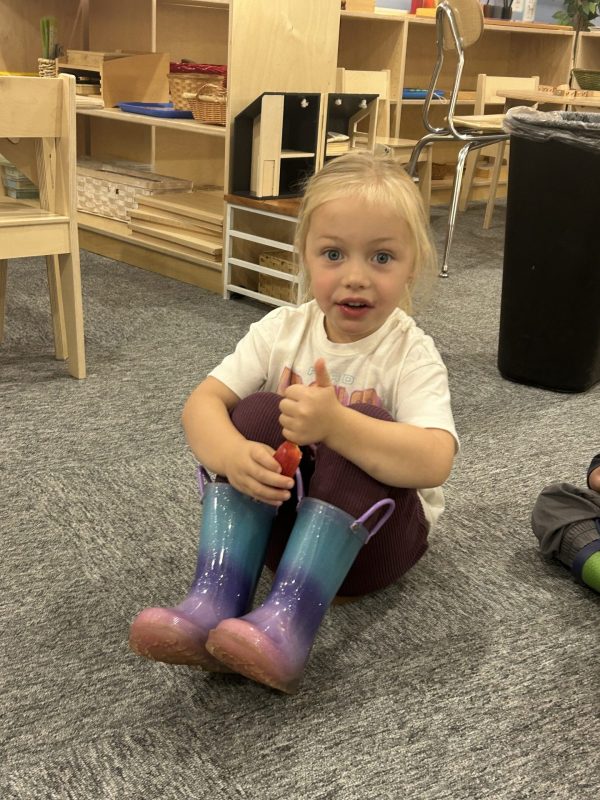
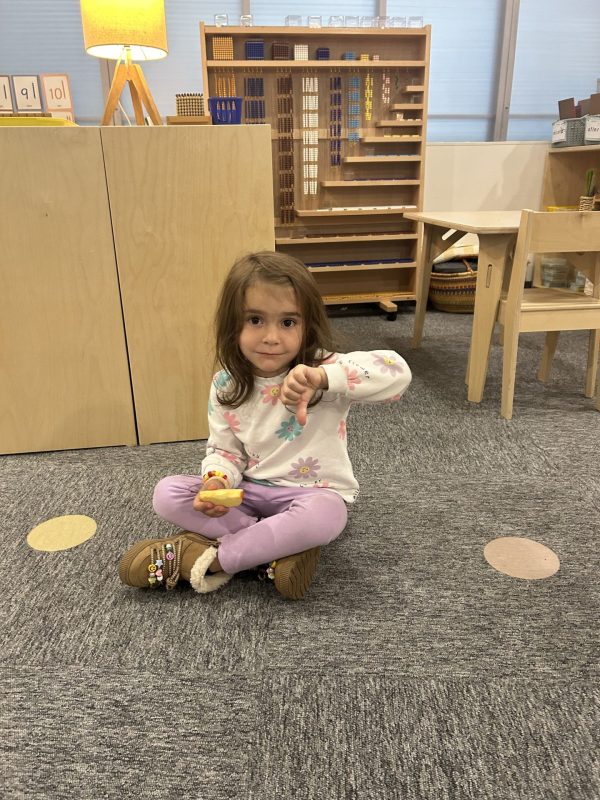
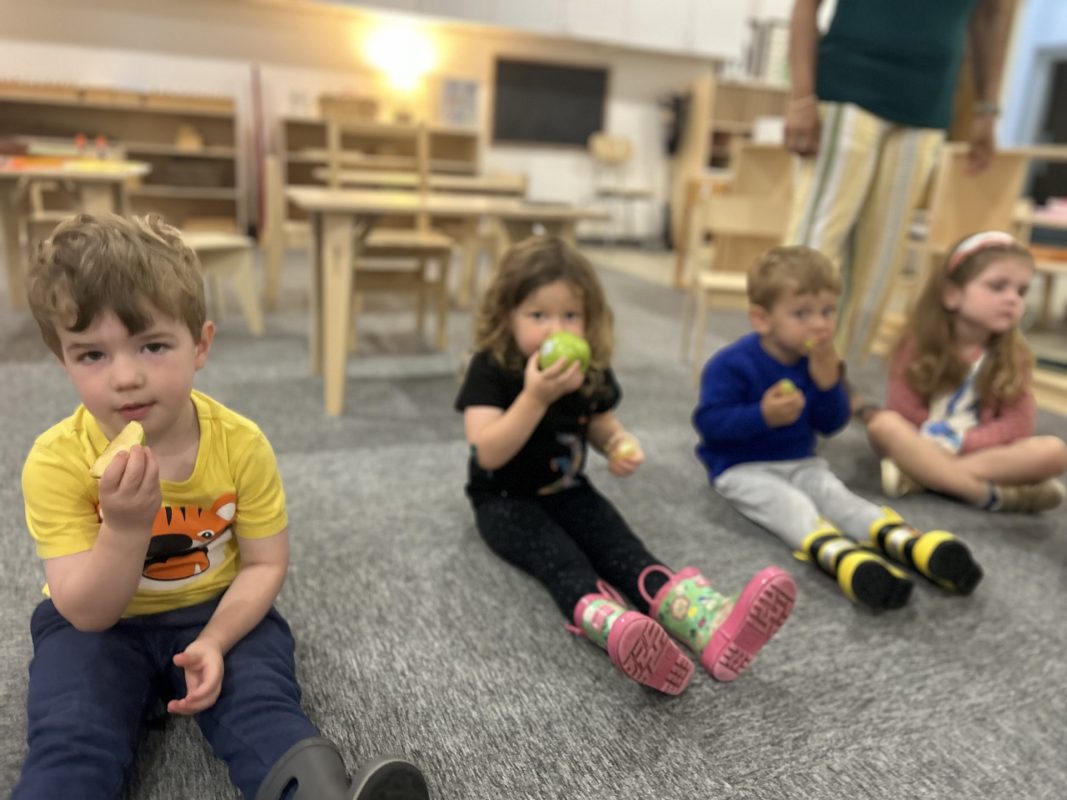
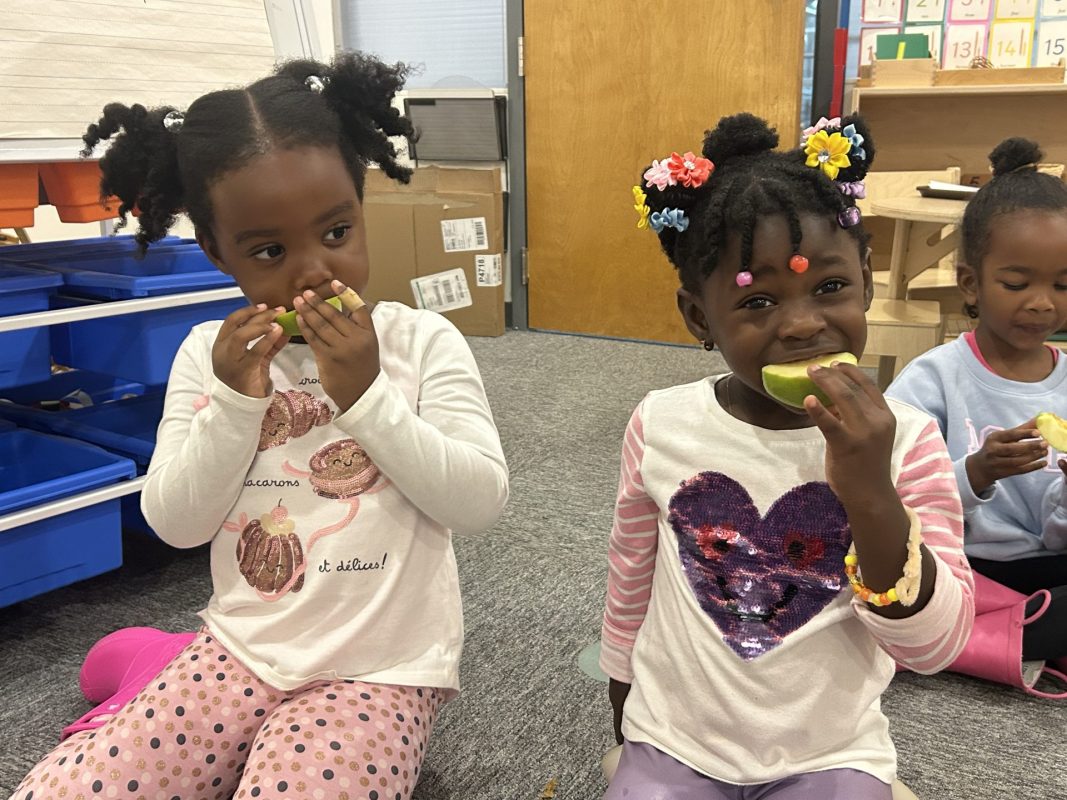
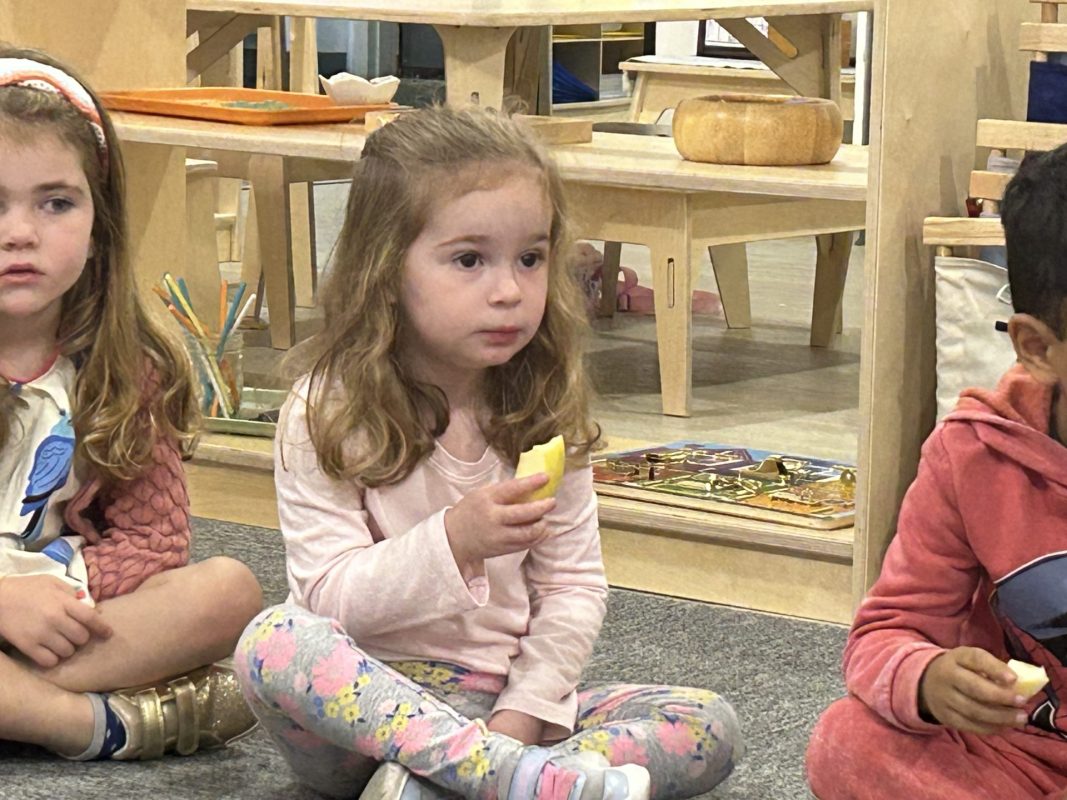
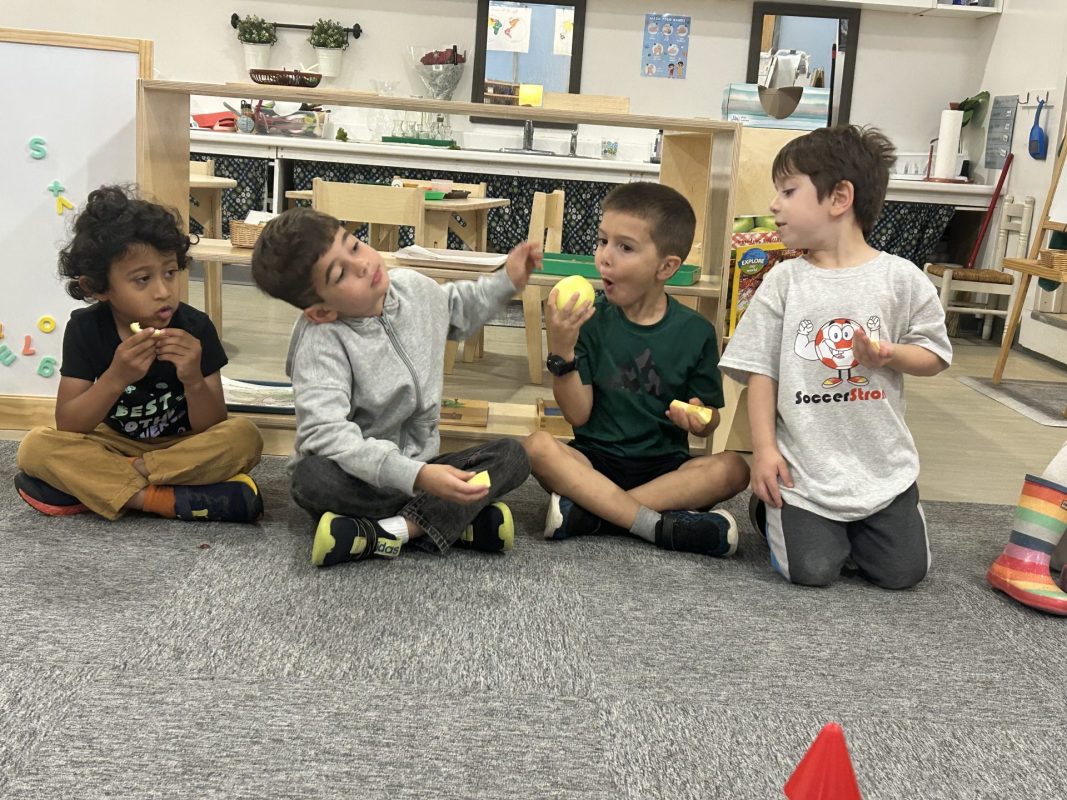
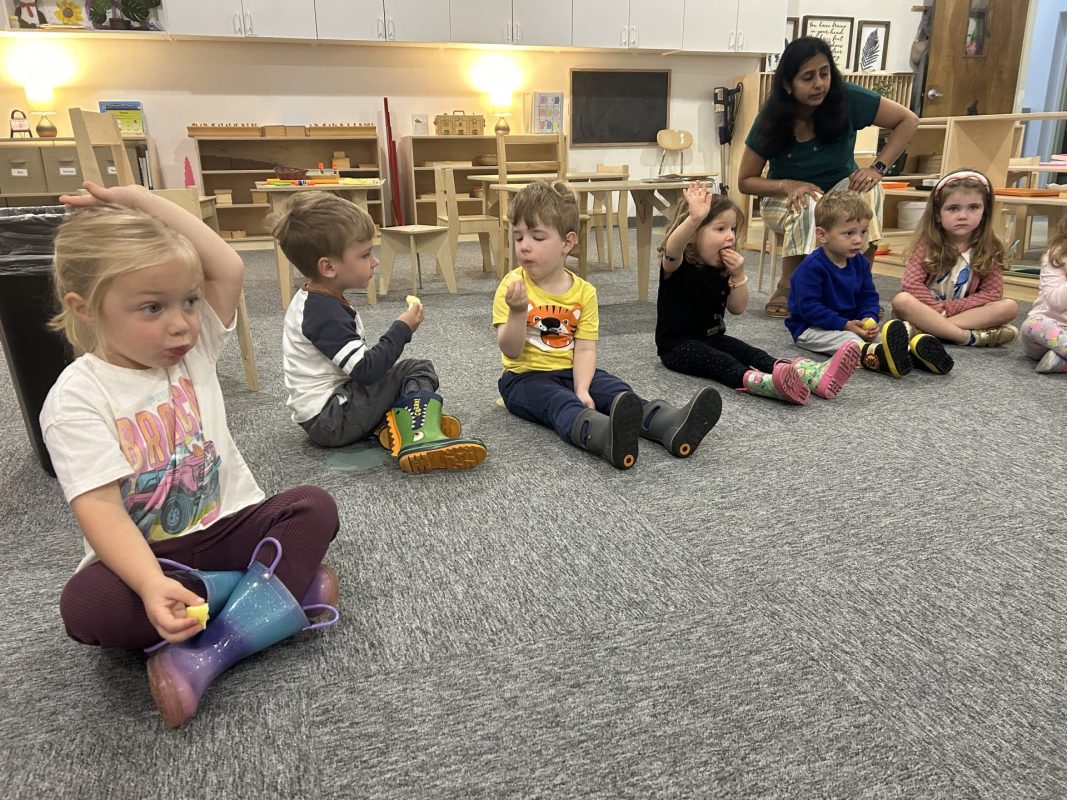
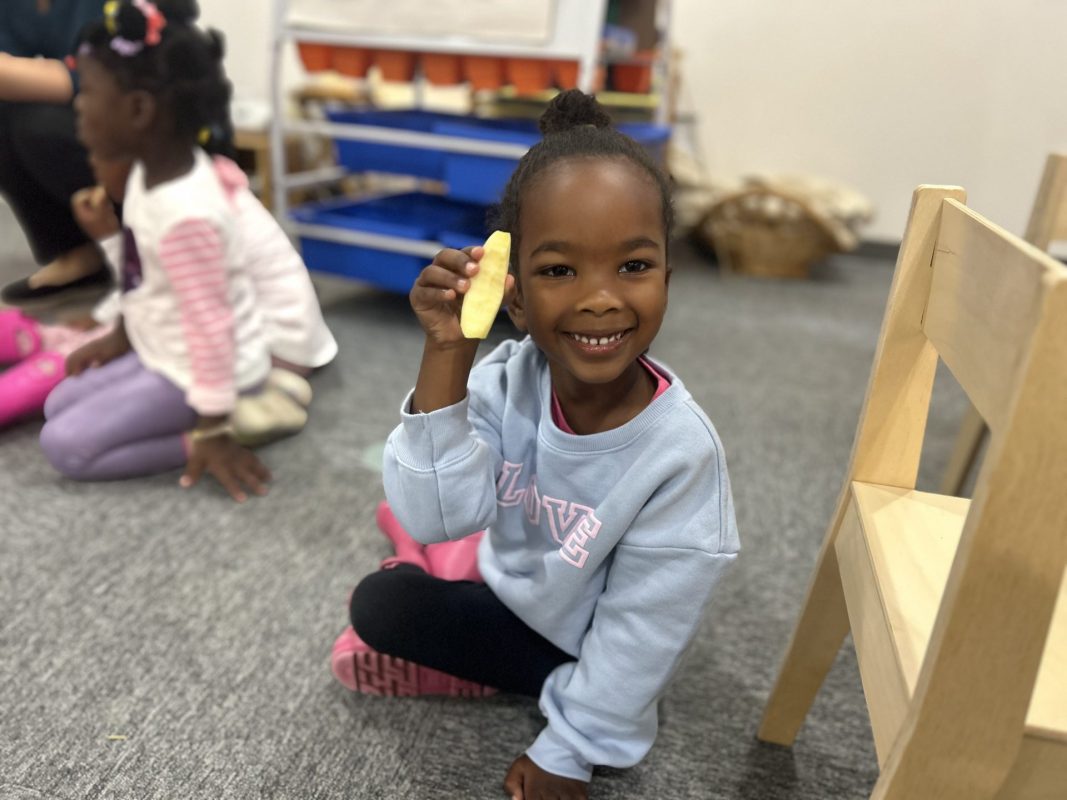
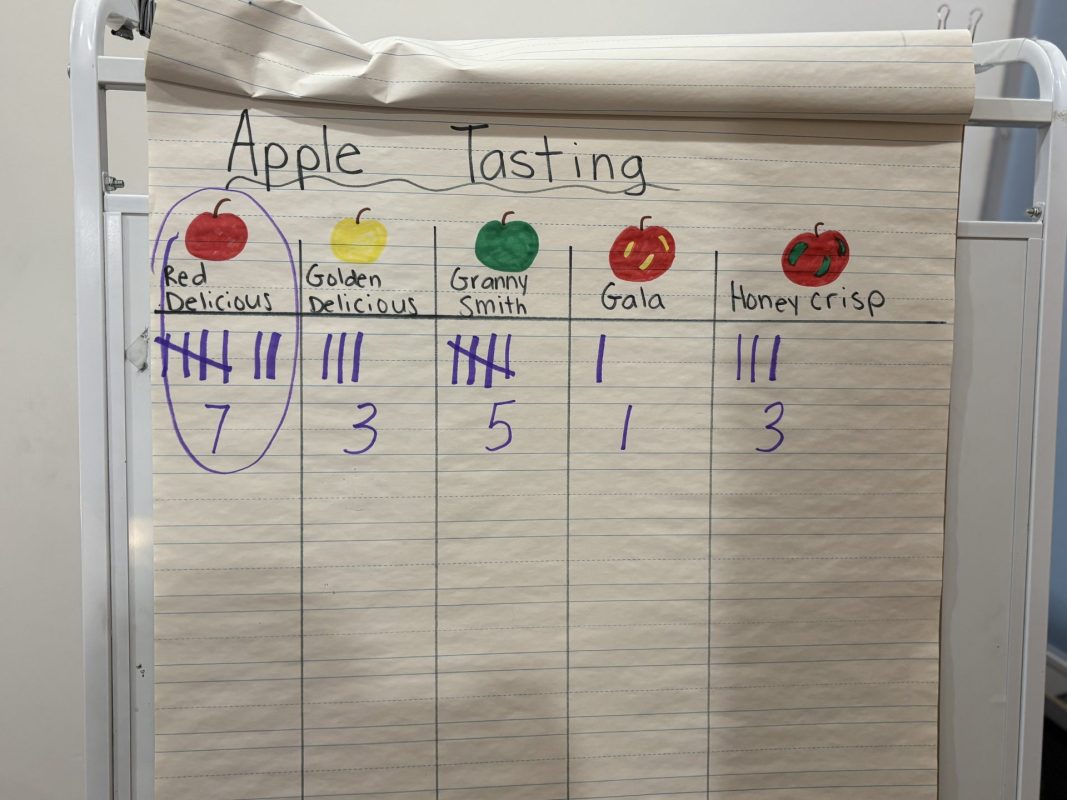
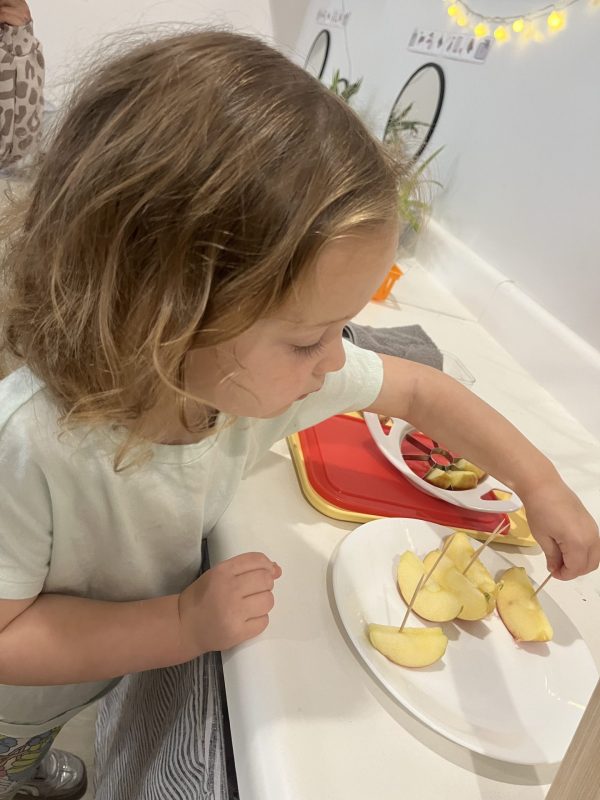
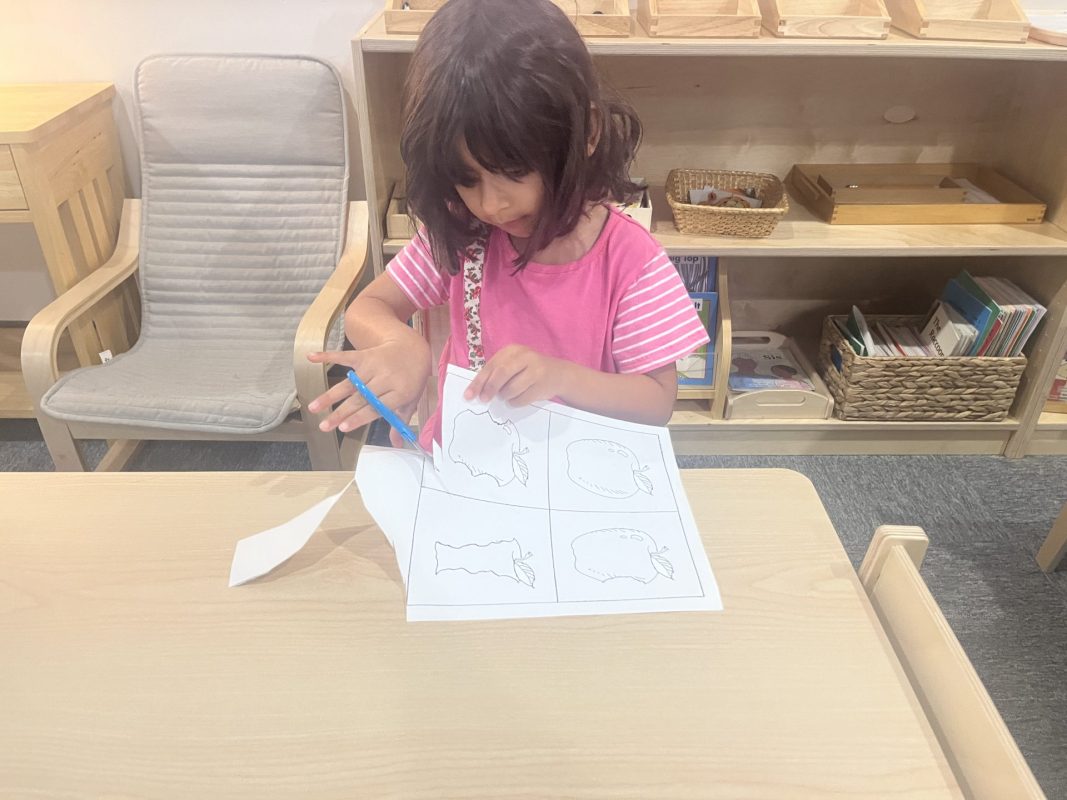
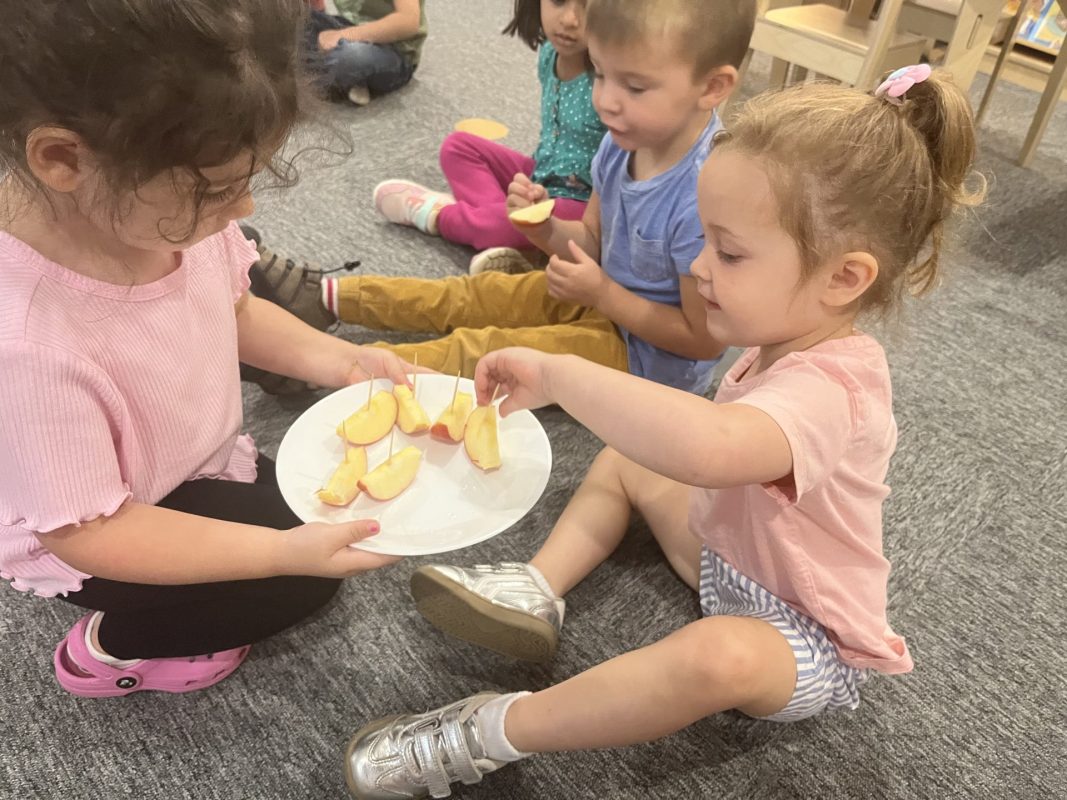
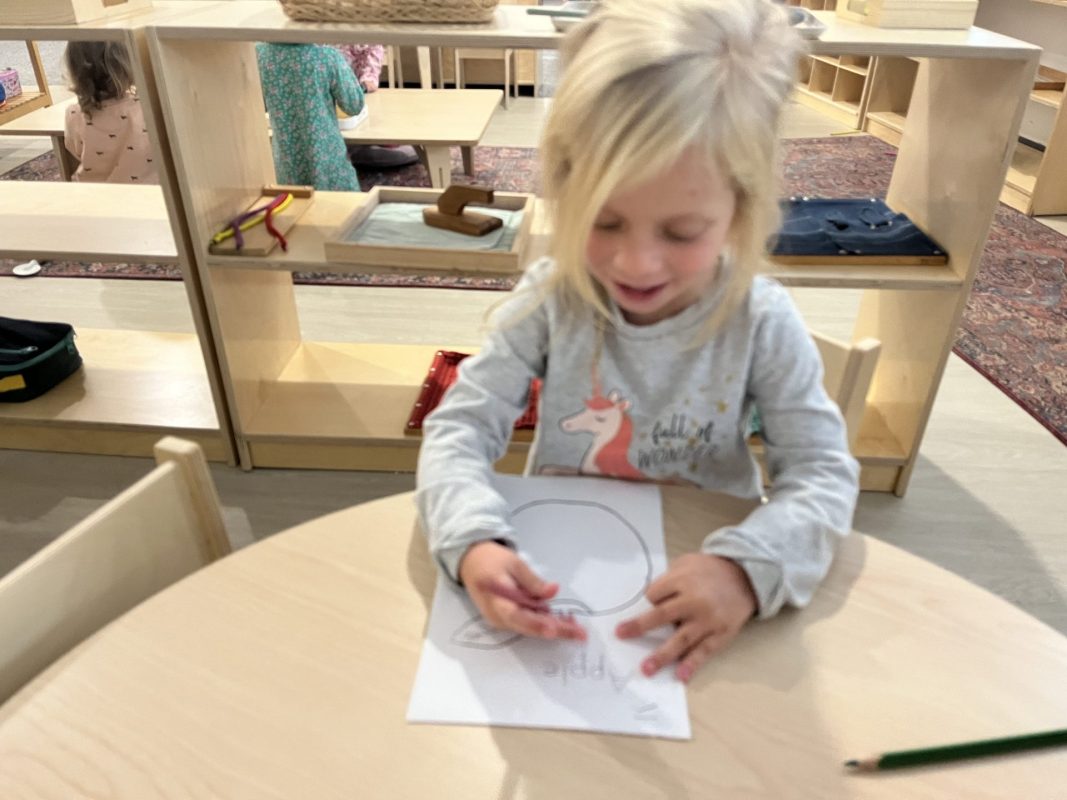
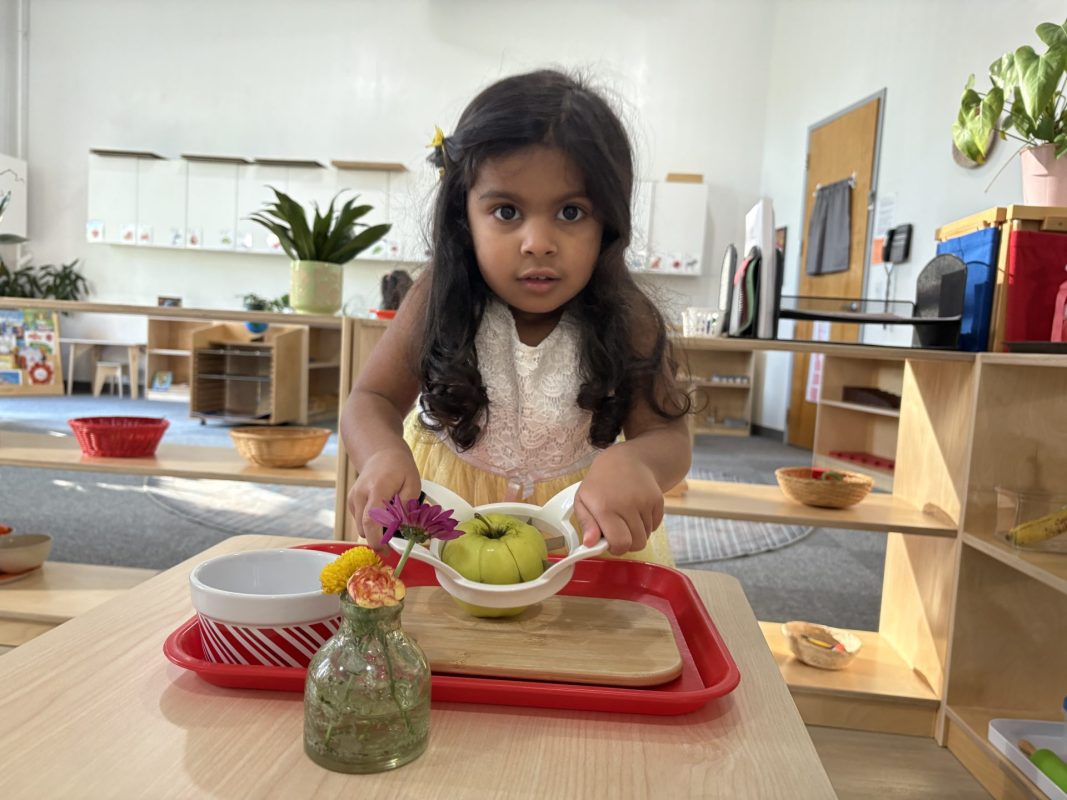
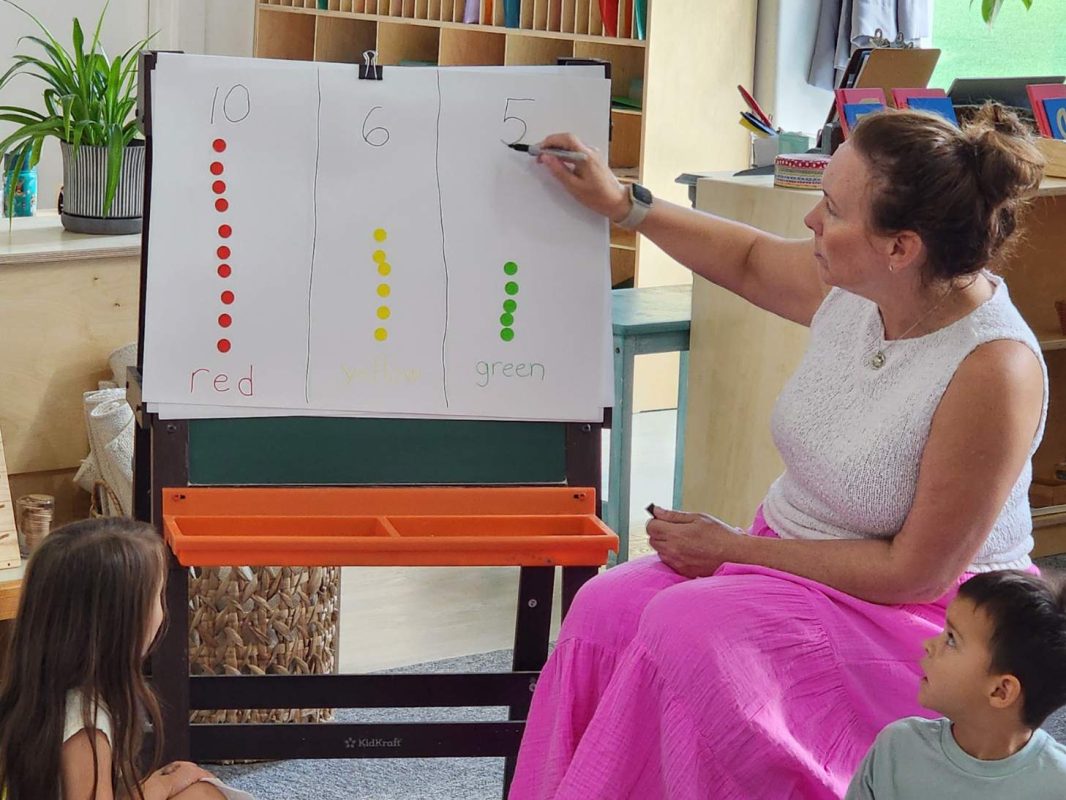
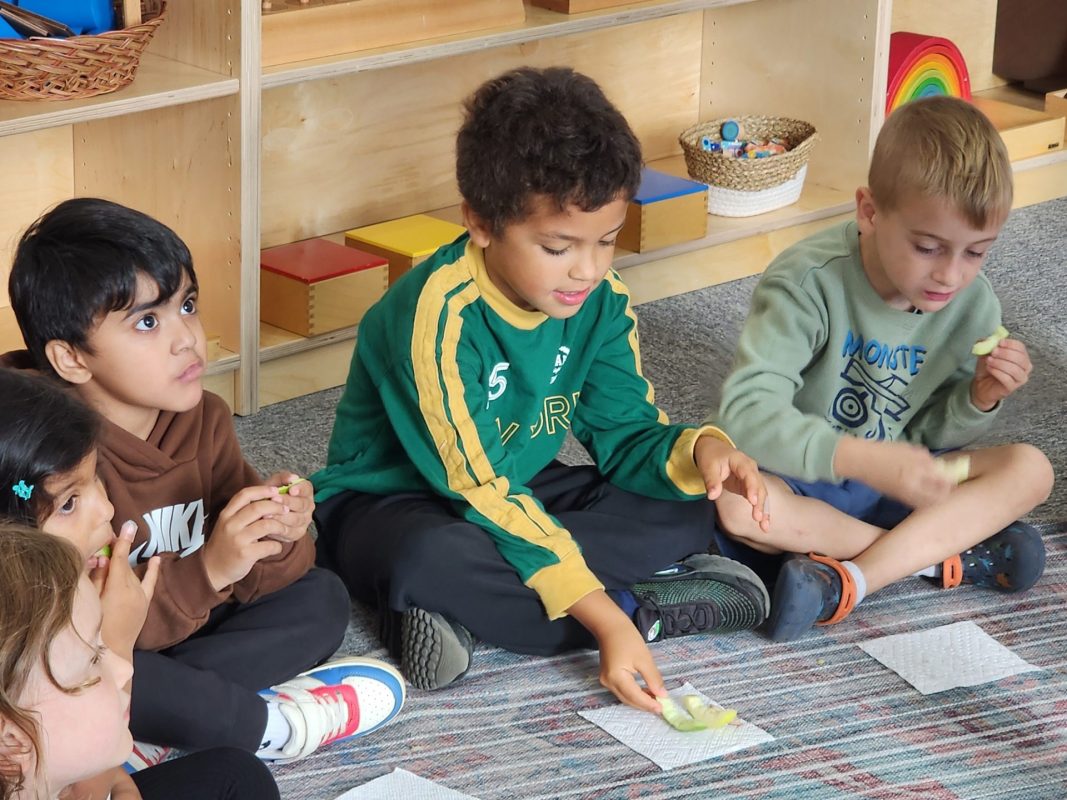
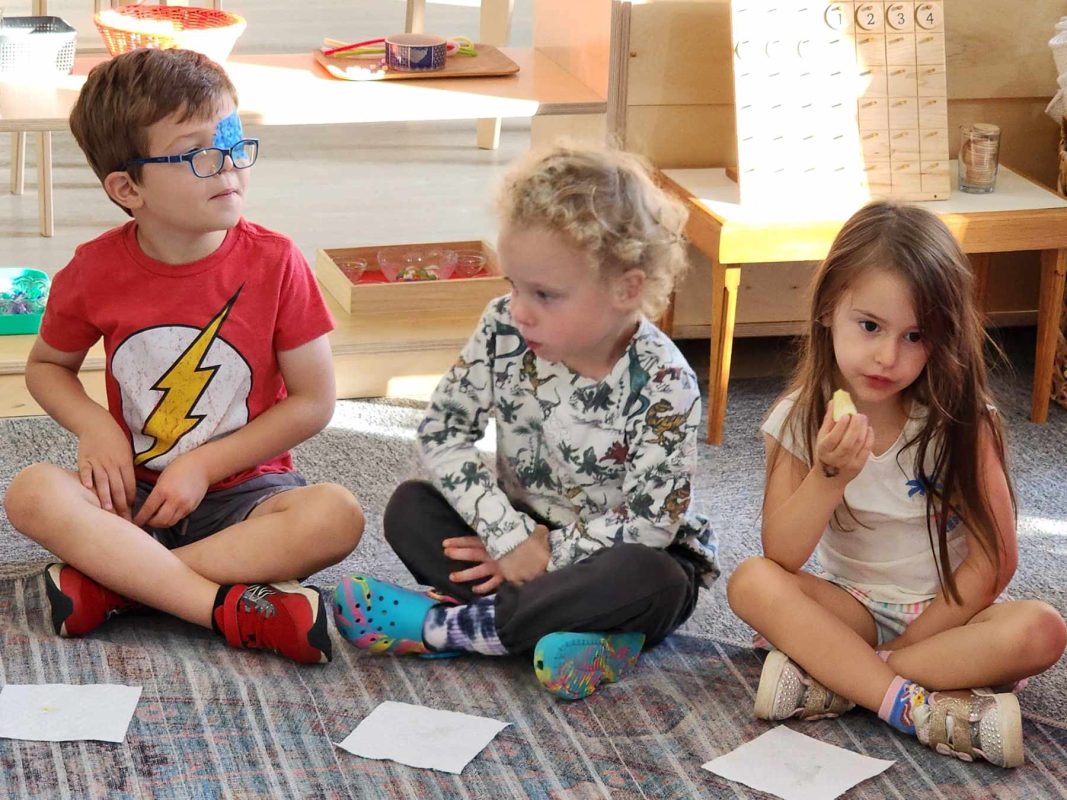
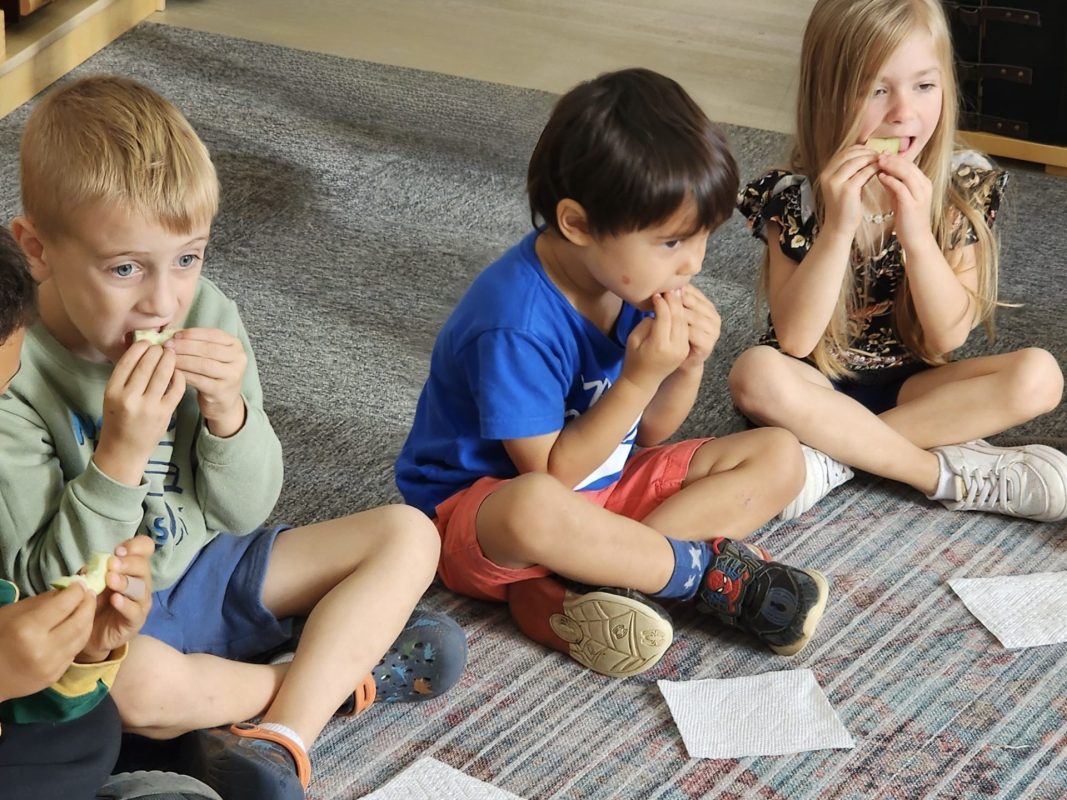
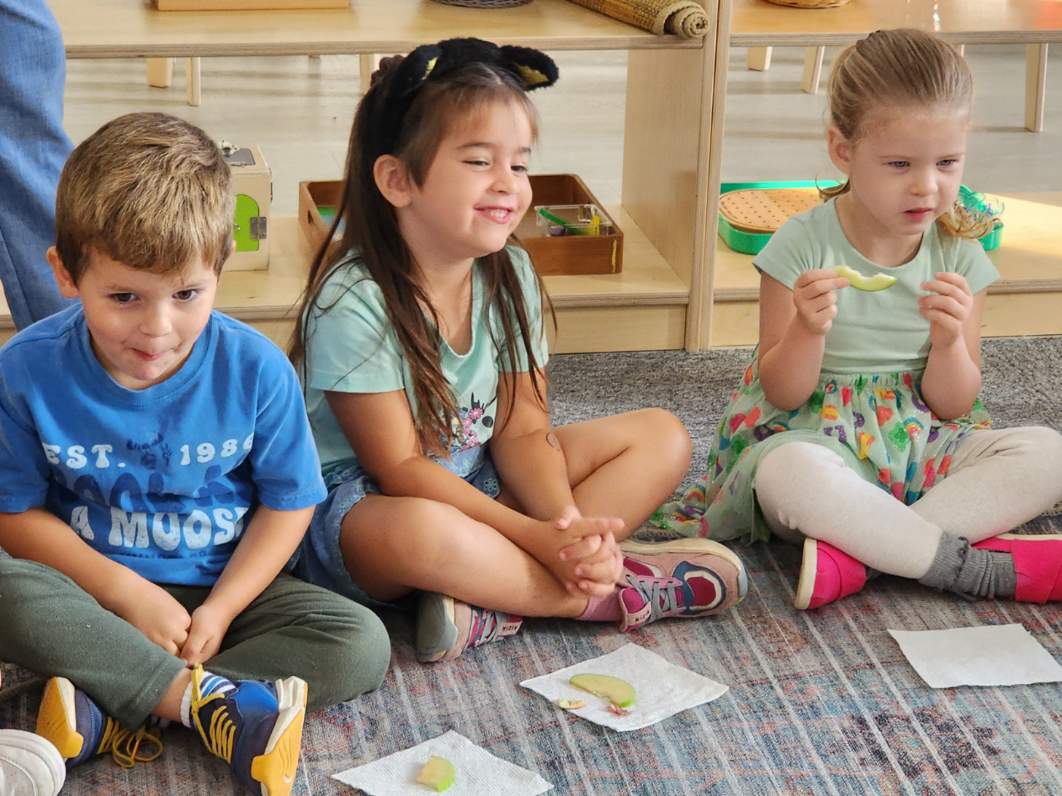
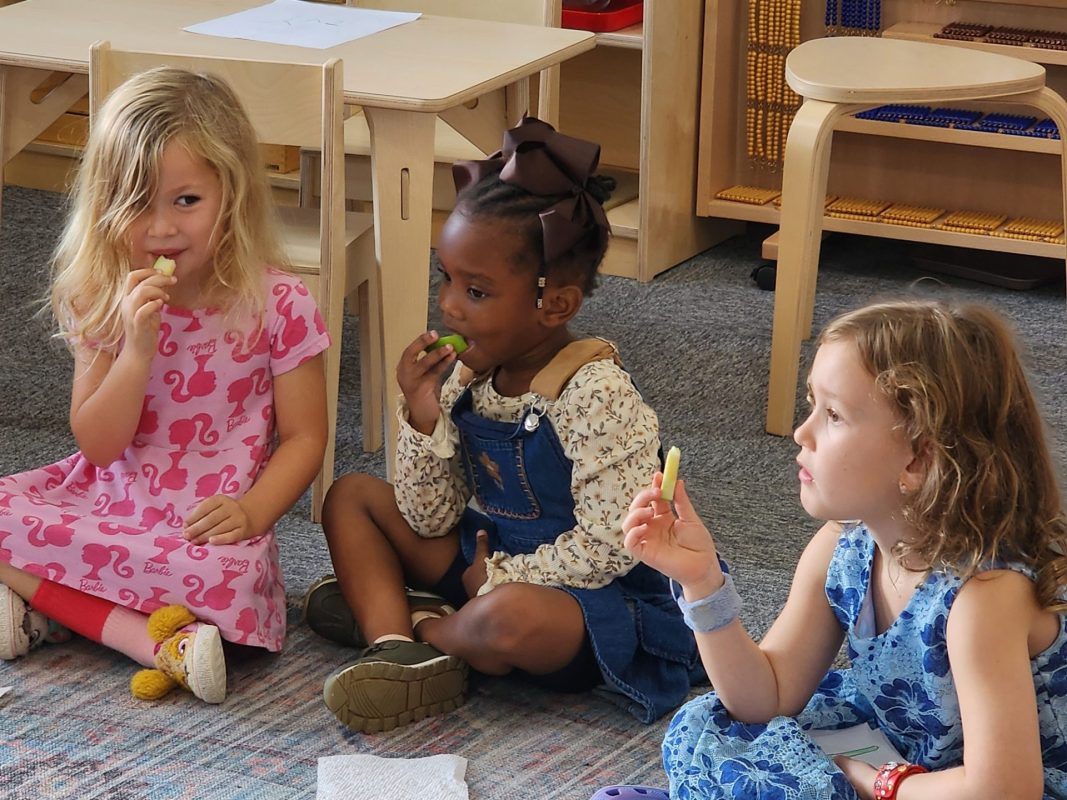
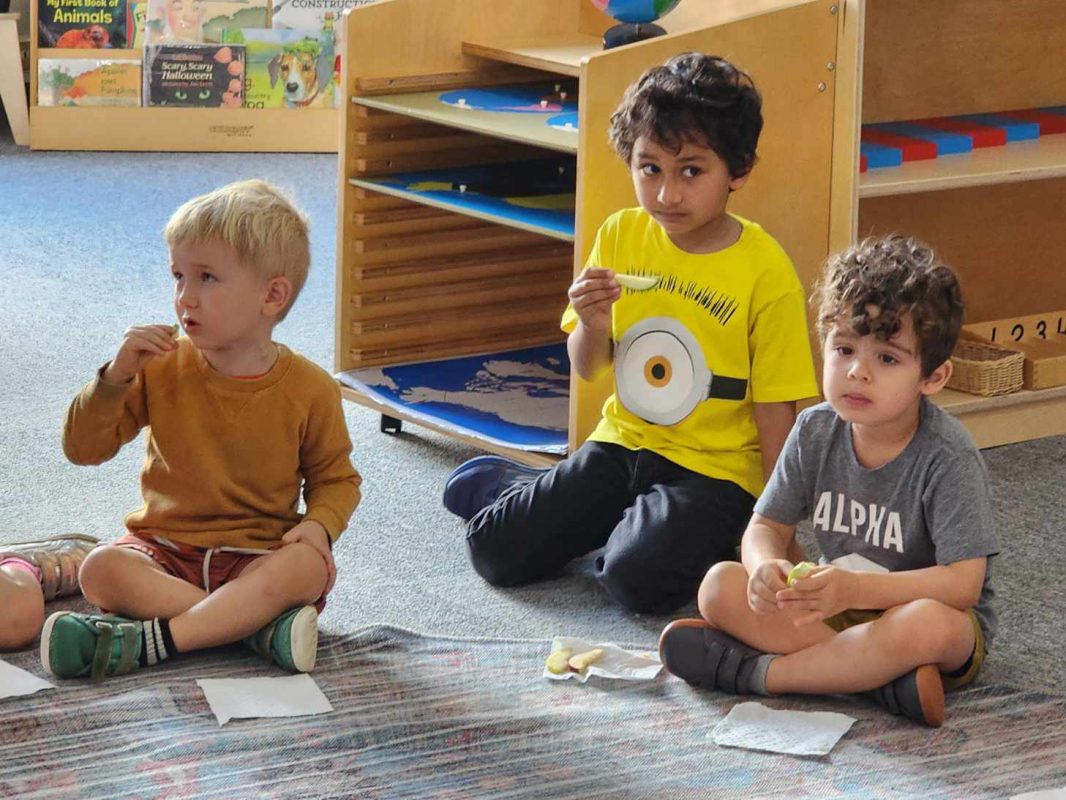
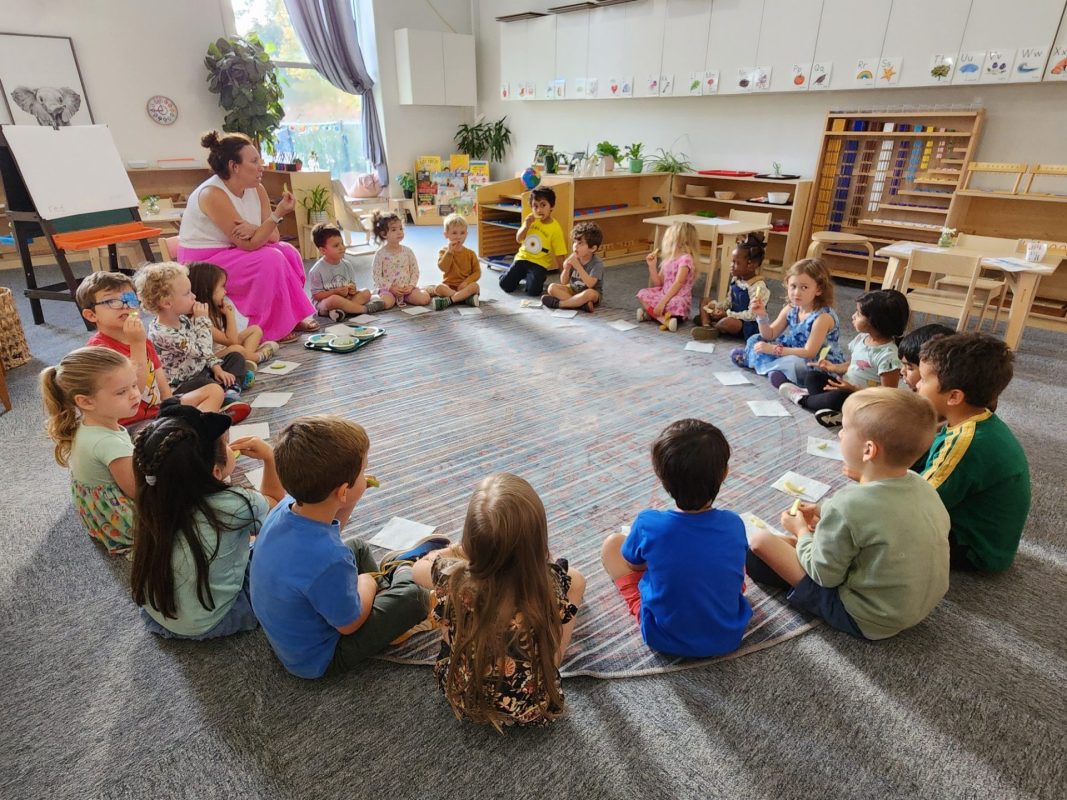
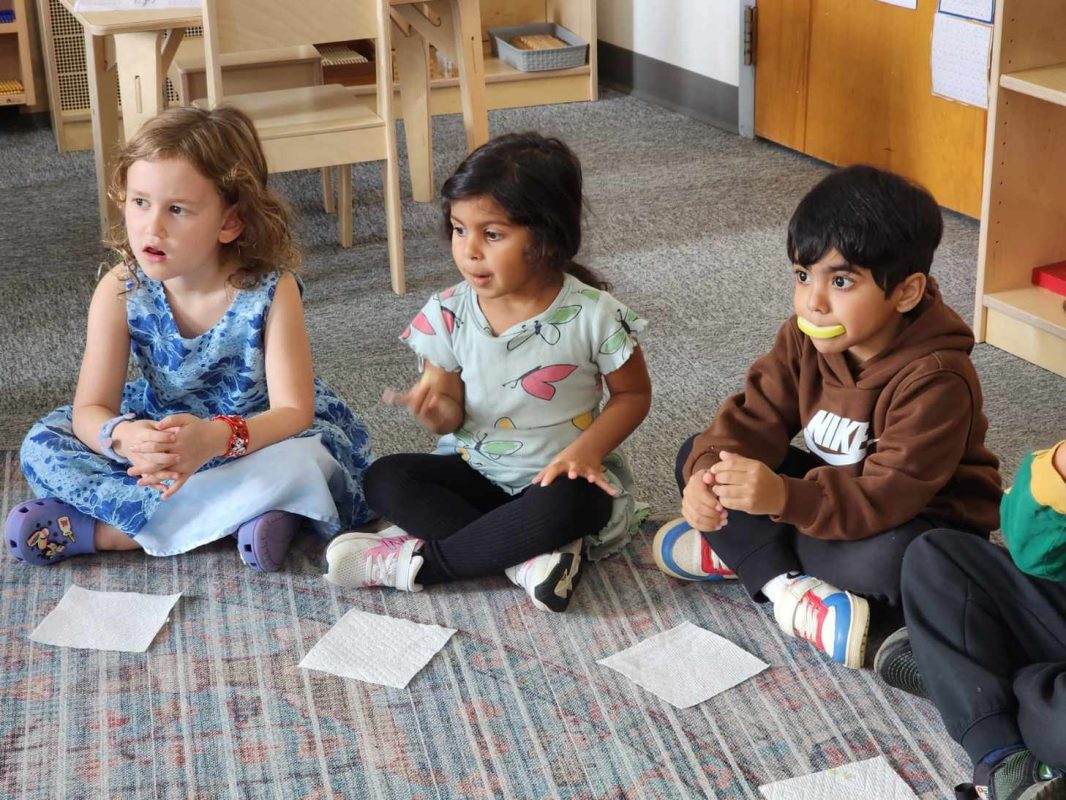
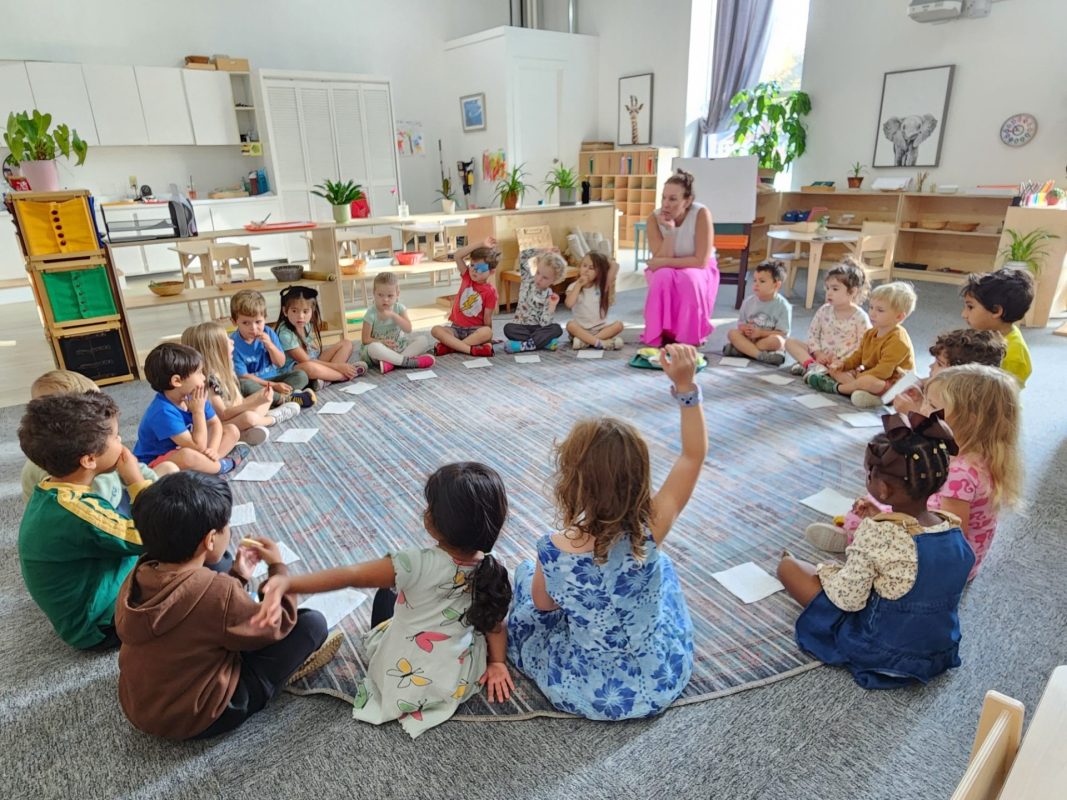
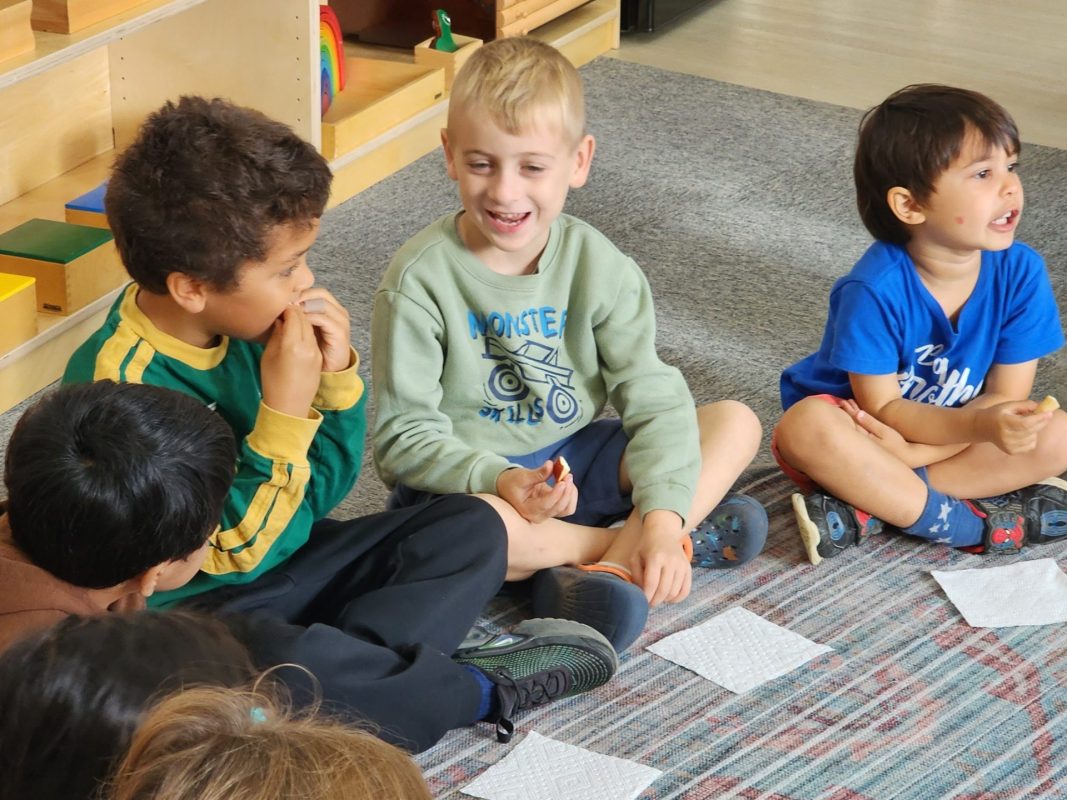
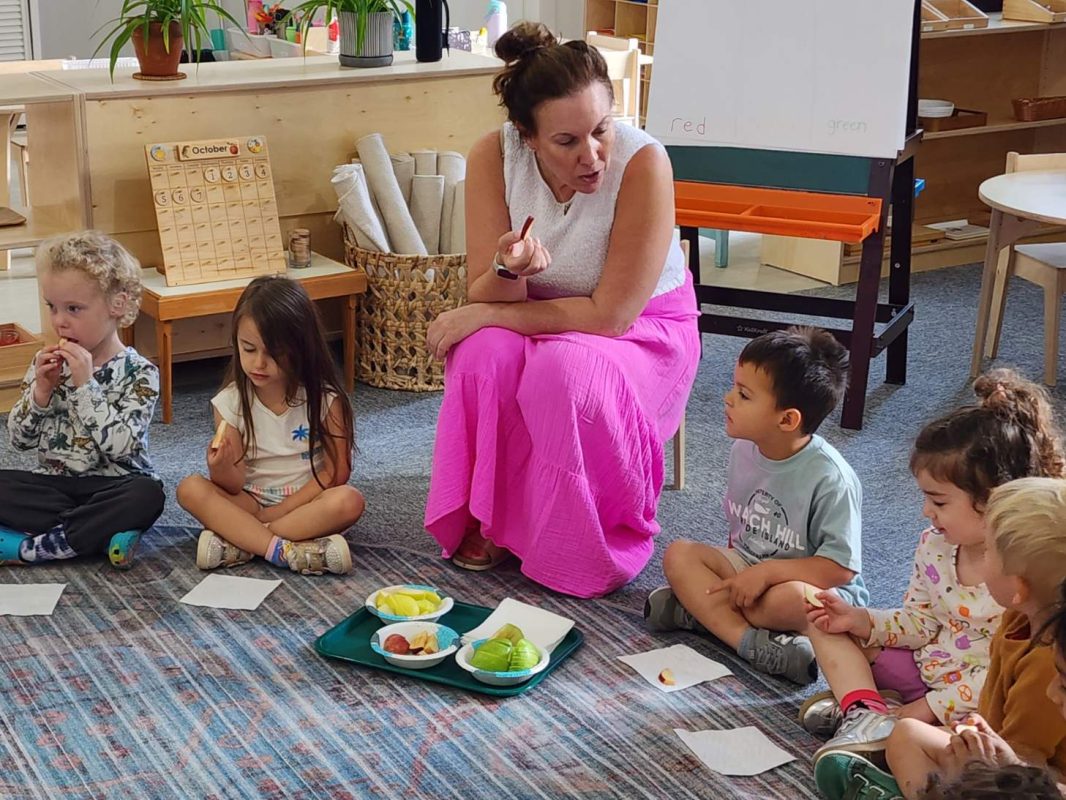
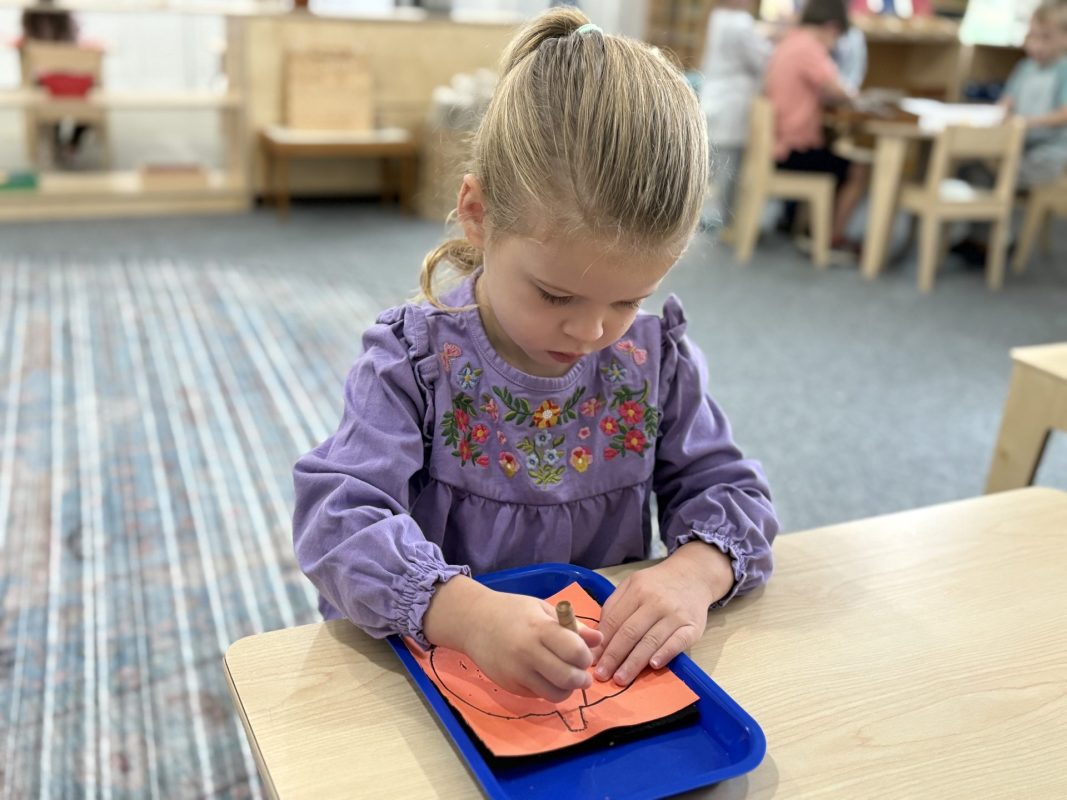
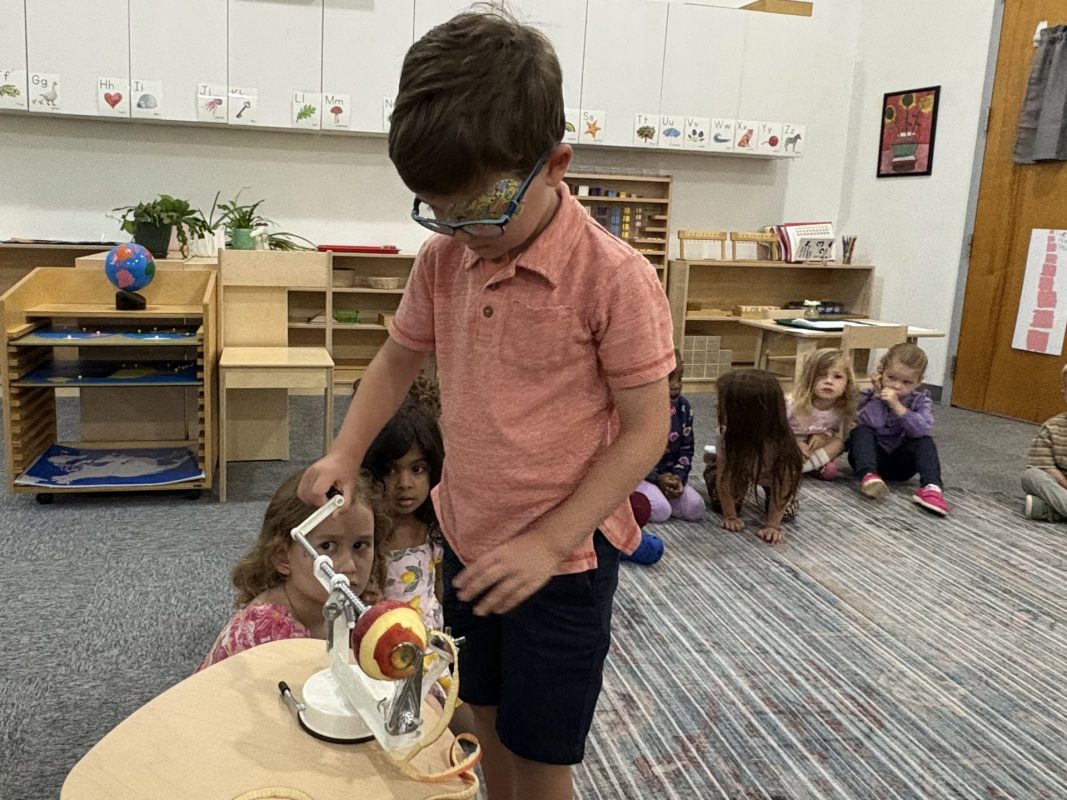
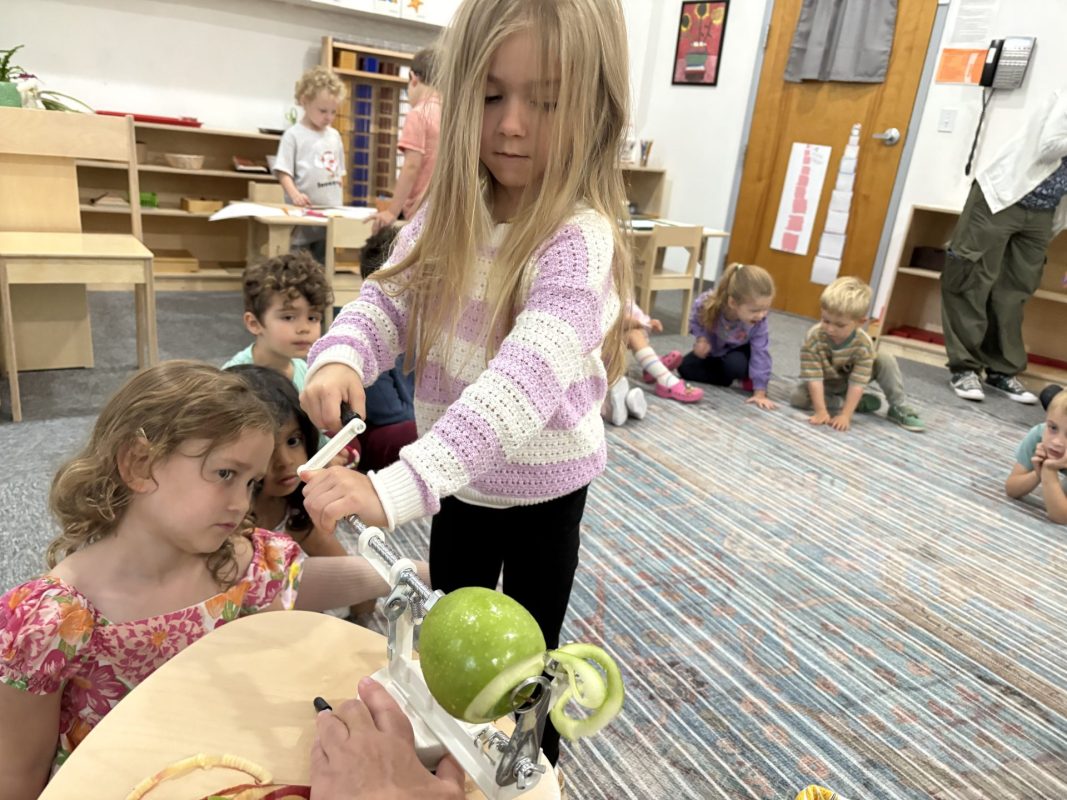
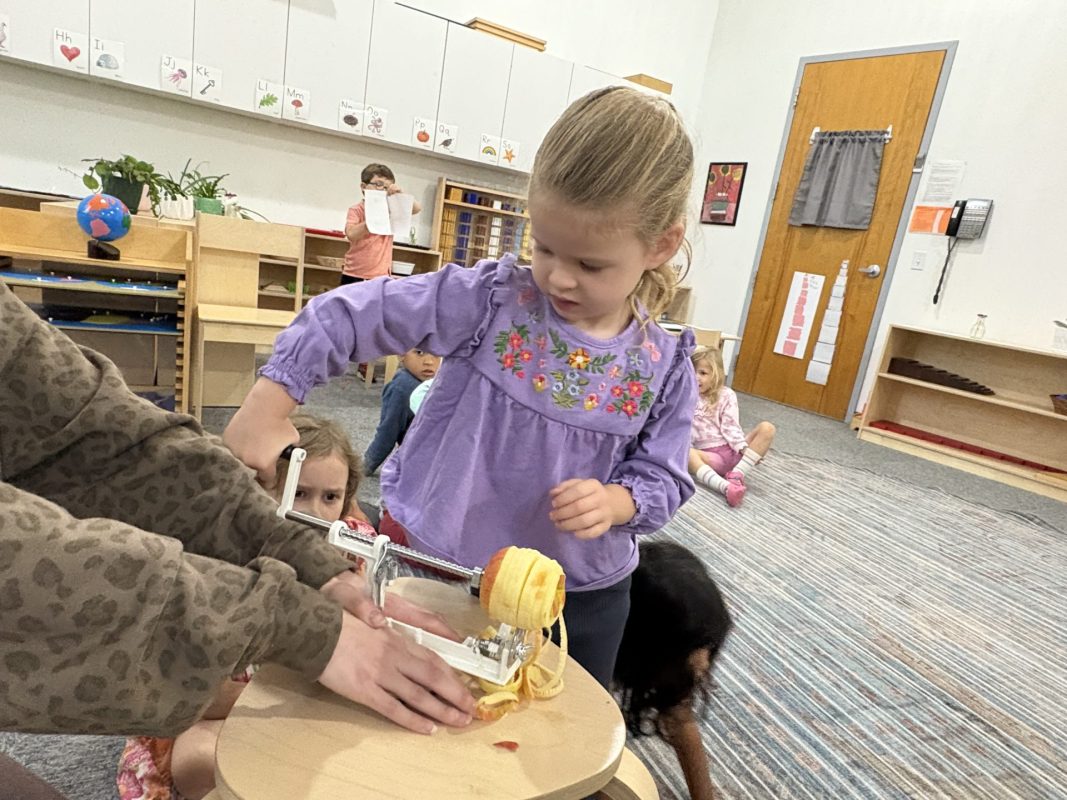
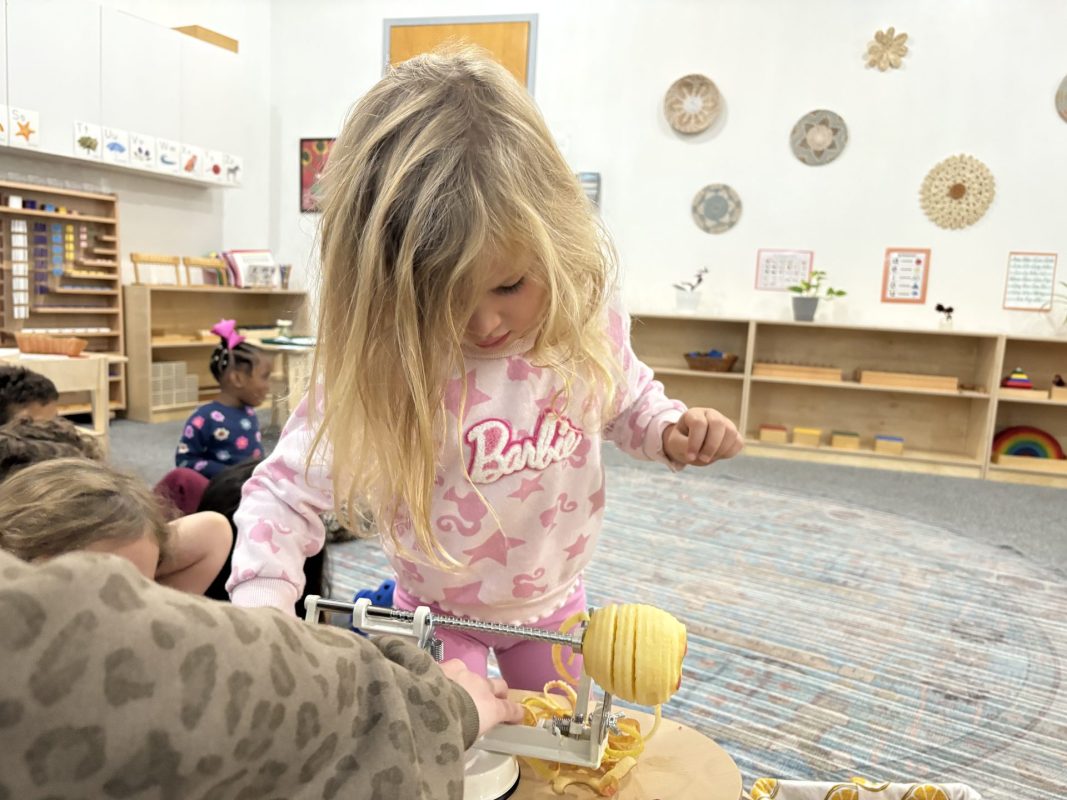
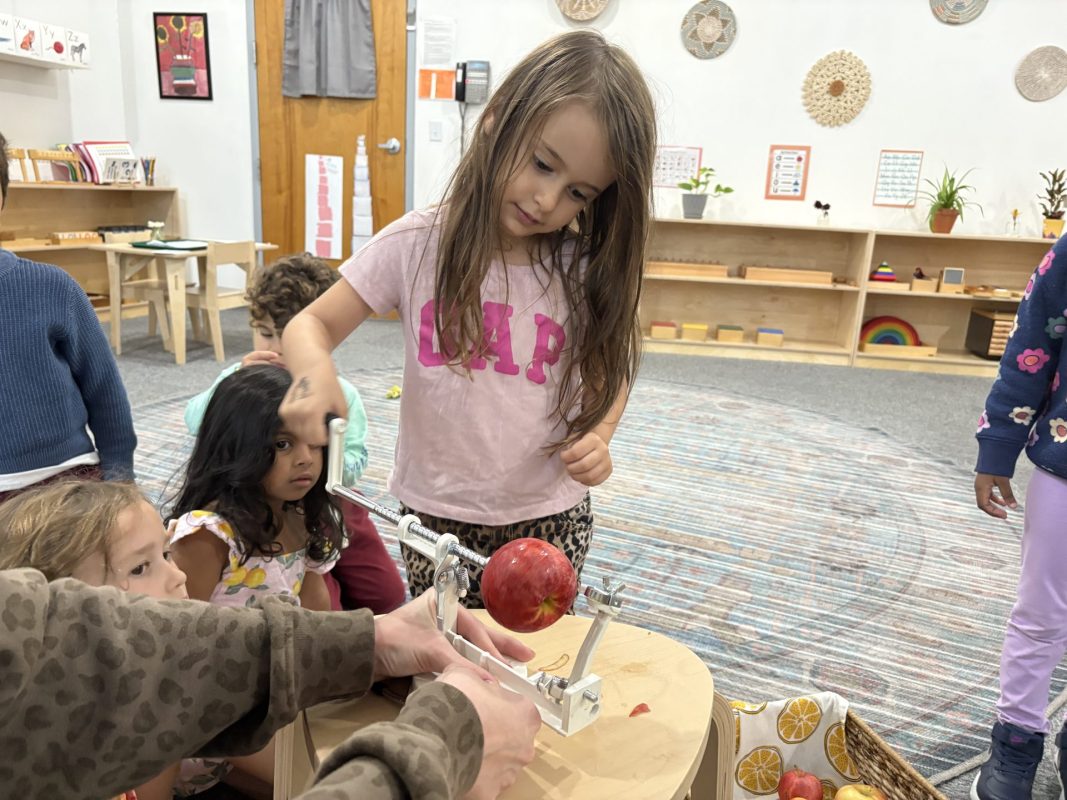
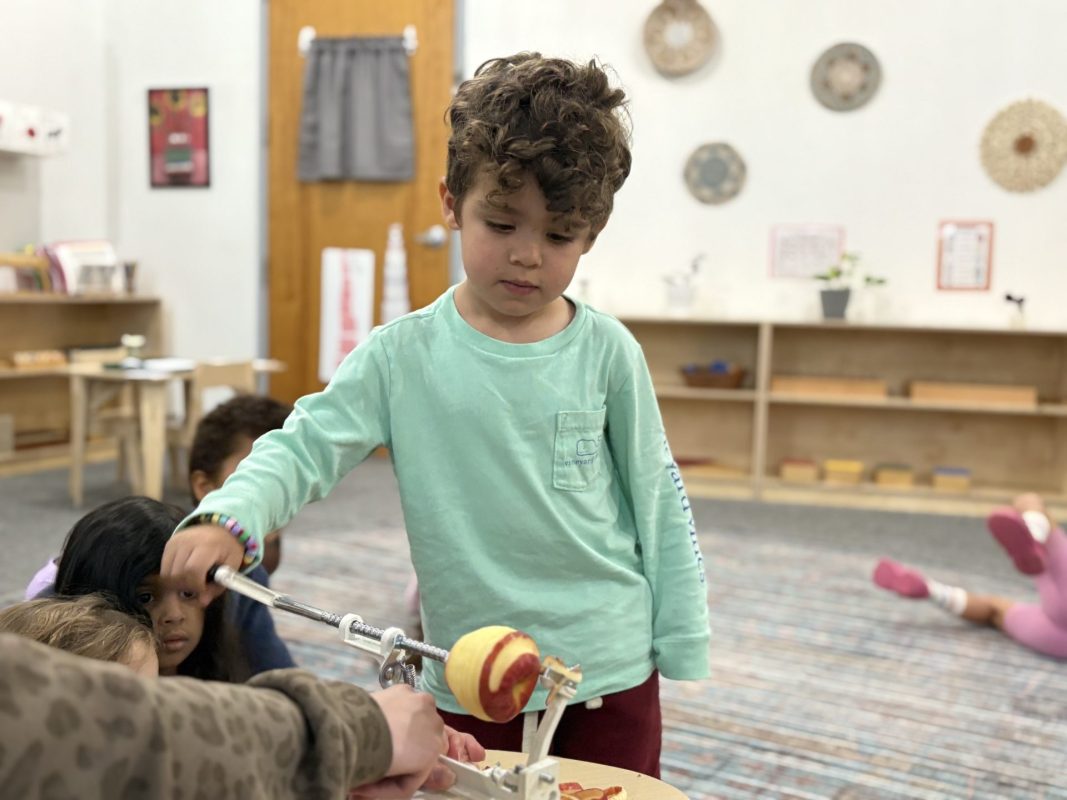
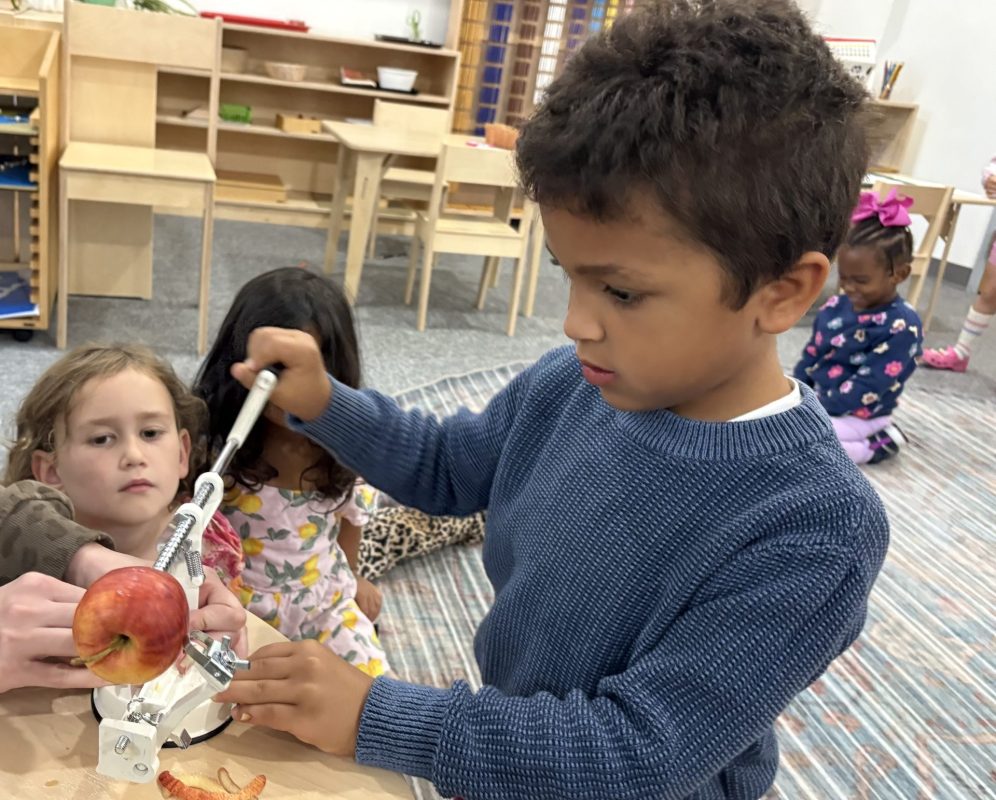
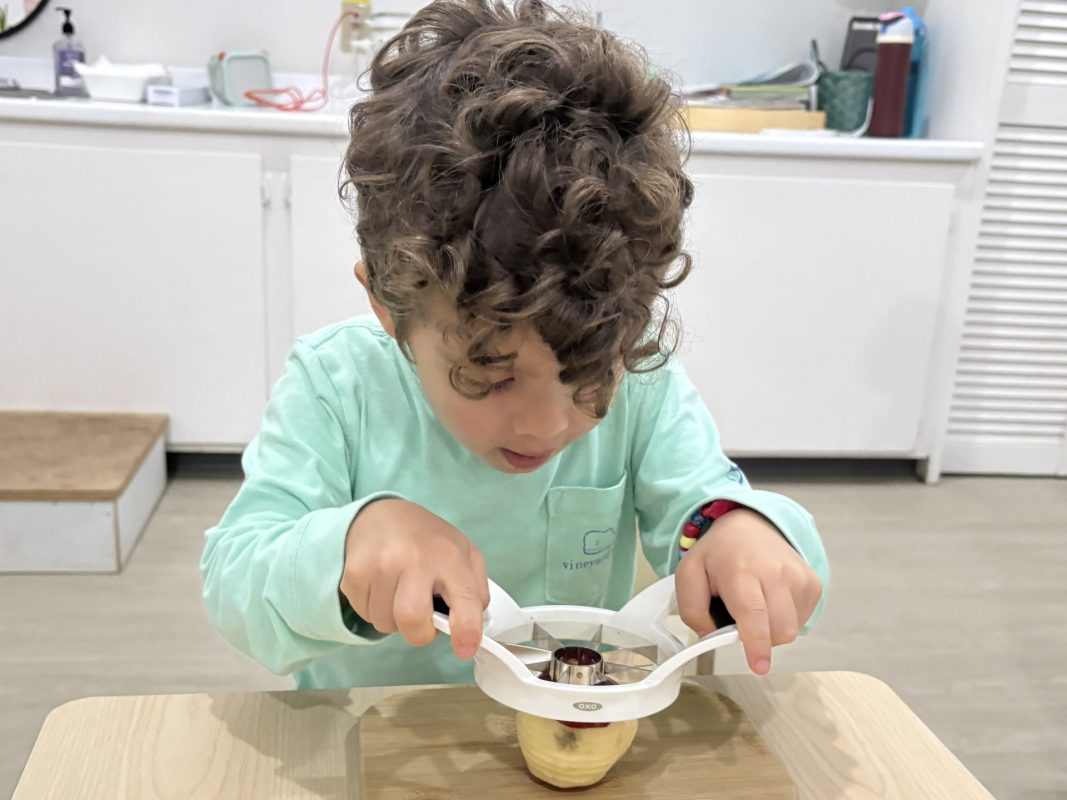
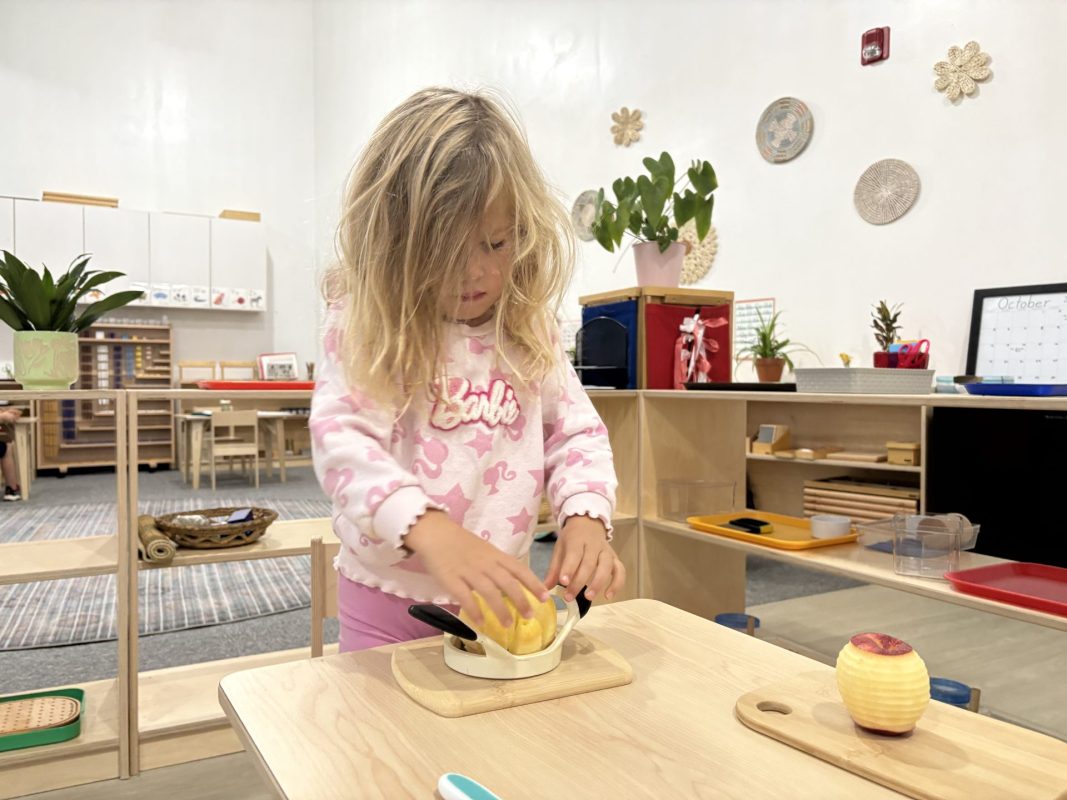
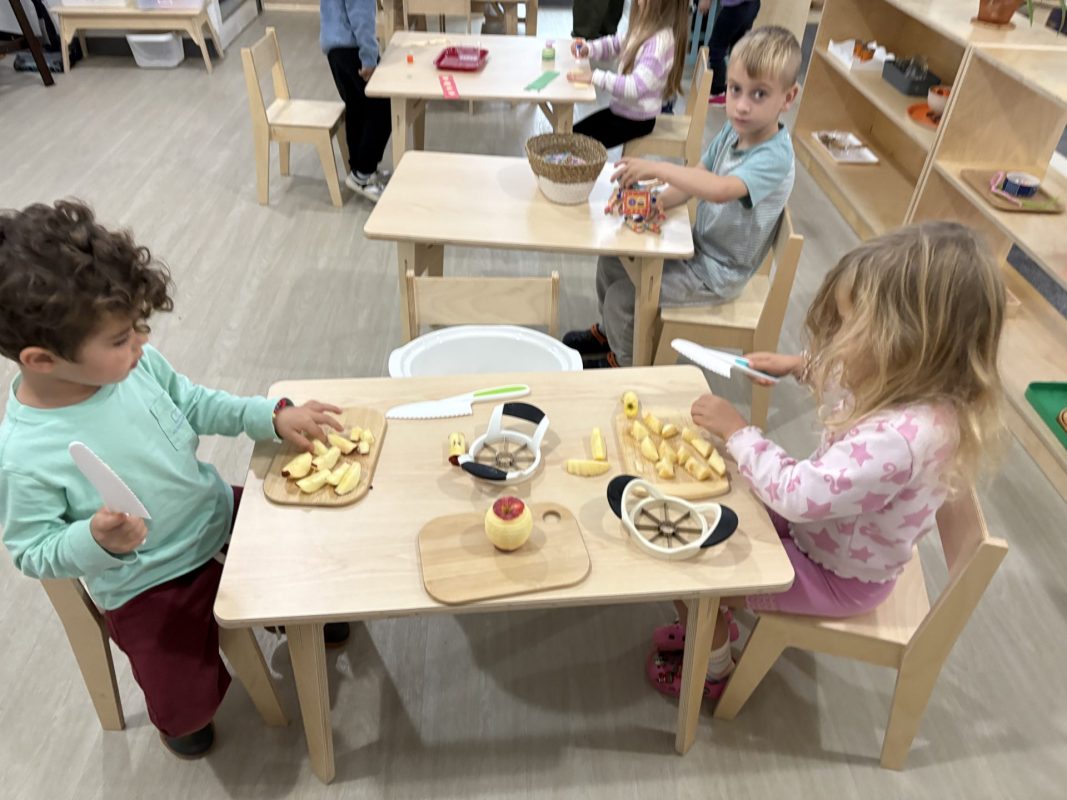
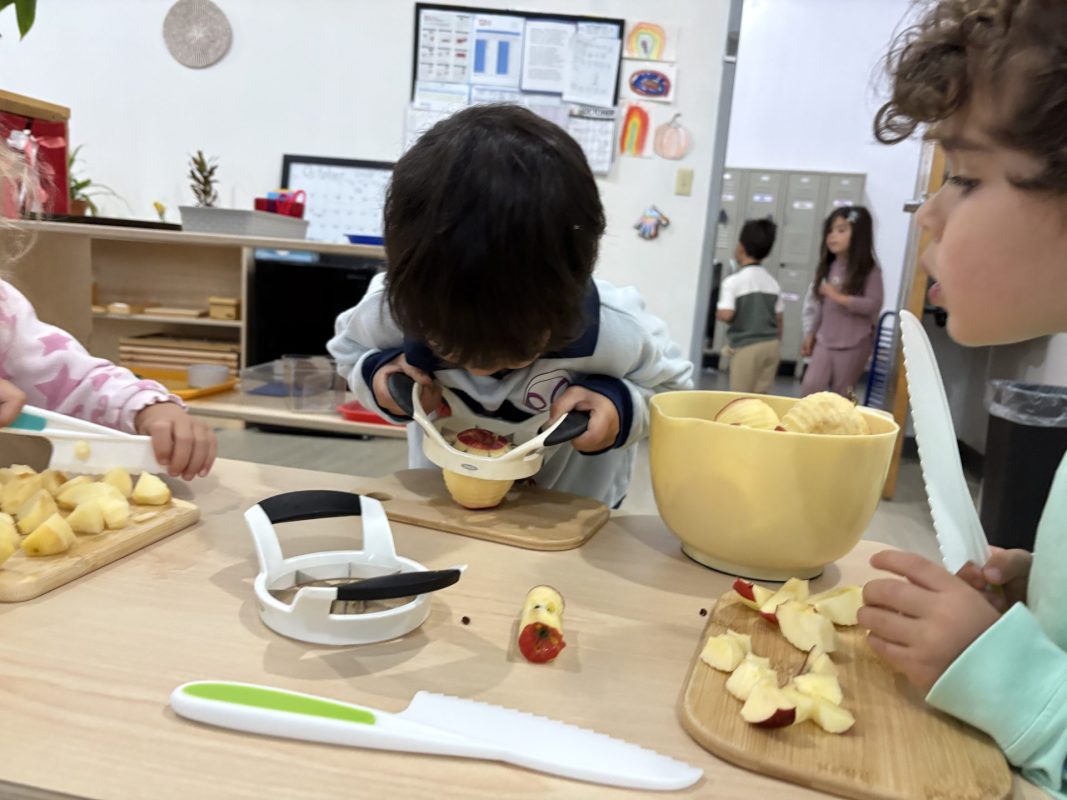
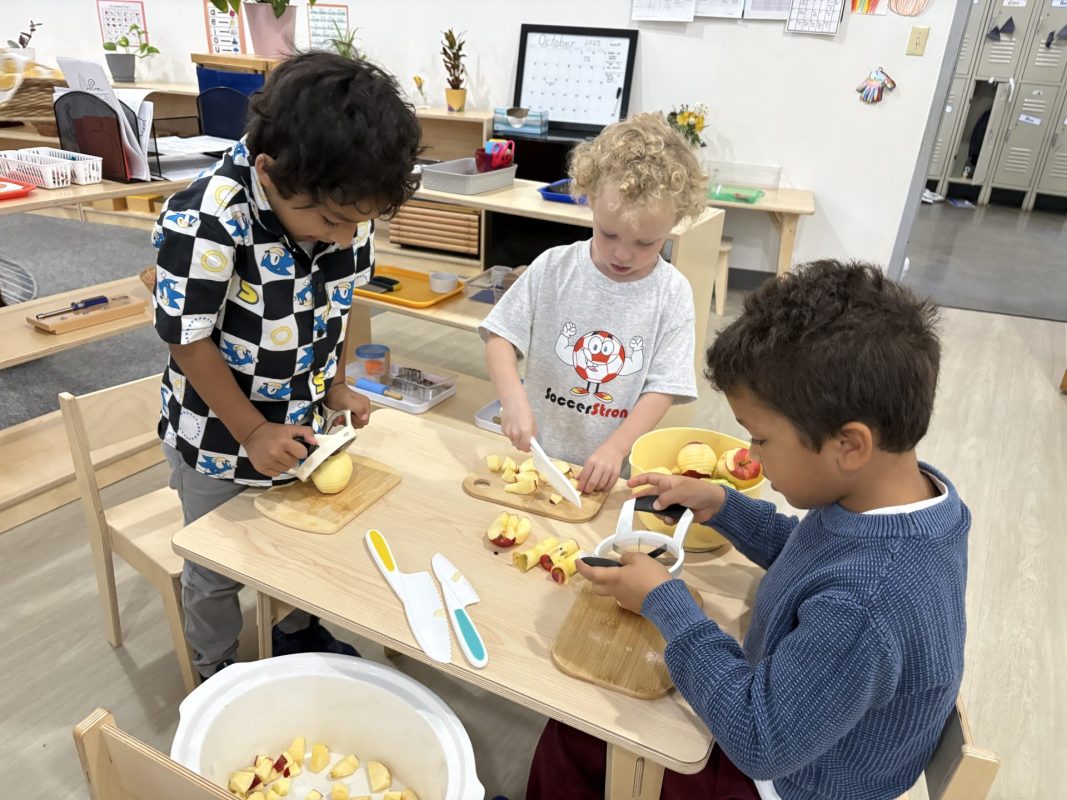
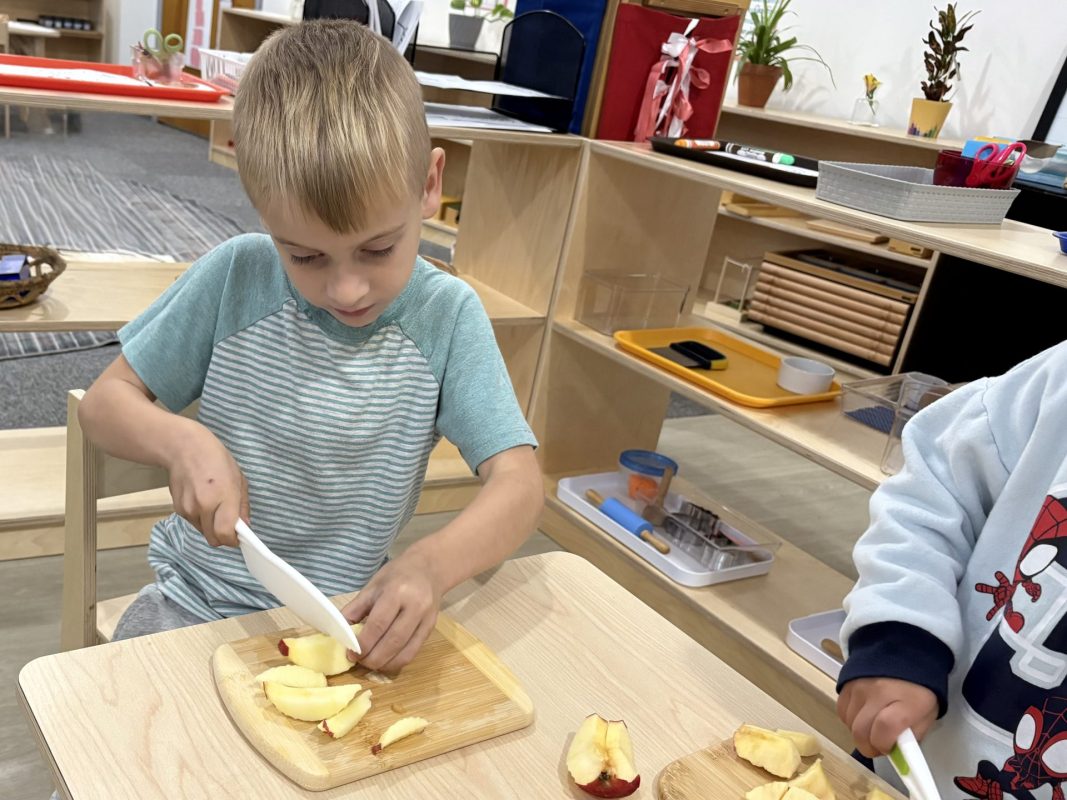
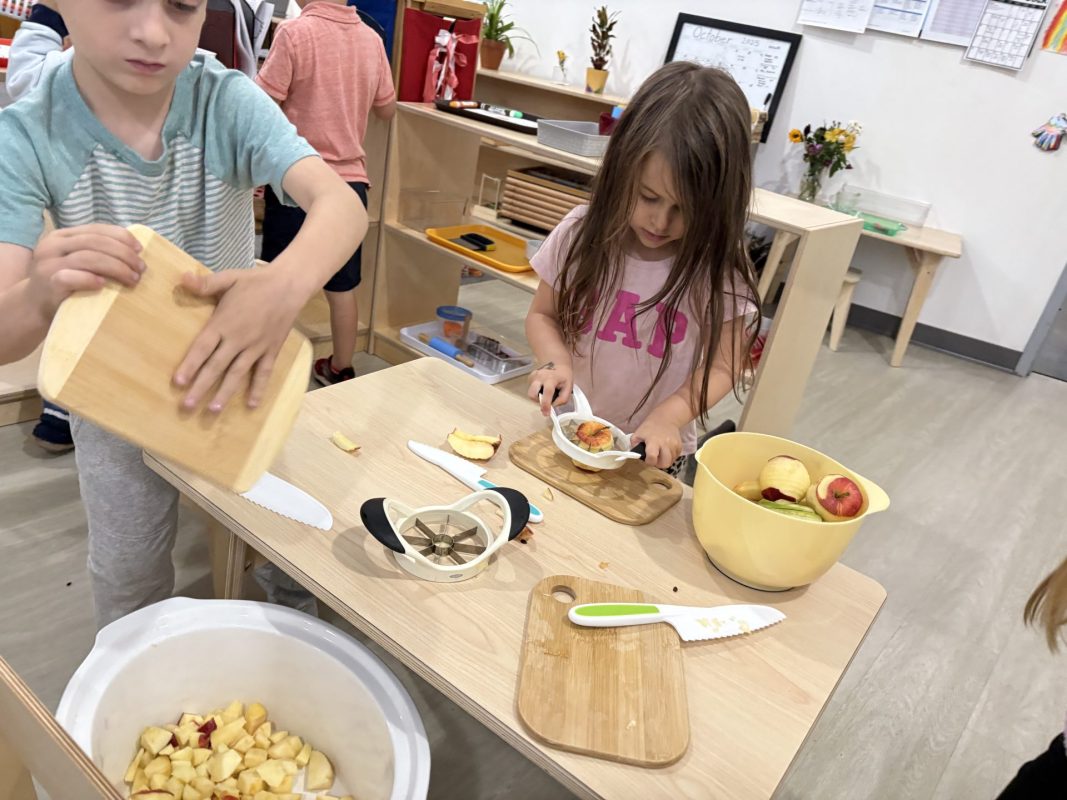
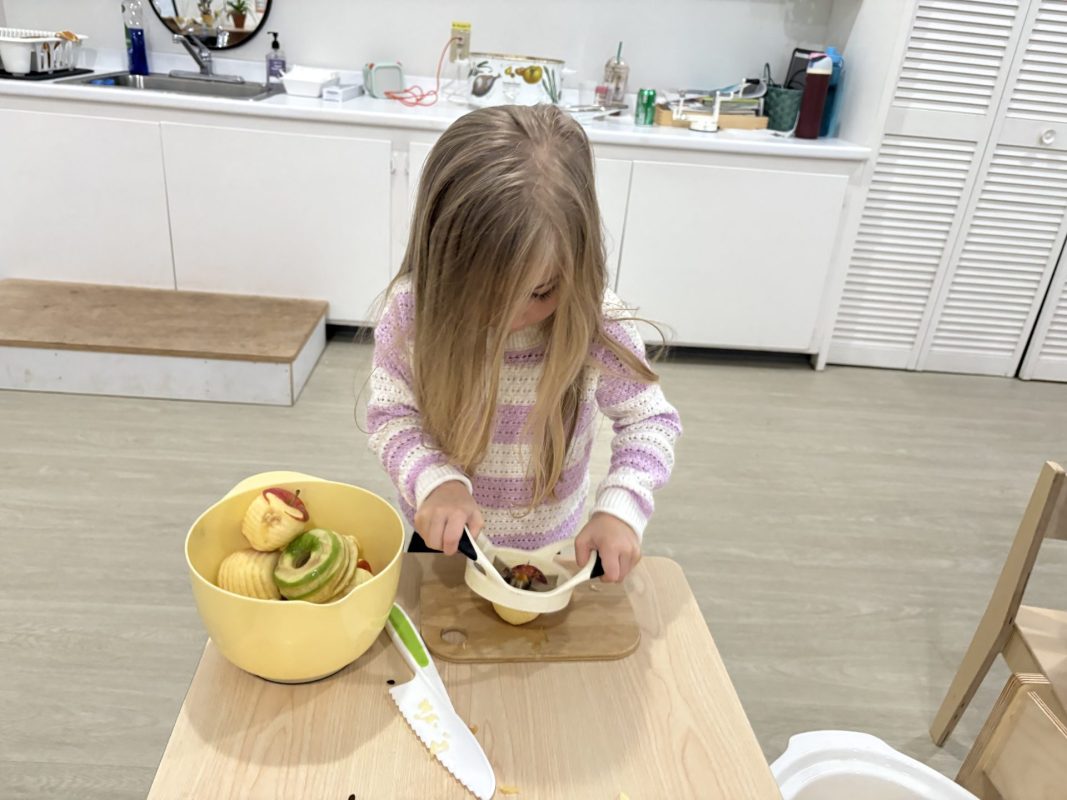
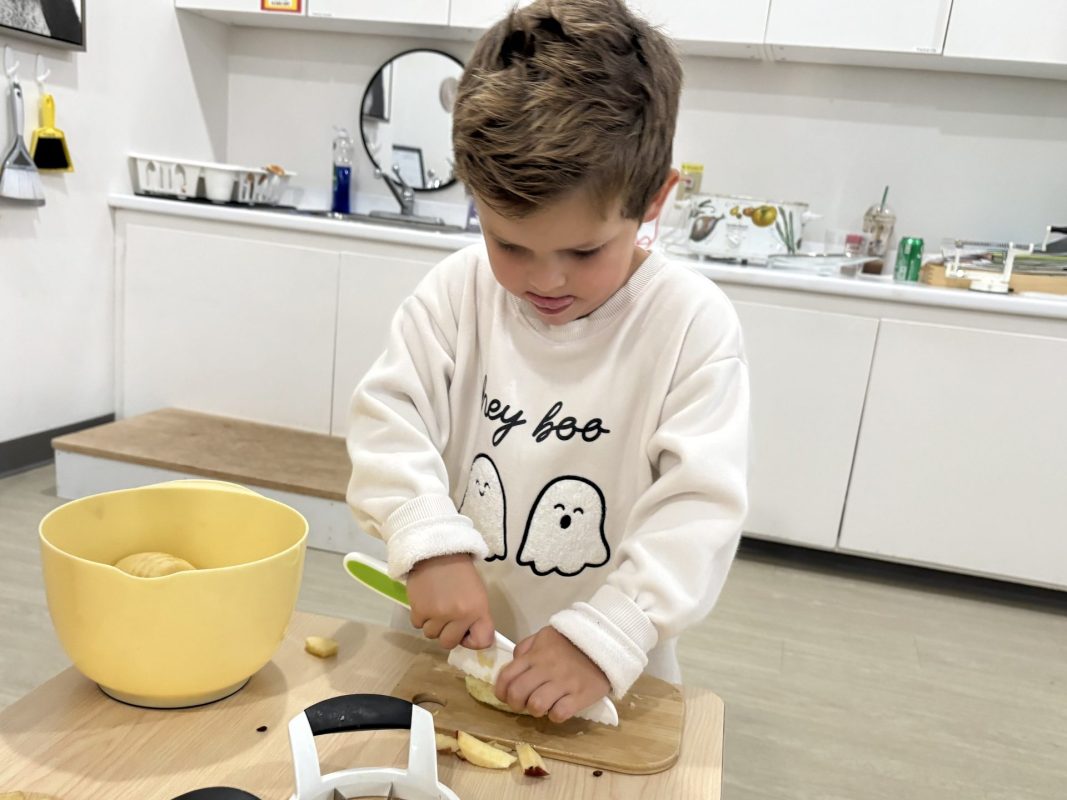
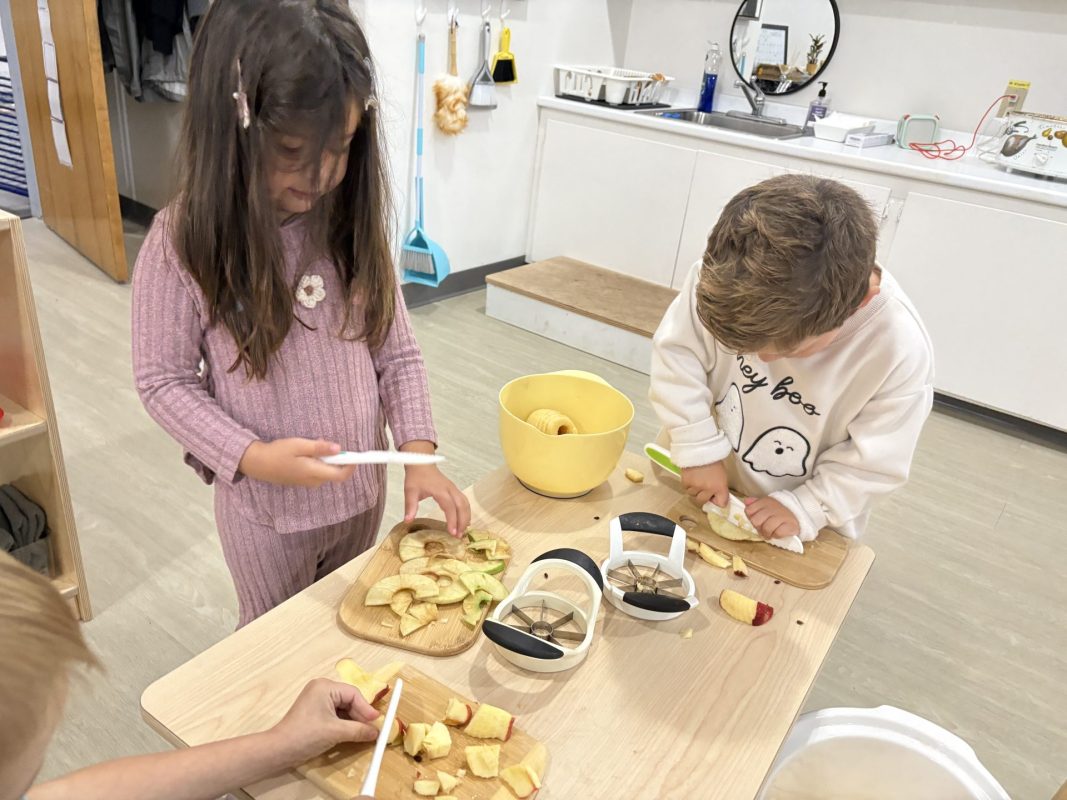
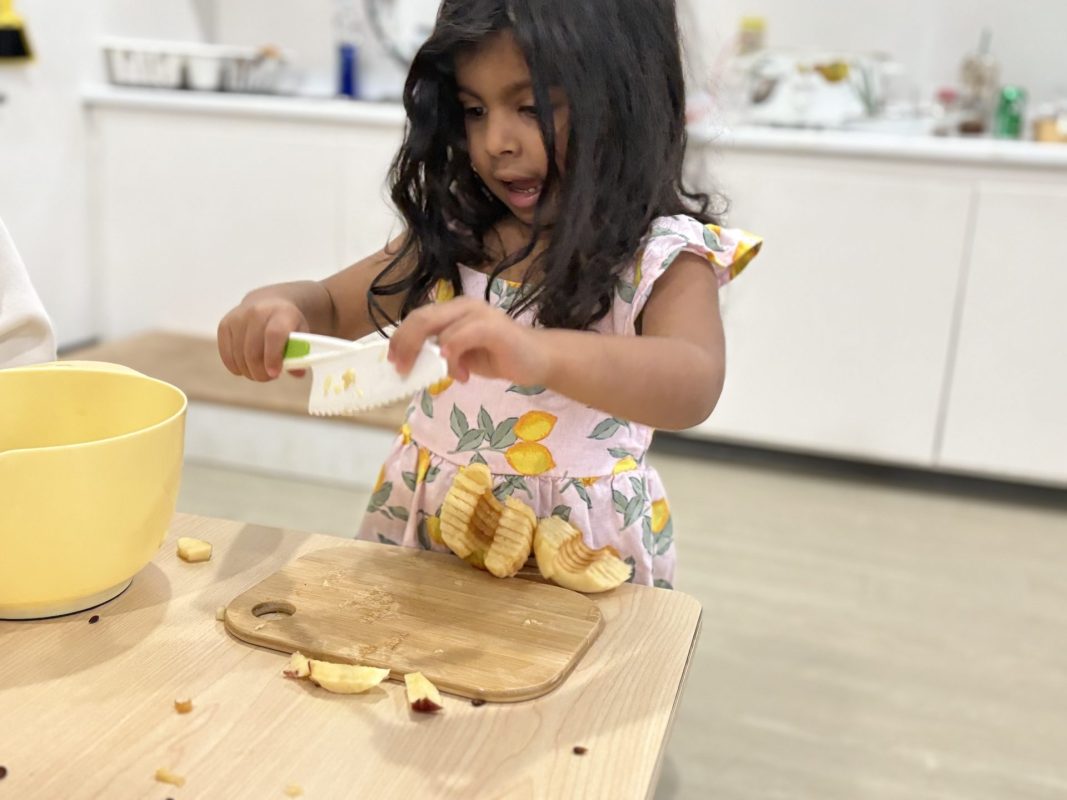
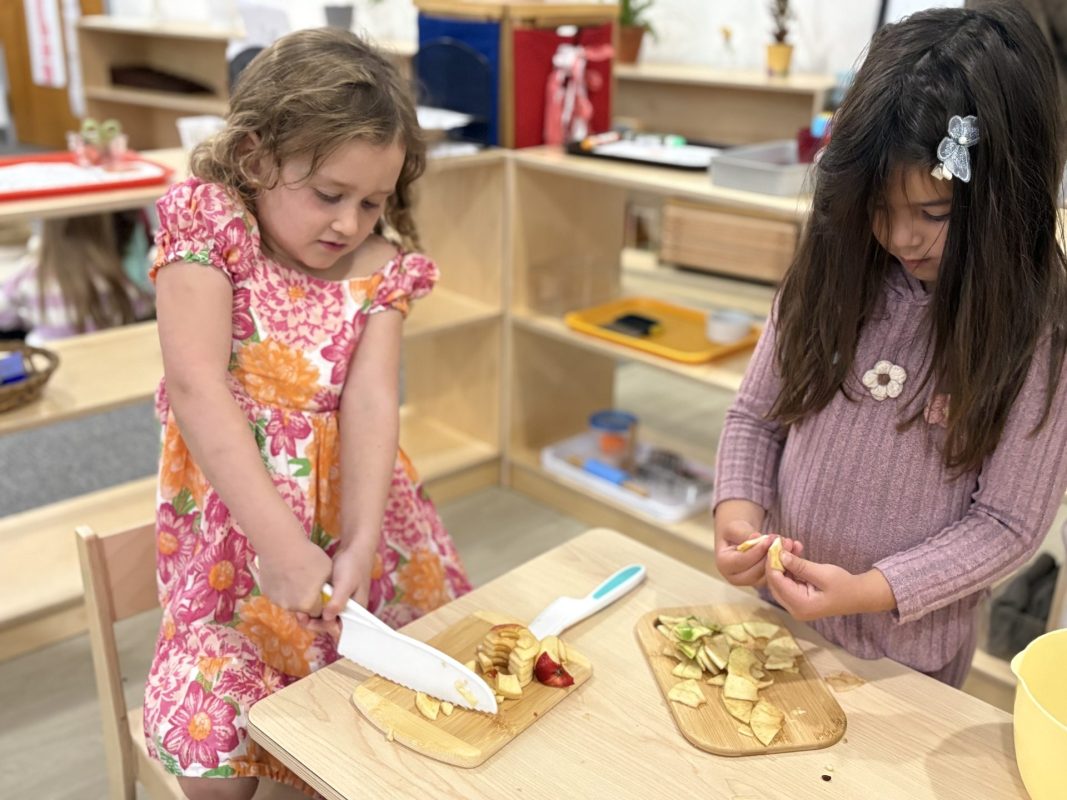
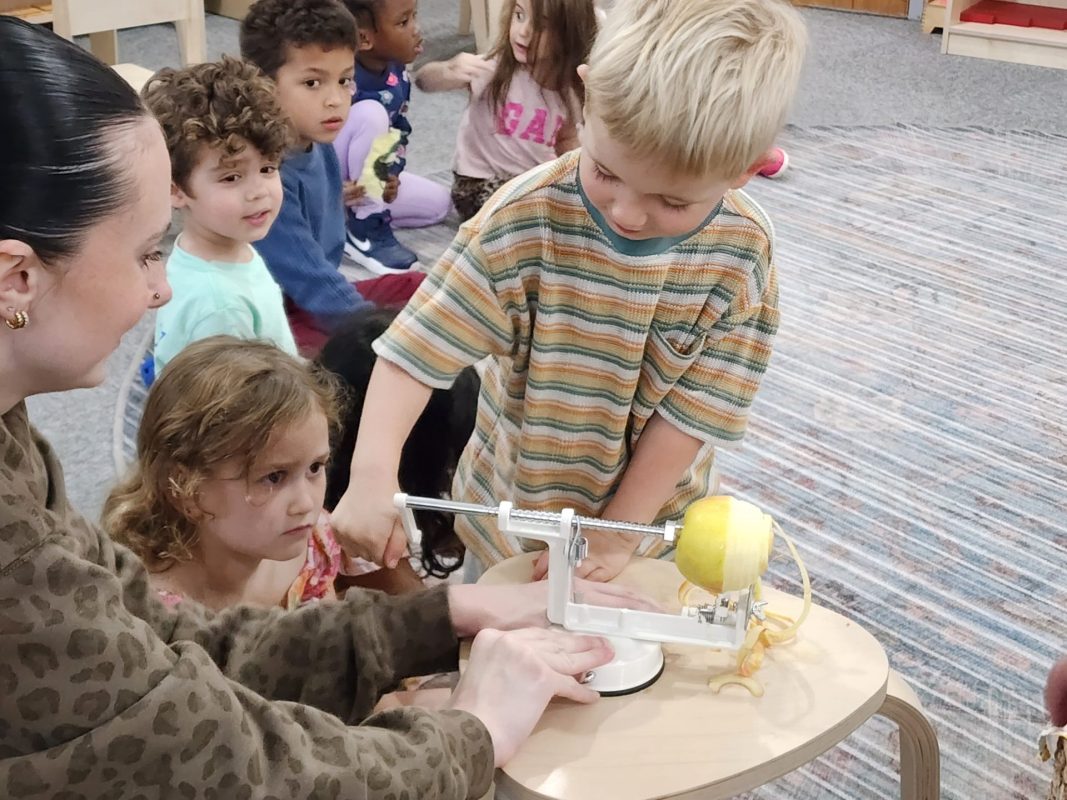
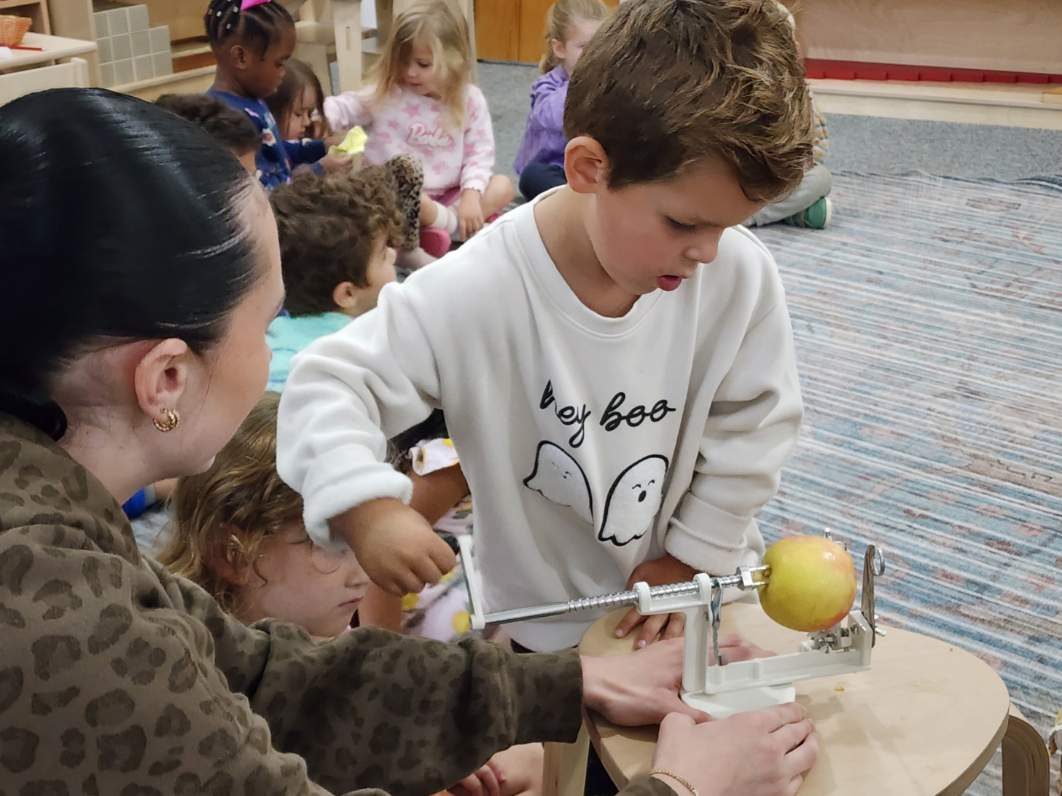
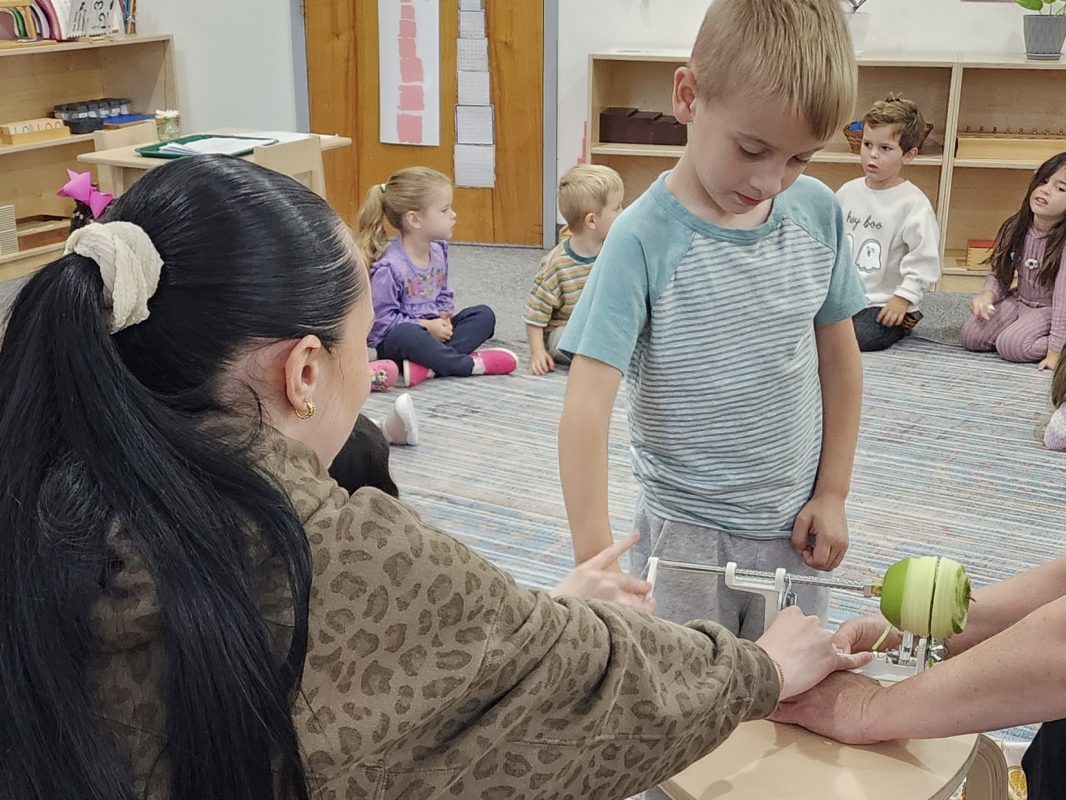
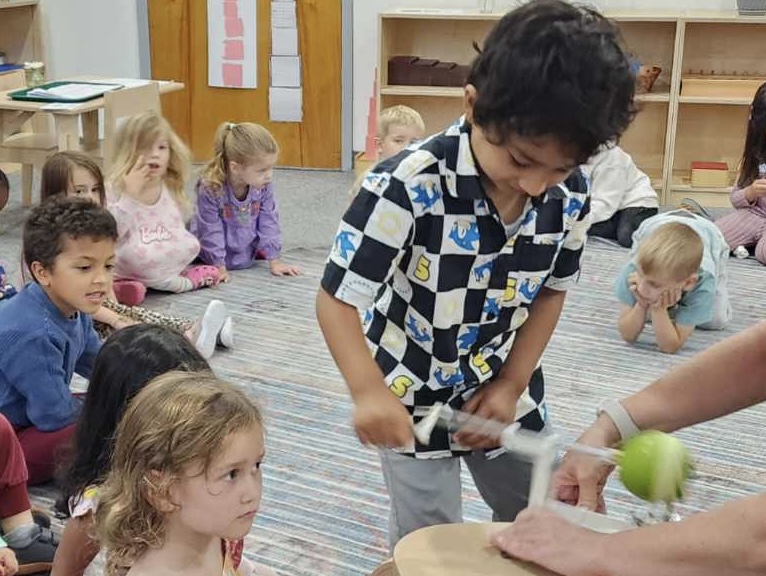
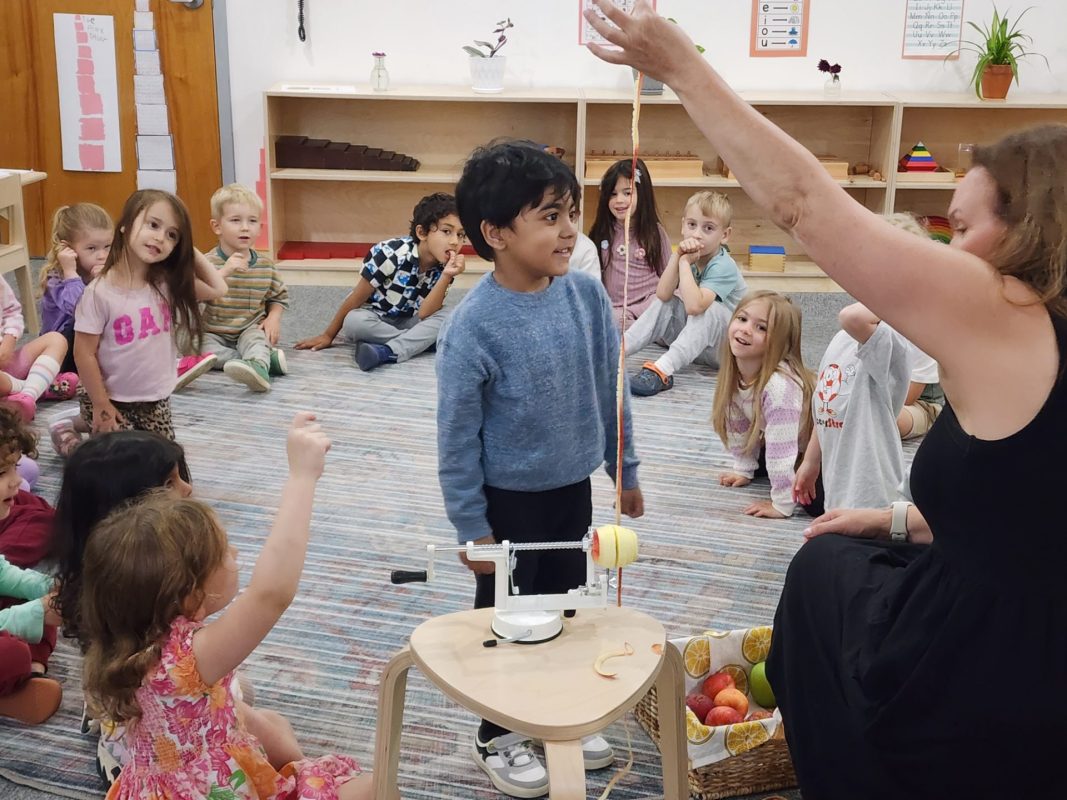
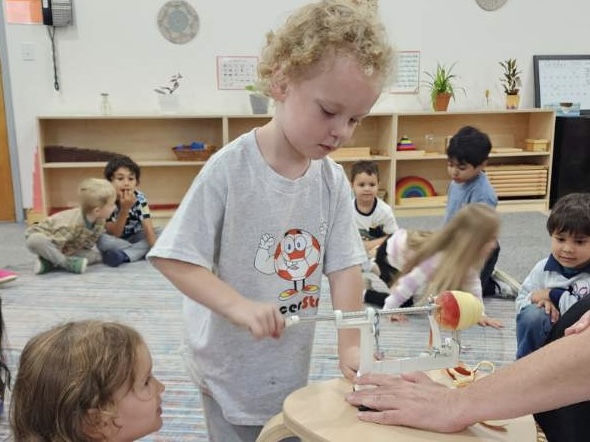
Our apple study continues to captivate the children. They’ve been exploring the parts of an apple and learning how apples grow from tiny blossoms on trees. This hands-on investigation connects beautifully to their growing understanding of life cycles and the natural world.

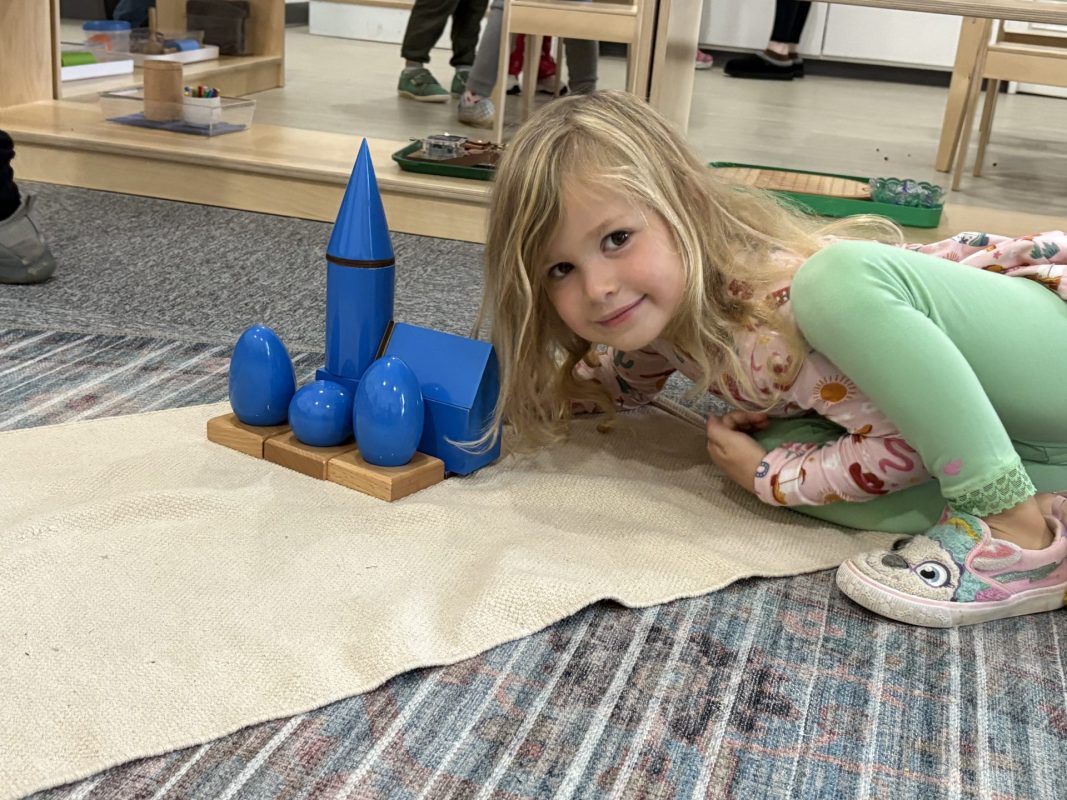
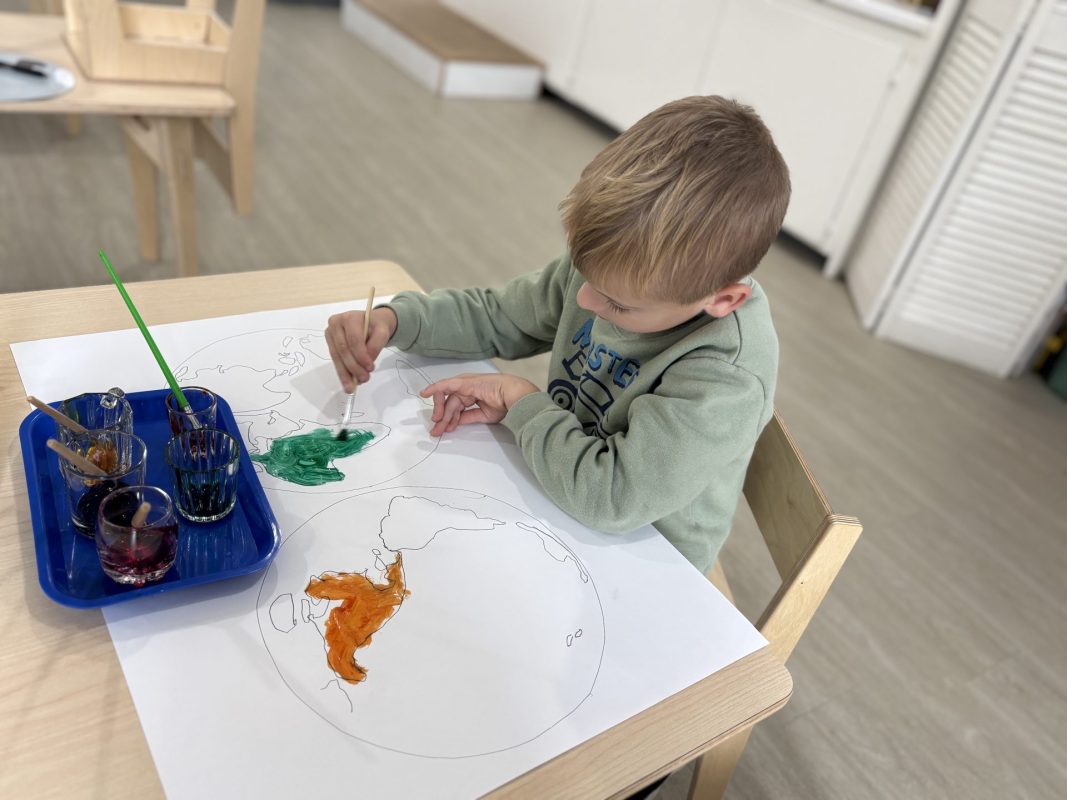
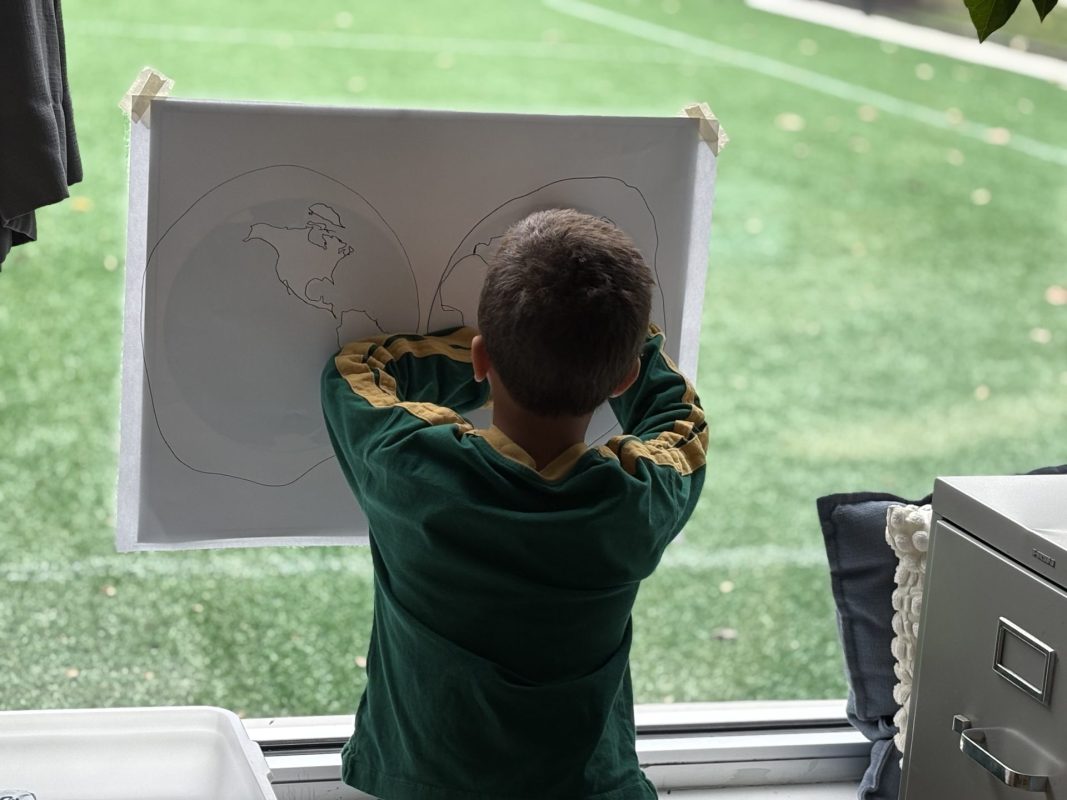
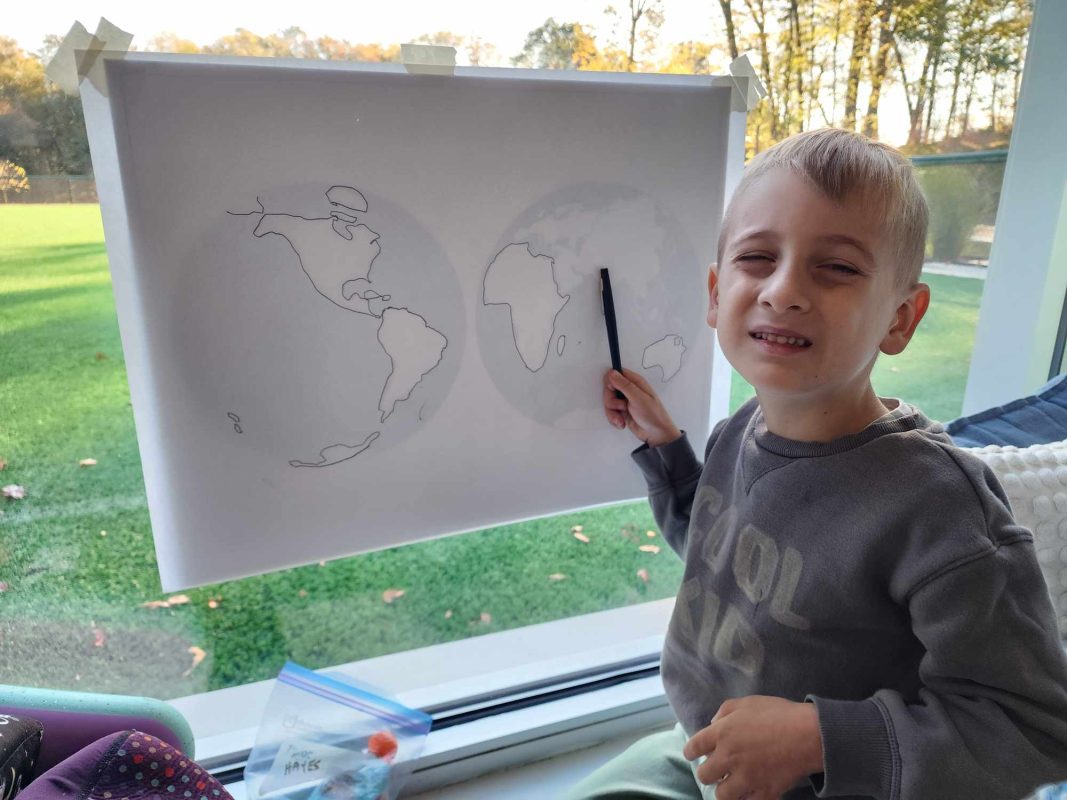
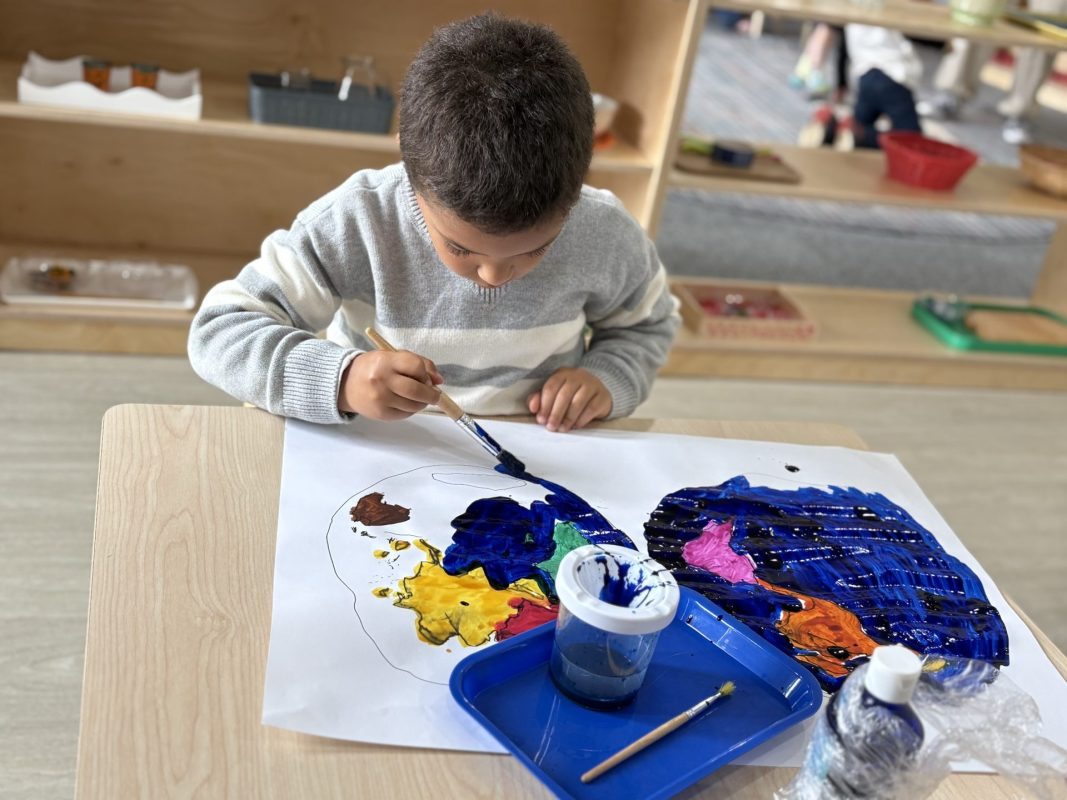
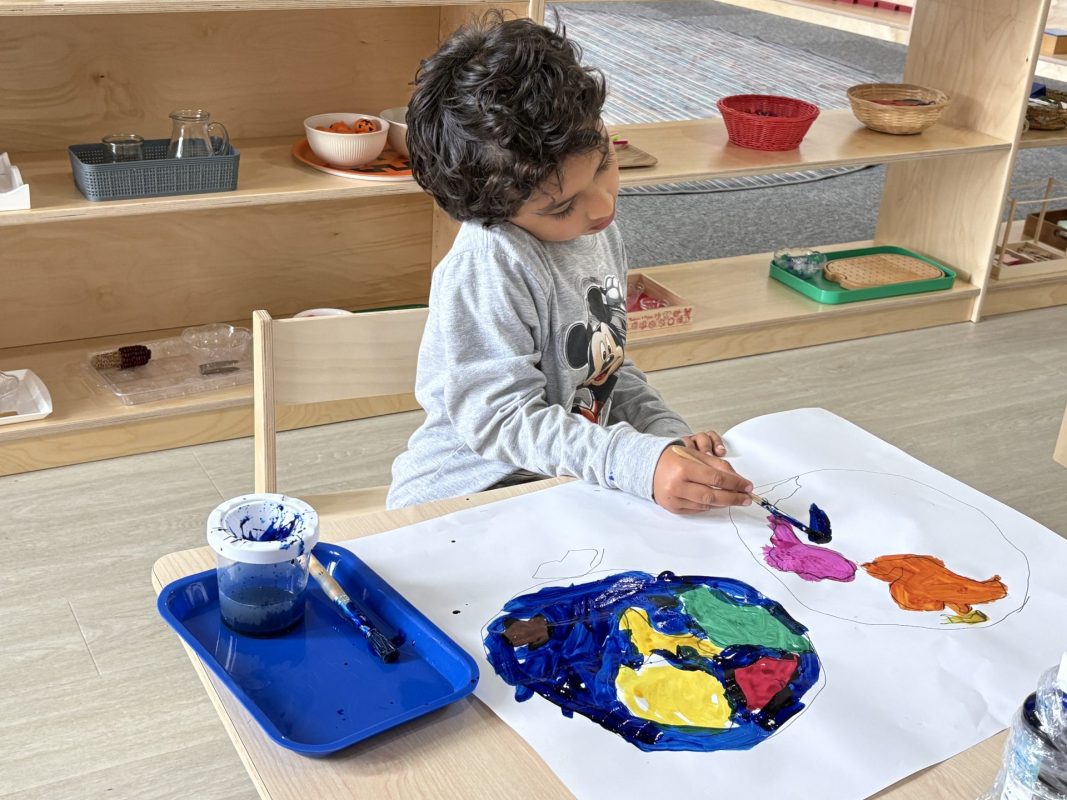
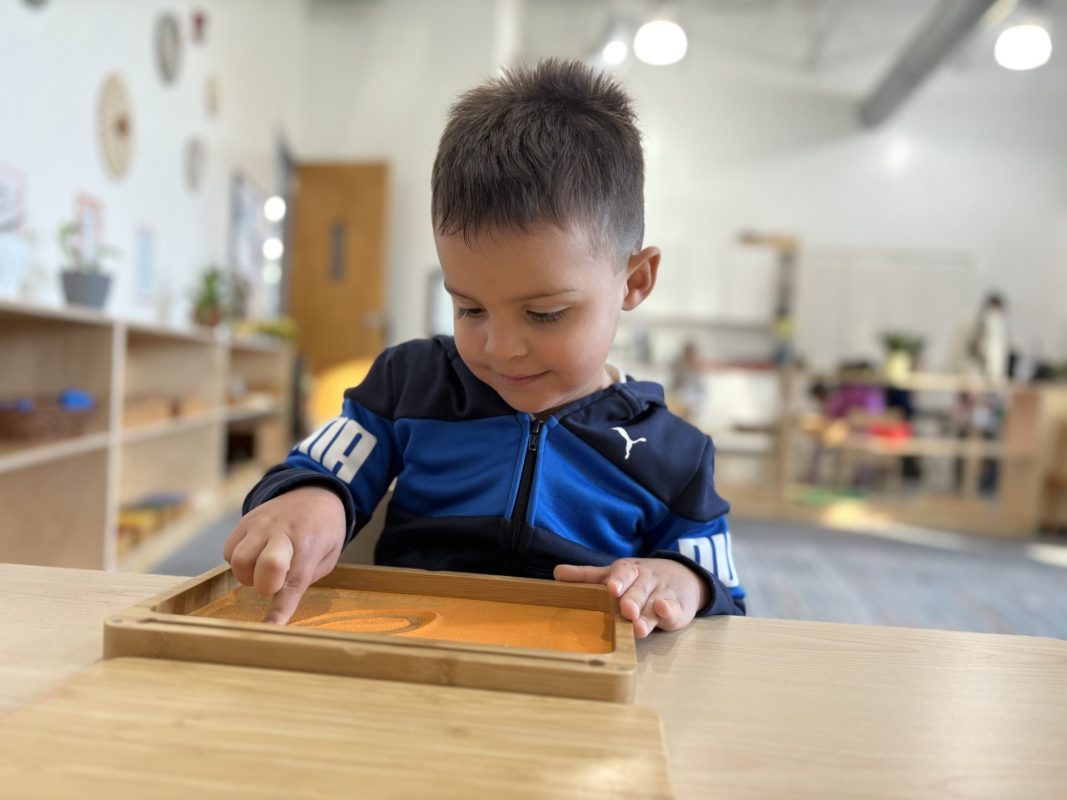
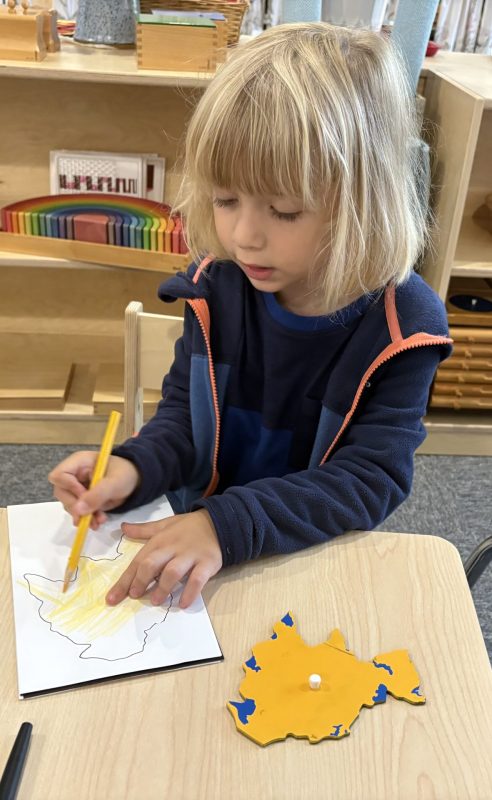
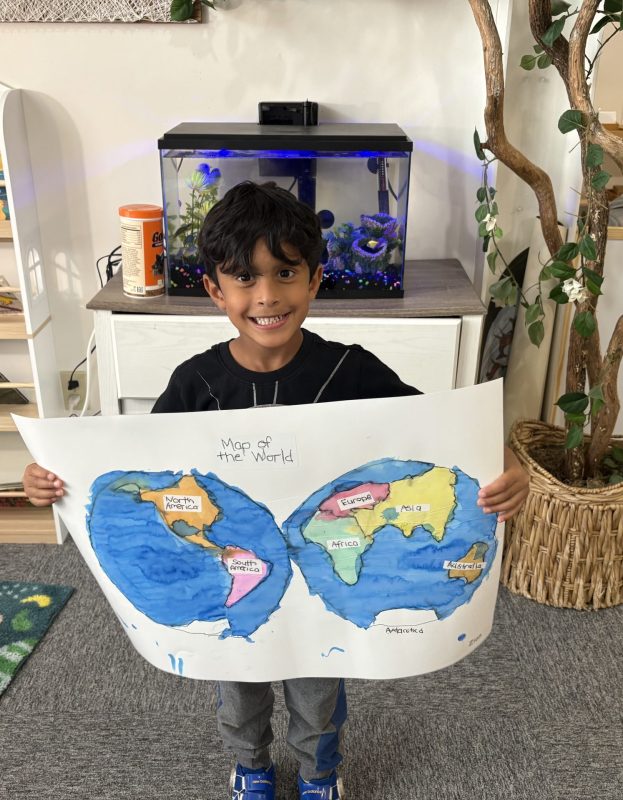
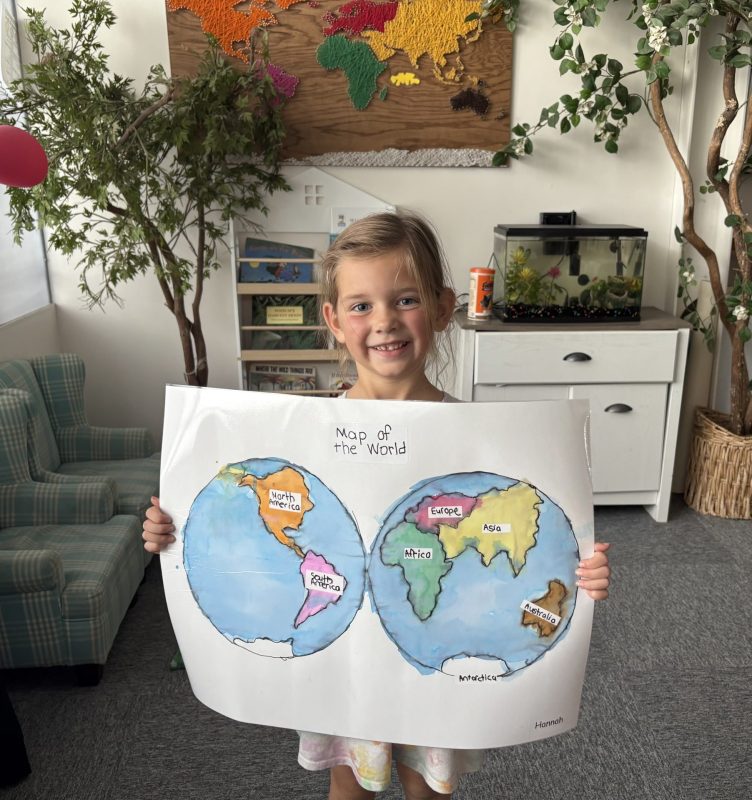
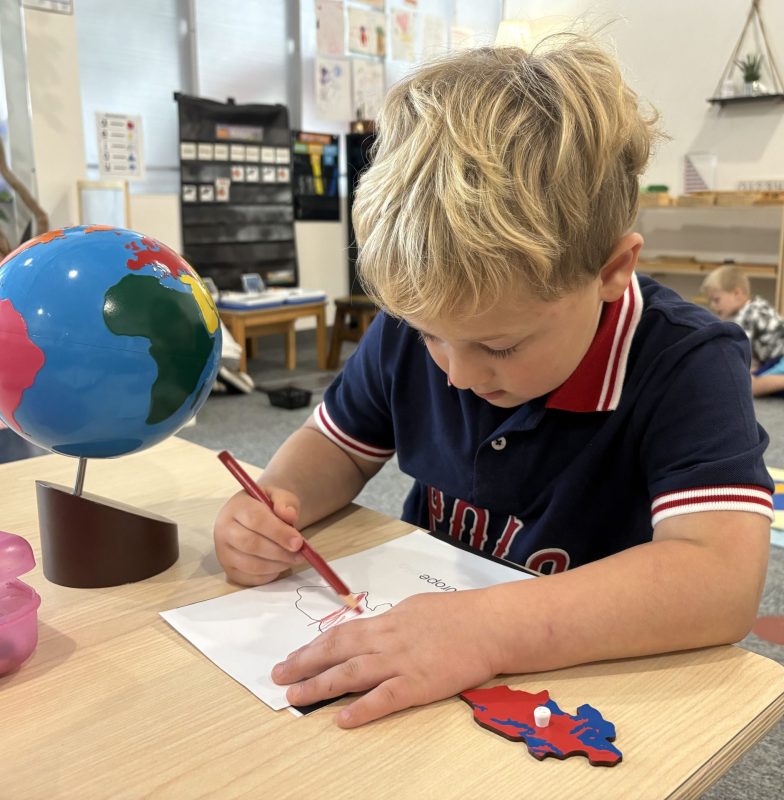
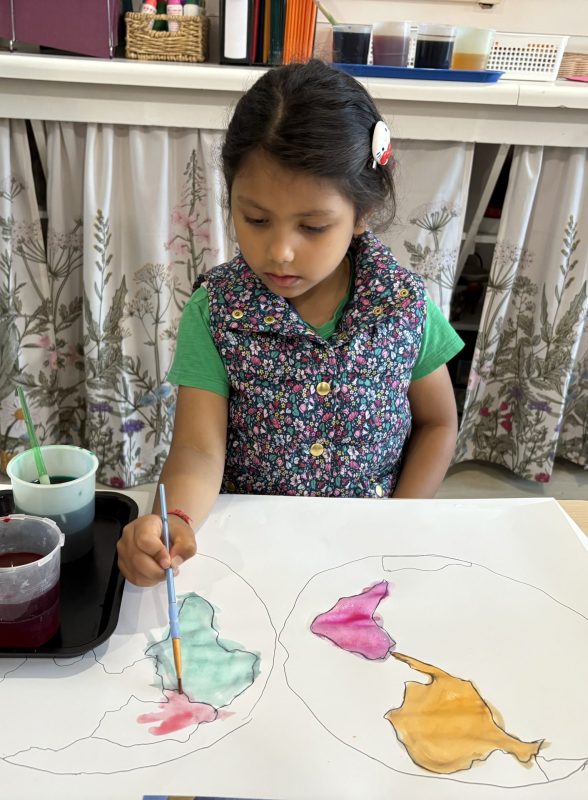
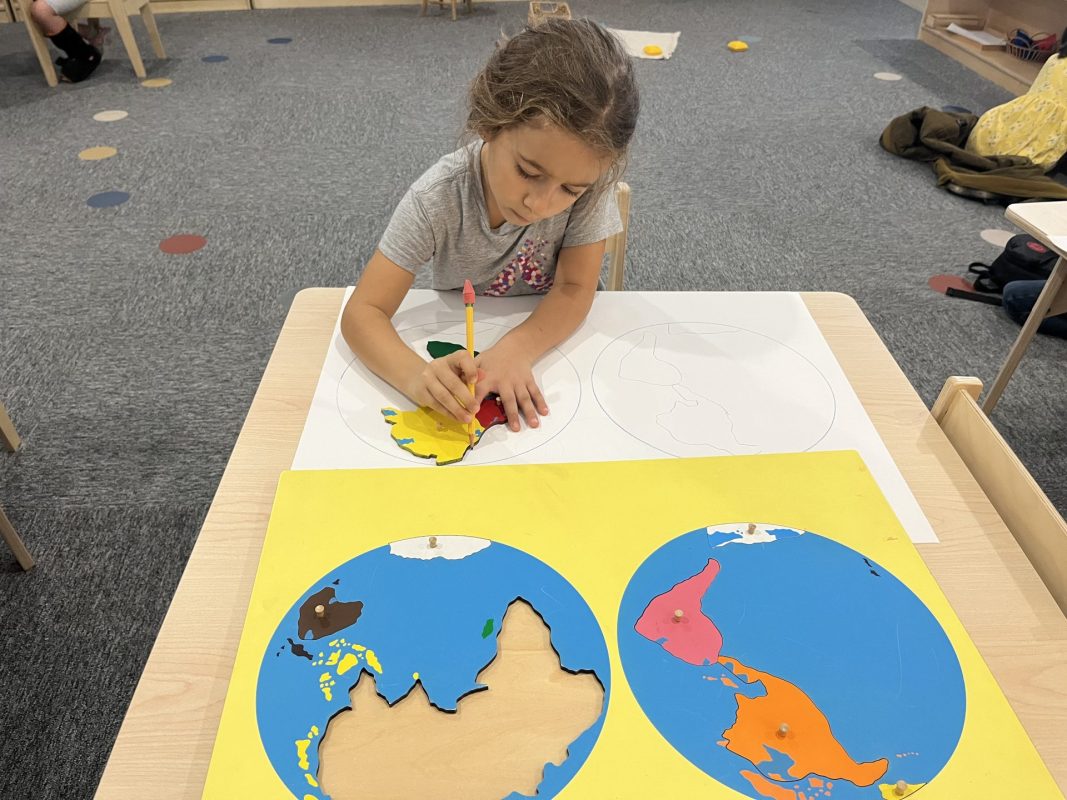
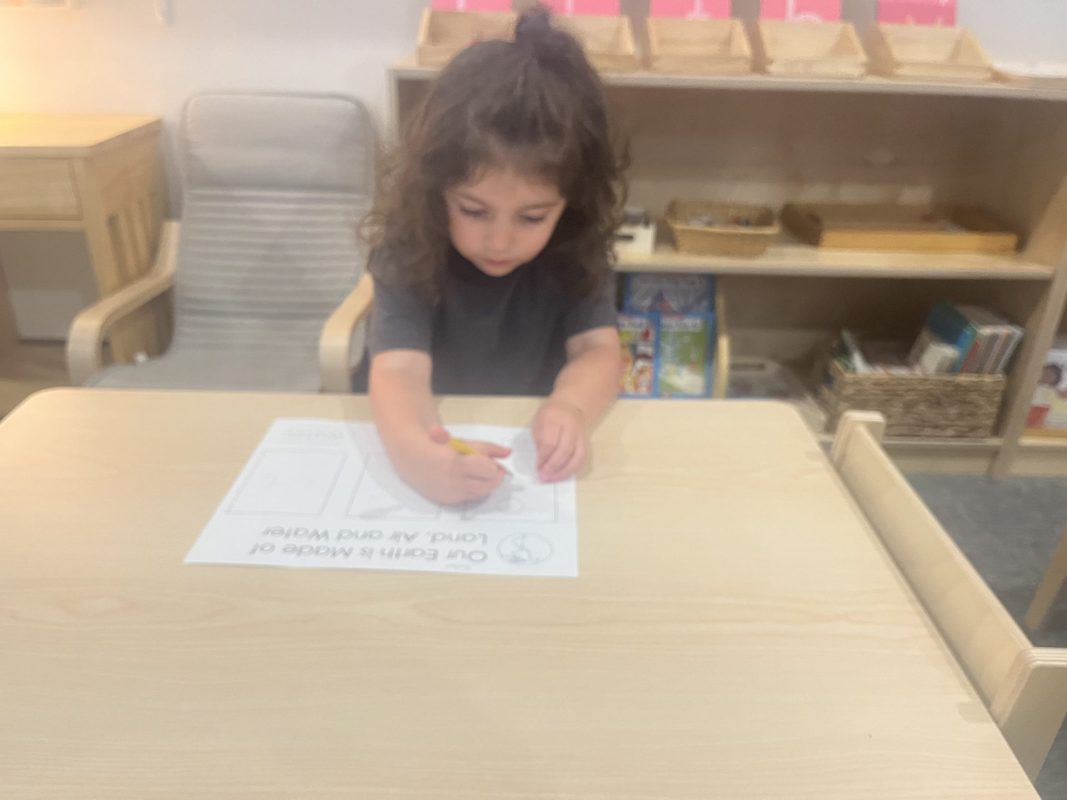
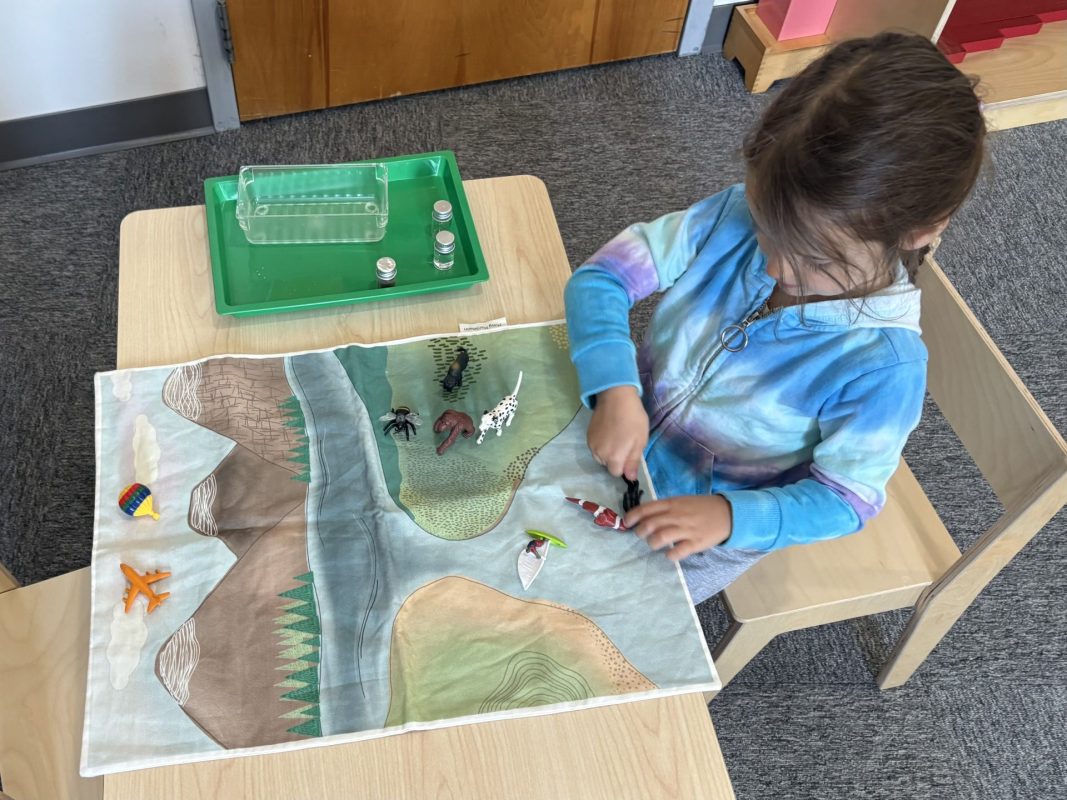
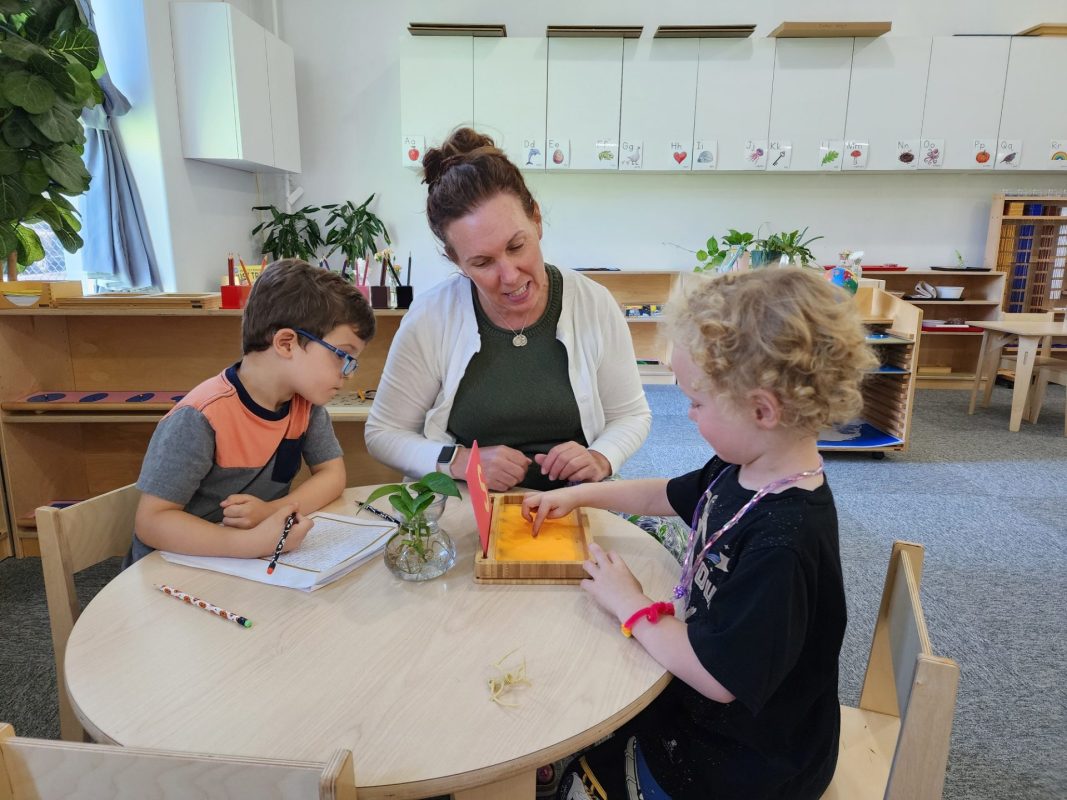
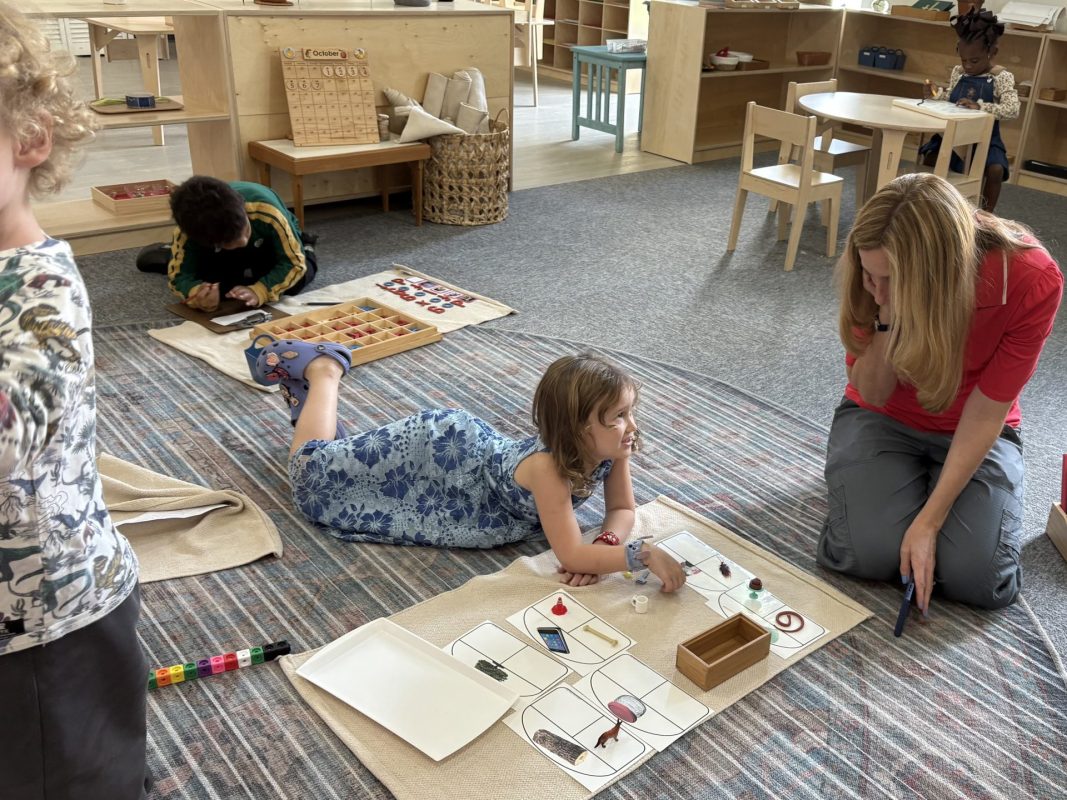
We’ve also introduced landforms this week, and the children are fascinated by the relationship between land and water. Using the Montessori Land and Water Forms, children learned to distinguish between an island and a lake — tracing the raised land with their fingers and observing the corresponding water-filled shapes, connecting abstract geographical concepts to concrete, sensory experience. We’ve begun our journey across the globe, introducing the seven continents and five oceans that make up our beautiful planet Earth.

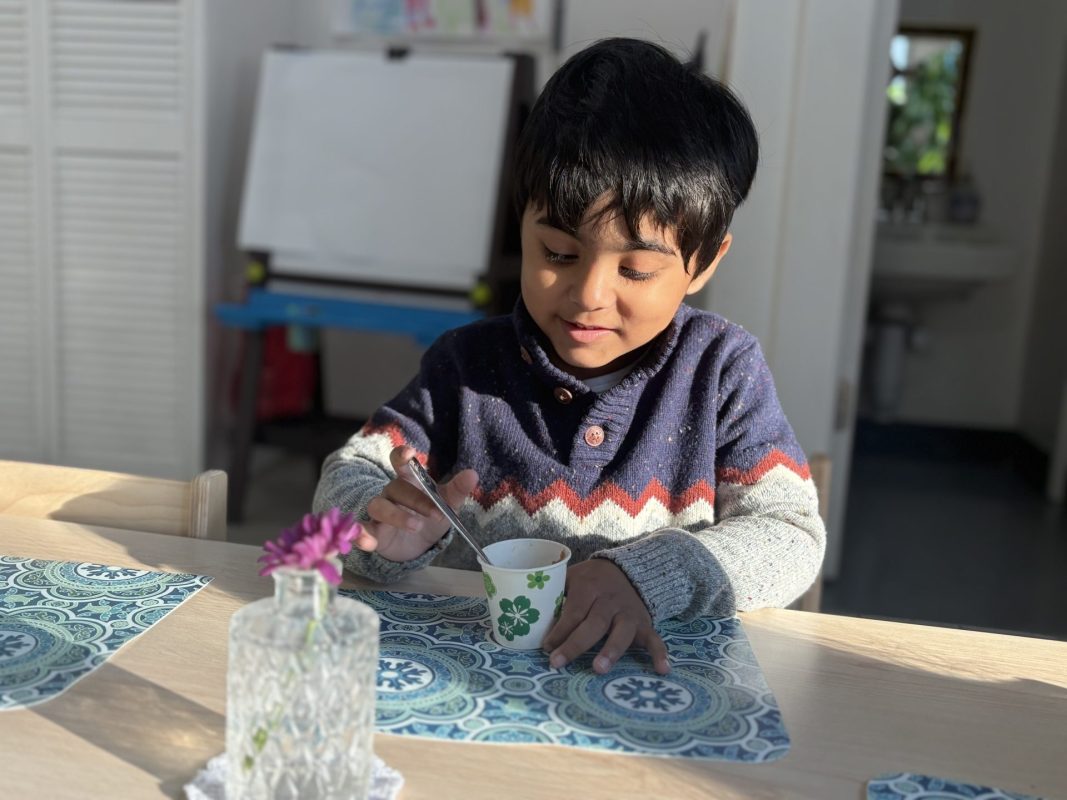
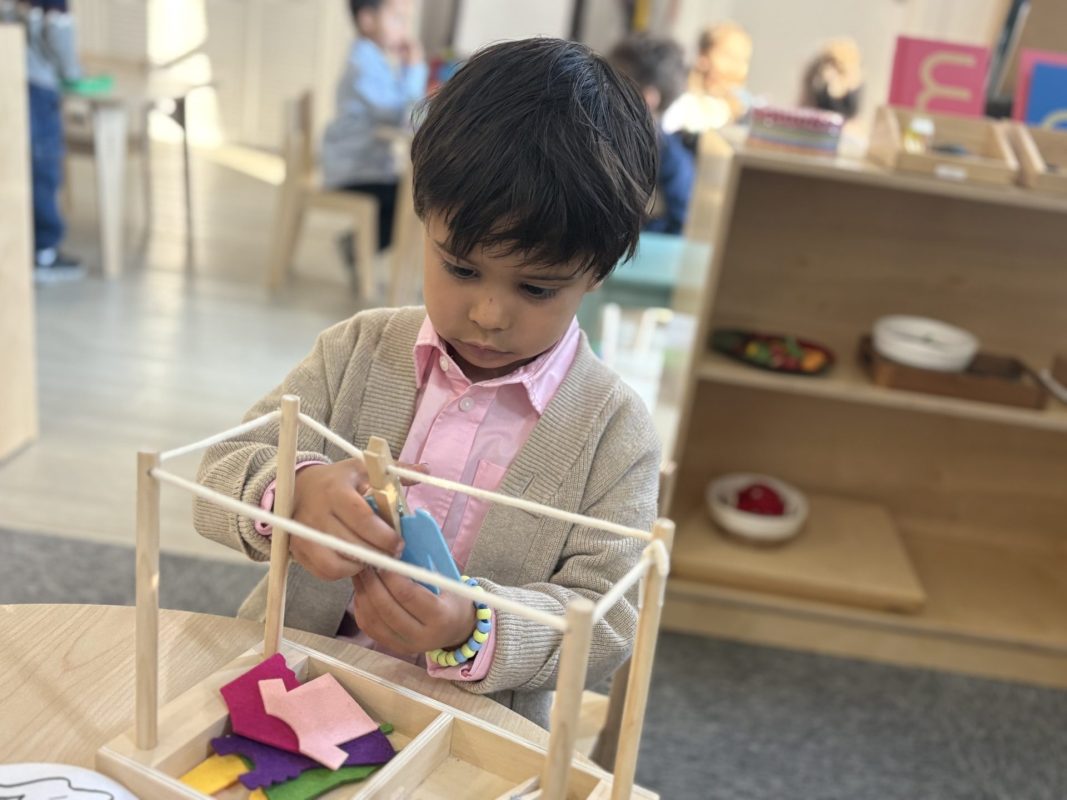
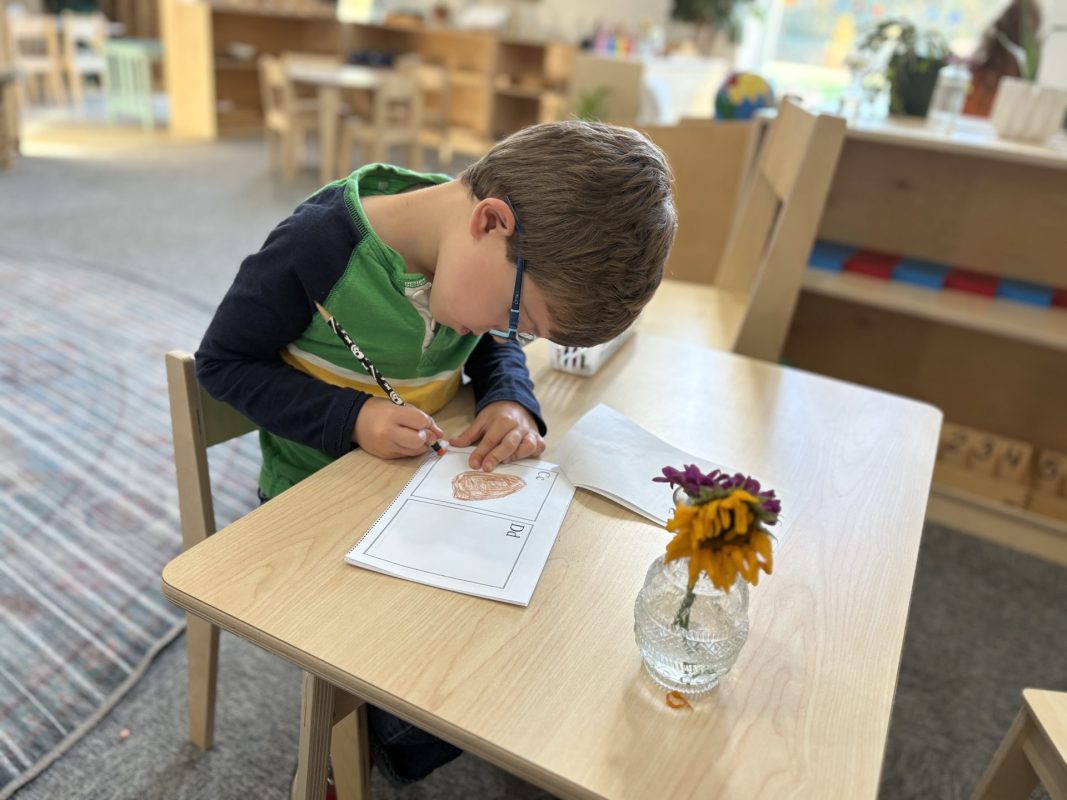
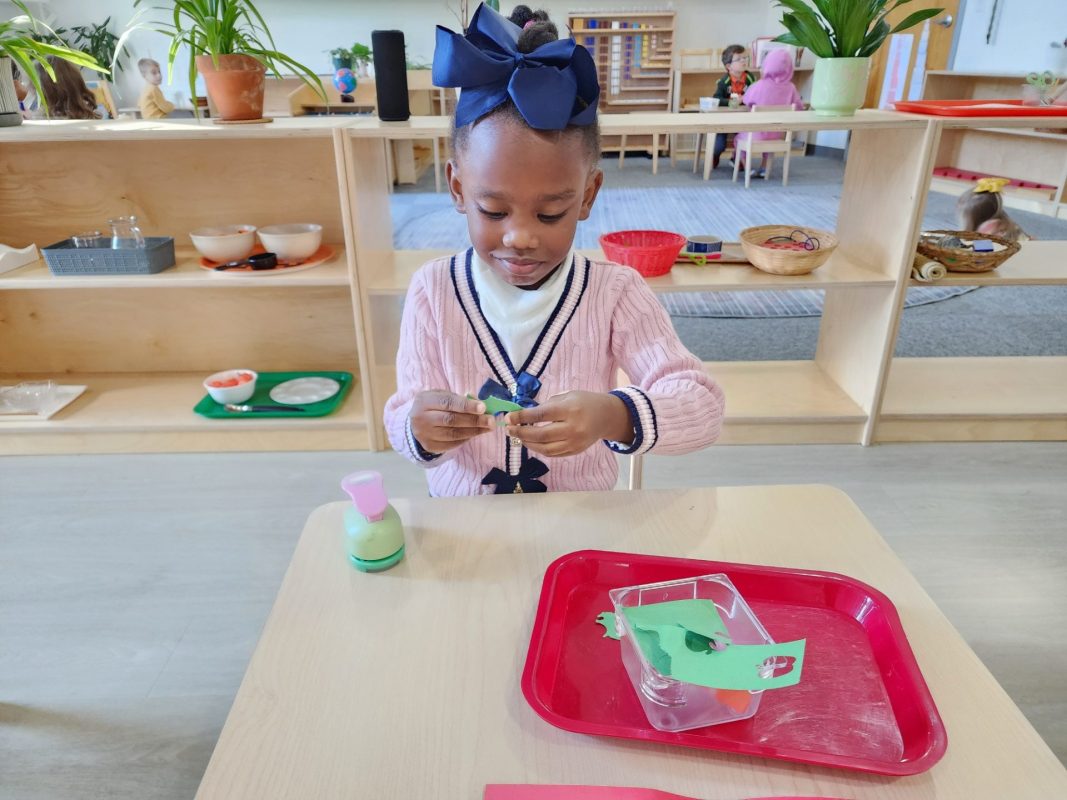
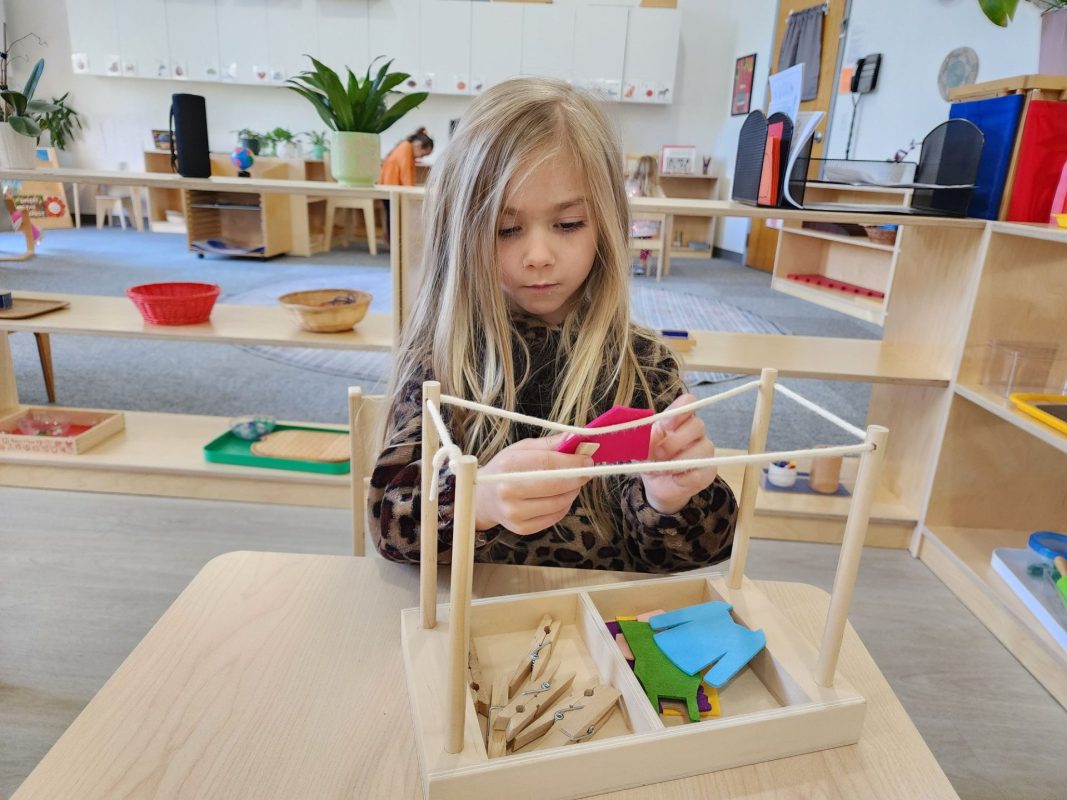
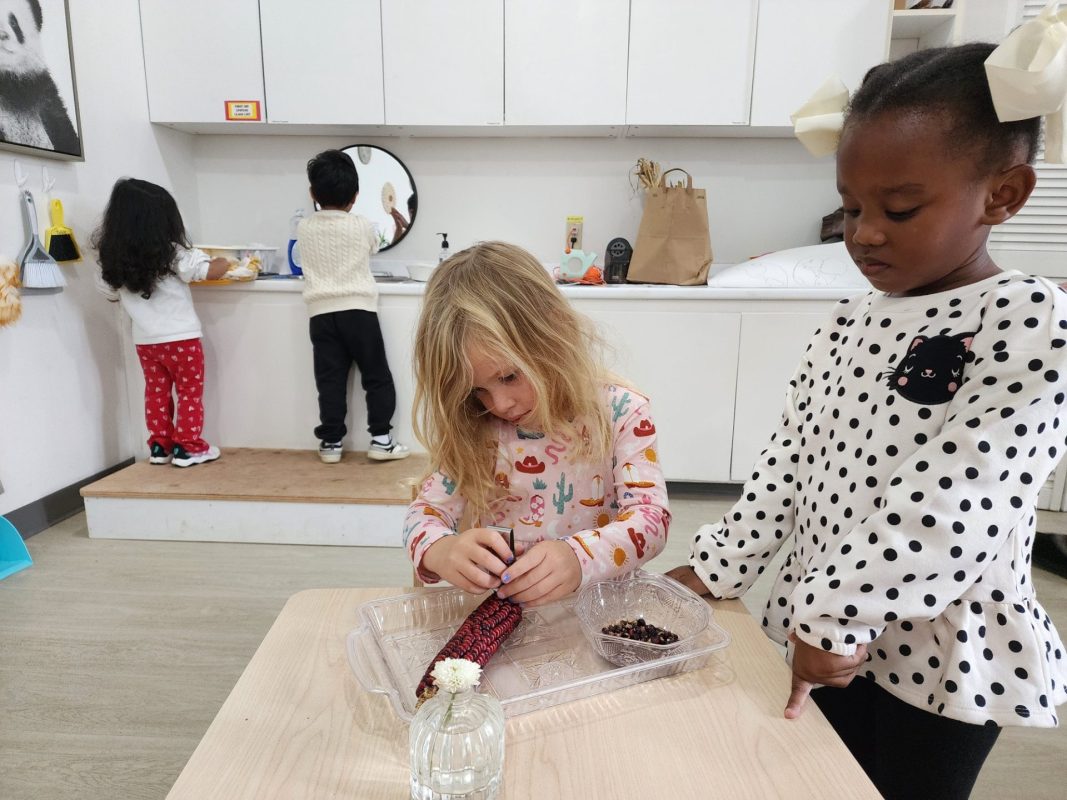
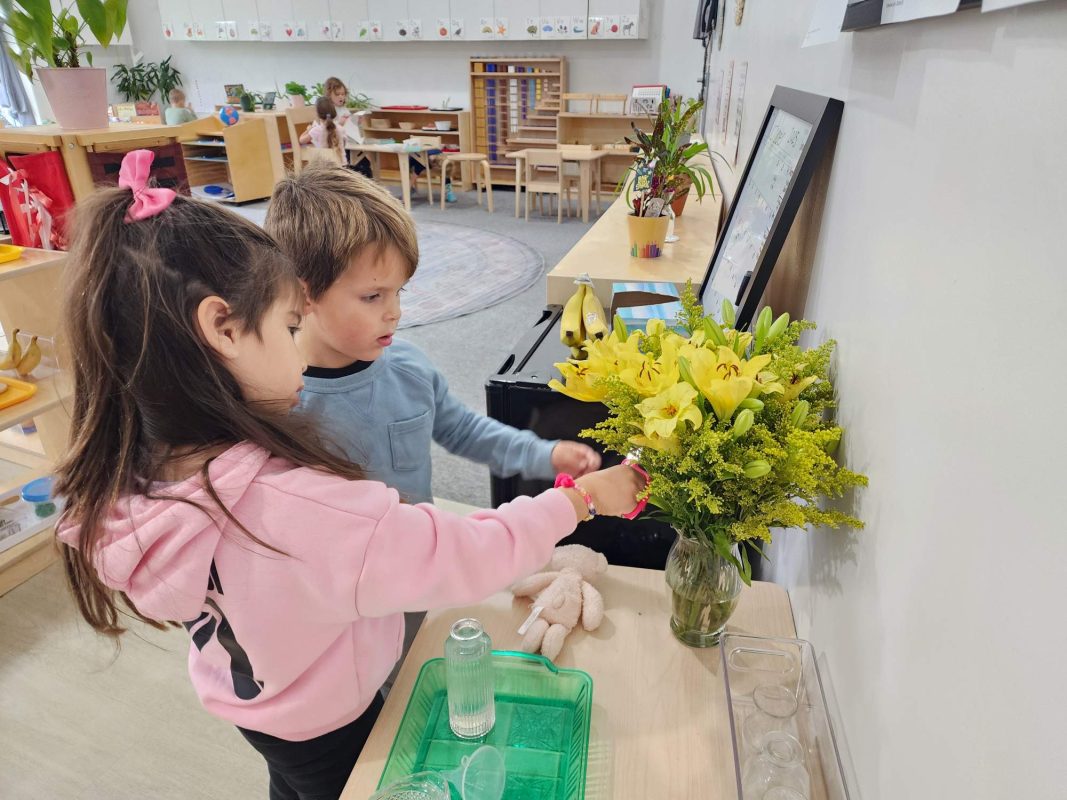
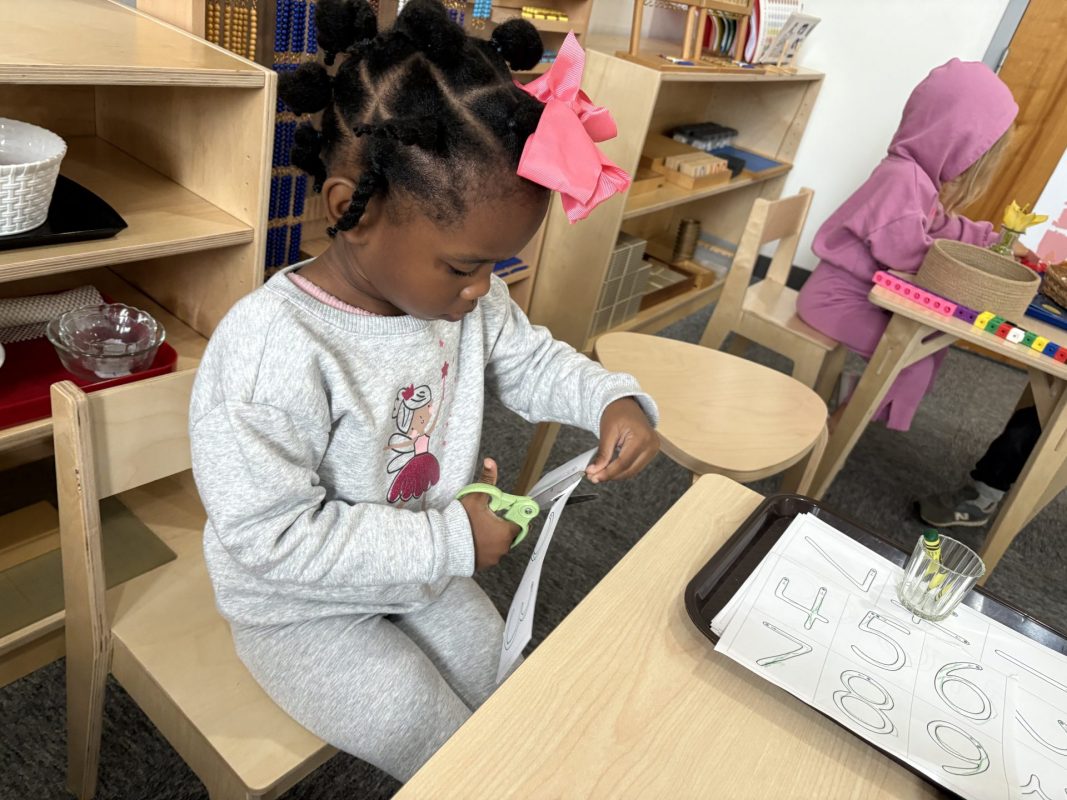
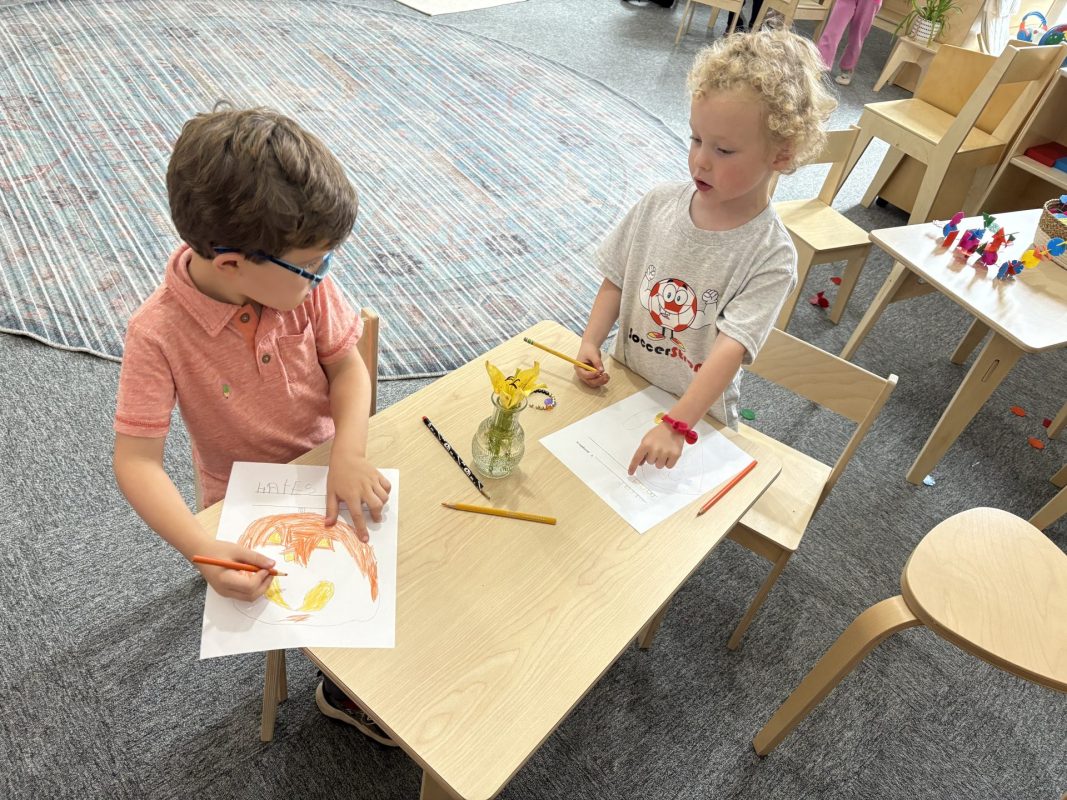
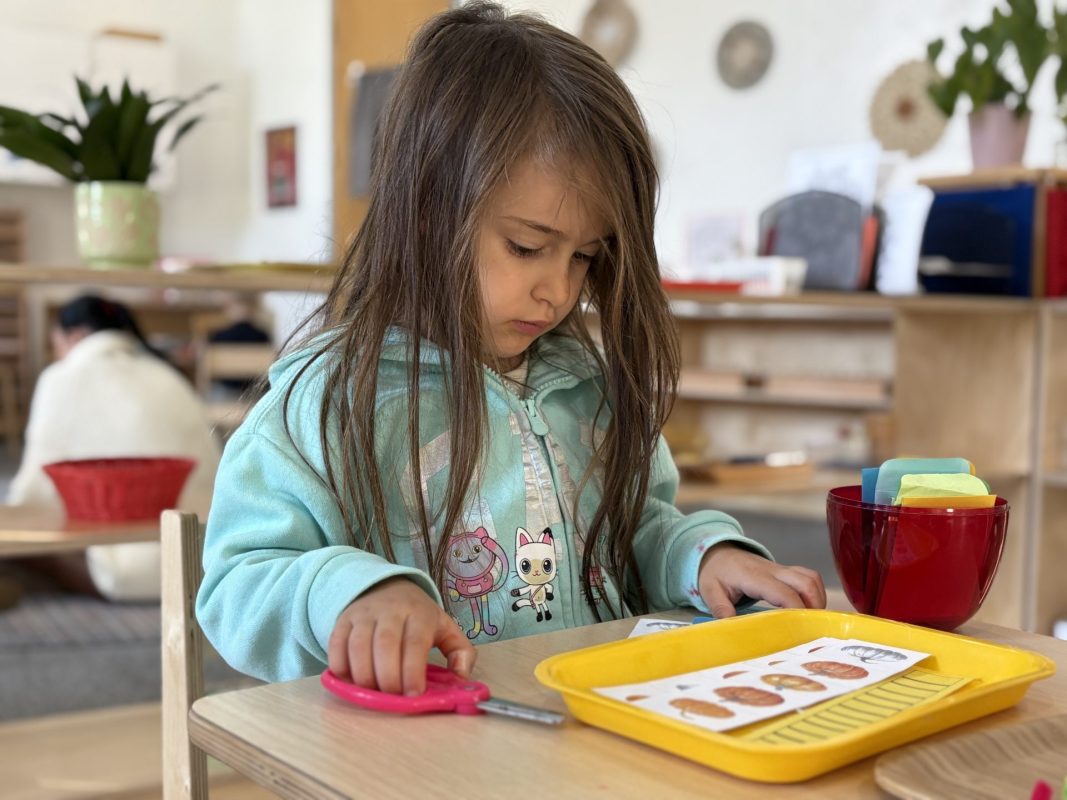
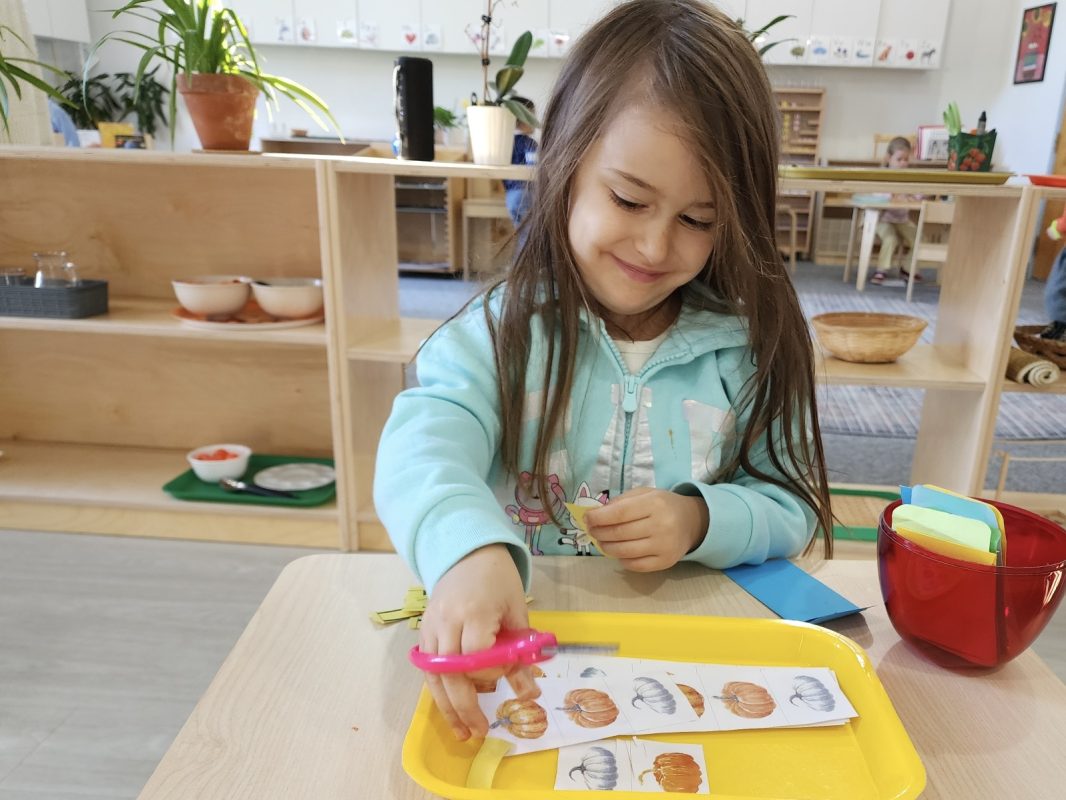
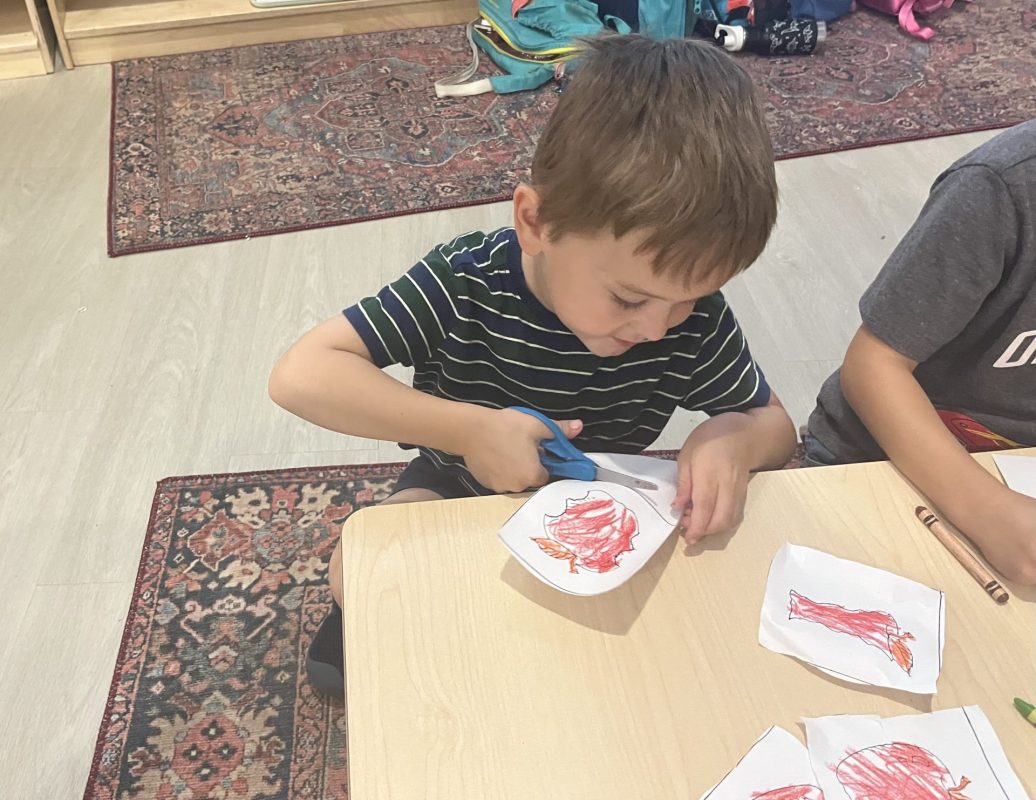
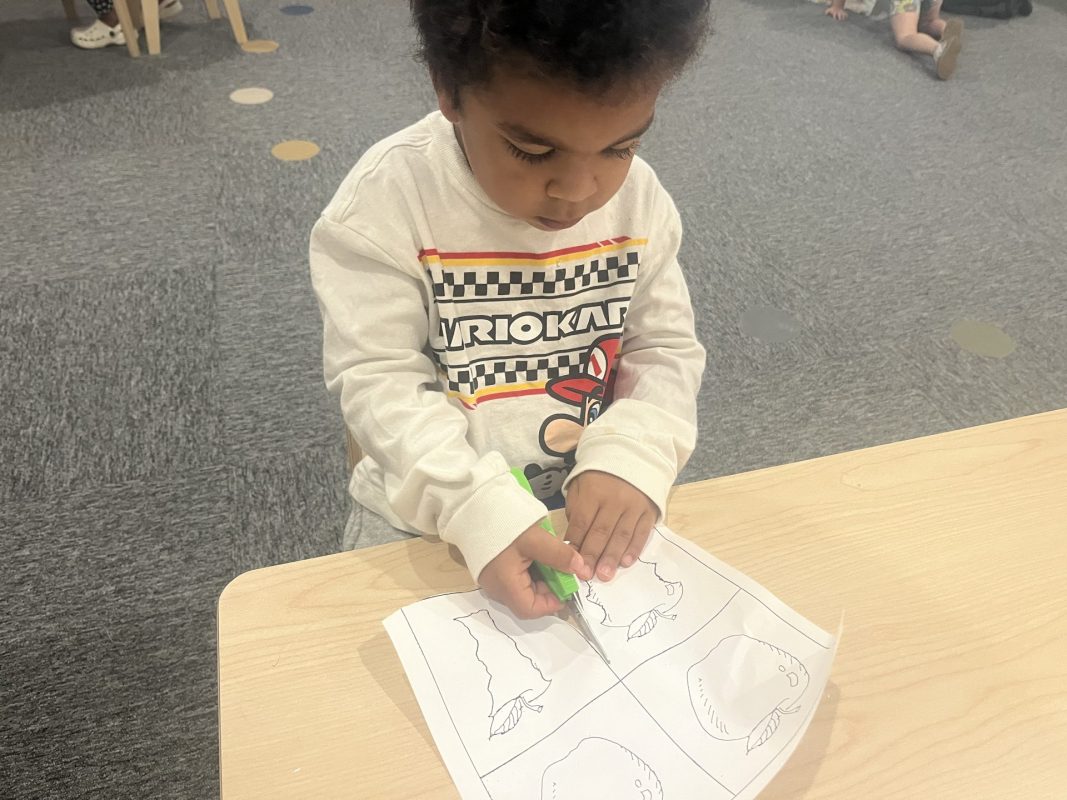
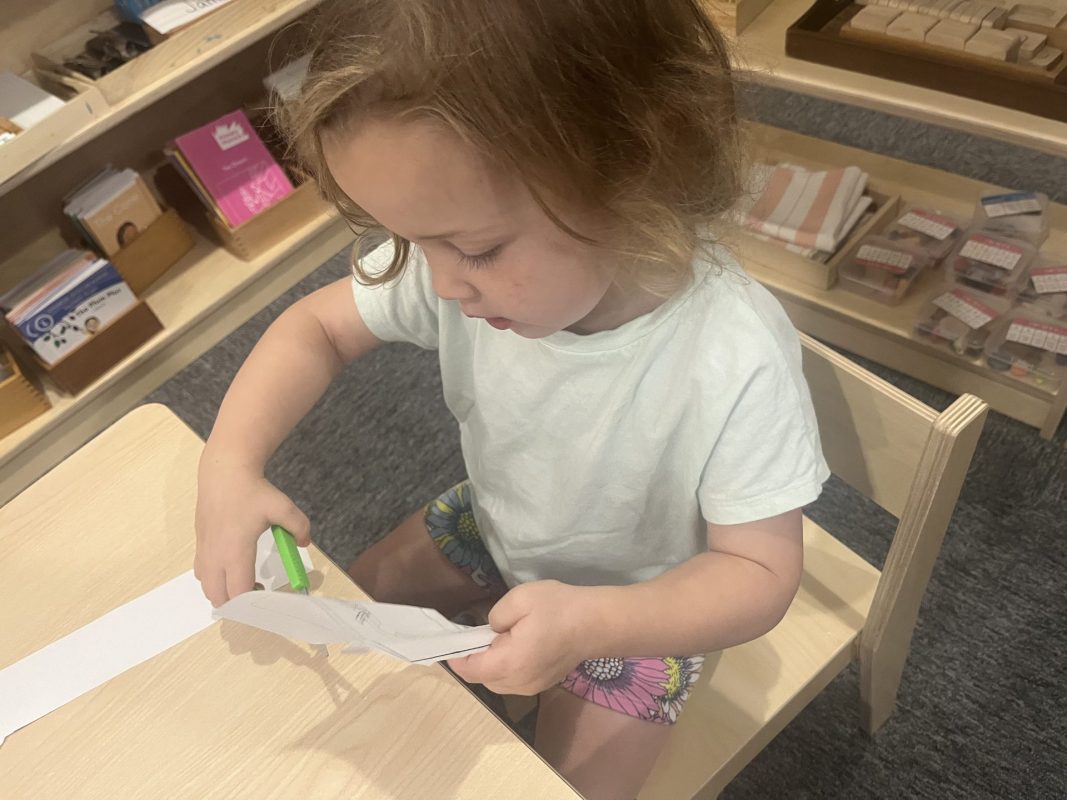
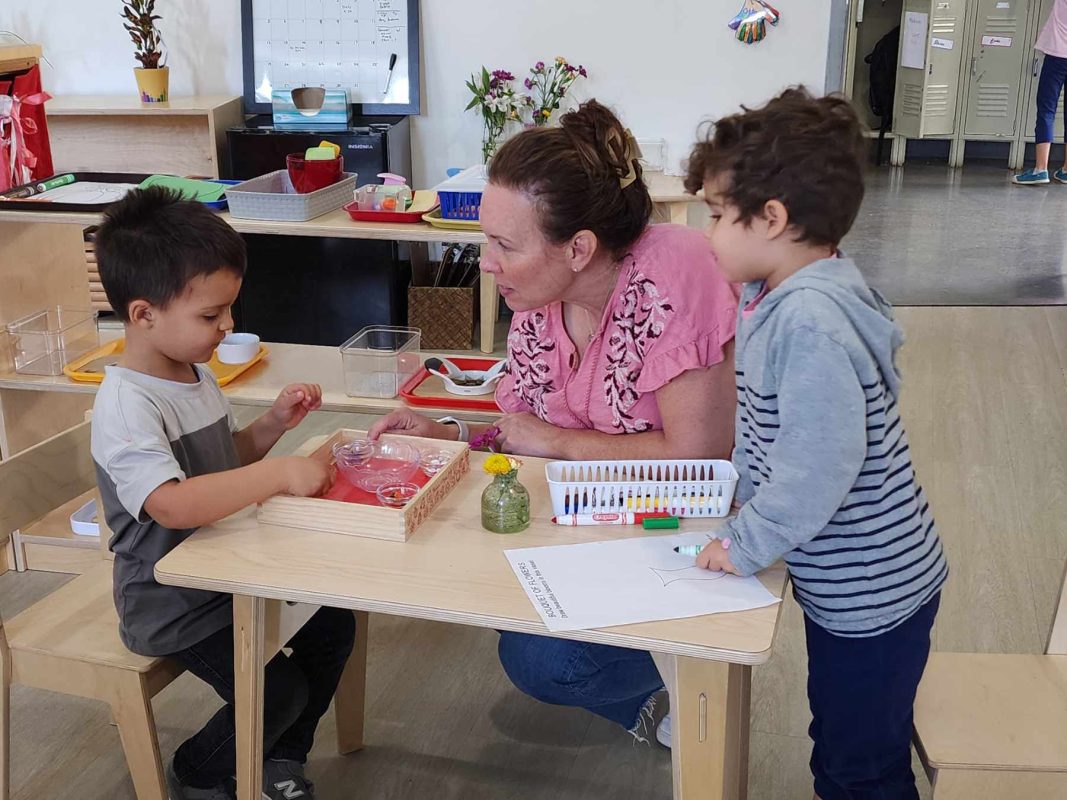
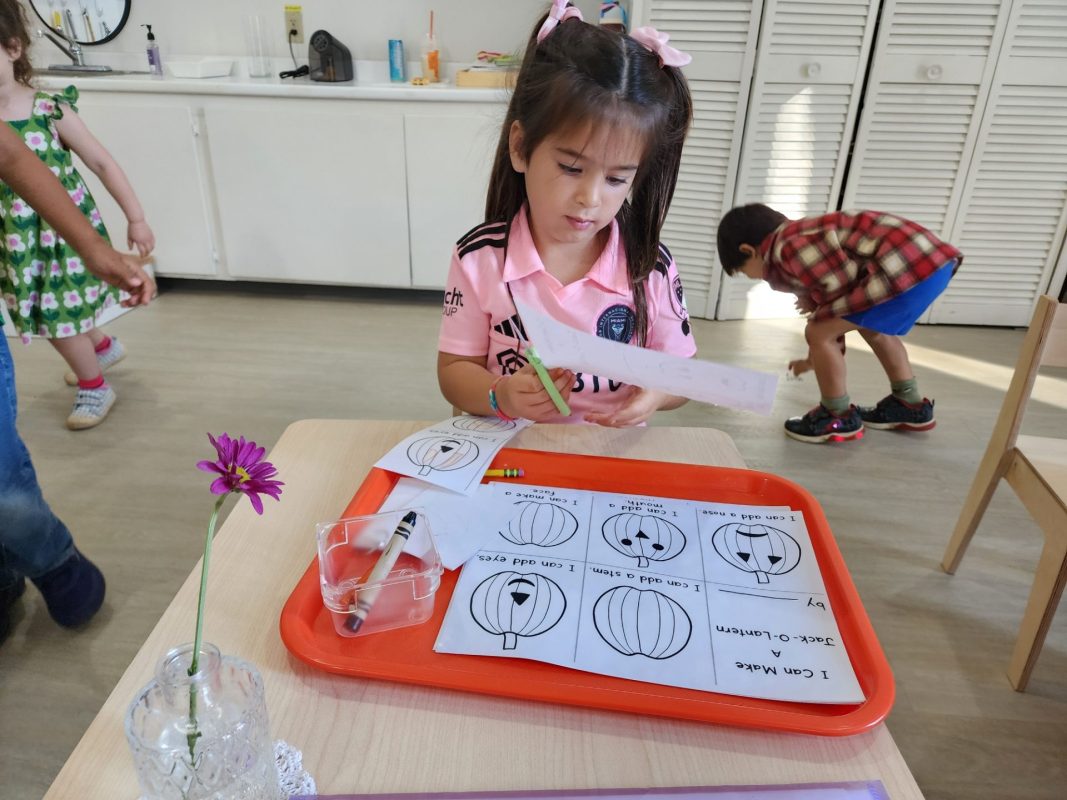
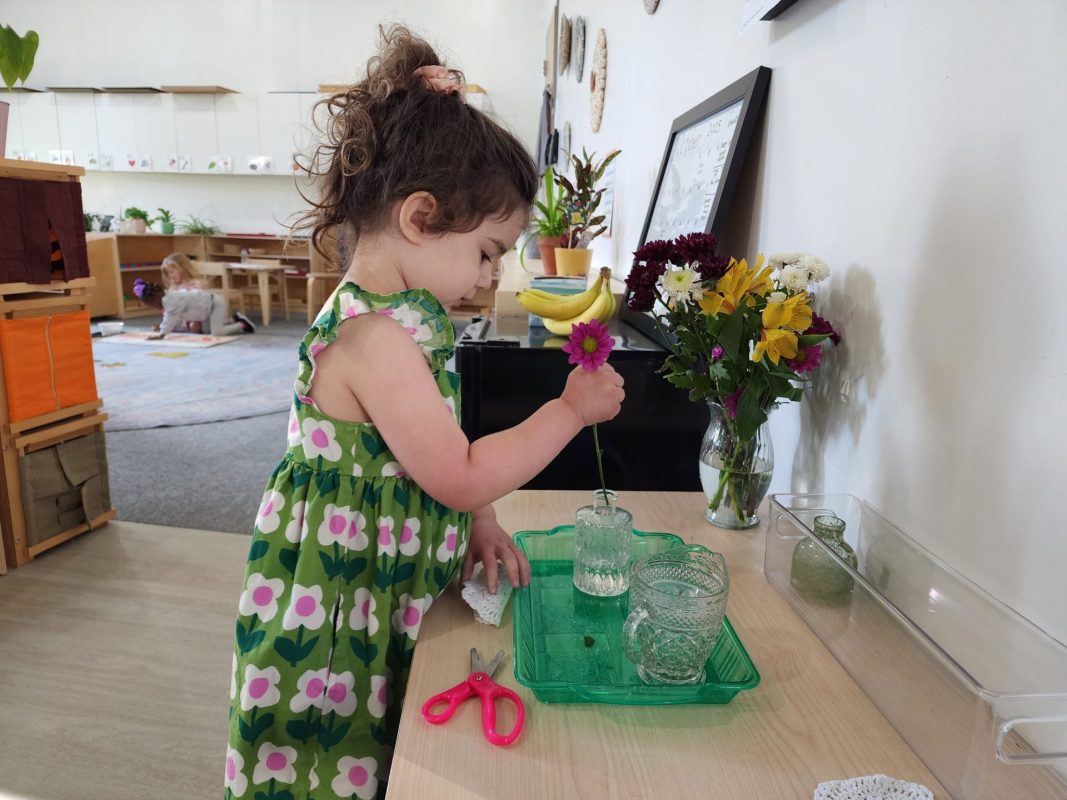
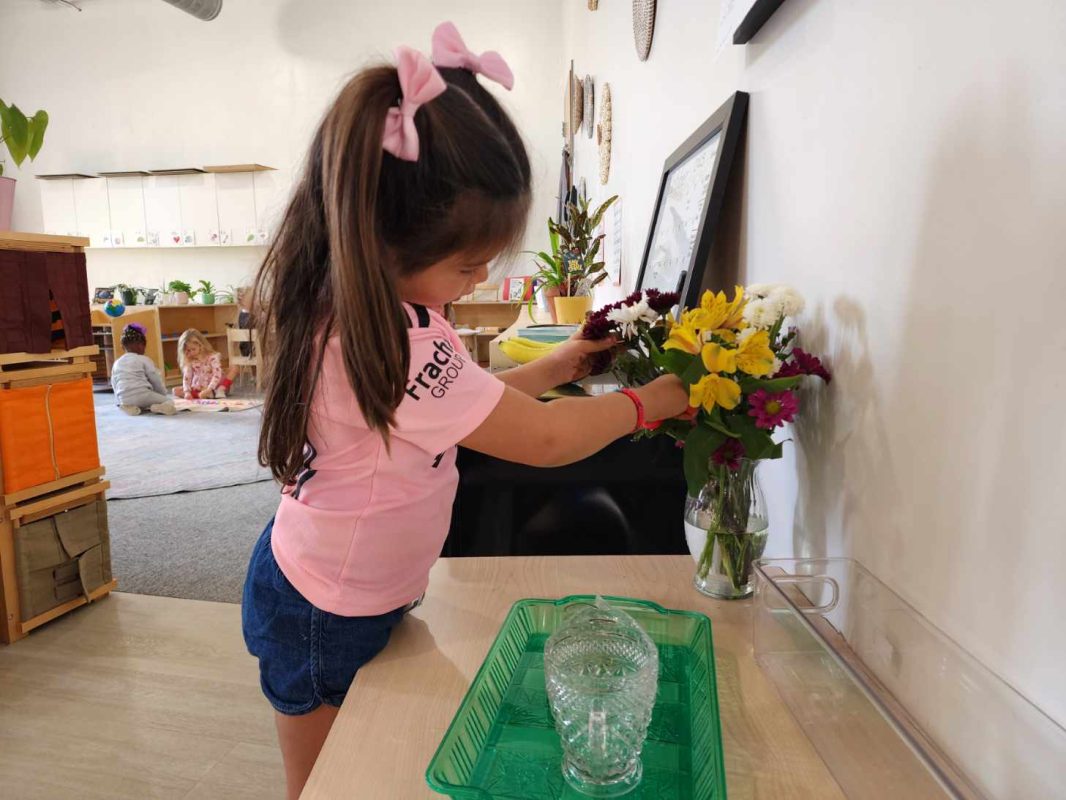
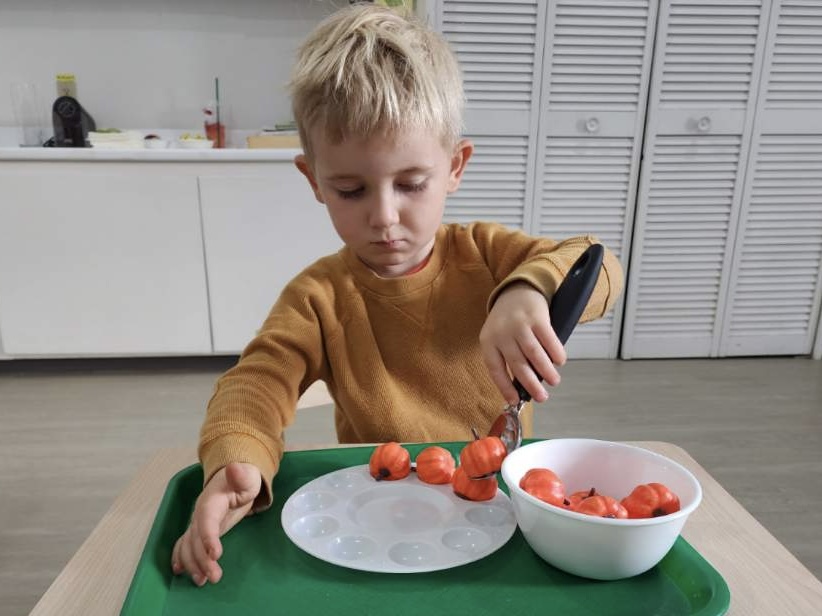
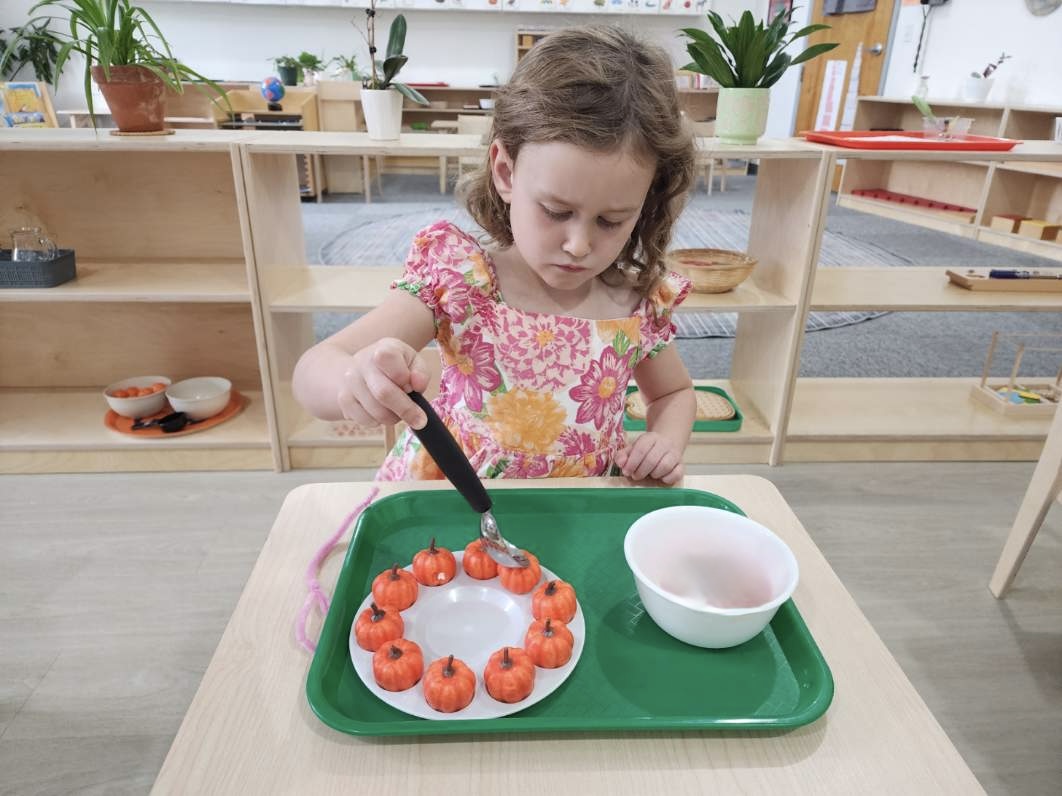
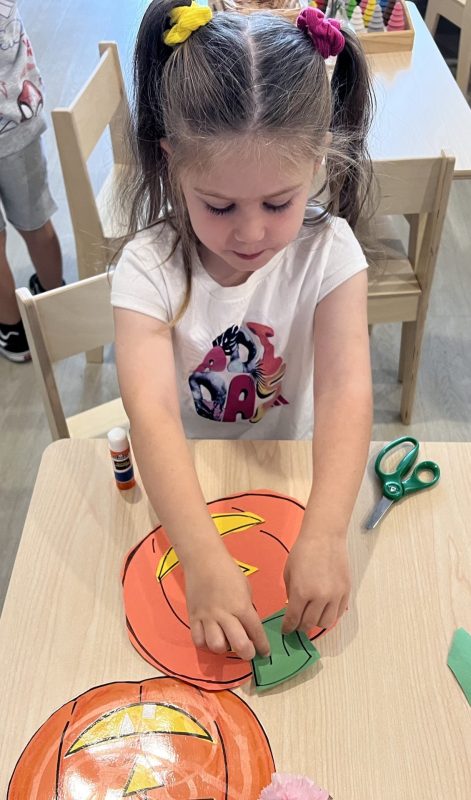
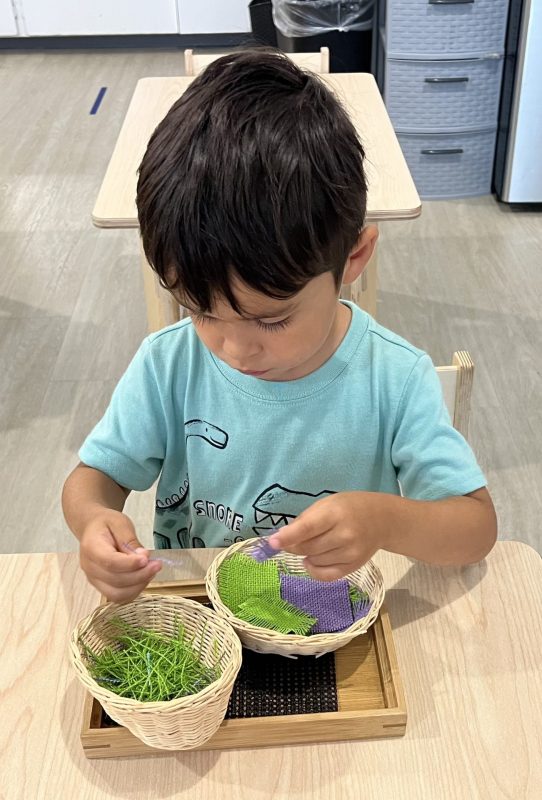
A highlight of our practical life work has been using scissors to carefully trim flower stems and arrange fresh flowers to beautify our classroom. This delicate work builds hand strength, concentration, and coordination while teaching the children to care for their environment with grace.

Building Community

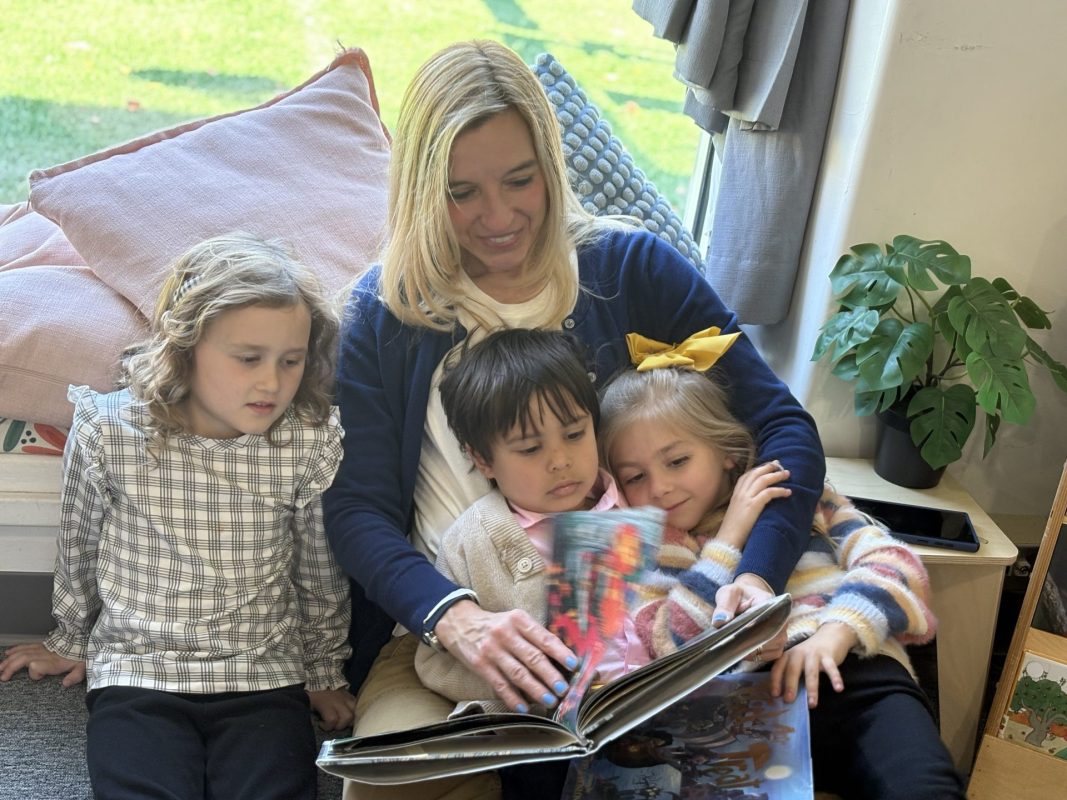
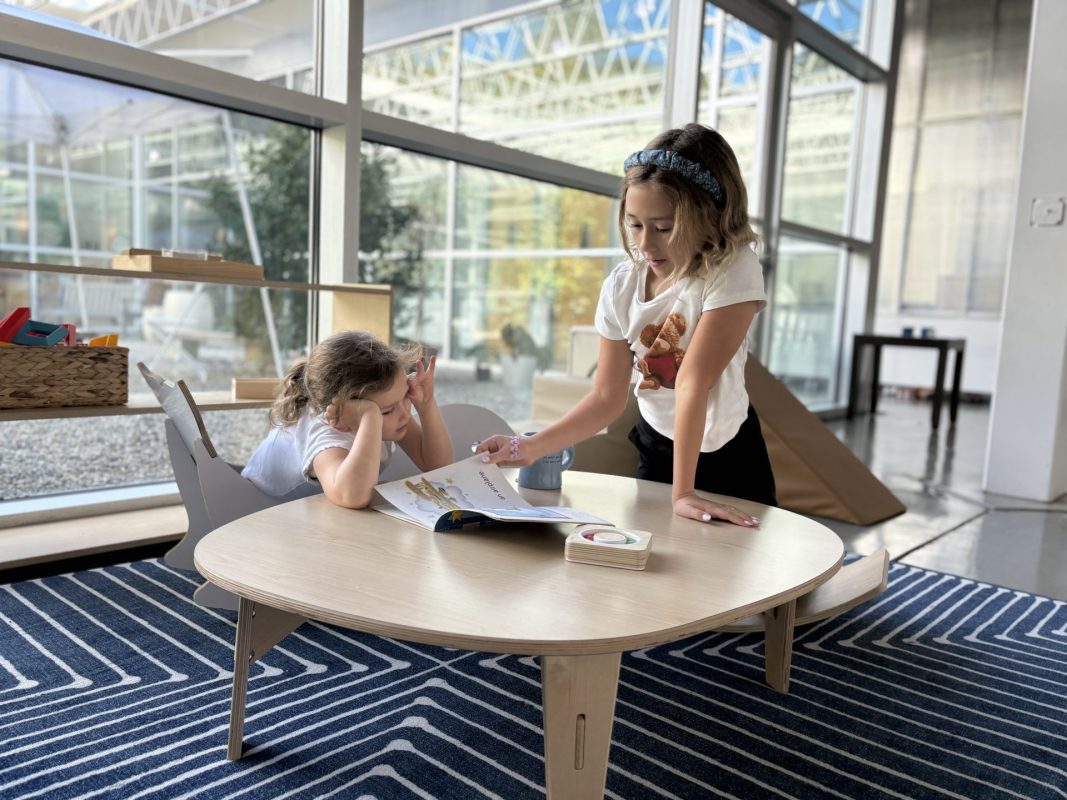
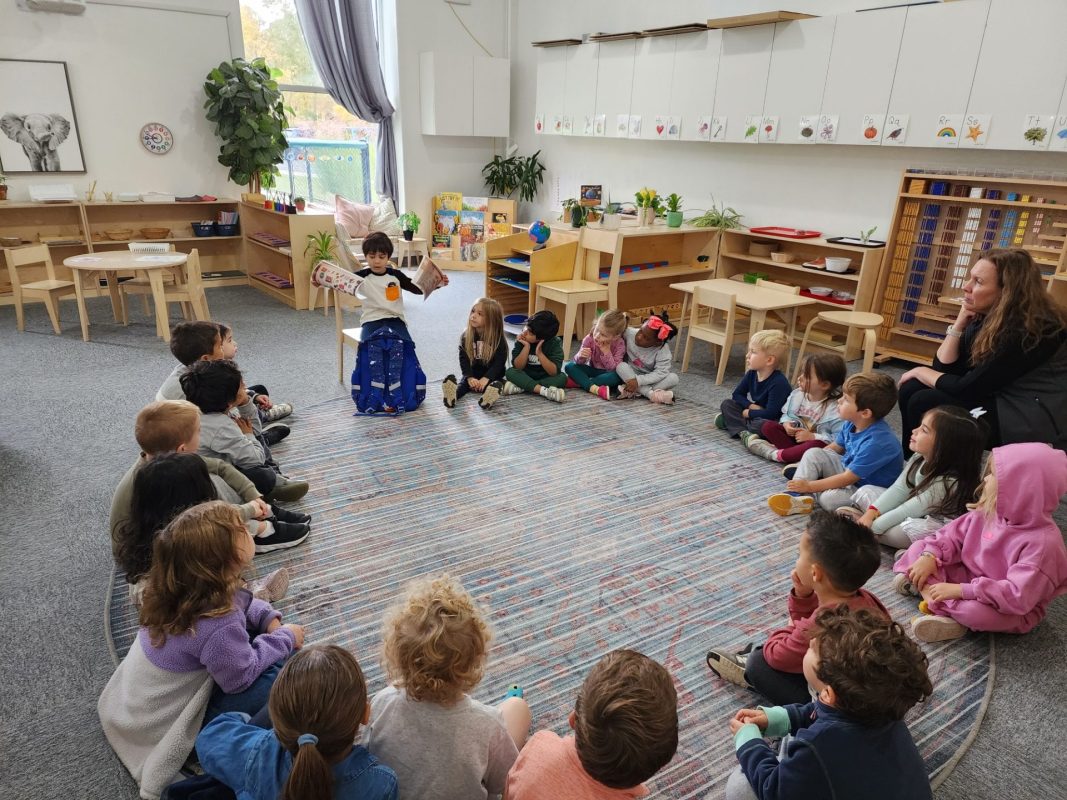
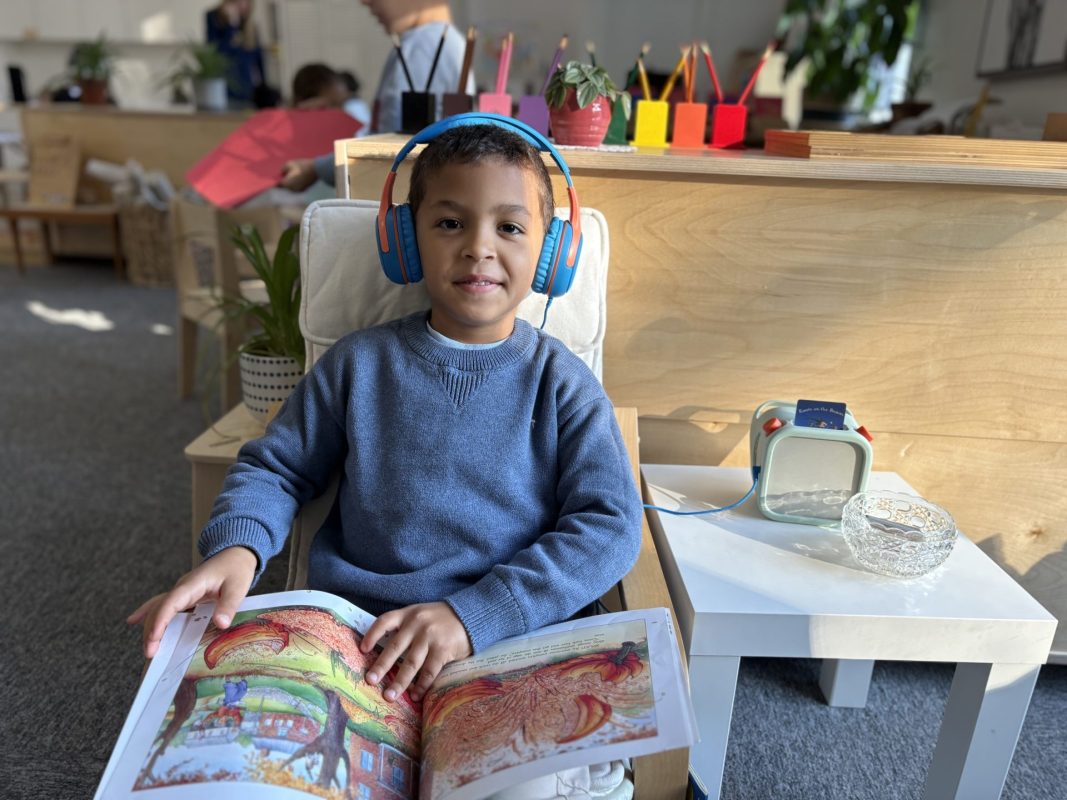
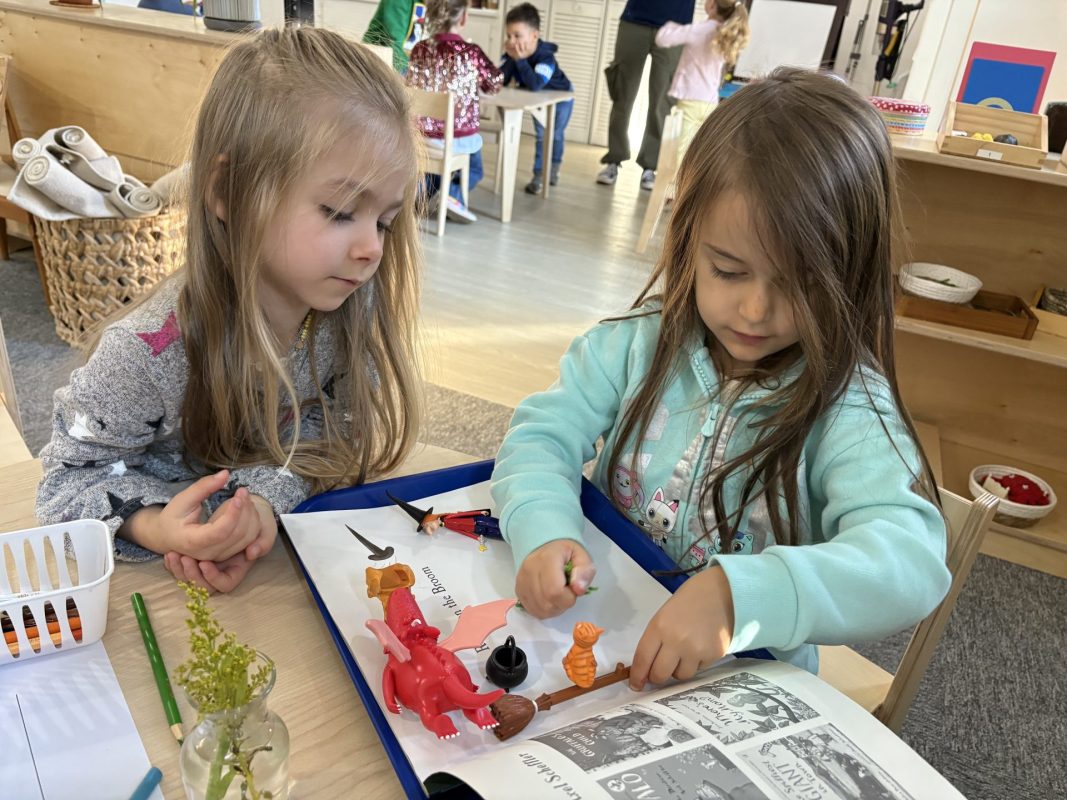
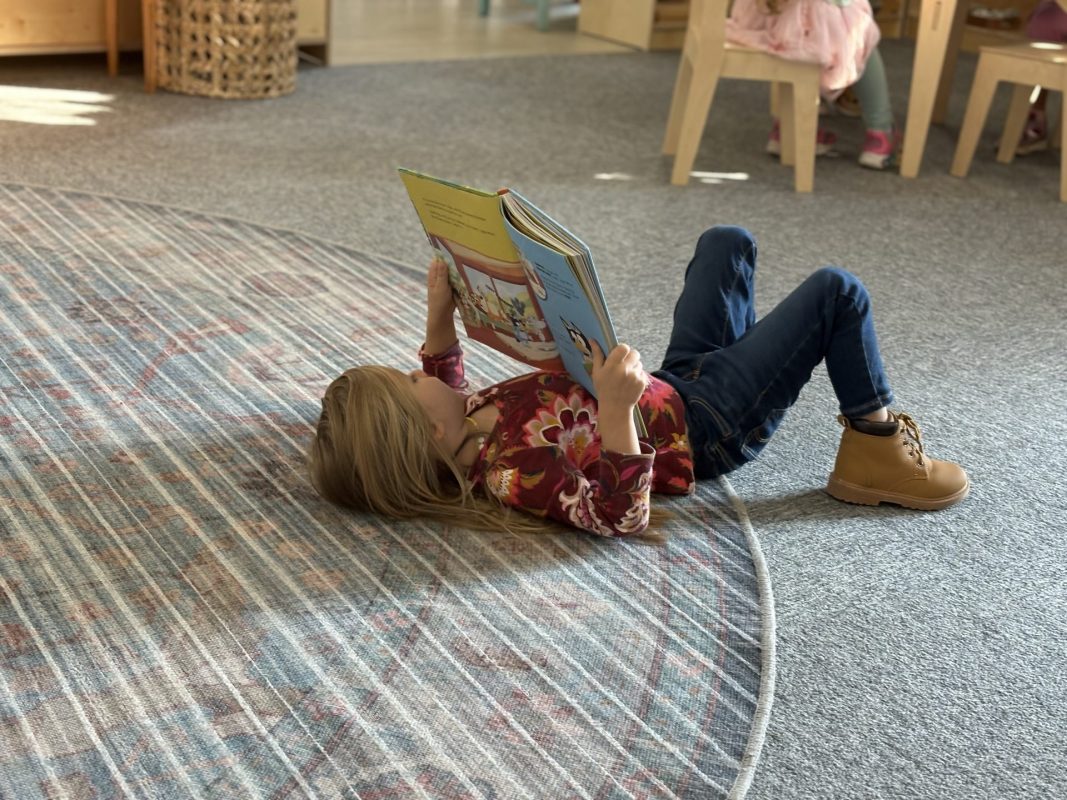
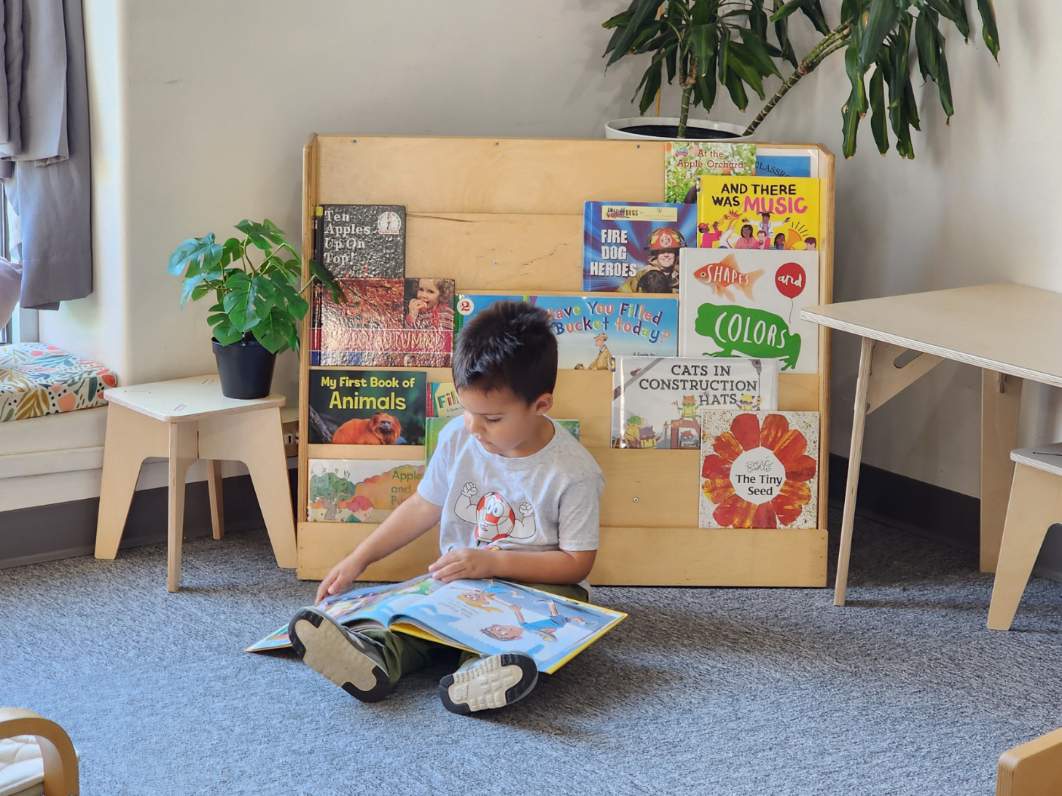
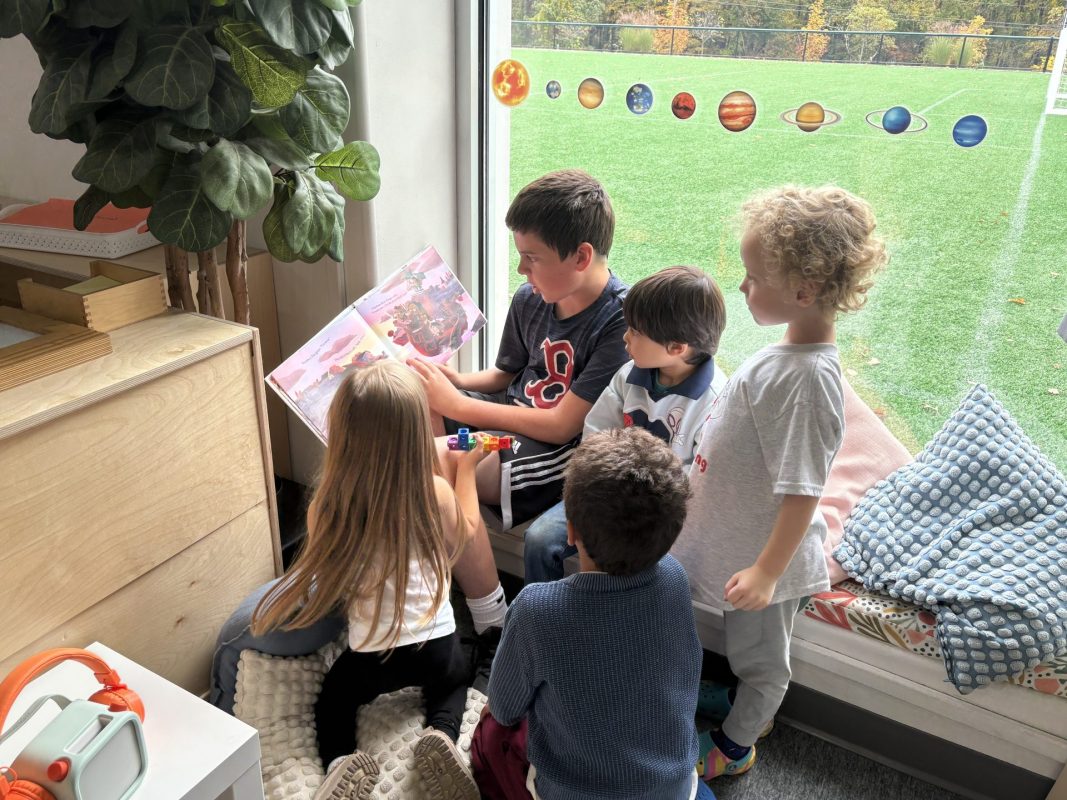
Every Friday morning, our kindergarten students visit their “book buddies” in the Upper Elementary classroom. This cross-age connection is pure joy! The older students model fluent reading and patience, while our kindergarteners practice listening skills and build confidence. These relationships are blossoming into genuine friendships.

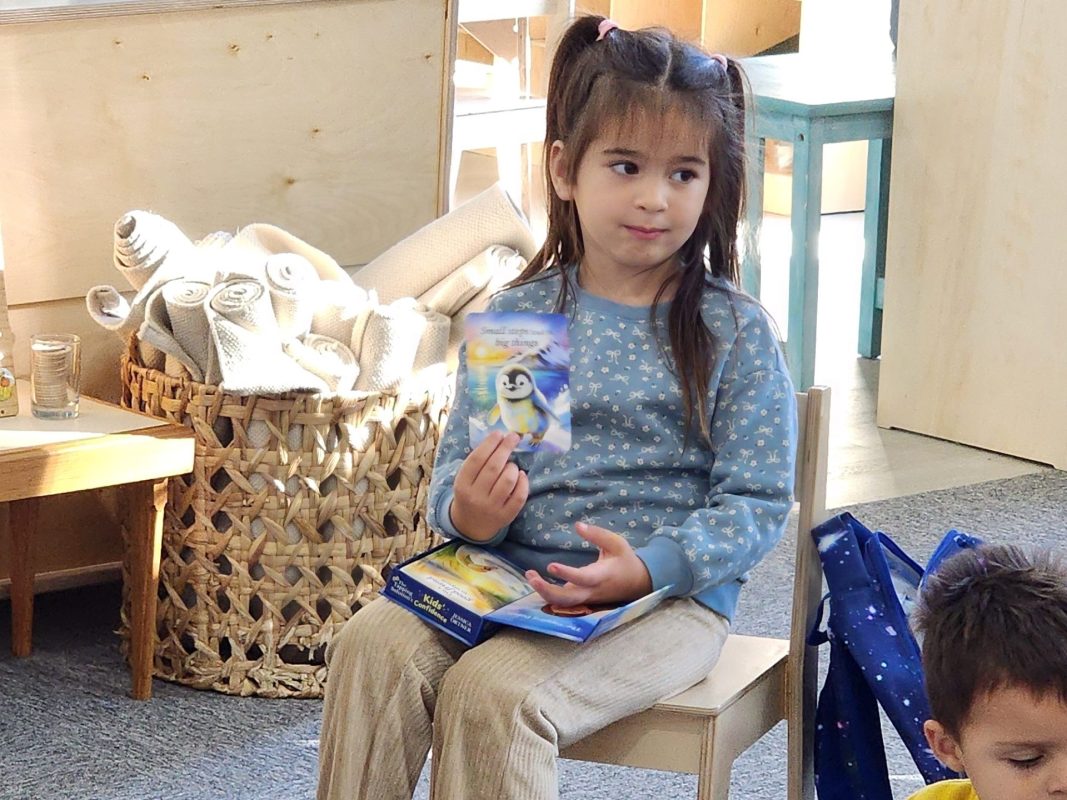
We’ve been nurturing kindness and empathy through Carol McCloud’s bucket-filling books. The children are learning that their words and actions can either fill or dip from someone’s bucket. They’re becoming more aware of how they can spread happiness and show care for others—important skills that will serve them throughout their lives.

The thoughtfulness and curiosity your children bring to school each day fill our classroom bucket to overflowing!


Ms. Rhodora: Autumn Season

We started our week learning about living and nonliving things. The children had fun pointing out living and nonliving things around the classroom. We would say, “This is living, it grows, eats food, and drinks water and breathes,” or, “This is nonliving, it does not grow, it does not eat or drink, and it does not breathe.”

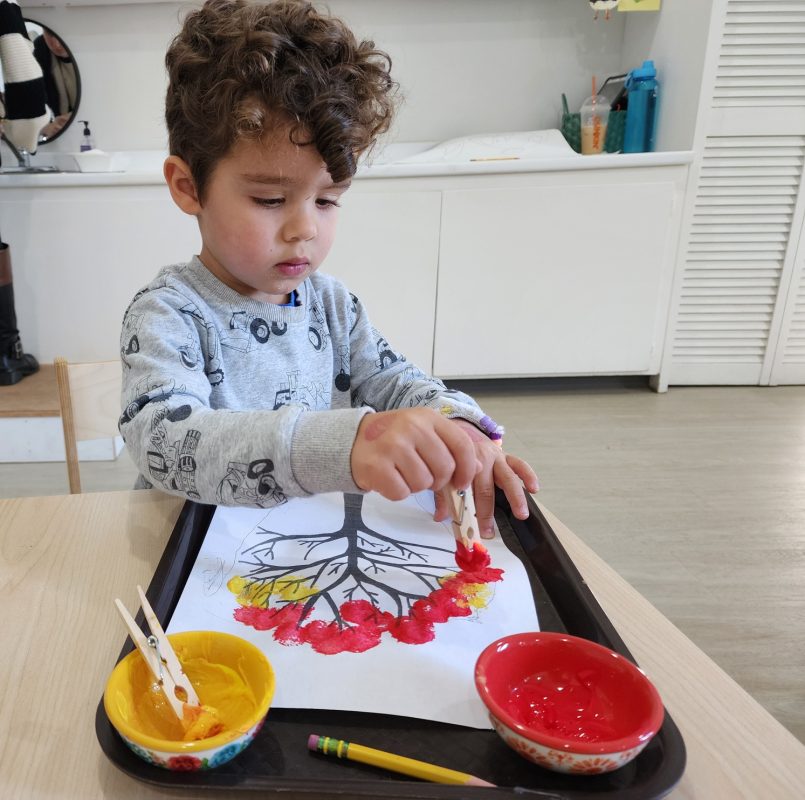
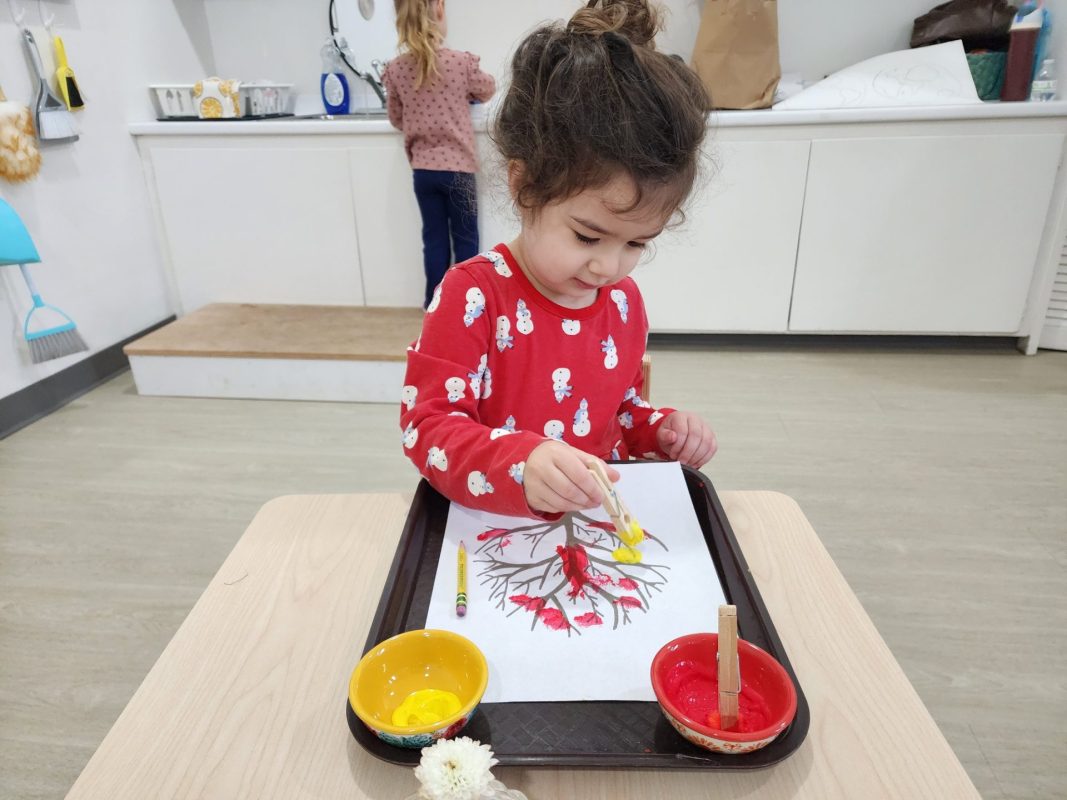
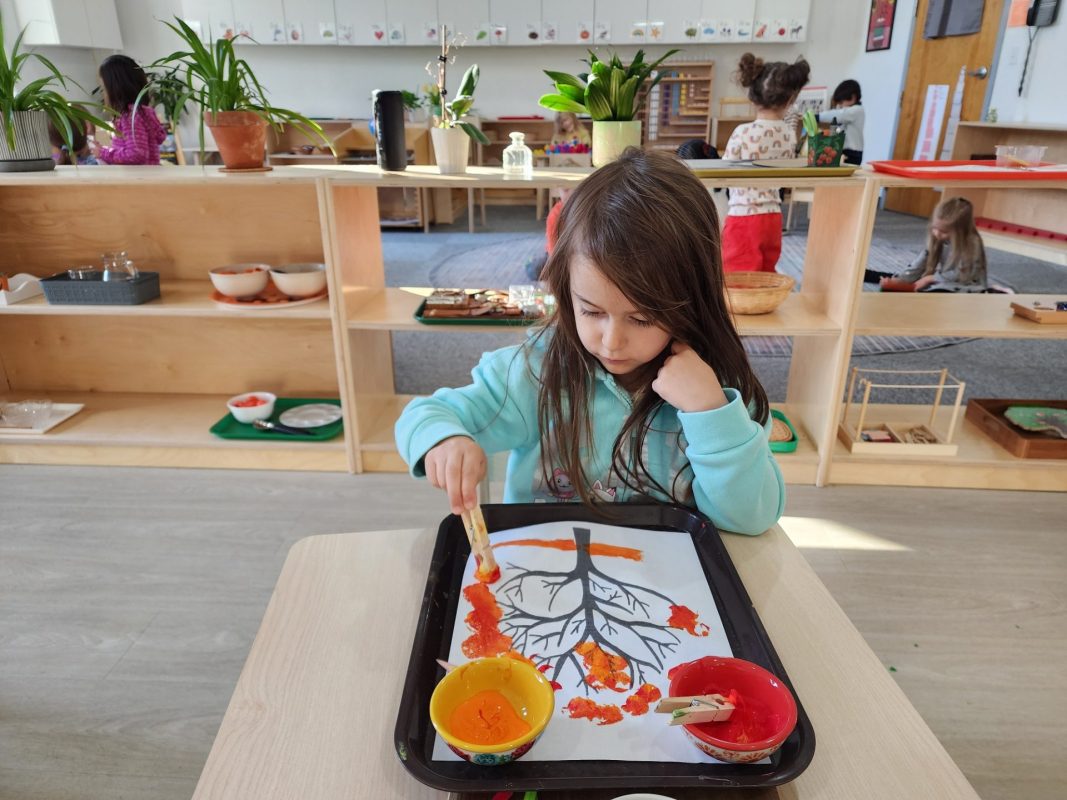
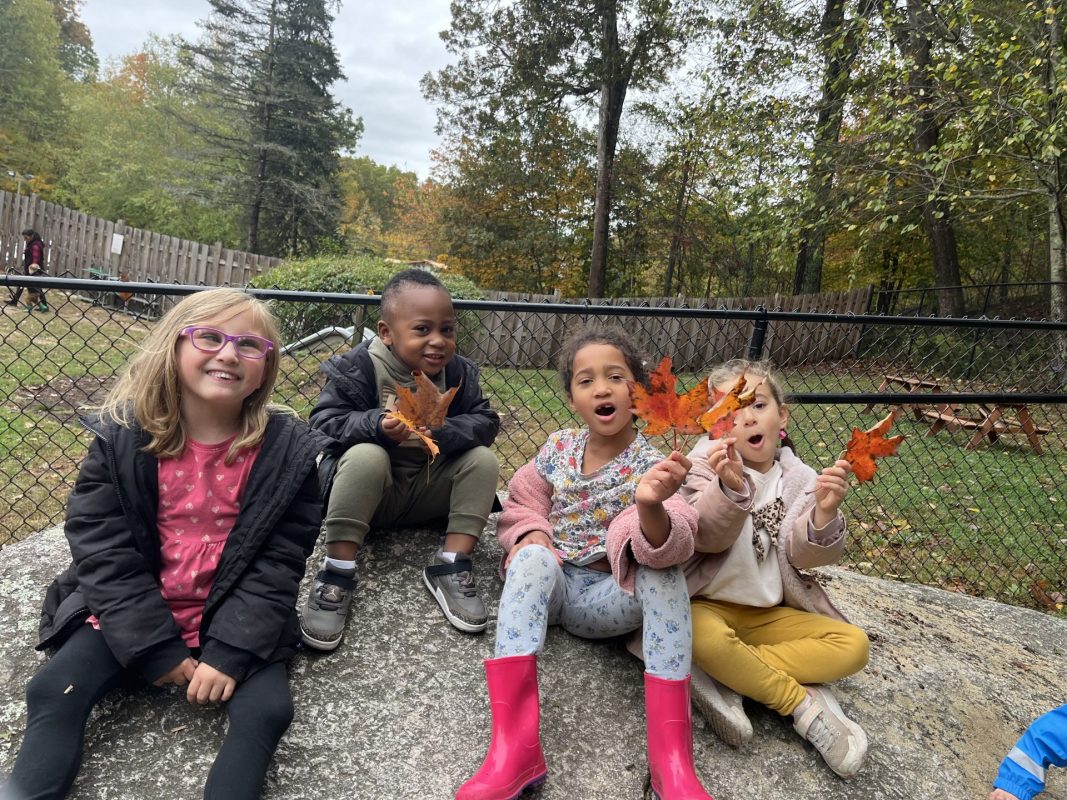
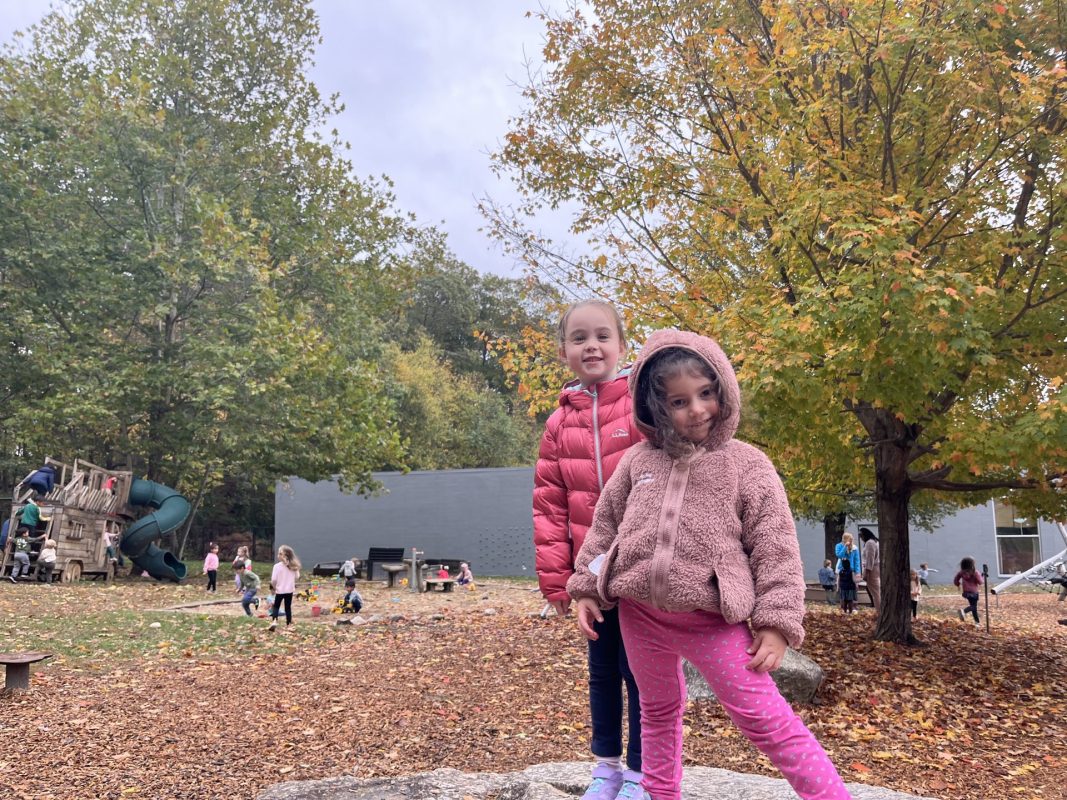
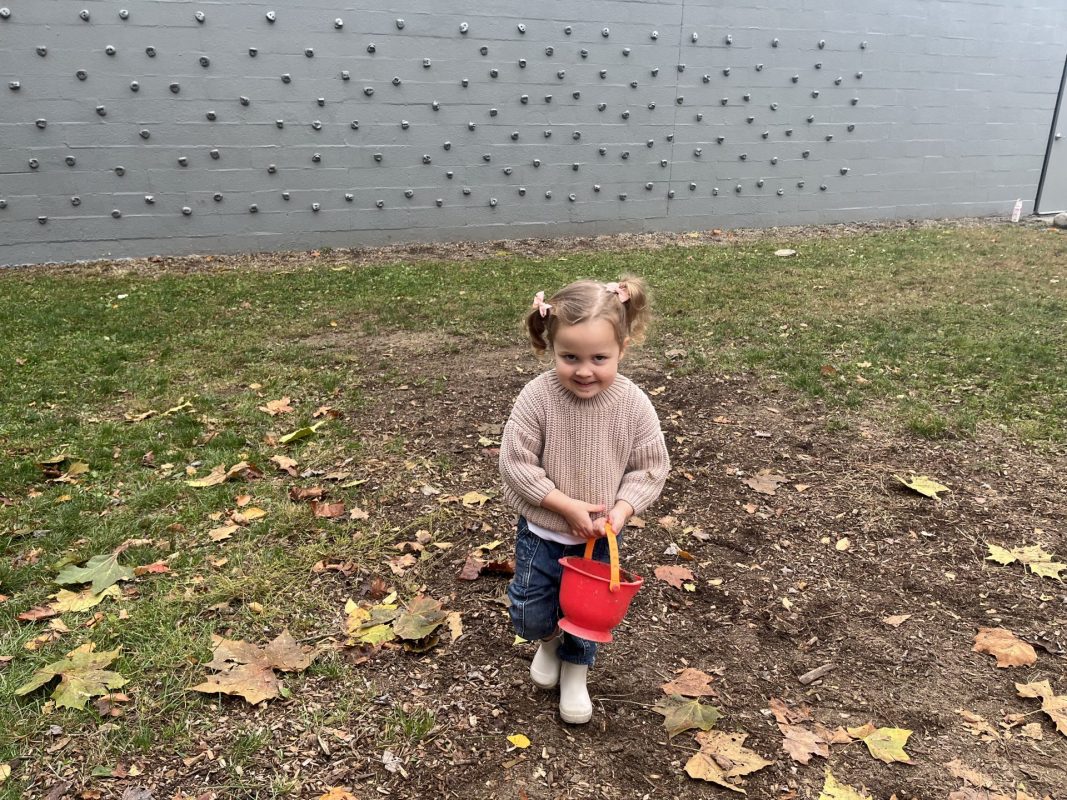
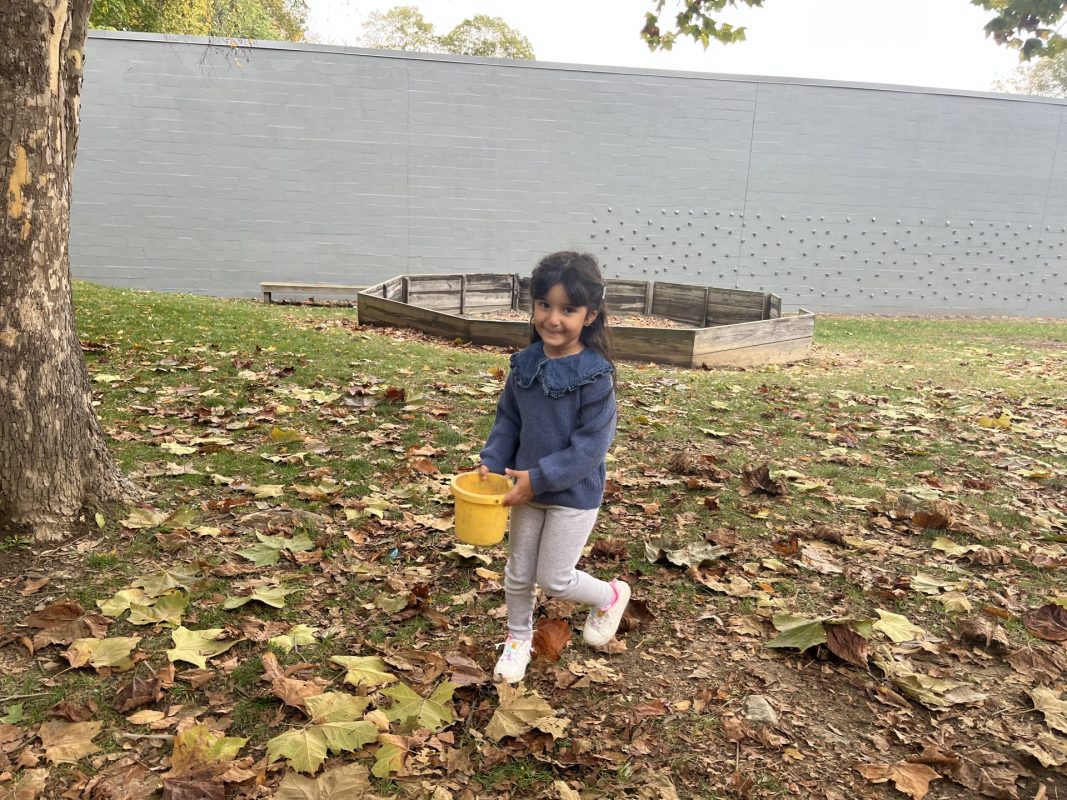
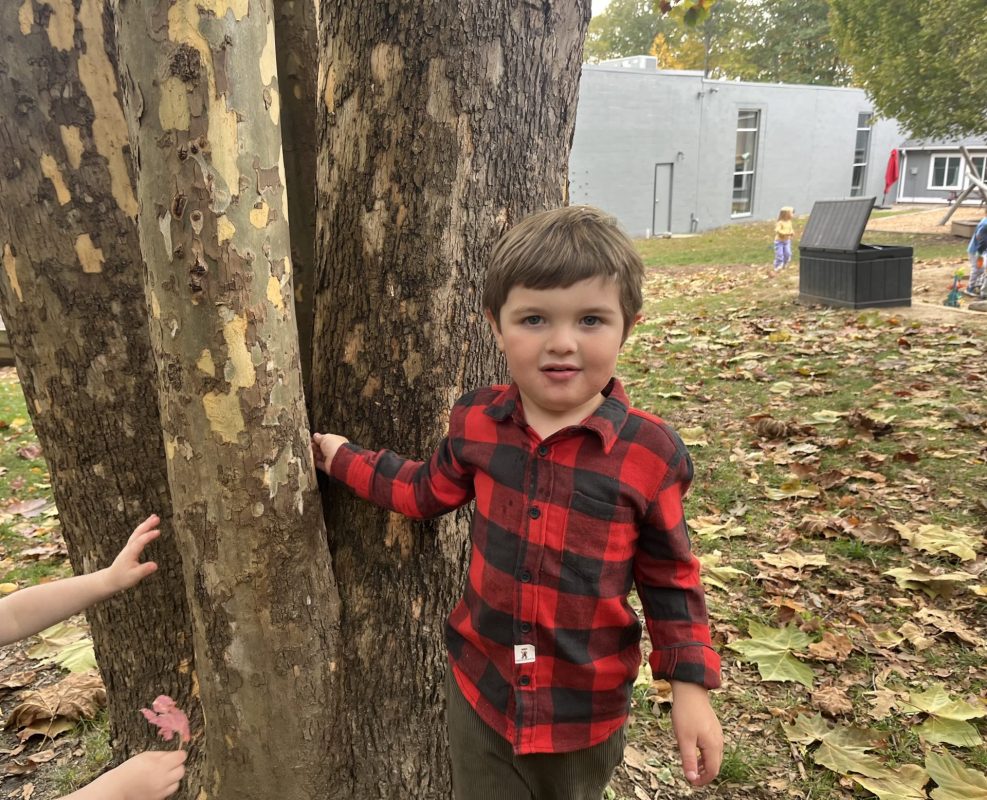
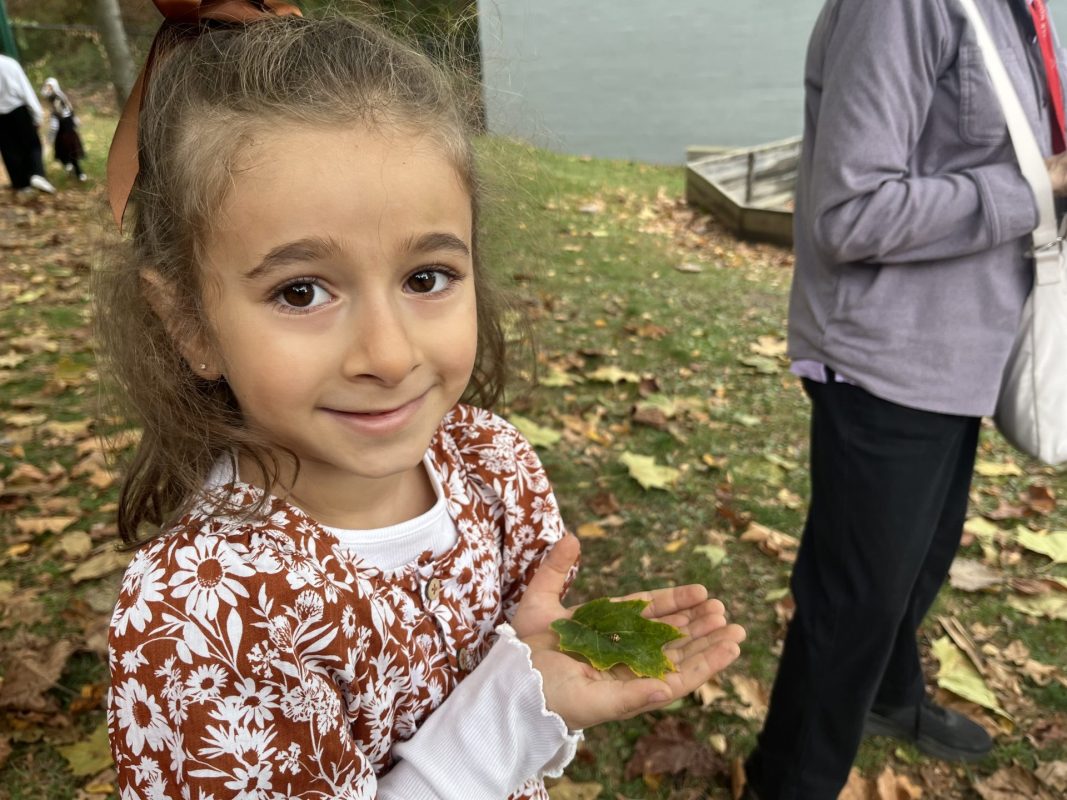
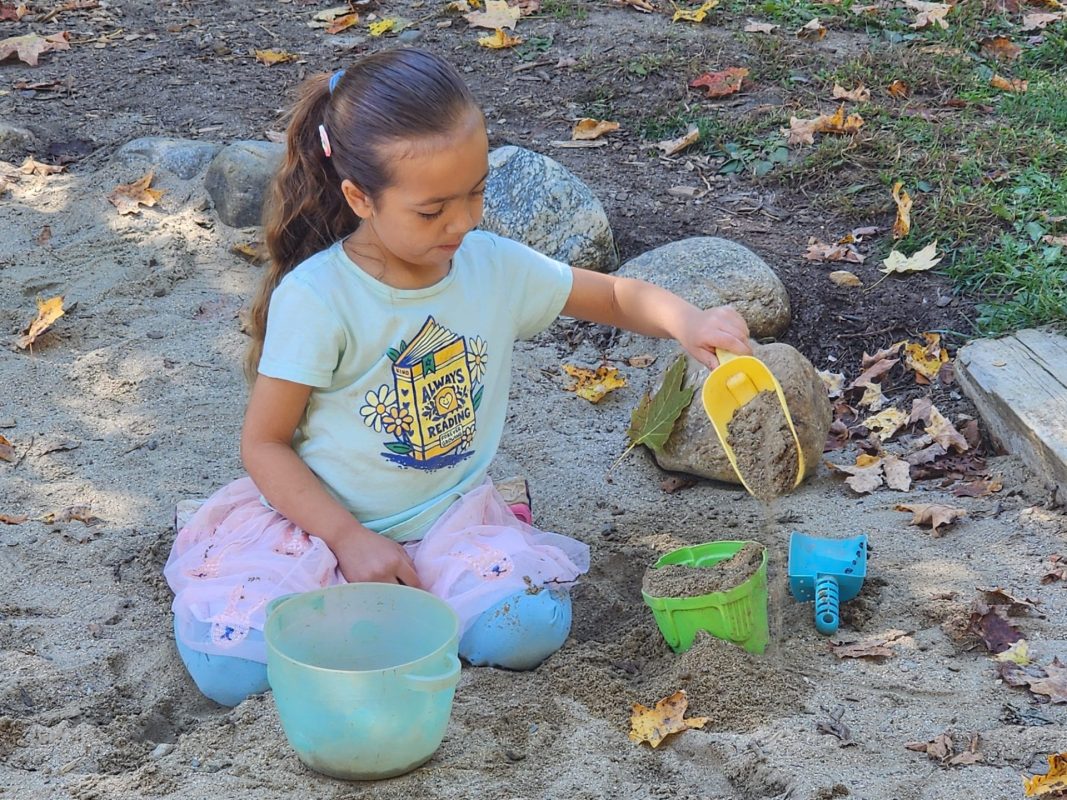
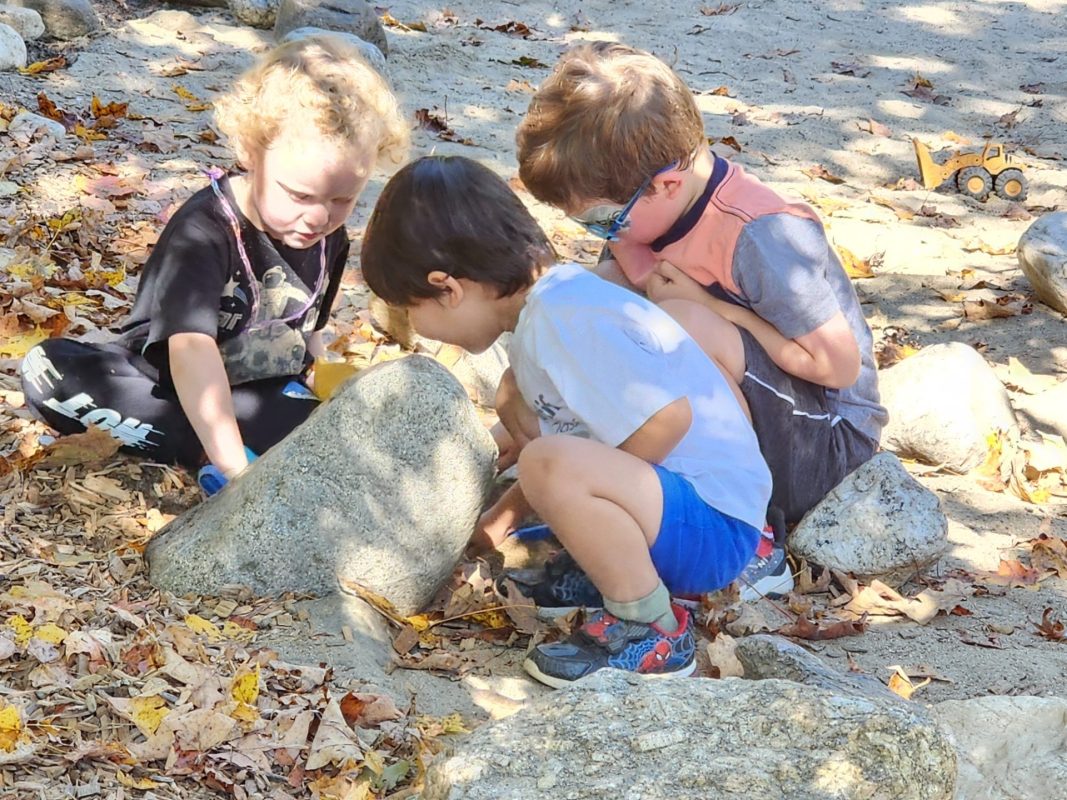
We have definitely entered the fall season. The leaves are changing color and falling to the ground. The children observe autumn leaves as they use their senses to explore the colors of leaves, the scents of the season, and the textures of the leaves. We also learned about deciduous trees and evergreen trees. Evergreen trees are trees with leaves that stay green all year round. Deciduous trees have leaves that turn brown, yellow, or red in the autumn and fall off.

As the weather gets colder, please make sure to send in an extra set of weather-appropriate clothing for school.

Have a wonderful weekend

Ms. Rhodora & Ms. Anabel


Mrs. Sargeant: A Peek at the Week

As adults, we must remember that we want things done as quickly as possible so they are finished and out of the way. In contrast, the child is interested and content in the doing, not the done.” –Margaret Stephenson, The Art of Montessori in the Home.

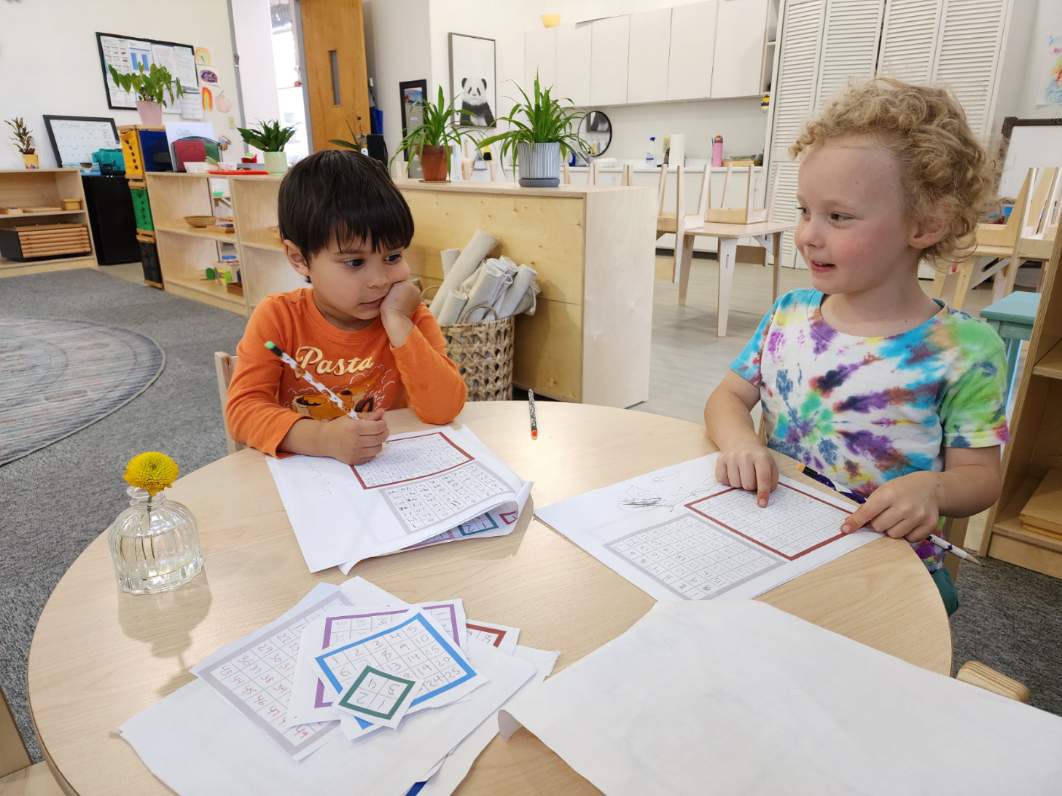
Every Friday, we send home the folders that contain the work the children have completed over the past week. We often receive emails asking why there was so little work inside and what exactly the children are doing.

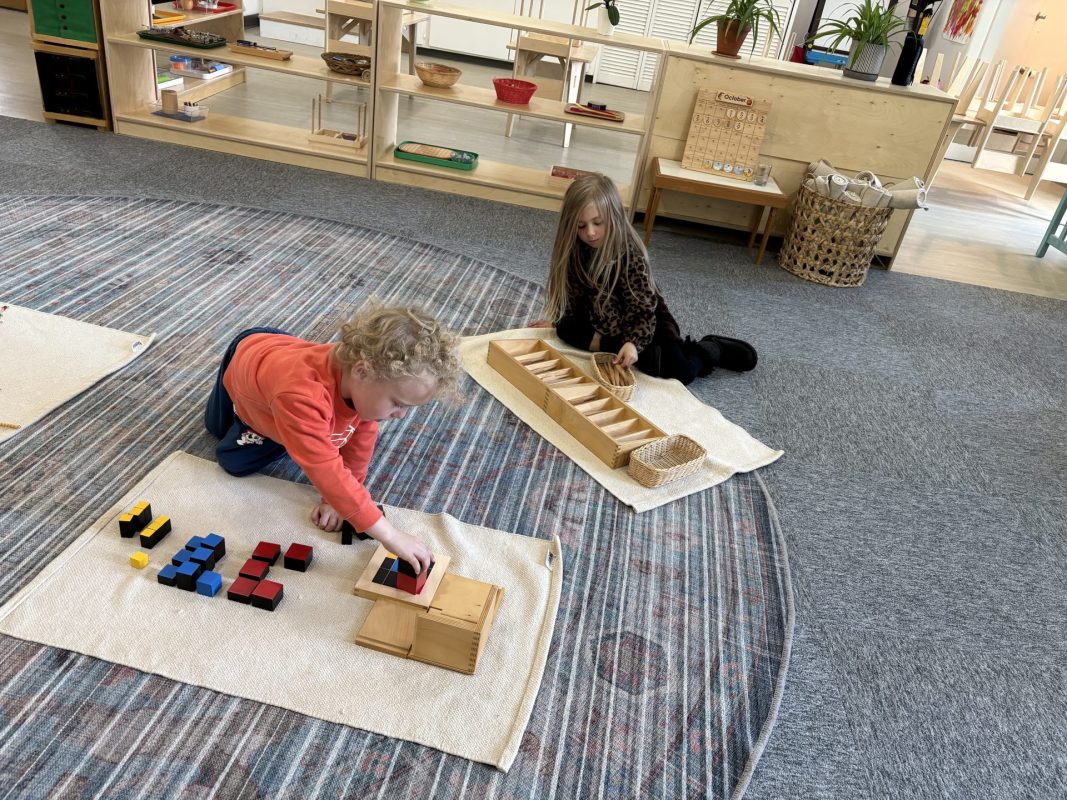
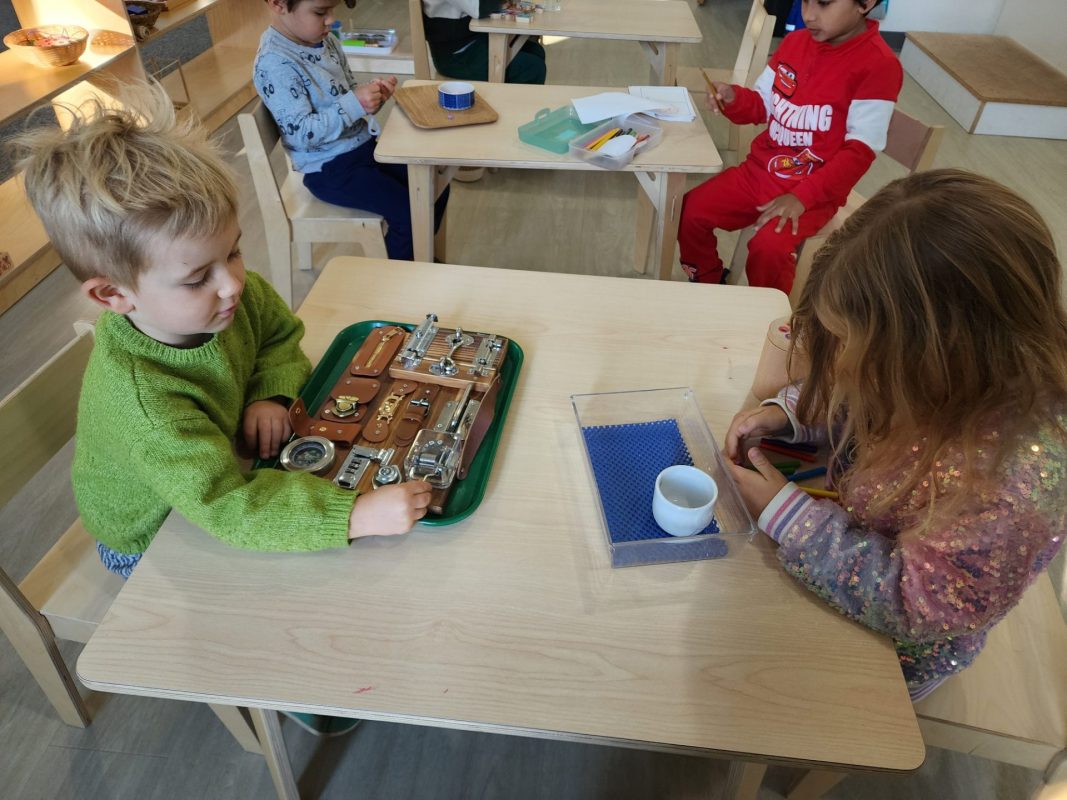
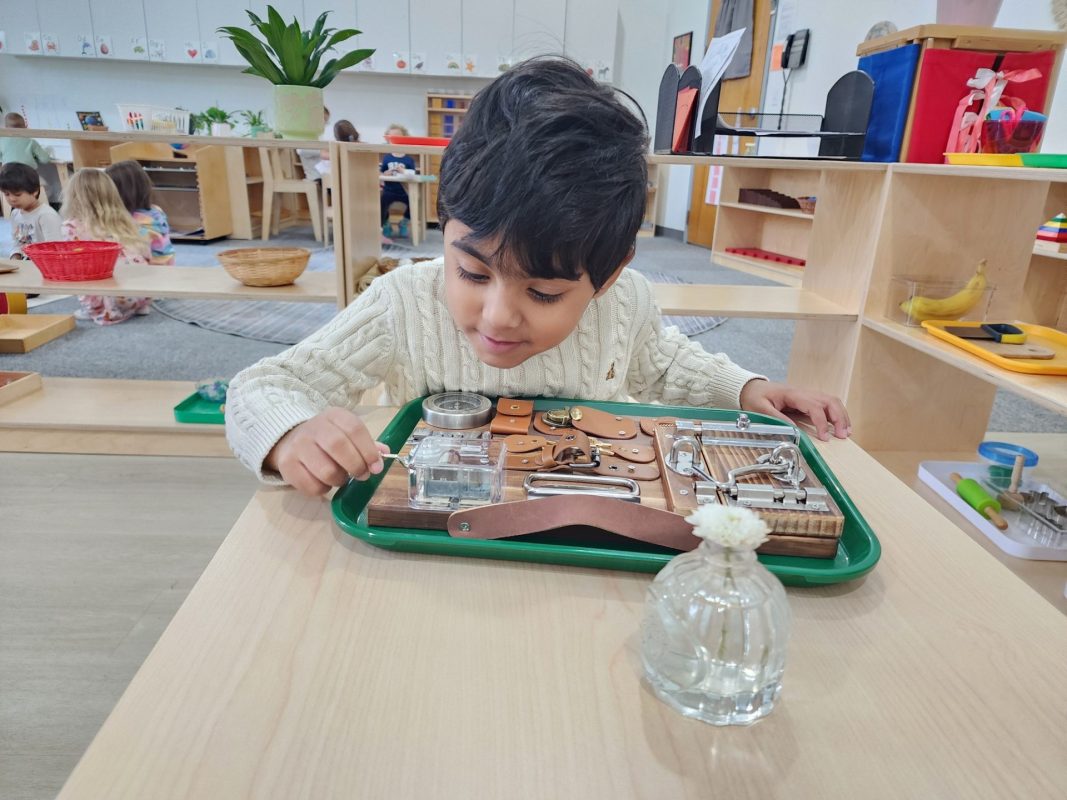
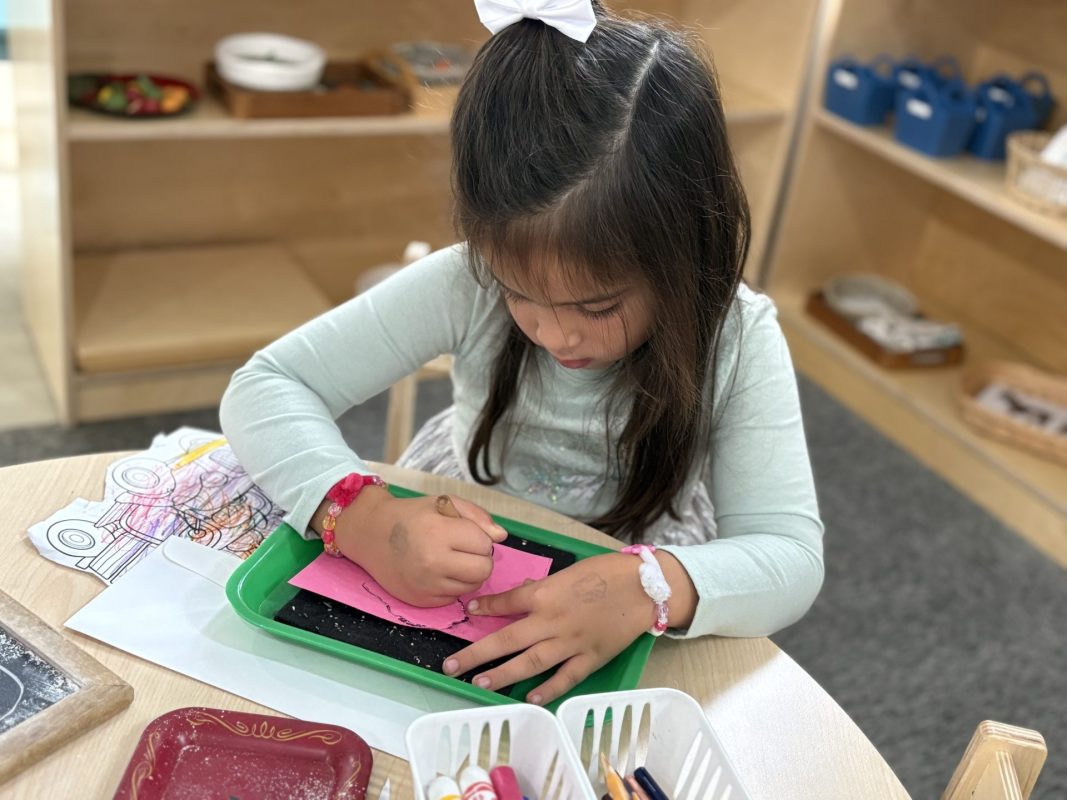
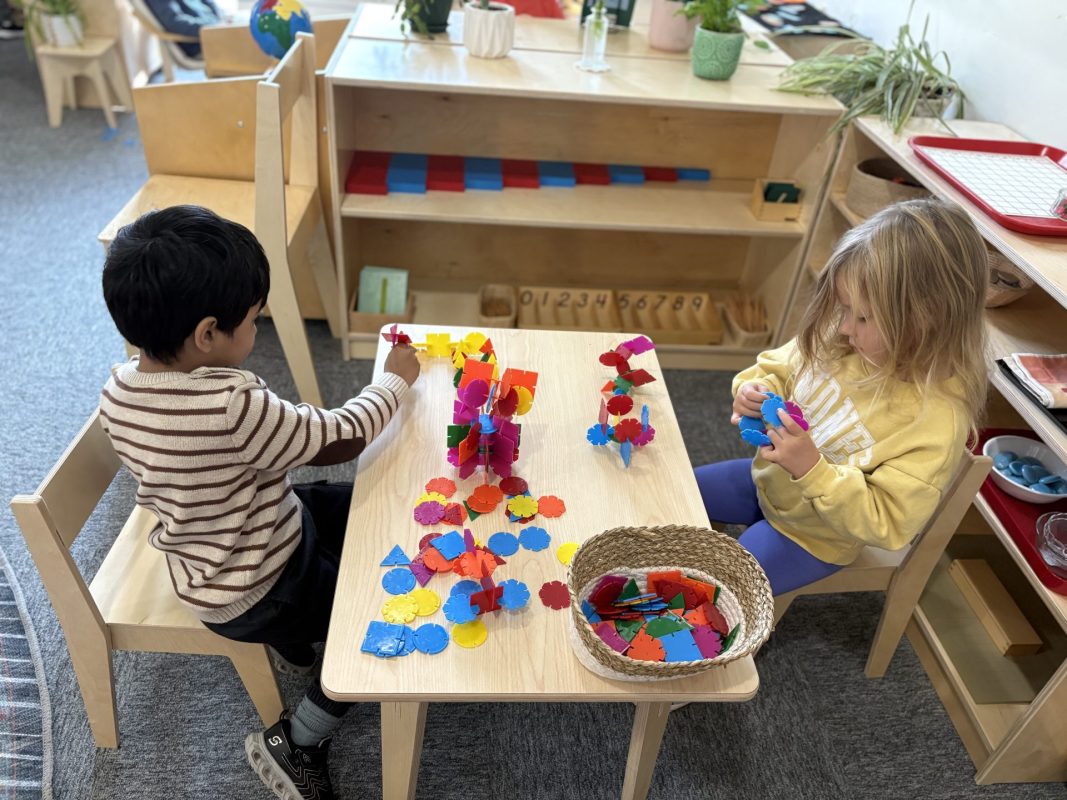
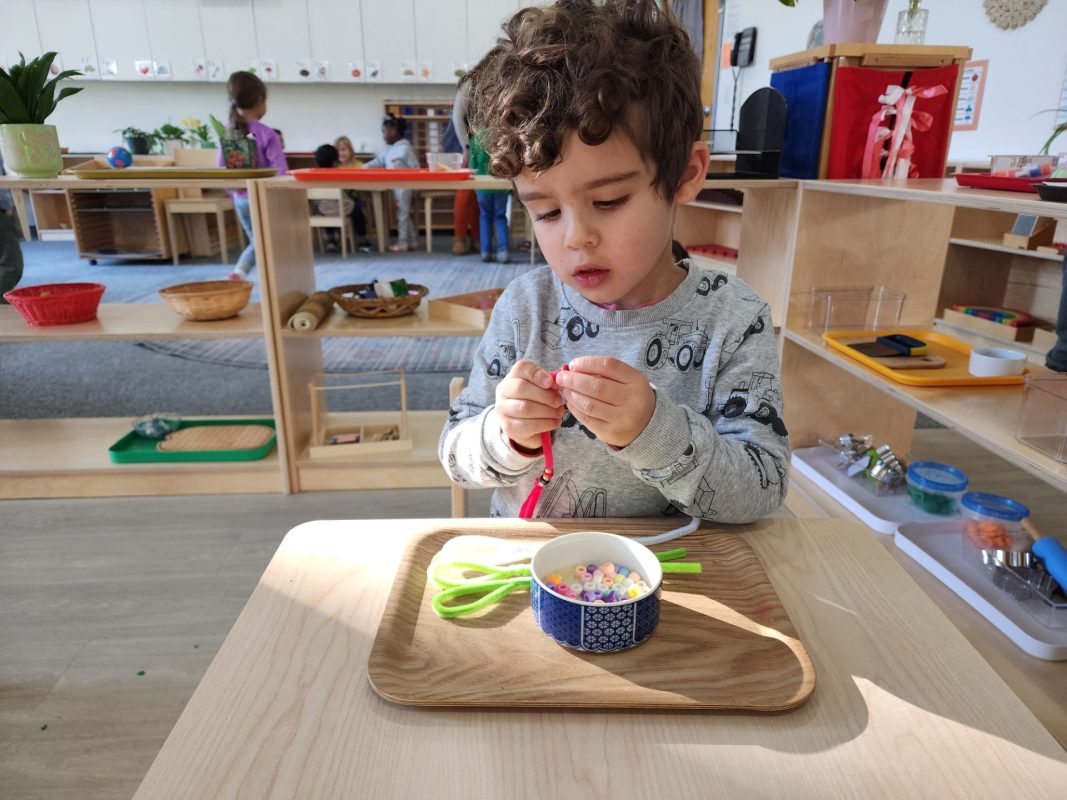
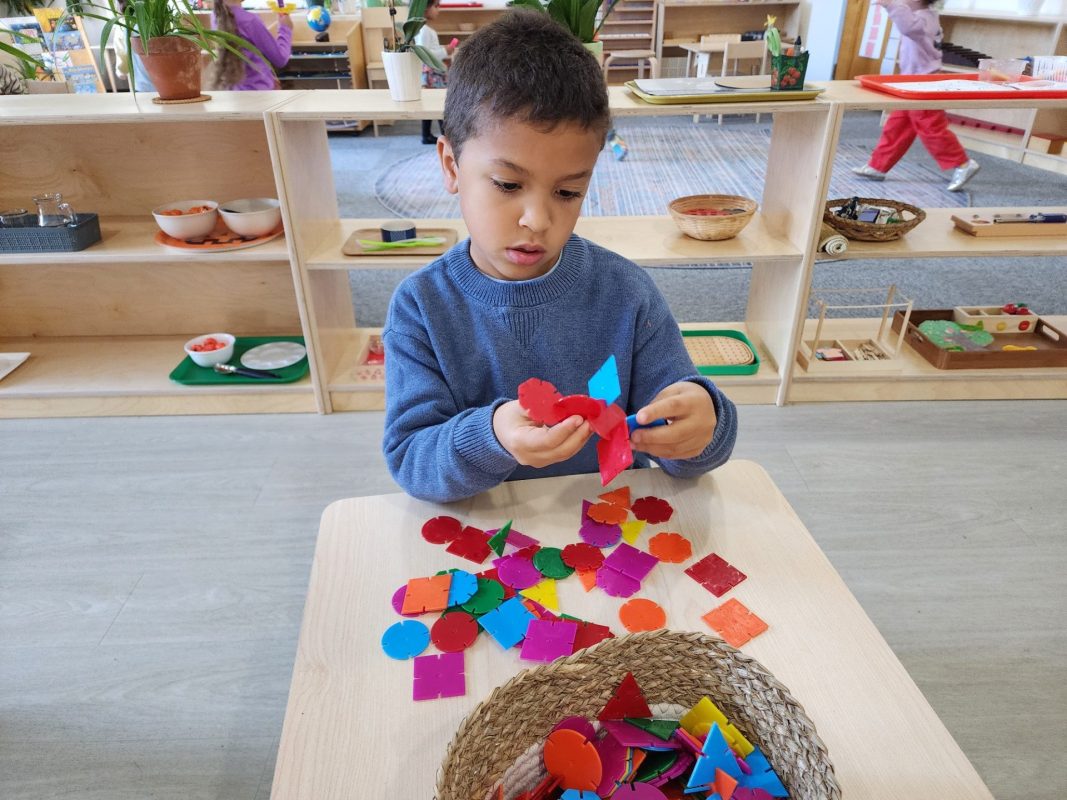
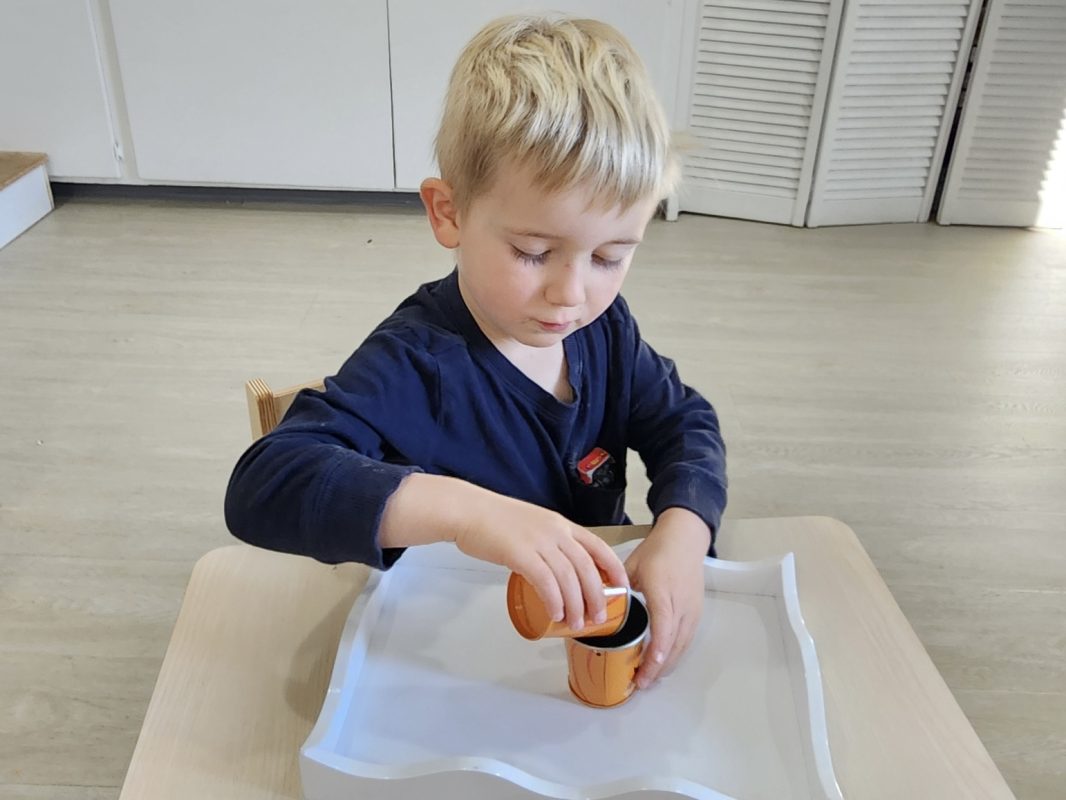
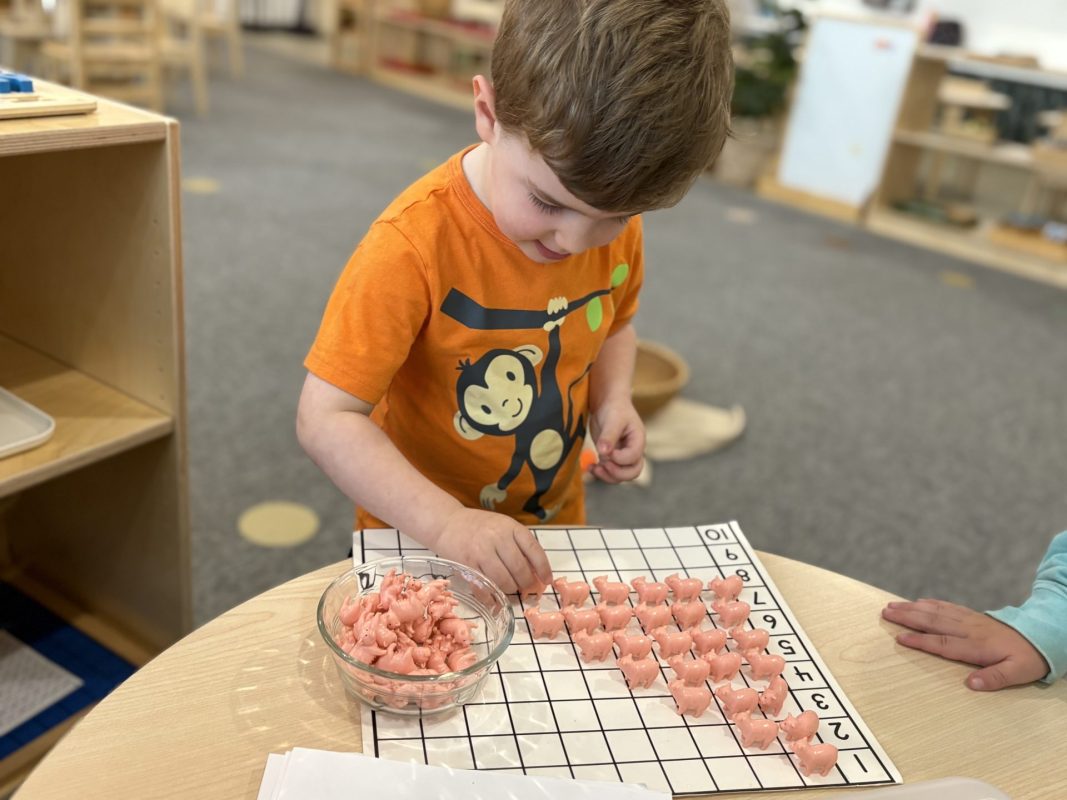
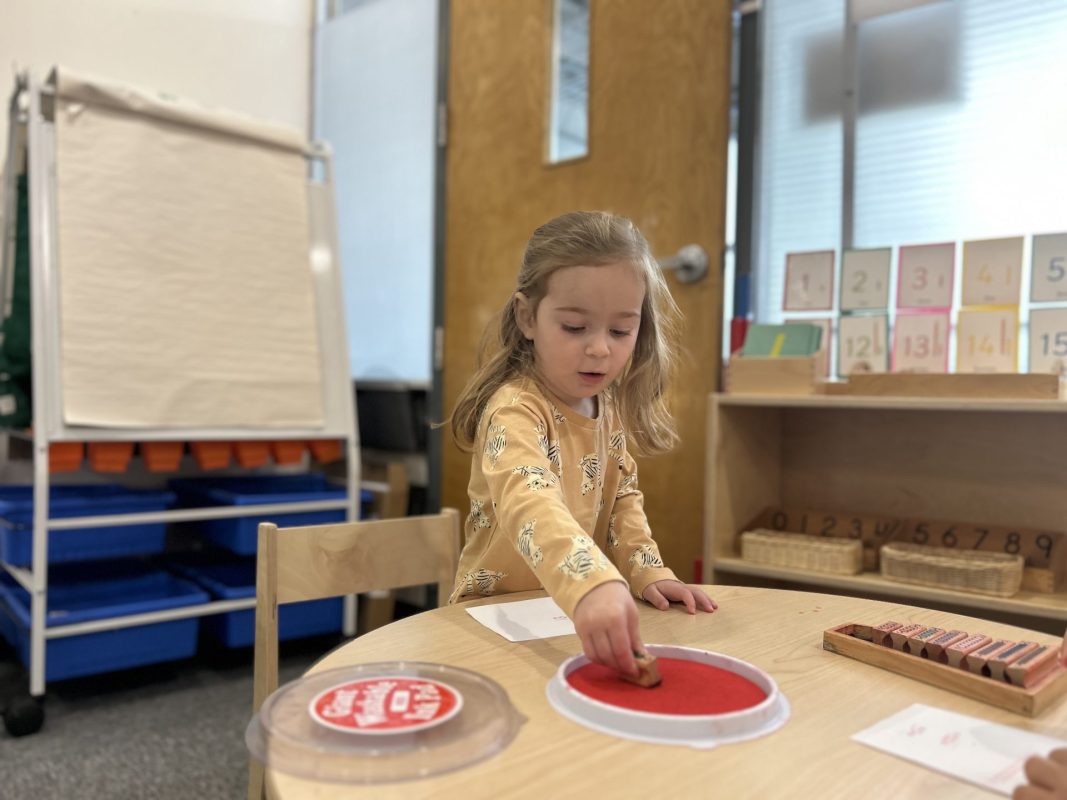
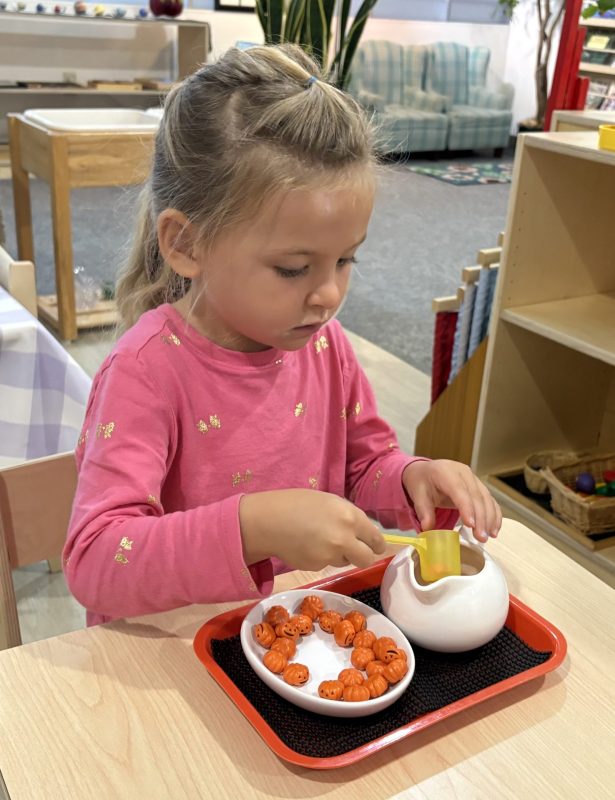
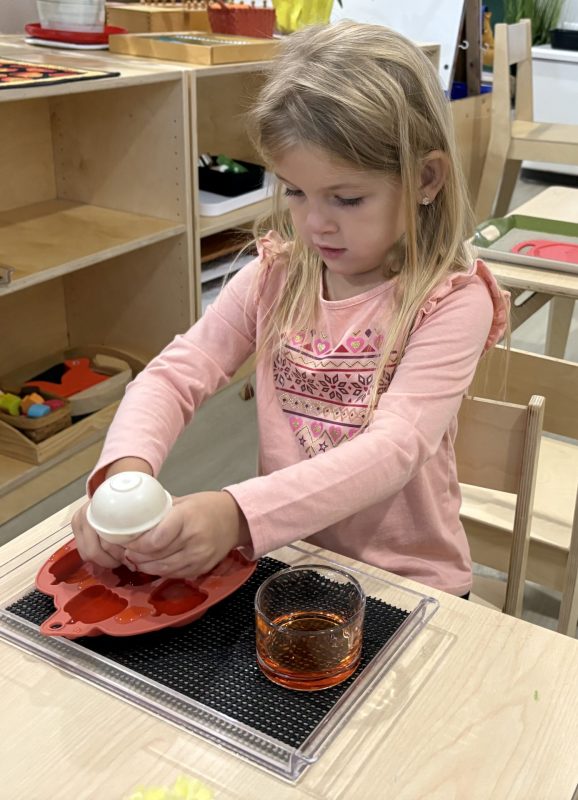
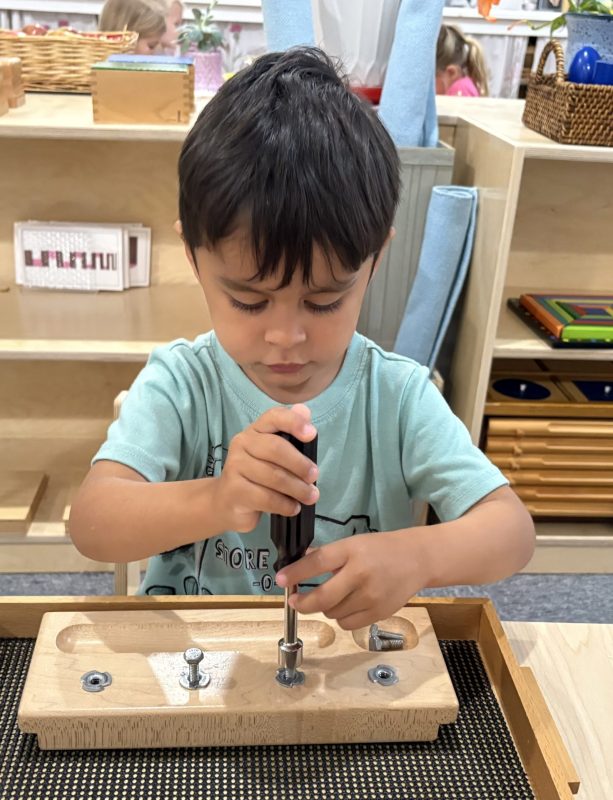
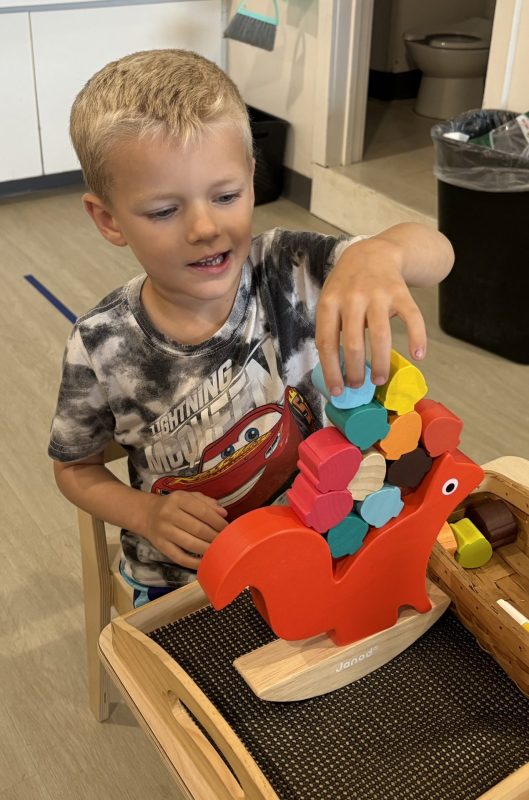
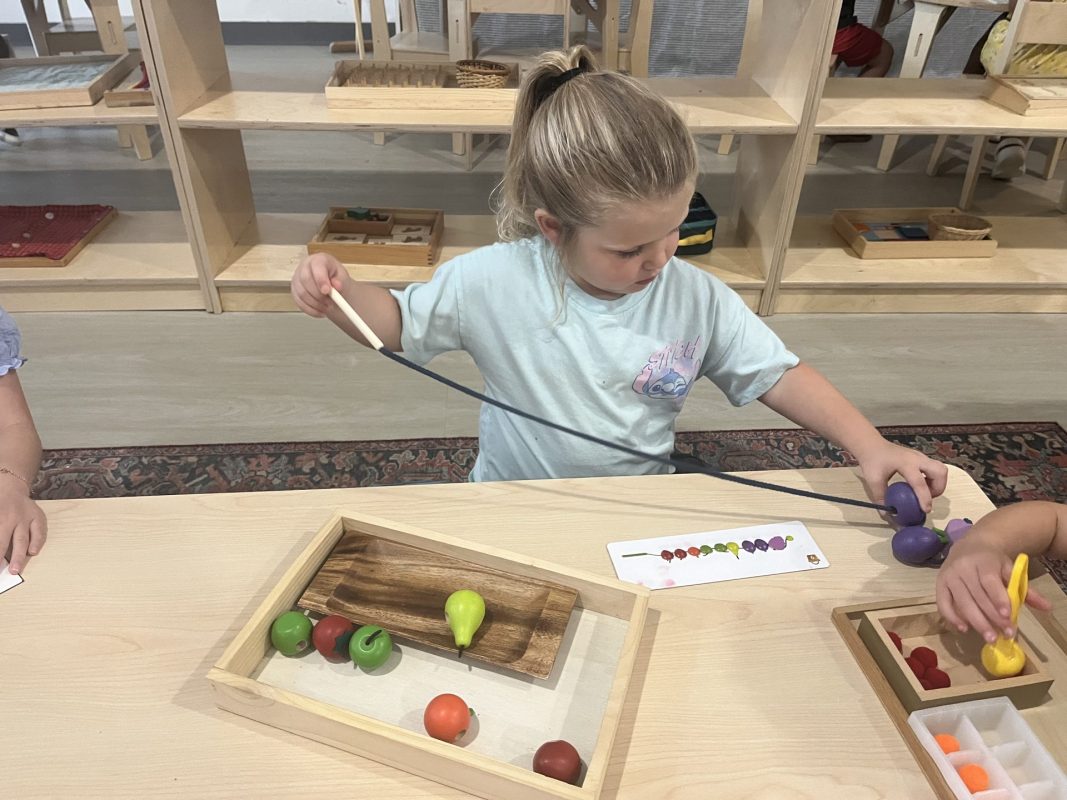
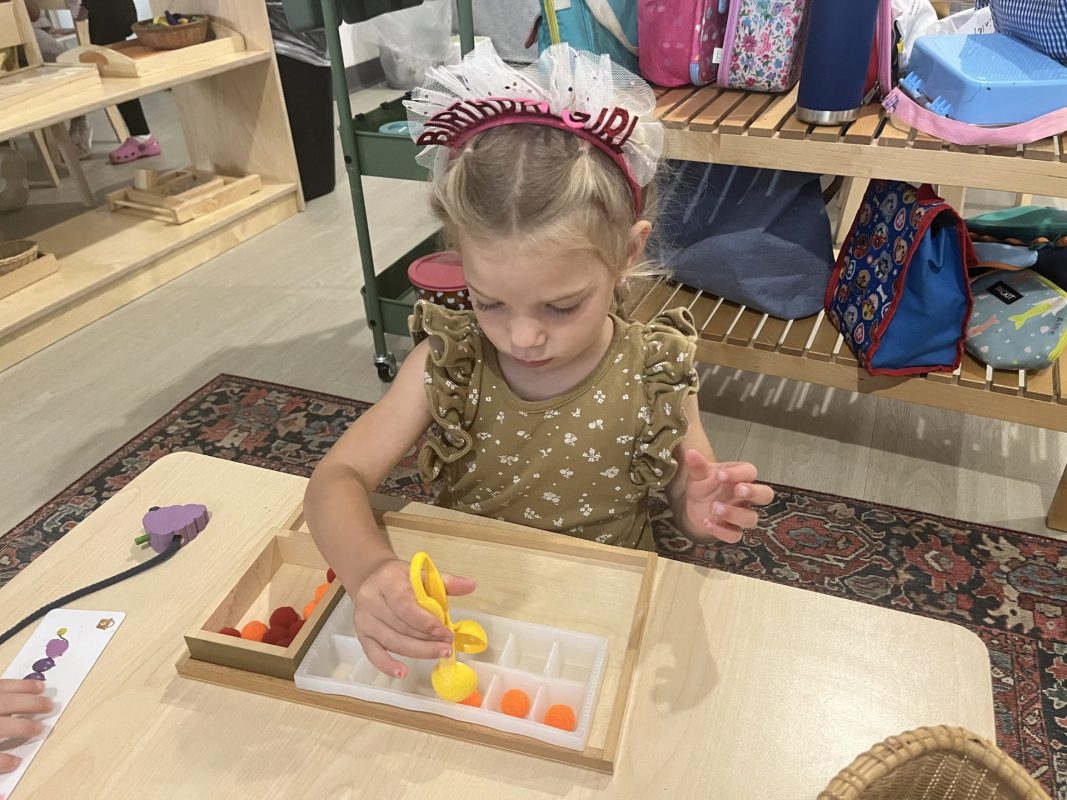
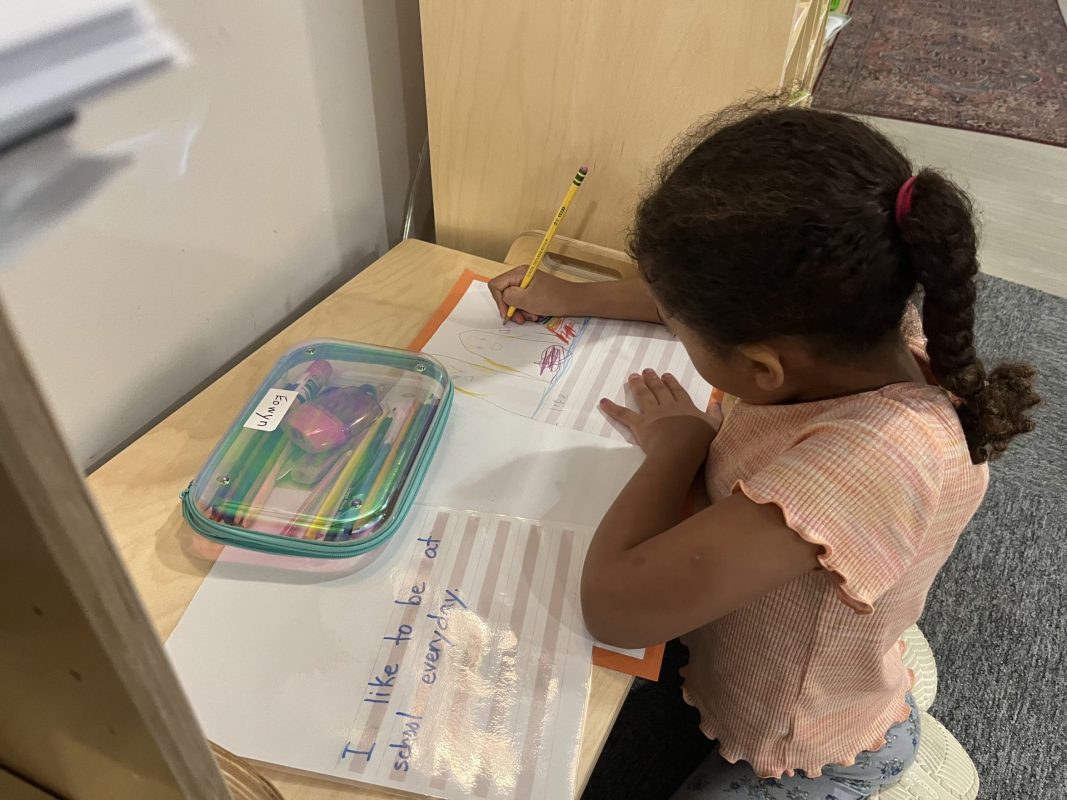
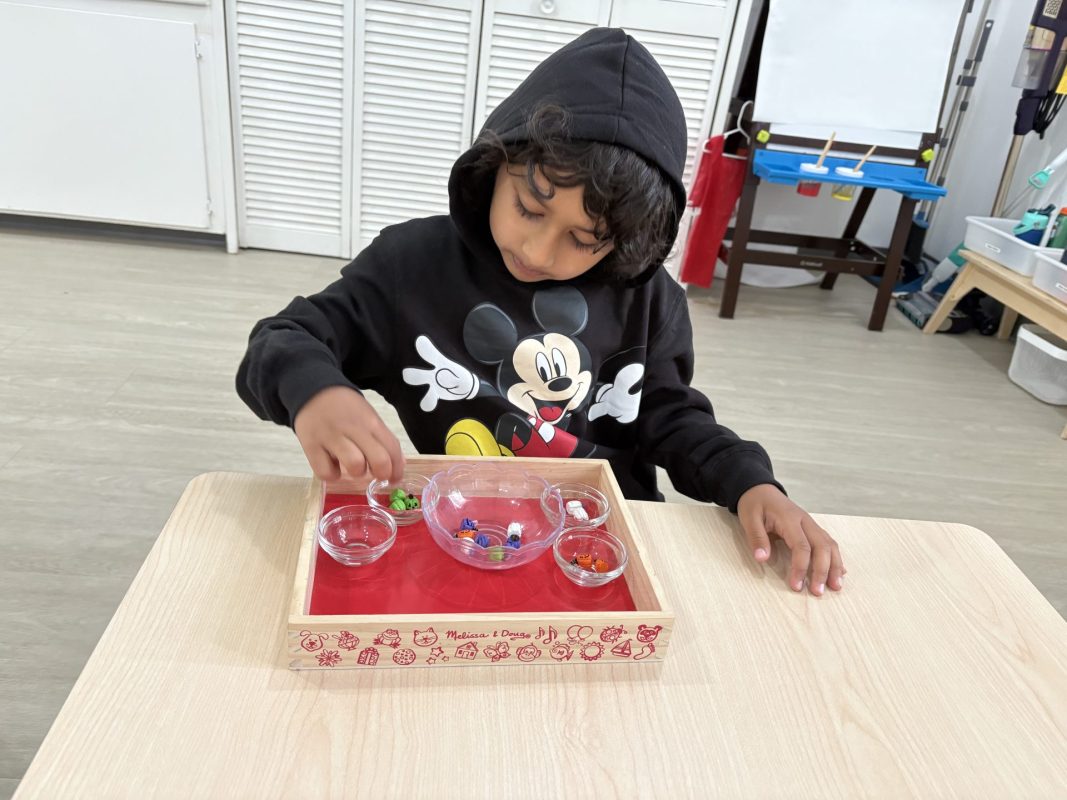
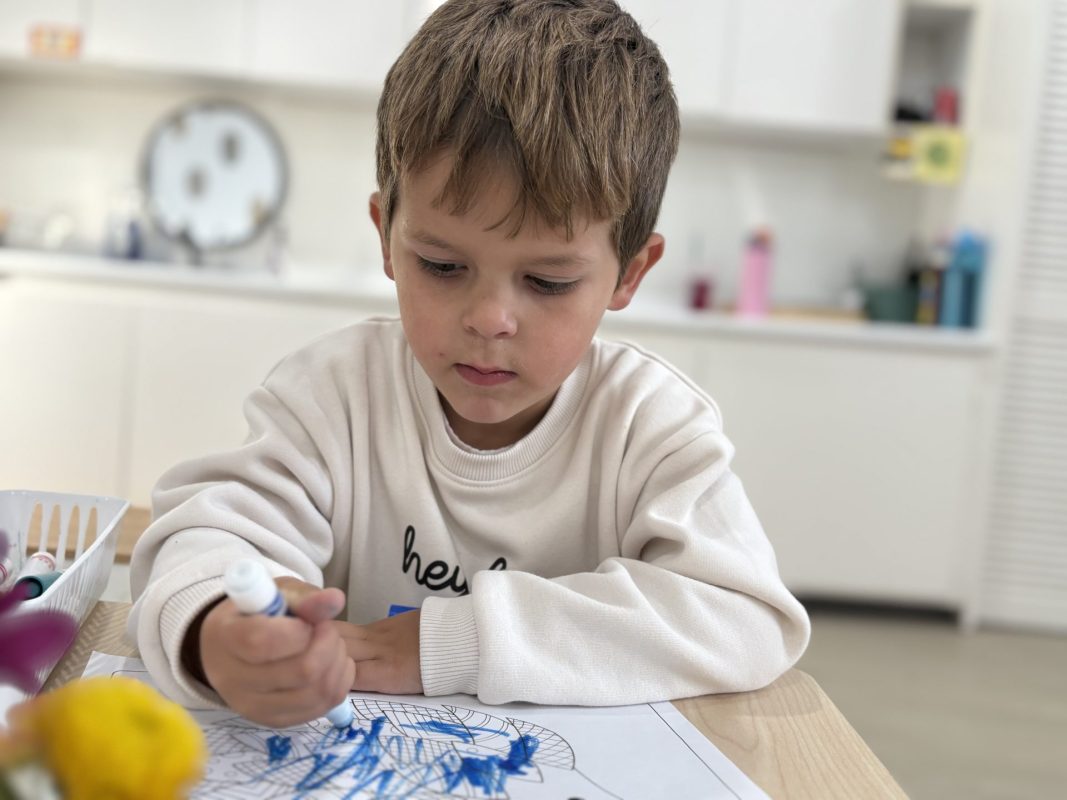
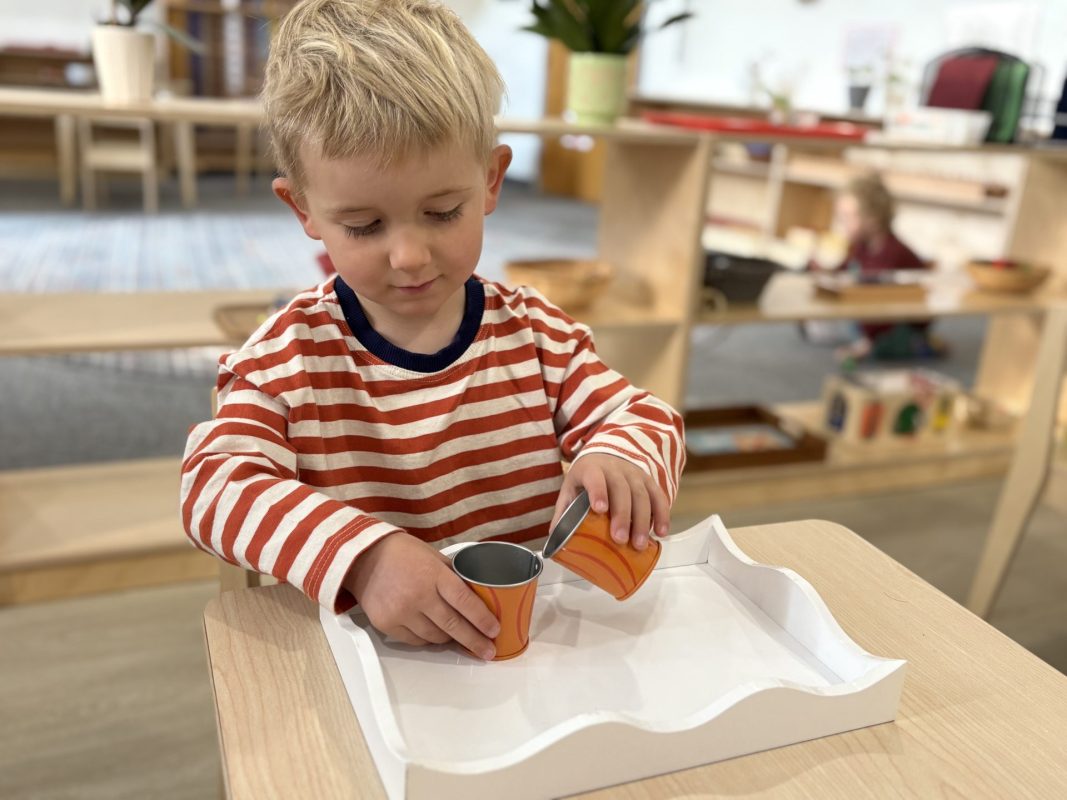
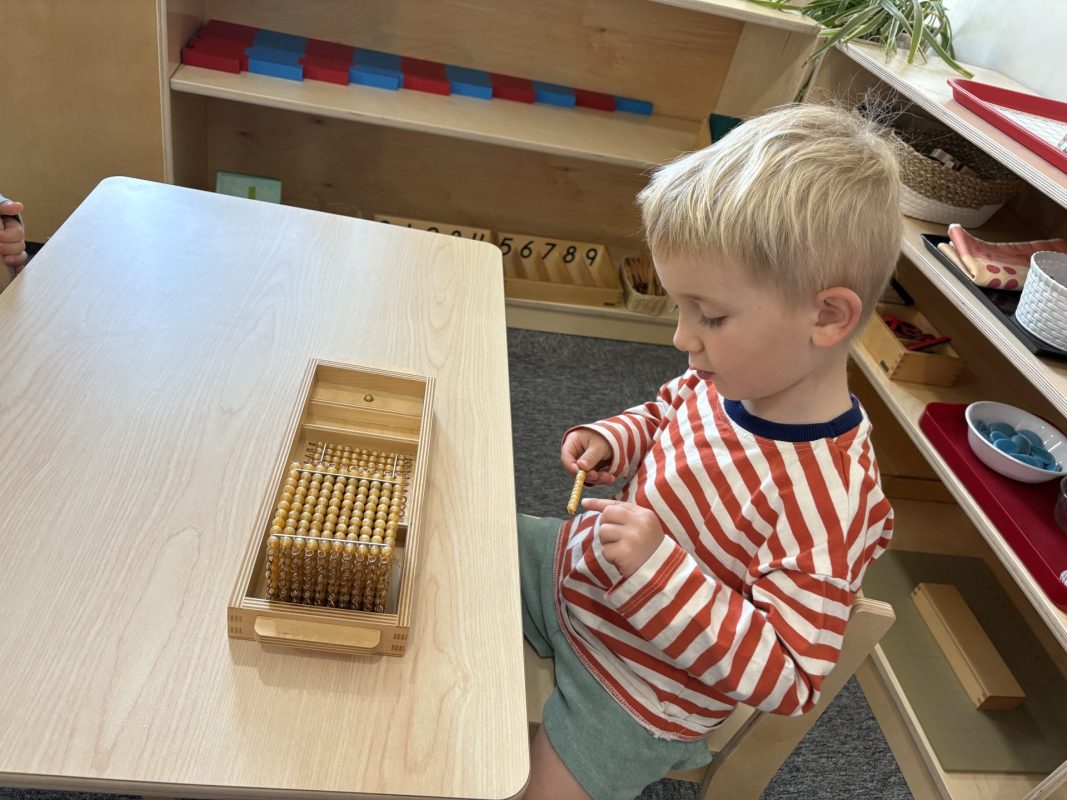
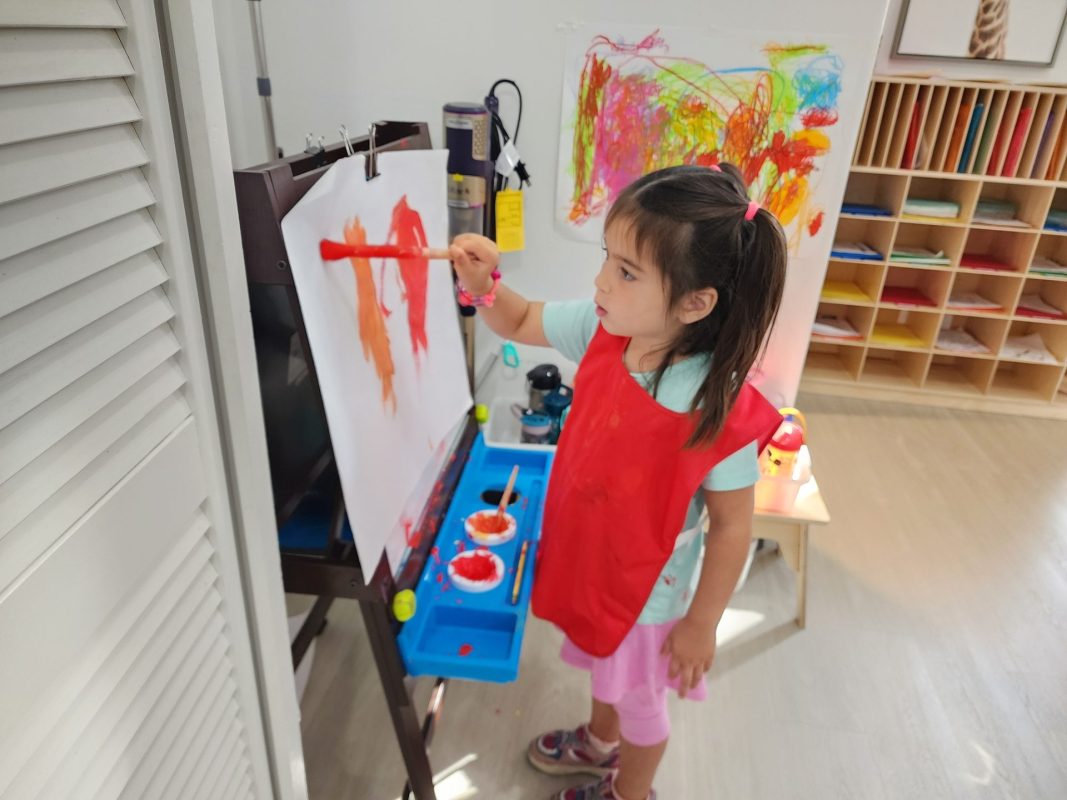
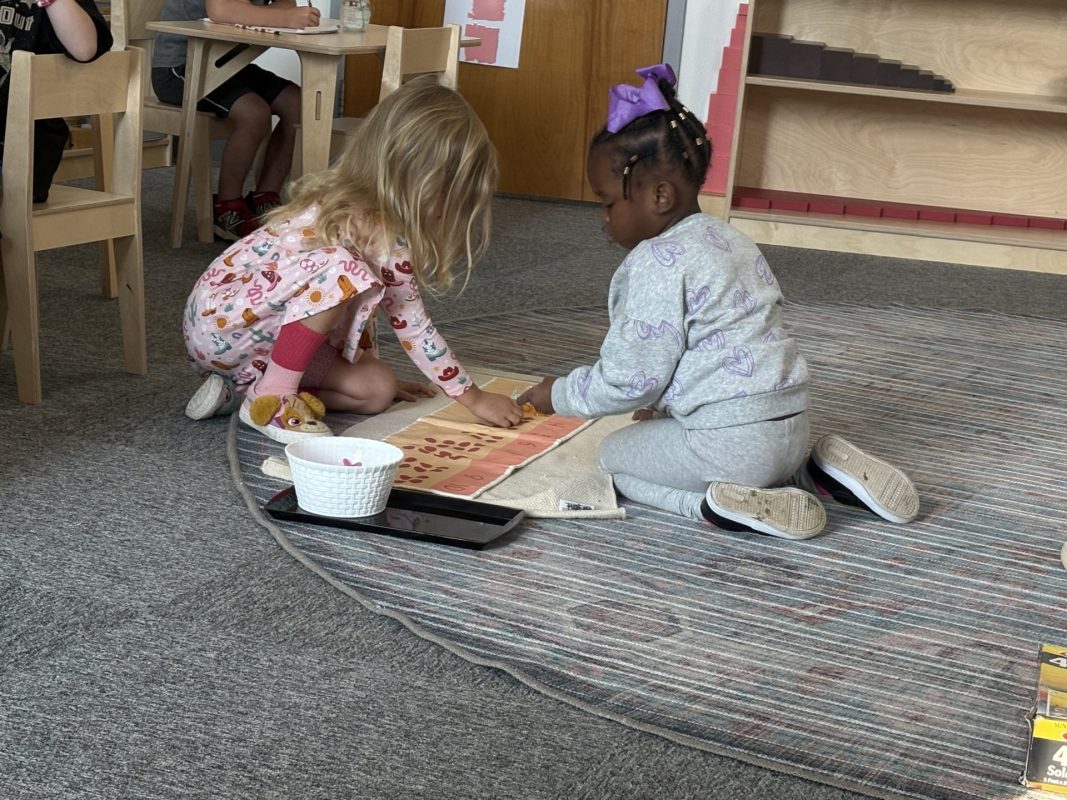
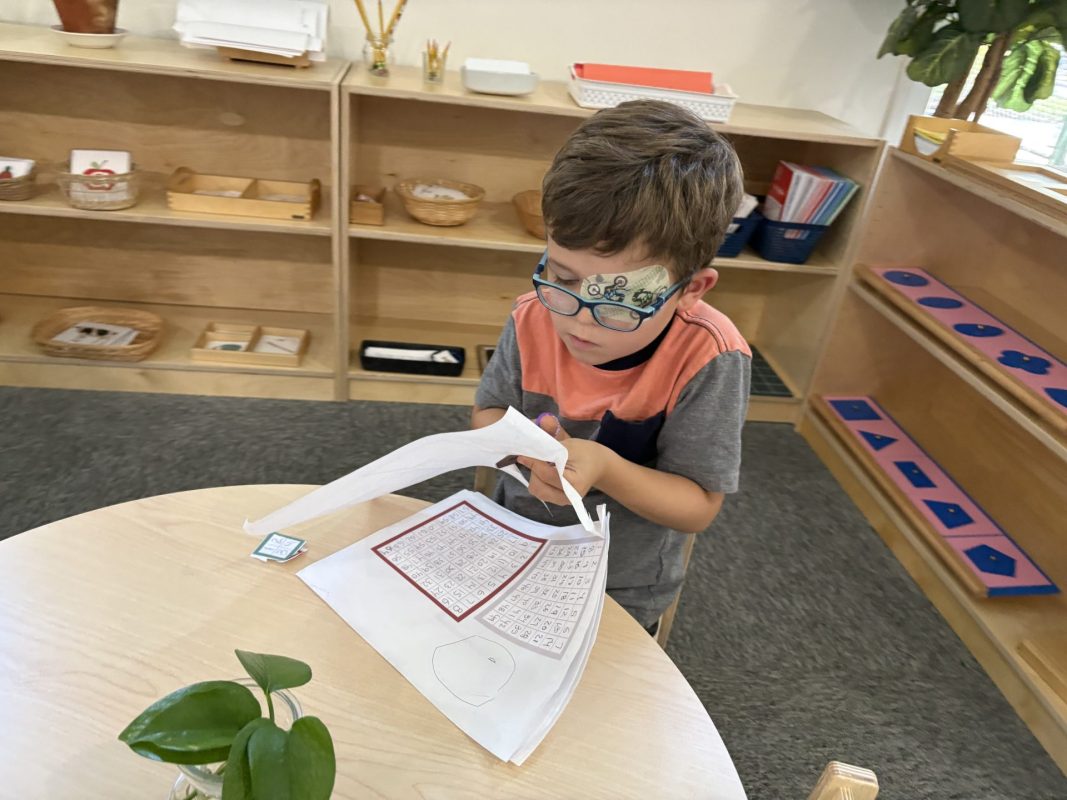
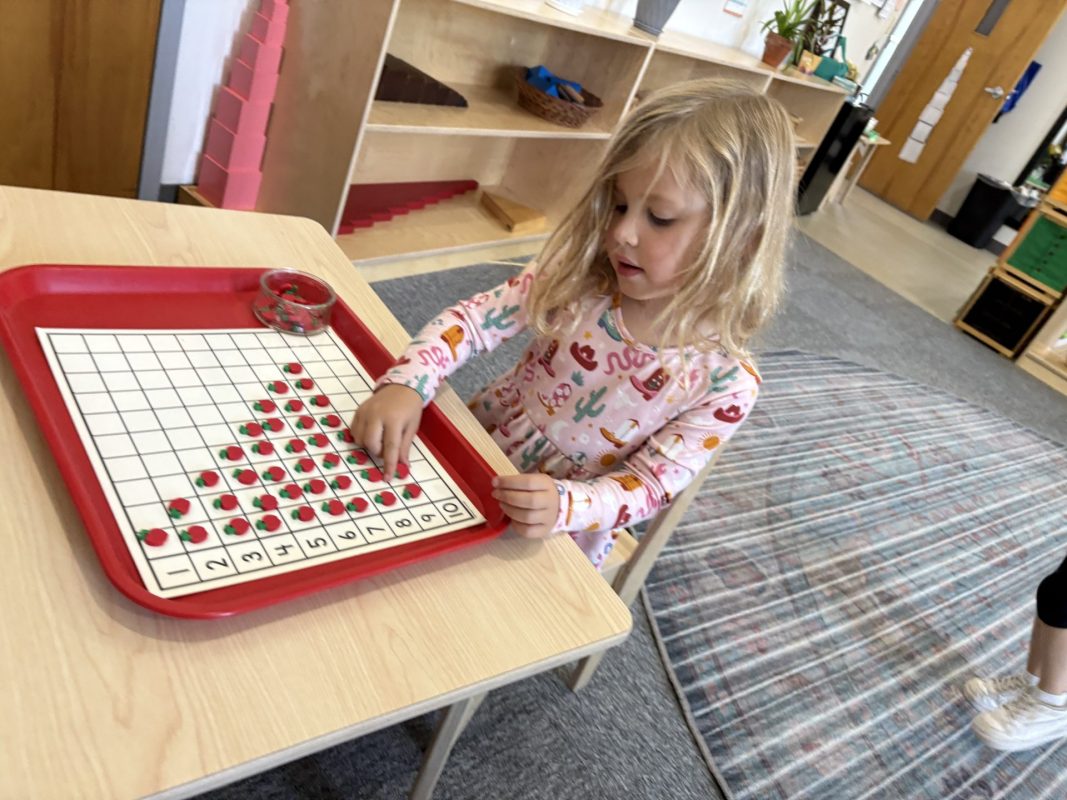
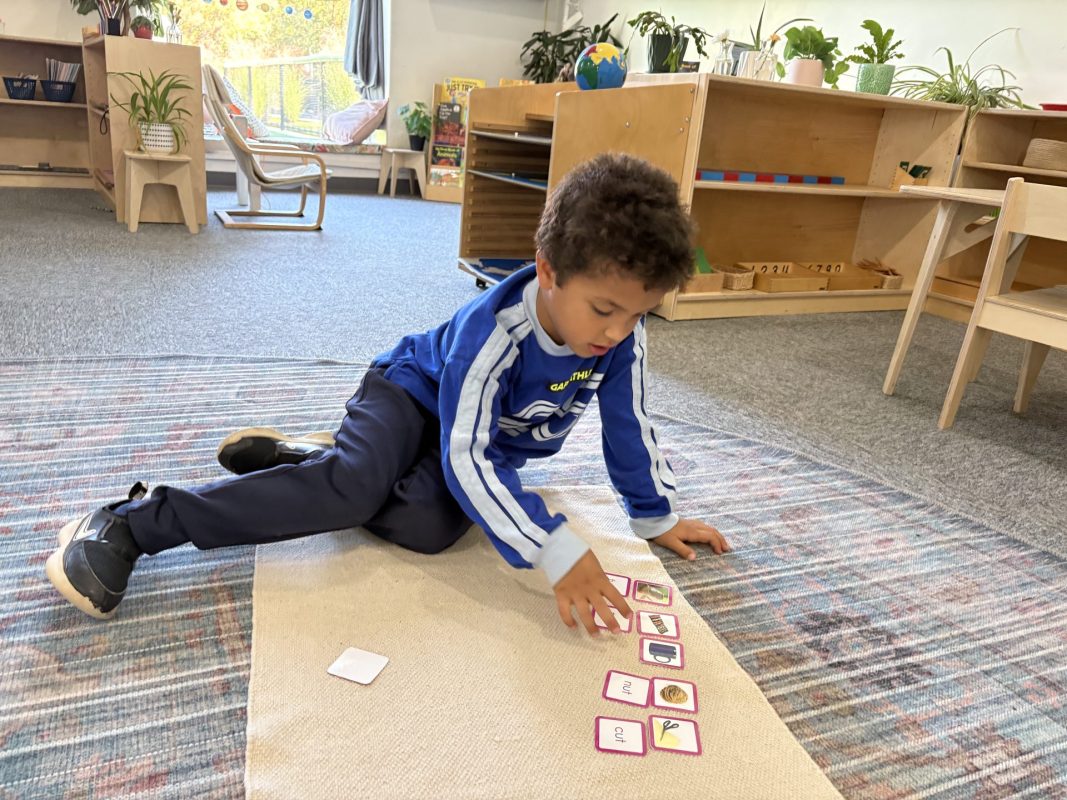
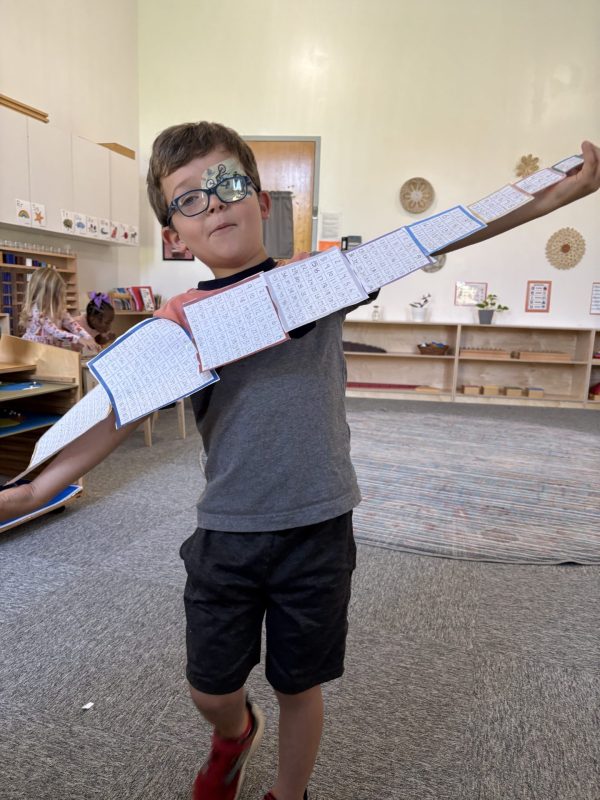
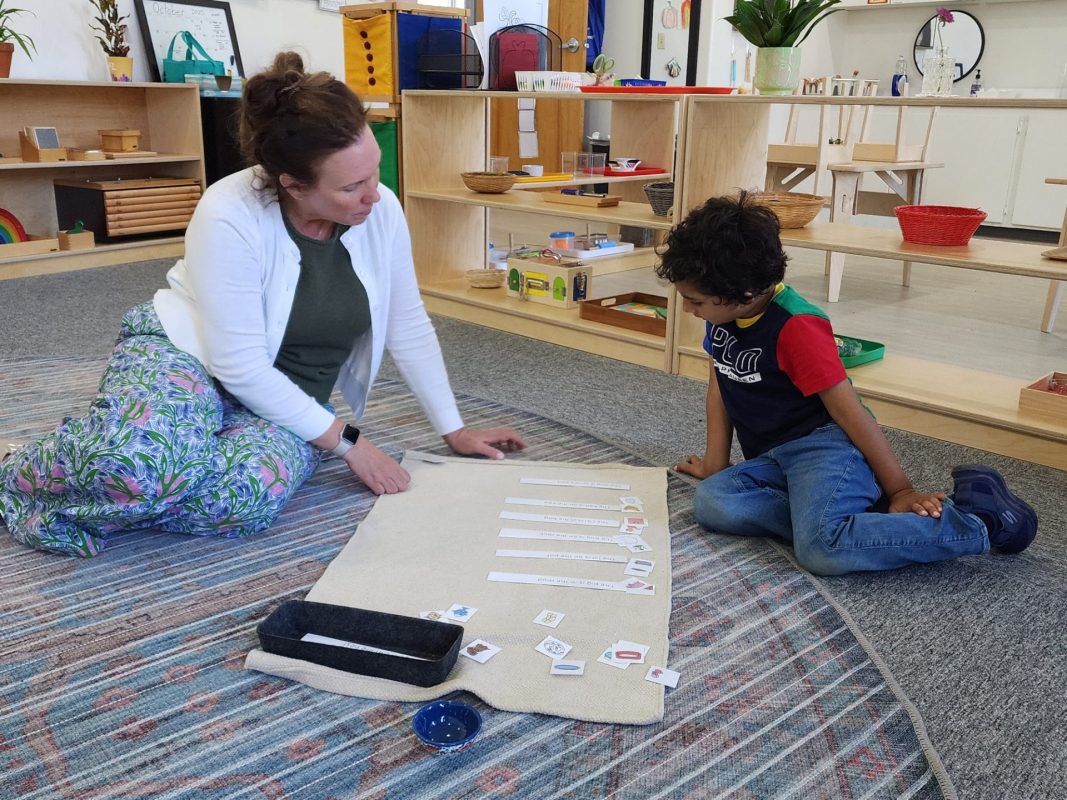
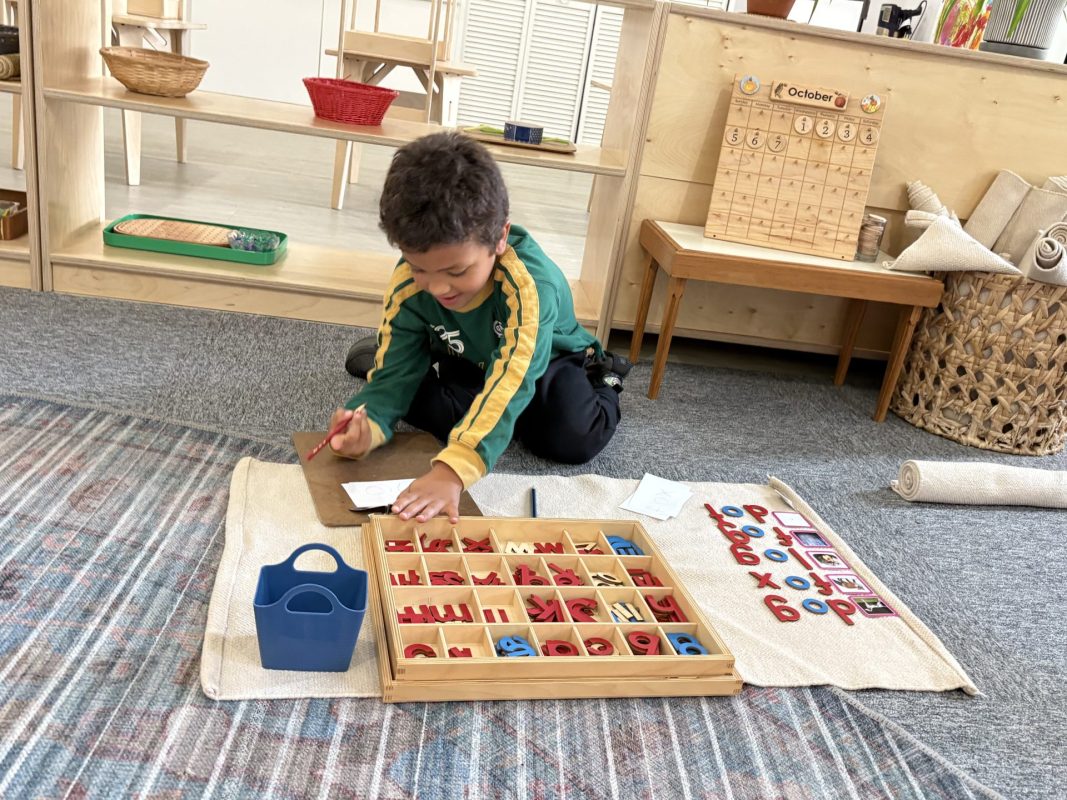
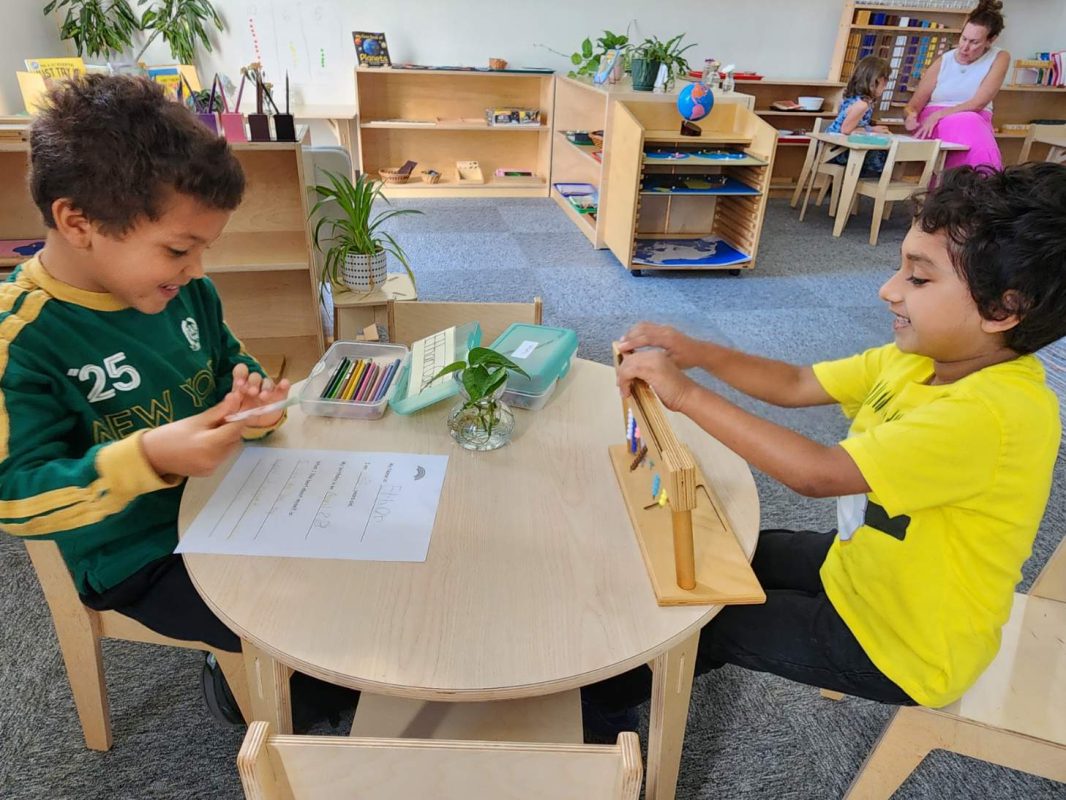
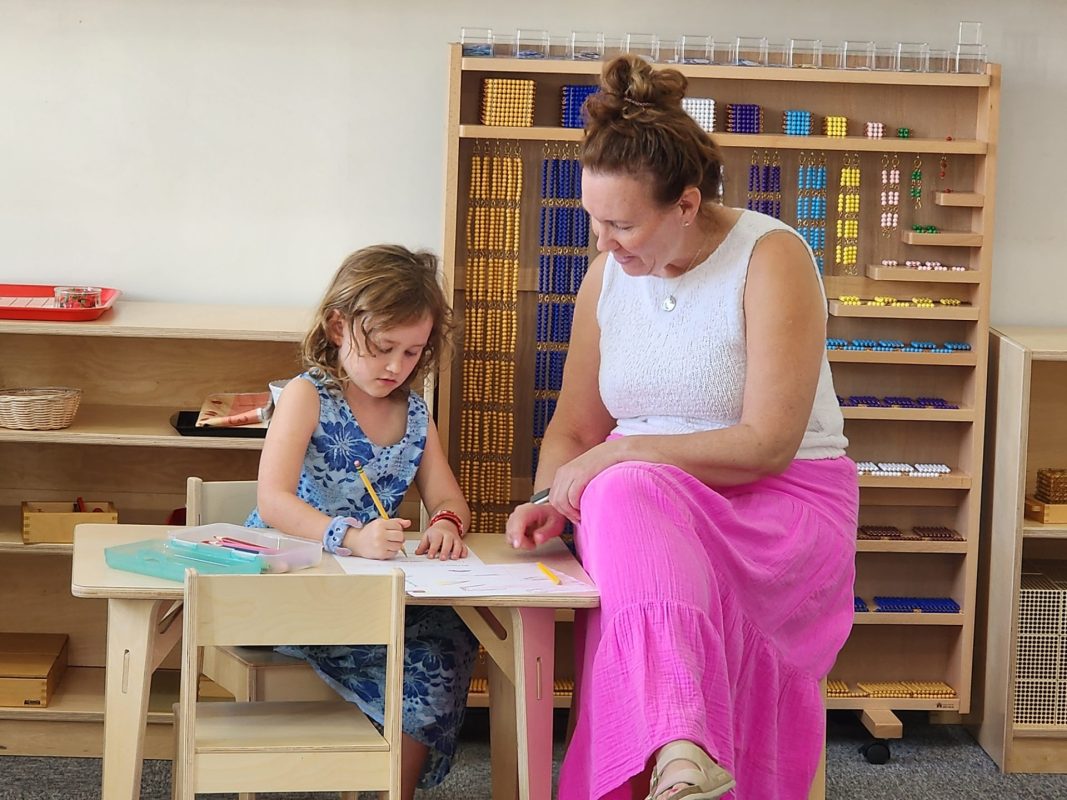
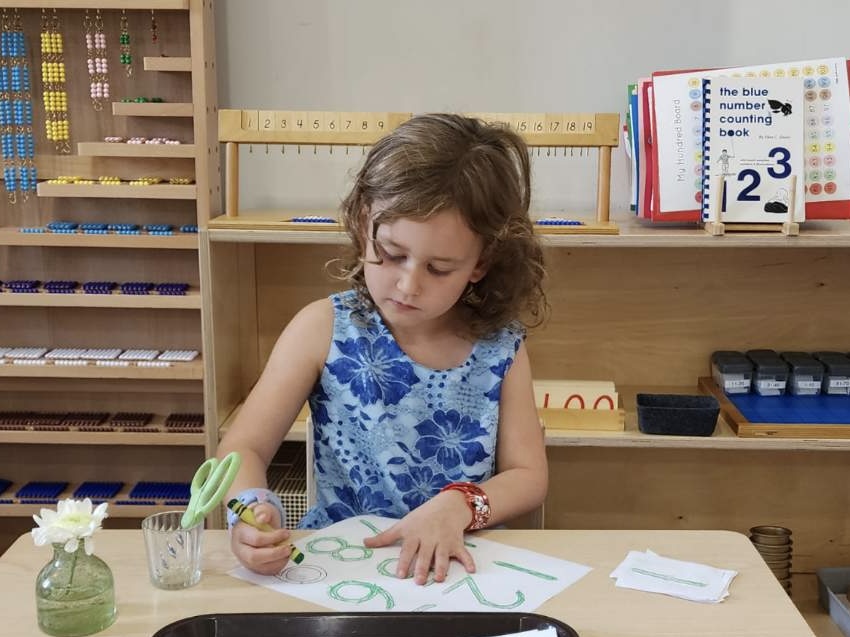
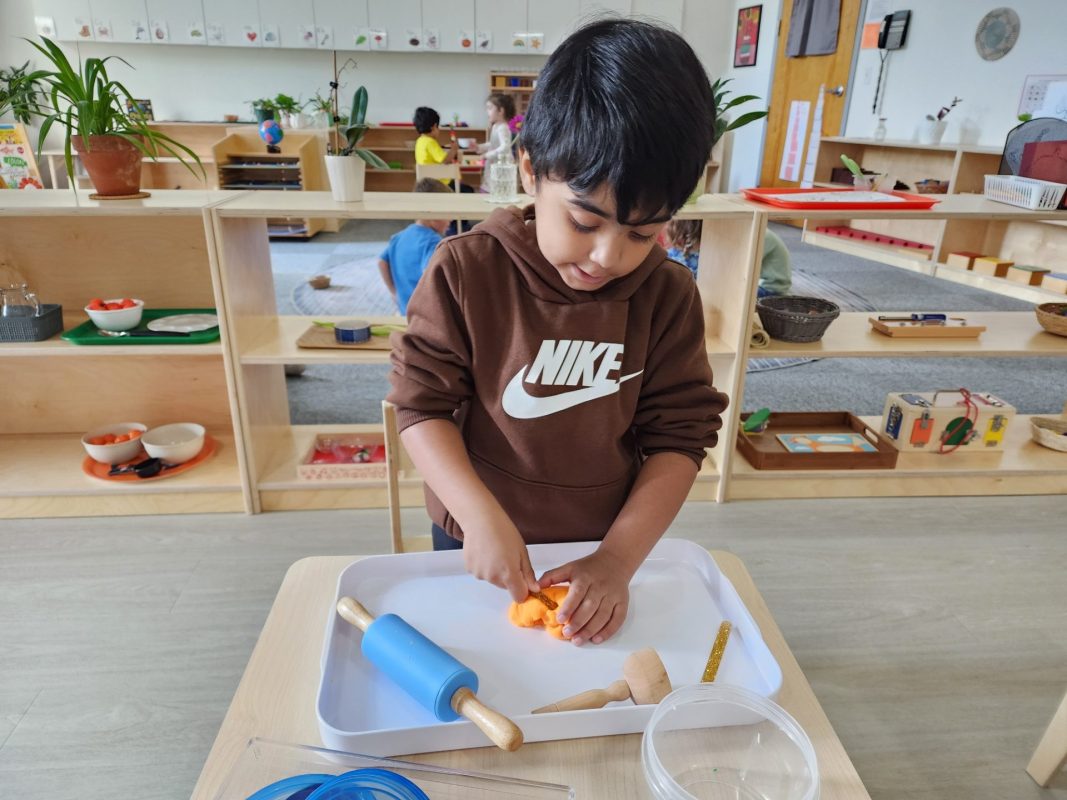
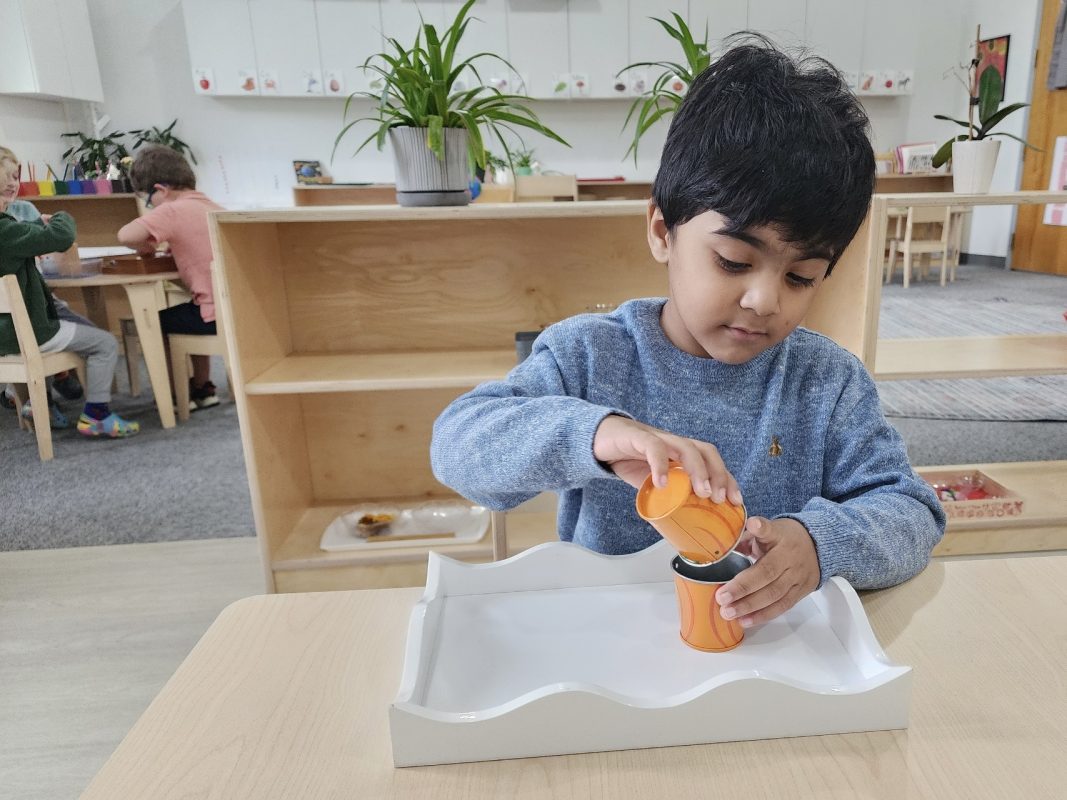
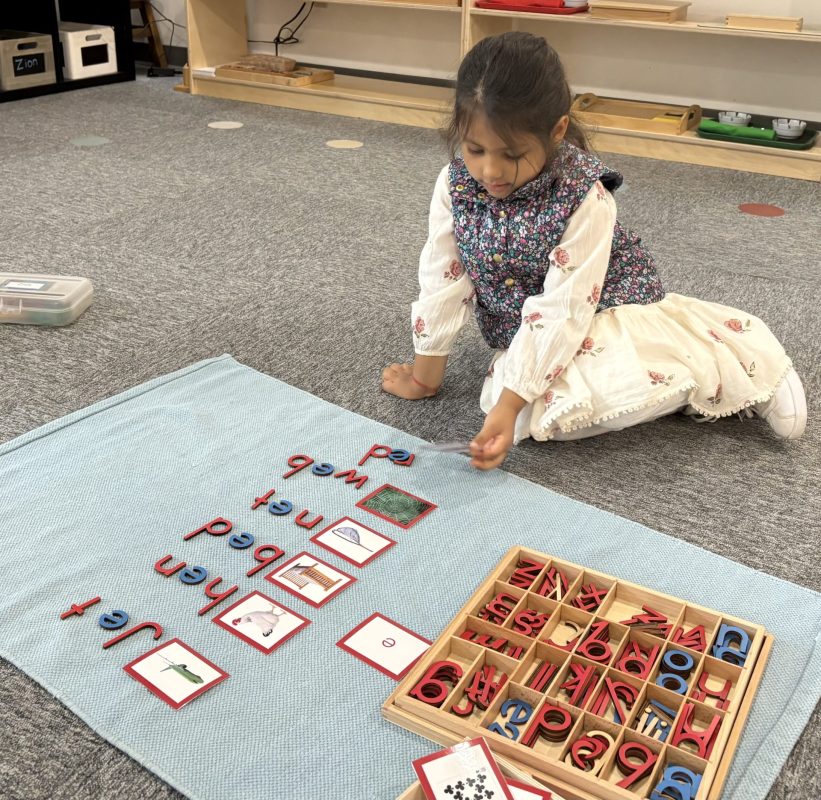
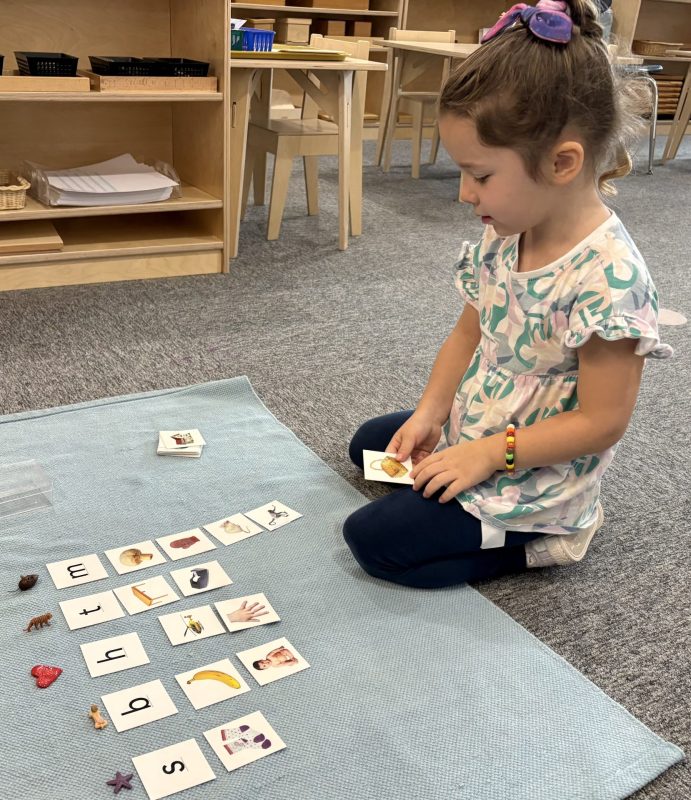
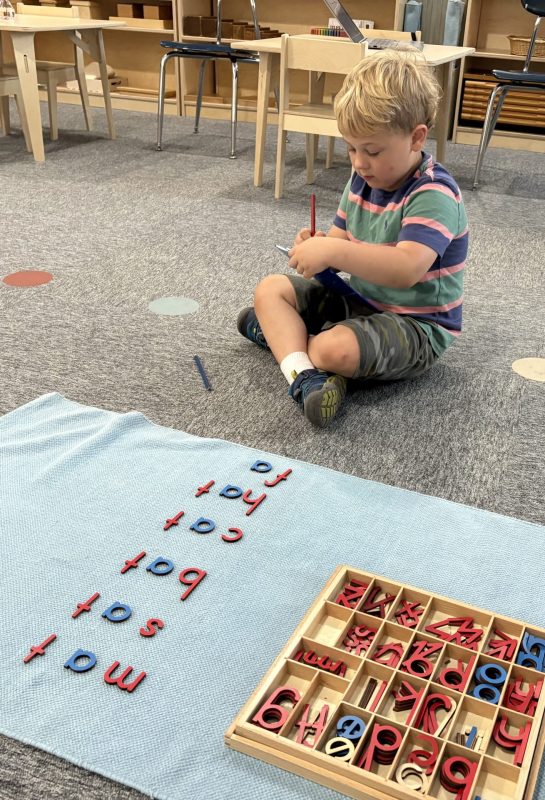
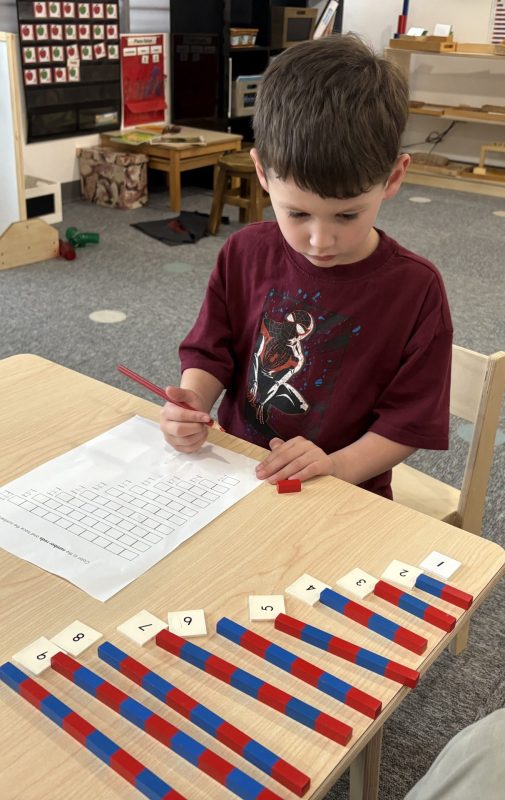
Sometimes, it can be difficult to accept the idea of focusing on the process, not the product. What exactly does that mean? Many works in the Montessori classroom do not end with a physical product that the children will bring home to share with everyone. There is often no way to visually assess what a child is learning. Overall, as a society, we are product-driven and often base our success on this factor. The experience a child has when working with the materials is truly what is most important. However, it can often be unsettling when you hear they did “nothing” day after day.
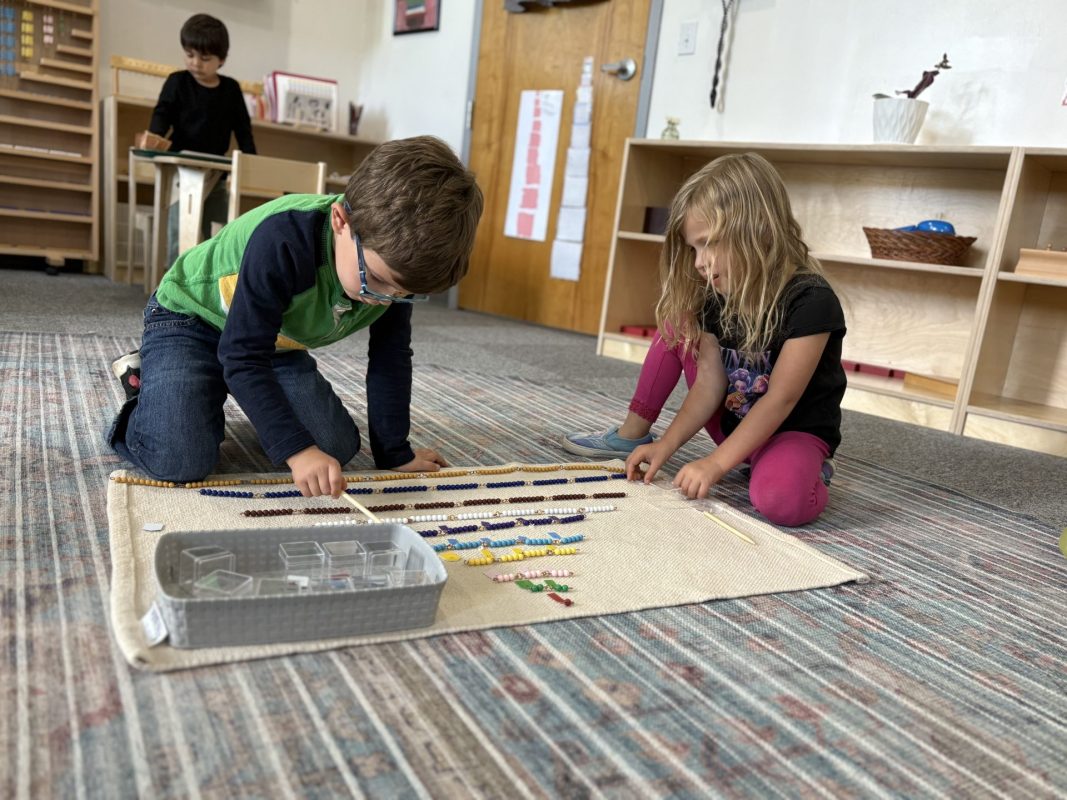
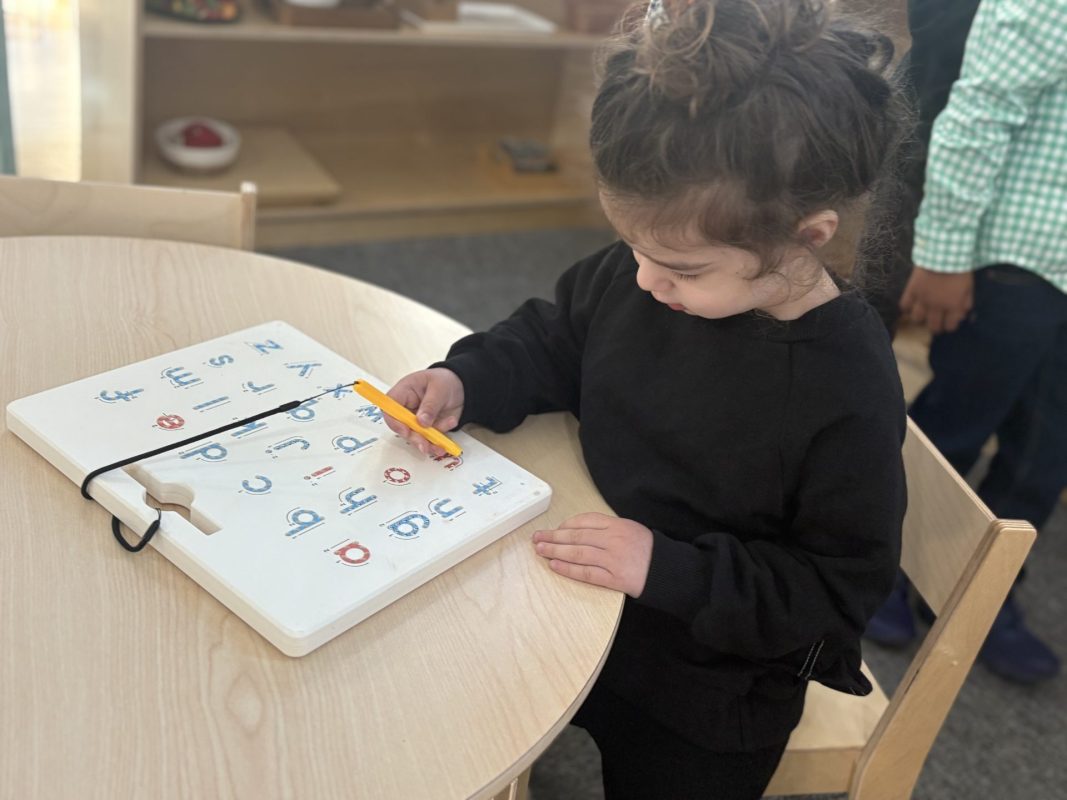
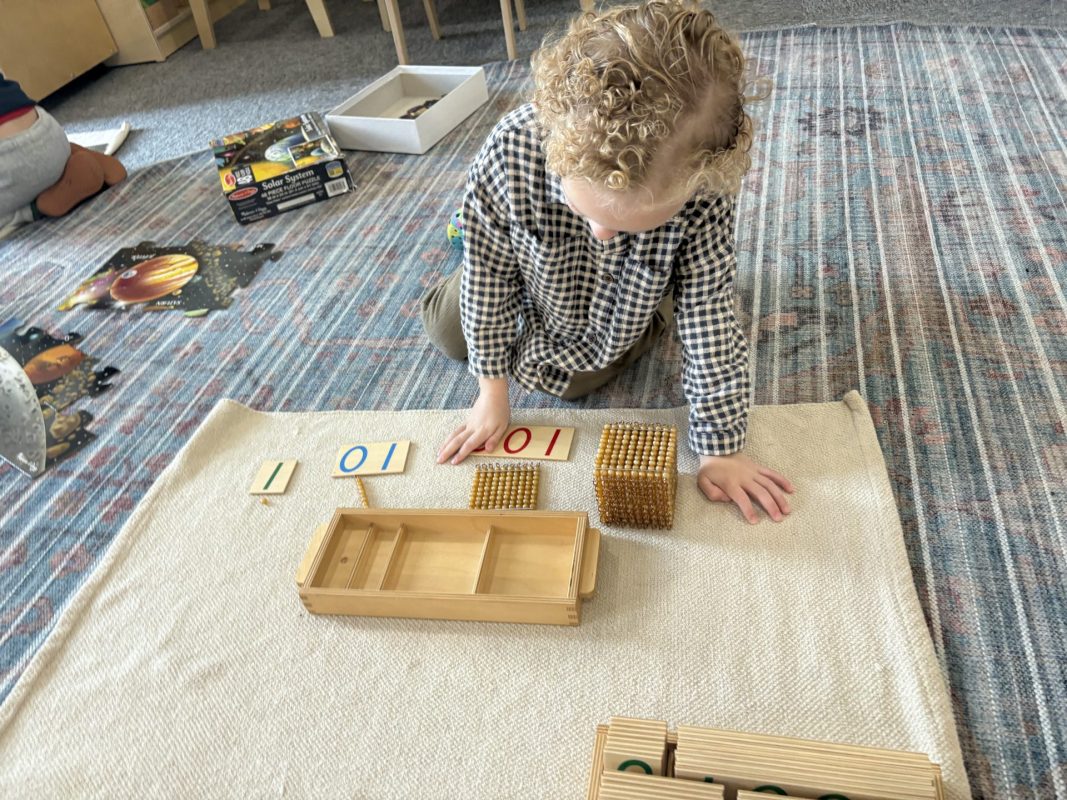
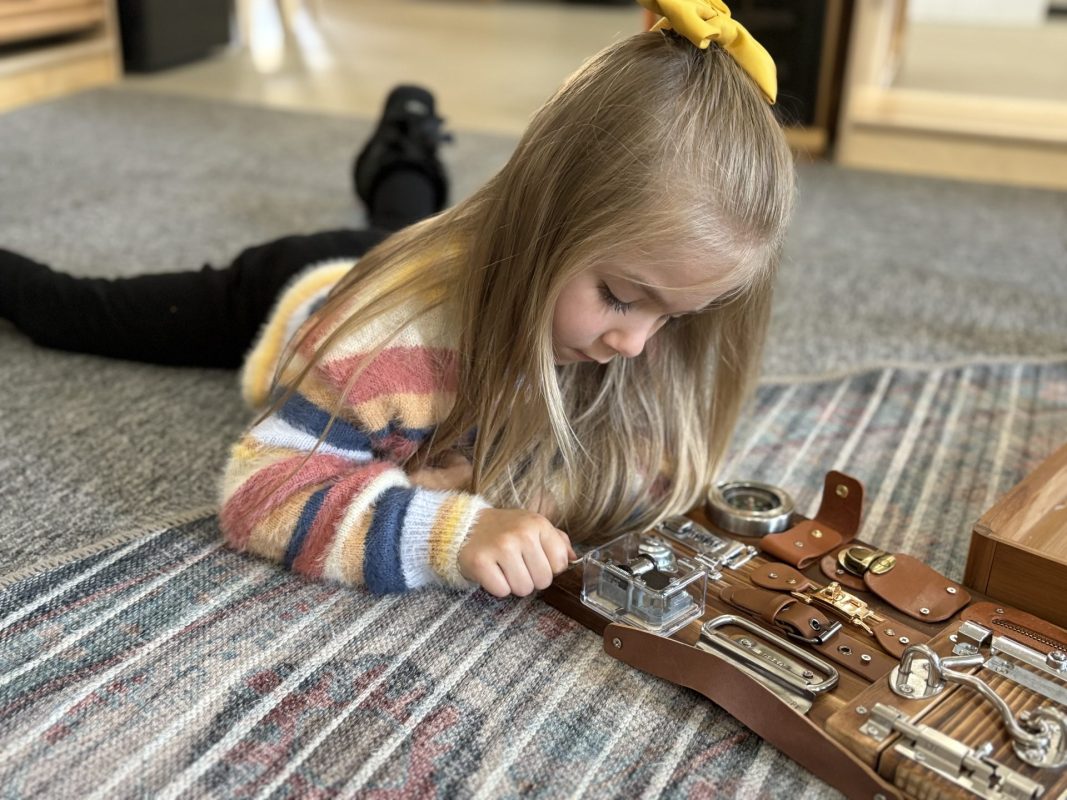
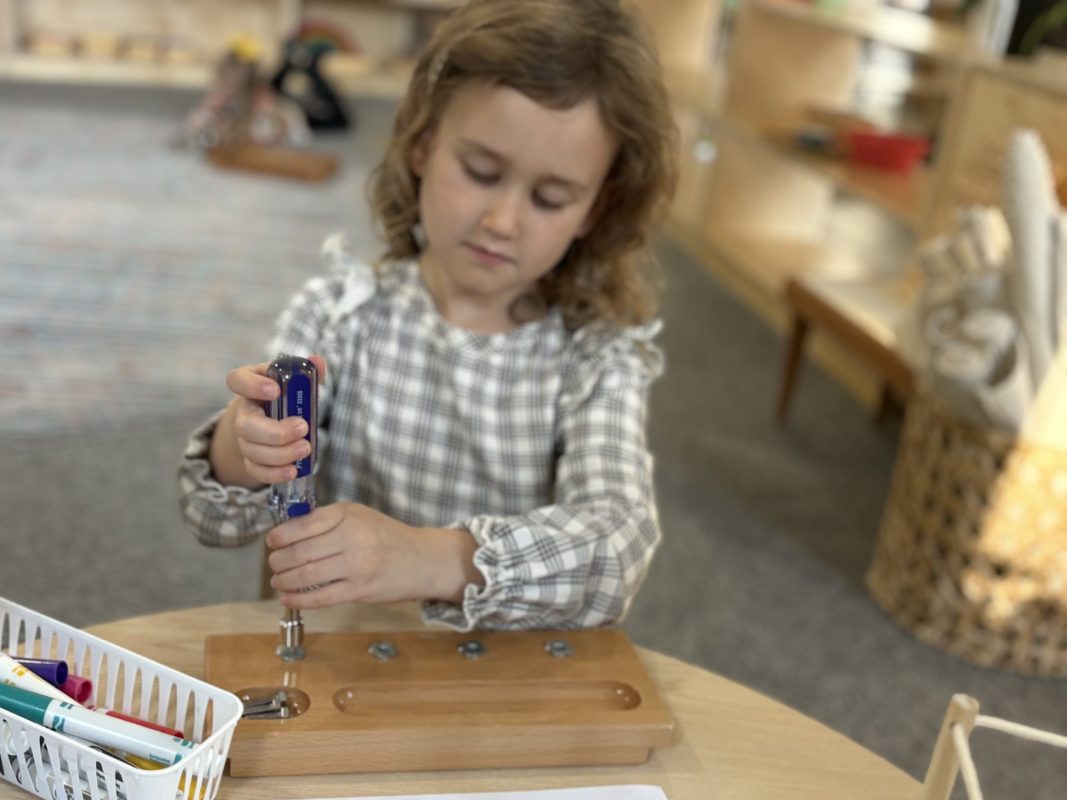
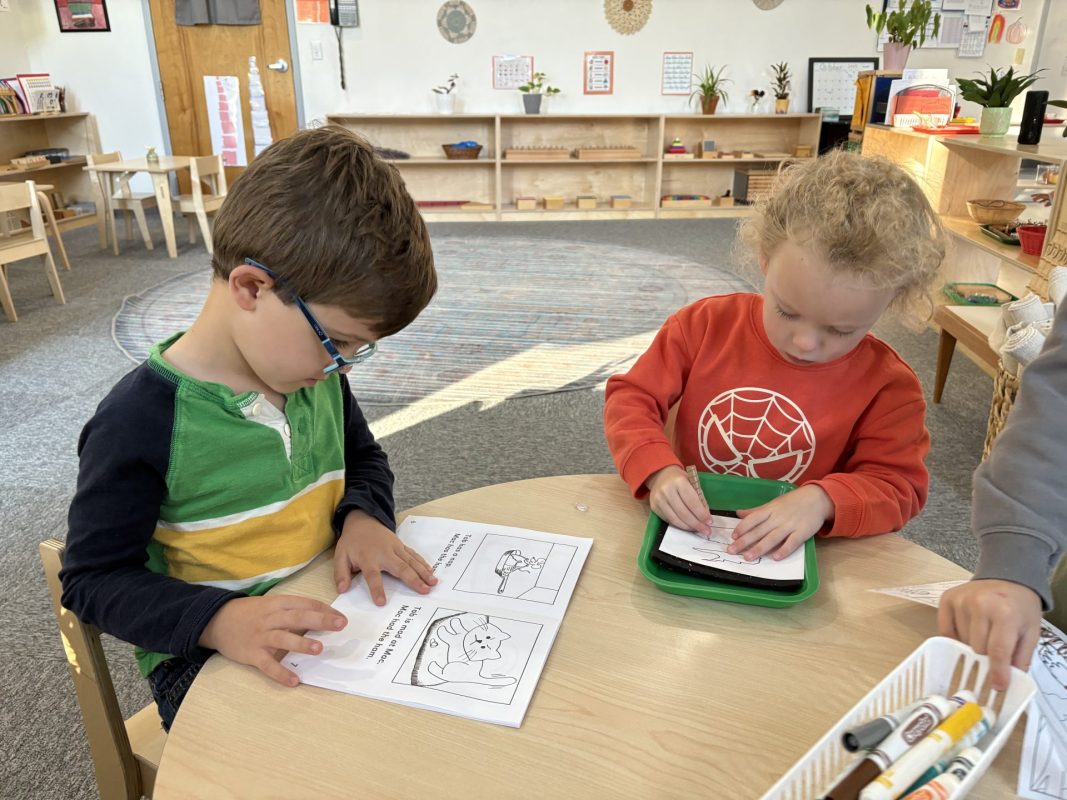
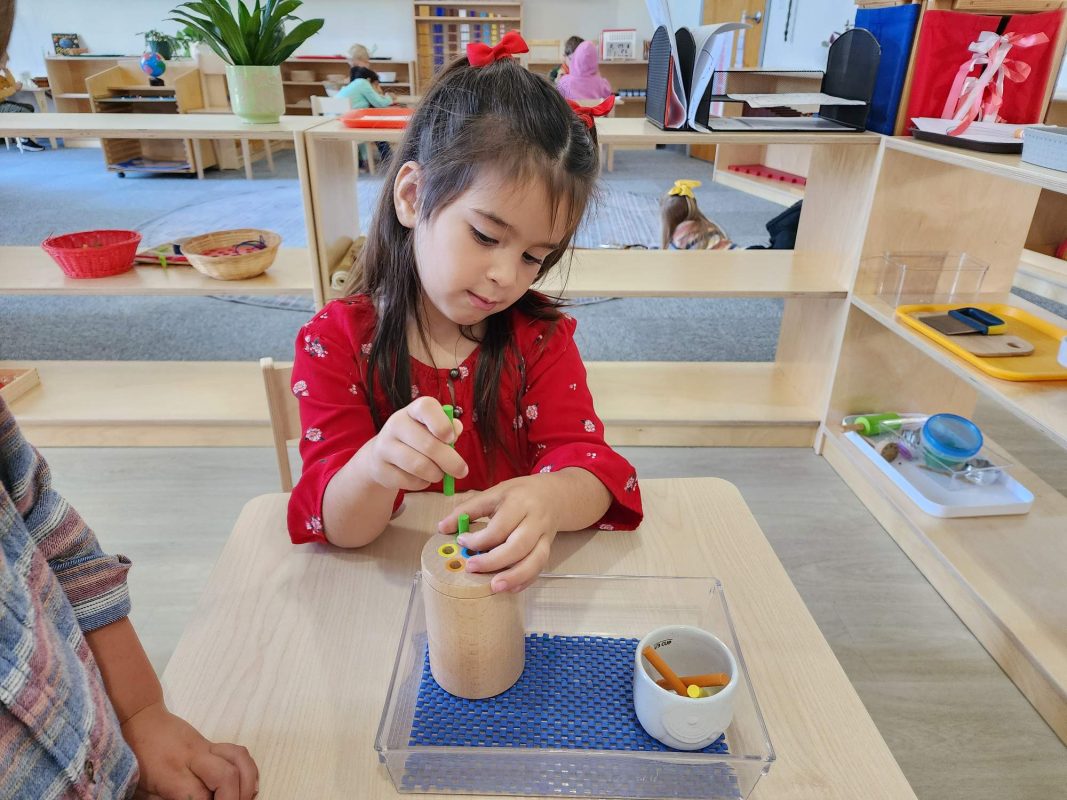
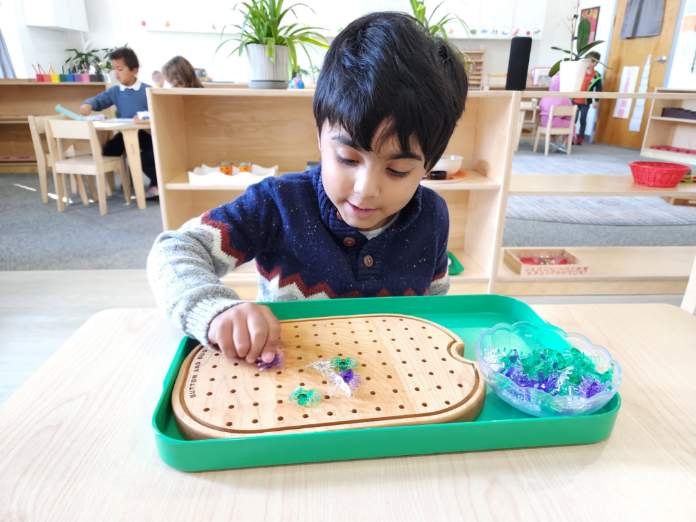
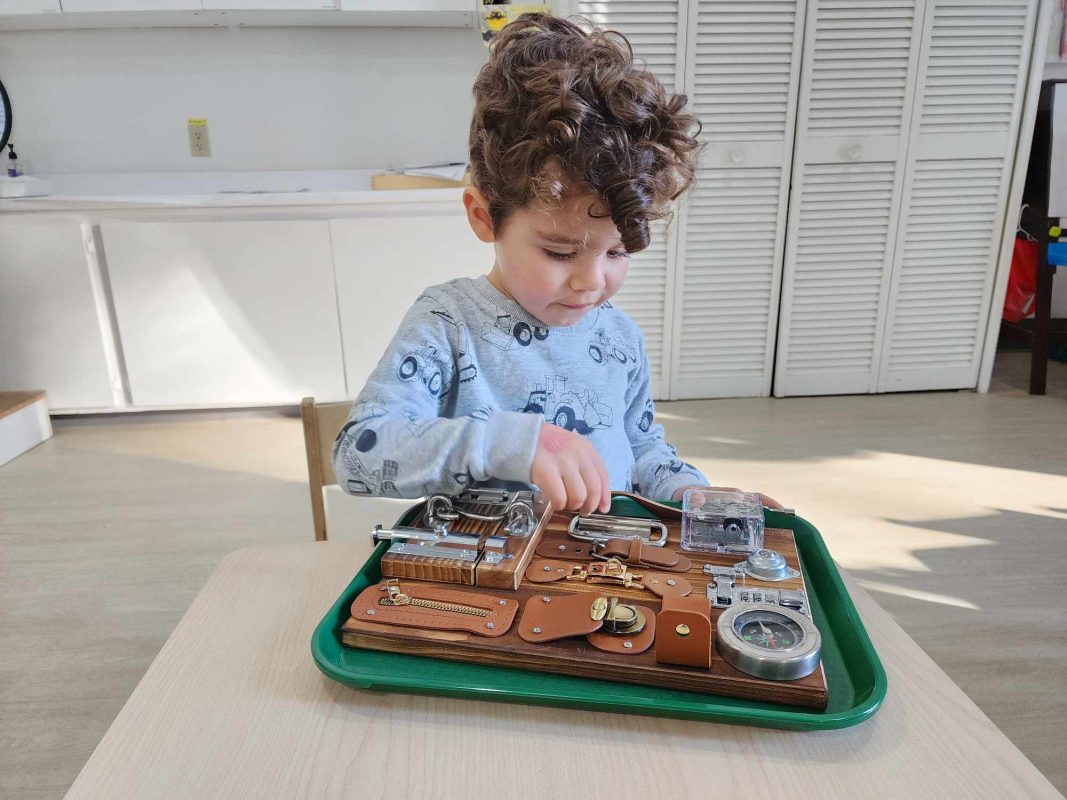
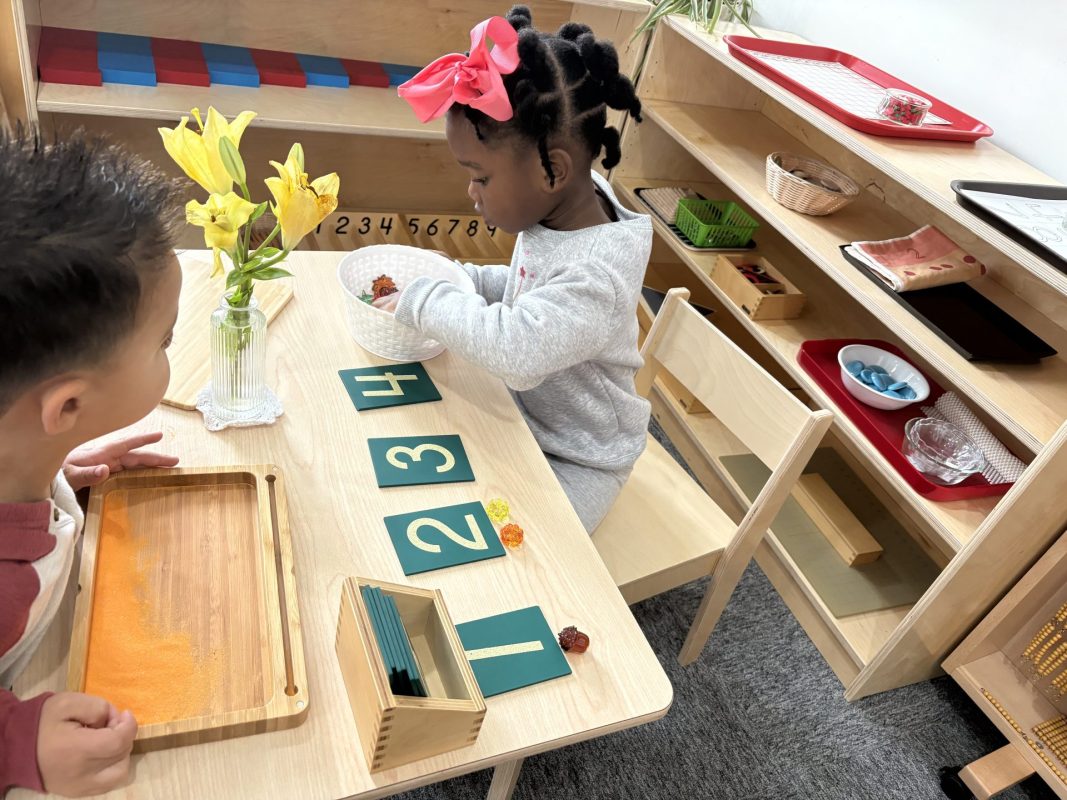
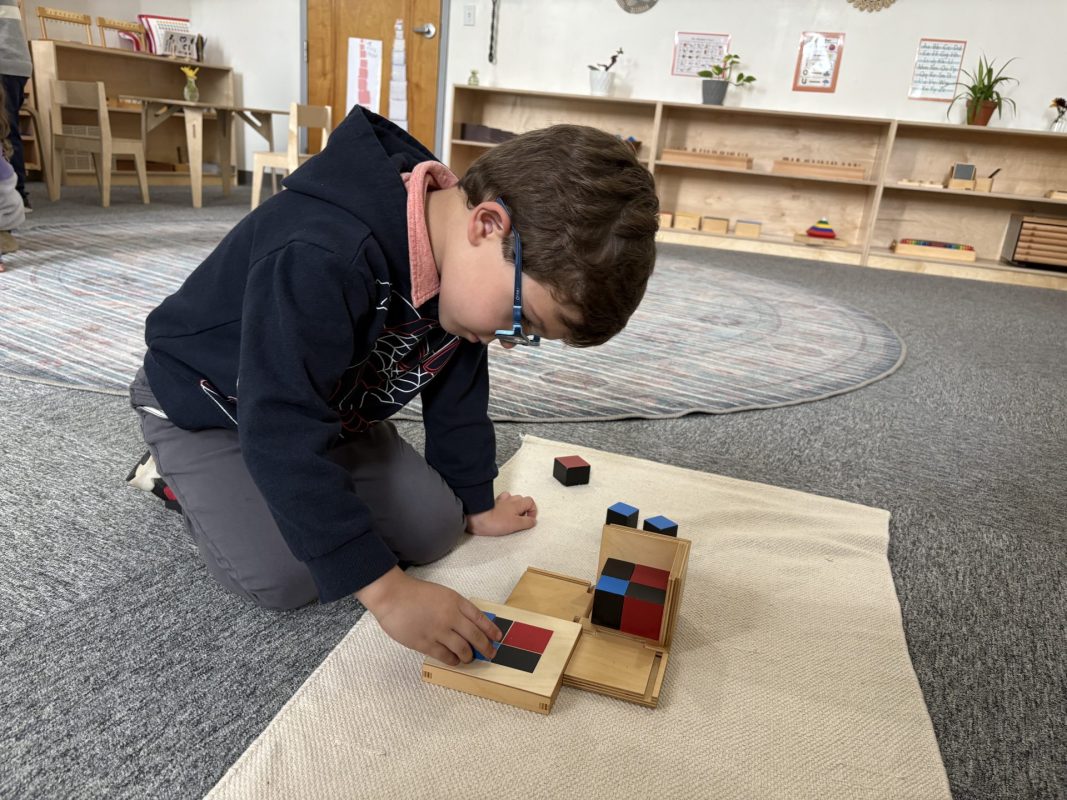
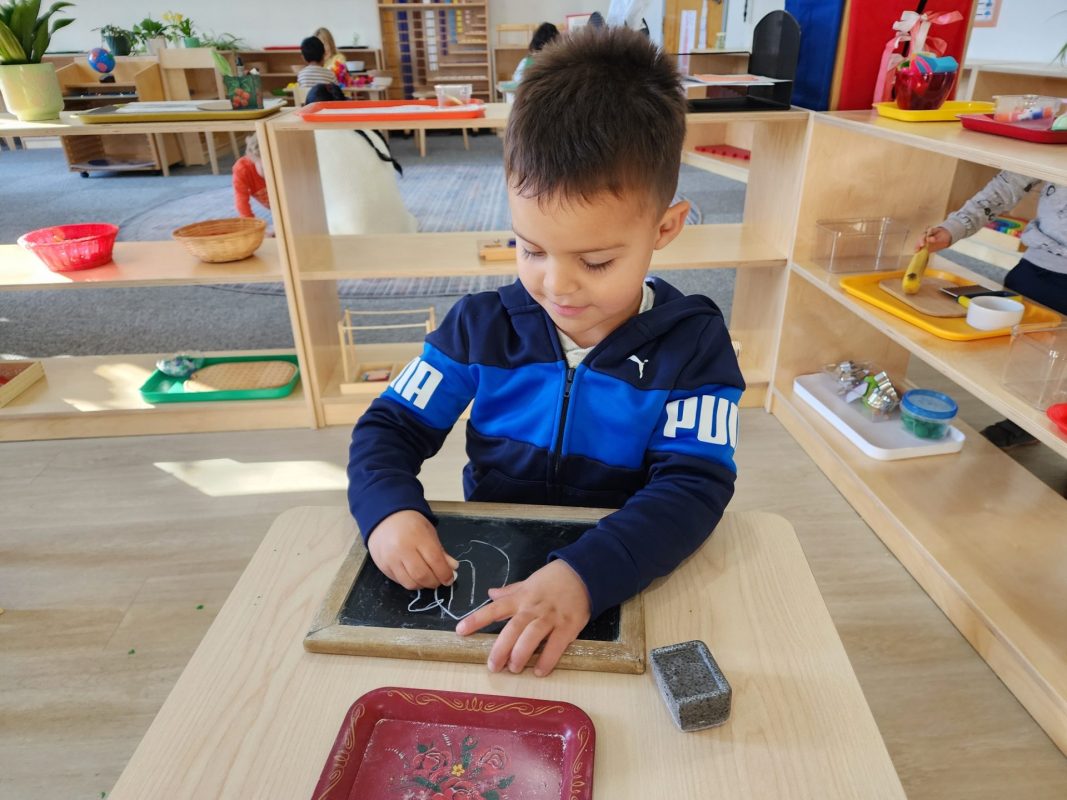
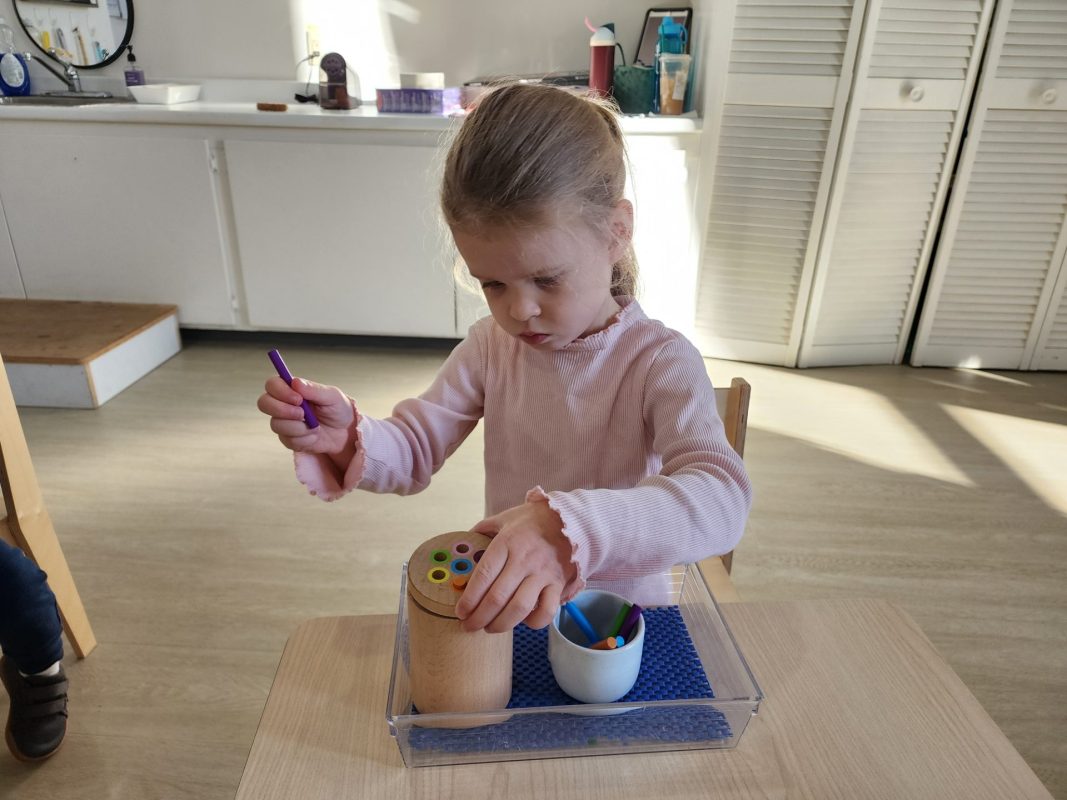
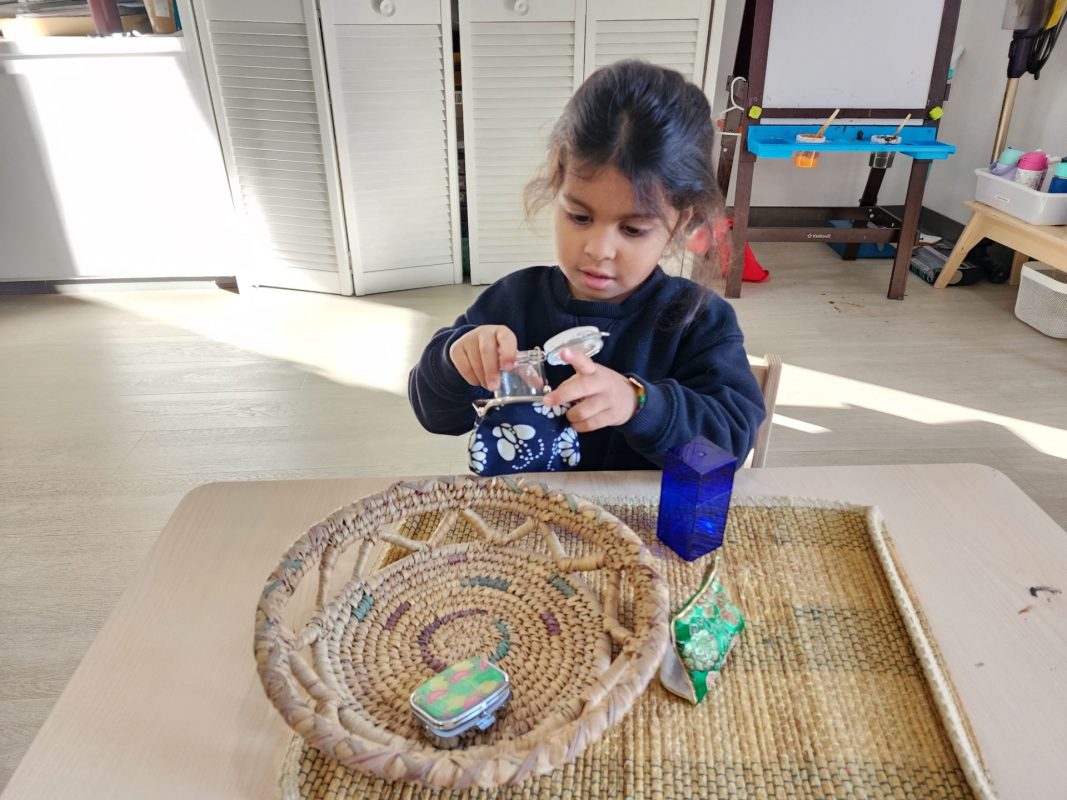
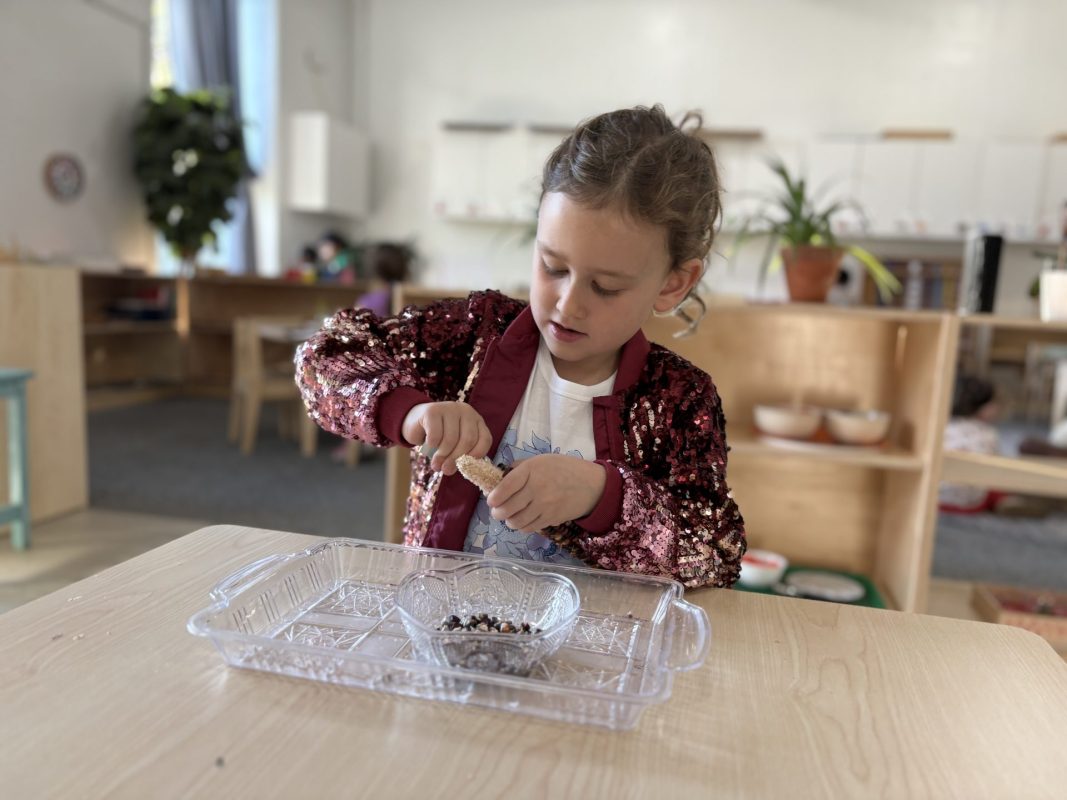
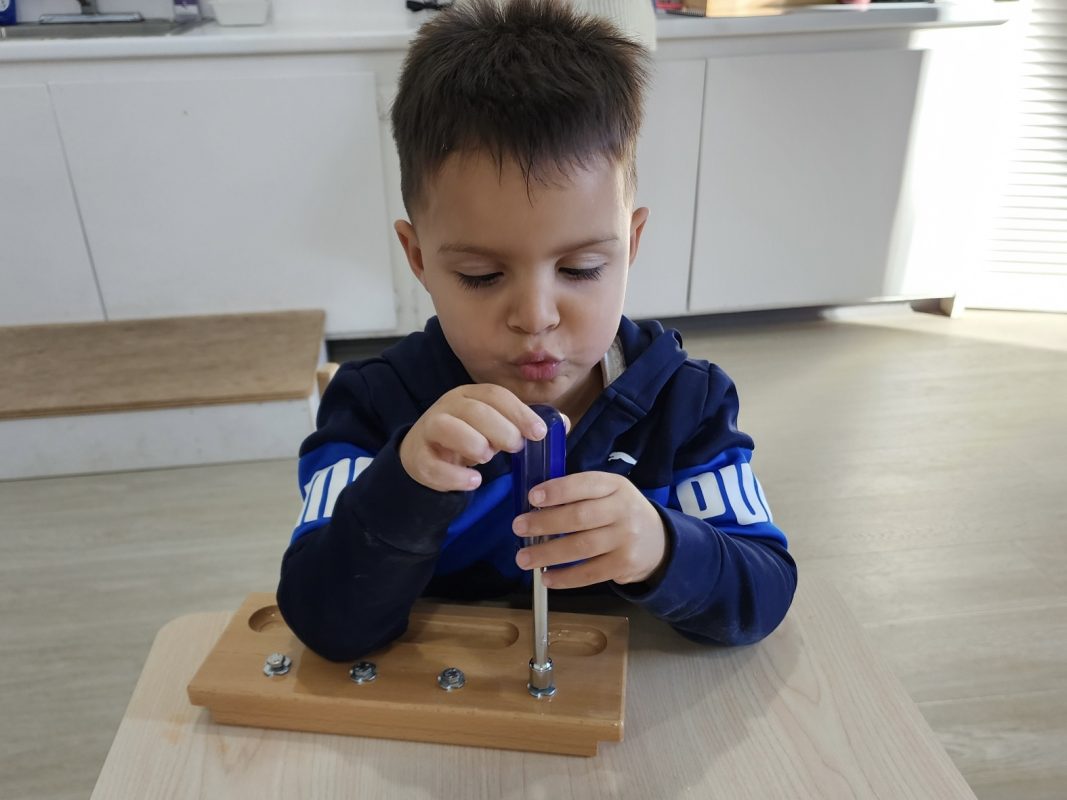
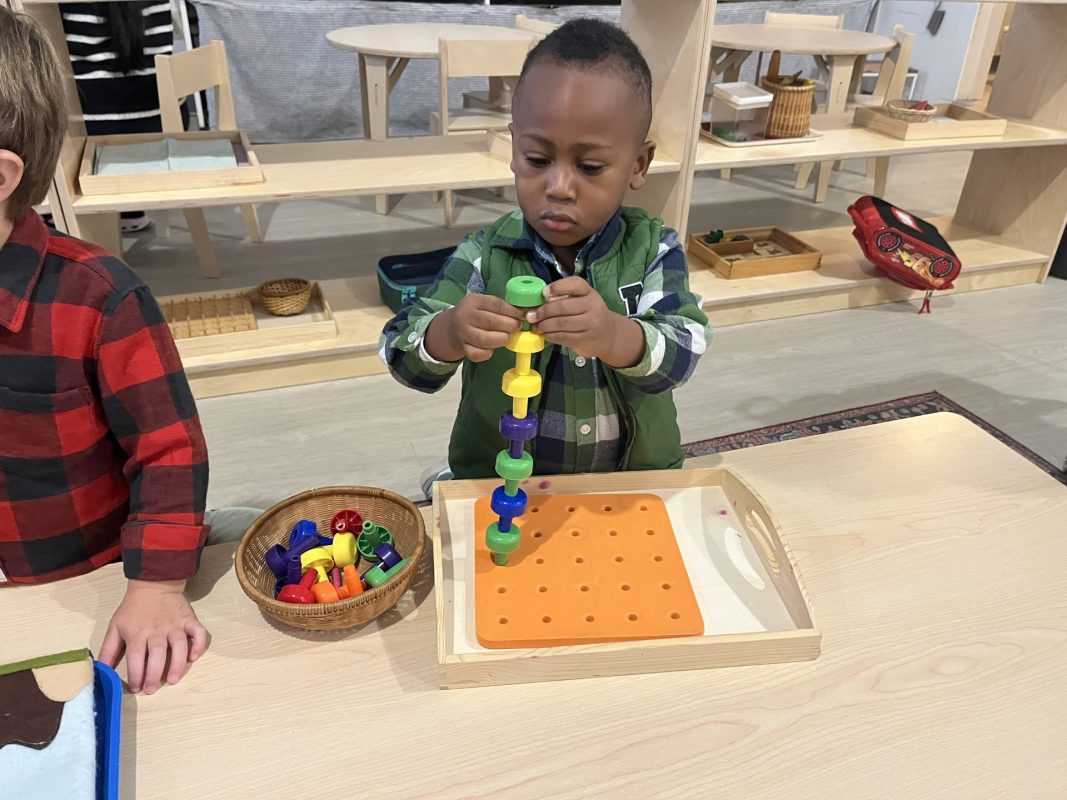
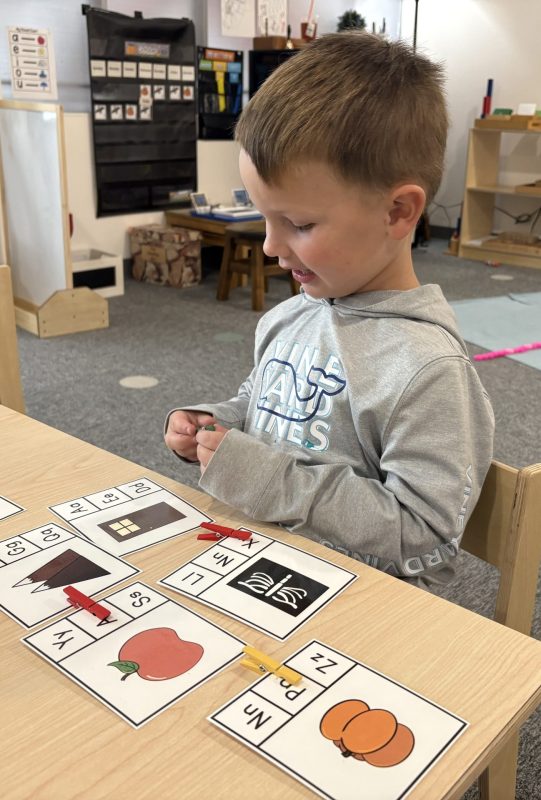
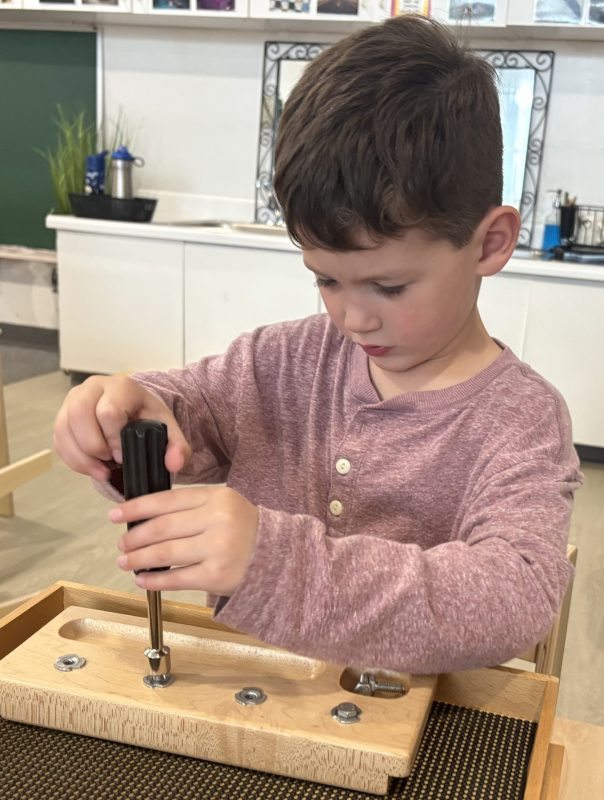
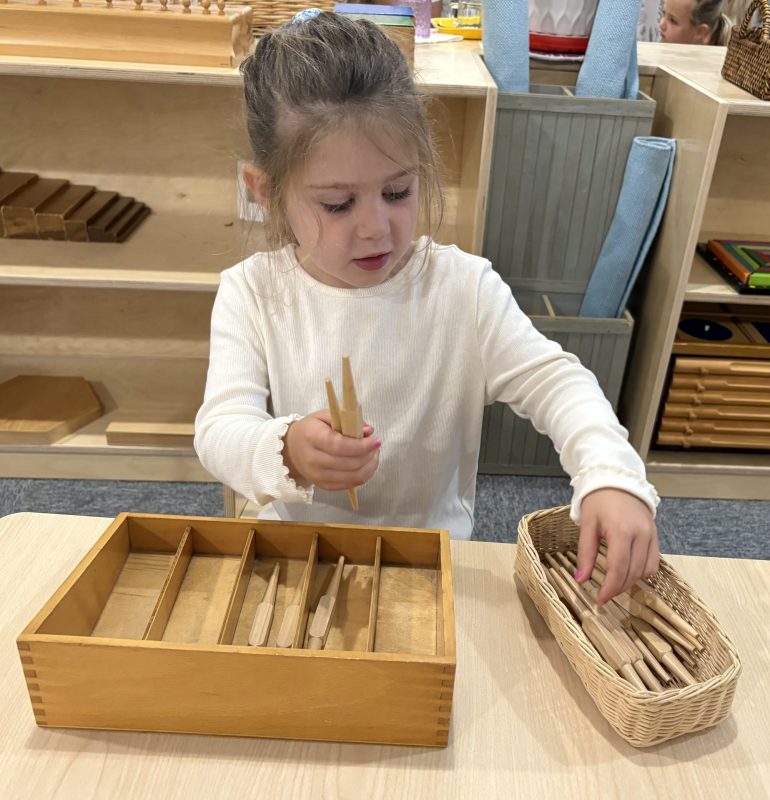
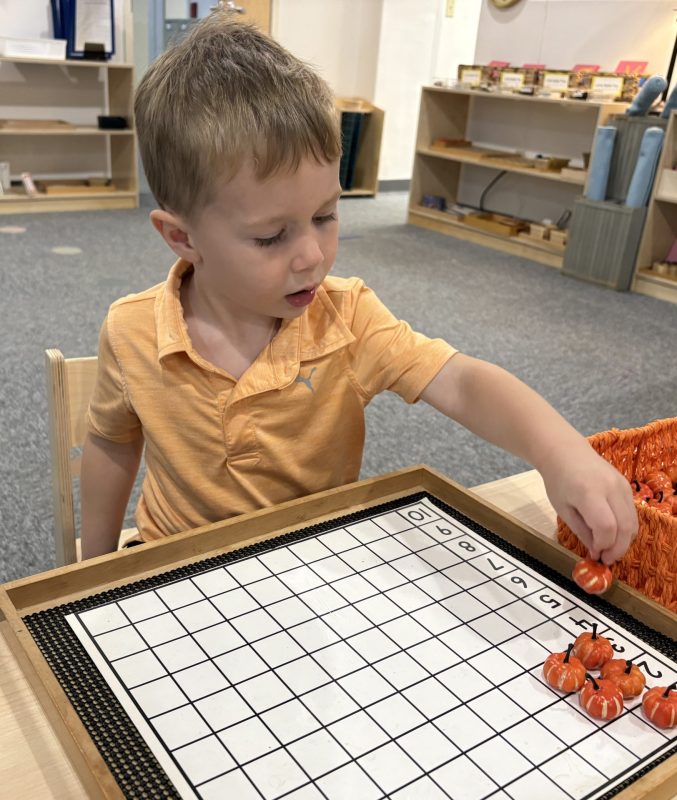
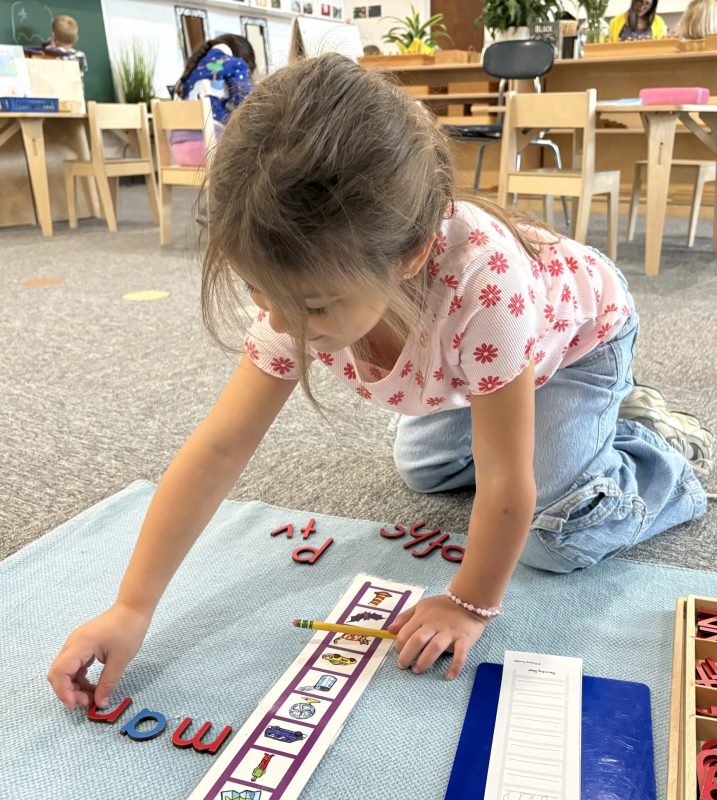
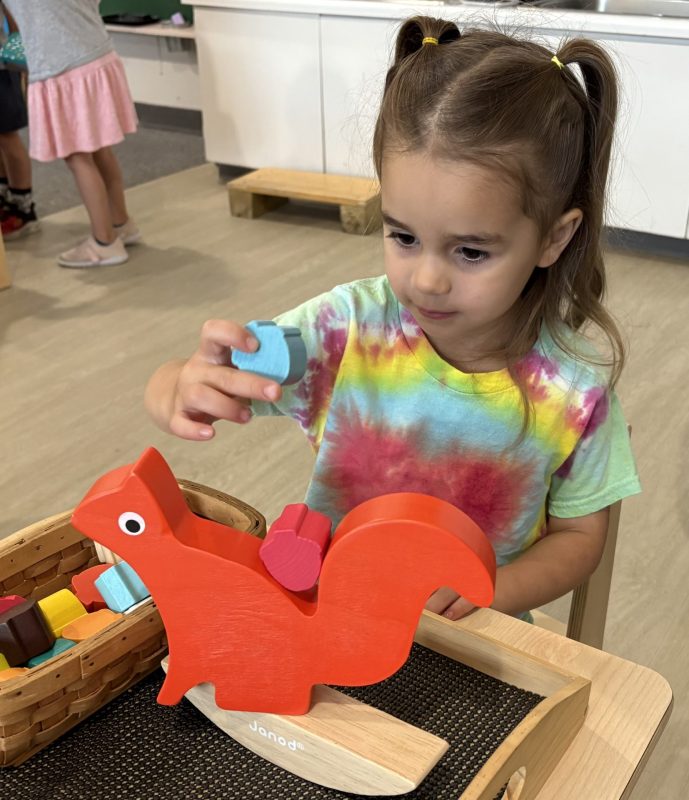
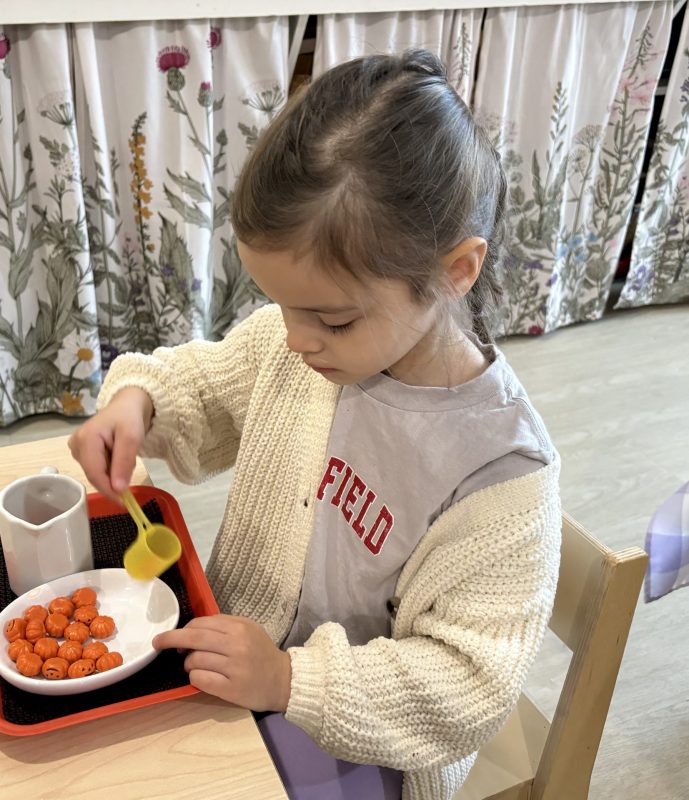
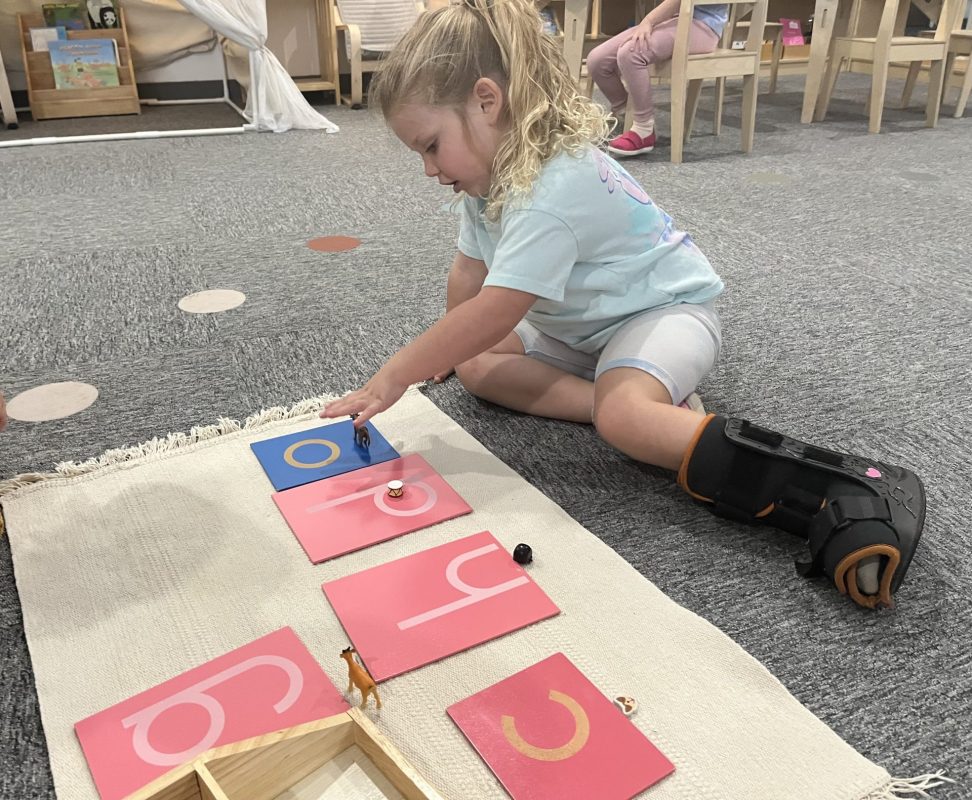
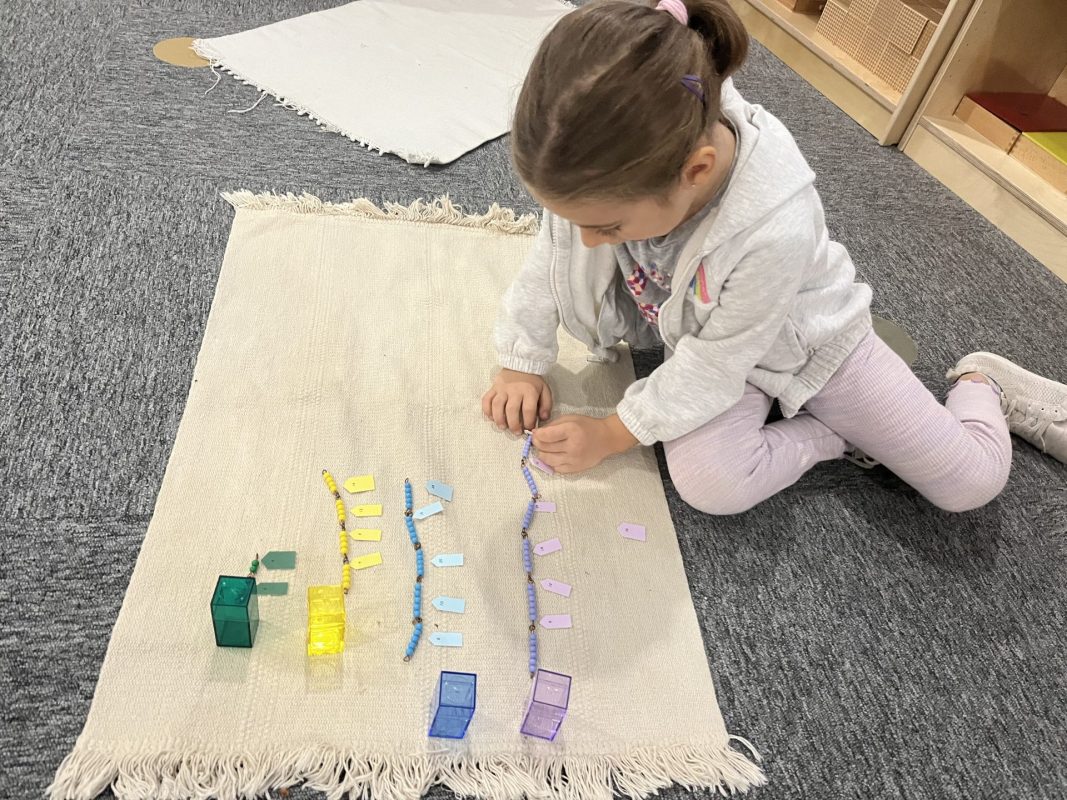
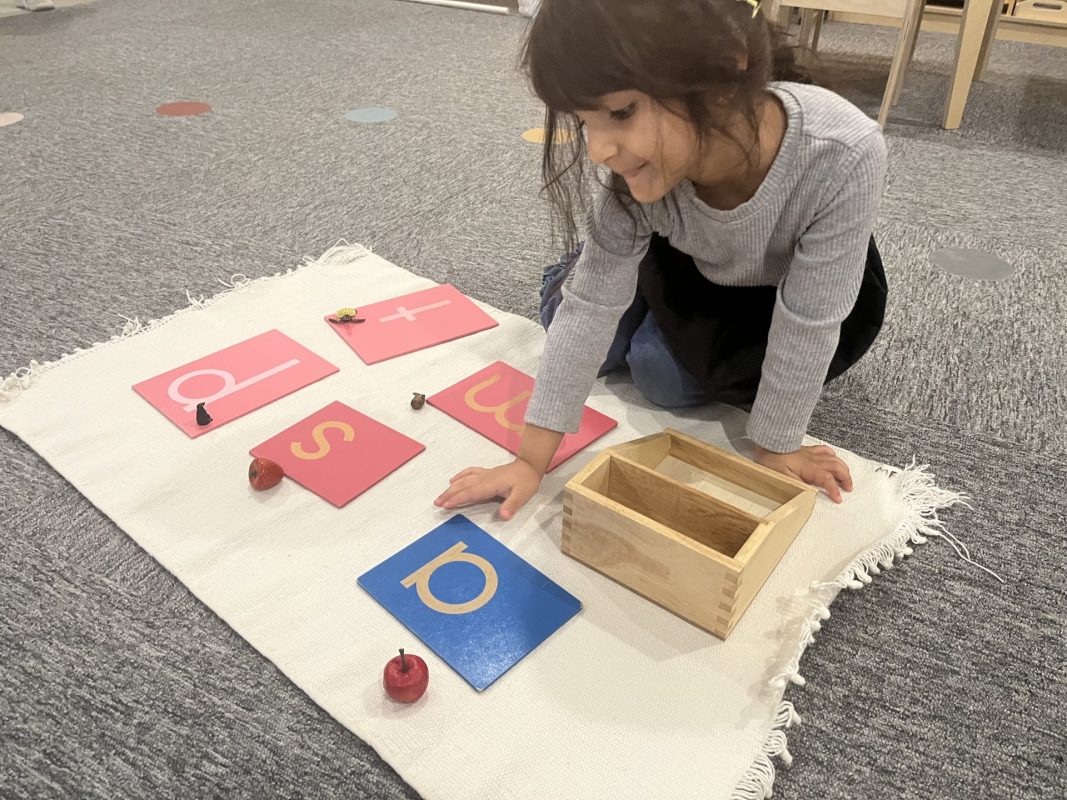
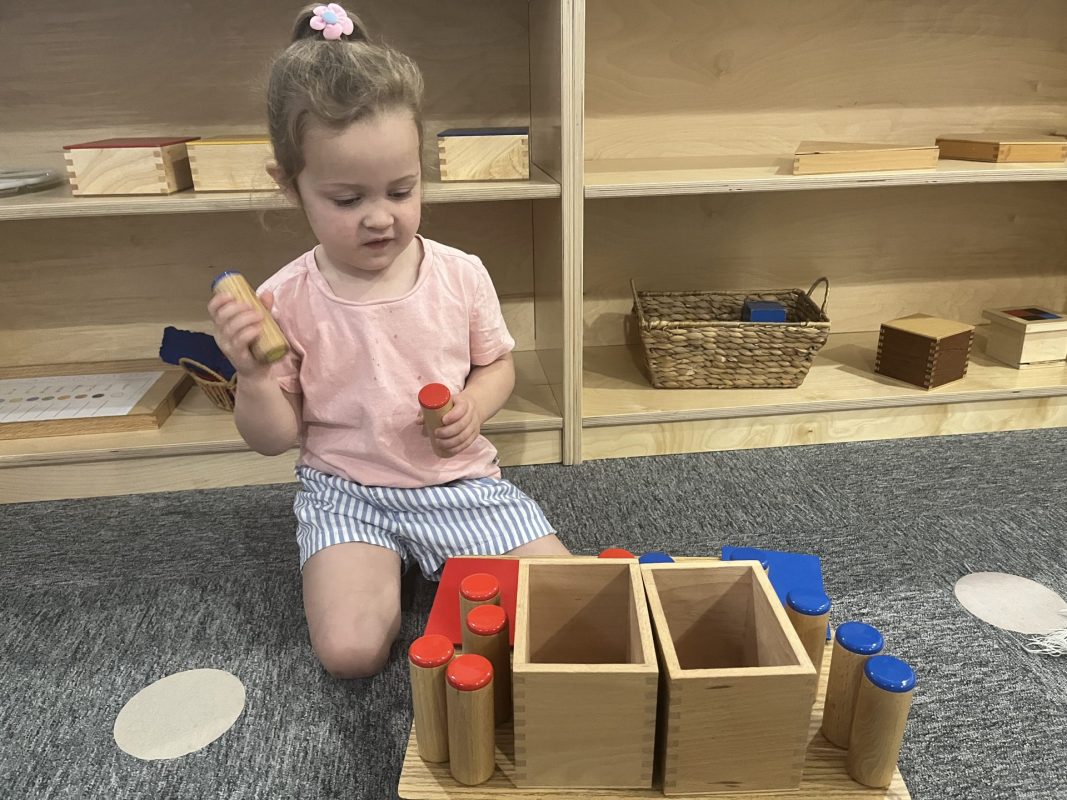
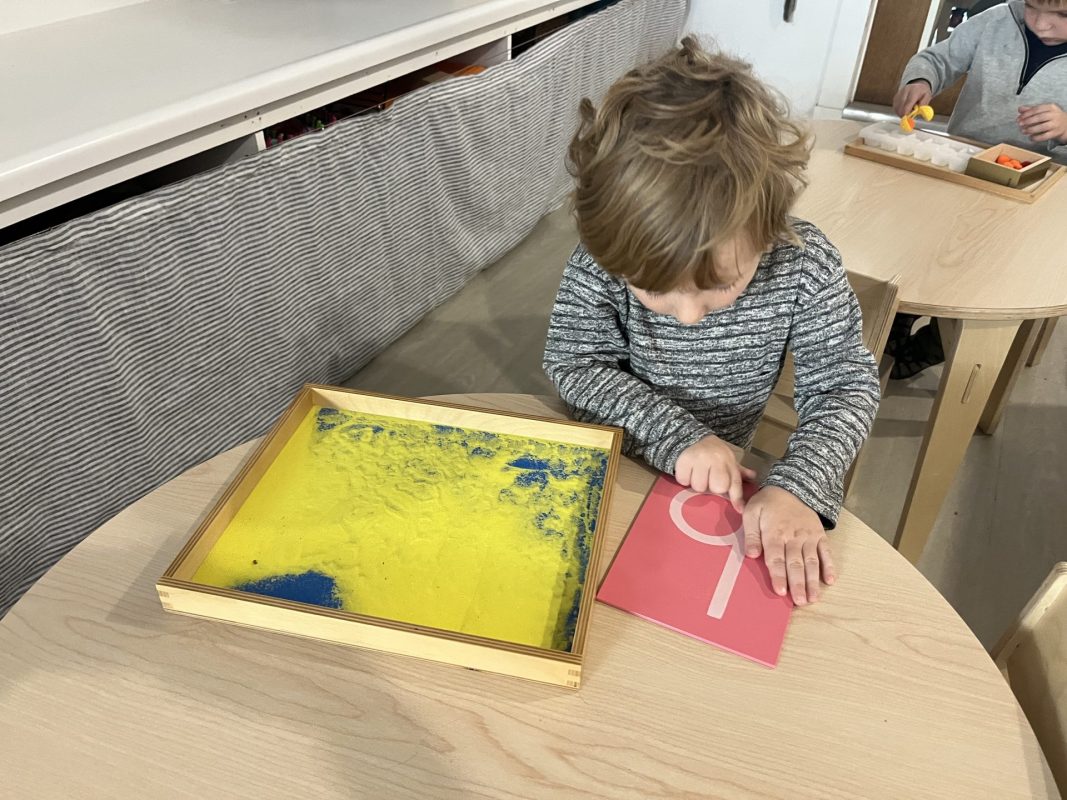
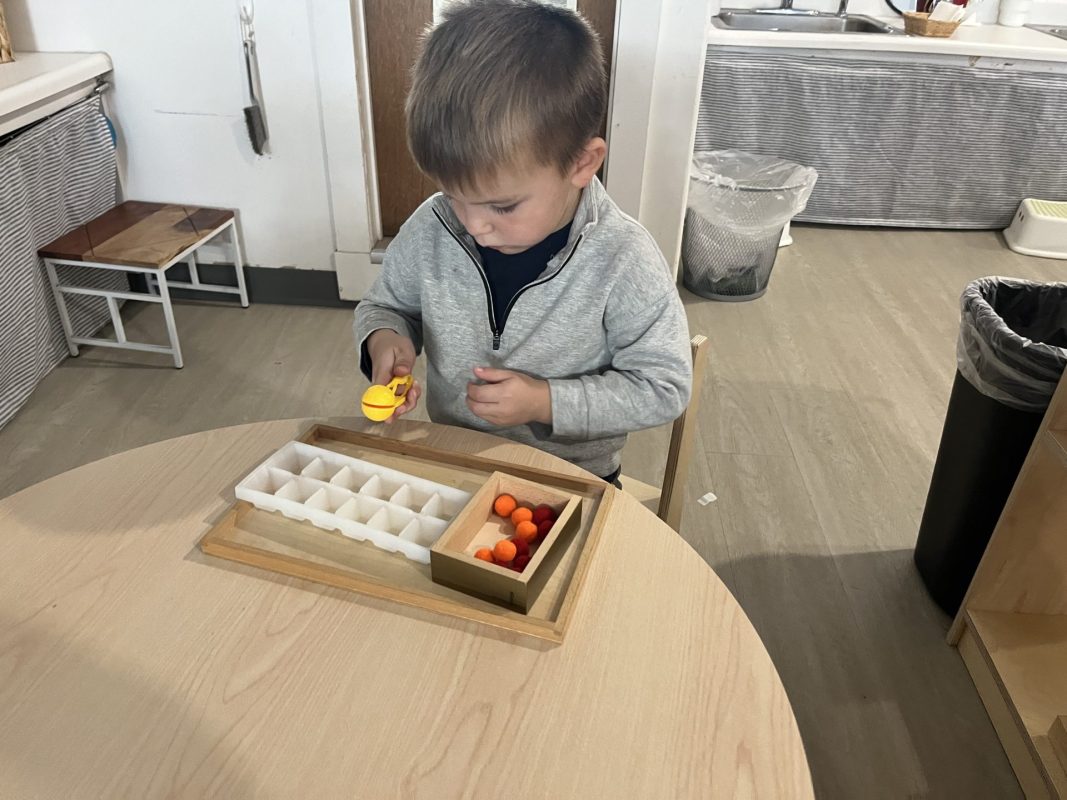
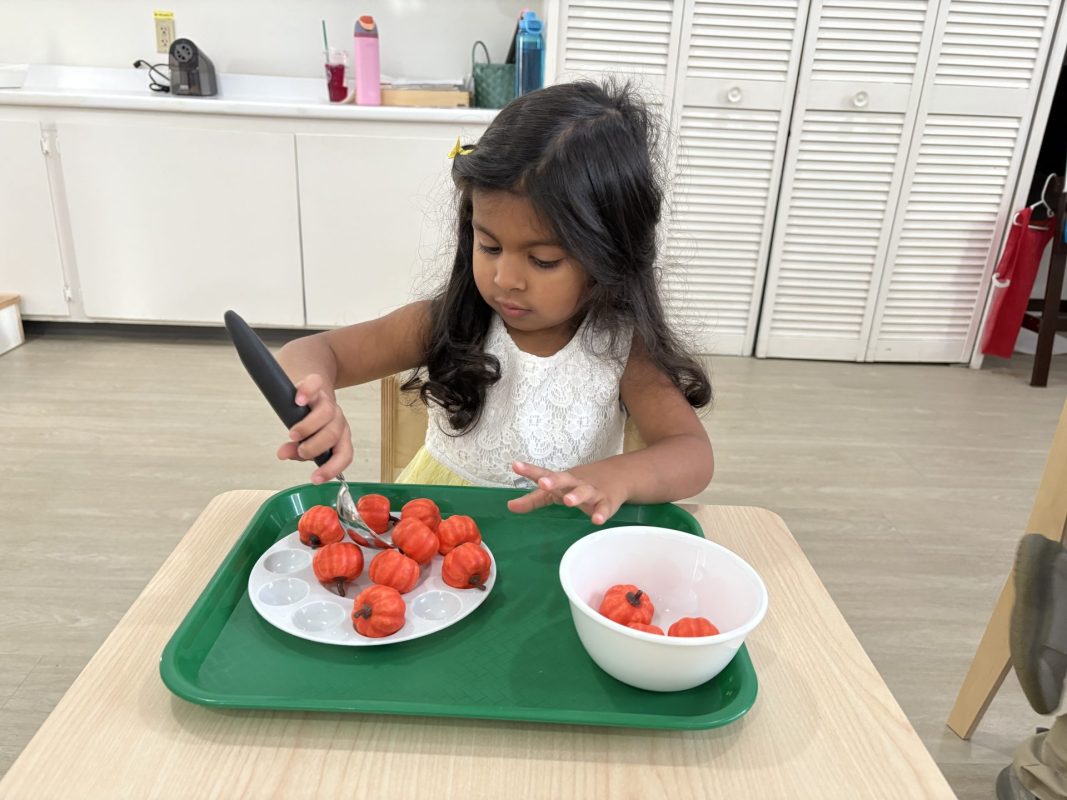
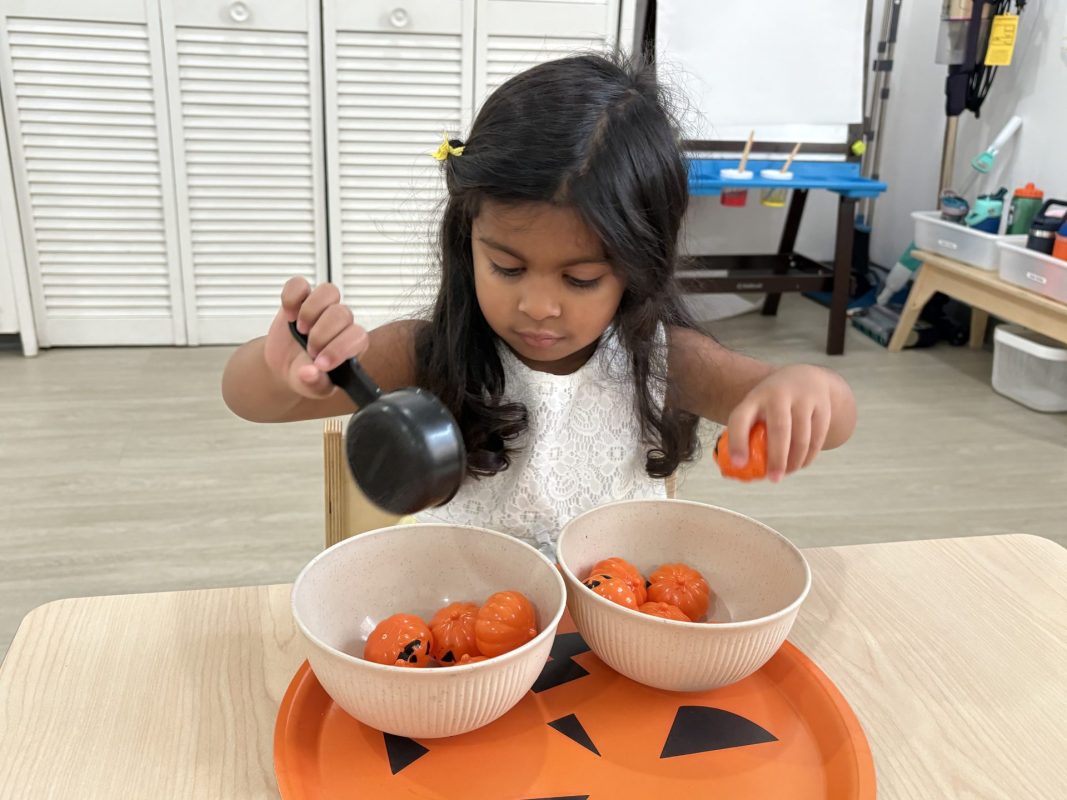
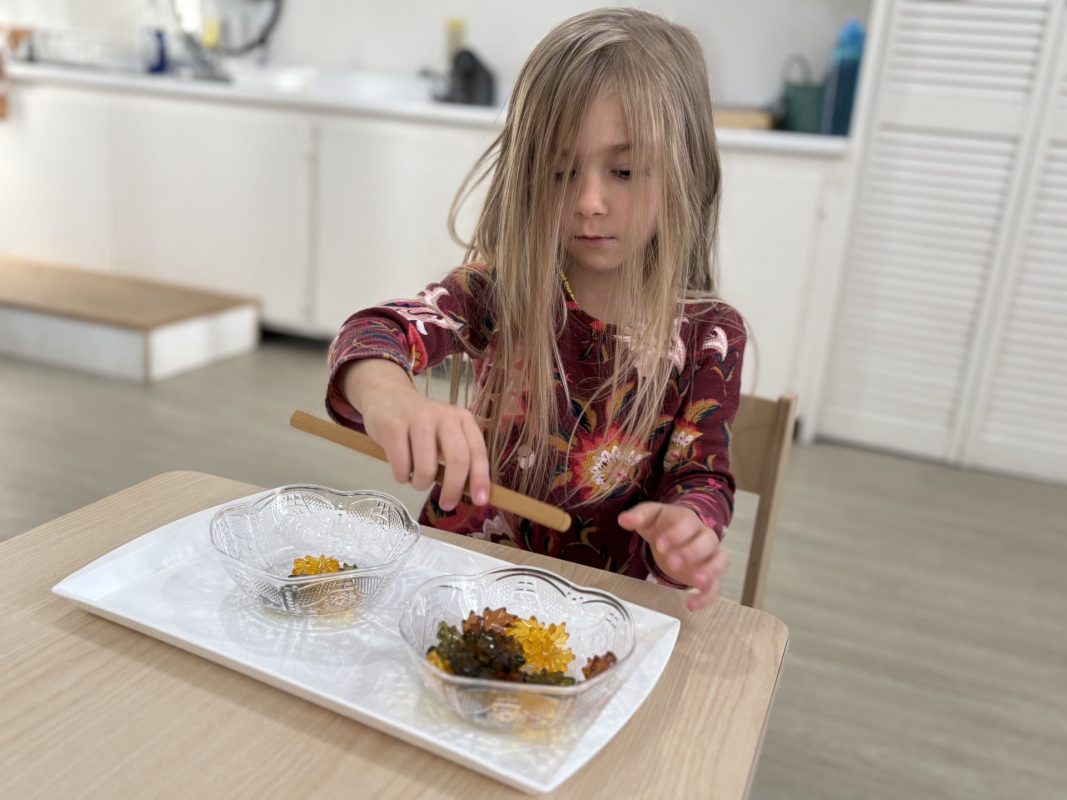
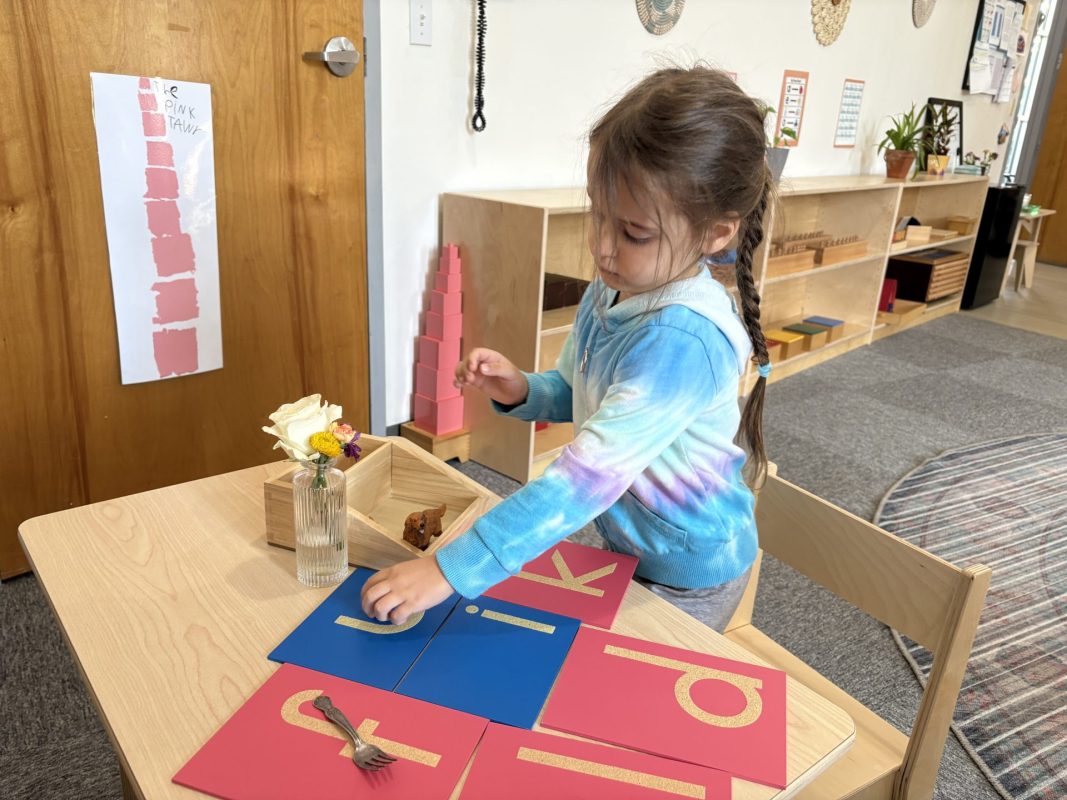
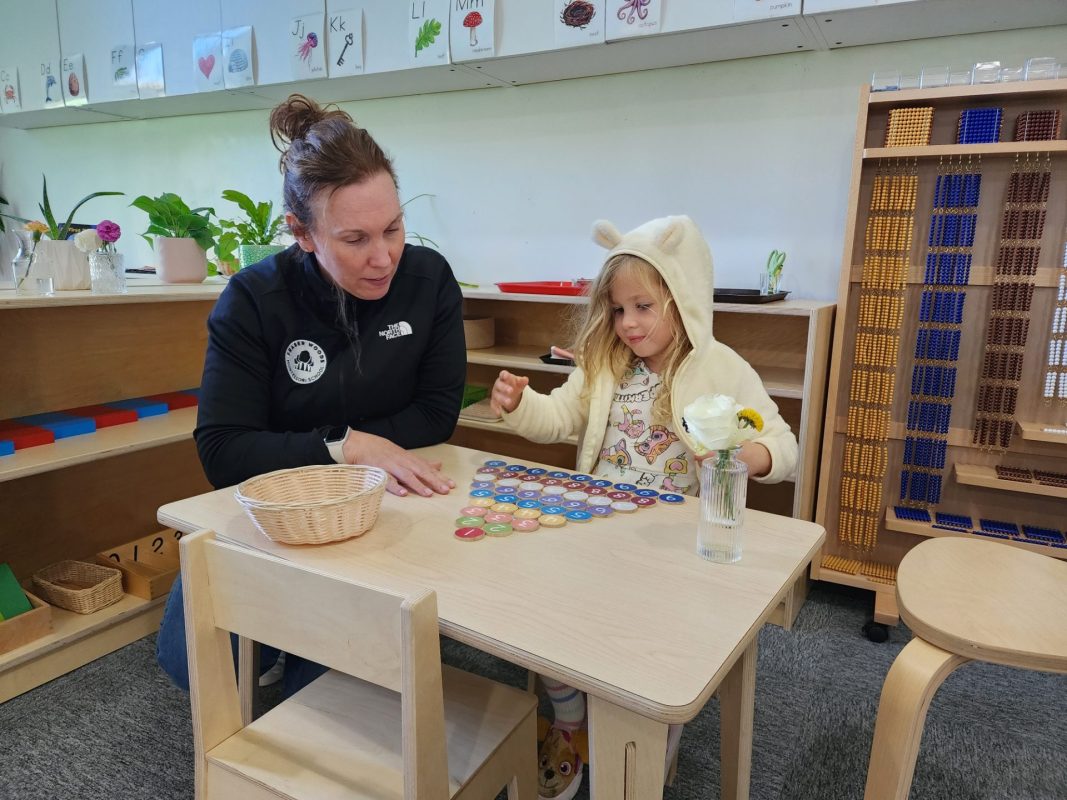
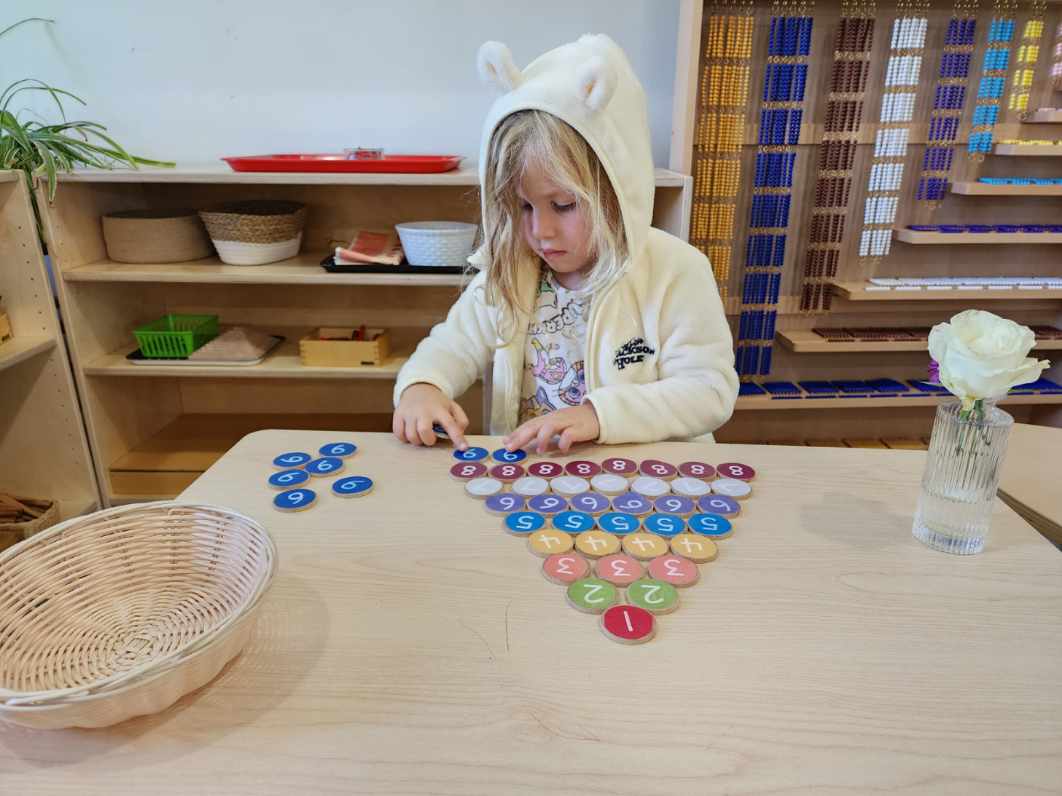
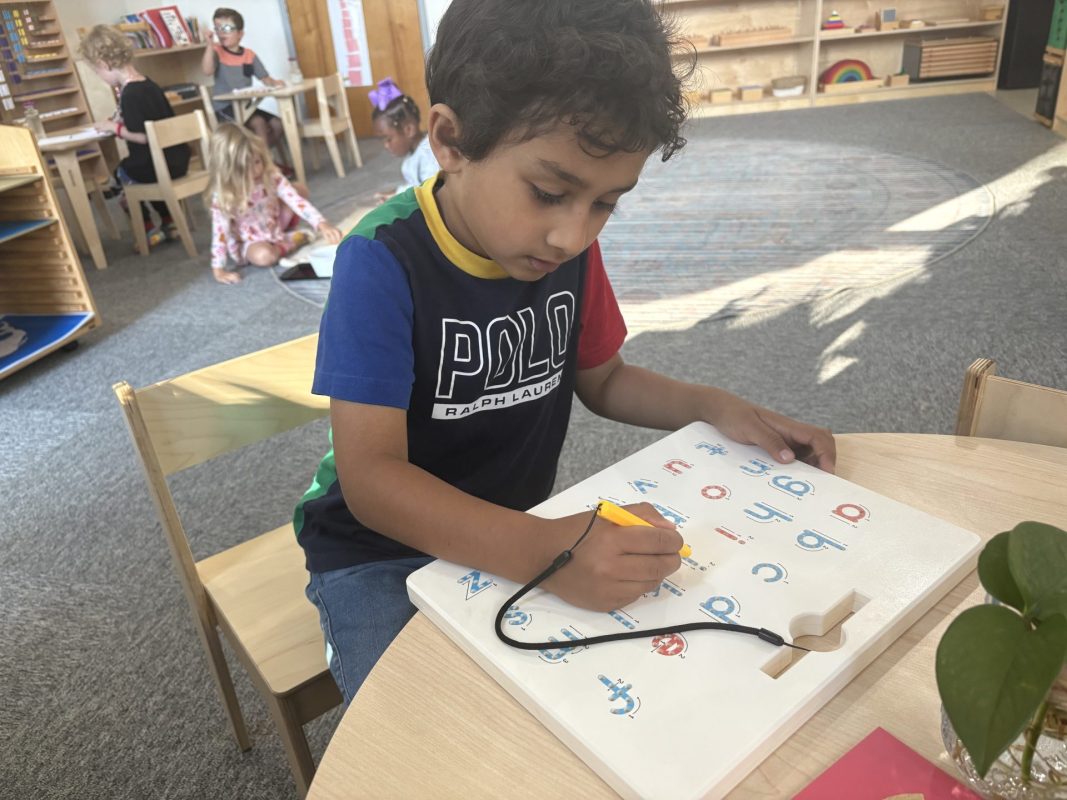
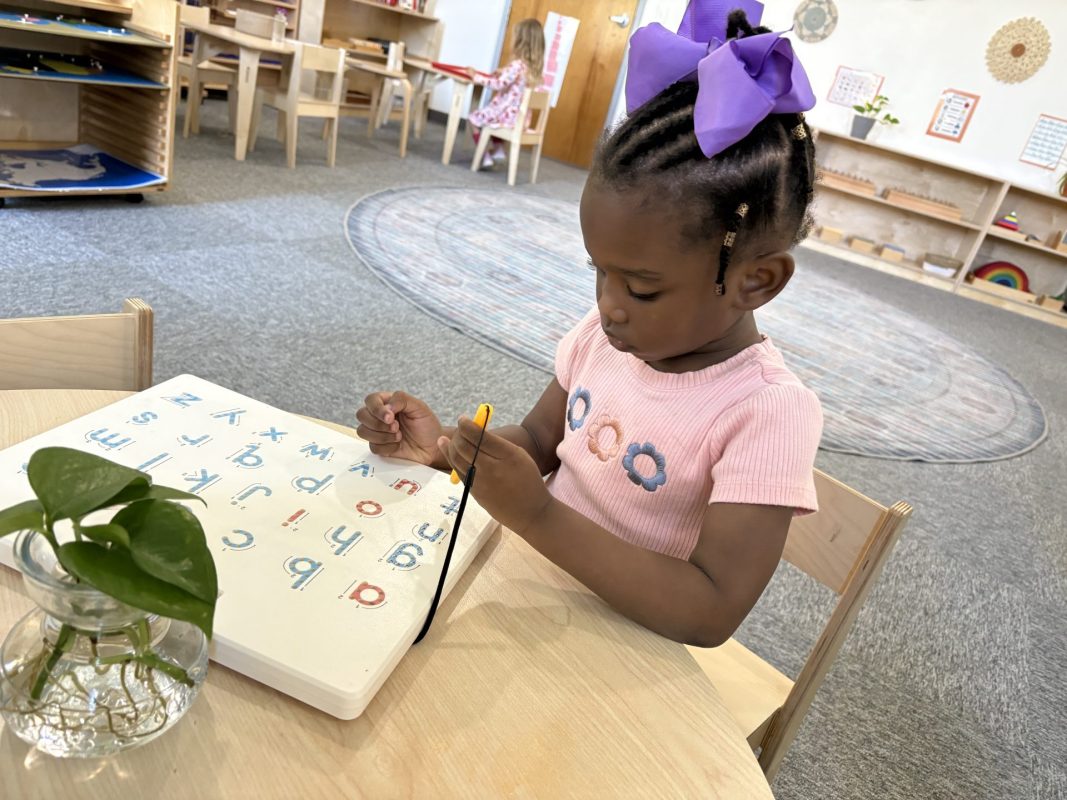
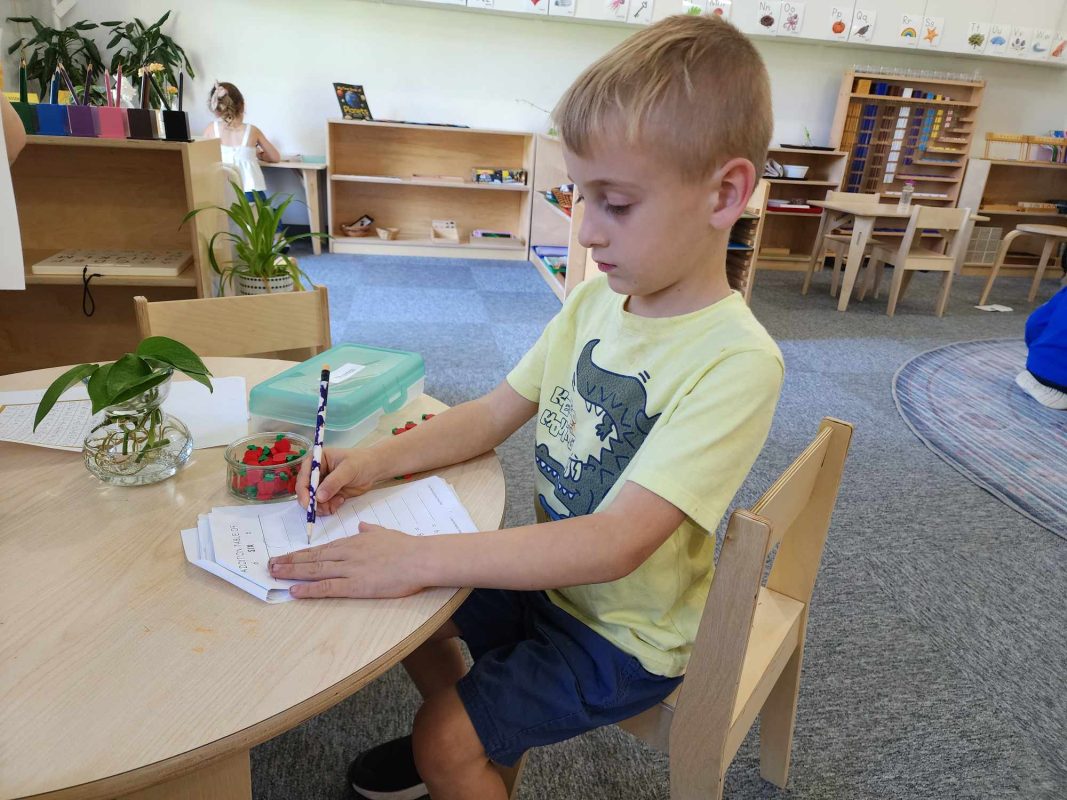
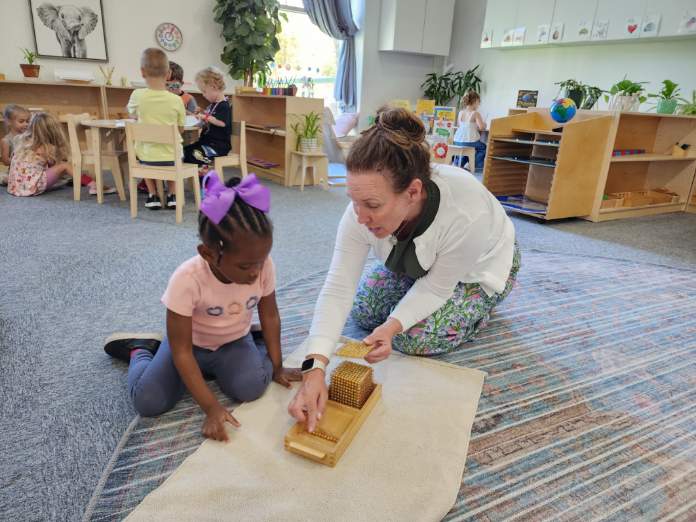
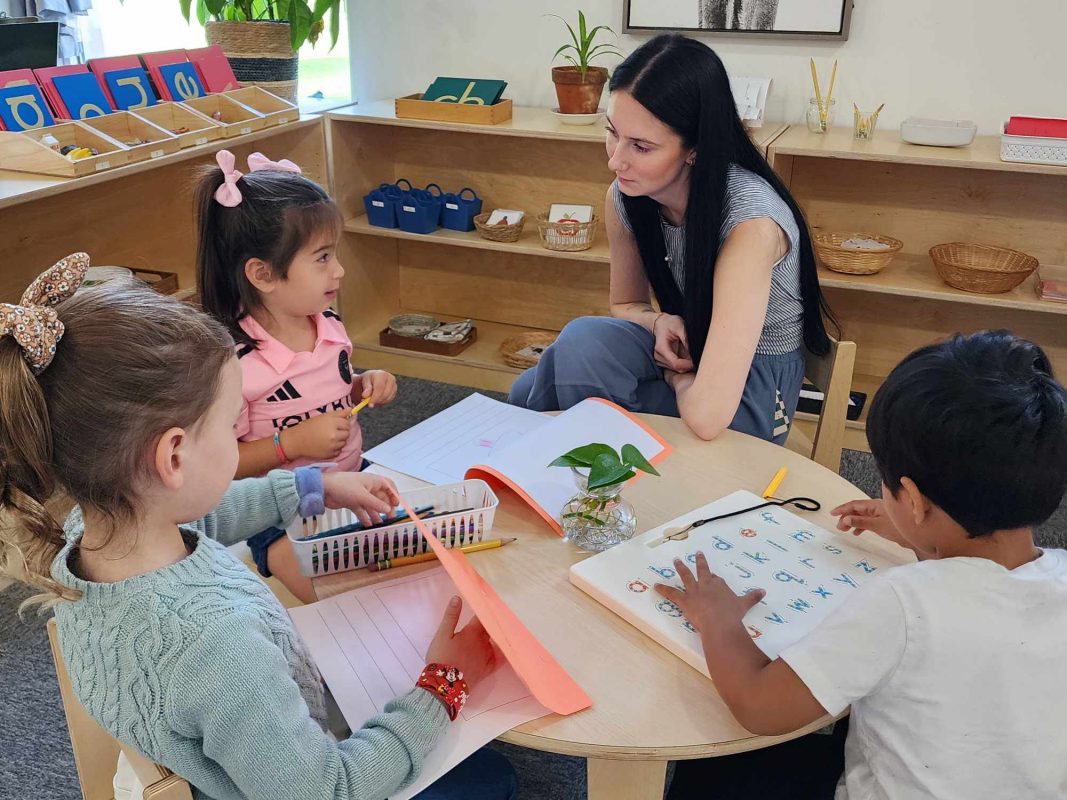
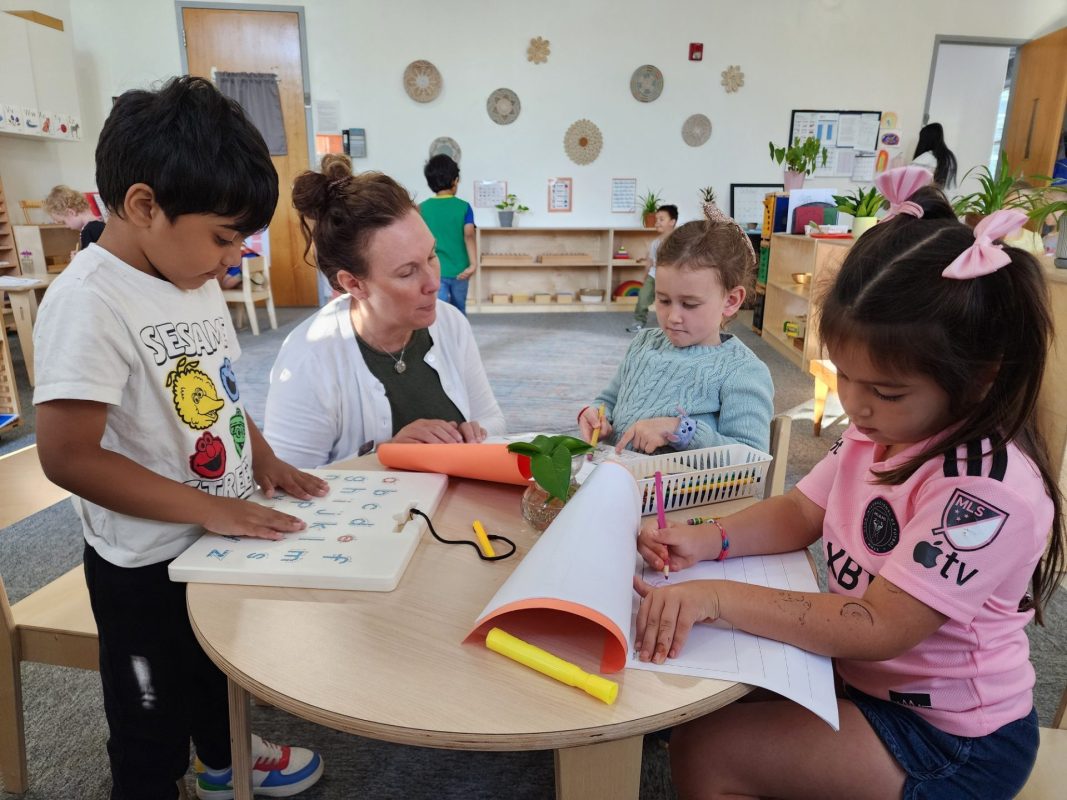
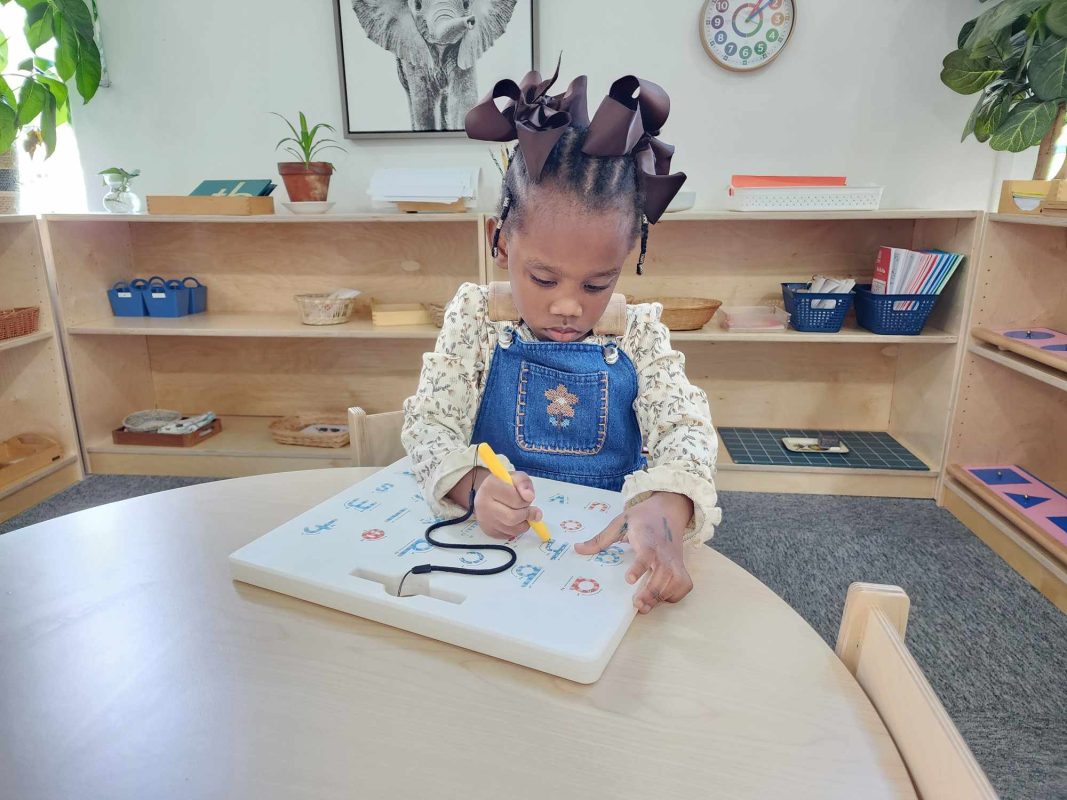
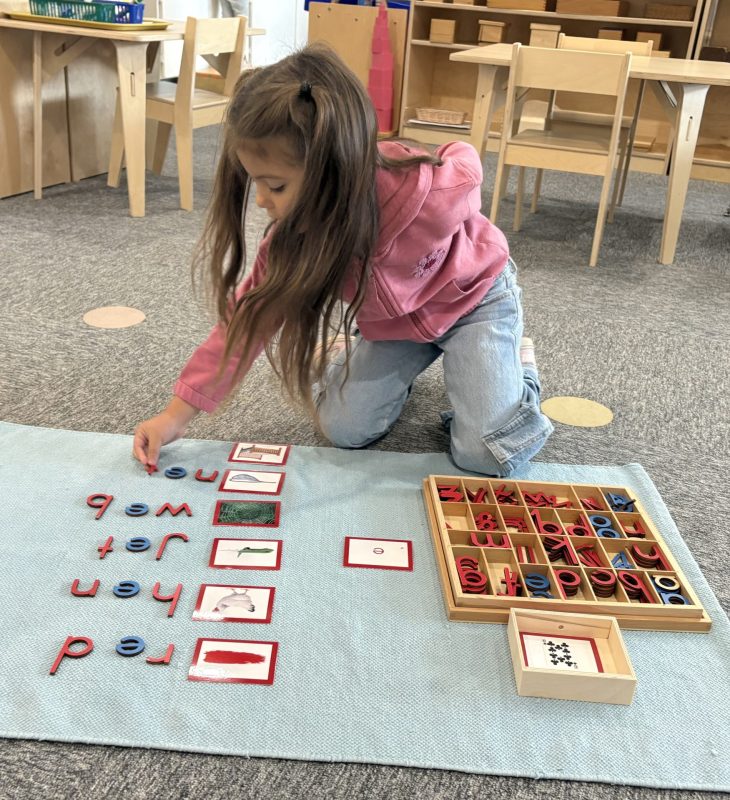
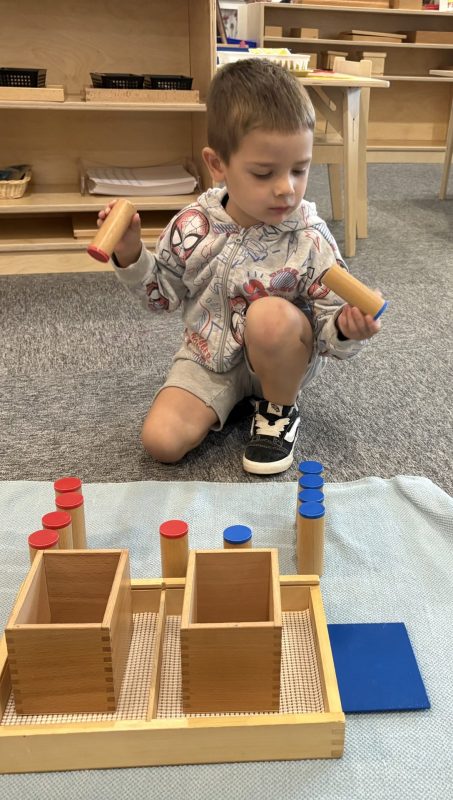
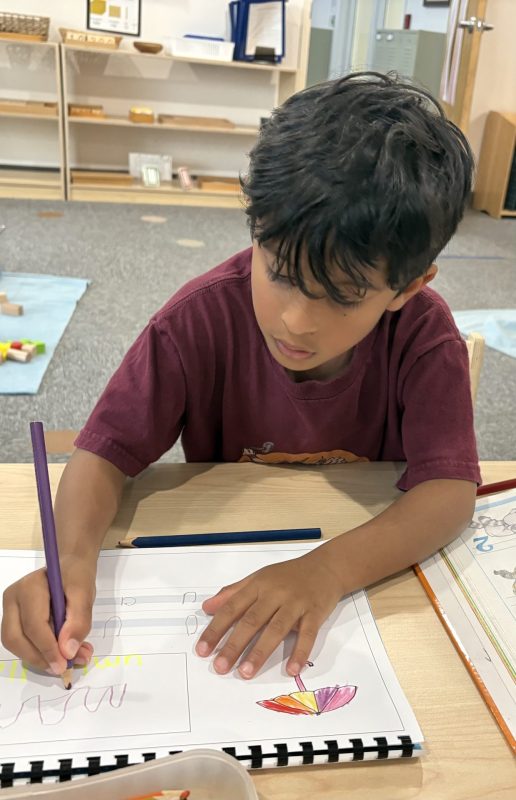
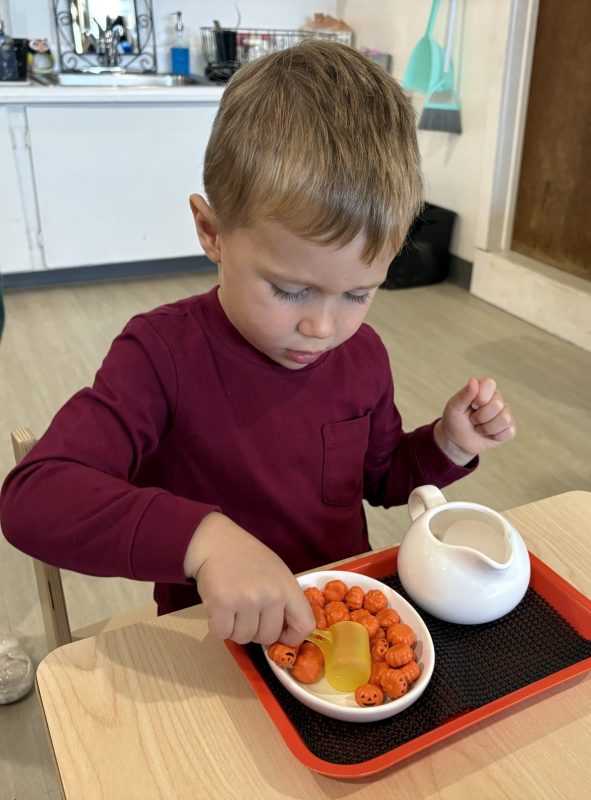
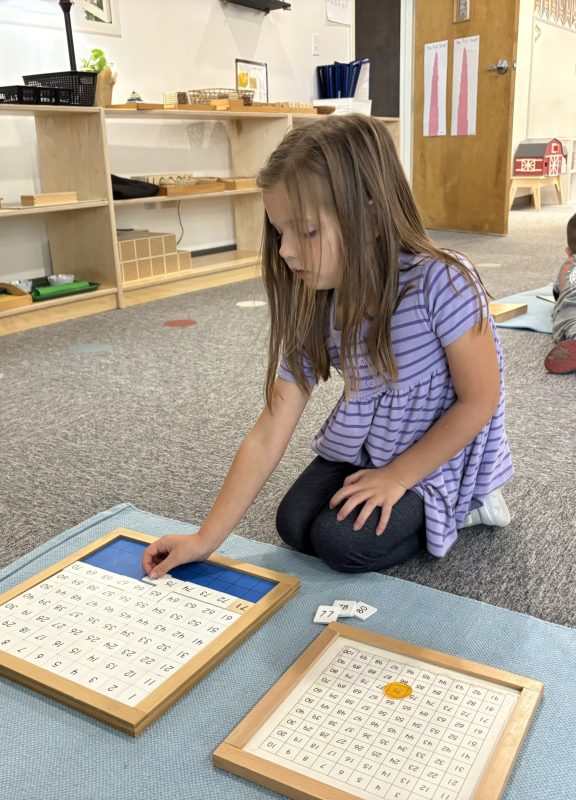
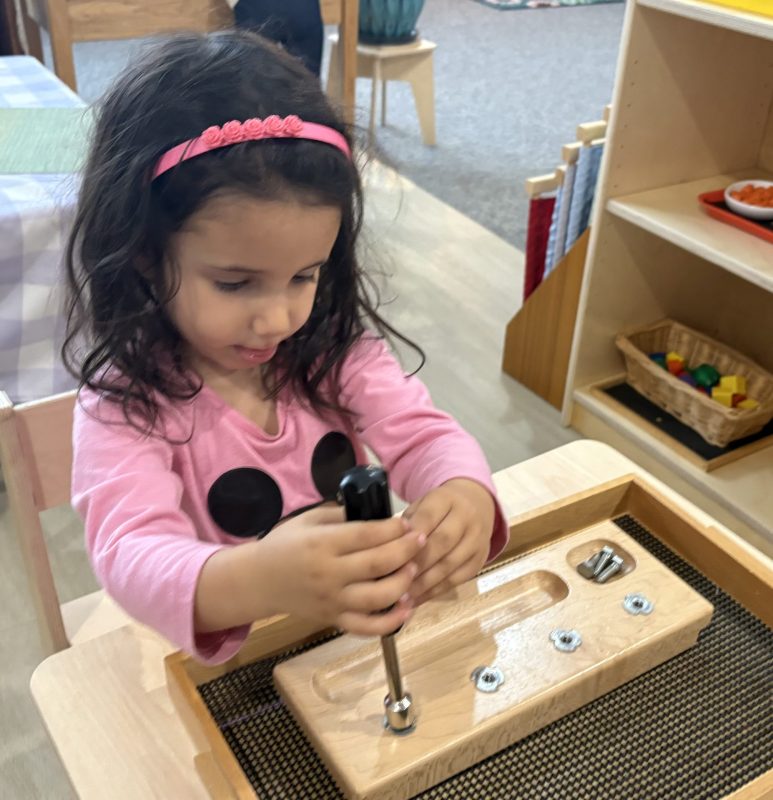
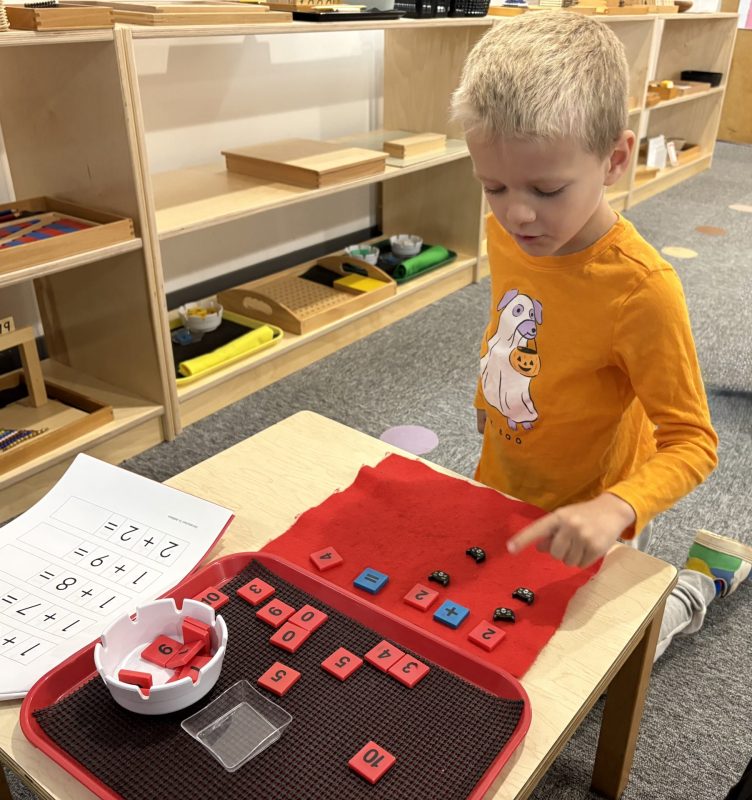
Research shows children ages three to six learn best through their hands. To truly understand a concept, they need to explore it through touch. This is why so many lessons in the Montessori environment are not based on memorization alone. Most concepts we teach involve tracing, manipulating, and exploring with their hands. Perhaps most importantly, focusing on the process protects the child’s intrinsic motivation to learn and understand. External factors such as recognition, praise, or reward do not influence it. We truly value and encourage the time and experience with the materials.
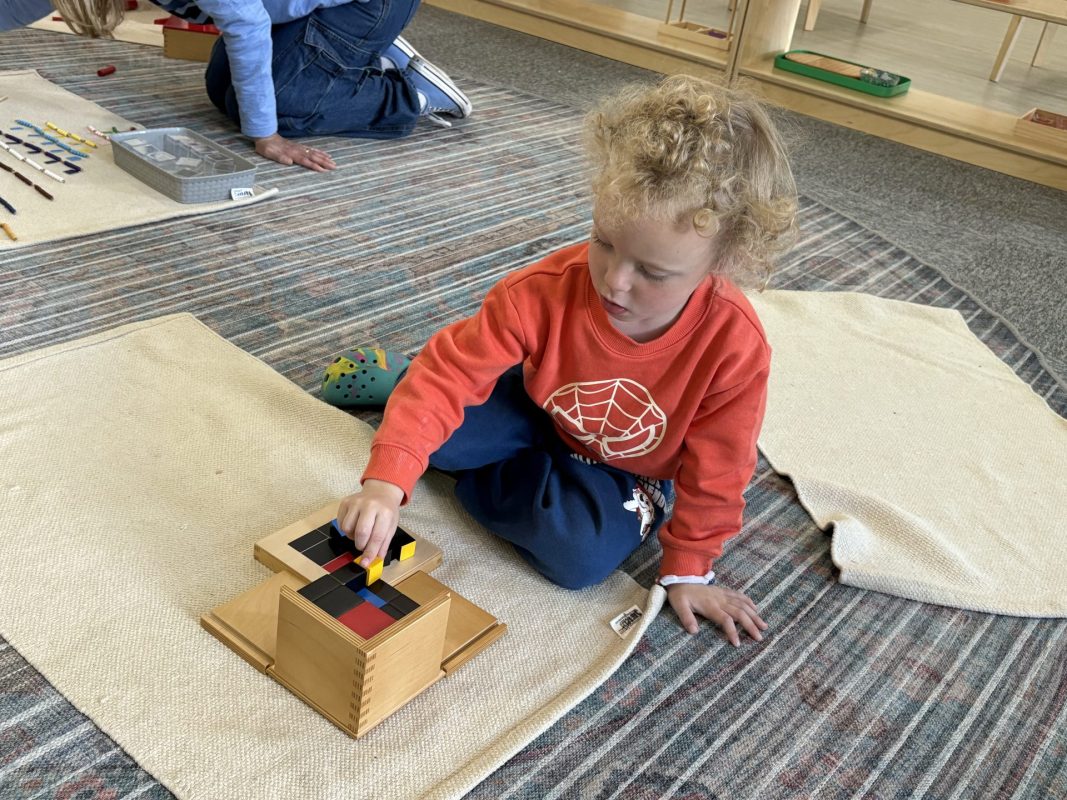
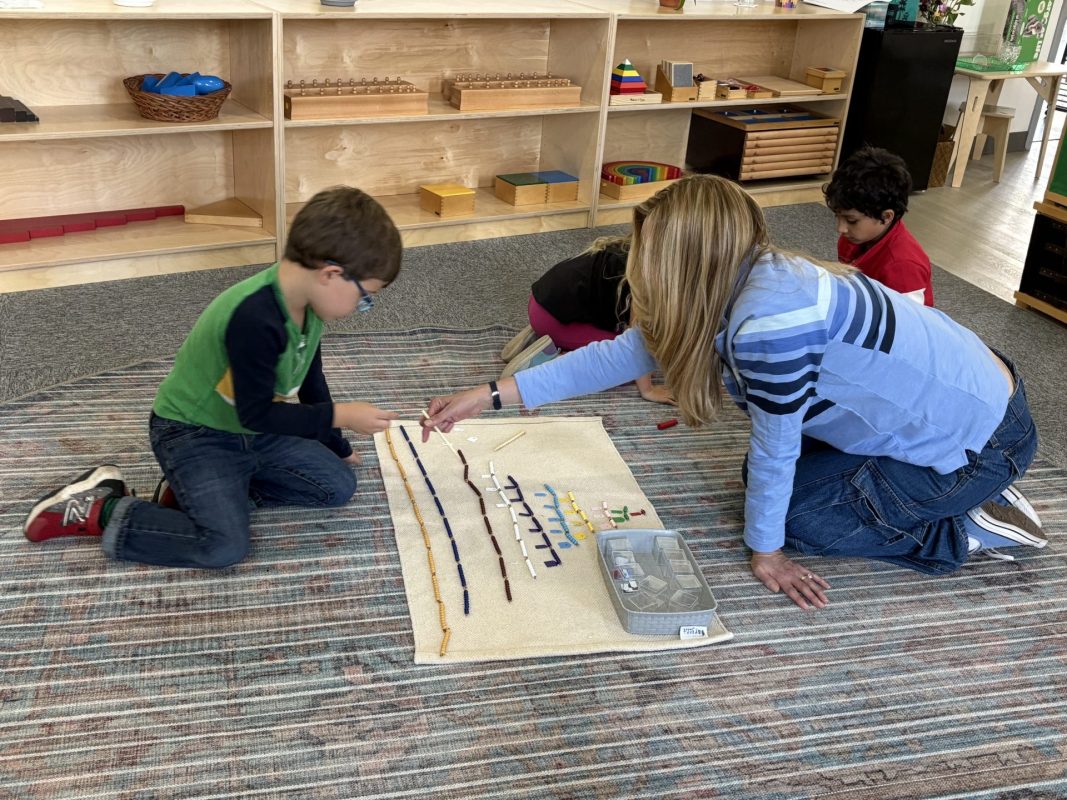
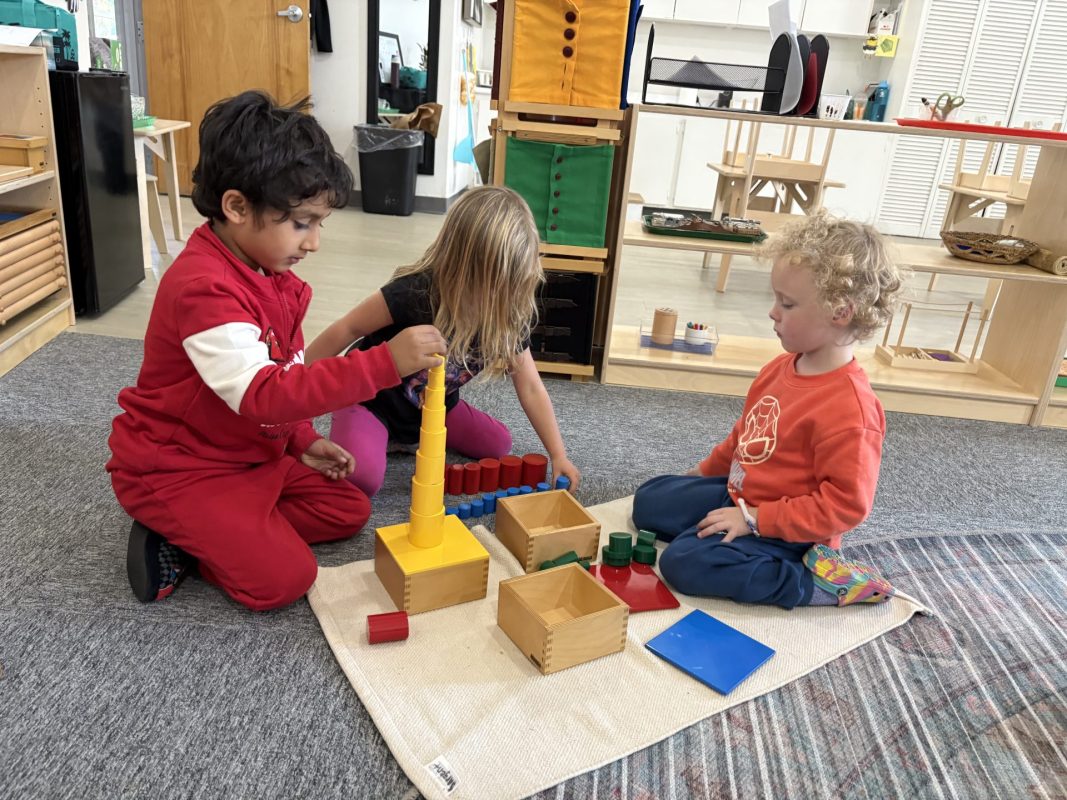
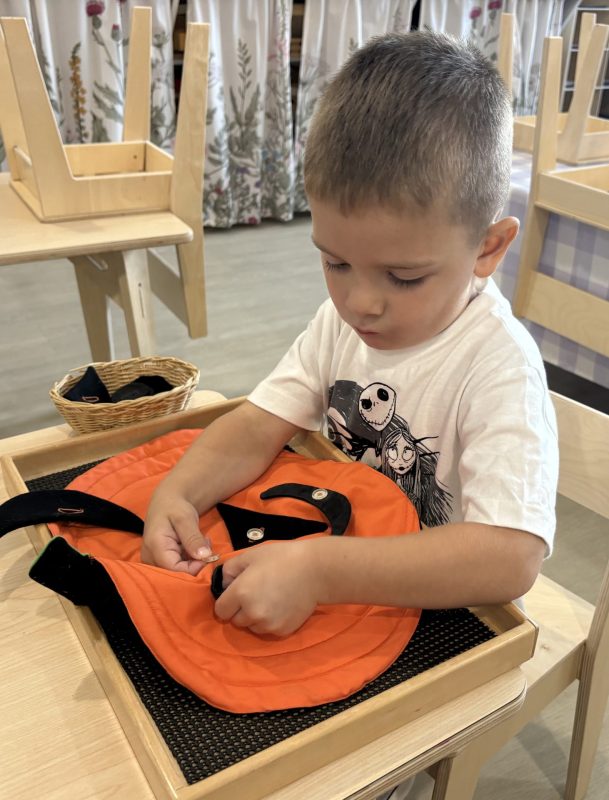
So, if your child’s folder comes home with little to no work, know that their accomplishments can’t always ‘fit’ in that folder. Maybe after weeks and weeks of trying, they learned how to zip their coat, or perhaps they can finally carry a work without it dropping. Maybe after observing a lesson day after day, your child tried it independently for the first time. The list of skills each child can accomplish will never be fully represented in the Weekly Folder. So please enjoy the work in there, but know it will never be an accurate portrayal of all the children are learning and accomplishing.

Wishing you a week filled with peace and love.

Christine, Hailey, & Julie


Mrs. Lopes: A Look at Our Week


As adults, we must remember that we want things done as quickly as possible so they are finished and out of the way. In contrast, the child is interested and content in the doing, not the done.” –Margaret Stephenson, The Art of Montessori in the Home.

Every Thursday, we send home the blue folders that contain the work the children have completed over the past week. We often receive emails asking why there was so little work inside and what exactly the children are doing.

Sometimes, it can be difficult to accept the idea of focusing on the process, not the product. What exactly does that mean? Many works in the Montessori classroom do not end with a physical product that the children will bring home to share with everyone. There is often no way to visually assess what a child is learning. Overall, as a society, we are product-driven and often base our success on this factor. The experience a child has when working with the materials is truly what is most important. However, it can often be unsettling when you hear they did “nothing” day after day.
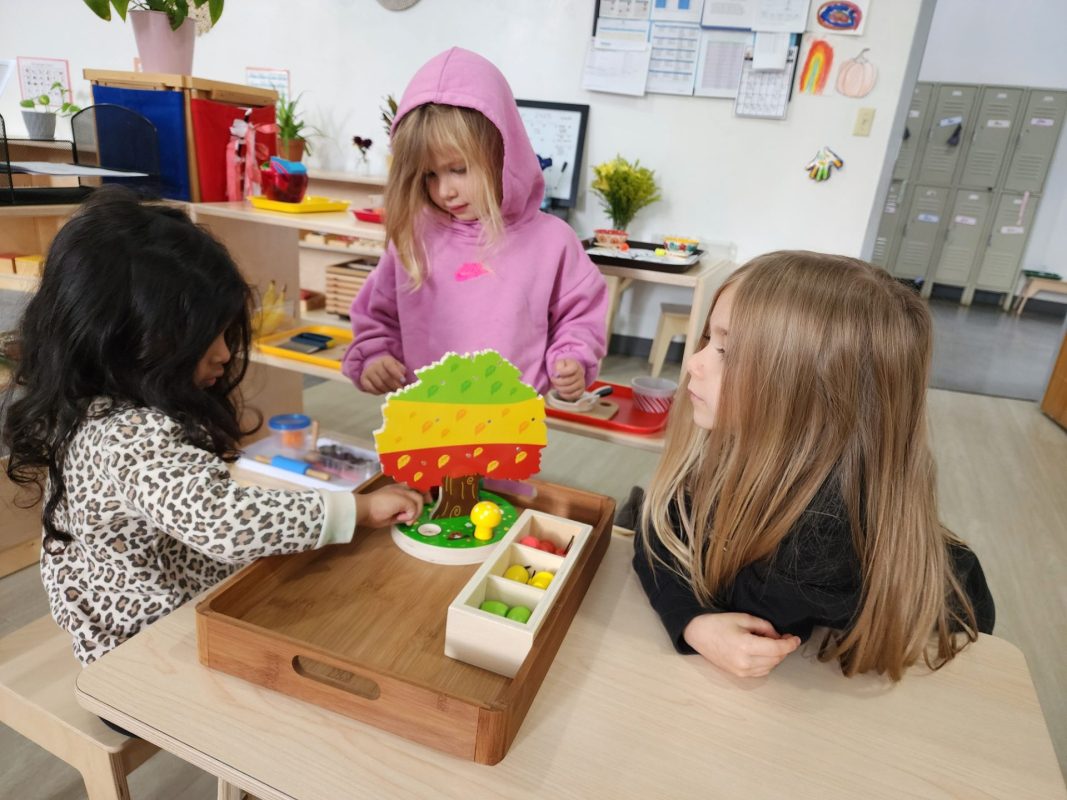
Research shows children ages three to six learn best through their hands. To truly understand a concept, they need to explore it through touch. This is why so many lessons in the Montessori environment are not based on memorization alone. Most concepts we teach involve tracing, manipulating, and exploring with their hands. Perhaps most importantly, focusing on the process protects the child’s intrinsic motivation to learn and understand. External factors such as recognition, praise, or reward do not influence it. We truly value and encourage the time and experience with the materials.
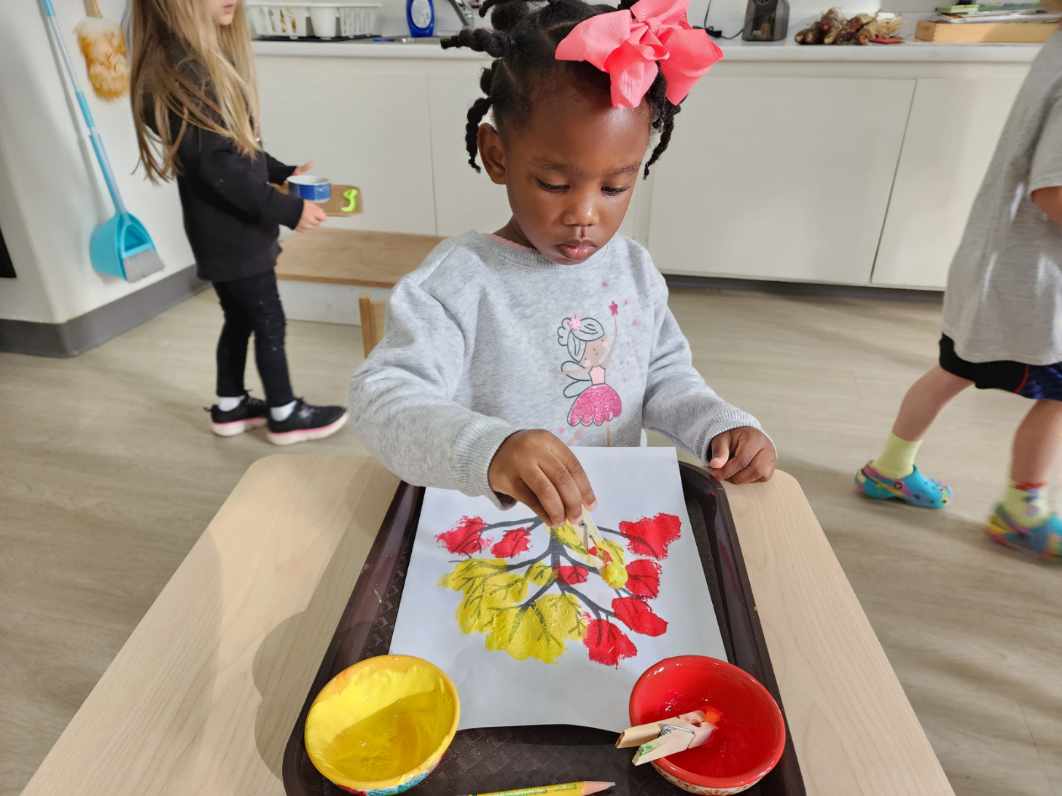
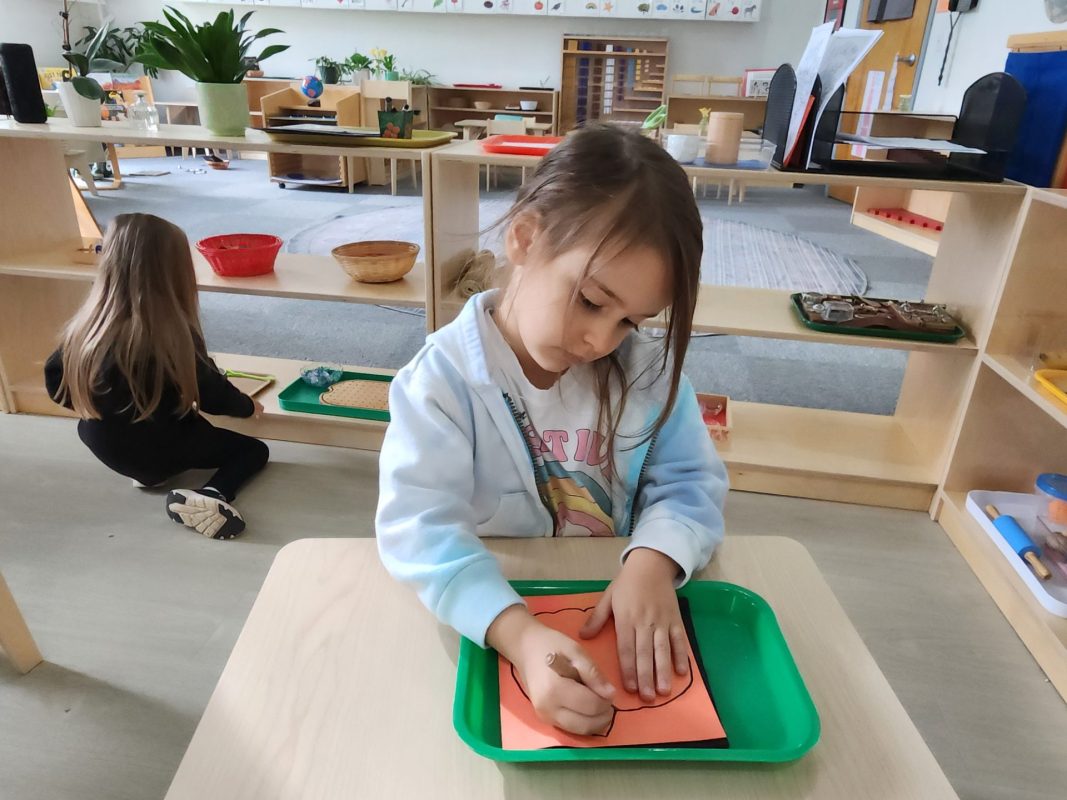
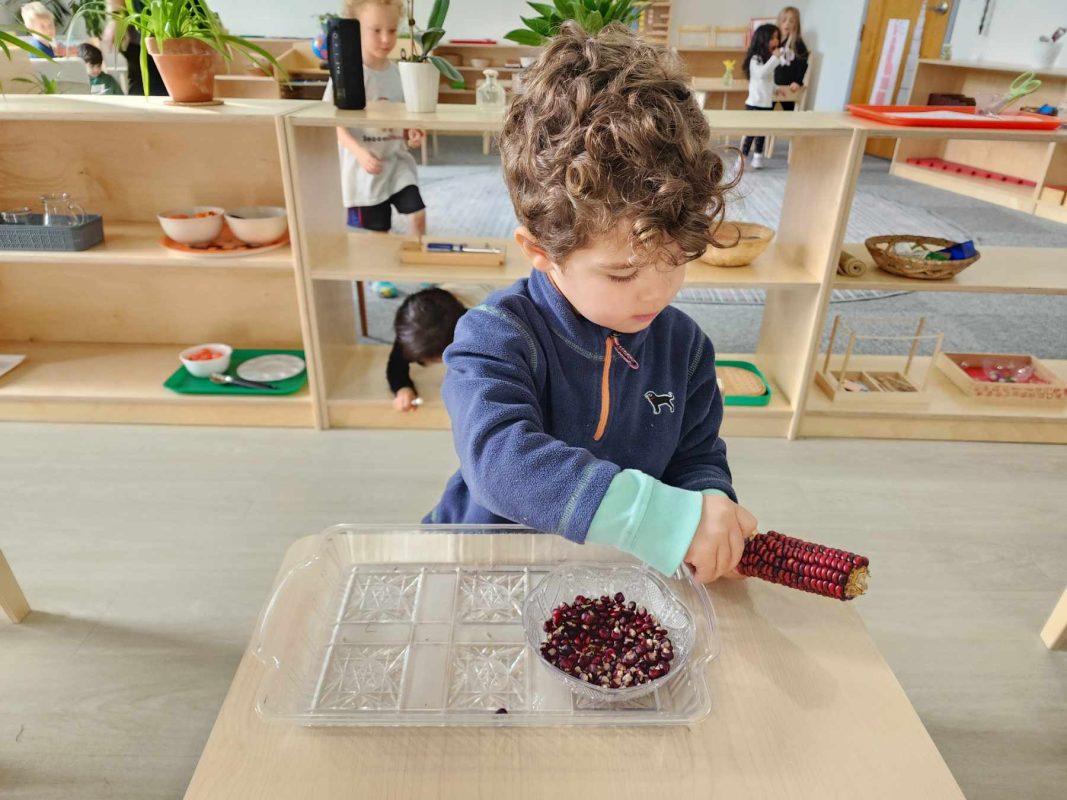
So, if your child’s folder comes home with little to no work, know that their accomplishments can’t always ‘fit’ in that folder. Maybe after weeks and weeks of trying, they learned how to zip their coat, or perhaps they can finally carry a work without it dropping. Maybe after observing a lesson day after day, your child tried it independently for the first time. The list of skills each child can accomplish will never be fully represented in the Weekly Folder. So please enjoy the work in there, but know it will never be an accurate portrayal of all the children are learning and accomplishing.

Wishing you a week filled with peace and love.

Mrs. Lopes, Mrs. Hema, and Ms. Kristina


Ms. Handibode: The Blue Work Folder Isn’t Really Empty

As adults, we must remember that we want things done as quickly as possible so they are finished and out of the way. In contrast, the child is interested and content in the doing, not the done.” –Margaret Stephenson, The Art of Montessori in the Home.

Every Thursday, we send home the blue folders that contain the work the children have completed over the past week. We often receive emails asking why there was so little work inside and what exactly the children are doing.

Sometimes, it can be difficult to accept the idea of focusing on the process, not the product. What exactly does that mean? Many works in the Montessori classroom do not end with a physical product that the children will bring home to share with everyone. There is often no way to visually assess what a child is learning. Overall, as a society, we are product-driven and often base our success on this factor. The experience a child has when working with the materials is truly what is most important. However, it can often be unsettling when you hear they did “nothing” day after day.

Research shows children ages three to six learn best through their hands. To truly understand a concept, they need to explore it through touch. This is why so many lessons in the Montessori environment are not based on memorization alone. Most concepts we teach involve tracing, manipulating, and exploring with their hands. Perhaps most importantly, focusing on the process protects the child’s intrinsic motivation to learn and understand. External factors such as recognition, praise, or reward do not influence it. We truly value and encourage the time and experience with the materials.

So, if your child’s folder comes home with little to no work, know that their accomplishments can’t always ‘fit’ in that folder. Maybe after weeks and weeks of trying, they learned how to zipper their coat, or perhaps they can finally carry a work without it dropping. Maybe after observing a lesson day after day, your child tried it independently for the first time. The list of skills each child can accomplish will never be fully represented in the Weekly Folder. So please enjoy the work in there, but know it will never be an accurate portrayal of all the children are learning and accomplishing.

Wishing you a week filled with peace and love.

Michelle, Maria & Marisa


Ms. Rhodora: High in the Sky

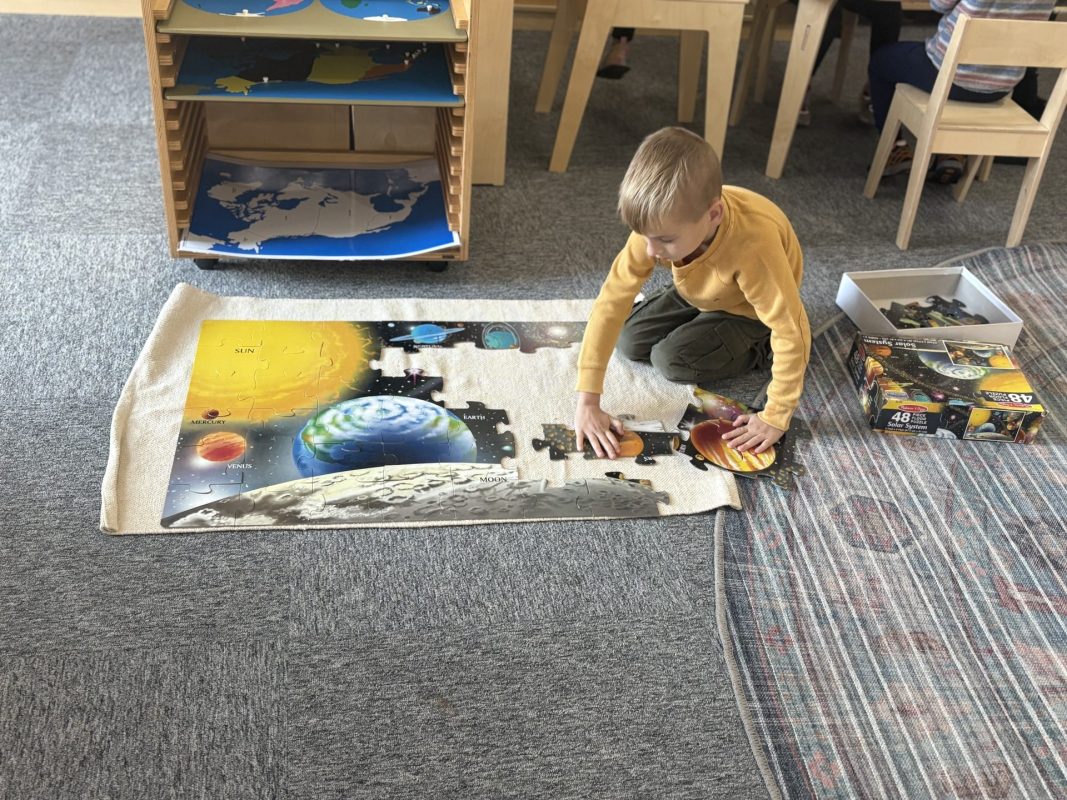
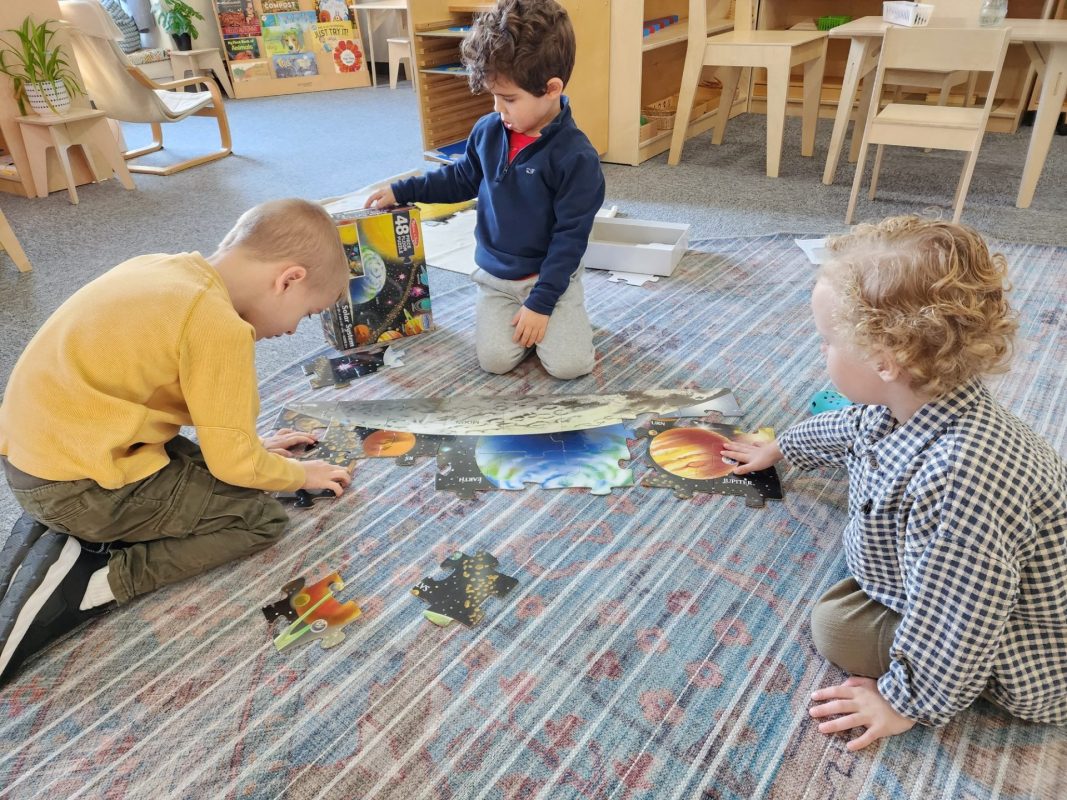
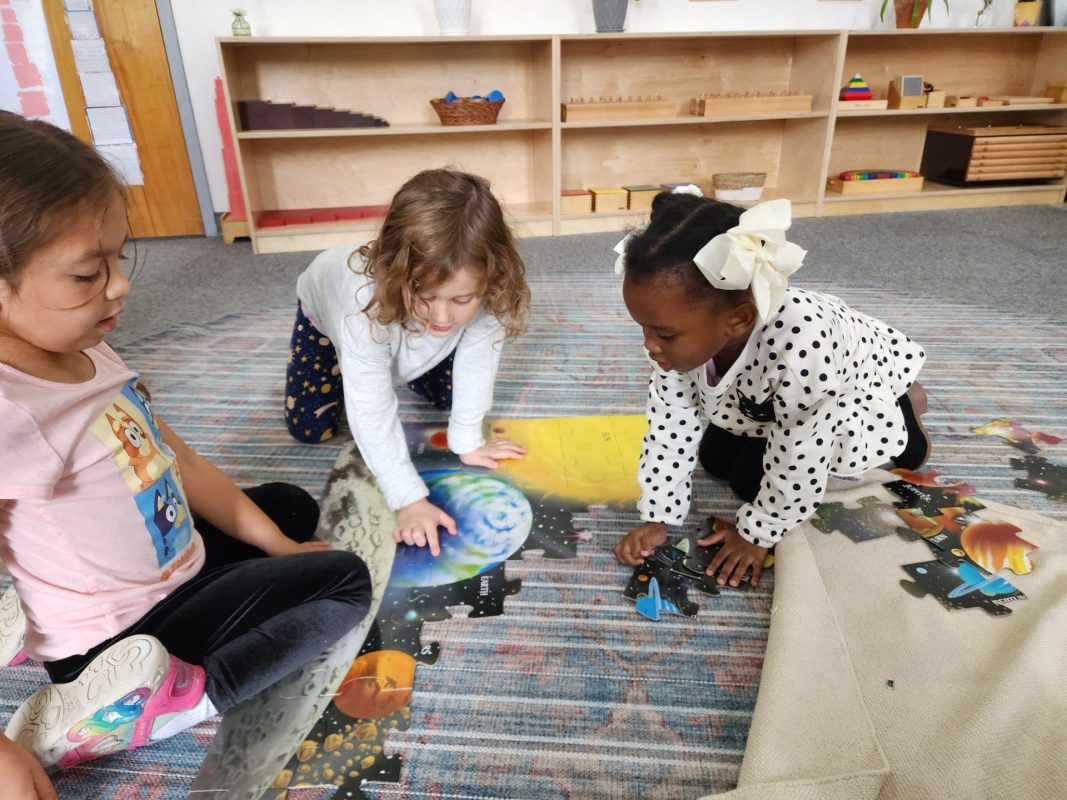
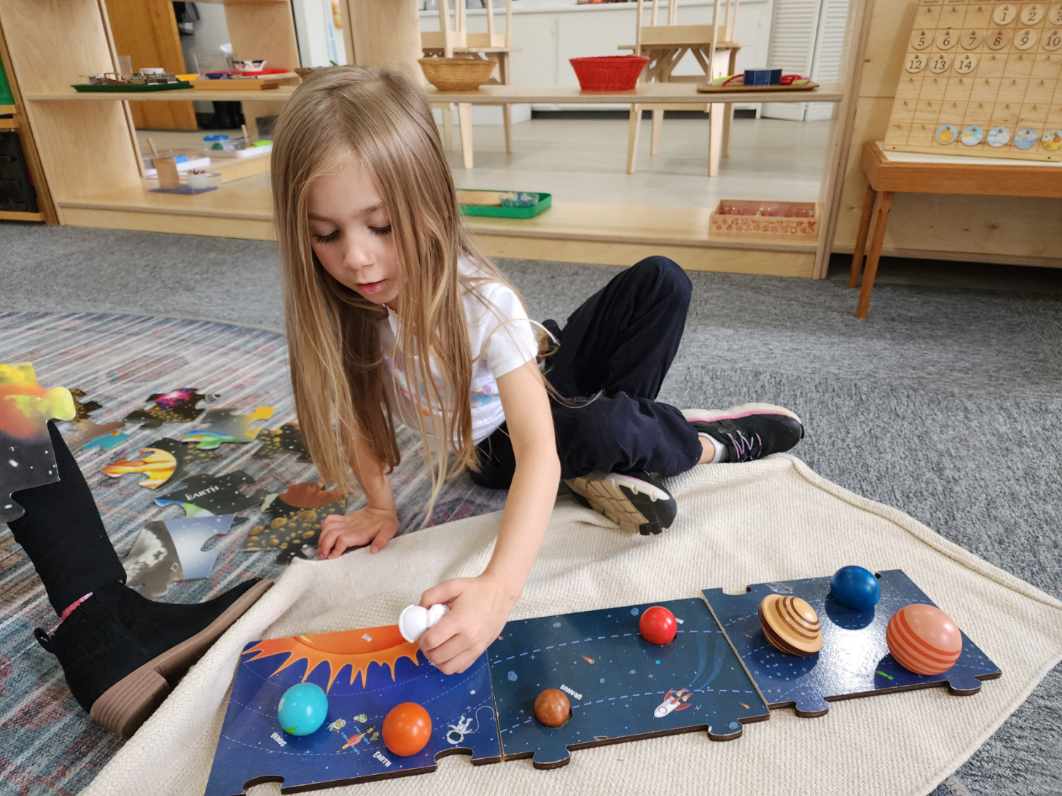
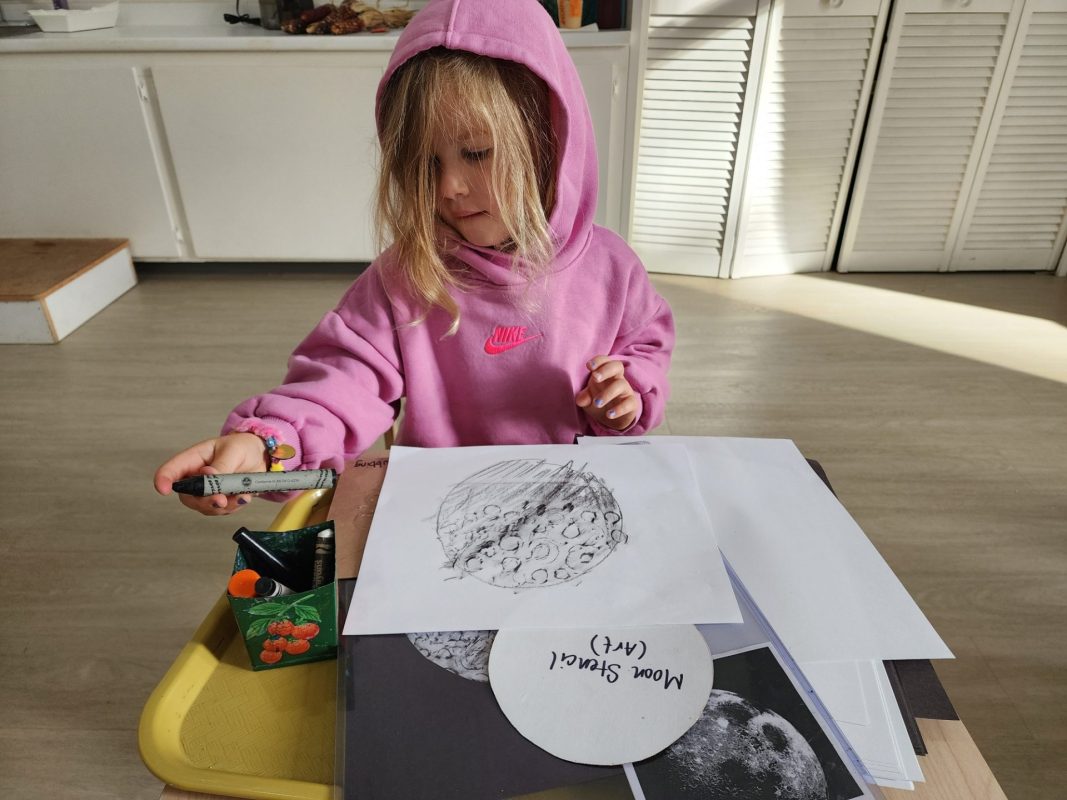
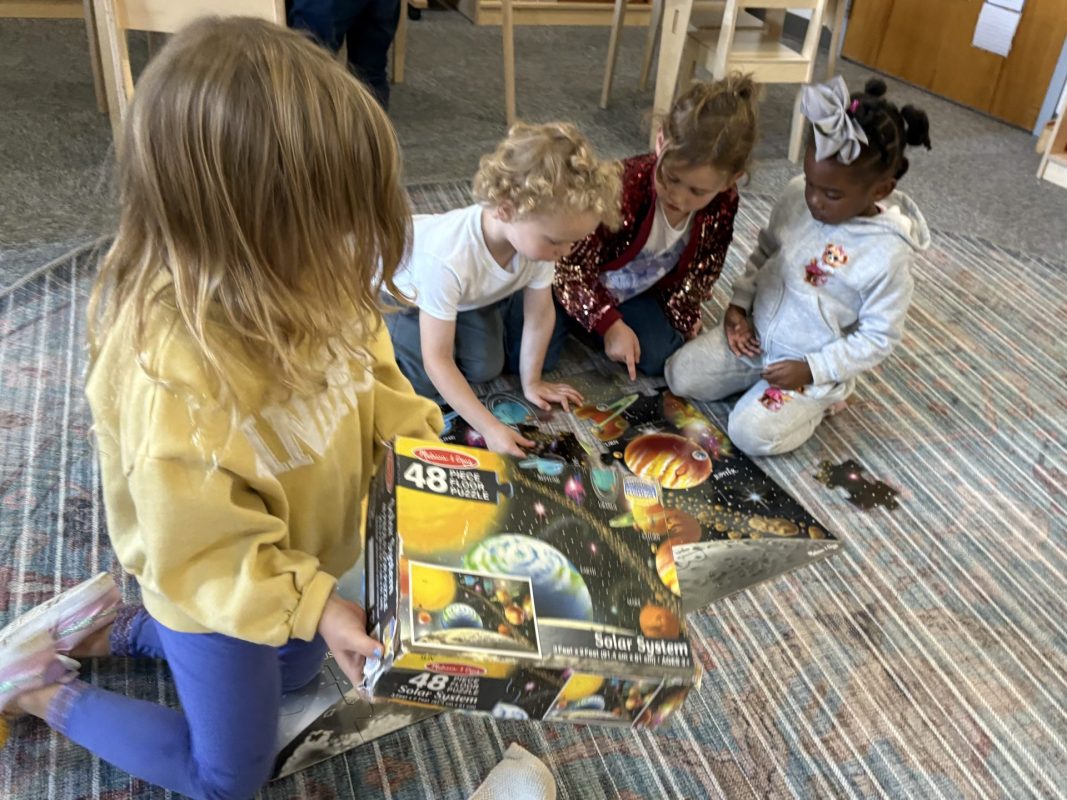
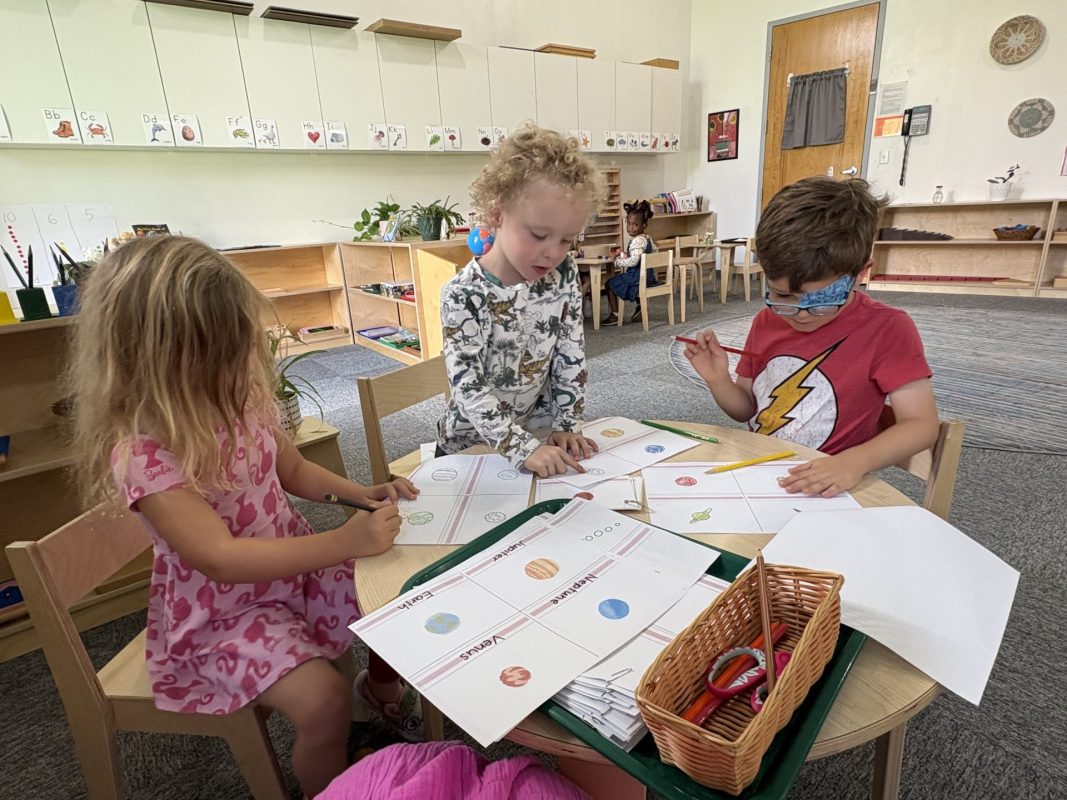
We continue our study of the Solar System with great emphasis on the planet Earth. The planets are introduced in relation to their position in the solar system, along with an explanation that each planet revolves around the sun. The children walked around the ‘sun’ (a candle representing the planet) in relation to how far or near the planet was to the Great Star, which helped them grasp the concept of ‘orbit’ and understand why certain planets are hotter and others colder.

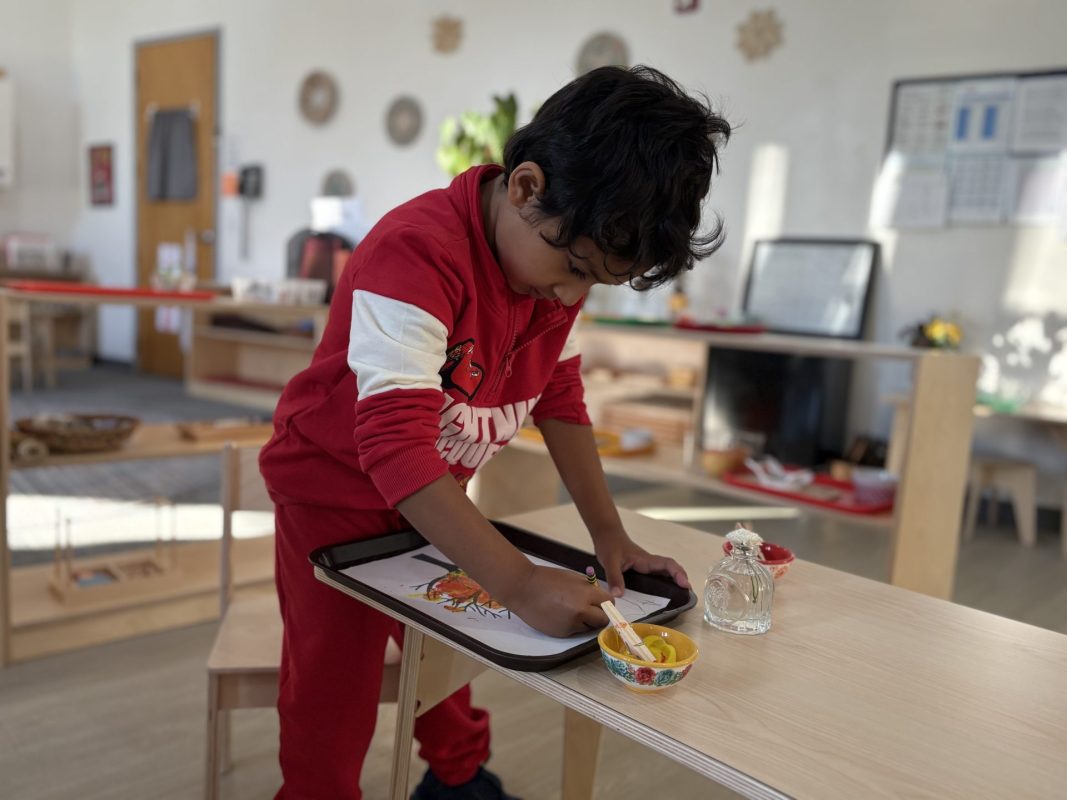
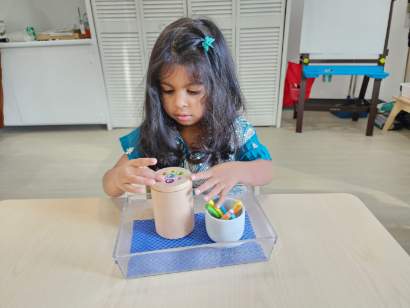
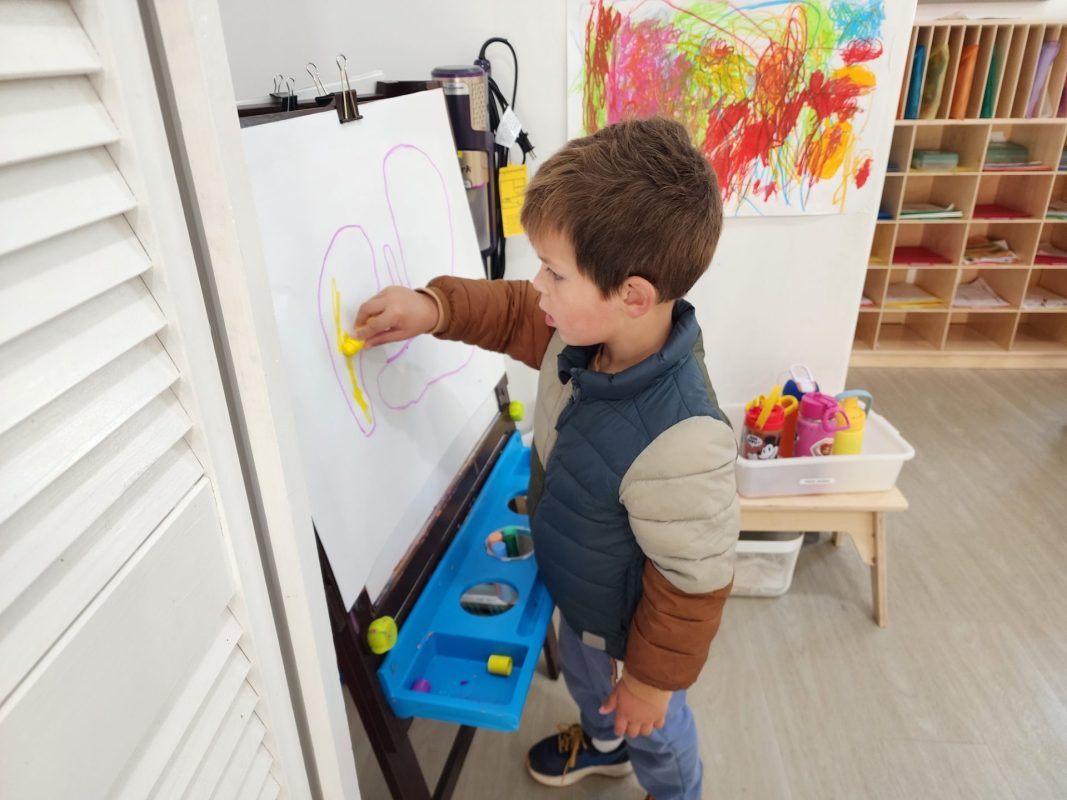
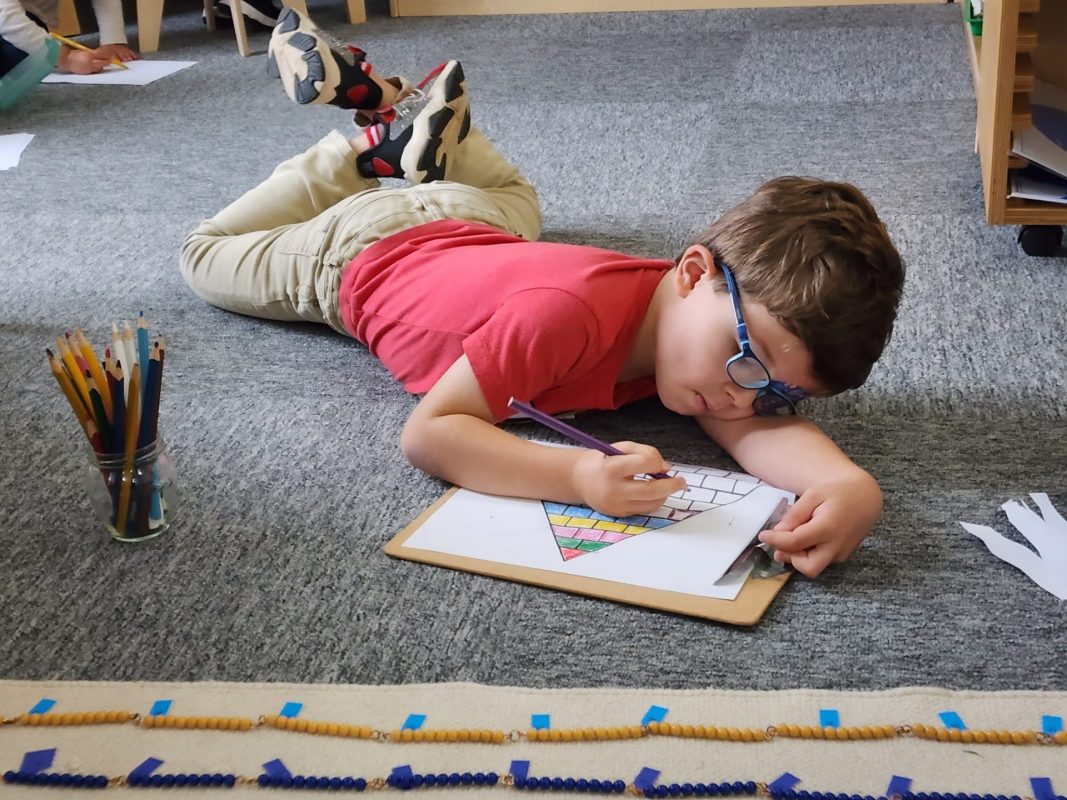
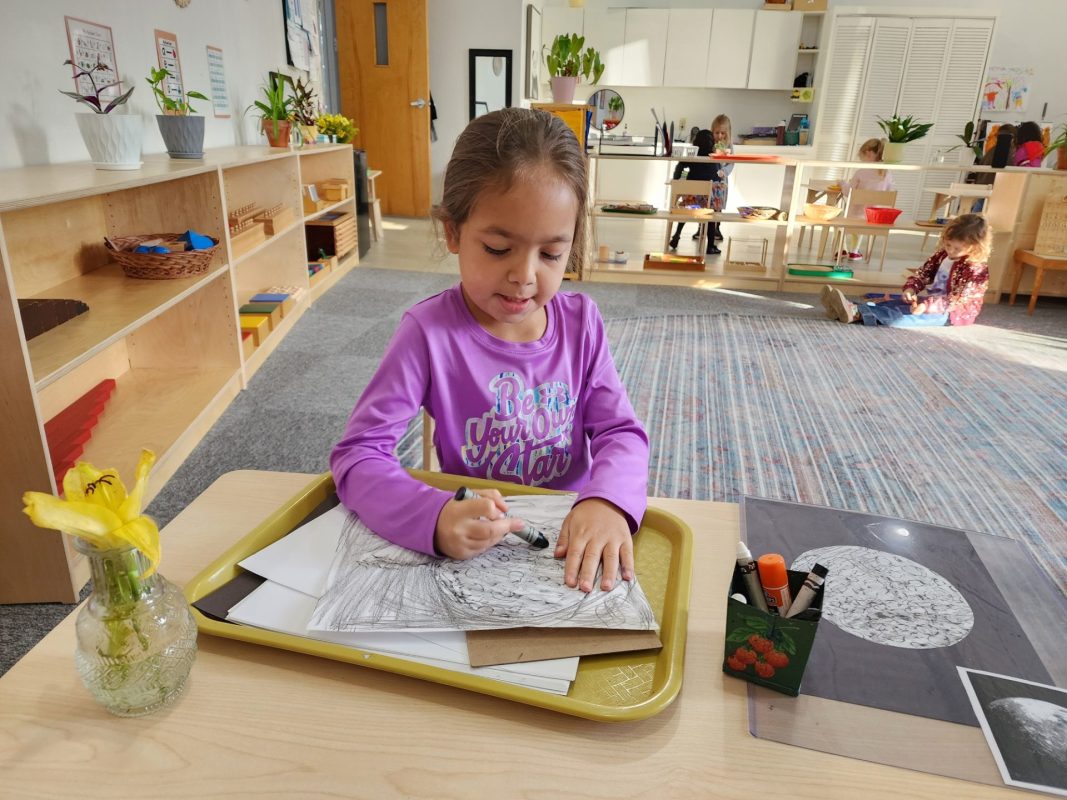
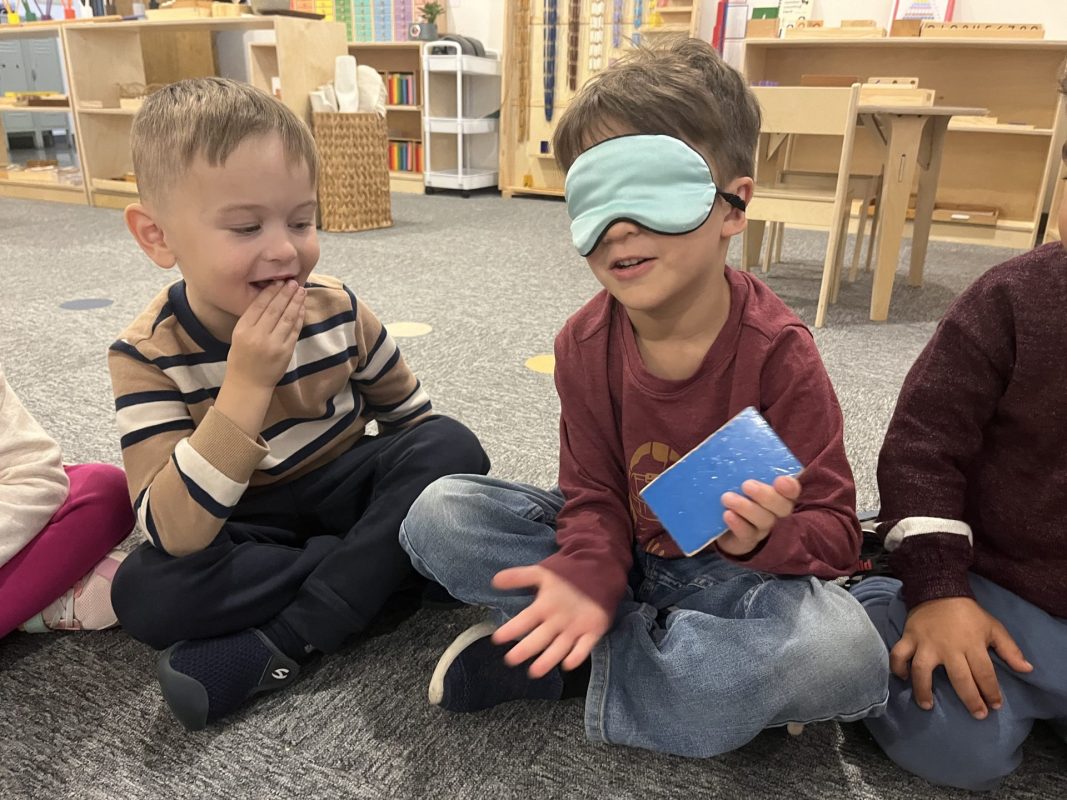
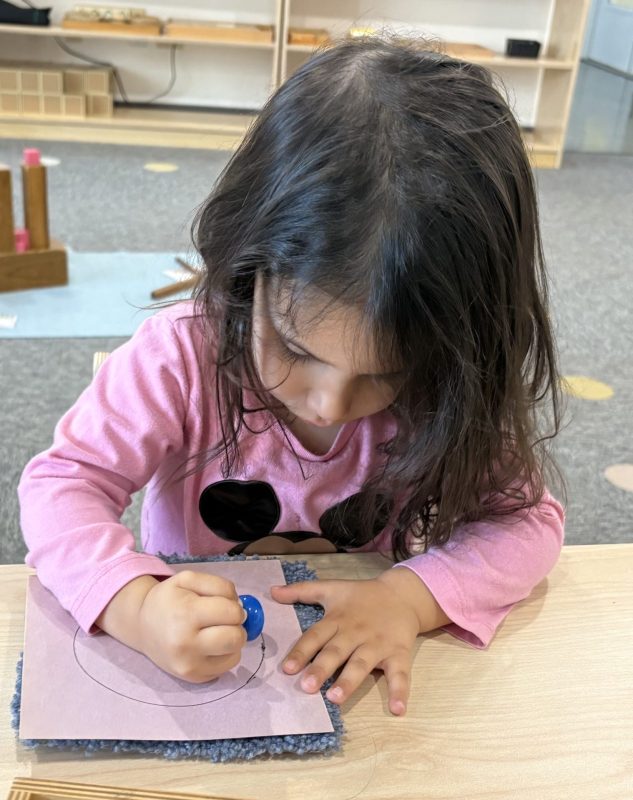
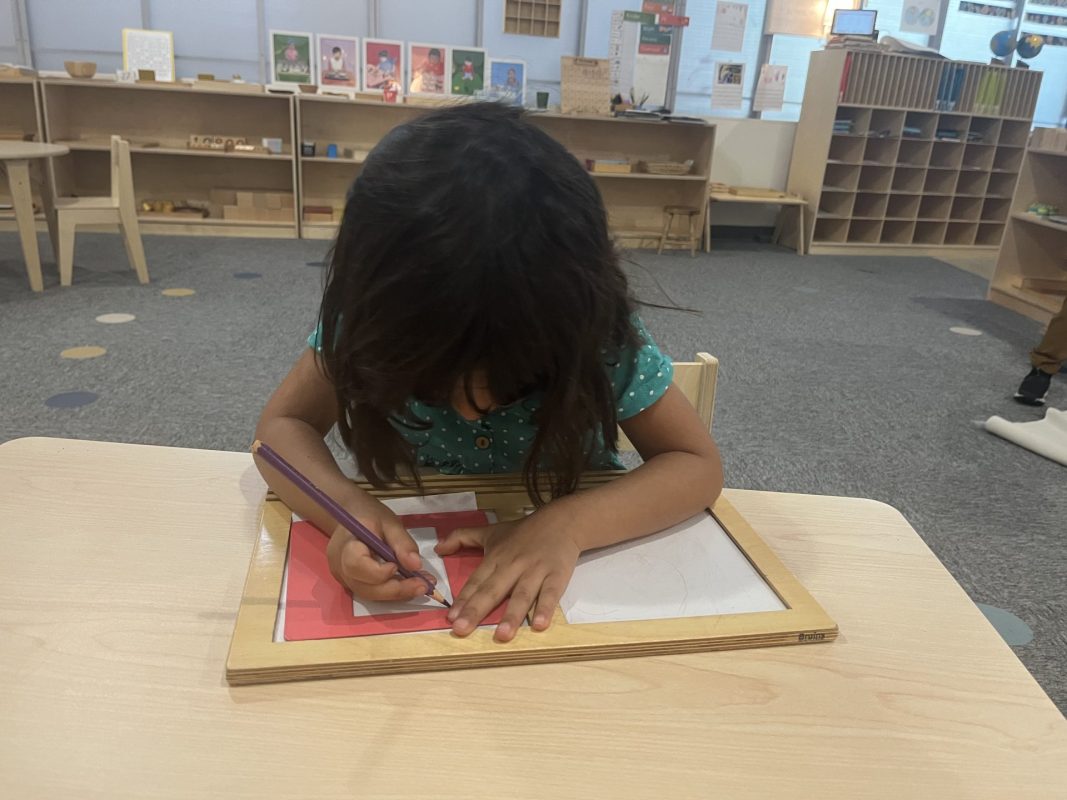
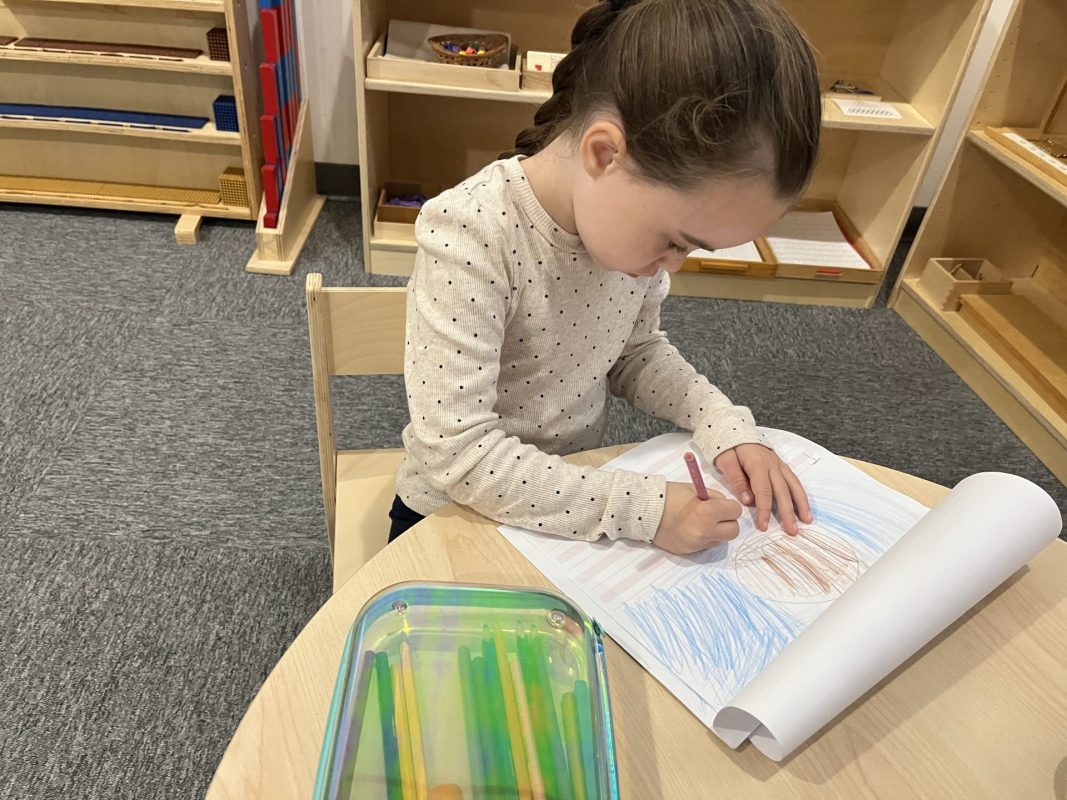
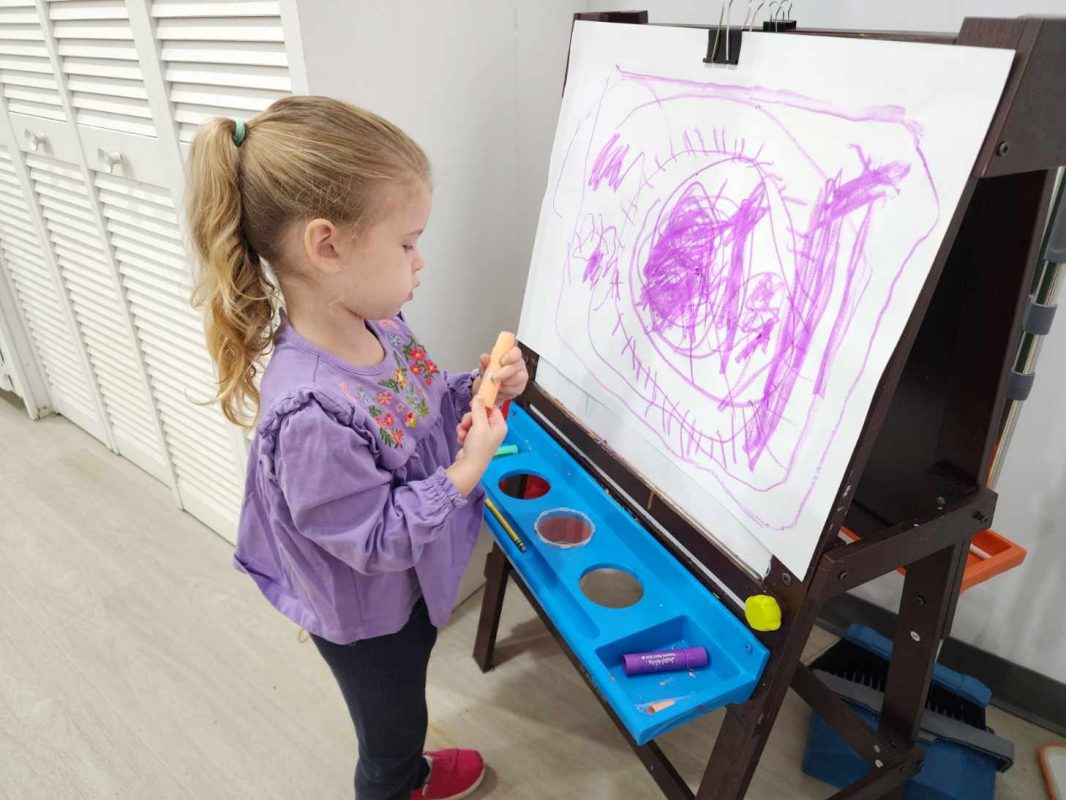
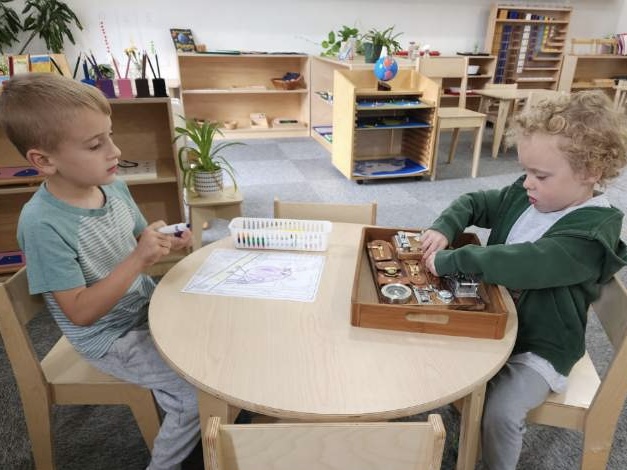
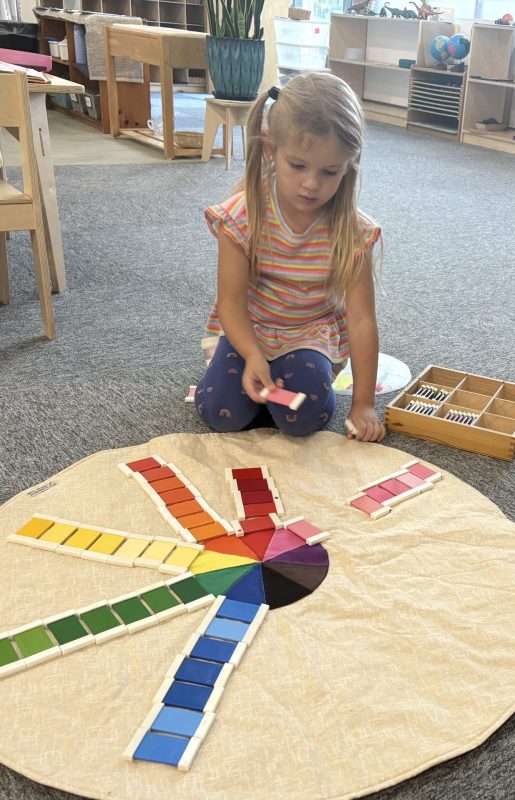
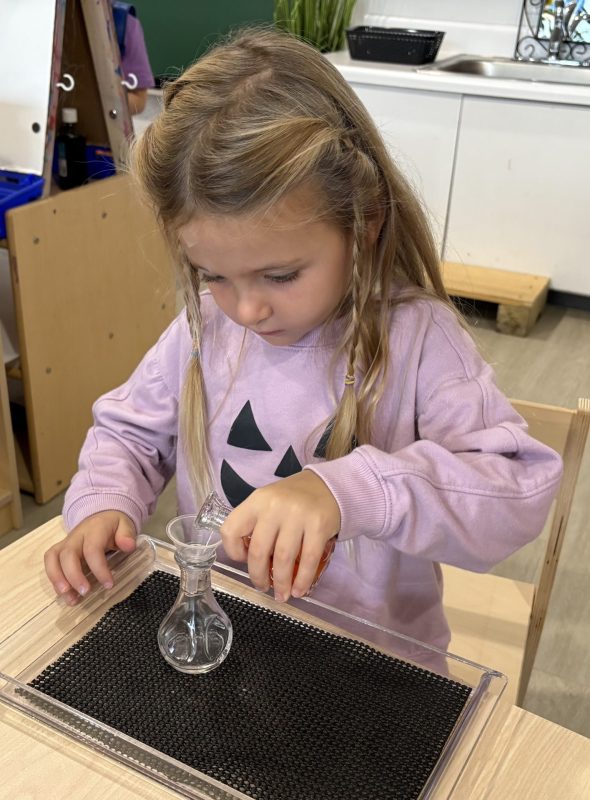
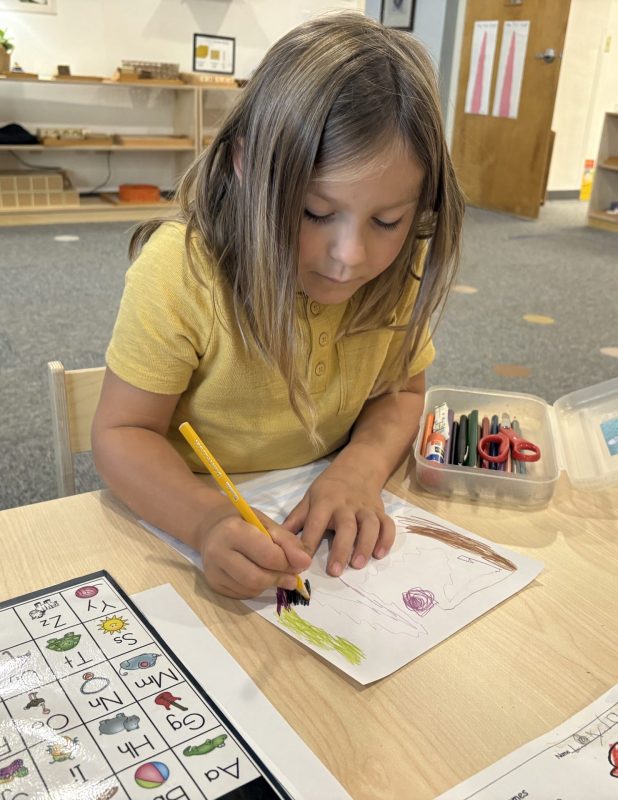
The children explored color using a variety of materials. With the metal insets, they experiment with form and color, using colored pencils to fill and shade the traced shapes. The children experienced the magic of mixing two primary colors using colored water to make secondary colors. Most children also discovered that combining the three primary colors will make brown!

The Montessori birthday walk was celebrated by one of our friends this week. The children loved seeing the candle as a representation of the sun. Thank you, Ms. Becca, for helping celebrate this birthday and sharing the delicious snacks!

Your children’s smiles and laughter warm both our classroom and our hearts!

Have a wonderful weekend!

Ms. Rhodora & Ms. Anabel


Mrs. Sargeant: A Peek at the Week

We know it takes time for the new rhythm of school days to become familiar. So, while taking one step at a time, we are slowly building the foundations for a smooth, exciting school year.

In just a few short days, we as a class are learning:

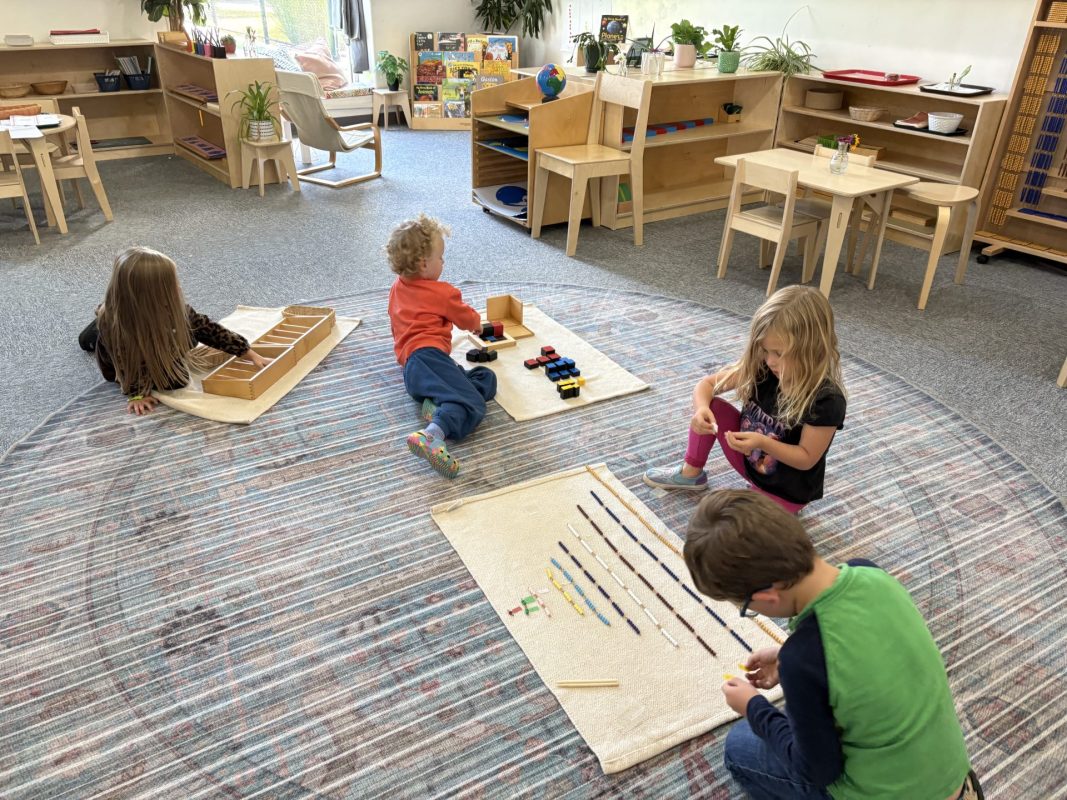
  • how to navigate our way around the environment
  • how to wait for a lesson
  • the routines of our school day
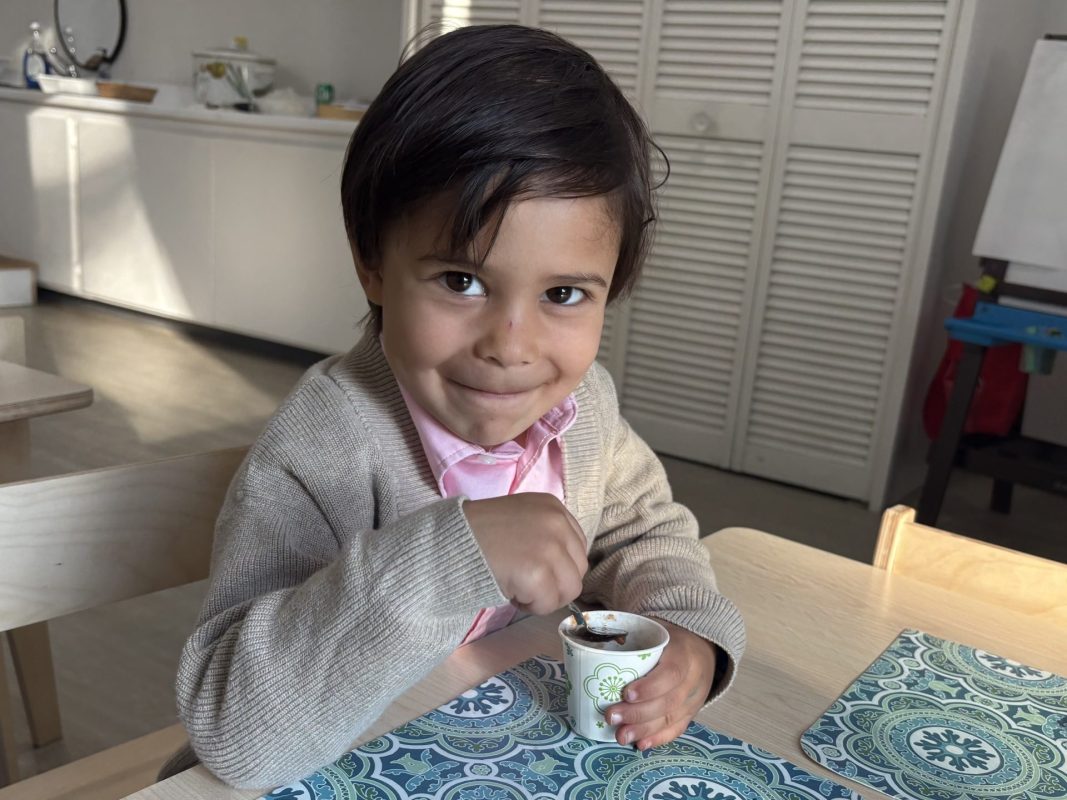
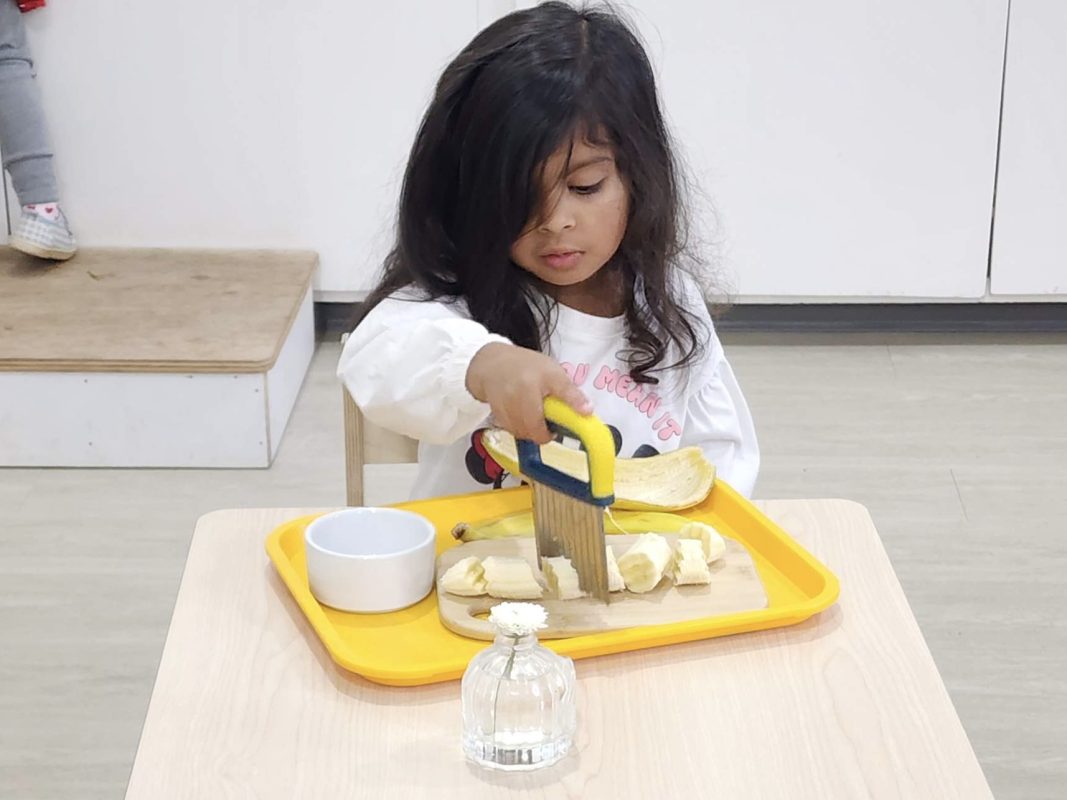
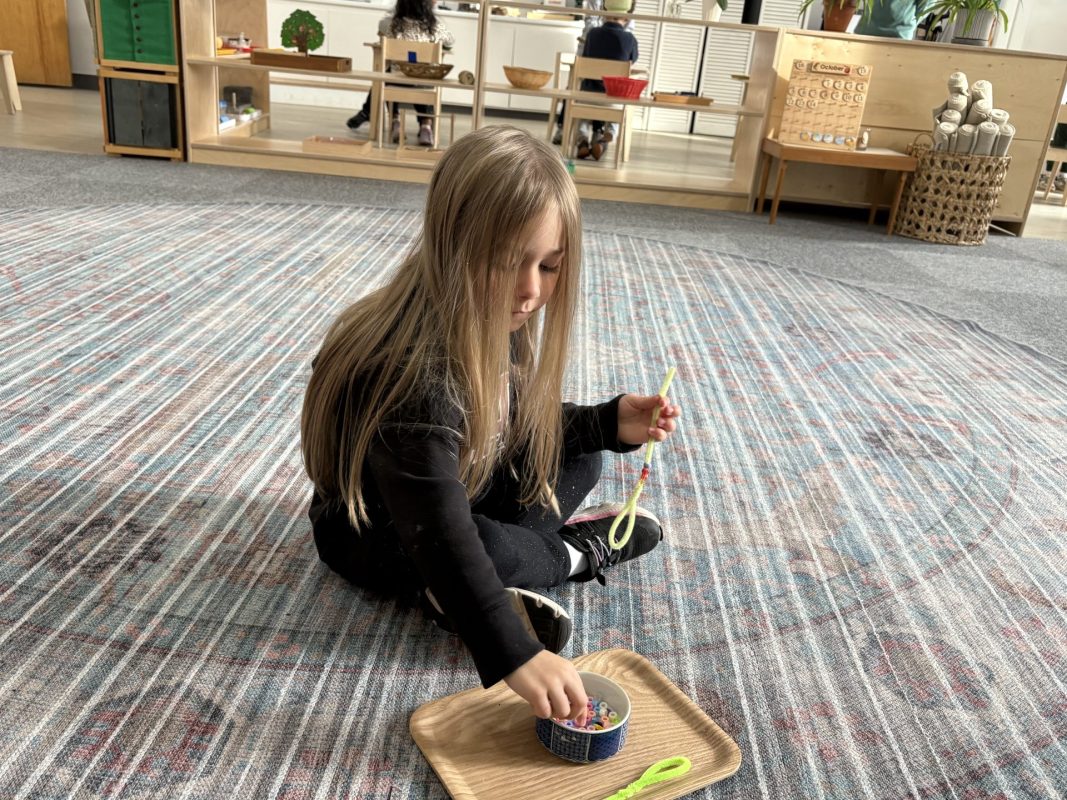
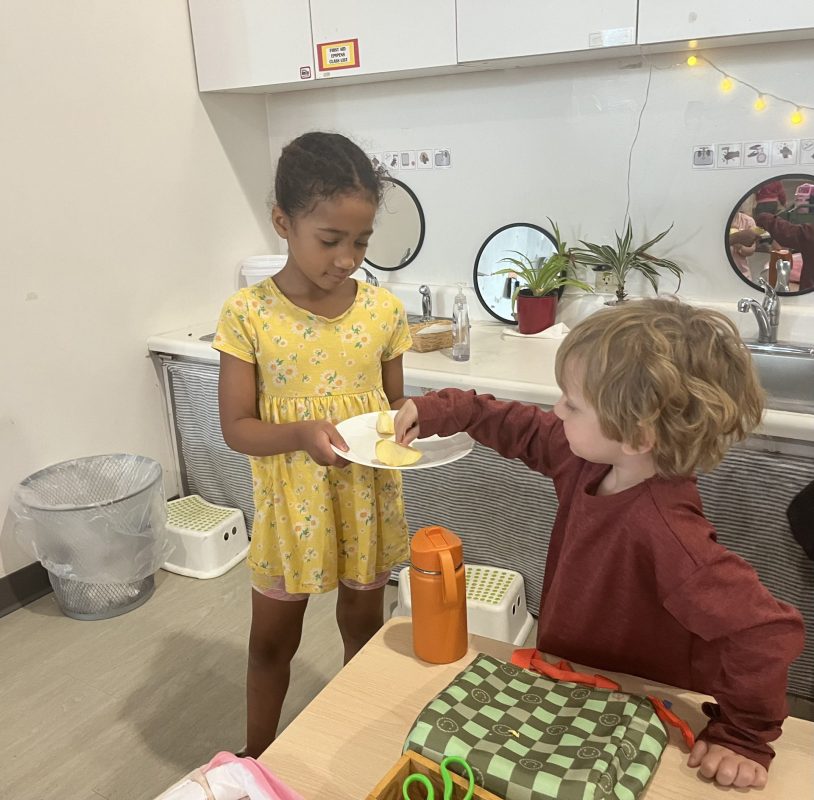
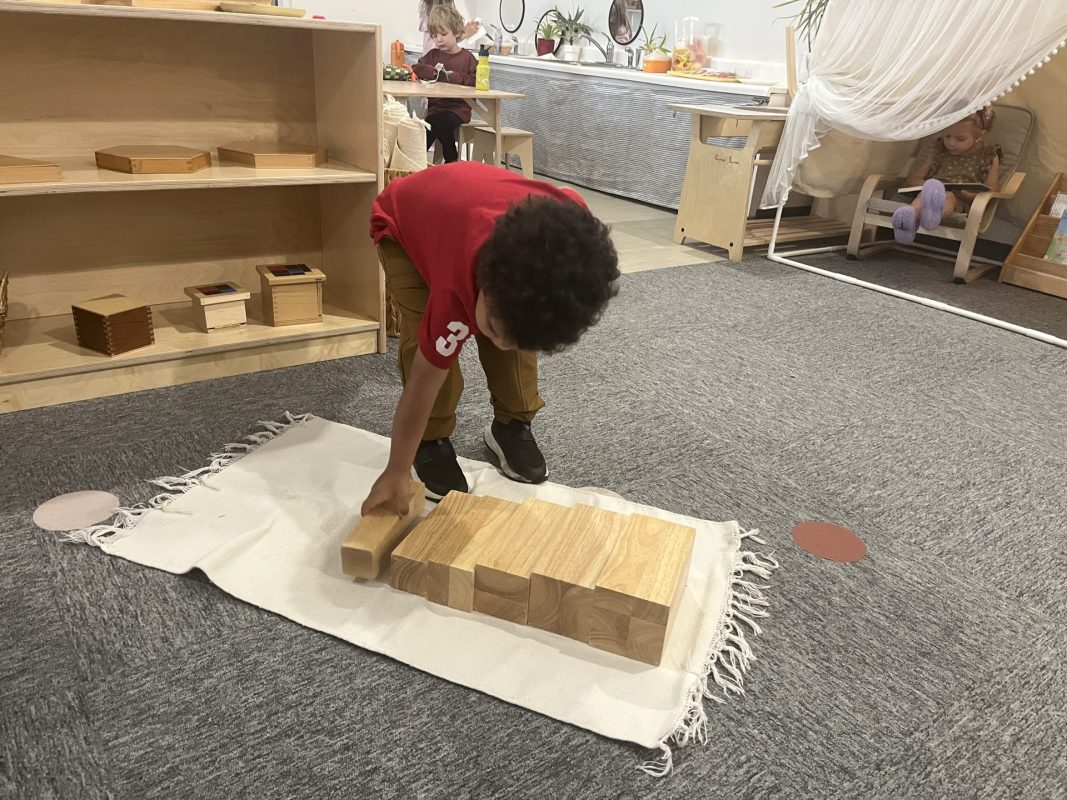
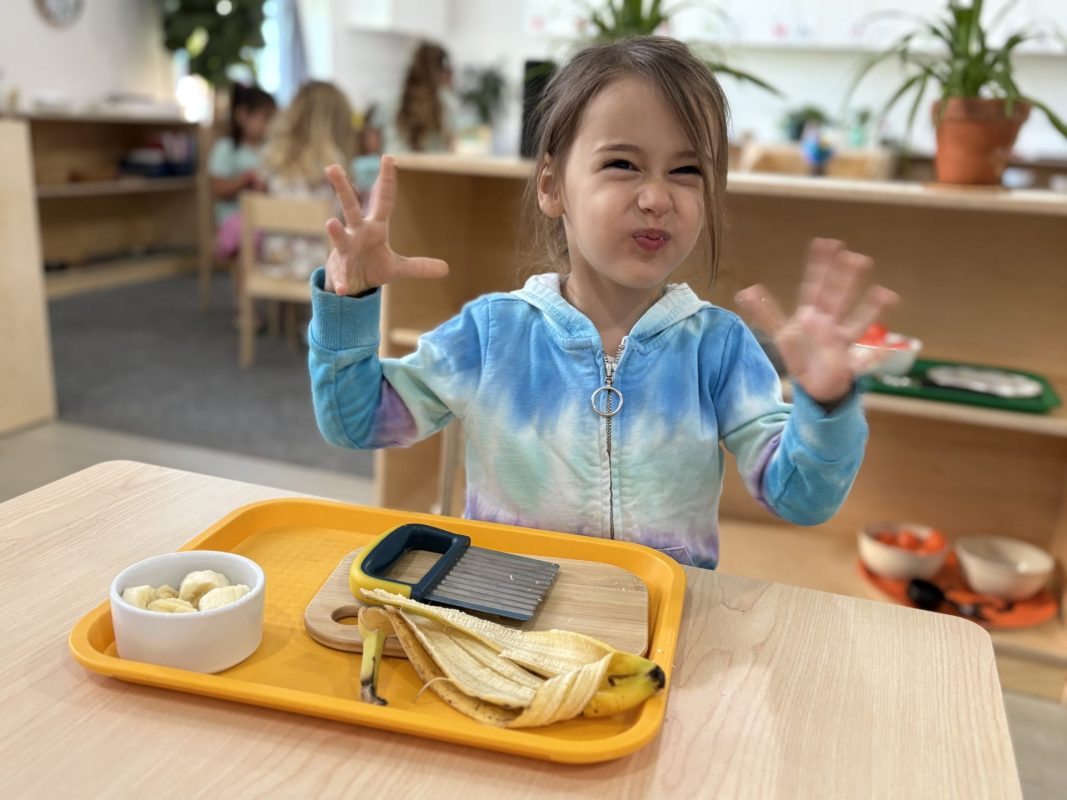
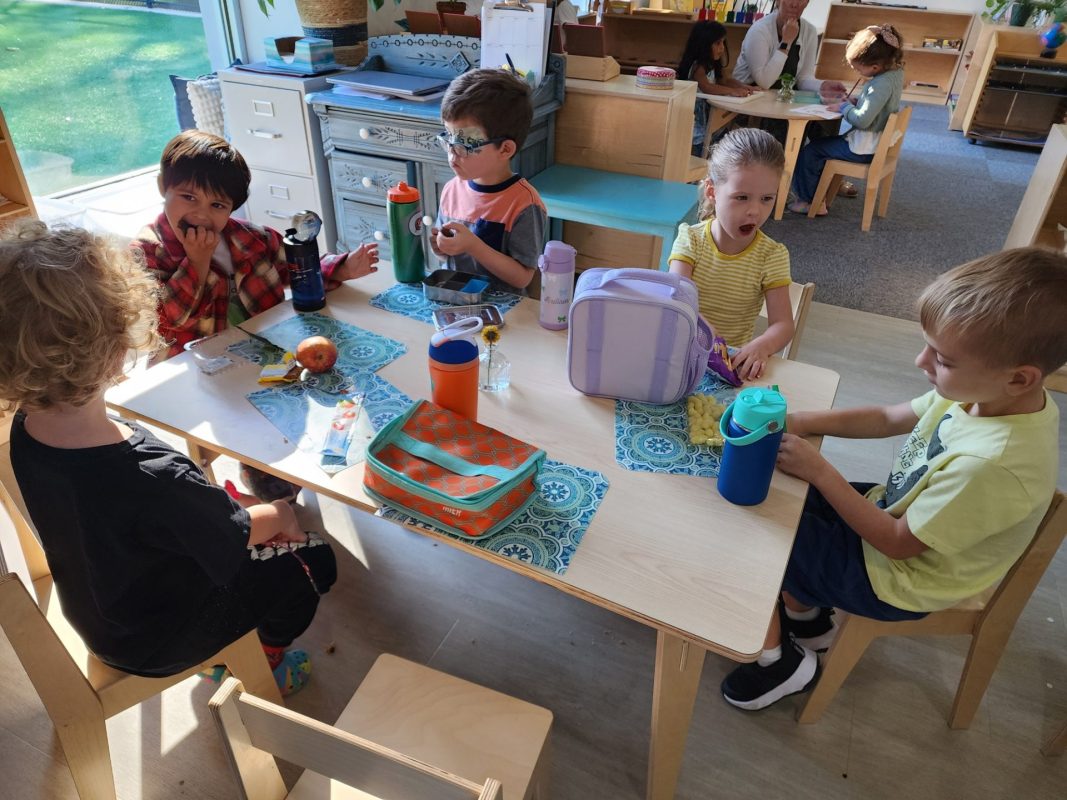
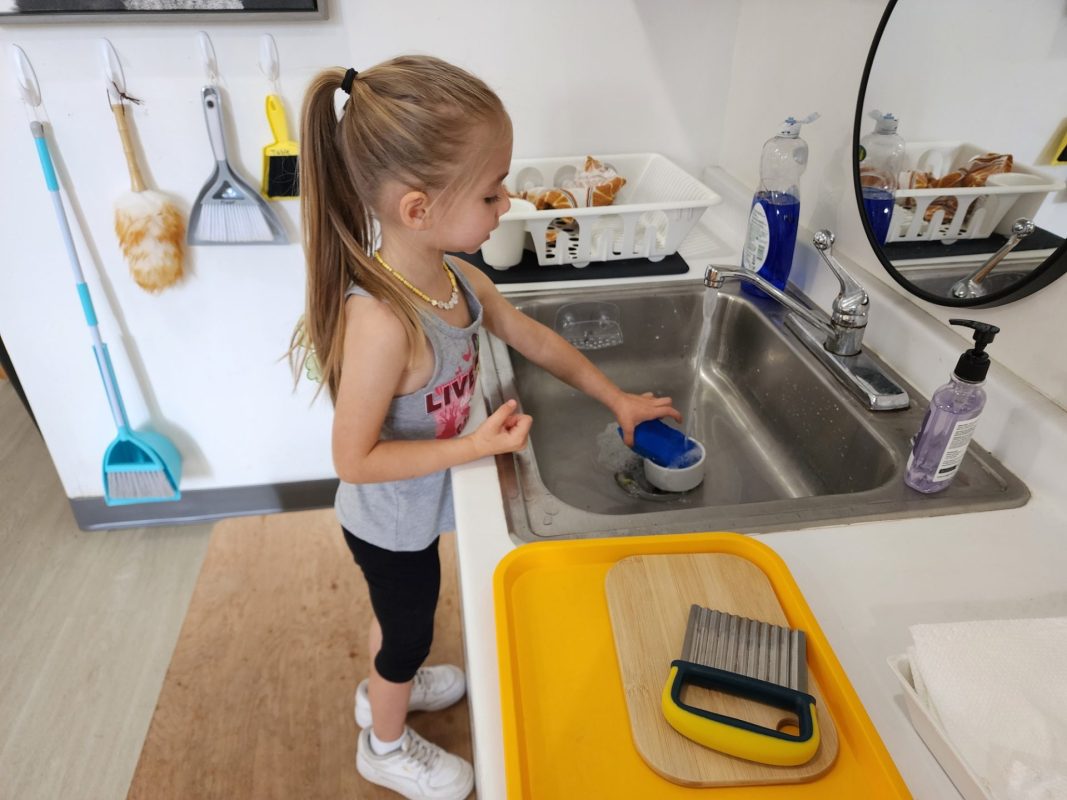
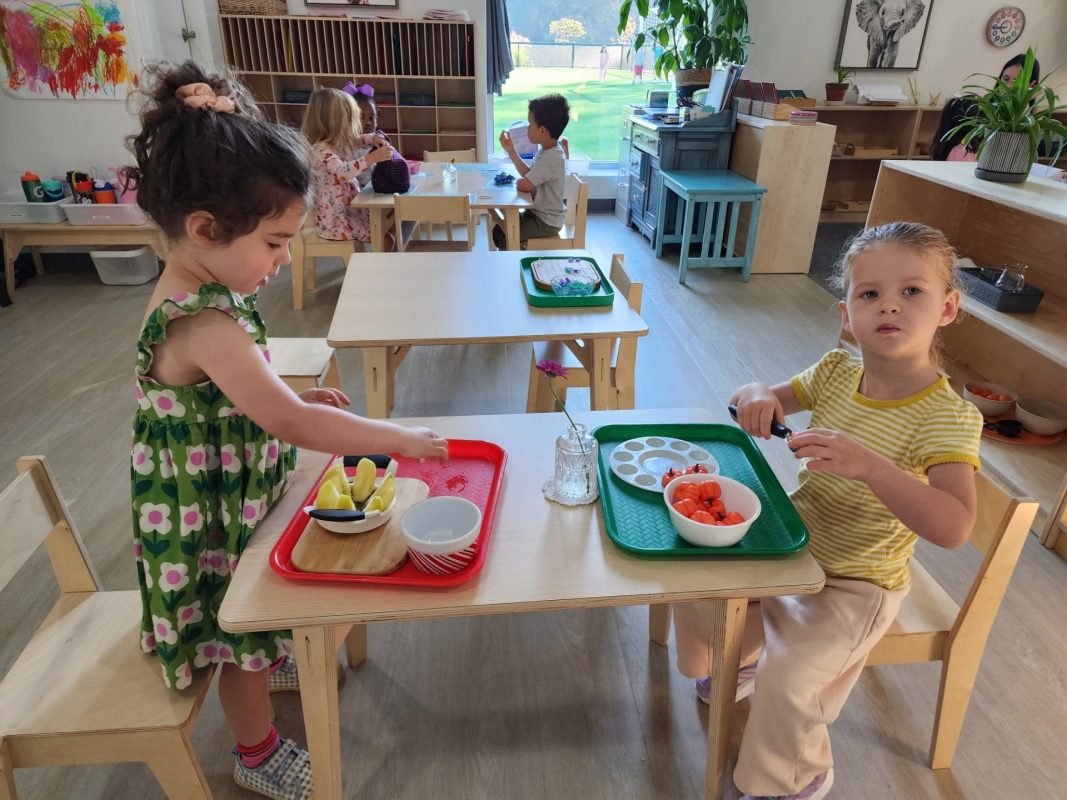
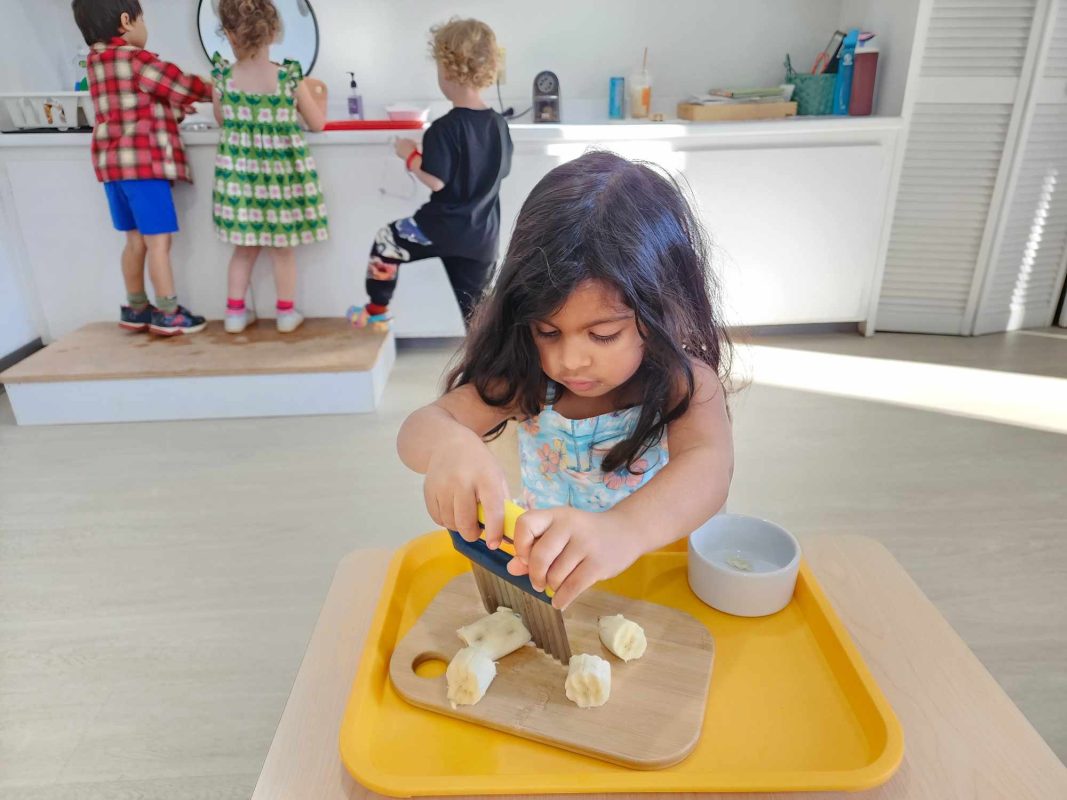
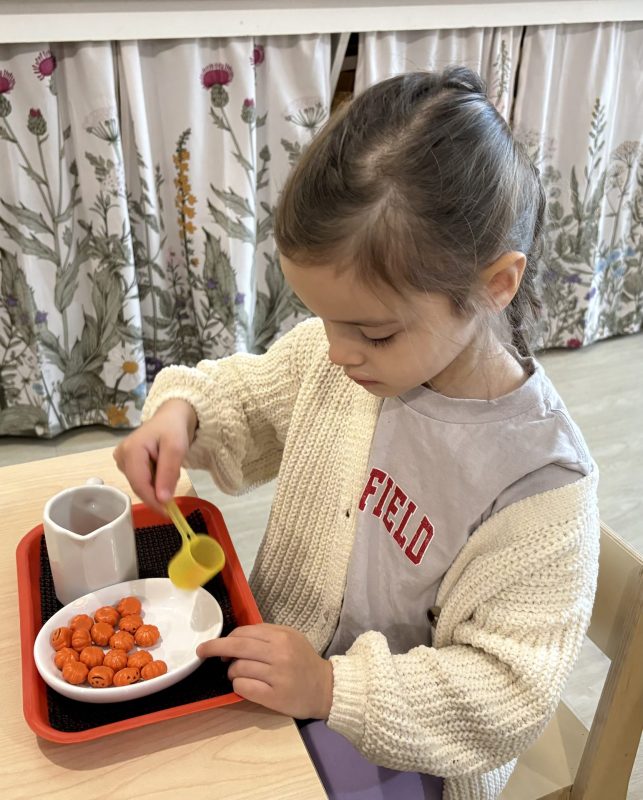
  • how to prepare for snack and lunch independently
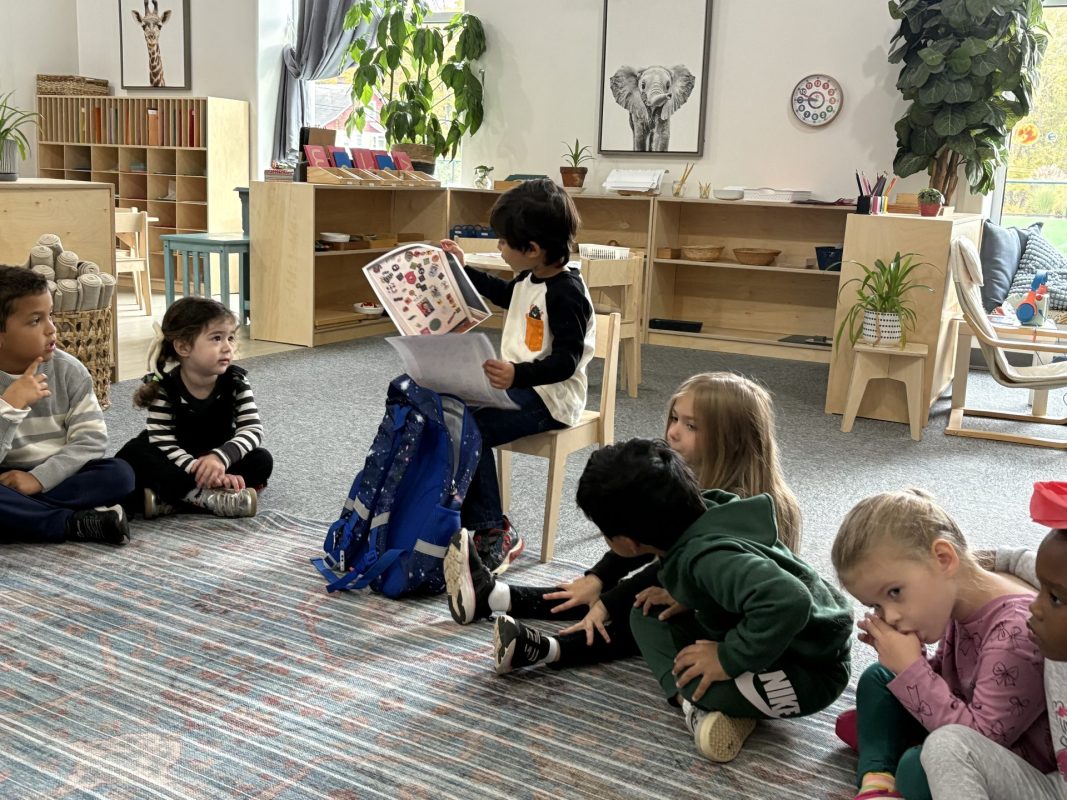
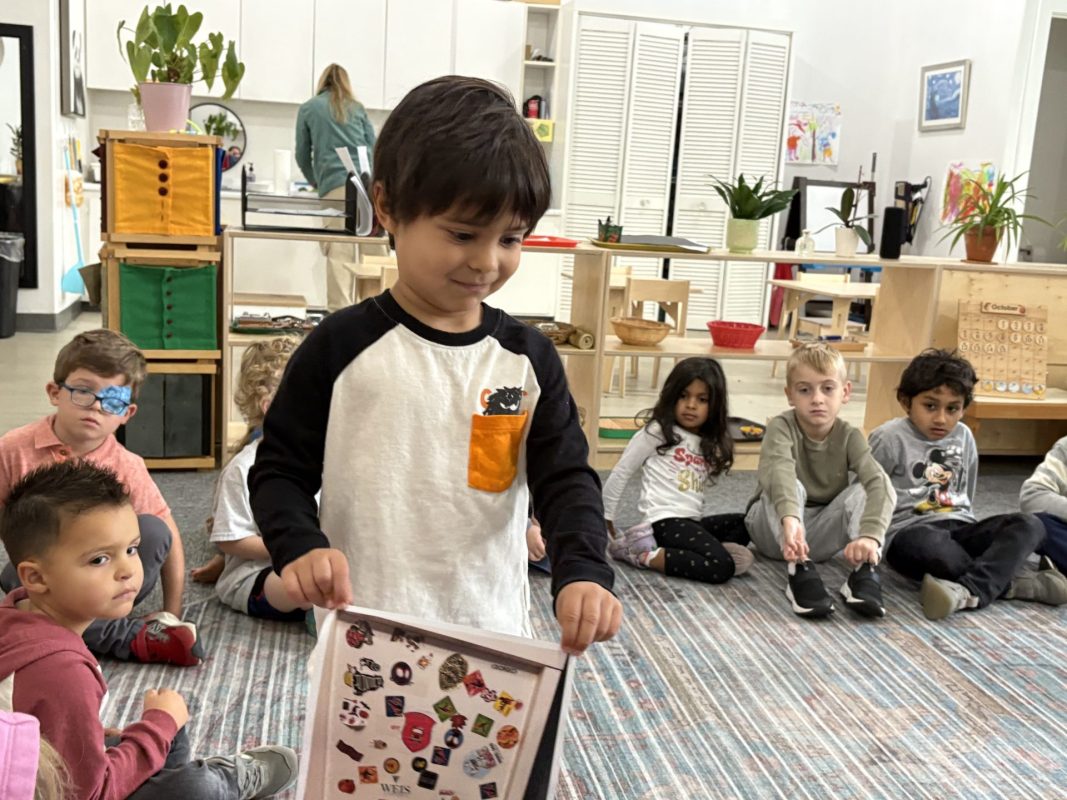
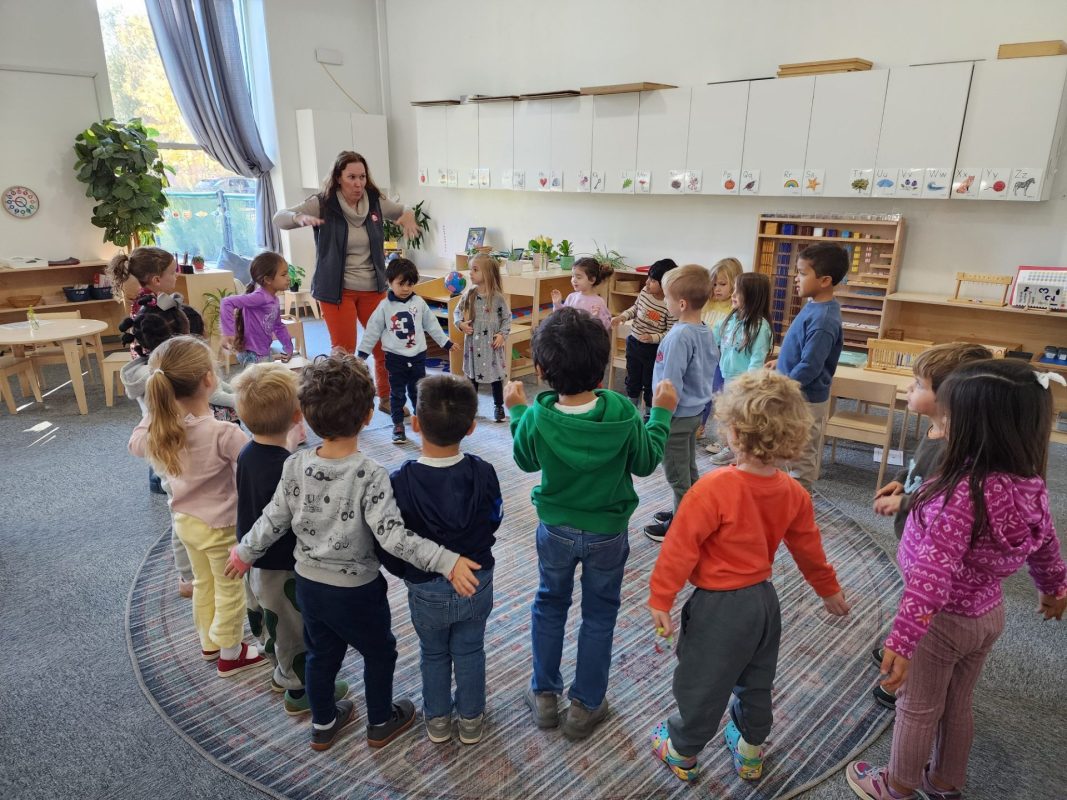
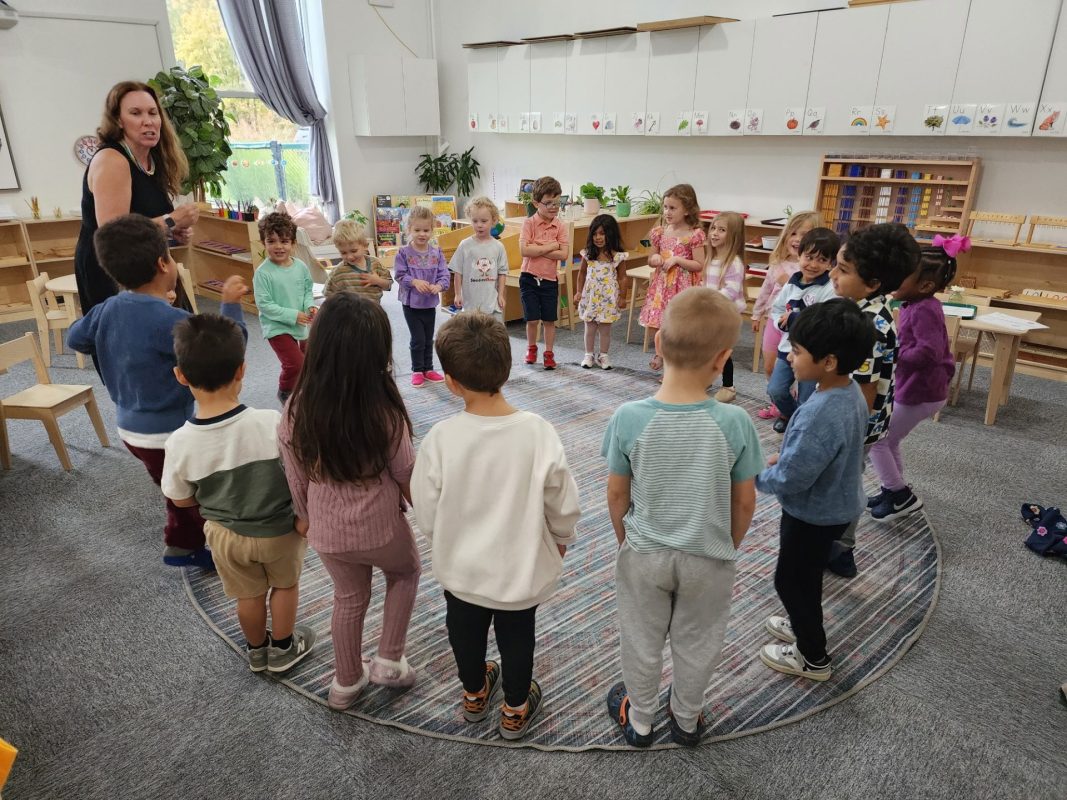
  • about being part of a large group meeting by listening and sharing
  • care of self and care of the environment

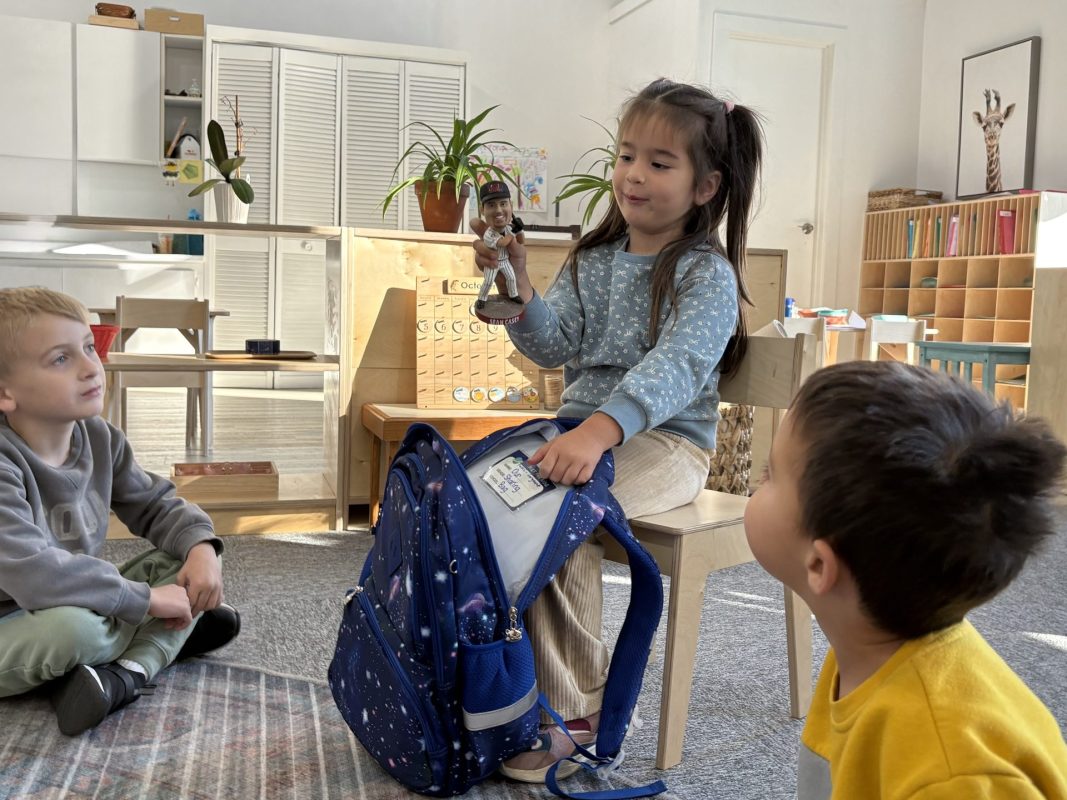
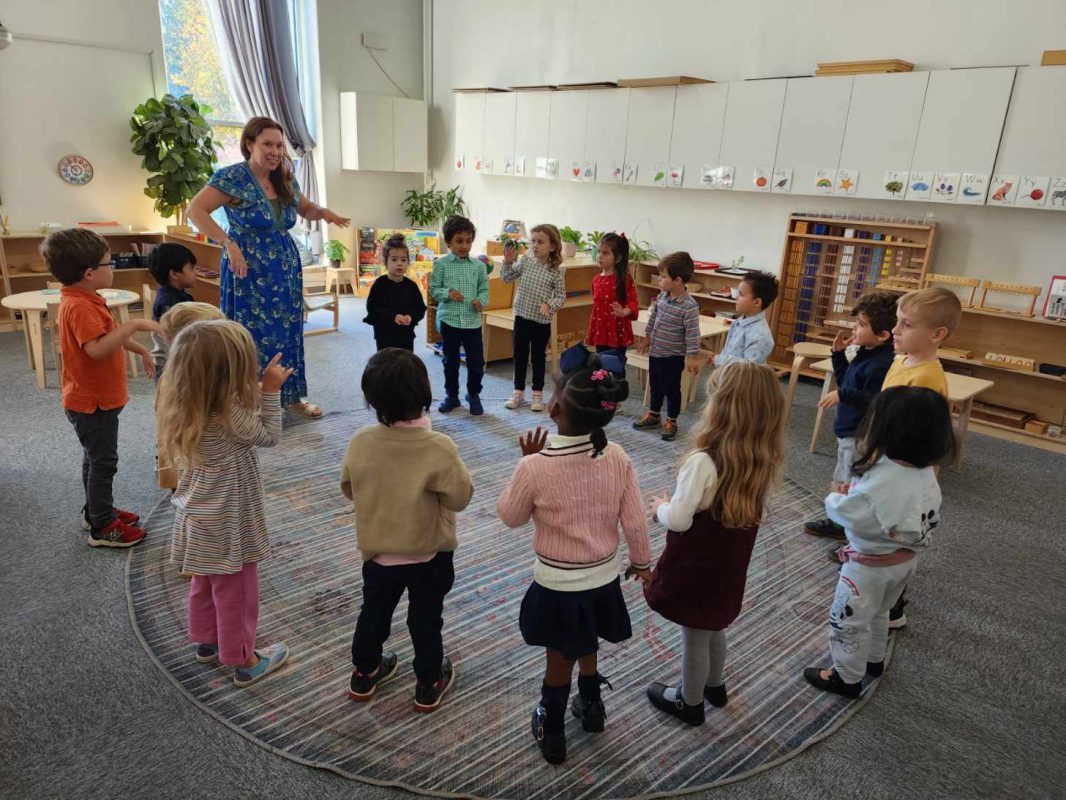
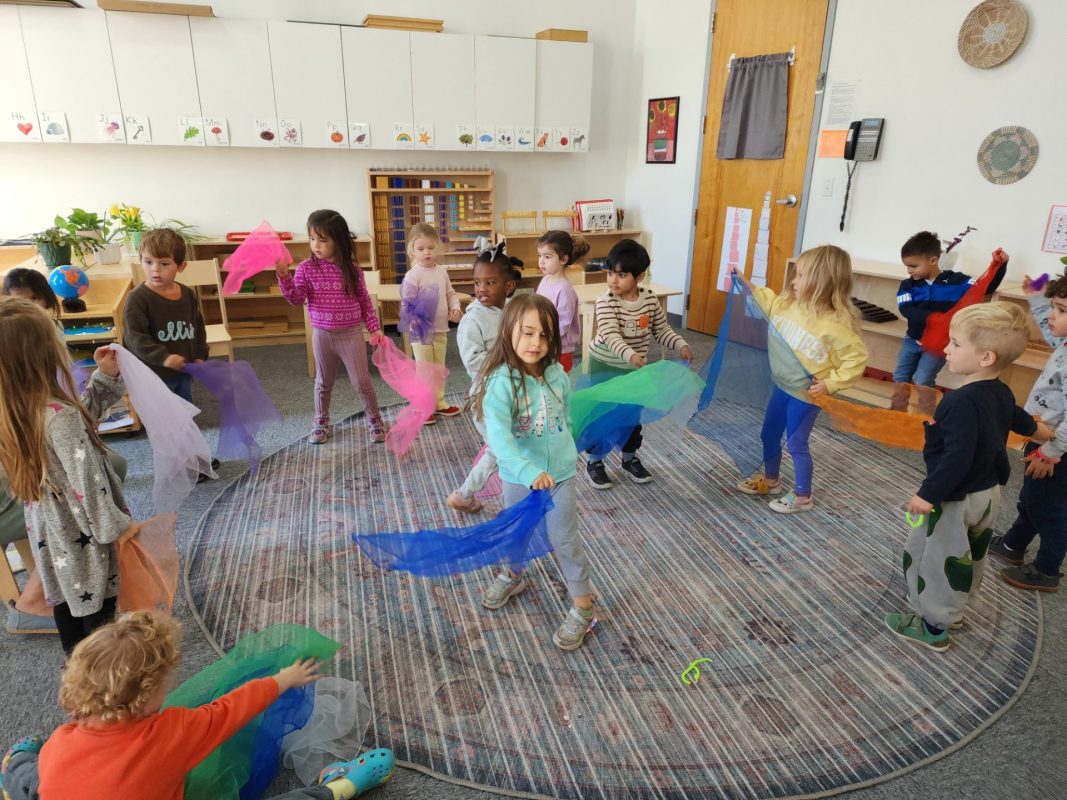
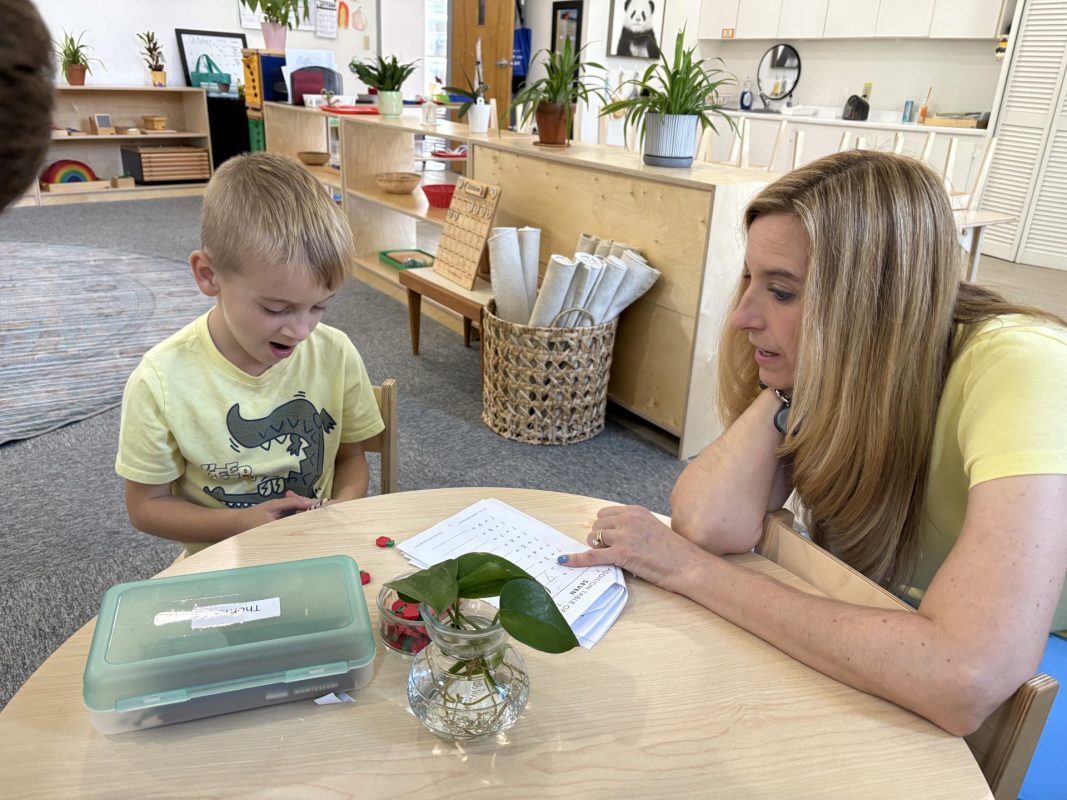
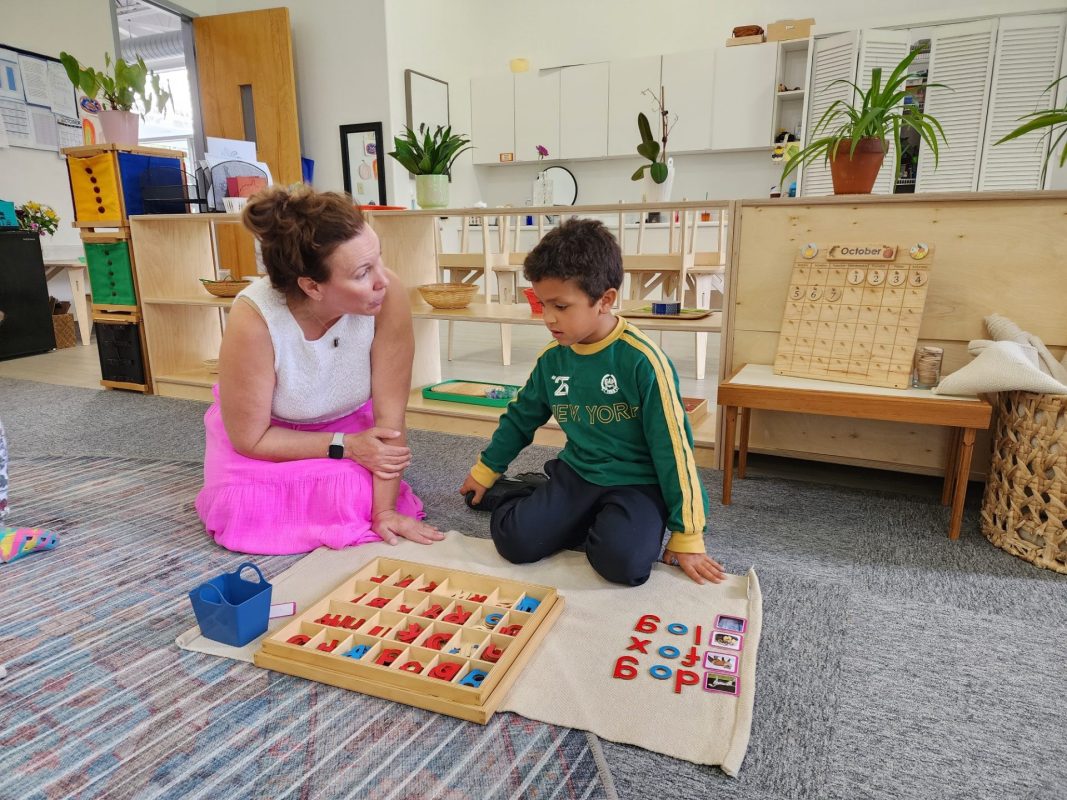
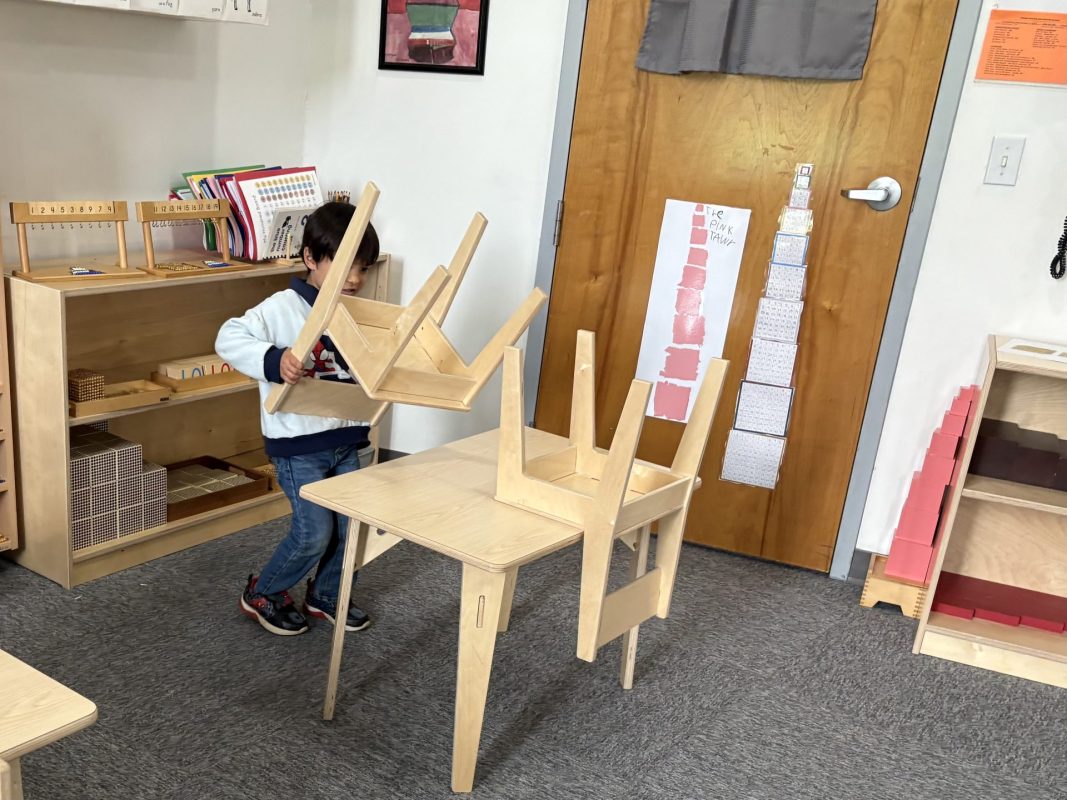
Our returning friends have been role models for our new friends. It’s a wonderful opportunity for them to be a leader. It wasn’t so long ago that they were new to the classroom themselves, and they accepted this new responsibility with excitement and confidence.

A question we frequently hear from parents is, “What can I do at home to help my child be successful at school?” One way to do so is to guide your child to become as independent as possible. Your child’s age and ability guide this independence. So there are no hard and fast rules to follow. A few important areas to focus on are setting up and cleaning up their lunch, putting on and taking off coats and boots, toileting themselves, packing and unpacking their backpacks, and carefully putting their toys away when they are done. This process is also one step at a time.

Here’s to new beginnings and a peaceful, fun school year for everyone!

Wishing you all a week filled with peace and love!

Christine, Hailey, & Julie


Mrs. Lopes: A Look at the Week

We know it takes time for the new rhythm of school days to become familiar. So, while taking one step at a time, we are slowly building the foundations for a smooth, exciting school year.

In just a few short days, we as a class are learning:

  • how to navigate our way around the environment
  • how to wait for a lesson
  • the routines of our school day
  • how to prepare for snack and lunch independently
  • about being part of a large group meeting by listening and sharing
  • care of self and care of the environment

Our returning friends have been role models for our new friends. It’s a wonderful opportunity for them to be a leader. It wasn’t so long ago that they were new to the classroom themselves, and they accepted this new responsibility with excitement and confidence.

A question we frequently hear from parents is, “What can I do at home to help my child be successful at school?” One way to do so is to guide your child to become as independent as possible. Your child’s age and ability guide this independence. So there are no hard and fast rules to follow. A few important areas to focus on are setting up and cleaning up their lunch, putting on and taking off coats and boots, toileting themselves, packing and unpacking their backpacks, and carefully putting their toys away when they are done. This process is also one step at a time.

Here’s to new beginnings and a peaceful, fun school year for everyone!

Wishing you all a week filled with peace and love!

Mrs. Lopes, Mrs. Hema, and Ms. Kristina