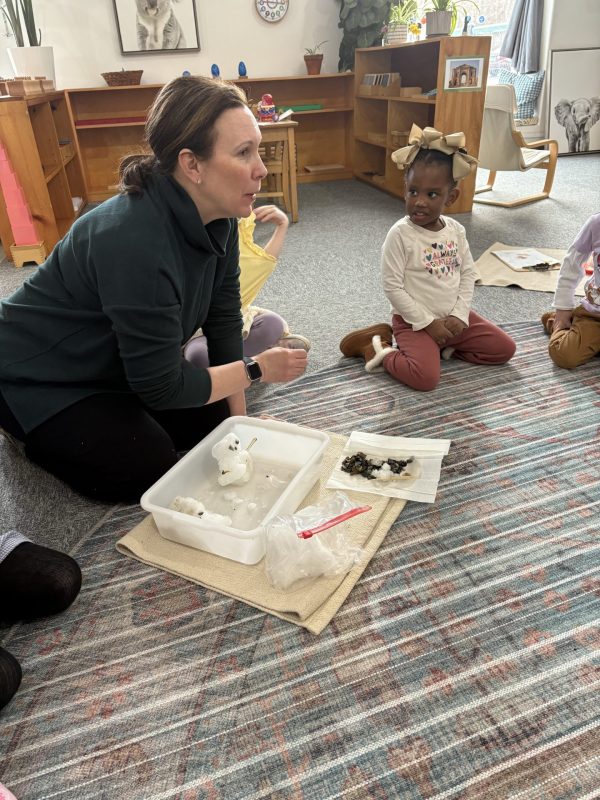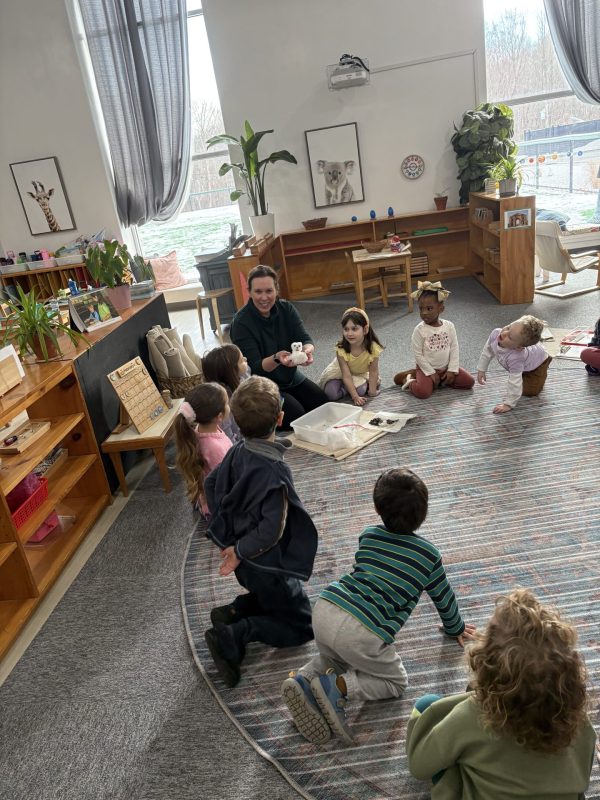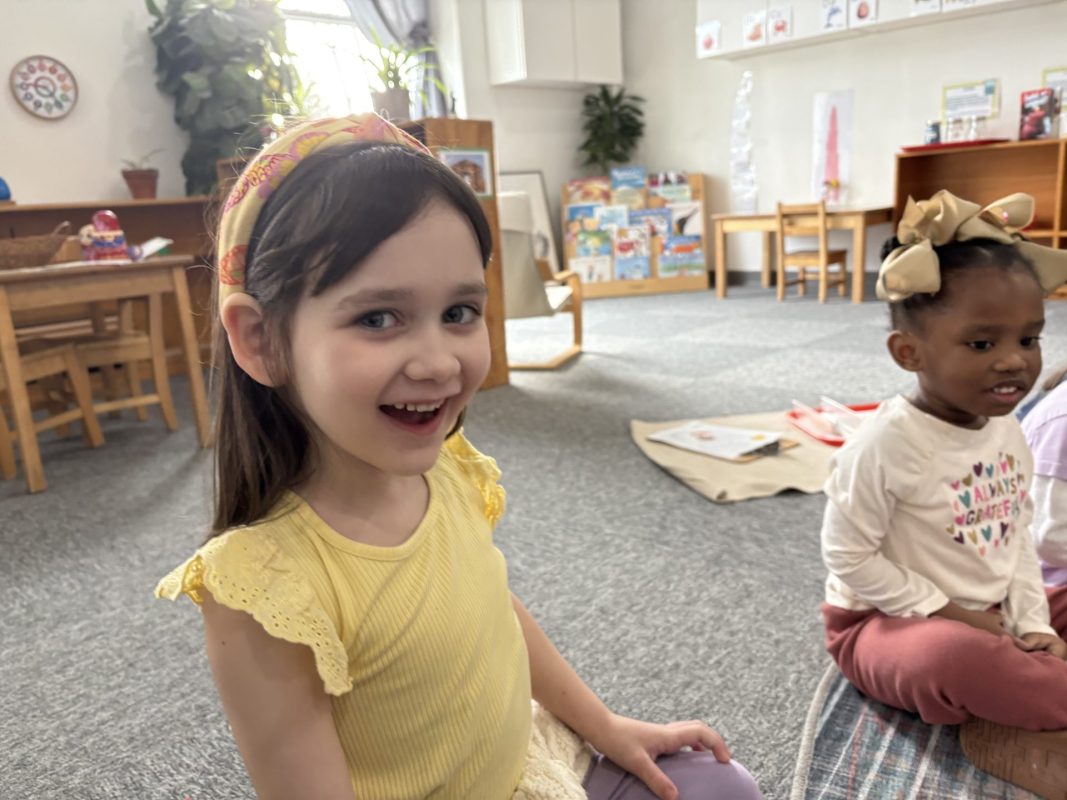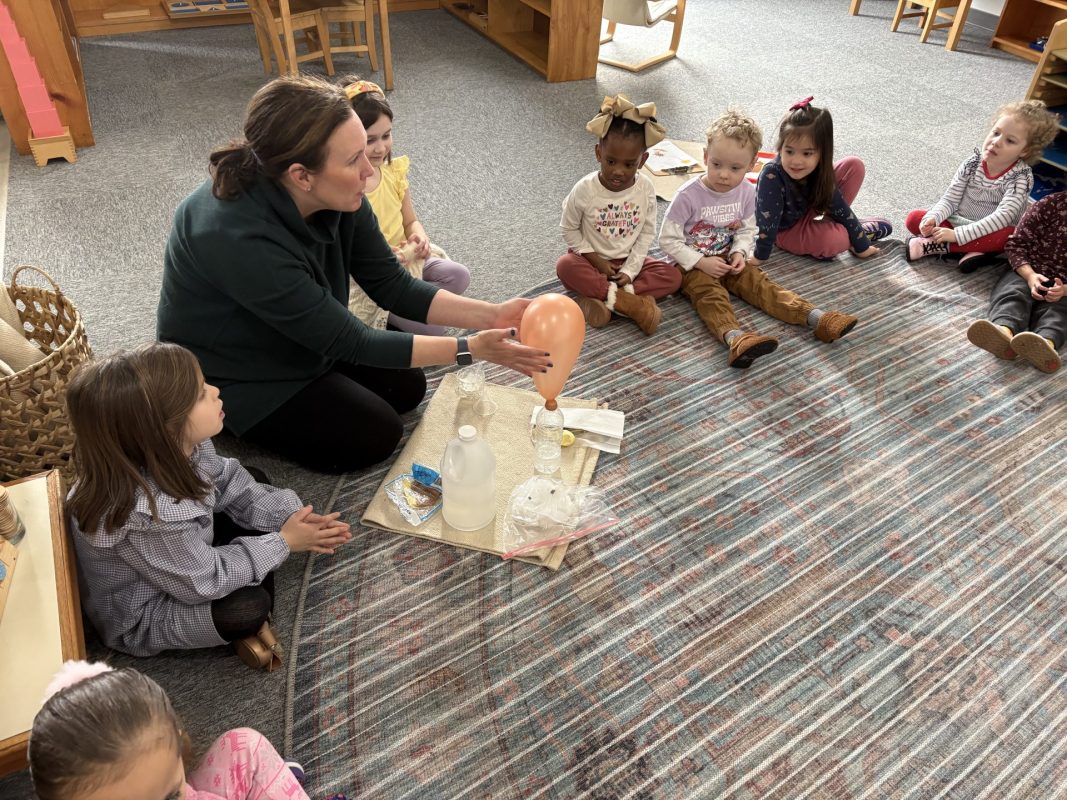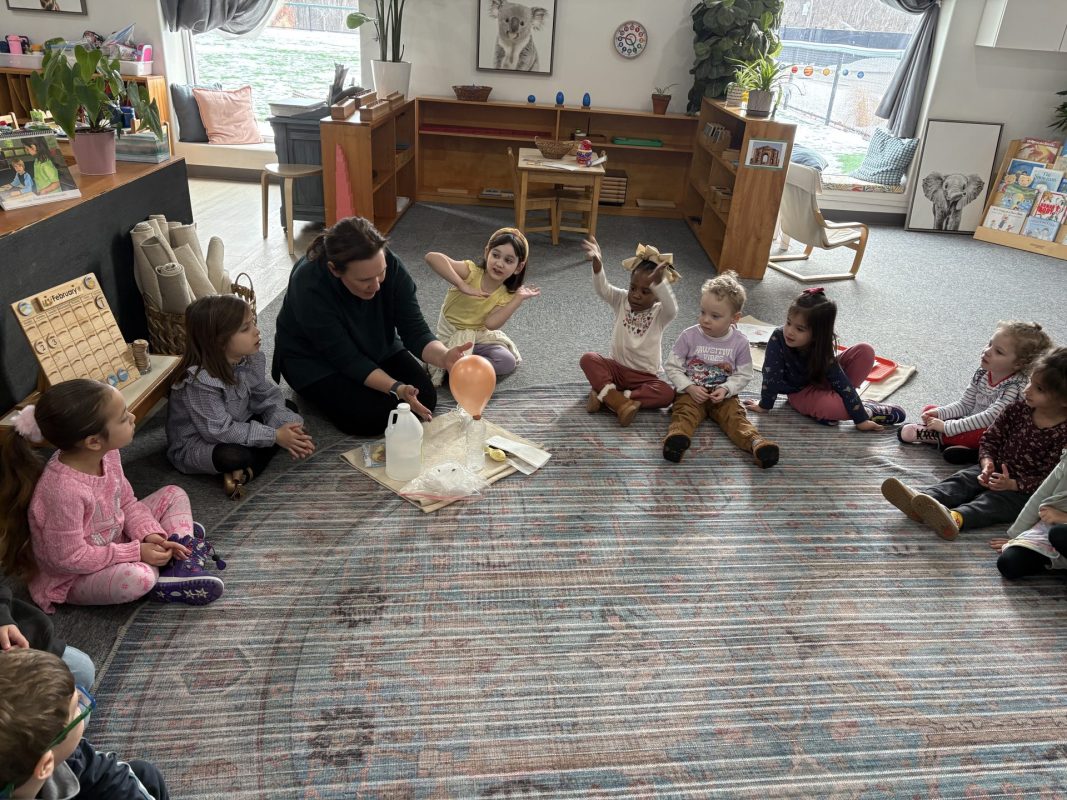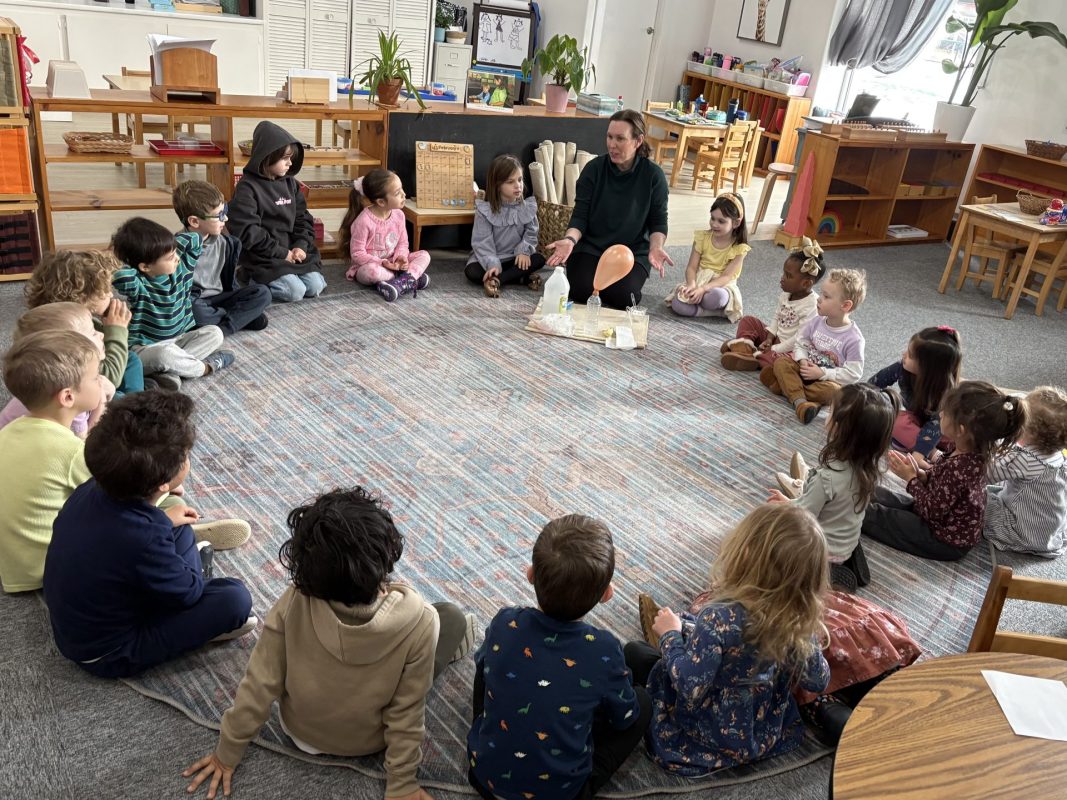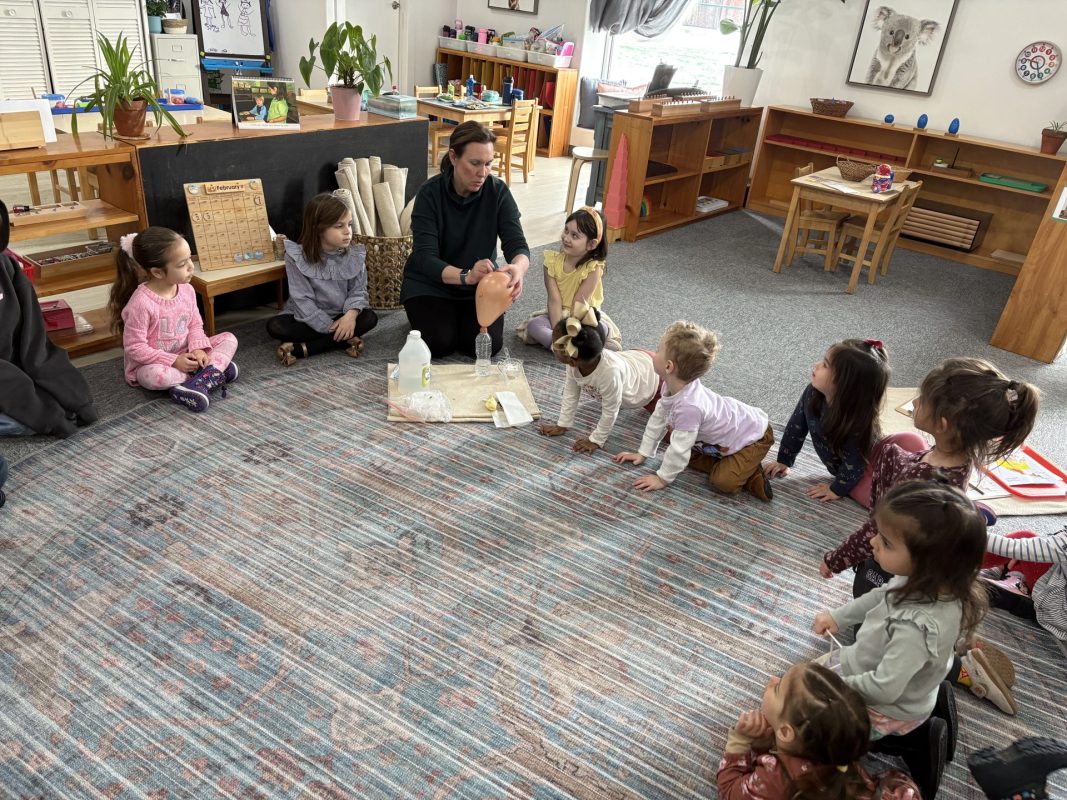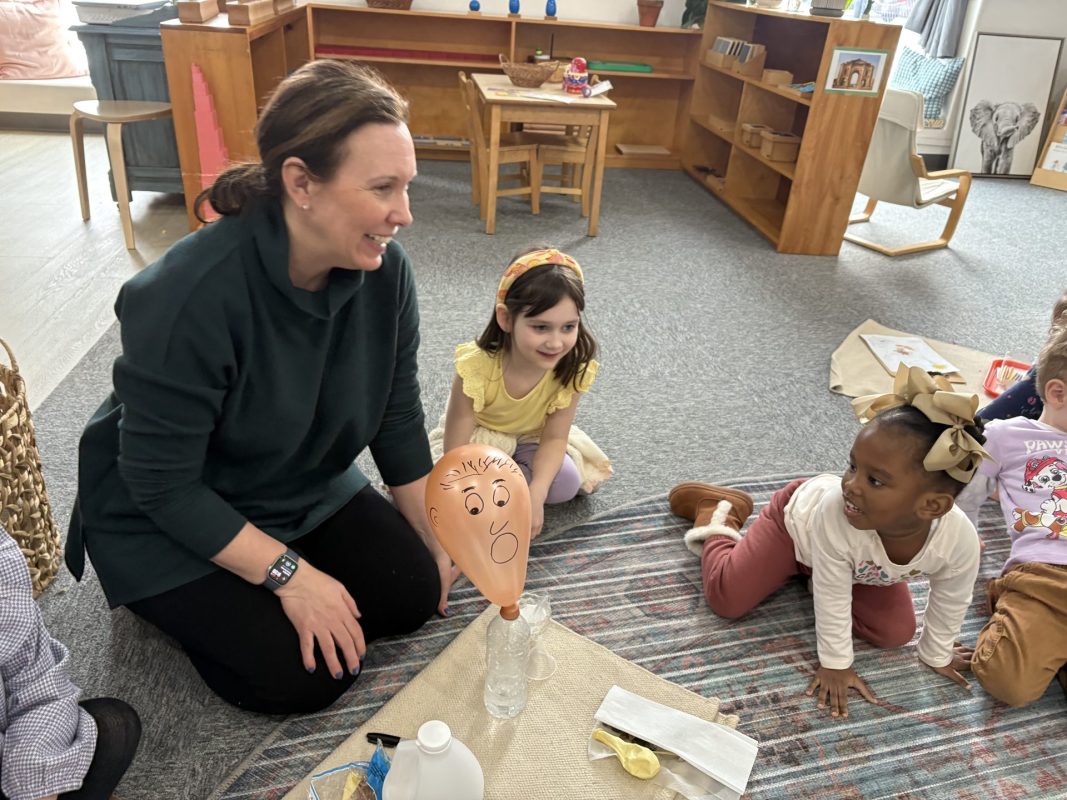
Mrs. Lopes: A Look at Our Week


Children display a universal love of mathematics, which is par excellence the science of precision, order, and intelligence.”
~ Dr. Maria Montessori

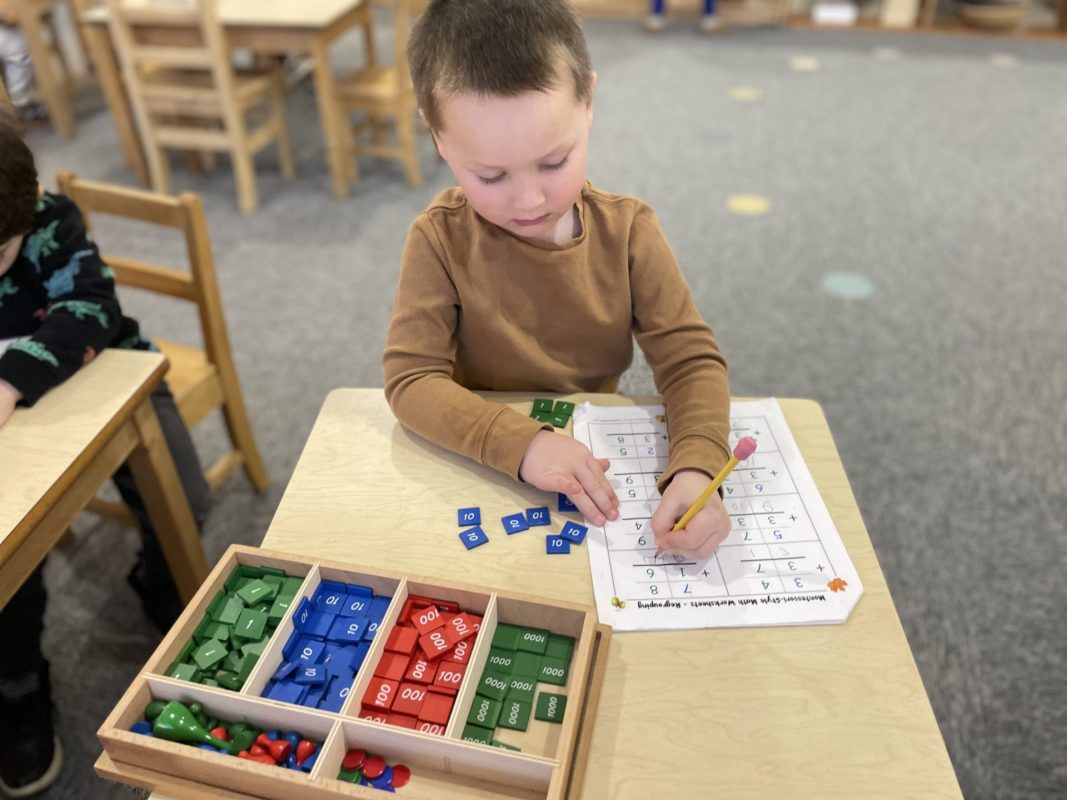
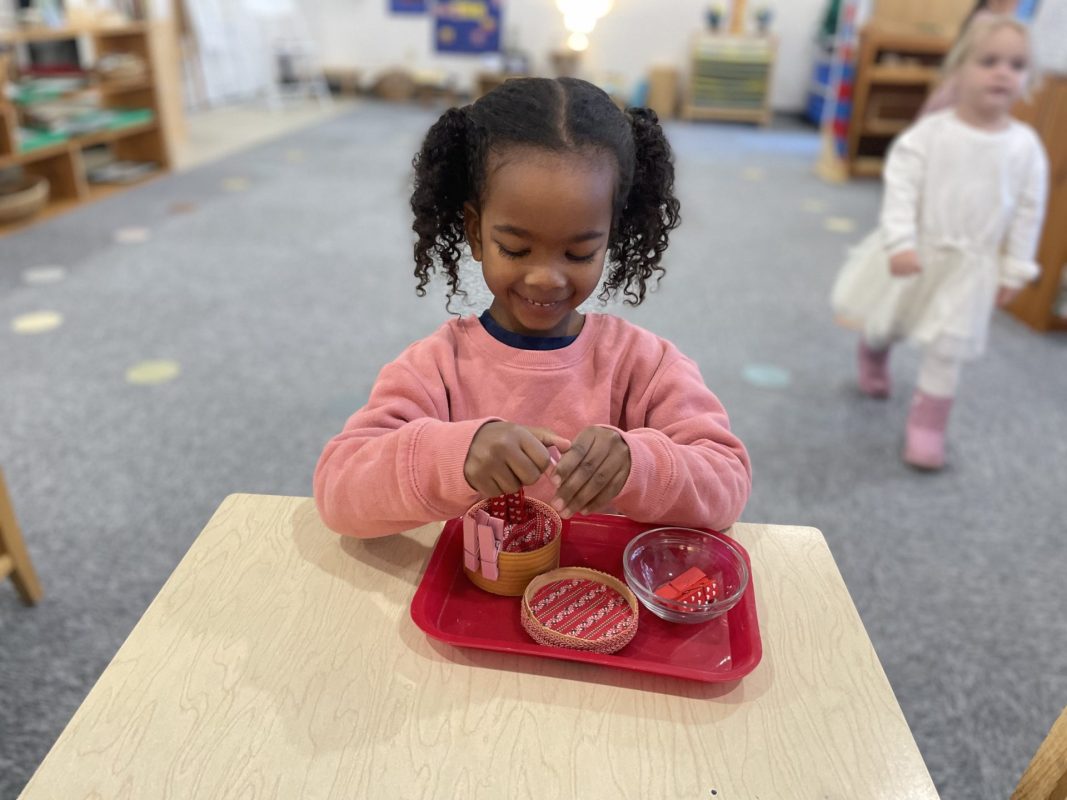
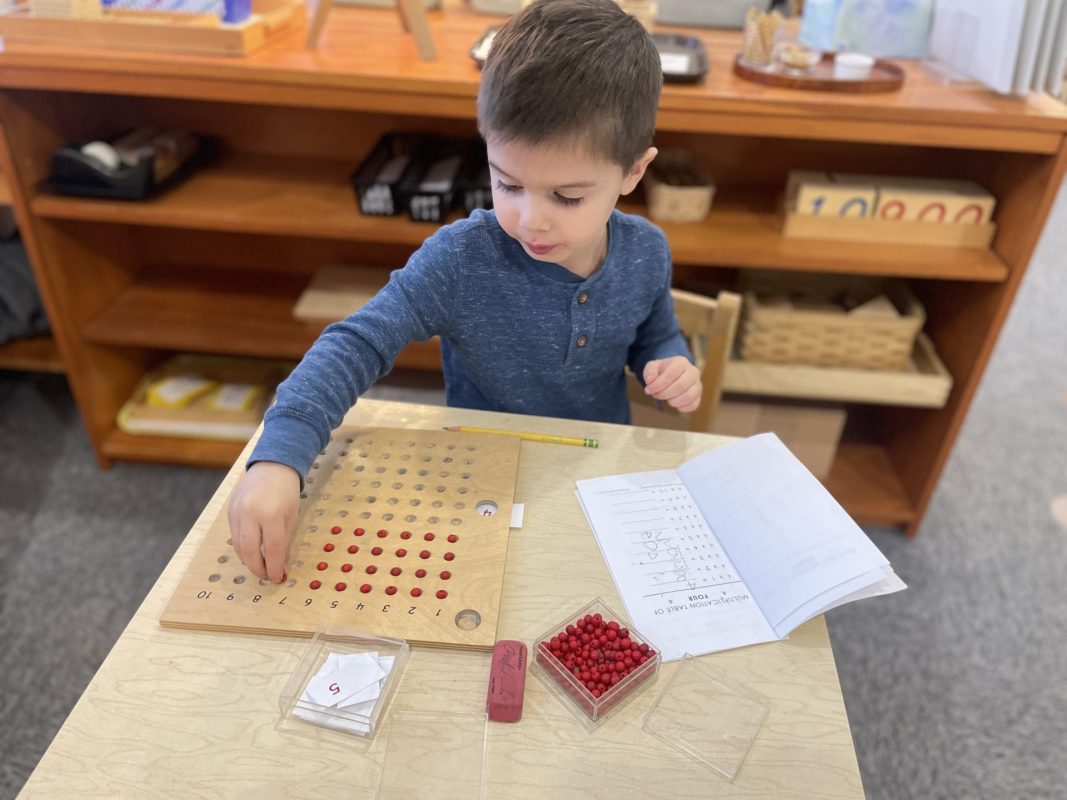
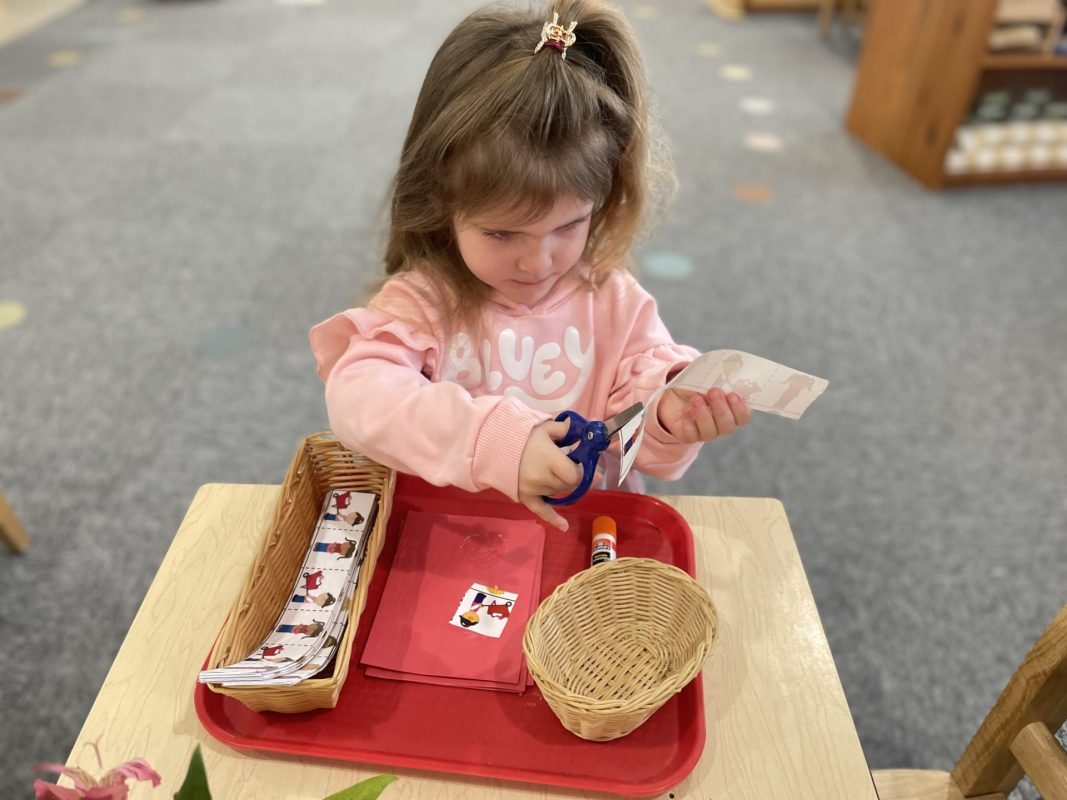
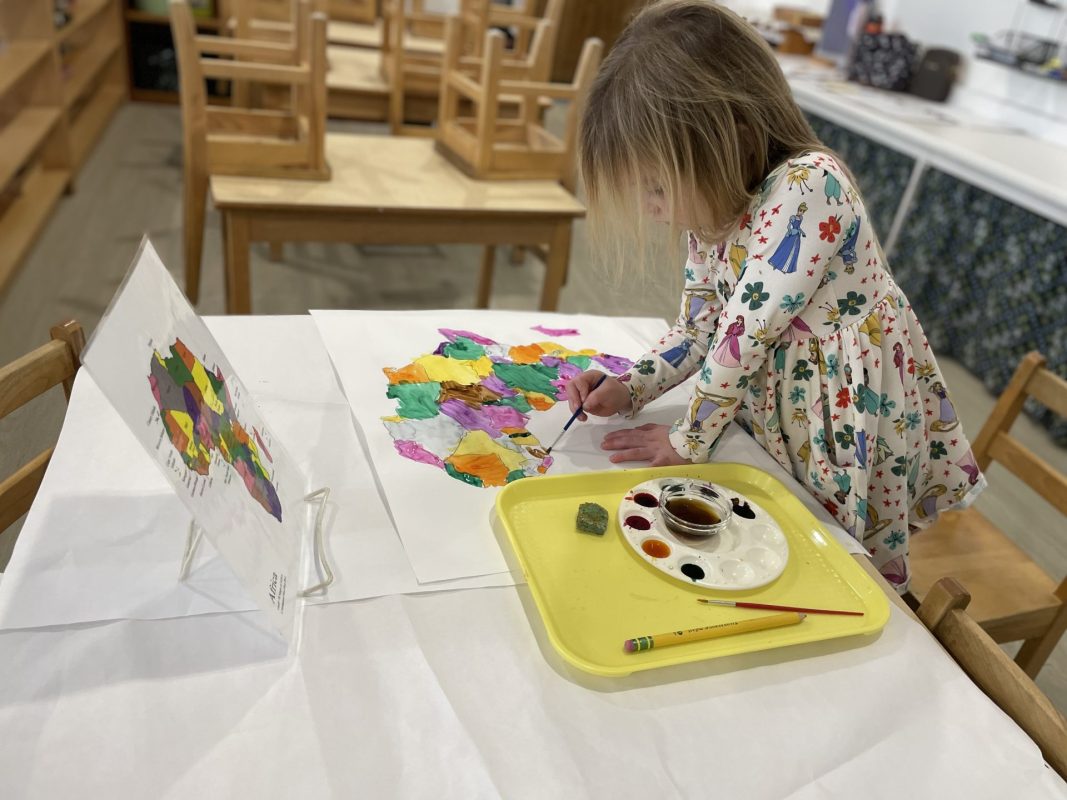
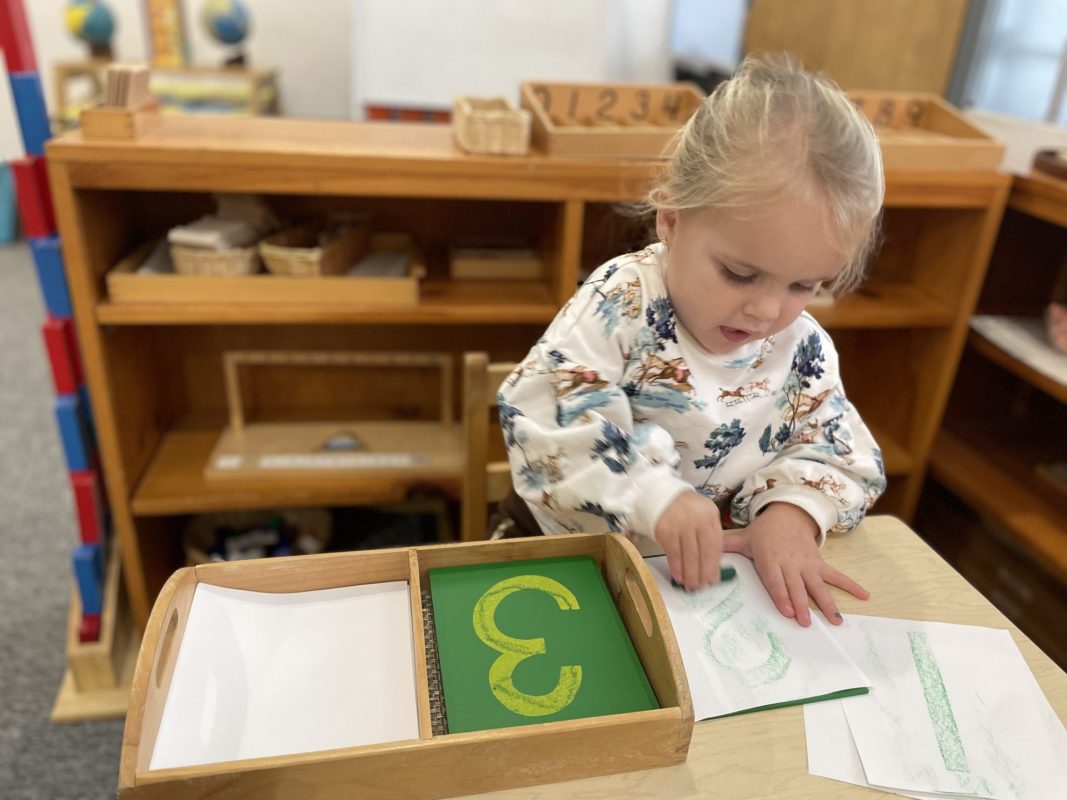
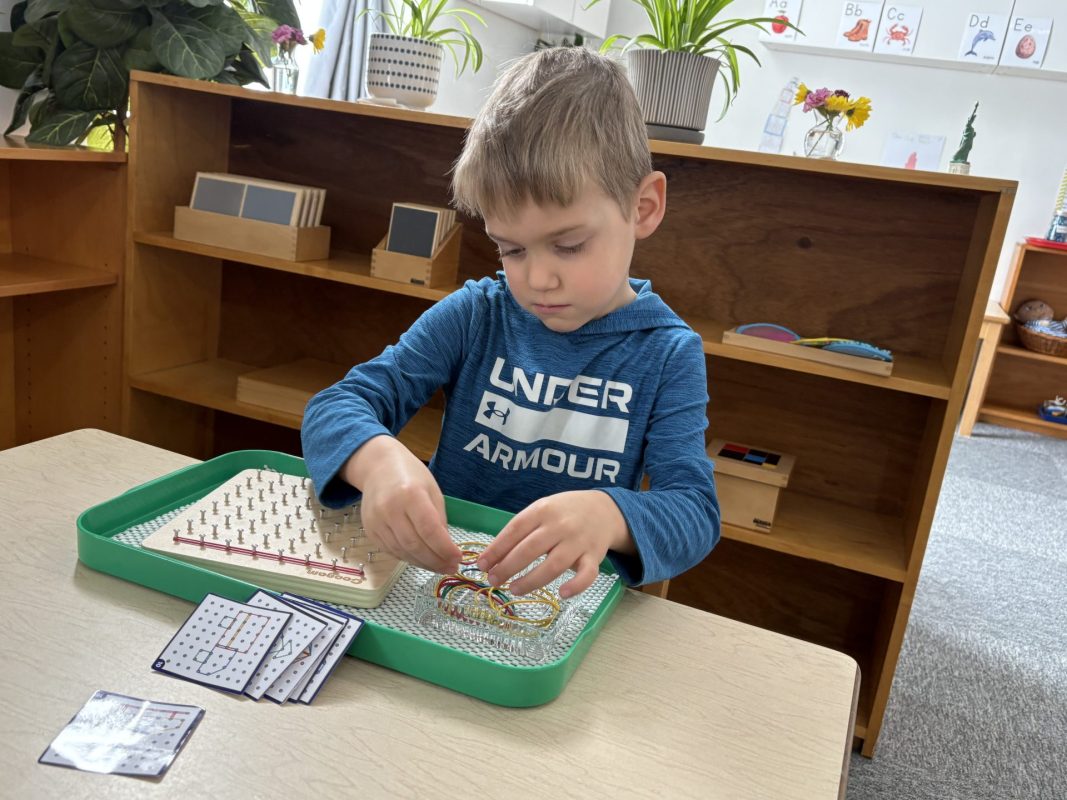
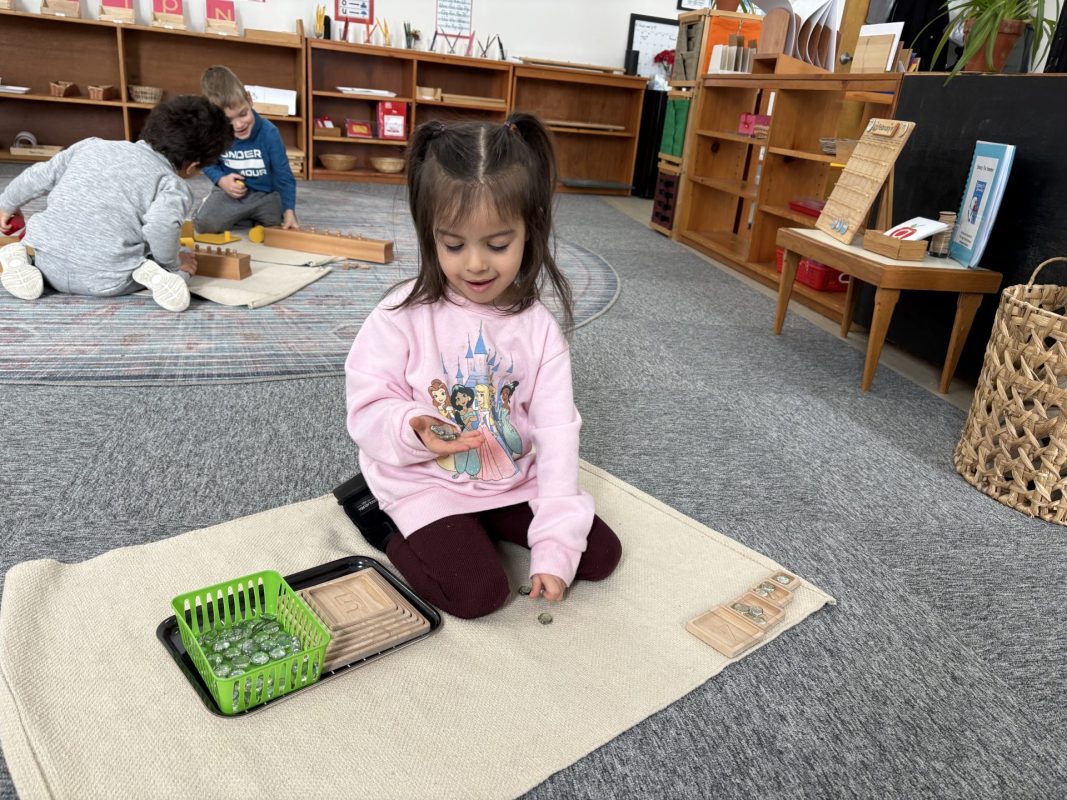
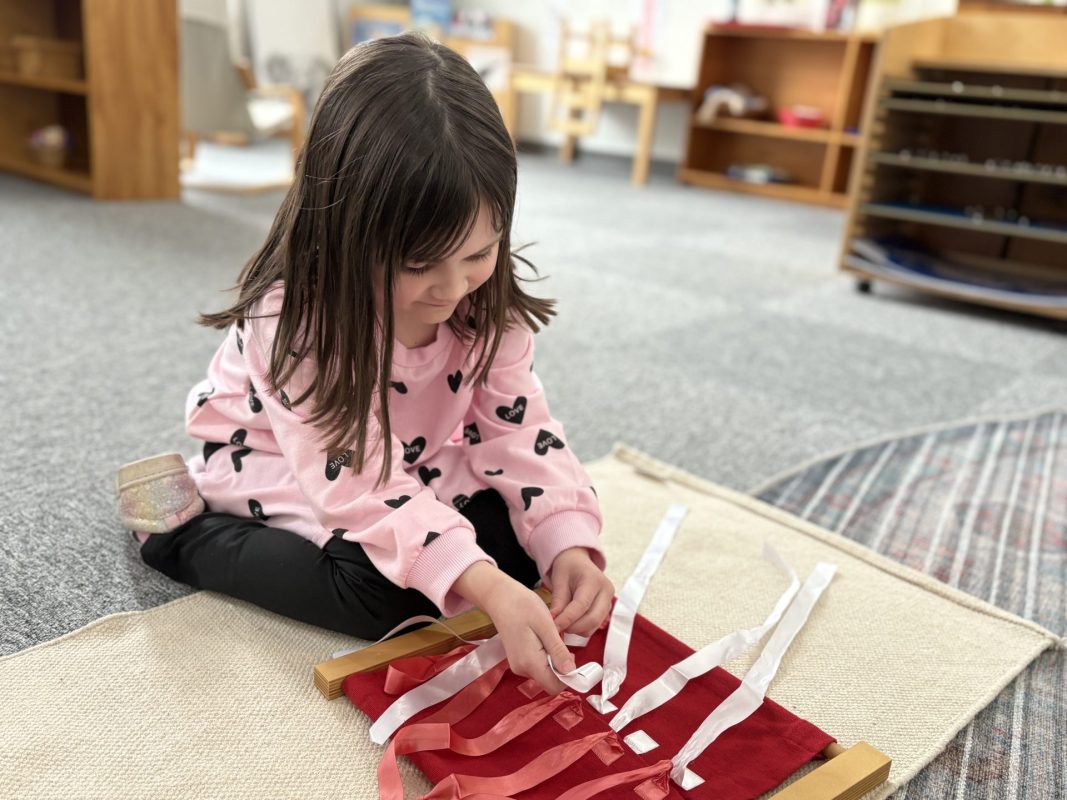
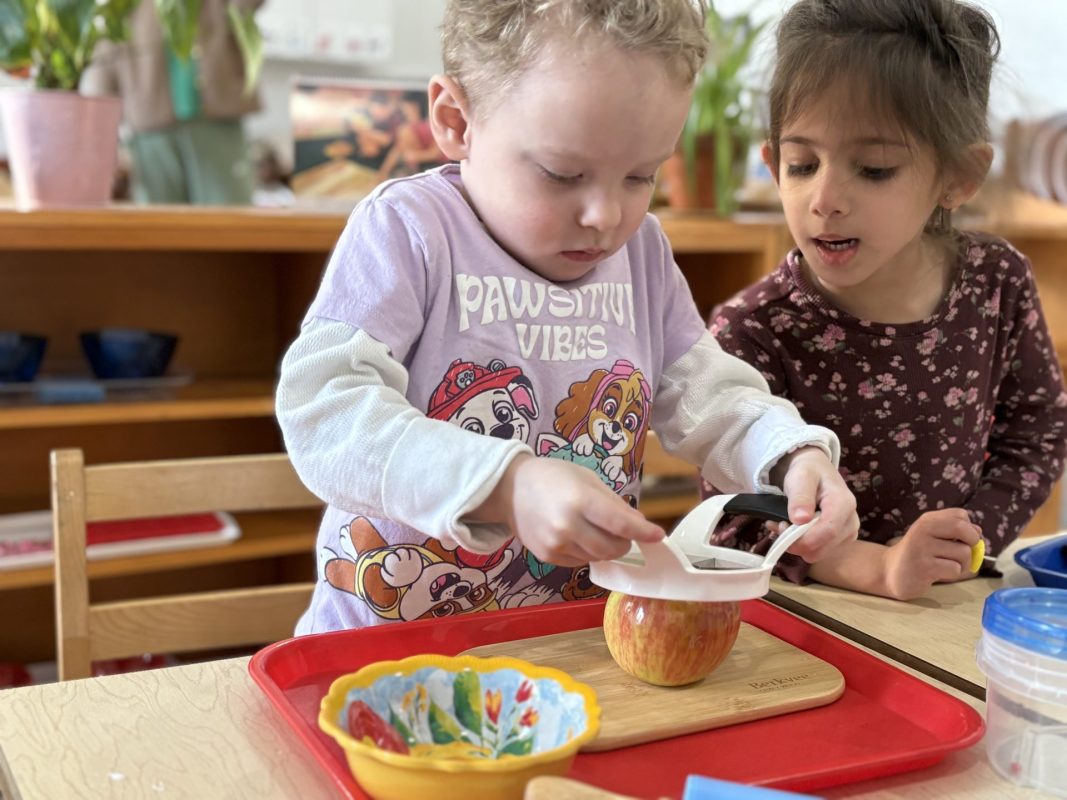
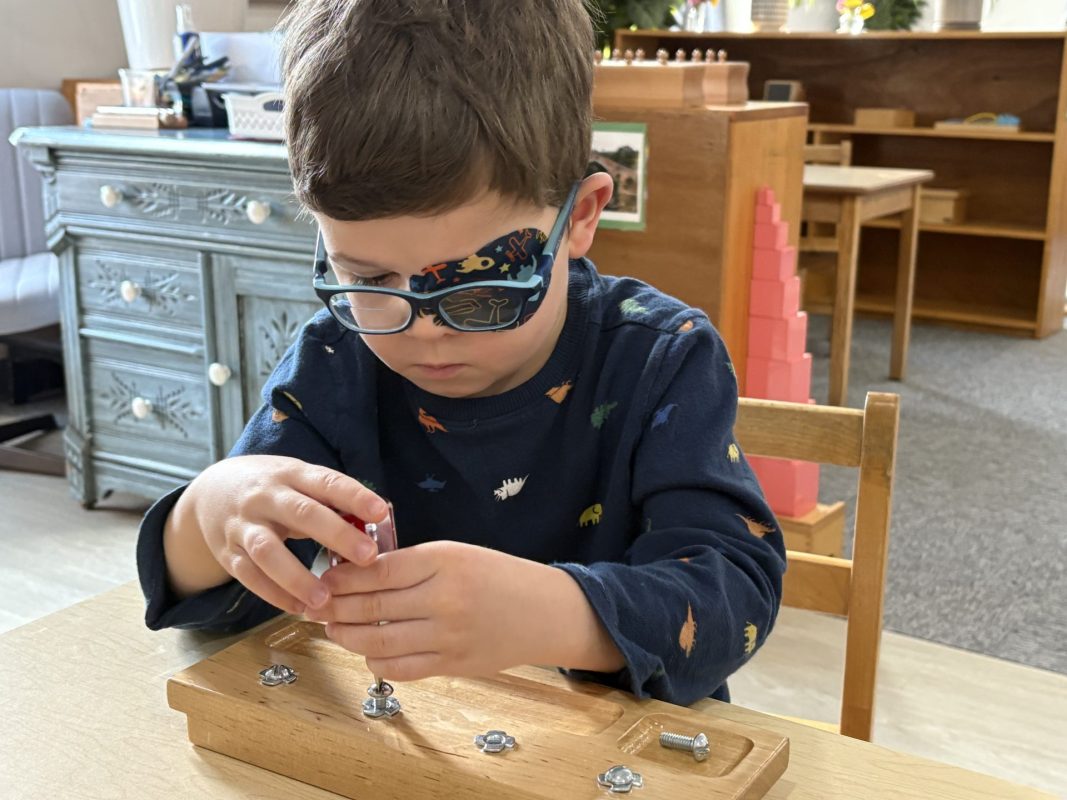
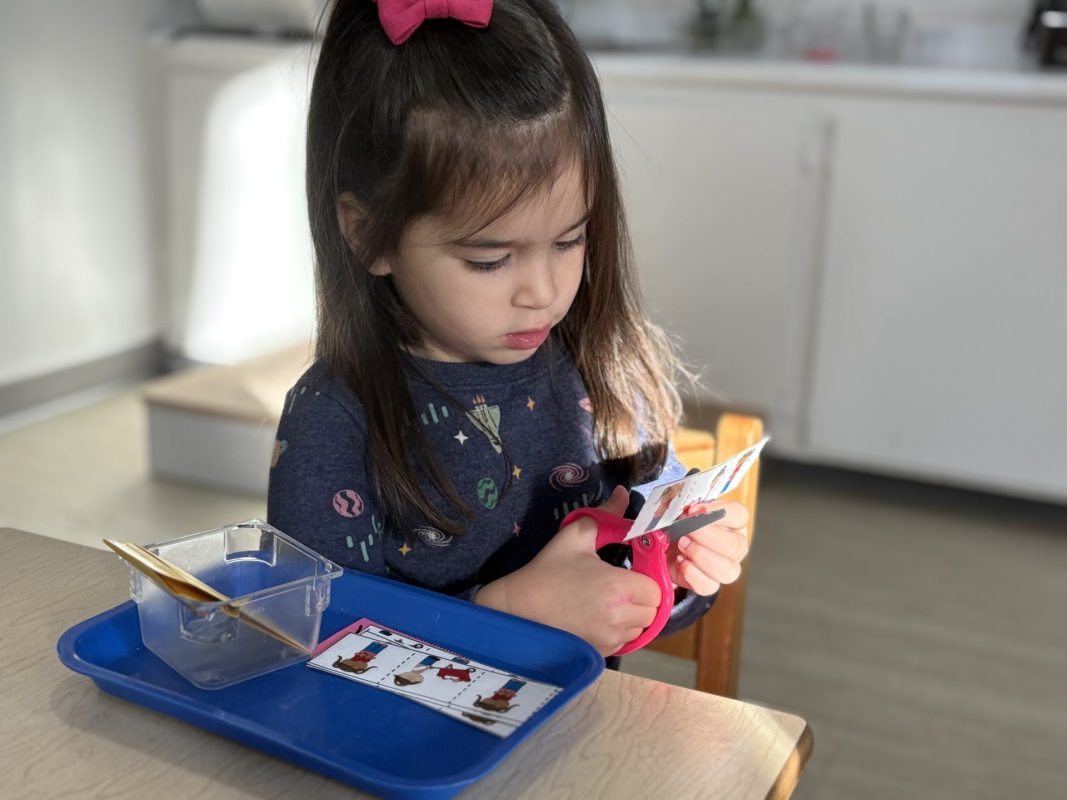
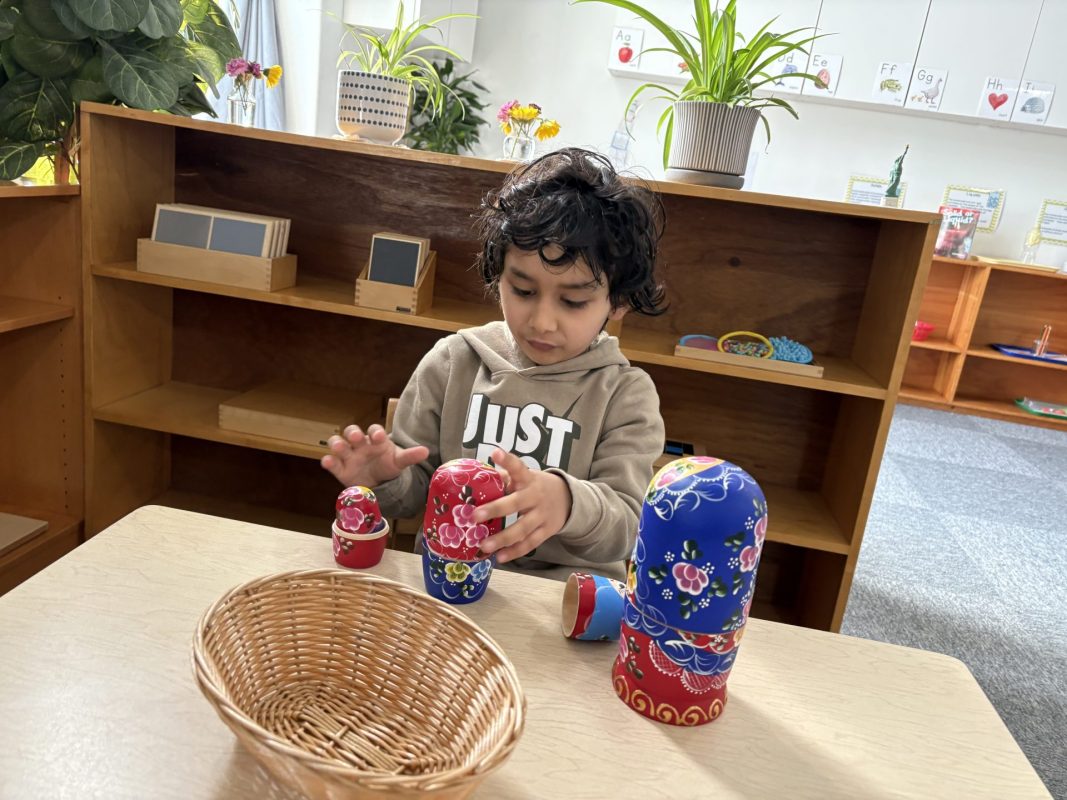
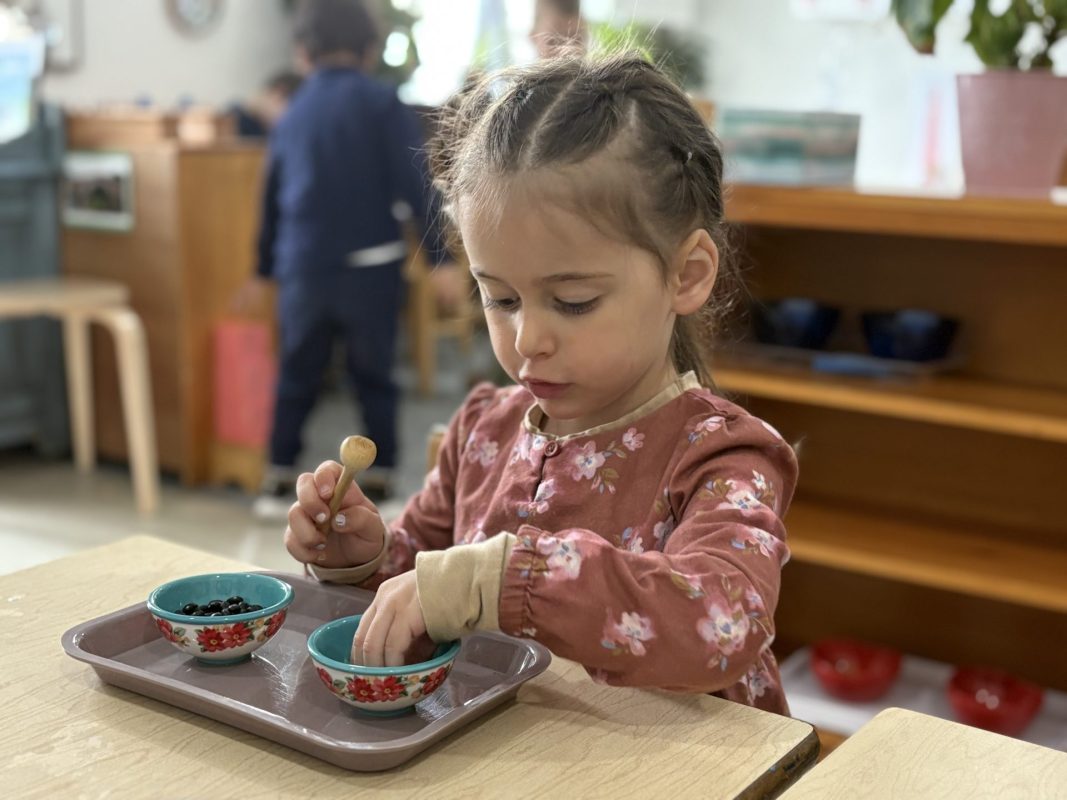
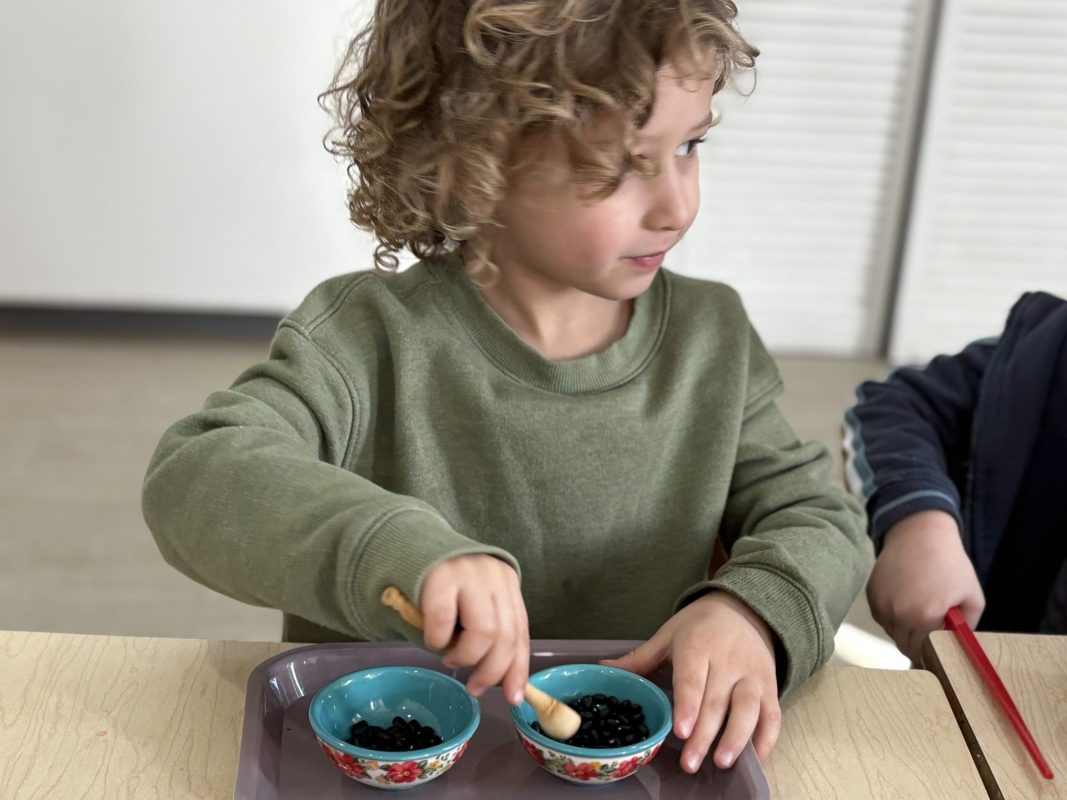
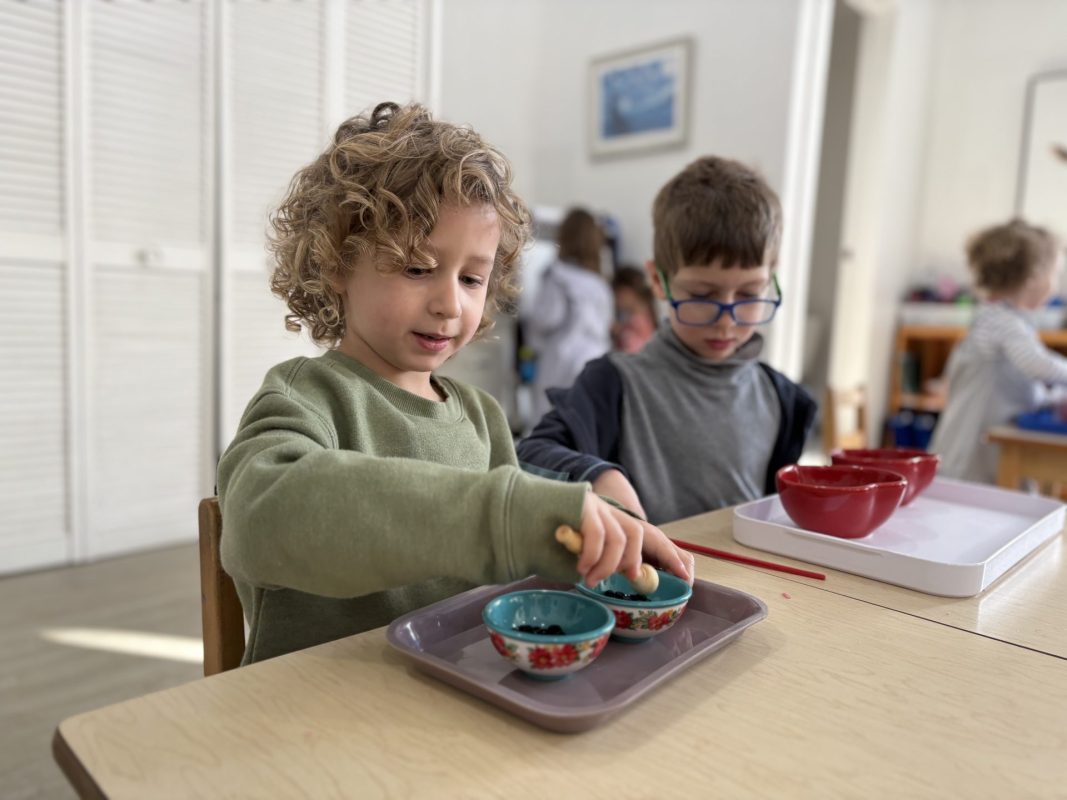
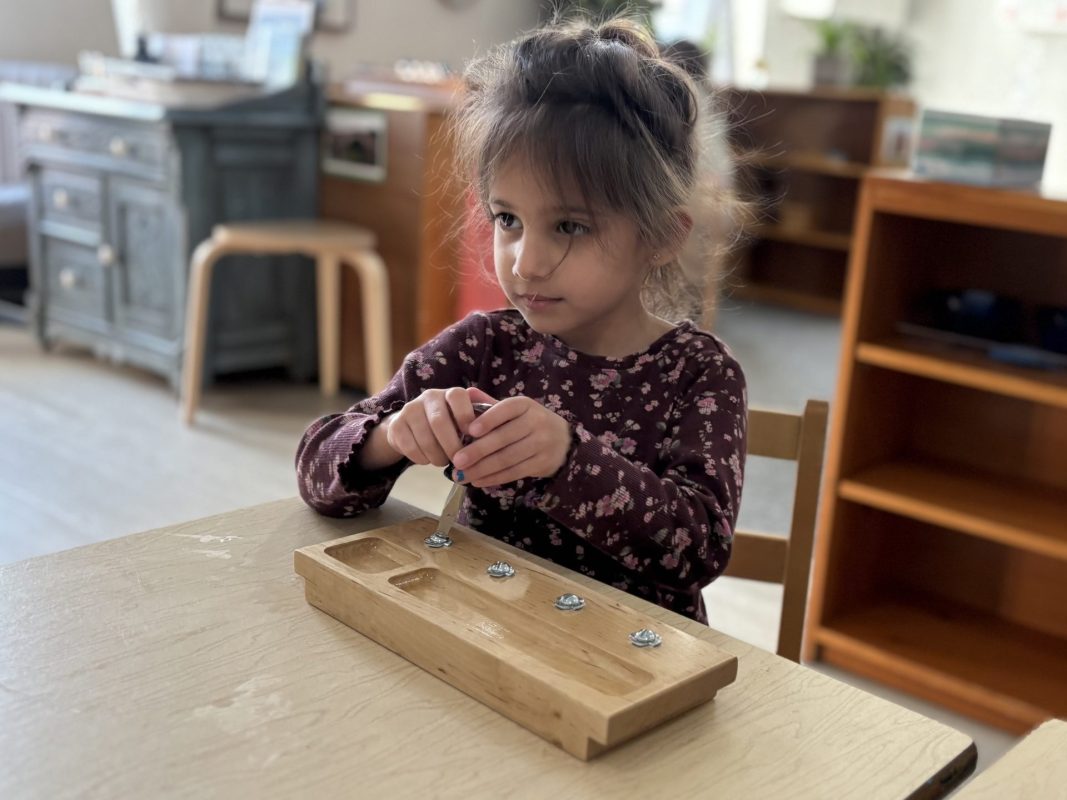
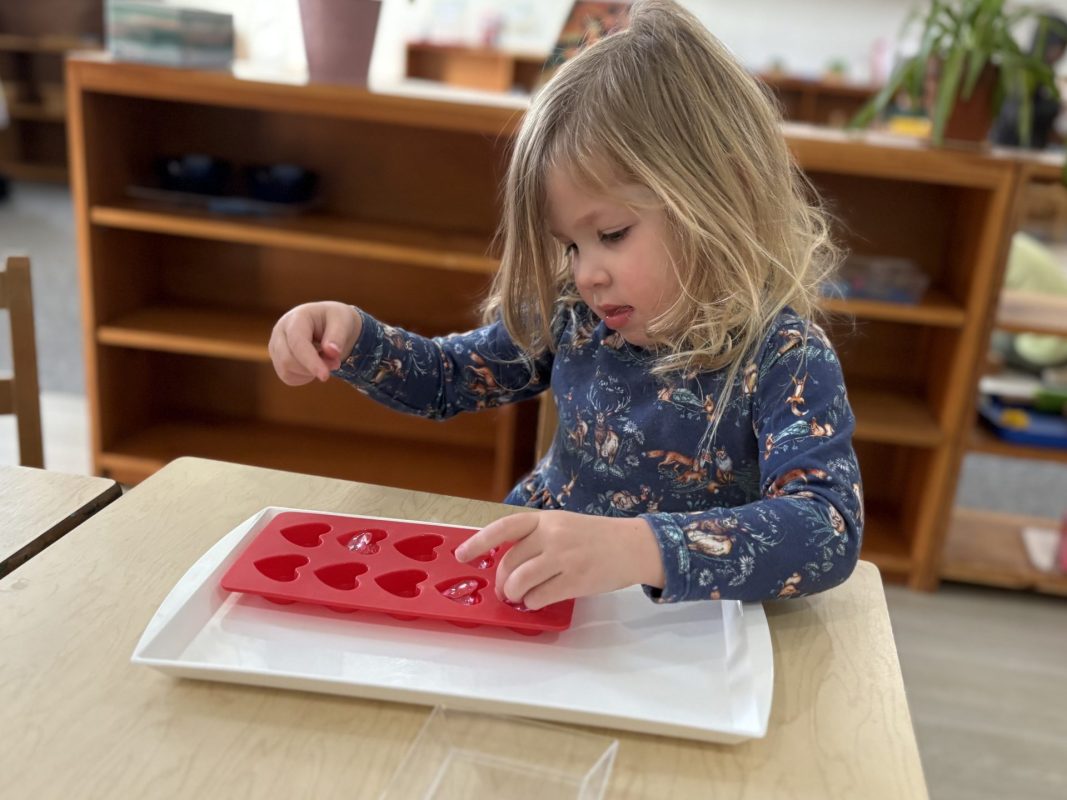
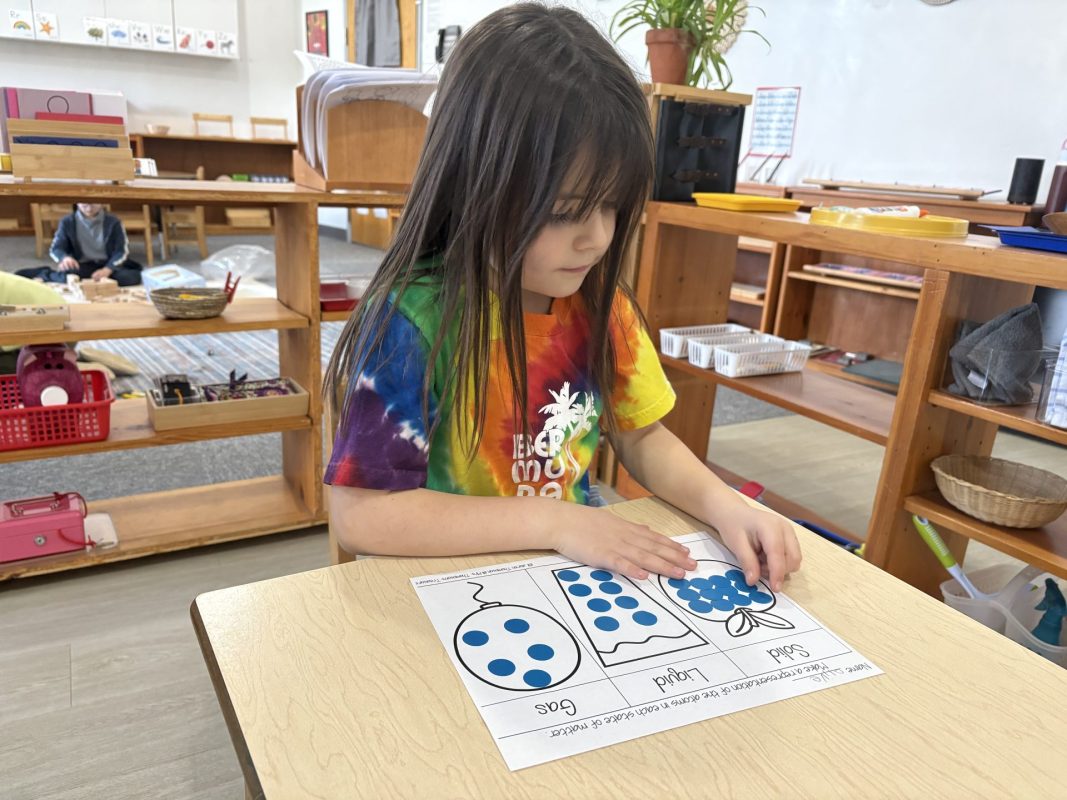
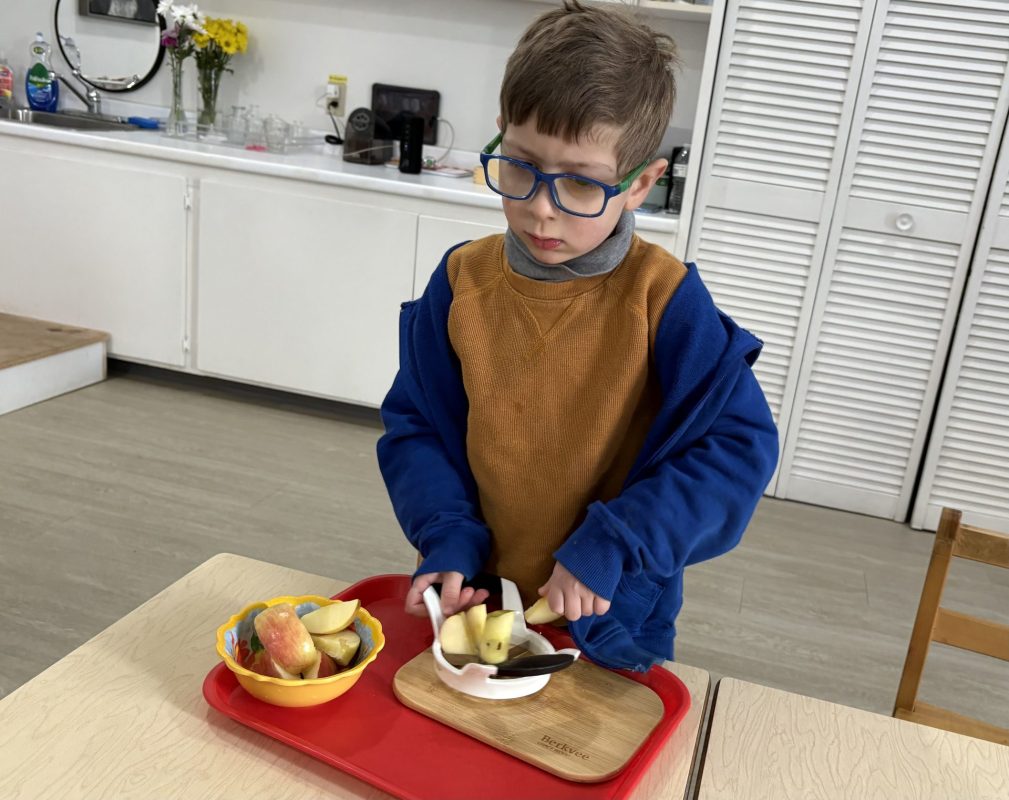
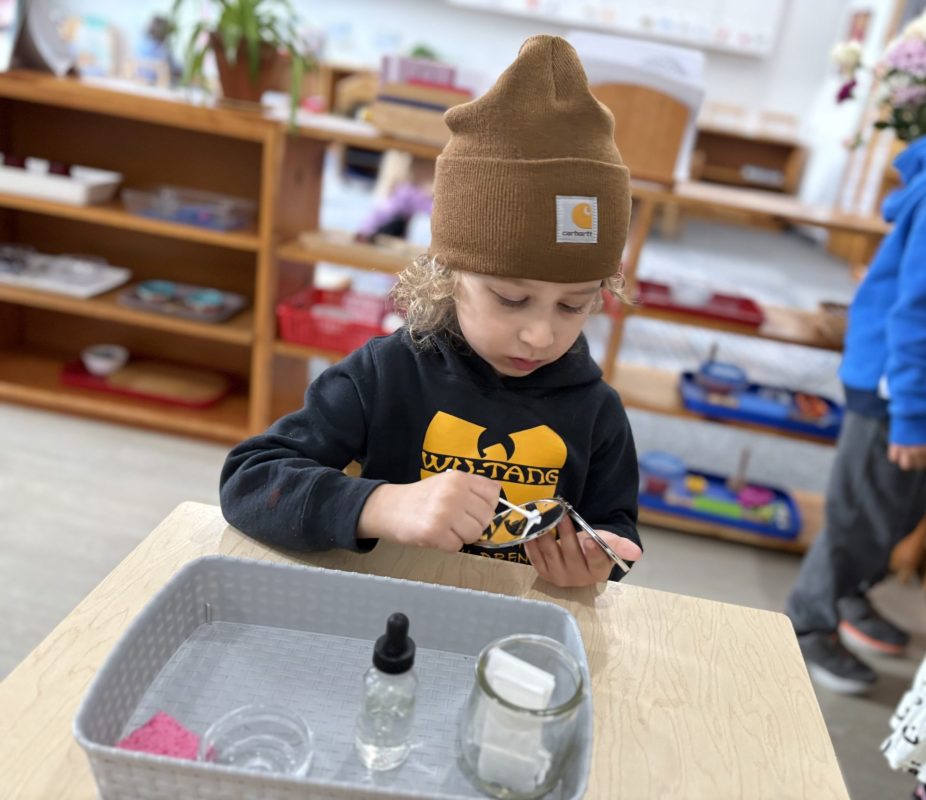
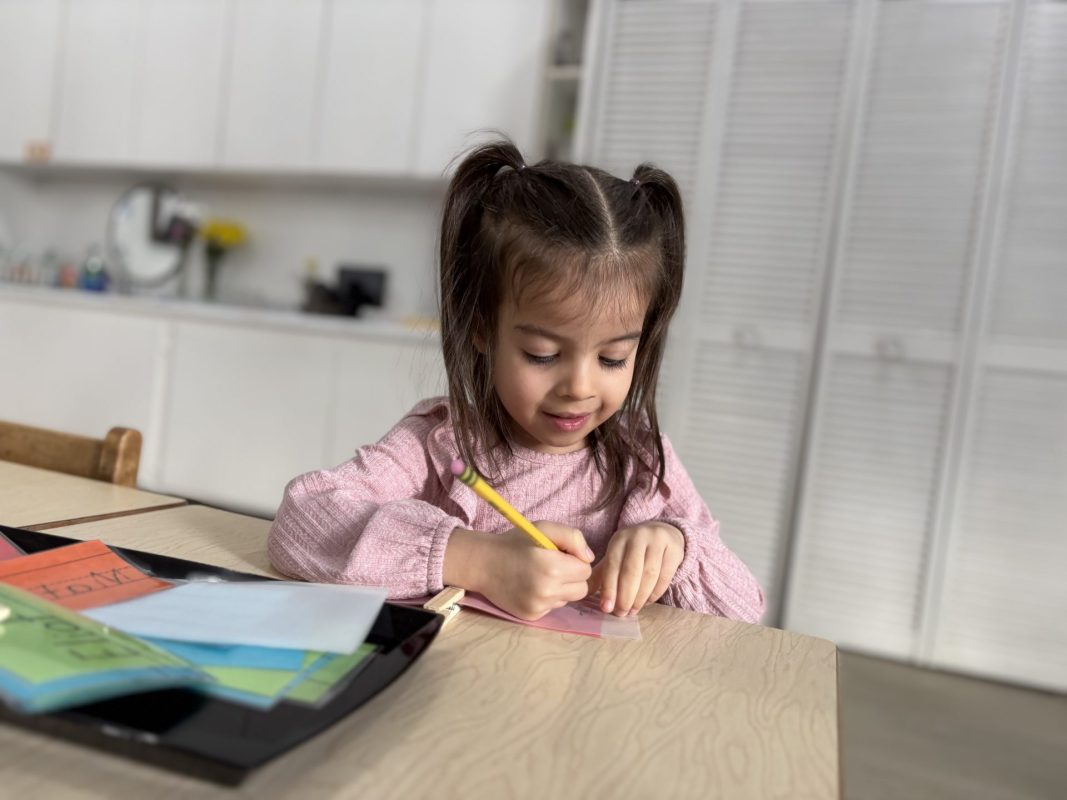
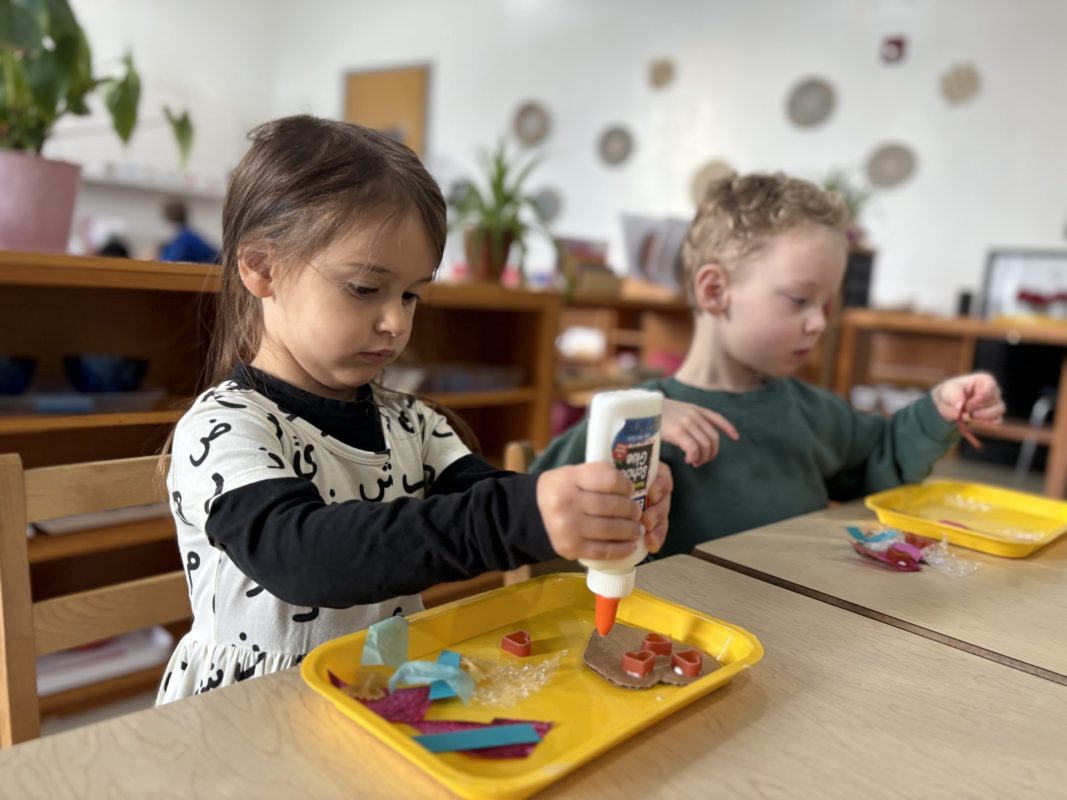
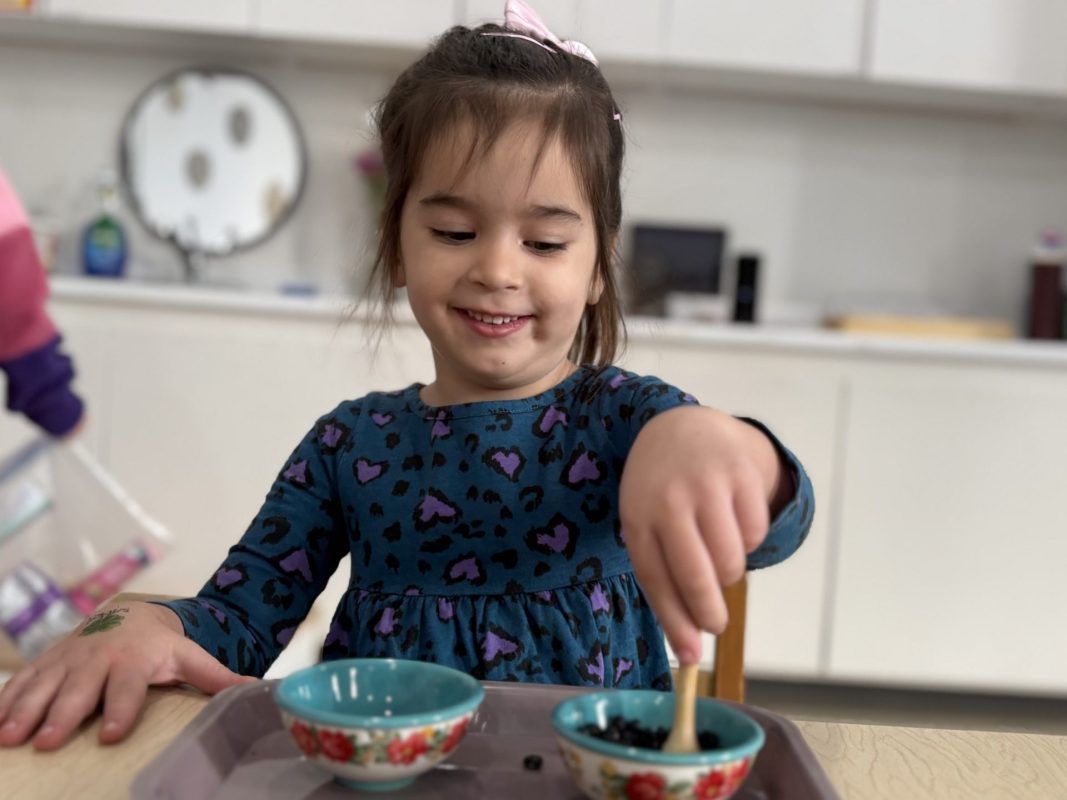
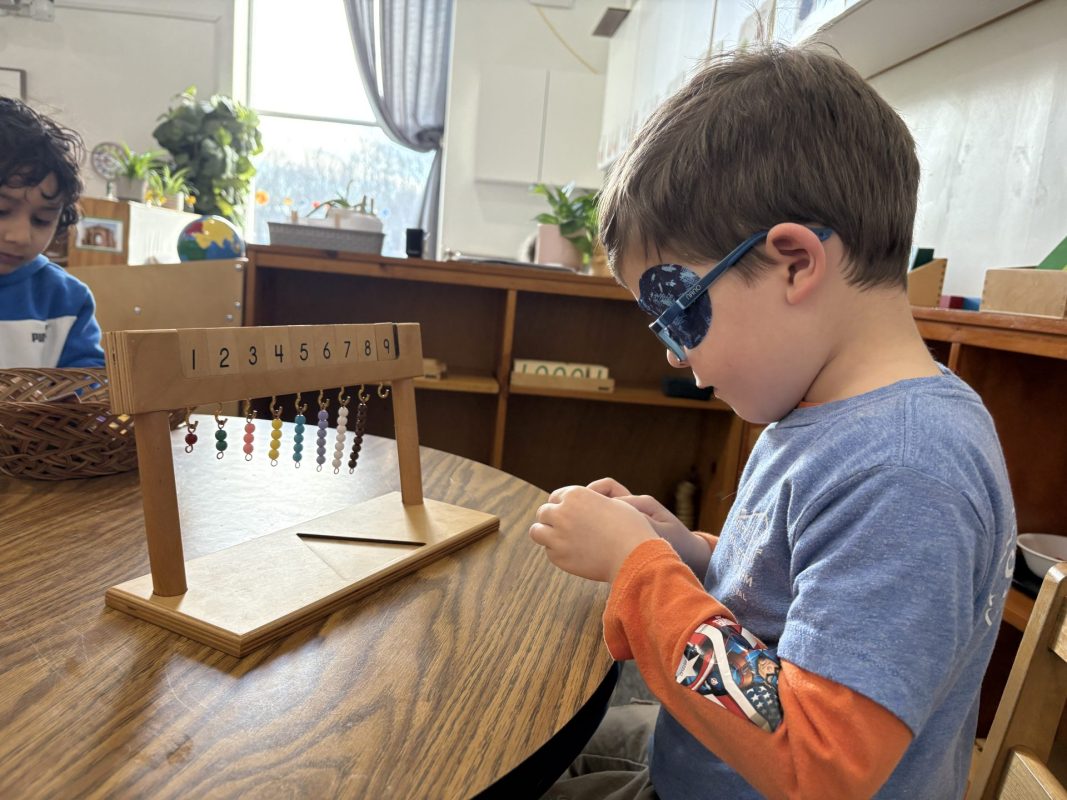
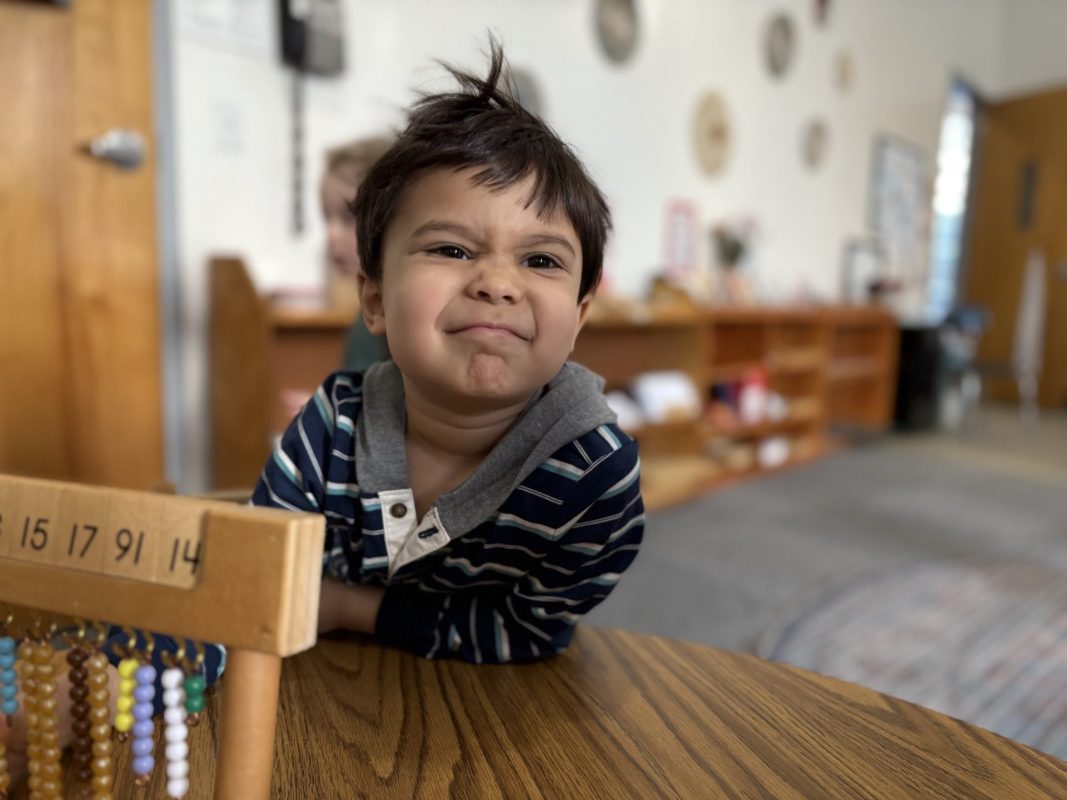
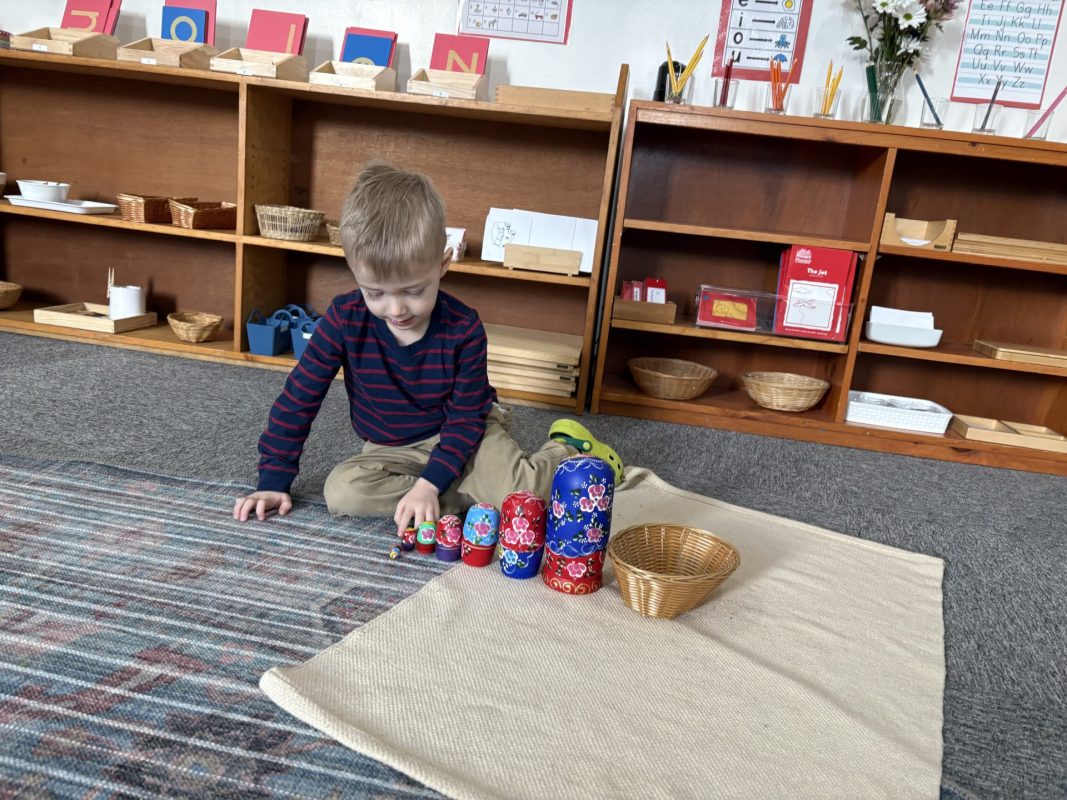
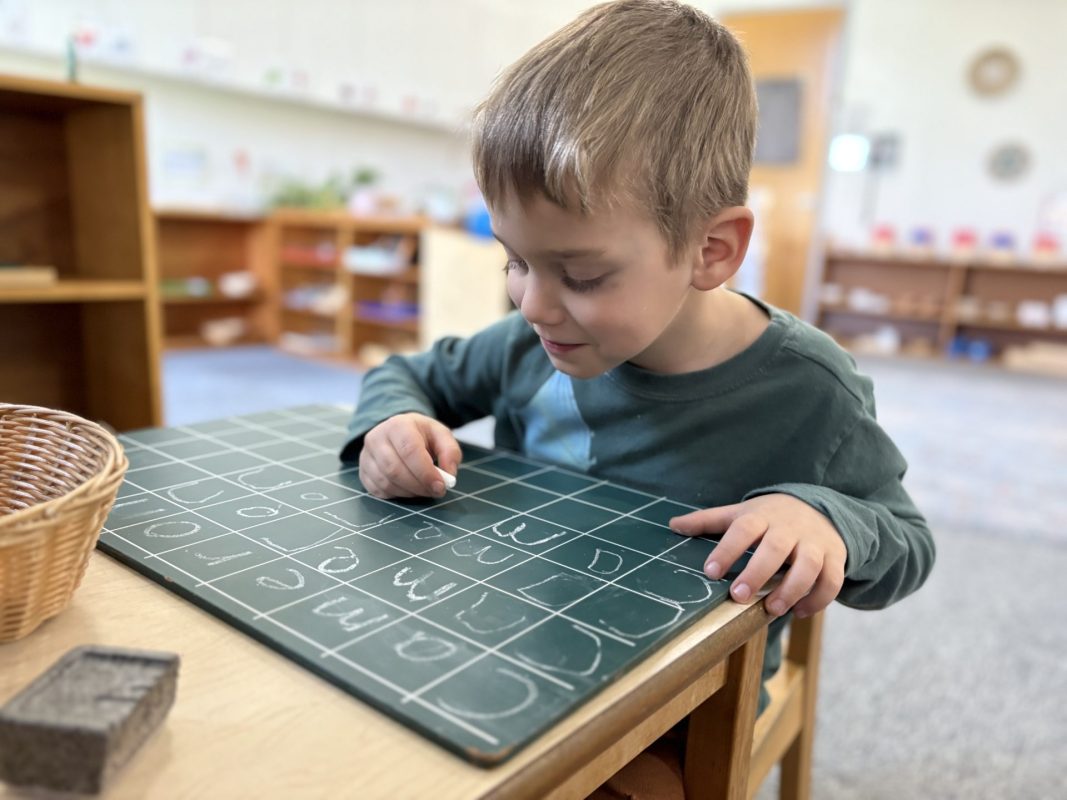
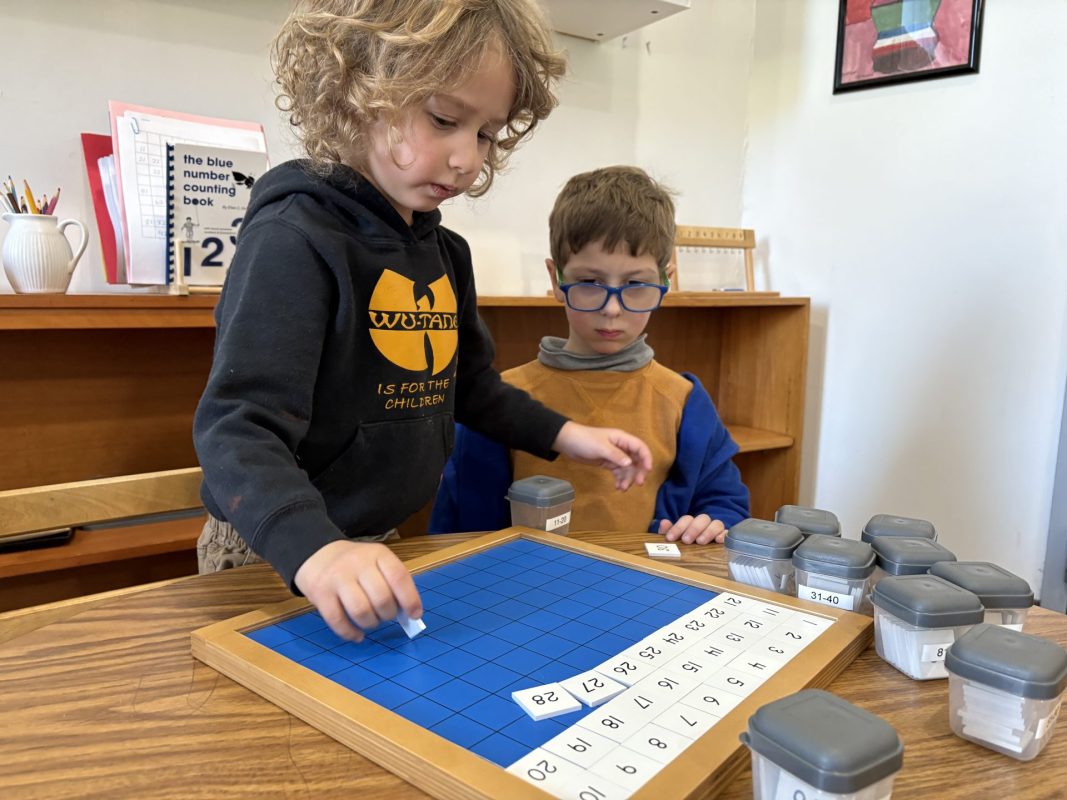
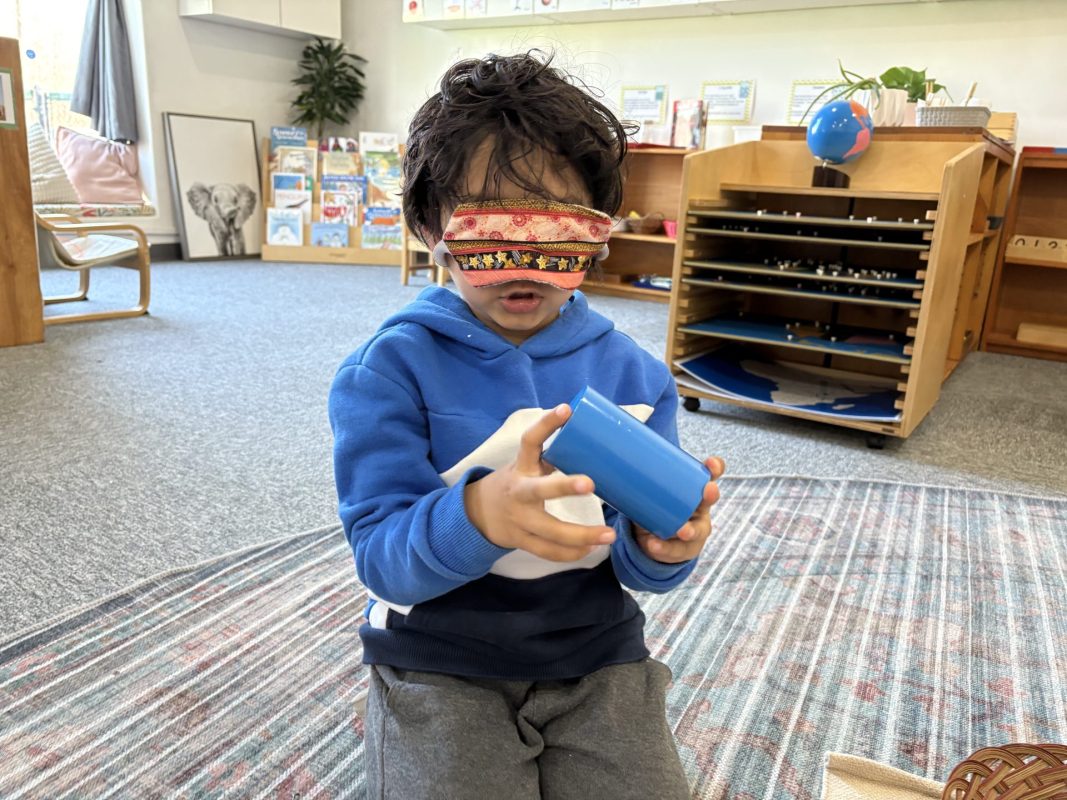
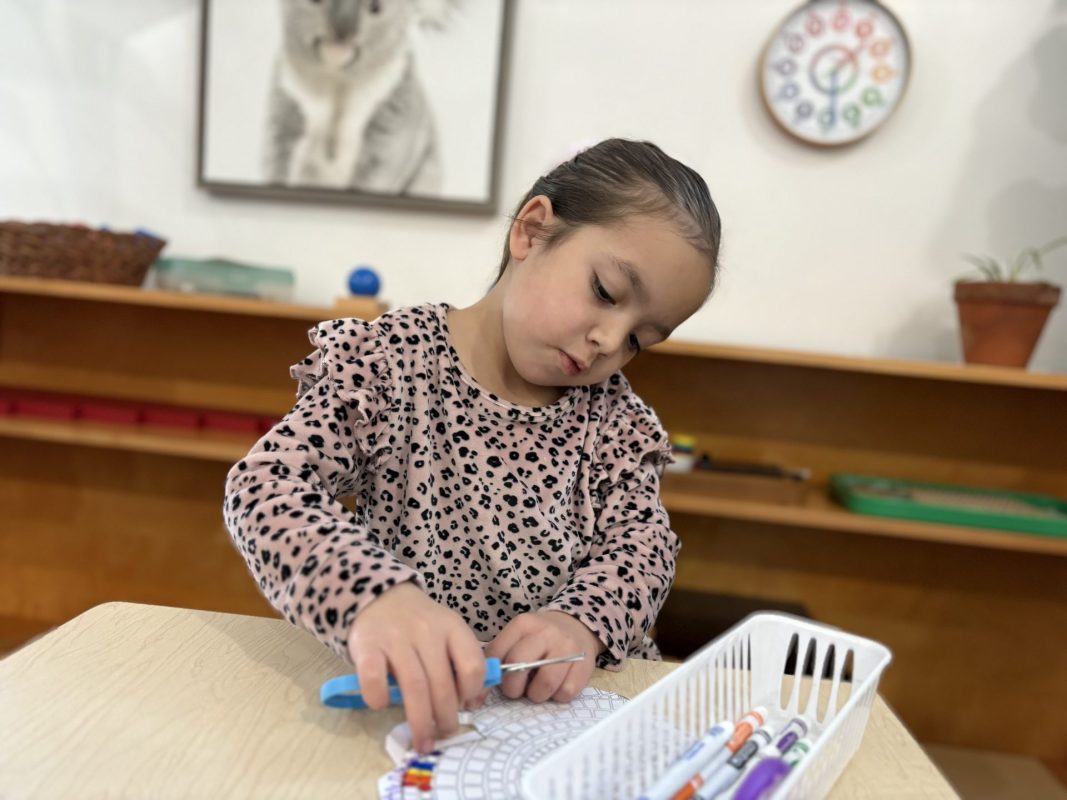
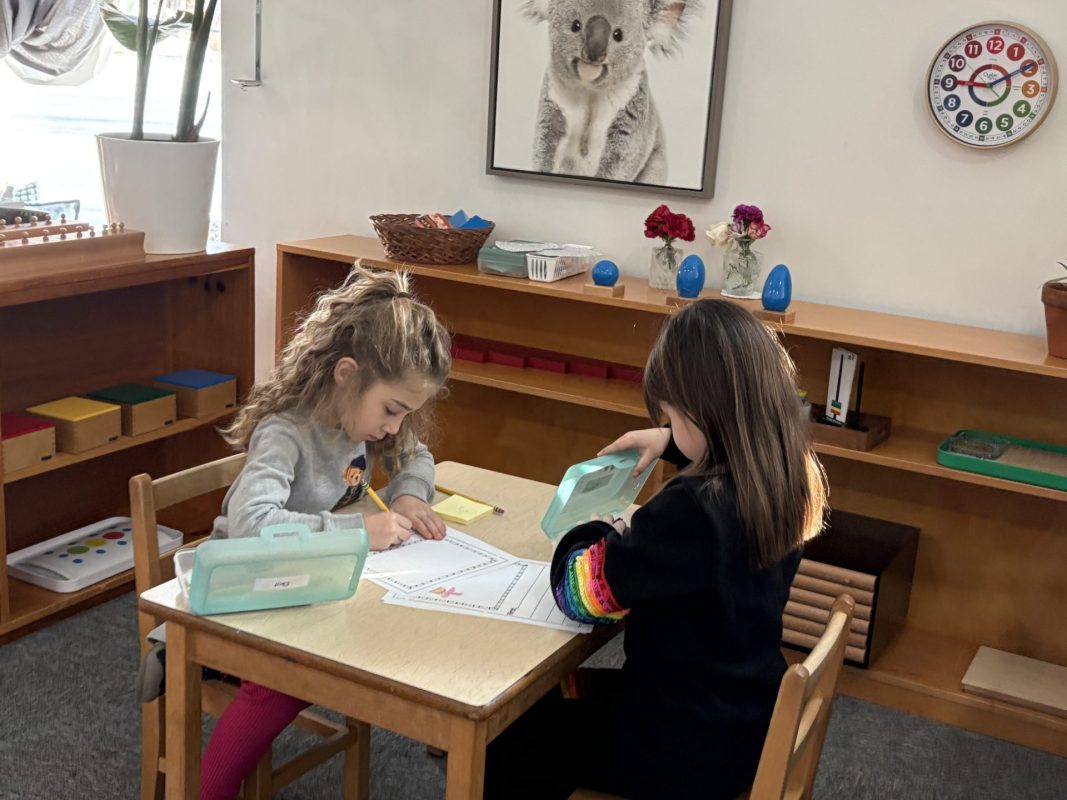
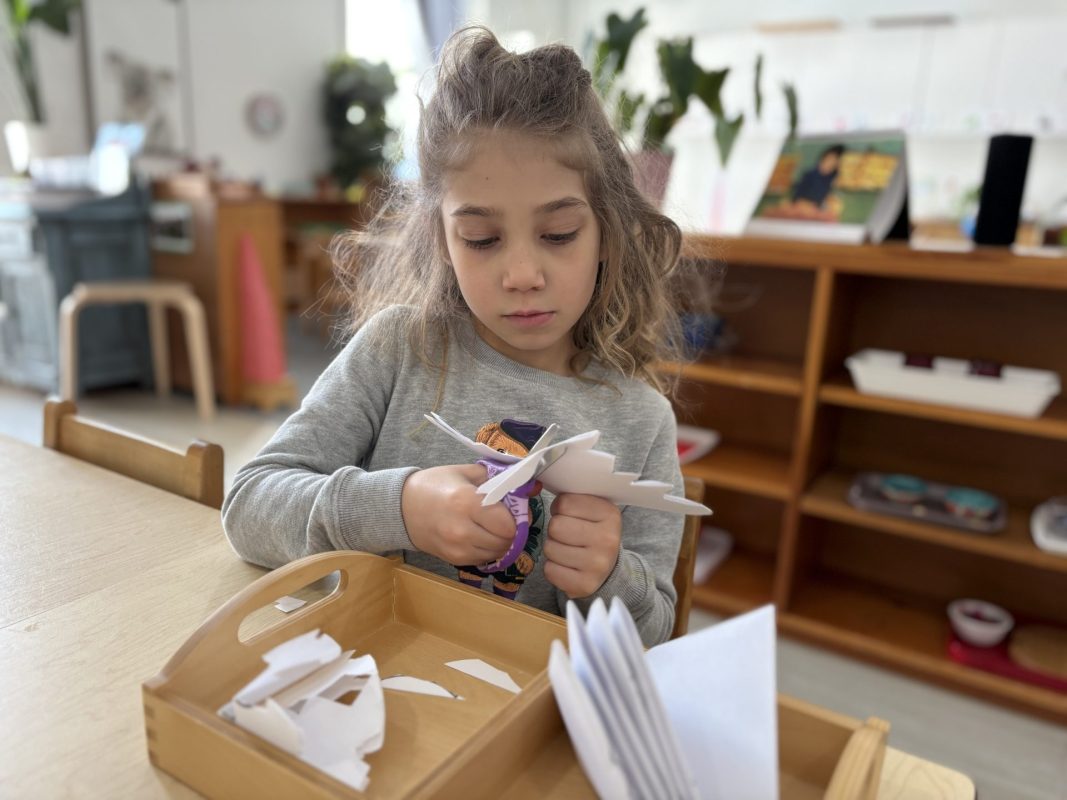
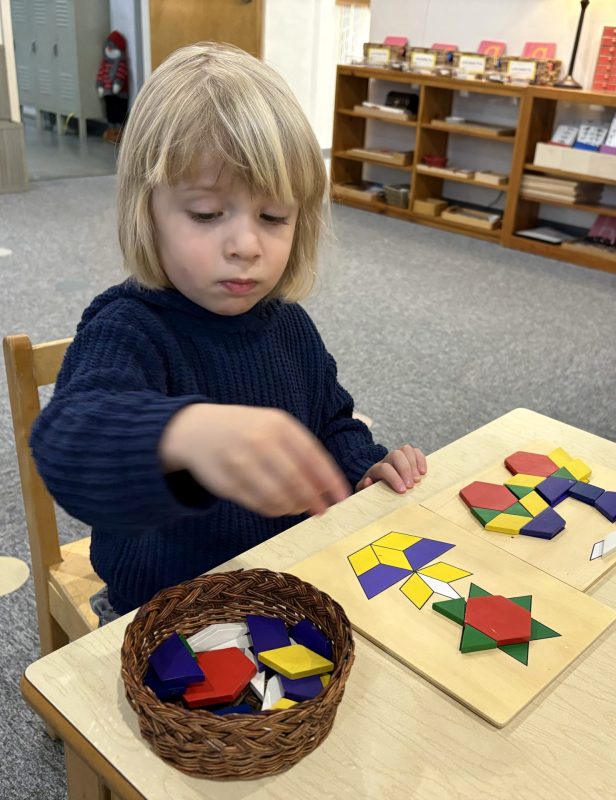
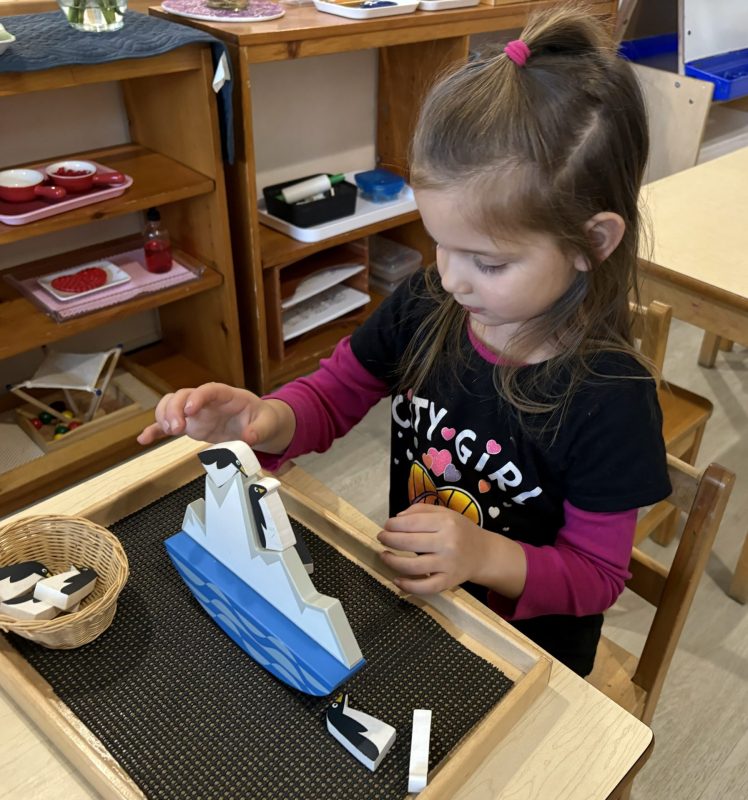
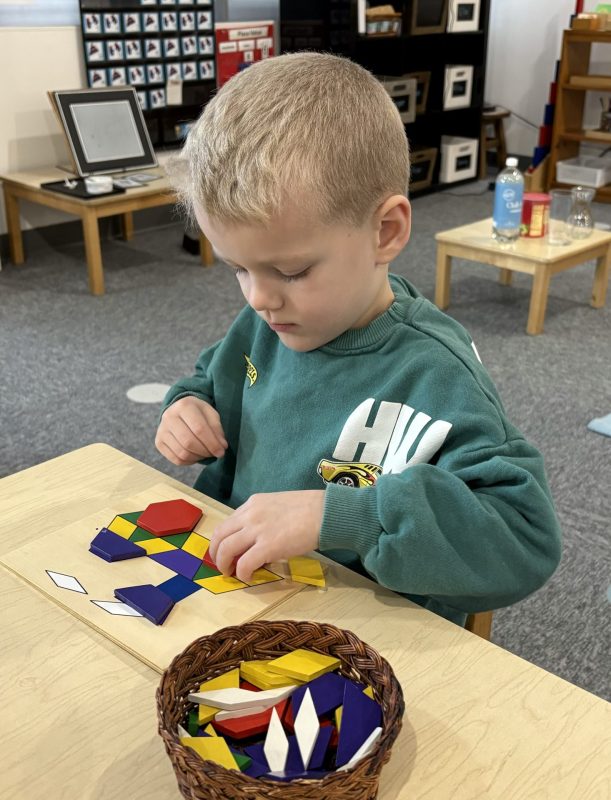
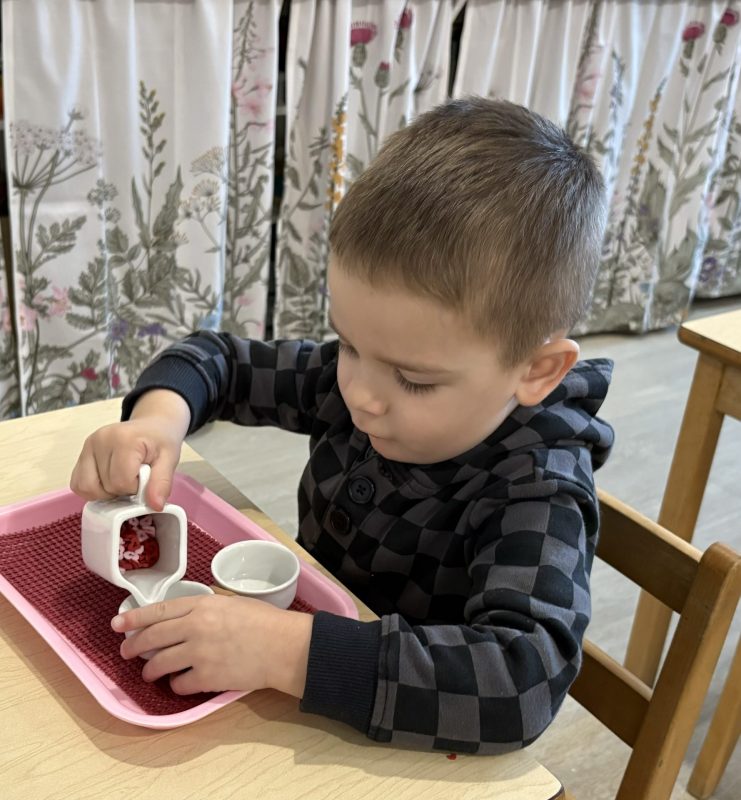
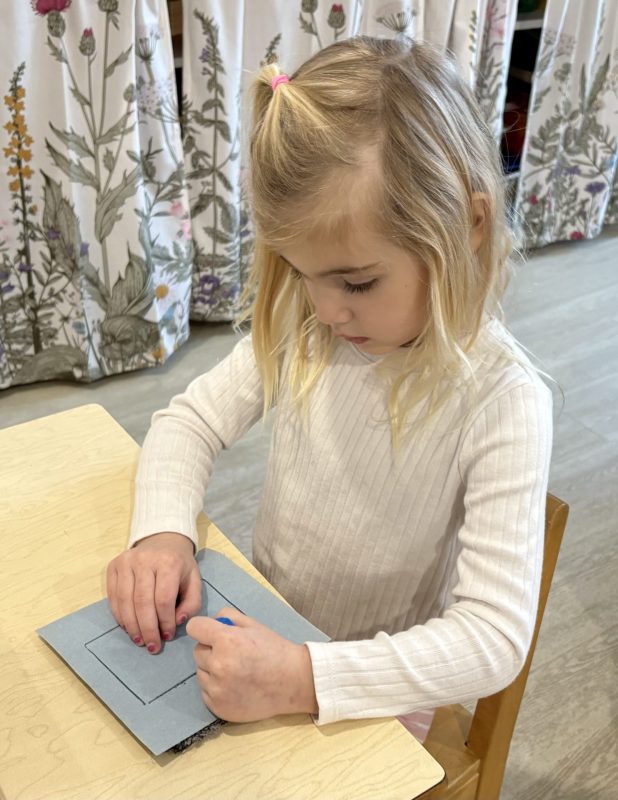
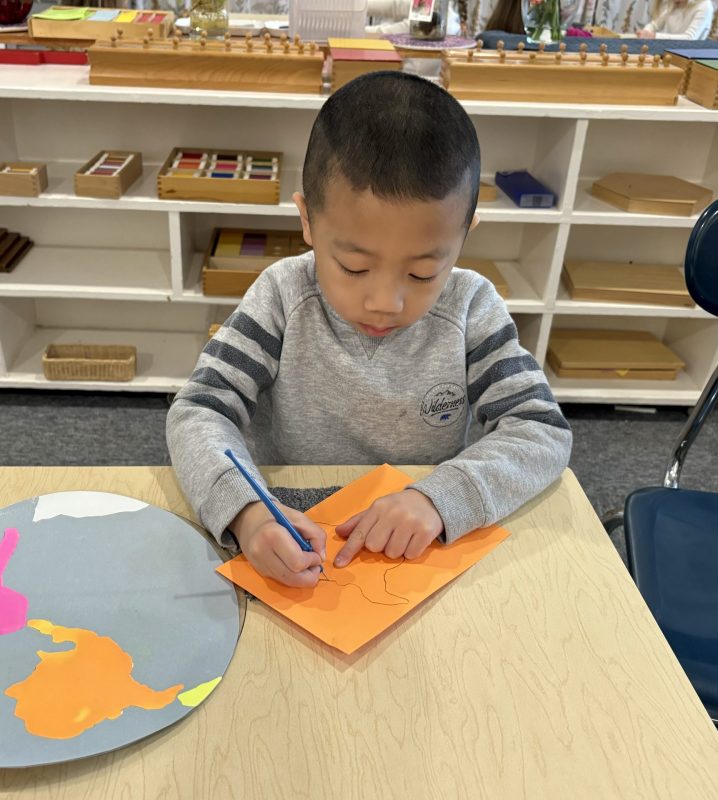
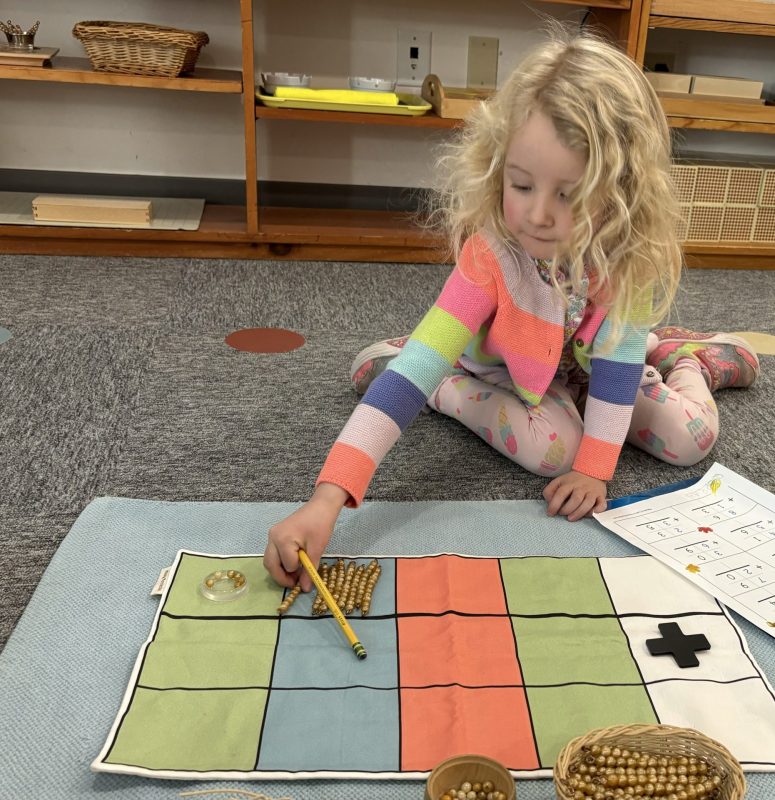
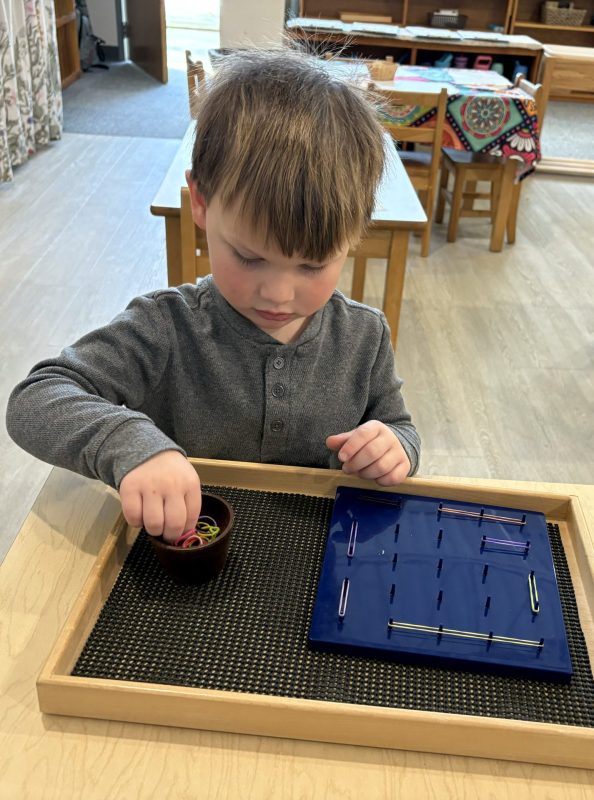
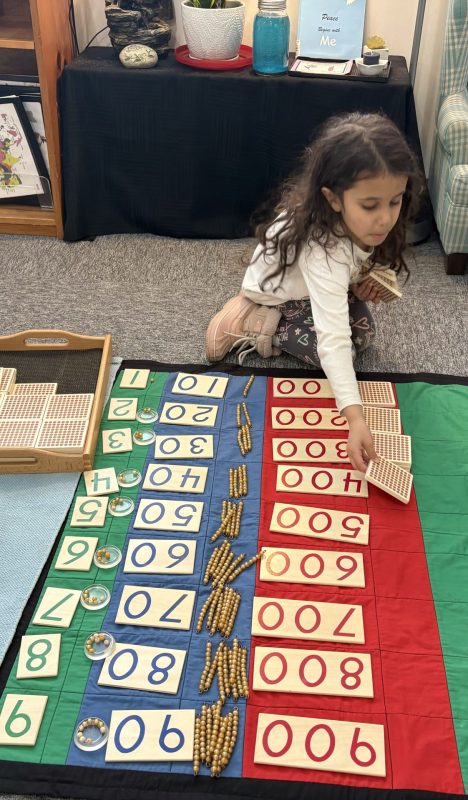
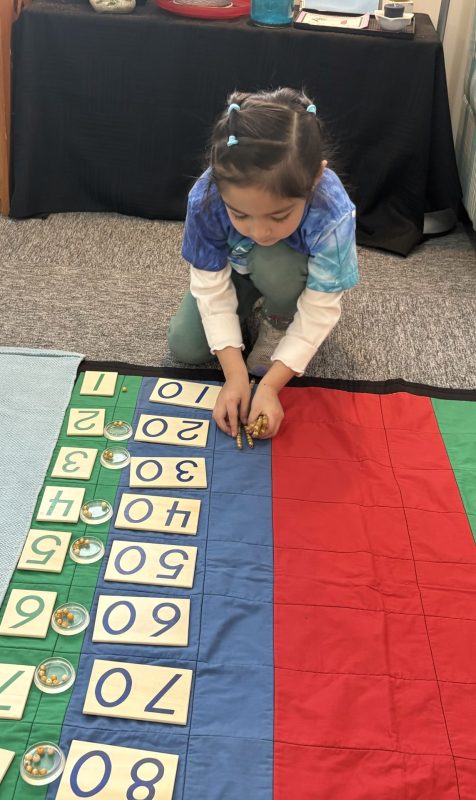
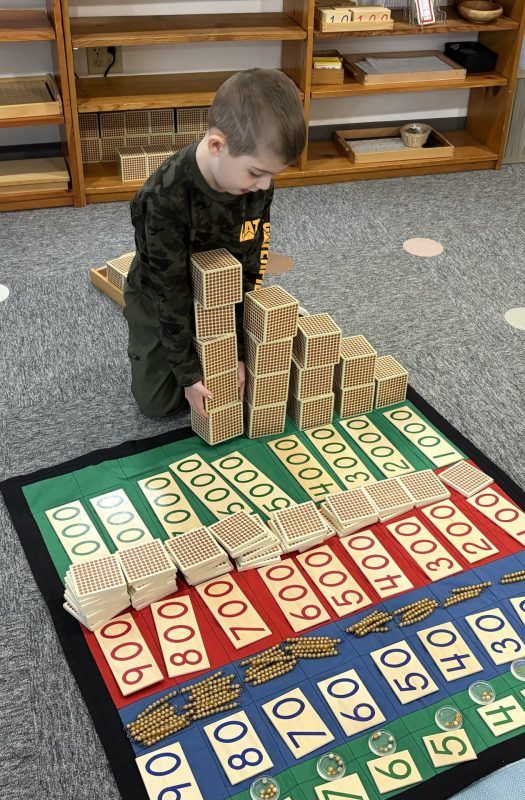
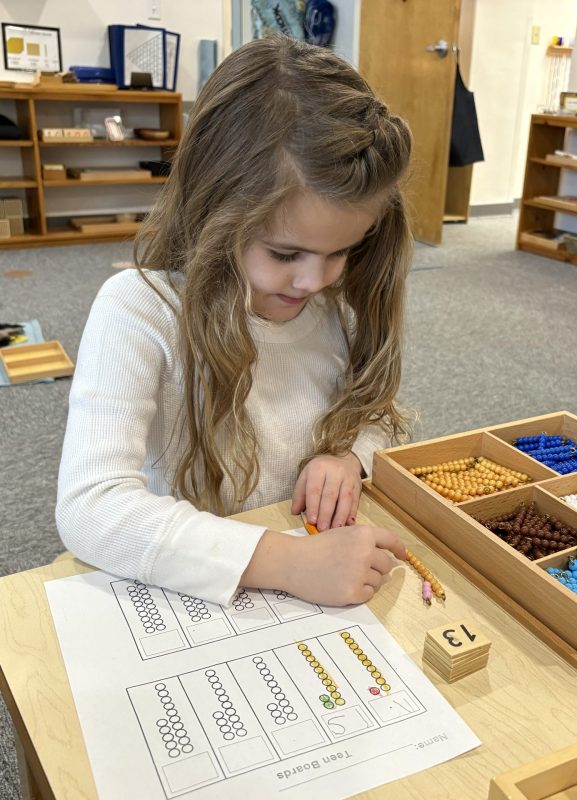
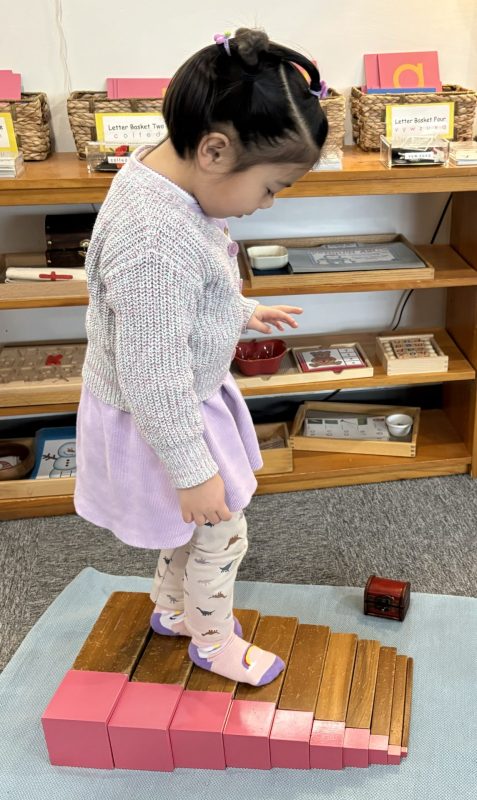
The Montessori math materials are visual and hands-on manipulatives, aiding in the ability of a child to understand mathematical concepts concretely. After many repetitions and when the child is ready, we introduce the more complex and abstract concepts. We teach the process first because the goal is to develop a true understanding of mathematical concepts and not simply memorization. The materials are sequenced in a way that each success a child experiences is a building block for the next concept to be introduced.

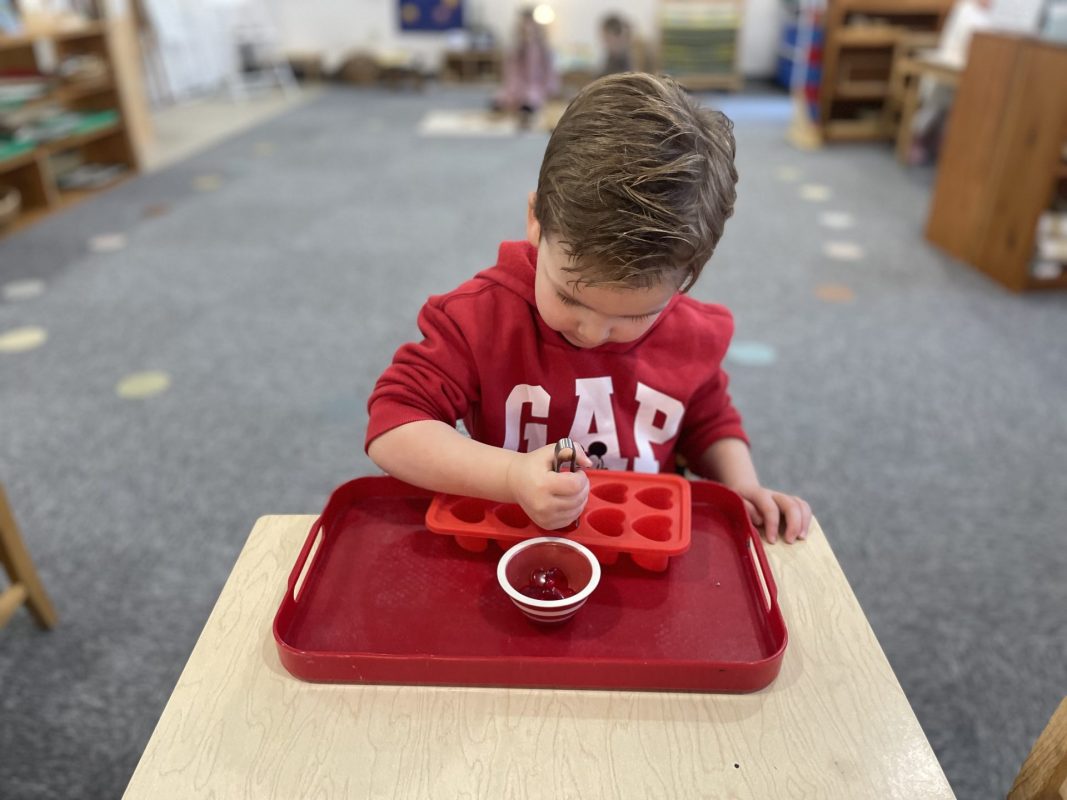
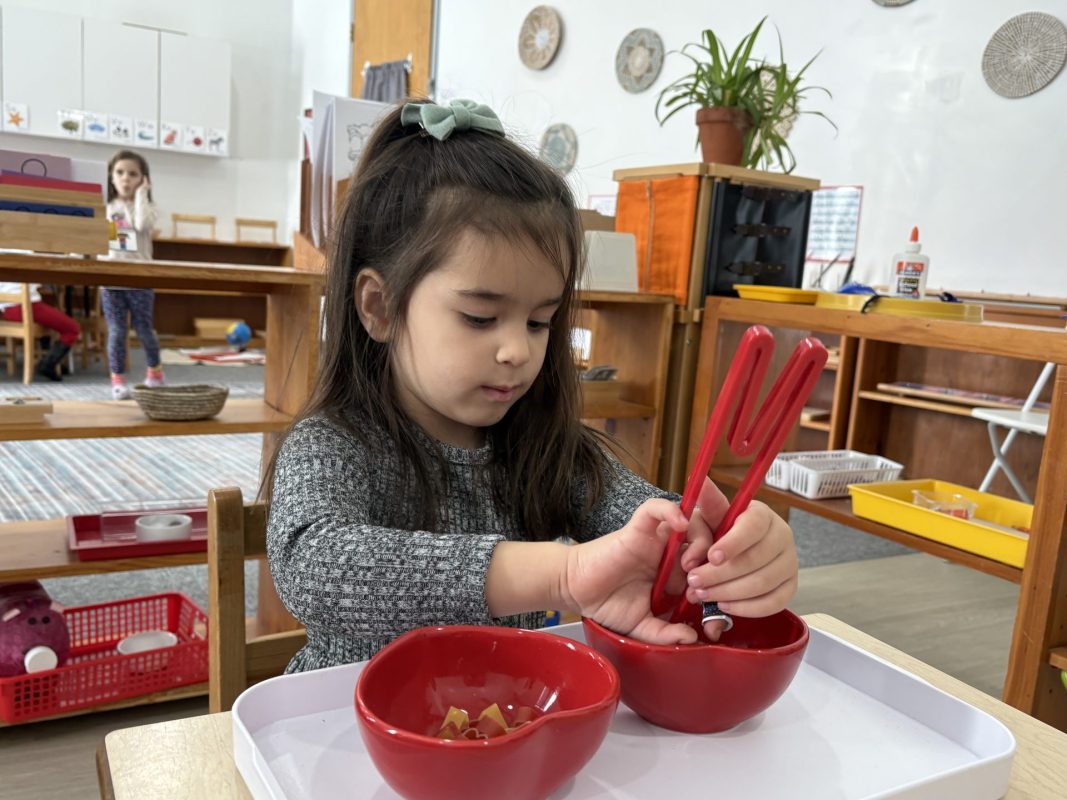
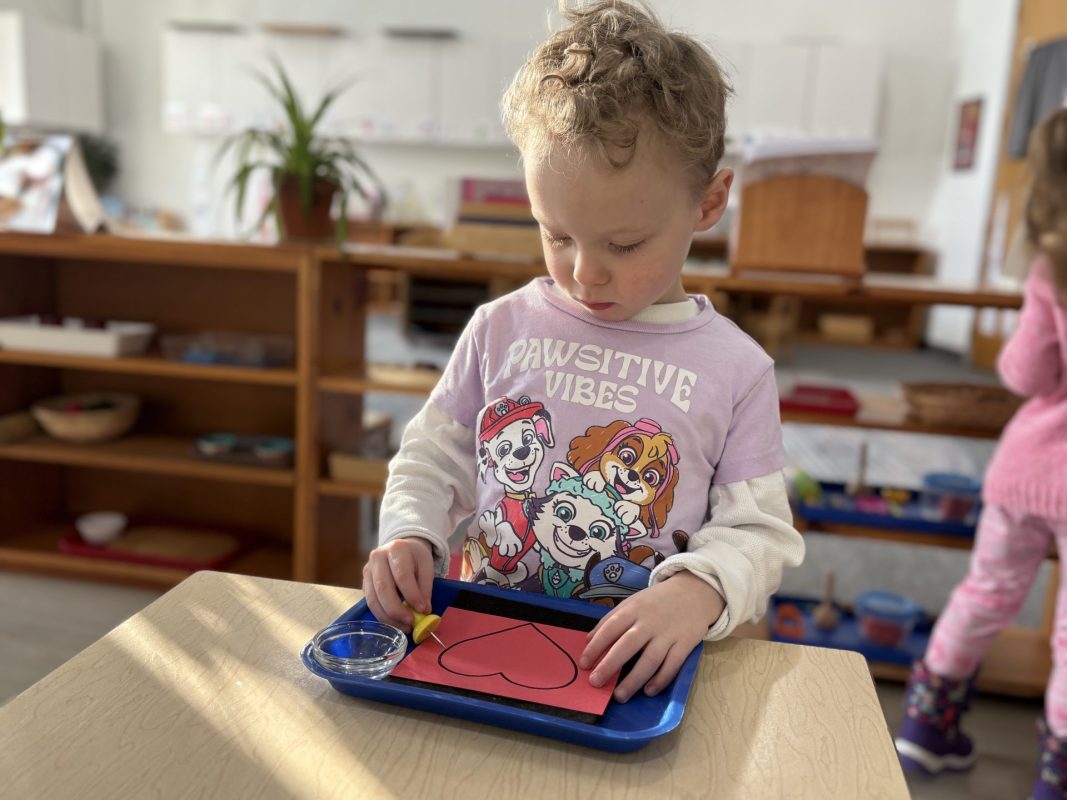
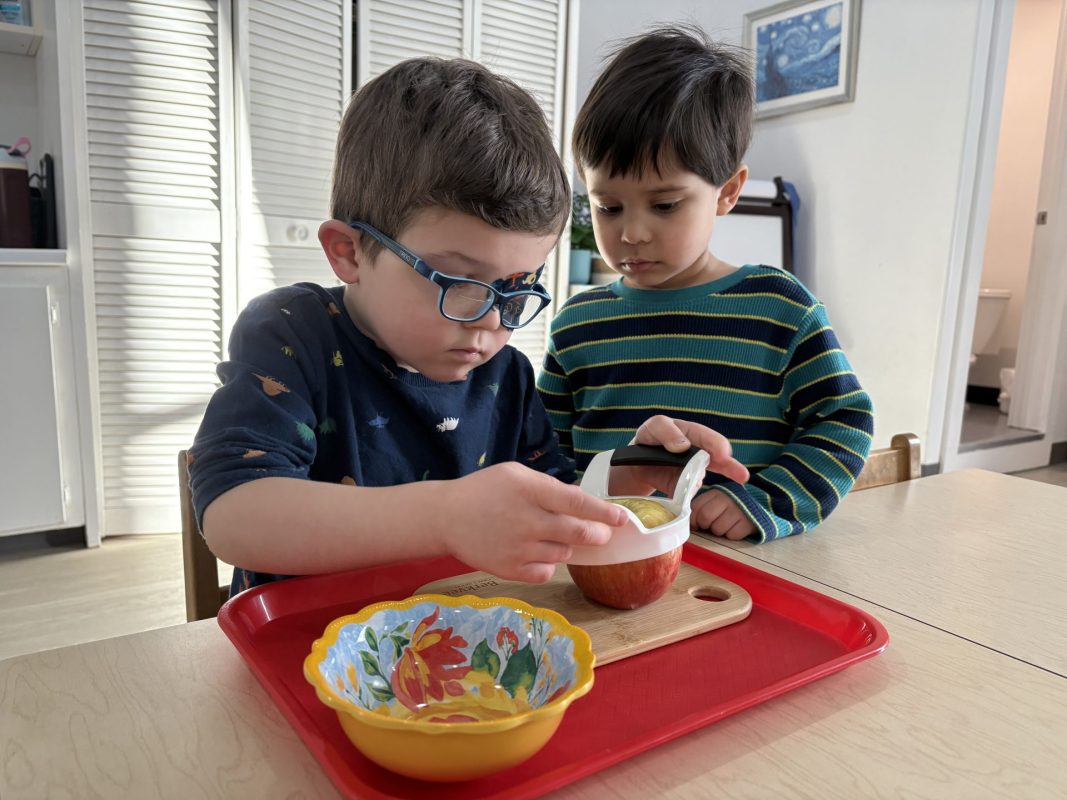
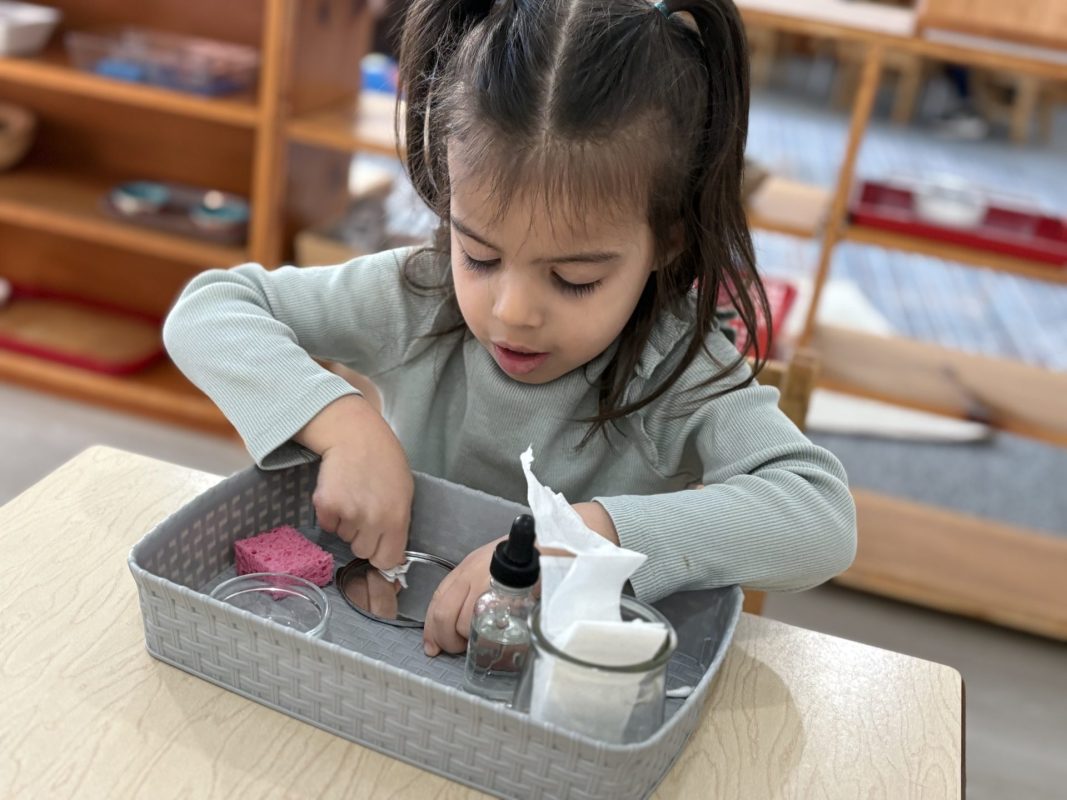
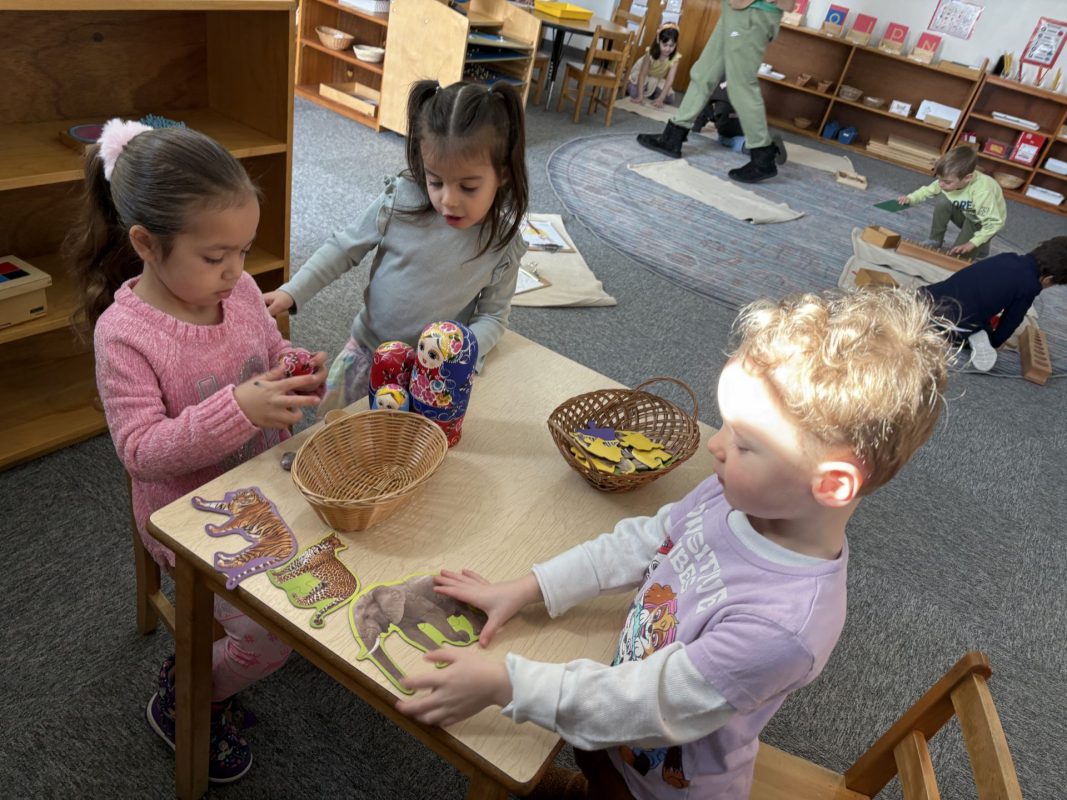
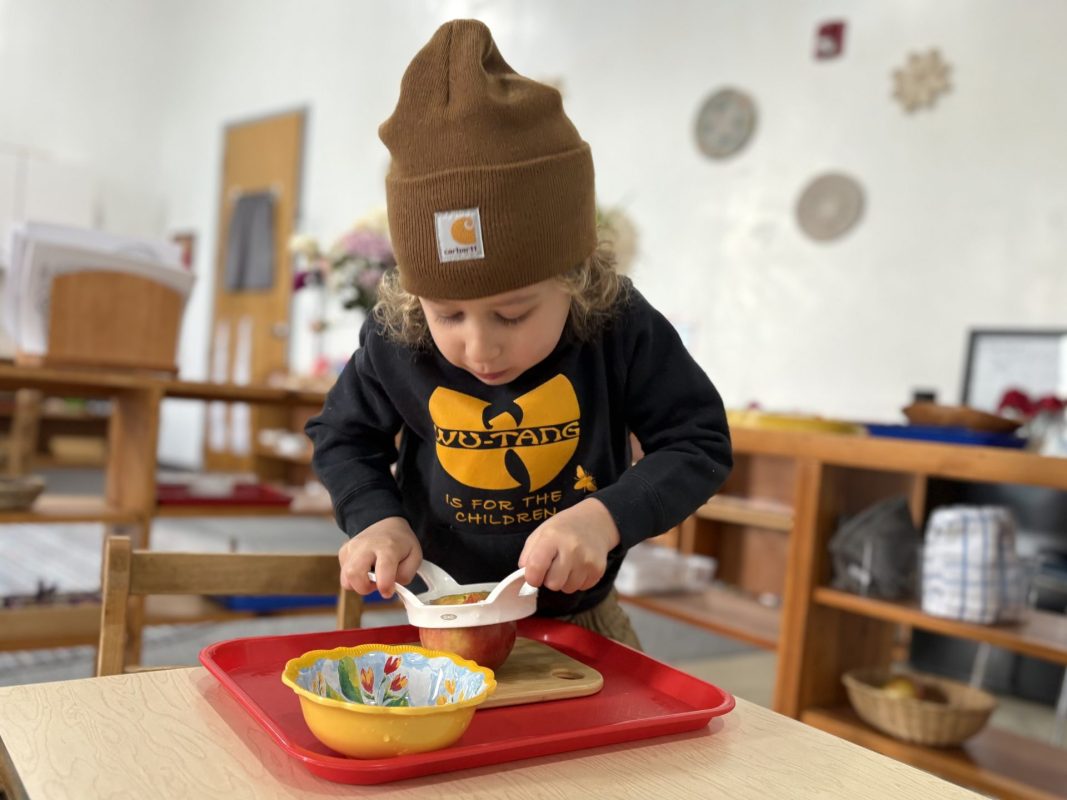
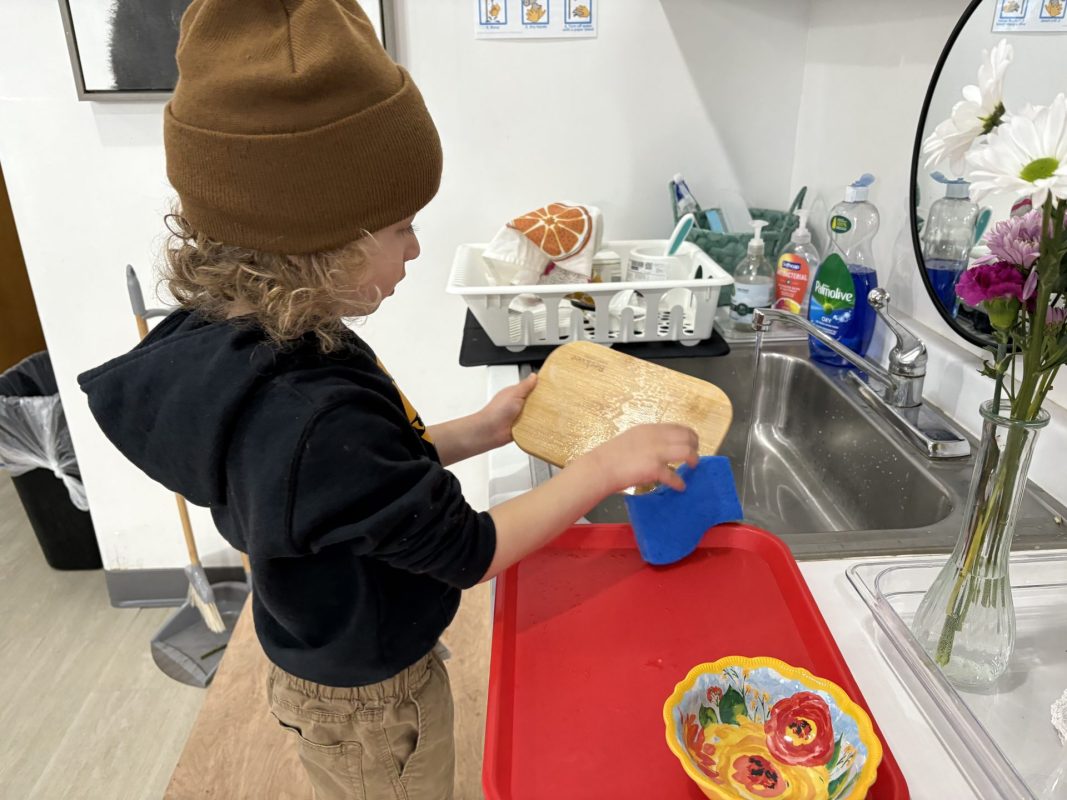
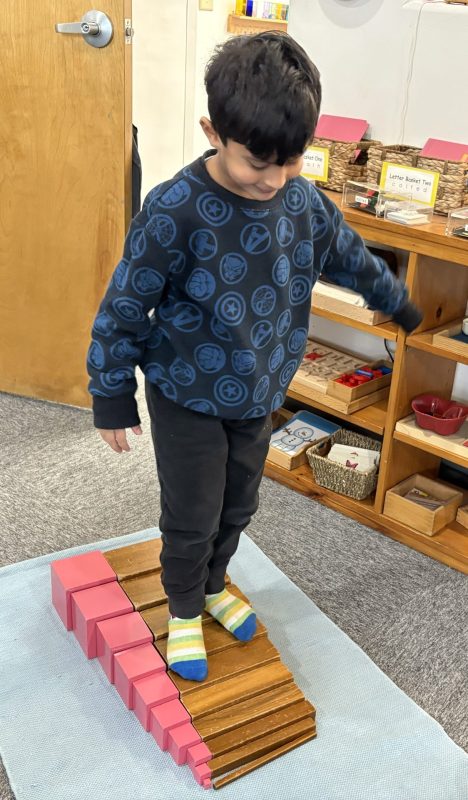
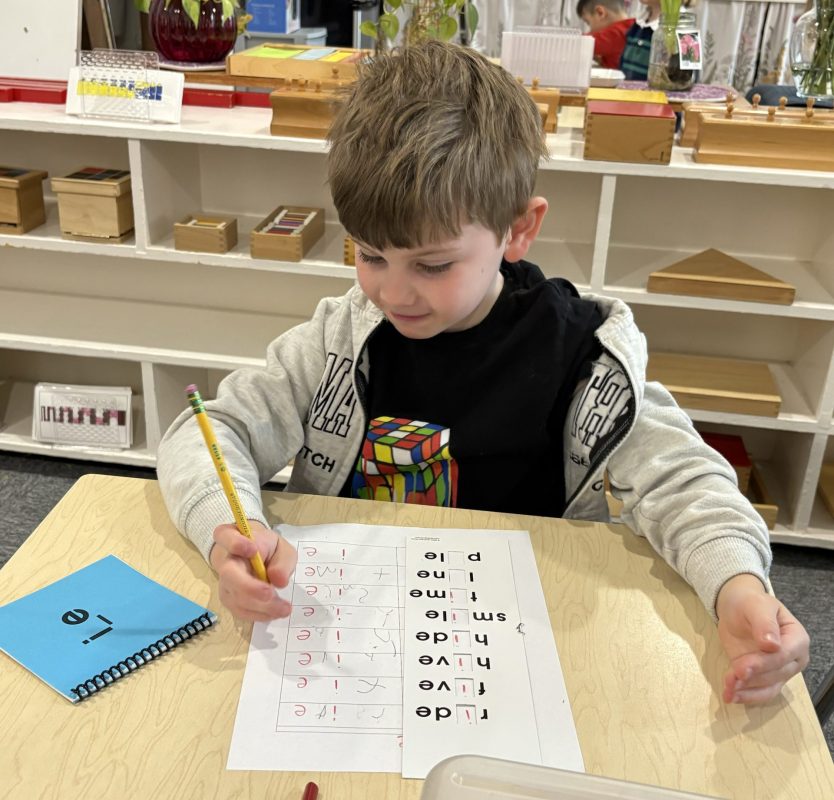
Maria Montessori believed that all children have a mathematical mind and an internal drive to understand the environment around them. We know that the Montessori math materials are exact and precise and allow the child to have positive experiences in math right from the beginning. We also know that the Practical Life activities have helped the child to develop order, concentration, coordination, and independence. Likewise, the Sensorial materials have allowed the children to recognize and extend patterns. Here’s the real secret behind the success of the Montessori math materials: the children truly enjoy them.

Hope your week adds up to one filled with peace and love.

Amanda & Hema


Ms. Handibode’s Class: Montessori Math, It All Adds Up!


Children display a universal love of mathematics, which is par excellence the science of precision, order, and intelligence.”~ Dr. Maria Montessori

The Montessori math materials are visual and hands-on manipulatives, aiding in the ability of a child to understand mathematical concepts concretely. After many repetitions and when the child is ready, we introduce the more complex and abstract concepts. We teach the process first because the goal is to develop a true understanding of mathematical concepts and not simply memorization. The materials are sequenced in a way that each success a child experiences is a building block for the next concept to be introduced.

Maria Montessori believed that all children have a mathematical mind and an internal drive to understand the environment around them. We know that the Montessori math materials are exact and precise and allow the child to have positive experiences in math right from the beginning. We also know that the Practical Life activities have helped the child to develop order, concentration, coordination, and independence. Likewise, the Sensorial materials have allowed the children to recognize and extend patterns. Here’s the real secret behind the success of the Montessori math materials: the children truly enjoy them.

Hope your week adds up to one filled with peace and love.

Michelle & Maria

Mrs. Sargeant: A Peek at the Week

Children display a universal love of mathematics, which is par excellence the science of precision, order, and intelligence.”~ Dr. Maria Montessori

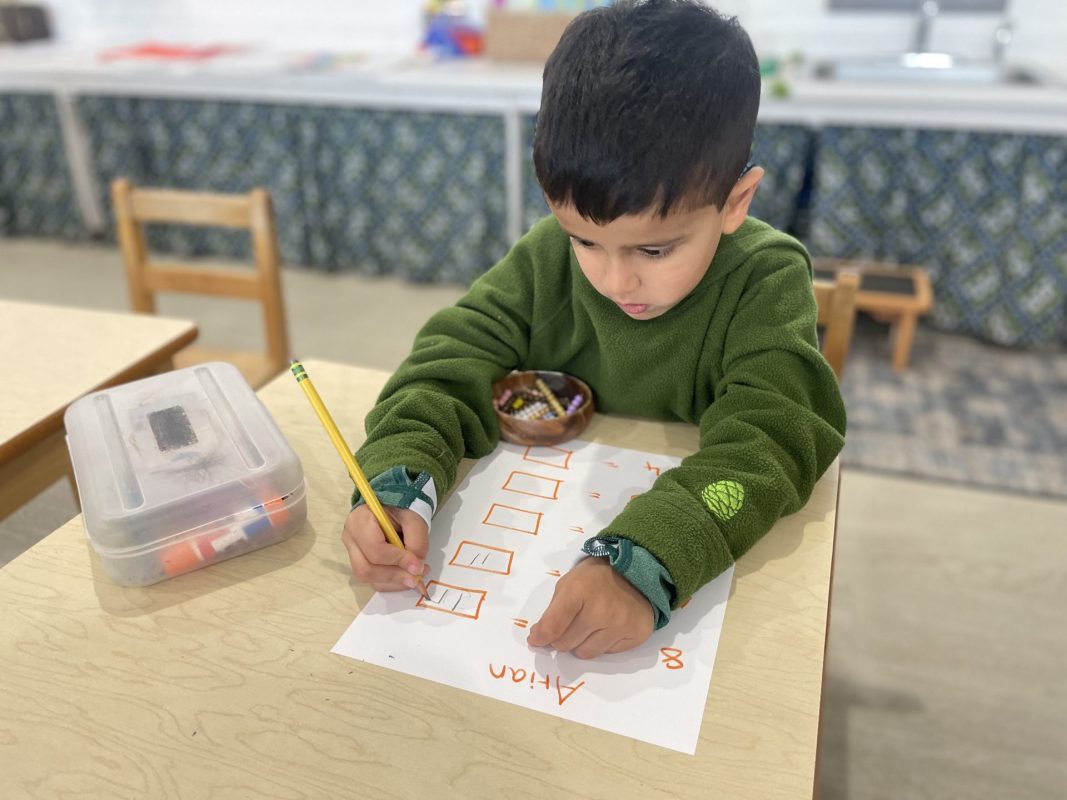
The Montessori math materials are visual and hands-on manipulatives, aiding in the ability of a child to understand mathematical concepts concretely. After many repetitions and when the child is ready, we introduce the more complex and abstract concepts. We teach the process first because the goal is to develop a true understanding of mathematical concepts and not simply memorization. The materials are sequenced in a way that each success a child experiences is a building block for the next concept to be introduced.

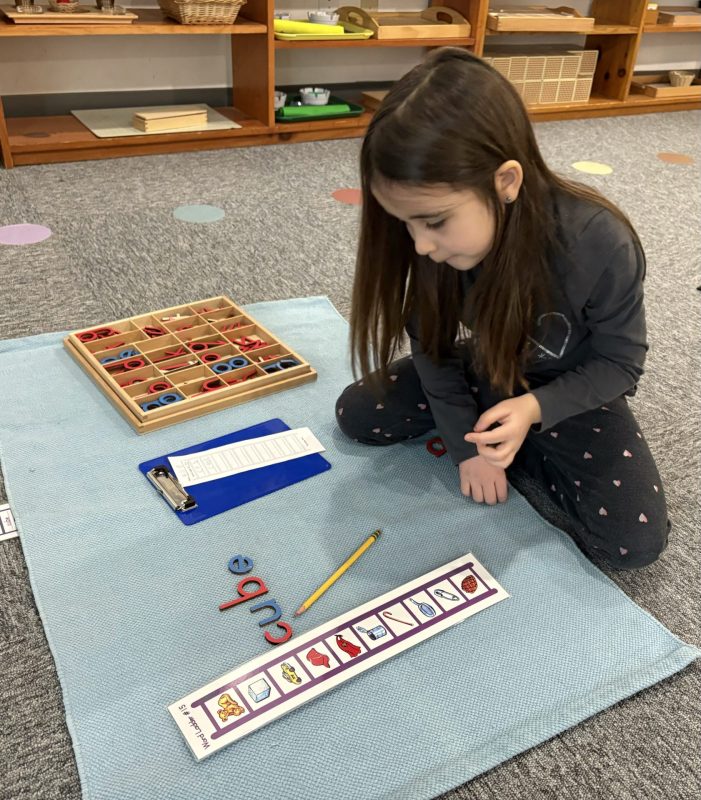
Maria Montessori believed that all children have a mathematical mind and an internal drive to understand the environment around them. We know that the Montessori math materials are exact and precise and allow the child to have positive experiences in math right from the beginning. We also know that the Practical Life activities have helped the child to develop order, concentration, coordination, and independence. Likewise, the Sensorial materials have allowed the children to recognize and extend patterns. Here’s the real secret behind the success of the Montessori math materials: the children truly enjoy them.

Hope your week adds up to one filled with peace and love.

Christine & Fatima


Ms. Marissa: Weekly Update

Children display a universal love of mathematics, which is par excellence the science of precision, order, and intelligence.”~ Dr. Maria Montessori

The Montessori math materials are visual and hands-on manipulatives, aiding in the ability of a child to understand mathematical concepts concretely. After many repetitions and when the child is ready, we introduce the more complex and abstract concepts. We teach the process first because the goal is to develop a true understanding of mathematical concepts and not simply memorization. The materials are sequenced in a way that each success a child experiences is a building block for the next concept to be introduced.

Maria Montessori believed that all children have a mathematical mind and an internal drive to understand the environment around them. We know that the Montessori math materials are exact and precise and allow the child to have positive experiences in math right from the beginning. We also know that the Practical Life activities have helped the child to develop order, concentration, coordination, and independence. Likewise, the Sensorial materials have allowed the children to recognize and extend patterns. Here’s the real secret behind the success of the Montessori math materials: the children truly enjoy them.

The Kindergarteners have started their daily Work Plans. We make a plan of all the work they need to practice for the week and word towards a goal each day. It is a great way (and a great time of year) to give our oldest students a guided checklist and a visual and tangible way of accomplishing goals! The younger students always watch our Kindergarteners with such admiration! It will be their turn one day.

Hope your week adds up to one filled with peace and love.

Warmly,

Marissa & Sue


Ms. Handibode’s Happenings: A Normalized Classroom

“Social grace, inner discipline, and joy. These are the birthright of the human being who has been allowed to develop essential human qualities.”  Maria Montessori

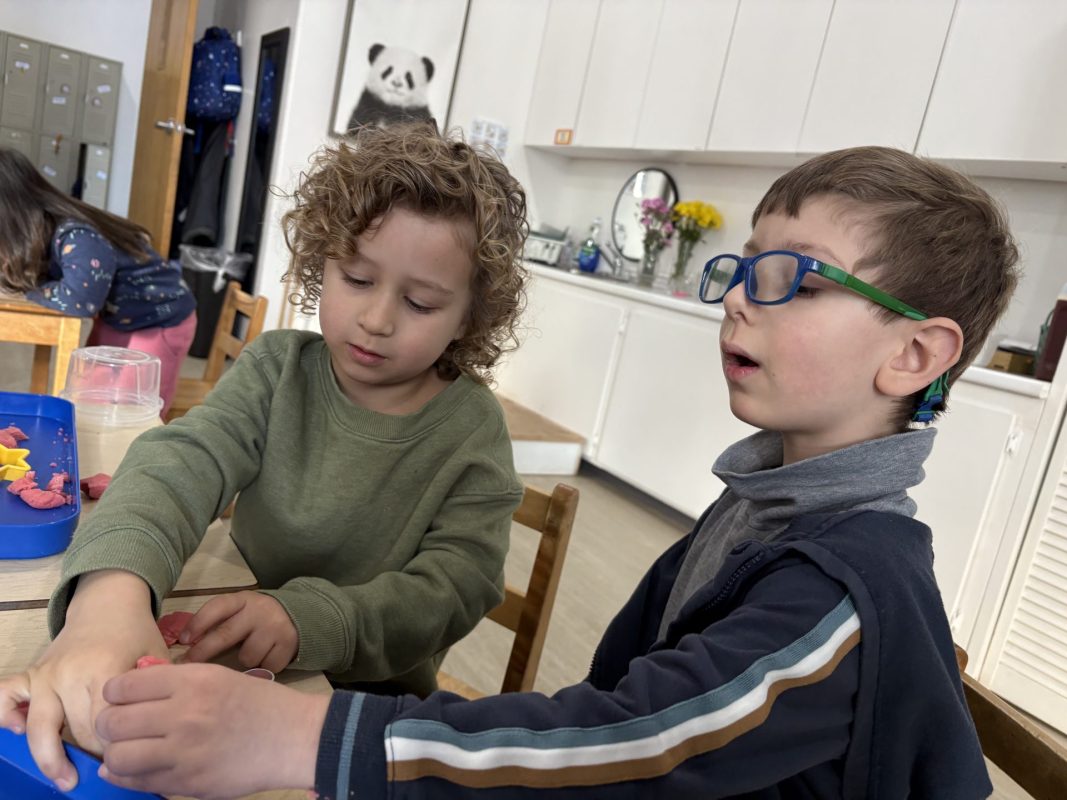
Normalization is a buzzword often used by Montessori teachers everywhere. So, what exactly does it mean, and more importantly, how do we achieve it? When children in a Montessori environment demonstrate deep concentration, self-discipline, social skills, and a true love of work, we describe this as a normalized classroom. Normalization is achieved by consistent and clear ground rules that everyone is familiar with. It is our job to ensure the environment is always well-prepared and designed to meet the needs of the children. As Montessori teachers, we are confident that if we do our job well and the children are free to experience the opportunities provided by the environment and Montessori materials, they will thrive.

After the winter break and upon our return in January, we often see noticeable growth in the children’s social and emotional development. They come back eager to learn and raring to go! In the first half of the year, they have become comfortable and confident with our classroom routines and expectations. They have developed deeper relationships with their peers and teachers. It is always an exciting time and sets the groundwork for the second half of the school year.

Wishing everyone a 2025 filled with much peace and love.

Michelle & Maria

Mrs. Lopes: A Look at Our Week


“Social grace, inner discipline, and joy. These are the birthright of the human being who has been allowed to develop essential human qualities.” 
Maria Montessori

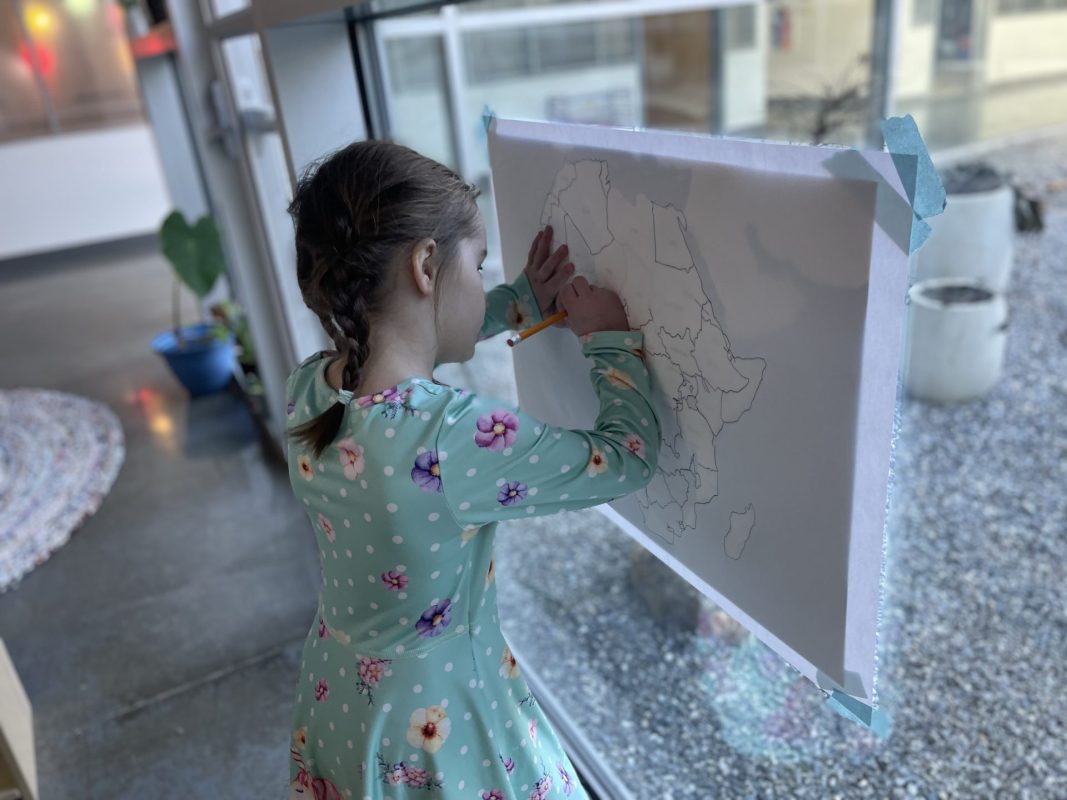
Normalization is a buzzword often used by Montessori teachers everywhere. So, what exactly does it mean, and more importantly, how do we achieve it? When children in a Montessori environment demonstrate deep concentration, self-discipline, social skills, and a true love of work, we describe this as a normalized classroom. Normalization is achieved by consistent and clear ground rules that everyone is familiar with. It is our job to ensure the environment is always well-prepared and designed to meet the needs of the children. As Montessori teachers, we are confident that if we do our job well and the children are free to experience the opportunities provided by the environment and Montessori materials, they will thrive.

After the winter break and upon our return in January, we often see noticeable growth in the children’s social and emotional development. They come back eager to learn and raring to go! In the first half of the year, they have become comfortable and confident with our classroom routines and expectations. They have developed deeper relationships with their peers and teachers. It is always an exciting time and sets the groundwork for the second half of the school year.

Wishing everyone a 2025 filled with much peace and love.

Amanda & Hema


Mrs. Sargeant: A Peek at the Week

“Social grace, inner discipline, and joy. These are the birthright of the human being who has been allowed to develop essential human qualities.”  —Maria Montessori

Normalization is a buzzword often used by Montessori teachers everywhere. So, what exactly does it mean, and more importantly, how do we achieve it? When children in a Montessori environment demonstrate deep concentration, self-discipline, social skills, and a true love of work, we describe this as a normalized classroom. Normalization is achieved by consistent and clear ground rules that everyone is familiar with. It is our job to ensure the environment is always well-prepared and designed to meet the needs of the children. As Montessori teachers, we are confident that if we do our job well and the children are free to experience the opportunities provided by the environment and Montessori materials, they will thrive.

After the winter break and upon our return in January, we often see noticeable growth in the children’s social and emotional development. They come back eager to learn and raring to go! In the first half of the year, they have become comfortable and confident with our classroom routines and expectations. They have developed deeper relationships with their peers and teachers. It is always an exciting time and sets the groundwork for the second half of the school year.

It was an exciting week back as we welcomed a new friend into our class. We also enjoyed listening to Aira’s dad read about Hanukkah, in addition to another fun book he brought. Finally, we celebrated a friend’s 4th birthday – and especially loved seeing his baby pictures!

Wishing everyone a 2025 filled with peace and love.

Christine & Fatima


Ms. Marissa: Weekly Update

“Social grace, inner discipline, and joy. These are the birthright of the human being who has been allowed to develop essential human qualities.”  —Maria Montessori

Normalization is a buzzword often used by Montessori teachers everywhere. So, what exactly does it mean, and more importantly, how do we achieve it? When children in a Montessori environment demonstrate deep concentration, self-discipline, social skills, and a true love of work, we describe this as a normalized classroom. Normalization is achieved by consistent and clear ground rules that everyone is familiar with. It is our job to ensure the environment is always well-prepared and designed to meet the needs of the children. As Montessori teachers, we are confident that if we do our job well and the children are free to experience the opportunities provided by the environment and Montessori materials, they will thrive.
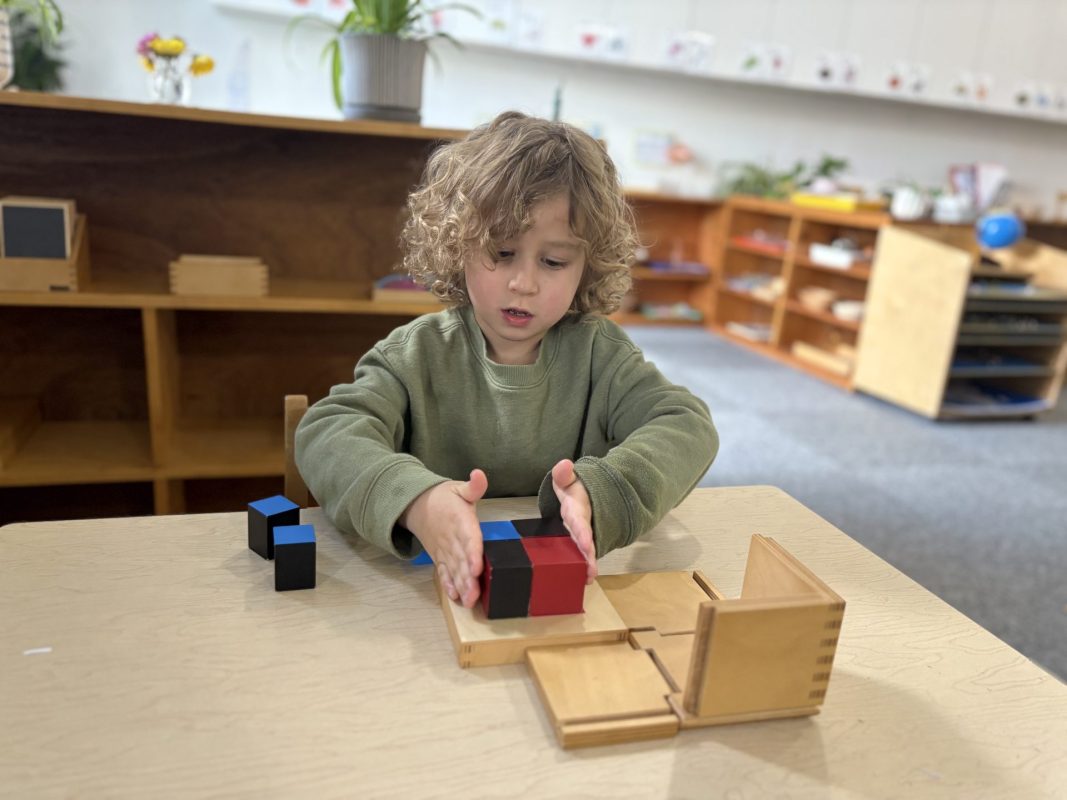
After the winter break and upon our return in January, we often see noticeable growth in the children’s social and emotional development. They come back eager to learn and raring to go! In the first half of the year, they have become comfortable and confident with our classroom routines and expectations. They have developed deeper relationships with their peers and teachers. It is always an exciting time and sets the groundwork for the second half of the school year.

We have started our study on frogs and amphibians this month! The children were amazed that “baby frogs,” aka tadpoles, looked so differently from their adult counterparts!