Mrs. Doyle: Montessori Math, It All Adds Up!

Children display a universal love of mathematics, which is par excellence the science of precision, order, and intelligence.”~ Dr. Maria Montessori

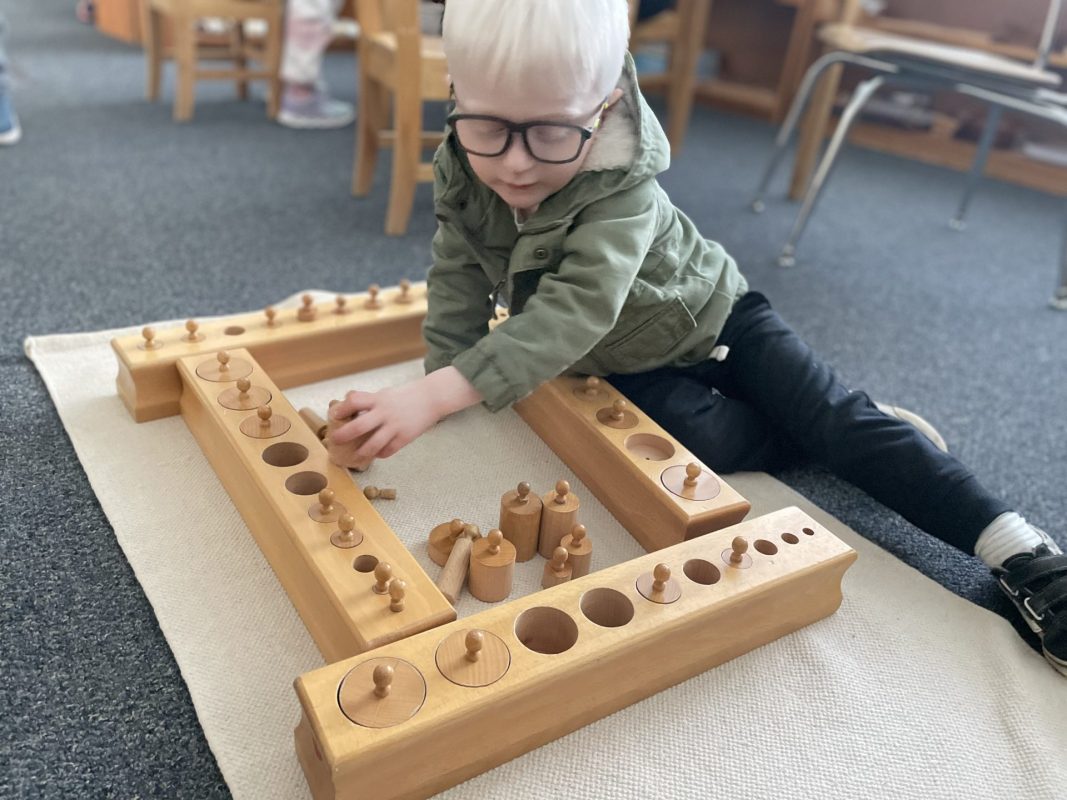
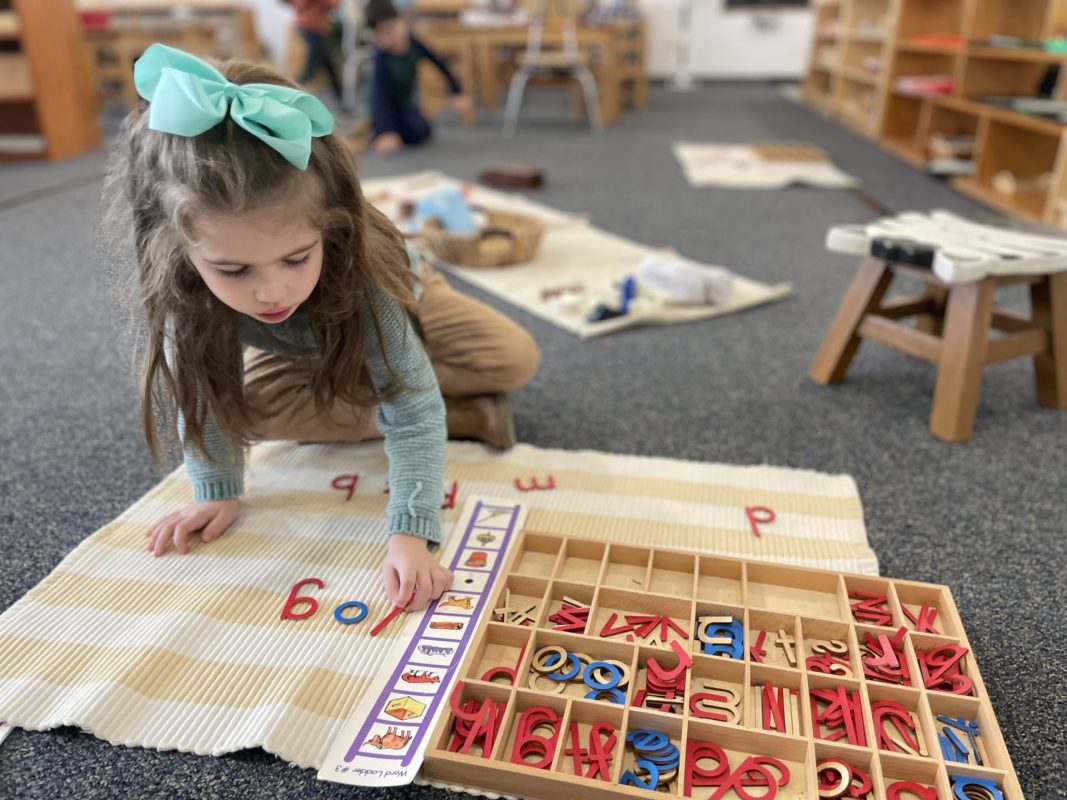
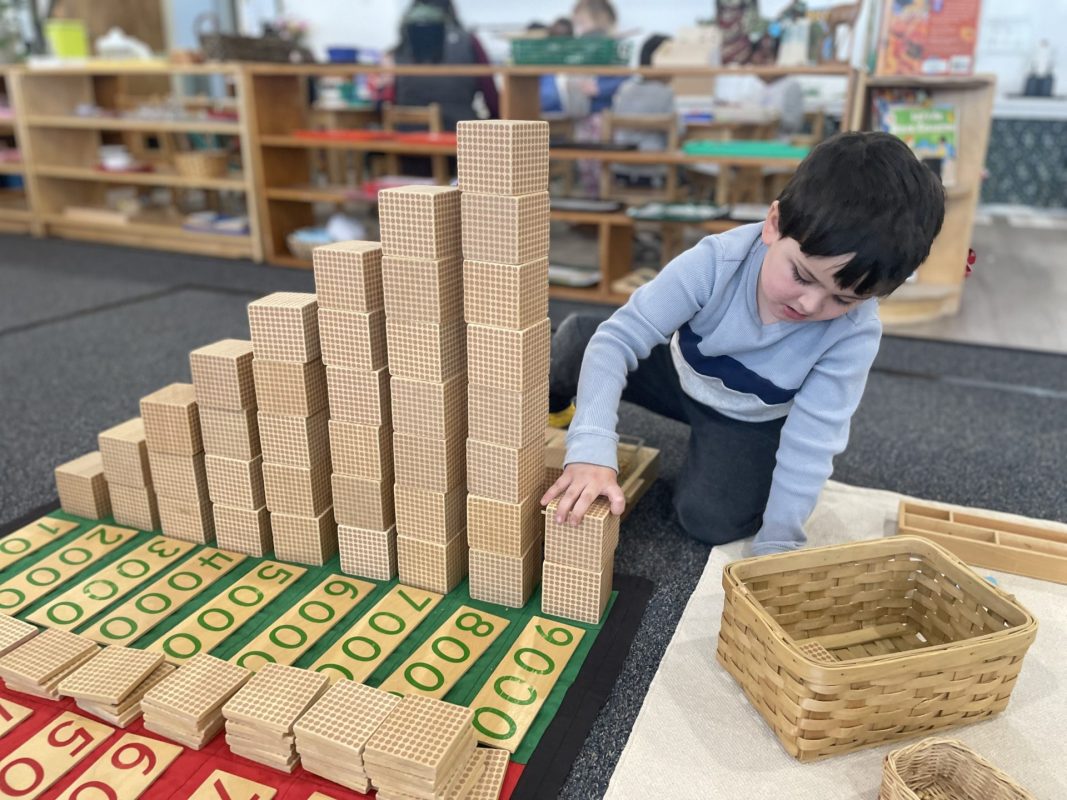
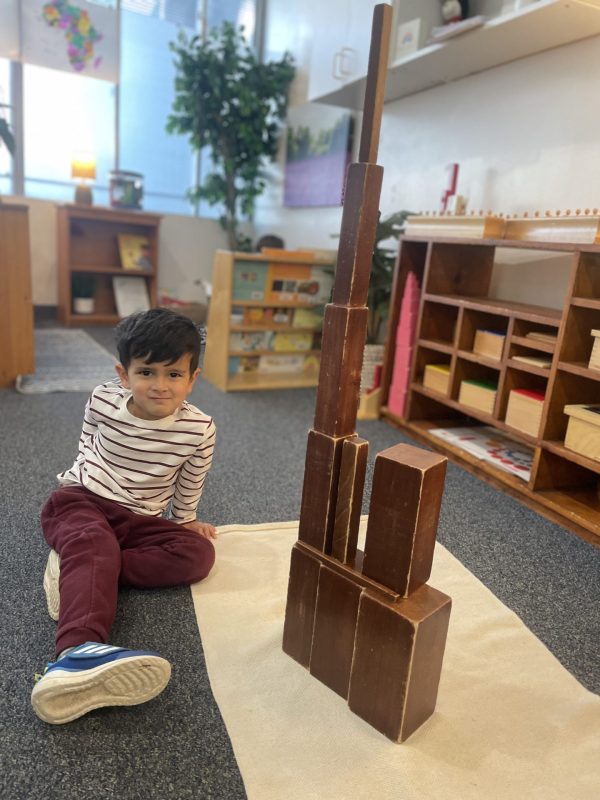
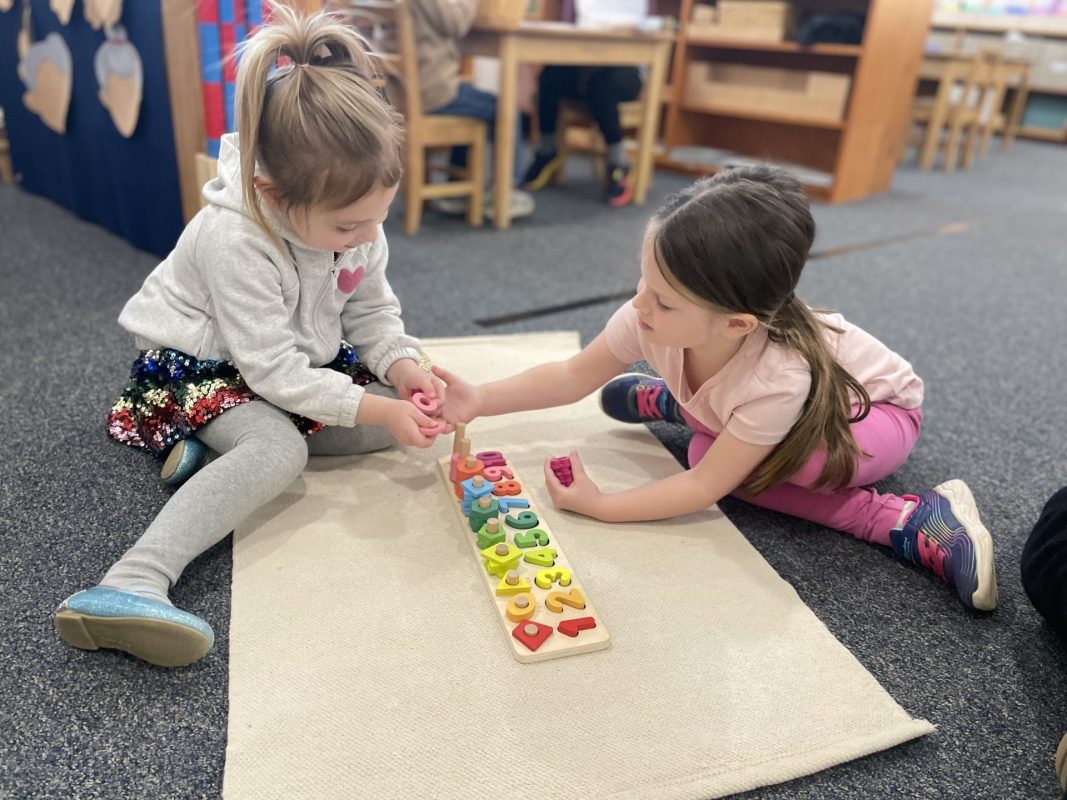
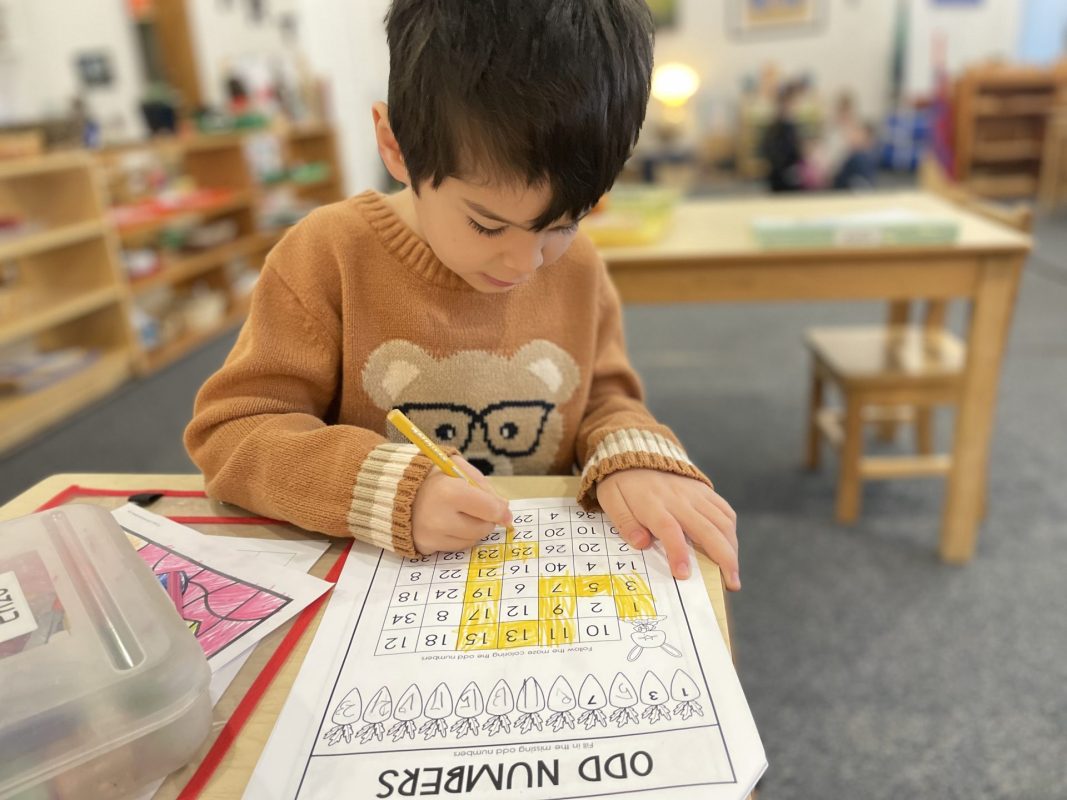
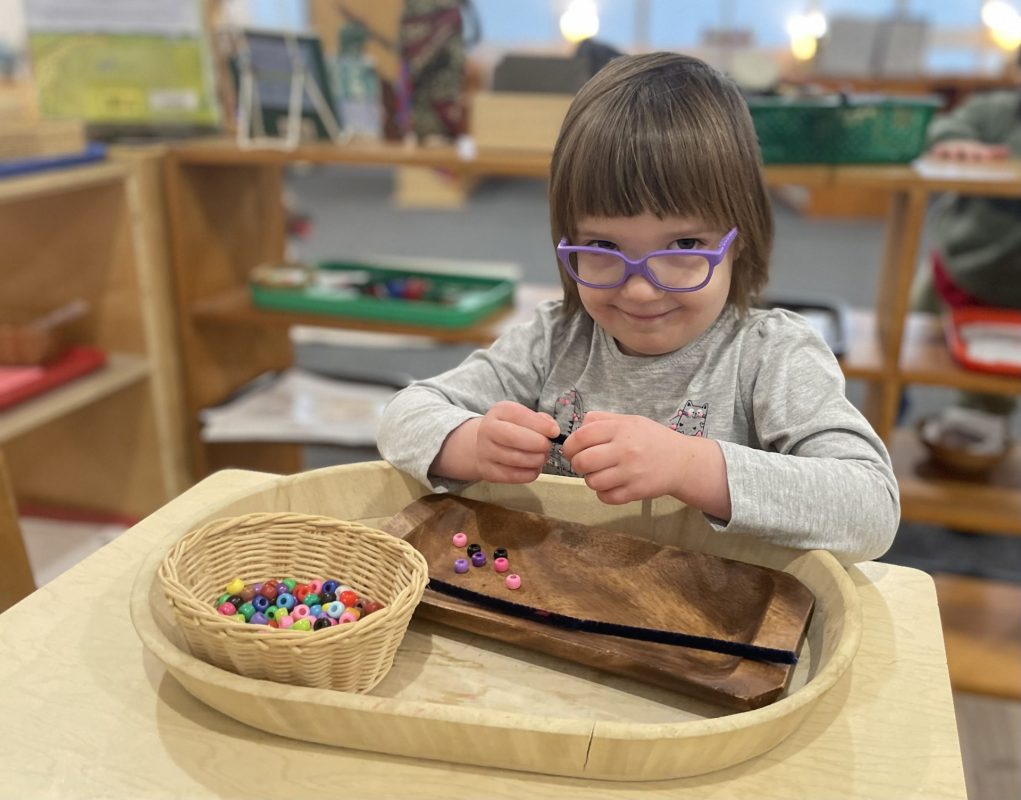
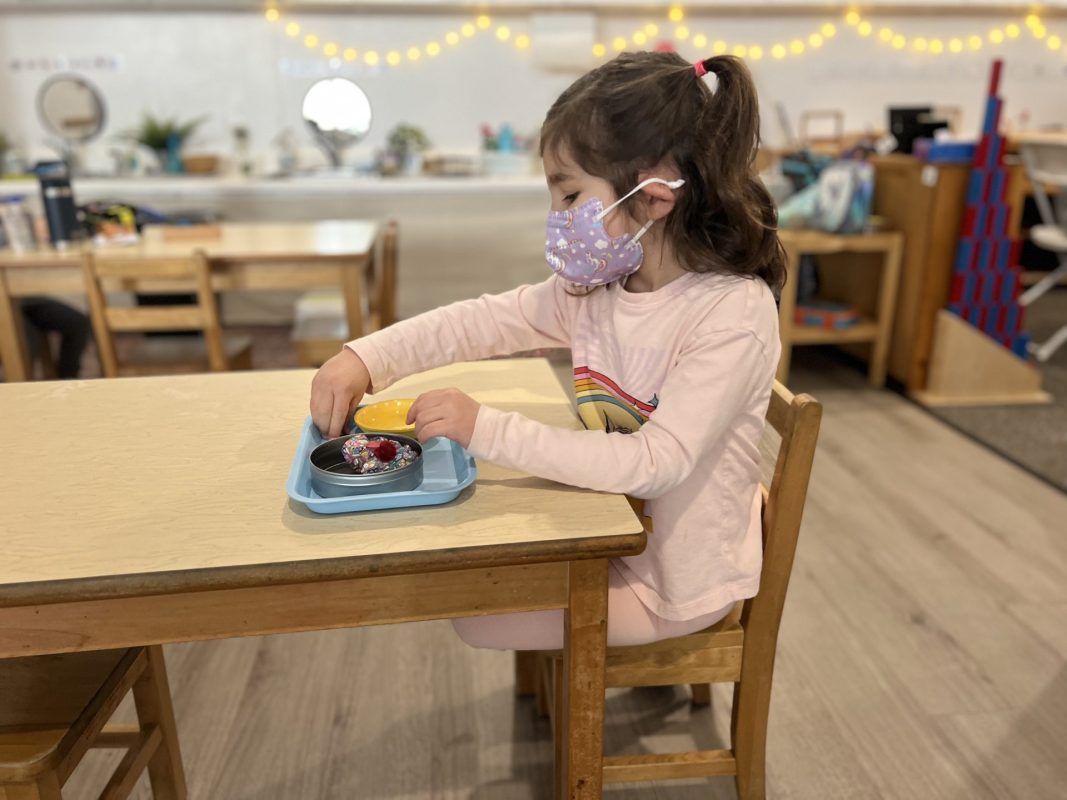
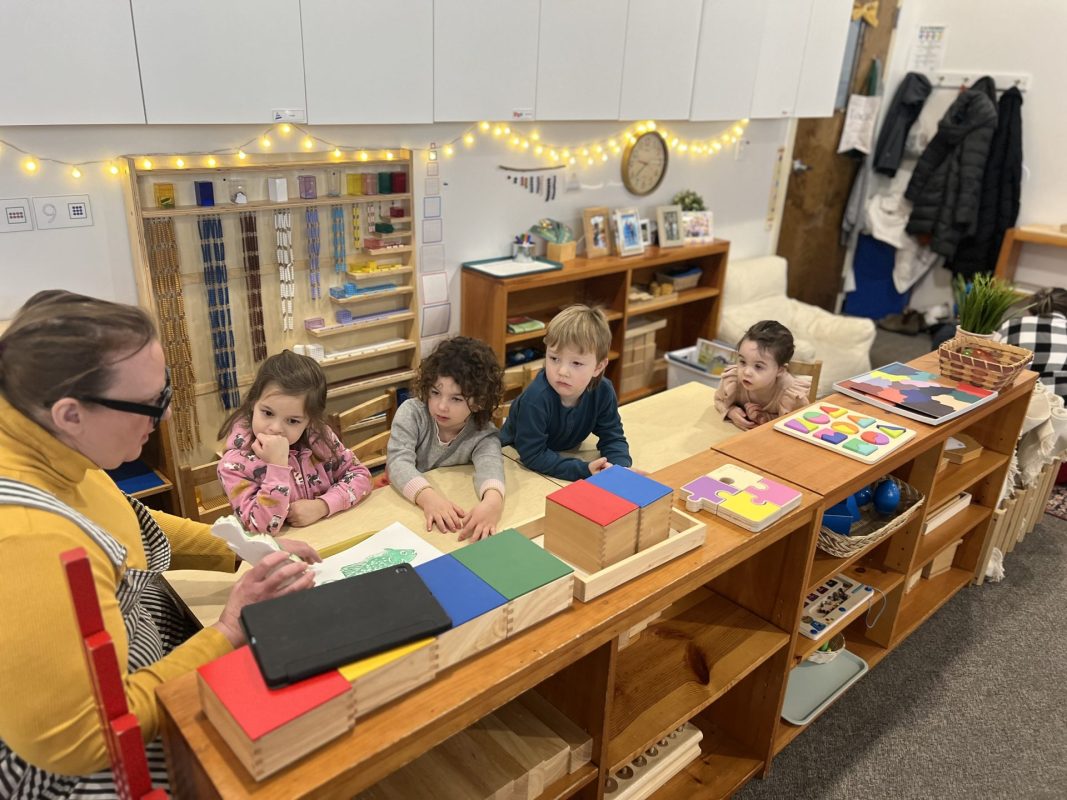
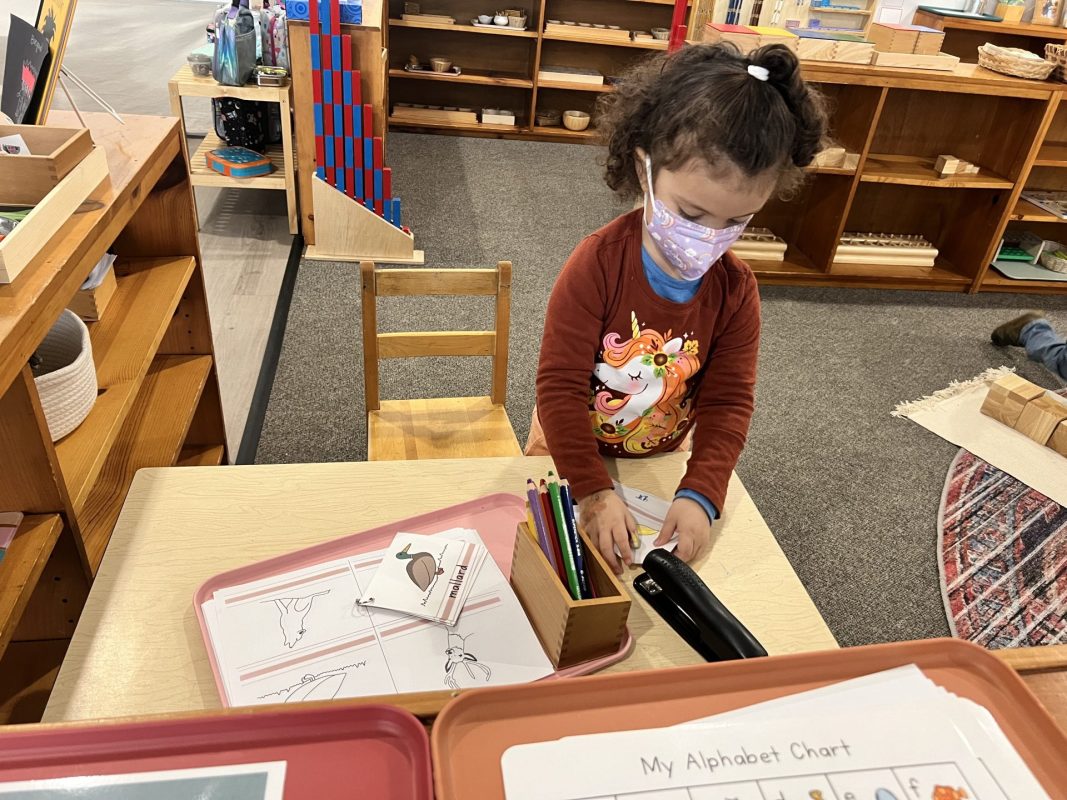
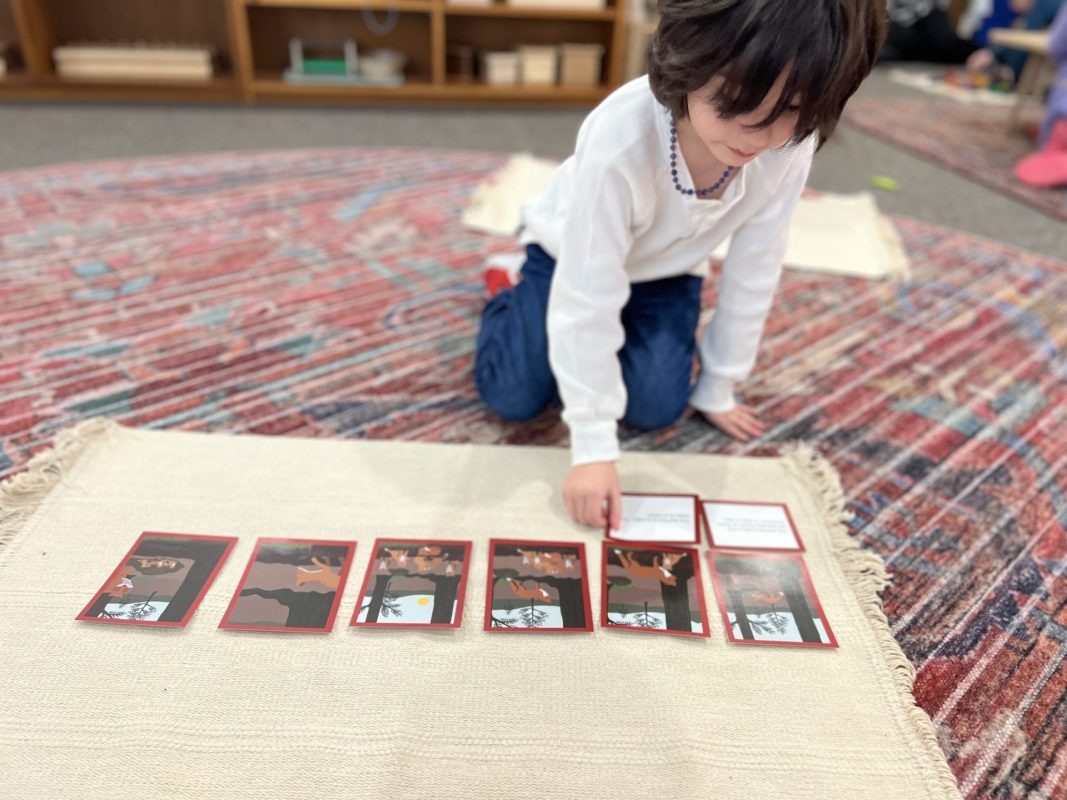
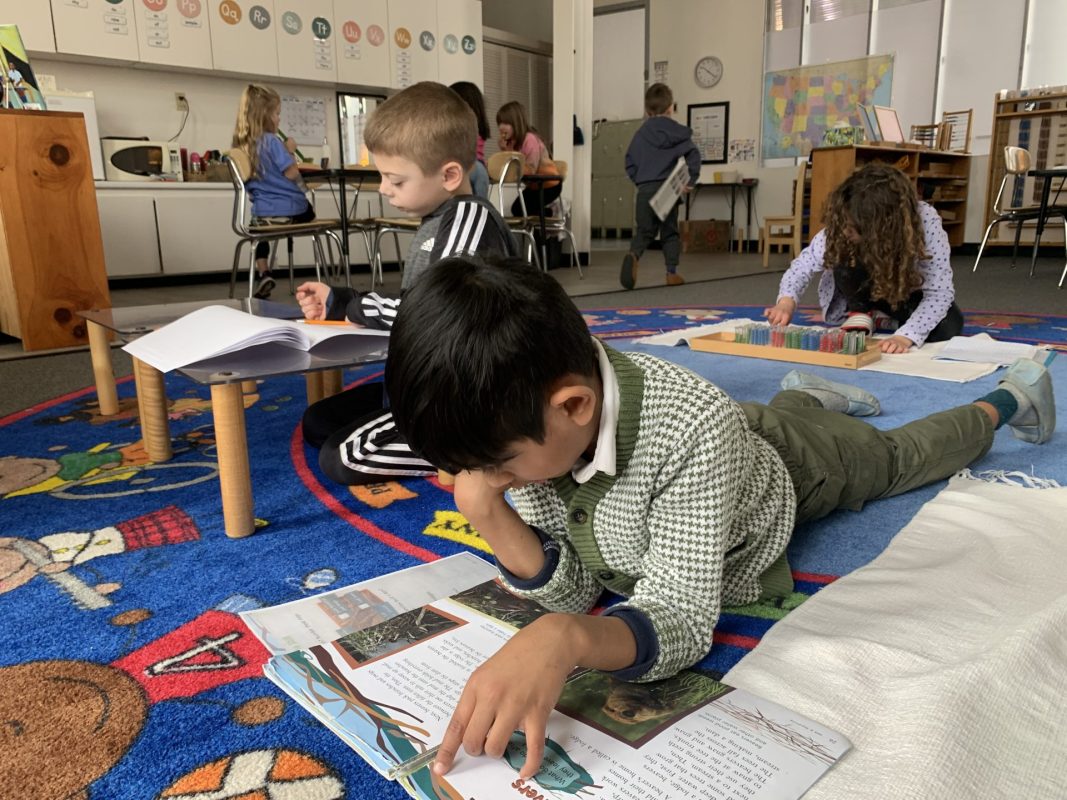
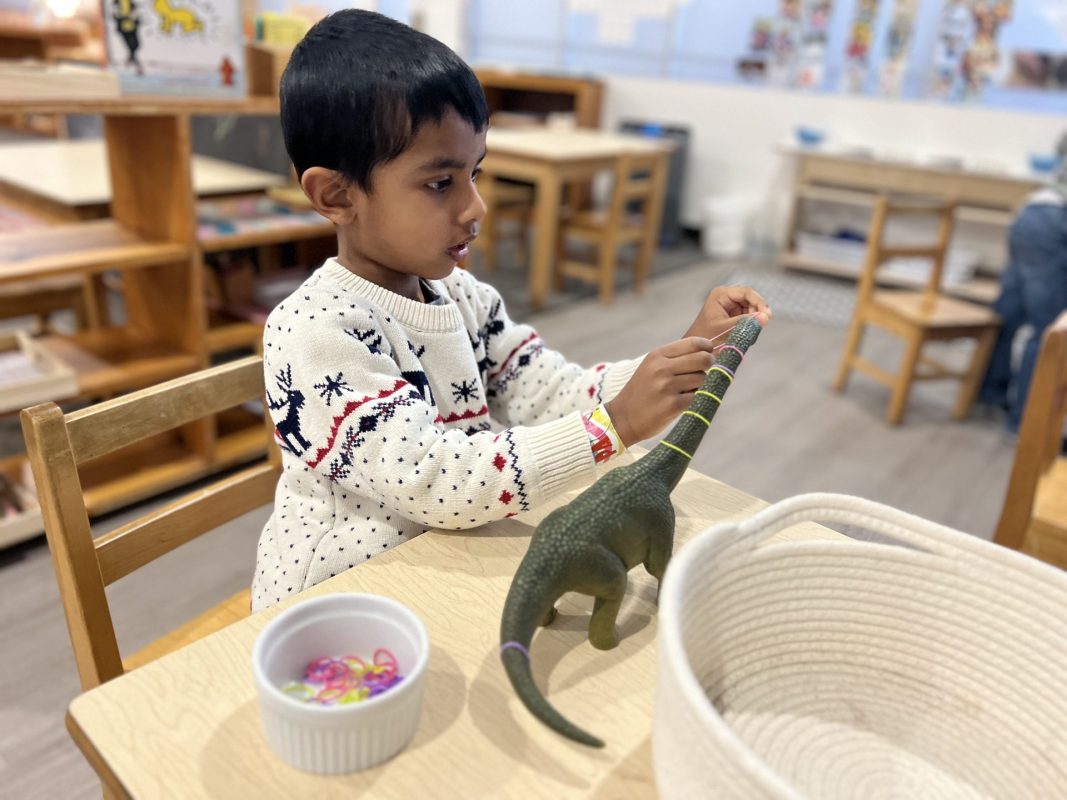
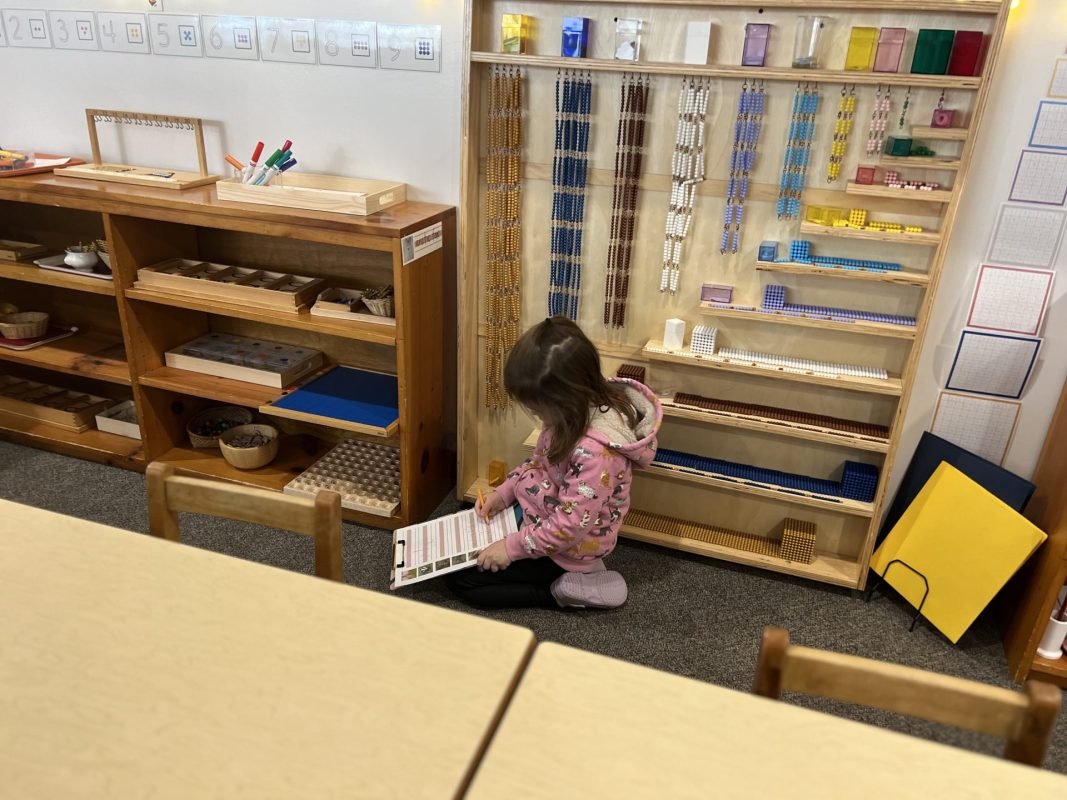
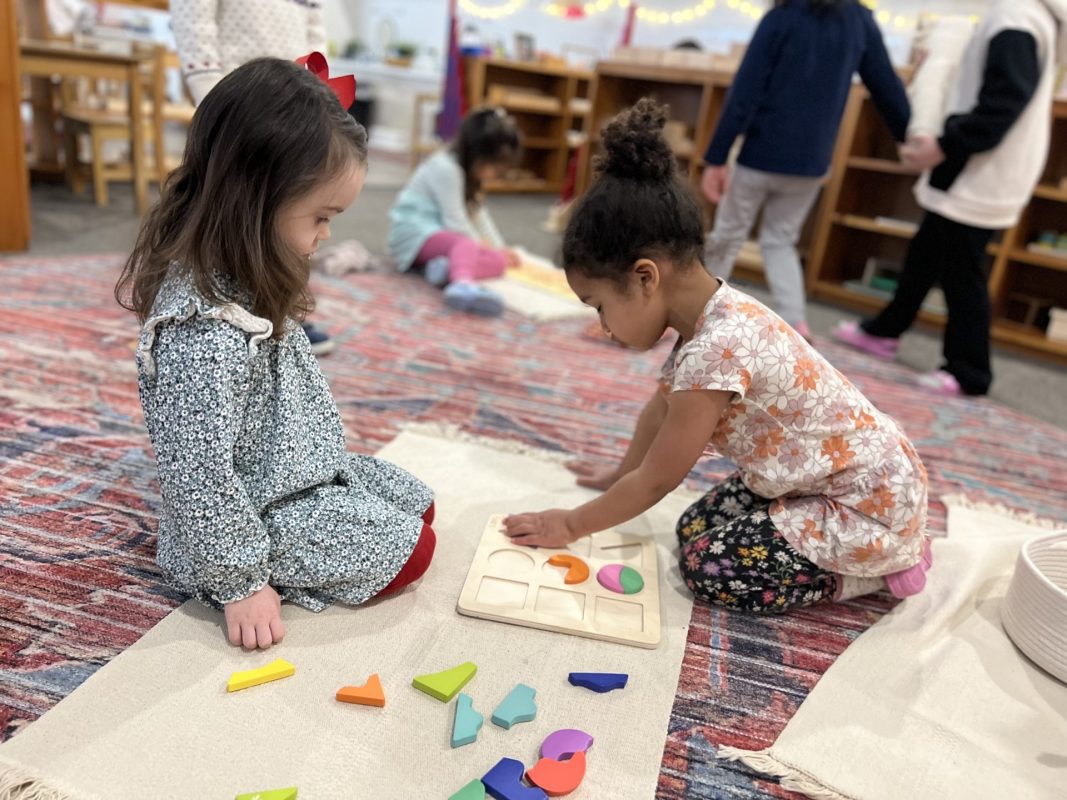
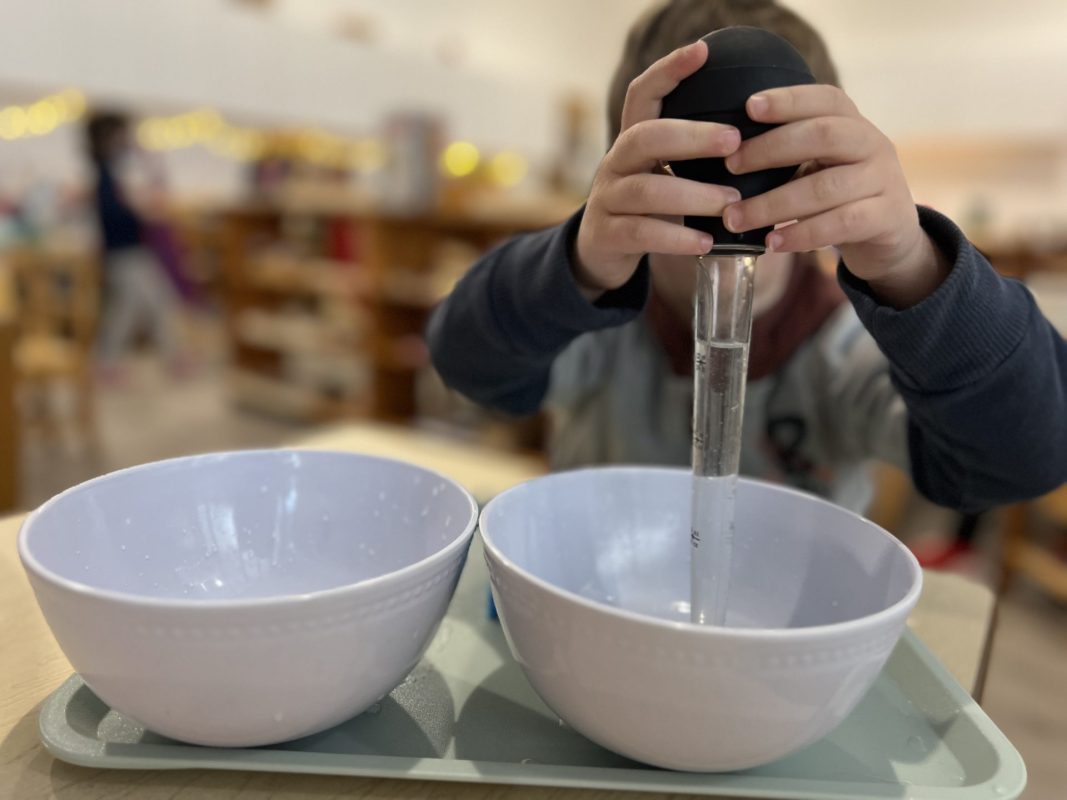
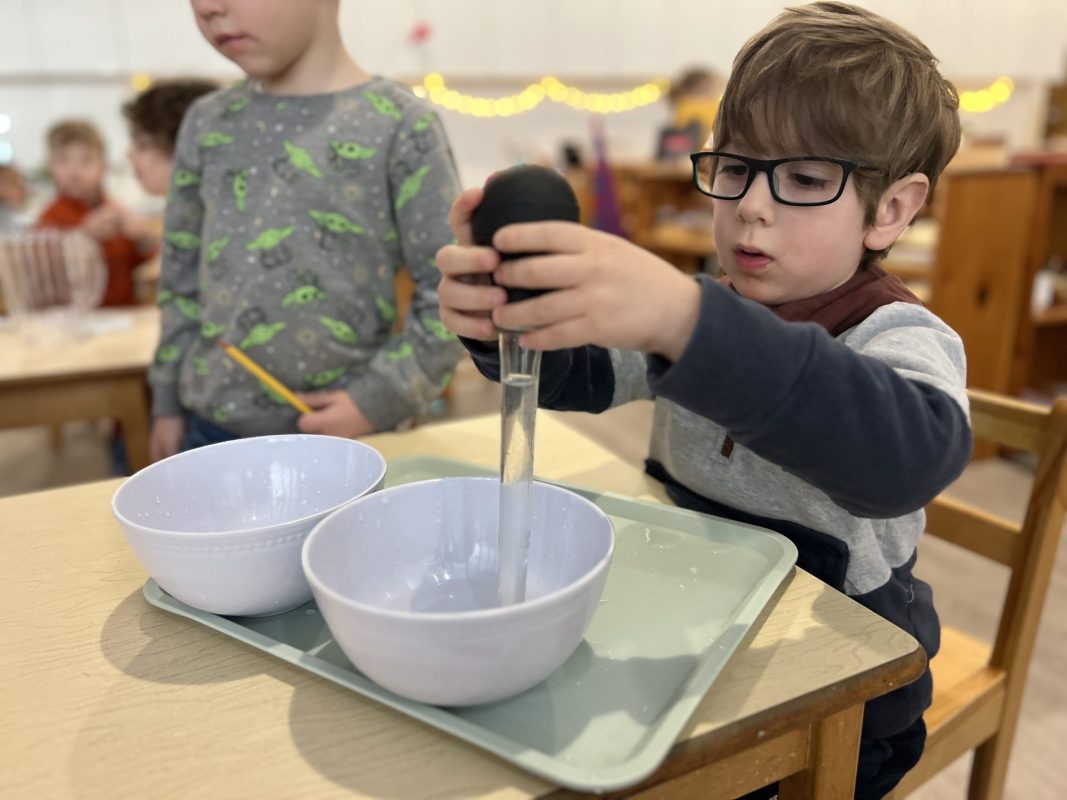
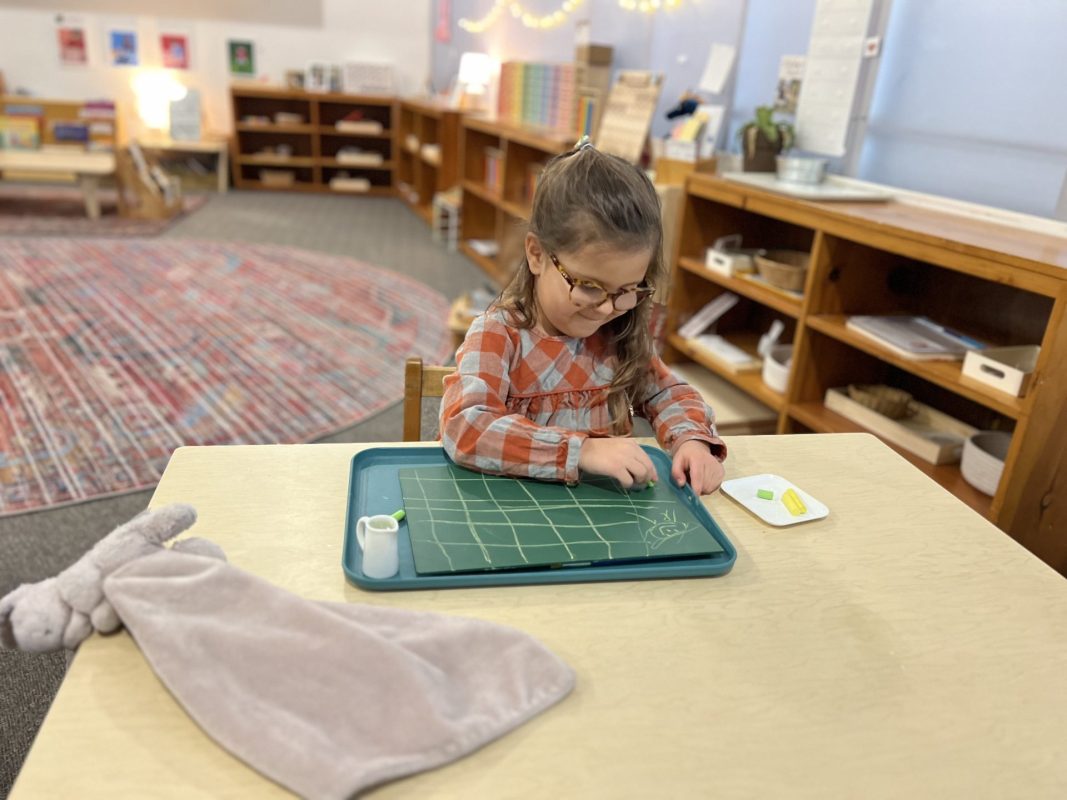
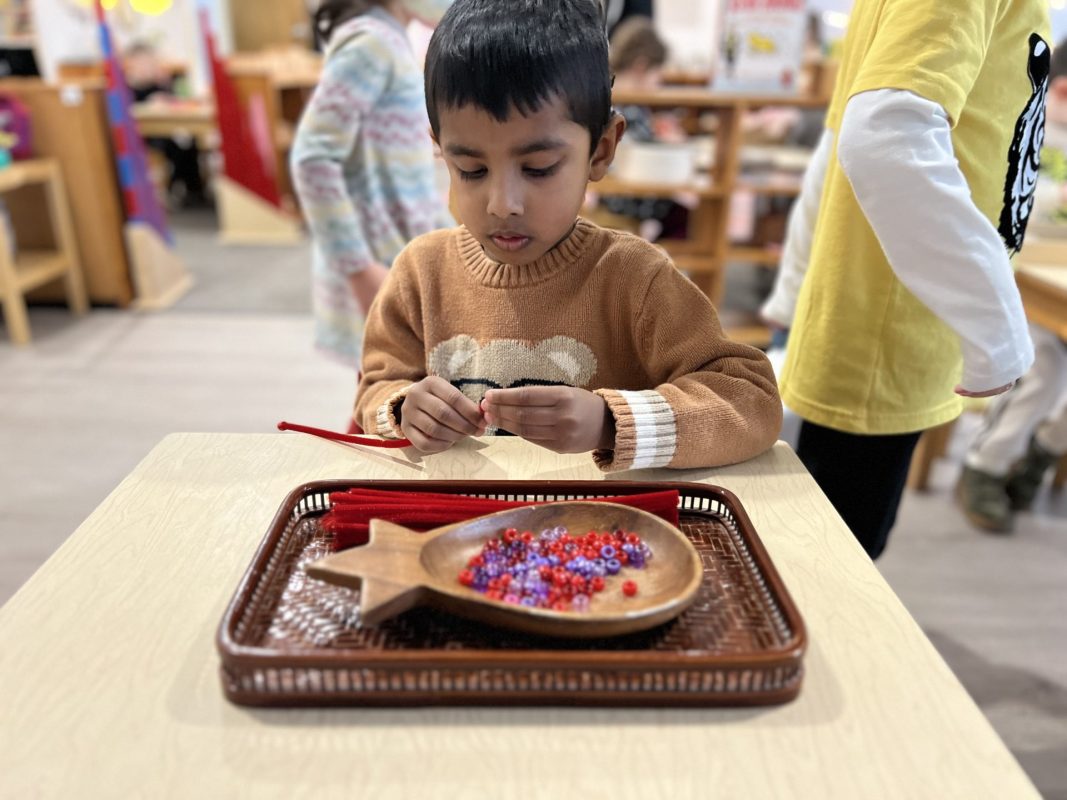
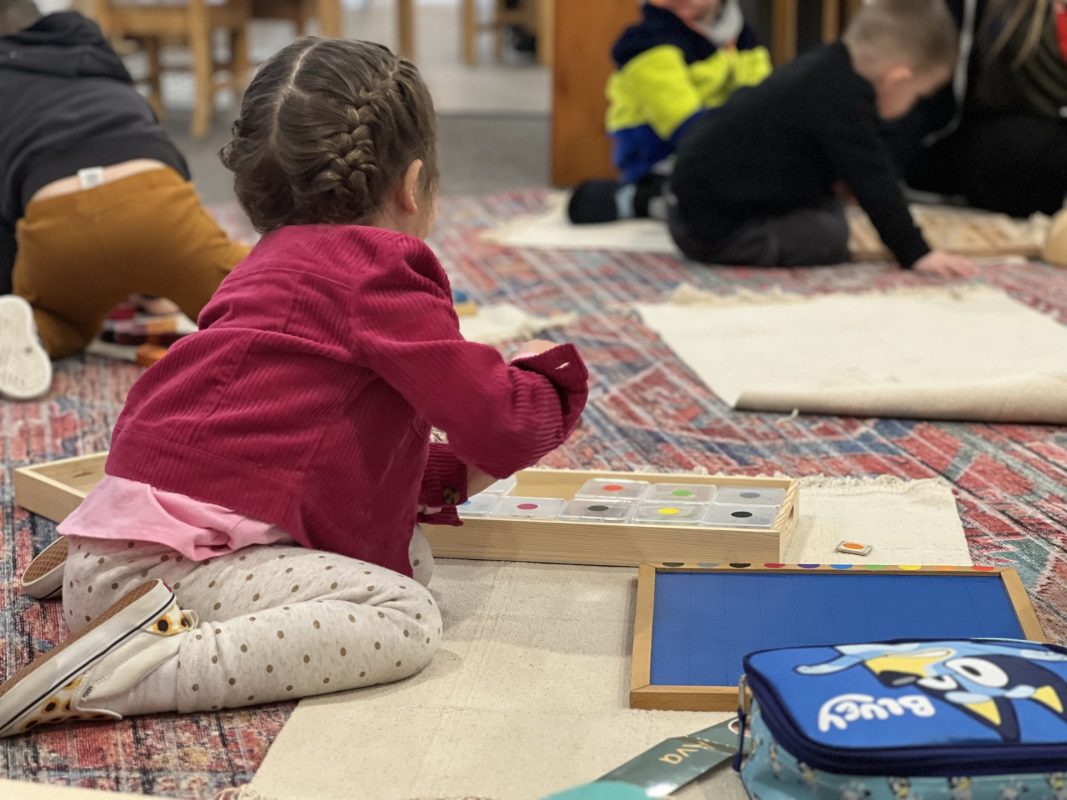
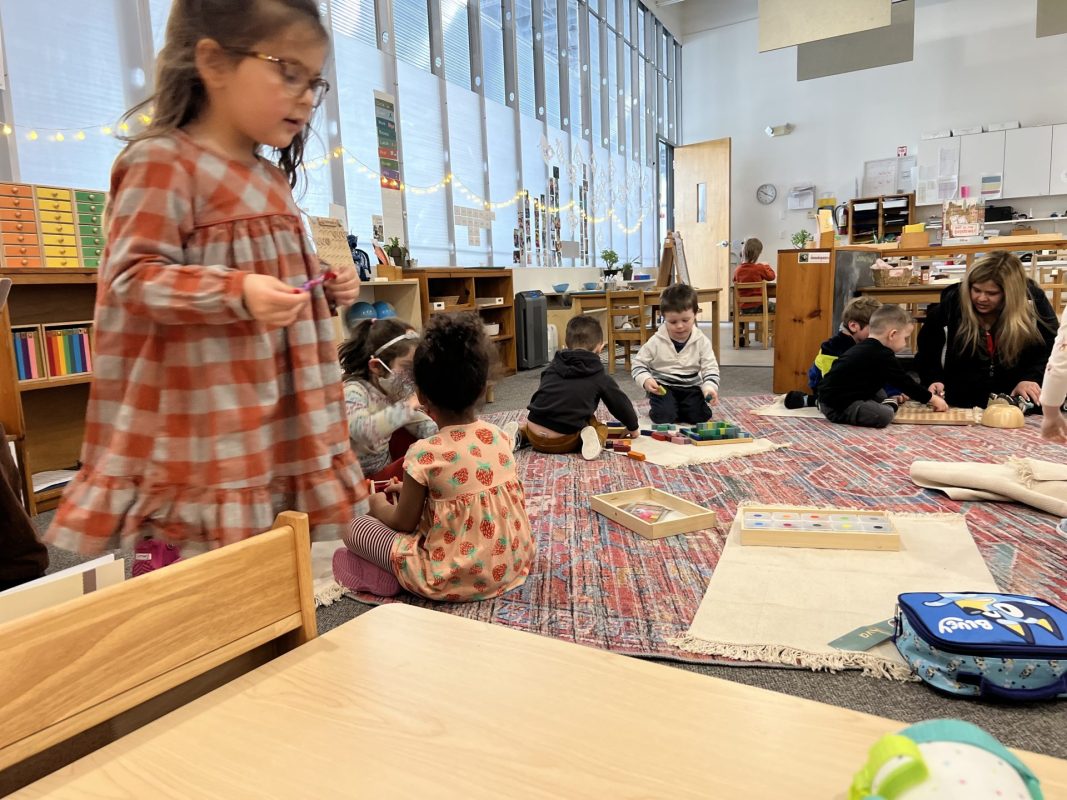
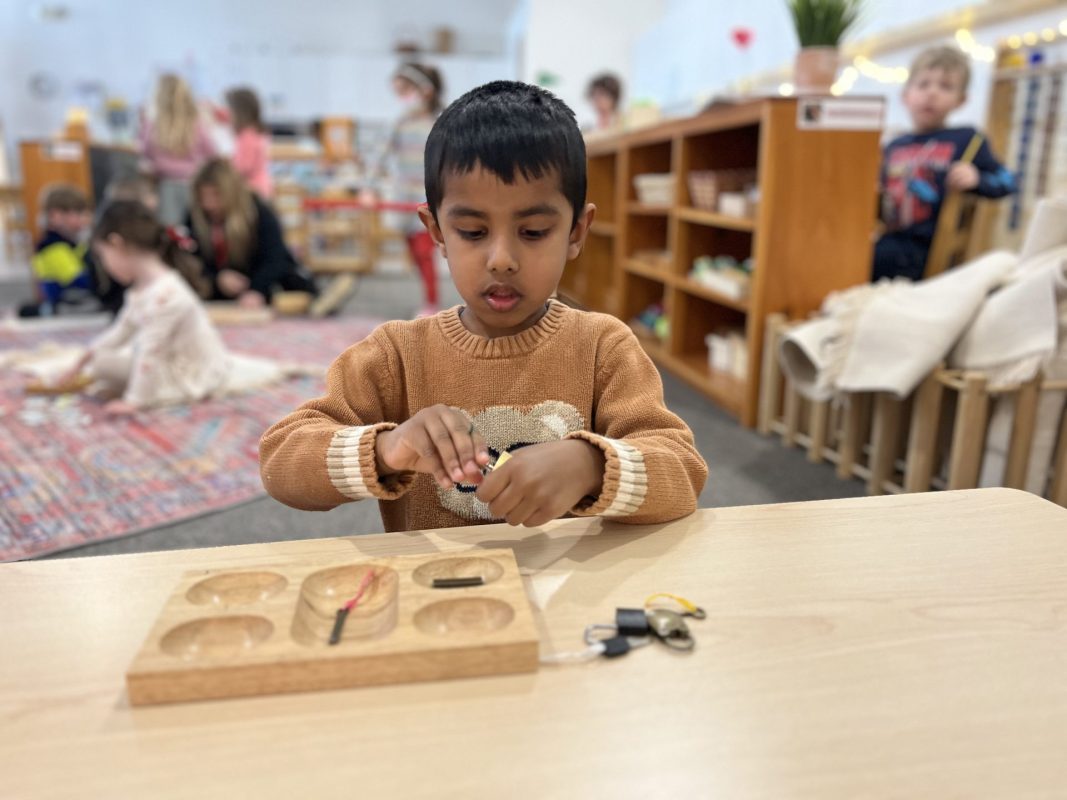
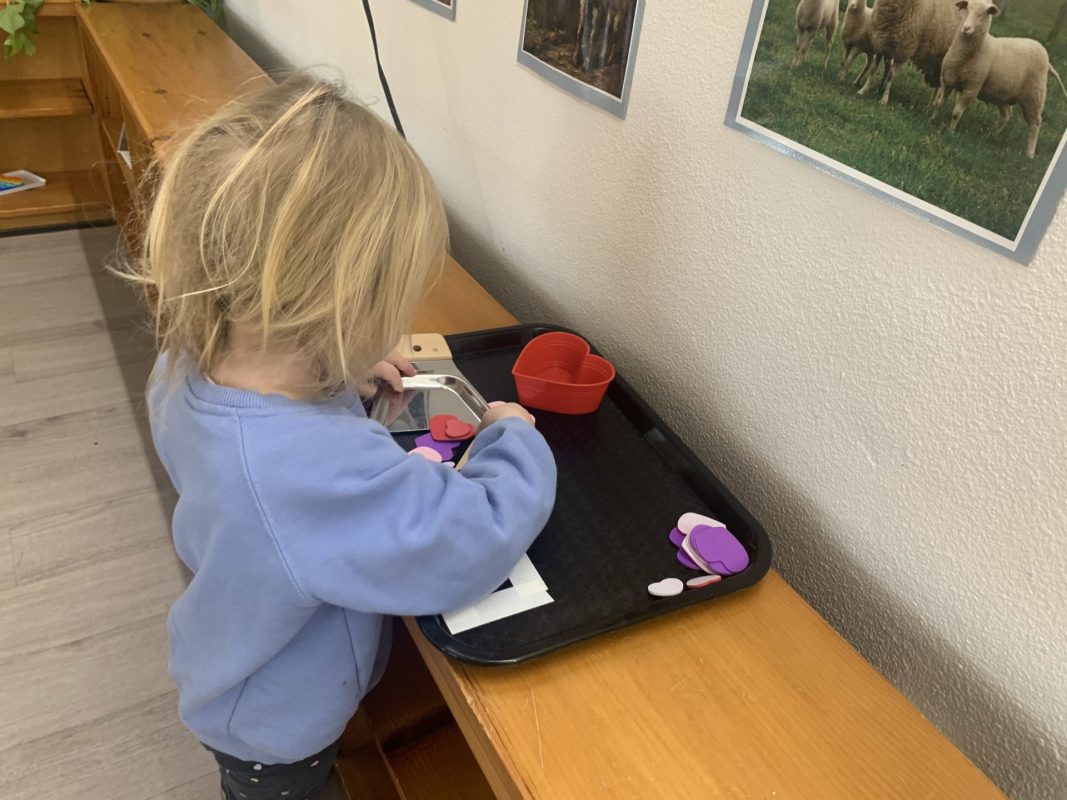
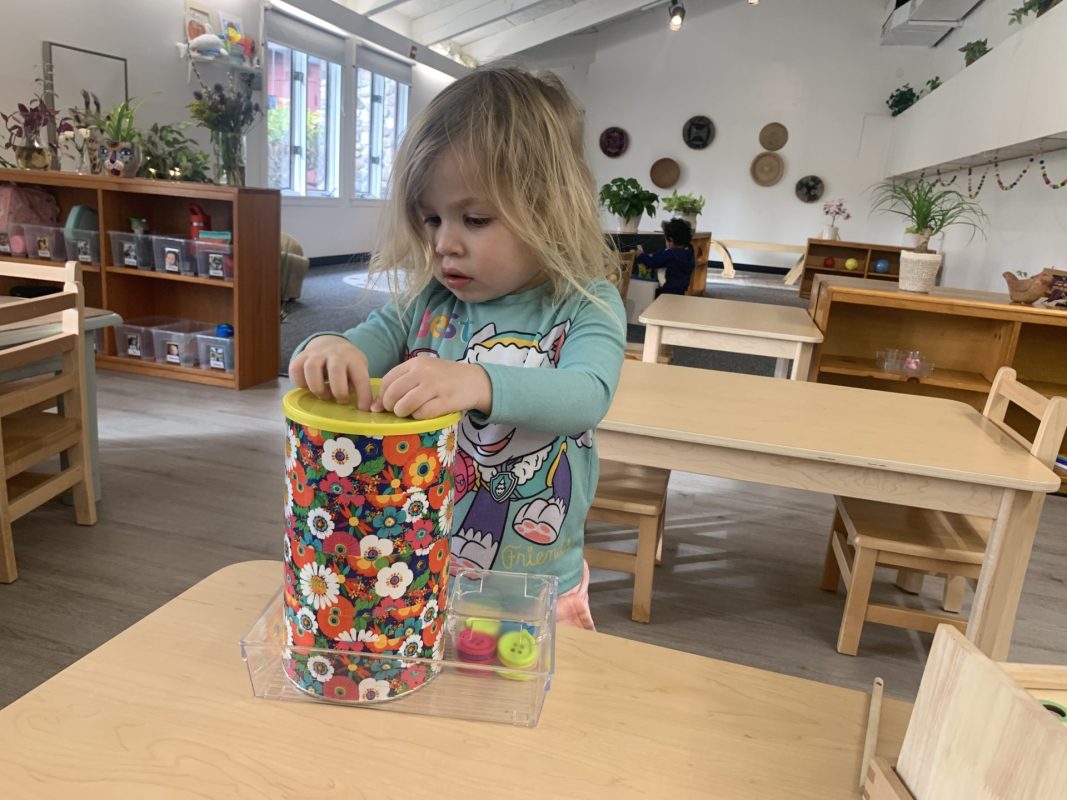
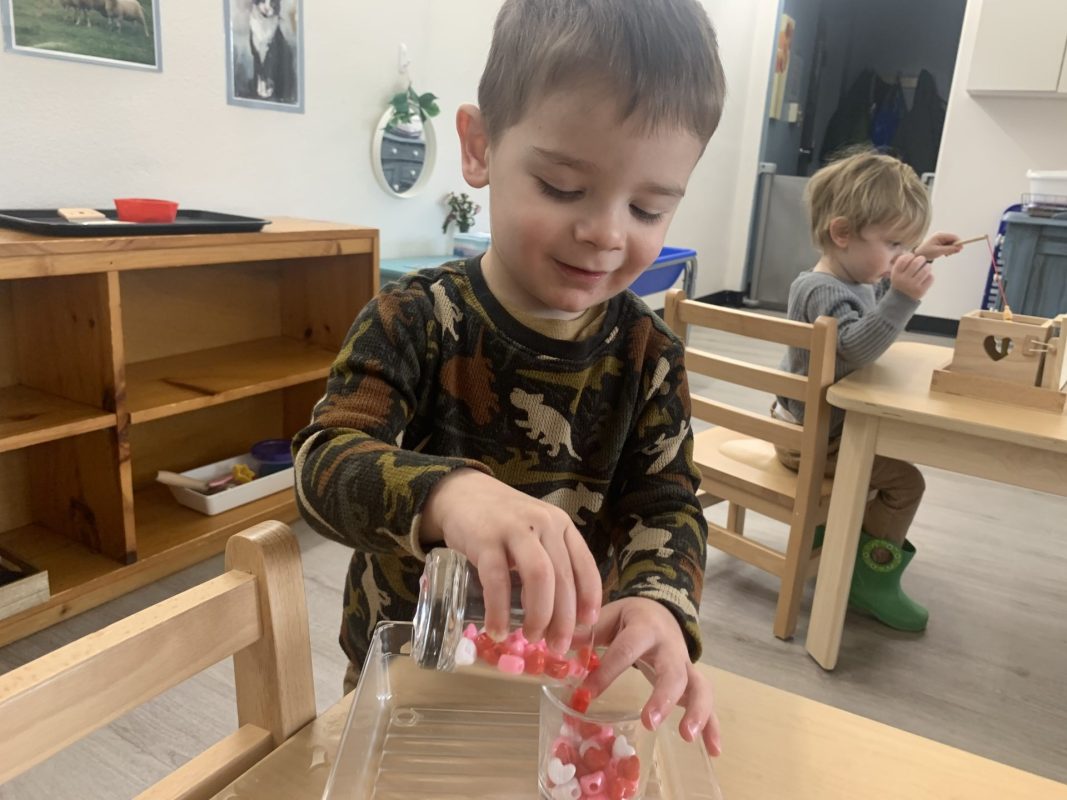
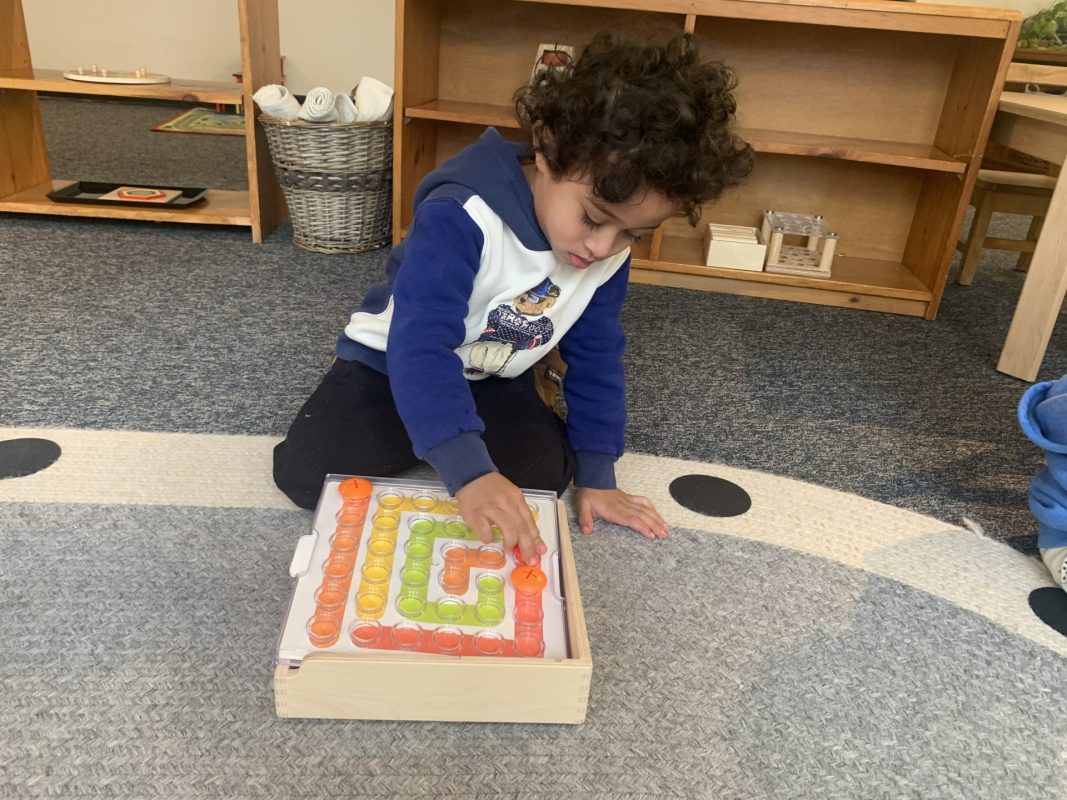
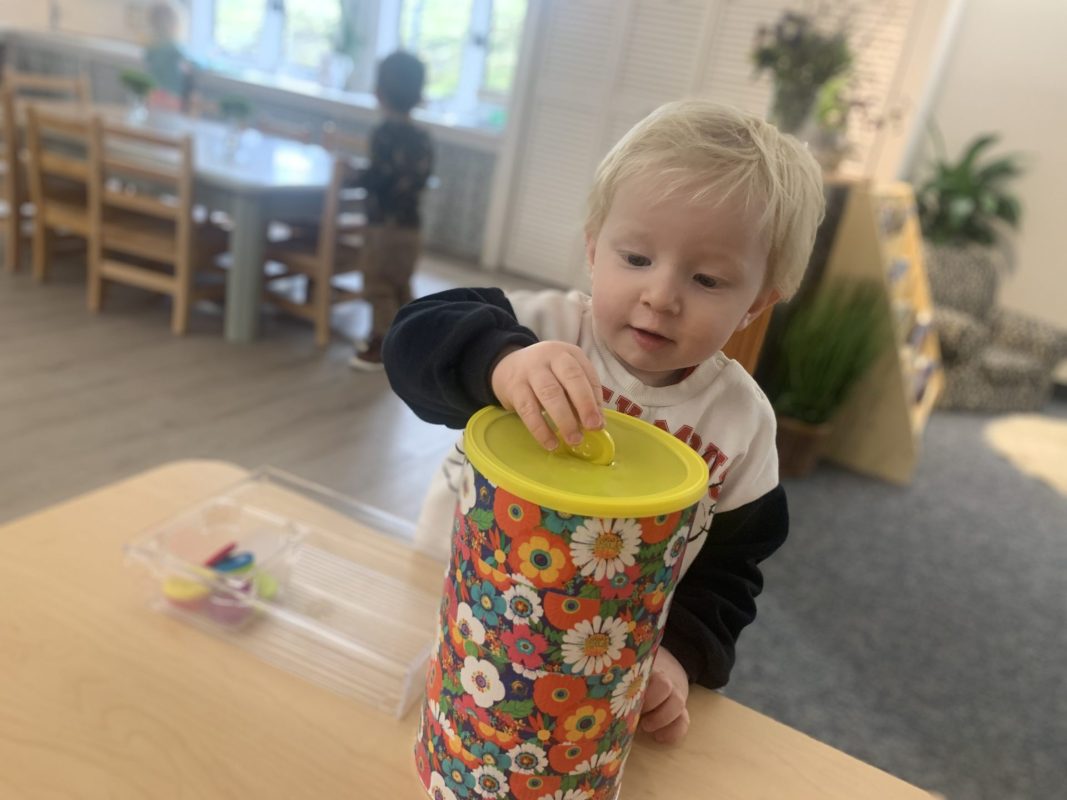
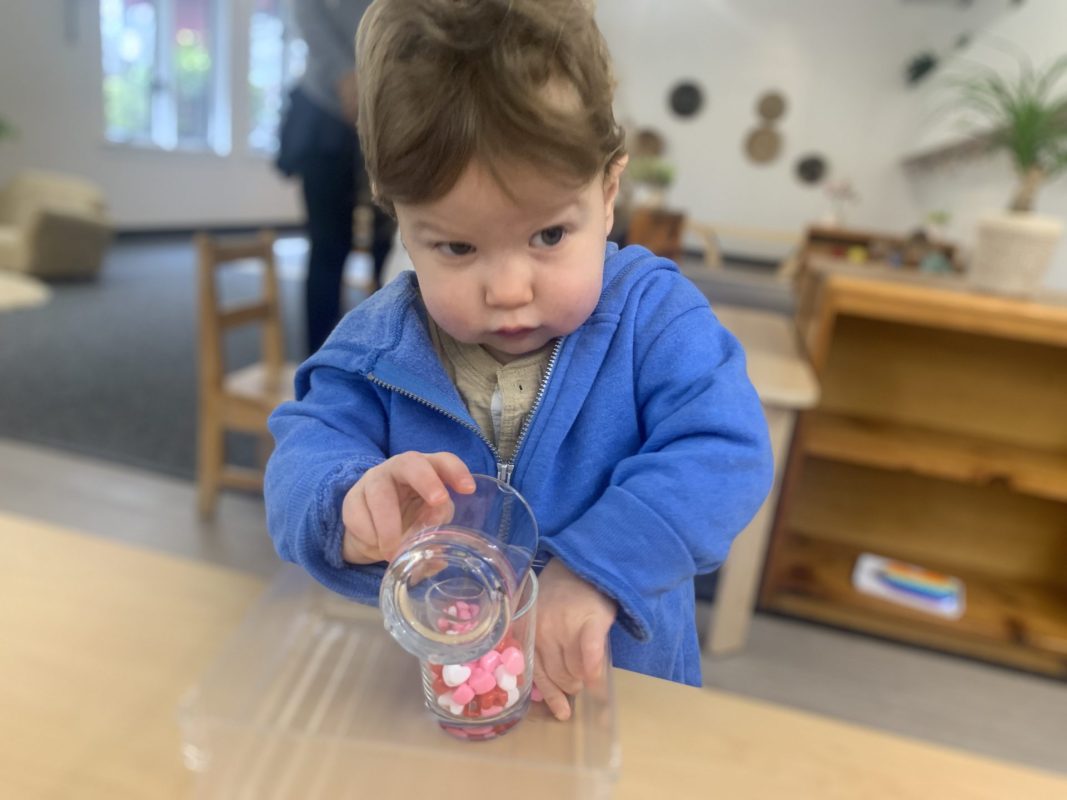
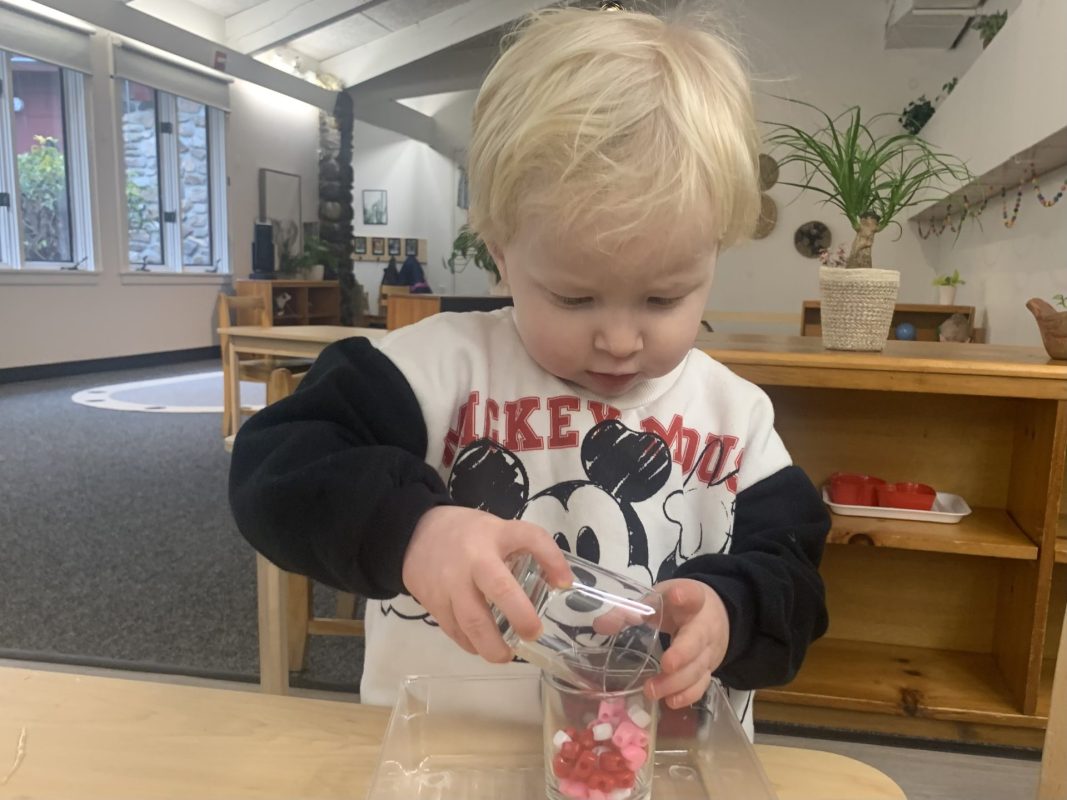
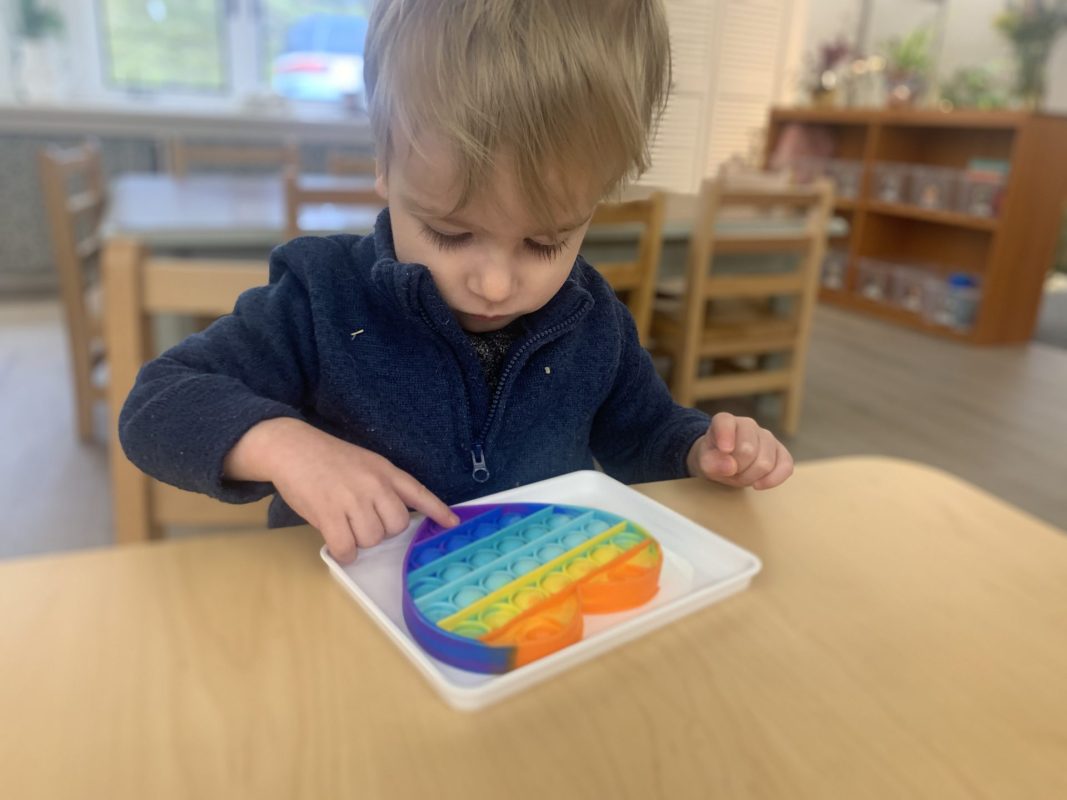
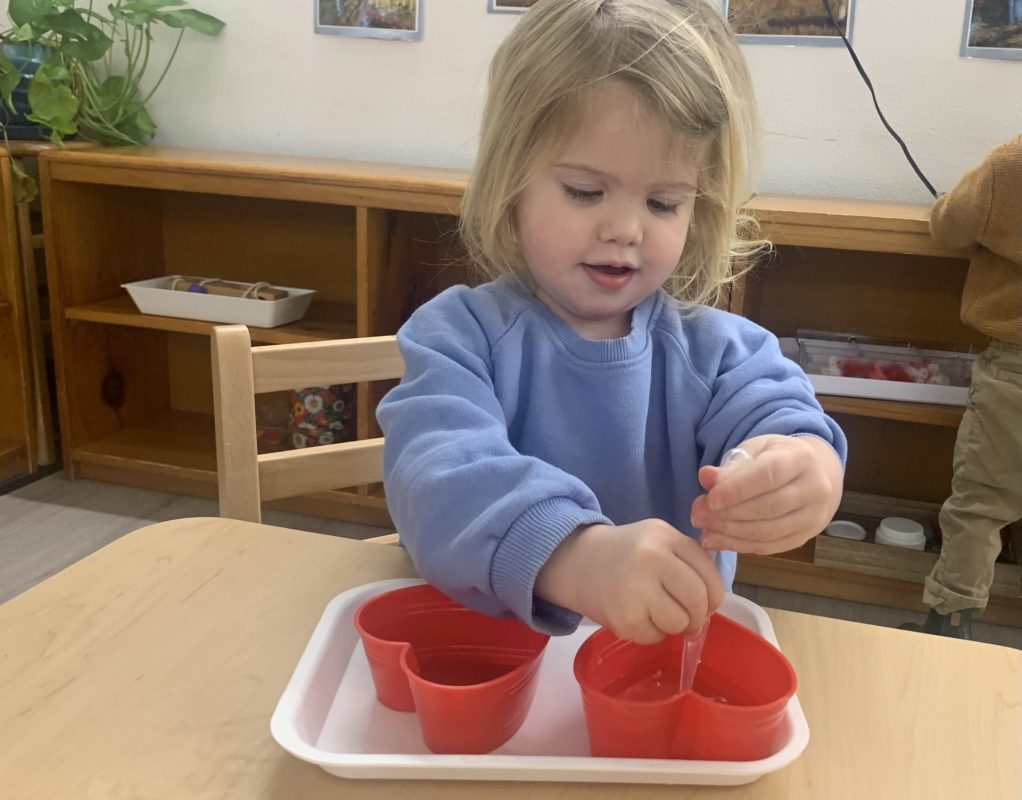
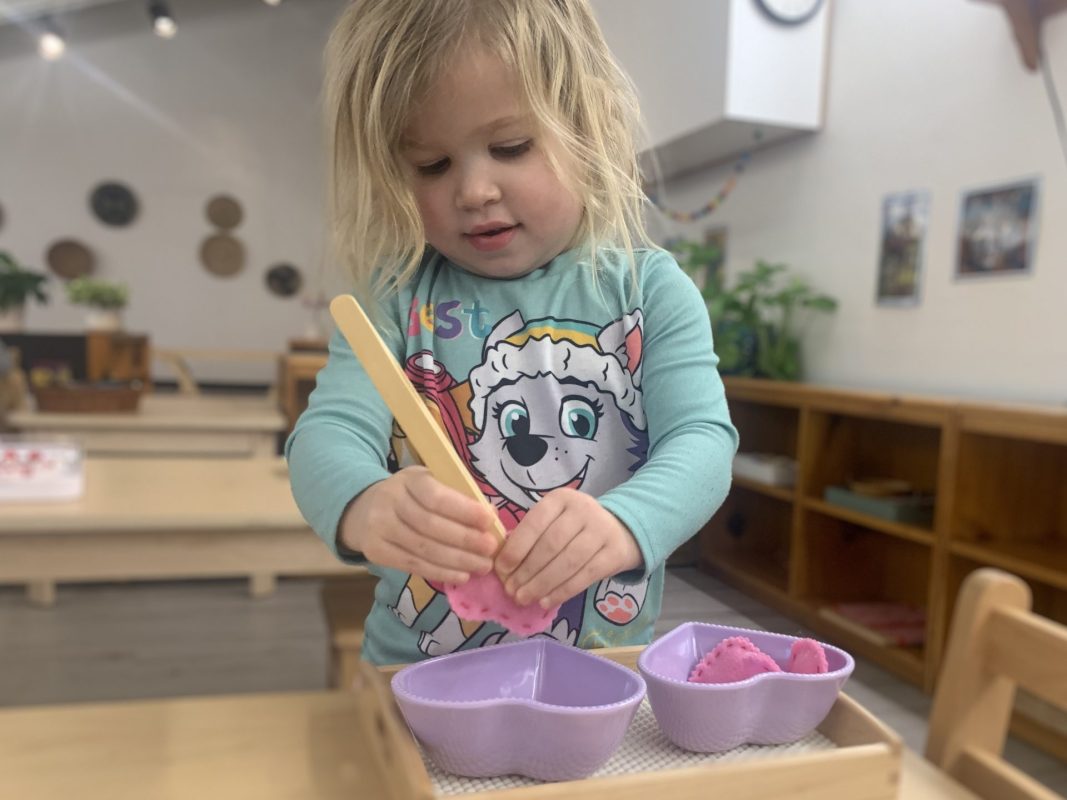
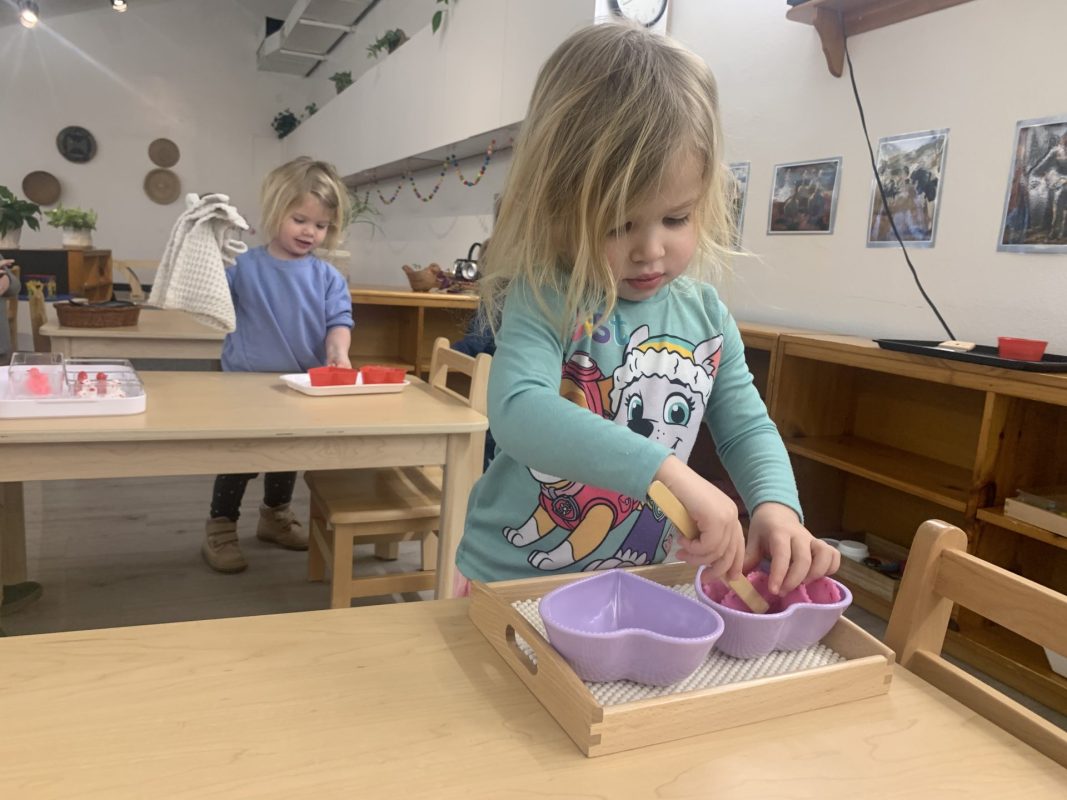
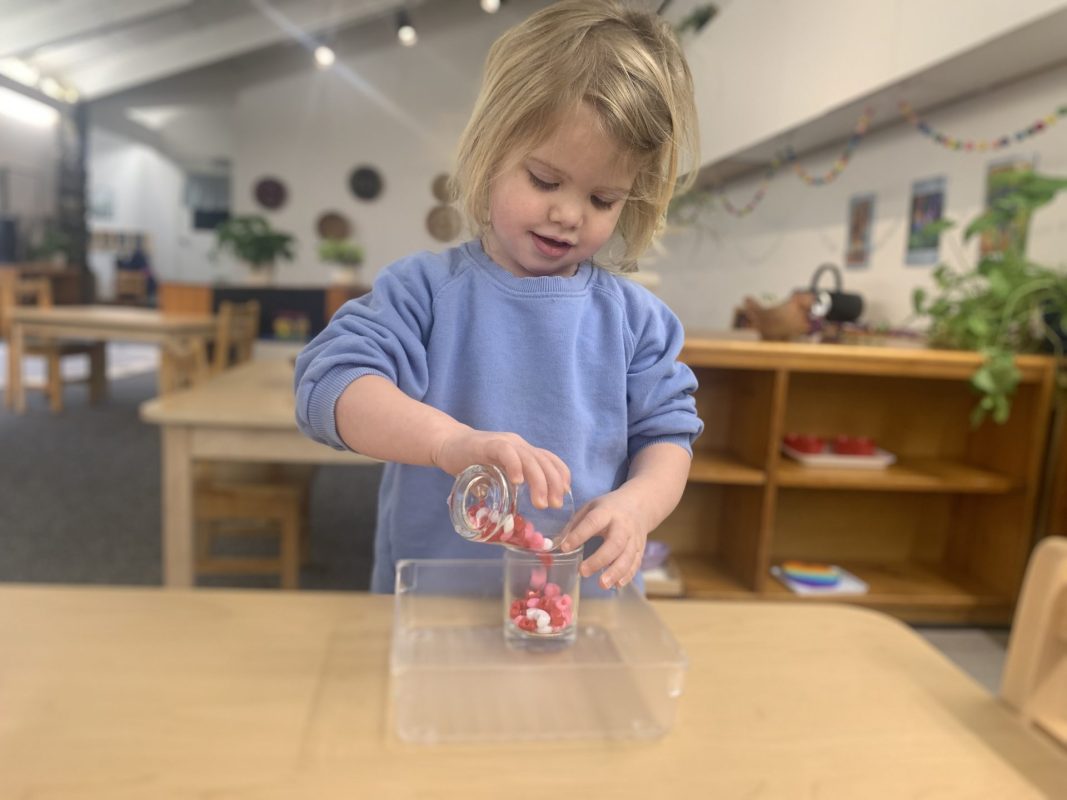
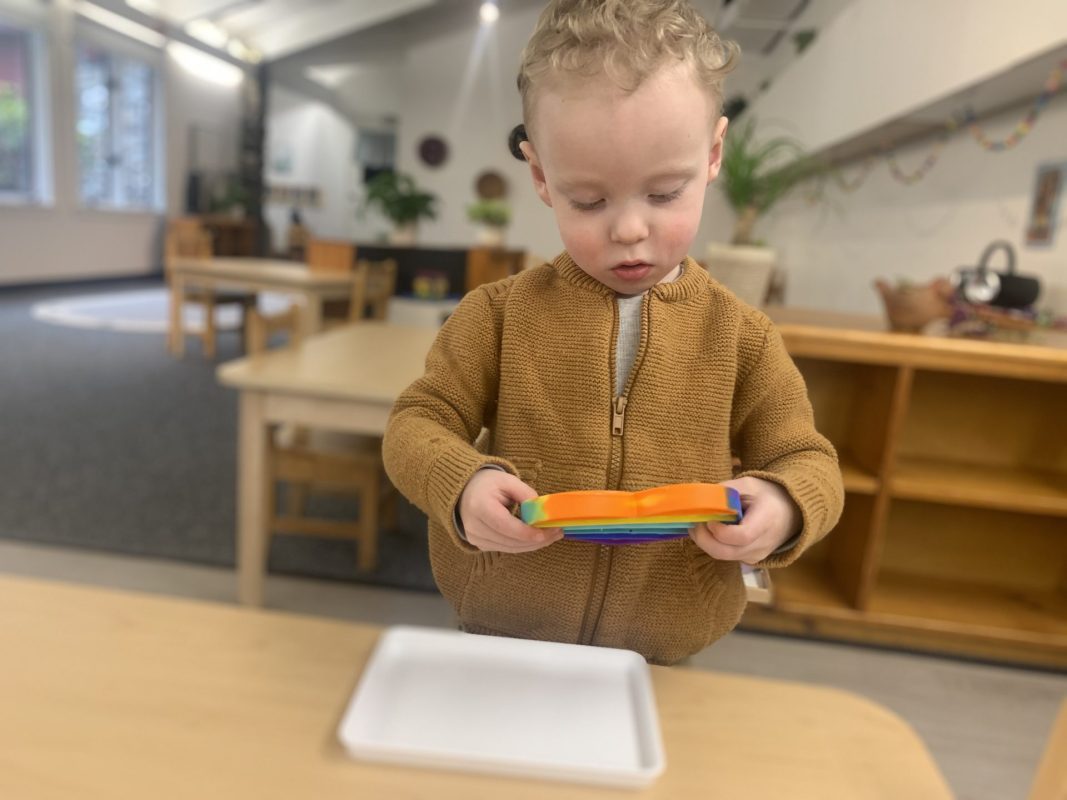
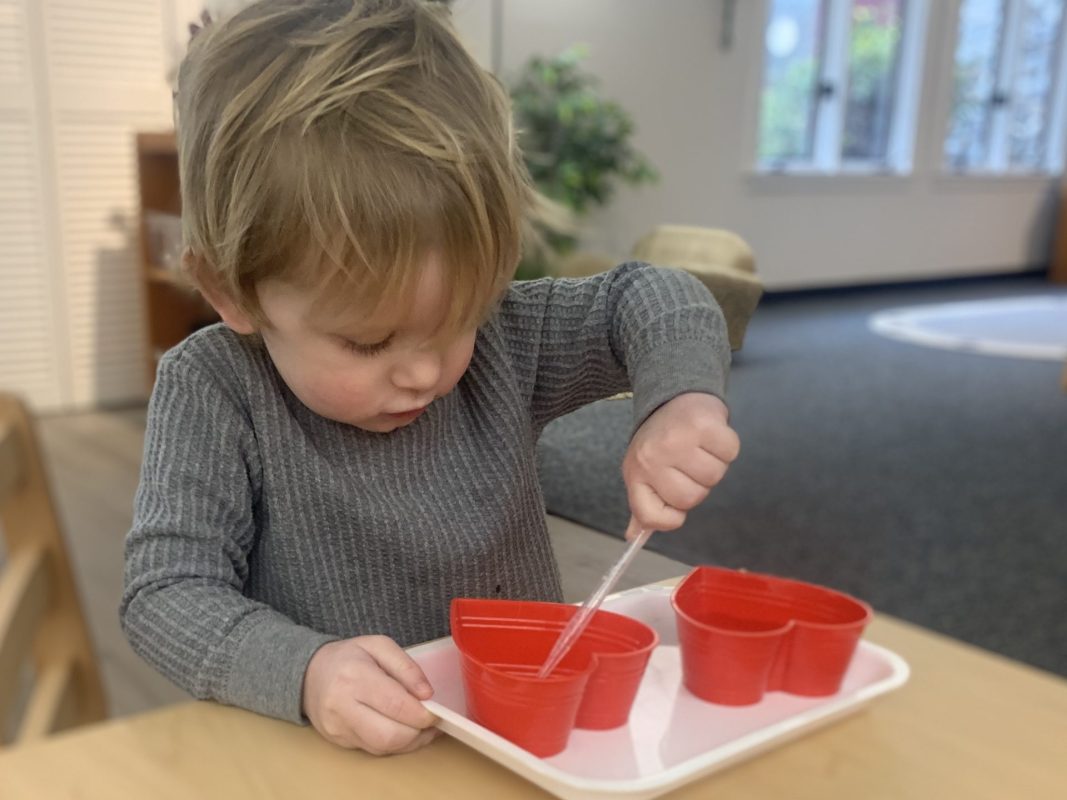
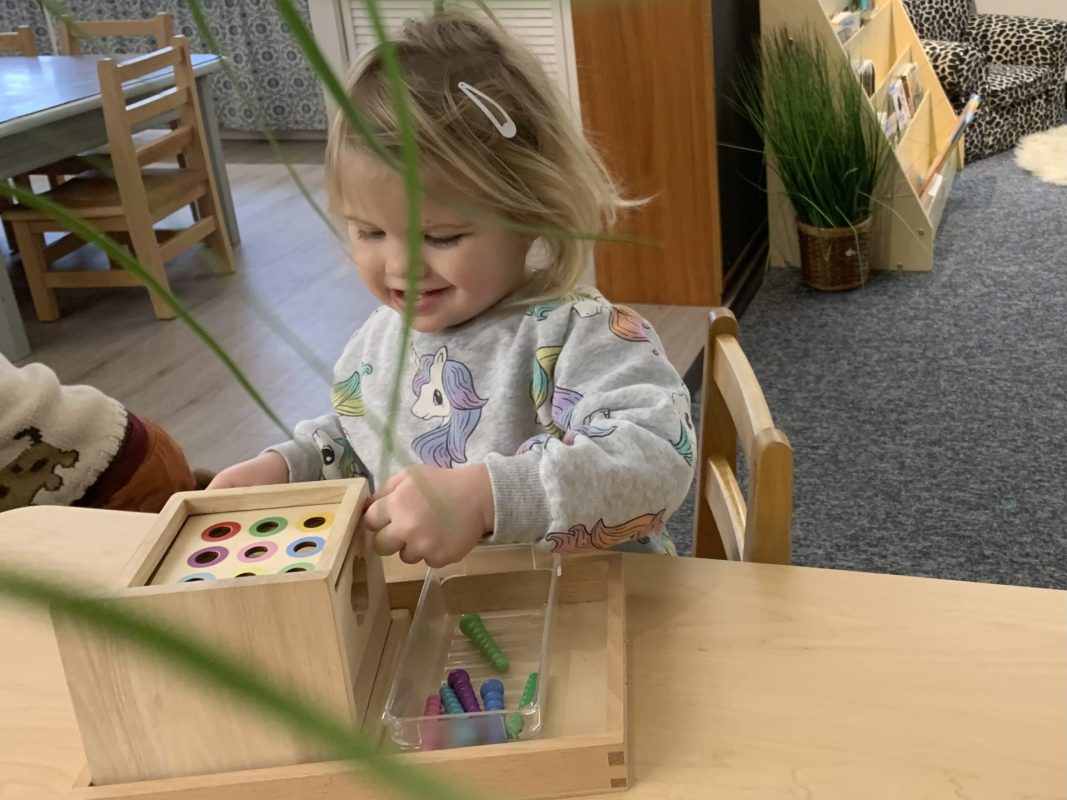
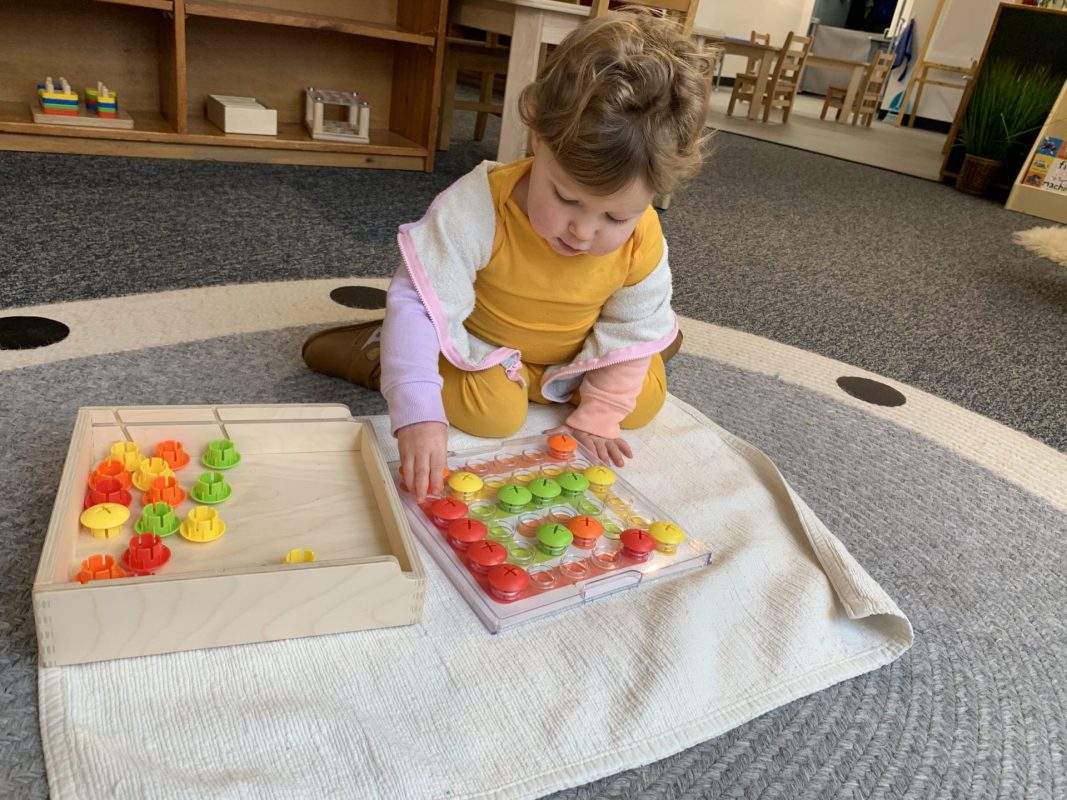
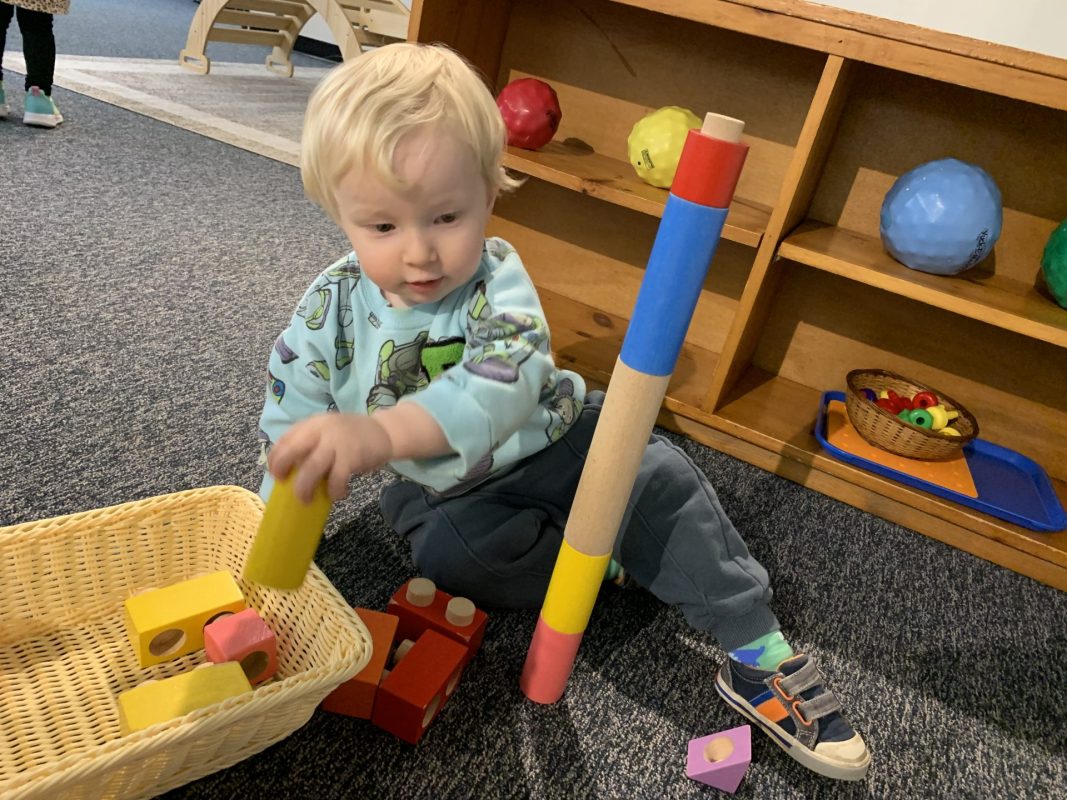
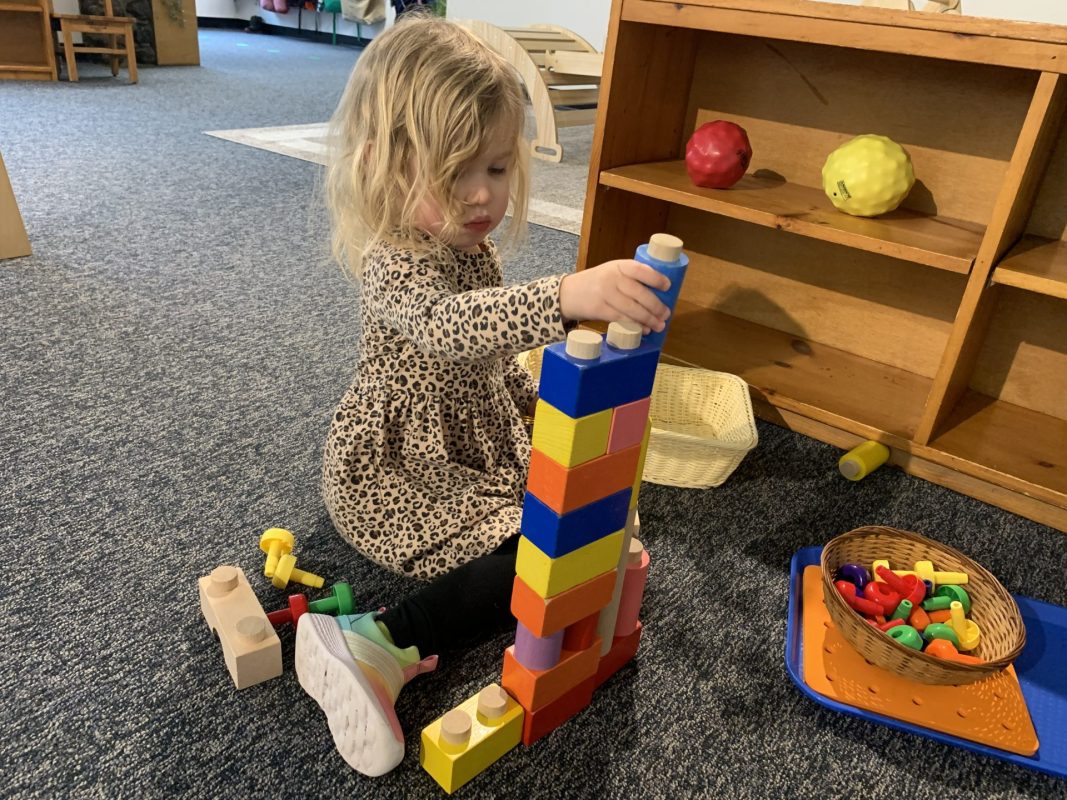
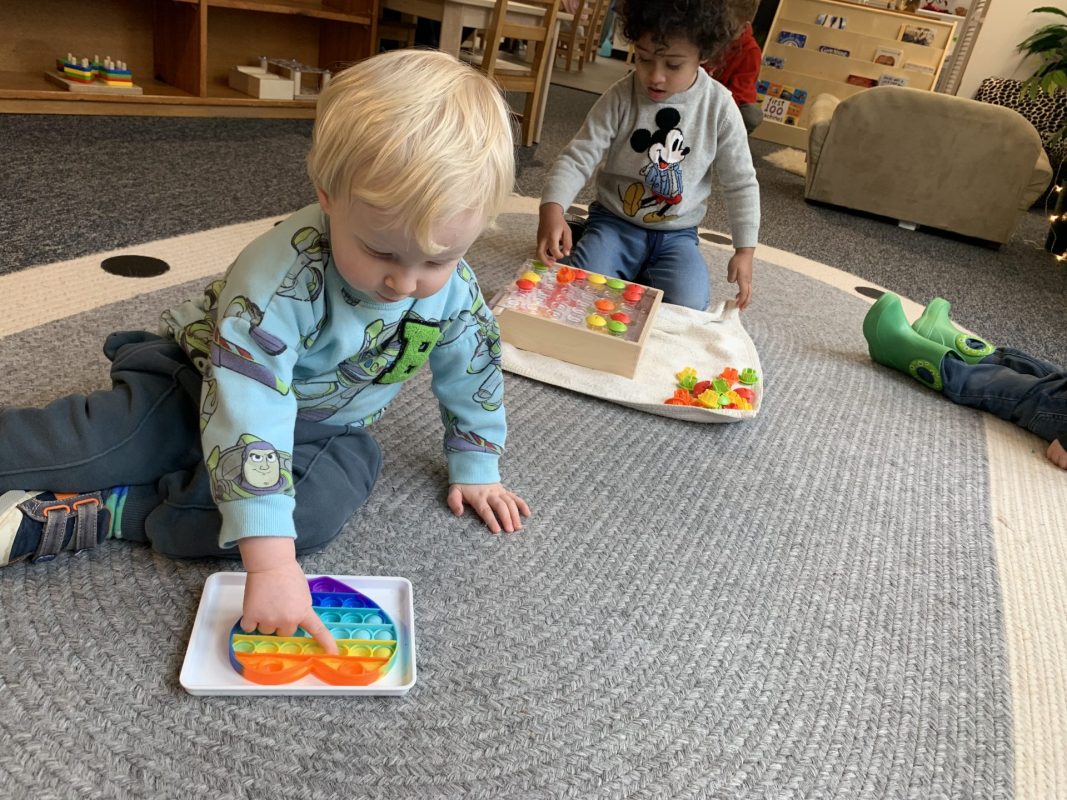
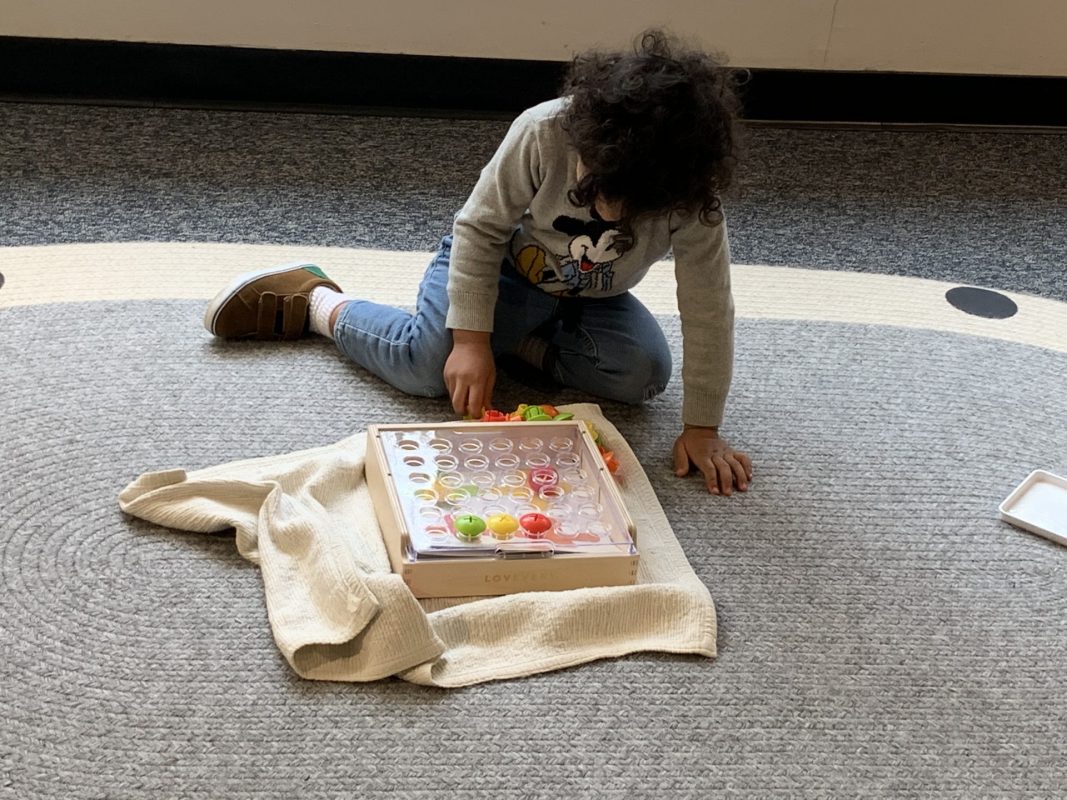
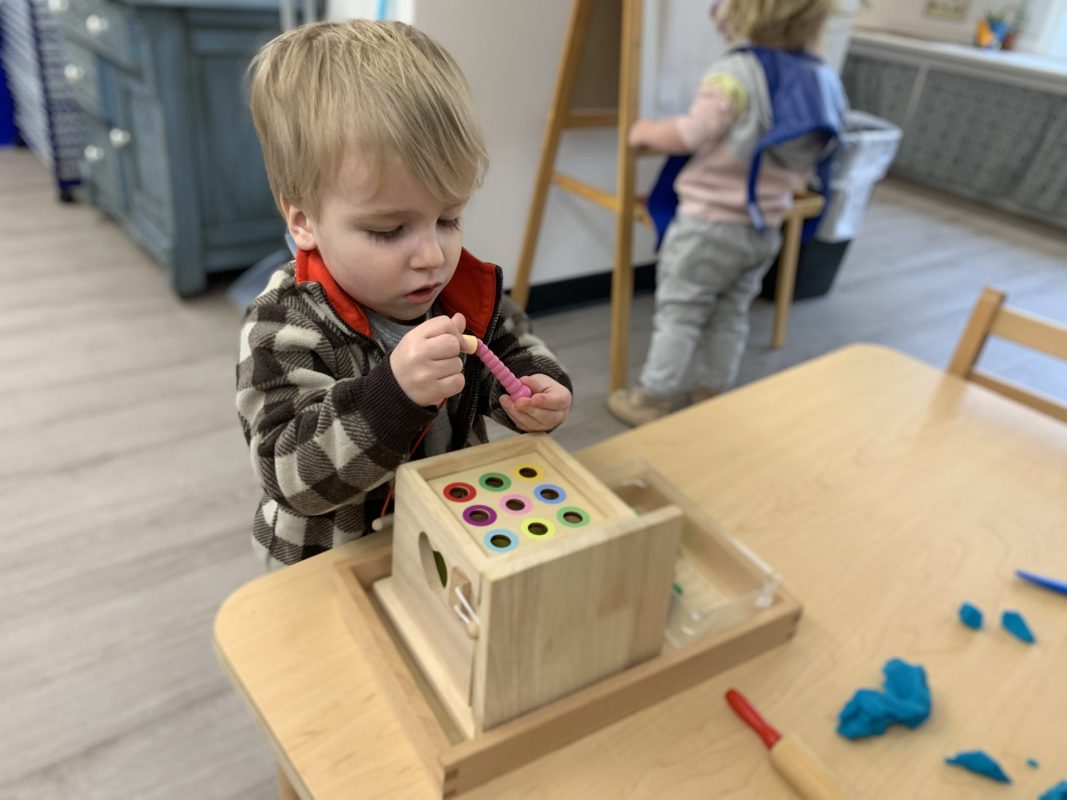
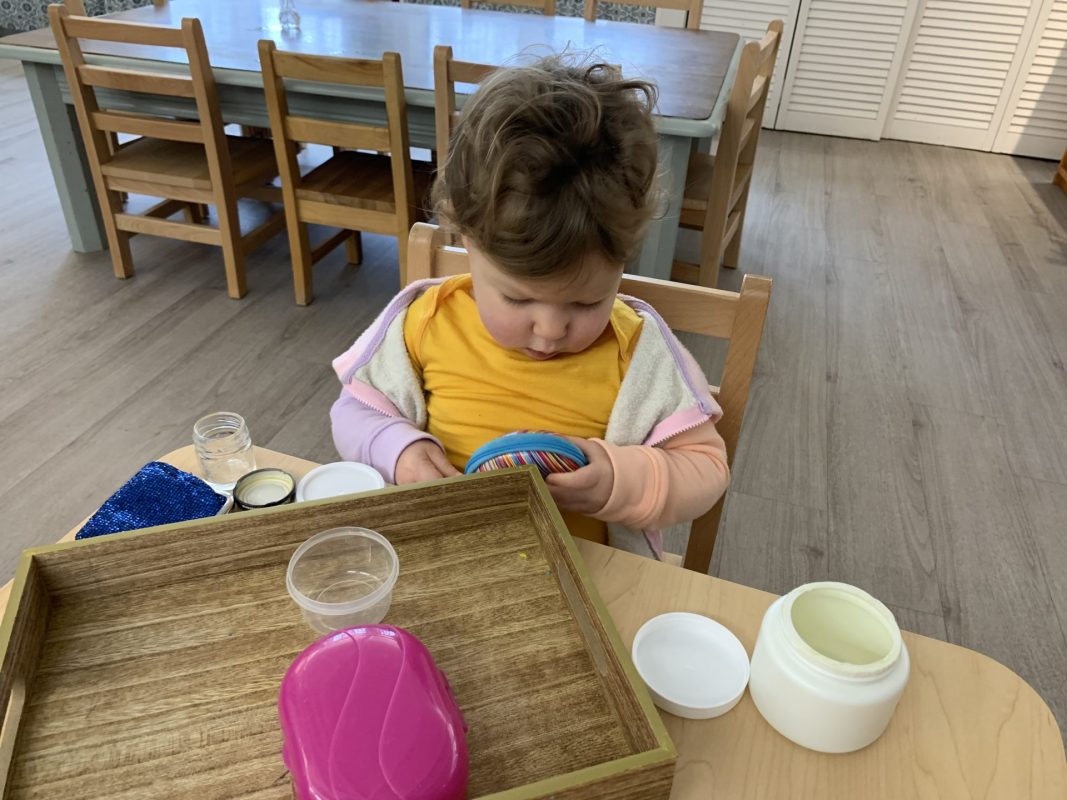
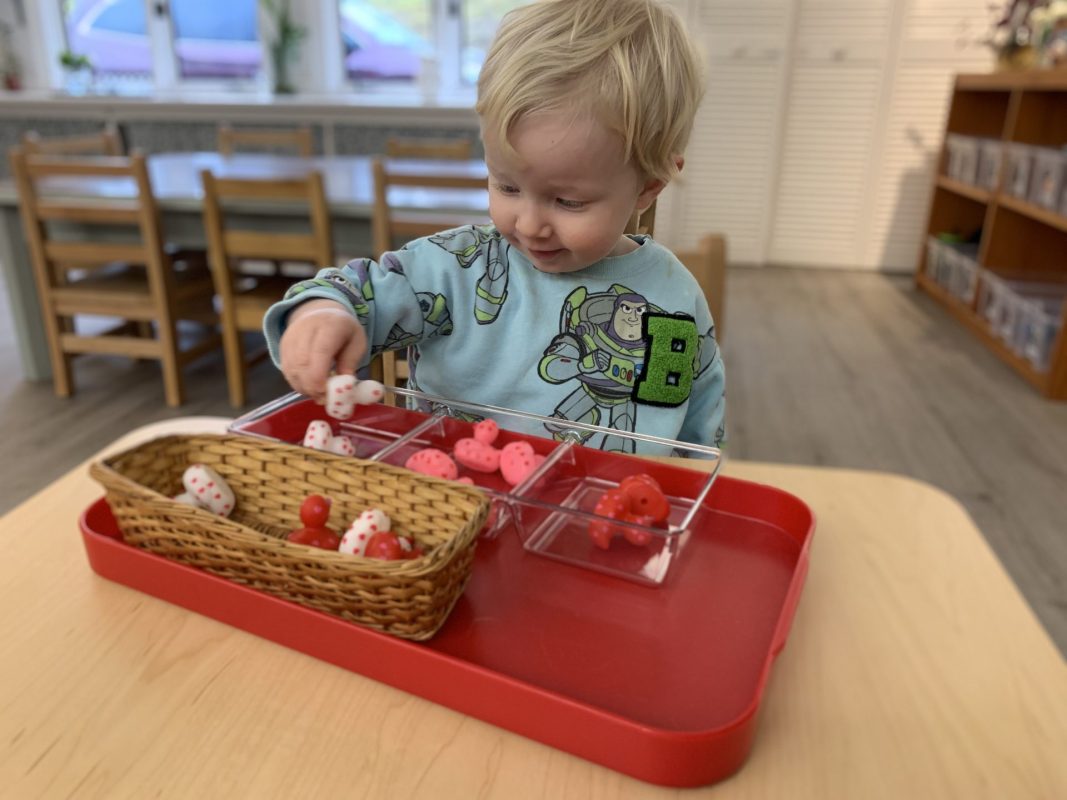
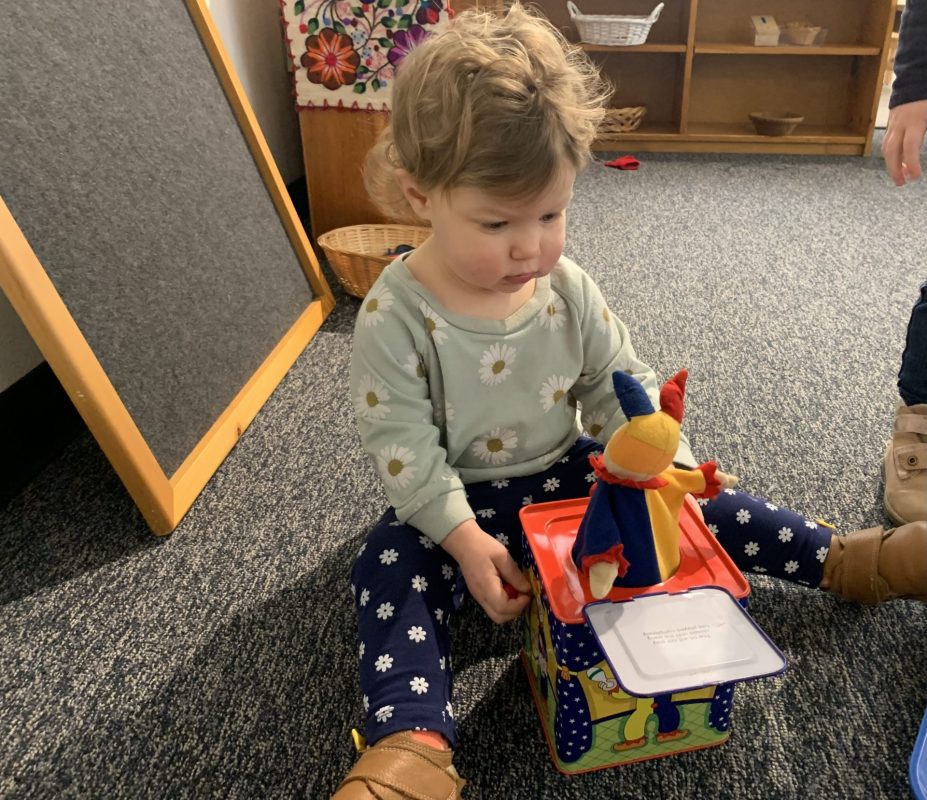
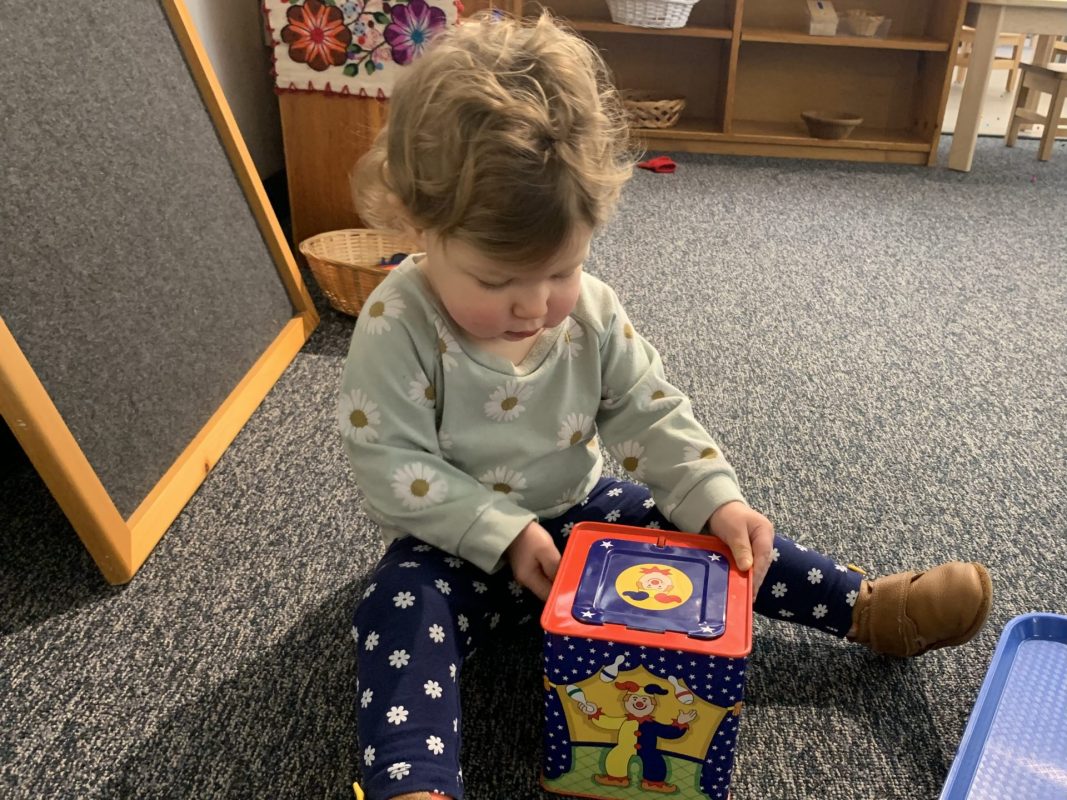
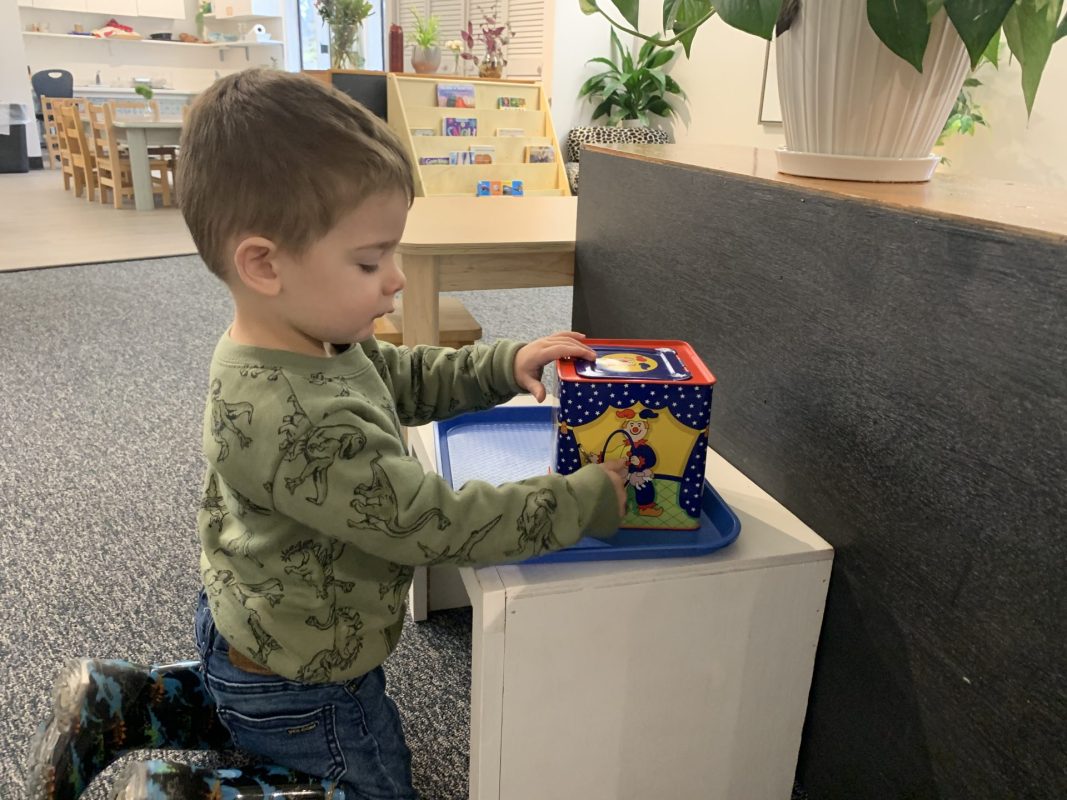
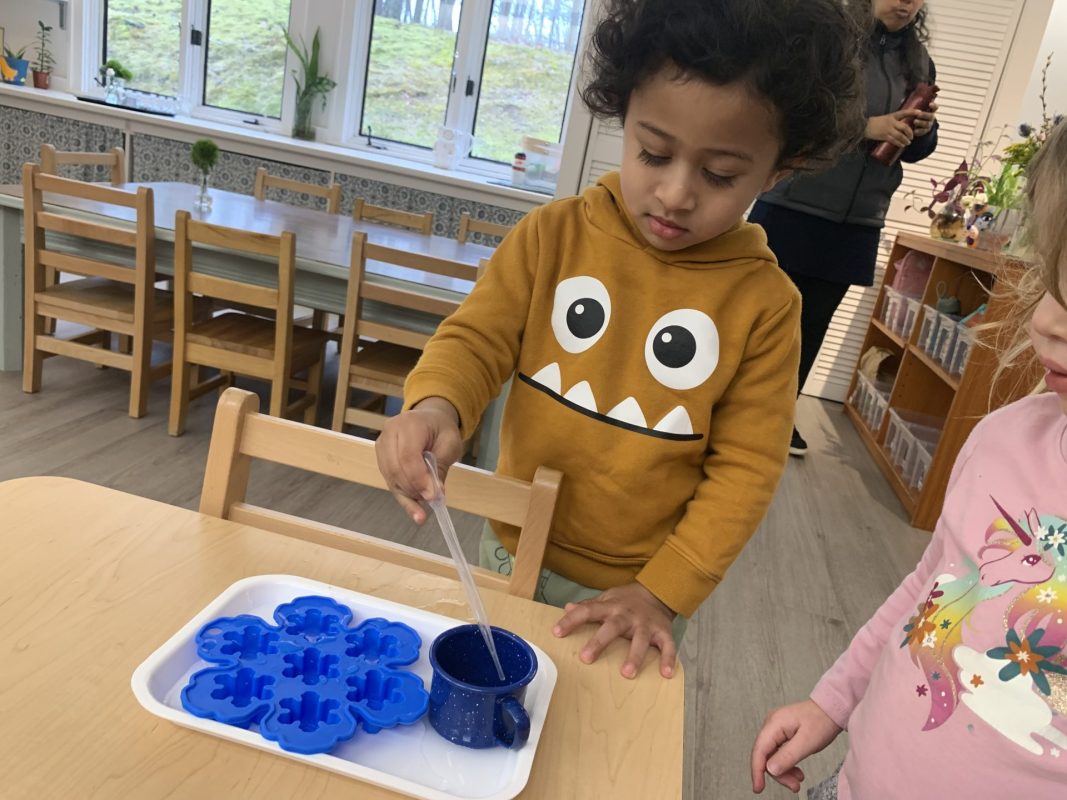
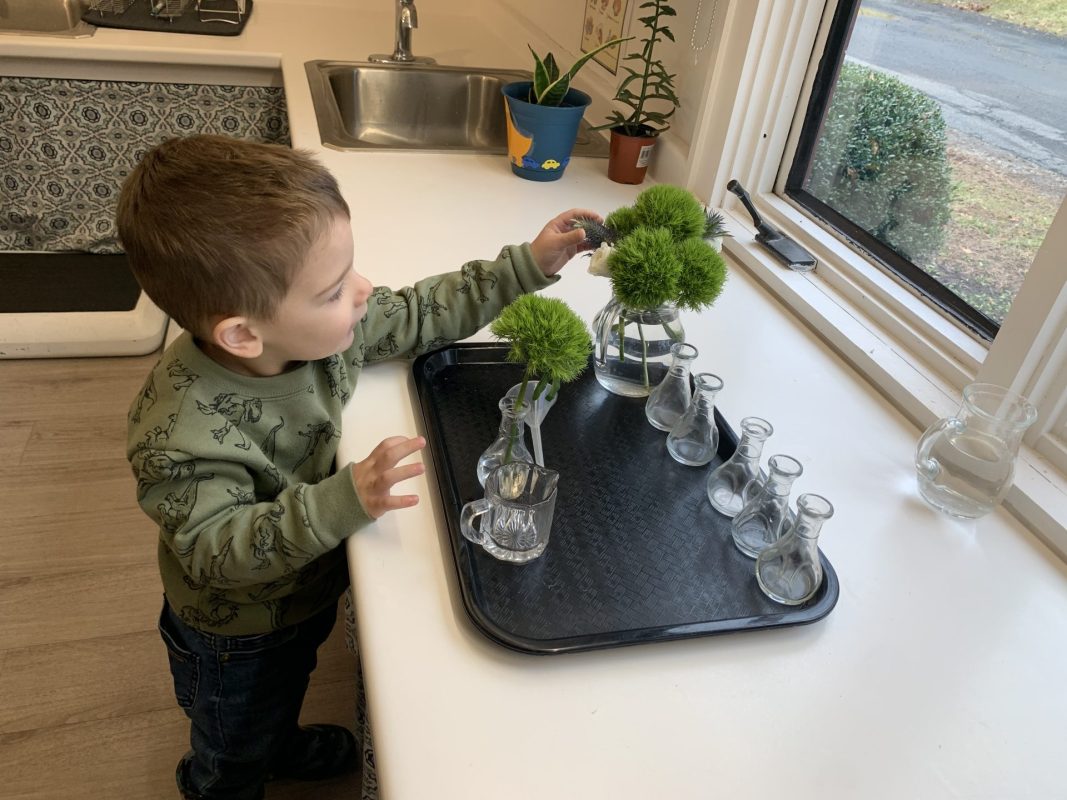
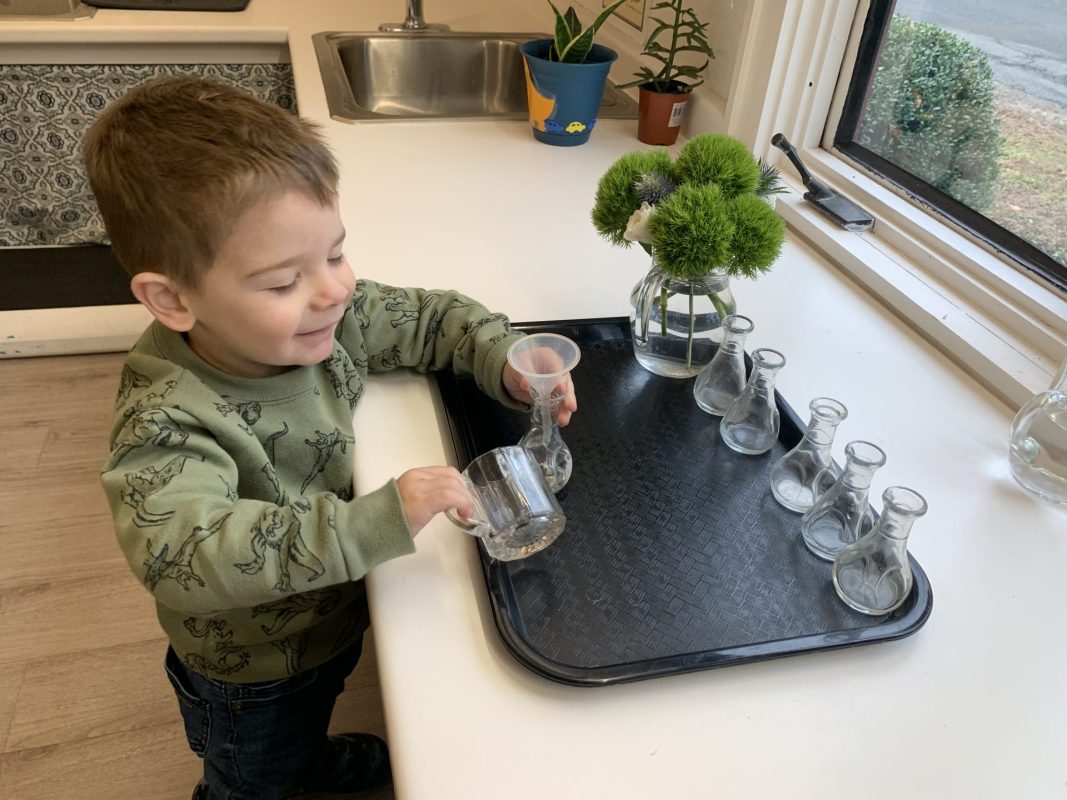
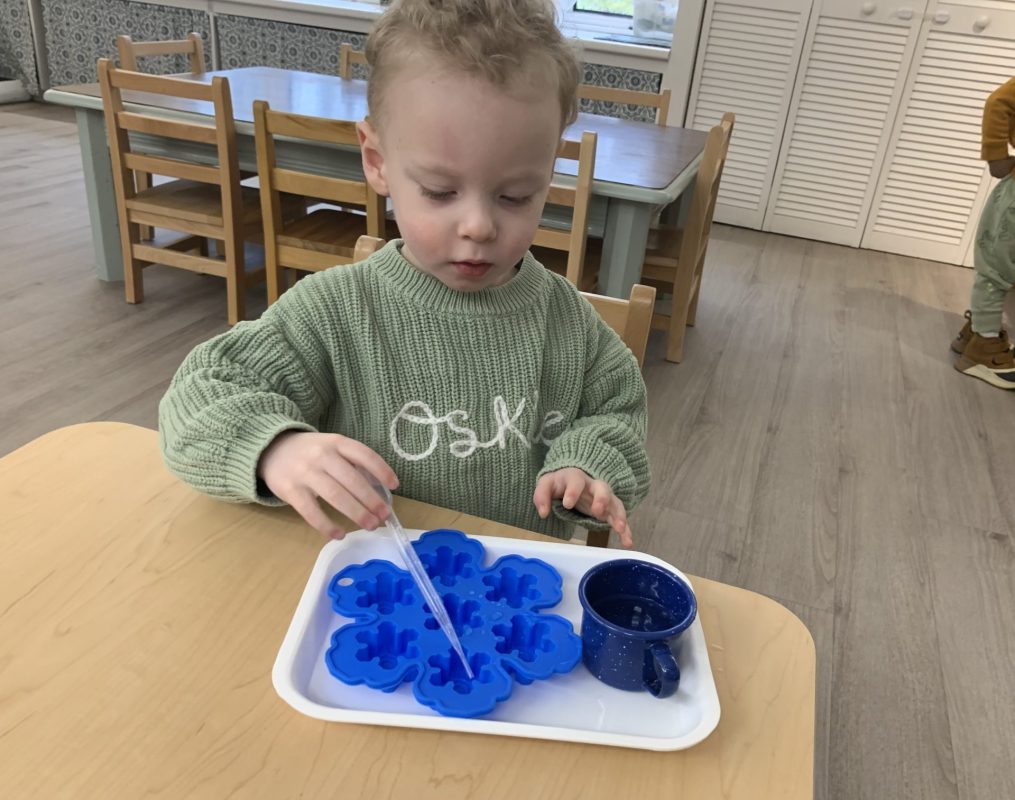
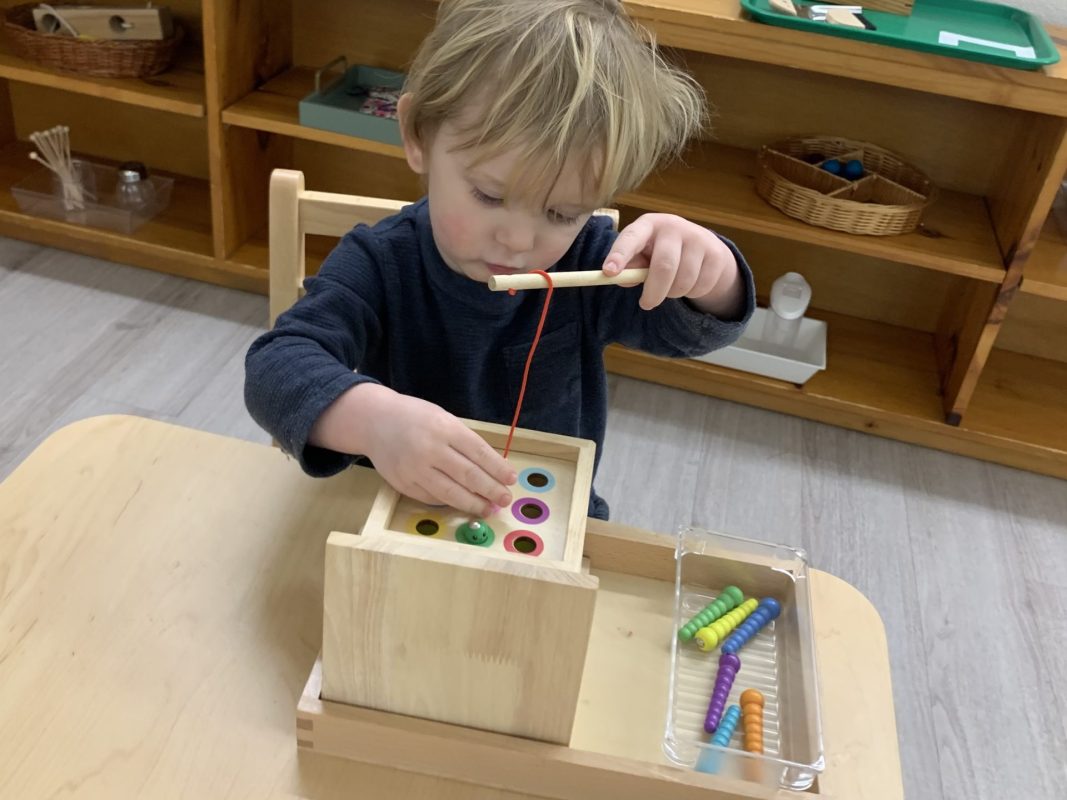
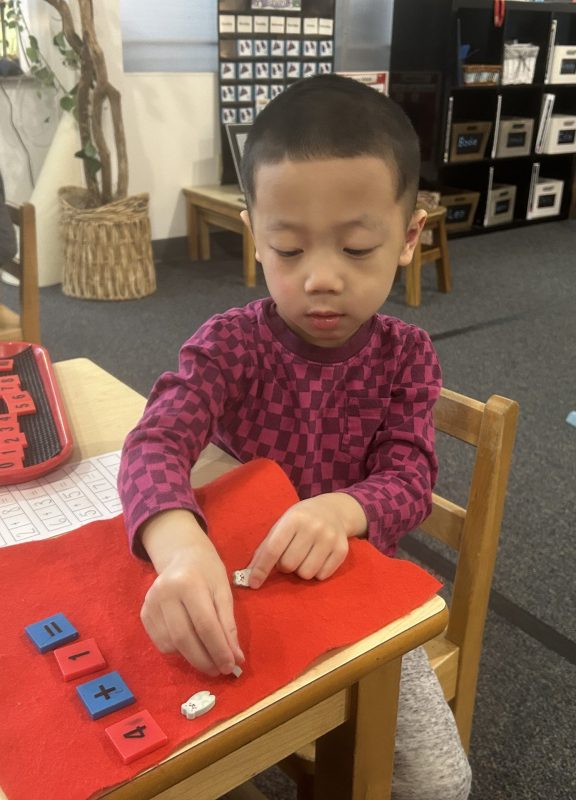
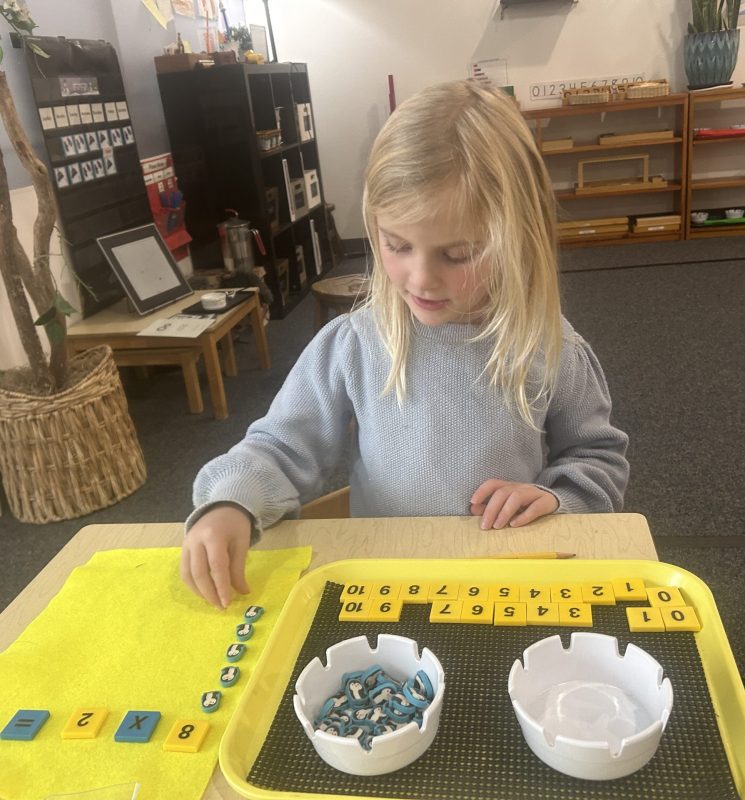
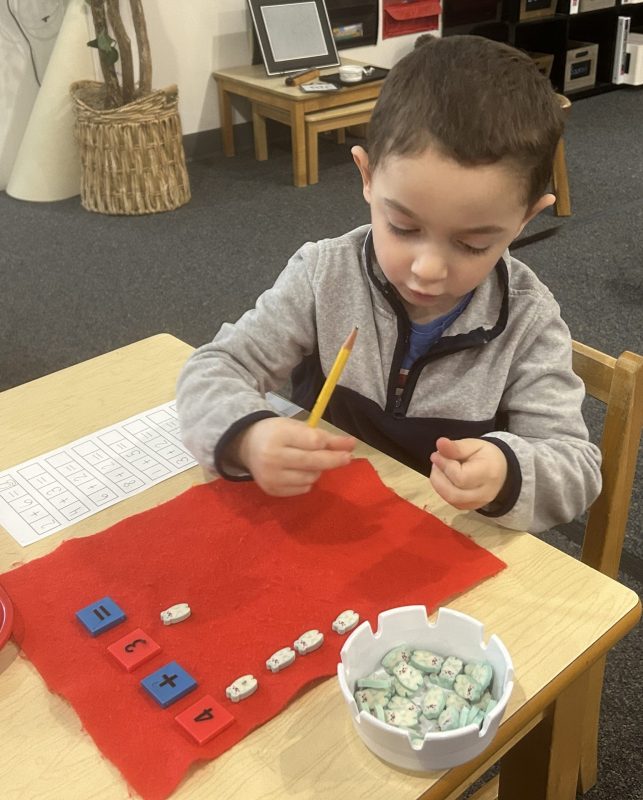
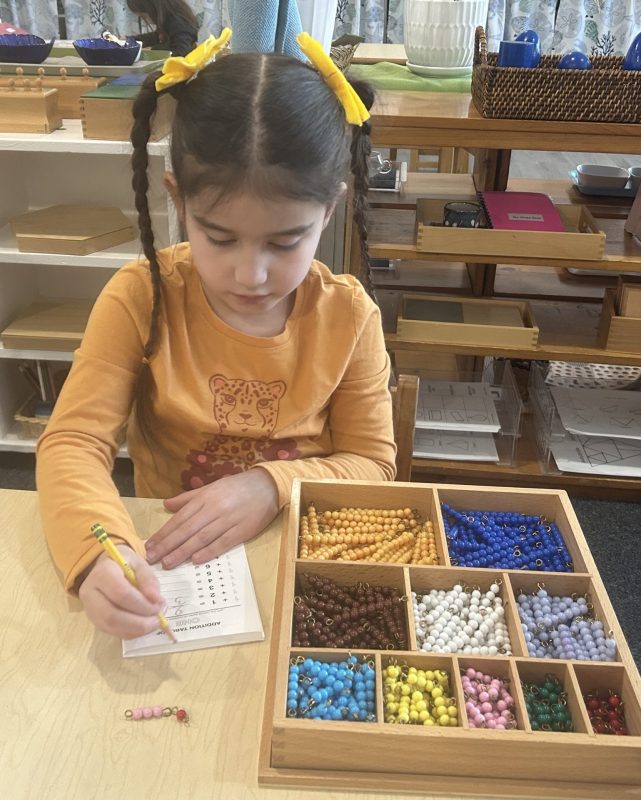
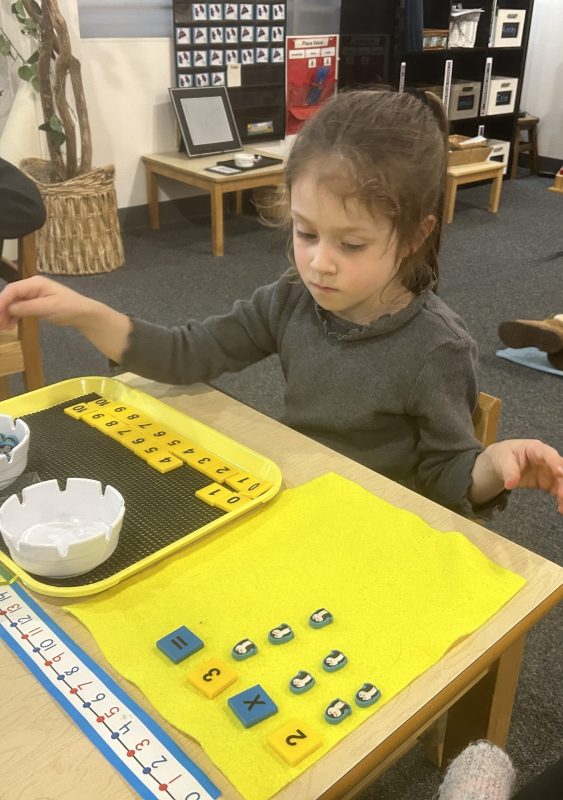
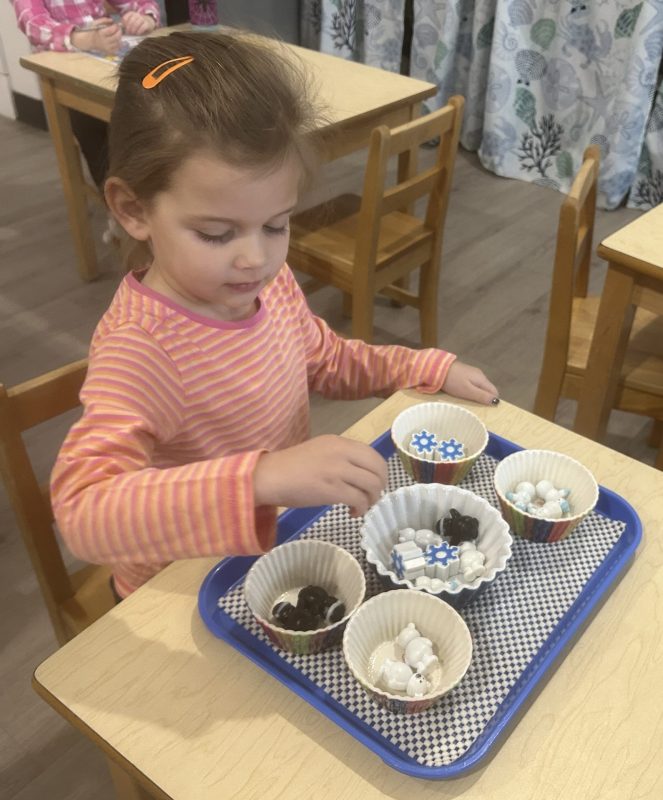
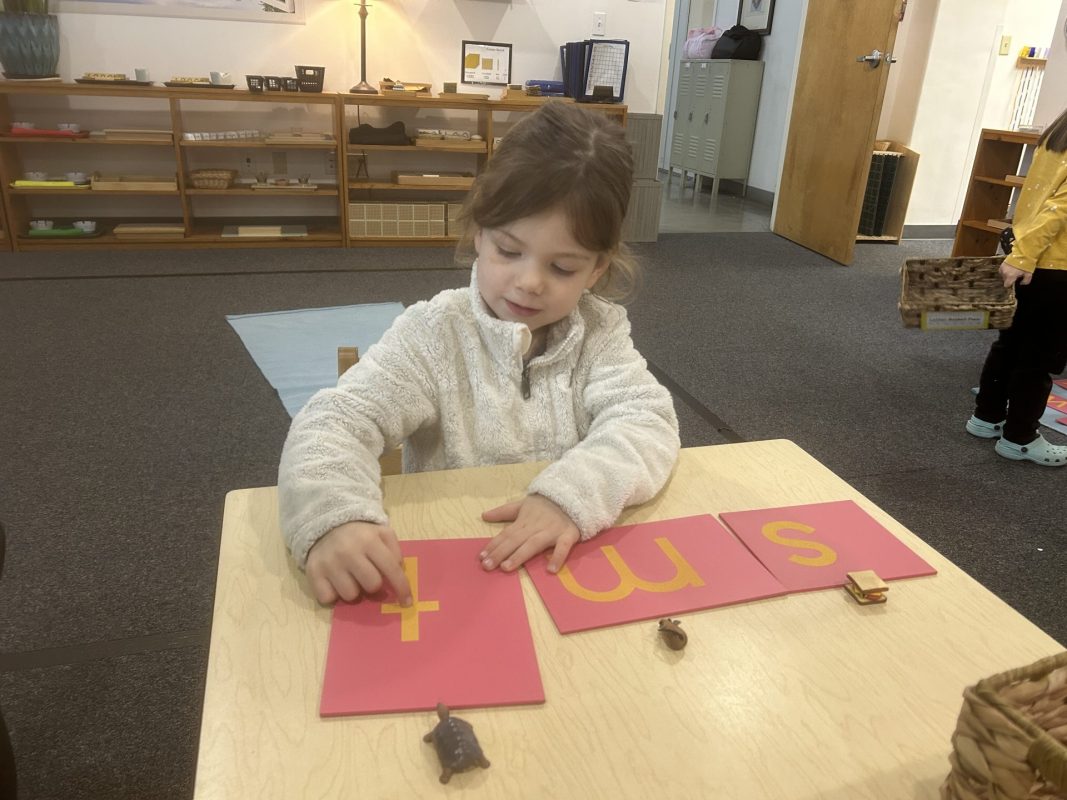
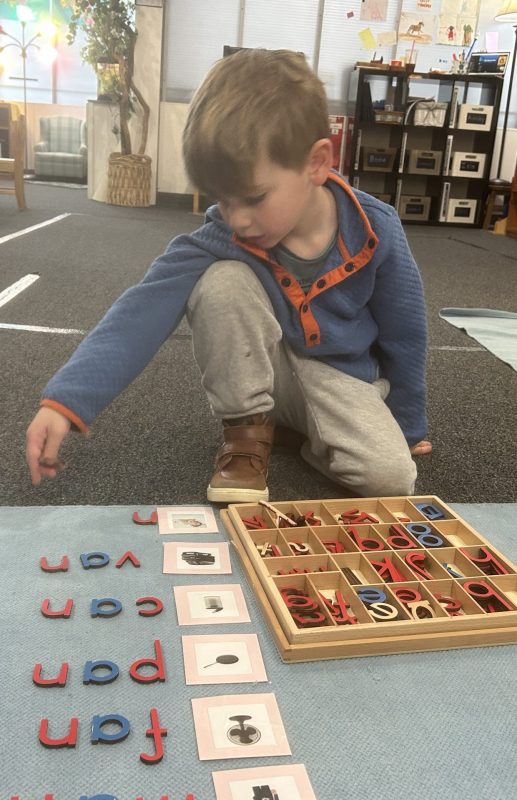
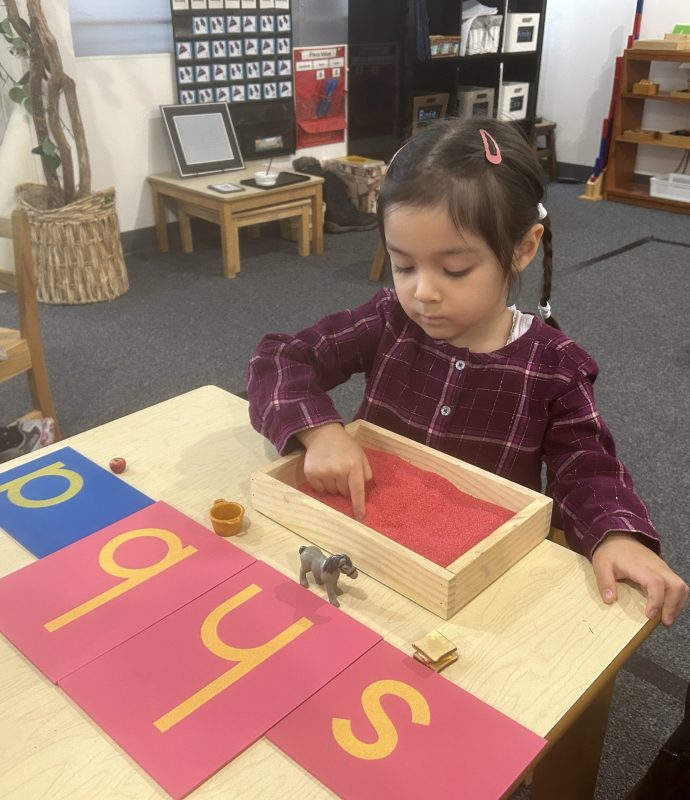
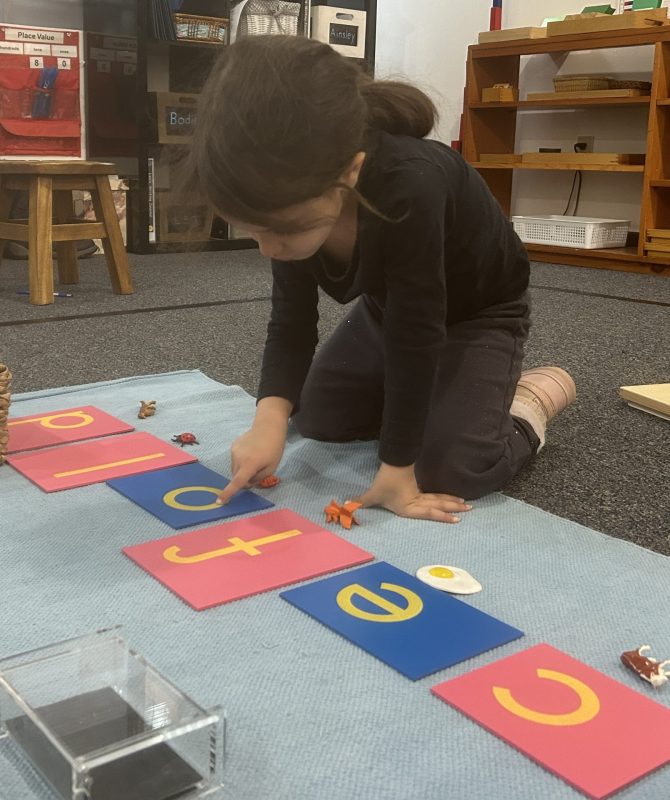
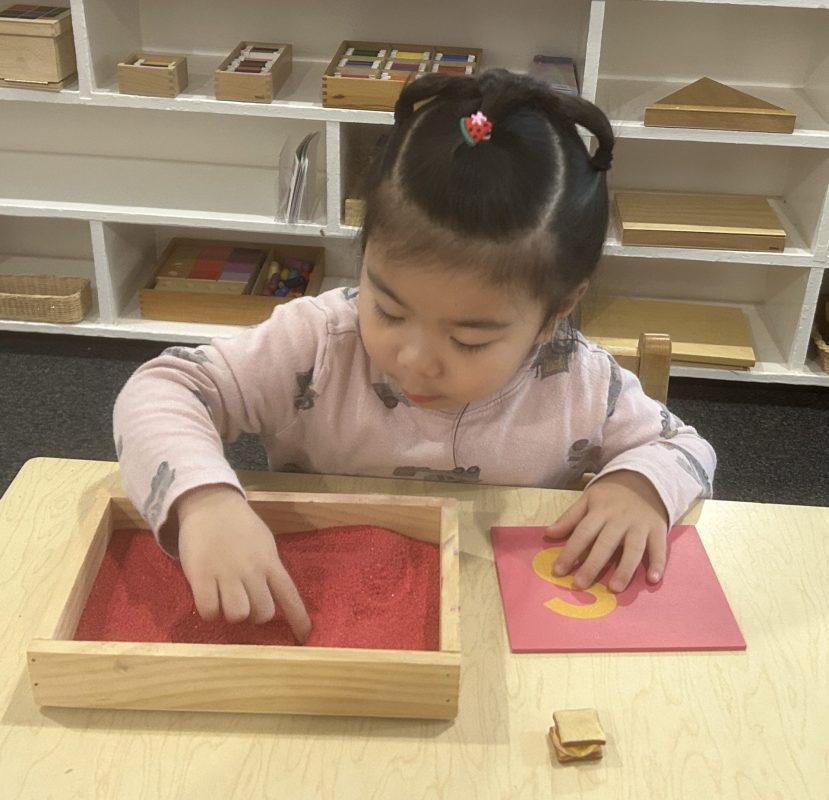
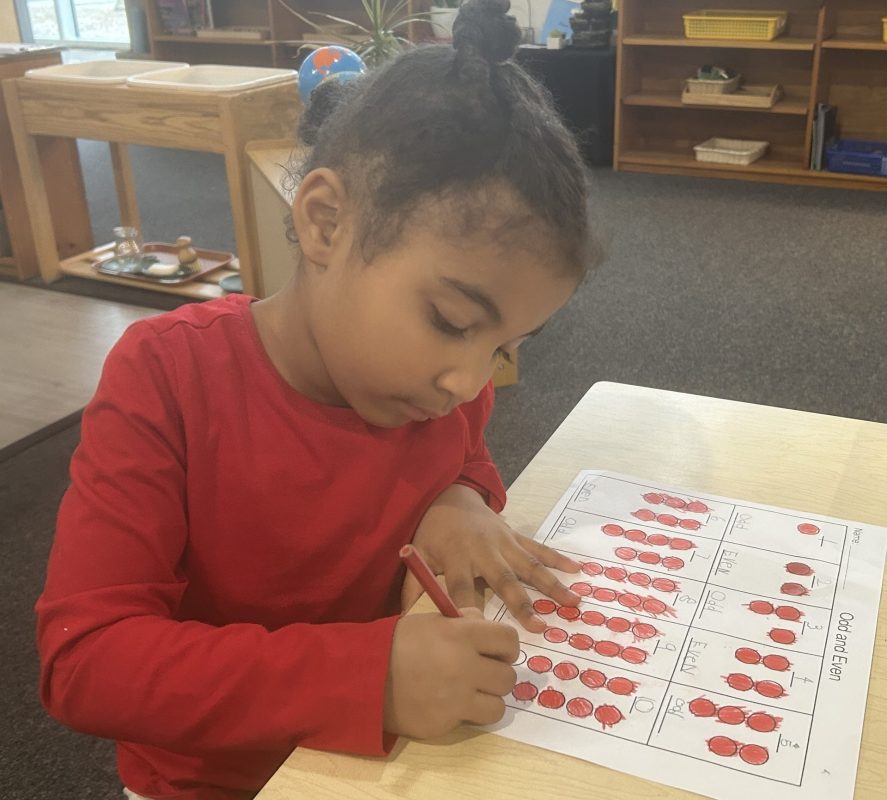
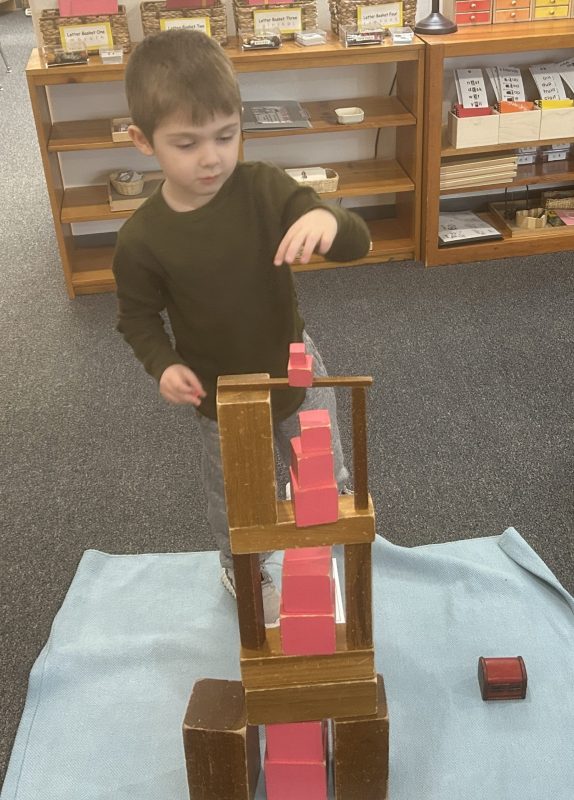
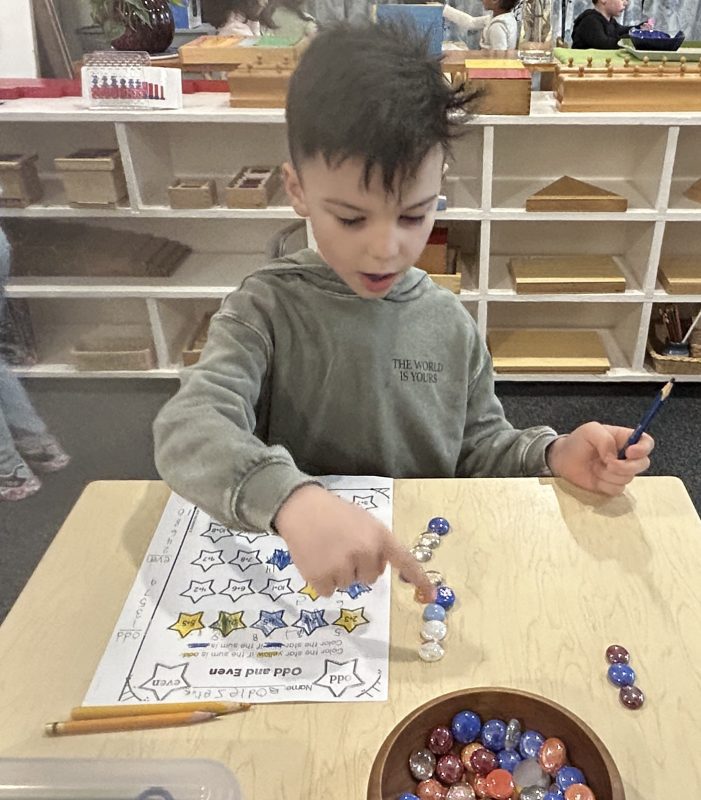
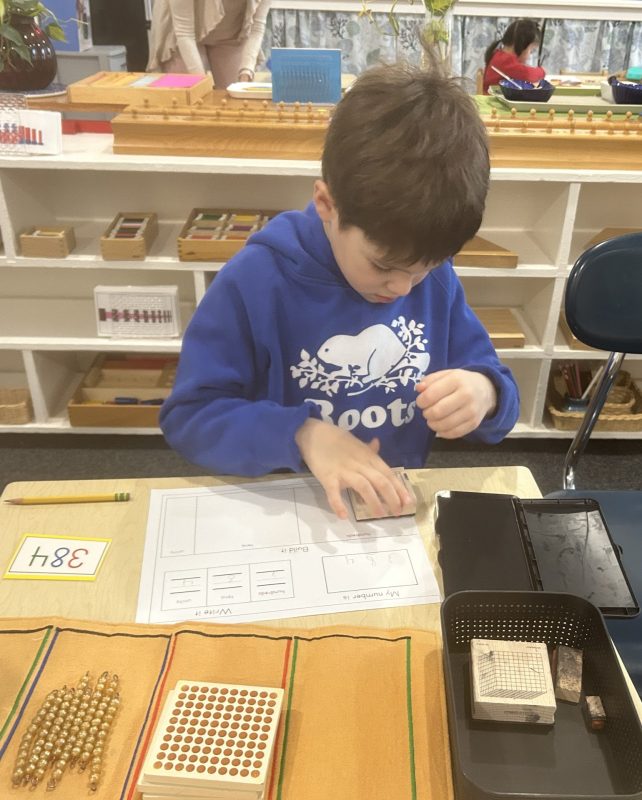
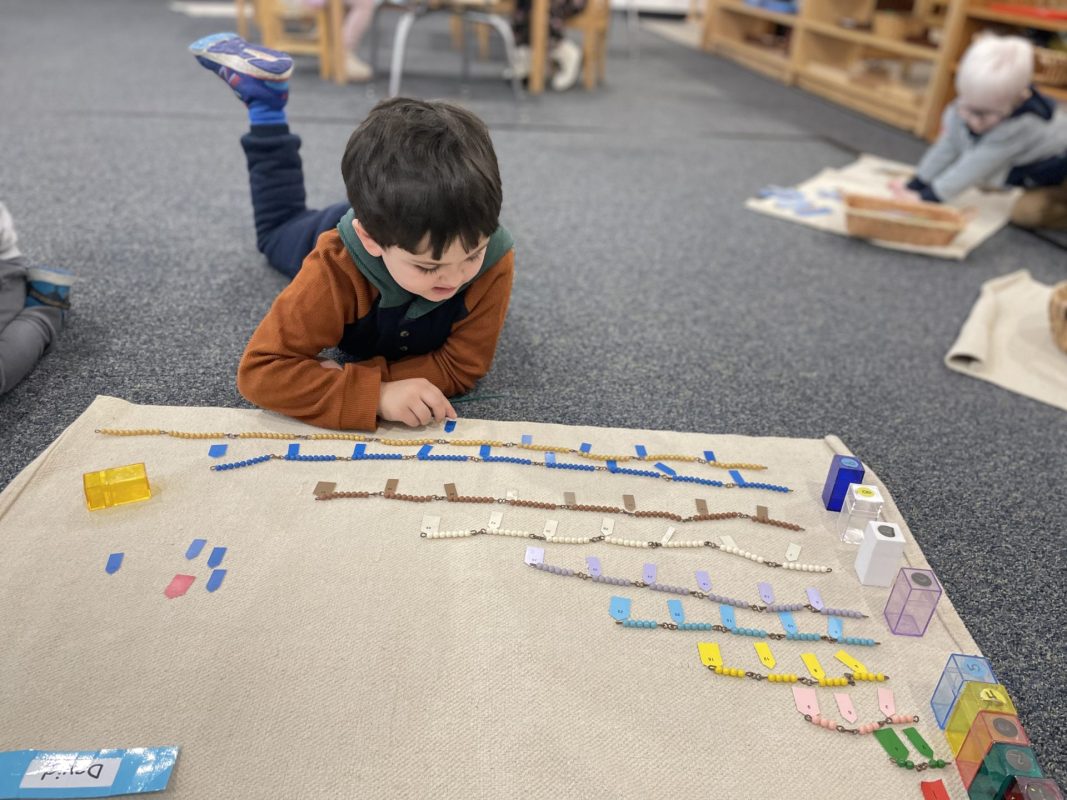
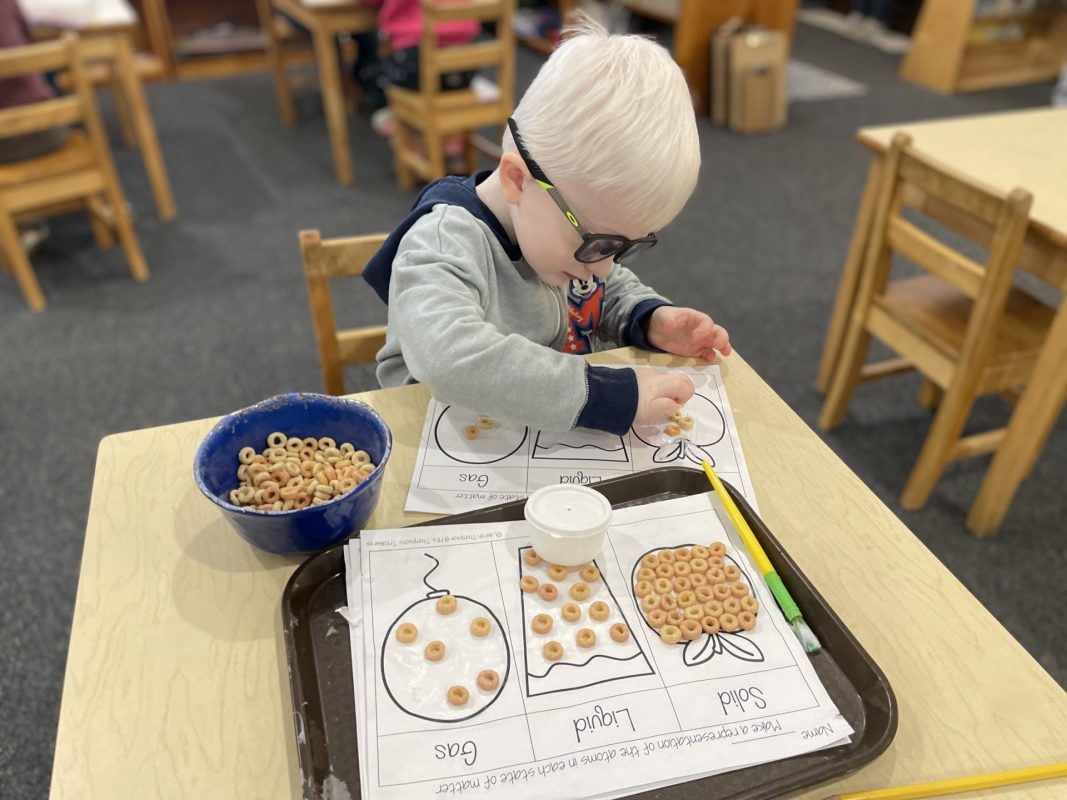
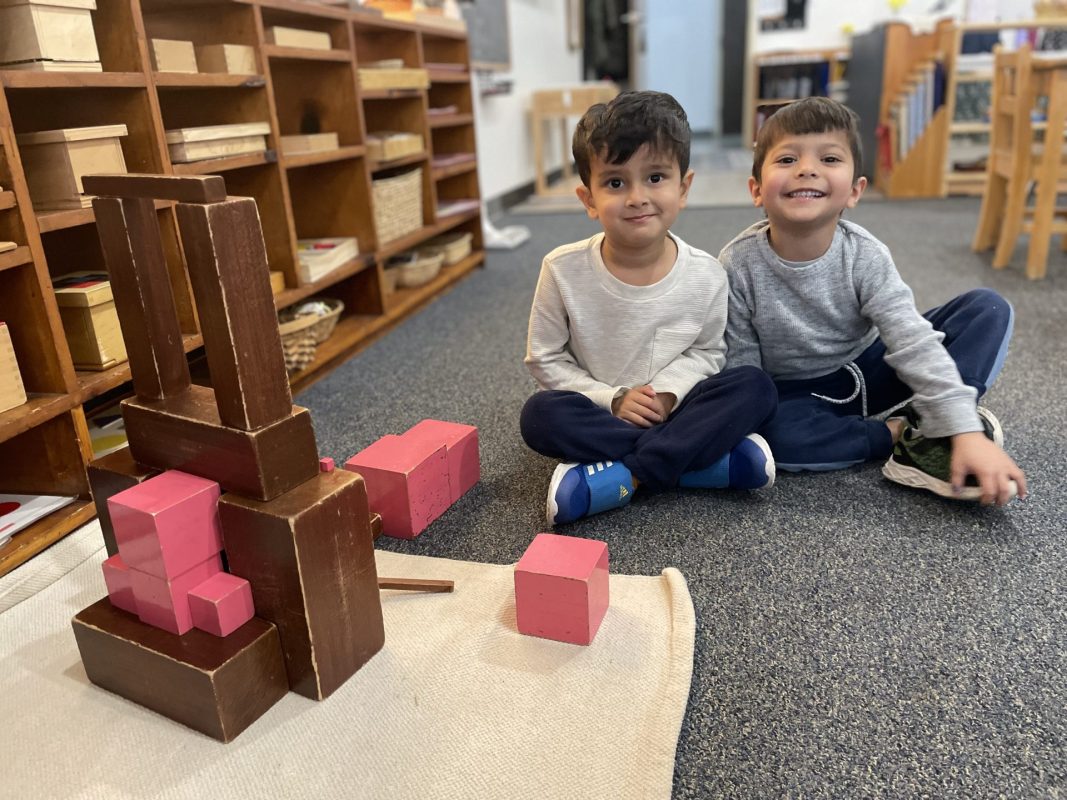
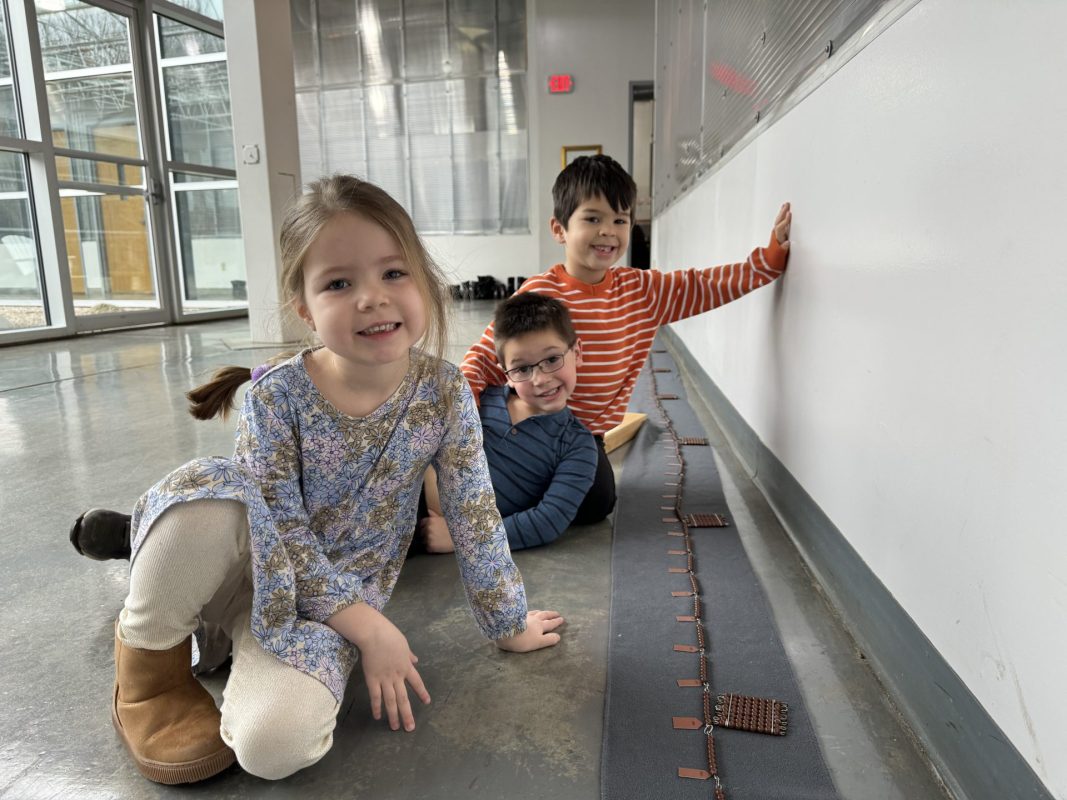
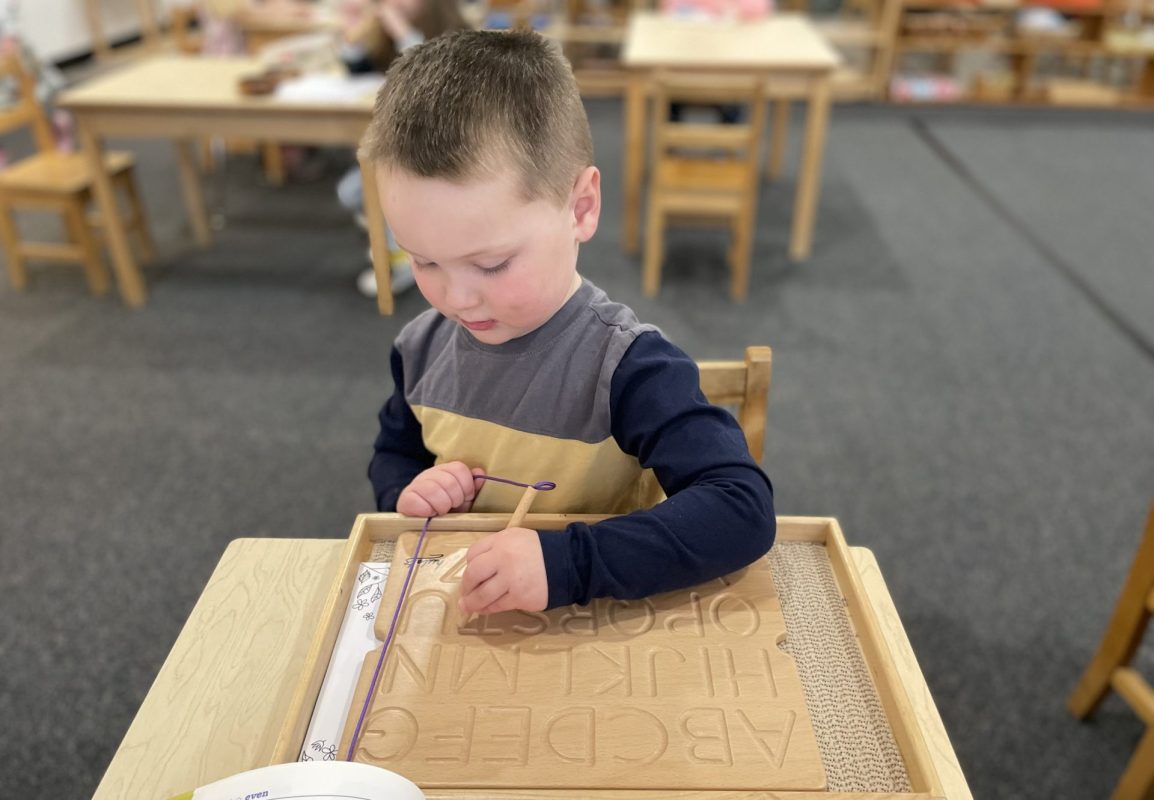
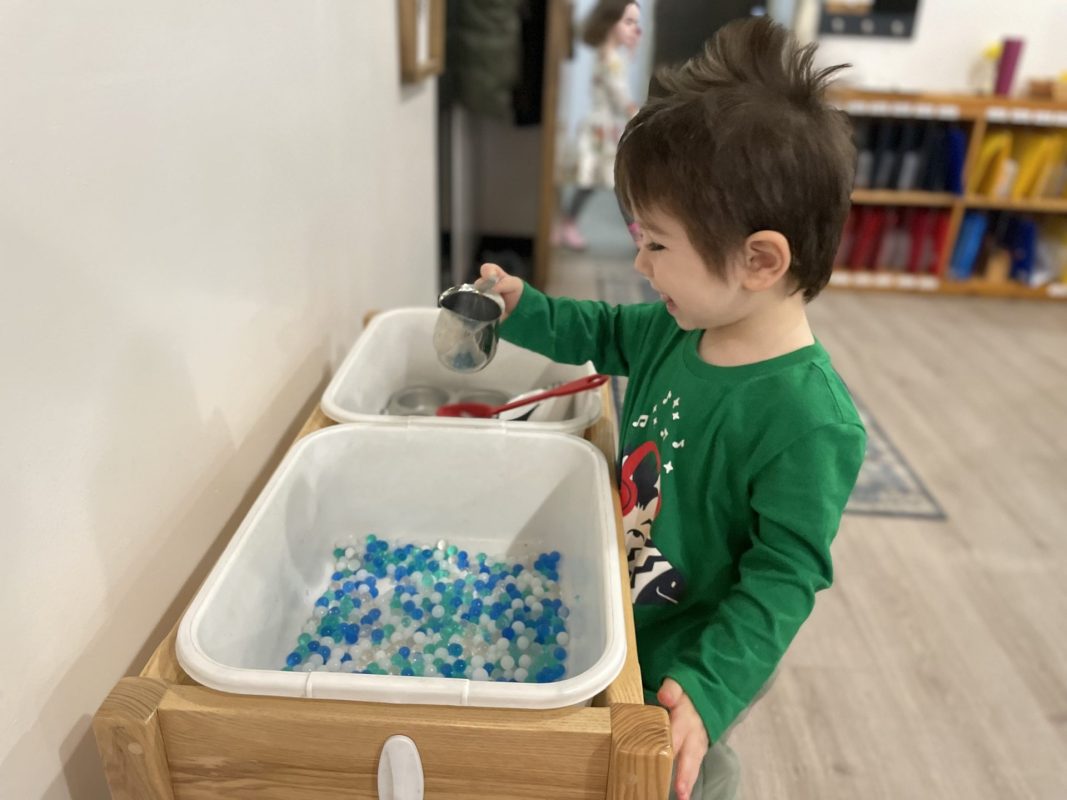
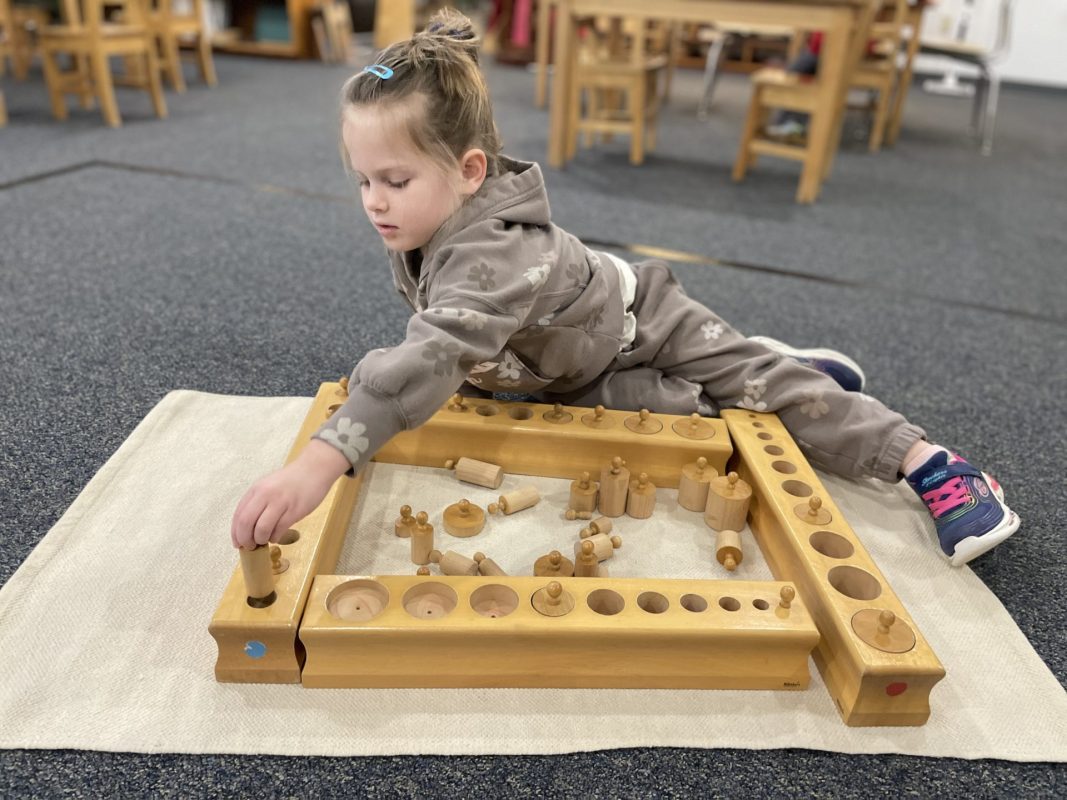
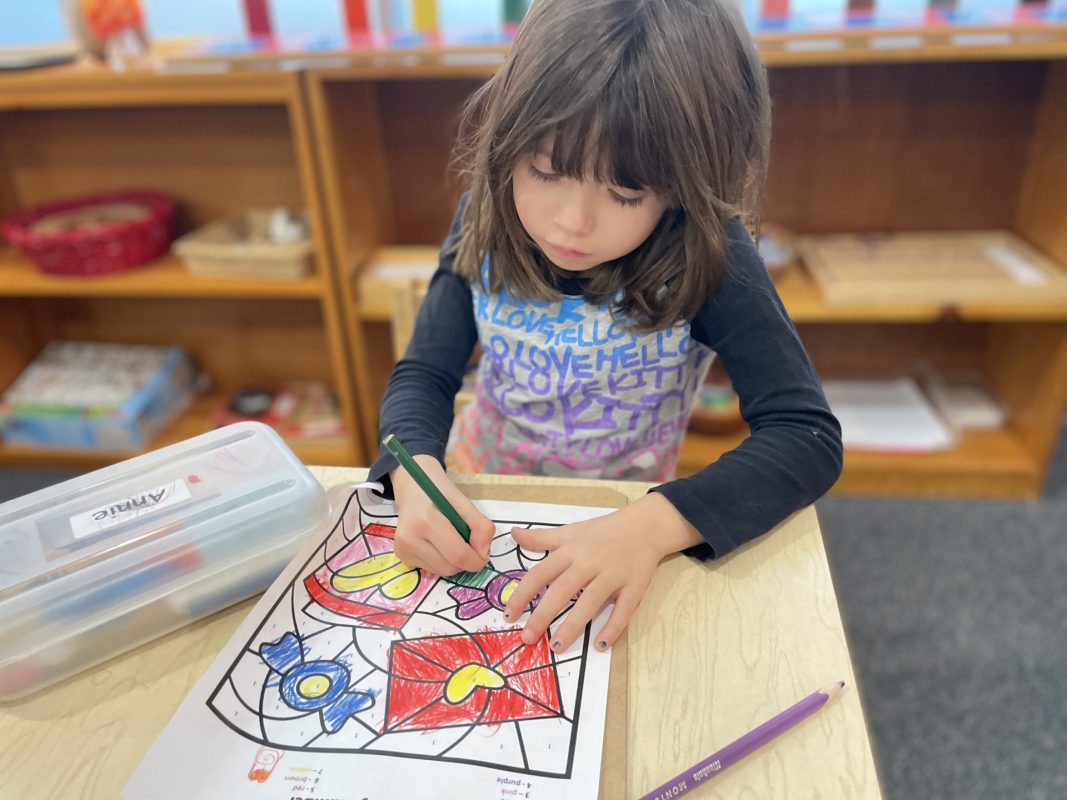
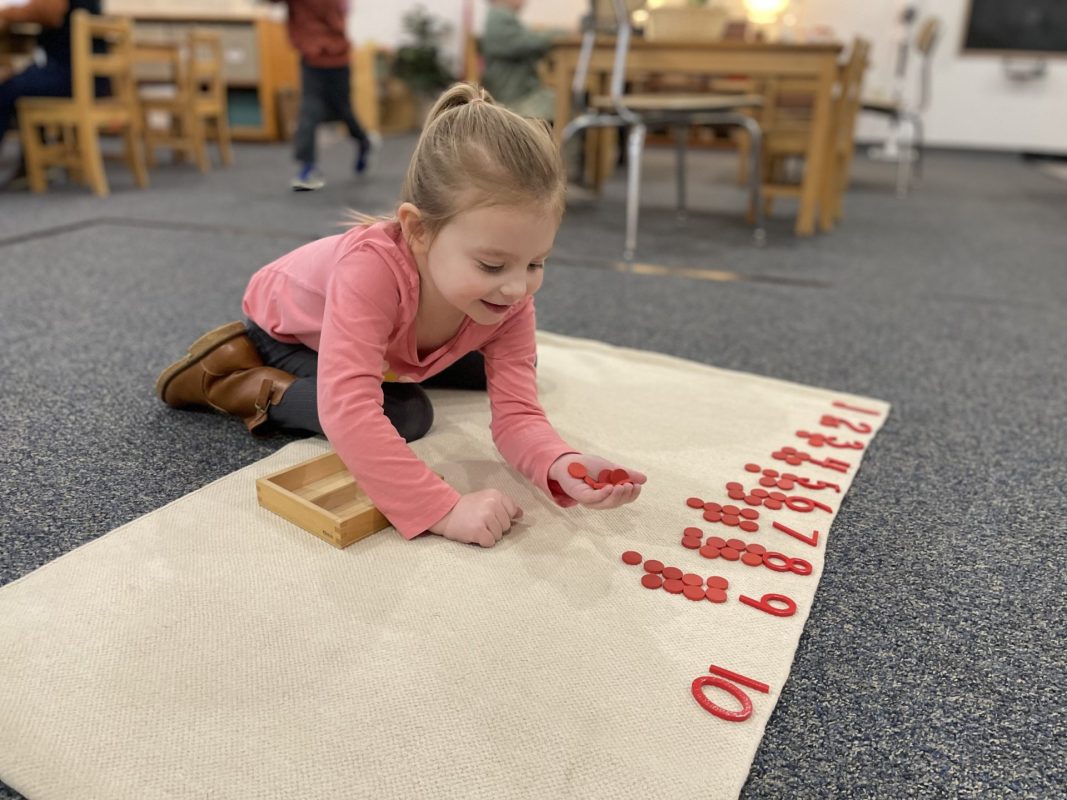
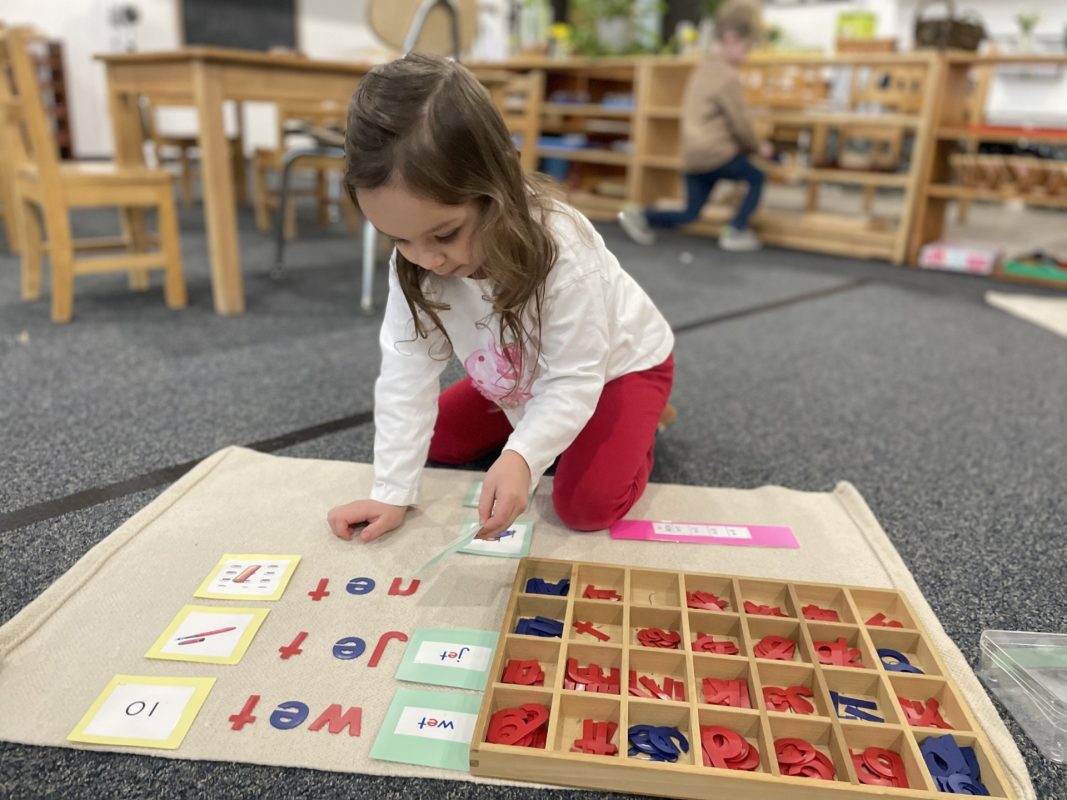
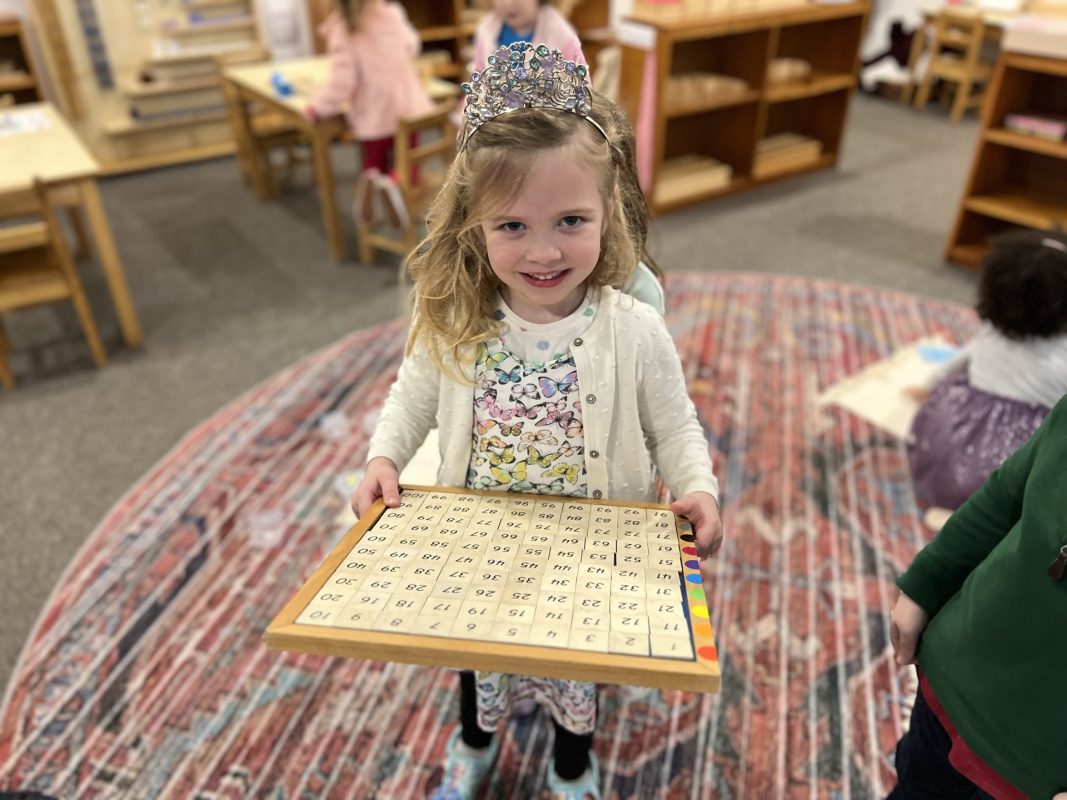
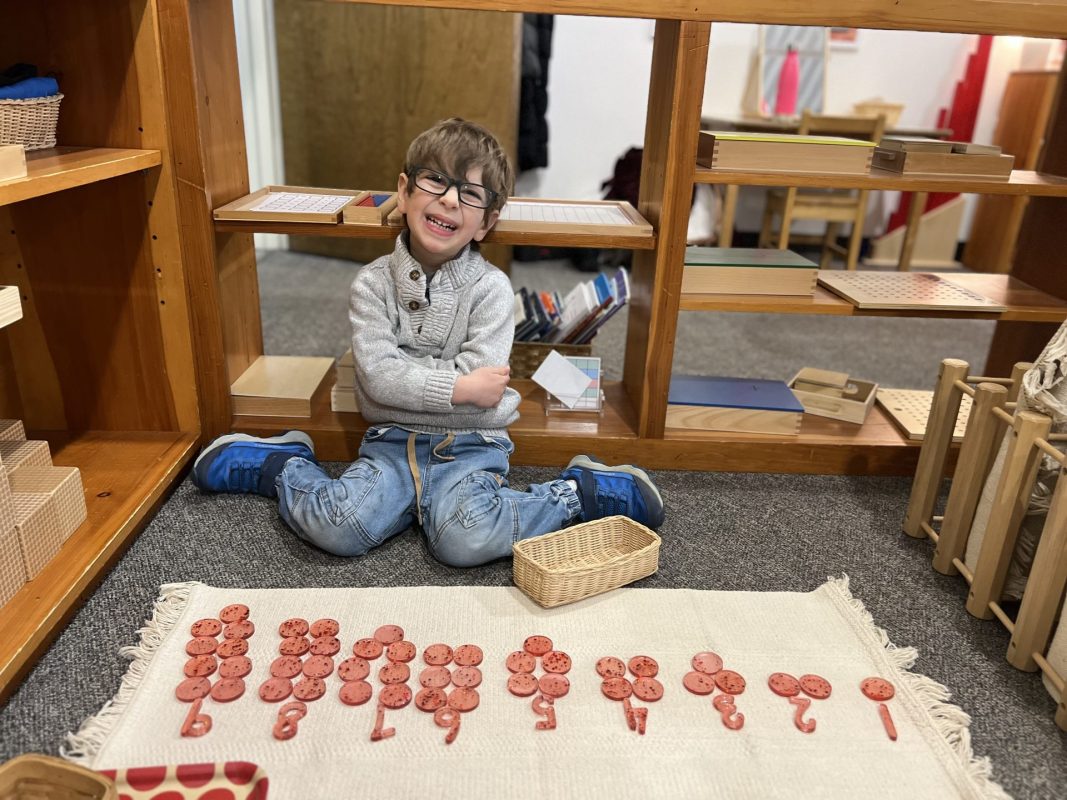
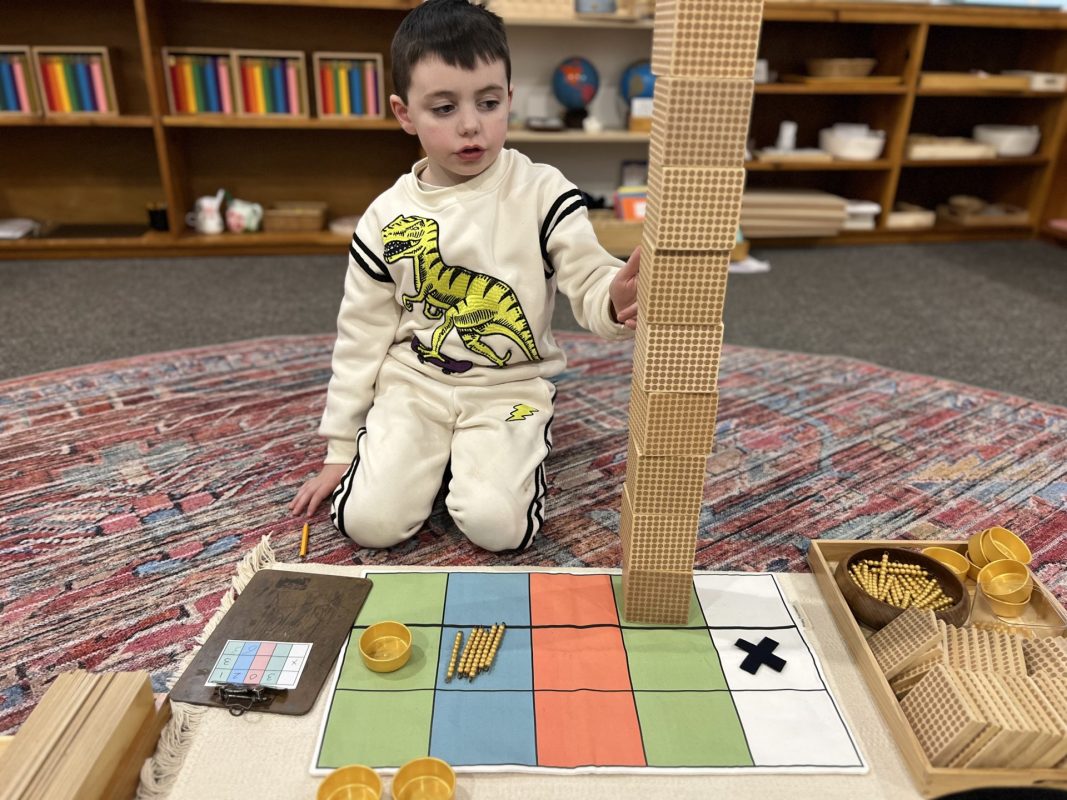
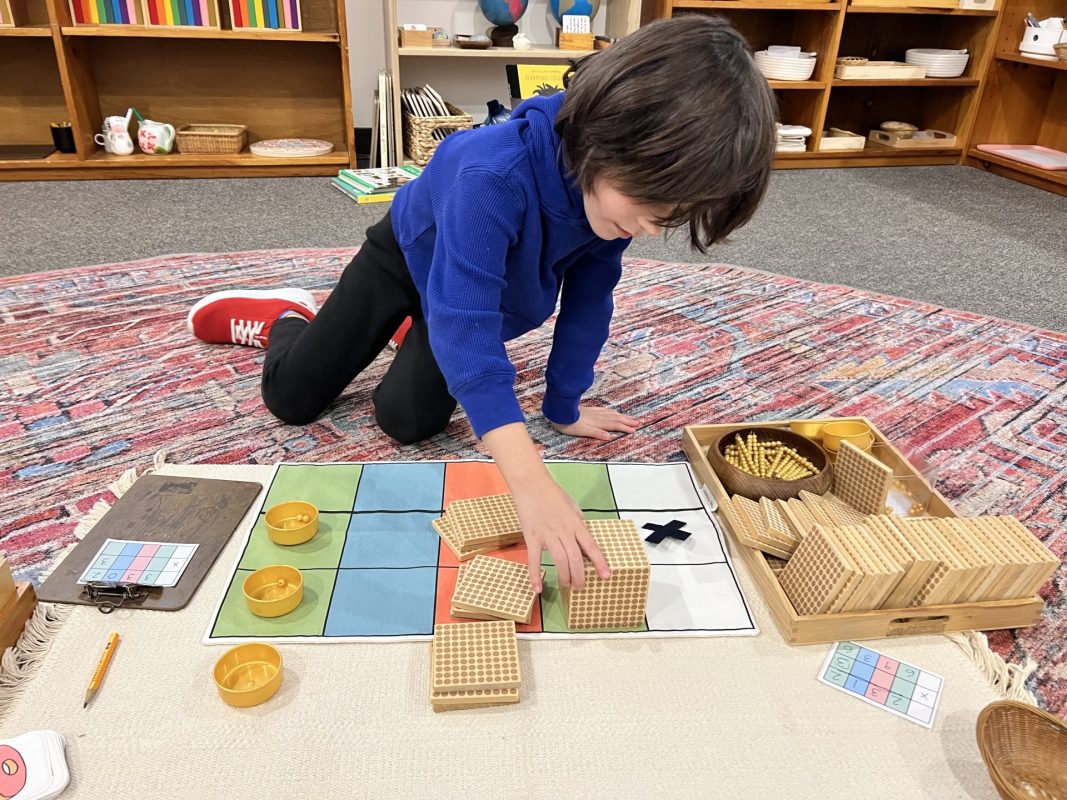
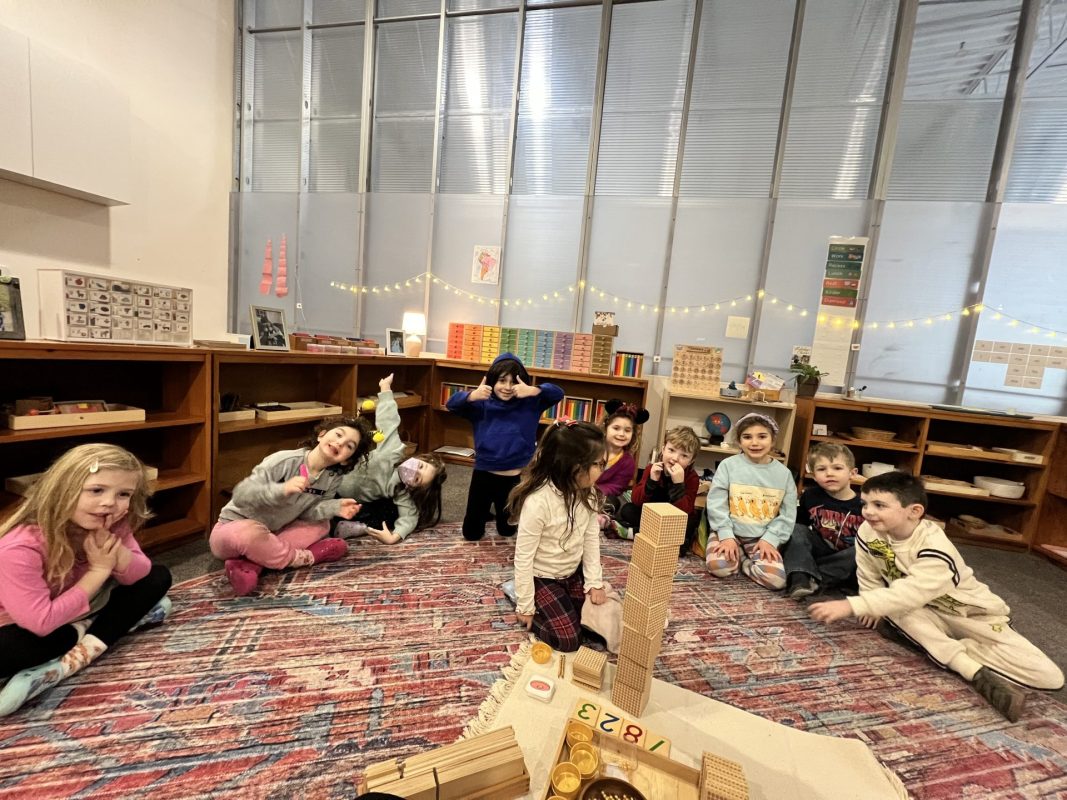
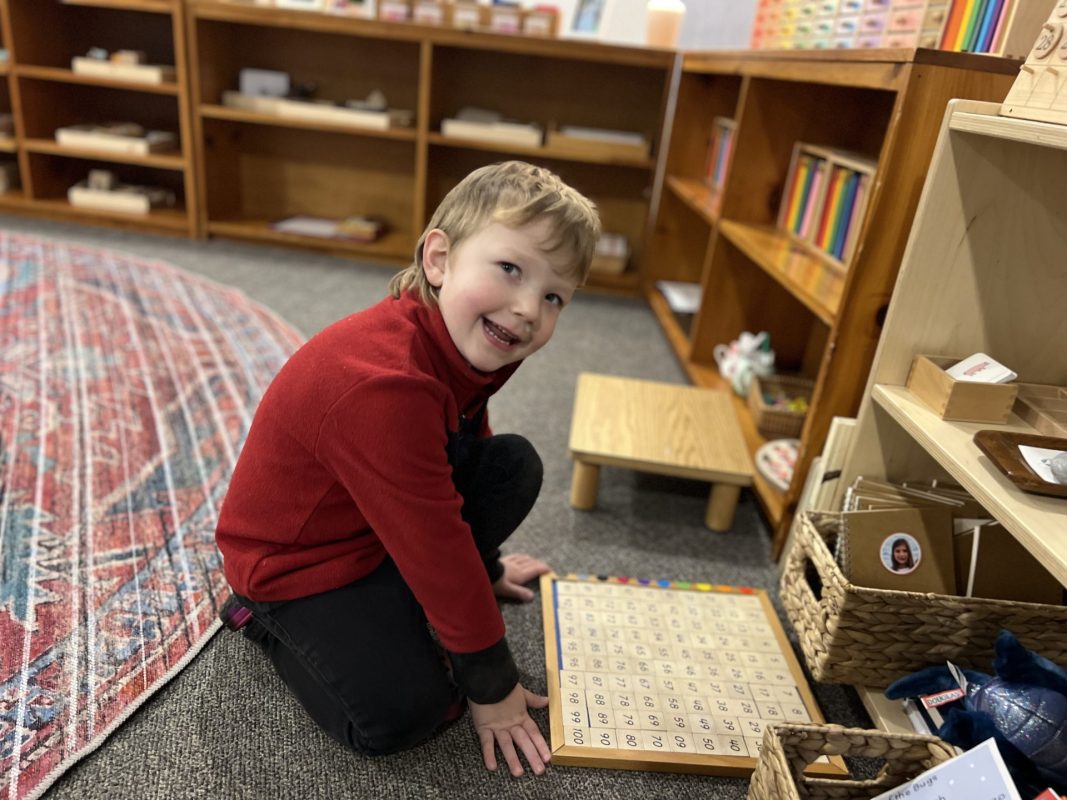
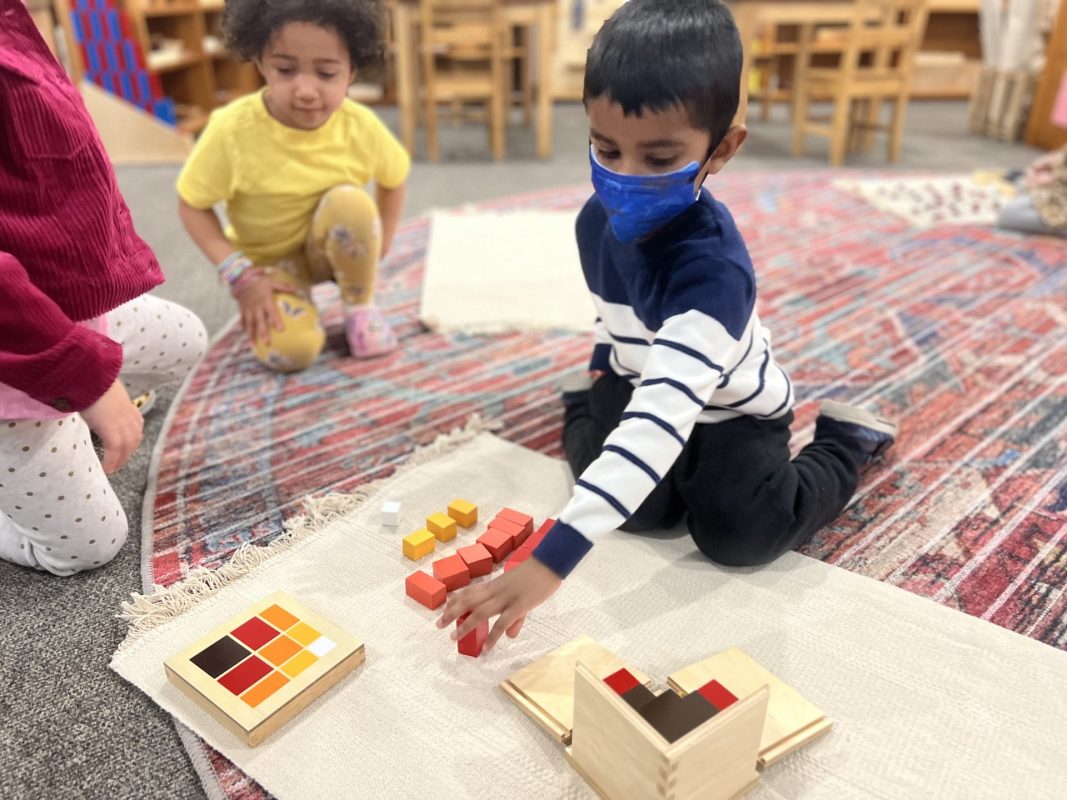
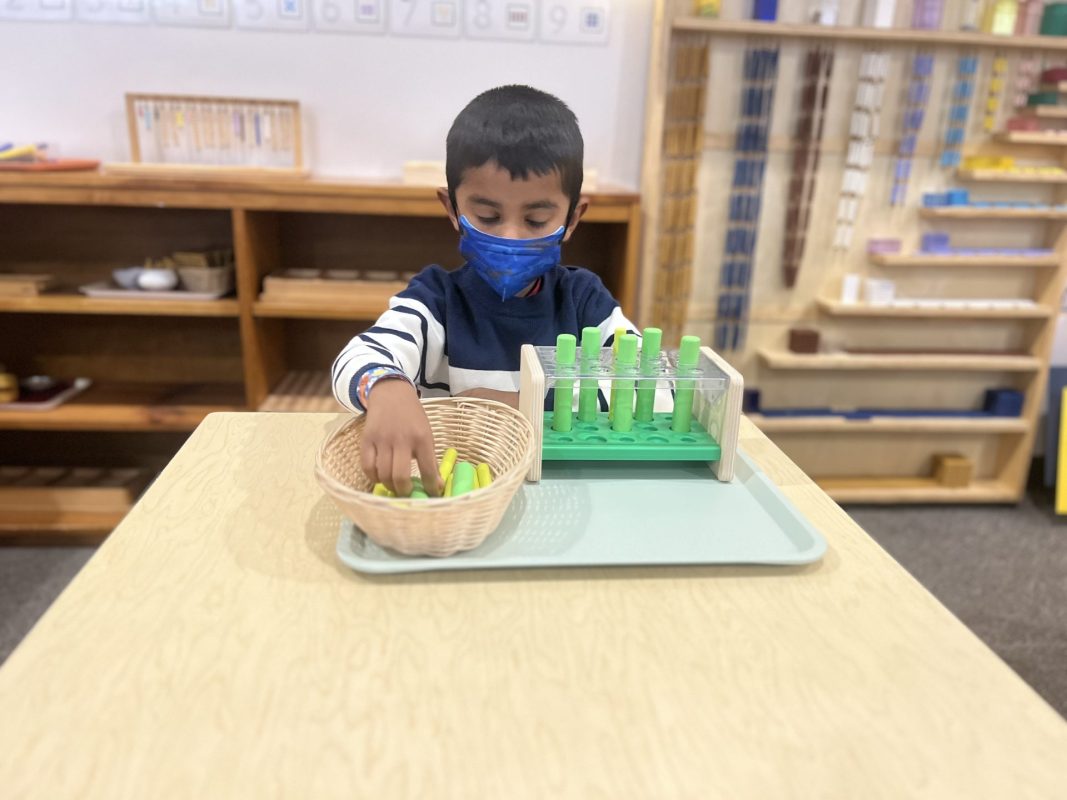
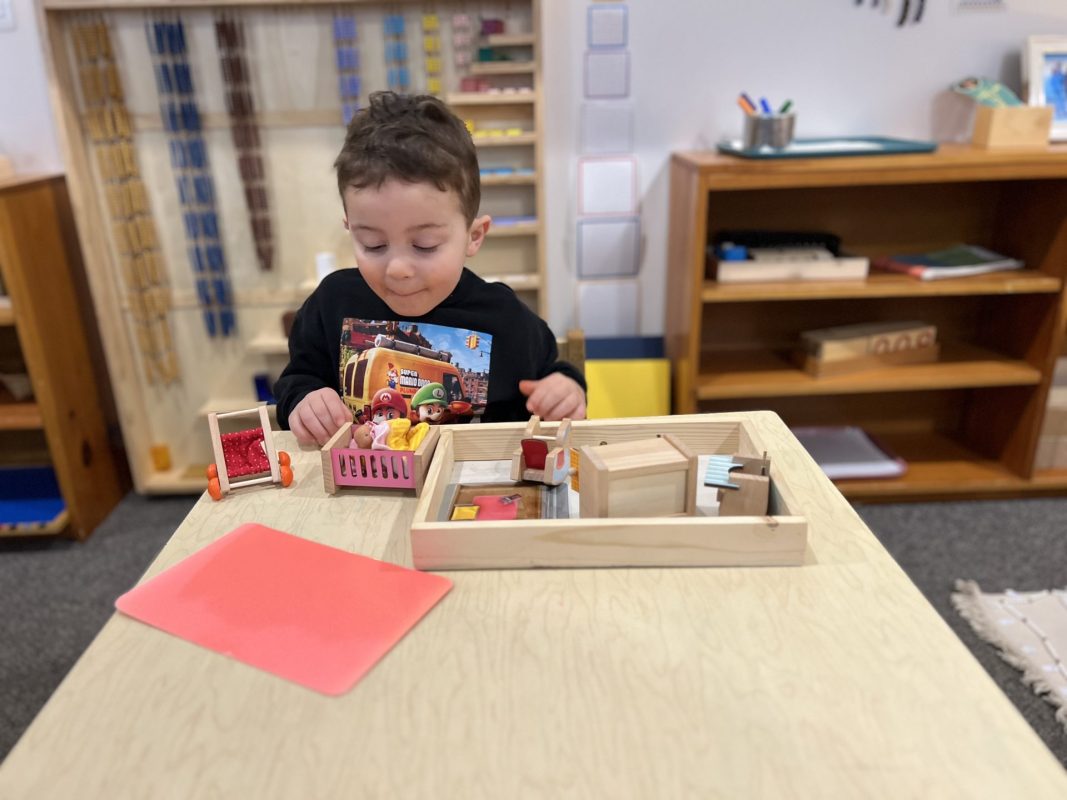
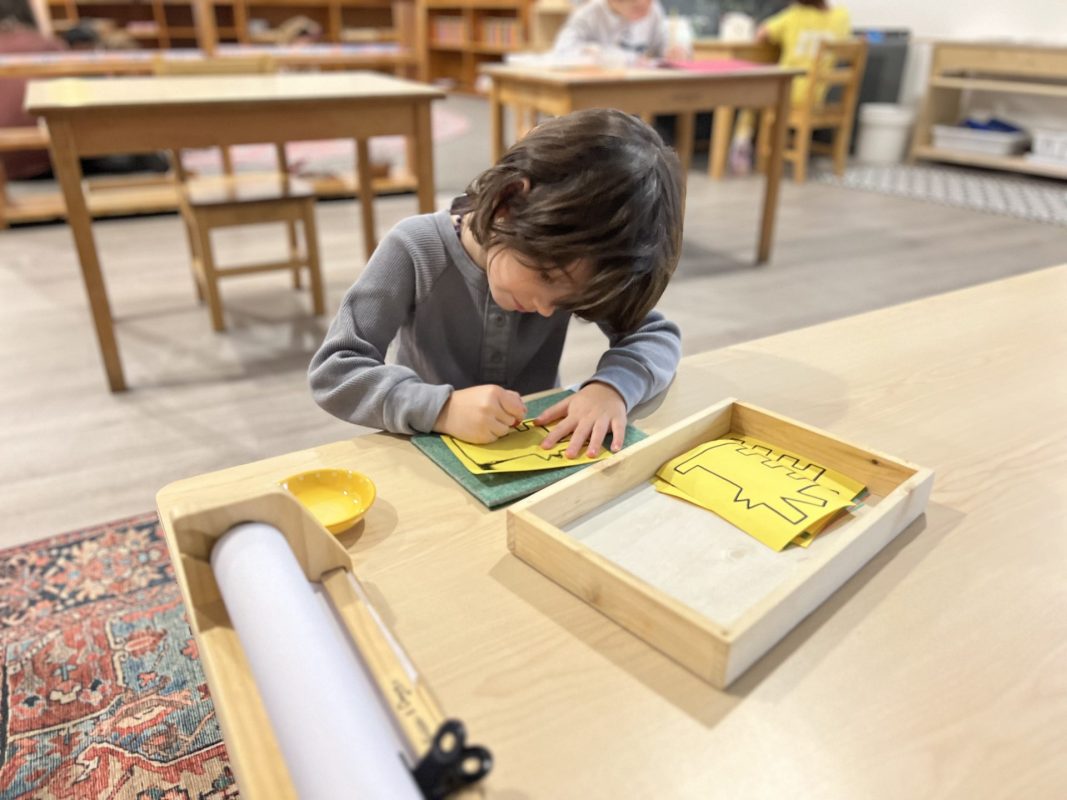
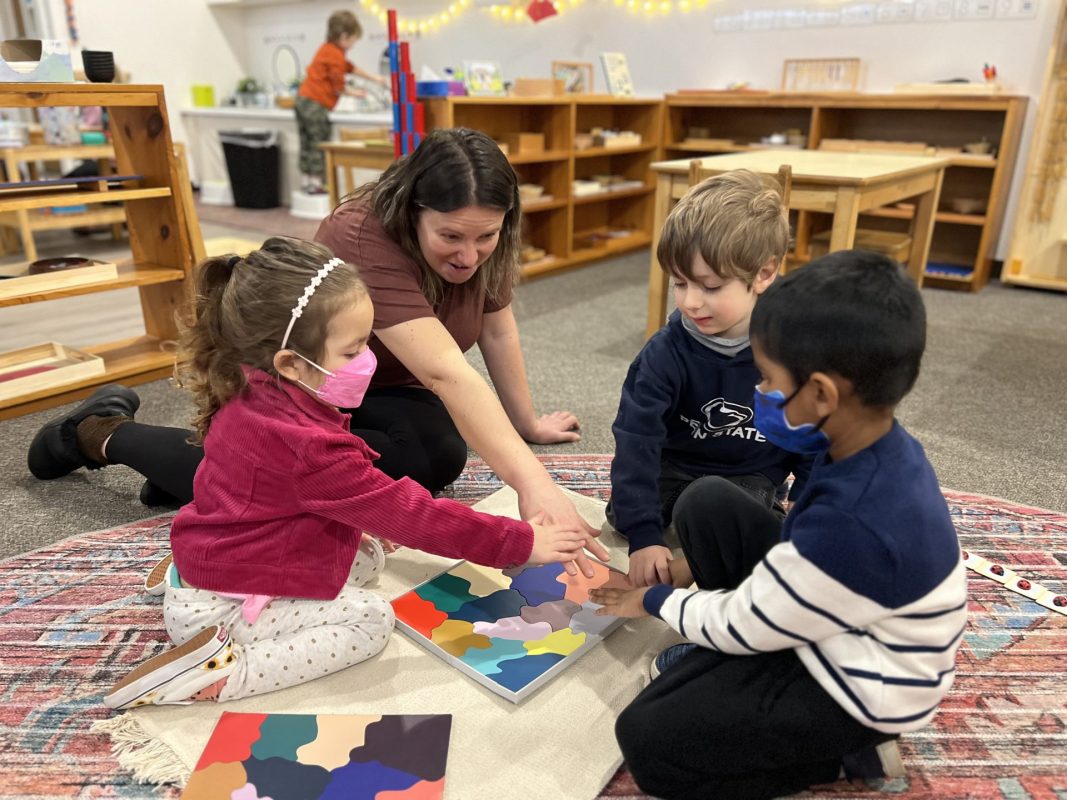
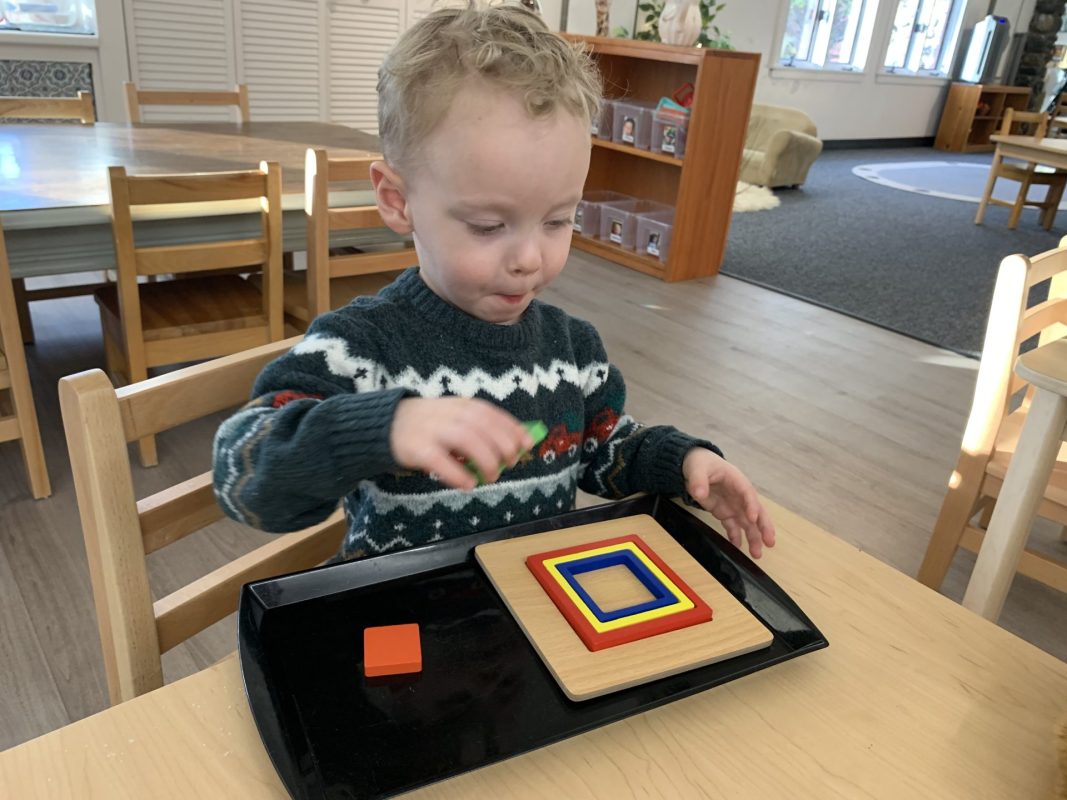
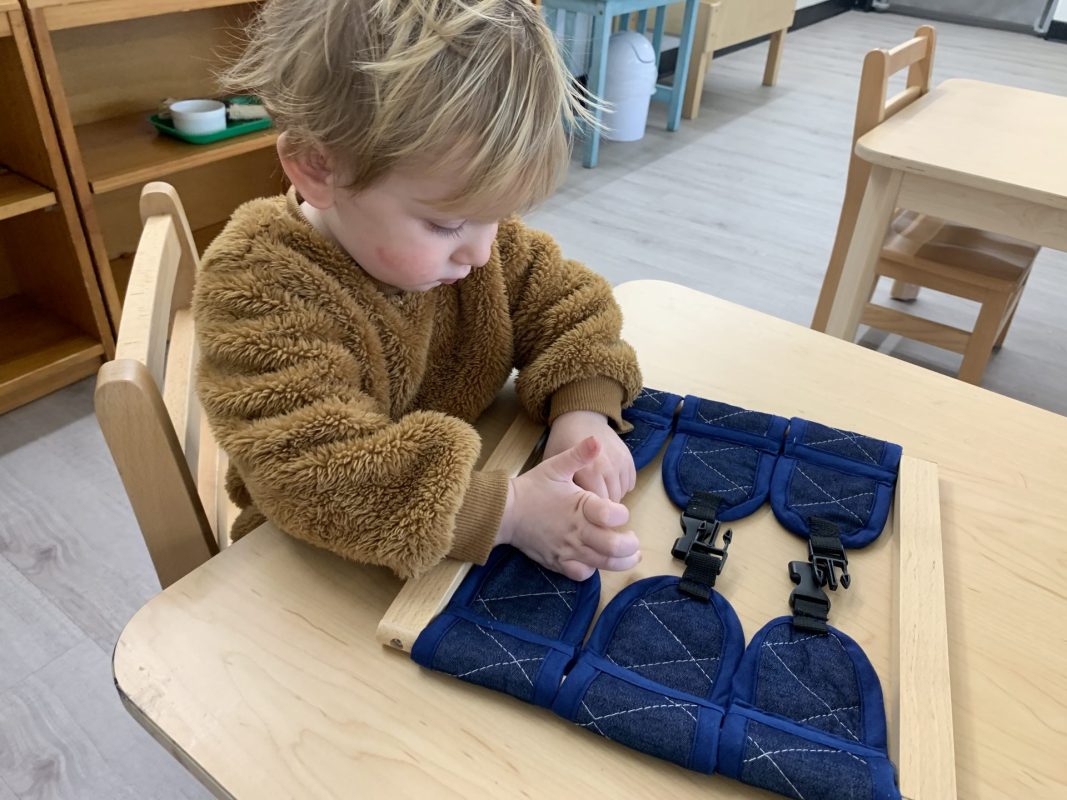
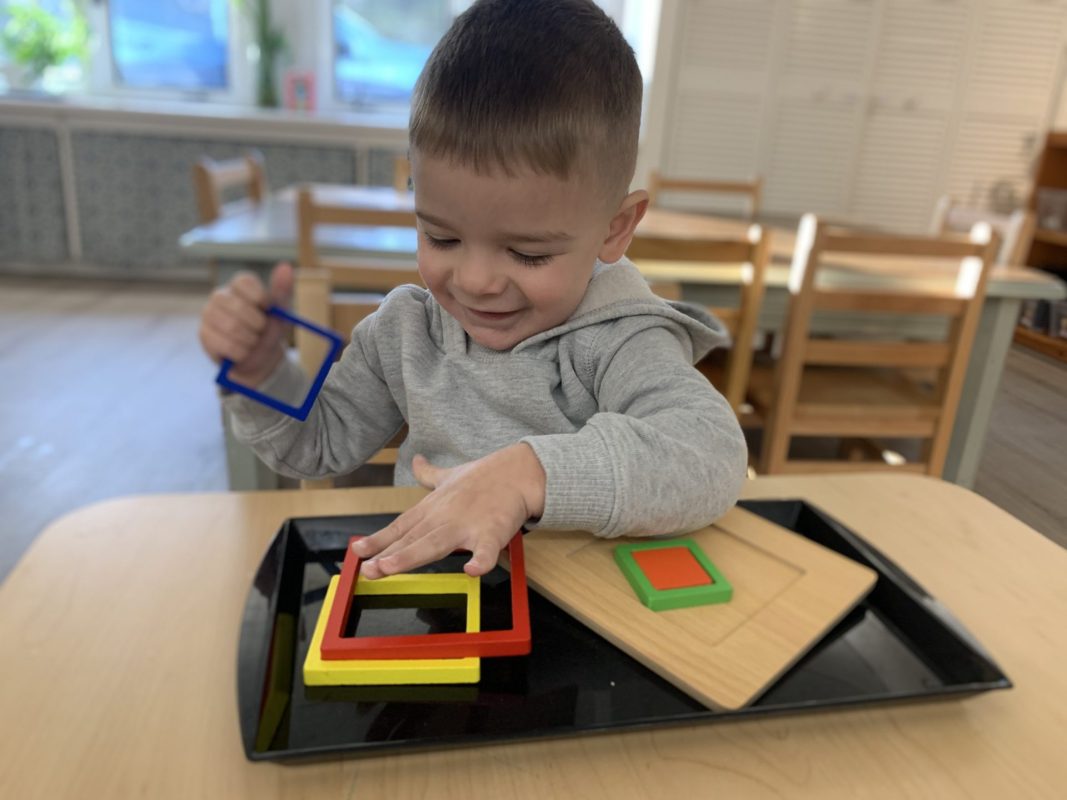
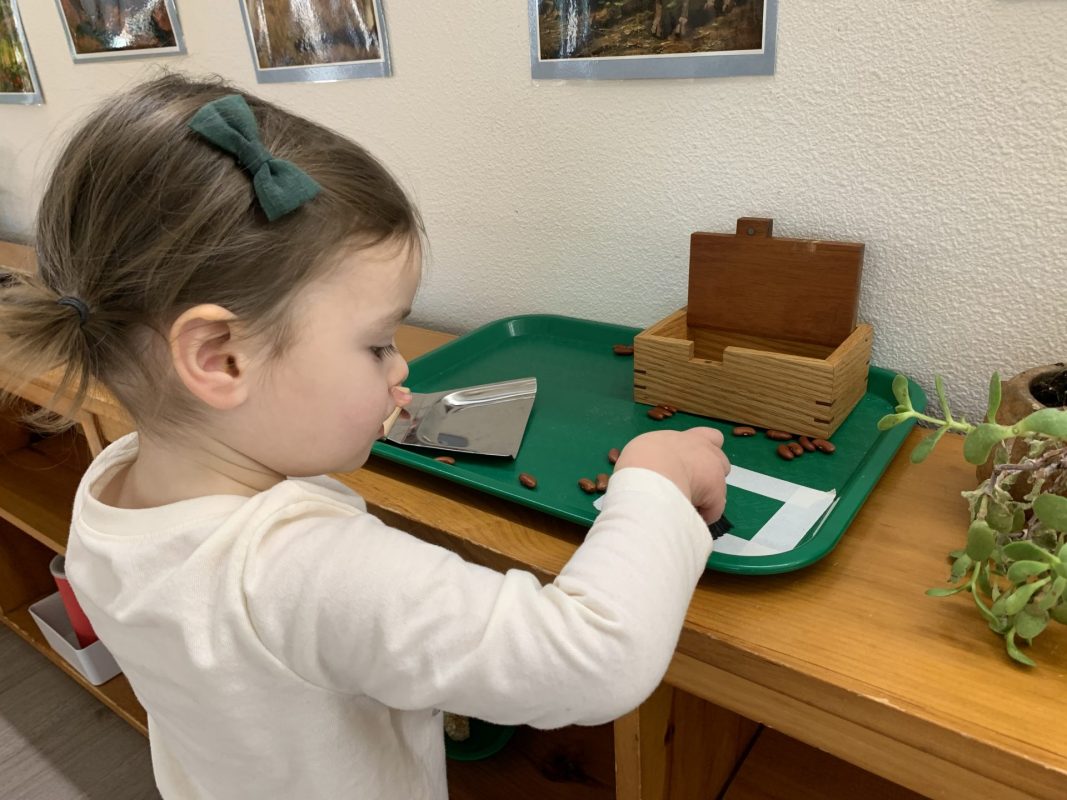
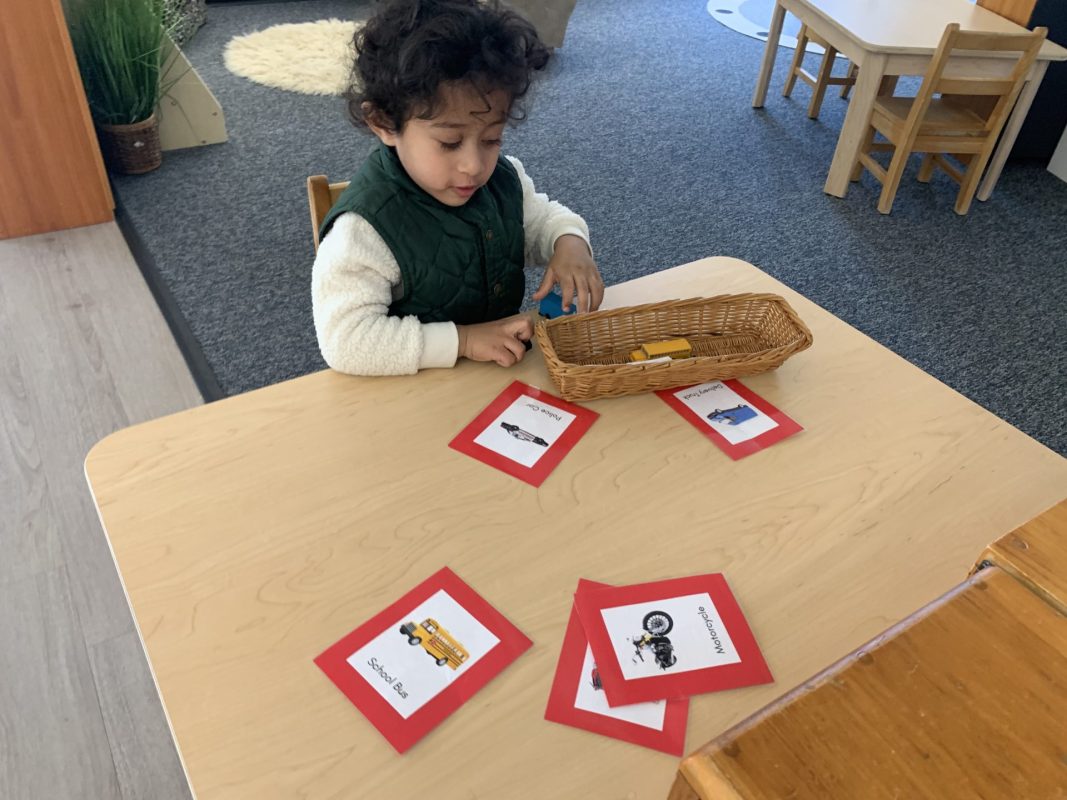
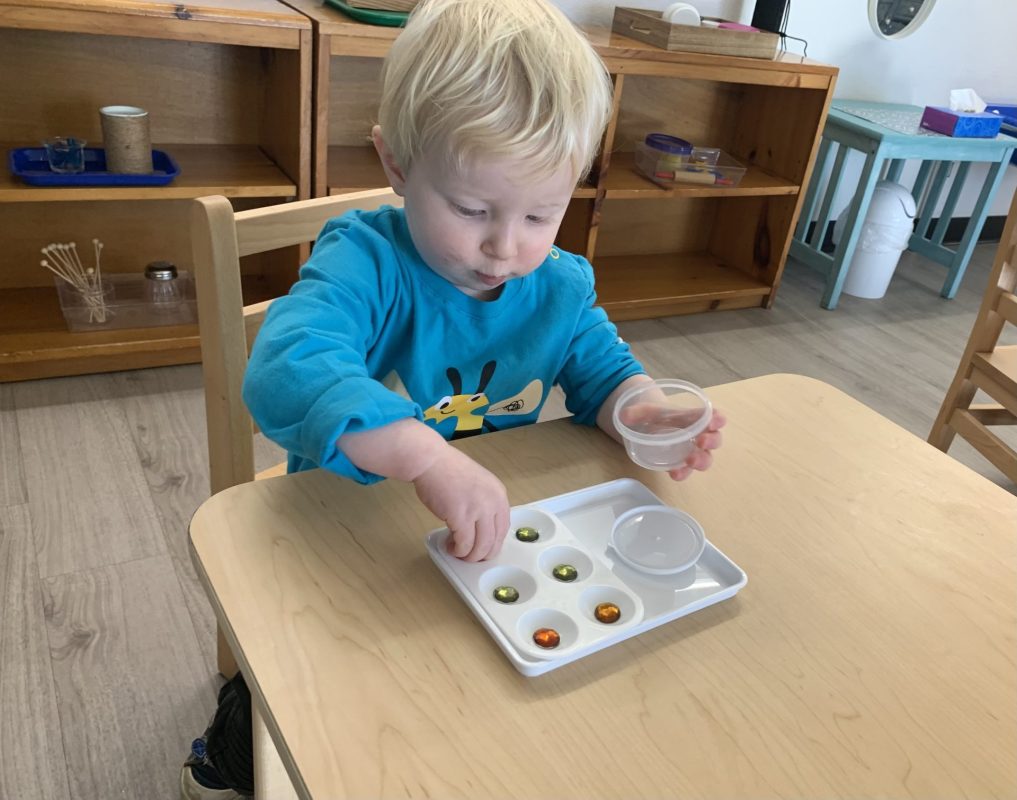
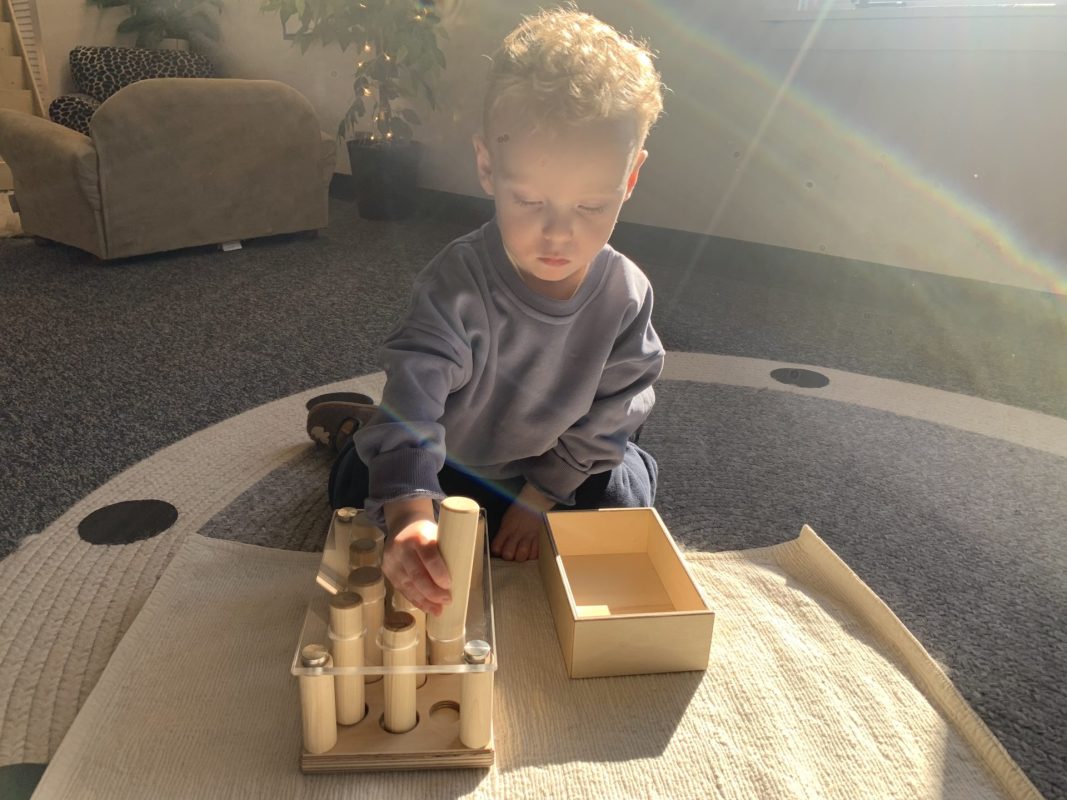
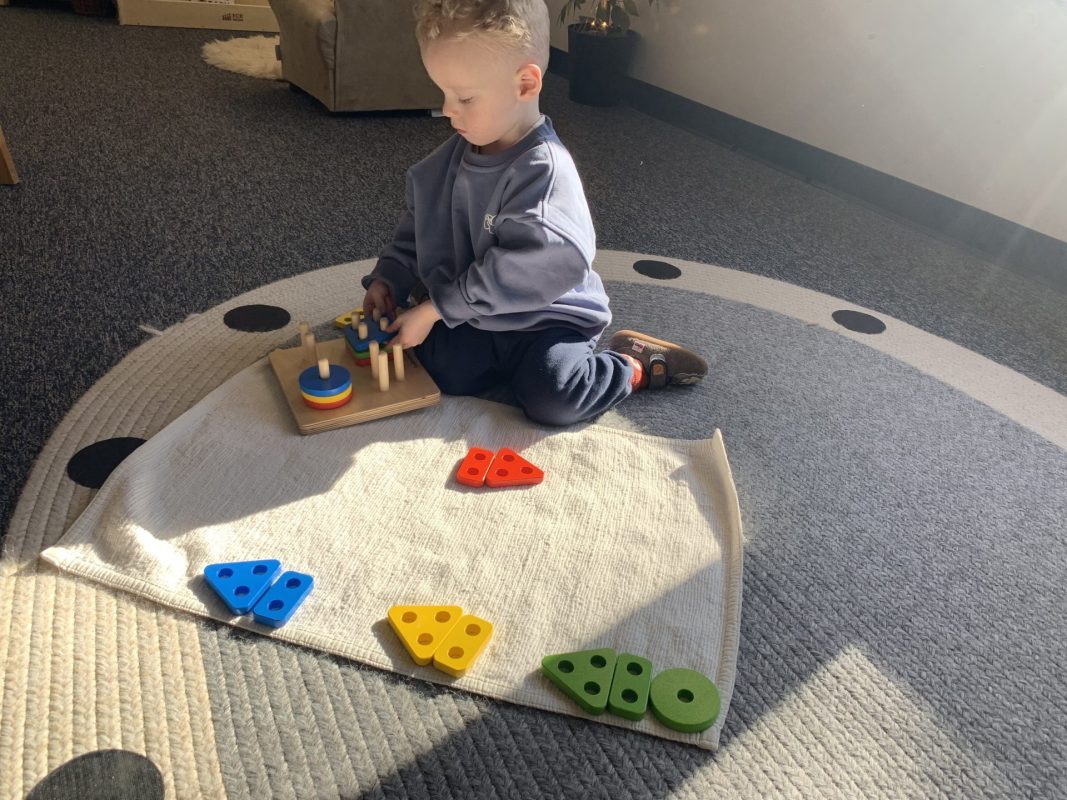
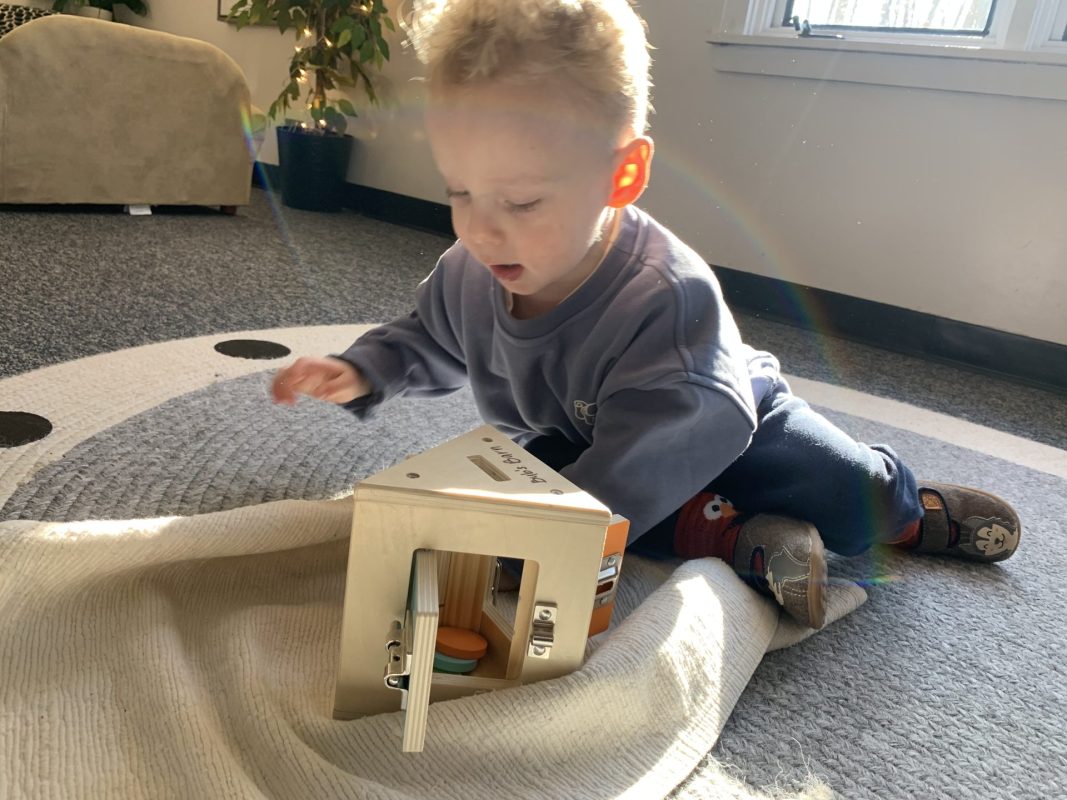
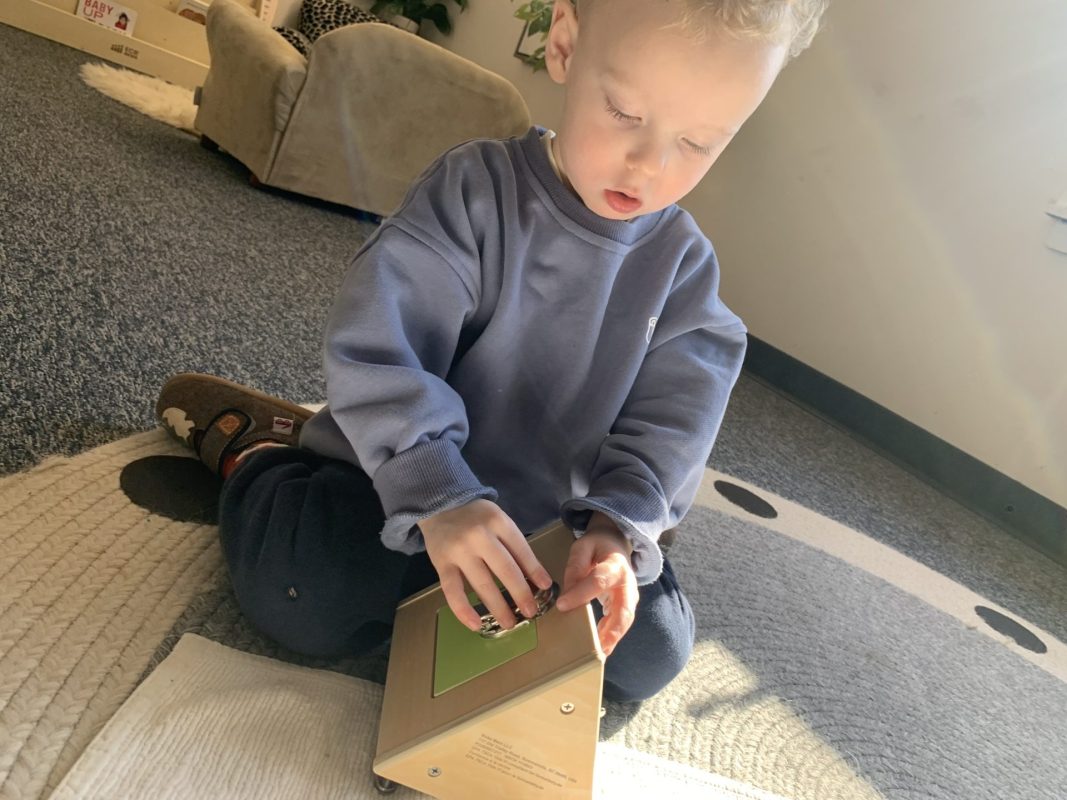
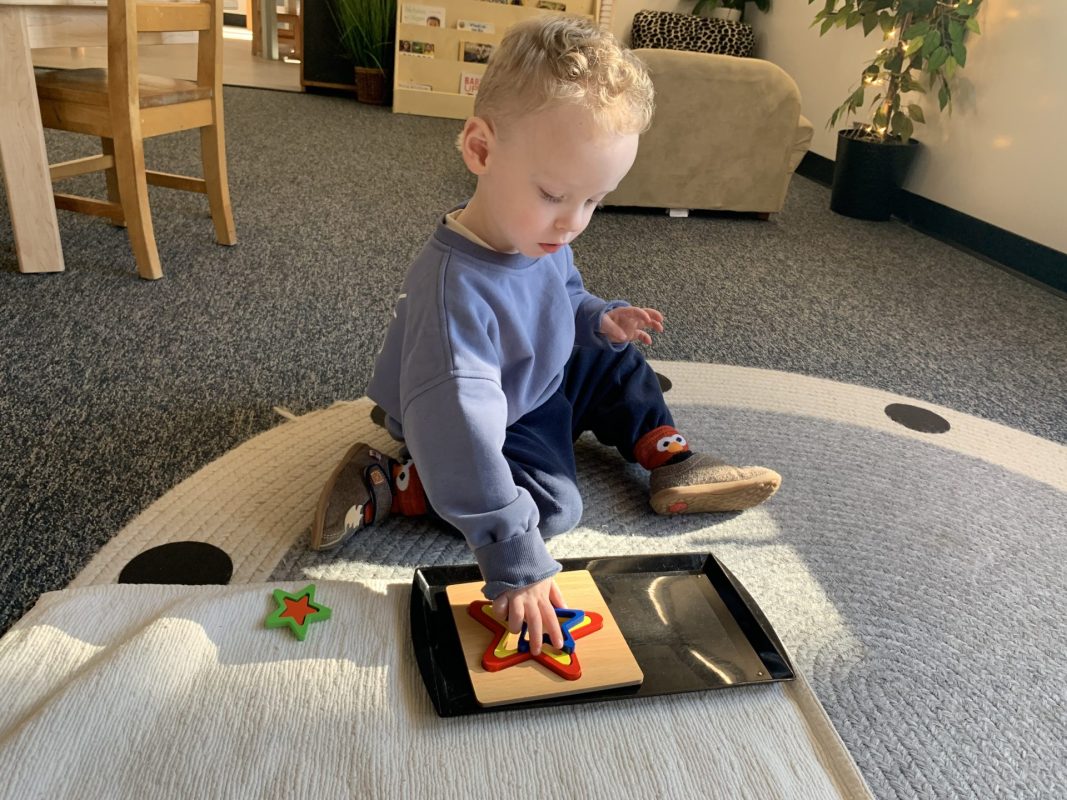
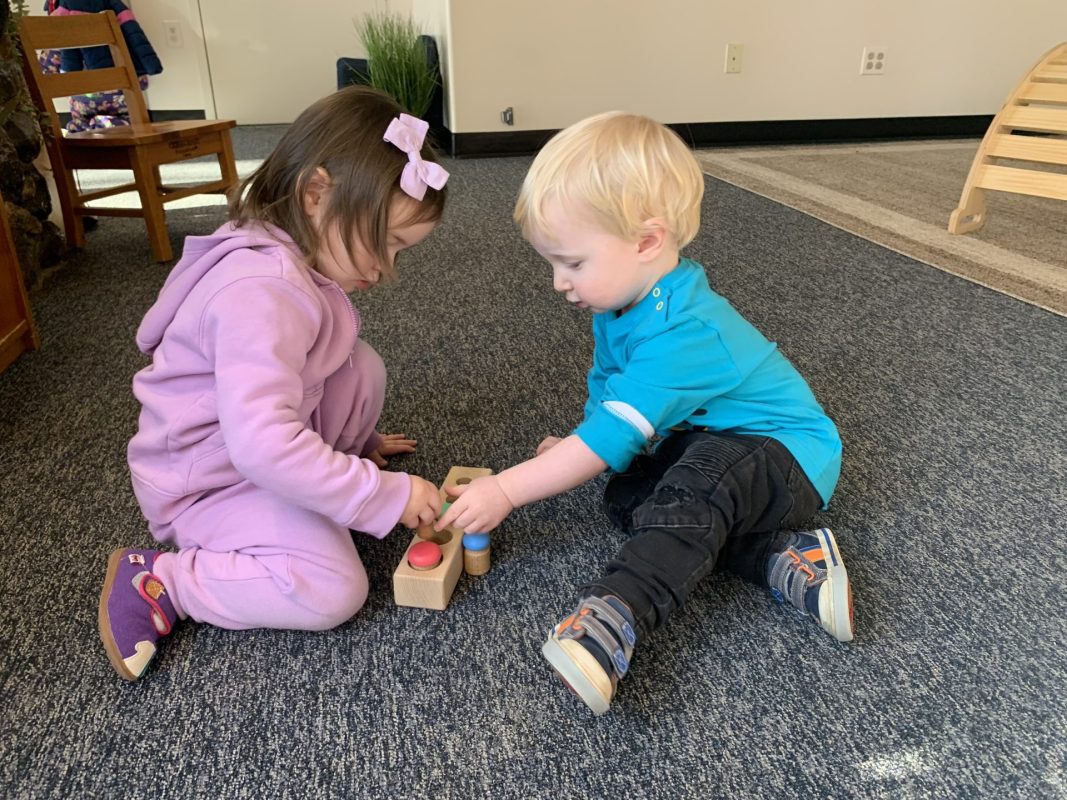
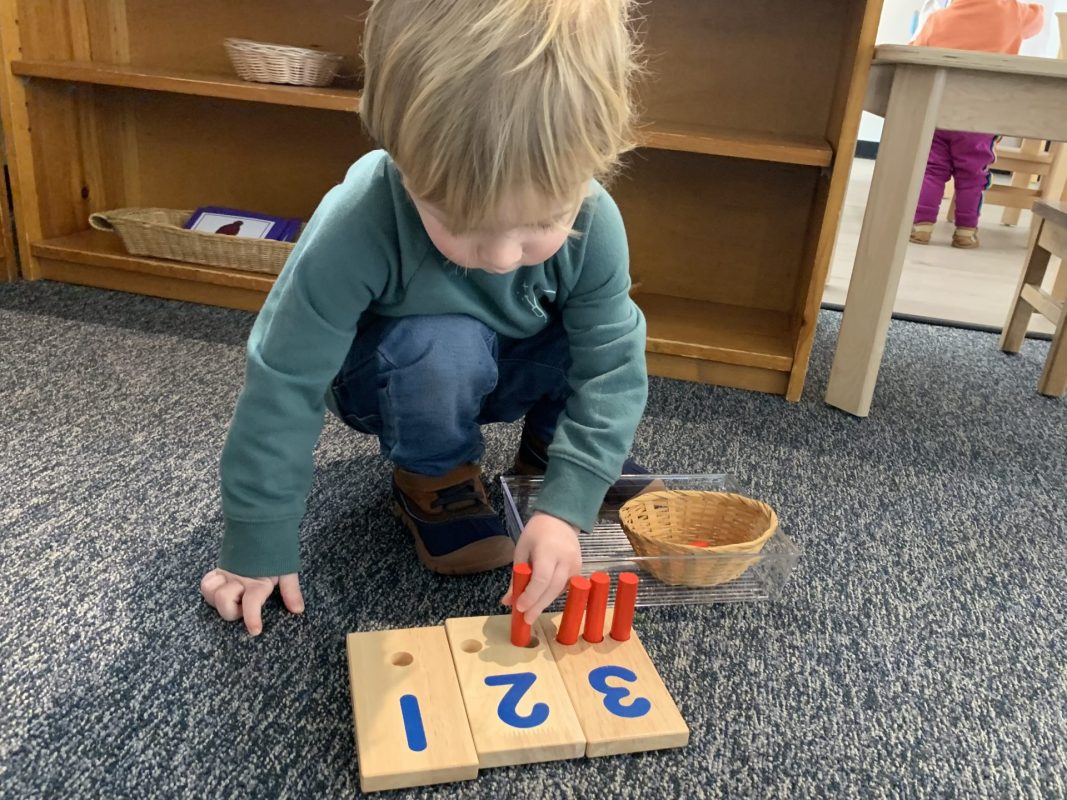
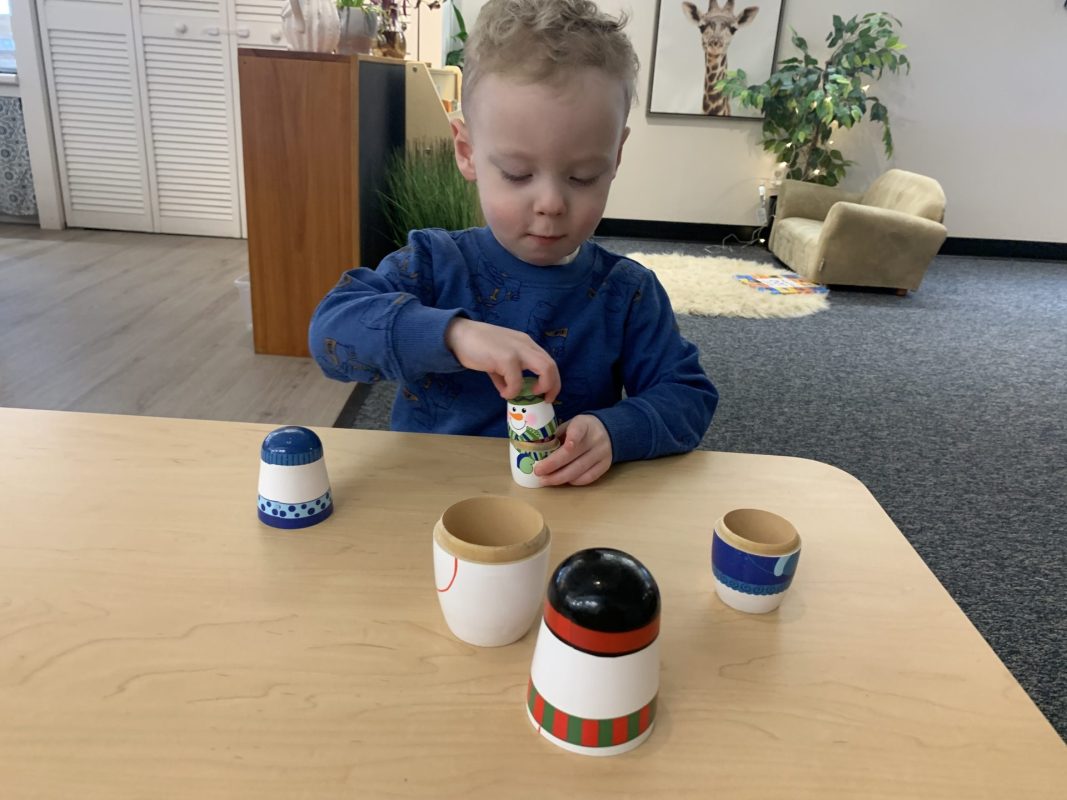
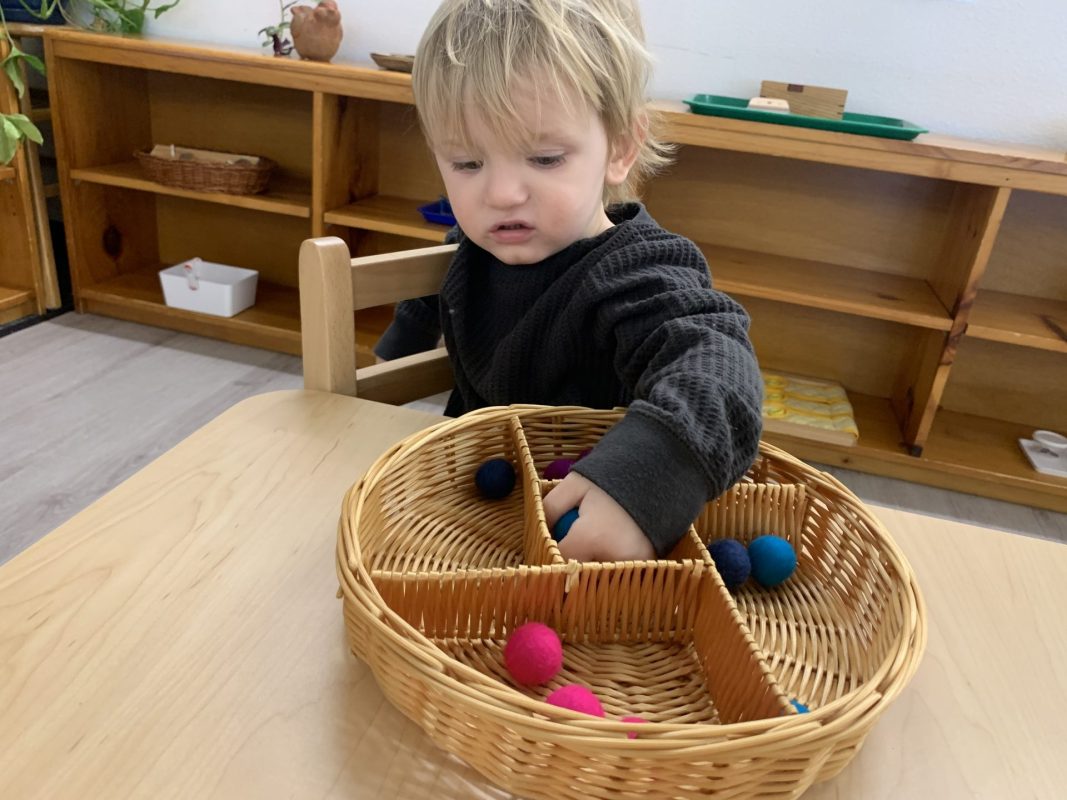
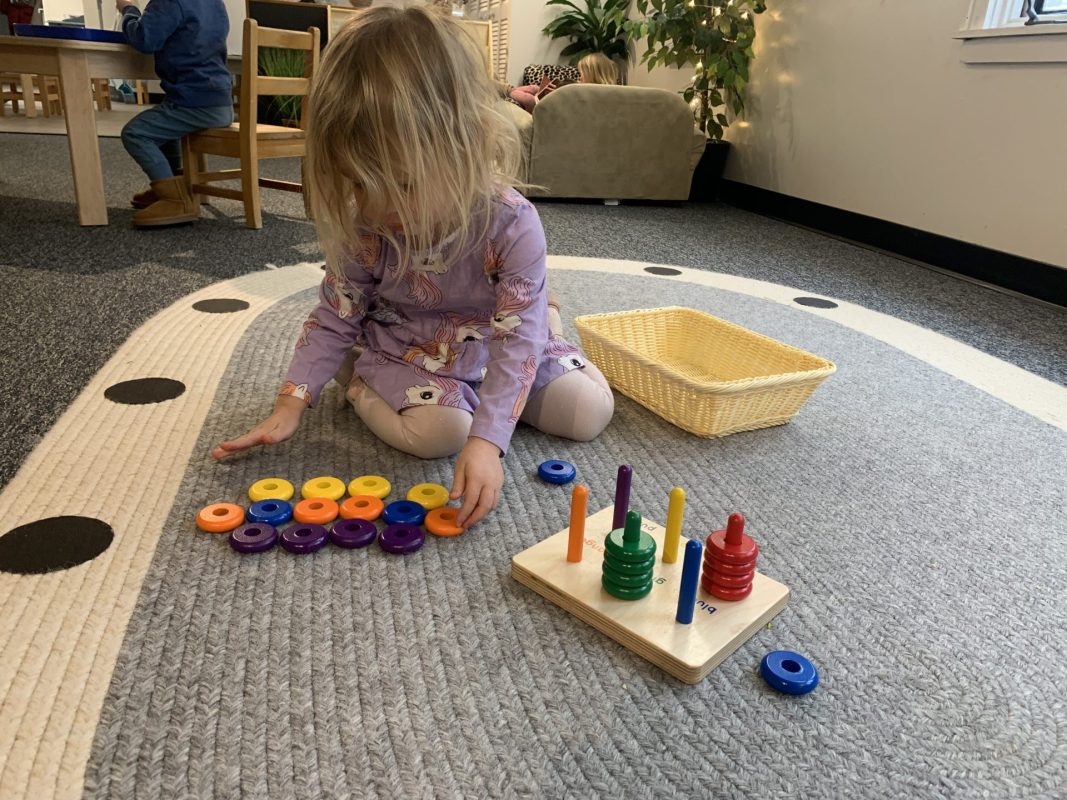
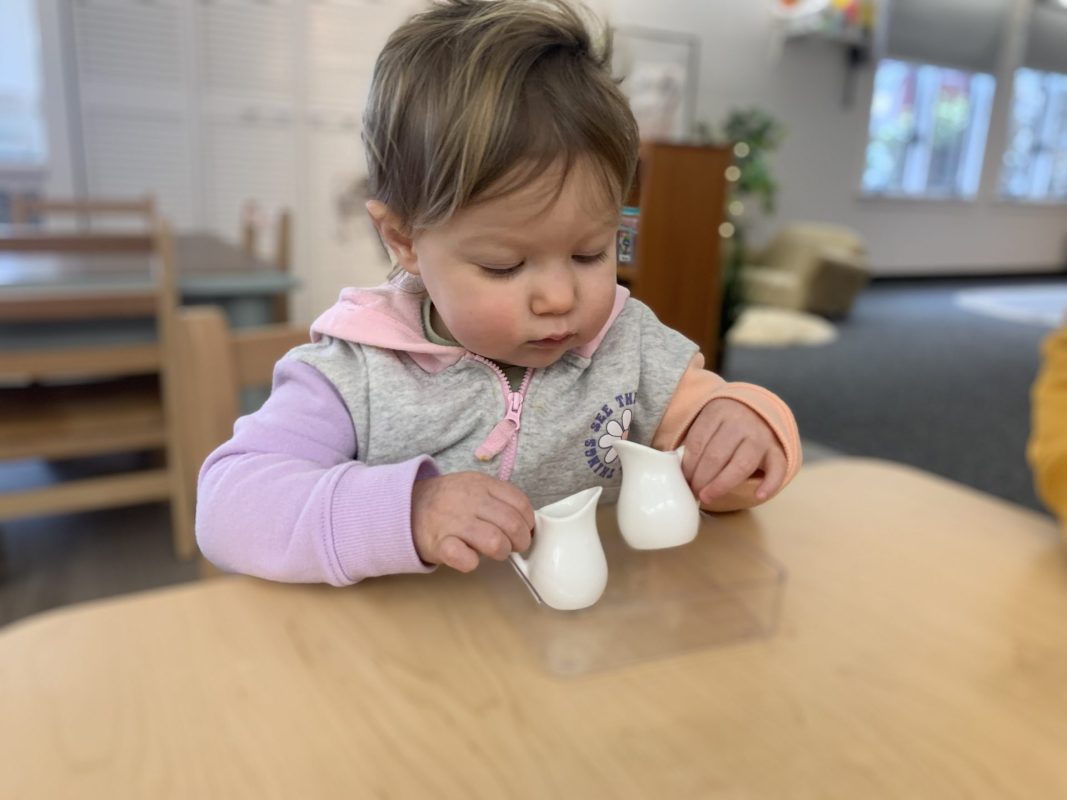
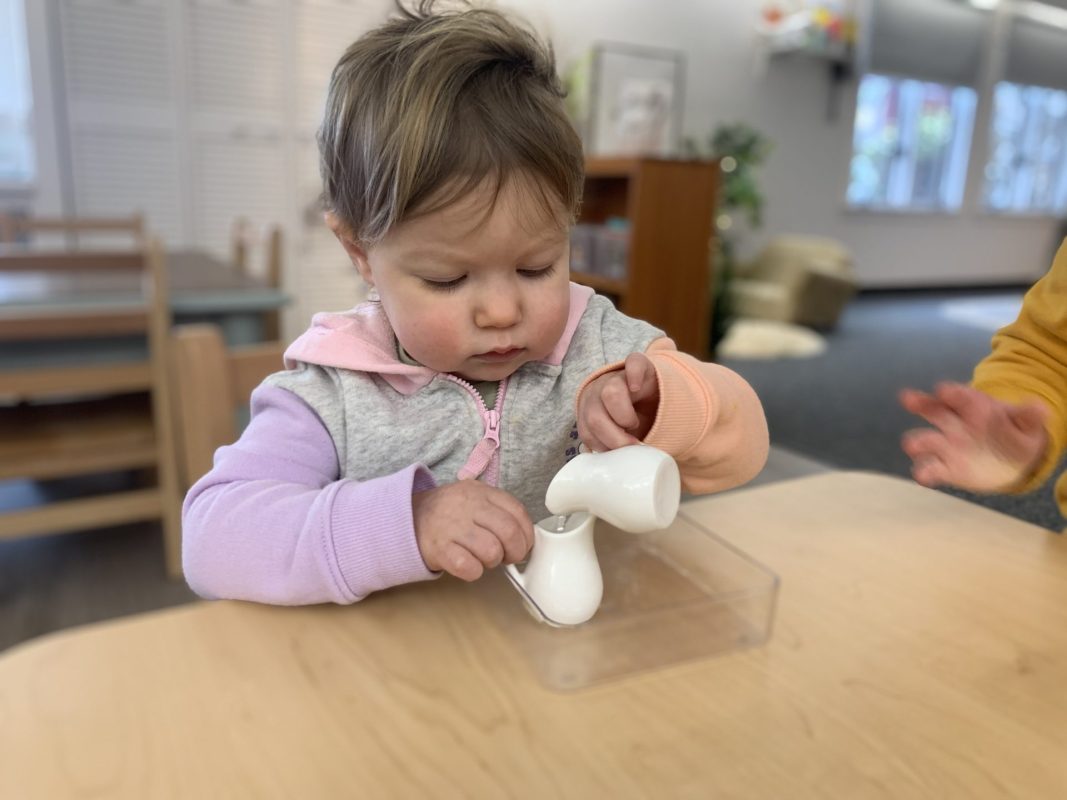
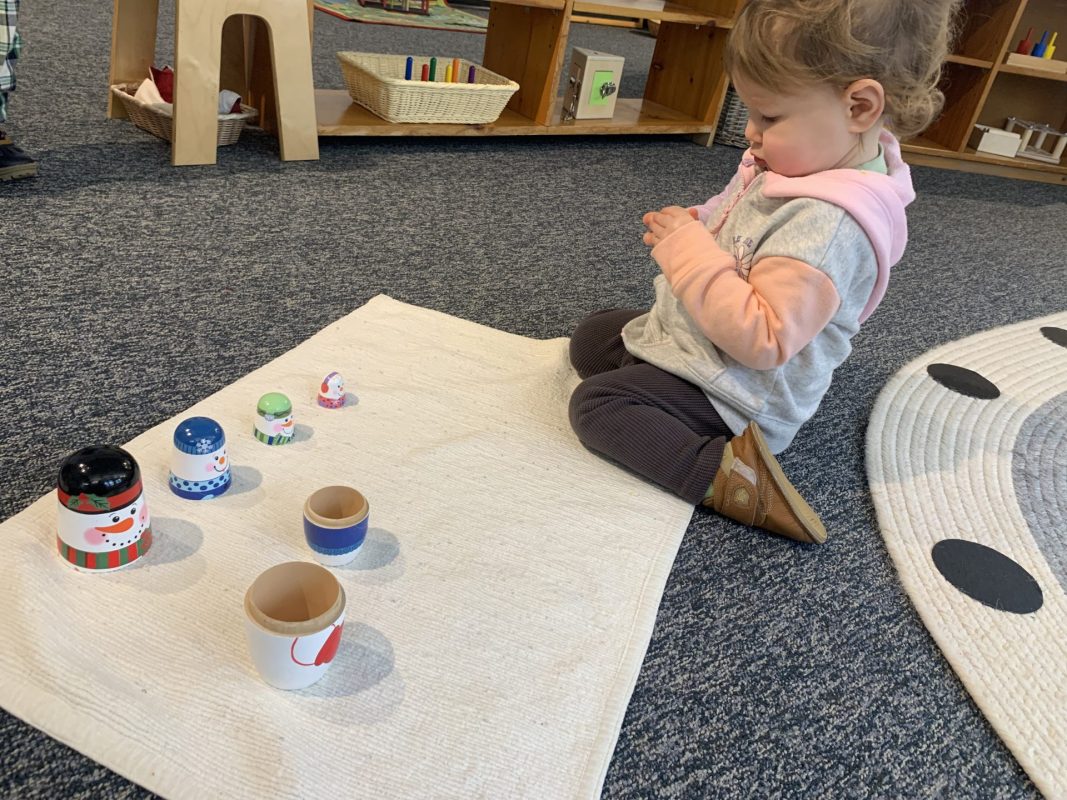
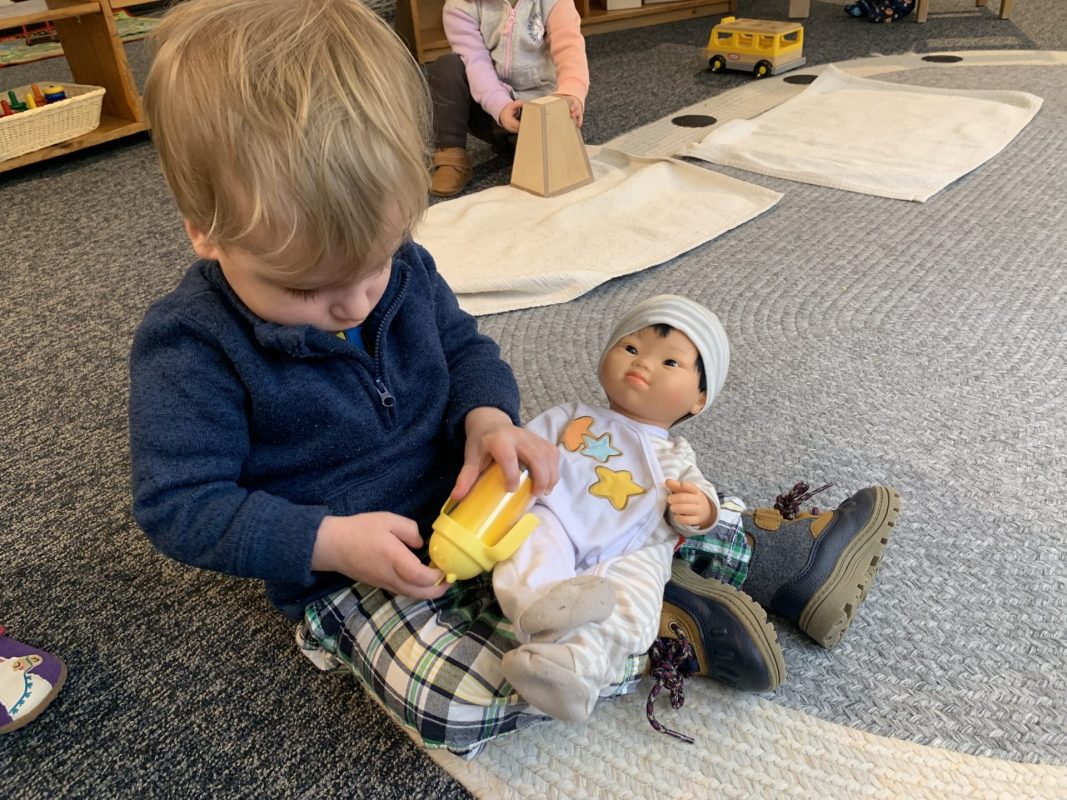
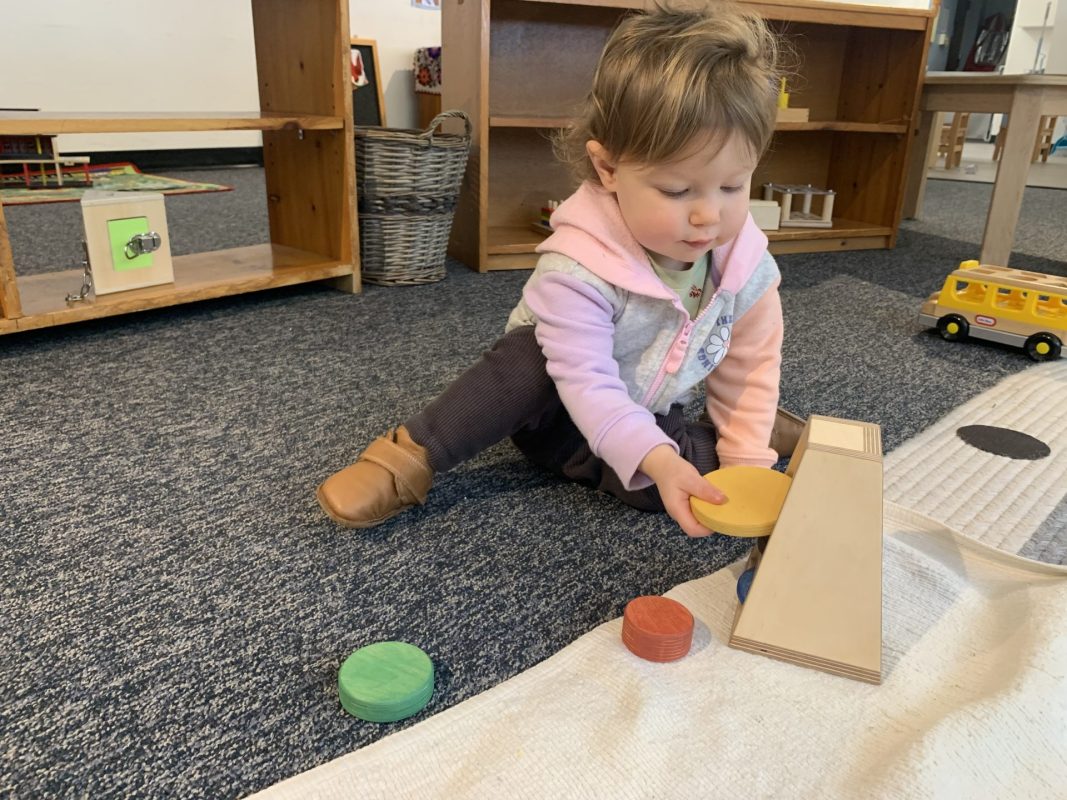
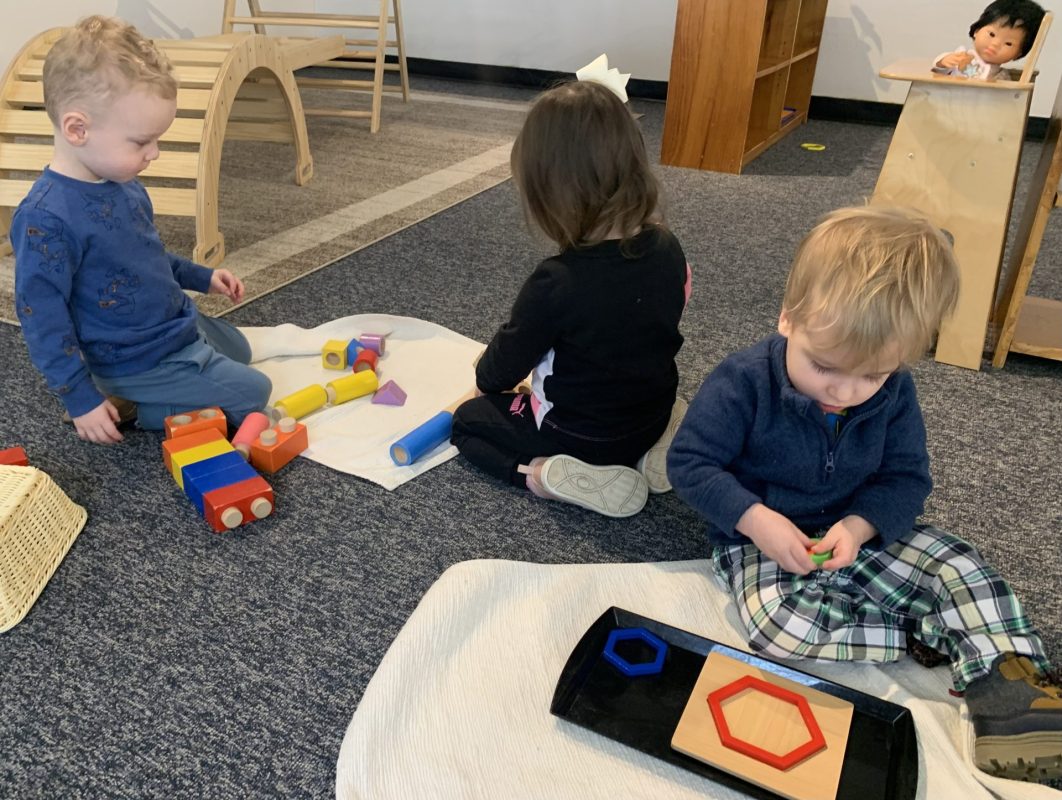
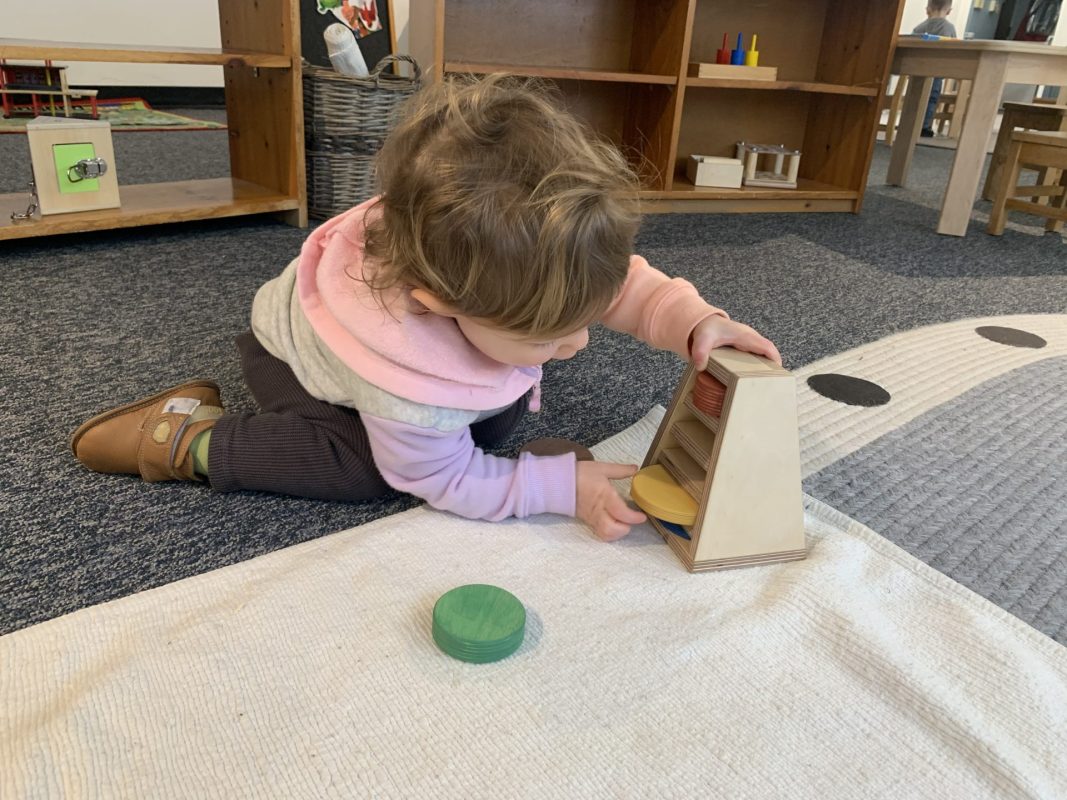
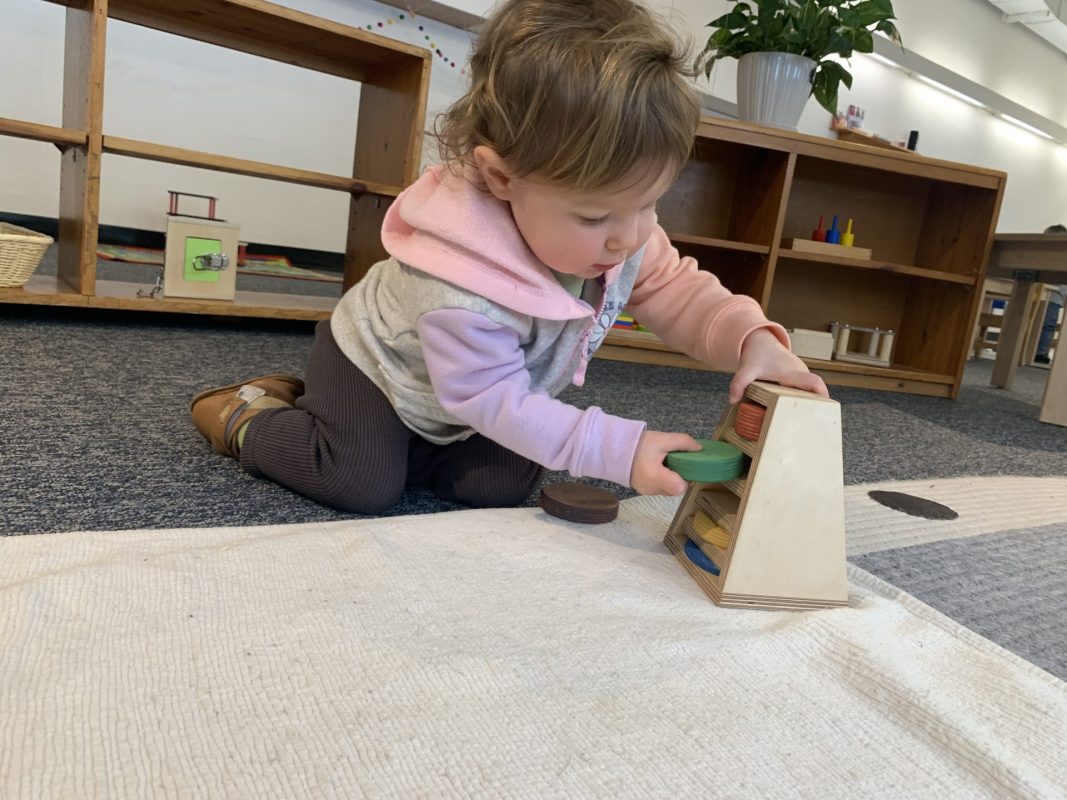
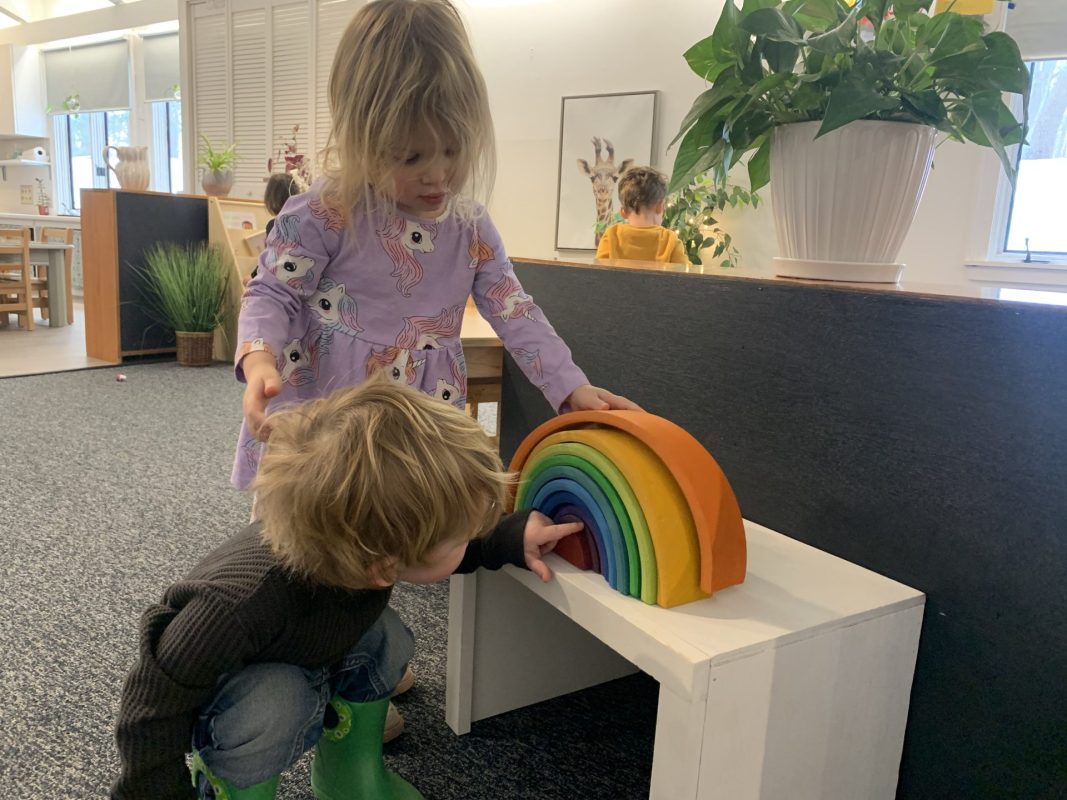
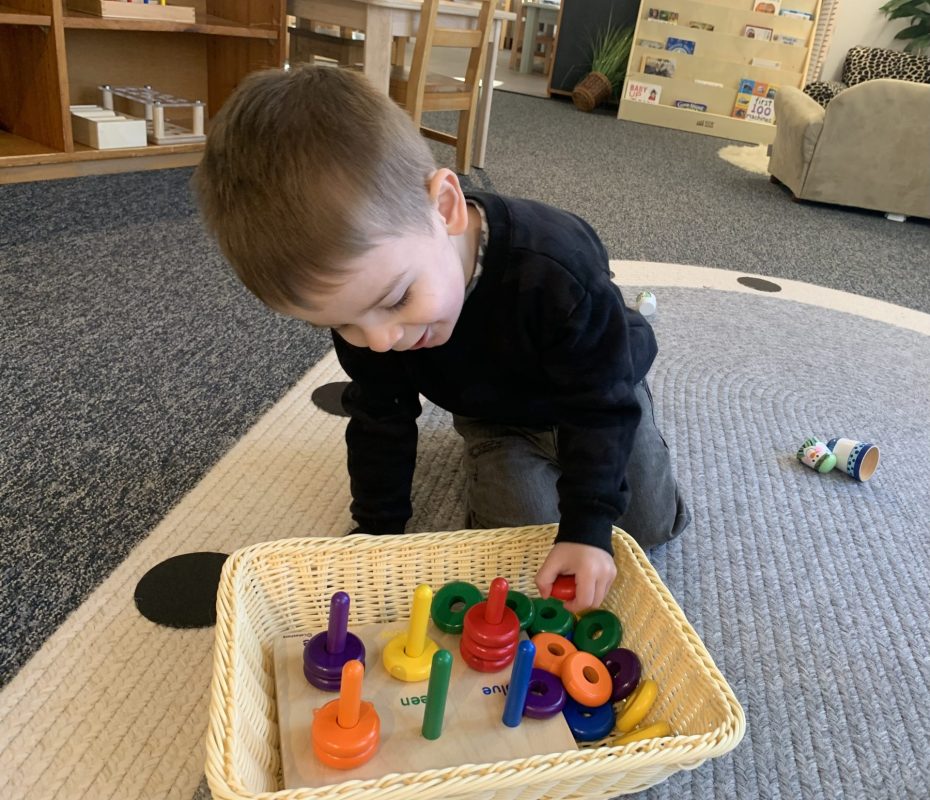
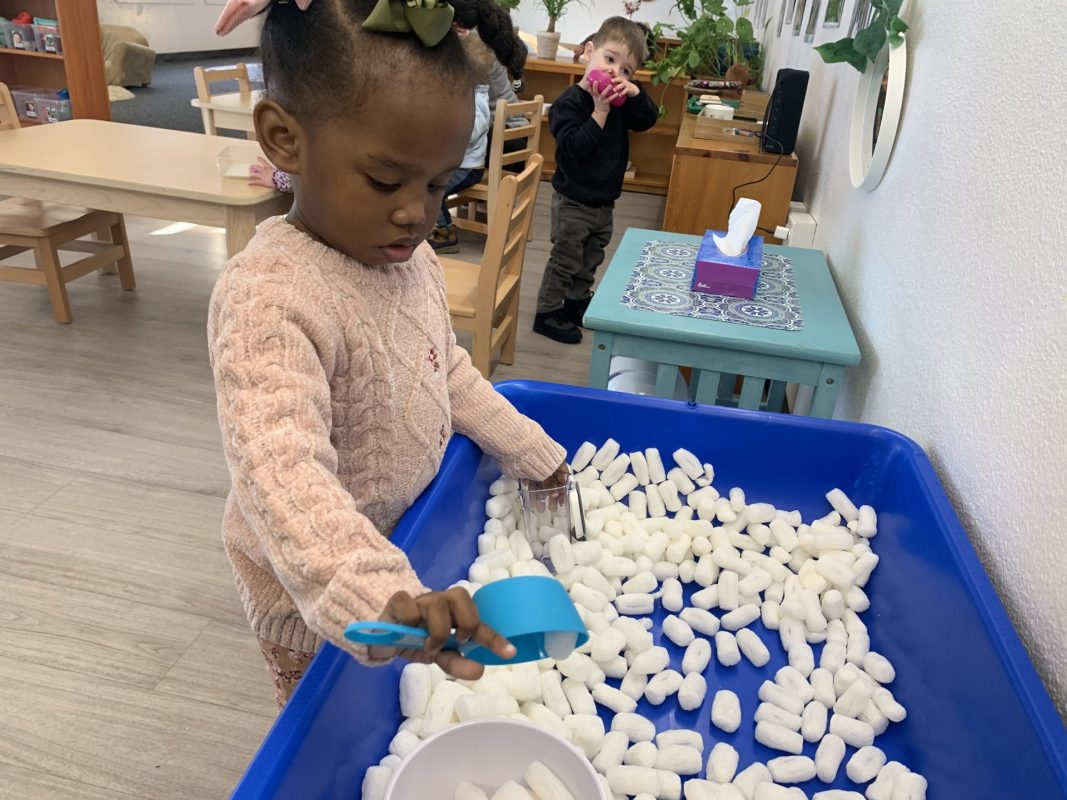
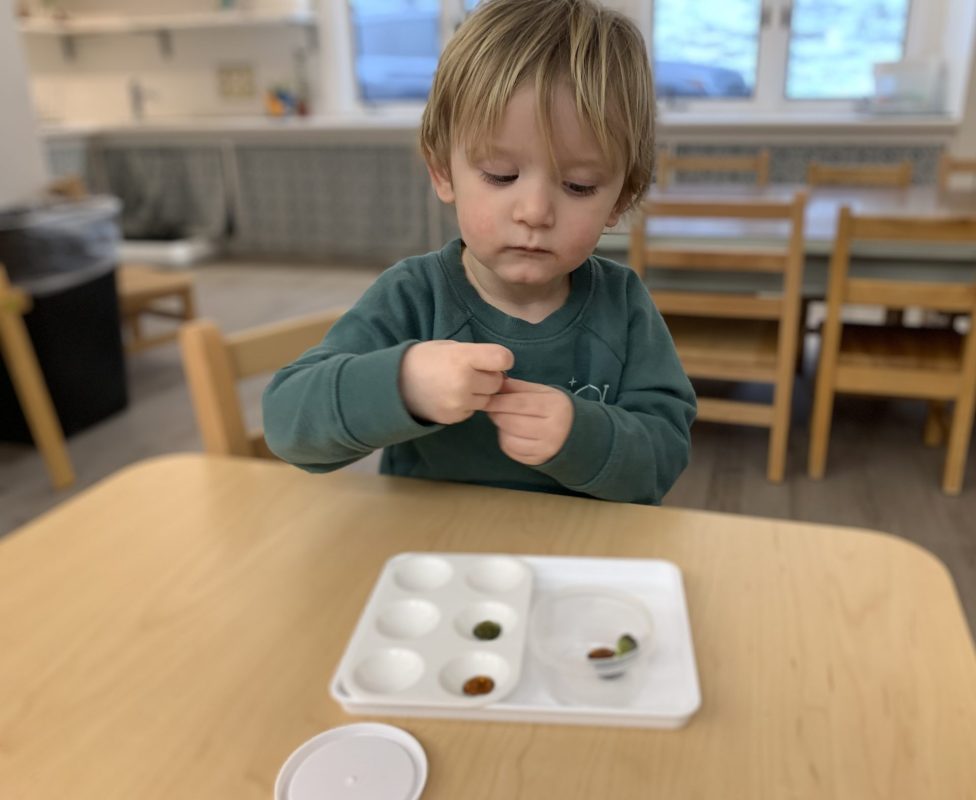
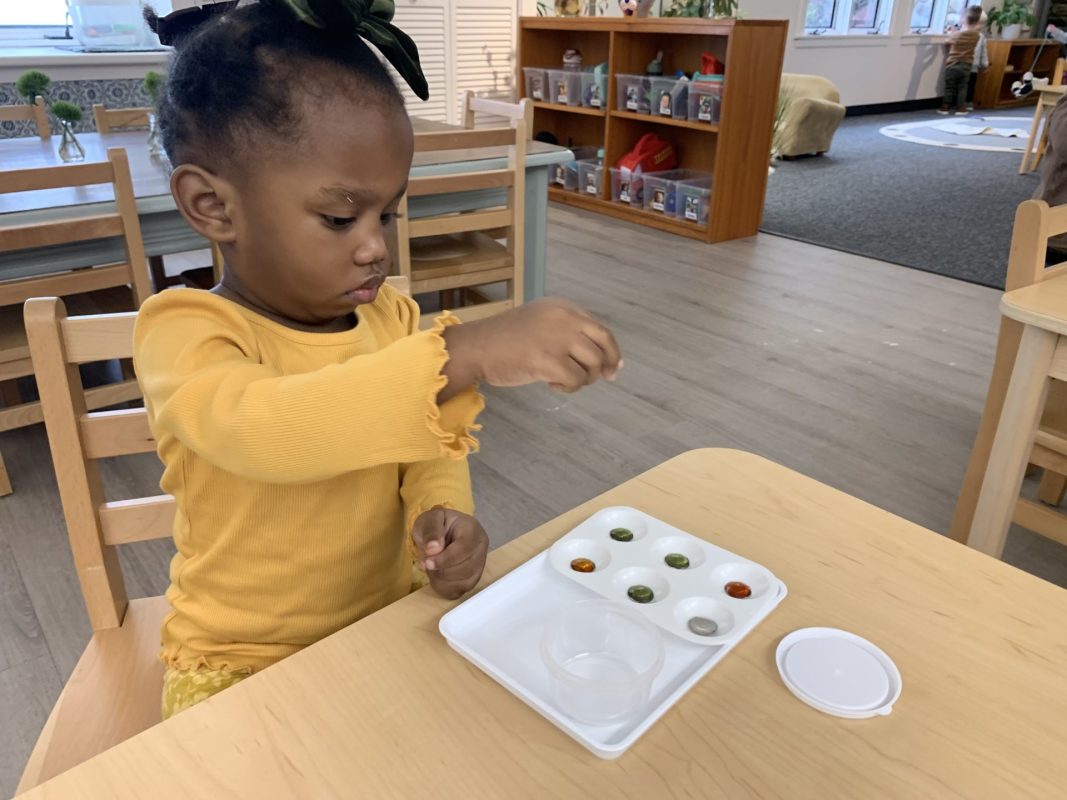
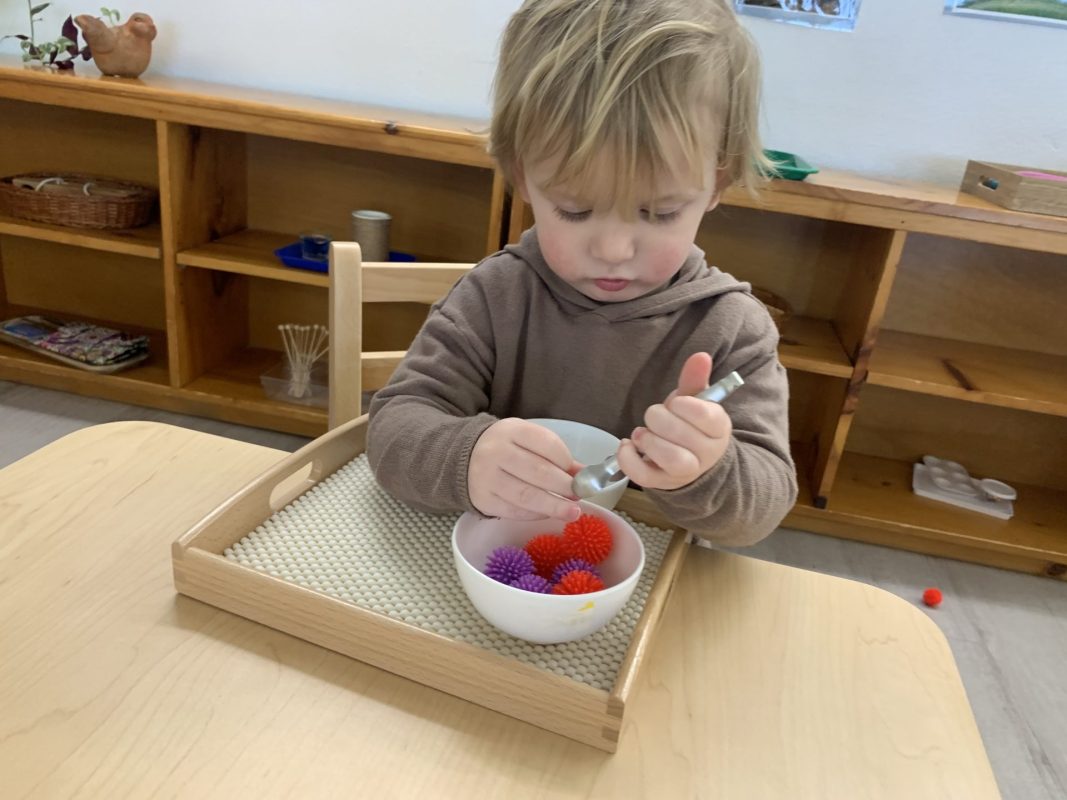
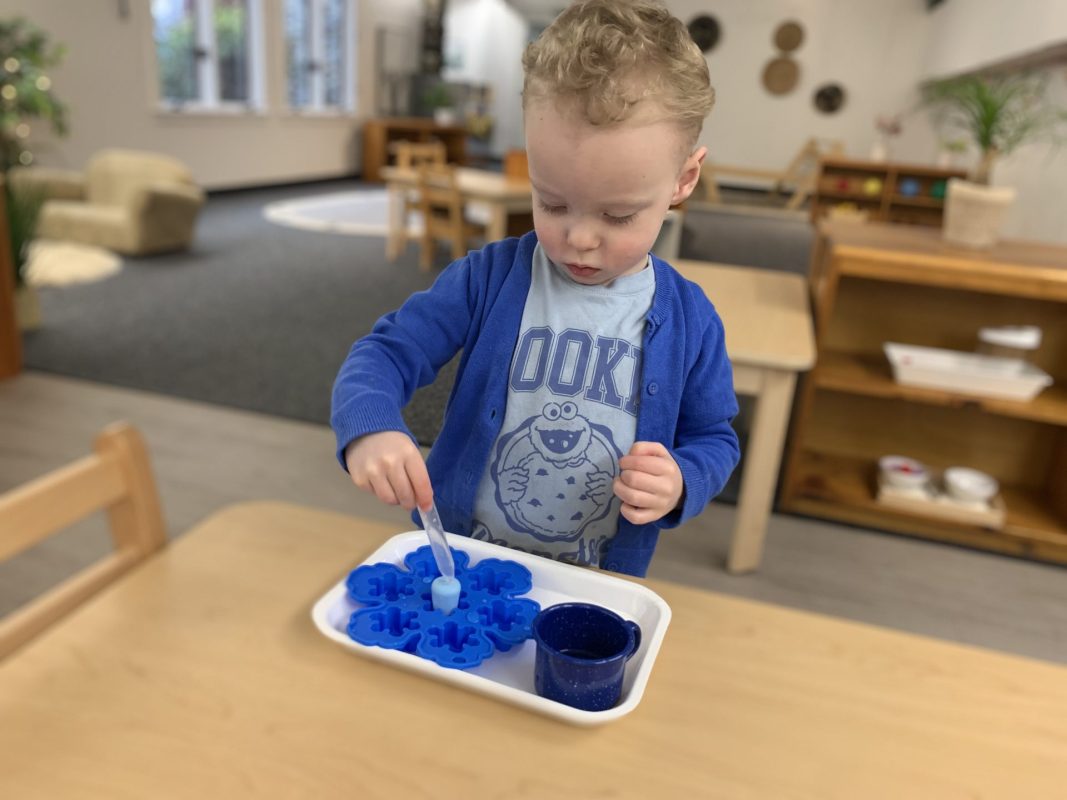
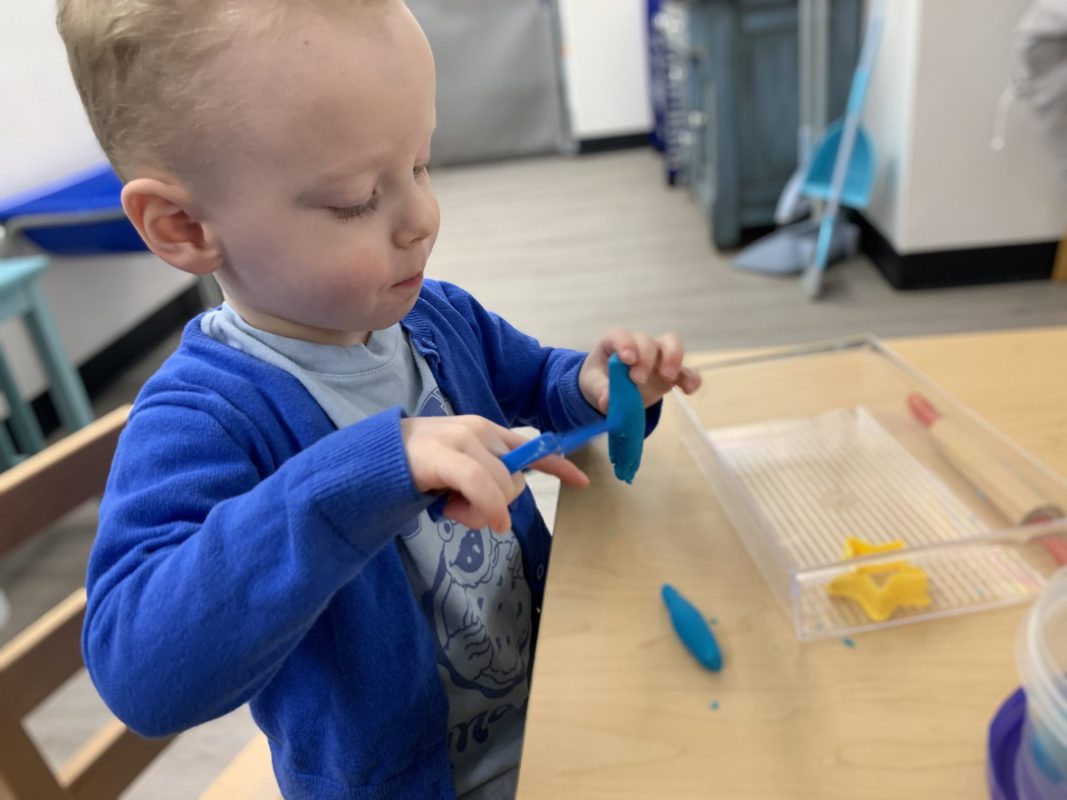
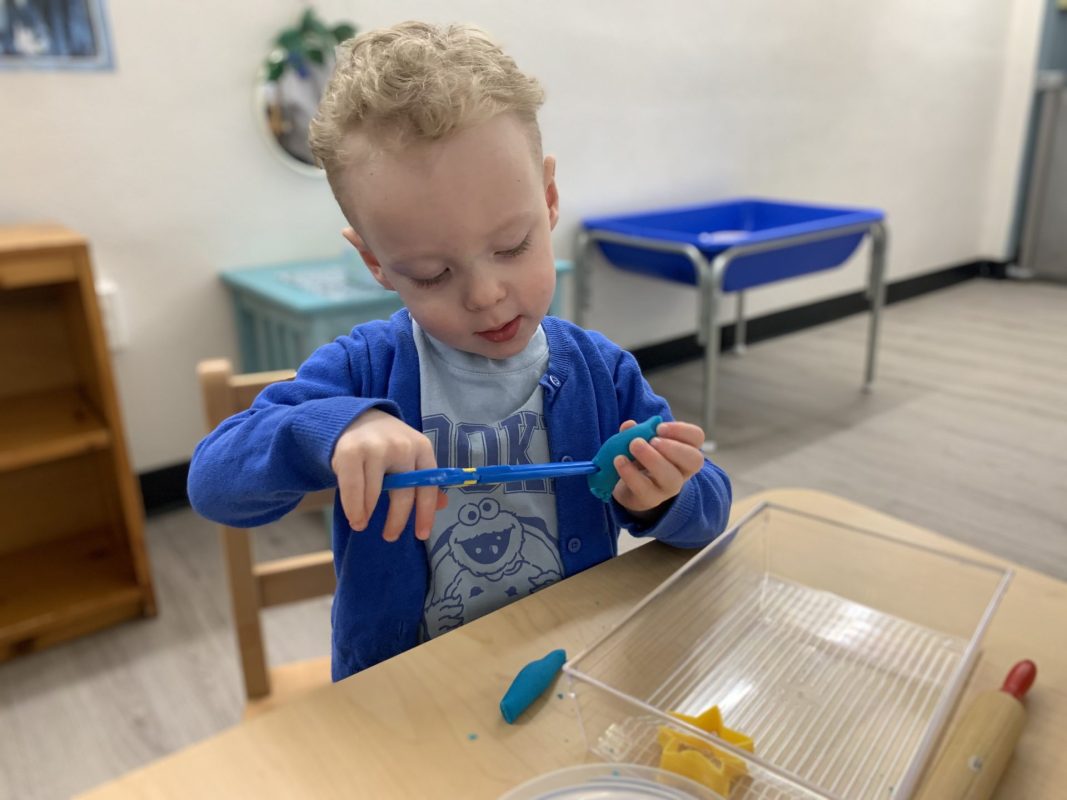
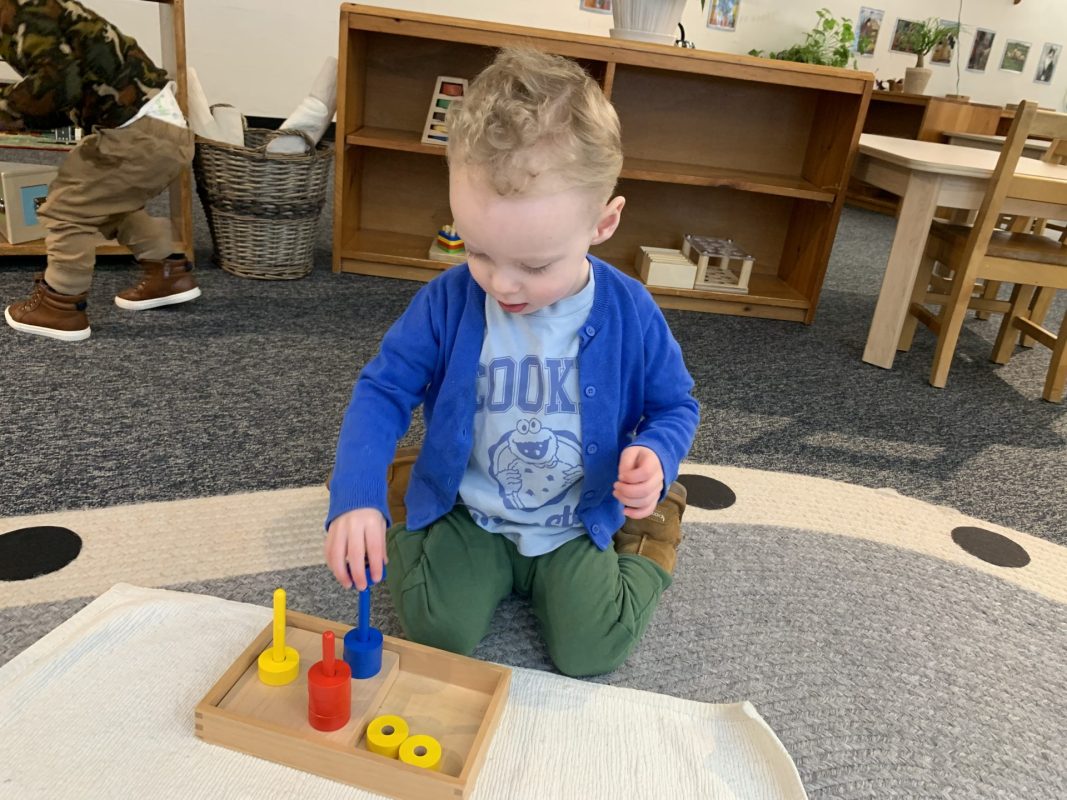
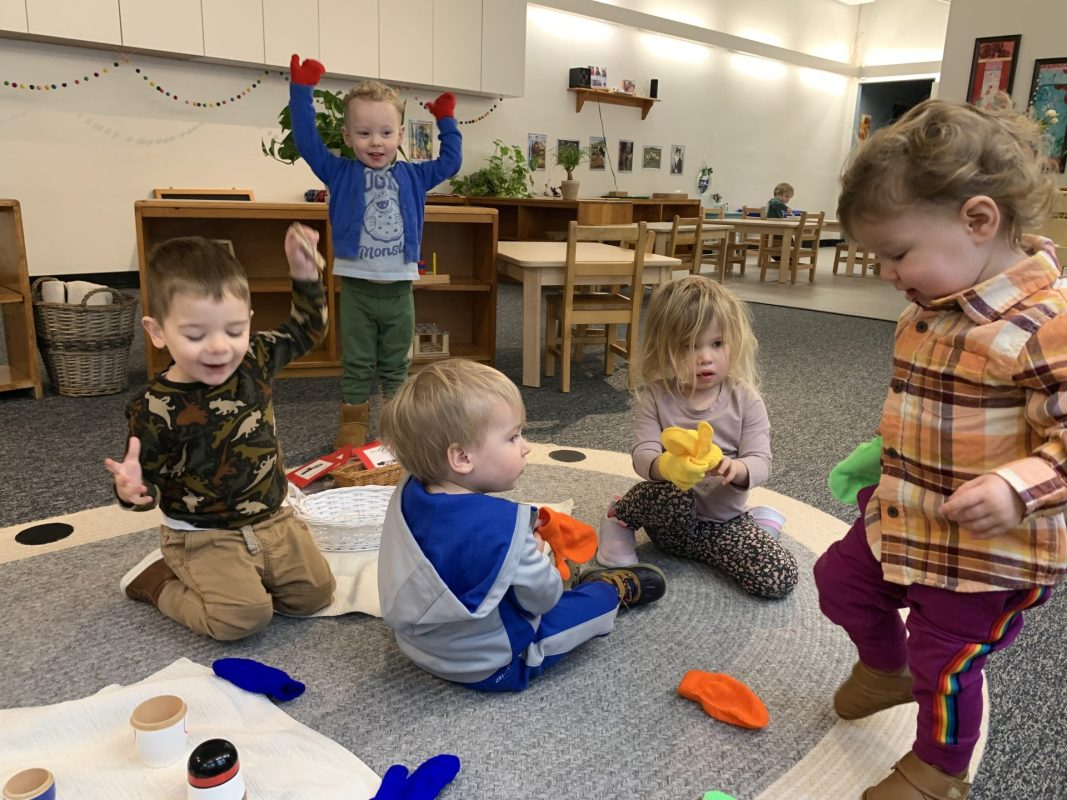
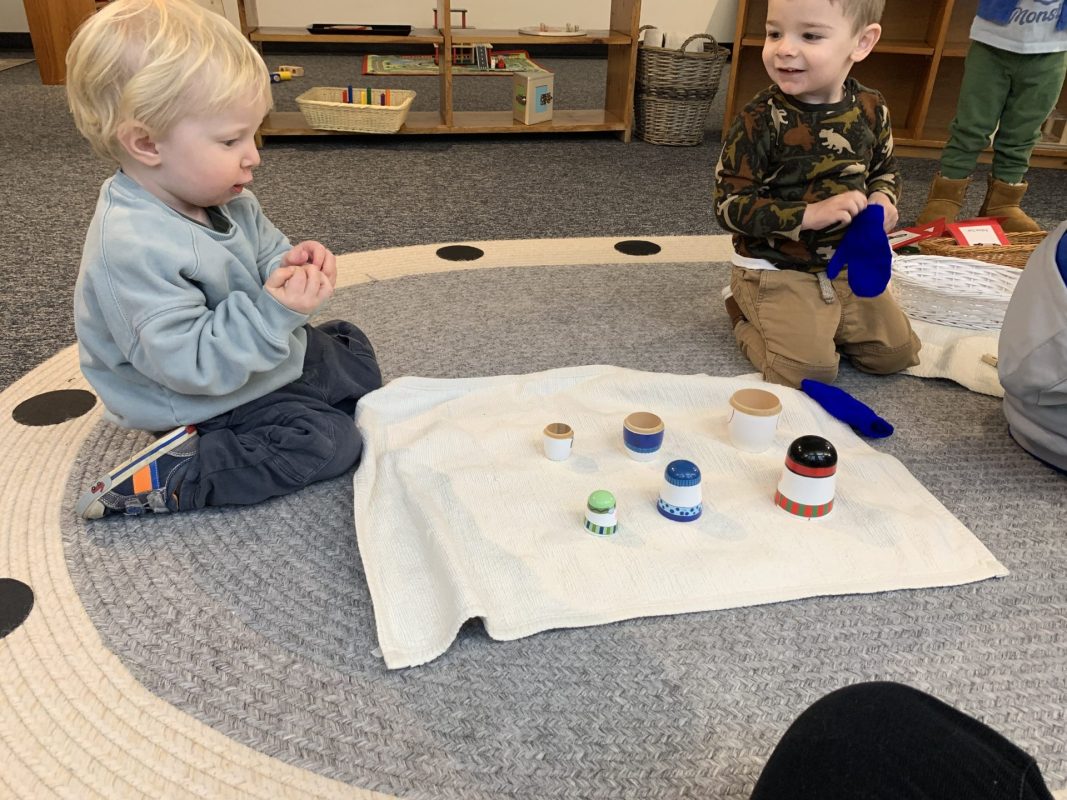
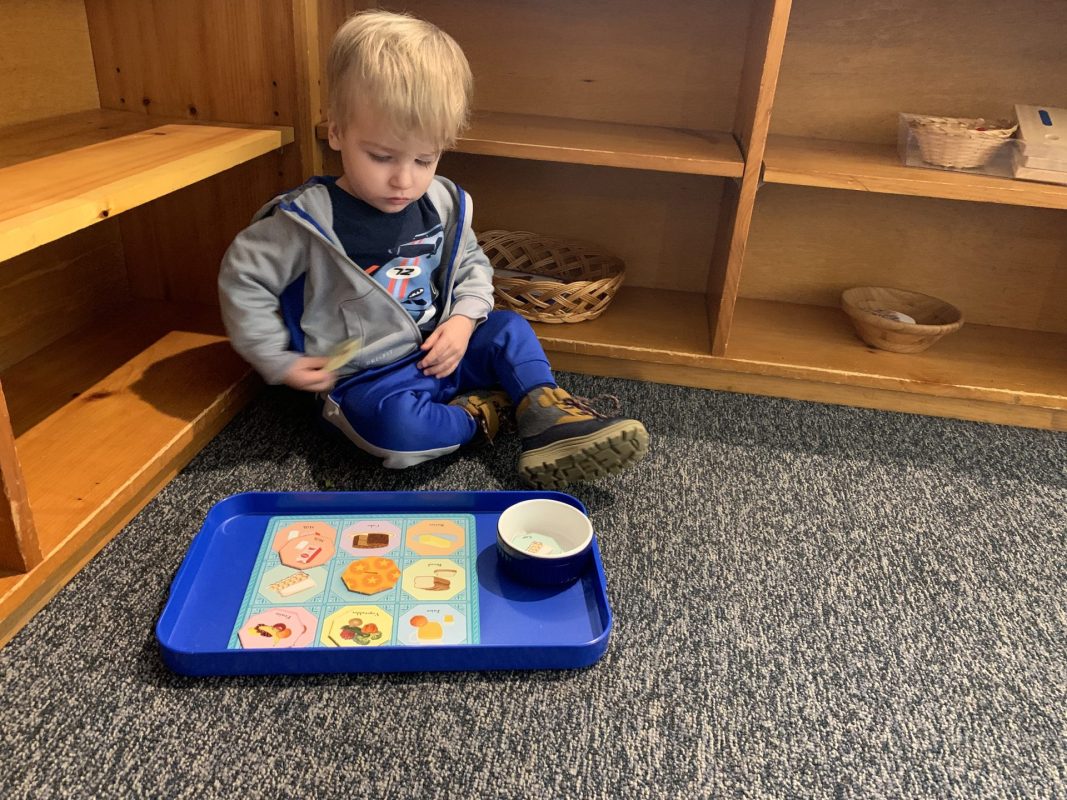
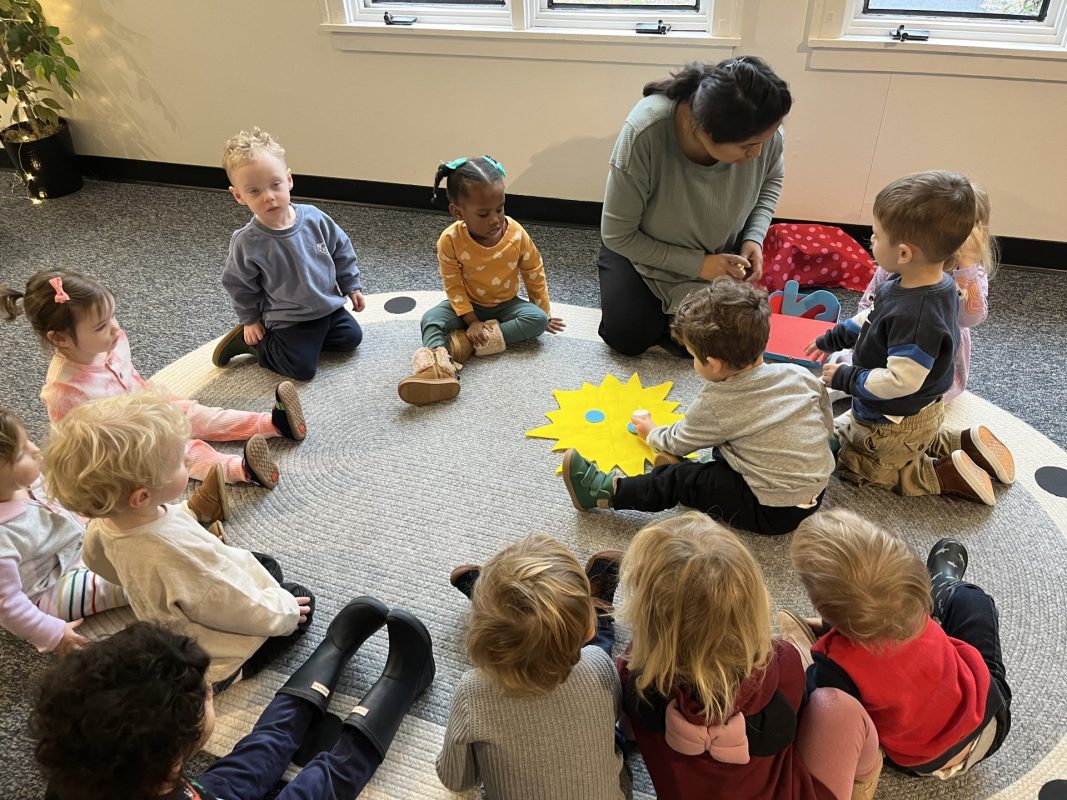
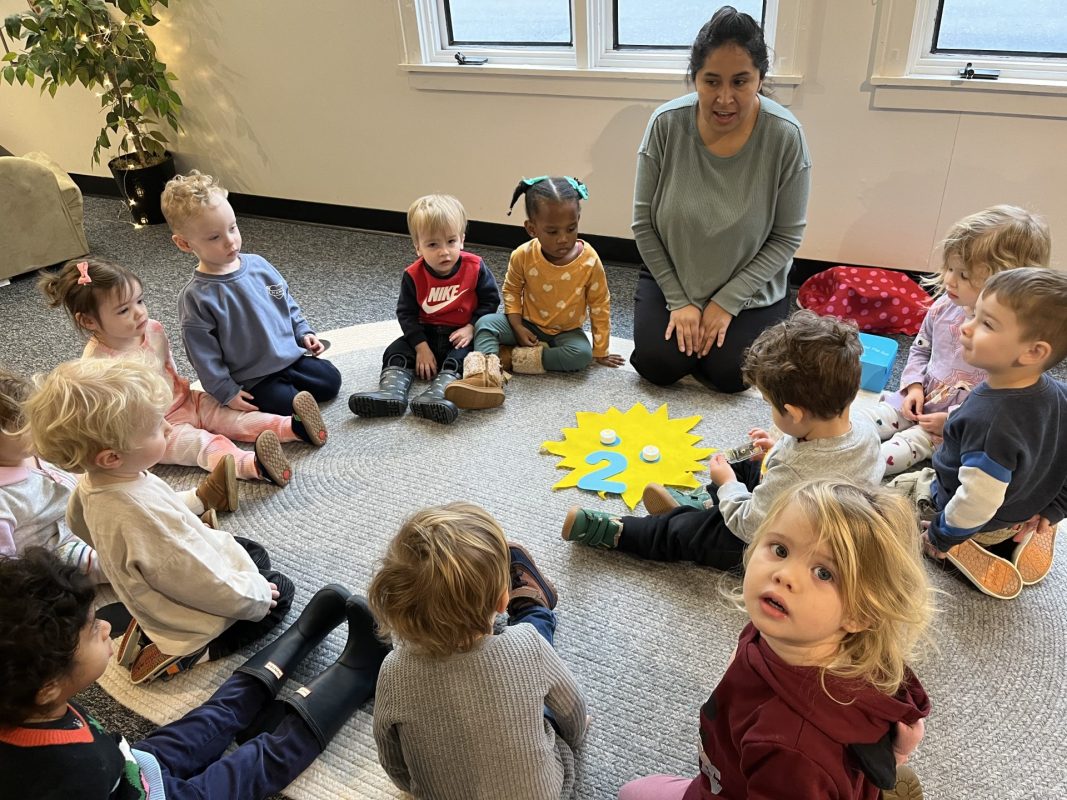
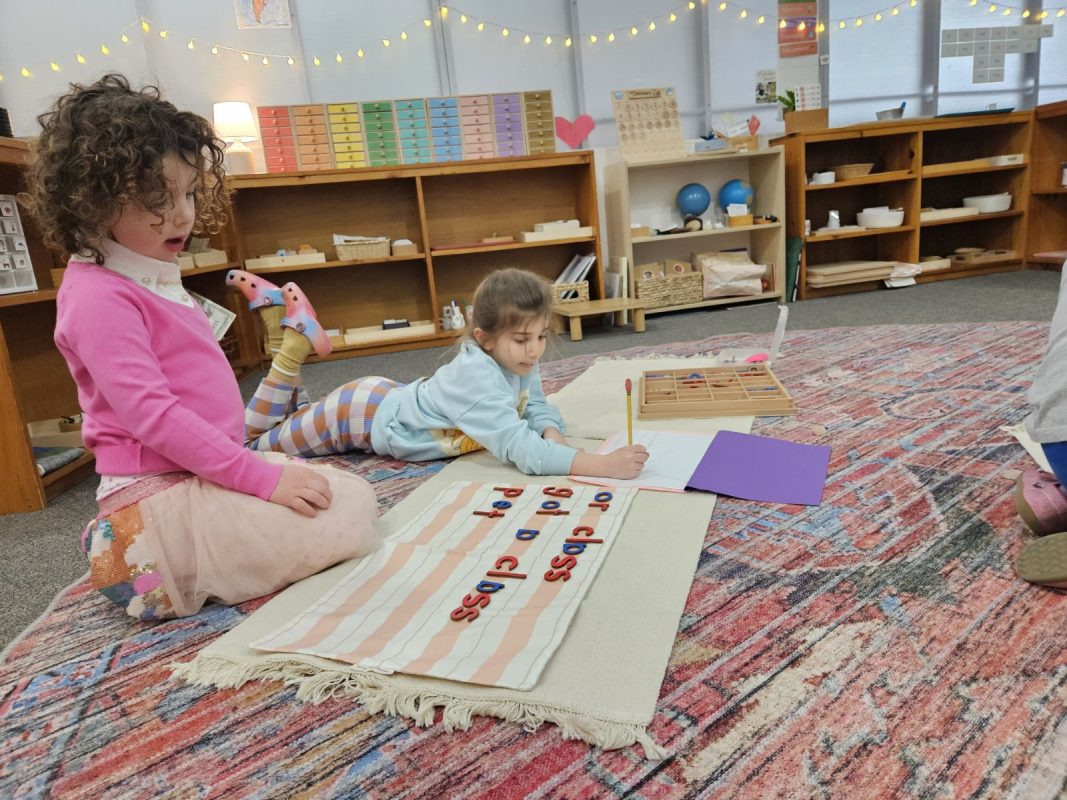
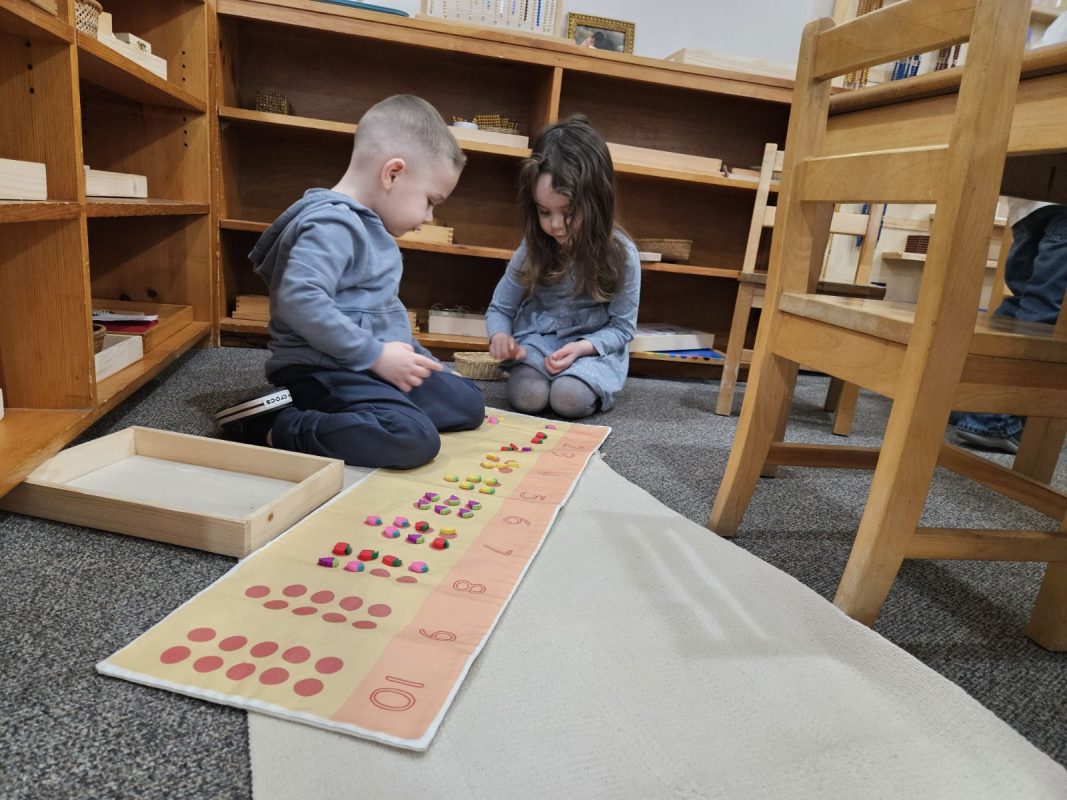
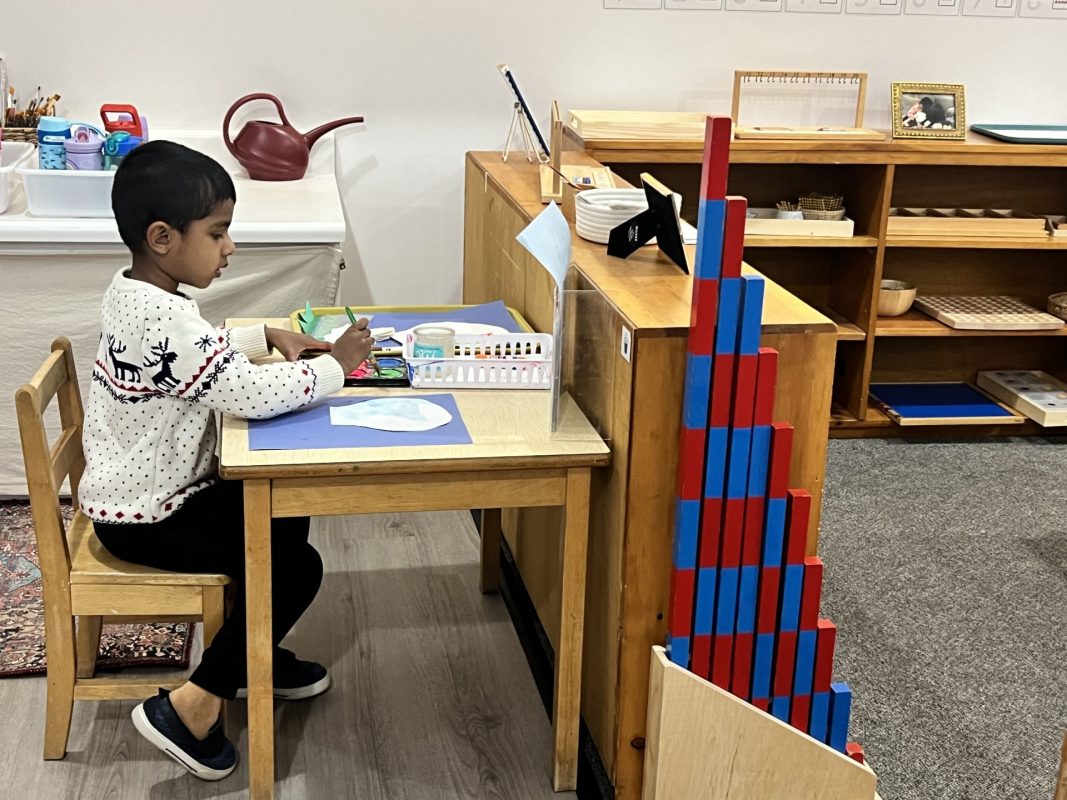
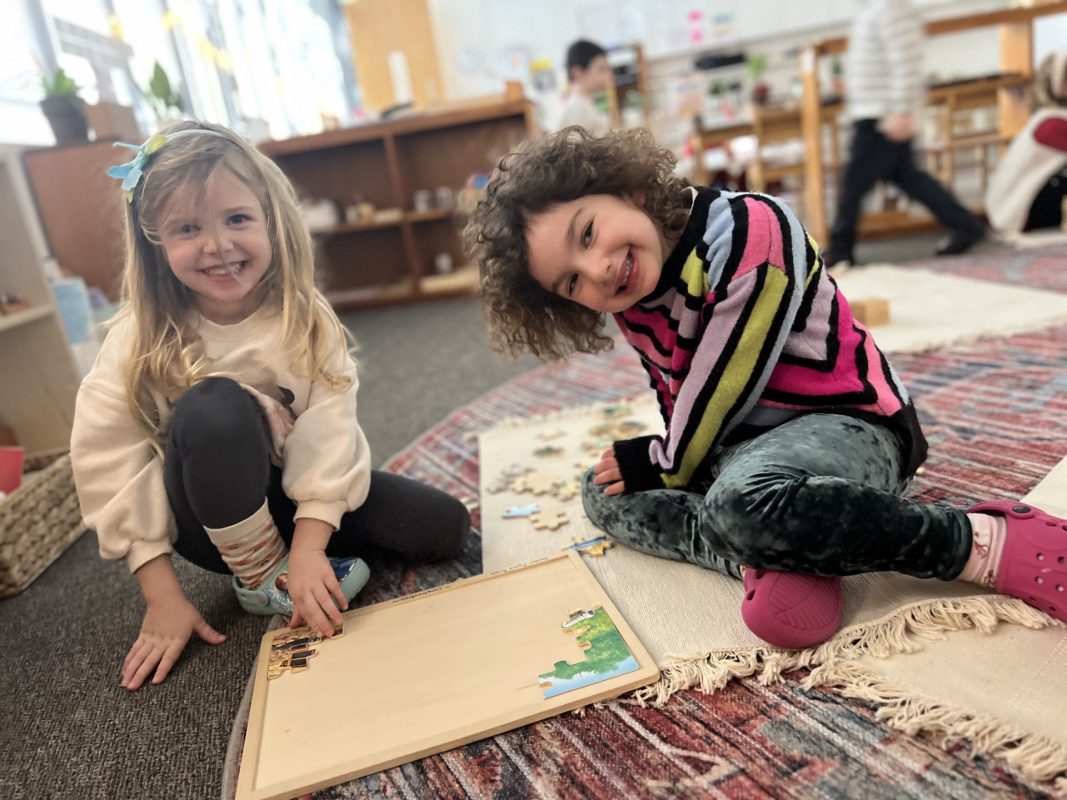
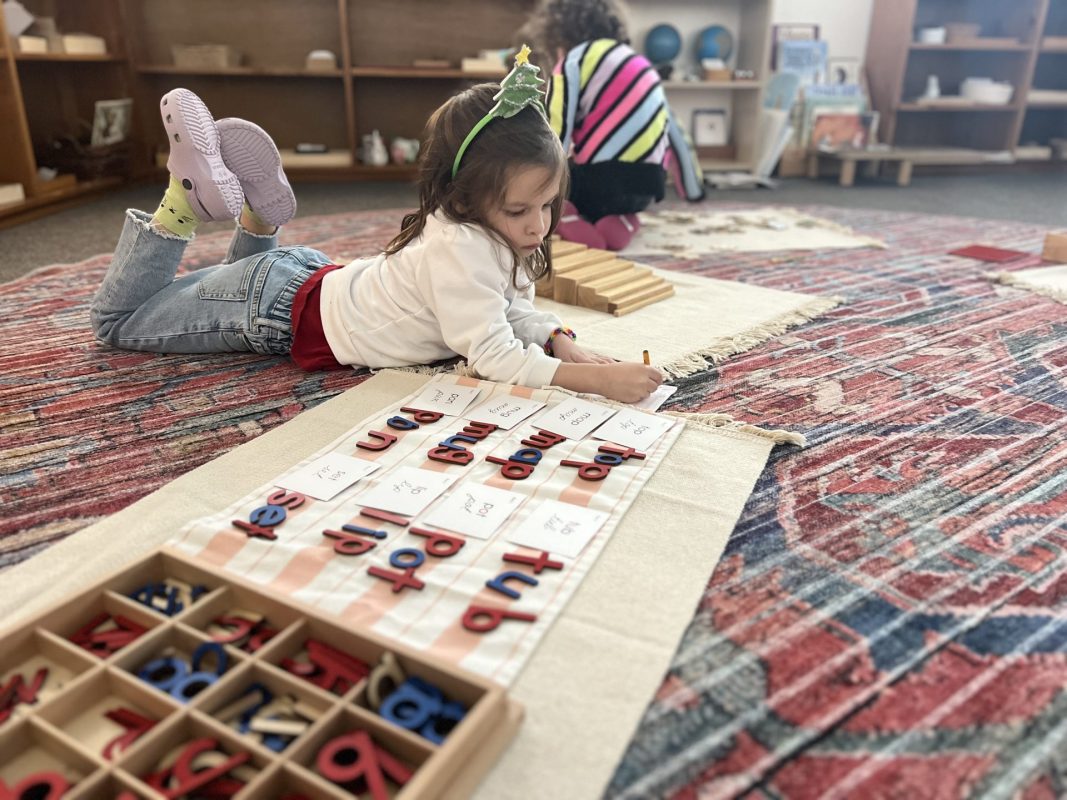
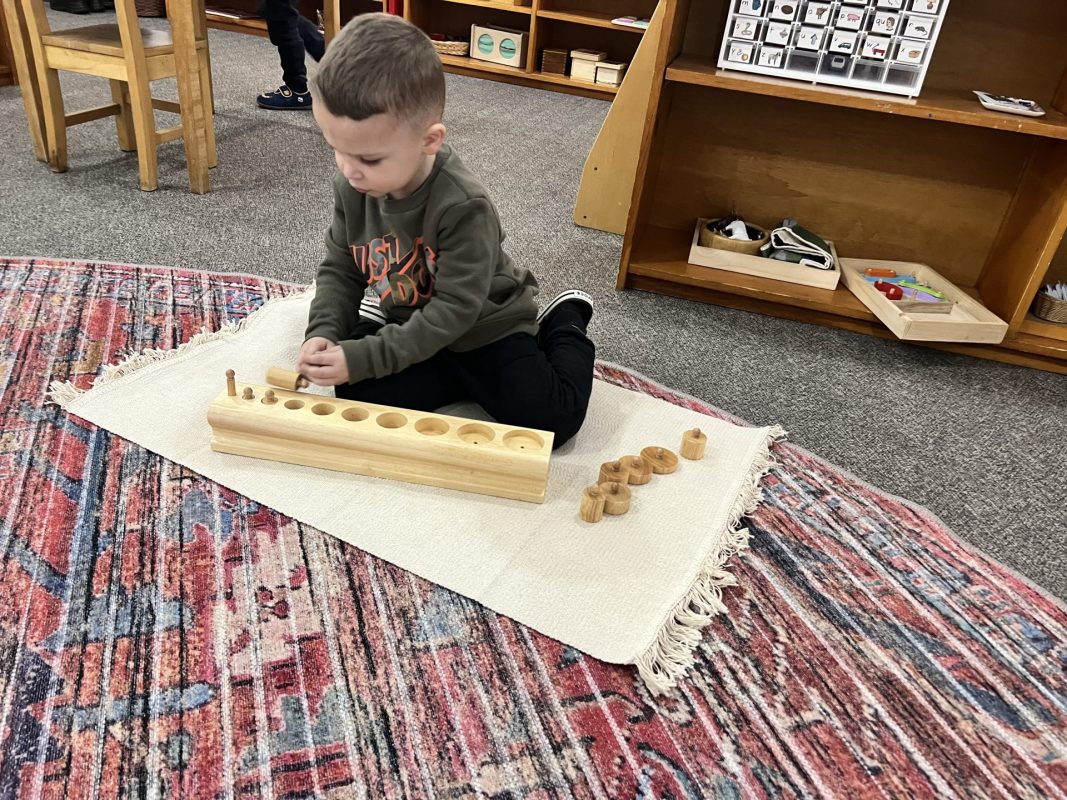
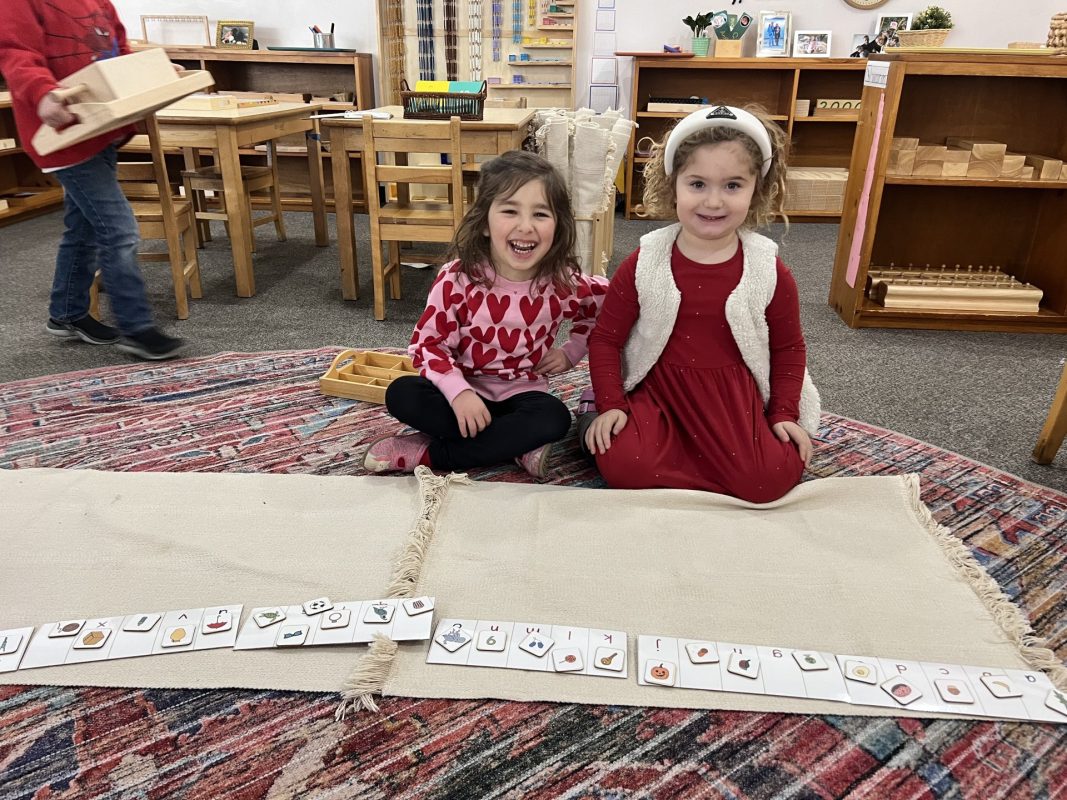
The Montessori math materials are visual and hands-on manipulatives, aiding in the ability of a child to understand mathematical concepts concretely. After many repetitions and when the child is ready, we introduce the more complex and abstract concepts. We teach the process first because the goal is to develop a true understanding of mathematical concepts and not simply memorization. The materials are sequenced in a way that each success a child experiences is a building block for the next concept to be introduced.

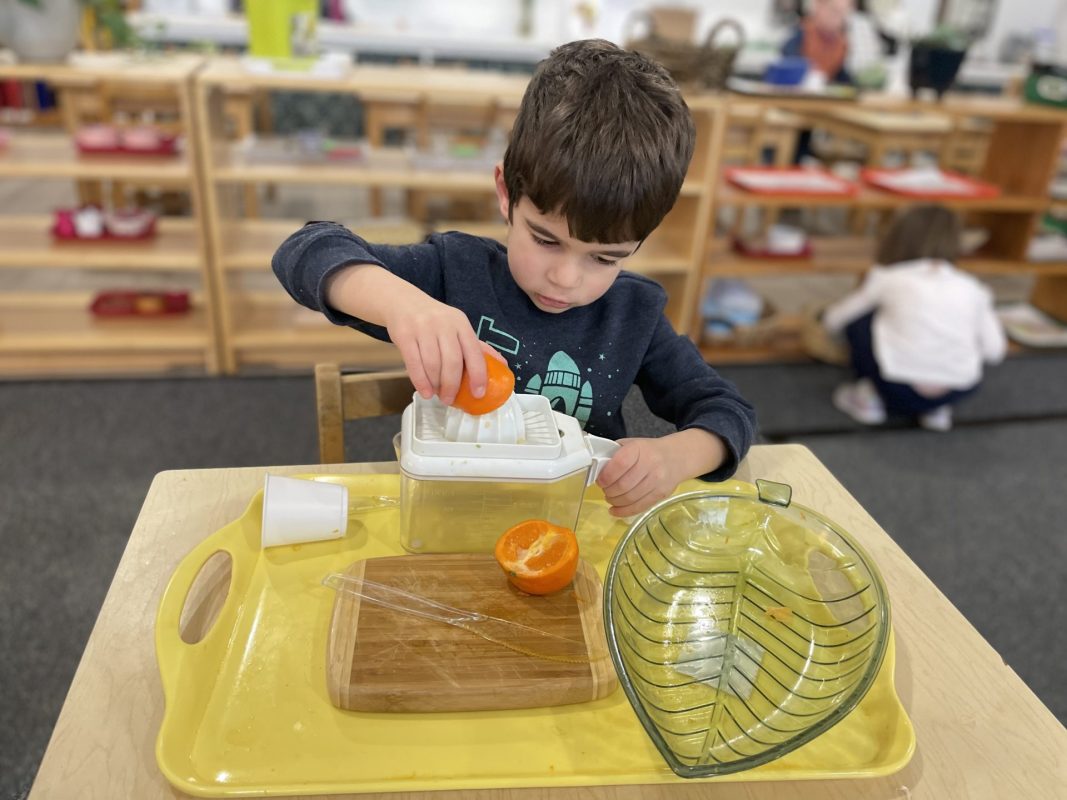
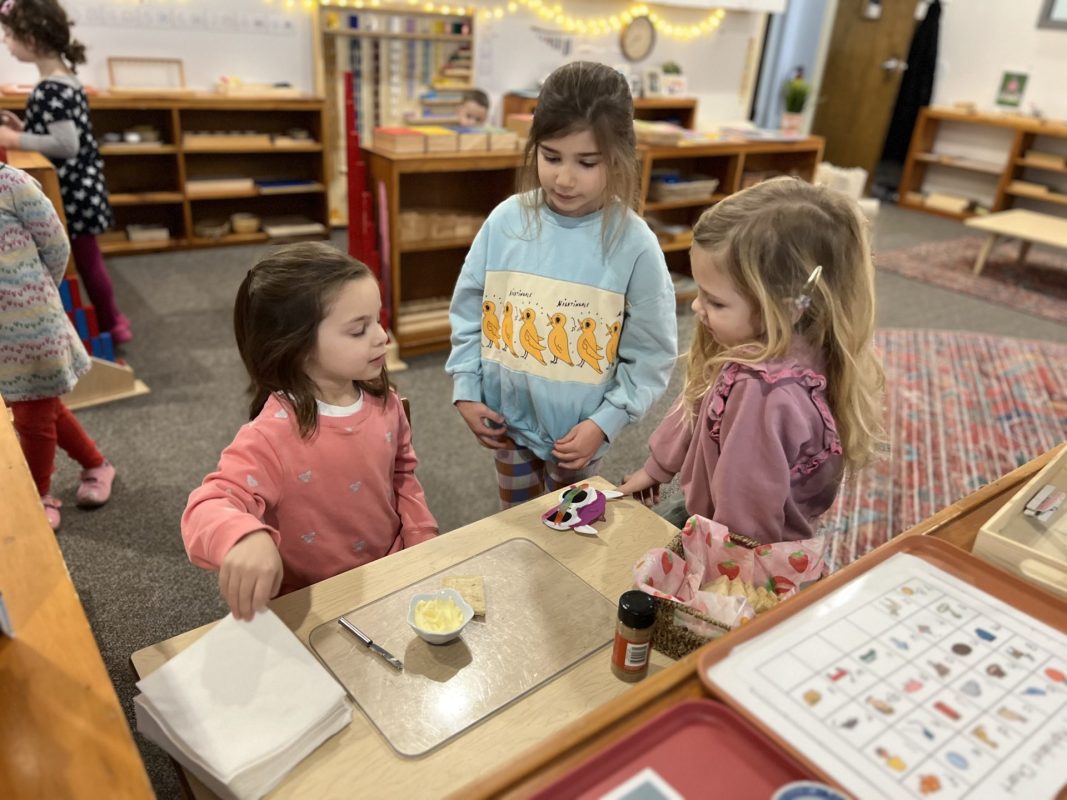
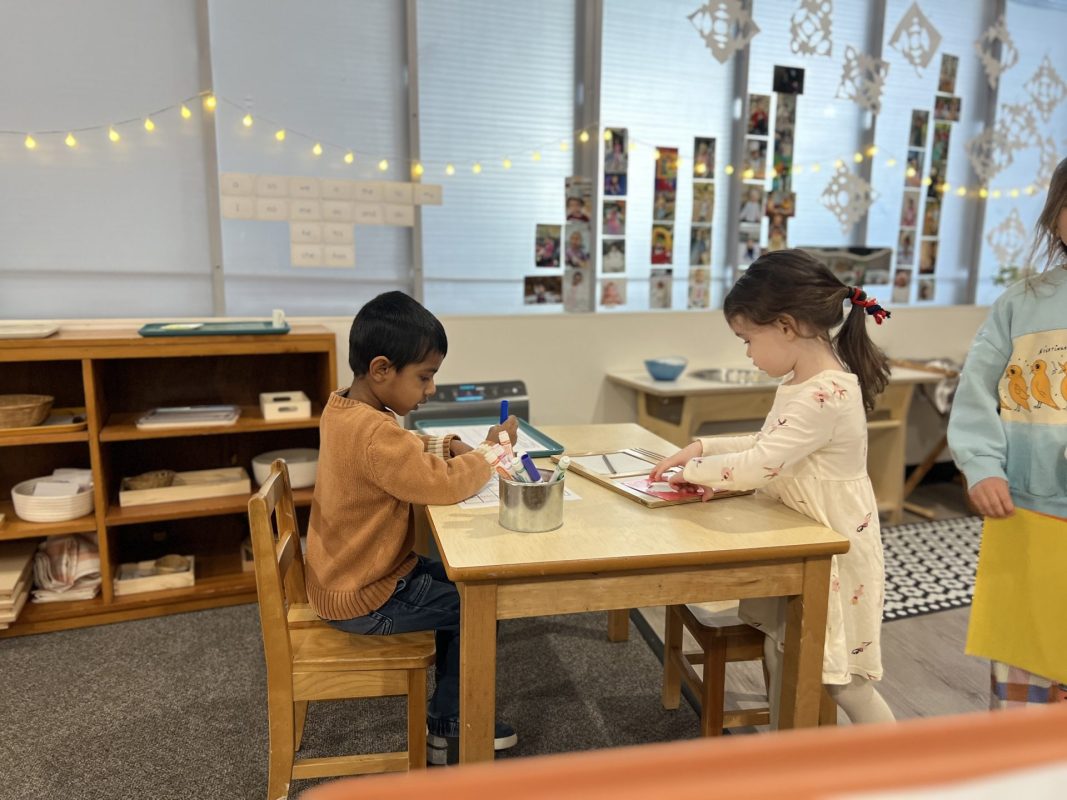
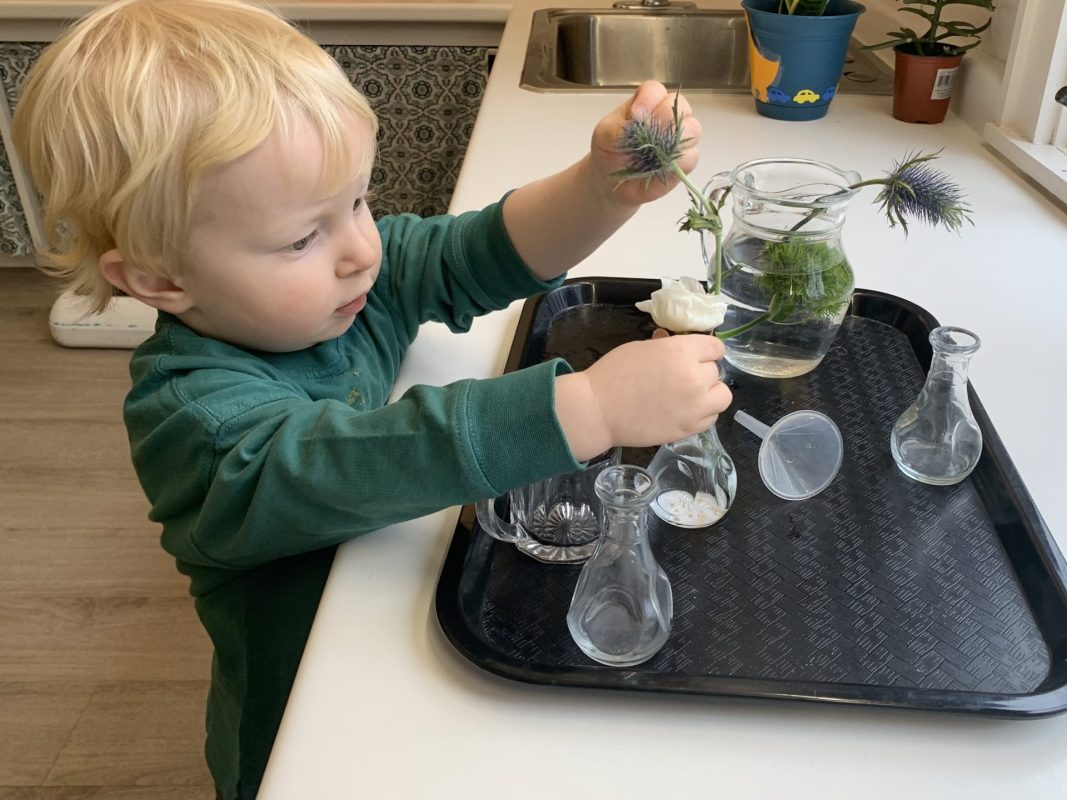
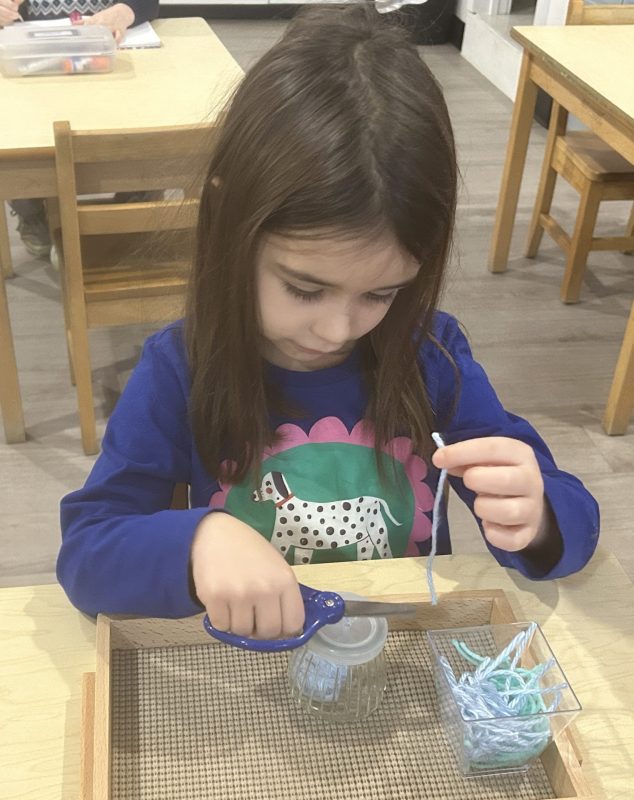
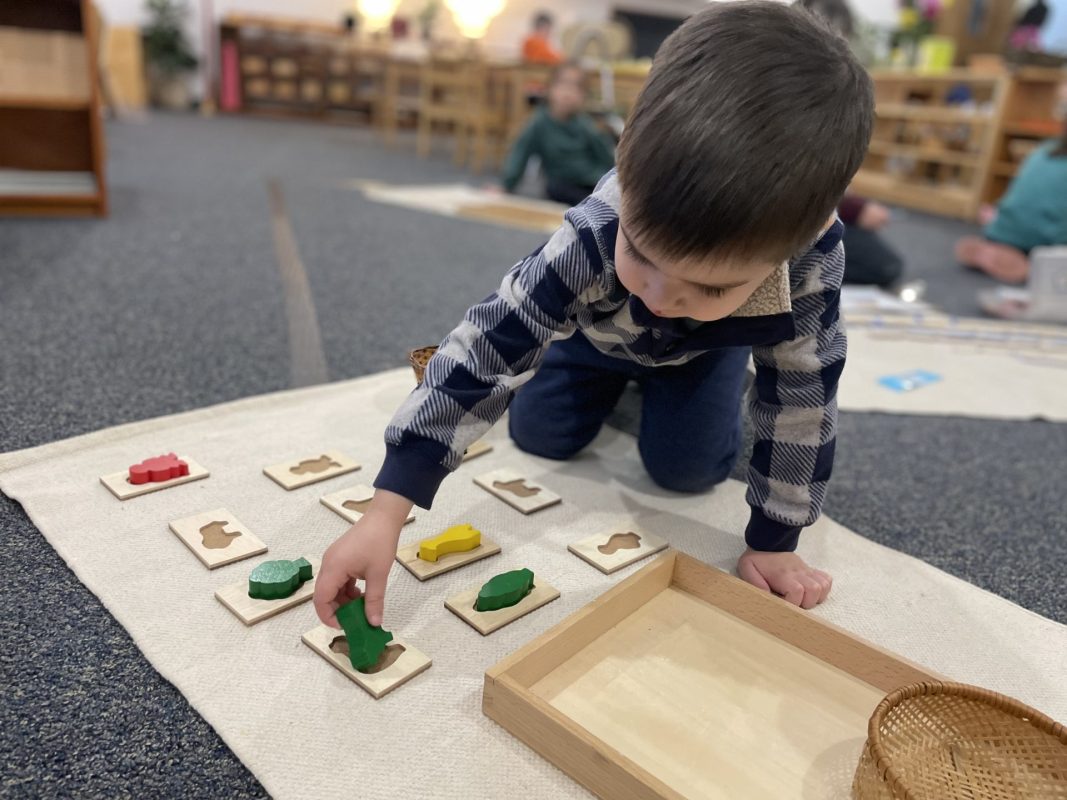
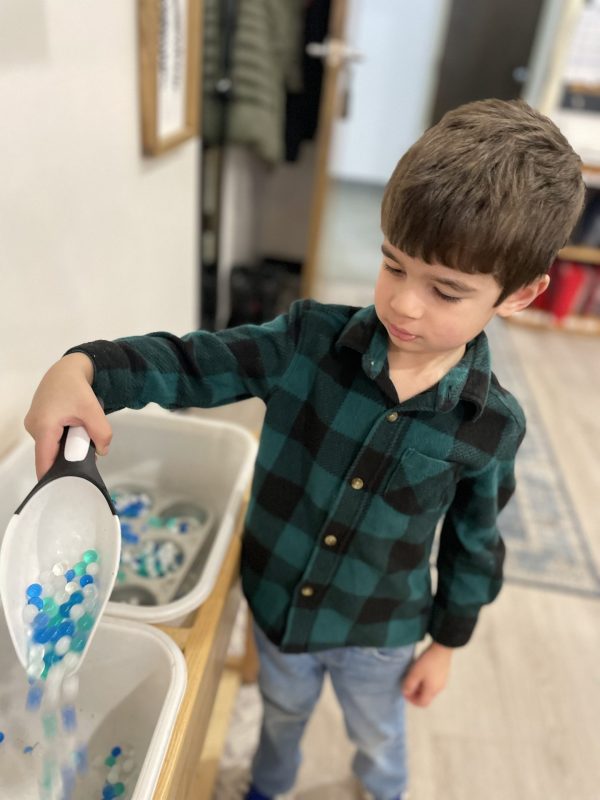
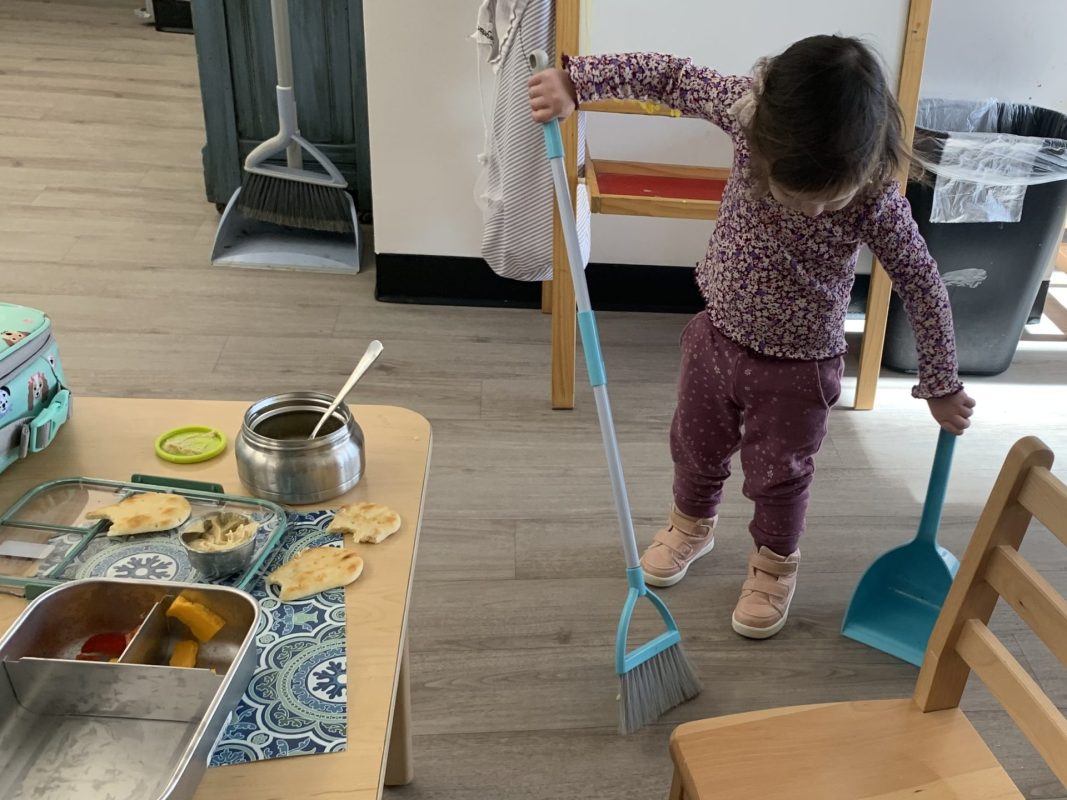
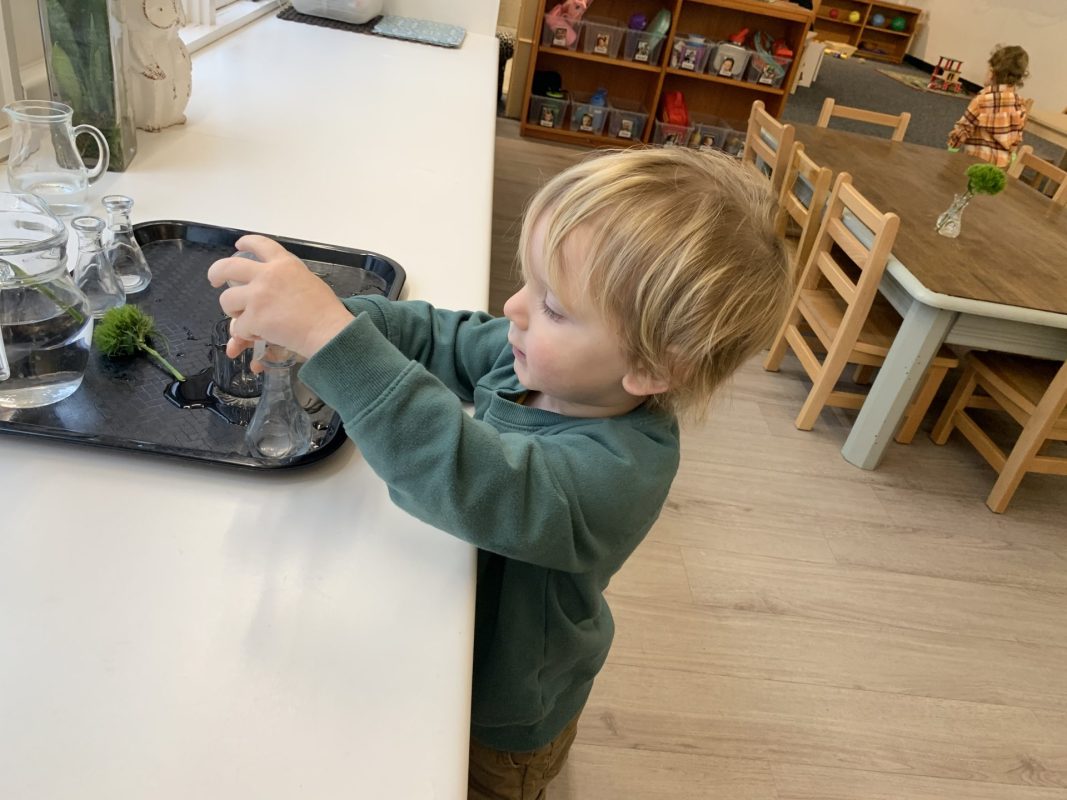
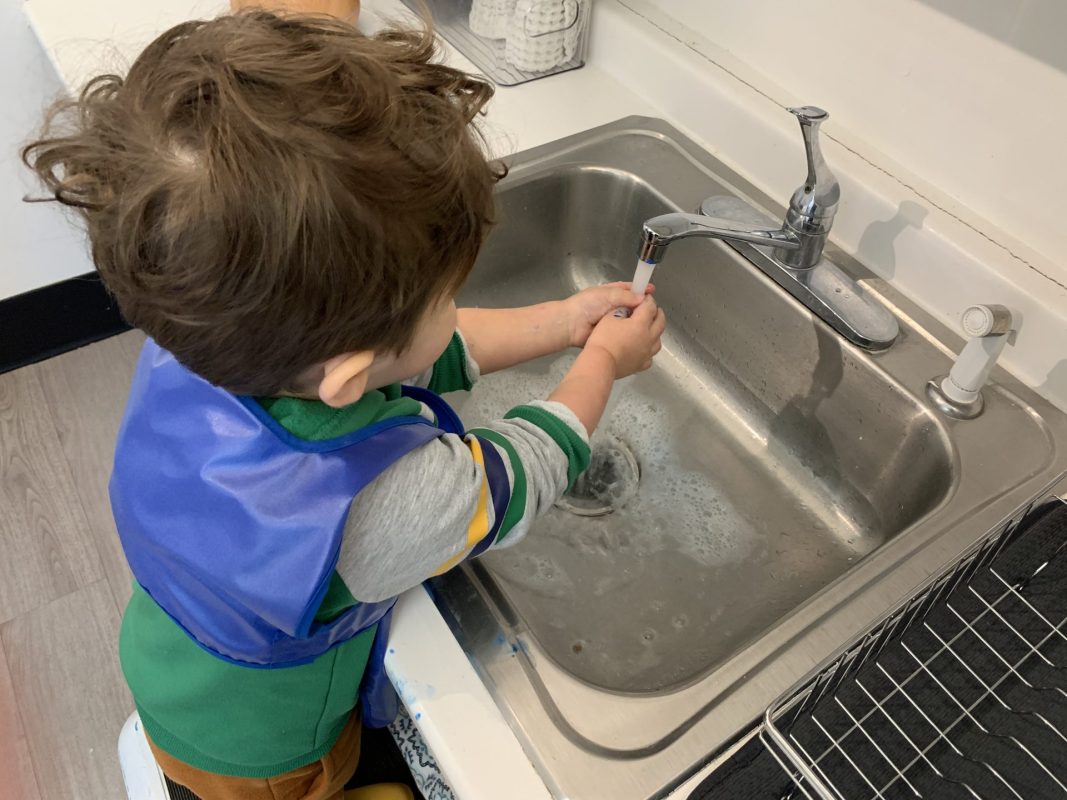
Maria Montessori believed that all children have a mathematical mind and an internal drive to understand the environment around them. We know that the Montessori math materials are exact and precise and allow the child to have positive experiences in math right from the beginning. We also know that the Practical Life activities have helped the child to develop order, concentration, coordination, and independence. Likewise, the Sensorial materials have allowed the children to recognize and extend patterns. Here’s the real secret behind the success of the Montessori math materials: the children truly enjoy them.

Hope your week adds up to one filled with peace and love.

Michelle & Maria


Mrs. Lopes: Montessori Math, It All Adds Up!


Children display a universal love of mathematics, which is par excellence, the science of precision, order, and intelligence.”
~ Dr. Maria Montessori

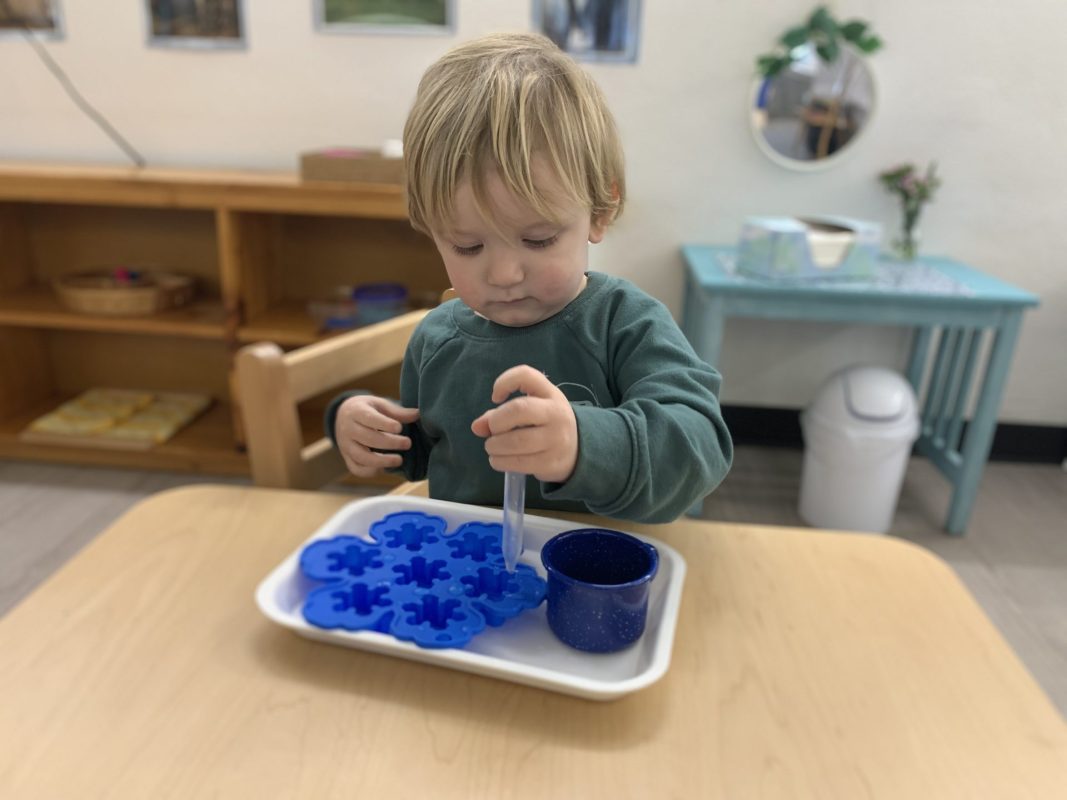
The Montessori math materials are visual and hands-on manipulatives, aiding in the ability of a child to understand mathematical concepts concretely. After many repetitions and when the child is ready, we introduce the more complex and abstract concepts. We teach the process first because the goal is to develop a true understanding of mathematical concepts and not simply memorization. The materials are sequenced in a way that each success a child experiences is a building block for the next concept to be introduced.

Maria Montessori believed that all children have a mathematical mind and an internal drive to understand the environment around them. We know that the Montessori math materials are exact and precise and allow the child to have positive experiences in math right from the beginning. We also know that the Practical Life activities have helped the child to develop order, concentration, coordination, and independence. Likewise, the Sensorial materials have allowed the children to recognize and extend patterns. Here’s the real secret behind the success of the Montessori math materials: the children truly enjoy them.

Hope your week adds up to one filled with peace and love.

Amanda & Hema


Mrs. Sargeant: Let’s do it again! .. and again!

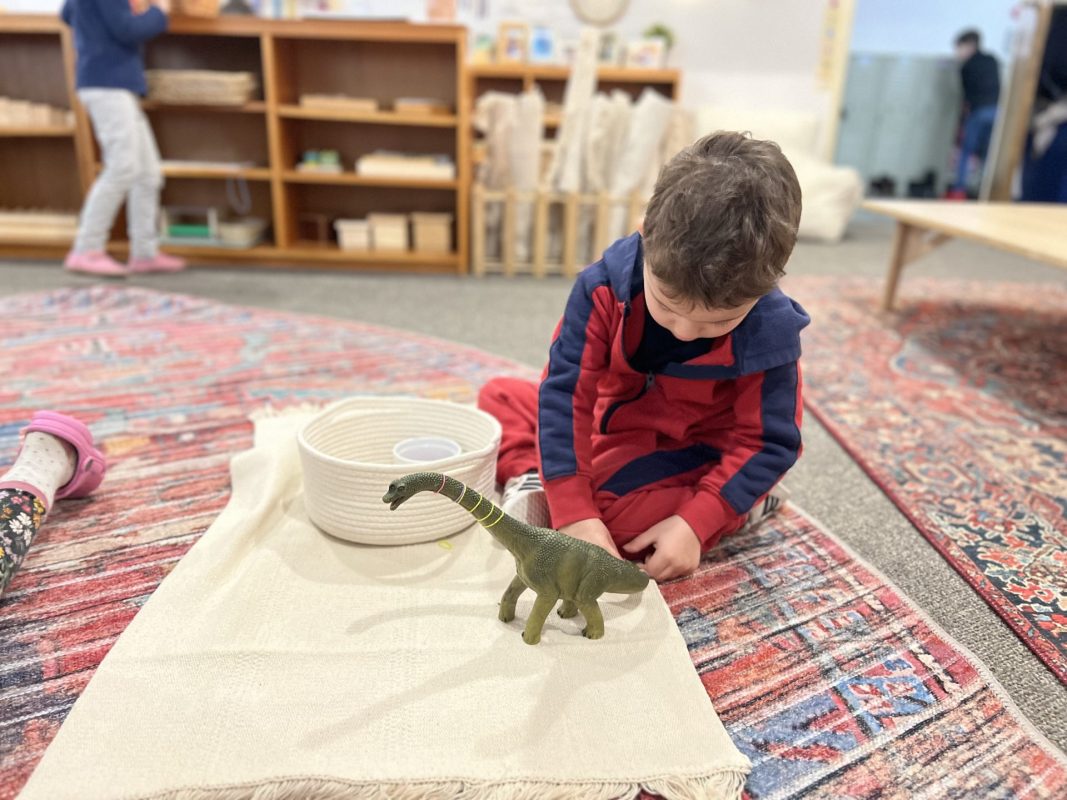
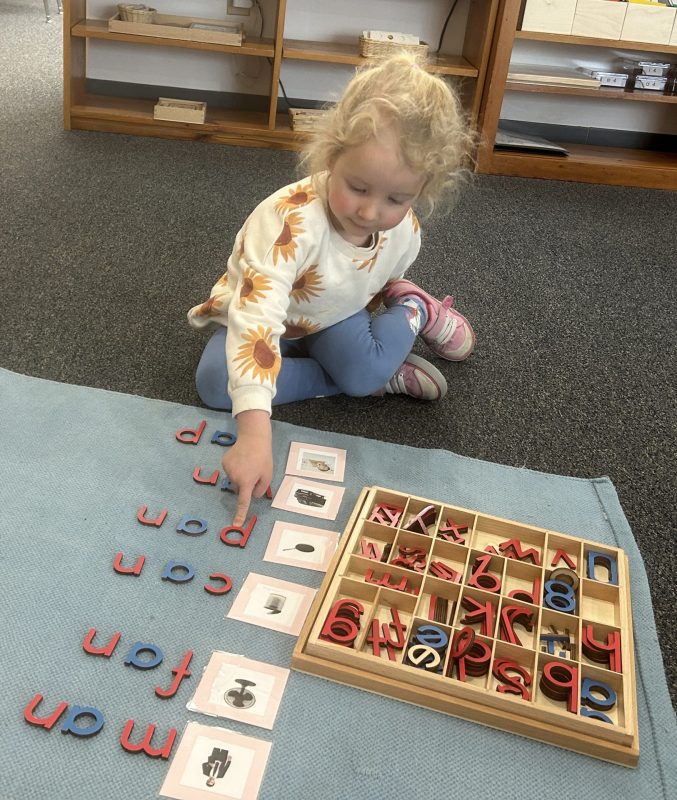
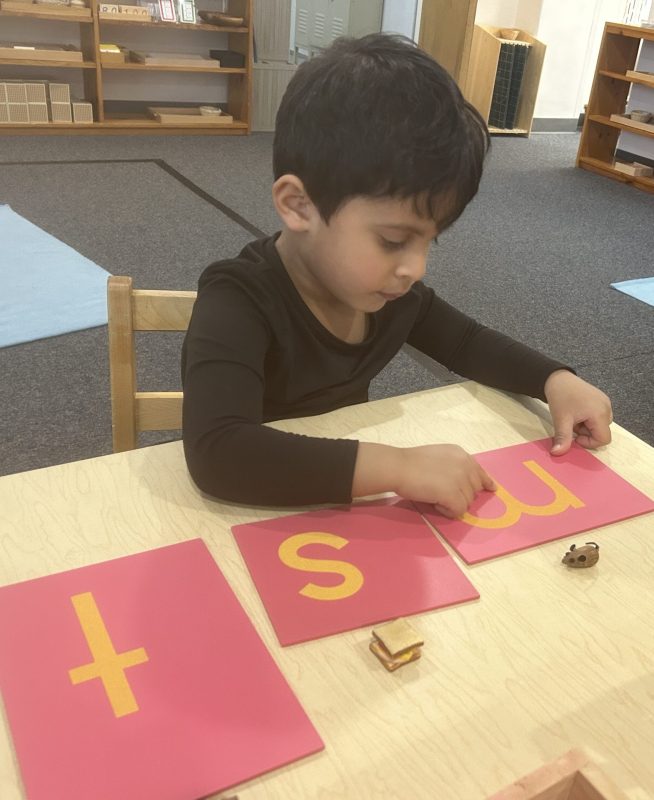
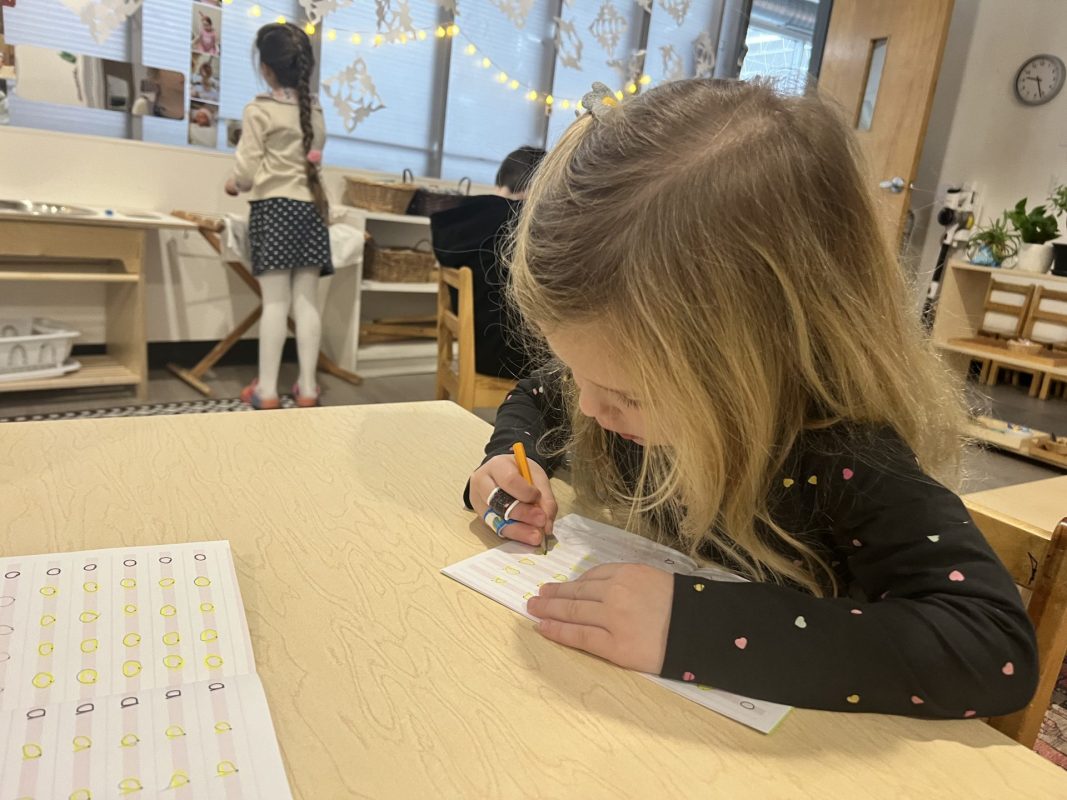
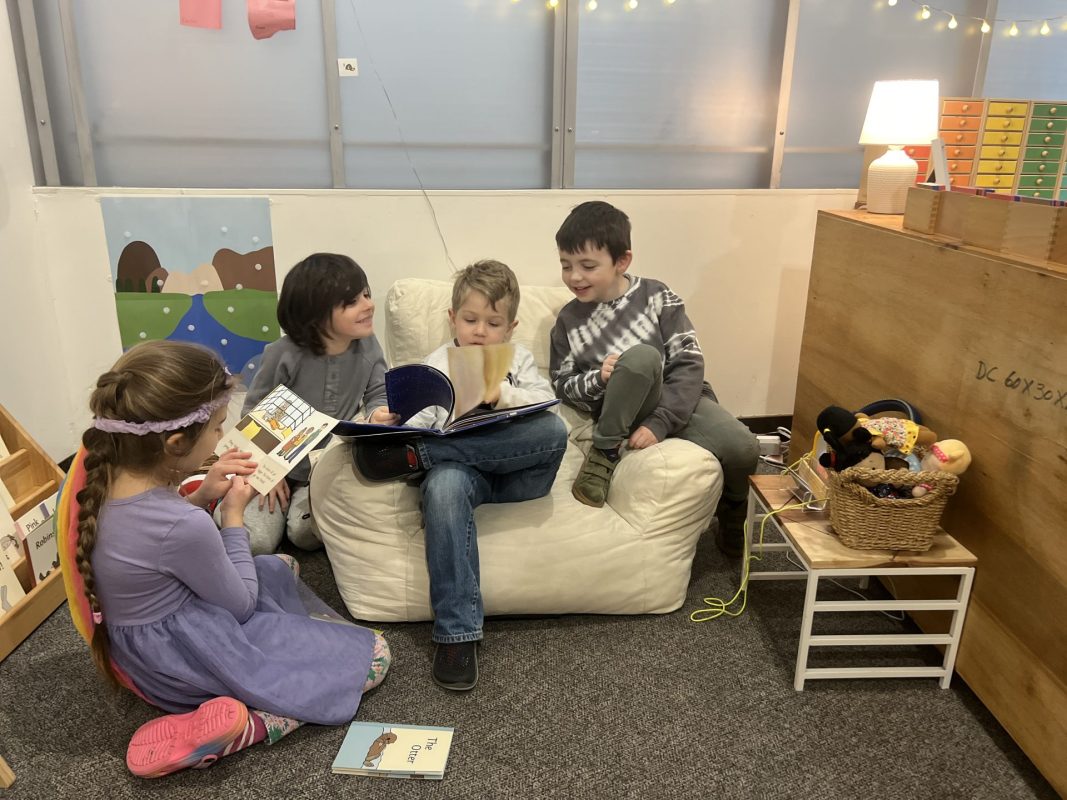
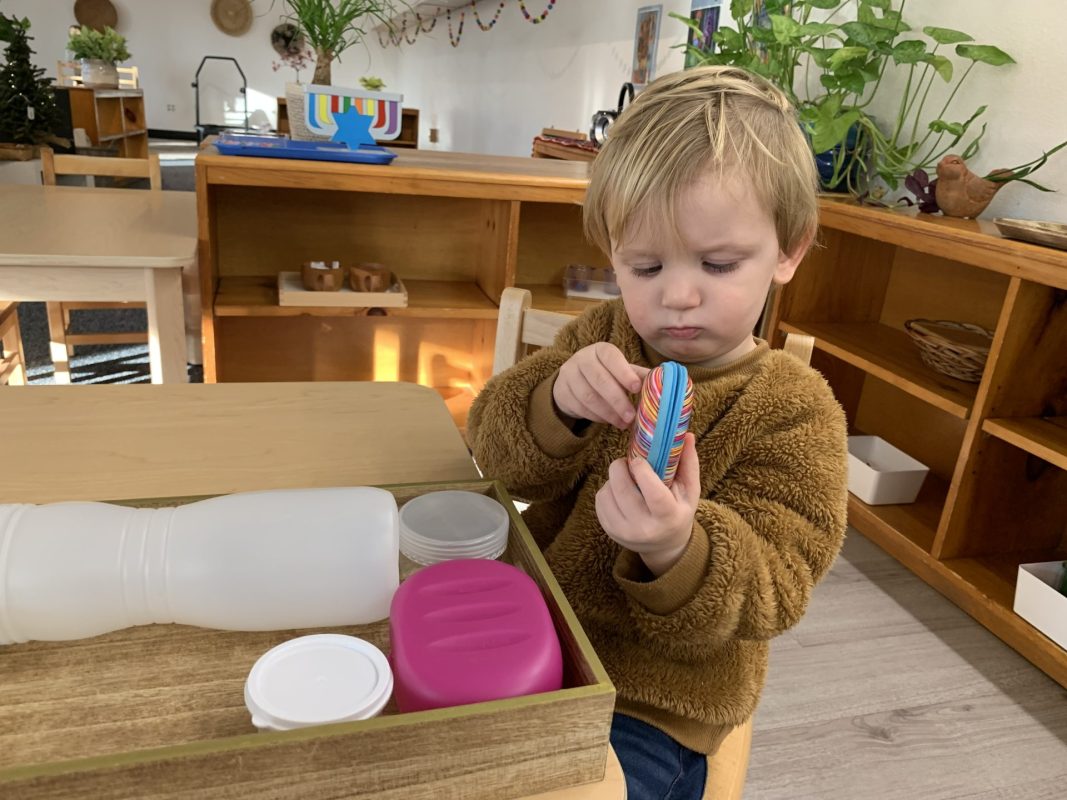
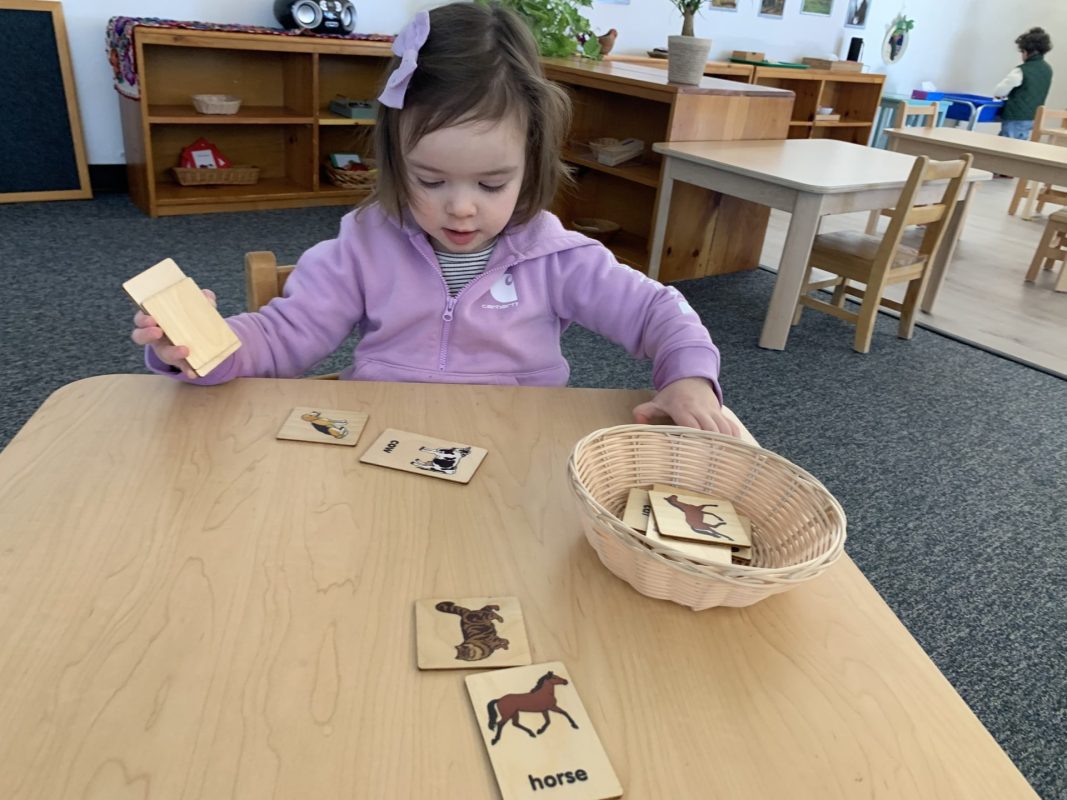
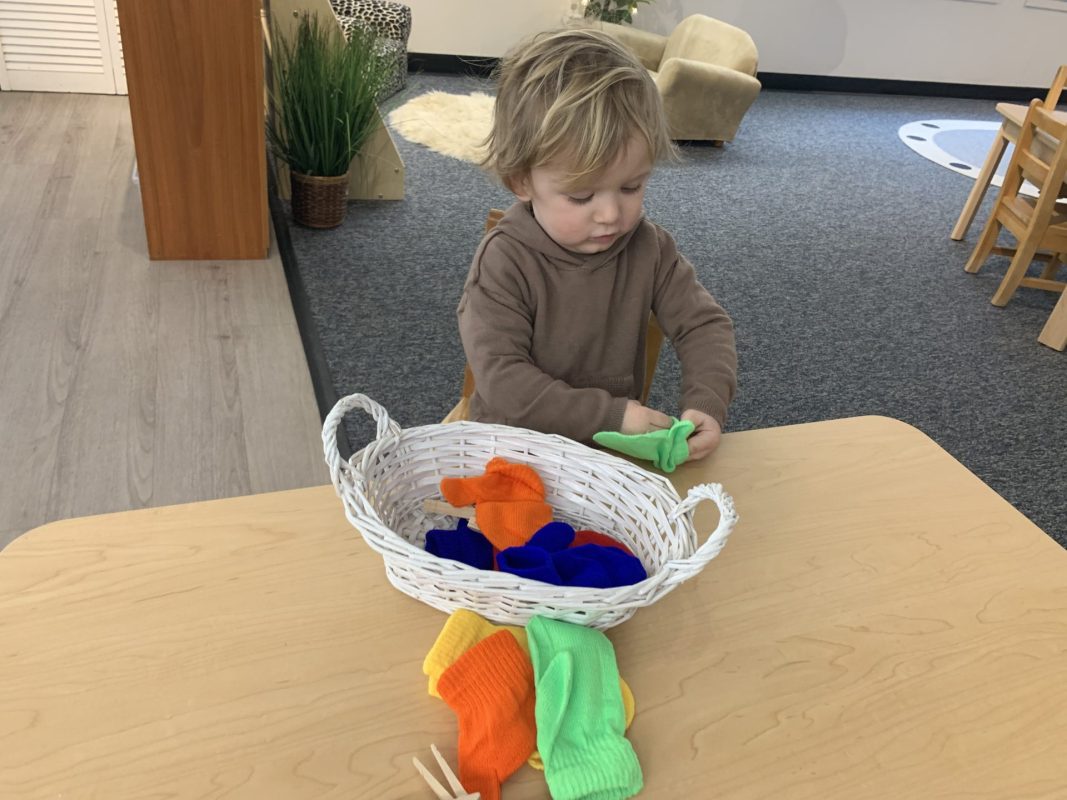
Maria Montessori emphasized the importance of repetition in a child’s learning process. Repetition is a natural and essential part of the learning journey for children. It is through repetition that children internalize concepts and skills, building a strong foundation for future learning.

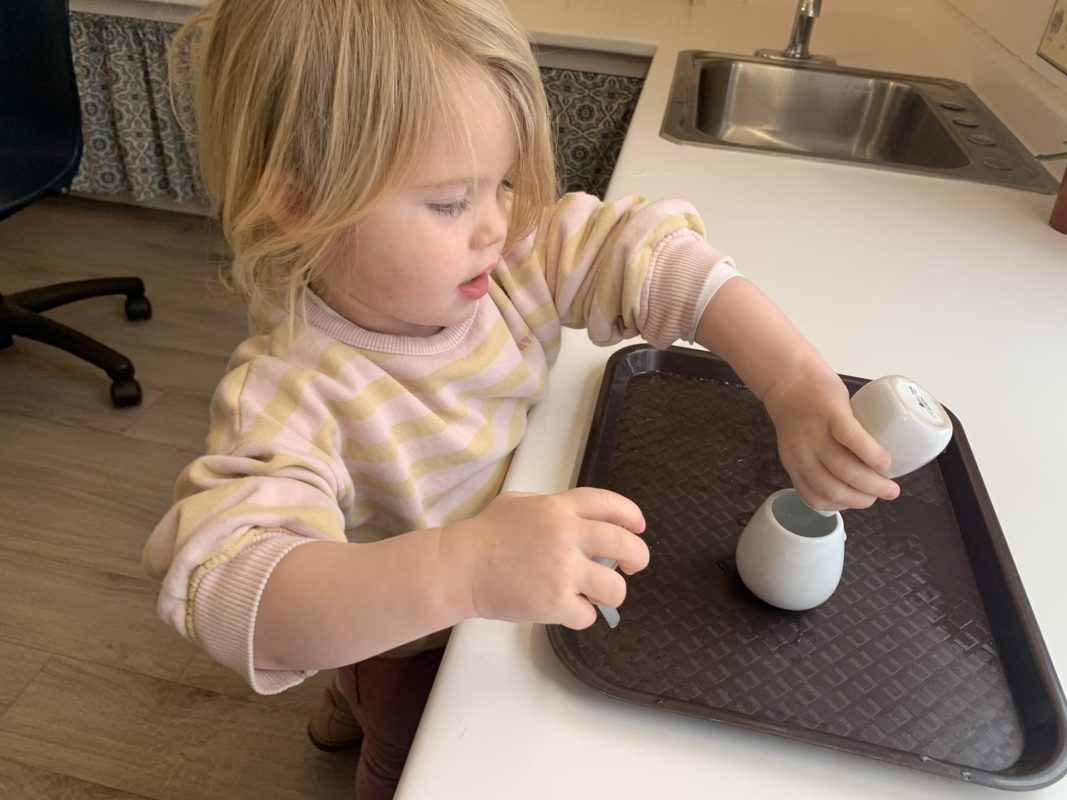
Montessori observed that young children have a natural inclination to repeat activities that interest them. She saw this repetition as a way for children to master new skills, gain confidence, and refine their understanding of the world around them. Each time a child repeats a skill, brain connections are being strengthened. Skills can only be perfected through repeated practice. Our classroom environments are set up to allow for repetition, providing children with the opportunity to revisit activities and materials at their own pace. Repetition refines the senses, encourages focus, fosters independence, and develops confidence. In addition, when a child repeats an activity, they learn how to fix errors and will make small changes in their task to get closer to success each time. 

A few tidbits about our week:

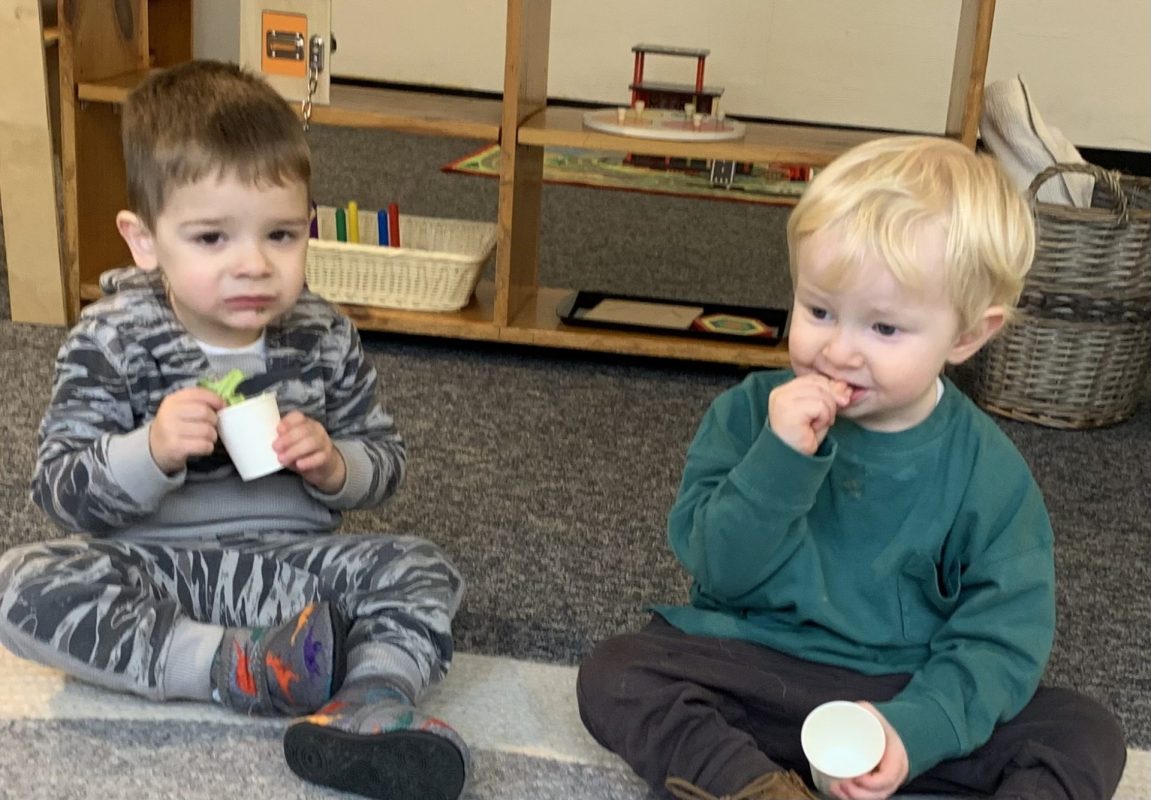
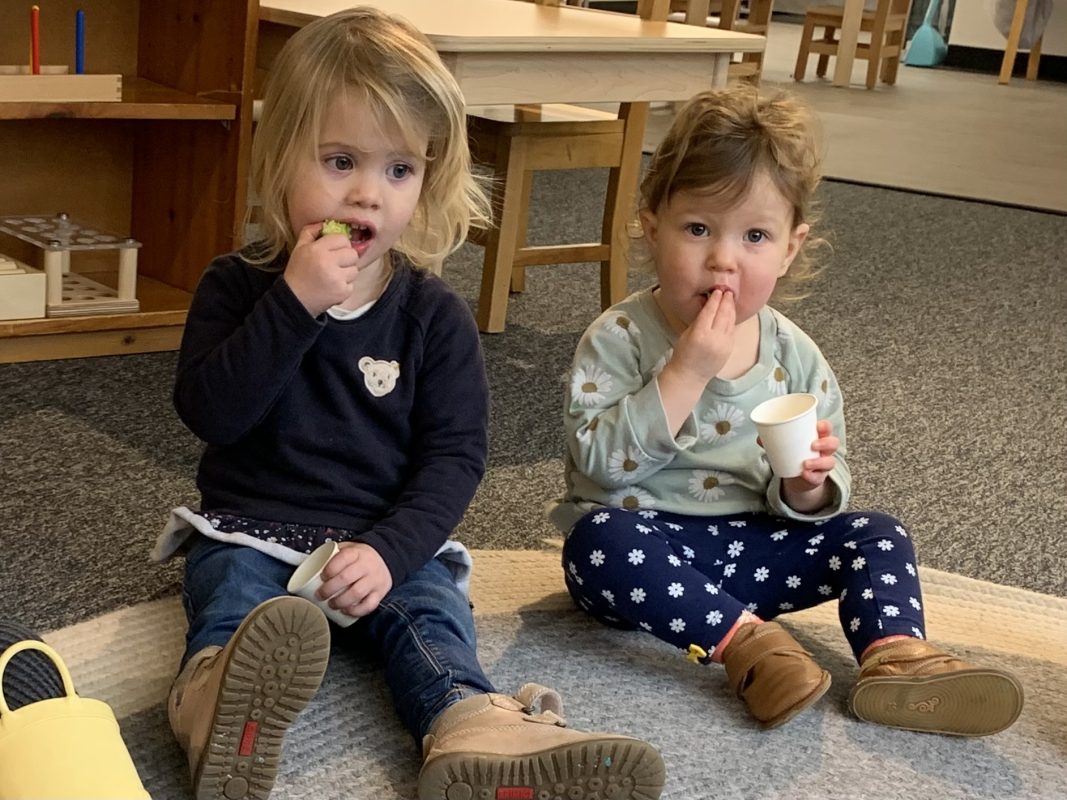
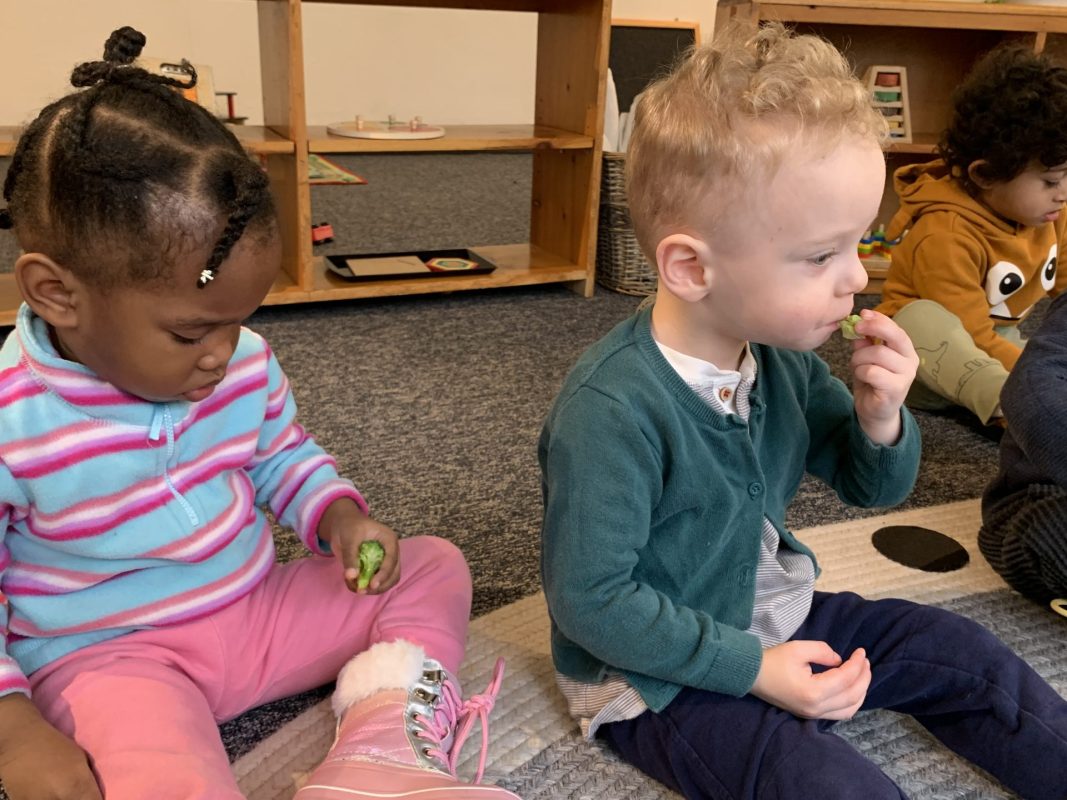
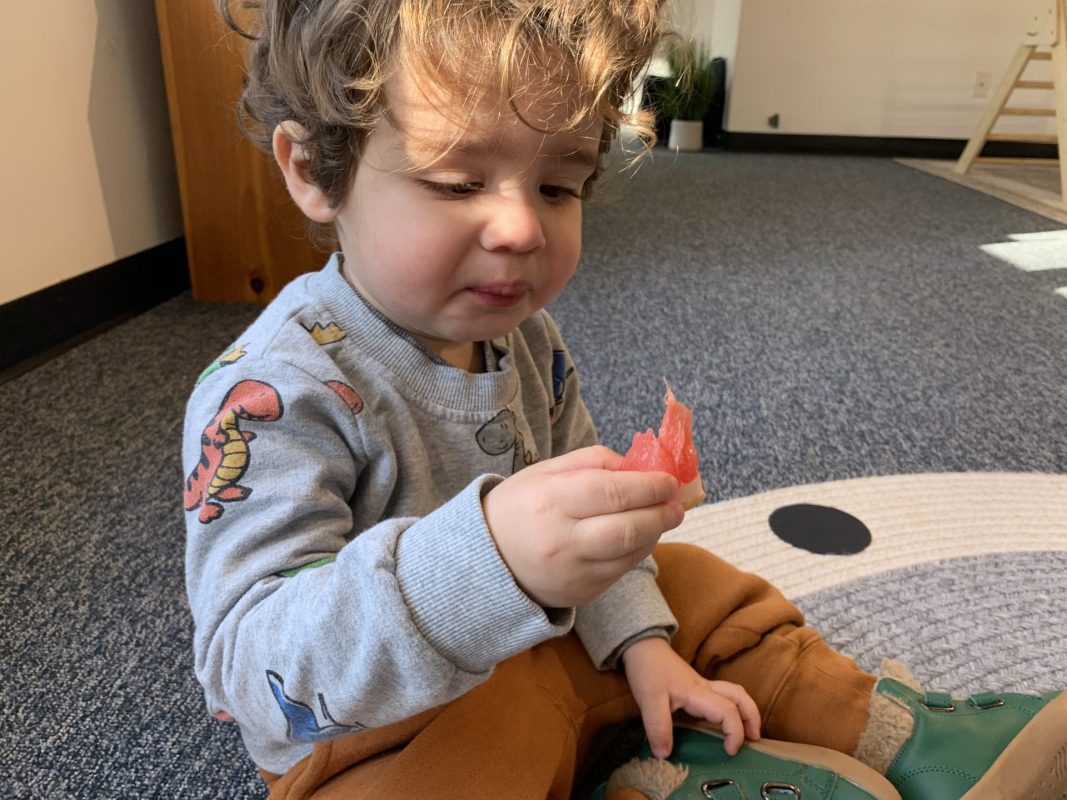
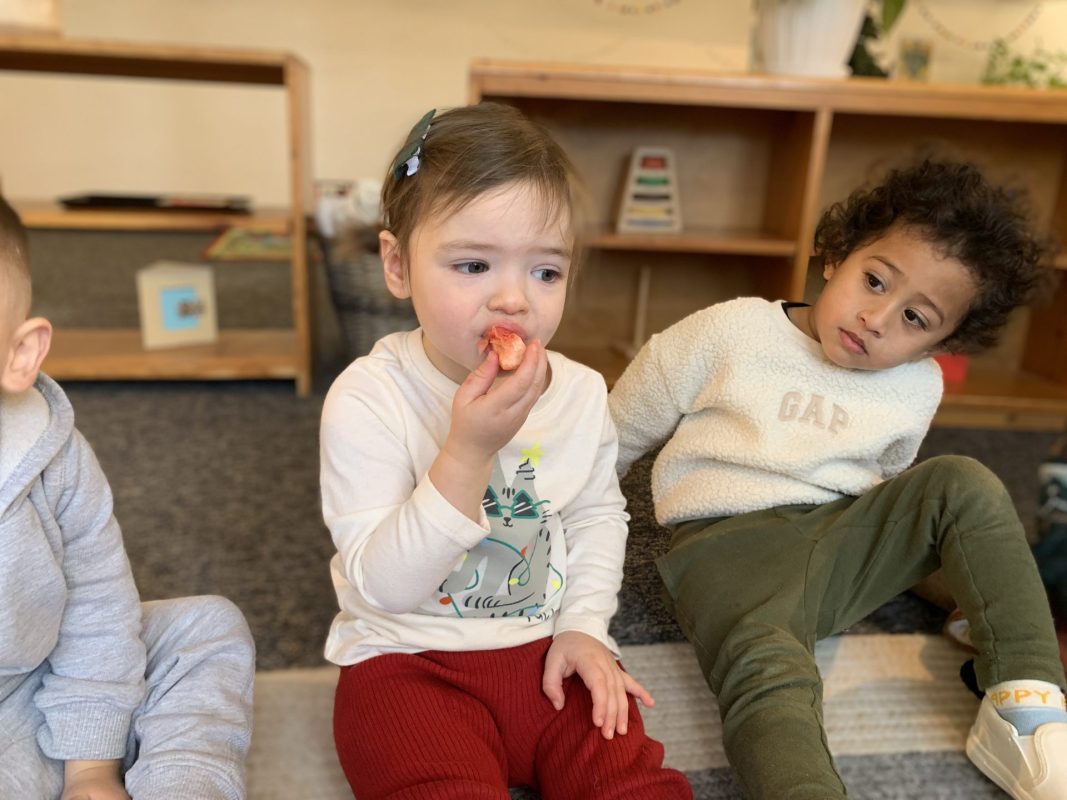
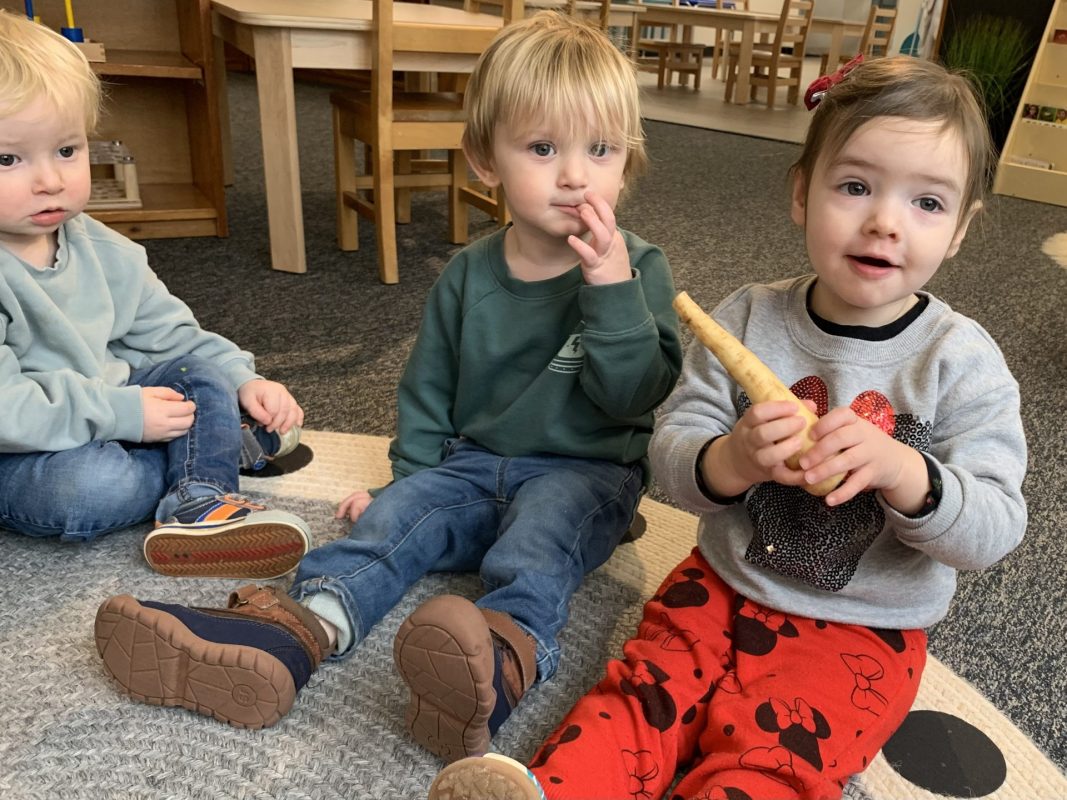
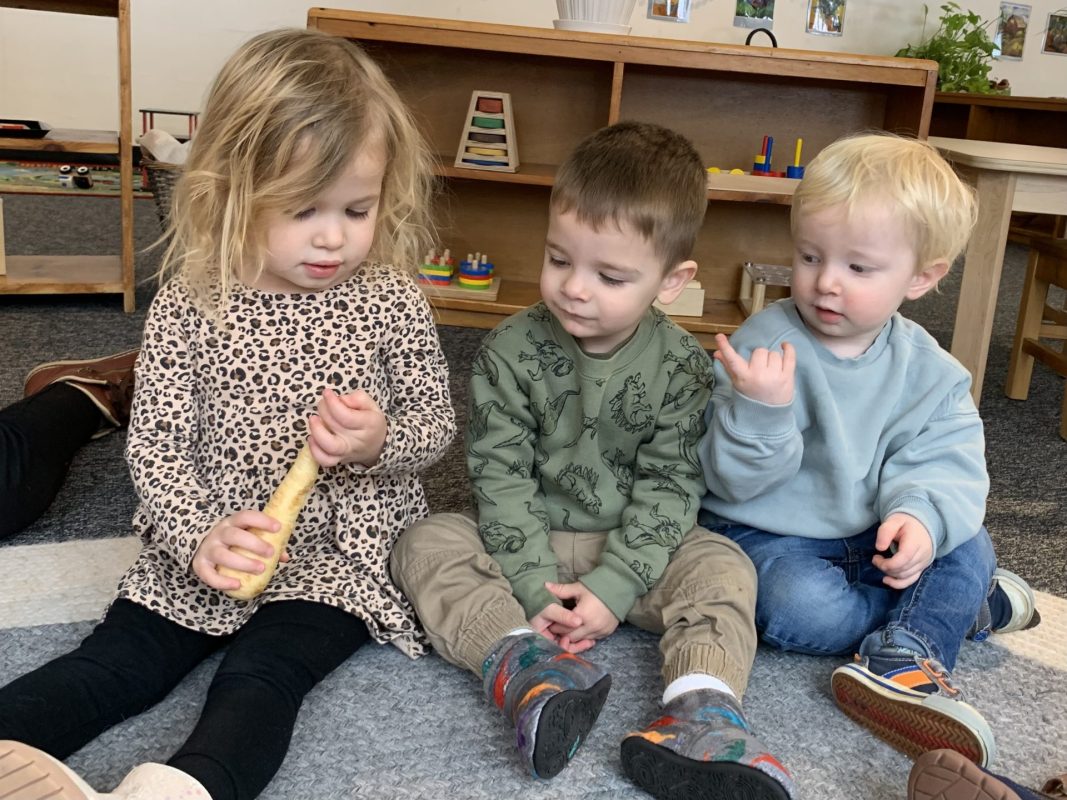
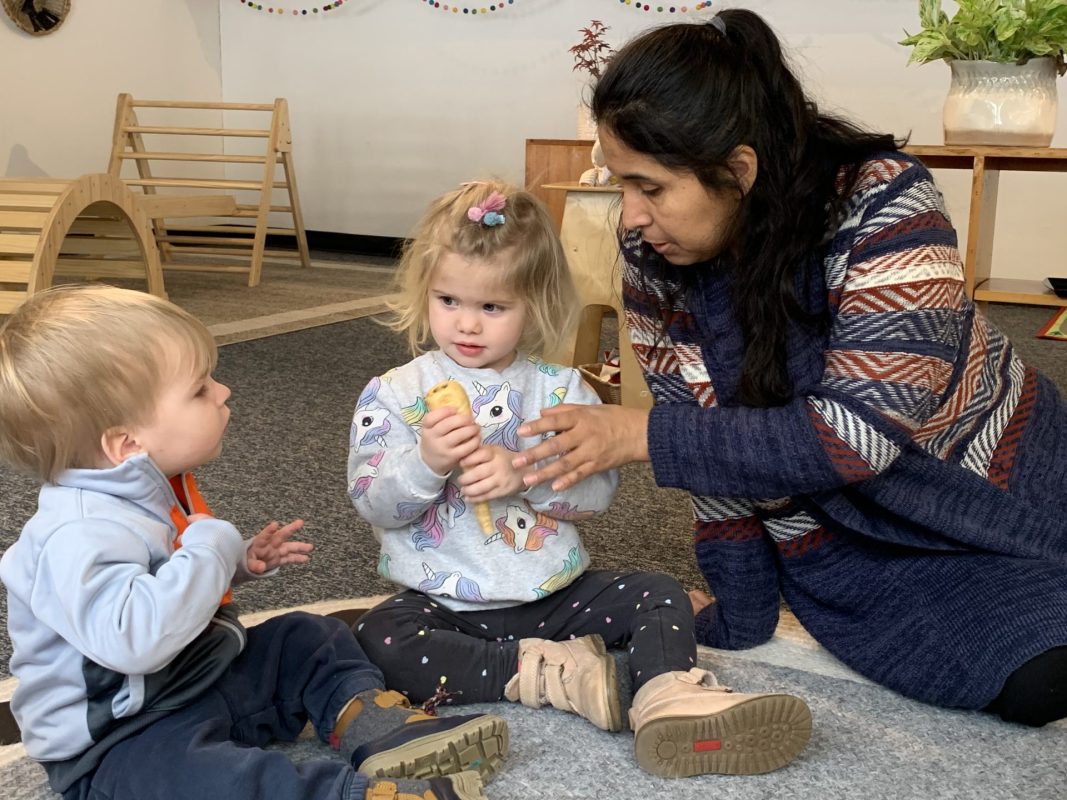
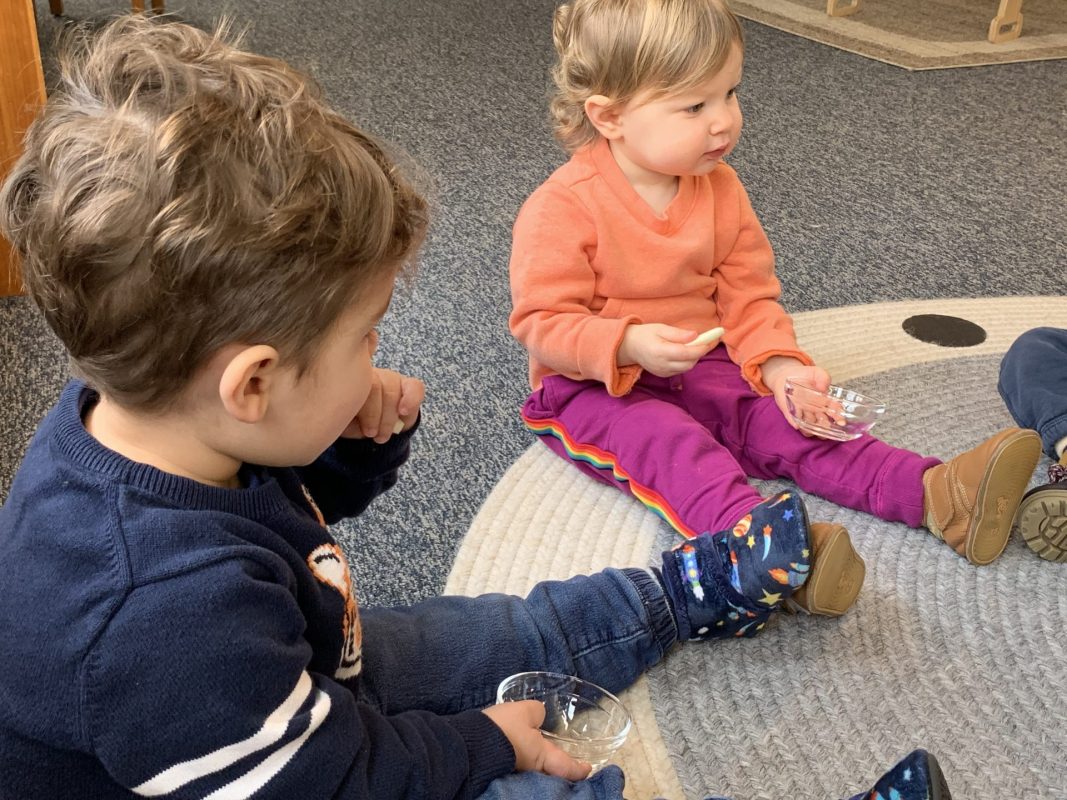
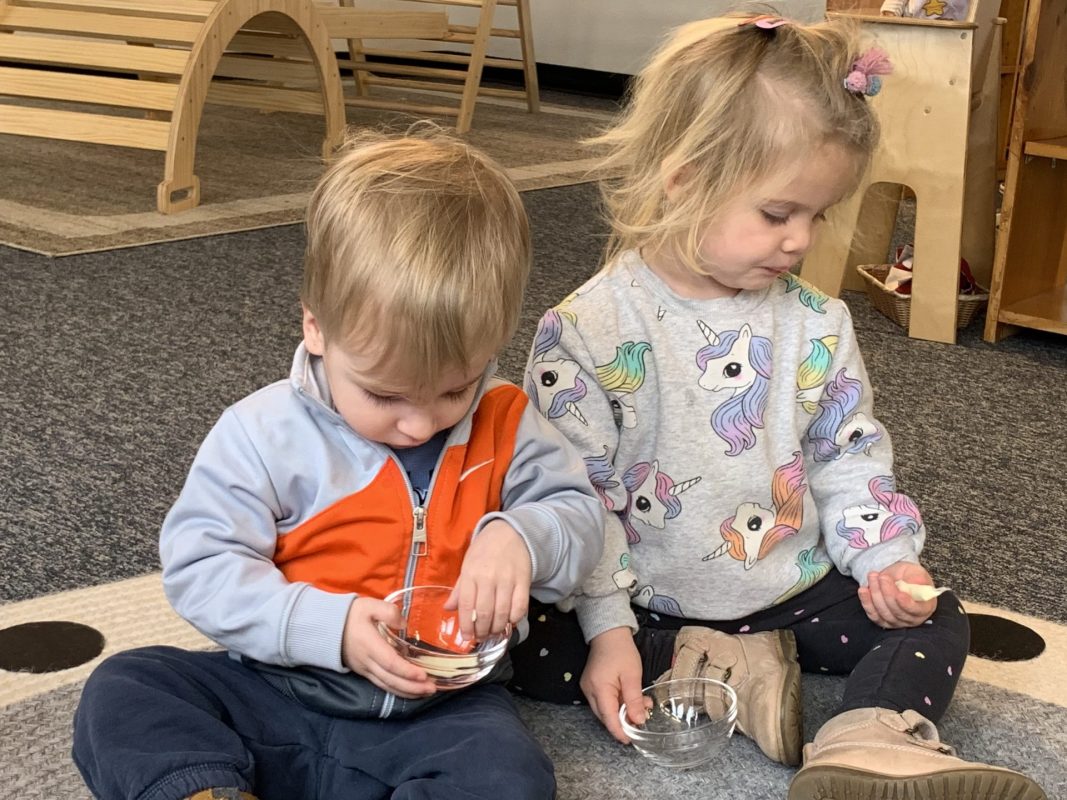
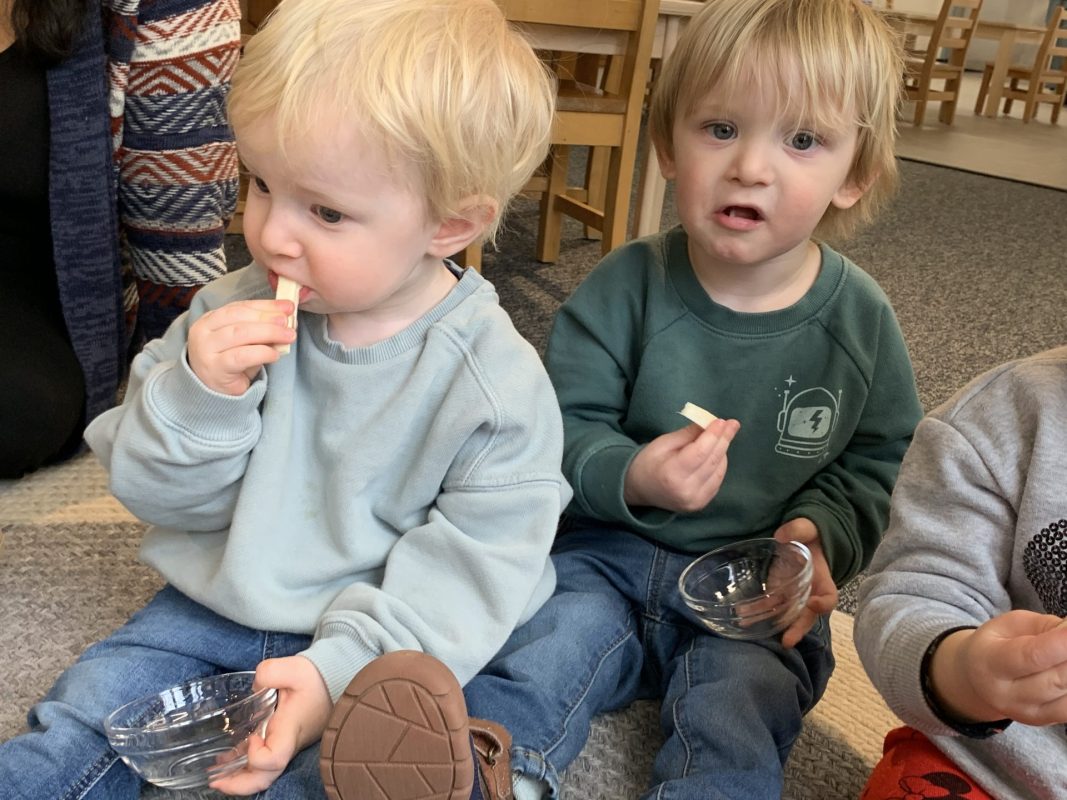
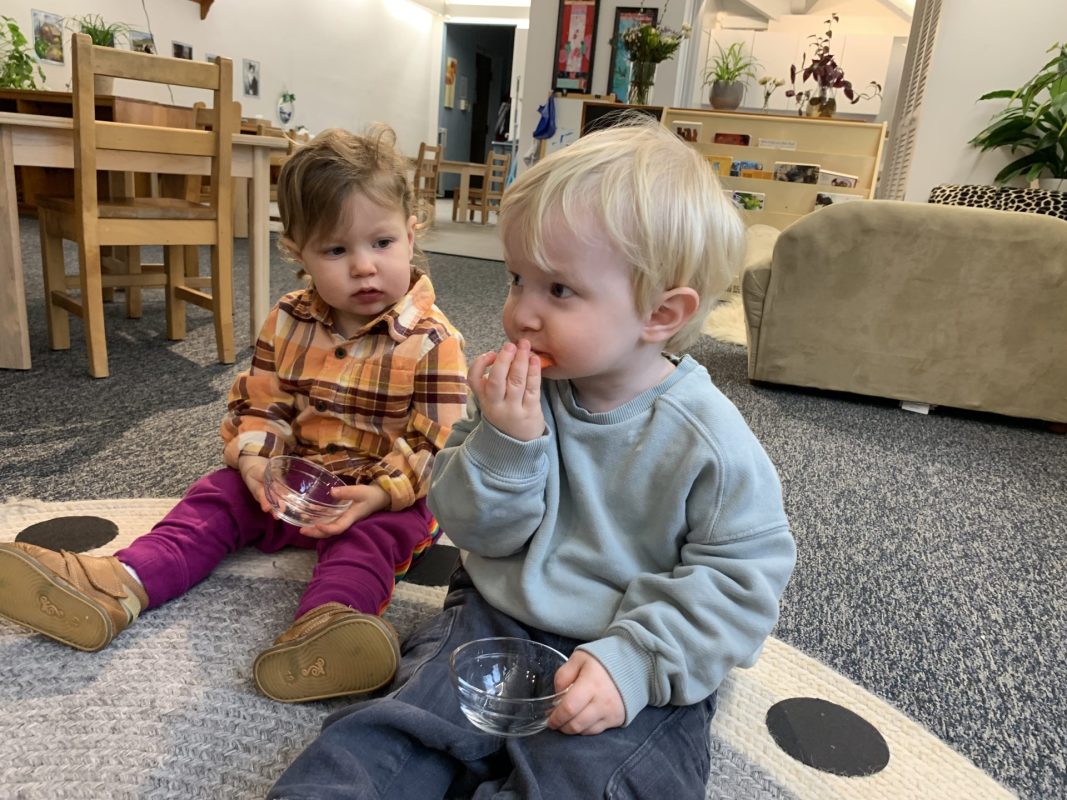
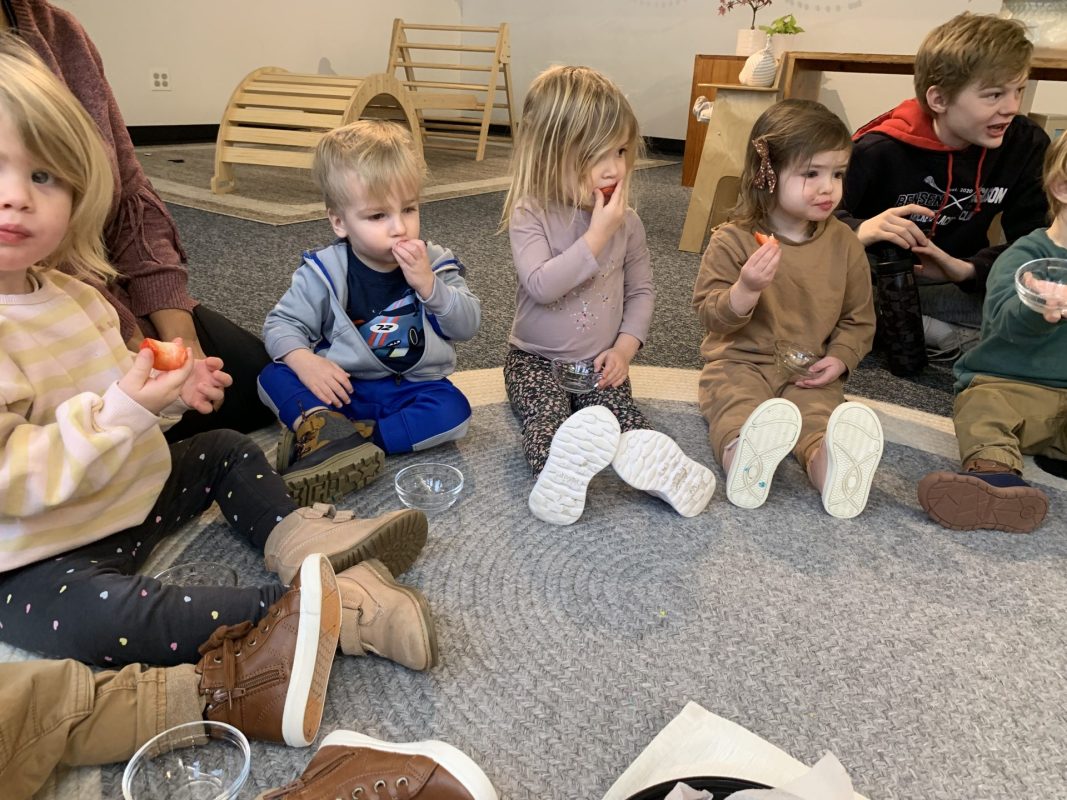
We tasted a rainbow of carrots – orange, white, and purple! I wonder which color your child liked best.

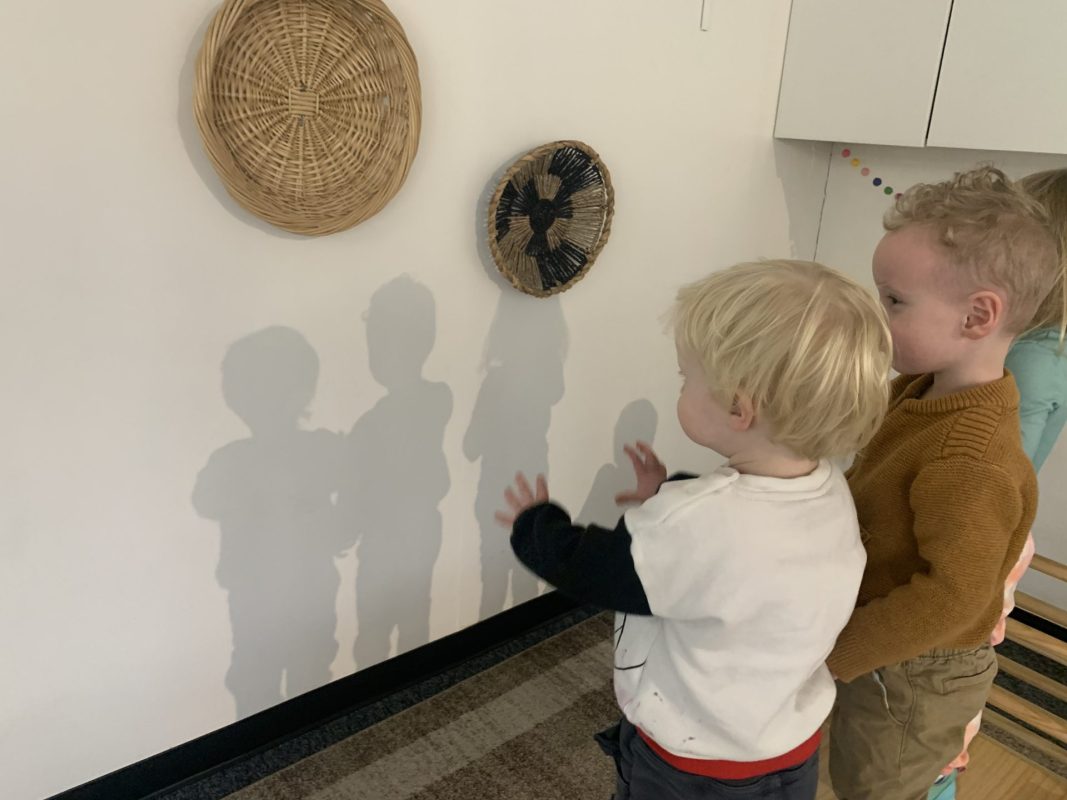
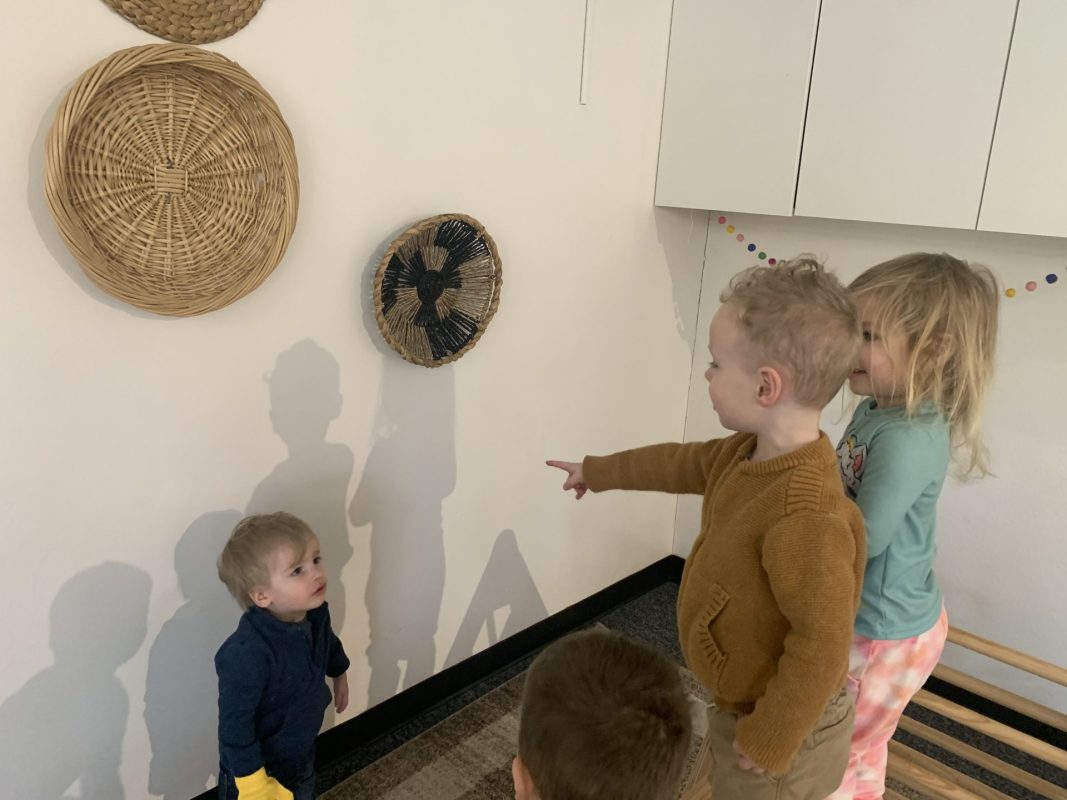
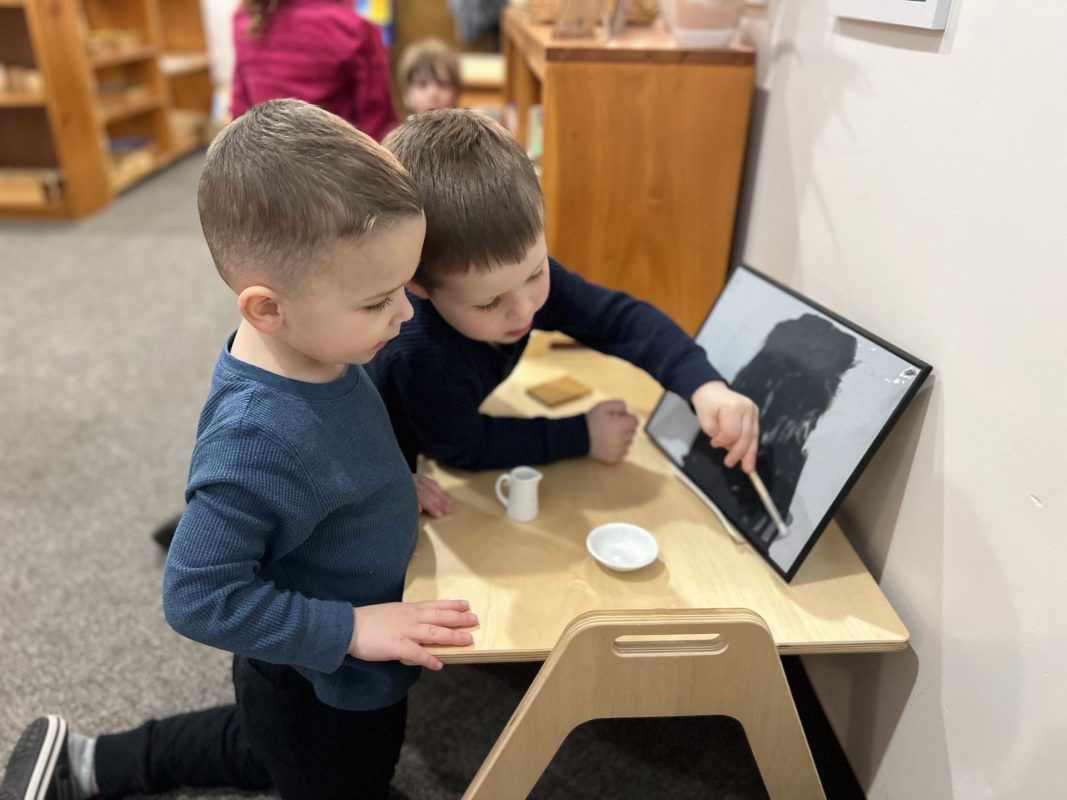
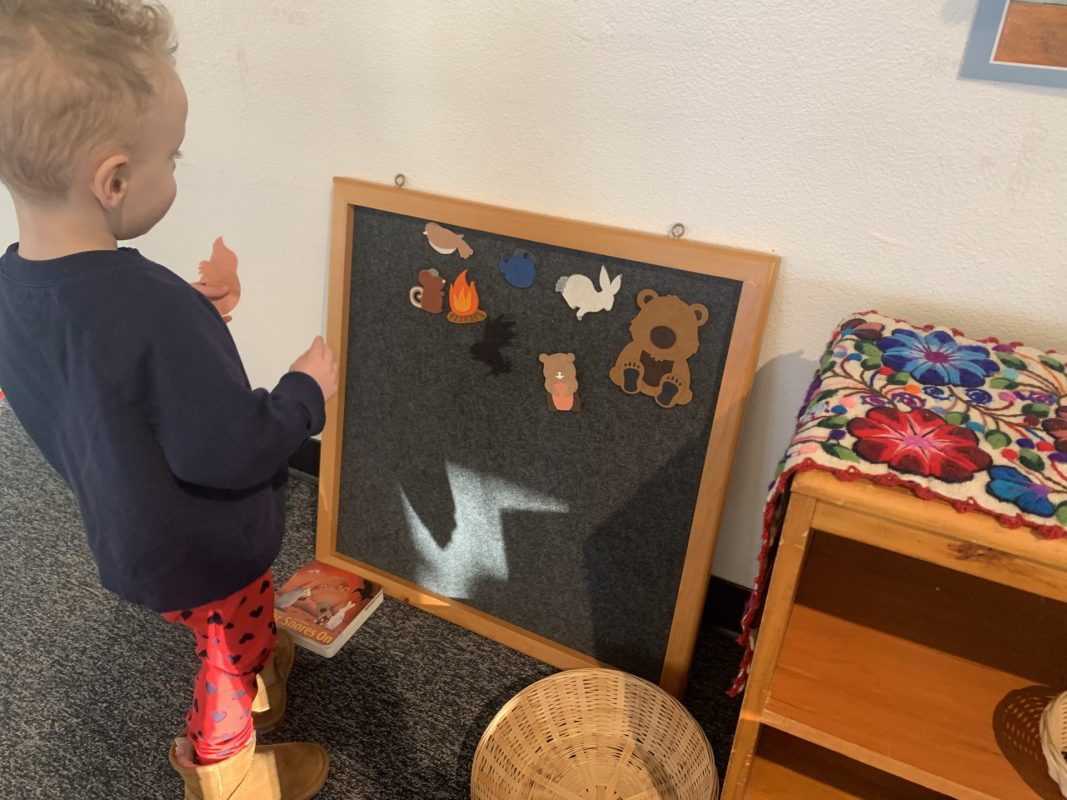
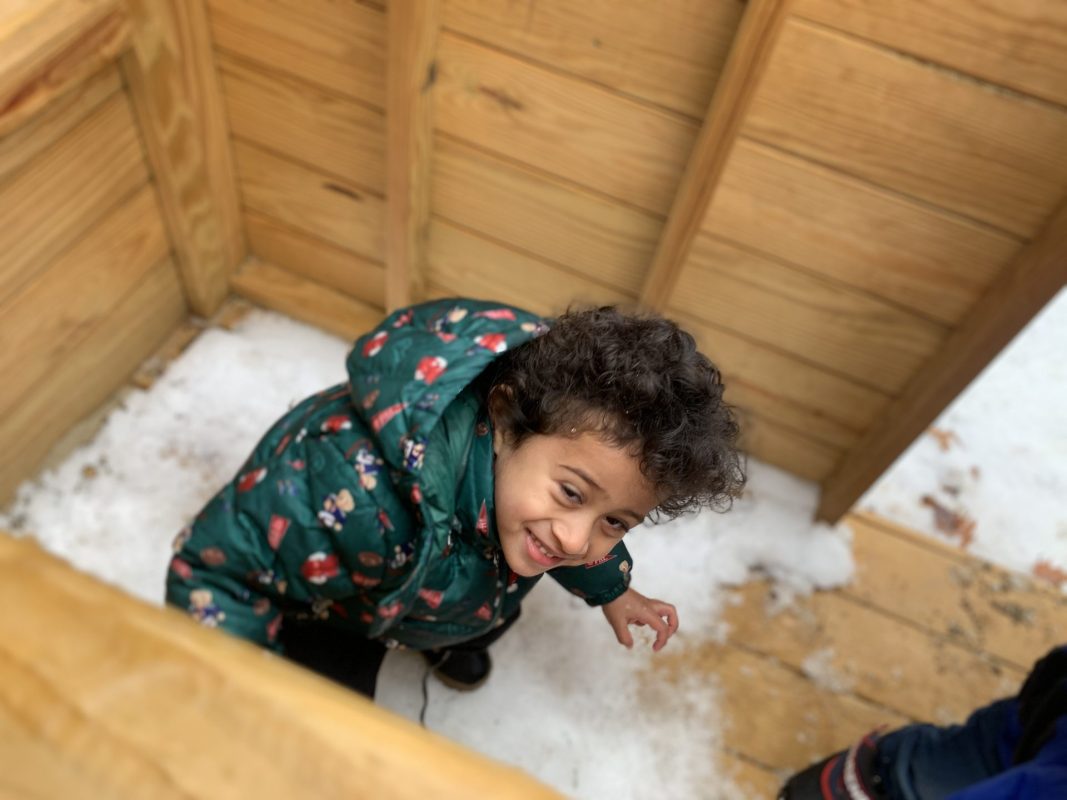
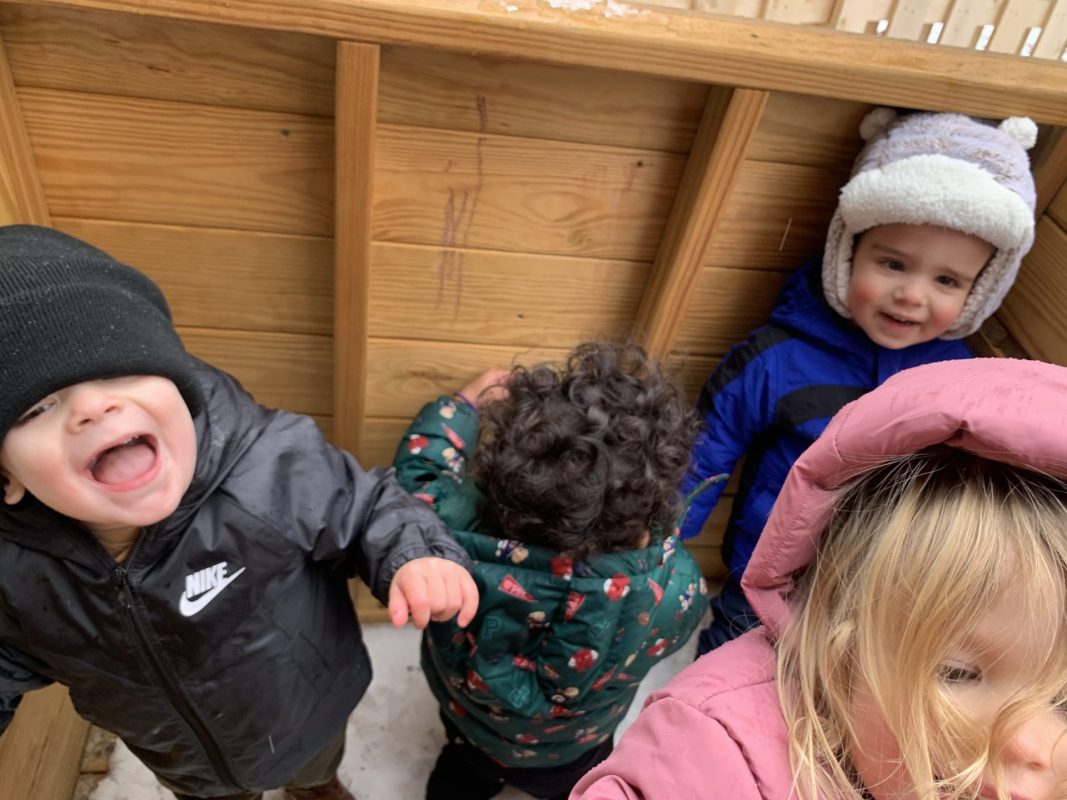
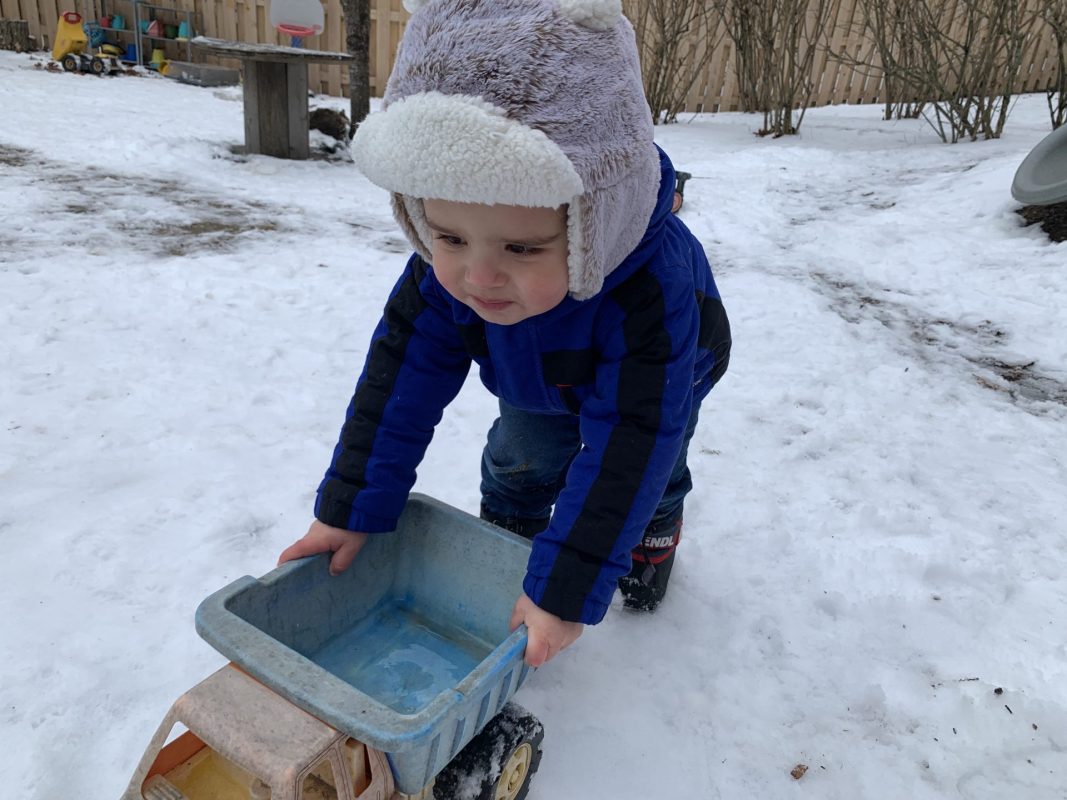
We found shadows in the classroom and on the playground. Some of the children played in the snow and discovered ice in the buckets. We’ve learned a few Spanish songs and some new words. It was another fun, productive week! We look forward to seeing everyone again on Tuesday. Warmly, Christine & Lizette

Mrs. Sargeant: Happy New Year!

Happy New Year! We were all thrilled to see each other again,  relishing the return to school after a rejuvenating break spent with our families during the holiday celebrations at home. 

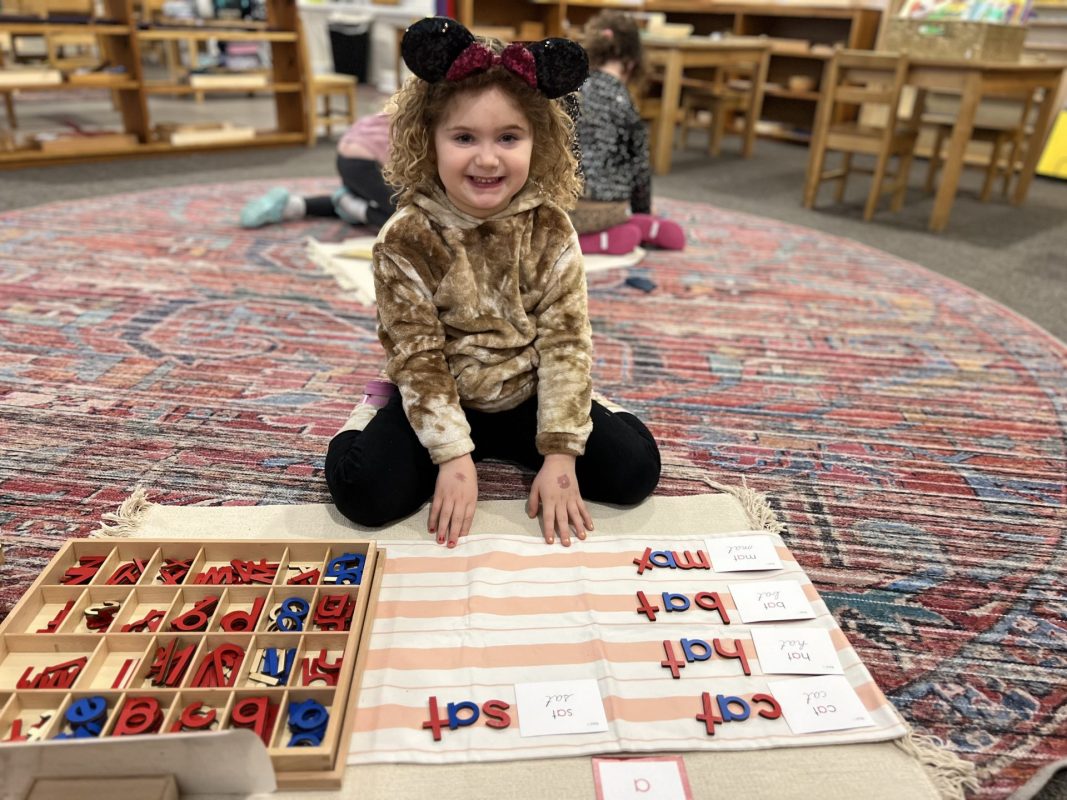
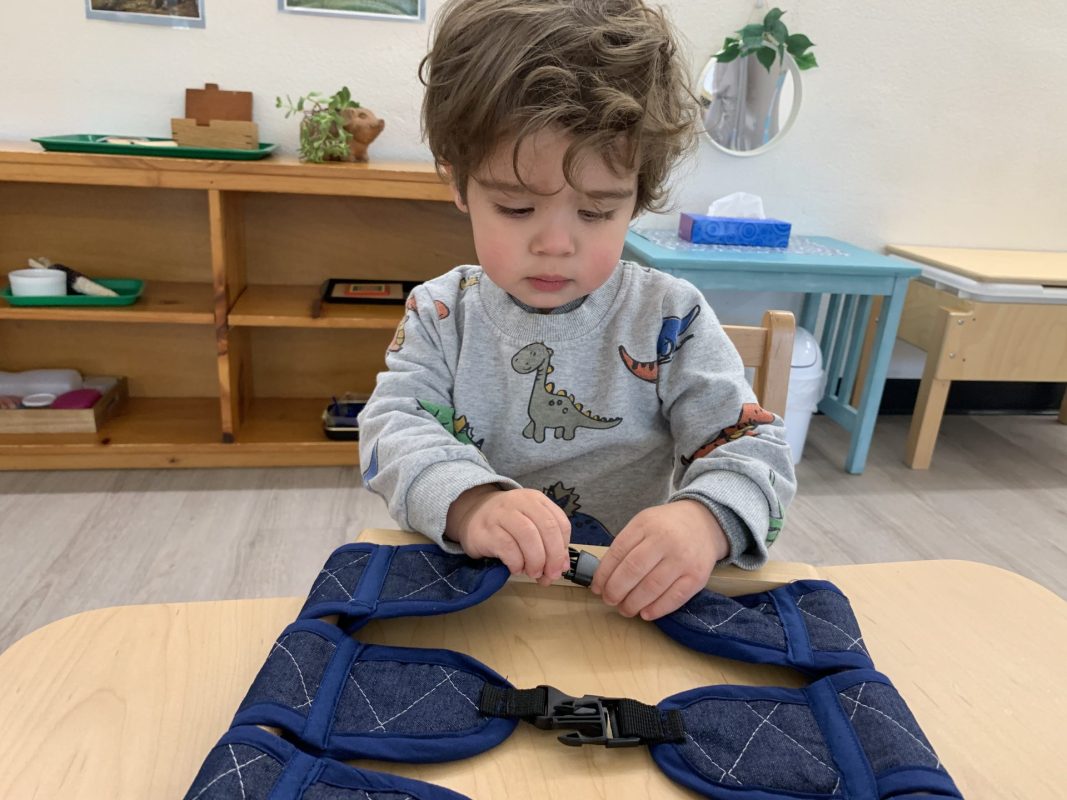
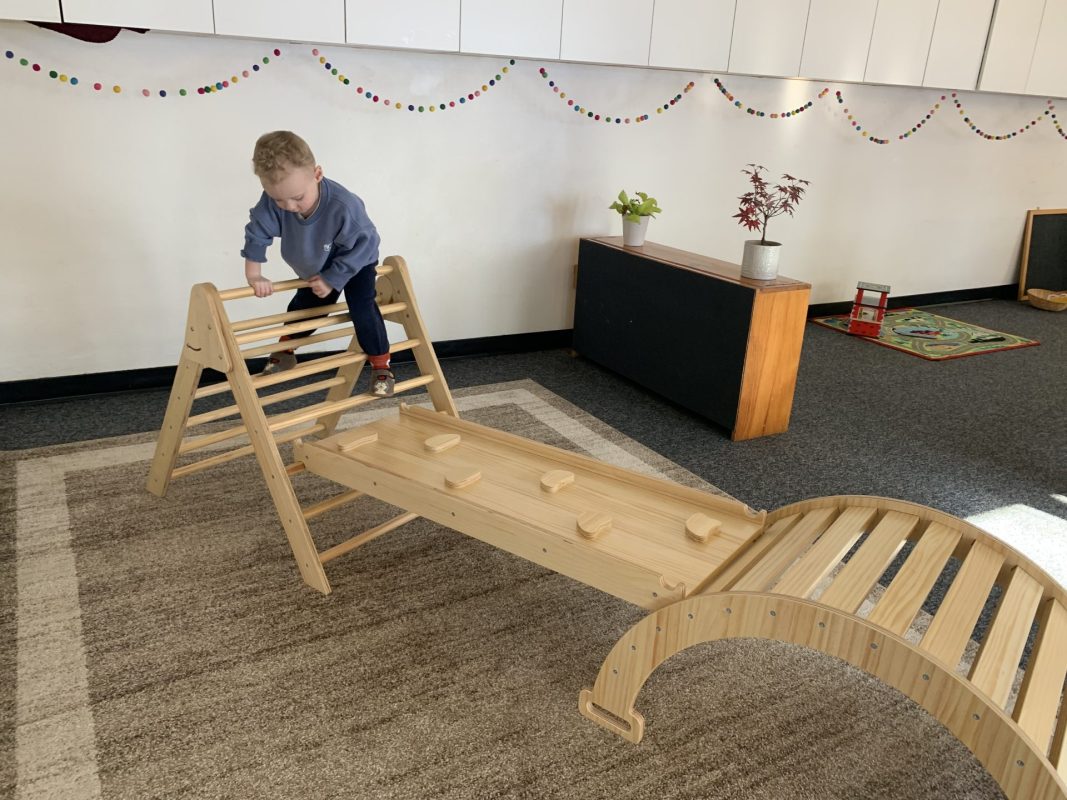
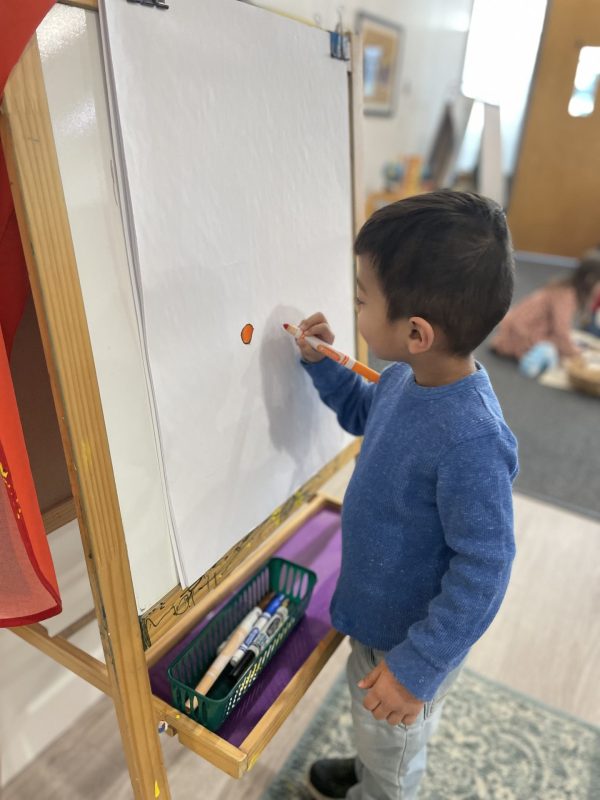
The children seamlessly re-acclimated to their routines, displaying a keen enthusiasm for their independence. Alongside honing their fine and gross motor skills, they eagerly engaged in learning activities encompassing colors, shapes, counting, the concept of opposites, and the Spanish language.

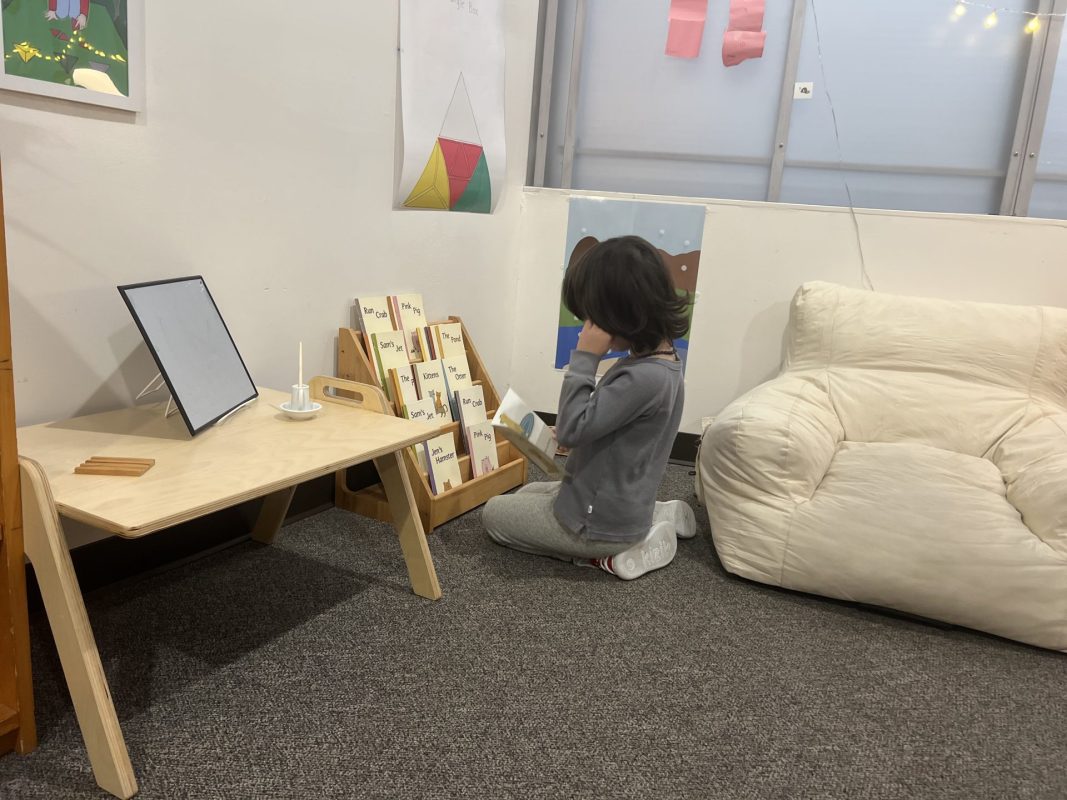
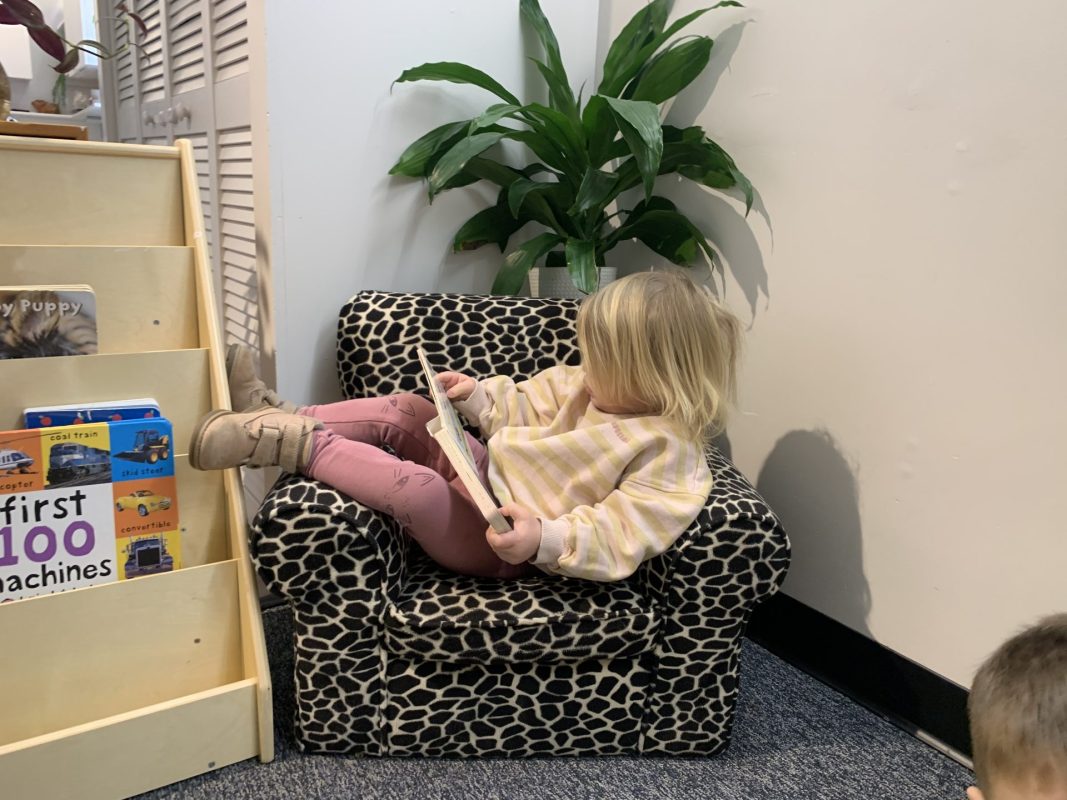
We spent the week revisiting their favorite songs and books, as they’d make requests for their favorites each day.

Ms. Lizette brought one of her favorite snacks to share with the class – dried seaweed! The children were eager to taste it. The majority could not get enough of the salty, thin, green, crunchy snack. Food tasting is a fun way to encourage the children to try new foods, in addition to enriching their vocabulary.  

We sincerely hope you enjoy the weekend. Stay warm and healthy! -Christine & Lizette

Mrs. Doyle: A Normalized Classroom

“Social grace, inner discipline, and joy. These are the birthright of the human being who has been allowed to develop essential human qualities.”  Maria Montessori

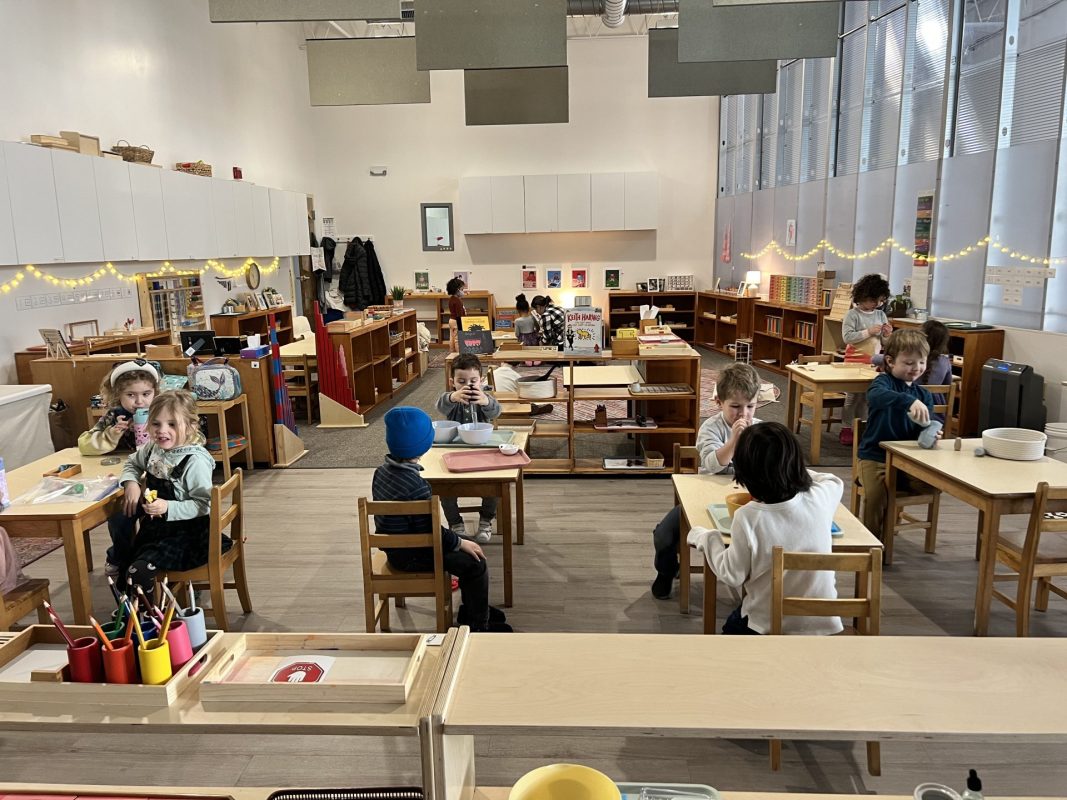
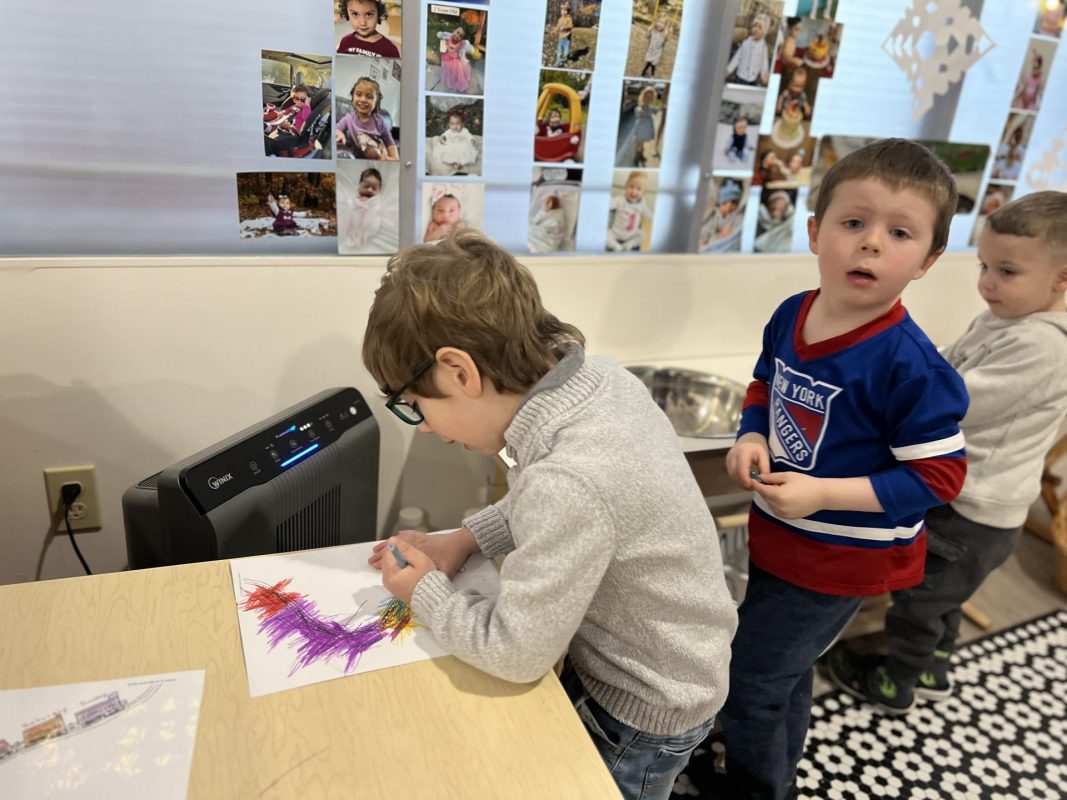
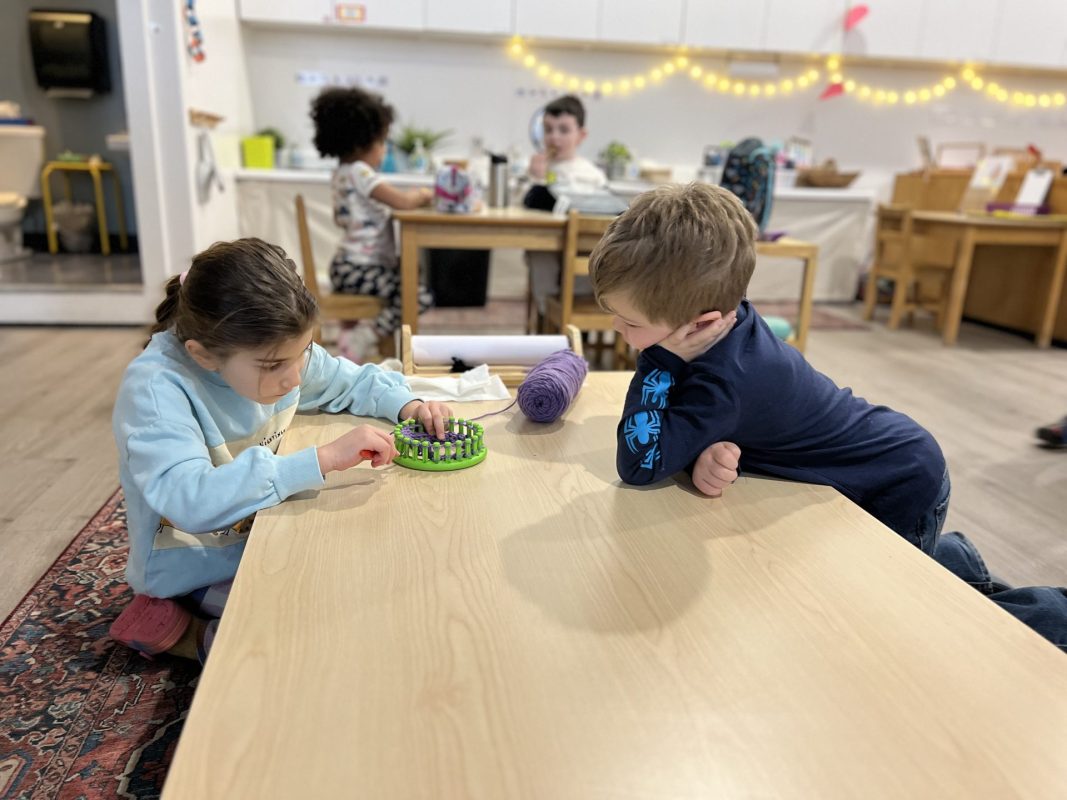
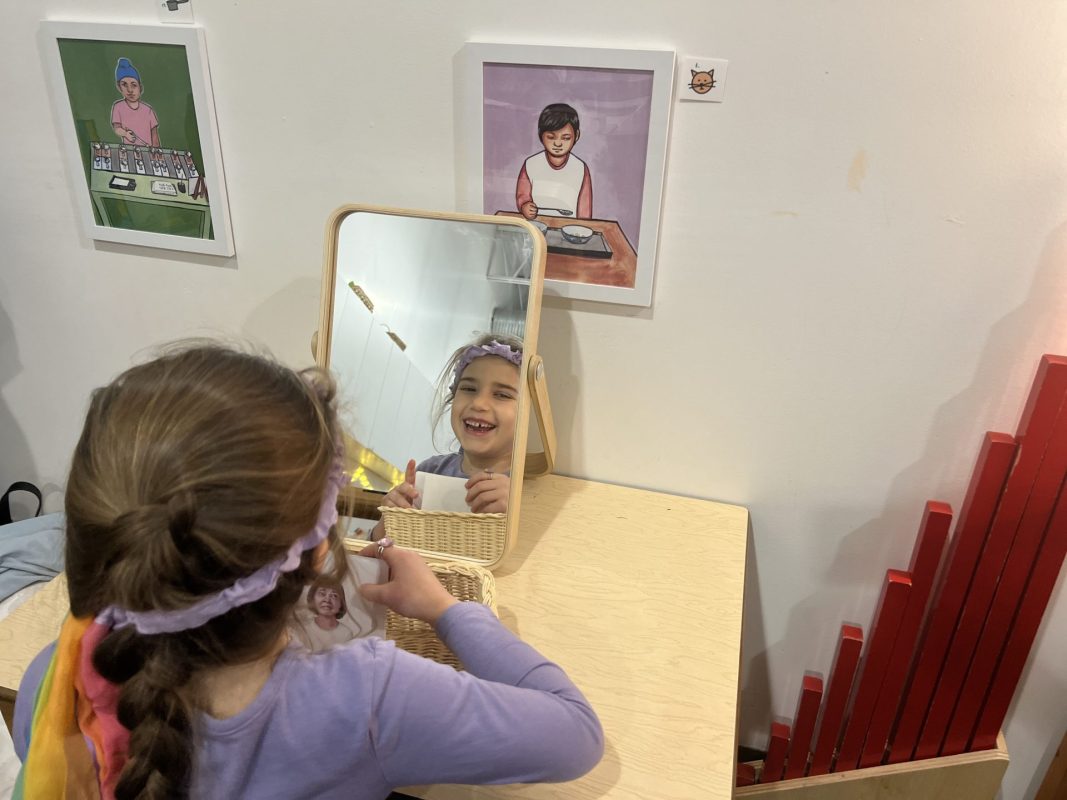
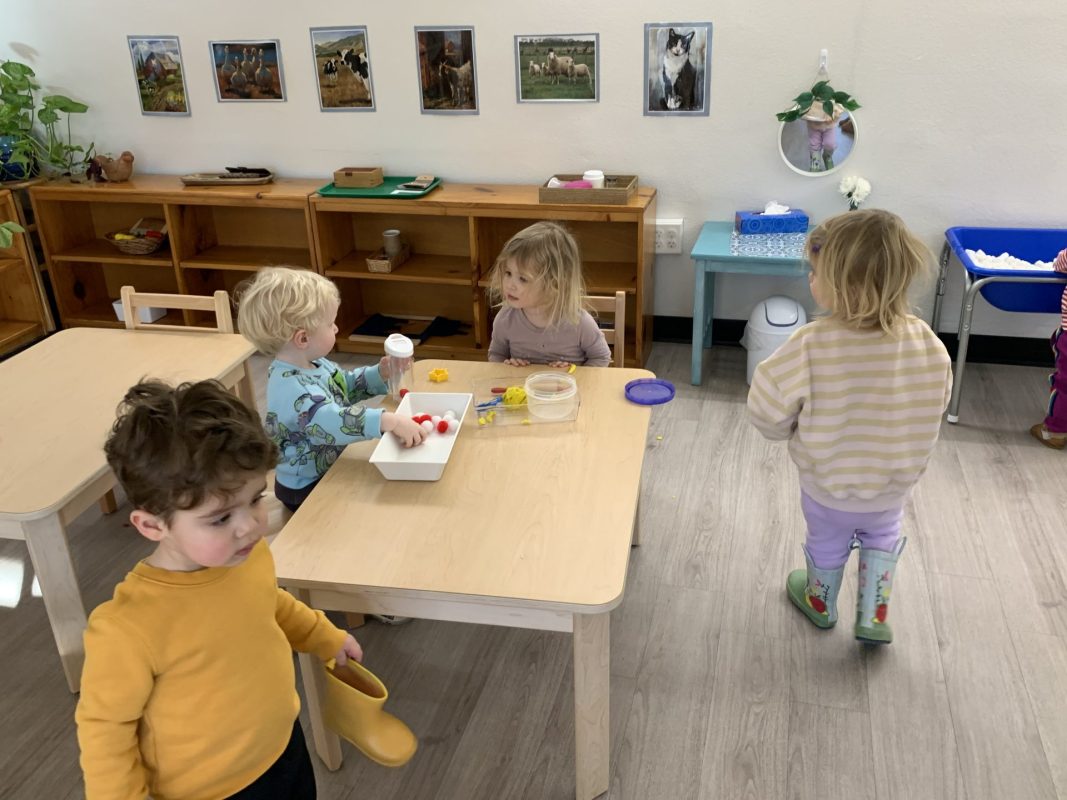
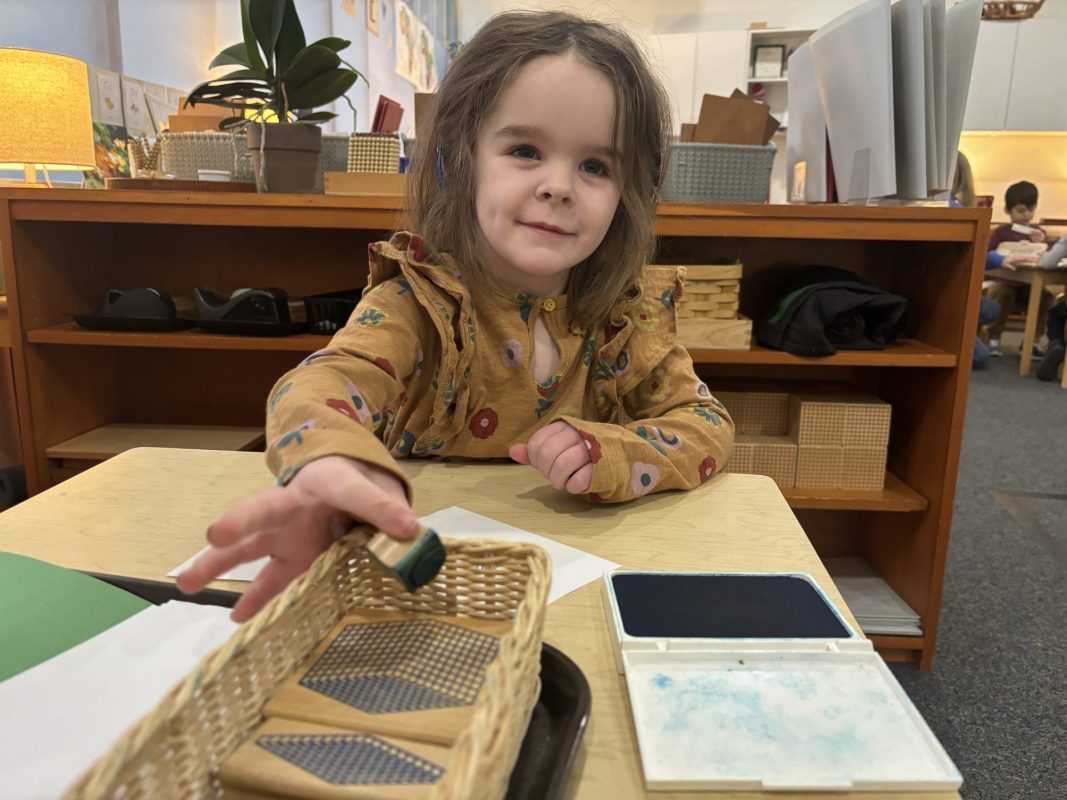
Normalization is a buzzword often used by Montessori teachers everywhere. So, what exactly does it mean, and more importantly, how do we achieve it? When children in a Montessori environment demonstrate deep concentration, self-discipline, social skills, and a true love of work, we describe this as a normalized classroom. Normalization is achieved by consistent and clear ground rules that everyone is familiar with. It is our job to ensure the environment is always well-prepared and designed to meet the needs of the children. As Montessori teachers, we are confident that if we do our job well and the children are free to experience the opportunities provided by the environment and Montessori materials, they will thrive.
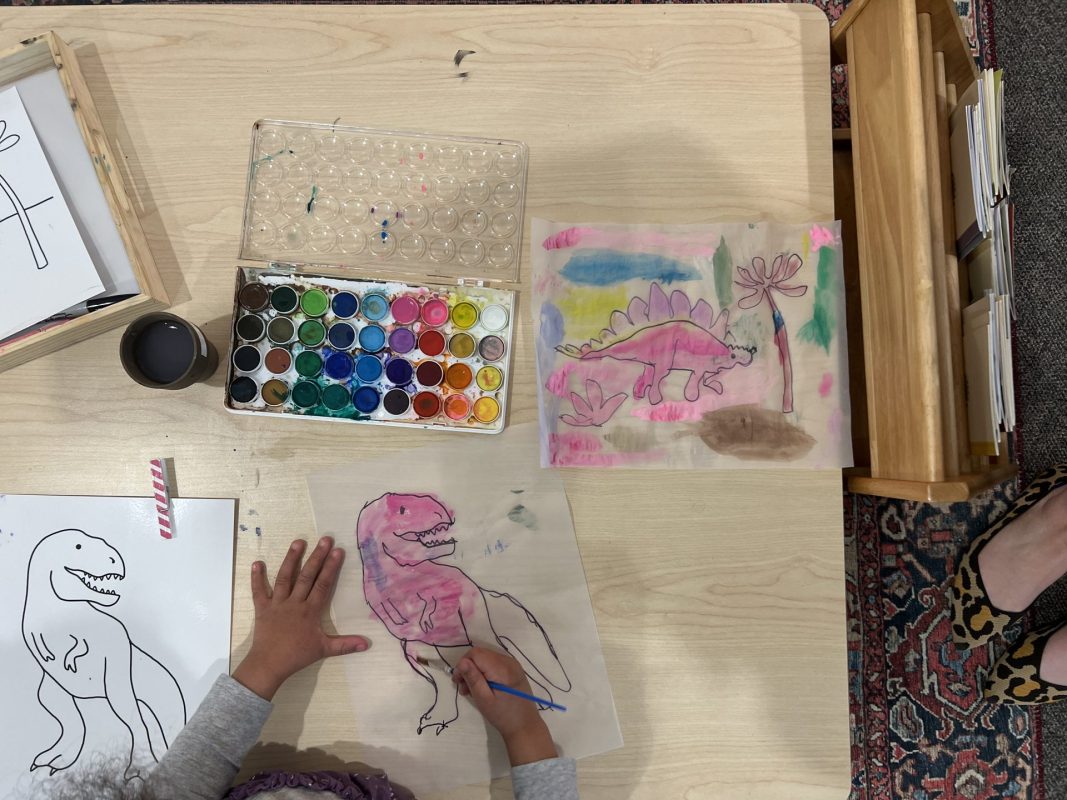
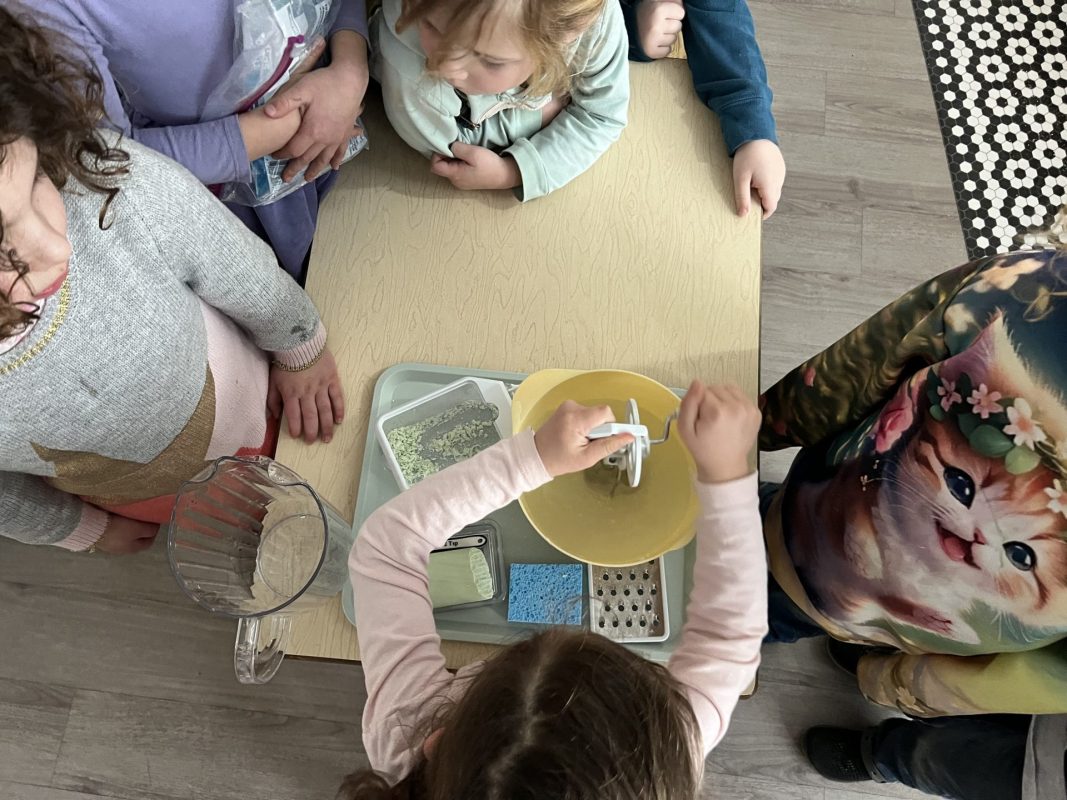
After the winter break and upon our return in January, we often see noticeable growth in the children’s social and emotional development. They come back eager to learn and raring to go! In the first half of the year, they have become comfortable and confident with our classroom routines and expectations. They have developed deeper relationships with their peers and teachers. It is always an exciting time and sets the groundwork for the second half of the school year.

Wishing everyone a 2024 filled with much peace and love.

Michelle & Maria


Mrs. Lopes: A Normalized Classroom

“Social grace, inner discipline, and joy. These are the birthright of the human being who has been allowed to develop essential human qualities.”  Maria Montessori

Normalization is a buzzword often used by Montessori teachers everywhere. So, what exactly does it mean, and more importantly, how do we achieve it? When children in a Montessori environment demonstrate deep concentration, self-discipline, social skills, and a true love of work, we describe this as a normalized classroom. Normalization is achieved by consistent and clear ground rules that everyone is familiar with. It is our job to ensure the environment is always well-prepared and designed to meet the needs of the children. As Montessori teachers, we are confident that if we do our job well and the children are free to experience the opportunities provided by the environment and Montessori materials, they will thrive.
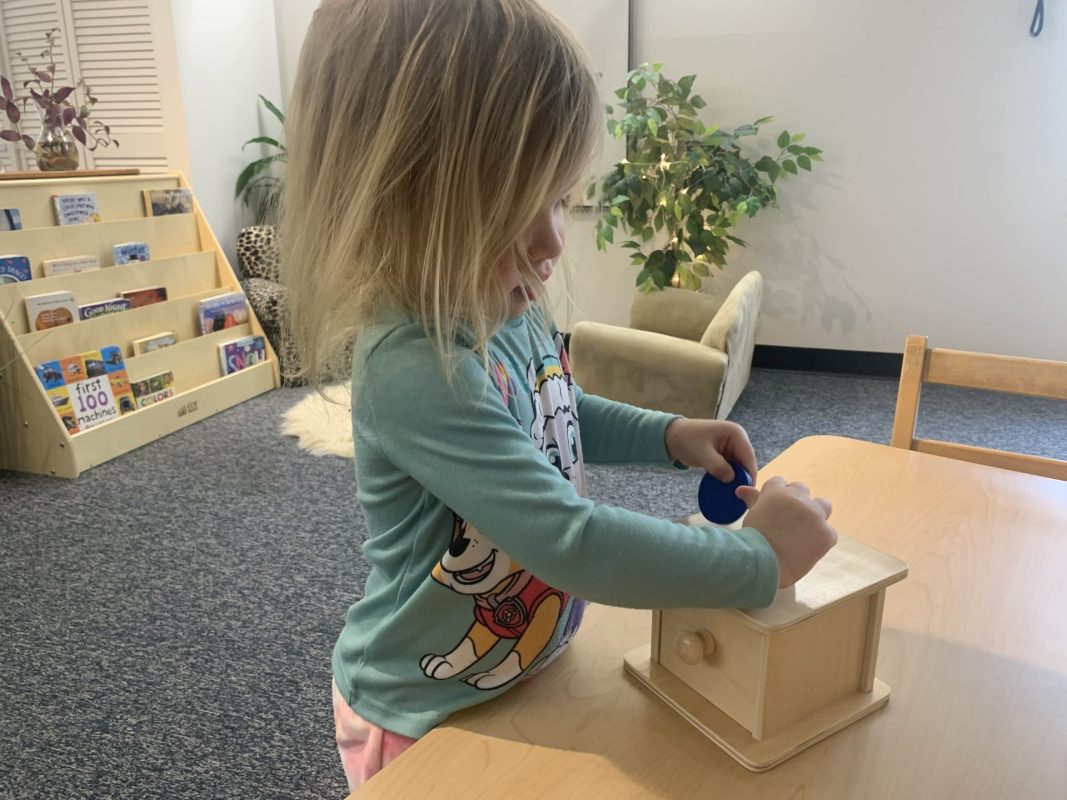
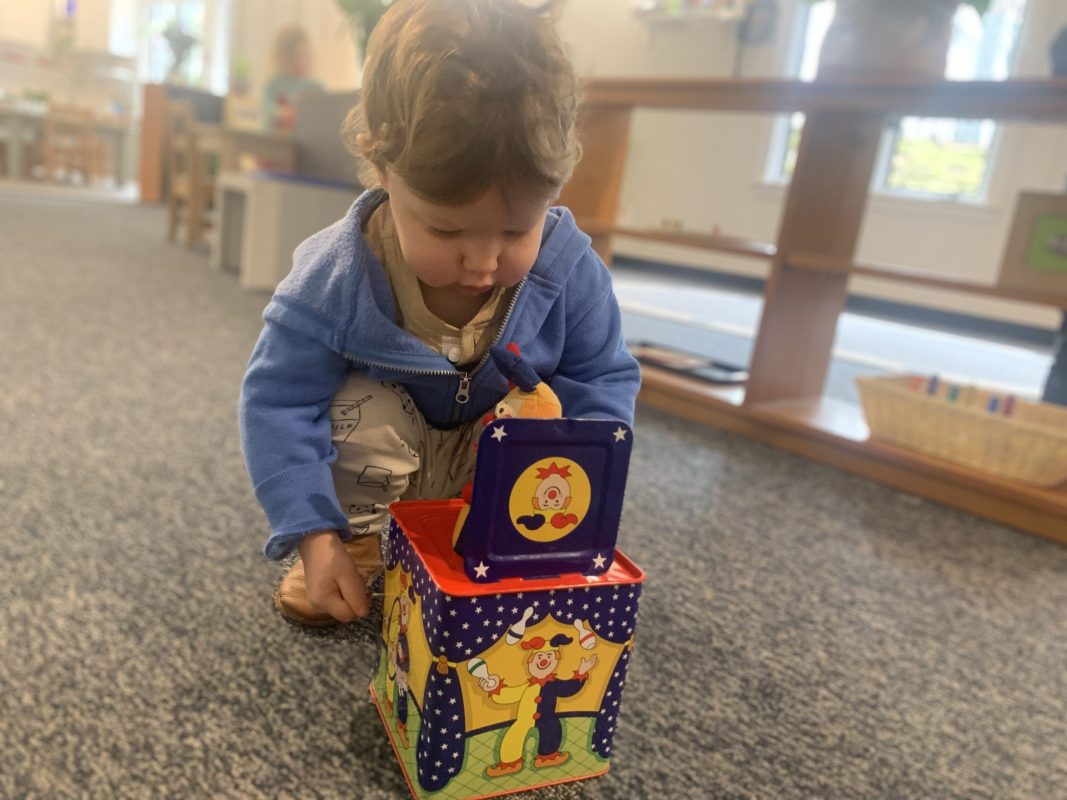
After the winter break and upon our return in January, we often see noticeable growth in the children’s social and emotional development. They come back eager to learn and raring to go! In the first half of the year, they have become comfortable and confident with our classroom routines and expectations. They have developed deeper relationships with their peers and teachers. It is always an exciting time and sets the groundwork for the second half of the school year.

Wishing everyone a 2024 filled with much peace and love.

Amanda & Hema


Ms. Marissa: A Normalized Classroom

“Social grace, inner discipline, and joy. These are the birthright of the human being who has been allowed to develop essential human qualities.” Maria Montessori

Normalization is a buzzword often used by Montessori teachers everywhere. So, what exactly does it mean, and more importantly, how do we achieve it? When children in a Montessori environment demonstrate deep concentration, self-discipline, social skills, and a true love of work, we describe this as a normalized classroom. Normalization is achieved by consistent and clear ground rules that everyone is familiar with. It is our job to ensure the environment is always well-prepared and designed to meet the needs of the children. As Montessori teachers, we are confident that if we do our job well and the children are free to experience the opportunities provided by the environment and Montessori materials, they will thrive.

After the winter break and upon our return in January, we often see noticeable growth in the children’s social and emotional development. They come back eager to learn and raring to go! In the first half of the year, they have become comfortable and confident with our classroom routines and expectations. They have developed deeper relationships with their peers and teachers. It is always an exciting time and sets the groundwork for the second half of the school year.

Wishing everyone a 2024 filled with much peace and love.

Marissa & Sue


Mrs. Doyle: Celebrations Around The World


As Montessori teachers, we embrace the knowledge that one way we can promote peace and understanding of cultures around the world is to find age-appropriate ways to introduce the children to different traditions and celebrations.  While doing so in a very introductory way, it still allows us to highlight the similarities and differences of people everywhere.  These past few weeks have provided the opportunity to talk about Hanukkah, St. Nicholas Day, Christmas and Kwanzaa.

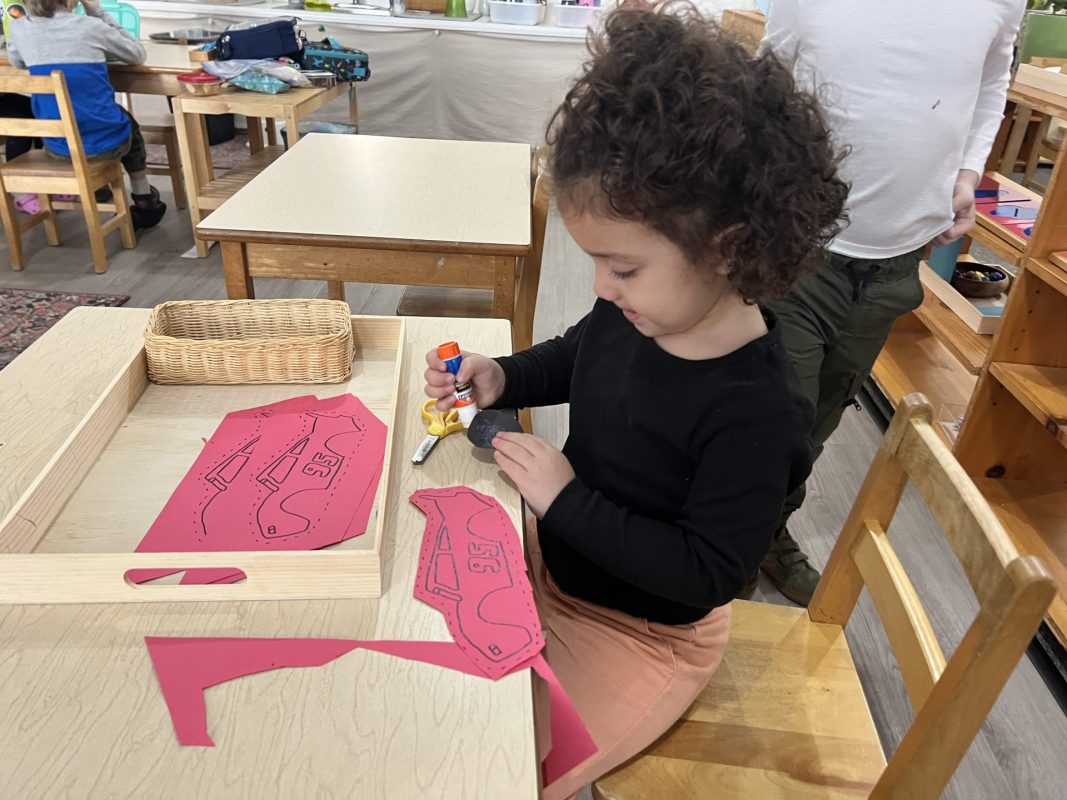
We learned about Hanukkah by reading stories, learning about a menorah, how to play the dreidel game and even had the opportunity to taste some delicious potato latkes.  We also learned about St. Nicholas. St. Nicholas was a Bishop who inherited a lot of money from his family. He was also a very gentle, kind man who lived by the virtues of personal generosity, charity towards those in need, and taking care of the young and the most vulnerable. We learned that St. Nicholas loved to perform random acts of kindness for those in need. Many people around the world celebrate St. Nicholas Day by leaving a pair of boots outside their door. So, we left boots outside our classroom door, and to our amazement, the boots were beautifully decorated and filled with candy canes the next morning.

Using age-appropriate literature, we introduced the importance of Christmas and Kwanzaa for those who celebrate. ‘Twas The Night Before Christmas was enjoyed by all and then we decorated Christmas cookies to bring home.  We also learned about Kwanzaa which was created in 1966 and is based on the elements of African heritage. It is a celebration lasting seven days, from December 26th to January 1st.  Each day a candle is lit to represent a different principle: unity, self-determination, collective work and responsibility, cooperative economics, purpose, creativity, and faith.

A huge shout-out to parents who always help in any way they can.  I know there is a lot that goes on behind the scenes to afford us these opportunities.  It is so very much appreciated.  As always, if there is anyone who may have different traditions or customs to share with us, please reach out.

Wishing you a holiday season filled with much peace, love and simplicity.

Michelle & Maria