Ms. Marissa: First Stop, South America!

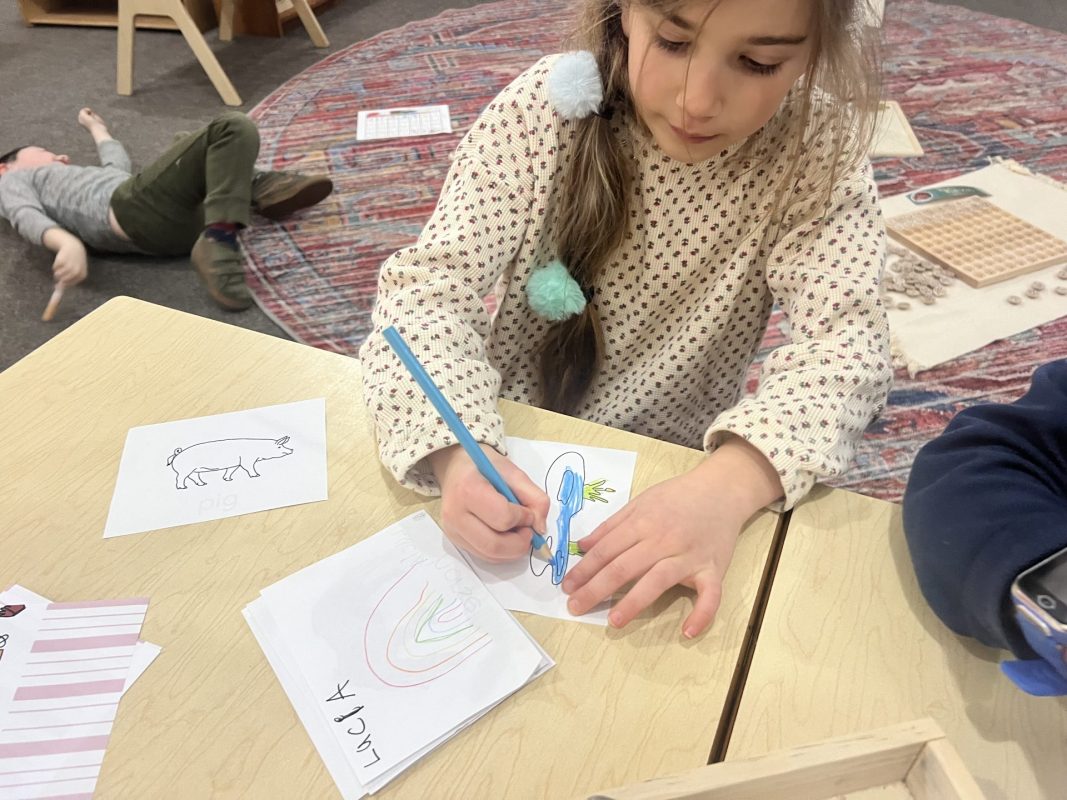
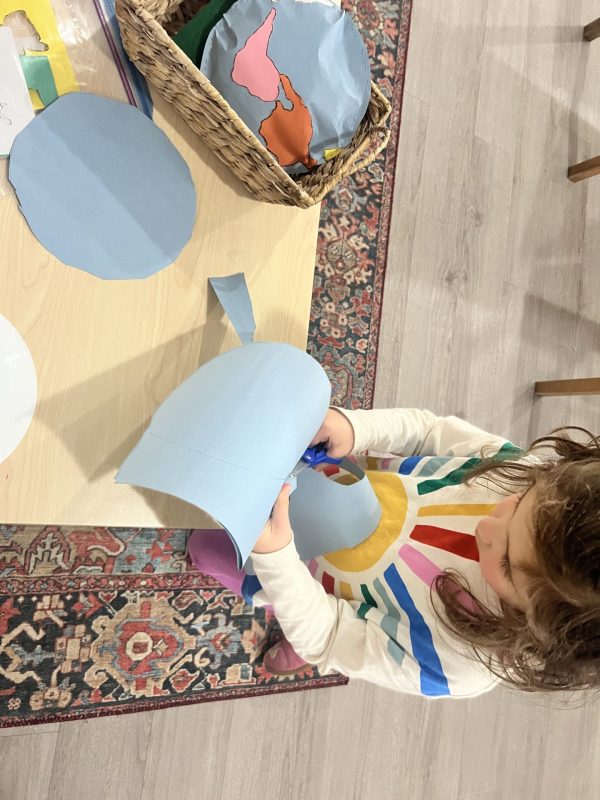
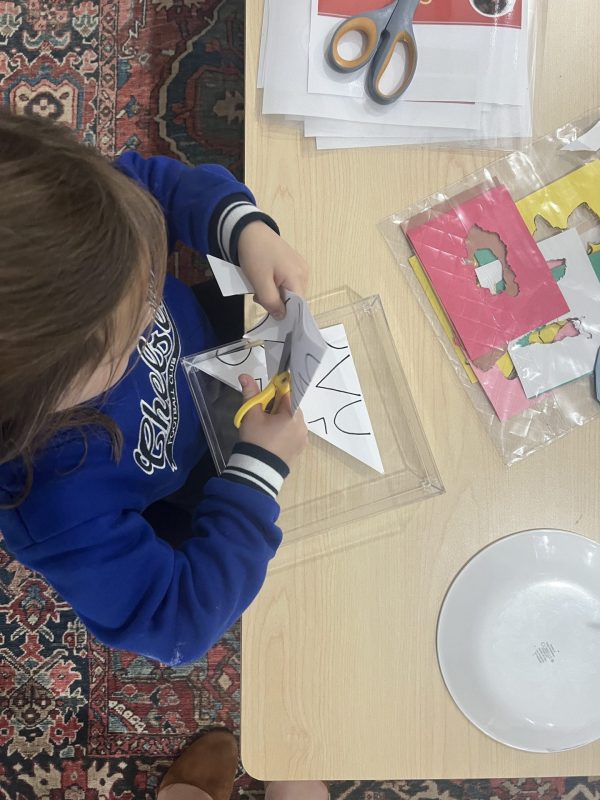
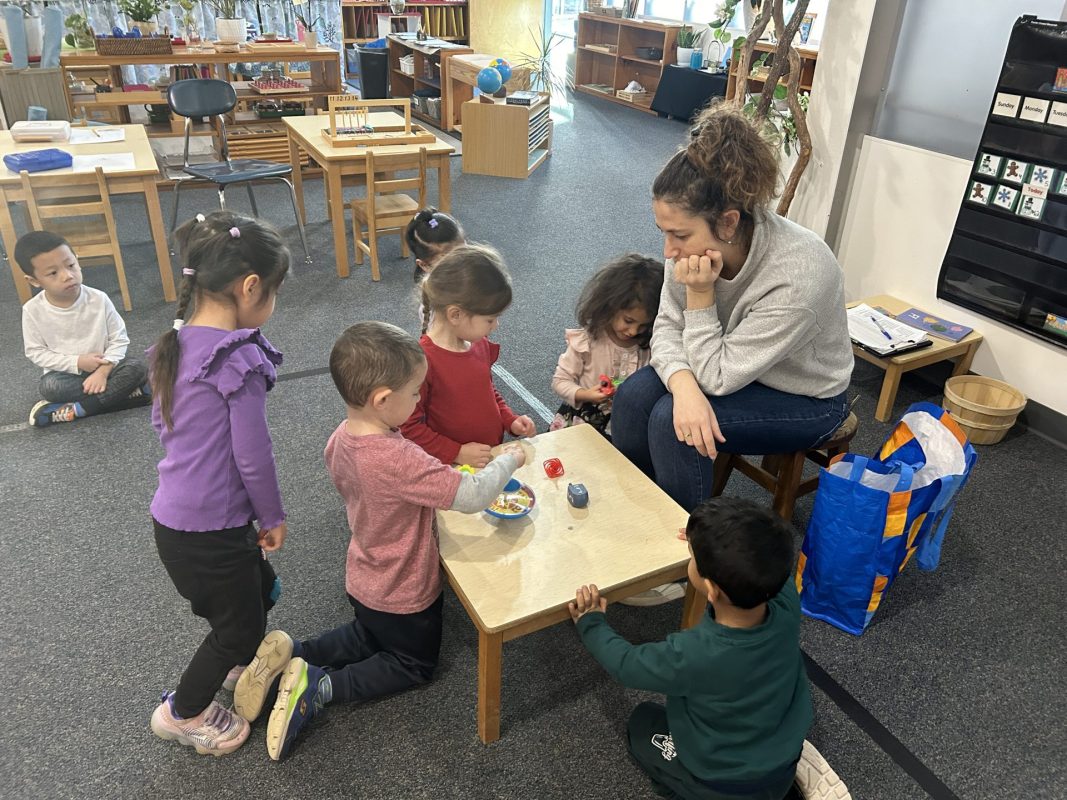
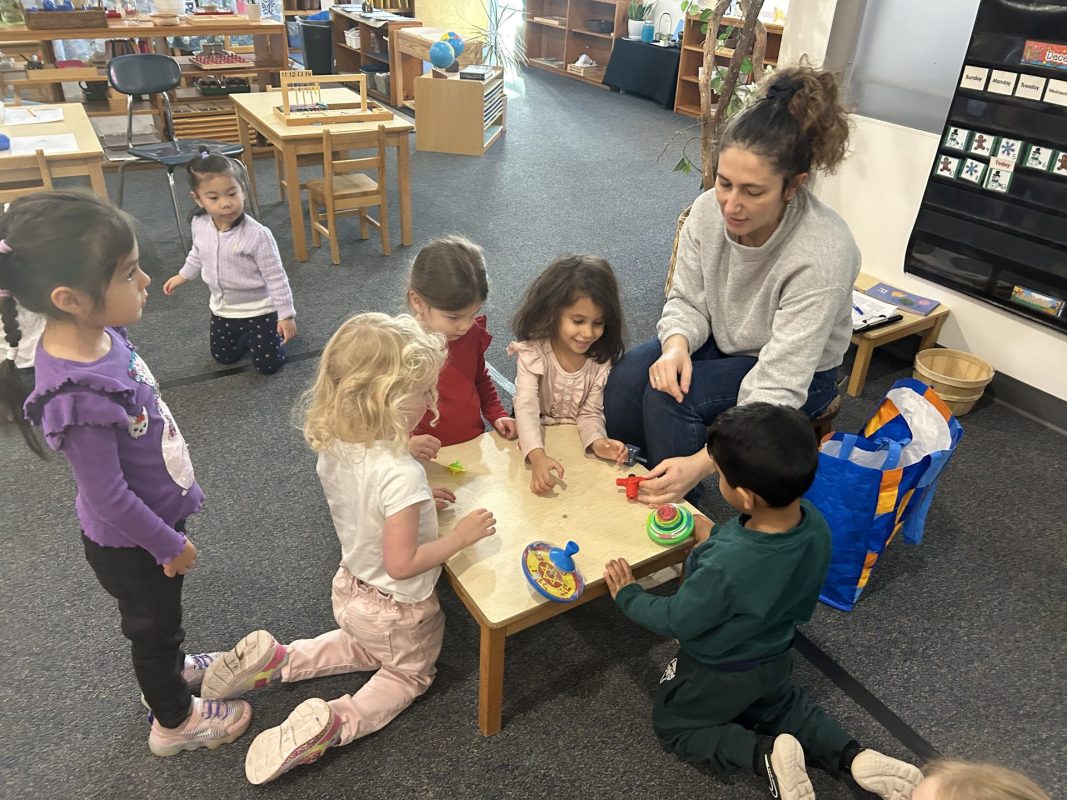
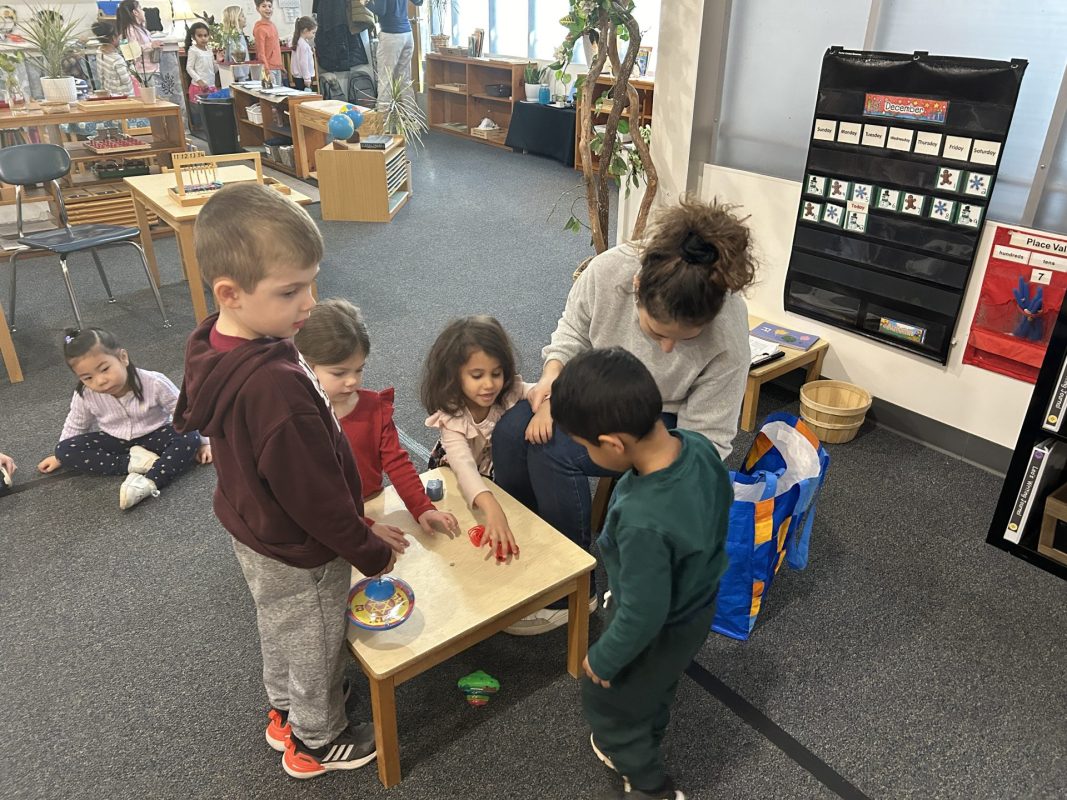
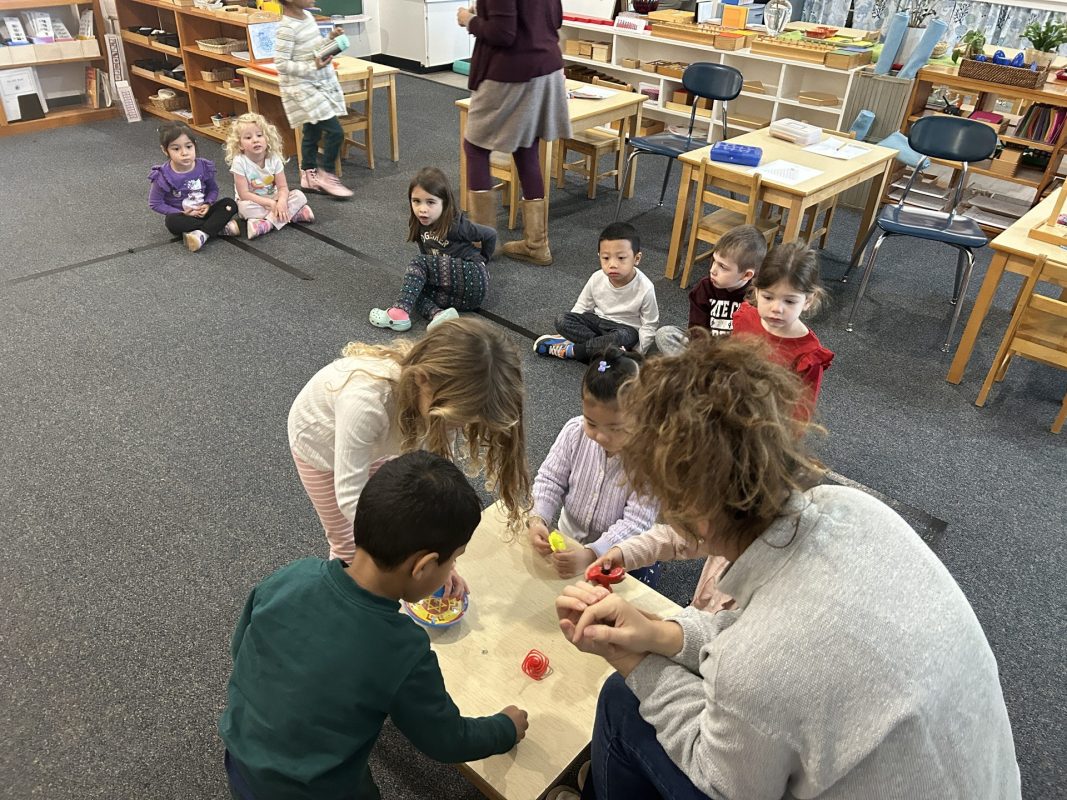
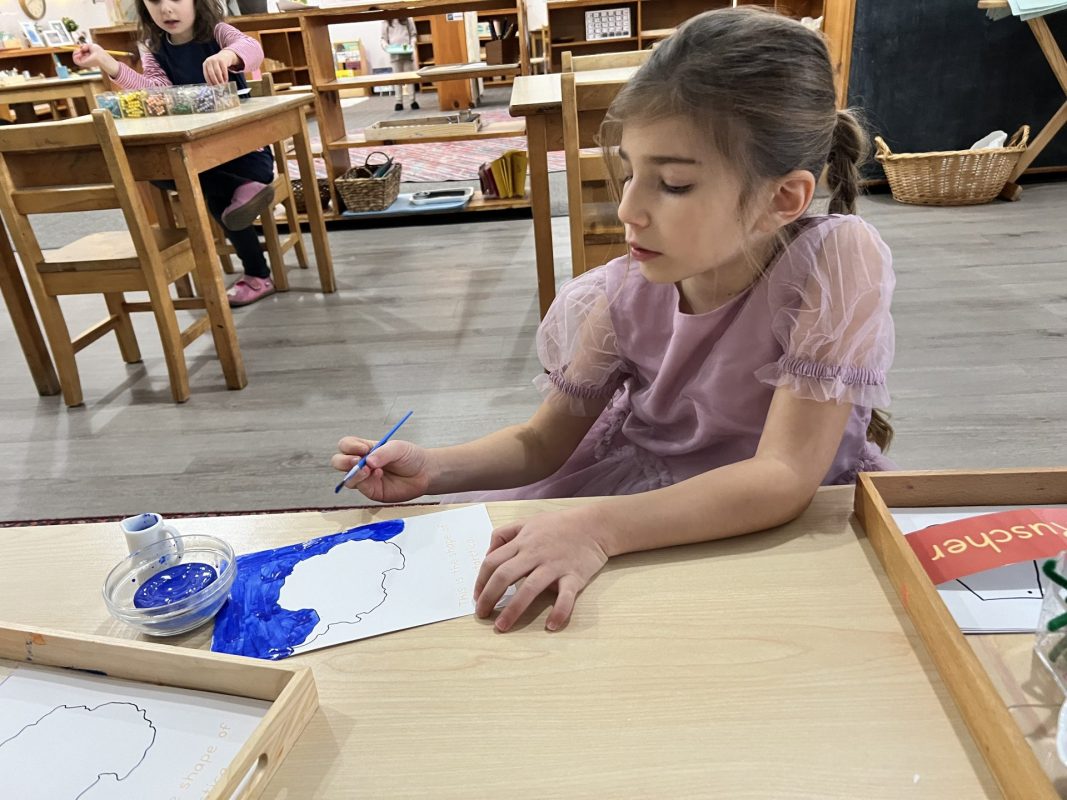
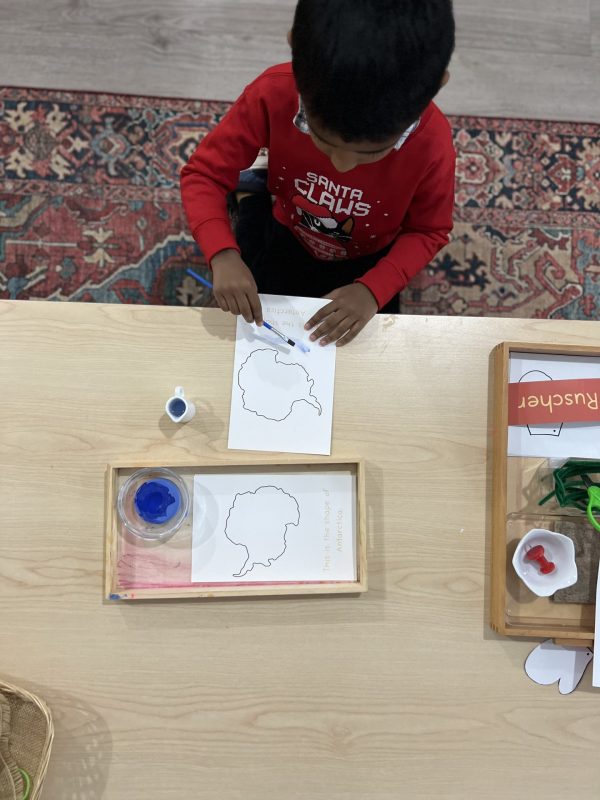
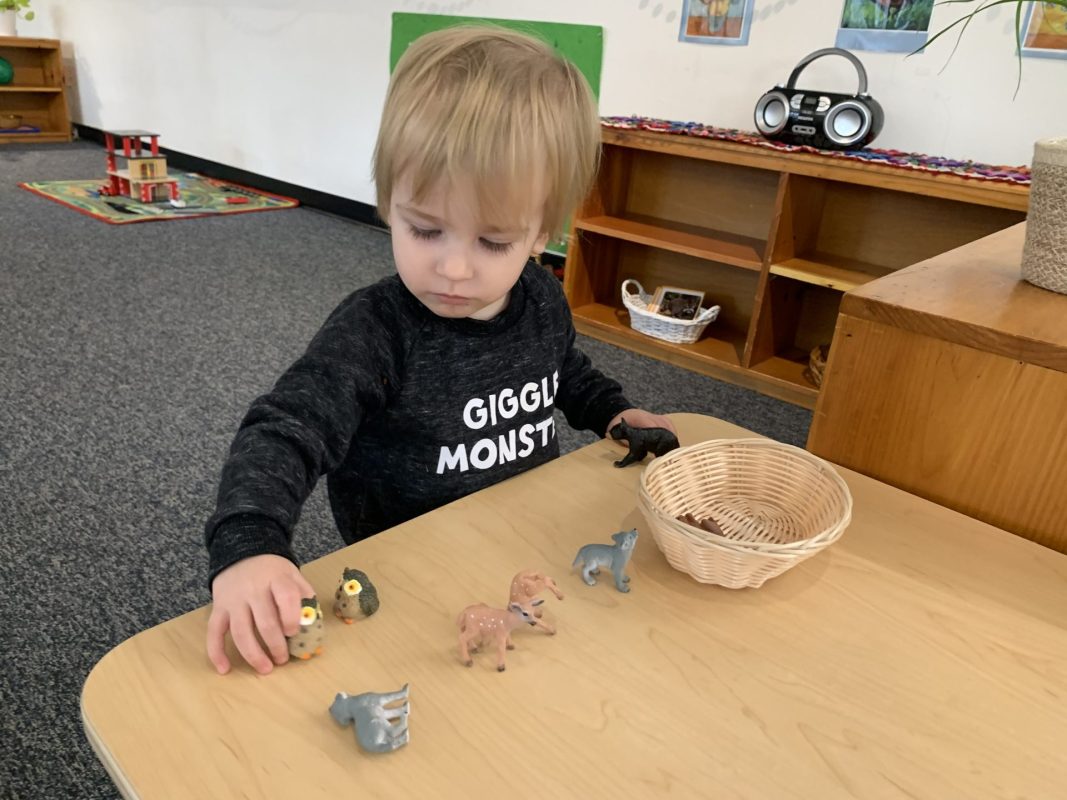
These last couple of months have been a busy and exciting time with your children. We have traveled through space, explored the eight planets, discovered that the sun is a star, and rocketed back to planet Earth. We are now exploring the first of seven continents, South America.  You may hear your children call it the pink continent. This is because, on the Montessori globe and map, South America is indeed pink. We will continue to explore the animals native to South America, map South America’s countries, examine topography, and study how a continent’s proximity to the equator impacts its climate.

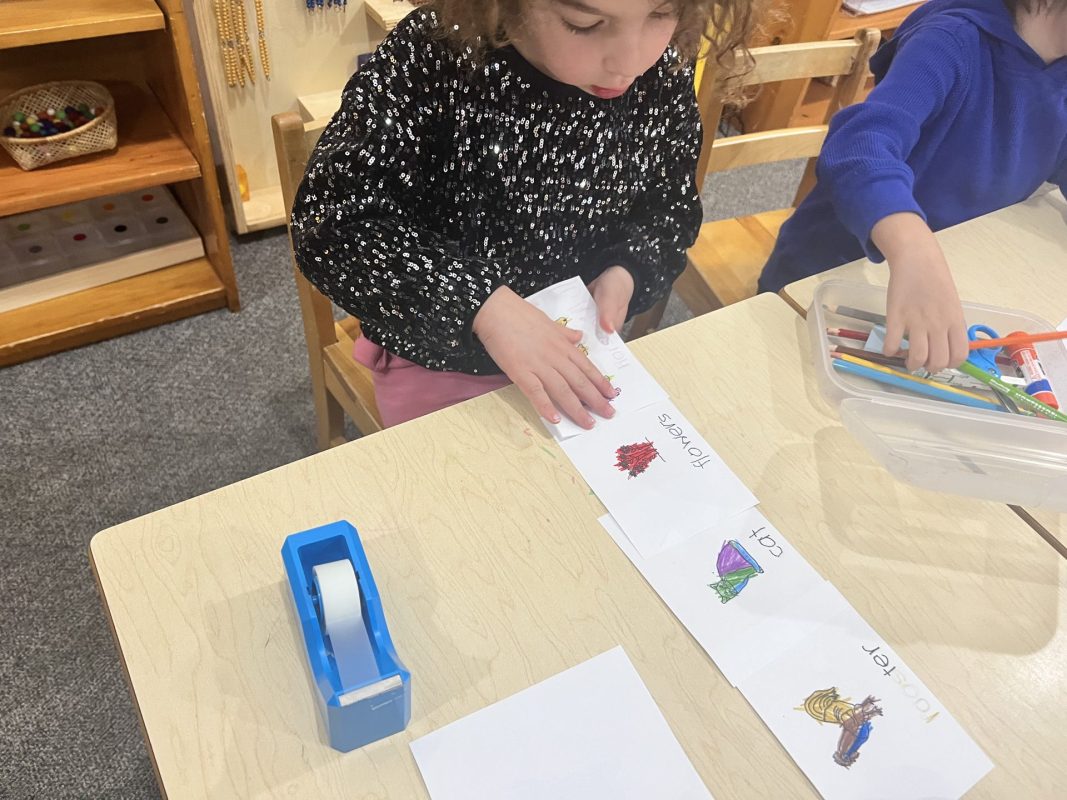
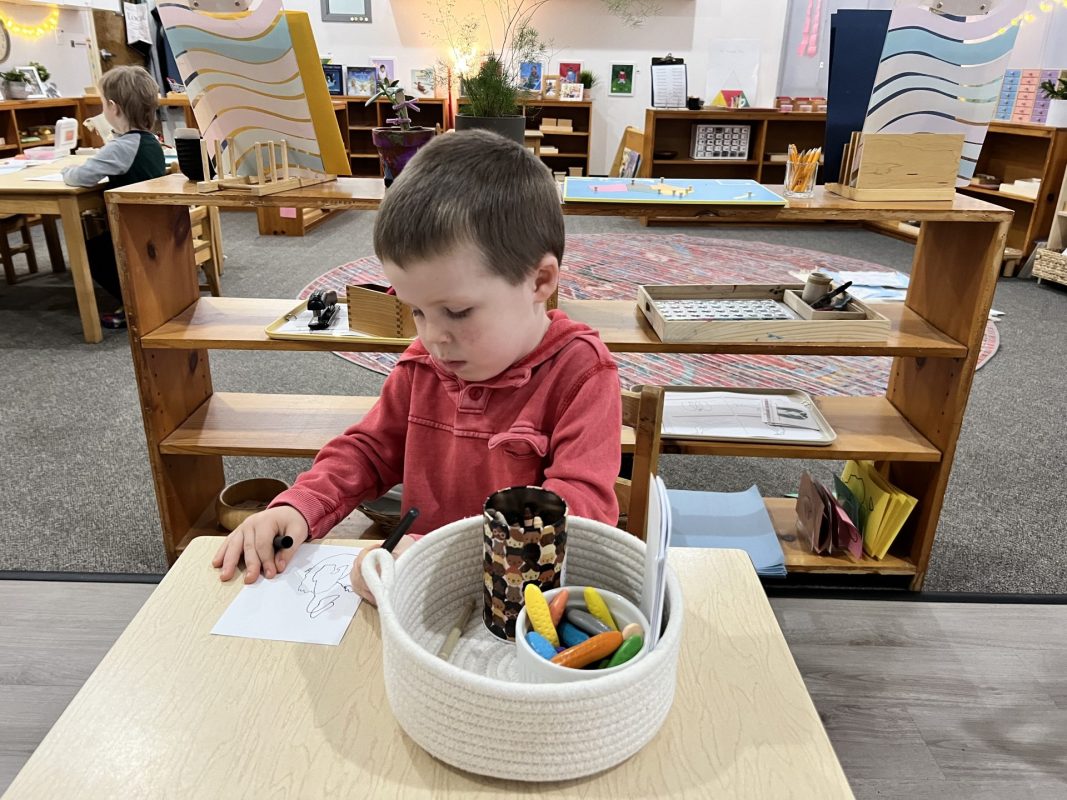
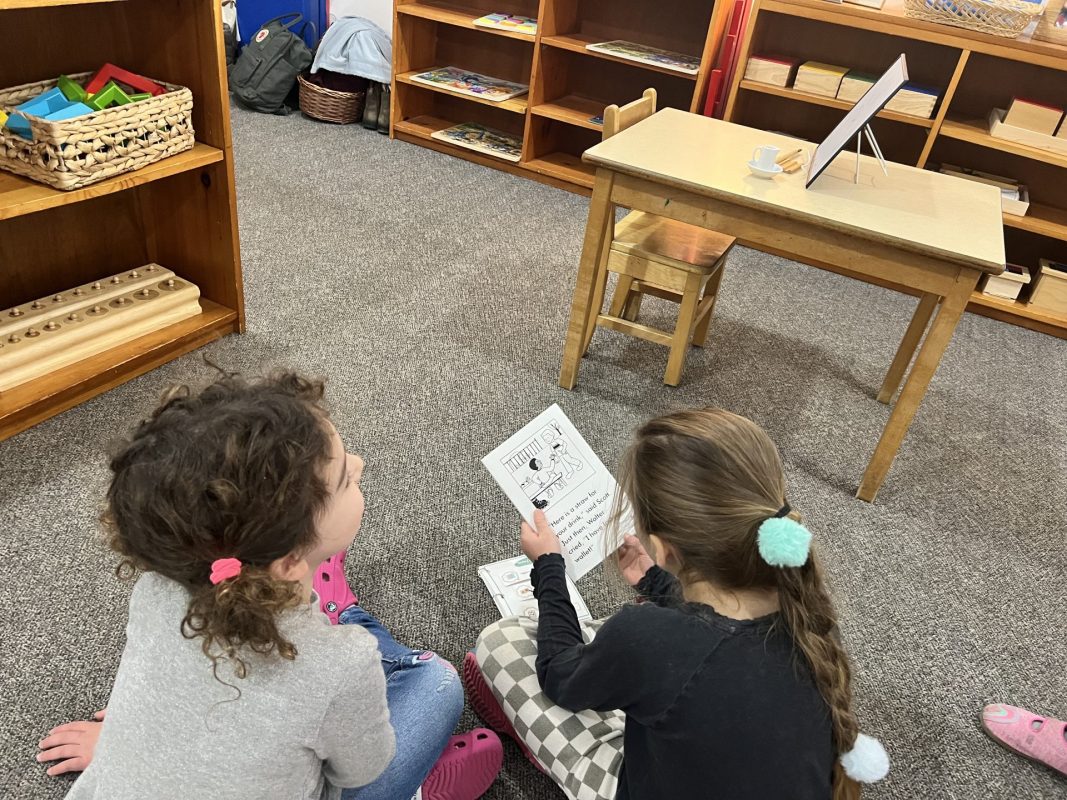
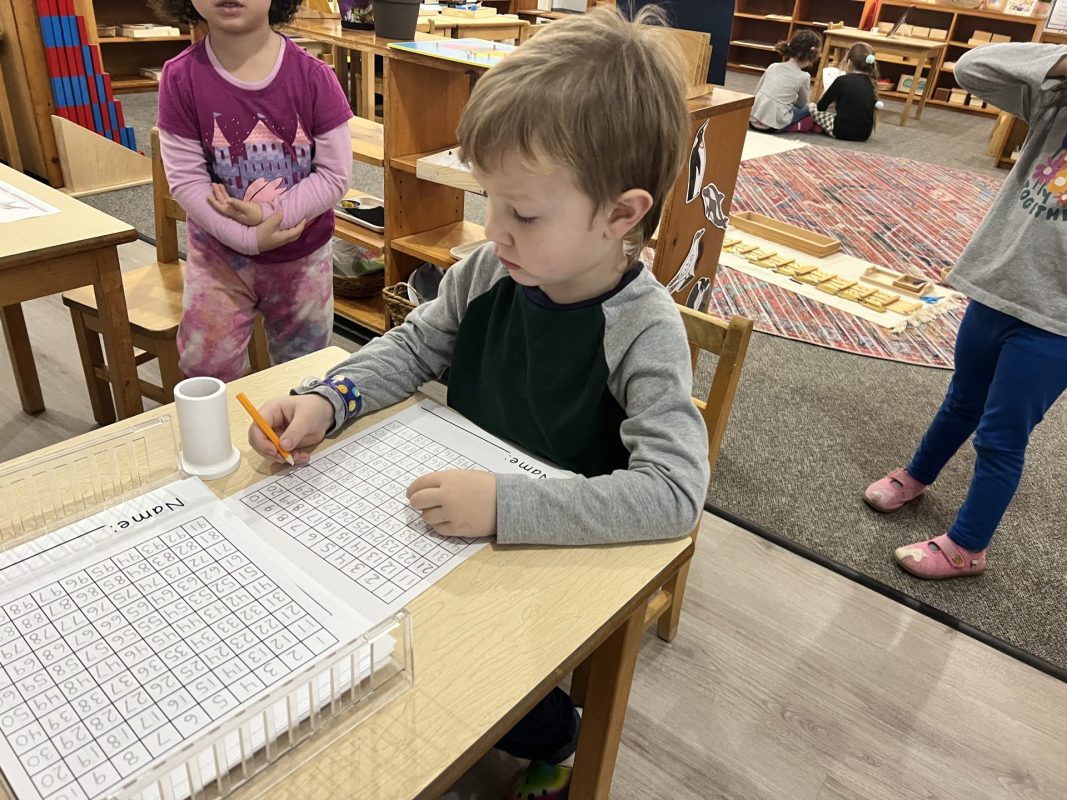
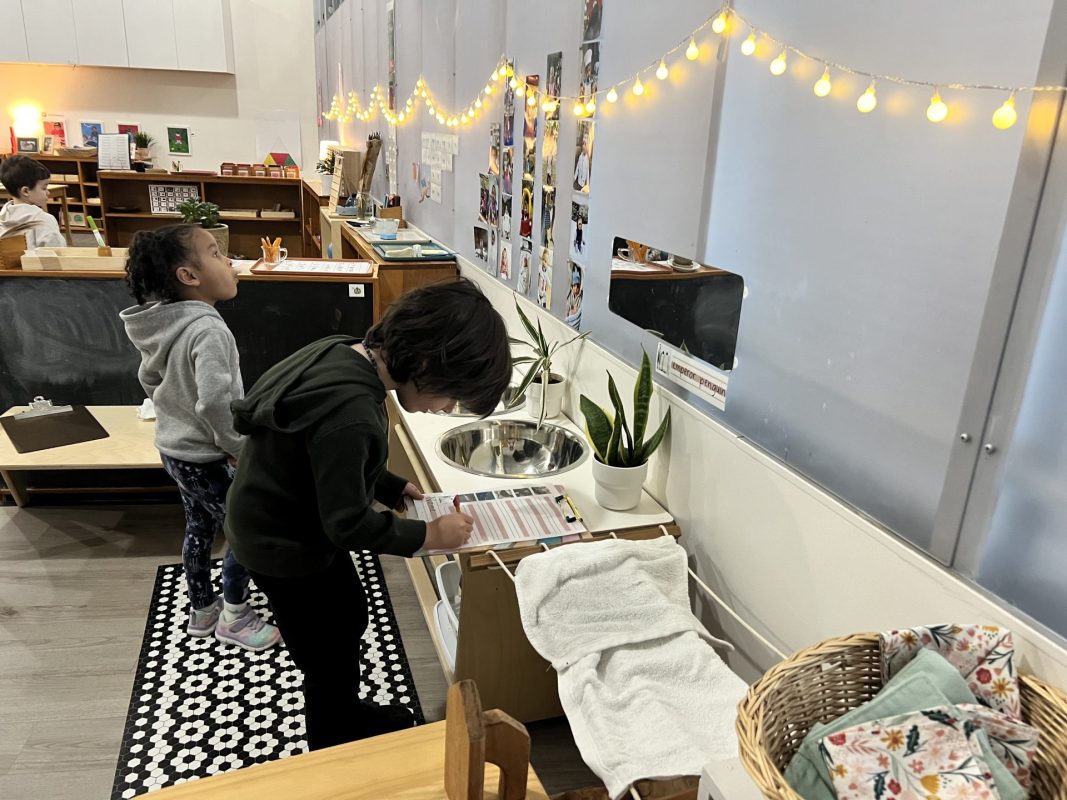
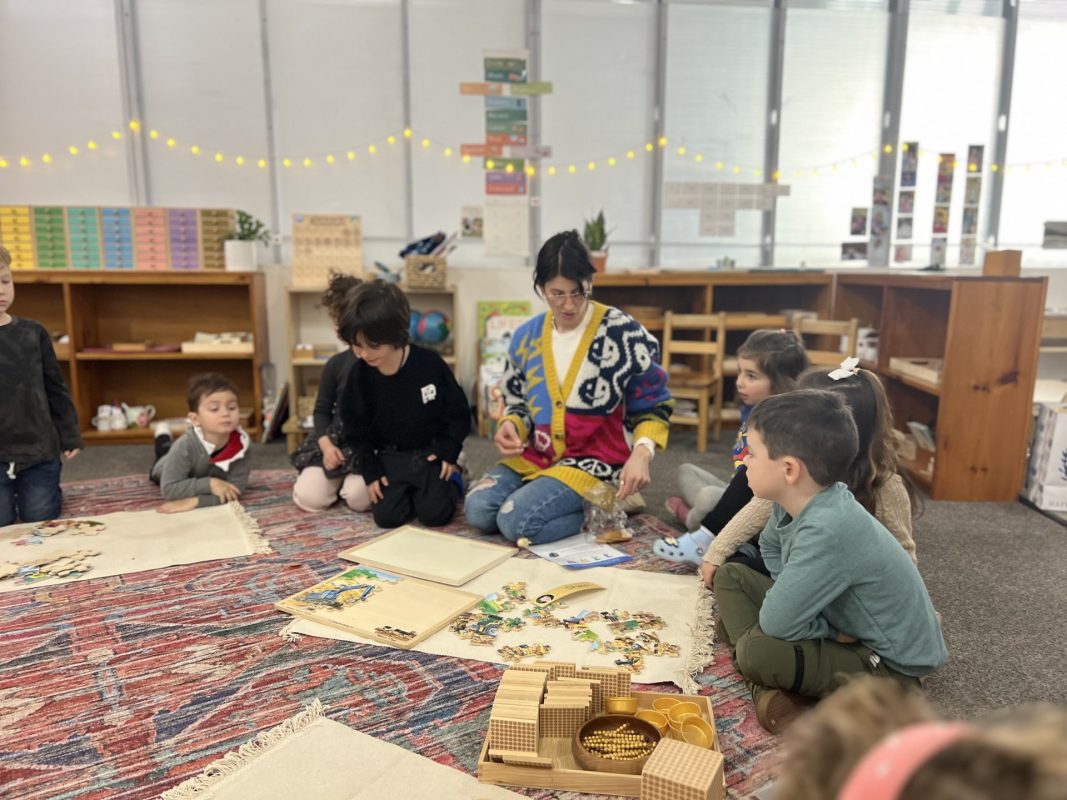
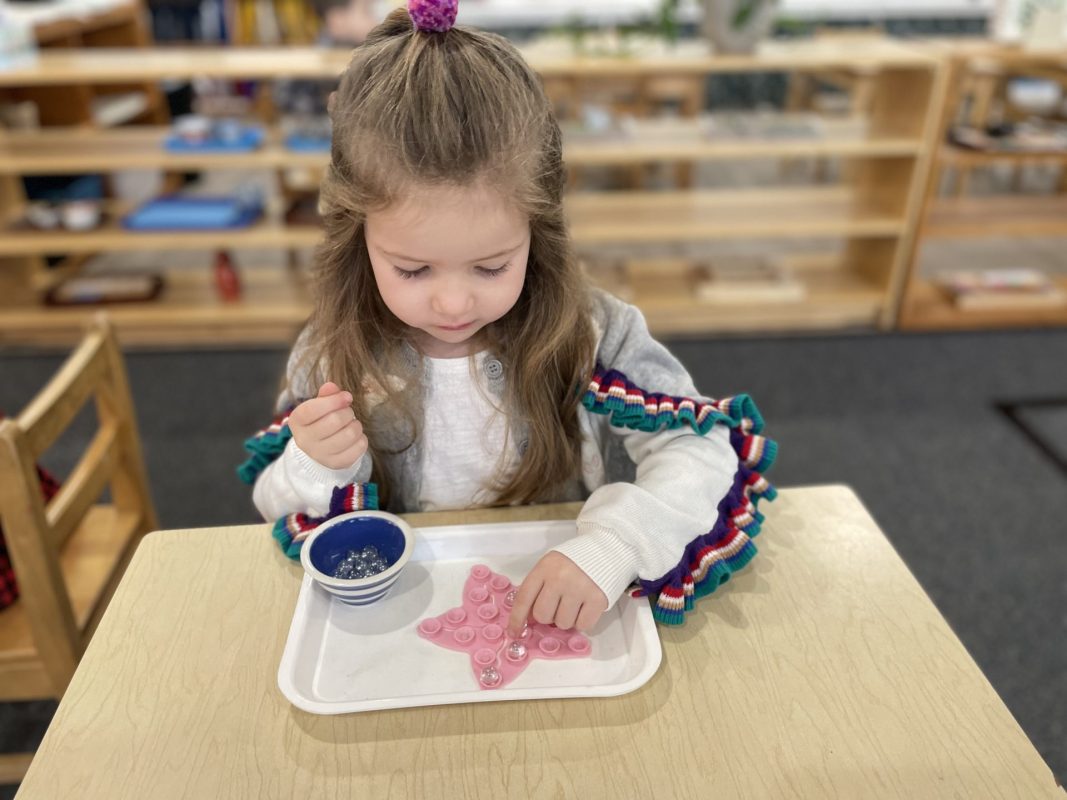
The Montessori cultural studies curriculum provides children with an opportunity to explore the whole world, including the continents, countries, people, animals, terrain, music, and arts. Children use didactic Montessori materials to familiarize themselves with the needs of all humans for such things as food, housing, and clothing. This early cultural awareness helps cultivate independent, joyful citizens of our world.

Wishing everyone a week filled with peace and love!

Marissa & Sue


Mrs. Sargeant: A Peek at the Week

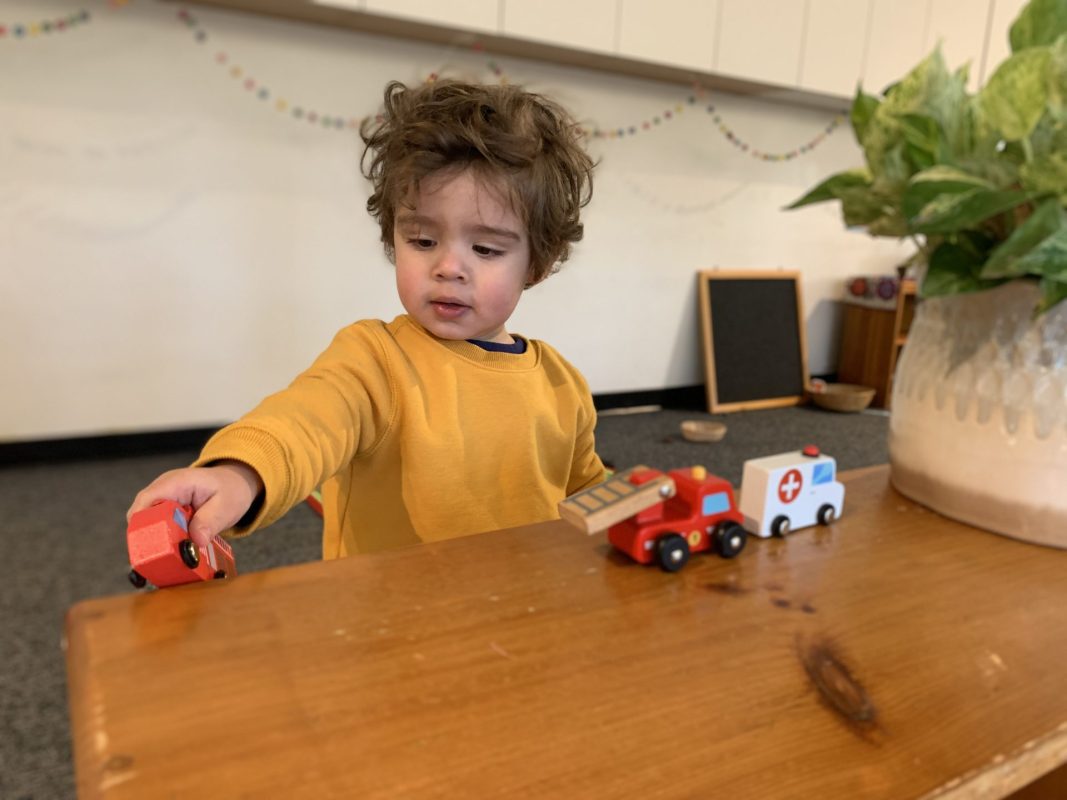
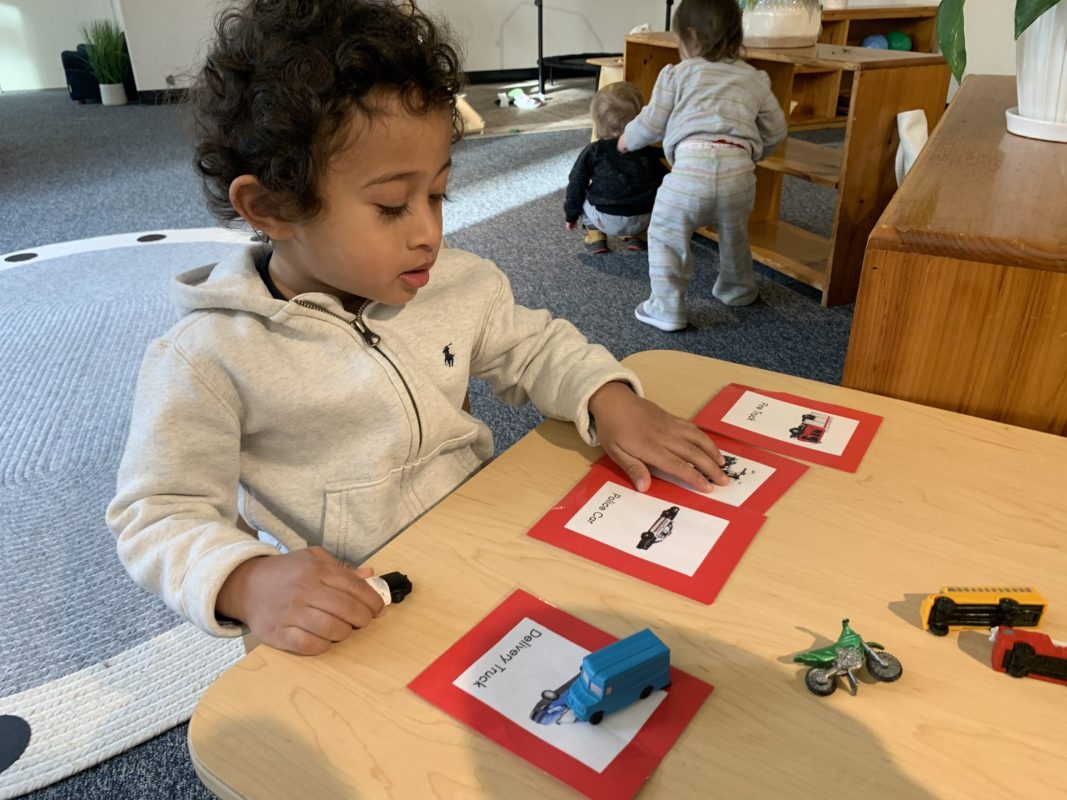
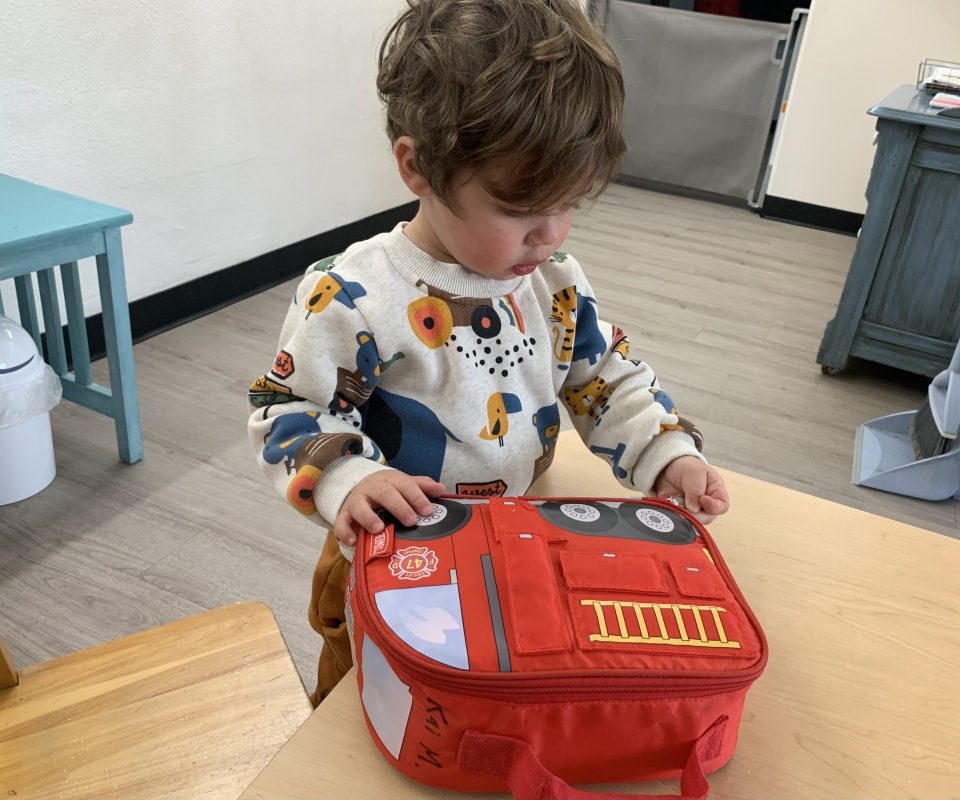
The highlight of the week was our visit with Firefighter Bill from the Botsford Rescue Squad. We were able to see the firefighters’ gear and equipment and even climb into the truck! We talked about the different colors firetrucks can be, the parts of the truck (ladder, wheels, hose, steering wheel), and the loud sound the siren makes. This was a fun experience for our toddlers and a great opportunity to begin to instill a sense of respect and admiration for the brave first responders who keep our community safe. 

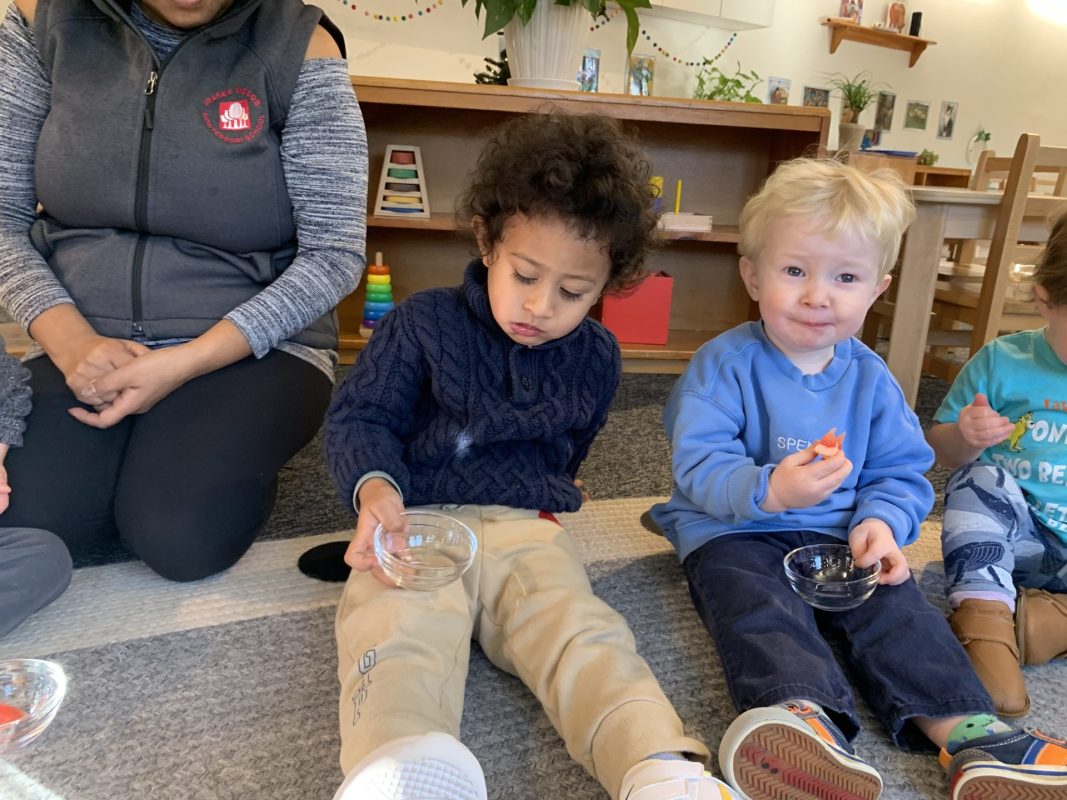
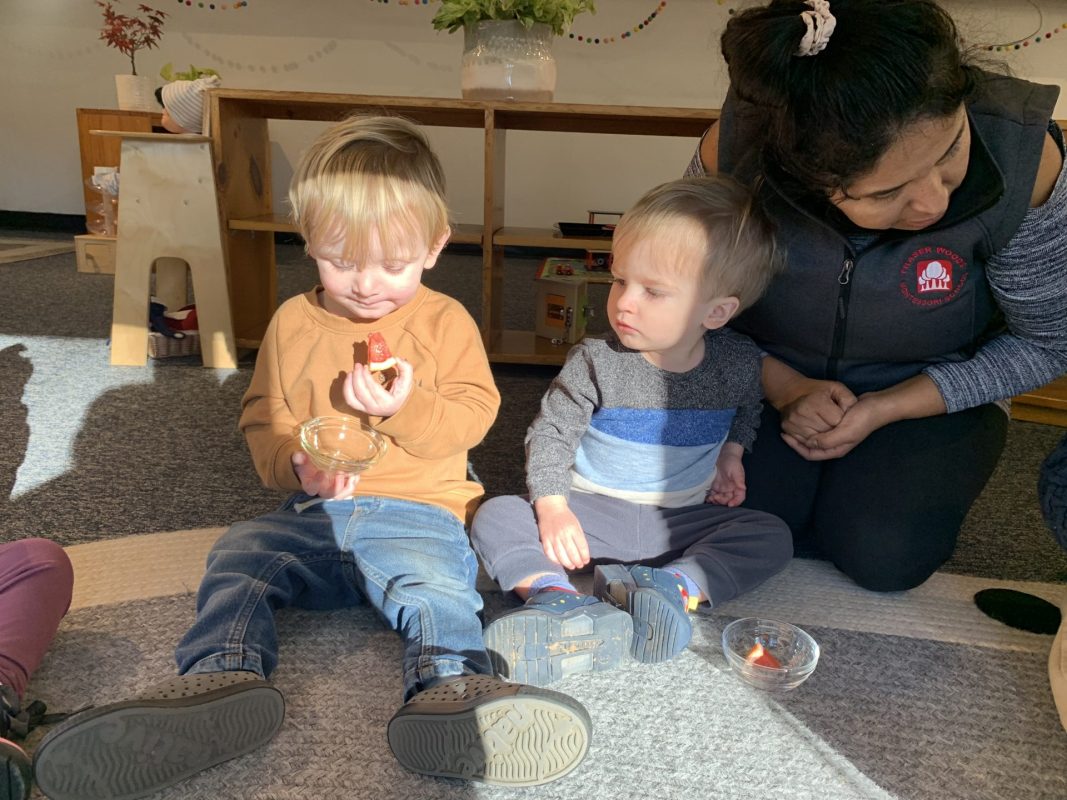
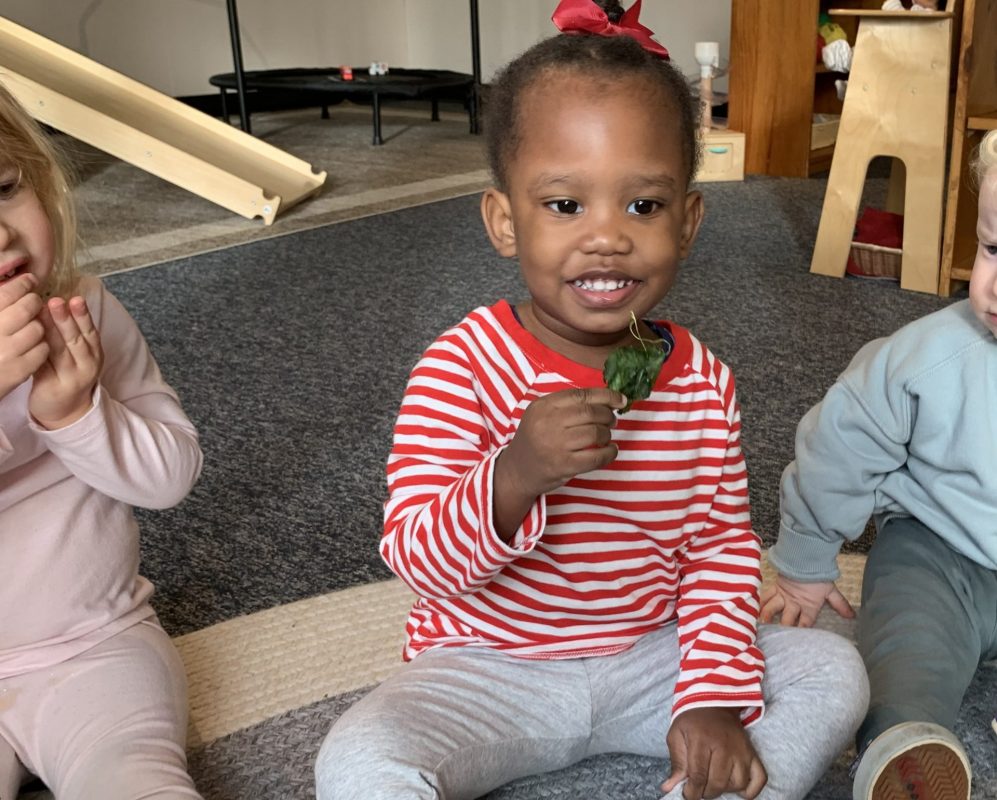
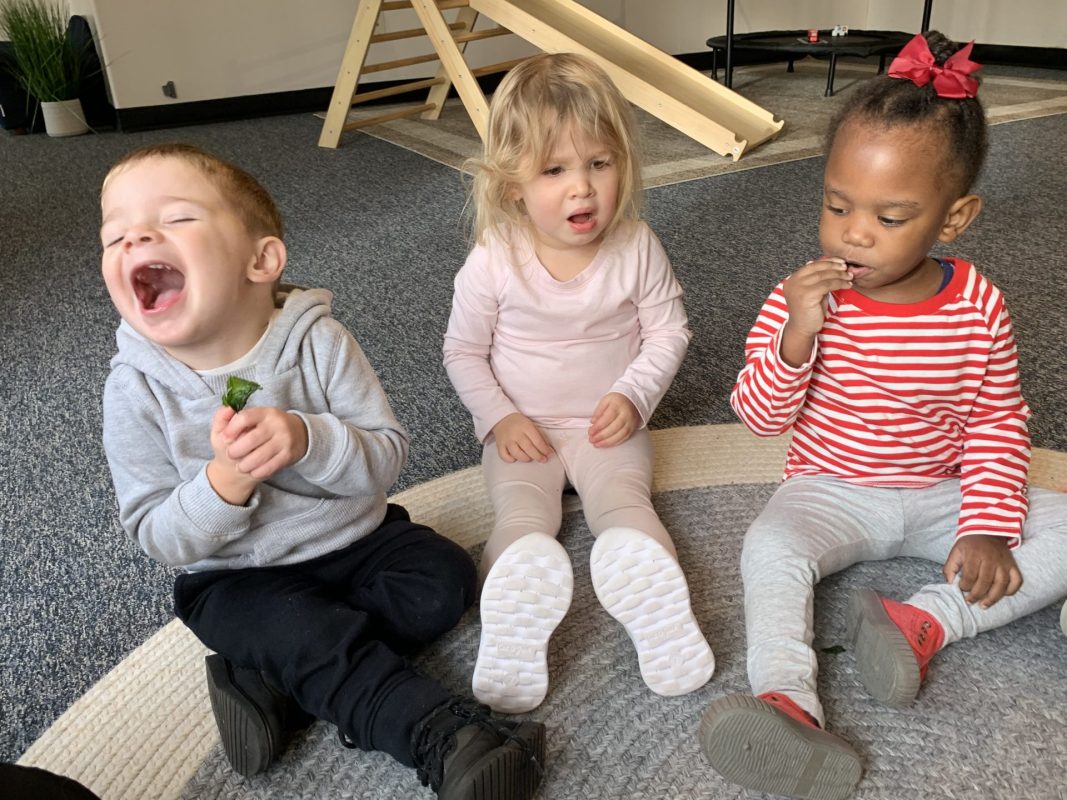
As part of our pumpkin-tasting experience, we cut and scooped the seeds and pulp from a pumpkin. All of the children were invited to participate in the scooping and to use all their senses for a full experience. Every child was eager to taste the pumpkin. We tasted both roasted and canned pumpkin. While the enthusiasm in the room was buzzing as they were being served, many of their faces changed after having a taste. I really wish we had been able to capture some of their expressions! Perhaps you’d like to try again at home .. maybe even add some cinnamon. 

We have been learning the names of body parts and what each part does and singing songs such as “Head, Shoulders, Knees, and Toes’, and  ‘Do You Know Your Body Parts?’ (You can listen below)

We’re loving our days with your children. It is truly amazing to witness their growth week to week. Thank you for entrusting us with their care!

Happy weekend! -Christine & Lizette


Ms Marissa: A Pumpkin Filled October!

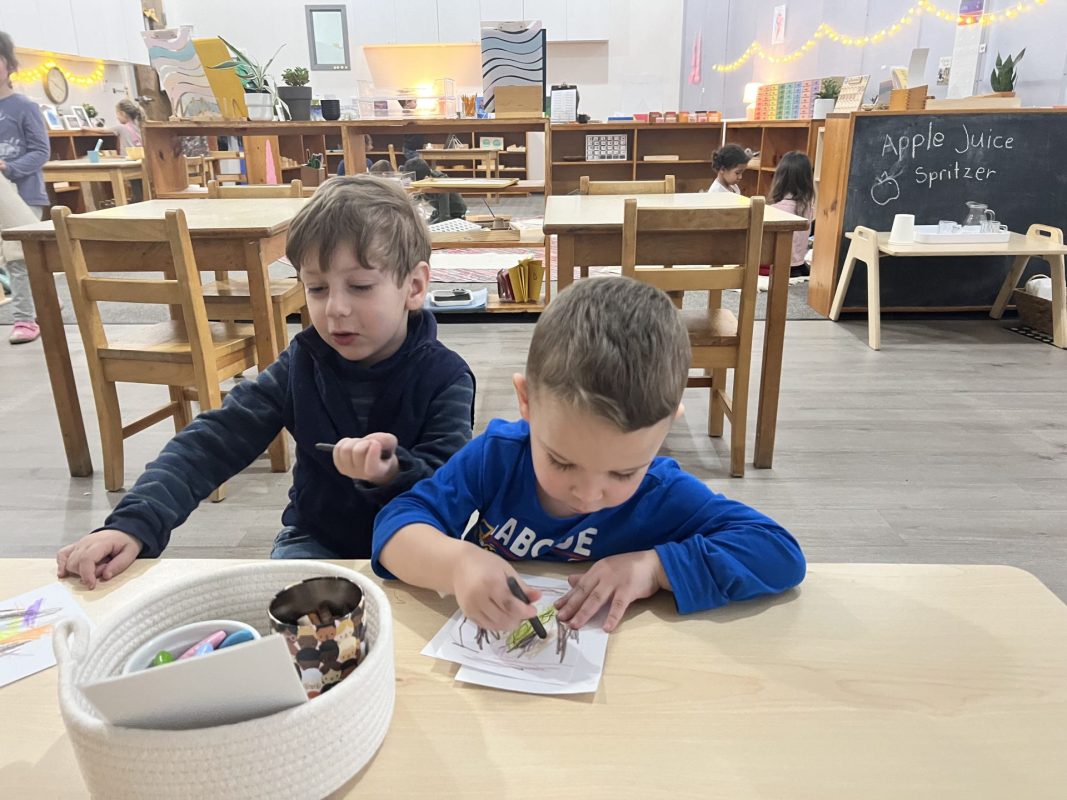
Welcome to our pumpkin patch!  There are pumpkins everywhere in our class. Having pumpkins in the classroom provides many opportunities for the children to observe and introduce basic science and math concepts.

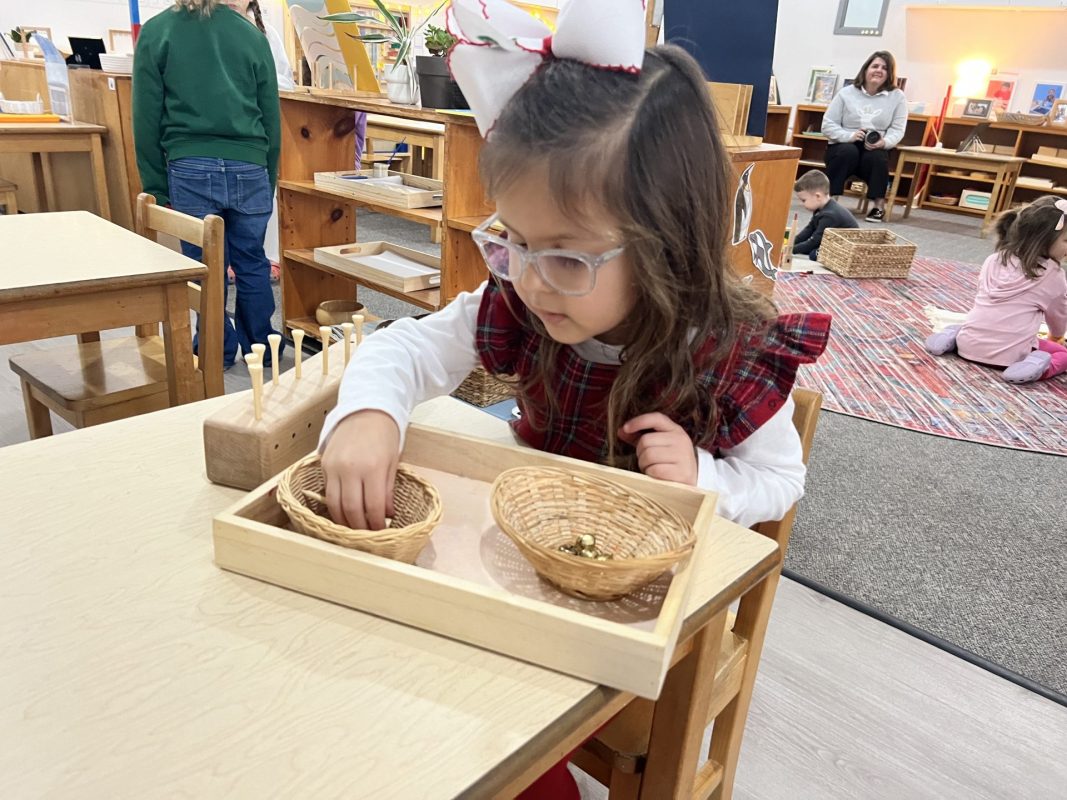
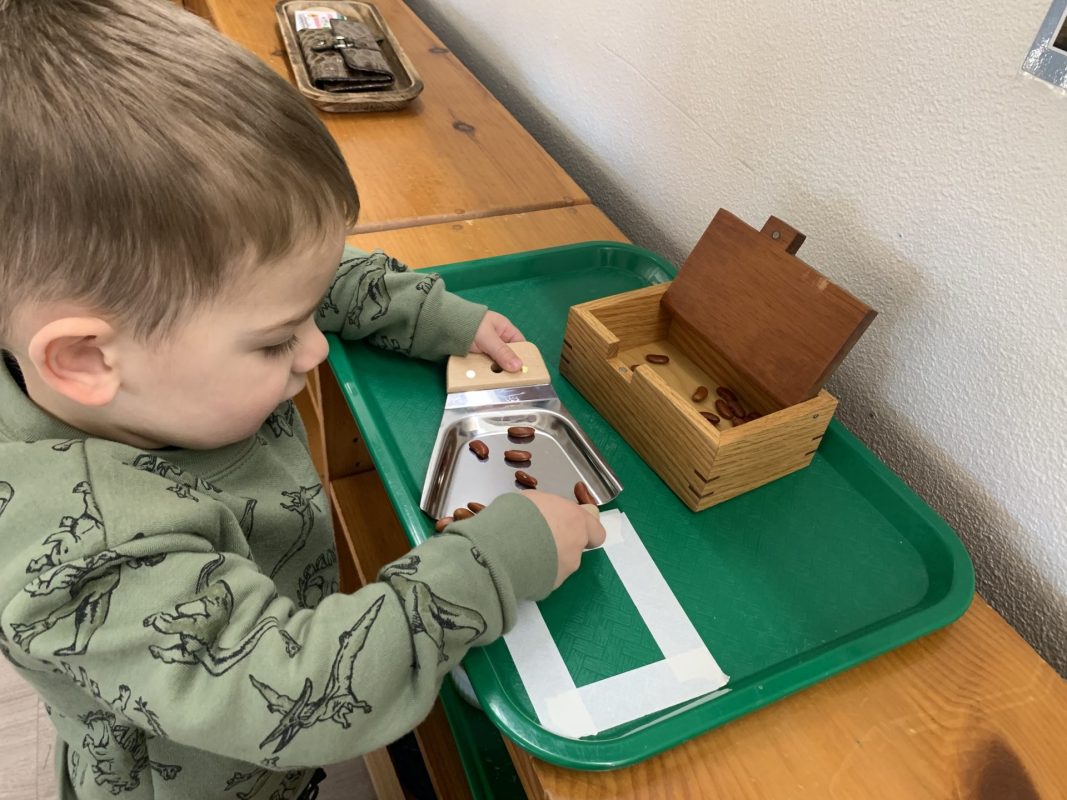
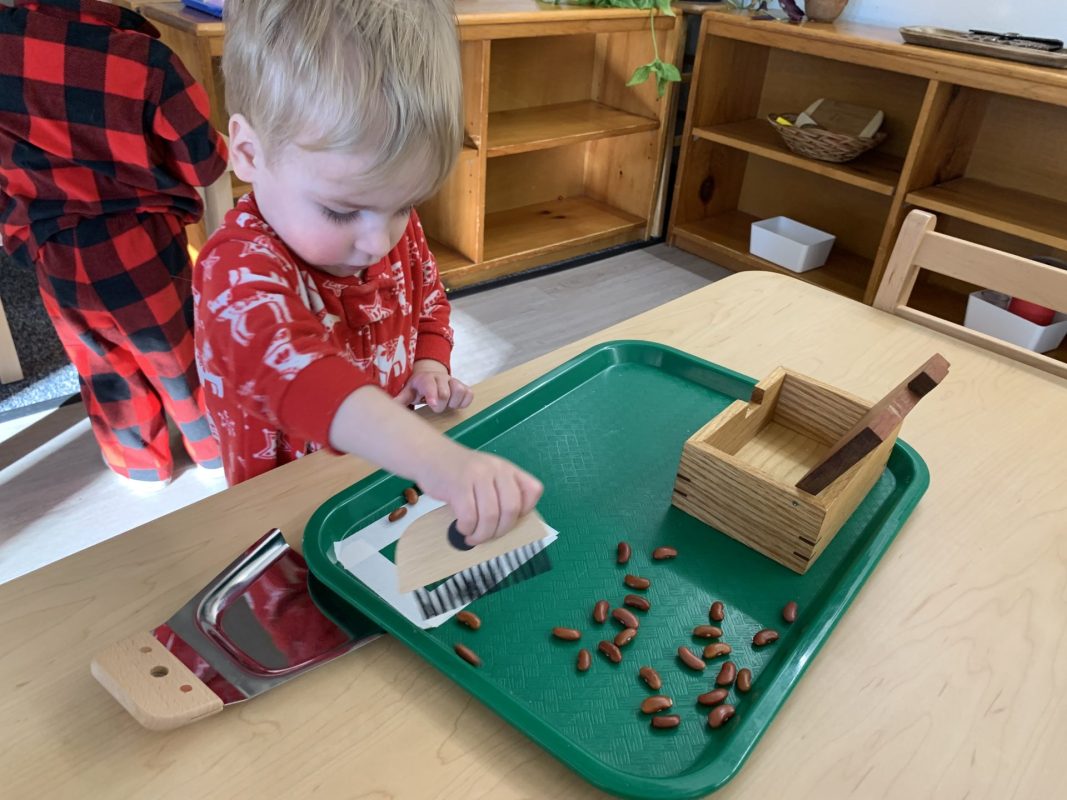
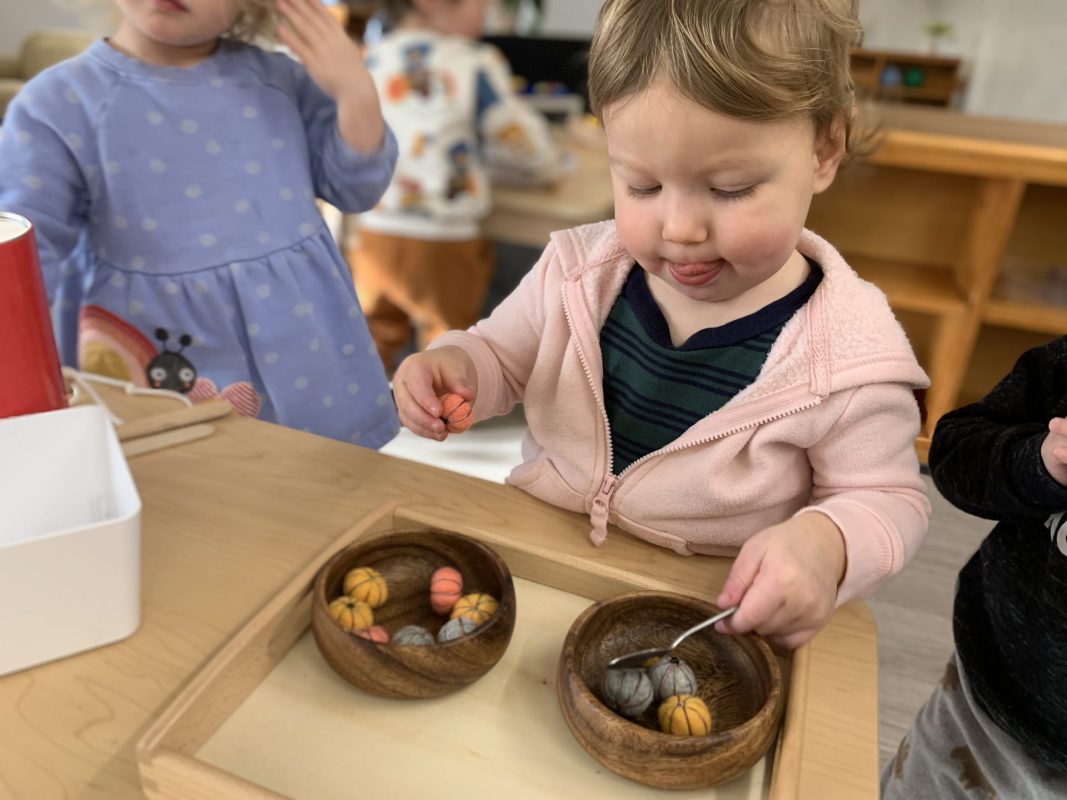
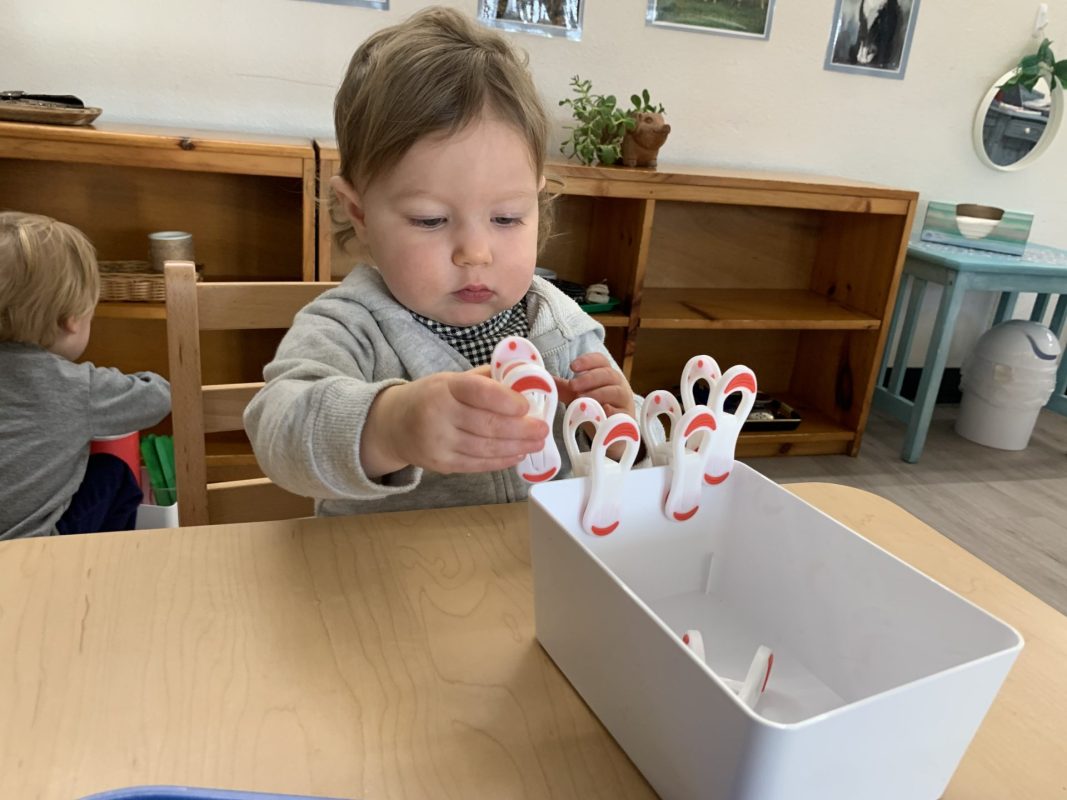
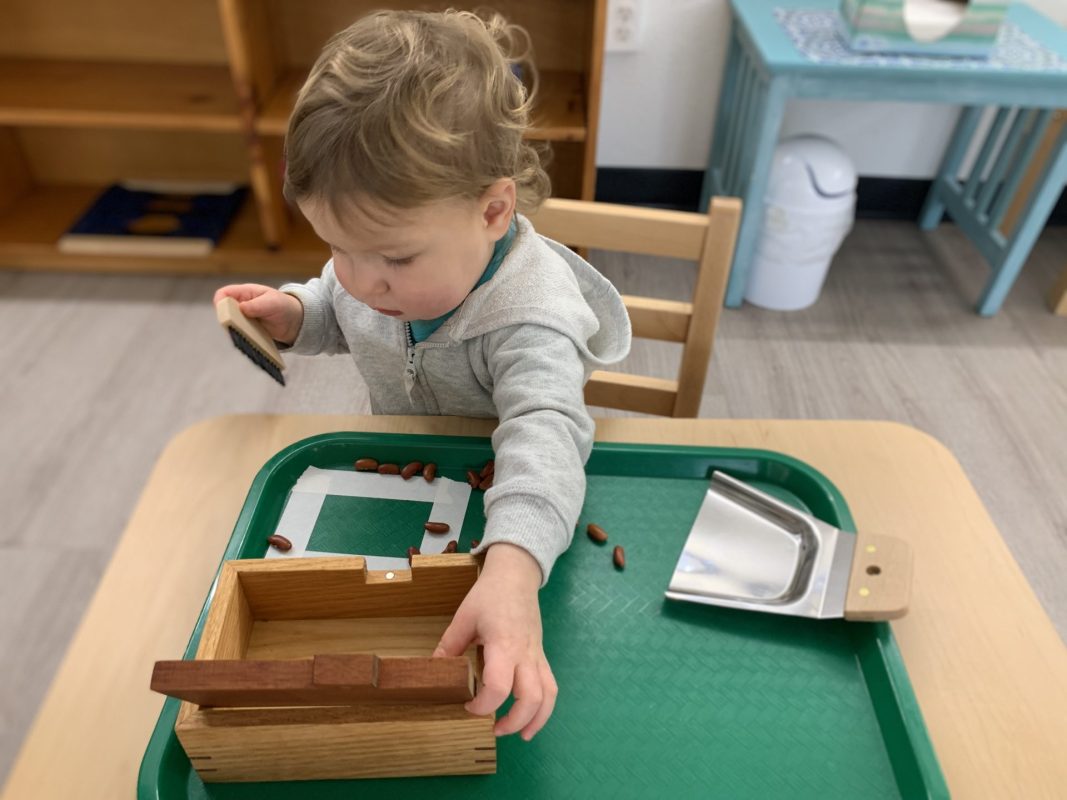
In Practical Life, we have pumpkin spooning, pumpkin pouring, pumpkin scrubbing, and pumpkin grasping. In Science, we learned about the parts of a pumpkin and the pumpkin’s life cycle. We compared pumpkins and categorized them as small, medium, and large. We are using our five senses to determine what pumpkins look, smell, feel, sound, and taste like.

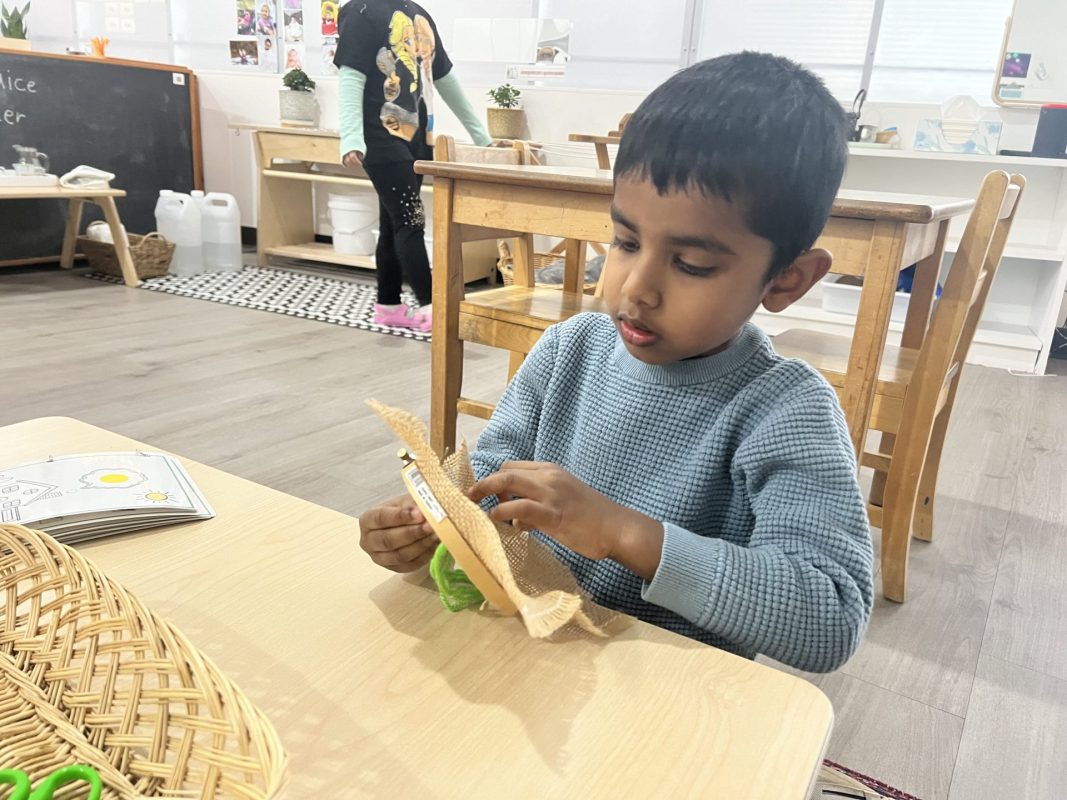
On Tuesday, we had a small in-class Harvest Celebration where each child had the opportunity to visit our “pumpkin patch” and pick their own pumpkin, make a yarn spider web, and have a fun snack.  Last but not least, meet Skelly, our veggie skeleton prepared by the kindergarten students.  It is always so wonderful to hear the children say they don’t like this vegetable or that one and then devour all of it! All of this was possible because of parents helping behind the scenes.  A huge shout out to everyone for sharing their time and energy with us to provide these wonderful opportunities for the children. We are very grateful and truly blessed.

Wishing you a week filled with peace and love.

Marissa & Sue


Mrs. Sargeant: A Peek at the Week

We were so fortunate to have such a gorgeous day for our pumpkin-picking event in the Zen garden last week. The children rode in wagons pulled by middle school students. After the wagon ride, the children were thrilled to go out to the Zen garden, which had been transformed into a pumpkin patch. The children were delighted to explore, mesmerized by all the things they could pick up and touch. It’s hard to say if they were more interested in the pumpkins or the tiny stones that cover the floor of the Zen garden- but we made sure everyone left with a pumpkin!

On Halloween, we were invited to the field to attend the upper school’s costume parade. Our toddlers were a captive audience as the older students marched around the field several times, waving to them.

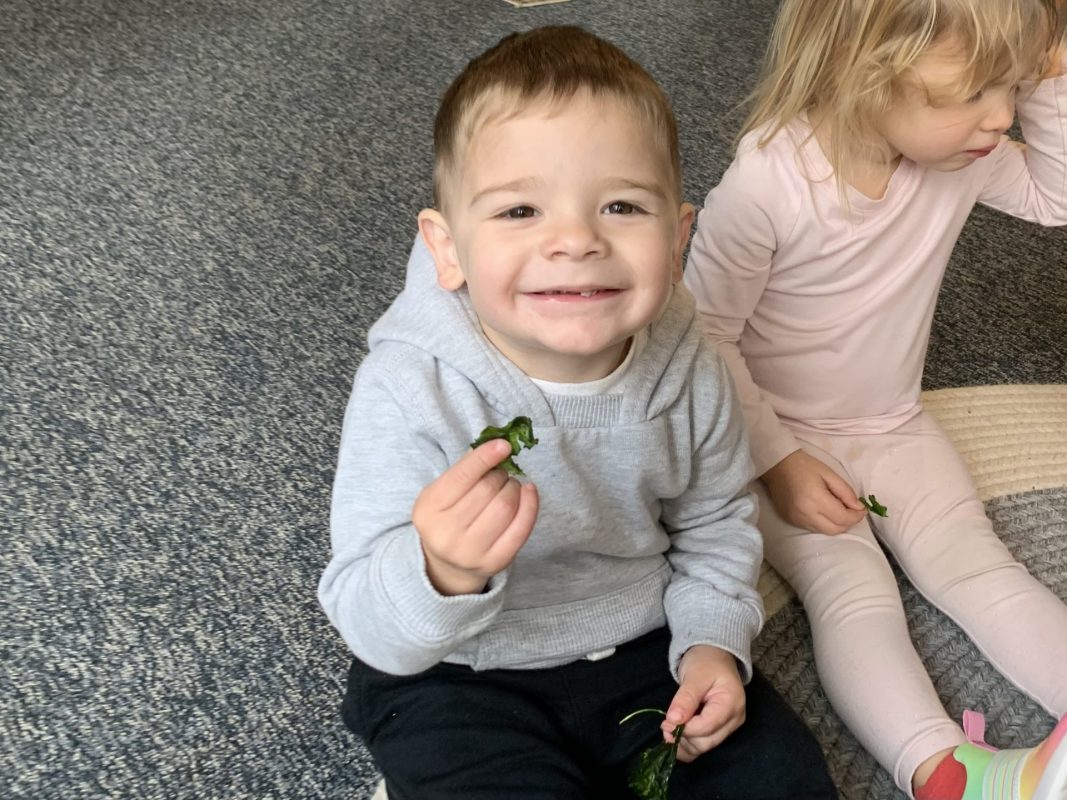
In addition to blueberry muffins and apple cider this week, we tasted pears, which the children loved. If you don’t have pears in the house, I’d definitely suggest adding them to your grocery list this week!

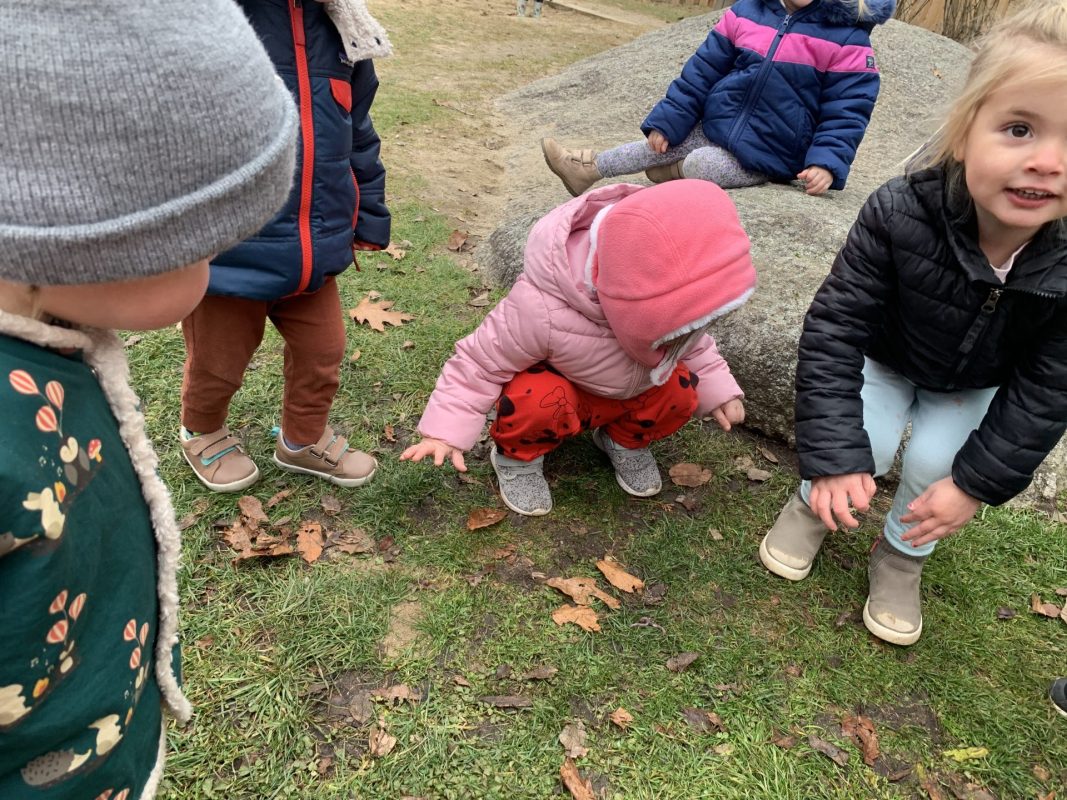
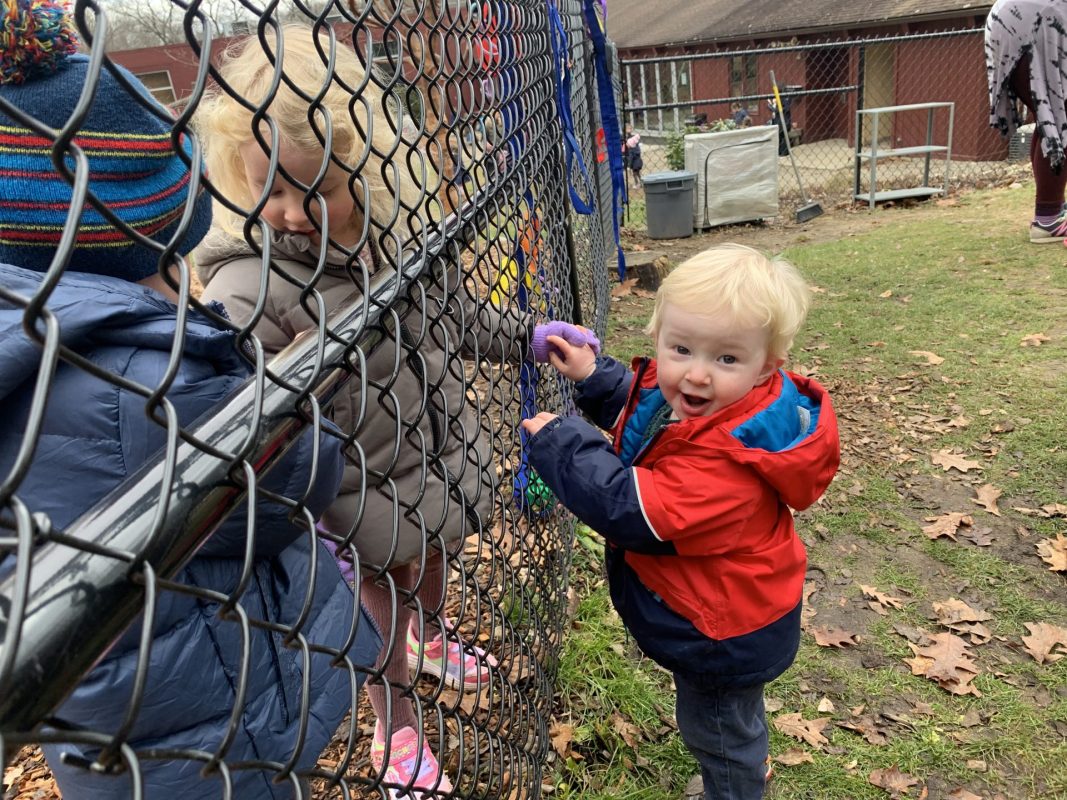
Many of us participated in a missing boot adventure on the playground one day. Our friend lost his yellow boot somewhere in the leaves. It was a fun hunt for the boot, which was very tricky to find as it was camouflaged in the yellow leaves! We worked as a team and noticed the variety of colored leaves that had fallen from the trees – and even found a few acorns.

I will include a song that we have been singing daily since the first week of school. Despite learning new songs and moving from apples into pumpkins, the children request this song every single day! We use numbered apples with Velcro on a tree and subtract an apple after each verse. The children enjoy watching the tree become ‘bare’ or empty. Enjoy!

We hope you all enjoy this first November weekend with your families,

Christine and Lizette


Mrs. Doyle: Welcome To Our Pumpkin Patch

Welcome to our pumpkin patch!  There are pumpkins everywhere in our class. Having pumpkins in the classroom provides many opportunities for the children to observe and introduce basic science and math concepts.

In Practical Life, we have pumpkin spooning, pumpkin pouring, pumpkin scrubbing, and pumpkin grasping. In Science, we learned about the parts of a pumpkin and the pumpkin’s life cycle. We compared pumpkins and categorized them as small, medium, and large. We are using our five senses to determine what pumpkins look, smell, feel, sound, and taste like.

On Tuesday, we had a small in-class Harvest Celebration where each child had the opportunity to visit our “pumpkin patch” and pick their own pumpkin, make a yarn spider web, and have a fun snack.  Last but not least, meet Skelly, our veggie skeleton prepared by the kindergarten students.  It is always so wonderful to hear the children say they don’t like this vegetable or that one and then devour all of it! All of this was possible because of parents helping behind the scenes.  A huge shout out to everyone for sharing their time and energy with us to provide these wonderful opportunities for the children. We are very grateful and truly blessed.

Wishing you a week filled with peace and love.

Michelle & Maria


Mrs. Lopes: Welcome to Our Pumpkin Patch

Welcome to our pumpkin patch!  There are pumpkins everywhere in our class. Having pumpkins in the classroom provides many opportunities for the children to observe and introduce basic science and math concepts.

In Practical Life, we have pumpkin spooning, pumpkin pouring, pumpkin scrubbing, and pumpkin grasping. In Science, we learned about the parts of a pumpkin and the pumpkin’s life cycle. We compared pumpkins and categorized them as small, medium, and large. We are using our five senses to determine what pumpkins look, smell, feel, sound, and taste like.

On Tuesday, we had a small in-class Harvest Celebration where each child had the opportunity to visit our “pumpkin patch” and pick their own pumpkin, make a yarn spider web, and have a fun snack.  Last but not least, meet Skelly, our veggie skeleton prepared by the kindergarten students.  It is always so wonderful to hear the children say they don’t like this vegetable or that one and then devour all of it! All of this was possible because of parents helping behind the scenes.  A huge shout out to everyone for sharing their time and energy with us to provide these wonderful opportunities for the children. We are very grateful and truly blessed.

Wishing you a week filled with peace and love.

Amanda & Hema

Mrs. Sargeant: A Peek at the Week


With autumn in the air, we have been taking advantage of pumpkin-related activities. This week, the children have been enjoying pumpkin scrubbing, and pumpkin hammering.

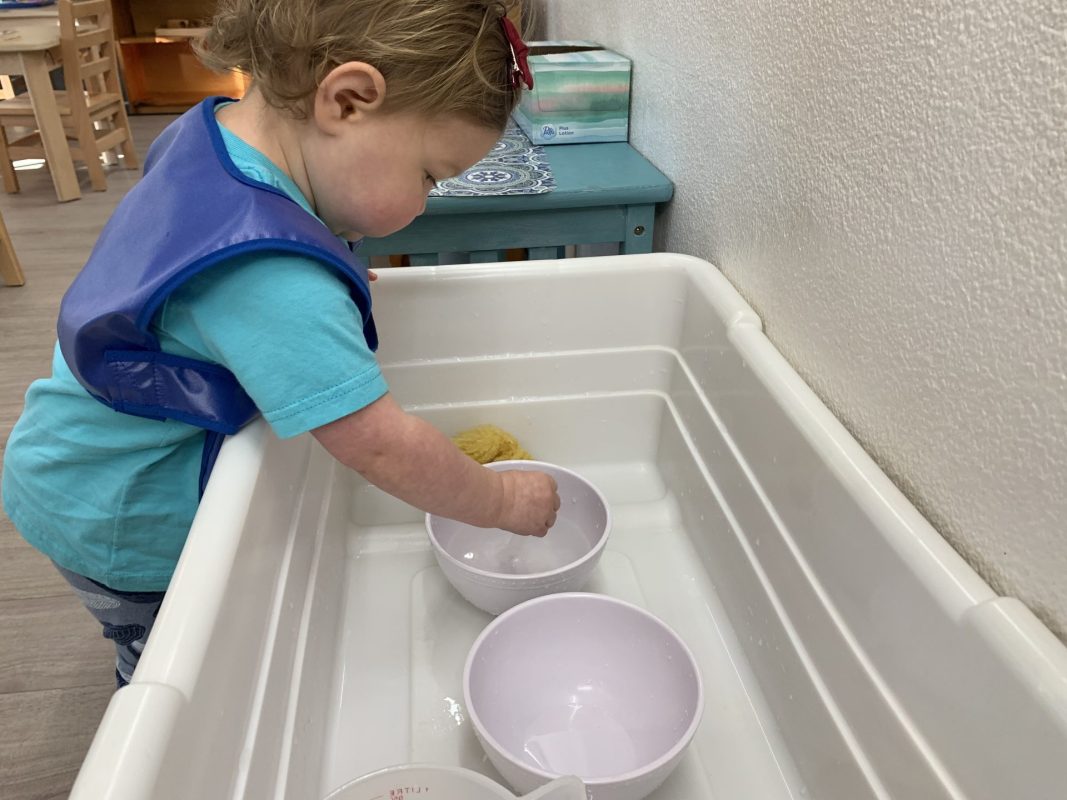
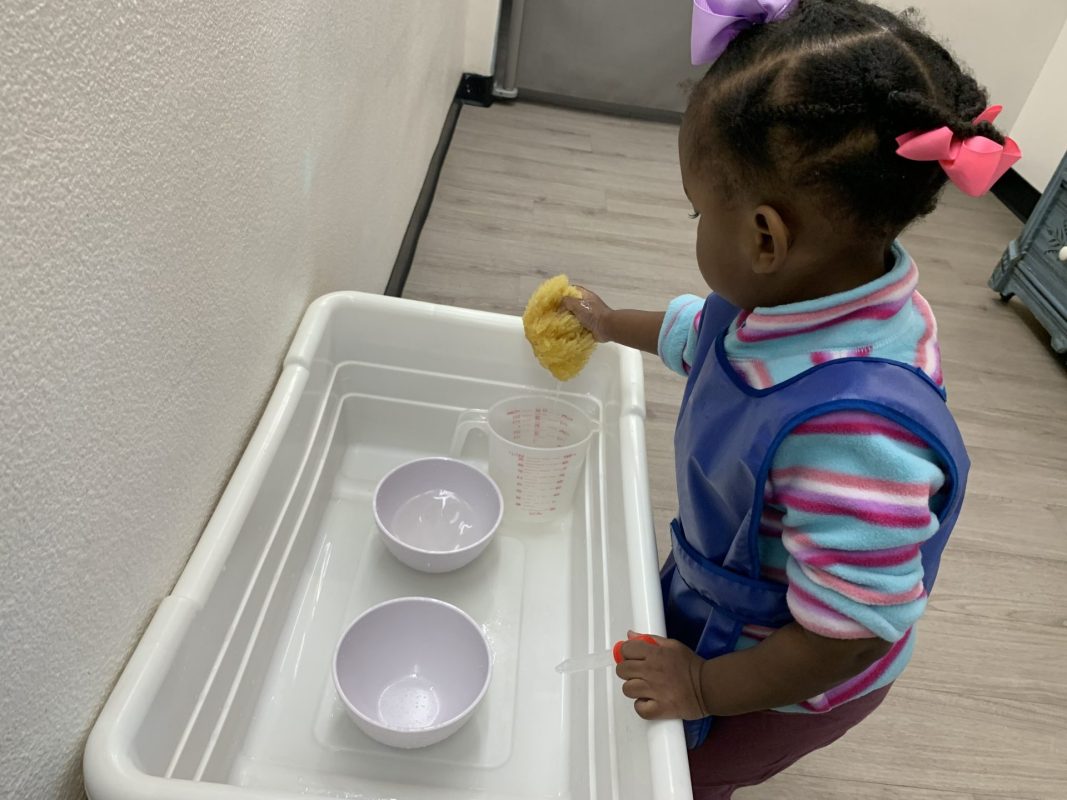
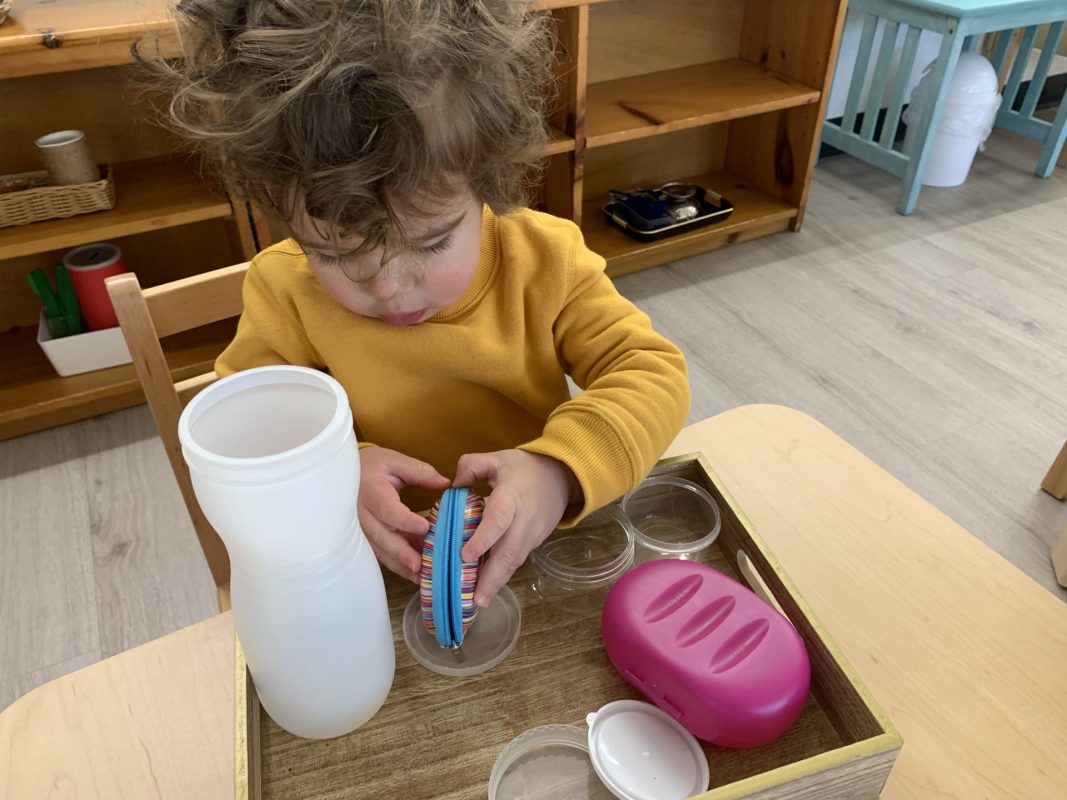
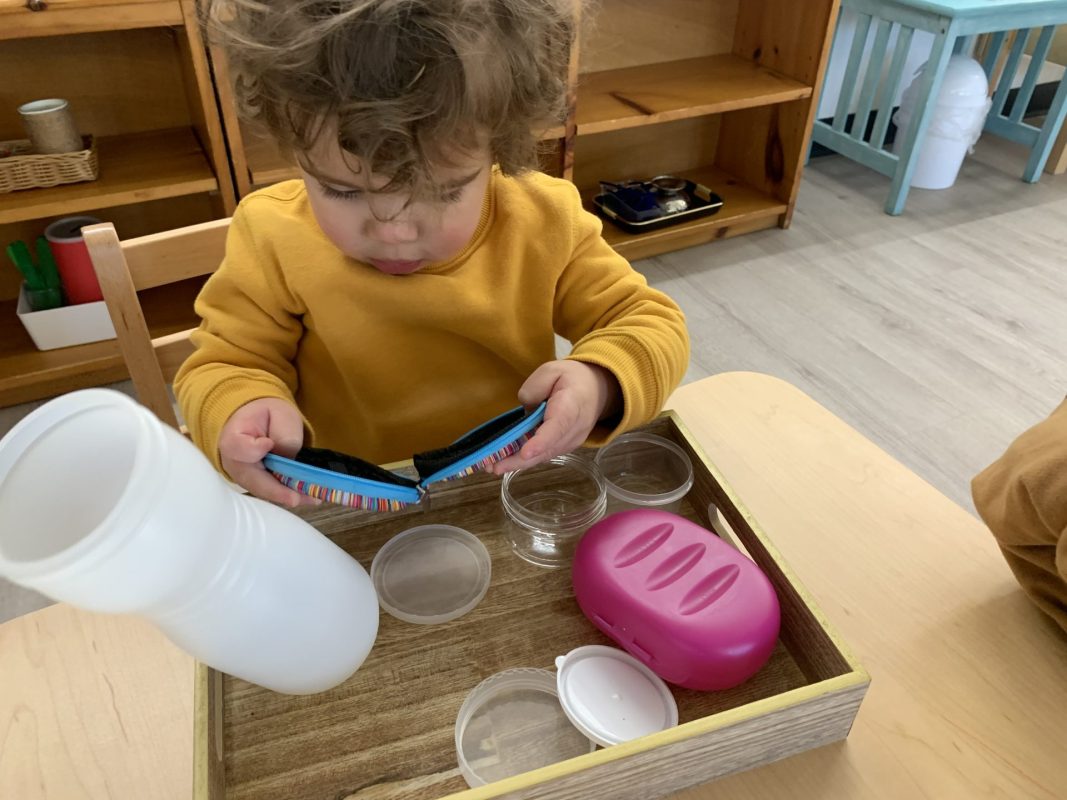
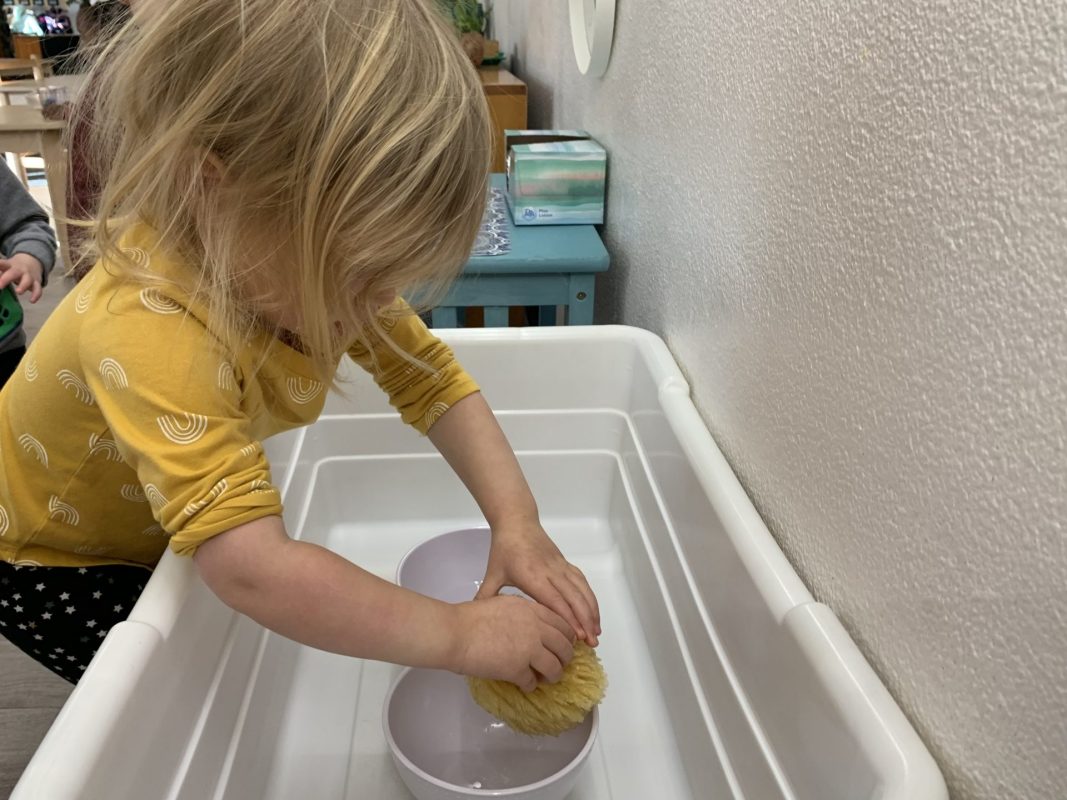
Pumpkin scrubbing is a multi-step practical life activity which the children love. They start by rolling up their sleeves, then putting an apron on over their head, securing the velcro, turning the water on, scrubbing the pumpkin, (as they delight in observing the bubbles form from the soap), turning the water off, drying the pumpkin, and finally removing the apron. They also have the opportunity to use a sponge to remove the dirty soap bubbles. This activity strengthens the muscles in the hands and fingers, in addition to building concentration and independence.
Pumpkin hammering requires a great deal of hand-eye coordination. We use a wooden mallet to hammer golf tees into a pumpkin. When the children are finished, they remove the tees with their fingers – which is quite a challenge – in order to make the activity ready for the next person.

One new song that we have been singing, which has become a fast favorite, is Five Perfect Pumpkins by Stephanie Leavell.

We’re looking forward to next week’s pumpkin picking activity in the Zen garden, which our Middle School friends will help us with. Thank you all for providing the decorations, wagons, pumpkins, and snack – we couldn’t do this without your participation.

Continue reading “Mrs. Sargeant: A Peek at the Week”


Mrs. Lopes: The Three Period Lesson

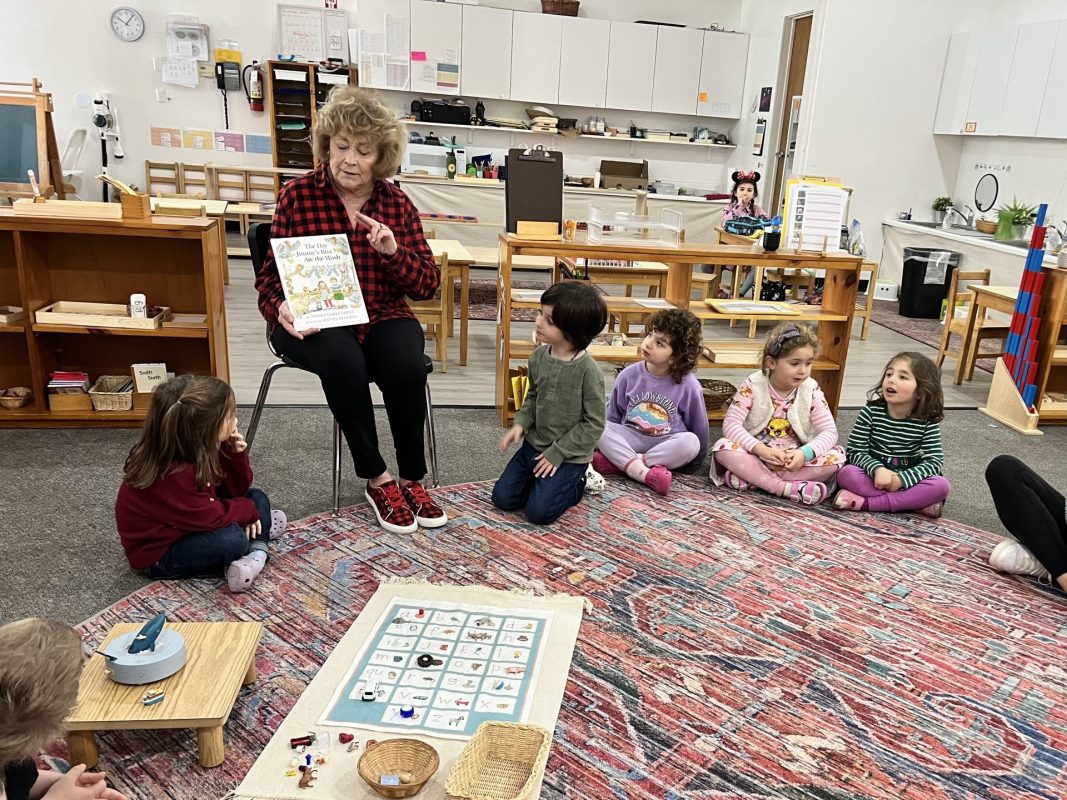
When we introduce new concepts or materials to the children, we often do so using a three-period lesson. This is an important tenet of Montessori education and it helps to move the child from basic understanding of a concept to mastery.

Period One is the introduction stage. In this stage we are isolating new vocabulary to the children. For example, if we are introducing the color tablets, we say, “This is blue.”  Repeating that statement and allowing the child to manipulate the blue color tablet are crucial during this stage.

Period Two is all about association and recognition. It is often a separate lesson. We do not ask the children to remember the vocabulary or recall the concept.  We are simply reinforcing the concept taught in Period One. We use words such as “Show me the blue tablet,” or “Can you place the blue tablet on your lap?”

Period Three is the recall stage and the first time we ask the child to remember the concept independently. We ask them, “What is this?” when showing them the blue color tablet. We are careful not to begin Period Three until we know they are ready for success.

Every time a child masters a new concept it builds the foundation for the next lesson or concept to be taught.

On Monday, the Kindergarten children had the opportunity to visit New Pond Farm in Redding.  We had a wonderful time walking around and learning about the different animals that live on the farm. We met Sugar the cow and her newborn calf, chickens, pigs, and sheep.  The highlight of our field trip was when the children used previously shorn fleece, washed and combed it and then made a bracelet to keep.

Wishing you a week filled with peace and love!

Amanda & Hema