Mrs. Lopes: Do You Know the Seven Continents?

The Montessori approach to teaching Geography is unique and comprised of two components, physical geography and political geography, also known as Culture. From the beginning of the school year, we weave Geography lessons and terminology into our day as we learn about our physical world. The Geography materials are always fascinating to the children and are a springboard for wonderful discussions.

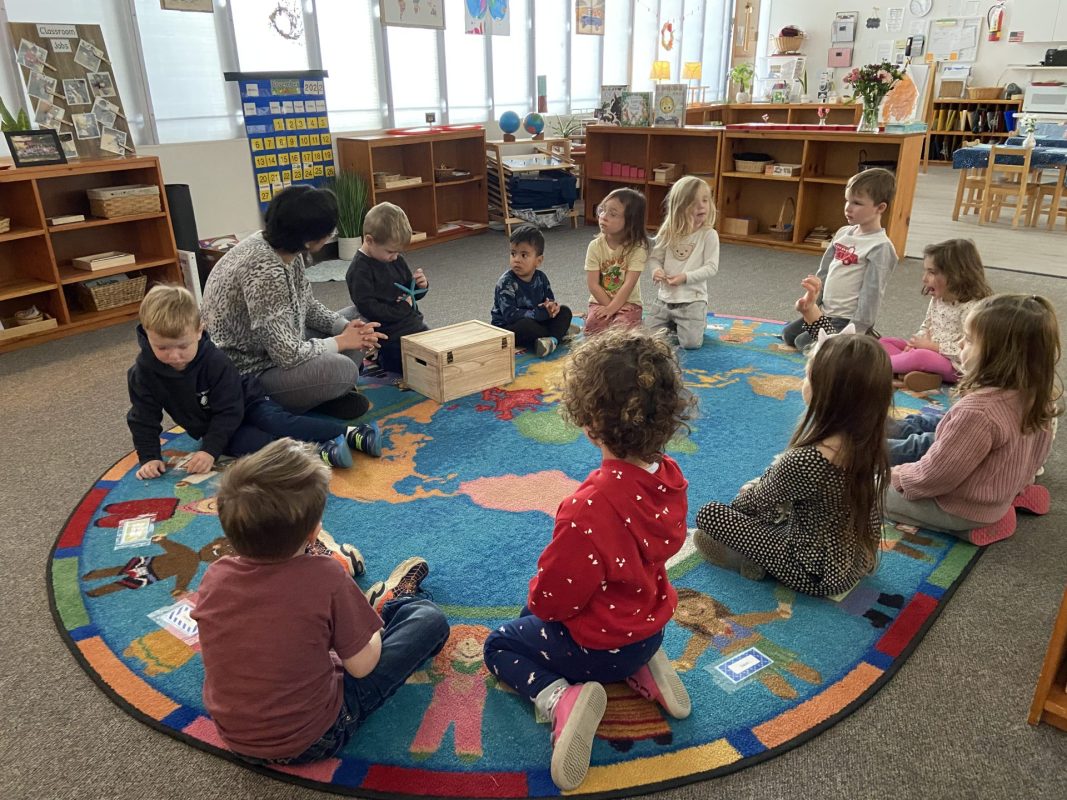
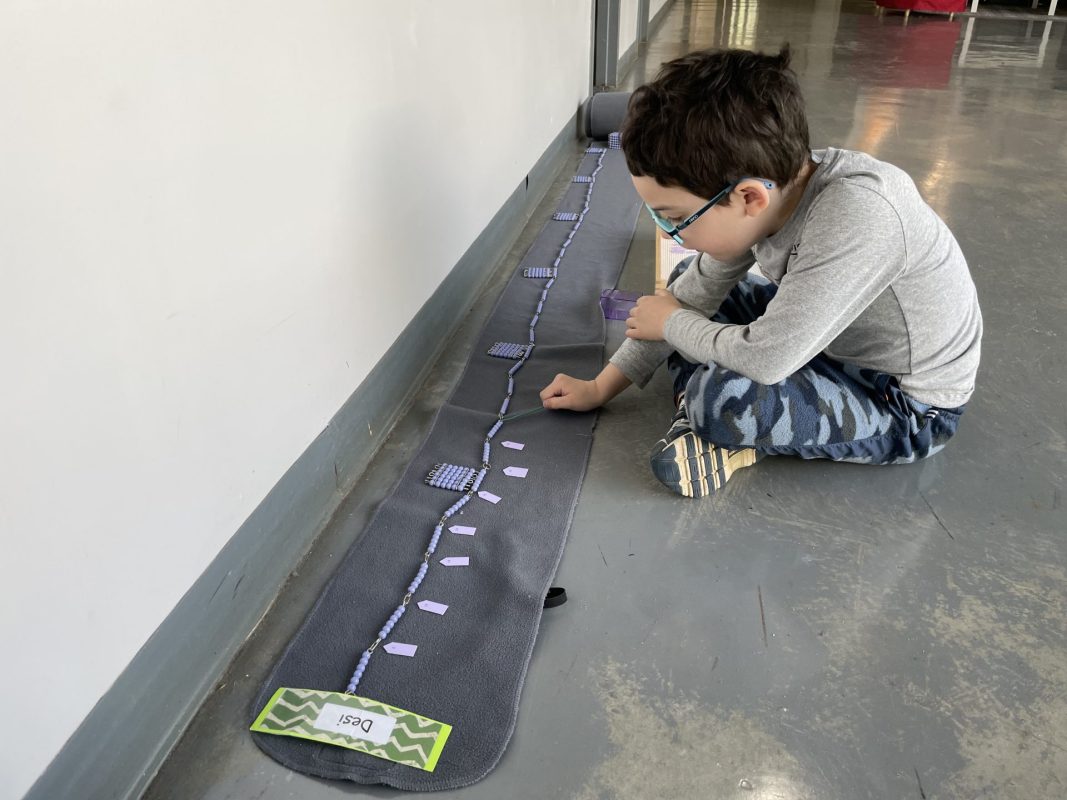
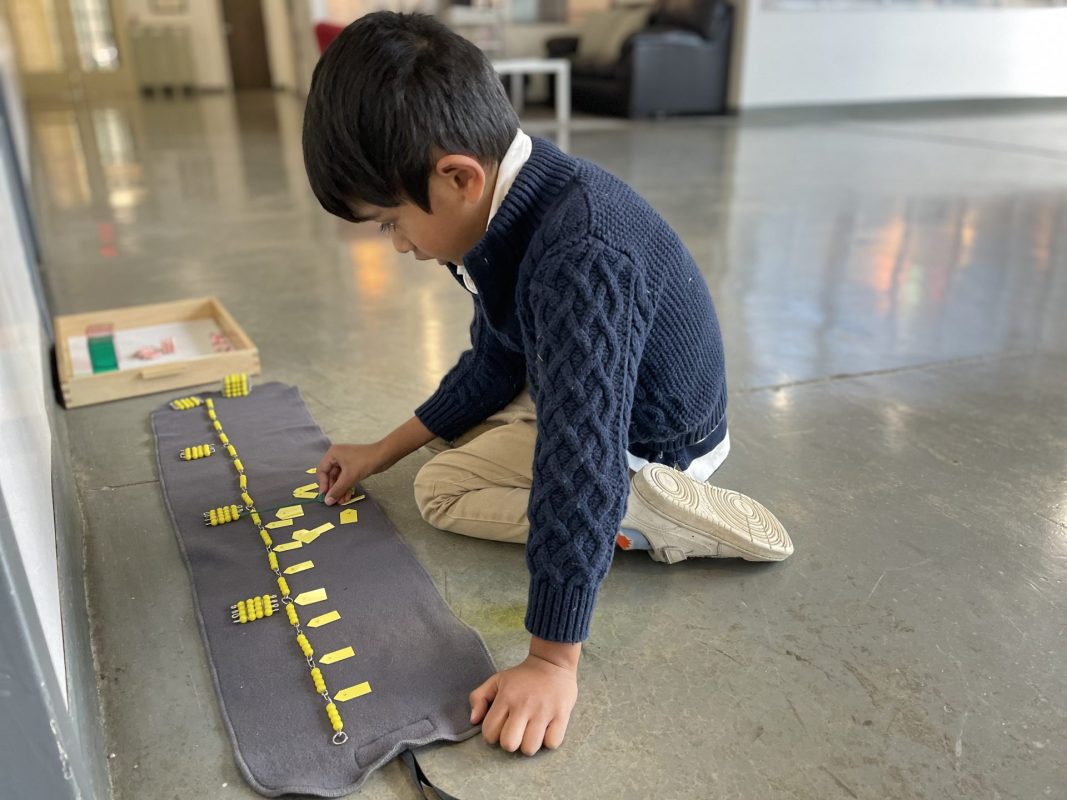
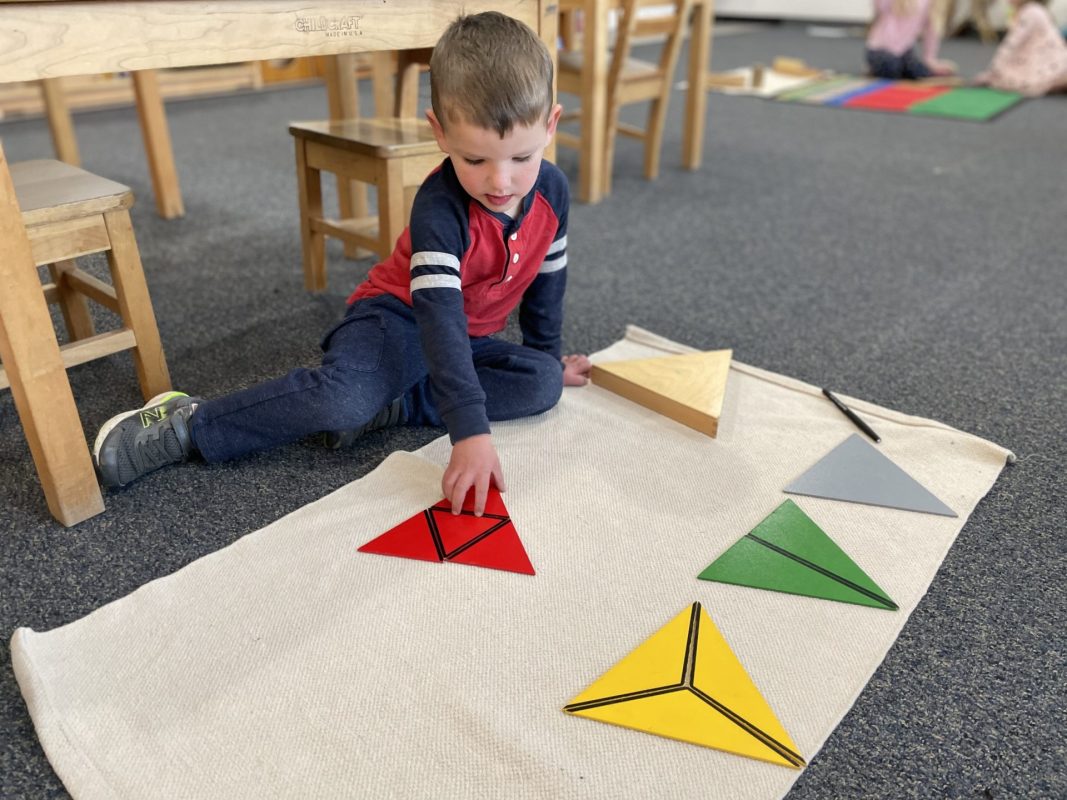
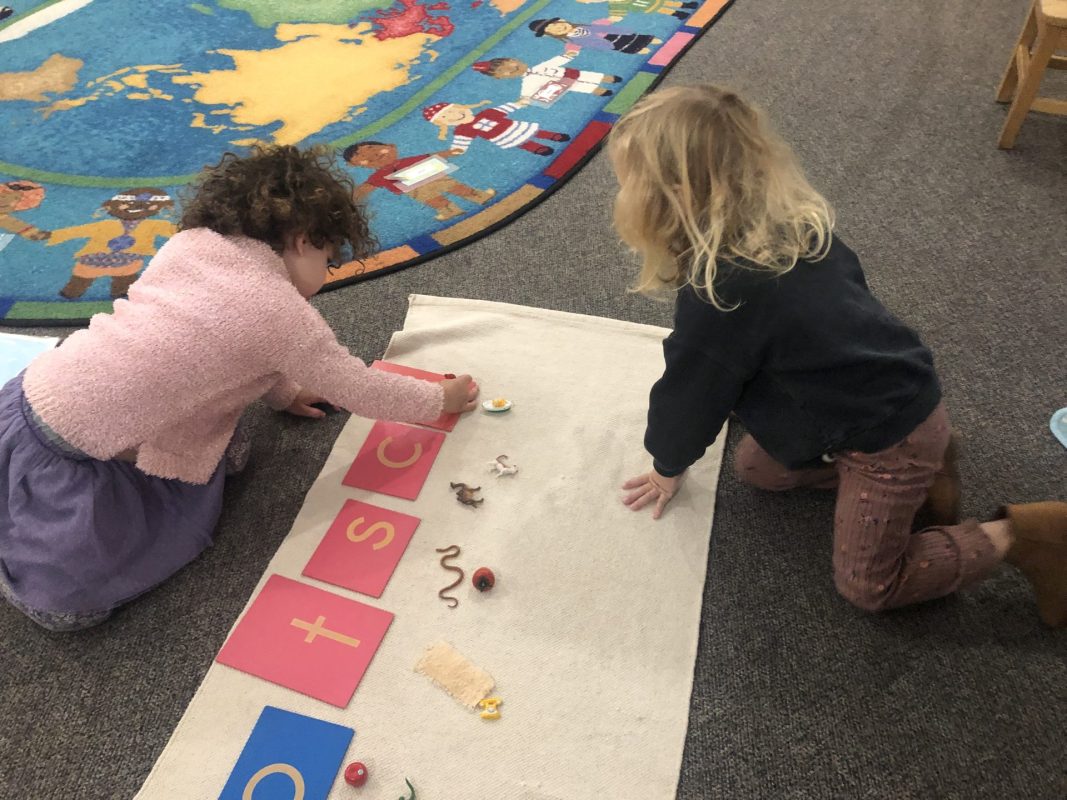
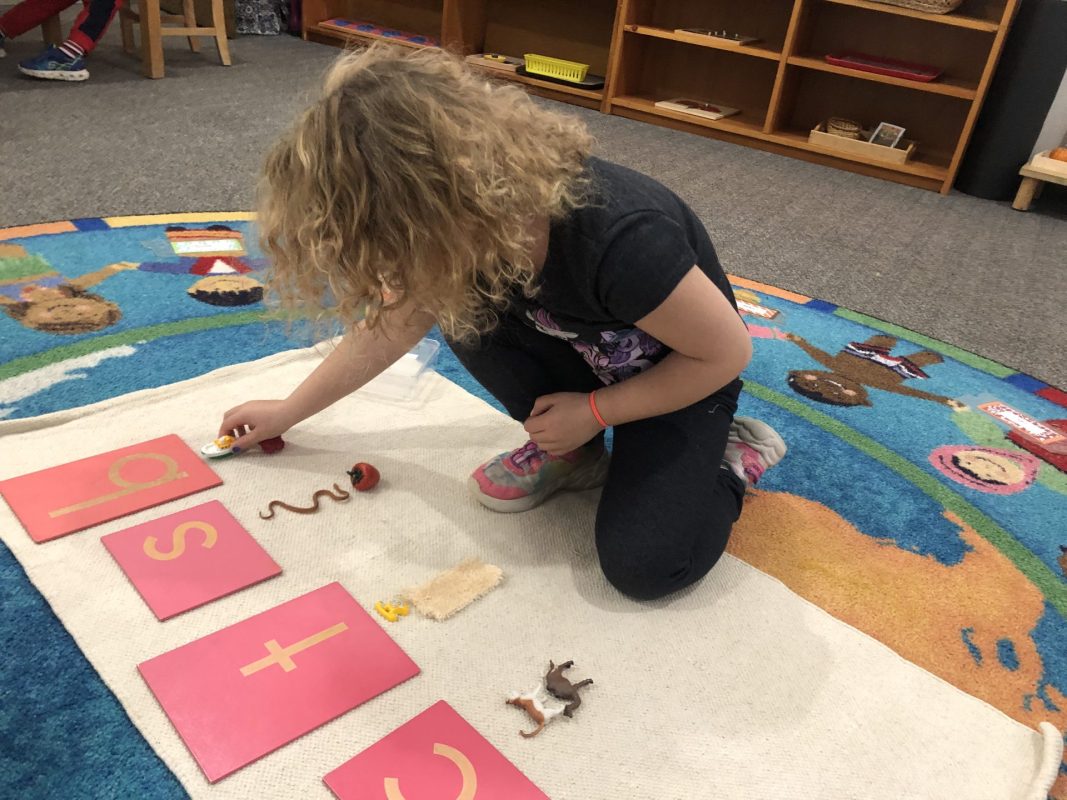
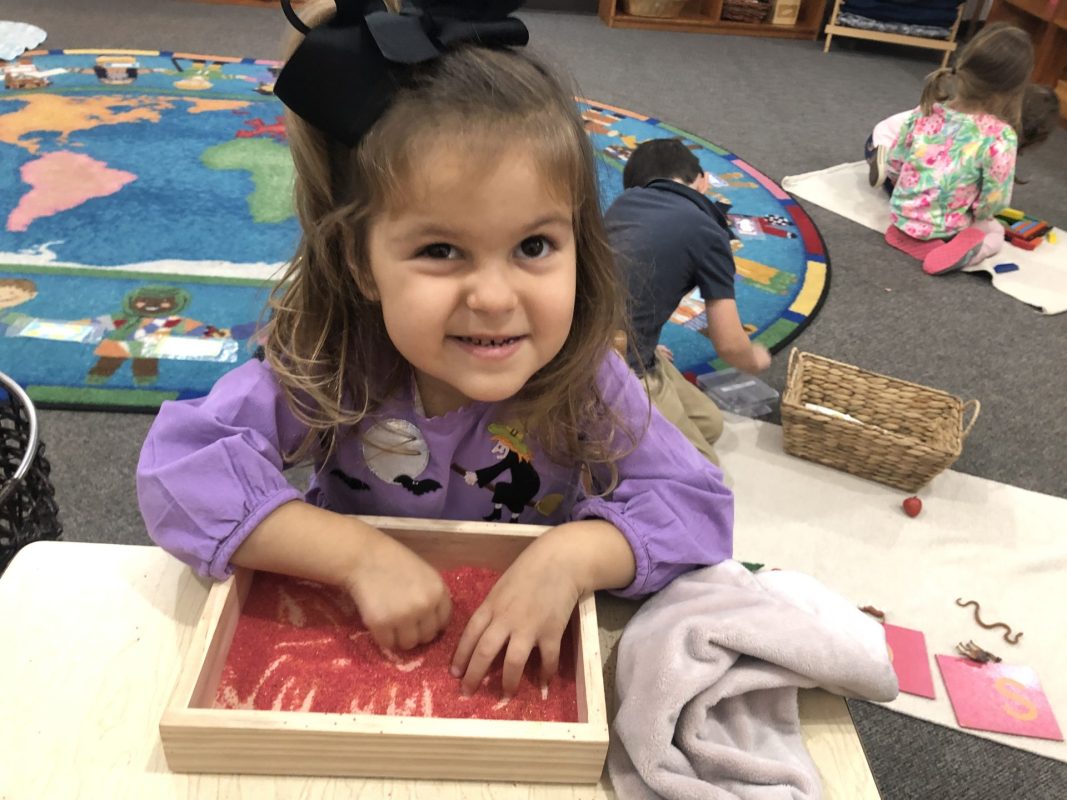
Early in our school year, we categorized the planet Earth into air, land, and water.  We then sorted what we would find in each of these different components of our world.  Next, we introduced the geometric solid known as a sphere to the children and compared it to the shape of the globe.  We start with a sandpaper globe that helps to distinguish land and water.  The colored globe comes next and we begin to teach the continent names.  We make a sphere out of play dough and cut it in half to help them visualize the concept of a hemisphere.  Simultaneously, the children are learning about land forms that introduce the concept of lake, island, bay, cape, peninsula, gulf, isthmus, strait, archipelago, and a system of lakes. These sensory experiences help the children learn about their physical world.

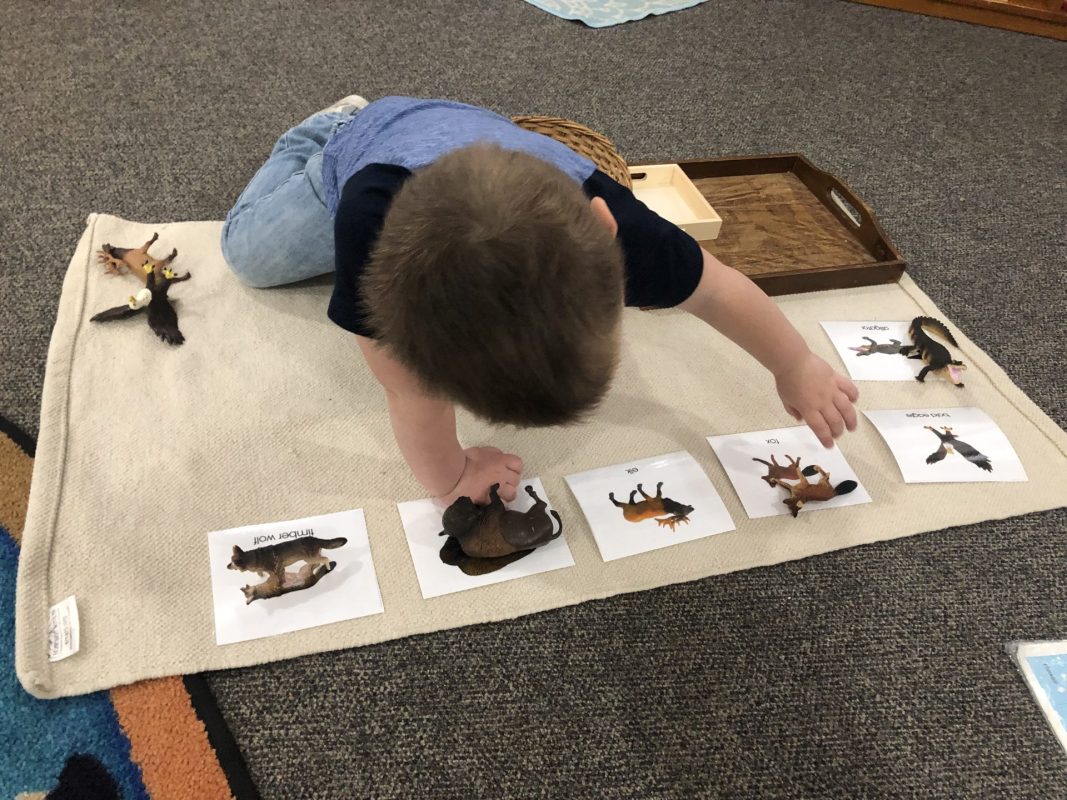
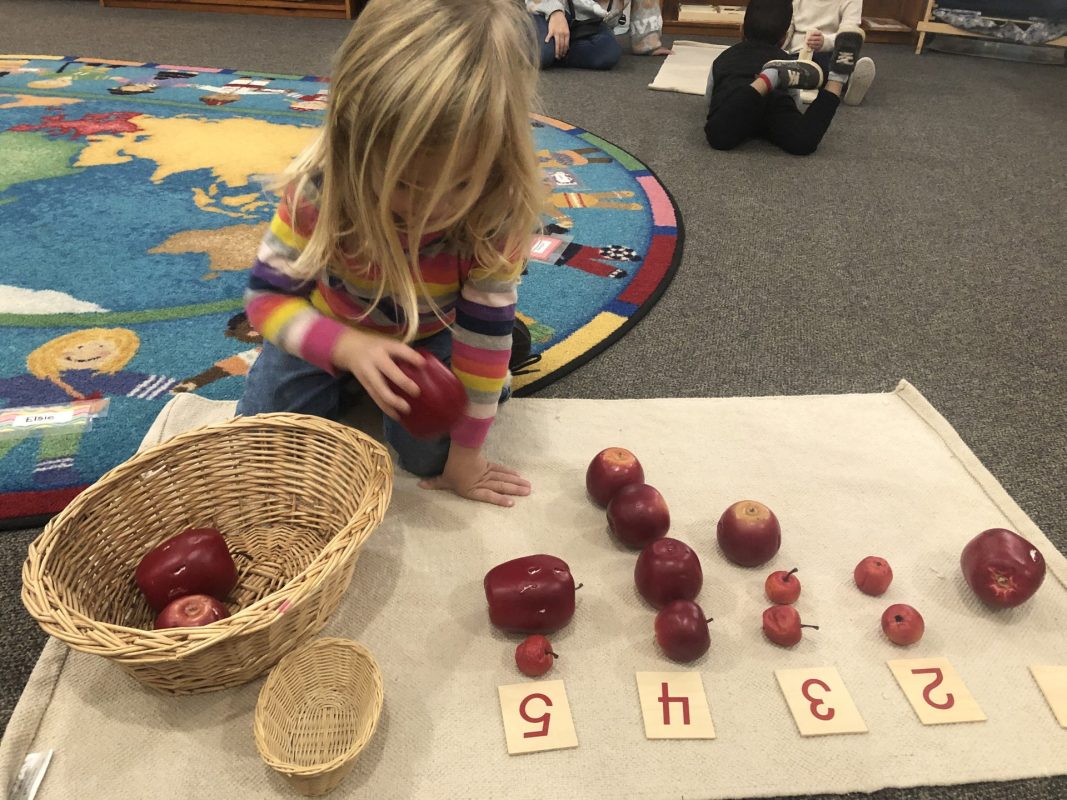
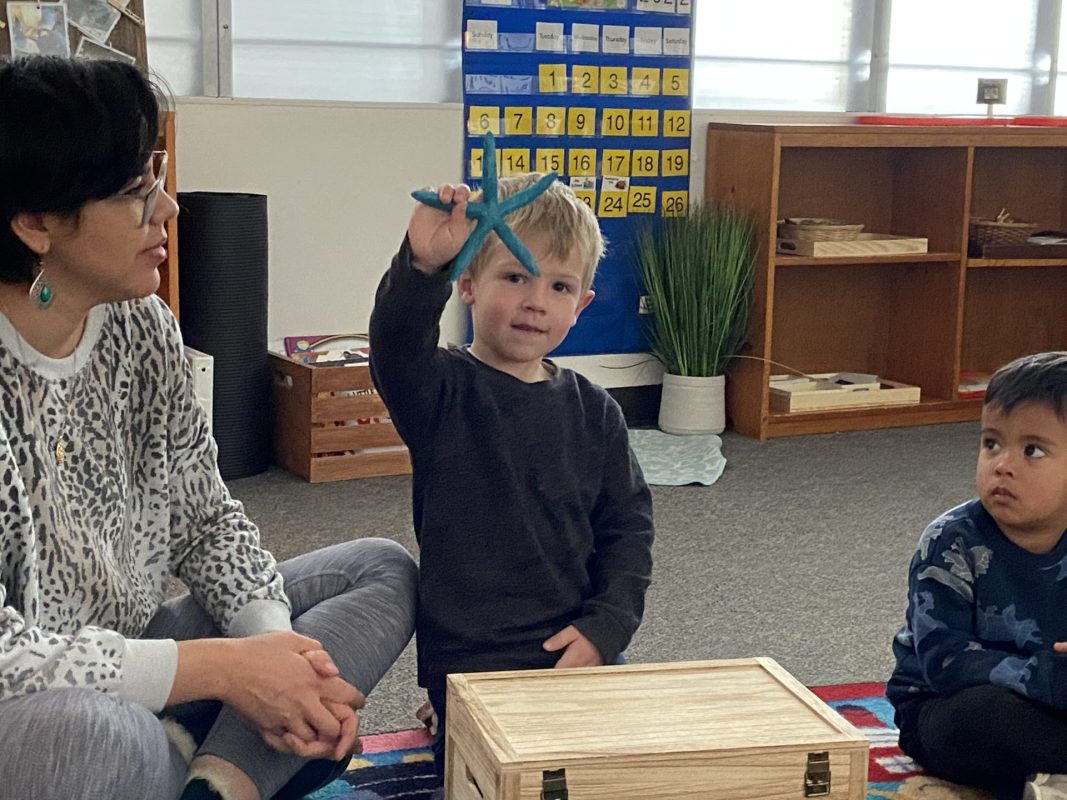
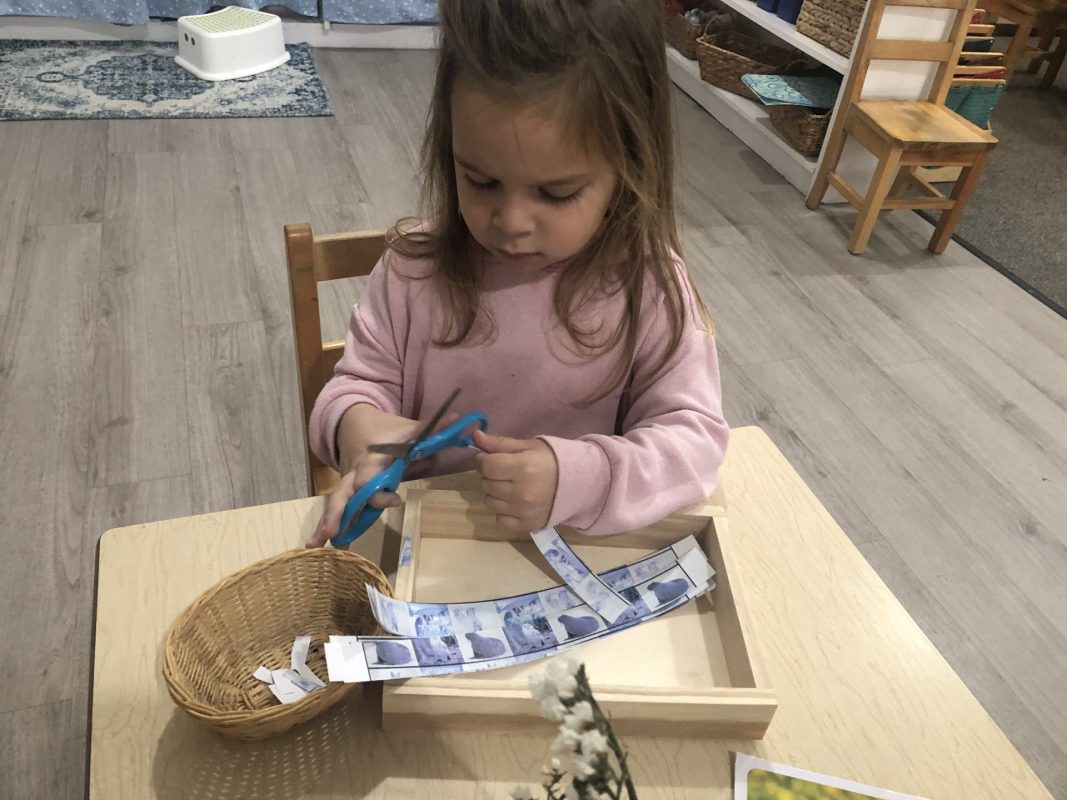
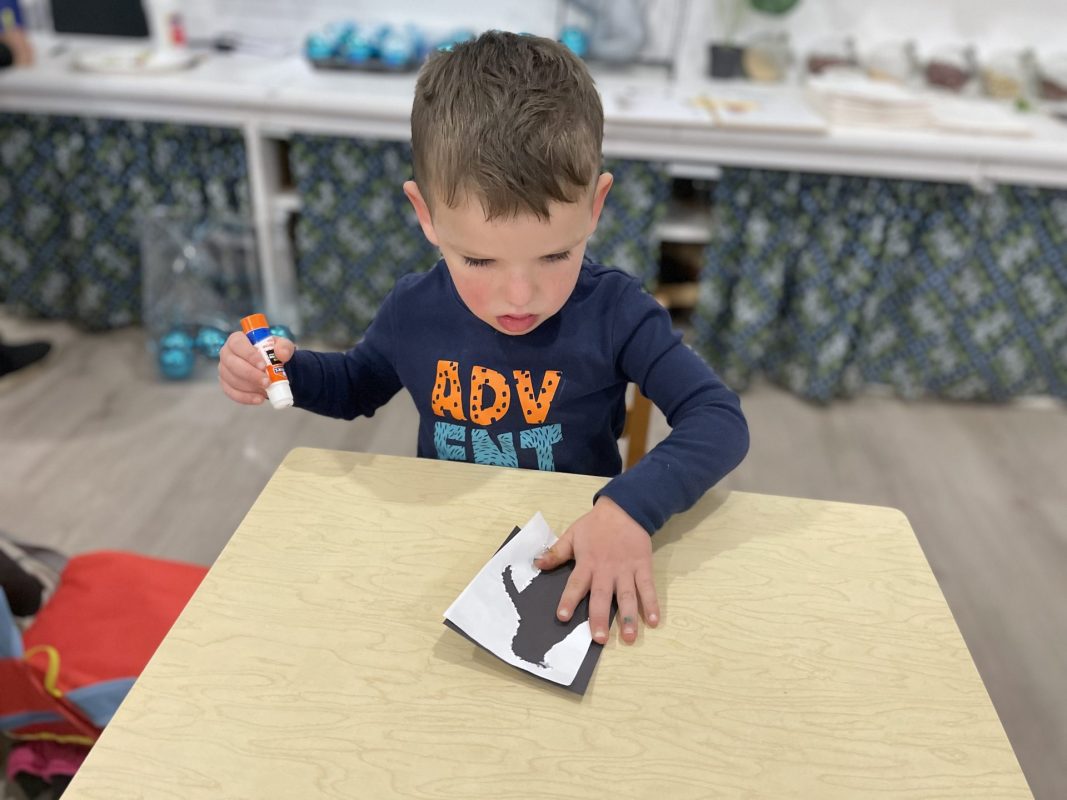
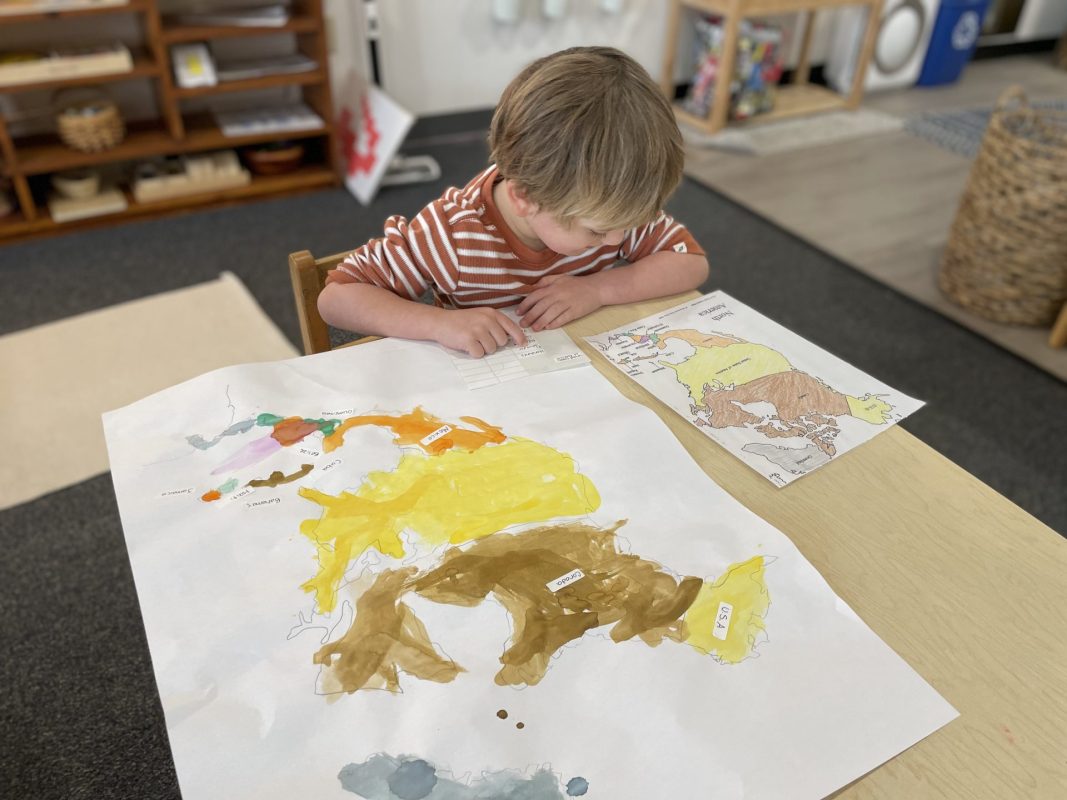
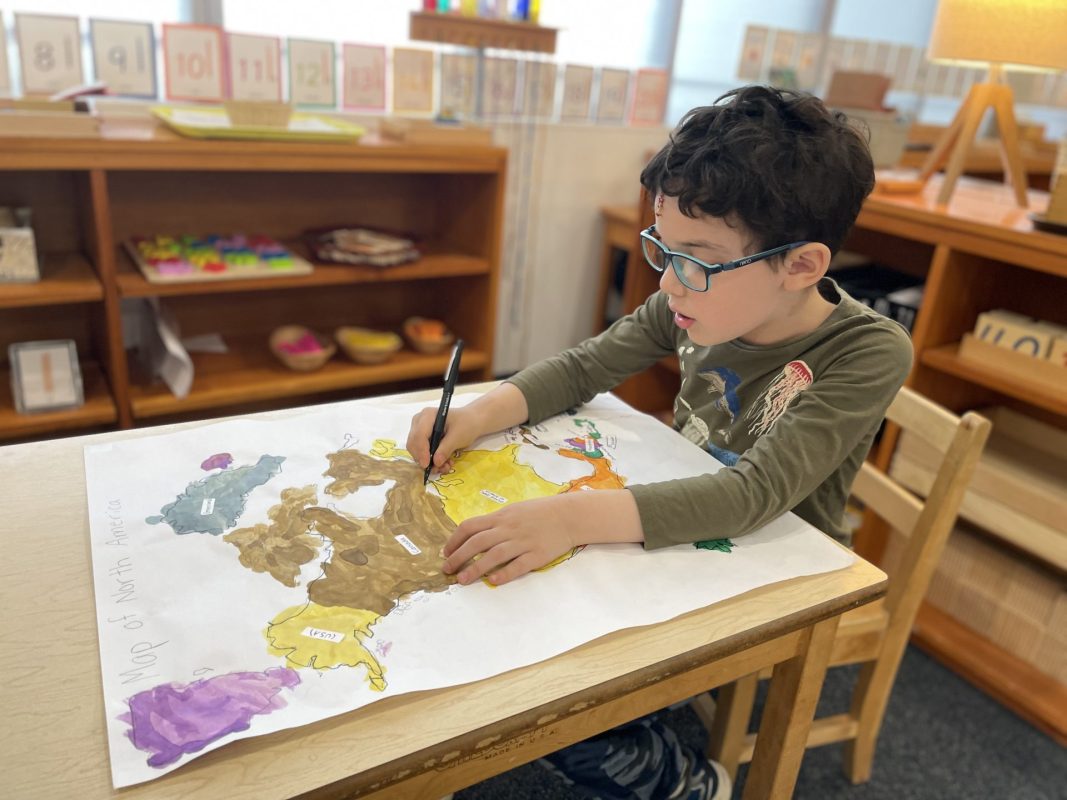
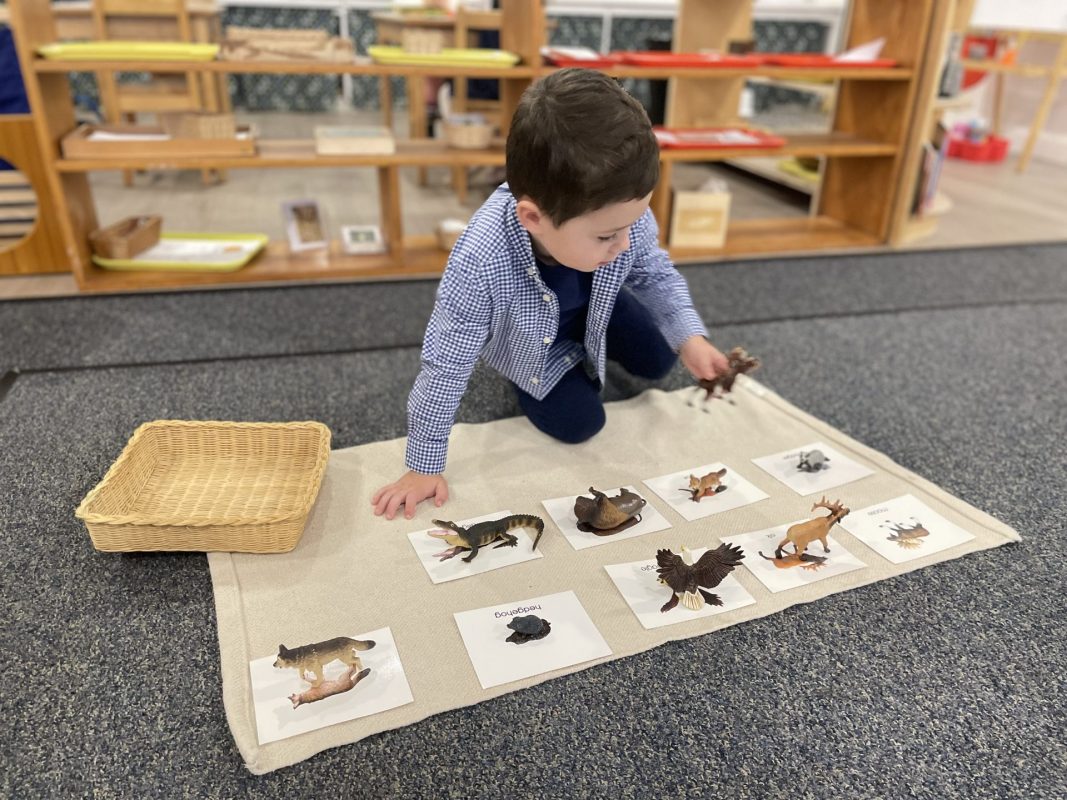
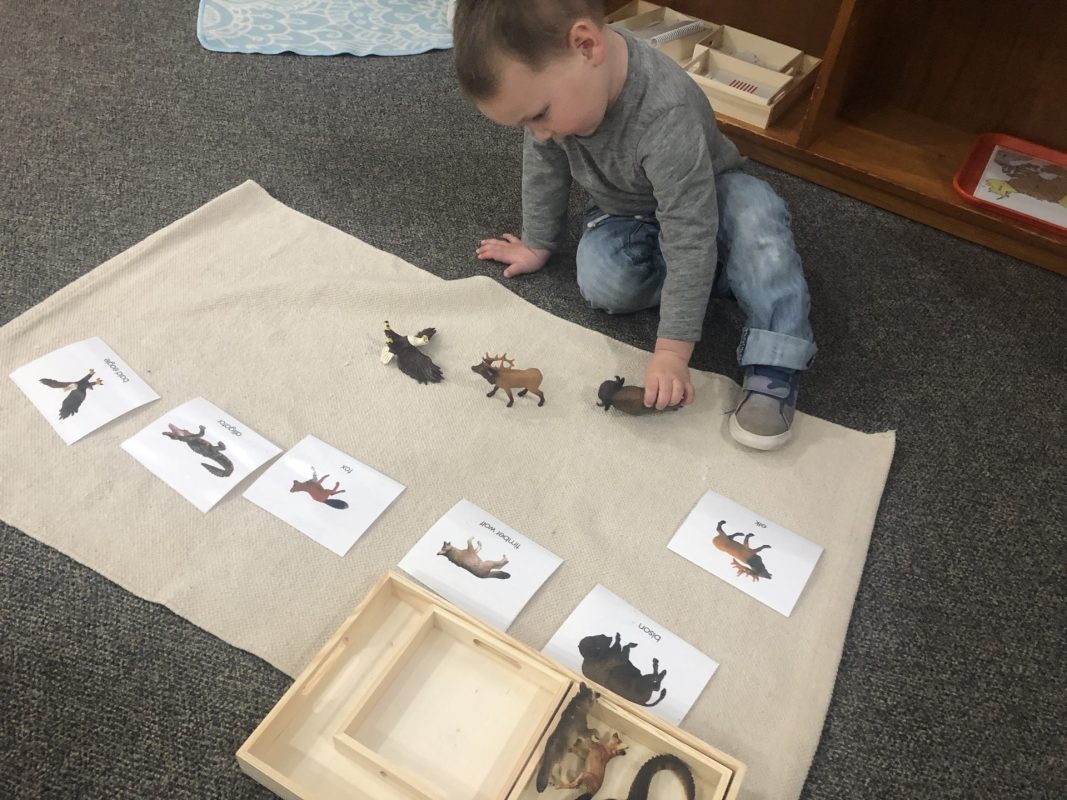
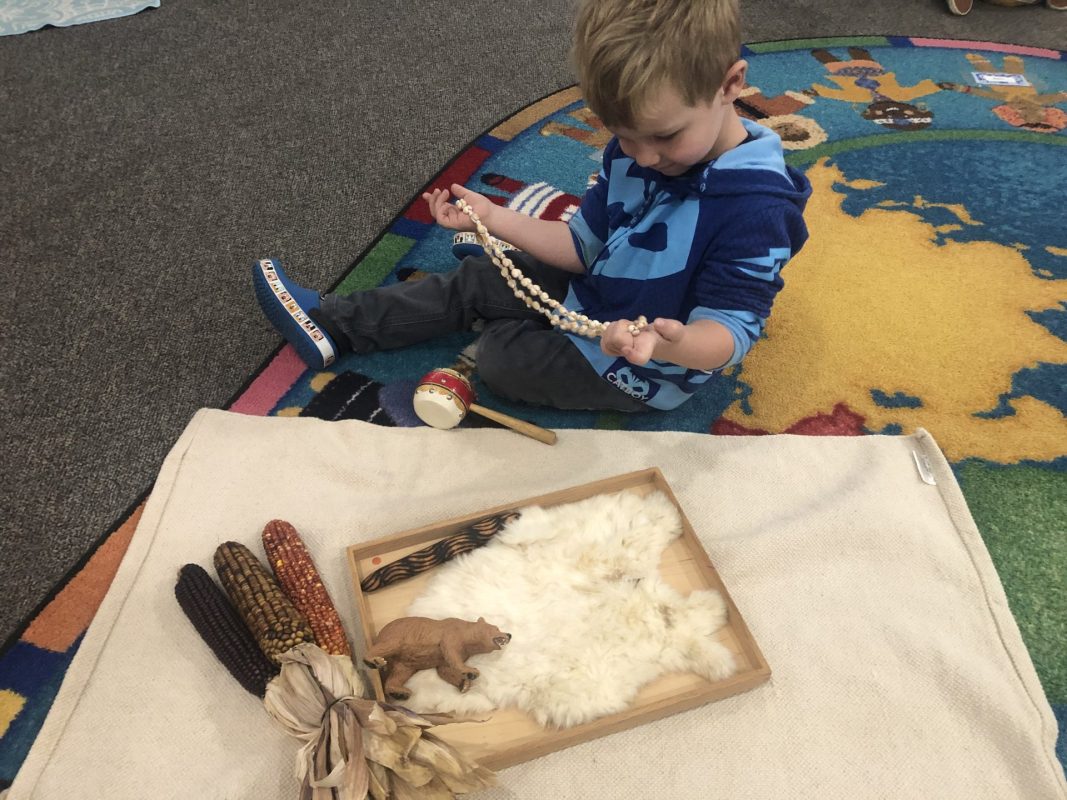
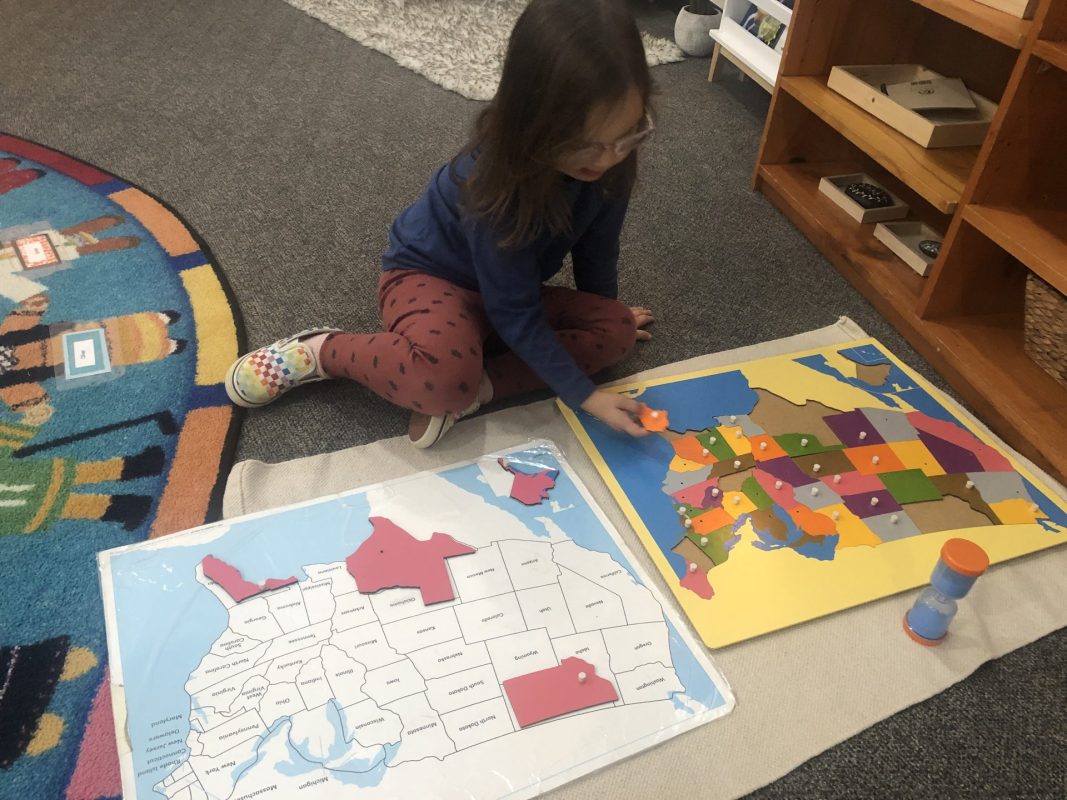
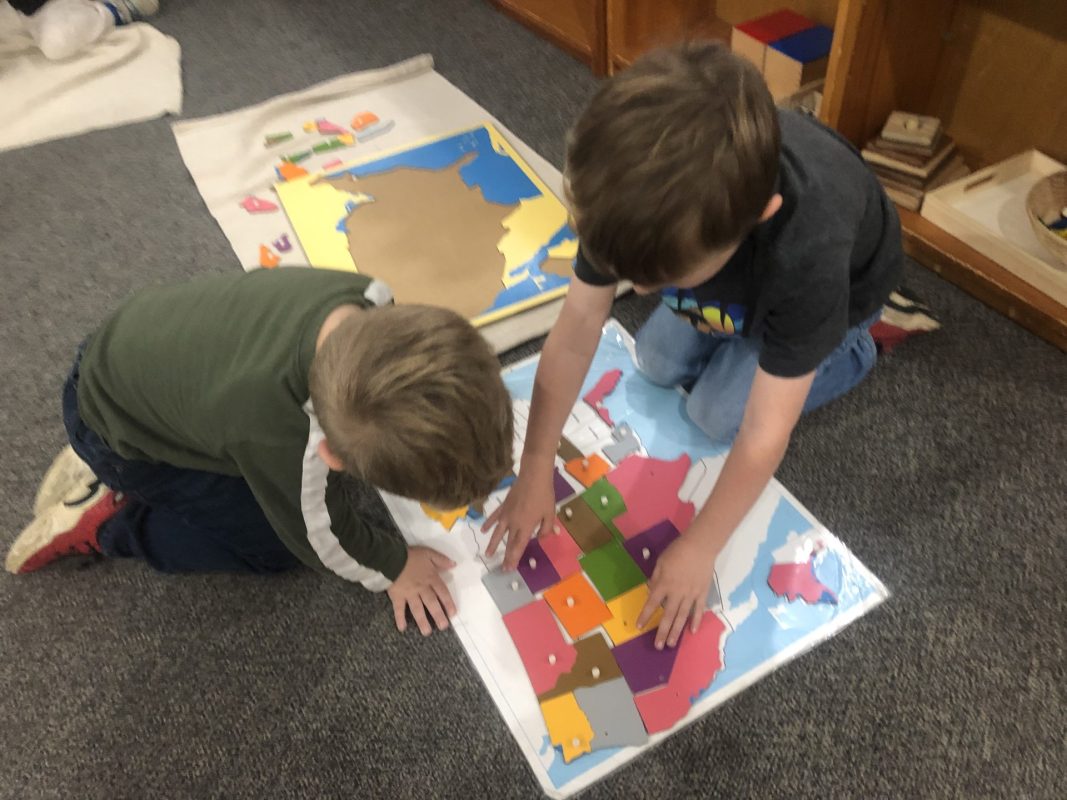
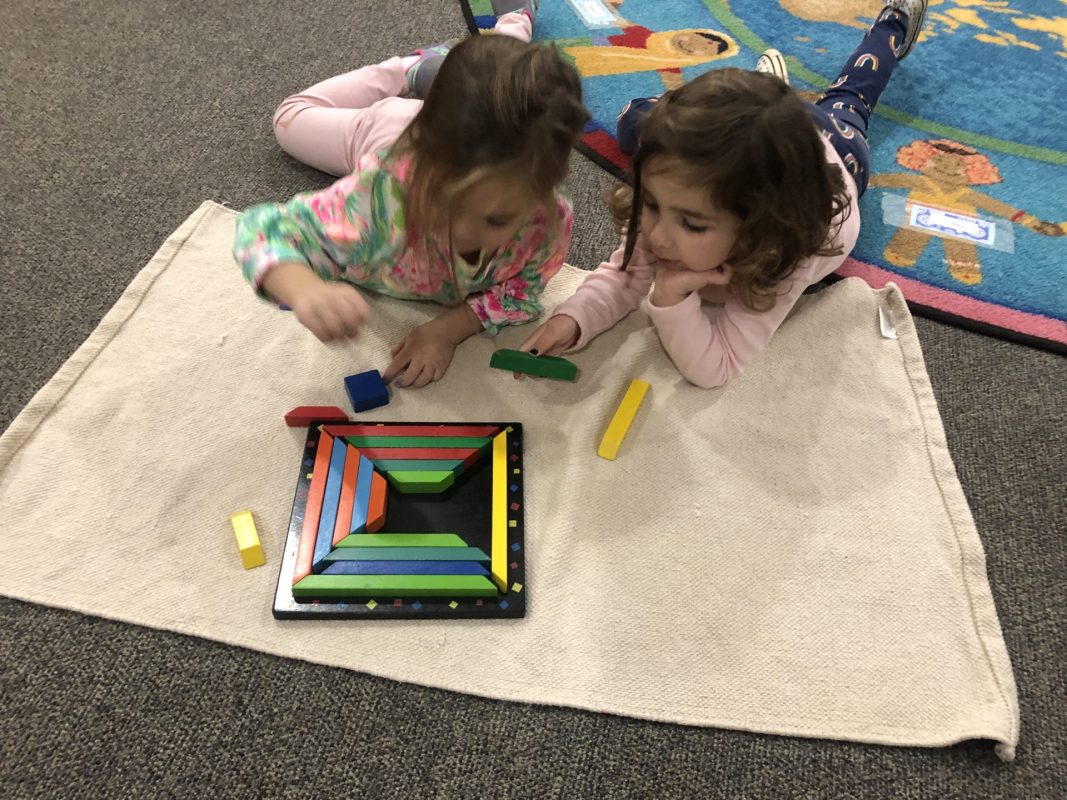
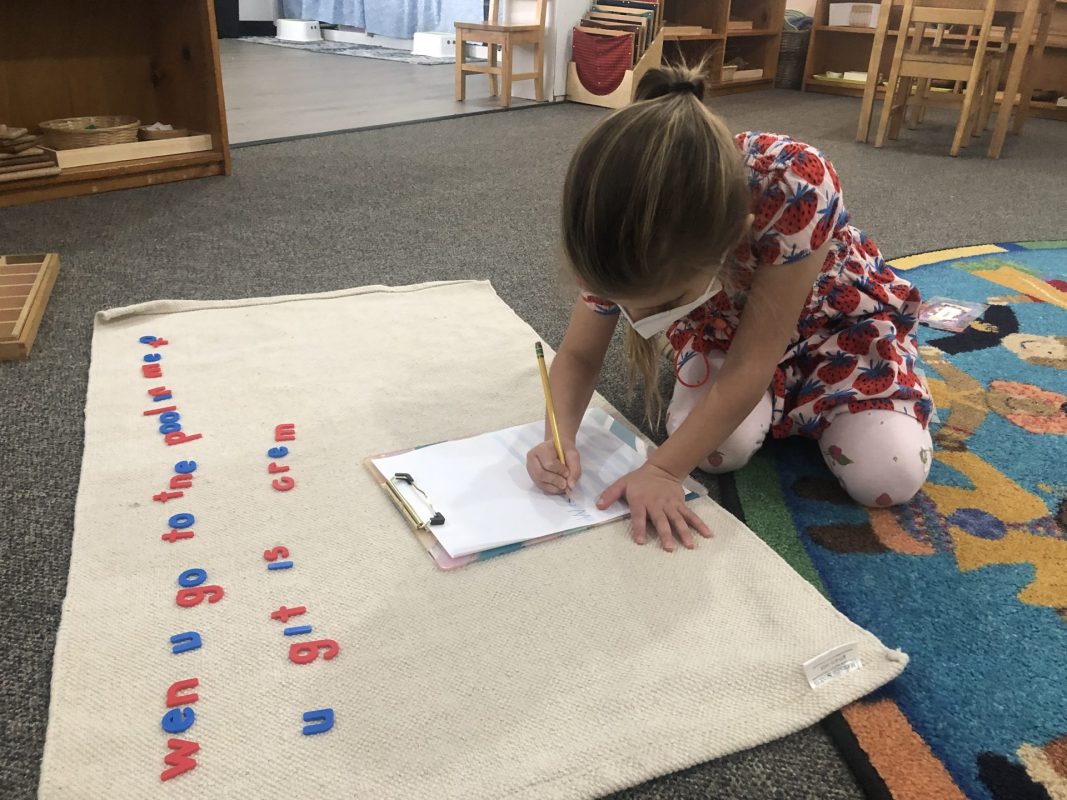
After learning the continent names, we introduce the puzzle maps for each continent, starting with North America in November. We learn that there are many countries in North America. The older children will trace and paint each of the puzzle maps. We will learn about the animals, people, and climate often associated with each of the continents. Our goal is to encourage the children to appreciate the beauty and wonder found in the similarities and differences around the world. In our classroom, we have a cultural shelf with artifacts from each continent.

Last week, we introduced the song “Do You Know The Seven Continents” and we often hear the children singing it quietly to themselves as they work.

We are thrilled to be having in person Parent/Teacher Conferences again!  They will be on Thursday, October 27th.  If you have not yet had the chance to sign up for a time please use the link below to do so.

https://www.signupgenius.com/go/8050B45ABAC2BA1FB6-mrs6

Wishing all of you a week filled with peace and love!

Amanda & Hema


Mrs Lopes: Friday Folder Fun Facts

We have to remember as adults, that we want things done, and as quickly as possible, so that they are finished and out of the way; whereas the child is interested and content in the doing, not the done.” –Margaret Stephenson, The Art of Montessori in the Home

Each Friday we send home Friday Folders with the work the children have completed over the course of the past week. It is not uncommon for us to receive emails asking why there was so little work inside and what exactly are the children doing?

Sometimes it can be difficult to accept the idea of focusing on the process, not the product. What exactly does that mean? Many of the works in the Montessori classroom do not end with a physical product the children will bring home to share with everyone. There is often no way to visually assess what a child is learning. Overall, as a society, we are product driven and often times, base our success on this factor. The experience a child has when working with the materials is truly what is most important. However, when you hear they did “nothing” day after day, it can often be unsettling.

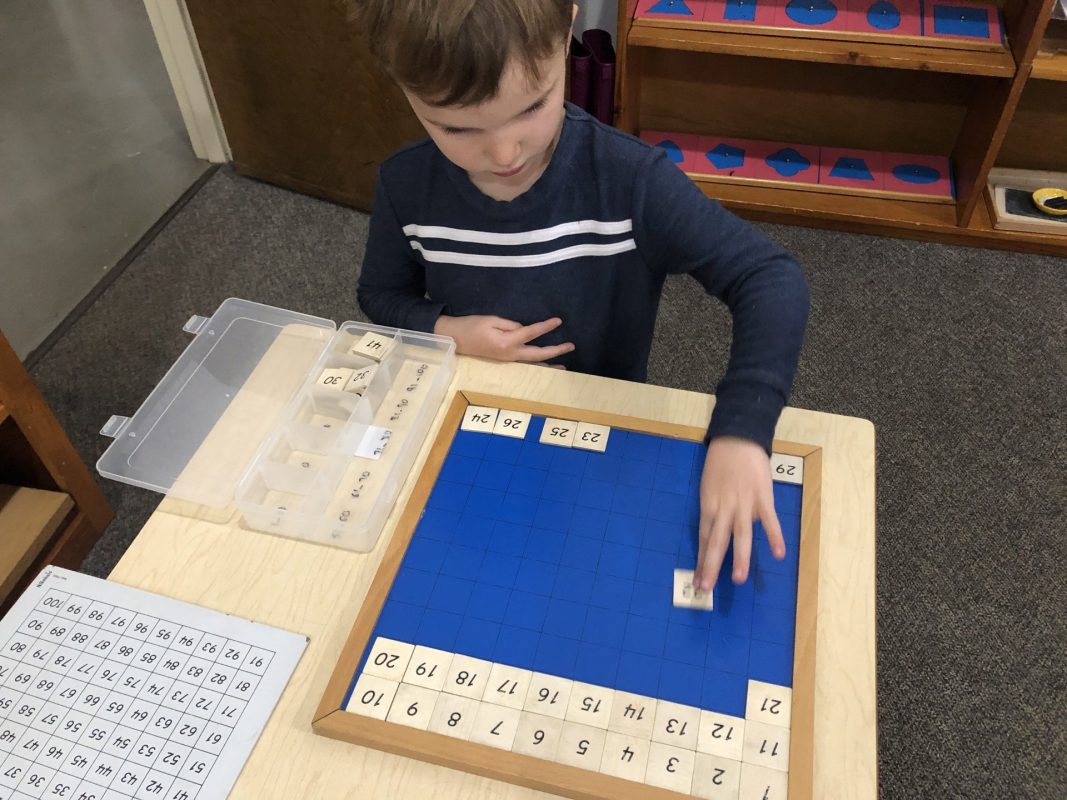
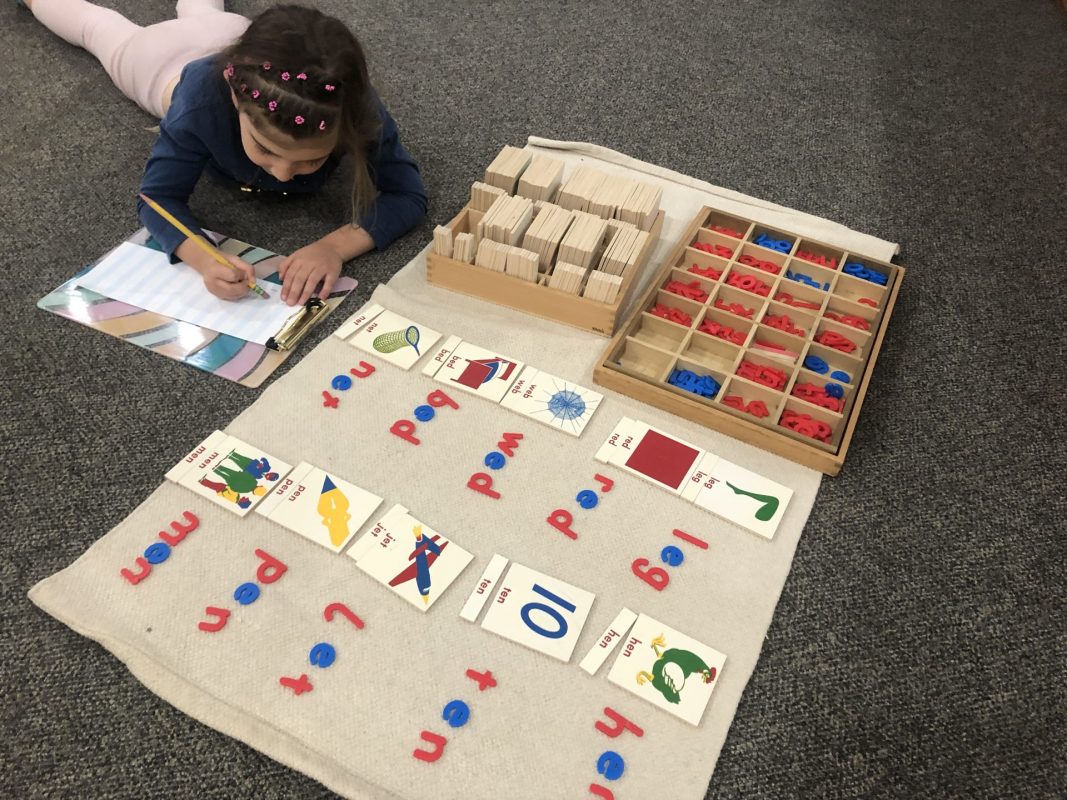
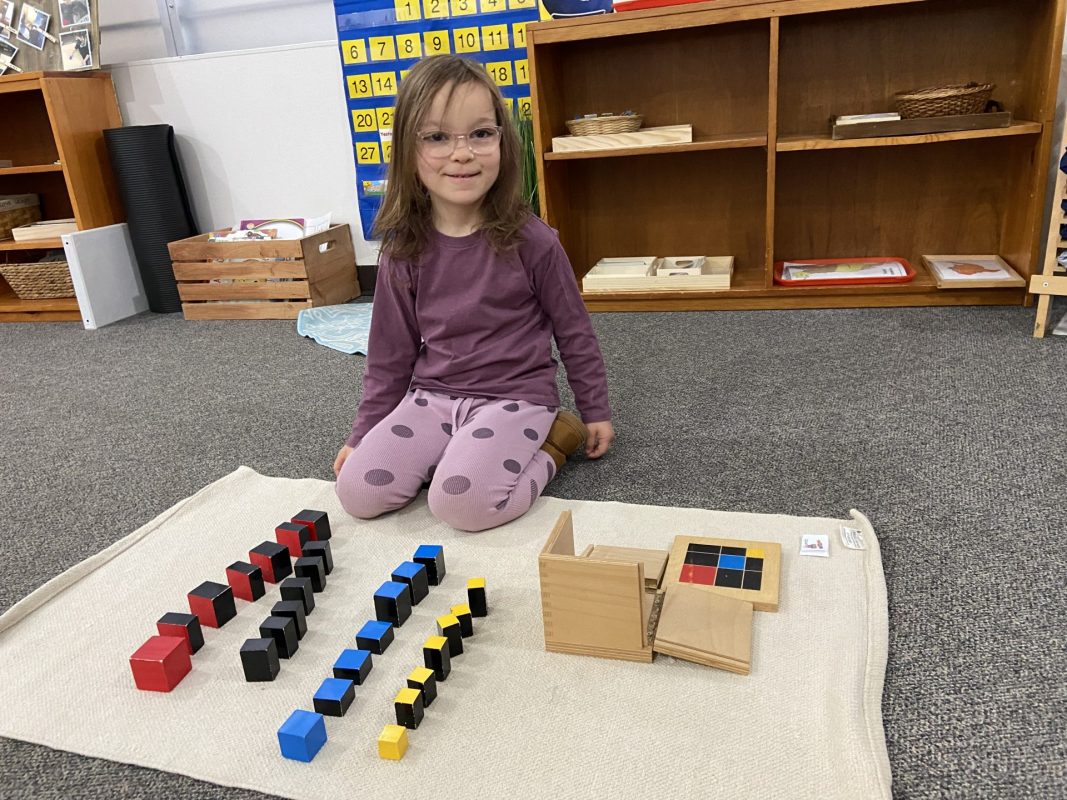
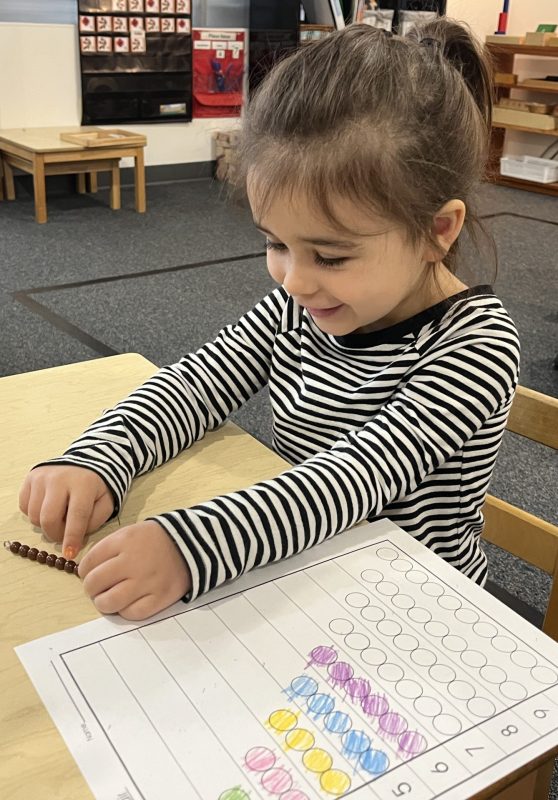
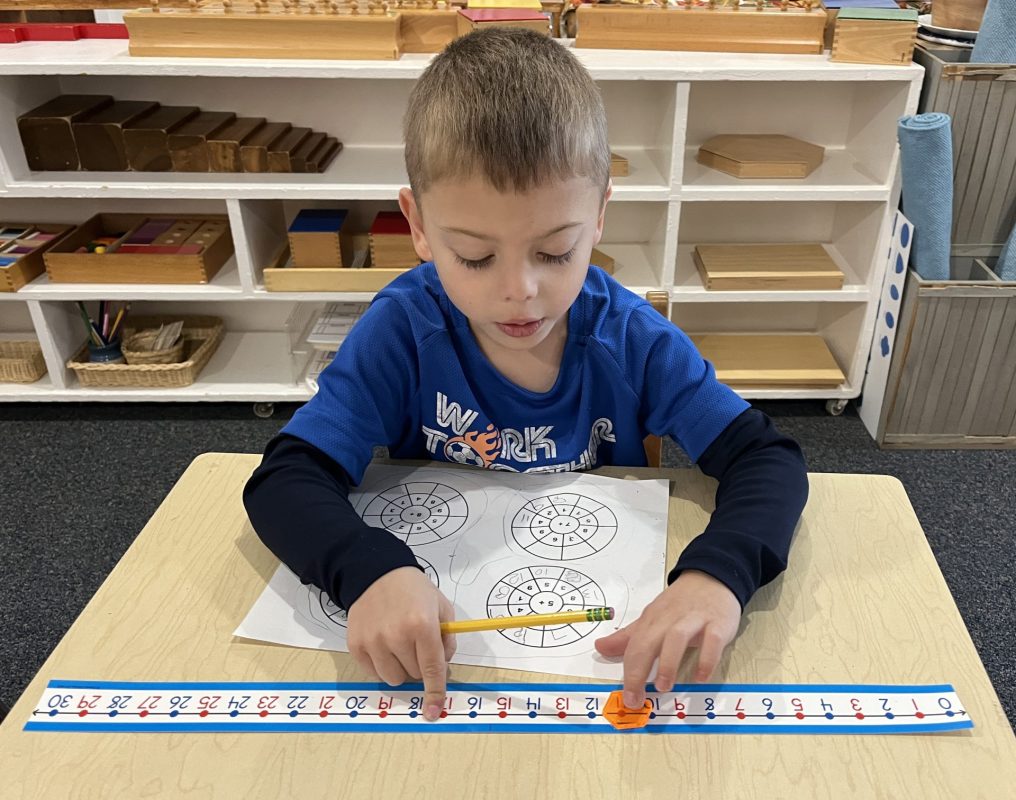
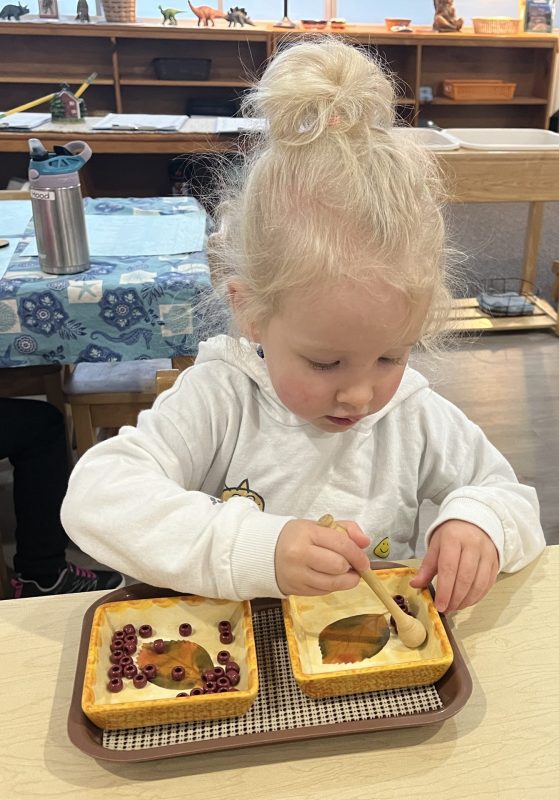
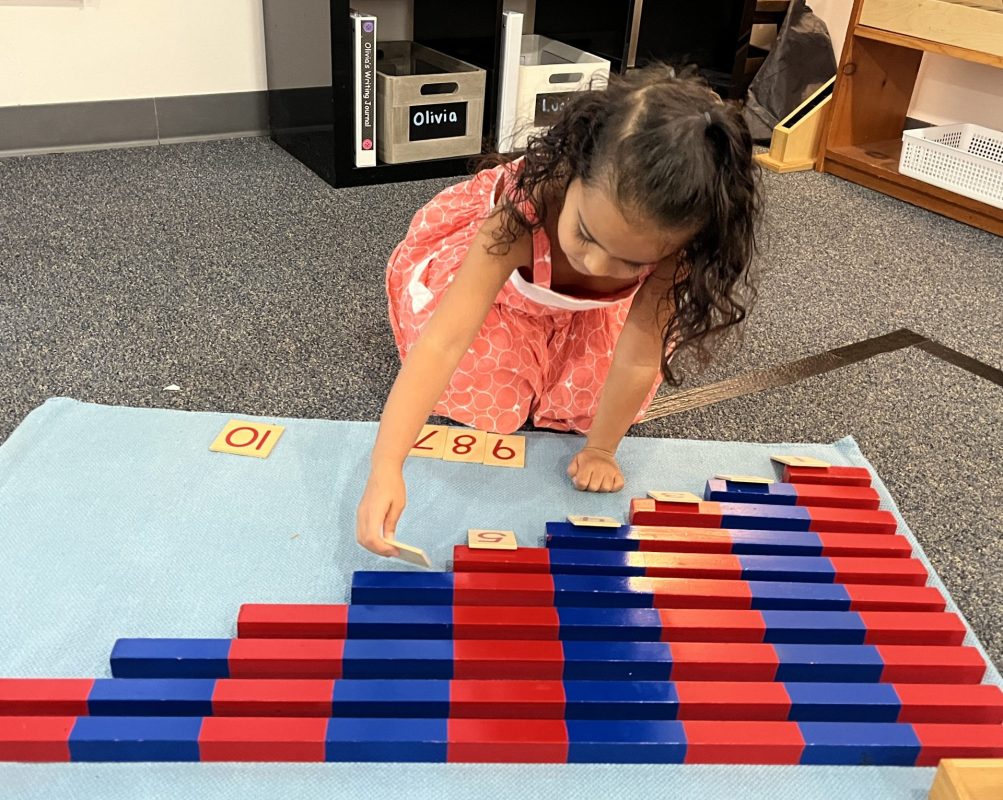
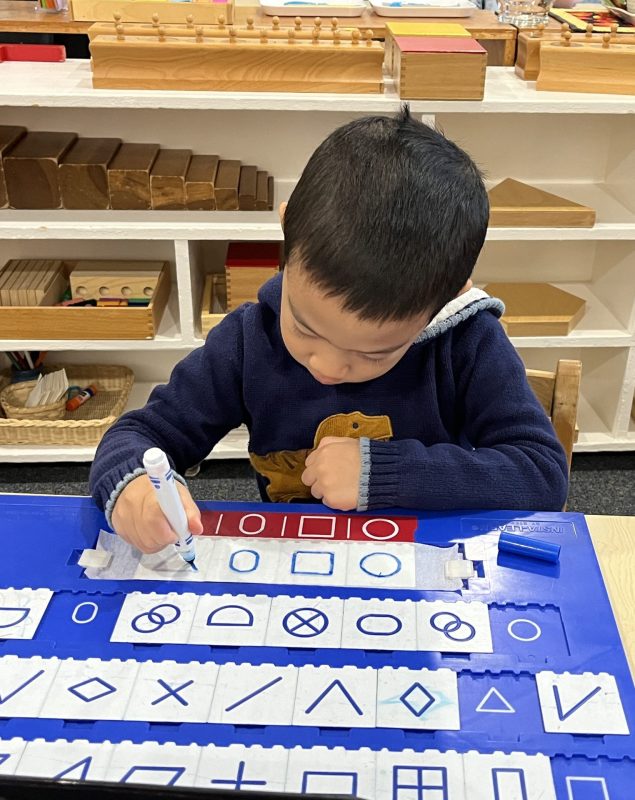
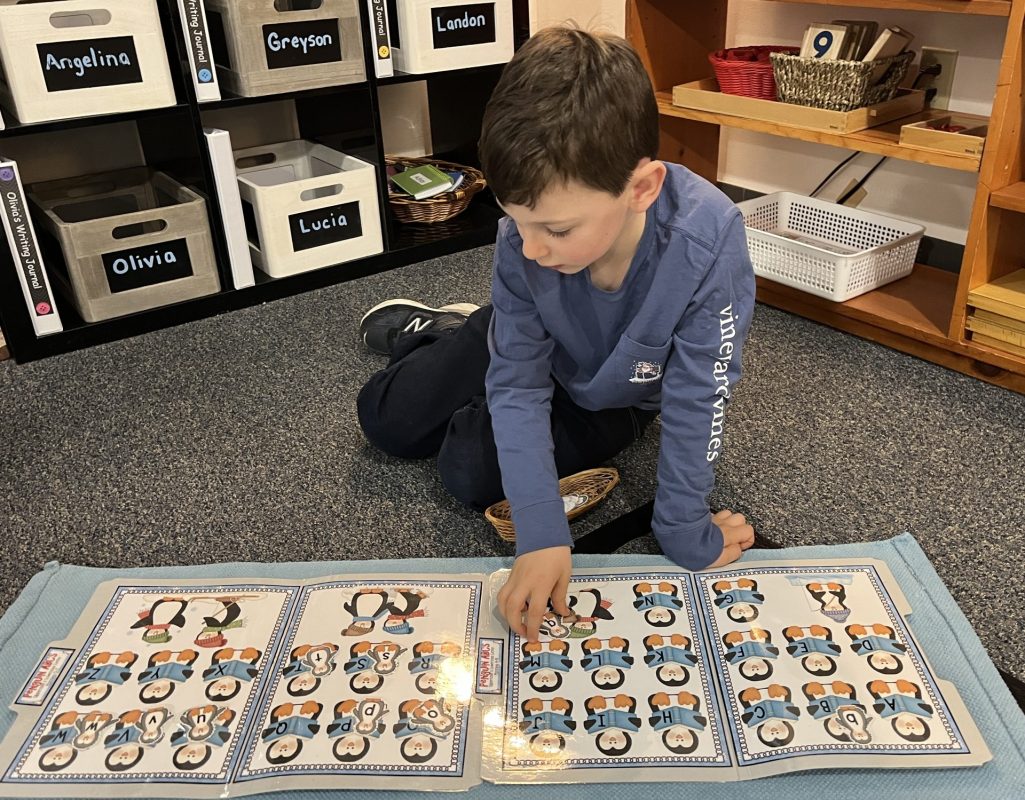
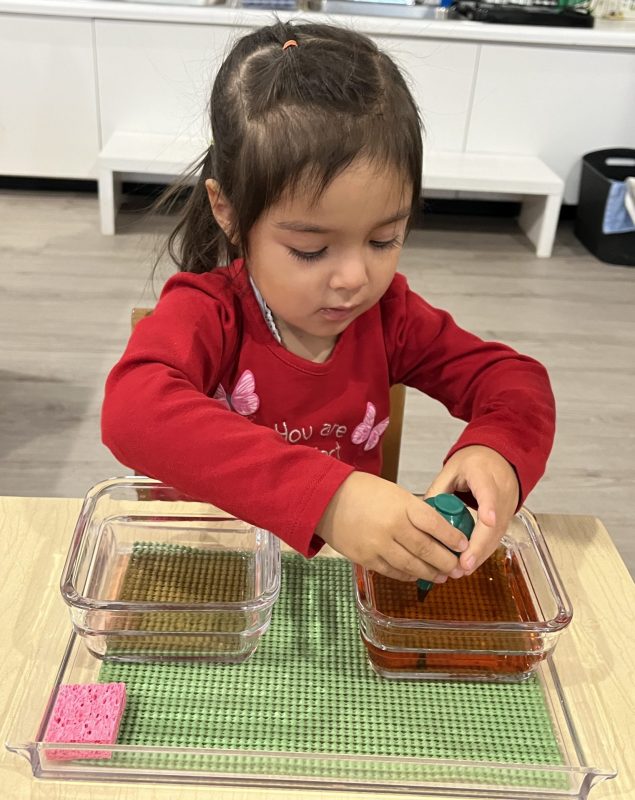
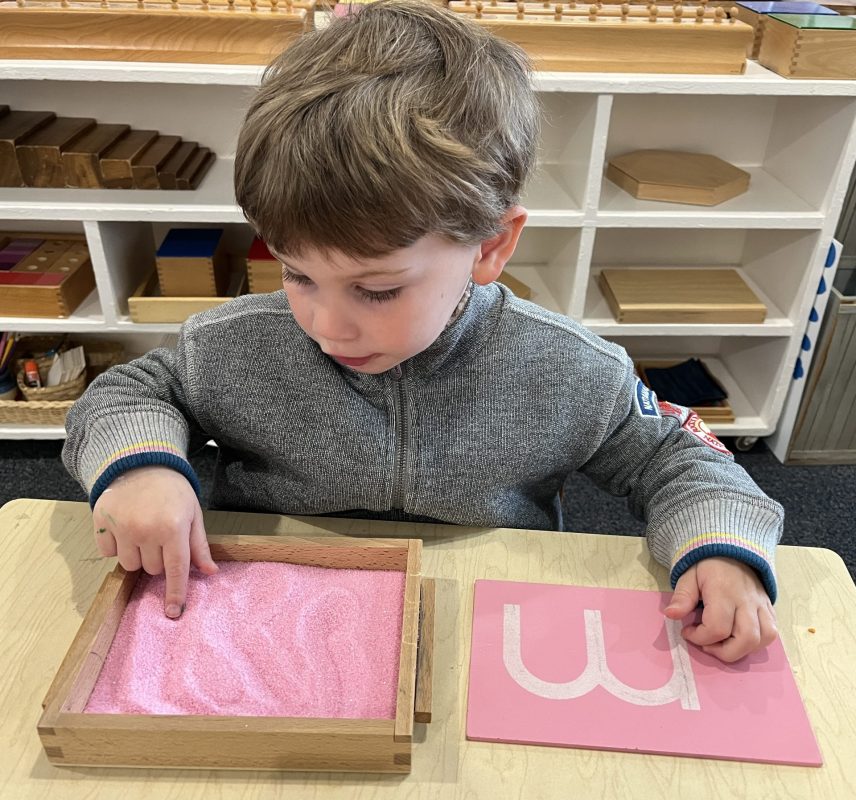
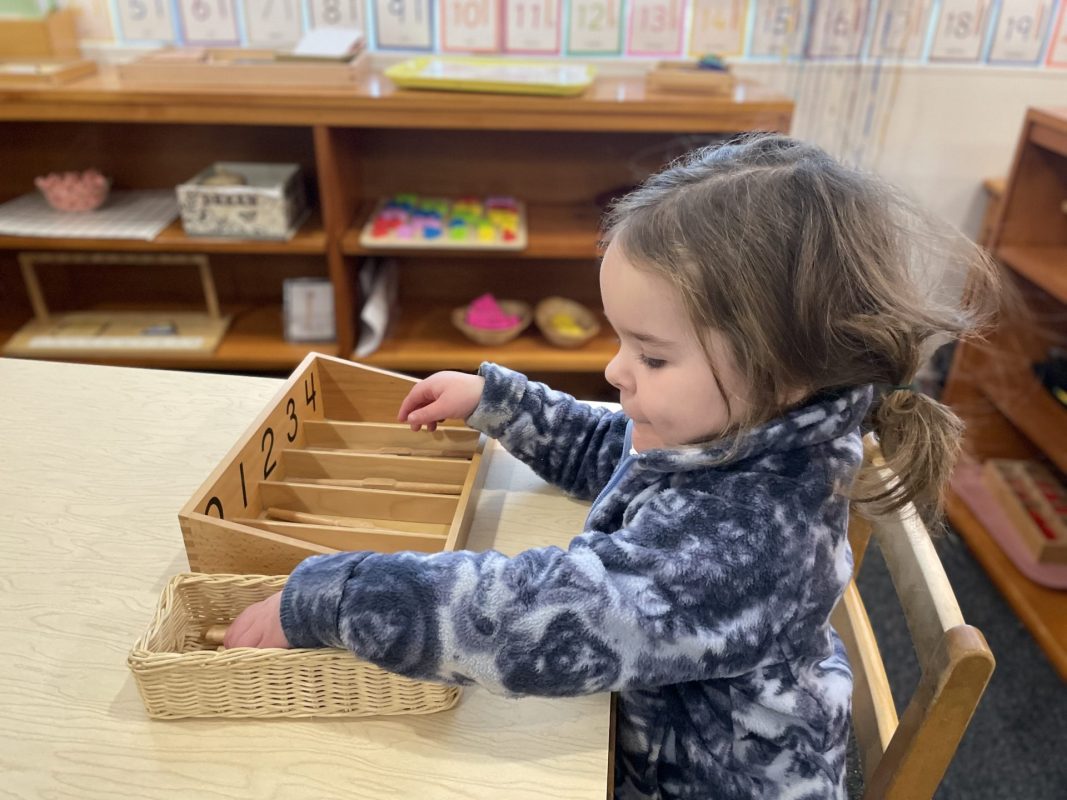
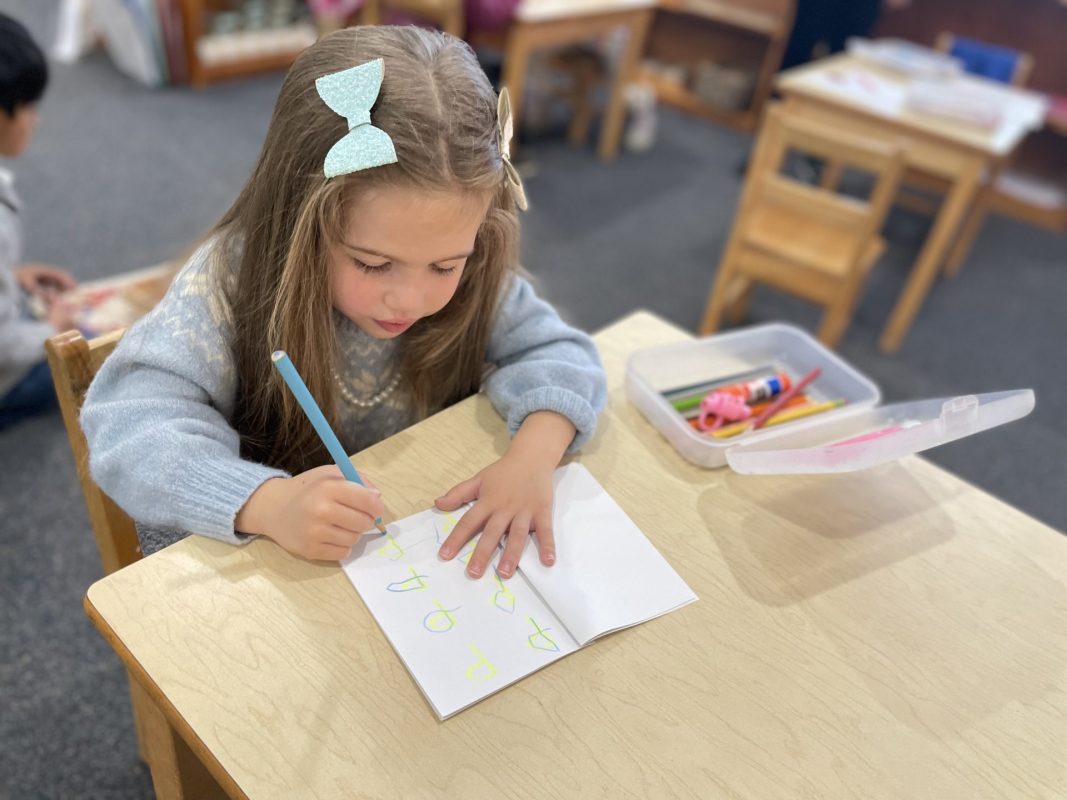
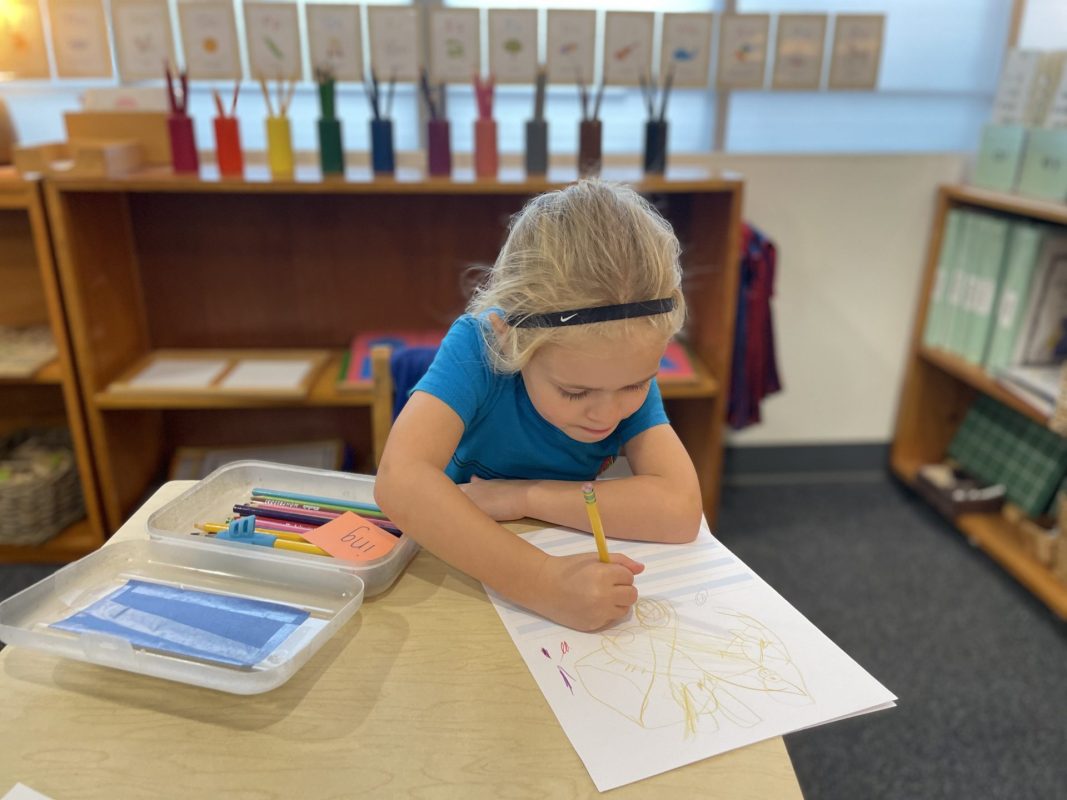
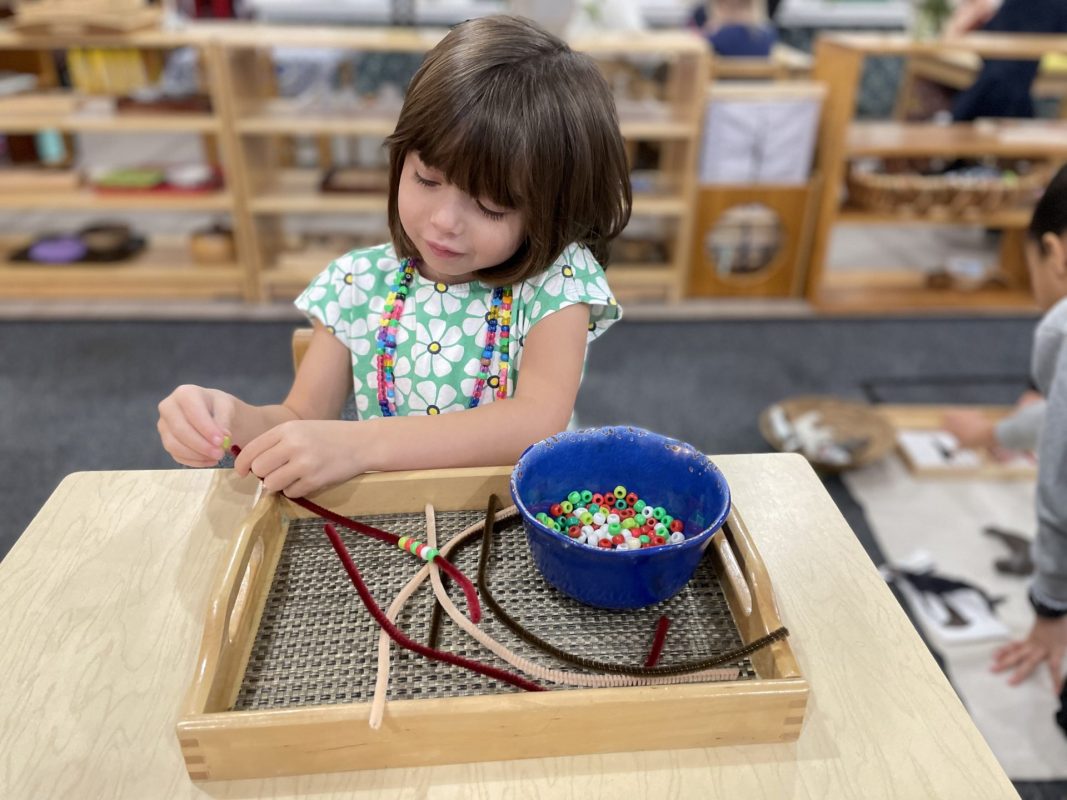
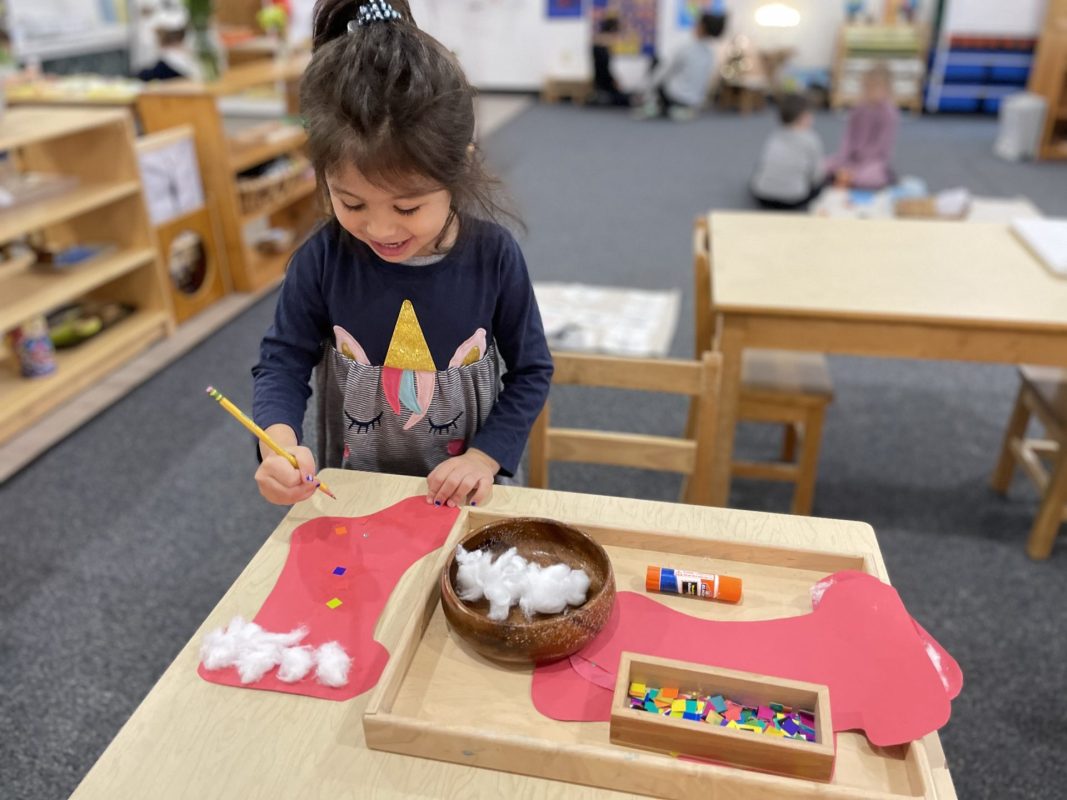
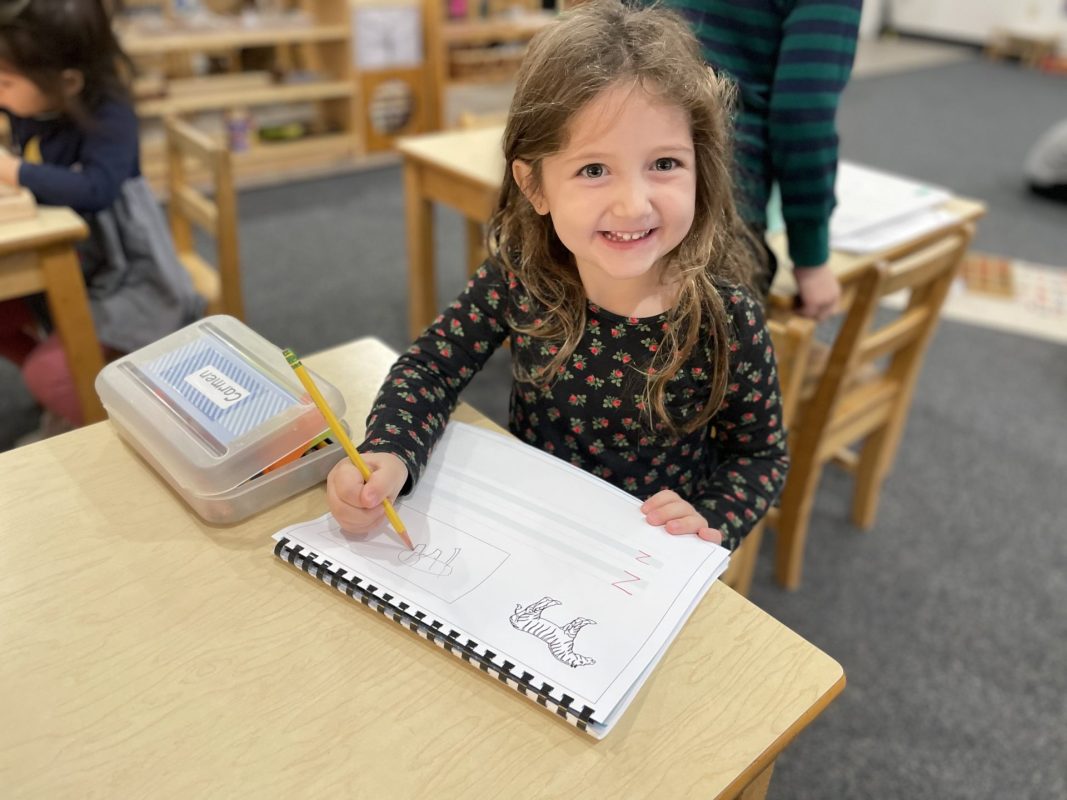
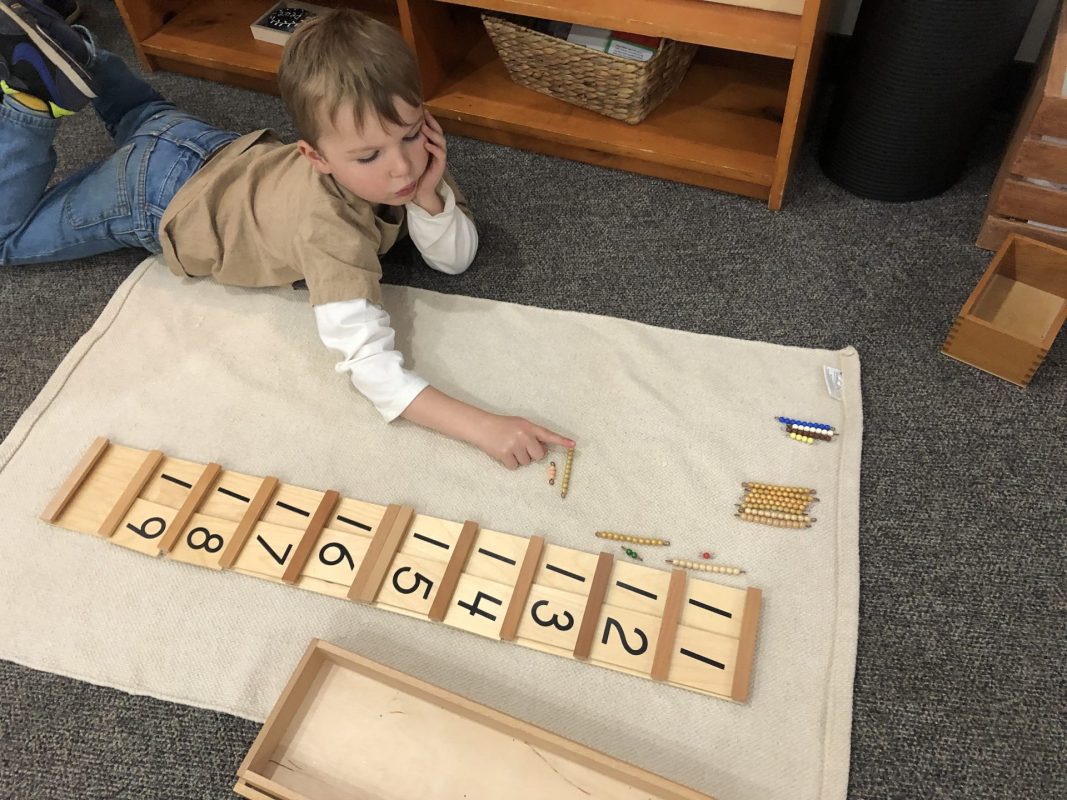
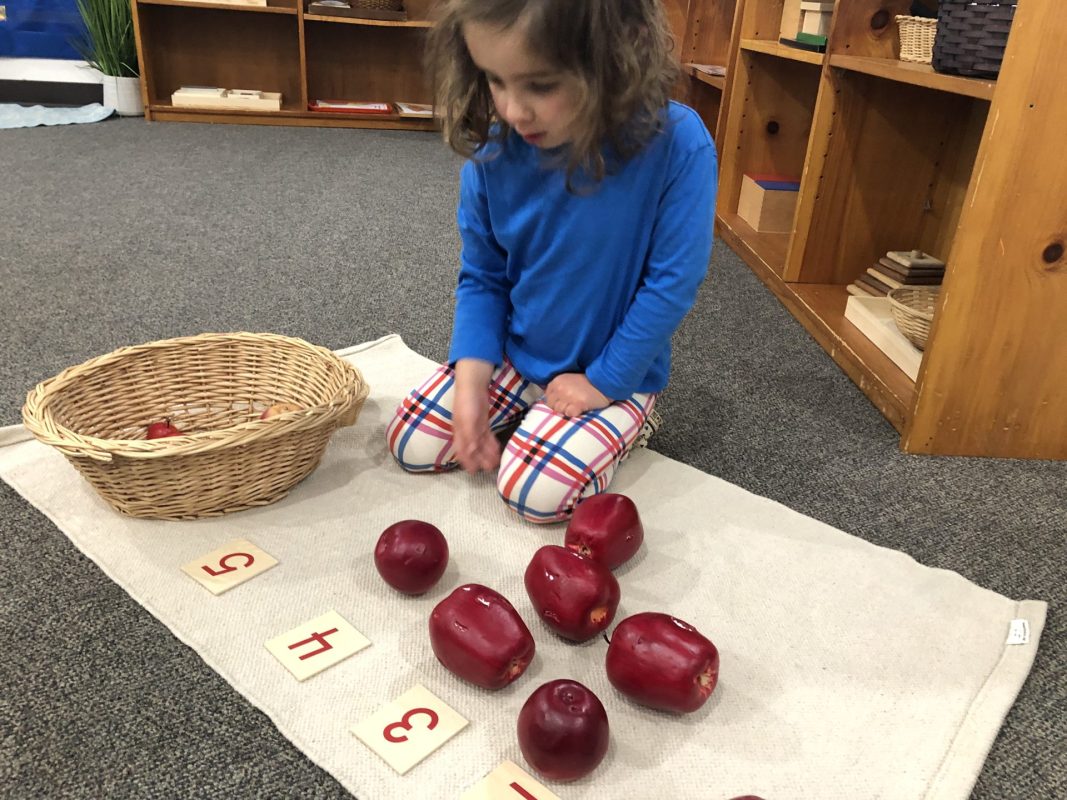
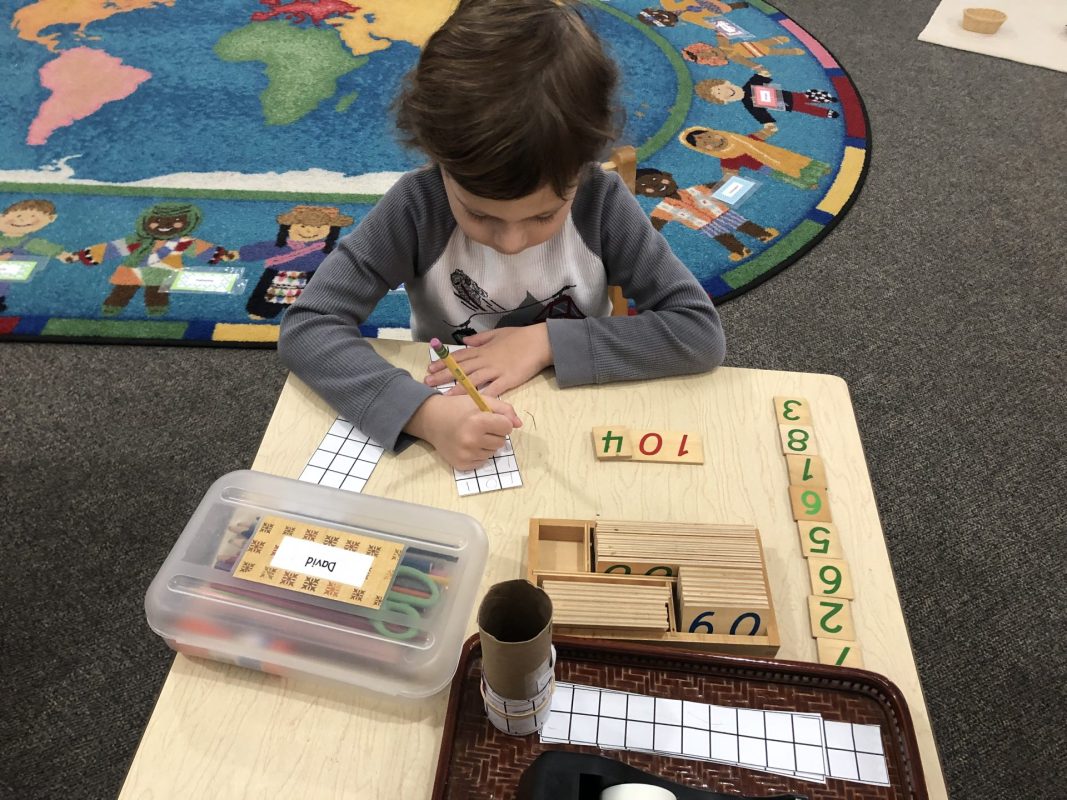
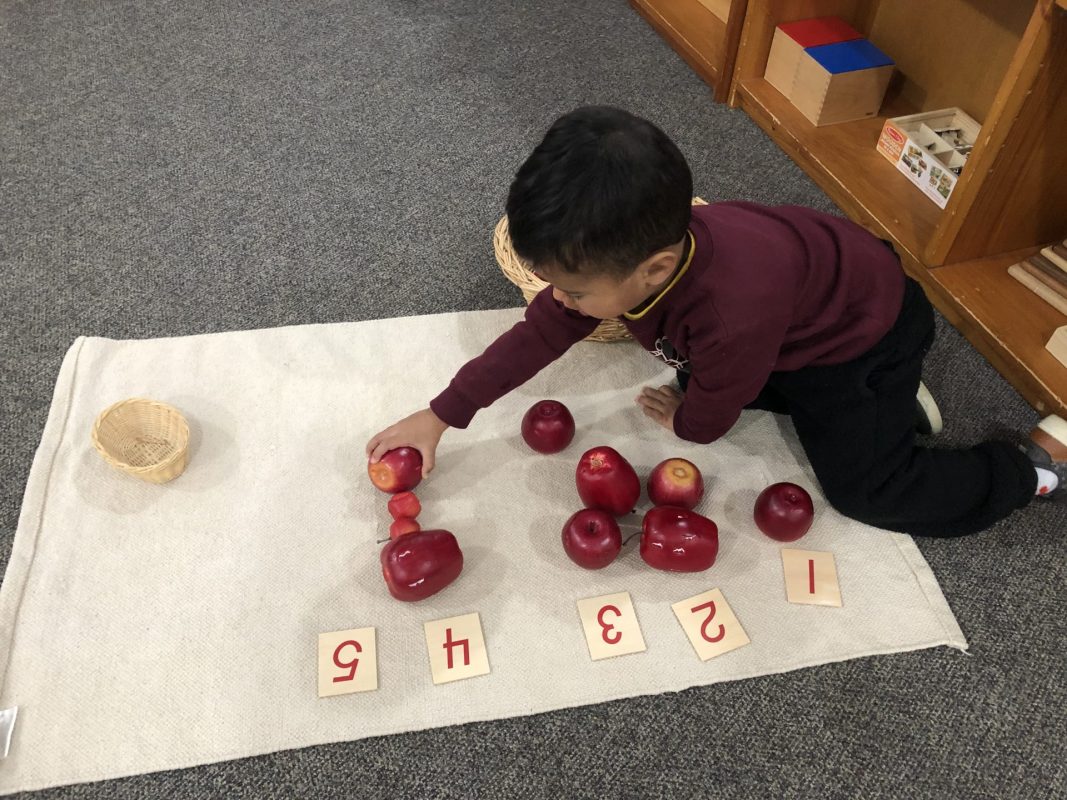
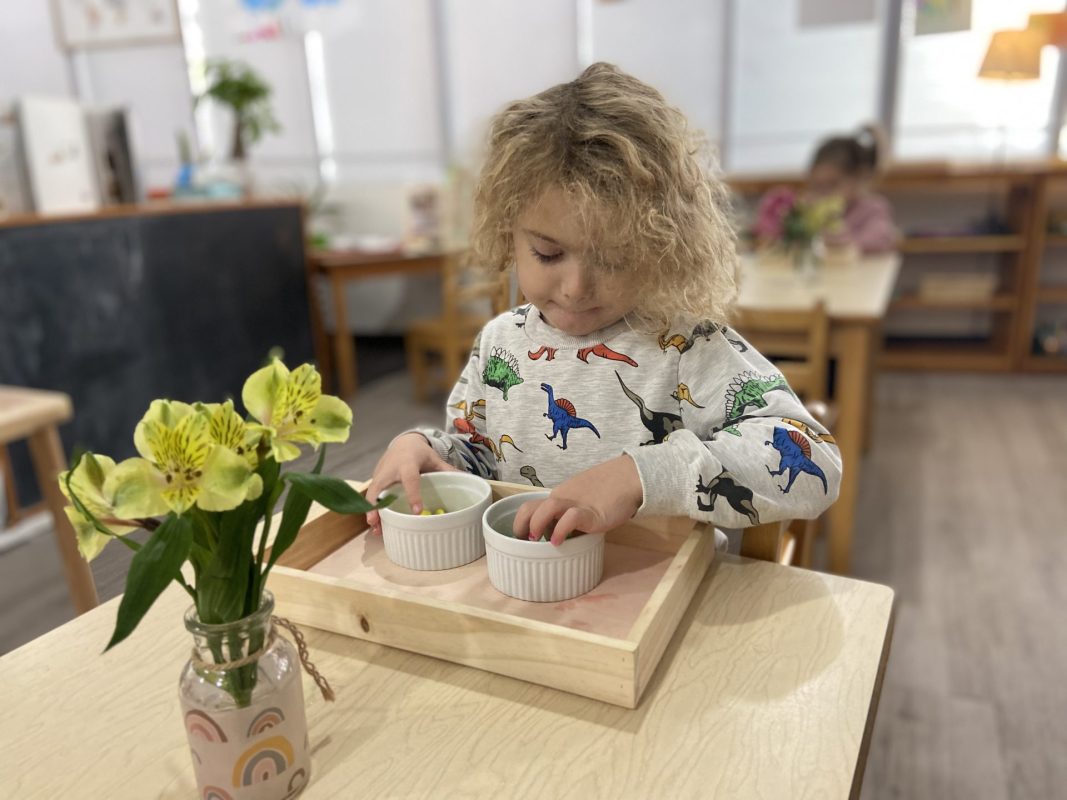
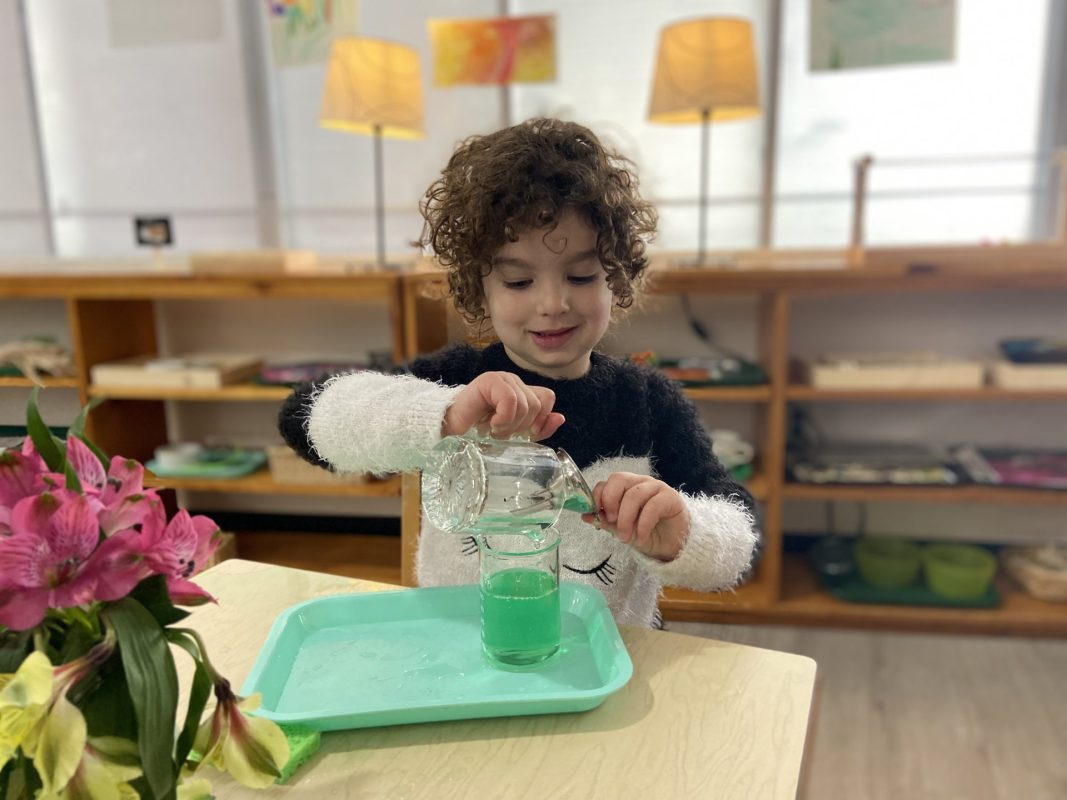
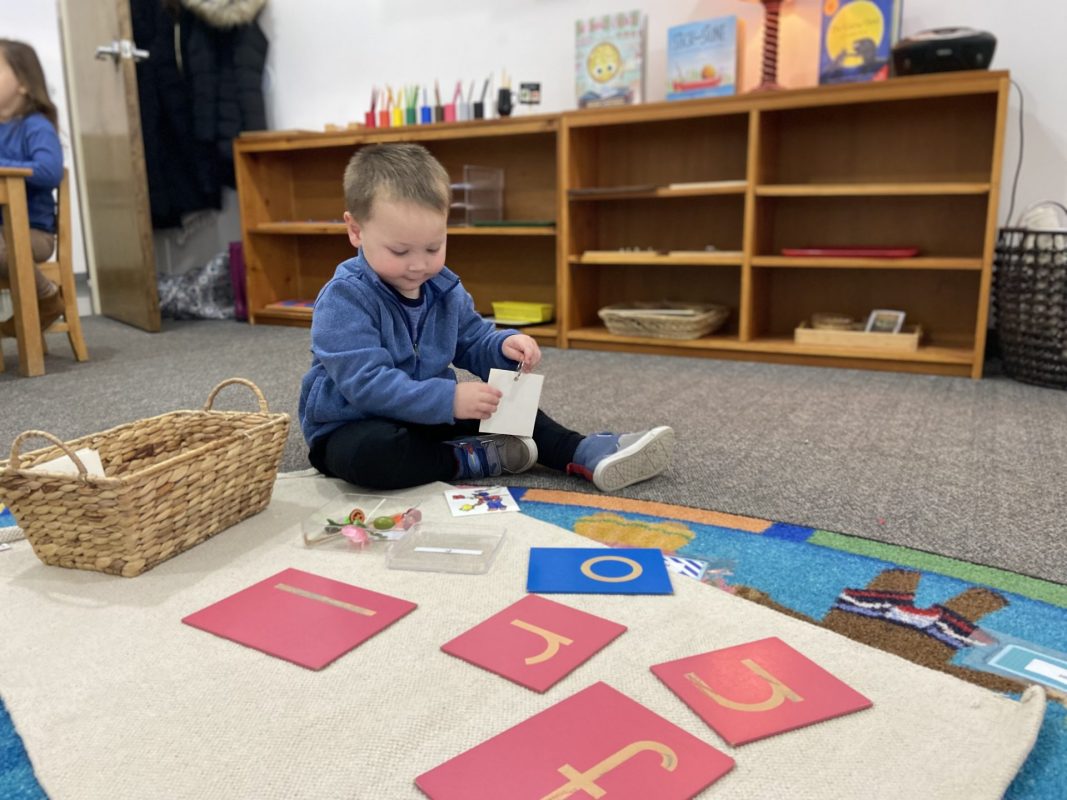
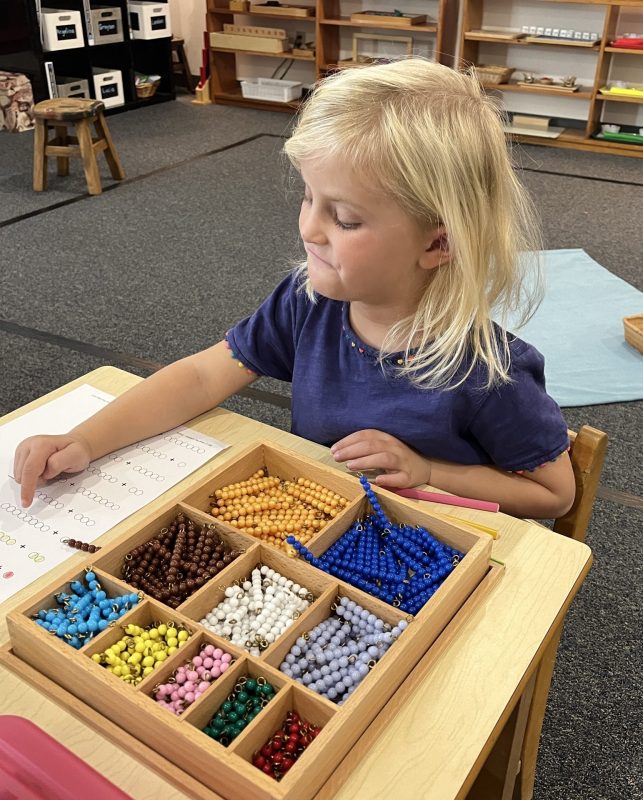
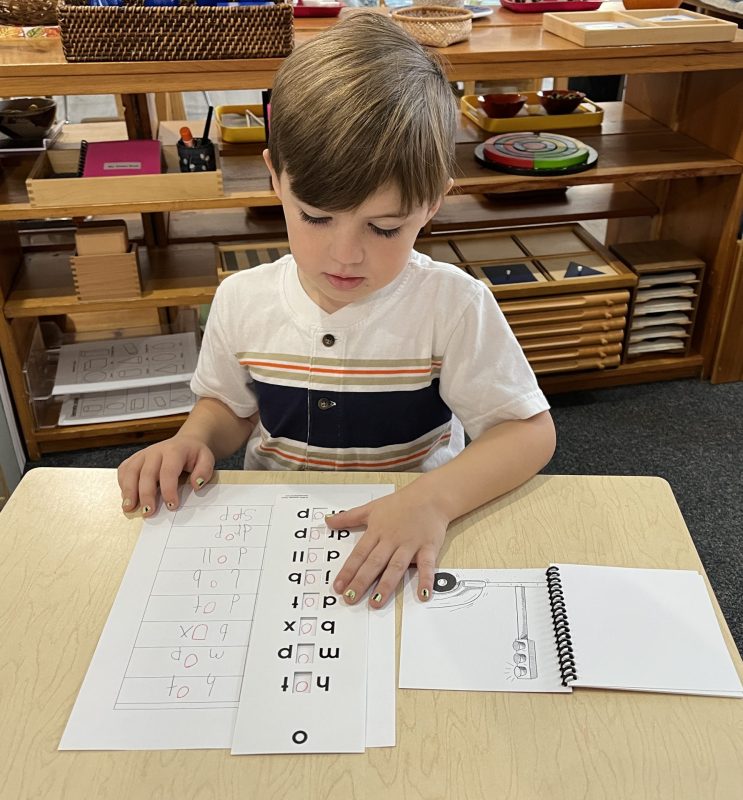
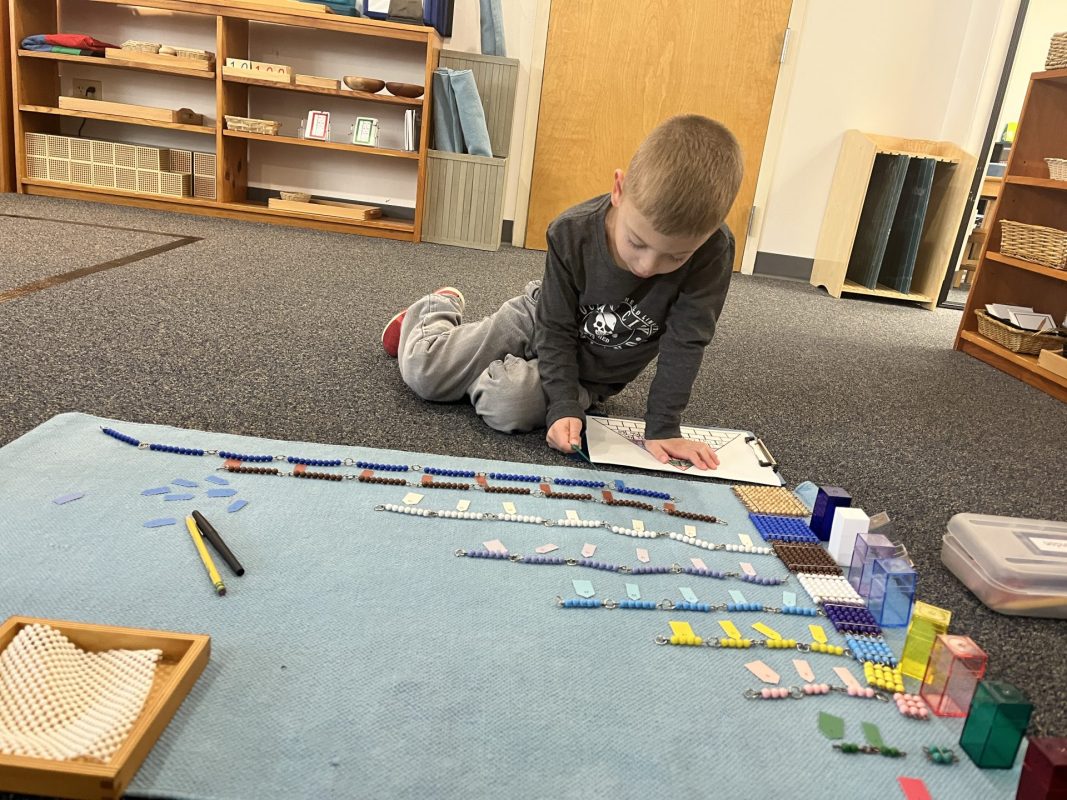
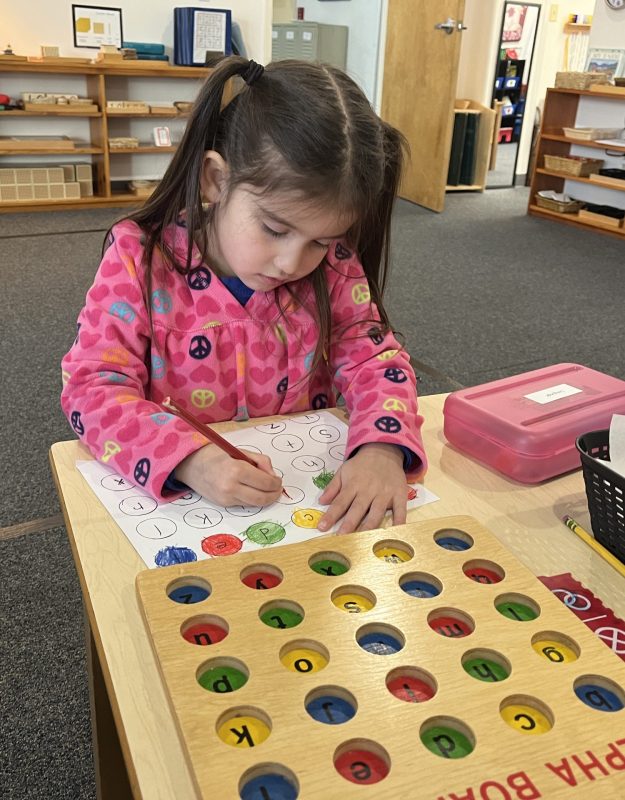
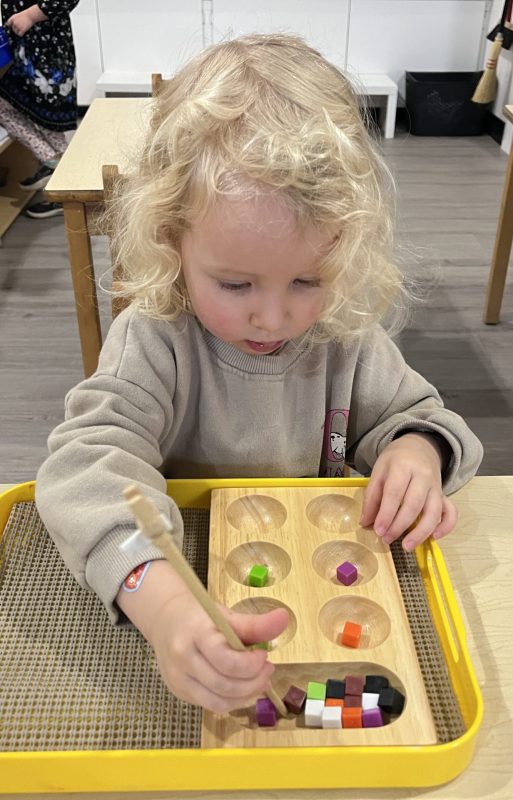
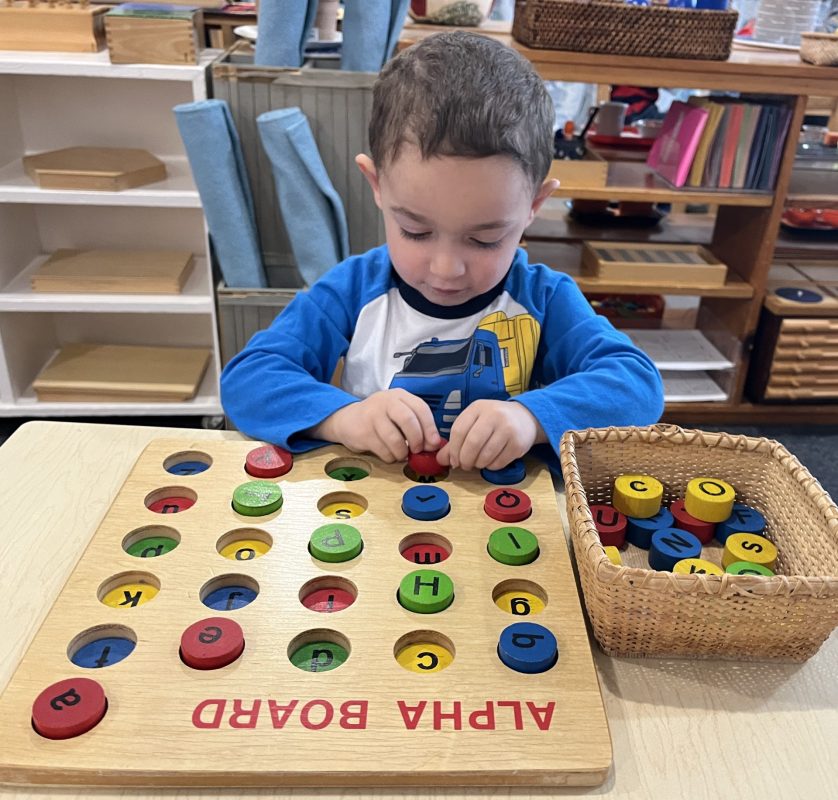
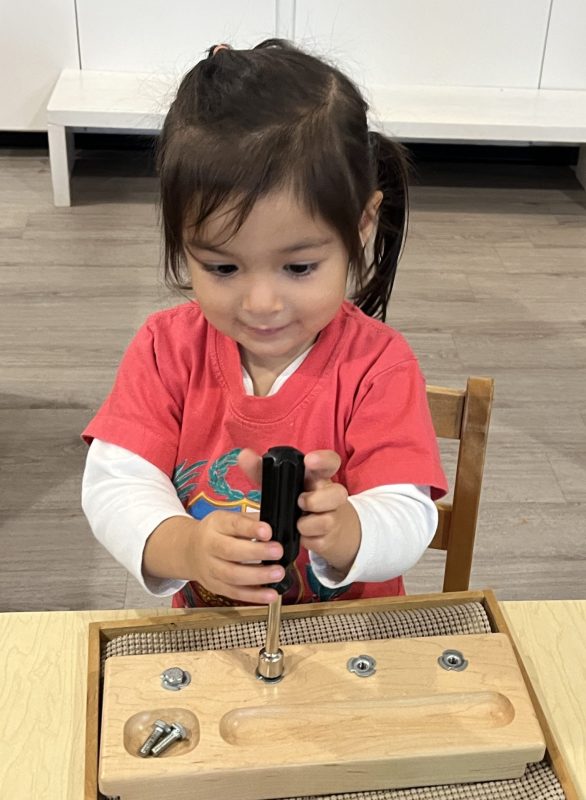
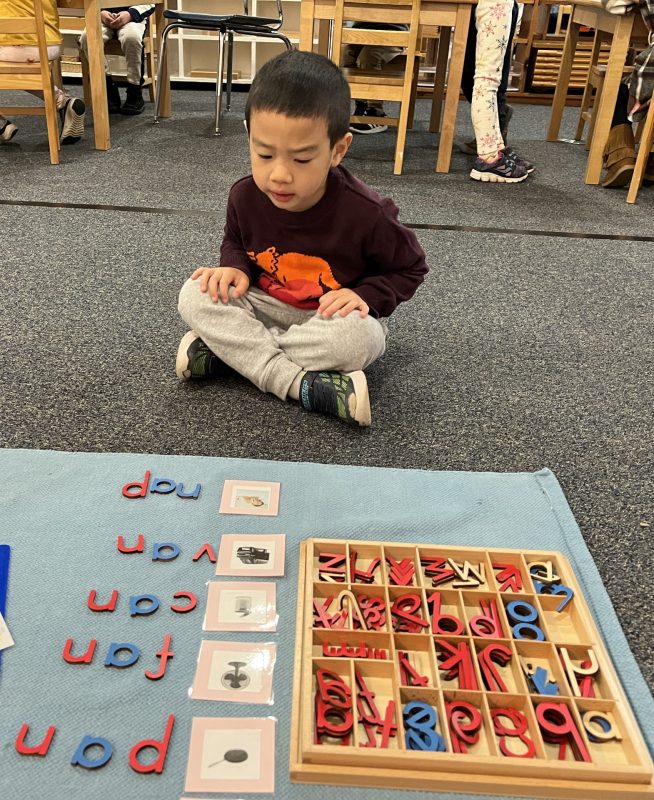
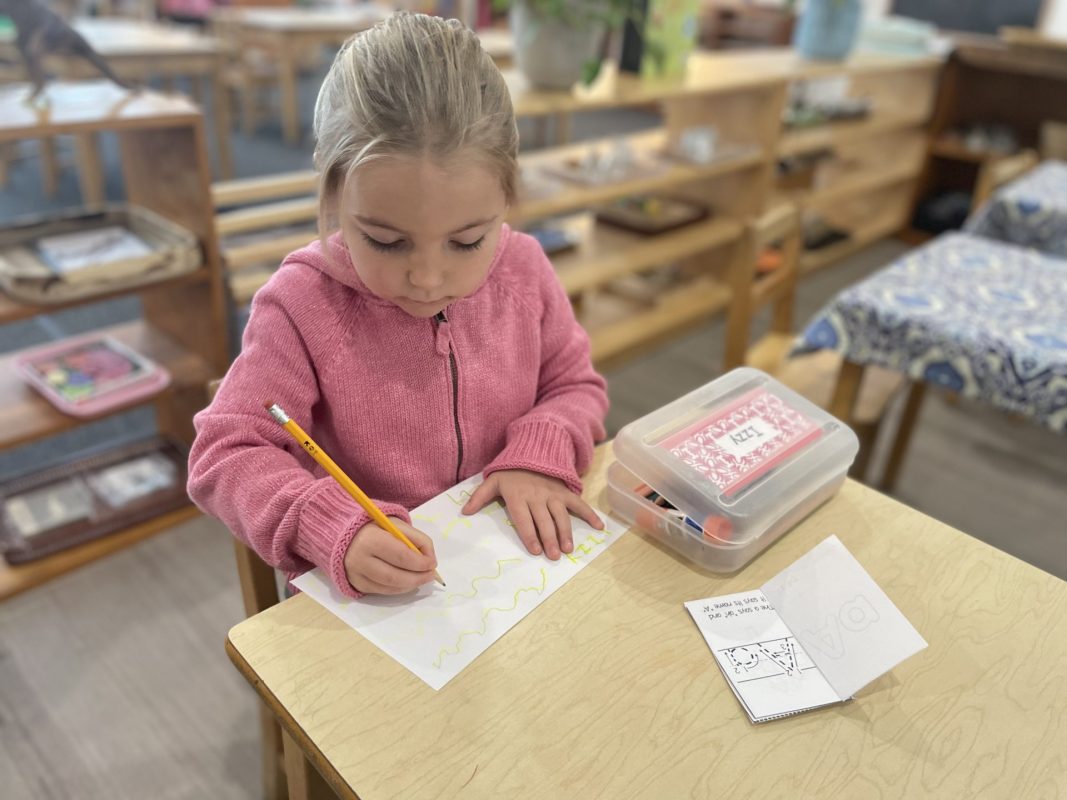
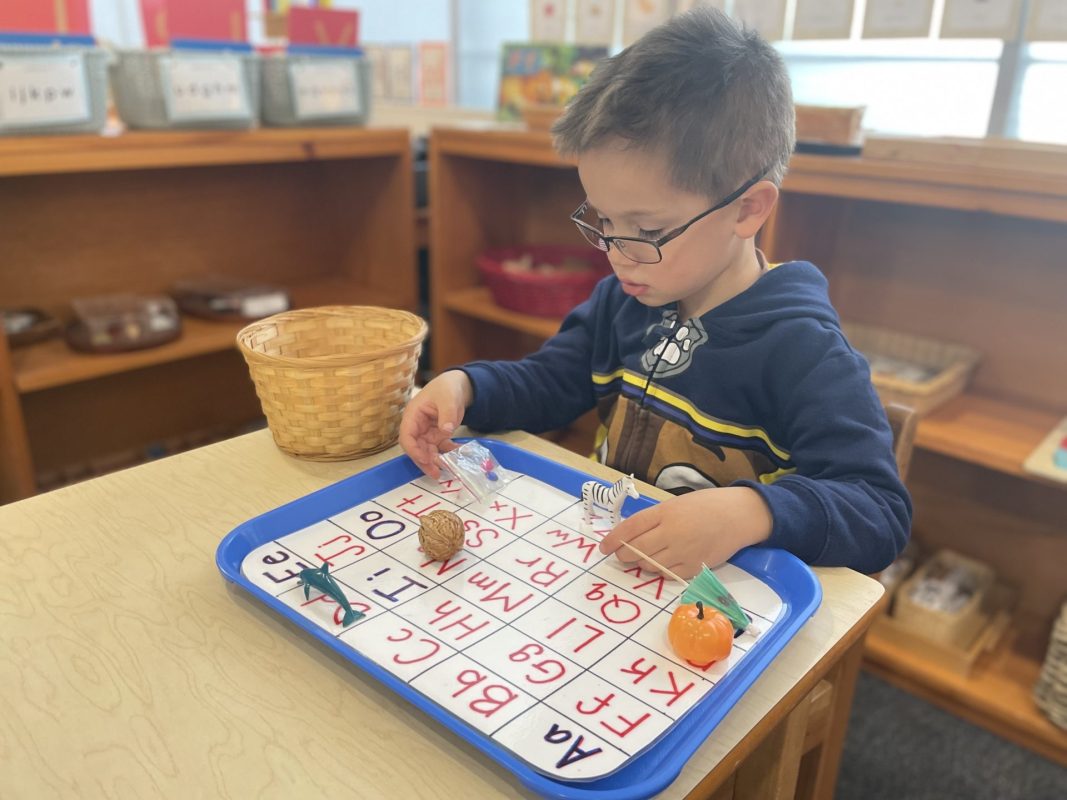
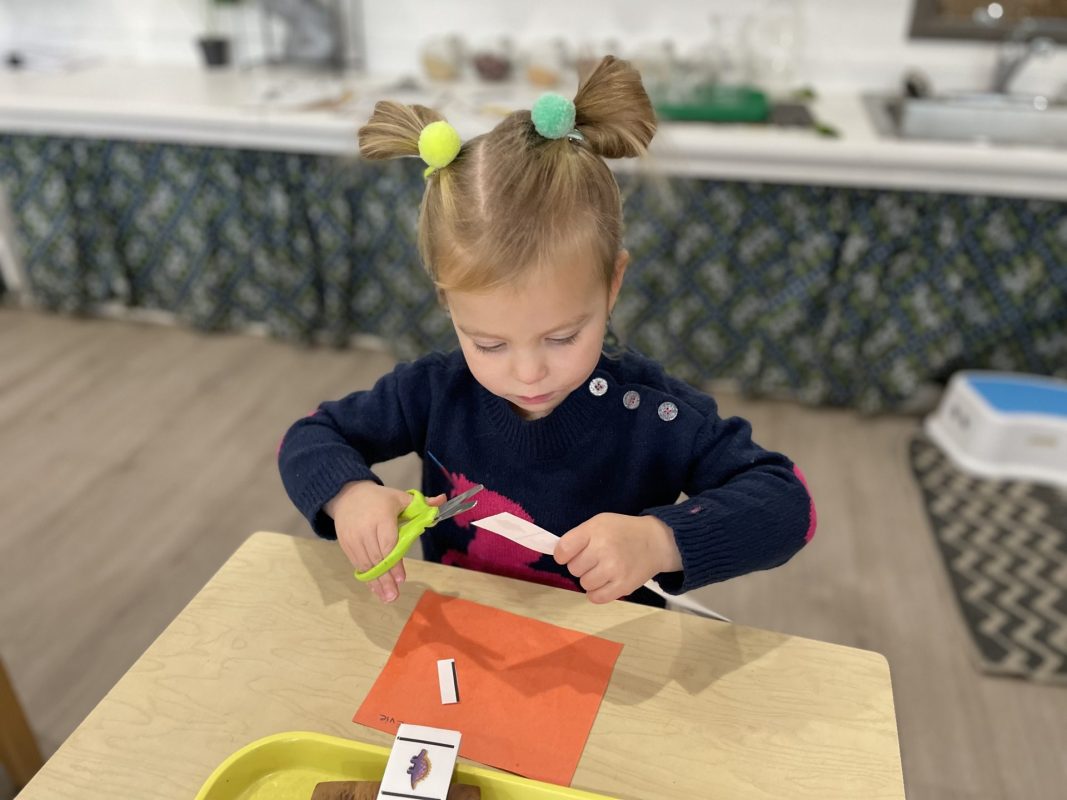
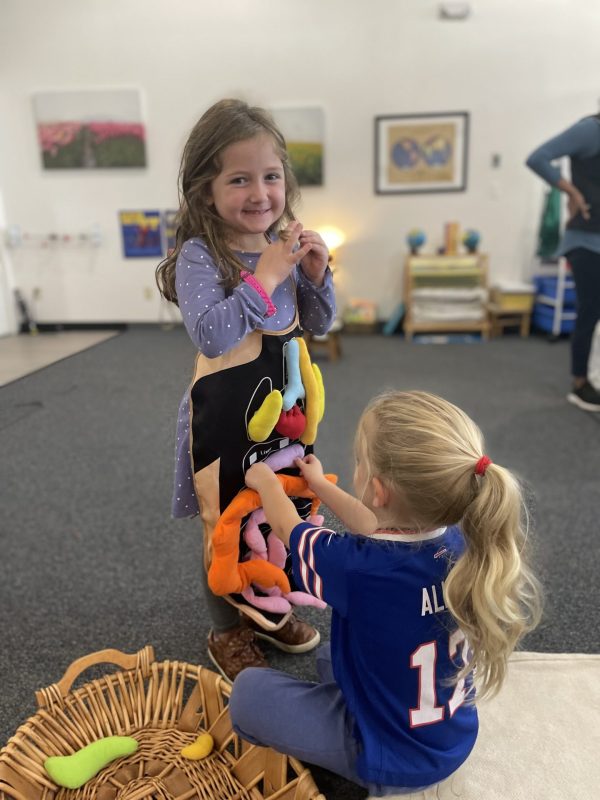
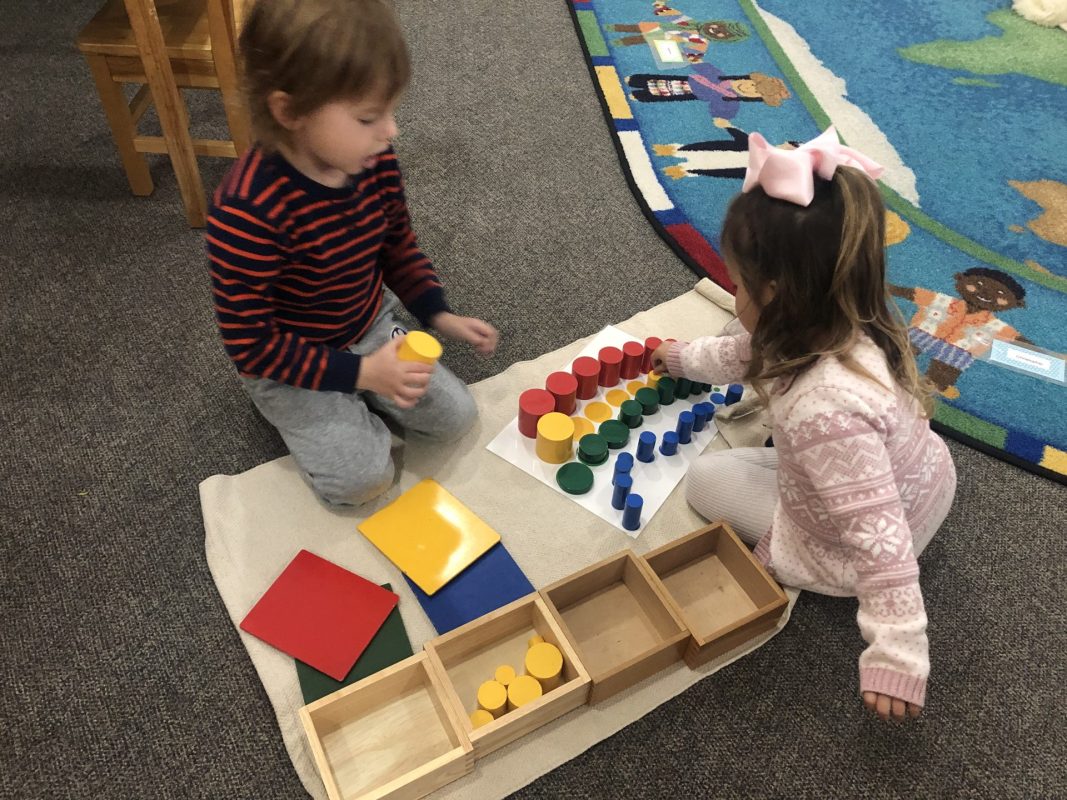
Research shows that children from ages 3-6 learn best through their hands. In order to truly understand a concept they need to explore it through touch. This is why so many of the lessons found in the Montessori environment are not based on memorization alone. Most concepts we are teaching involve tracing, manipulating, and exploring with their hands. Perhaps most importantly, focusing on the process protects the child’s intrinsic motivation to learn and understand. It is not influenced by external factors such as recognition, praise, or reward. The time and experience with the materials is what we truly value and encourage.

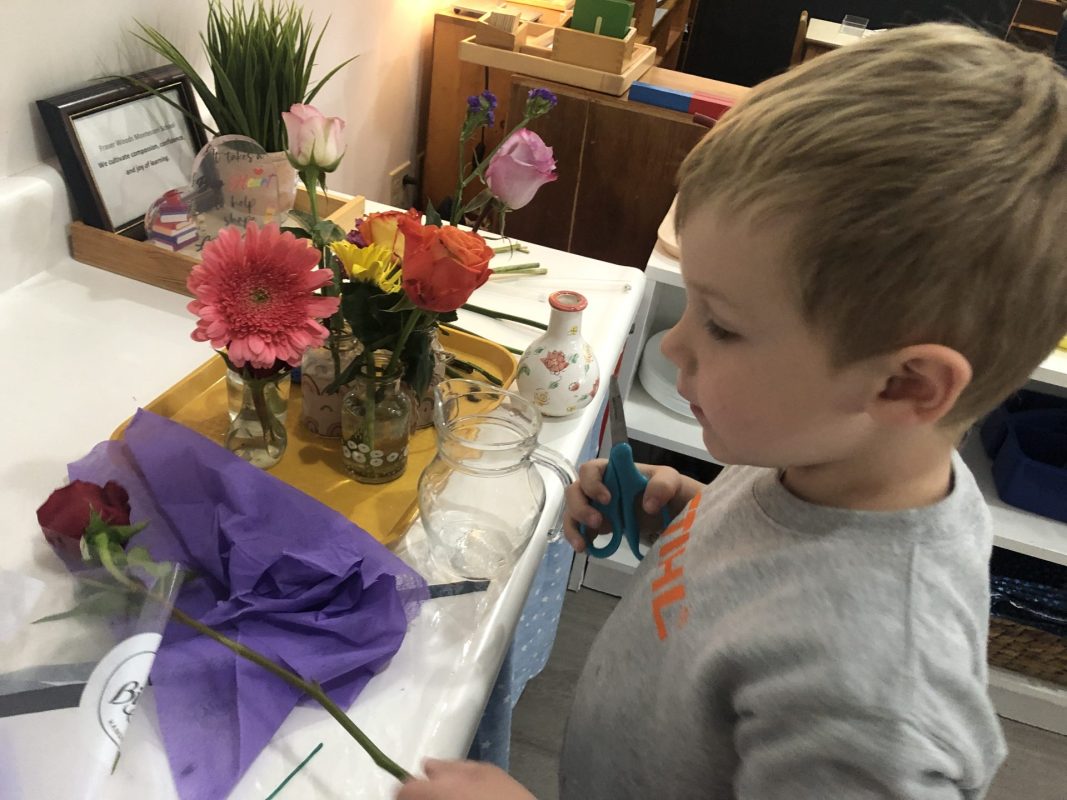
So, if your child’s folder comes home with little to no work, just know that their accomplishments can’t always ‘fit’ in that folder. Maybe after weeks and weeks of trying, they learned how to zipper their own coat or maybe they can finally carry a work without it dropping. Maybe after observing a lesson day after day,  your child tried it independently for the first time. The list of skills each child can accomplish will never be fully represented in the Friday Folder. So please enjoy the work that is in there, but know it is not a full portrayal of all that the children are accomplishing.

Wishing you a week filled with peace and love.

Amanda and Hema


Mrs. Doyle’s Class: Friday Folder Fun Facts

We have to remember as adults, that we want things done, and as quickly as possible, so that they are finished and out of the way; whereas the child is interested and content in the doing, not the done.” –Margaret Stephenson, The Art of Montessori in the Home

Each Friday we send home Friday Folders with the work the children have completed over the course of the past week. It is not uncommon for us to receive emails asking why there was so little work inside and what exactly are the children doing?

Sometimes it can be difficult to accept the idea of focusing on the process, not the product. What exactly does that mean? Many of the works in the Montessori classroom do not end with a physical product the children will bring home to share with everyone. There is often no way to visually assess what a child is learning. Overall, as a society, we are product driven and often times, base our success on this factor. The experience a child has when working with the materials is truly what is most important. However, when you hear they did “nothing” day after day, it can often be unsettling.

Research shows that children from ages 3-6 learn best through their hands. In order to truly understand a concept they need to explore it through touch. This is why so many of the lessons found in the Montessori environment are not based on memorization alone. Most concepts we are teaching involve tracing, manipulating, and exploring with their hands. Perhaps most importantly, focusing on the process protects the child’s intrinsic motivation to learn and understand. It is not influenced by external factors such as recognition, praise, or reward. The time and experience with the materials is what we truly value and encourage.

So, if your child’s folder comes home with little to no work, just know that their accomplishments can’t always ‘fit’ in that folder. Maybe after weeks and weeks of trying, they learned how to zipper their own coat or maybe they can finally carry a work without it dropping. Maybe after observing a lesson day after day,  your child tried it independently for the first time. The list of skills each child can accomplish will never be fully represented in the Friday Folder. So please enjoy the work that is in there, but know it is not a full portrayal of all that the children are accomplishing.

Wishing you a week filled with peace and love.

Michelle and Maria


Mrs. Semmah: Friday Folder Fun Facts

We have to remember as adults, that we want things done, and as quickly as possible, so that they are finished and out of the way; whereas the child is interested and content in the doing, not the done.” –Margaret Stephenson, The Art of Montessori in the Home

Each Friday we send home Friday Folders with the work the children have completed over the course of the past week. It is not uncommon for us to receive emails asking why there was so little work inside and what exactly are the children doing?

Sometimes it can be difficult to accept the idea of focusing on the process, not the product. What exactly does that mean? Many of the works in the Montessori classroom do not end with a physical product the children will bring home to share with everyone. There is often no way to visually assess what a child is learning. Overall, as a society, we are product driven and often times, base our success on this factor. The experience a child has when working with the materials is truly what is most important. However, when you hear they did “nothing” day after day, it can often be unsettling.

Research shows that children from ages 3-6 learn best through their hands. In order to truly understand a concept they need to explore it through touch. This is why so many of the lessons found in the Montessori environment are not based on memorization alone. Most concepts we are teaching involve tracing, manipulating, and exploring with their hands. Perhaps most importantly, focusing on the process protects the child’s intrinsic motivation to learn and understand. It is not influenced by external factors such as recognition, praise, or reward. The time and experience with the materials is what we truly value and encourage.

So, if your child’s folder comes home with little to no work, just know that their accomplishments can’t always ‘fit’ in that folder. Maybe after weeks and weeks of trying, they learned how to zipper their own coat or maybe they can finally carry a work without it dropping. Maybe after observing a lesson day after day,  your child tried it independently for the first time. The list of skills each child can accomplish will never be fully represented in the Friday Folder. So please enjoy the work that is in there, but know it is not a full portrayal of all that the children are accomplishing.

Wishing you a week filled with peace and love.

Kaoutar and Michelle


Mrs. Semmah: Sing Peace Around The World


Peace is what every human being is craving for, and it can be brought about by humanity through the child. -Maria Montessori

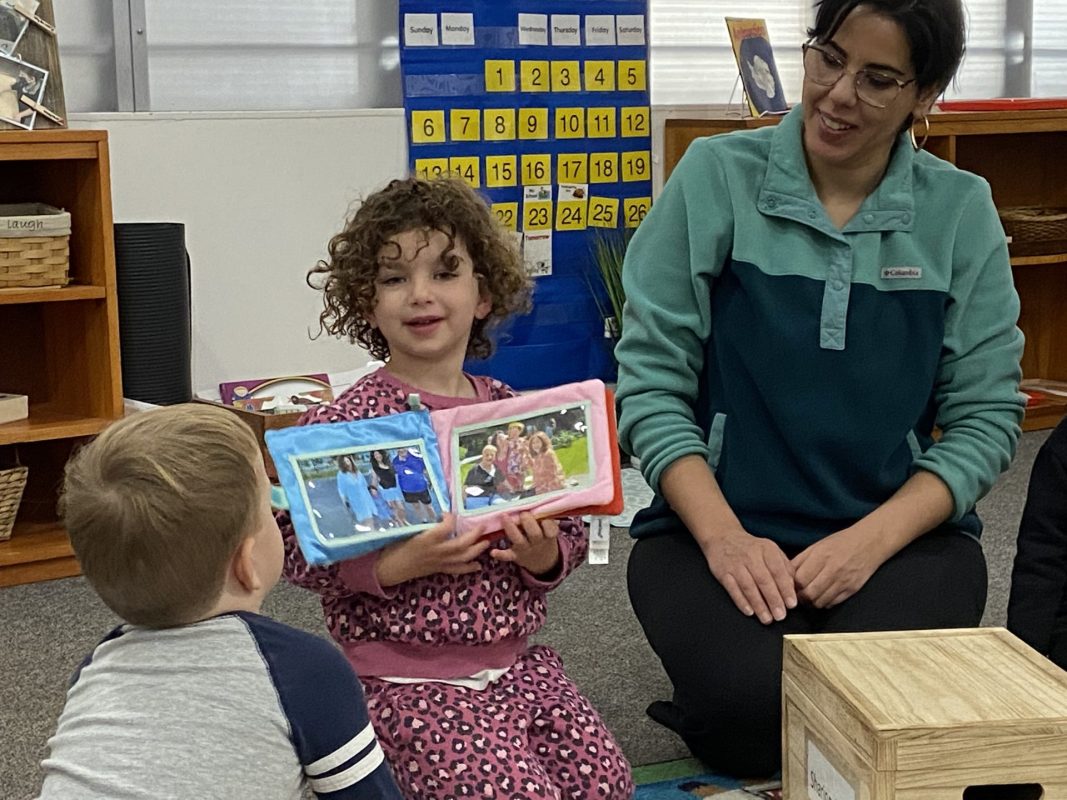
Peace education is a basic tenet of the Montessori philosophy. In the 3-6 environment, studying the seven continents, including their people and cultures, provides a global view of our world. As Montessori teachers, practicing and teaching peace, kindness, and acceptance is a natural part of our day. Dr. Maria Montessori believed we should think of education as peace, not education for peace. She also believed that young children were our hope for eliminating conflict and instilling peace throughout the world. Dr. Montessori, as always, knew that lecturing children would accomplish very little and that to truly understand peace they would need to discover it for themselves.

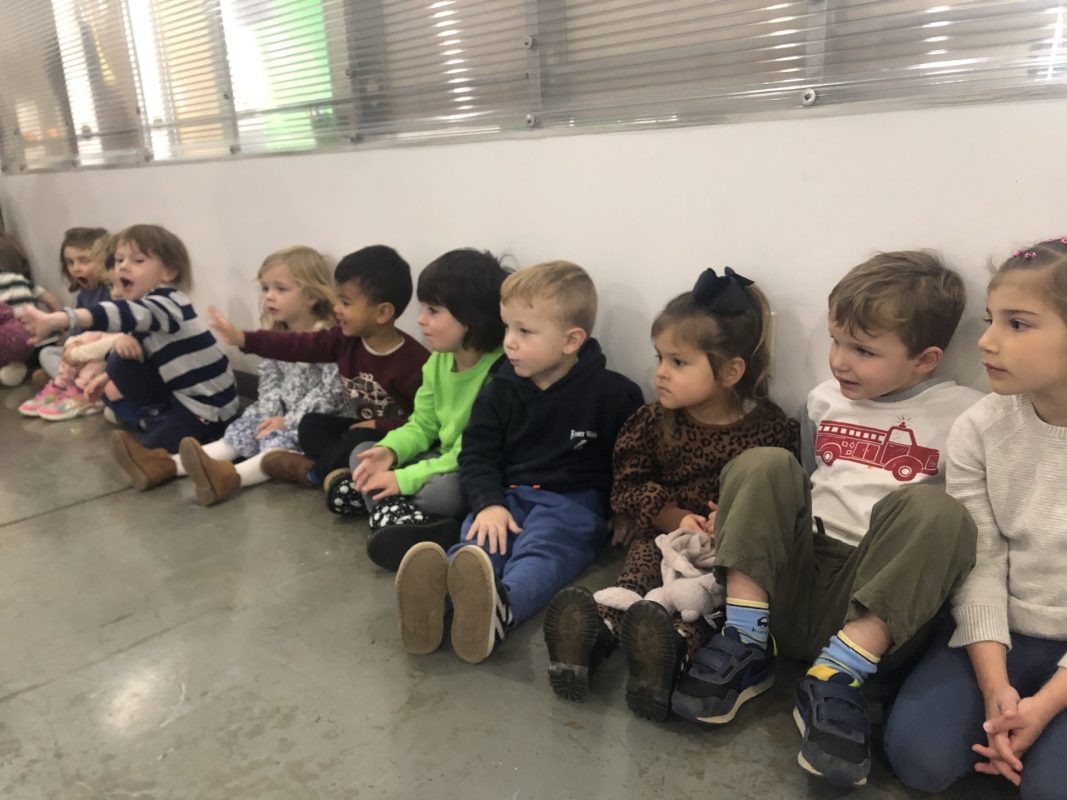
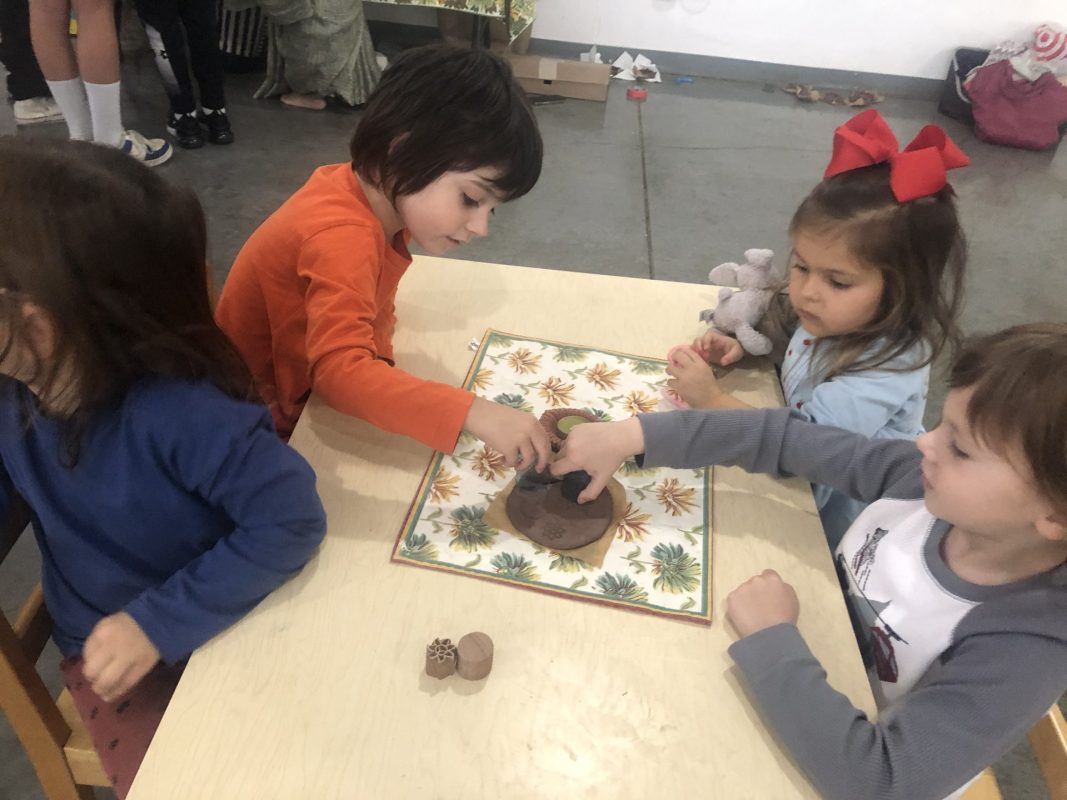
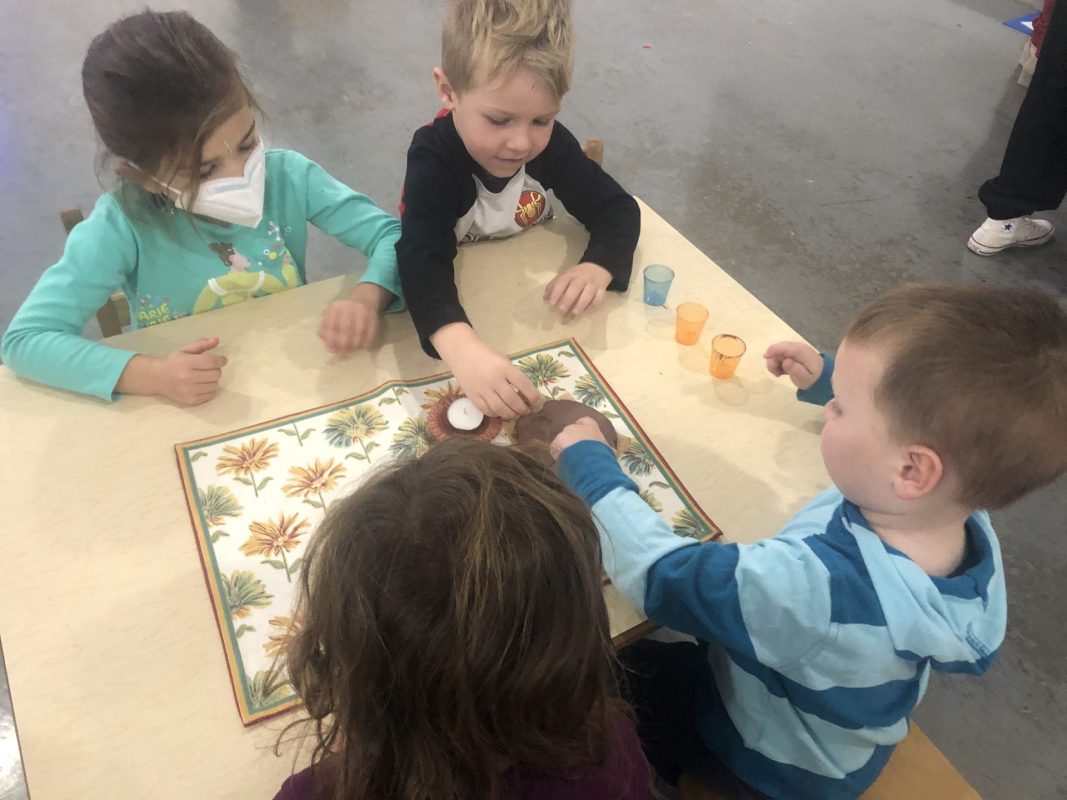
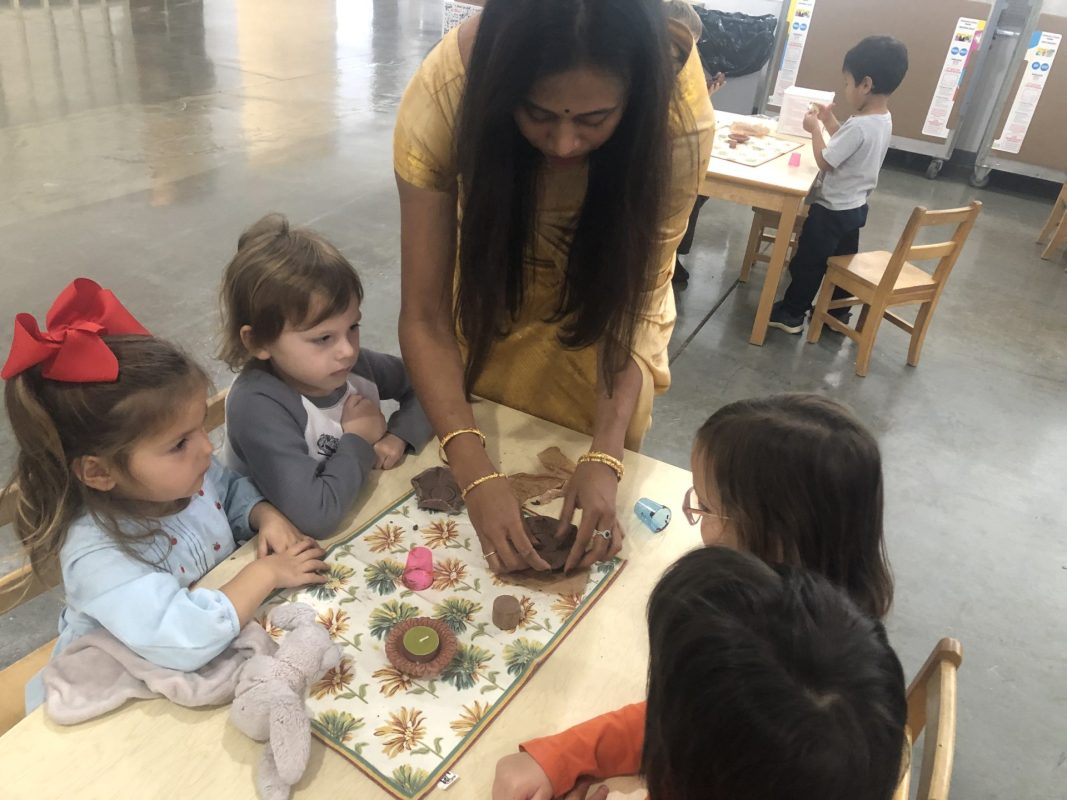
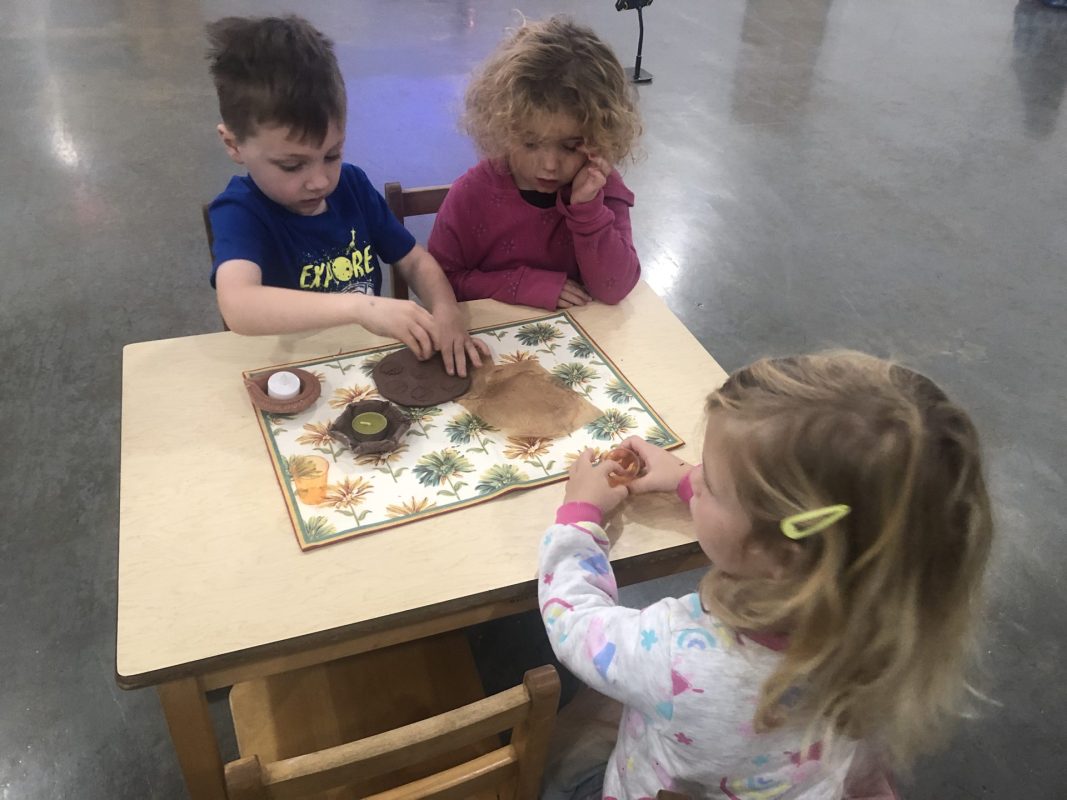
Typically to celebrate Peace Day, we participate in “Sing Peace Around The World.”  Beginning in New Zealand and ending in Hawaii, Montessori schools around the world sing “Light A Candle For Peace” for five minutes.  Here at FWM, we gathered together and sang with the entire school, early Wednesday morning.  It was a powerful moment and reminder of the importance of teaching and modeling peace to everyone we interact with.  So for 24 hours, this special song was sung in a different part of the world by Montessori children.  Wishing everyone a peaceful week!

Kaoutar & Michelle


Mrs. Doyle: Sing Peace Around The World


Peace is what every human being is craving for, and it can be brought about by humanity through the child. -Maria Montessori

Peace education is a basic tenet of the Montessori philosophy. In the 3-6 environment, studying the seven continents, including their people and cultures, provides a global view of our world. As Montessori teachers, practicing and teaching peace, kindness, and acceptance is a natural part of our day. Dr. Maria Montessori believed we should think of education as peace, not education for peace. She also believed that young children were our hope for eliminating conflict and instilling peace throughout the world. Dr. Montessori, as always, knew that lecturing children would accomplish very little and that to truly understand peace they would need to discover it for themselves.

Typically to celebrate Peace Day, we participate in “Sing Peace Around The World.”  Beginning in New Zealand and ending in Hawaii, Montessori schools around the world sing “Light A Candle For Peace” for five minutes.  Here at FWM, we gathered together and sang with the entire school, early Wednesday morning.  It was a powerful moment and reminder of the importance of teaching and modeling peace to everyone we interact with.  So, for 24 hours, this special song was sung in a different part of the world by Montessori children.

Wishing everyone a week filled with peace and love!

Michelle & Maria


Mrs. Lopes: Sing Peace Around the World


Peace is what every human being is craving for, and it can be brought about by humanity through the child. -Maria Montessori

Peace education is a basic tenet of the Montessori philosophy. In the 3-6 environment, studying the seven continents, including their people and cultures, provides a global view of our world. As Montessori teachers, practicing and teaching peace, kindness, and acceptance is a natural part of our day. Dr. Maria Montessori believed we should think of education as peace, not education for peace. She also believed that young children were our hope for eliminating conflict and instilling peace throughout the world. Dr. Montessori, as always, knew that lecturing children would accomplish very little and that to truly understand peace they would need to discover it for themselves.
Typically to celebrate Peace Day, we participate in “Sing Peace Around The World.”  Beginning in New Zealand and ending in Hawaii, Montessori schools around the world sing “Light A Candle For Peace” for five minutes.  Here at FWM, we gathered together and sang with the entire school, early Wednesday morning.  It was a powerful moment and reminder of the importance of teaching and modeling peace to everyone we interact with.  So for 24 hours, this special song is being sung in a different part of the world by Montessori children.  Wishing everyone a peaceful week!
Amanda and Hema


Mrs Semmah: One Step At A Time

We know it takes time for the new rhythm of school days to become familiar. So, while we are taking one step at a time, we are slowly building the foundations for a smooth, exciting school year.

It just a few short days, we as a class are learning:

  • how to navigate our way around the environment
  • how to wait for a lesson
  • the routines of our school day
  • how to prepare for snack and lunch independently
  • about being part of a large group meeting by listening and sharing
  • care of self and care of the environment

Our returning friends have been role models for our new friends.  It’s a wonderful opportunity for them to be a leader. It wasn’t so very long ago that they were new to the classroom themselves and they accept this new responsibility with excitement and confidence.

A question we frequently hear from parents is, “What can I do at home to help my child be successful at school?” One way to do so is to guide your child to become as independent as possible. This independence is guided by your child’s age and ability. So there are no hard and fast rules to follow. A few important areas to focus on would be setting up and cleaning up their lunch, putting on and taking off coats and boots, toileting themselves, packing and unpacking their backpacks, and carefully putting their toys away when they are done.  This process is also one step at a time.

Here’s to new beginnings and a peaceful, fun school year for everyone!

Wishing you all a week filled with peace and love!

Kaoutar and Michelle