Mrs. Lopes Class: Welcome Fall

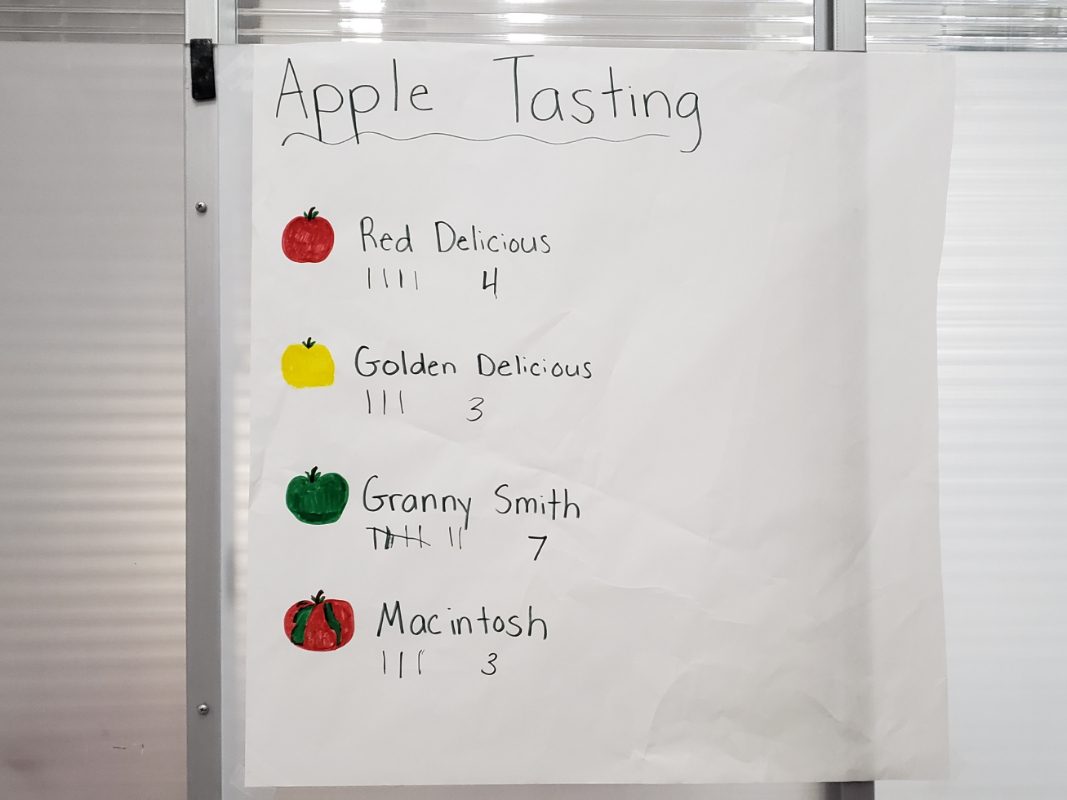
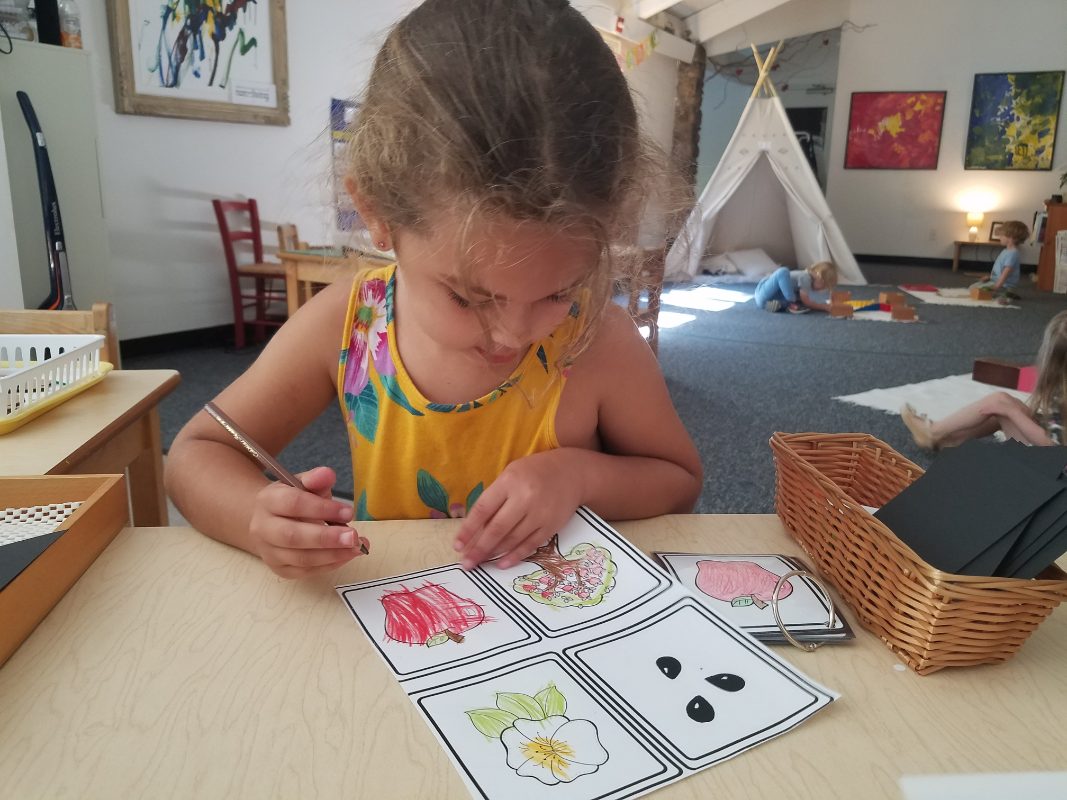
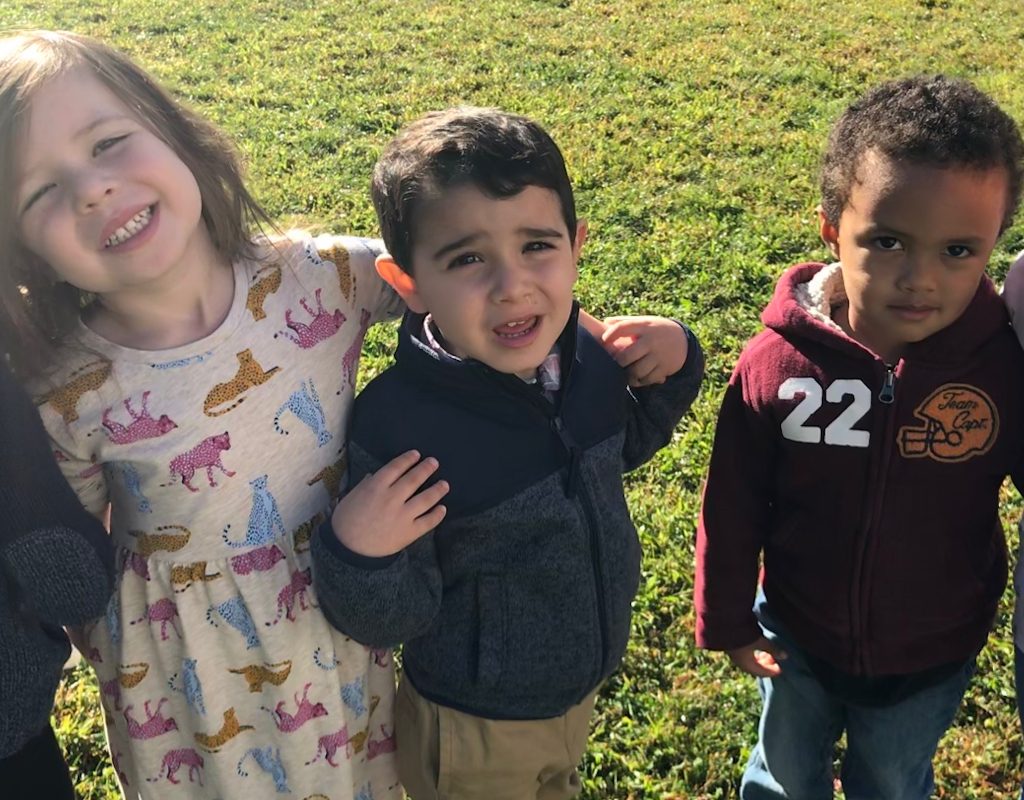
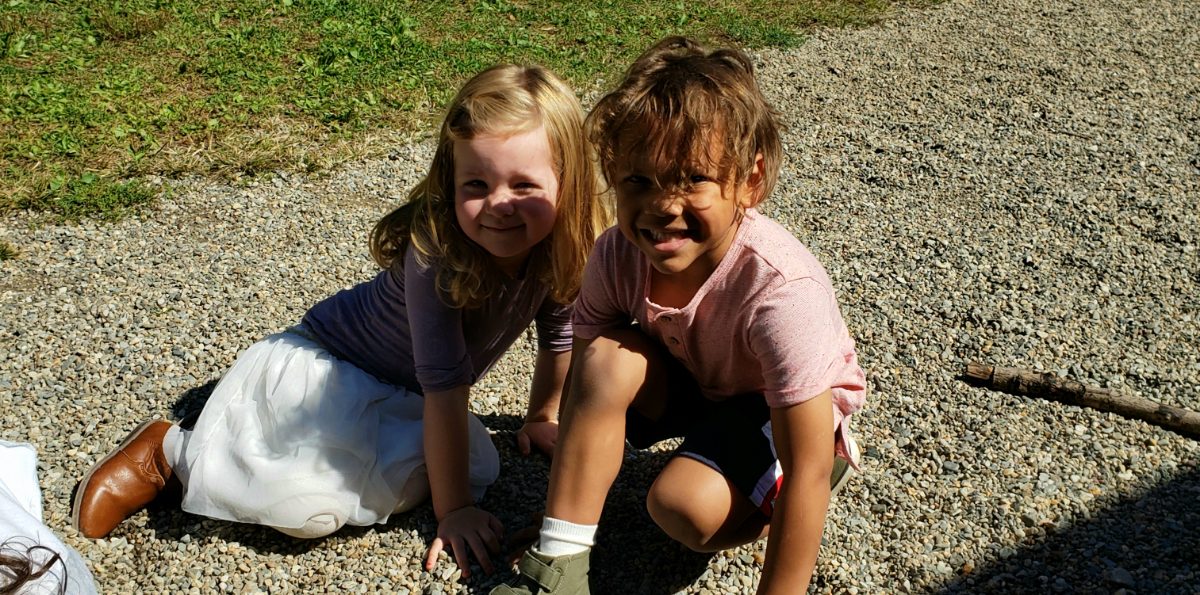
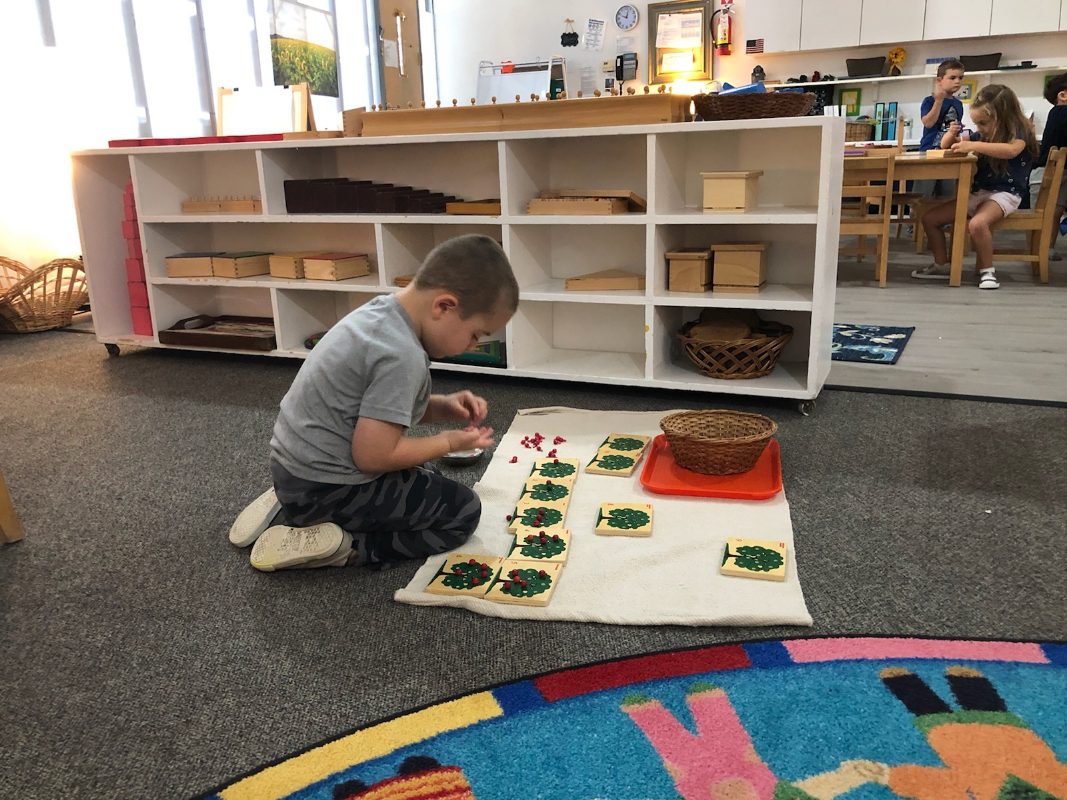
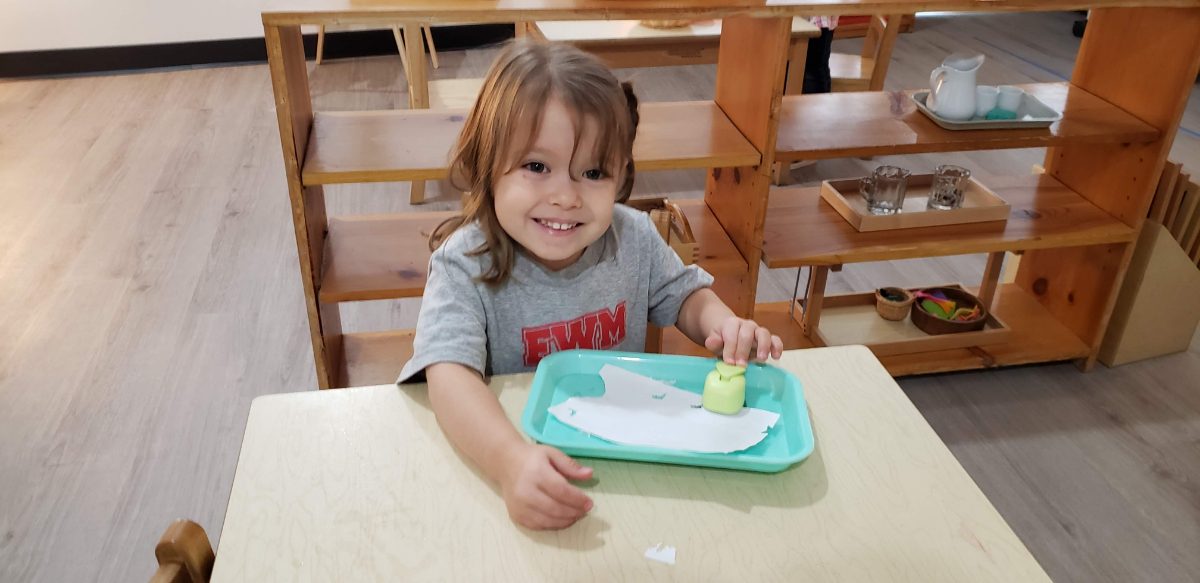
The weather is getting cooler and the leaves are starting to change as we welcomed the first day of fall. We have enjoyed spending some extra time outdoors this week with the gorgeous weather. In the classroom, we discussed what we like to do in the fall and one of our favorites was apple picking! We had so much fun learning more about apples this week. We studied the life cycle of an apple, talked about the parts of an apple, and even did an apple tasting. It was interesting to watch the children react to each kind of apple and describe how they looked and tasted different. We heard words such as “crunchy,” “juicy,” and “sour.”  At the end of the tasting, each child got to vote for their favorite…Granny Smith won!

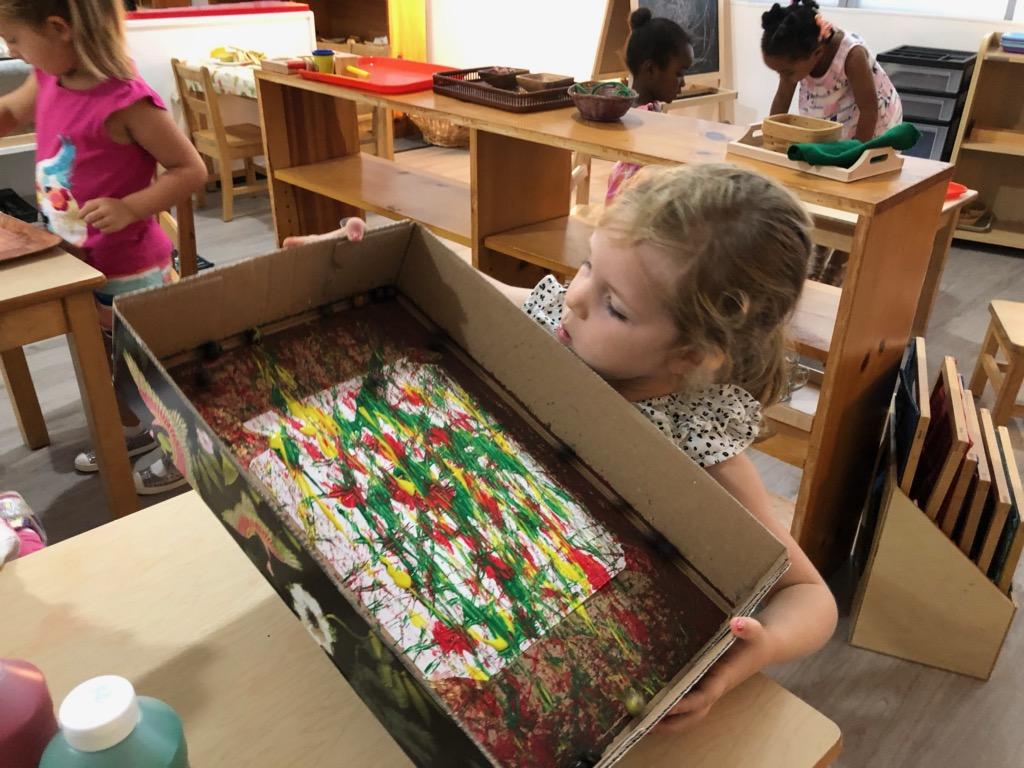
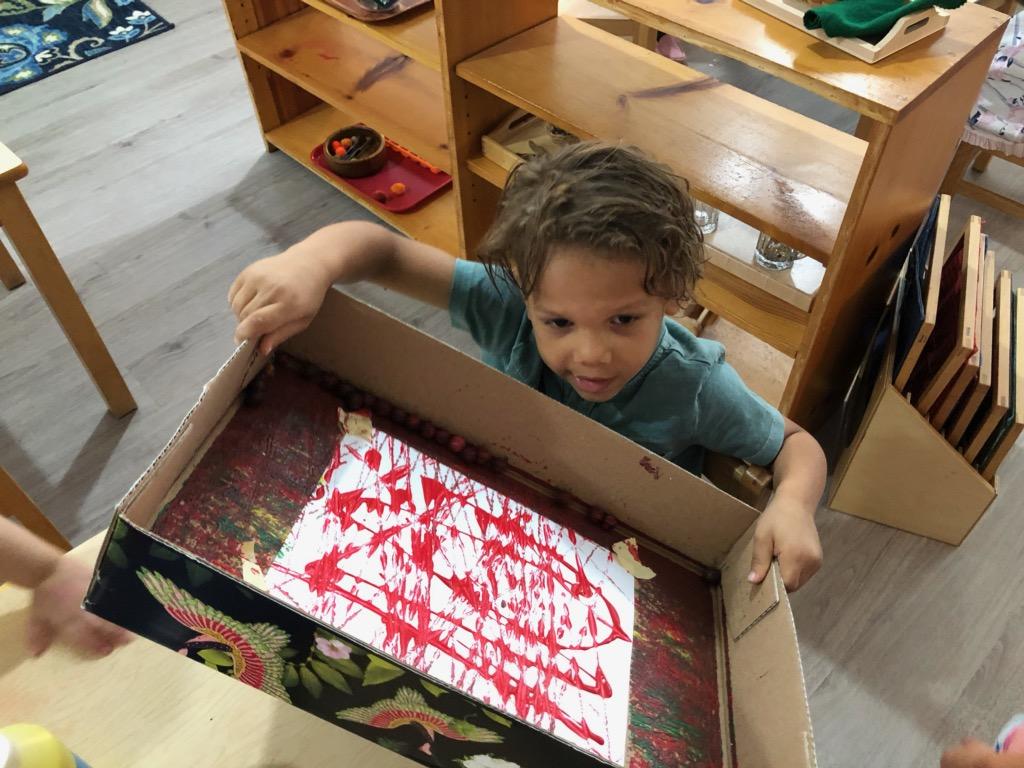
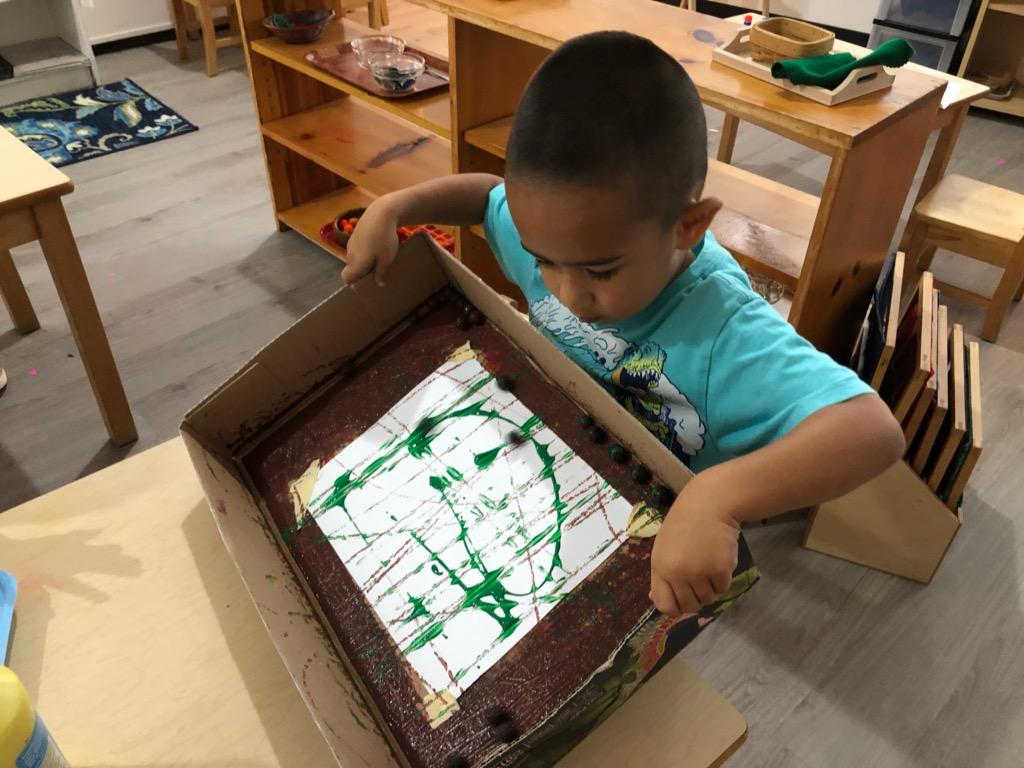
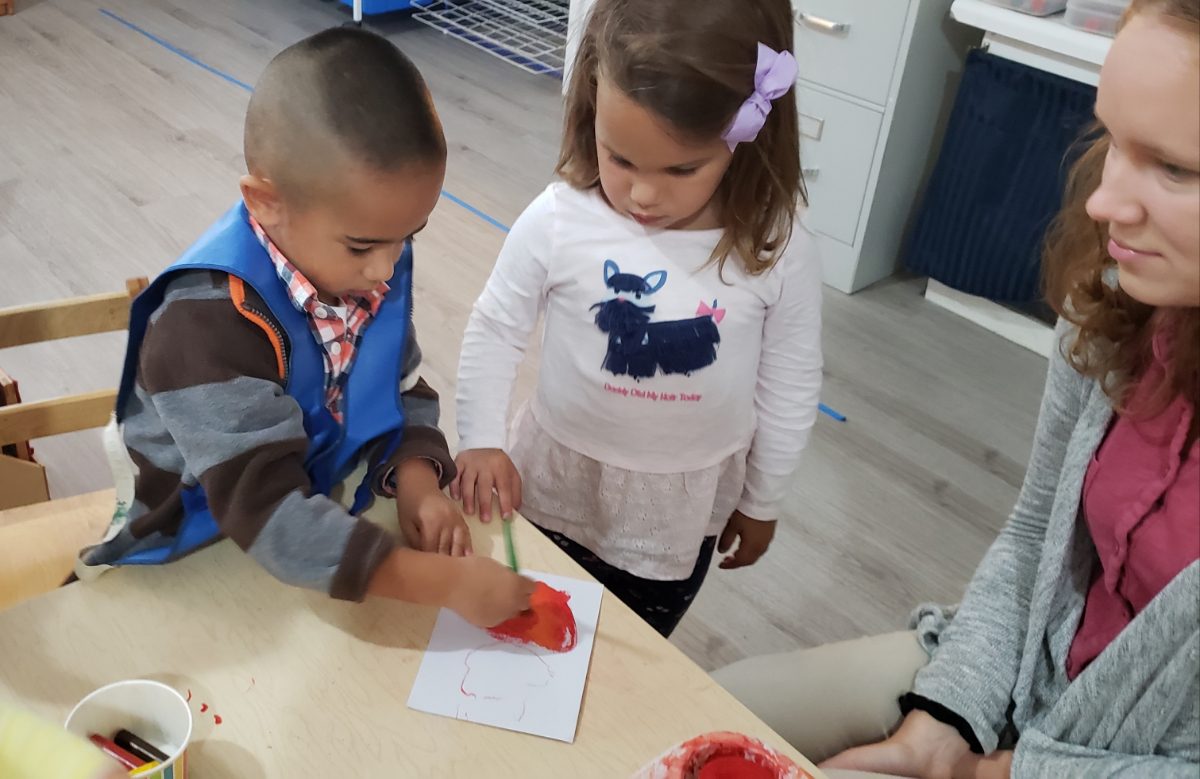
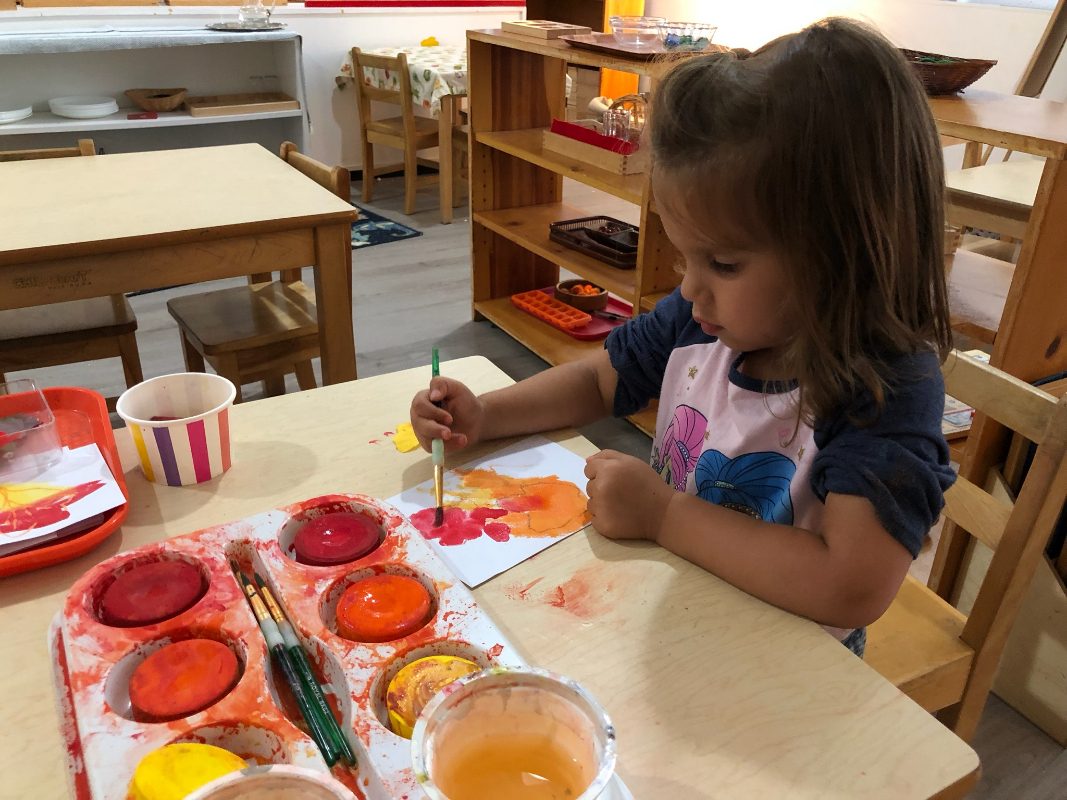
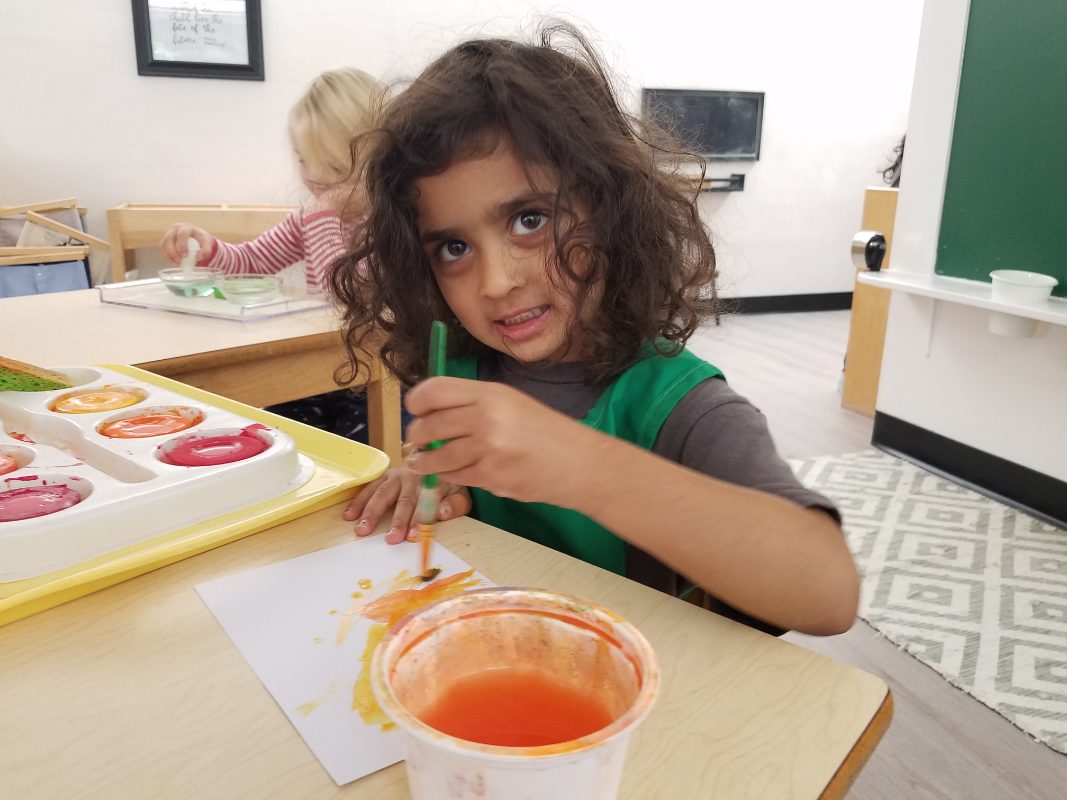
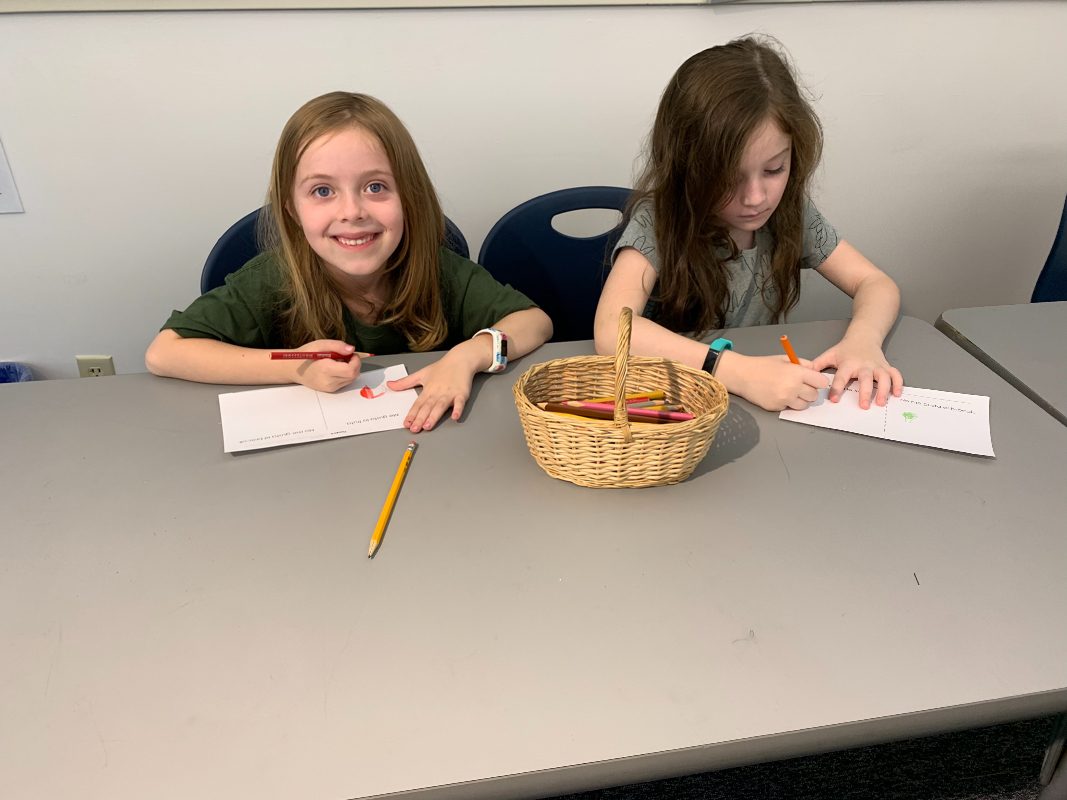
We observed the children engaging with the apple-themed works on the shelf in all areas of the classroom this week. We also did some marble painting to make our own apples and our art teacher, Mrs. Reid, shared a yarn apple project that is beautifully displayed on a branch outside our classroom. If you have a chance, make sure to stop by and check it out!

Warmly,

Mrs. Lopes and Ms. Vigue


Mrs. Carroll’s Class: Pathways to Peace


” We shall walk together on this path of life, for all things are part of the universe and are connected with each other to form one whole unity.”-Maria Montessori

Peace truly begins in our homes and in our classrooms. The basics of peace include providing day-to-day environments which operate under an umbrella of respect, where our children can freely share concerns, feel safe, be productive, and enjoy one another.

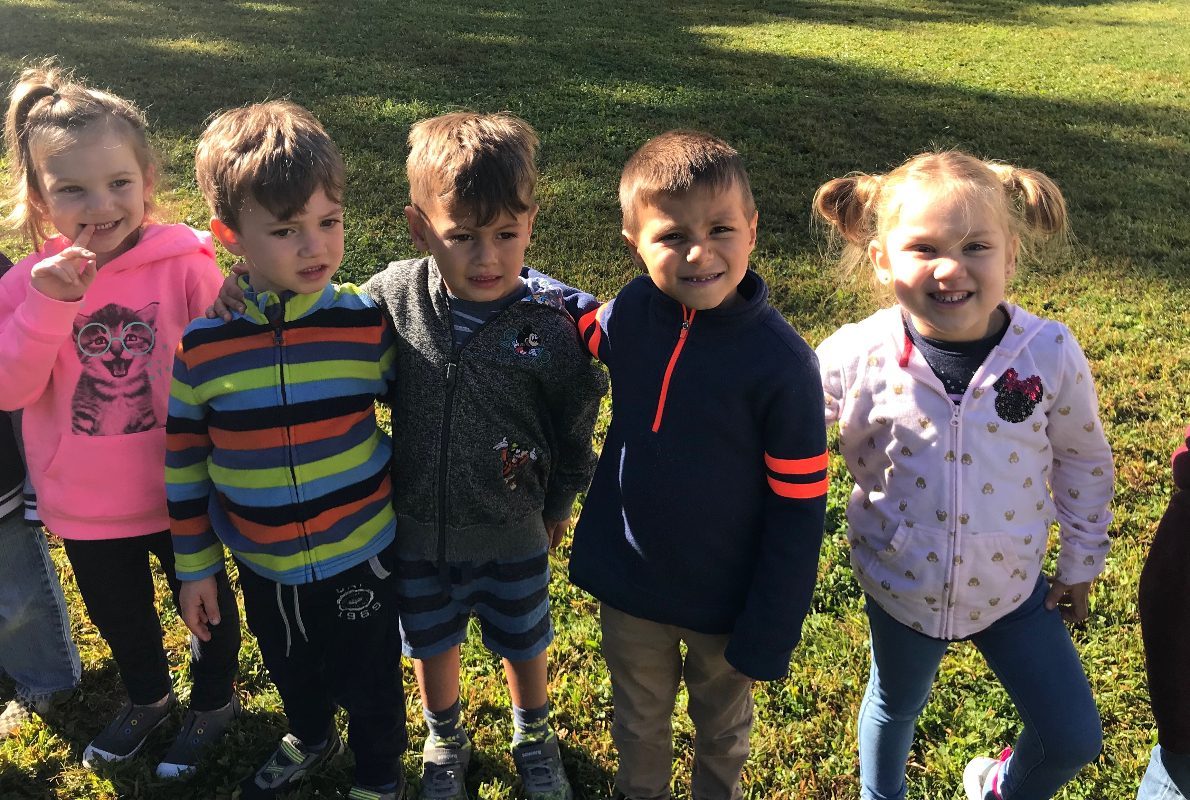
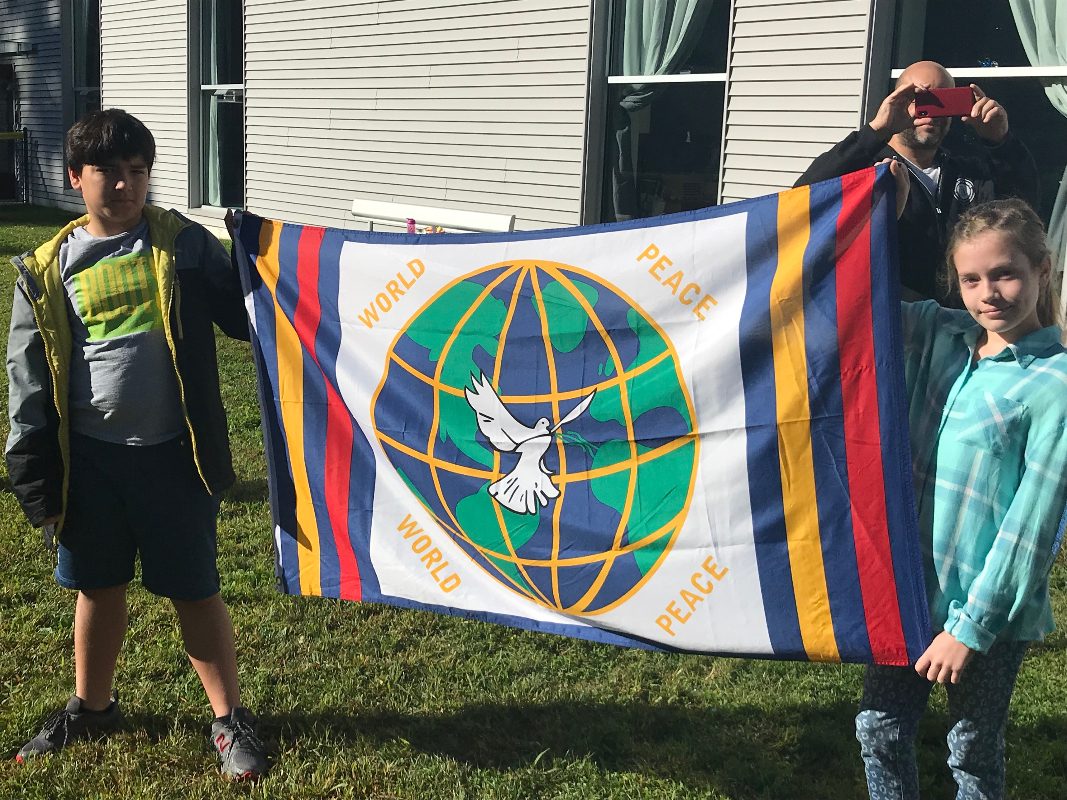
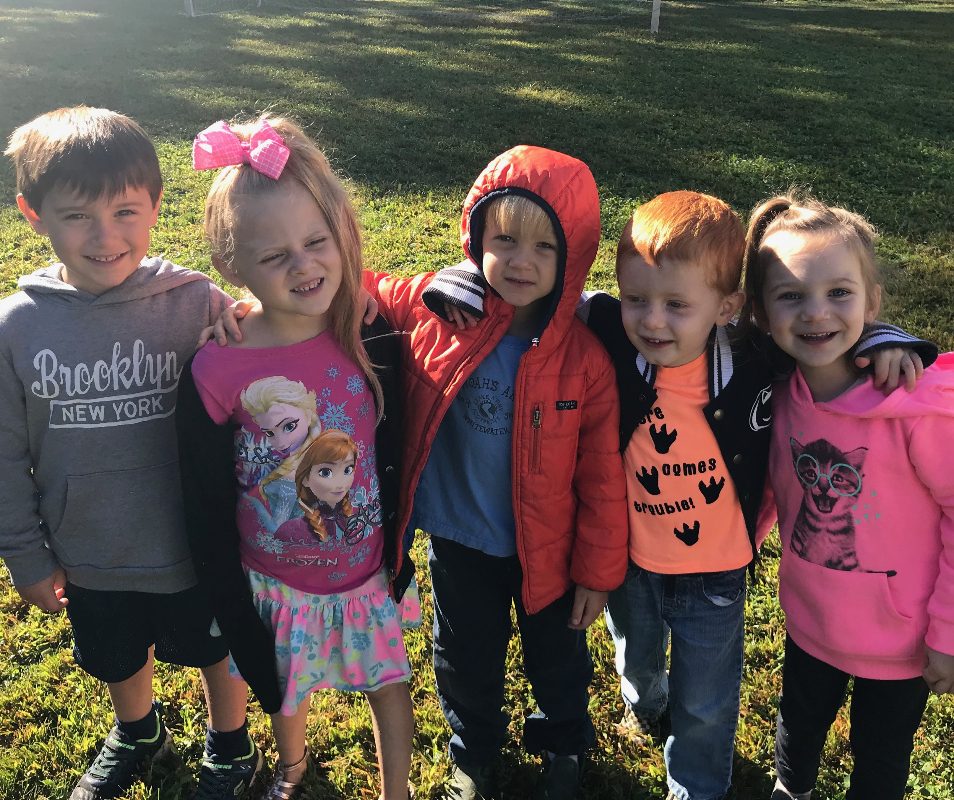
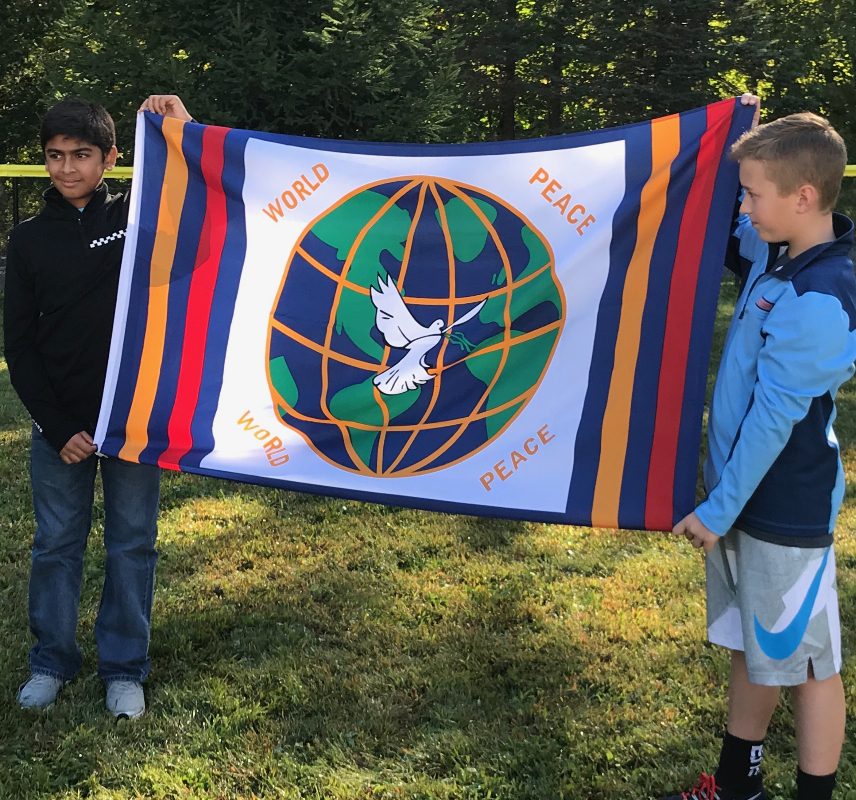
As is tradition, Fraser Woods celebrated an International Day of Peace with Montessori children from around the world on September 20th. We participated in singing “Light a Candle for Peace,” joining in the efforts of the organization Pathways to Peace to create a “Peace Wave” along with millions of others to honor and inspire the work we all are called upon to do in order to be peacemakers. The song was sung non-stop for twenty four hours by children from around the world.

May we all work together to create a world where everyone everywhere is able to enjoy and exercise their ‘right to peace’.  And may we all help our children learn how to carry on this important mission.

Wishing you all strength and peace.

Cindy and Sharlene


Mrs. Doyle’s Class: Sing Peace Around the World

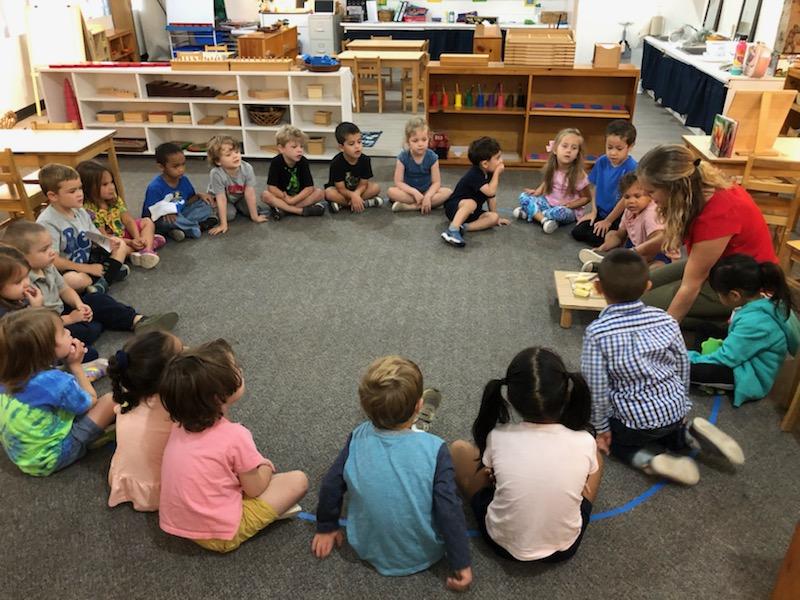
Peace education is a basic tenet of the Montessori philosophy.  In the 3-6 environment, studying the seven continents, including its people and cultures, provides a global view of our world. As Montessori teachers, practicing and teaching peace, kindness, and acceptance is a natural part of our day. Dr. Maria Montessori believed we should think of education as peace, not education for peace.  She also believed that young children were our hope for eliminating conflict and instilling peace throughout the world. Dr. Montessori, as always, knew that lecturing children would accomplish very little and that to truly understand peace they would need to discover it for themselves.

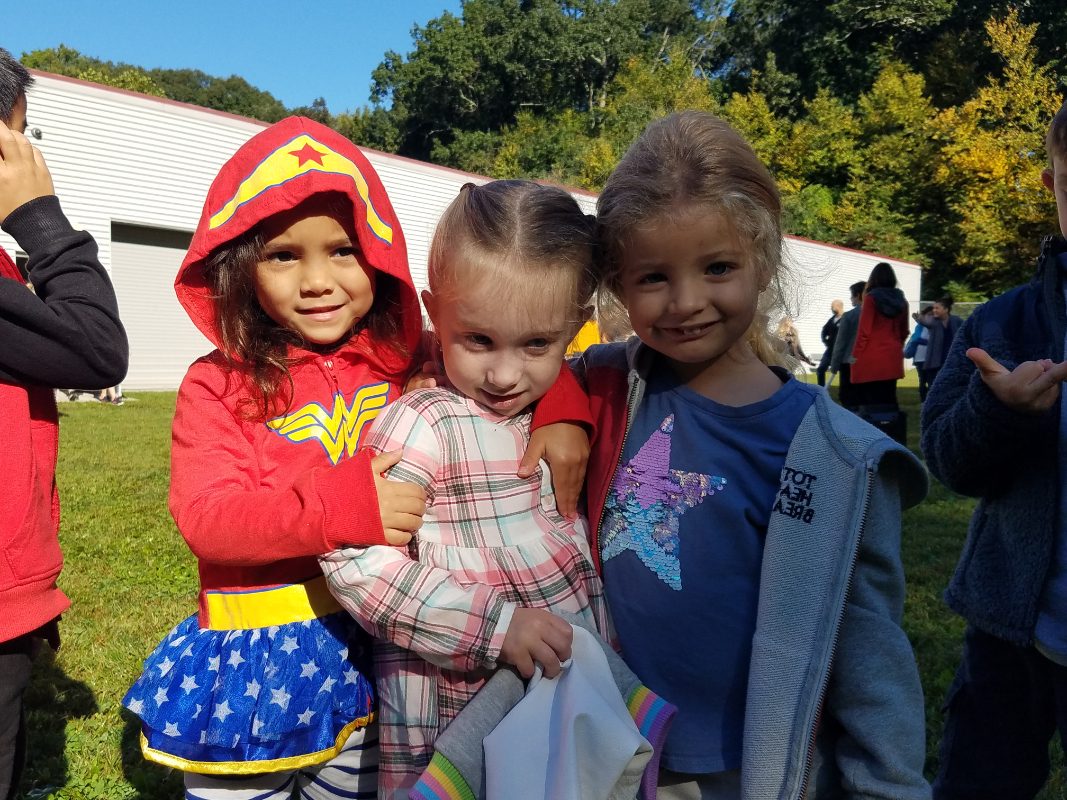
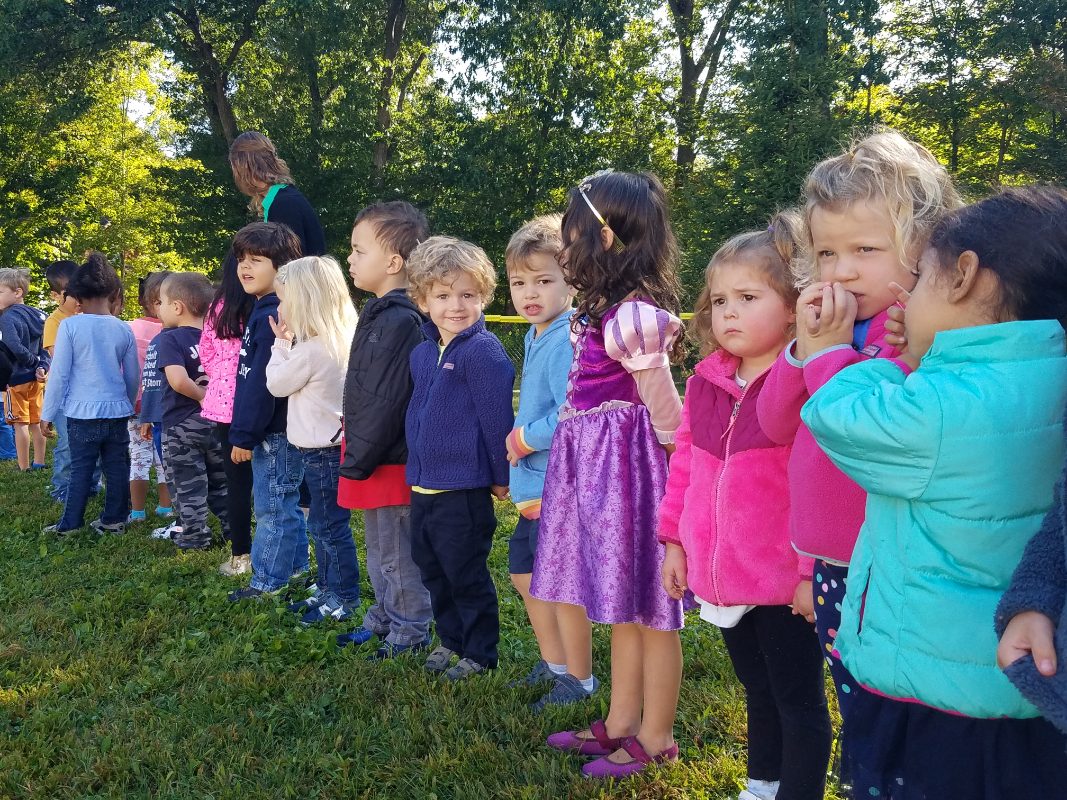
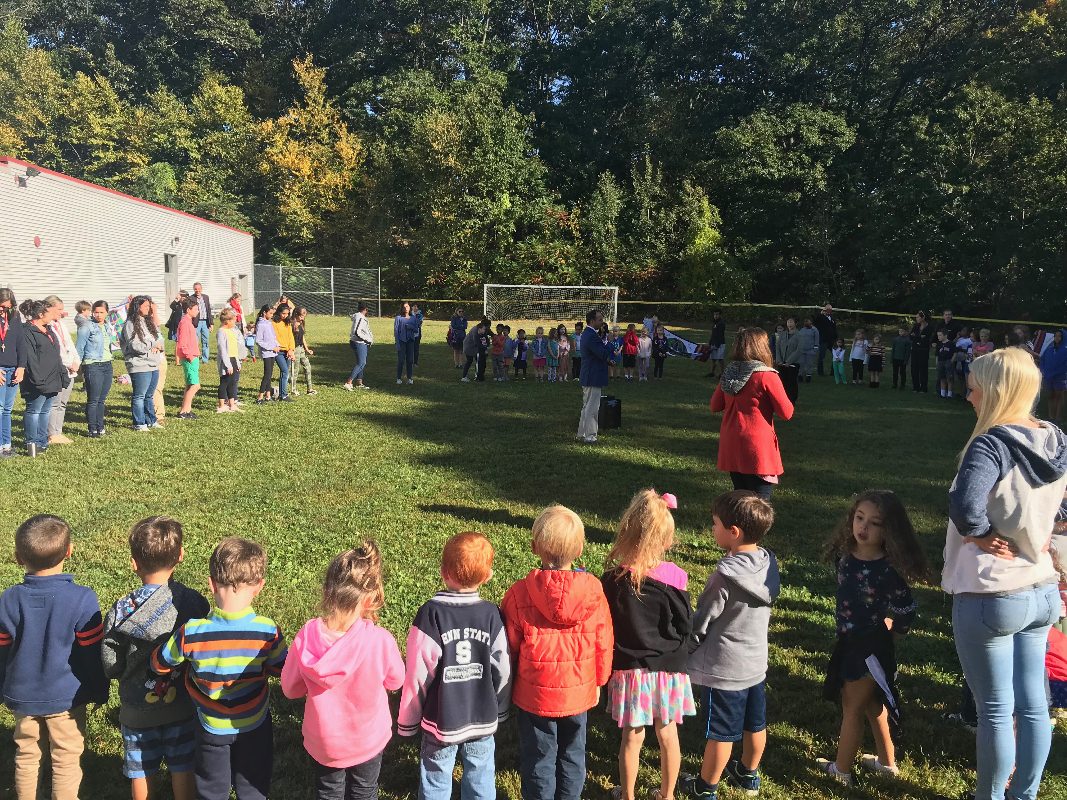
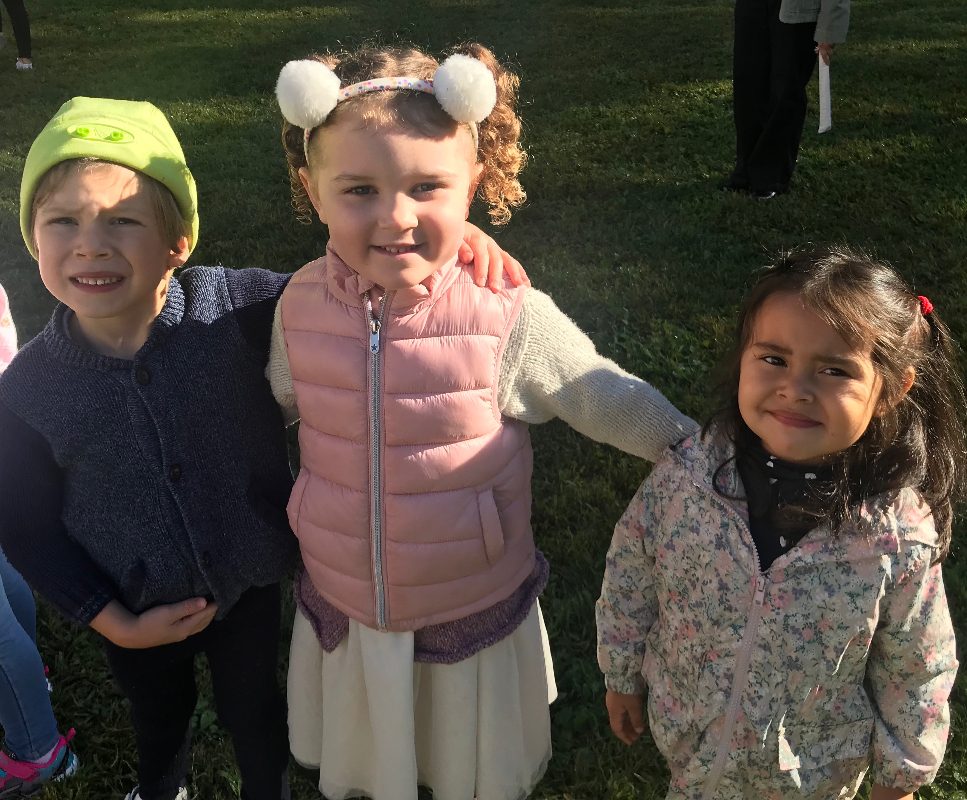
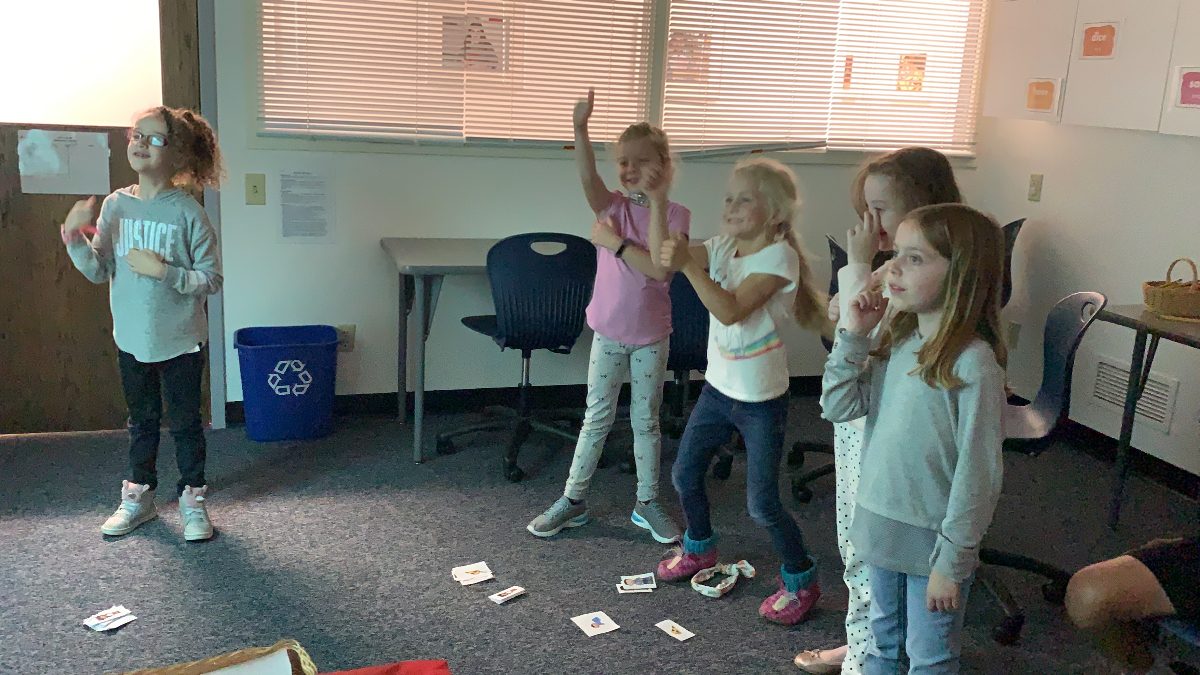
To celebrate the International Day of Peace, on September 20th, our school participated in “Sing Peace Around The World.”  Beginning in New Zealand and ending in Hawaii, Montessori schools around the world sang “Light A Candle For Peace” for five minutes and during a specific time slot. So for 24 hours, this special song was being sung in a different part of the world by Montessori children.

We hope you enjoy this short video and pictures of our school taking part in this simple yet beautiful ceremony.

   Peace is what every human being is craving for, and it can be brought about by humanity through the child.

                                                                                                                ——-Maria Montessori

Mrs. Lopes Class: Learning About Our World

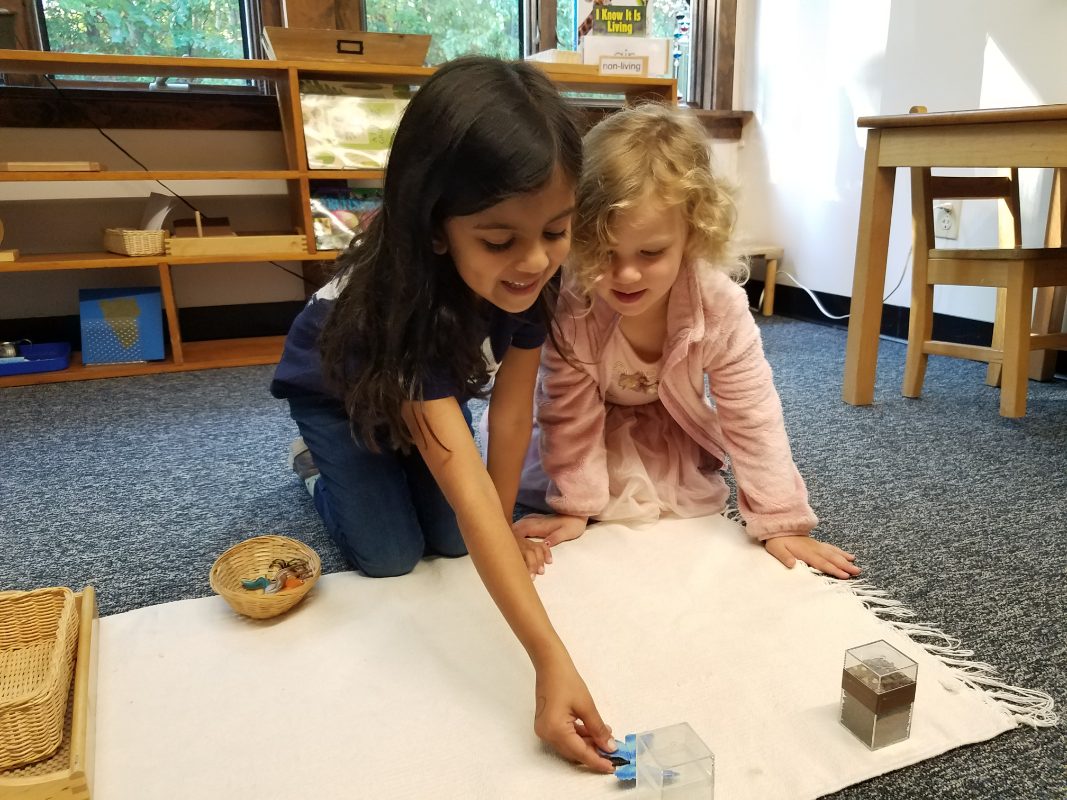
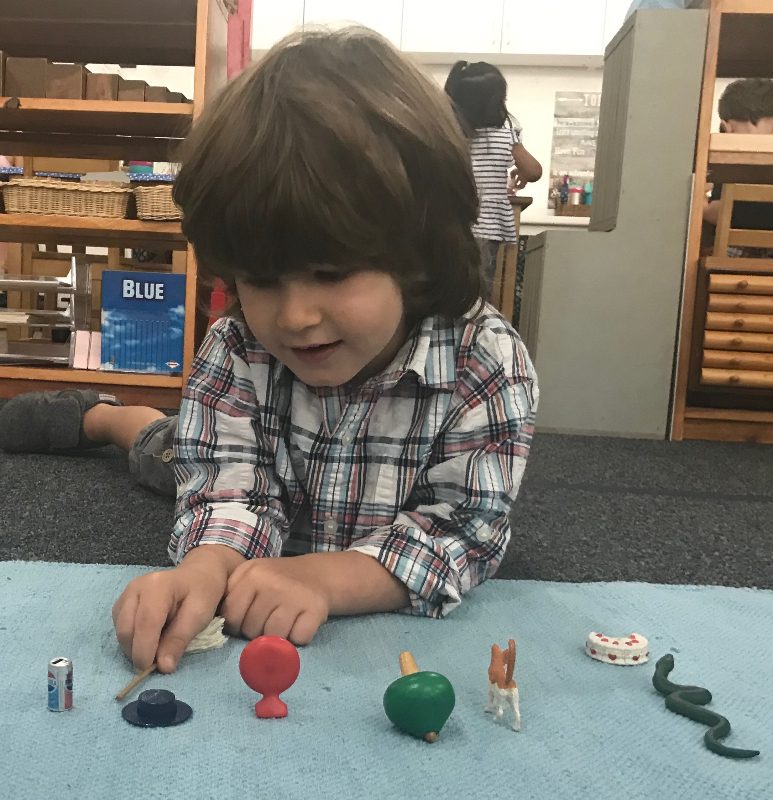
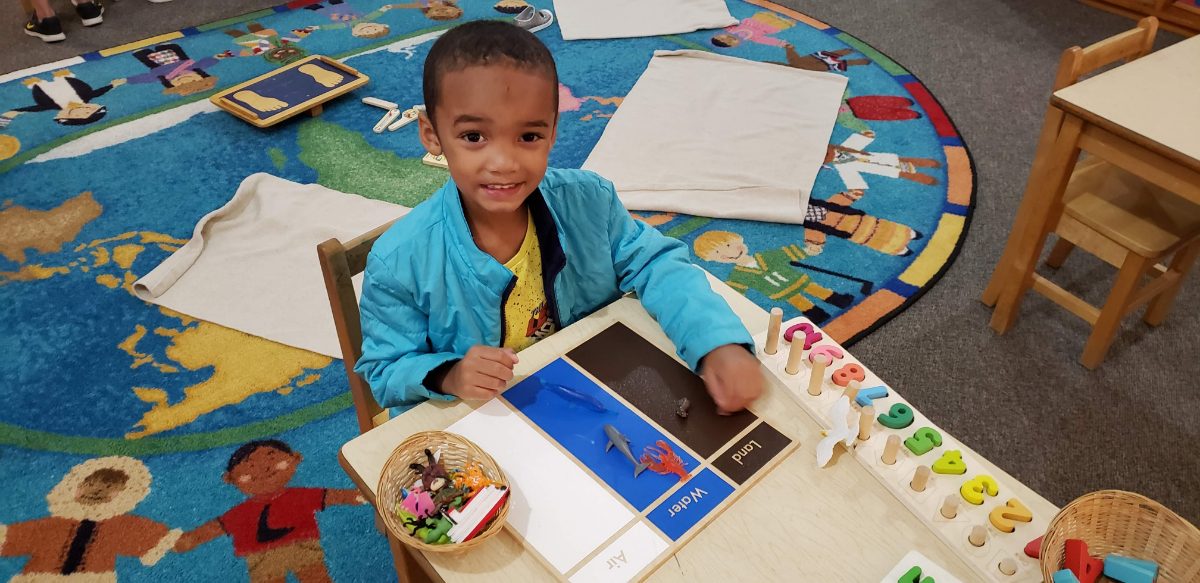
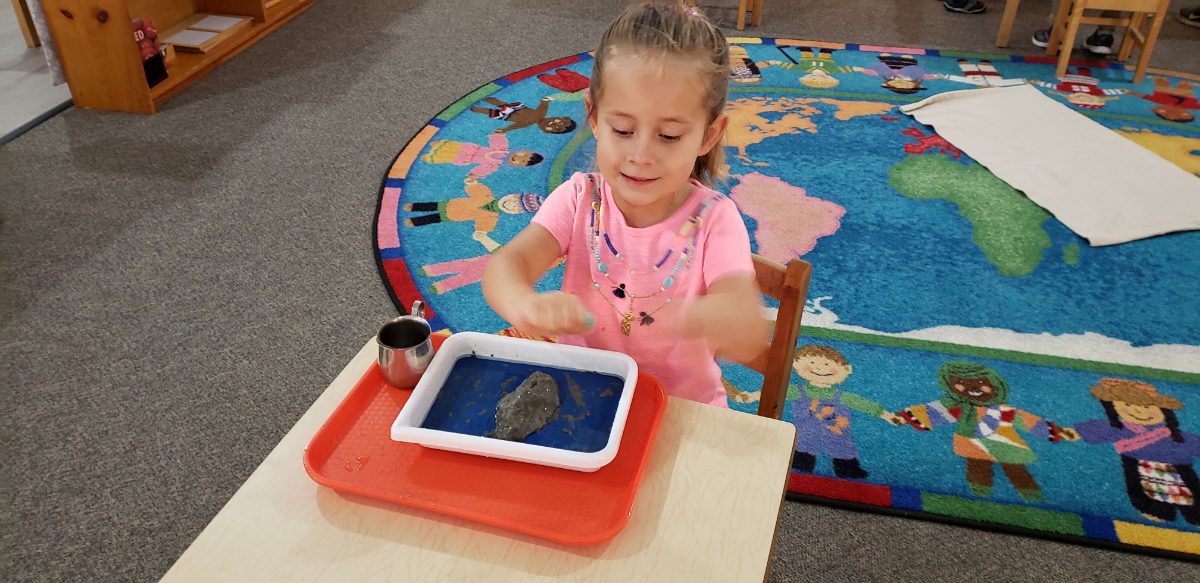
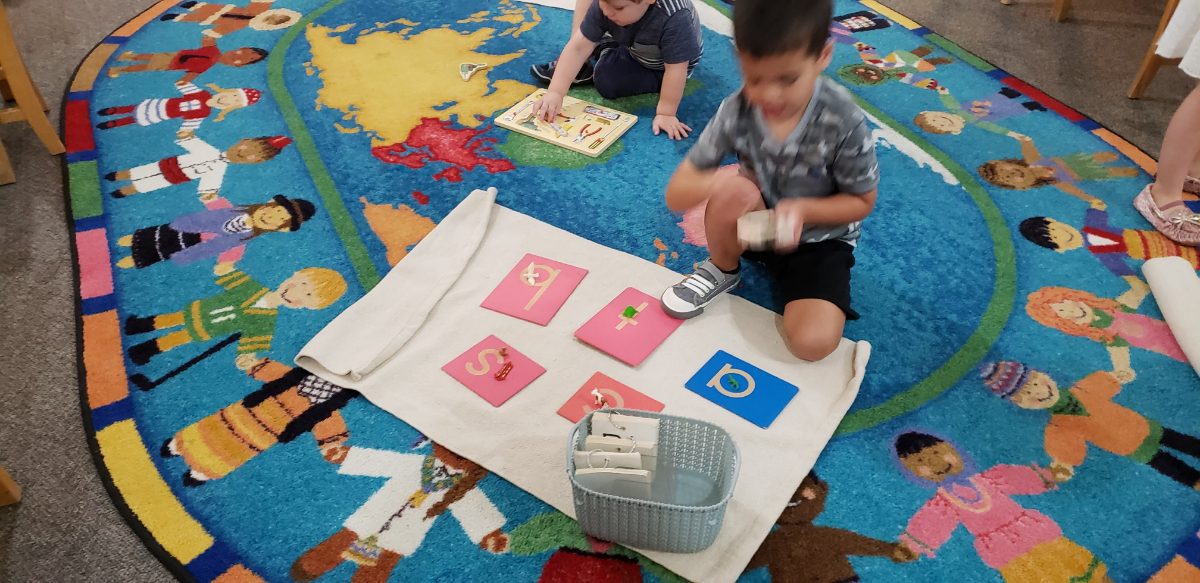
In our second week, the children enjoyed a fun introduction to our science area.  We began with the concept of living vs non-living.  We discussed what makes something living; they move, they breath, need water, and need food. We then sorted several small objects to determine if they were living or non living. It was interesting to watch them sort and hear their reasoning on why an object was living or non-living. We also talked about the difference between land, water, and air.  The children studied jars containing land, water, and air.  They then explored lessons where they could sort animals and forms of transportation to the land, water, and air.

In preparation for our apple unit next week, the children have been learning the “5 Little Apples” song.  Ask them to sing it for you!  Here are the lyrics if you would like to sing it at home:

Way up high in the apple tree,

5 little apples smiled down at me,

I shook that tree as hard as I could,

Down came an apple,

Mmmmm was it good!

(We then repeat the song with 4, 3, 2, 1 apples until there are no apples left on the tree)

Best,

Mrs. Lopes & Ms. Vigue


Mrs. Carroll’s Class: Across the Planet

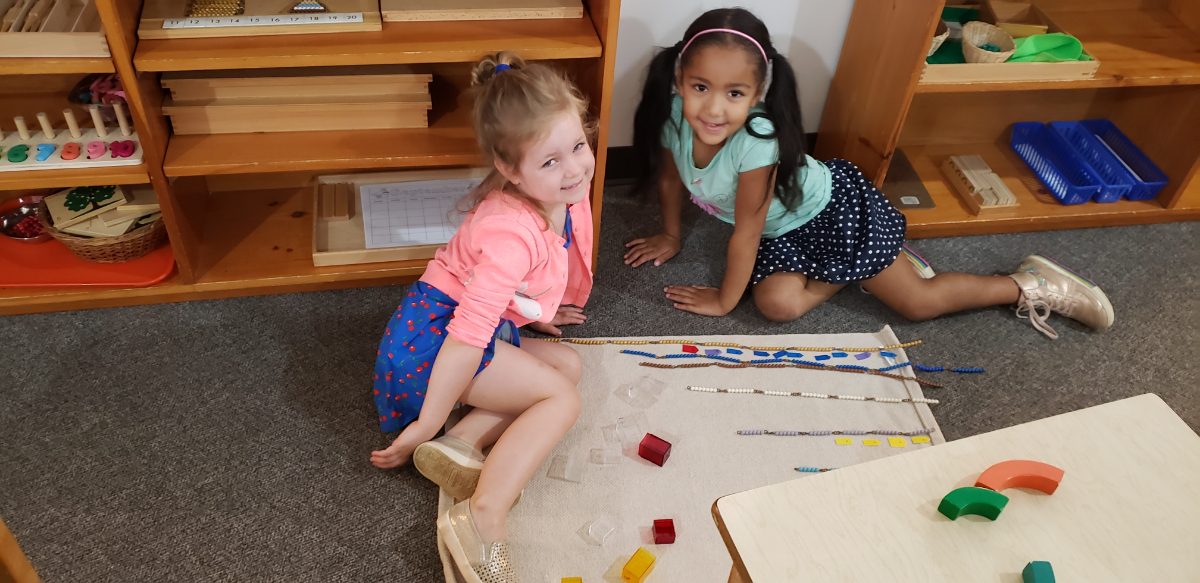
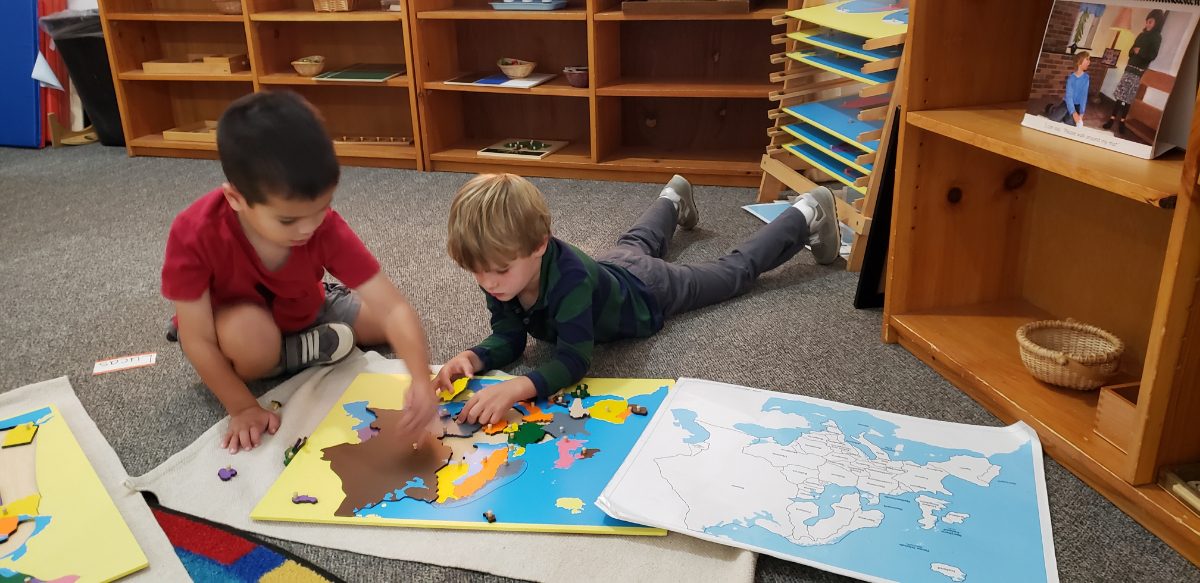
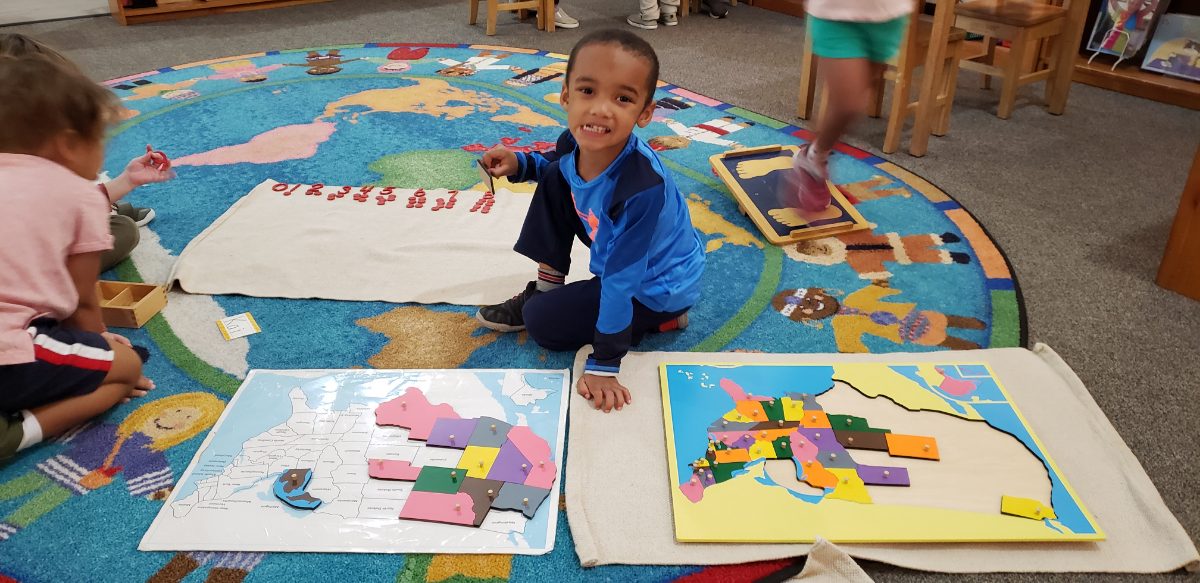
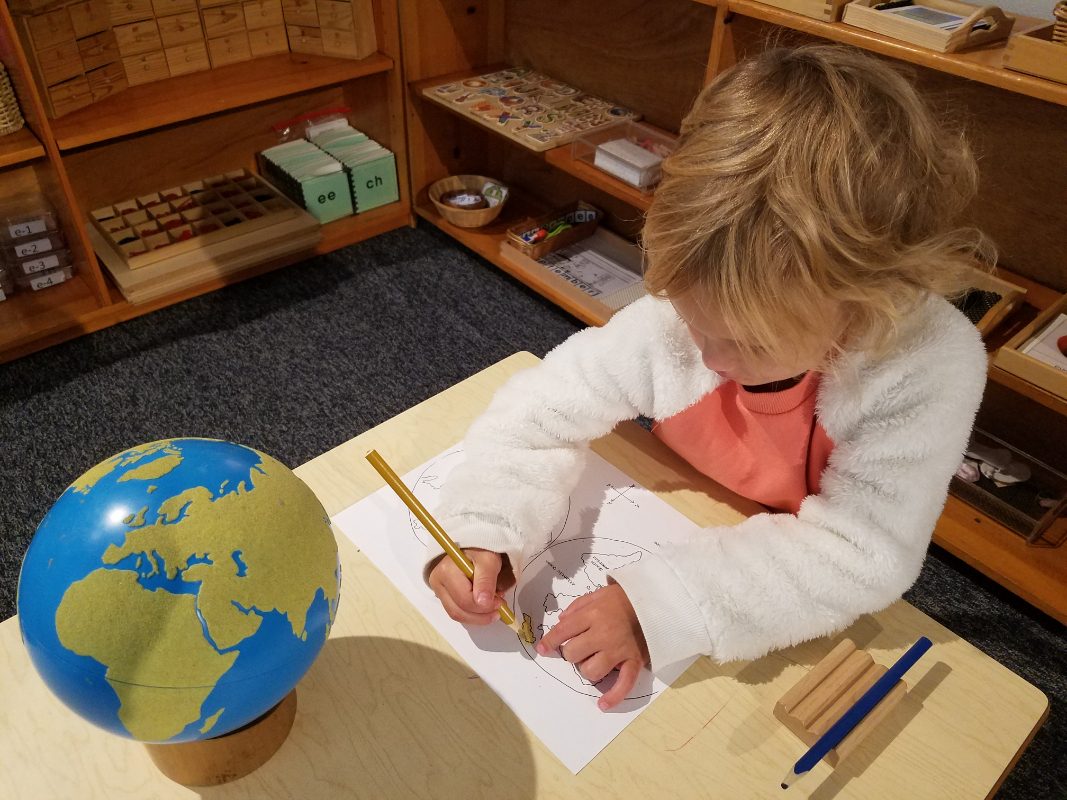
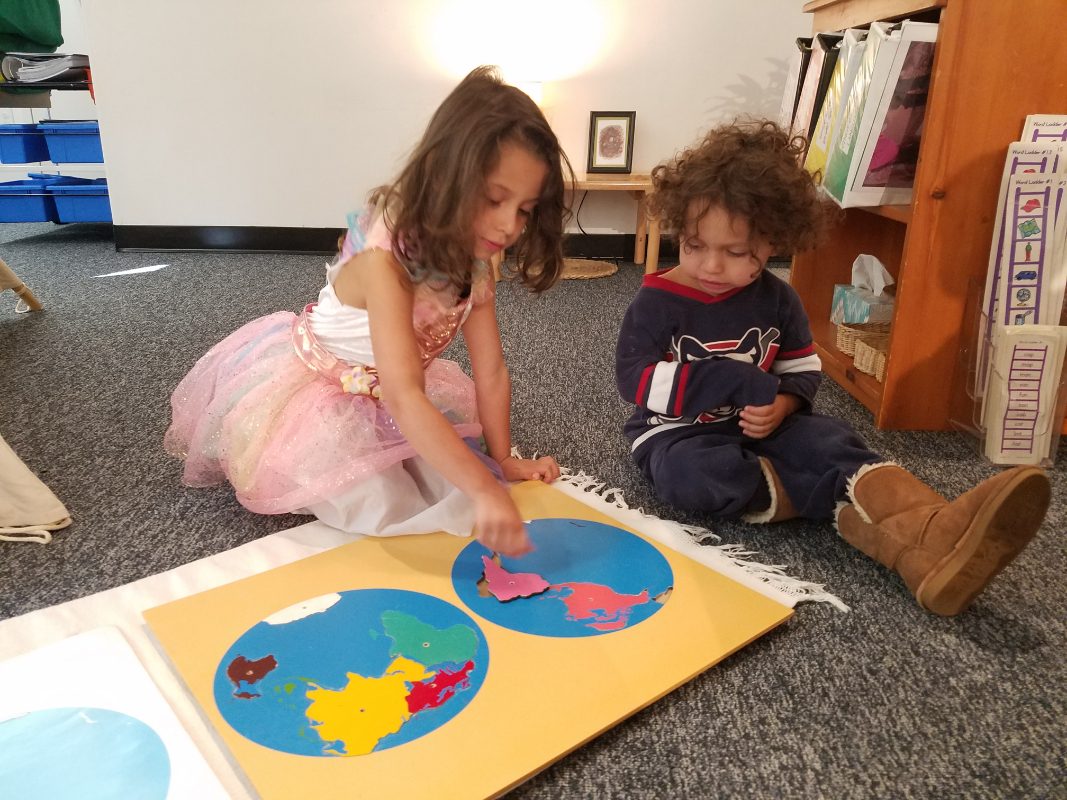
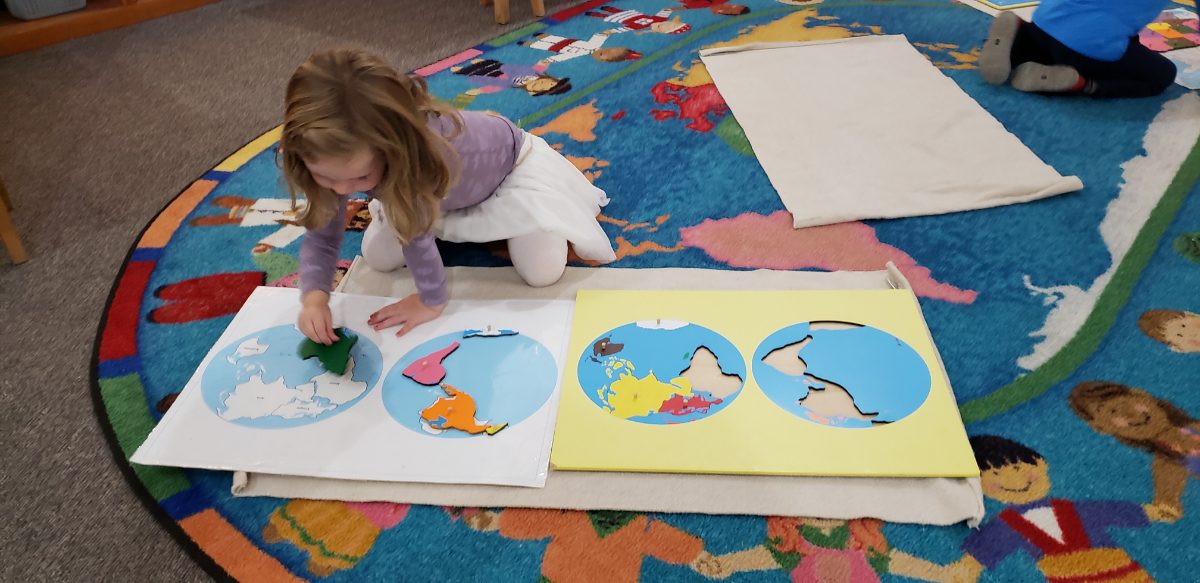
We have spent the first few weeks of school exploring globes, their smooth blue areas called water/oceans, and the rough areas, land/continents. The Cultural materials make the relationships of all the parts of the Earth concrete, starting with simple globes the child can explore. The first globe, the Sandpaper Globe represents land on the Earth with rough surfaces and water on the Earth with smooth surfaces, so the child can feel the areas on the face of the Earth which are both land and water. The second, the Colored Globe presents the land in its continental divisions, introducing the child to the distinctions between continents and beginning to identify these continents in particular colors. Your child can use this globe to learn the name of each continent. Eventually they will explore the large puzzle maps, which open the surfaces of the globe to lay flat and include puzzle pieces for each continent and our journey begins.

Cultural materials allow your child to satisfy their inherent curiosity about our planet and their place within in. By starting with simple comparisons, between land and water or between the different continents, the materials help the child to understand the geography of our planet. These same globes are later used to introduce the relationship of the Earth and the Moon, and most beautifully during our birthday celebrations, to illustrate the passage of time over the course of each year of the child’s life.
Geography is a wonderful way of sparking a child’s imagination. Beginning with the Sandpaper and Colored Globes, the Cultural materials respond to a child’s desire to learn about the world and inspire them to learn more about our differences and commonalities across the planet.

Until next week…

Ms. Sharlene & Mrs. Carroll


Mrs. Doyle’s Class: Friday Folder Facts


“We have to remember as adults, that we want things done, and as quickly as possible, so that they are finished and out of the way; whereas the child is interested and content in the doing, not the done.” –Margaret Stephenson The Art of Montessori in the Home

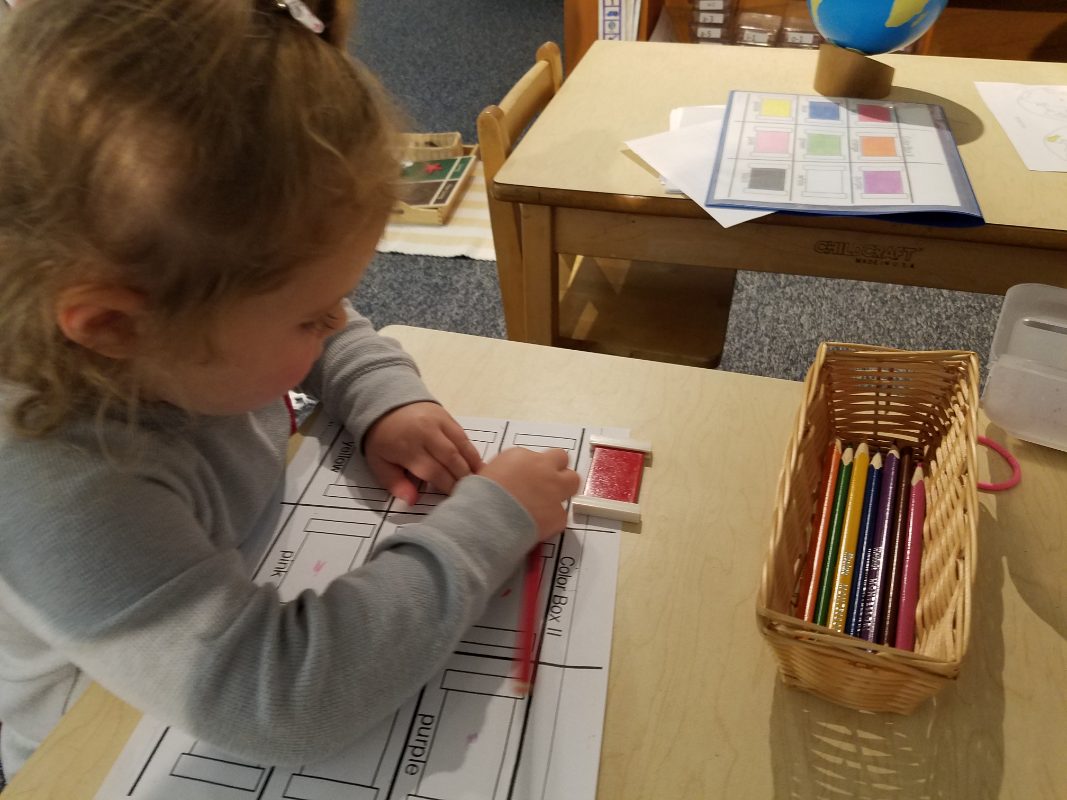
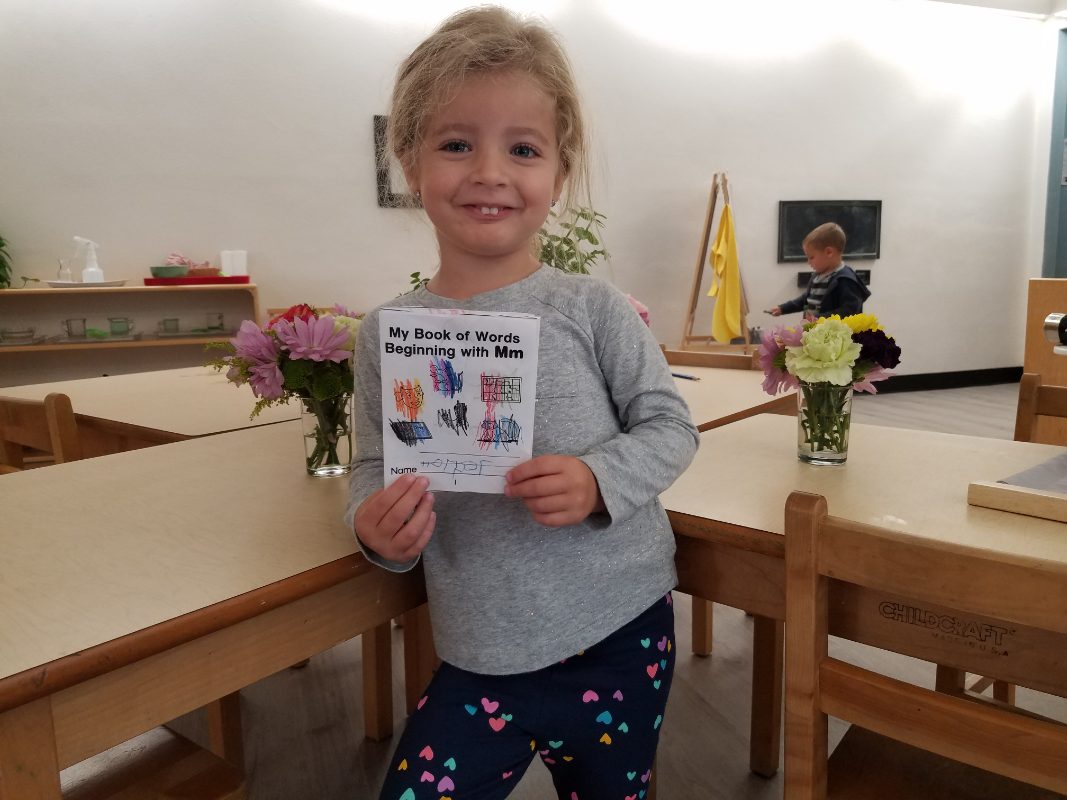
Each Friday we send home the blue Friday Folders with the work the children have completed over the course of the past week. It is not uncommon for us to receive emails asking why there was so little work inside and what exactly are the children doing?

Sometimes it can be difficult to accept the idea of focusing on the process, not the product. What exactly does that mean? Many of the works in the Montessori classroom do not end with a physical product the children will bring home to share with everyone. There is often no way to visually assess what a child is learning. Overall, as a society, we are product driven and often times base our success on this factor. The experience a child has when working with the materials is truly what is most important. However, when you hear they did “nothing” day after day, it can often be unsettling.

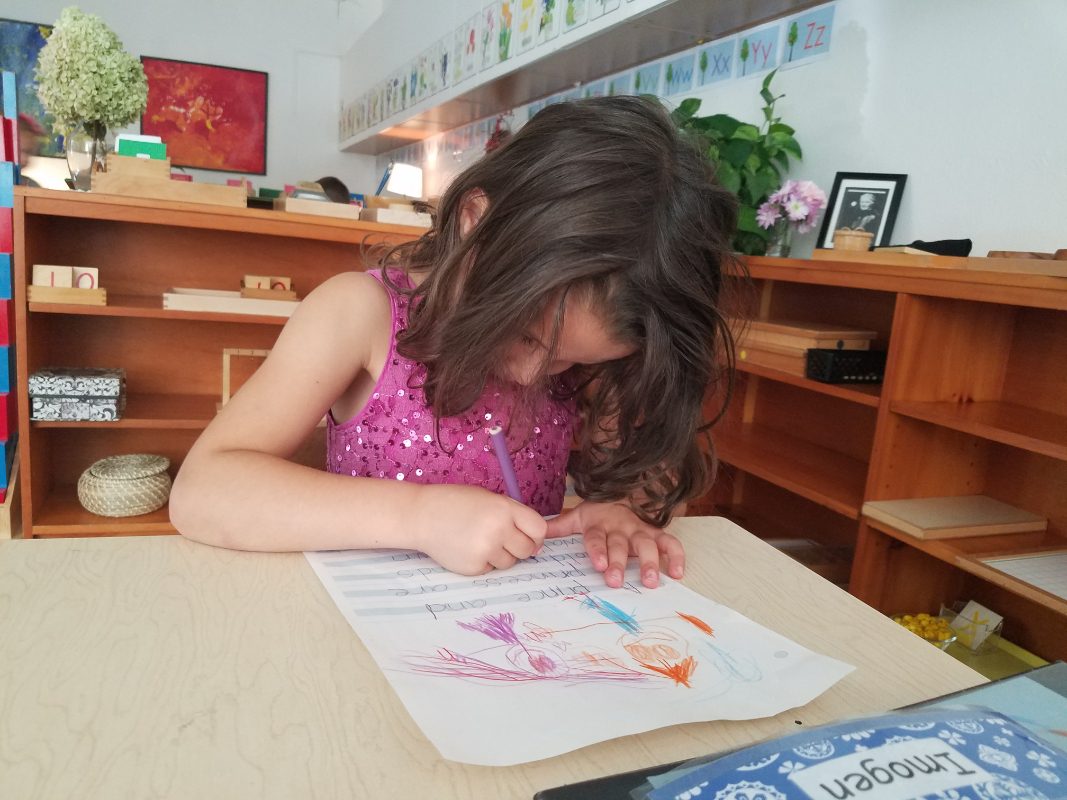
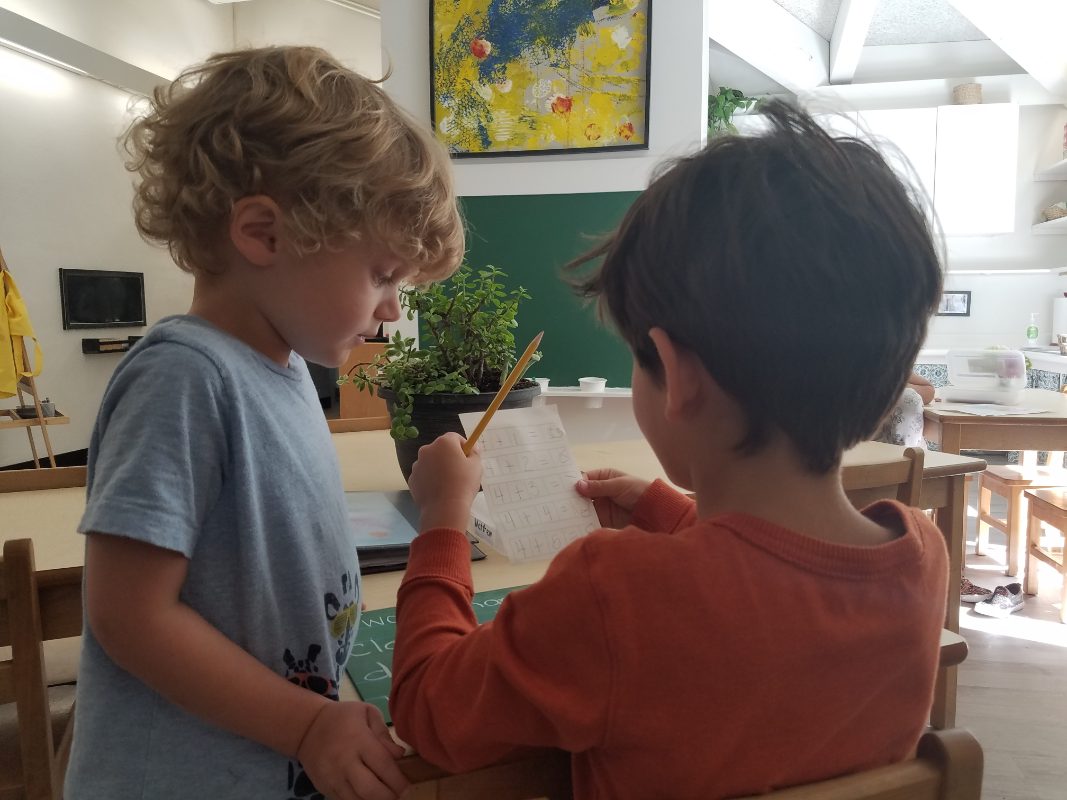
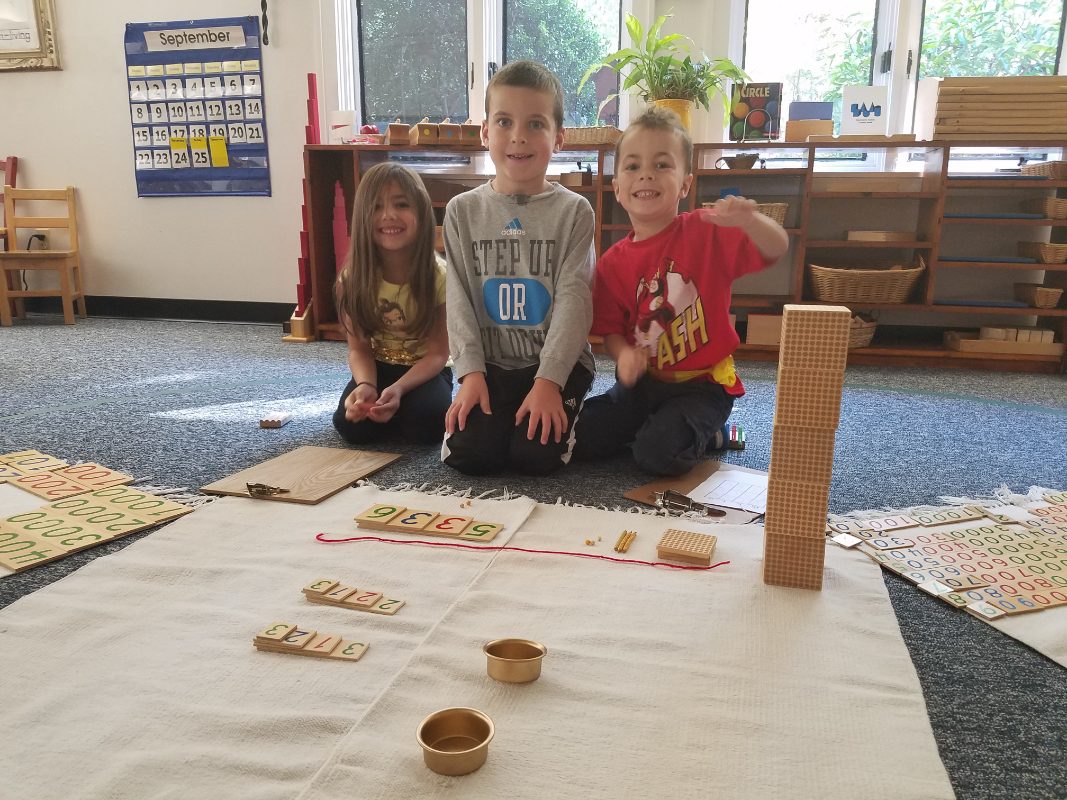
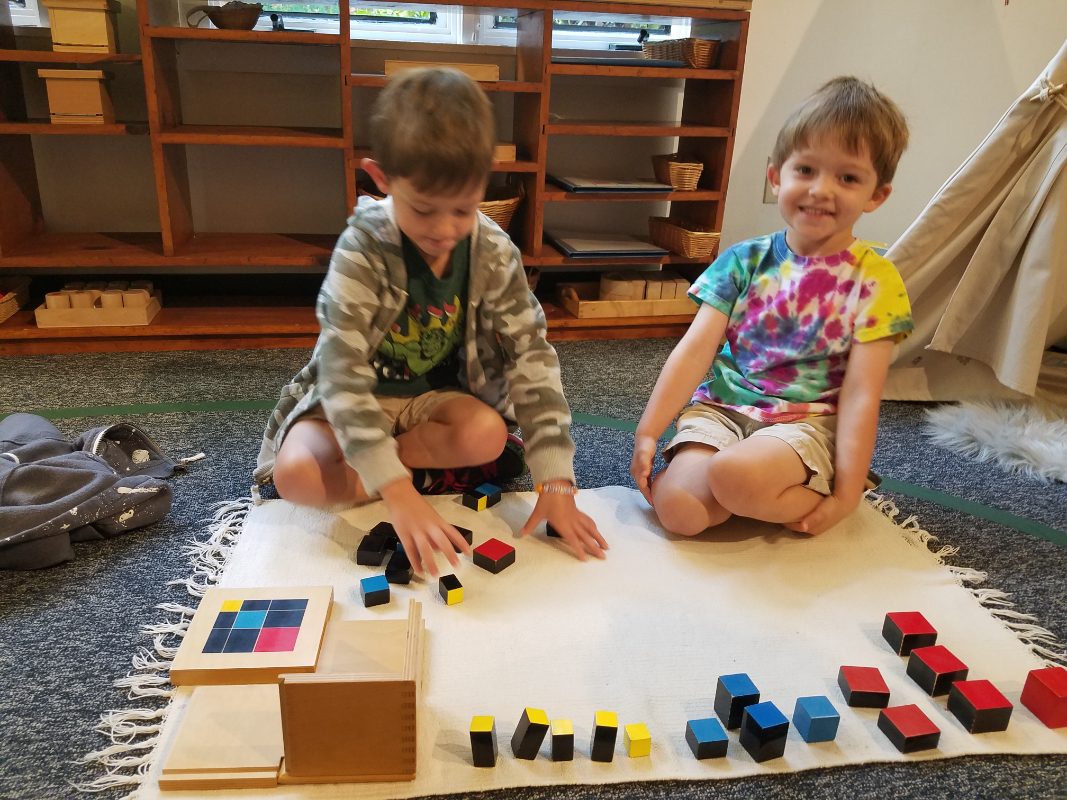
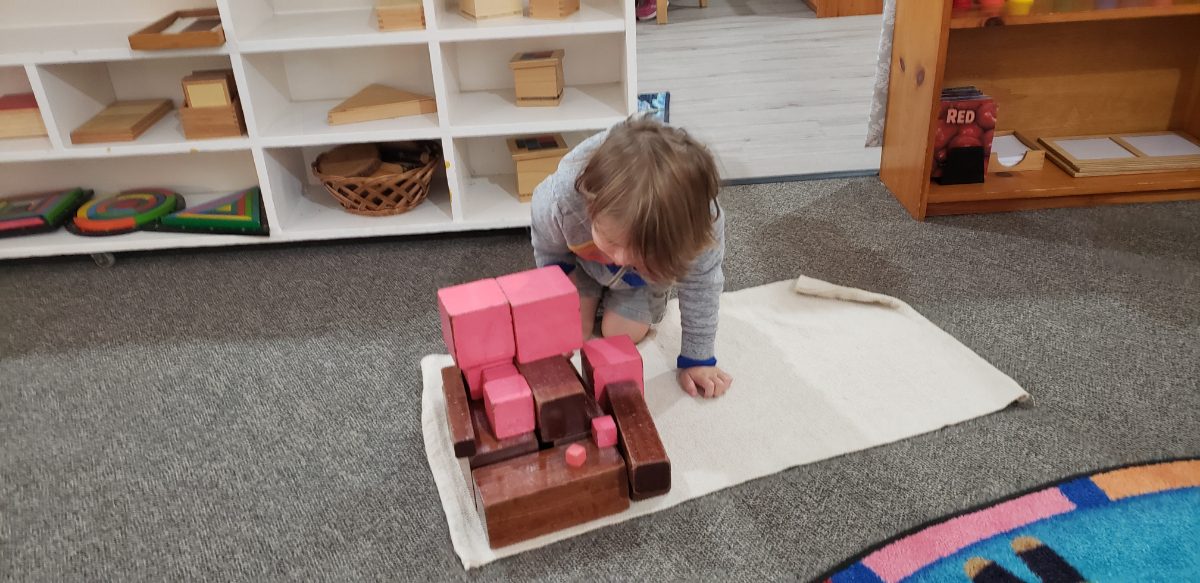
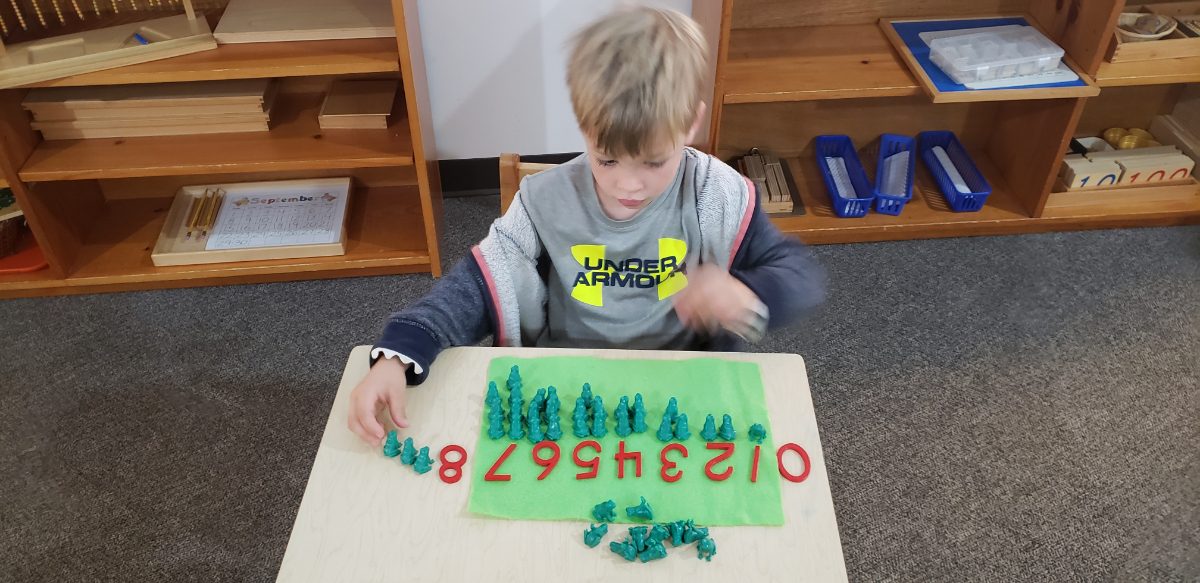
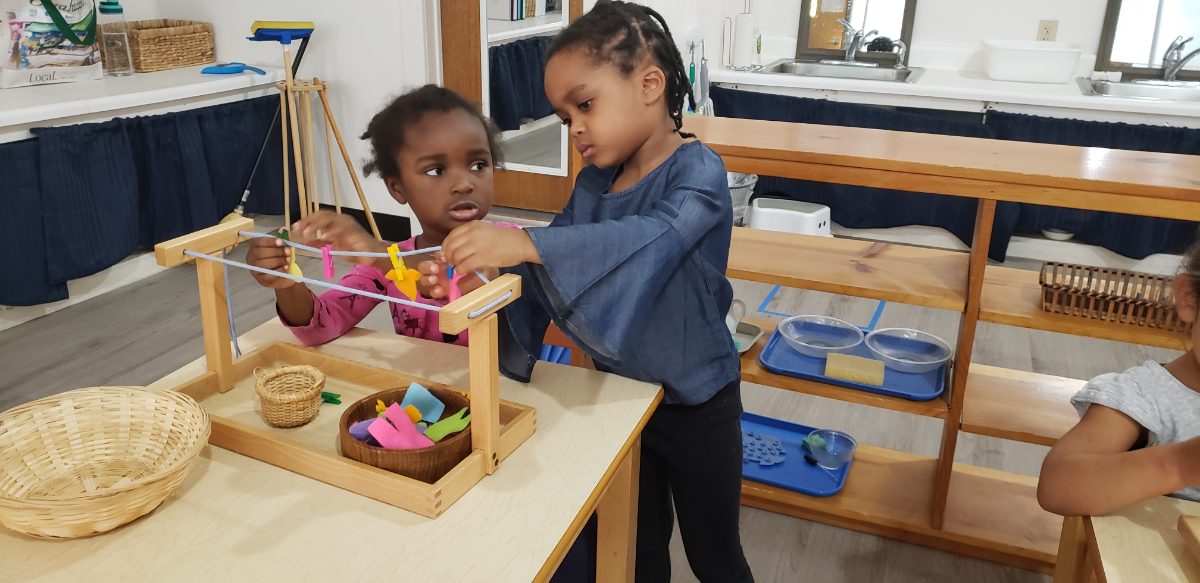
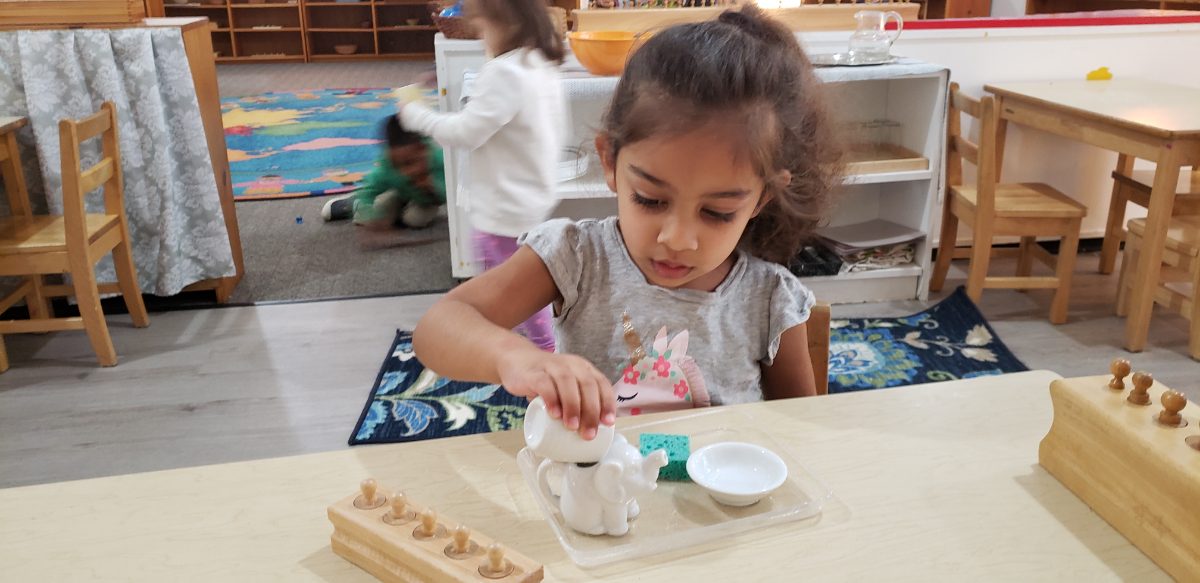
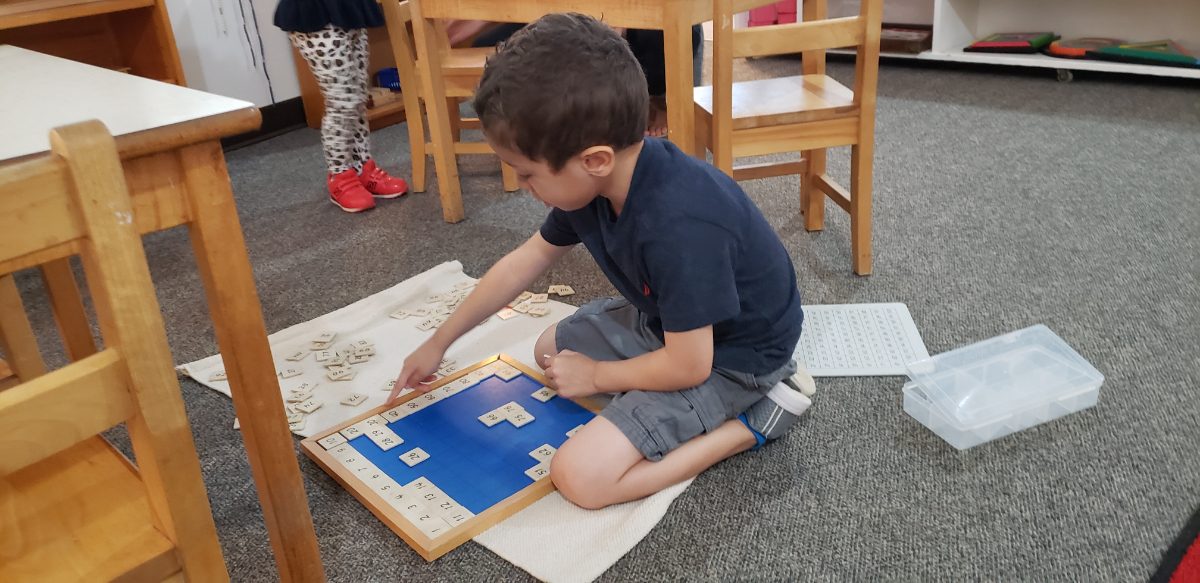
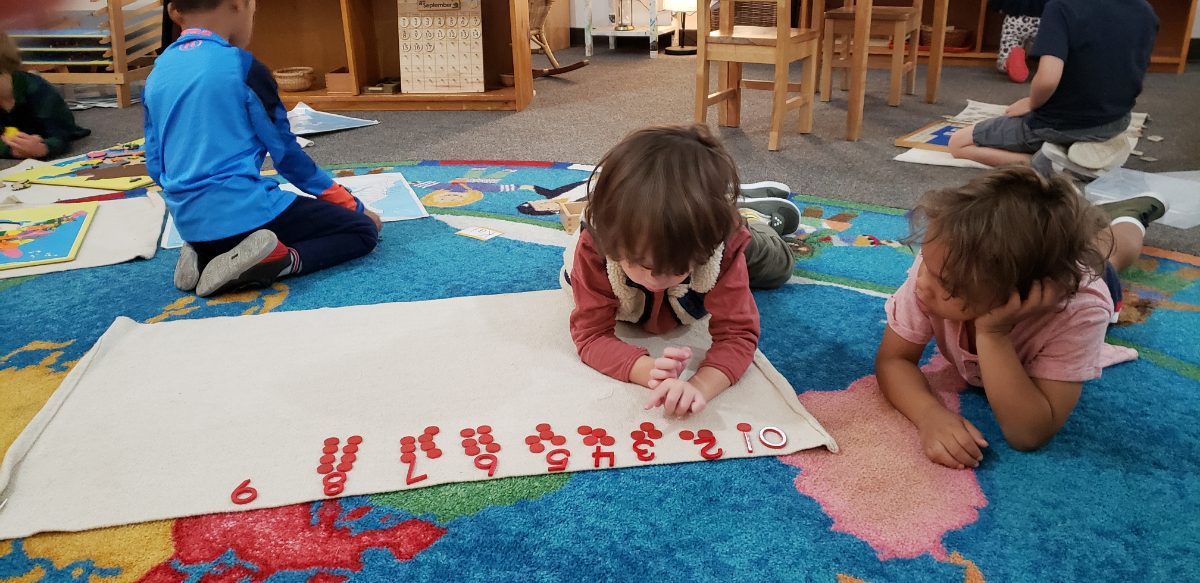
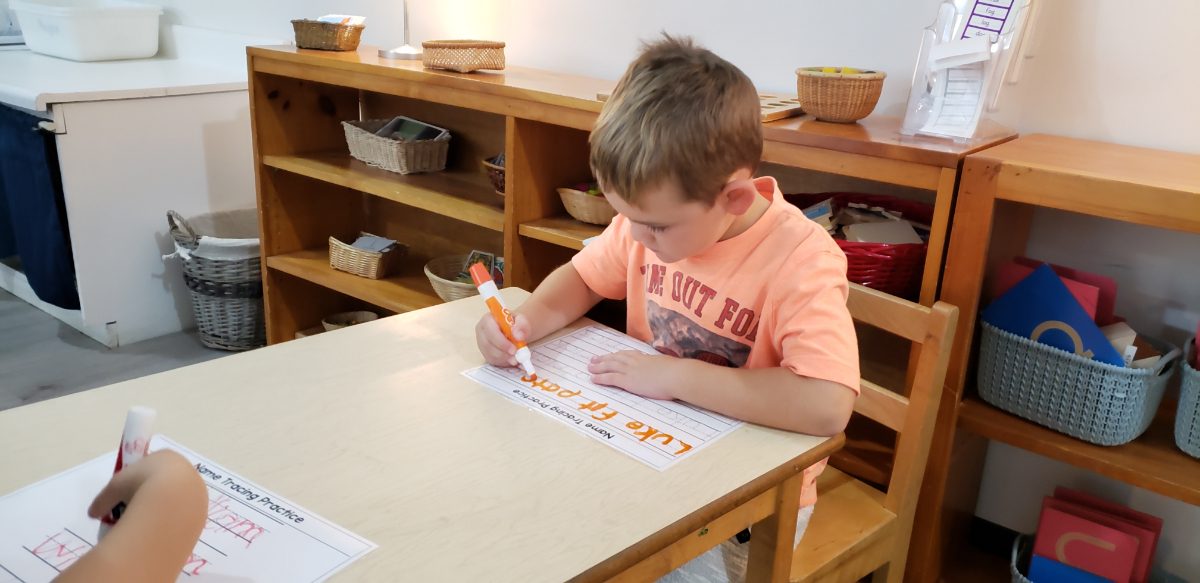
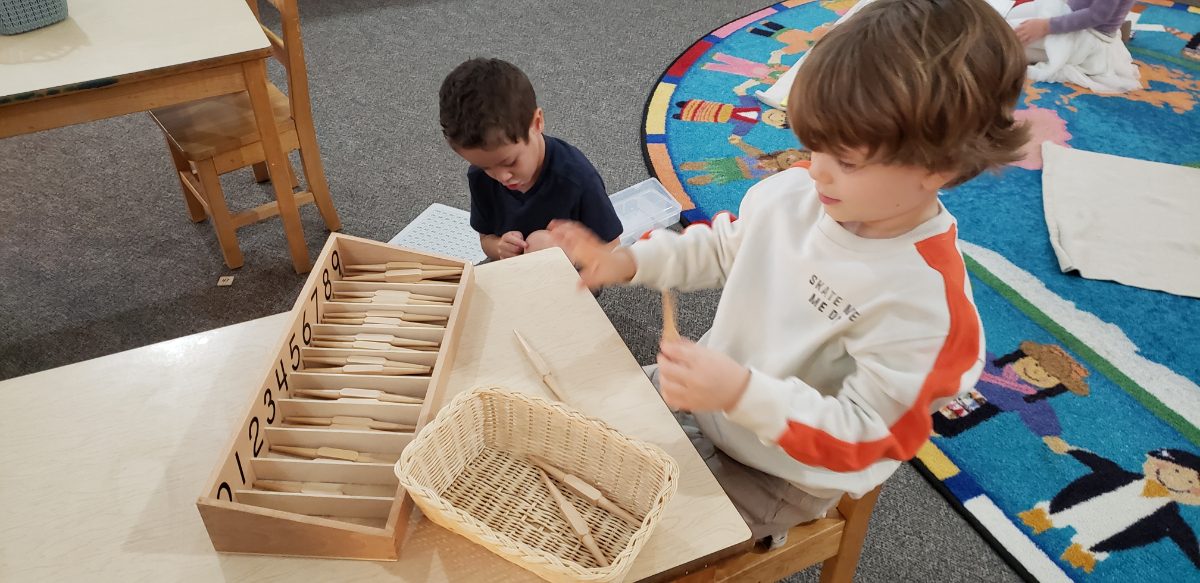
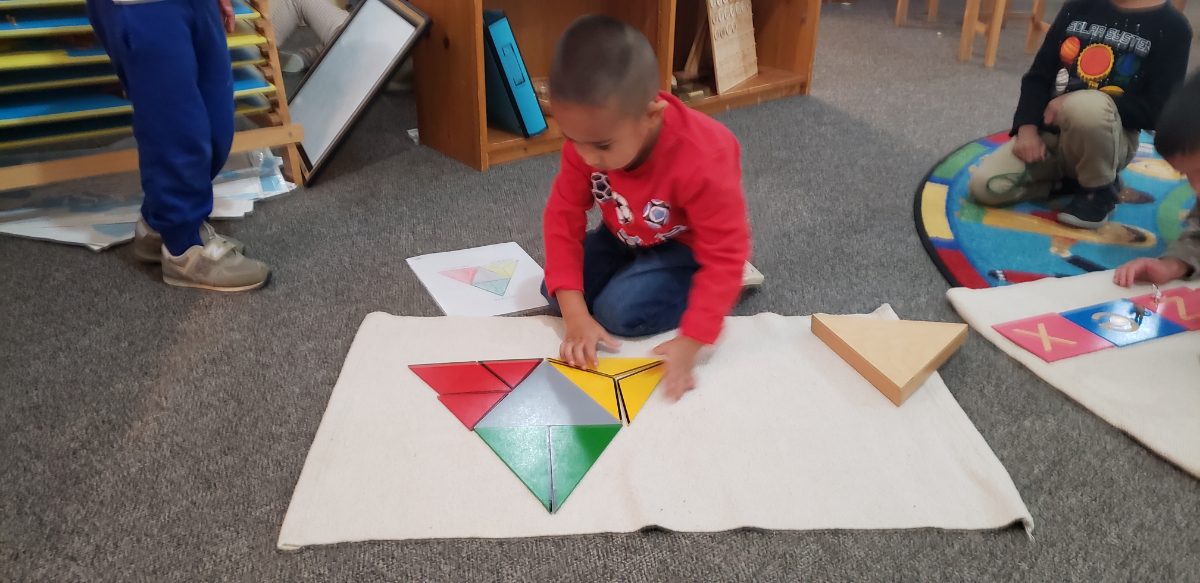
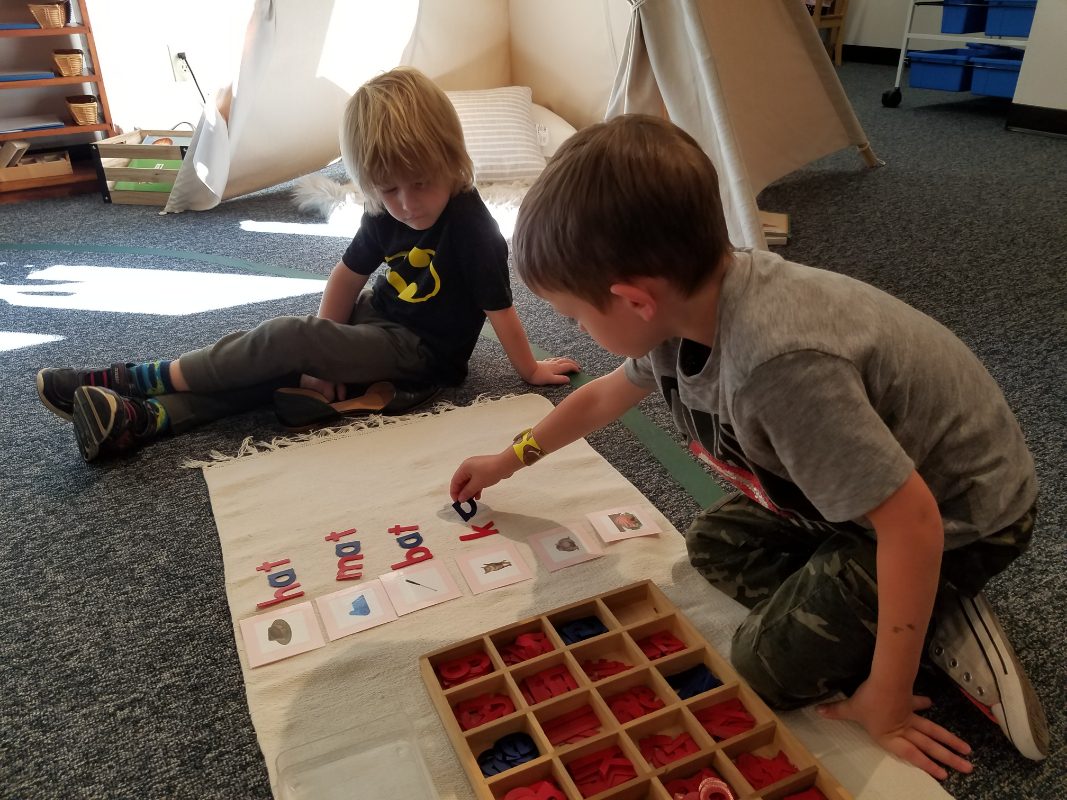
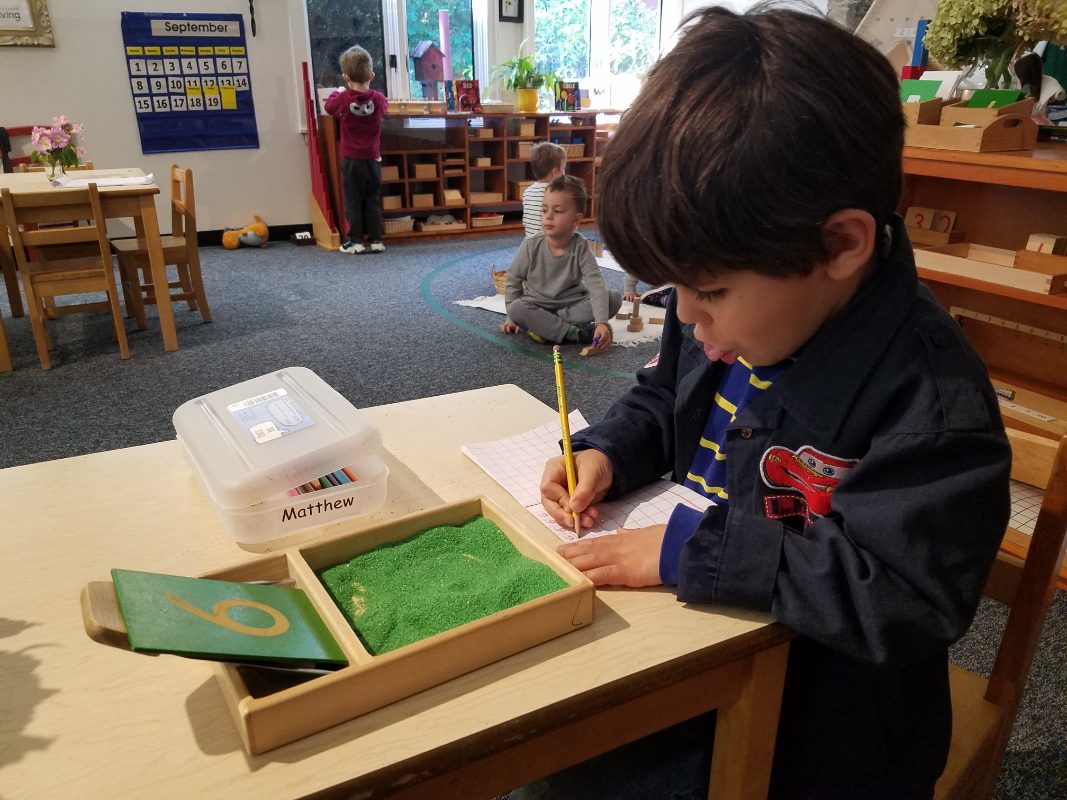
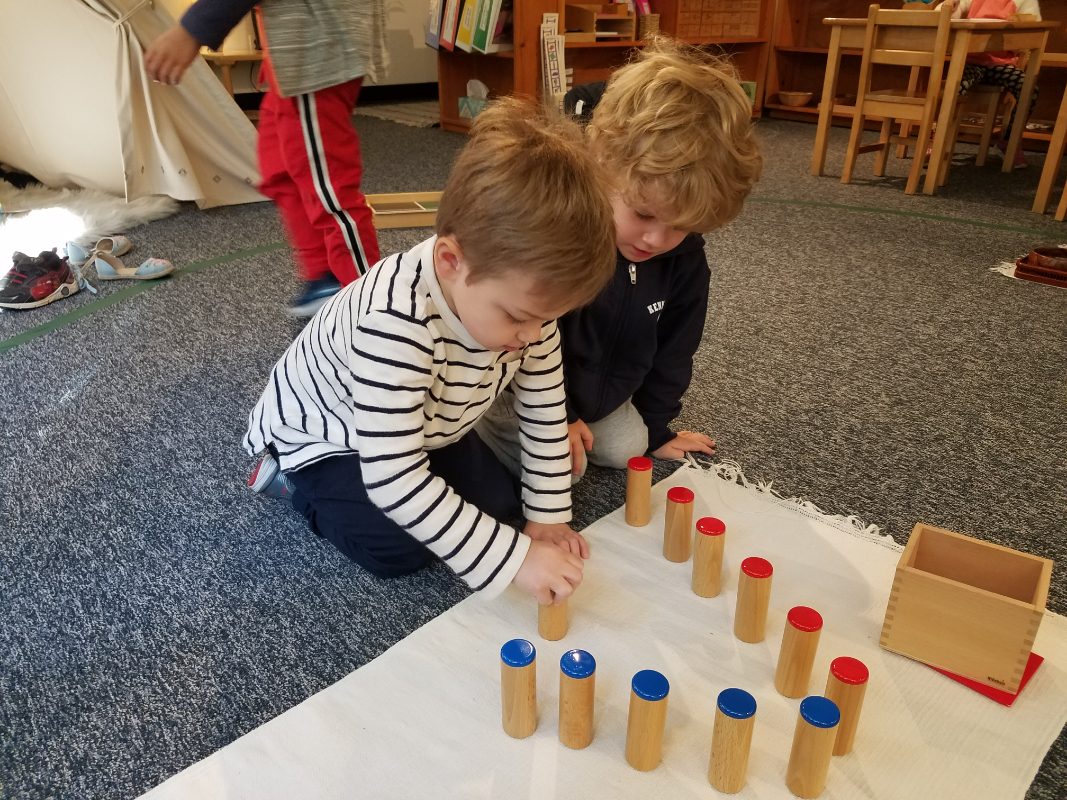
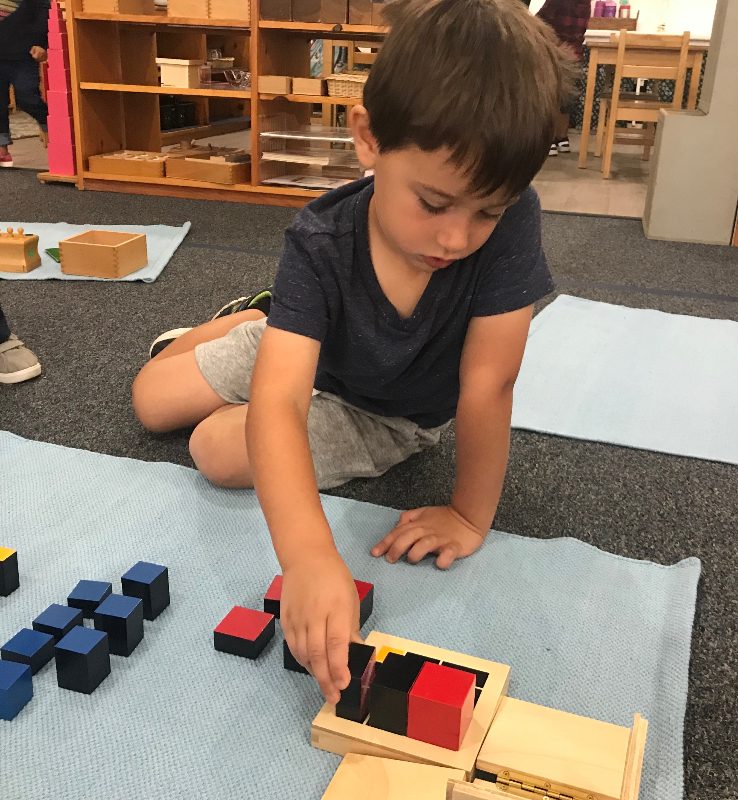
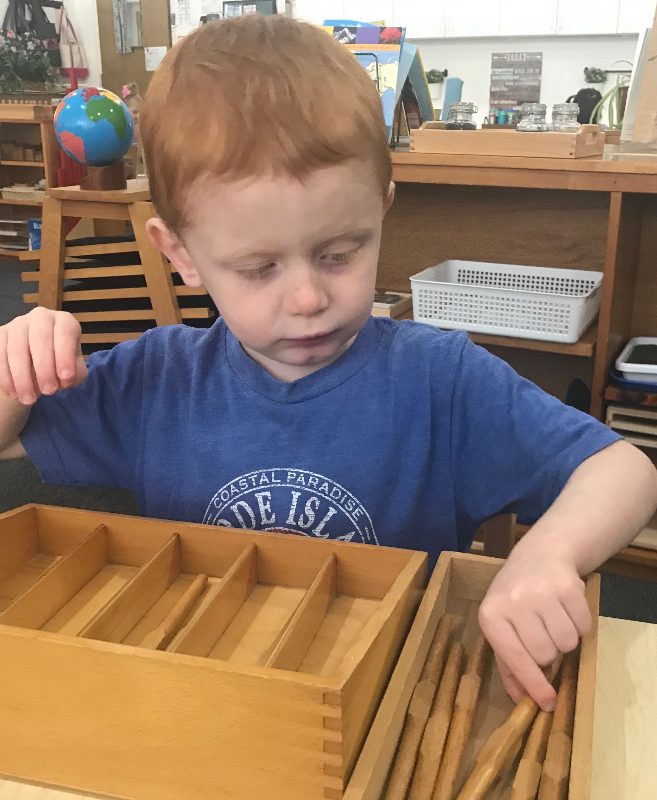
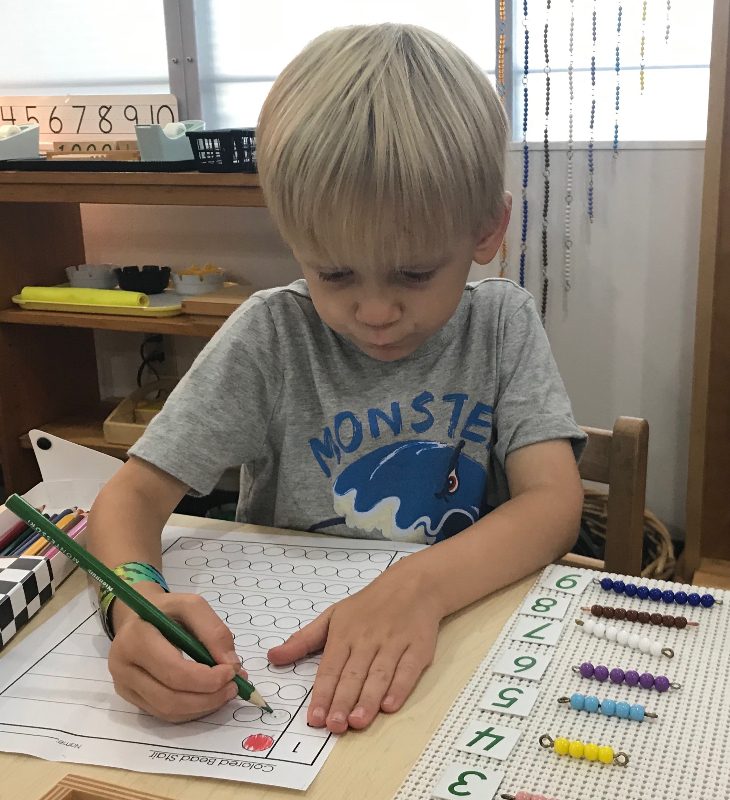
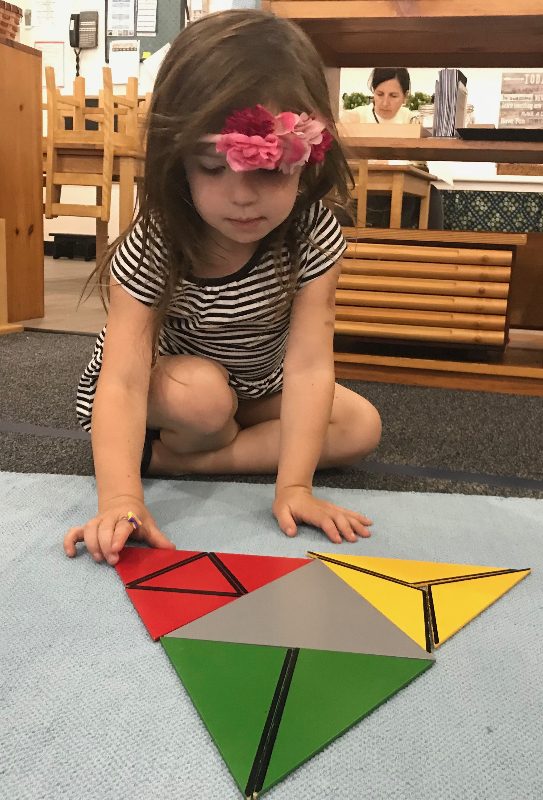
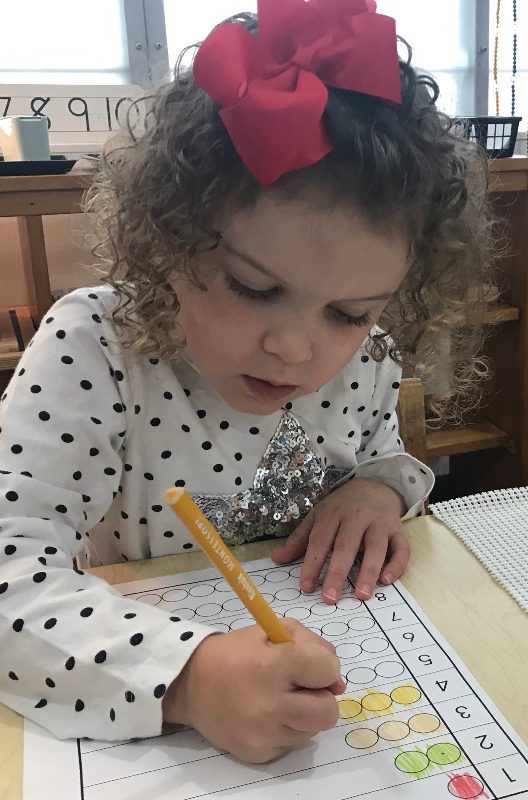
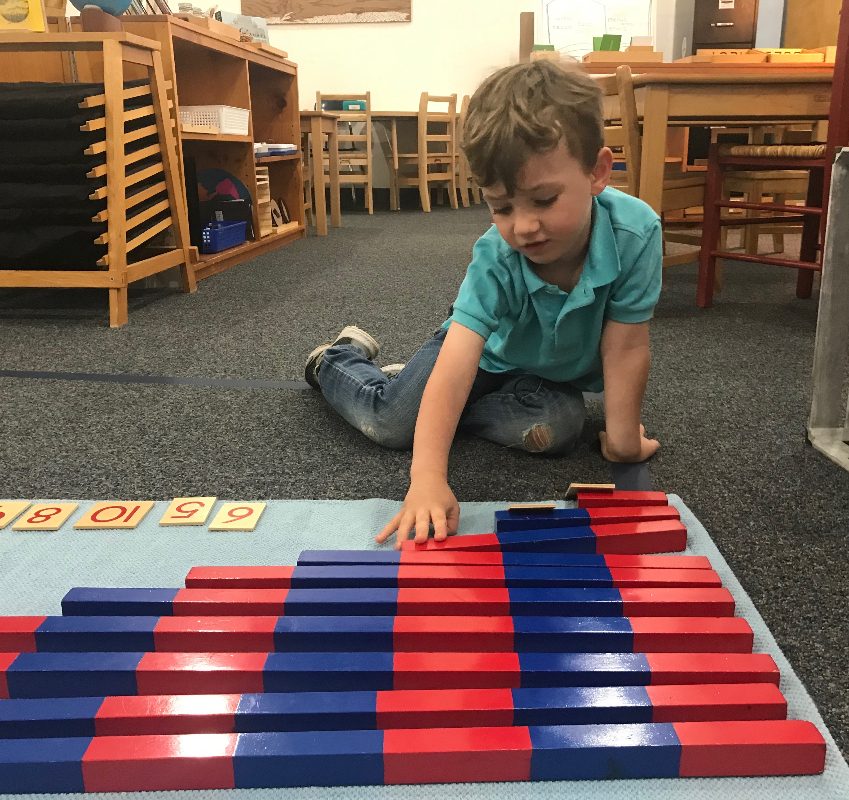
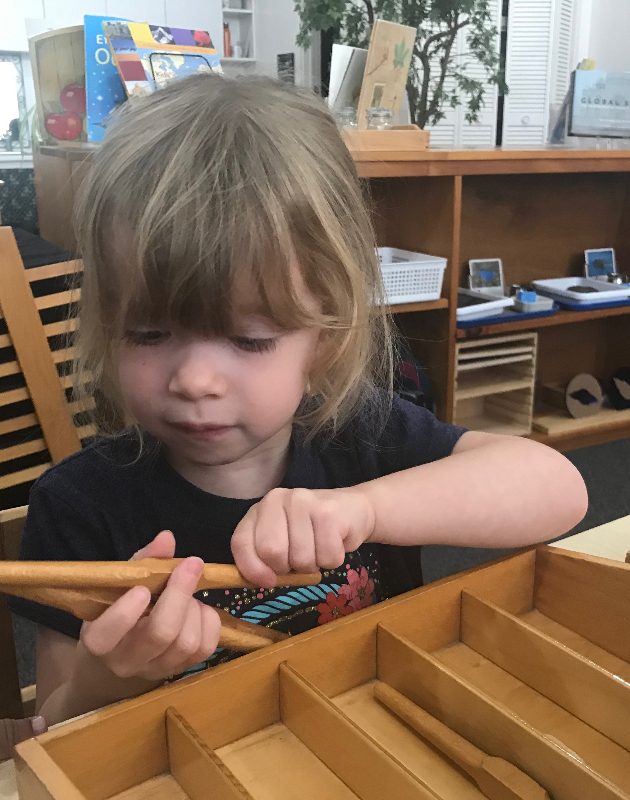
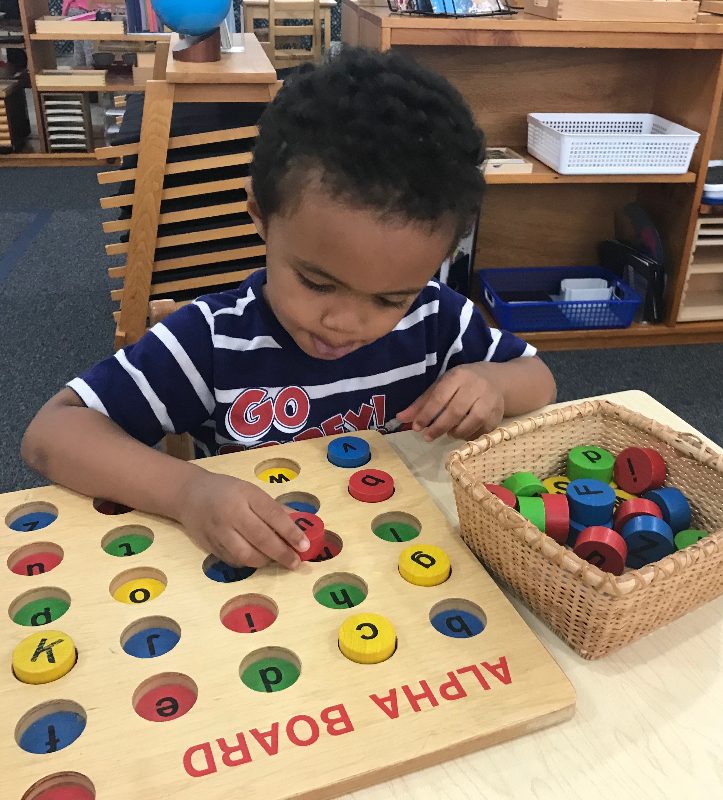
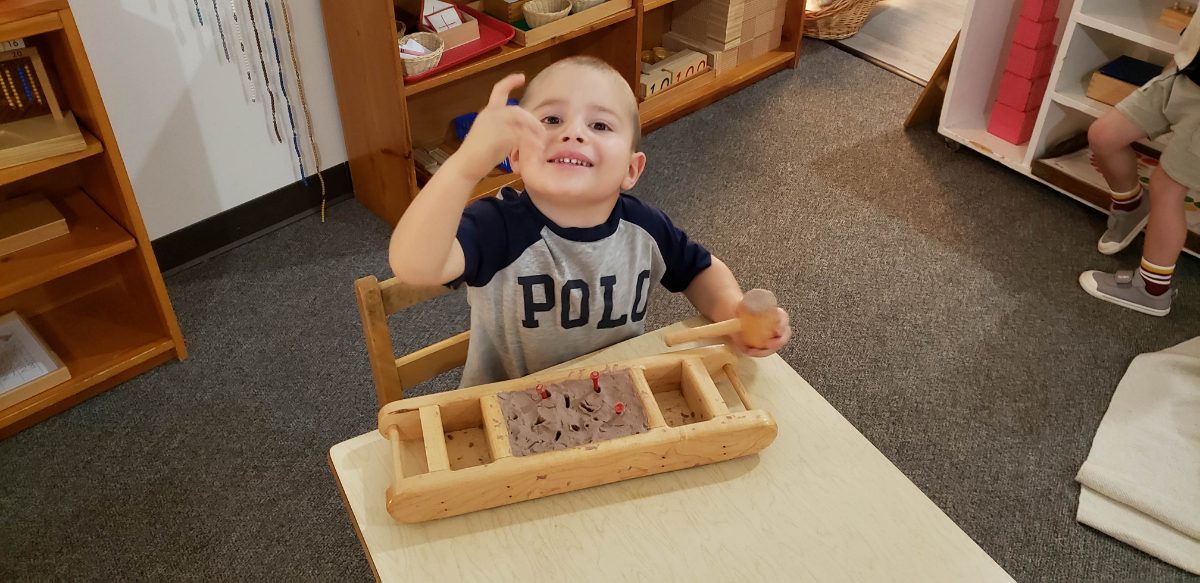
Research shows that children from ages 3-6 learn best through their hands. In order to truly understand a concept they need to explore it through touch. This is why so many of the lessons found in the Montessori environment are not based on memorization alone. Most concepts we are teaching involve tracing, manipulating, and exploring with their hands.

Perhaps most importantly, focusing on the process protects the child’s intrinsic motivation to learn and understand. It is not influenced by external factors such as recognition, praise, or reward. The time and experience with the materials is what we truly value and encourage.

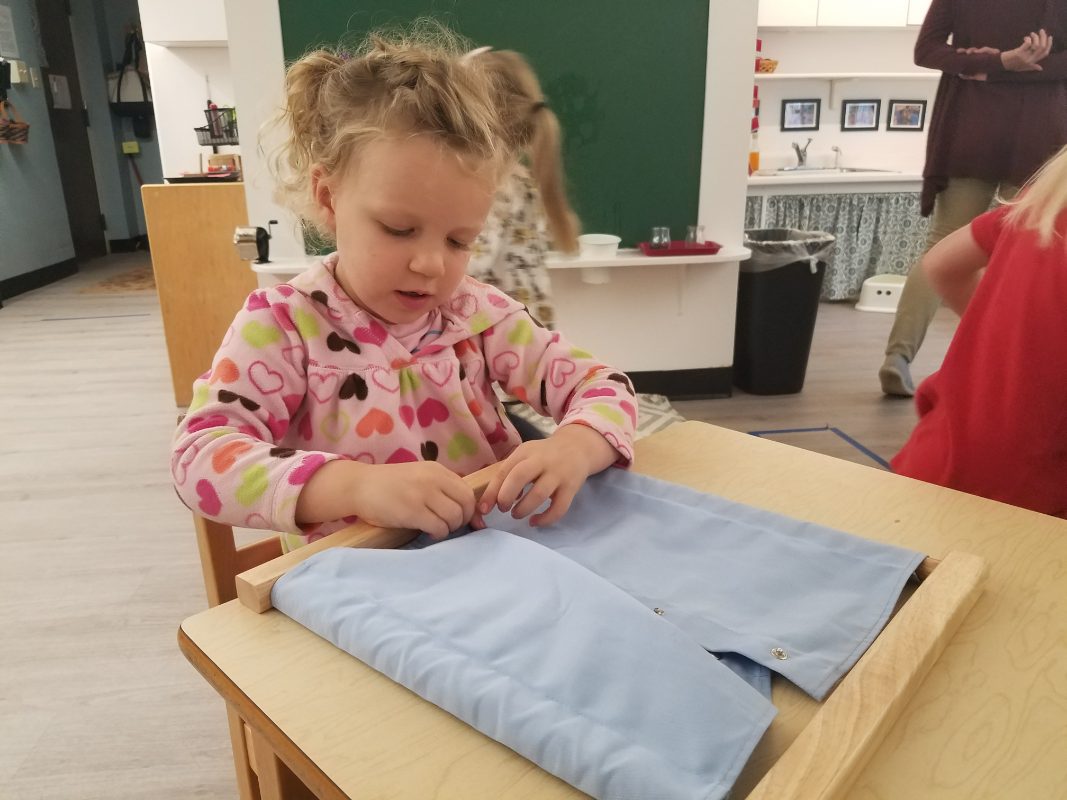
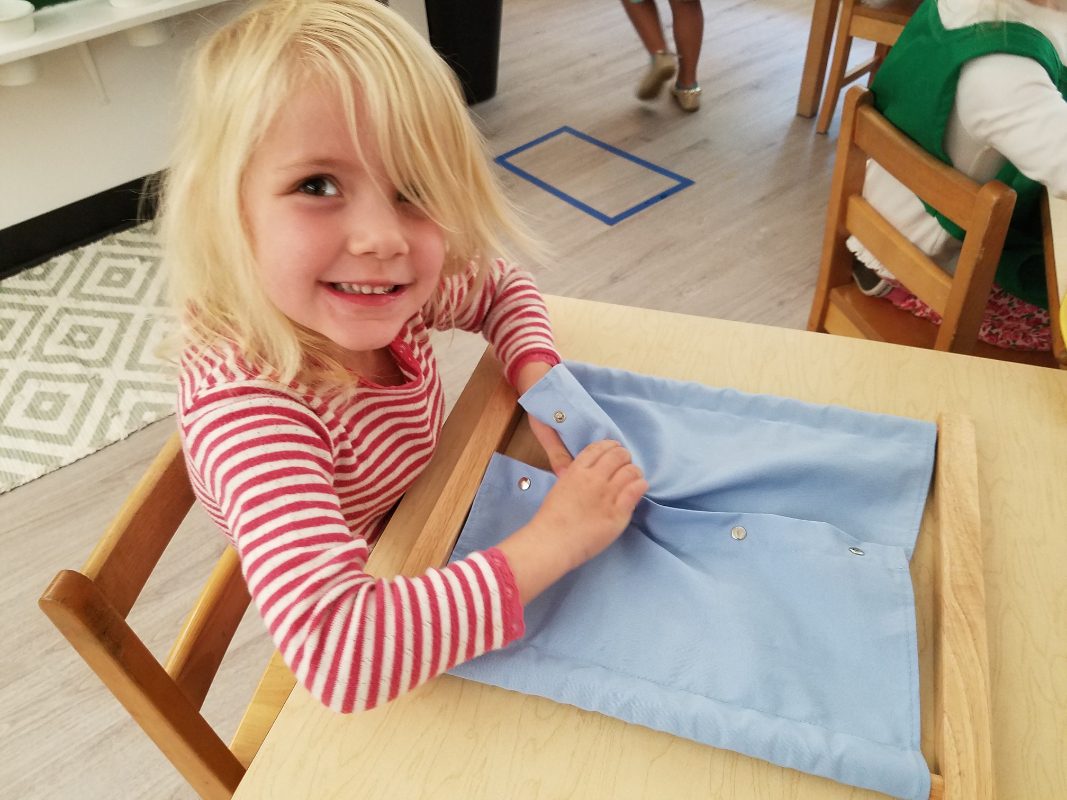
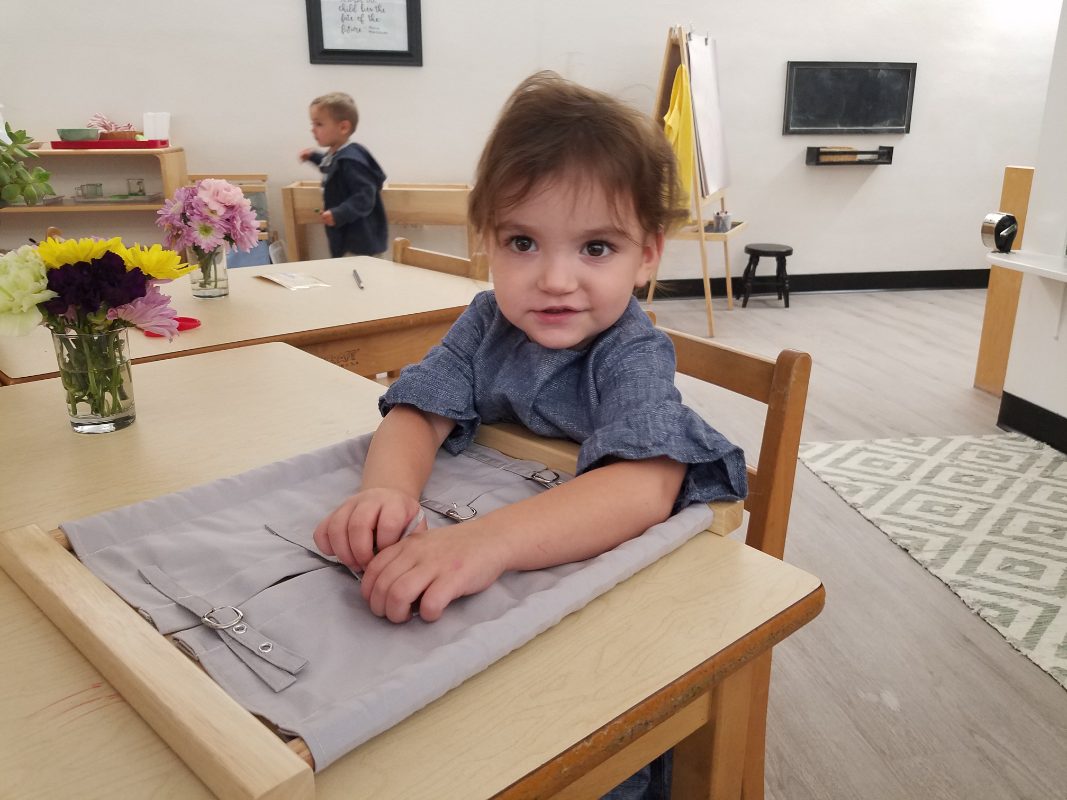
So, if your child’s folder comes home with little to no work, just know that their accomplishments can’t always ‘fit’ in that folder. Maybe after weeks and weeks of trying they learned how to zipper their own coat or maybe they can finally carry a work without it dropping. Maybe after observing a lesson day after day,  your child tried it independently for the first time. The list of skills each child can accomplish will never be fully represented in the Friday Folder. So please enjoy the work that is in there but know it is not an accurate portrayal of all that the children are accomplishing.

Warmly,

Michelle & Jeannine

Español con Señora Hall

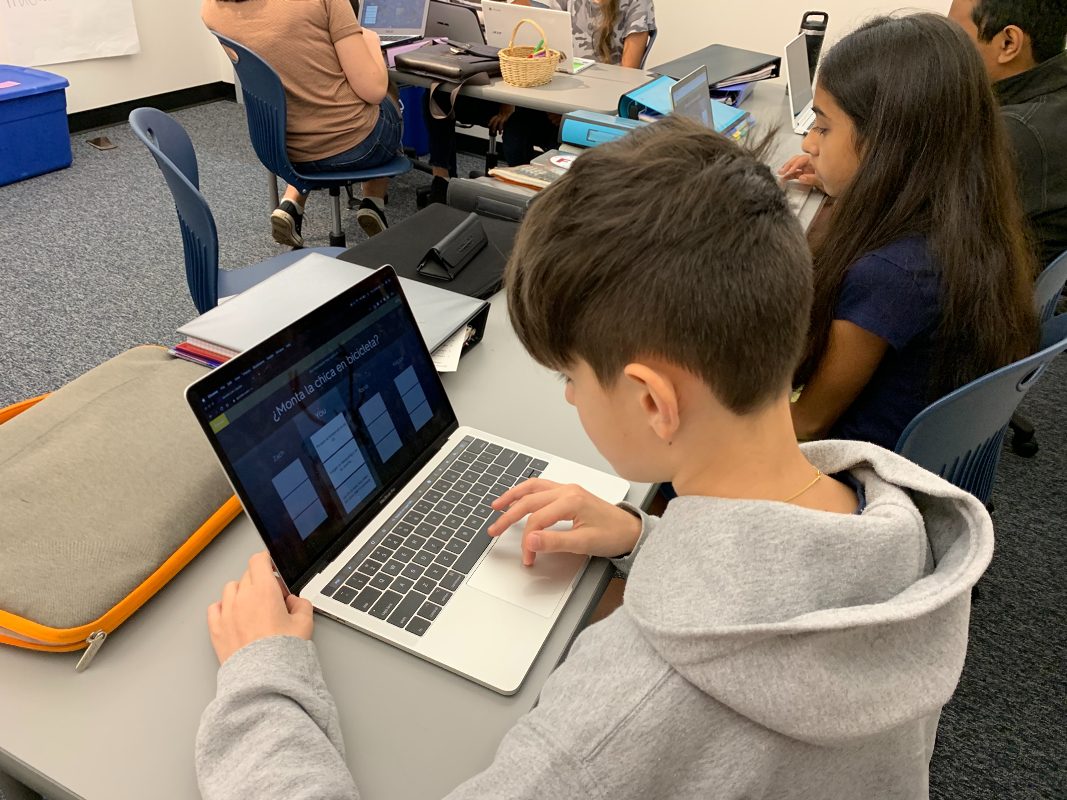
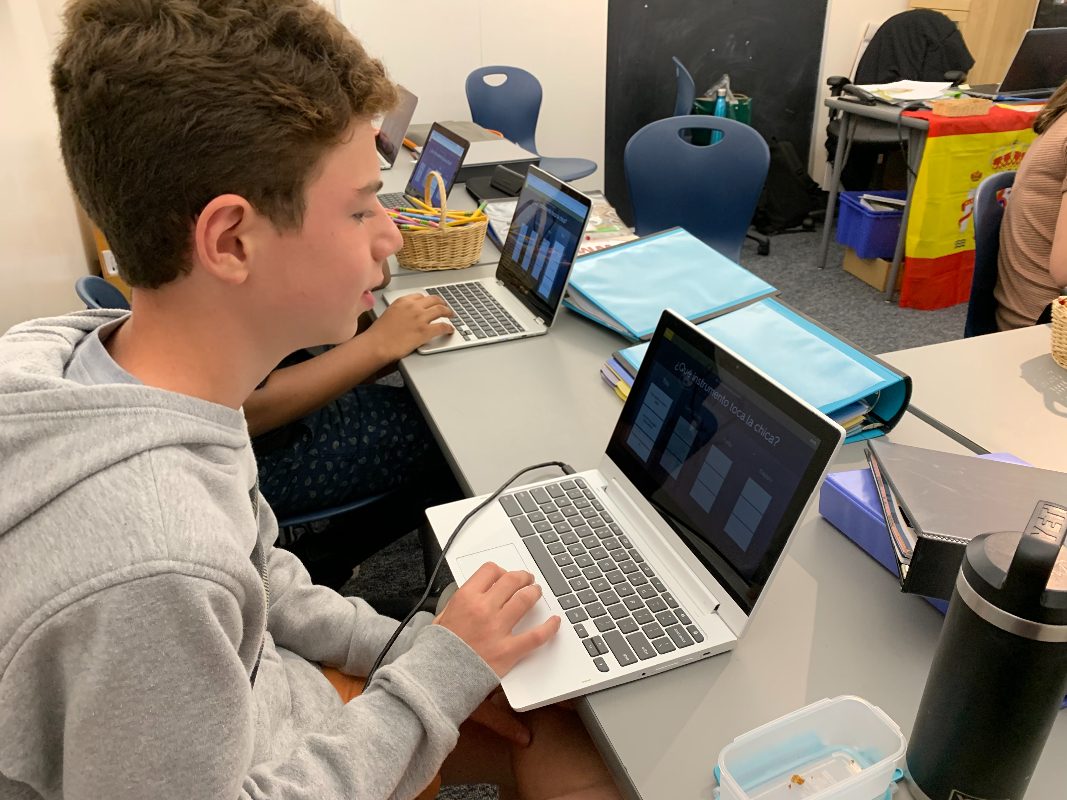
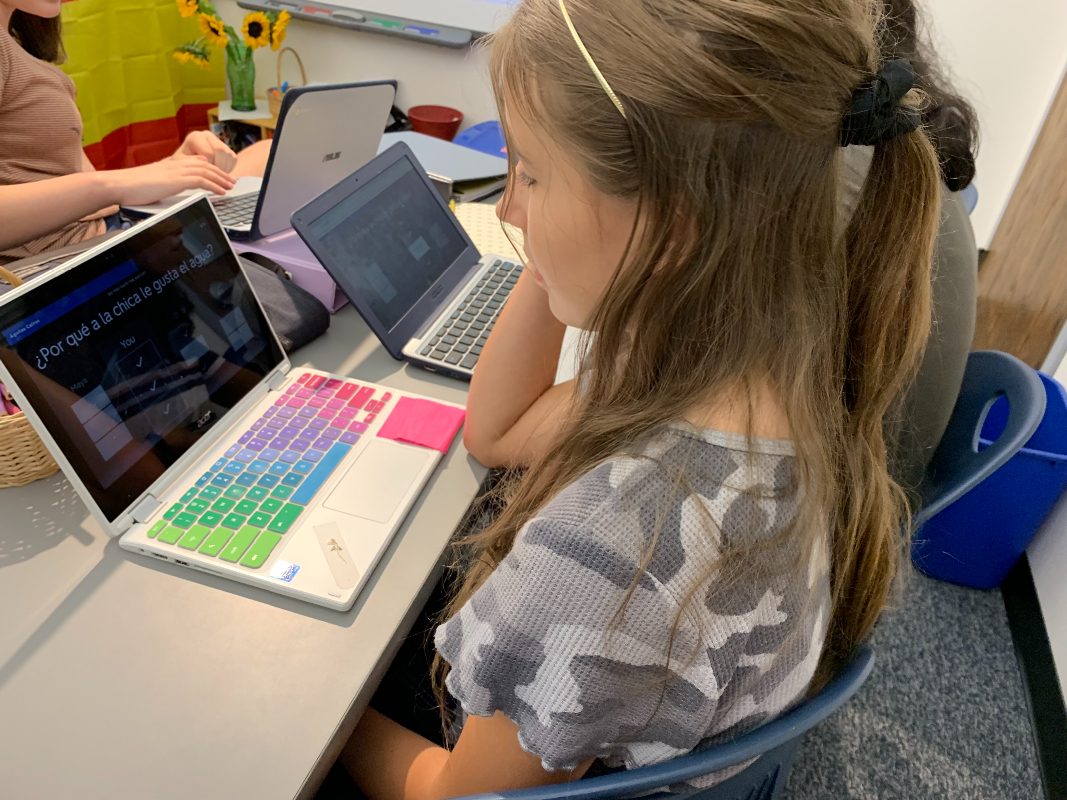
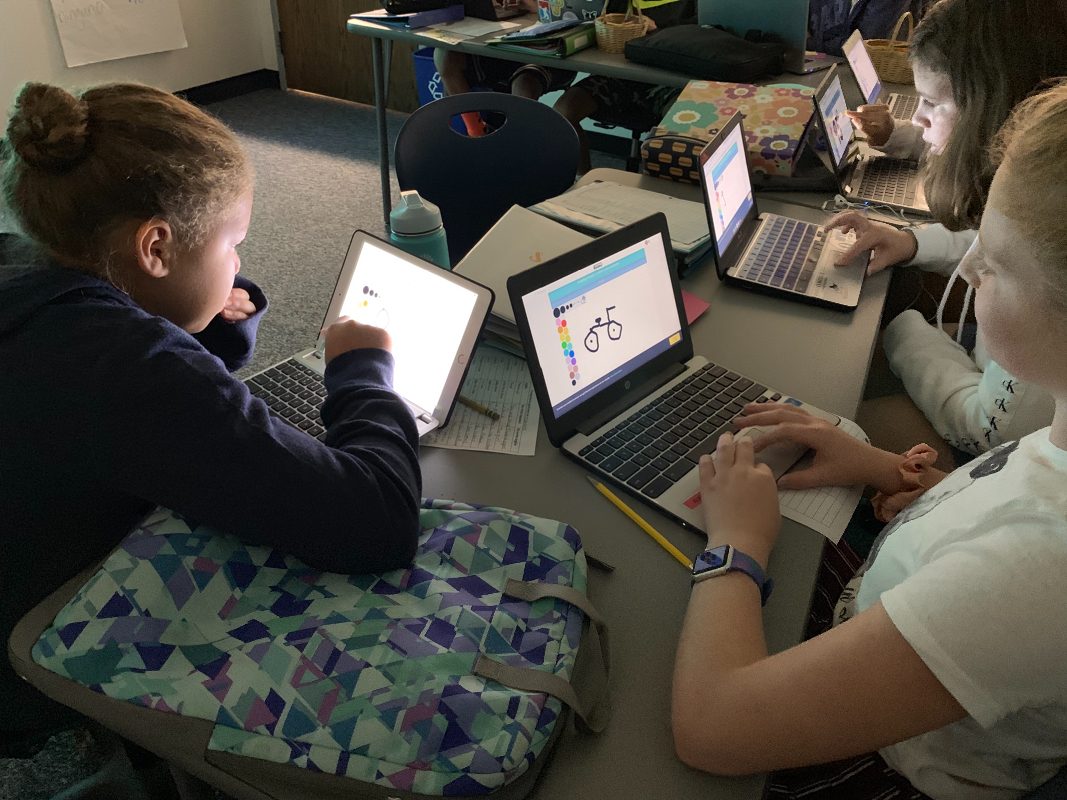
I’m so excited to be part of the FWM family and share my passion for language with the children here! In World Language, the children have been diving into stories each class. Storytelling helps students acquire language in a compelling manner and allows them to see words used in context rather than simply learning them in isolation. The children learn actions to correspond with new vocabulary words. 
In alignment with their author study for September, primary classes heard Oso Pardo, Oso Pardo, ¿Qué ves ahí? (Brown Bear, Brown Bear, What do you see? By Bill Martin Jr. and Eric Carle). With the story, they were presented with names of different animals along with their colors. Next, we will work on categorizing living and non-living things, just as they are doing for science this month.

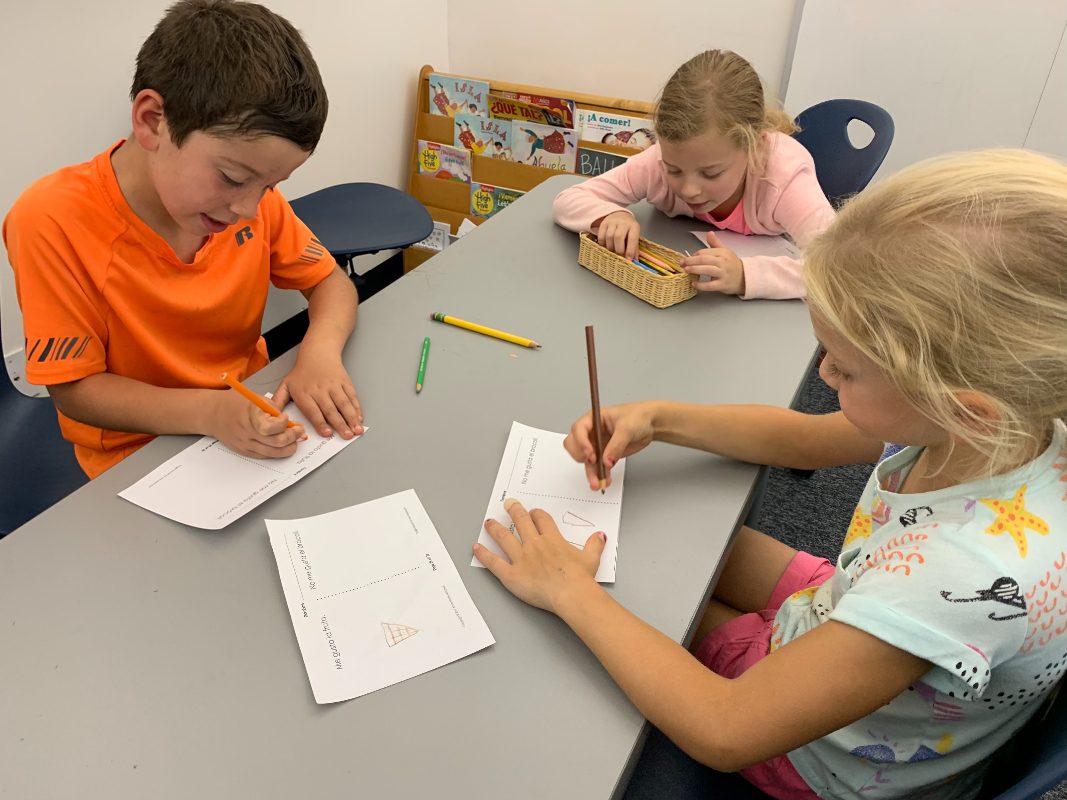
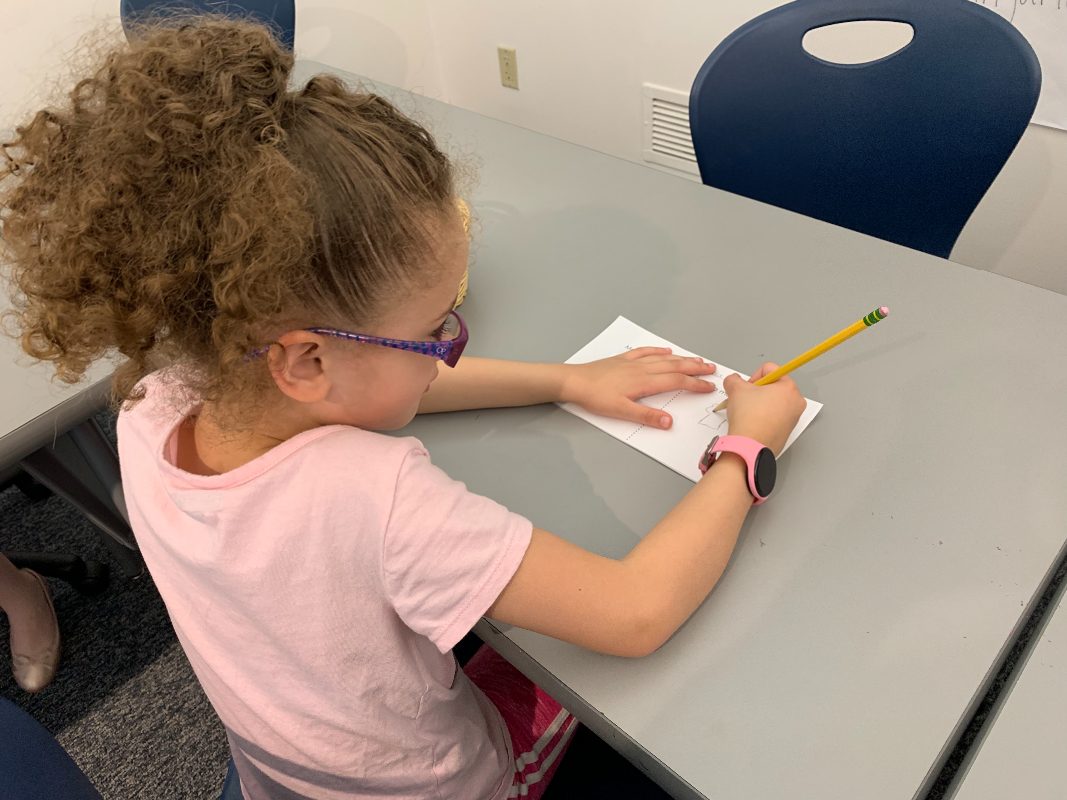
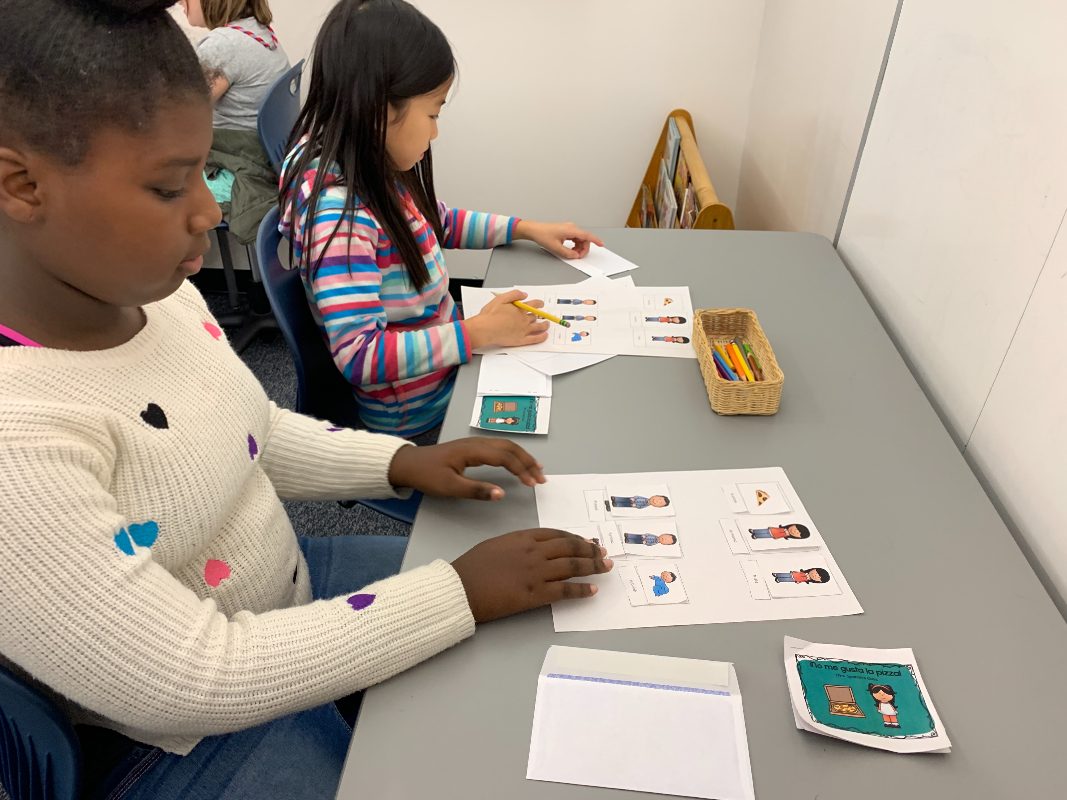
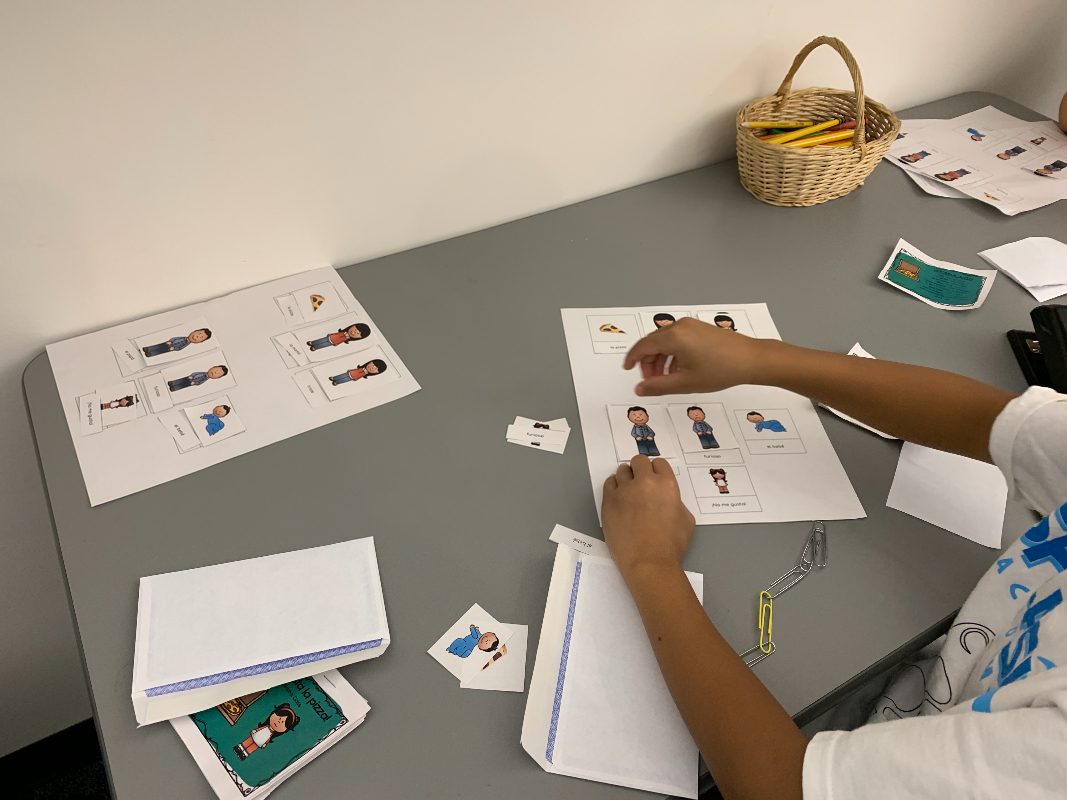
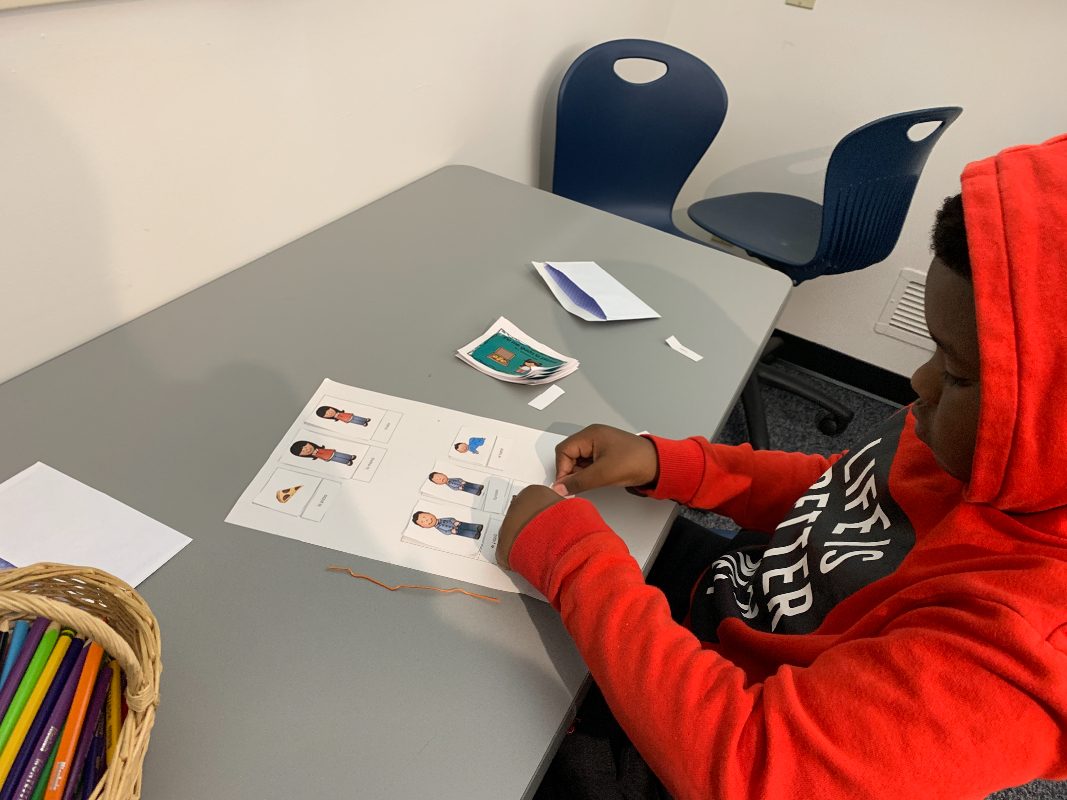
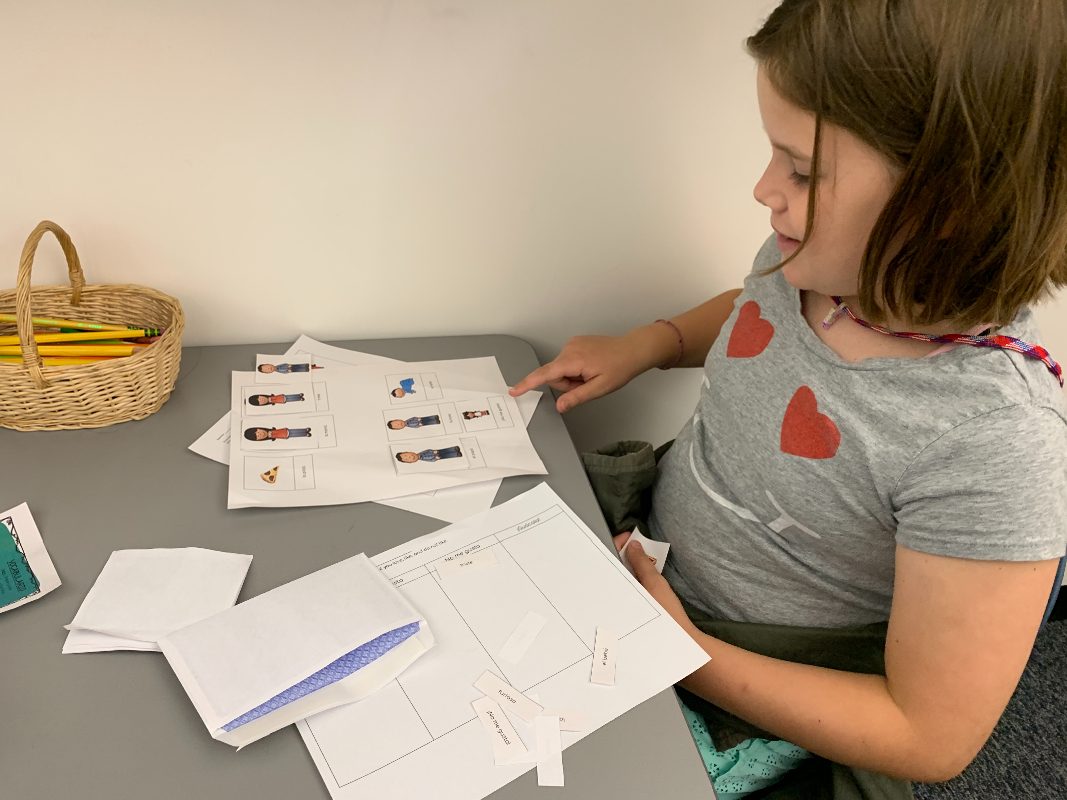
Lower Elementary has been acquiring the skills to discuss which foods we like and do not like. They have been using the story, ¡No me gusta! from the No Me Digas elementary Spanish curriculum. We have been singing and sharing about our favorite and least favorite foods. 

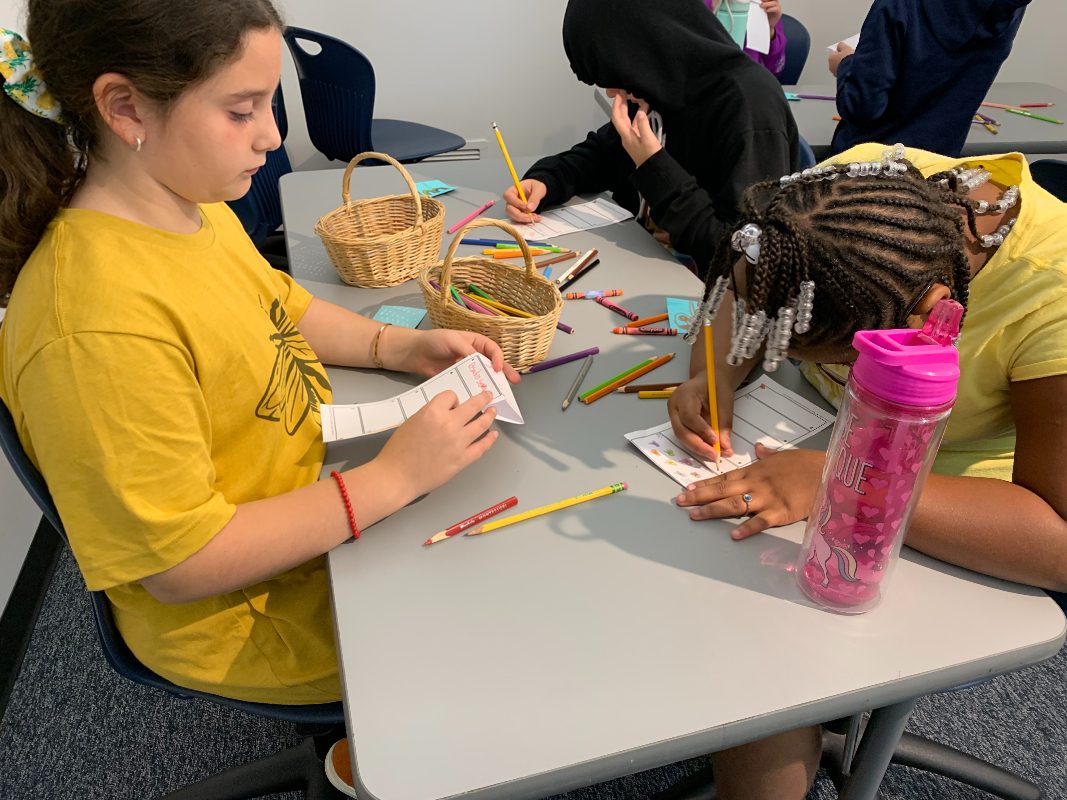
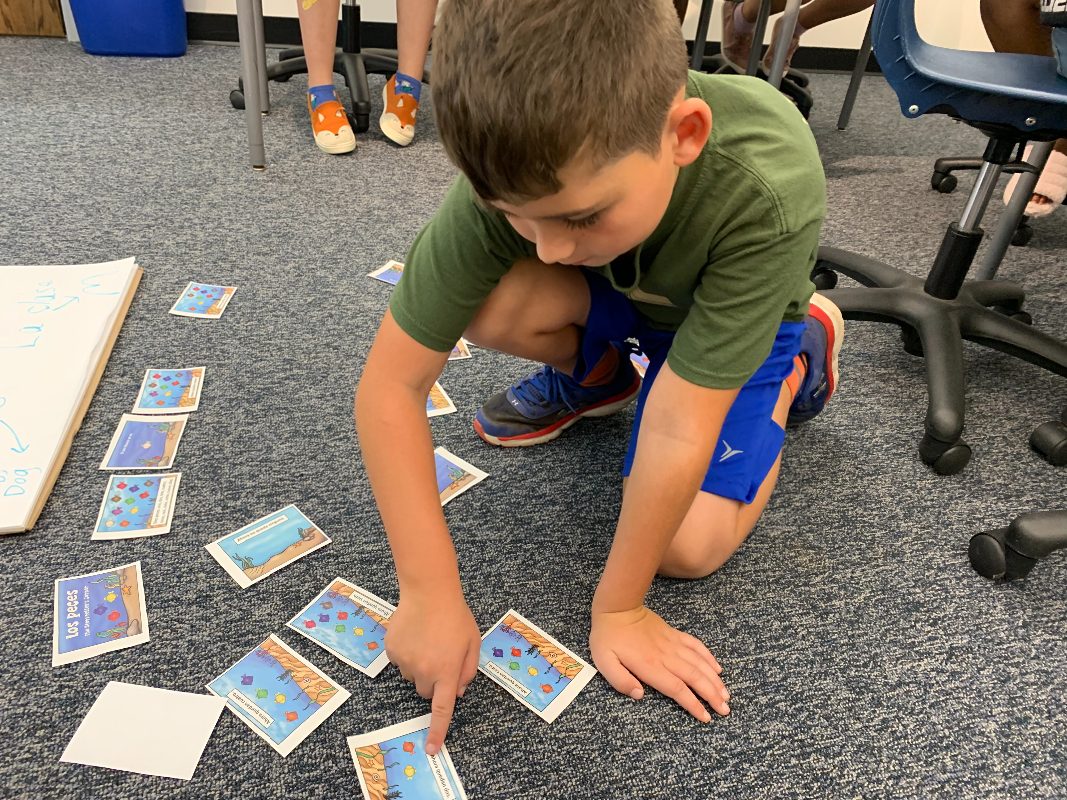
Upper Elementary has practiced retelling stories and sequencing with the stories Isabel va a la escuela and Los Peces, and Los Tiburones, all from The Storyteller’s Corner. They have learned to talk about leaving or staying, how they are feeling, and they have practiced counting 0-10 and backward. 

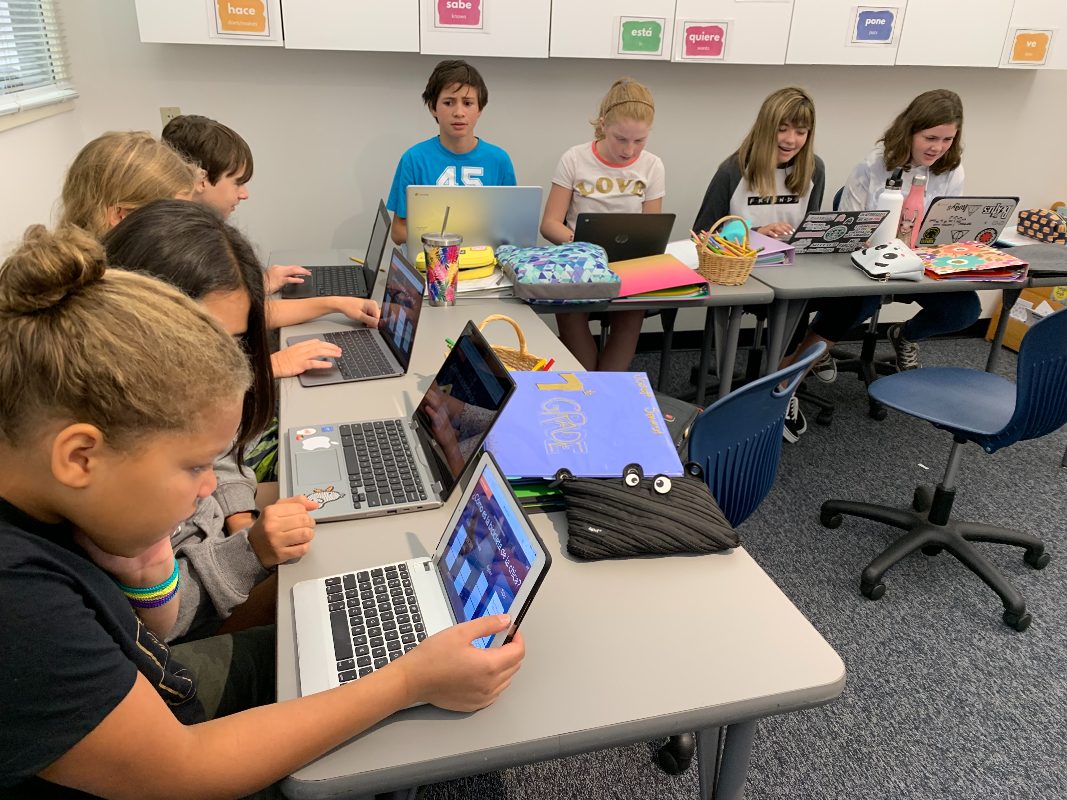
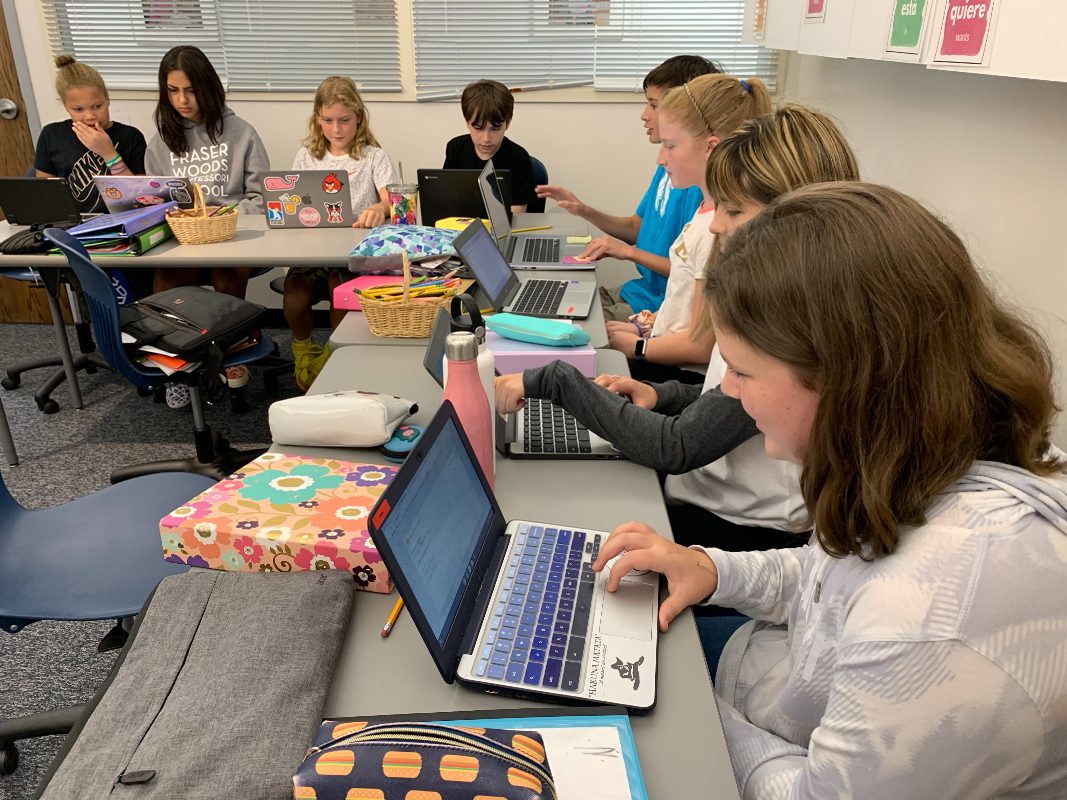
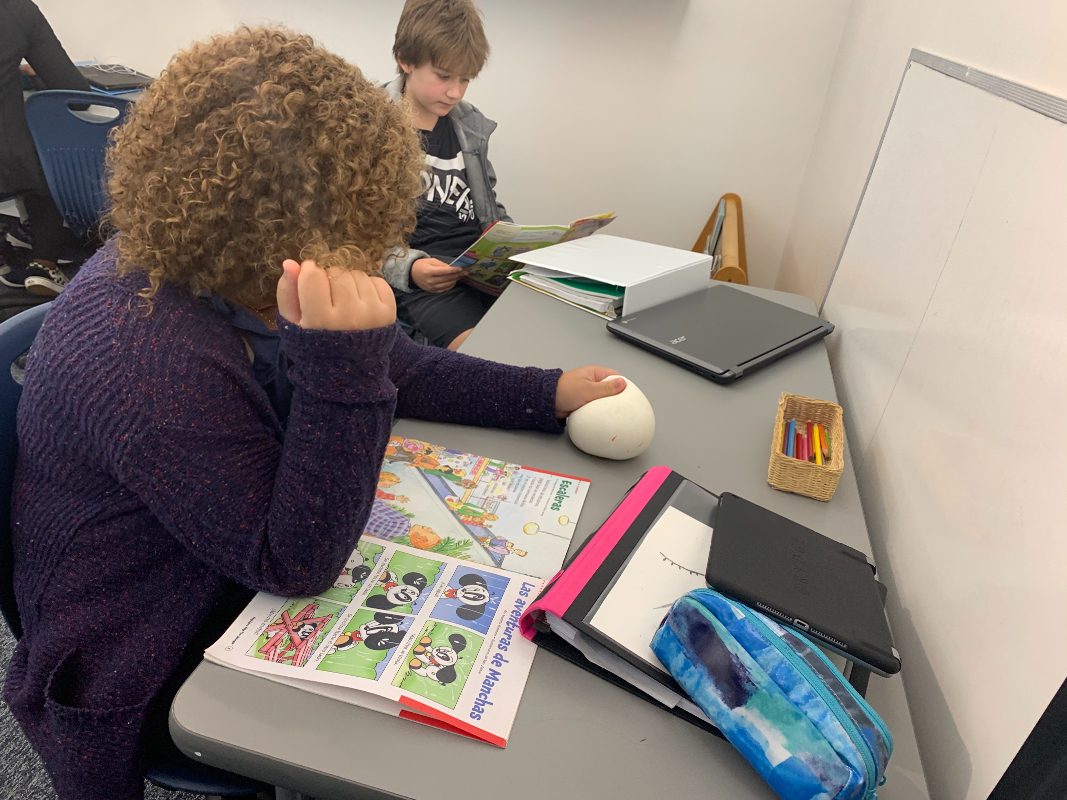
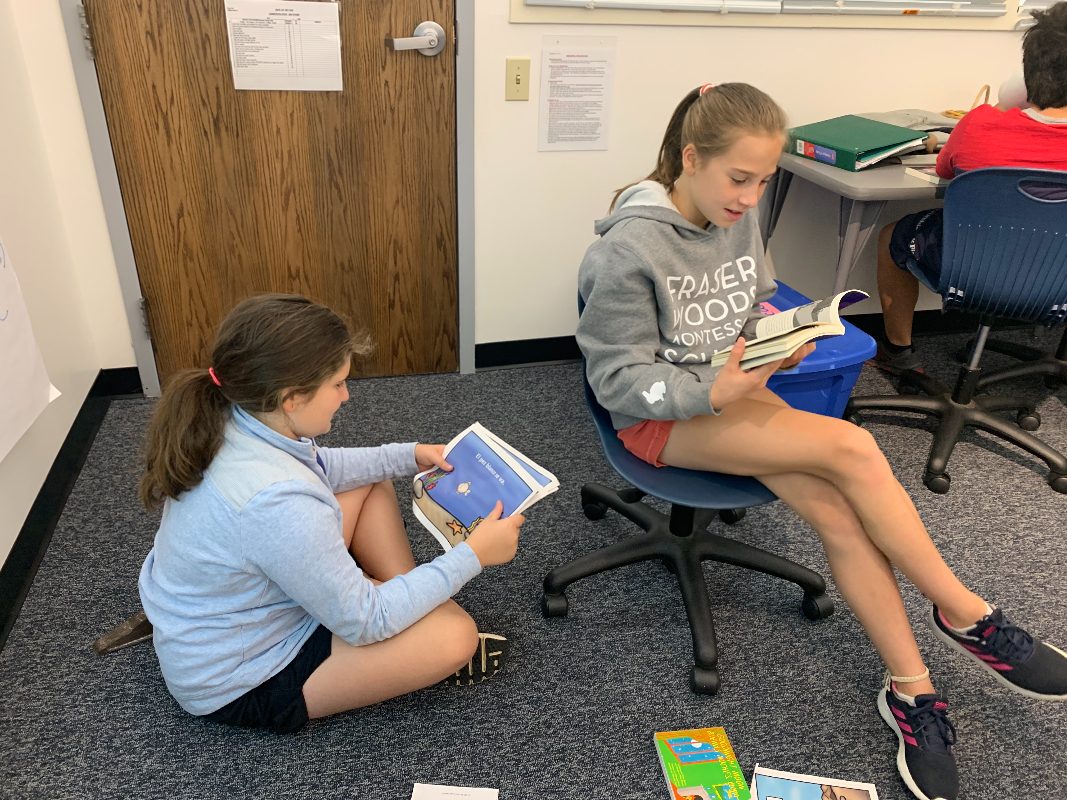
Middle School just started our Free Voluntary Reading, which is at the beginning of each class. All middle schoolers choose a book to read and spend the first five to ten minutes of class reading in Spanish. Aside from this, they have been singing and hearing stories to say who people are, what they say, and what they like and do not like to do. Then they applied these skills to begin writing their own stories about themselves. 


Mrs. Lopes Class: To New Beginnings

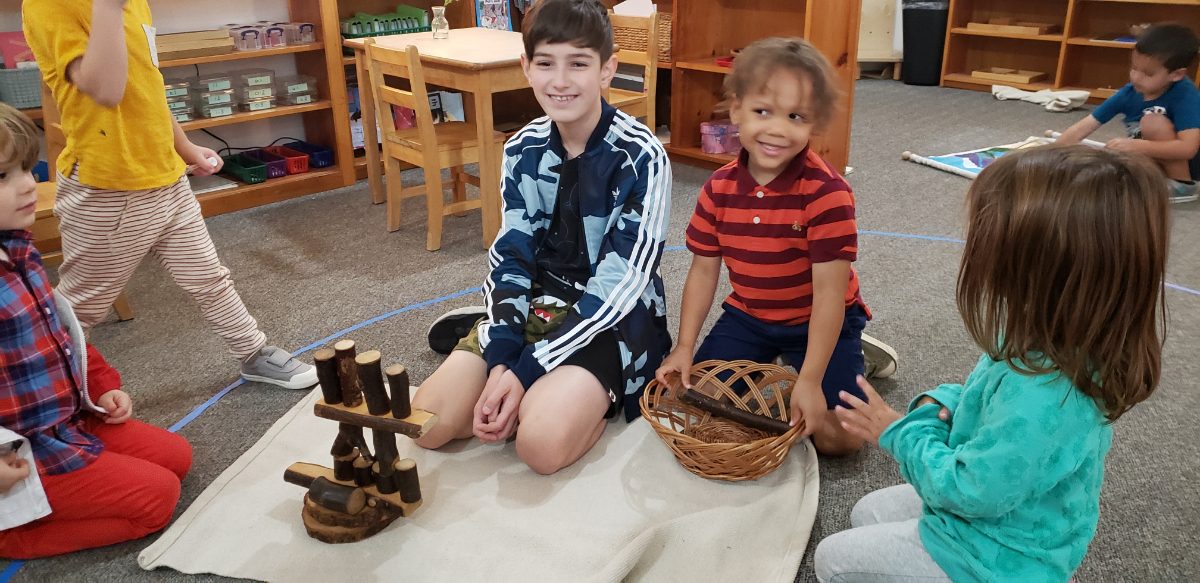
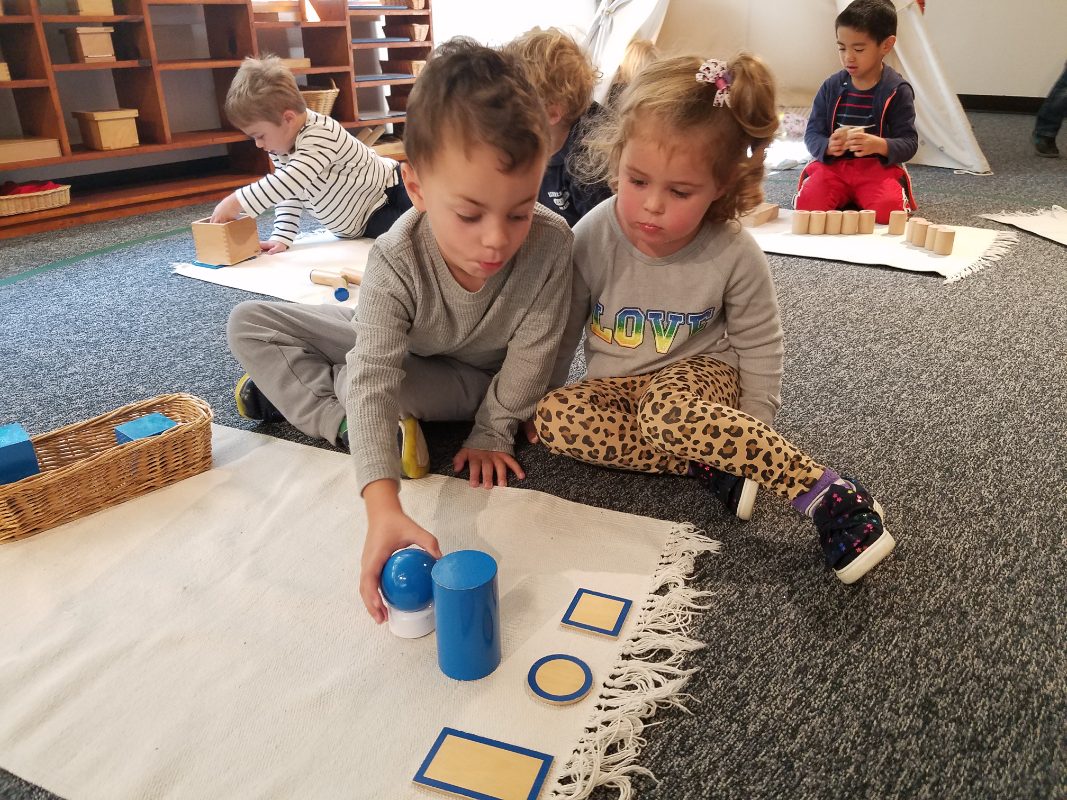
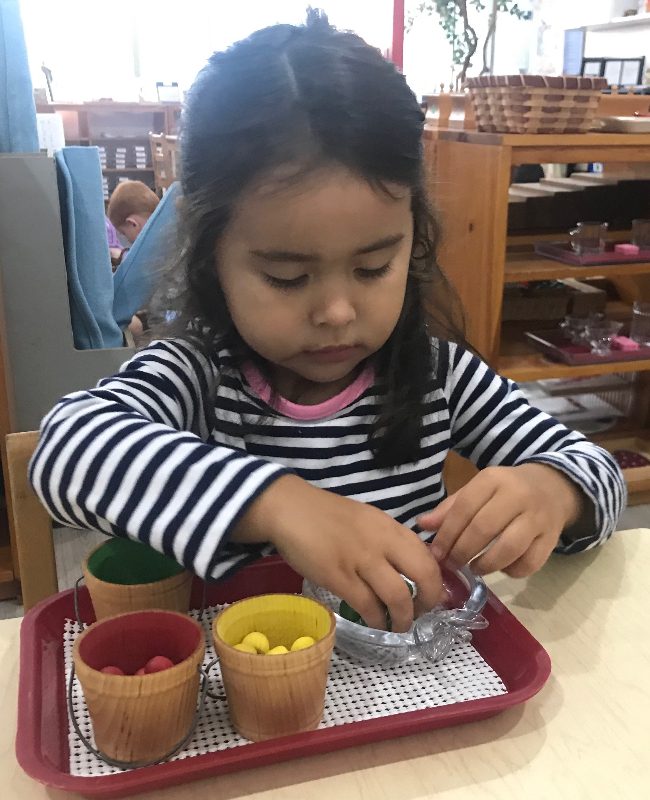
We are off to a great start!  The beginning of the school year is always a time filled with excitement, enthusiasm, and anticipation for the year ahead.  The first full week of school is almost over and we are impressed with how well the children have acclimated to our new classroom and routines. As we start new beginnings as a classroom community, the children have been learning:

  • How to properly take a lesson and put it away 
  • Walking in the classroom
  • Learning to sit, listen, and participate during a large group meeting
  • Following daily routines independently
  • Being respectful of the classroom materials and each other

We are thrilled to be starting the school year with such an incredible group of children and look forward to all the new adventures we will be sharing together!

Mrs. Lopes and Ms. Vigue