Mrs. Carroll’s Class: Ignite Your Excitement


“There must be provision for the child to have contact with nature; to understand and appreciate the order, the harmony and the beauty in nature,”- Maria Montessori 

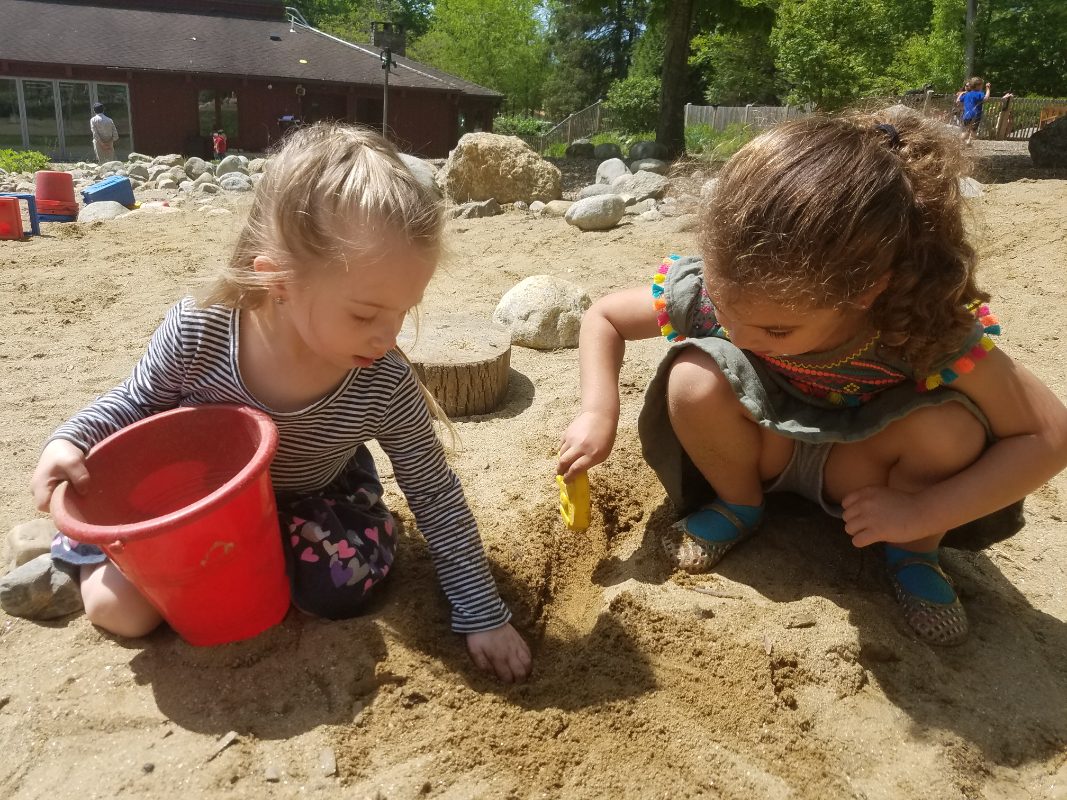
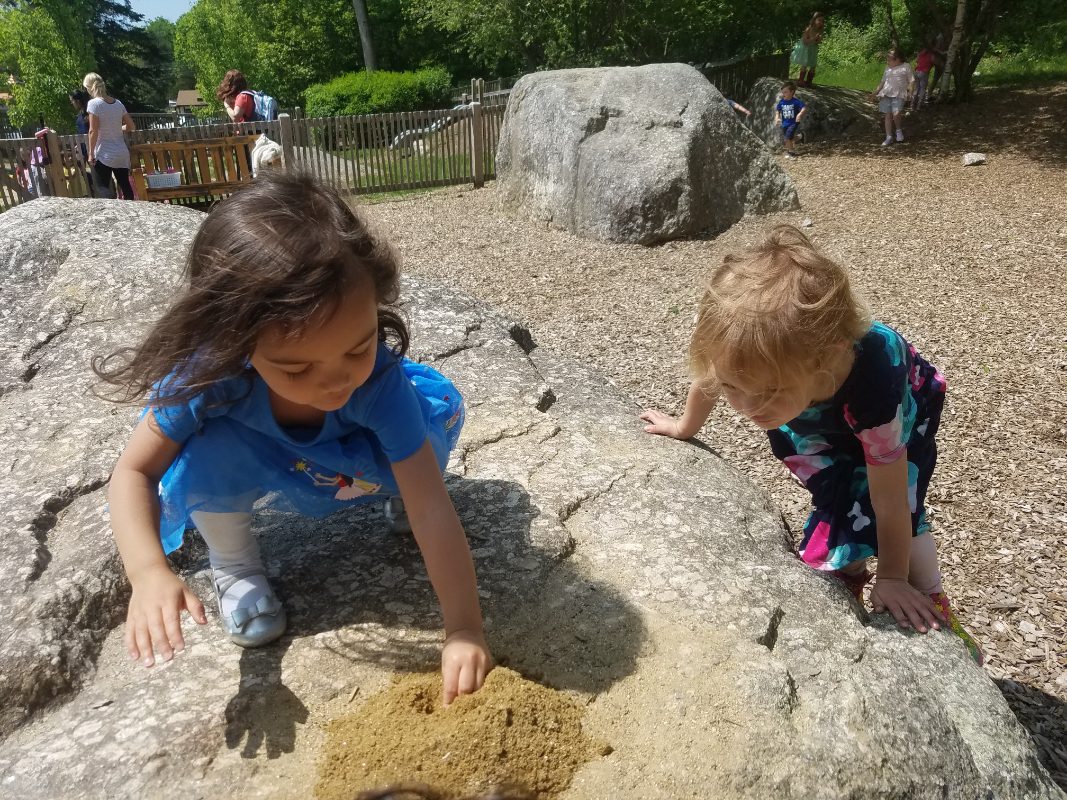
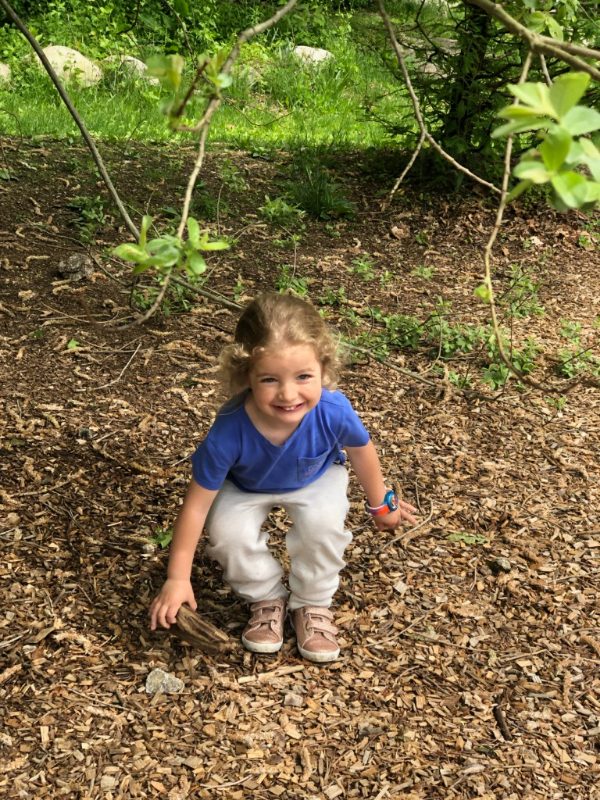
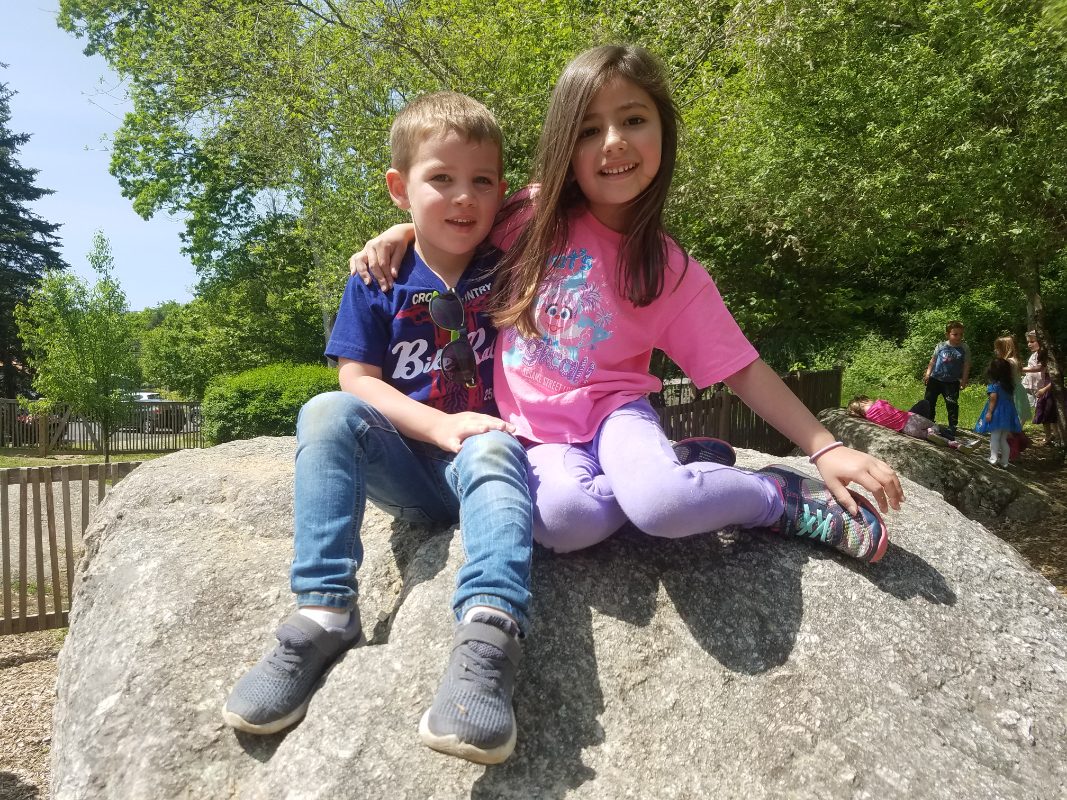
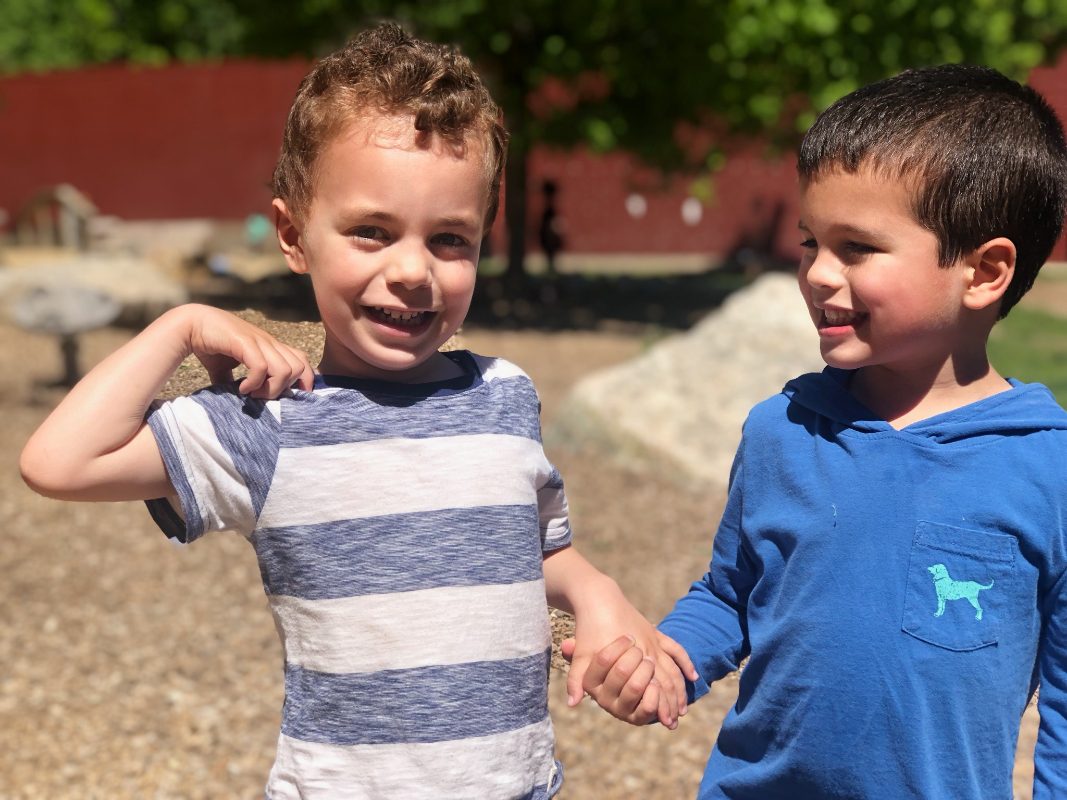
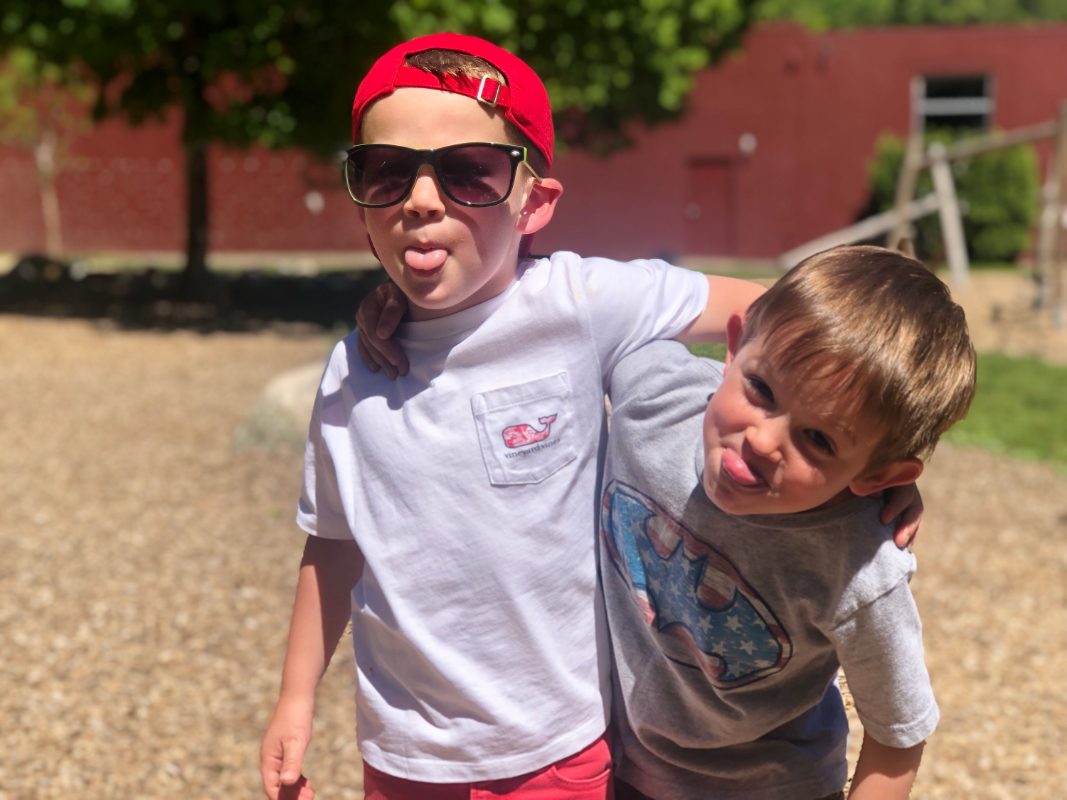
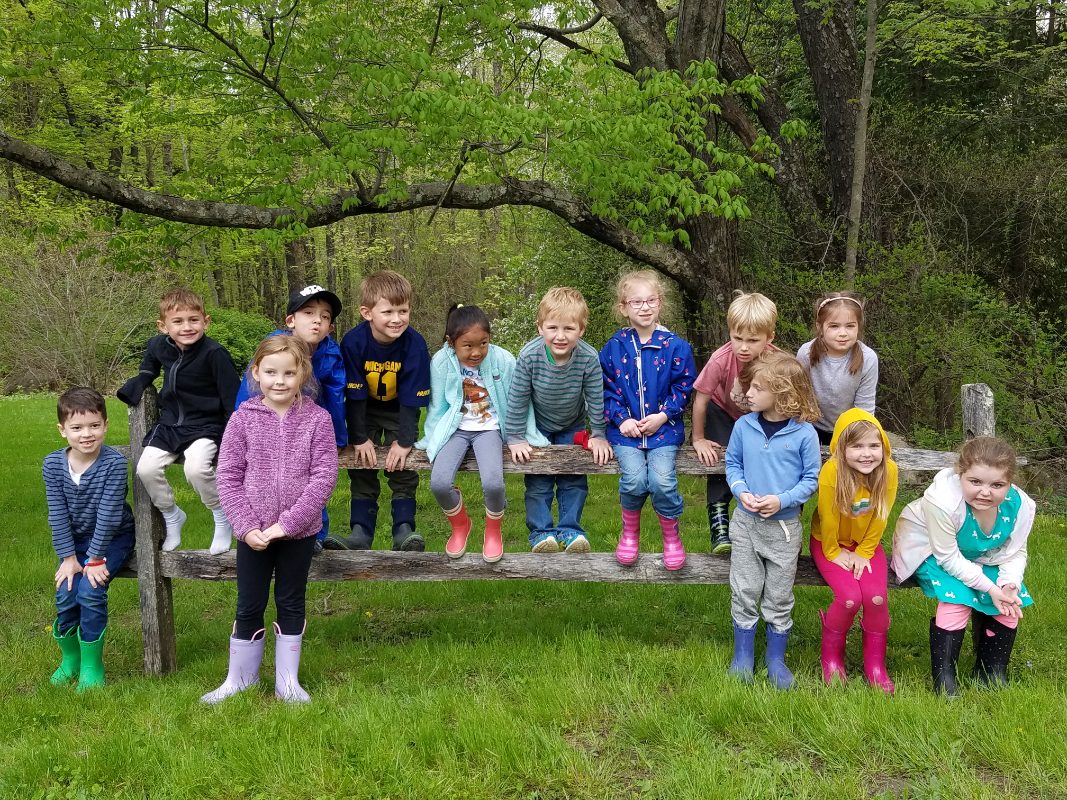
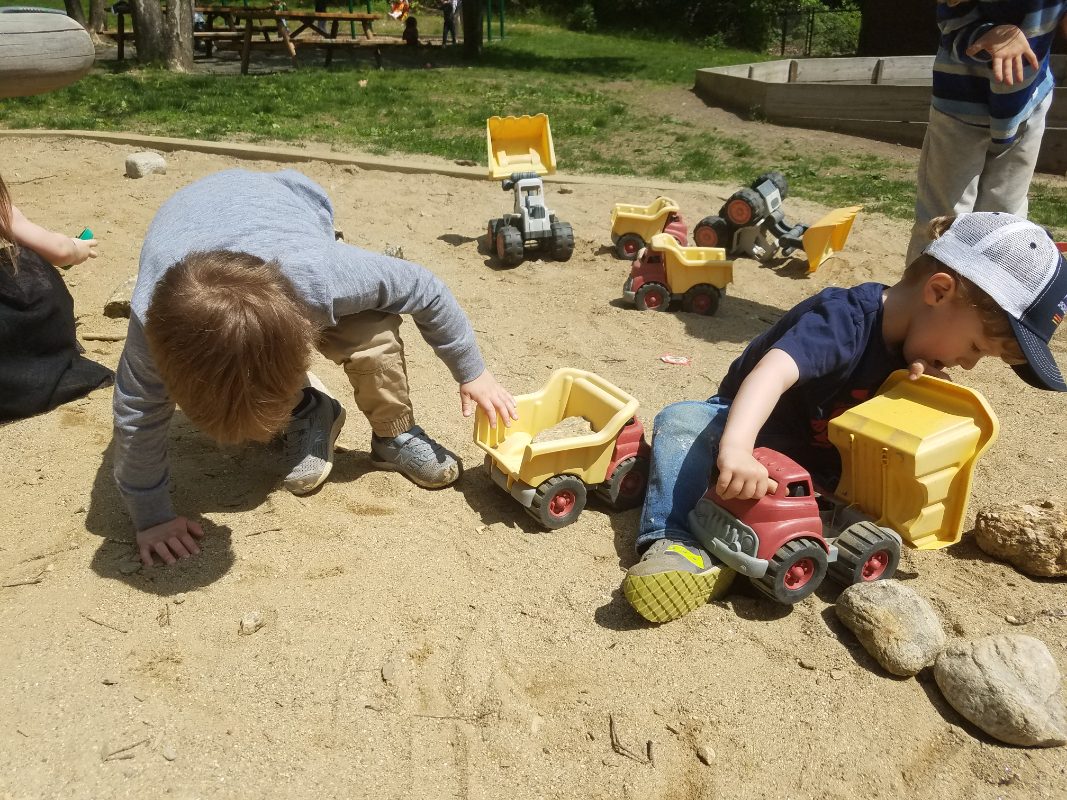
Being outdoors ignites a unique excitement and curiosity in children that cannot be replicated in the classroom (unknown).  Every day your children spend time learning, working together, and exploring our natural playground. Daily outdoor learning helps to develop healthy, active lifestyles and routines for the children, while providing them with hands-on experiences in our natural world. Our beautiful natural playground provides unique experiences to stimulate the children’s creativity and contribute to their appreciation of nature.

Helping children develop an appreciation for the outdoors is one of the significant benefits of regular outdoor play. The outside world is full of beautiful sounds, sights, textures, and life. Exposing children early on to the beauty of the world around them can be the perfect way to boost the aesthetic development of a child, allowing them to be more aware of all the beauty around them.

Here’s to rising temperatures, longer days, and the opportunity to spend time exploring the outdoors!

Until next week,

Cindy & Sharlene


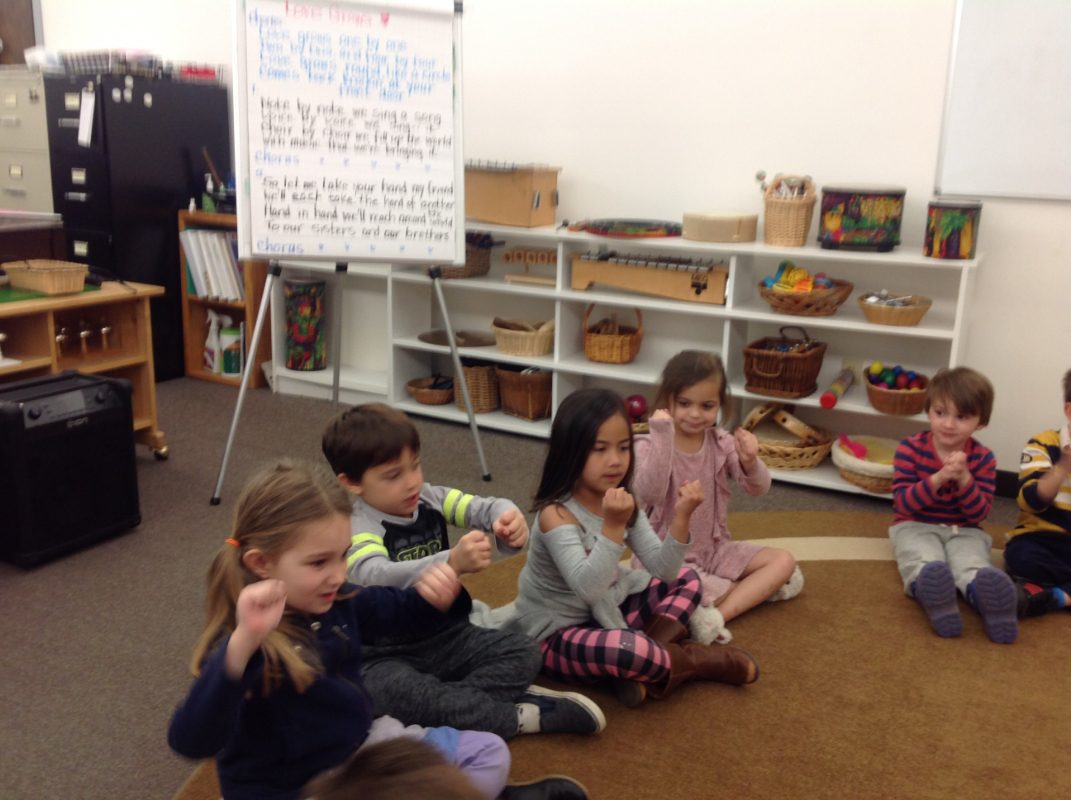
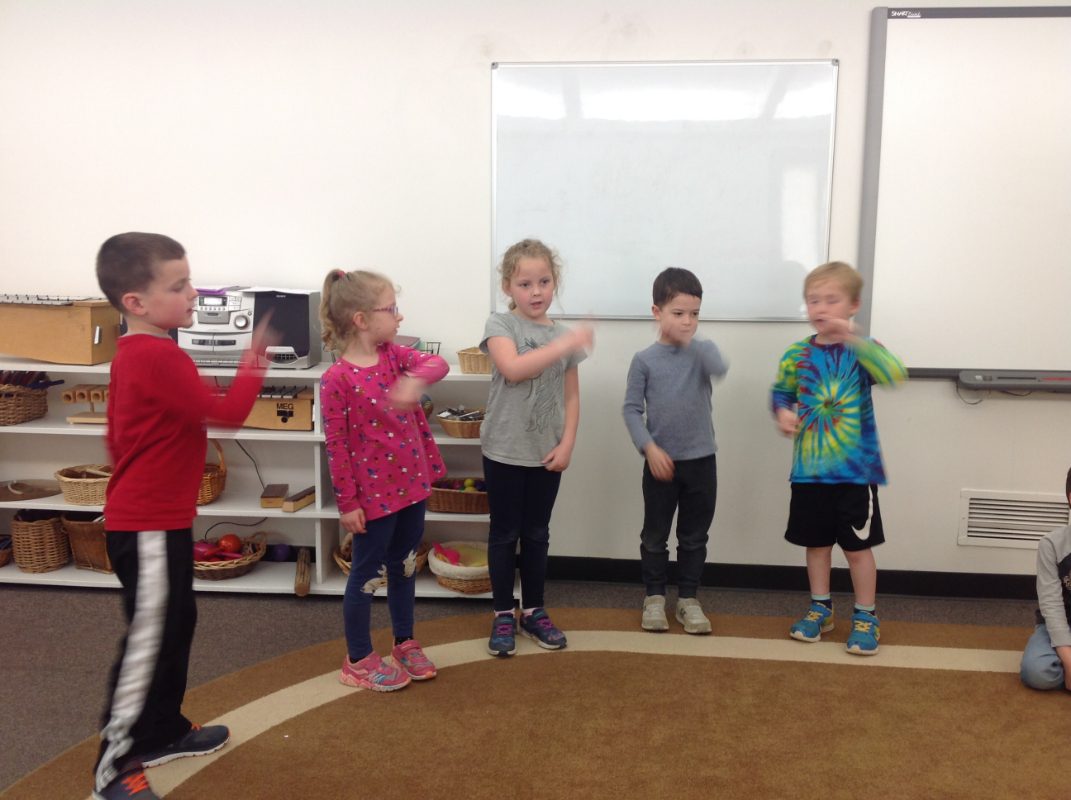
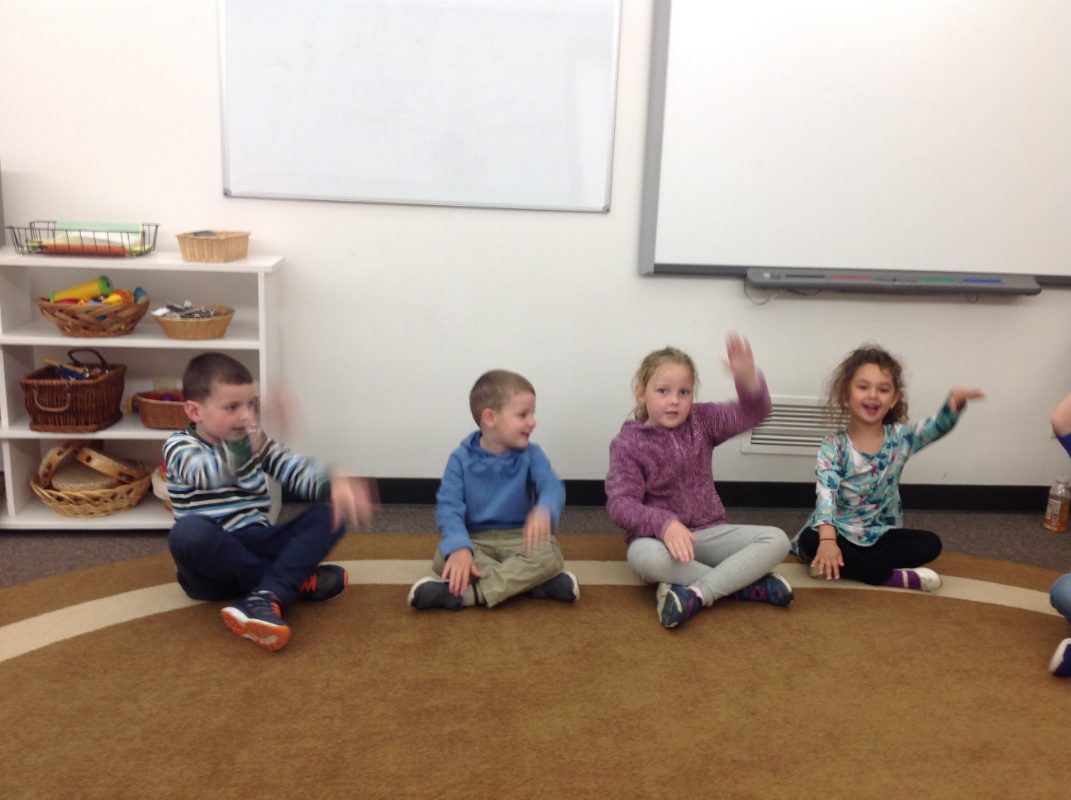
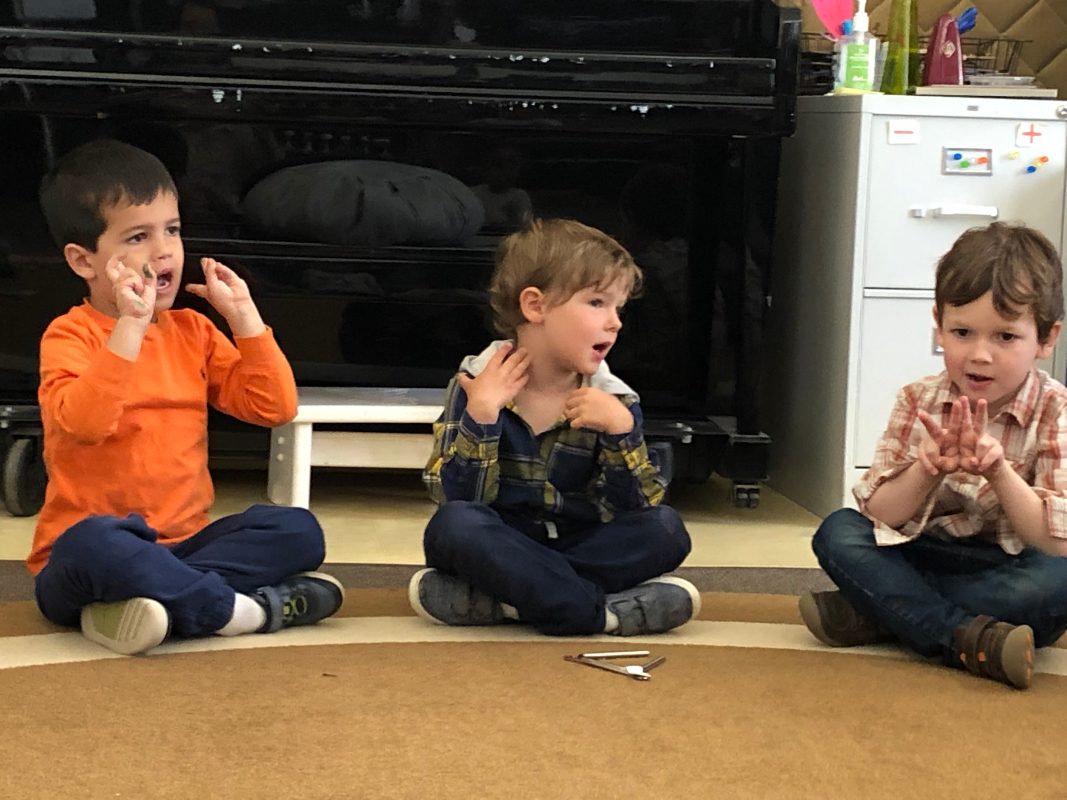
Music: DELIGHTFUL RHYMING

“There should be music in the child’s environment, just as there does exist in the child’s environment spoken speech. In the social environment, the child should be considered and music should be provided.”~Maria Montessori

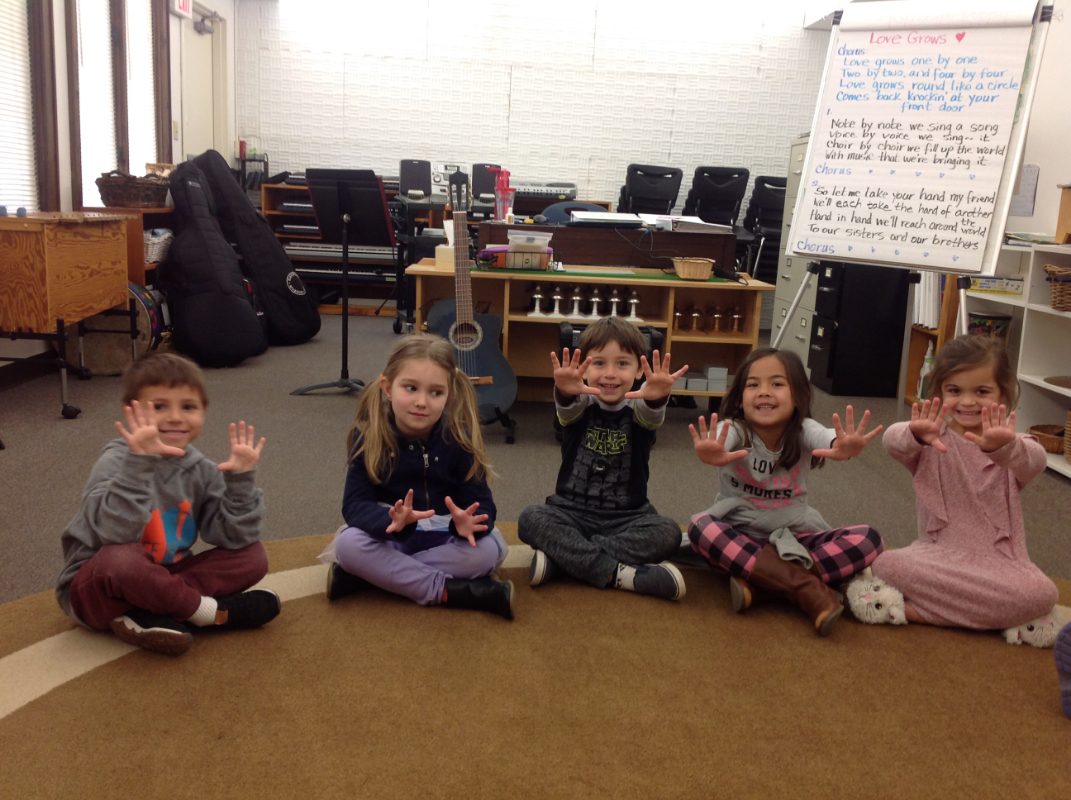
Our Primary classes have enjoyed learning rhyming songs with accompanying movements. These young children, who possess absorbent minds, love chanting poems and singing songs especially when they rhyme. Beyond the delighted participation, there has been lots of research proving the benefits of ‘Nursery rhymes’ for Primary-aged children. Below are some of the most significant findings.

Cognitive Development

  • Repetition of rhymes and stories is good for the brain, teaching how language works and building memory capabilities.
  • Nursery rhymes help develop inferencing skills, both with encountering new words and in reading comprehension.
  • Because these verses are made up of patterns, they are easy first memorization pieces.

Speech

  • Nursery rhymes are important for language acquisition and help with speech development.
  • They help children develop auditory skills such as discriminating between sounds and developing the ear for the music of words.
  • Rhymes like these help kids articulate words, modulate voices (practicing pitch, volume, and inflection) and enunciate clearly by saying them over and over without fear of criticism.
  • Nursery rhymes are excellent, natural choice for a first recitation selection.
  • The mouth and tongue muscles are developed as children say these rhymes.
  • Listening comprehension is a foundational skill that is often skipped, but nursery rhymes can help ensure this crucial ability (that precedes reading comprehension) is covered.

Reading

  • Nursery rhyme knowledge provides an excellent foundation for later literary works.
  • They are a great introduction to stories since many contain a beginning, middle, and end (sequencing).
  • Familiarity with nursery rhymes makes good readers, even despite differences in social background.
  • Work with these verses helps children detect phonetic segments of words.

Language

  • Nursery rhymes increase vocabulary.
  • They help children assimilate language.
  • They are a wonderful introduction to poetry.
  • They promote spelling skills.
  • Verses like these introduce literary devices like alliteration, onomatopoeia, and imagery.

Creativity

  • Nursery rhymes expand children’s imagination.
  • They promote creative dramatization when kids act the scenarios out.

History

  • These classic verses preserve the culture and provide something in common between multiple generations (a good way to bond with grandparents or when meeting new people!)
  • Nursery rhymes teach history and connect a child to the past.

Math

  • Nursery rhymes are full of patterns, sequencing, numbers, and counting (forward and backward).
  • They also discuss size, weight and other important math vocabularies.

Physical

  • Since many nursery rhymes involve movement, coordination and physicality are integrated with their readings (Think “Ring Around the Rosey” or “London Bridge.”)
  • Coordinating finger-plays are helpful for fine motor skill development.

Social and Emotional

  • Nursery rhymes develop humor.
  • Because of the connection between movement, rhythm, and words, singing these songs can be a great group activity.
  • Children can learn social skills from many of the rhymes.
  • Nursery rhymes are familiar and can thus provide comfort and support to youngsters in uncomfortable situations.


Mrs. Carroll’s Class: Straight From the Heart

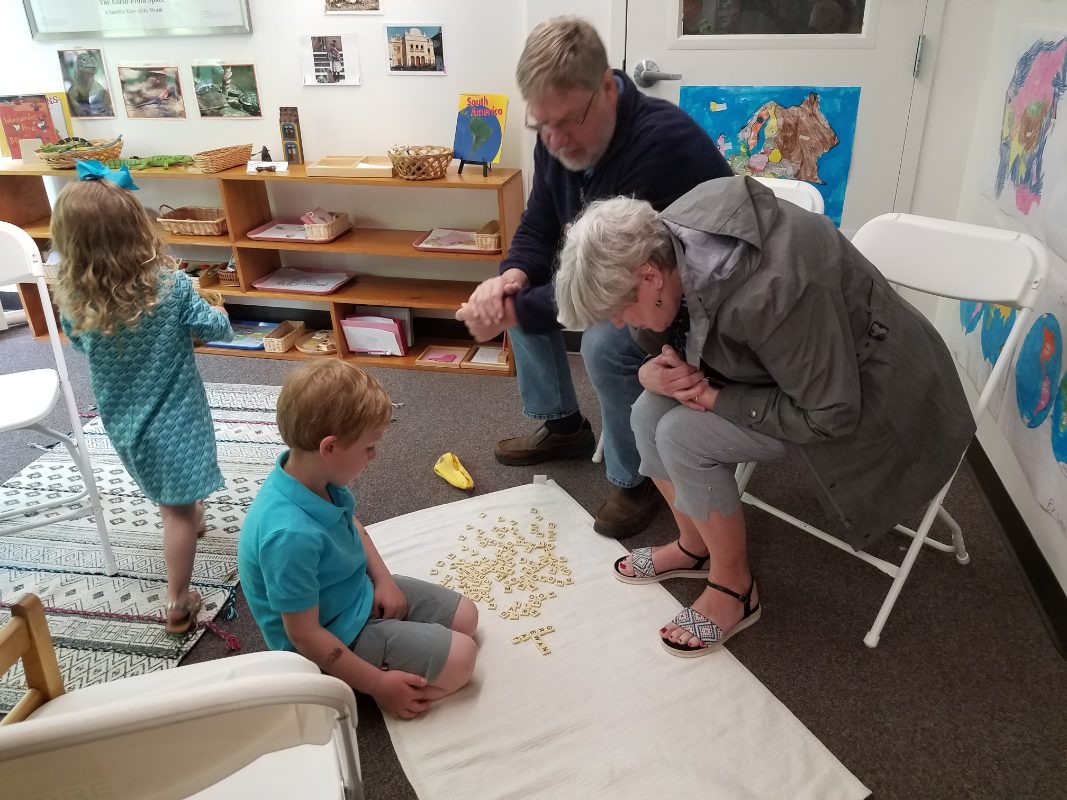
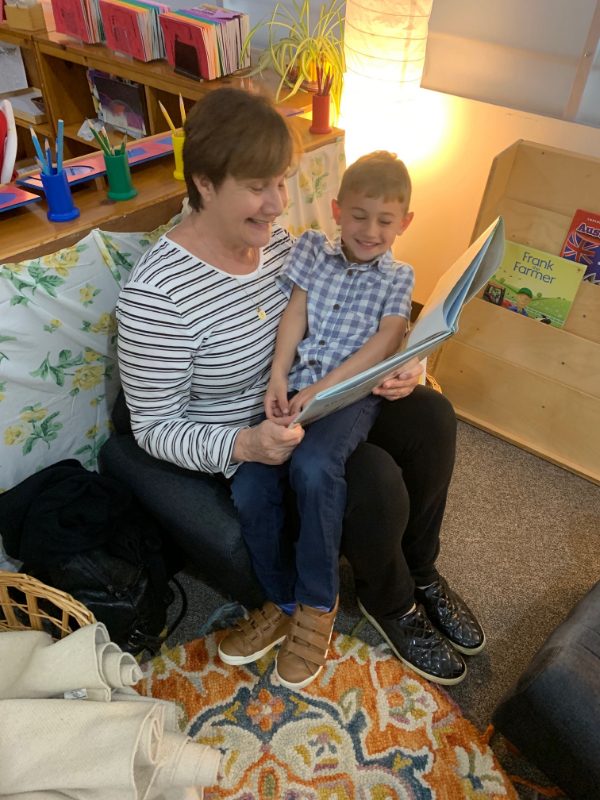
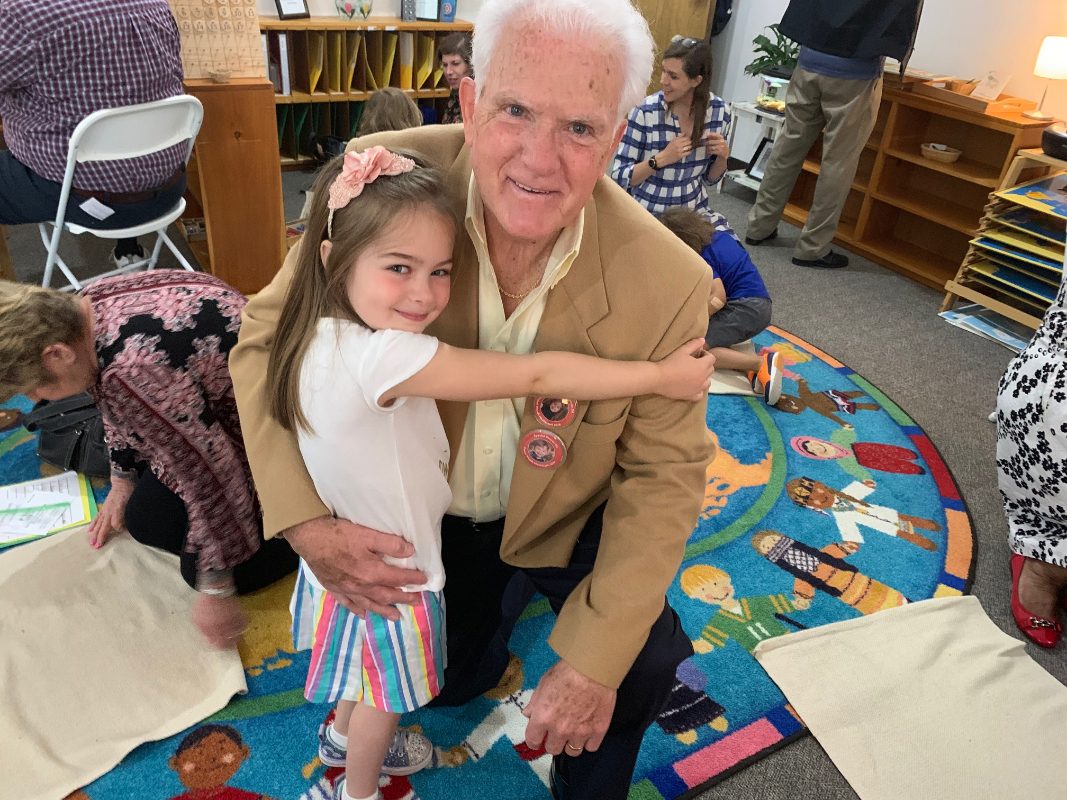
“A grandparent is a special part of all that is cherished in the heart.” Author unknown

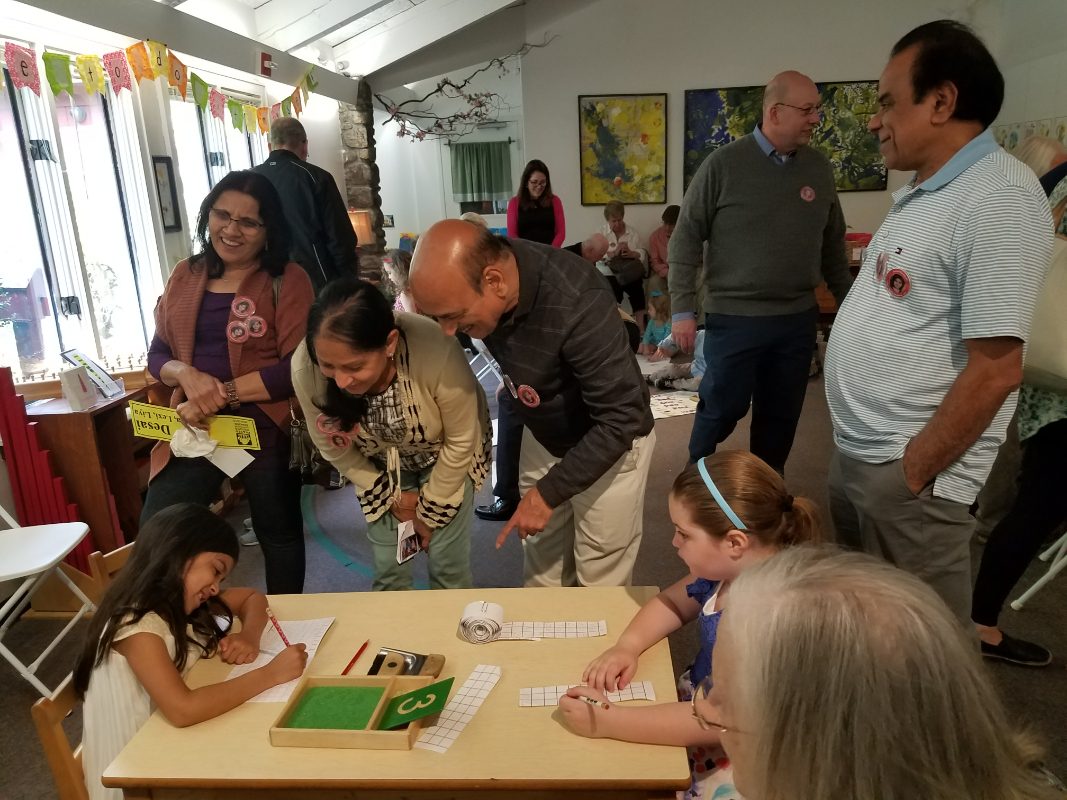
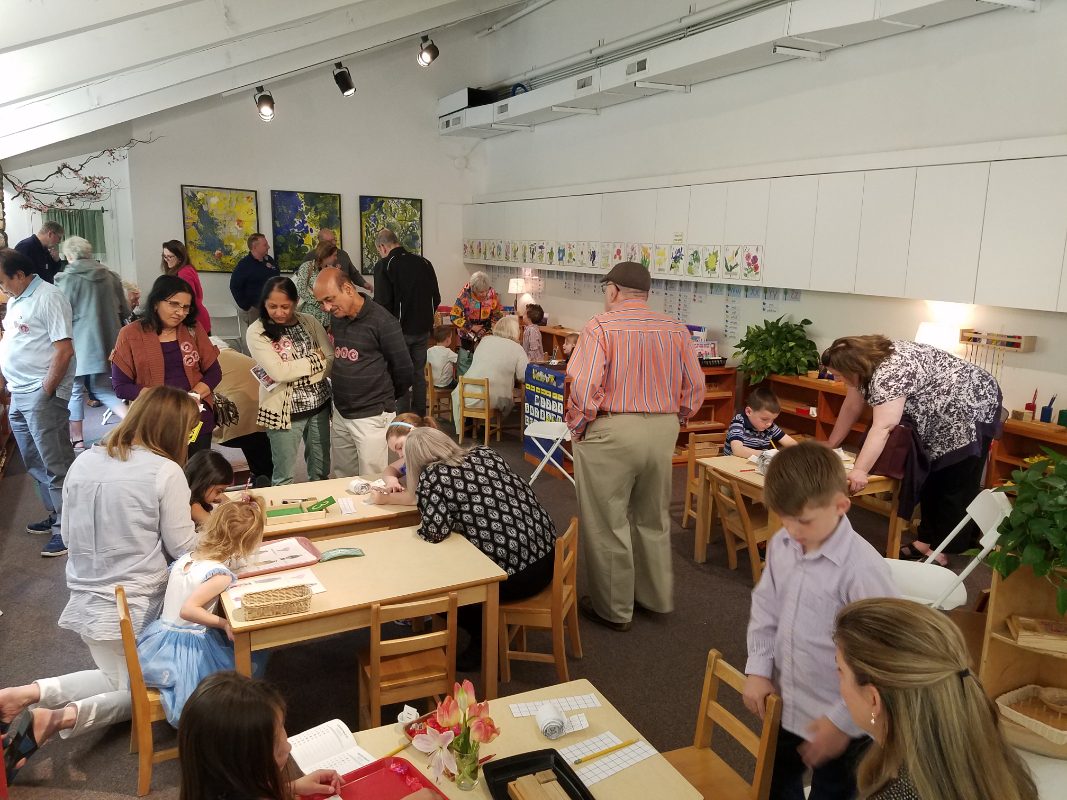
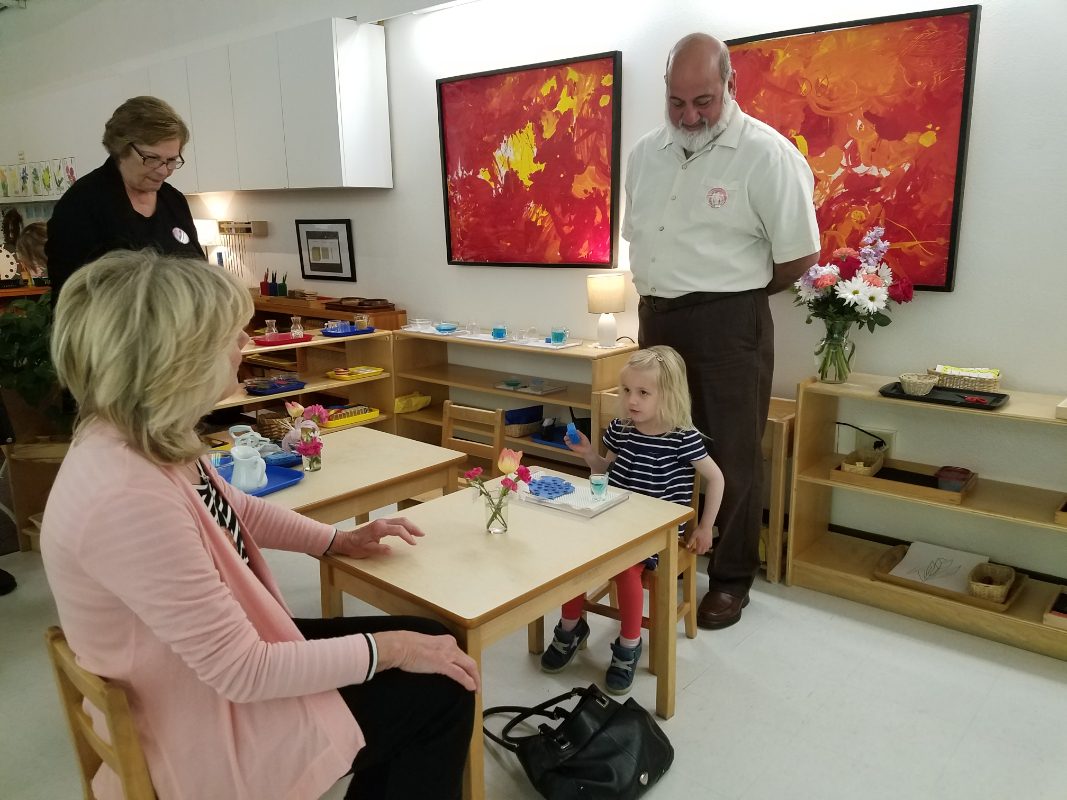
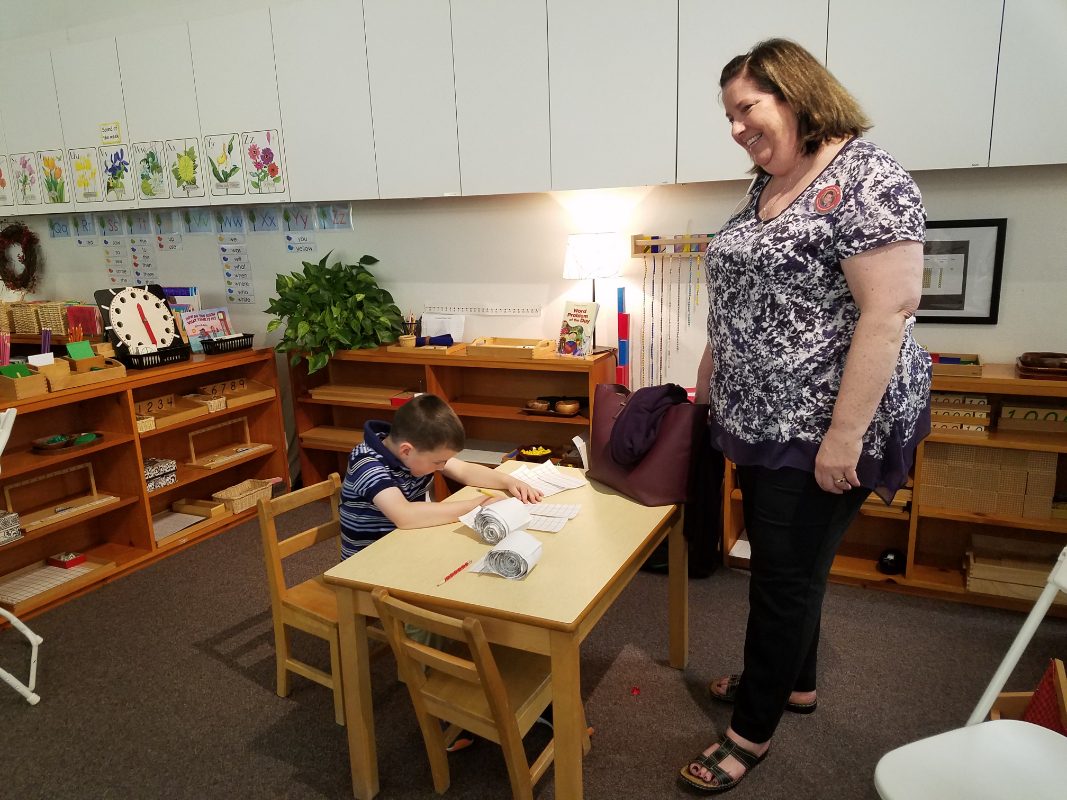
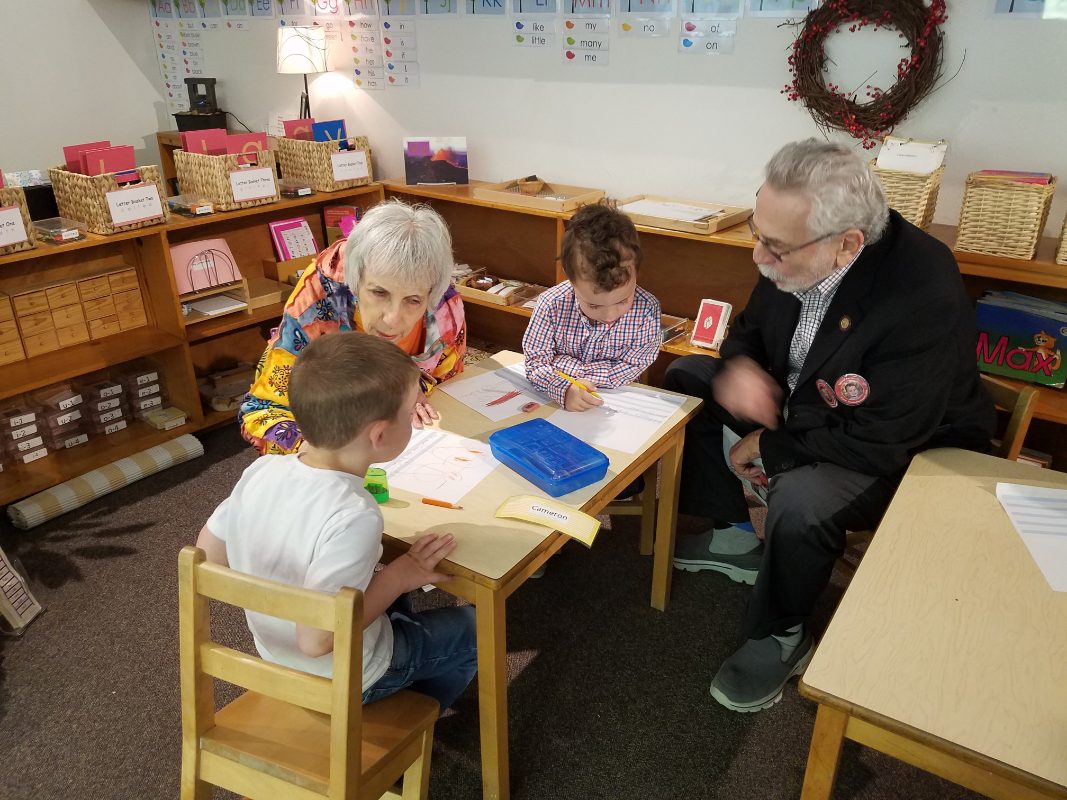
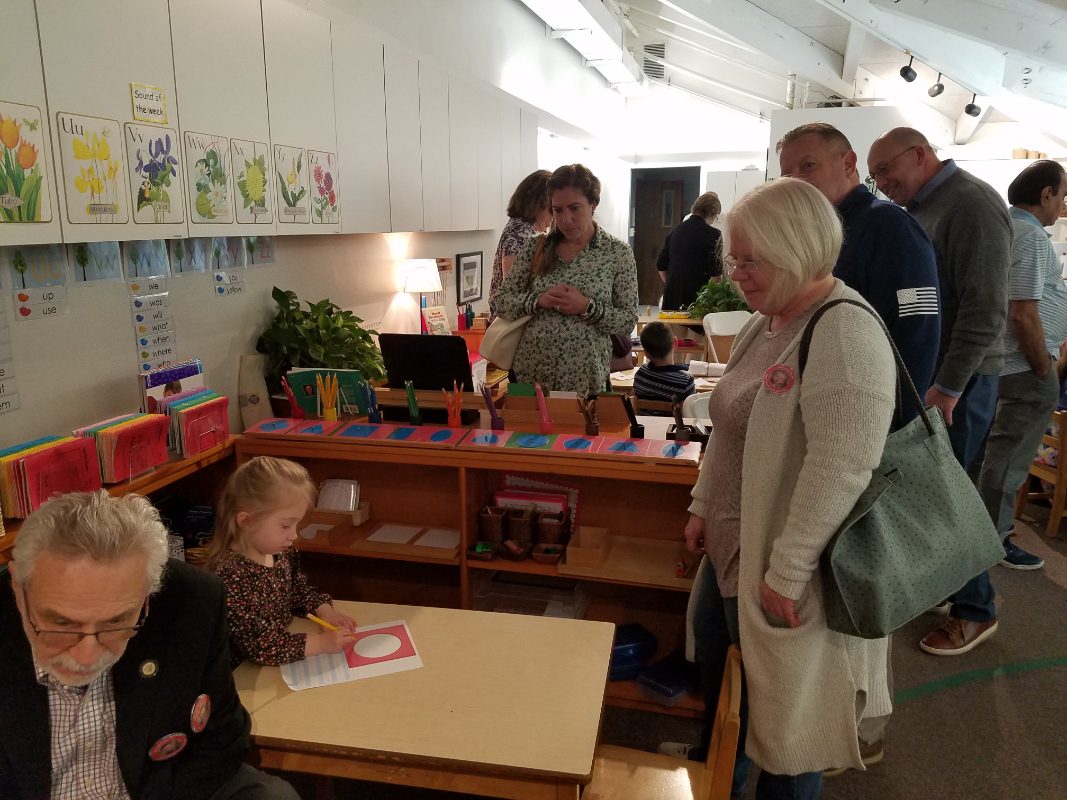
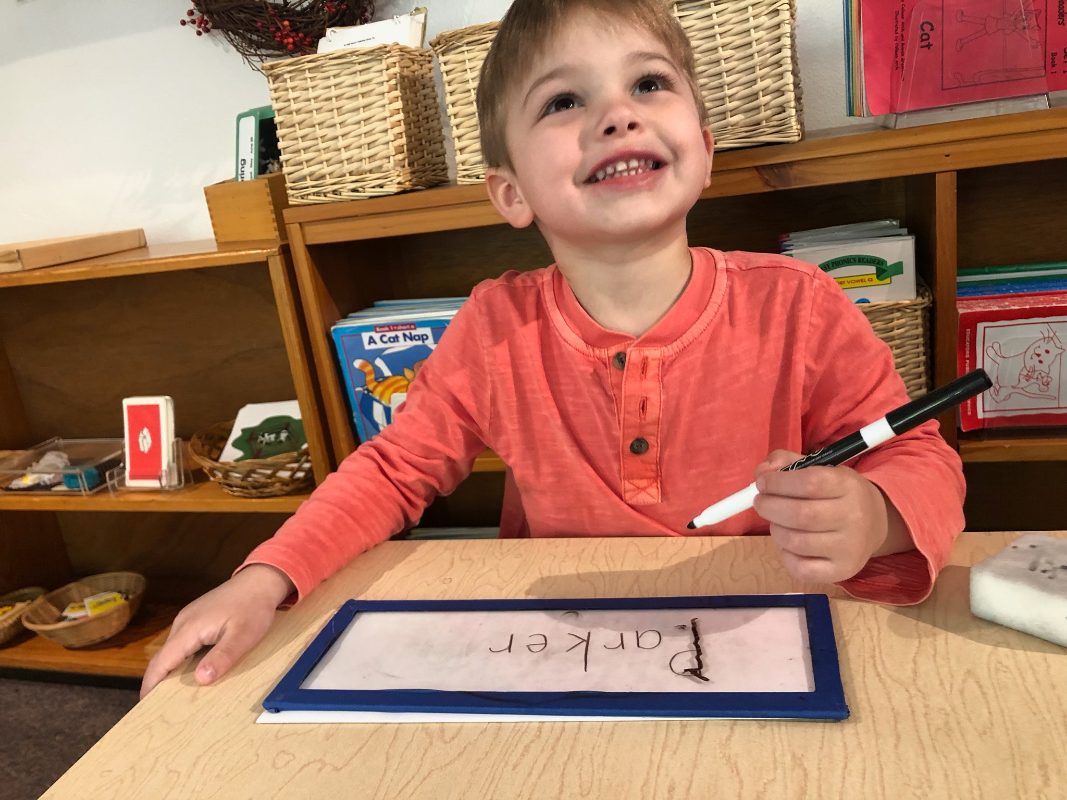
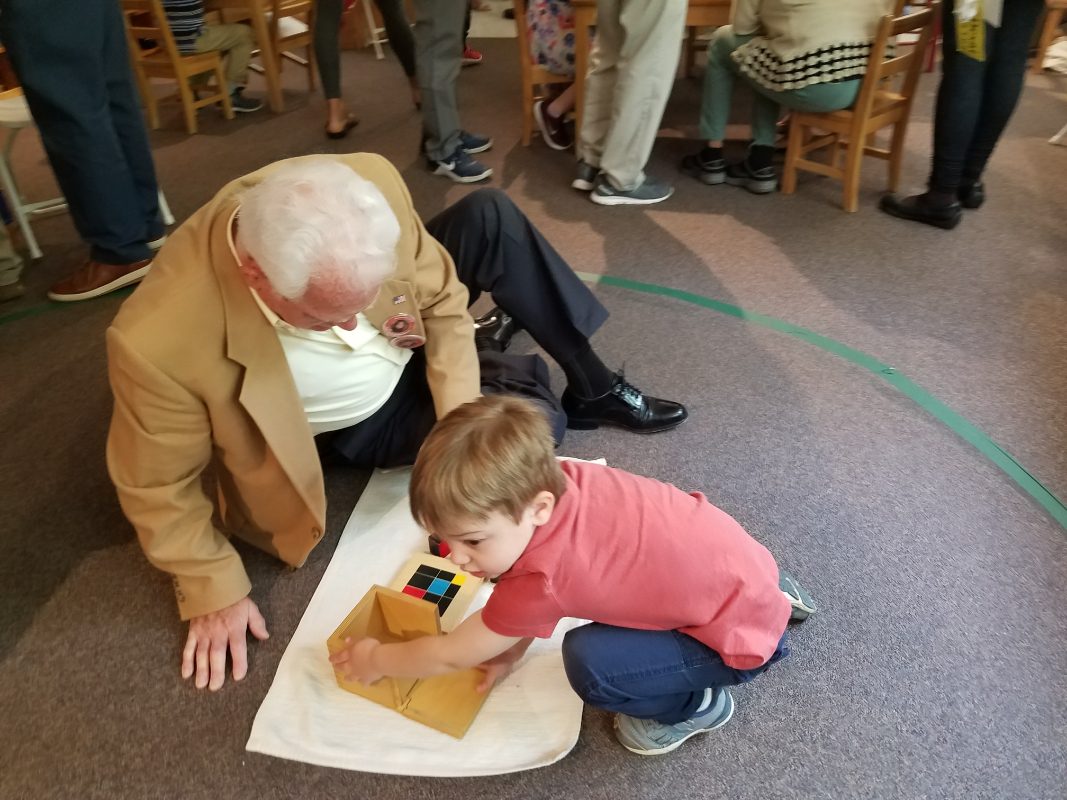
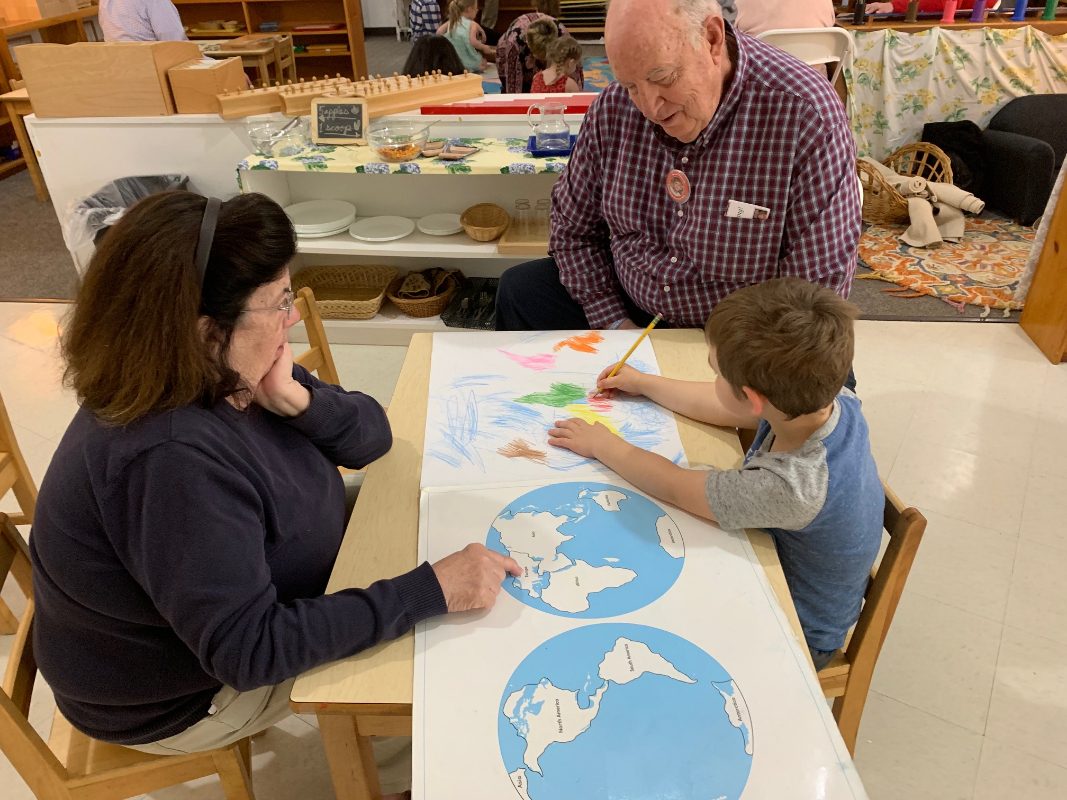
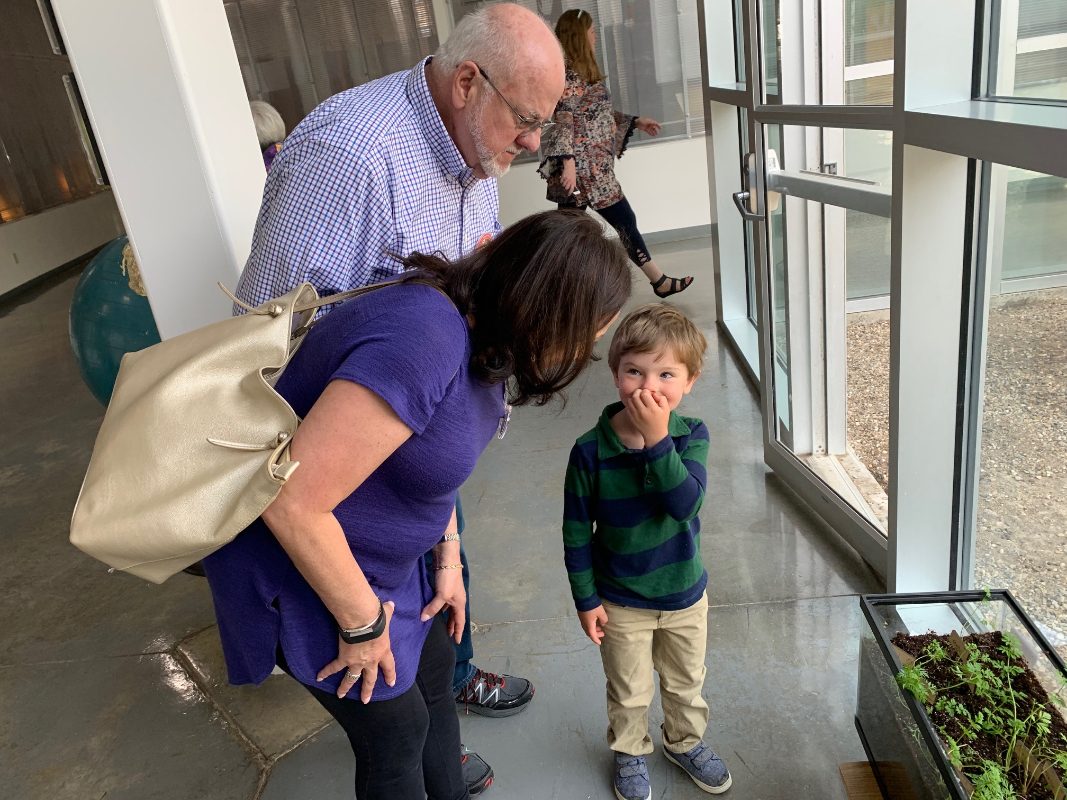
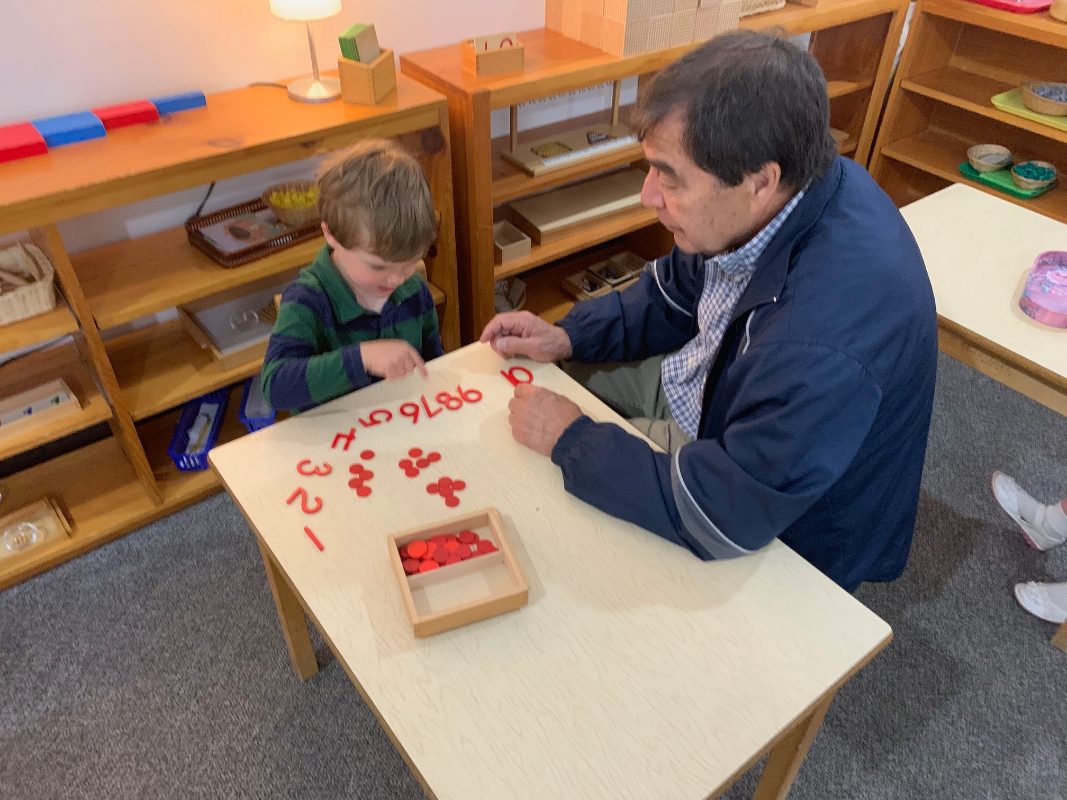
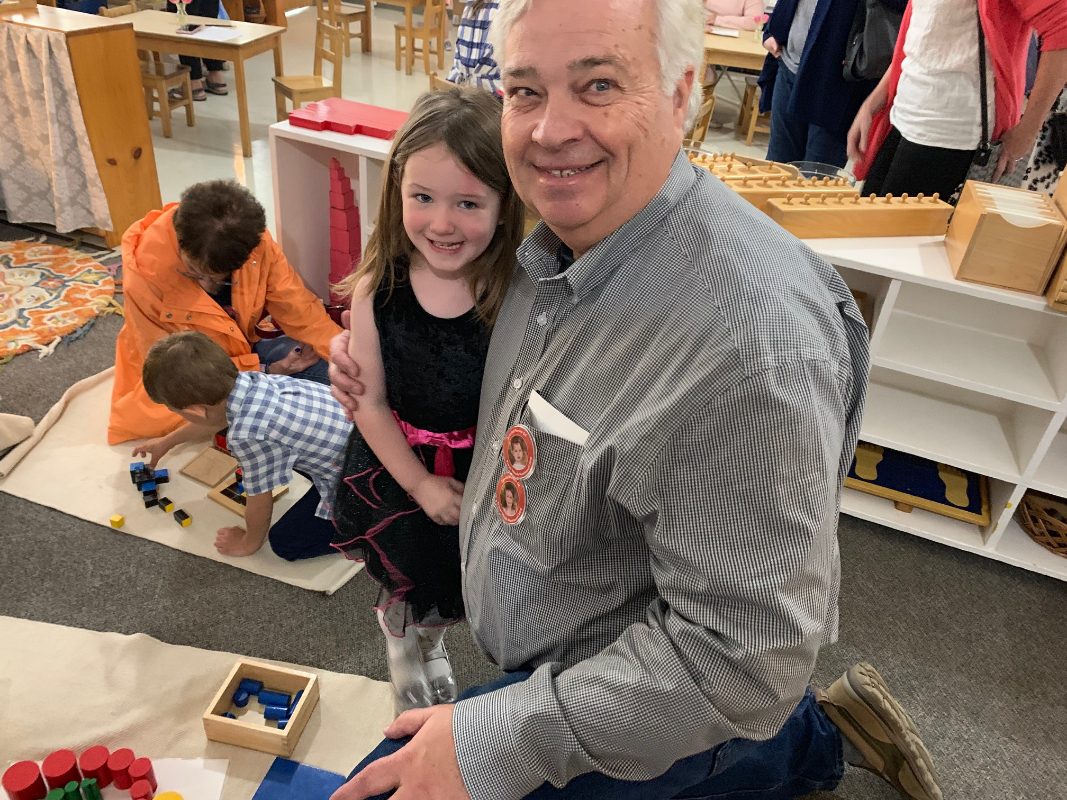
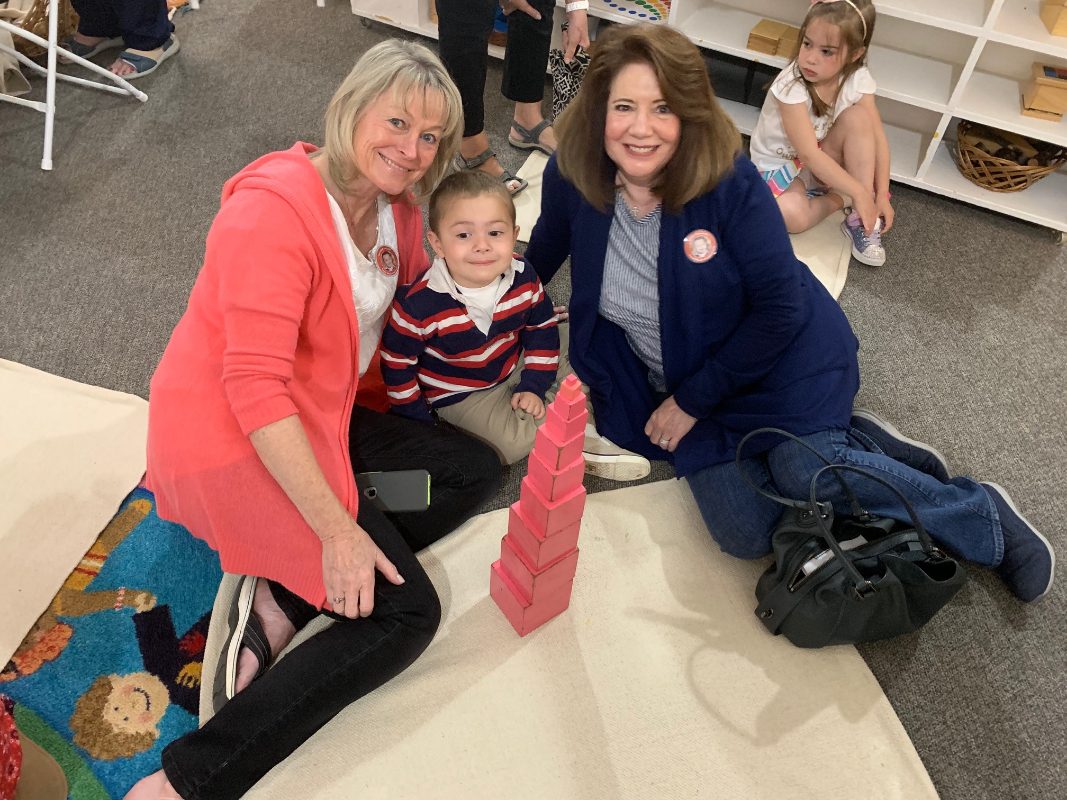
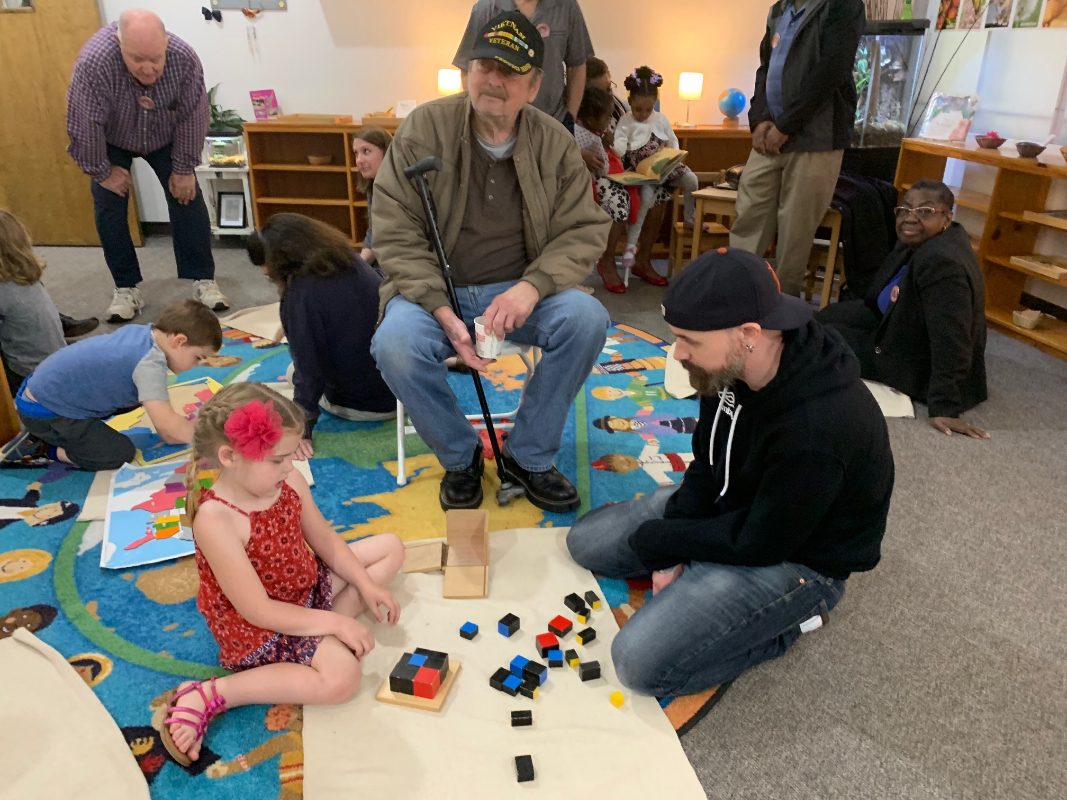
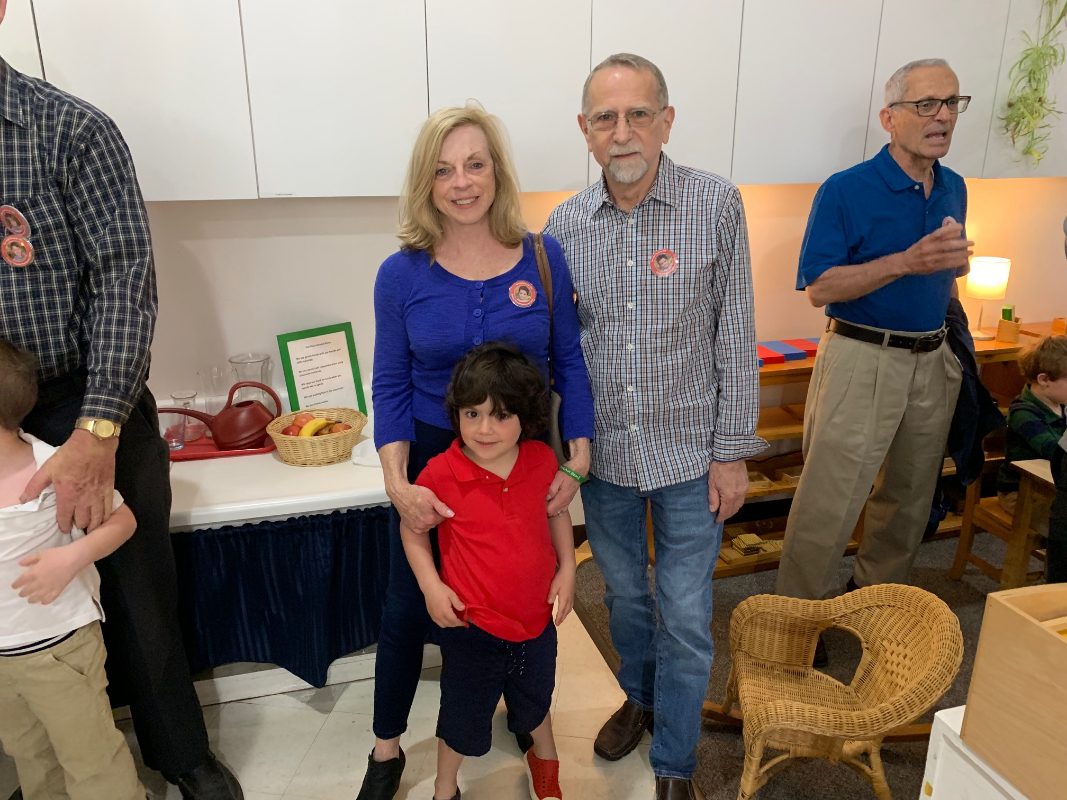
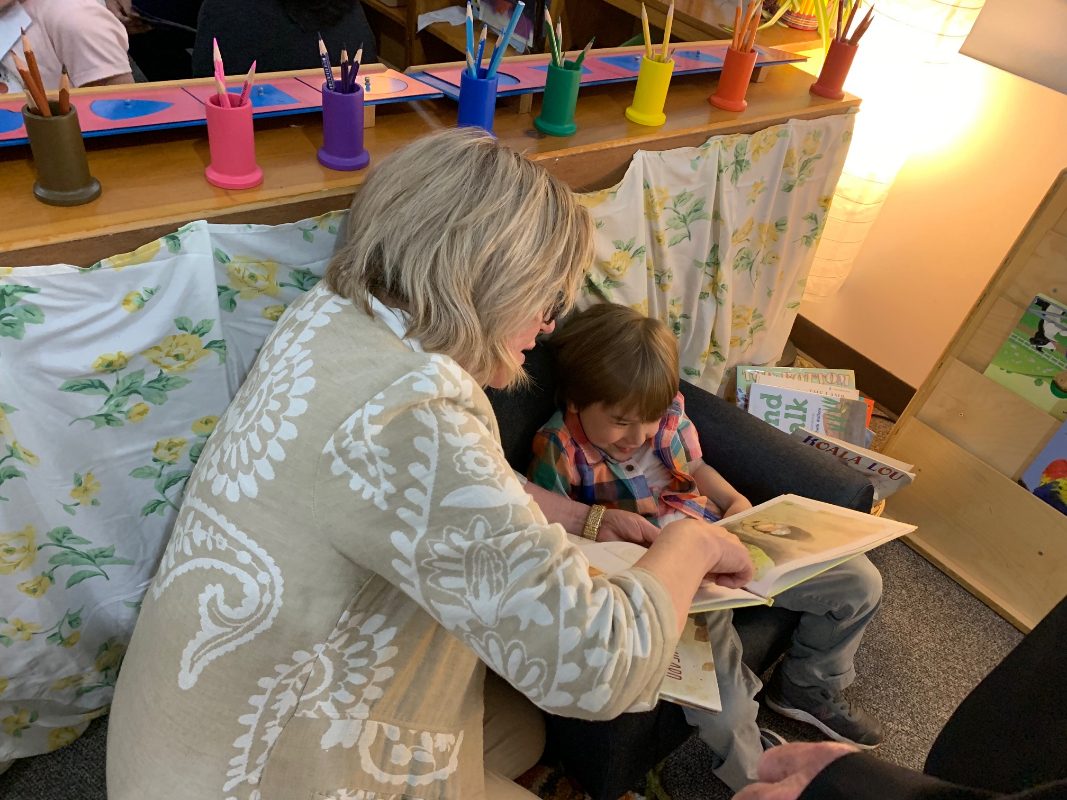
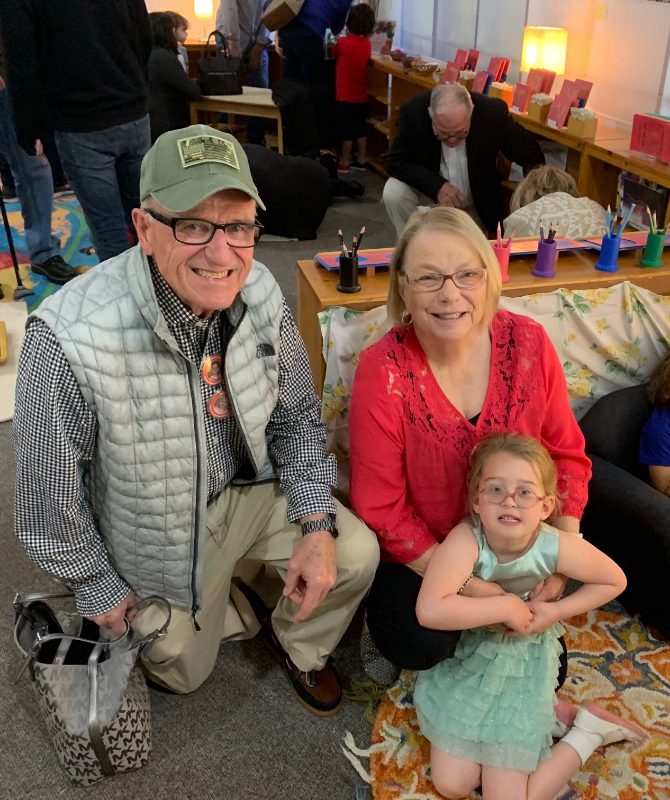
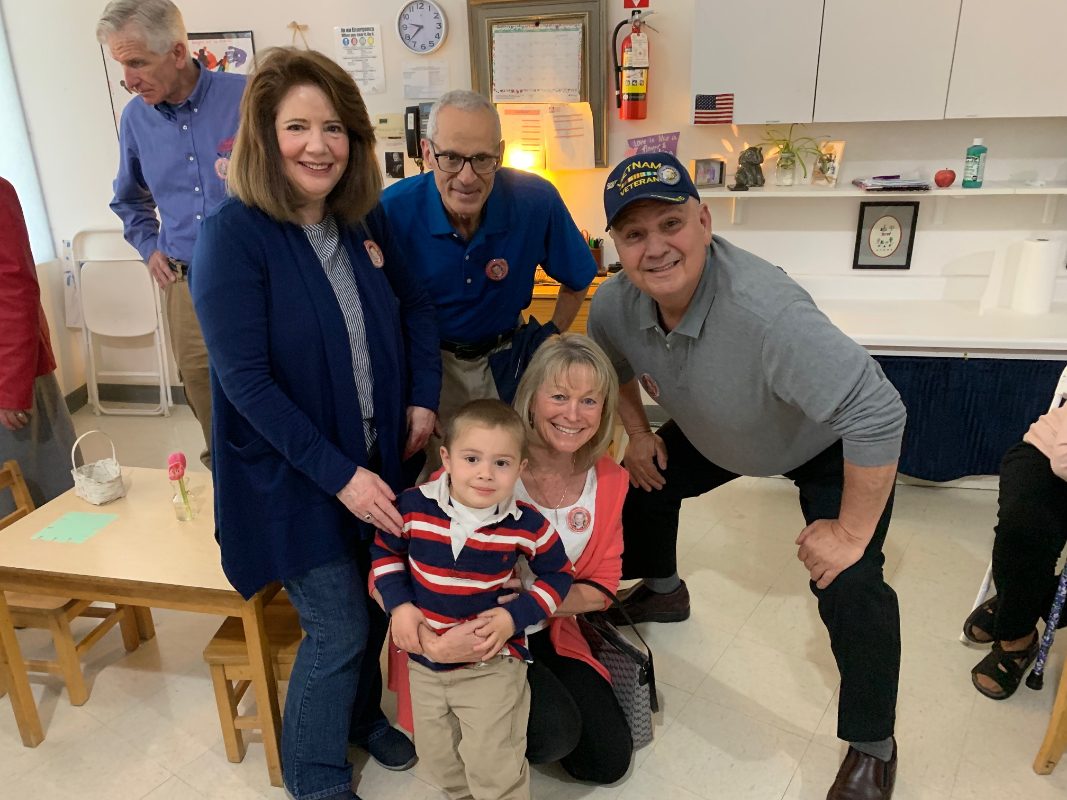
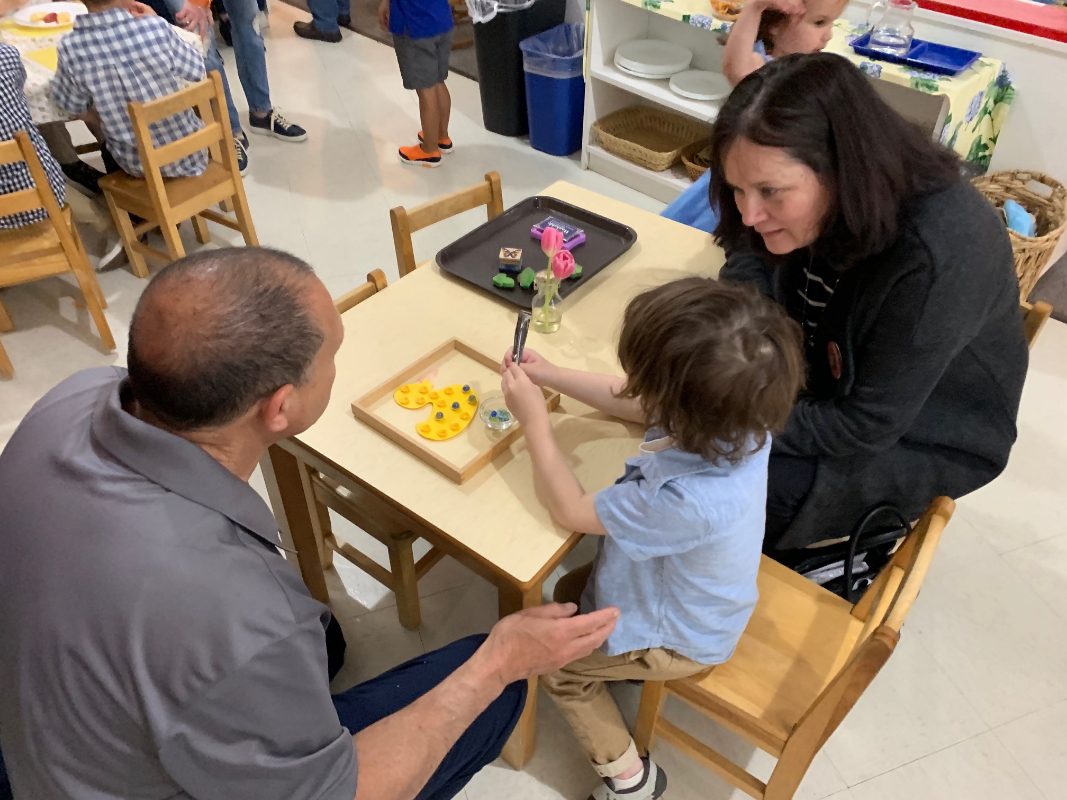
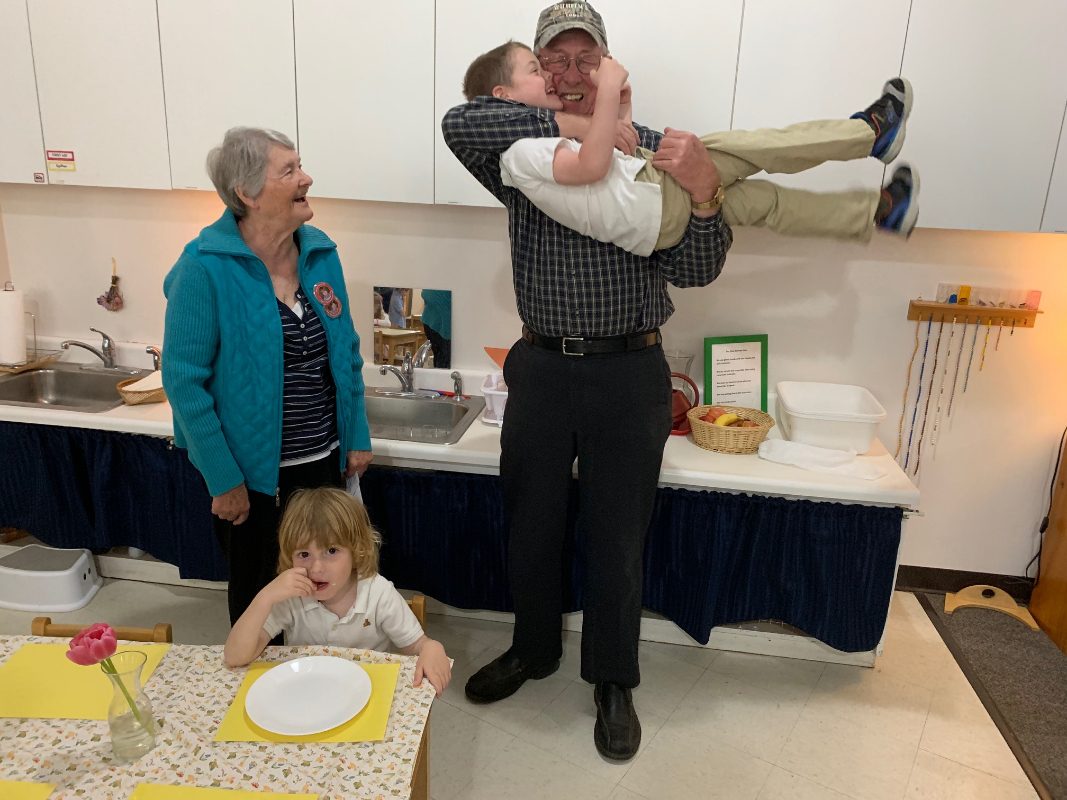
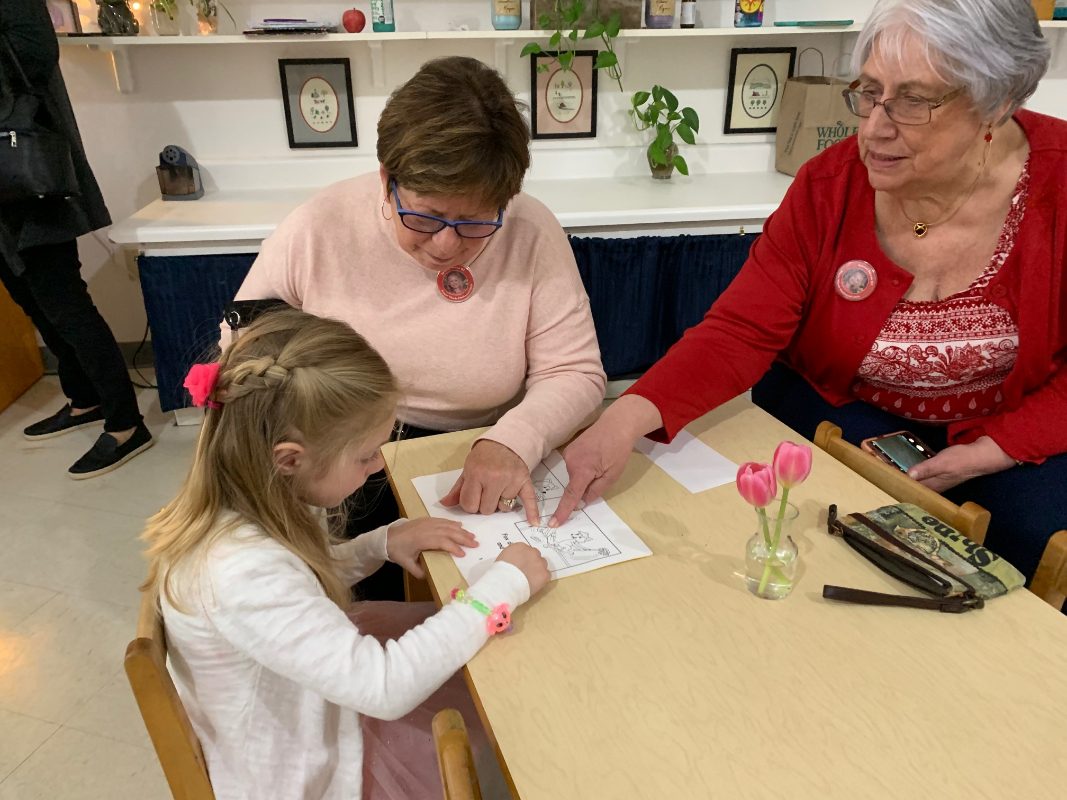
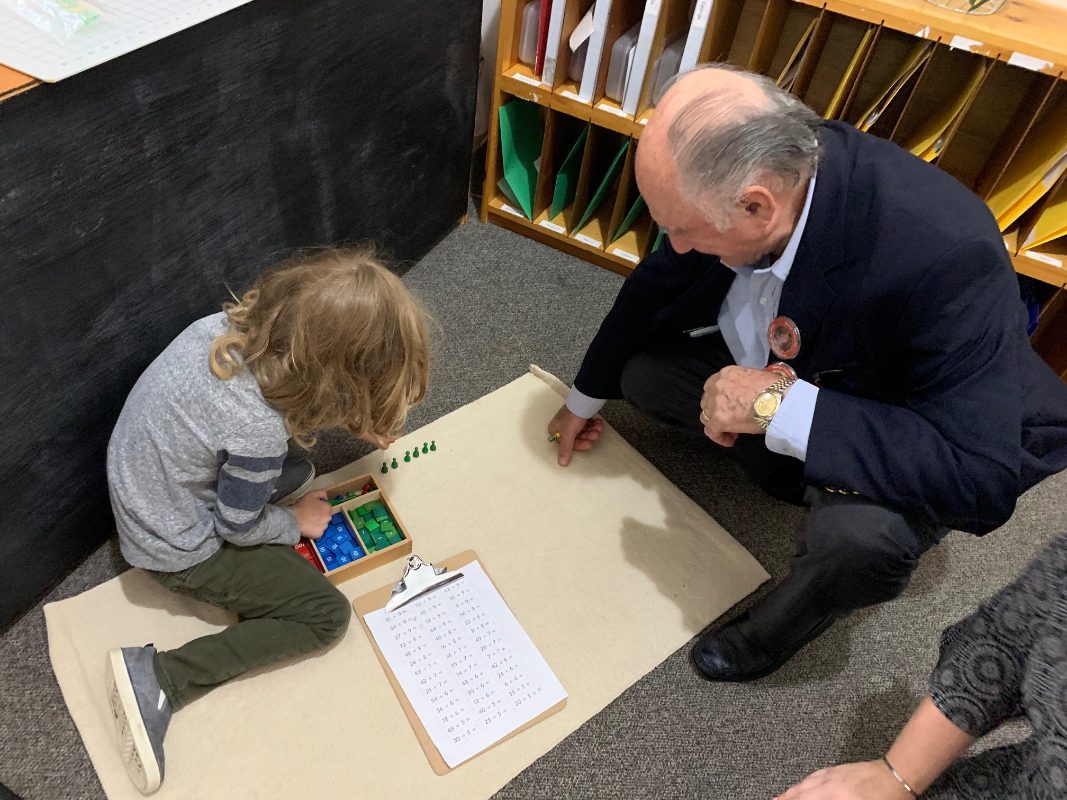
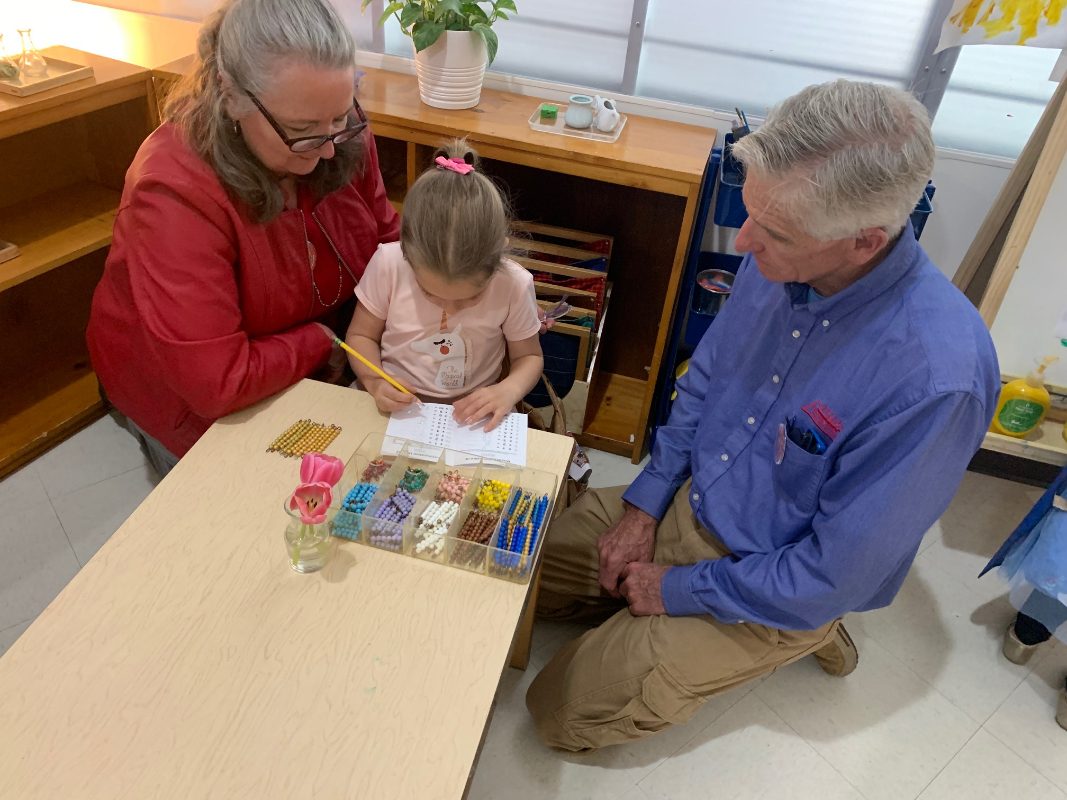
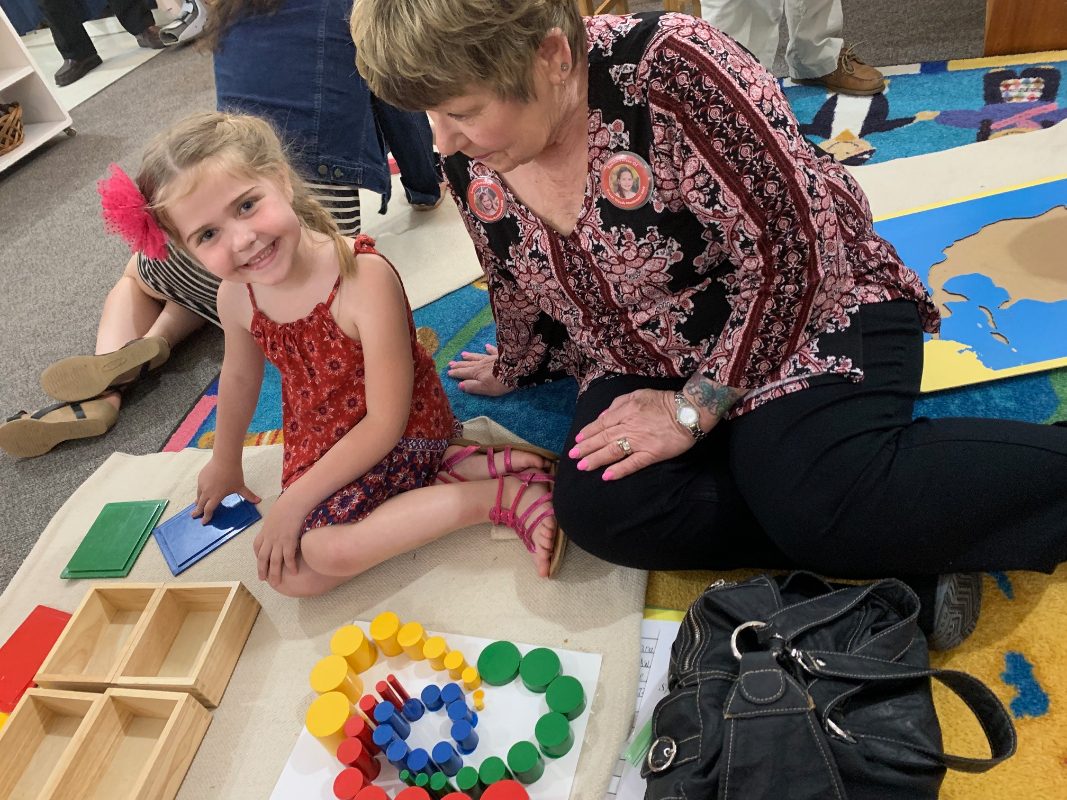
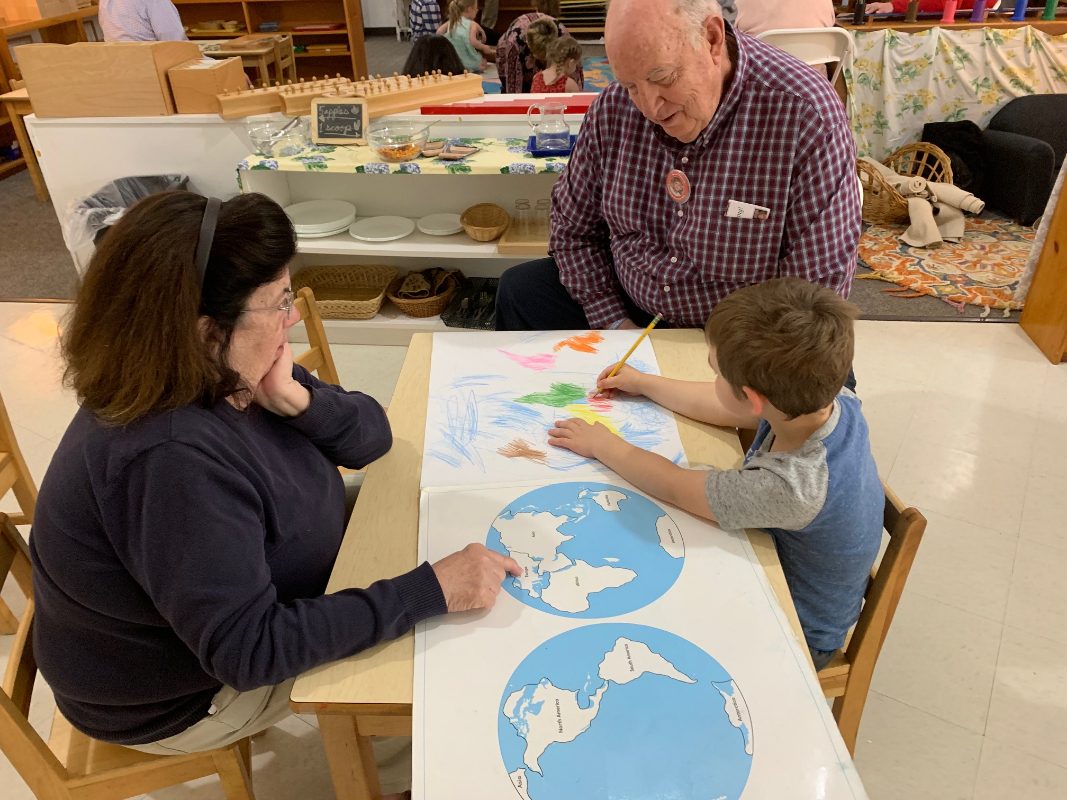
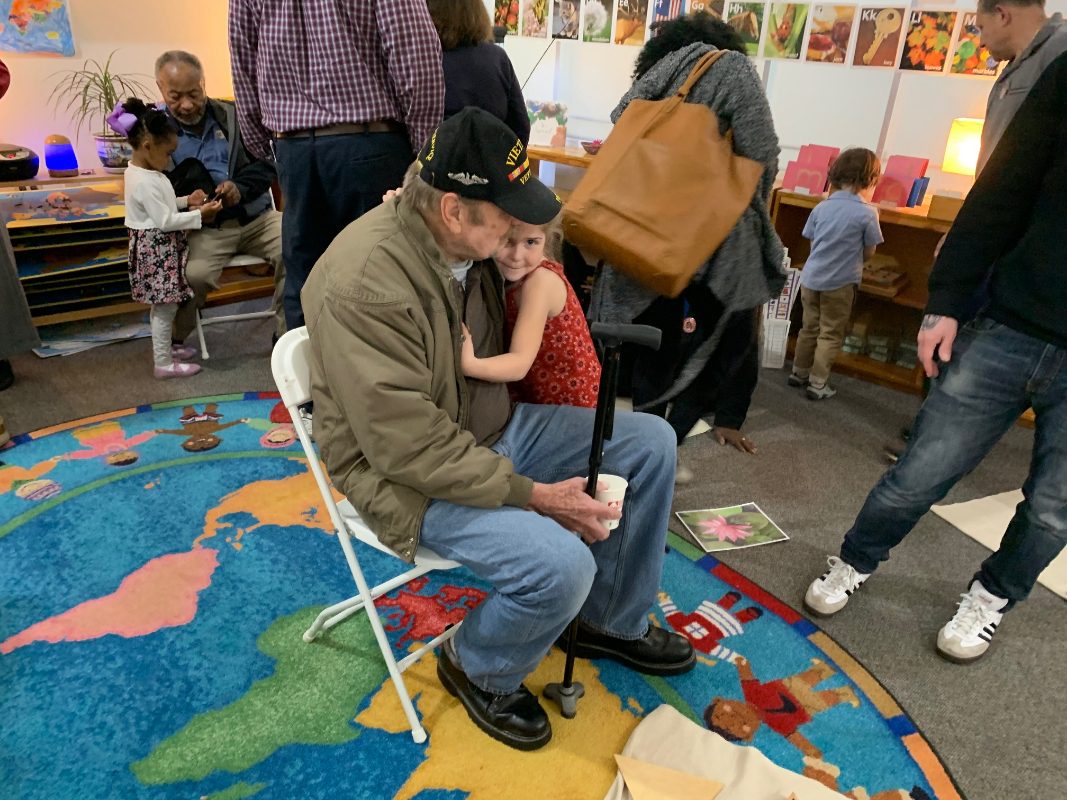
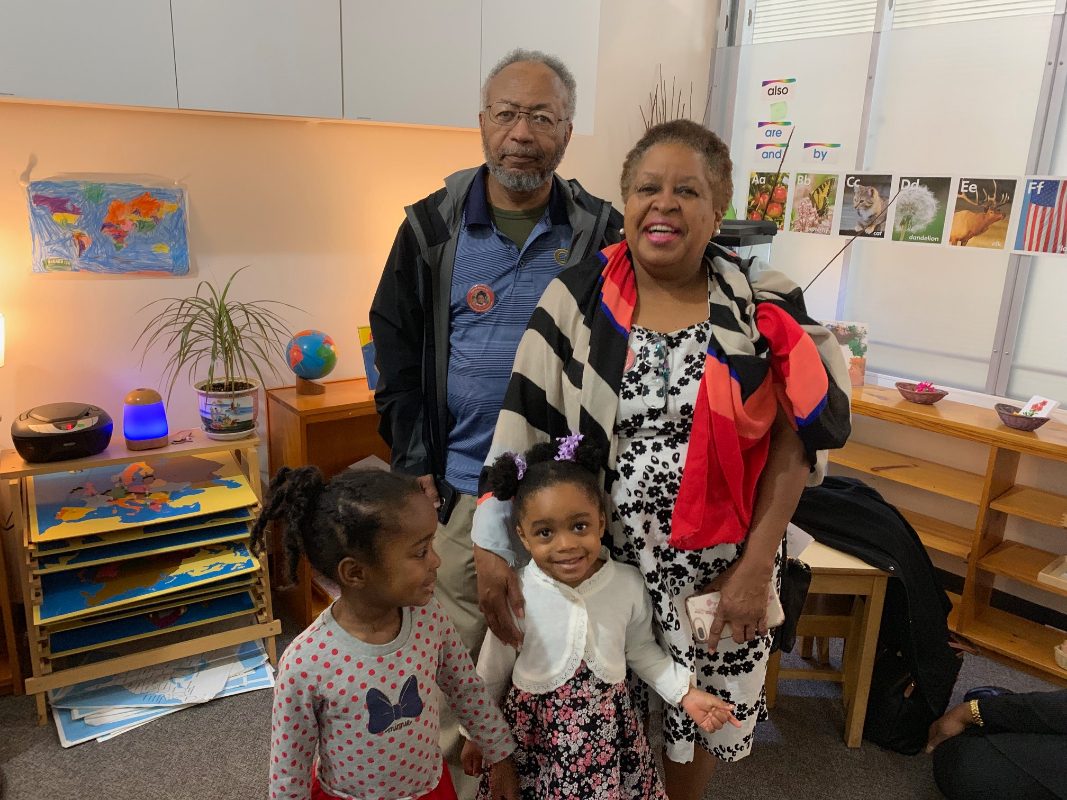
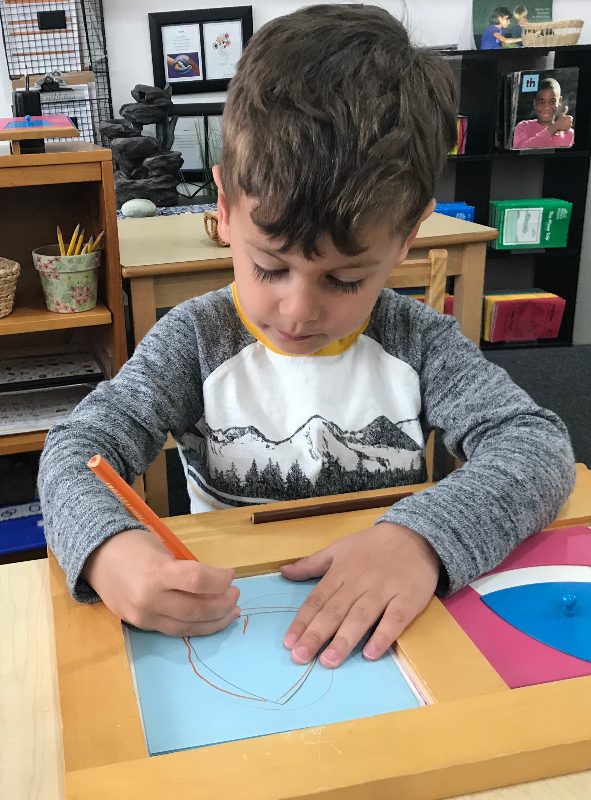
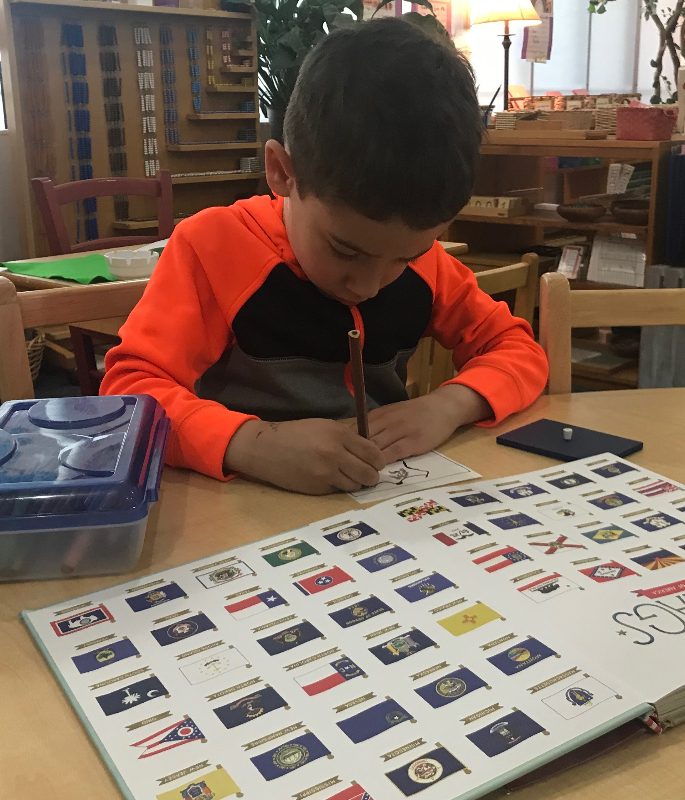
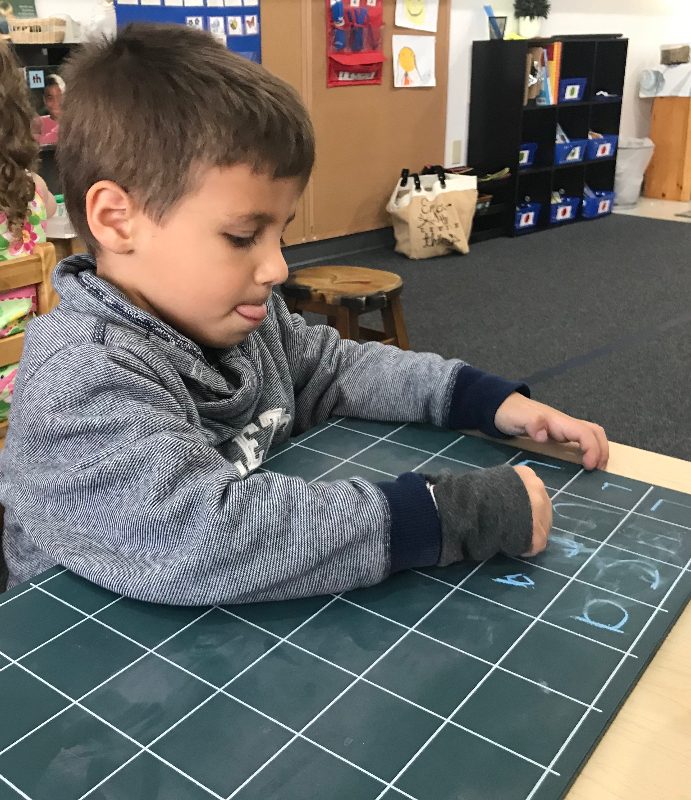
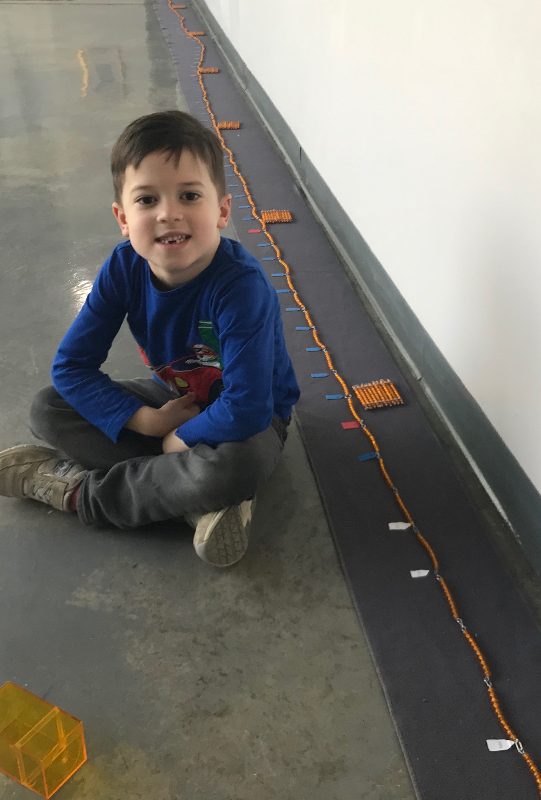
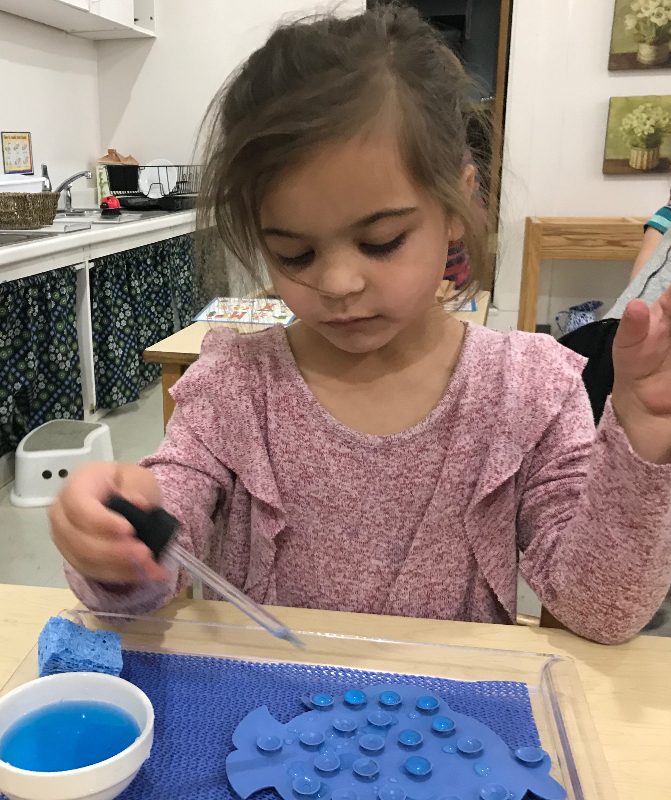
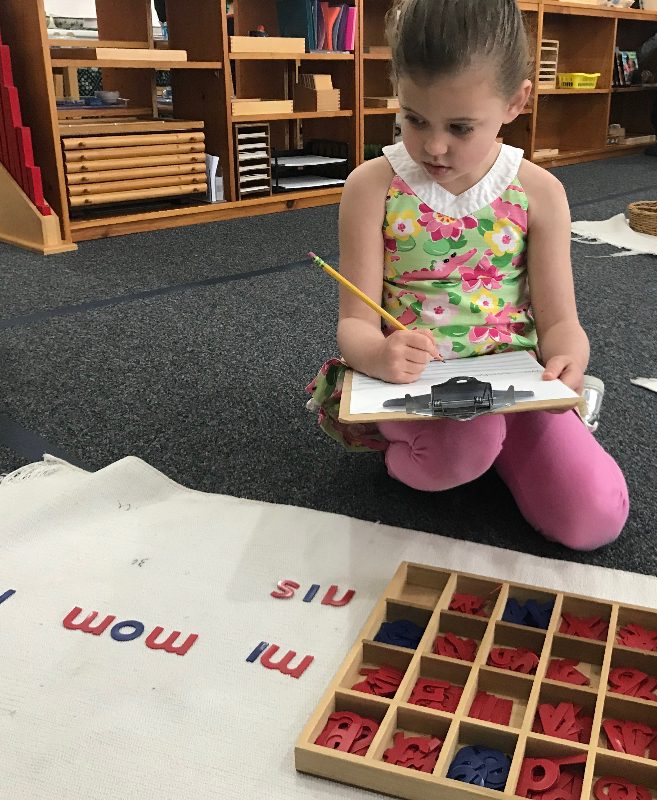
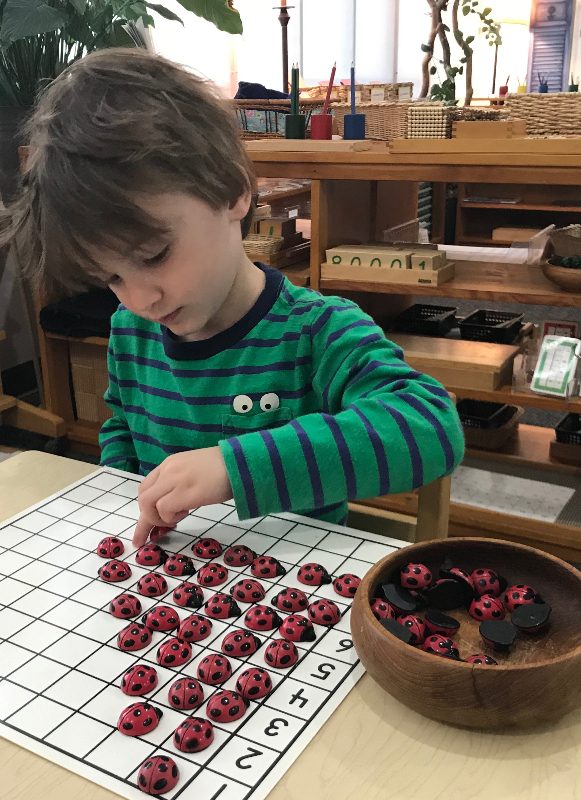
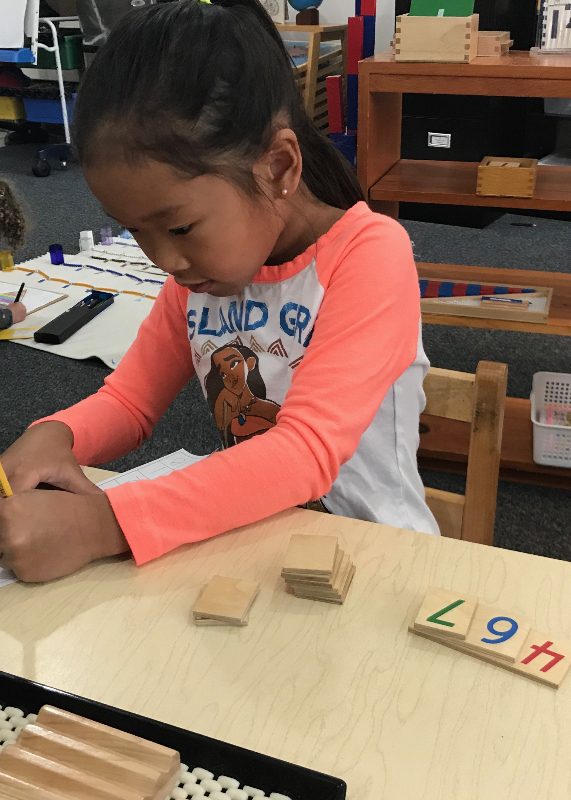
This Friday, we celebrated Grandparents/Special Person Day. Each of our visitors were excited to get a glimpse into their grandchildren’s classrooms, but more importantly the children were excited to share their pride in and ownership of their space. Observing our children navigate the crowd, independently selecting and confidently completing favorite works reminds me of the greatness of our Montessori environment.  Our visitors love, individualized attention, and warm smiling faces reflected their joy in just being with their grandchildren.

Enjoy the photos!!!

Cindy & Sharlene


Ms. Kayser’s Class: A Day to Remember!

This week our students got the chance to share their classroom with their grandparents and special people in their life. The day started out with an amazing concert that filled our hearts with joy. The students took so much pride in practicing the songs and when they finally got the chance to go up on stage to sing for everyone, you could see it beaming on their smiling faces!

After the concert was over was when the real fun began. All of the special persons and grandparents came back to our room and got to spend the morning learning all of the exciting things we do with the children every day. The experience was not only rewarding for the grandparents, it was also so special for the children. Each and every one of them got the chance to show off their hard work, and spend extra time with the ones they loved. Many students paired up and shared their loved ones and created memories that will surely last a lifetime.

Thank you to everyone who came and visited our classroom. It made us beyond delighted to share it with you, and see all of our students carefree and joyful.

Have a beautiful weekend,

Ms. Kayser and Ms. Alli


Mrs. Doyle’s Class: Delicious Science!

This week, we began our study on exploring our five senses. What better way to teach this concept than to use popcorn? Popcorn is a multi-sensory snack as it incorporates all five of our senses. Plus, it might just be our most appetizing science unit yet! Did you ever notice that when you make popcorn, somehow the entire family knows about it and shows up to have some of this favorite treat?

We began our unit by discussing what our five senses are and how they allow us to observe and understand the world around us. There are five ways we do this; using our eyes for sight, our ears to hear, our tongues to taste, our fingers to touch, and our noses to smell.

First, we made a chart brainstorming what popcorn feels, looks, tastes, smells, and sounds like. Next, we made popcorn using an air popper, which allowed us to listen, watch, and smell the popcorn popping.  Finally, we compared our findings to see if any of our predictions were the same or different after making the popcorn. Best of all, our experiment was edible and was enjoyed by all!

As temperatures rise, it is important that children remain hydrated. Please have your child bring a filled water bottle labeled with their name to school. We bring the water bottles with us whenever we are spending time outside. Thank you!

Wishing everyone a wonderful week!

Michelle & Sonja


Mrs. Carroll’s Class: Living In a Pond

They’re slimy. They can be very loud or never make a sound. The colorful ones can be poisonous and stinky. What are they? Amphibians! We’ve begun our  study about awesome amphibians and have uncovered a lot of fun facts. Your children know these vertebrates begin life in the water, breathing through gills, but usually grow up and live on land using a pair of lungs to breath. They have moist skin through which they breathe. Amphibians are cold blooded. They are unable to regulate or control, their own body temperature, amphibians use the sun’s heat to warm themselves up.

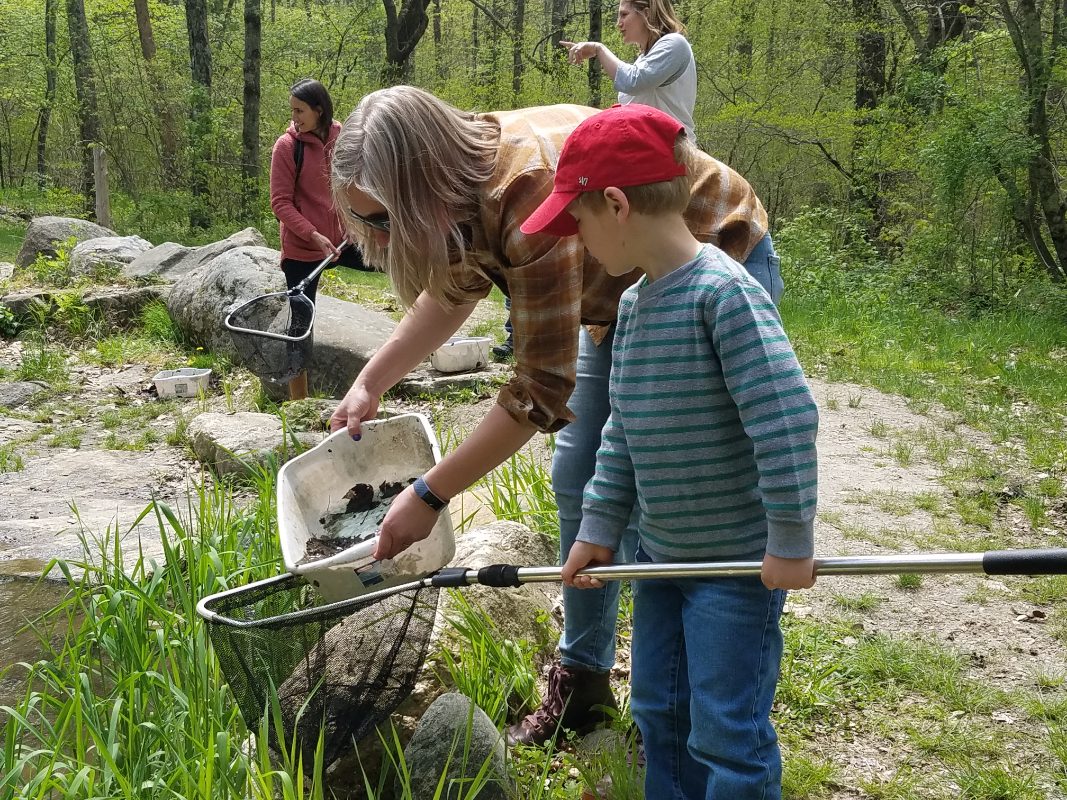
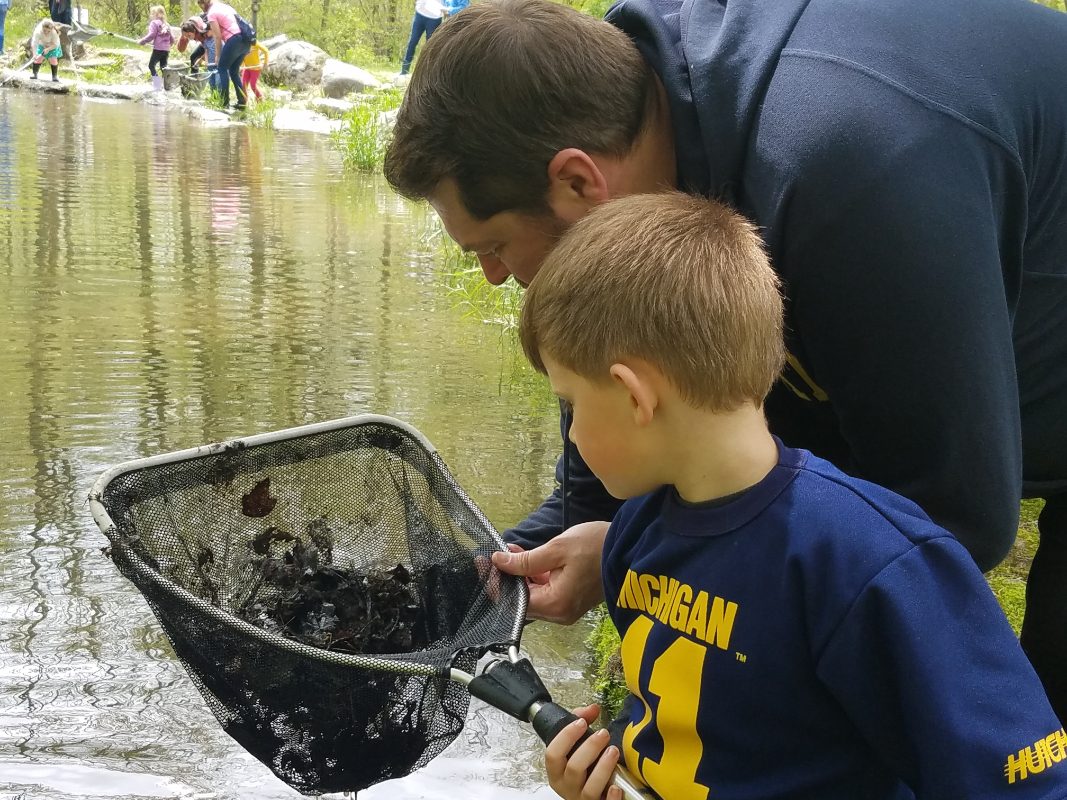
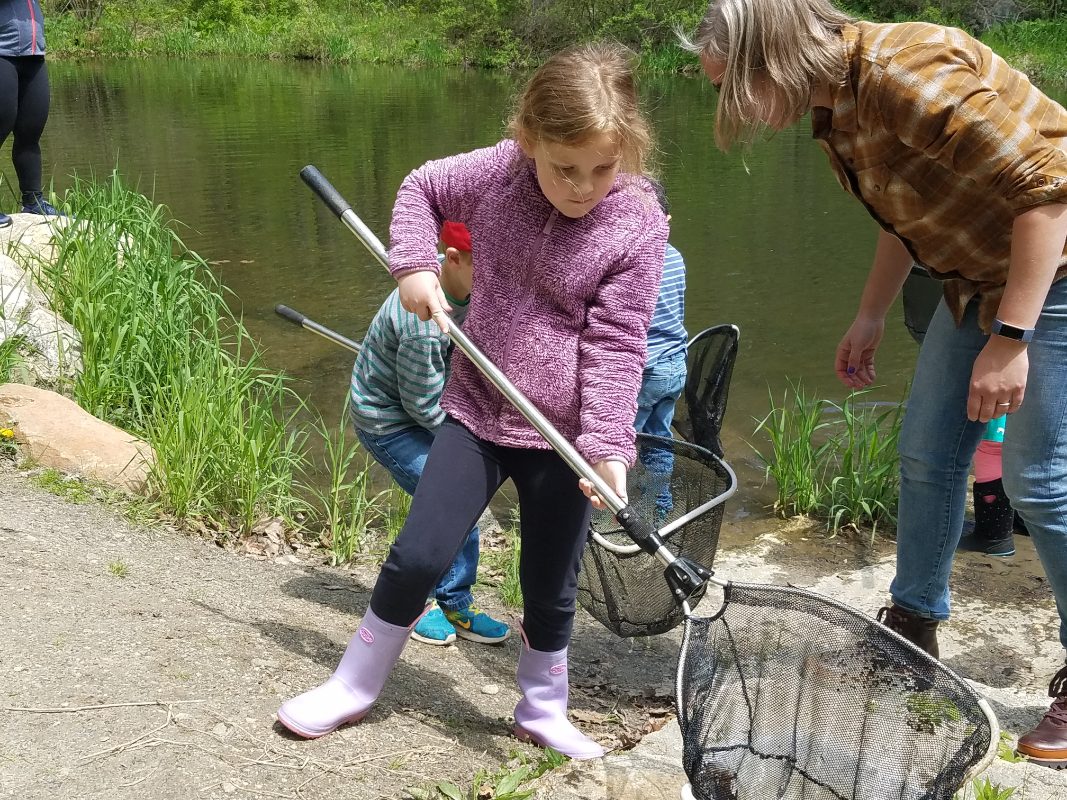
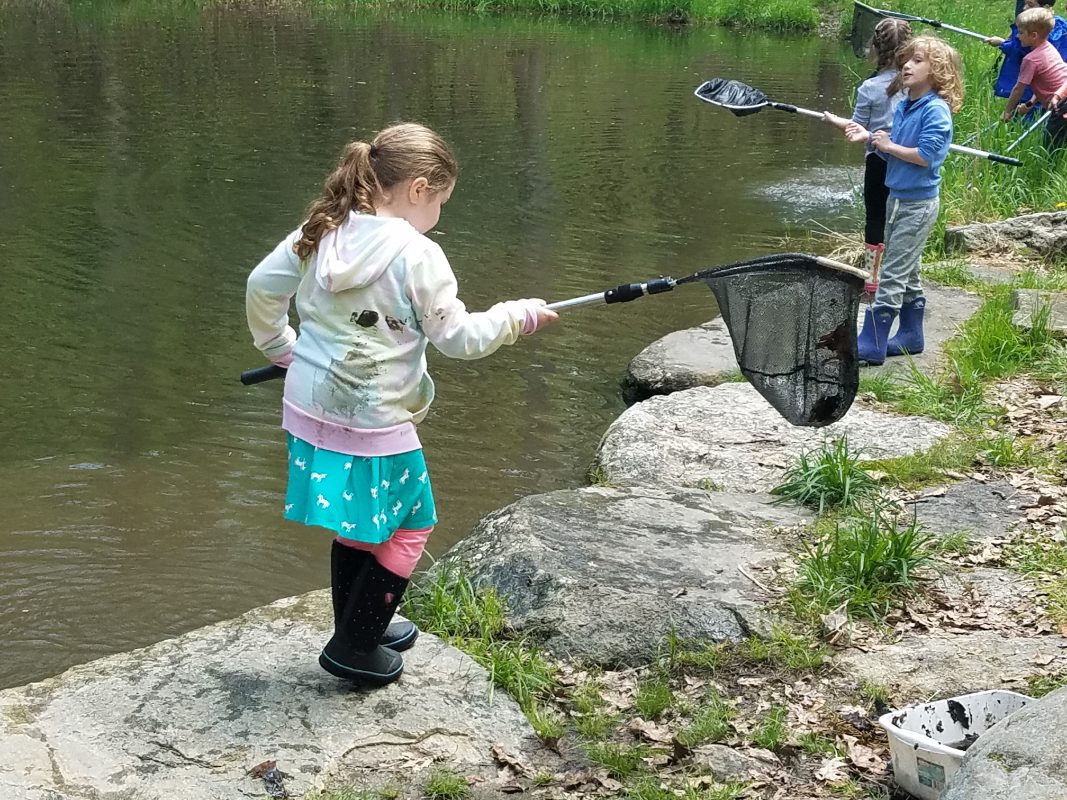
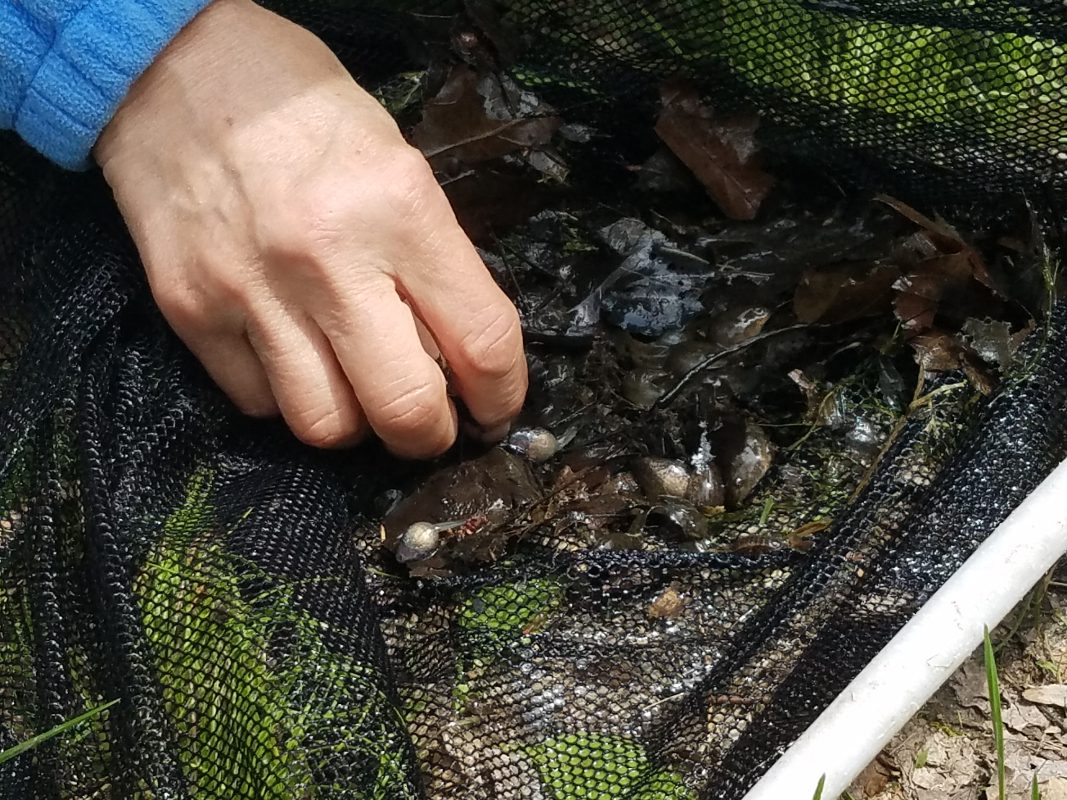
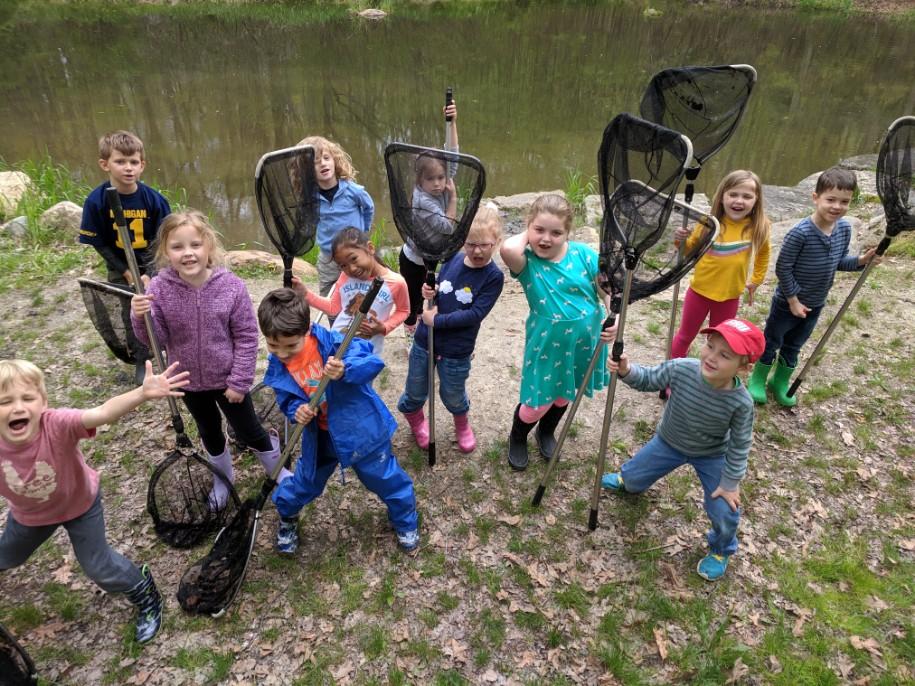
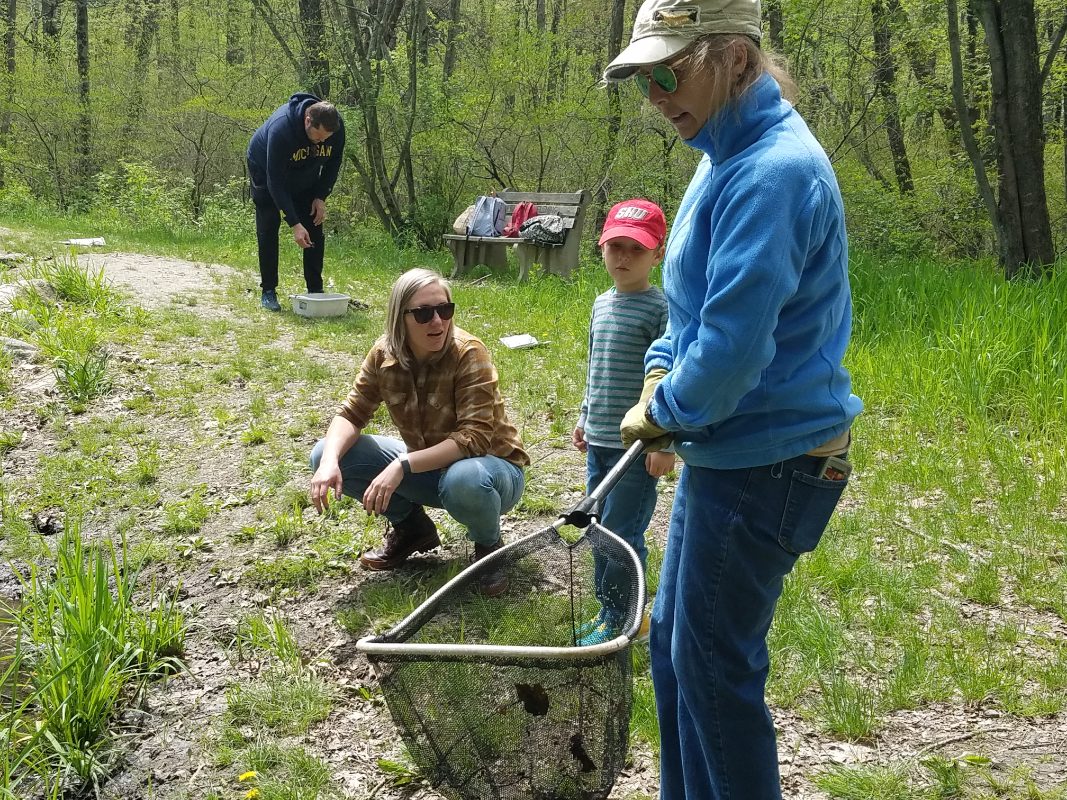
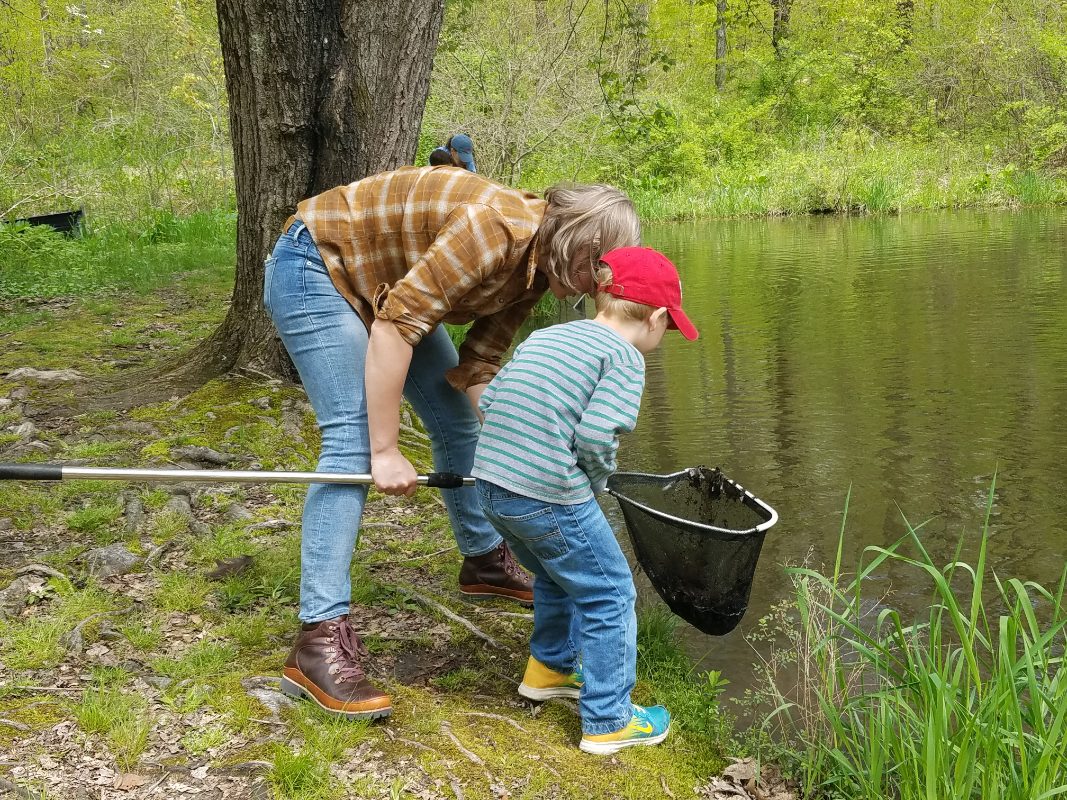
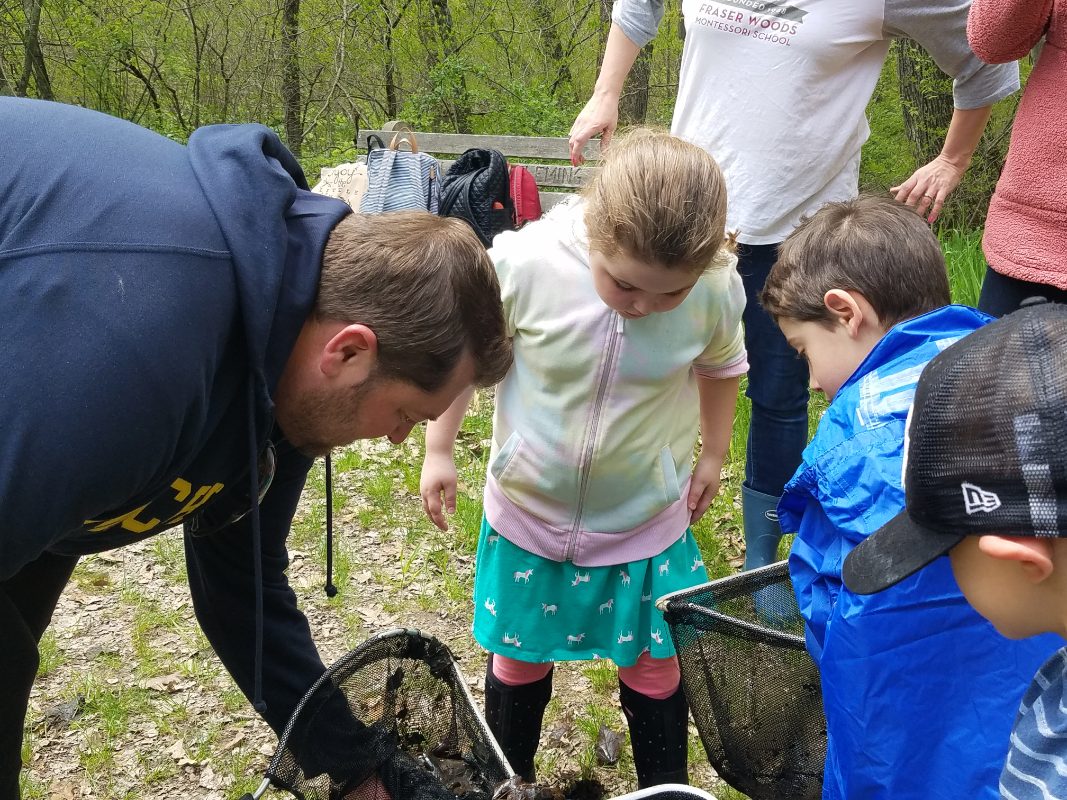
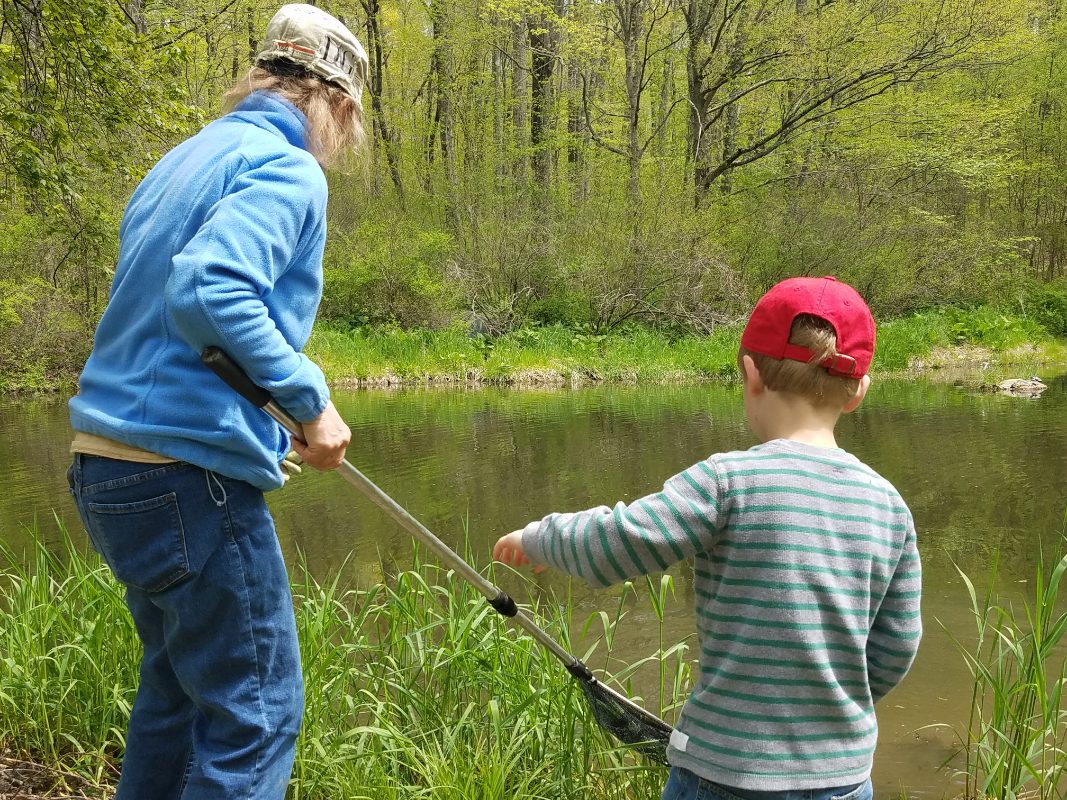
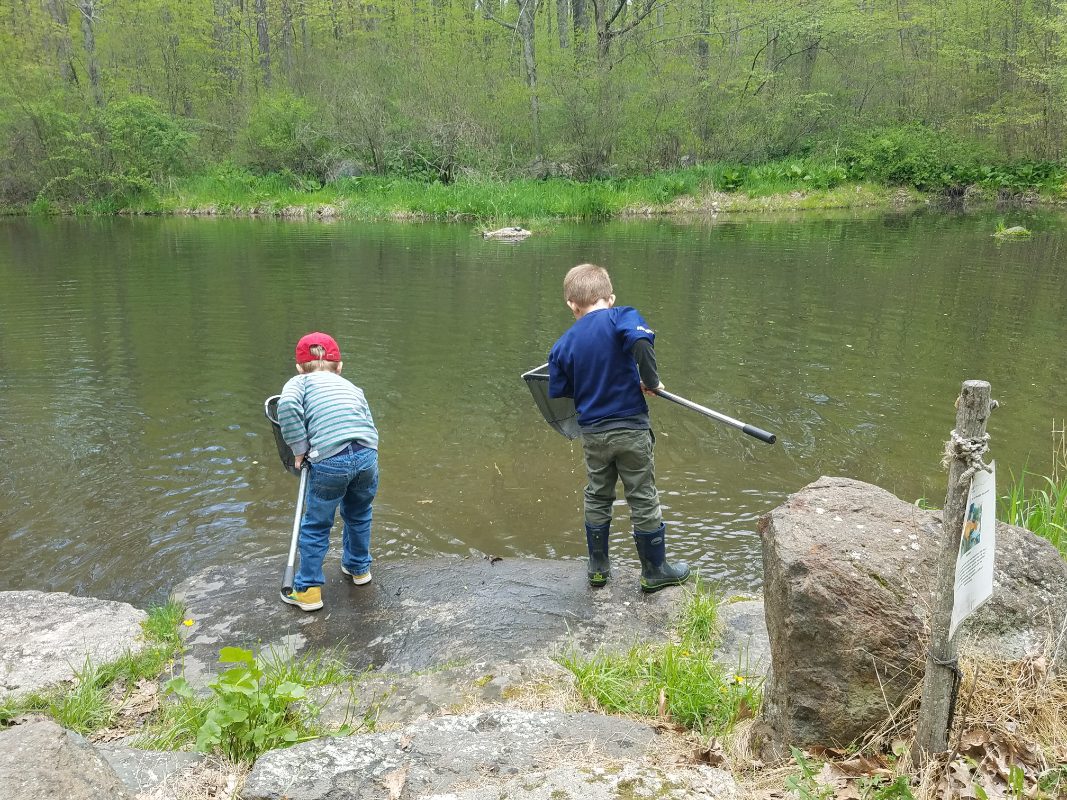
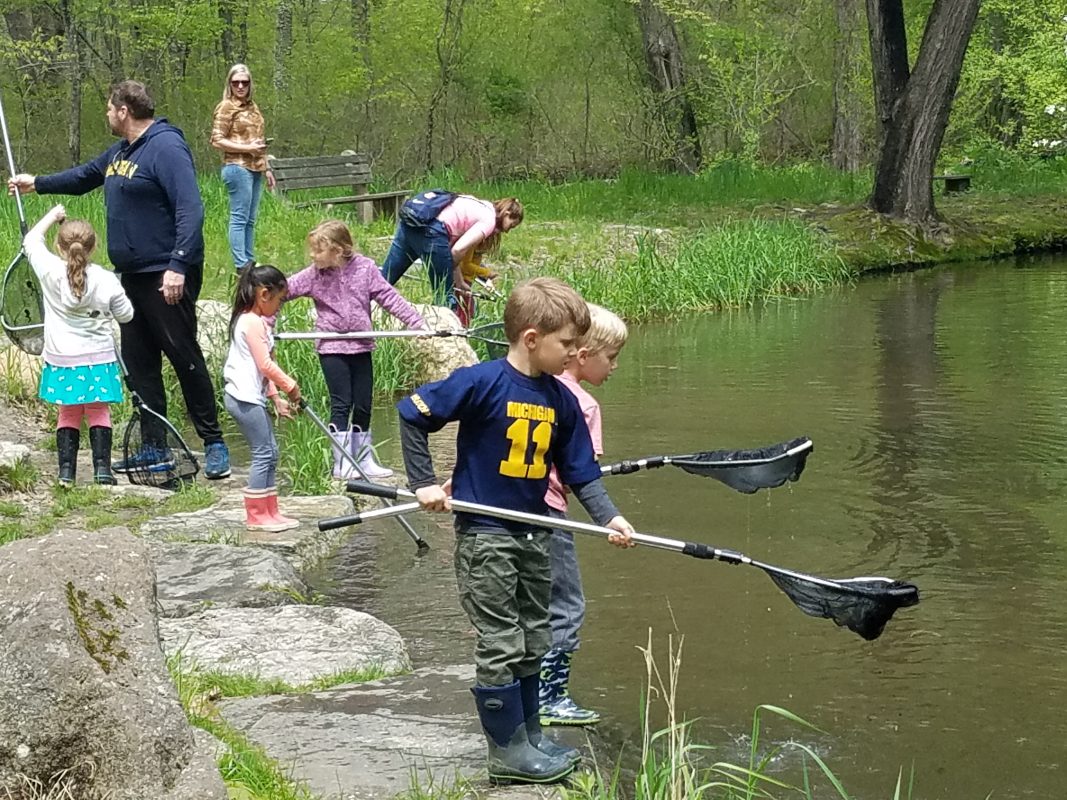
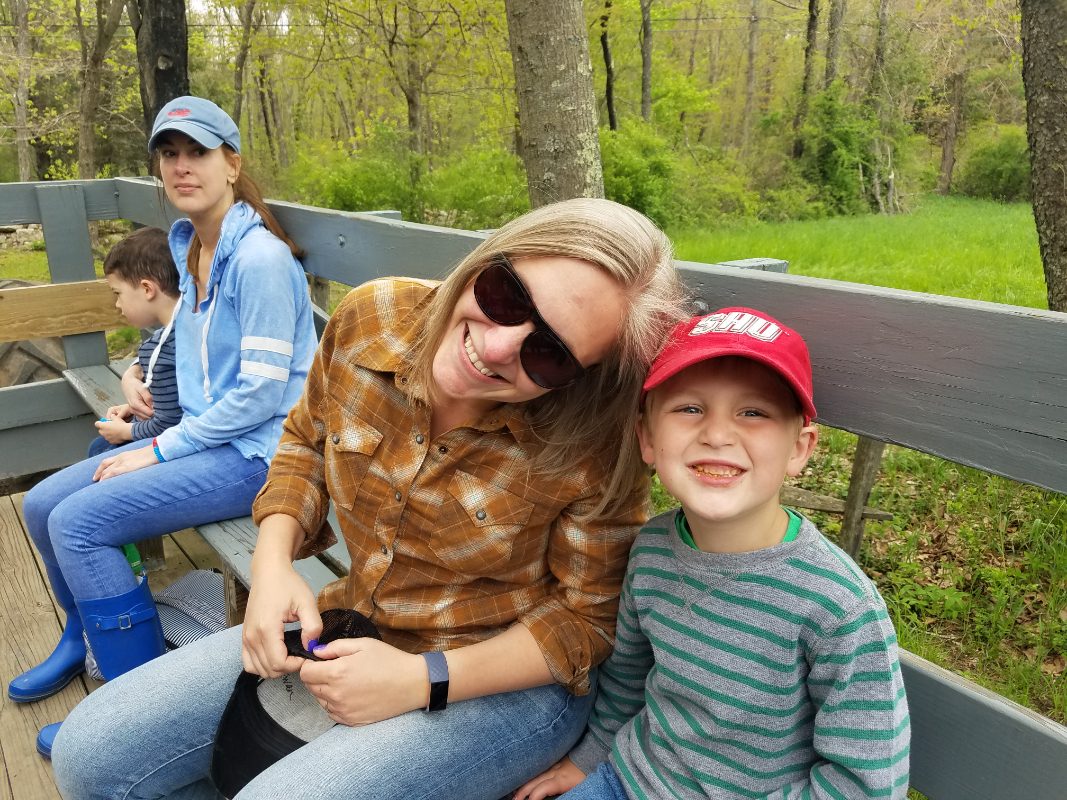
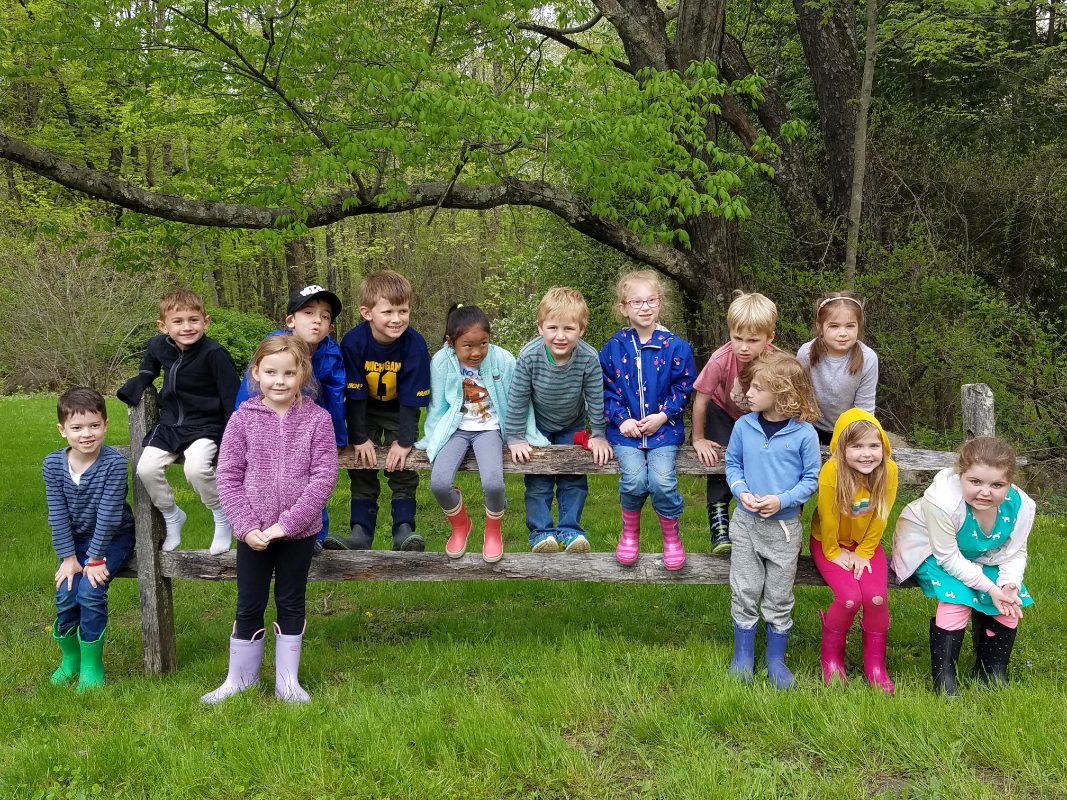
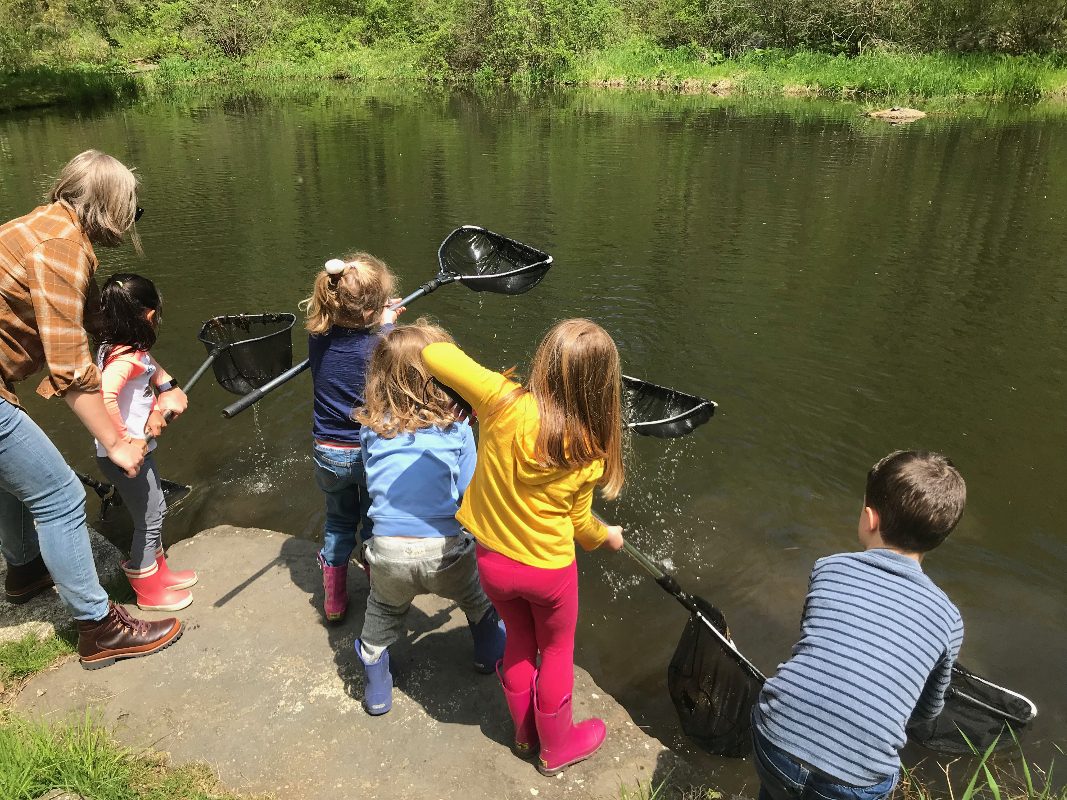
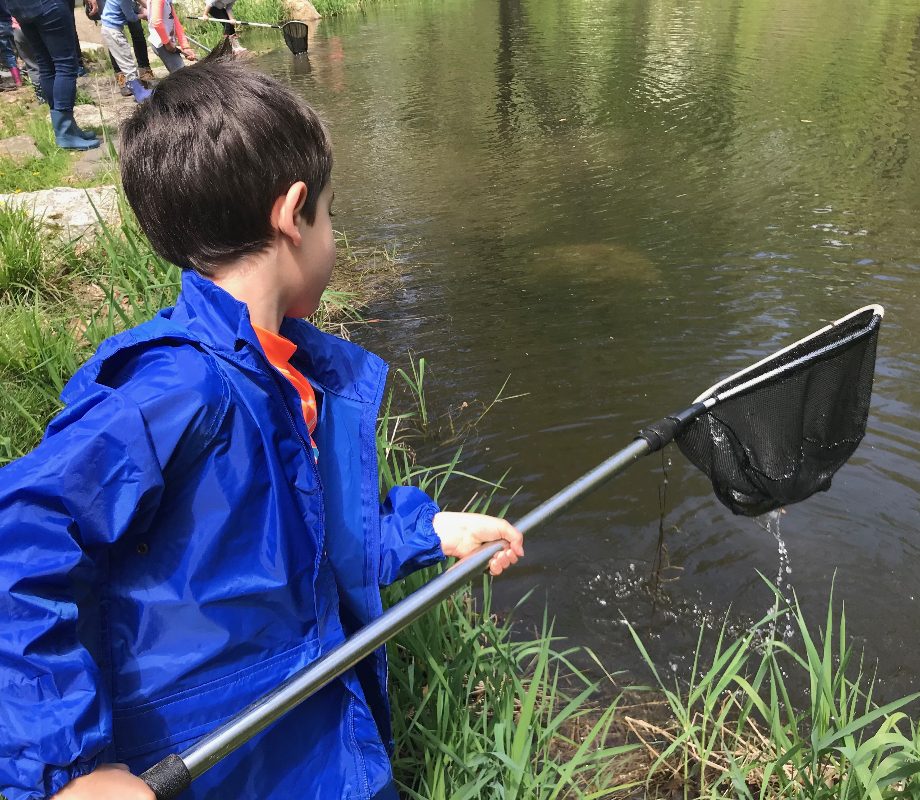
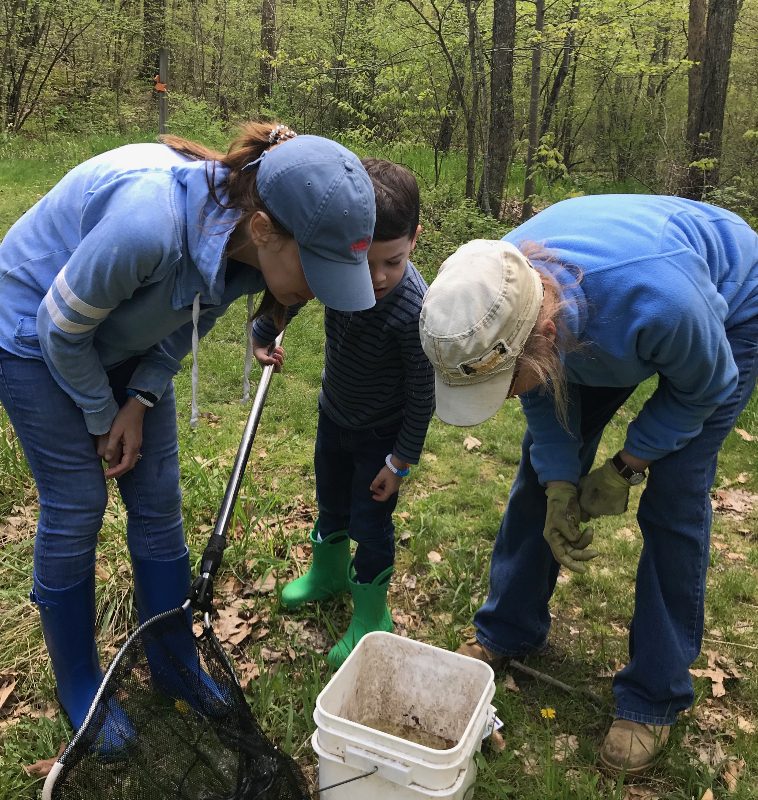
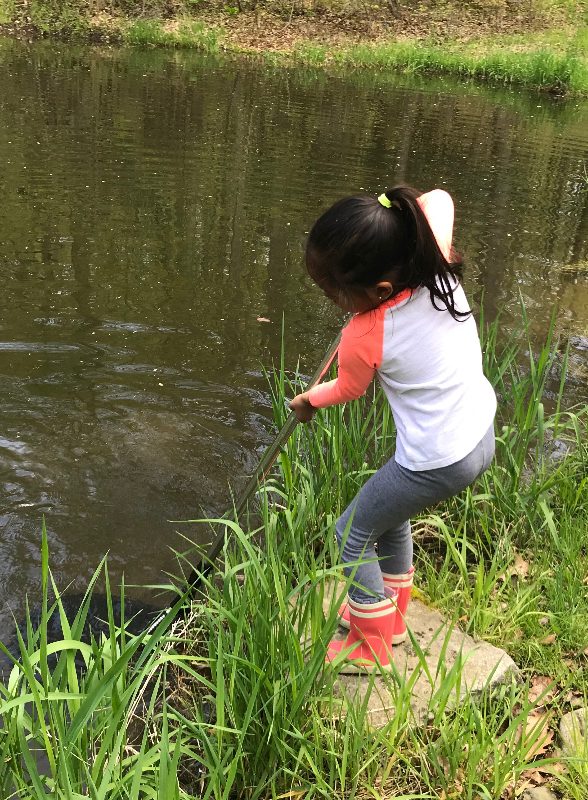
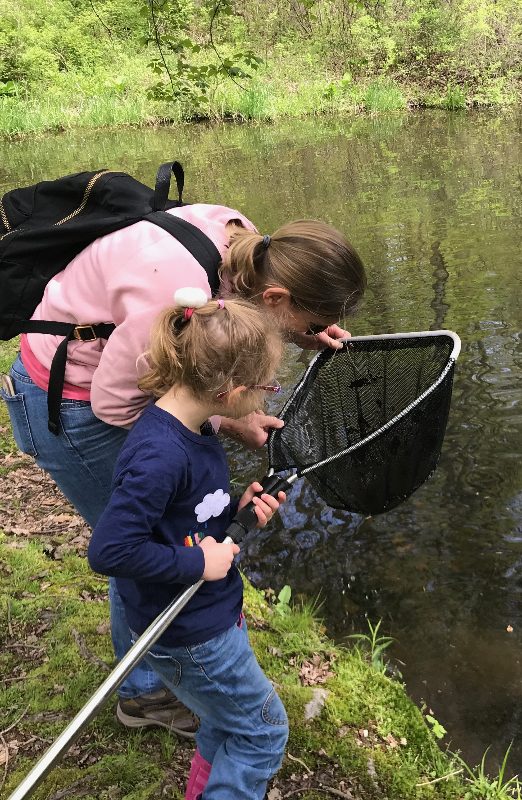
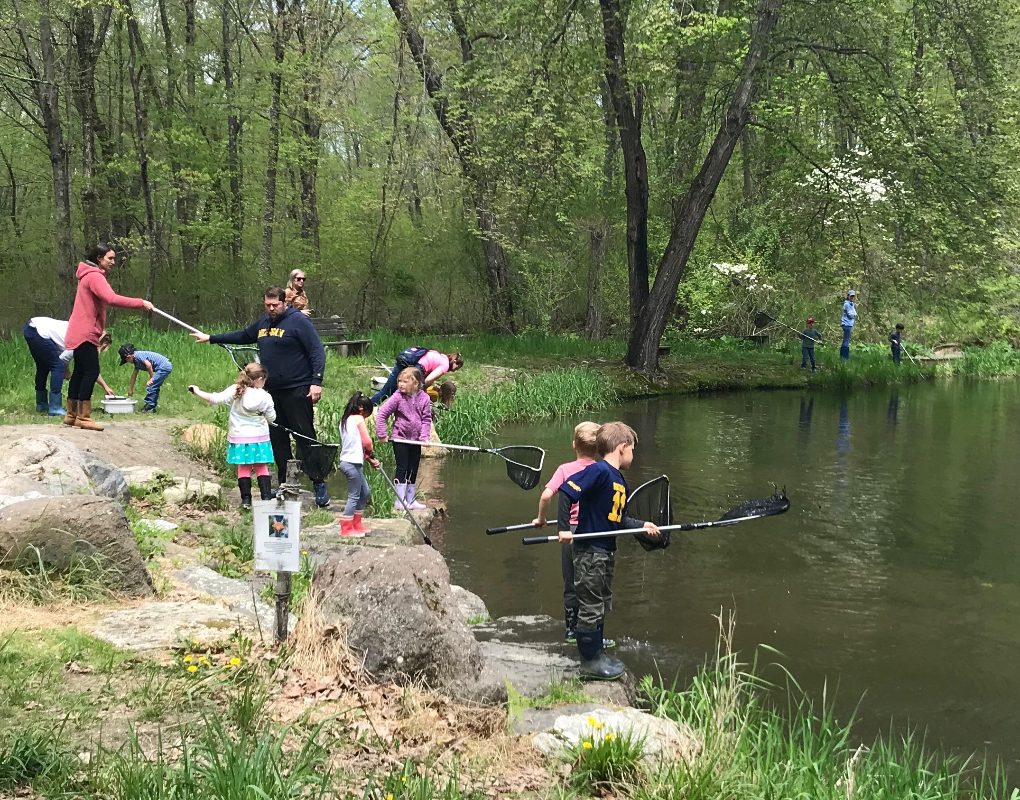
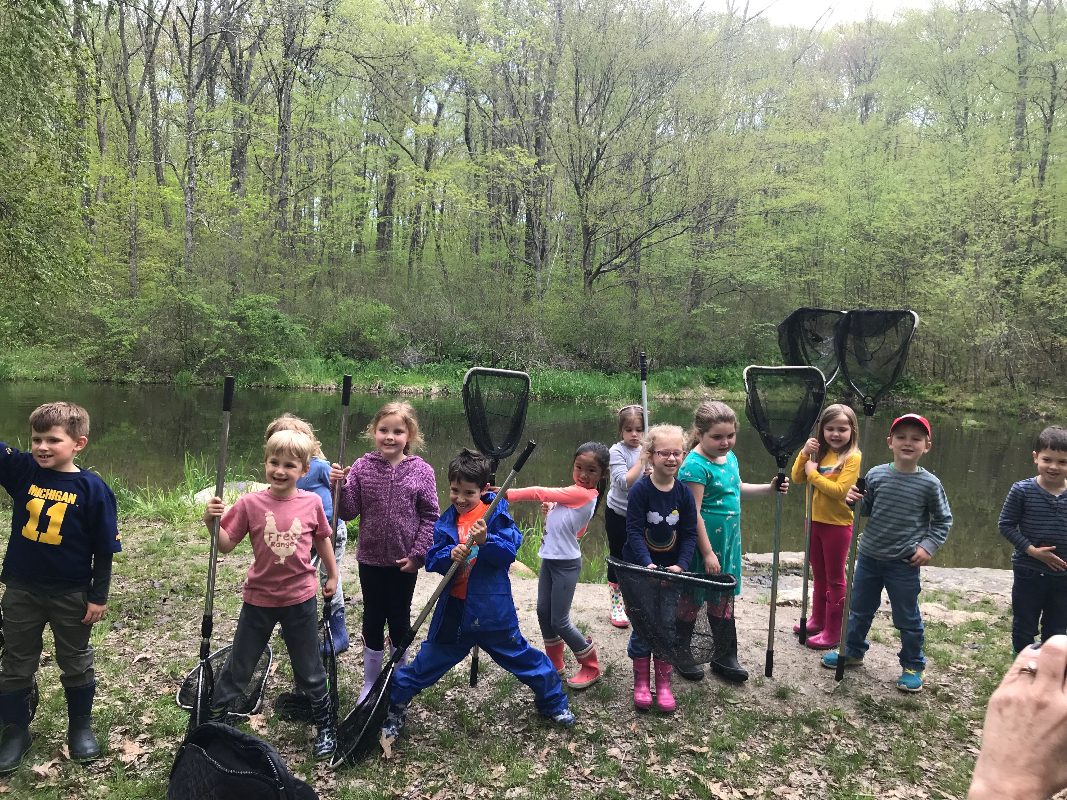
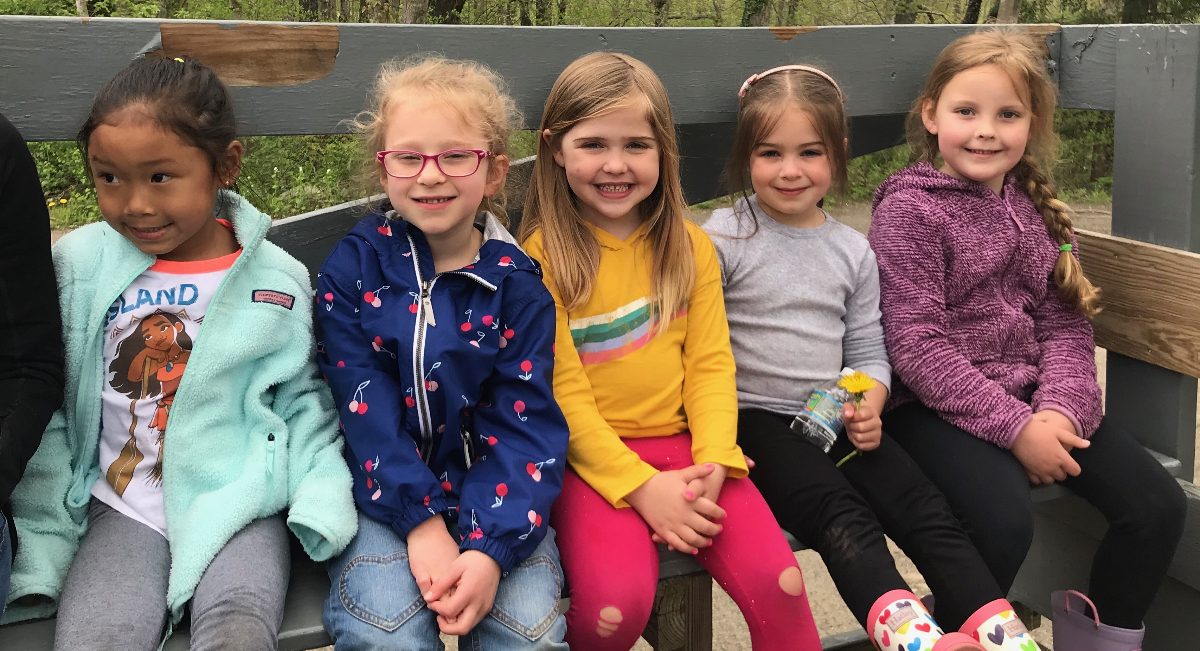
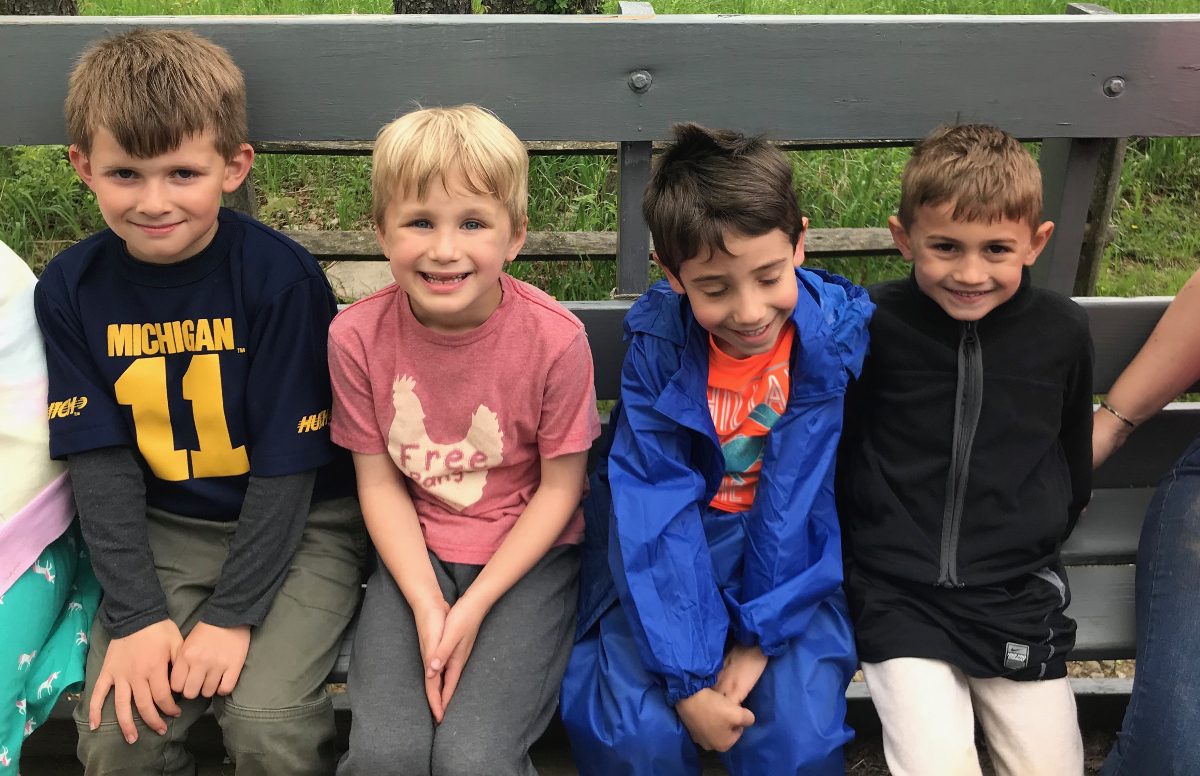
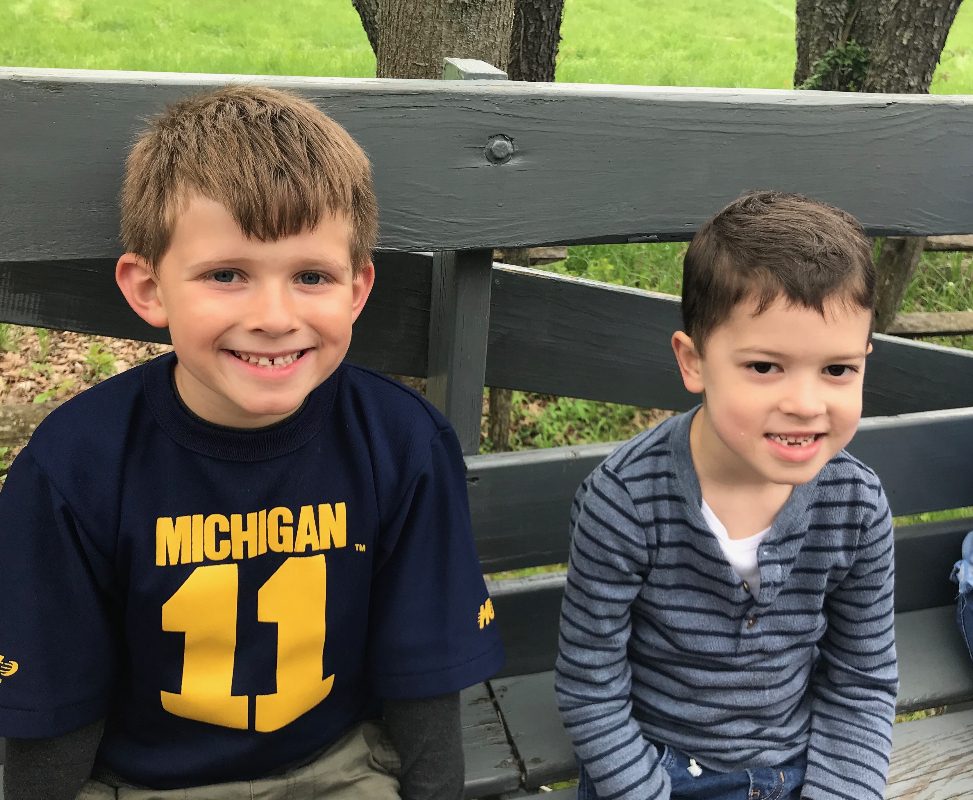
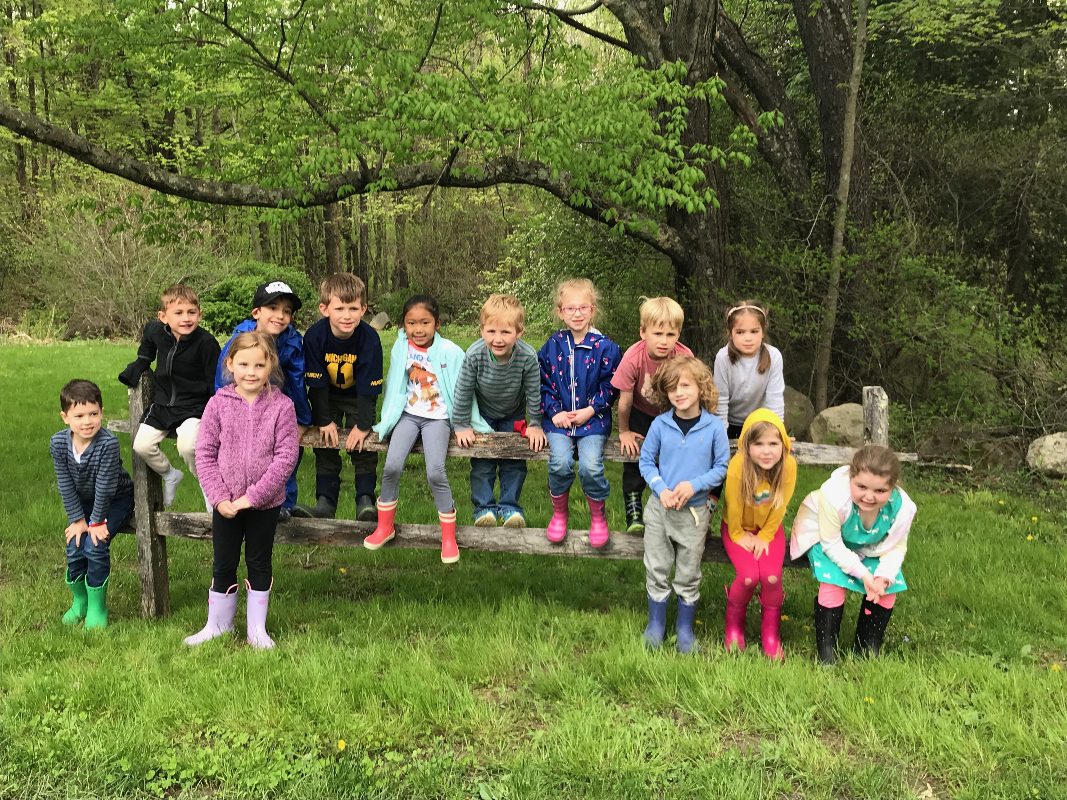
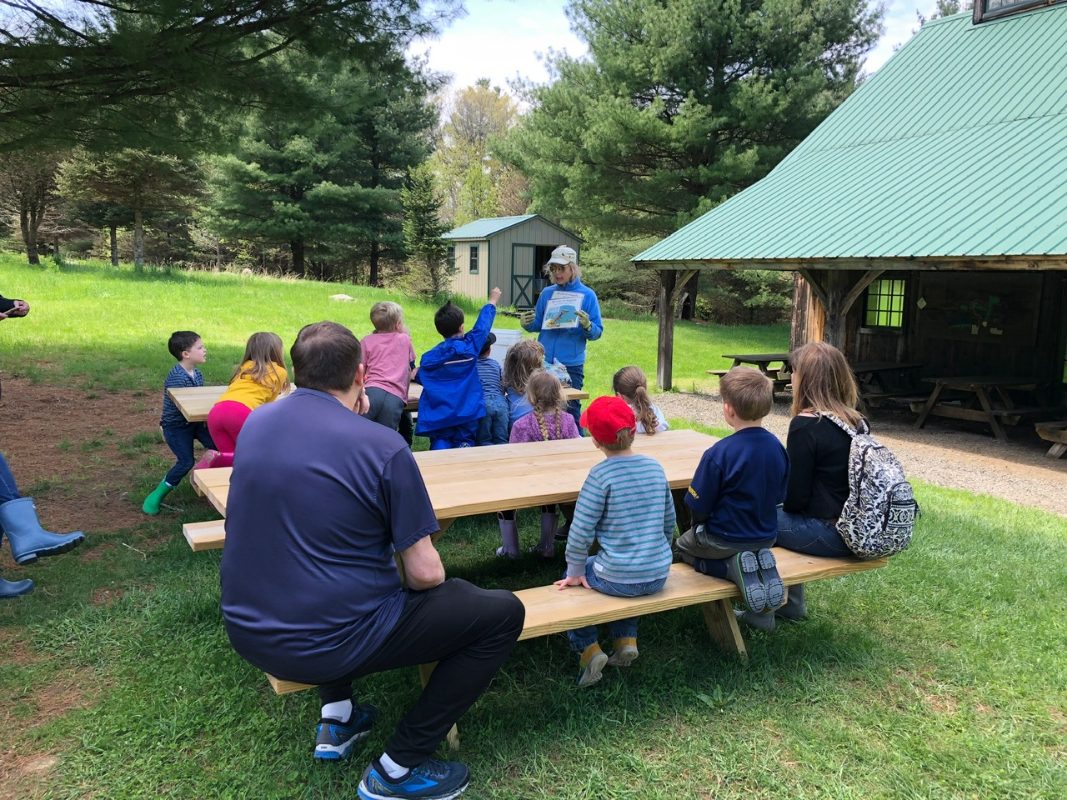
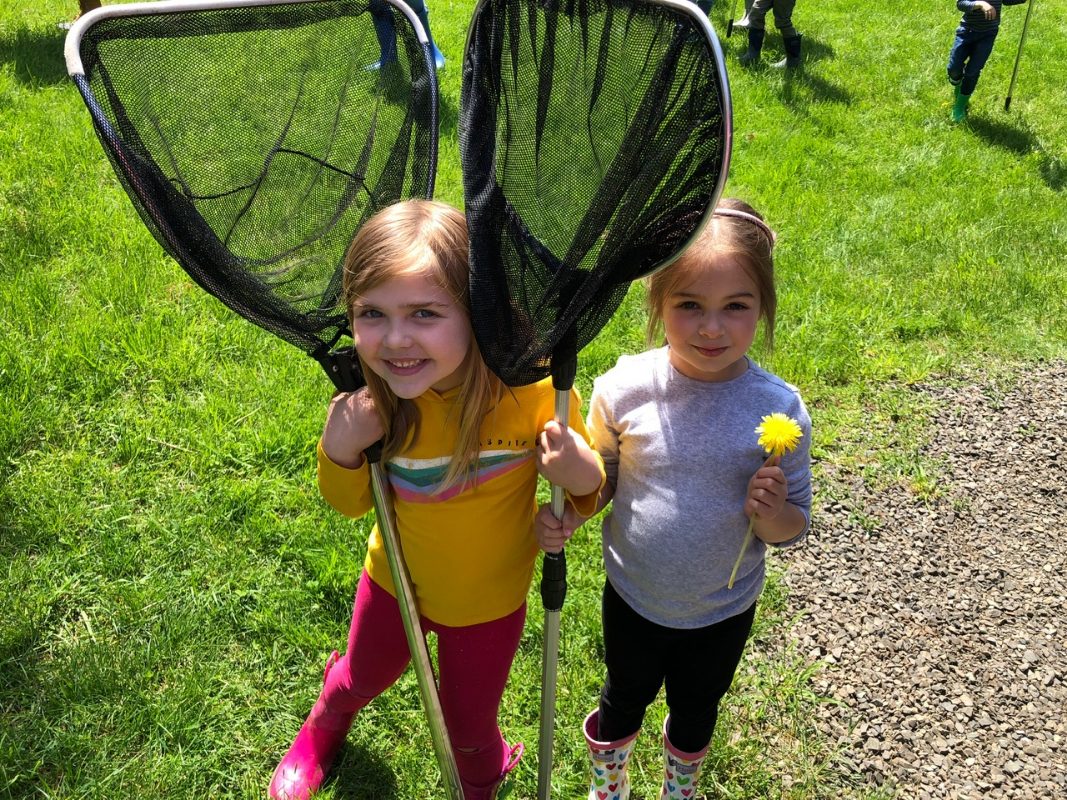
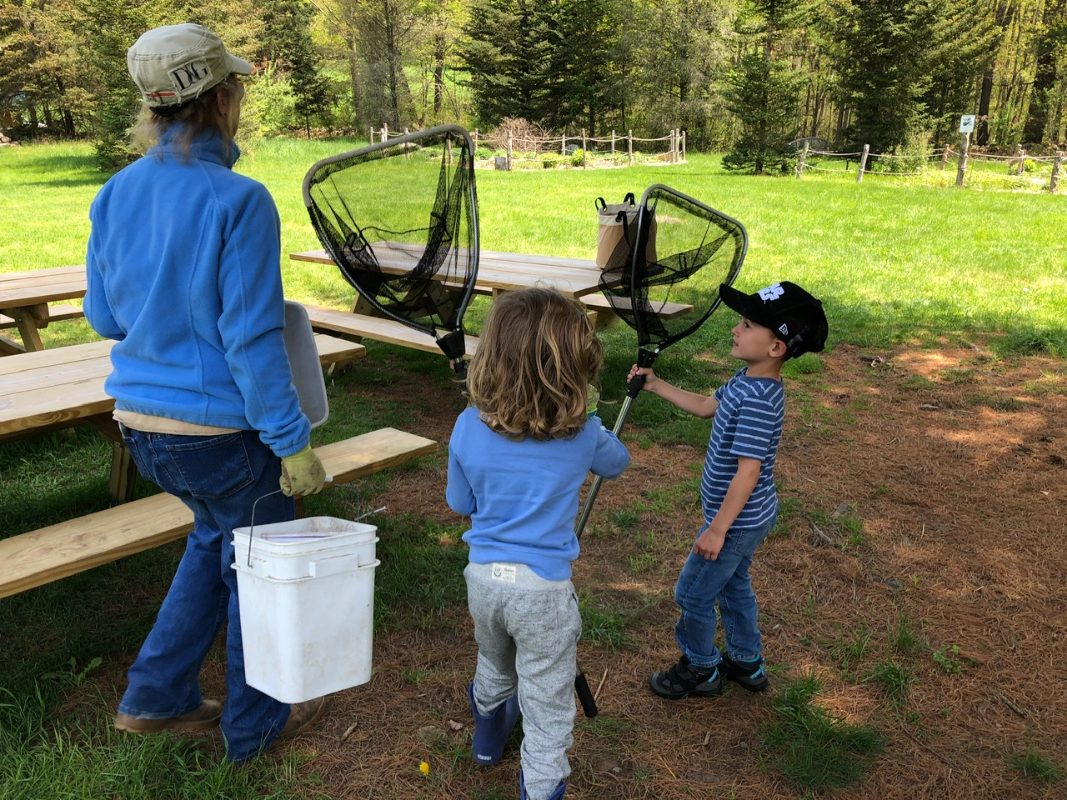
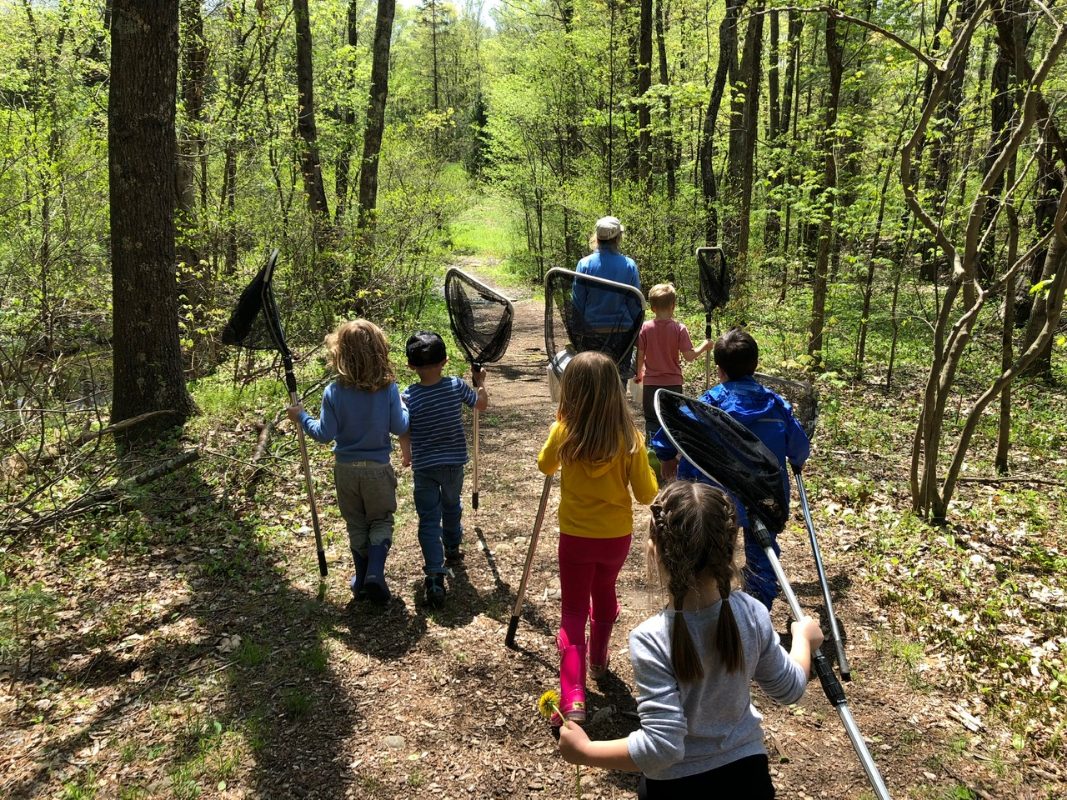
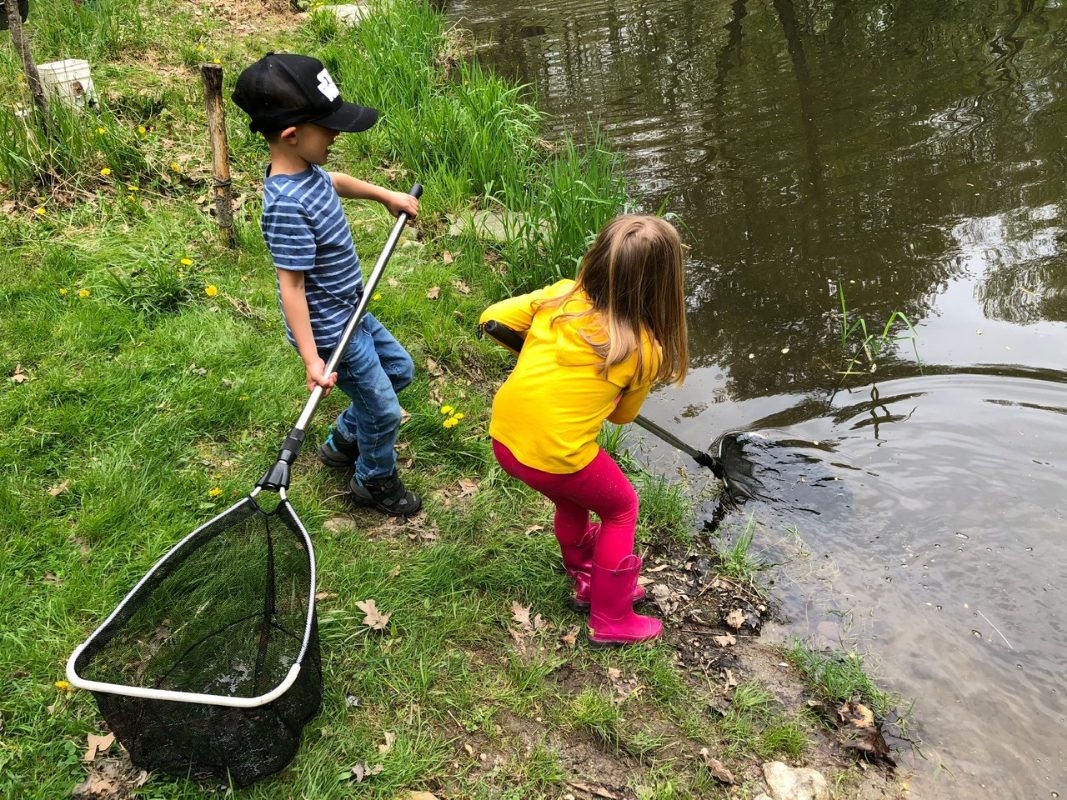
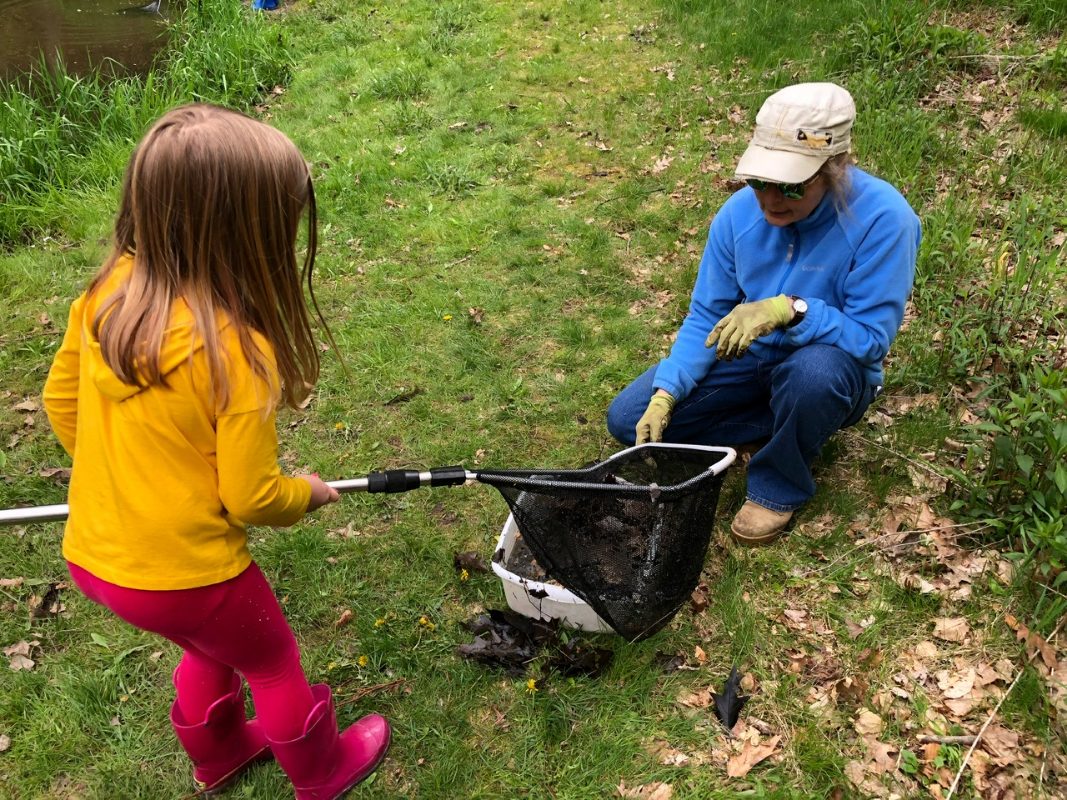
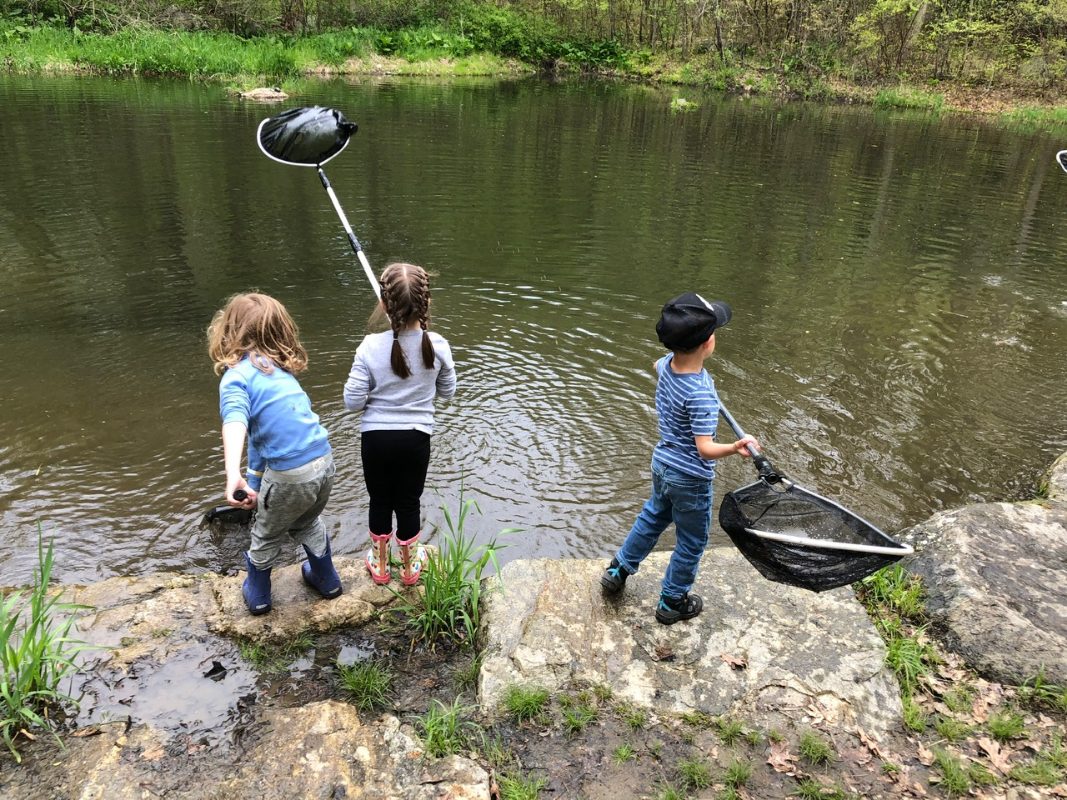
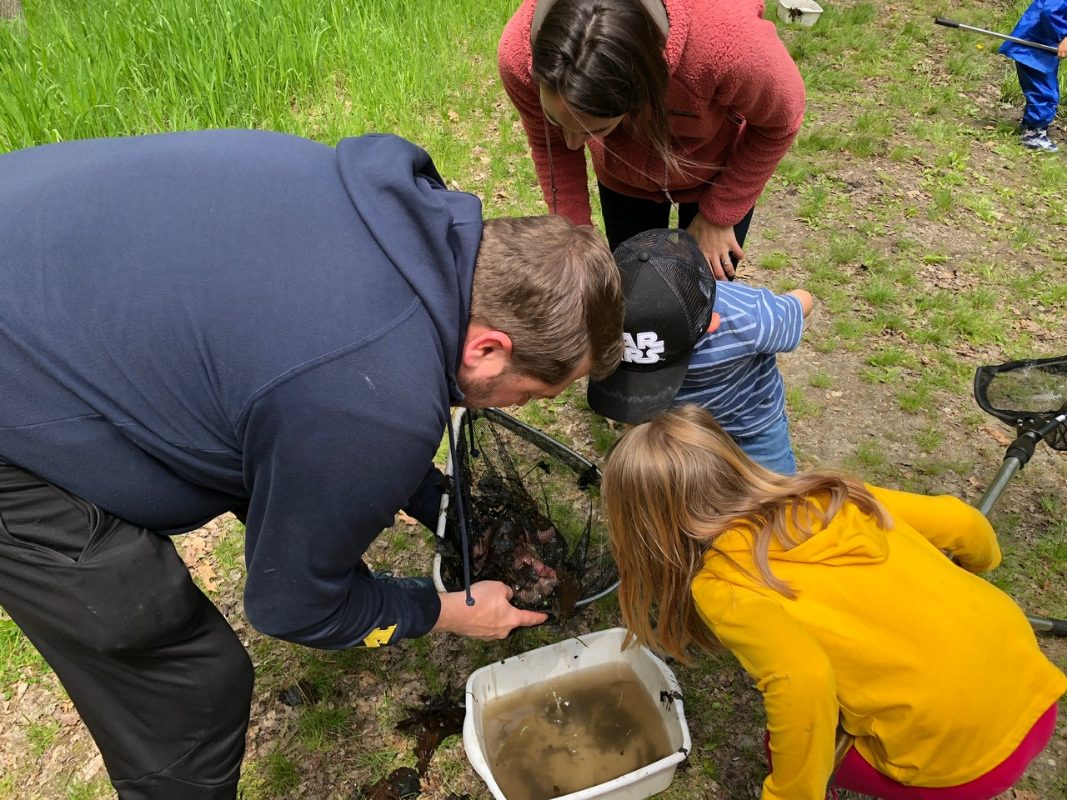
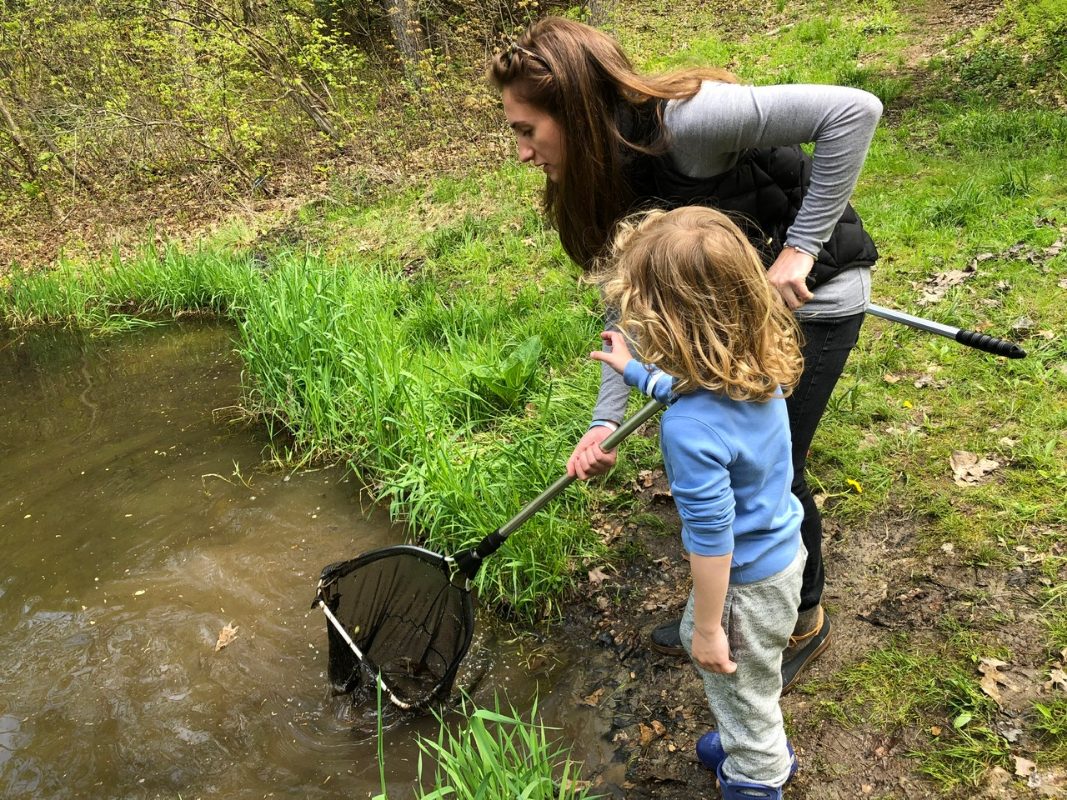
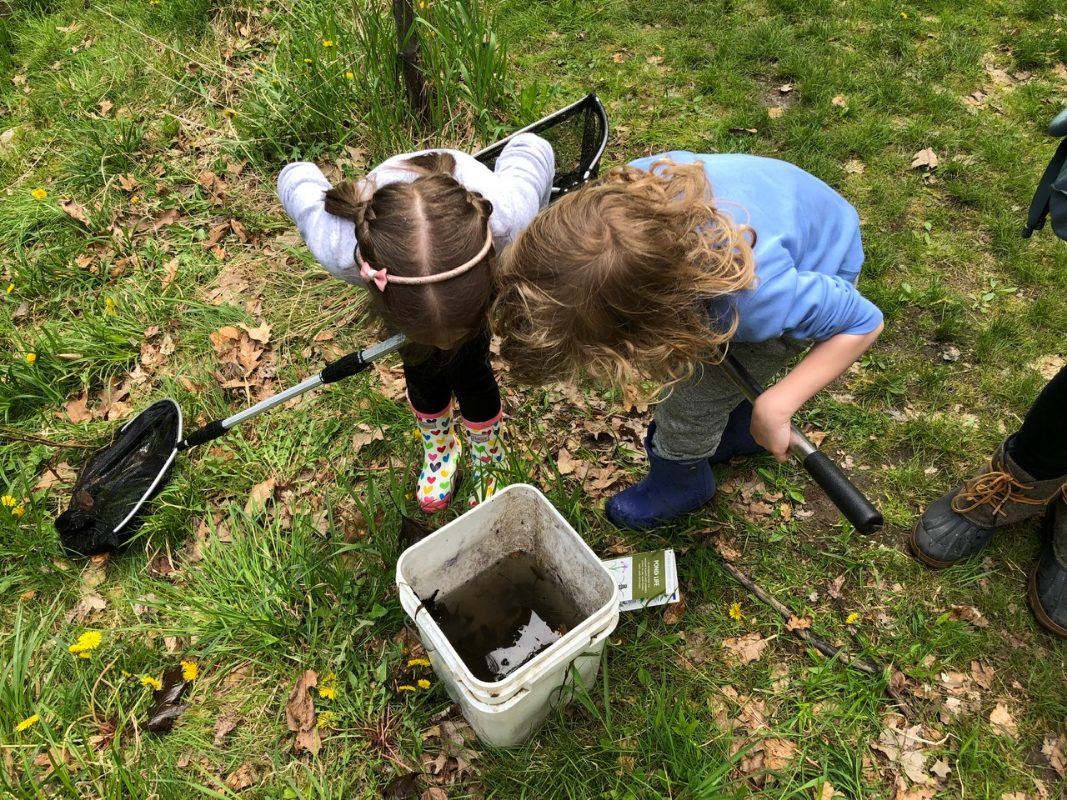
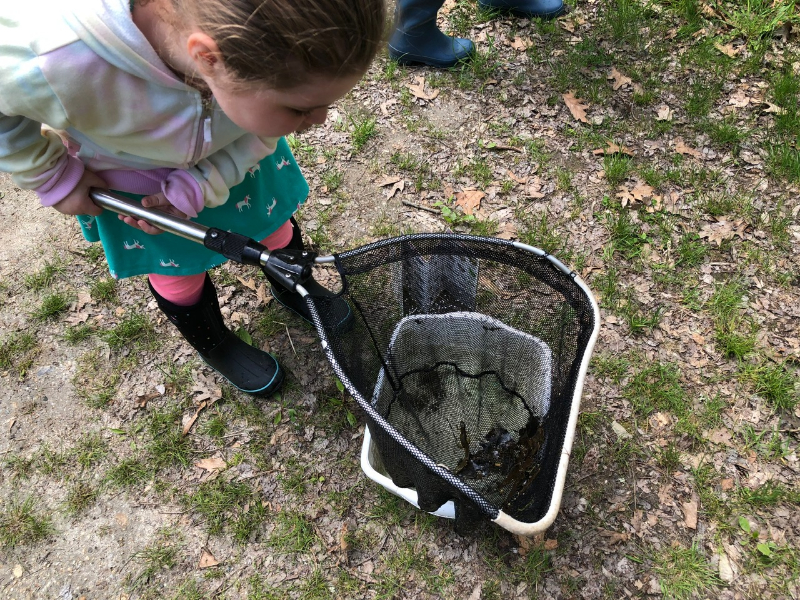
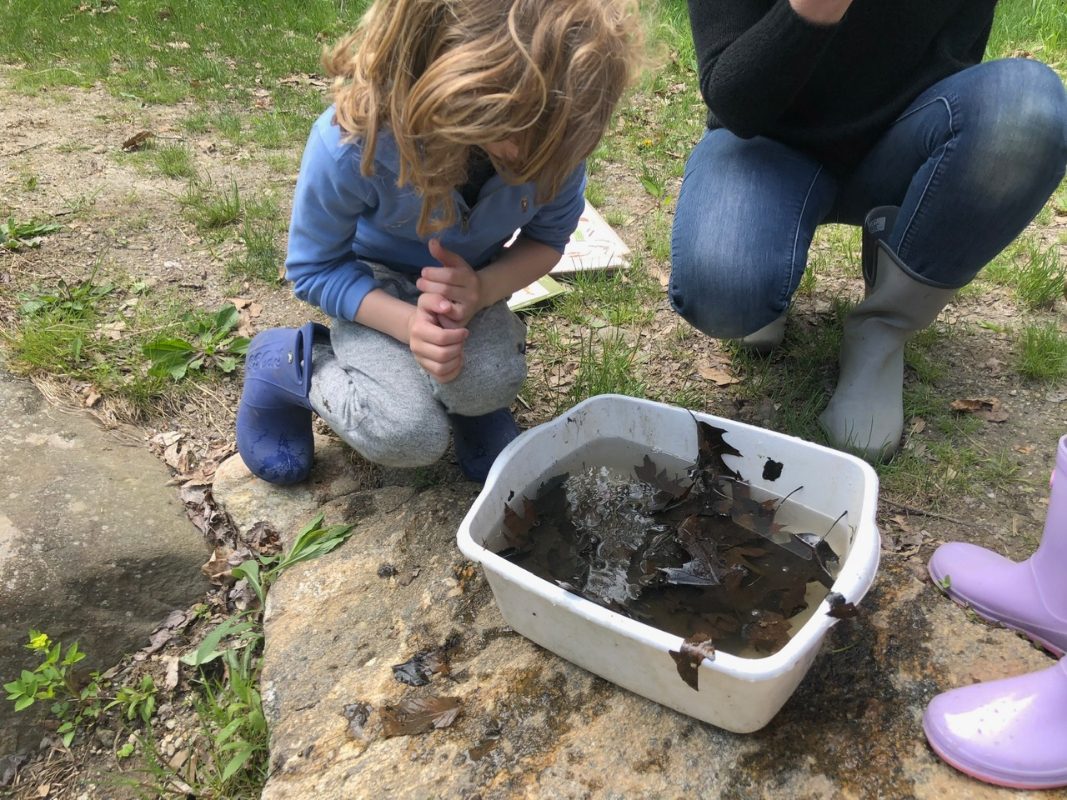
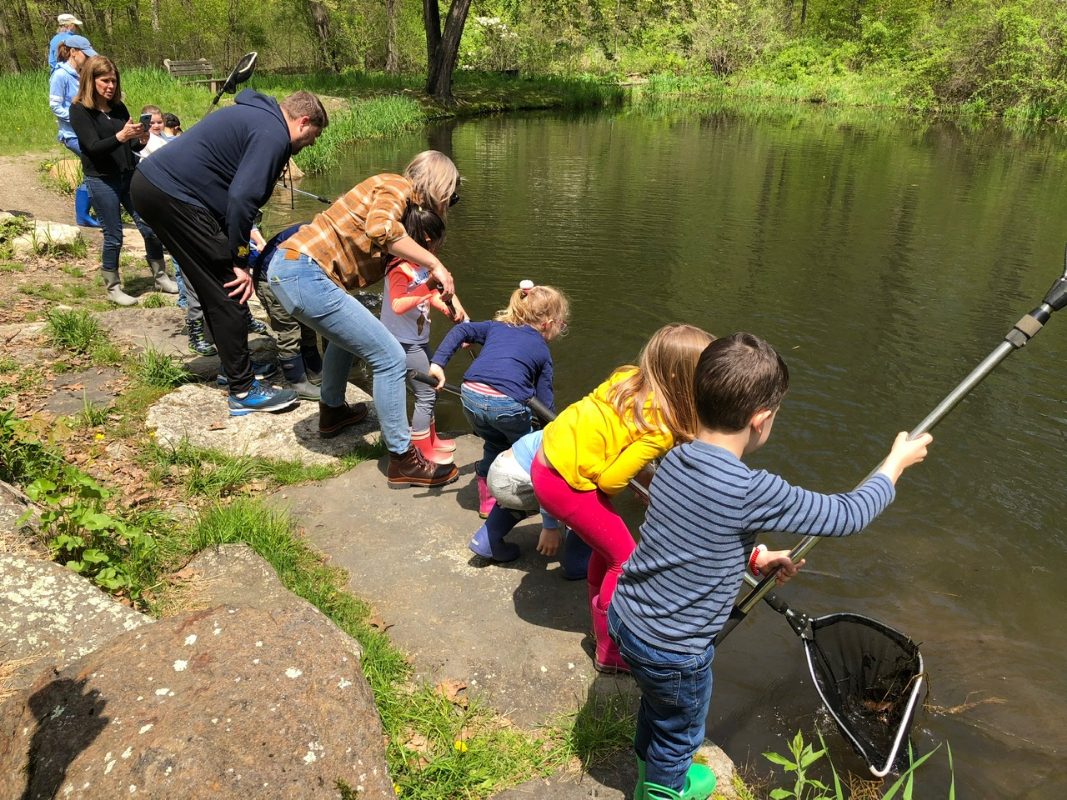
Children have marvelous imaginations and a keen desire to explore nature. On Thursday, May 9th, our Kindergarten students enjoyed an afternoon exploring a Botany Pond at Flanders Nature Center in Woodbury. They caught, identified and released amphibians, reptiles and insects. We were all amazed at the abundance of life they discovered living in a pond!

To our mothers…“There is no role in life that is more essential than that of motherhood.” Elder M. Russell Ballard

Enjoy your week,

Cindy & Sharlene

A reminder:

The deadline for this year’s FWM sweatshirt is the end of the day on Monday. Order yours now! FWM Sweatshirt Order


Mrs. Doyle’s Class: Outdoors and Loving It!

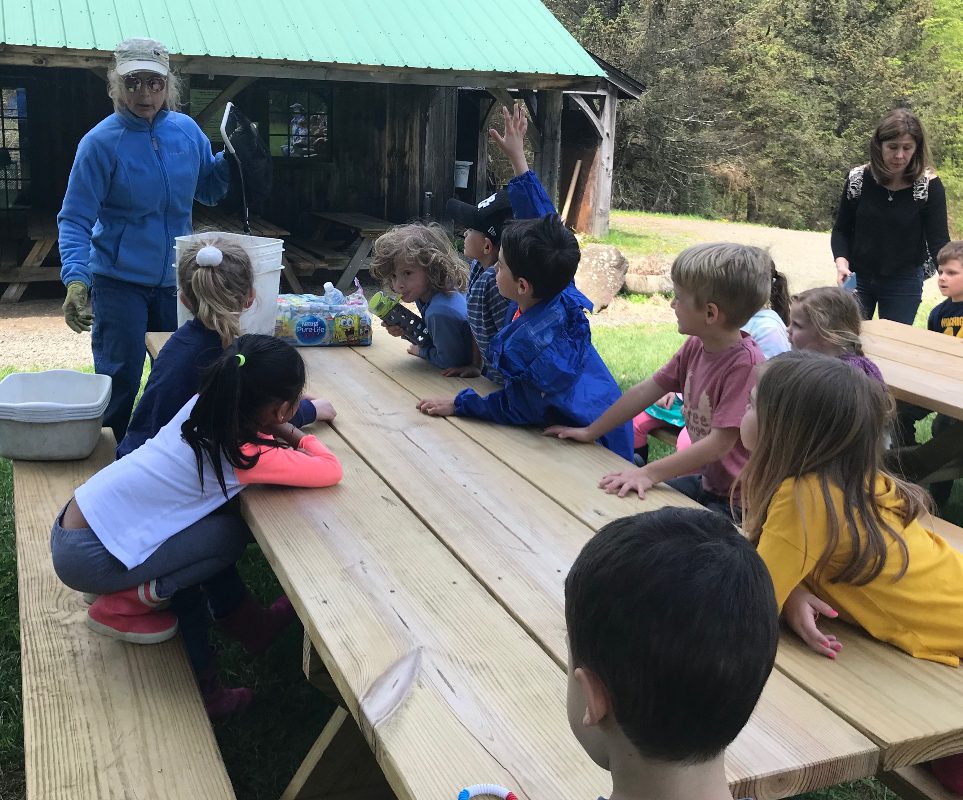
Yesterday, the Kindergarten children spent time at Flanders Nature Center in Woodbury.  We were greeted by our teacher/guide, Miss Diane who shared with us what we would be doing that day.

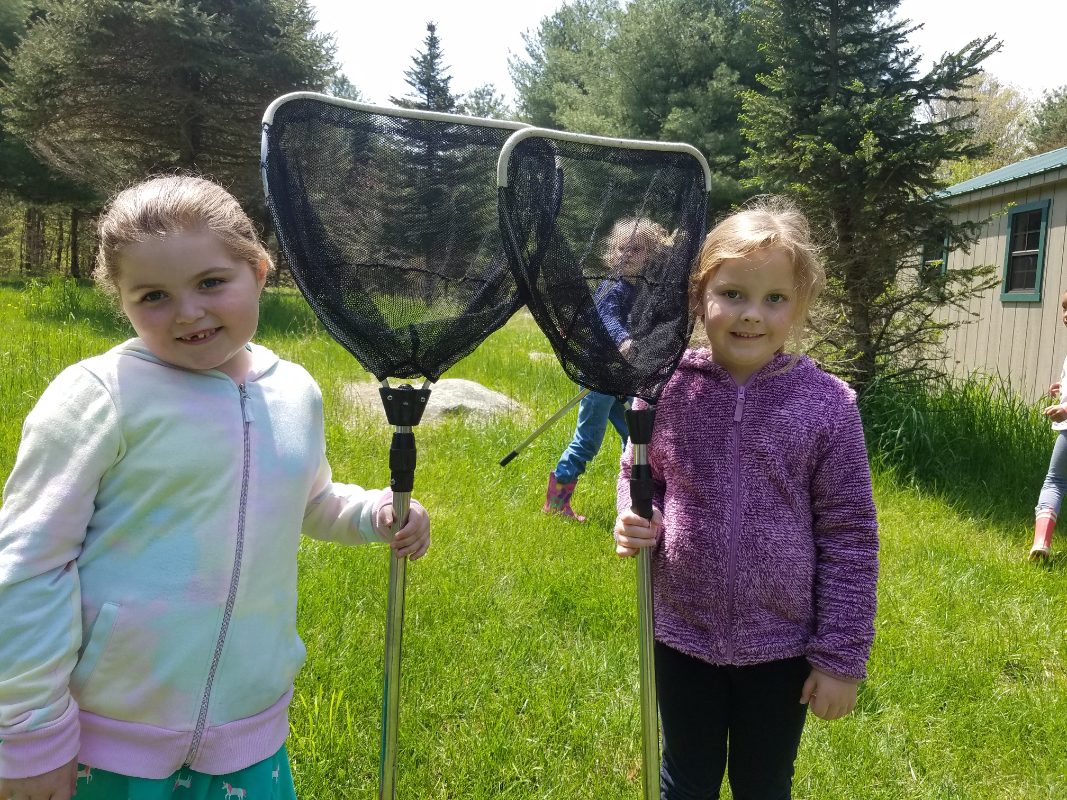
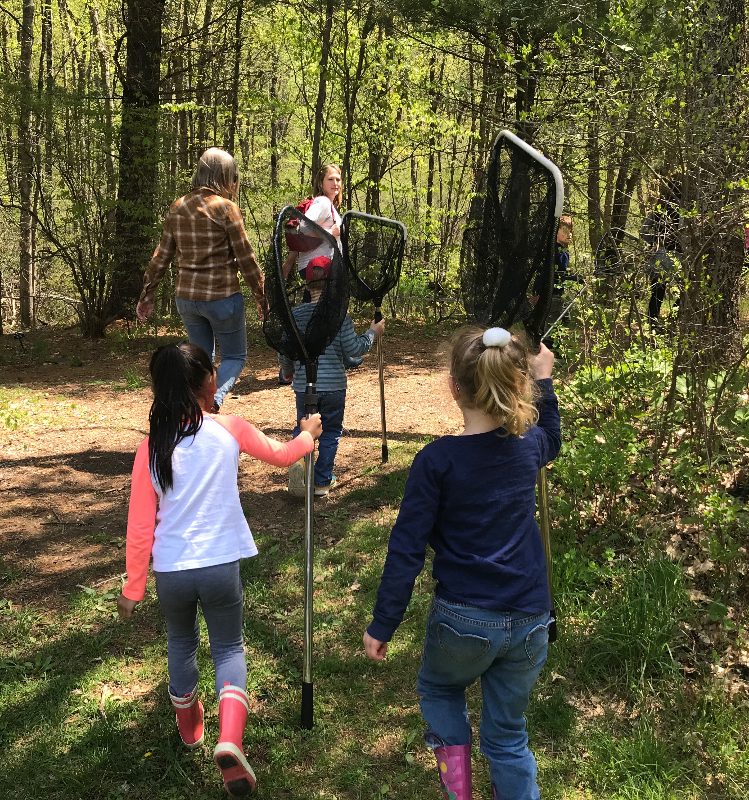
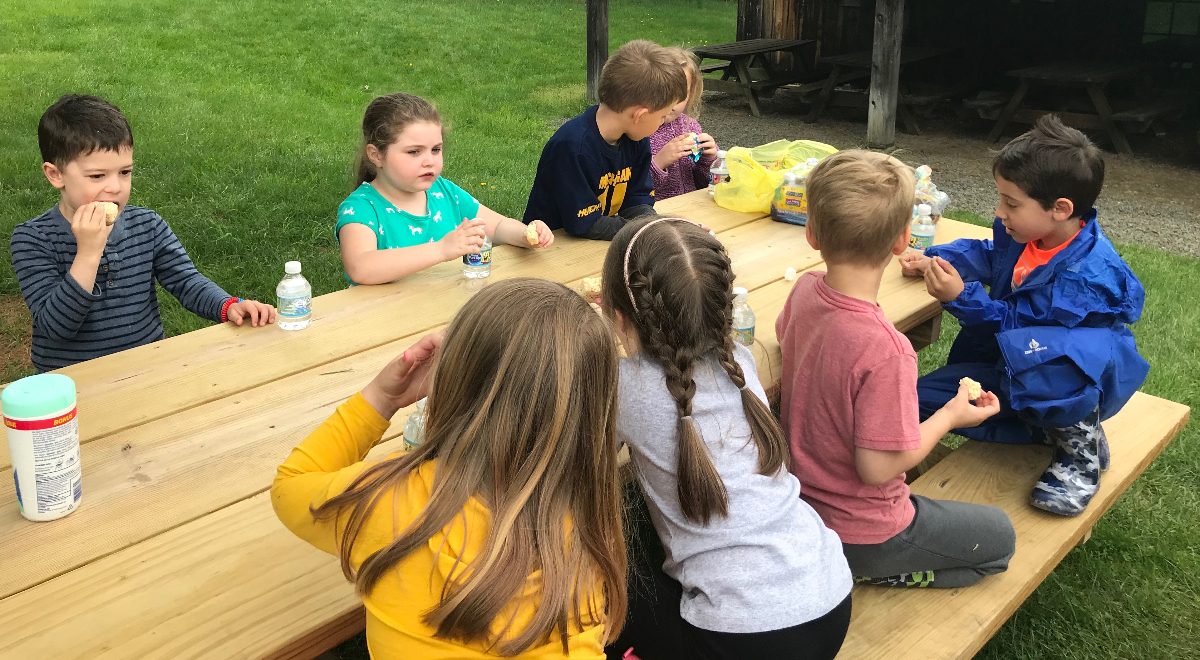
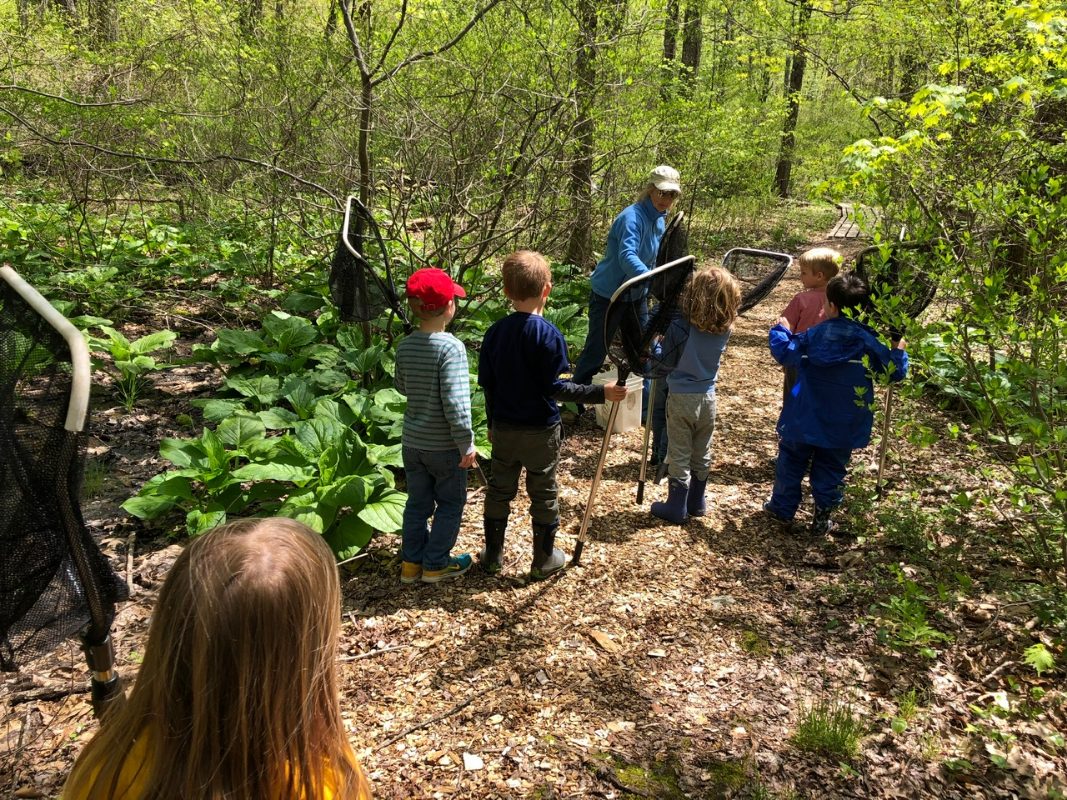
First, we gathered our nets and took a hike through the woods to the Botany Pond. The children then had the opportunity to catch and identify amphibians, reptiles and insects. We found tadpoles,  beetles, giant water bugs and salamanders.  We observed turtles resting on a rock, fish swimming and never gave up searching for the elusive frogs.  When we were done we  released everything we had collected  and headed back to the Sugar House for a quick snack.

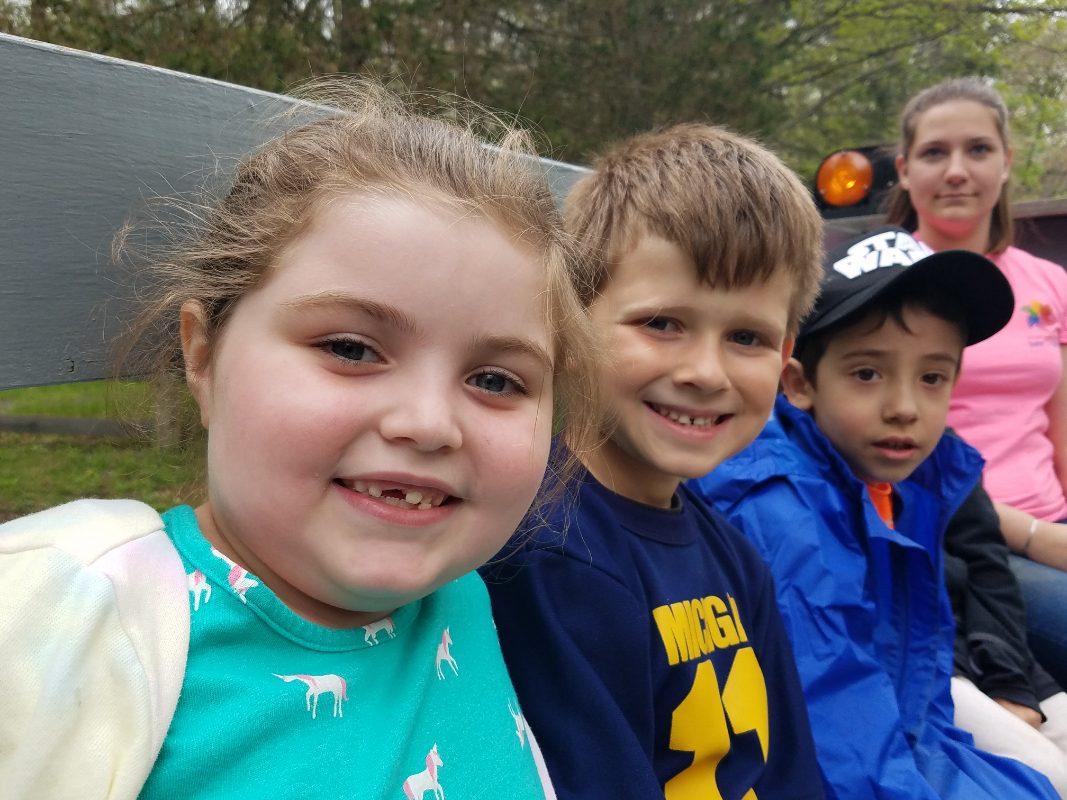
Next, we took a scenic hayride around the Nature Center. This hayride was really an outdoor classroom where the children were asked to use their “eagle eyes” and help locate the nests of a Bobolink. The Bobolink is found in large grasslands and they arrive in Connecticut typically around the first week of May. These birds like to nest in the thick grass. Often, the male Bobolink will sit on the top of a clump of grass or nearby tree and sing. This is their way of defending their territory from other males. The Bobolink is quickly becoming an endangered bird in Connecticut since landowners not familiar with the nesting birds are cutting back their hay field early in the planting season. Farming the land inadvertently destroys the Bobolink’s habitat and puts it at risk from predators. Flanders is working hard to educate farm owners and the public.

Miss Diane also shared with us a beautiful fable  told by Native Americans called ‘Turtle’s Race with Beaver.’  Ask your children if they can retell the story to you.

Walking back, several children said they had a great time and loved Flanders!  Flanders is open to the public and we strongly encourage you to take advantage of this amazingly beautiful nature center.  They also offer several summer programs.  You can find more information on their website or at:

http://flandersnaturecenter.org/wp-content/uploads/2019/03/FL05_Summer-Camp-brochure-2019_-FINAL.pdf.

Wishing all of the amazing moms a day filled with peace and love!

Michelle & Sonja

A reminder:

The deadline for this year’s FWM sweatshirt is the end of the day on Monday. Order yours now! FWM Sweatshirt Order


Ms. Kayser’s Class: Tadpoles, Salamanders and Giant Water-Bugs, Oh My!


This month in our classroom we have been focusing on amphibians in science! We have spent a lot of time learning about the life cycle of a frog and parts of an amphibian, but this week our kindergarten students got to get some hands-on experience with some of our amphibian friends.

Yesterday Kindergarten students took a wonderful trip to Flander’s Nature Center in Woodbury. From the minute we arrived, the children were beaming with excitement. The sun was shining and we got to meet our guide for the day in a beautifully lush, green field. As she introduced herself and the center, she explained to us a little about what our objective was for the day- catching amphibians and having fun! We also got to learn more about the types of amphibians that live in a pond and how they survive in that ecosystem.

We all got our own nets and our guide lead the way to the pond on a beautiful hike through the woods. With only a few stops along the way to examine some of the plants that grow along the path, the children eagerly marched on with the thoughts of salamanders and frogs in their minds!

When we got to the pond, the children were off with their nets fishing away! The excited screams soon followed as our students caught tadpoles, water-bugs, and salamanders. Our guide brought charts for the students to check once they found something  so they could learn more about the creature. The exhibition ended when one of the children caught the infamous “giant water bug.” This creature was something all the children wanted to see, until of course, they actually saw it!

After a snack, the children got to relax and enjoy the beauty of the nature center on a tractor ride. It was a perfect way of ending our trip.

Below is the link to the Flander’s Nature Center website with more information about their summer camp program in case you are interested!

http://flandersnaturecenter.org/wp-content/uploads/2019/03/FL05_Summer-Camp-brochure-2019_-FINAL.pdf

On a side note, now that the weather is finally getting warmer we ask that you send your children to school with a water bottle of their own that we can take outside with us . We will be keeping a basket in the classroom to bring out with us in the morning. Please also apply sunscreen to your child prior to arriving in the morning for when we go out for morning recess. If your child stays full-day, you may send sunscreen with them in their bag for us to help them apply in the afternoon. 

Thank you!

Ms. Kayser and Ms. Alli

A reminder:

The deadline for this year’s FWM sweatshirt is the end of the day on Monday. Order yours now! FWM Sweatshirt Order