Mrs. Doyle’s Class

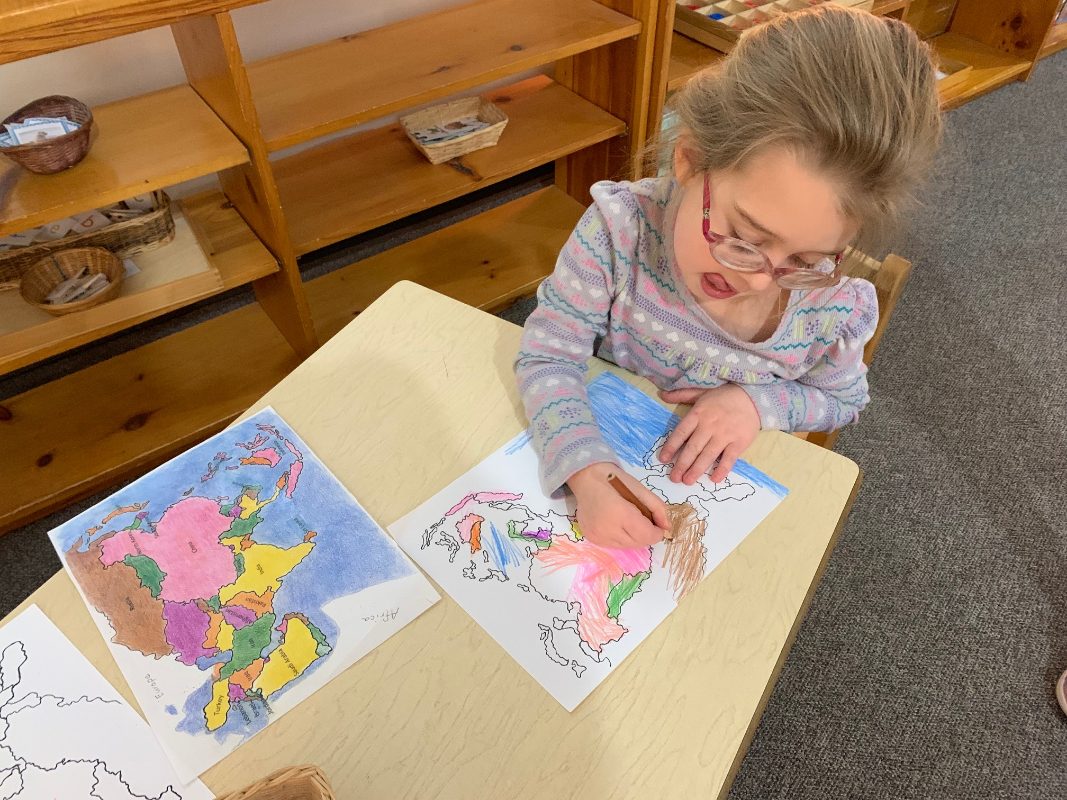
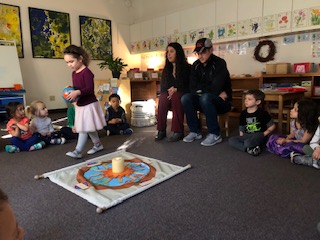
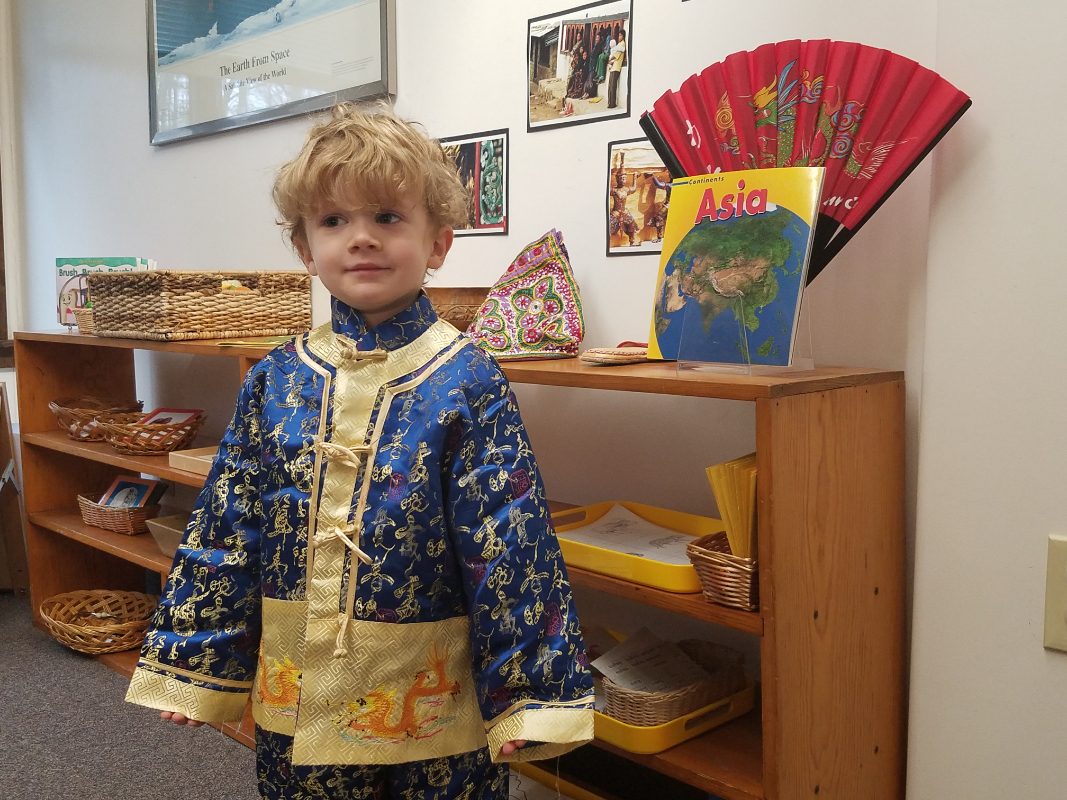
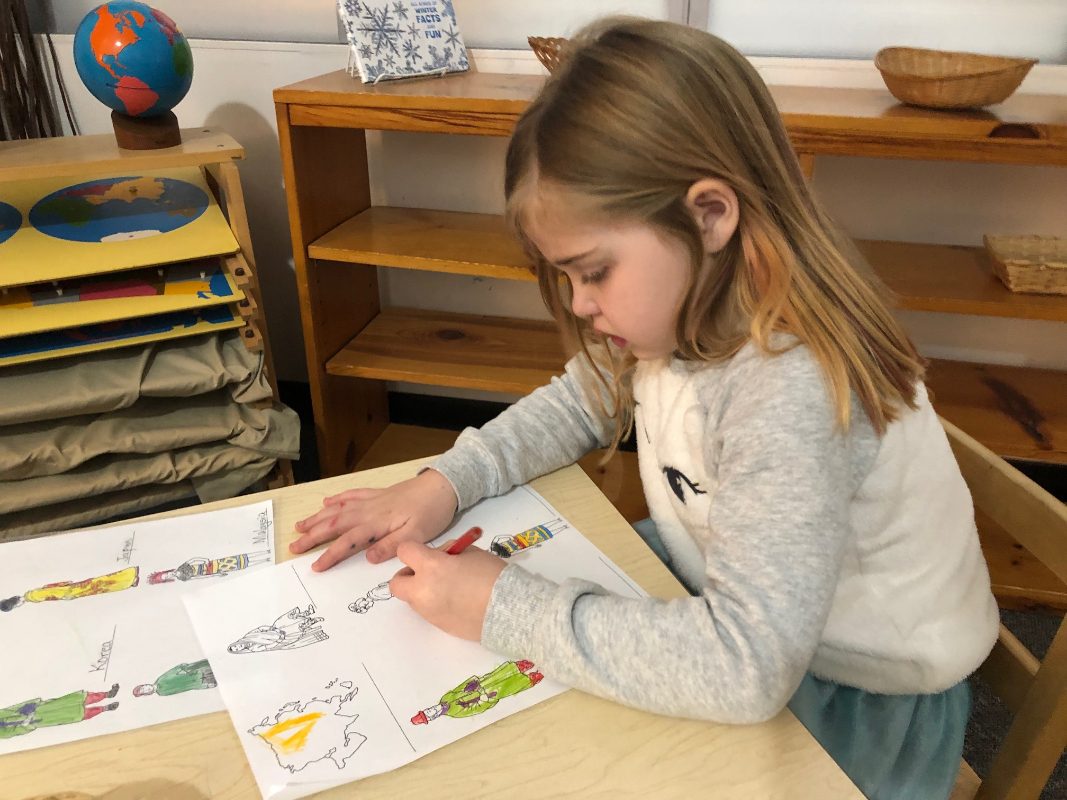
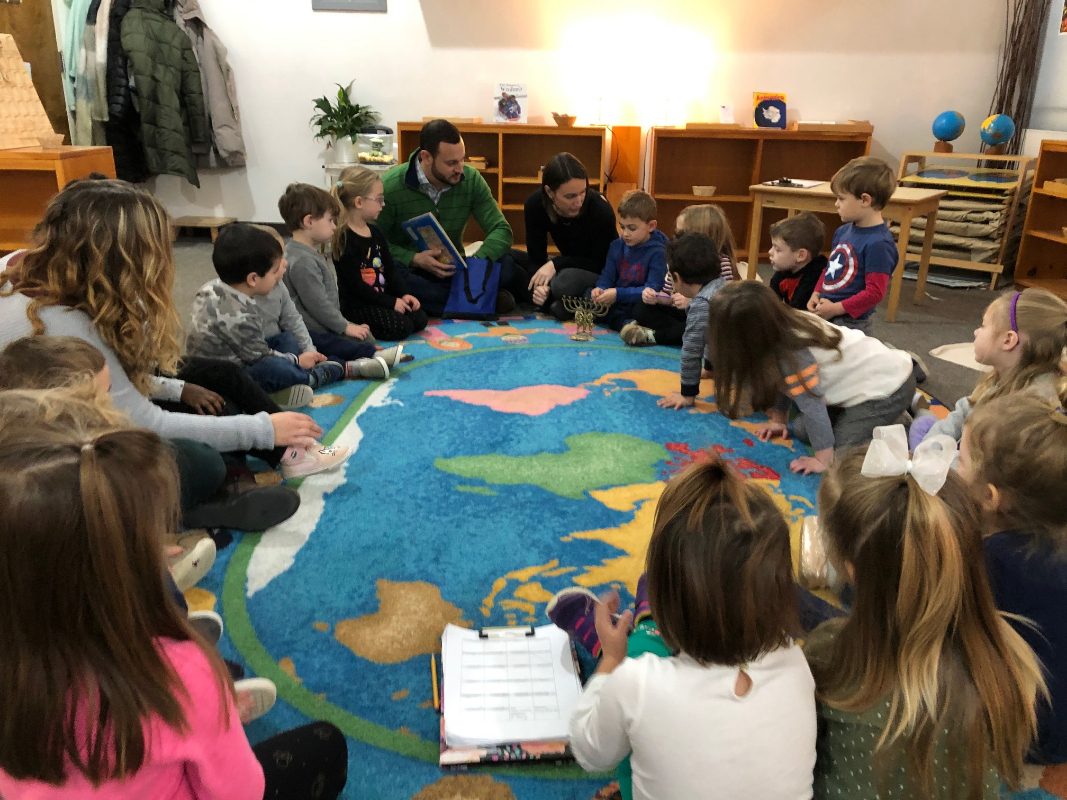
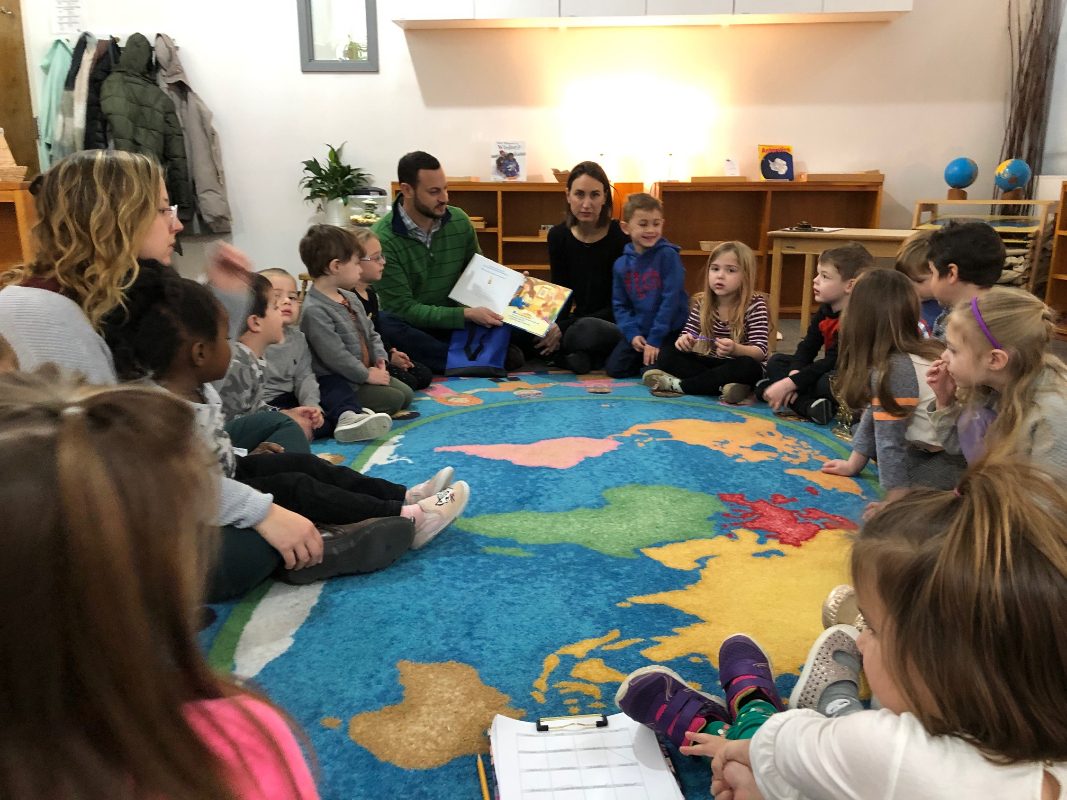
After learning the names of all seven continents and then identifying them on the globe, we are so excited to begin our monthly continent studies. This month we begin by studying North America. Now that the children can identify North America on the globe, we introduce the puzzle map of North America. This is a great opportunity for the children to learn geography from different types of materials.

The children learn that the entire continent of North America actually consists of several countries, twenty-three in total. We introduce the name of each country. We talk on an age-appropriate level about the animals, food, climate, and people found on North America.

We also learn some fun facts about our continent:

  • It is the only continent that has every type of major biome: tropical rainforest, desert, tundra, grassland,  and coral reef.
  • Mexico City is the largest city.
  • North America is the third largest continent.
  • It is bordered by three oceans, the Arctic ocean to the North, the Atlantic Ocean to the East and the Pacific Ocean to the South and West.
  • Canada has the highest numbers of lakes in the world and also the longest coastline.
  • Lake Superior is the largest fresh water lake in the world.
  • Greenland is the biggest island on the planet.

Have a peaceful week!

Mrs. Doyle & Mrs. Lyga


Ms. Kayser’s Class: Happy Halloween!

Halloween is always such an exciting holiday for the children! The cool, crisp air, getting to dress up in a costume, and of course, the special treats we get to have after trick or treating, make for such a special and memorable night. This week the classroom has been buzzing with excitement for the much anticipated celebration.

This week we were lucky to have Luke’s parents, Jenai and Sean, come into our classroom and help us carve a class pumpkin!  The children got to vote if they wanted a happy or scary pumpkin, and then shared input on the decorations and shapes of all the facial features.

We were amazed with how intently they sat and watched as Sean cut open the pumpkin to reveal the gooey center. Each child got to take a turn at scooping out the inside of the pumpkin and investigating first hand what it feels and looks like.

Once the carving was complete, the children voted on a name and our pumpkin officially became a part of our classroom family. Welcome Mr. Smiley! The children spent the time after Mr. Smiley was finished to write stories and draw beautiful pictures about him for us to display.

We hope that you and your family had a fun and safe Halloween!

Ms. Kayser and Ms. Alli
Global Culinary Night is Thursday, November 8th from 6:30-8:00pm.

This is a FWM entire family event.

Grab your “passport” and travel along with us as we visit countries near and far, sampling foods at each stop! This community event is for FWM families to gather together and share a unique dish from their cultural, ethnic, or regional background while also sampling dishes from other FWM families’ cultures.


Mrs. Carroll’s Class: Ripe For Learning


Pumpkins can be found everywhere in October. Who knew this squat symbol of fall was ripe with opportunities for learning.

This week your children explored the life-cycle of a pumpkin. They read books and authored stories of their own. We used math to estimate the number of seeds and measure the circumference of our class pumpkin. Our creative, amazing ideas for a jack-o-lantern came to life under the skillful carving of Ewan’s dad, Ross MacLean. Thank you Ross! We smelled, touched and then baked the treasures found inside our pumpkin. Your children had fun exploring and learning from nature.

Pumpkins can be found everywhere in October. Sharlene and I have enjoyed sharing pumpkins in a new light. A seasona,l hands-on learning experience that supports math, science, sensory, and language development, as well as curiosity.

Take time to stop and smell the pumpkins!

Global Culinary Night is Thursday, November 8th from 6:30-8:00pm.

This is a FWM entire family event.

Grab your “passport” and travel along with us as we visit countries near and far, sampling foods at each stop! This community event is for FWM families to gather together and share a unique dish from their cultural, ethnic, or regional background while also sampling dishes from other FWM families’ cultures.

Cindy & Sharlene


Mrs. Doyle’s Class: Harvest Time!


Welcome to our pumpkin patch!  There are pumpkins everywhere in our class. Having pumpkins in the classroom provides so many opportunities for the children to observe and introduce basic science and mathematical concepts.

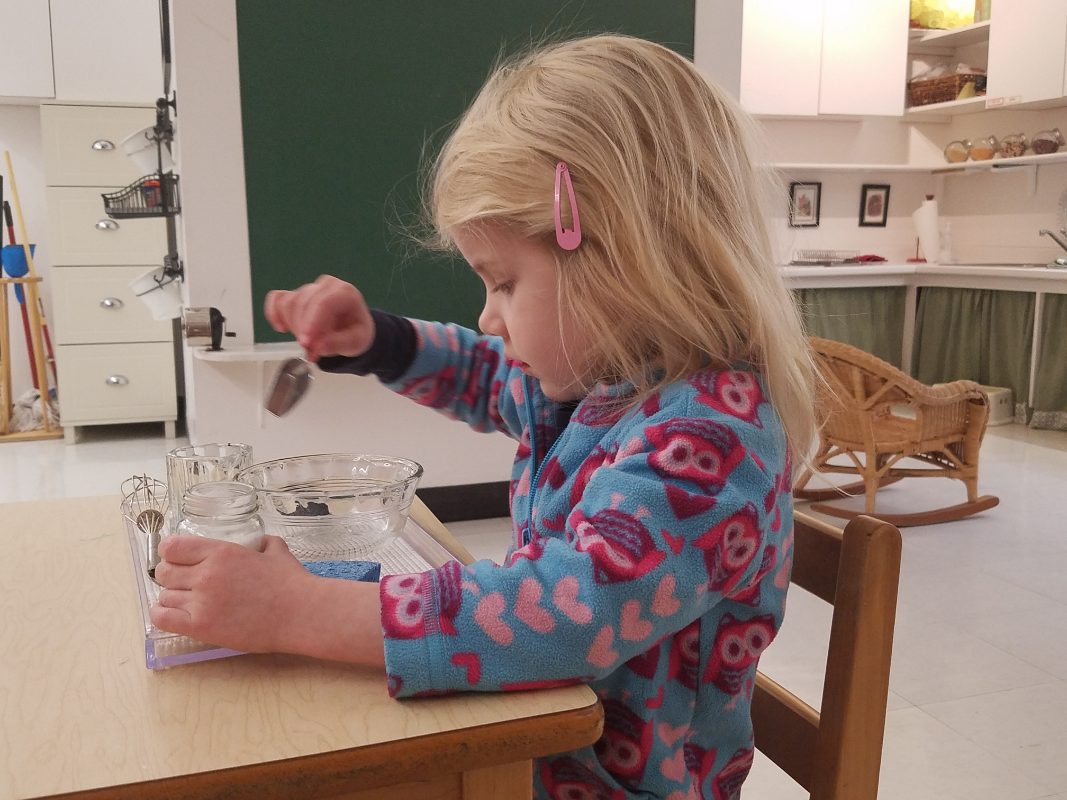
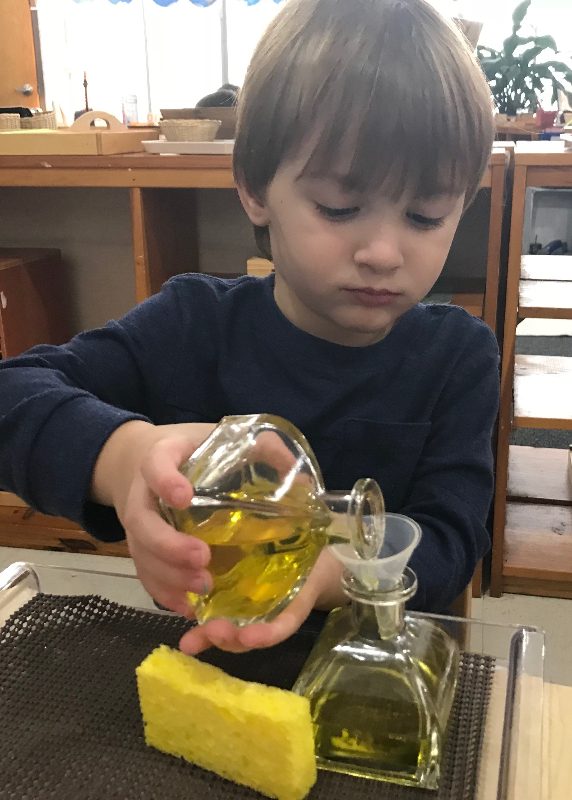
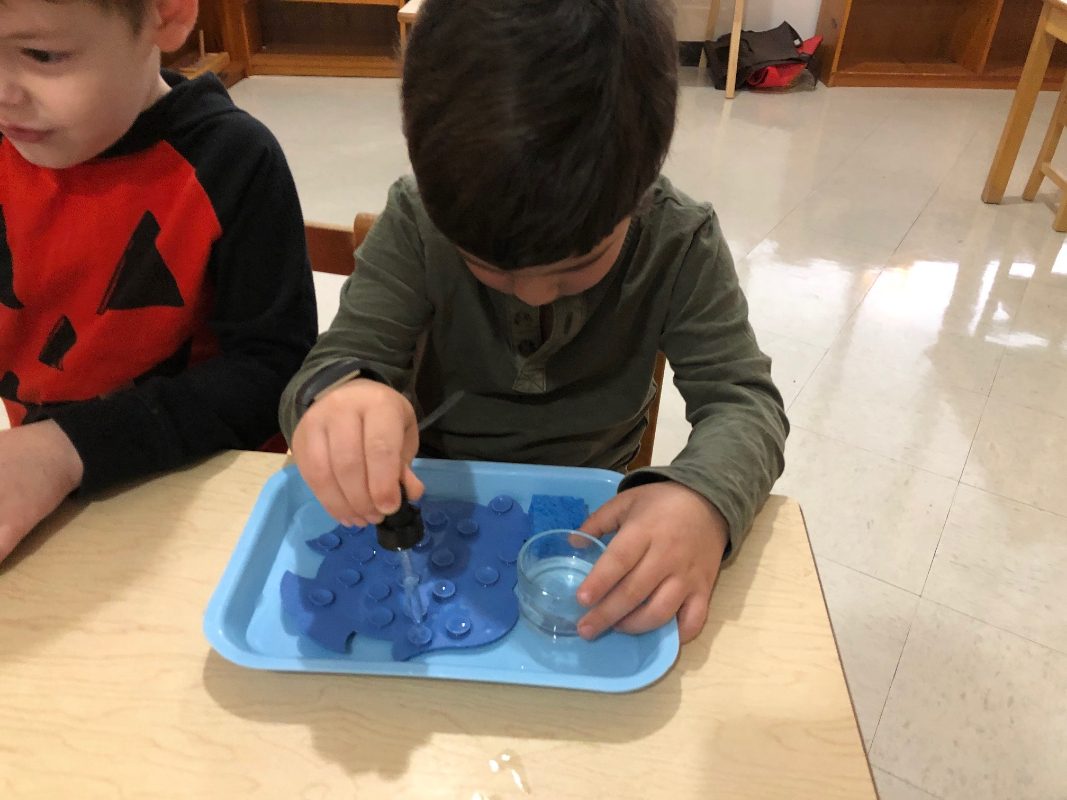
In Practical Life, we have pumpkin spooning, pouring, pumpkin hammering, and even pumpkin scrubbing. In Science, we learned about the parts of a pumpkin and the pumpkin life cycle. We compared pumpkins to categorize them as small, medium, and large. We counted the lines/ridges on pumpkins and learned why some pumpkins have more and some have less. In Math, we were faced with the very difficult question of how do you measure the circumference of a pumpkin.

On Wednesday, we had a Harvest Celebration in our classroom. We worked together as  a class to decide how to carve our pumpkin. First, we brainstormed ideas of what shape the eyes, nose, and mouth should be and then we voted on it to make our decision. Every child had a chance to come up and scoop out some of the pumpkin pulp and seeds. We also voted on the name and “Violet” was the clear winner!

Our Kindergarten children had fun cutting and arranging an array of vegetables in the shape of a skeleton. As they were building and discussing the different parts of a skeleton, they had to decide which vegetables would work best to build “Skully.”  They definitely didn’t make any bones about eating their veggies this time!

Thank you to Meg (Elliot’s mom) for the amazing craft and Helena (Ellia’s mom) for the awesome snack! As always, there are parents working behind the scenes to help us and we are most grateful.

Global Culinary Night is Thursday, November 8th from 6:30-8:00pm.

This is a FWM entire family event.

Grab your “passport” and travel along with us as we visit countries near and far, sampling foods at each stop! This community event is for FWM families to gather together and share a unique dish from their cultural, ethnic, or regional background while also sampling dishes from other FWM families’ cultures.

Have a wonderful week!

Mrs. Doyle & Mrs. Lyga


Mrs. Doyle’s Class: The Three-Period Lesson

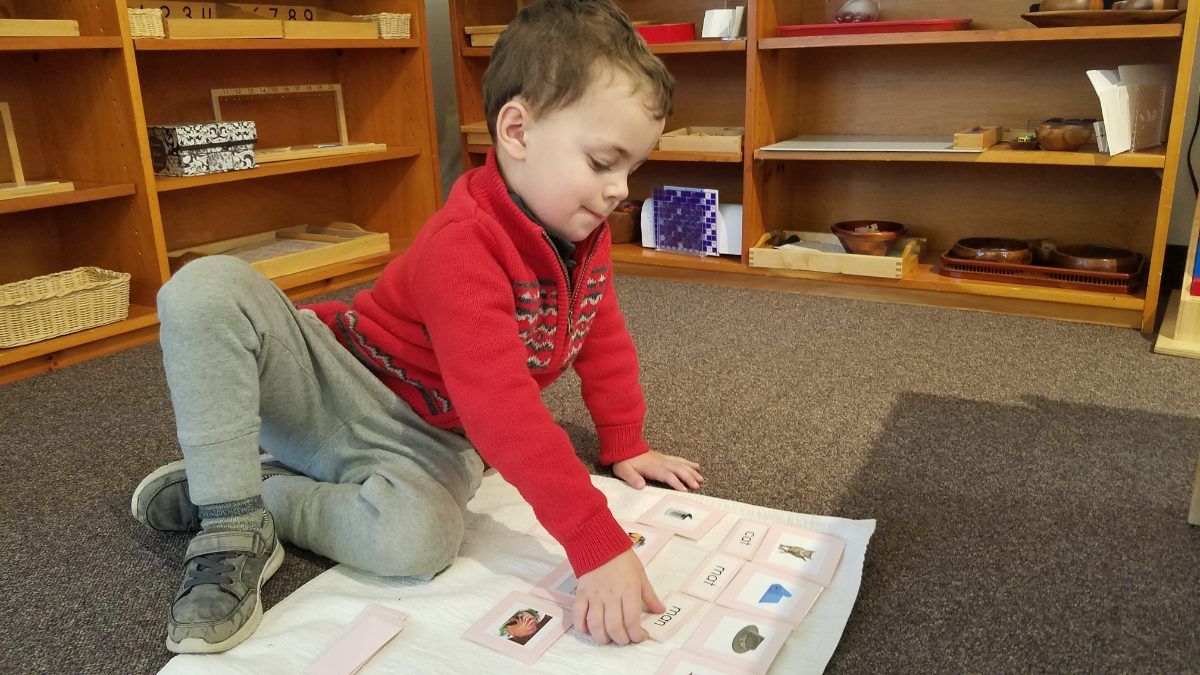
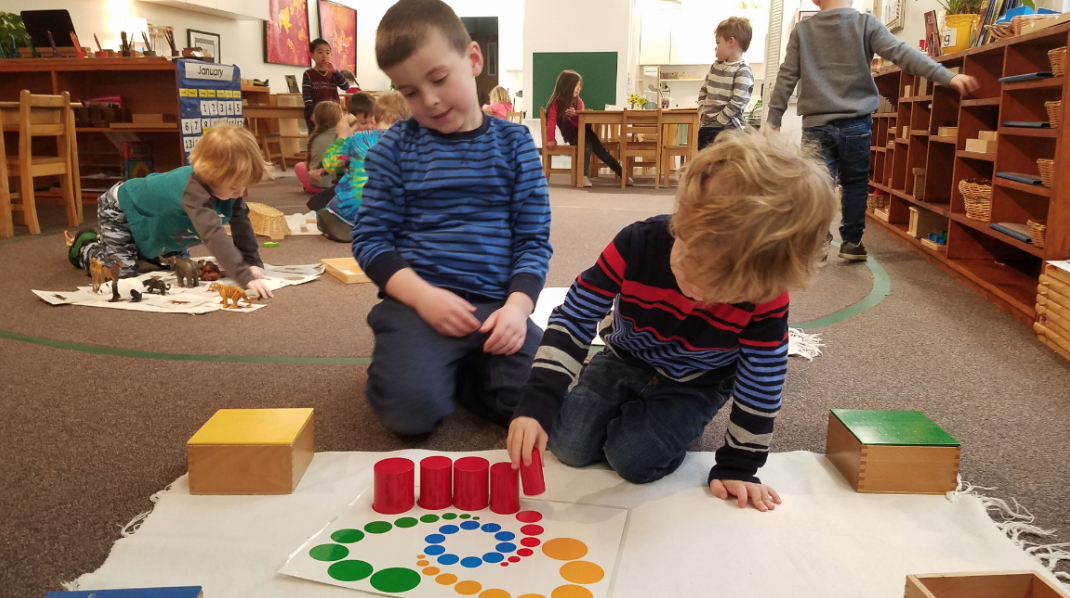
When we introduce new concepts or materials to the children, we often do so using a three-period lesson. This is an important tenet of Montessori education and it helps to move the child from basic understanding of a concept to  mastery.

Period One is the introduction stage. In this stage we are isolating new vocabulary to the children. For example, if we are introducing the color tablets, we would say, “this is blue.”  Repeating that statement and allowing the child to manipulate the blue color tablet are crucial during this stage.

Period Two is all about association and recognition. It is often a separate lesson. We do not ask the children to remember the vocabulary or recall the concept.  We are simply reinforcing the concept taught in Period One. We use words such as “show me the blue tablet” or “can you place the blue tablet on your lap?”

Period Three is the recall stage and the first time we ask the child to remember the concept independently.  We ask them “what is this” when showing them the blue color tablet. We are careful not to begin Period Three until we know they are ready for success.

Every time a child masters a new concept it paves the way to move towards another one.

Have a wonderful week!

Mrs. Doyle & Mrs. Lyga


Mrs. Carroll’s Class: A Place To Call My Own


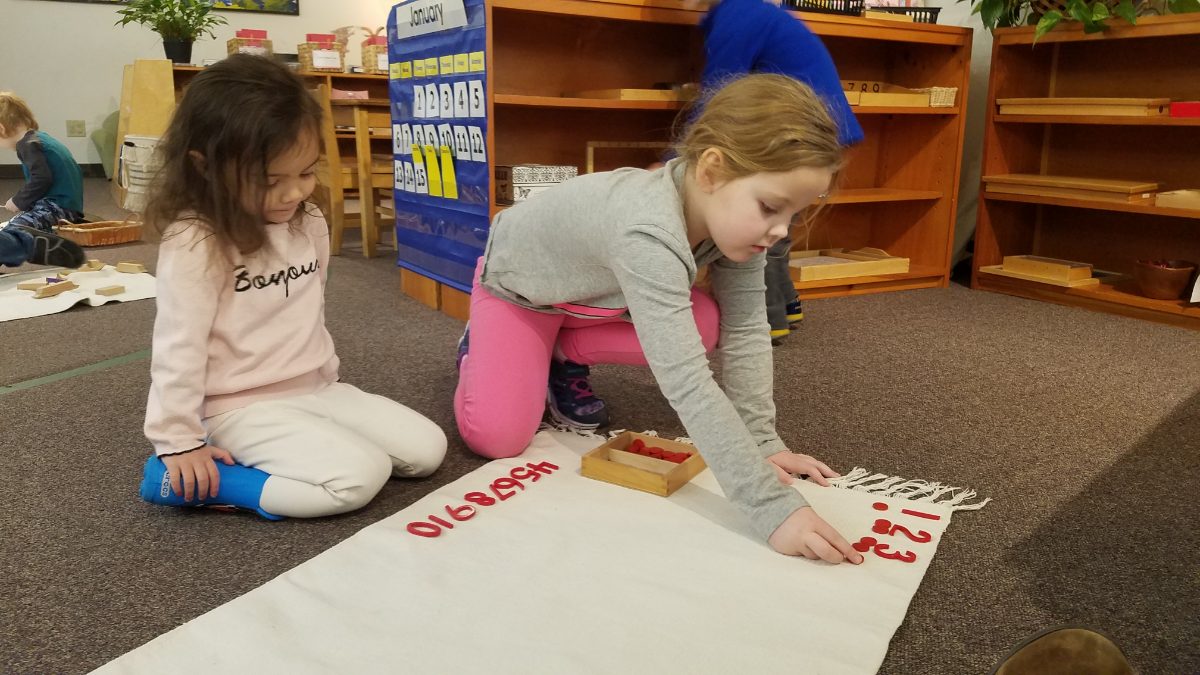
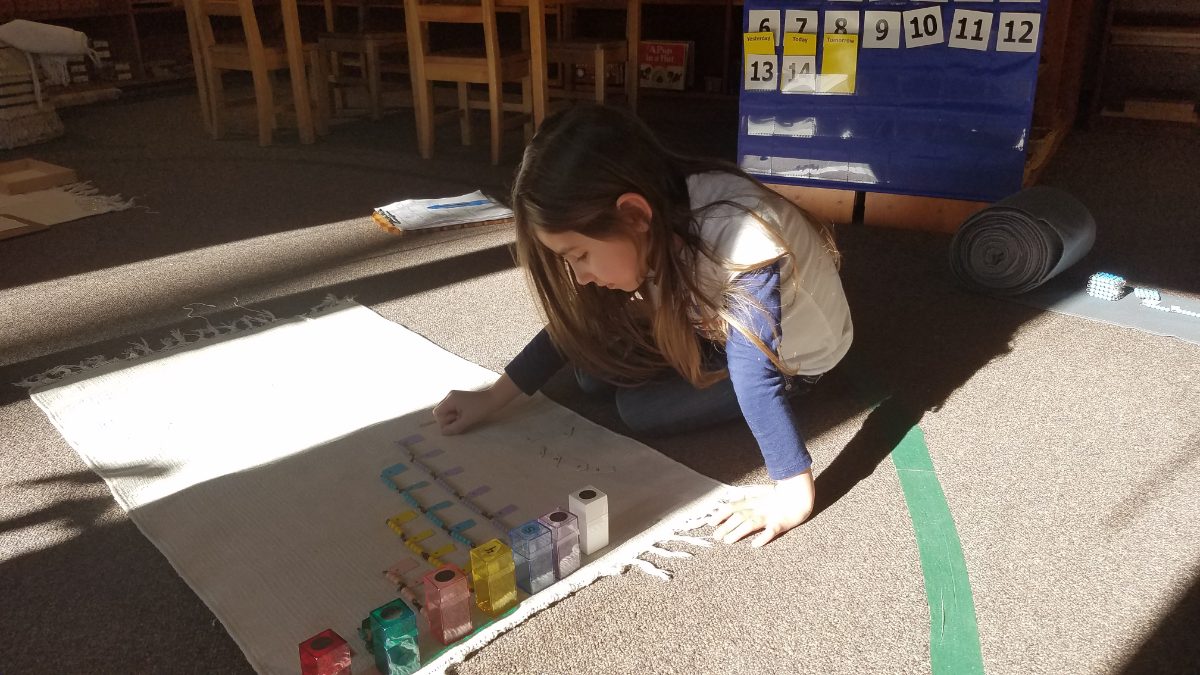
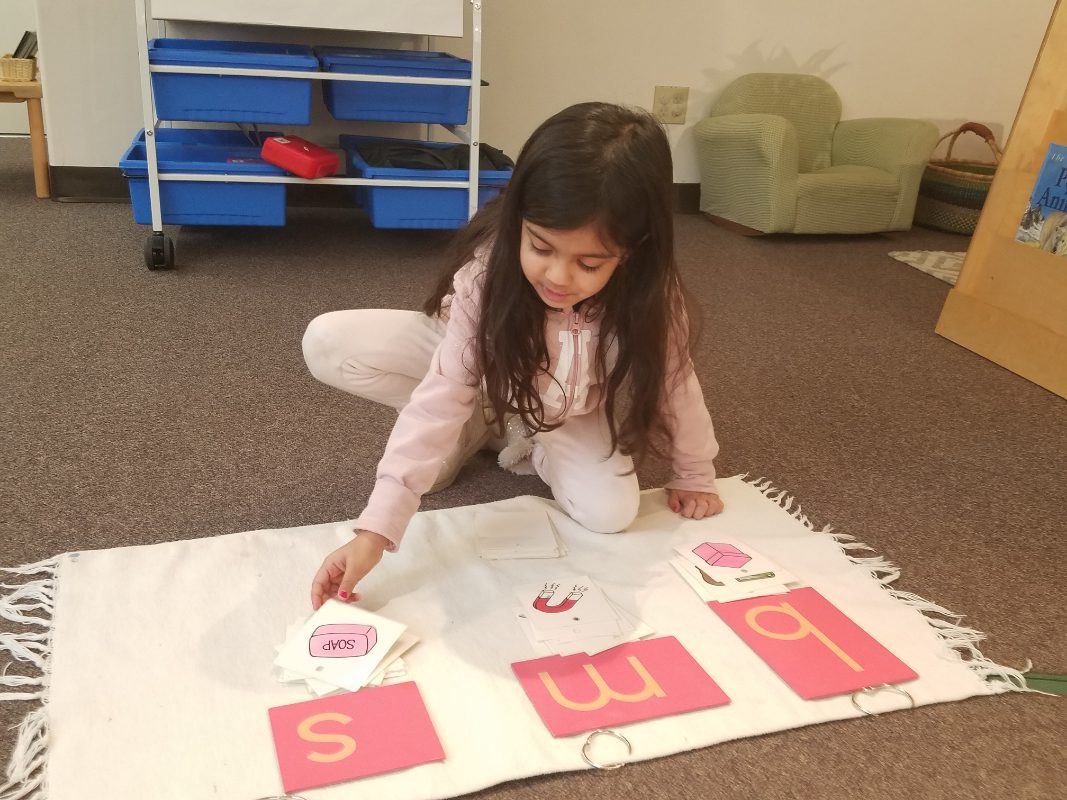
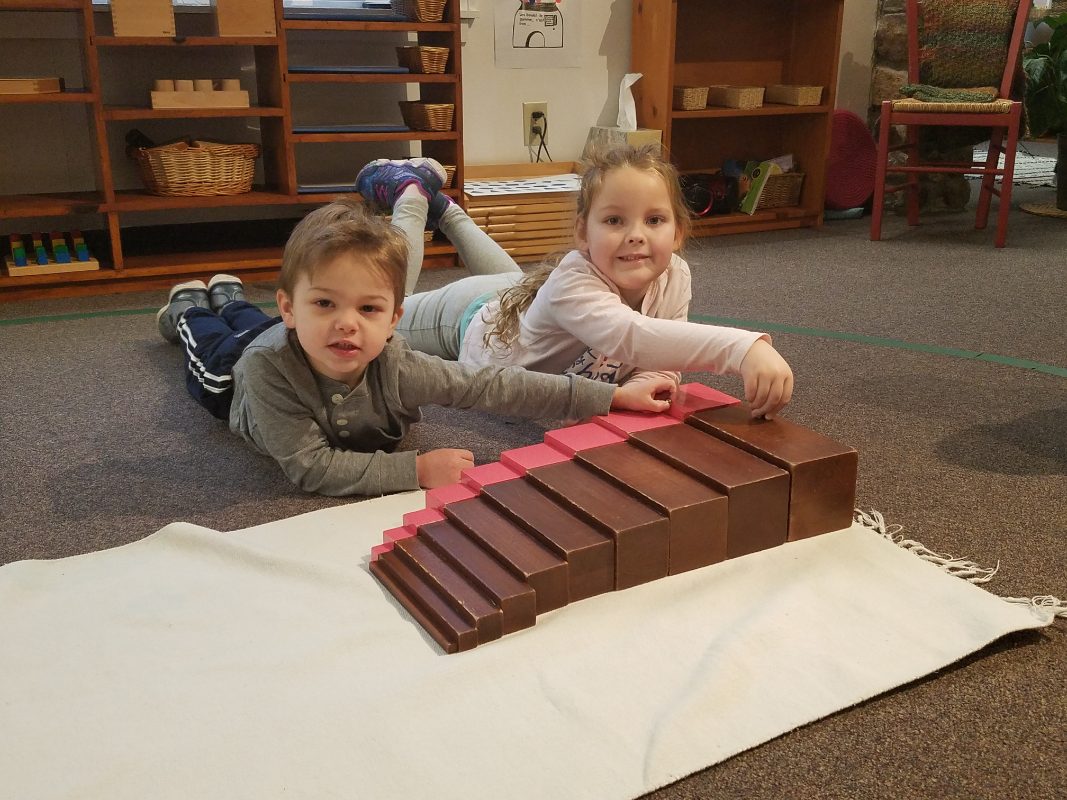
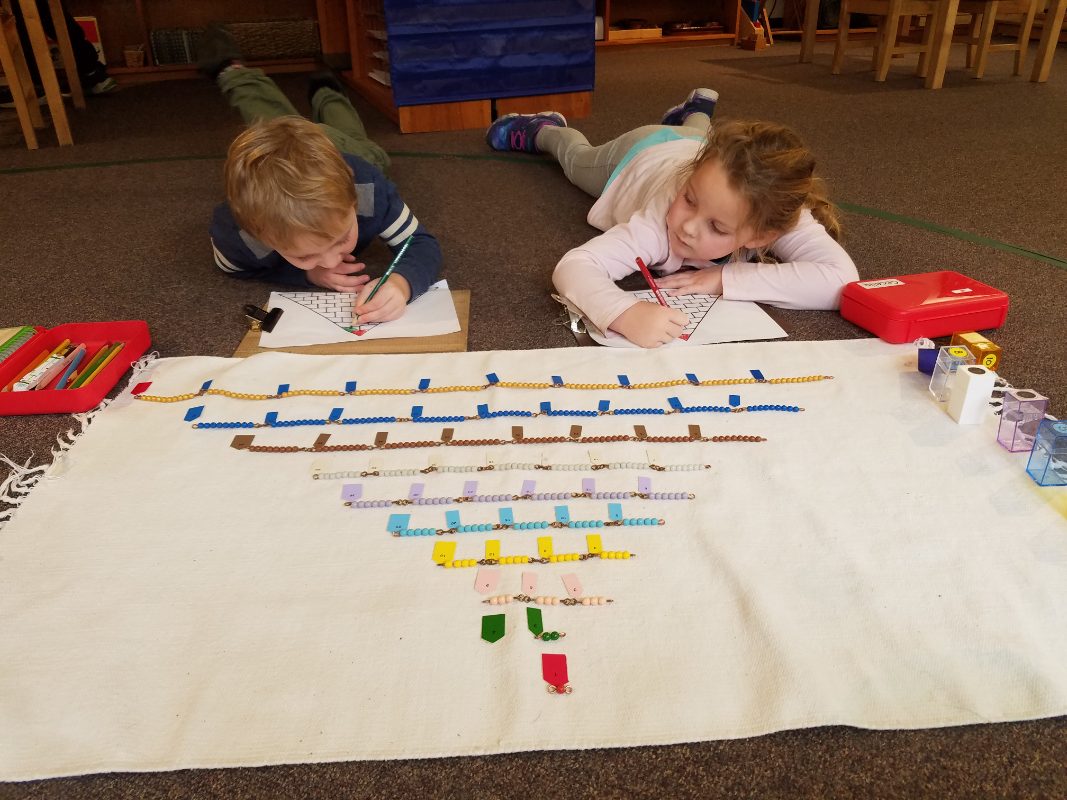
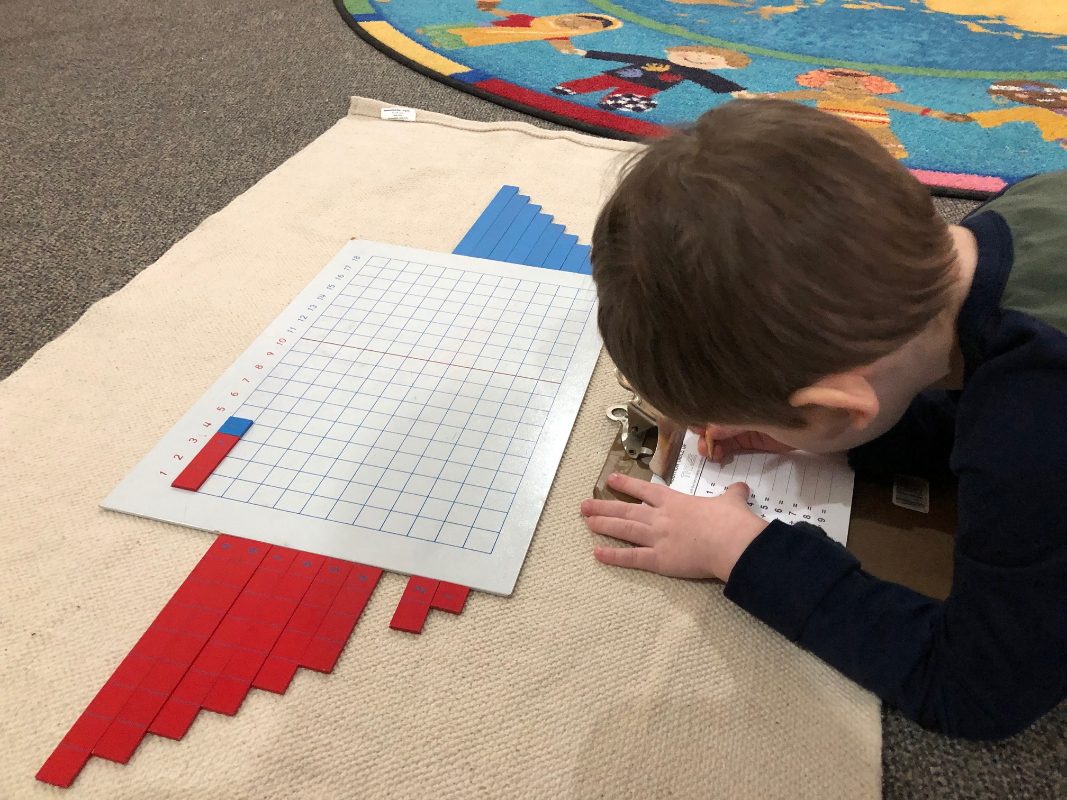
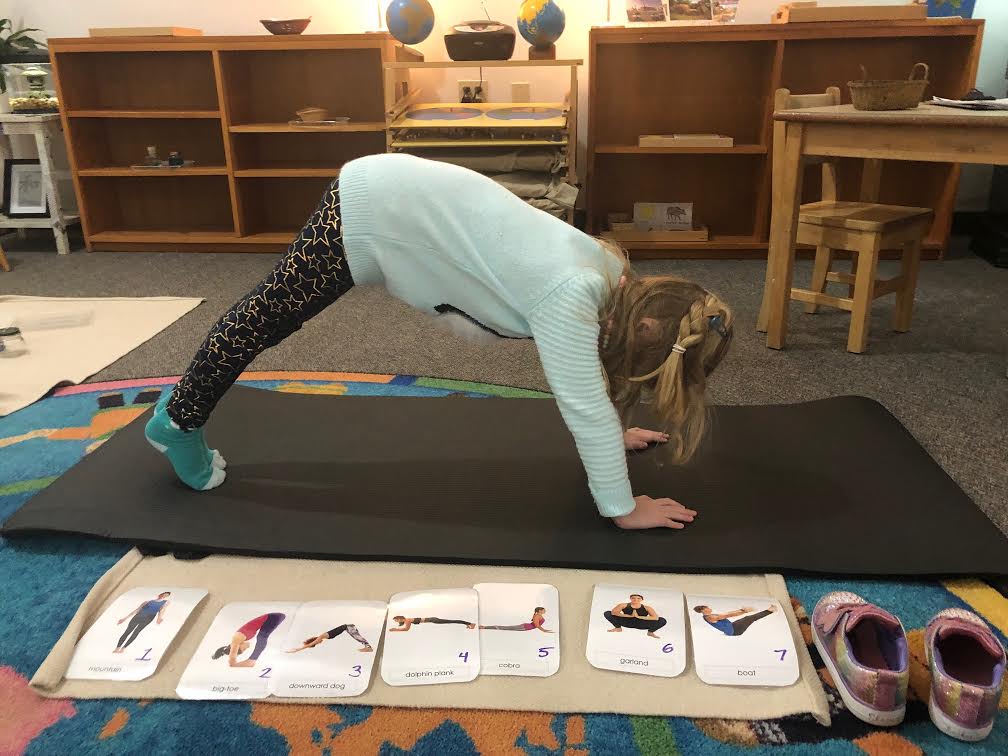
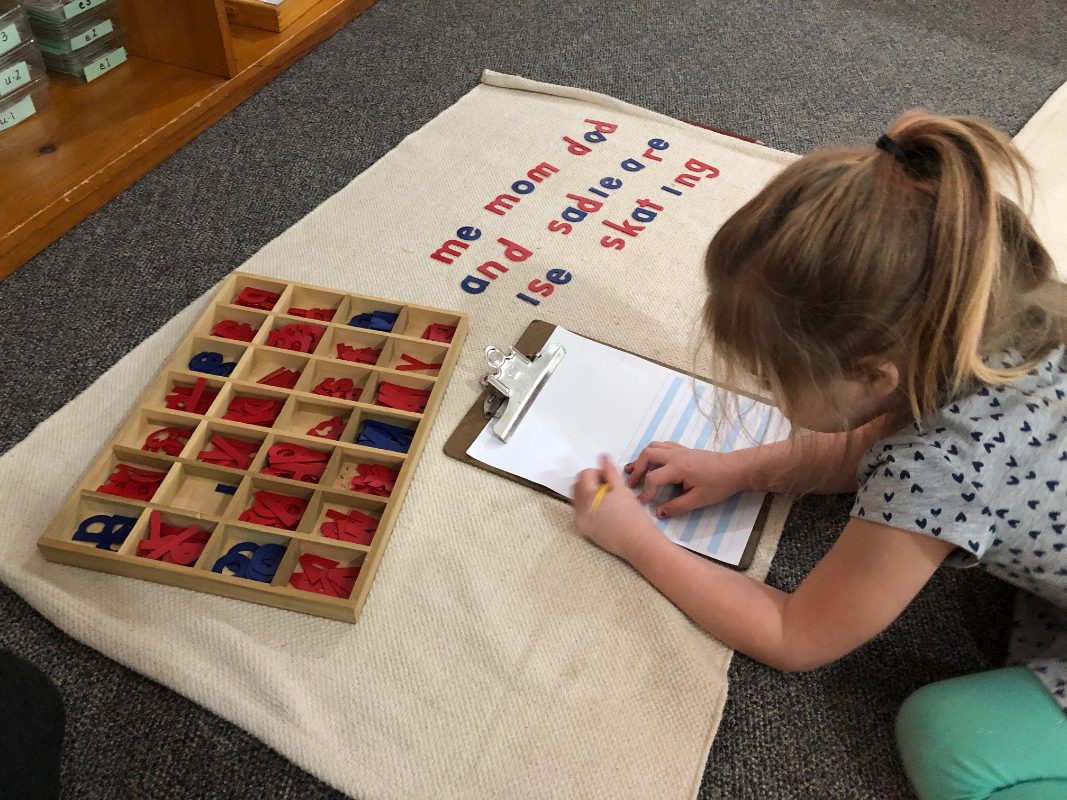
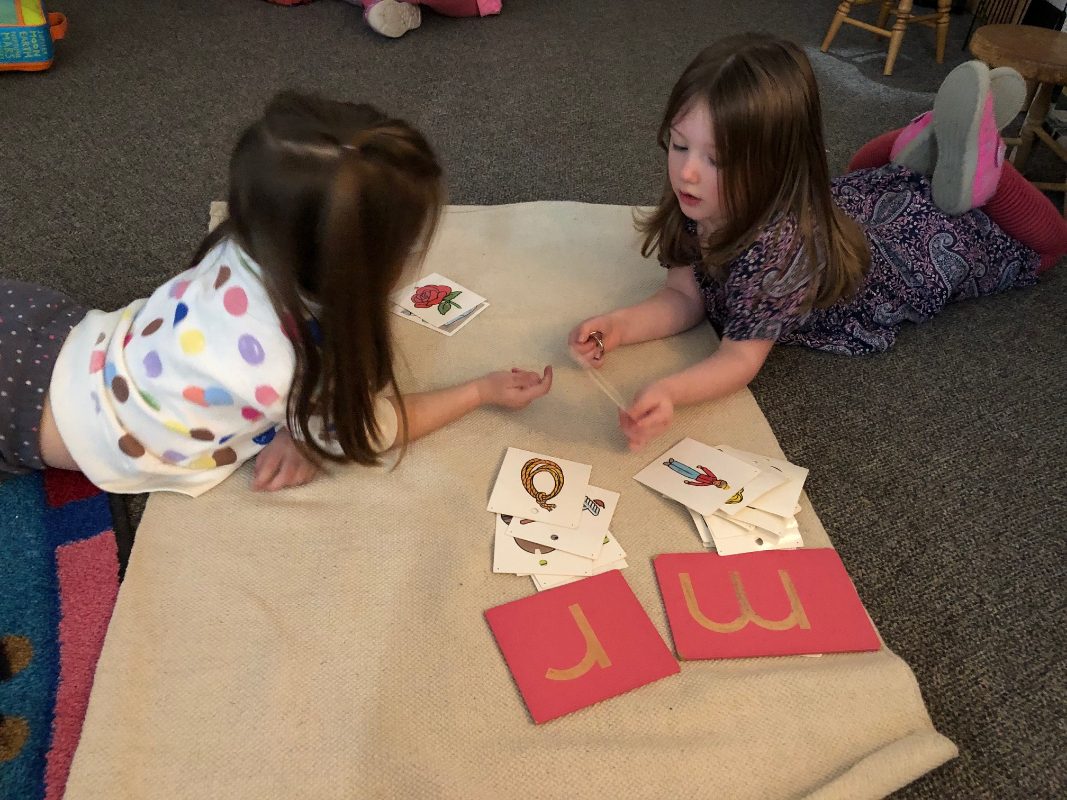
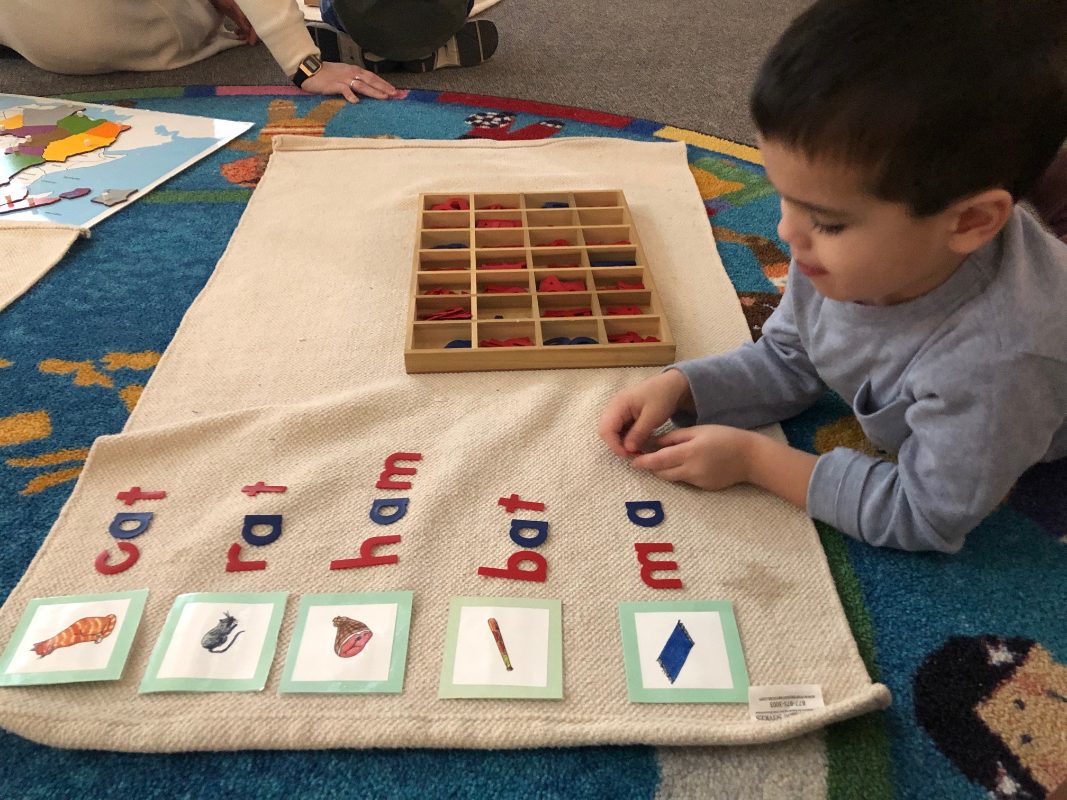
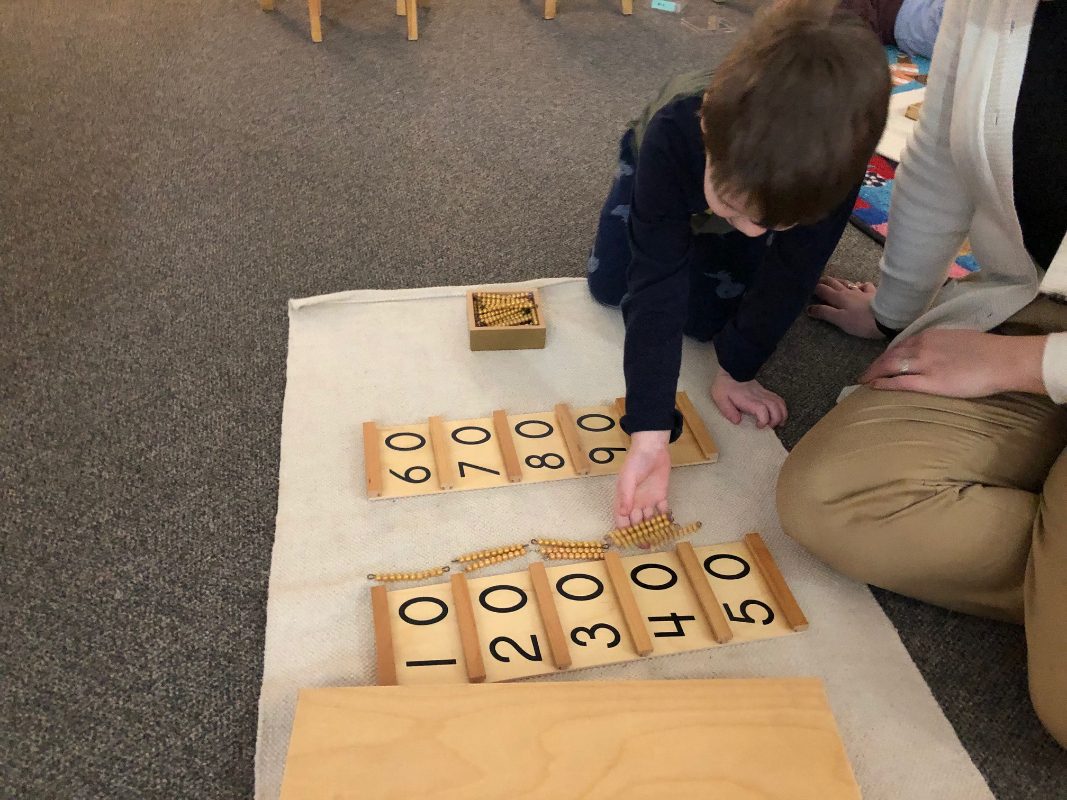
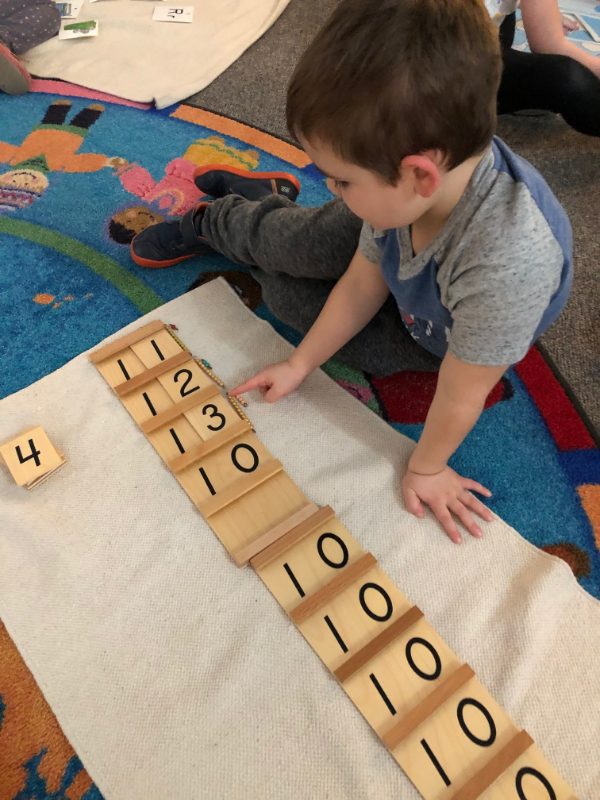
Retrieving a mat, picking it up carefully, finding the ideal space to work, and rolling it out provides an opportunity to practice gross motor skills and body consciousness. Everything that gets placed on the mat thereafter becomes the responsibility (and privilege) of the child working on that mat.

Montessori work mats delineate a work space as the child’s own and sets an intention to “work”.  Not only do the children know that their lesson is exclusive to them (unless they invite someone to join them on their mat), they also have the responsibility to put their materials away when they are finished before they roll up their mat, and signal the end of their work session.

Our floors have been a sea of rugs this short week!  Your children have skillfully maneuvered themselves throughout the environment, careful not to disturb a friend’s work.  We continue to be amazed at their growing control, and respect for friends and the environment.

Until next week,

Cindy & Sharlene


Ms. Kayser’s Class: Fossil Fun

In our classroom, your children have been exploring the world around them by becoming biologists, astronauts, and now, paleontologists! For the past few weeks we have been immersed in the land of dinosaurs, learning all about what they looked like, where the lived, and what they ate. On our science shelf, the children have had an array of works that spark their creativity and curiosity about these giant reptiles from the past. They have been able to use crayons to make fossil rubbings, match dinosaurs with their fossils, and even sort dinosaurs according to if they walked on two feet or four feet.

The highlight of our dinosaur unit was definitely our Dino Dig. Thanks to the help of our art teacher, Mrs. Reid, the children were able to create their very own dinosaur fossils! Equipped with a personalized paleontologist ID badges, the children chose a specific dinosaur they wanted to fossilize and pushed it into clay to create an imprint. Bringing science and art together in such a way has created a memorable experience for both the children and us!

In the next week or so, Mrs. Reid will fire these fossils in the kiln and return them to the children to keep forever! We can’t wait to see the finished products.

Ms. Kayser and Ms. Alli
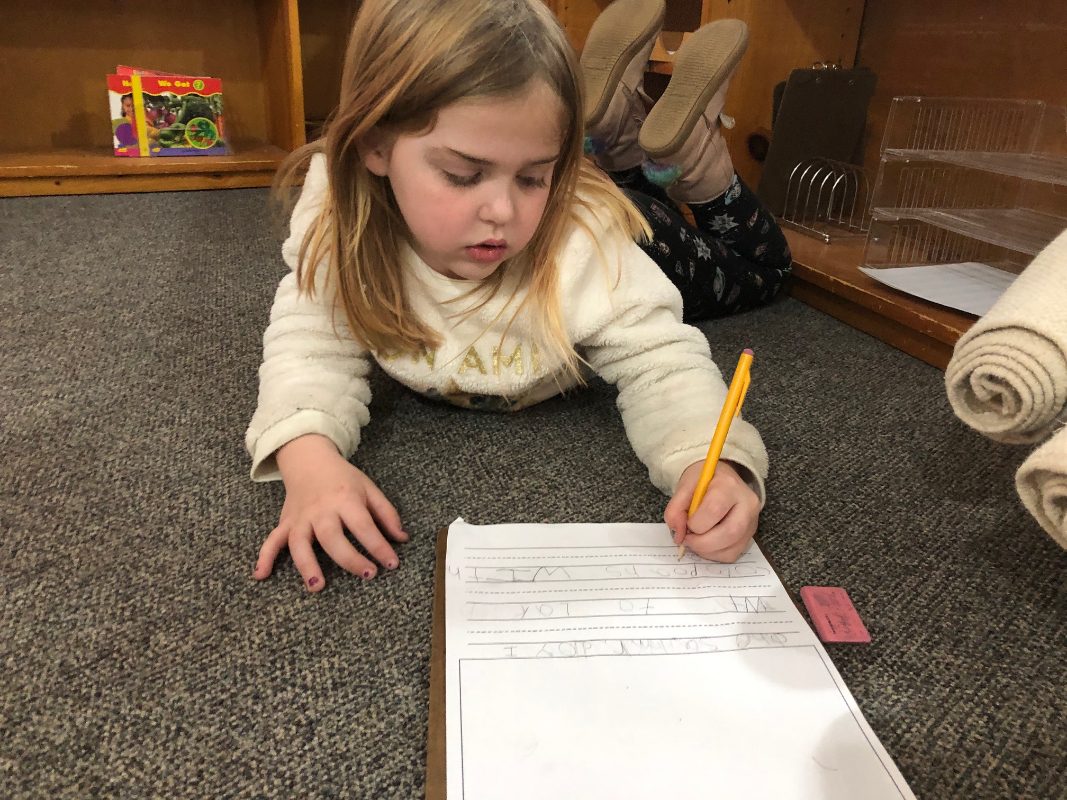


Mrs. Doyle’s Class: Are You a Vertebrate or an Invertebrate?


So far this year, we have learned that all things in the world are either living or non-living.  Then, we classified living things as animals or plants.  Now we are ready to go one step further and begin our study of zoology.

The children learn that the study of animals is called zoology. All animals can be classified as vertebrates or invertebrates. Vertebrates have a backbone and invertebrates are animals that do not have a backbone. We help the children understand this concept by having them run their fingers along their spines to feel their backbone.

The majority of animals that we think about such as dogs, cats, birds, fish, alligators, and frogs are vertebrates.  However, there are actually more invertebrates living on our planet. More than 90% of all animals are invertebrates.   Vertebrates tend to be larger in size because their backbones allow them to have muscles and a strong body.  Invertebrates tend to be small, as no backbone means they can’t support a large body.

Learning about vertebrates and invertebrates is an important lesson.  With this knowledge, we are ready to begin classifying vertebrates into five different groups: mammals, amphibians, fish, birds and reptiles.

Have a wonderful week!

Mrs. Doyle & Mrs. Lyga