Mrs. Hood: Holiday Joy!

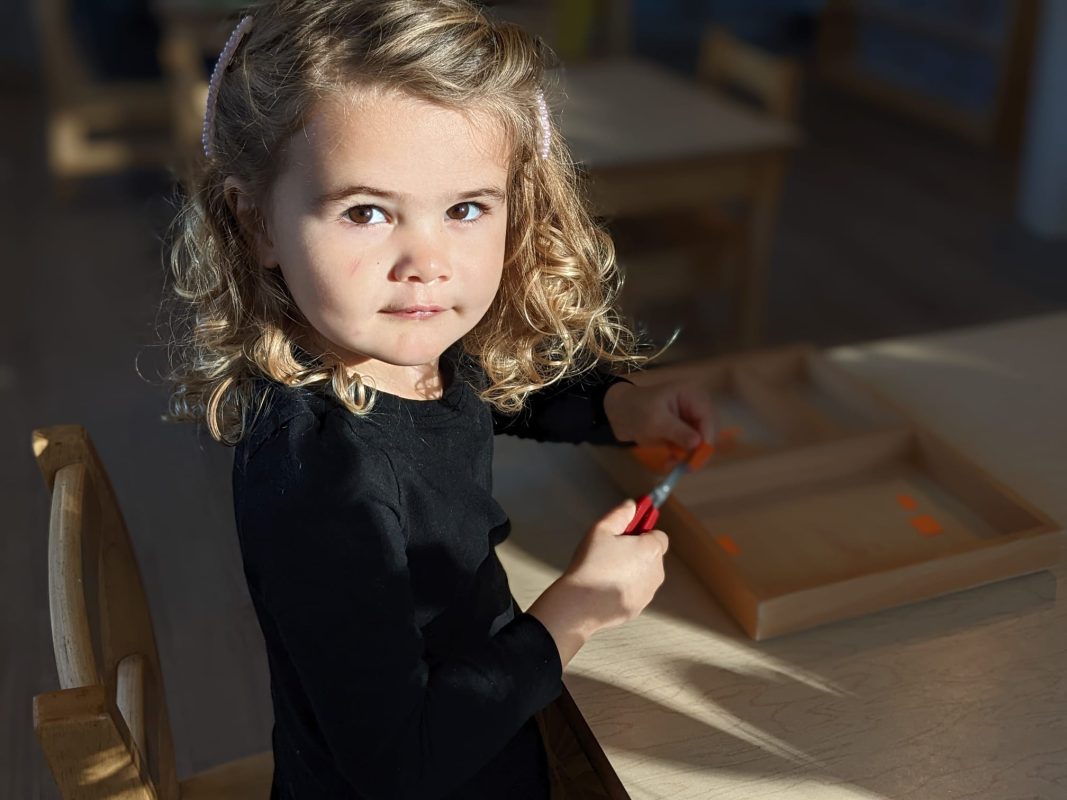
Winter holidays are used in our environment as a fun way to keep children engaged, encourage joy of learning, and help us to introduce the passage of time and seasons. Since they bring a sense of light and joyfulness to the long, dark winter months and create a sense of community, we welcome them wholeheartedly.

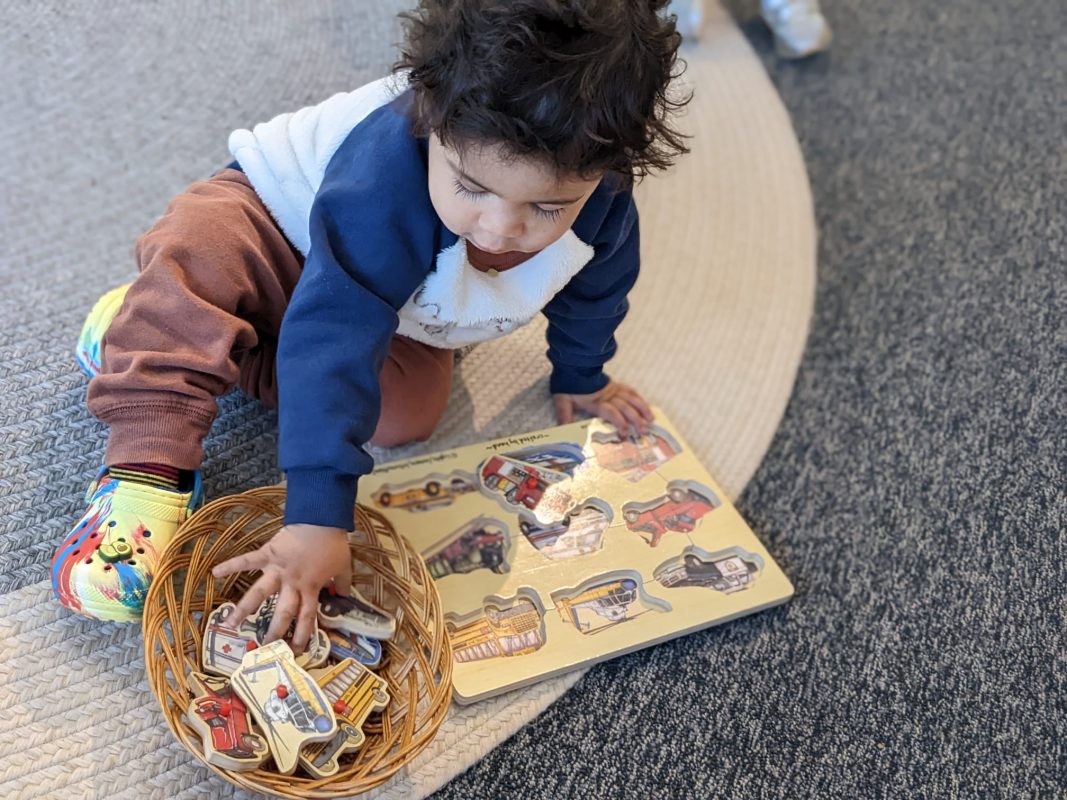
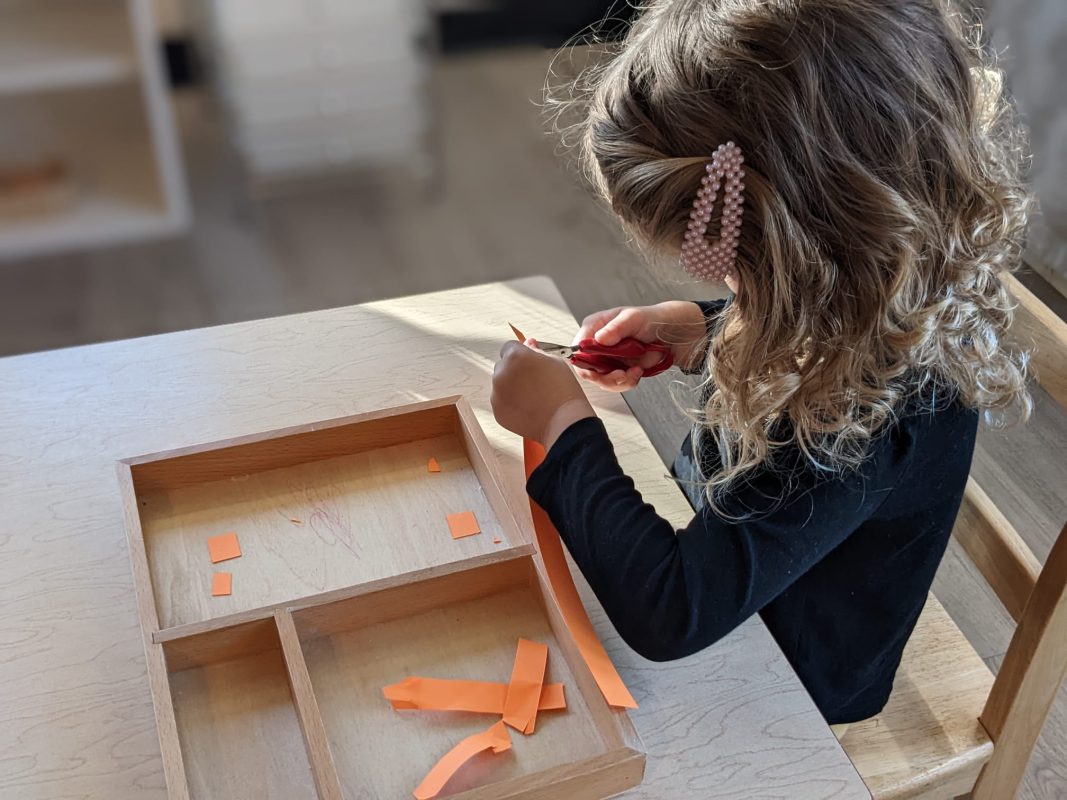
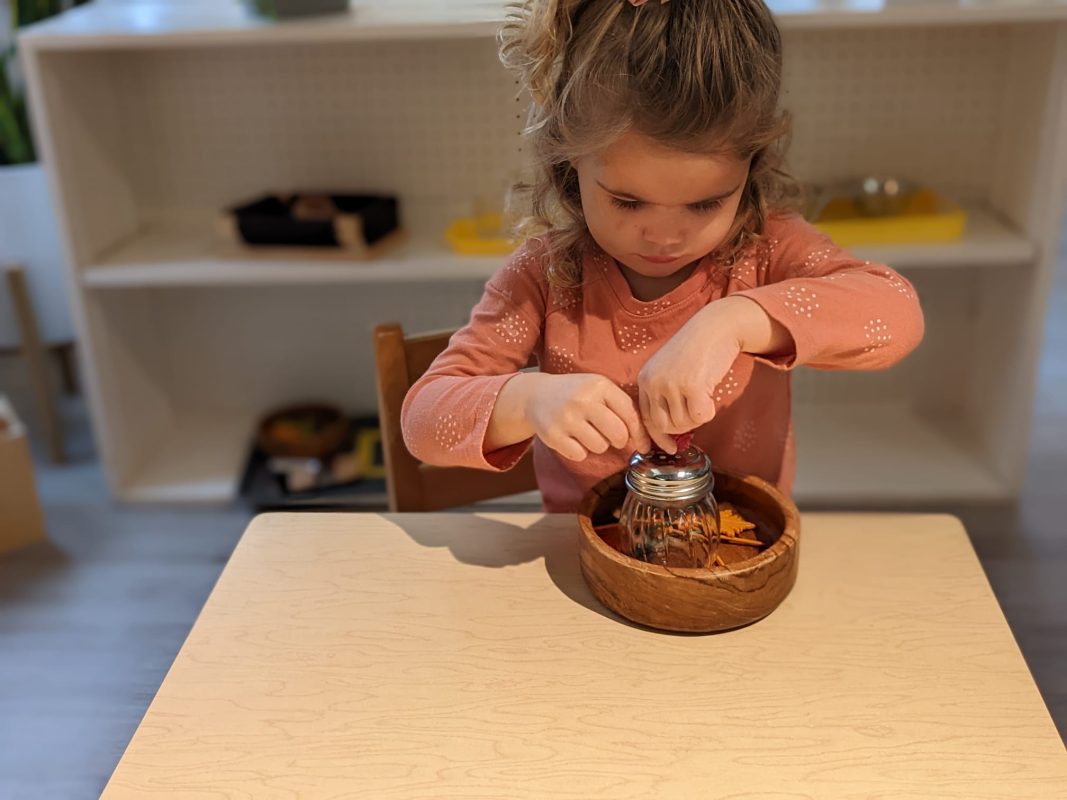
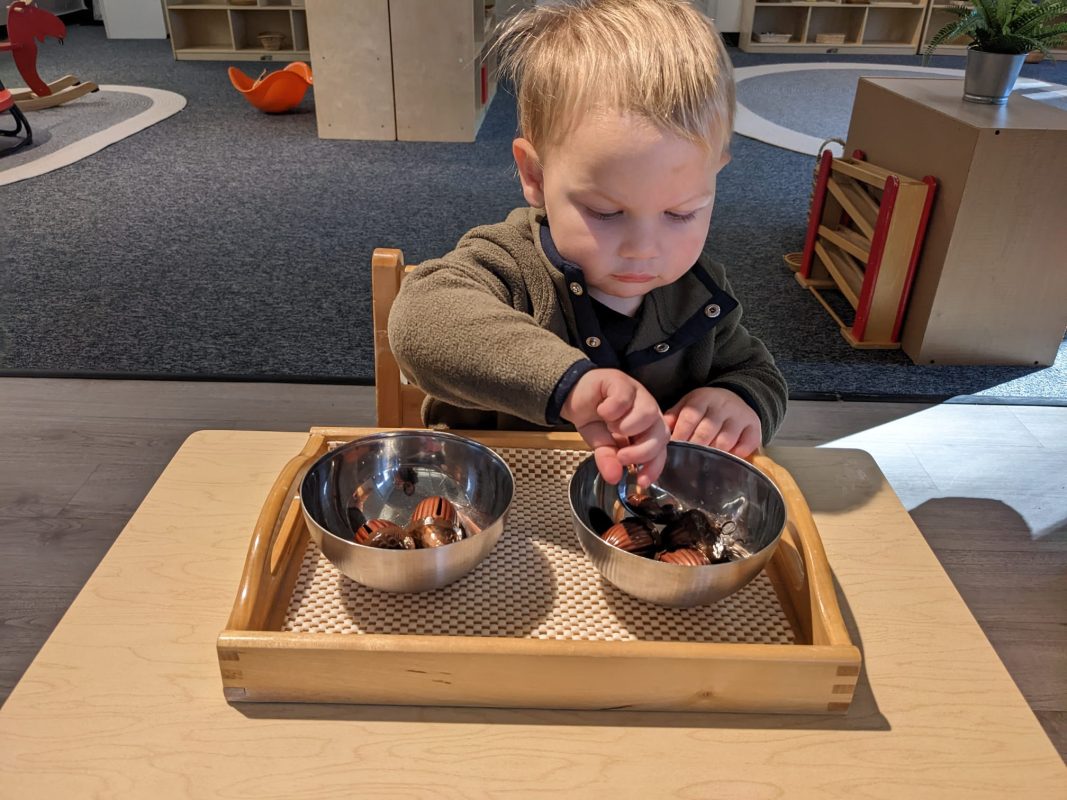
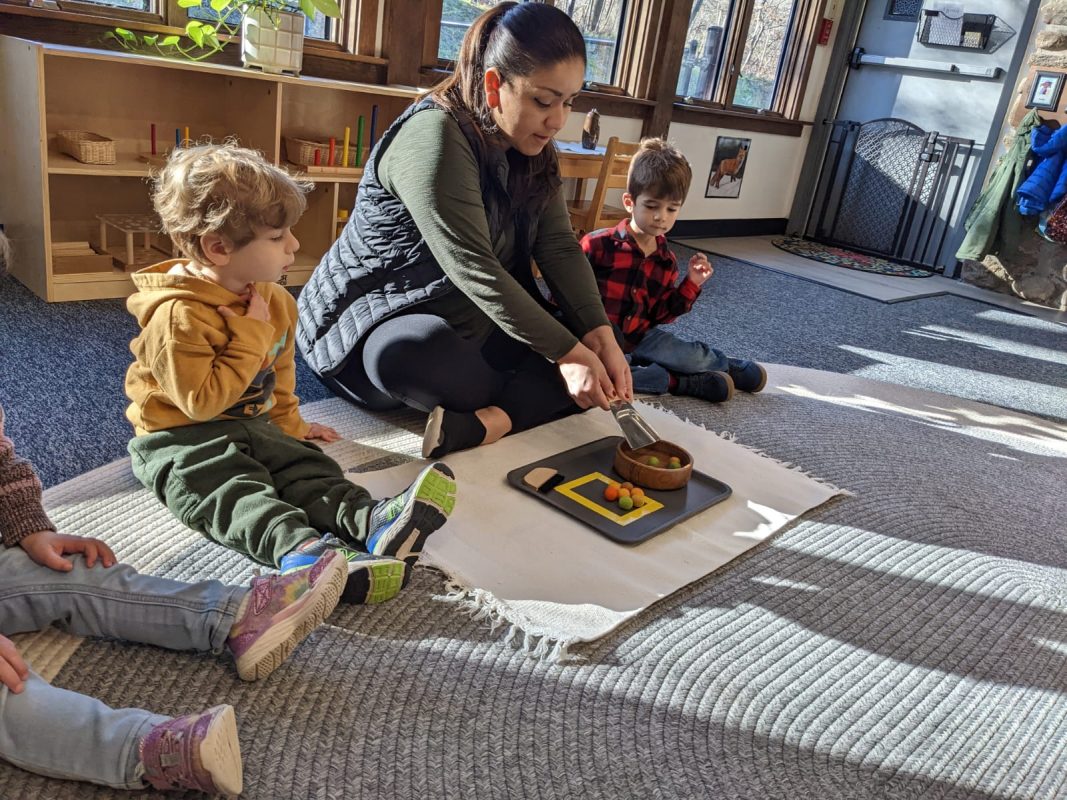
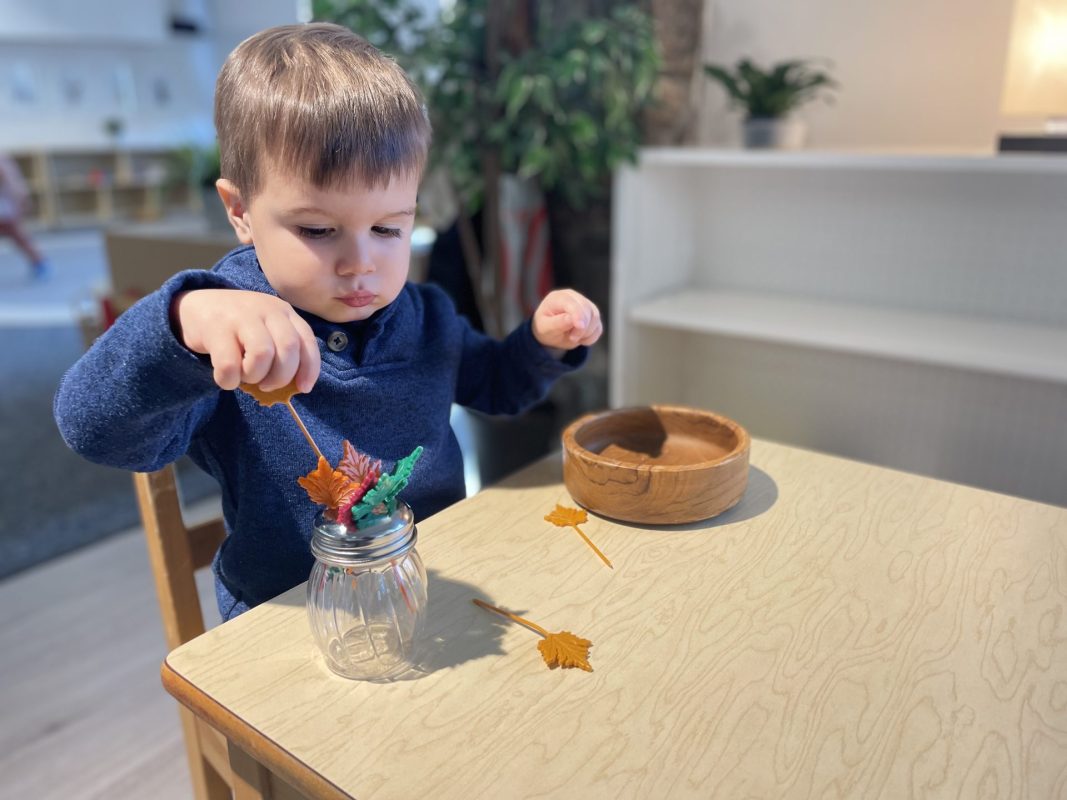
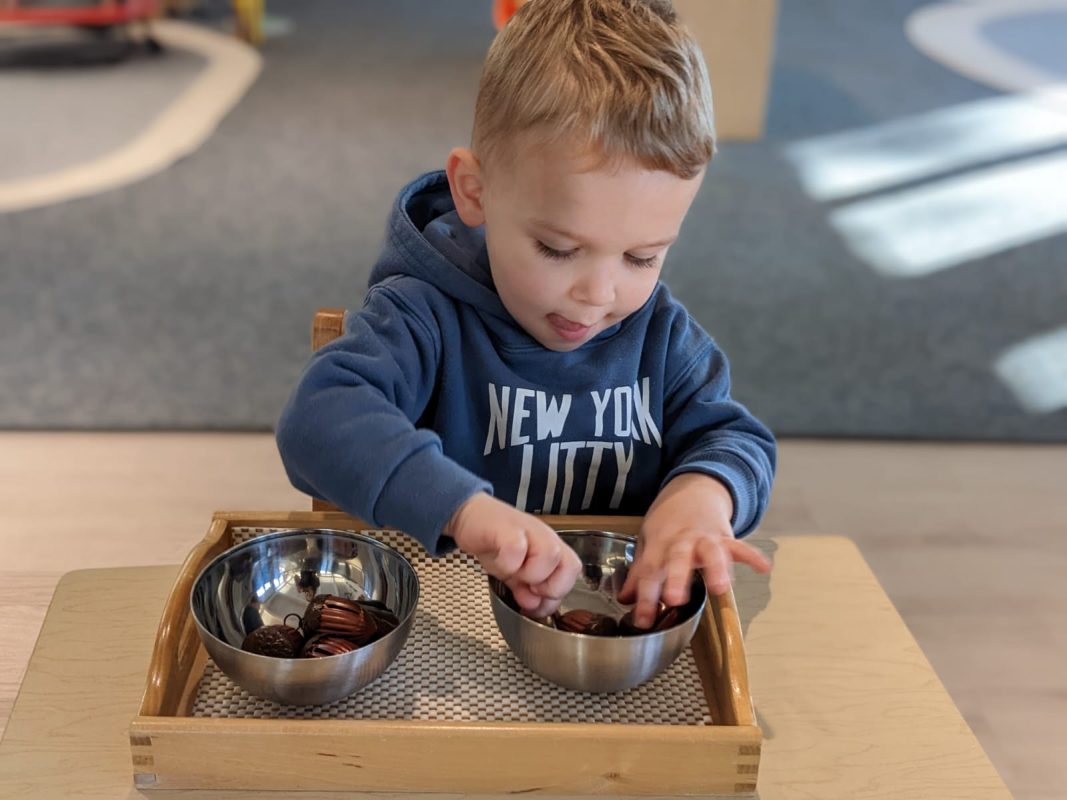
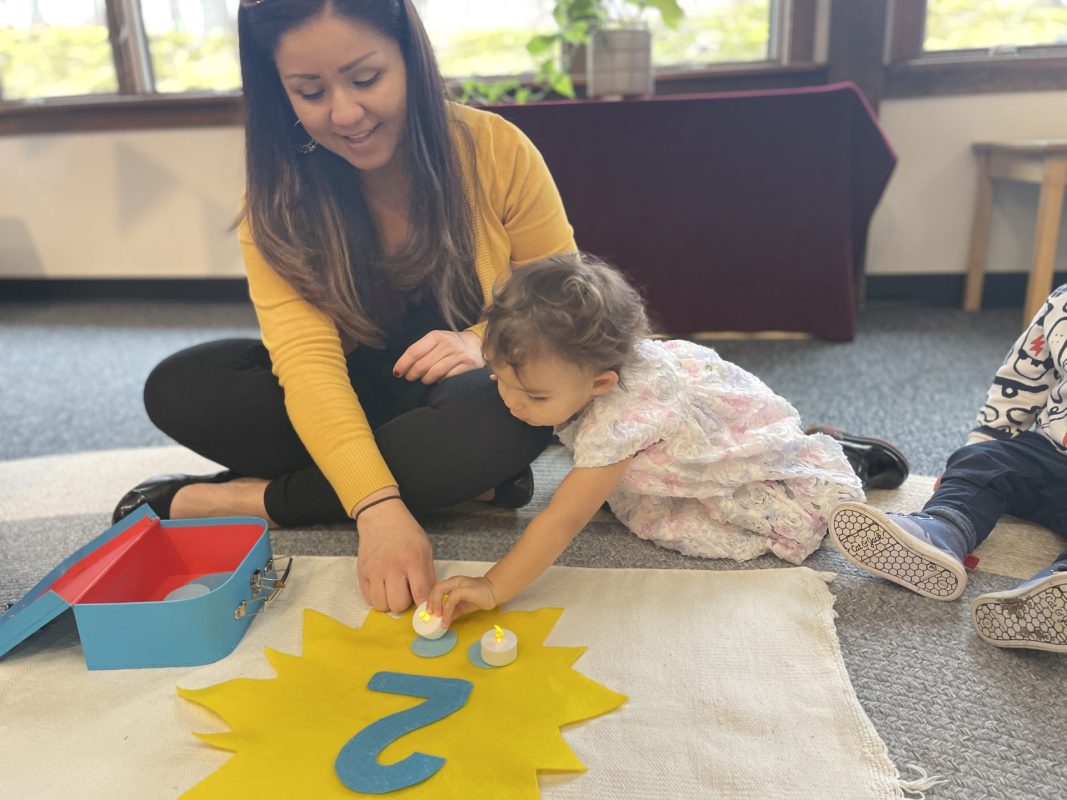
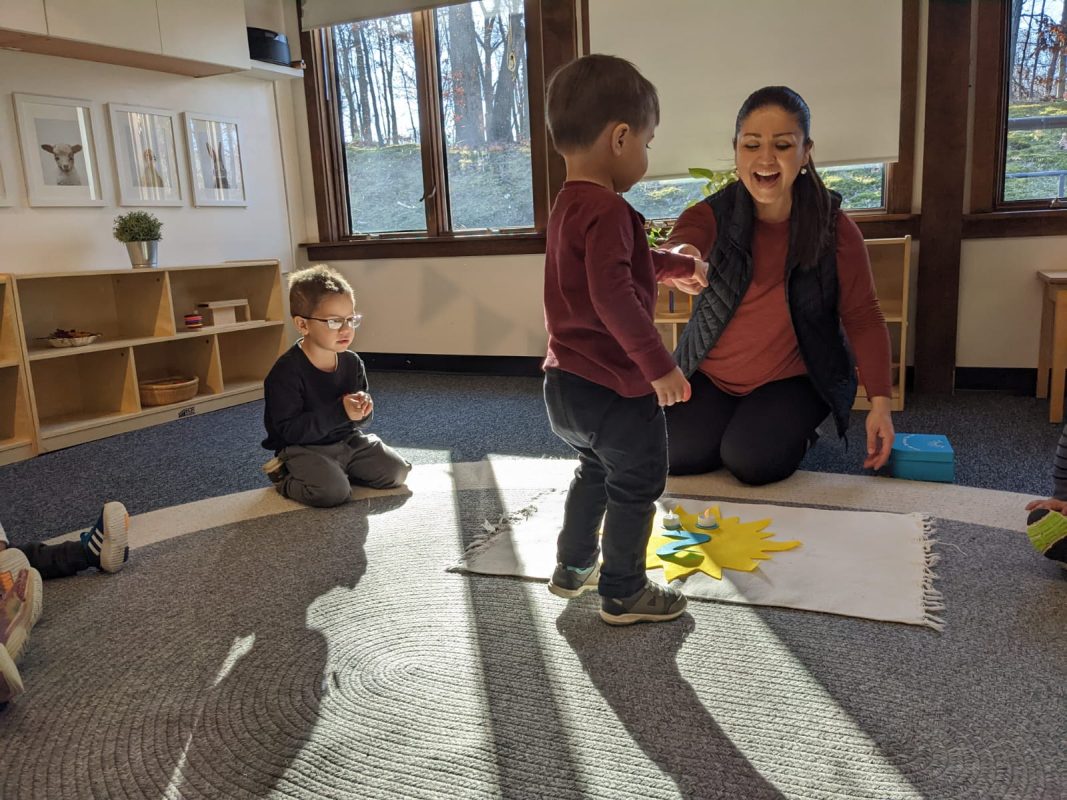
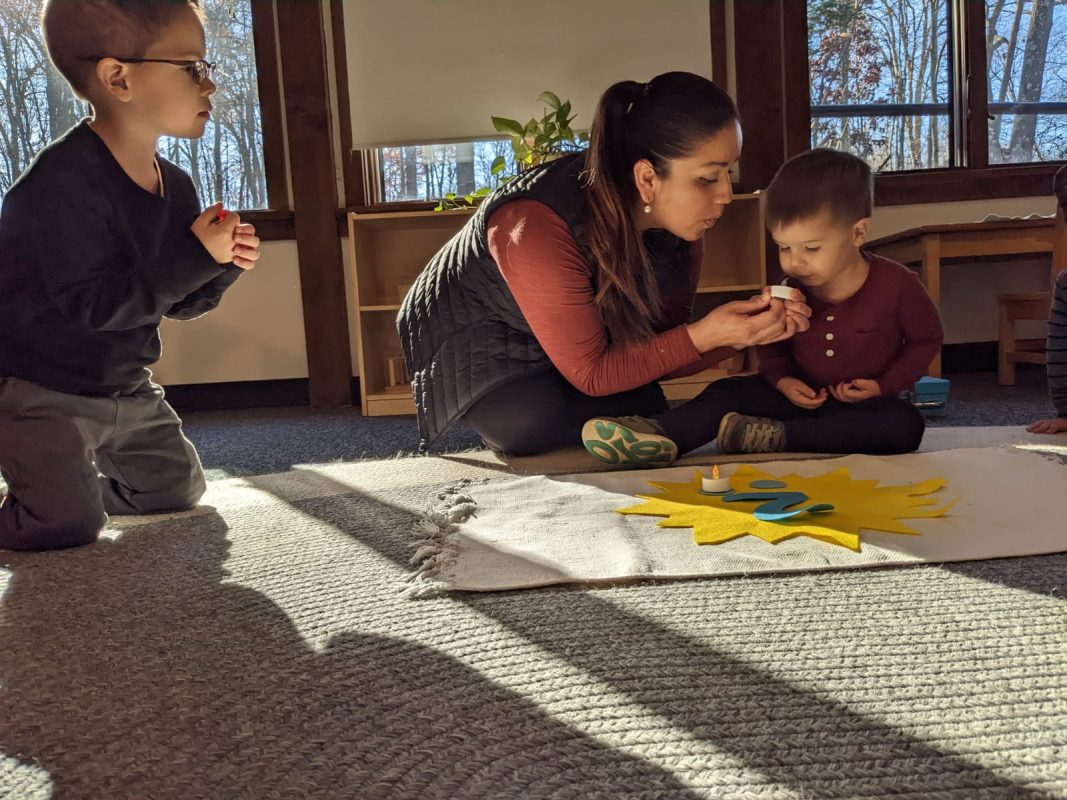
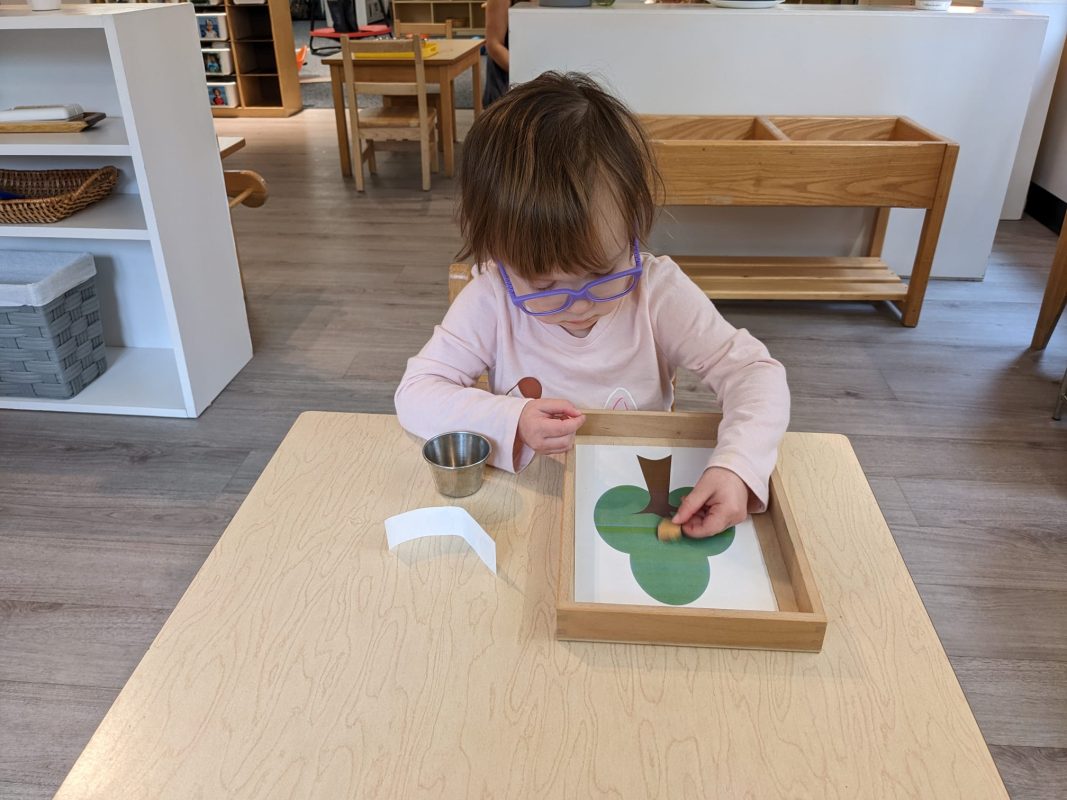
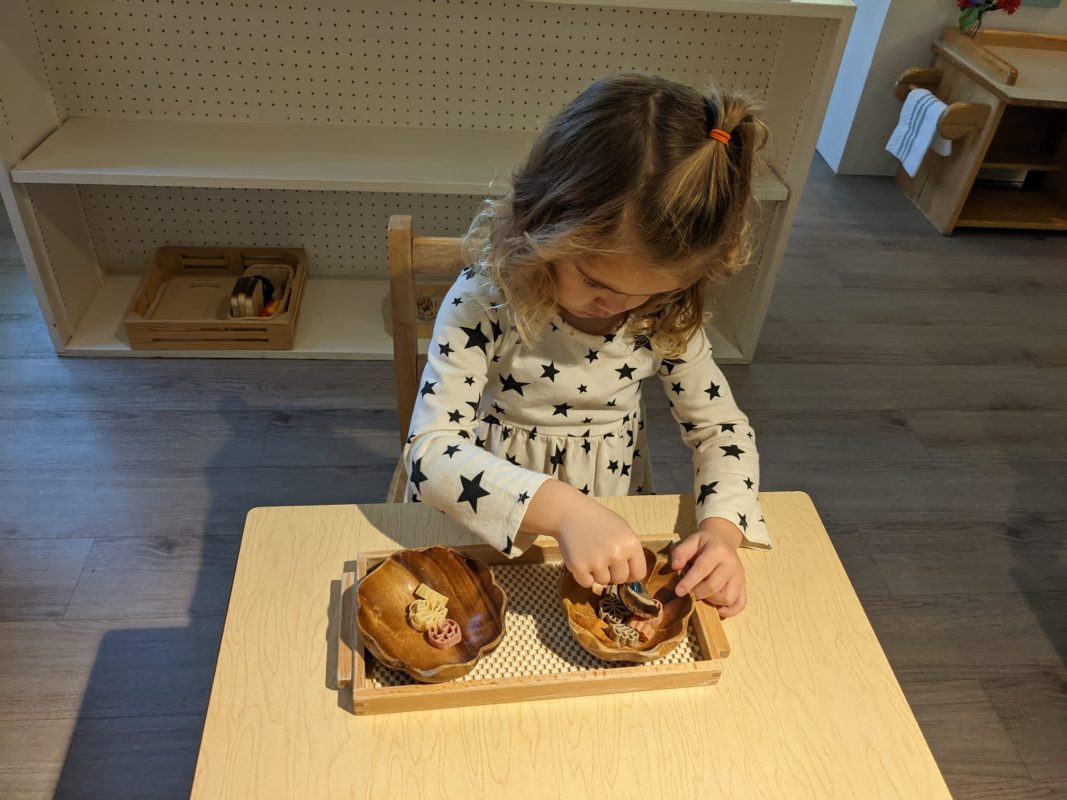
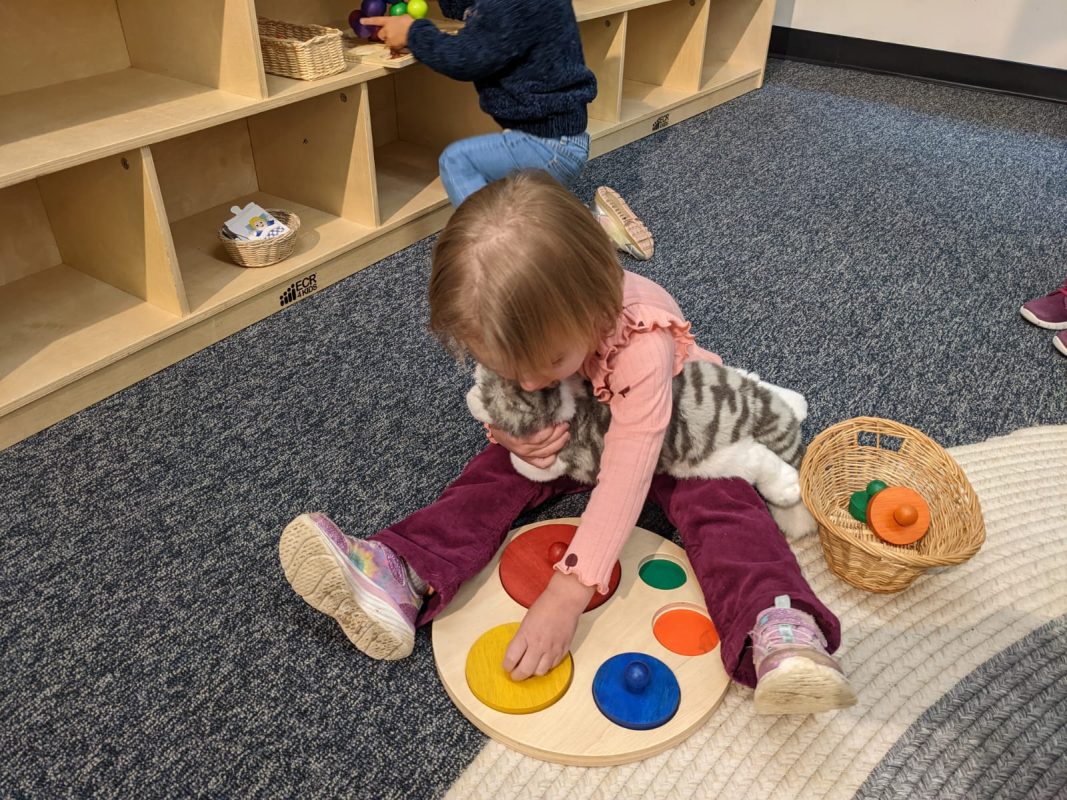
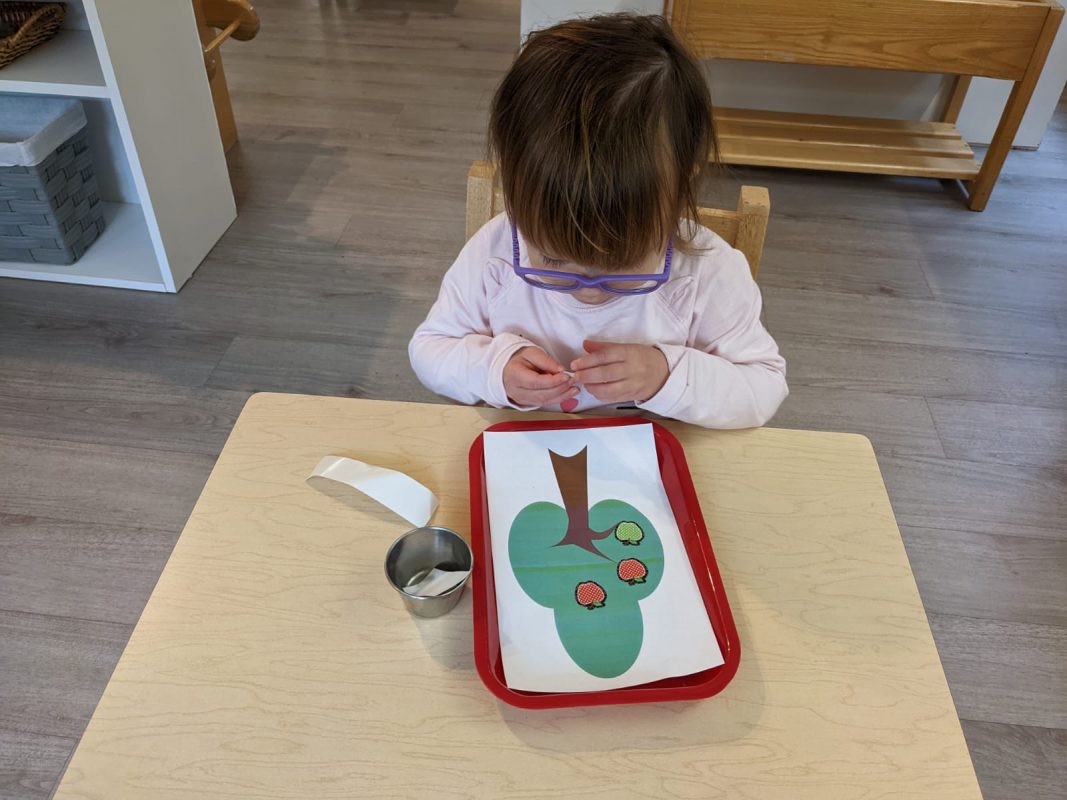
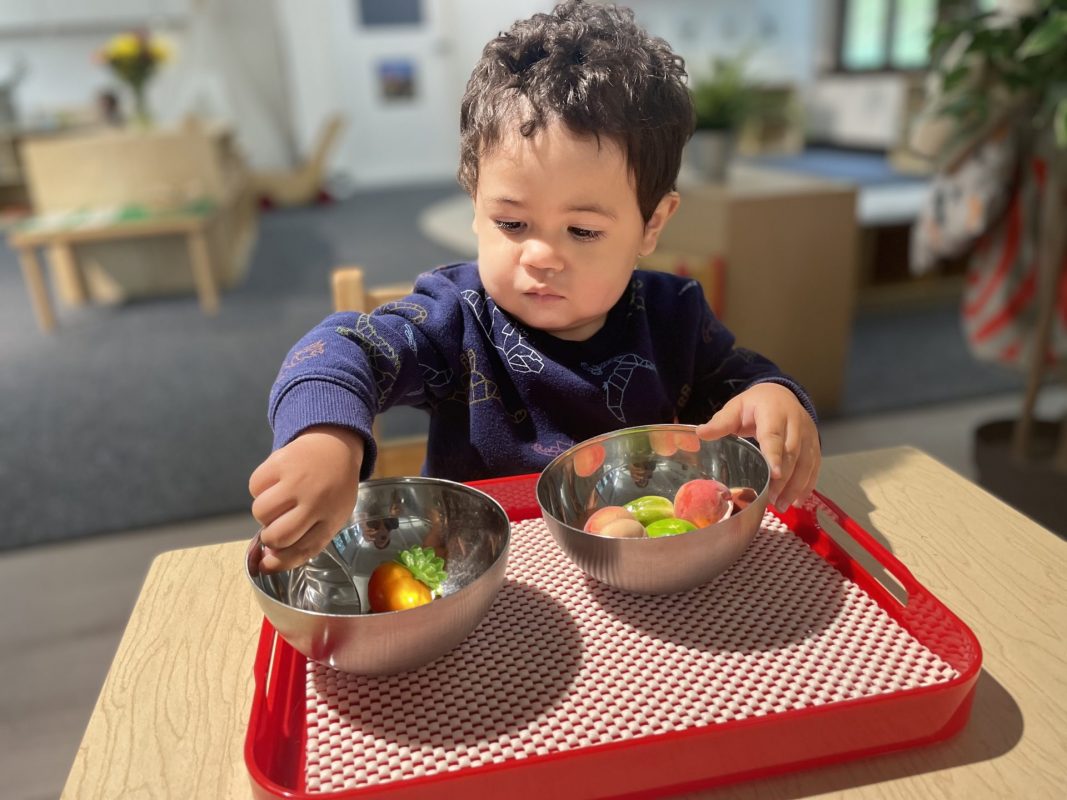
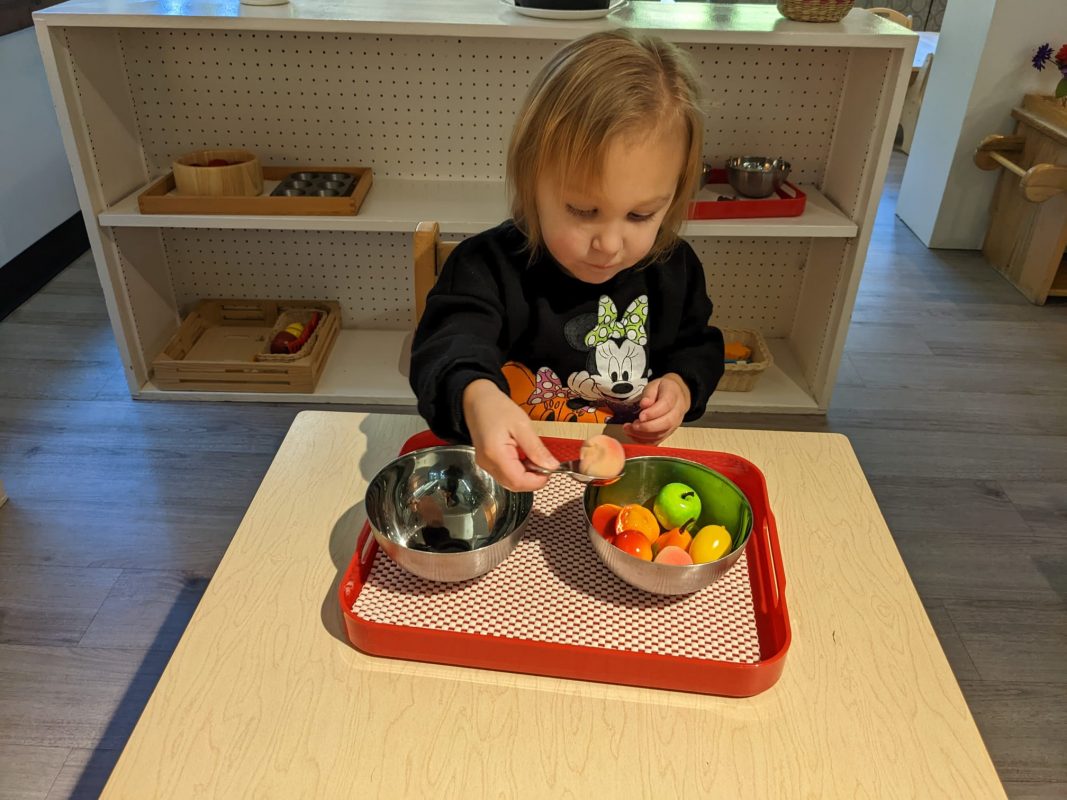
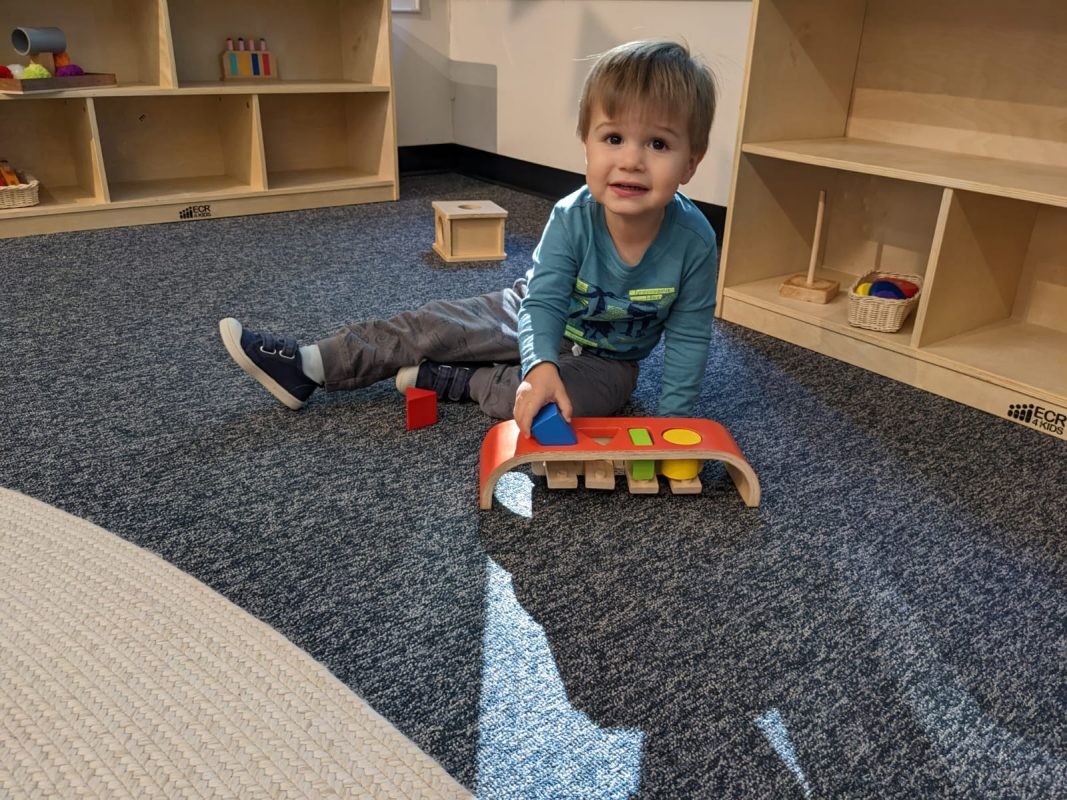
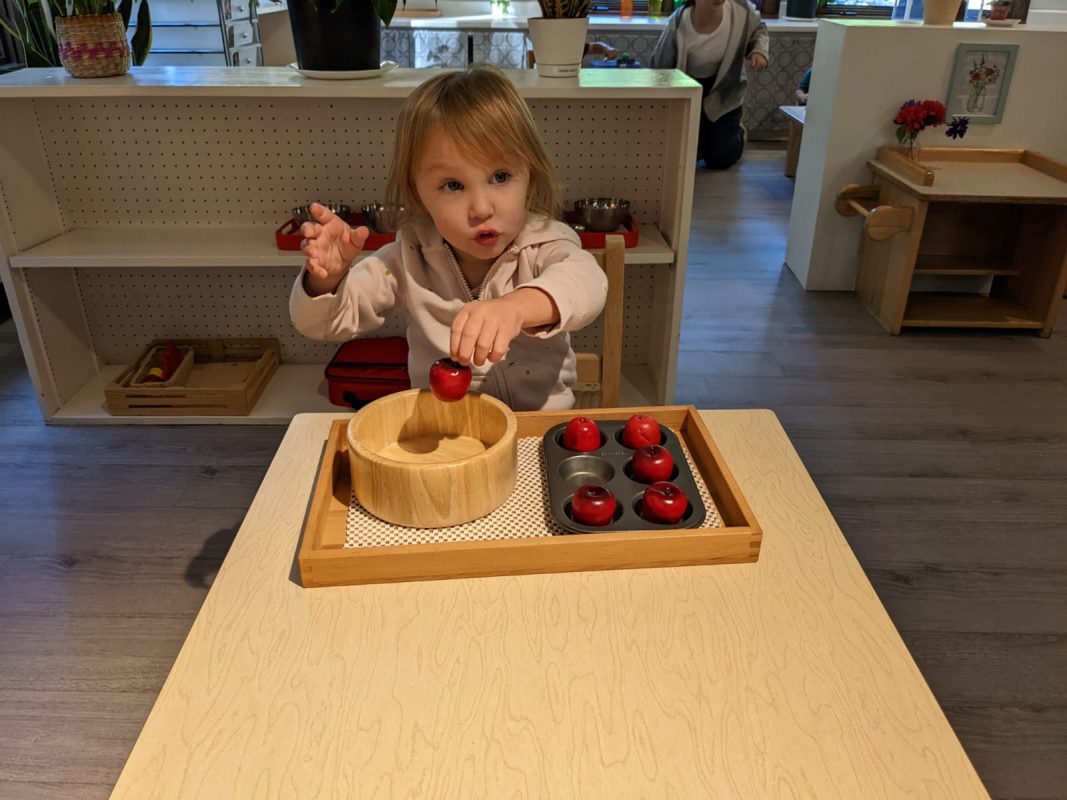
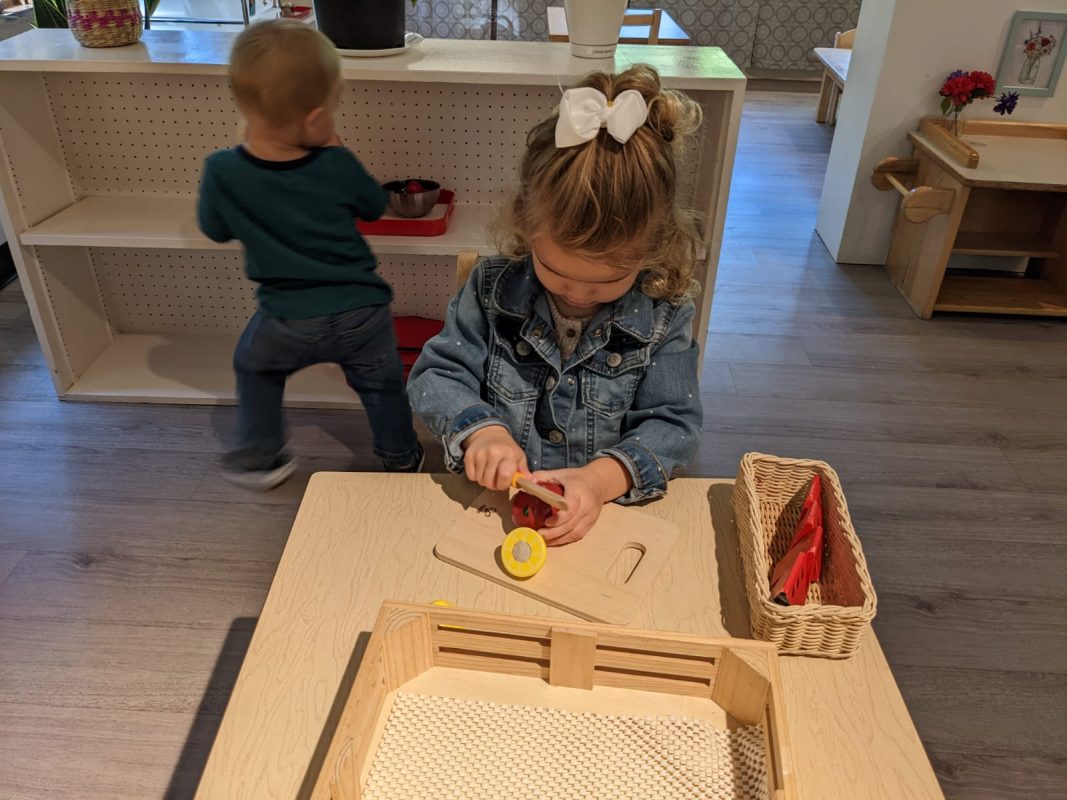
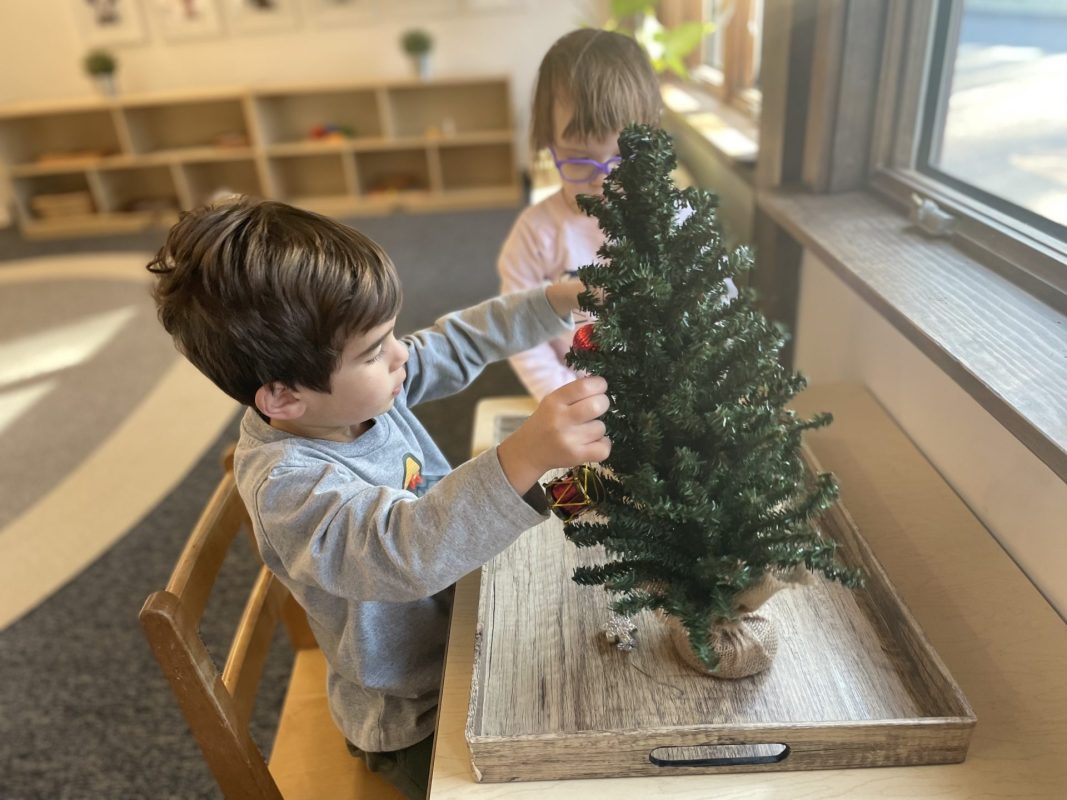
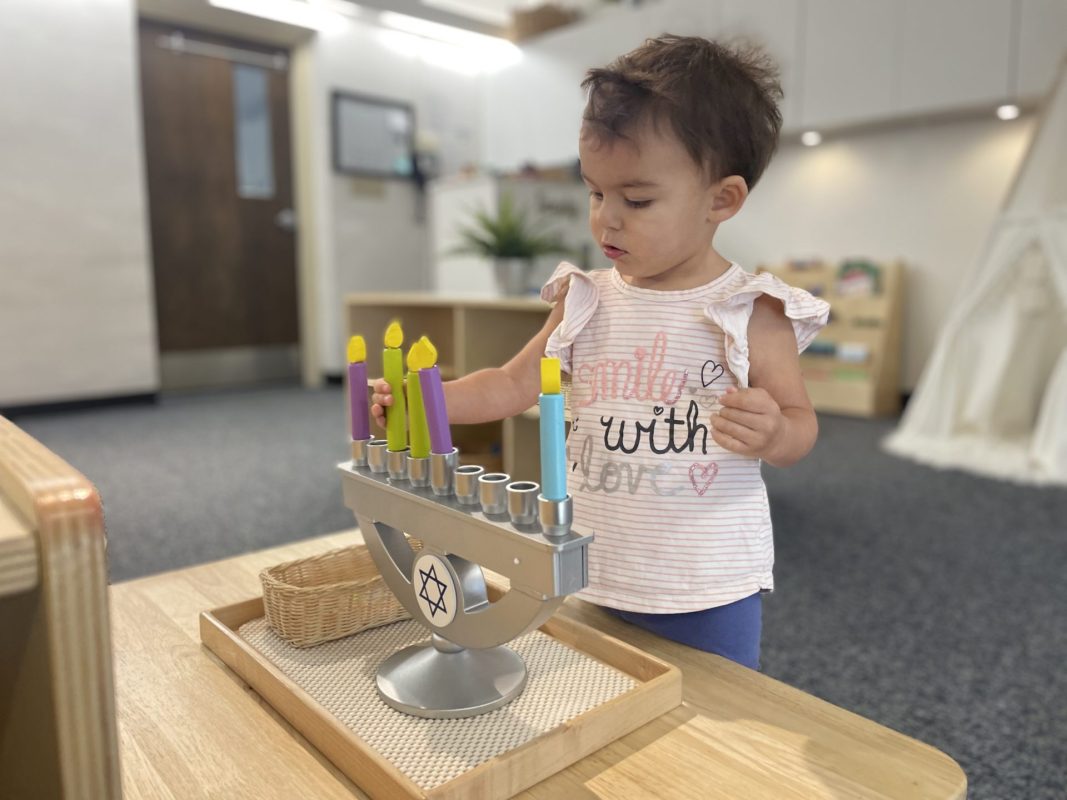
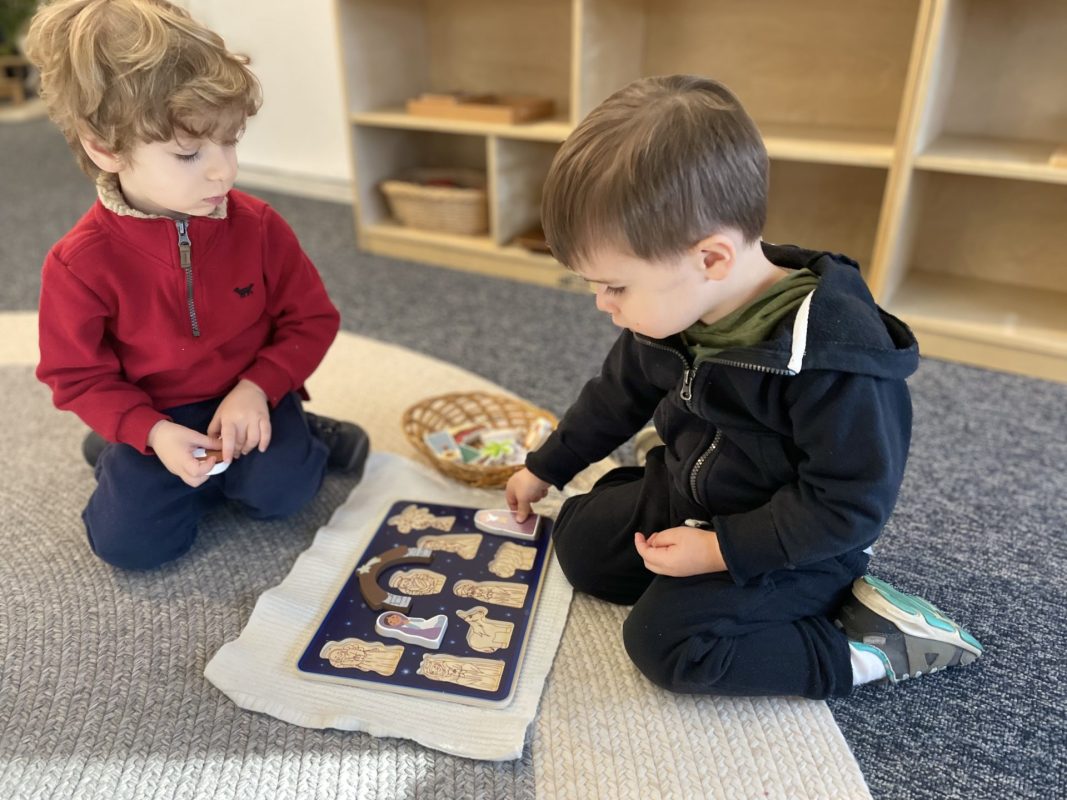
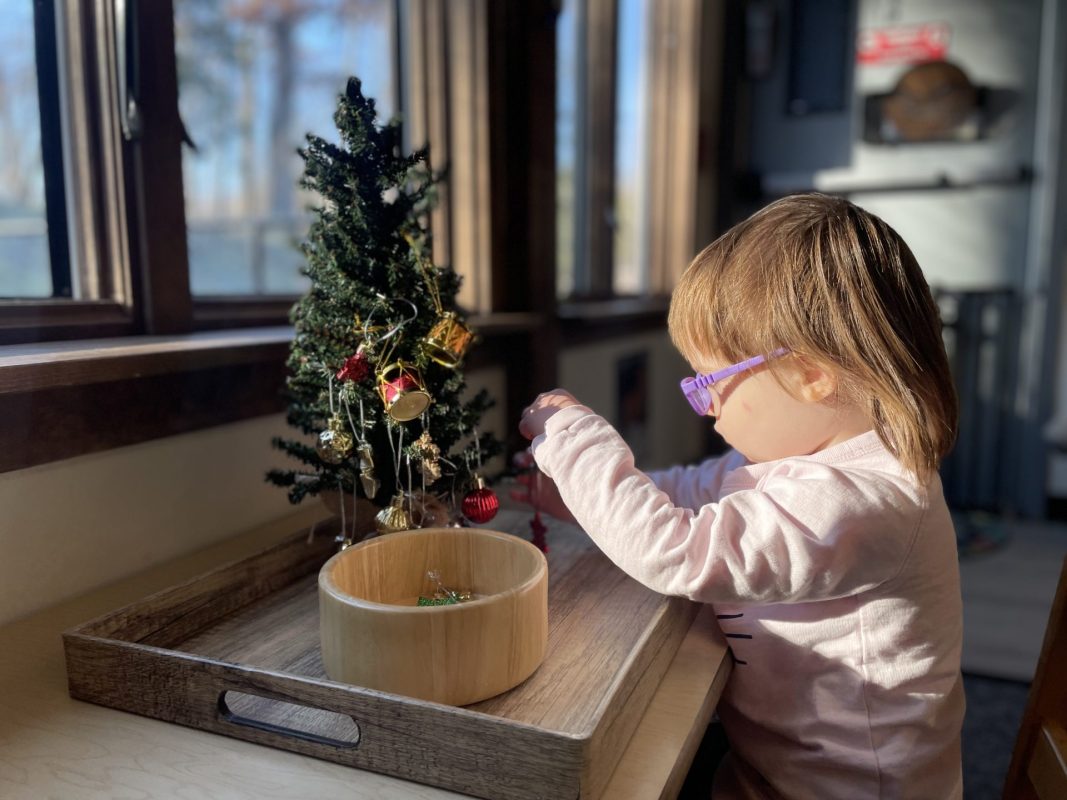
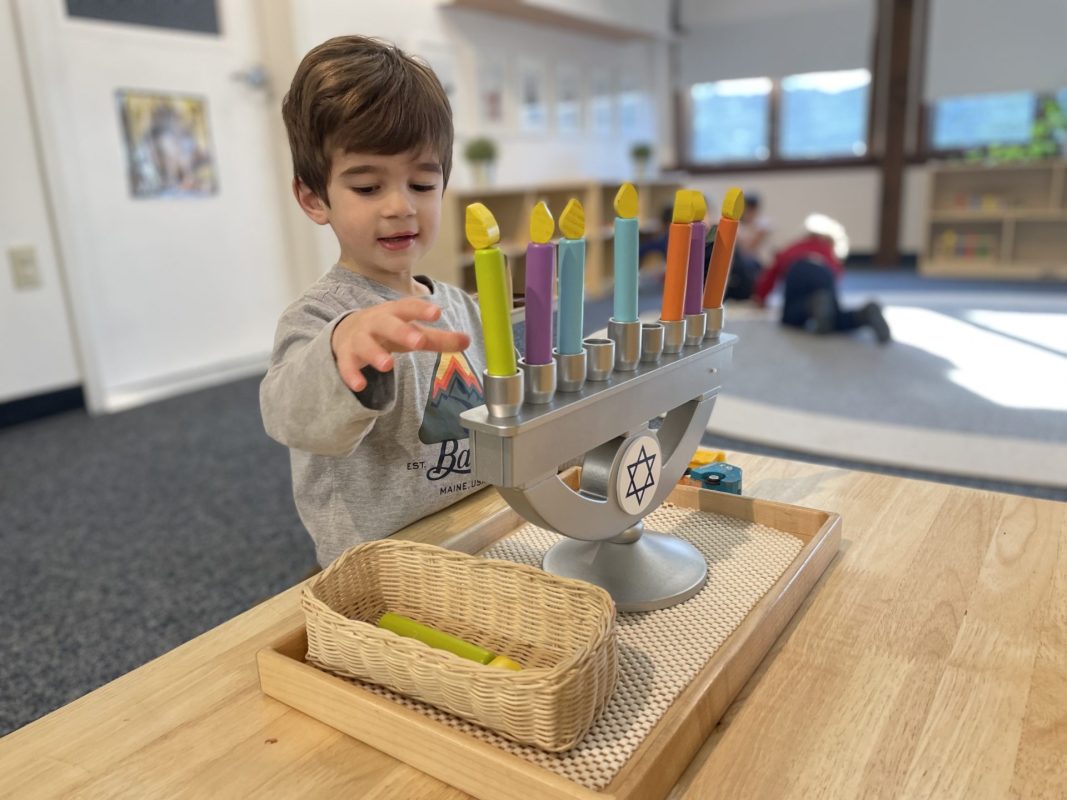
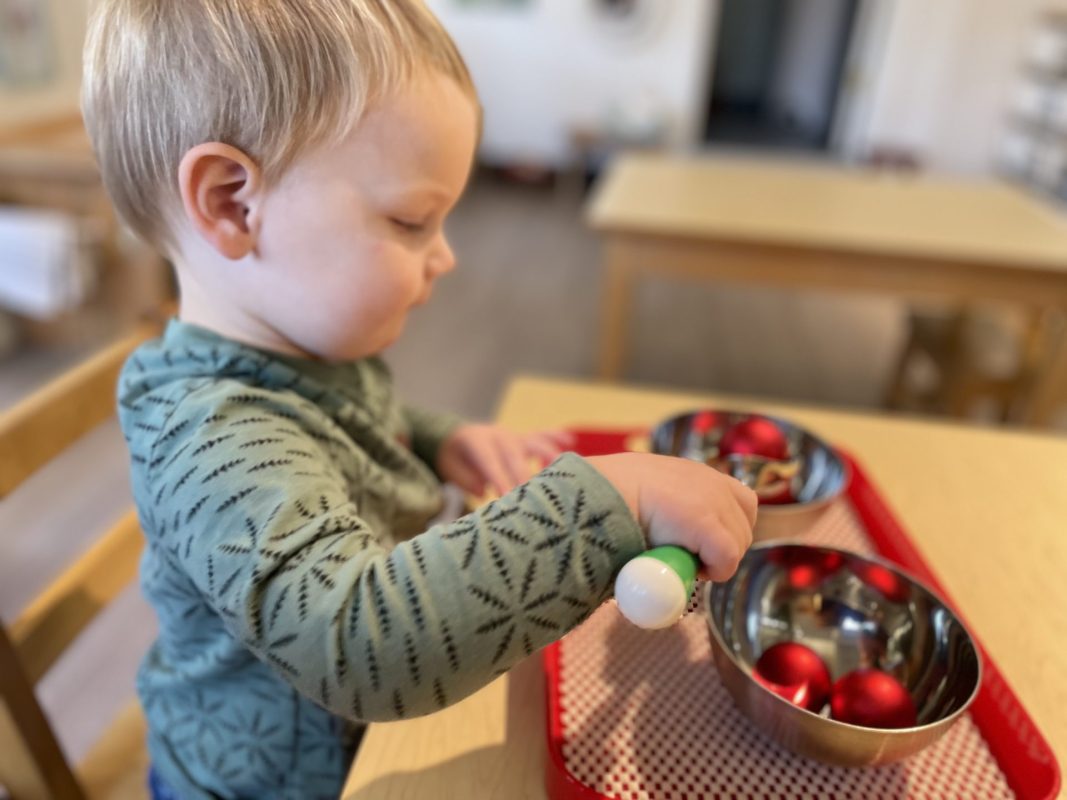
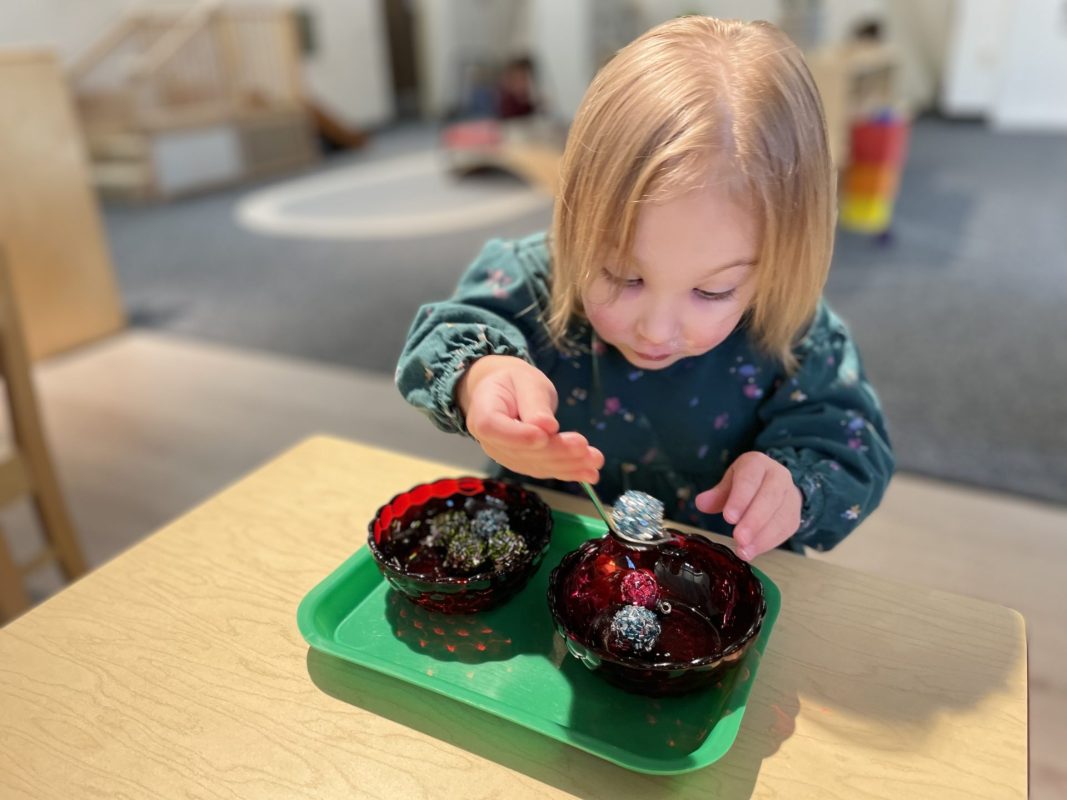
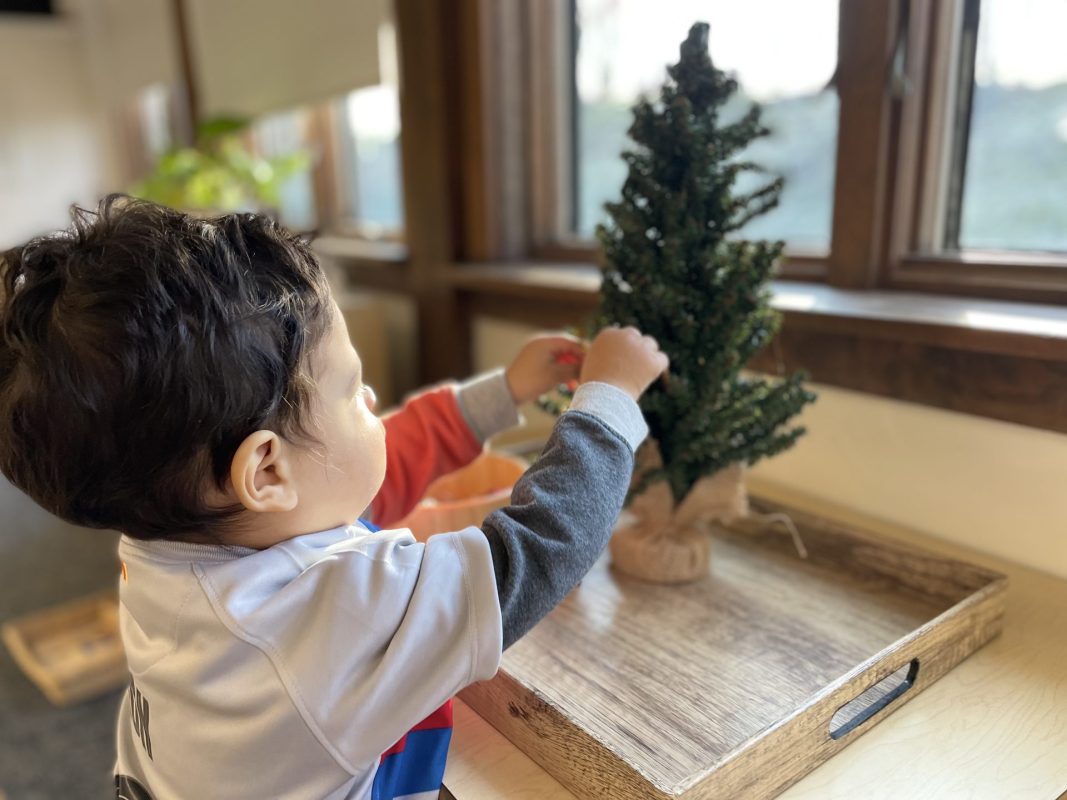
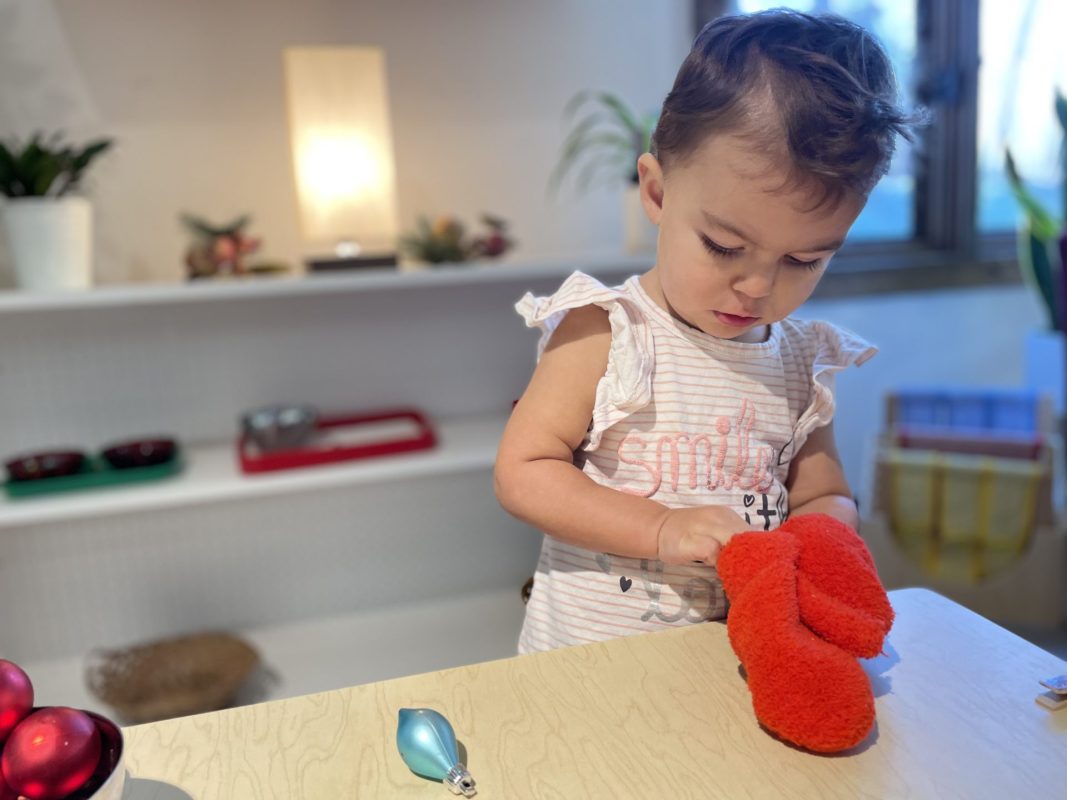
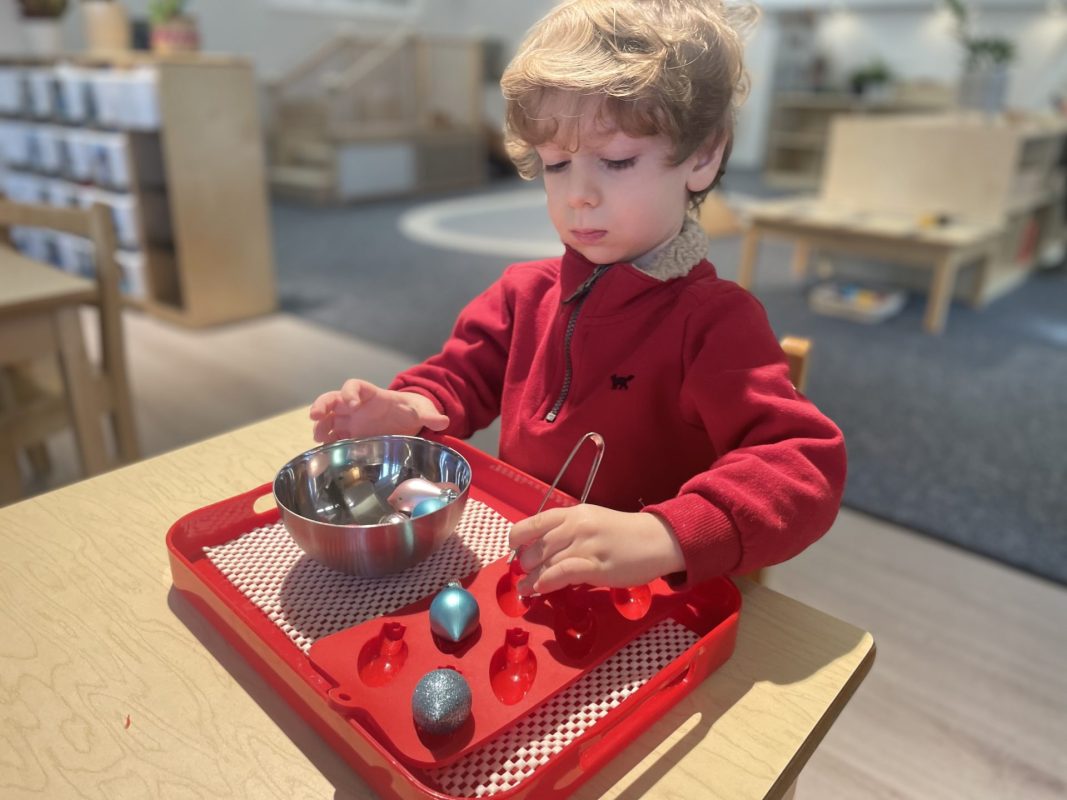
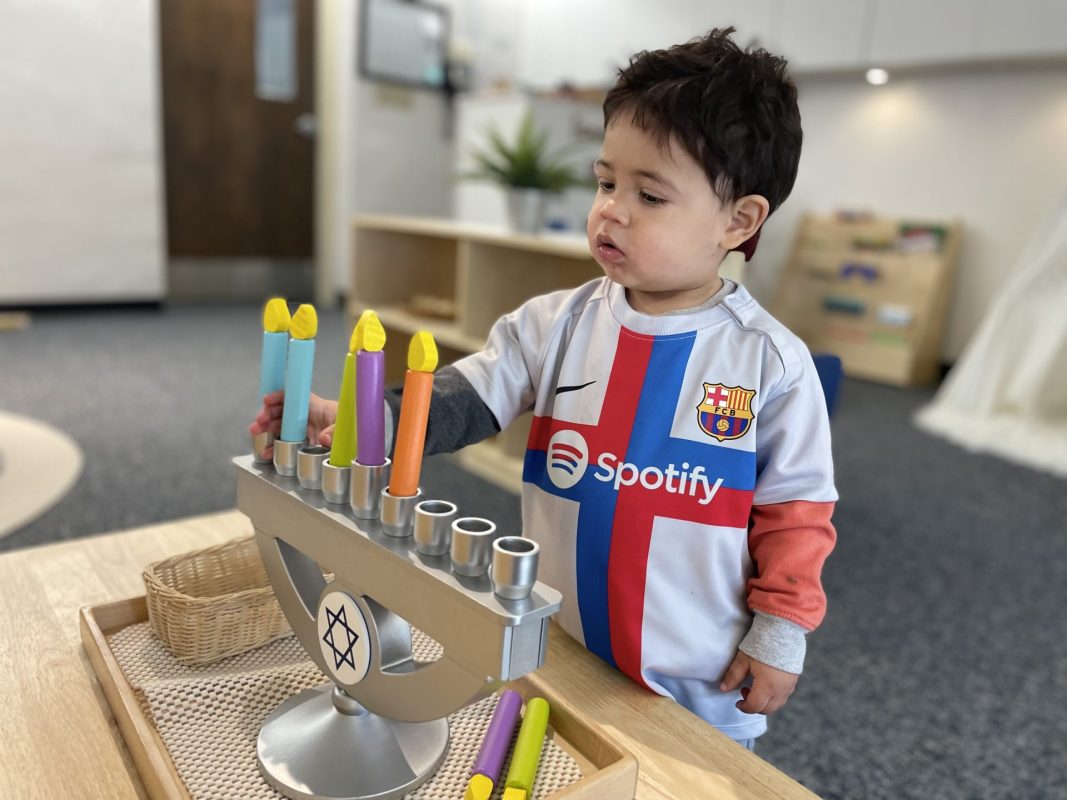
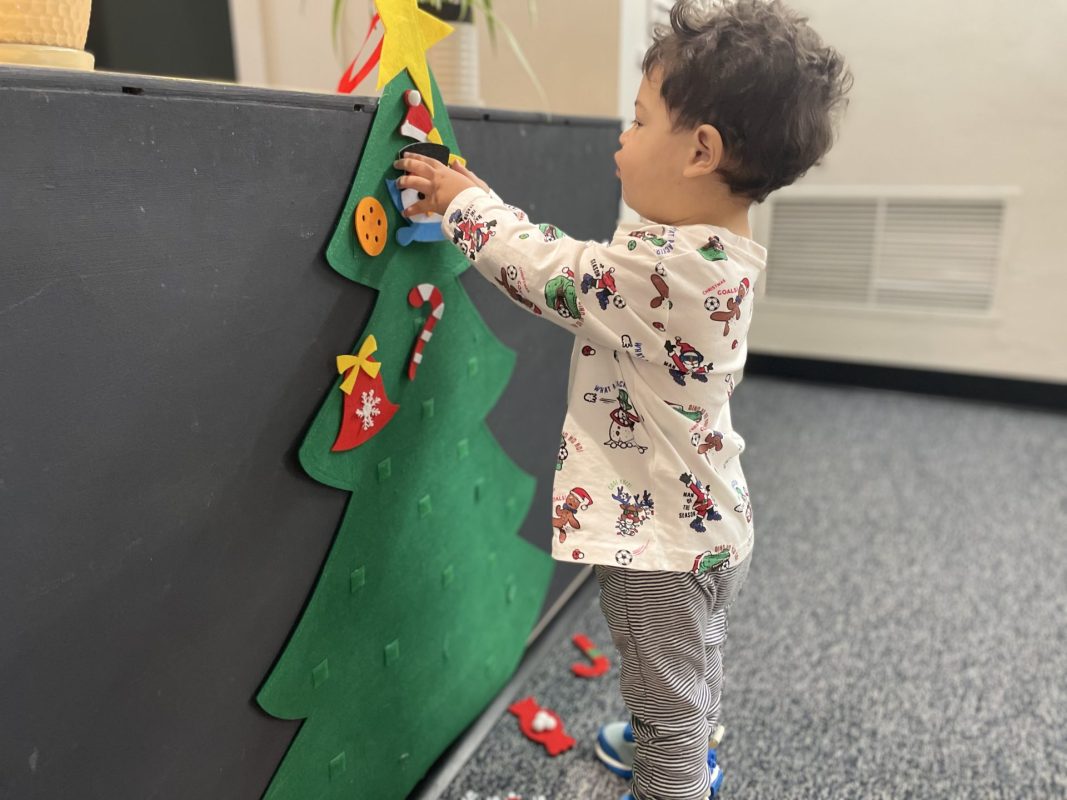
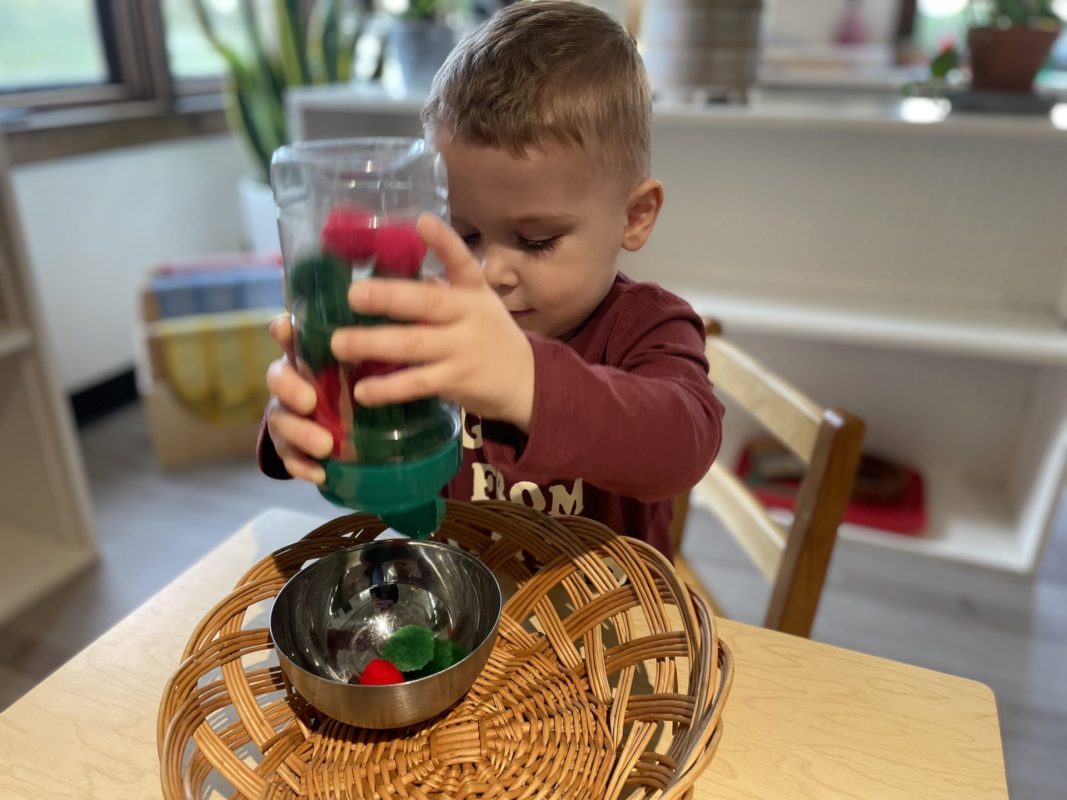
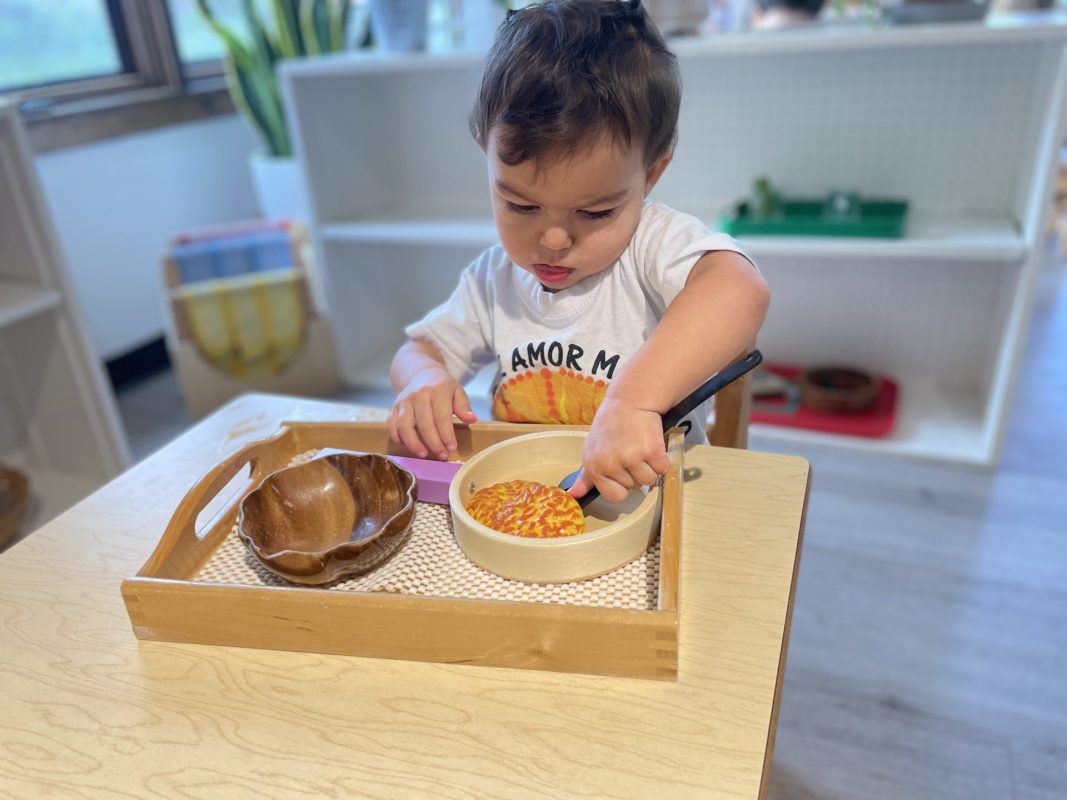
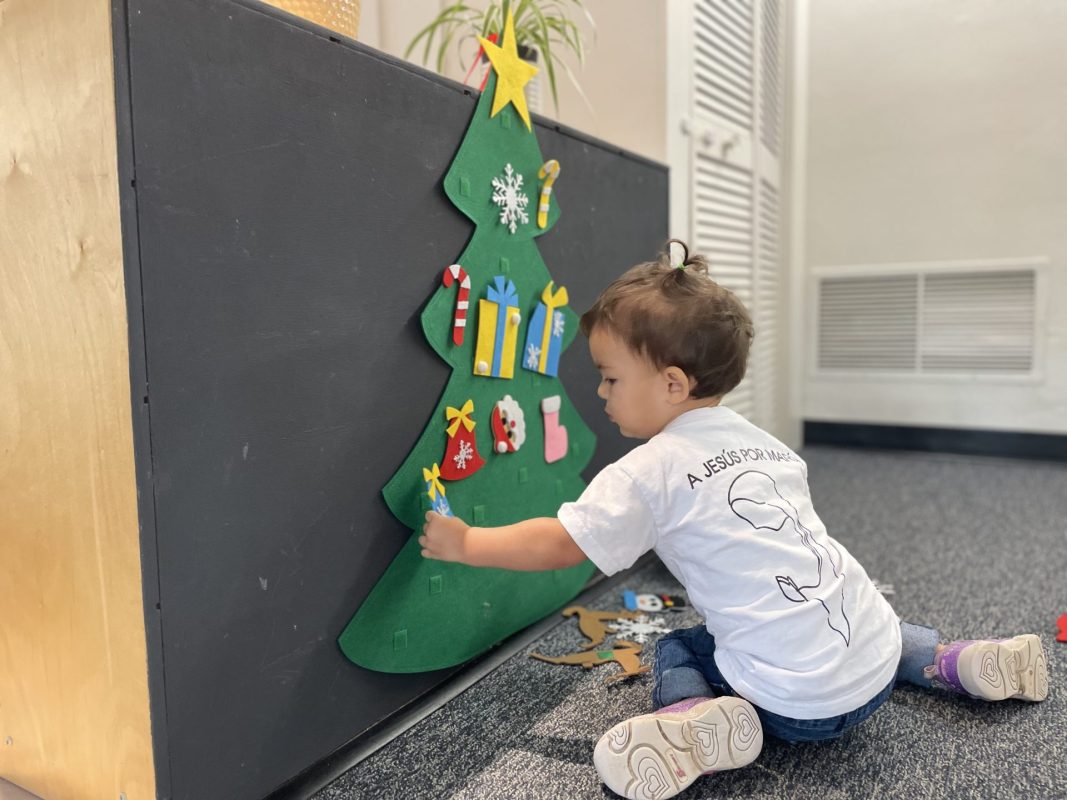
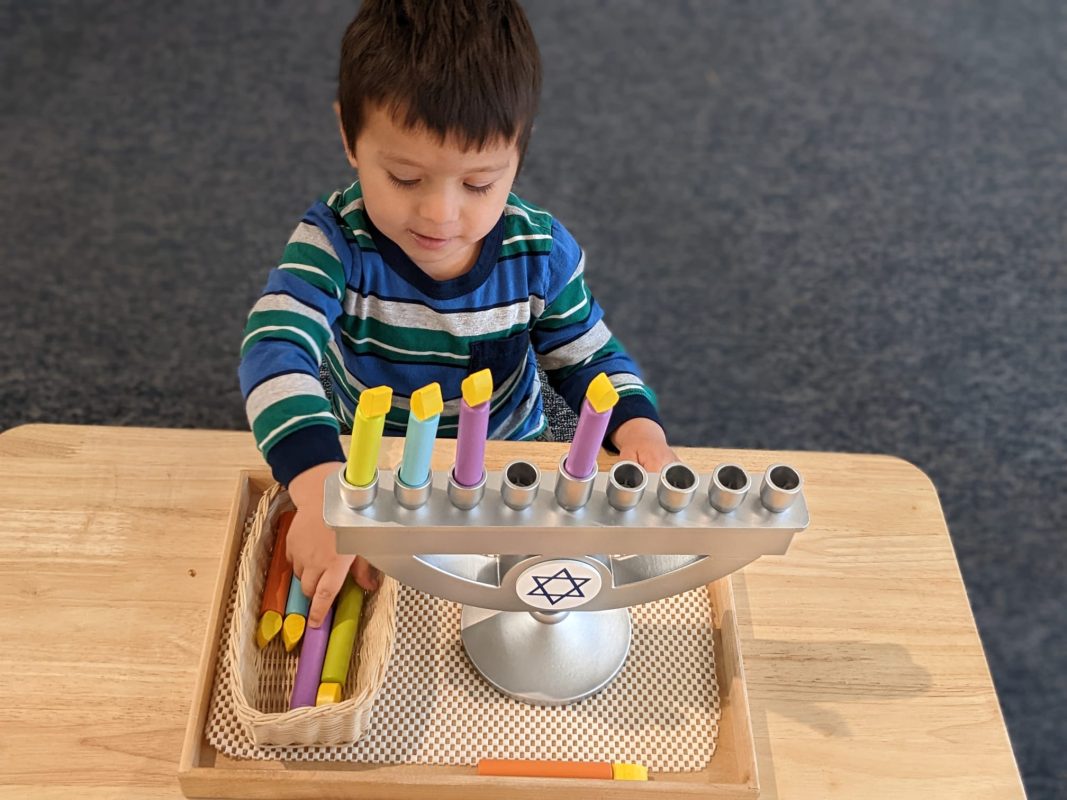
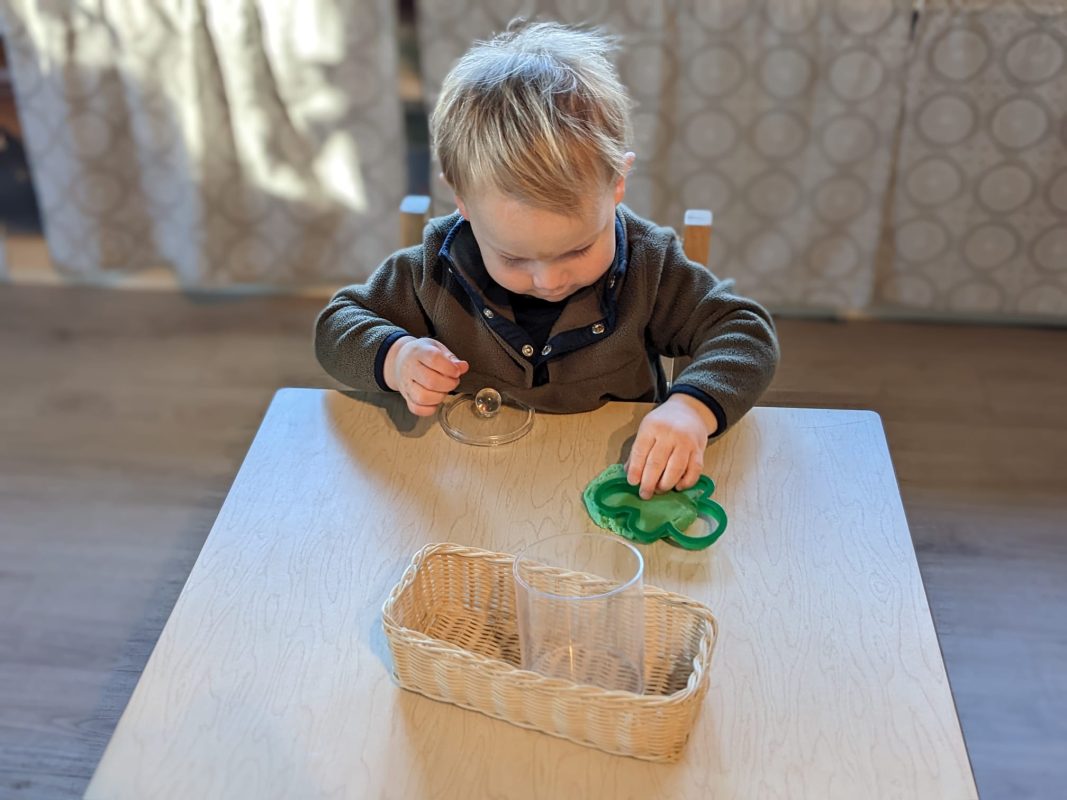
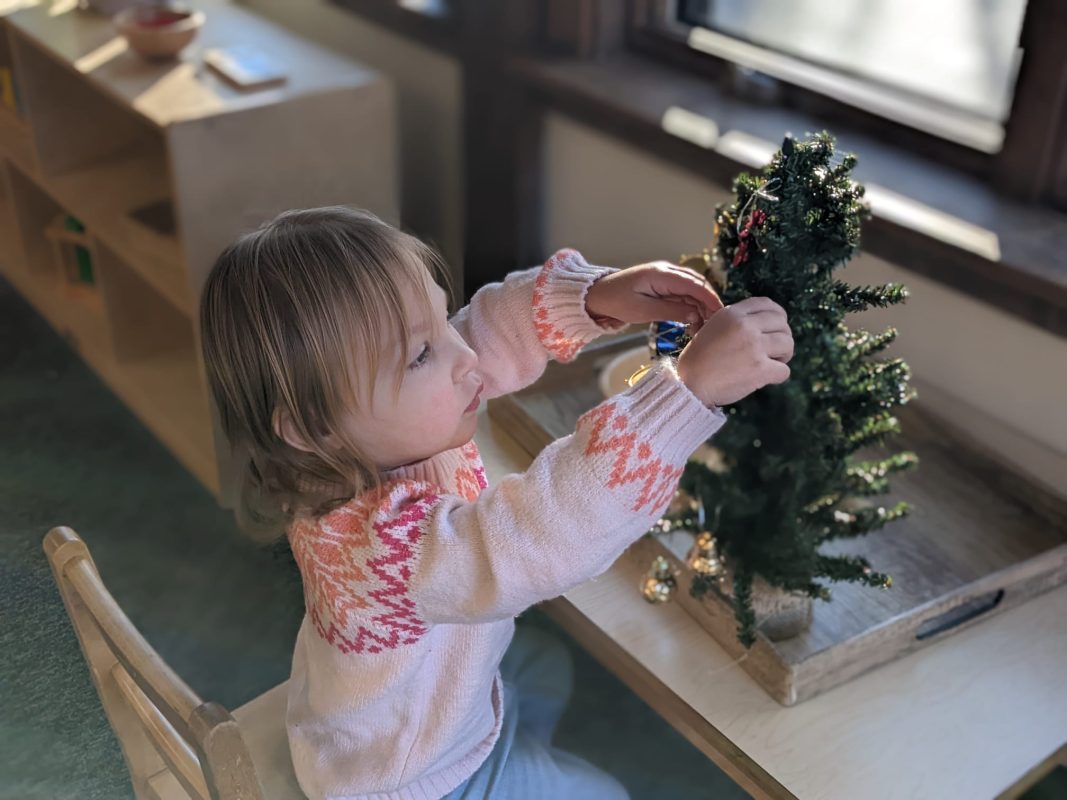
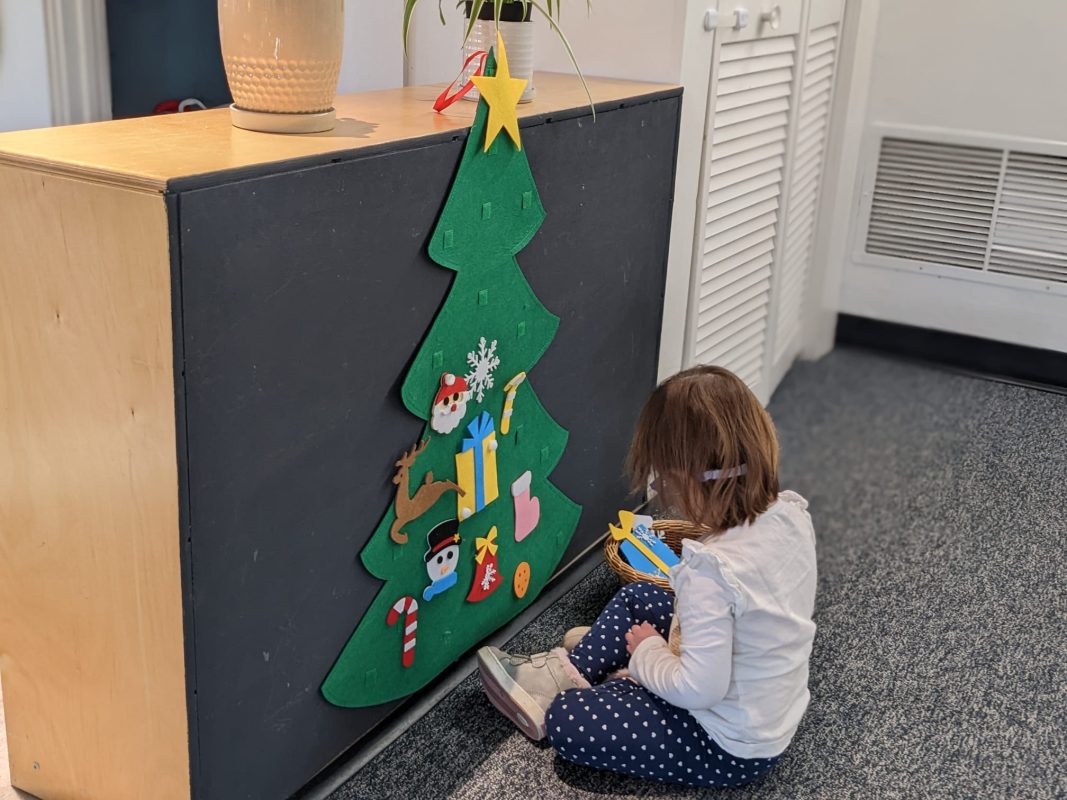
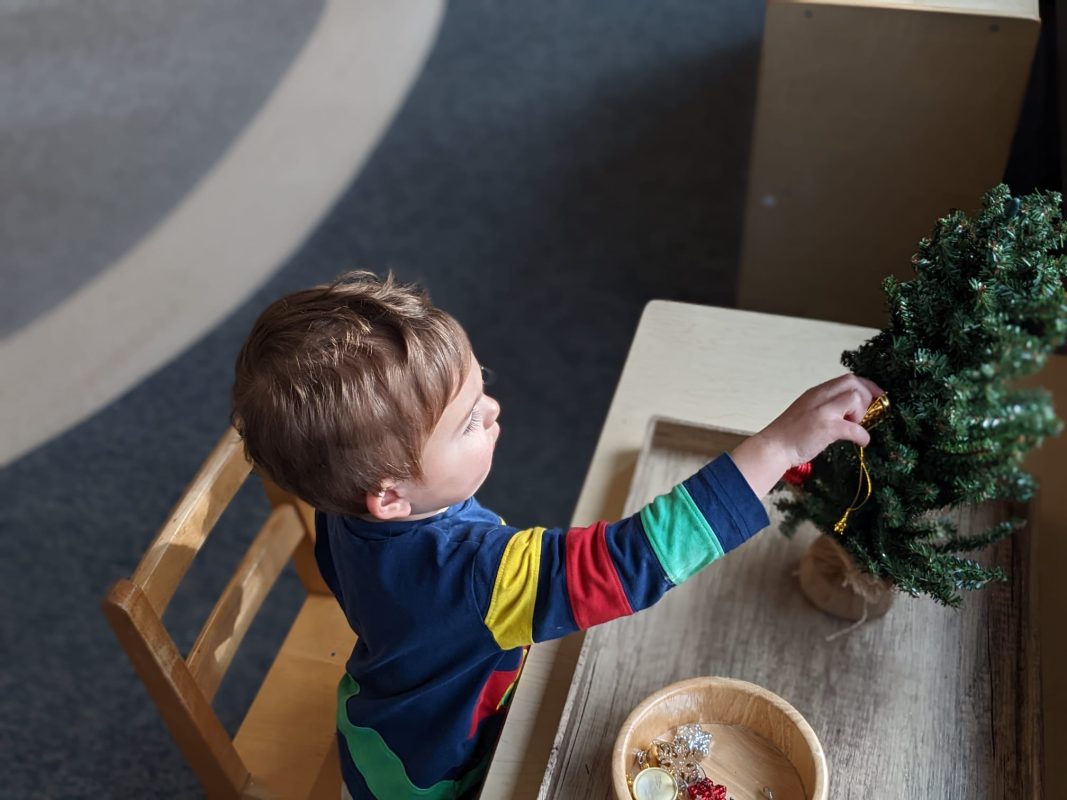
In addition to other materials, some of the favorite holiday works in our environment have been placing little ornaments onto the Christmas tree, placing candles on the Menorah, spooning and transferring holiday jewels and colorful ornaments, and flipping pretend latkes in the pan.

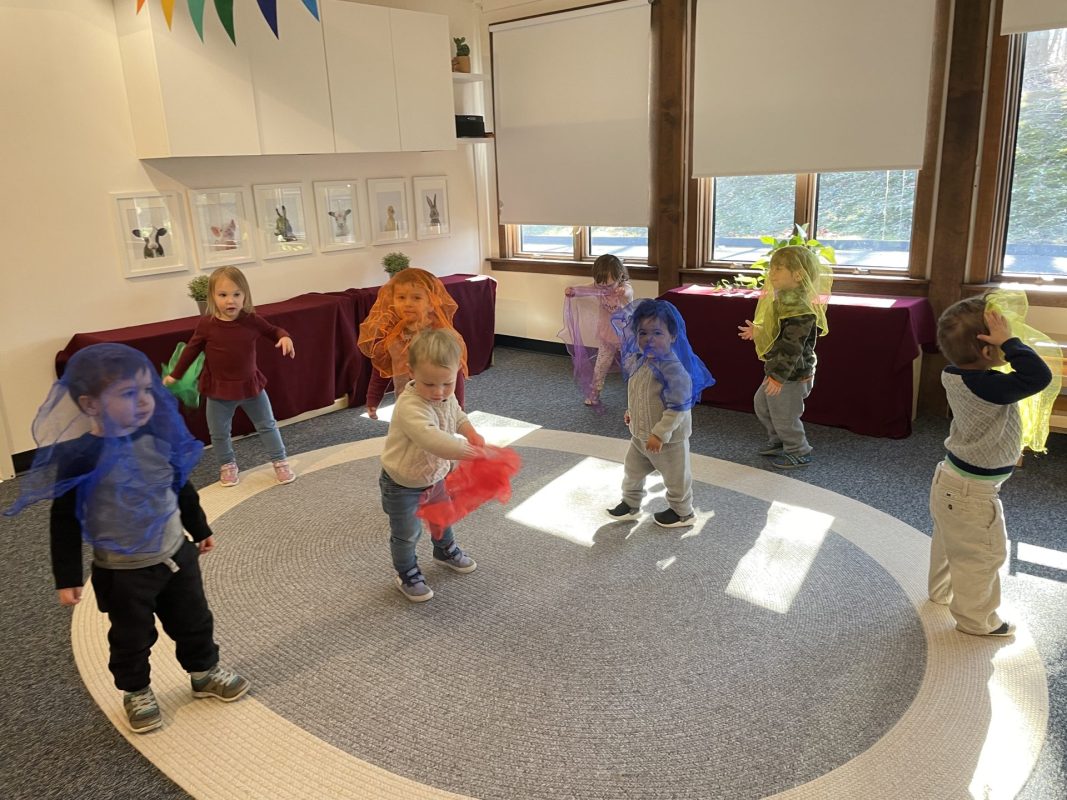
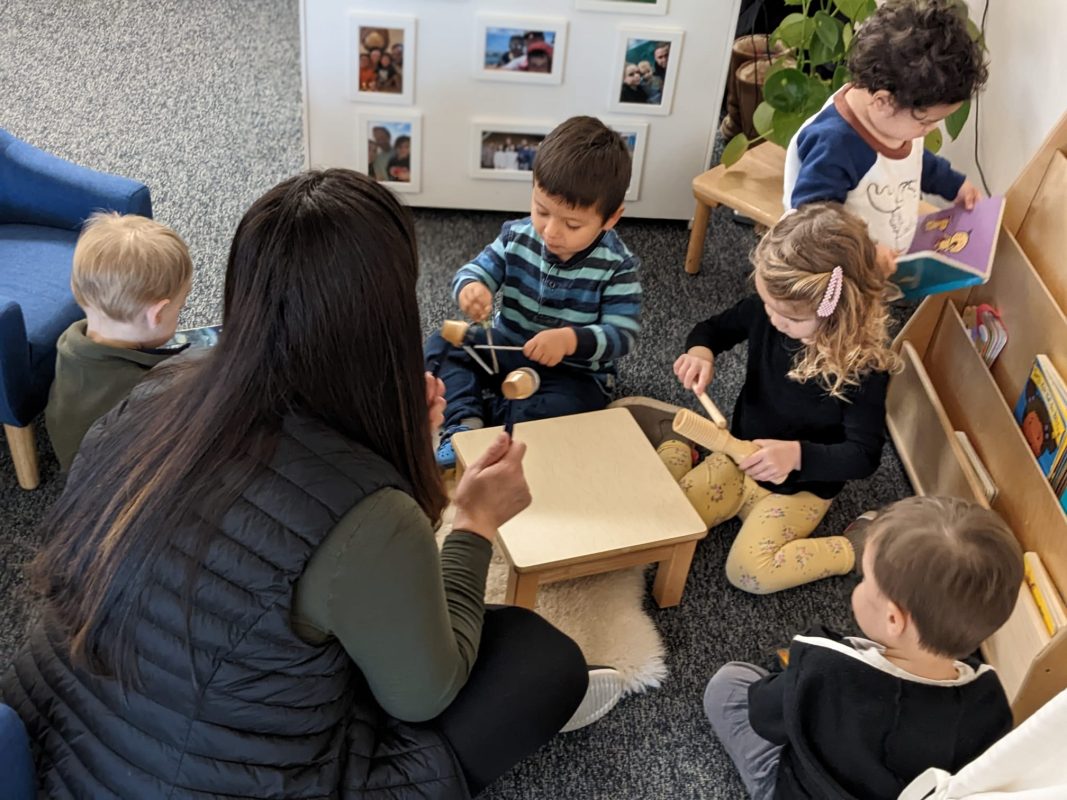
Holiday songs have also been present in our environment daily and children have had some fun times playing instruments and dancing to famous holiday songs.

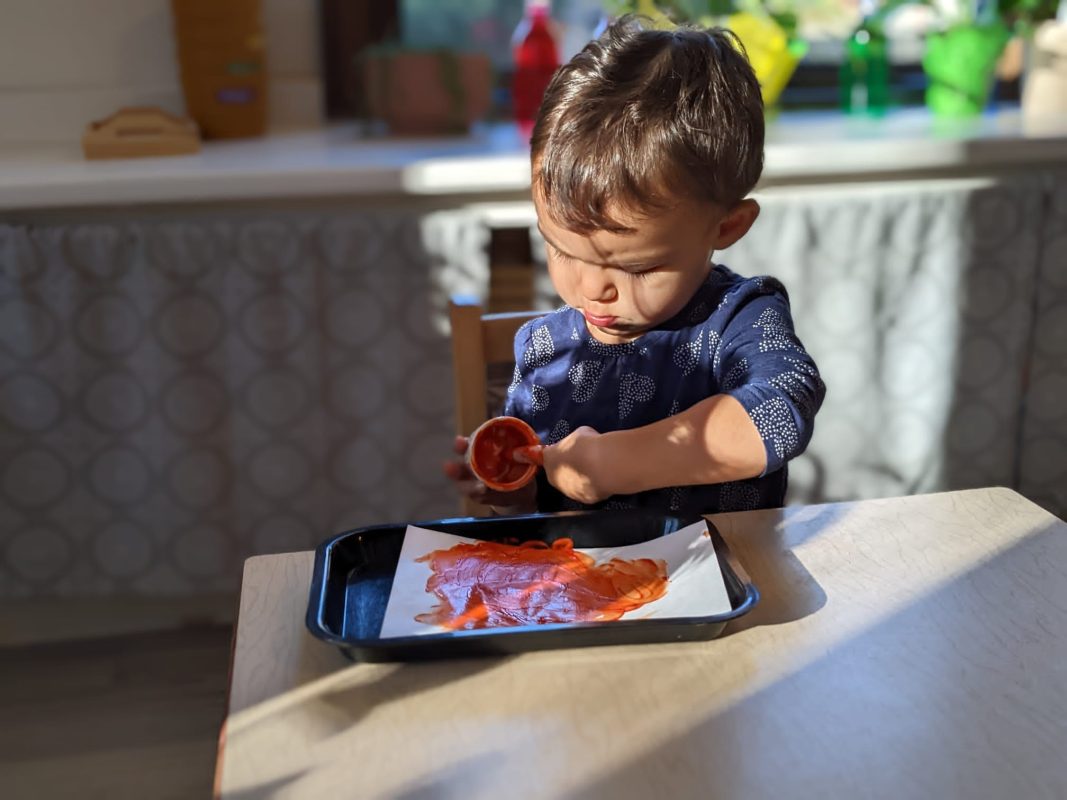
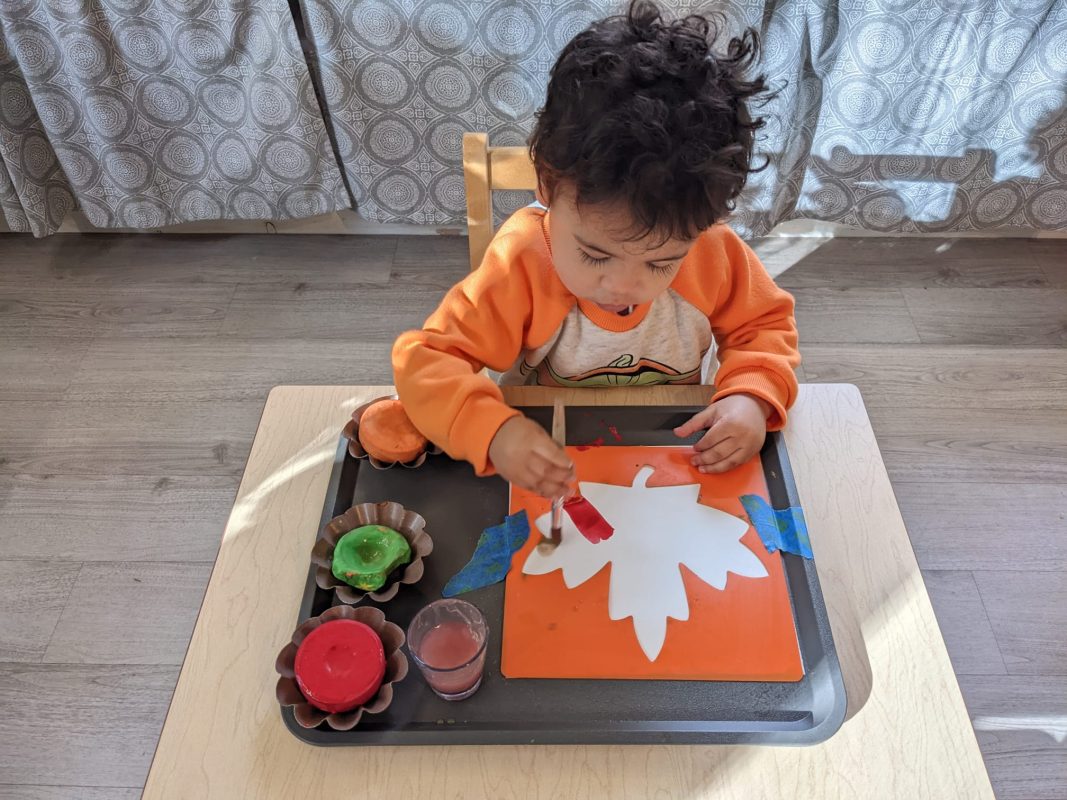
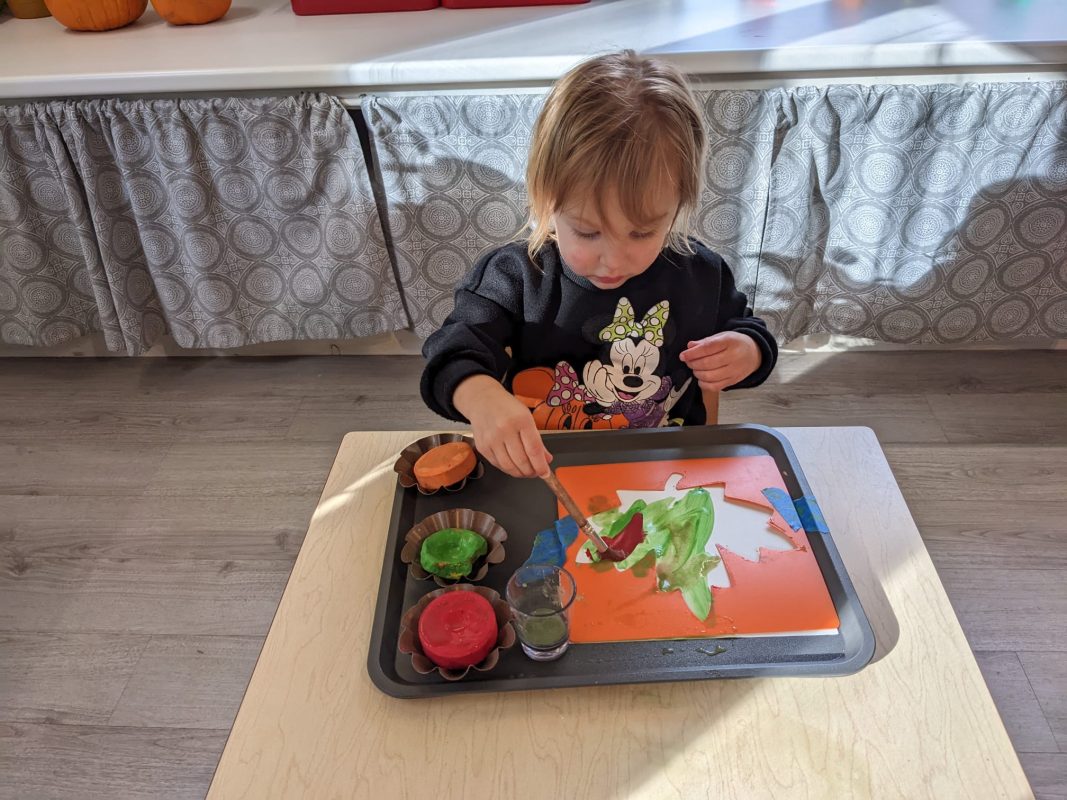
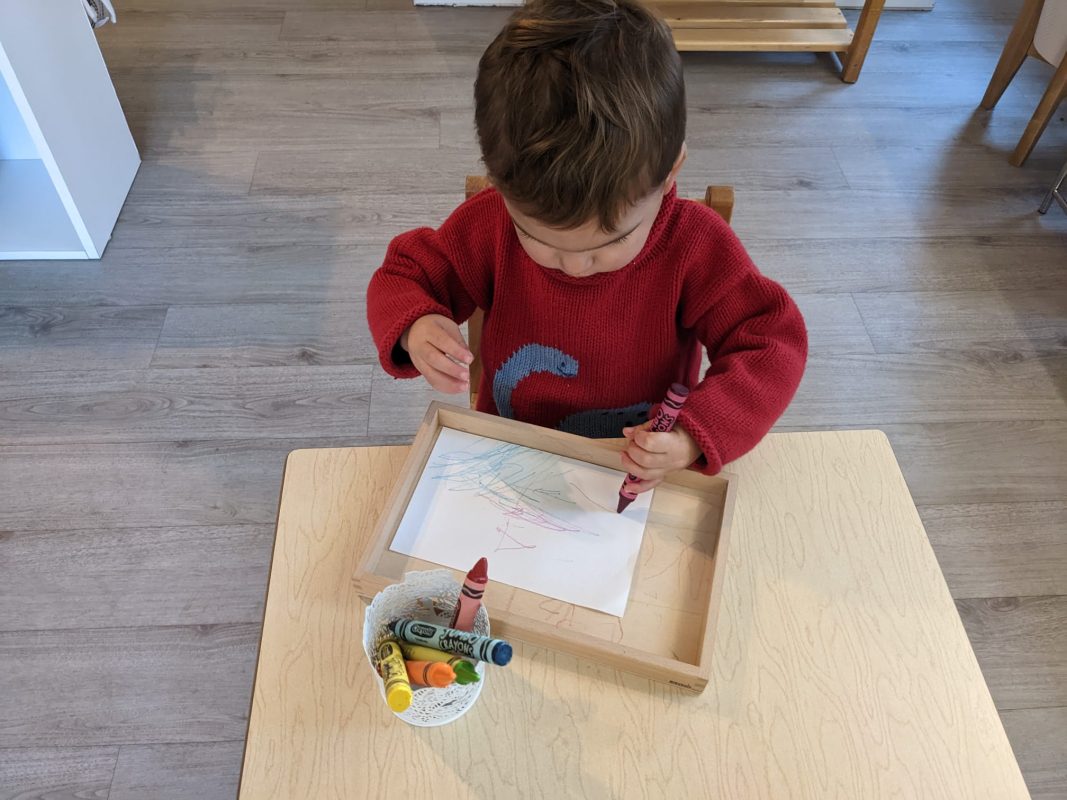
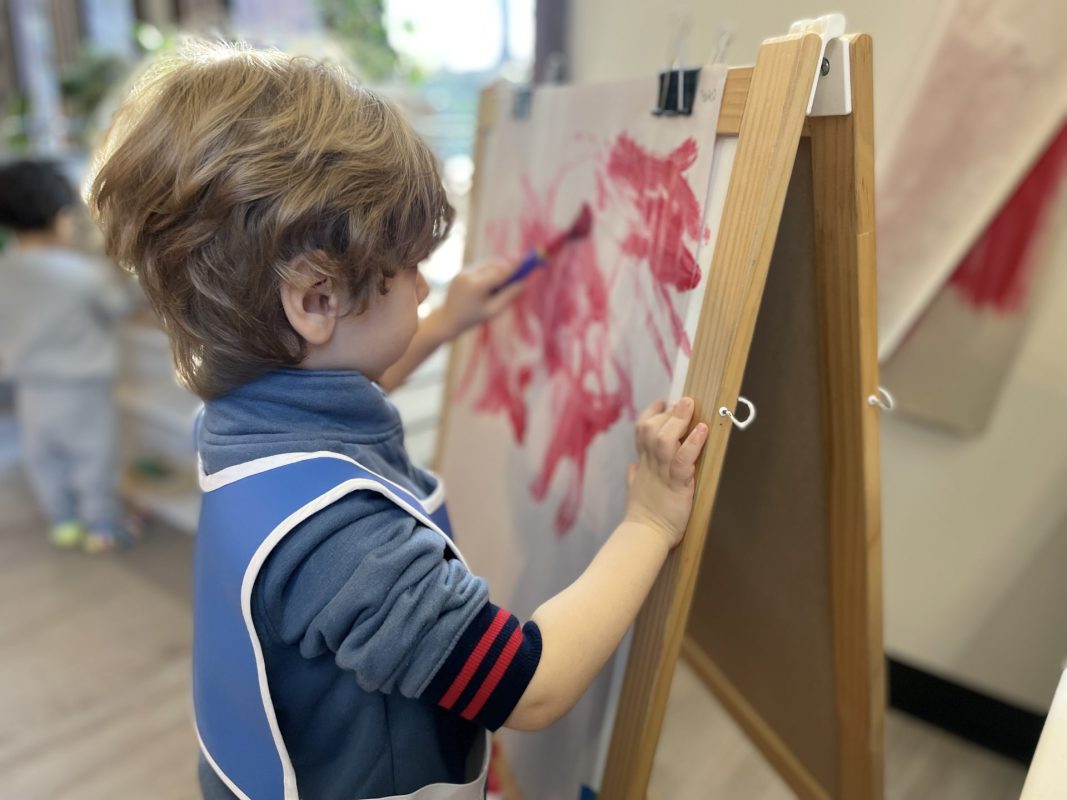
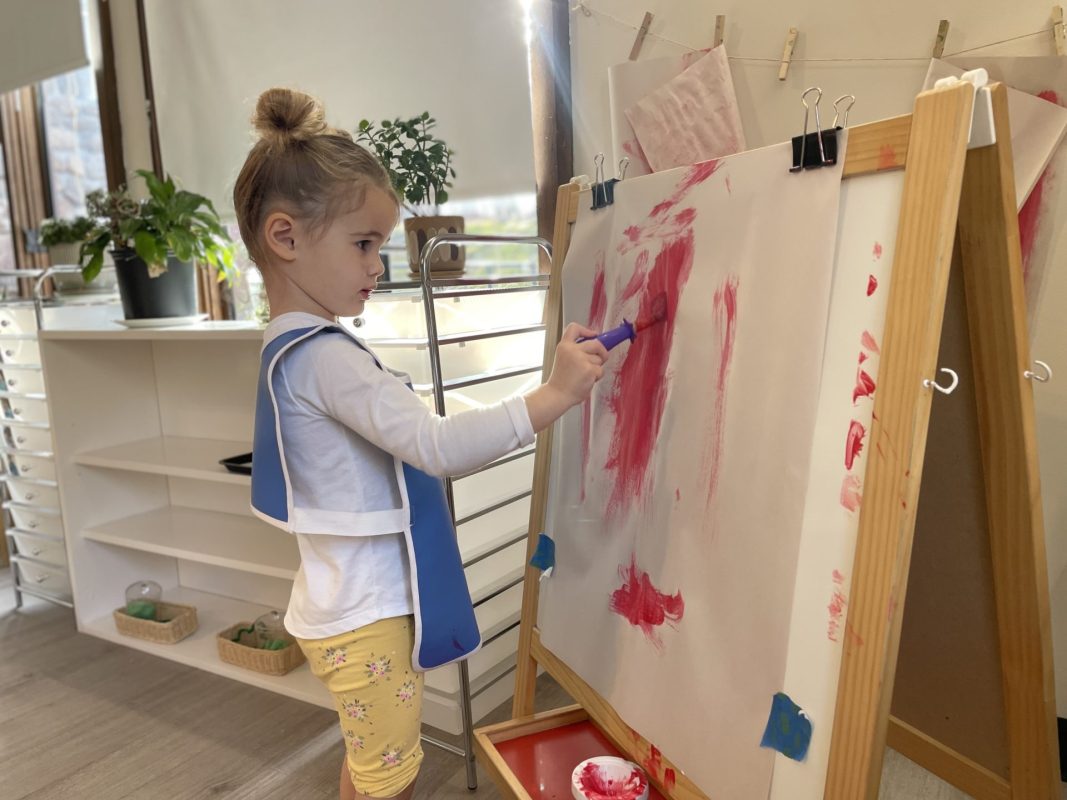
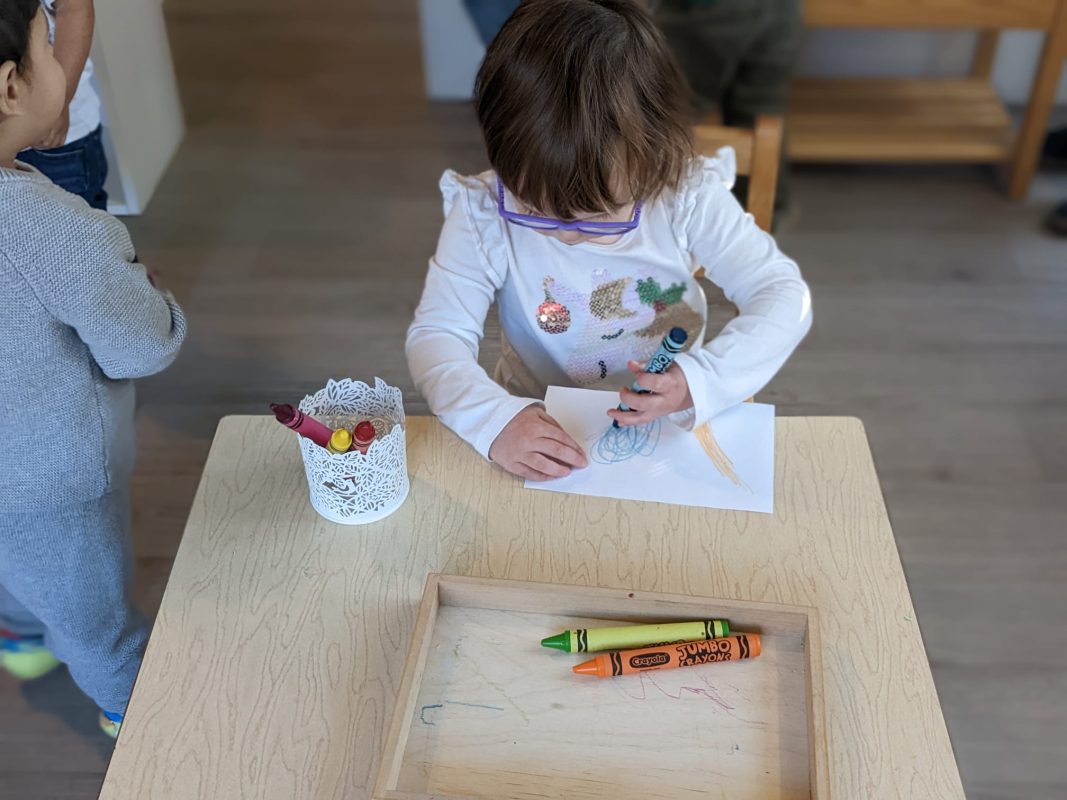
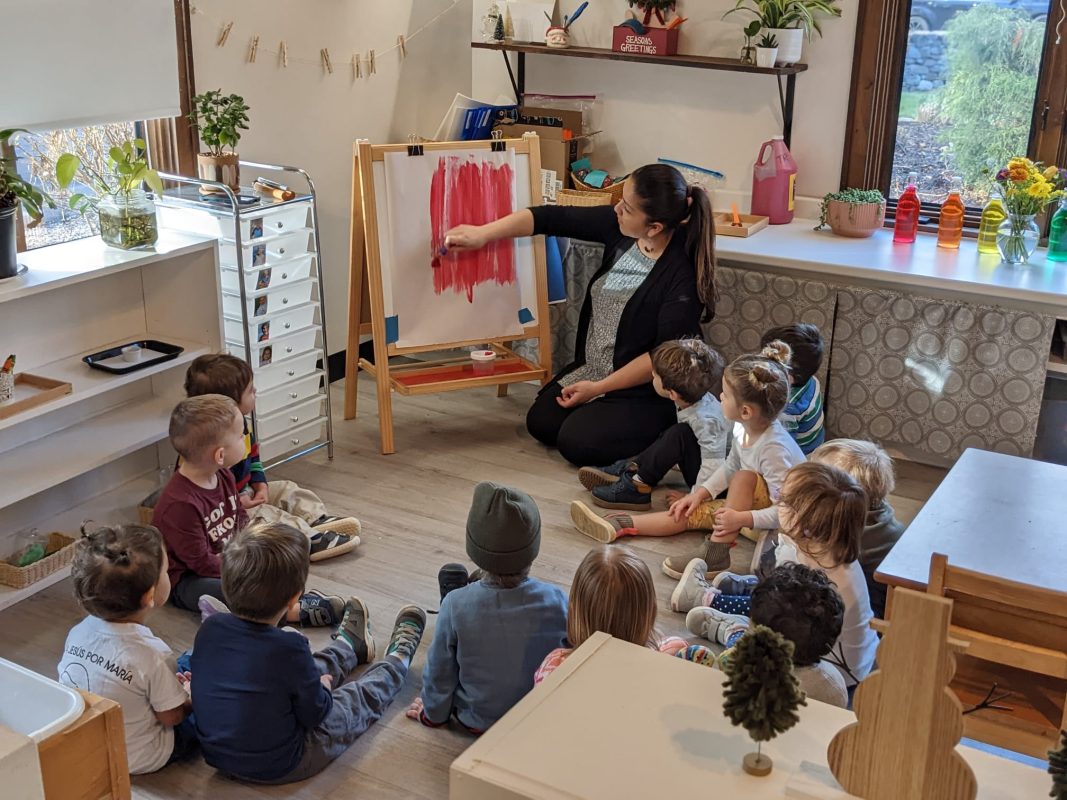
On another note, painting on the easel was a new addition to our art shelf this week. There are three main objectives of this exercise. First, the development of hand-eye coordination. Dipping the paintbrush in and out of the paint pot requires a steady hand and a keen eye, working simultaneously. Second, small motor control. Holding the paintbrush and whooshing it across the paper in the direction you want it to go is hard work when you’re small. Think of all the pre-writing skills they are learning just by holding the brush! Third, and I have to say my favorite goal, creative independence! There are no rules when it comes to painting. There is no predetermined product, just a process. The children can plan their own painting from start to finish without any interference from adult rules or directions. The only thing they must remember is to paint only on the paper. Their sense of satisfaction after they finish their masterpiece is just incredible to witness!

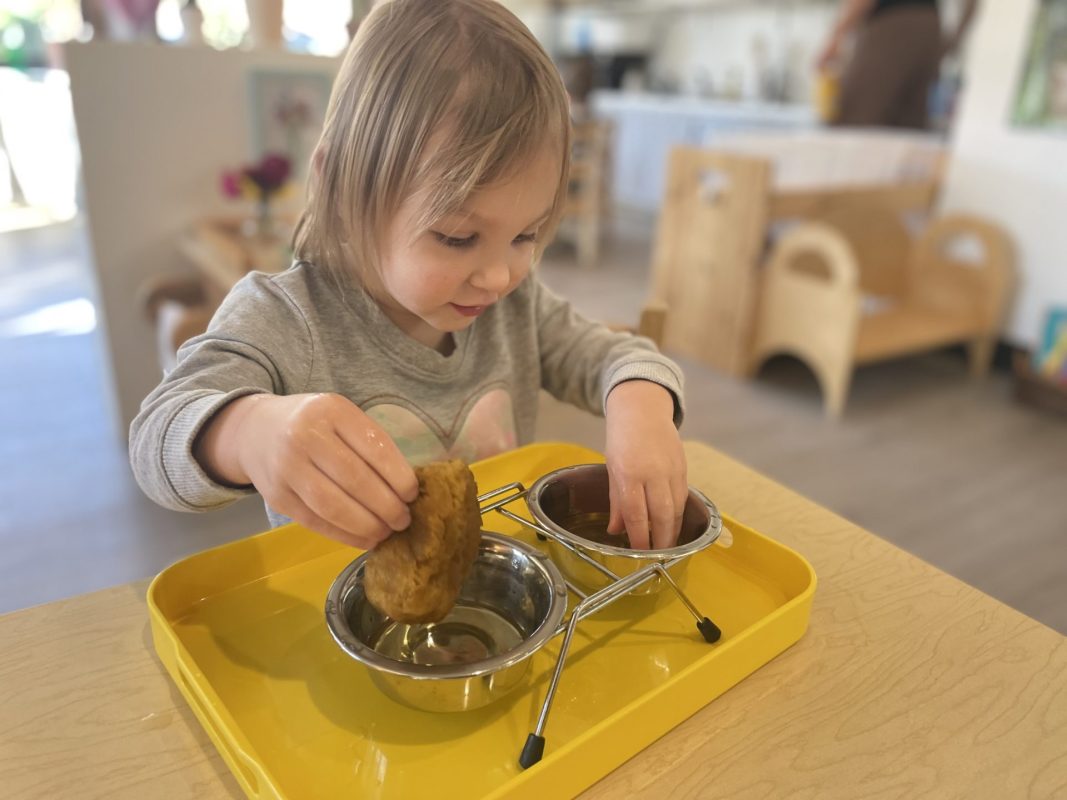
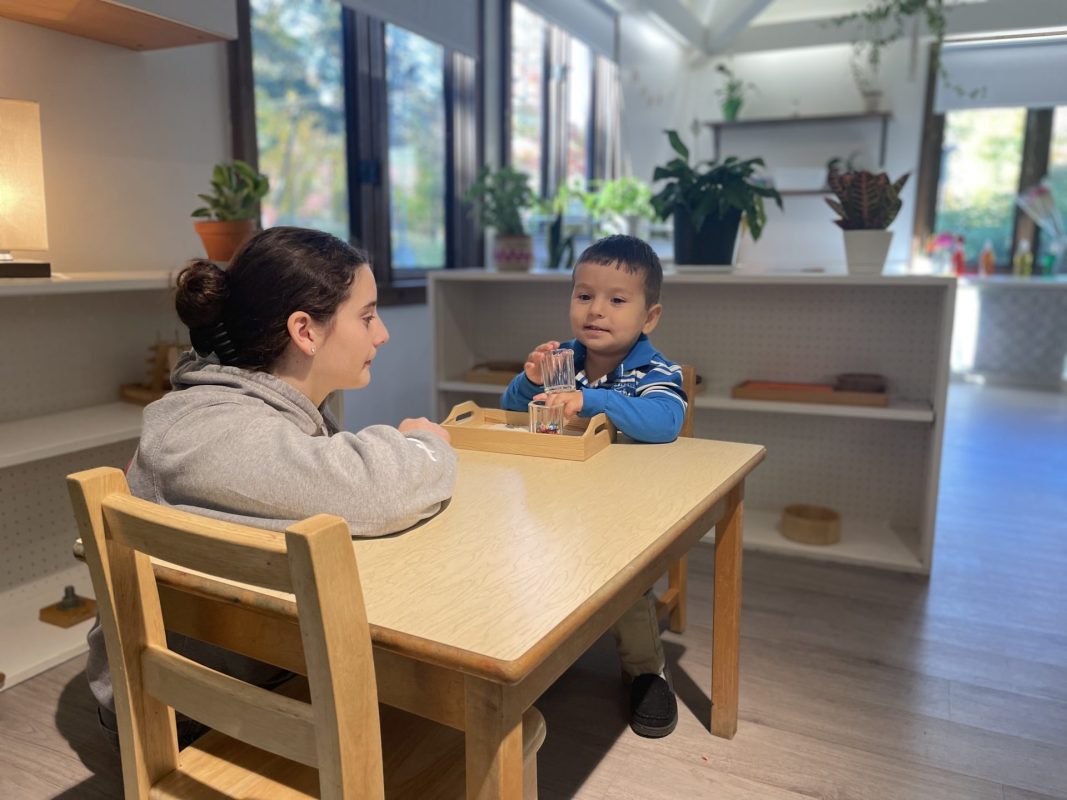
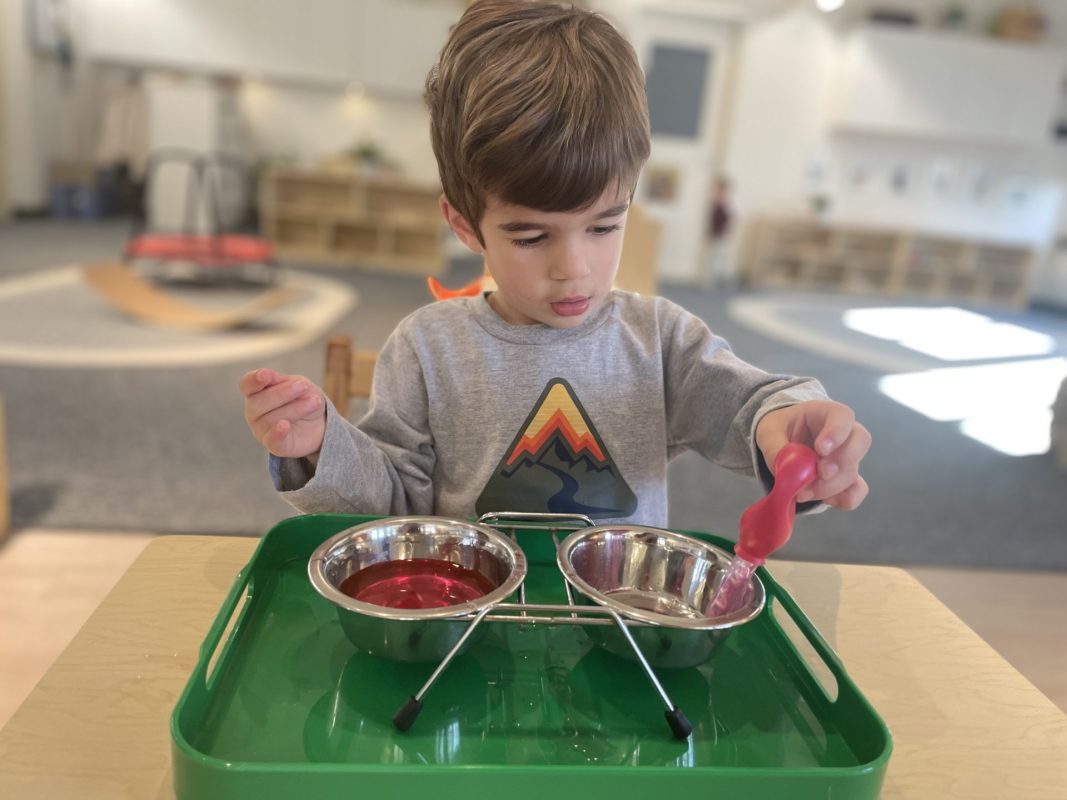
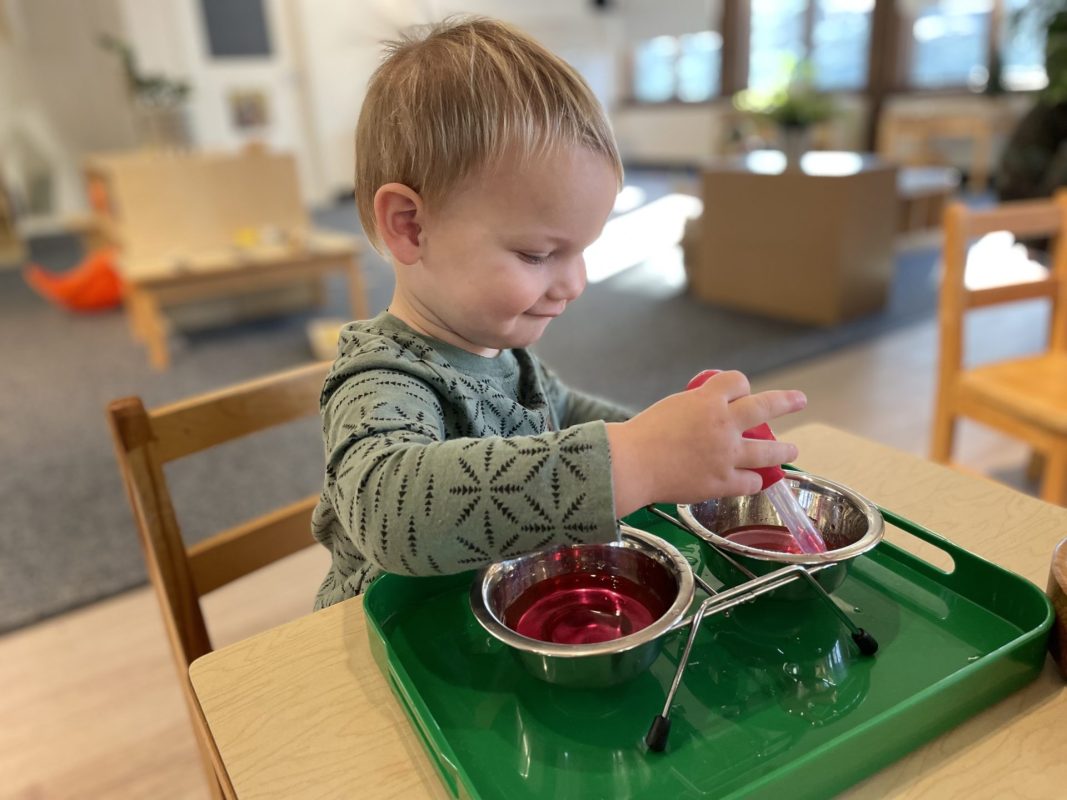
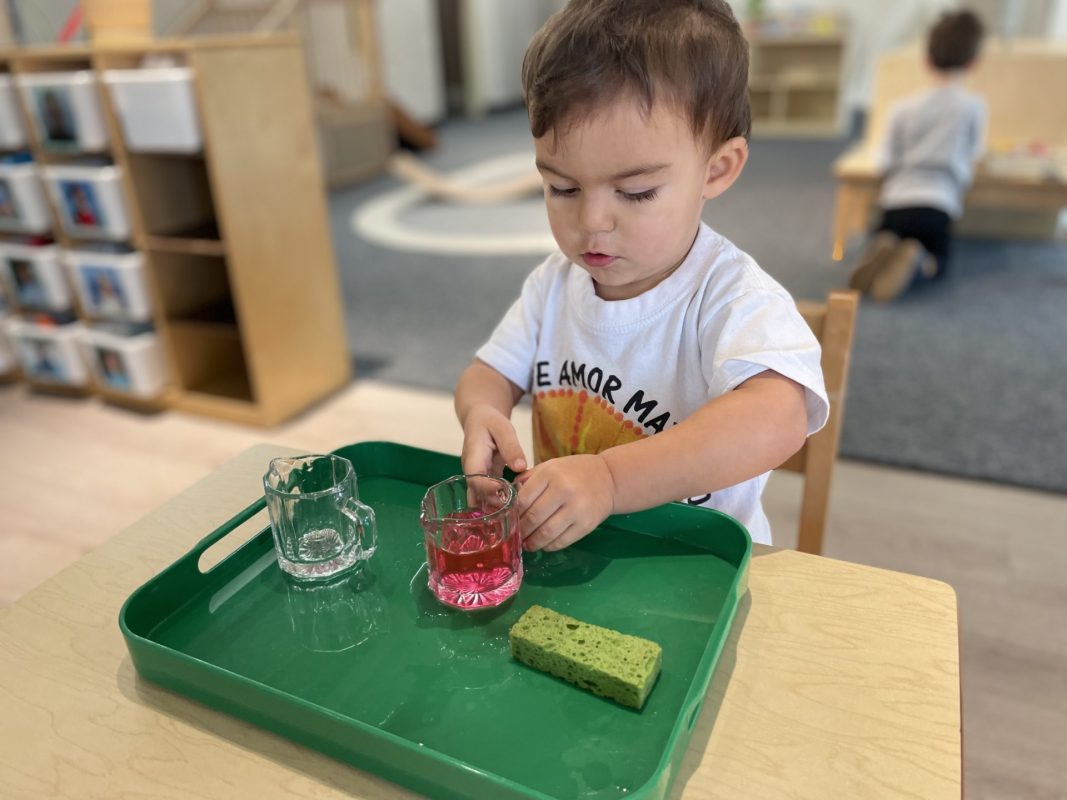
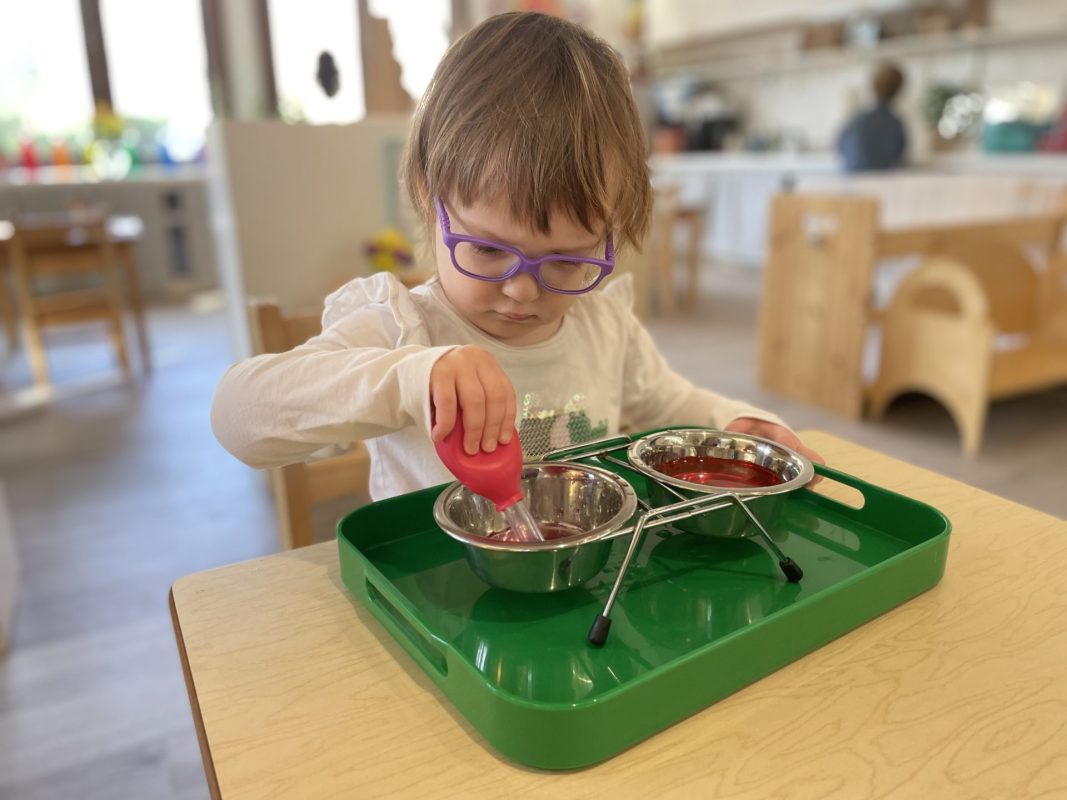
In the practical life area we introduced the exercise of water transferring using a dropper. It’s a challenging exercise but children were so proud of themselves when they were able to make the dropper work and hear the sound of the water touching the silver bowl. It’s common to hear some children say to themselves, “squeeze, open,” as they work hard to coordinate their hand movements.

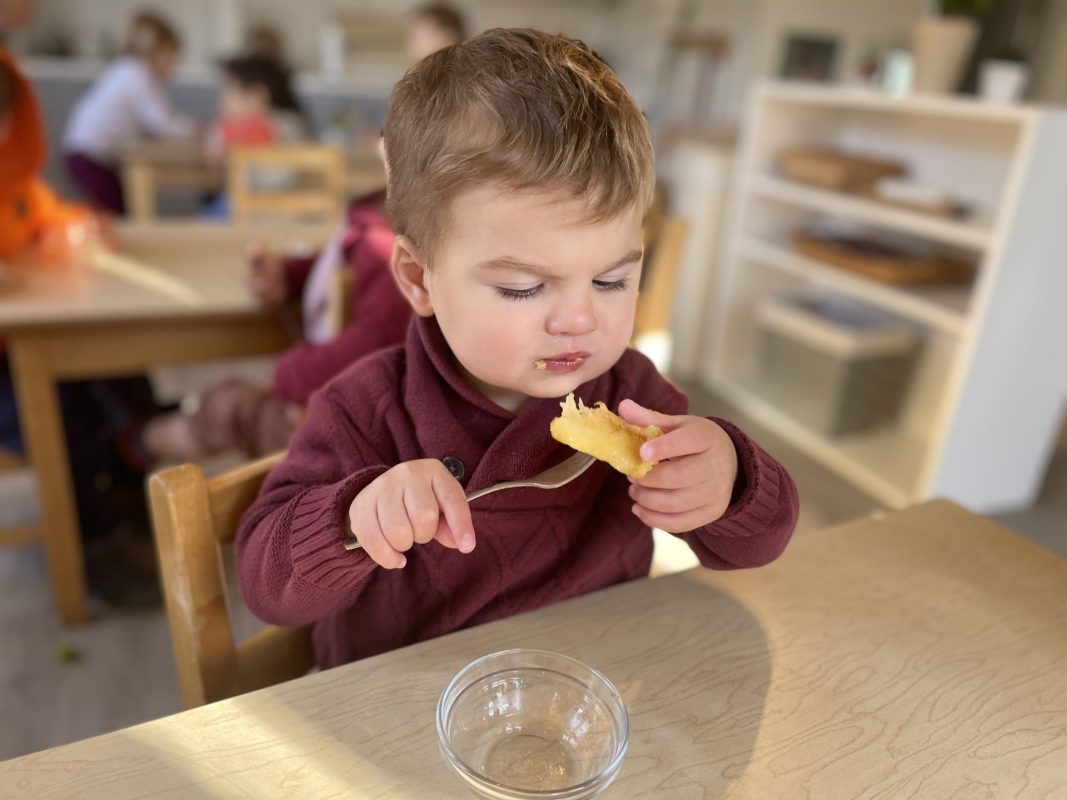
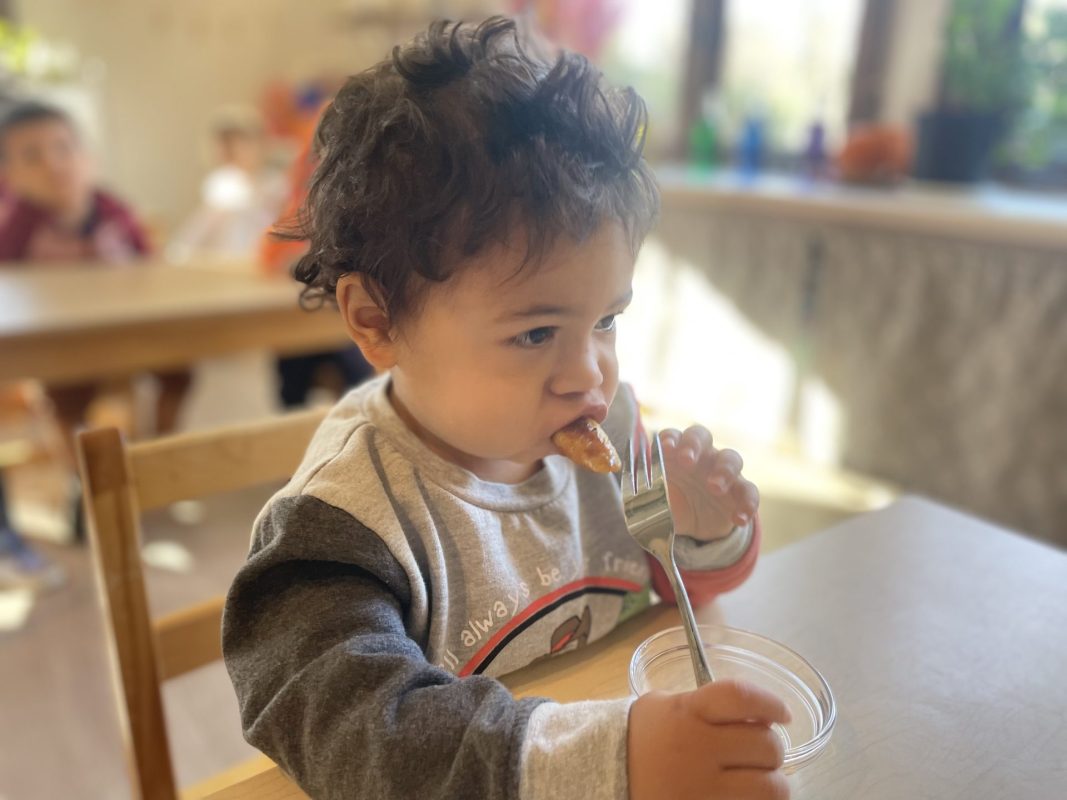
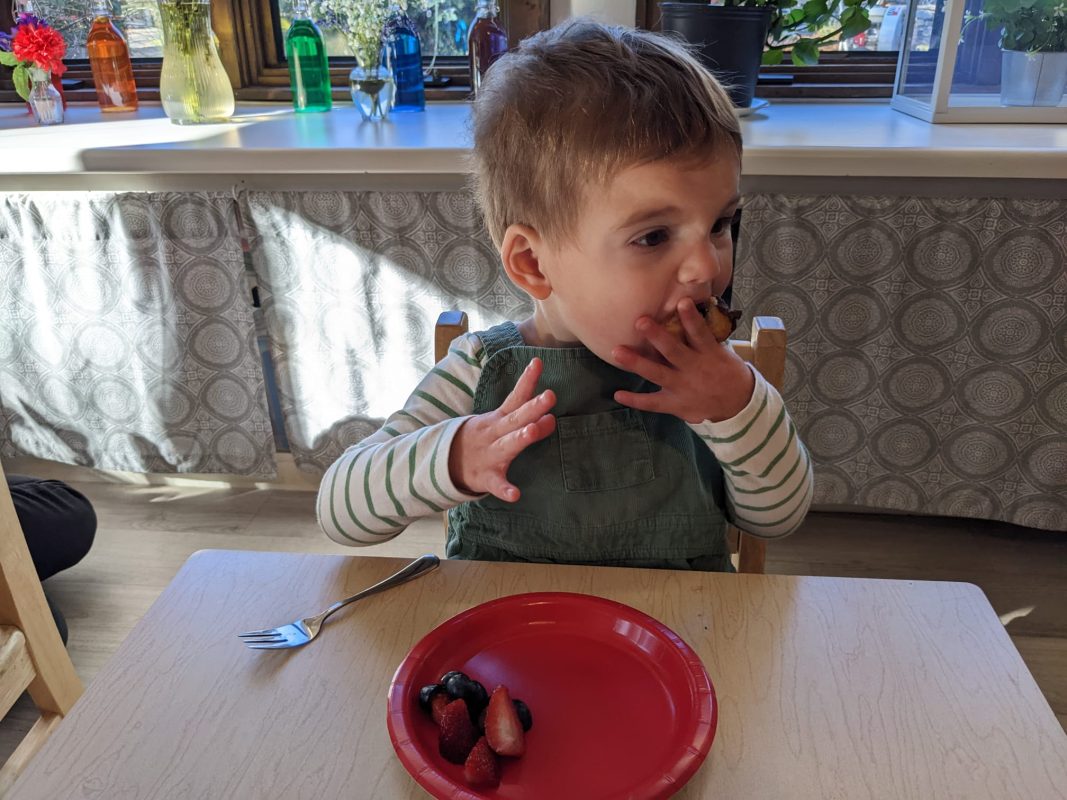
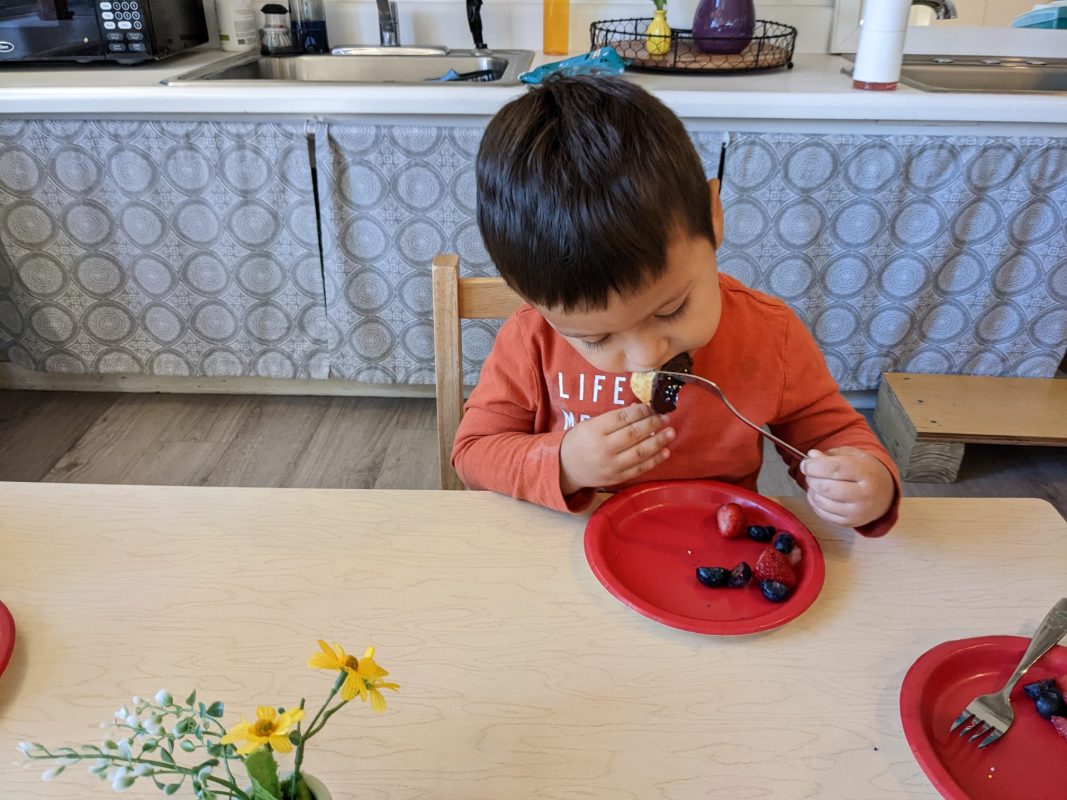
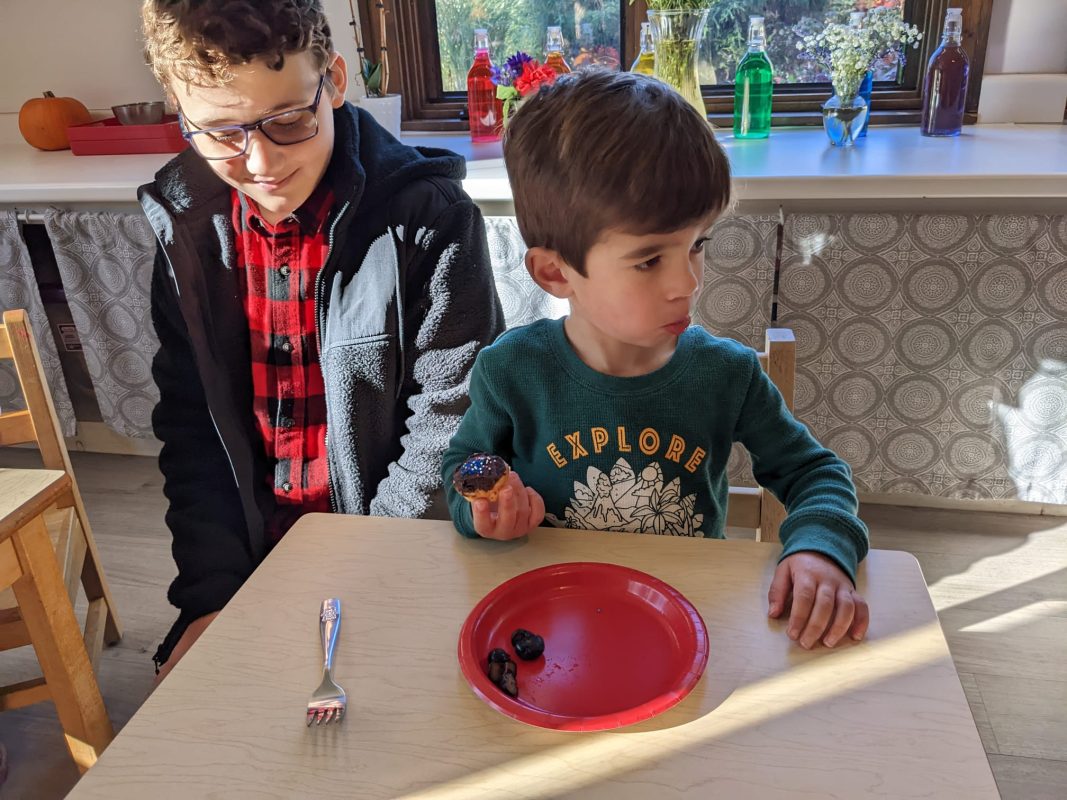
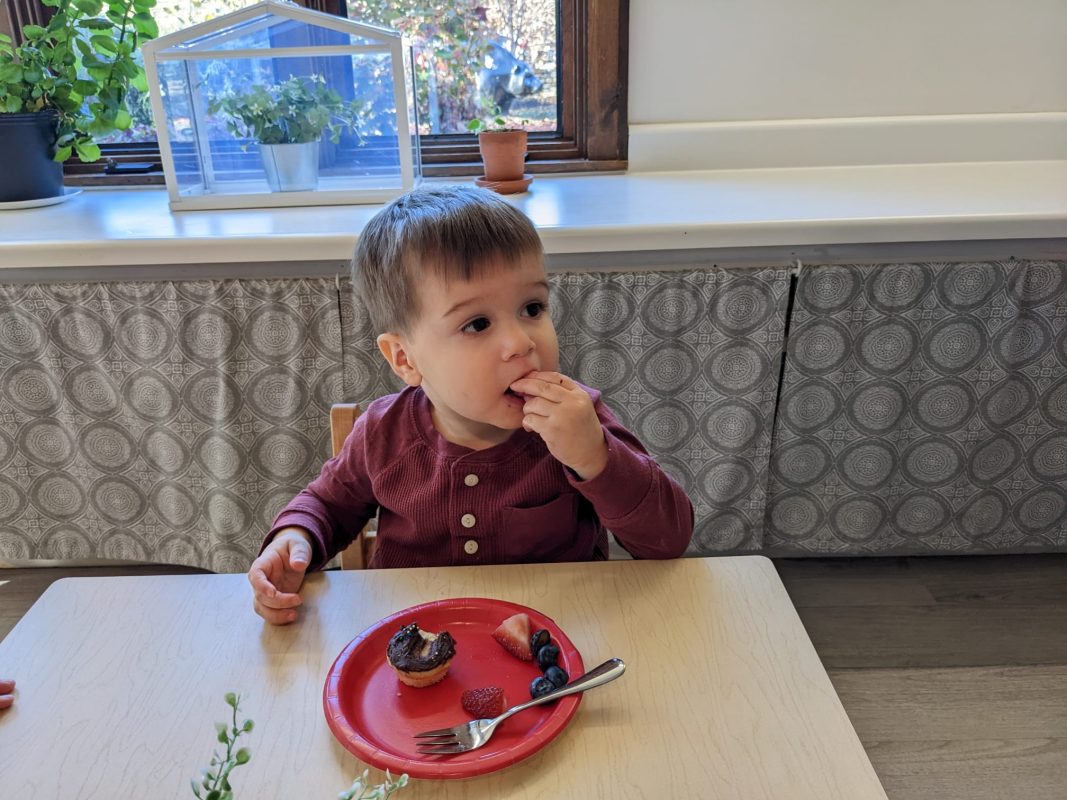
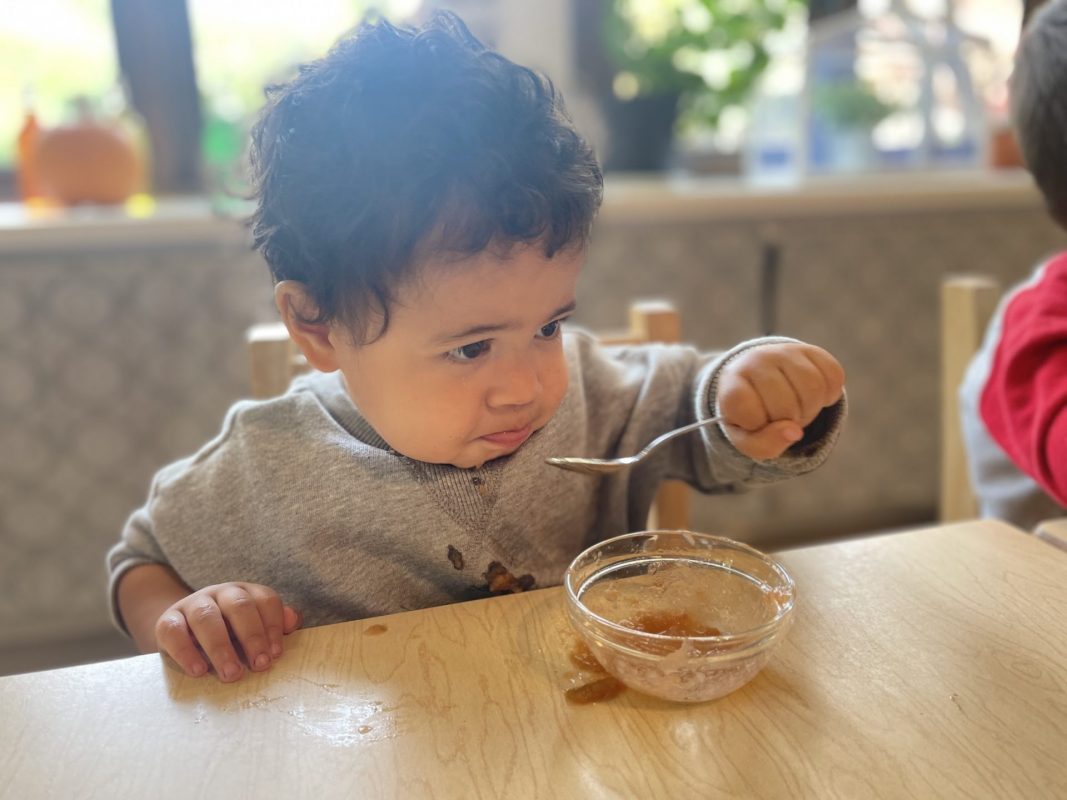
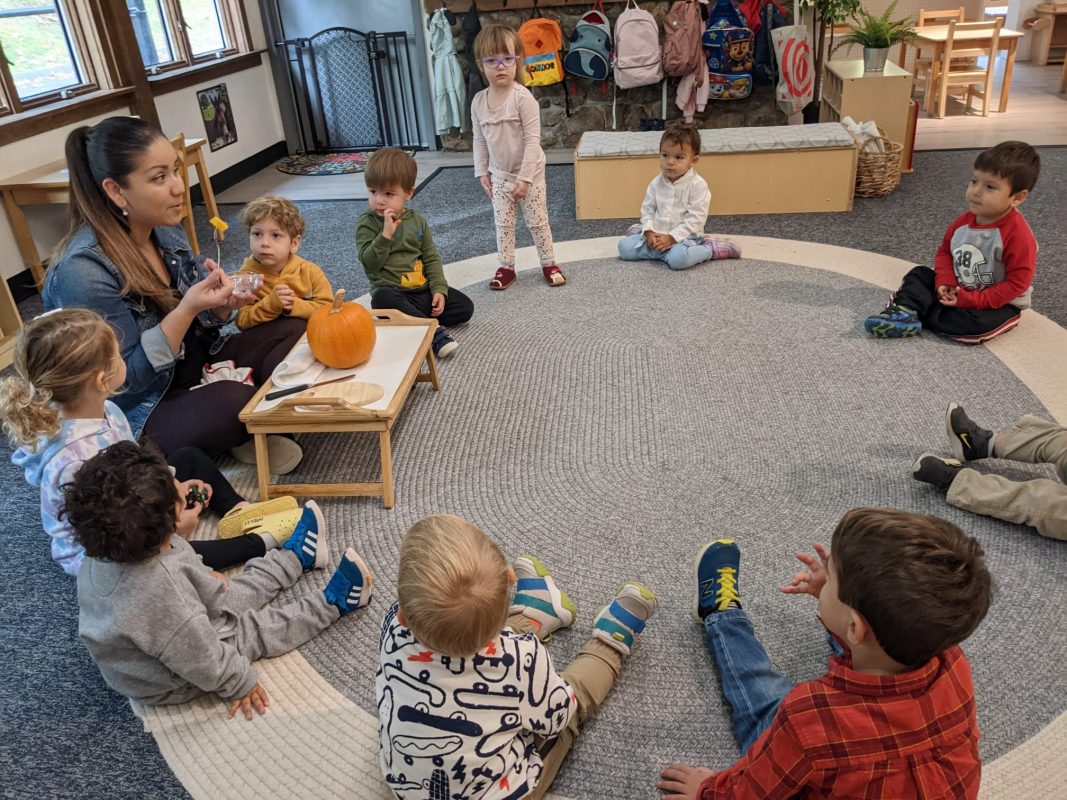
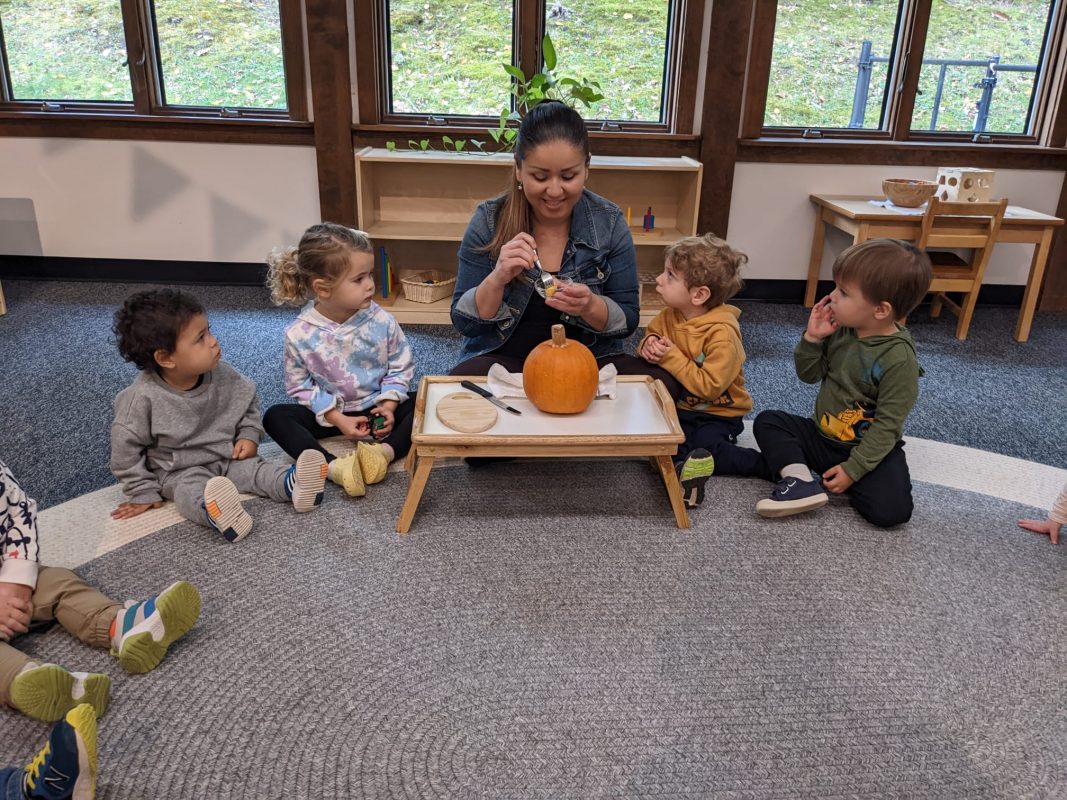
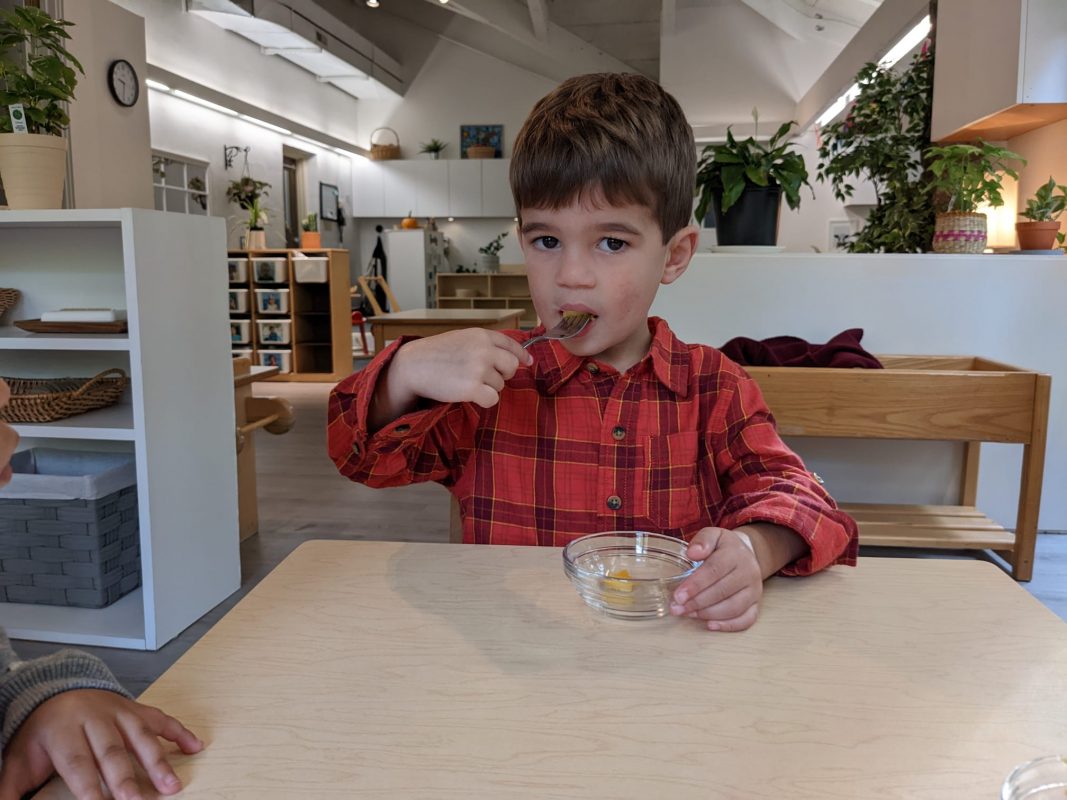
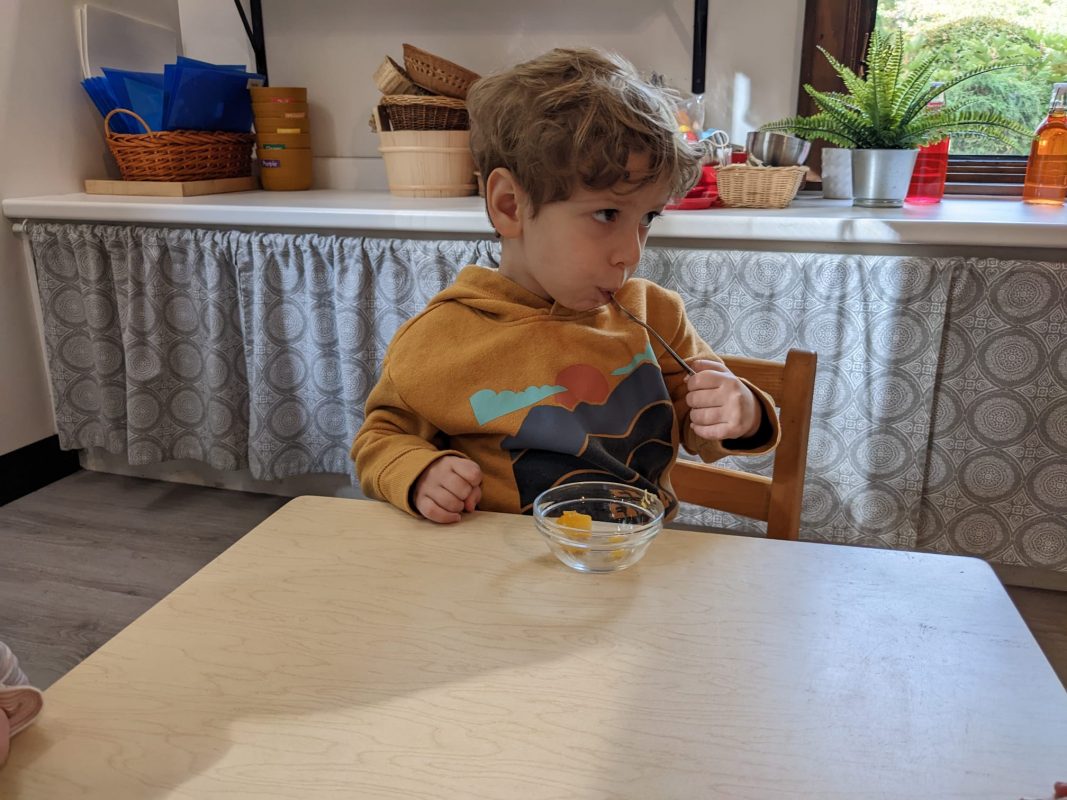
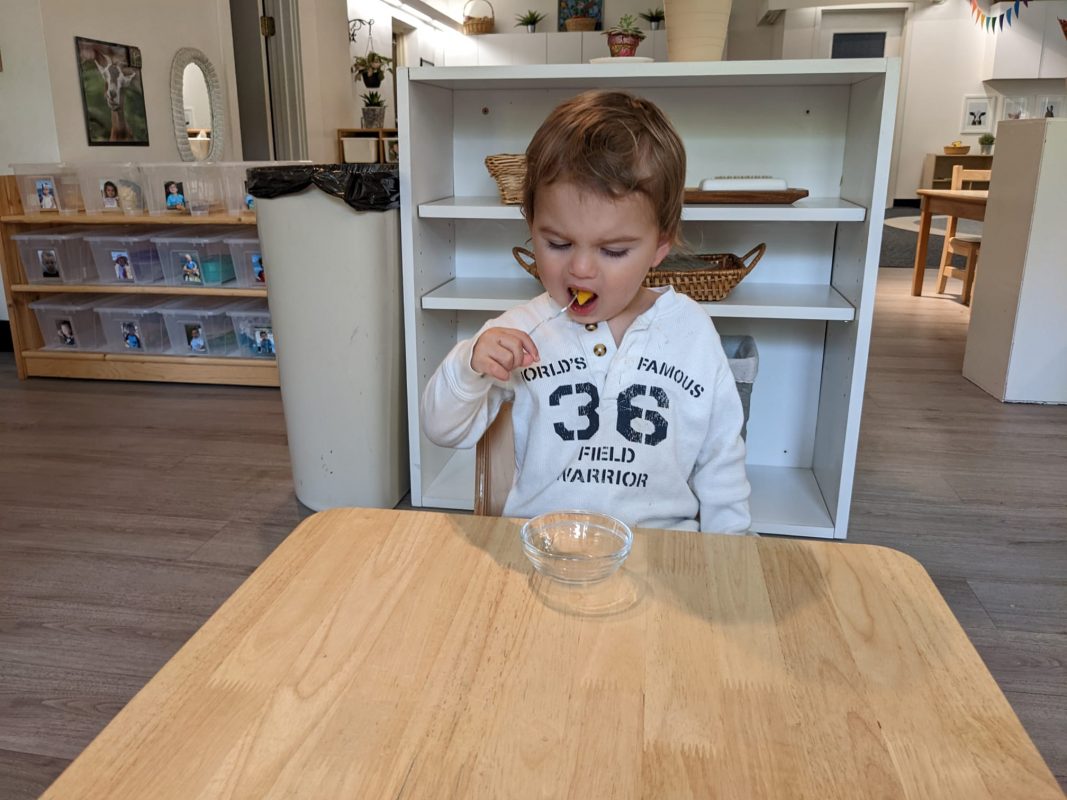
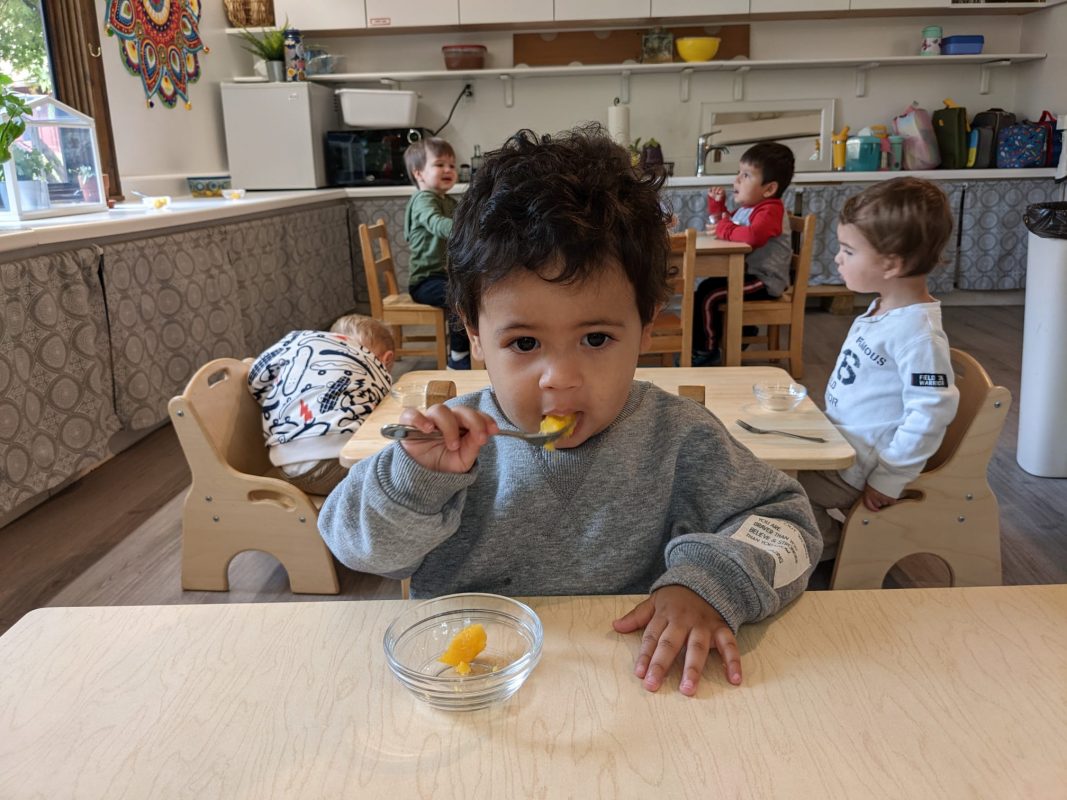
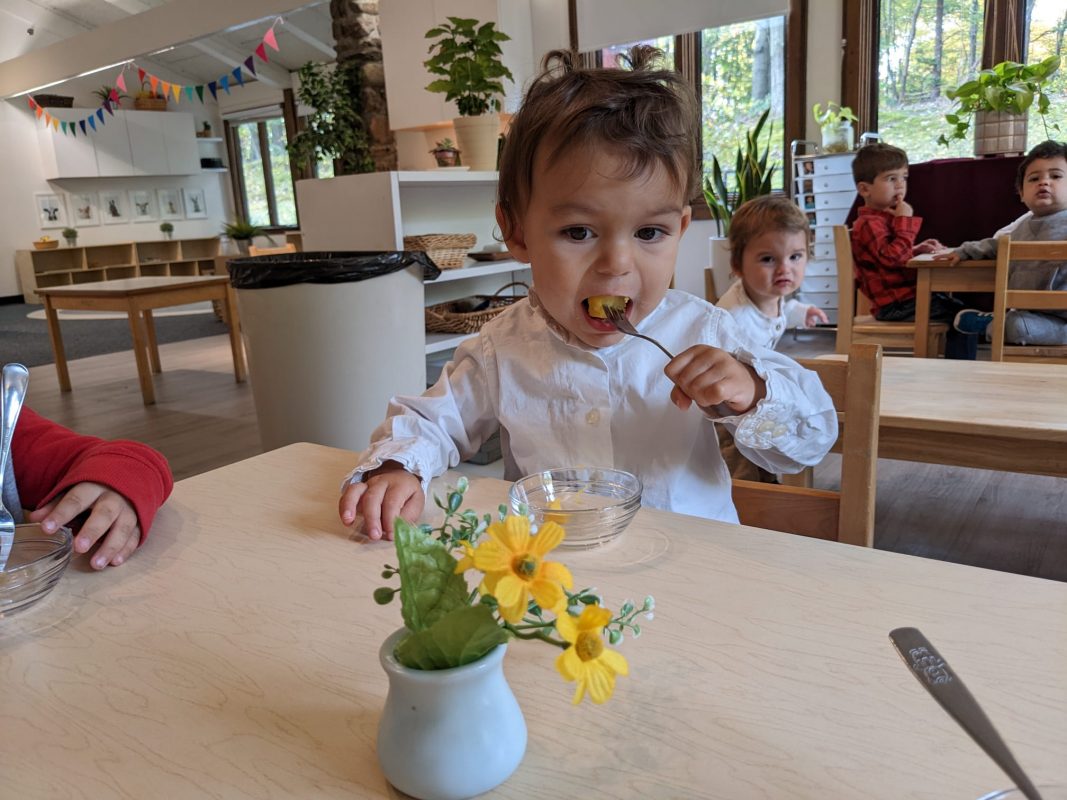
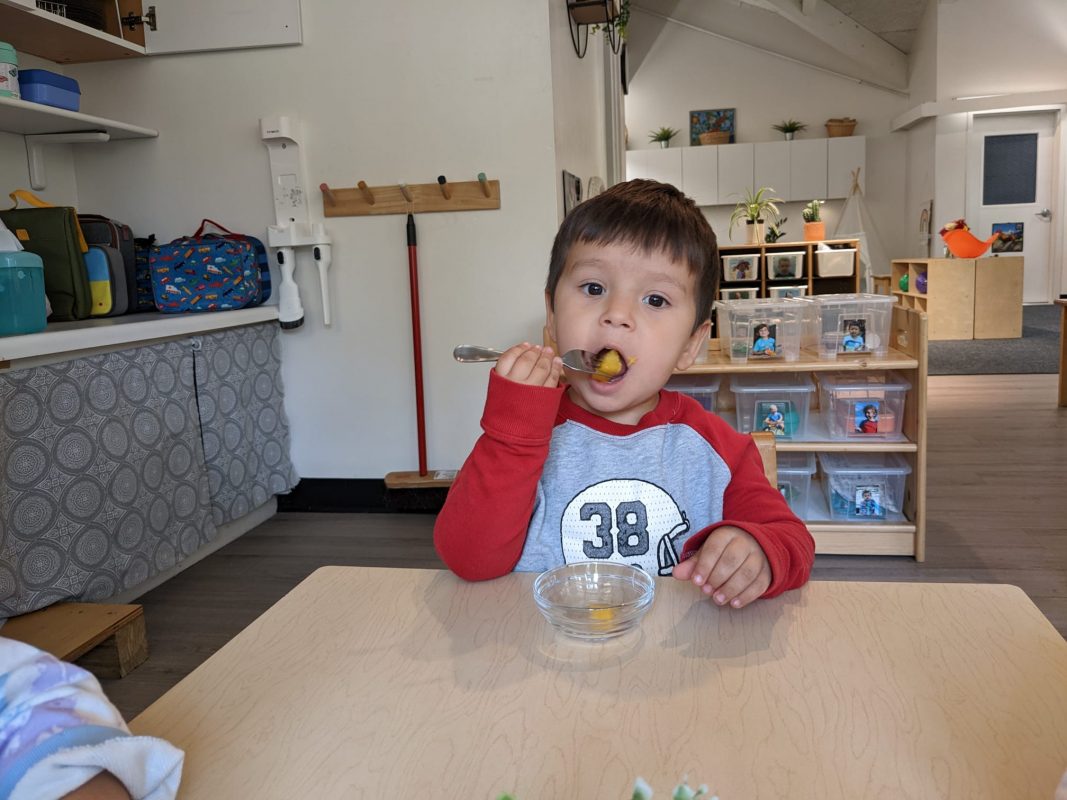
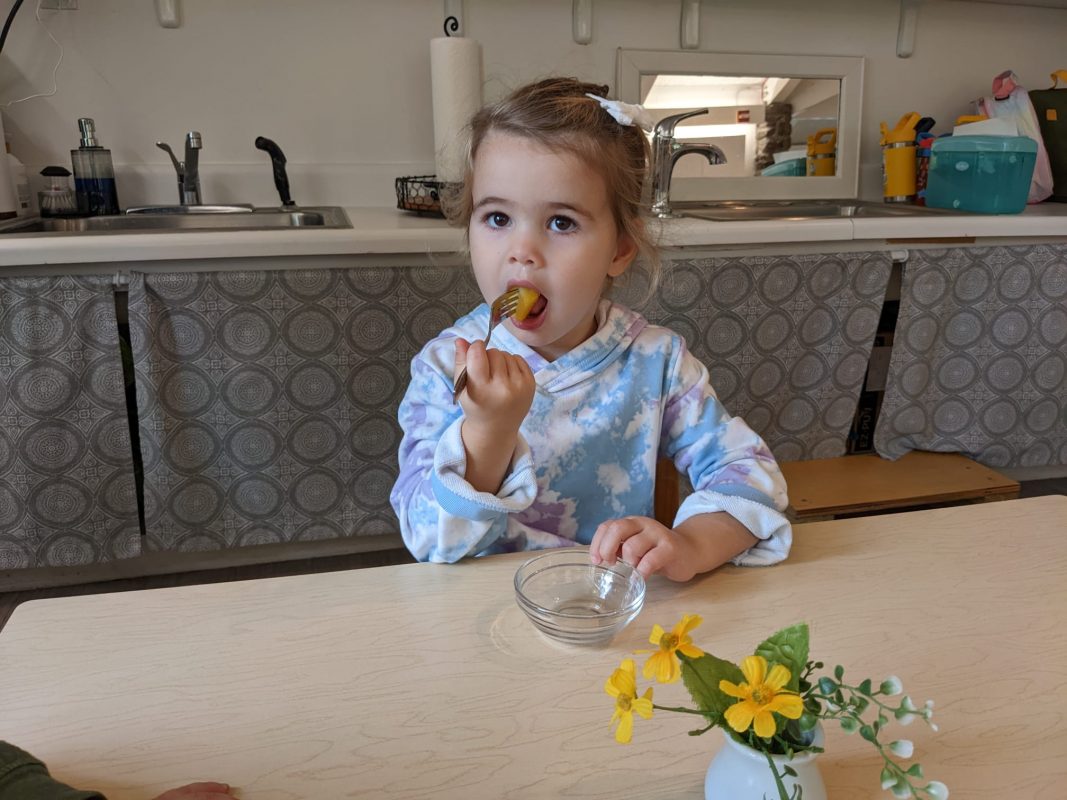
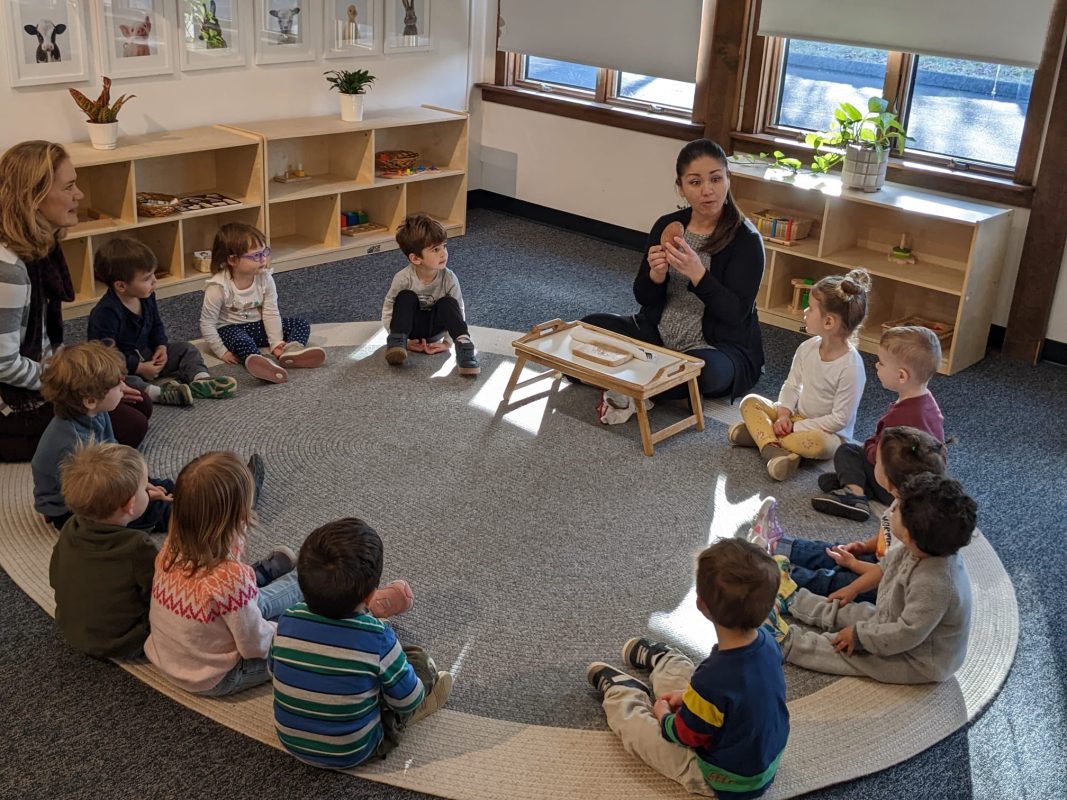
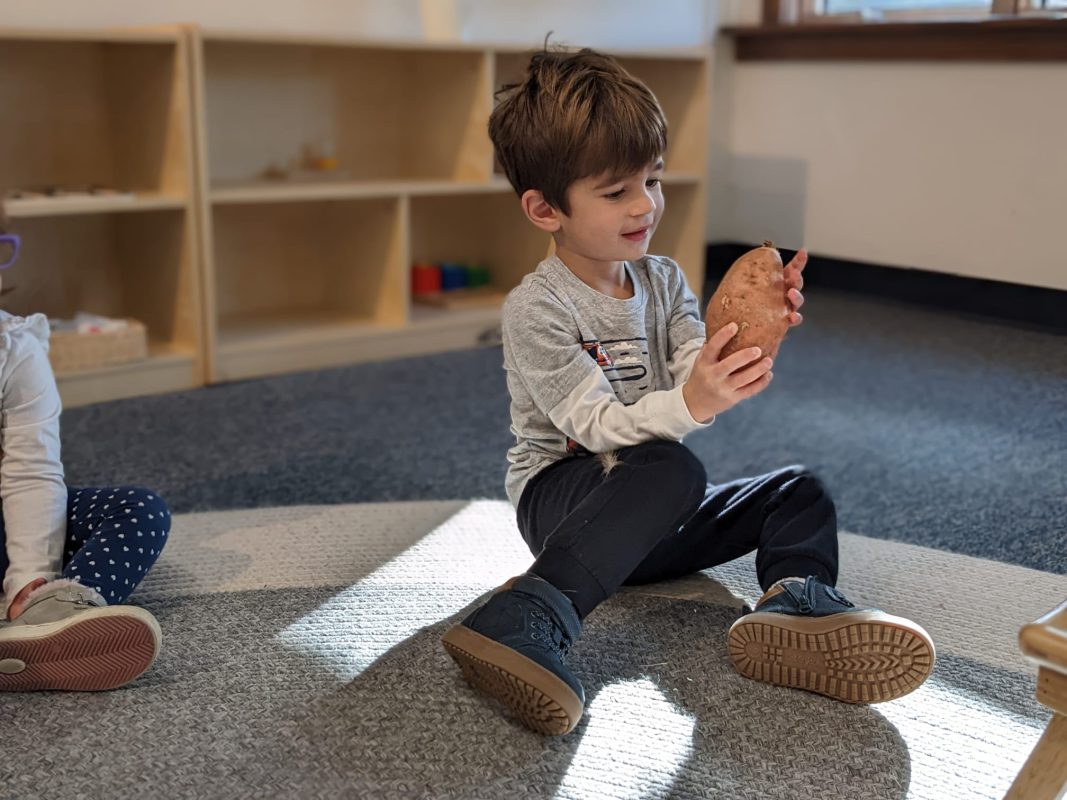
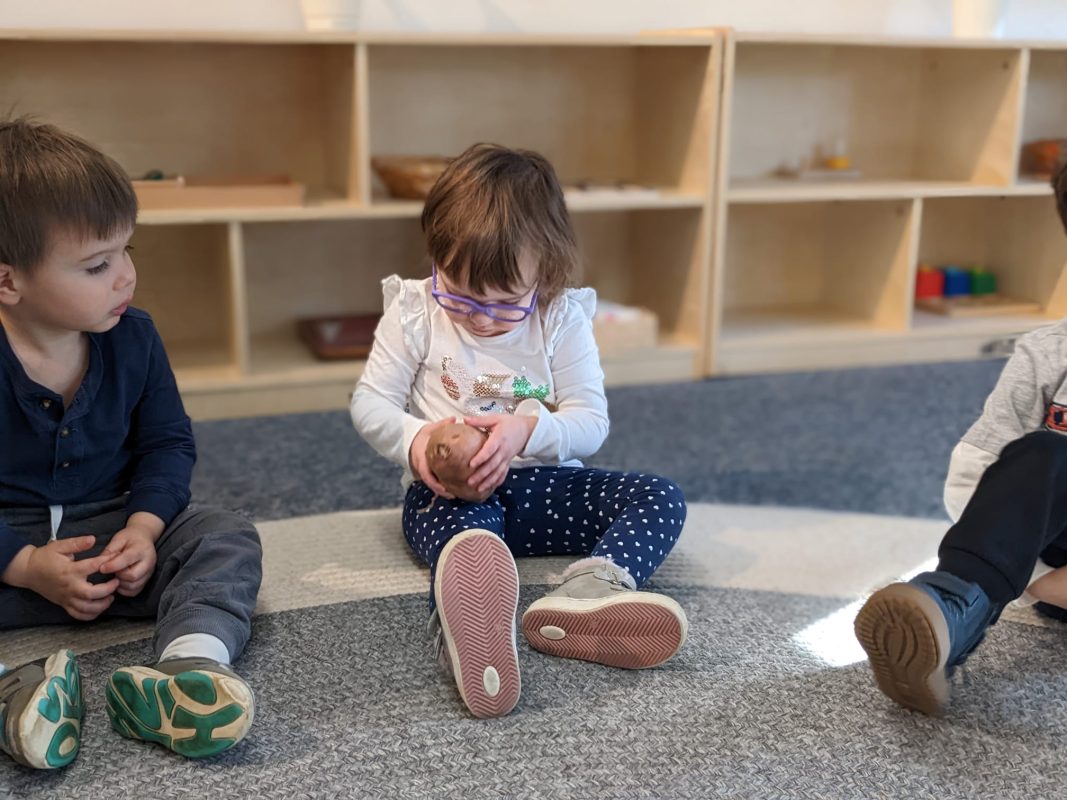
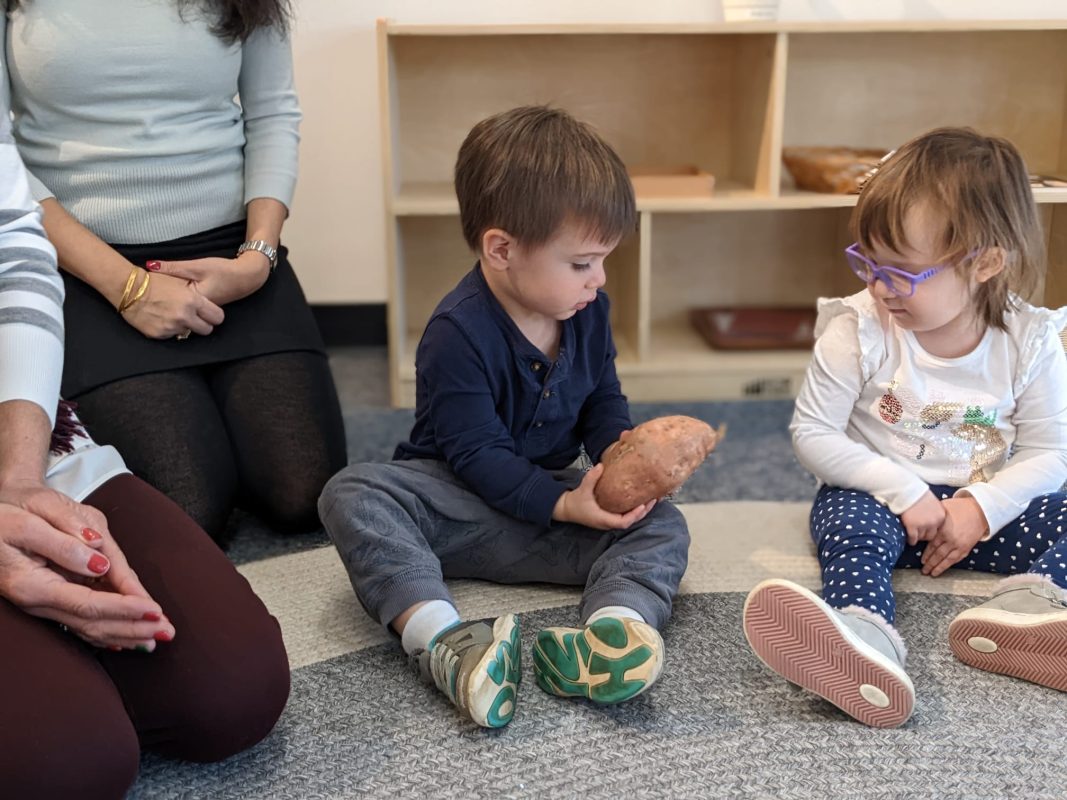
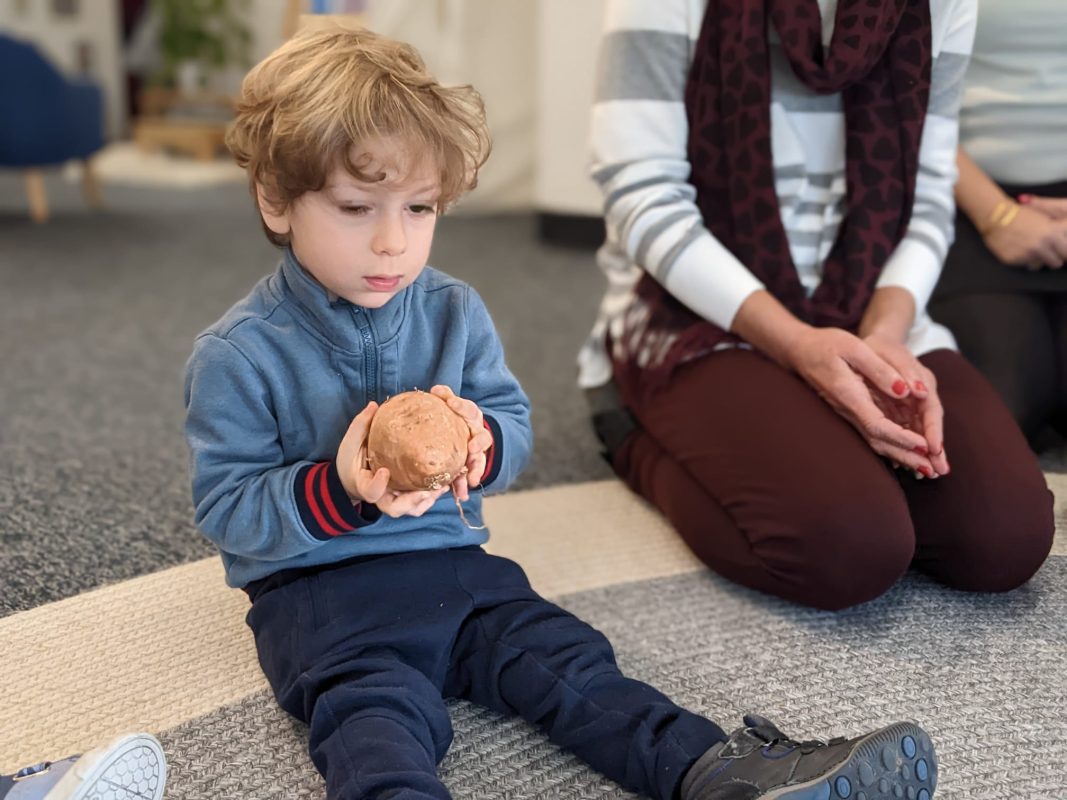
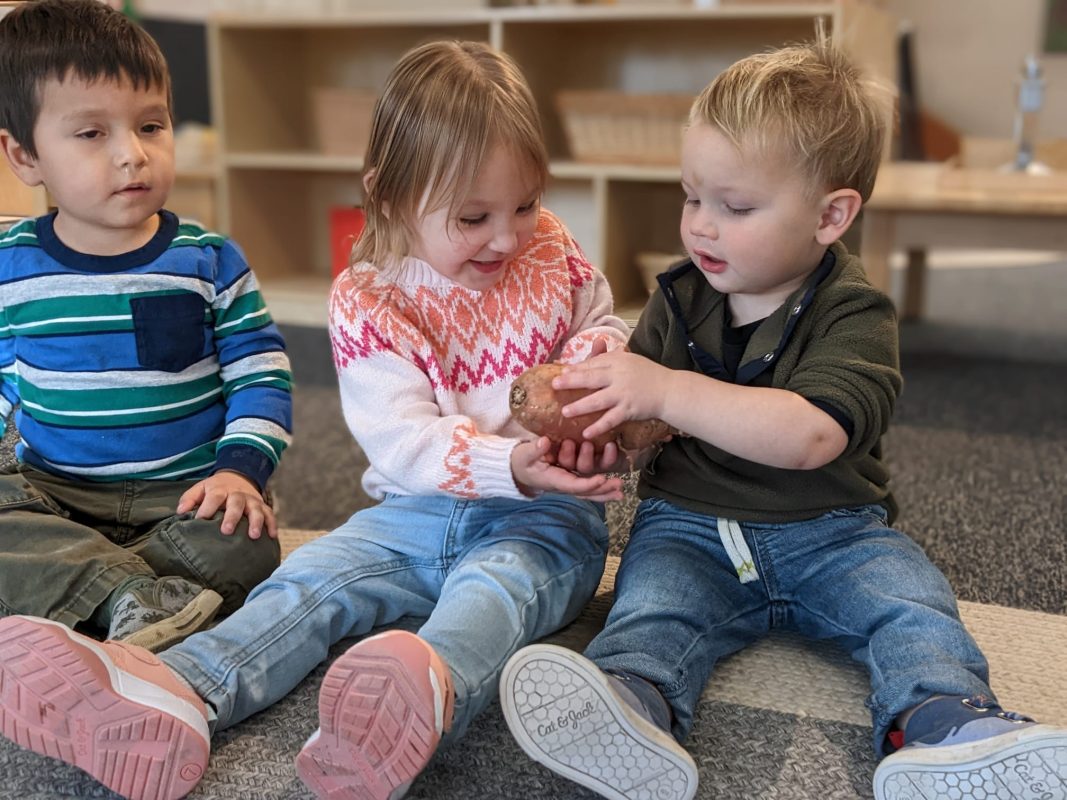
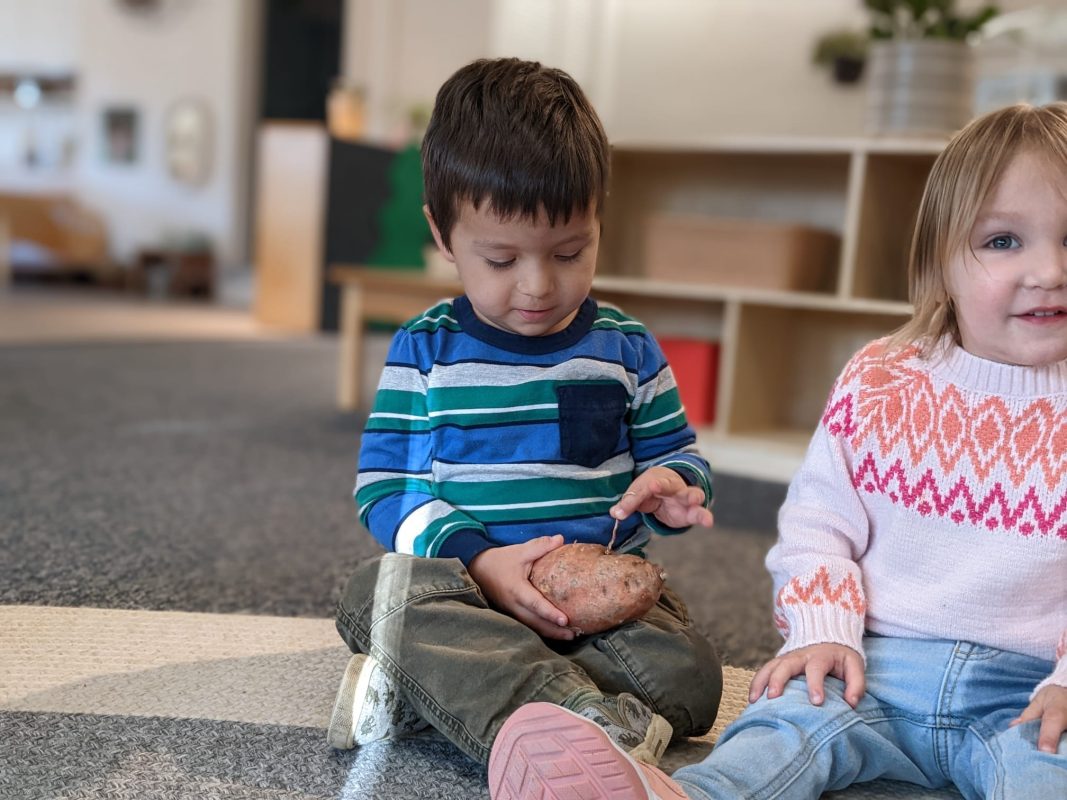
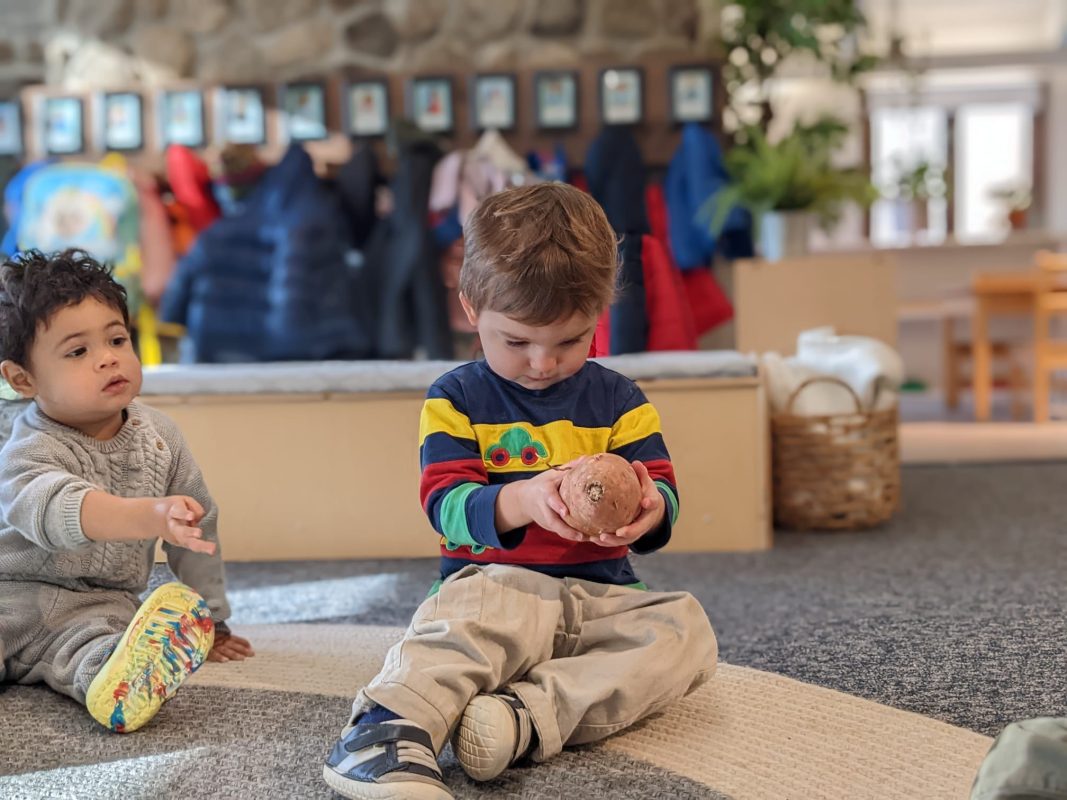
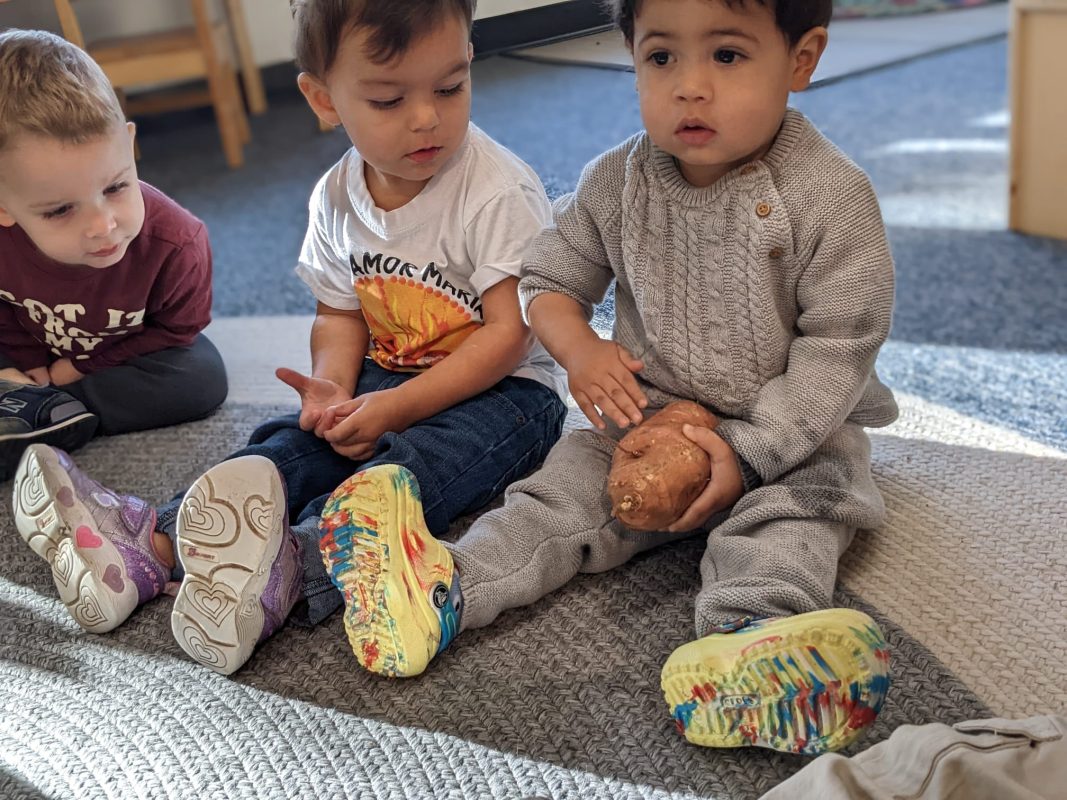
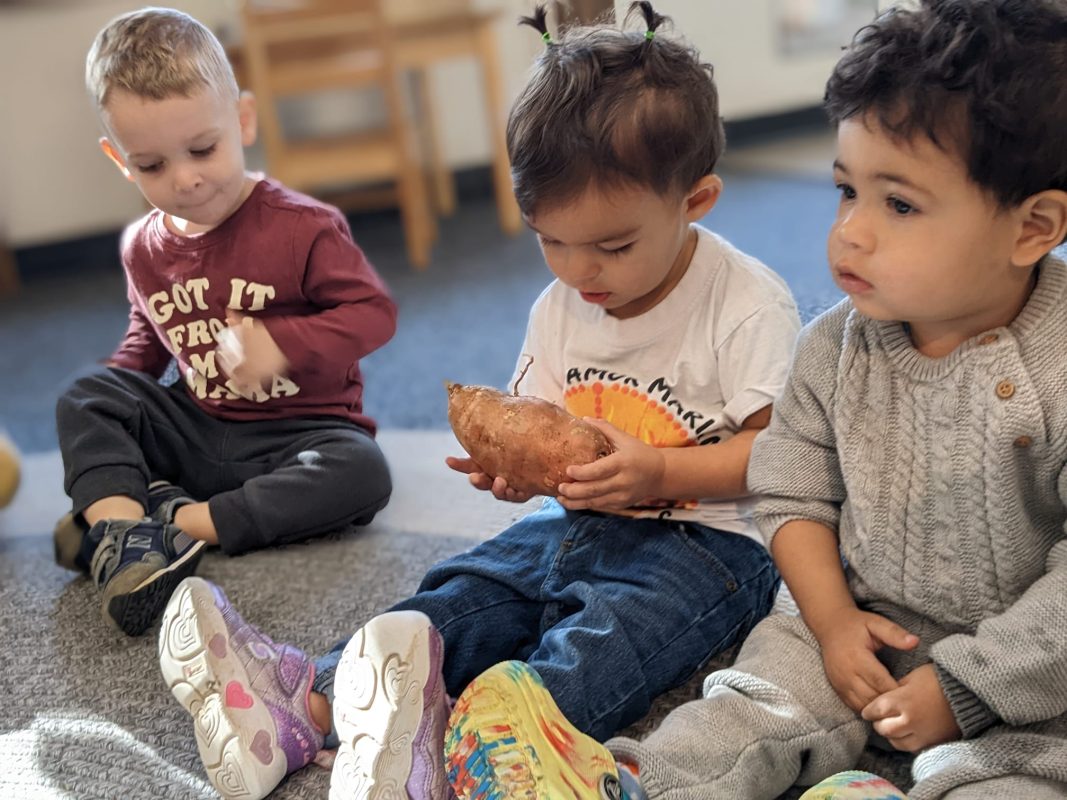
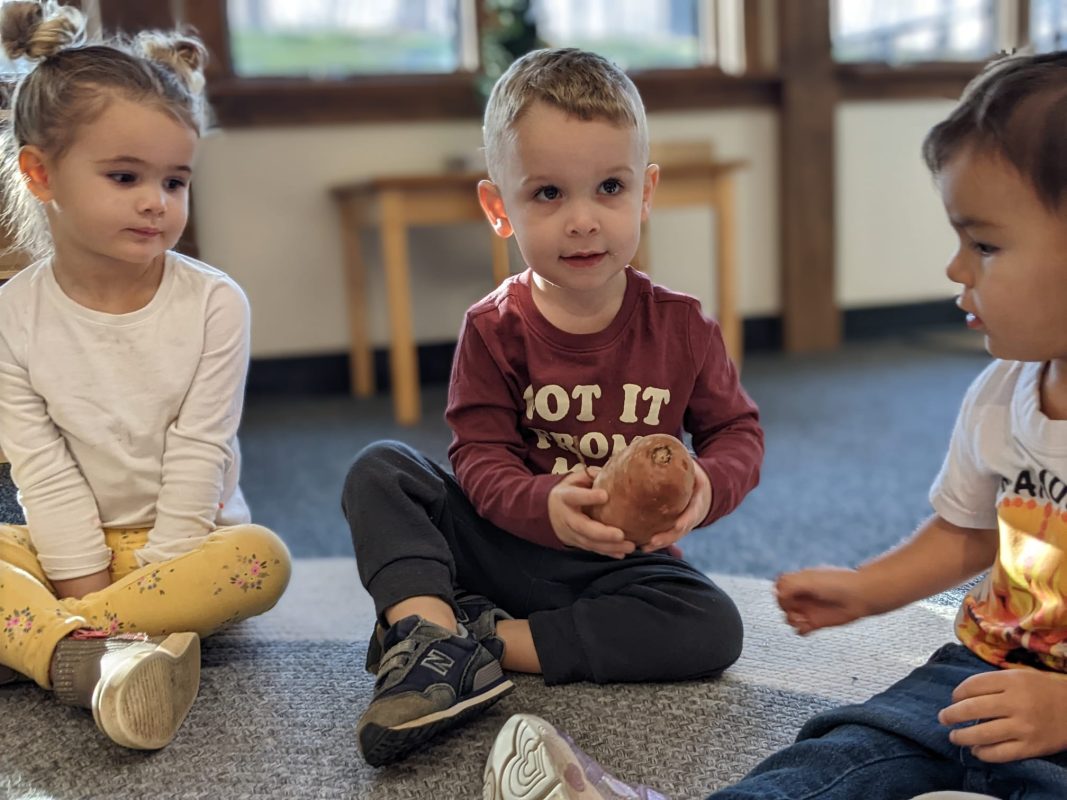
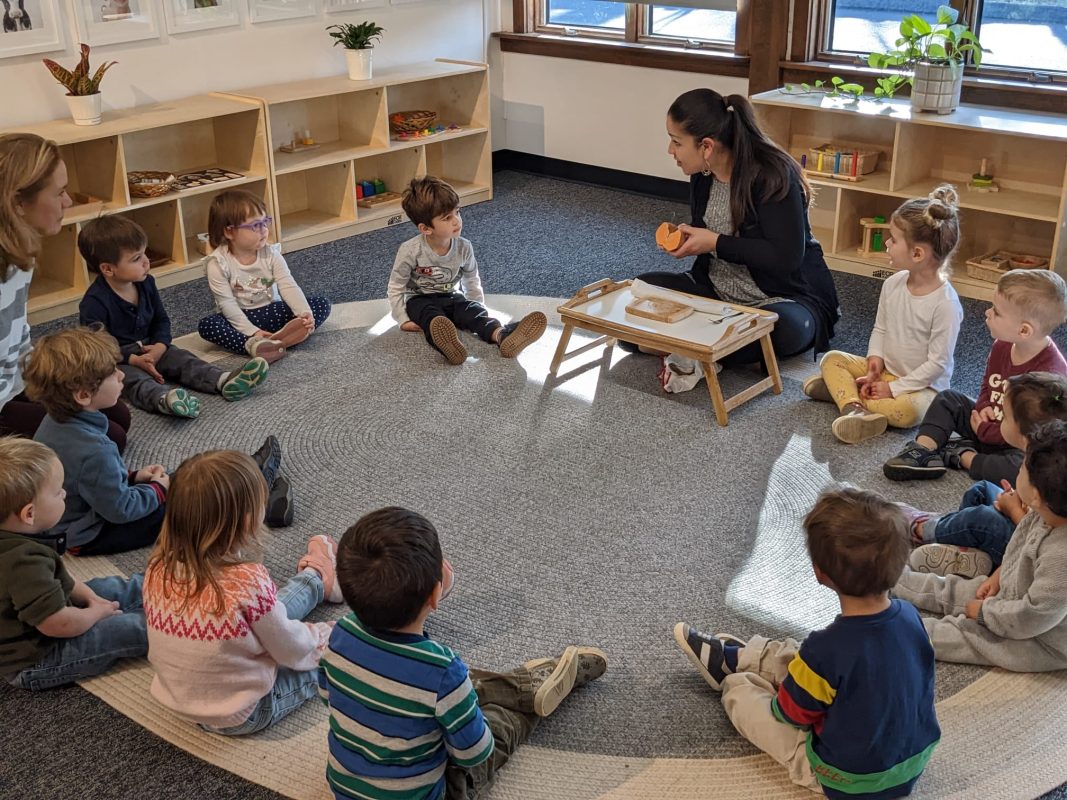
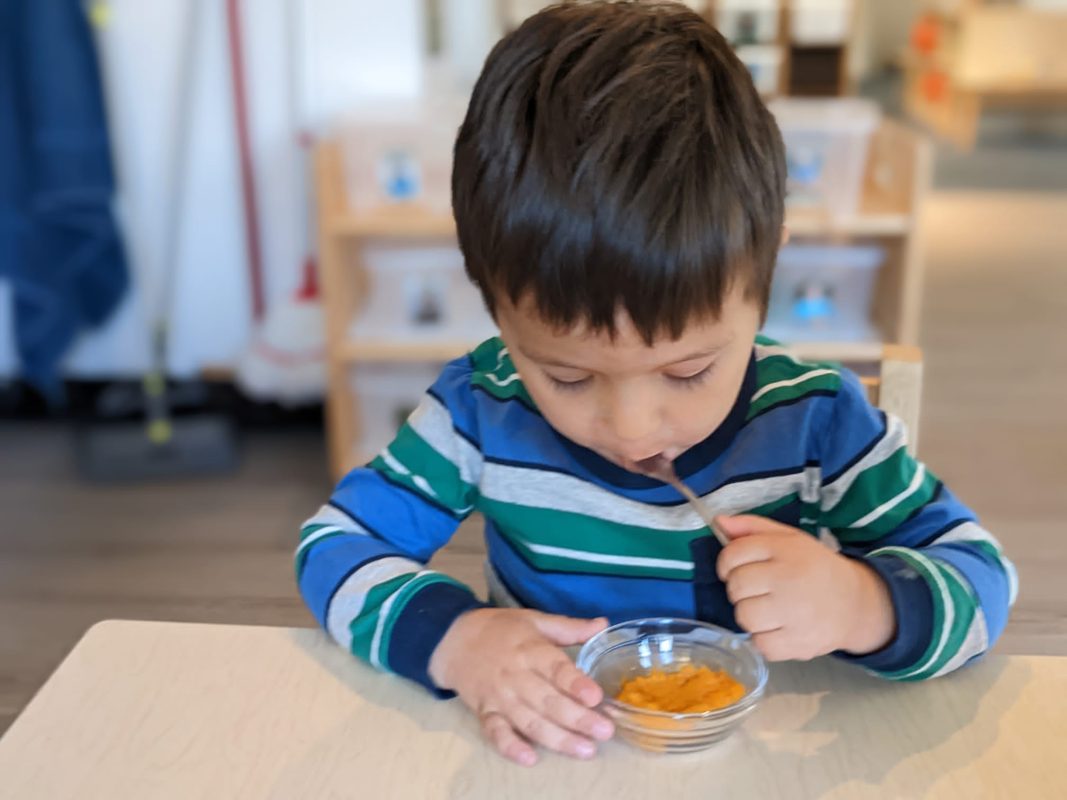
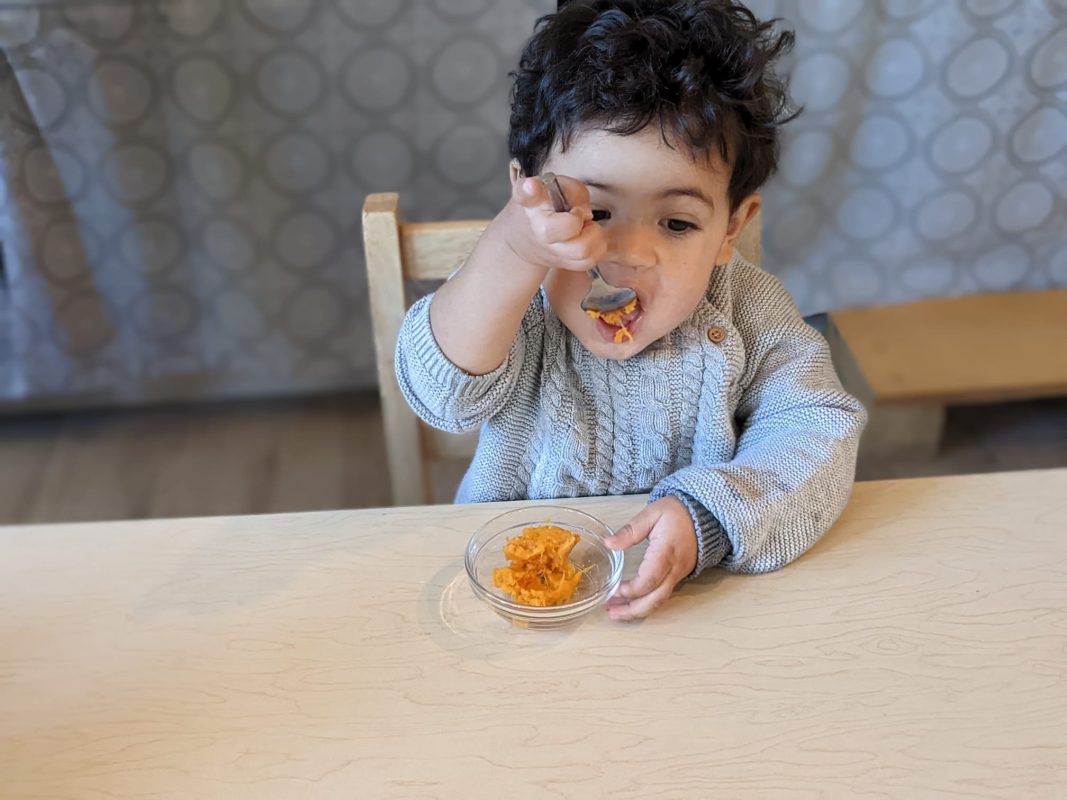
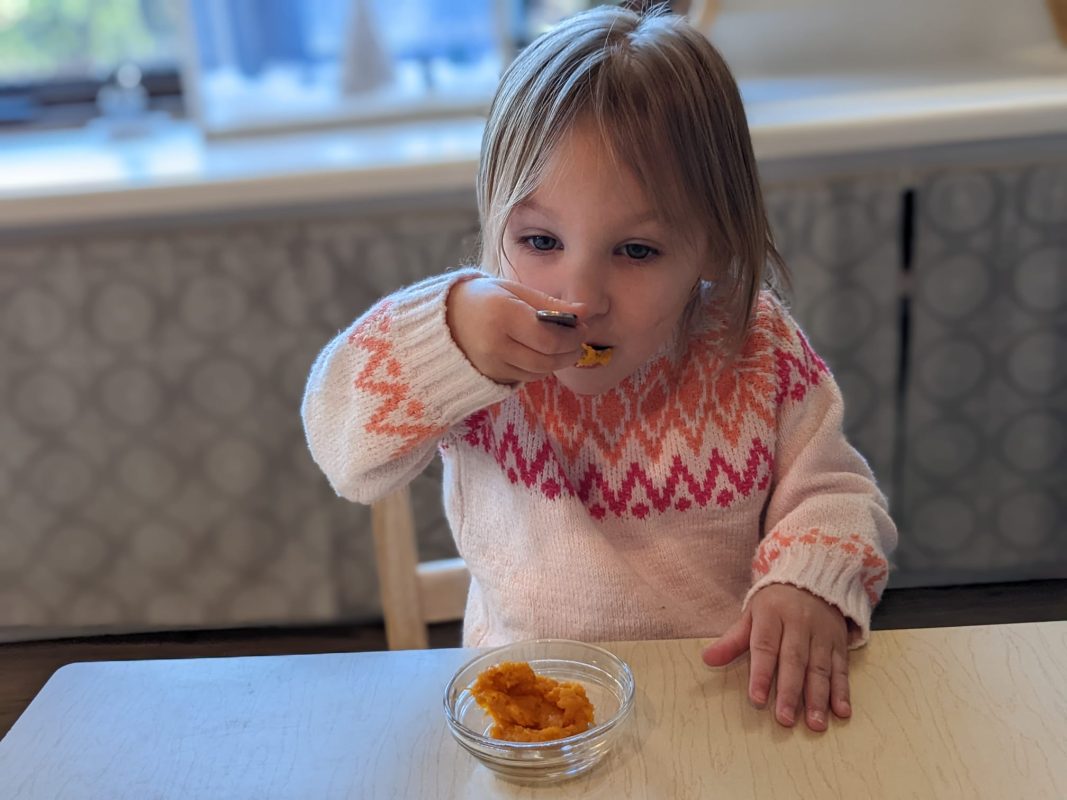
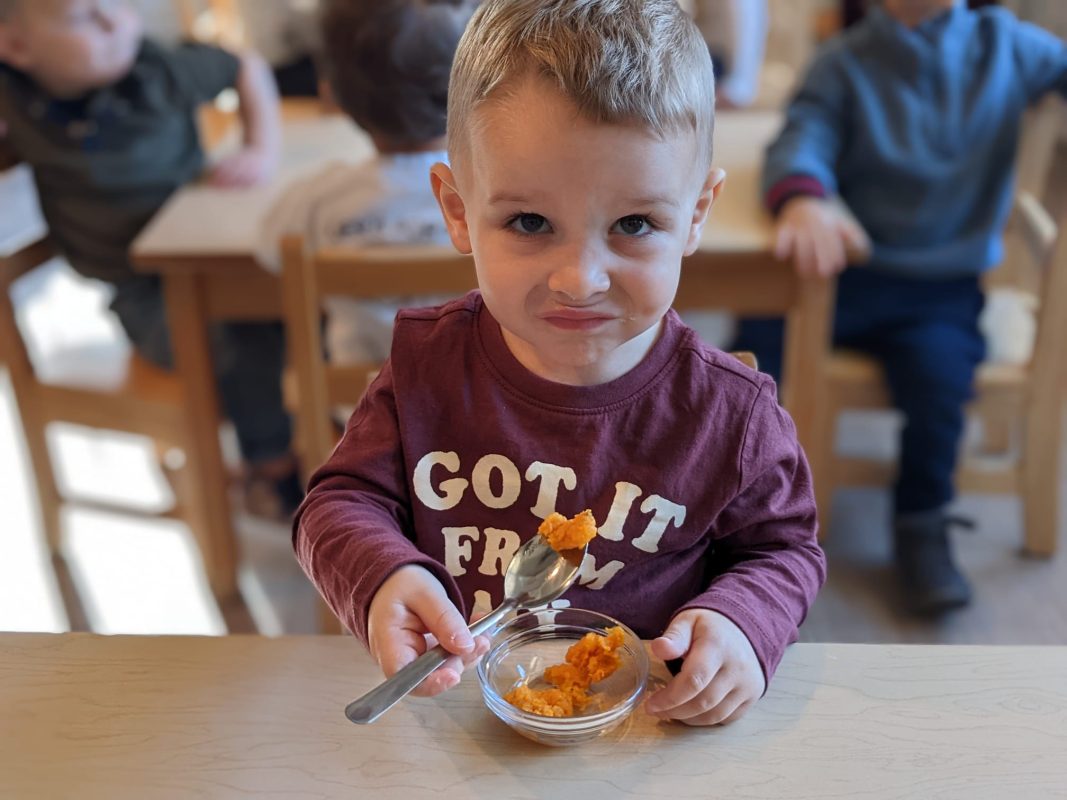
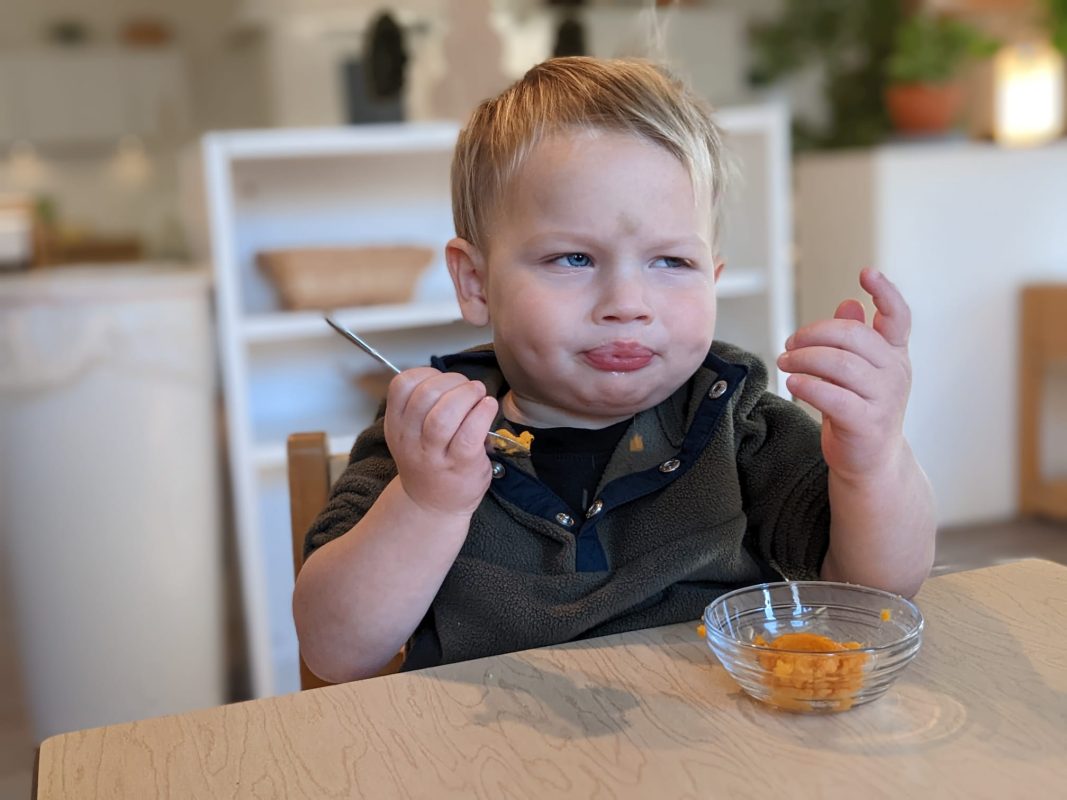
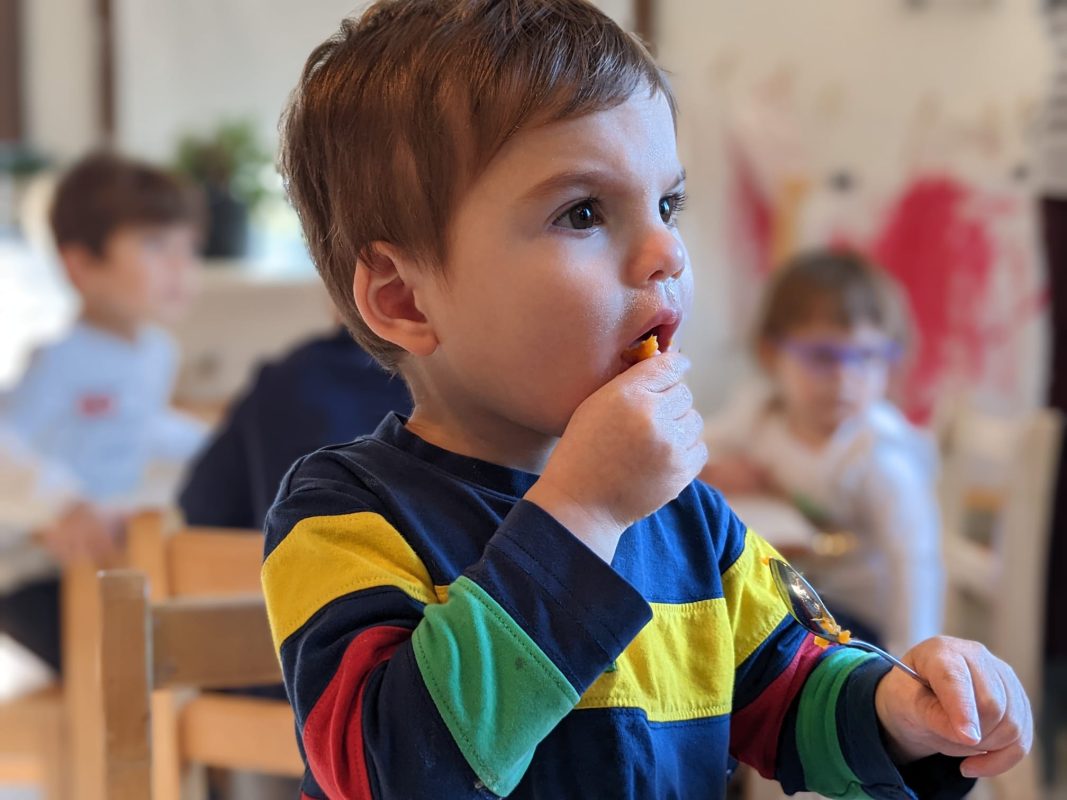
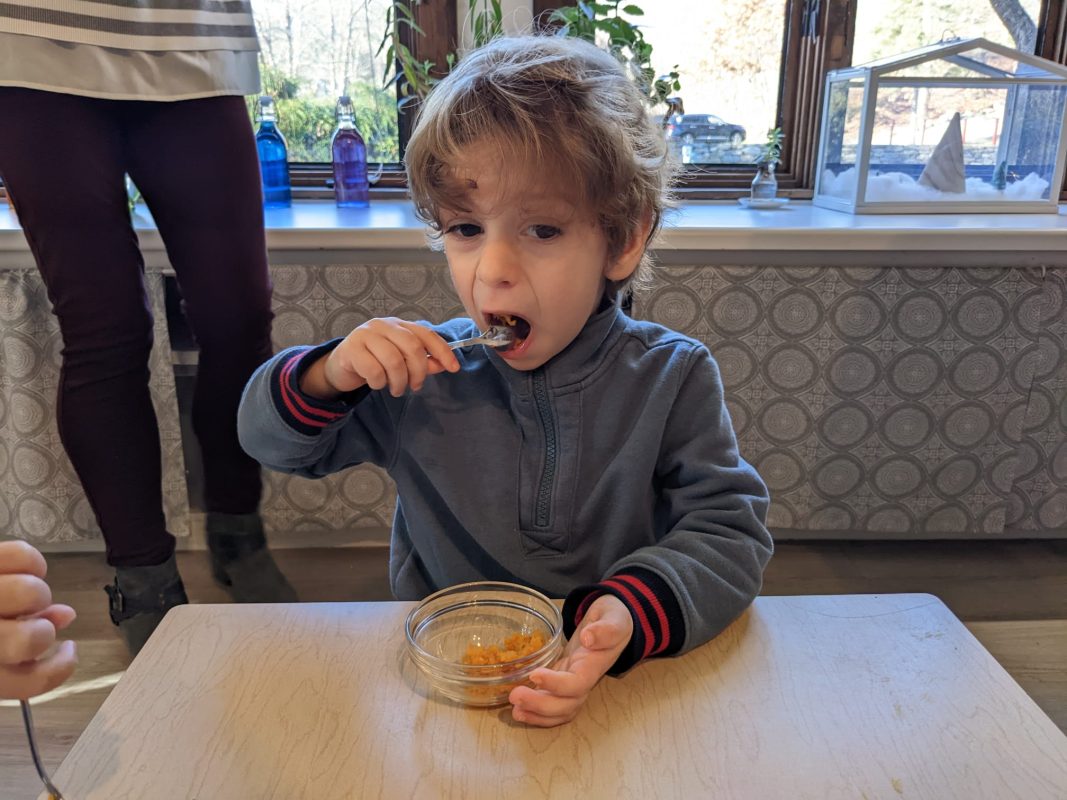
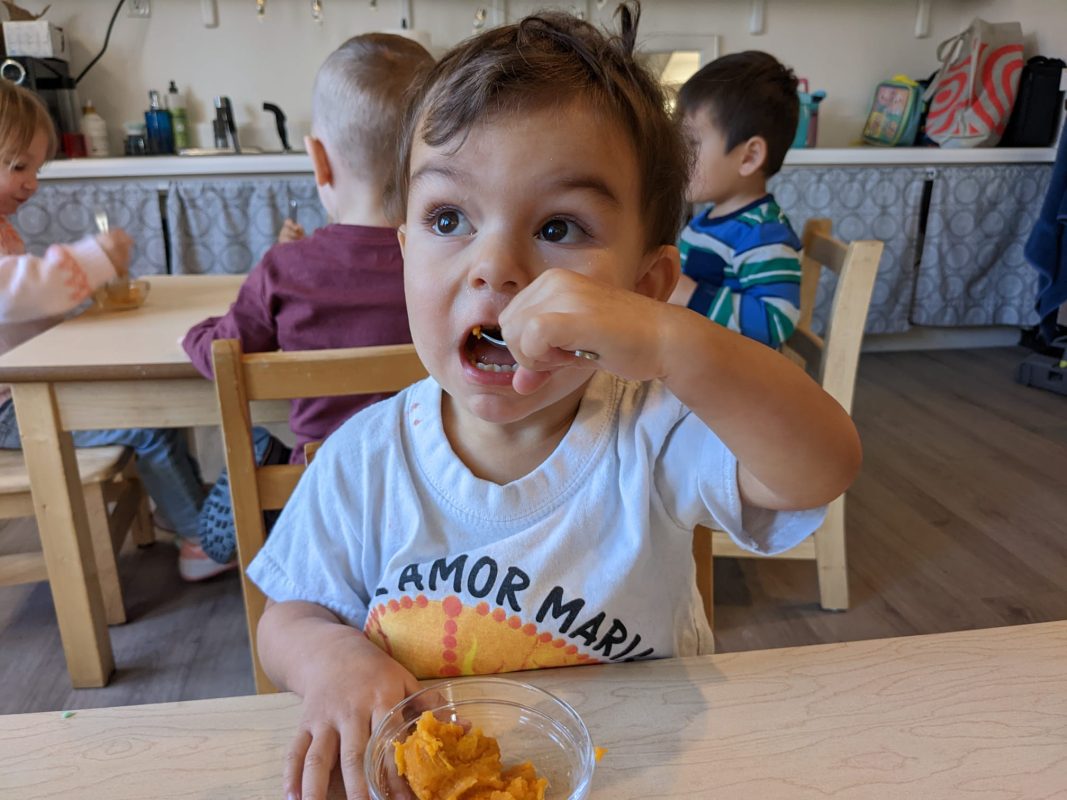
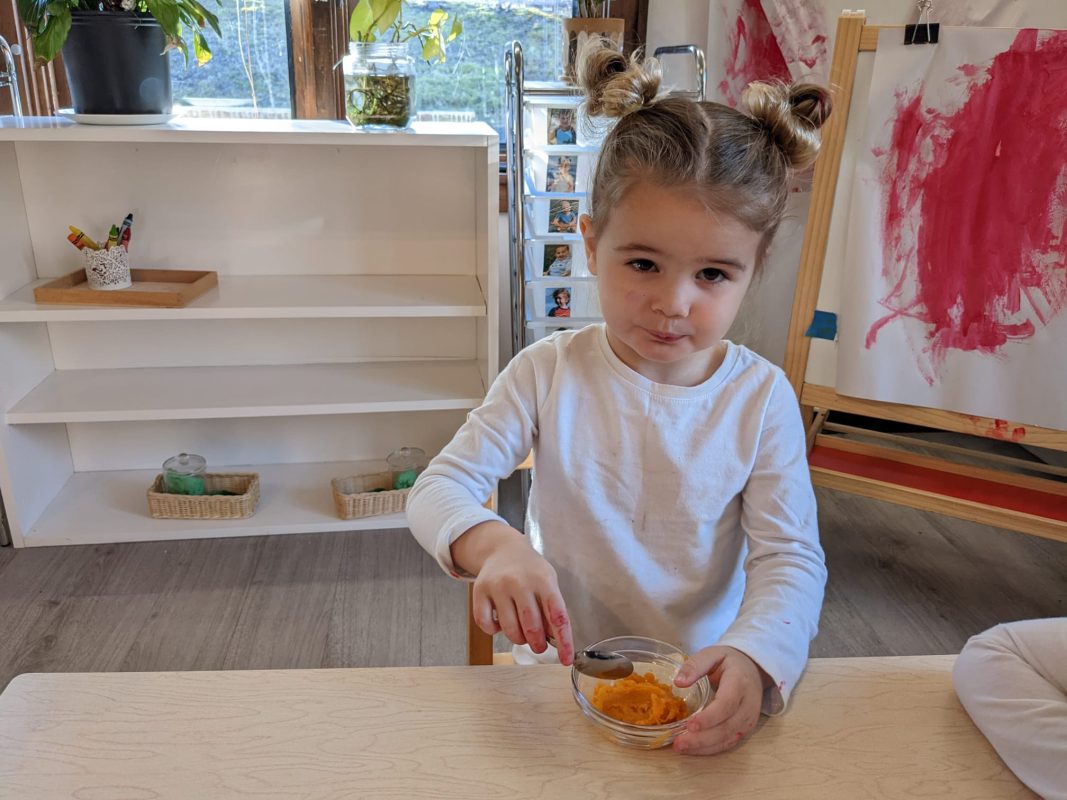
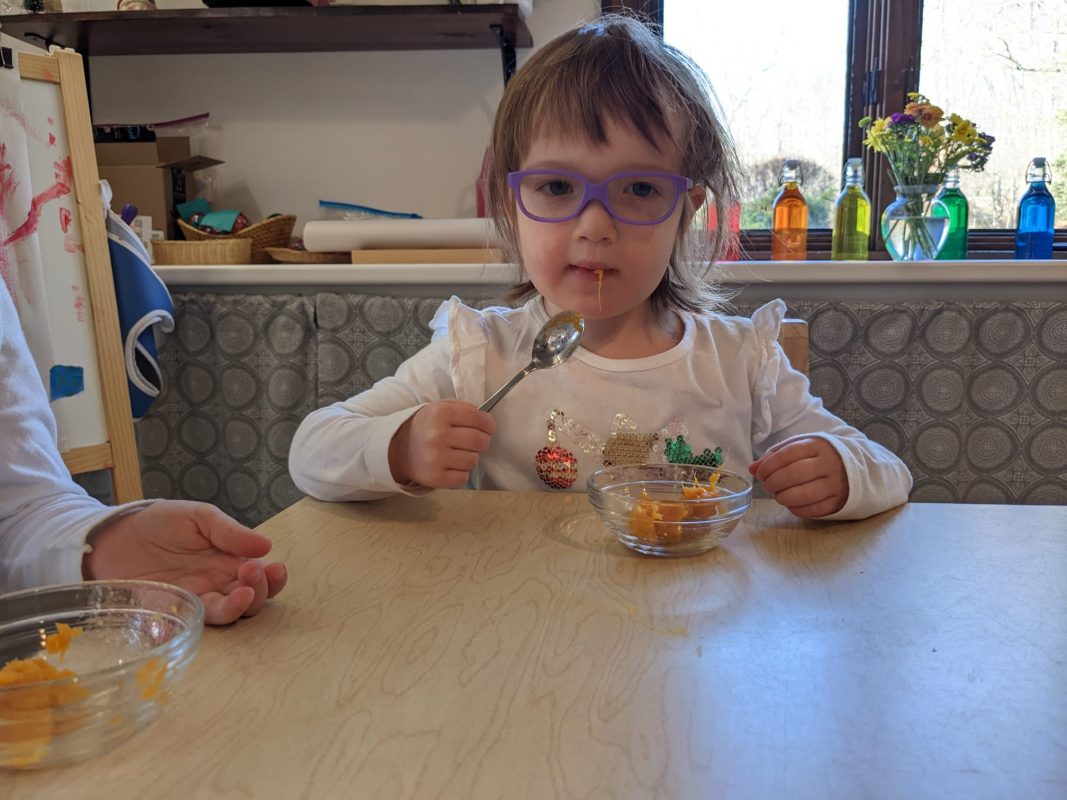
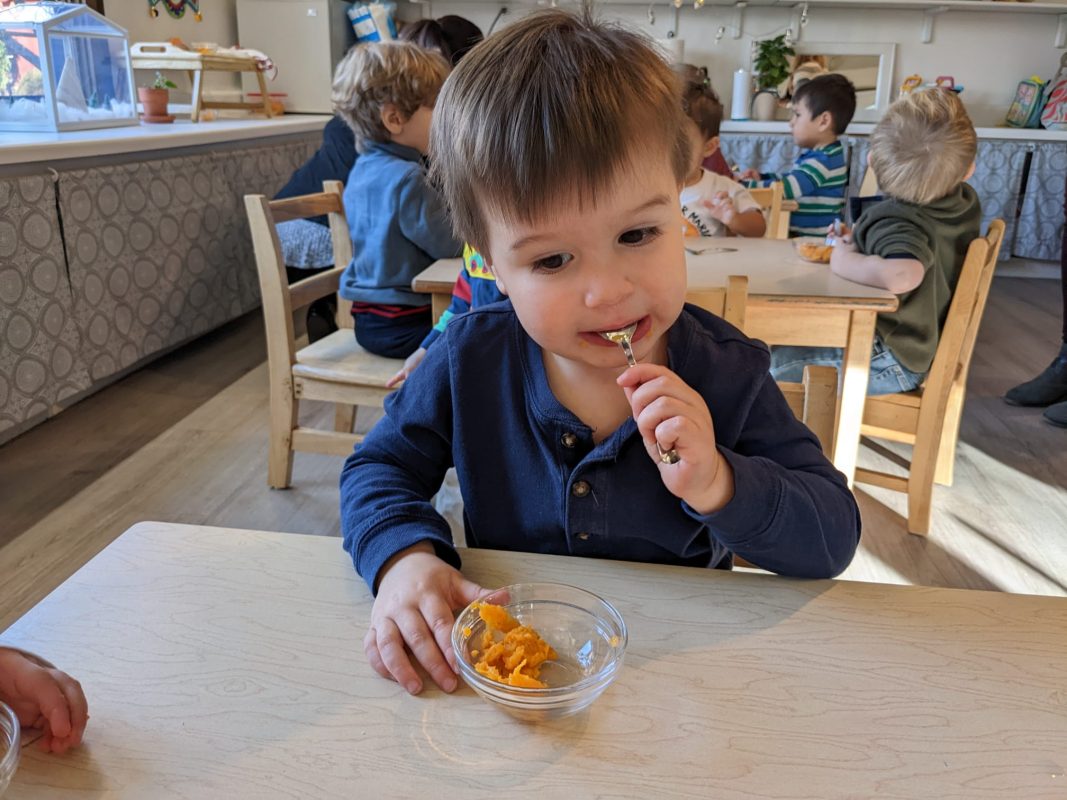
For food tasting, we explored sweet potatoes this week and it was a well received root vegetable by most of our toddlers.

We can’t wait for our holiday pajama celebration next week! Please feel free to send your child in pajamas on Wednesday, December 14th and thank you in advance for all your support to make this happen!

Have a joyful weekend,

Mrs. Hood and Ms. Bethann

Mrs. Hood: Shake, Shake, Shake!

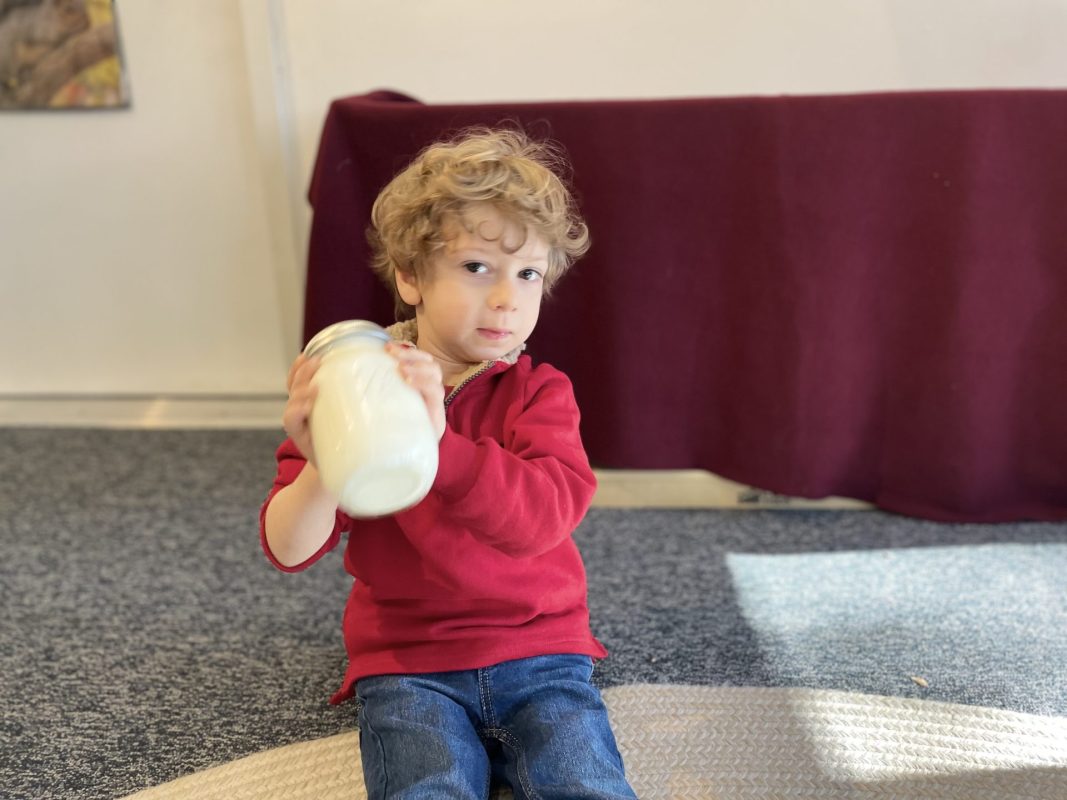
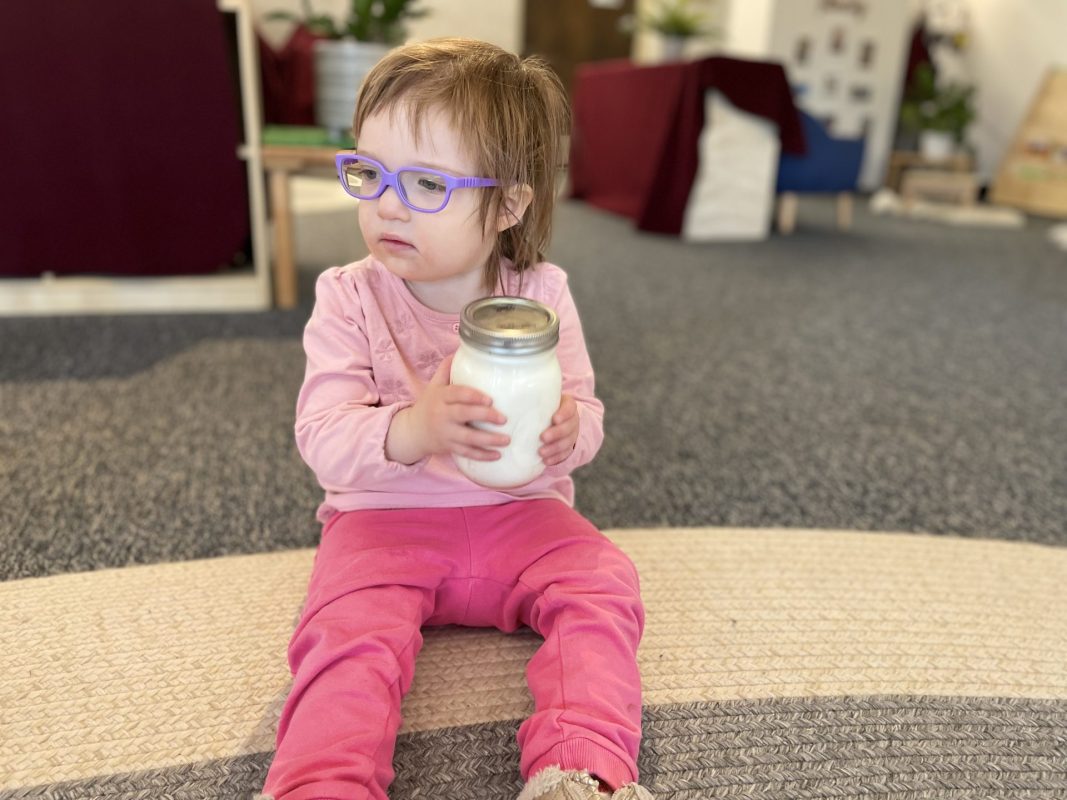
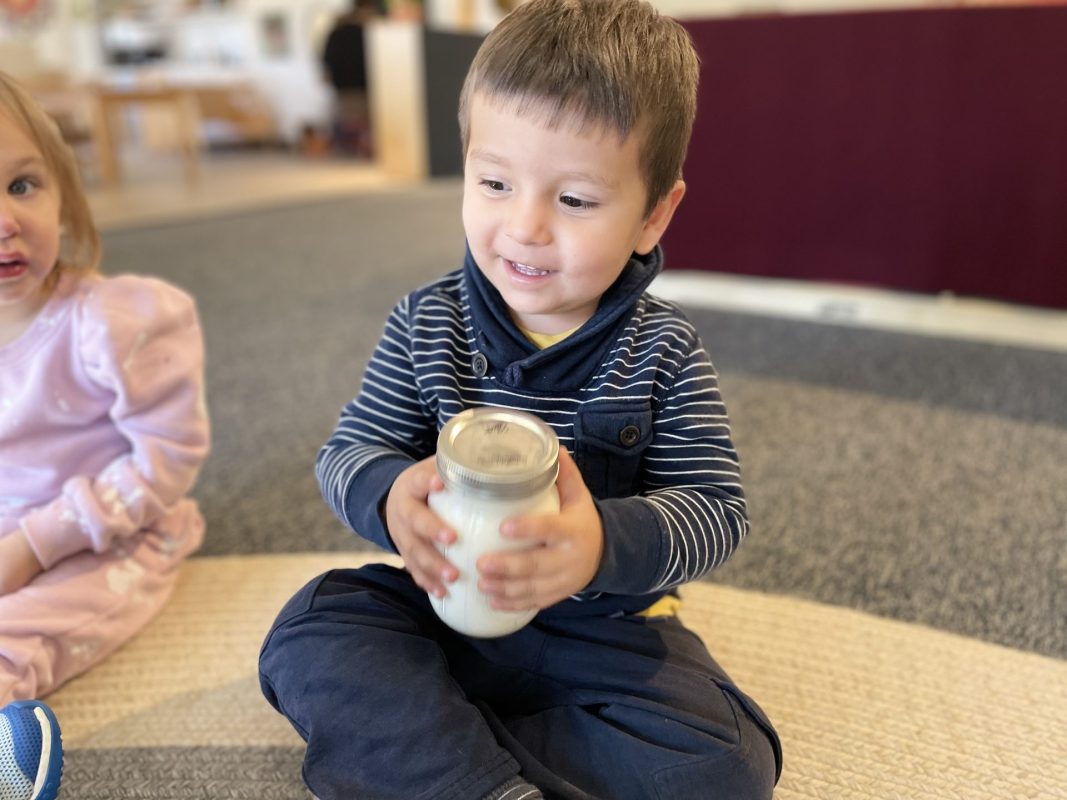
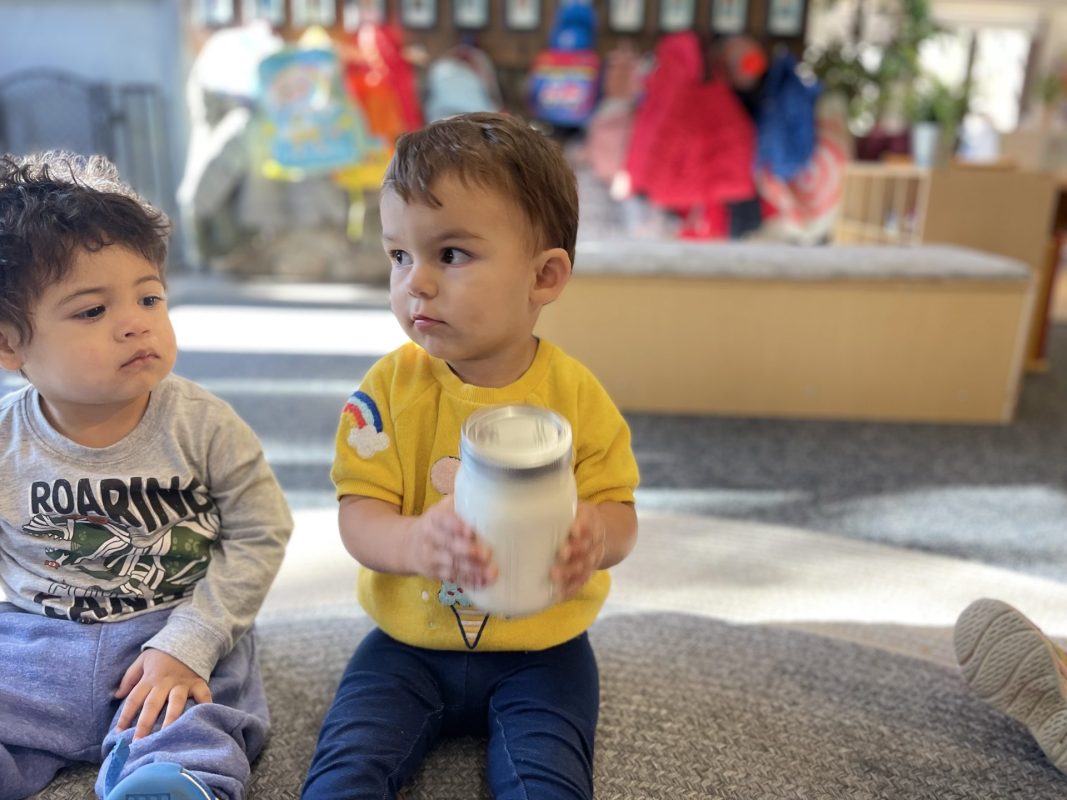
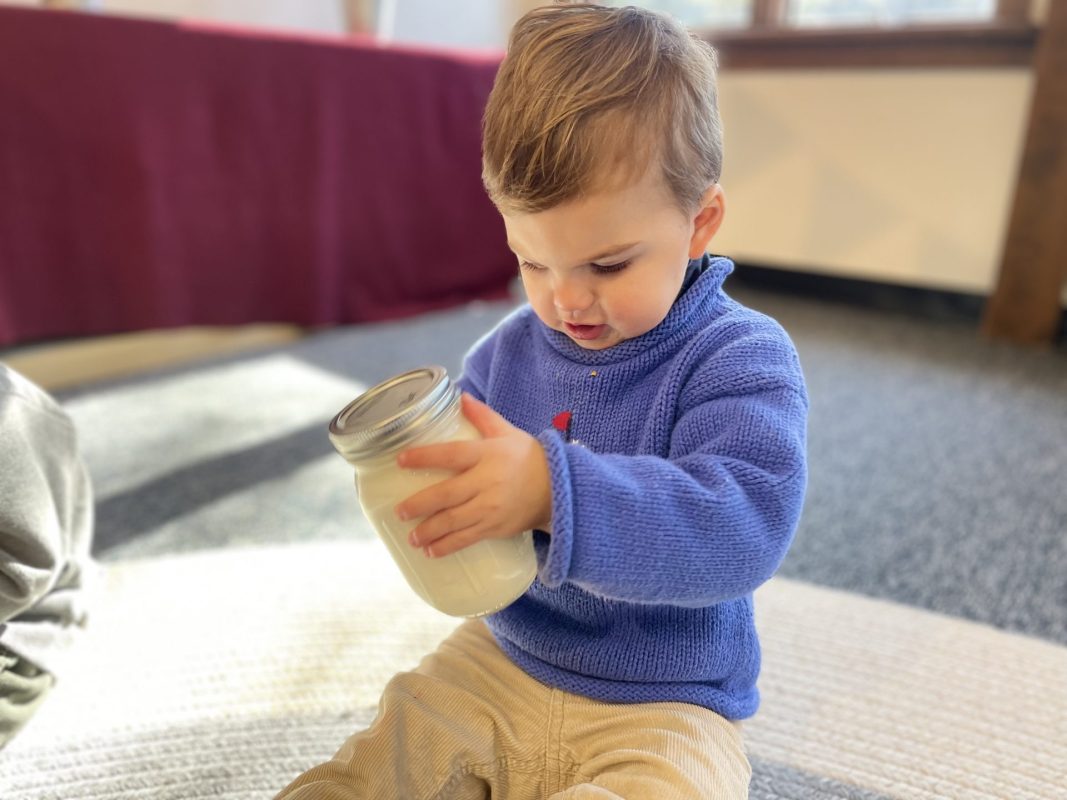
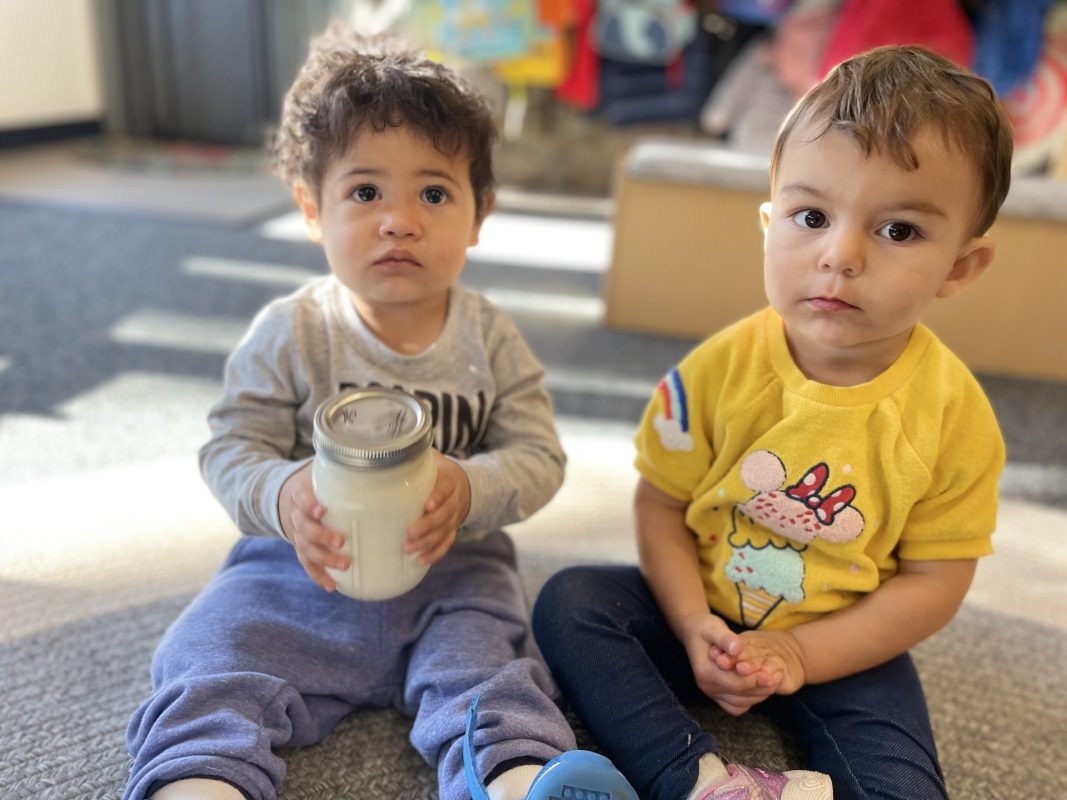
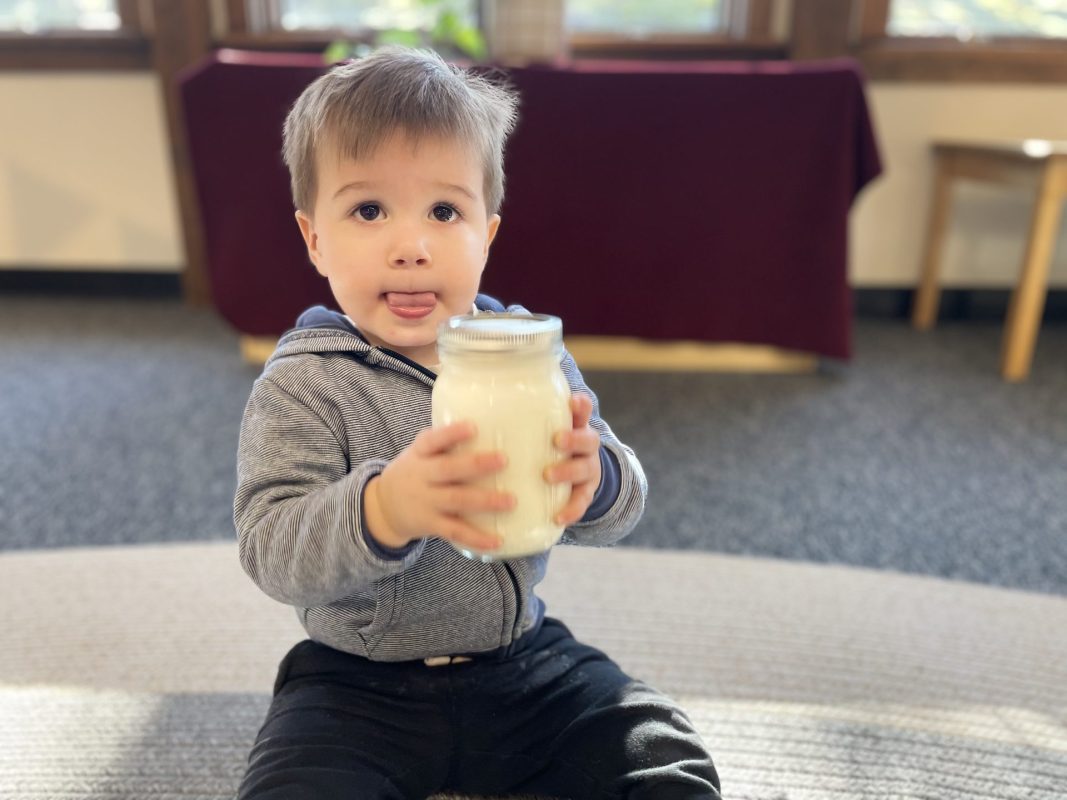
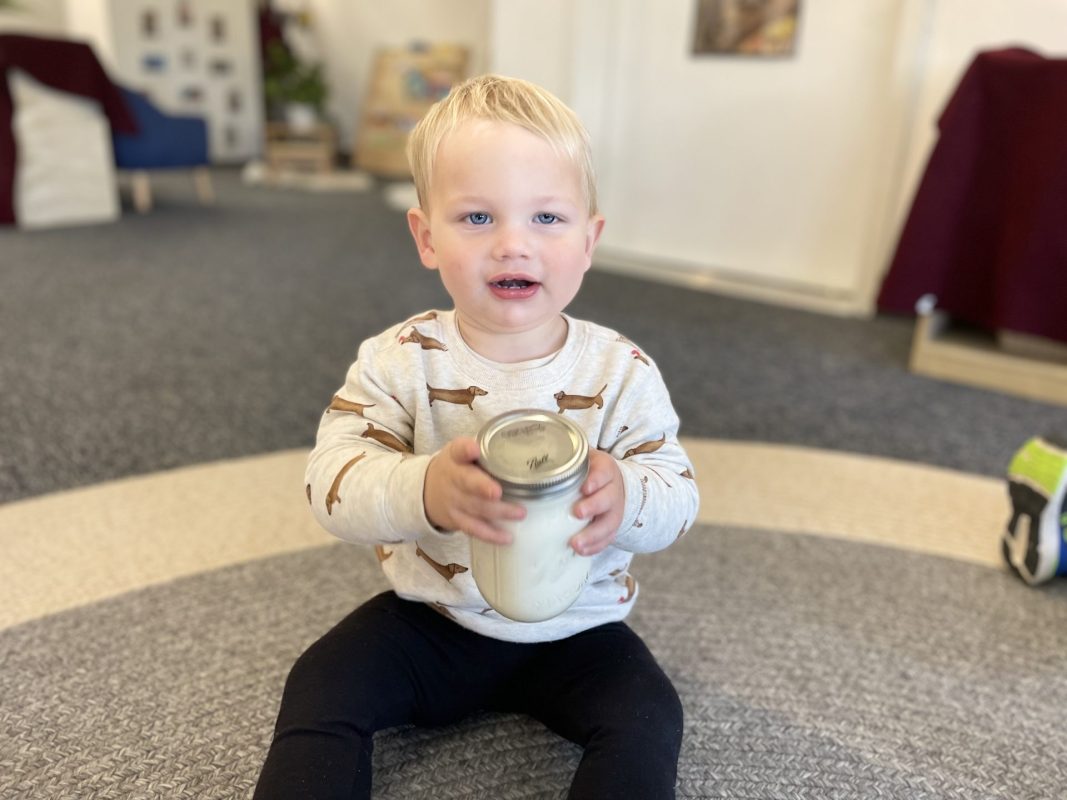
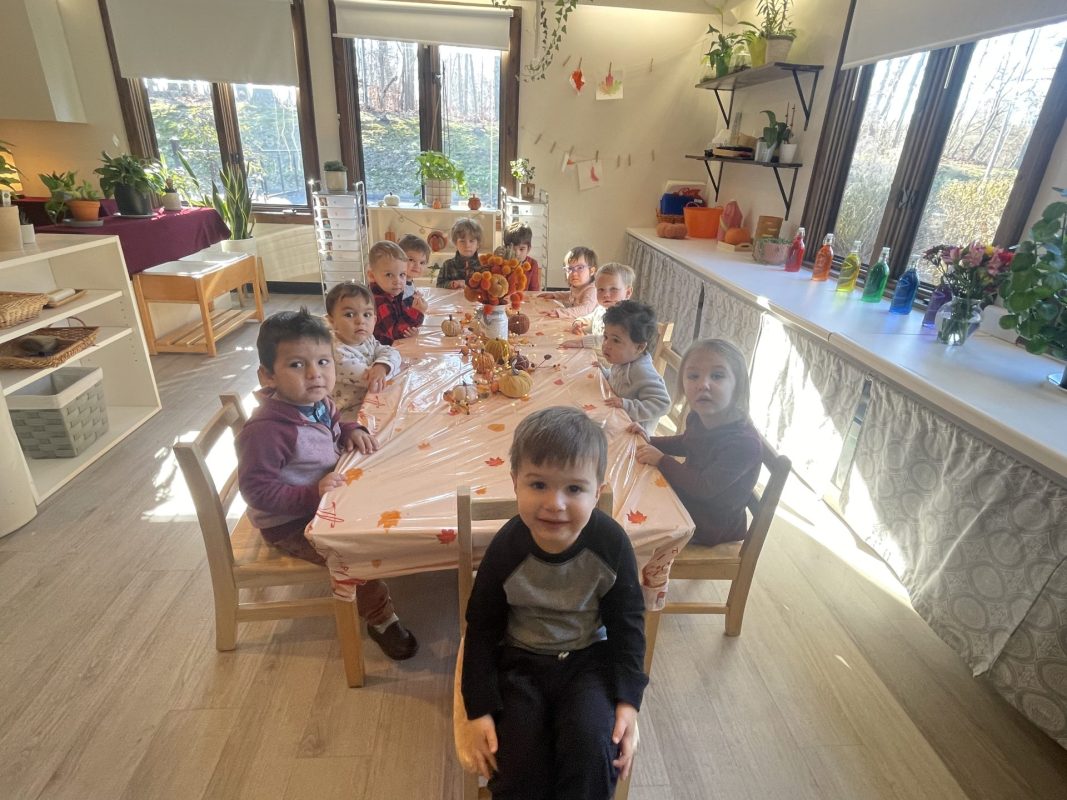
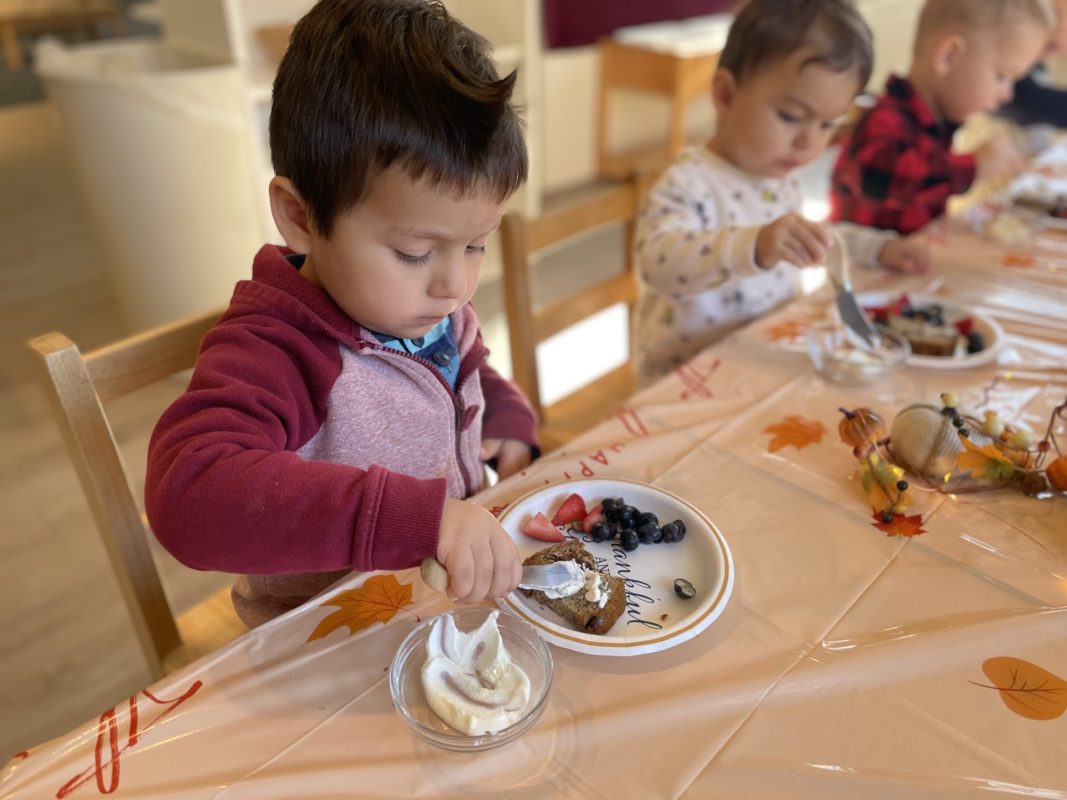
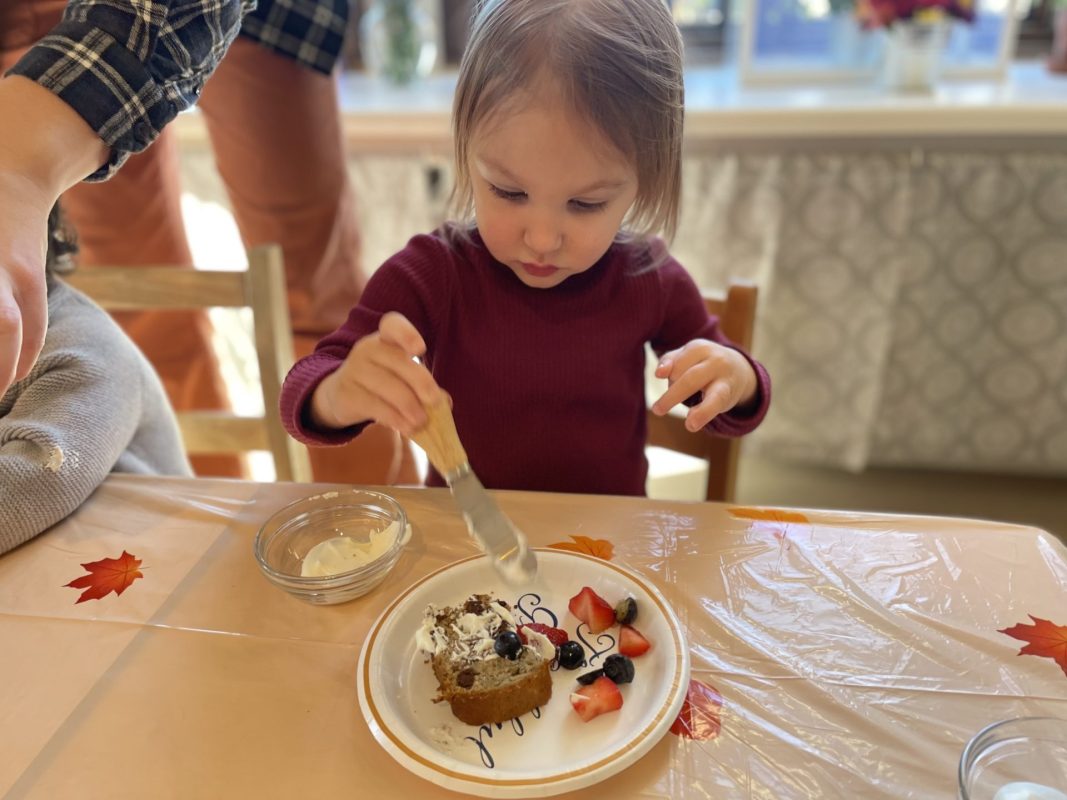
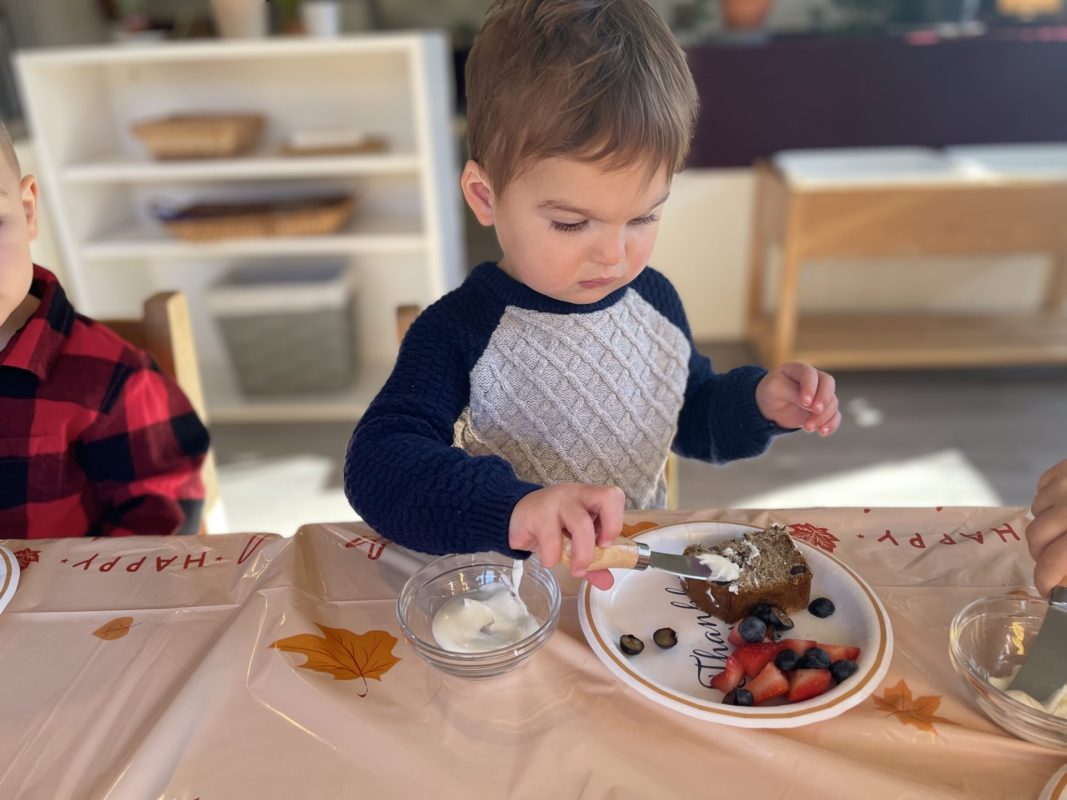
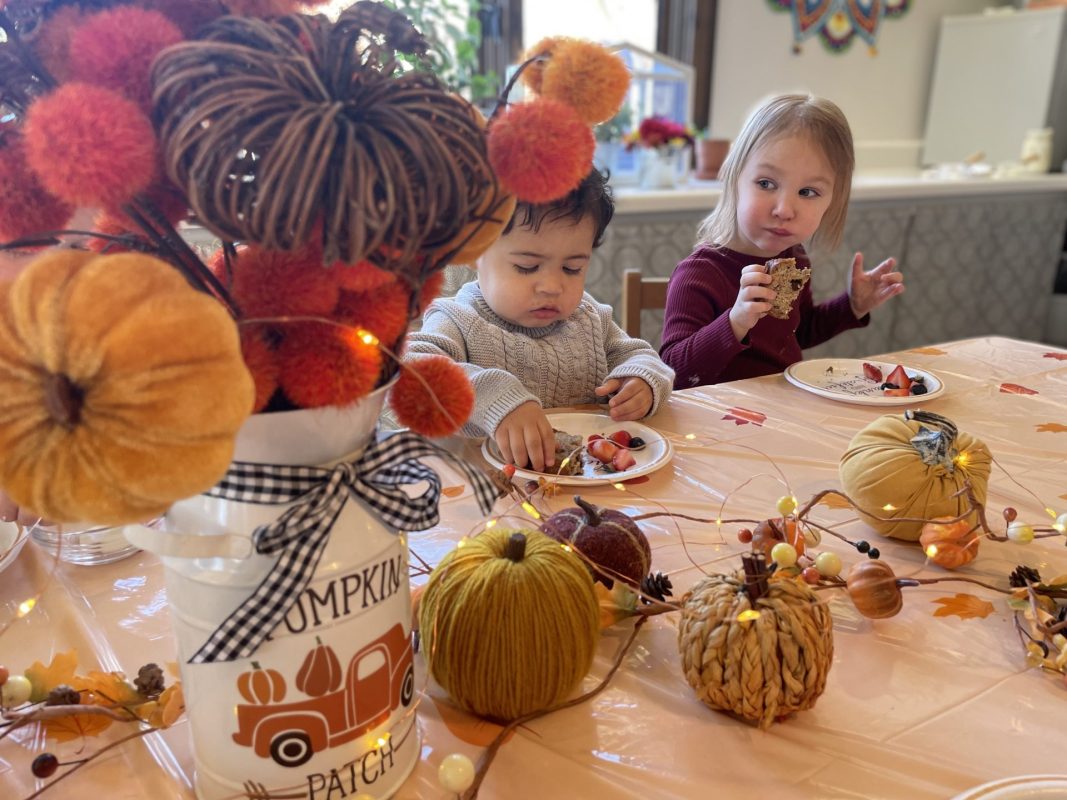
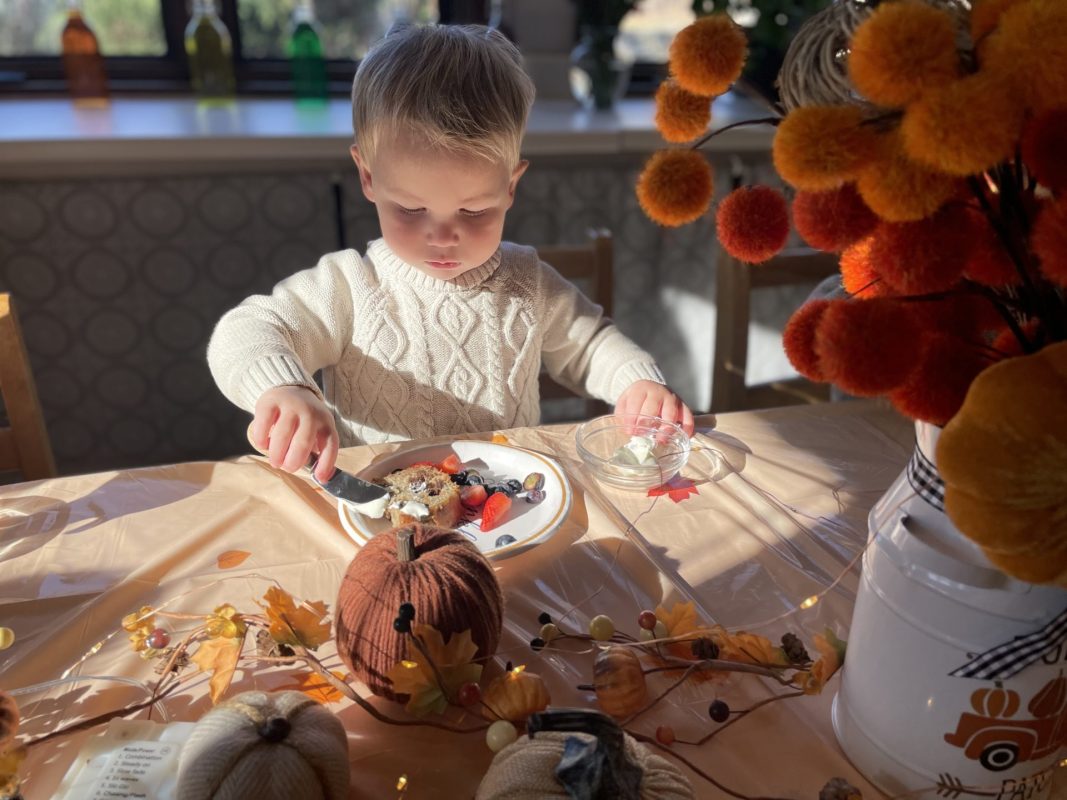
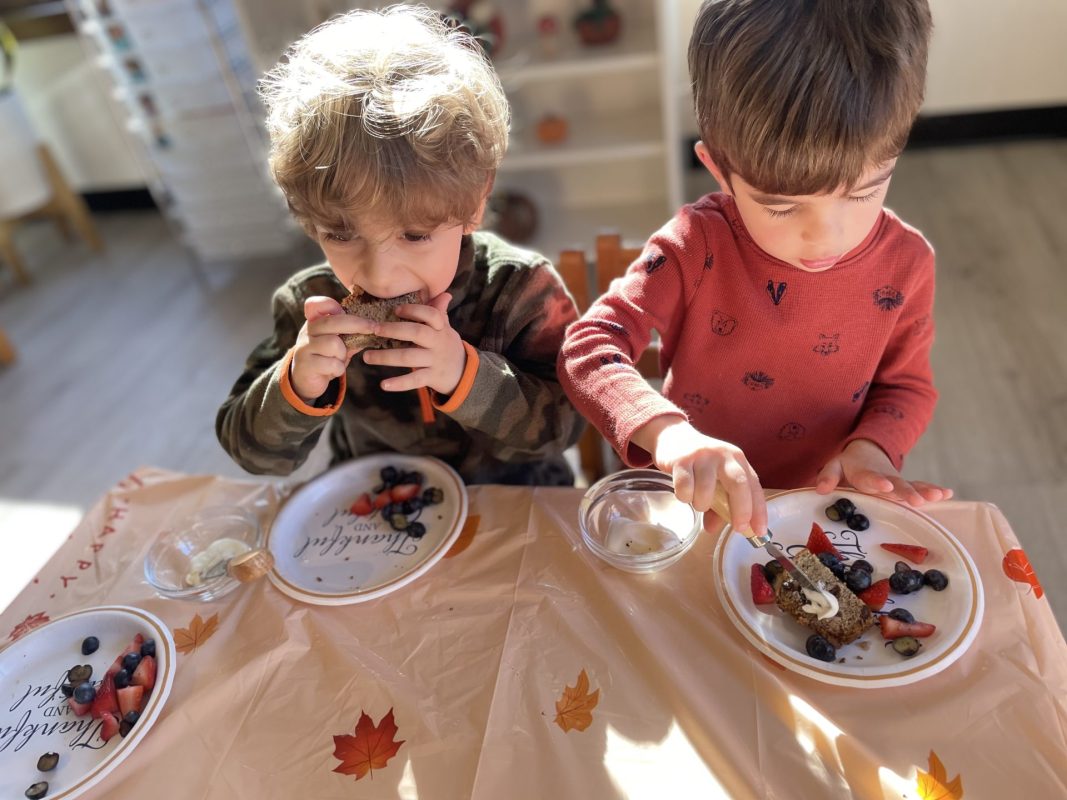
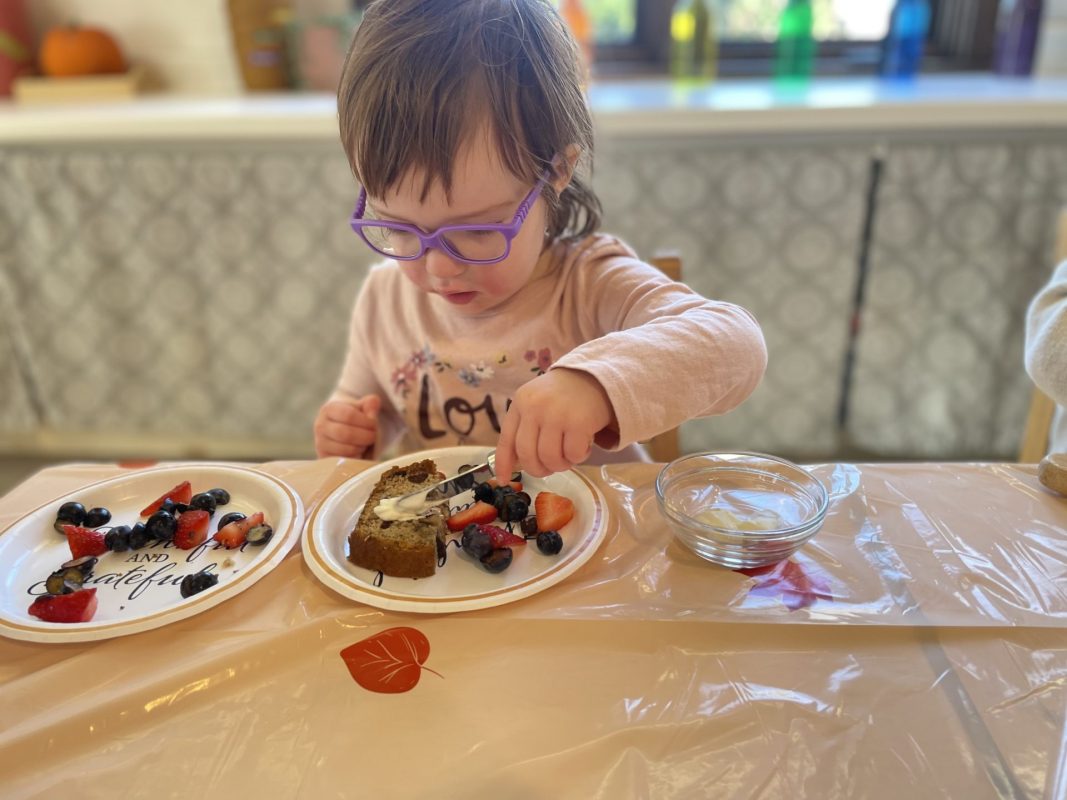
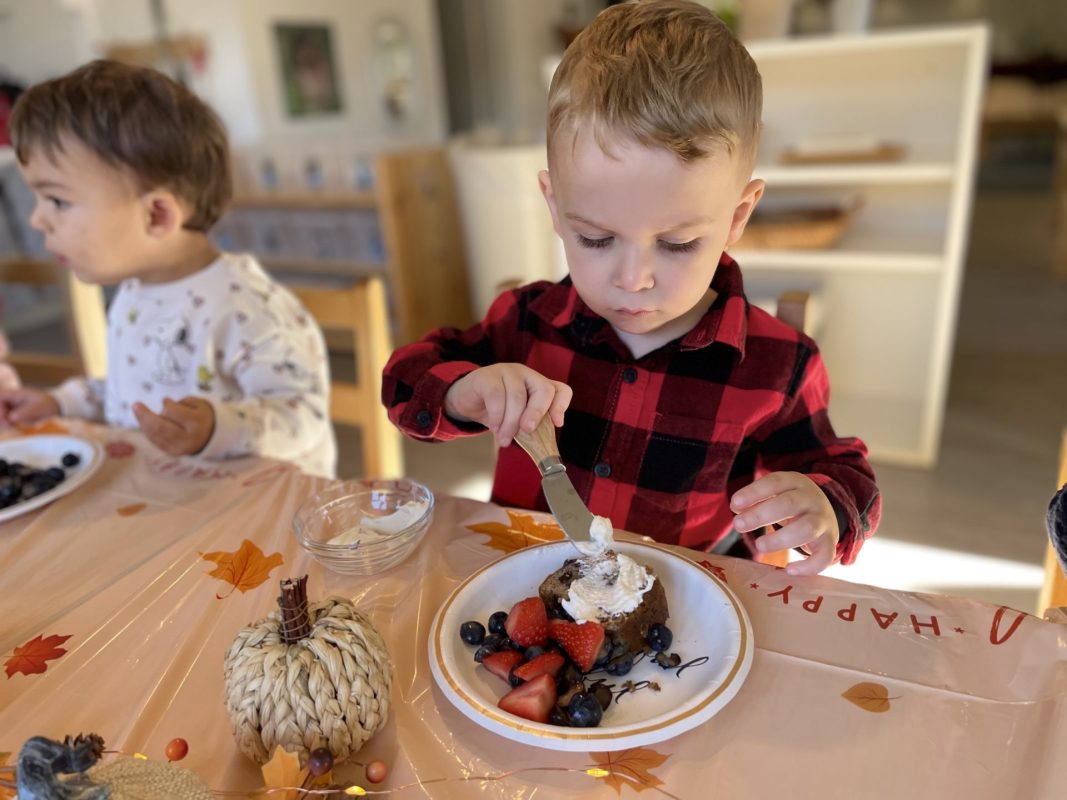
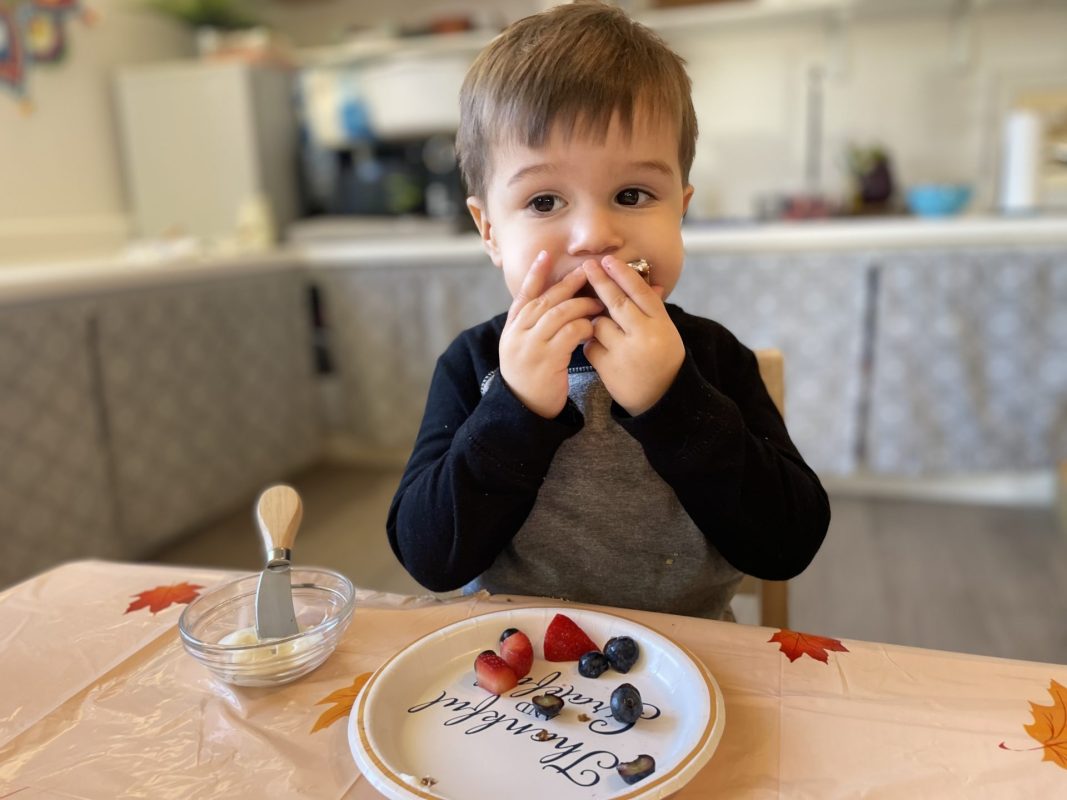
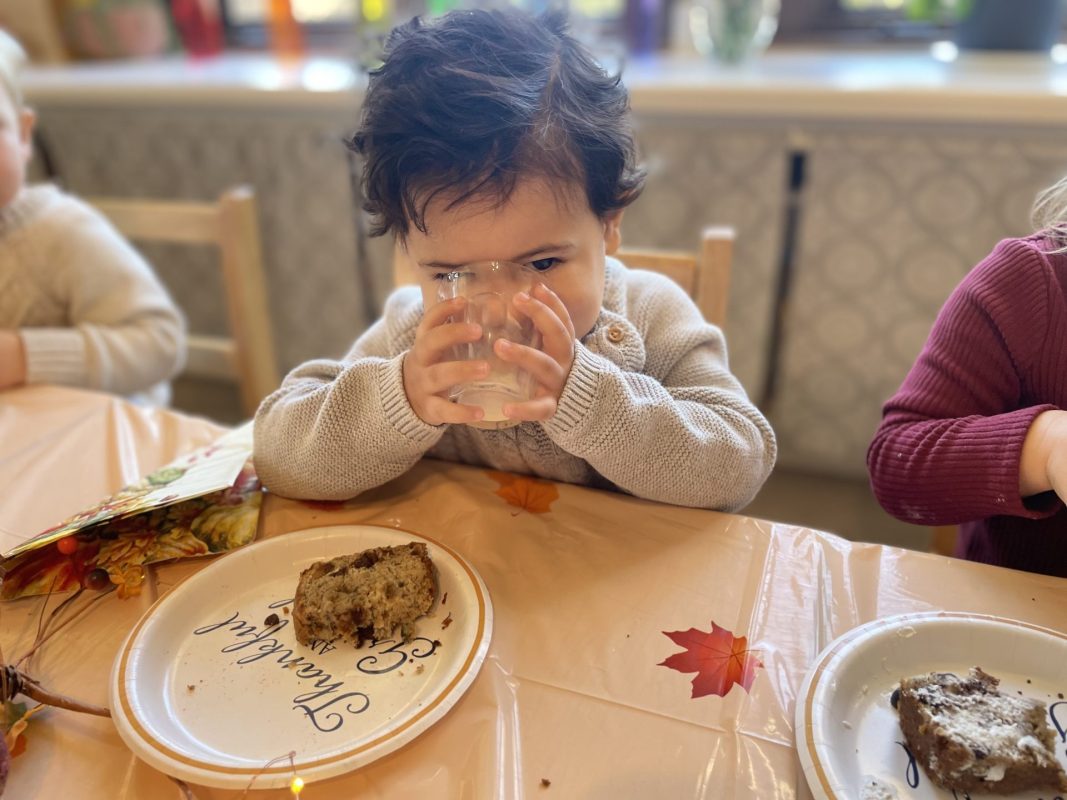
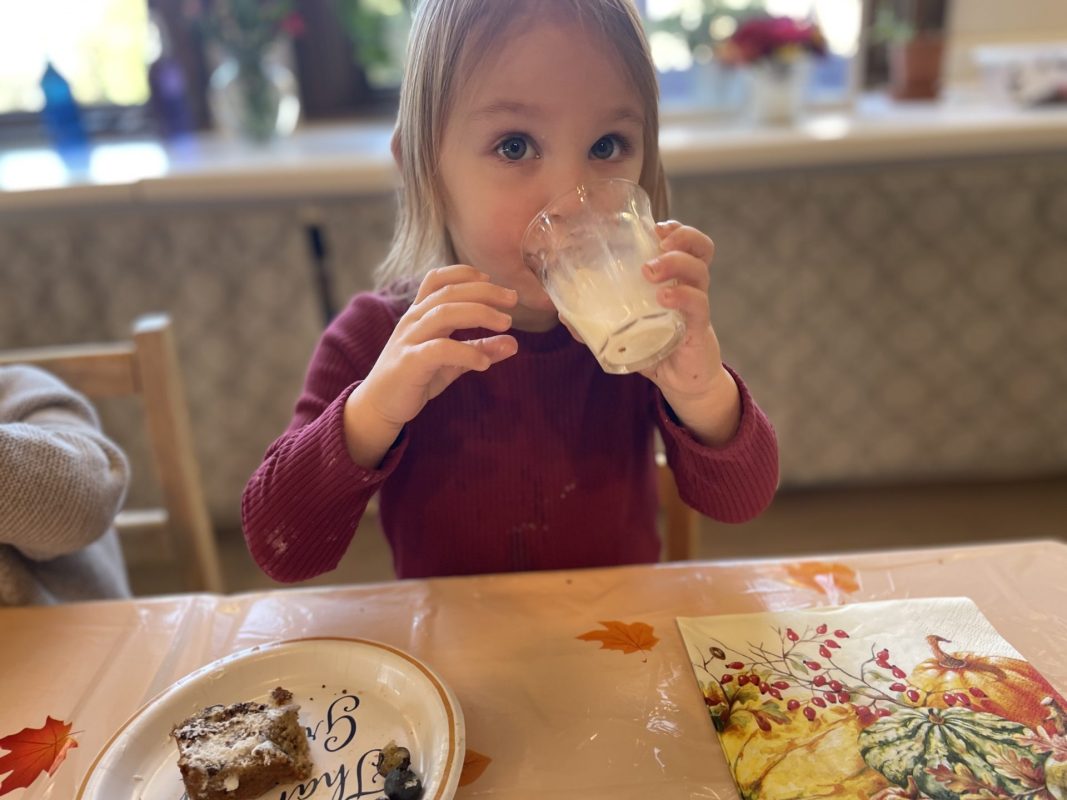
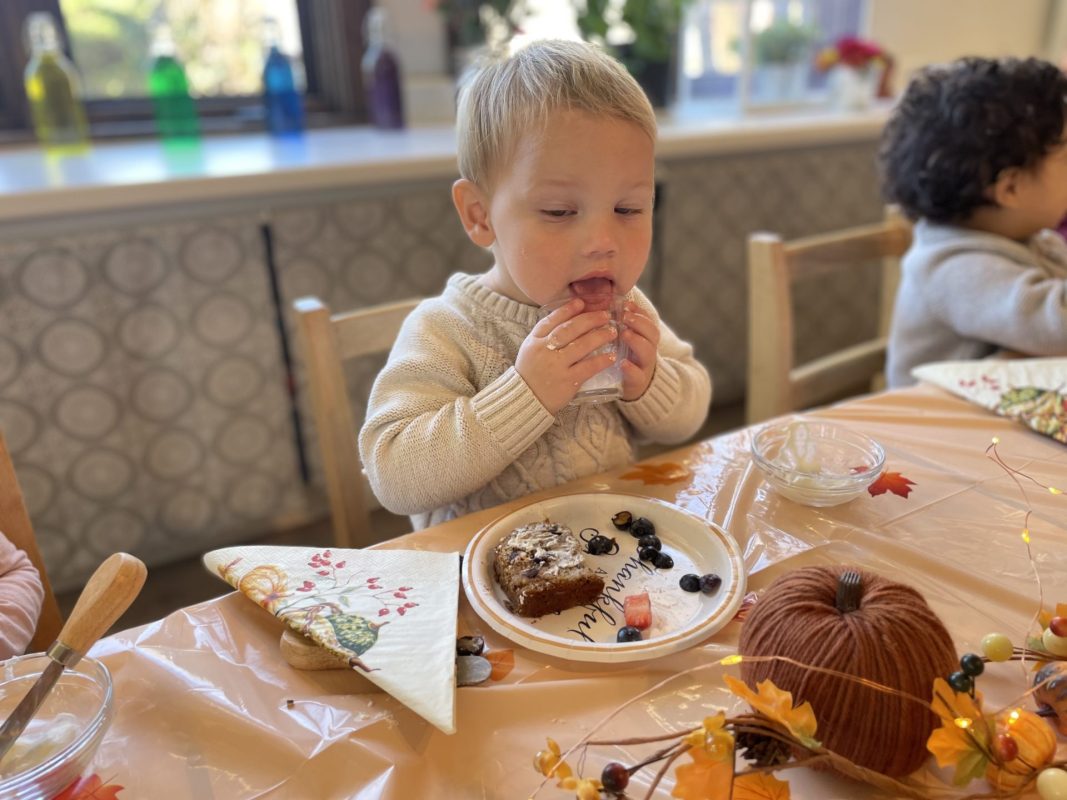
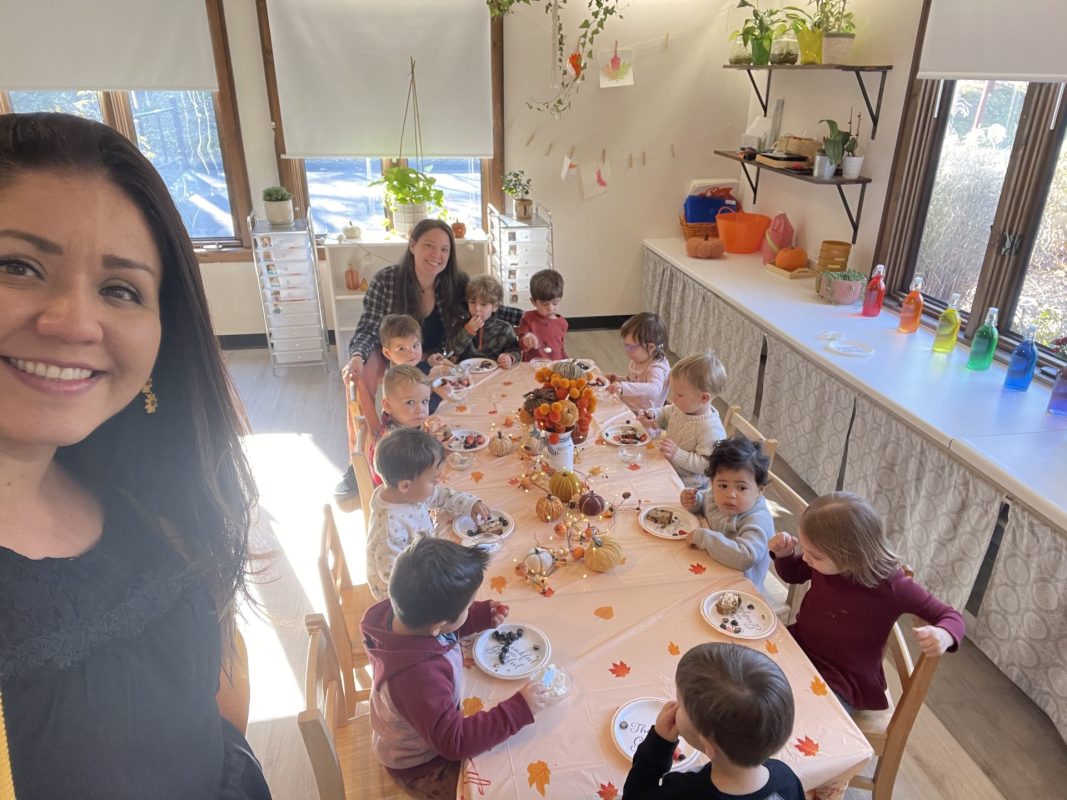
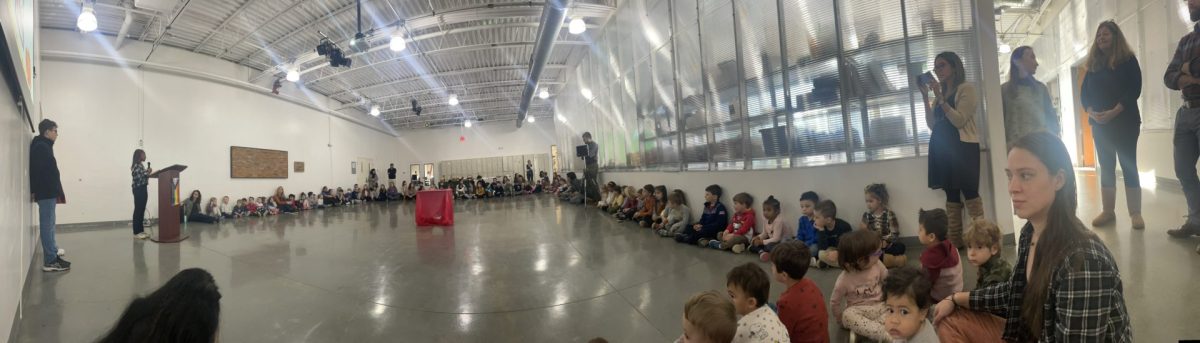
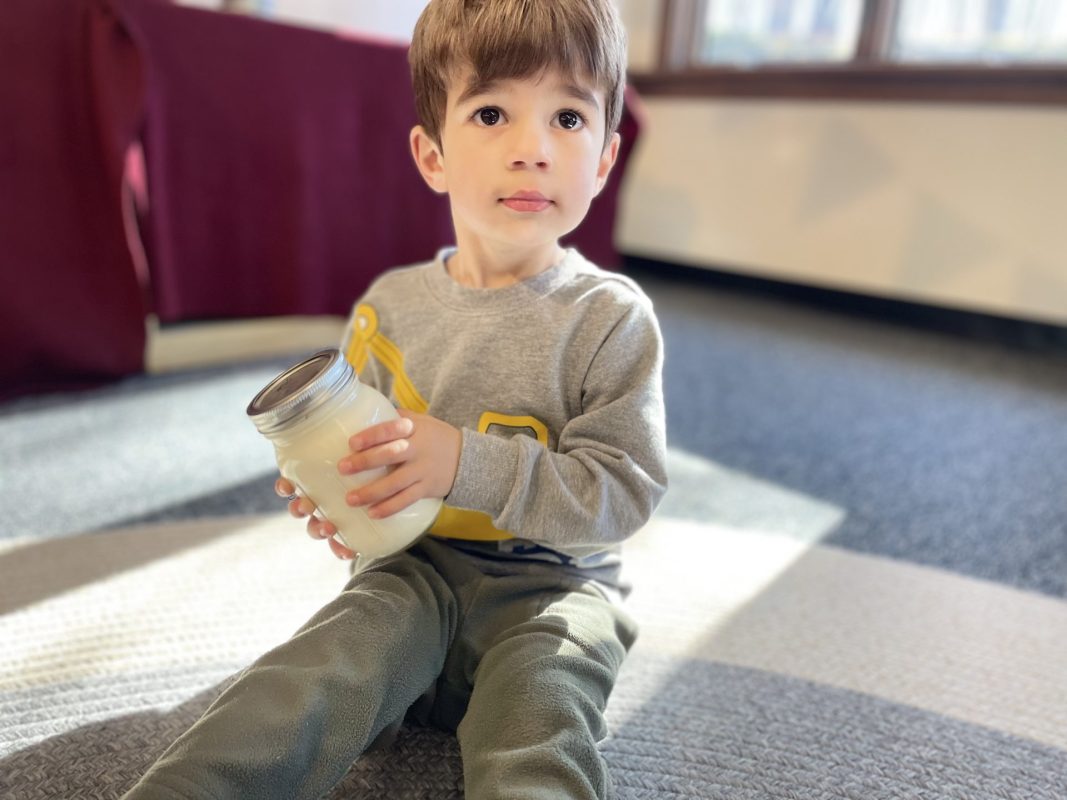
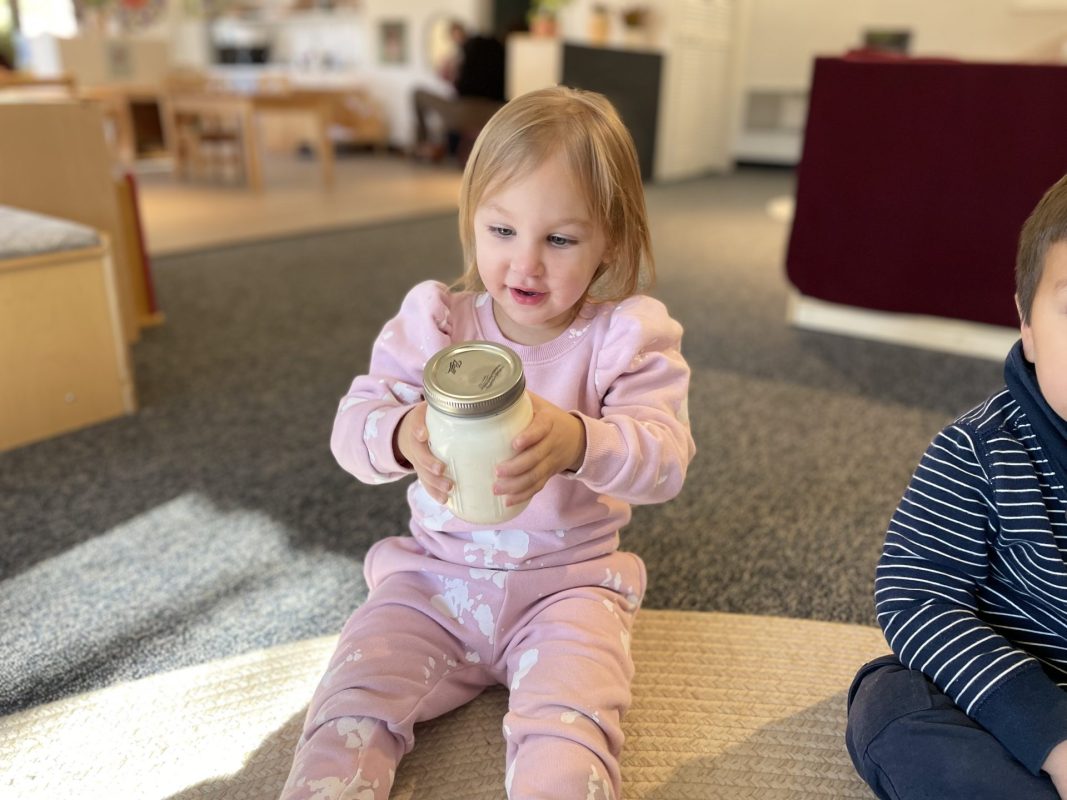
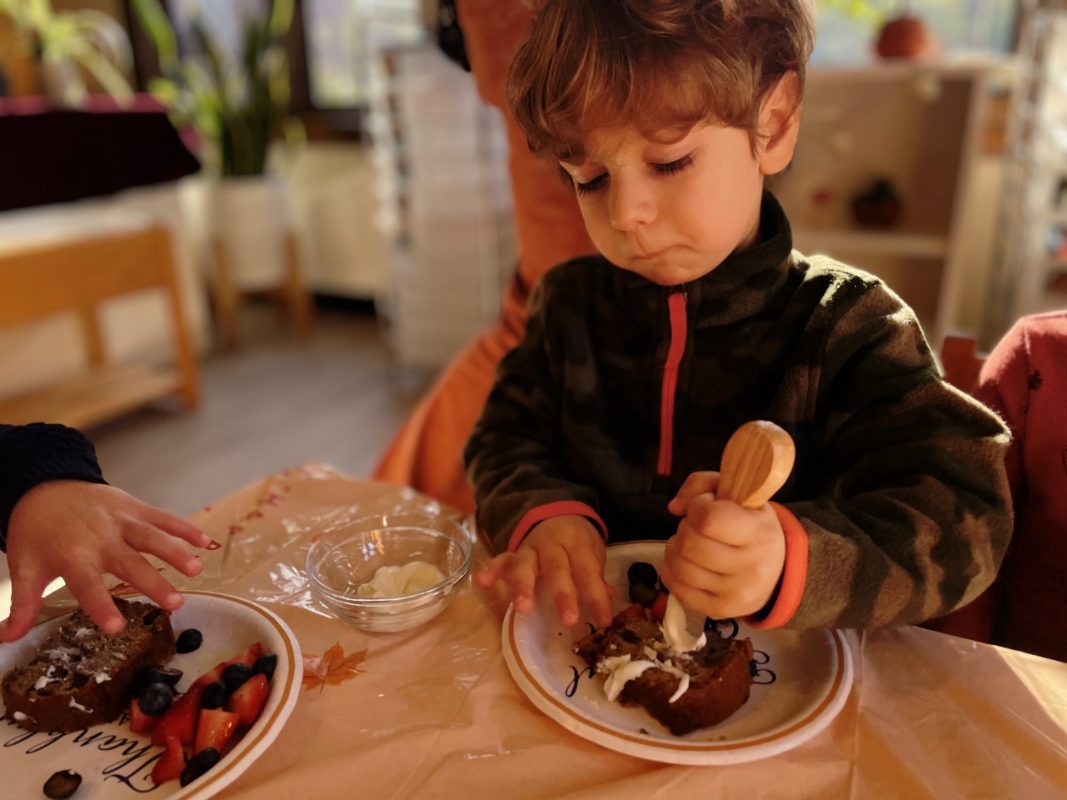
Shake, Shake, Shake! A word we practiced over and over while making our homemade butter! Now that our delicious bread and butter was ready to go, we were all ready for our big celebration. After joining the rest of the school on the Thanksgiving ceremony, we proceeded to our classroom to share bread. Children received a lesson on spreading butter and each one of them had the opportunity to do so on their own bread! It was a wonderful morning and we are so thankful for your support! You all helped to make this beautiful morning a success. 

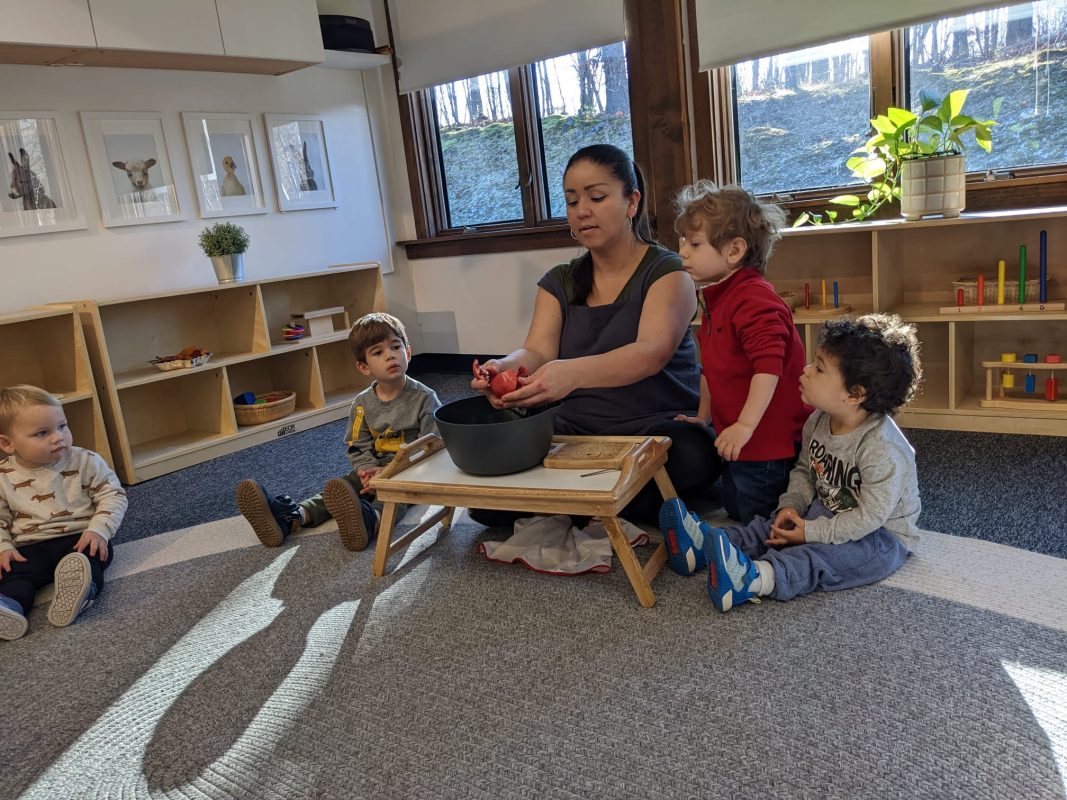
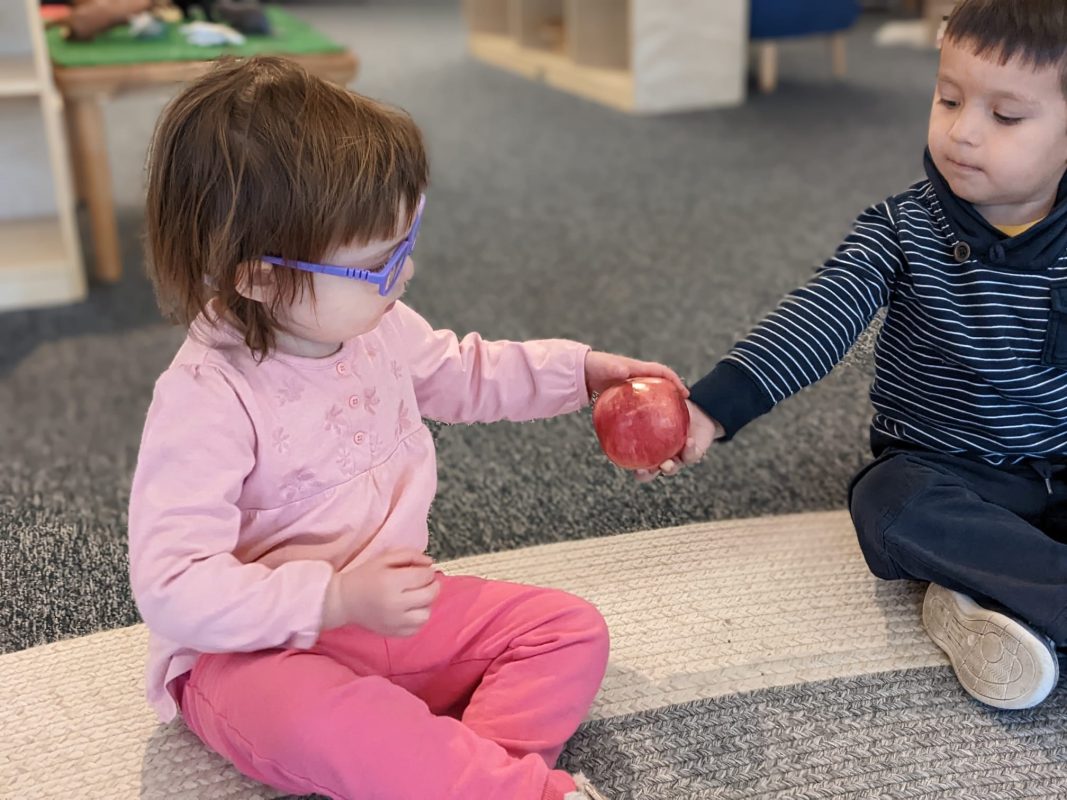
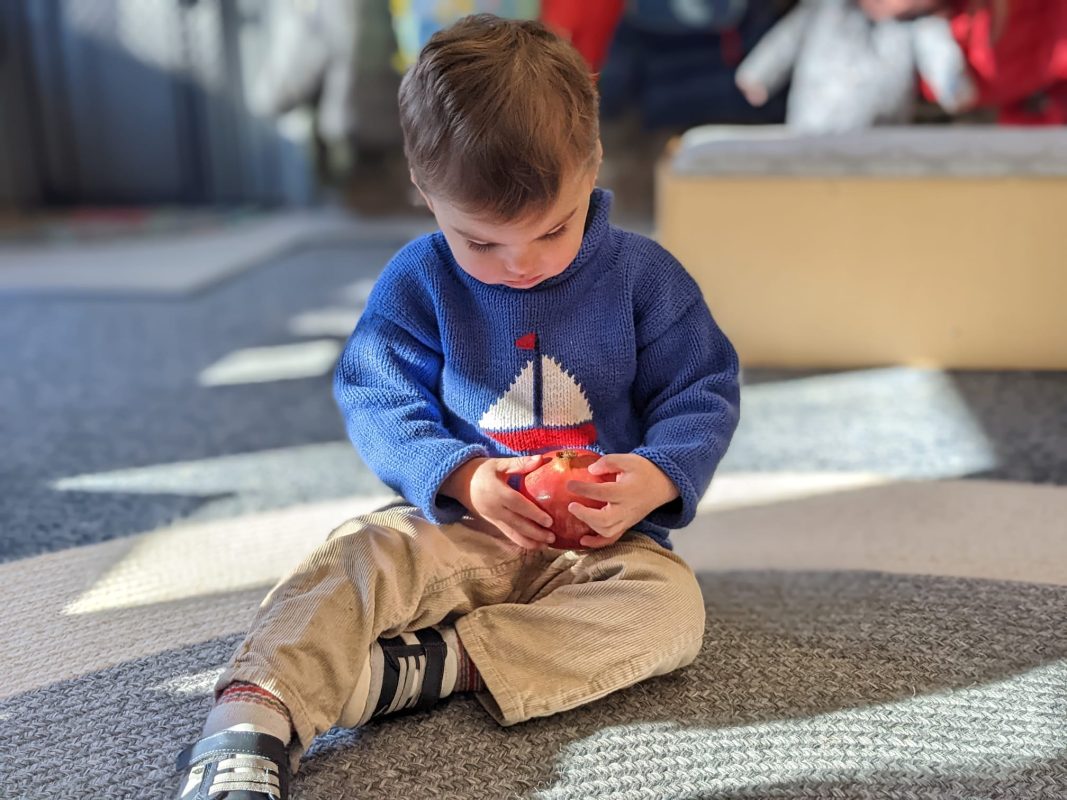
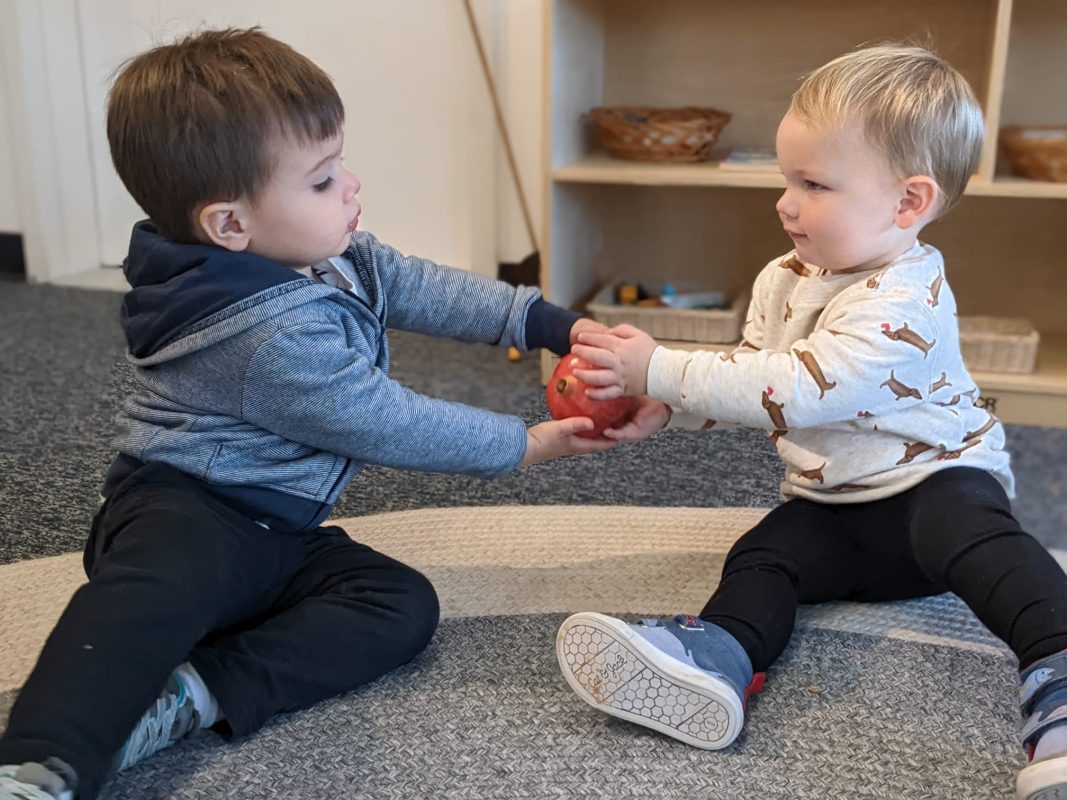
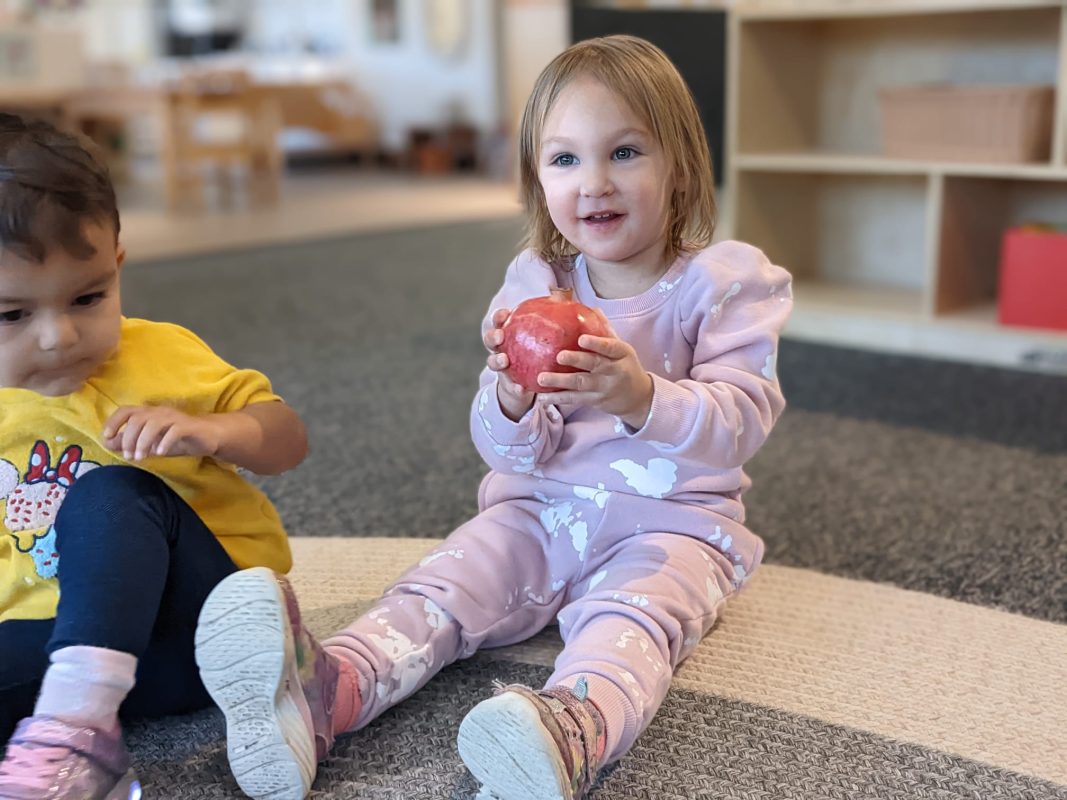
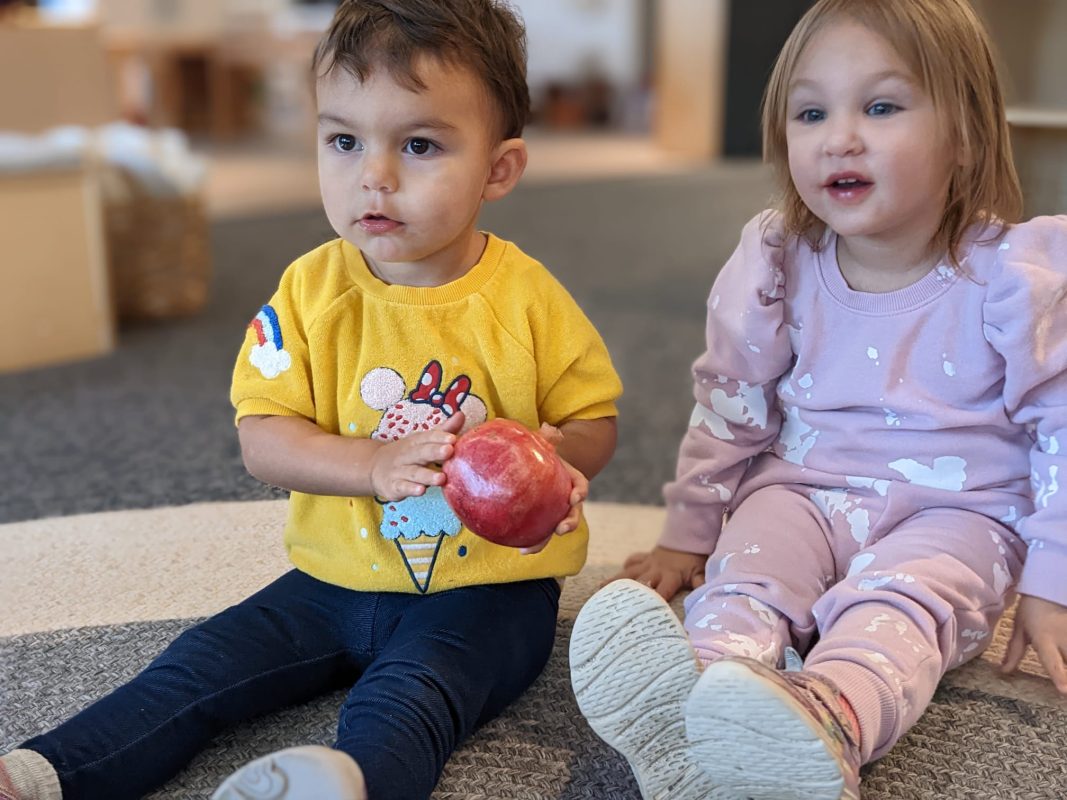
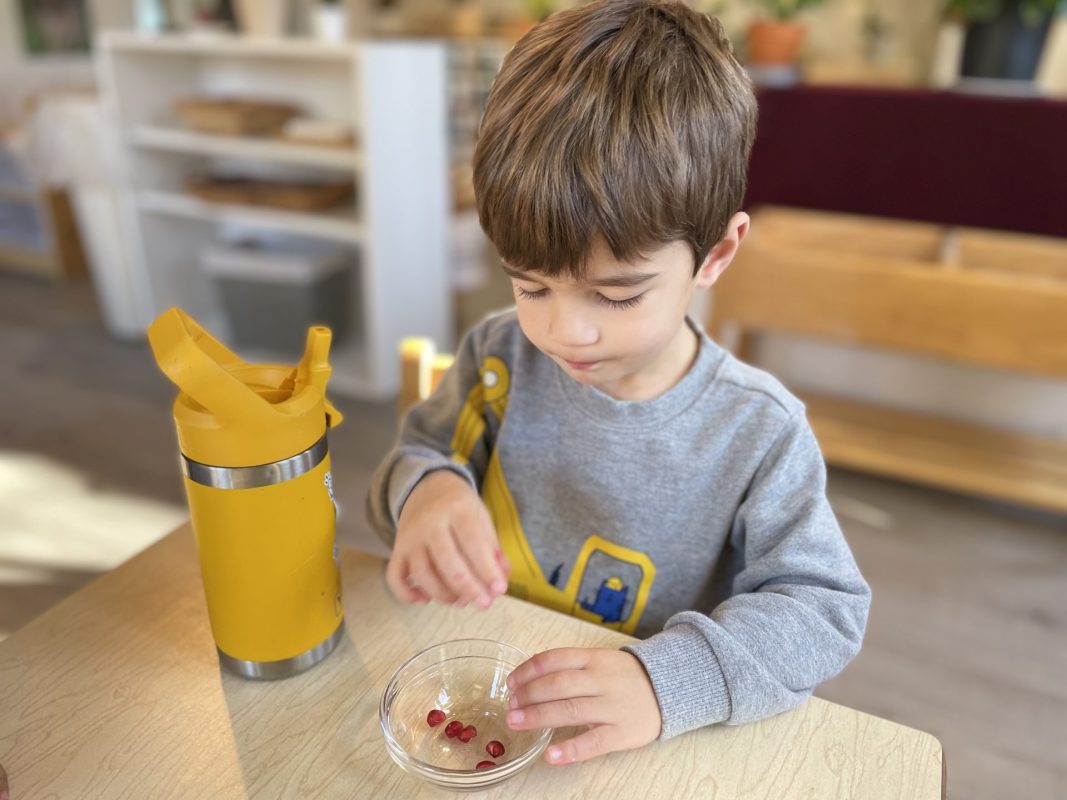
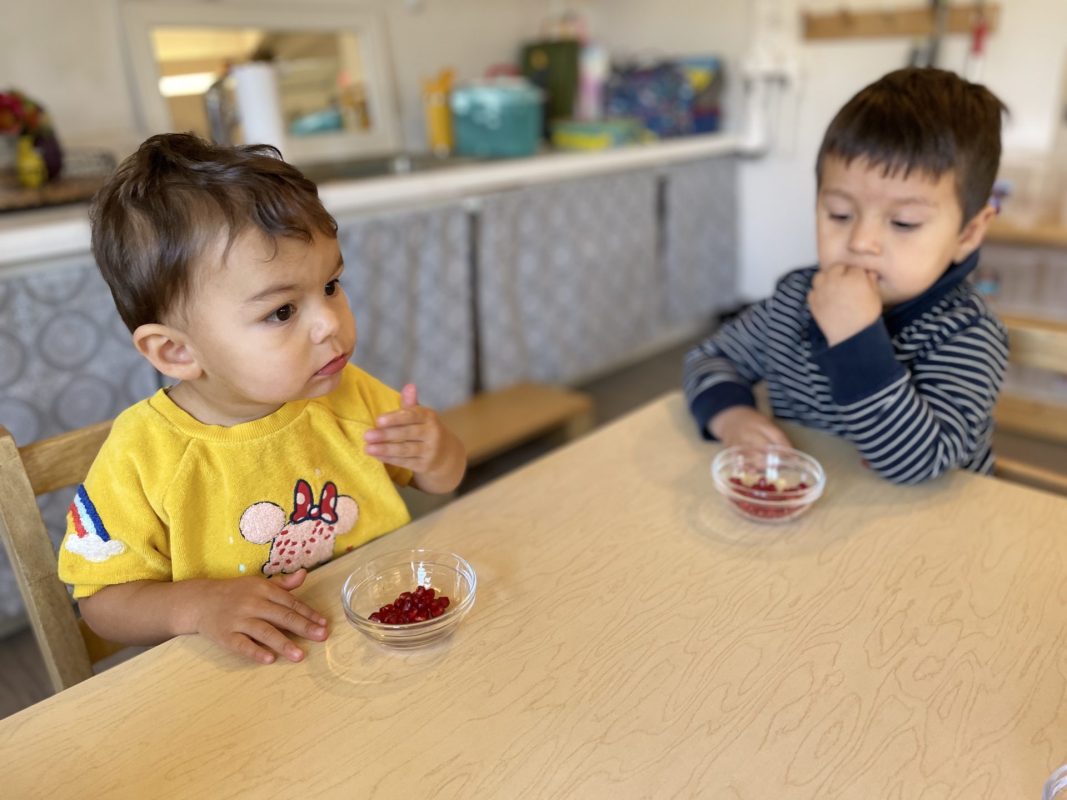
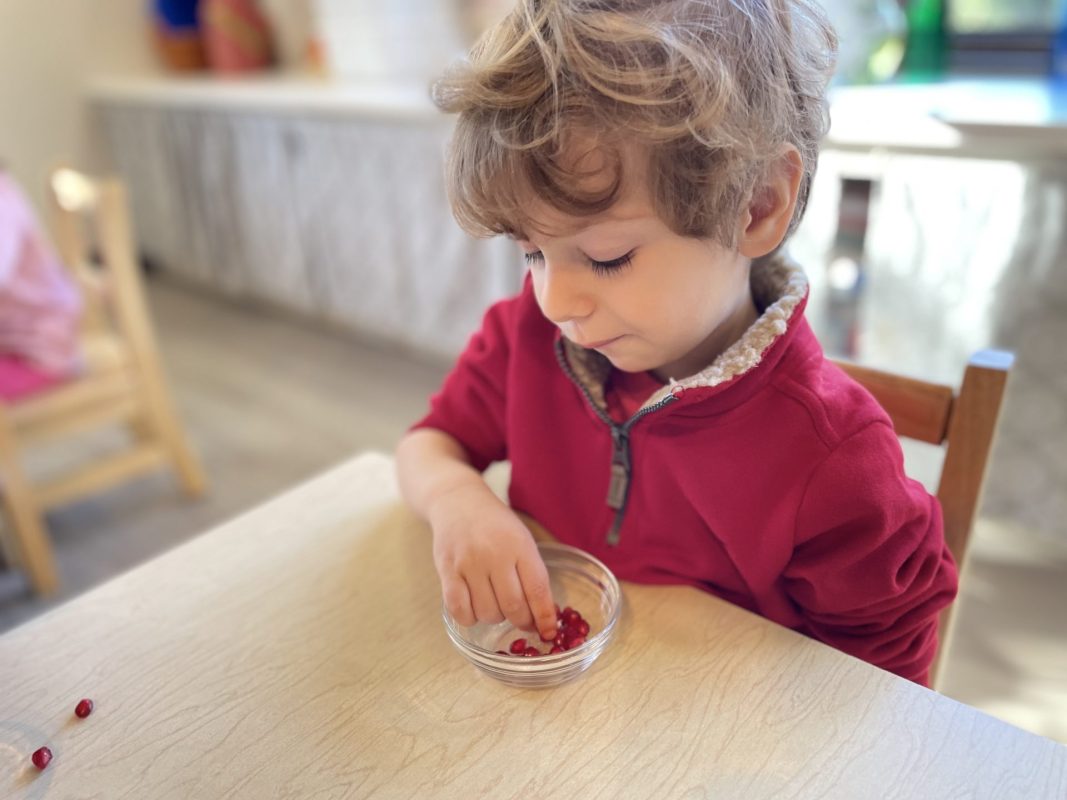
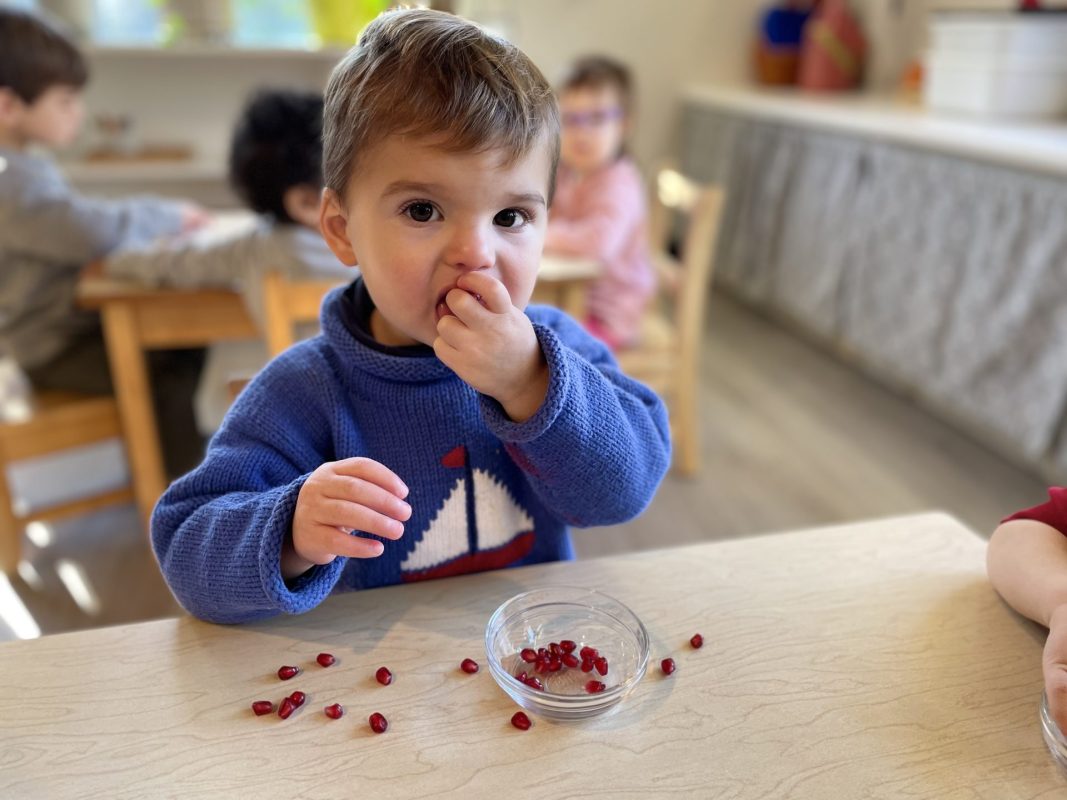
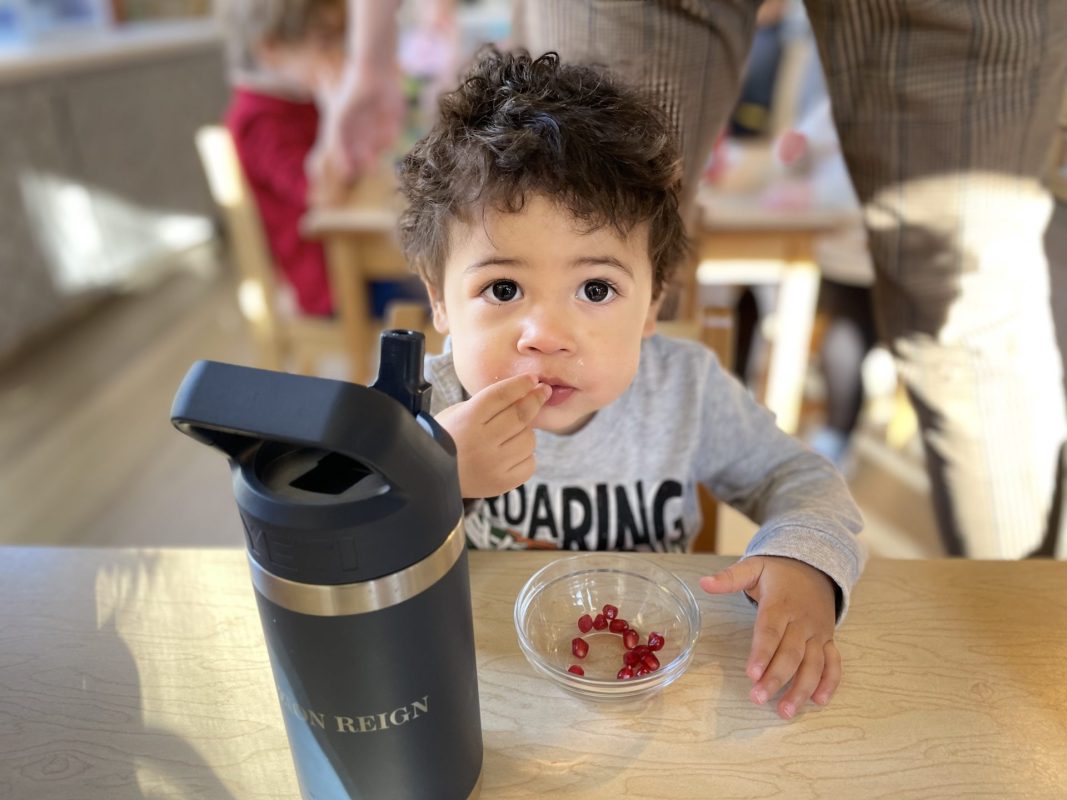
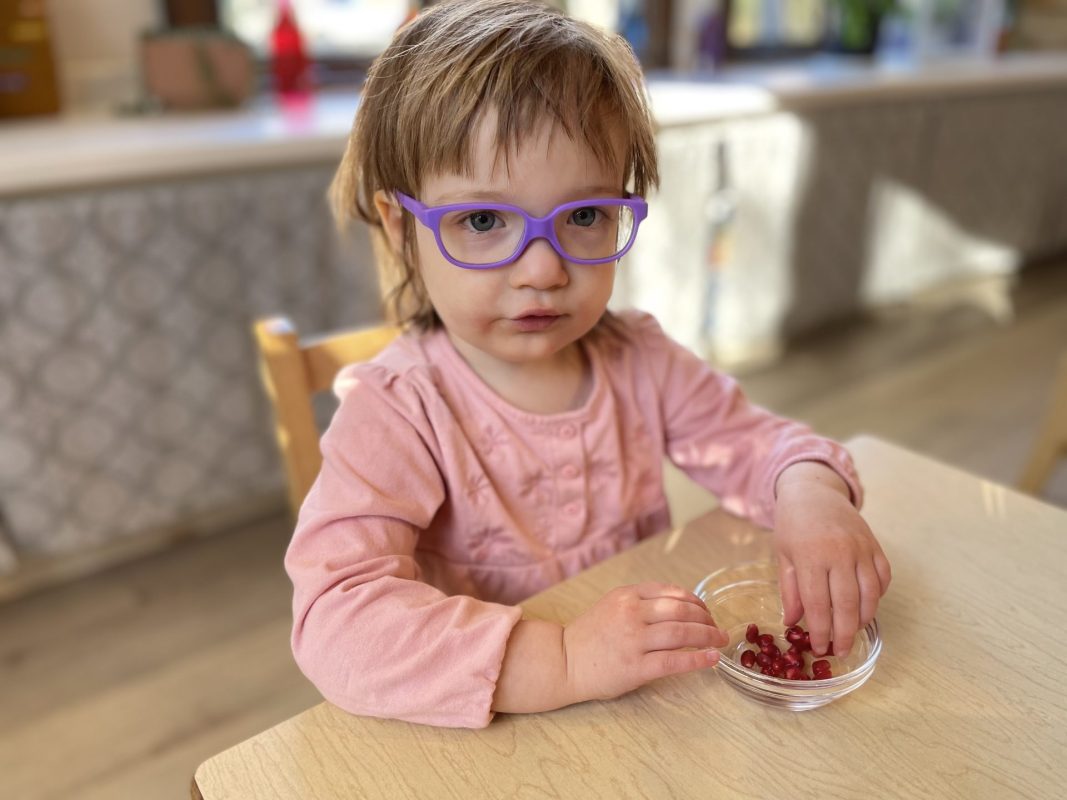
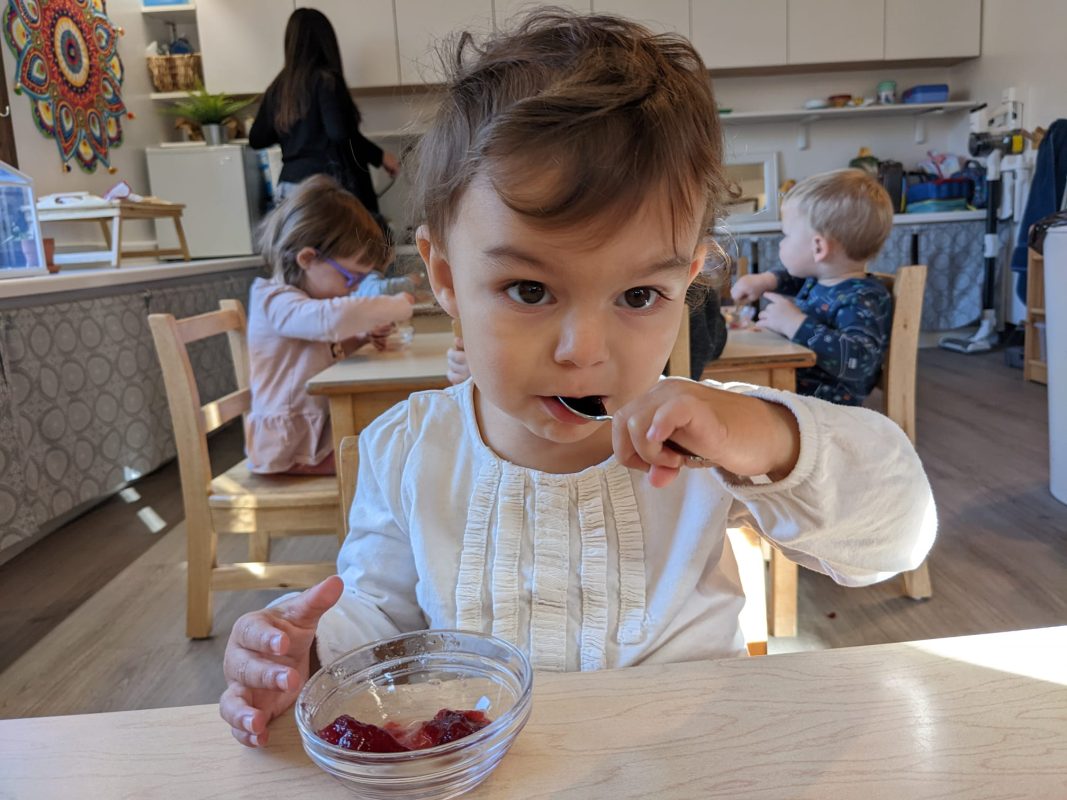
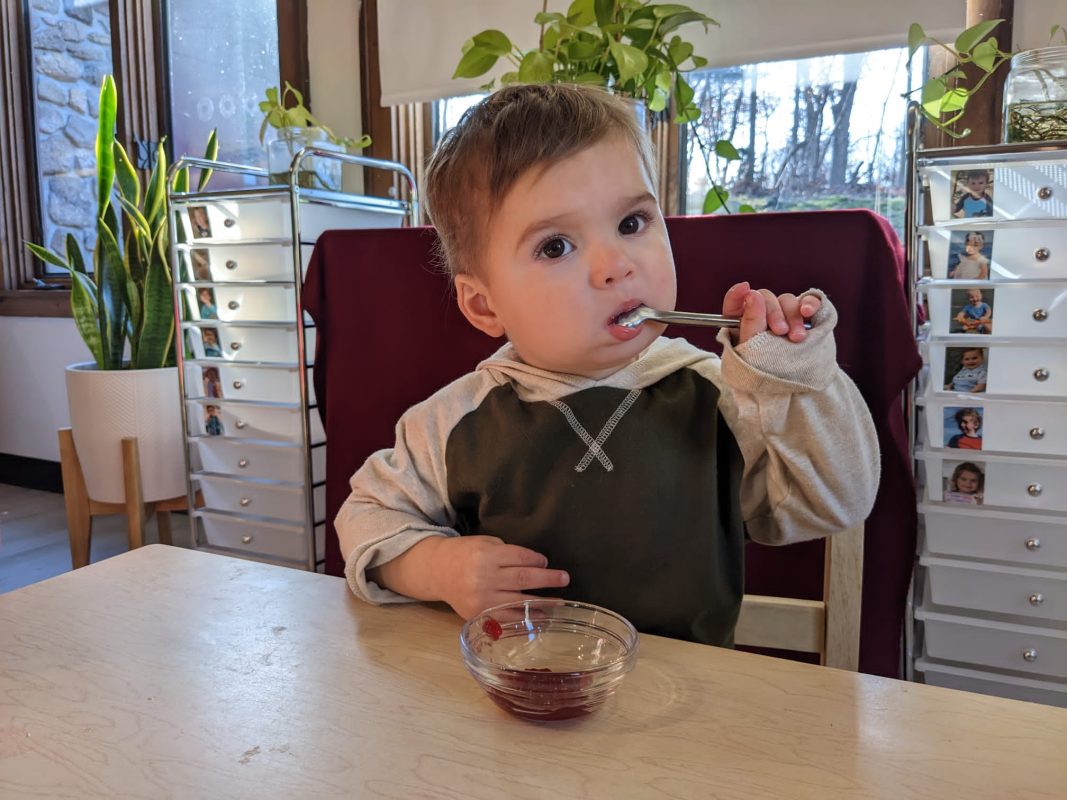
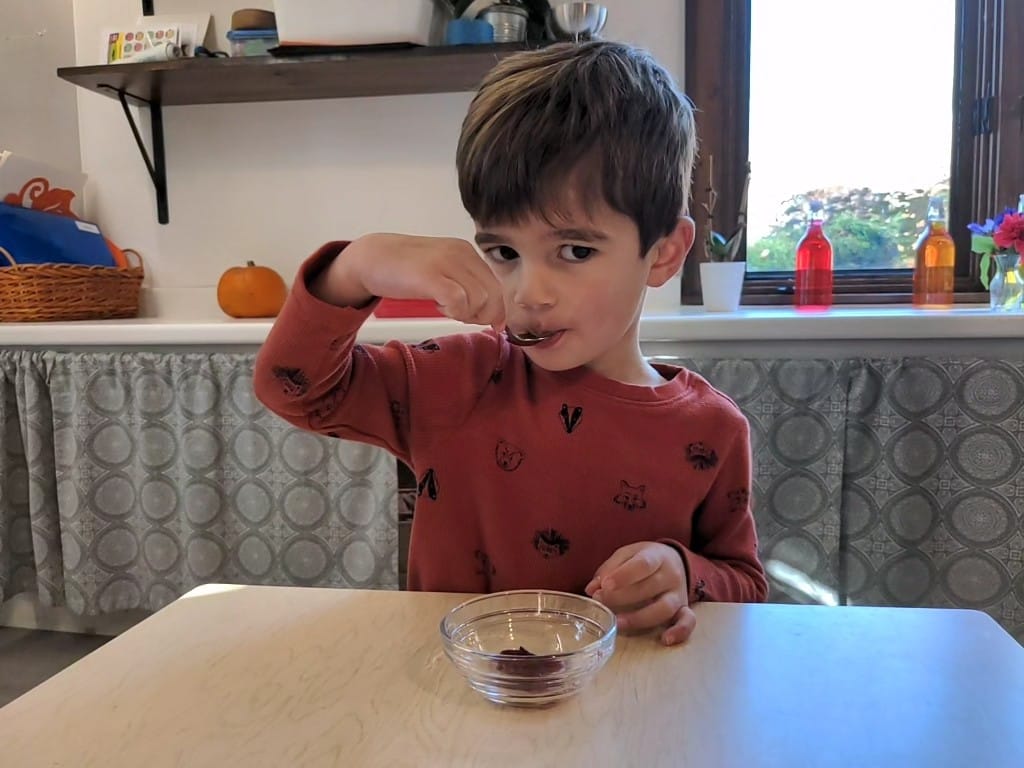
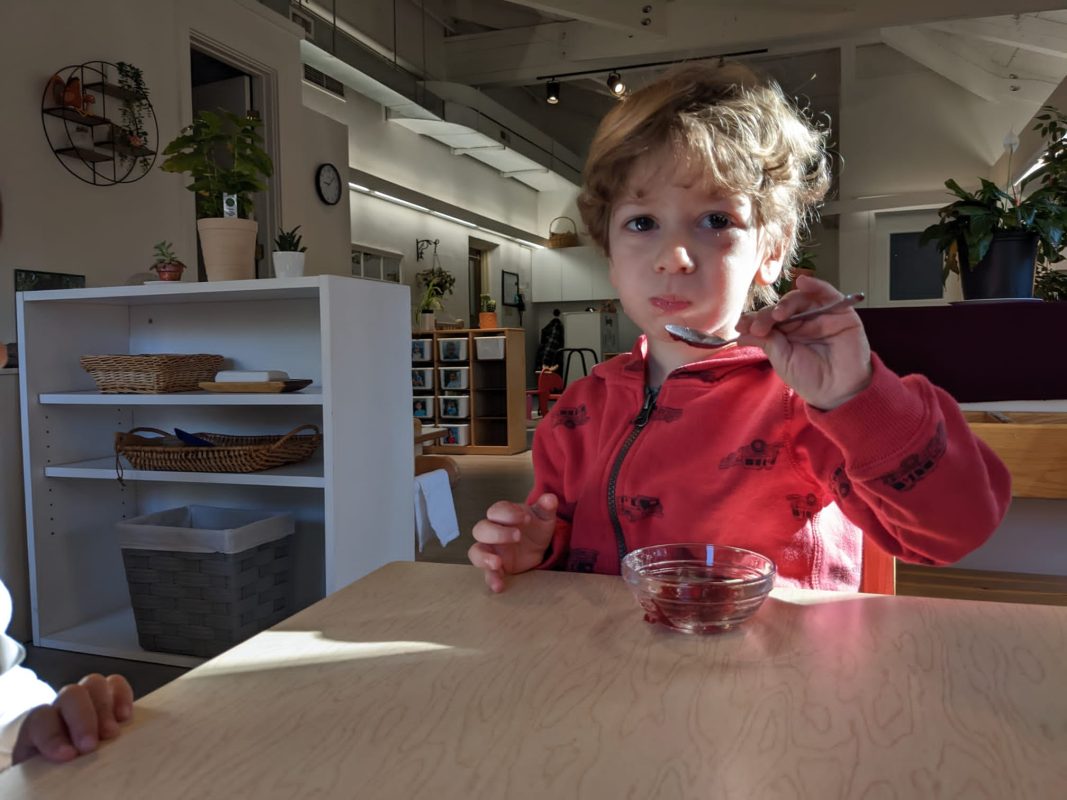
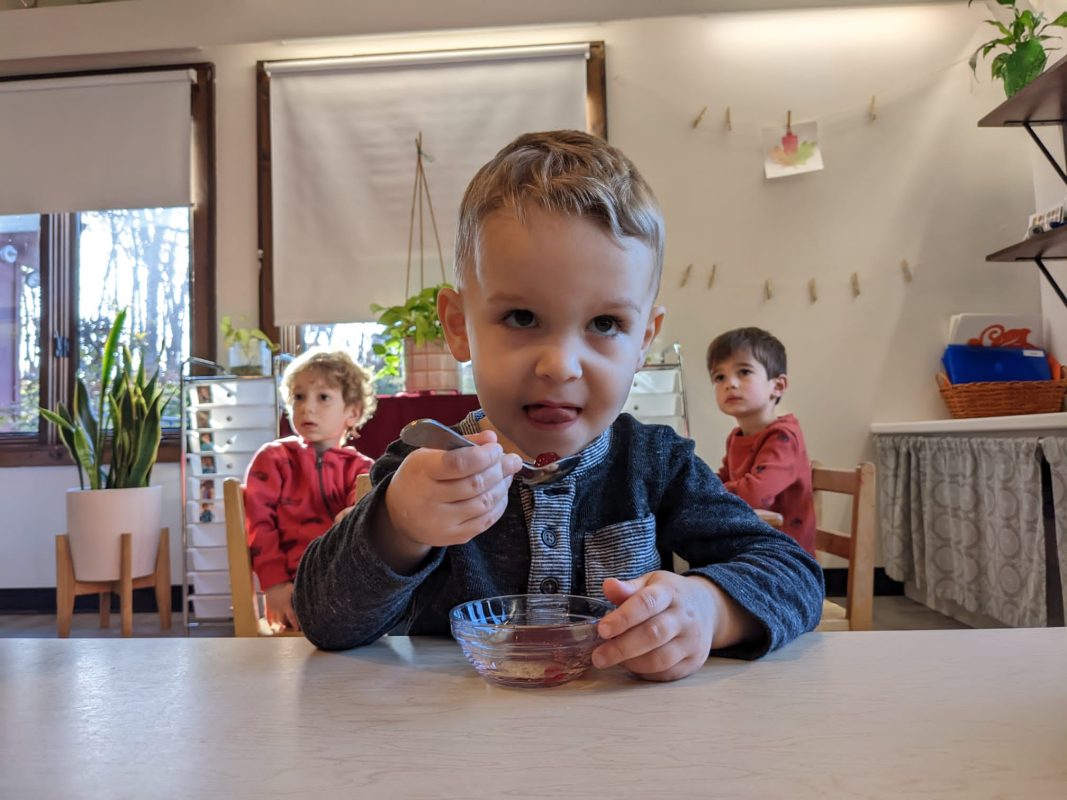
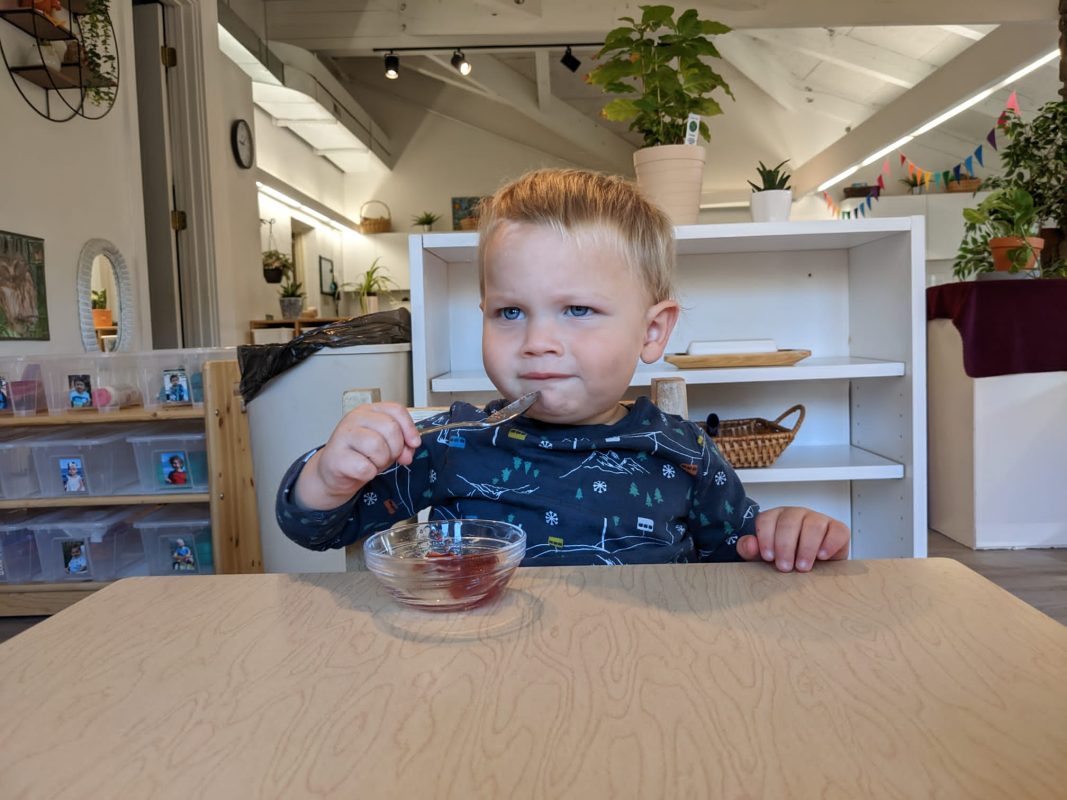
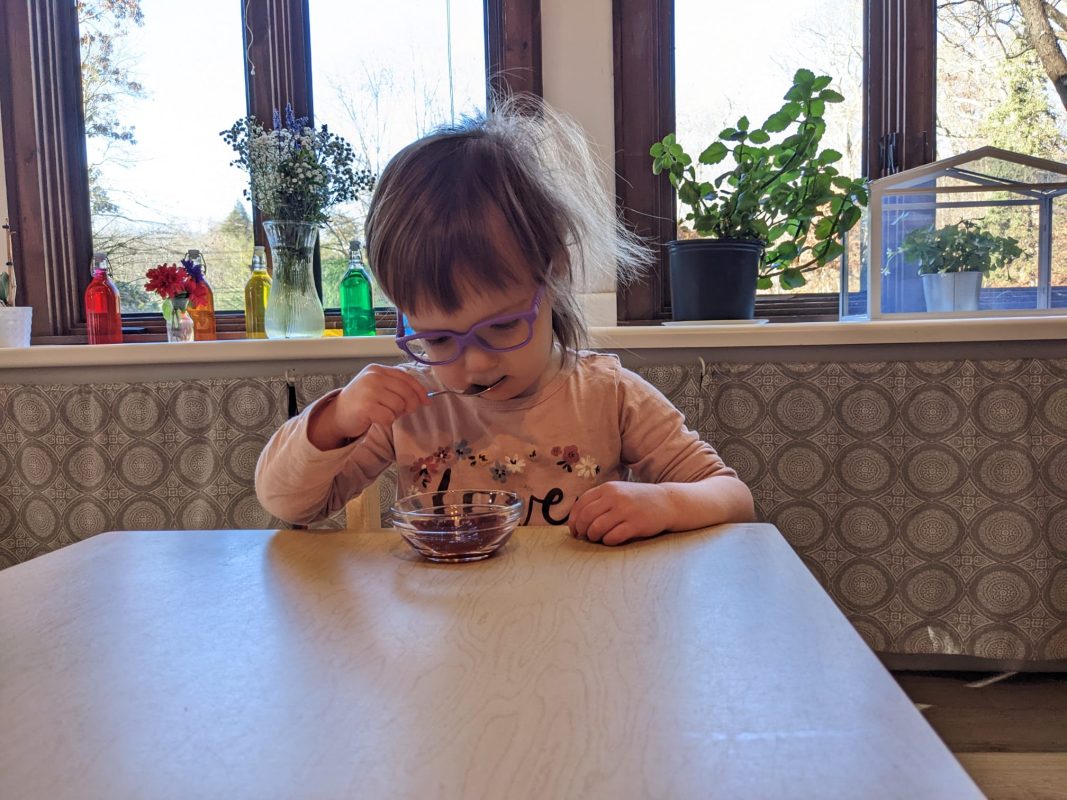
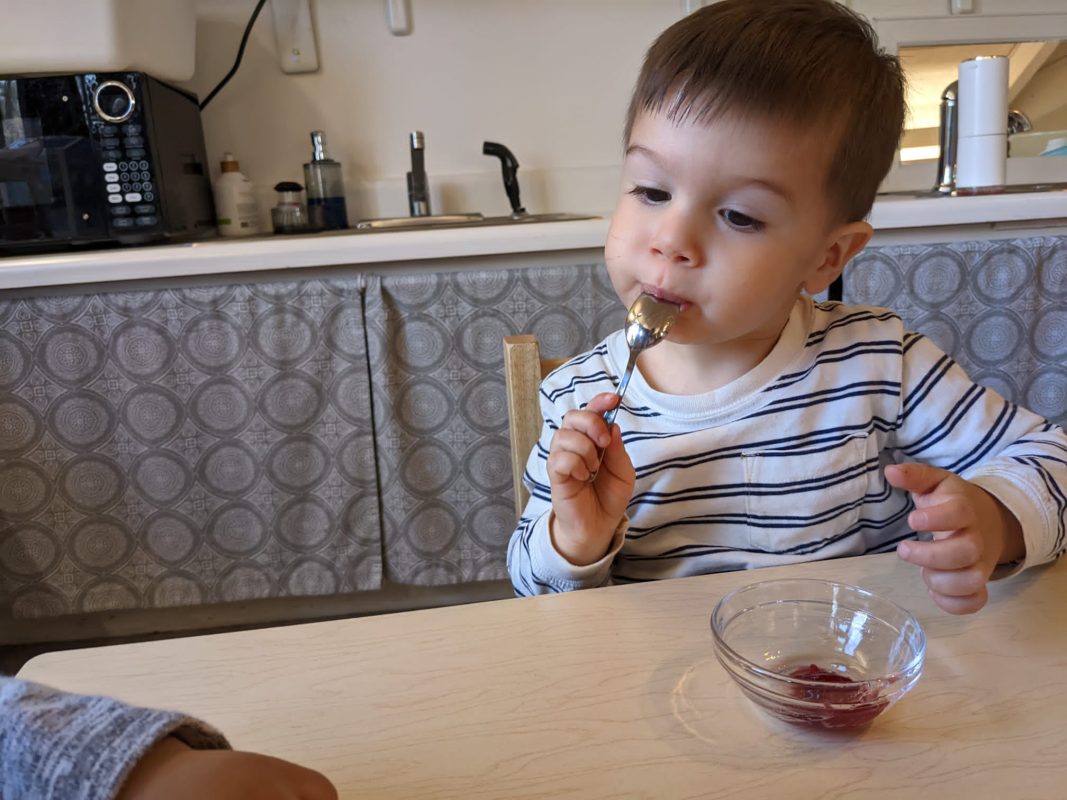
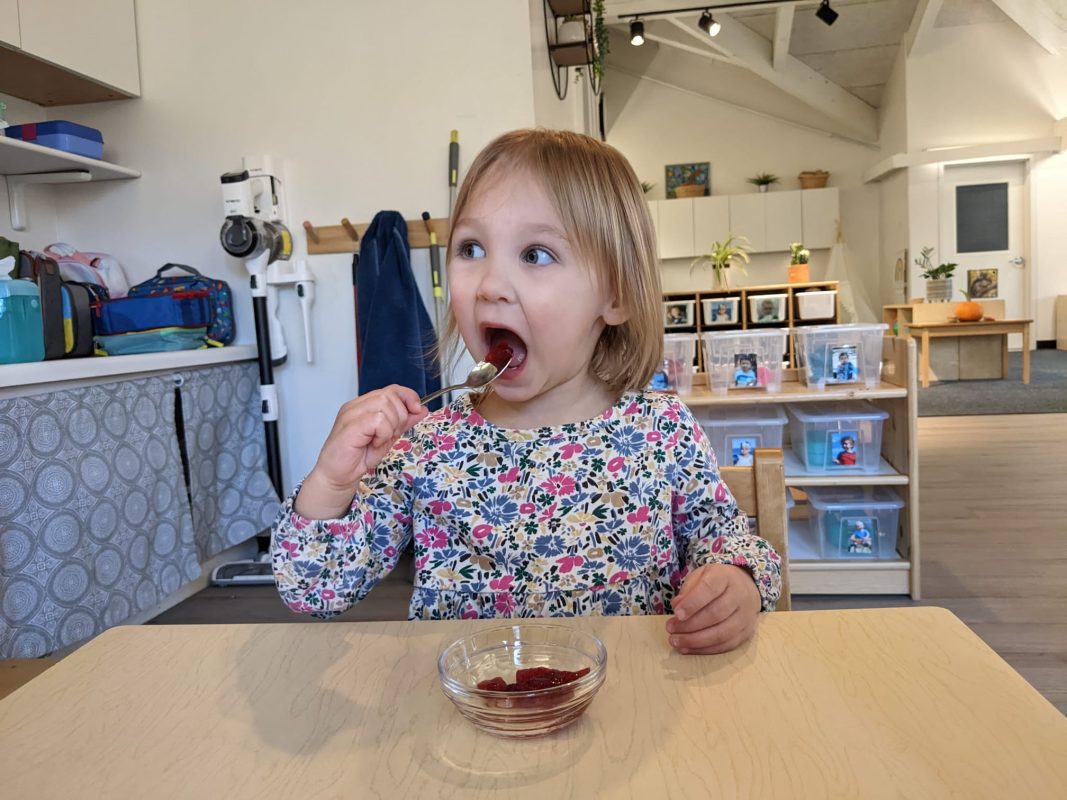
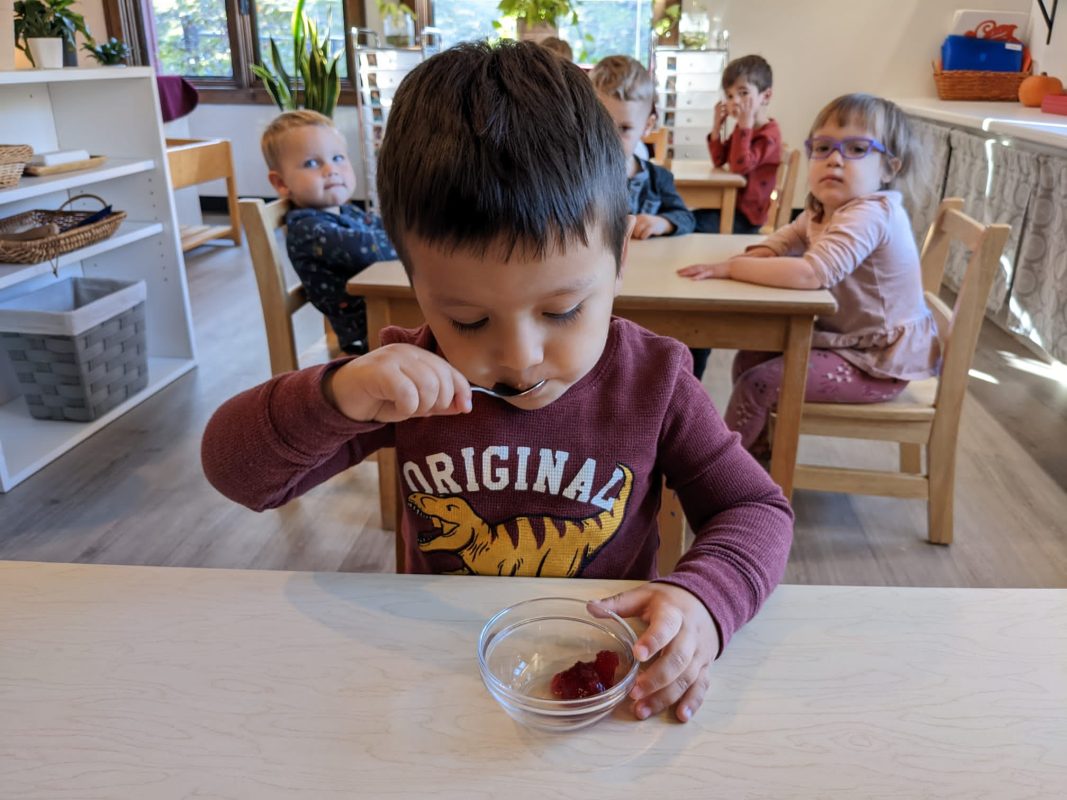
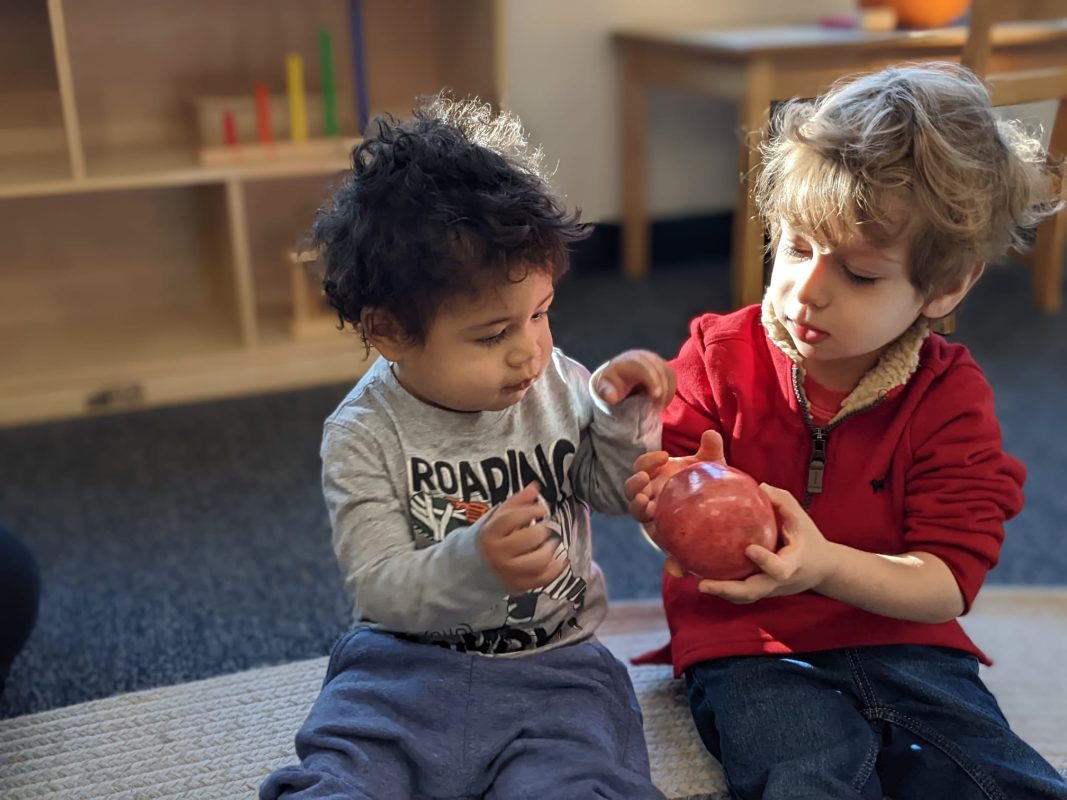
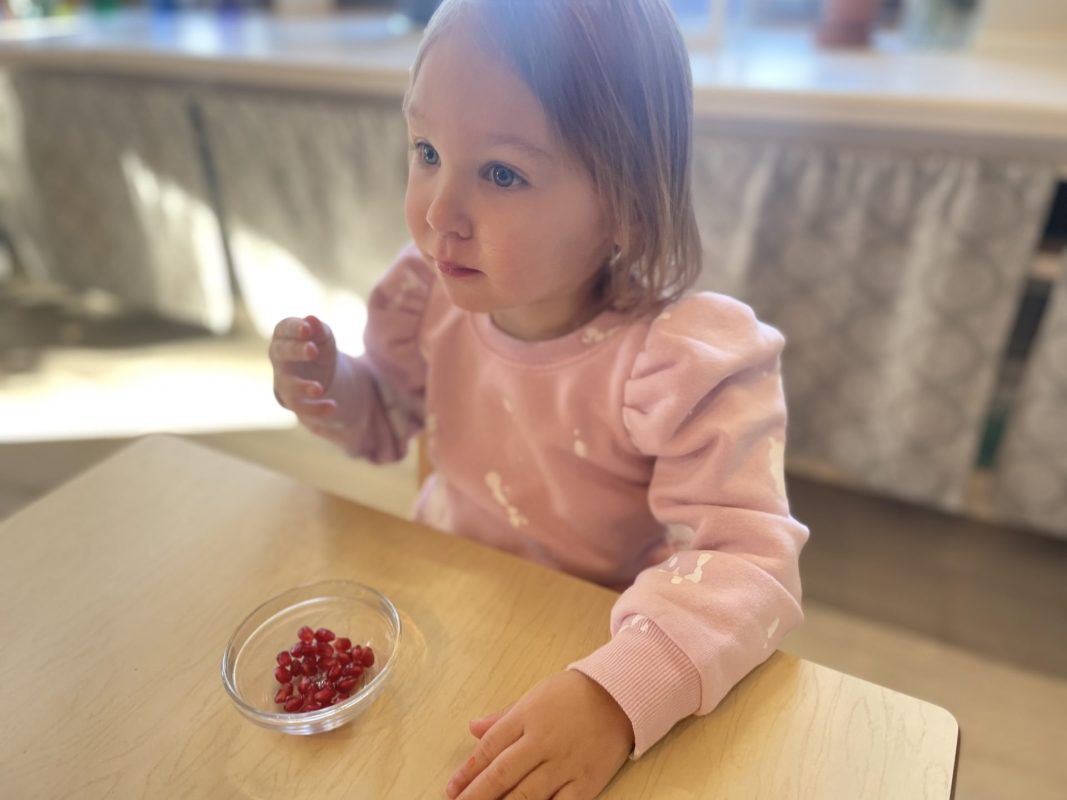
For food tasting, we explored a pomegranate, and this fruit was a hit! Children seemed curious about how the fruit looked on the inside and they enjoyed watching the seeds just popping out and falling easily in the bowl. Eating pomegranate is like enjoying some little candies, so I wasn’t surprised children loved it! 

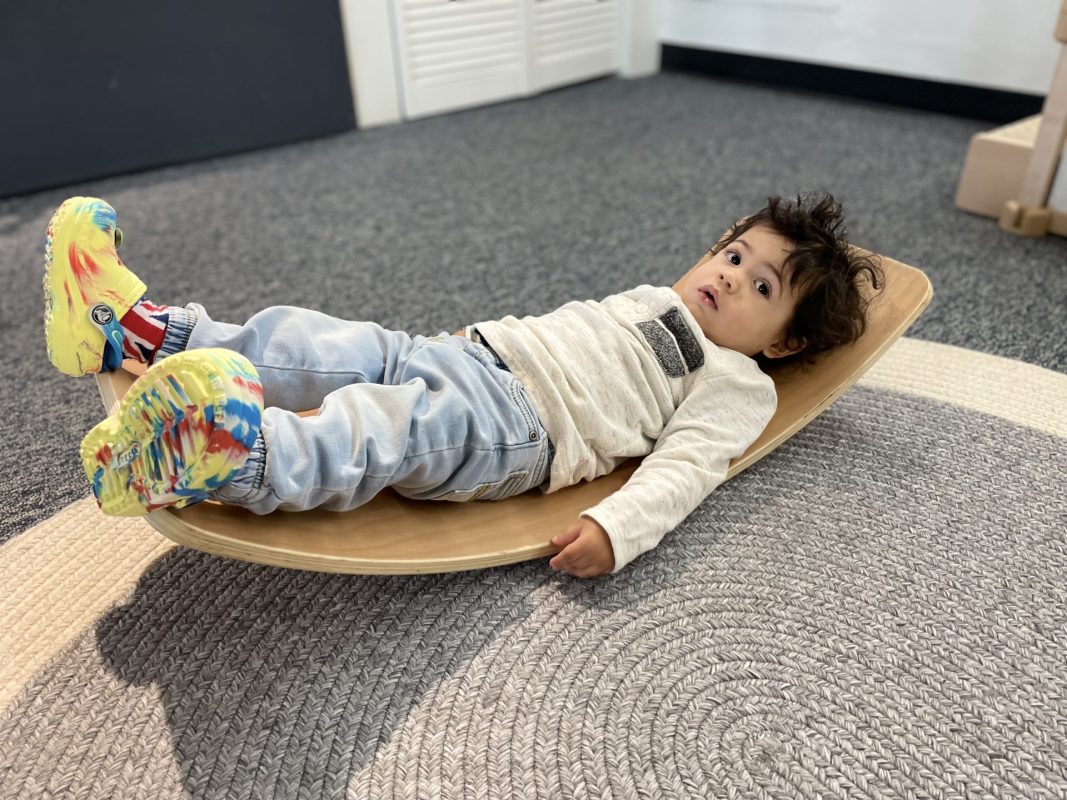
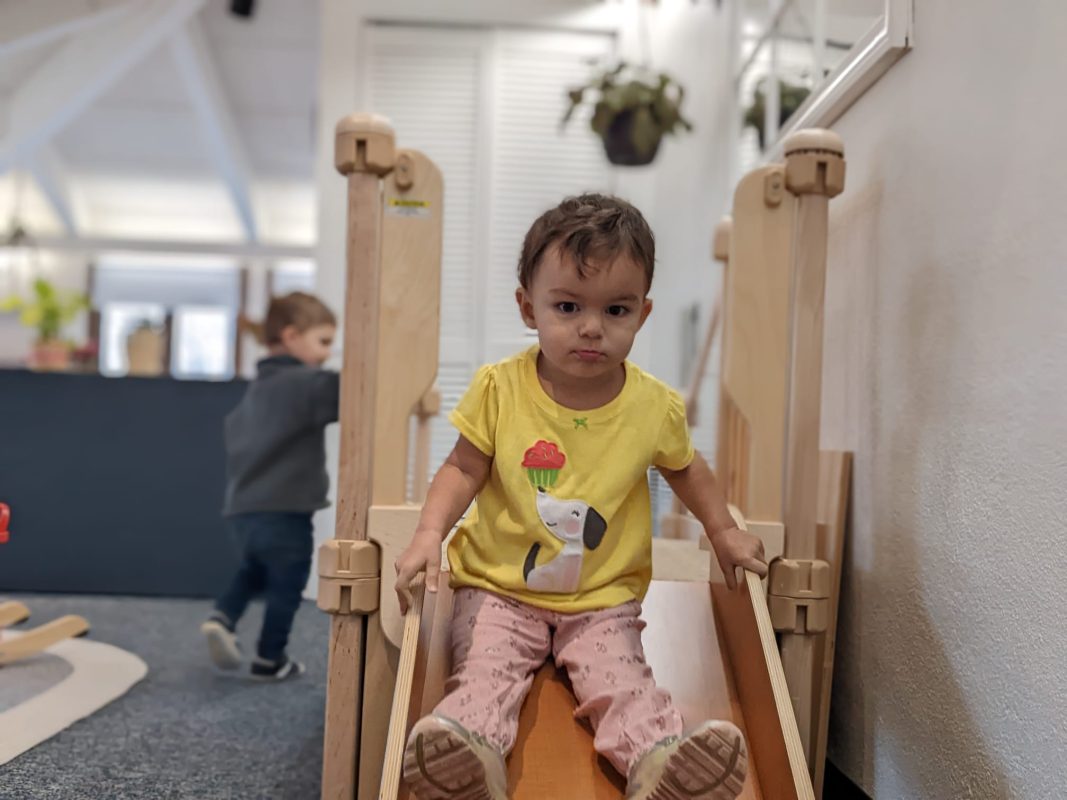
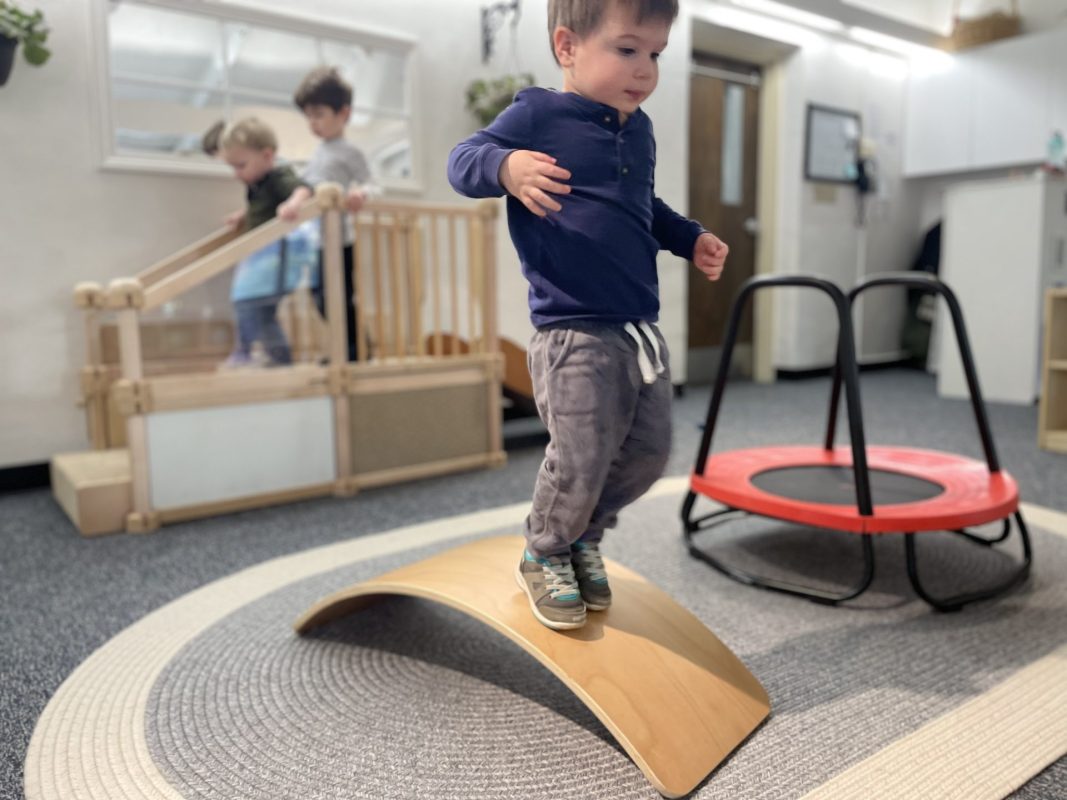
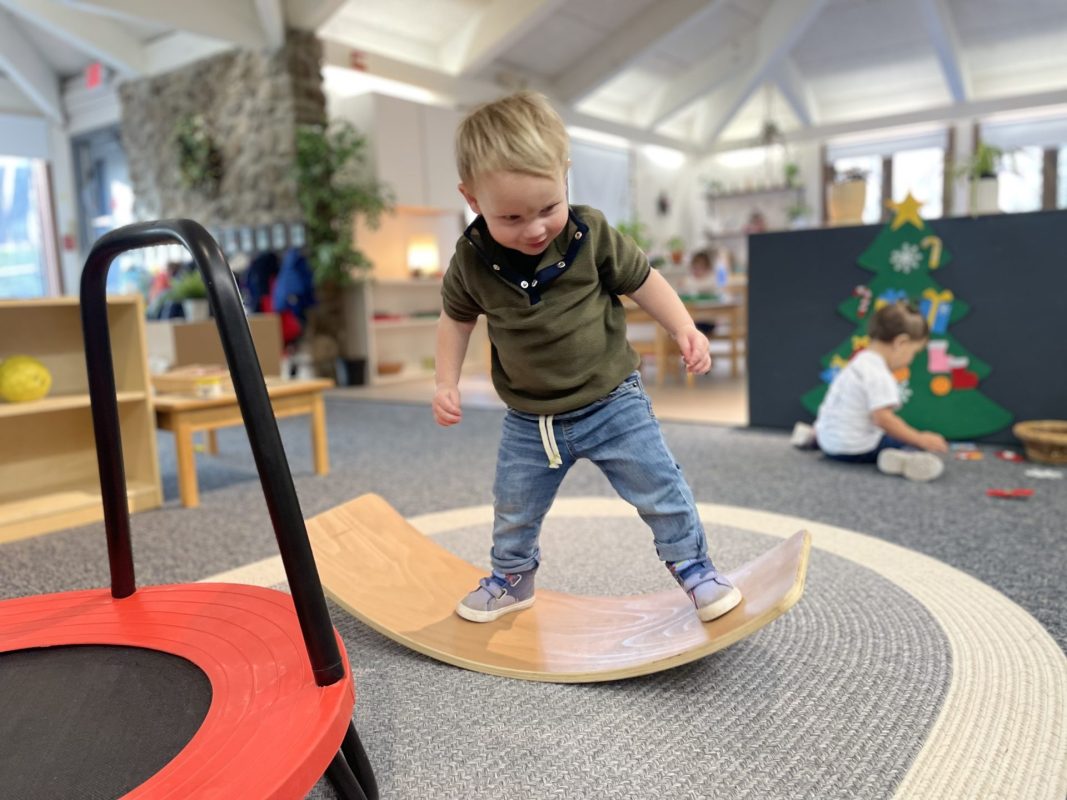
In the movement area we presented a new balance board and children have been creatively exploring its many uses! This board stimulates the vestibular system, supports muscles responsible for the correct posture, develops the sense of balance and supports the development of the sense of proprioception.  It’s a favorite in our environment these days. 

In our Spanish studies children have been practicing commands and words like: caminar (walk) parar (stop), brincar (jump), bailar (dance), correr (run), comer (eat) and dormir (sleep), through the song “Da una vuelta en tu lugar” by Baila Baila. 

As we enter the holidays, we would like to know if there is a special holiday you and your family celebrate this time of year. If so, please feel free to let us know! We would like find a way to include it in our environment and enjoy that holiday with you! 

Best,

Mrs. Hood and Ms. Bethann


Mrs. Hood: Attitude of Gratitude

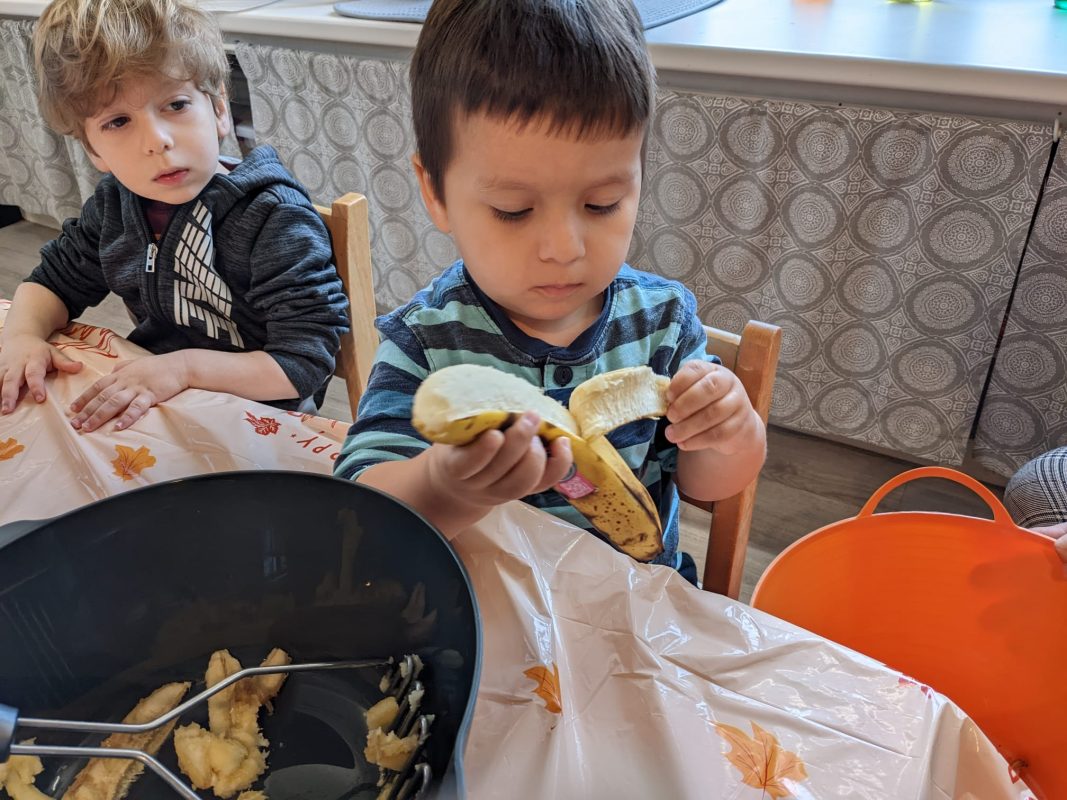
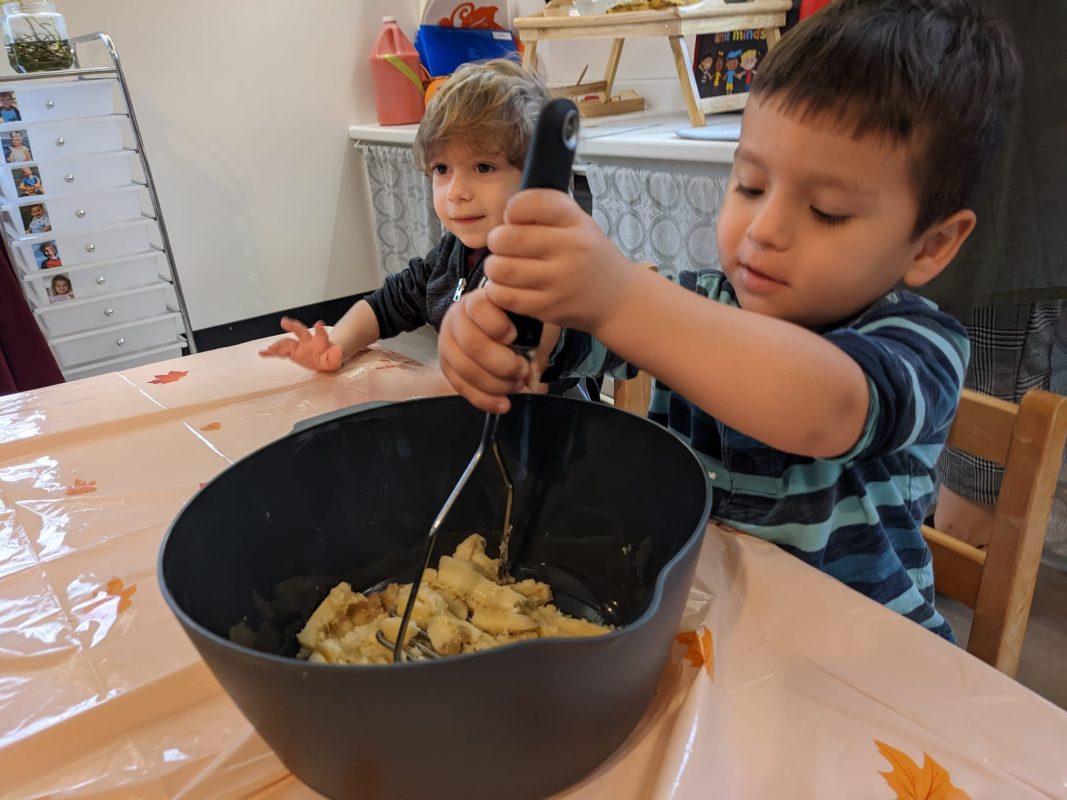
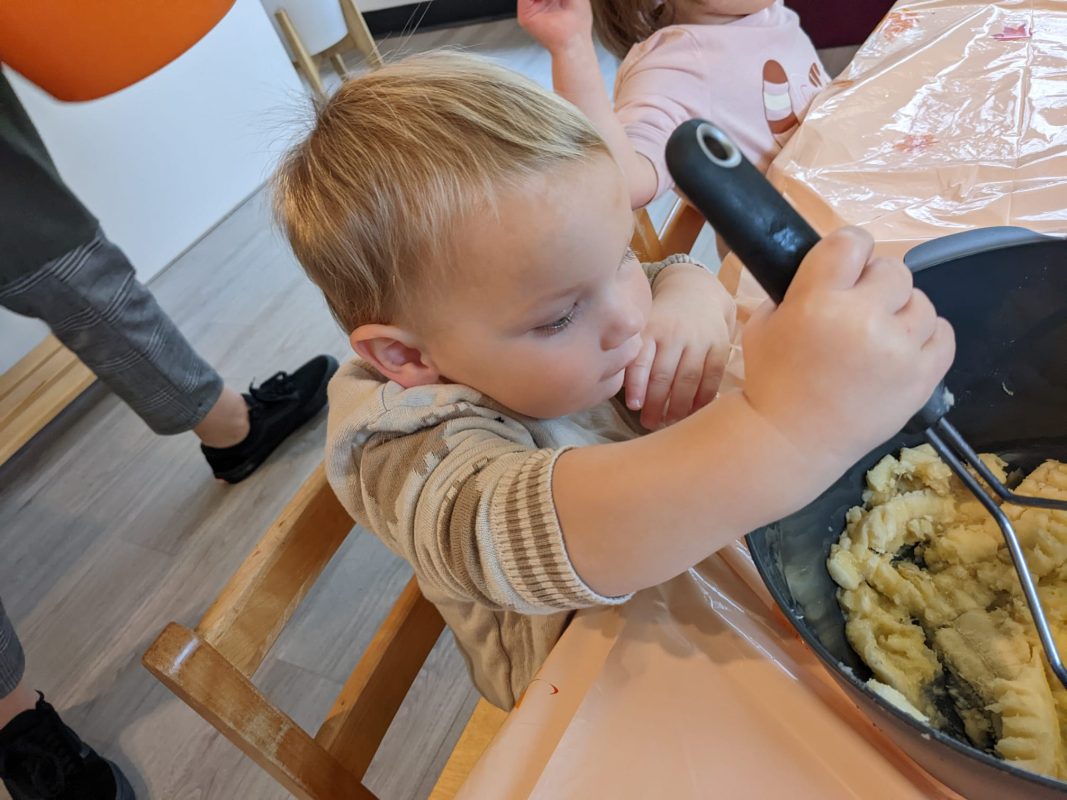
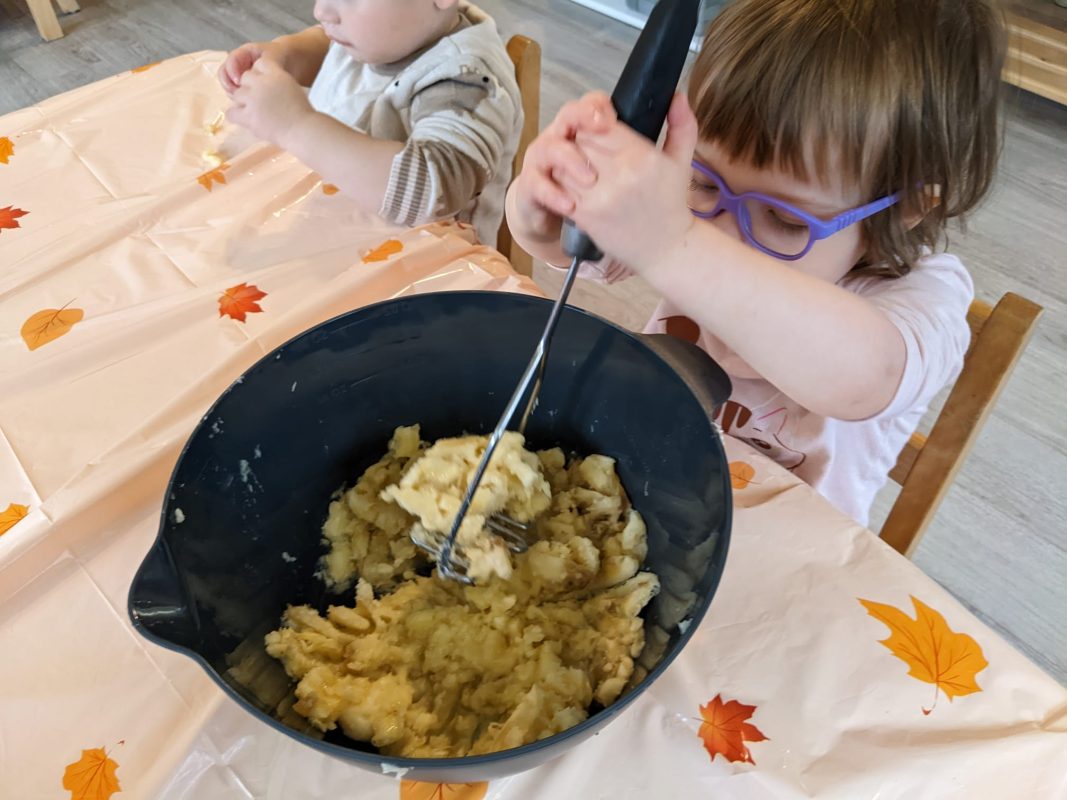
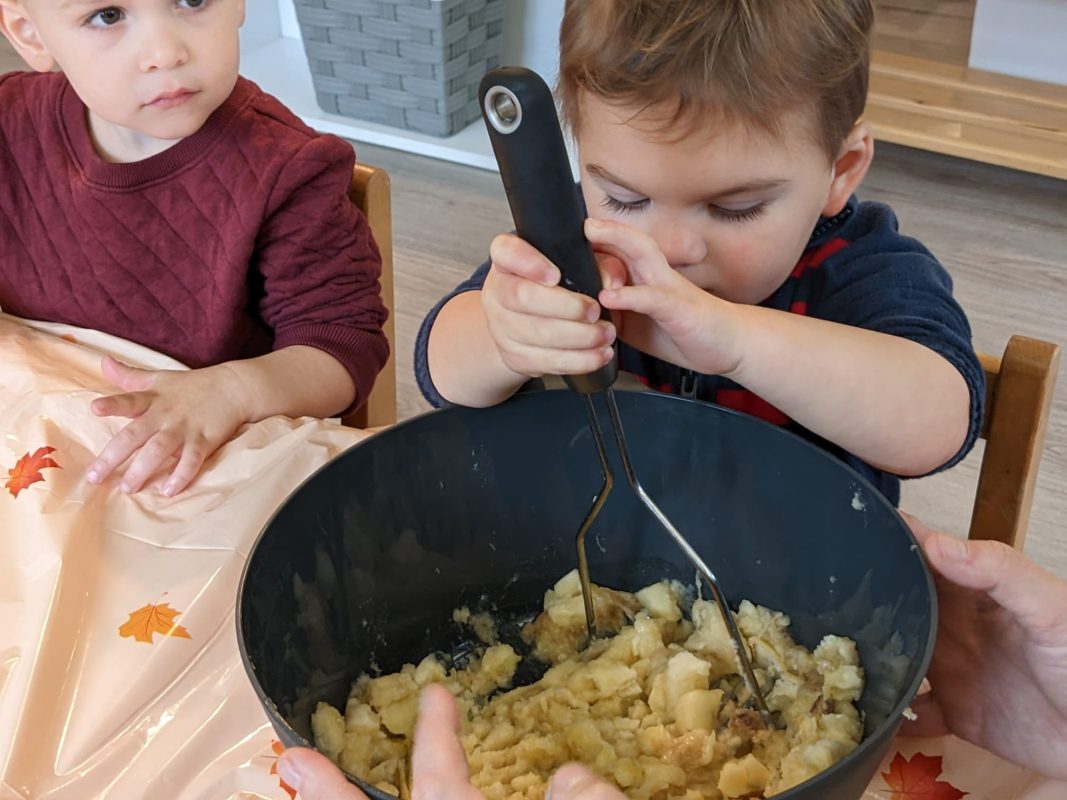
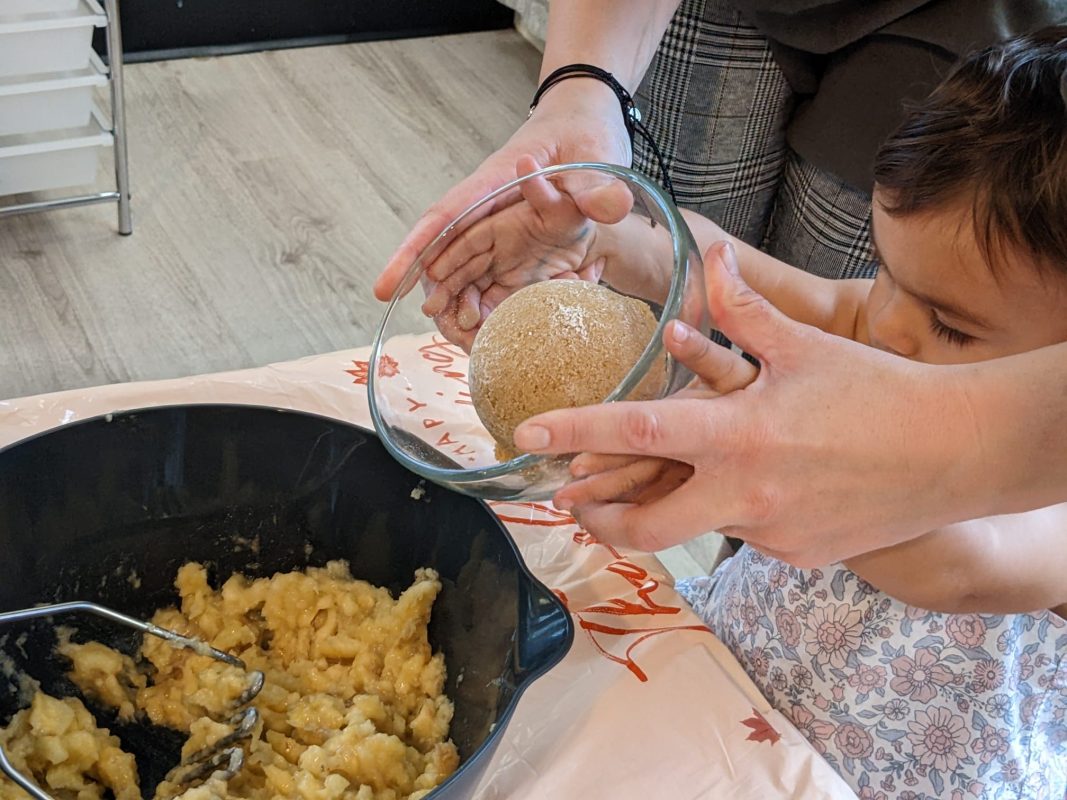
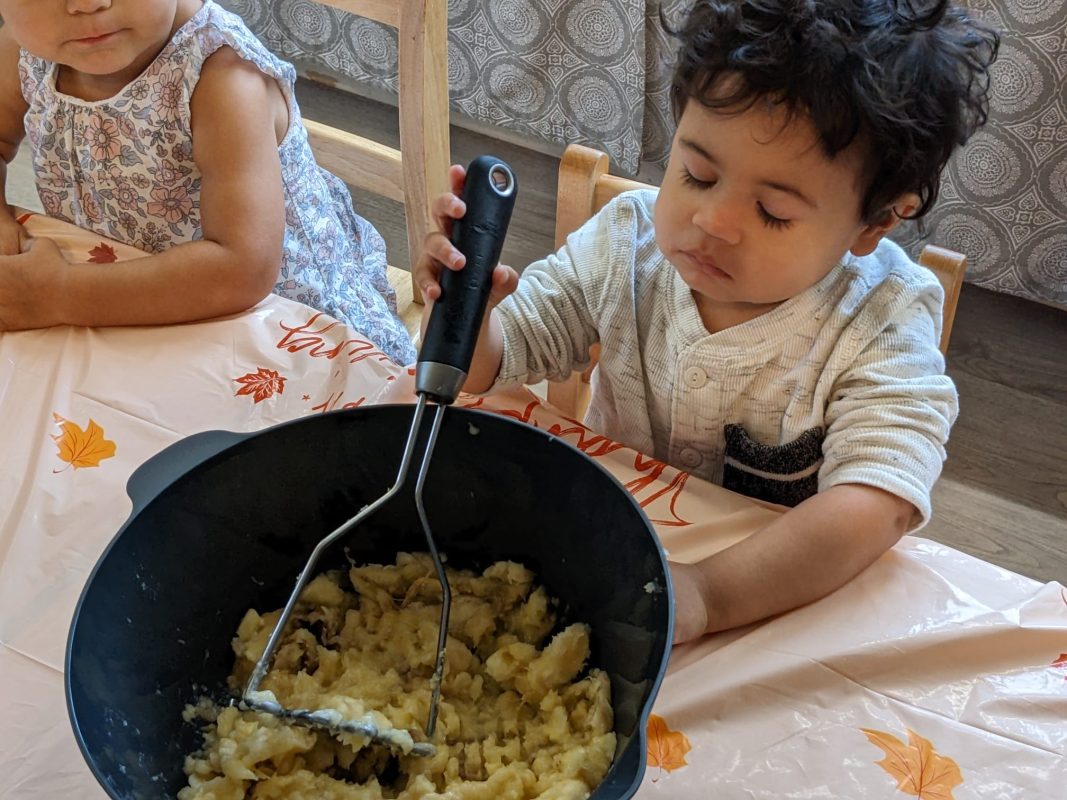
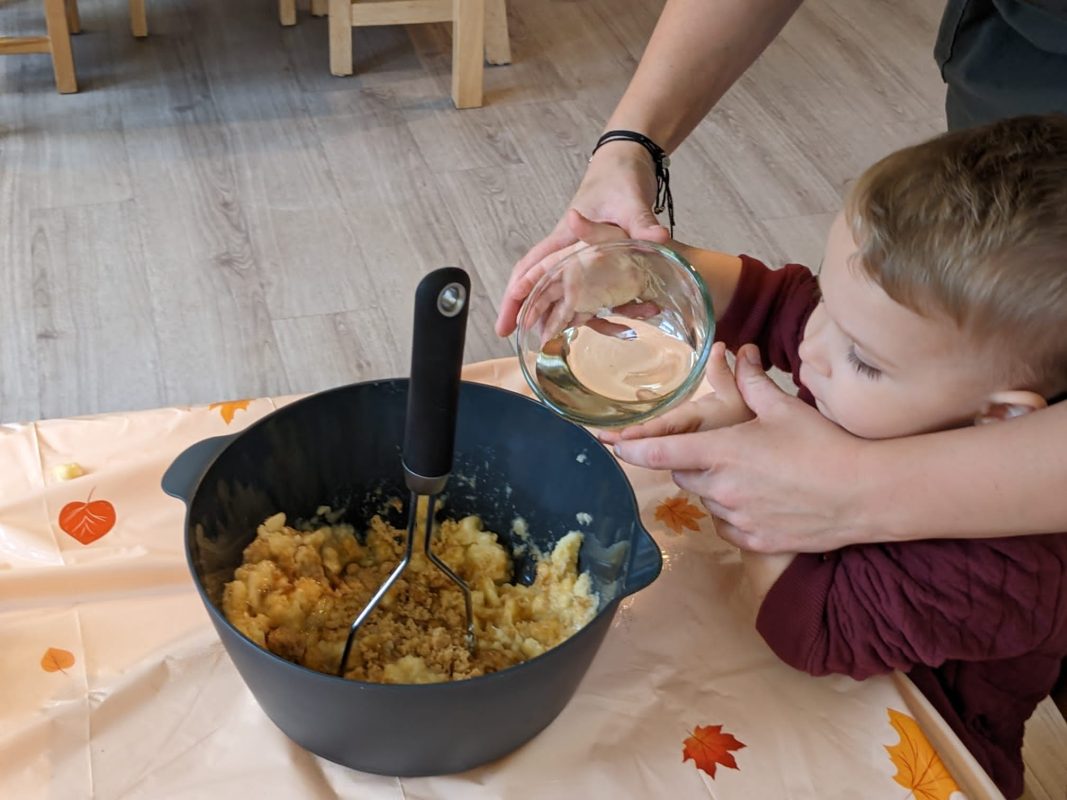
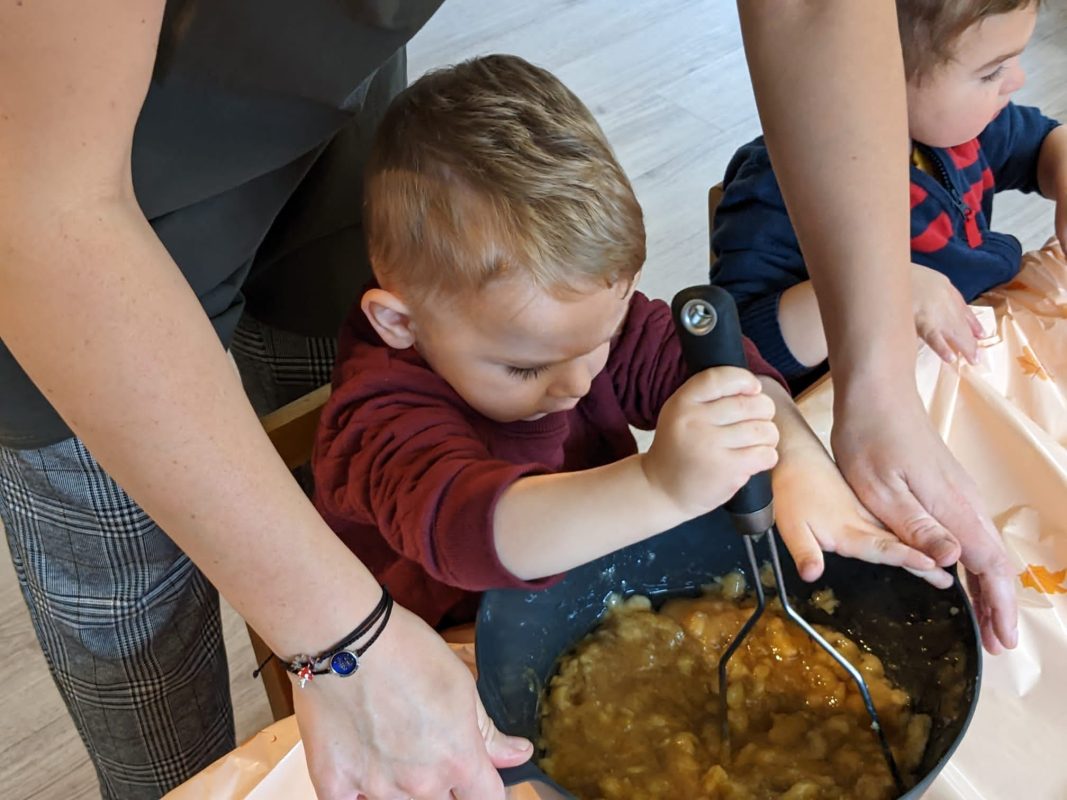
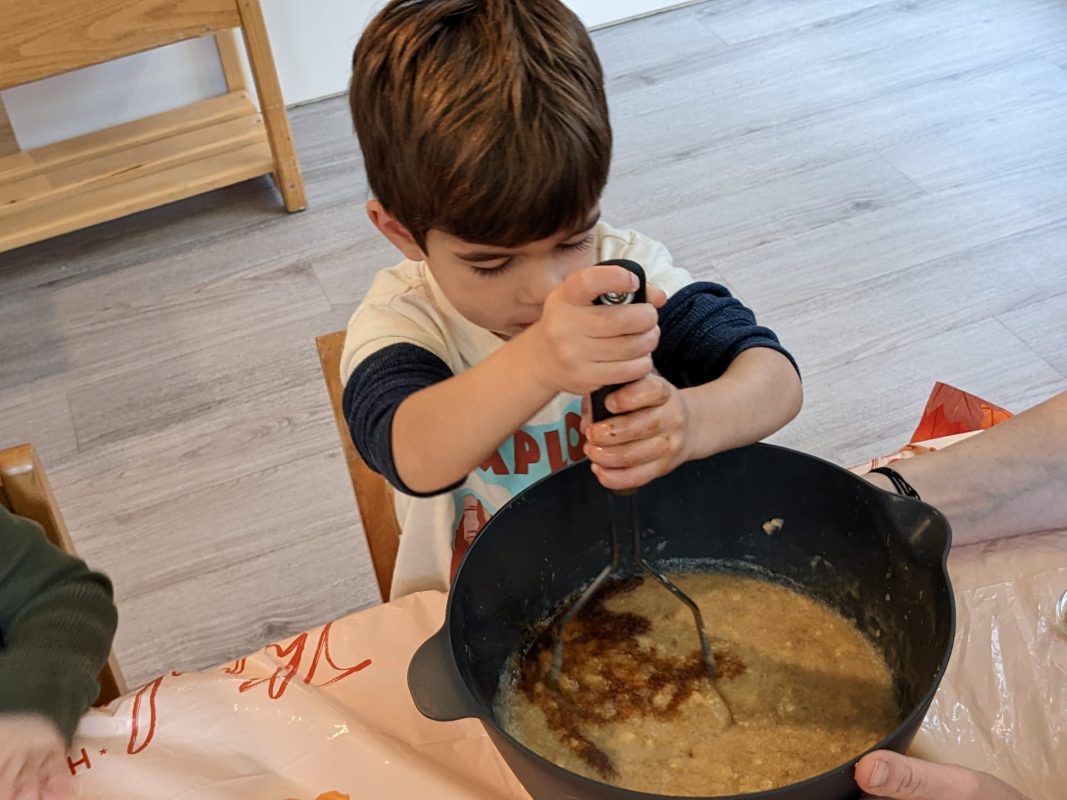
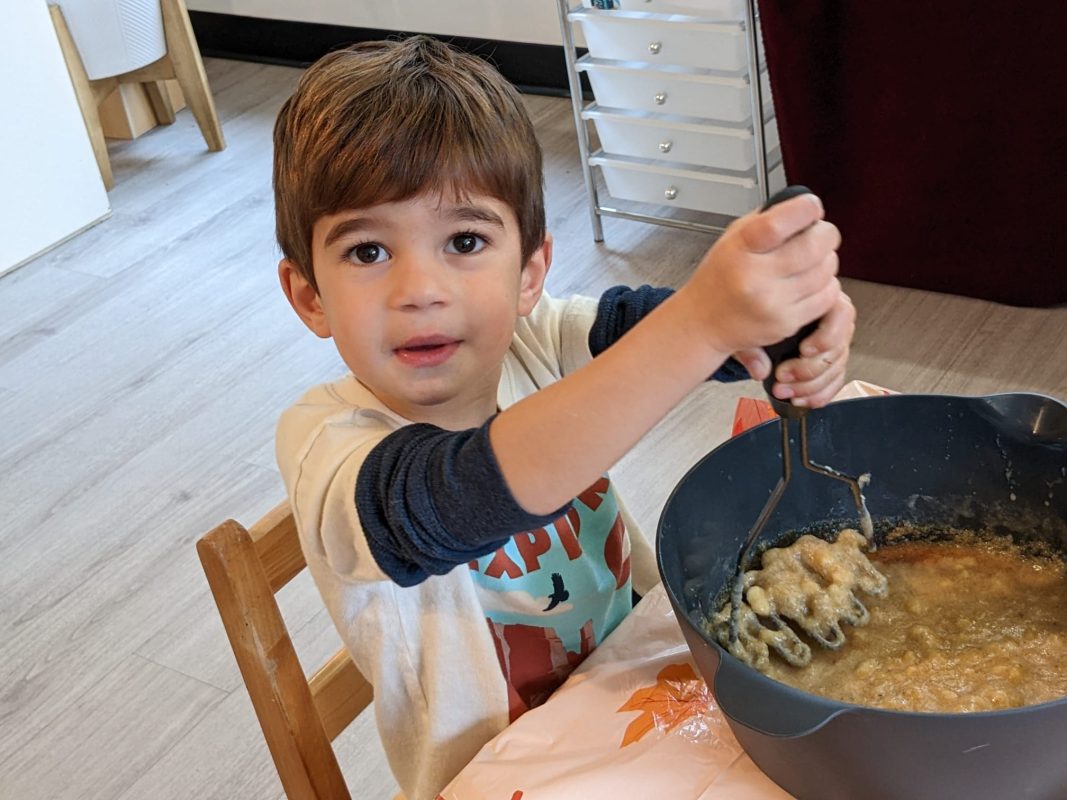
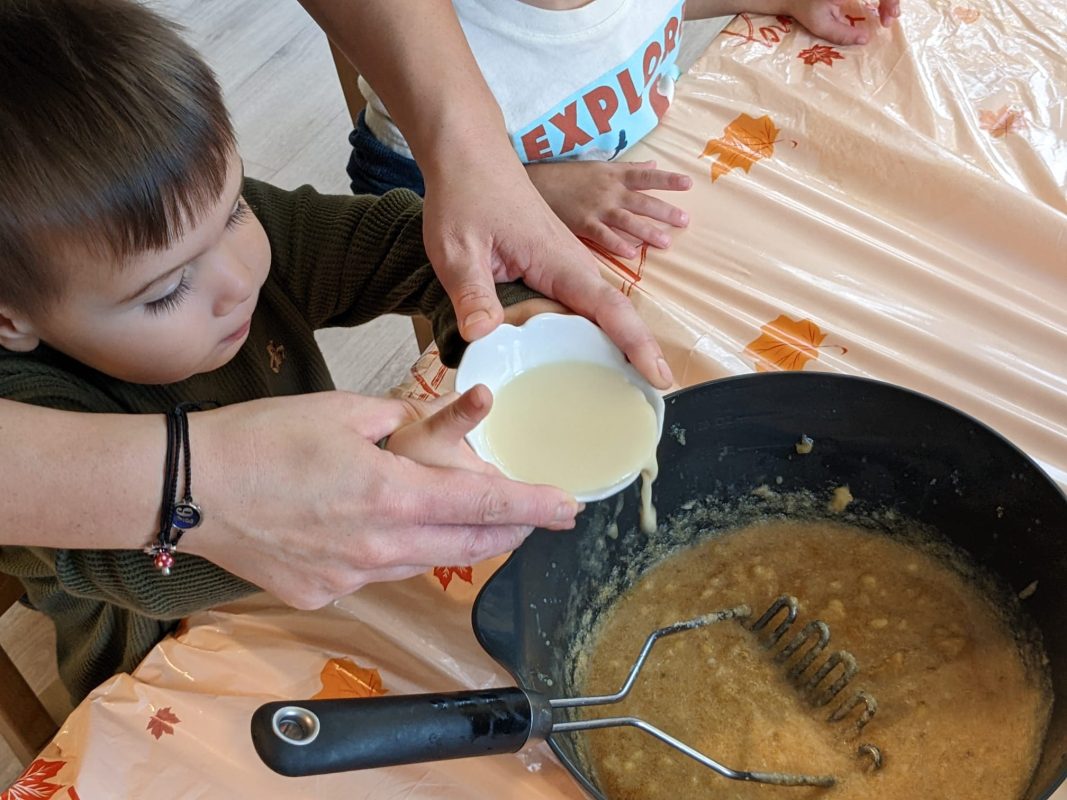
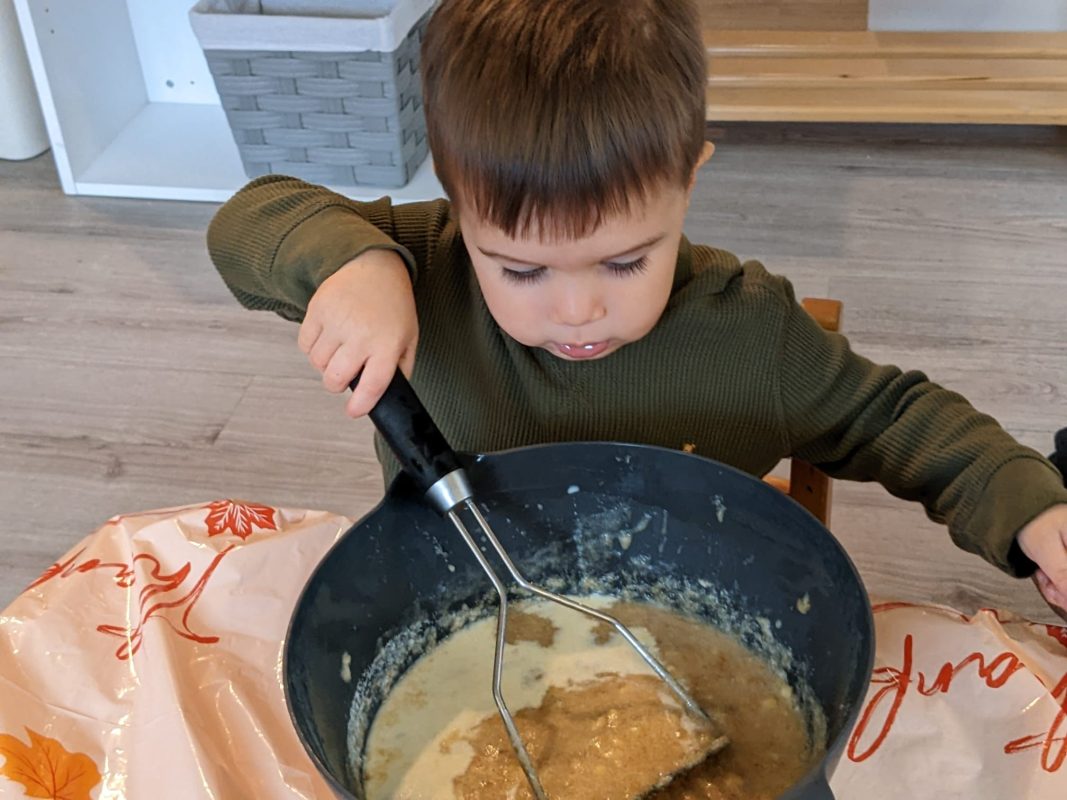
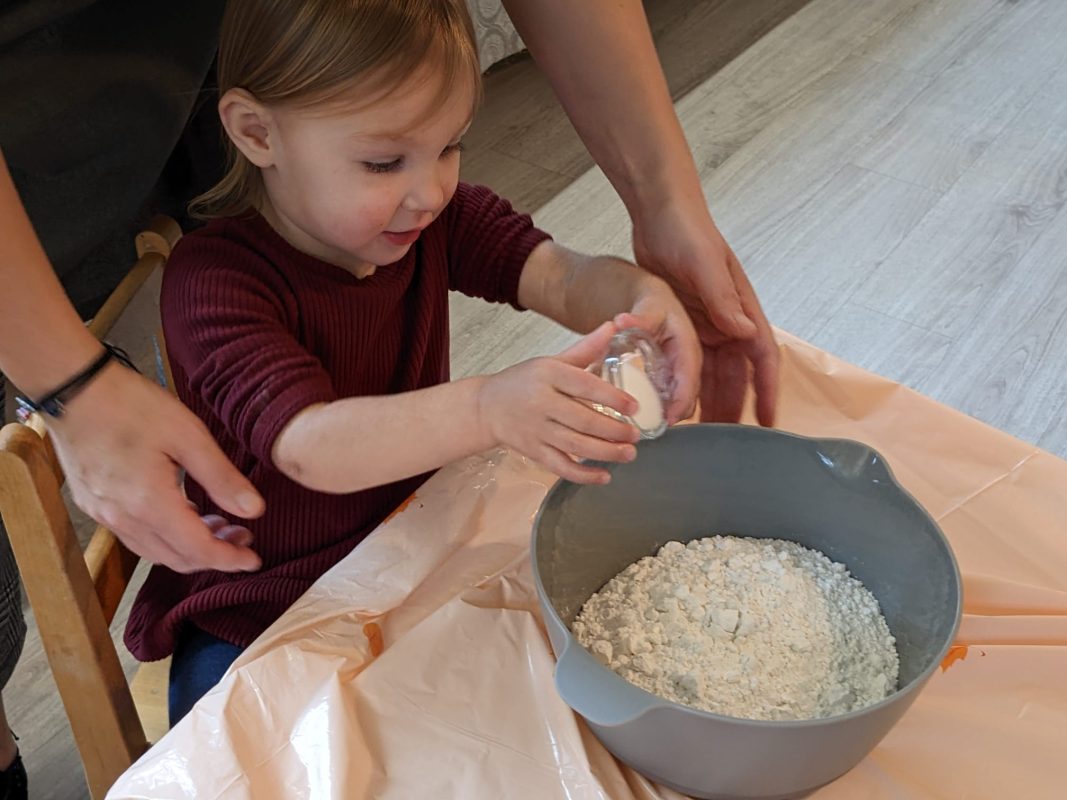
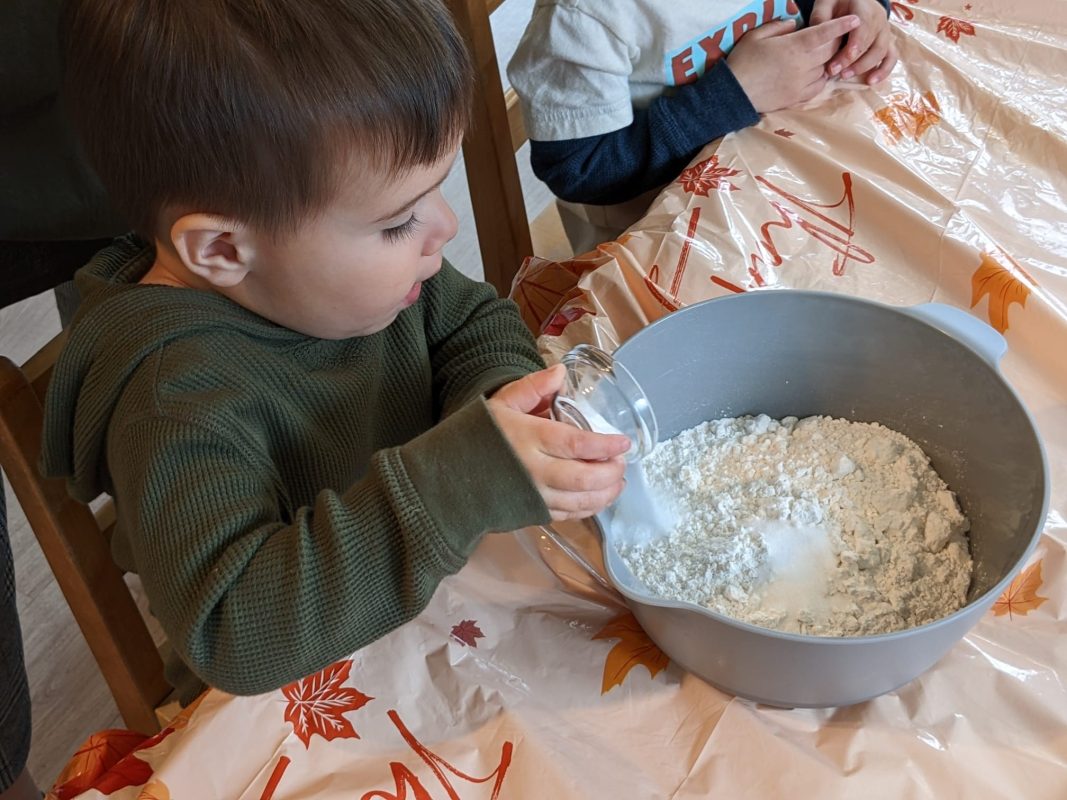
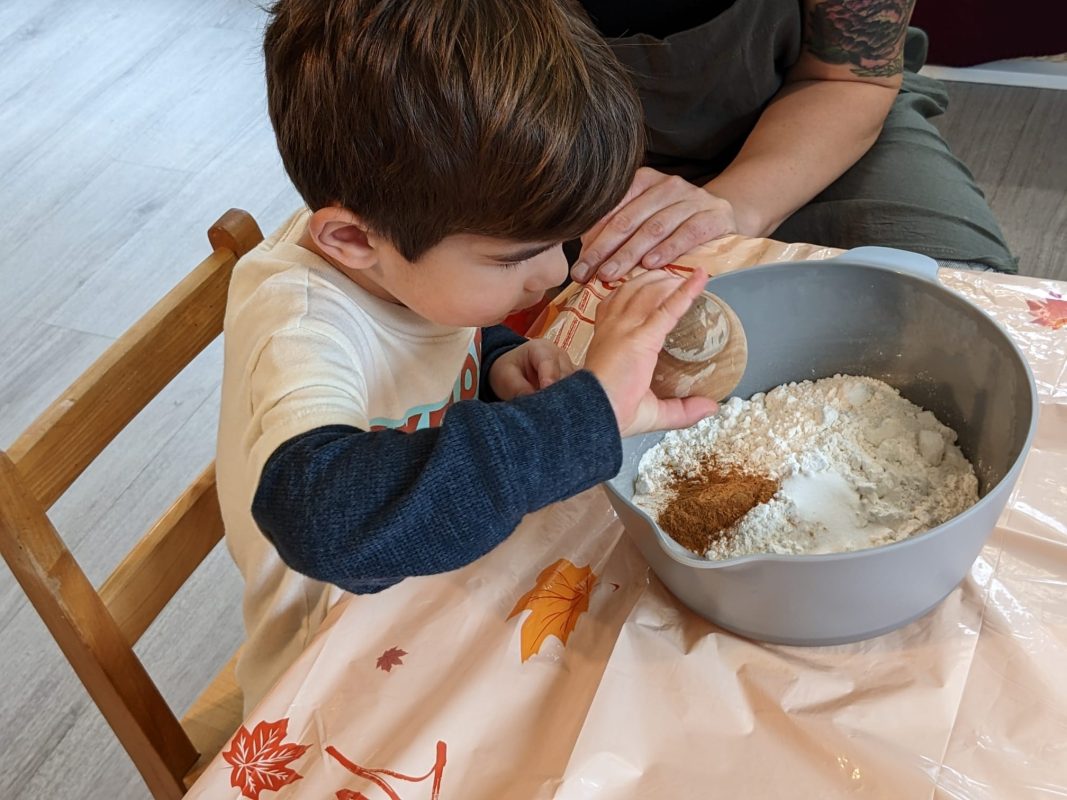
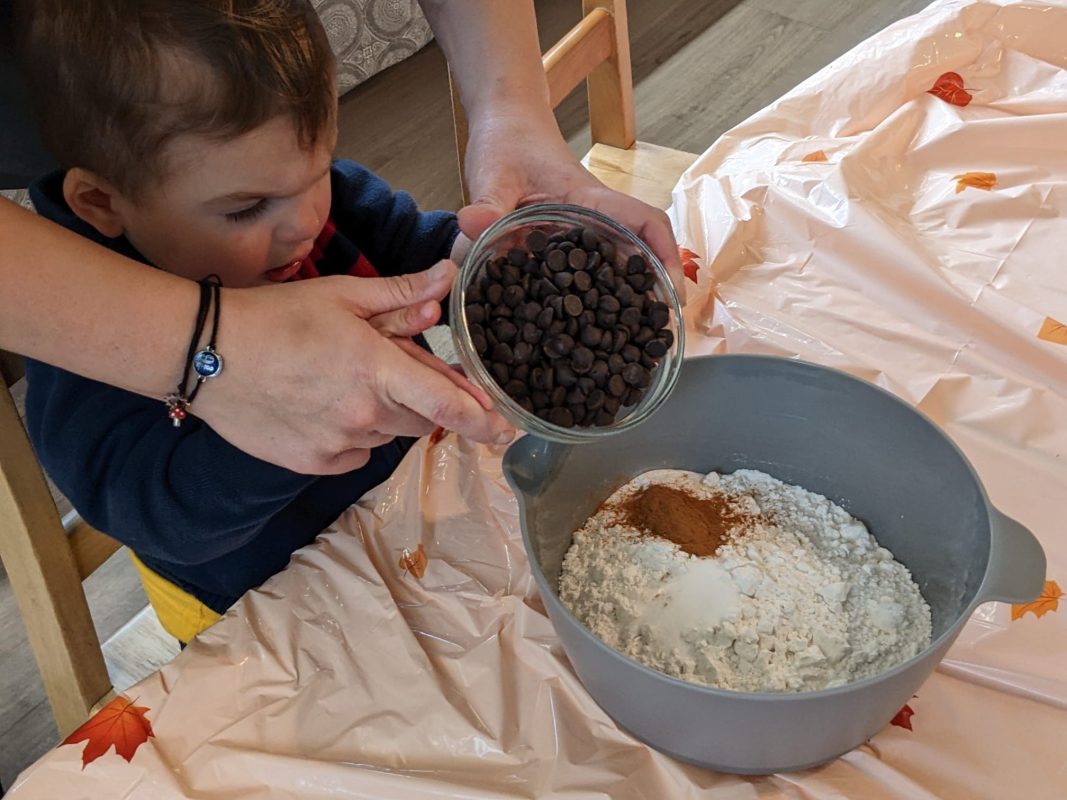
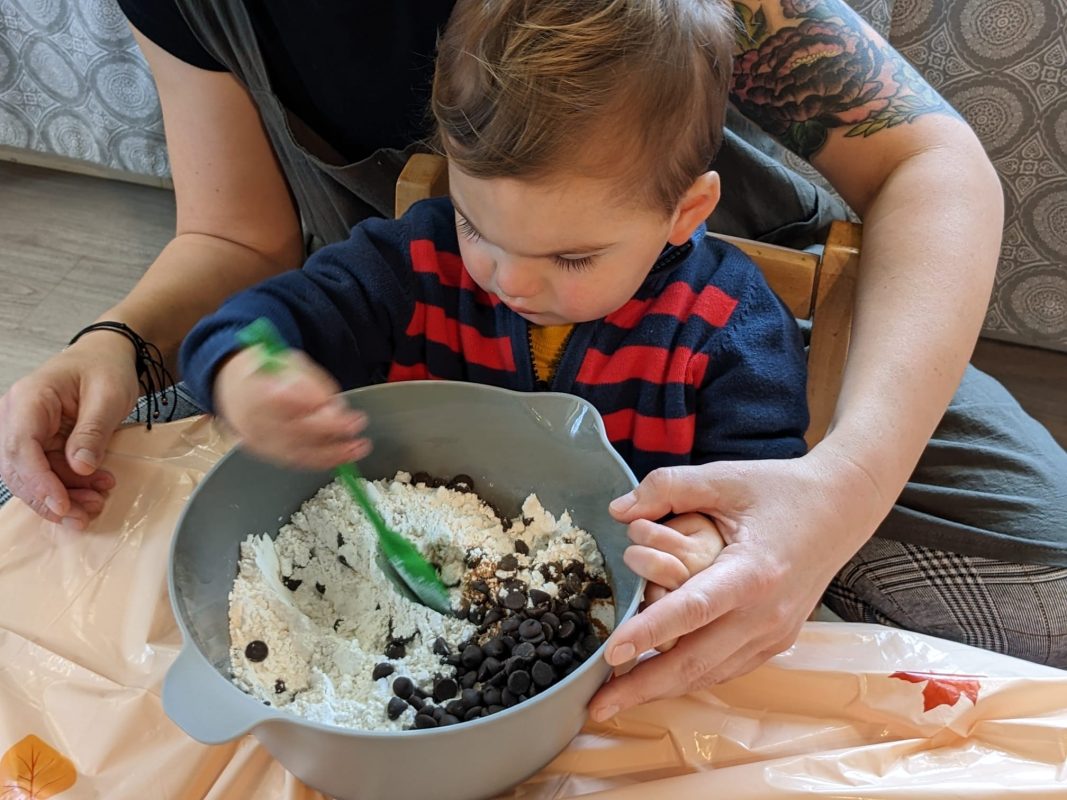
One of the main highlights of this week was our baking day, preparing for our Thanksgiving celebration next Tuesday. Children listened to the names of ingredients and had the opportunity to touch, smell, watch and help with the mixing of the ingredients of a delicious Vegan banana bread.  On Monday the whole class will work together to prepare homemade butter as well. We can’t wait to celebrate and take time to let our thankful hearts speak, one more time.

Showing gratitude is an important part of who we are as humans. It strengthens our relationships and our connection to our communities and even makes us happier and more compassionate people. Although adults understand the worth in expressing gratitude, young children find it more difficult. Gratitude involves being sensitive and empathetic to others, and truly appreciating what others do for you. While children can quickly learn to say please and thank you, it takes time and guidance to help them truly learn to be grateful.

Dr. Montessori implicitly understood the value in fostering a grateful nature in children and helping them become compassionate citizens of the world. That’s why in our Montessori environment, gratitude is key. We regularly take time with each of our students to express thankfulness for specific things.

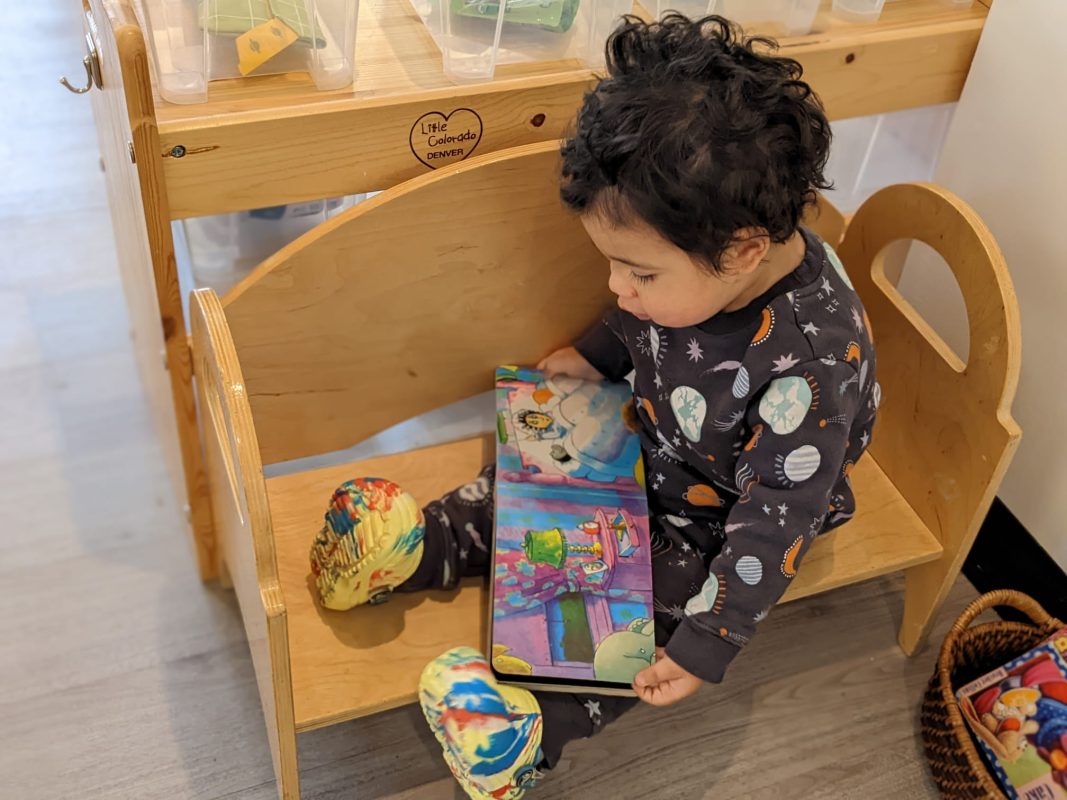
I find The Thankful Book by Todd Parr a great resource to use with the toddlers when we are learning about Gratitude. They really enjoy it and I highly recommend it for all the families to have at home.  It has been great to hear our verbal toddlers start expressing thankfulness.

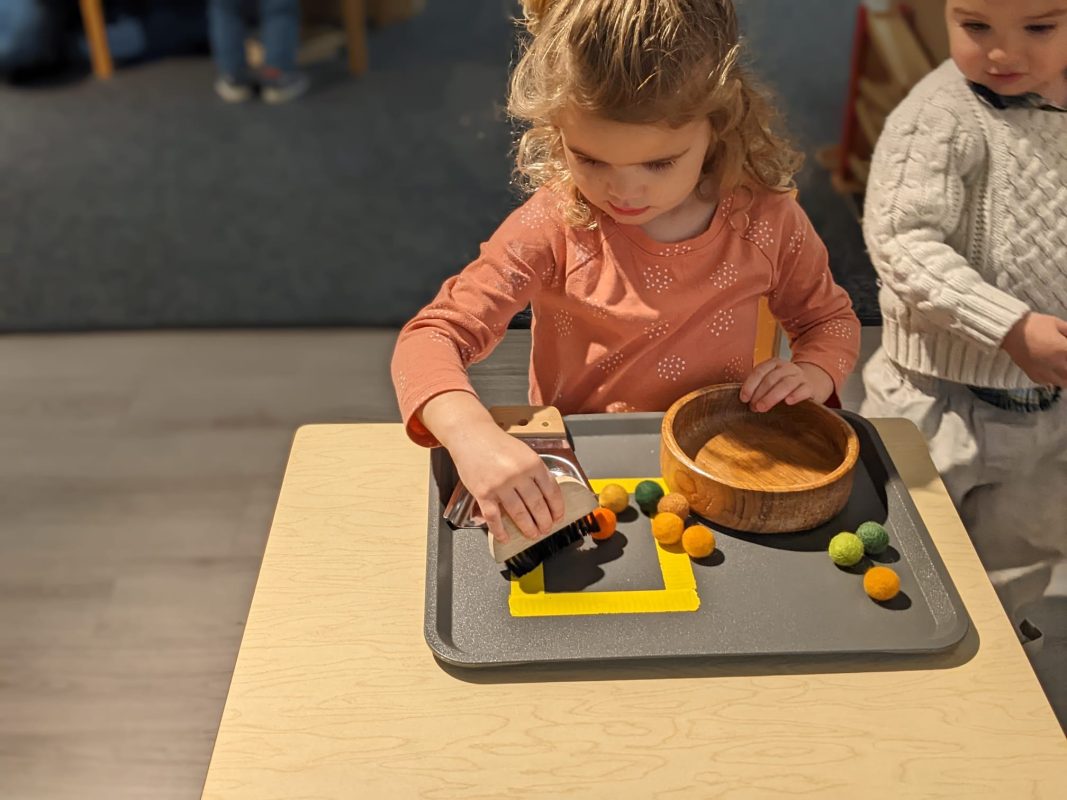
On another note, we introduced the work: How to clean a dry spill on a table. Children are practicing how to use a small crumb brush and dustpan and are learning the difference on what brush and dustpan to use when either cleaning the tables or the floors.

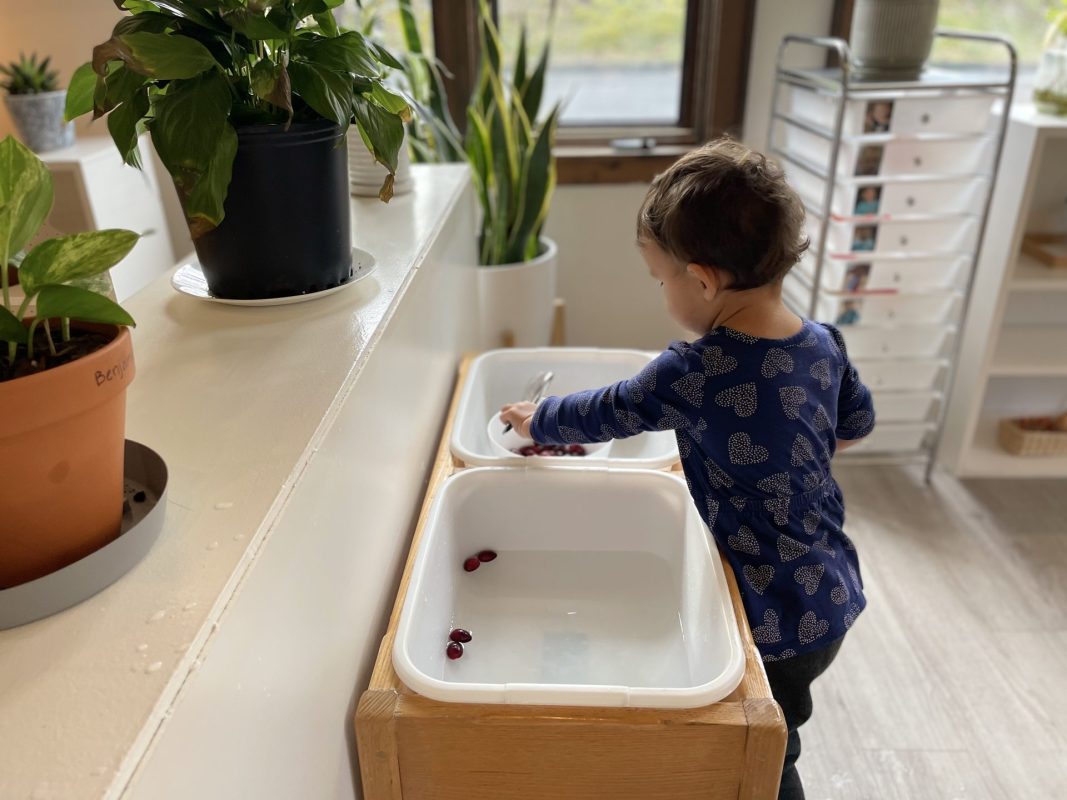
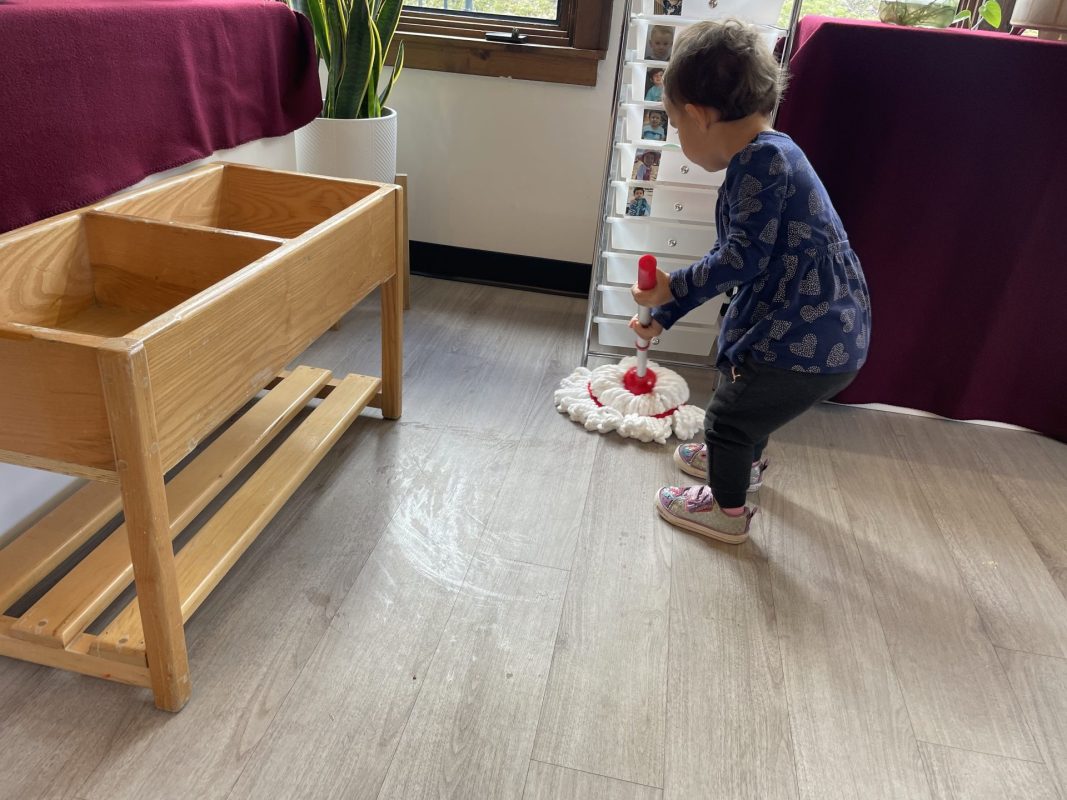
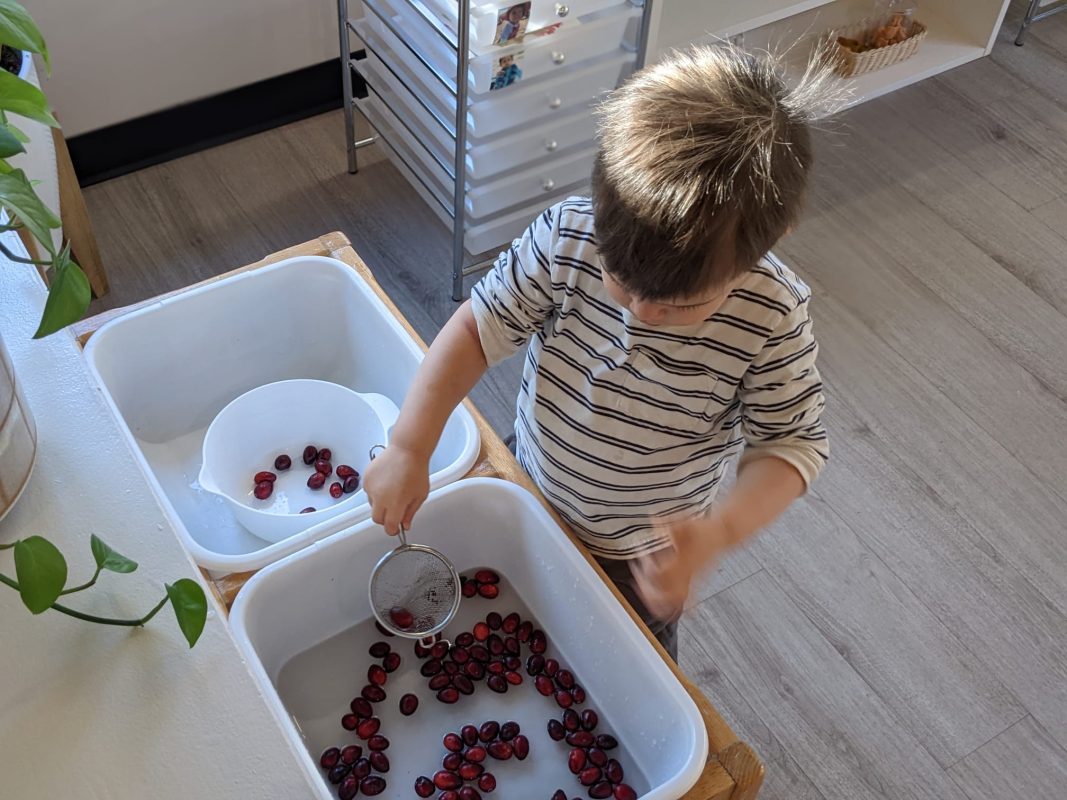
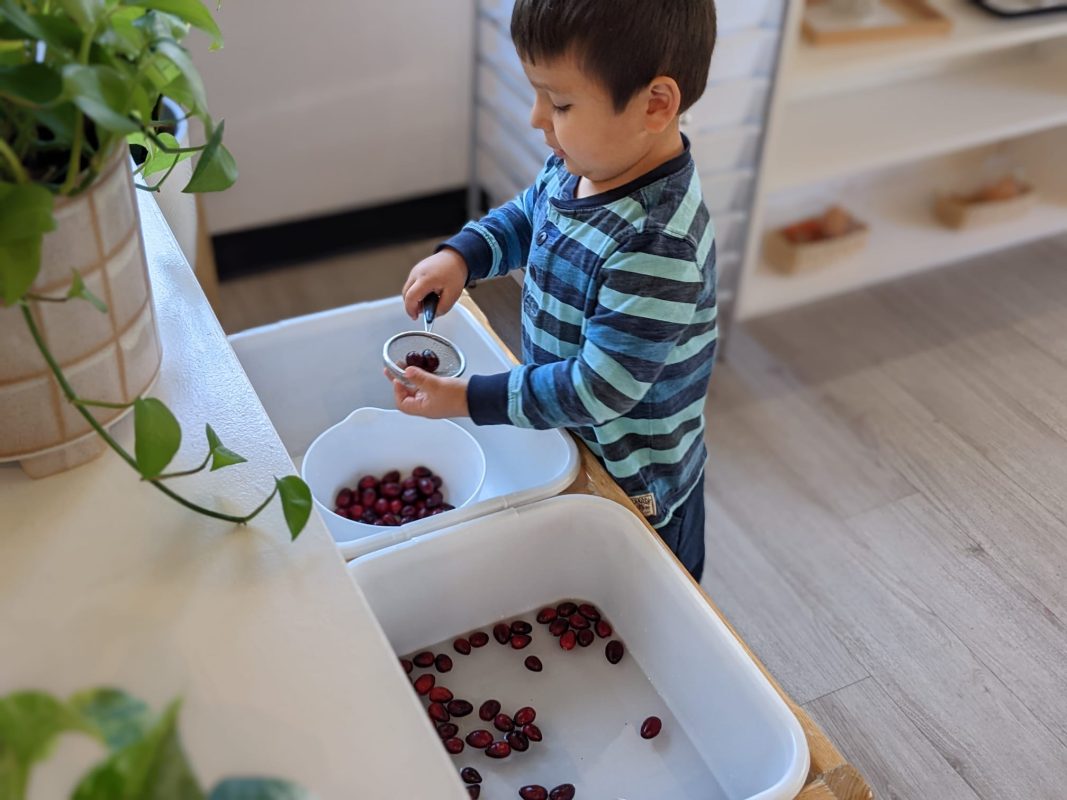
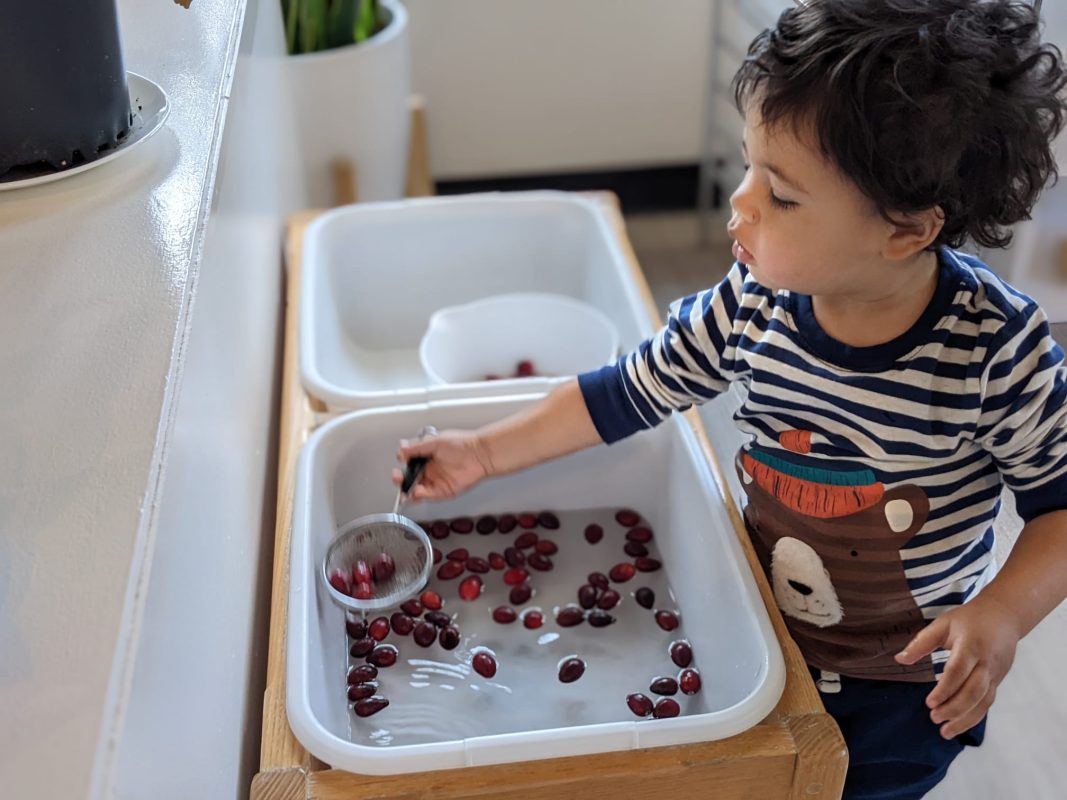
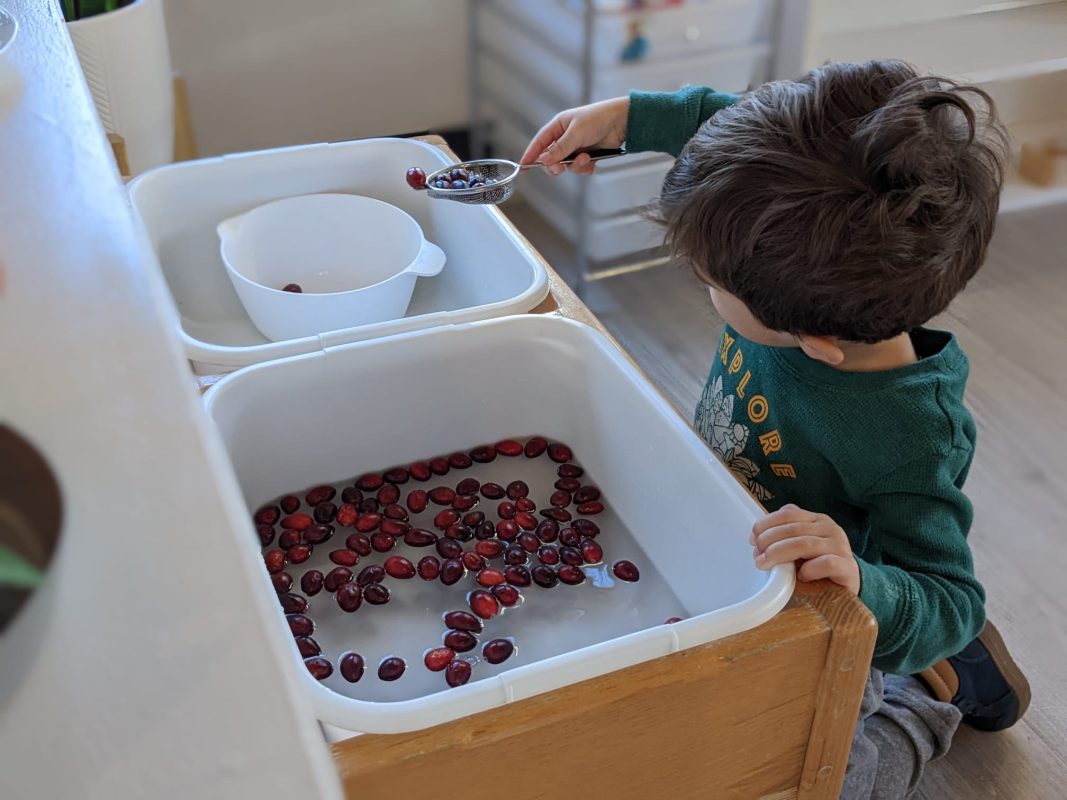
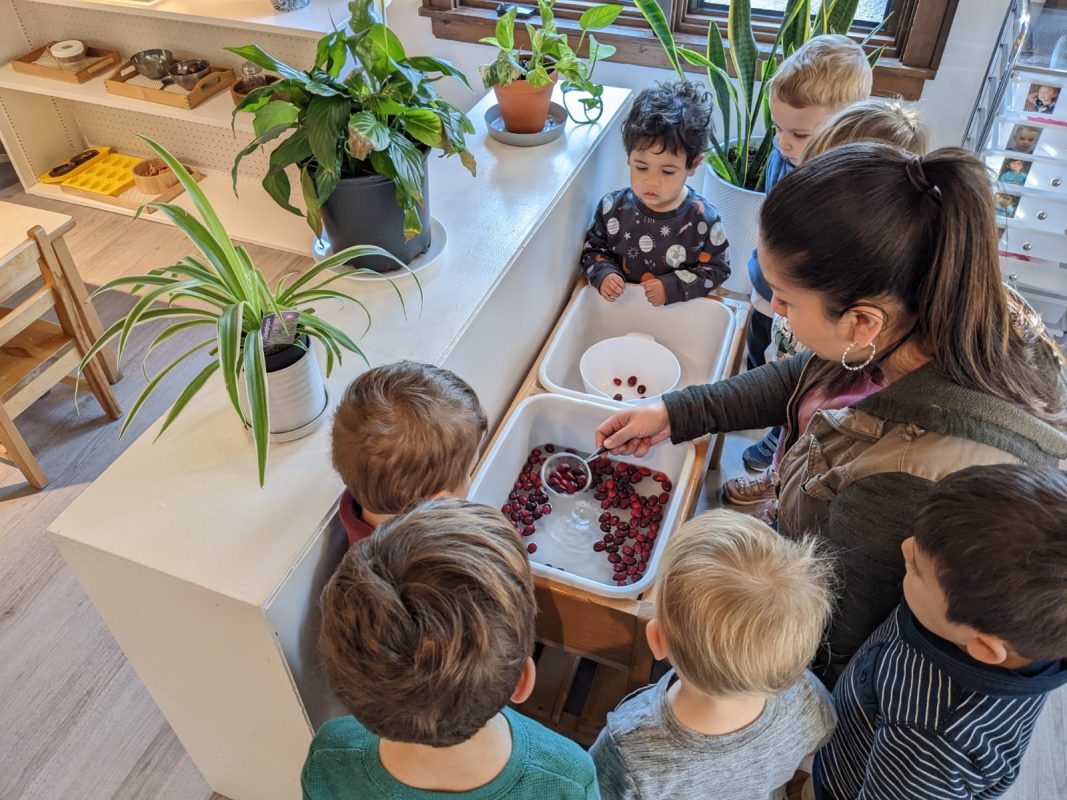
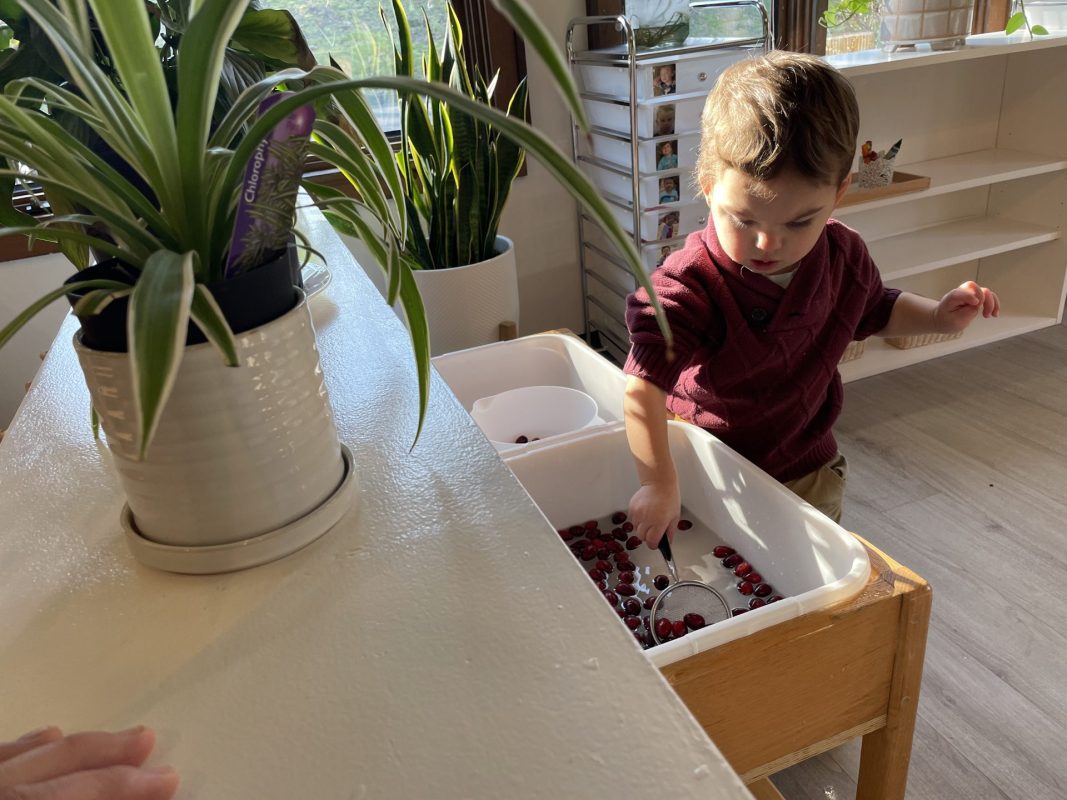
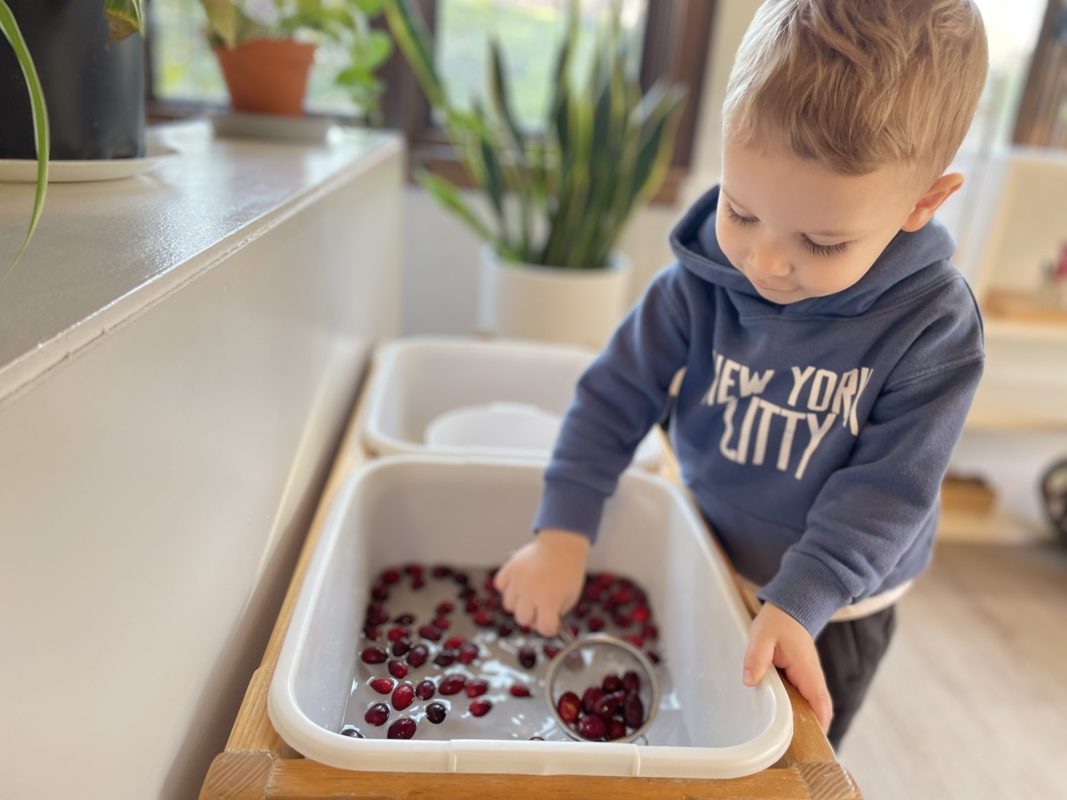
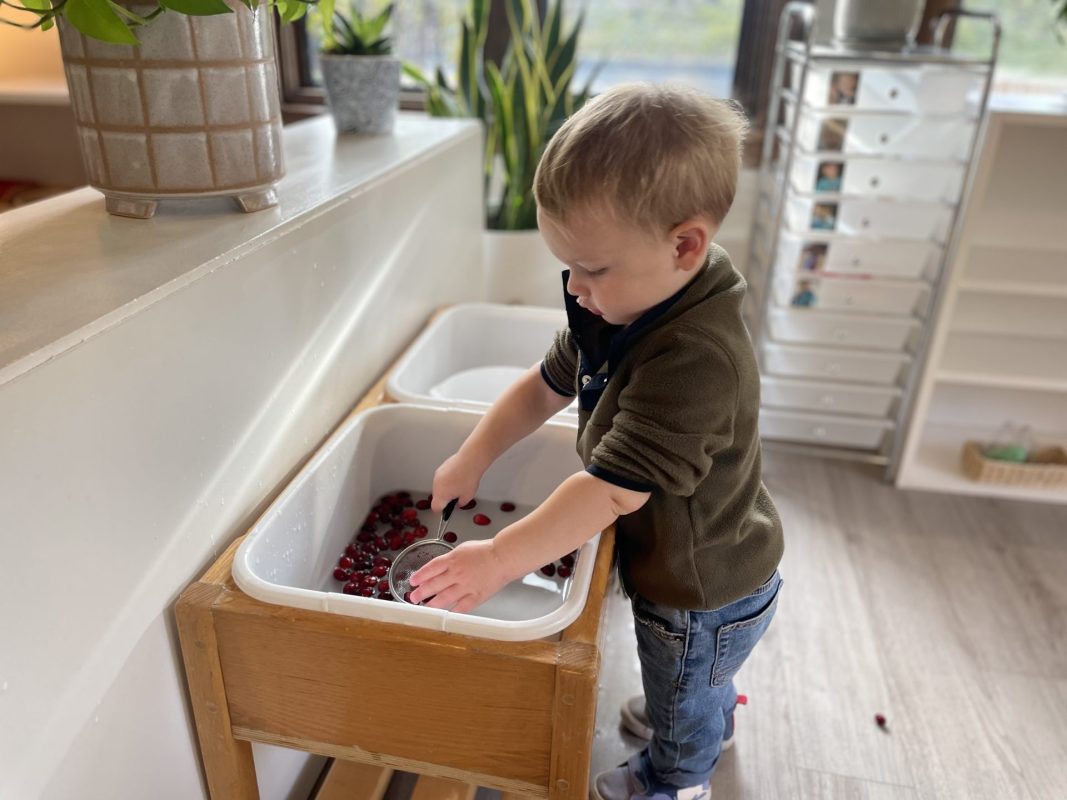
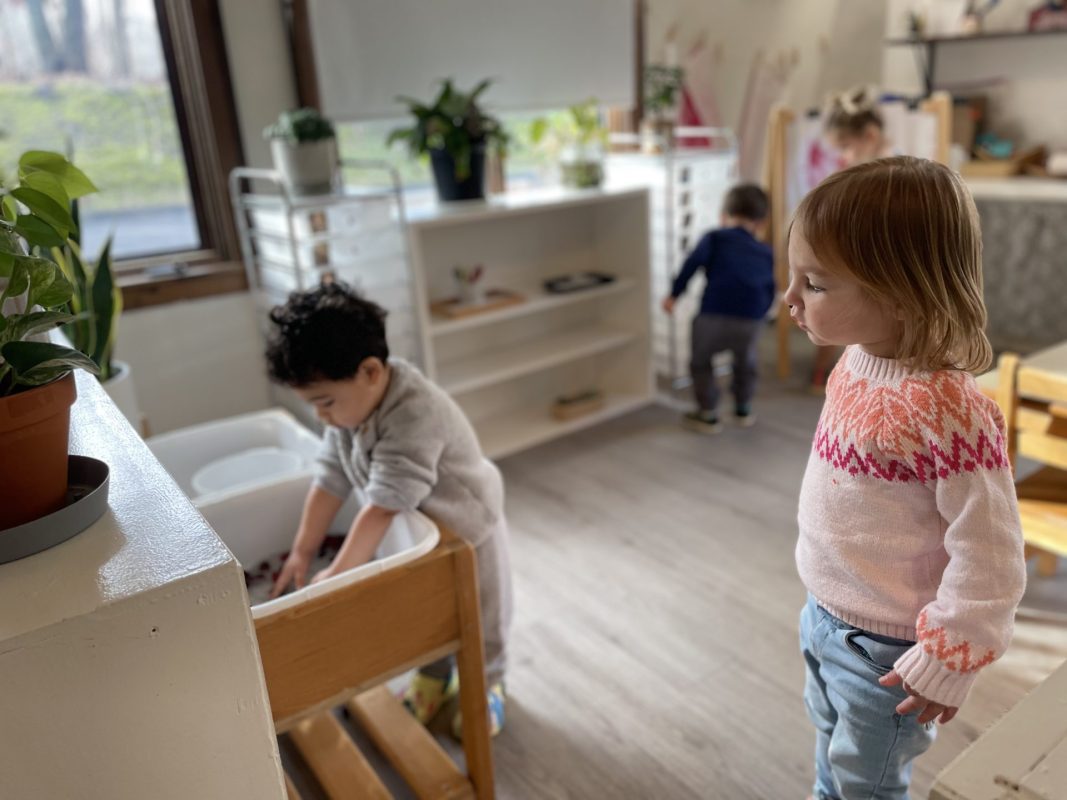
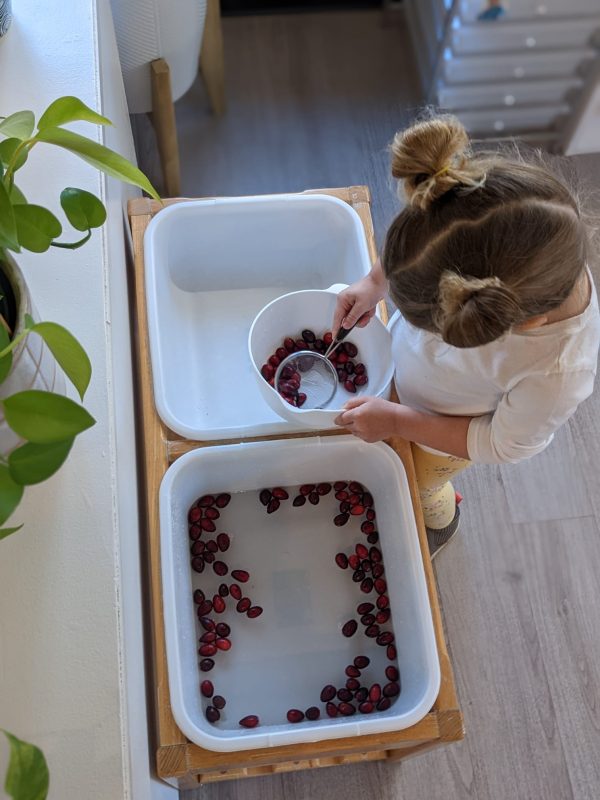
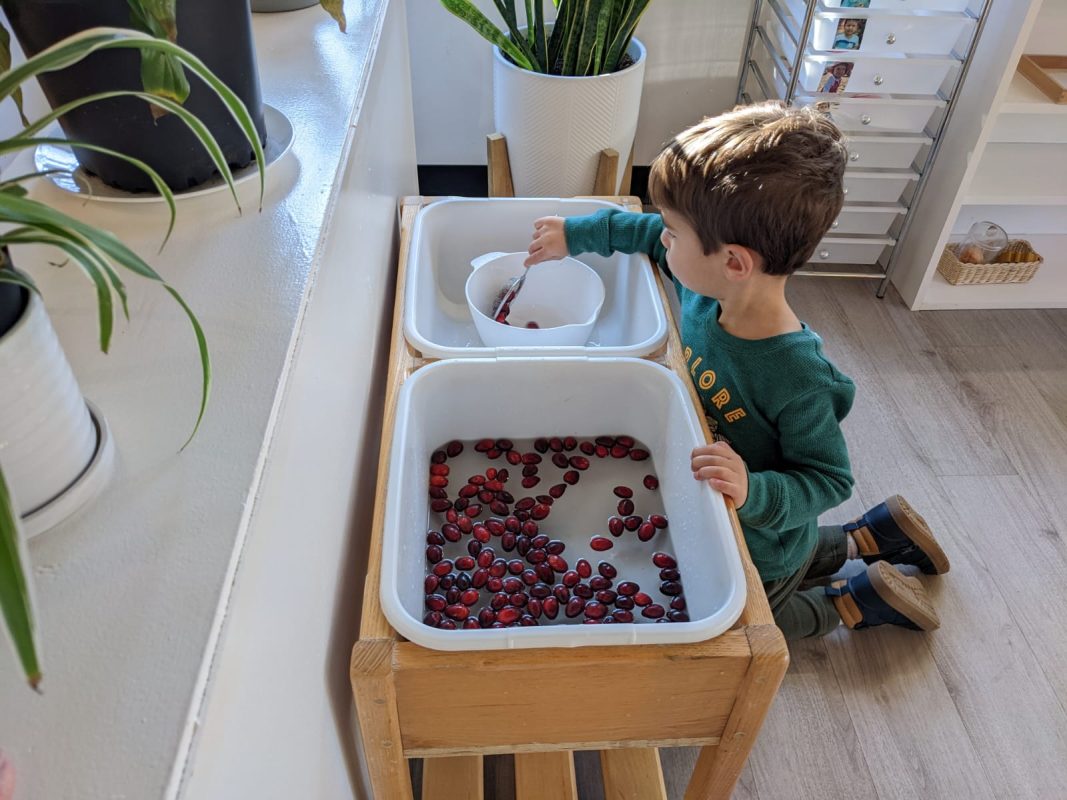
Since water activities have been more present in our environment, children  were also introduced to how to use a floor mop. Children have been enjoying straining cranberries in the sensory bin and mopping the floor has been a great extension to encourage independence, order and concentration.

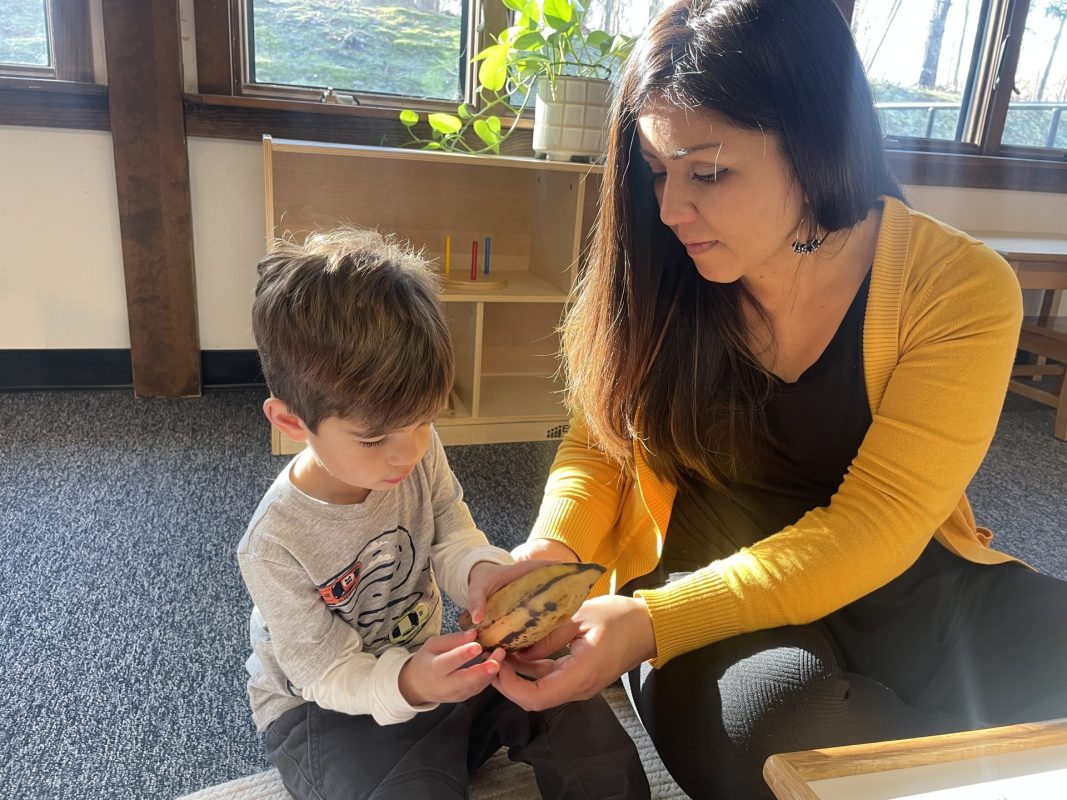
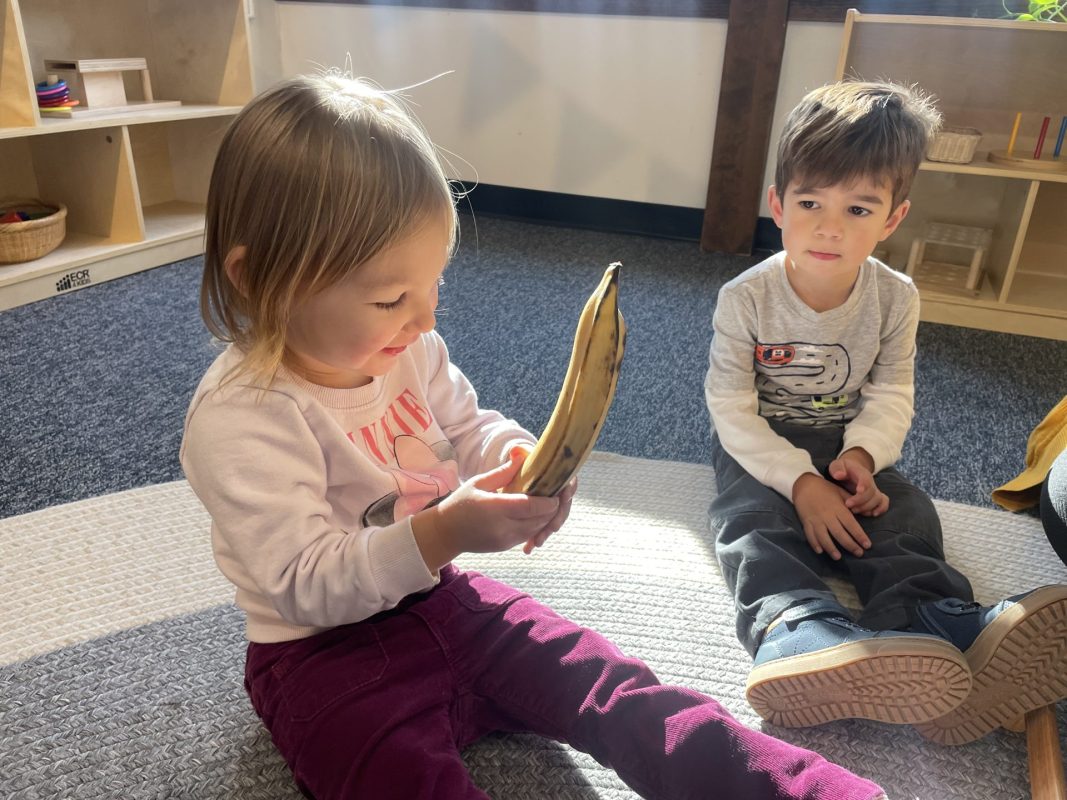
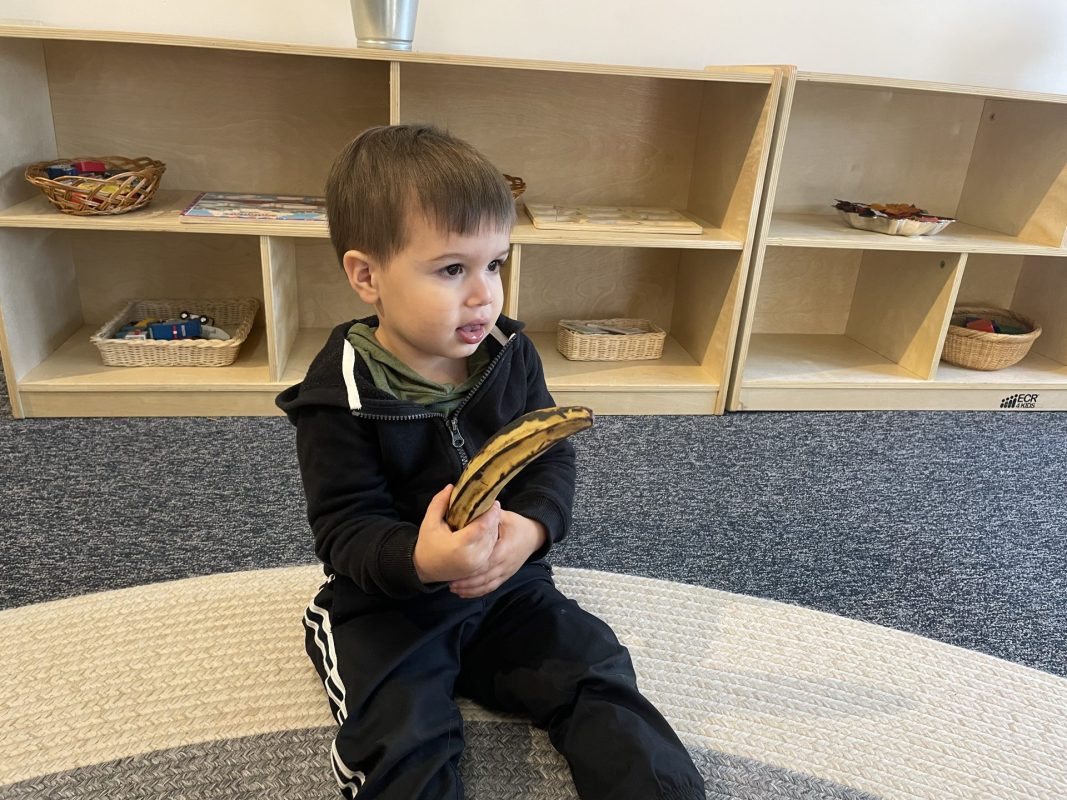
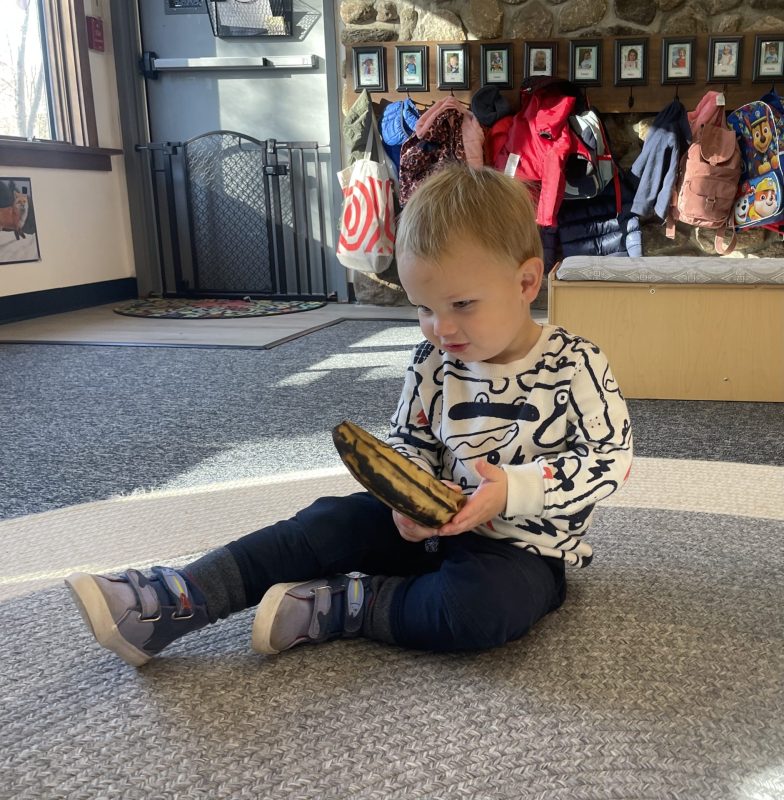
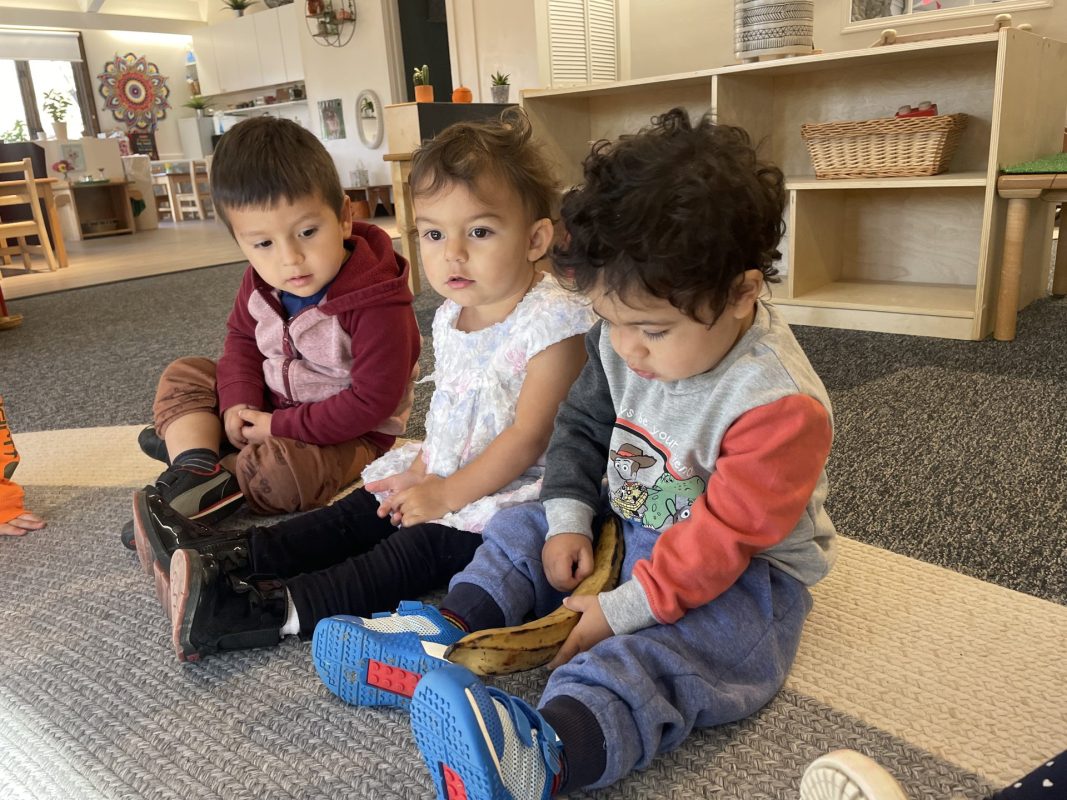
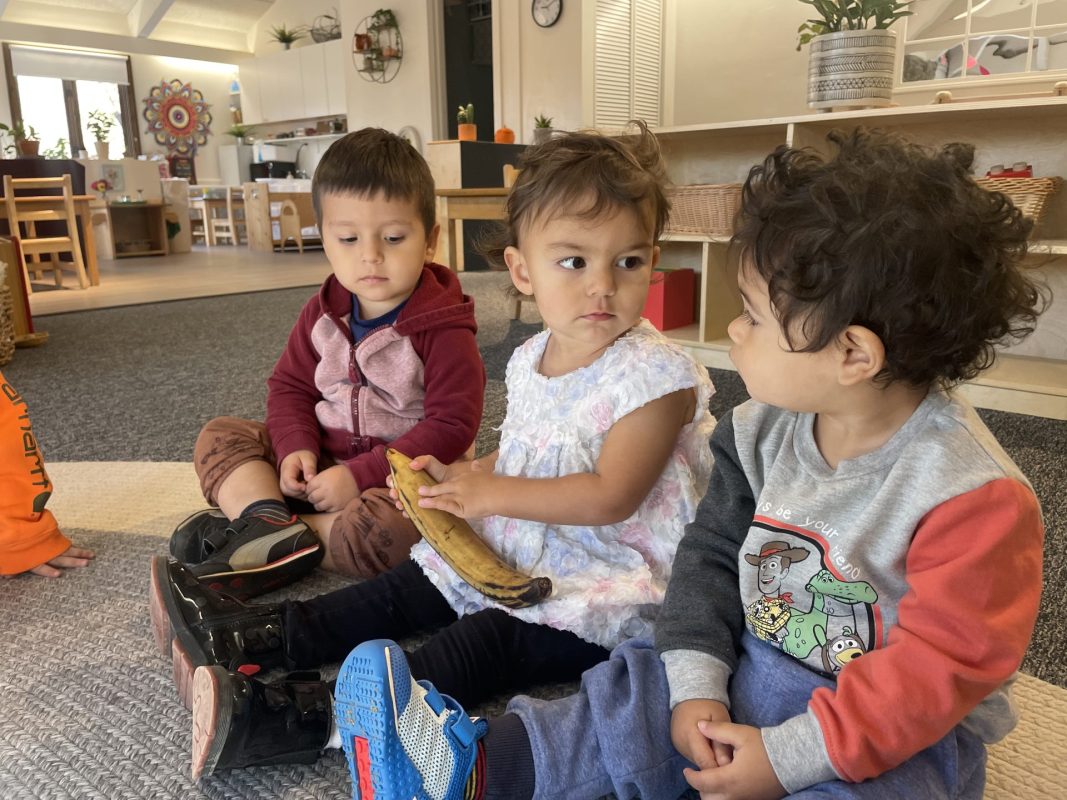
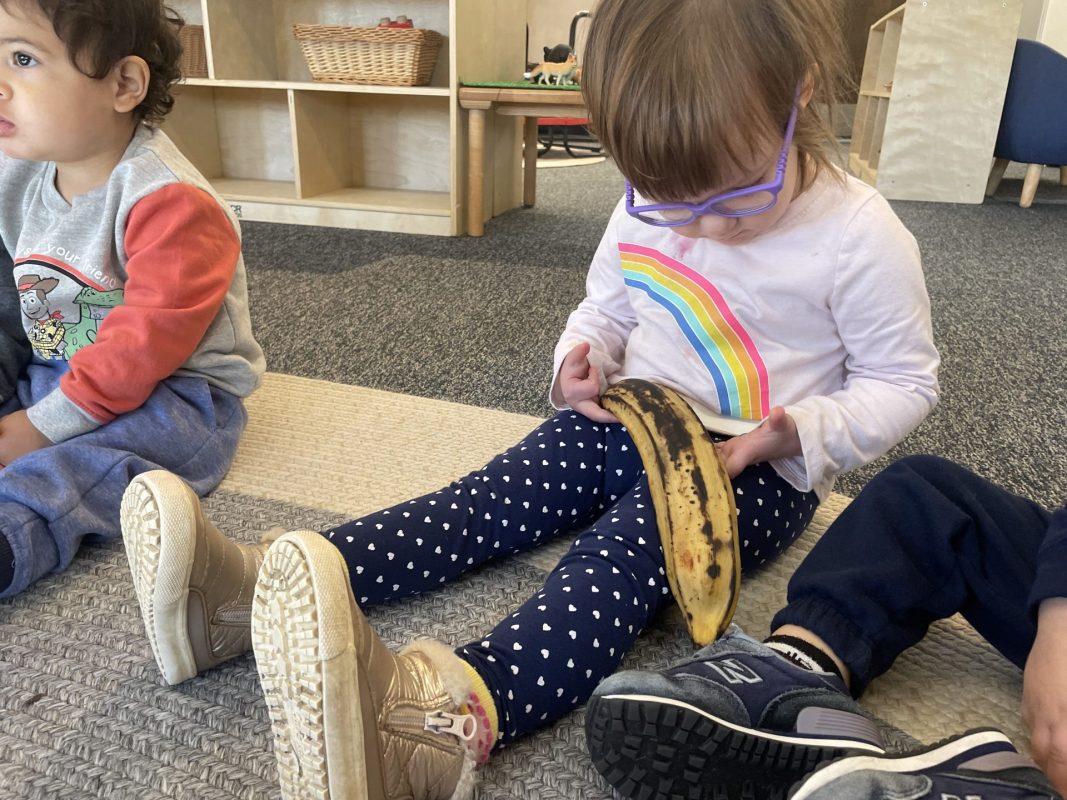
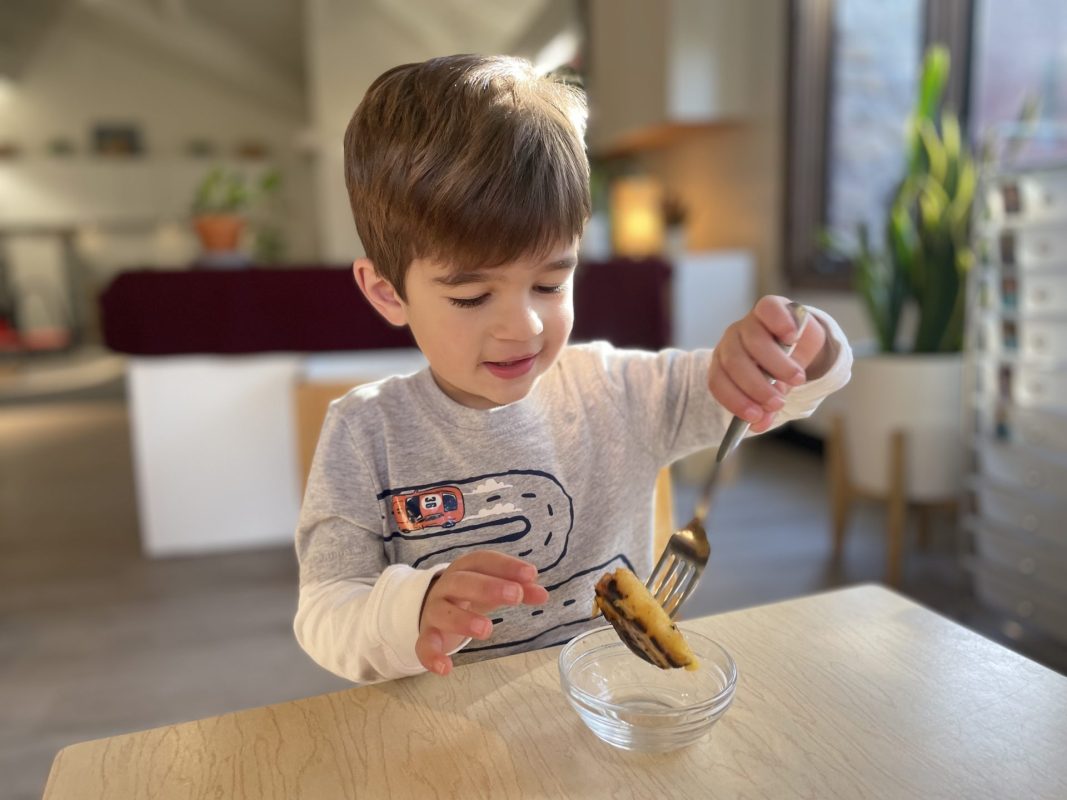
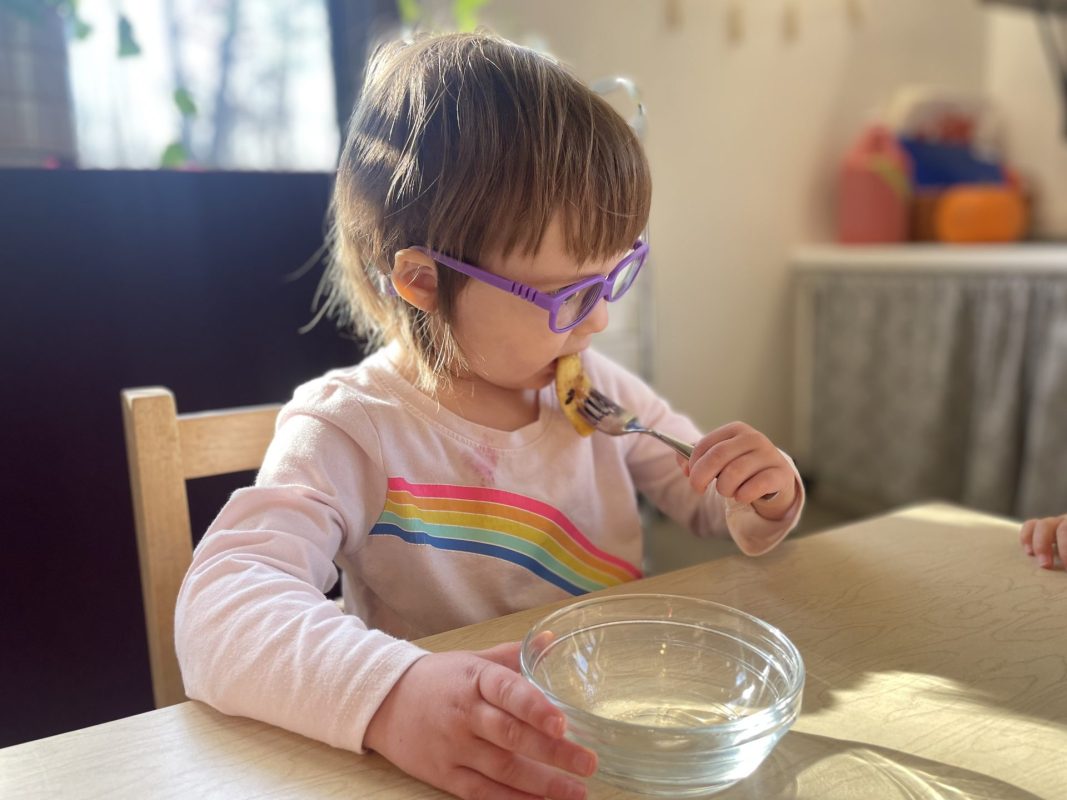
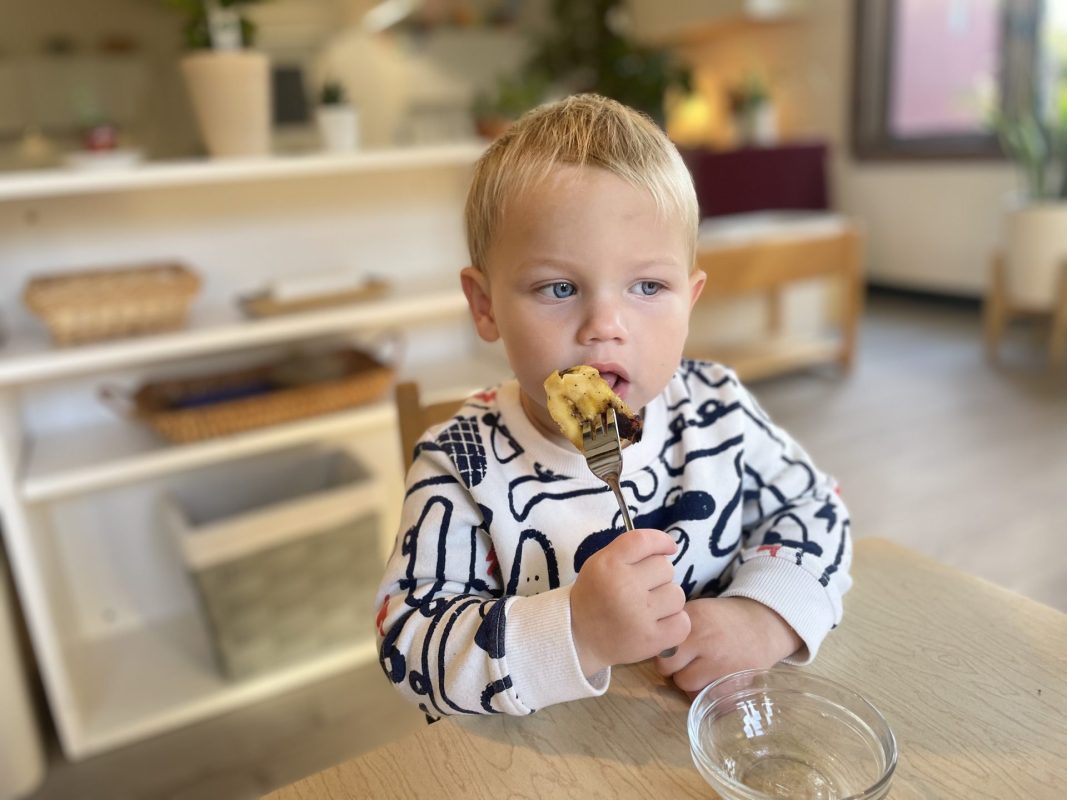
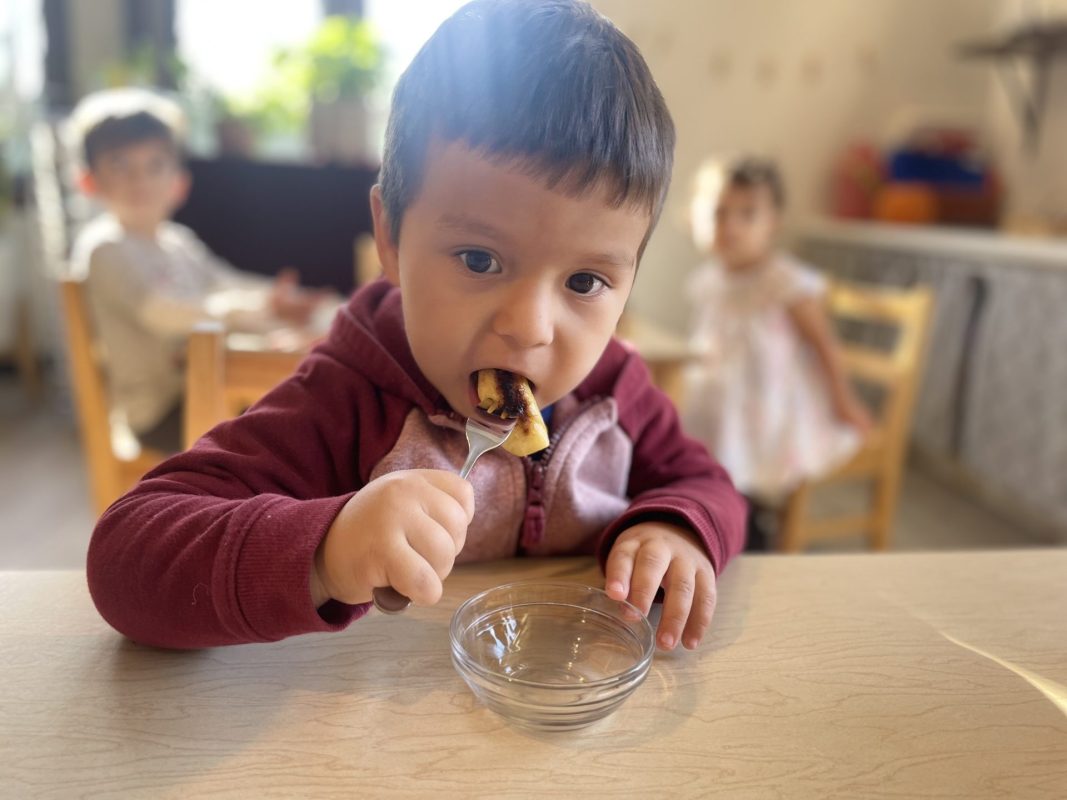
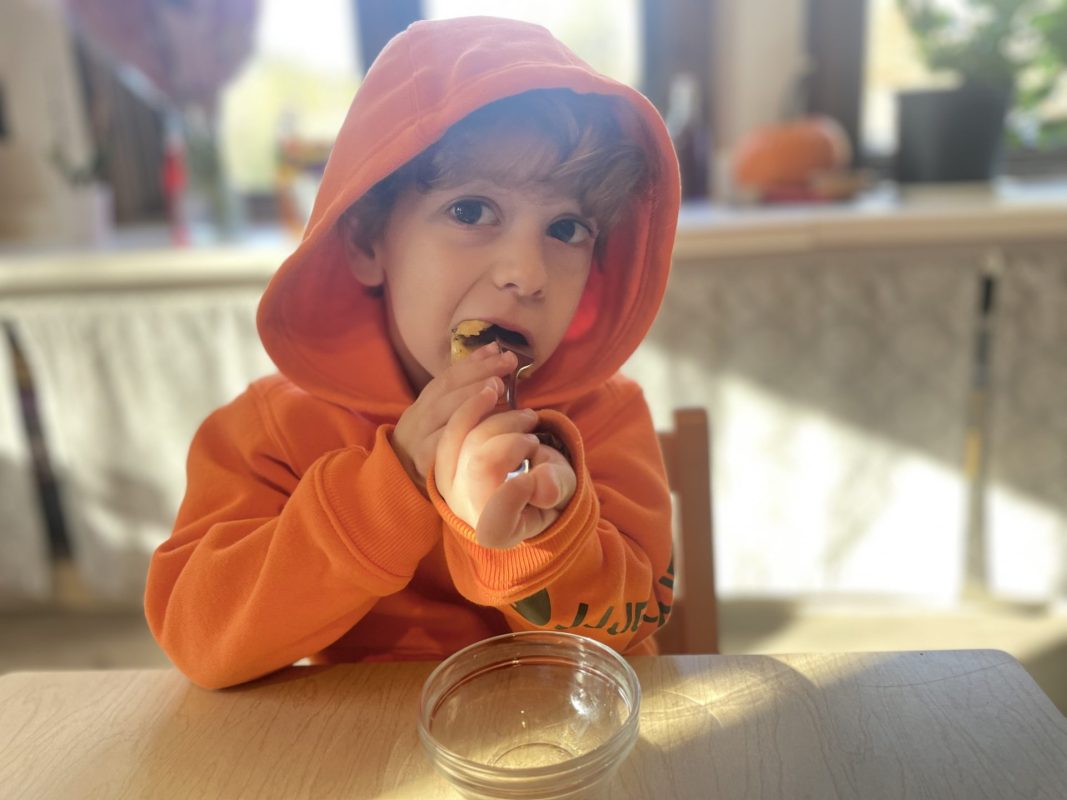
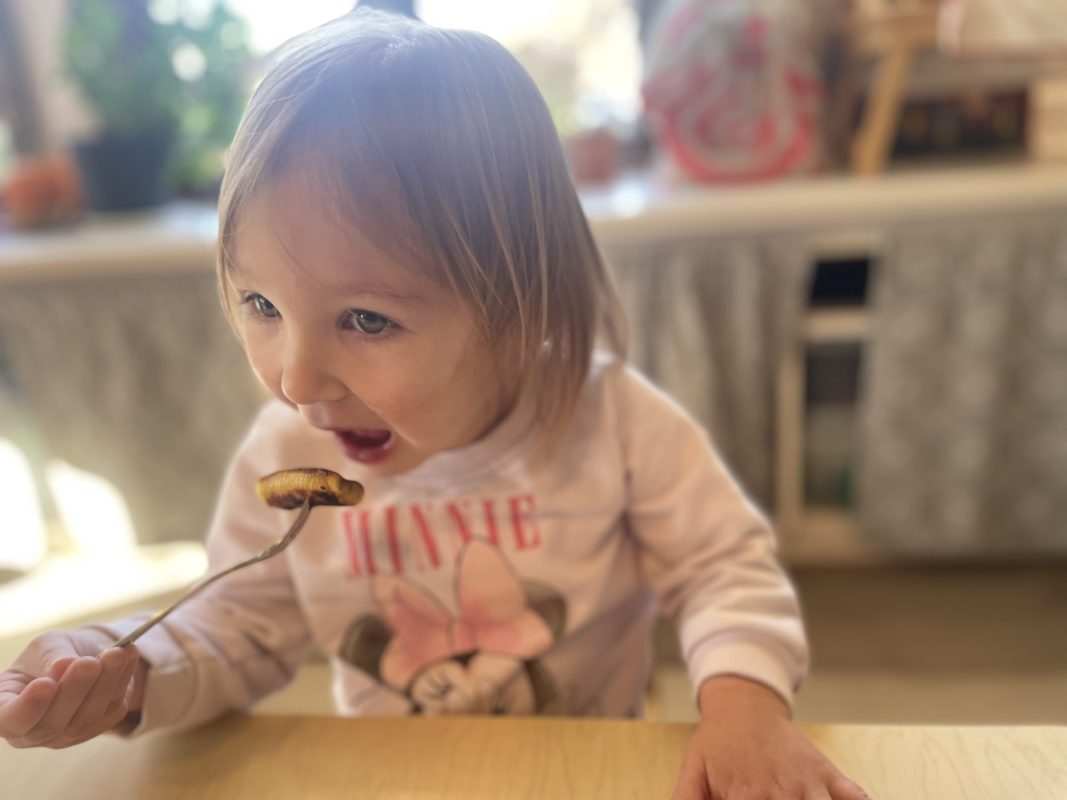
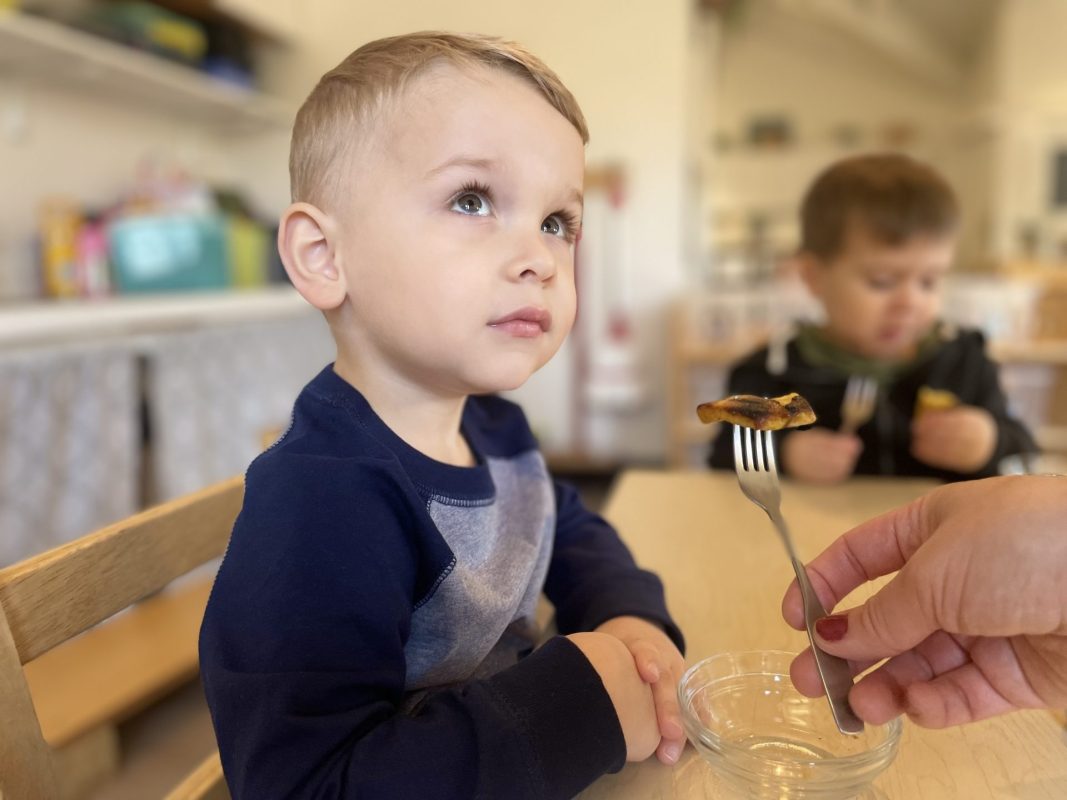
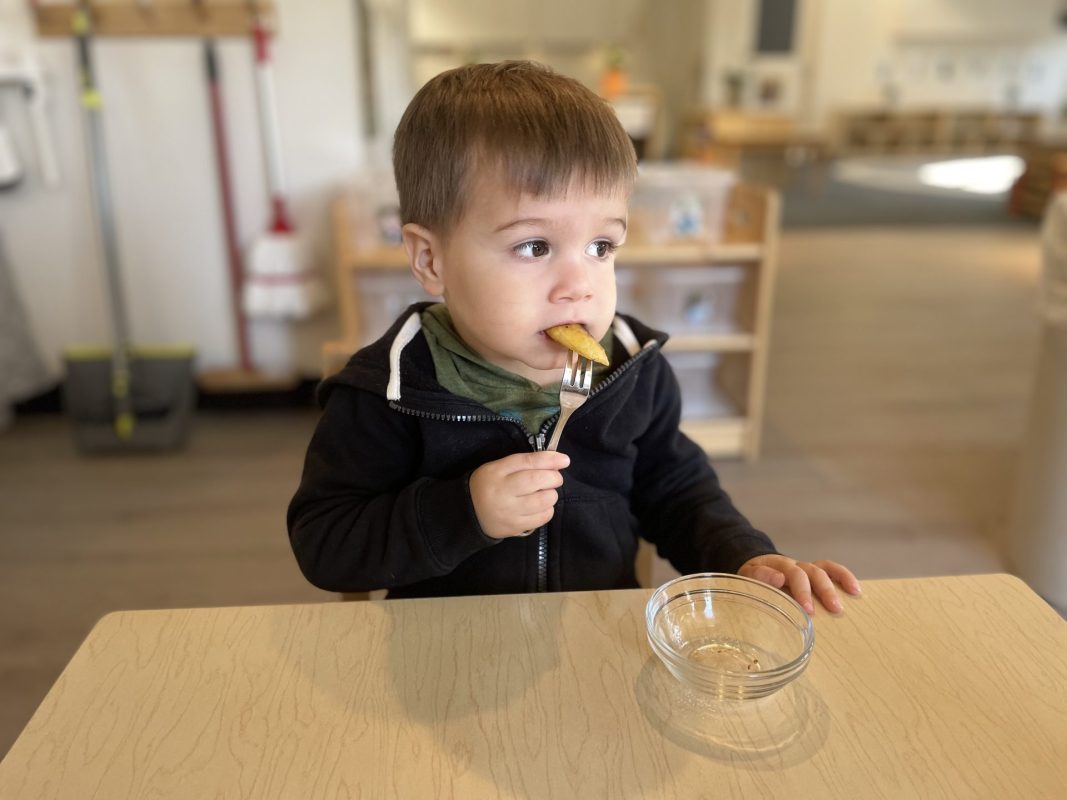
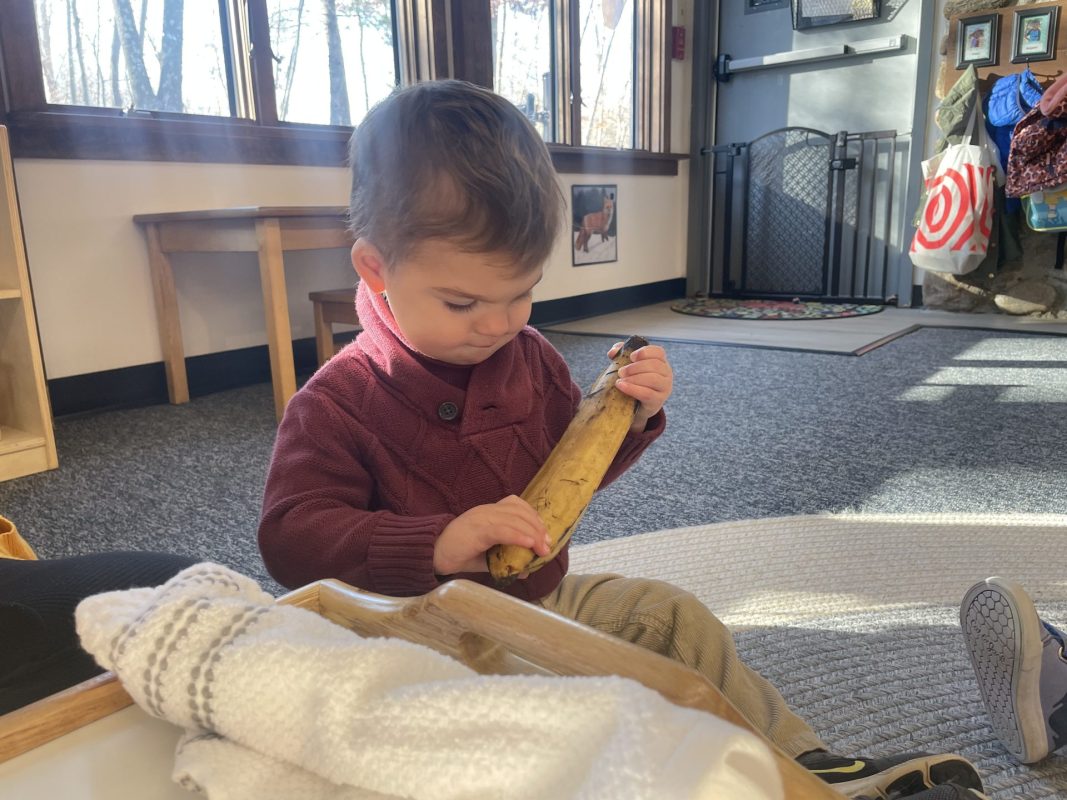
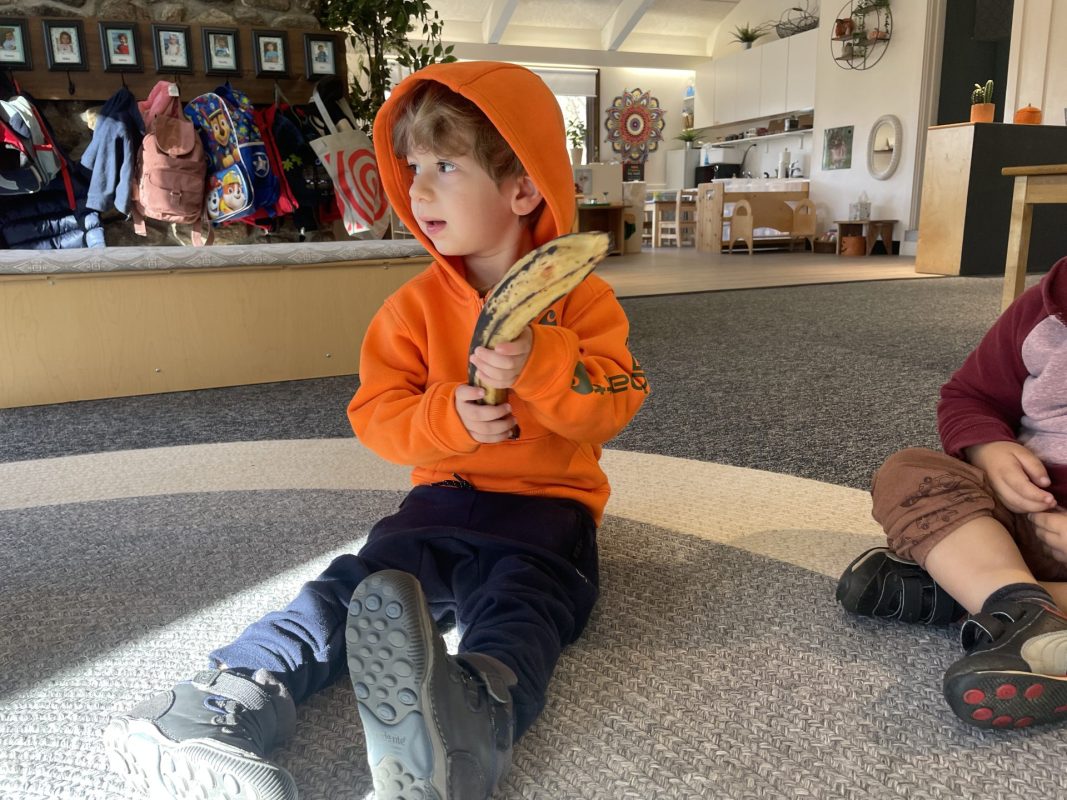
For food tasting we explored plantains and my Latino heart couldn’t feel happier! Children seemed to really enjoy it, so feel free to ask me how to prepare it at home if you don’t know already. Es delicioso!

We also celebrated another birthday! I can’t believe how fast these little humans are growing!

As your family prepares for next week’s festivities, we wish you peace and happiness.

We are thankful for you, for your support and for entrusting us with your little one!

Have a great weekend,

Mrs. Hood’s and Ms. Bethann

Just a reminder, Tuesday, November 22nd is a half-day for all students with an early dismissal at 11:30 am.

We want to wish everyone a safe and happy Thanksgiving Break!


Mrs. Hood: With my eyes and my hands!

Hand-eye coordination is one of the most important parts of the learning process. It helps your child track the movements of their hands with their eyes, which is essential for reading and decoding. Because your child also uses their visual system with hand-eye coordination, it can greatly impact their writing skills and handwriting as they use their eyes to guide, direct, and control their hand movements across the page as they write letters and words.

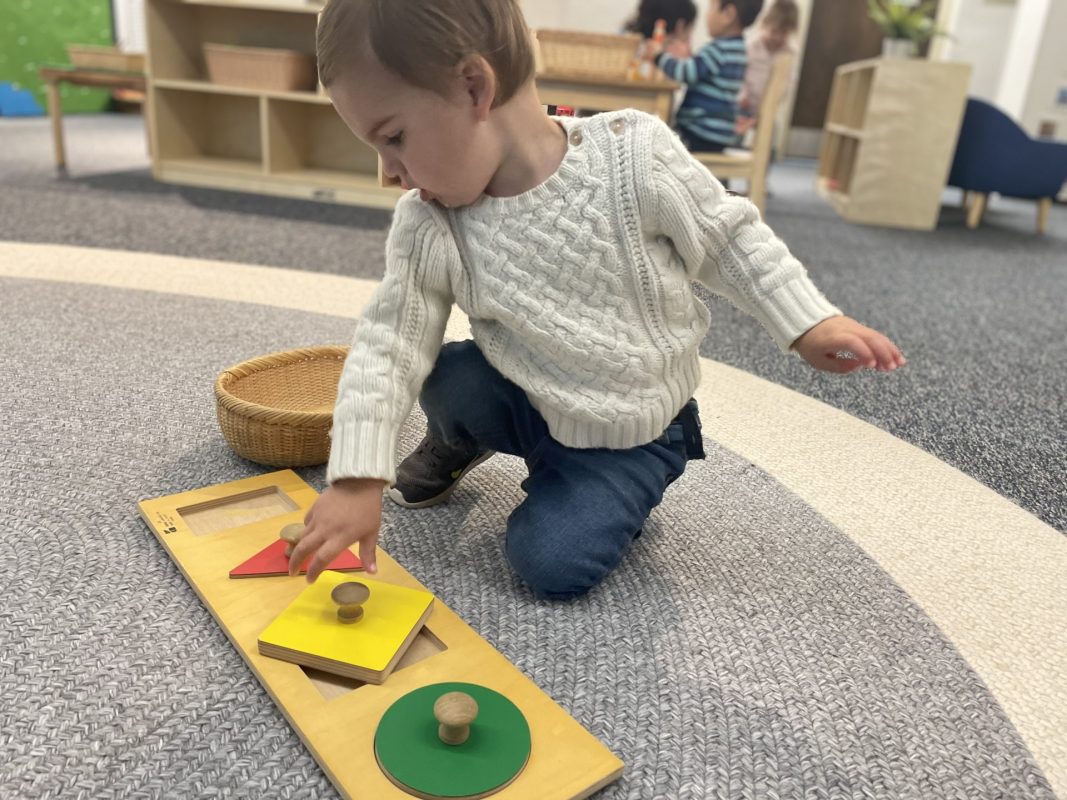
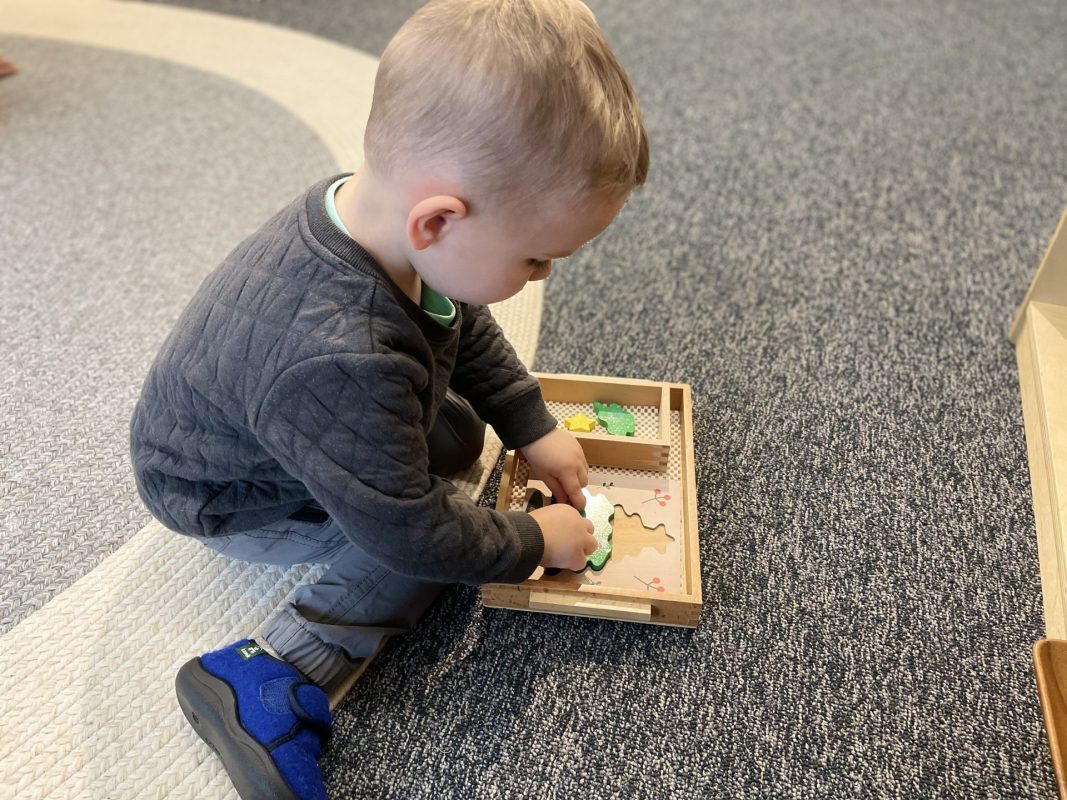
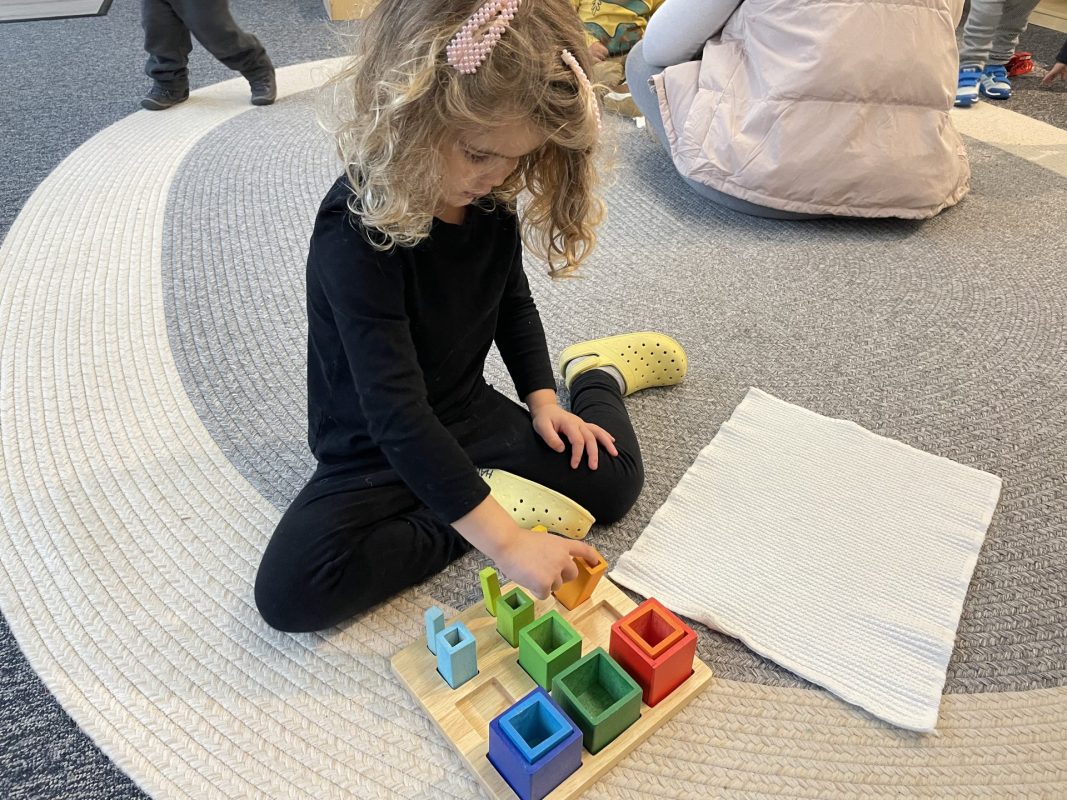
Our Toddler environment is set up in a specific way, looking to sharpen and challenge these skills while meeting your child exactly where they are developmentally. Each material is displayed in progressive order, from easiest to hardest, and from left to right. This logical structure encourages children to organize their thinking and to absorb the outcome of the material at their own pace. The left to right orientation of the materials also assists children with preparation for reading and writing, and is the way that the brain naturally processes information.

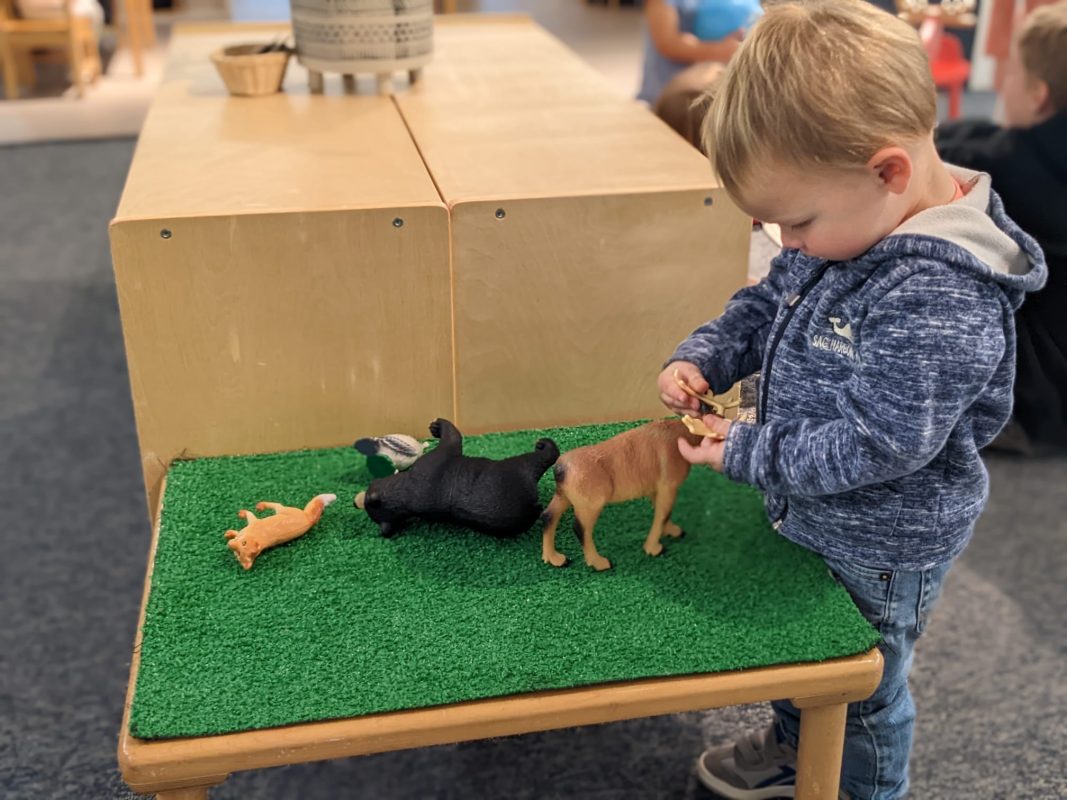
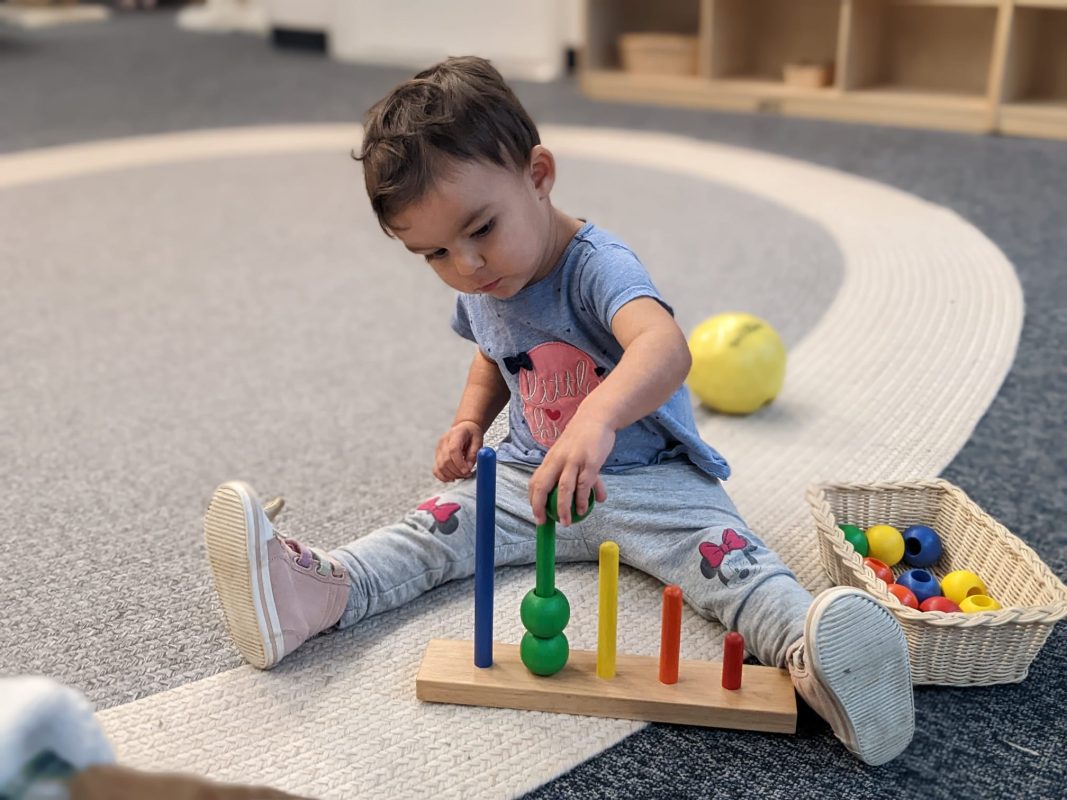
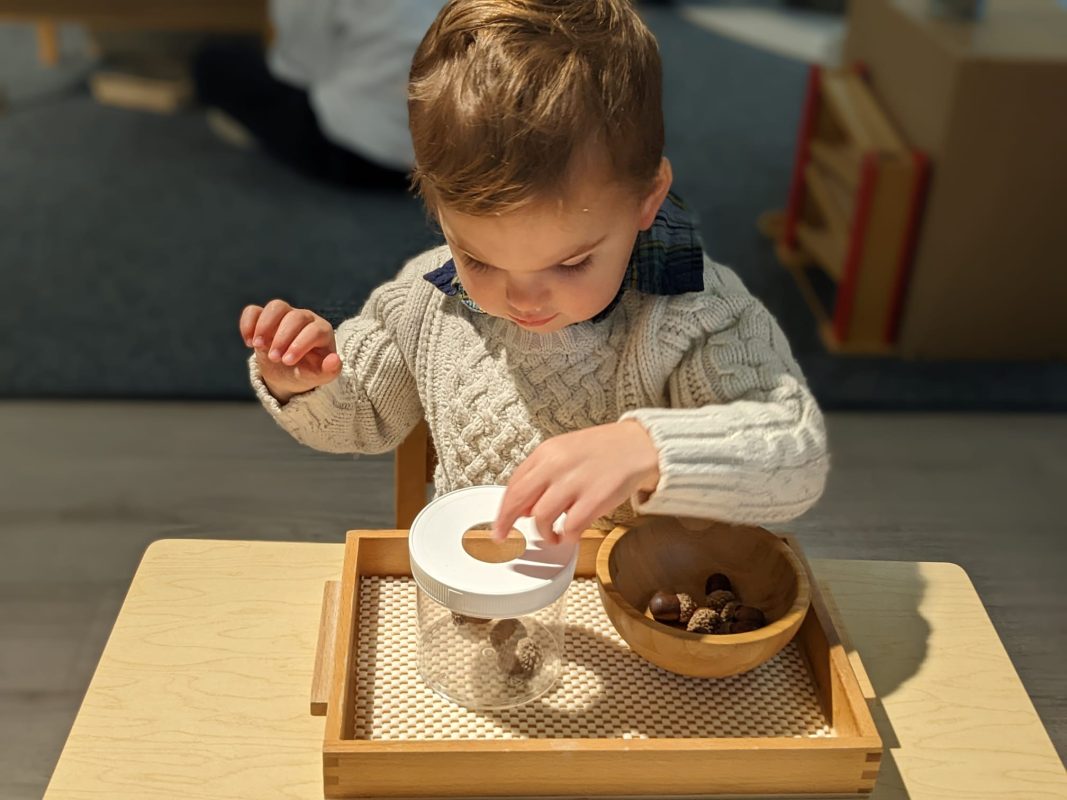
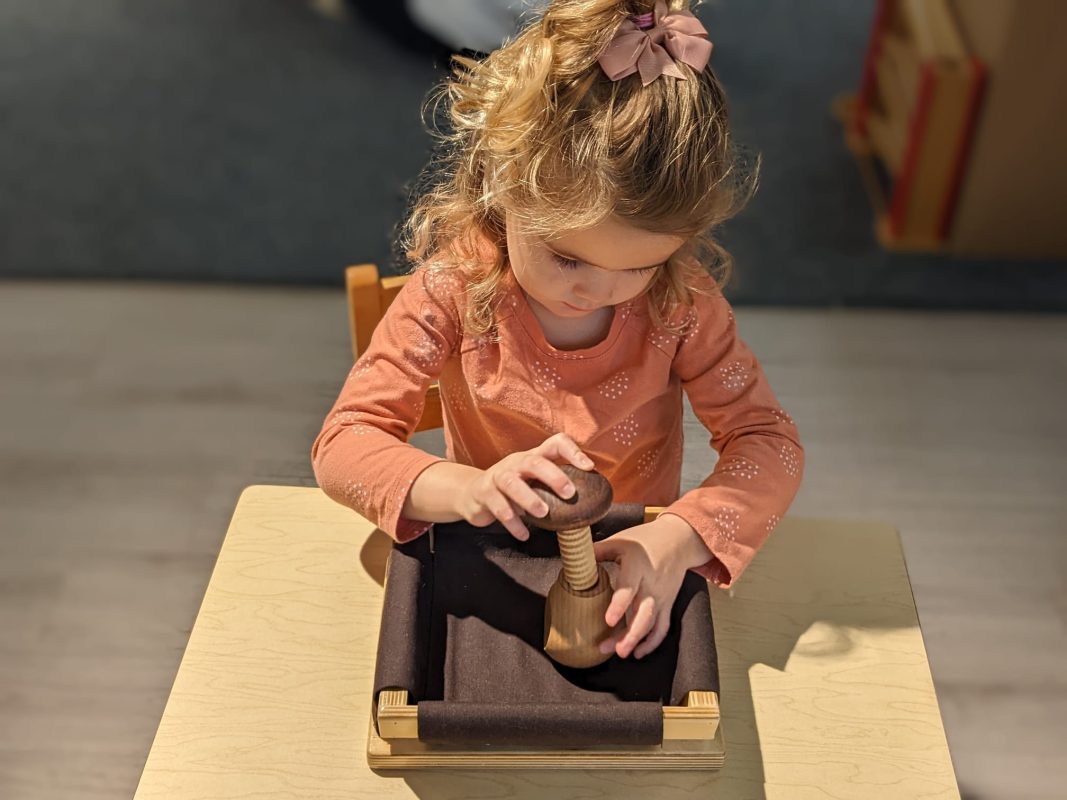
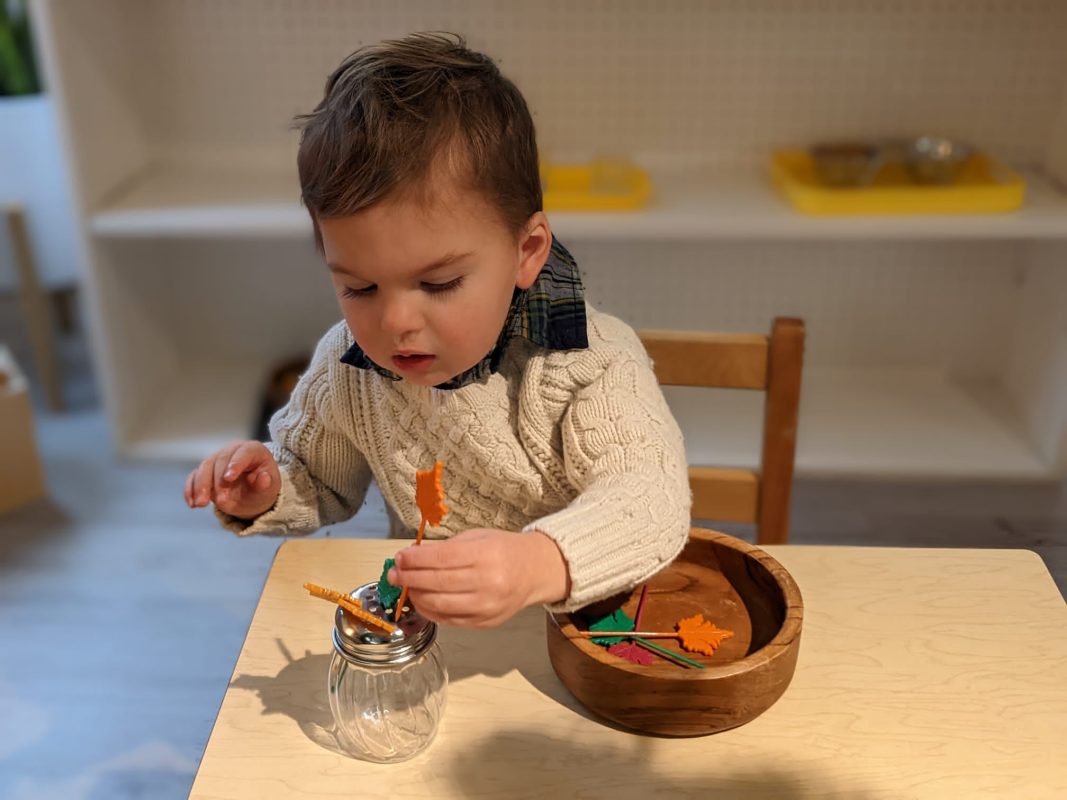
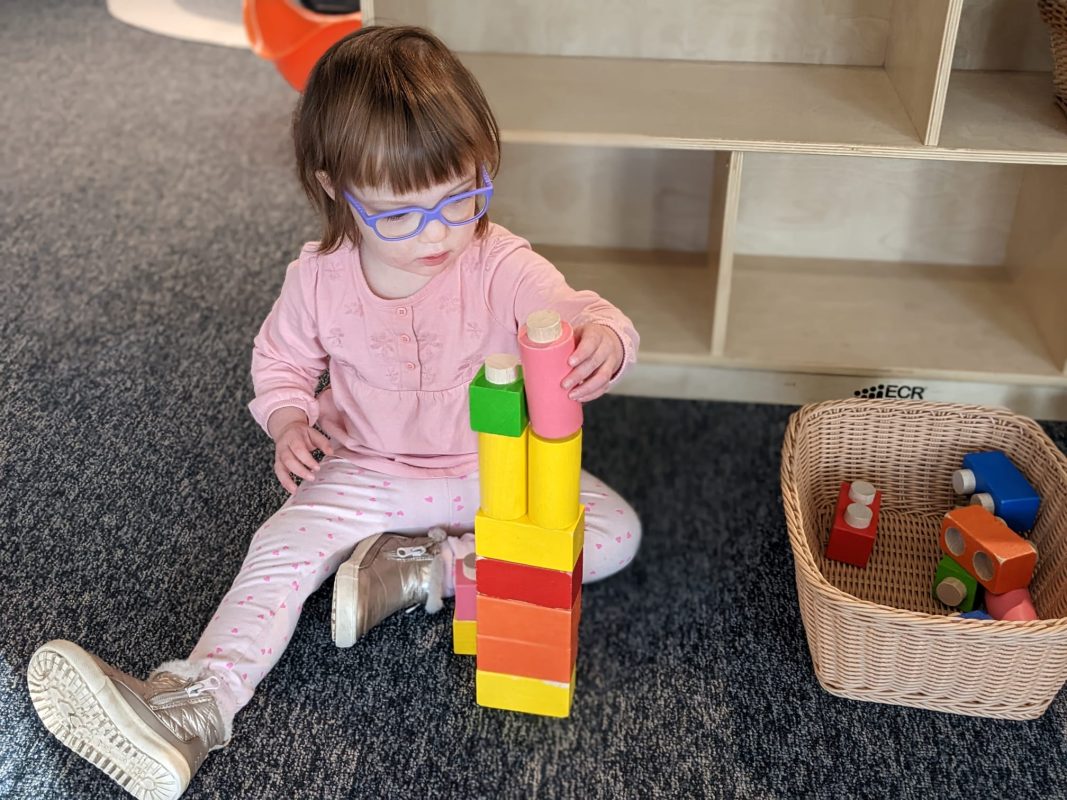
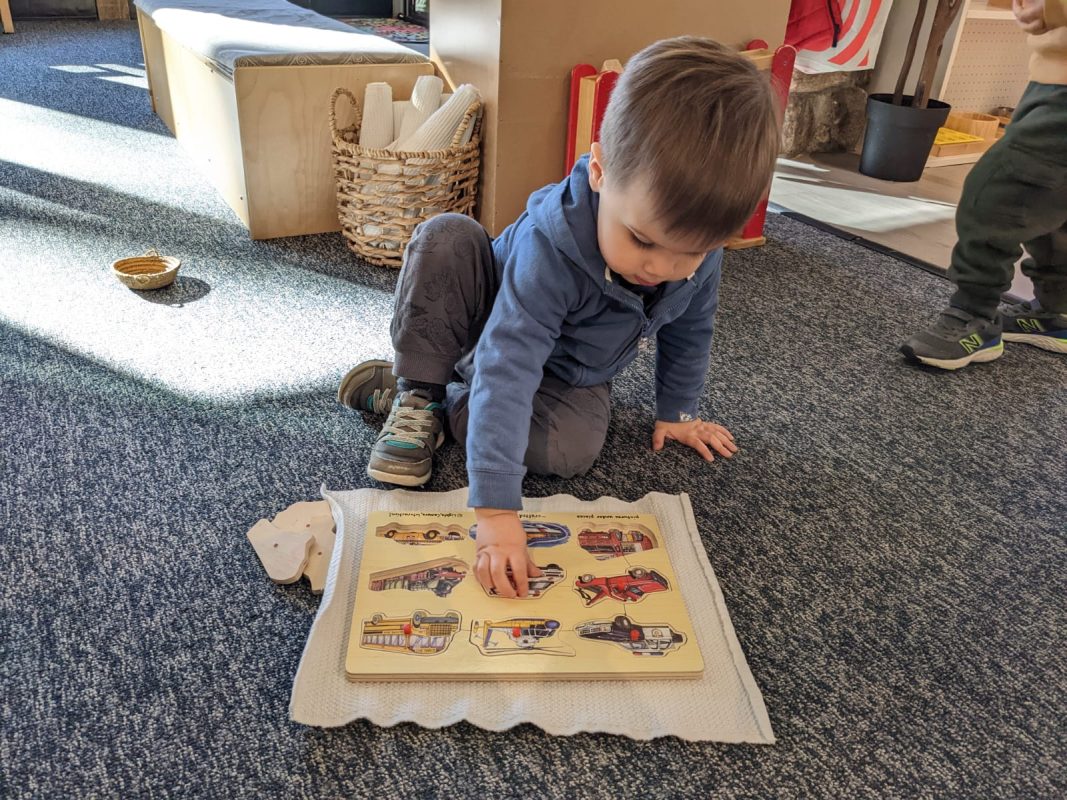
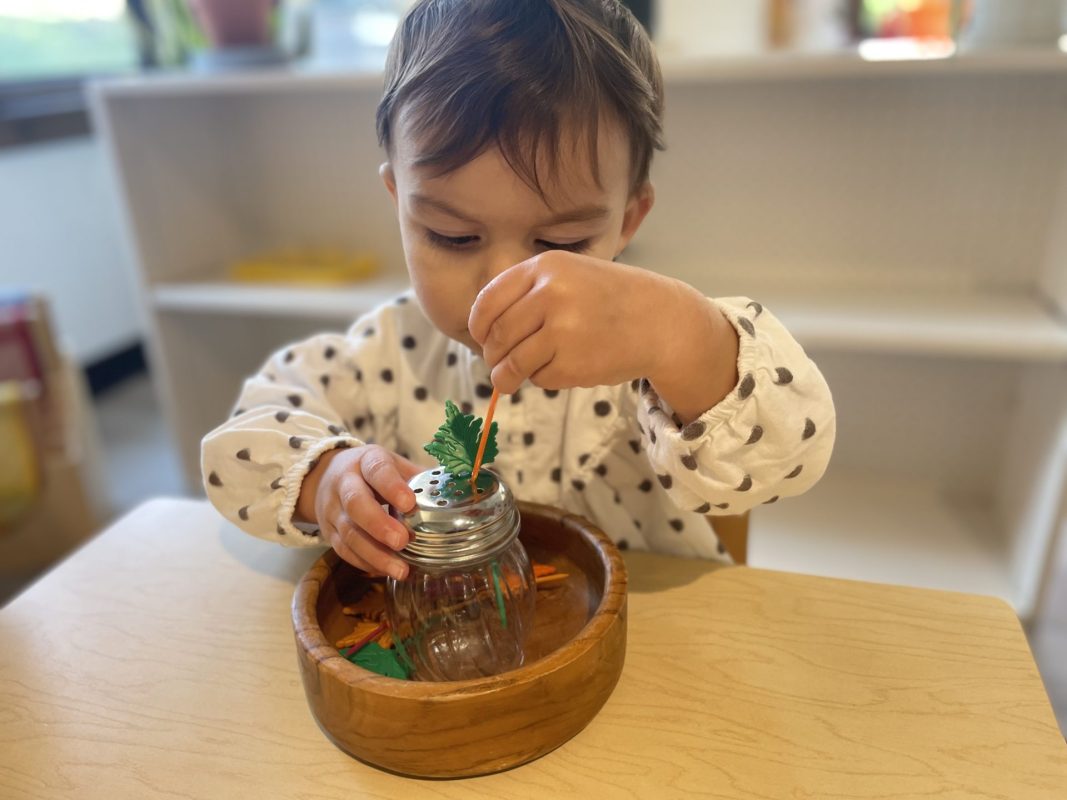
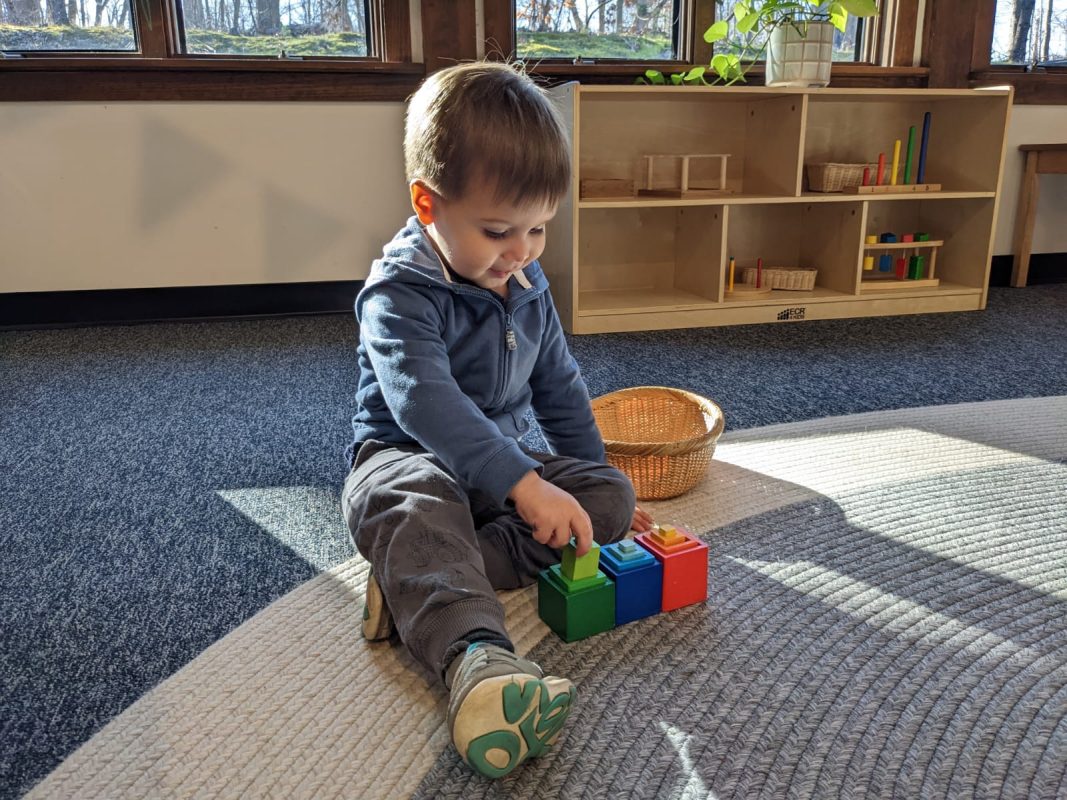
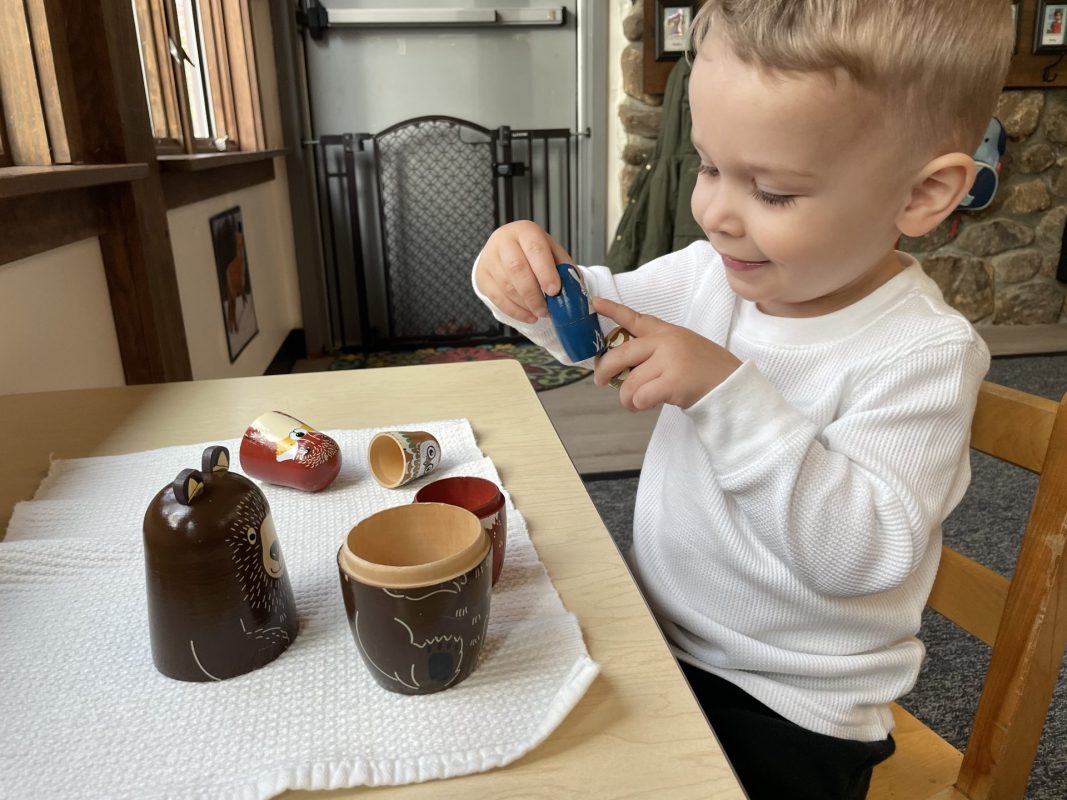
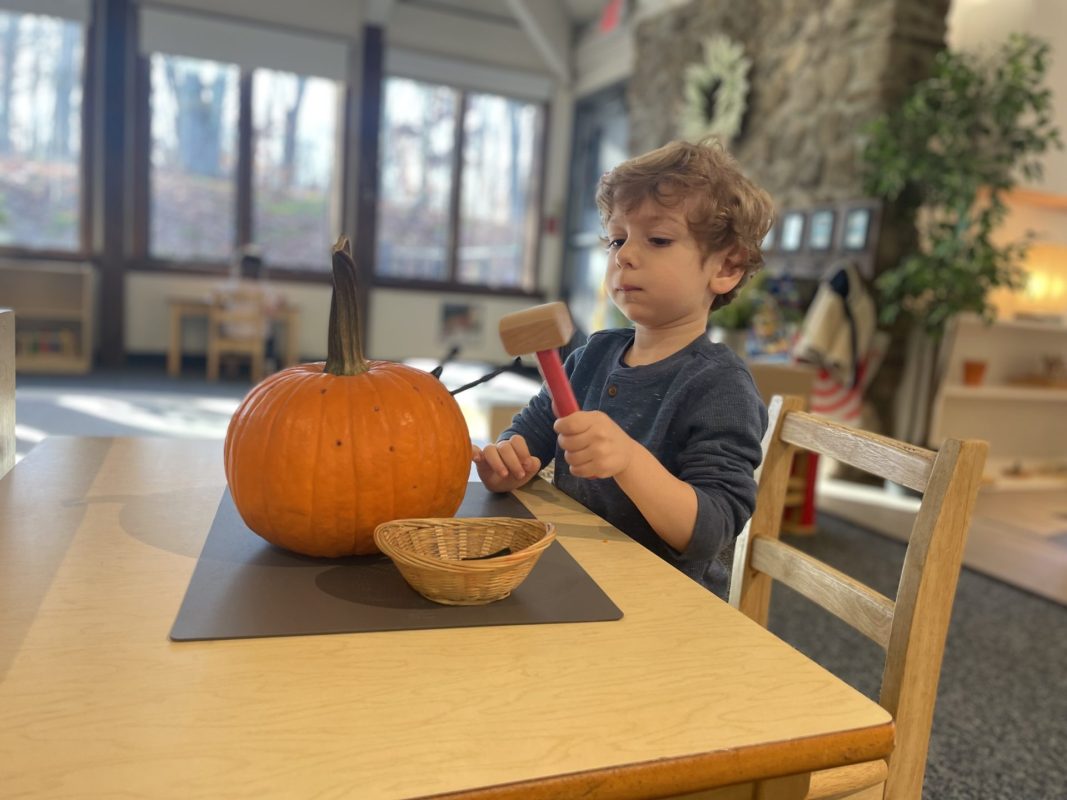
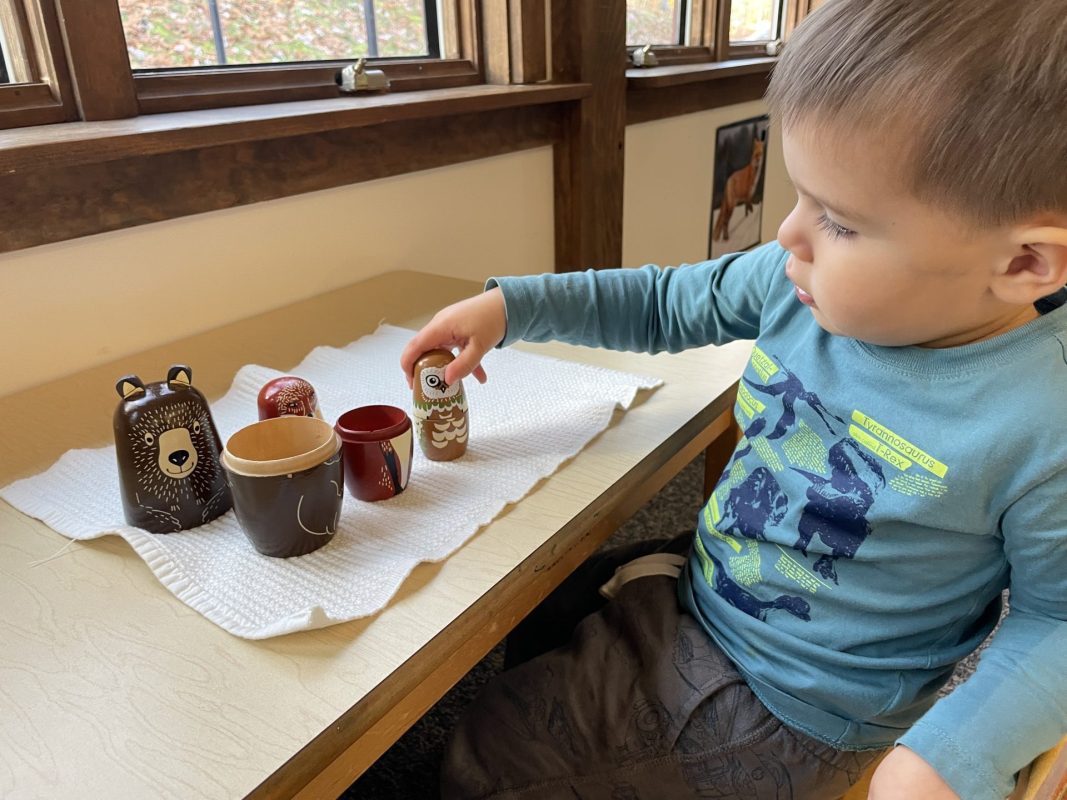
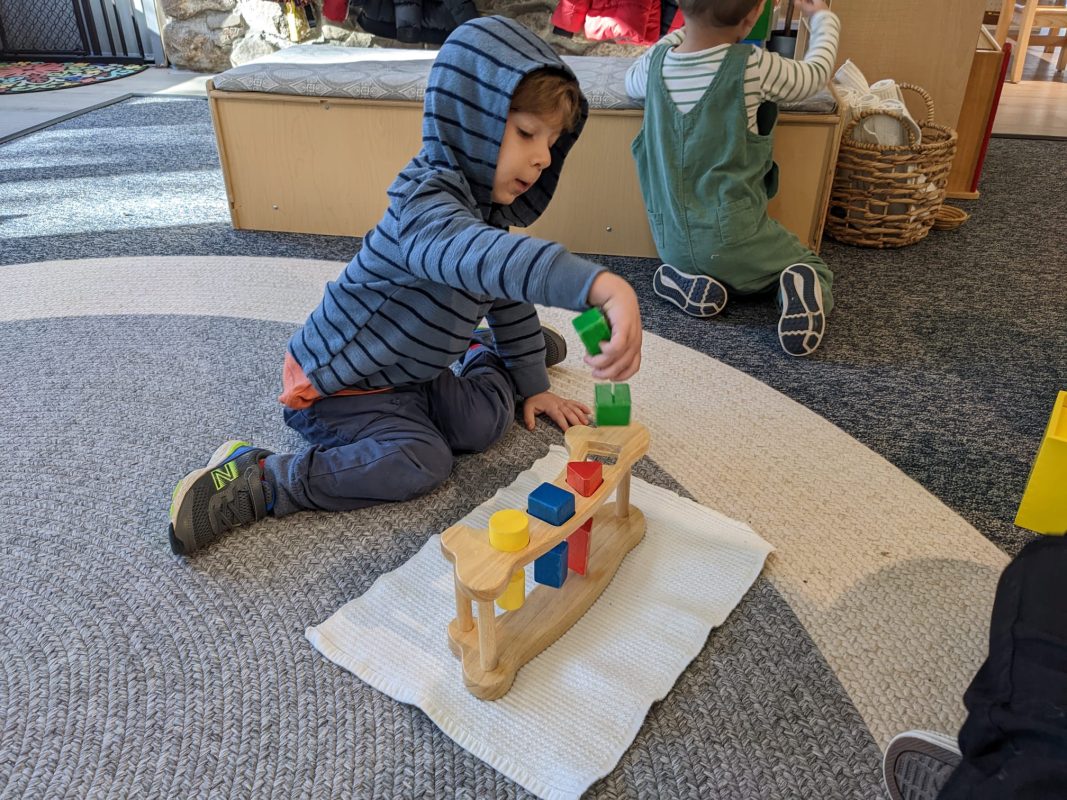
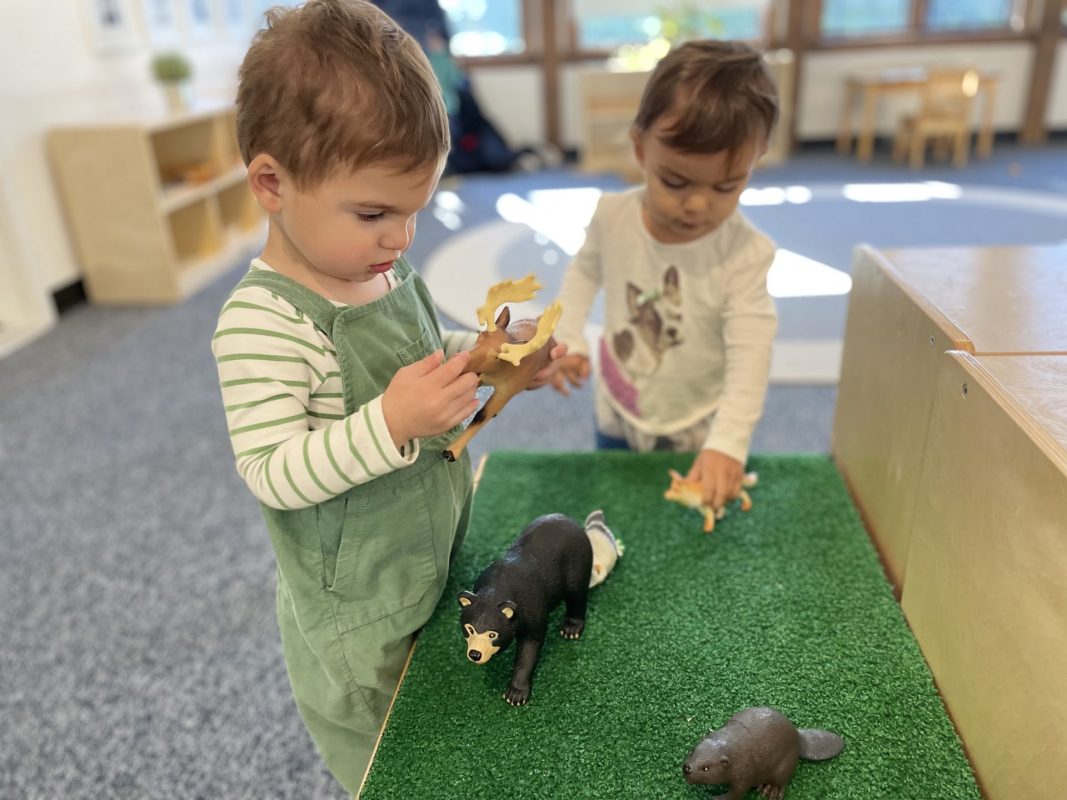
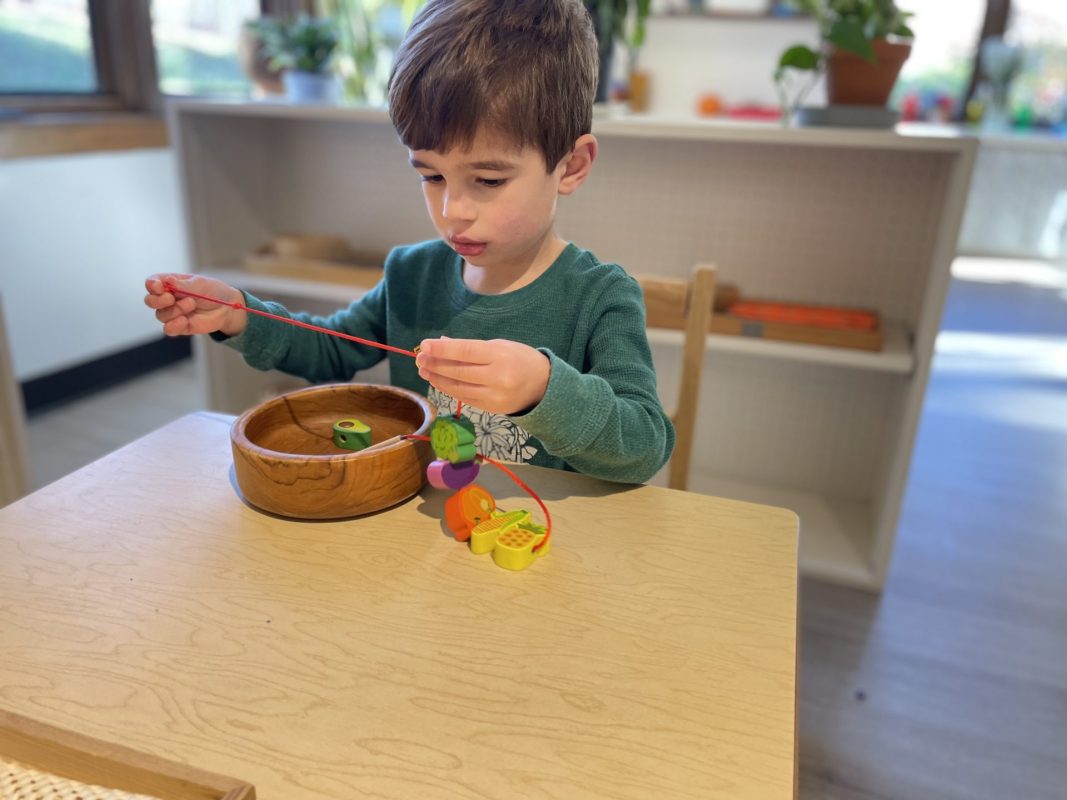
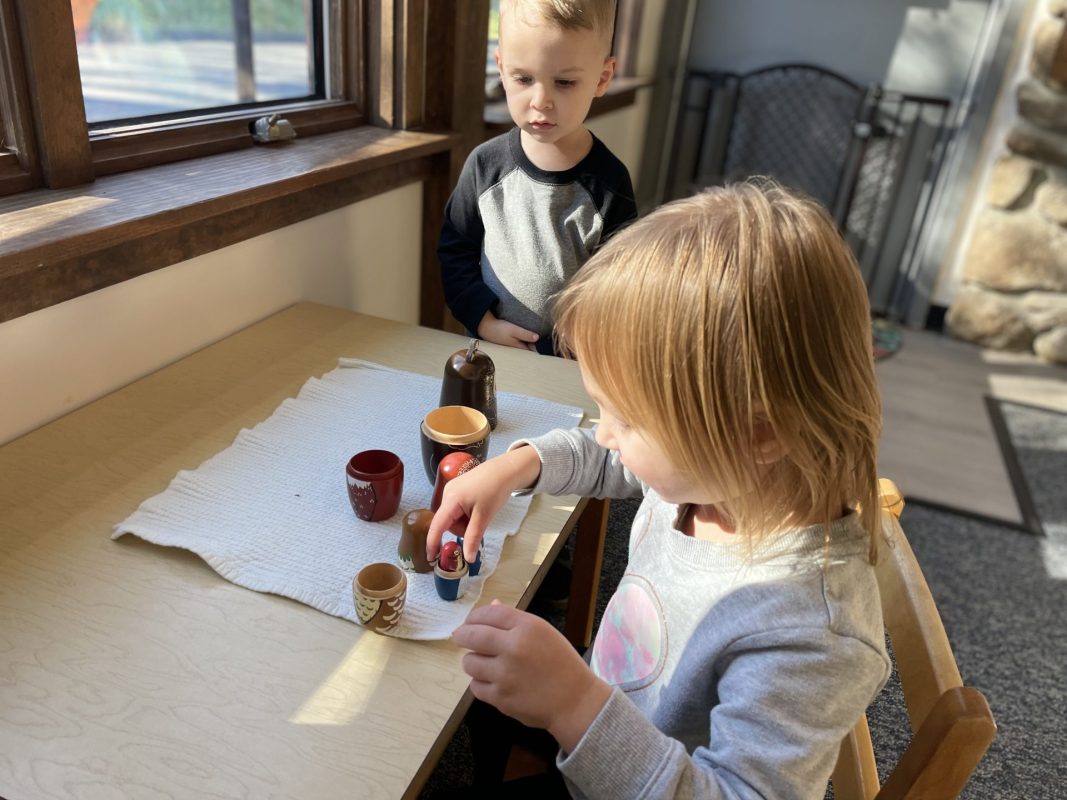
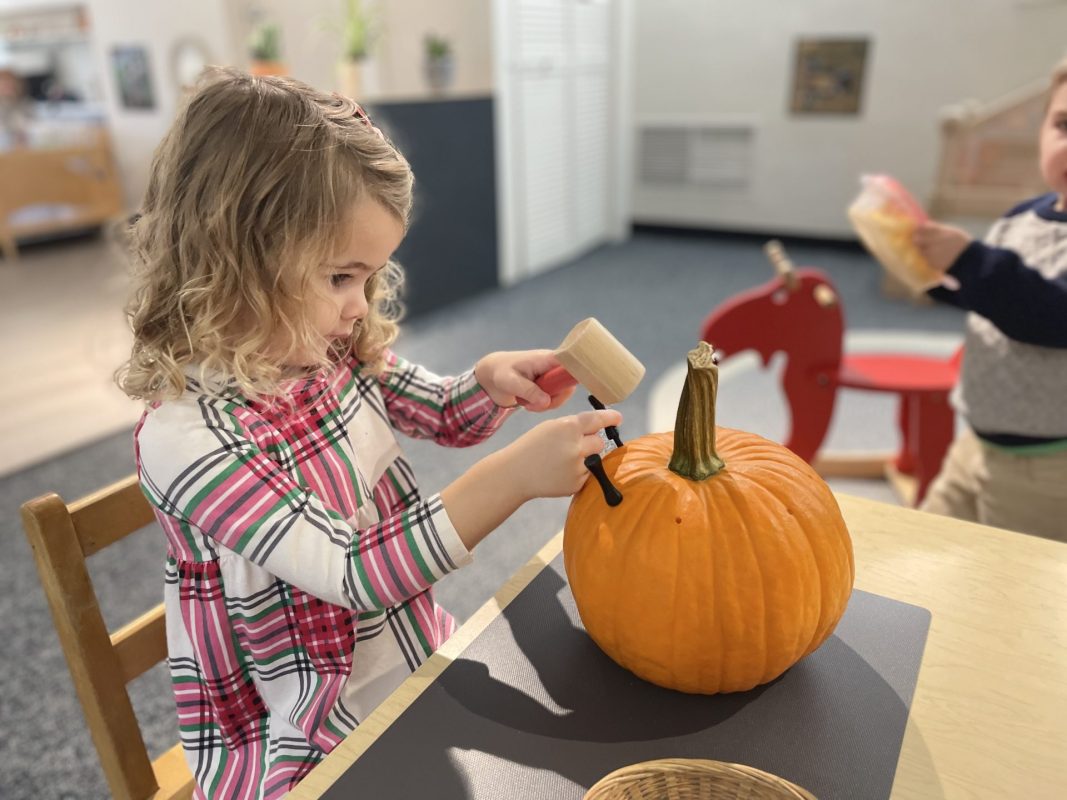
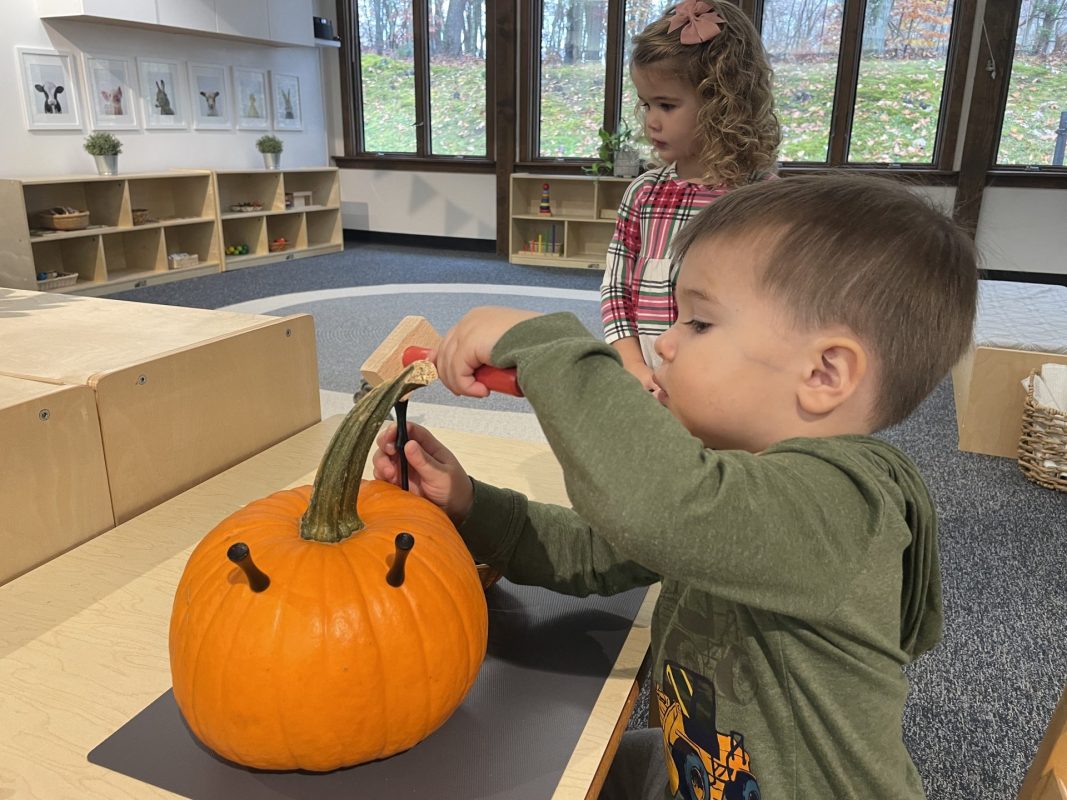
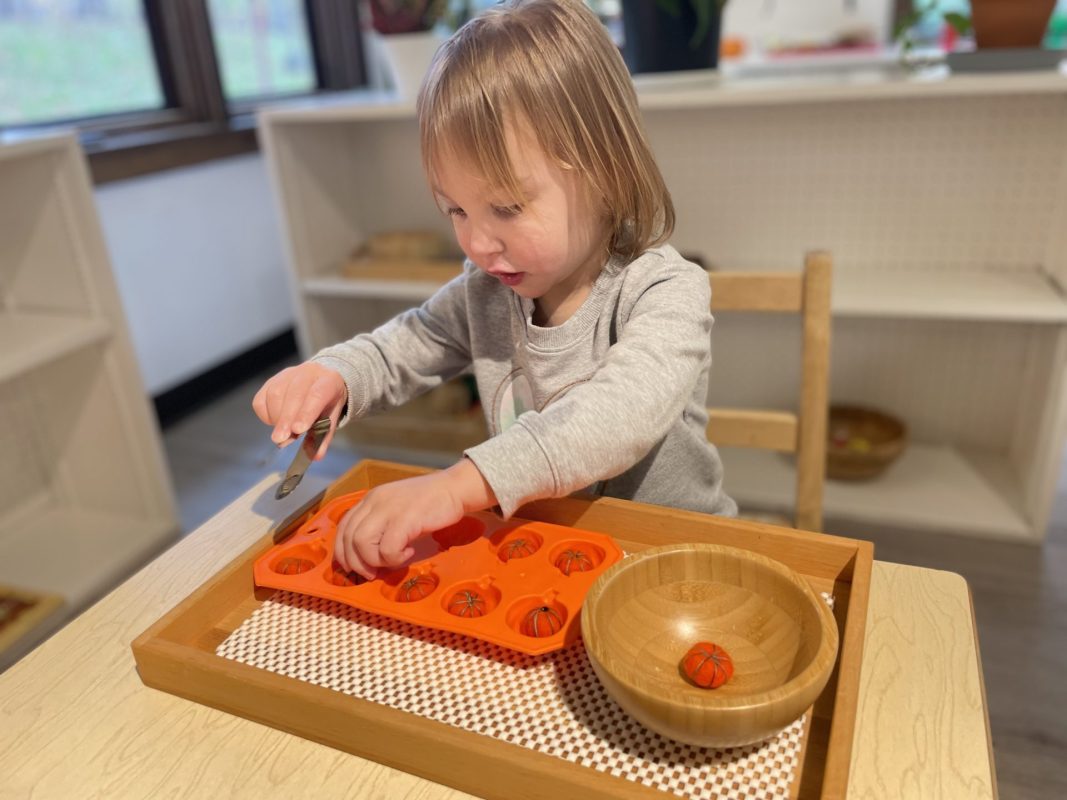
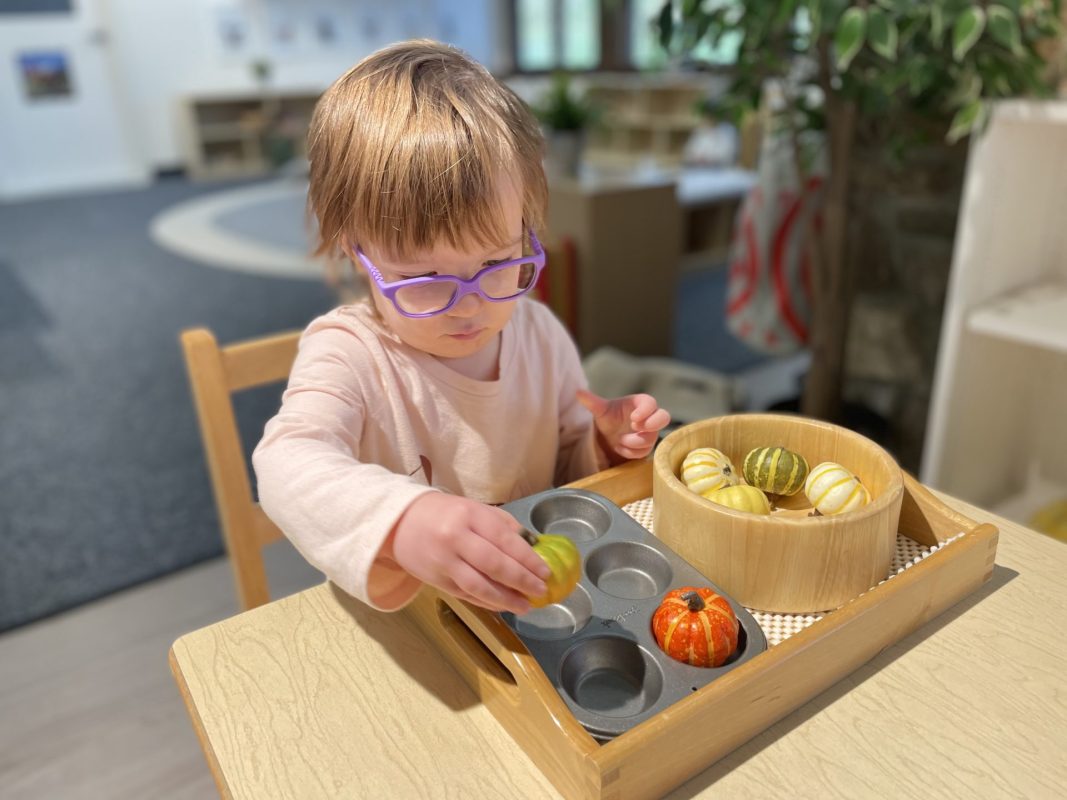
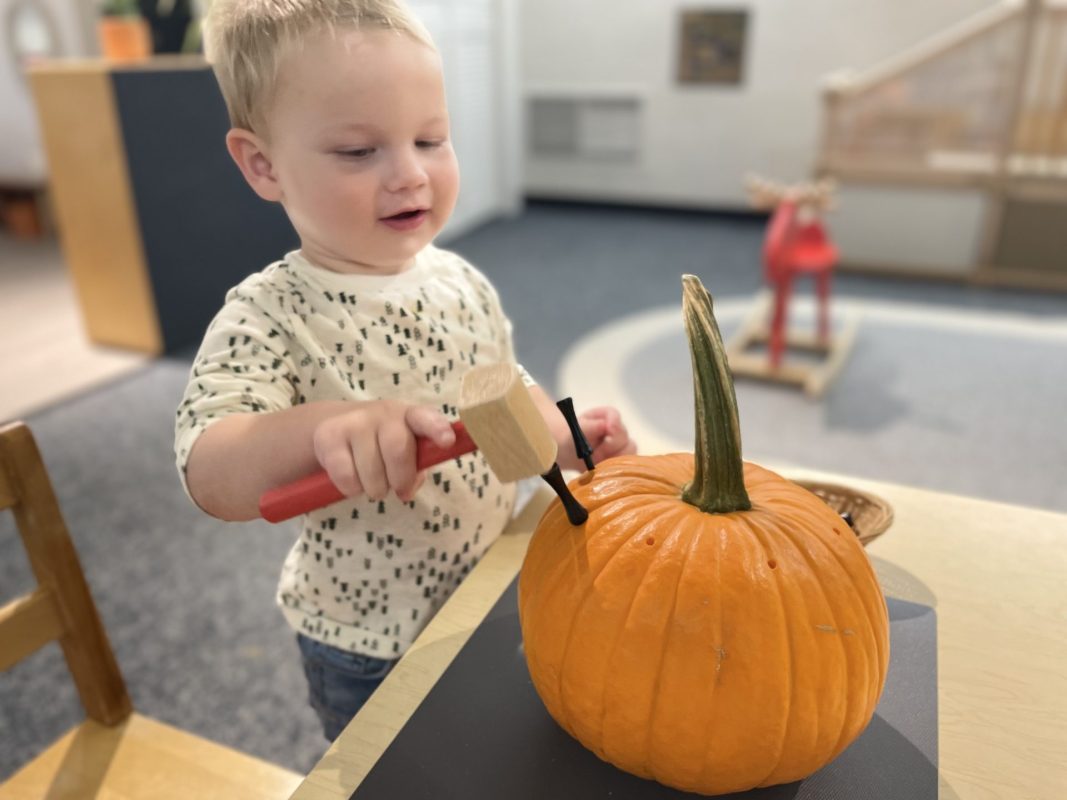
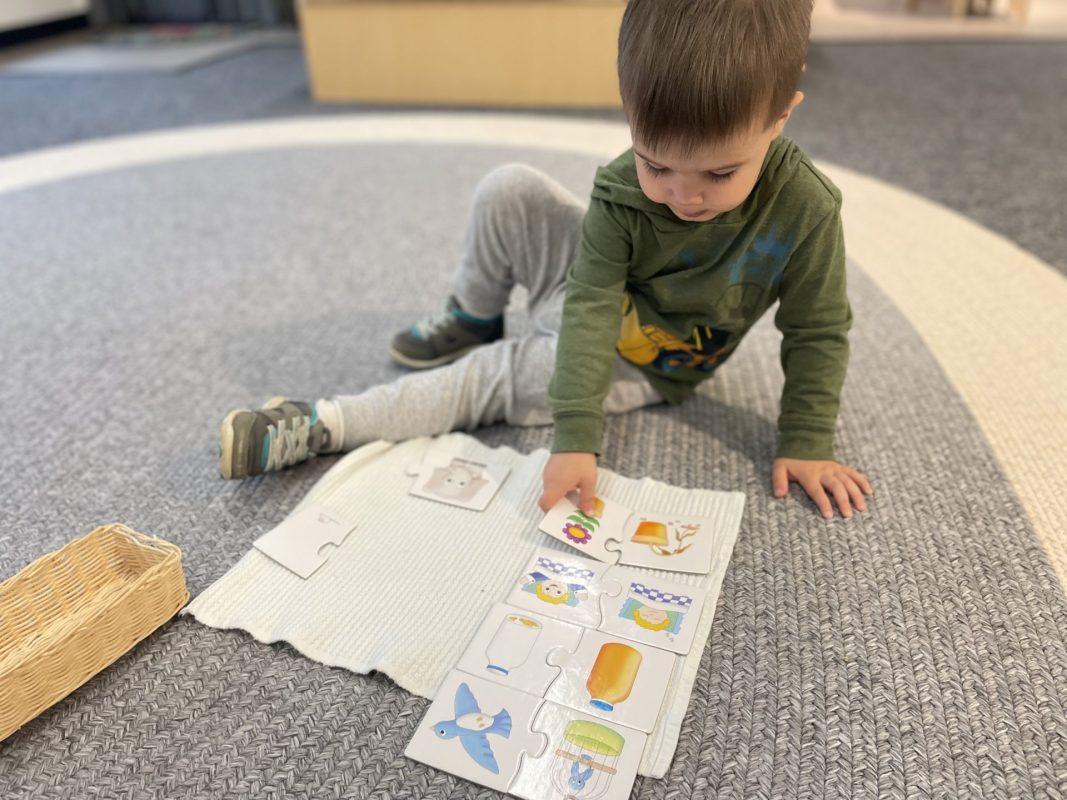
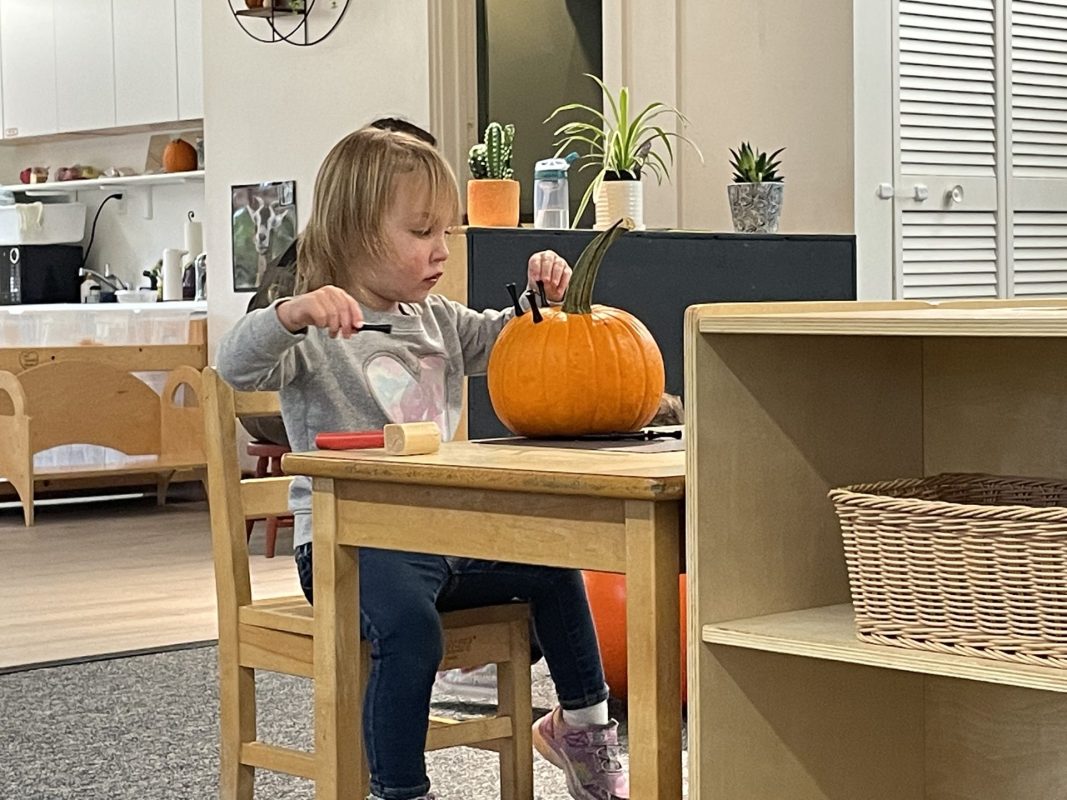
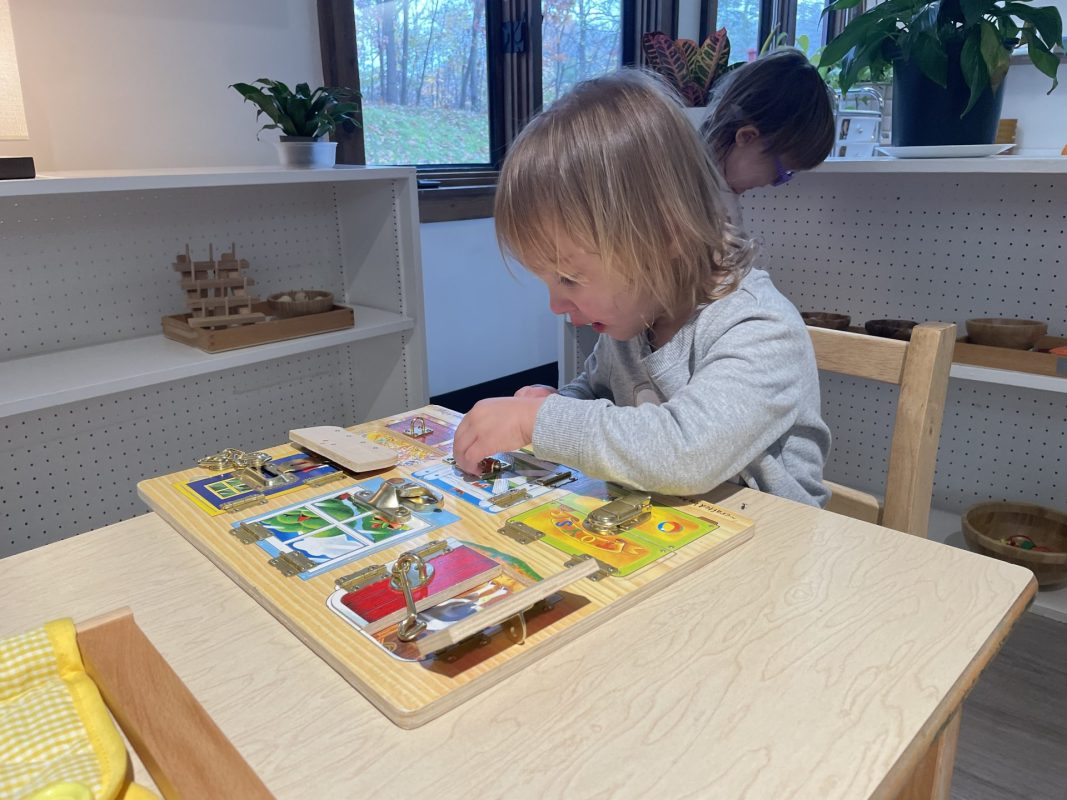
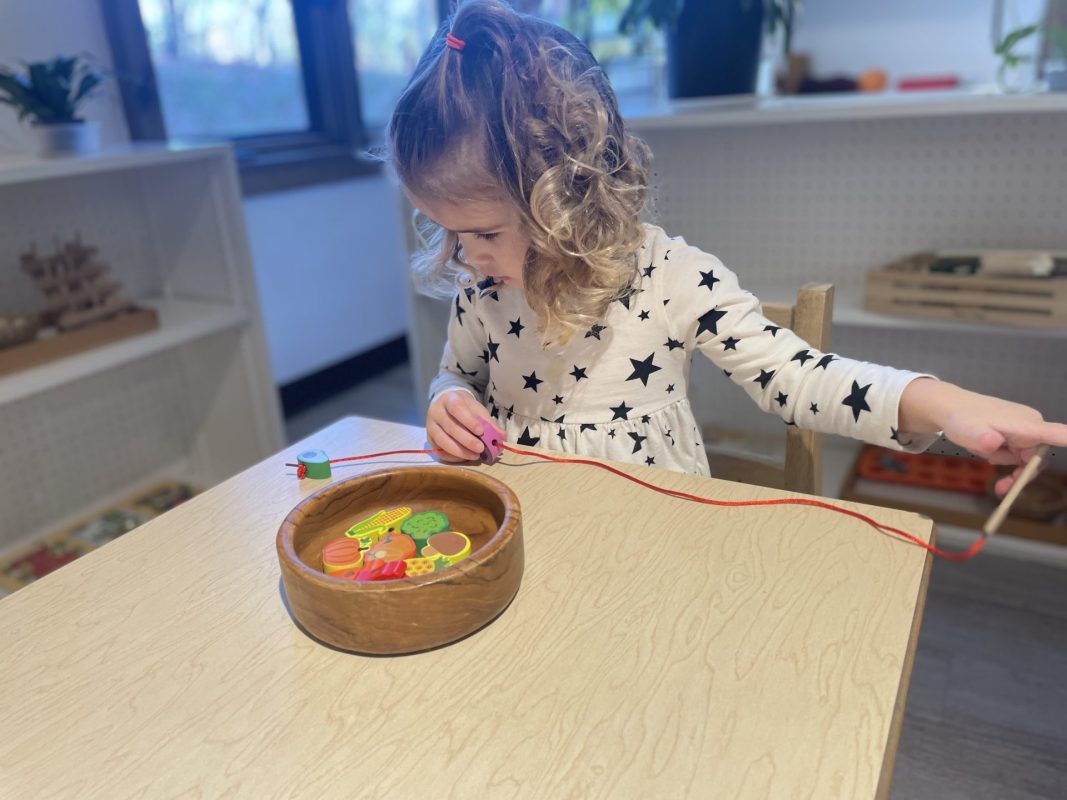
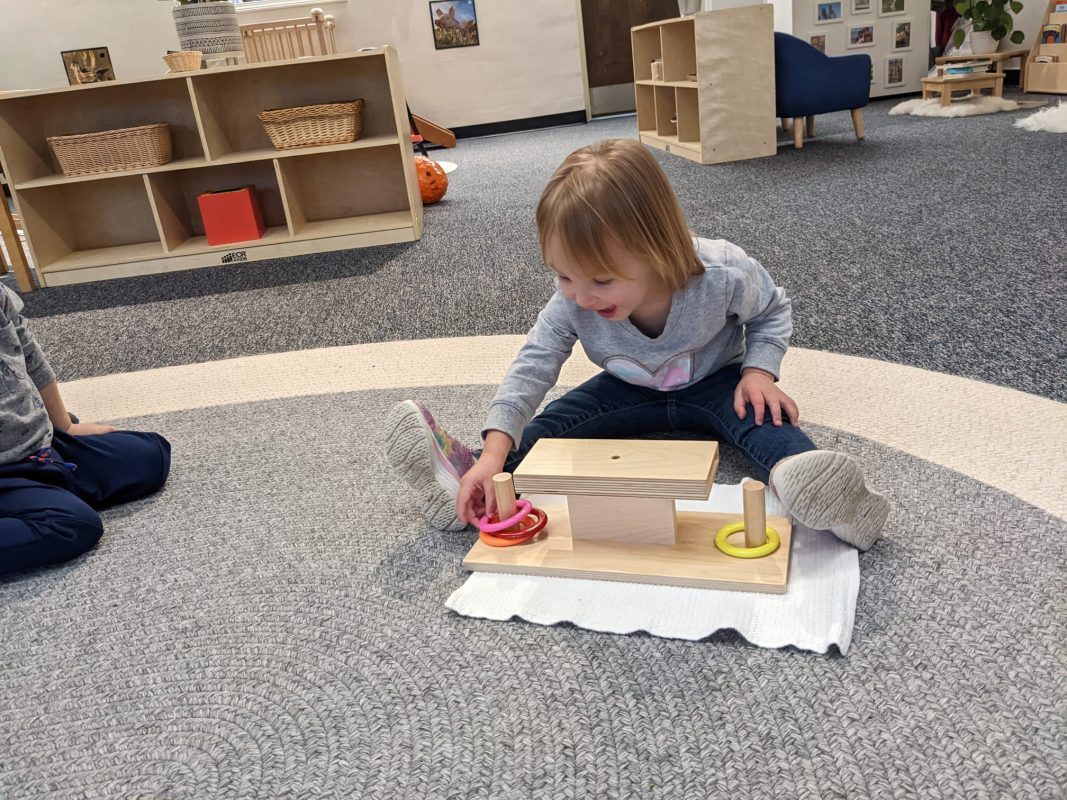
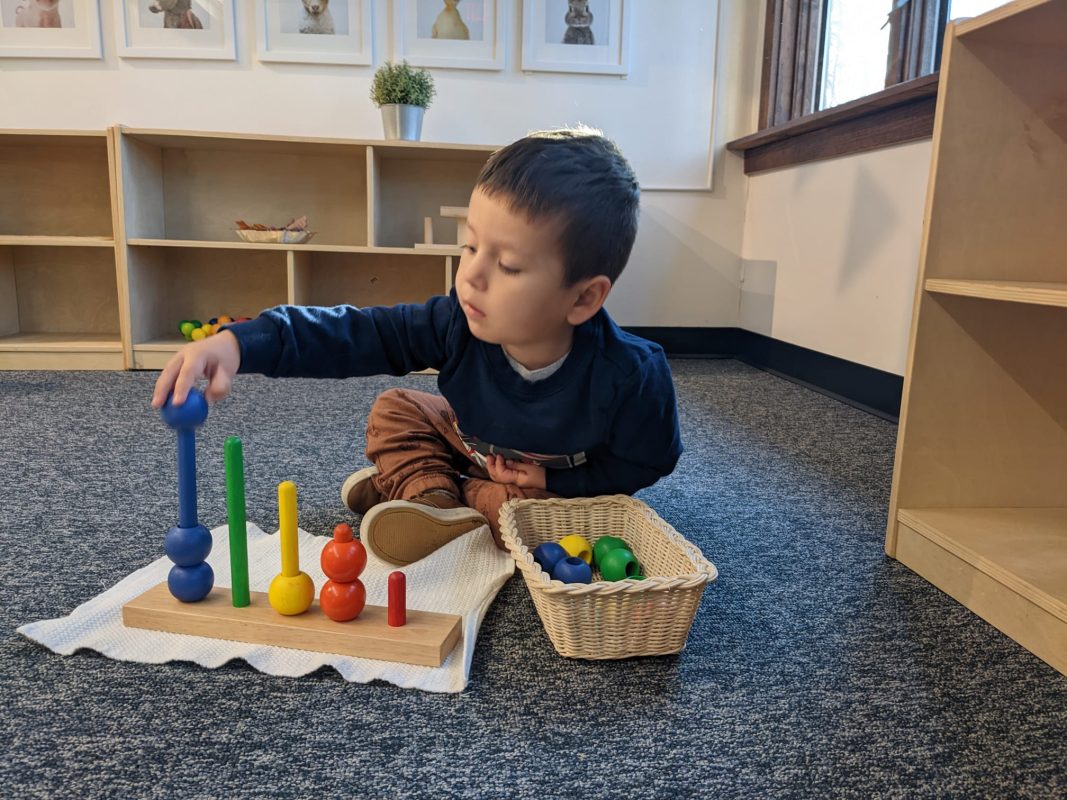
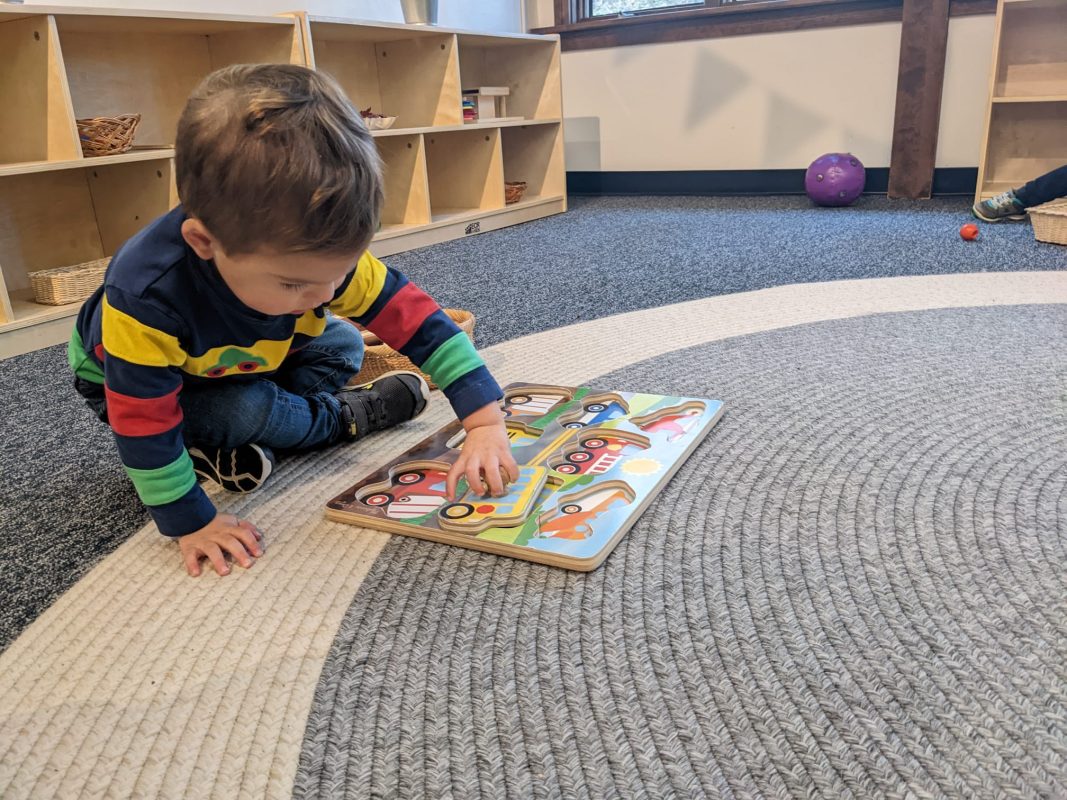
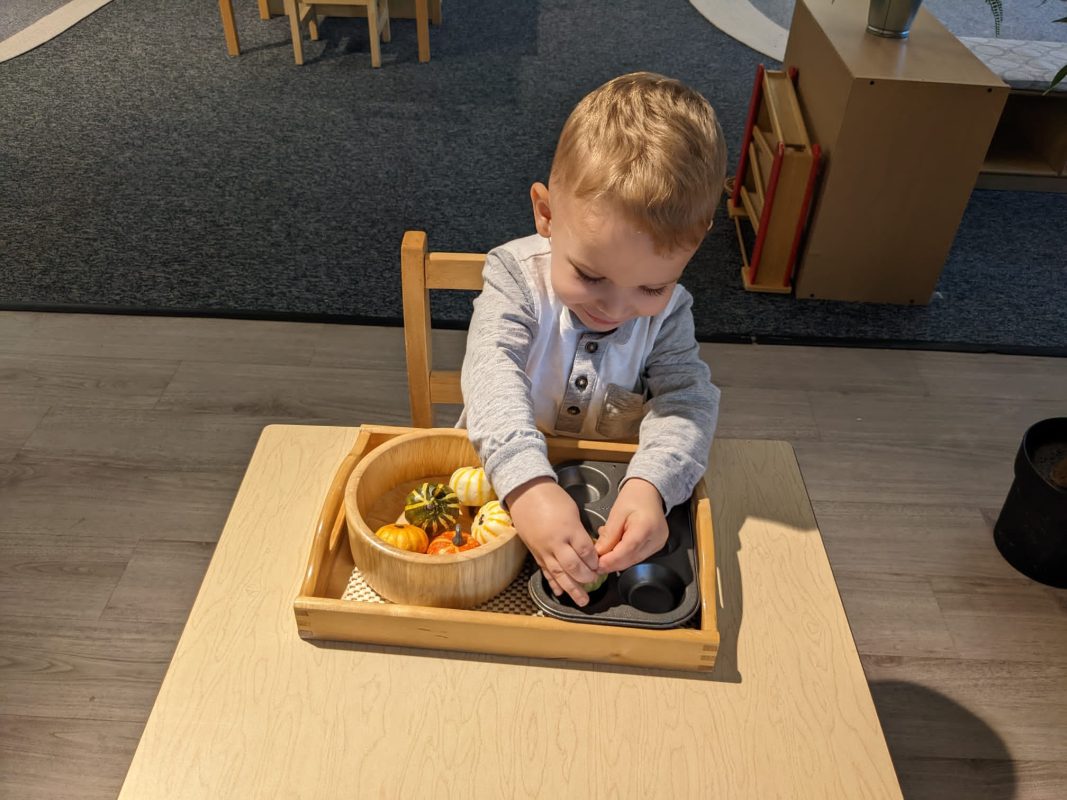
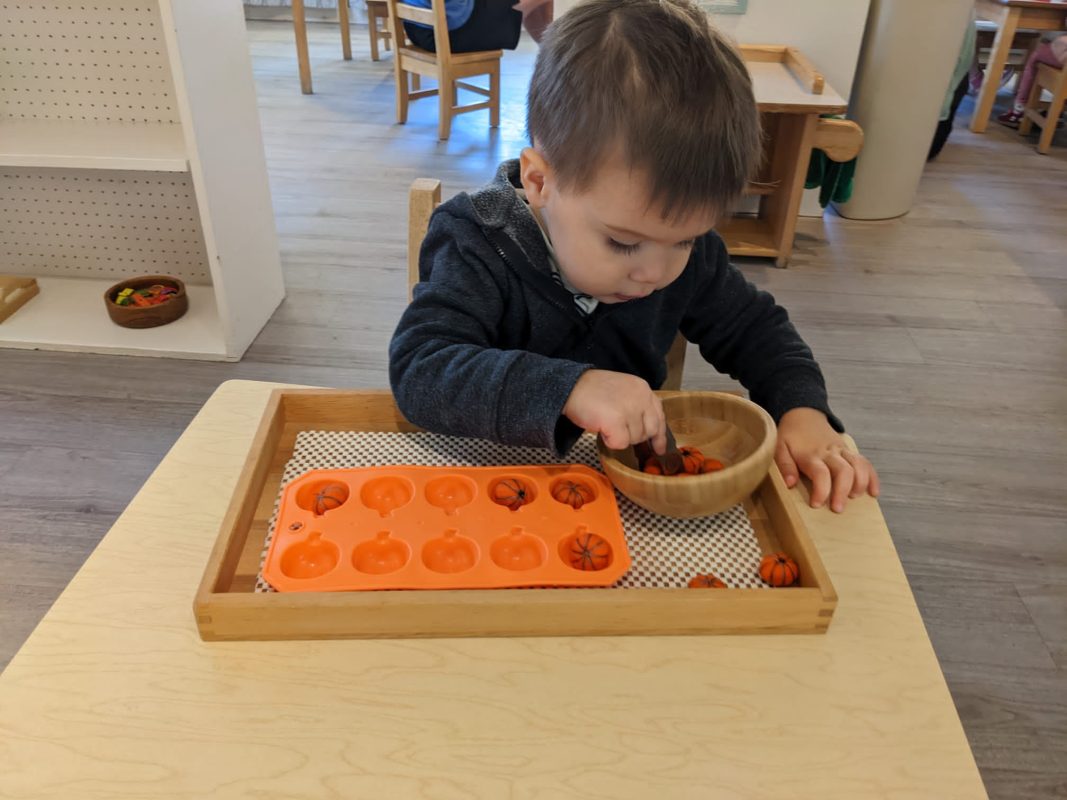
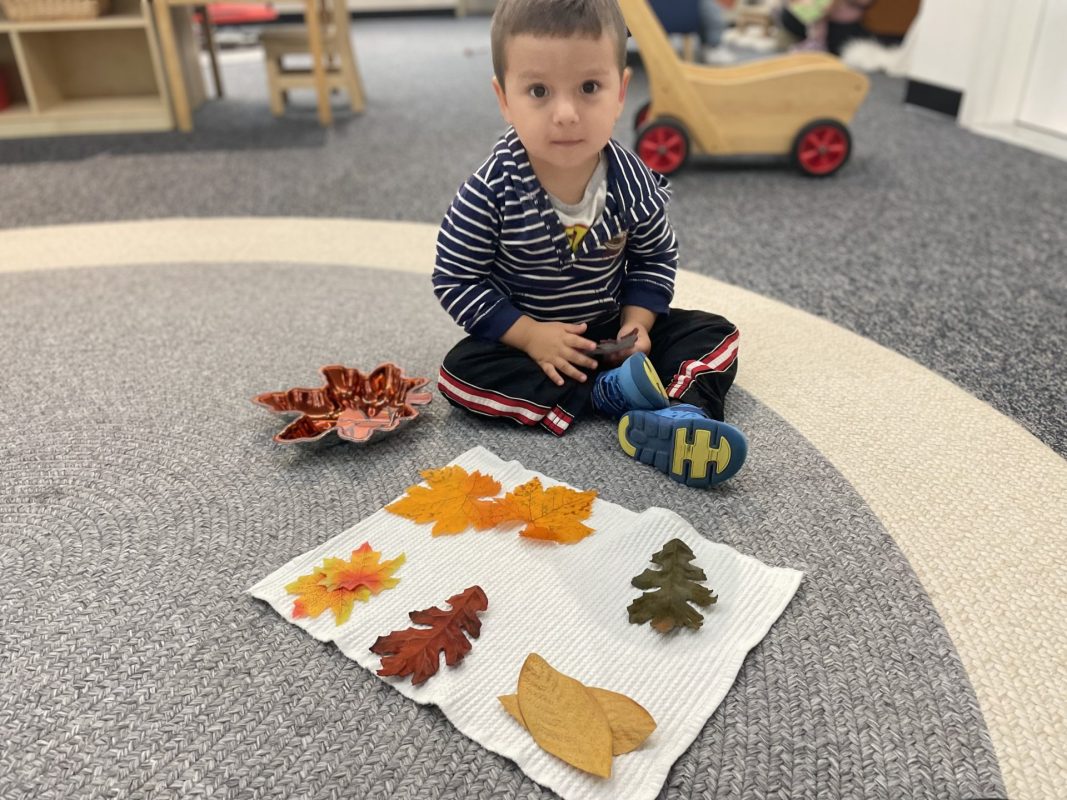
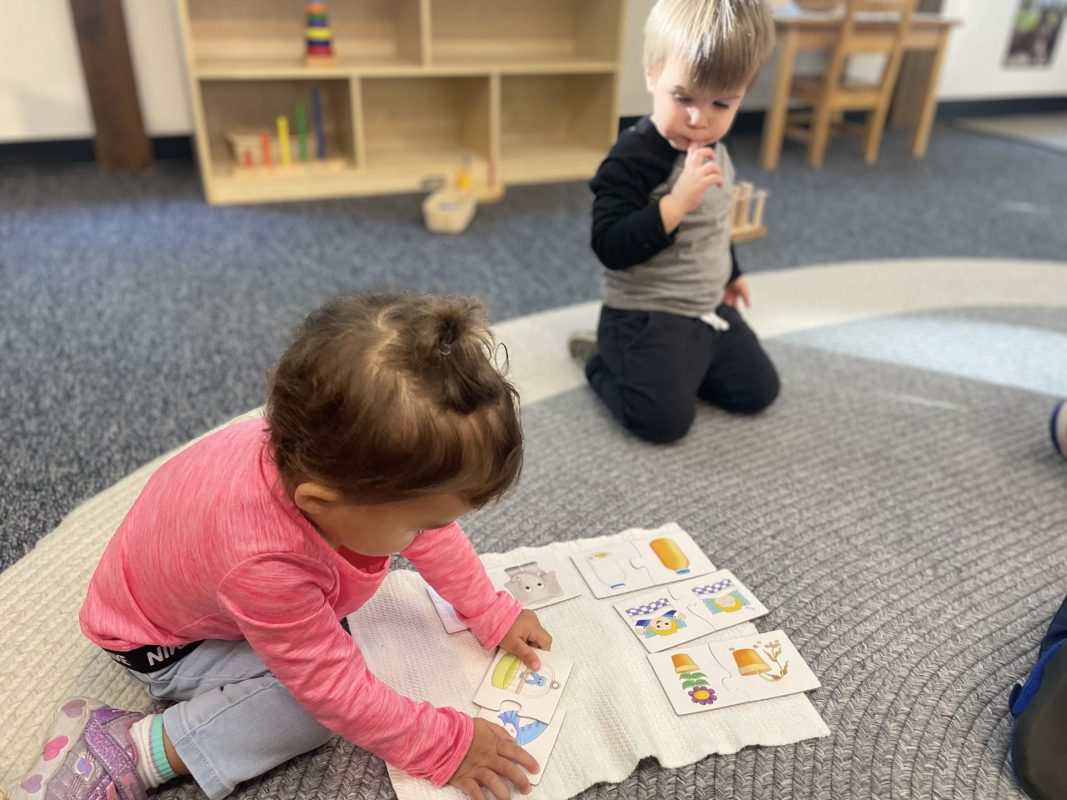
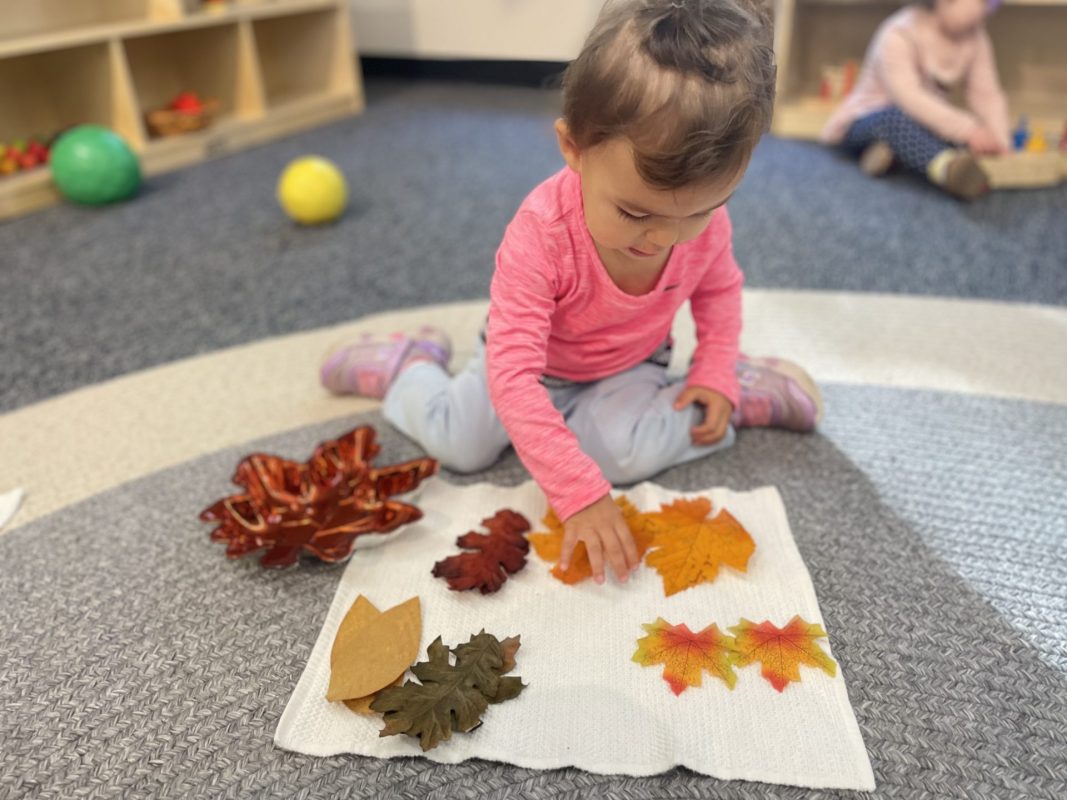
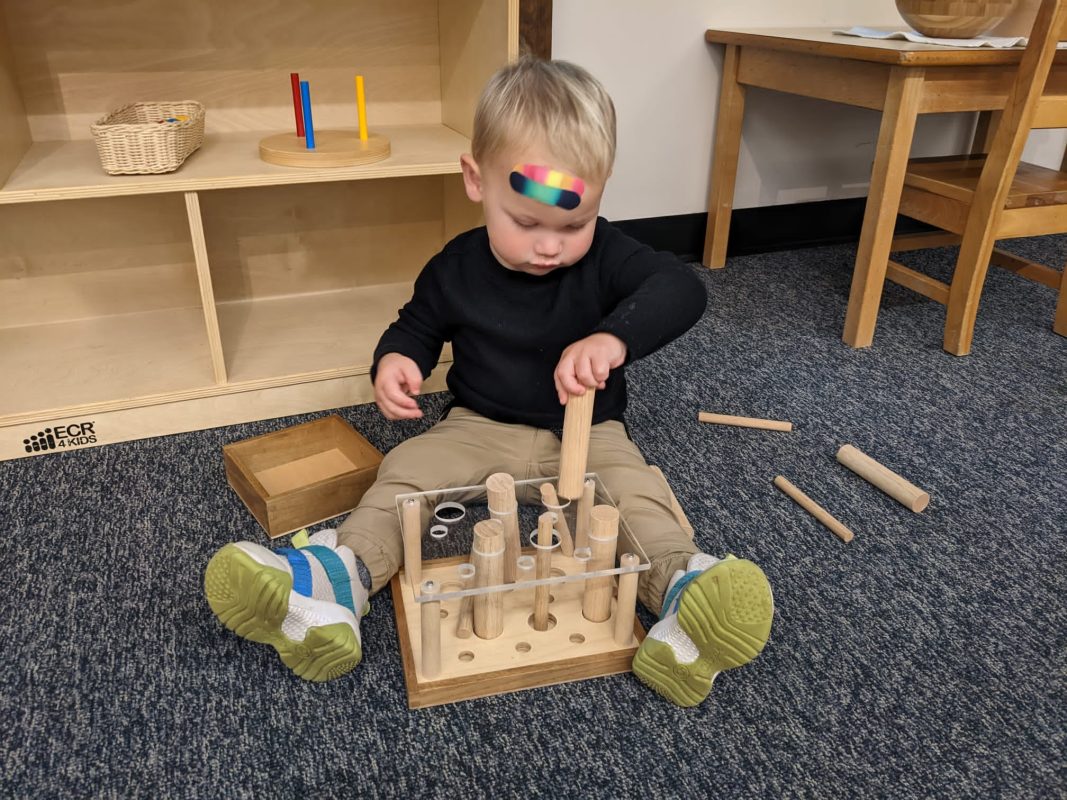
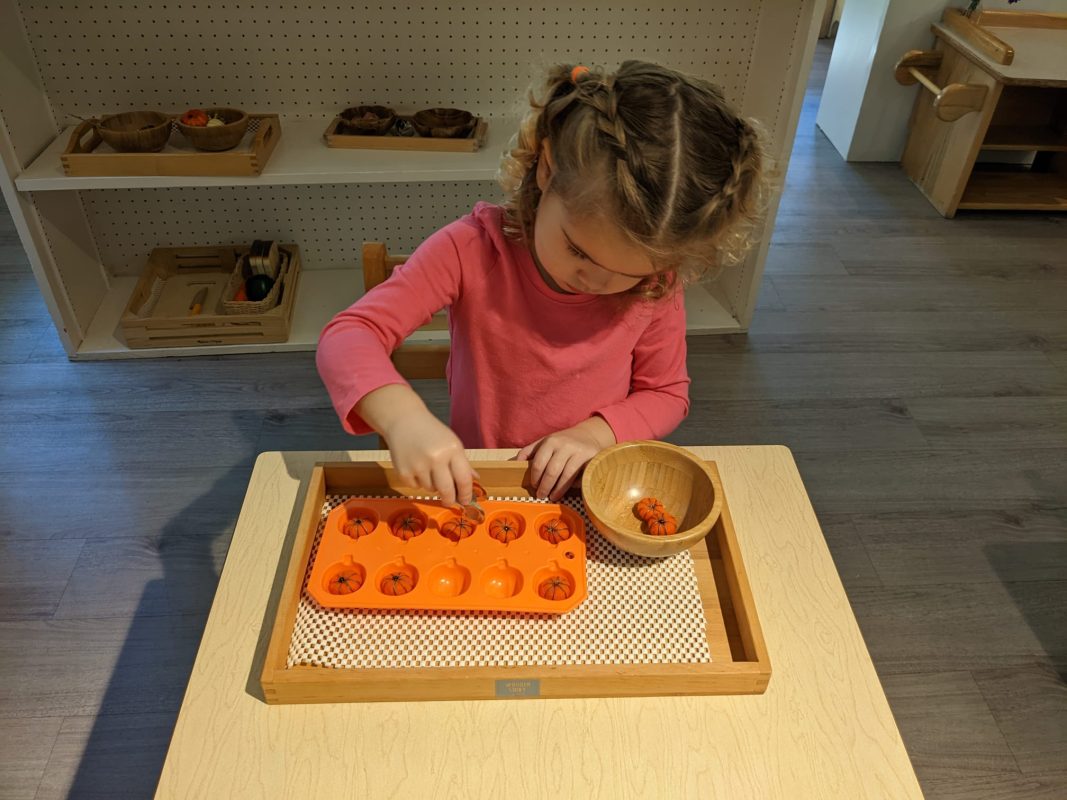
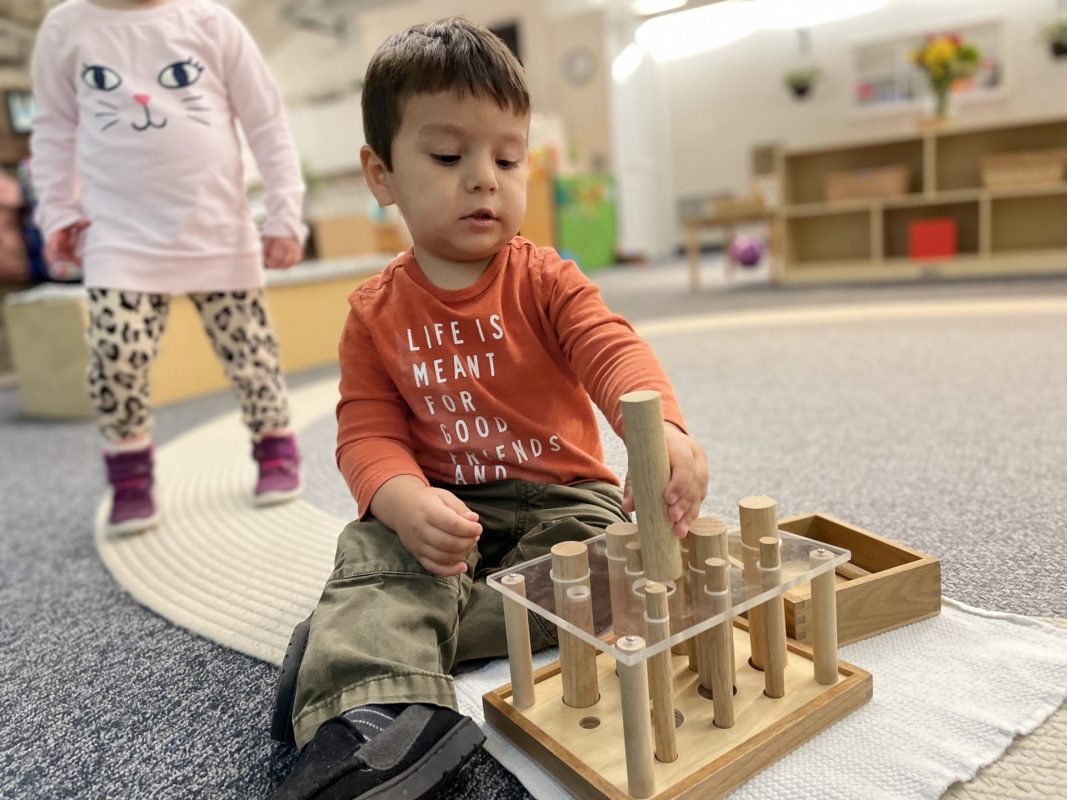
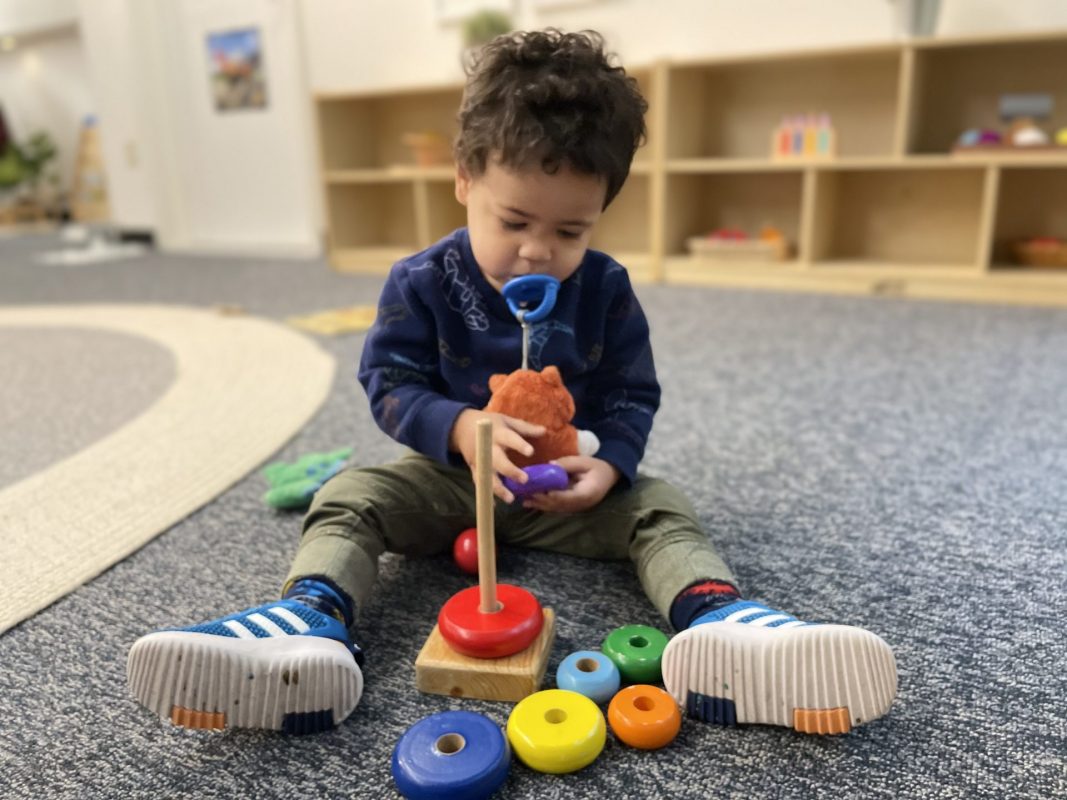
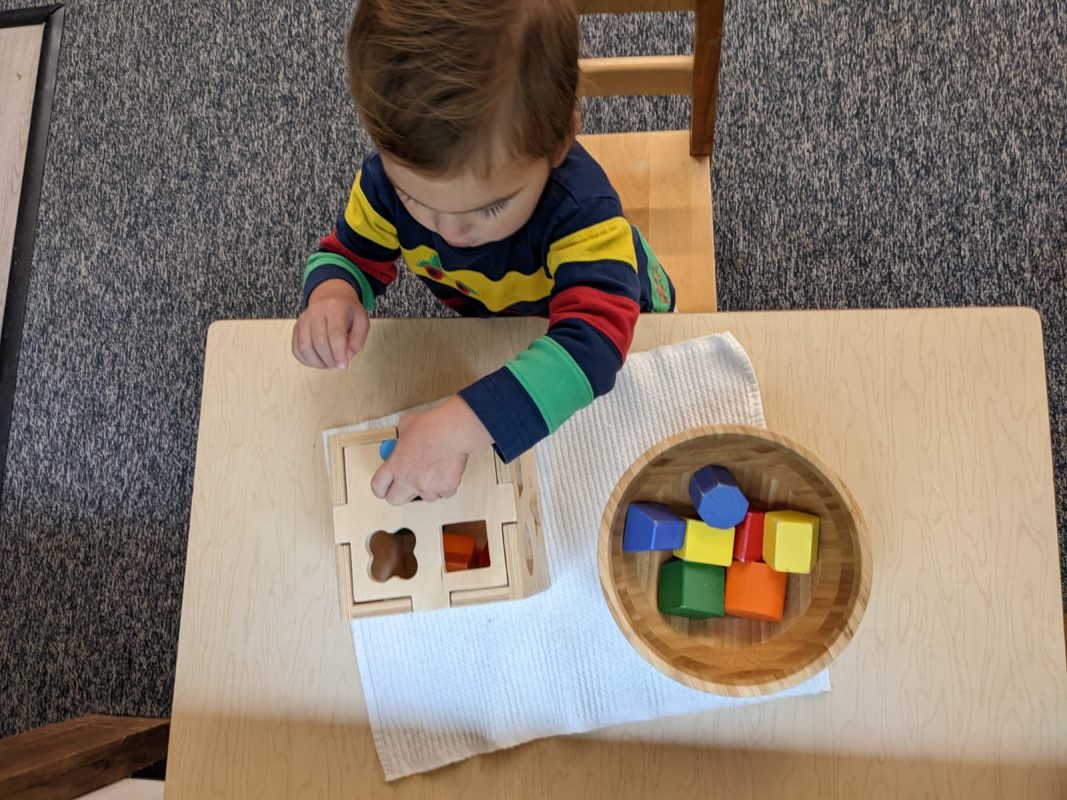
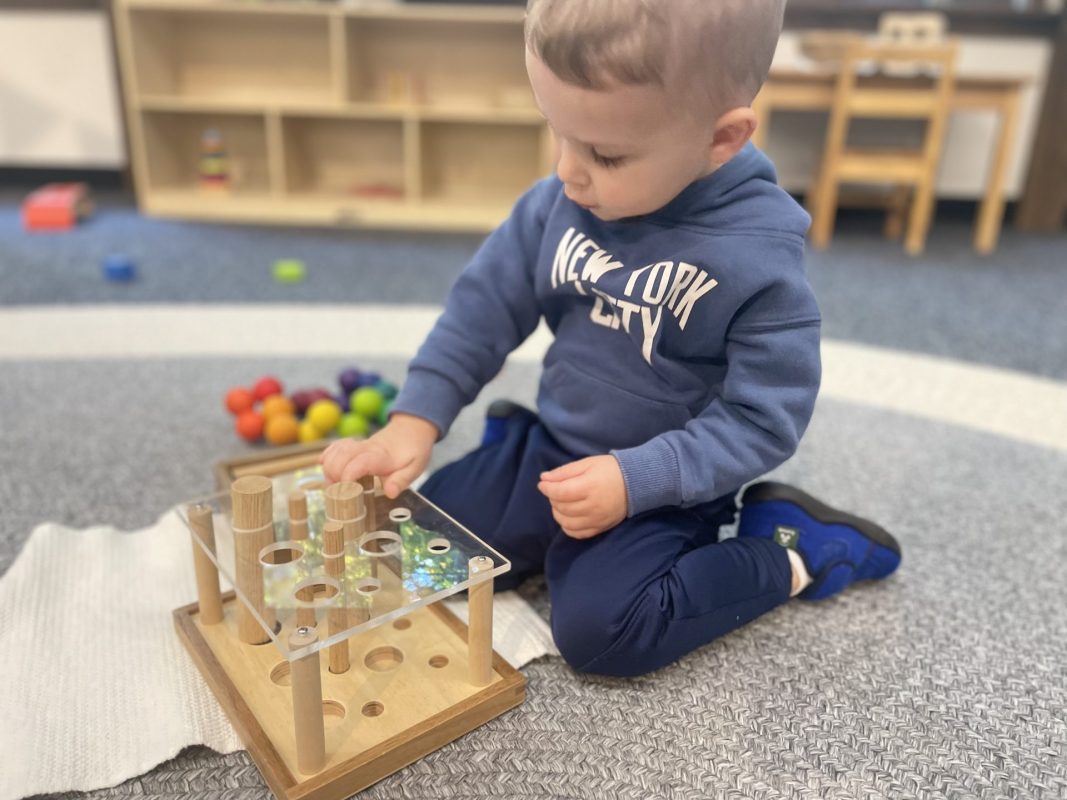
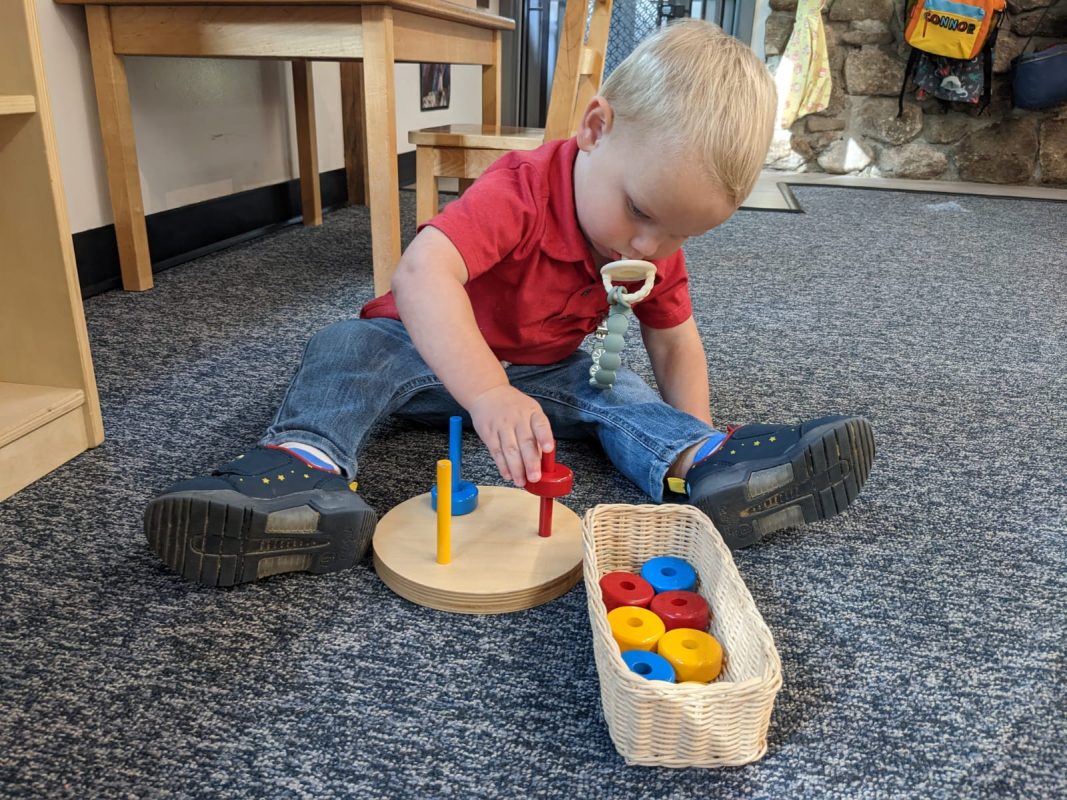
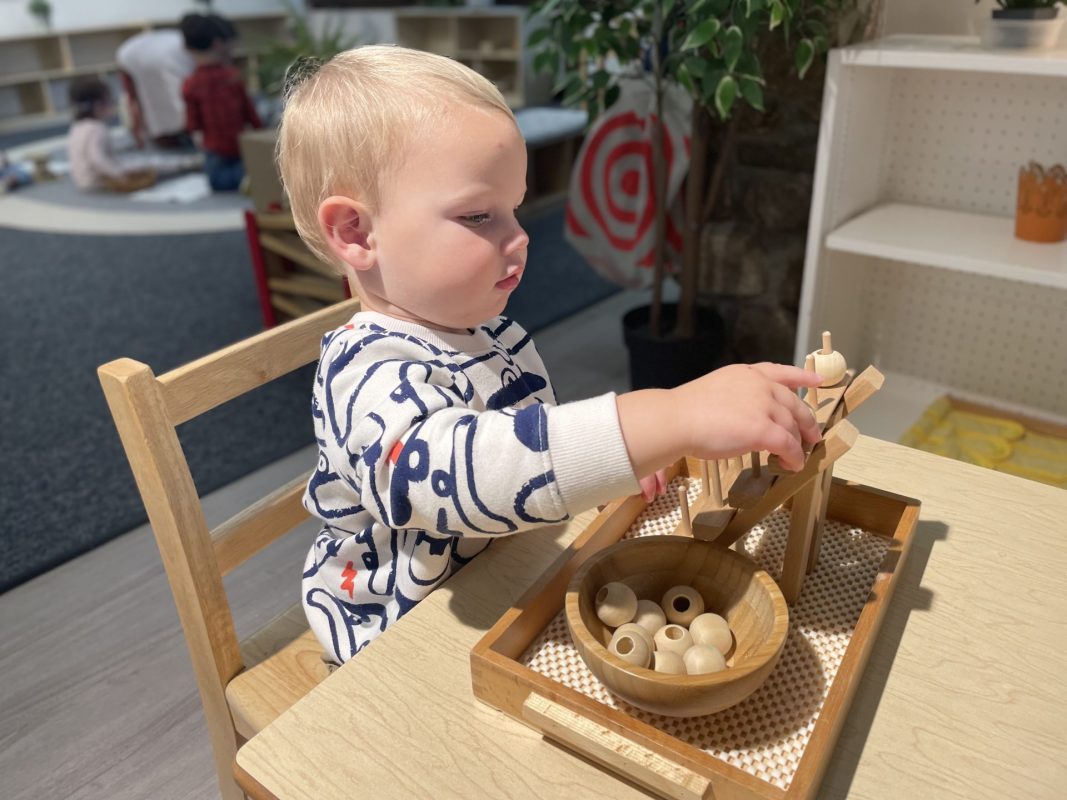
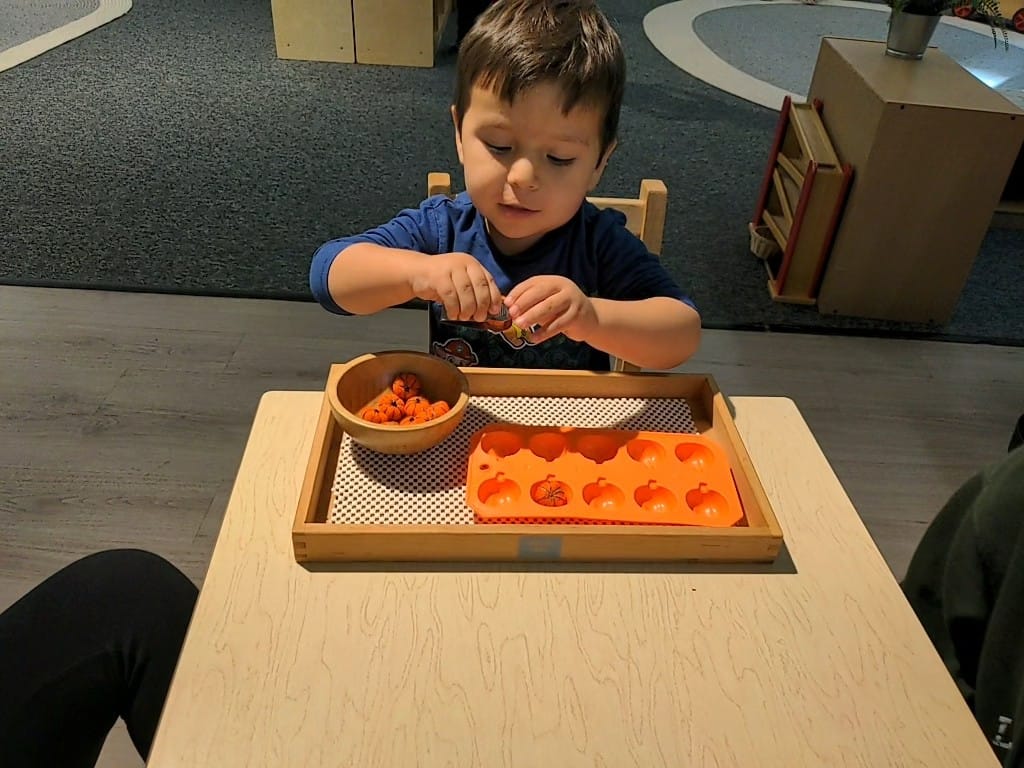
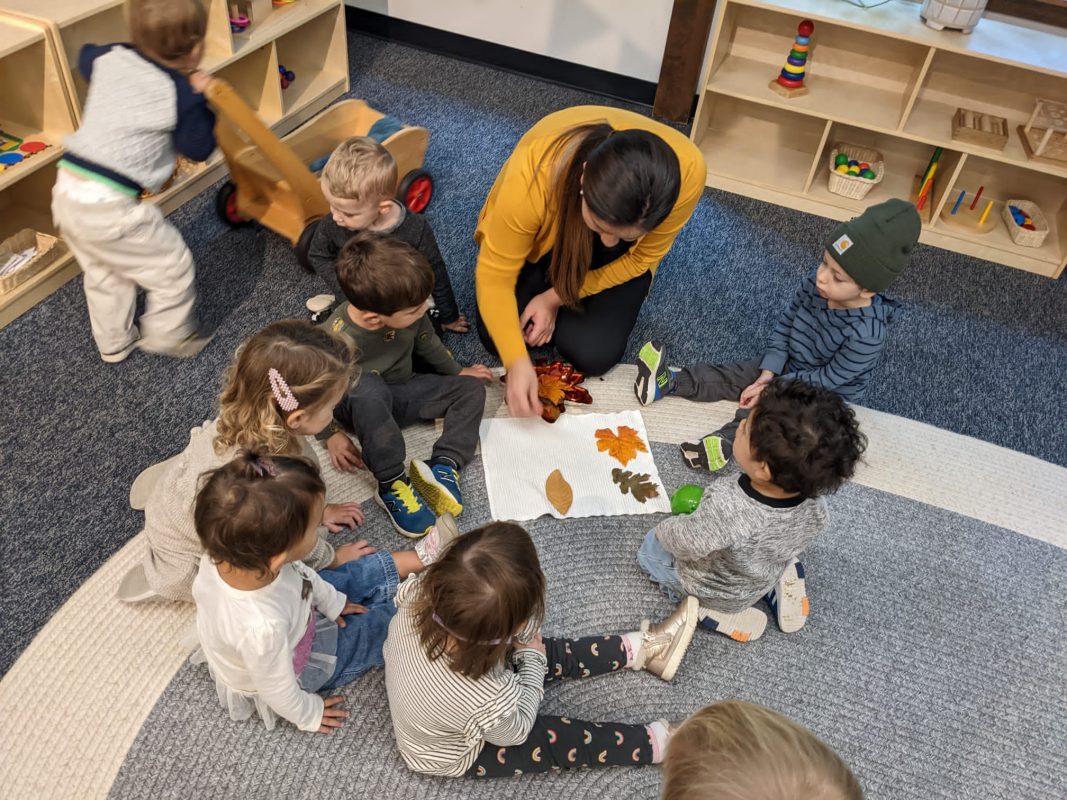
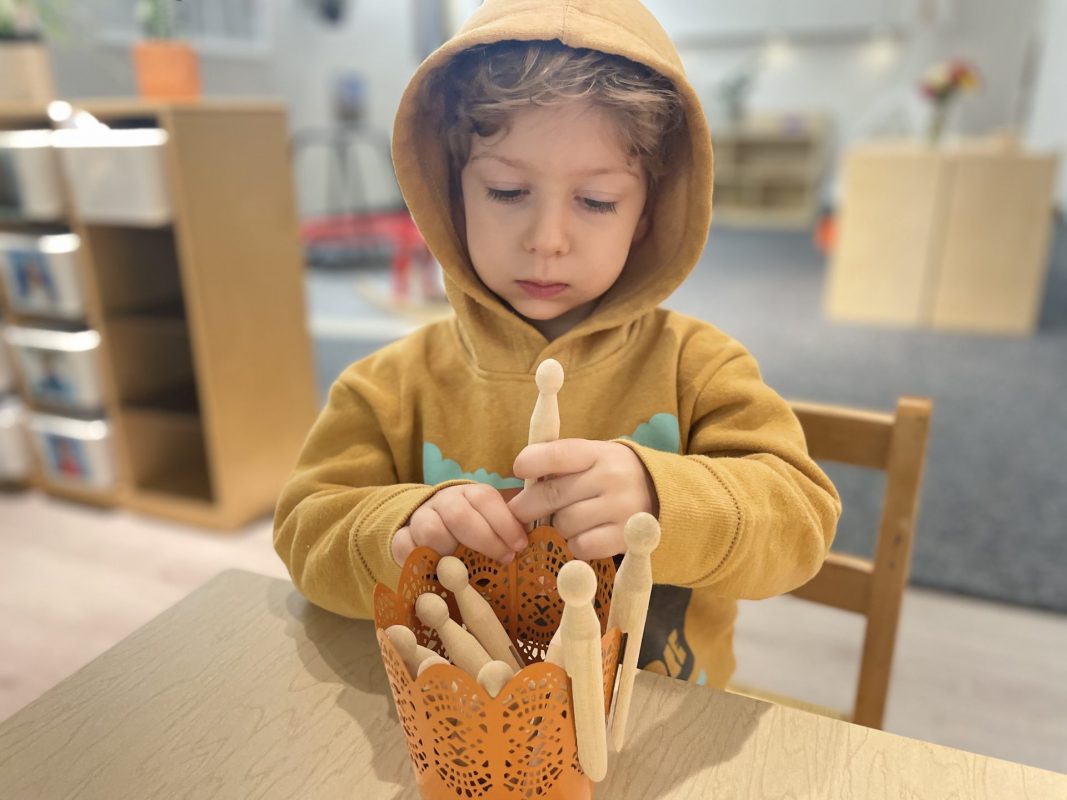
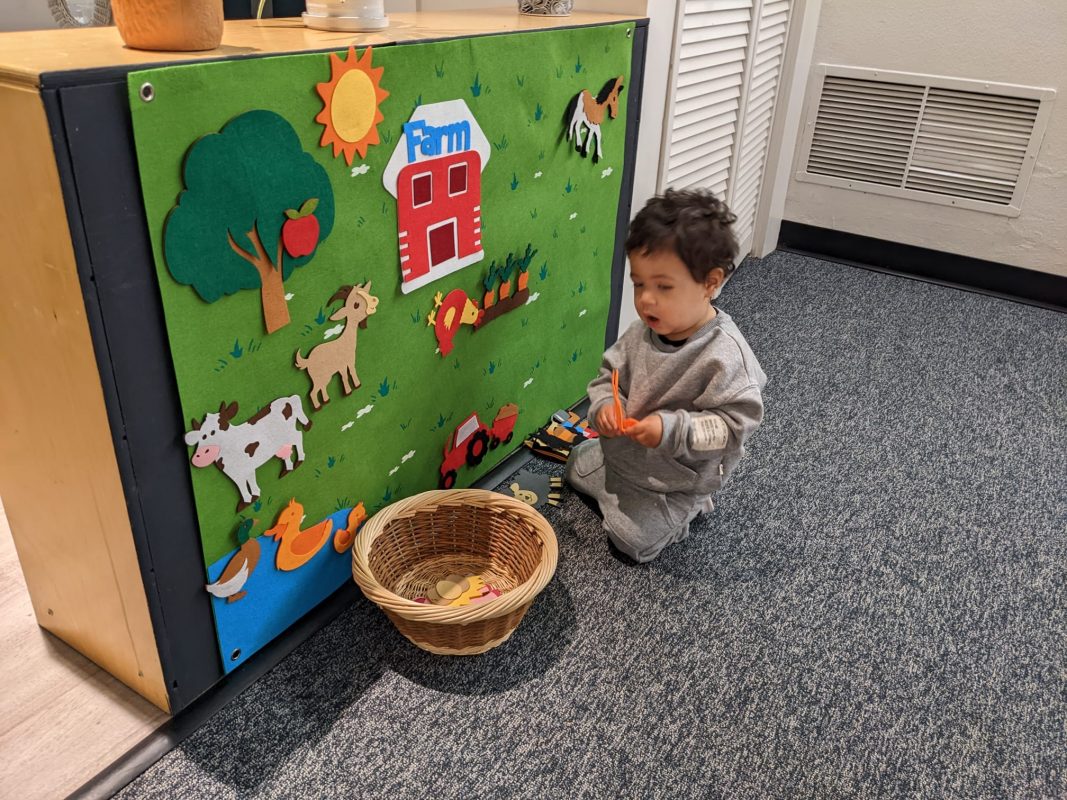
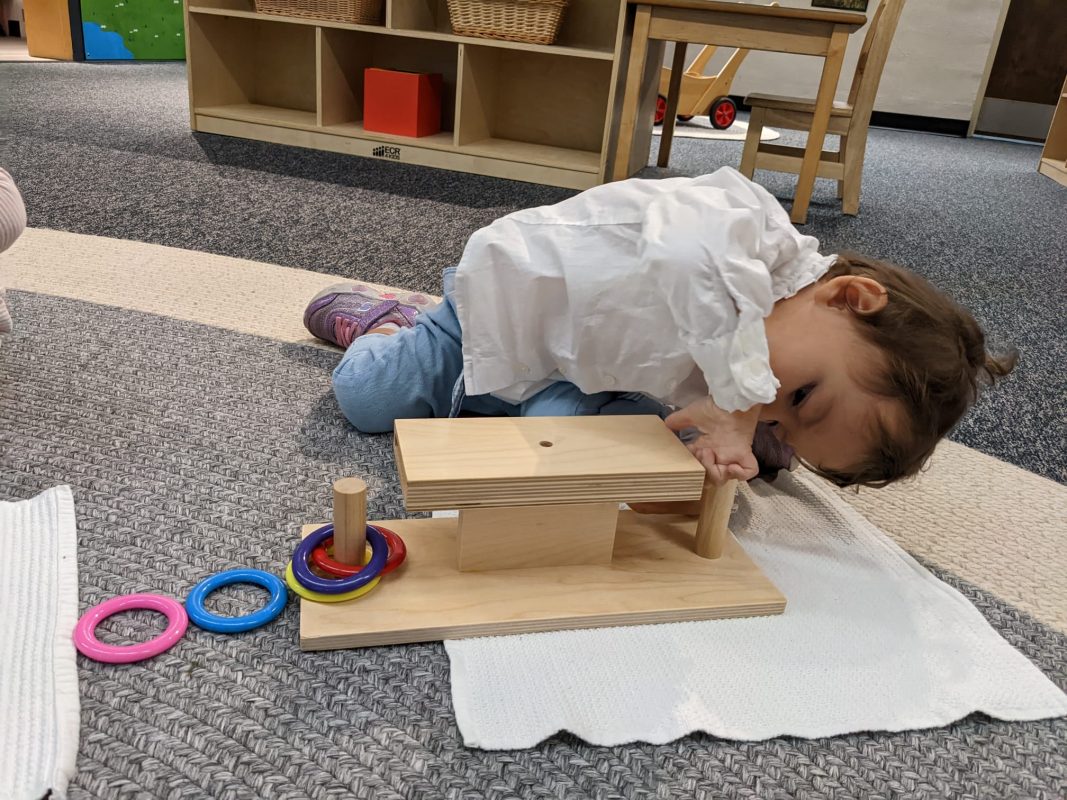
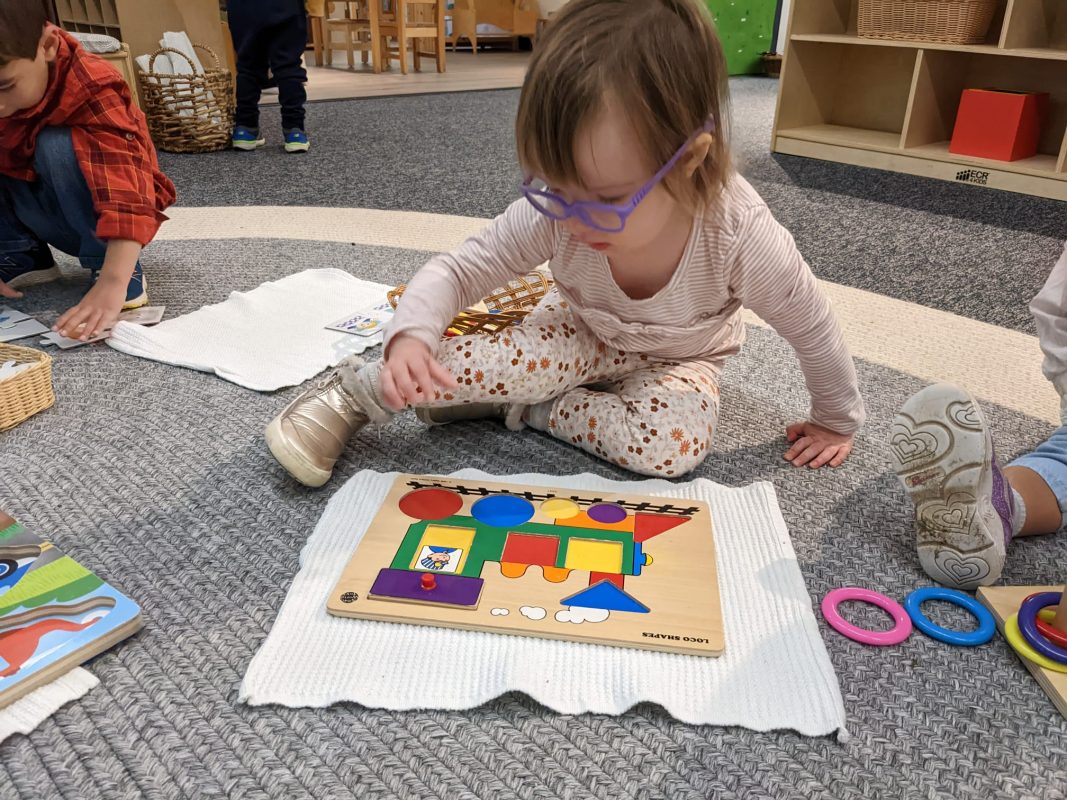
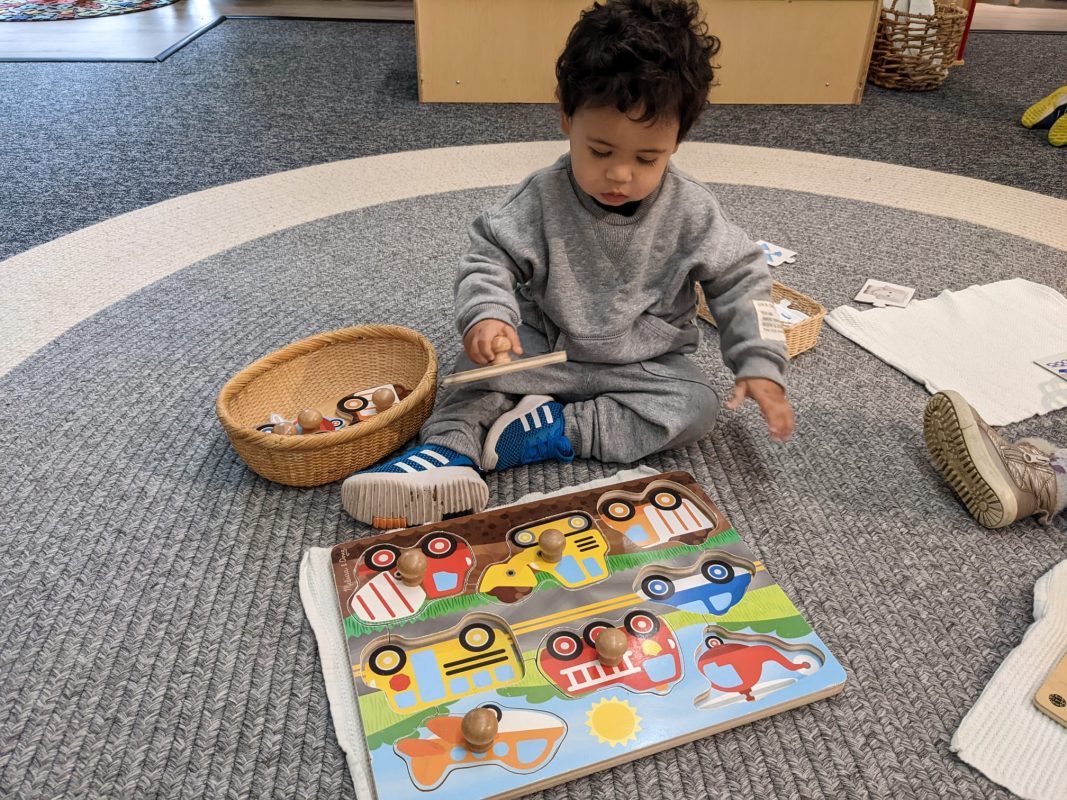
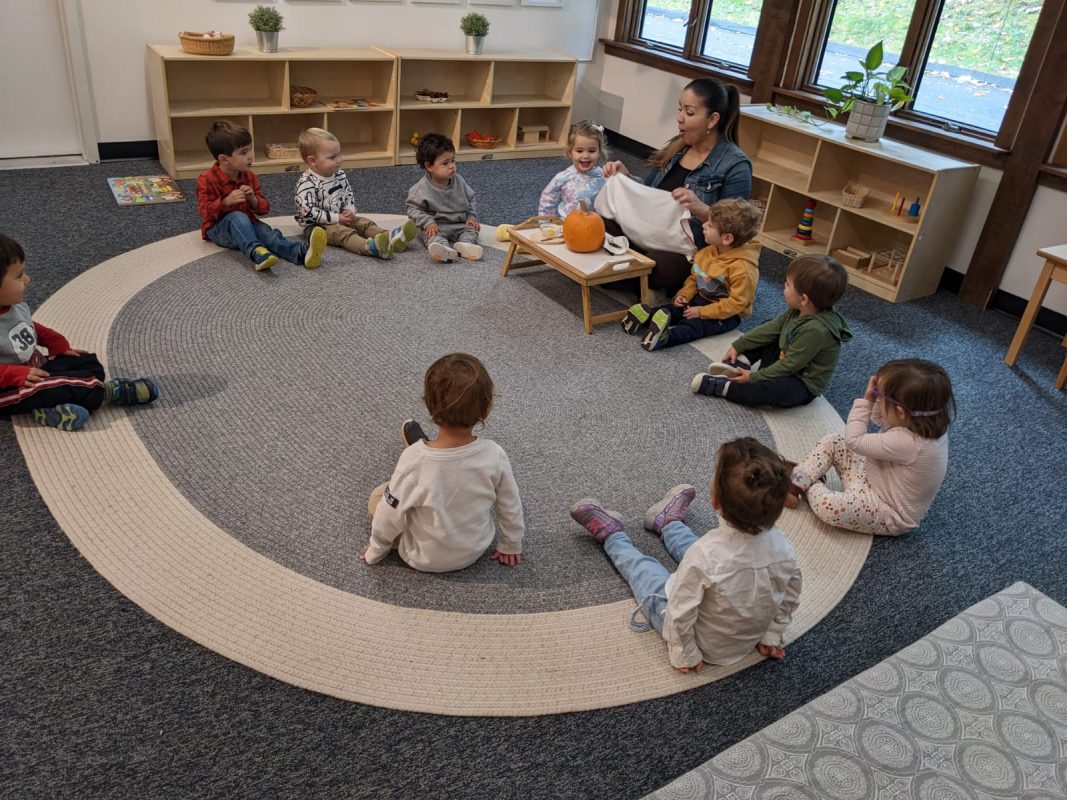
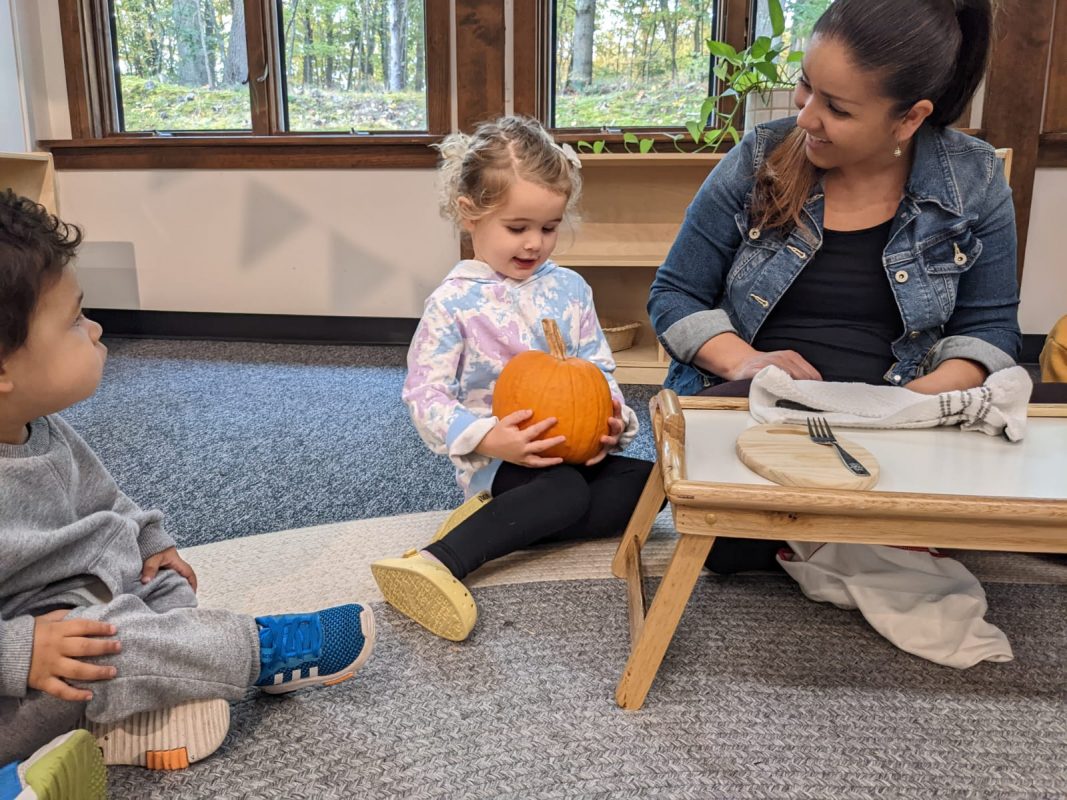
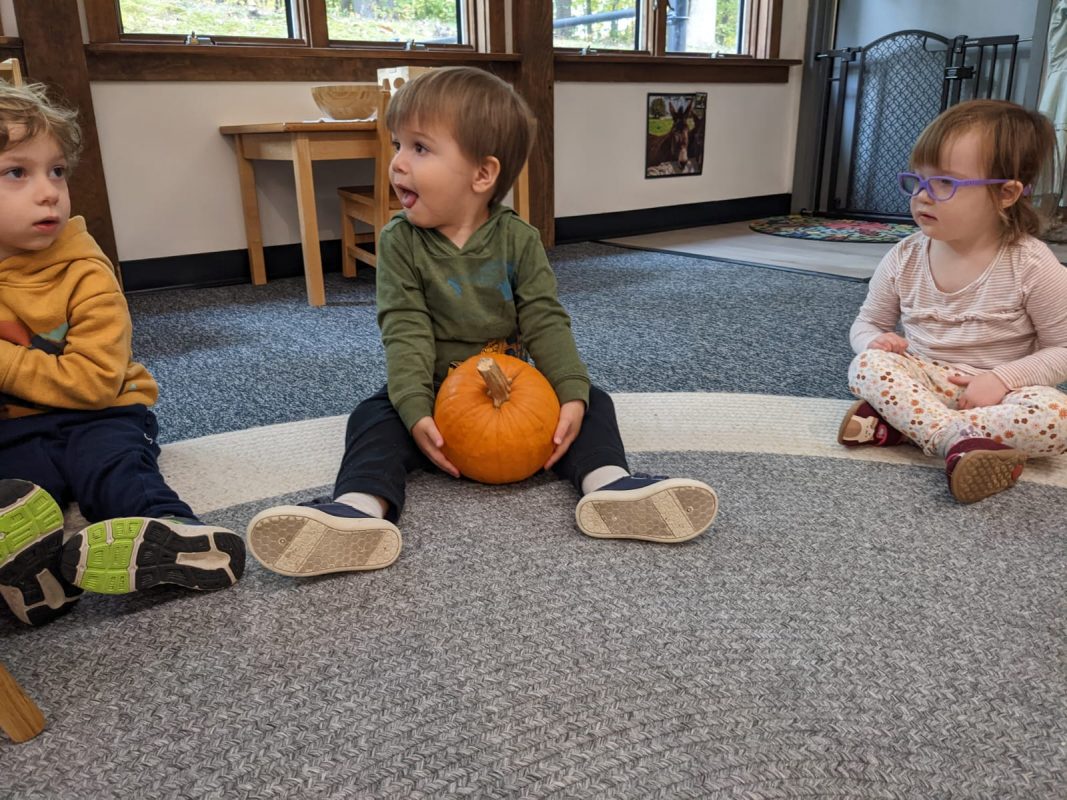
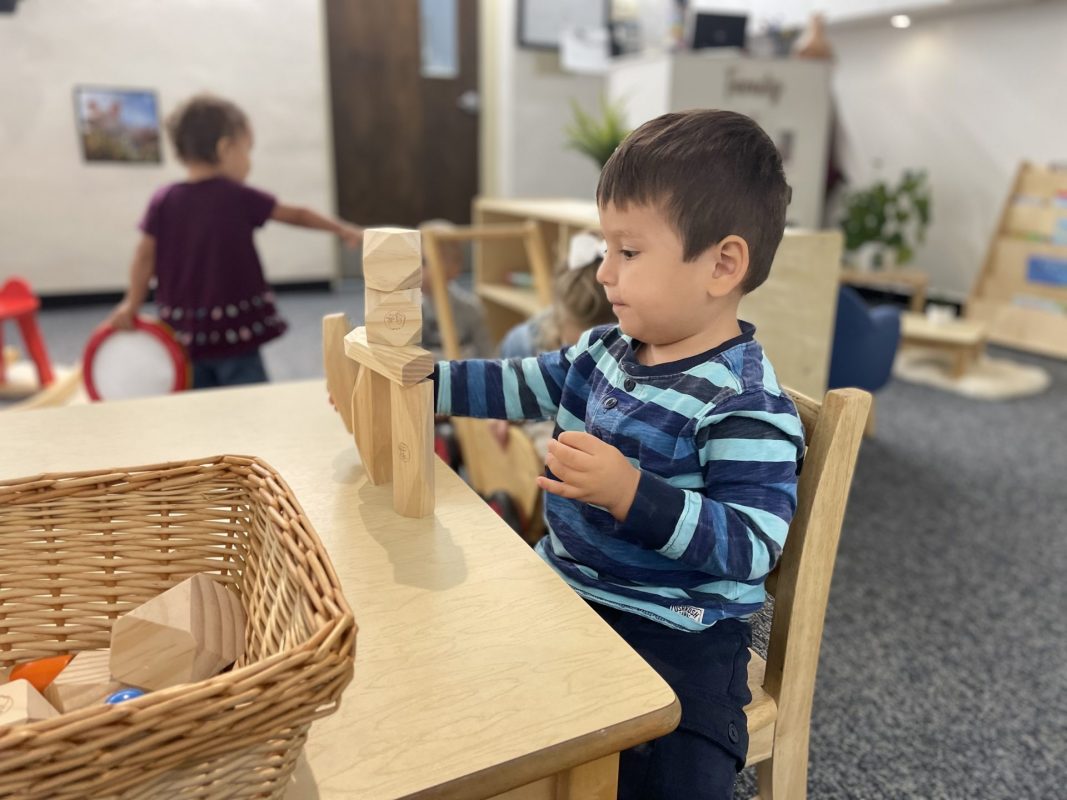
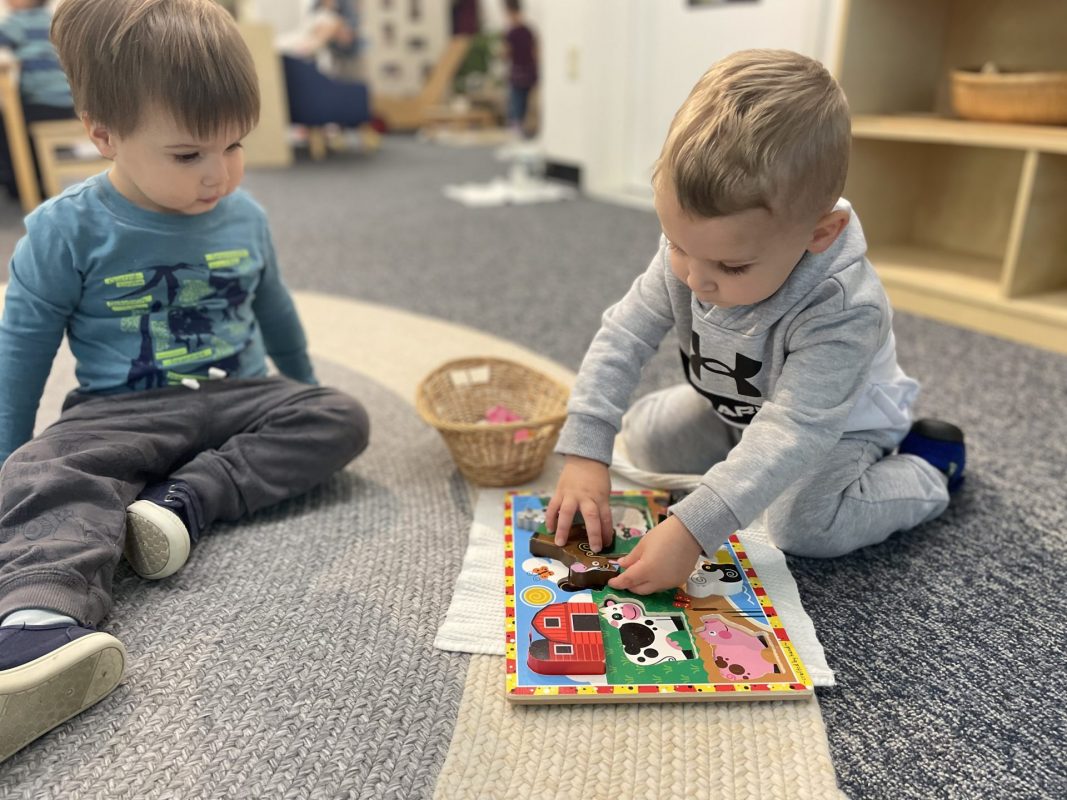
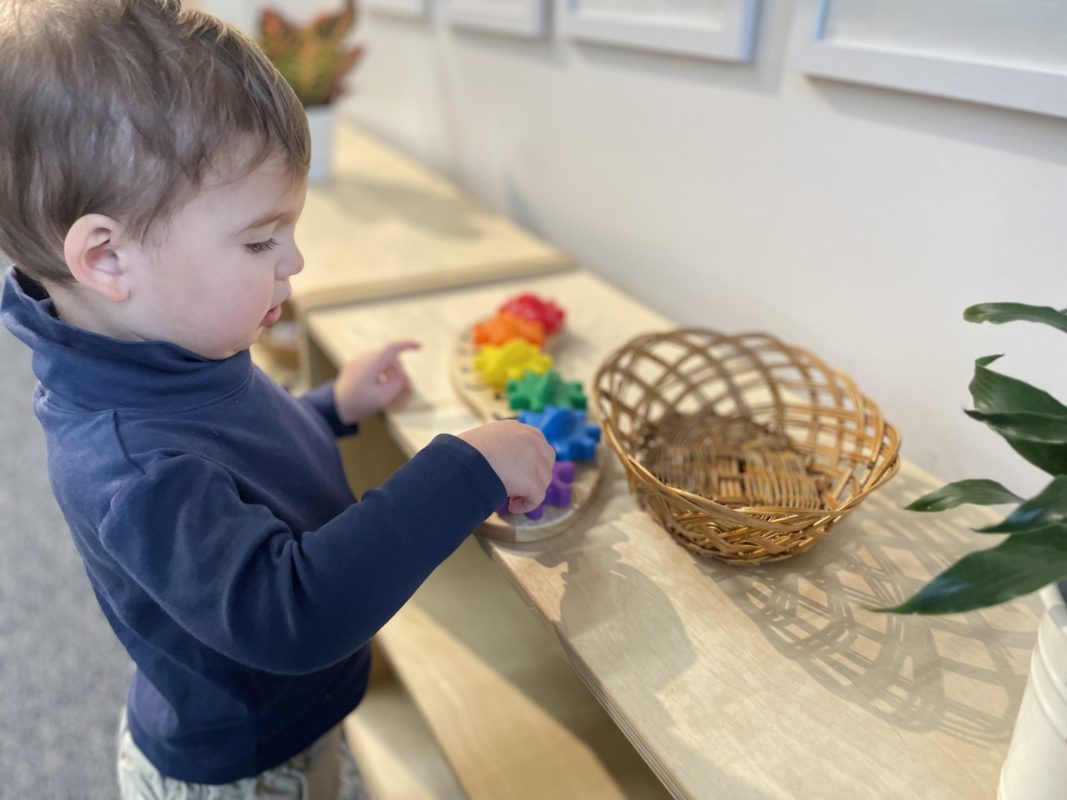
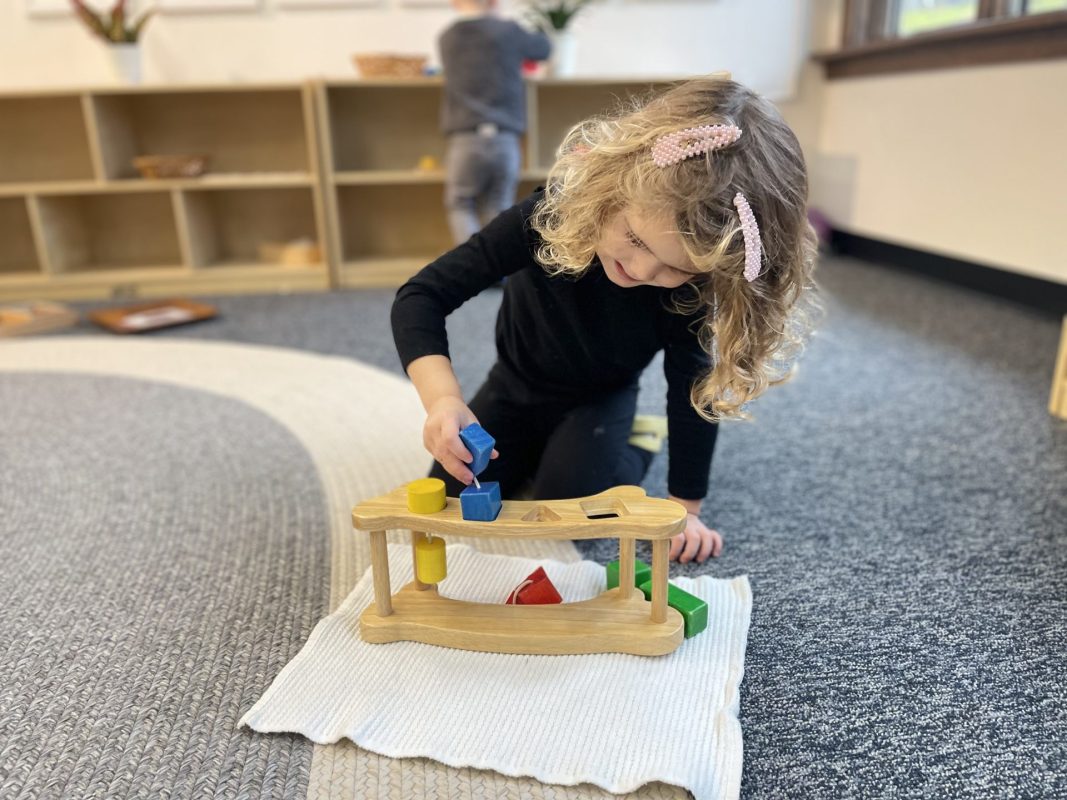
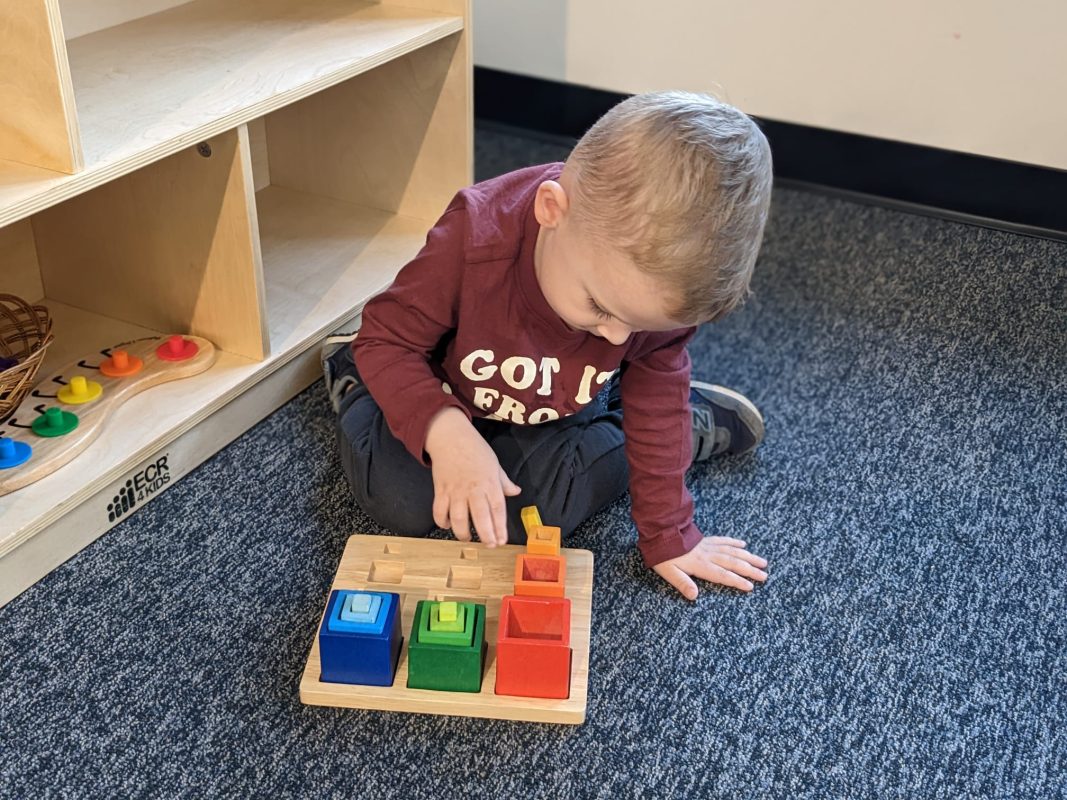
Some of the most popular works in our environment these days, sharpening these skills, are hammering wooden golf tees into a pumpkin, nesting forest animals, the ring box, opposites language cards, leaf sorting, hand transferring pumpkins, spooning pumpkins, threading wooden fruits and many more. 

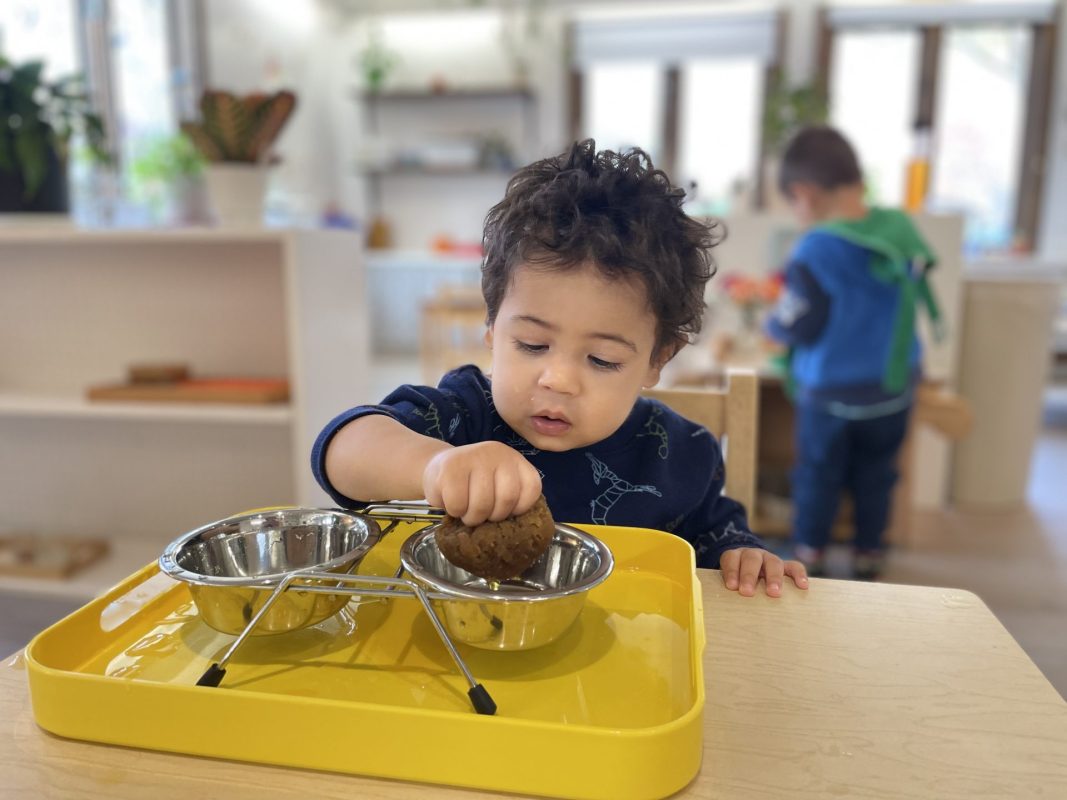
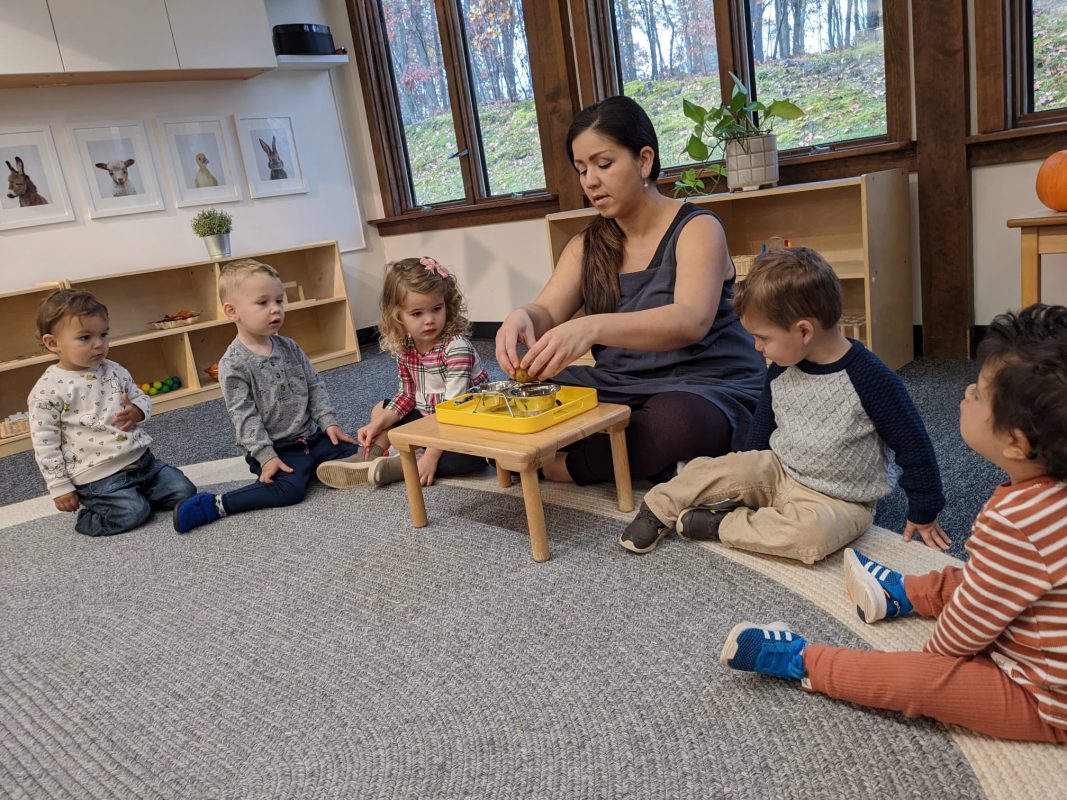
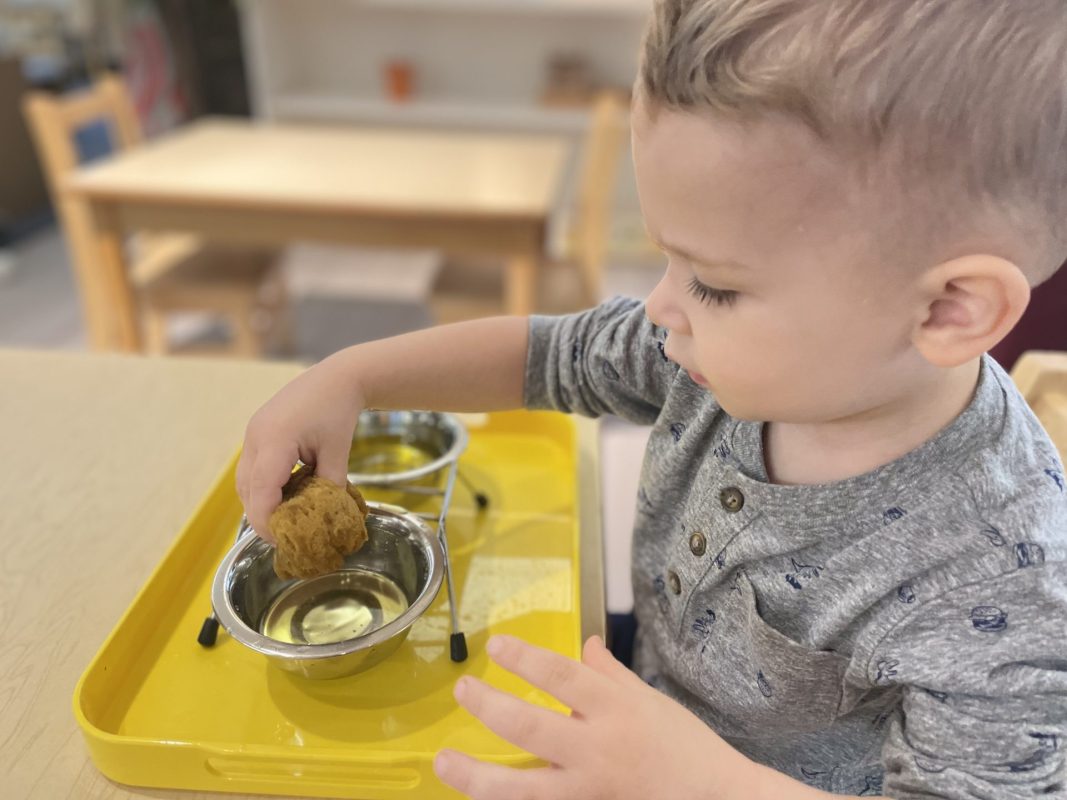
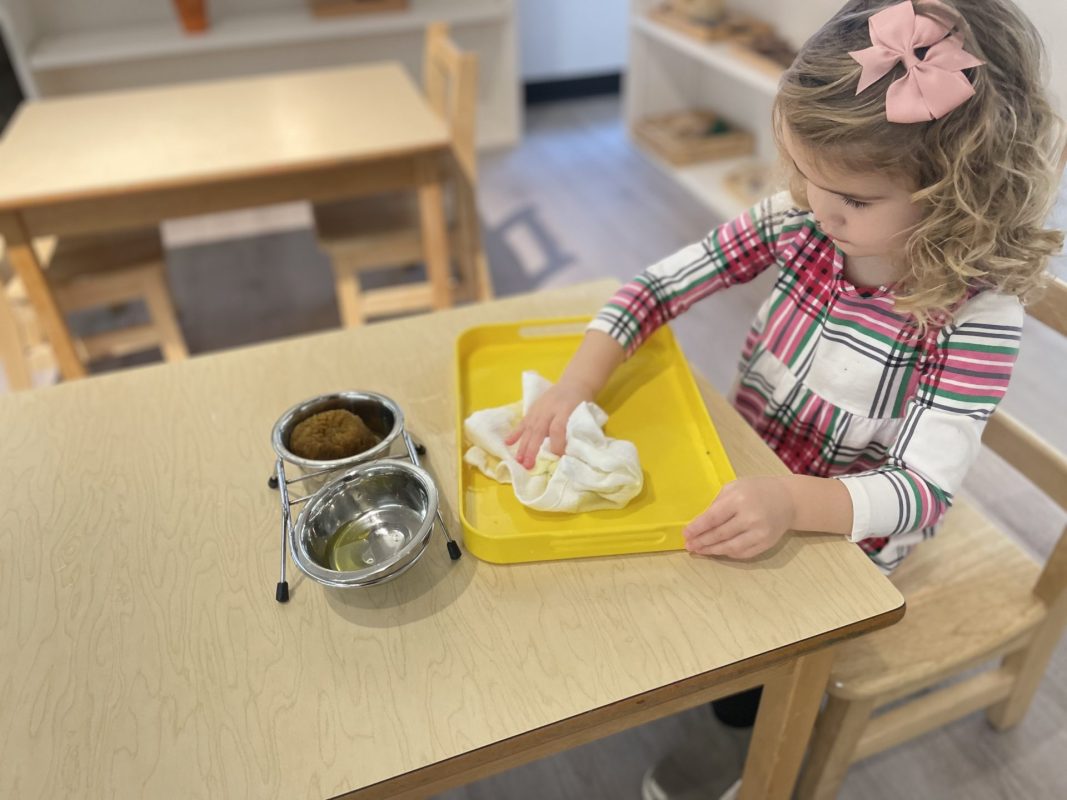
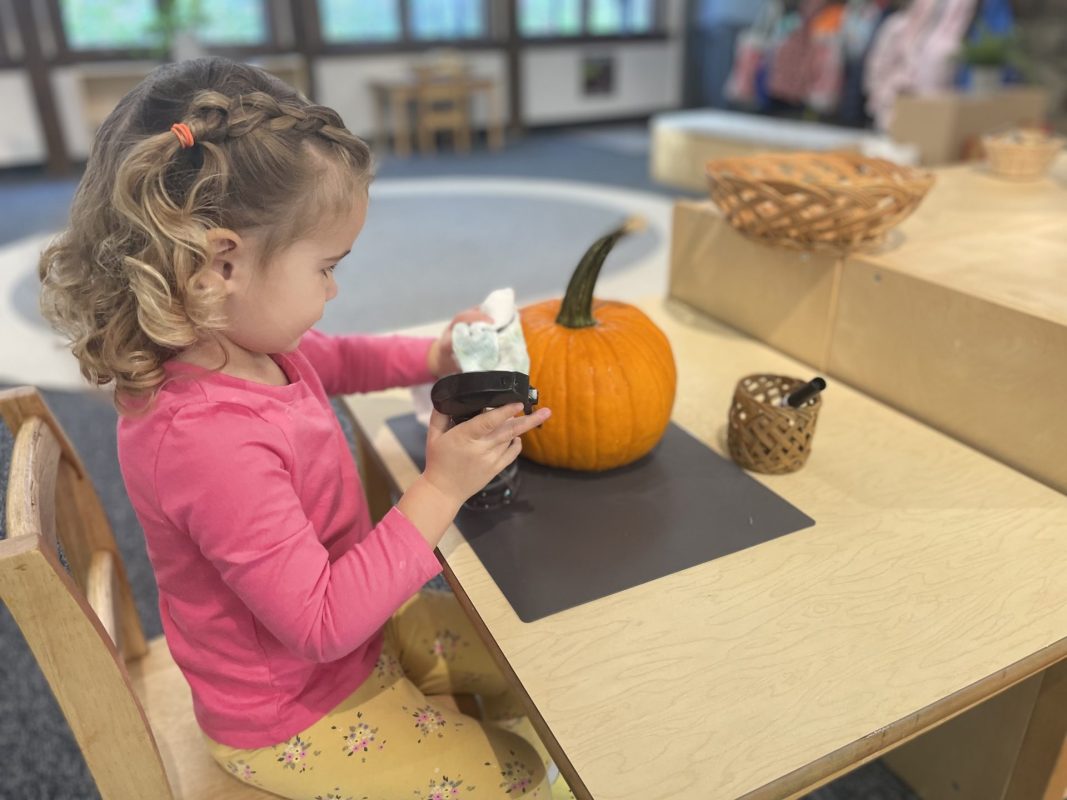
In the practical life area we added two great fundamental lessons, one of them is water transferring. To make it even more interesting we used a sea wool sponge for transferring. As basic as it sounds, it’s one of the popular works these days.  The “magic” of watching the water disappear and get inside the sponge is fun but it’s even more fun when suddenly you squeeze the sponge and all the vanished water comes out. Children received two new vocabulary words when observing the bowls used for the transferring. They like to repeat them over and over: empty and full. At the end of the activity they were encouraged to look for spills and wipe up all the spills with a towel.

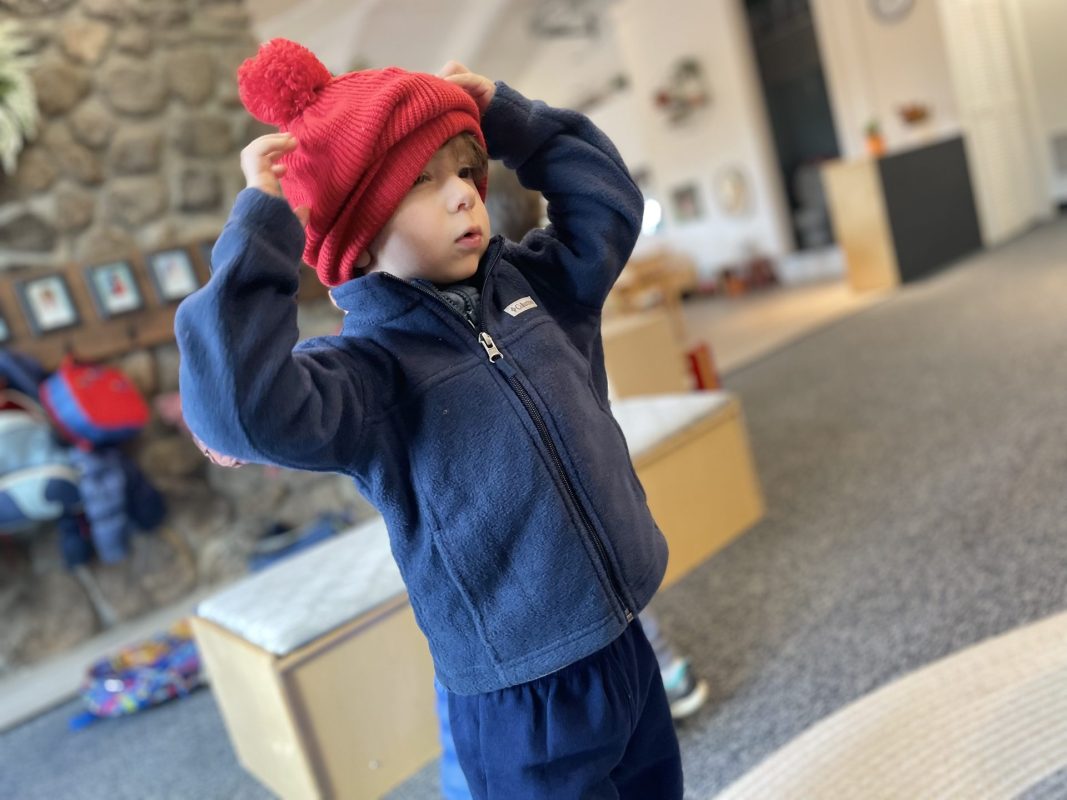
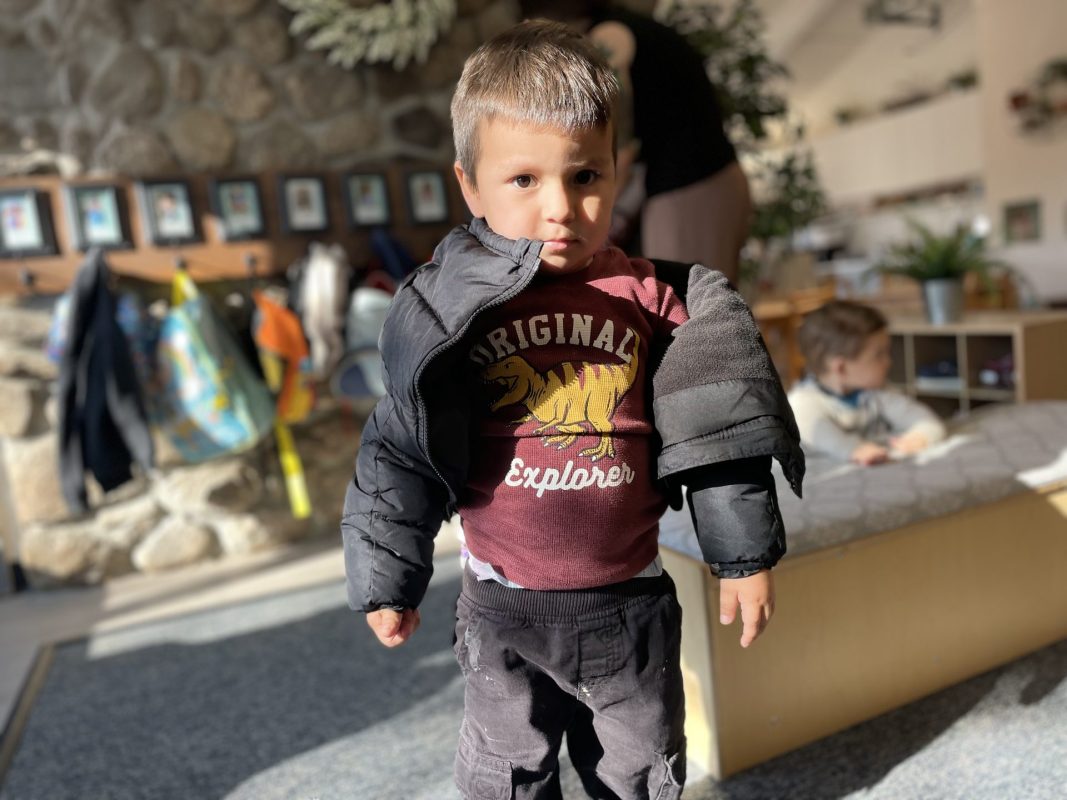
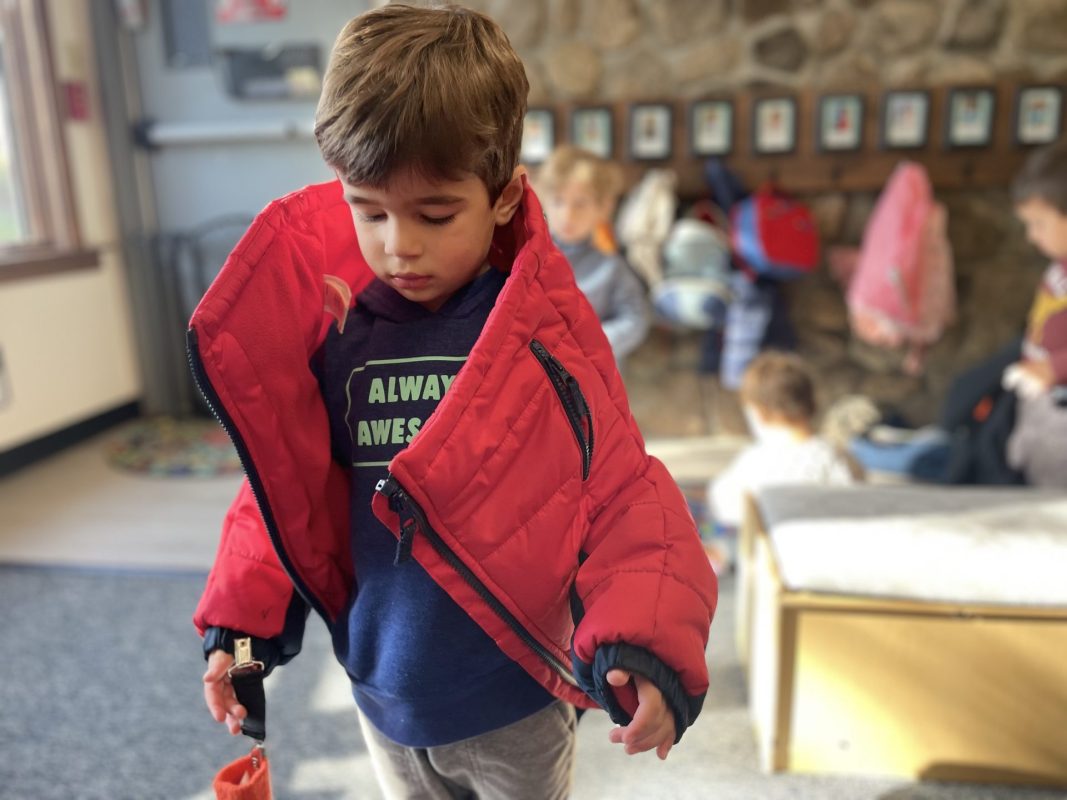
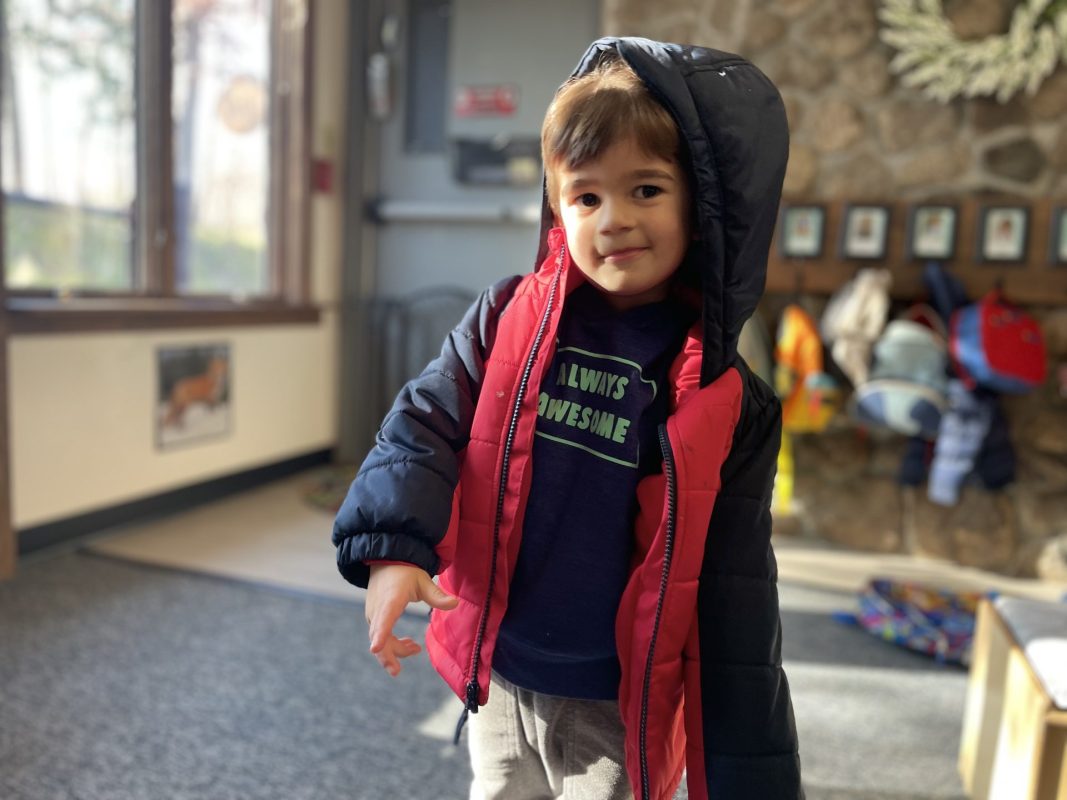
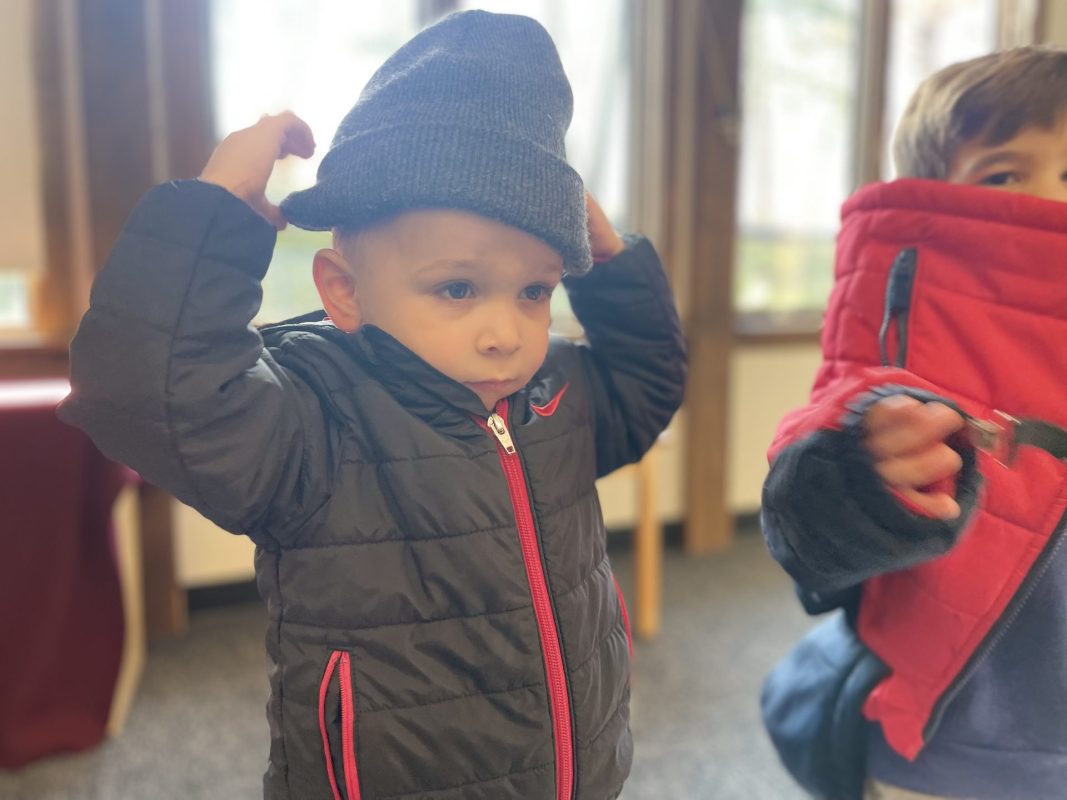
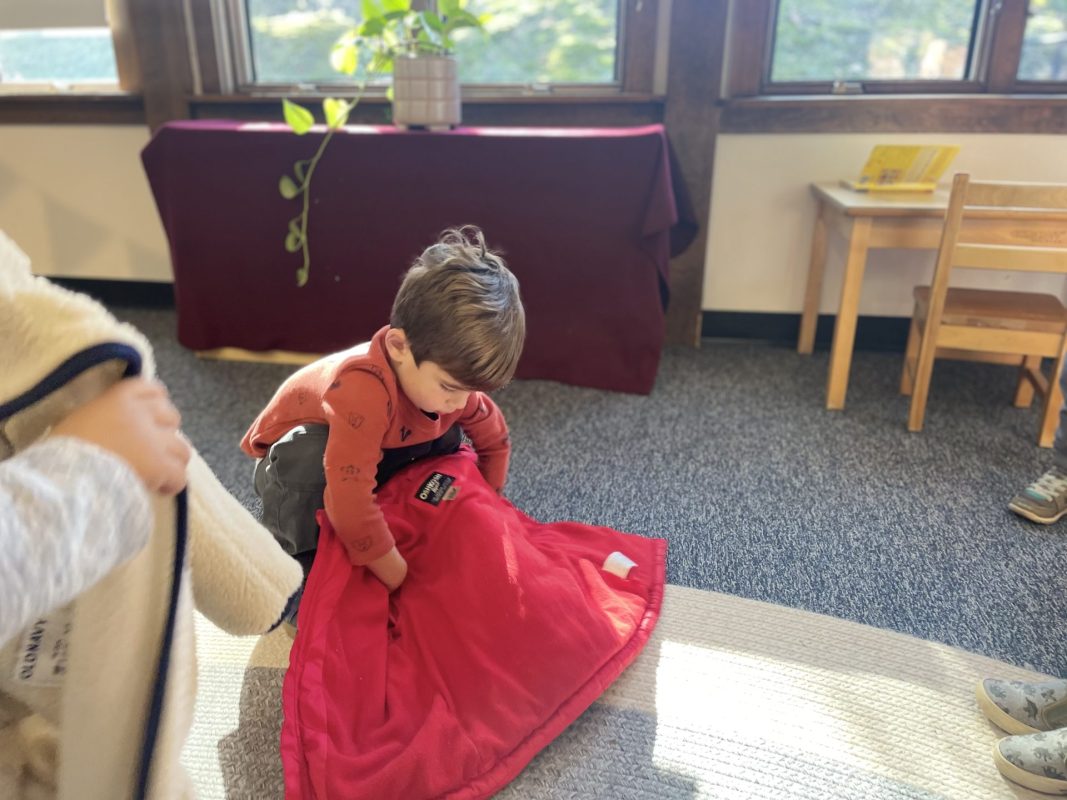
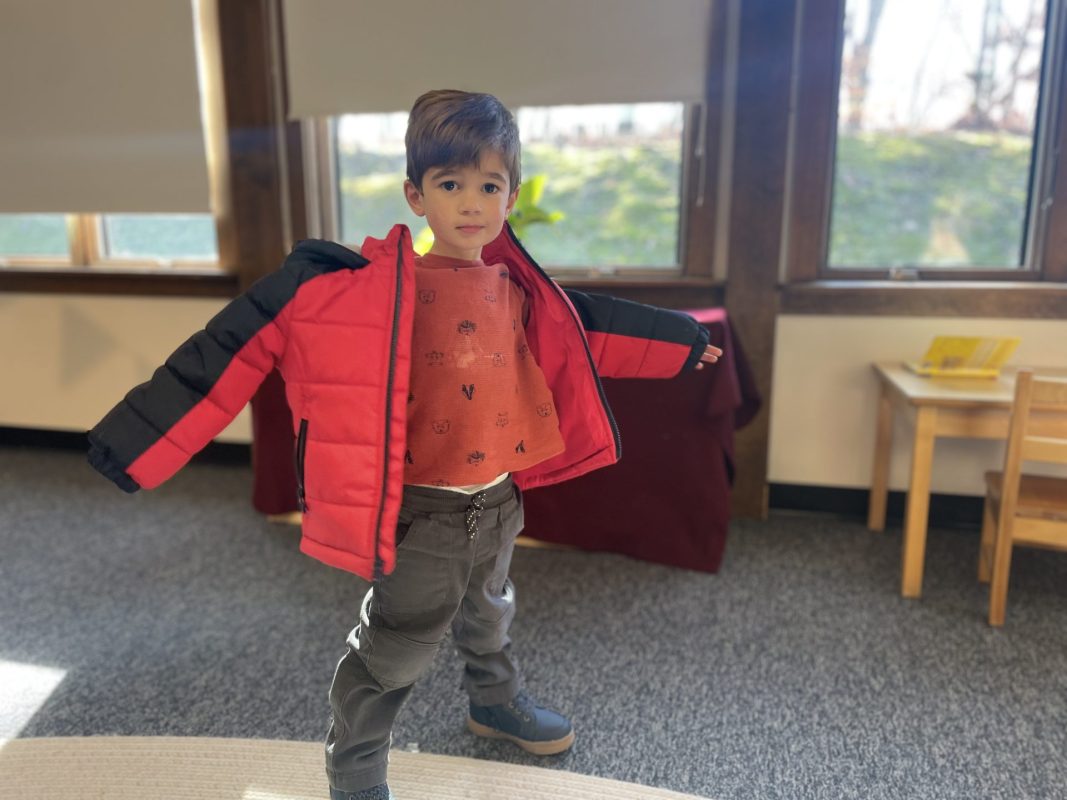
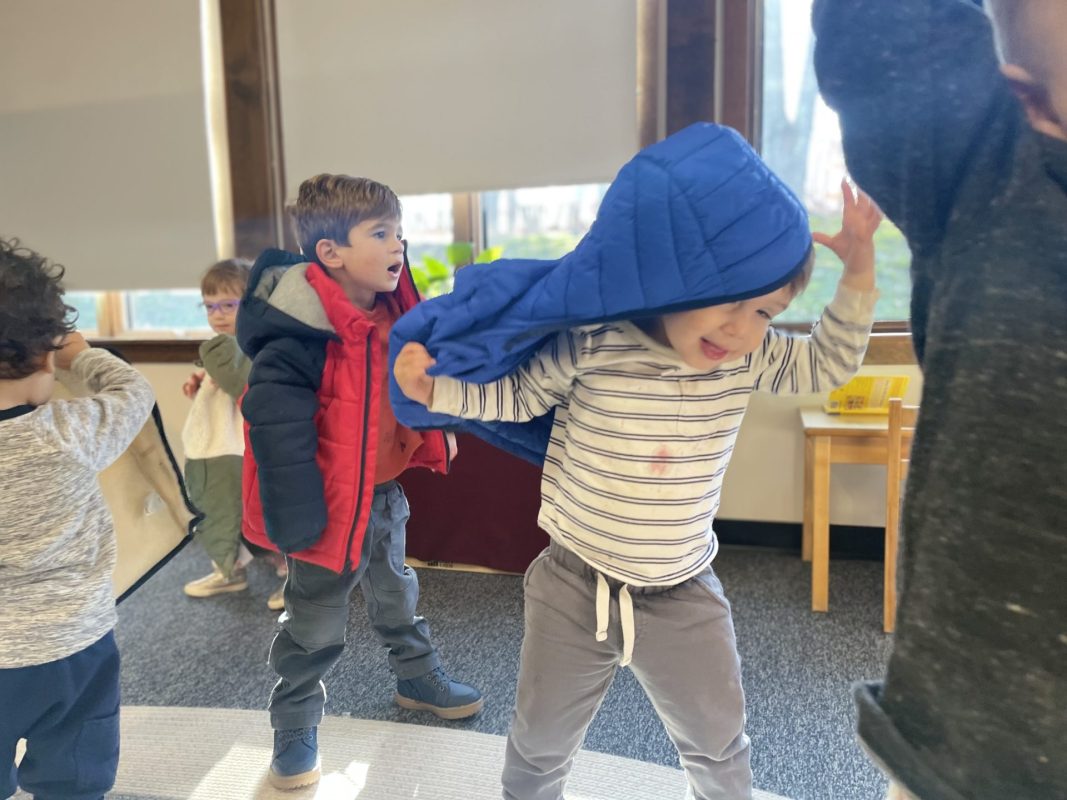
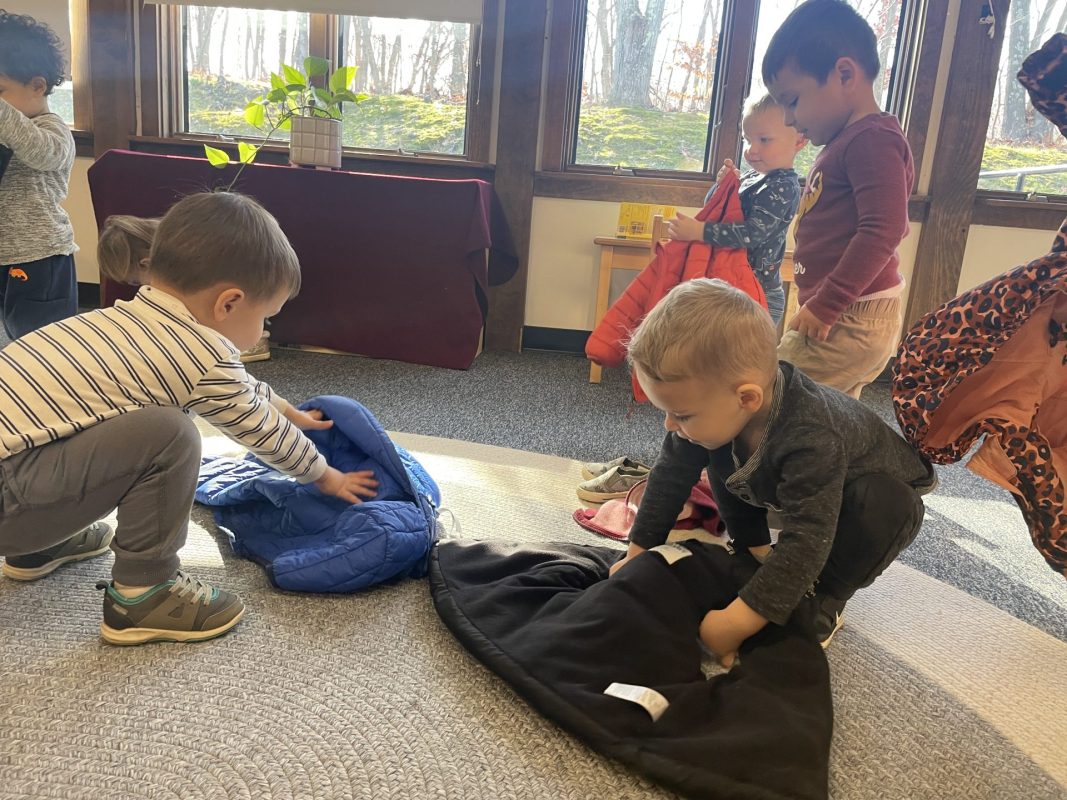
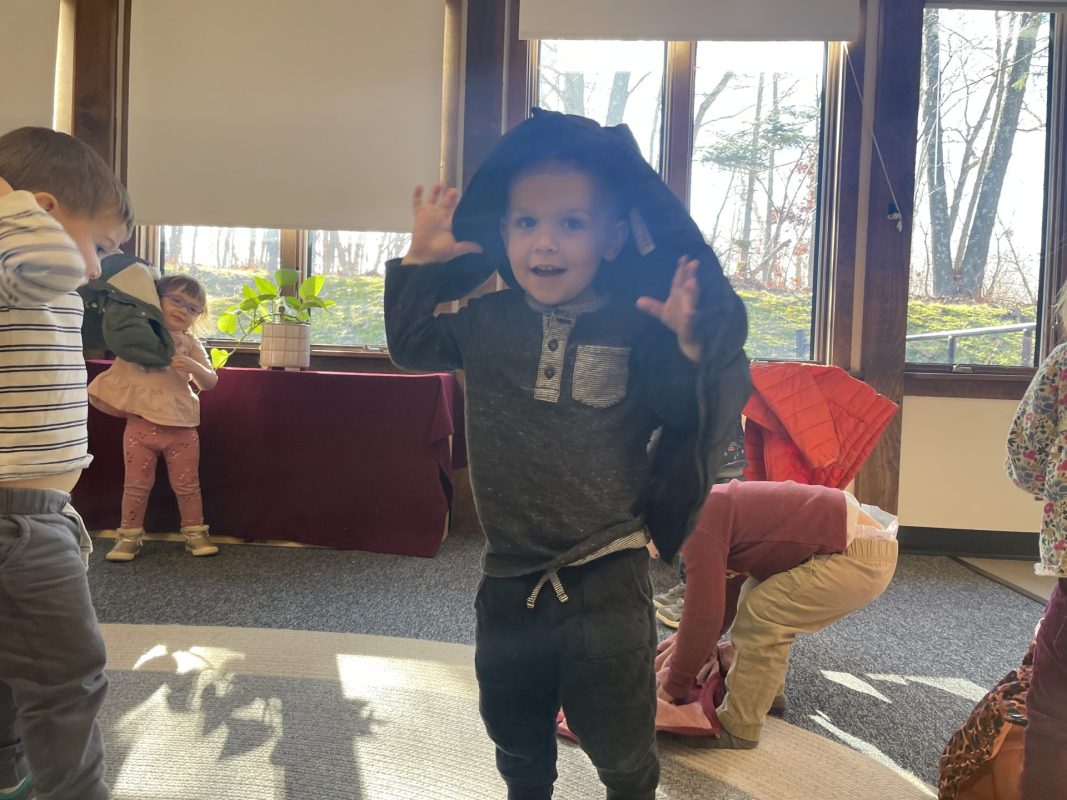
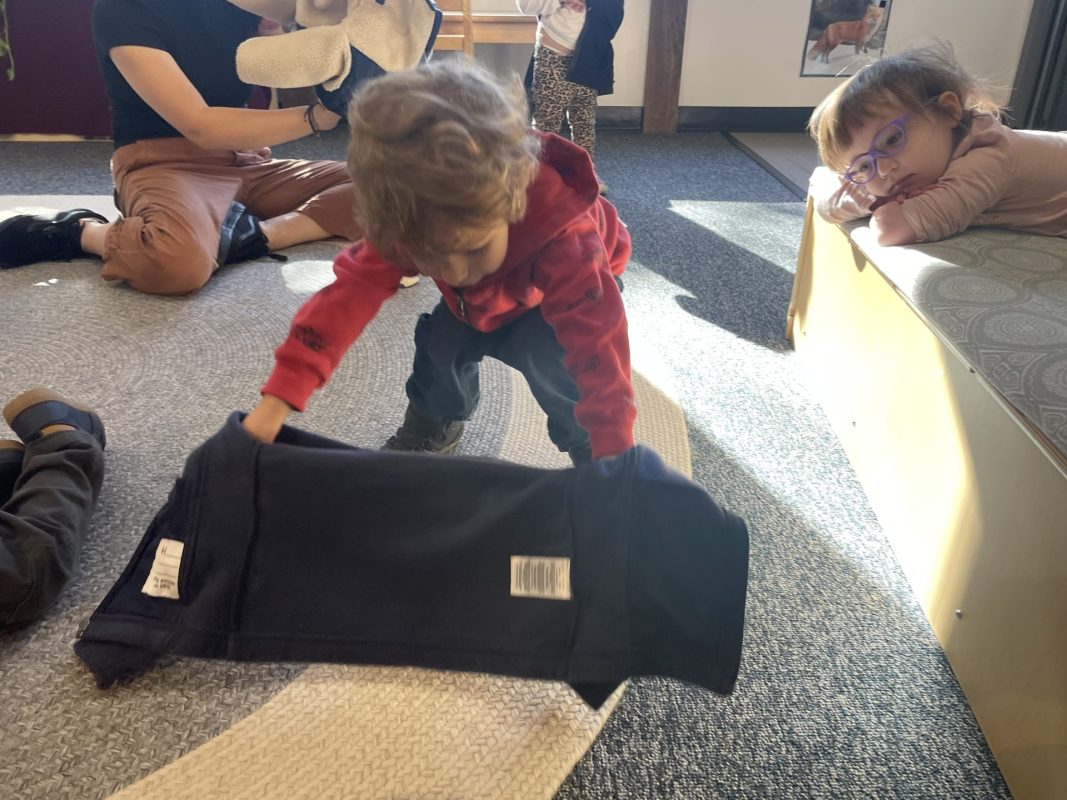
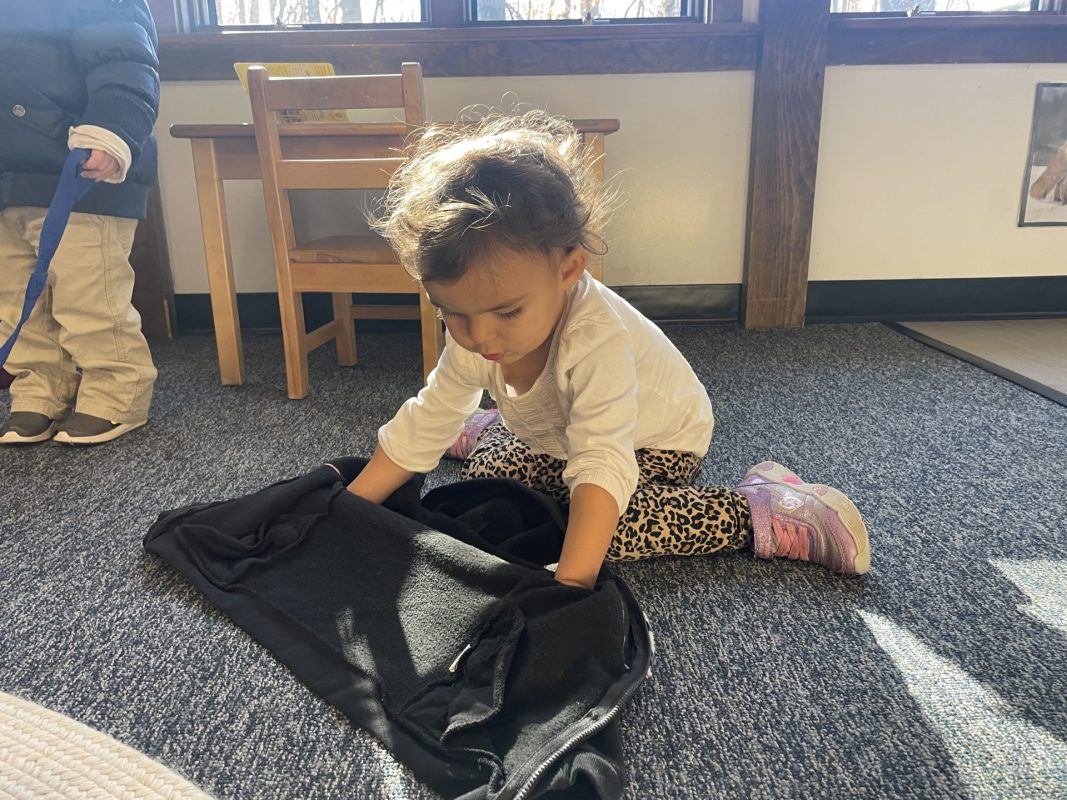
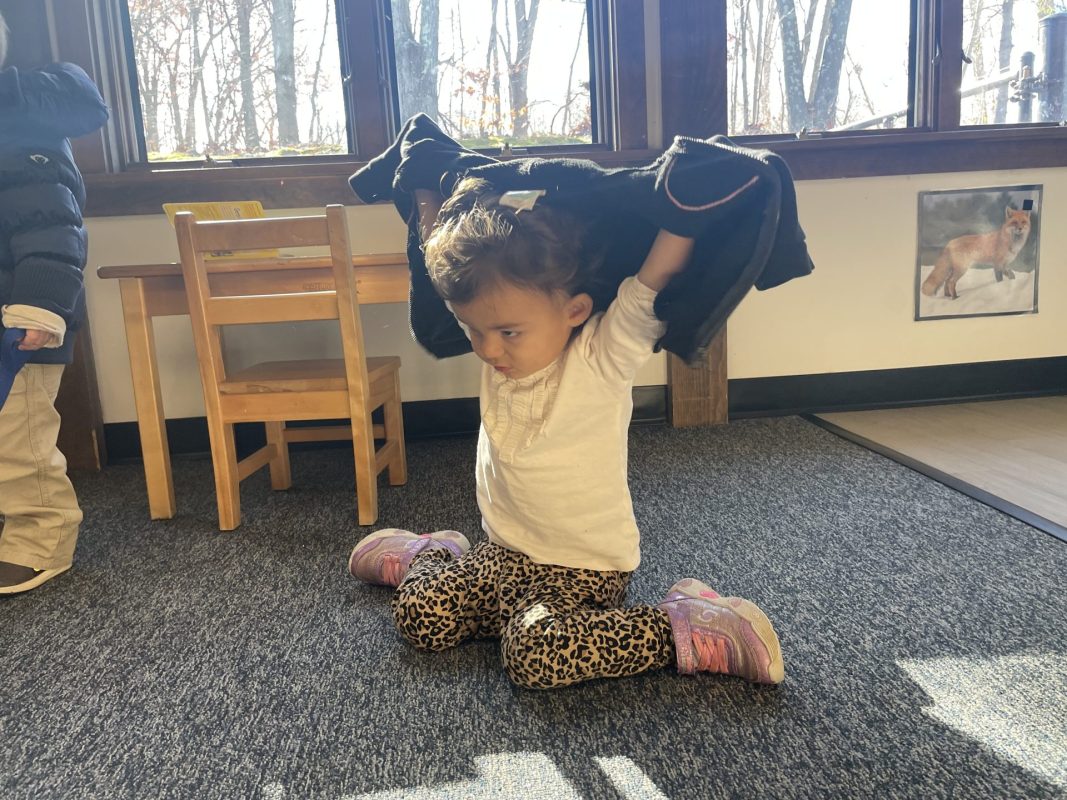
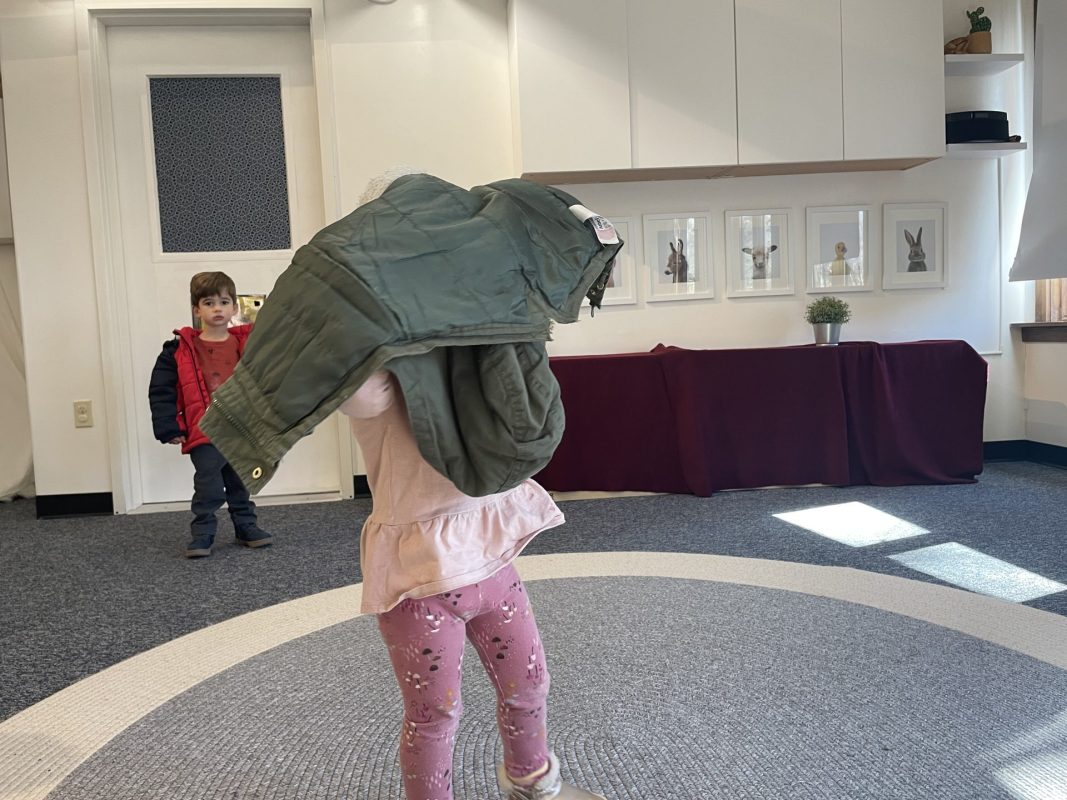
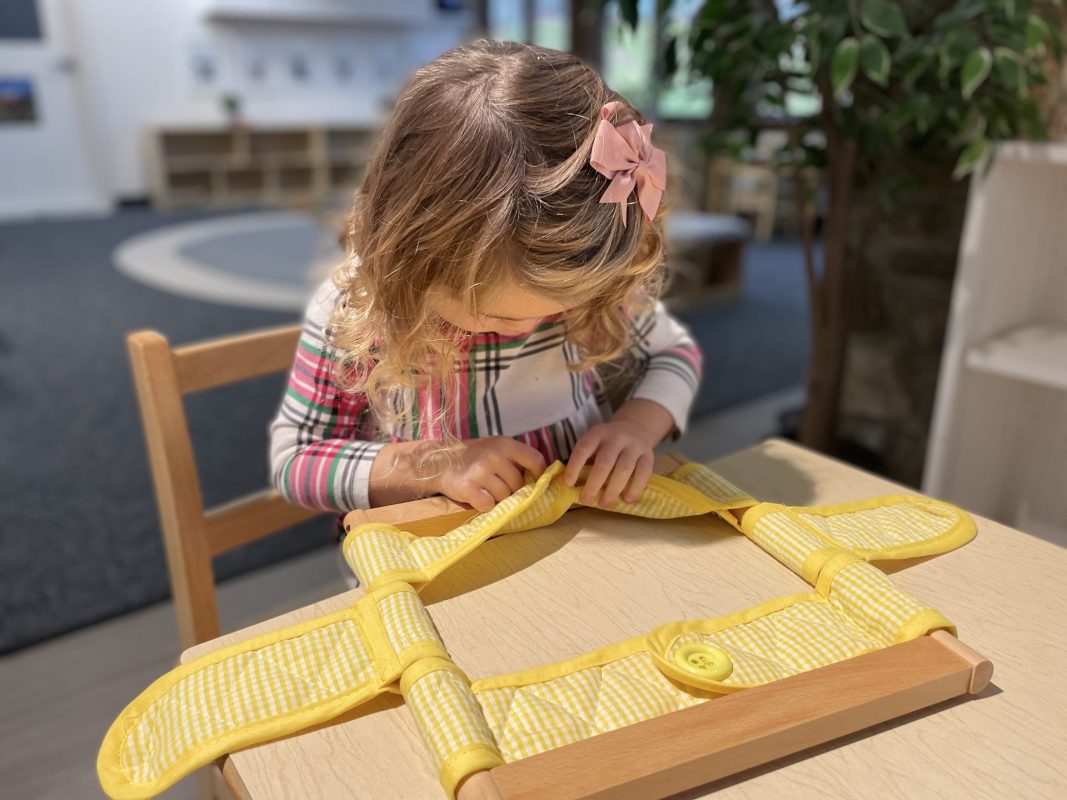
The other lesson was putting on a jacket. Children received a lesson using what we called the “fliparoo” trick. Children have been practicing this skill over and over. Please see the below video on the lesson and please support your child at home to practice this skill. 

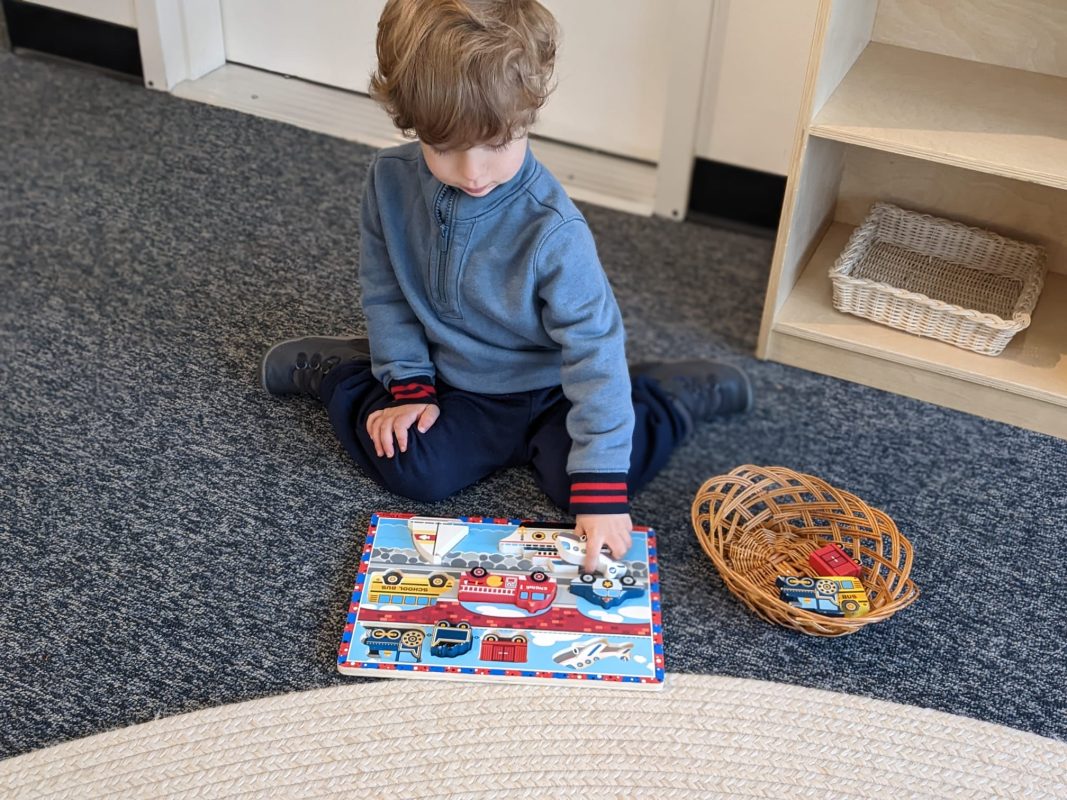
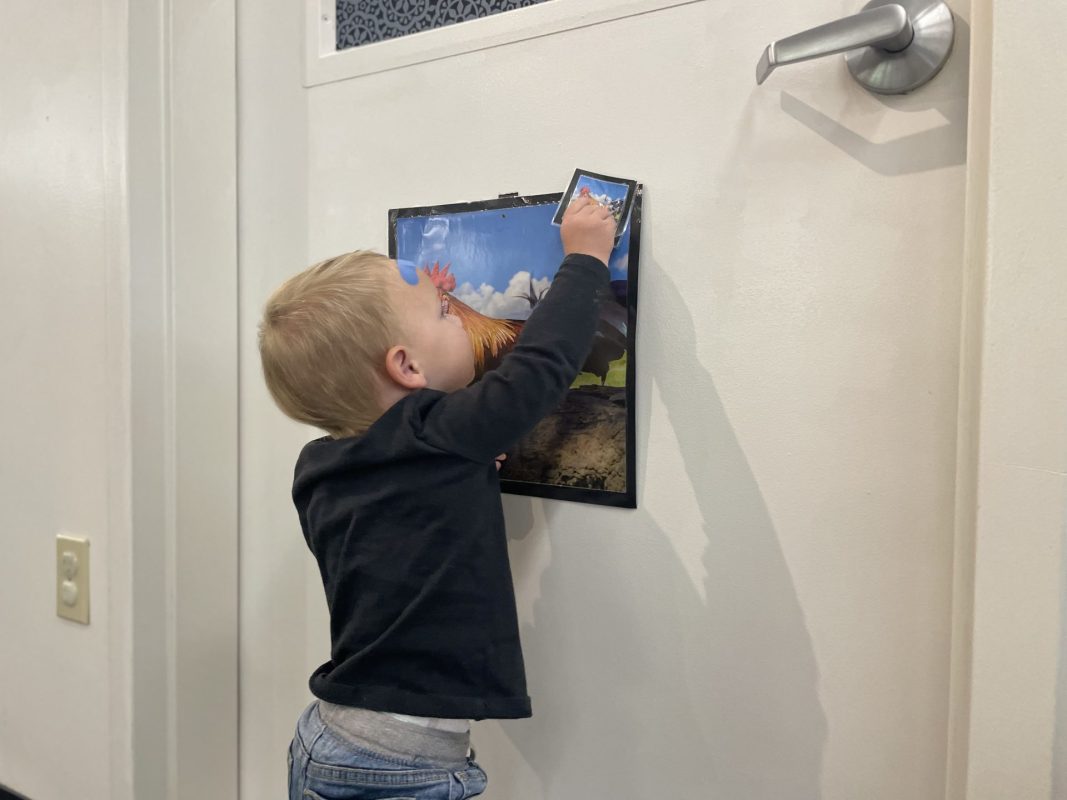
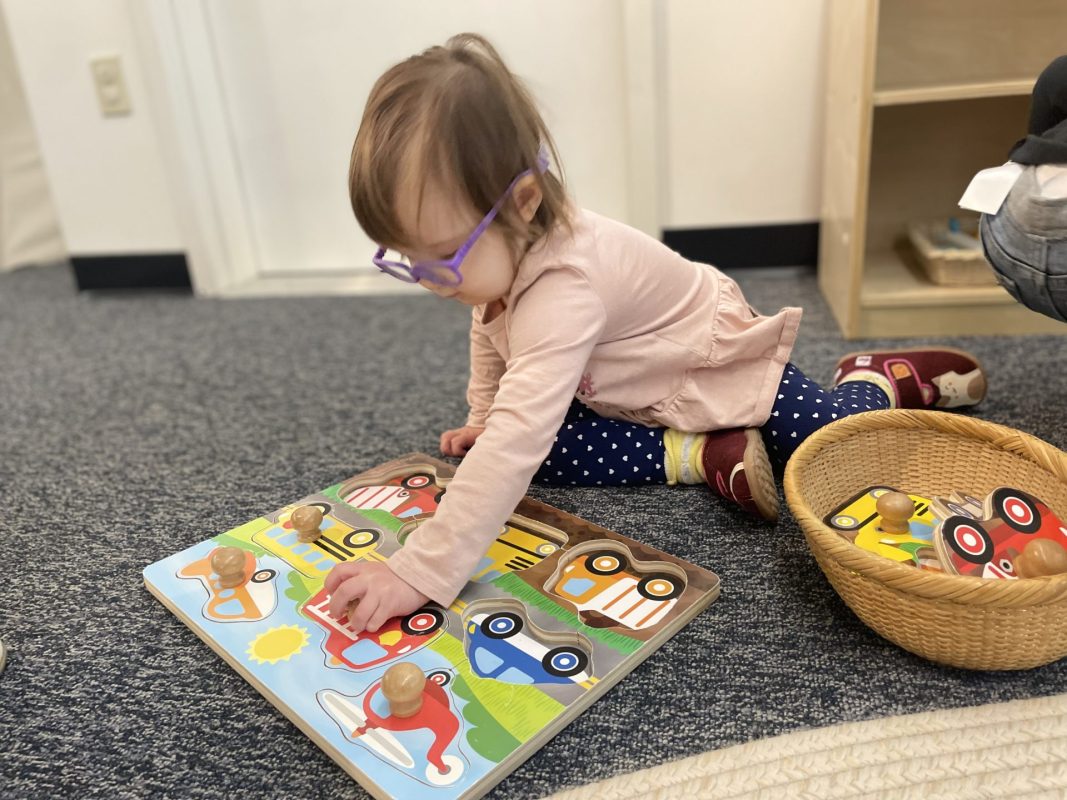
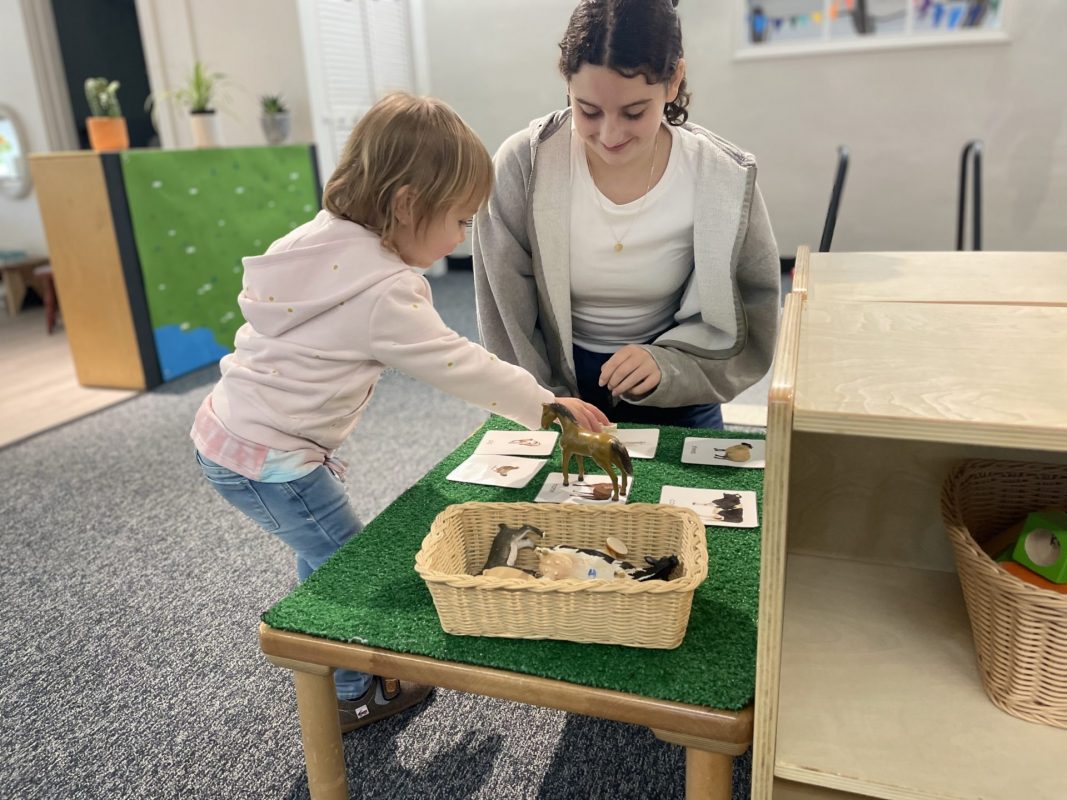
In language we introduced woodland animals. This week we focused on introducing the names of a moose, owl, beaver, black bear, fox, squirrel and deer, and children continue to work on the names and colors of land, air and water vehicles. 

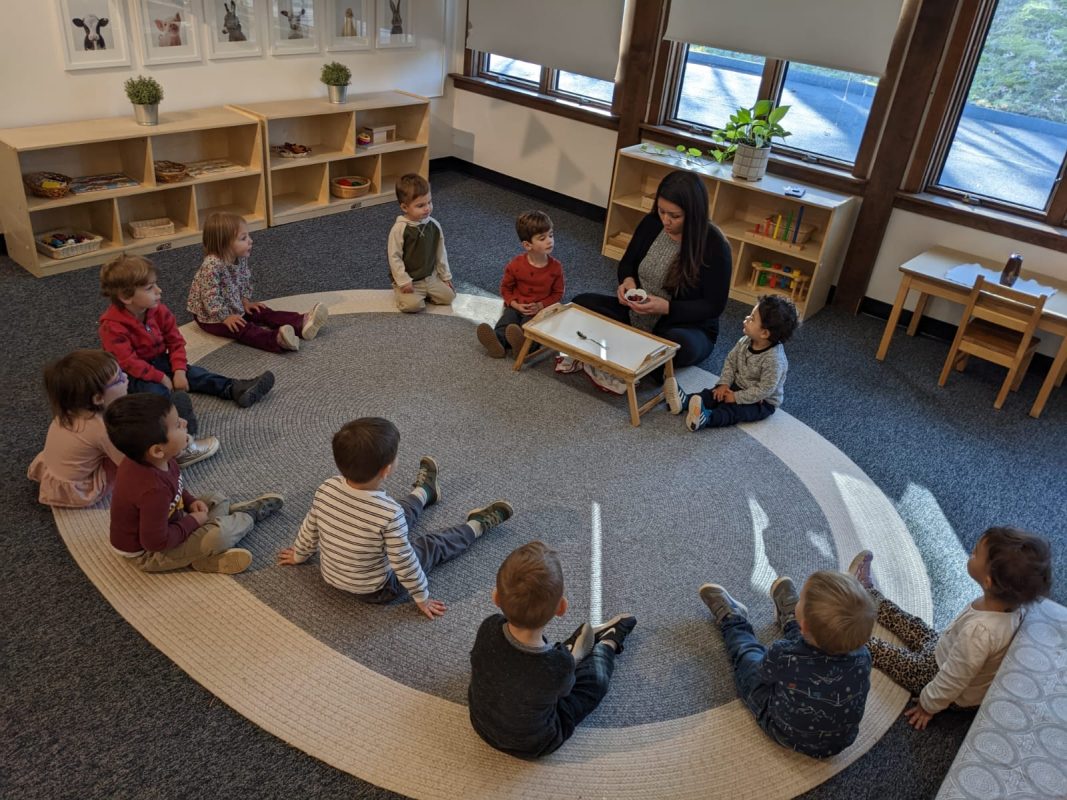
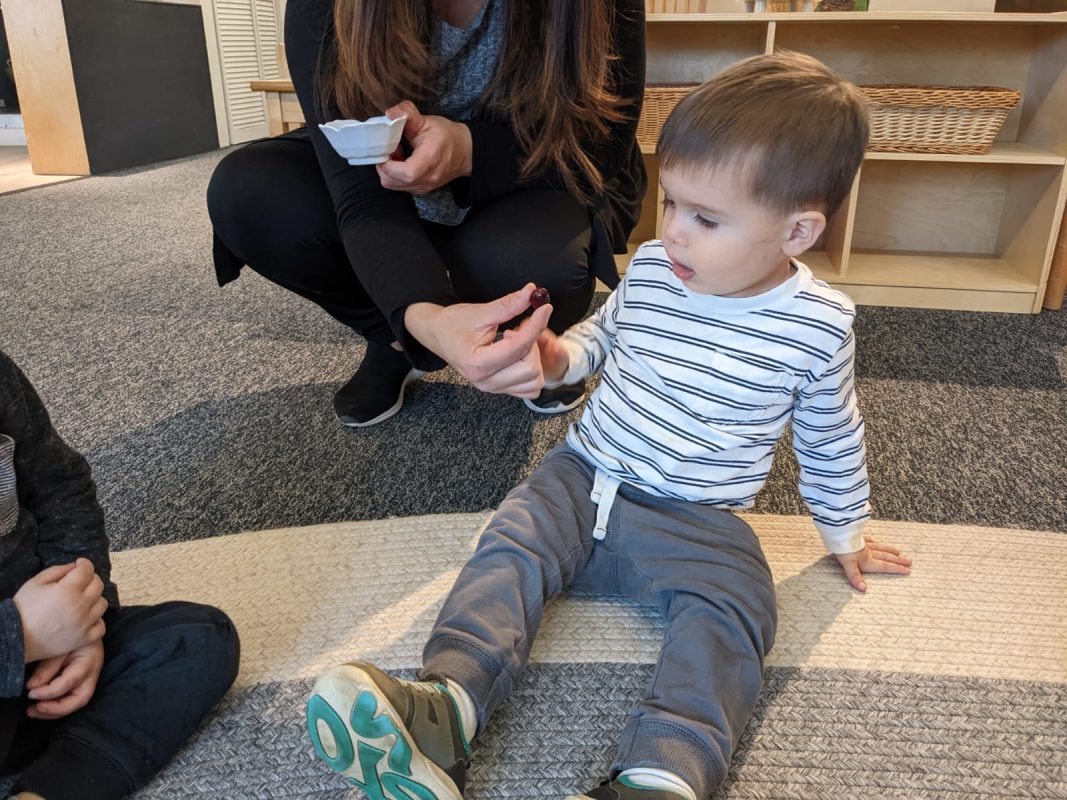
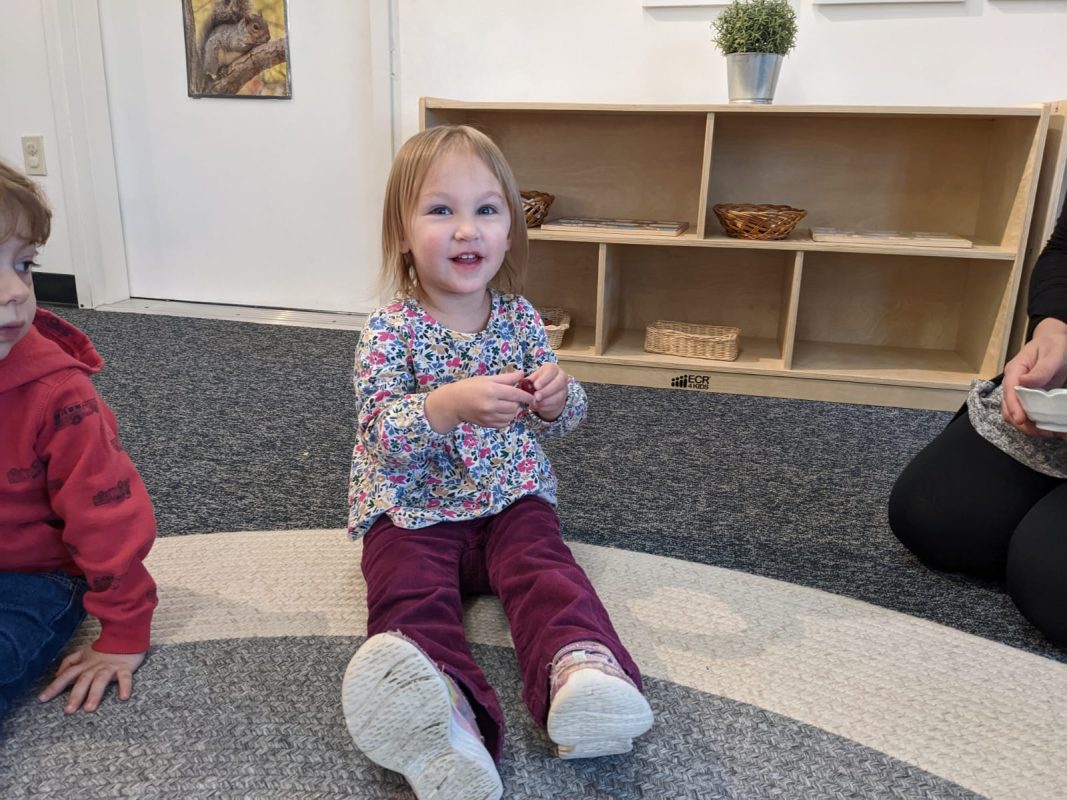
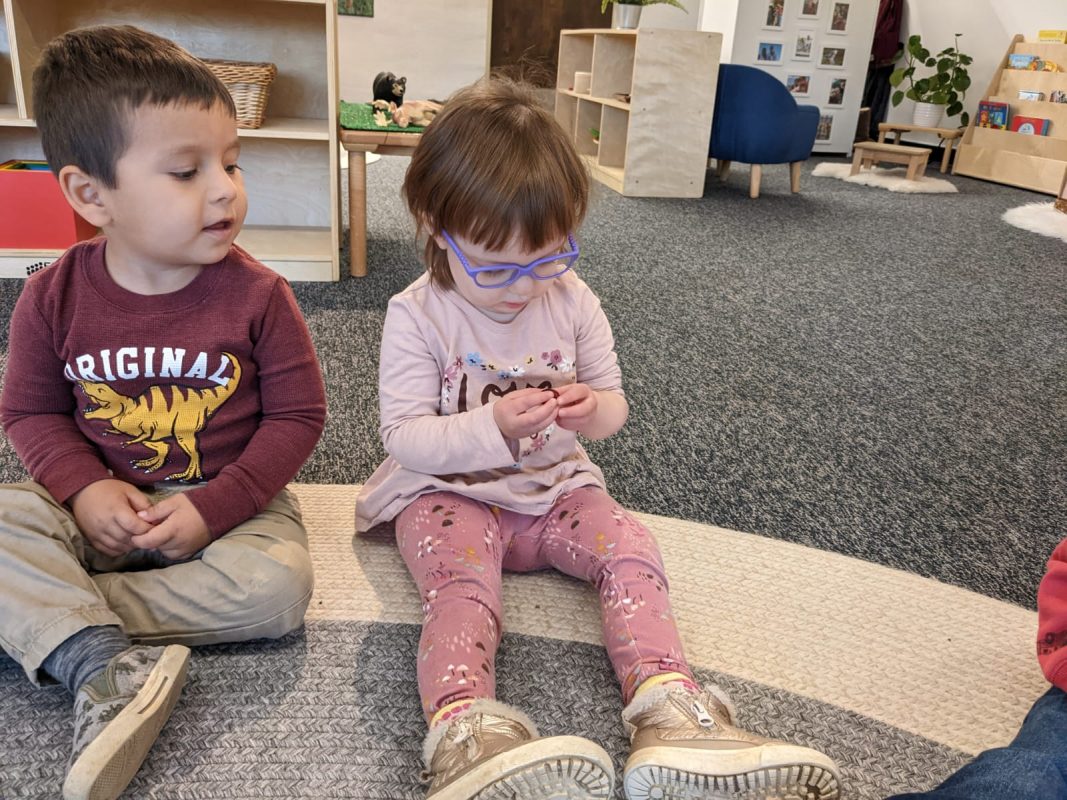
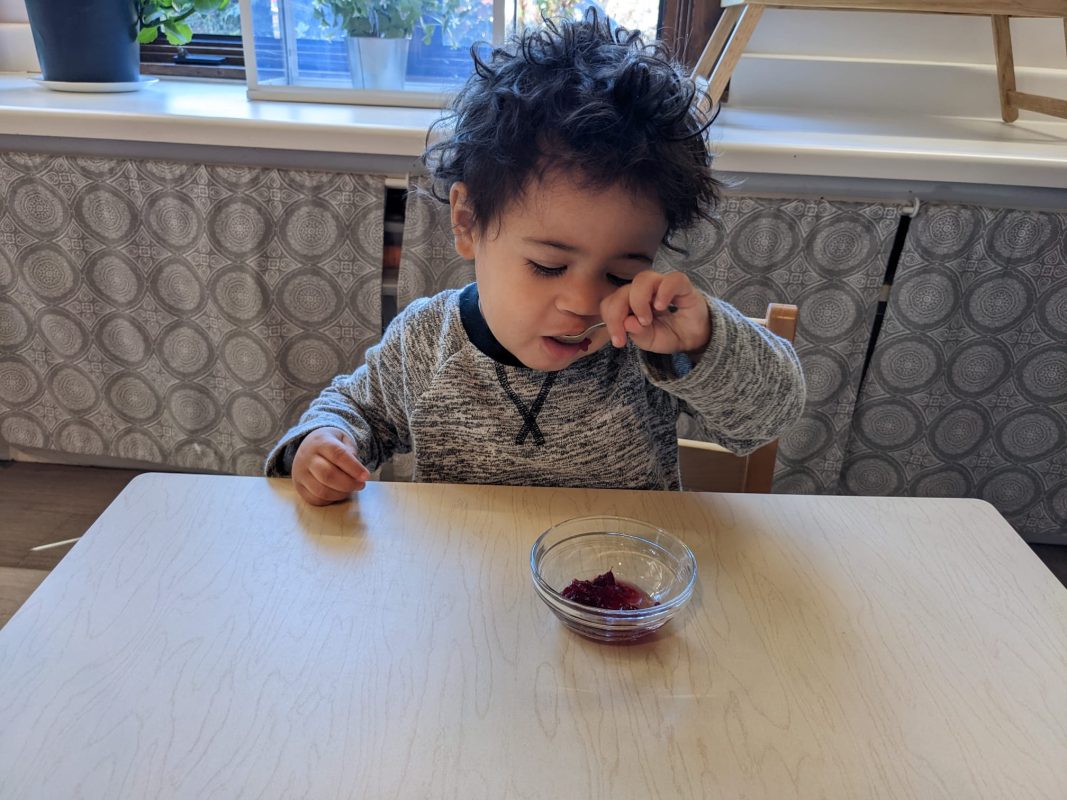
For food tasting we explored cranberries and, oh boy! How well received was this fruit! Make sure they get some during your Thanksgiving dinner. They all kept asking for more and more! 🙂 

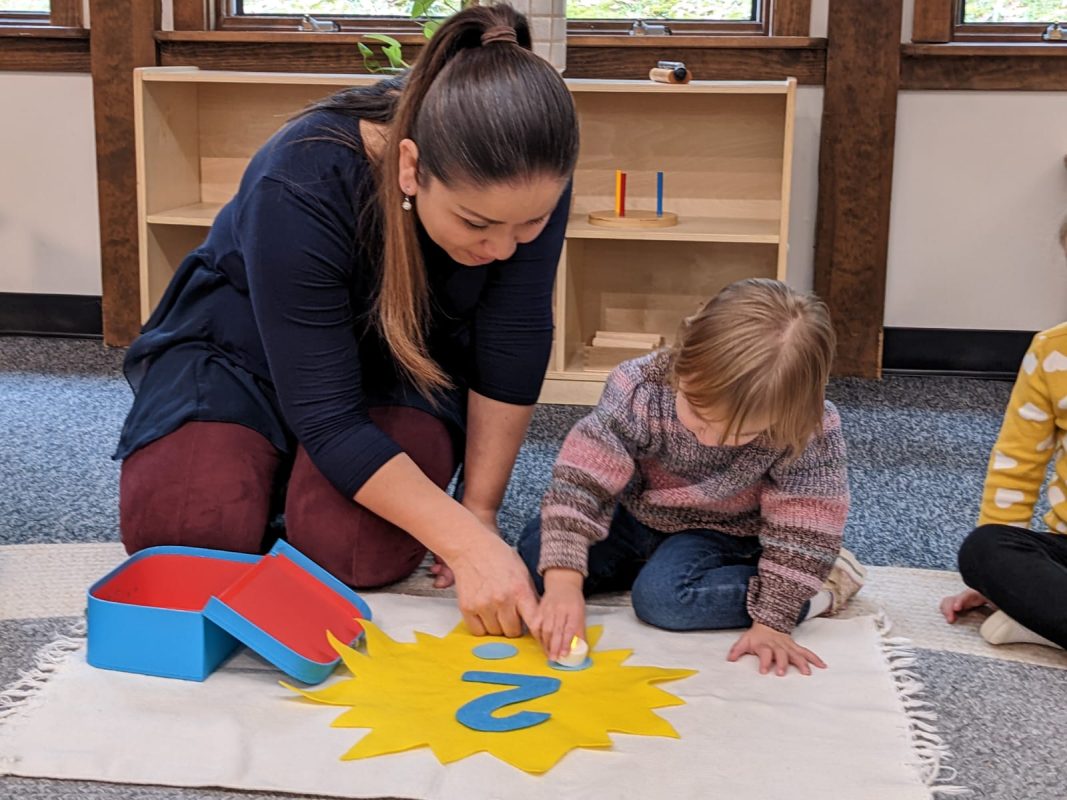
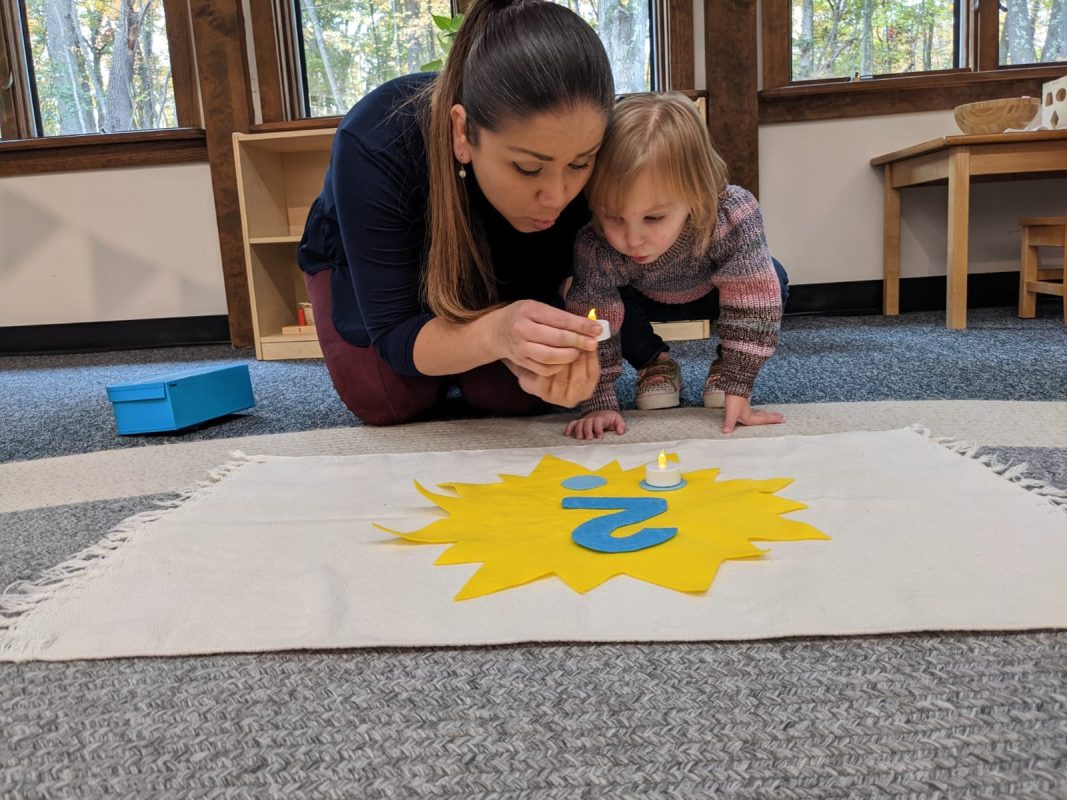
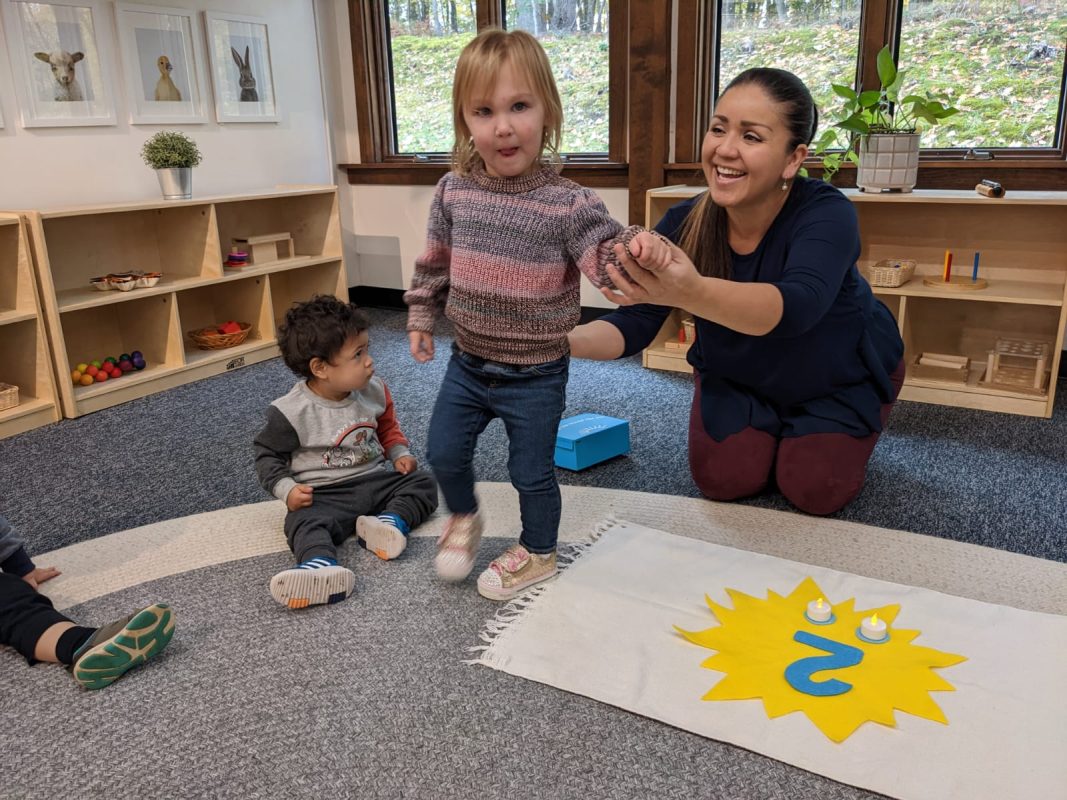
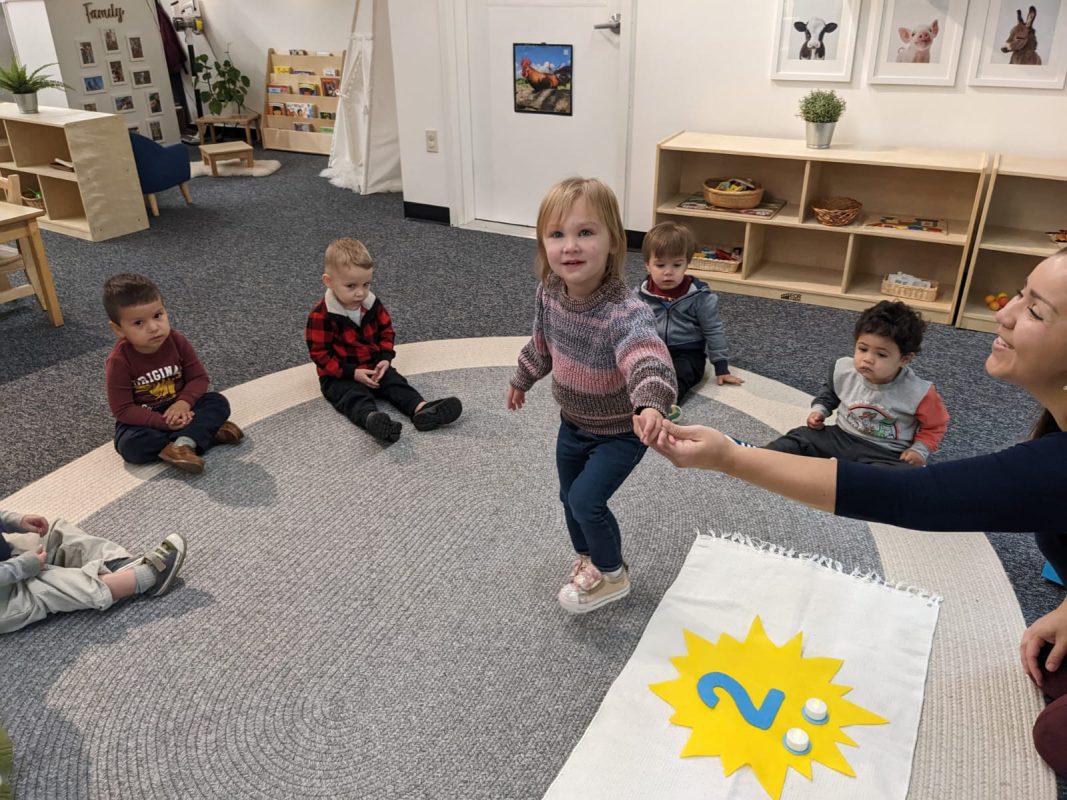
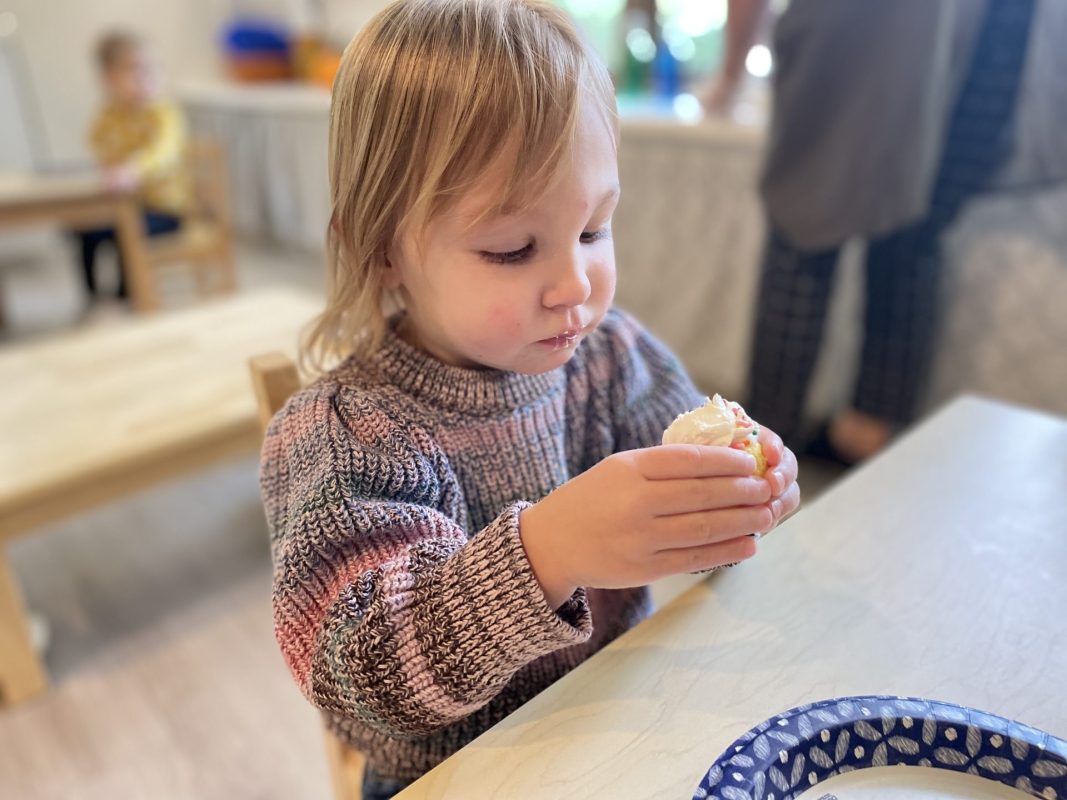
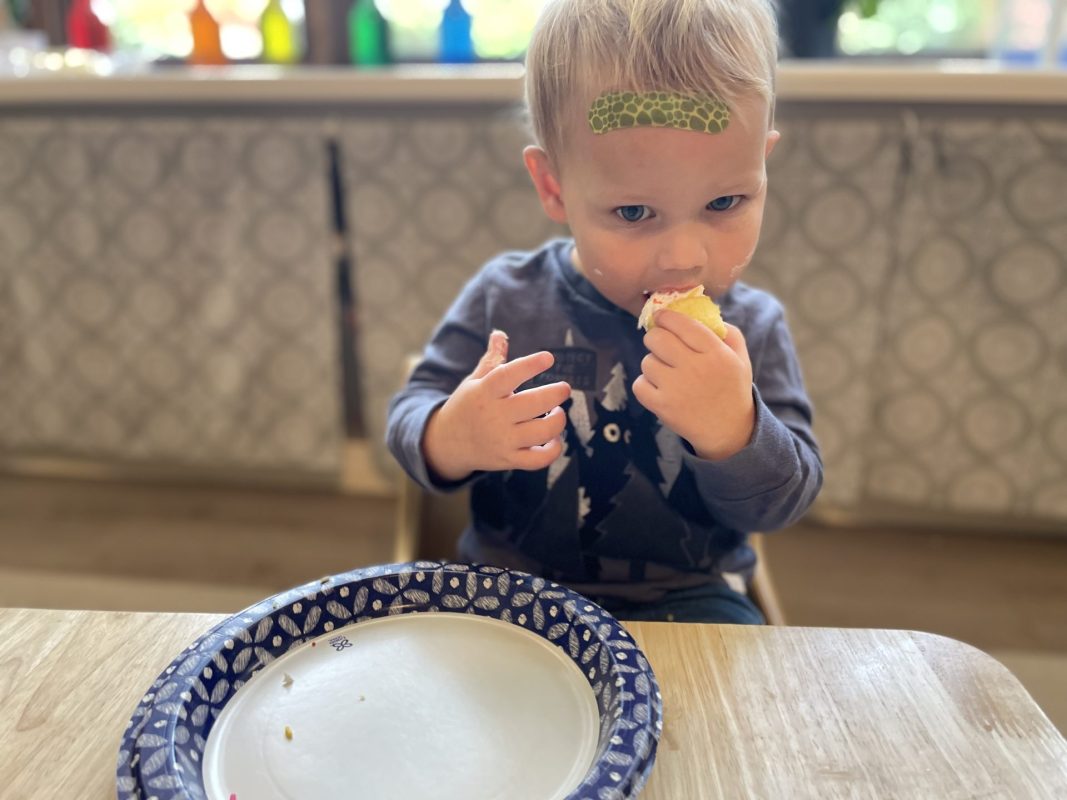
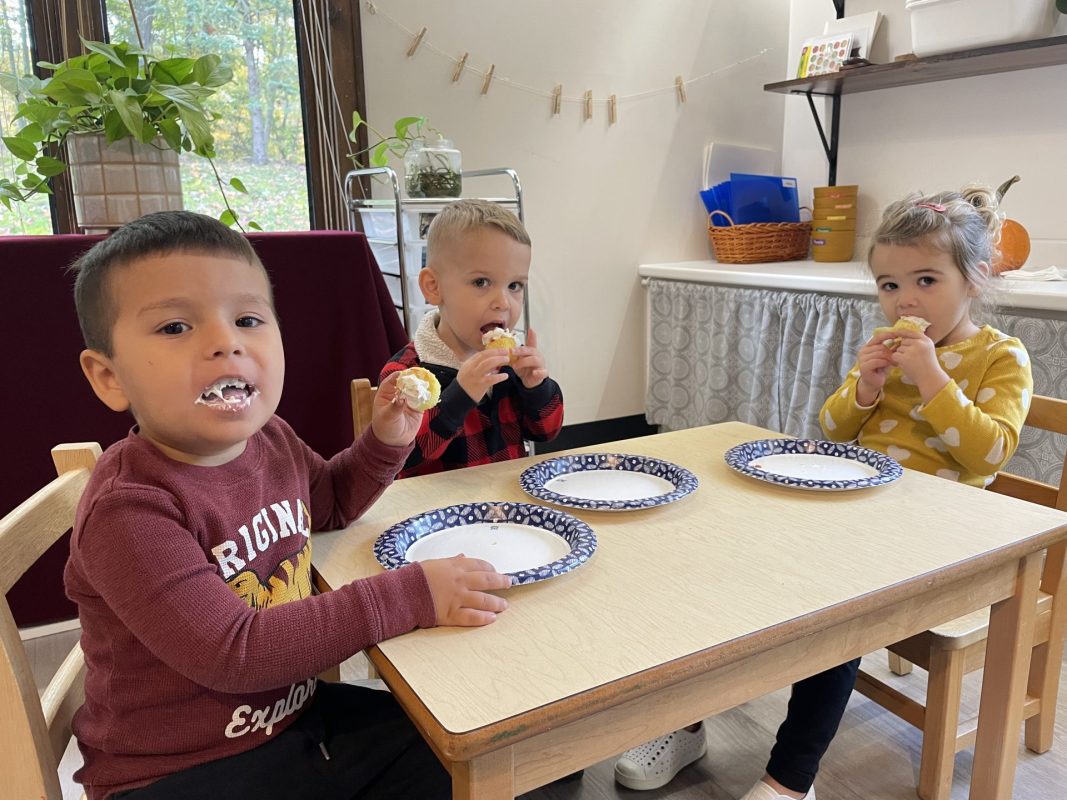
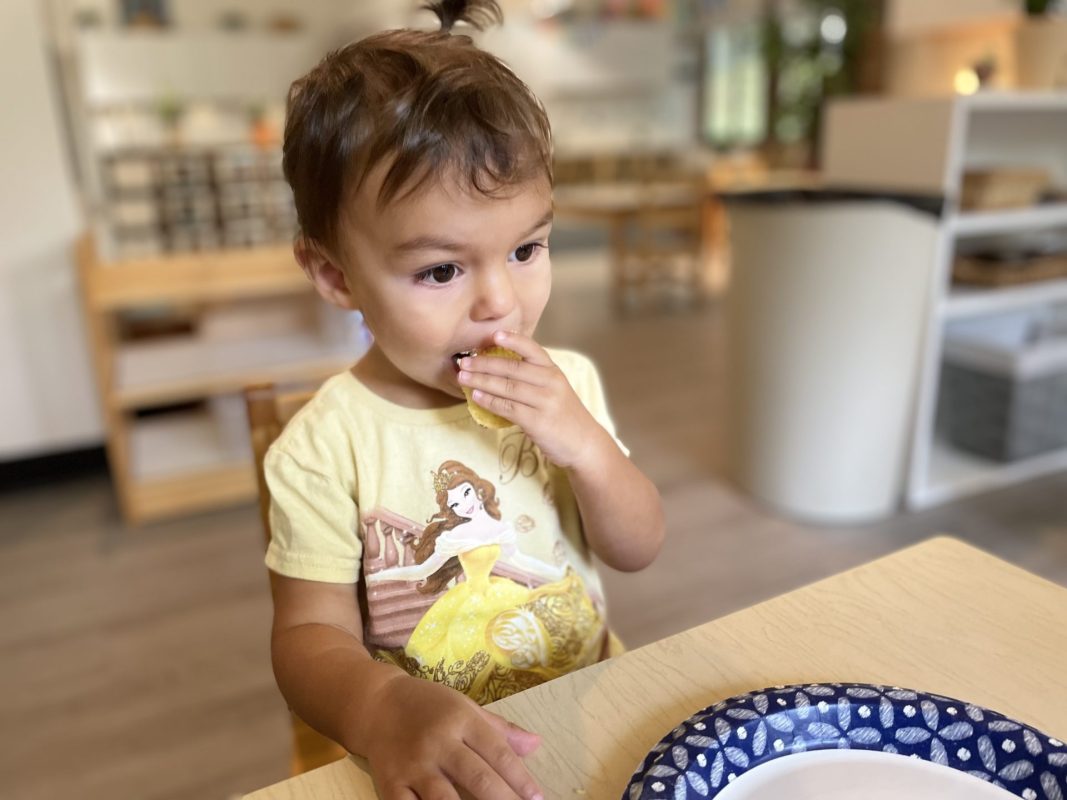
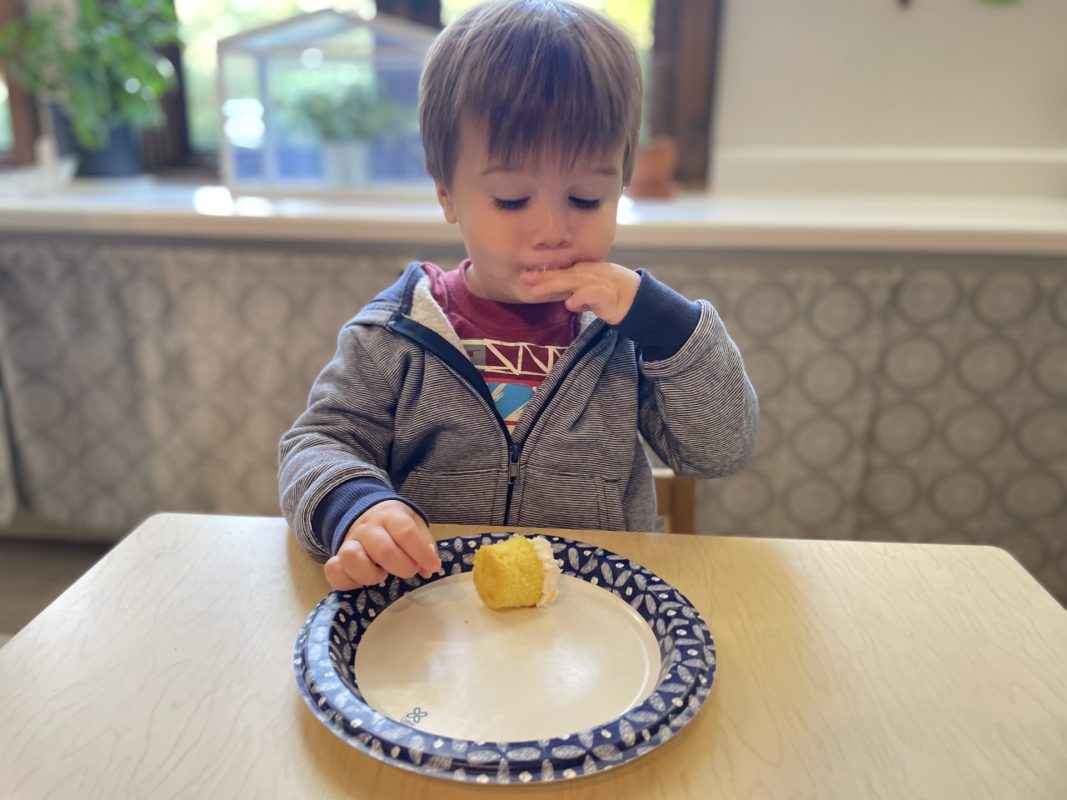
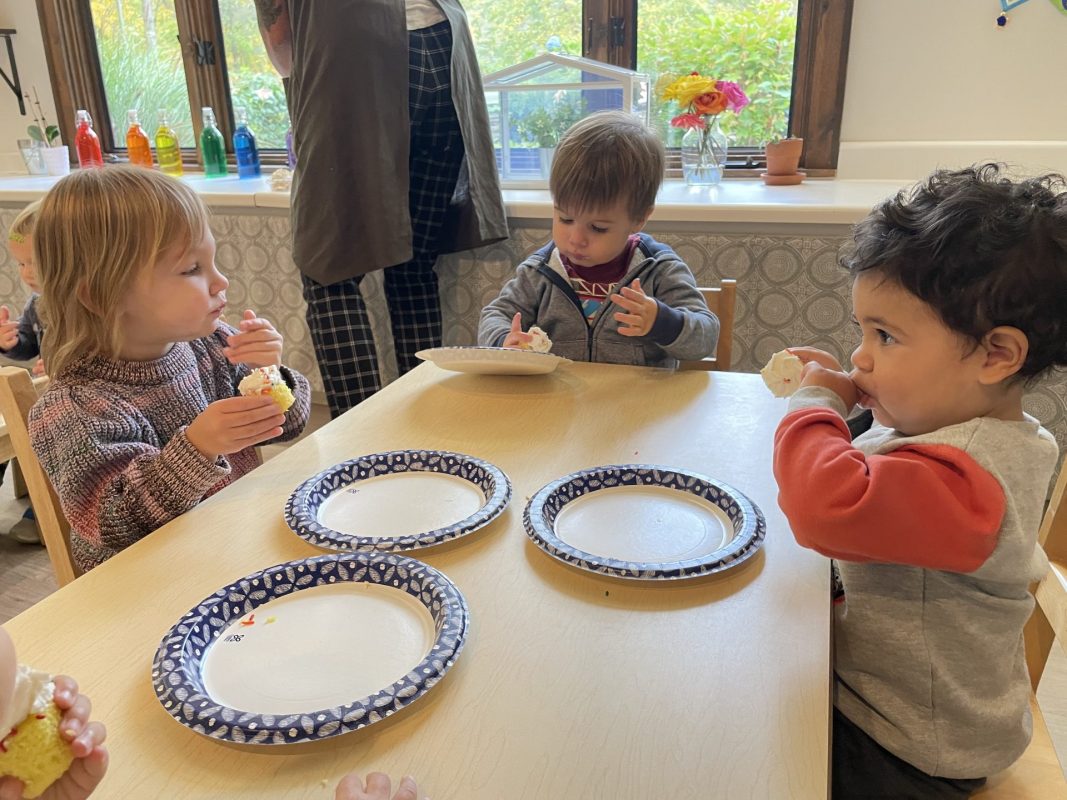
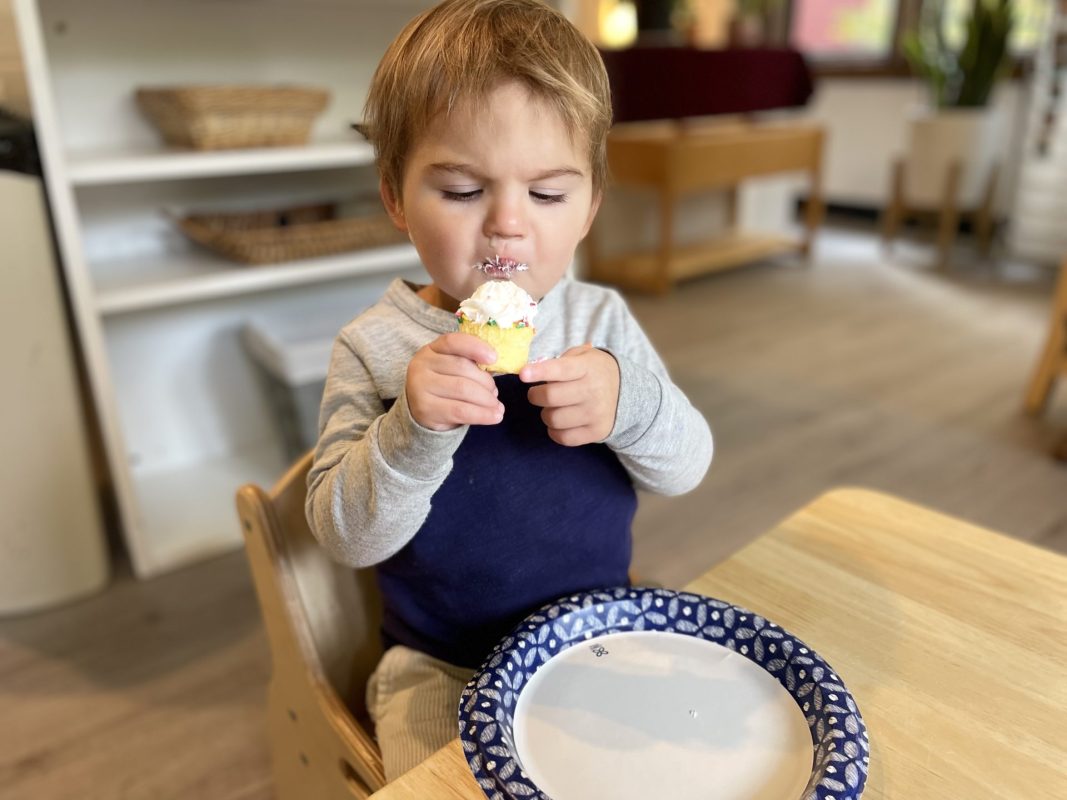
Lastly, we had fun celebrating a birthday number two and enjoyed some treats together!

Have a great weekend, 

Mrs. Hood and Ms. Bethann

Mrs. Hood: Caring for the Environment and Visiting the Fraser Farm!

And like that, October is gone and we continue having fun here at the Toddler level!

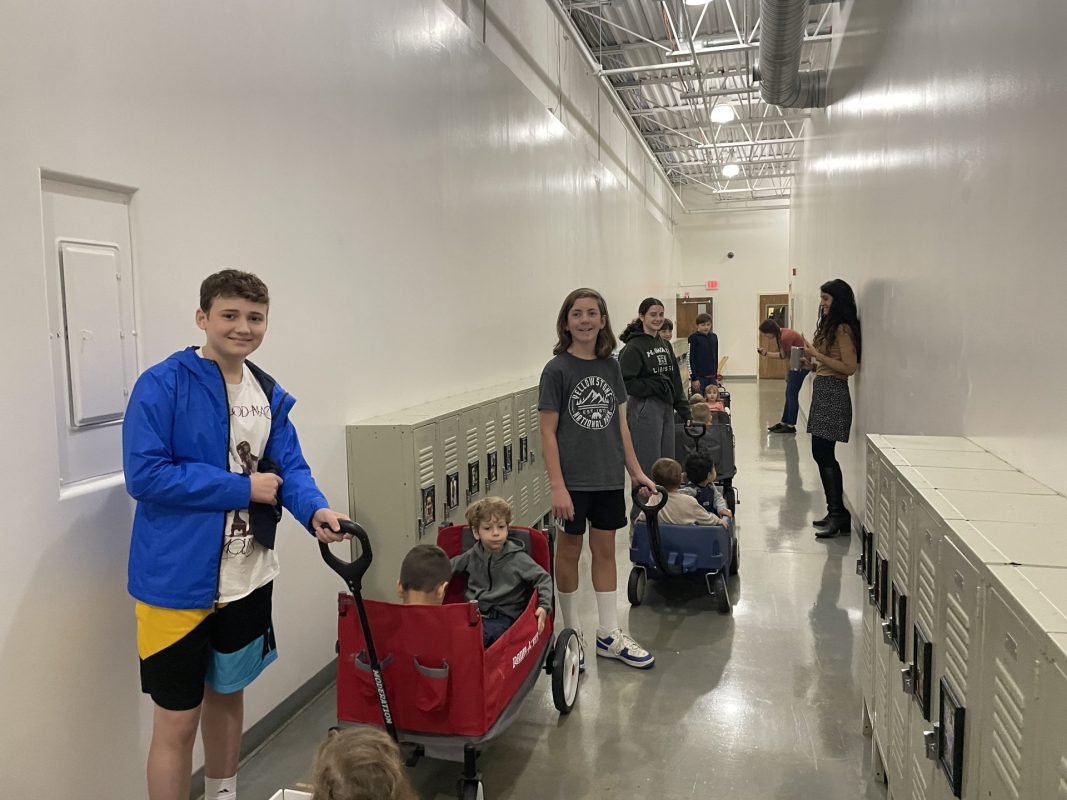
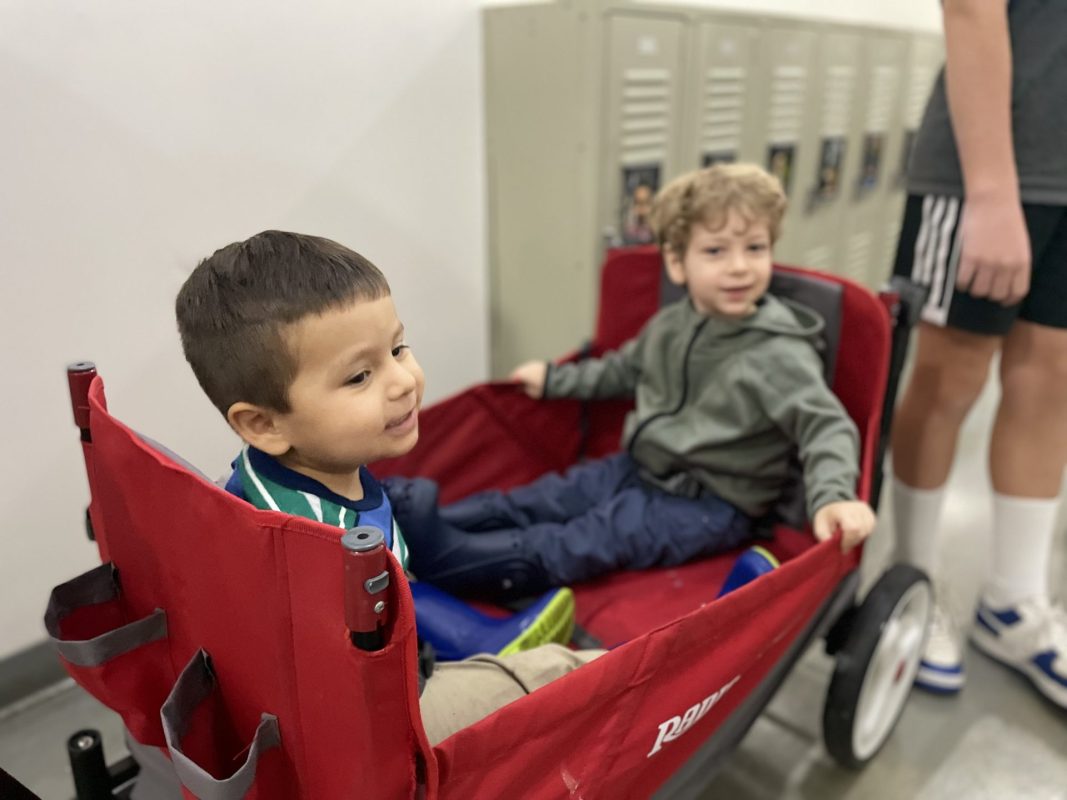
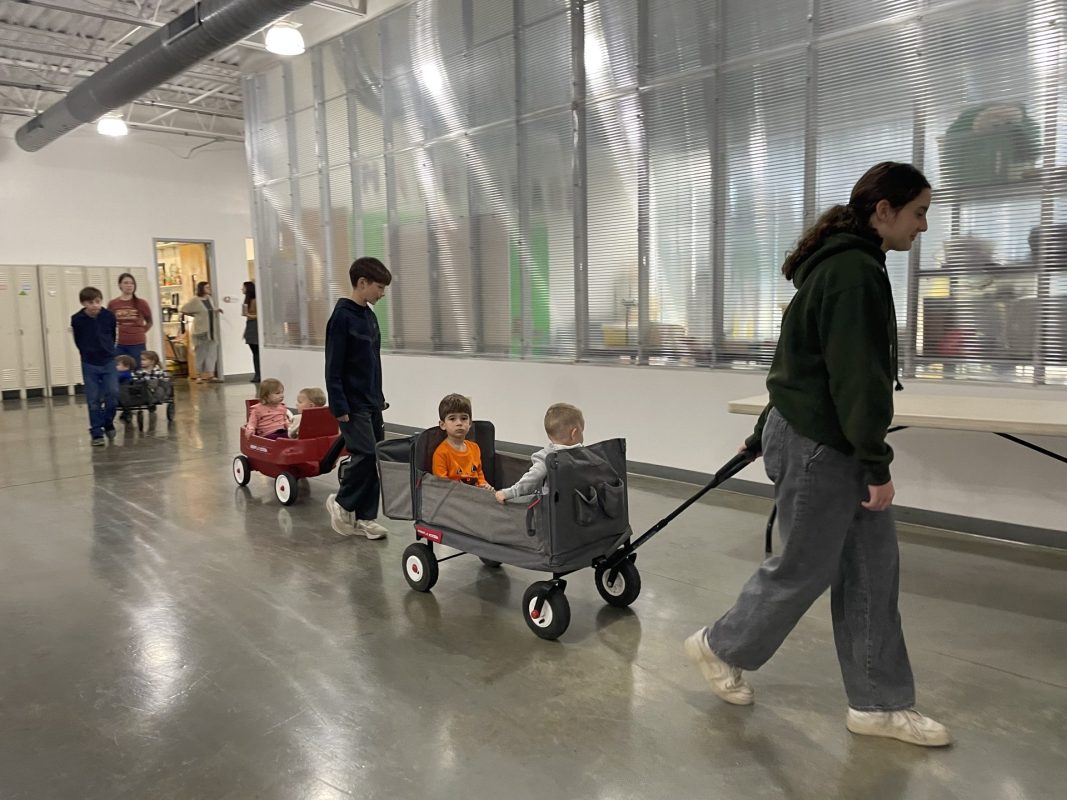
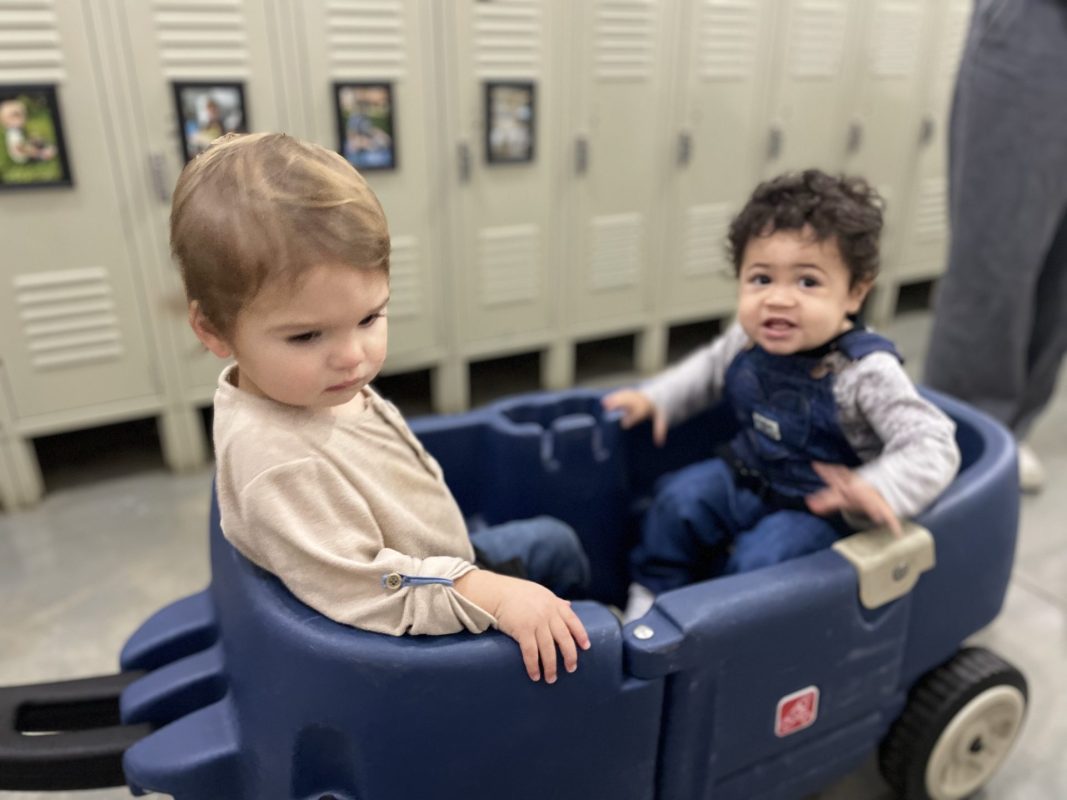
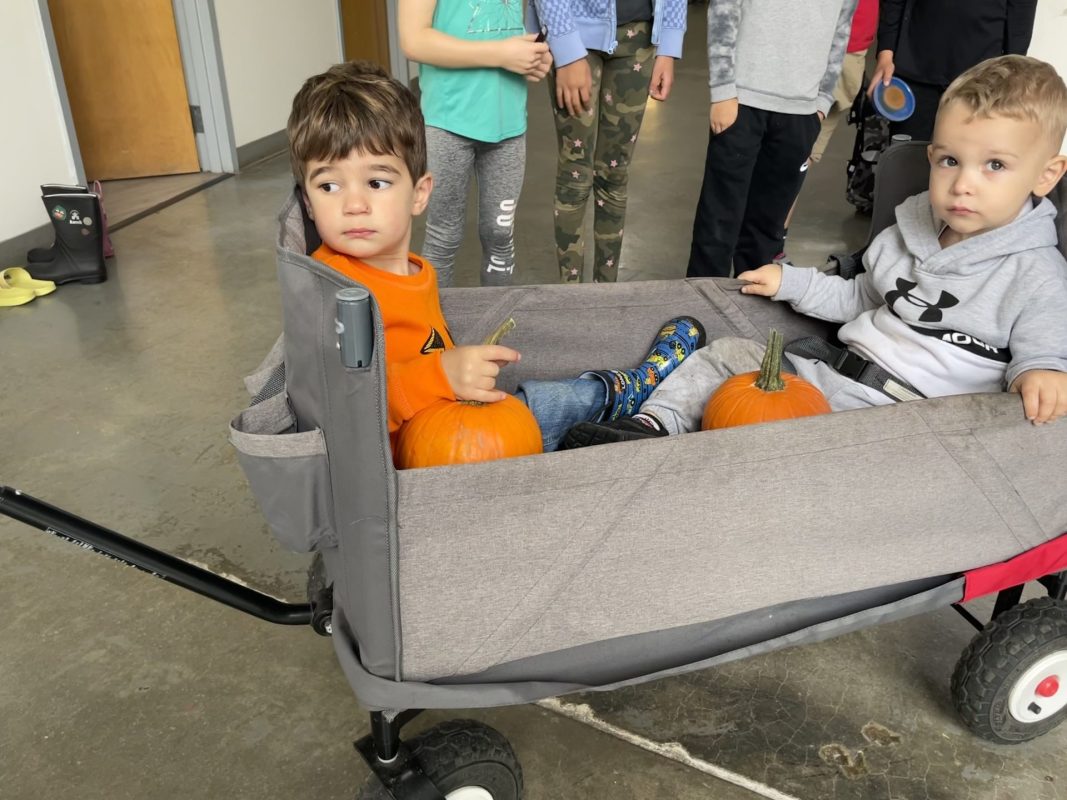
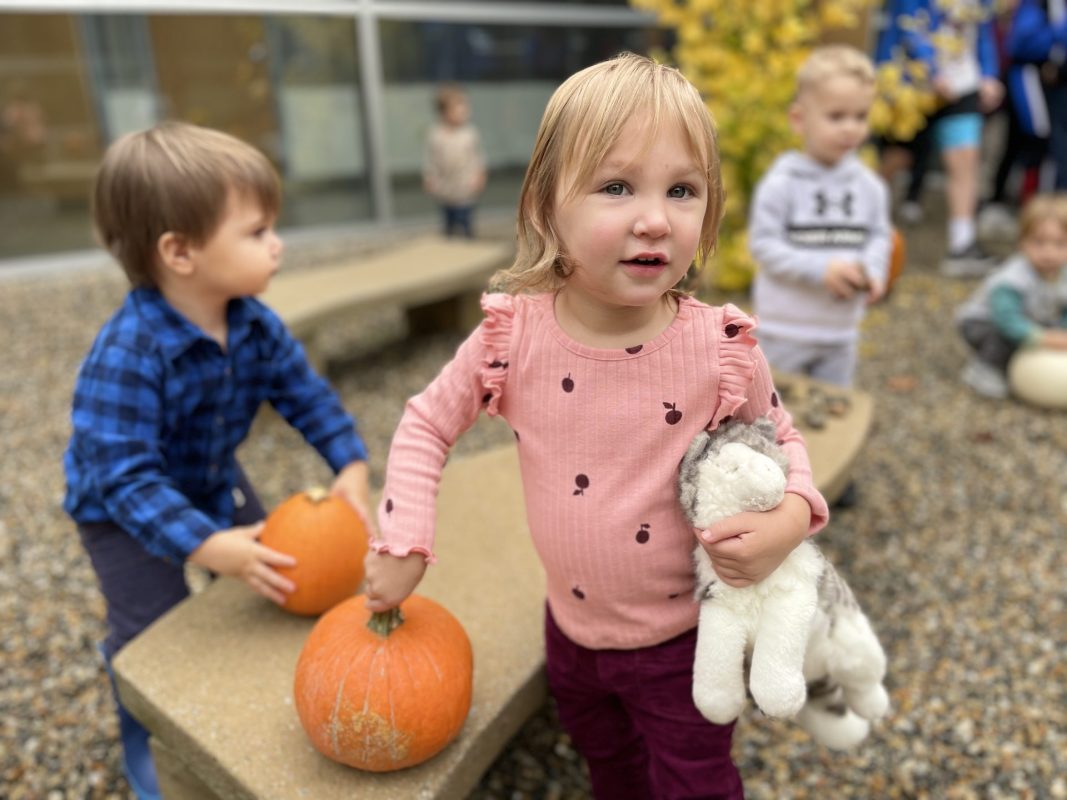
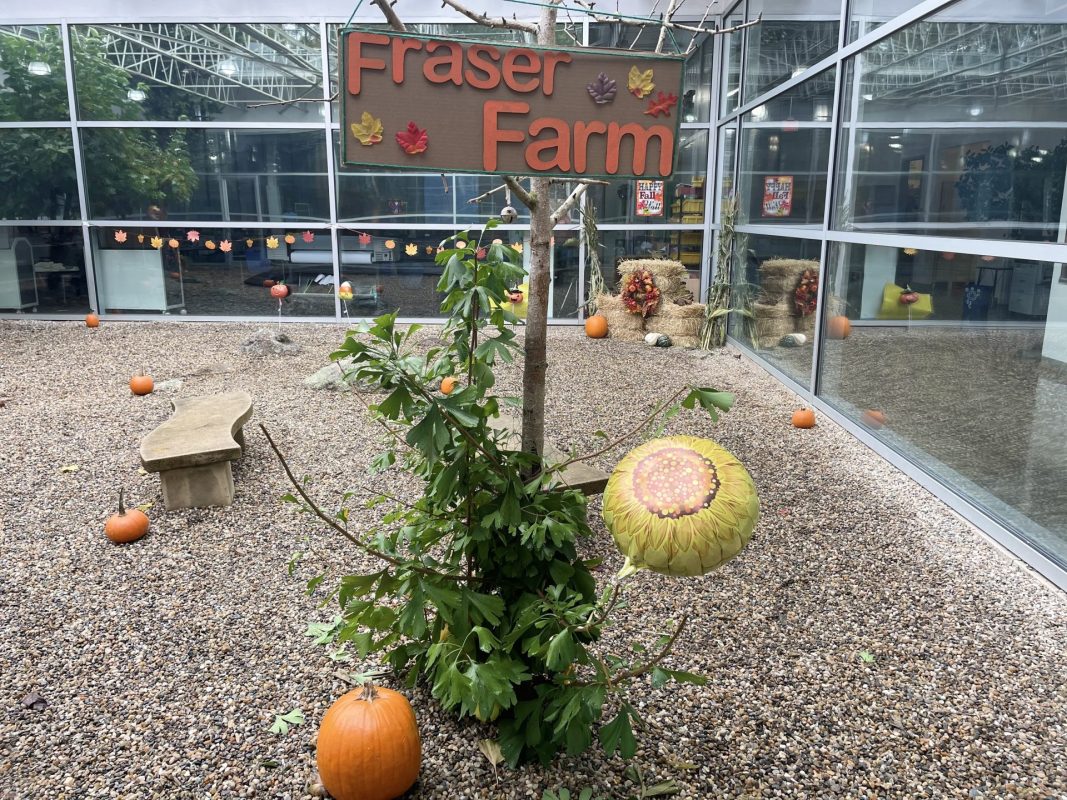
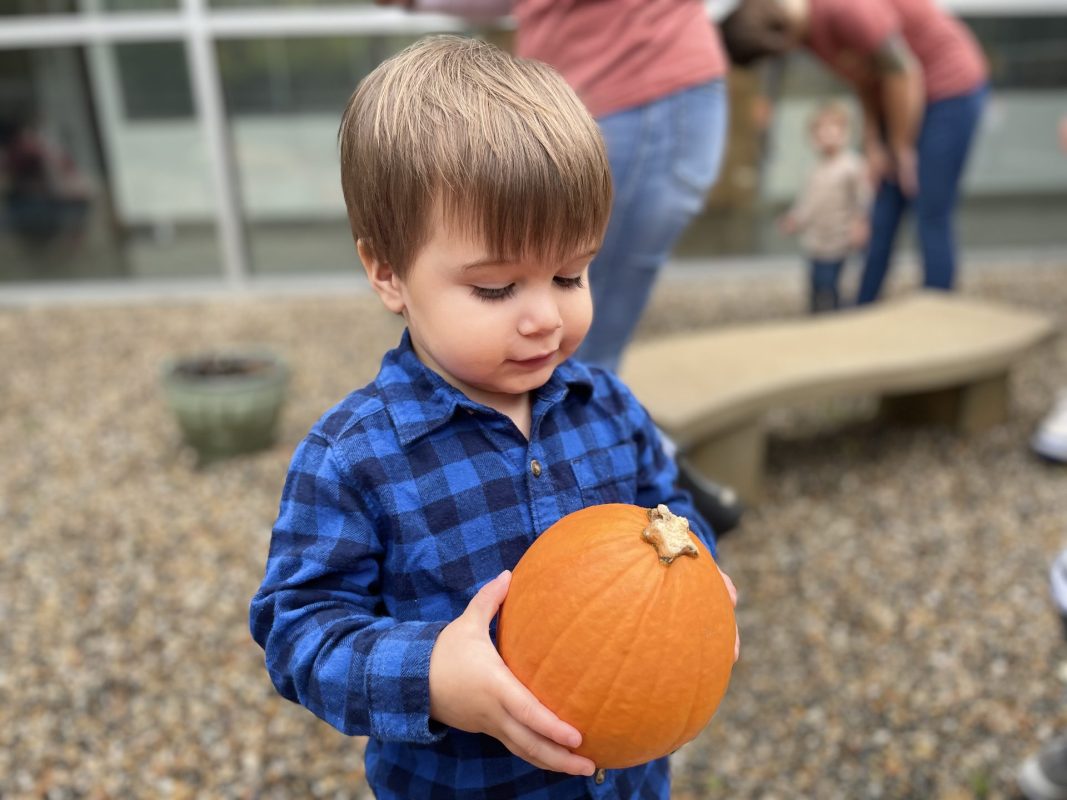
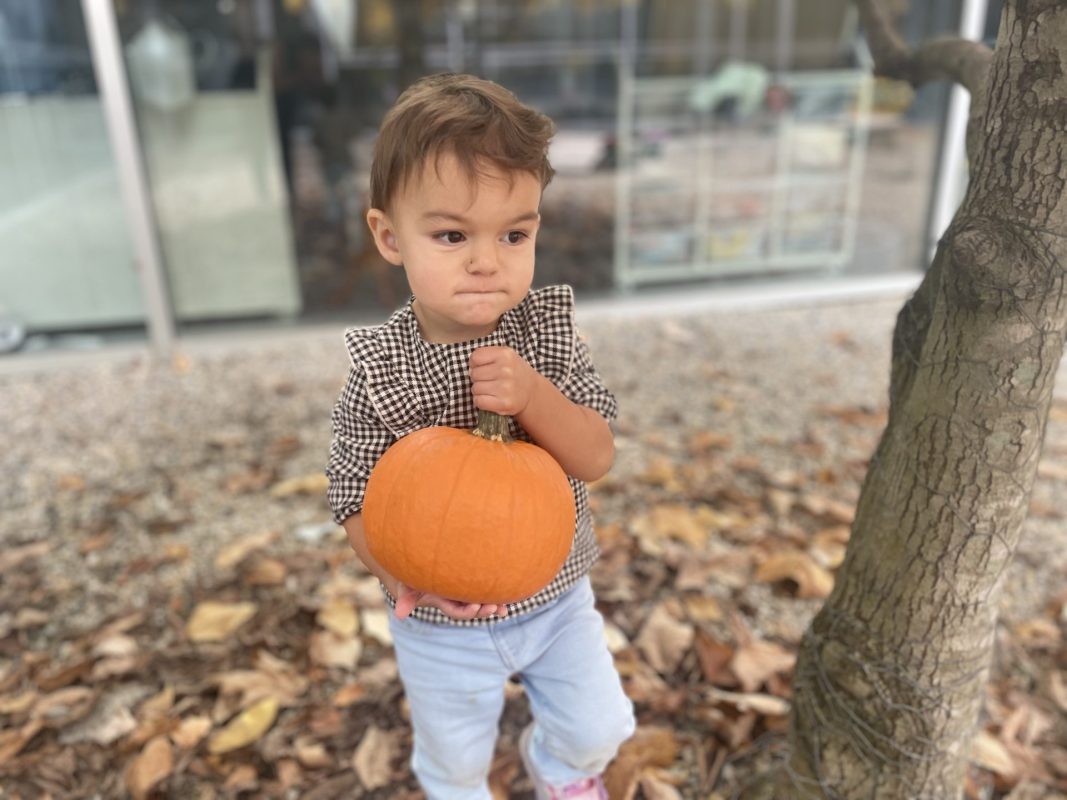
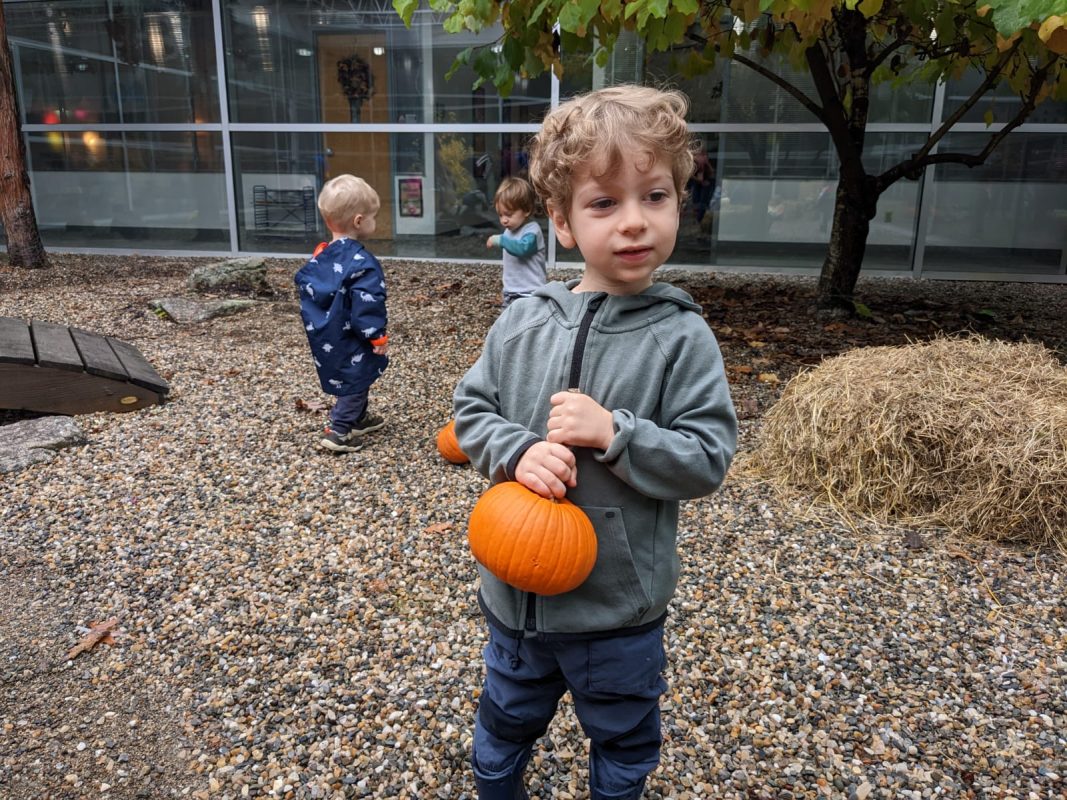
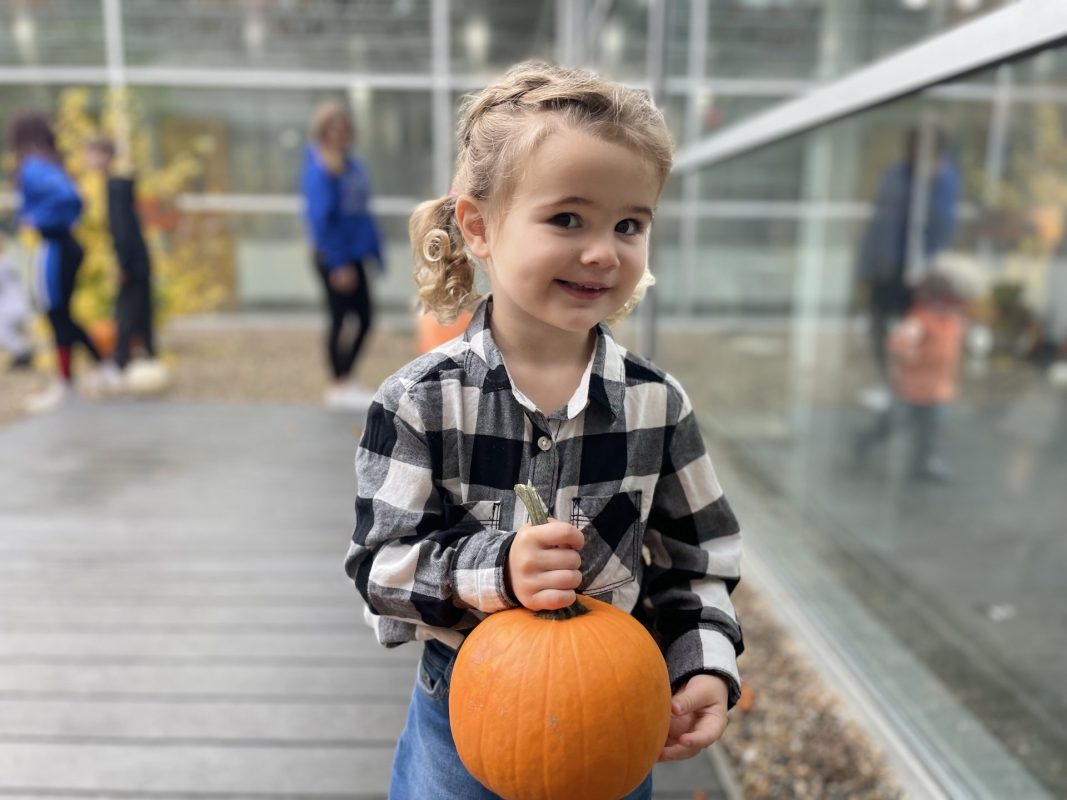
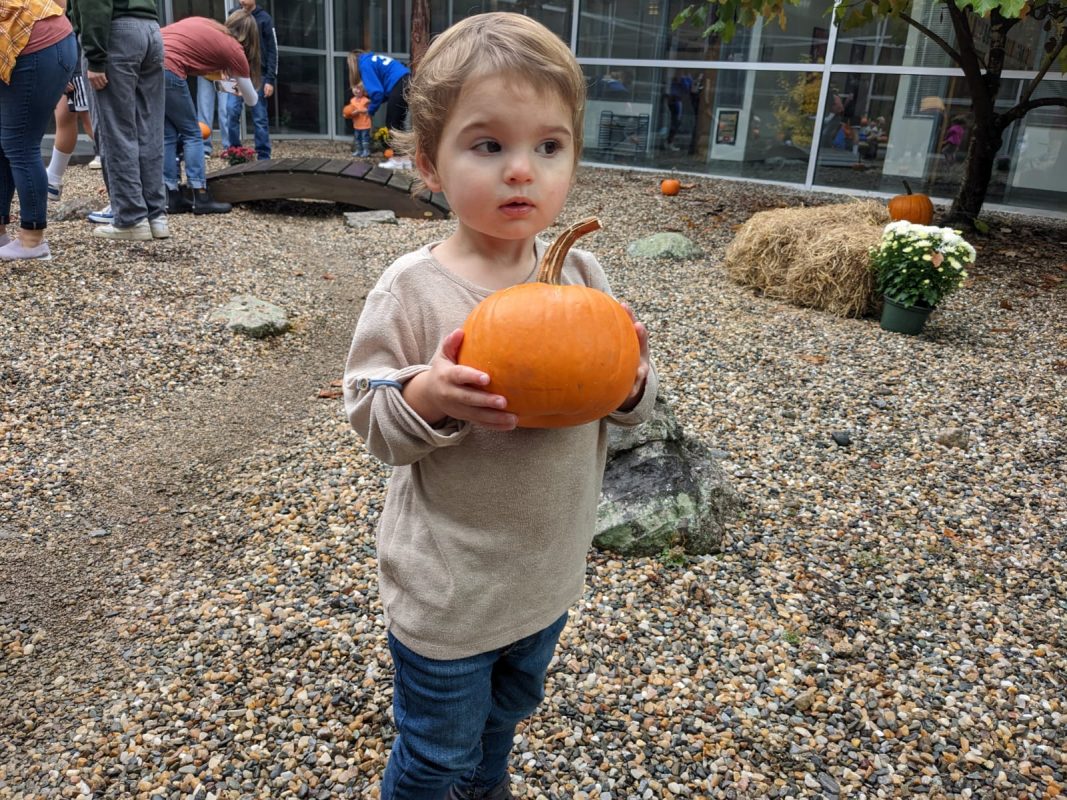
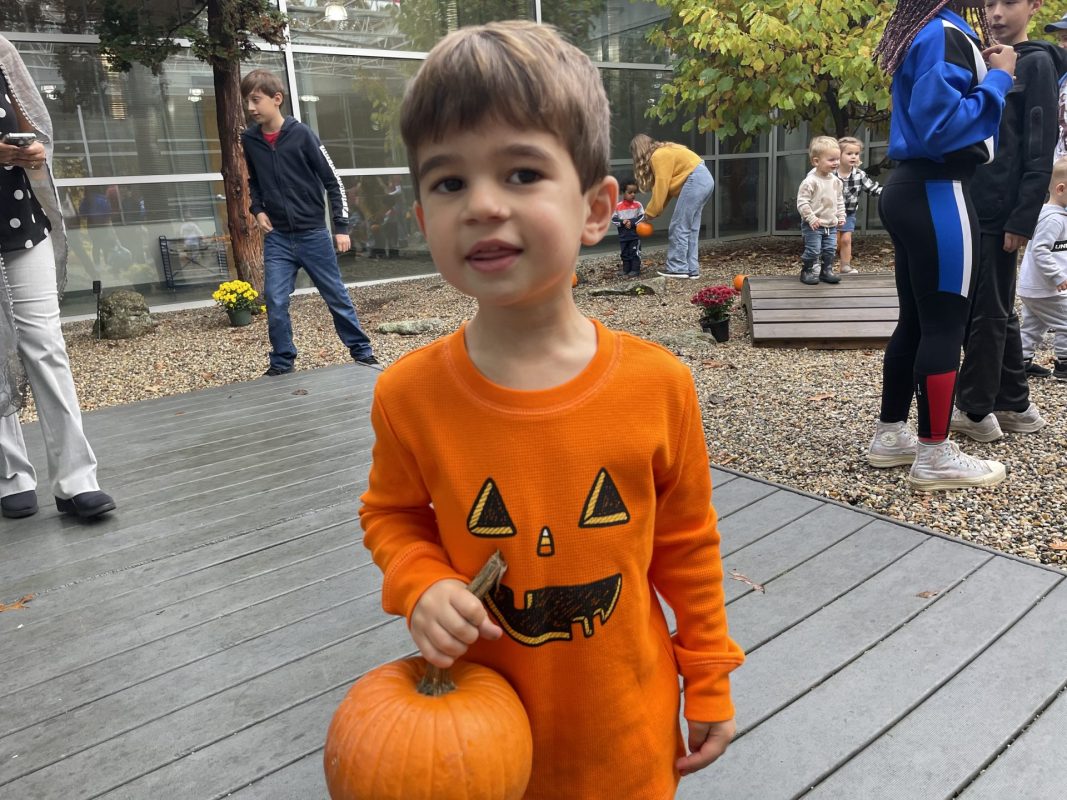
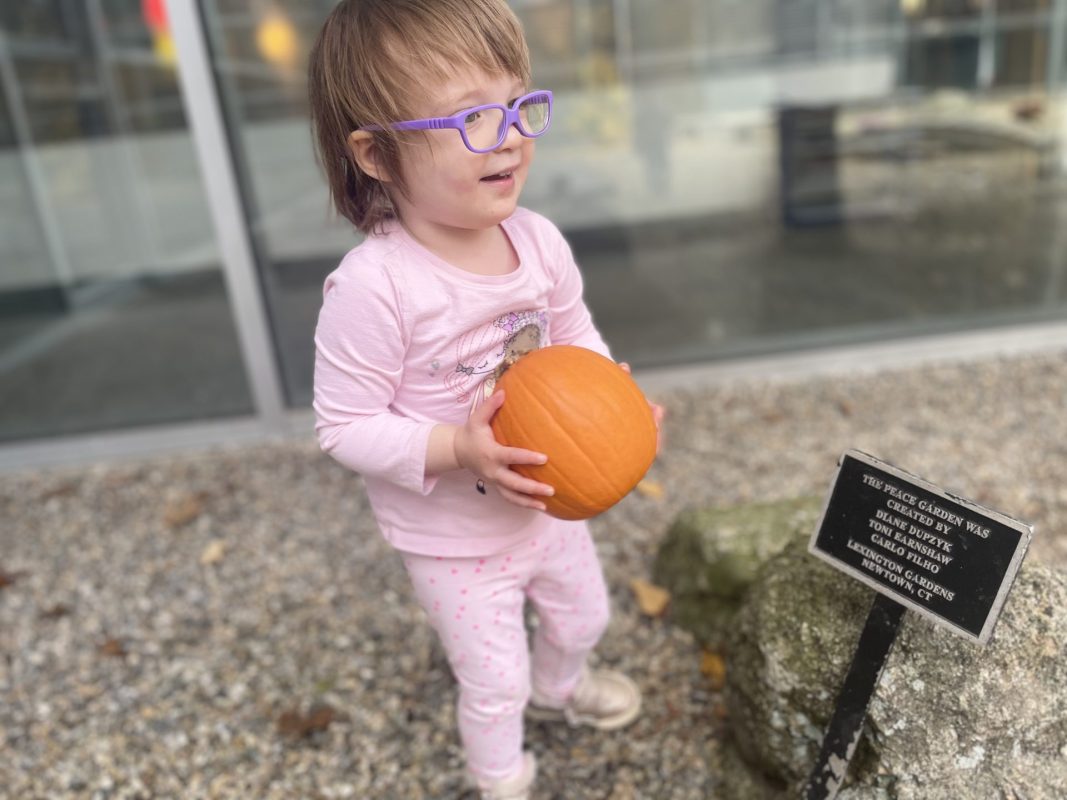
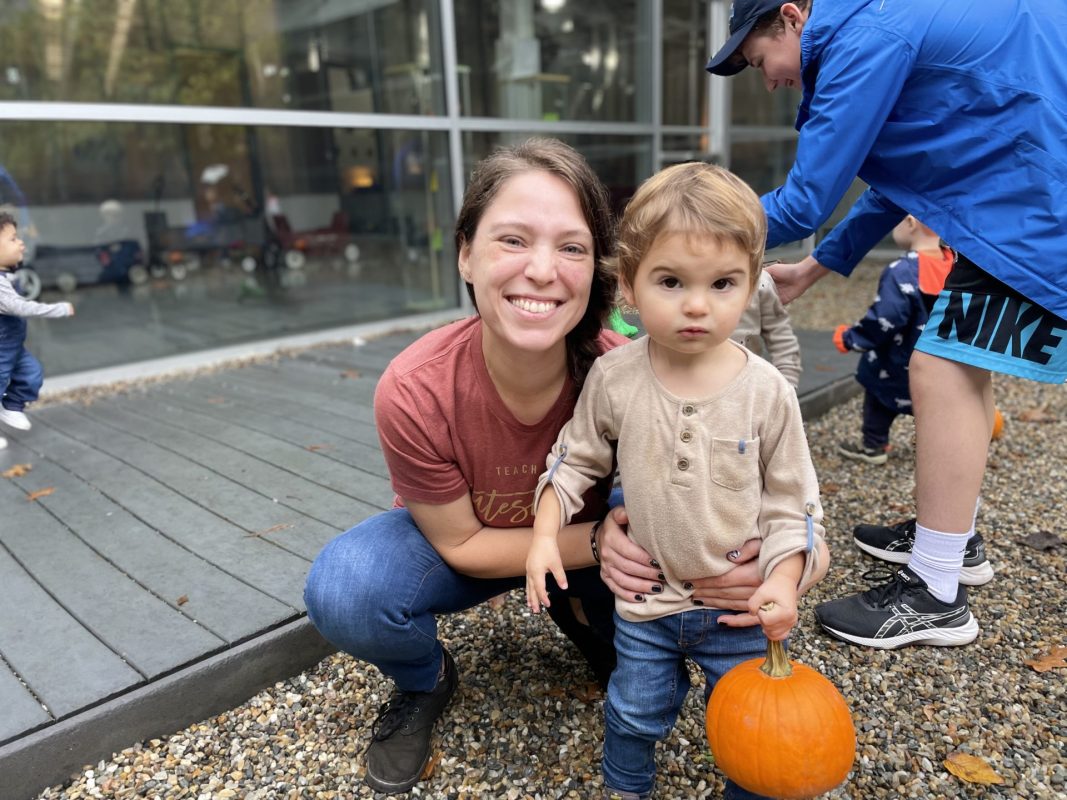
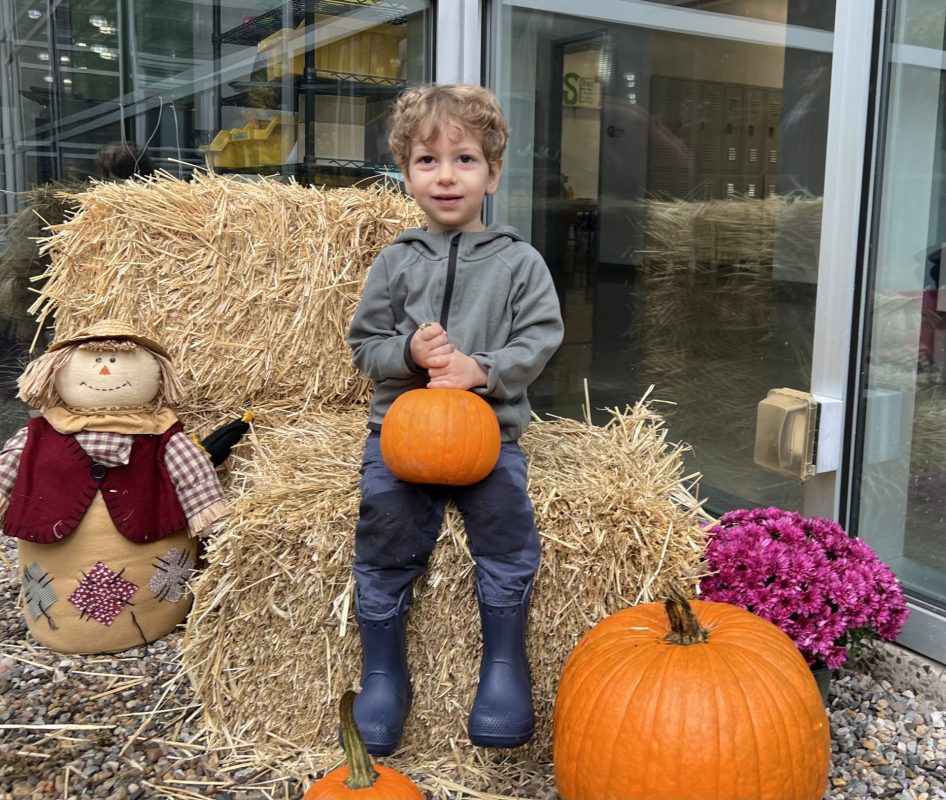
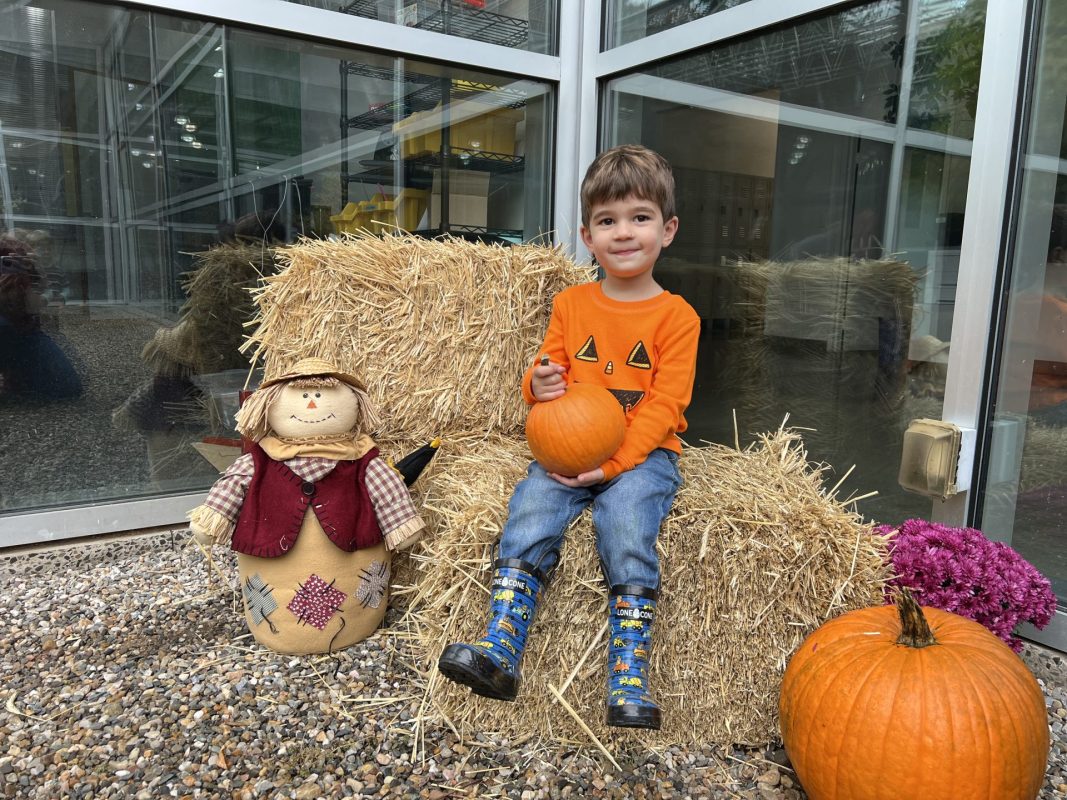
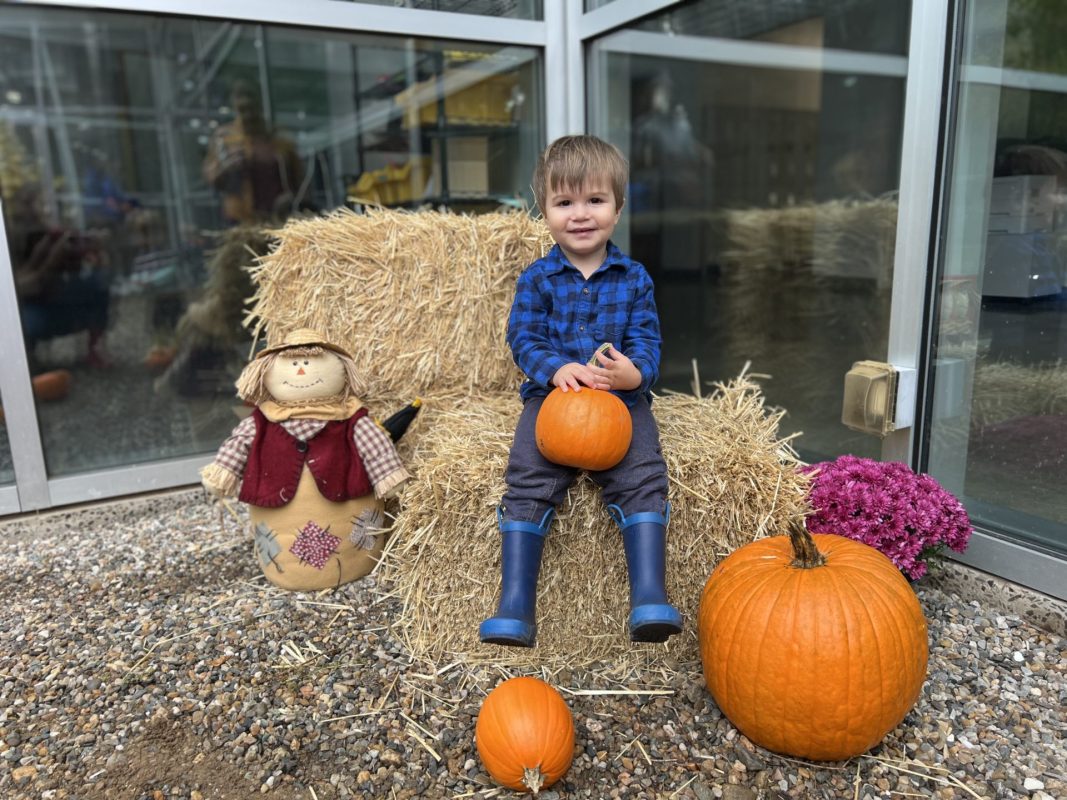
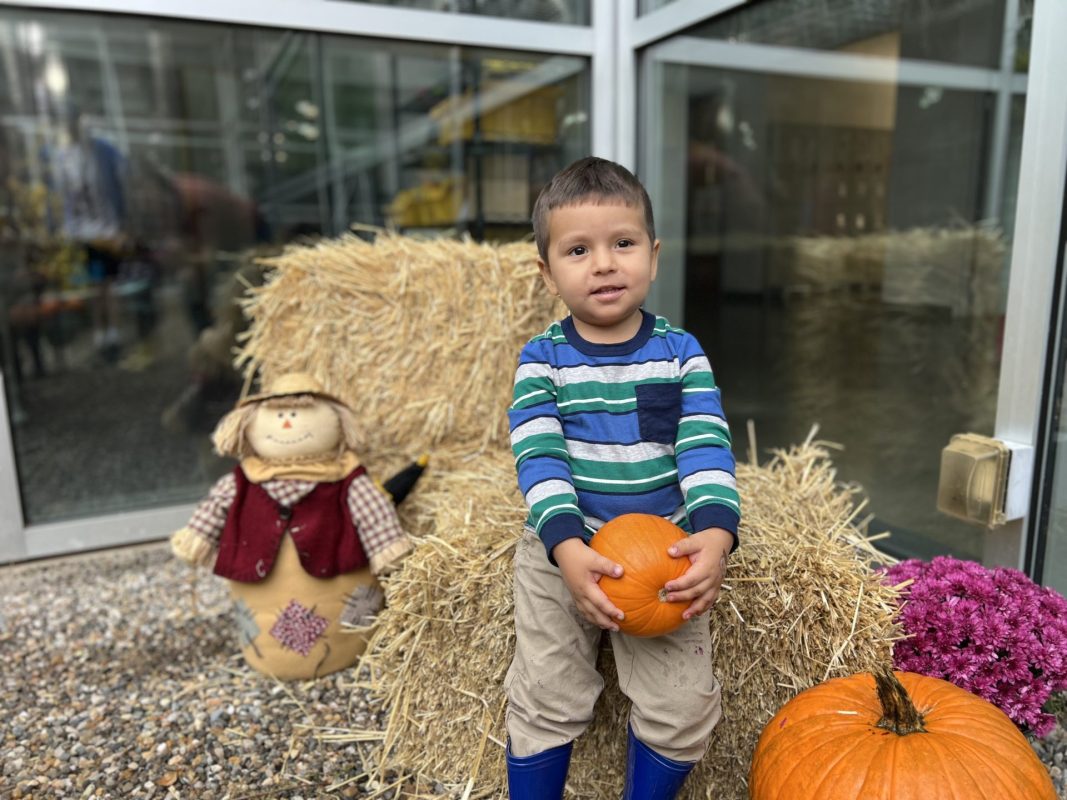
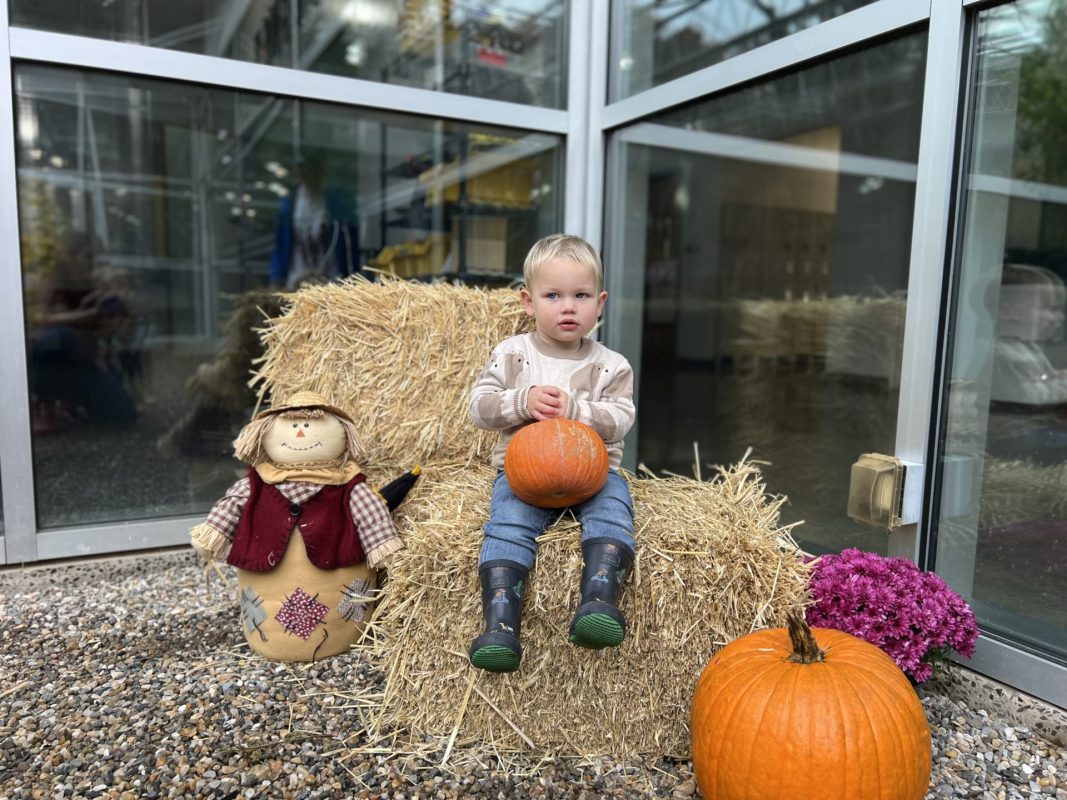
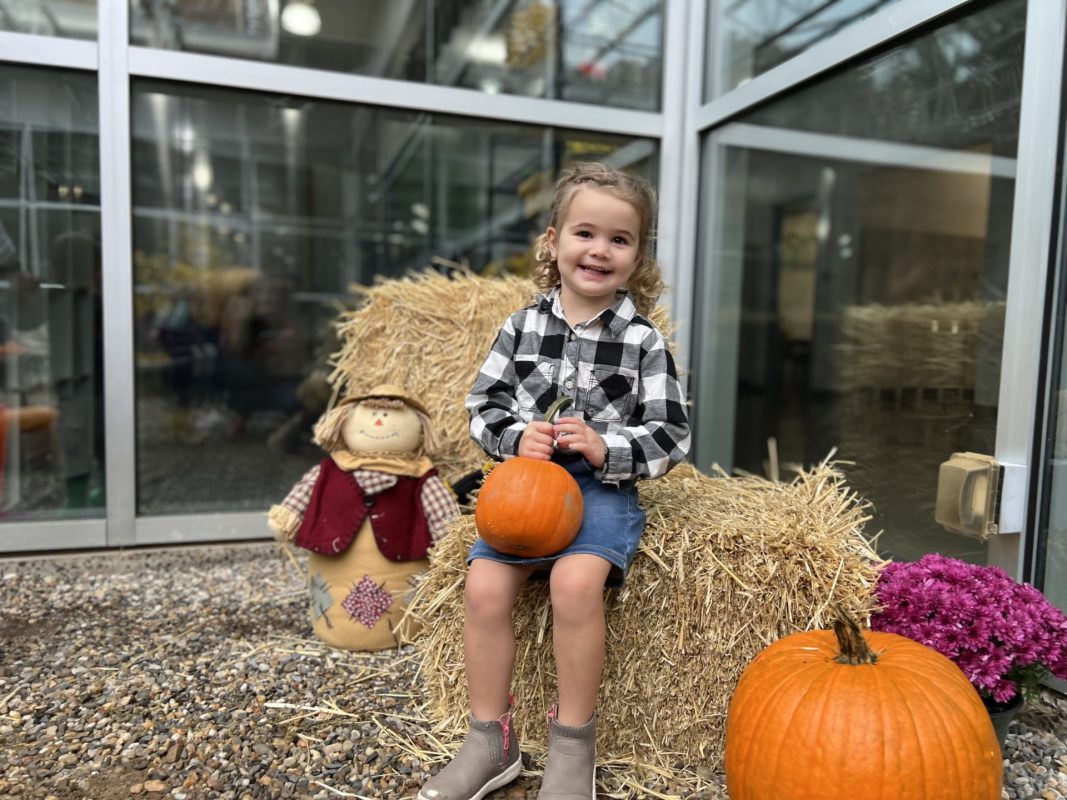
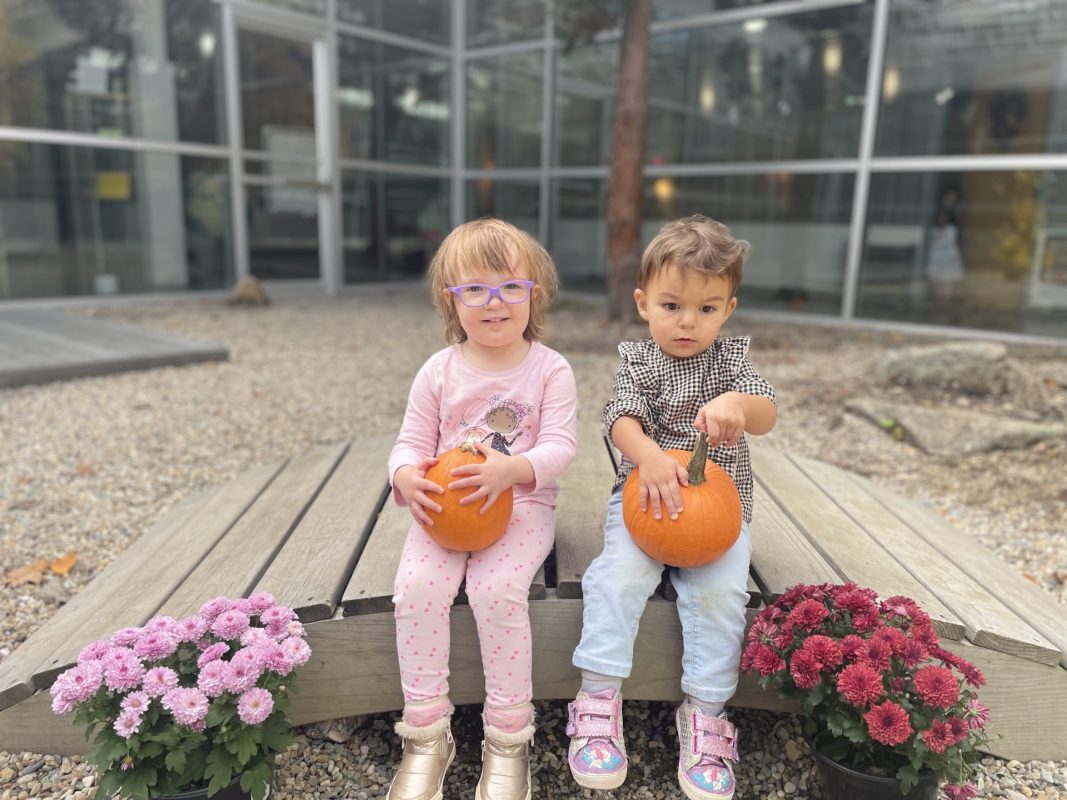
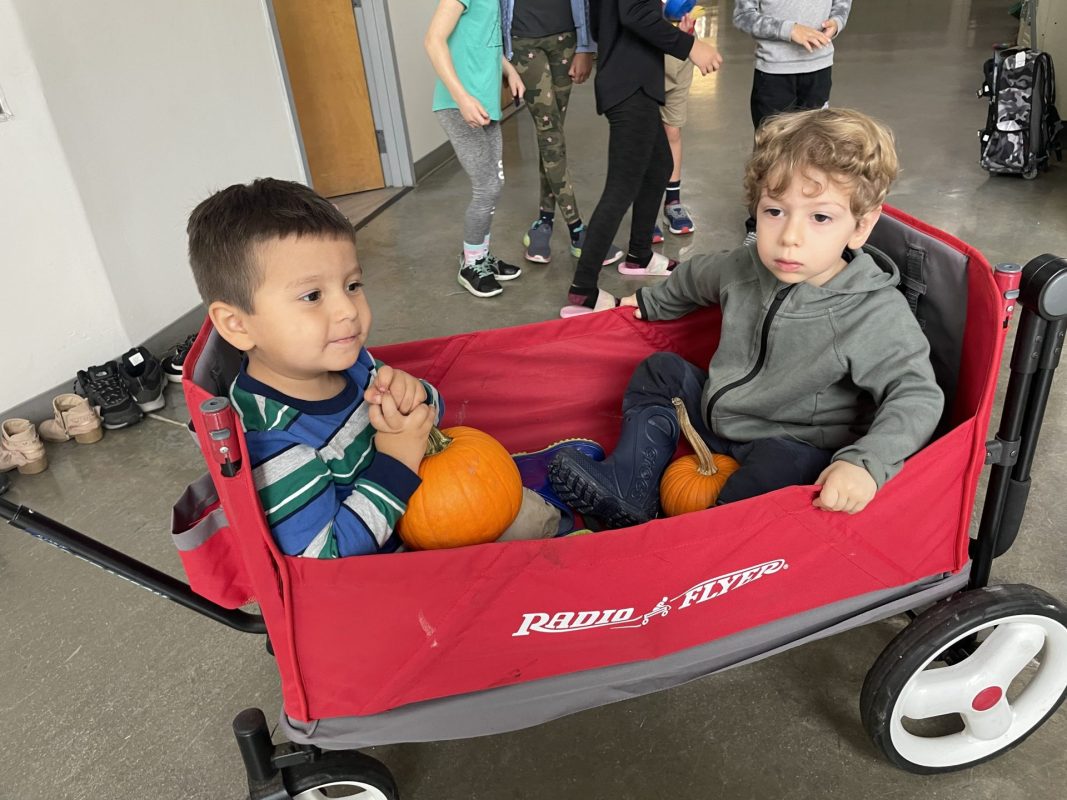
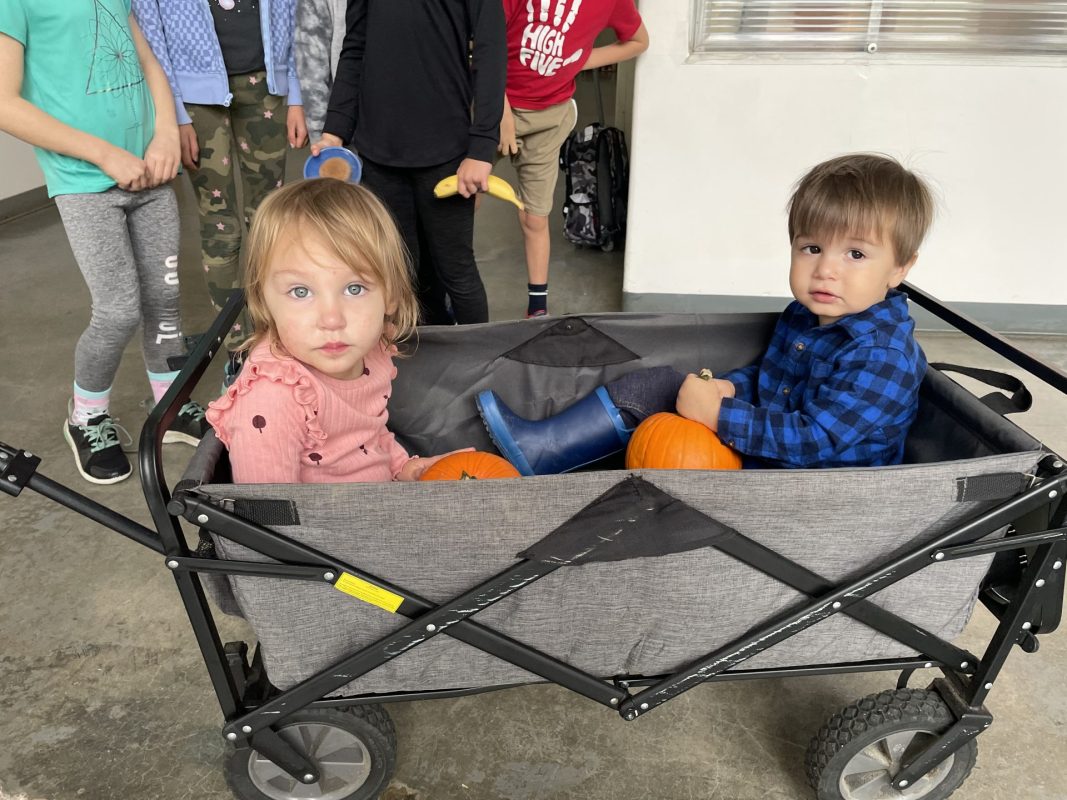
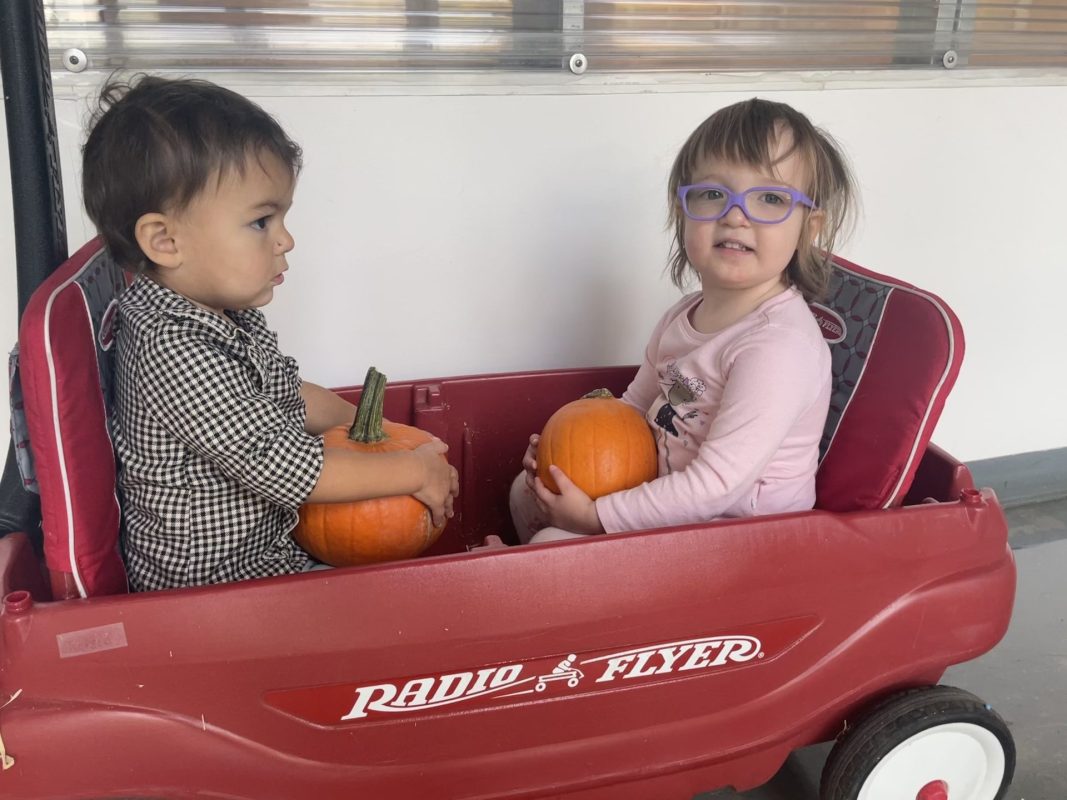
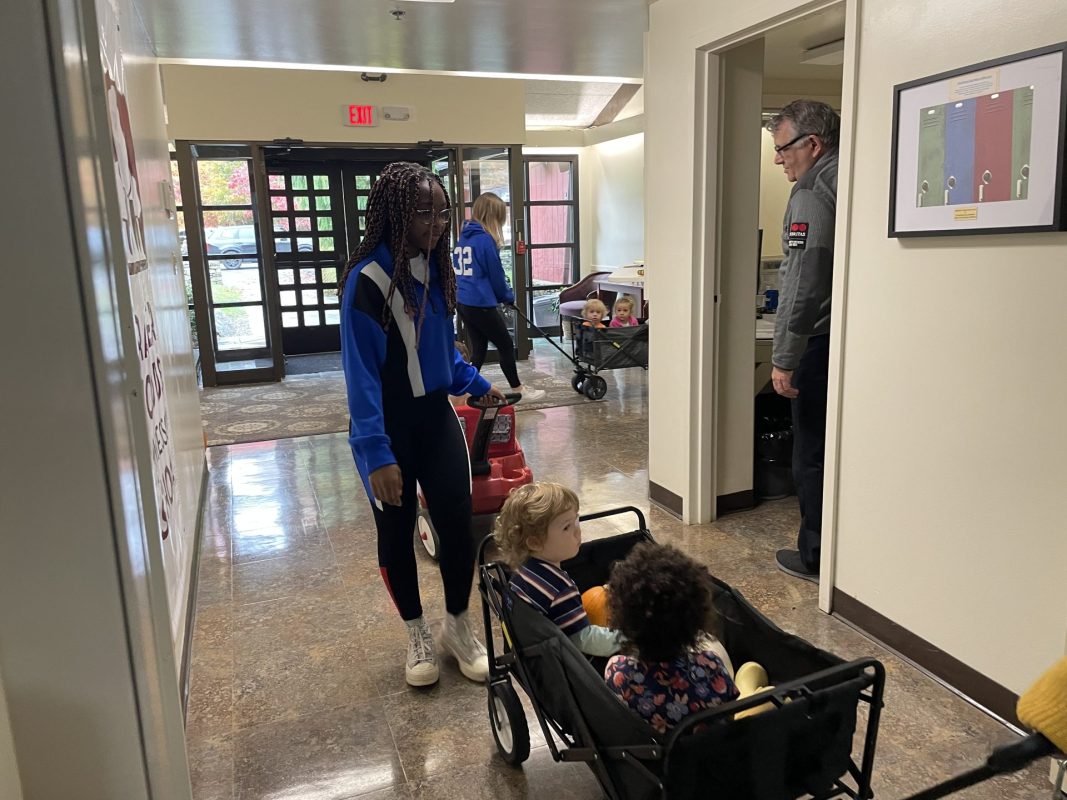
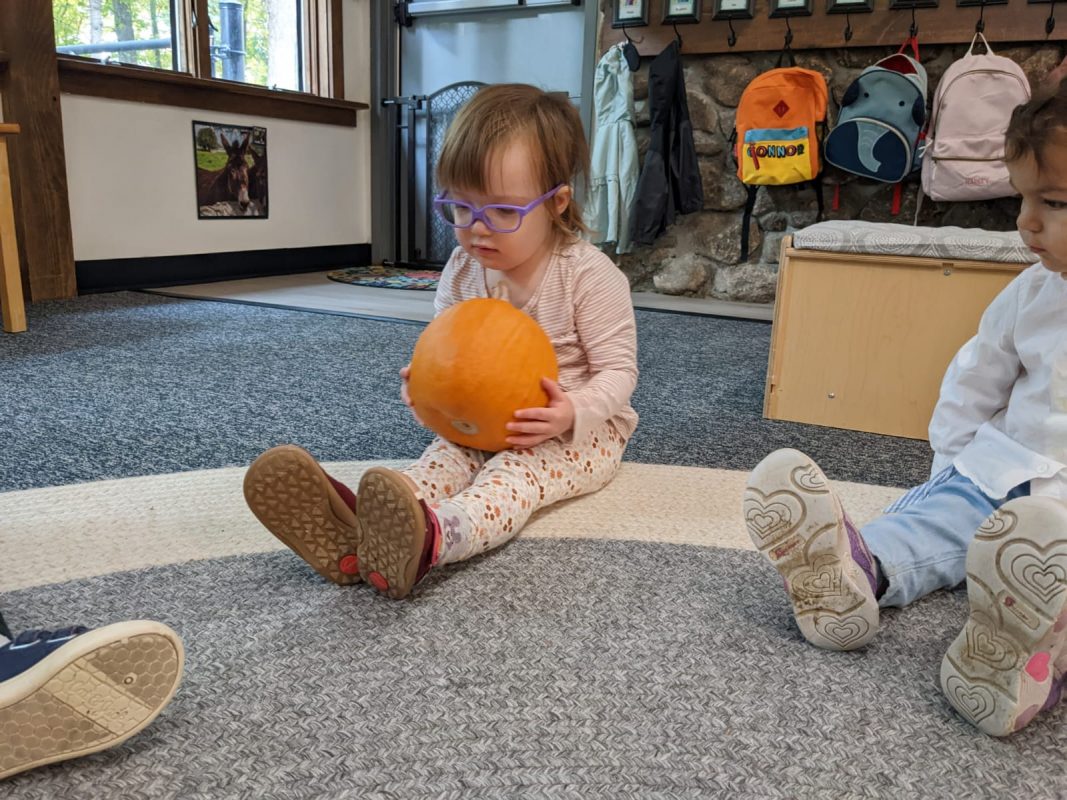
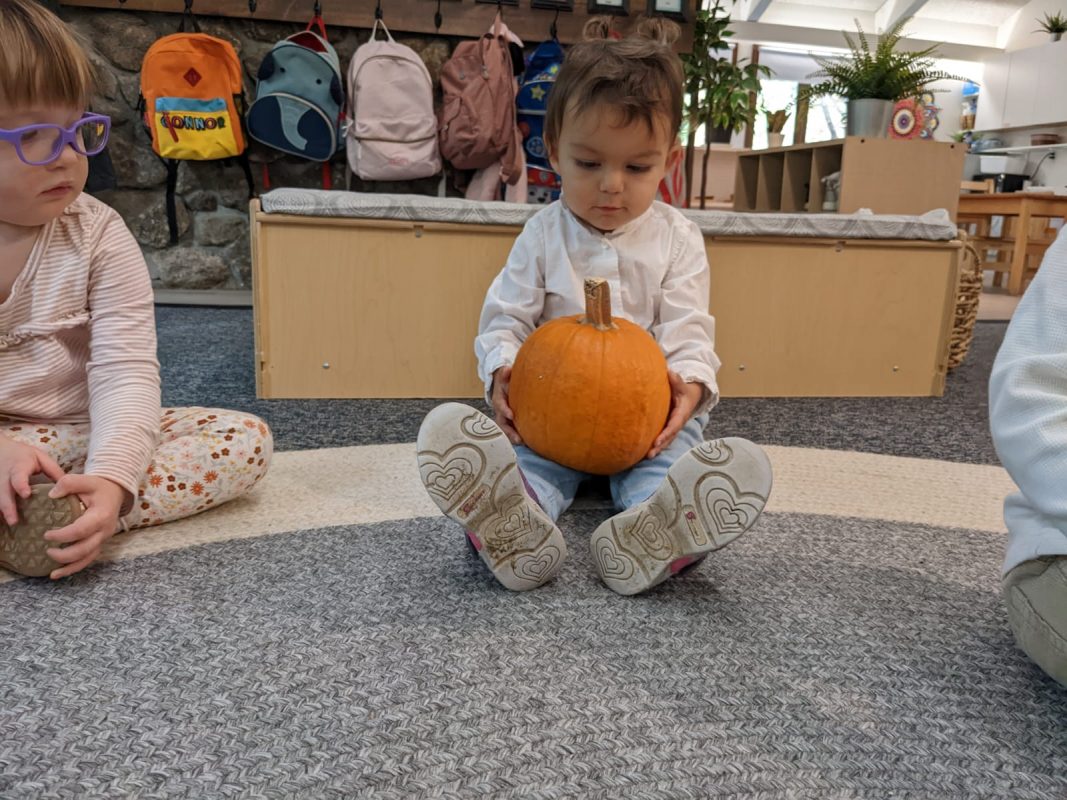
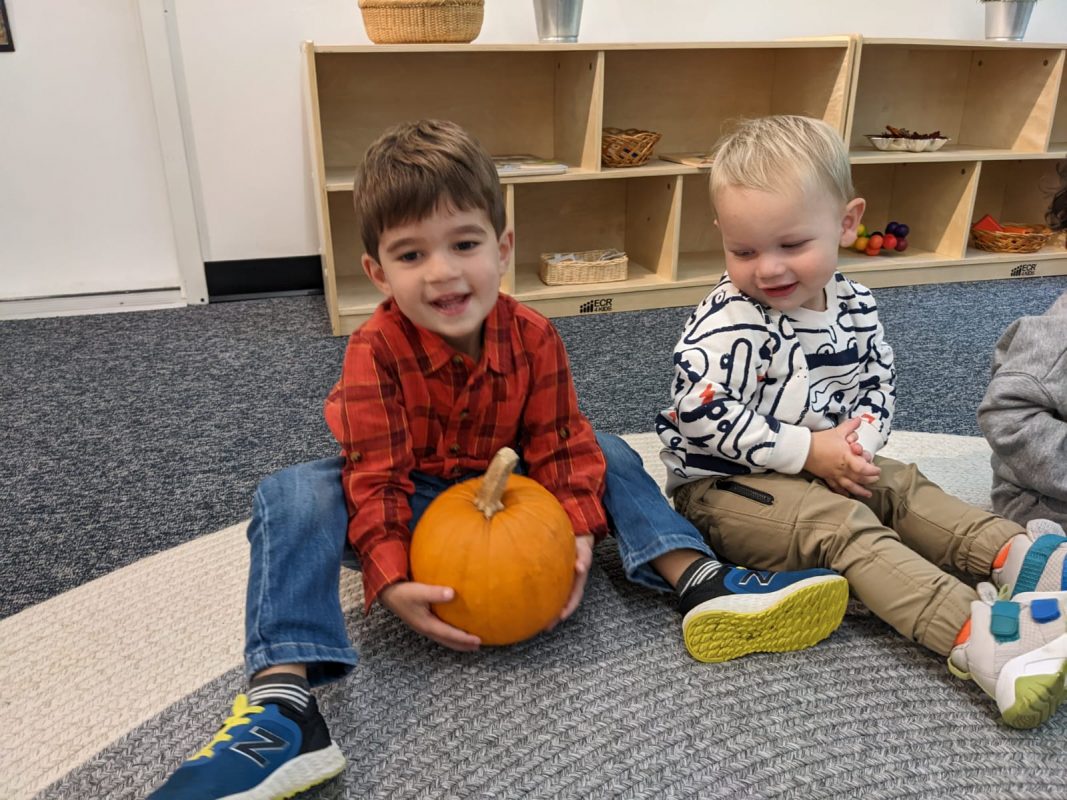
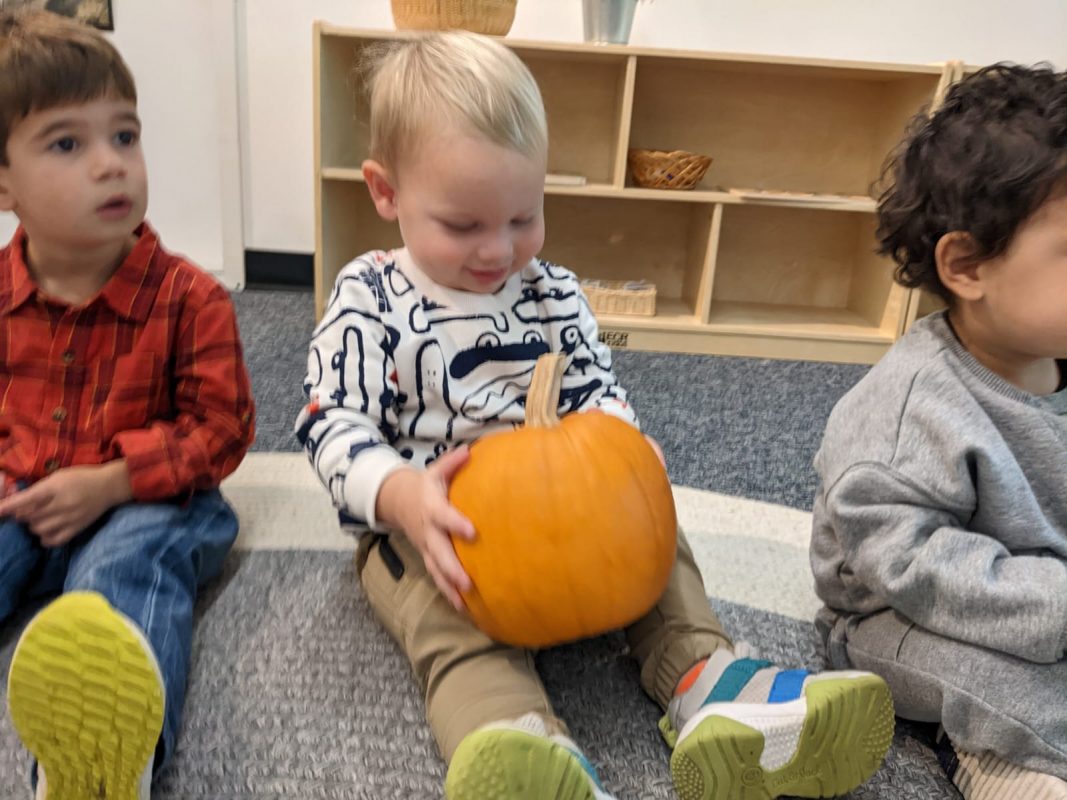
Last week we celebrated the fall harvest with our annual wagon ride and visit to our very own “Fraser Farm” located in our Zen garden which was transformed into a beautiful pumpkin patch for our toddlers to explore.

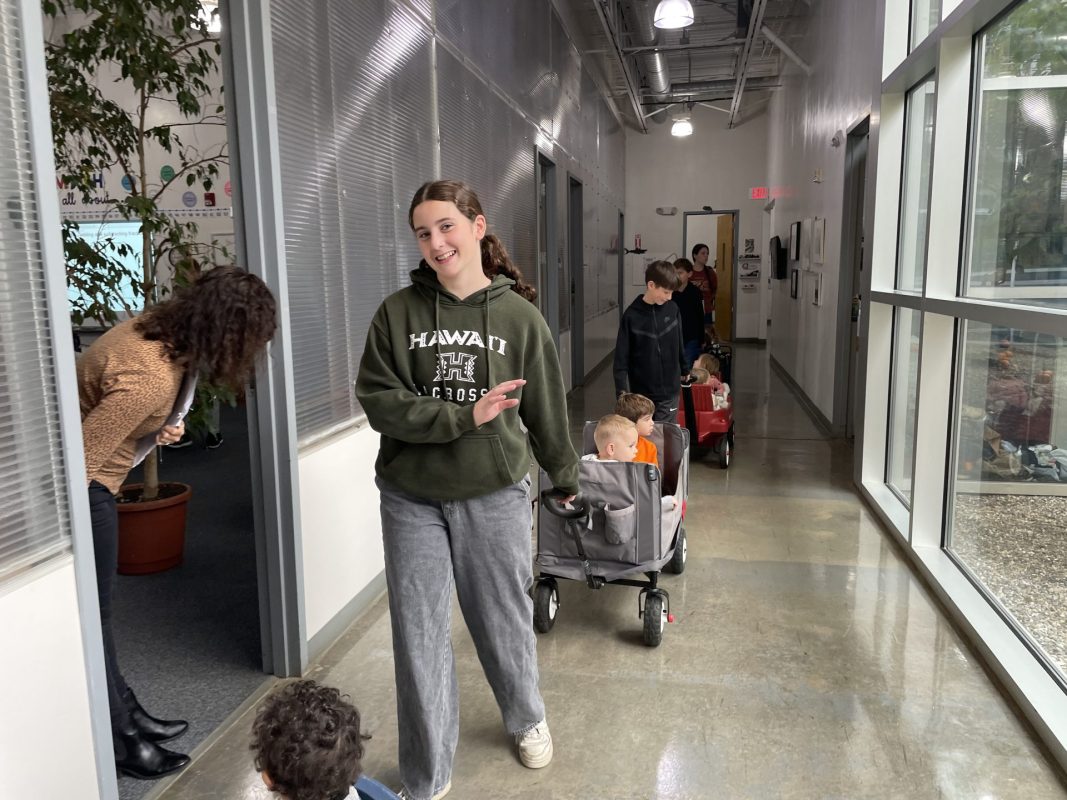
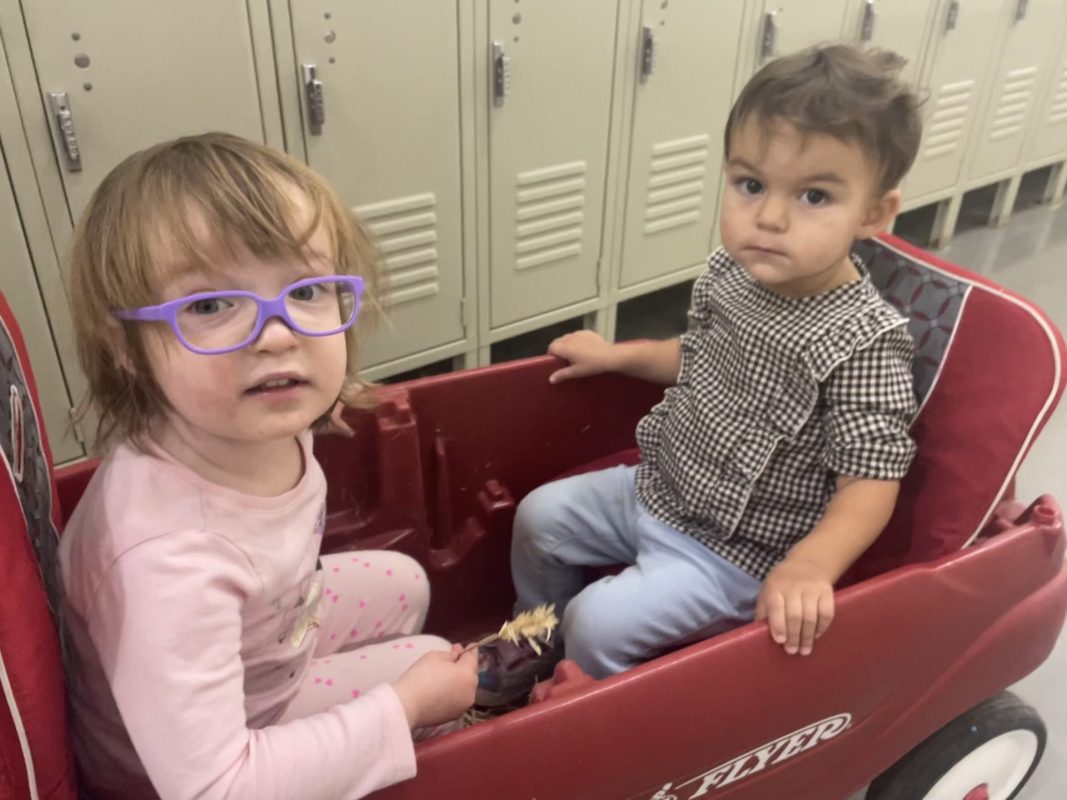
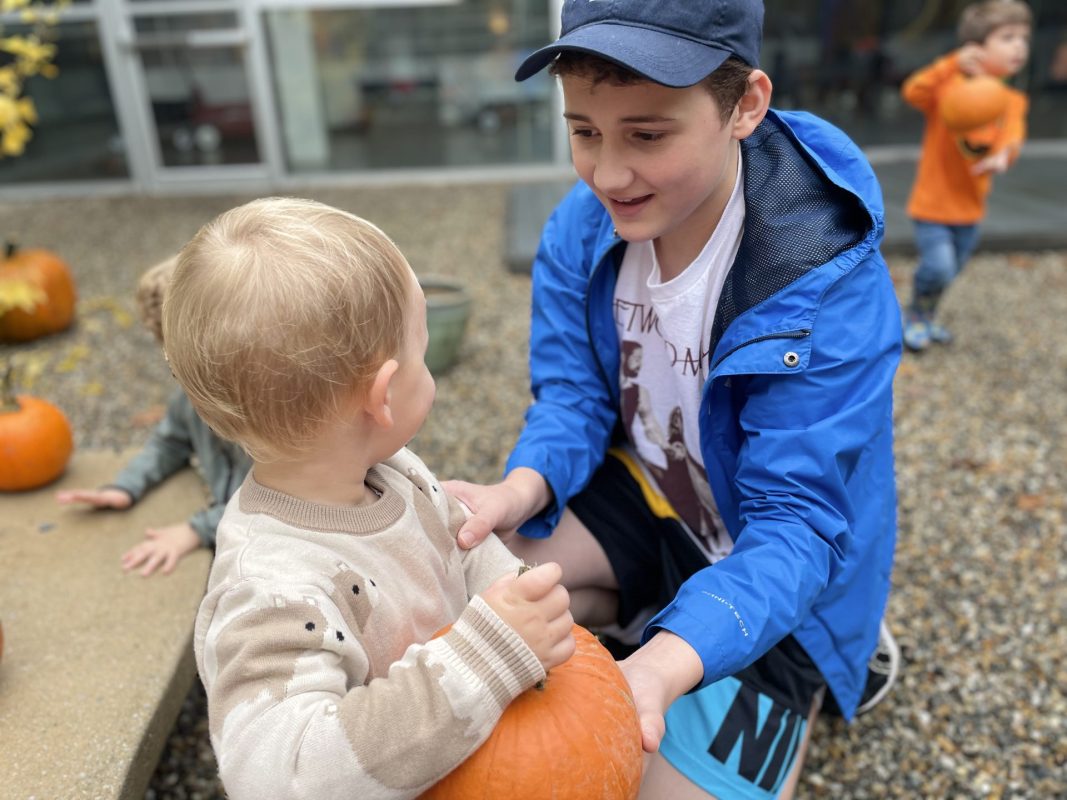
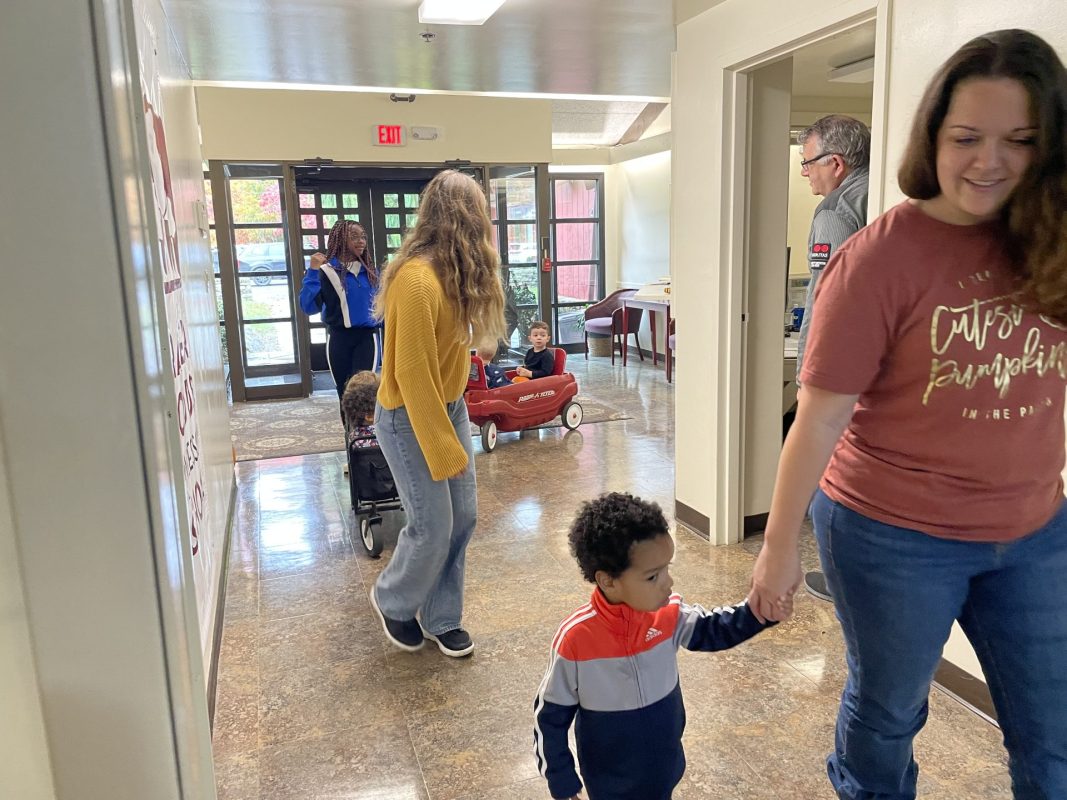
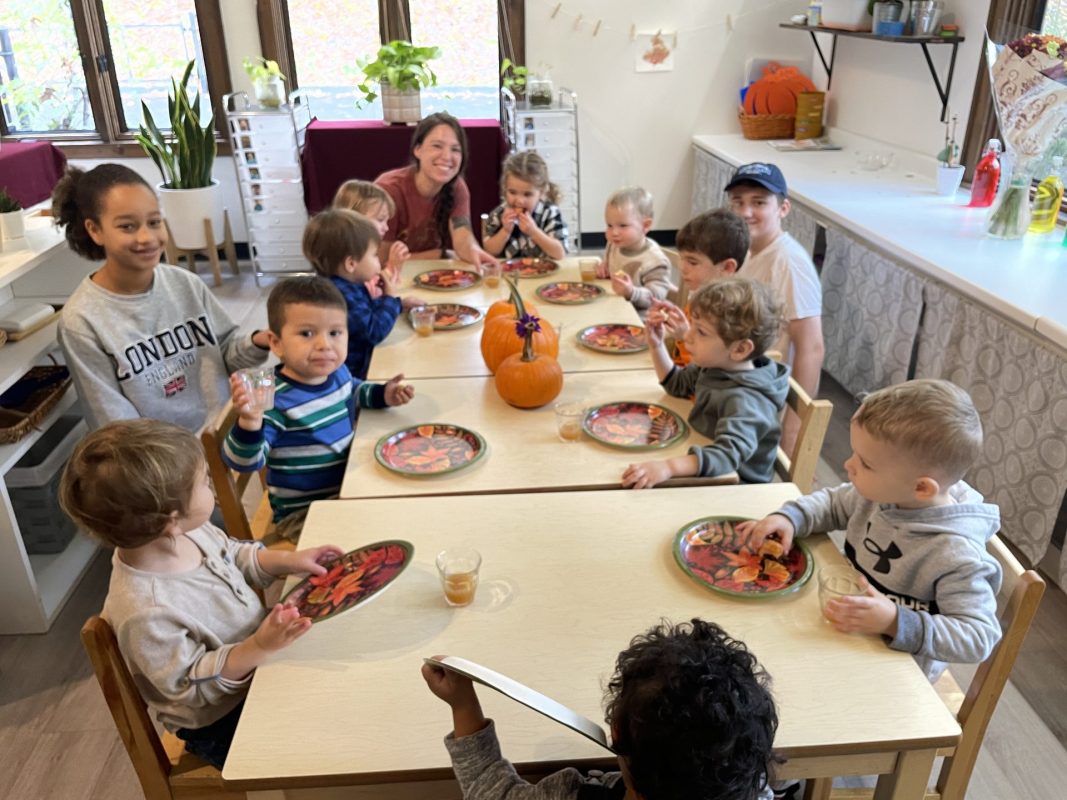
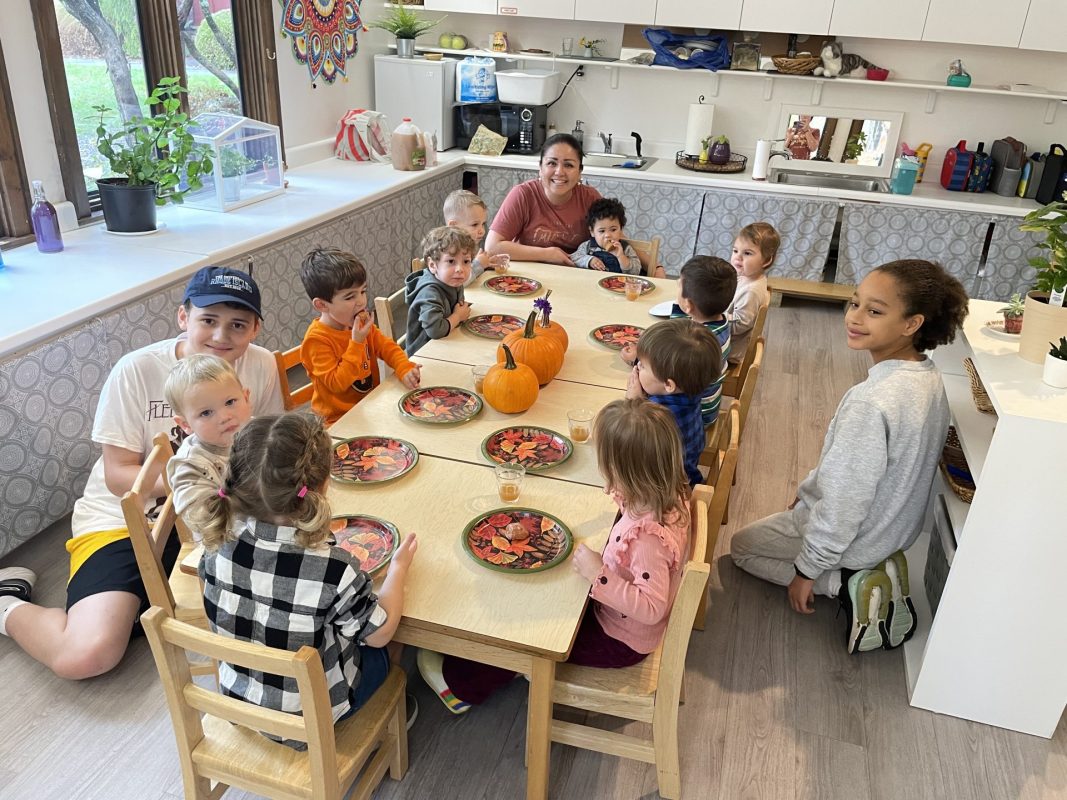
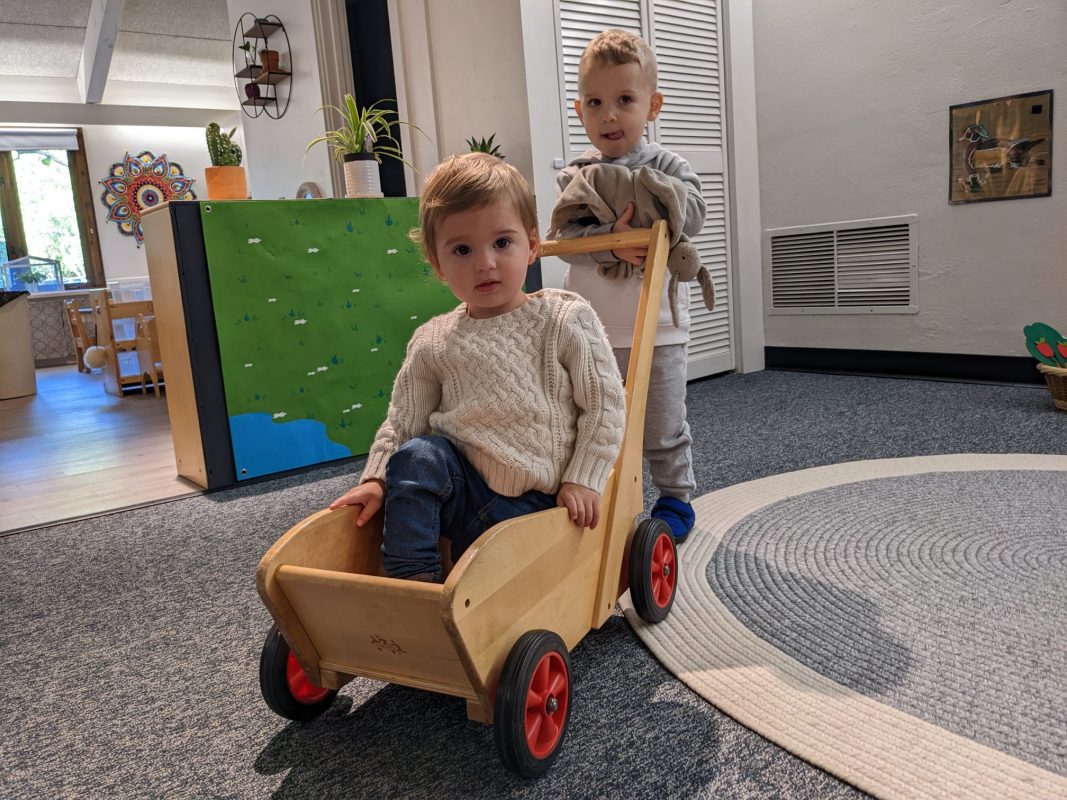
First the children were invited to ride in wagons all around the school, knowing that they needed to keep their eyes open for the pumpkins. Once we arrived at our Fraser Farm, children were ecstatic to run around and pick their own pumpkin. There were giggles and so much excitement! Children explored different sizes of pumpkins and worked hard to carry them around. We all had a great time! When the time came, every toddler got into their wagon, carrying their chosen pumpkin, and we went for another ride around the school arriving, at our classroom ready to celebrate by sharing some yummy doughnuts and apple cider.

A big shout out to our wonderful Middle School students who happily offered to pull the wagons for us. Also a big THANK YOU to our wonderful class parents and to all of you who helped with wagons, donations and volunteering. We are thankful to be part of a community that cares!

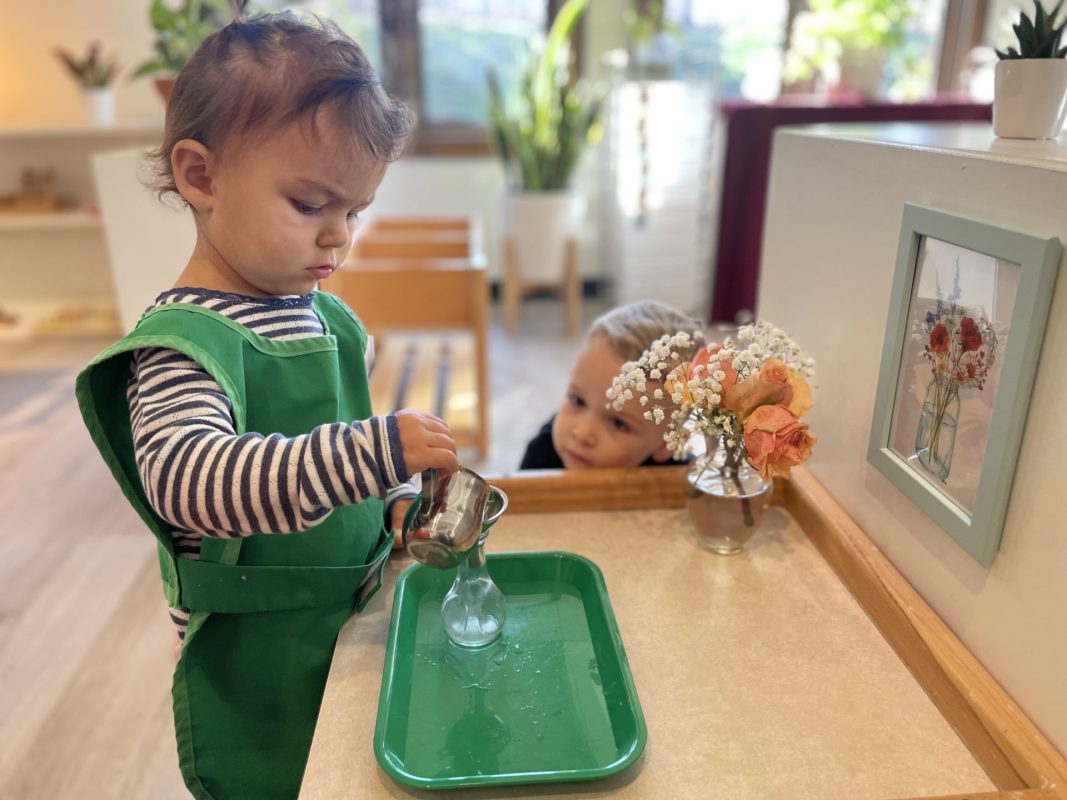
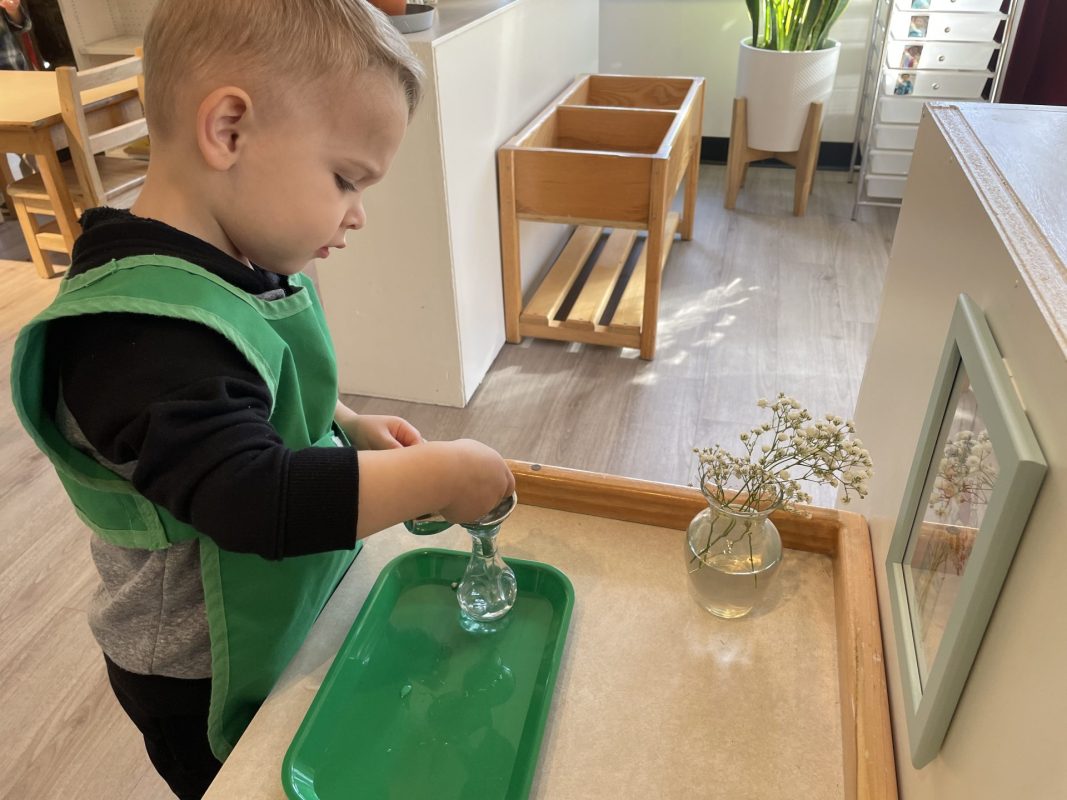
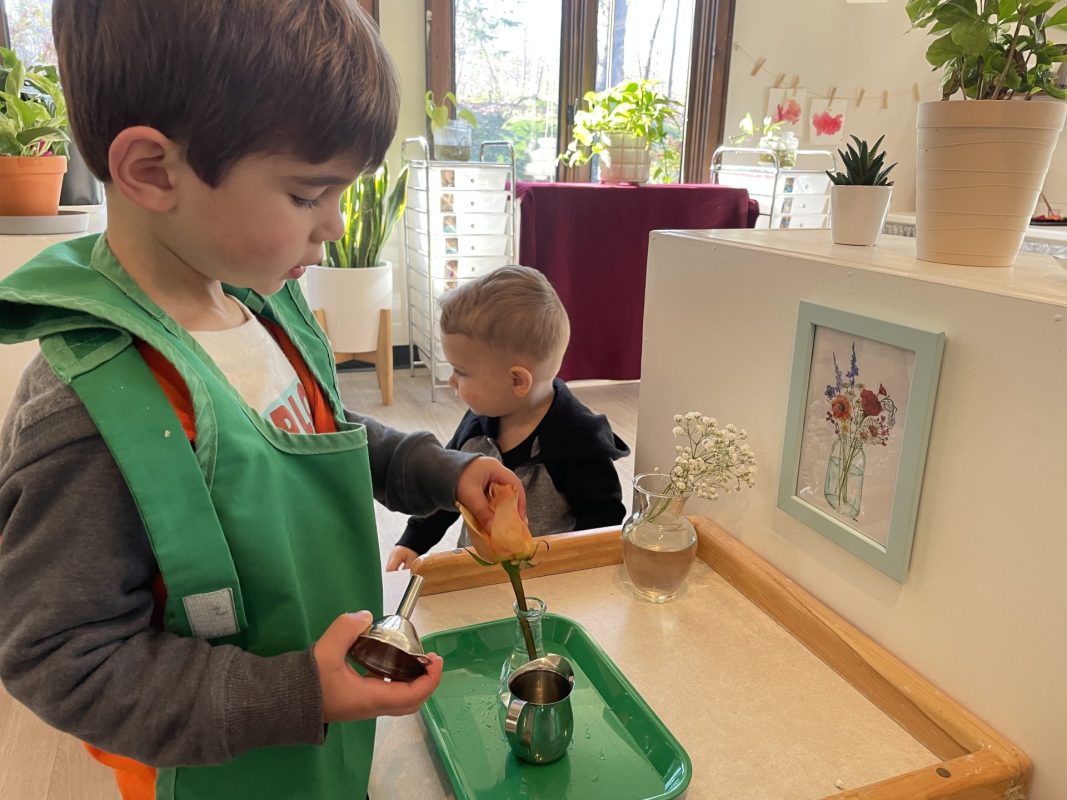
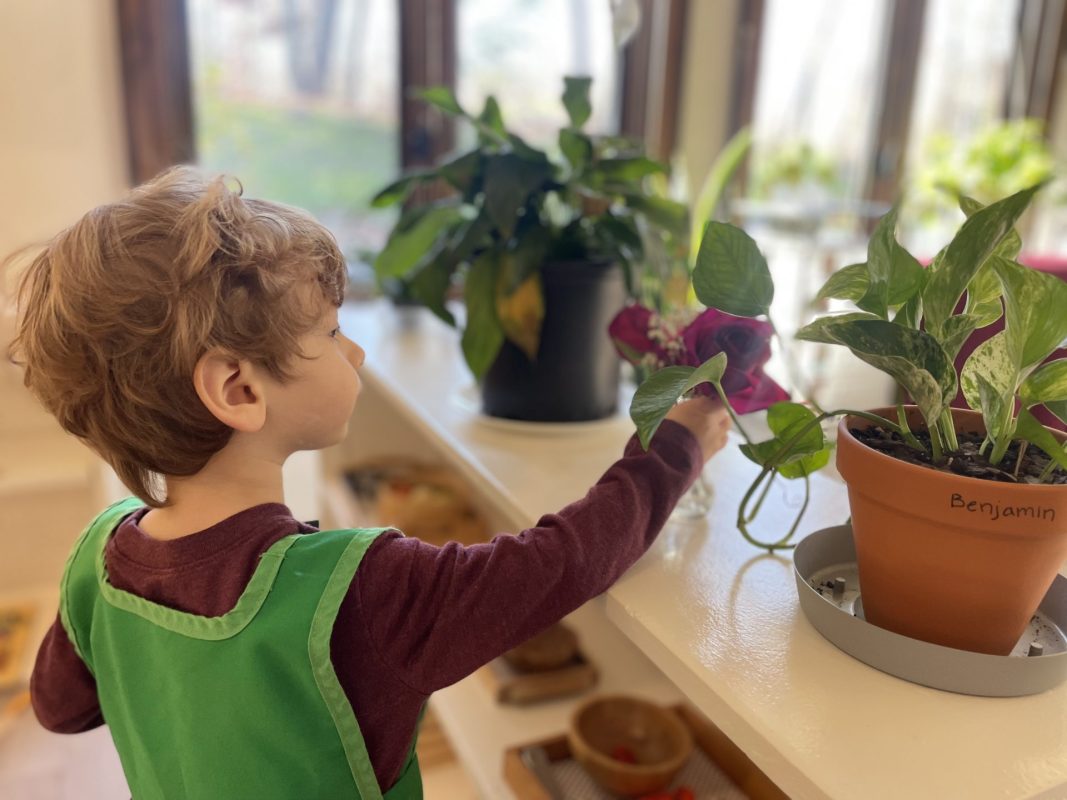
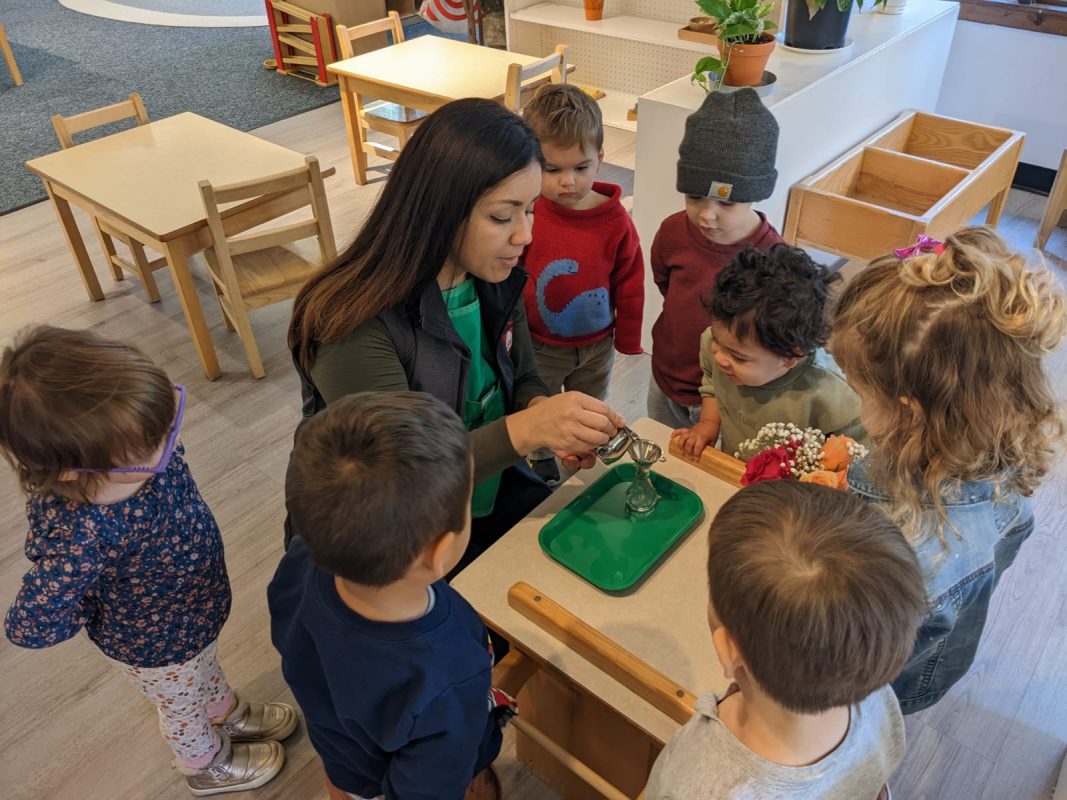
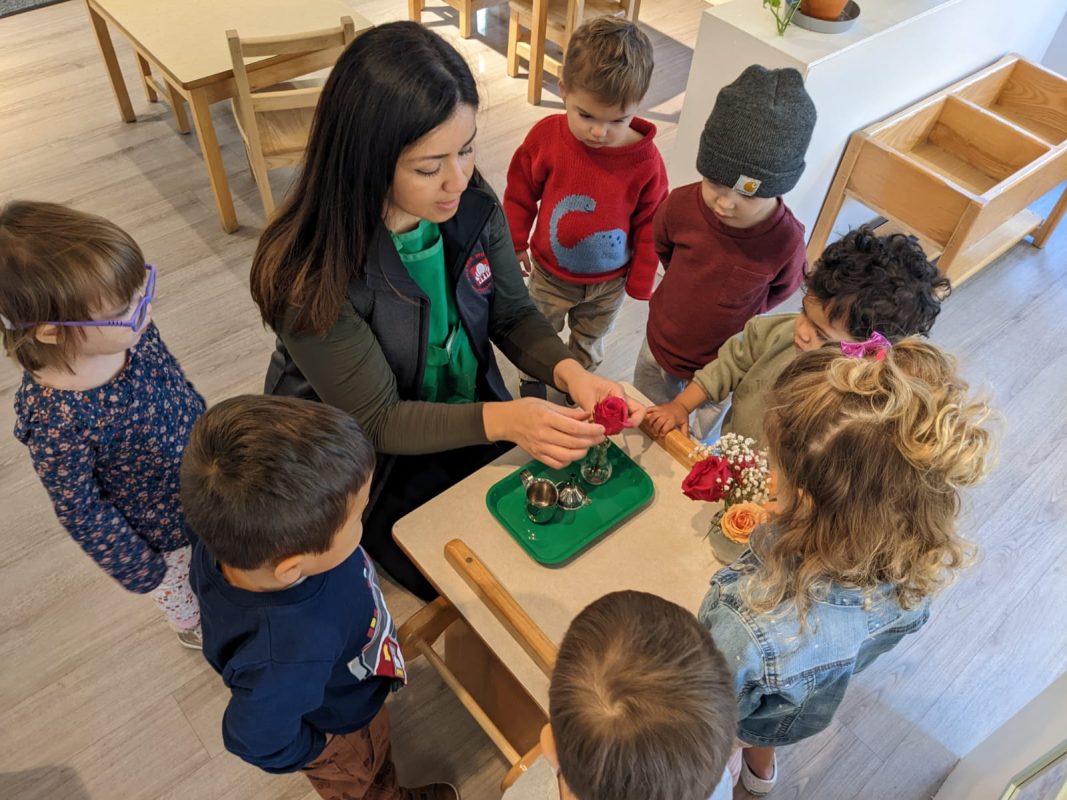
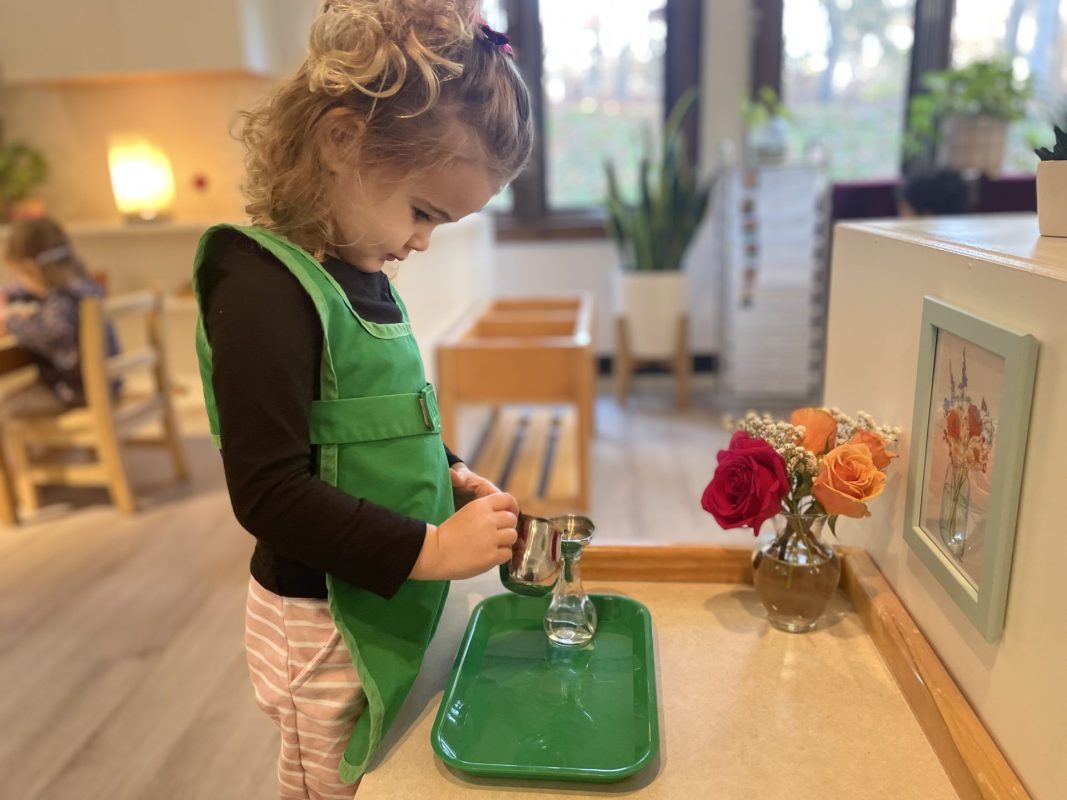
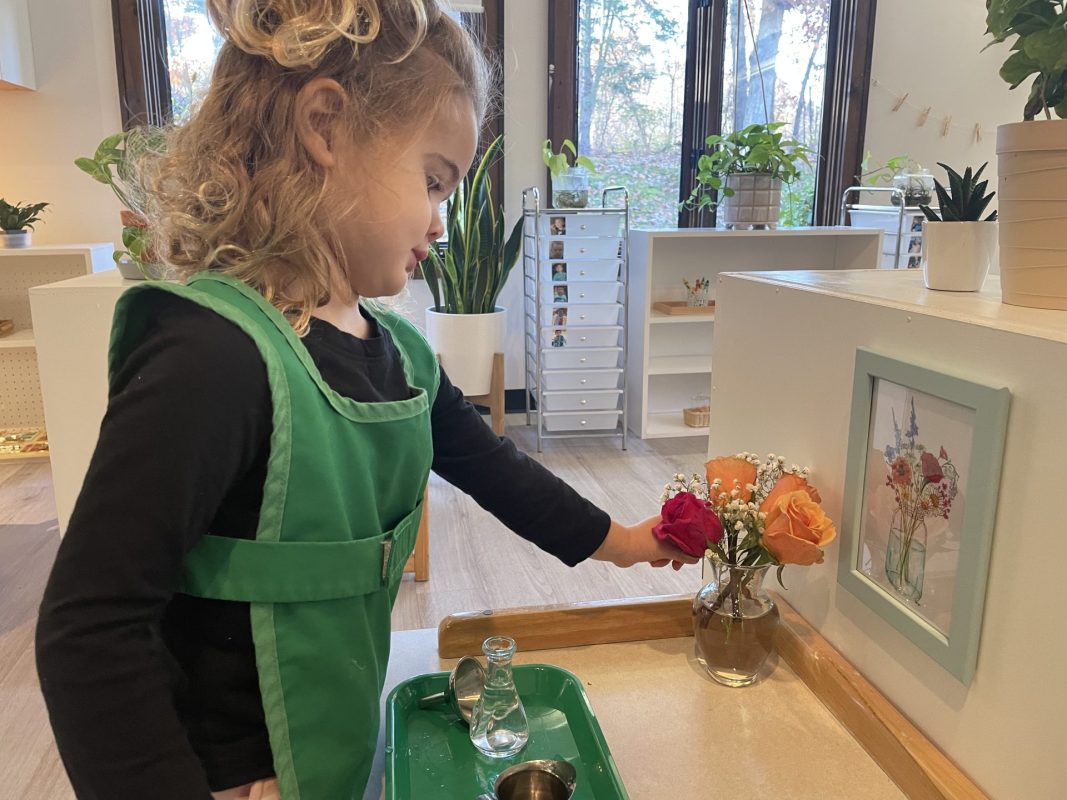
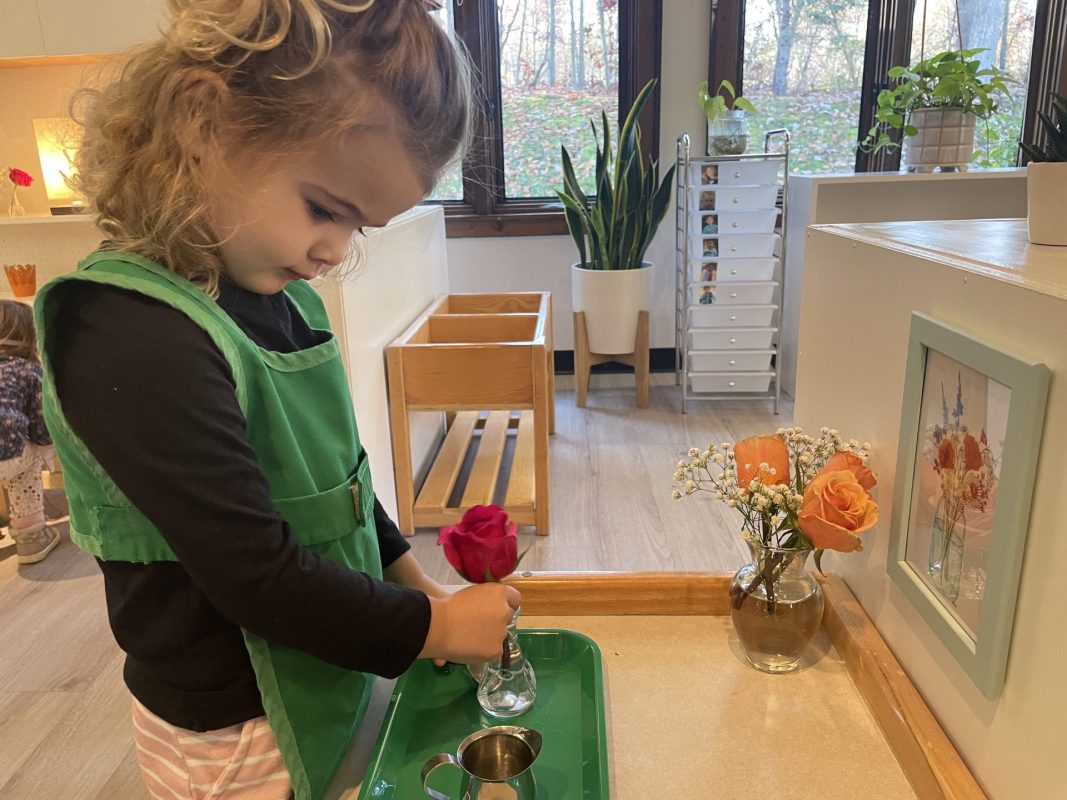
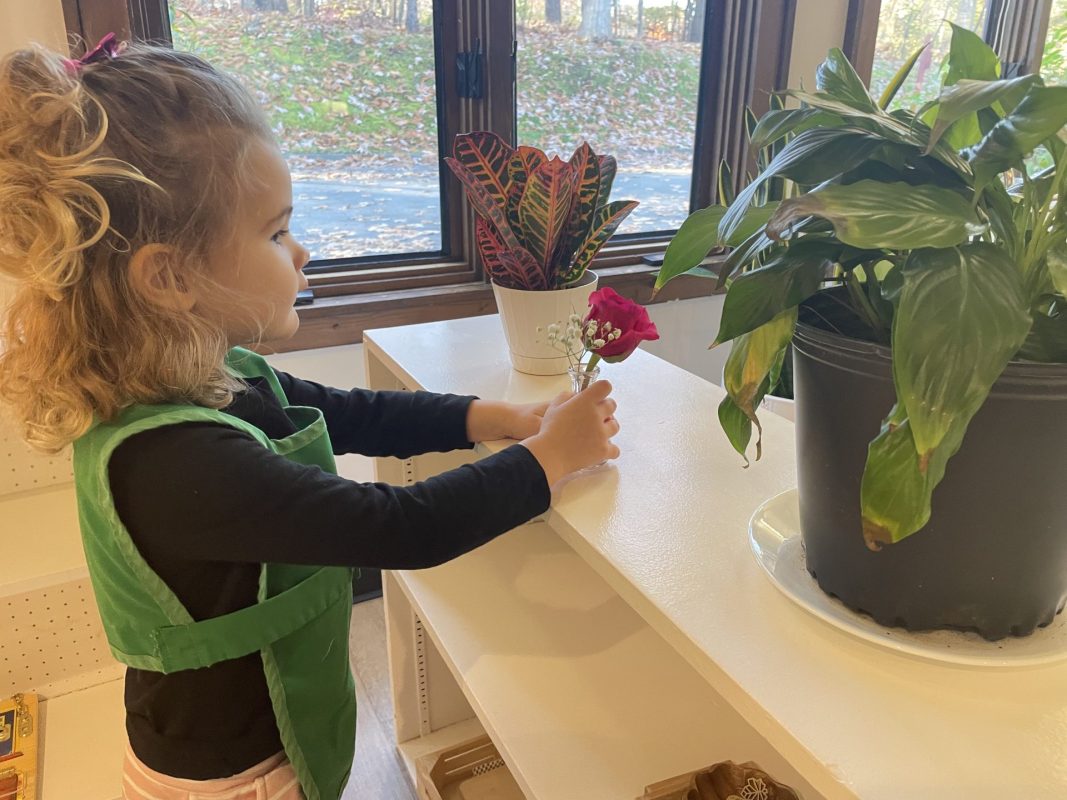
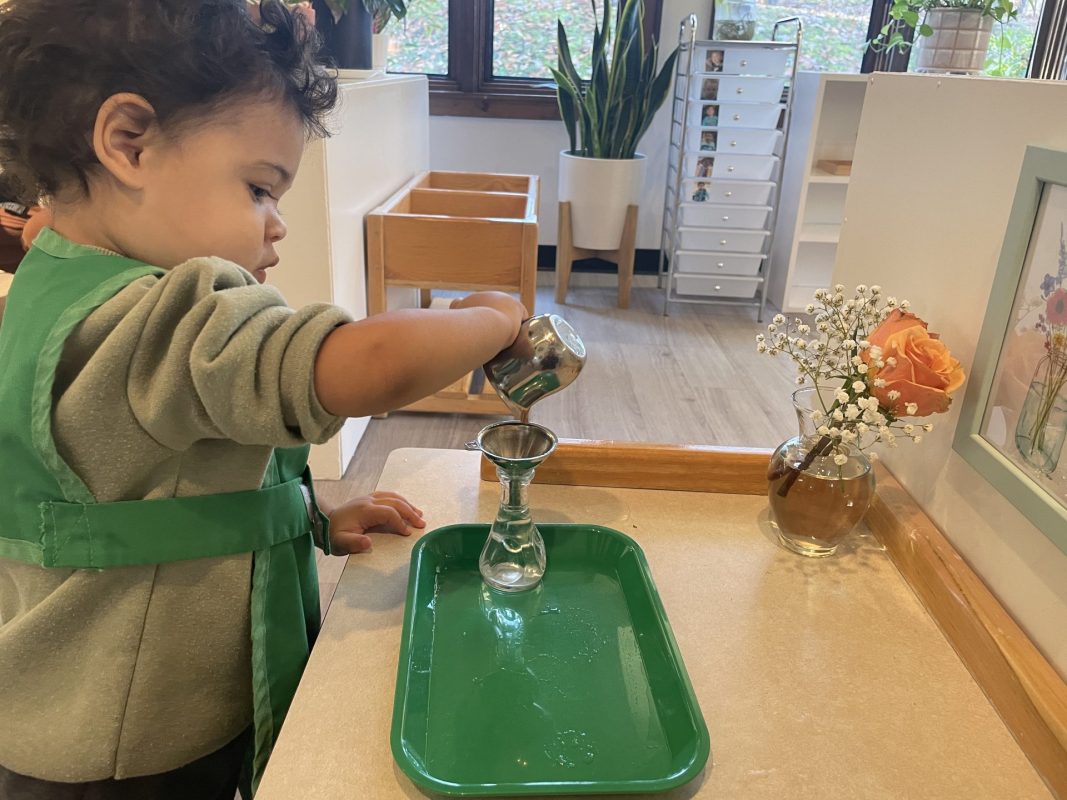
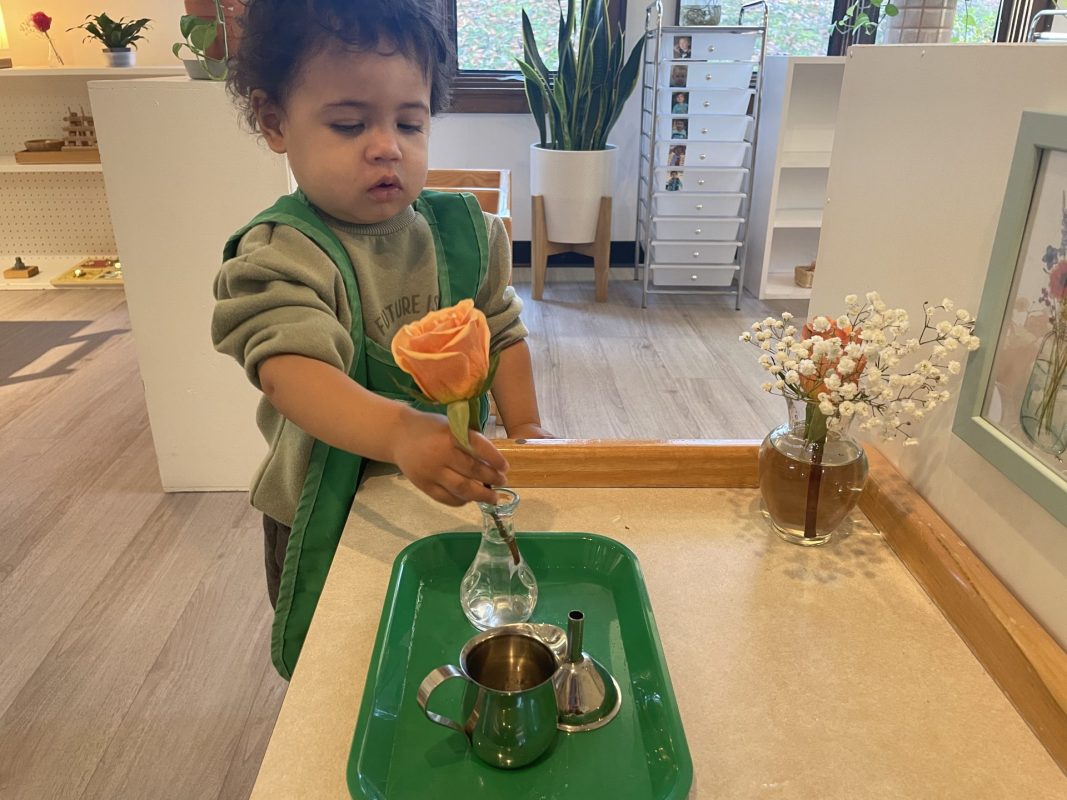
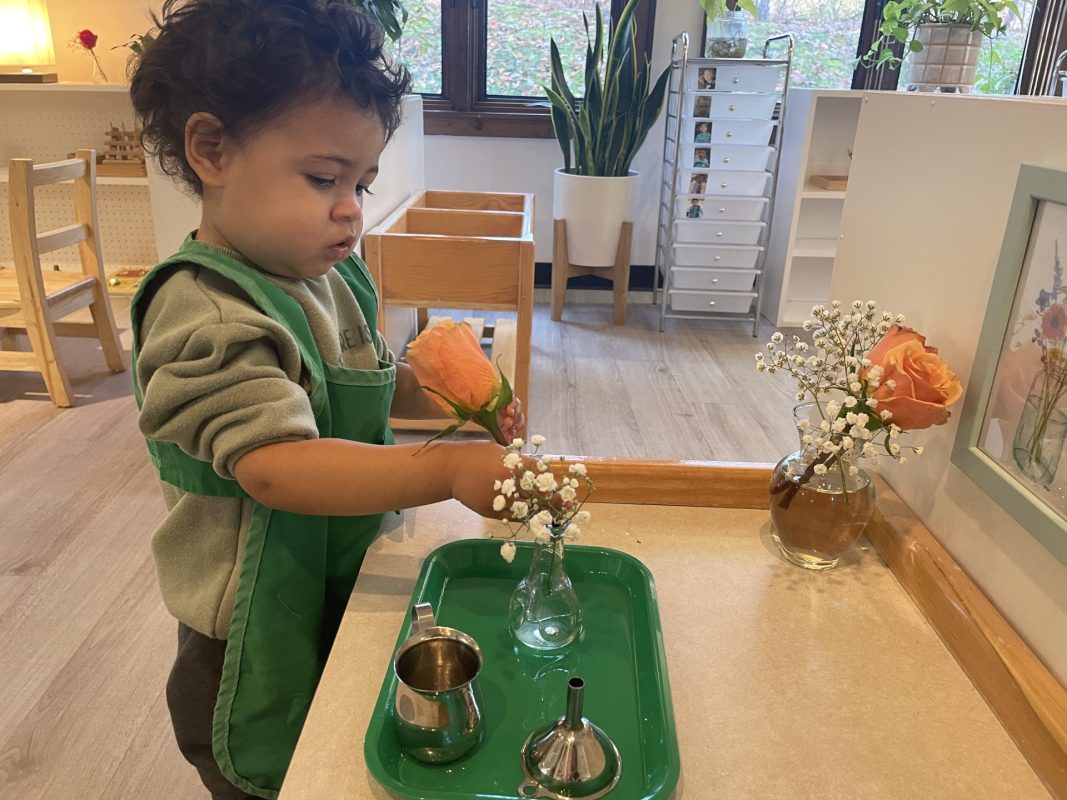
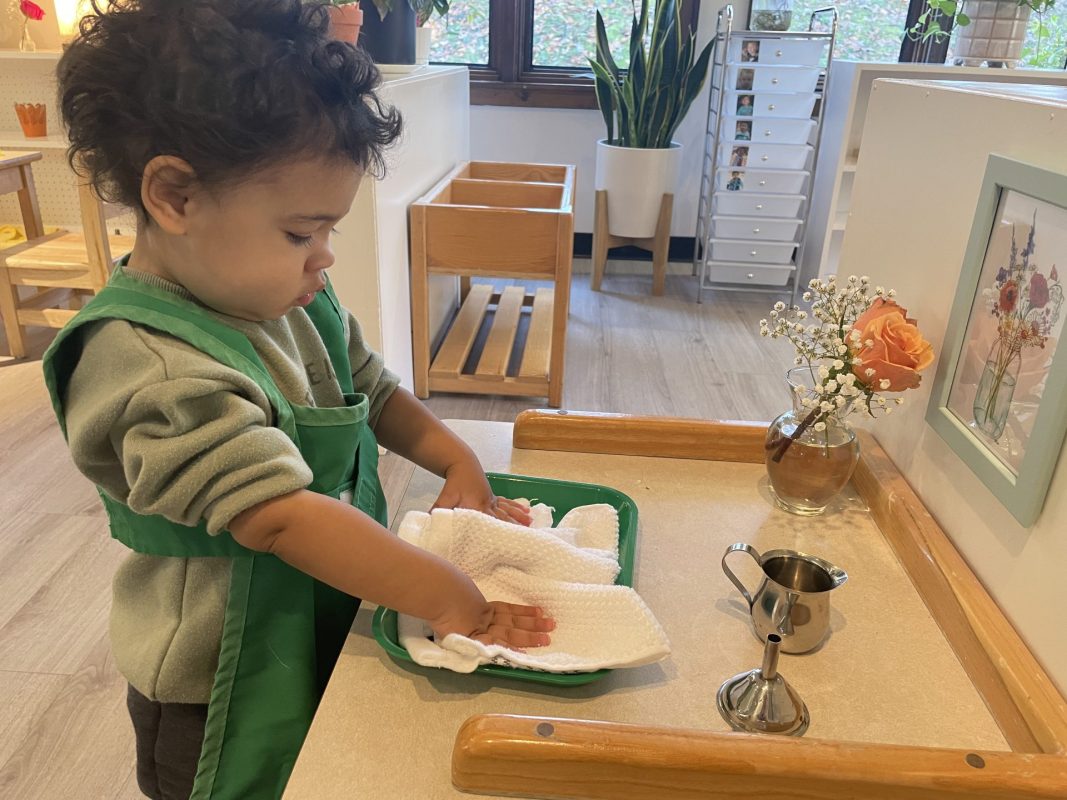
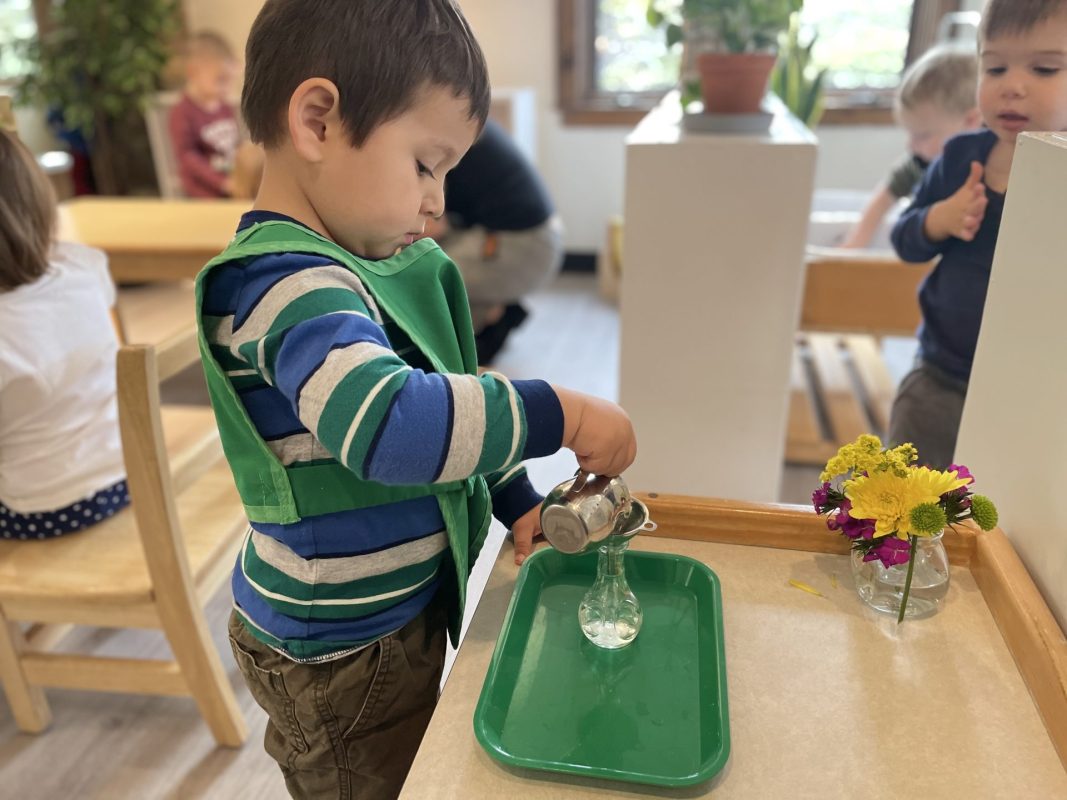
As a highlight this week, we introduced our students to one of the most beloved activities in our Montessori environments, flower arrangement. Dr. Maria Montessori introduced Practical Life exercises to provide children with opportunities to perform simple tasks that they have already observed at home. Practical Life exercises enable children to care for themselves, take care of the environment, and develop respect for others. Care of environment activities encourage the child to interact with the environment, exhibiting respect and love. These activities help the child form a connection with their environment and find a personal responsibility towards it.

This is a beautiful activity that offers so much to your child’s development. Through this exercise, children develop a sense of beauty, the mental task of sequencing, they learn to exercise the judgment of size and capacity in matching flowers to vases and in pouring water, also, manual dexterity as they need to fetch water and use different tools. This activity also indirectly prepares your child for botany studies in our Primary program and offers a great opportunity to work on independence and concentration. Your children LOVE it! We can’t thank you enough for your weekly flower donations!

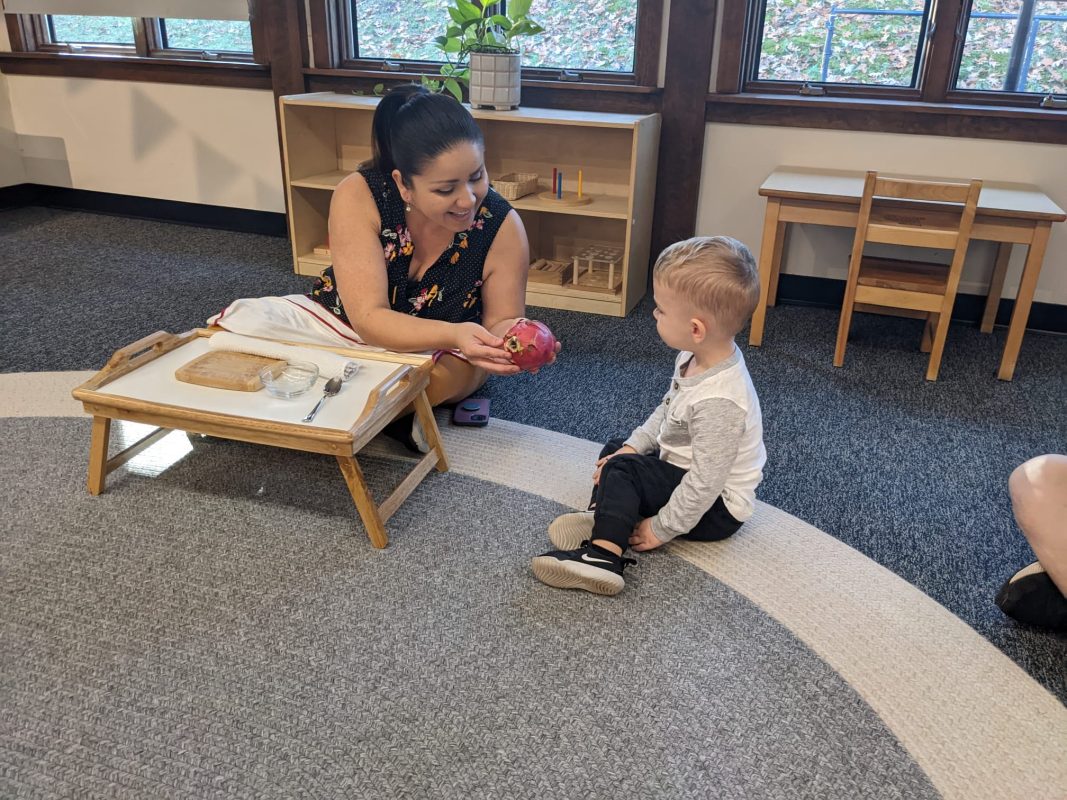
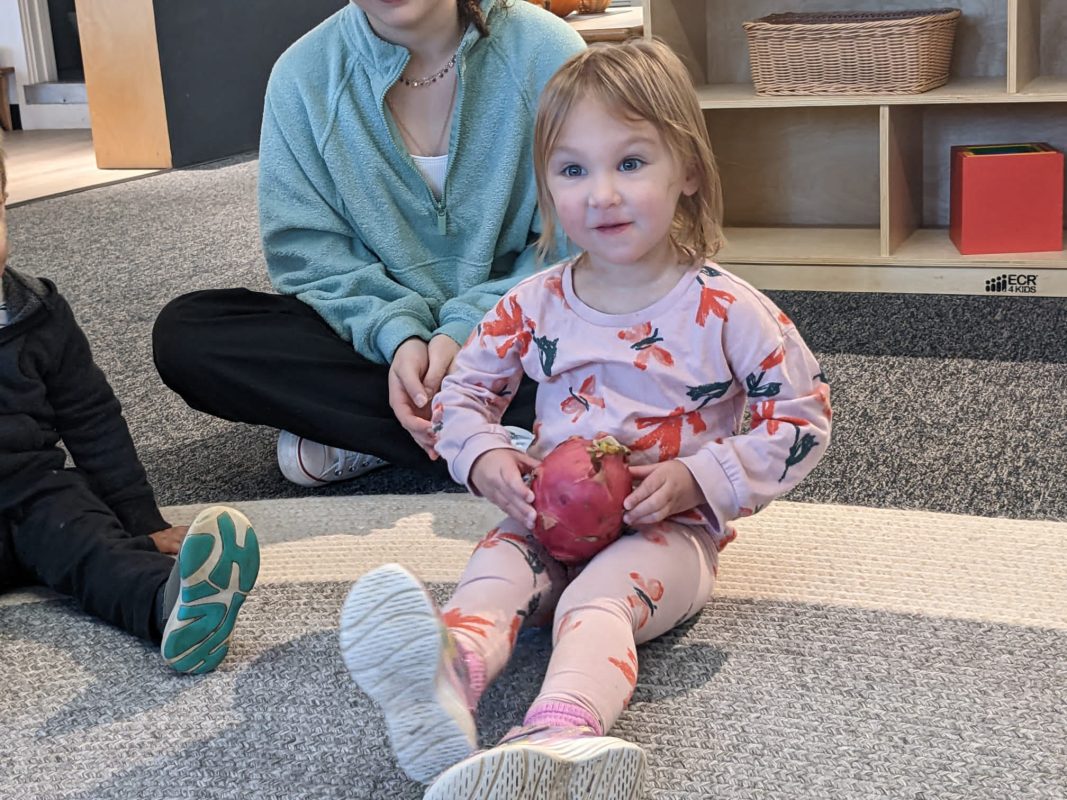
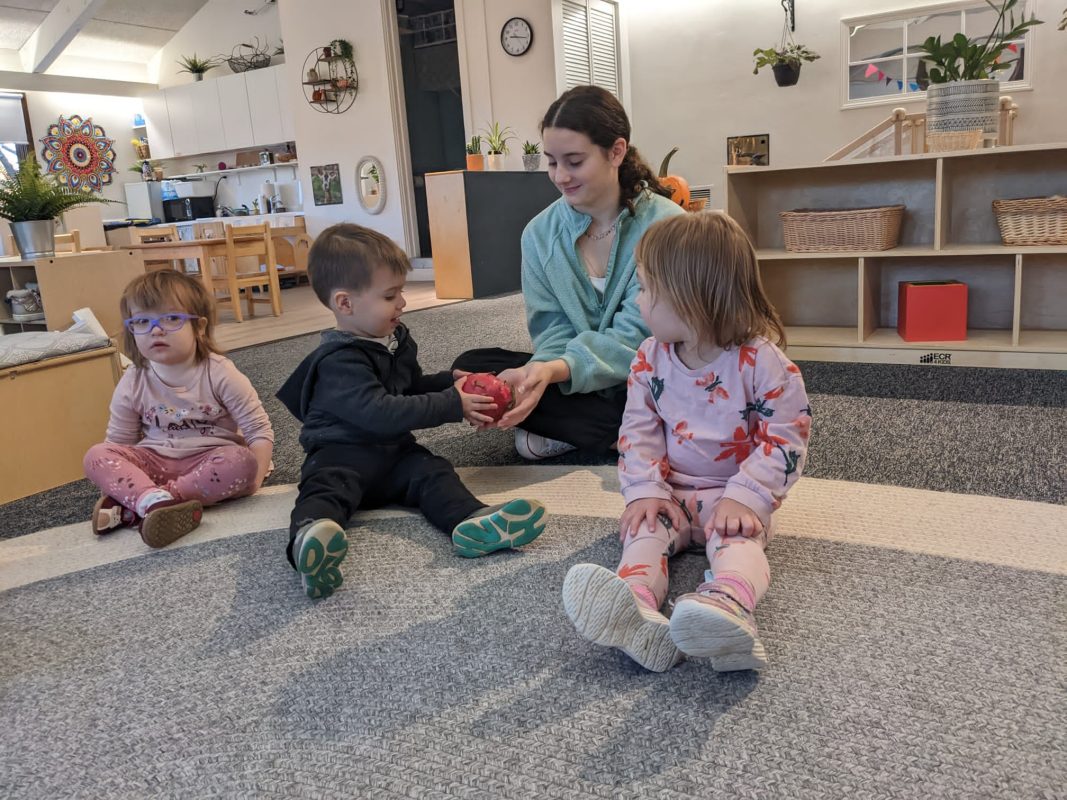
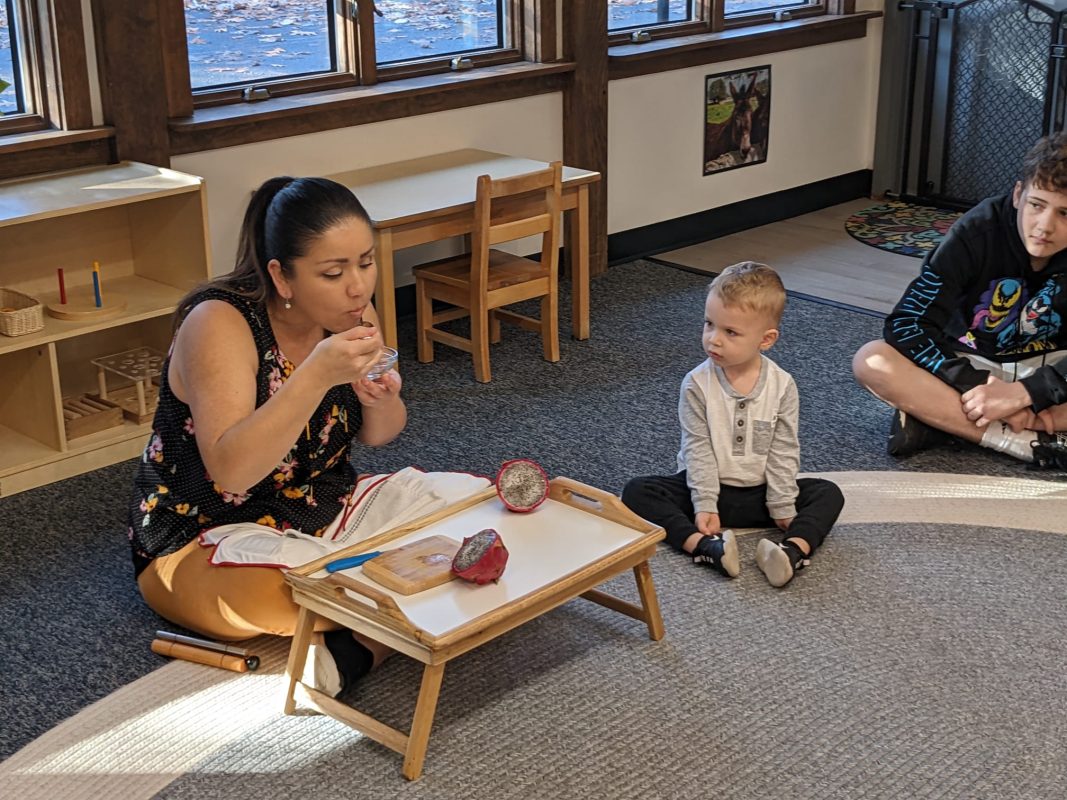
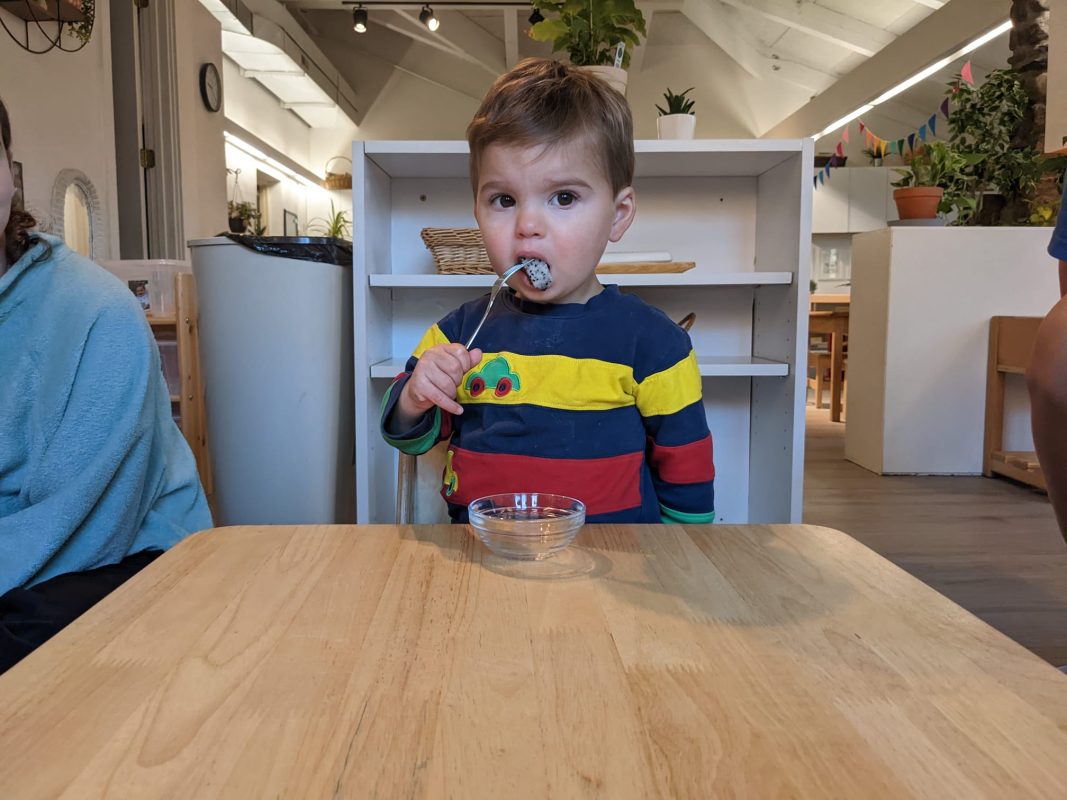
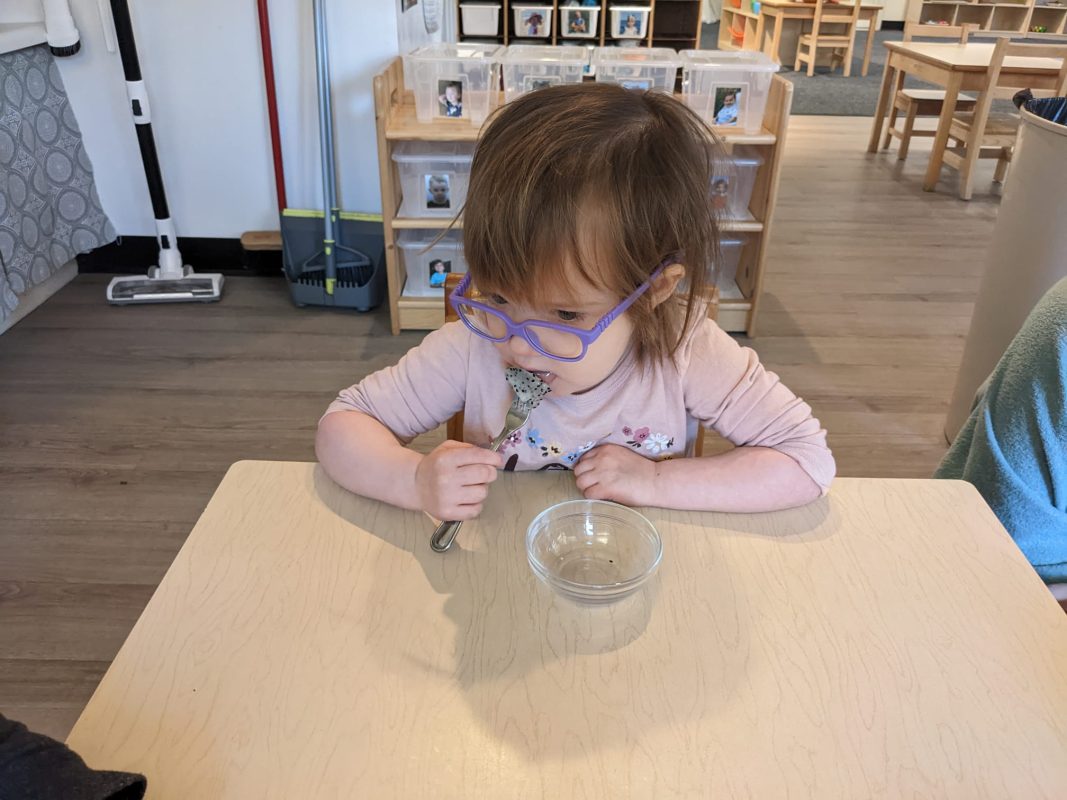
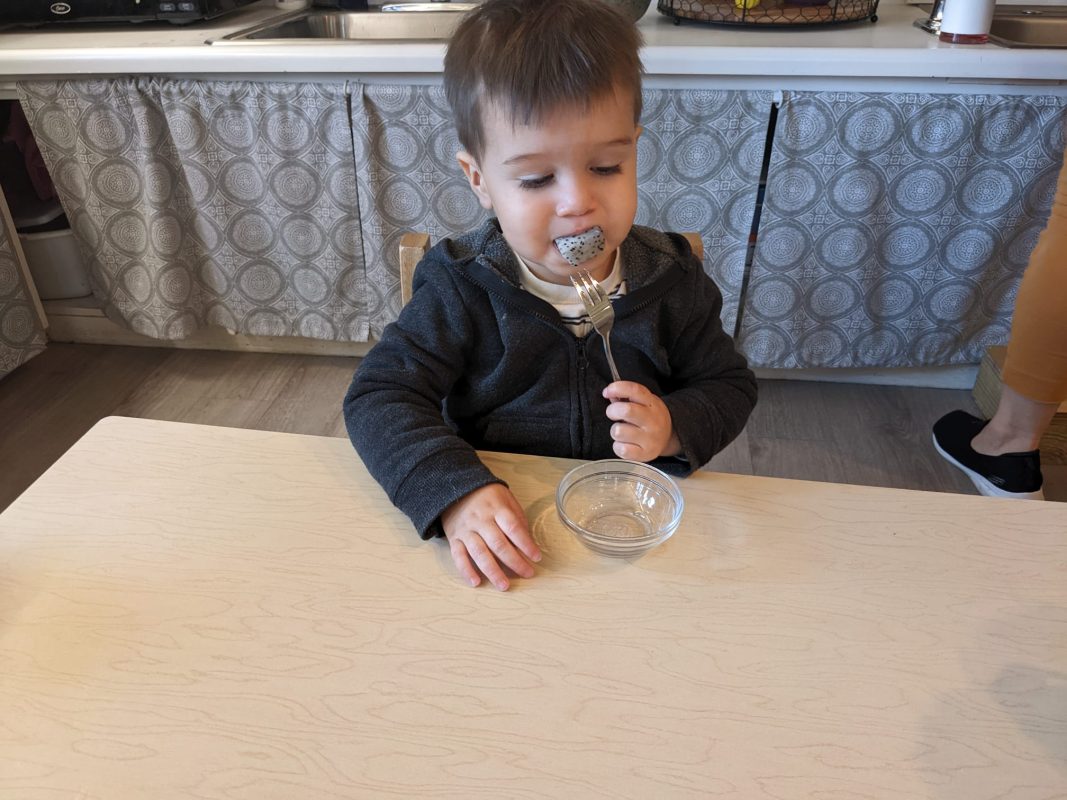
On another note, we explored Dragon fruit for food tasting. What a gorgeous and interesting fruit! Even though it is quite flavorless, most of the children really enjoyed it and kept asking for more. So feel free to add it to your grocery list and enjoy its benefits, as it strengthens the immune system.

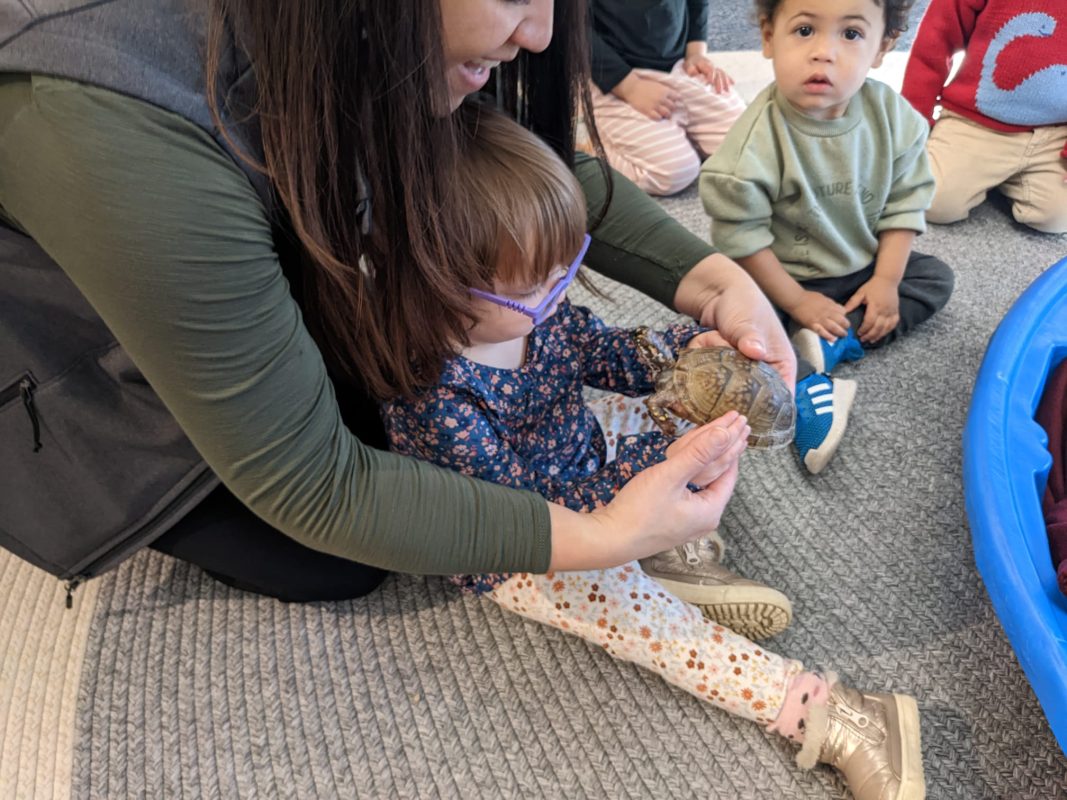
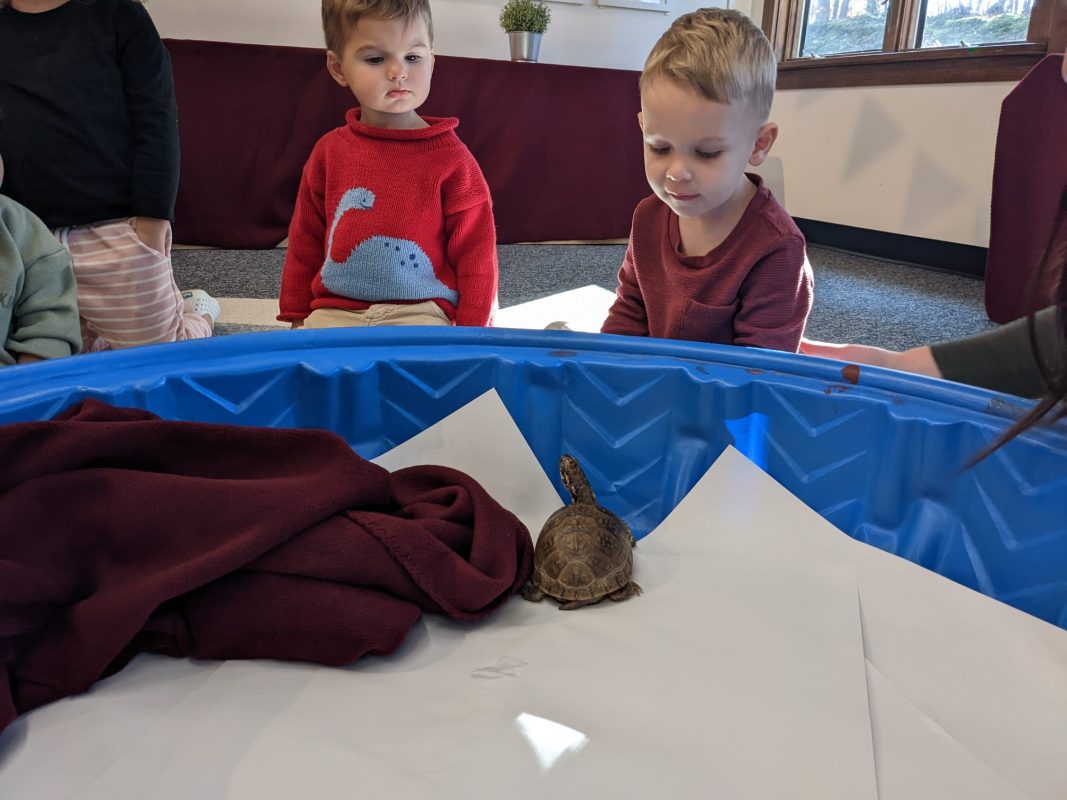
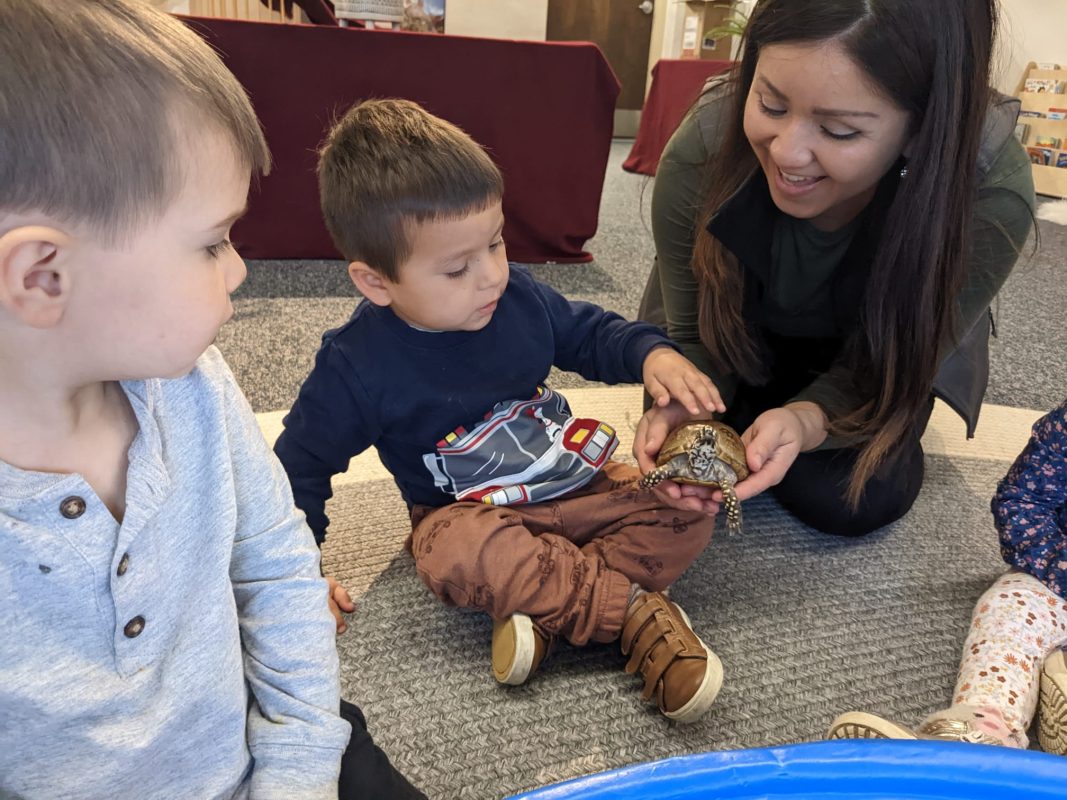
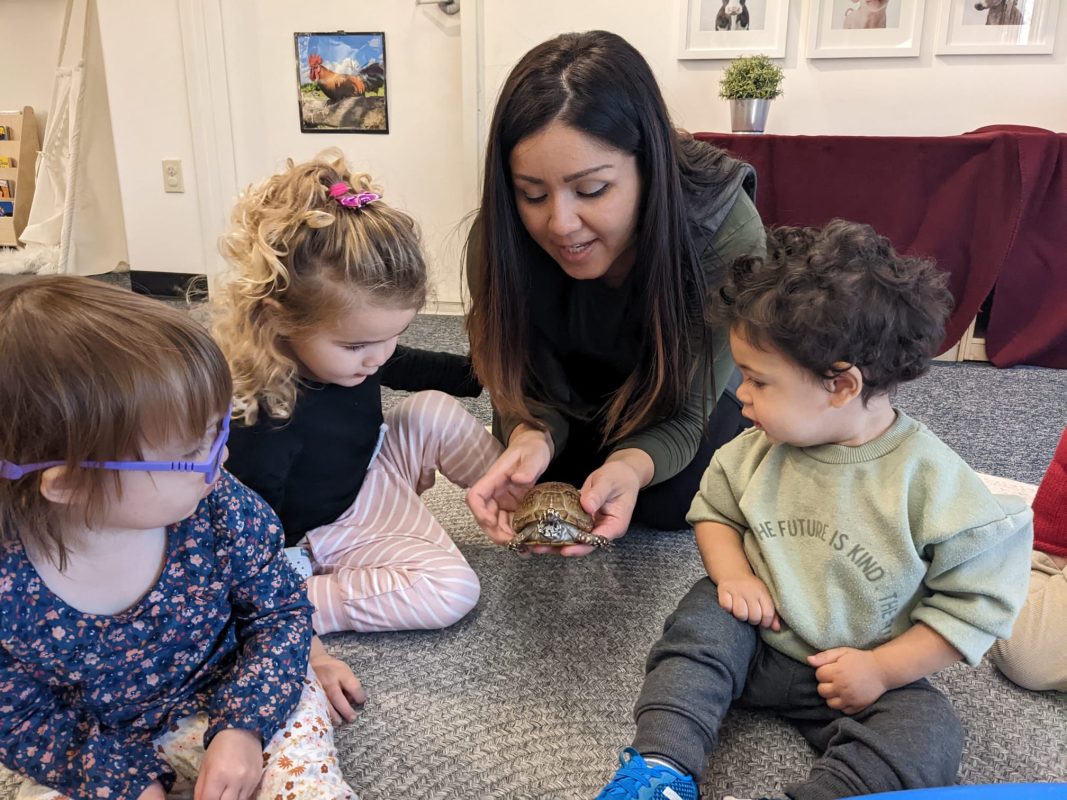
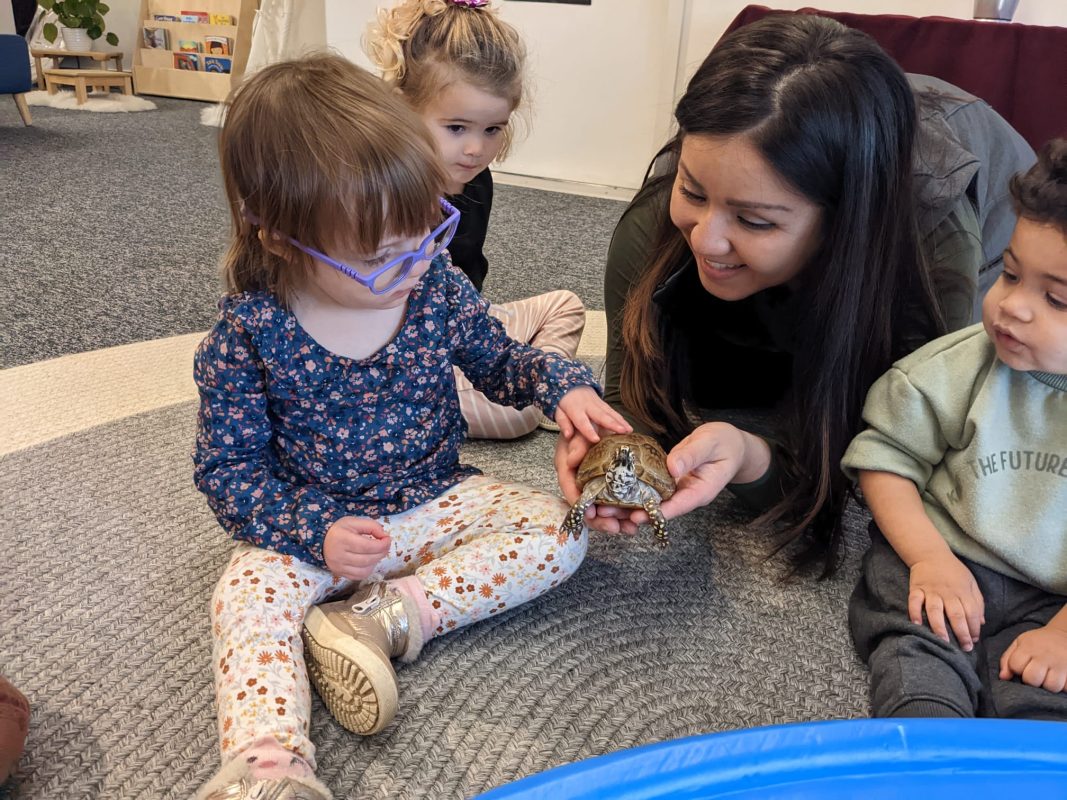
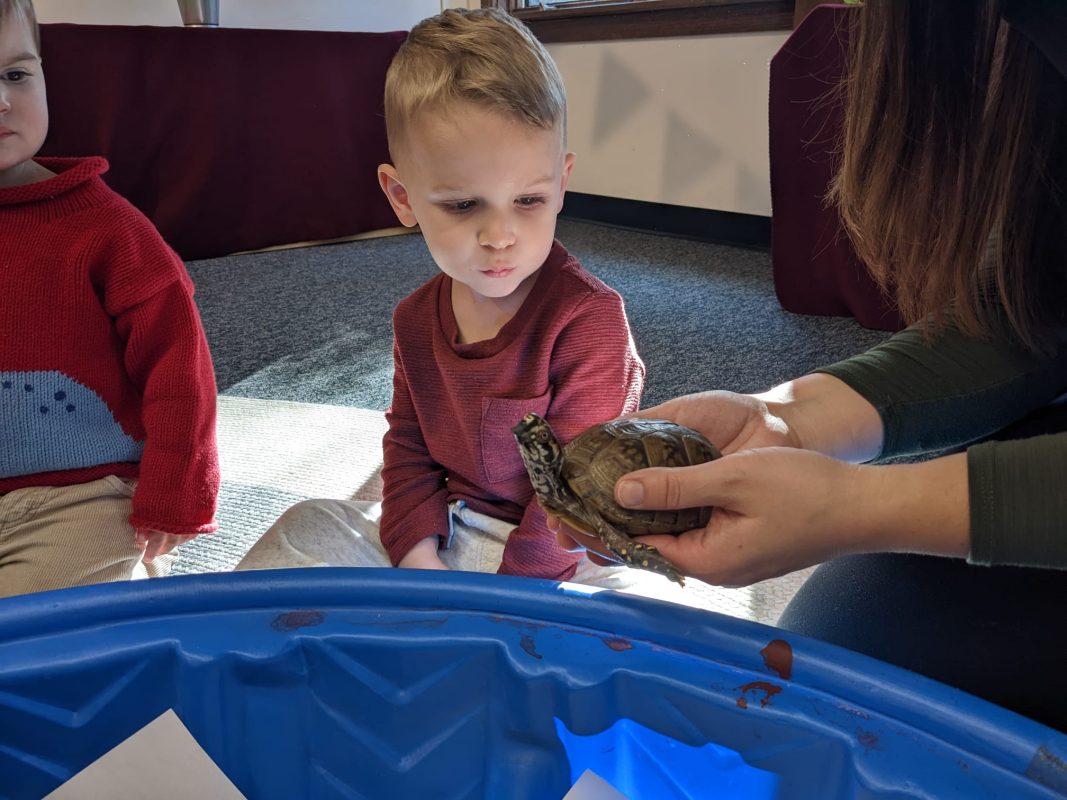
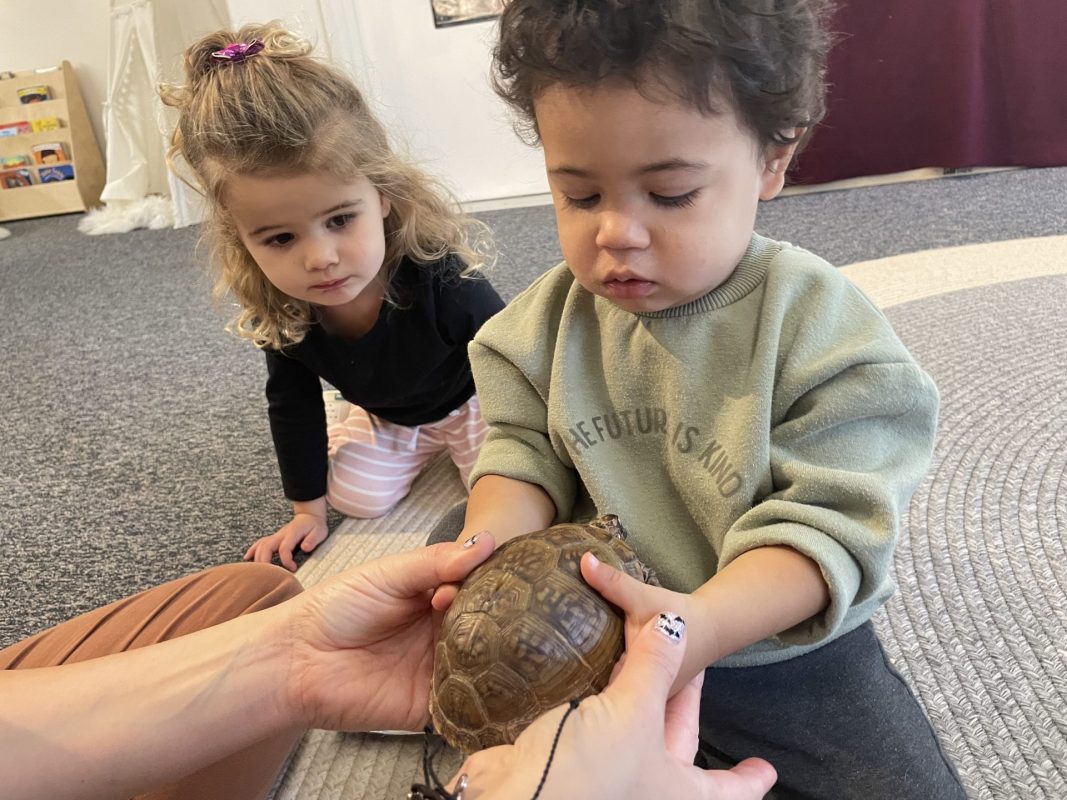
To end our week we enjoyed the visit of Mrs.T, a 34 year old turtle who is the pet of one of our students. Children observed and some were brave enough to caress and hold her. We love it when animals visit our environment!

Enjoy the pics and have a great weekend!

Mrs. Hood and Ms. Bethann

Mrs. Hood: “Help me to do it myself!”

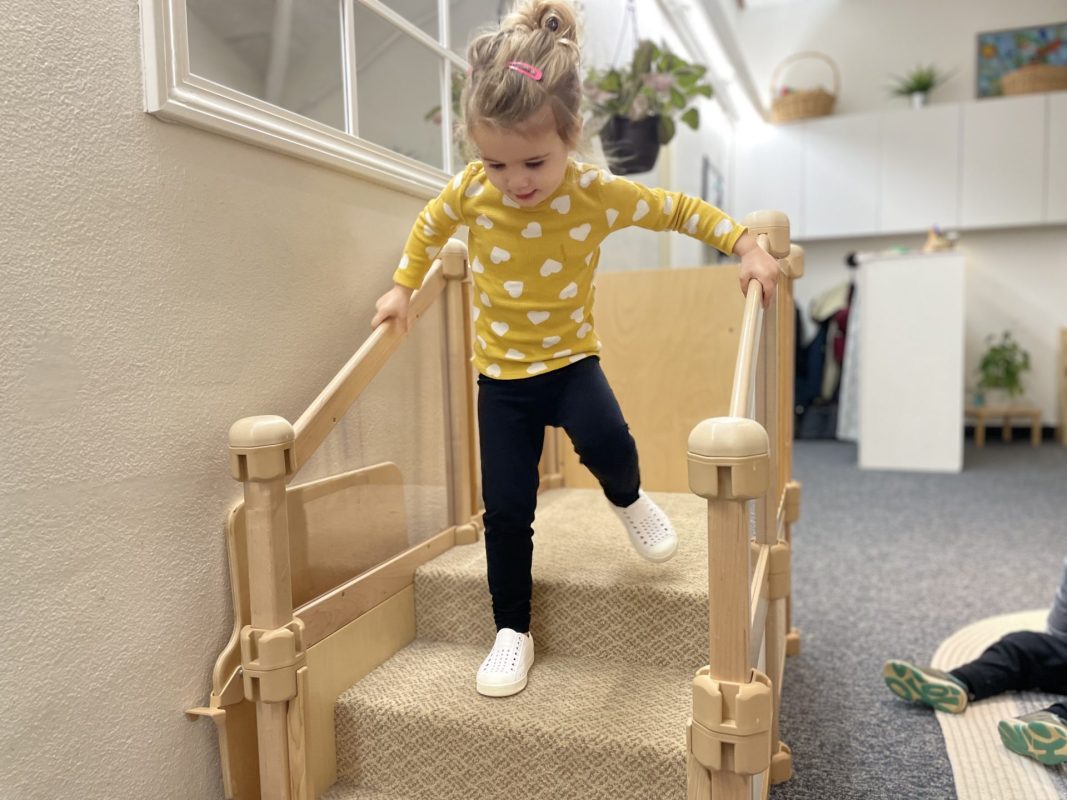
“If teaching is to be effective with young children, it must assist them to advance on the way to independence. It must initiate them into those kinds of activities which they can perform themselves and which keep them from being a burden to others because of their inabilities. We must help them to learn how to walk without assistance, to run, to go up and down stairs, to pick up fallen objects, to dress and undress, to wash themselves, to express their needs in a way that is clearly understood, and to attempt to satisfy their desires through their own efforts. All this is part of an education for independence.” –Dr. Maria Montessori

Toddlers are naturally eager to learn these things. “Do it myself,” might well be the refrain for the toddler years! Our day-to-day lives often make for less than ideal circumstances to help our children achieve the independence they crave. Our homes are not optimized around a little person with their height of less than three feet: Objects are hard to reach, too heavy, or too big for little hands to use. Our days are not set up to move at their speed: We rarely just happen to have ten spare minutes to wait while our almost two year old puts on their jacket!

Yet, enabling a toddler to become more independent has huge benefits, both short-term and long-term. Power struggles decrease when a child feels more in control. Temper tantrums are less frequent when a toddler is busy doing things for themself rather than resisting their parent’s efforts to do things for them! A child who feels capable because they can act in the world, without needing to rely on a caregiver for every little thing, is a child who is developing self-confidence.

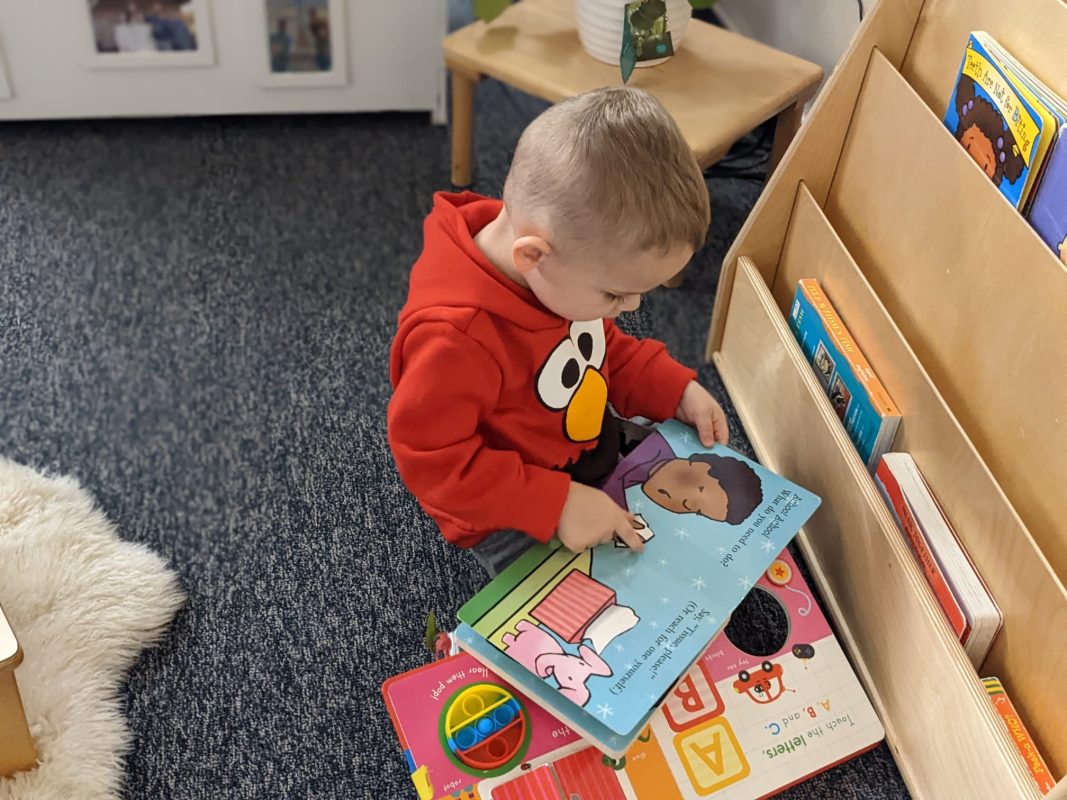
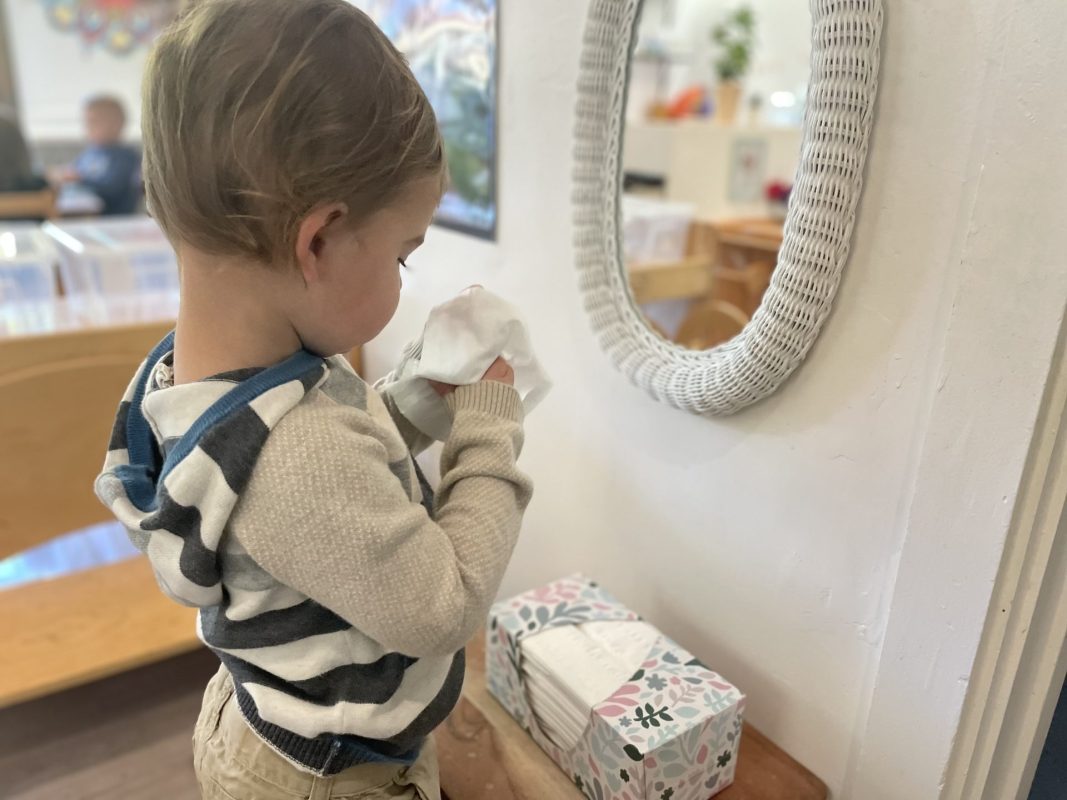
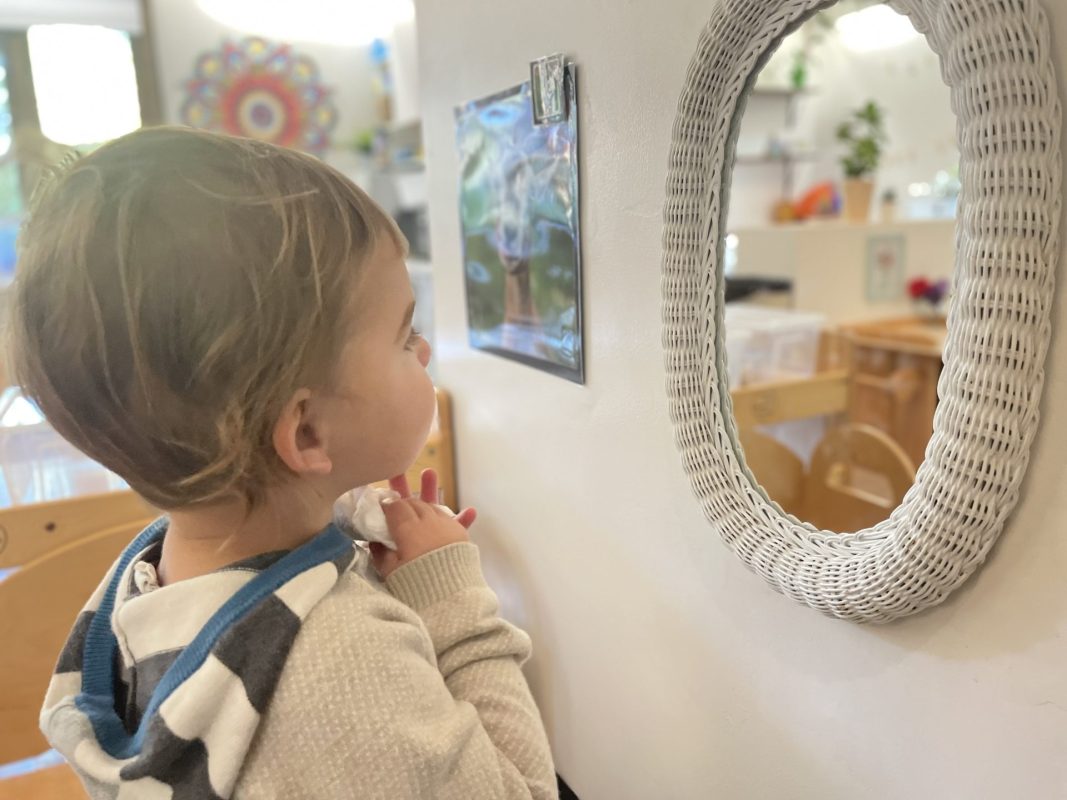
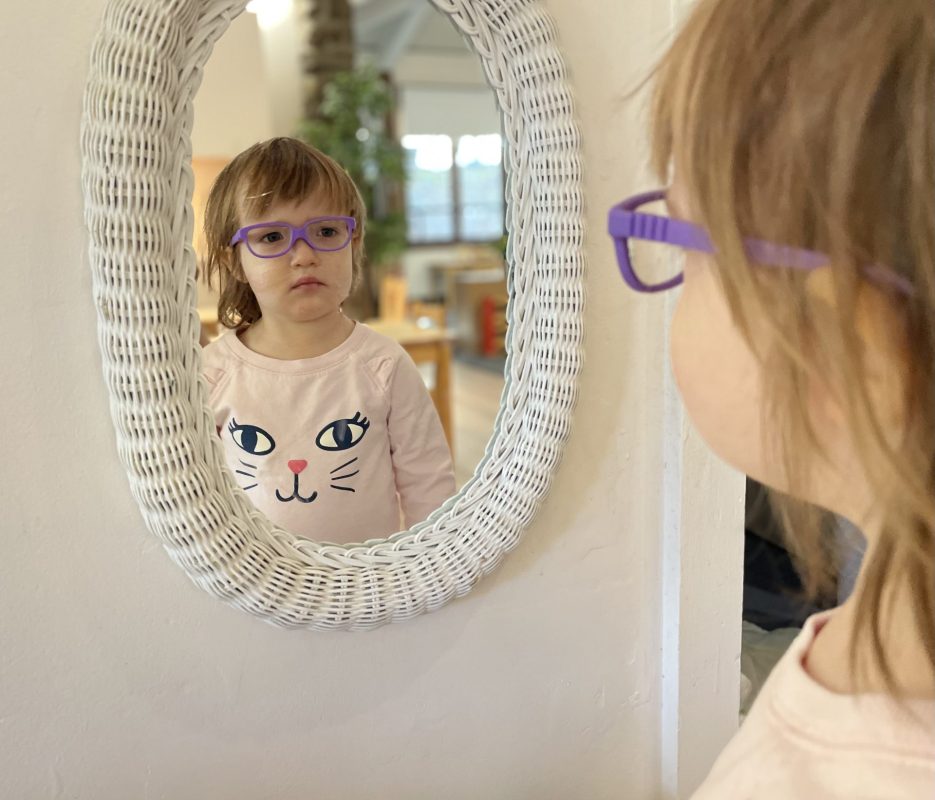
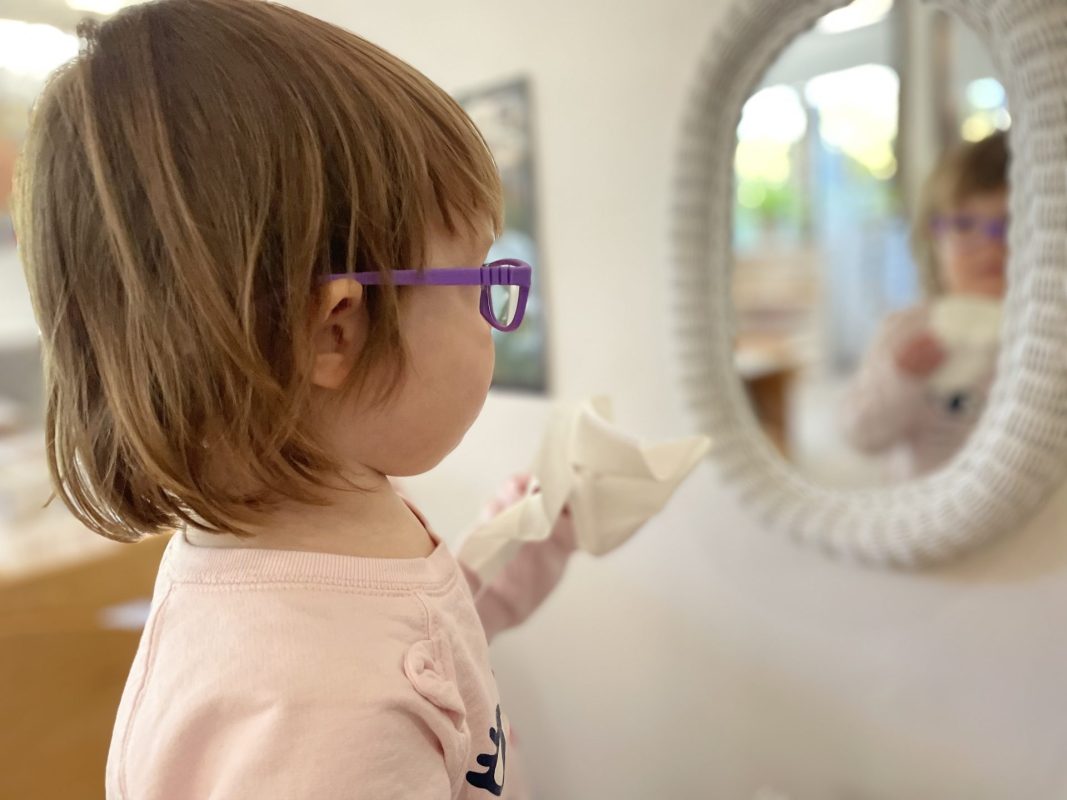
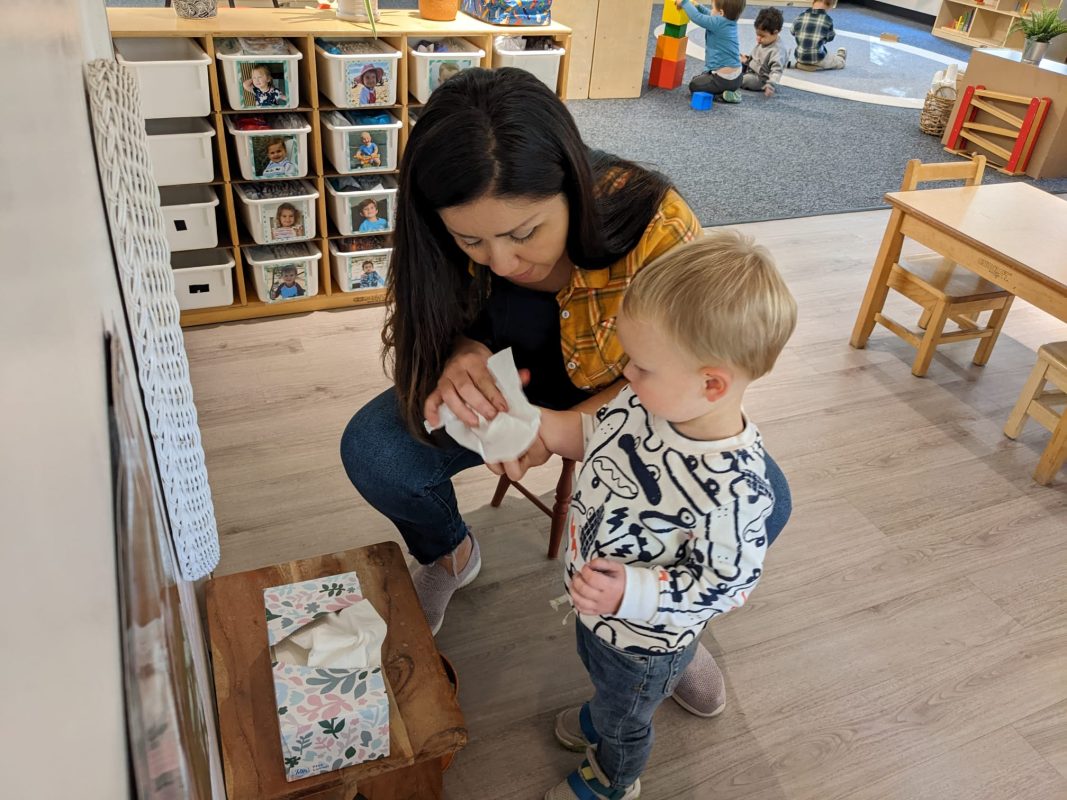
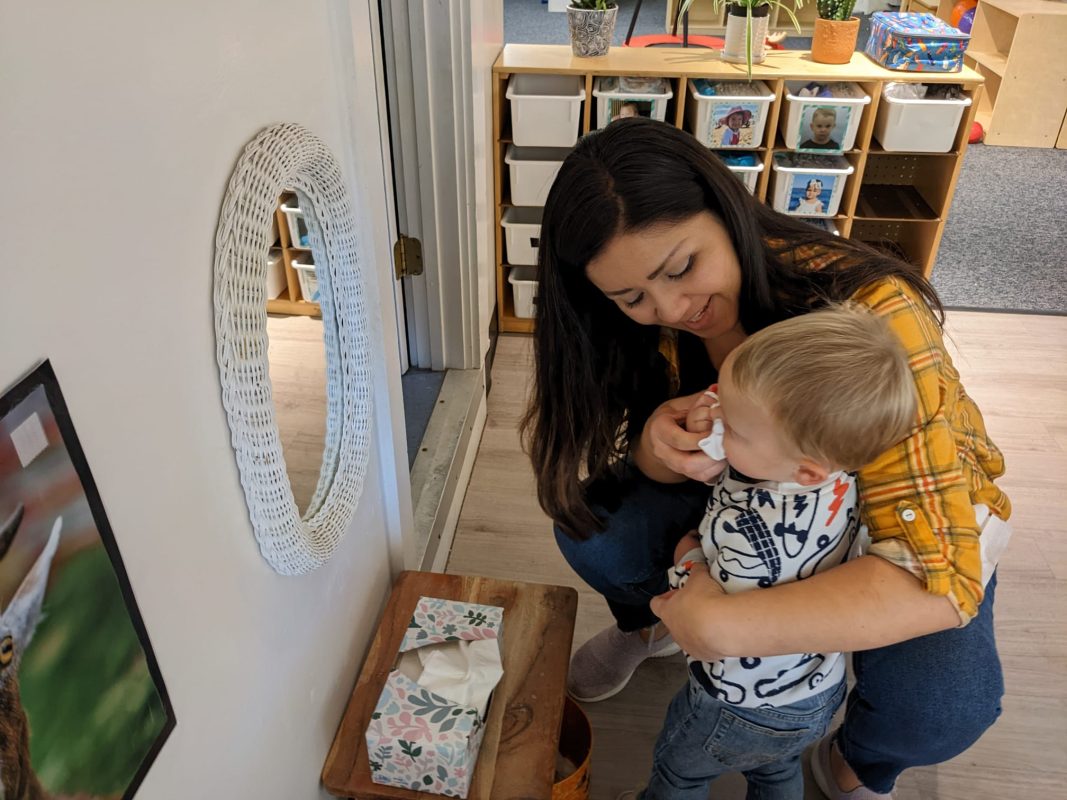
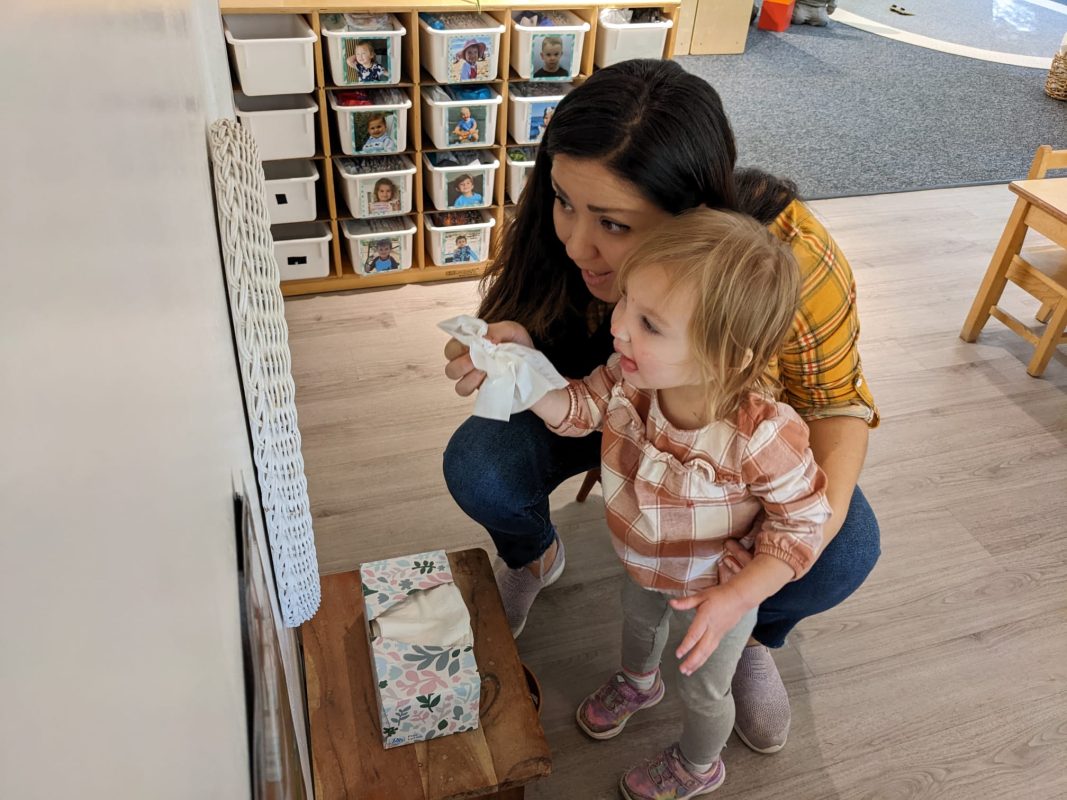
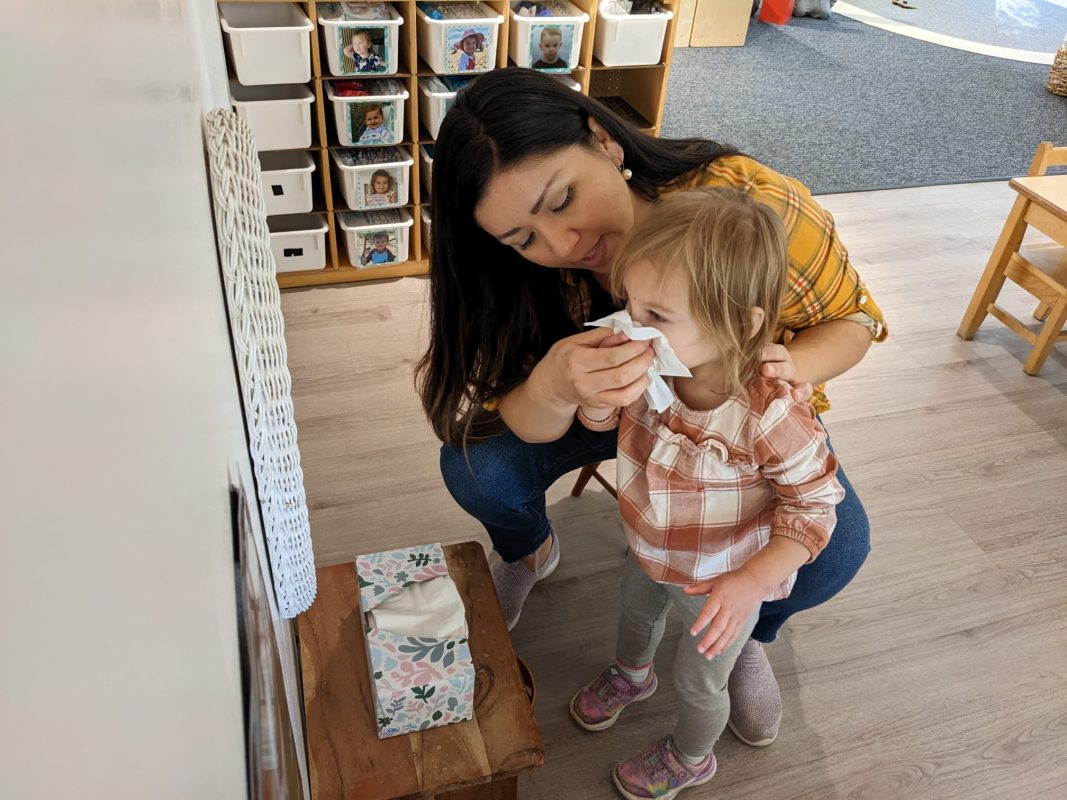
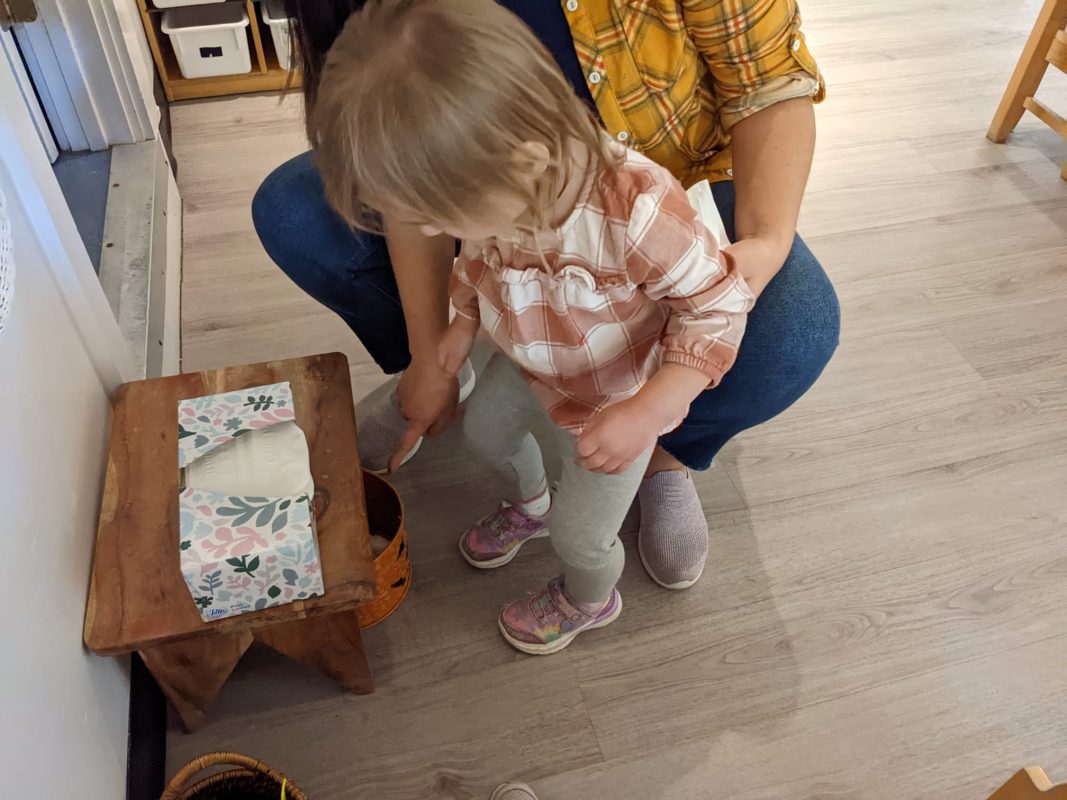
In our environment your children work daily on practical life exercises that aim for independence, as this is the main part of a Montessori Toddler curriculum. One of the self-care exercises your children have been working on over and over this week has been nose blowing. Between fall allergies, growing an immune system, viruses everywhere, and the infamous New England unpredictable weather, it seems children need tissues constantly. That’s why there is a nose blowing station in our environment. This is a small area with a small mirror at children’s eye level, a small table that holds a box of tissues and a small trash can. The first part of the lesson refers to the “pinch and pull method.” Basically, we teach them to look at their face in the mirror to see the mucus, how to place the tissue in their hand, pinch their nostrils and pull away from the face. As children master this part, properly blowing their noses will come second as they will be more aware of their body. We then finish the lesson by throwing the tissue in the trash and washing and drying our hands.

We strongly encourage you to support the learning of this skill by providing a nose blowing station at your home as well. It’s easy to set up and let me tell you, it is so rewarding when you realize your child is actually able to help keep their own face clean without you having to chase them all around the house or clean up mucus from different surfaces.

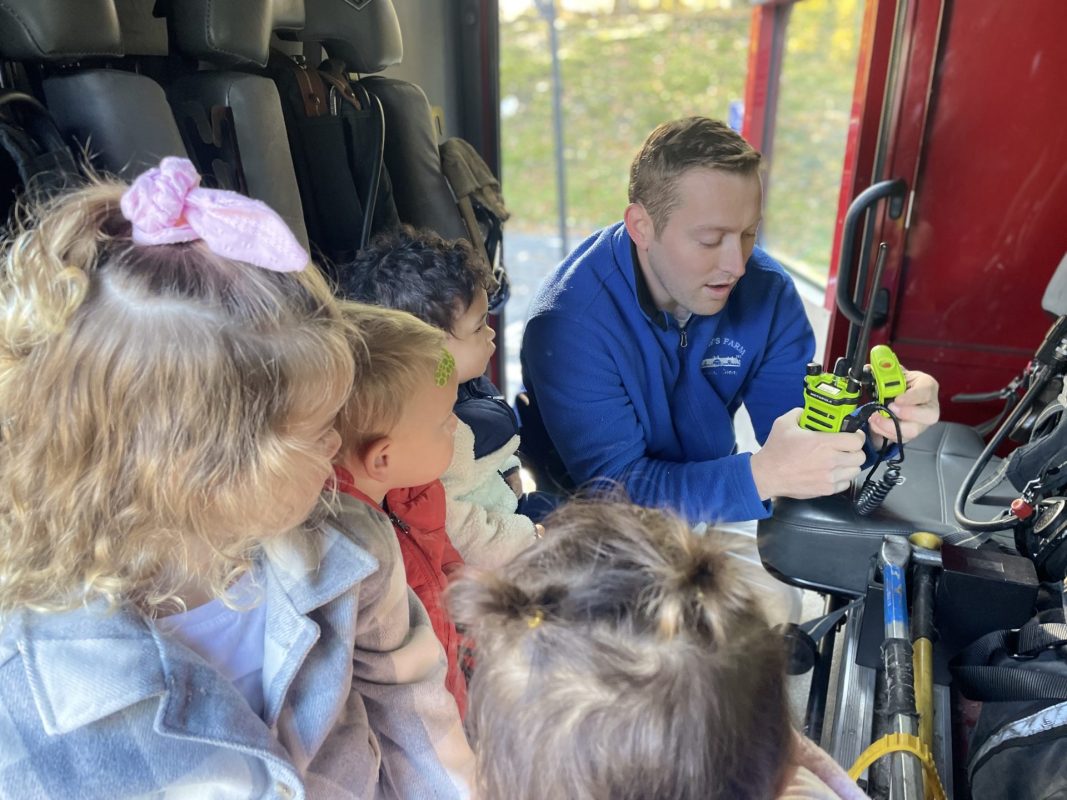
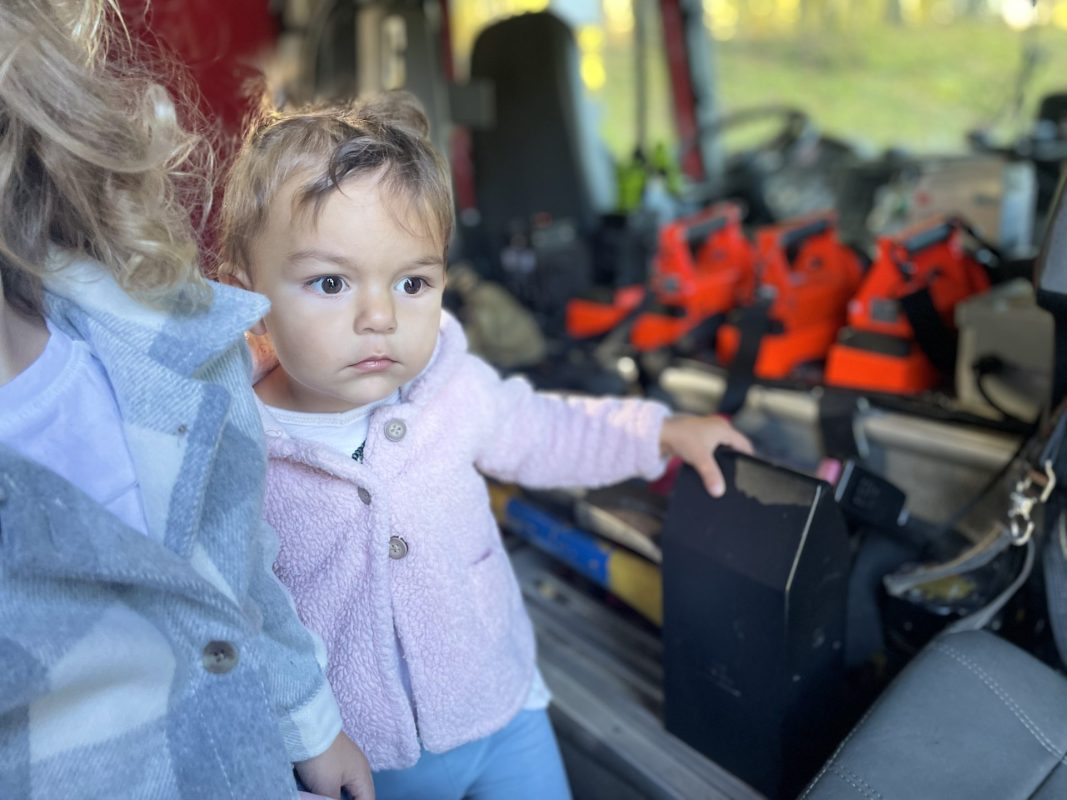
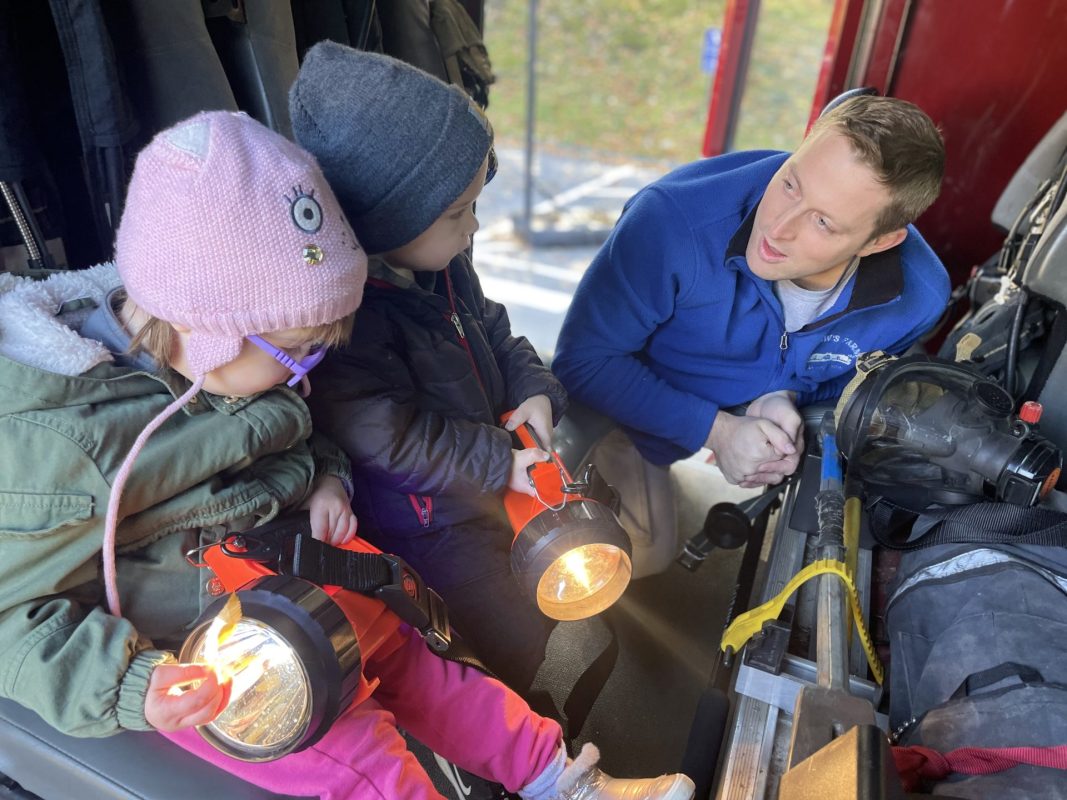
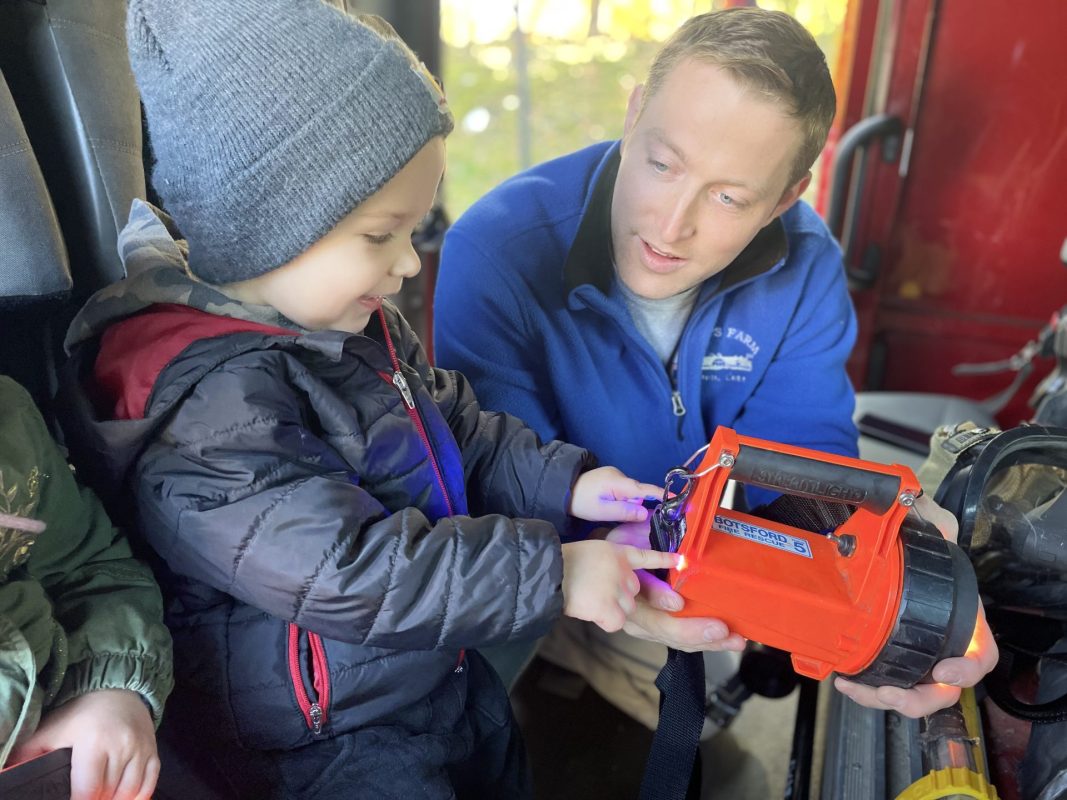
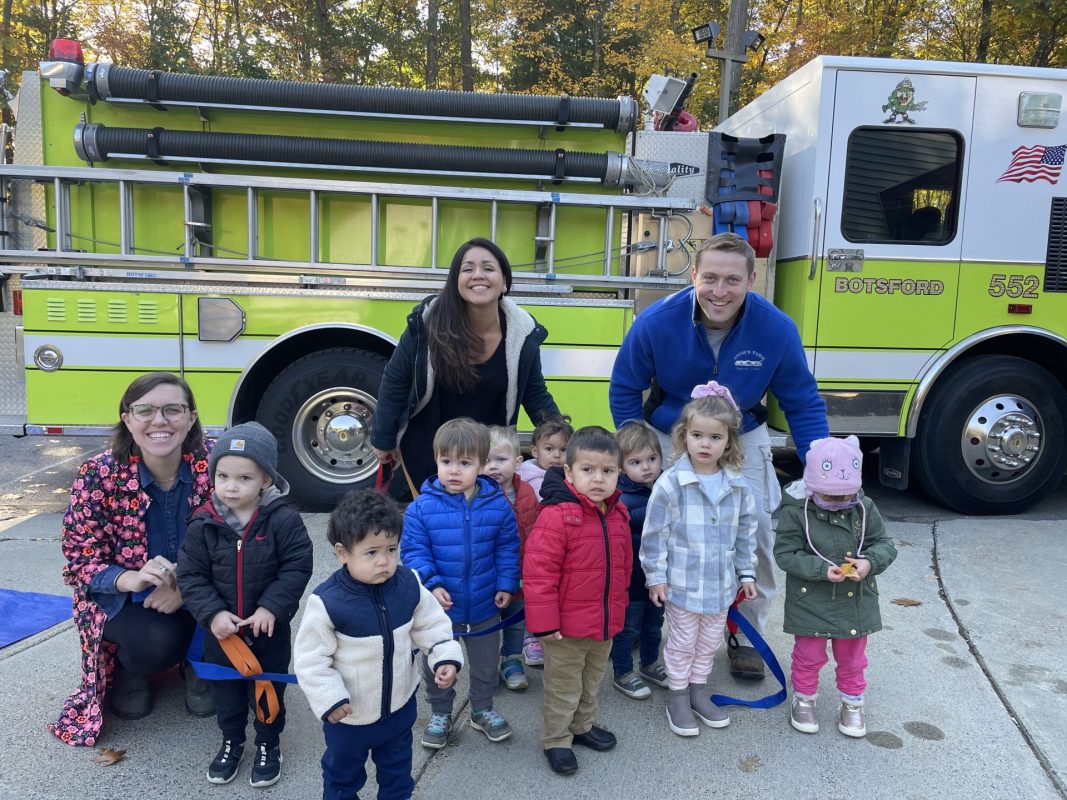
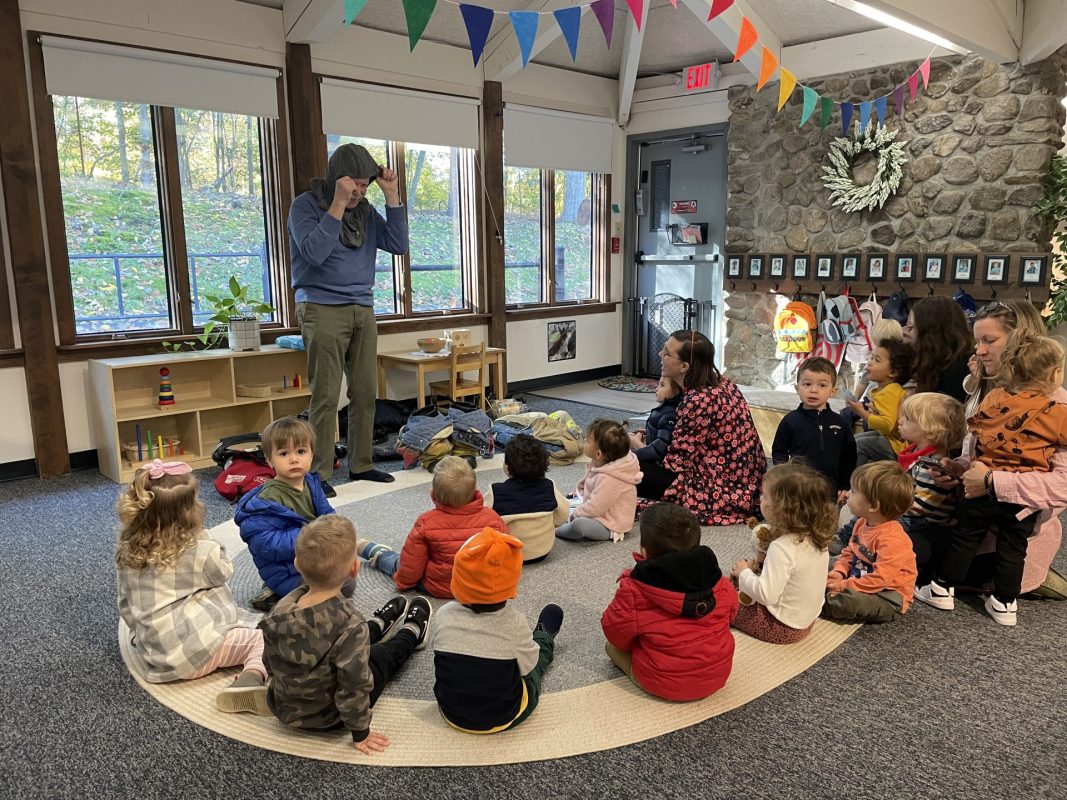
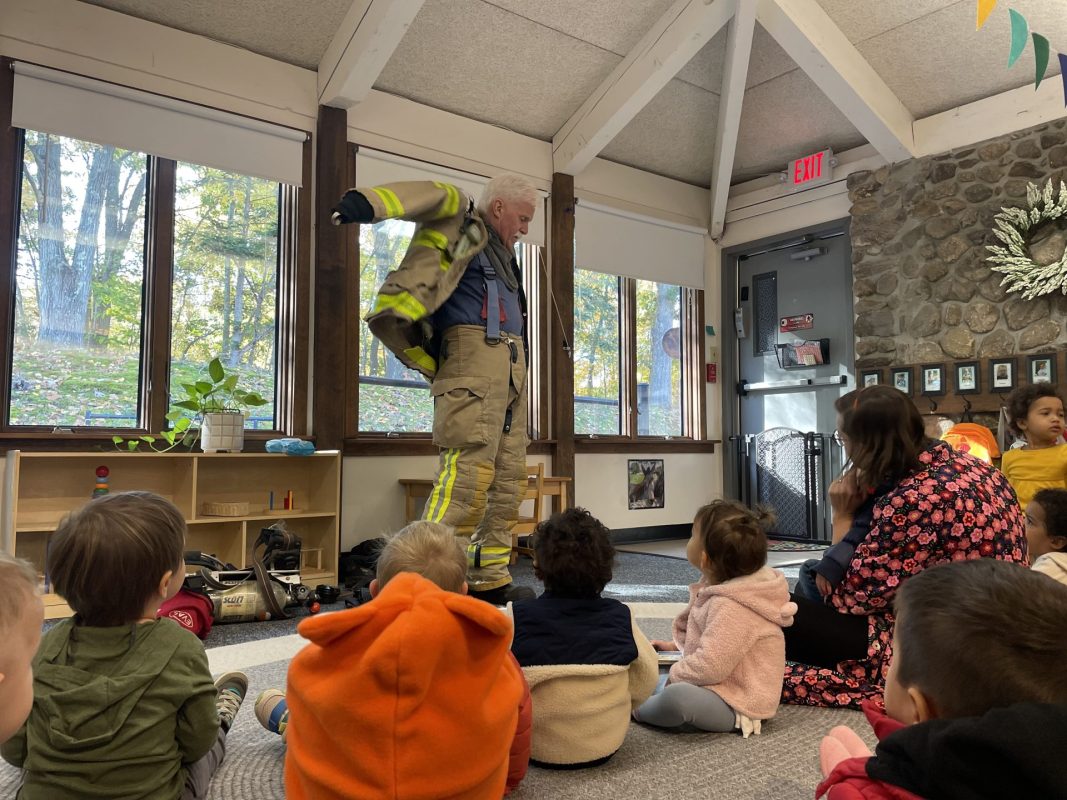
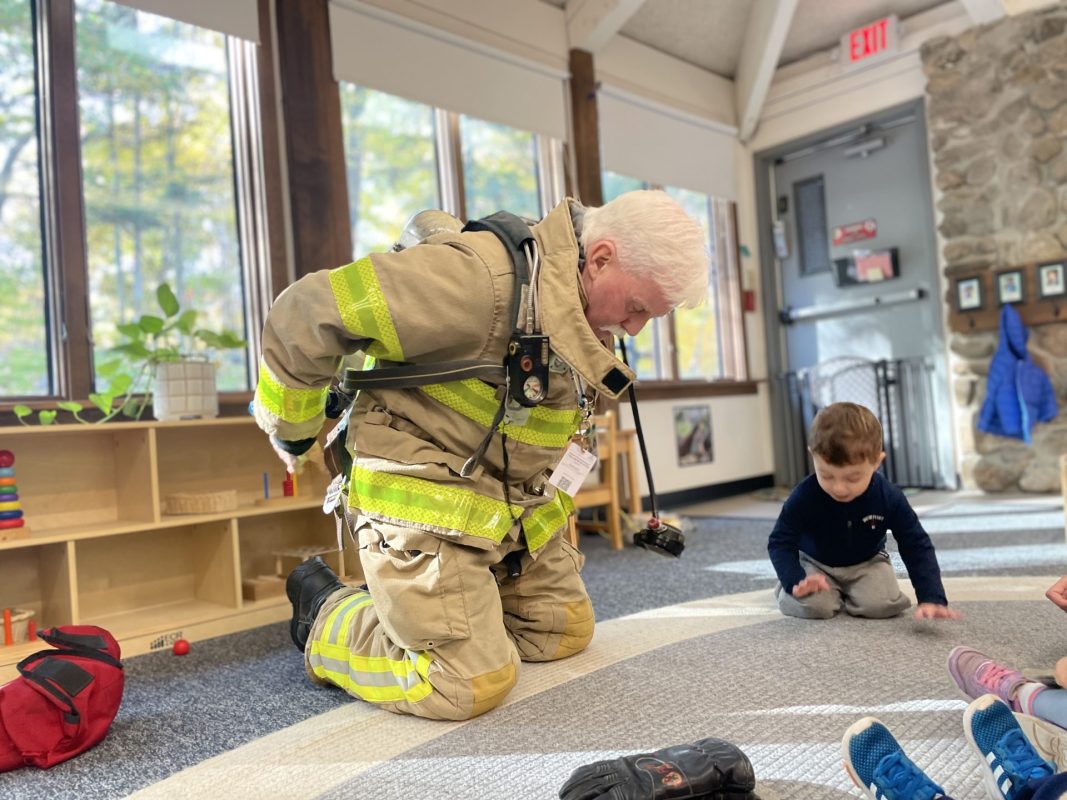
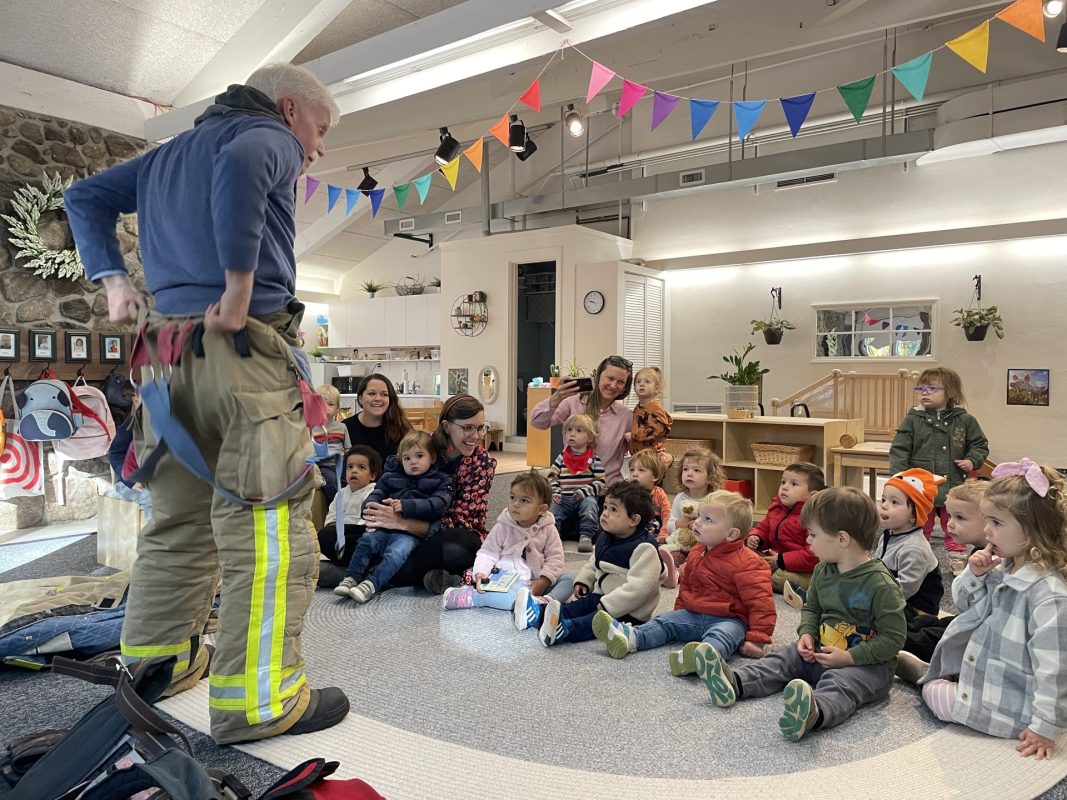
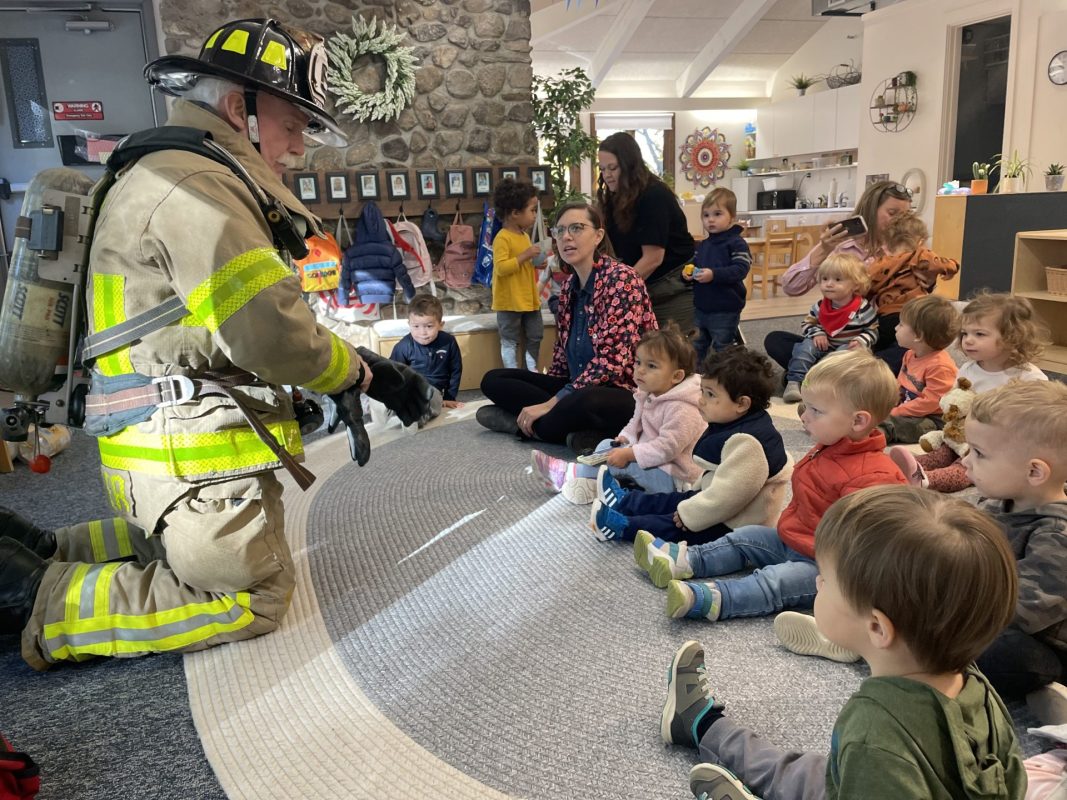
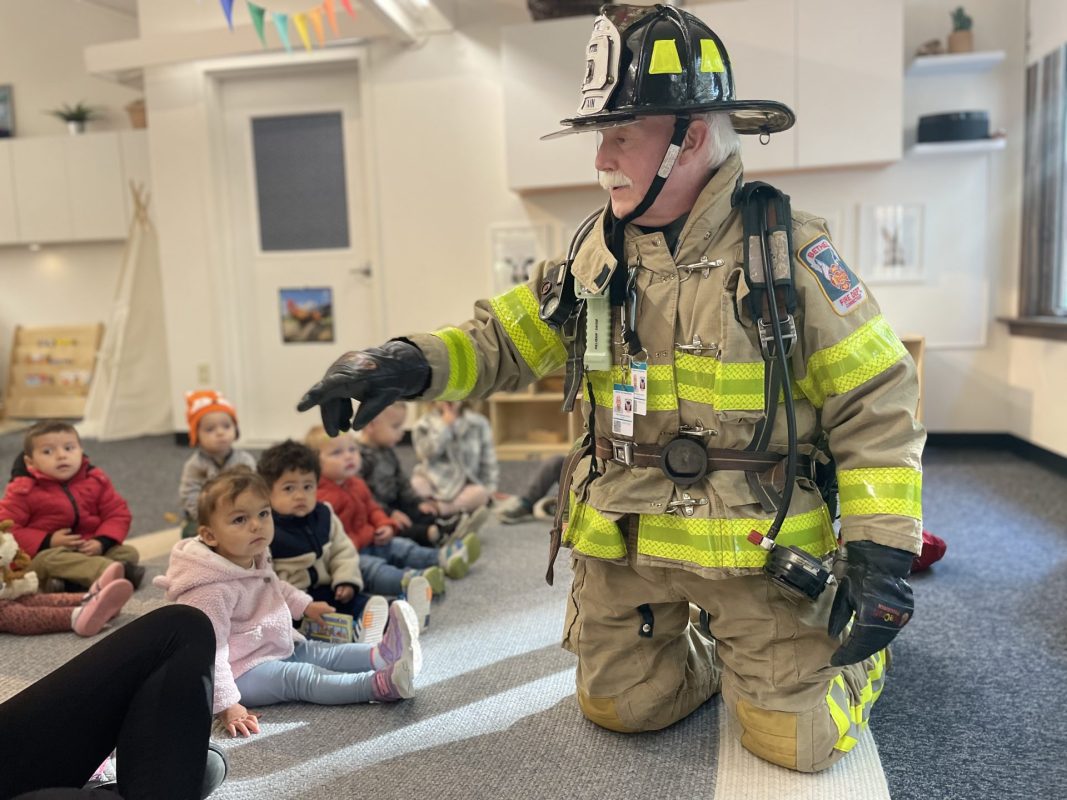
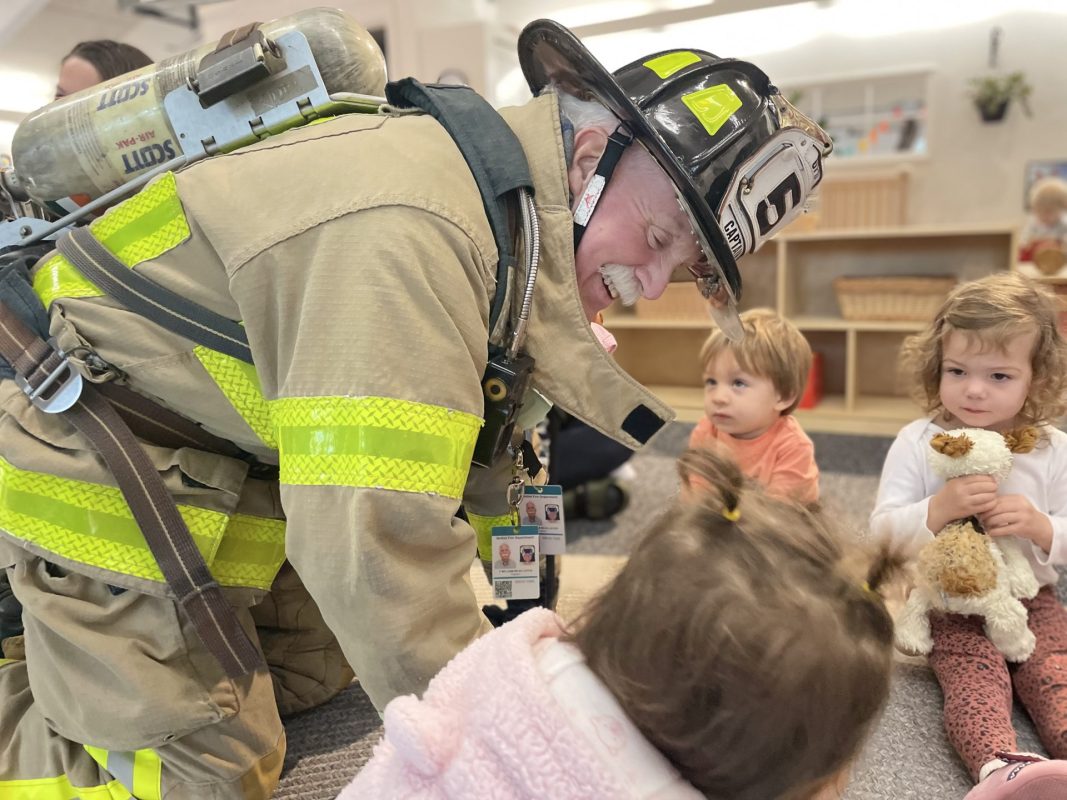
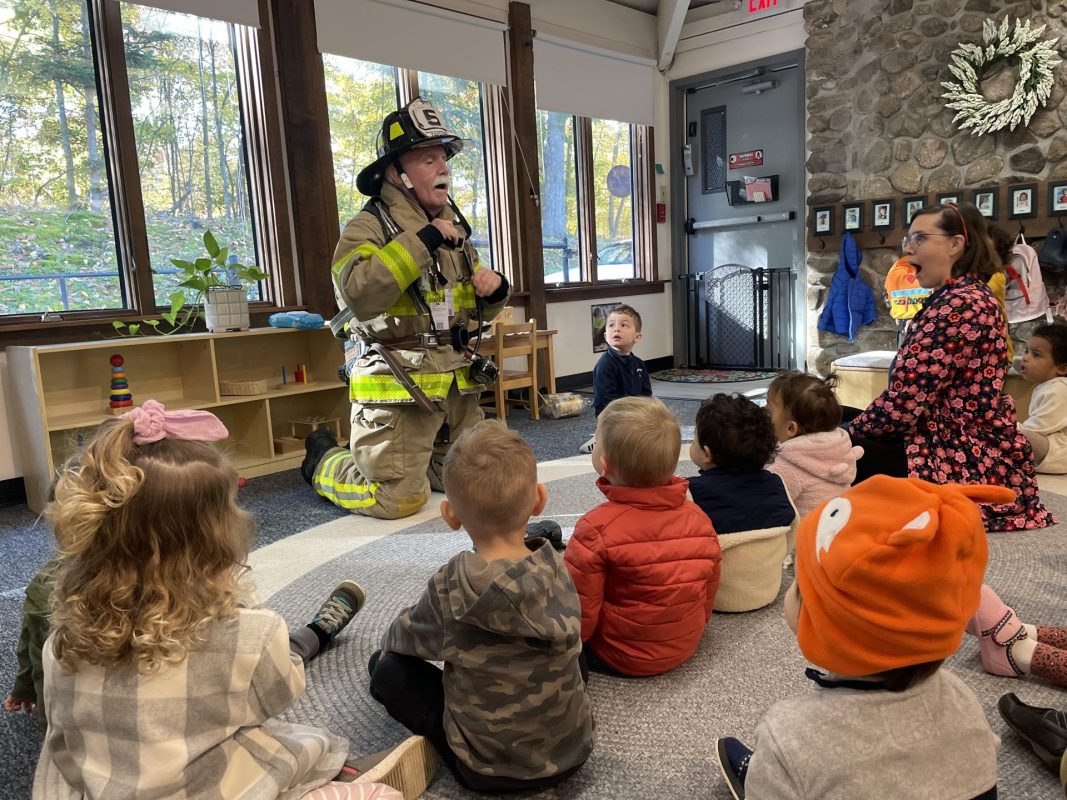
In another note, children enjoyed the visit from the Botsford Fire Rescue. All children that wanted to climb the truck and explore it inside were welcomed to do so. They also received a presentation from a very kind firefighter on how the firefighters’ gear works. It was so great and we are so thankful for this wonderful visit!

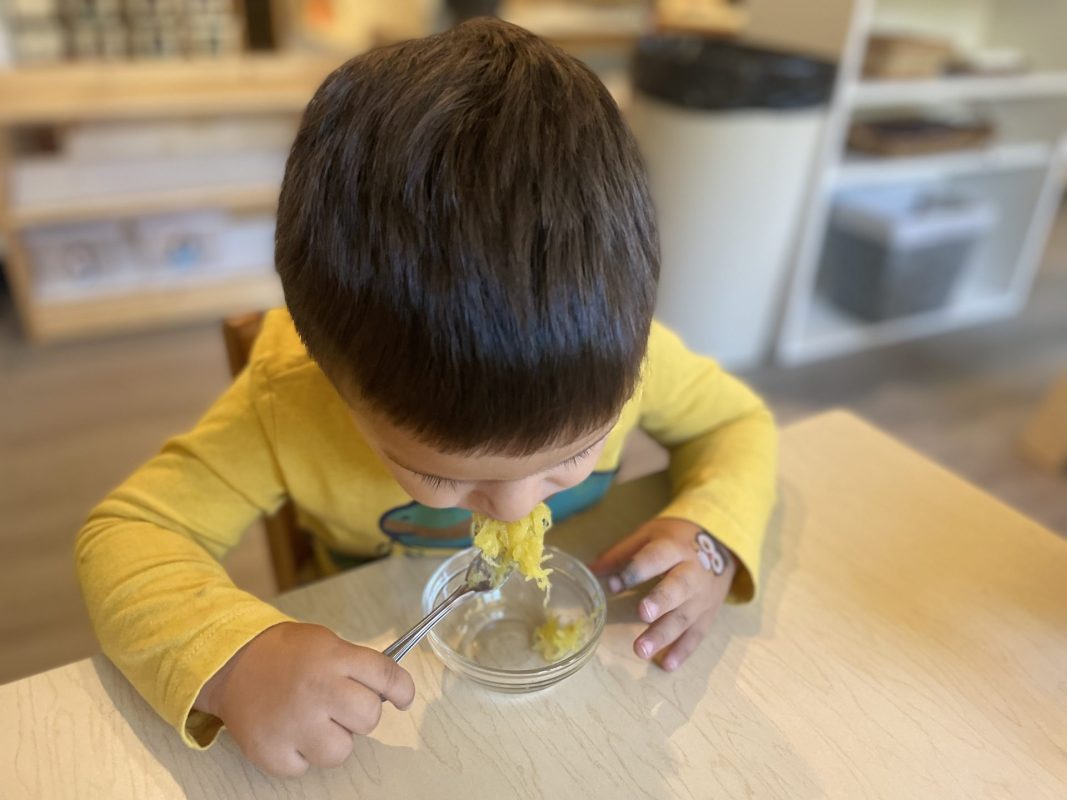
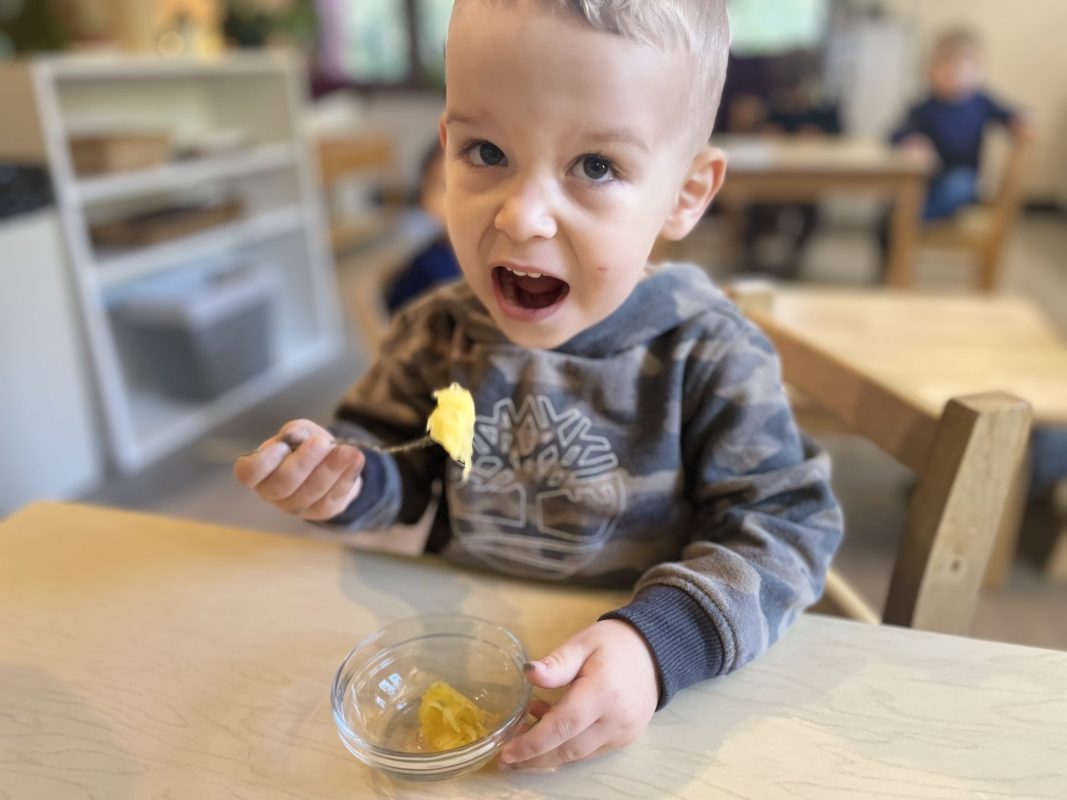
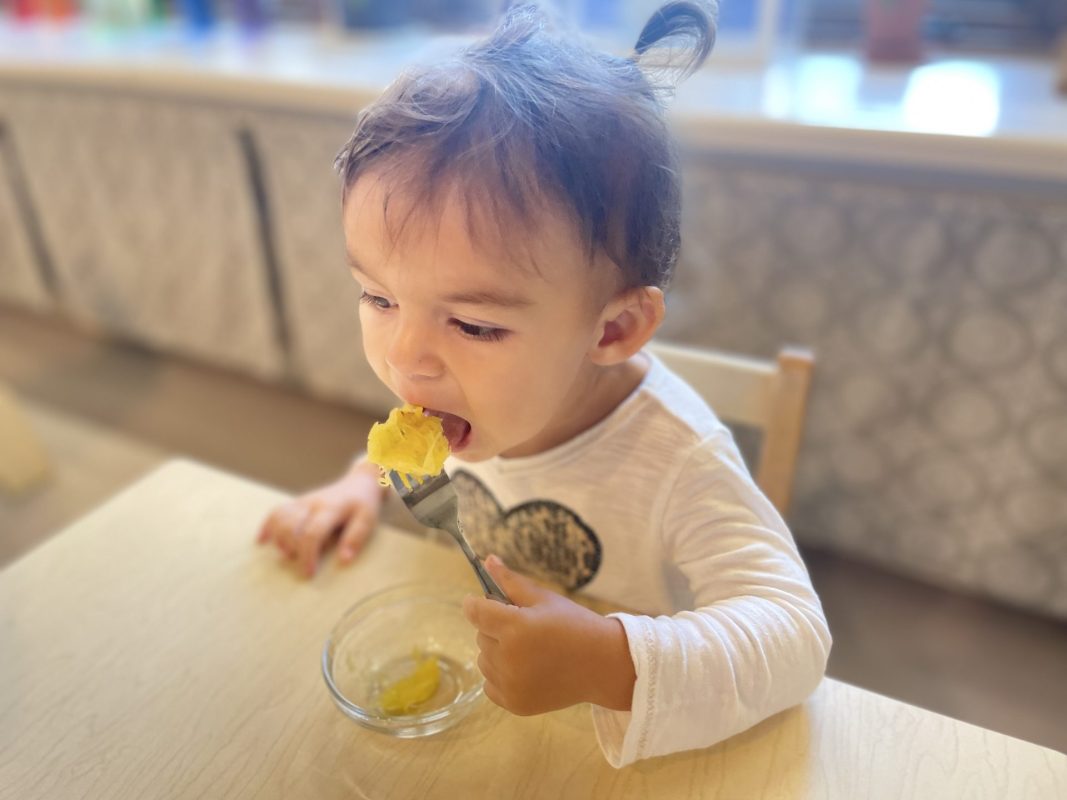
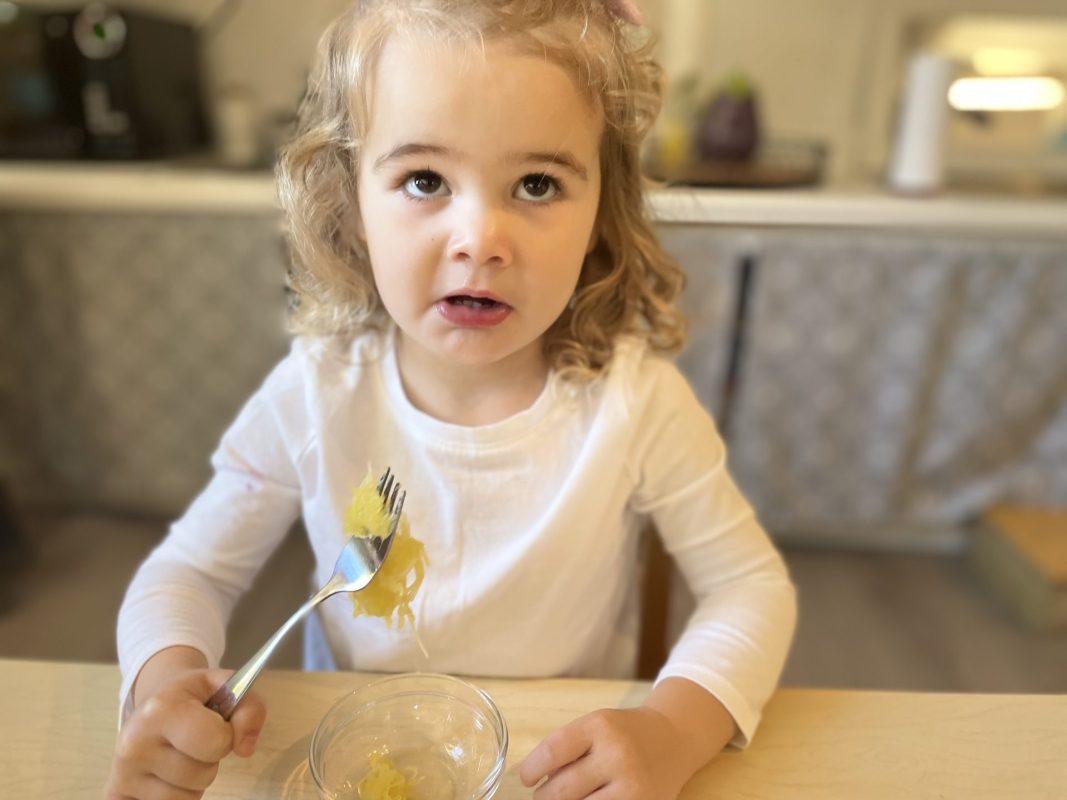
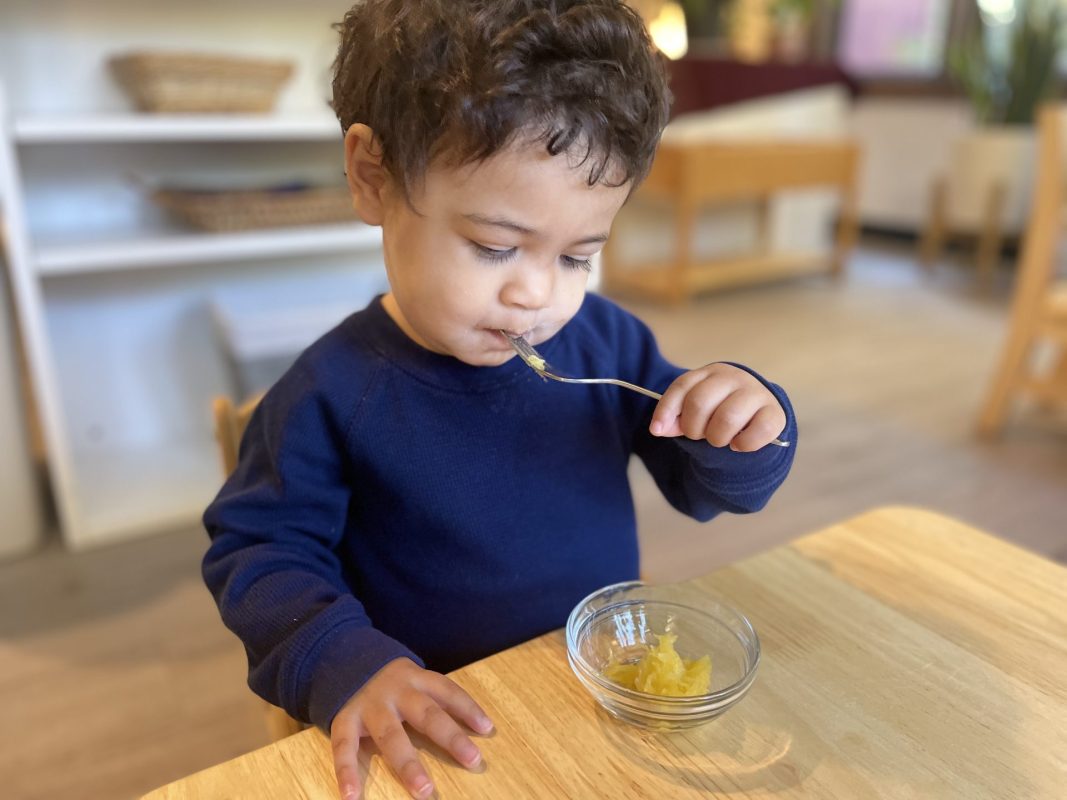
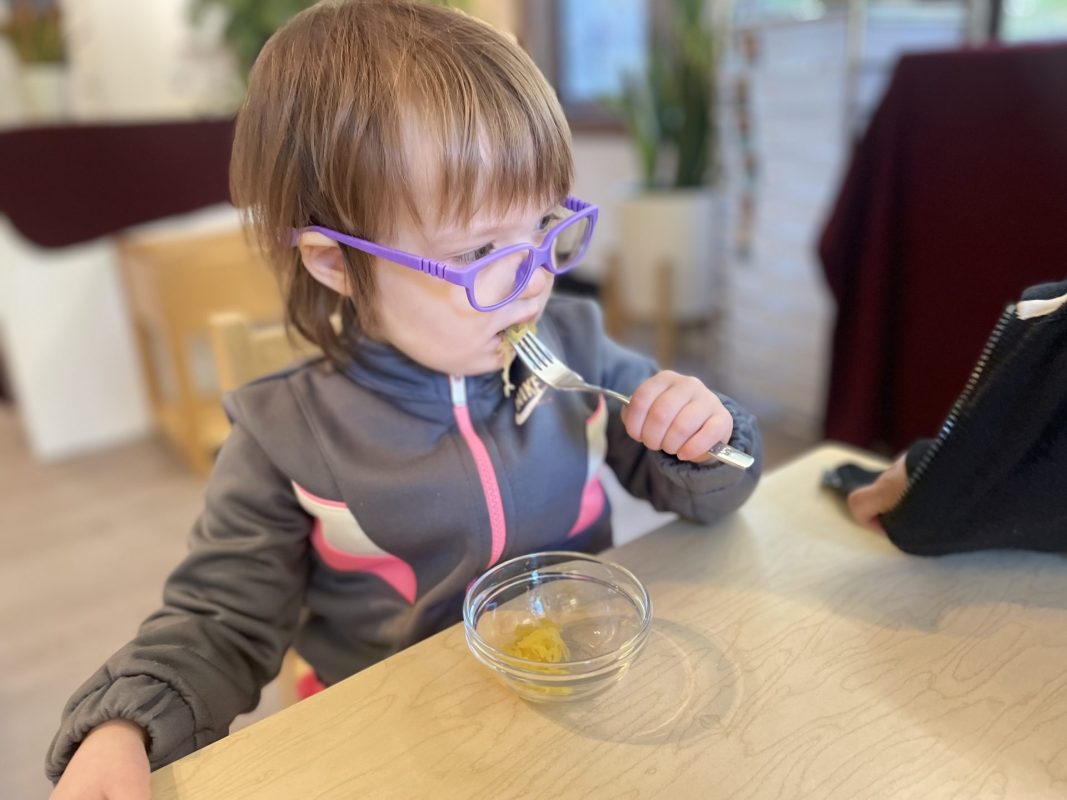
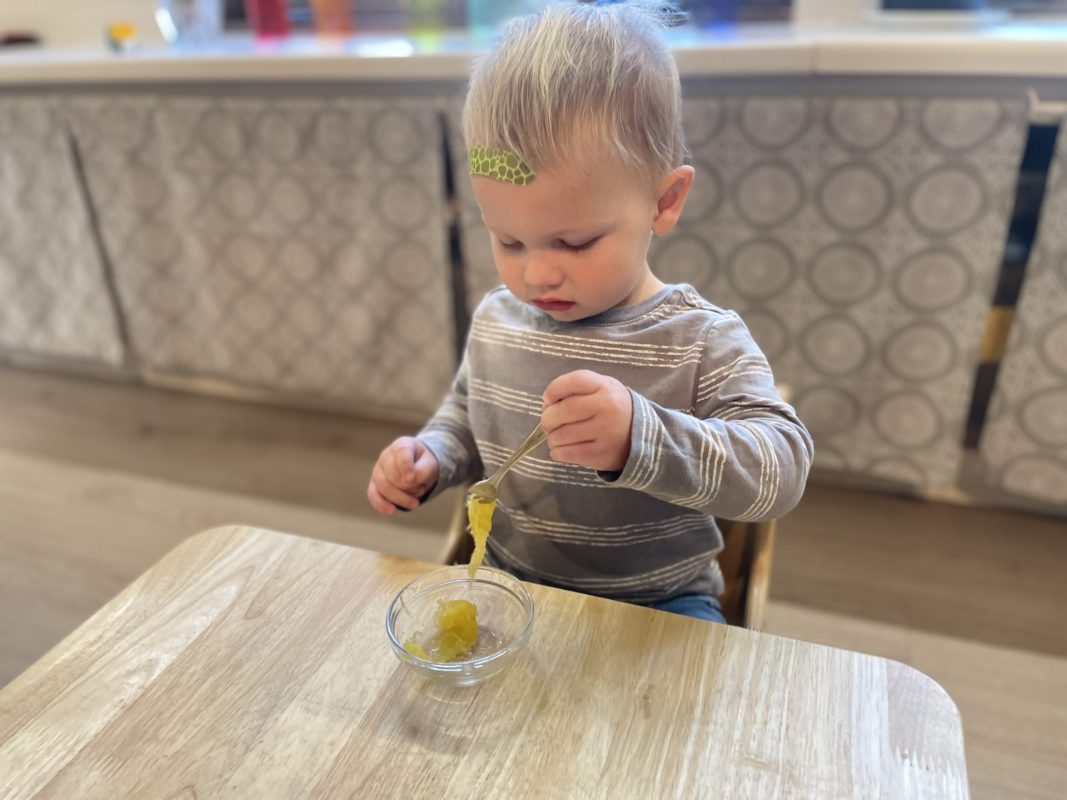
Lastly, we celebrated a birthday and explored a delicious spaghetti squash for food tasting!

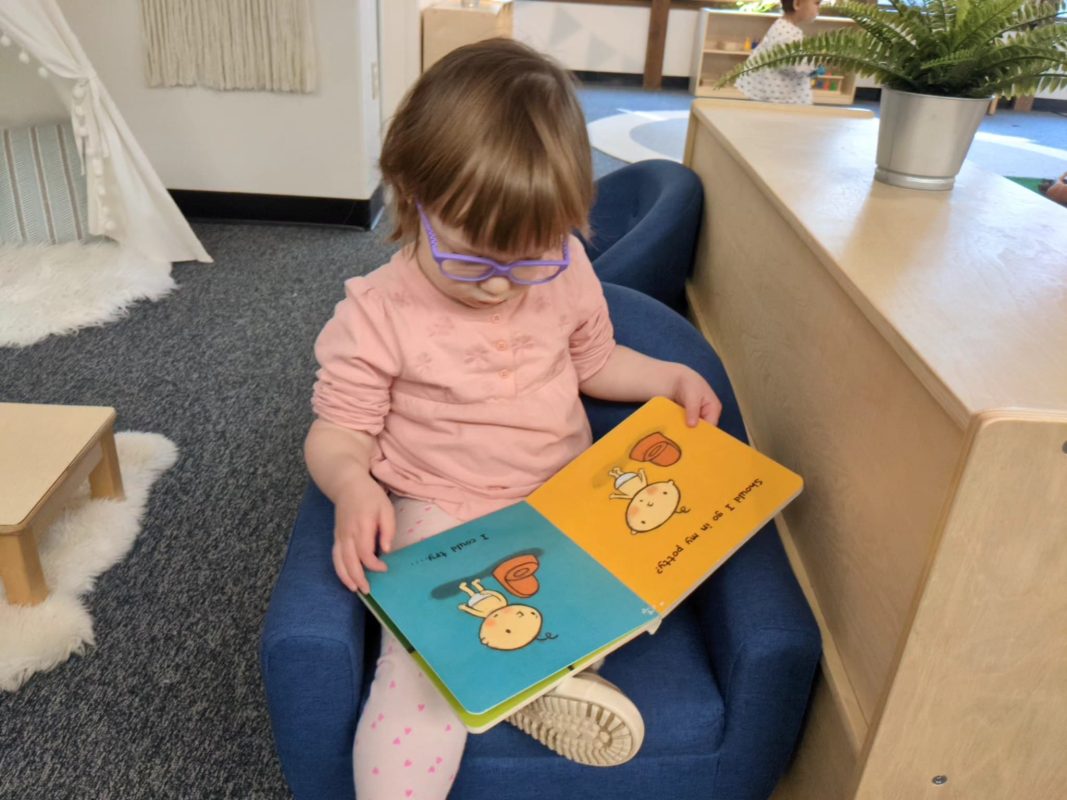
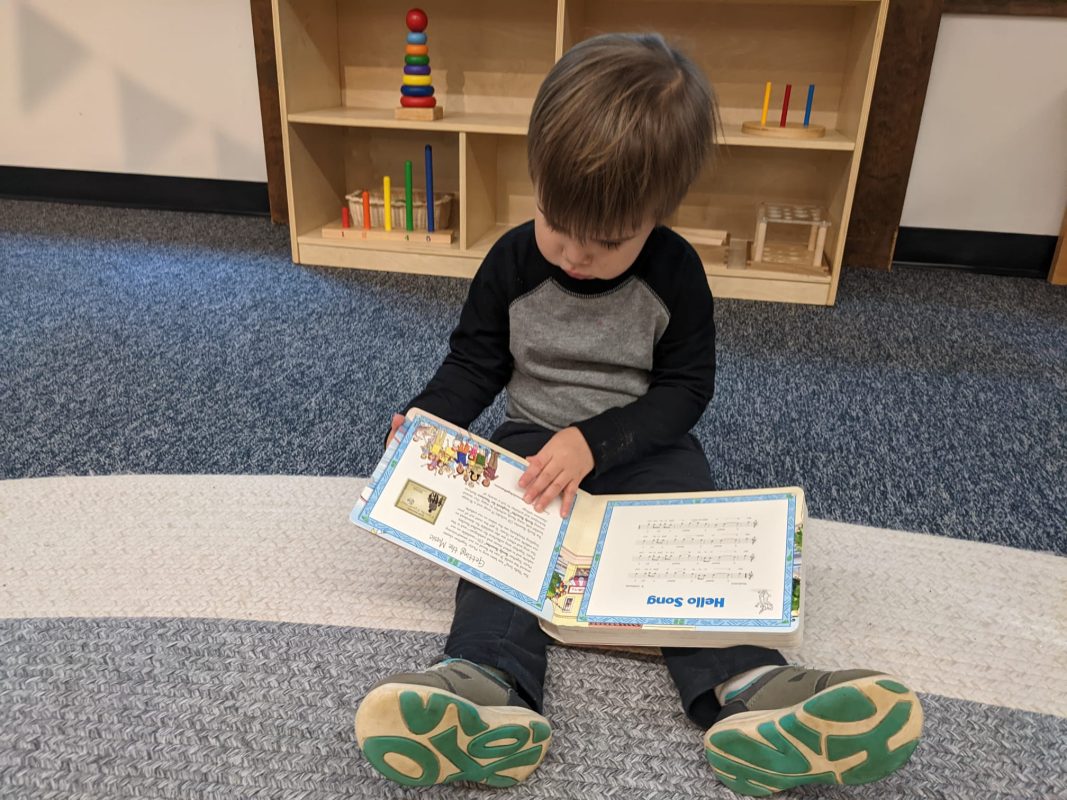
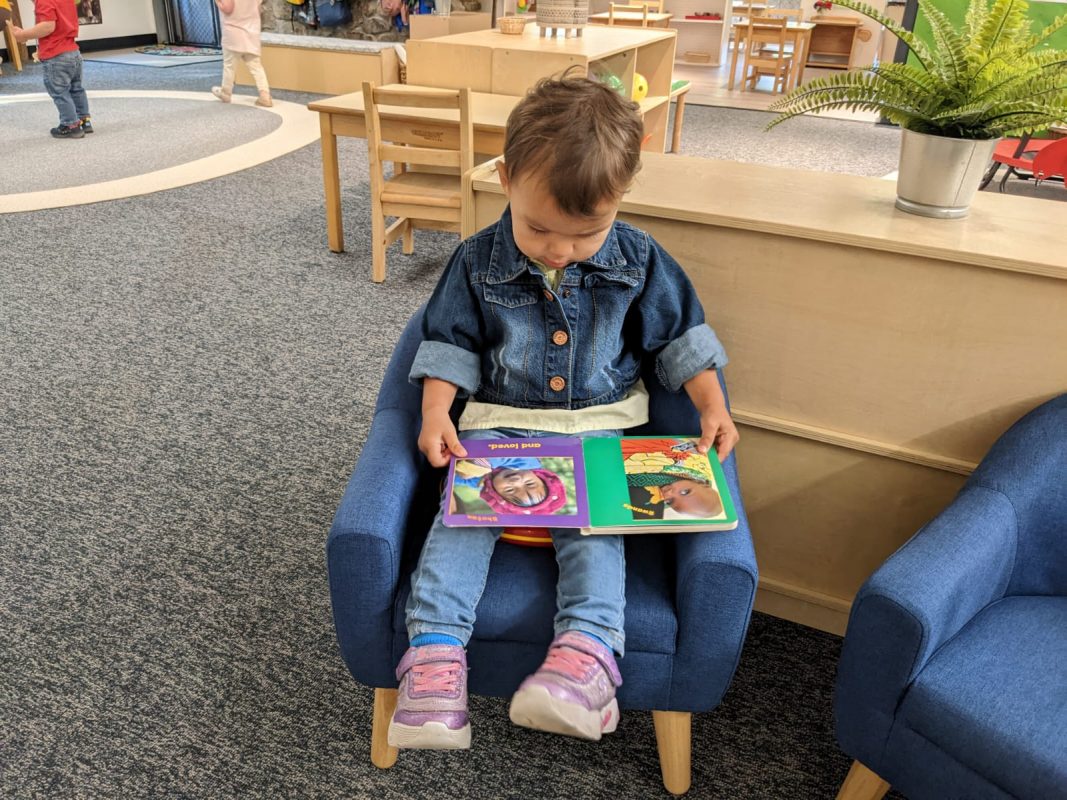
The favorite books this week were Germs Are Not for Sharing by Elizabeth Verdick, All by Myself by Aliki, and The Itsy Bitsy Pumpkin by Sonaly Fry.

We are looking forward to meeting you at our Parent-Teacher Conference next Thursday, October 27th to discuss your child’s progress and goals in our program.

Stay warm and healthy,

Mrs. Hood and Miss Bethann.


Mrs. Hood: Food Preparation!

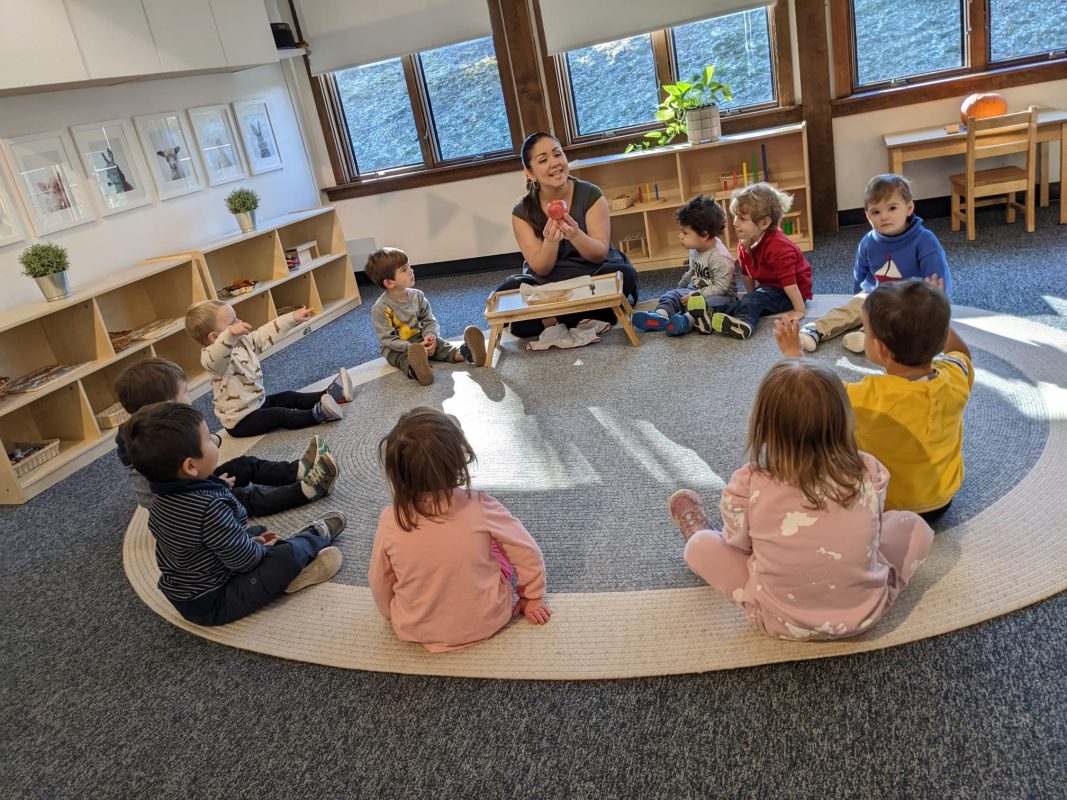
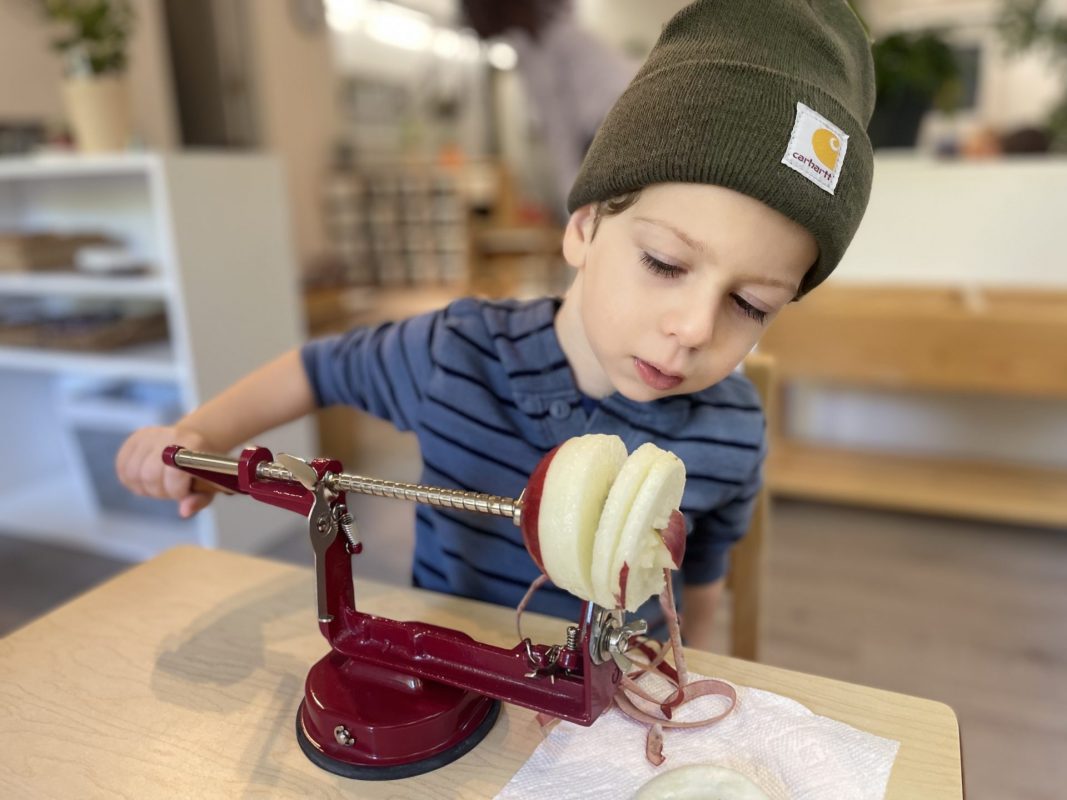
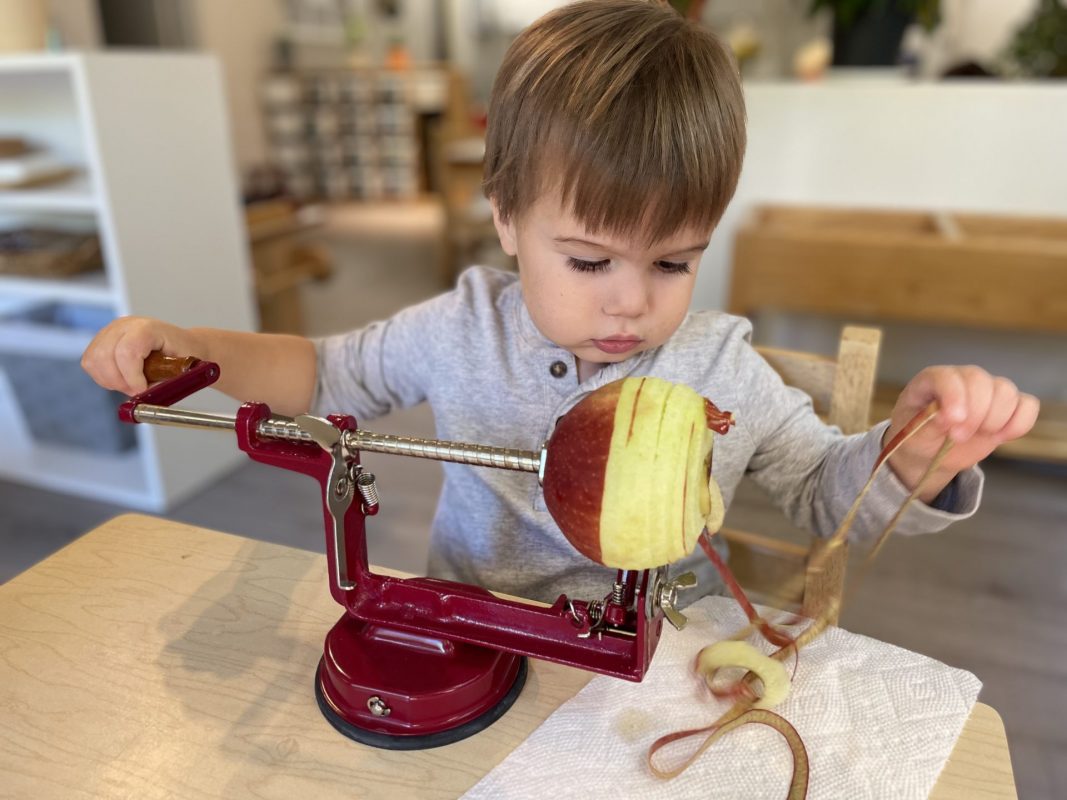
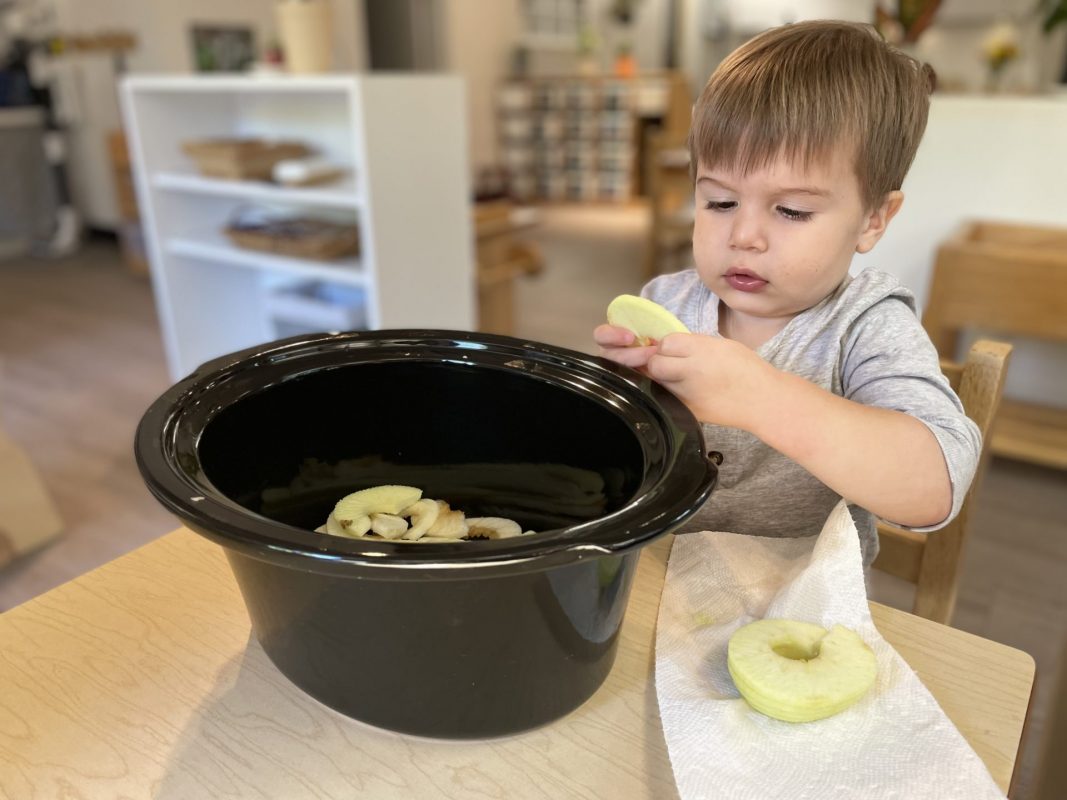
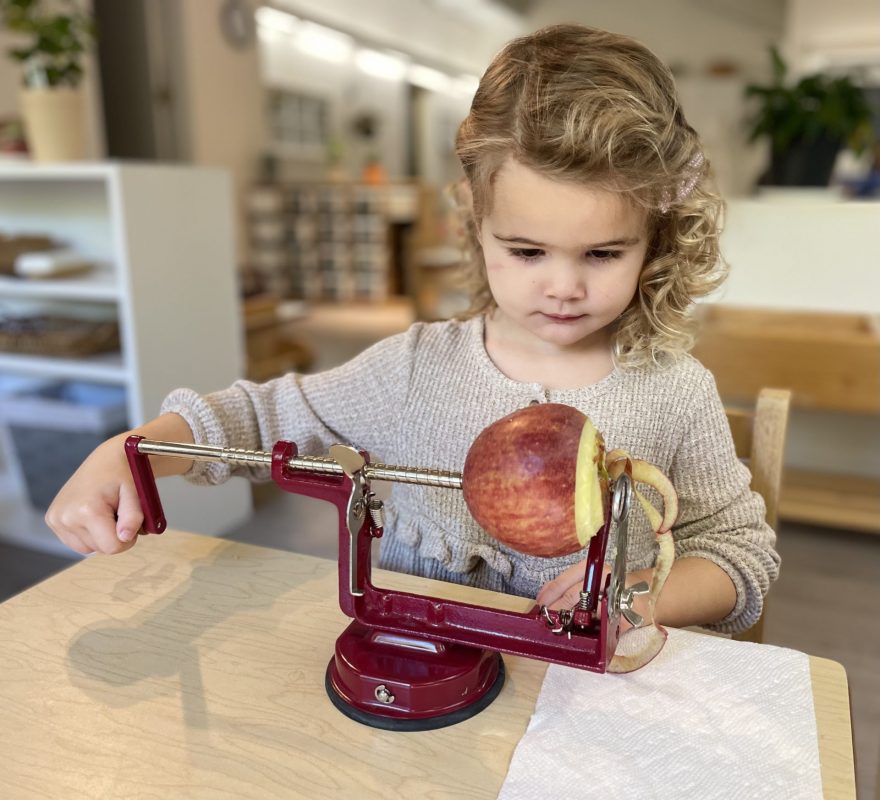
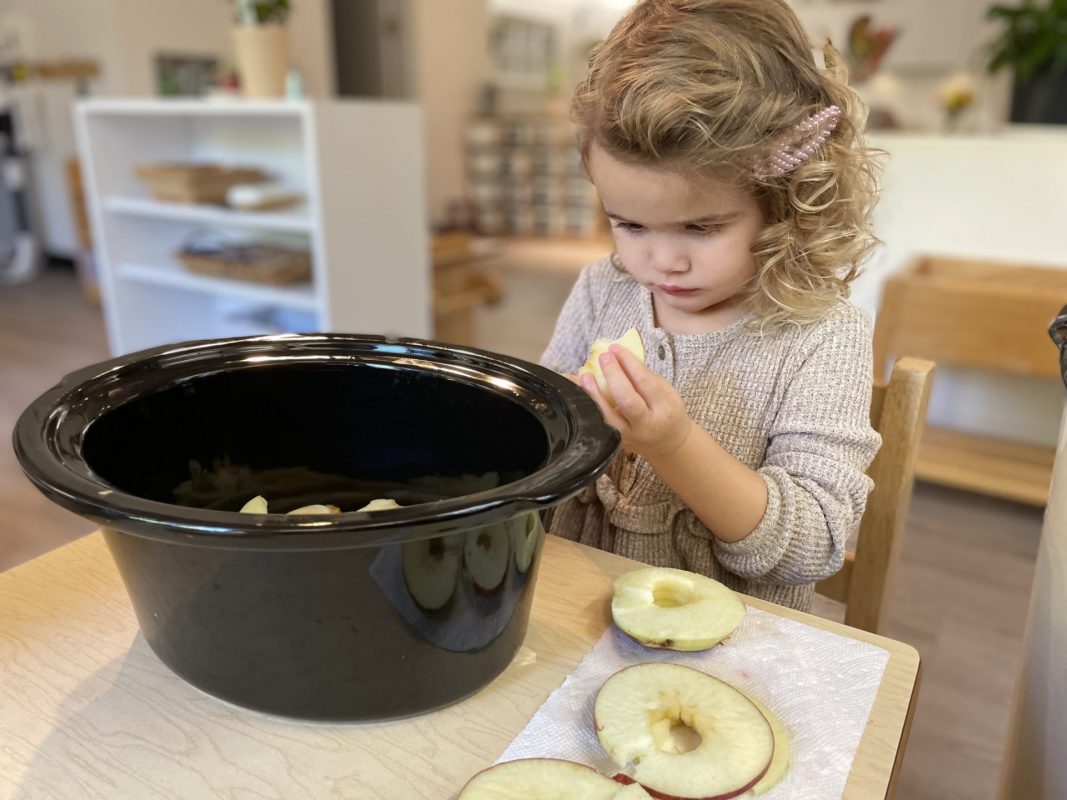
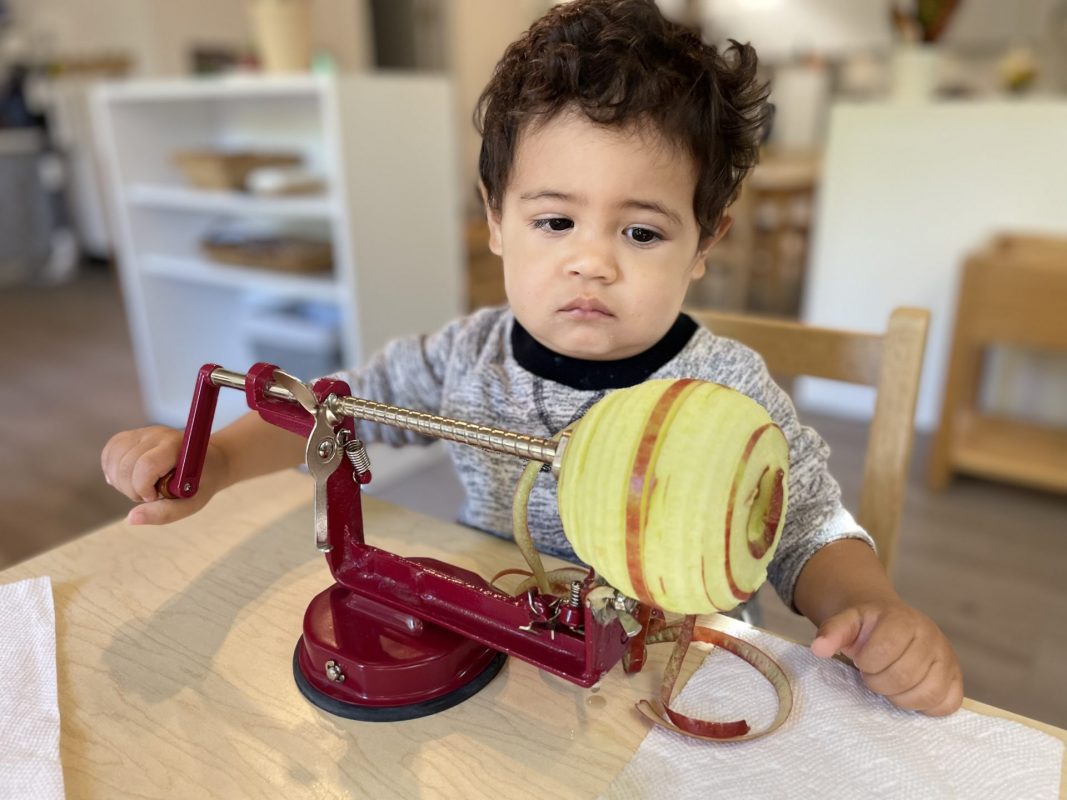
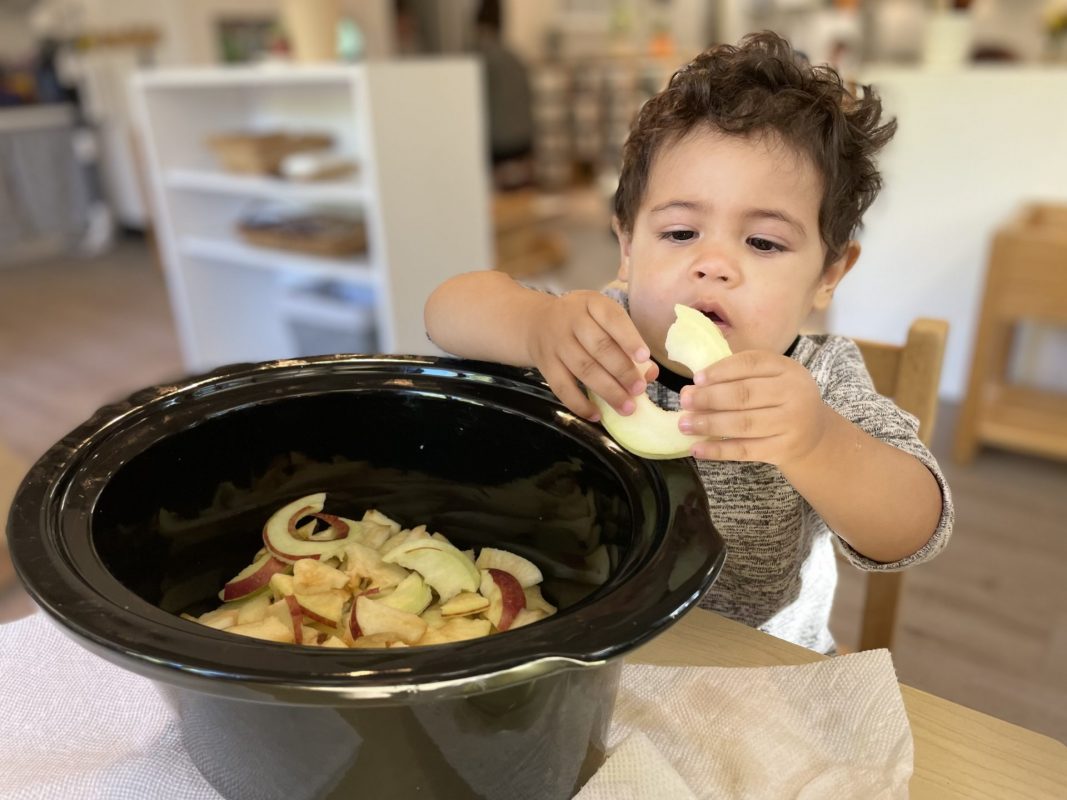
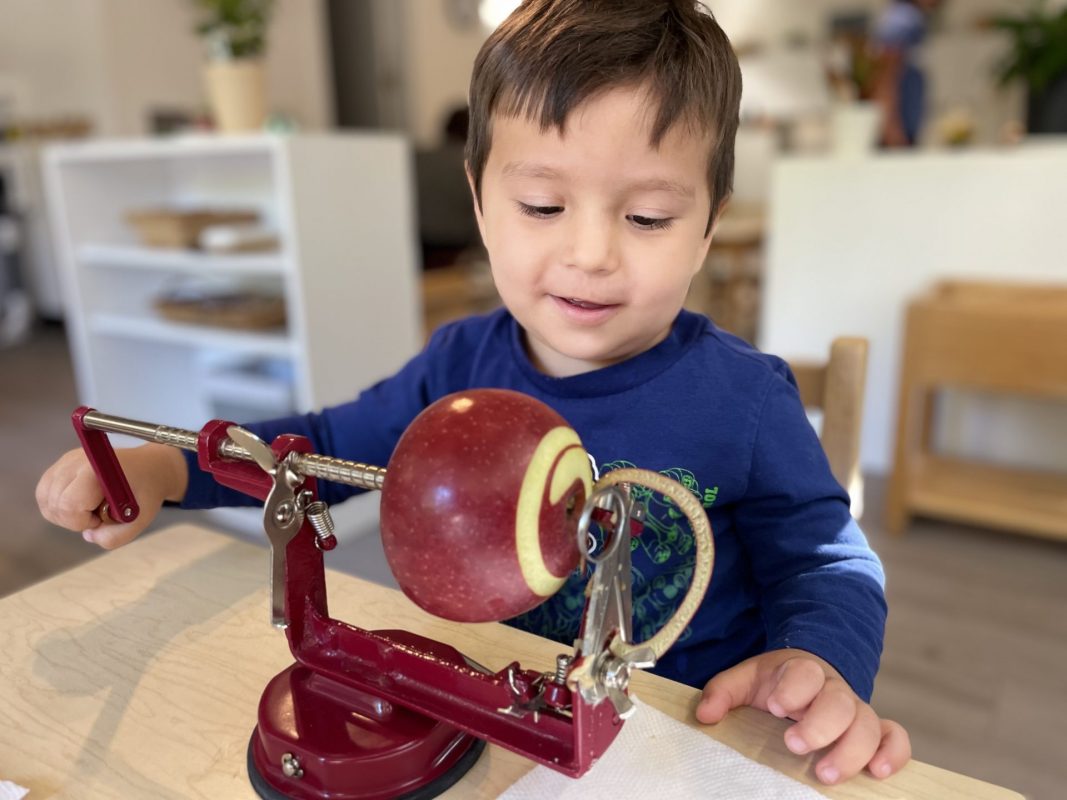
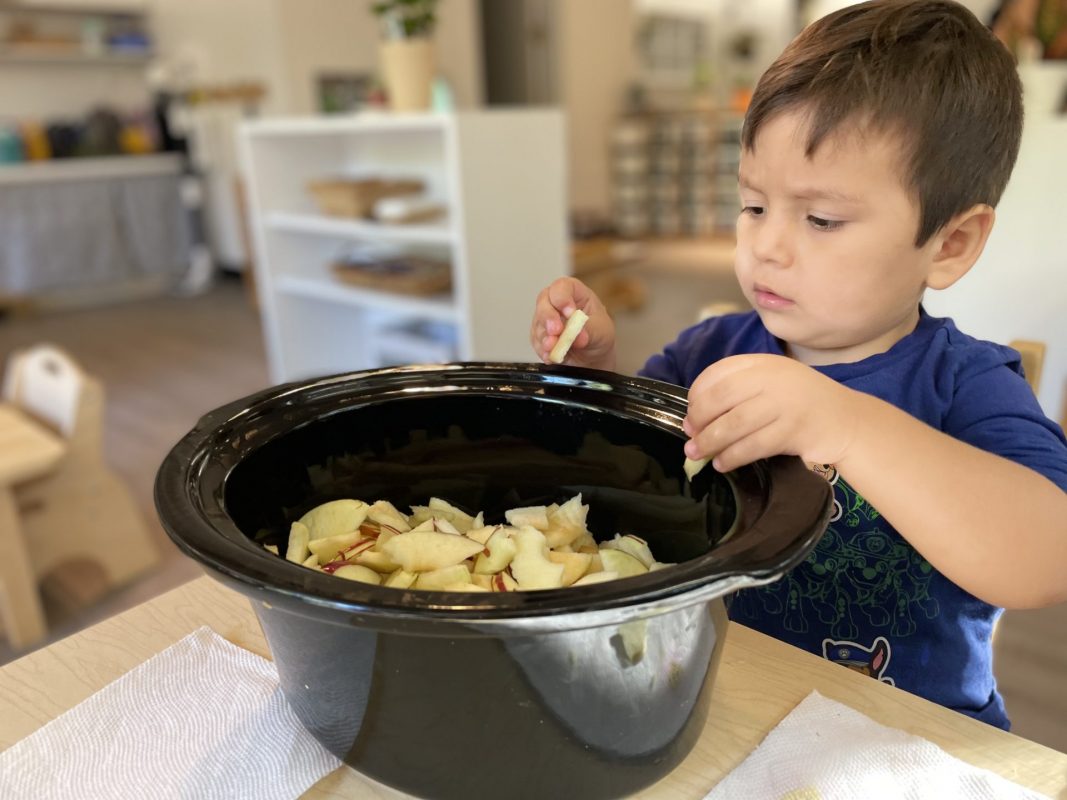
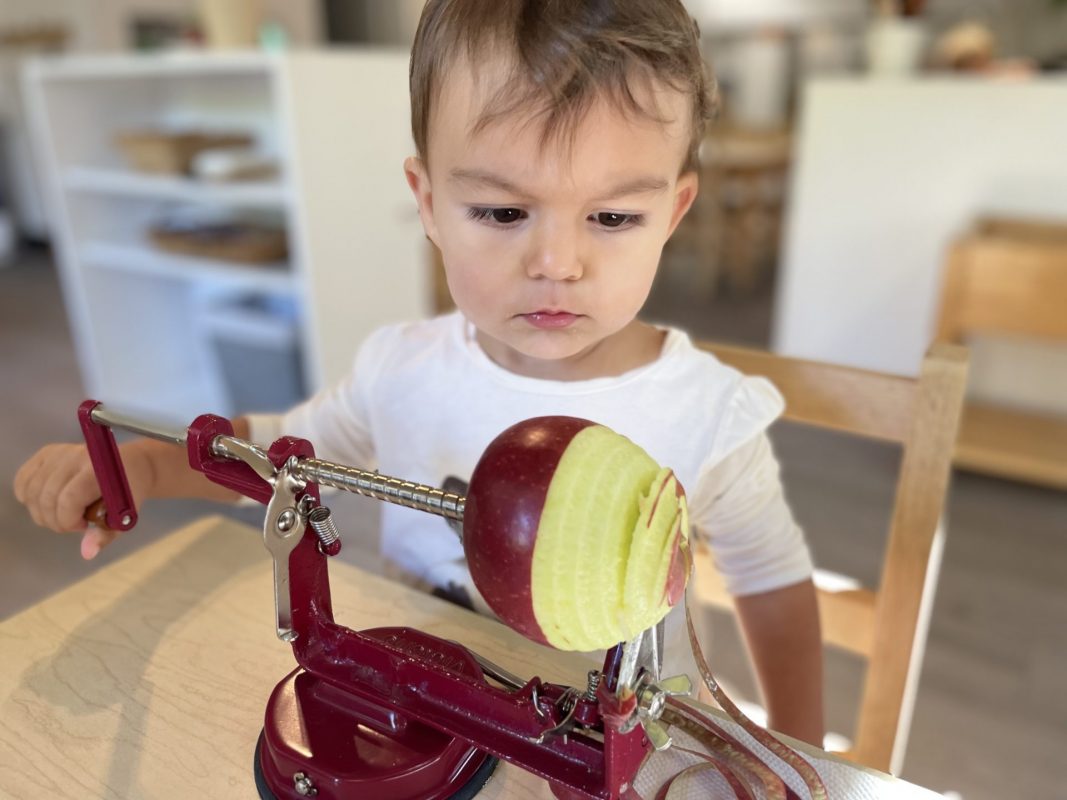
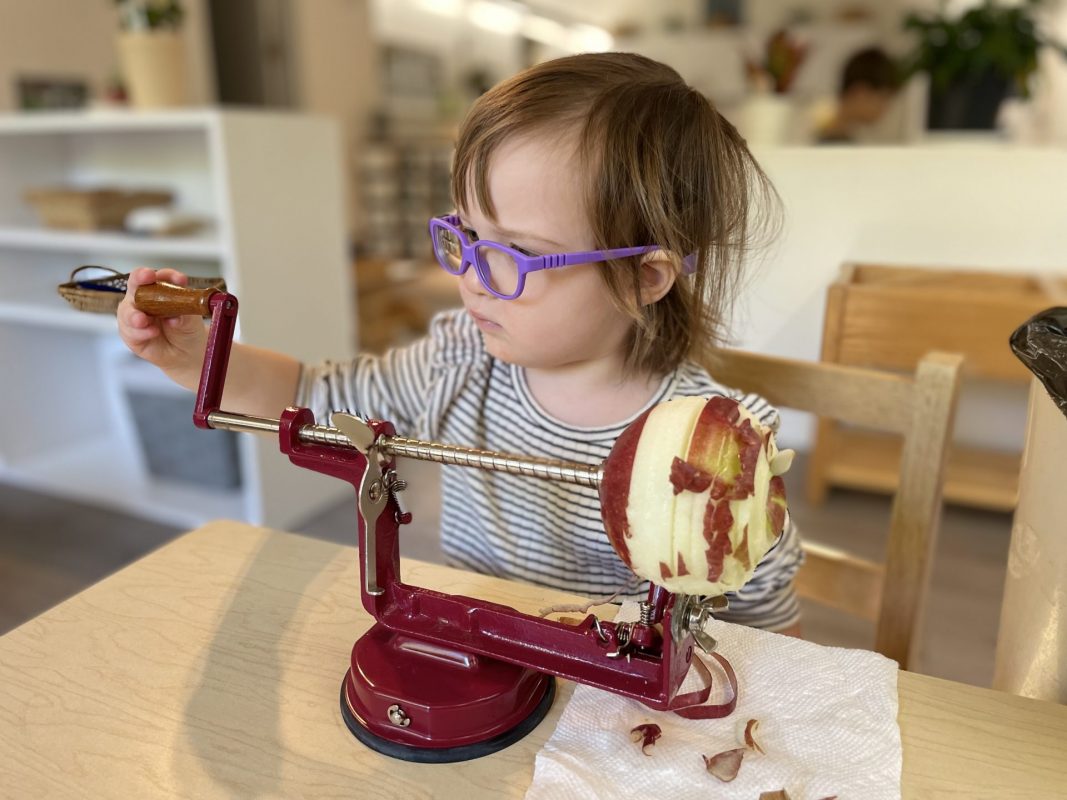
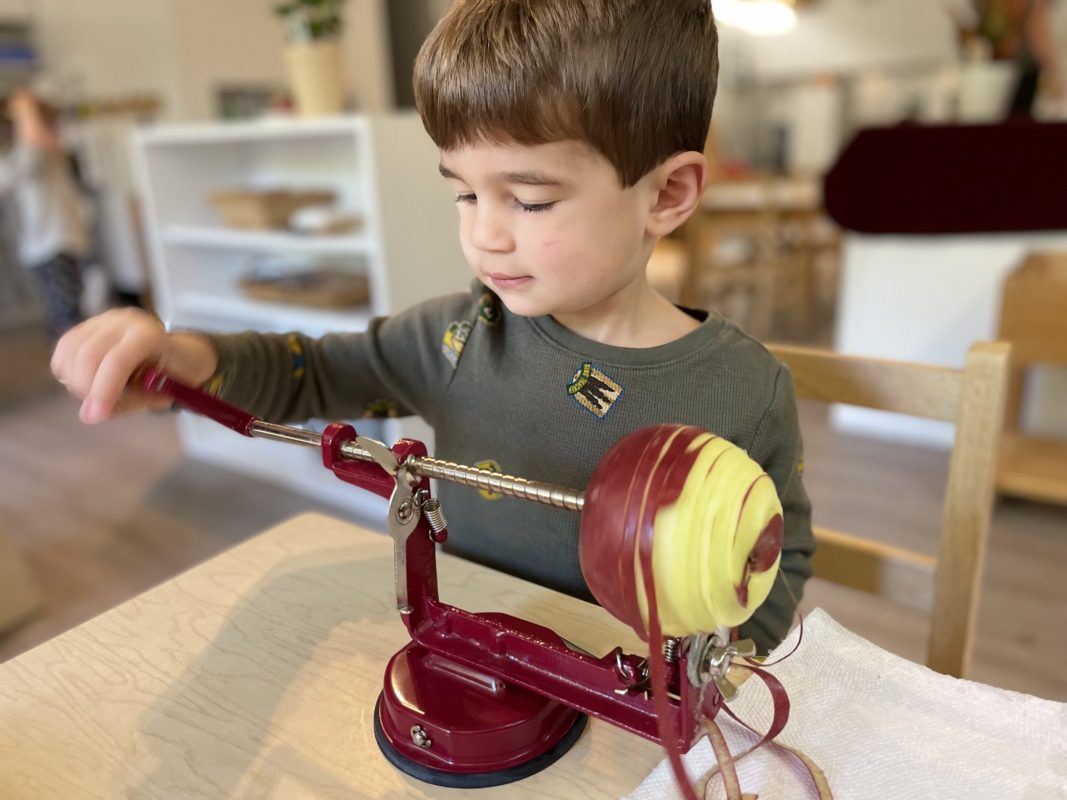
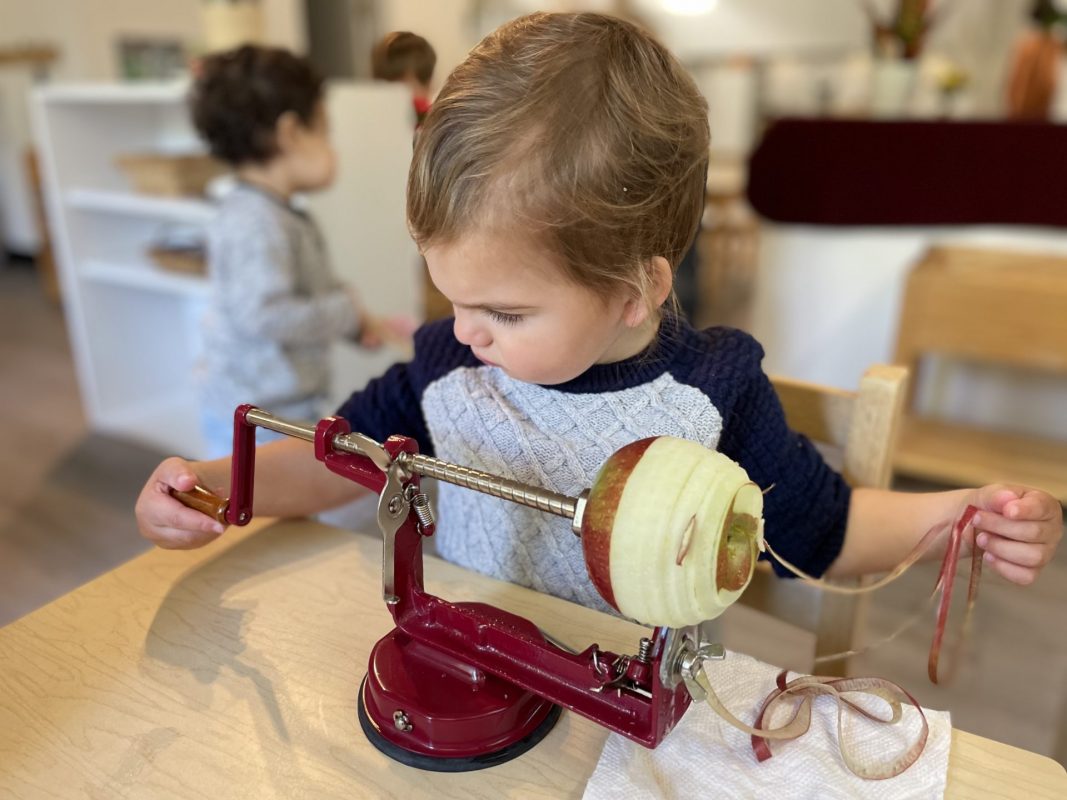
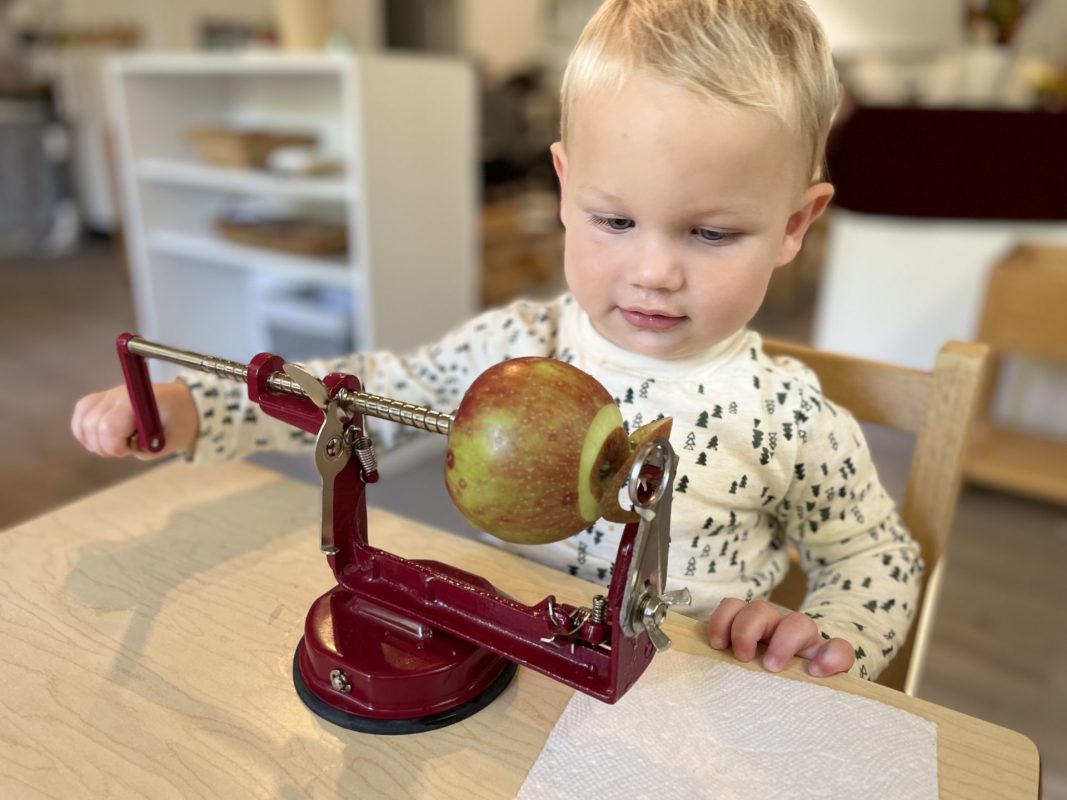
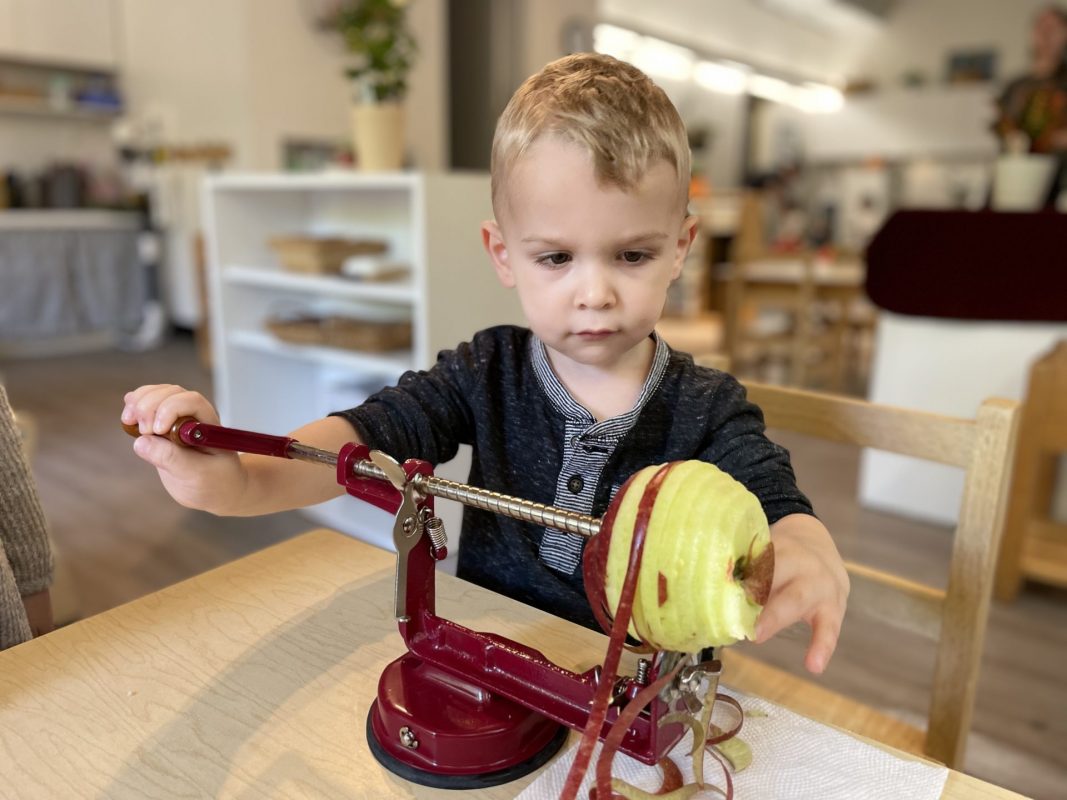
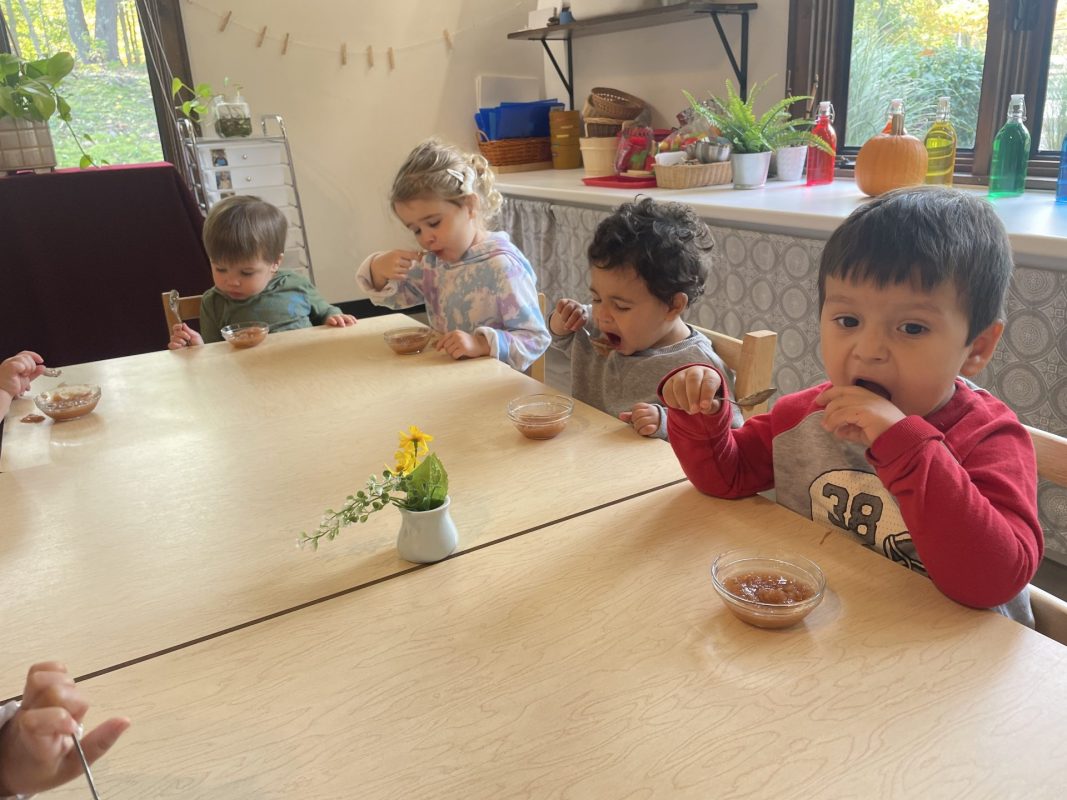
One of the main highlights this week was a fun Sensorial experience we had, to close our apple studies. Your children dissected an apple and oh boy! They really seemed to enjoy it!

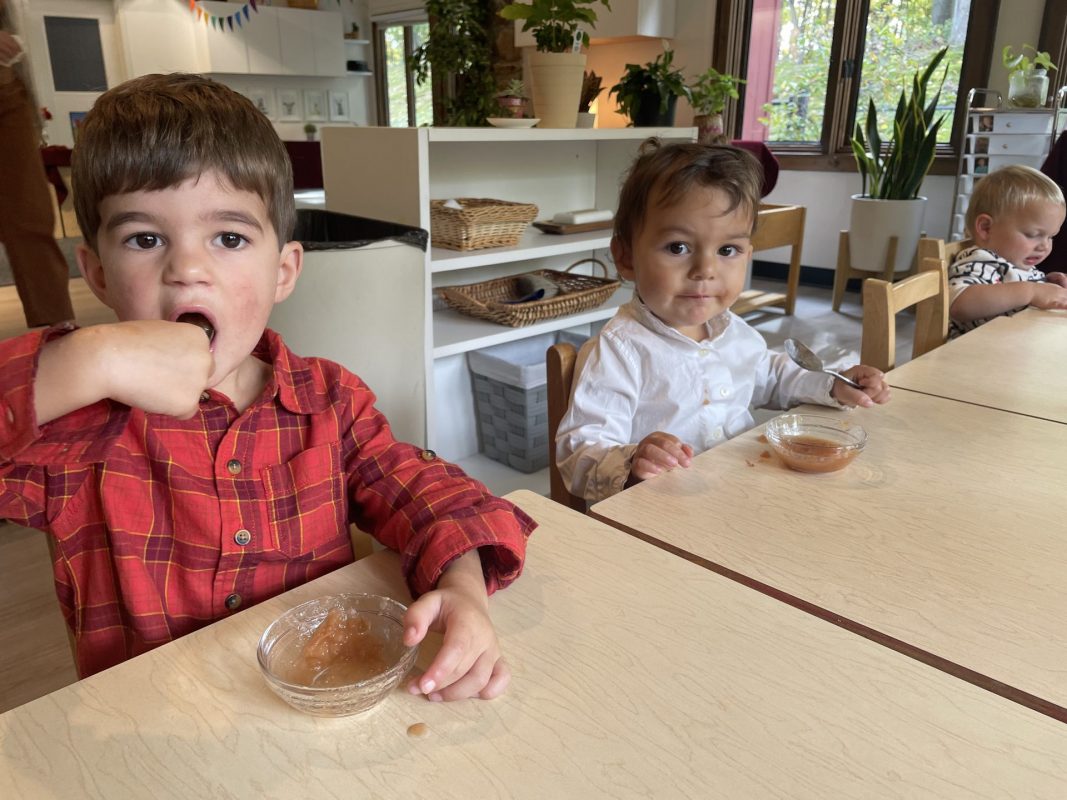
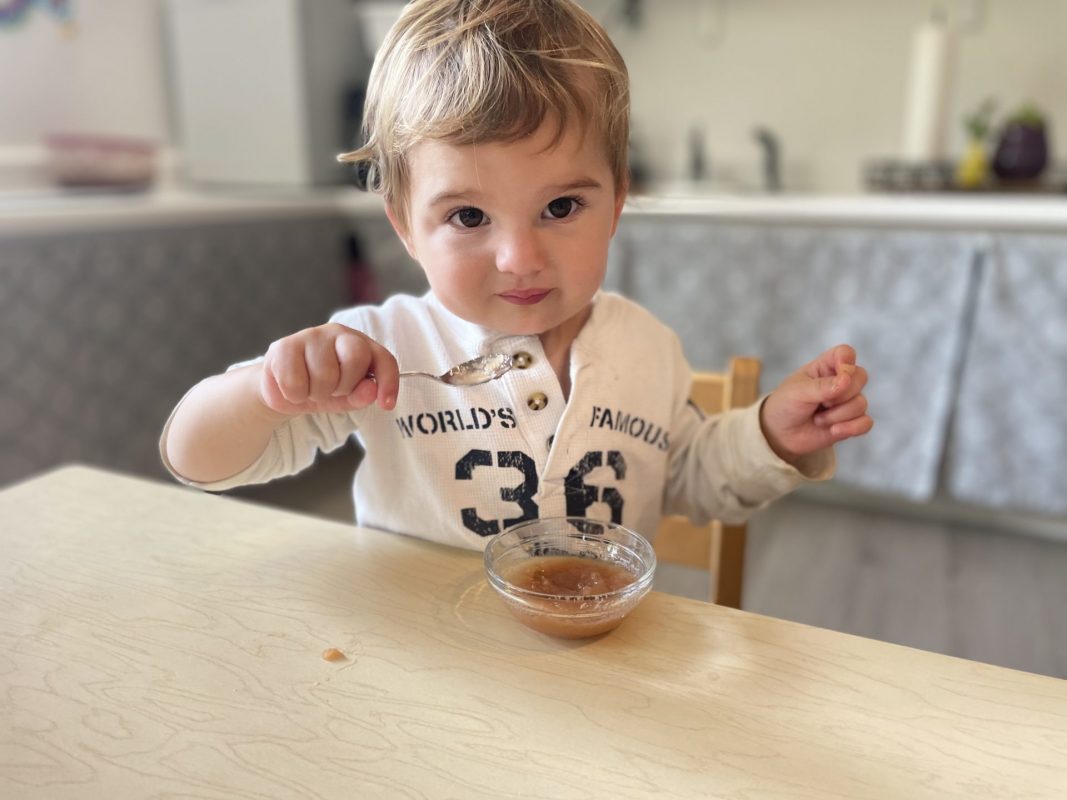
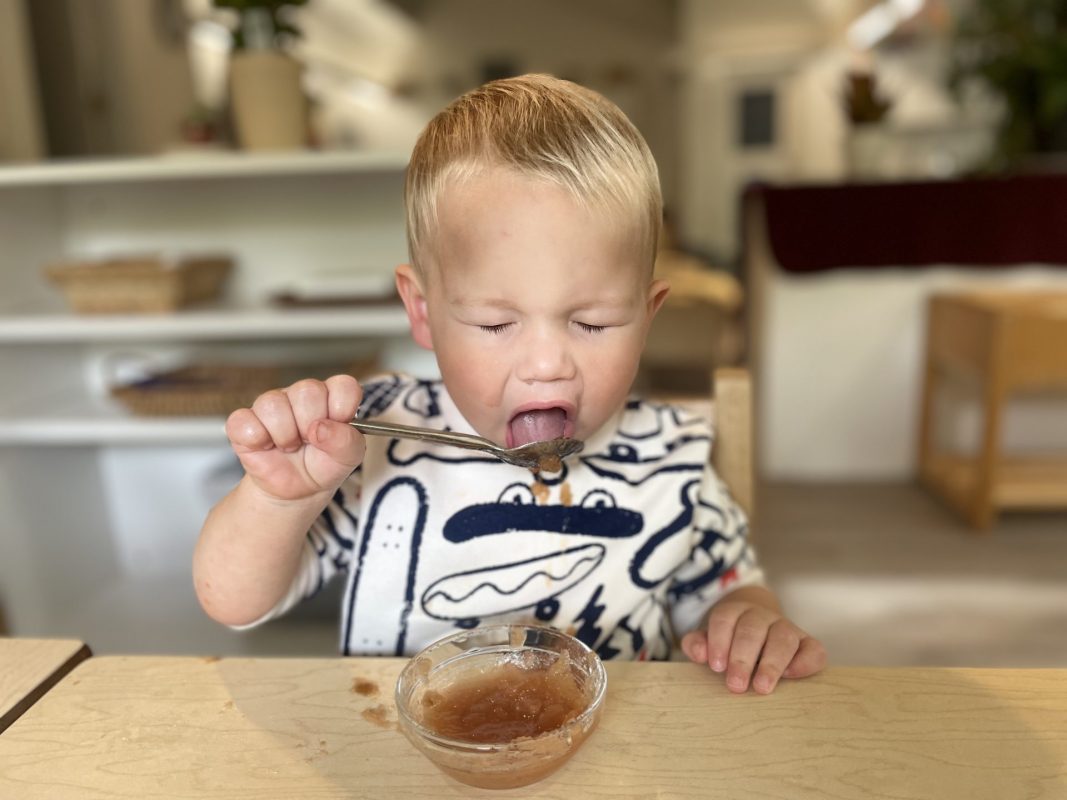
With senses full of curiosity, children touched, observed, smelled, peeled and cored a delicious apple. The children found it very fun and interesting to use the handle of the peeler but their eyes really sparkled and the smiles bloomed when they started watching the skin of the apple peeling and falling on the napkin. They also helped break the apple into pieces and place it inside our crock pot to be cooked and turn into a delicious apple sauce! The next morning we gathered as a class and the children got to enjoy the fruits of their work.

Food preparation is one of the main areas in our Practical Life curriculum! There are many benefits to involving children in food prep. Even the pickiest of eaters has been known to be more willing to try things when they have had a hand in preparing it. These works also help develop fine motor skills, build coordination, and create a sense of community, as well as increase knowledge of nutrition, science, and math. We will continue to provide experiences like this throughout the year.

I encourage you to make experiences like this available at home as well. Here are just some examples on how you can include your toddler in food preparation at home:

  • Scoop cereal into bowl
  • Add milk to cereal
  • Wipe up spills with small towel
  • Take plate to the kitchen
  • Prepare a sandwich
  • Spread sun butter/jelly/cream cheese on crackers
  • Peel and slice a banana
  • Peel a mandarin orange
  • Peel and cut an apple with assistance
  • Wash fruits and vegetables
  • Make orange juice
  • Pour glass of water or milk using a small jug- use small amount of liquid to avoid large spill
  • Drink from a glass
  • Follow a recipe with assistance using measuring cups
  • Set the table/clear the table
  • Wipe the table
  • Sweep the floor -use  dustpan and brush

Enjoy the weekend,

Mrs. Hood and Miss. Bethann

Mrs. Hood: Community Helpers and Apple Fun!

One of our goals at FWM is to create caring, empathetic students who are capable of thinking beyond themselves. It was Dr. Montessori’s vision that a peaceful world, starting with children, would make the world a better place. Community service is one of our Montessori strategies to help develop and educate the whole child. Students learn the joy of giving of themselves and develop compassion because of these real, practical life, volunteer experiences.
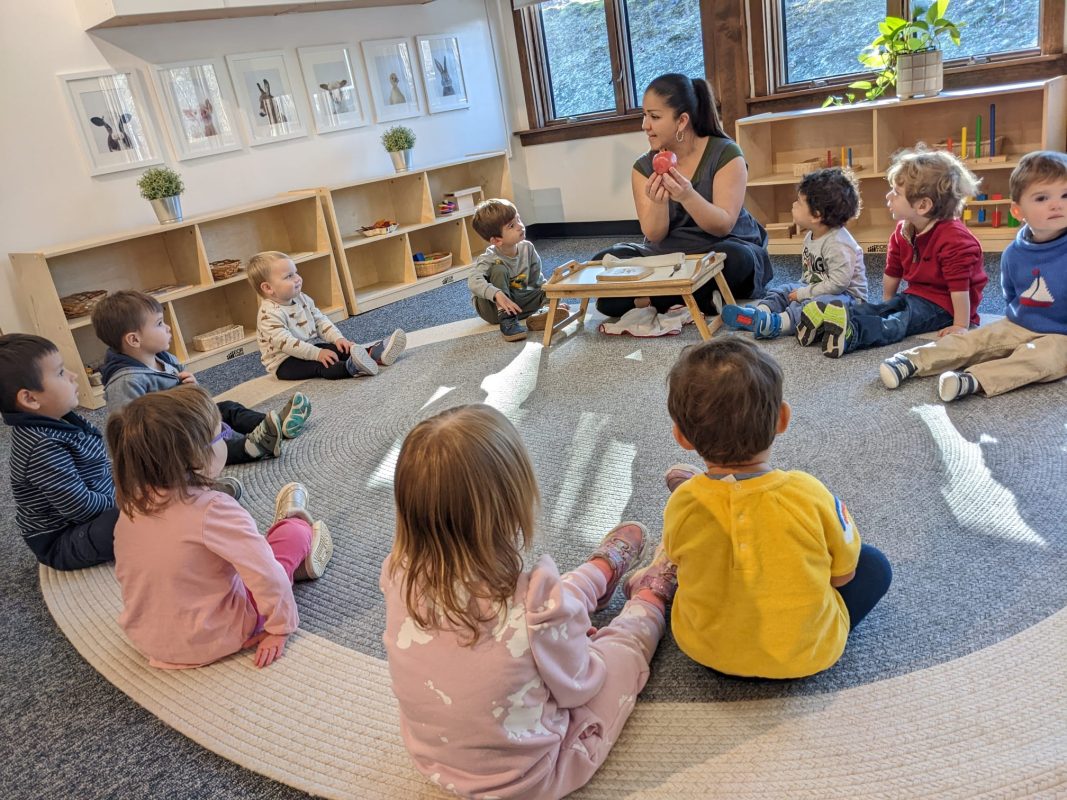
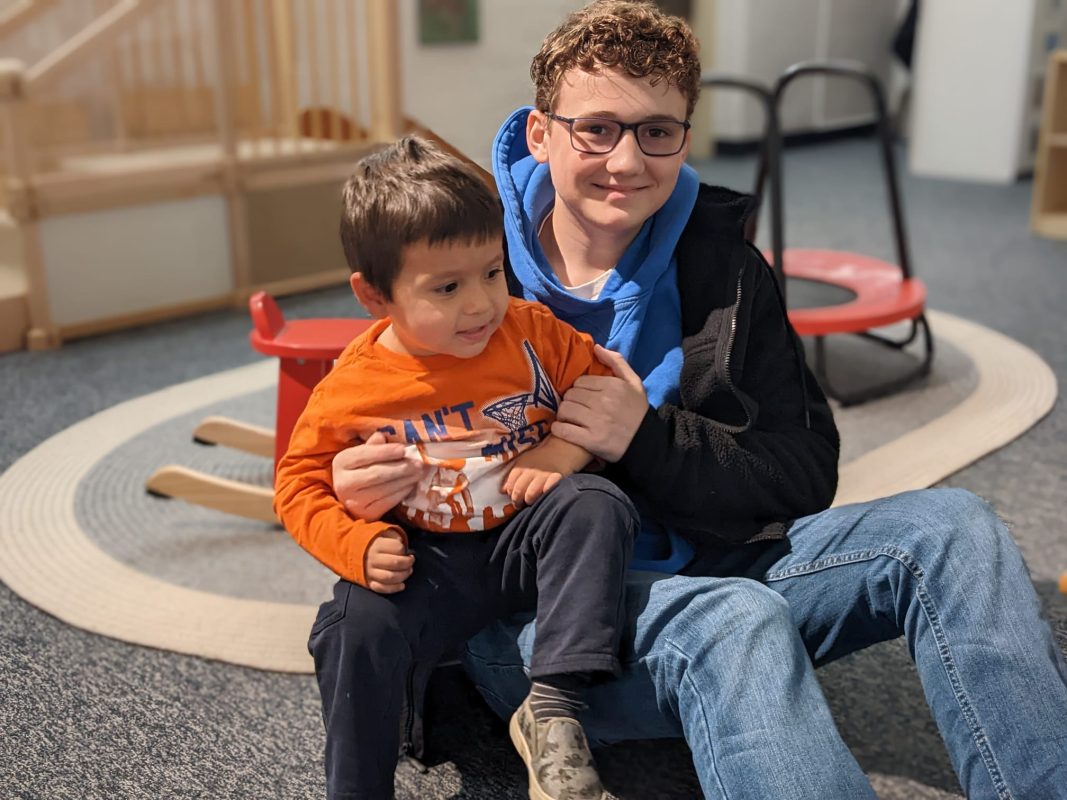
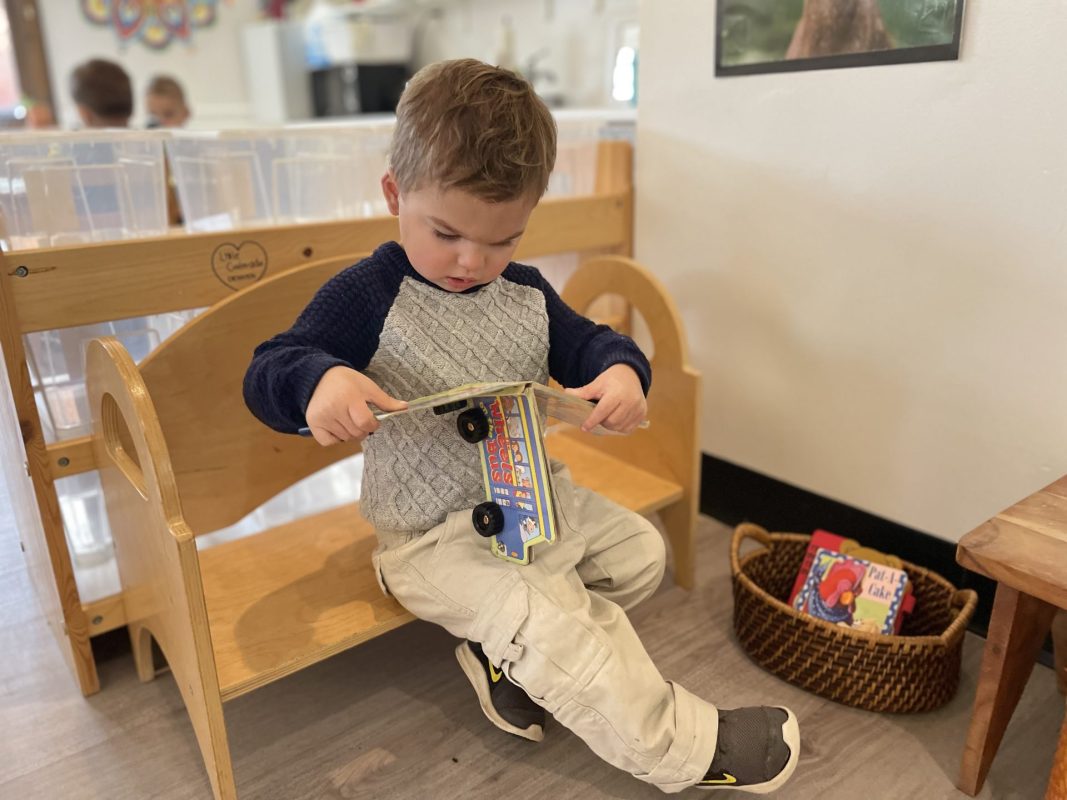
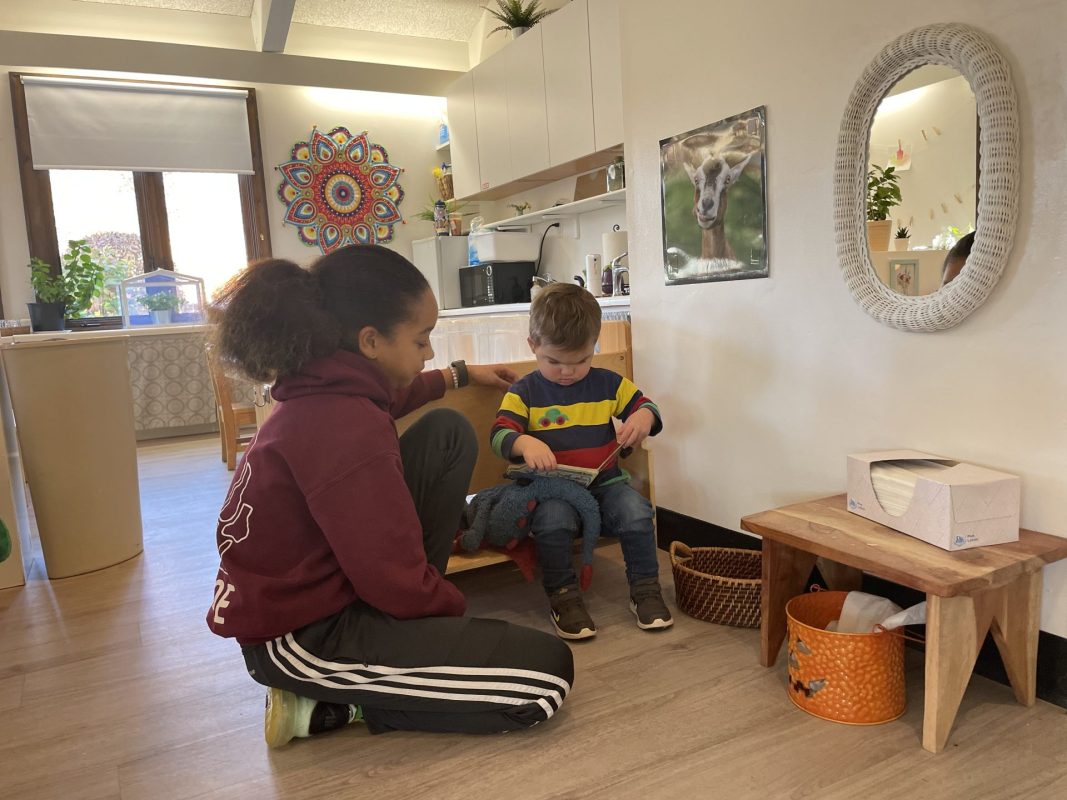
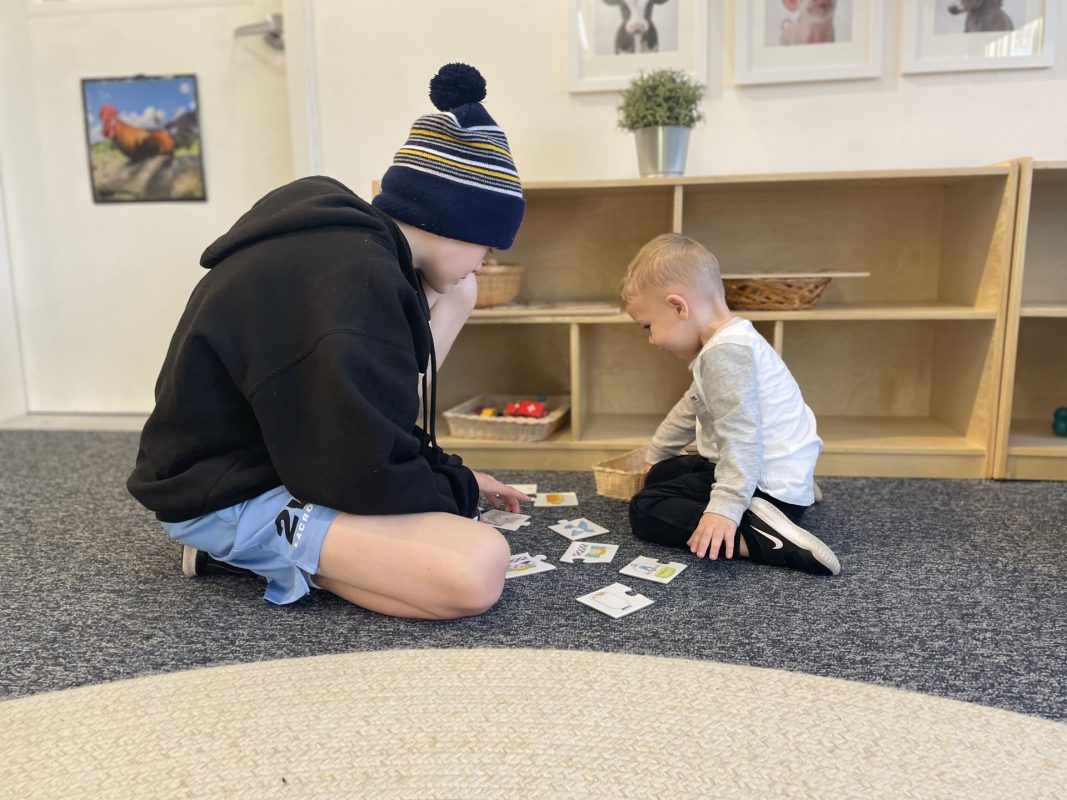
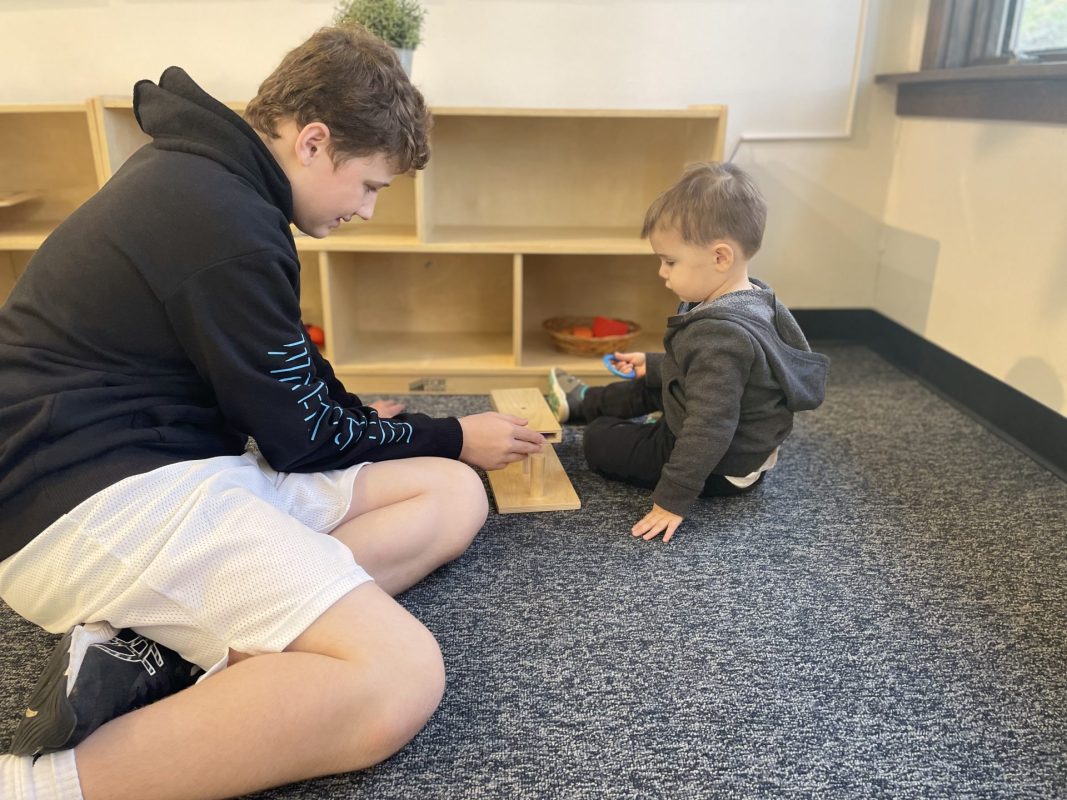
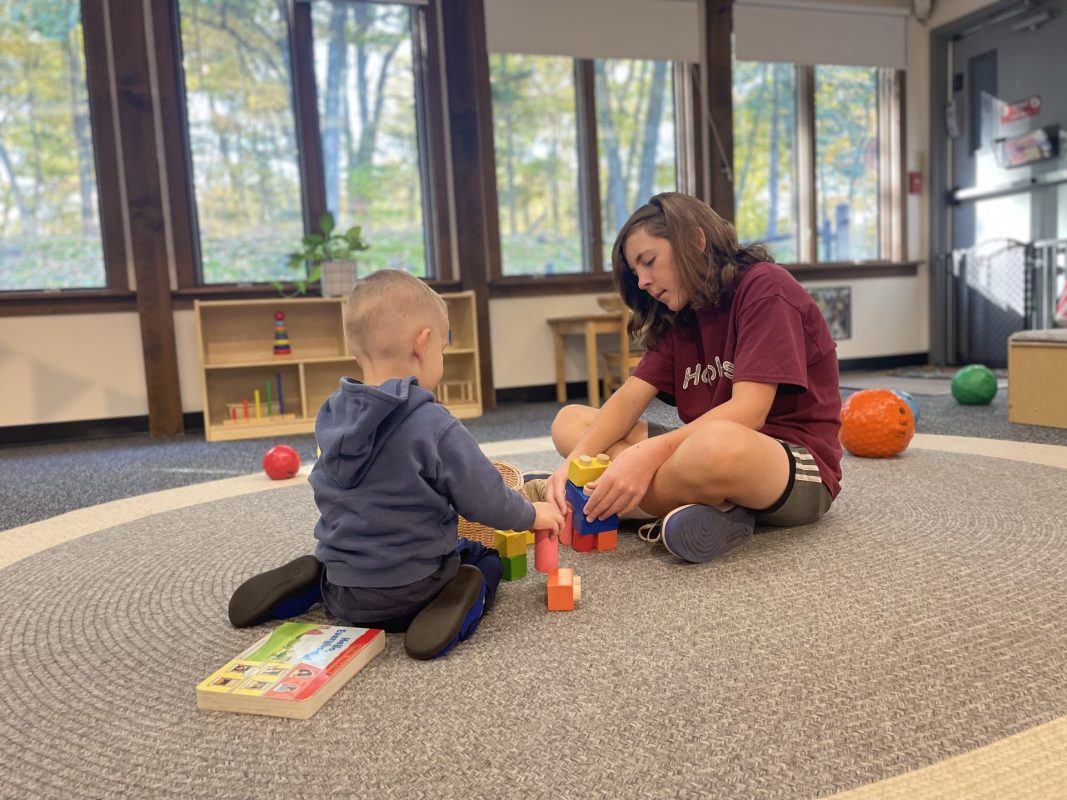
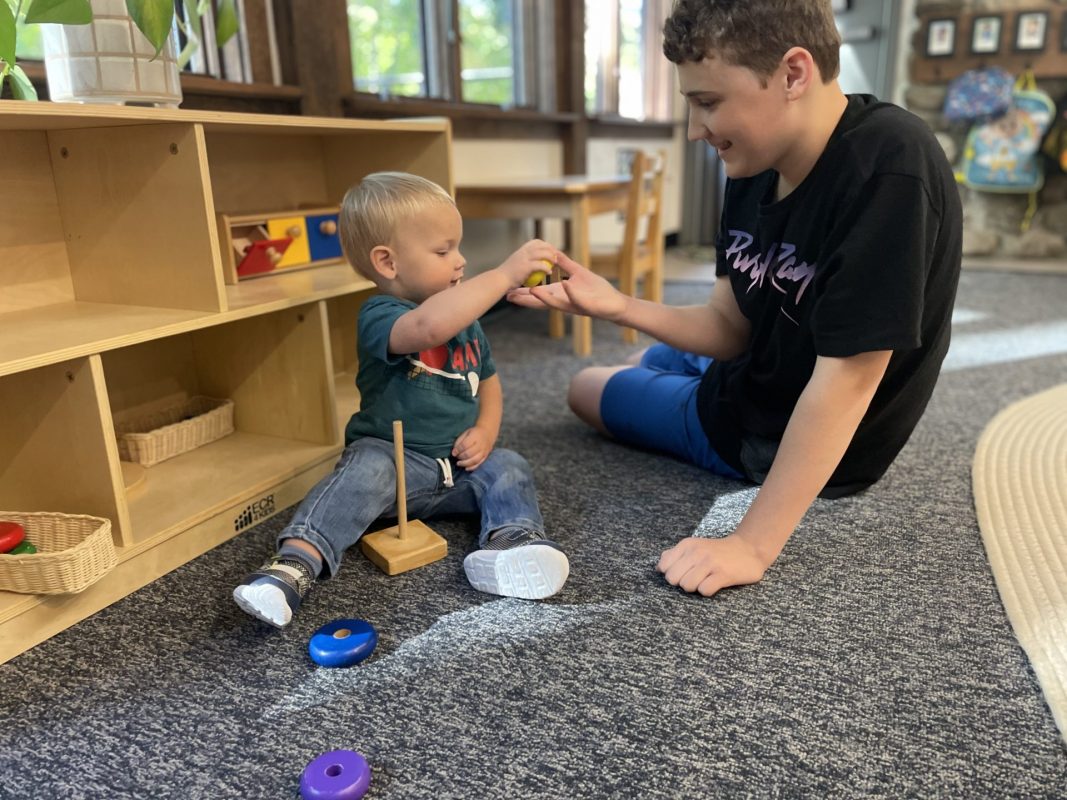
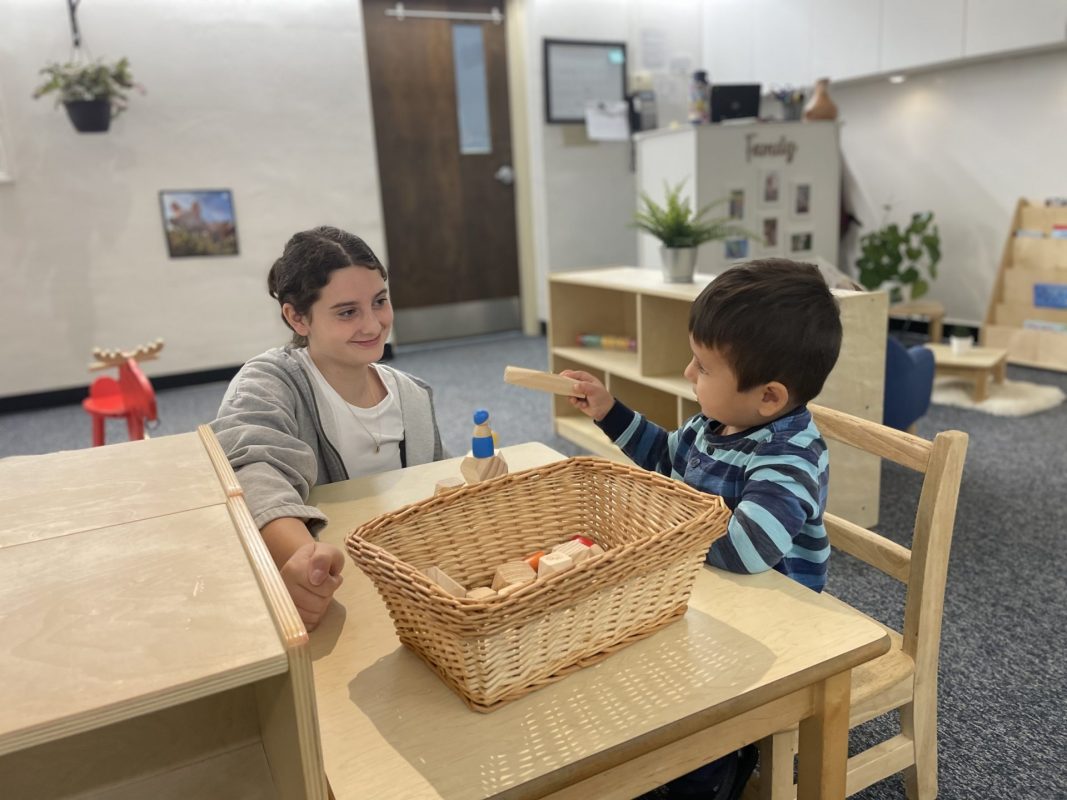
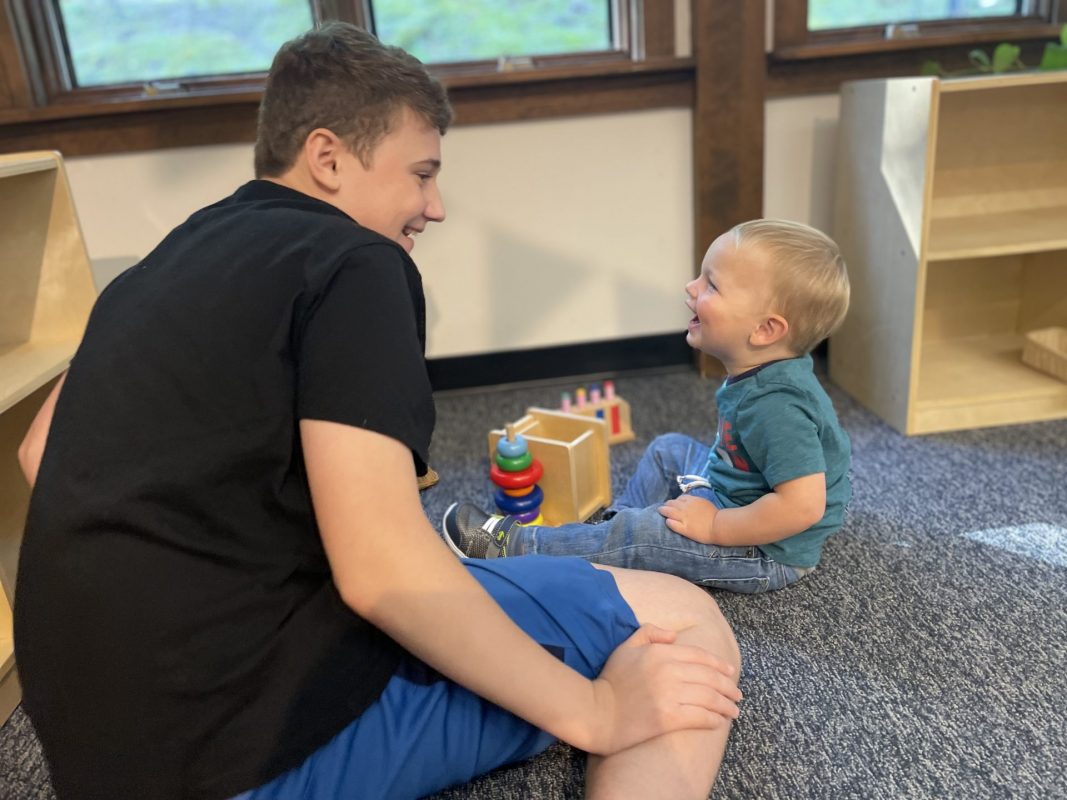
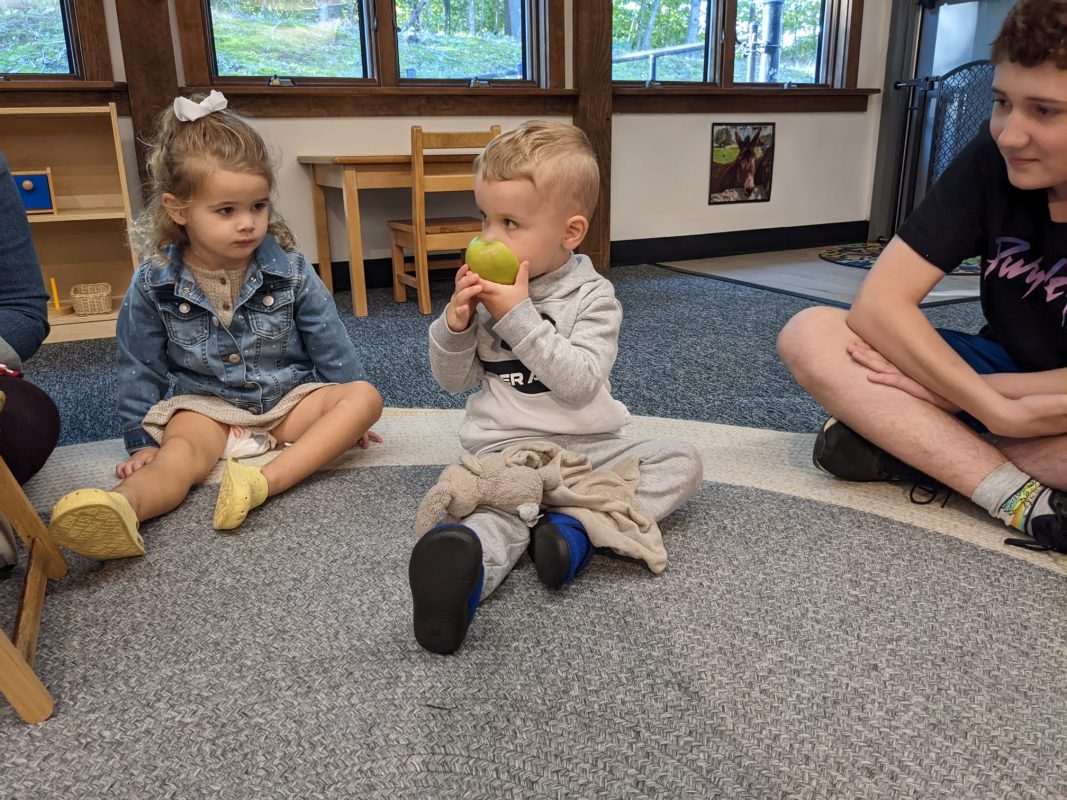
A couple of times a month our Middle School students visit our environment and work with our toddlers. They do so by reading and working together with the different materials displayed on our shelves. They assist your children in how to put on their shoes and jackets, how to clean their face and hands, they look for ways of comforting their younger peers when they are having a hard time, and they love to join in the fun when we sing, dance and play games together. They are great role models and your children love when they enter our environment and get to spend time with them. 

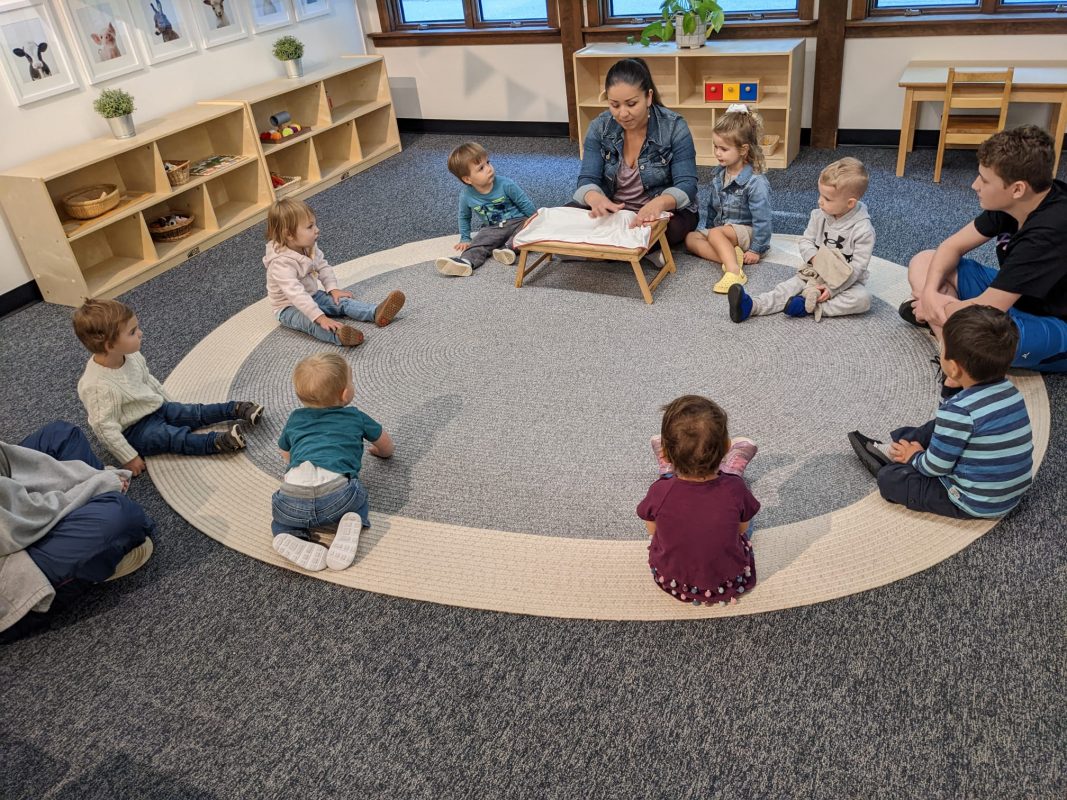
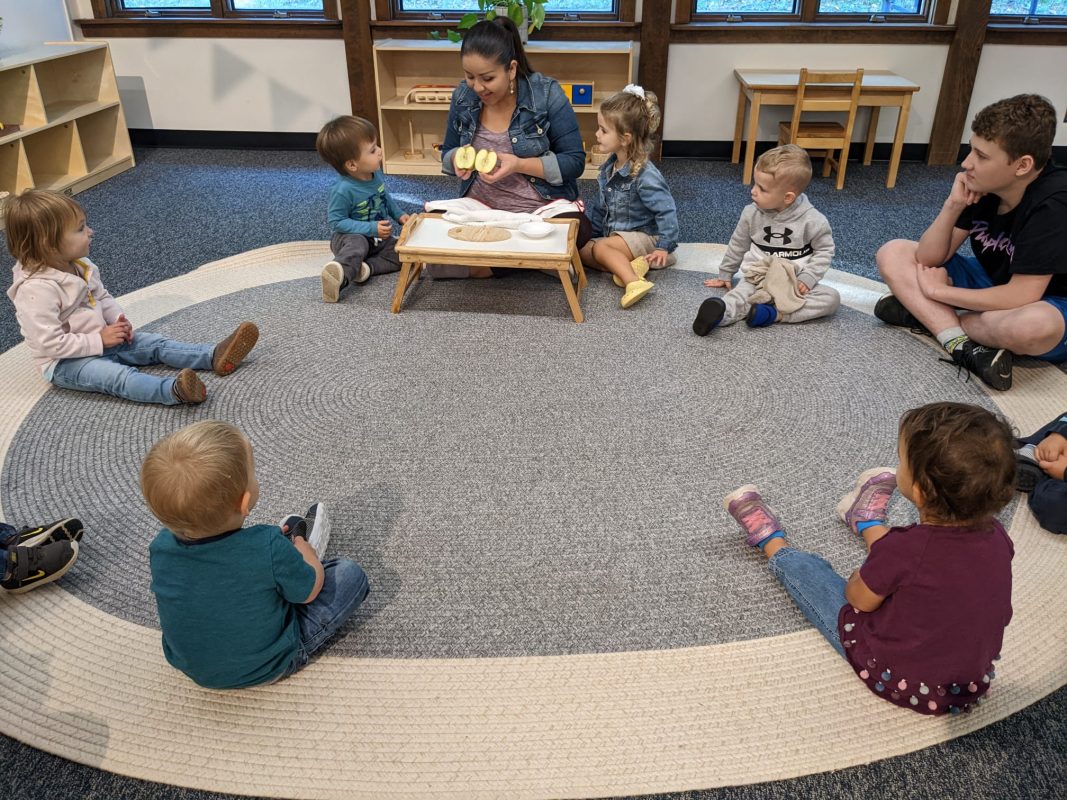
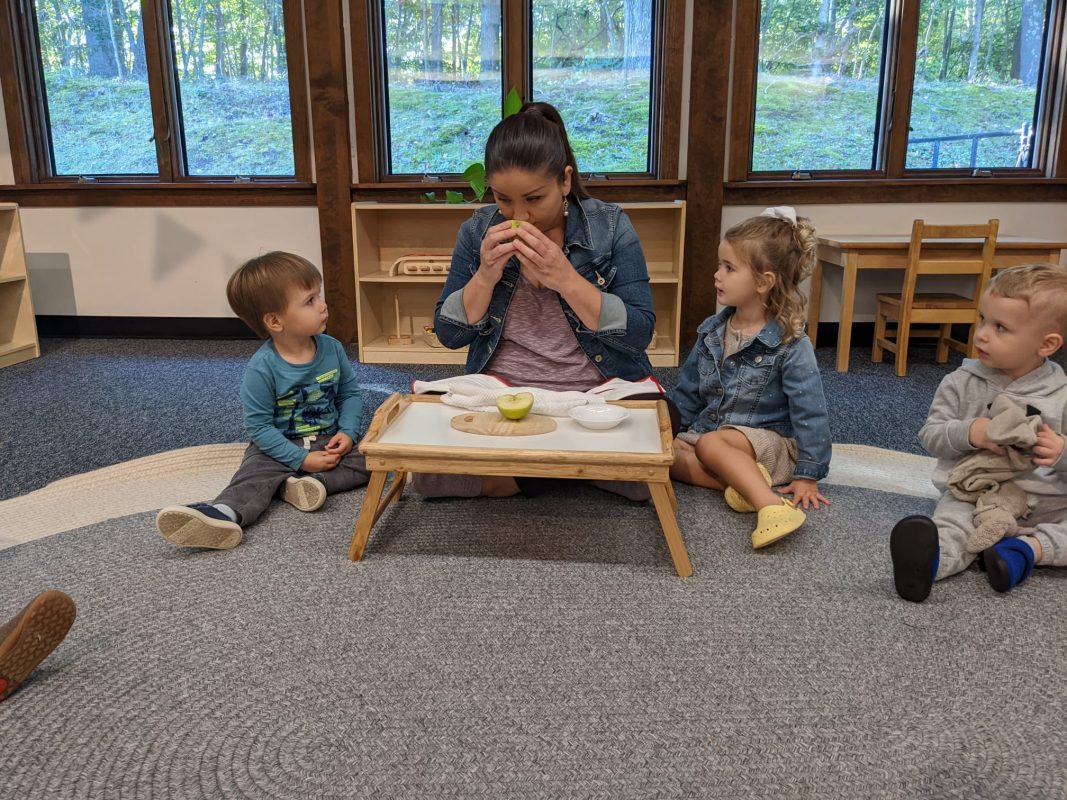
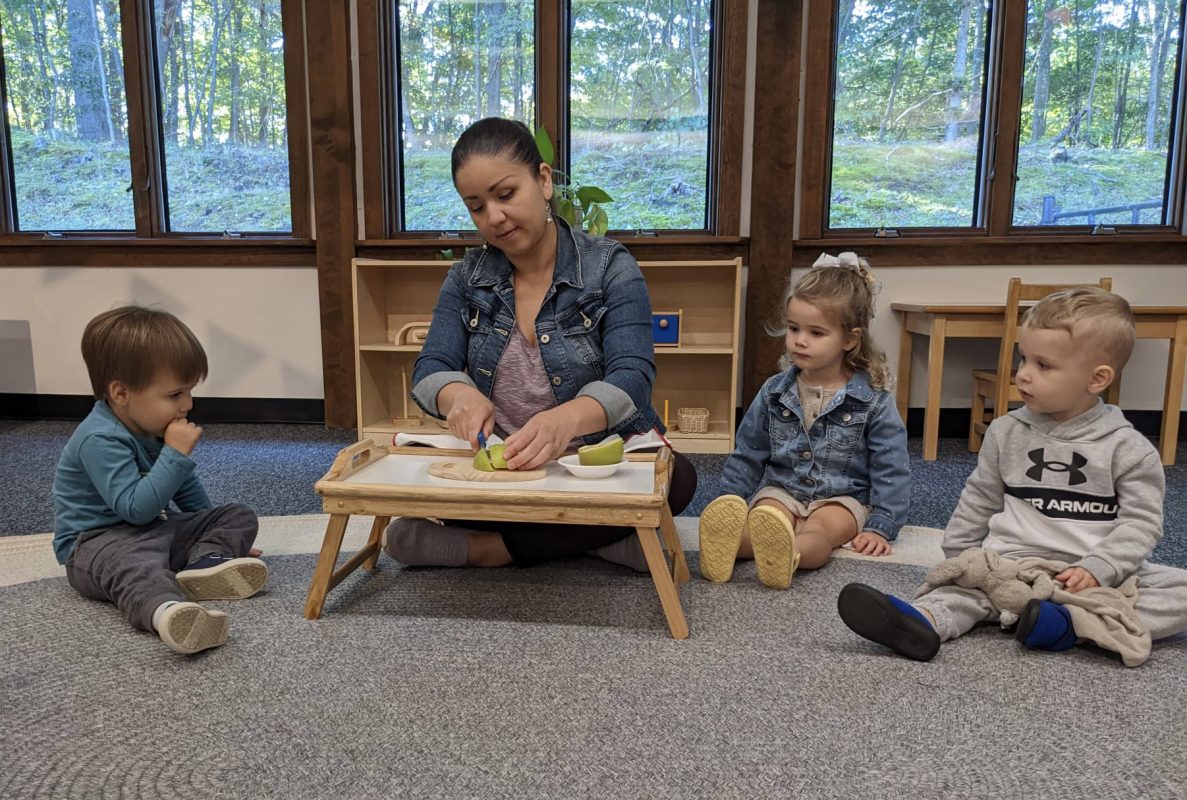
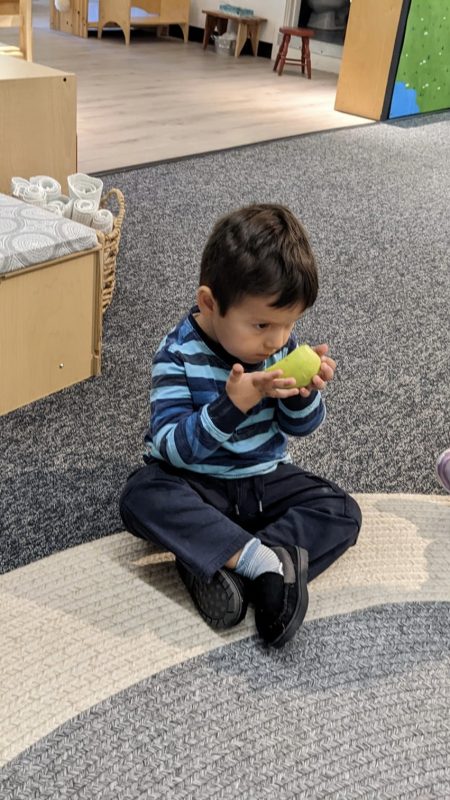
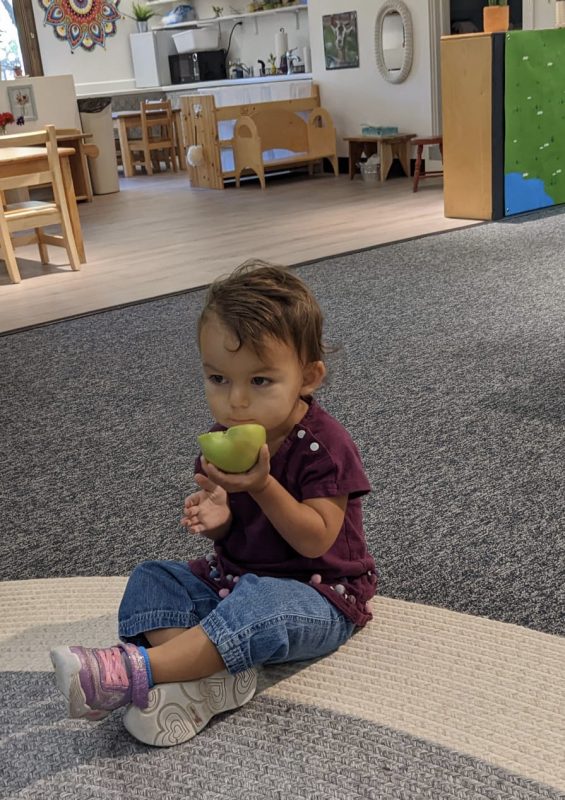
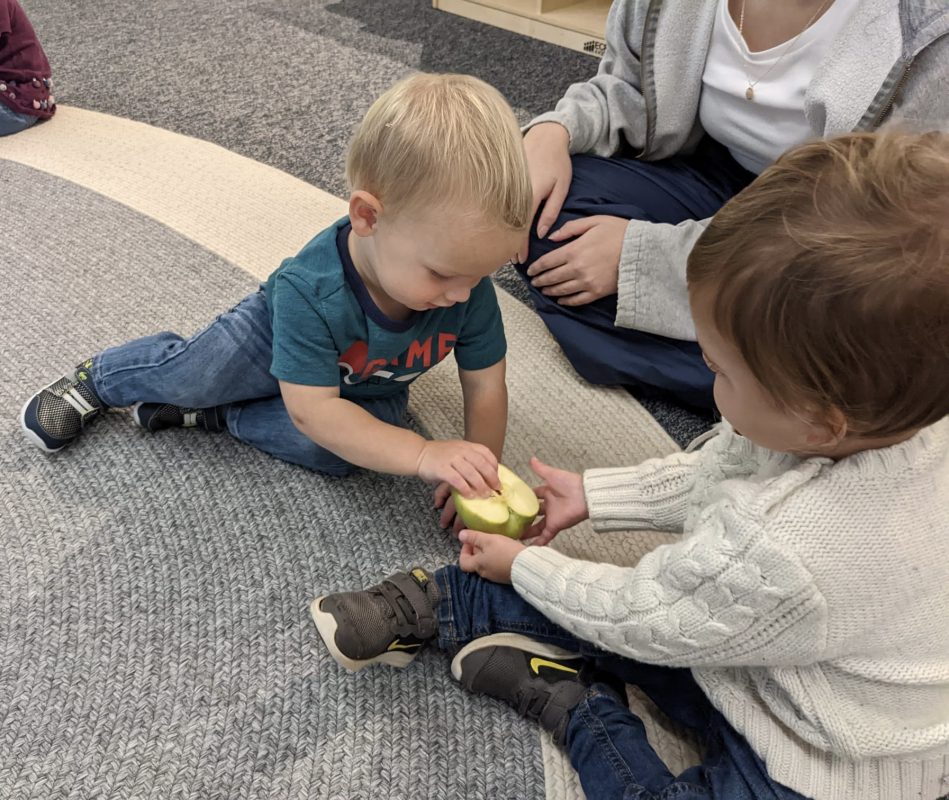
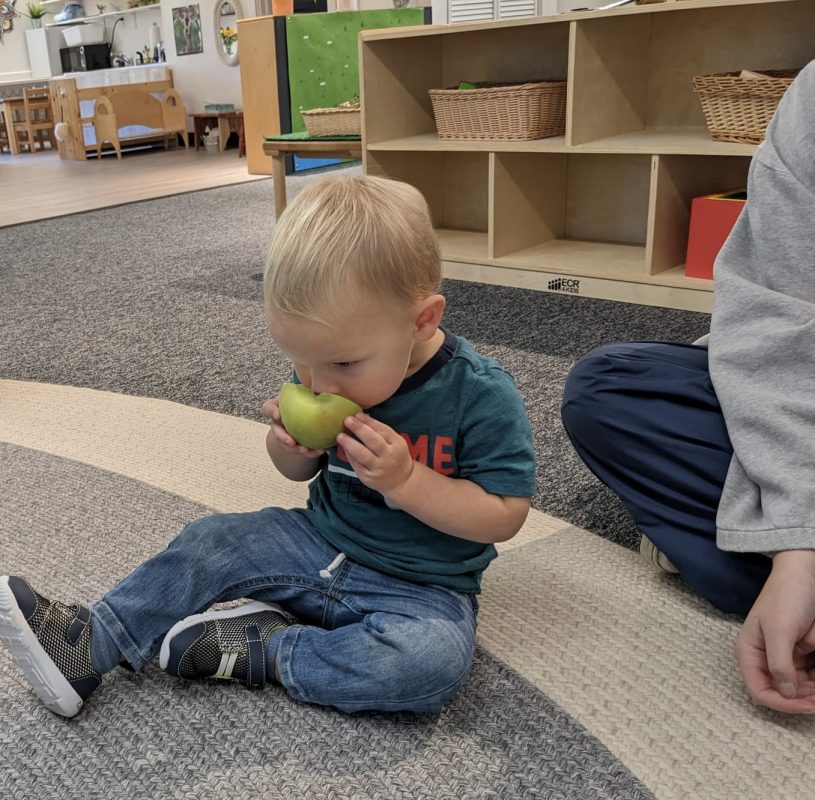
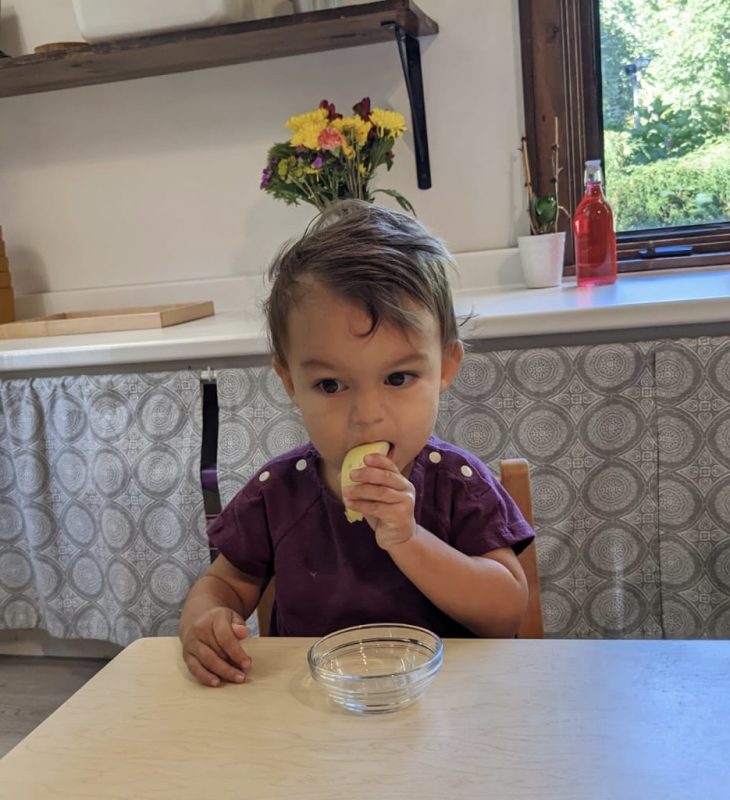
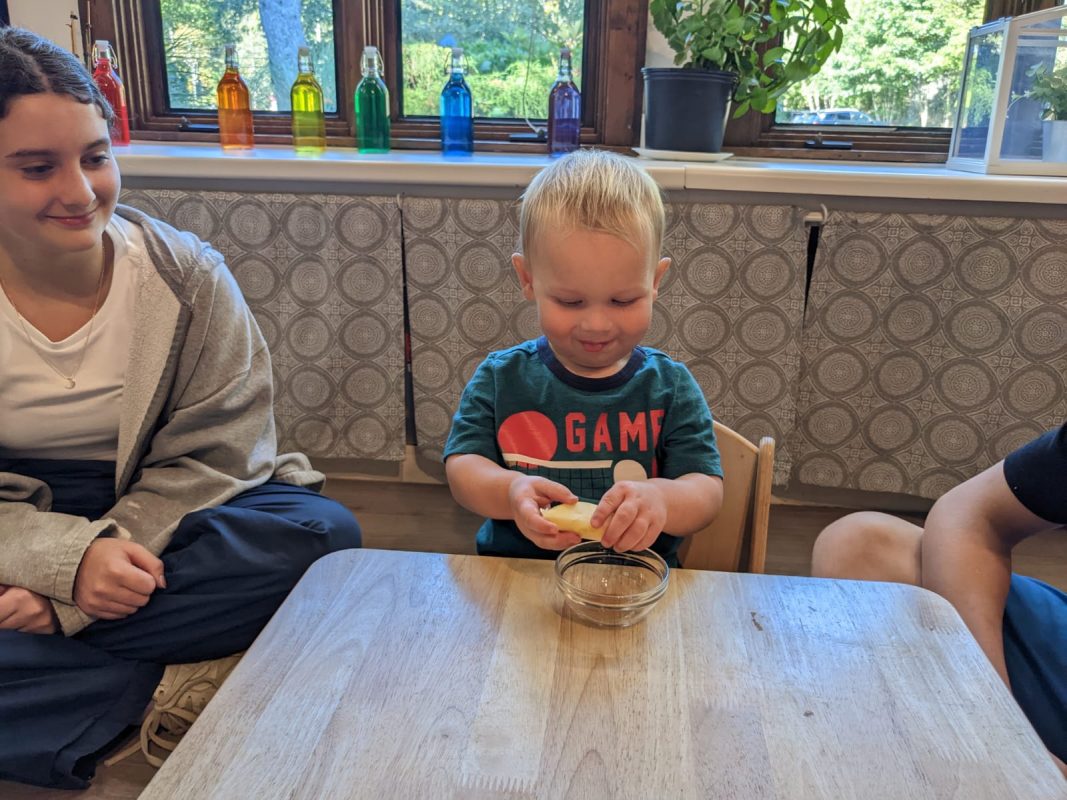
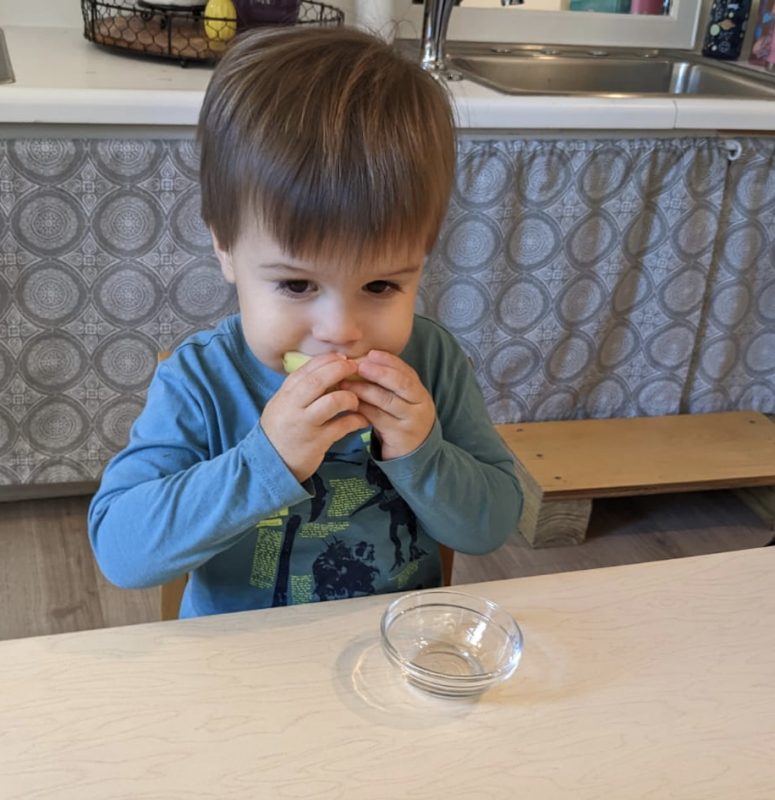
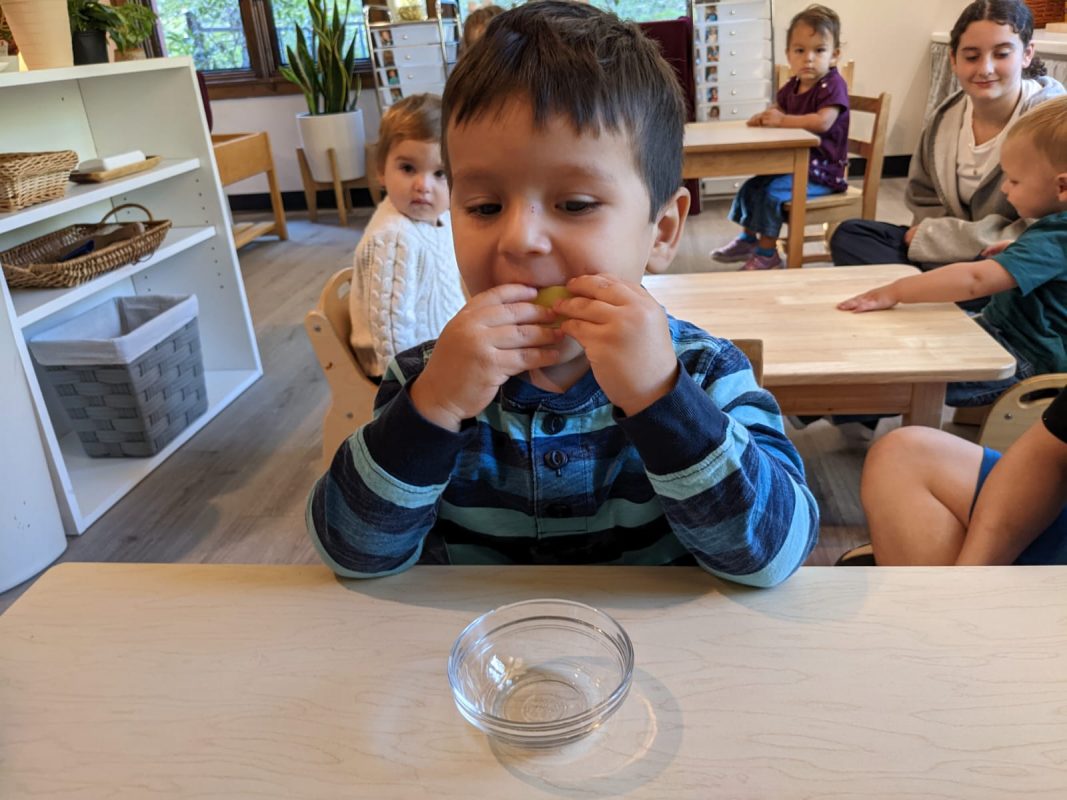
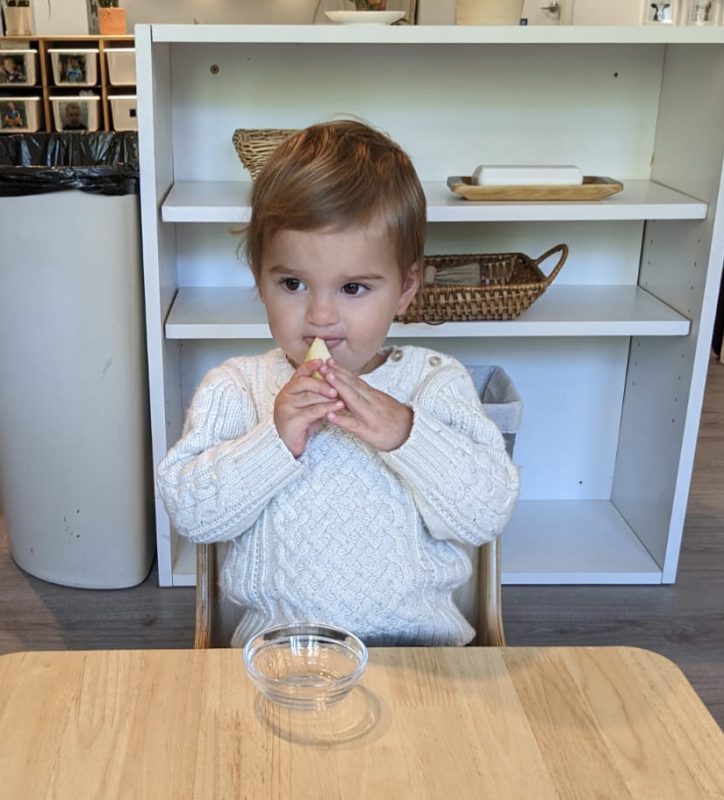
In continuation with our apple studies this week we explored a Granny smith apple for our food tasting lesson. Children were in awe to see the apple this week was green! Some actually found it funny! They were expecting something red, like last week. Skin, flesh, stem, core and seeds are vocabulary words we are repeating often these days. 

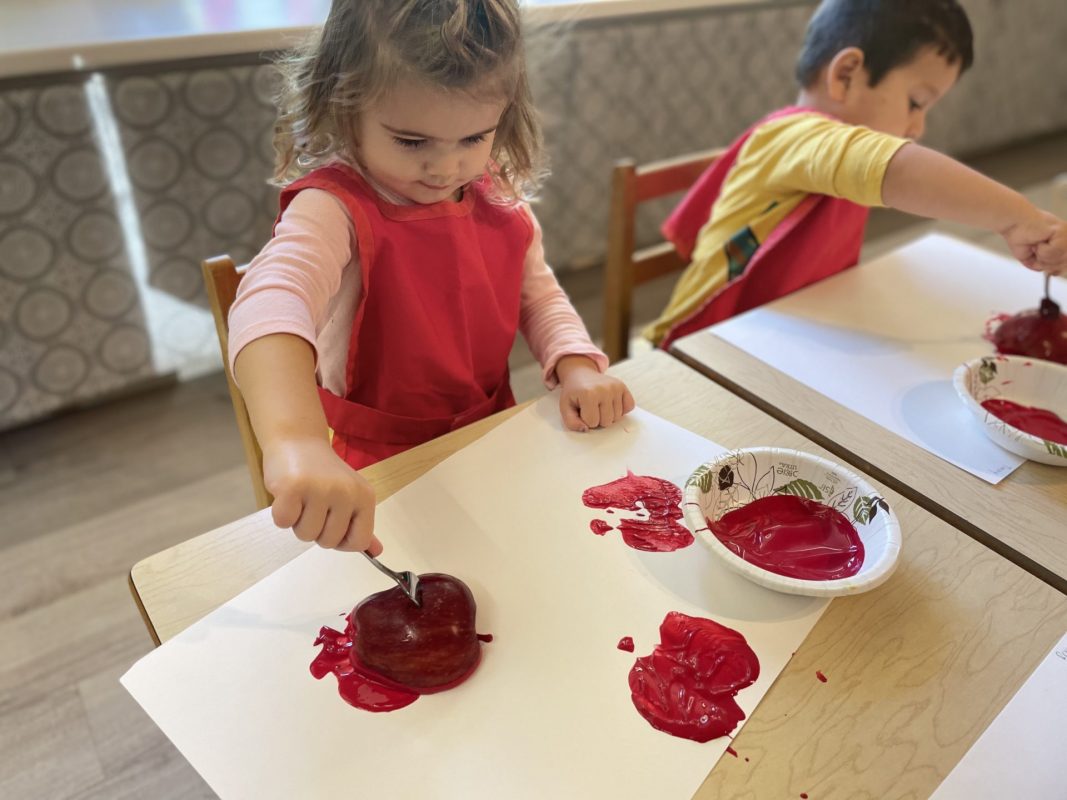
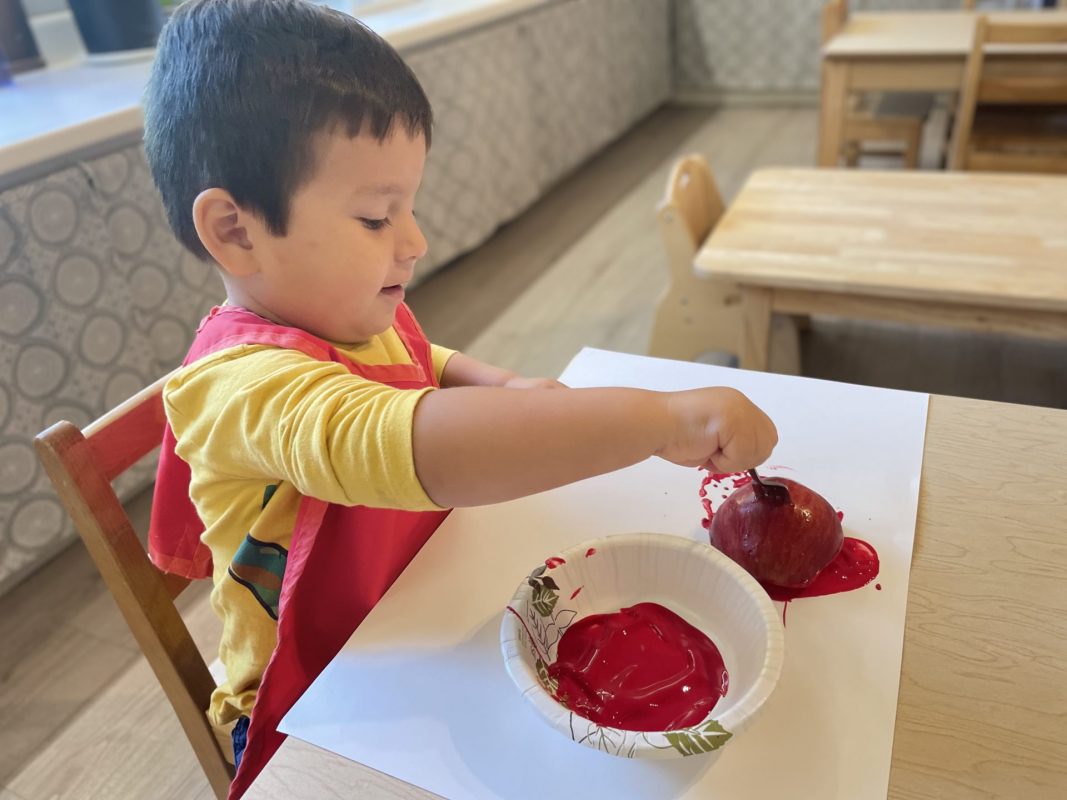
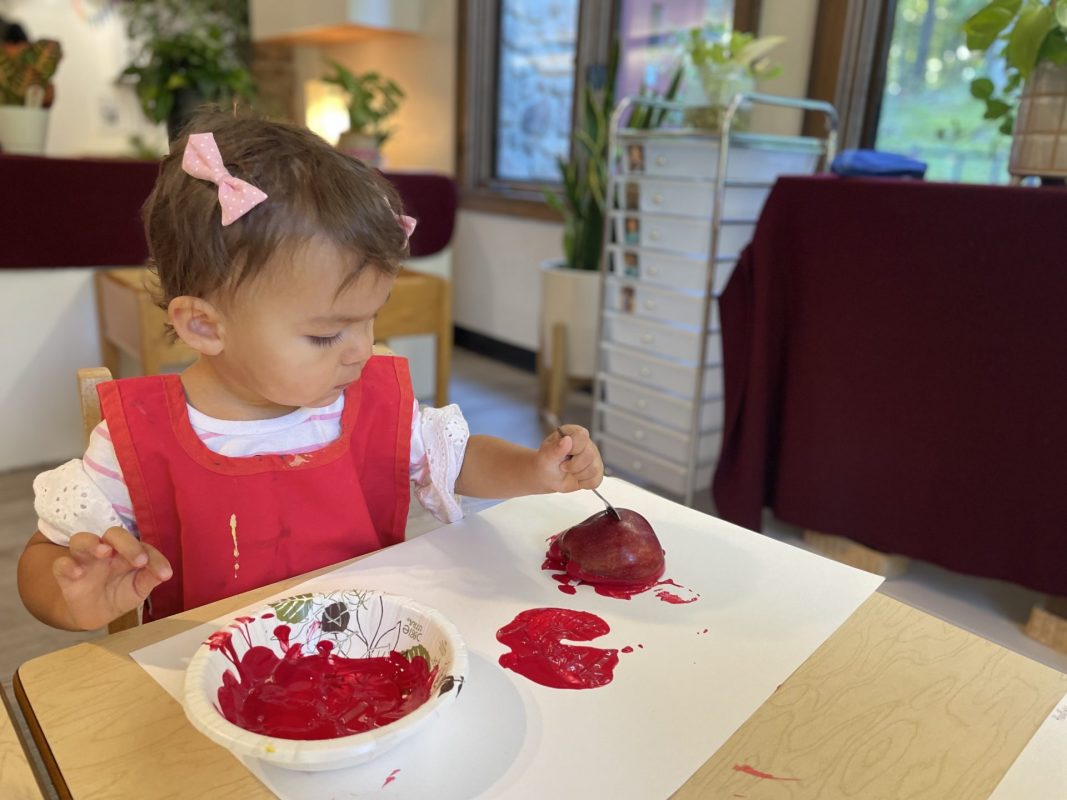
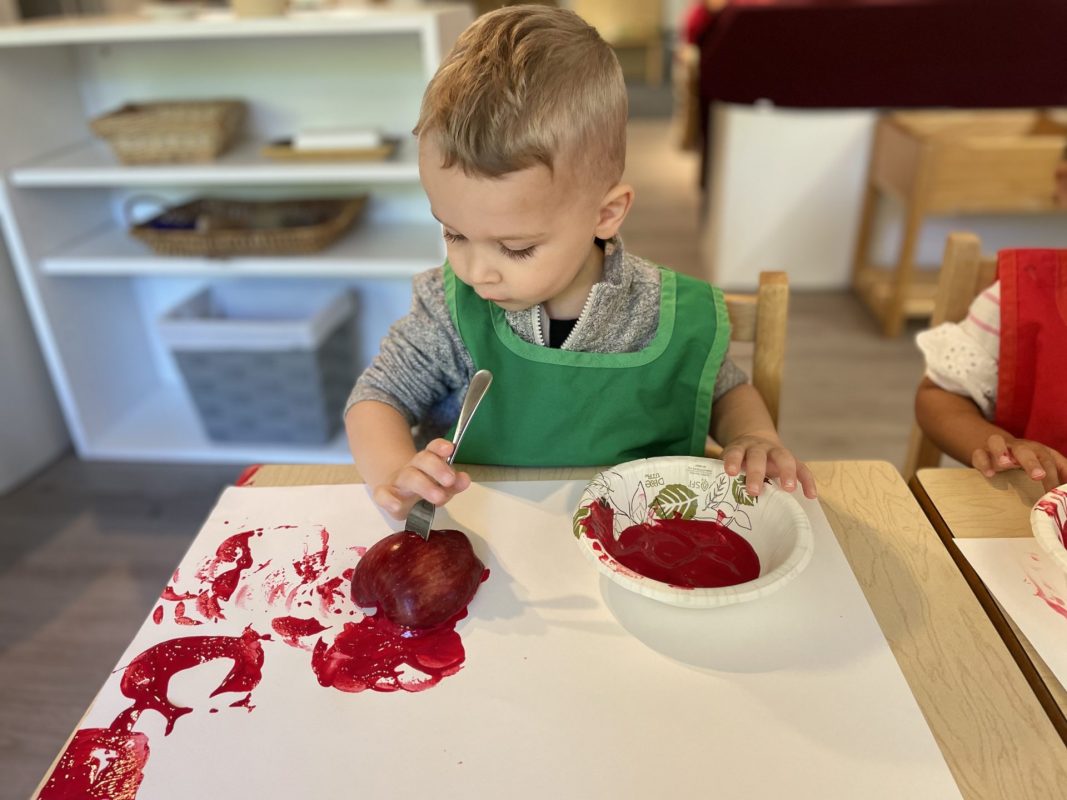
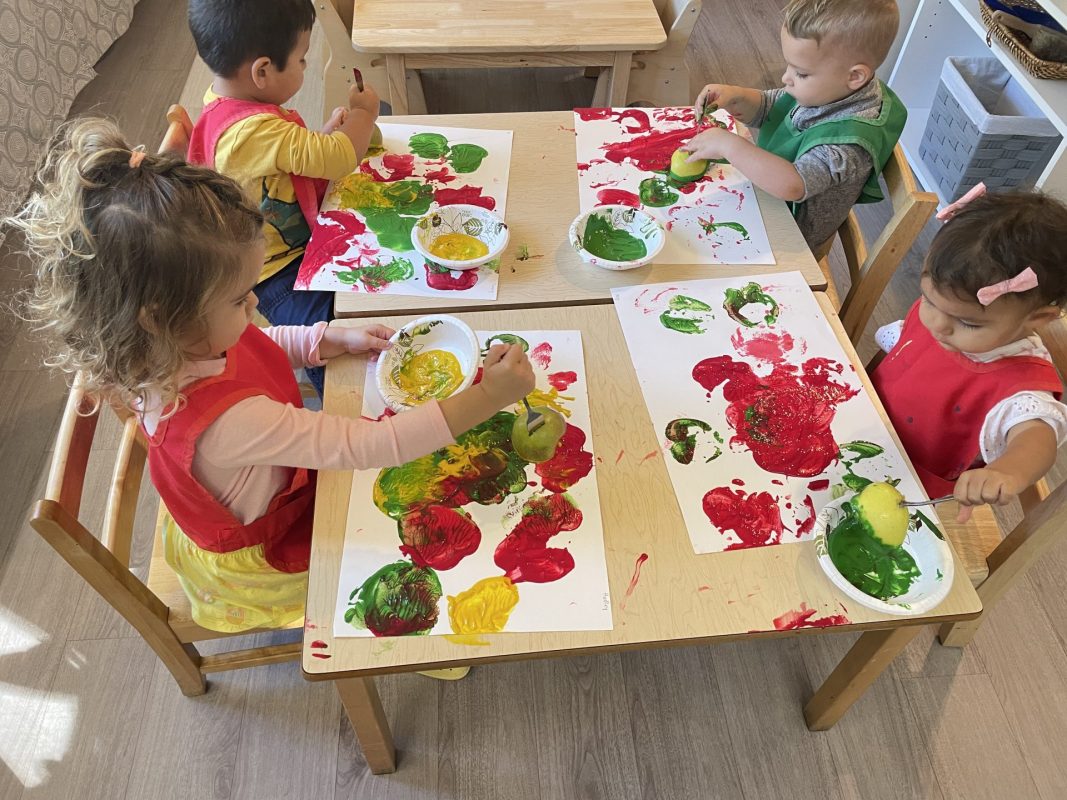
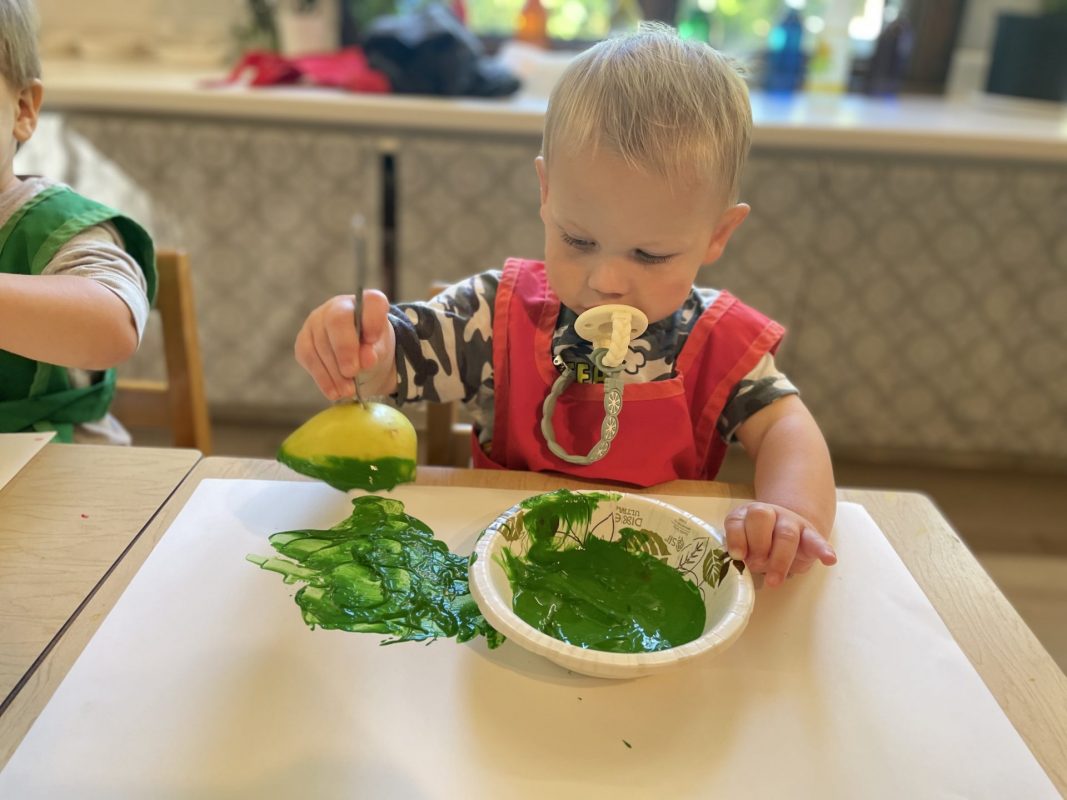
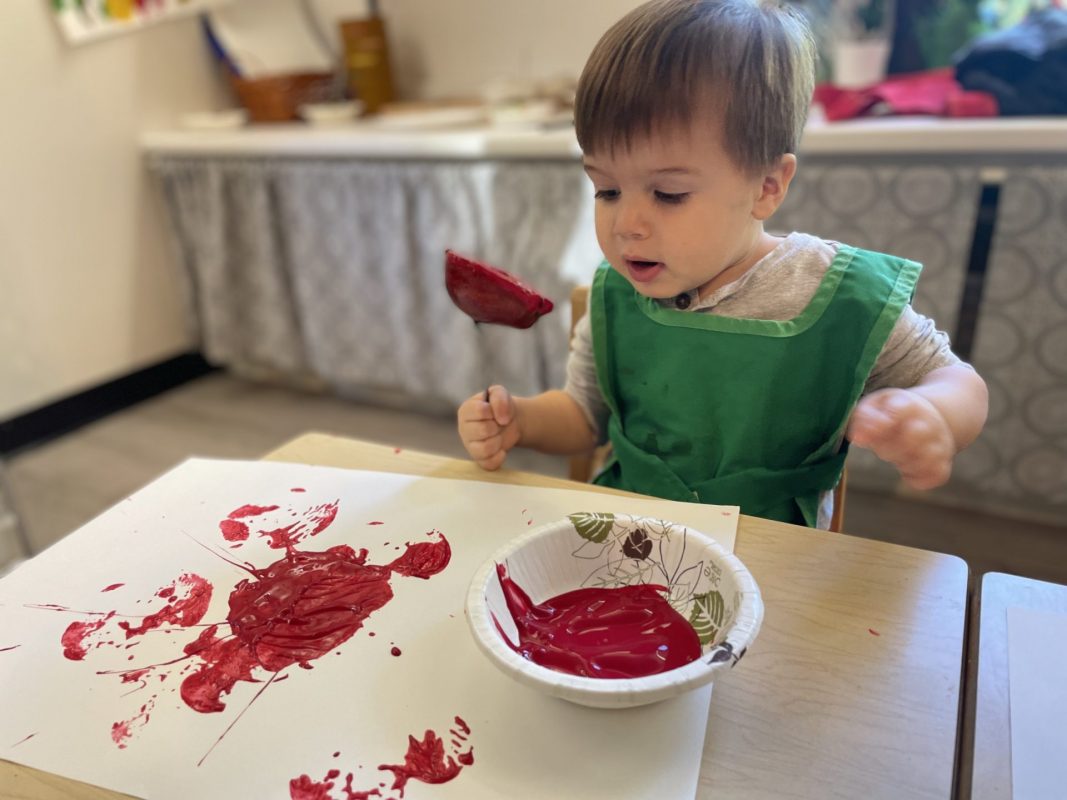
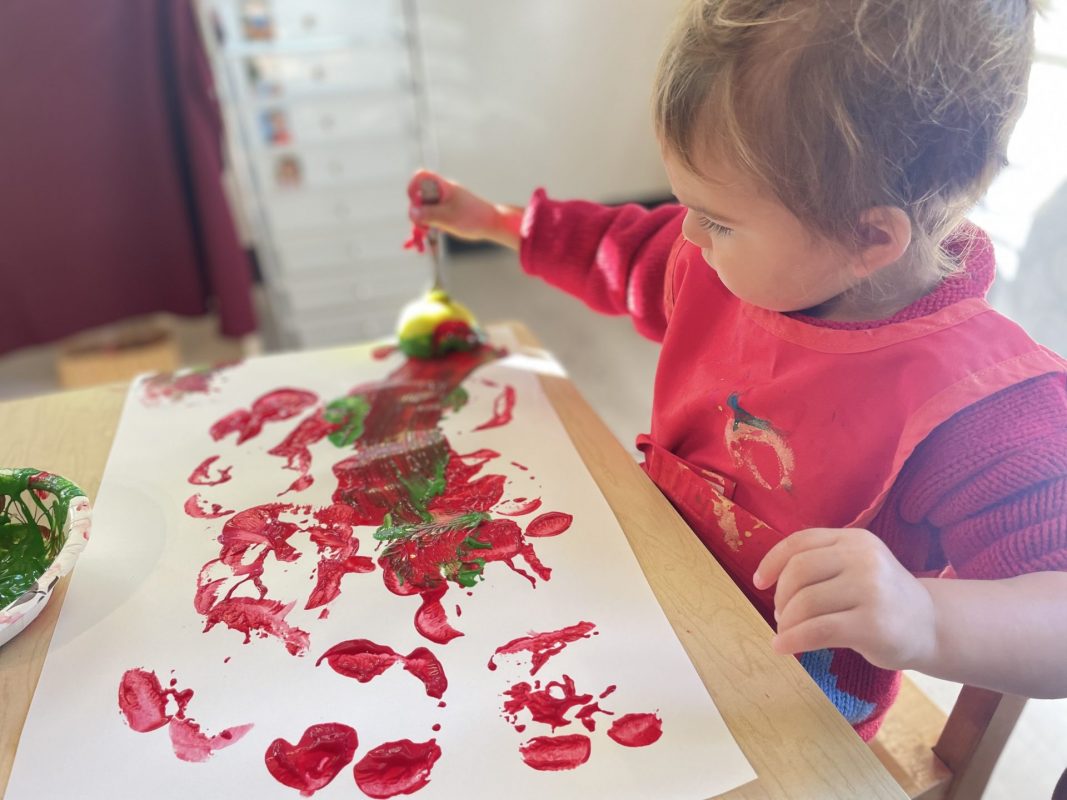
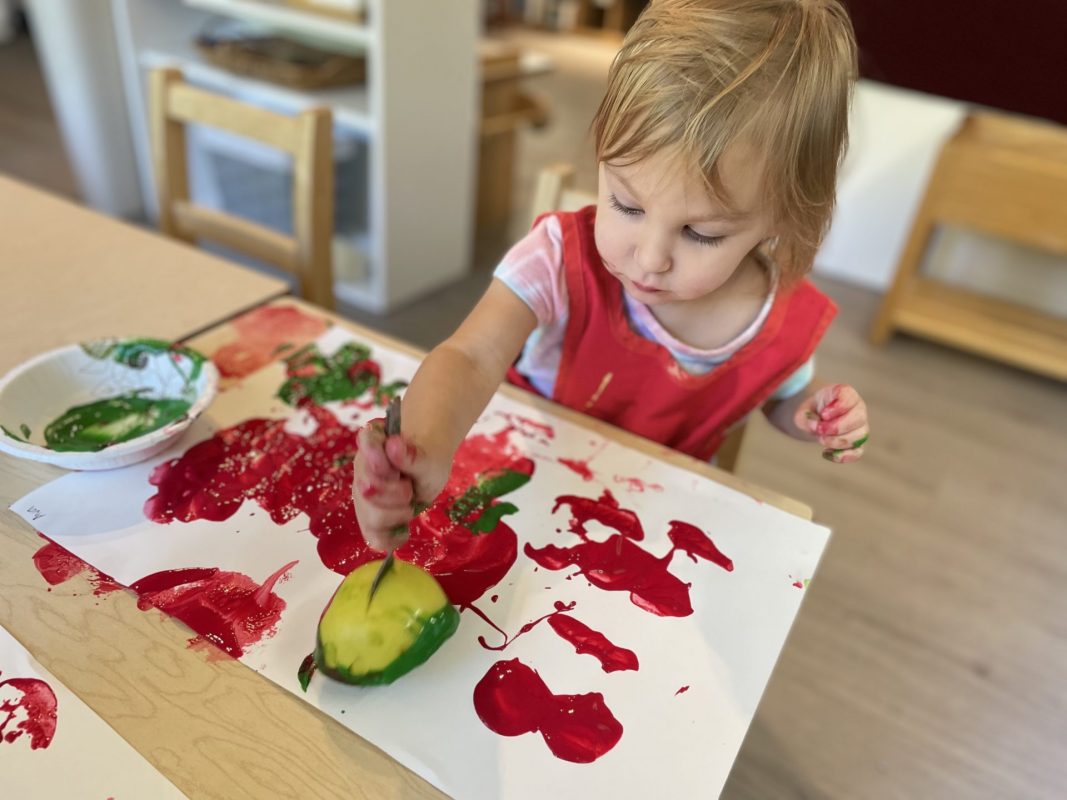
As an extra  Sensorial addition we worked on an apple stamping art piece. Children enjoyed dipping the apple halves into different color paints and stamping them all over their papers! They were so proud of their work! 

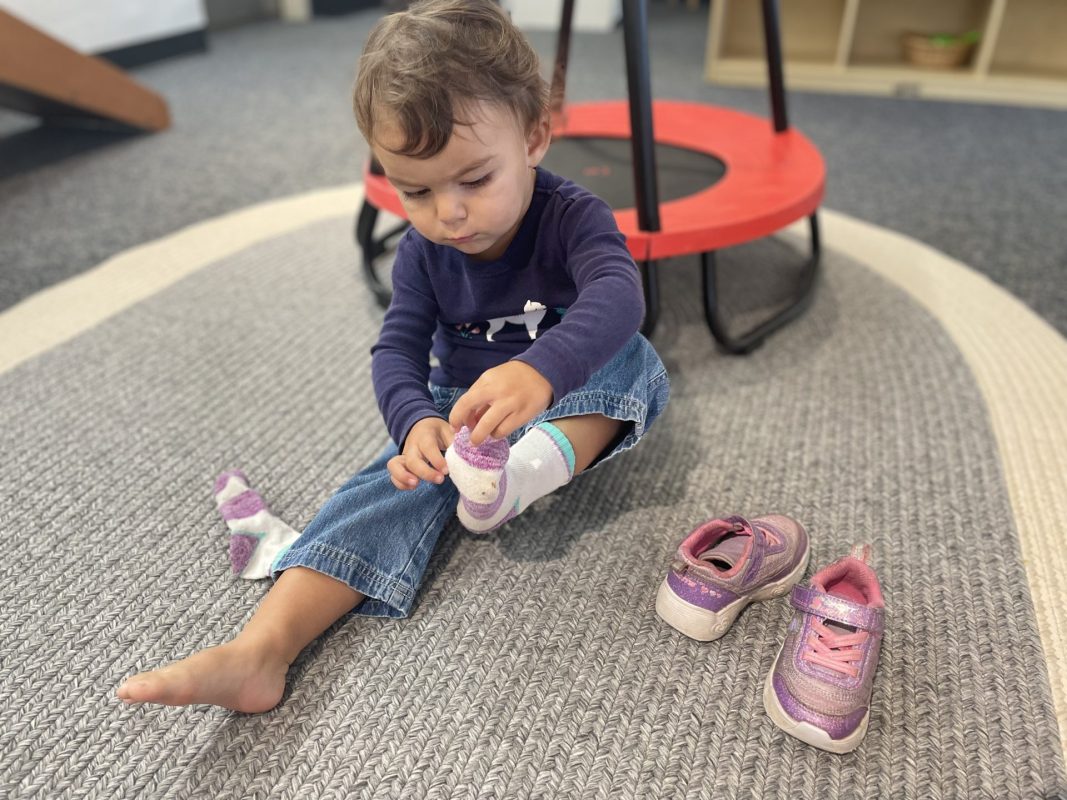
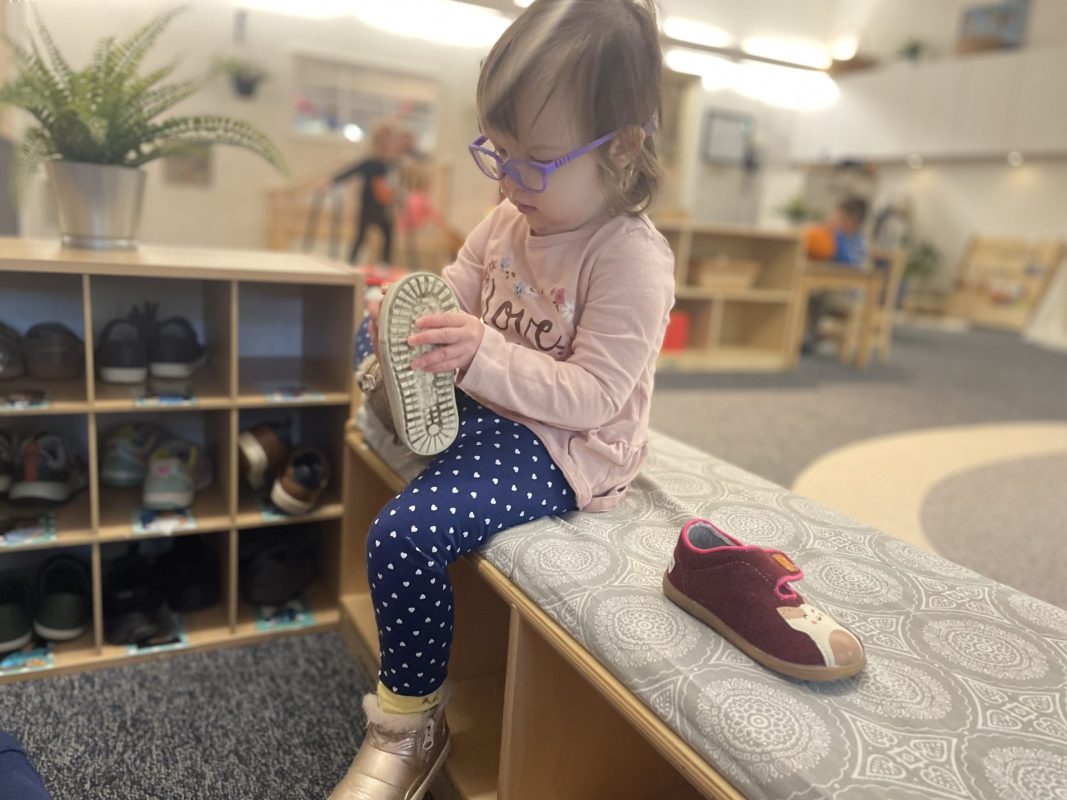
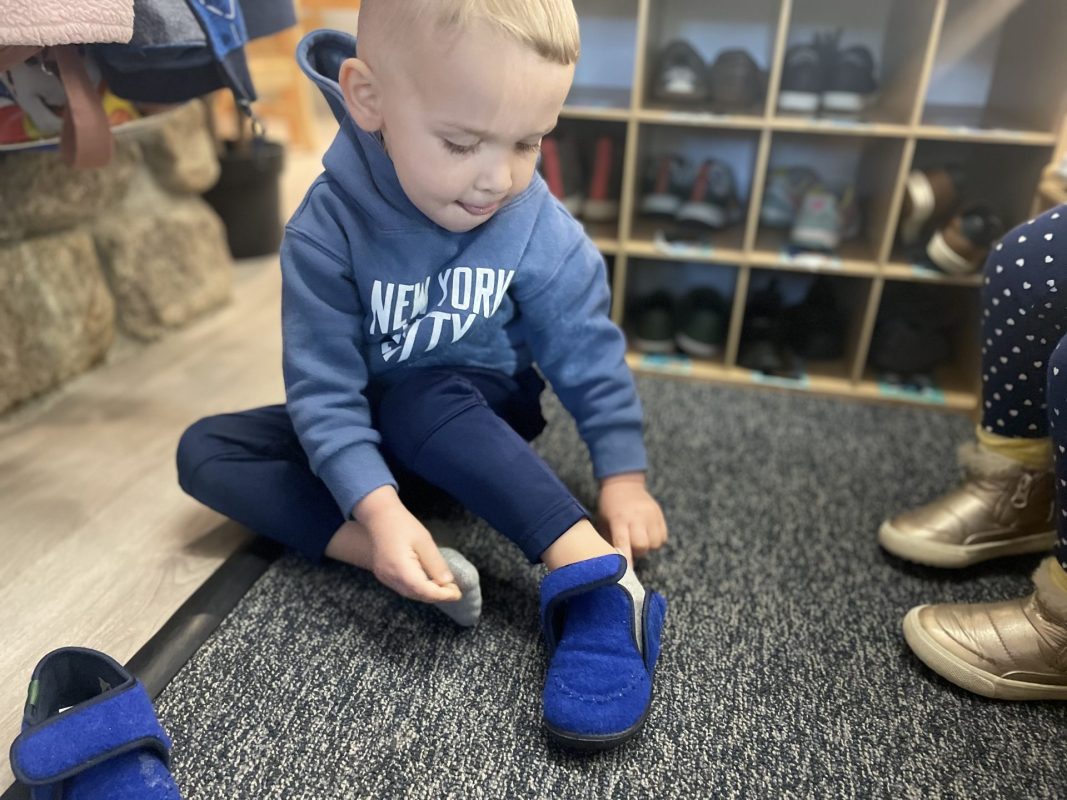
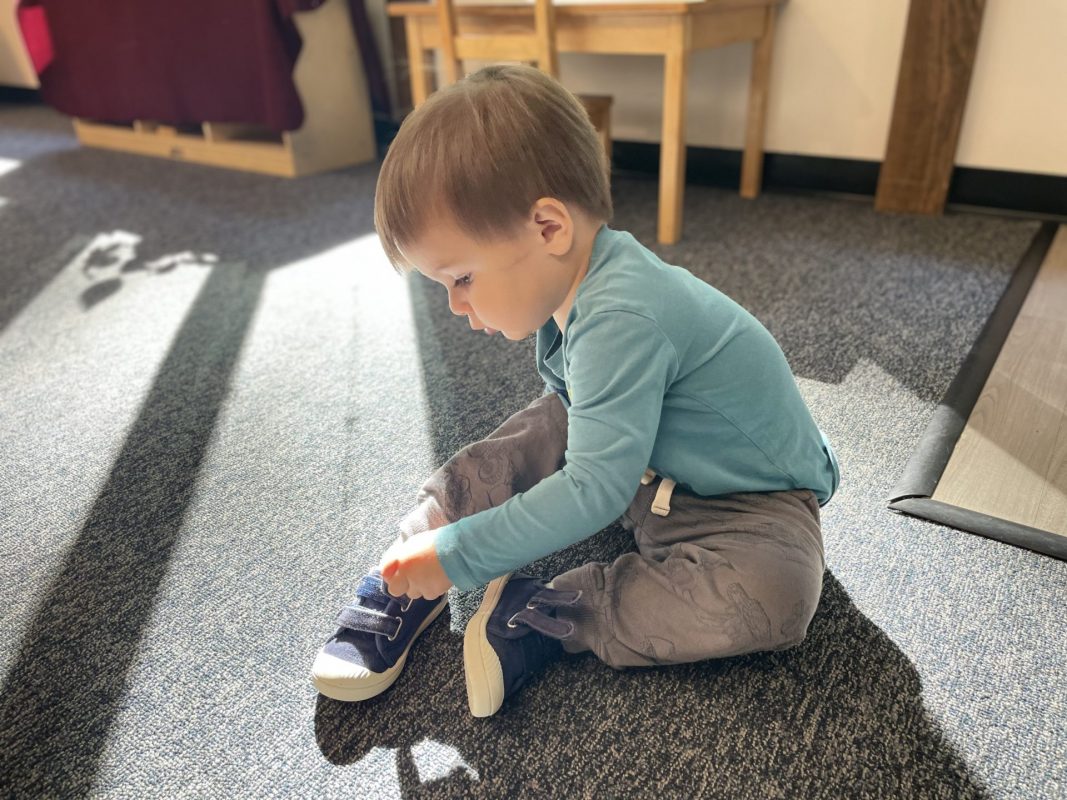
As a fundamental Practical Life skill, your children have been working diligently on learning to take off and put on their shoes! It’s hard work for them, but we are so confident they will master it as they keep practicing. 

The favorite books this week have been : Brown Bear, Brown Bear What Do You See by Eric Carle, Row, Row Your Boat By Jane Cabrera and We All Go Traveling By by Barefoot books. “We are the Dinosaurs’ by Laurie Berkner and “Shake Your Sillies Out” by Andy Mason were the top hits musically this week. 

We wish you a healthy and peaceful weekend, 

Mrs. Hood and Ms. Bethann