Mrs. Hood: With my eyes, hands, and a thankful heart!

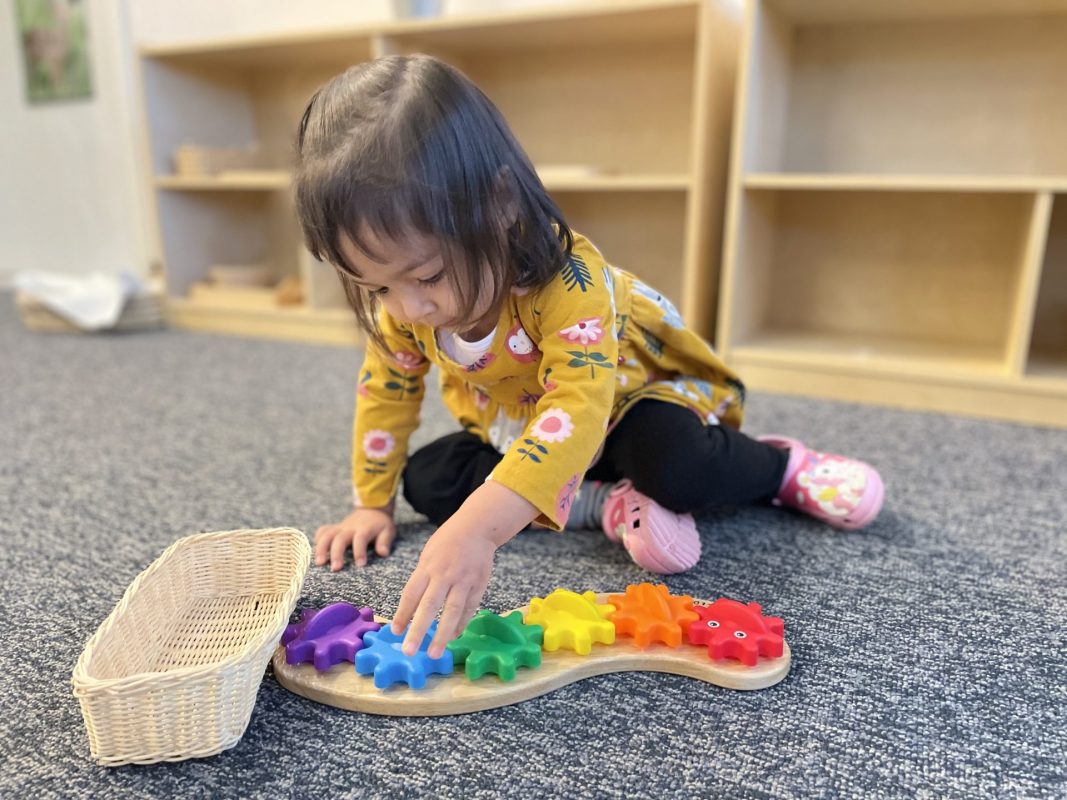
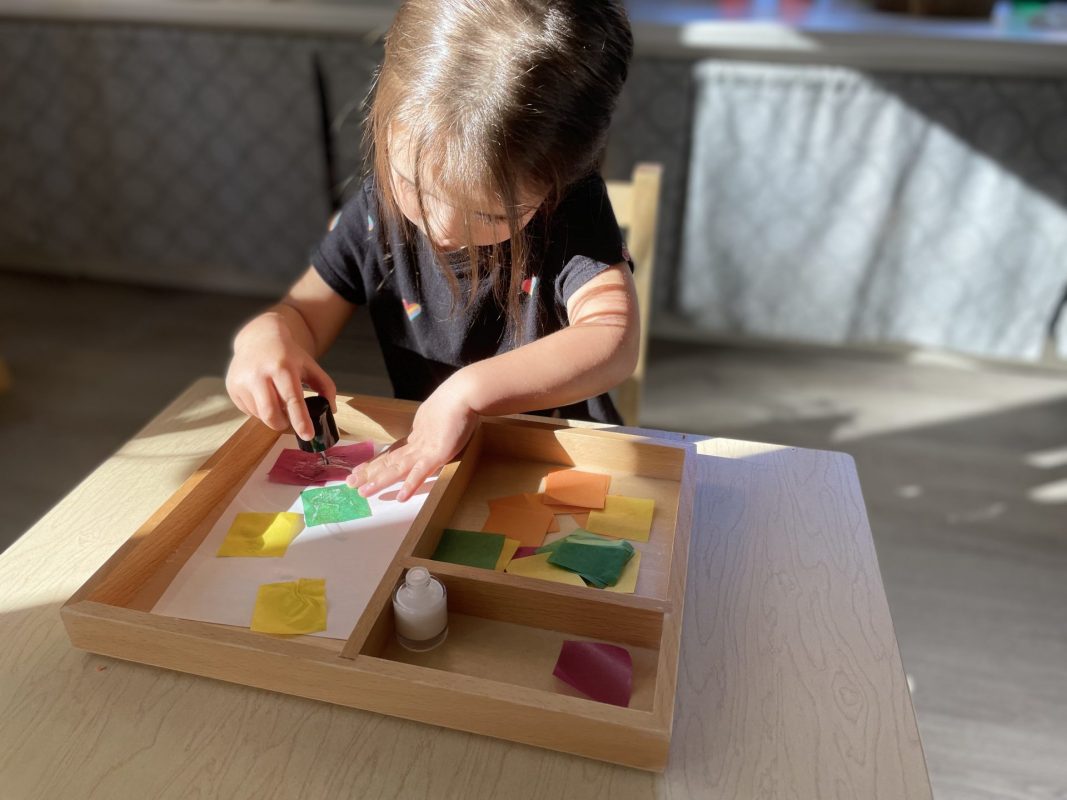
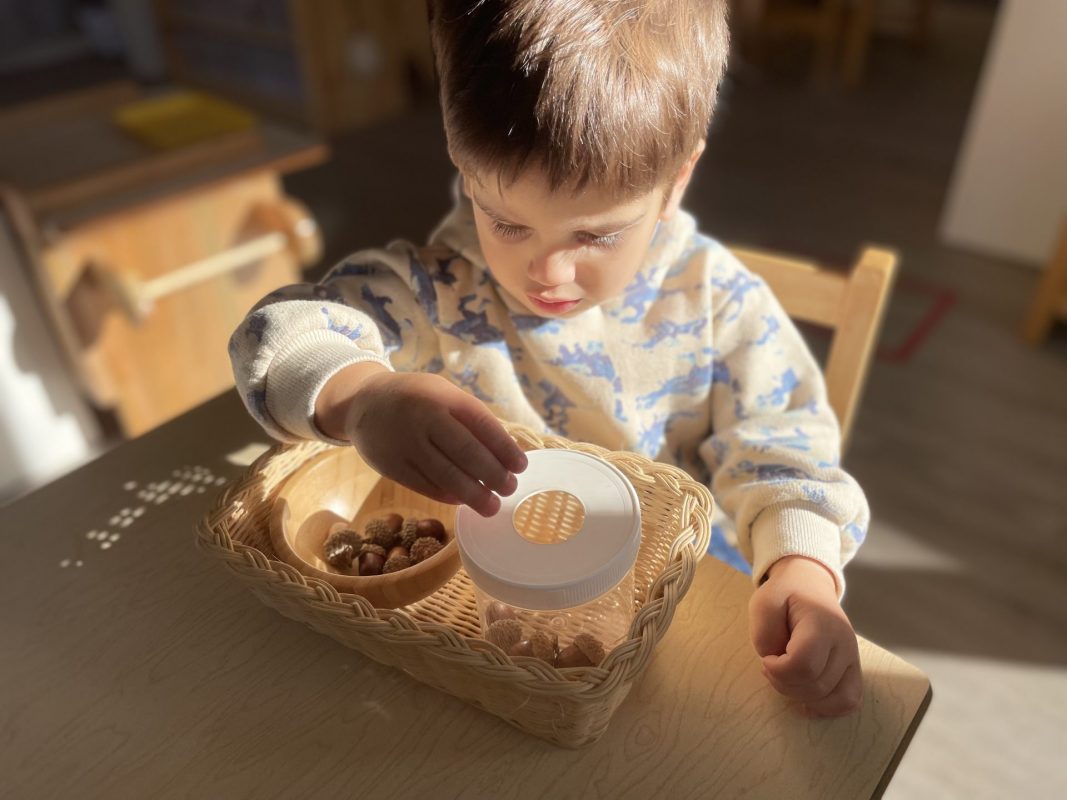
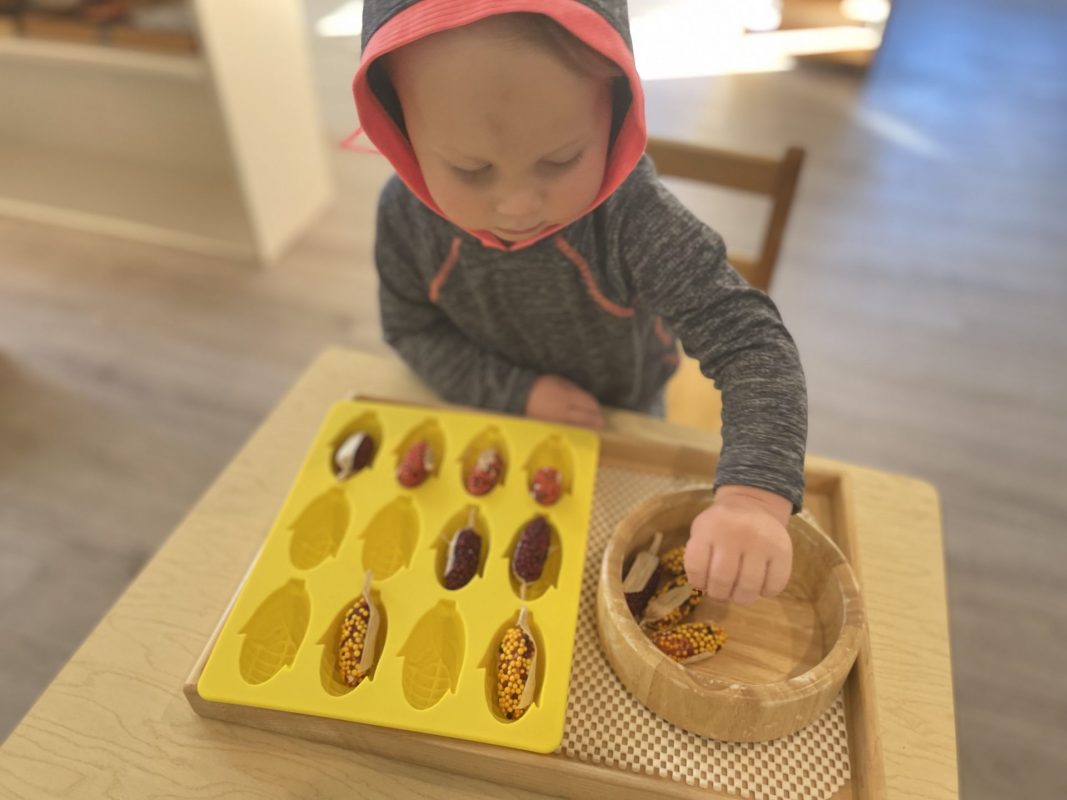
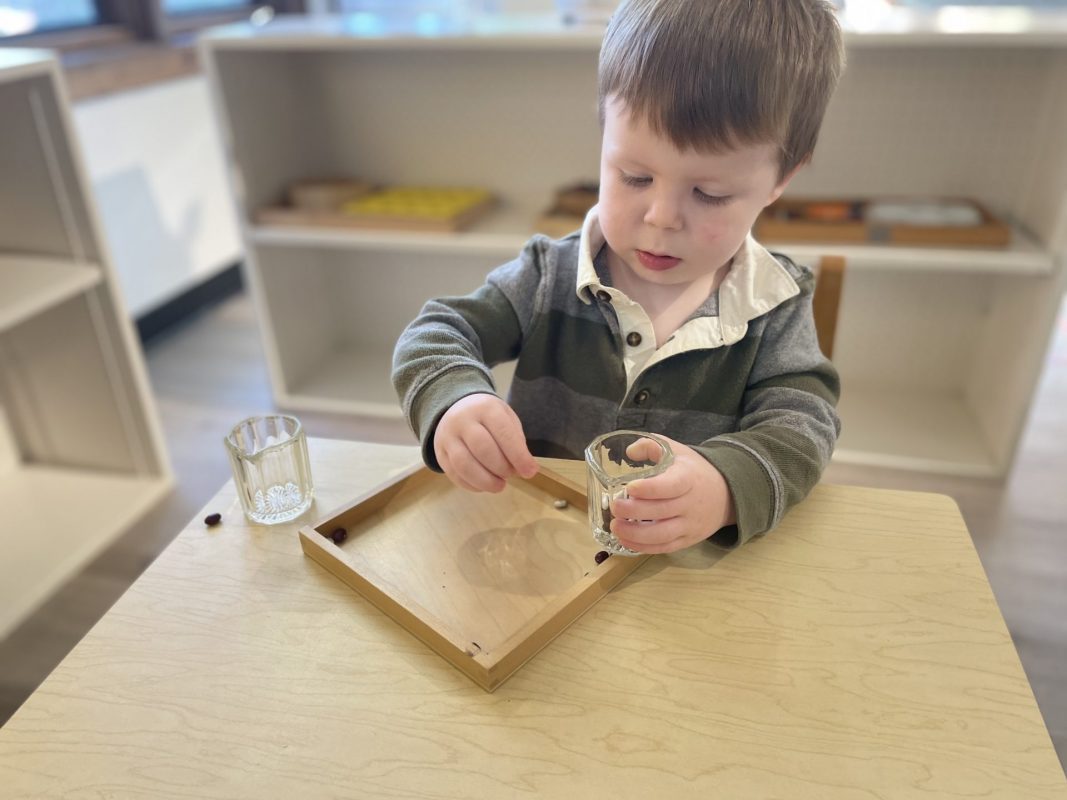
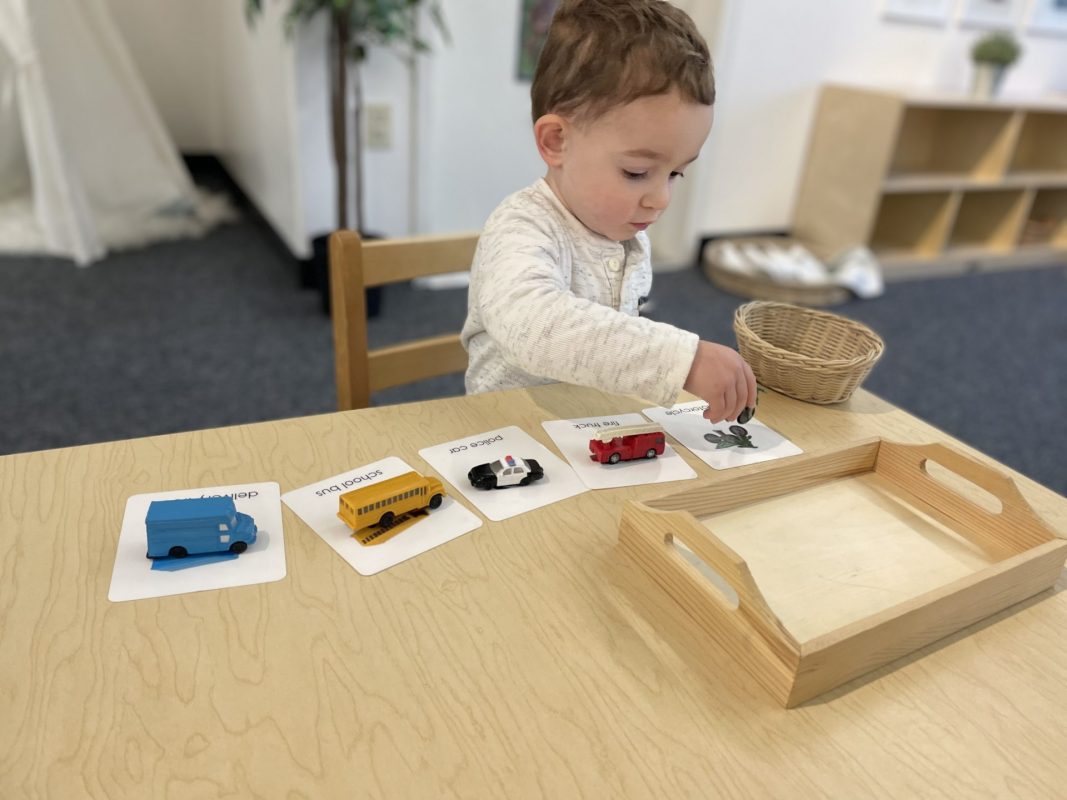
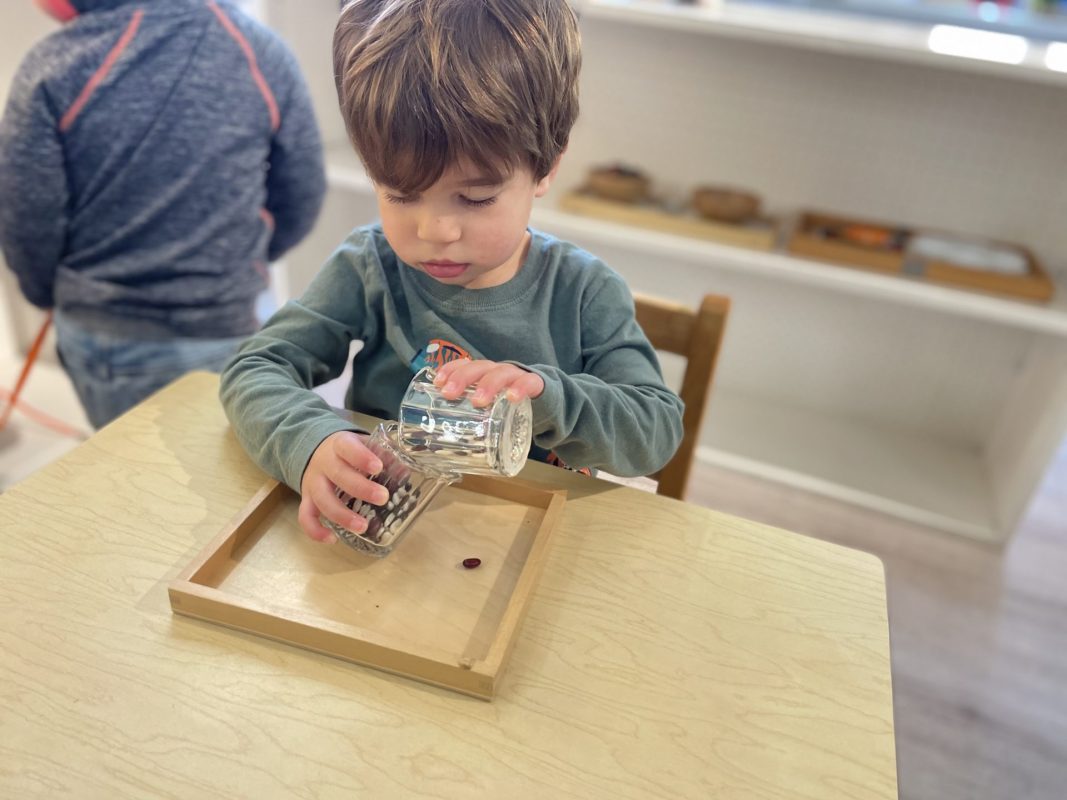
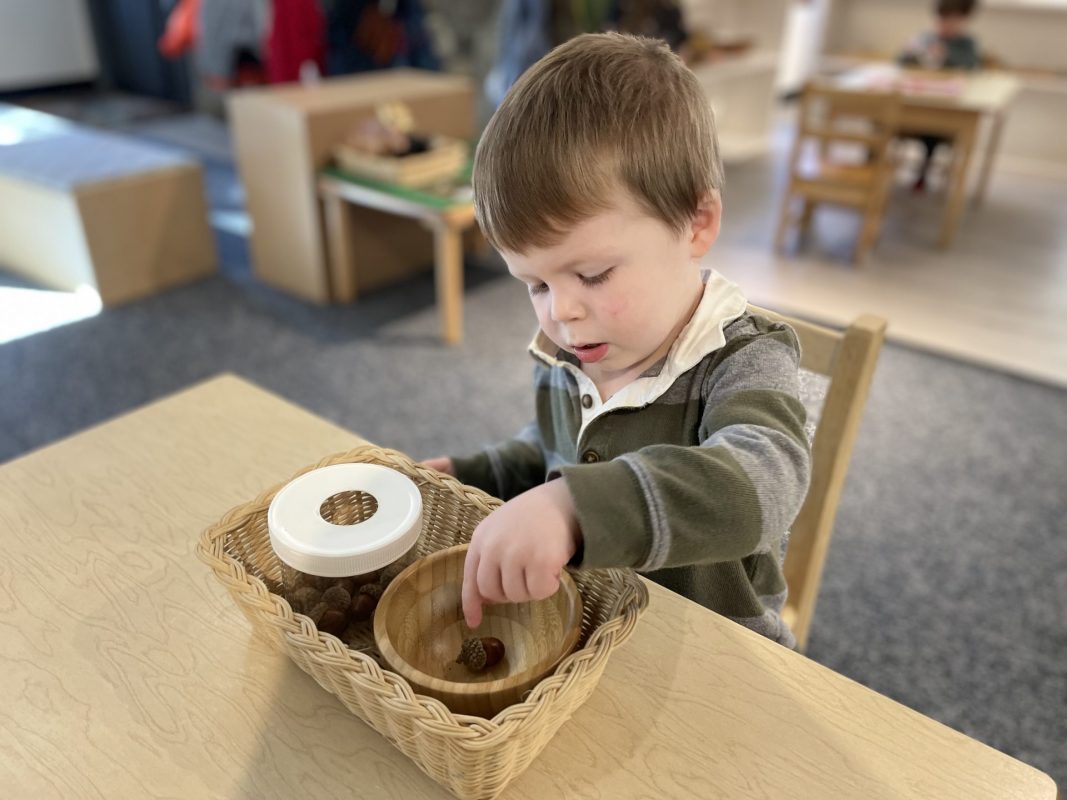
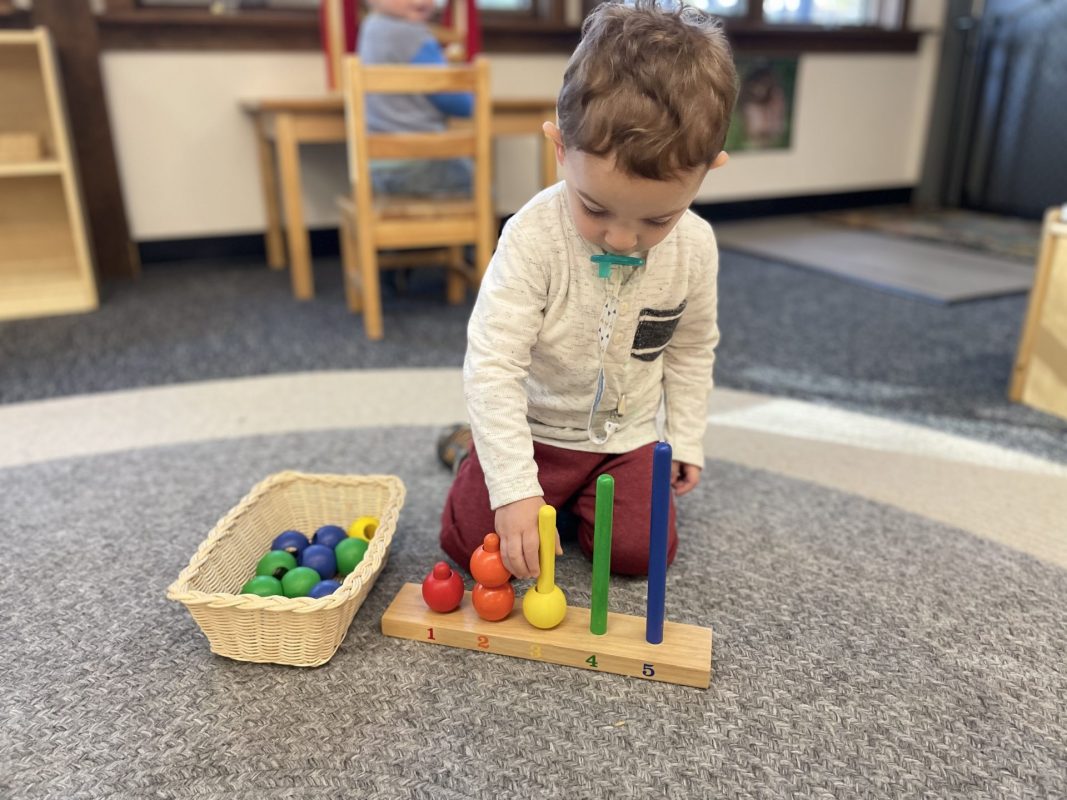
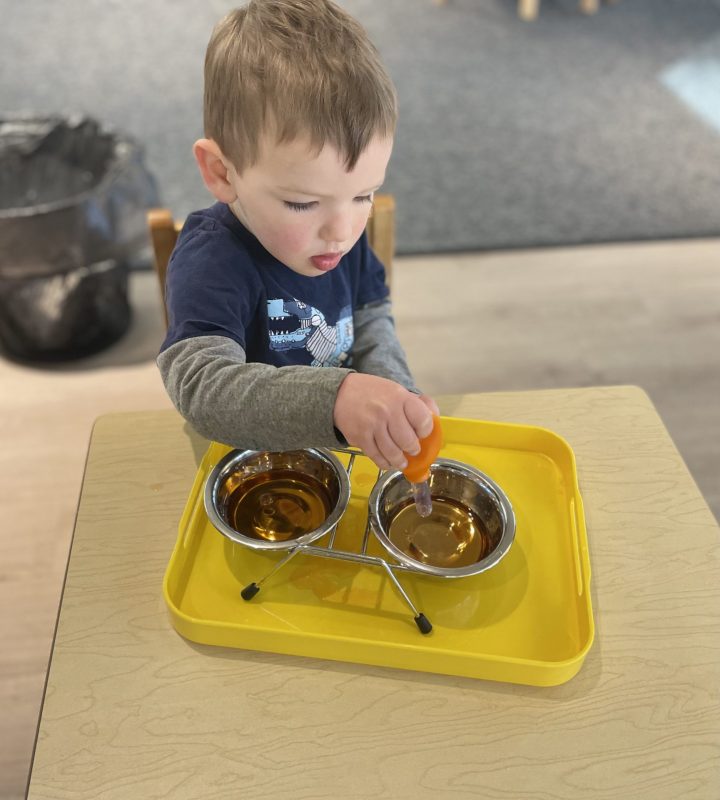
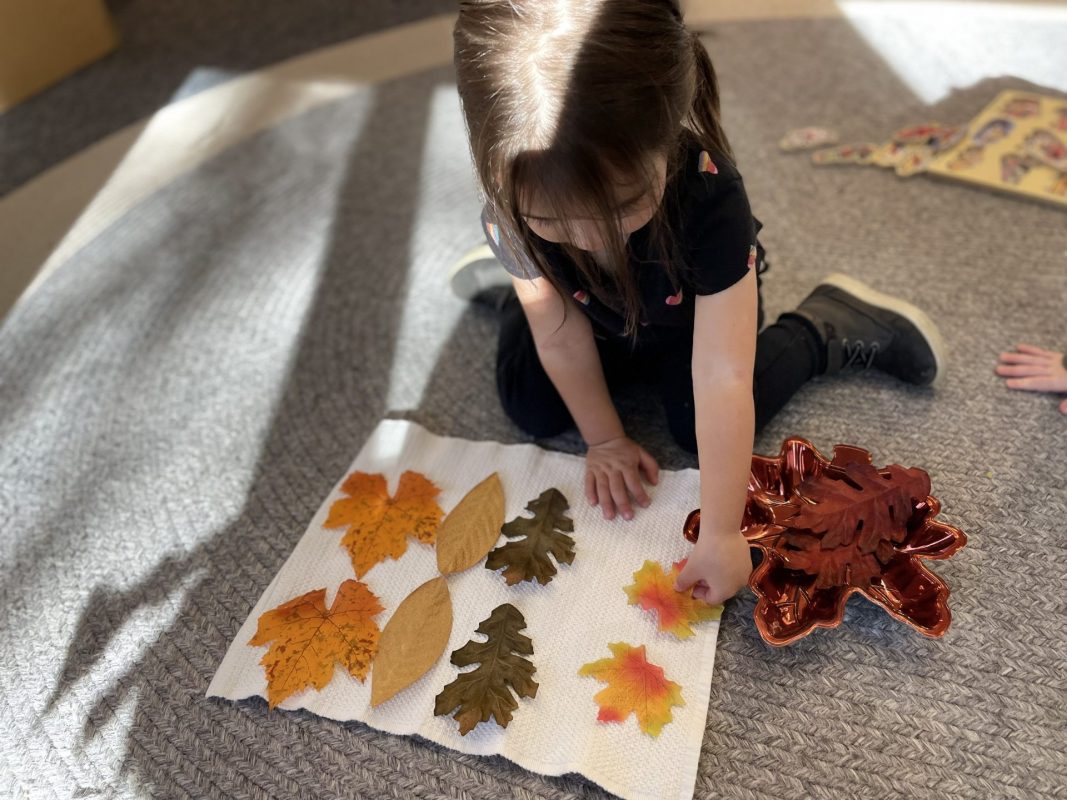
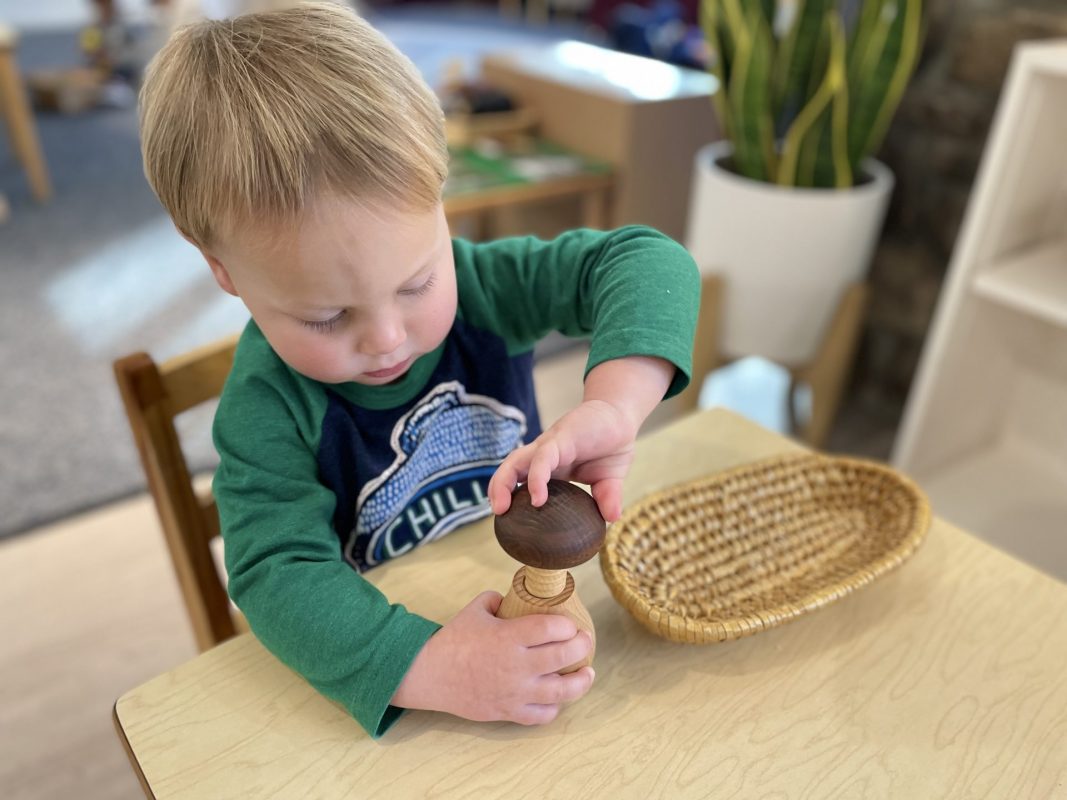
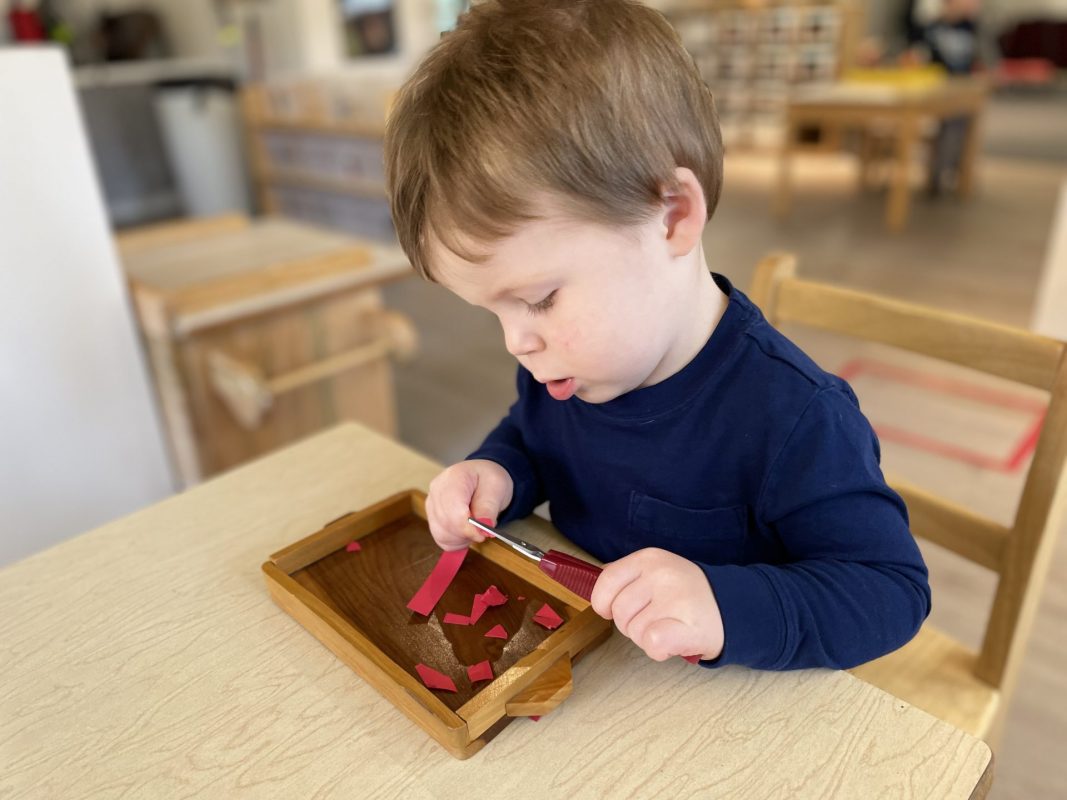
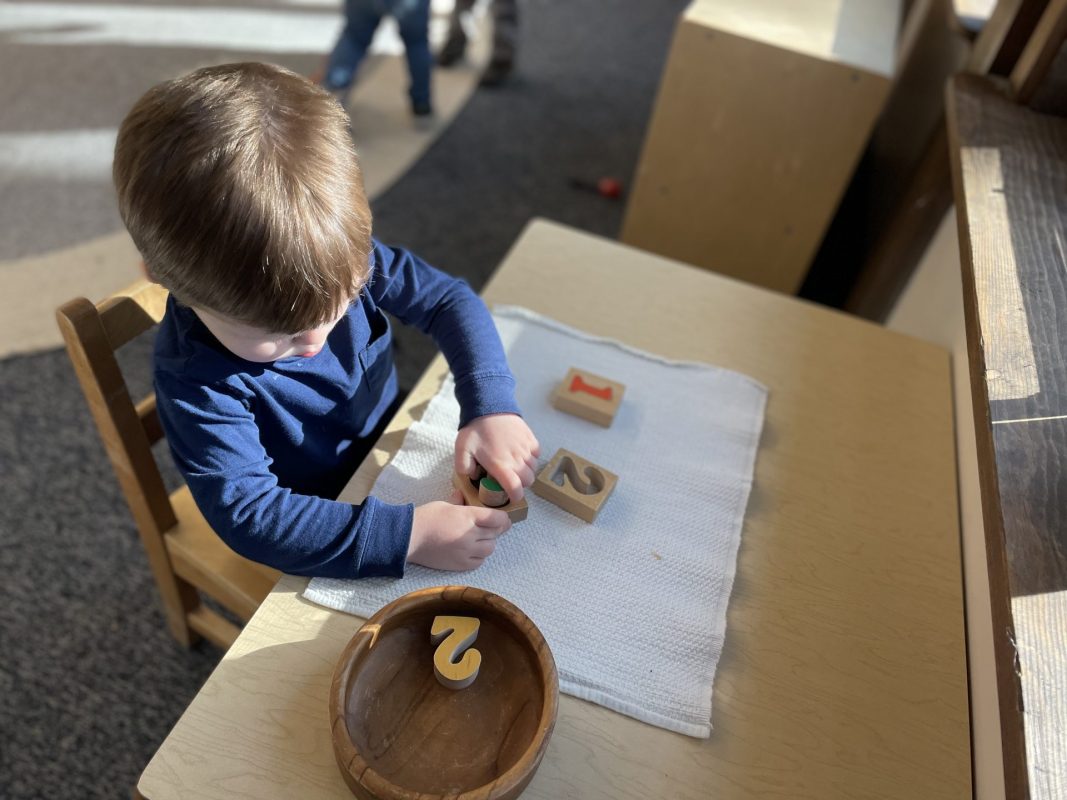
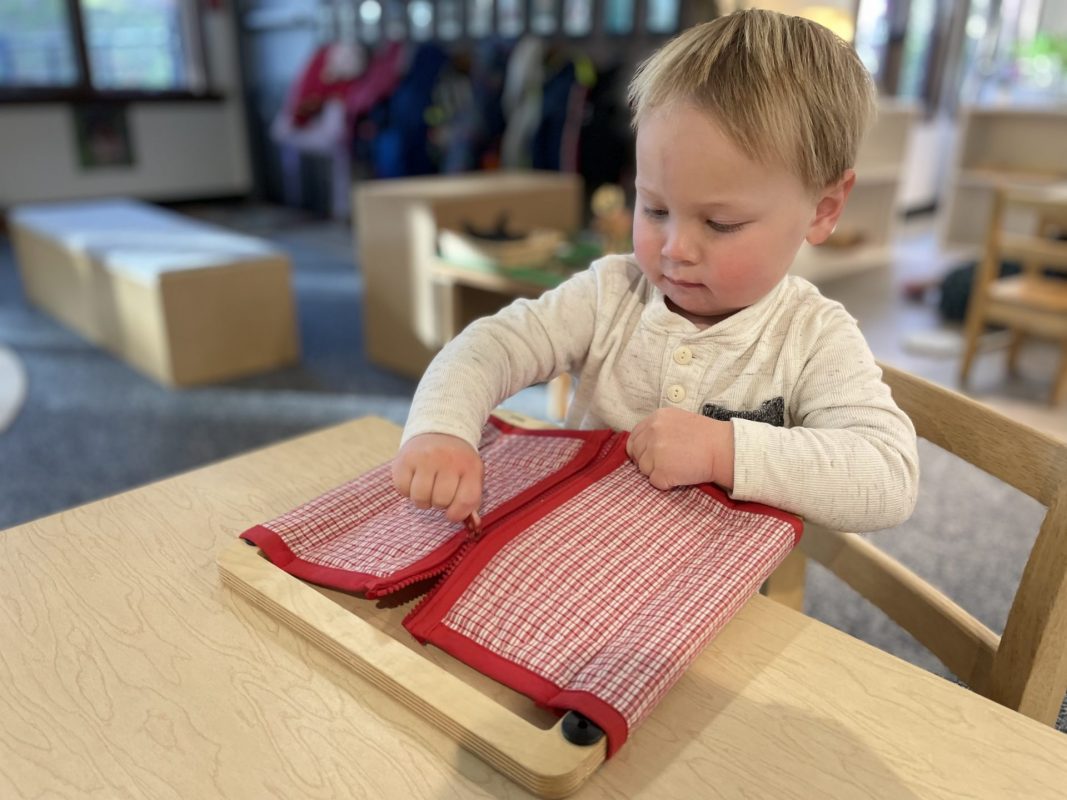
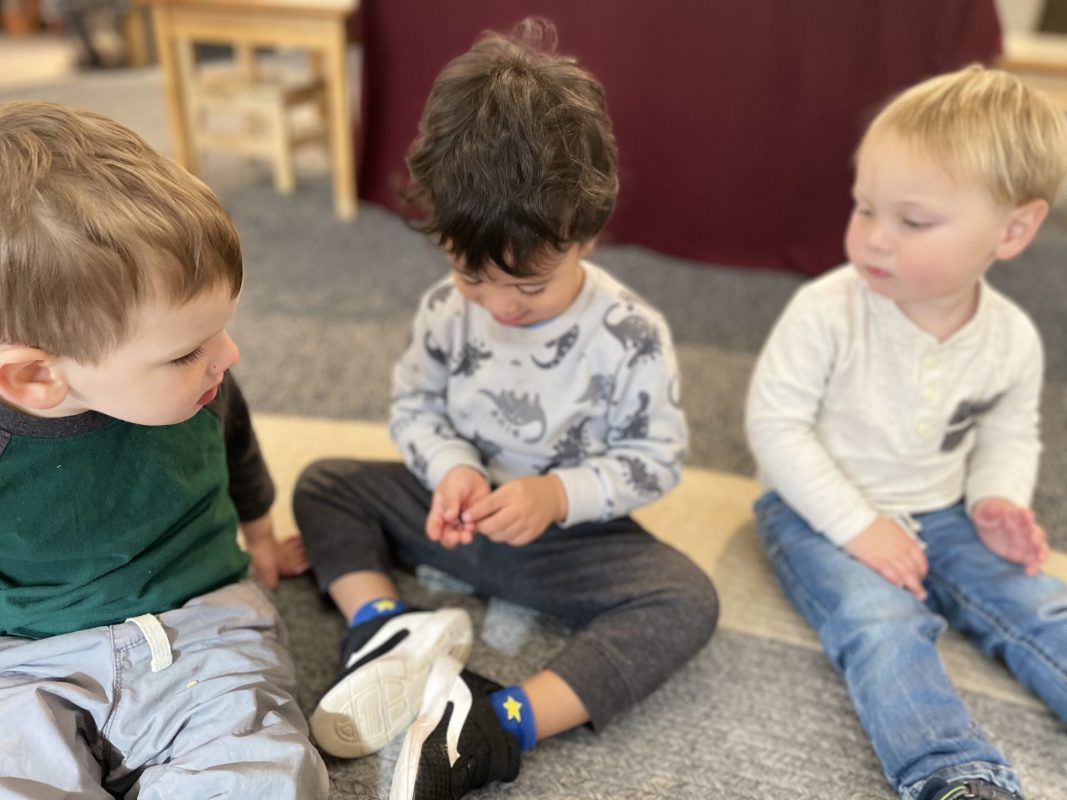
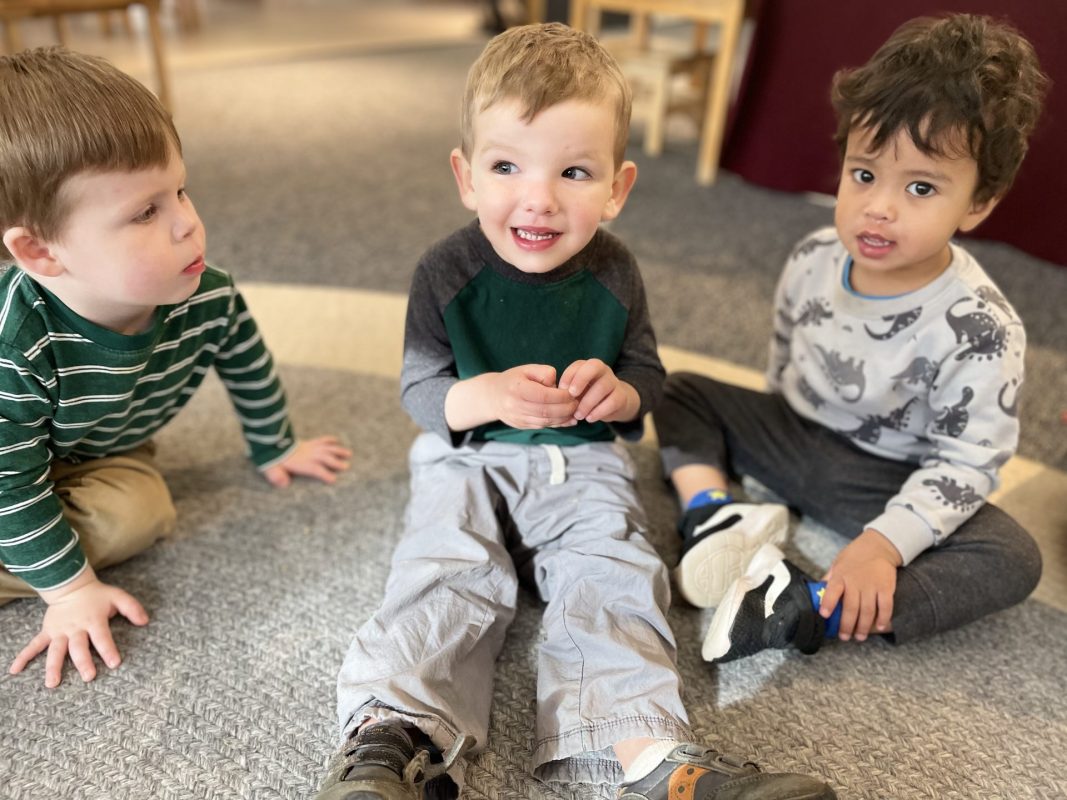
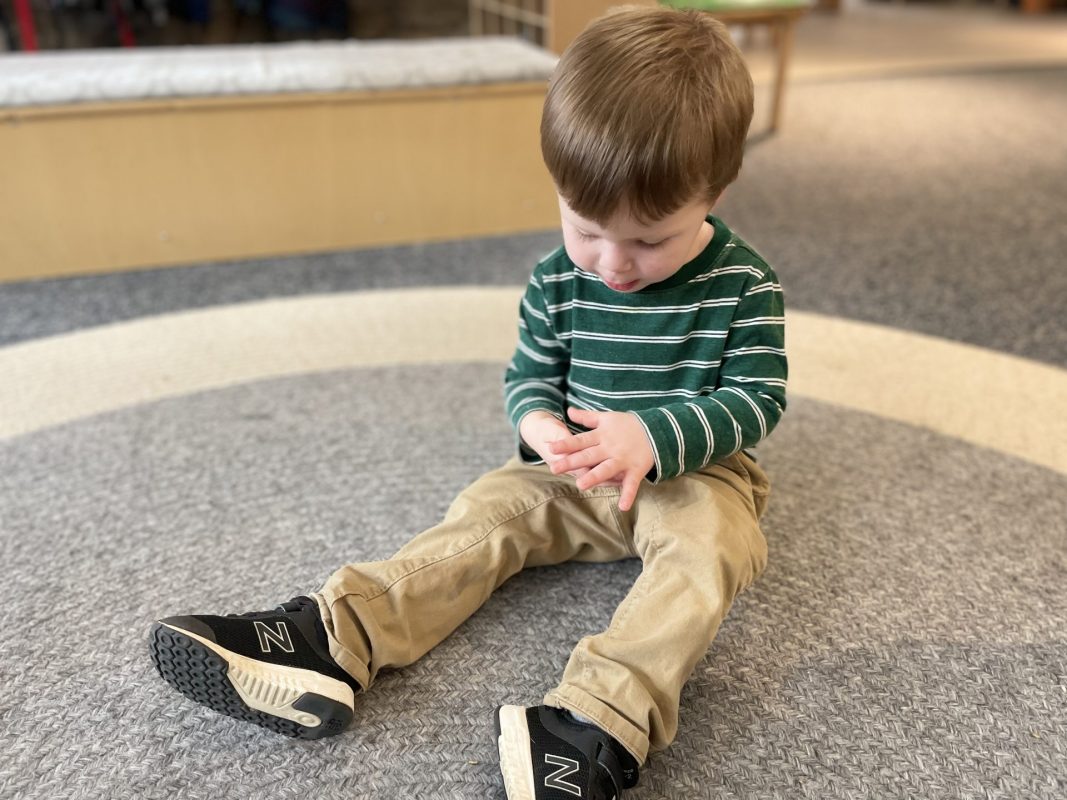
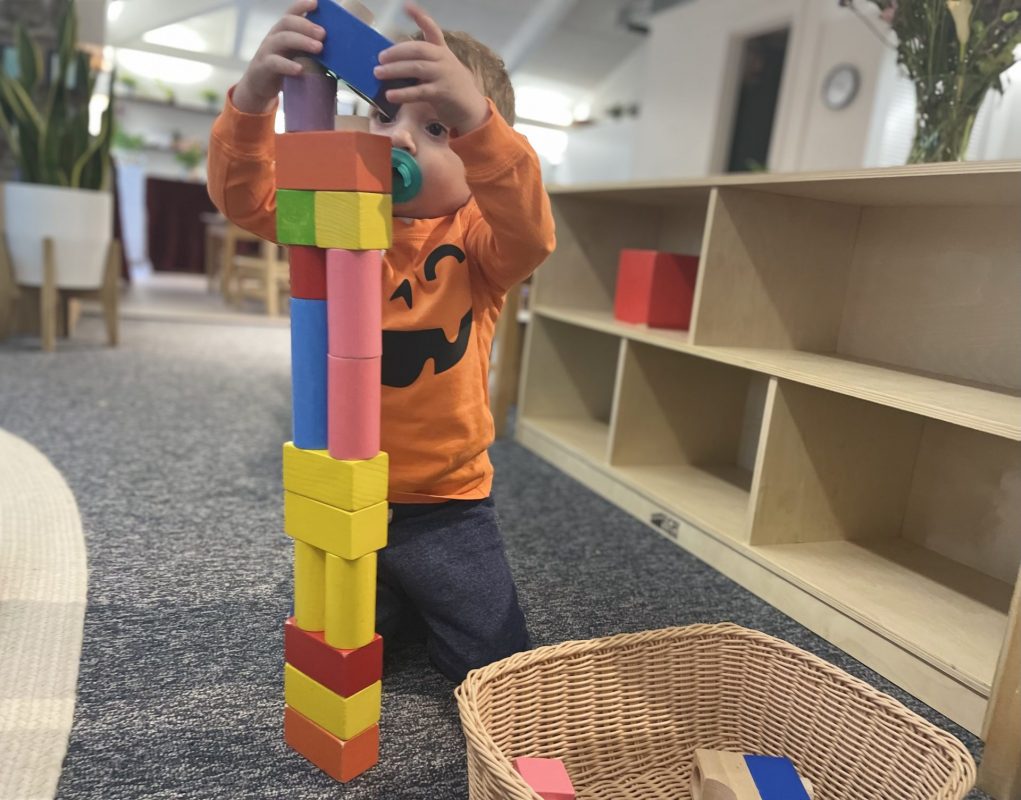
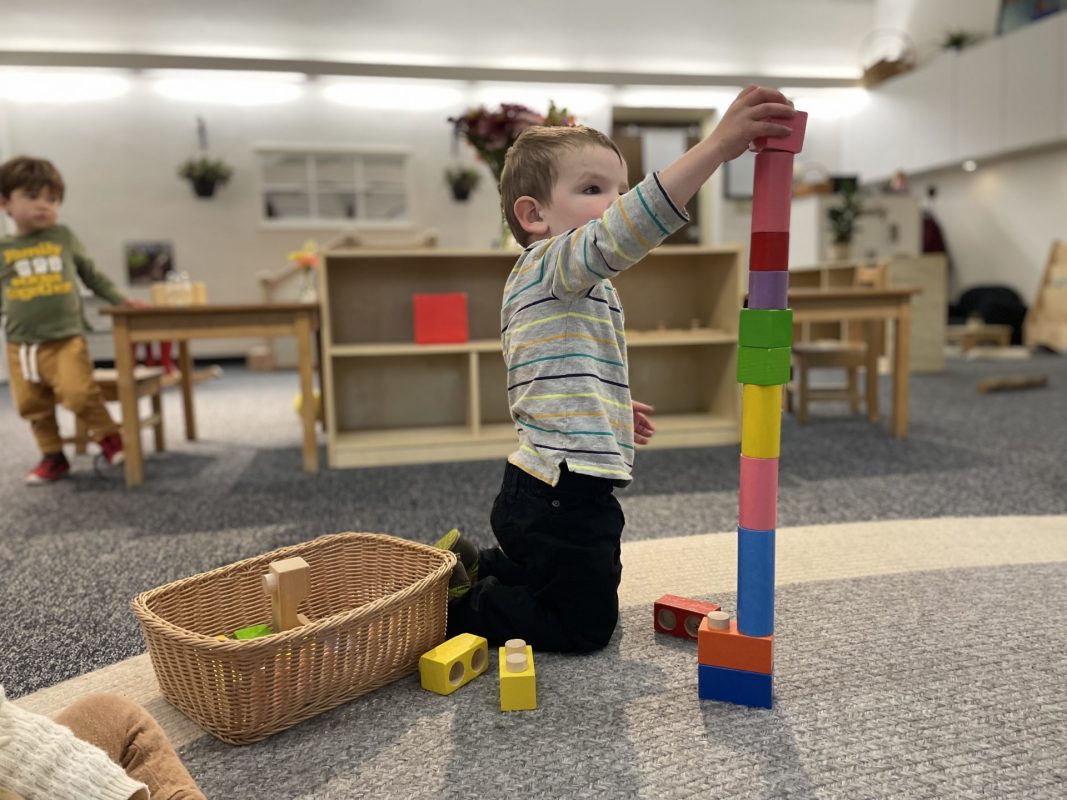
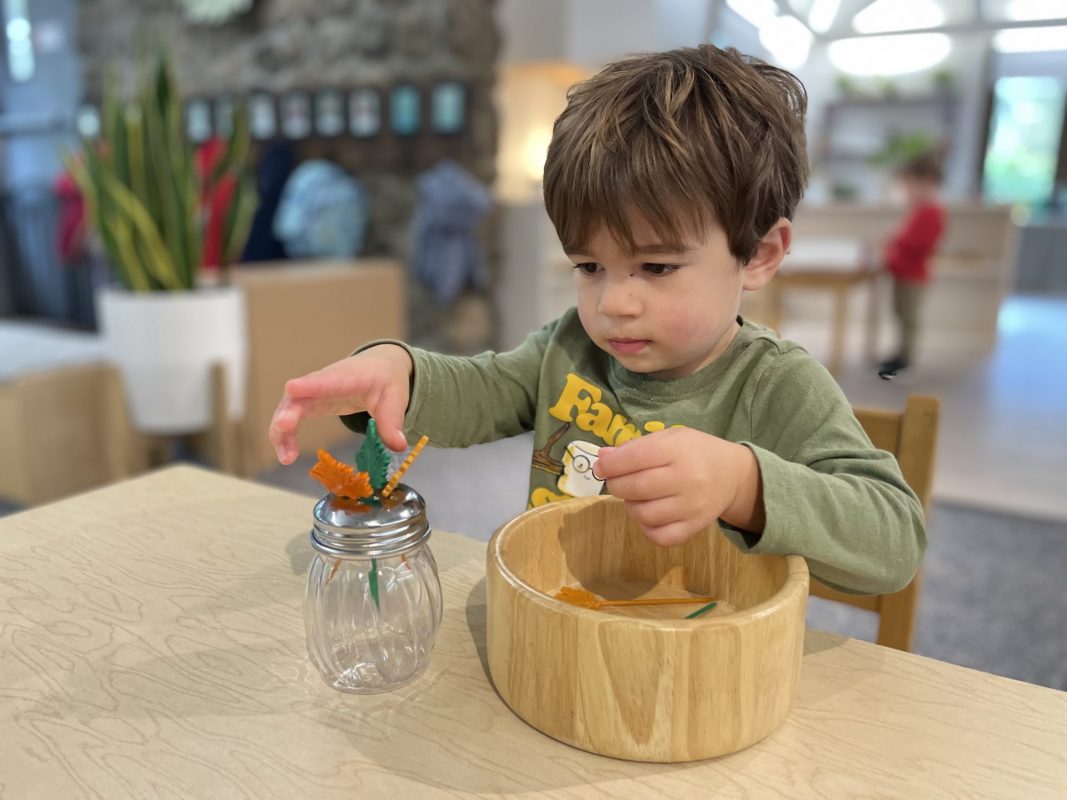
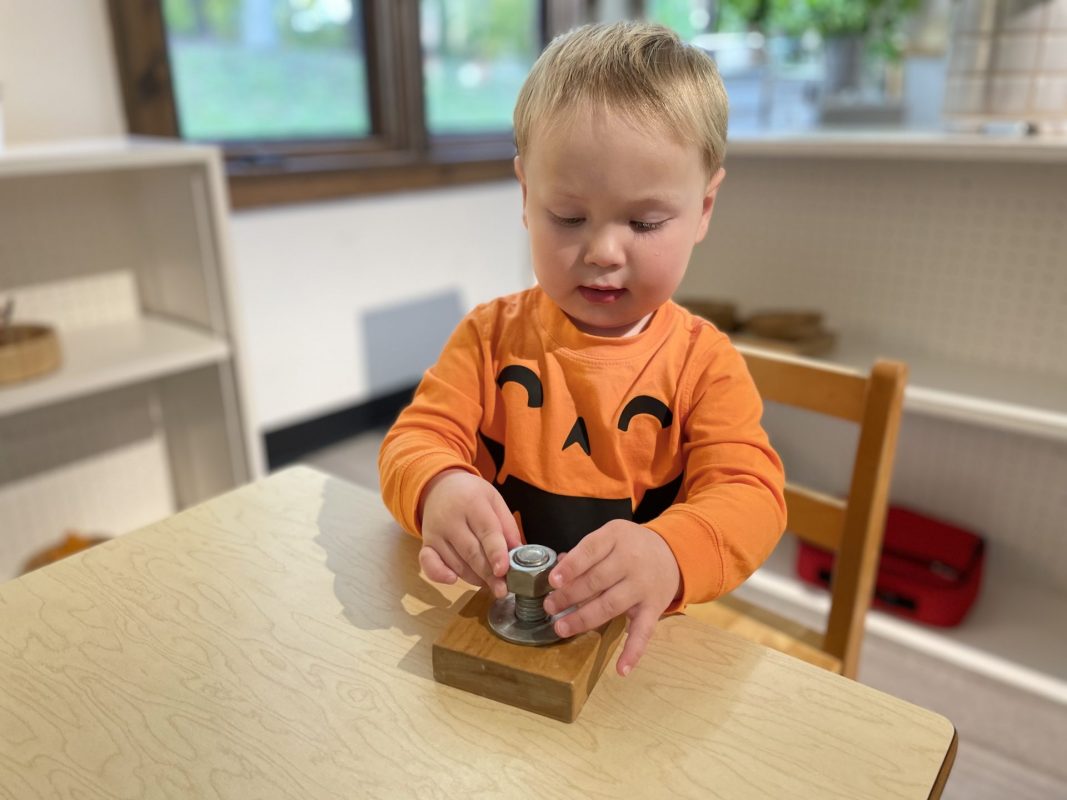
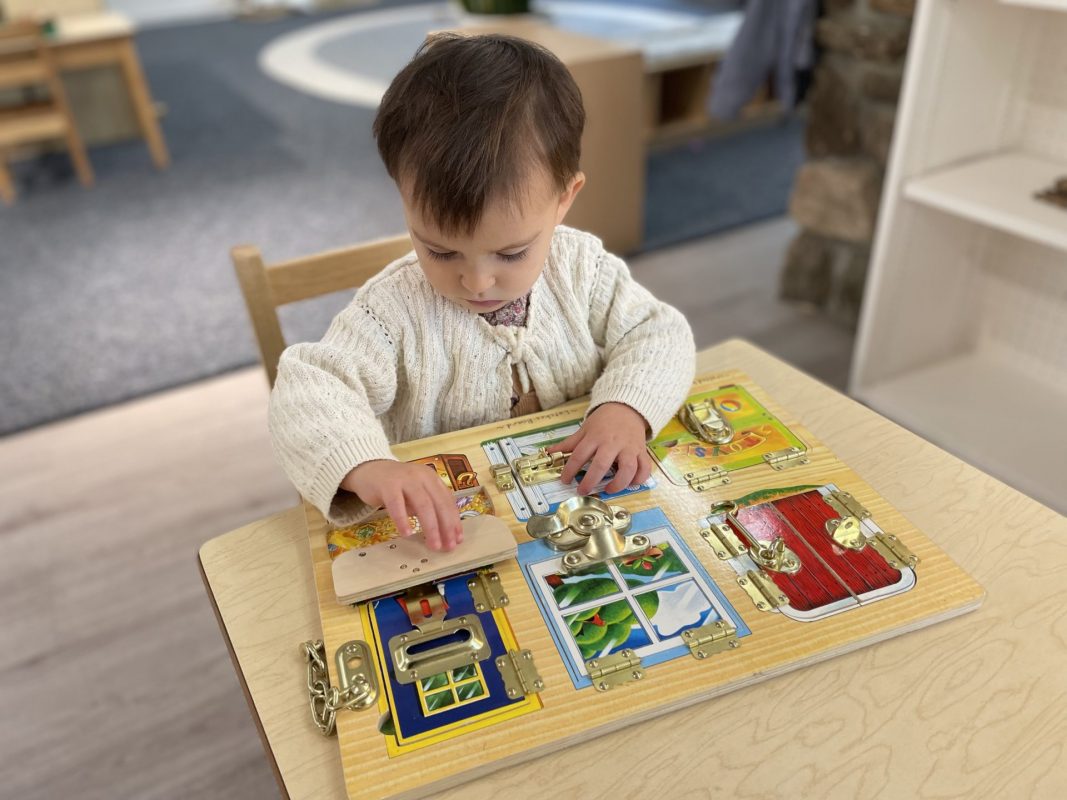
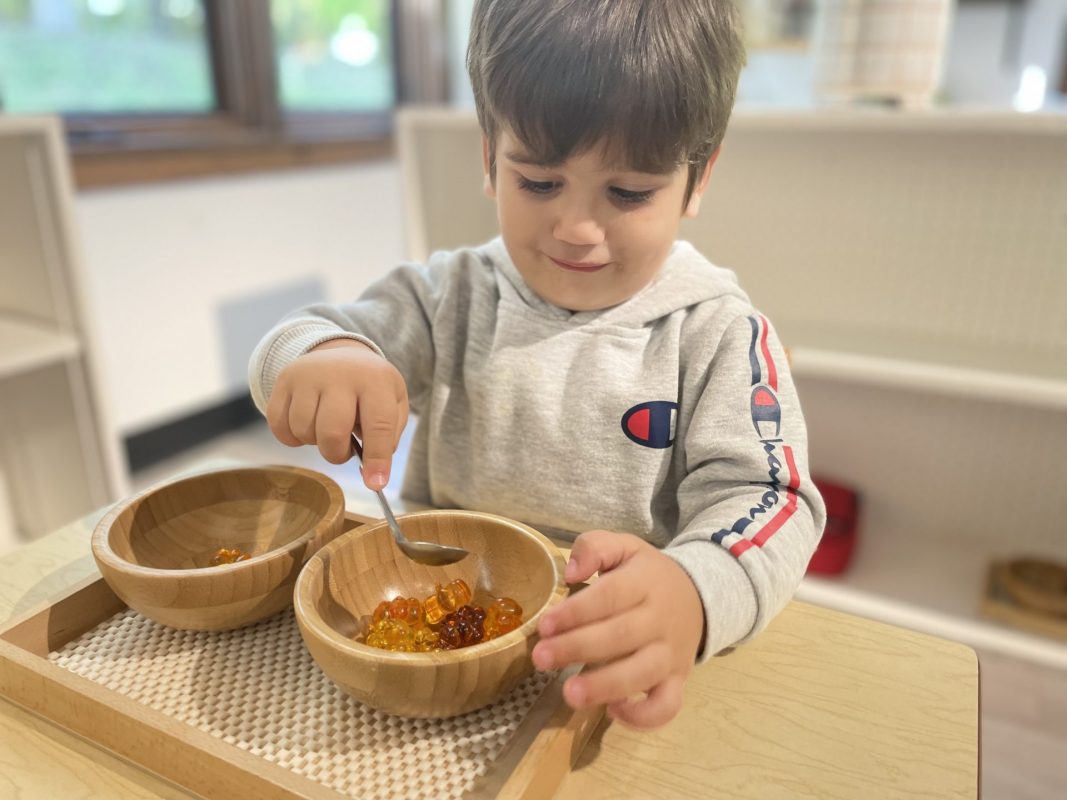
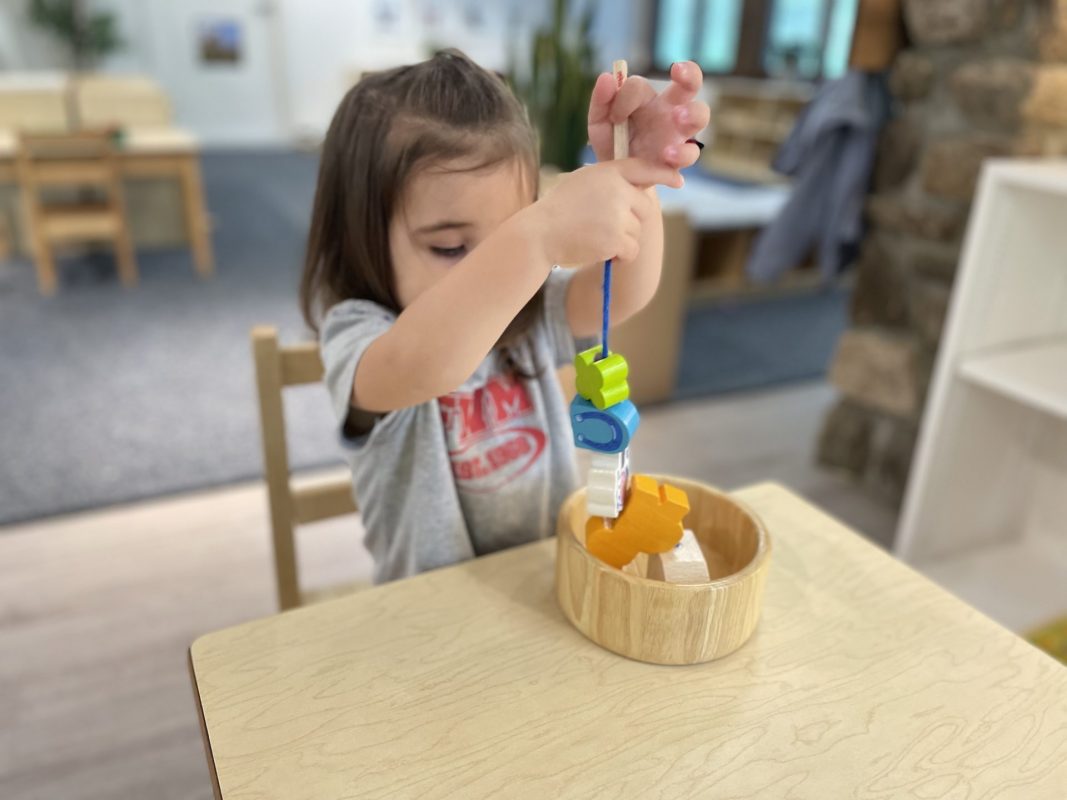
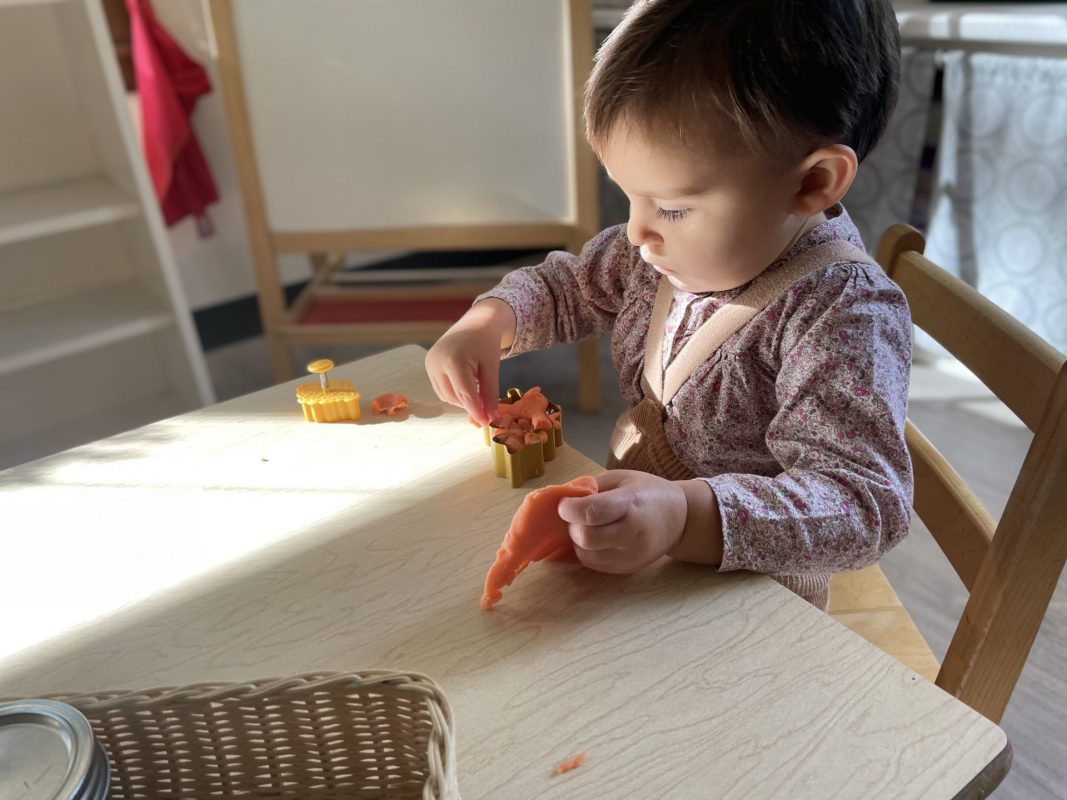
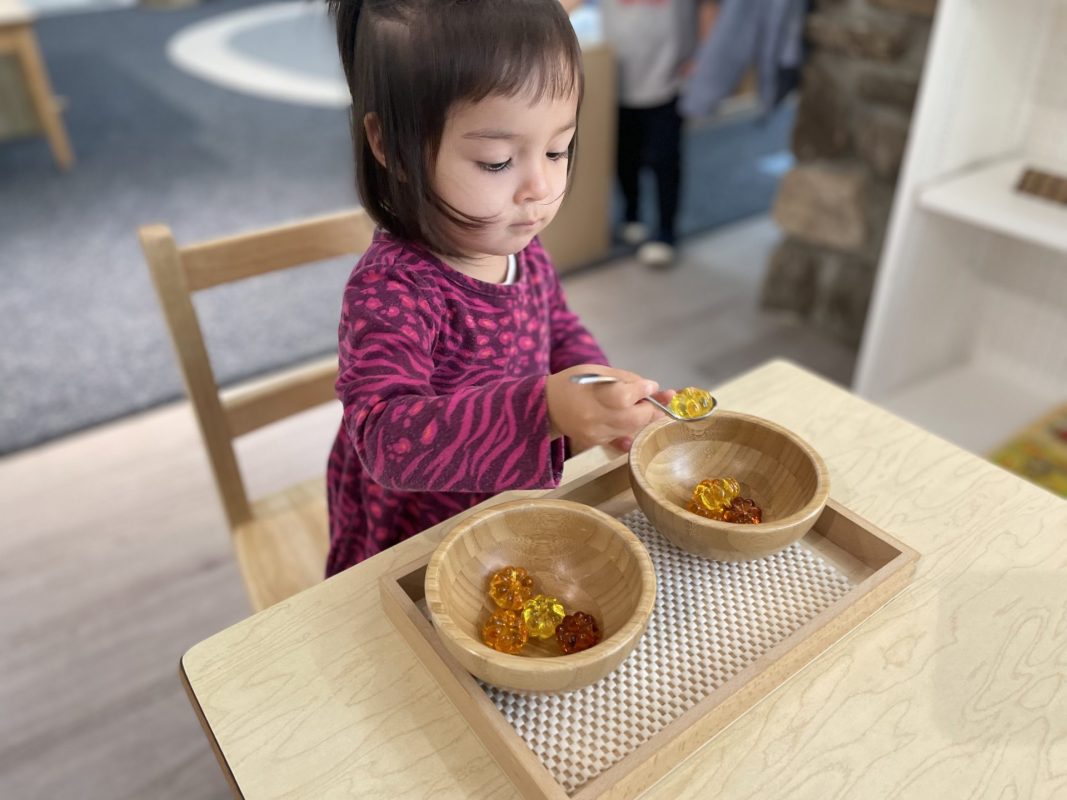
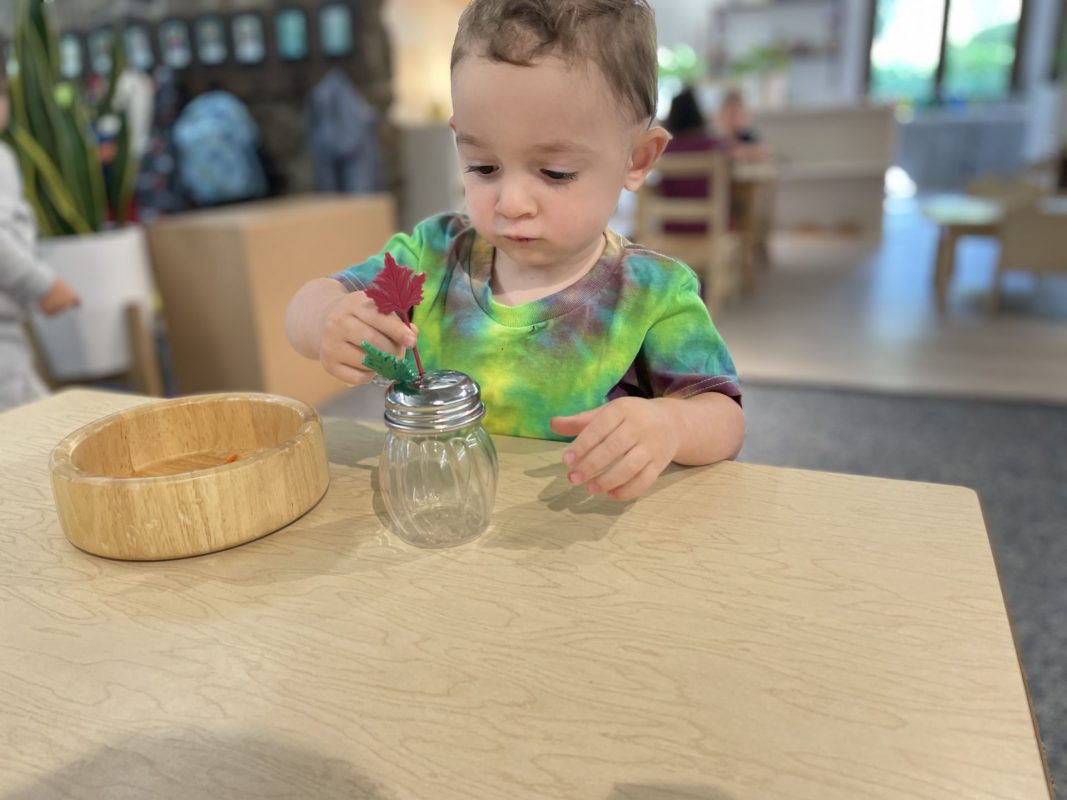
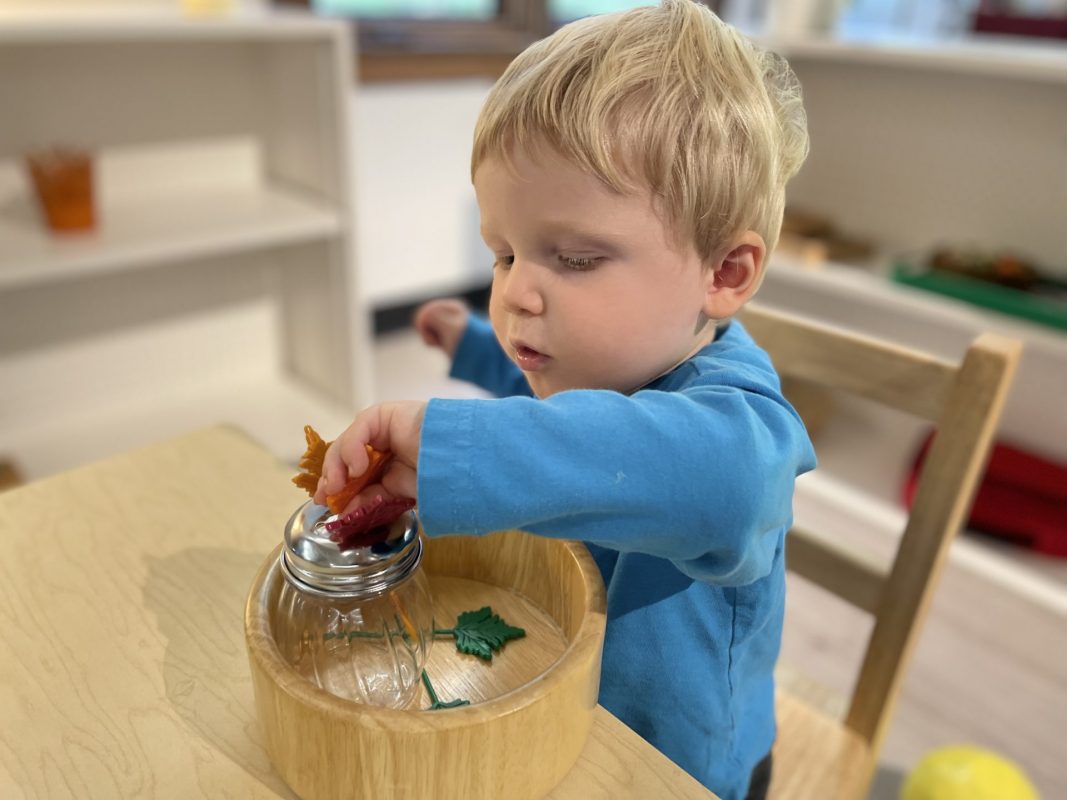
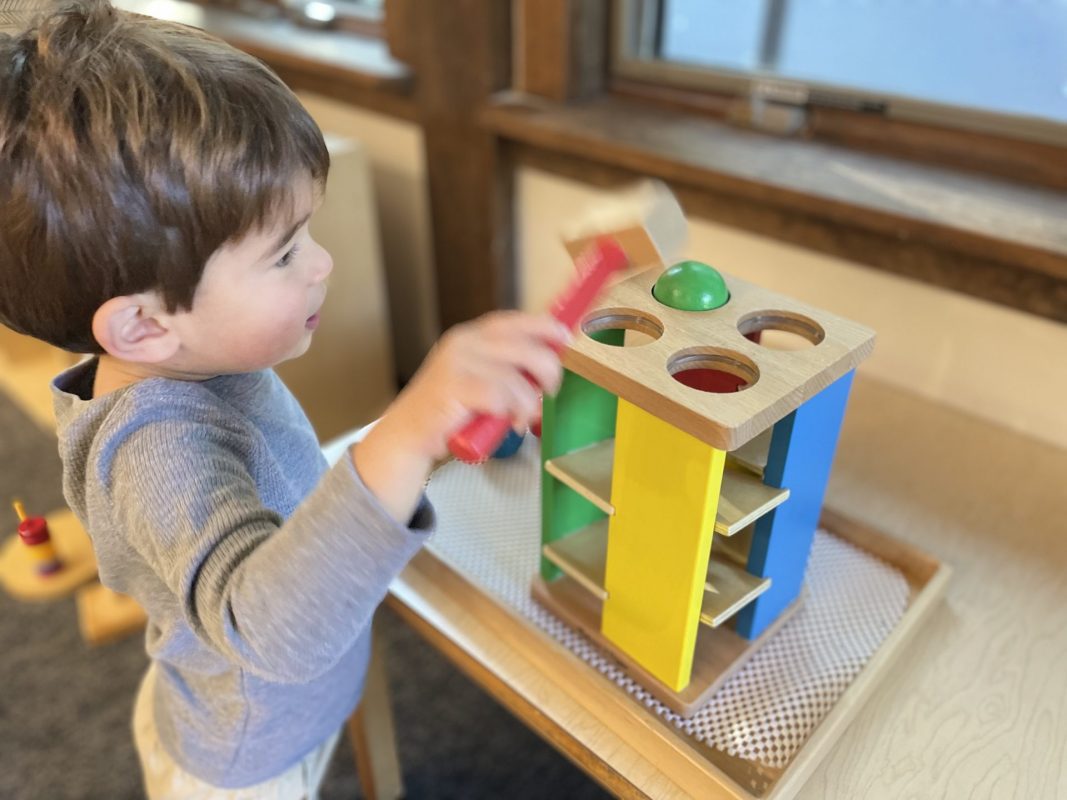
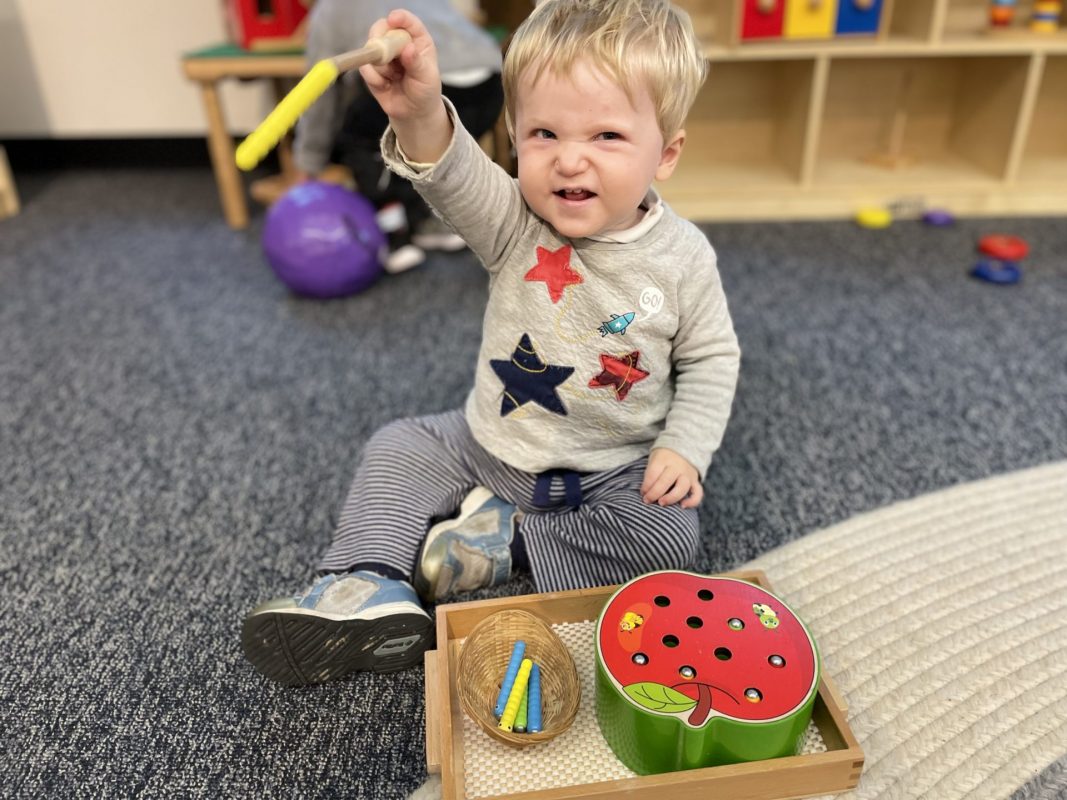
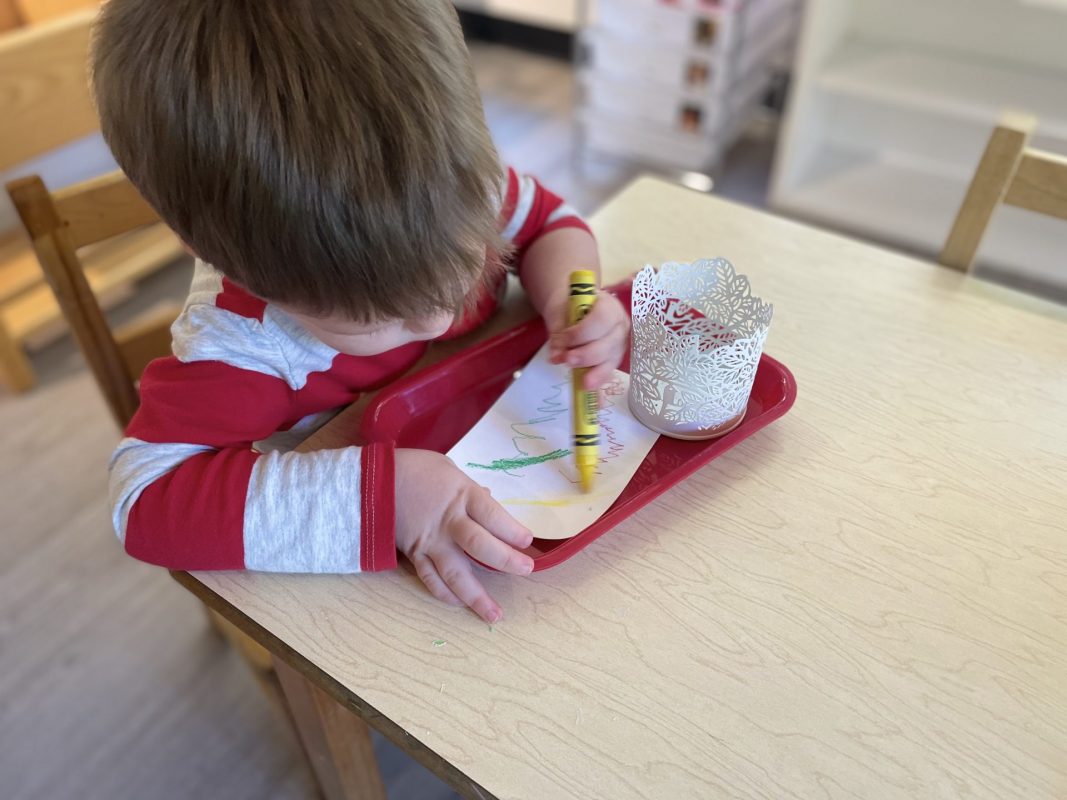
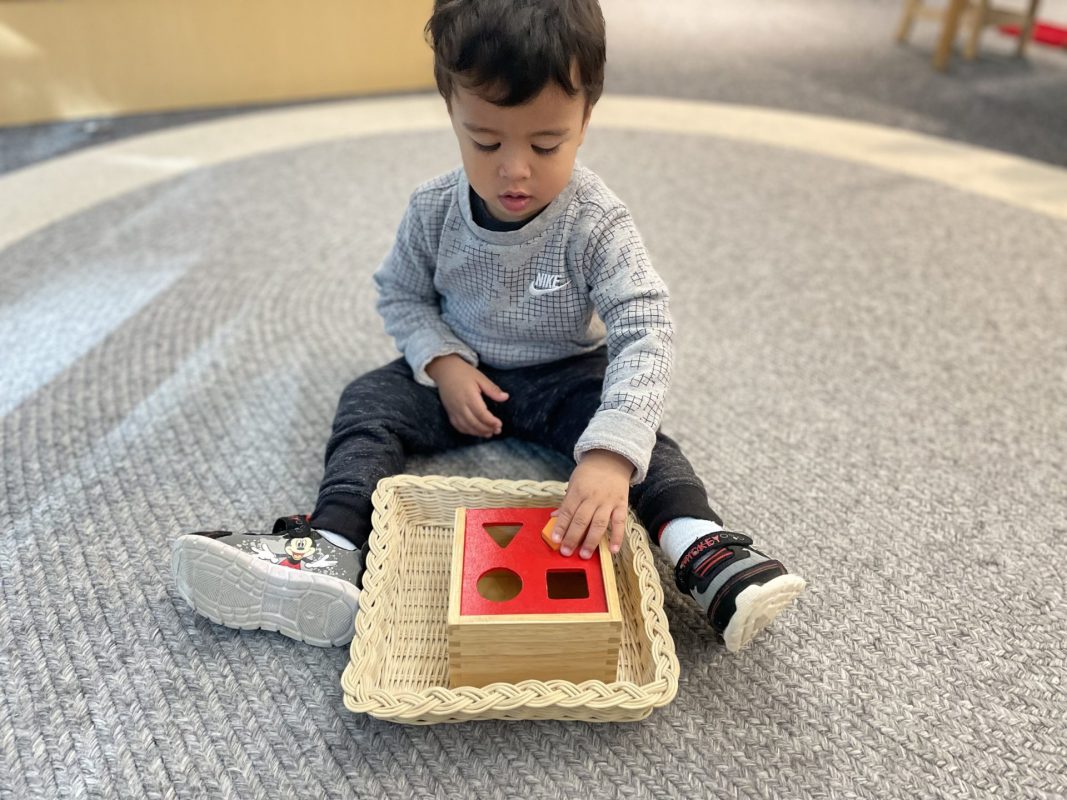
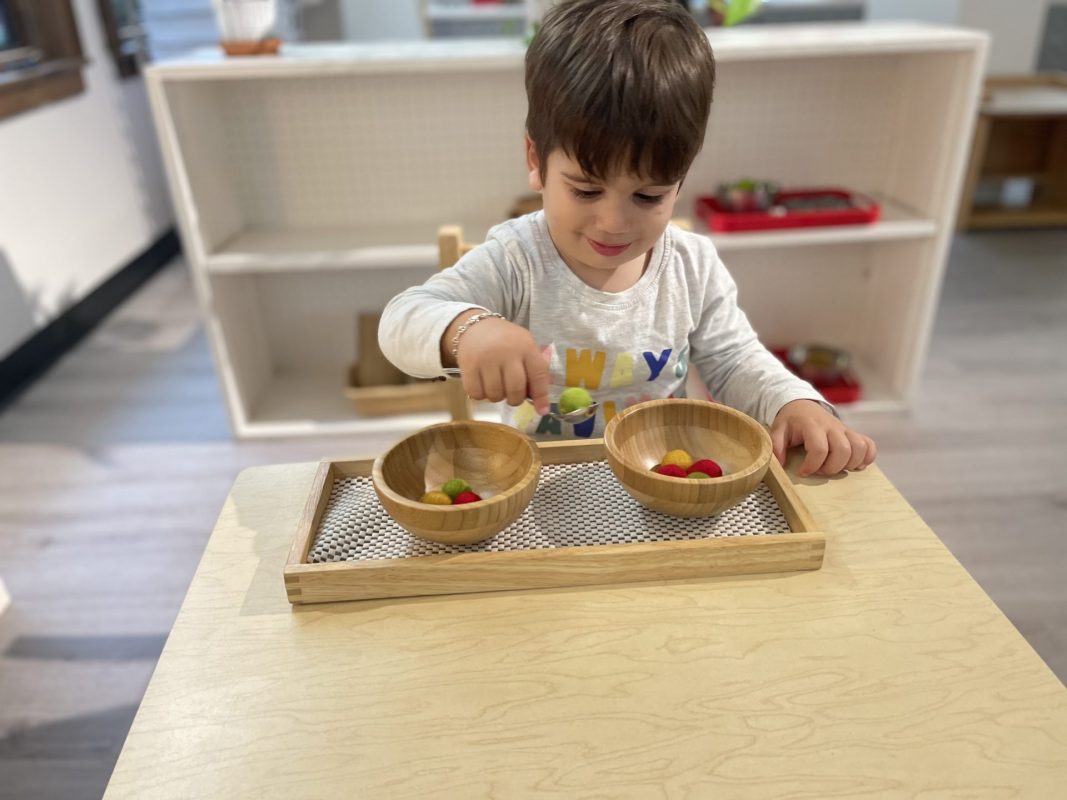
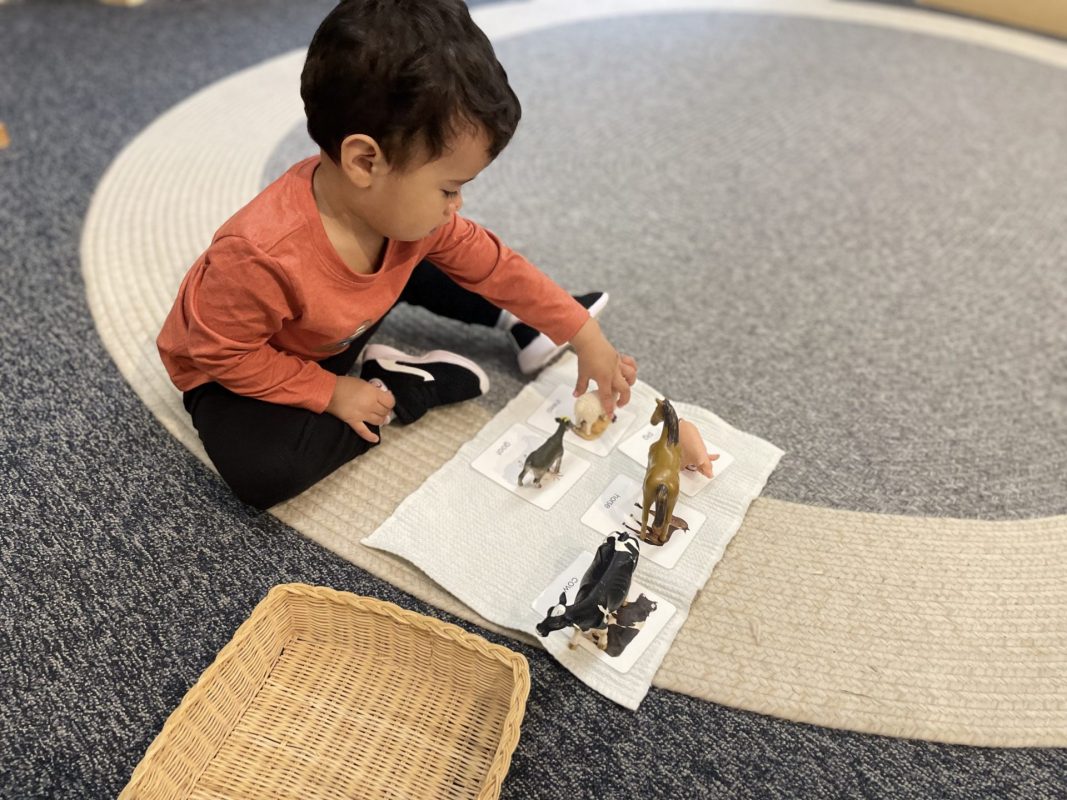
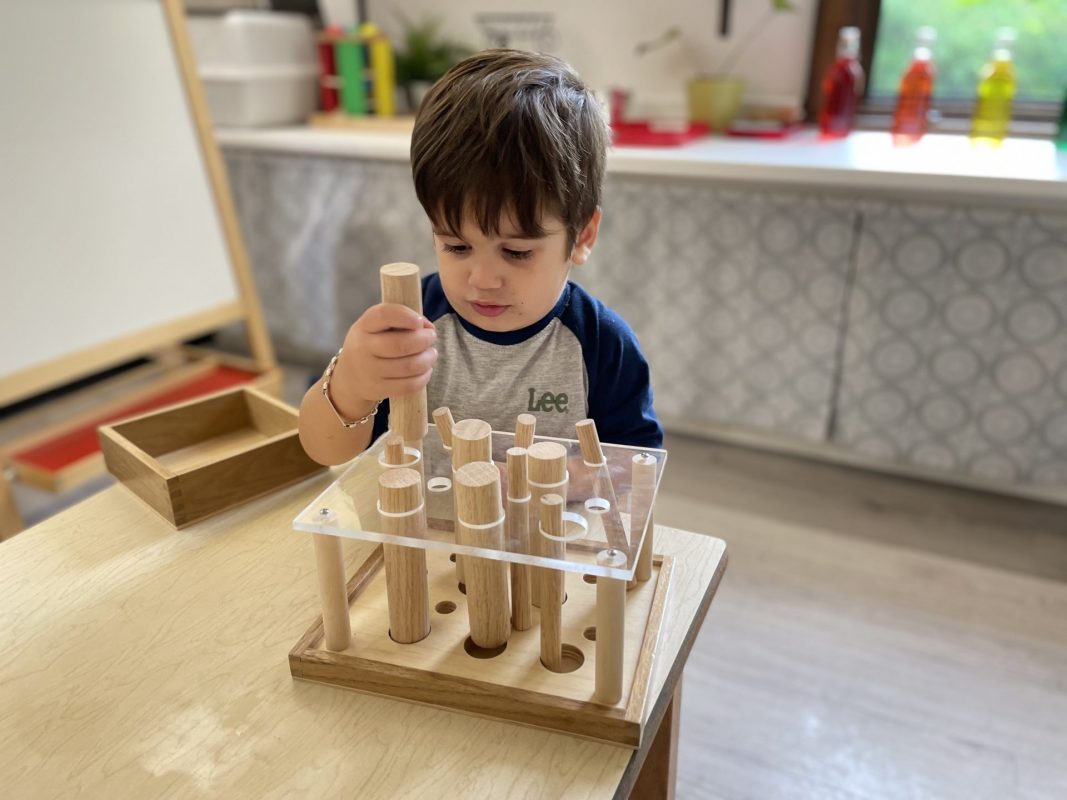
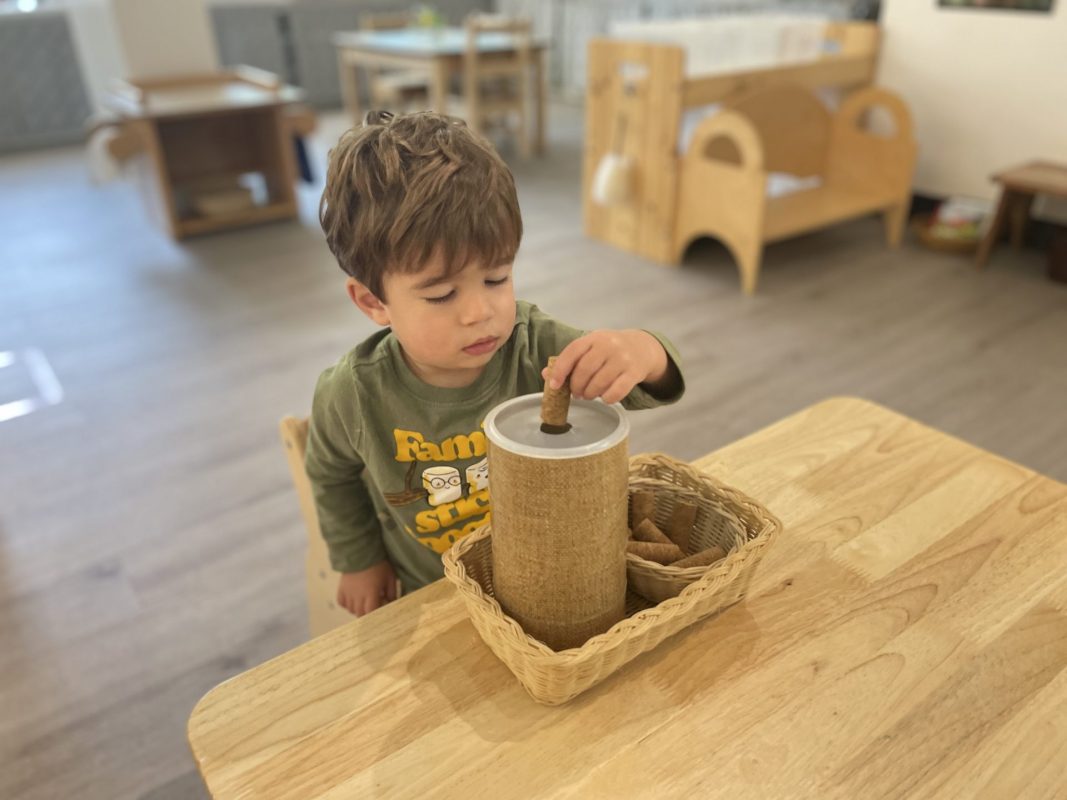
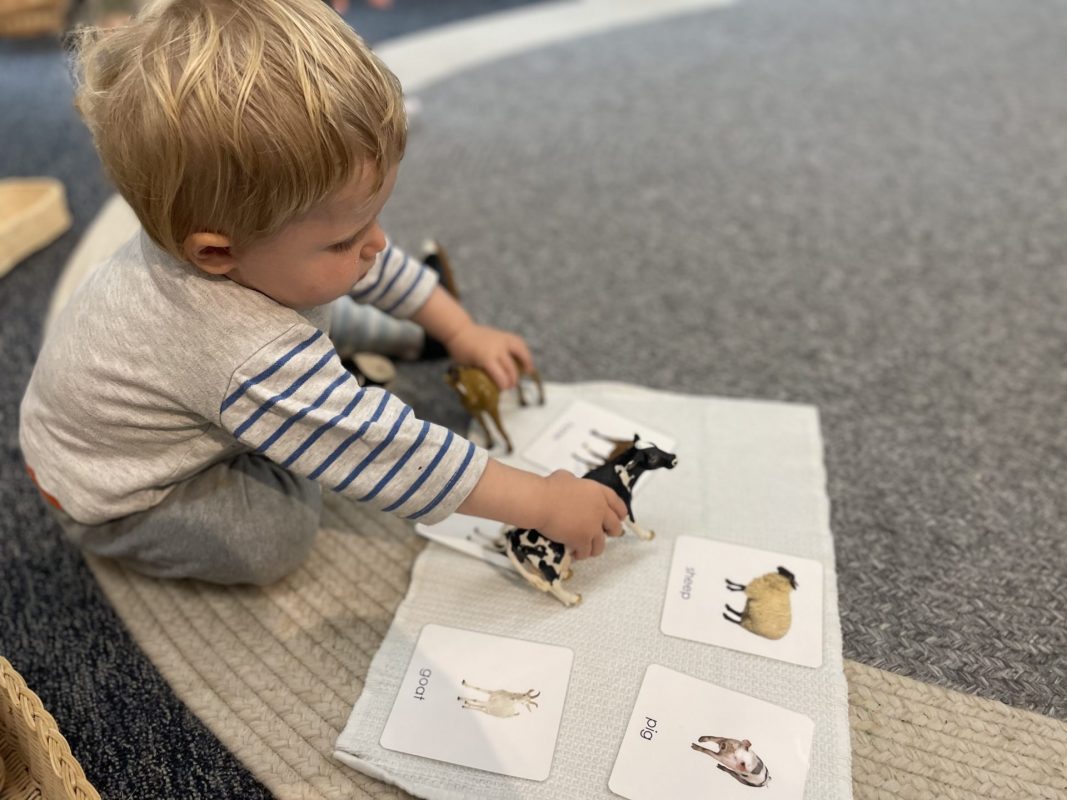
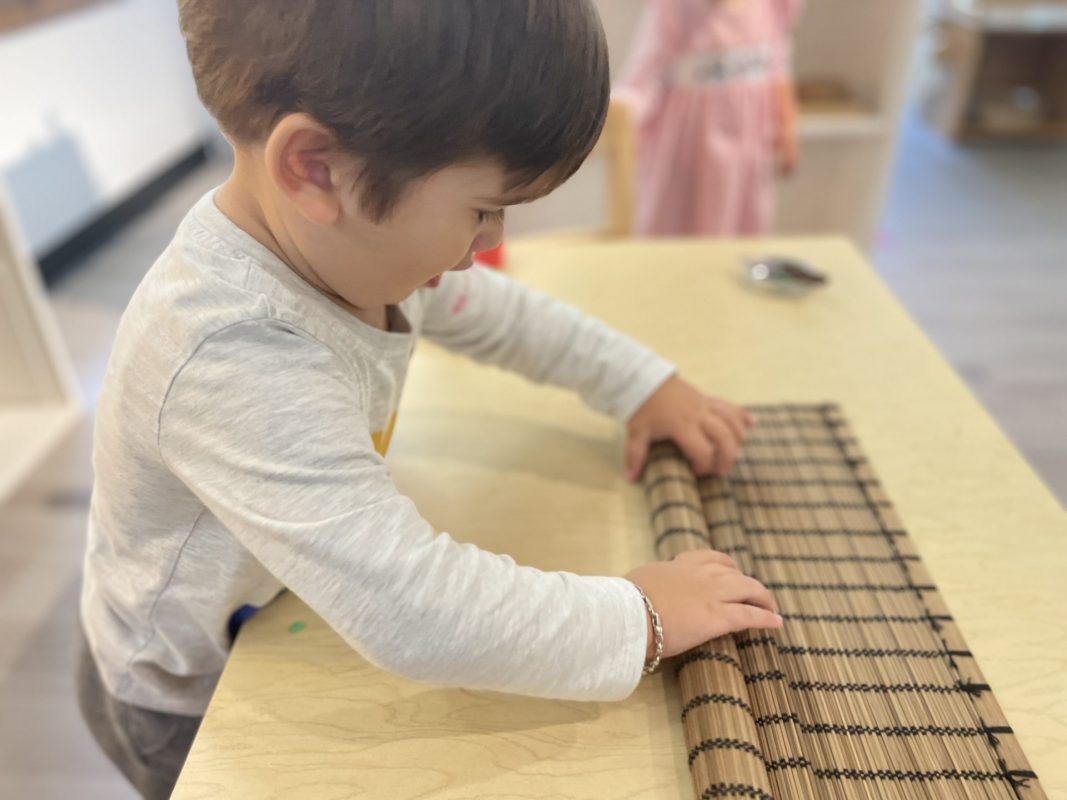
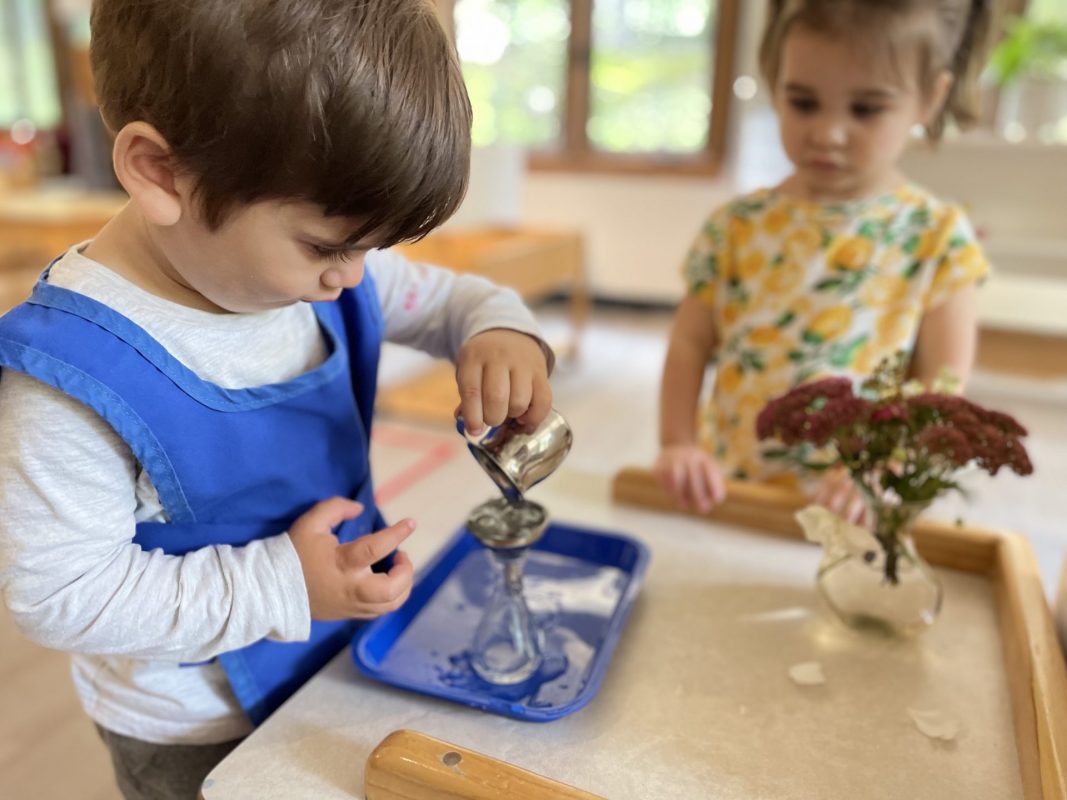
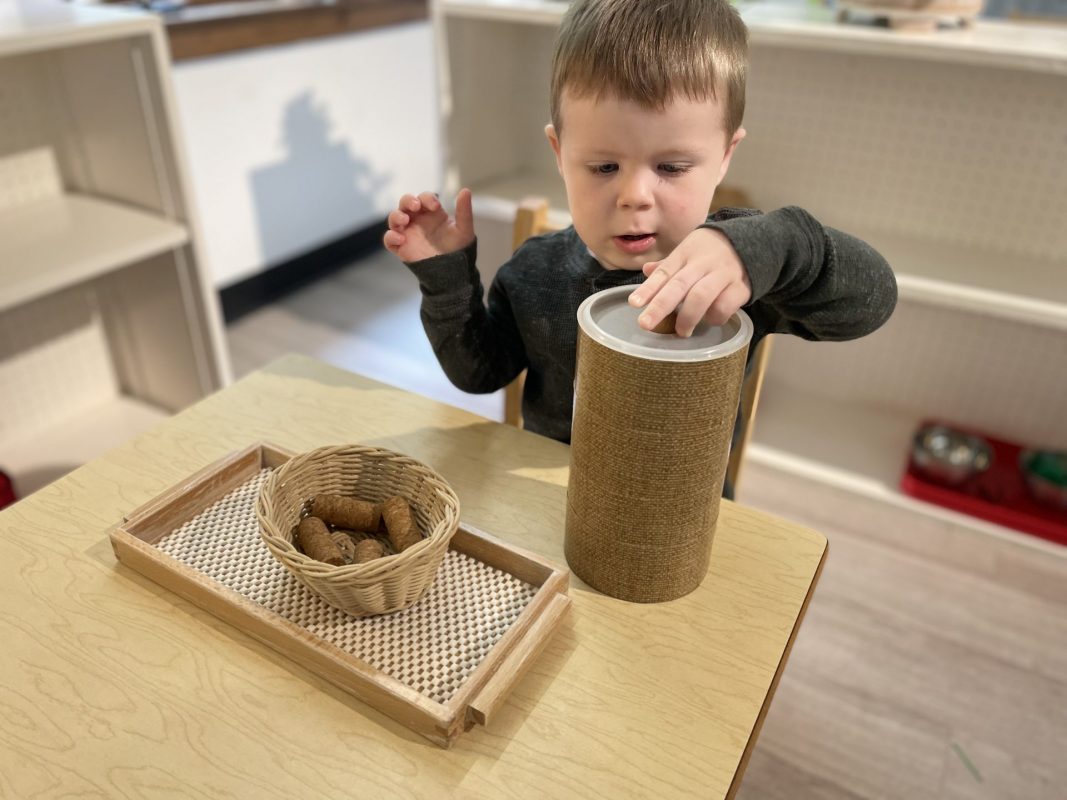
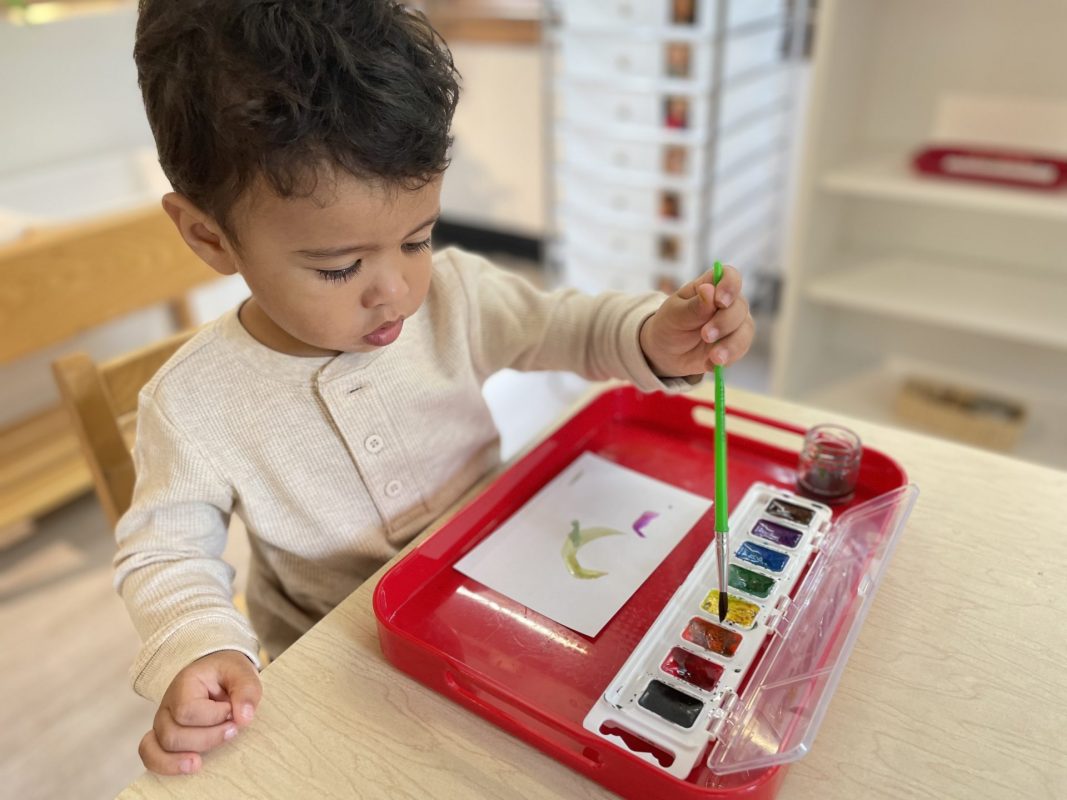
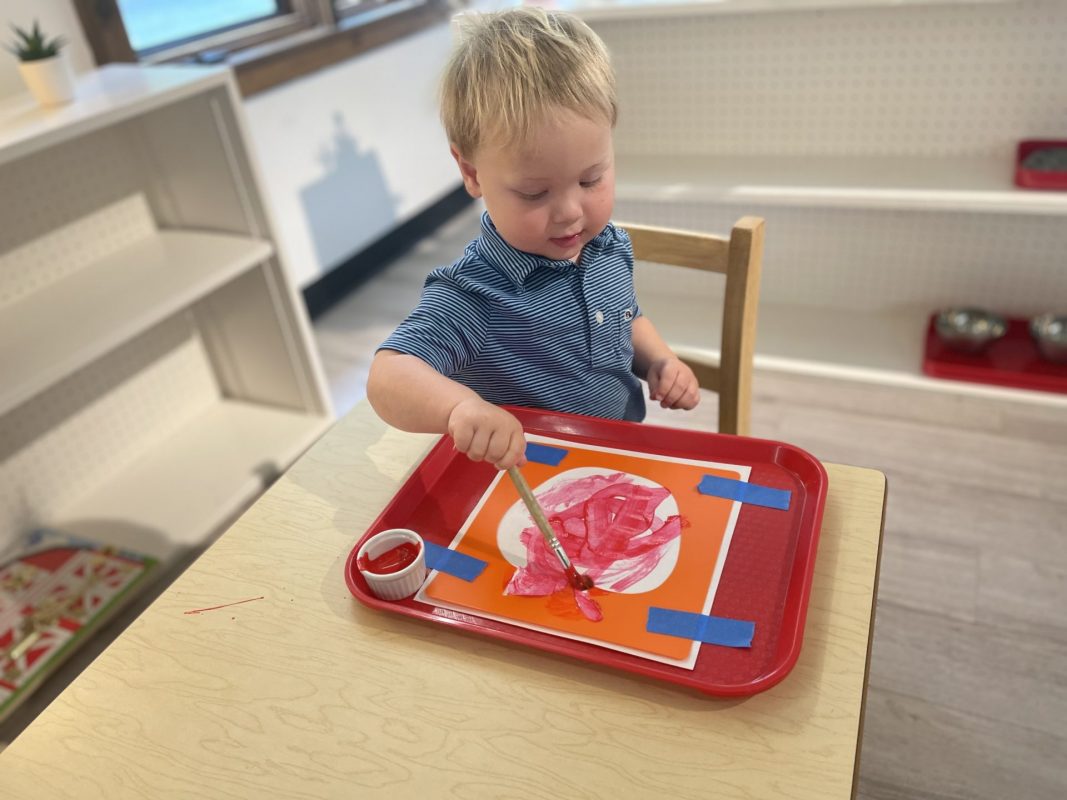
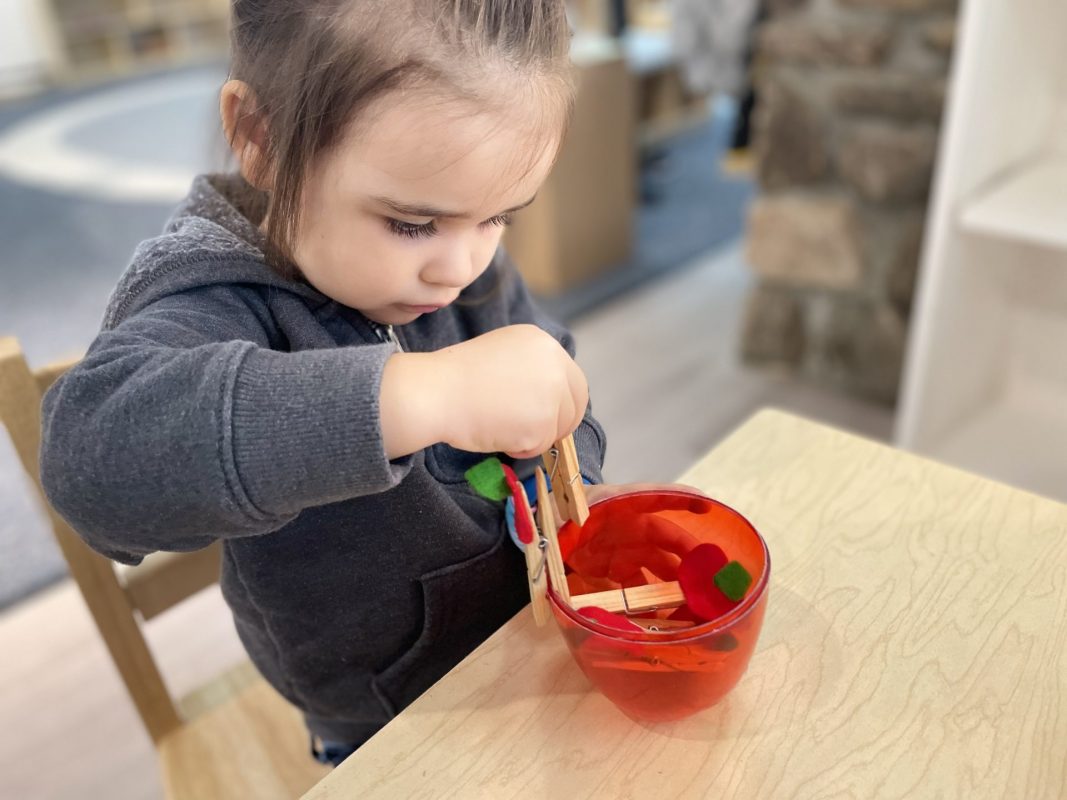
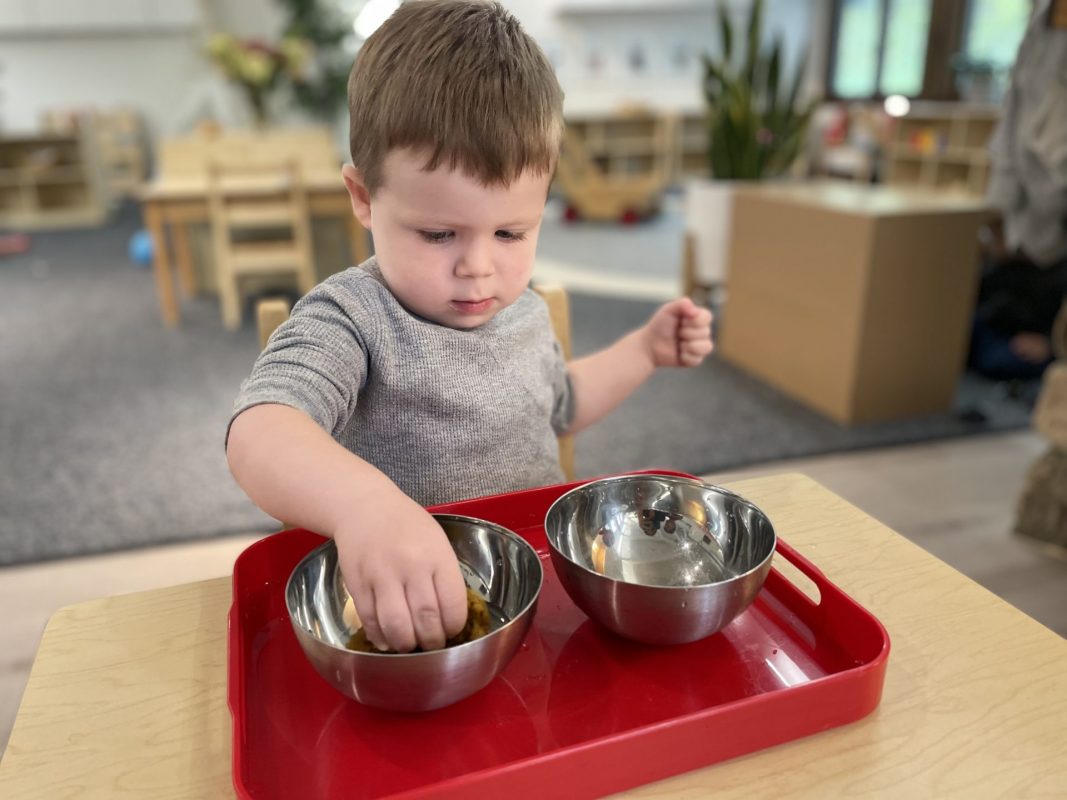
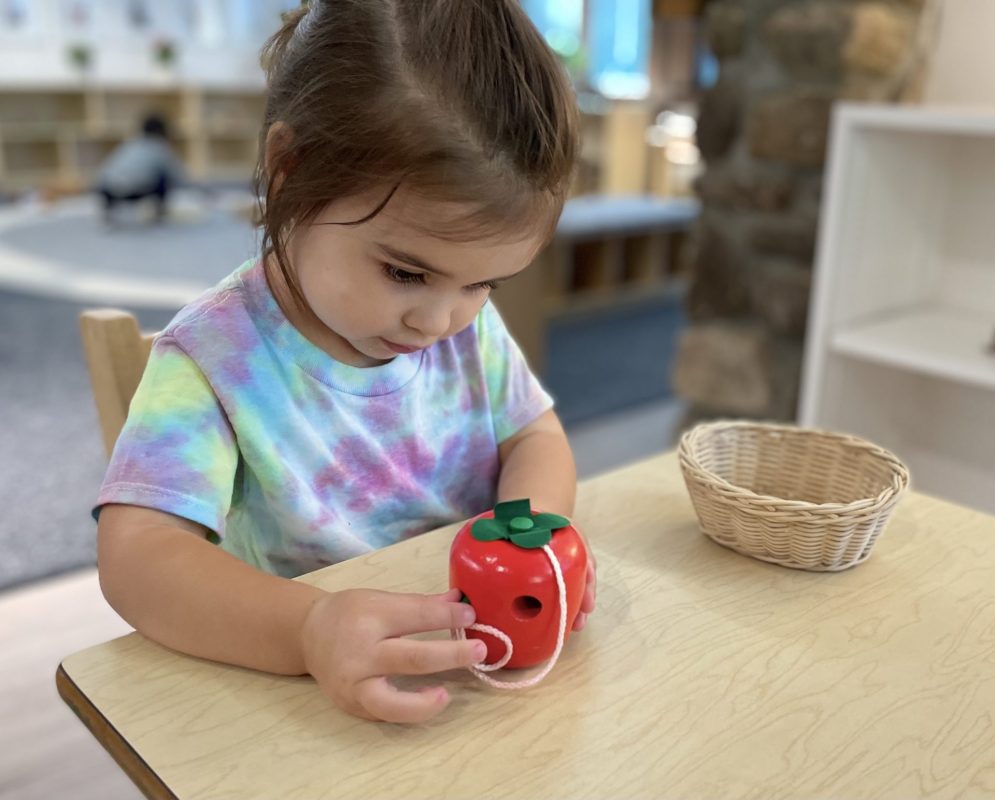
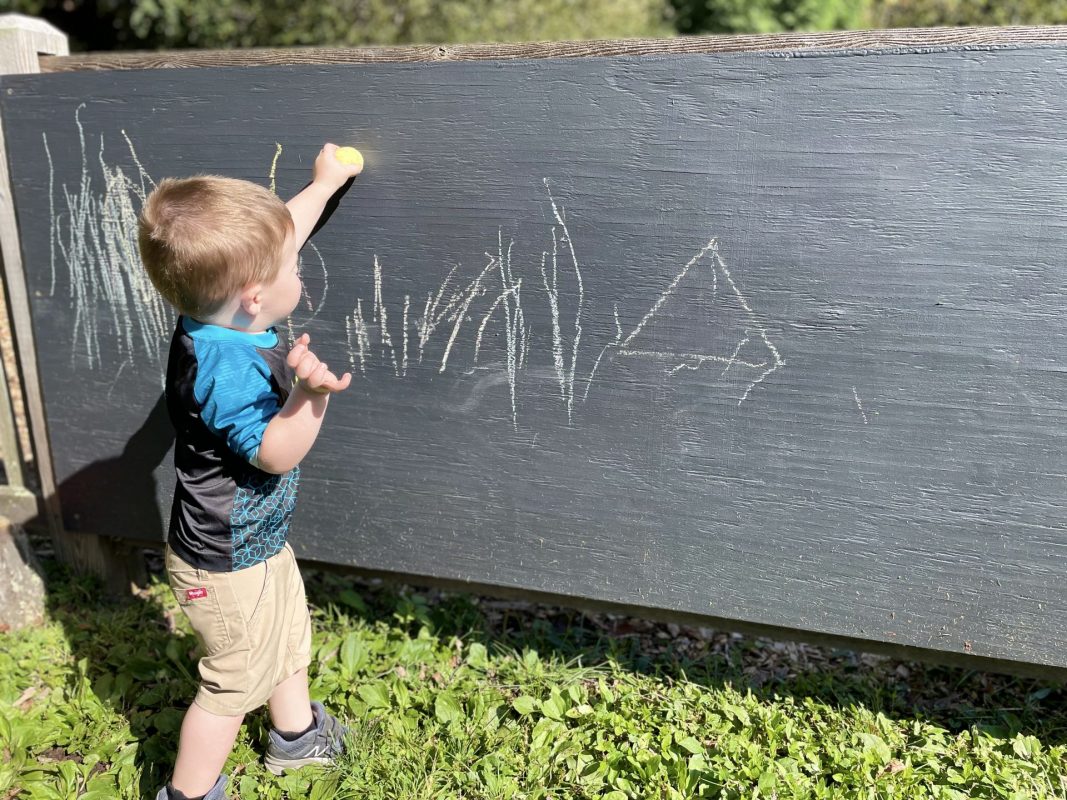
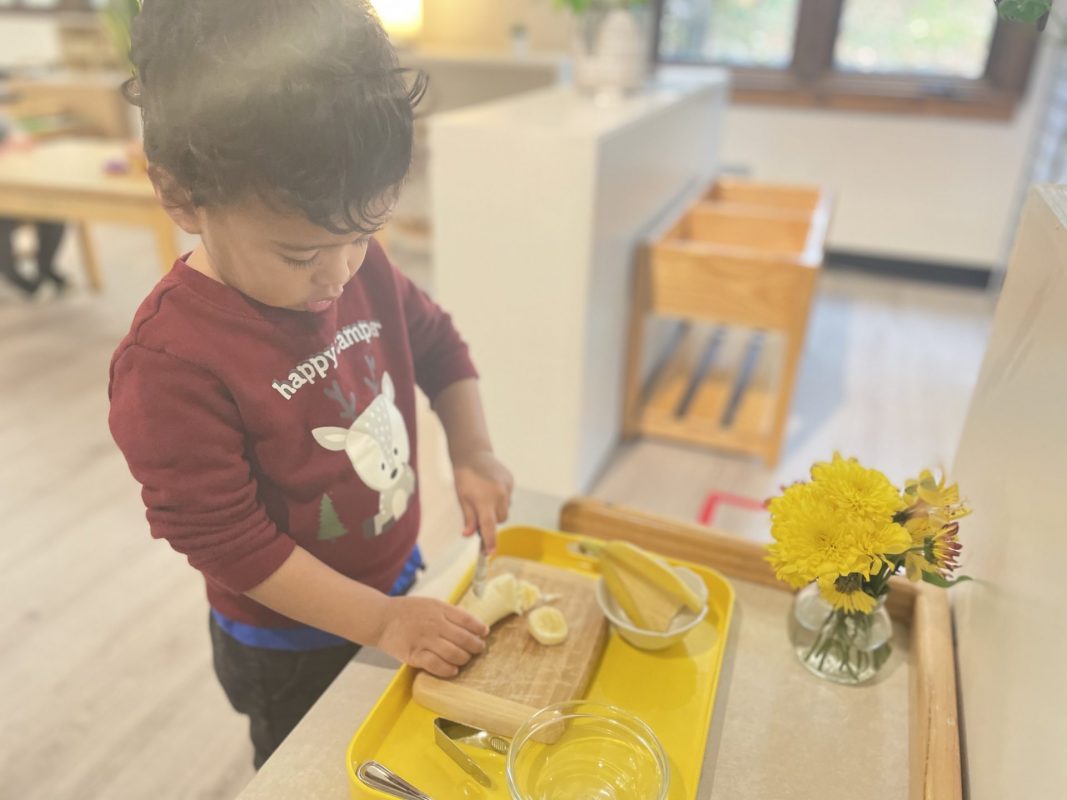
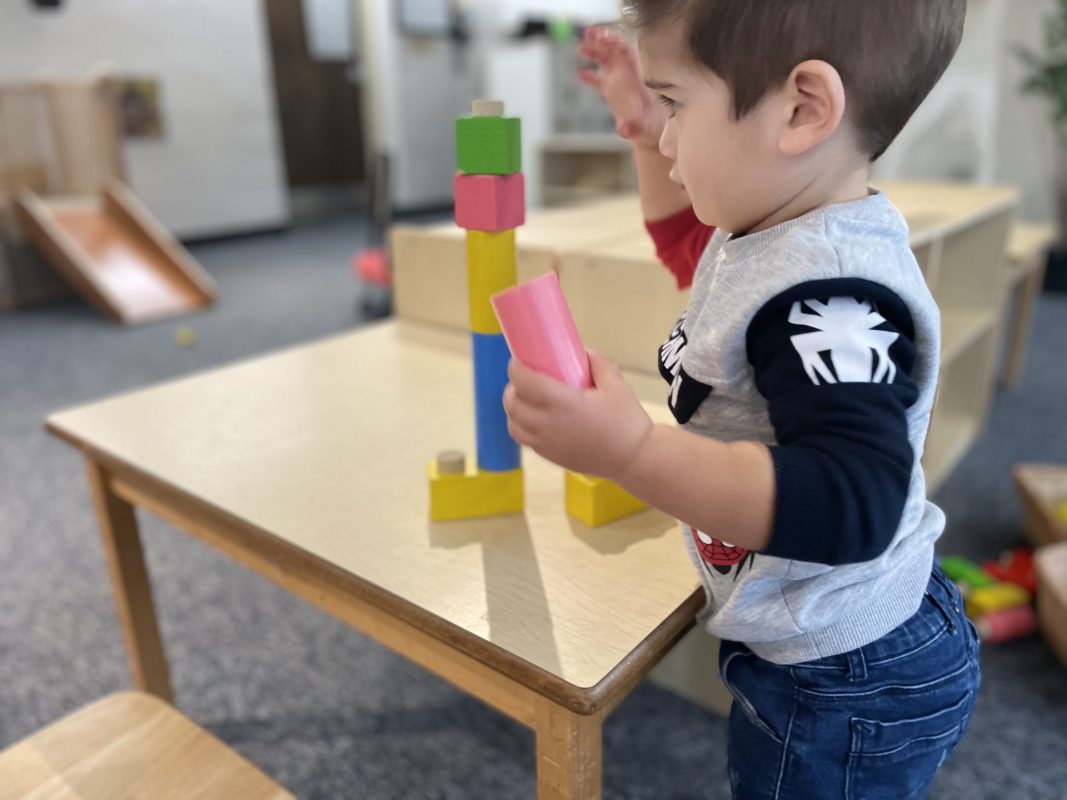
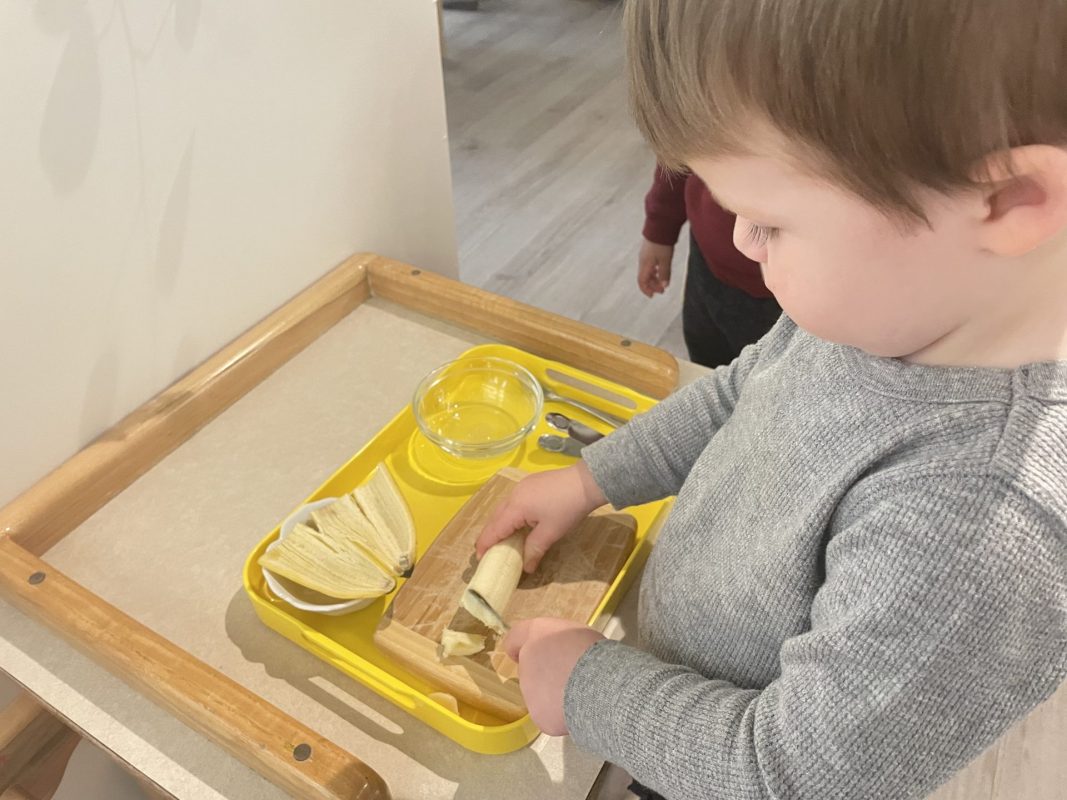
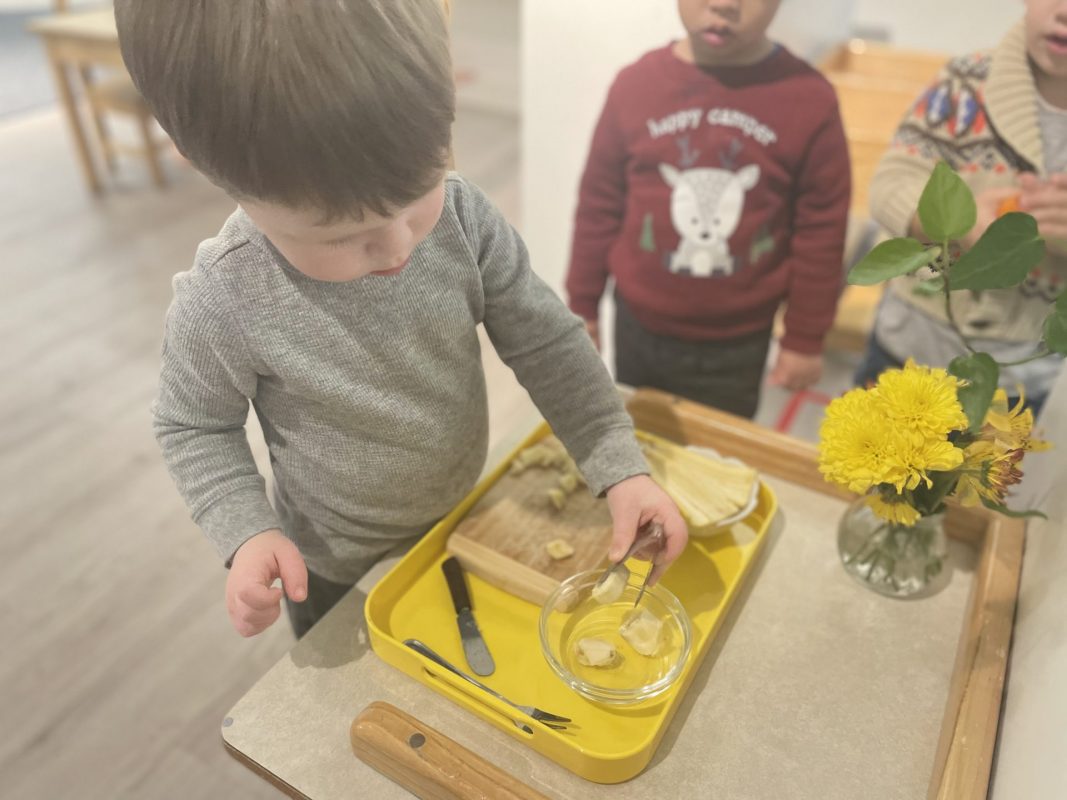
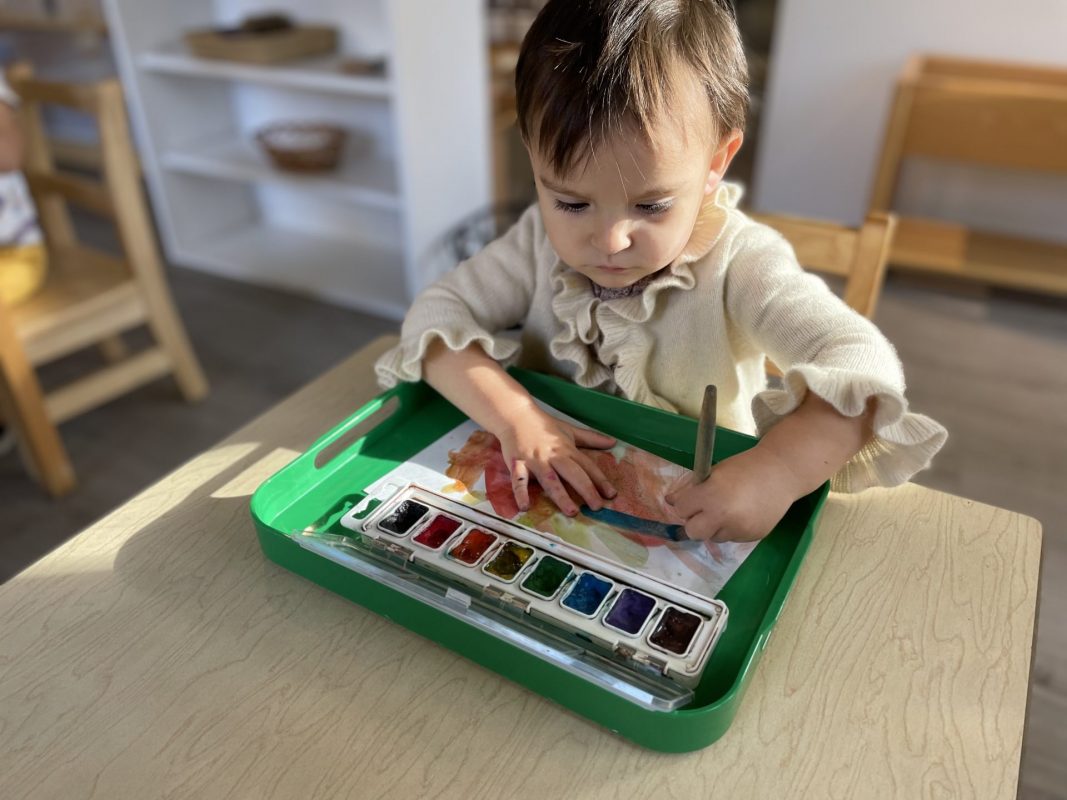
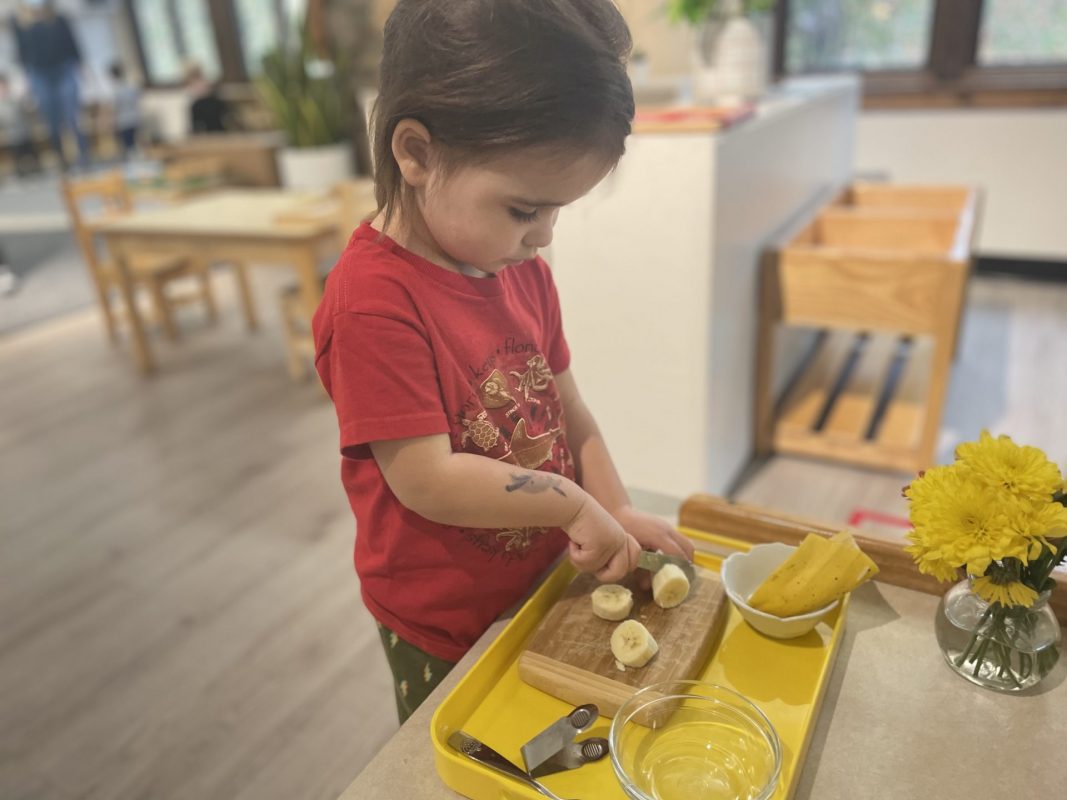
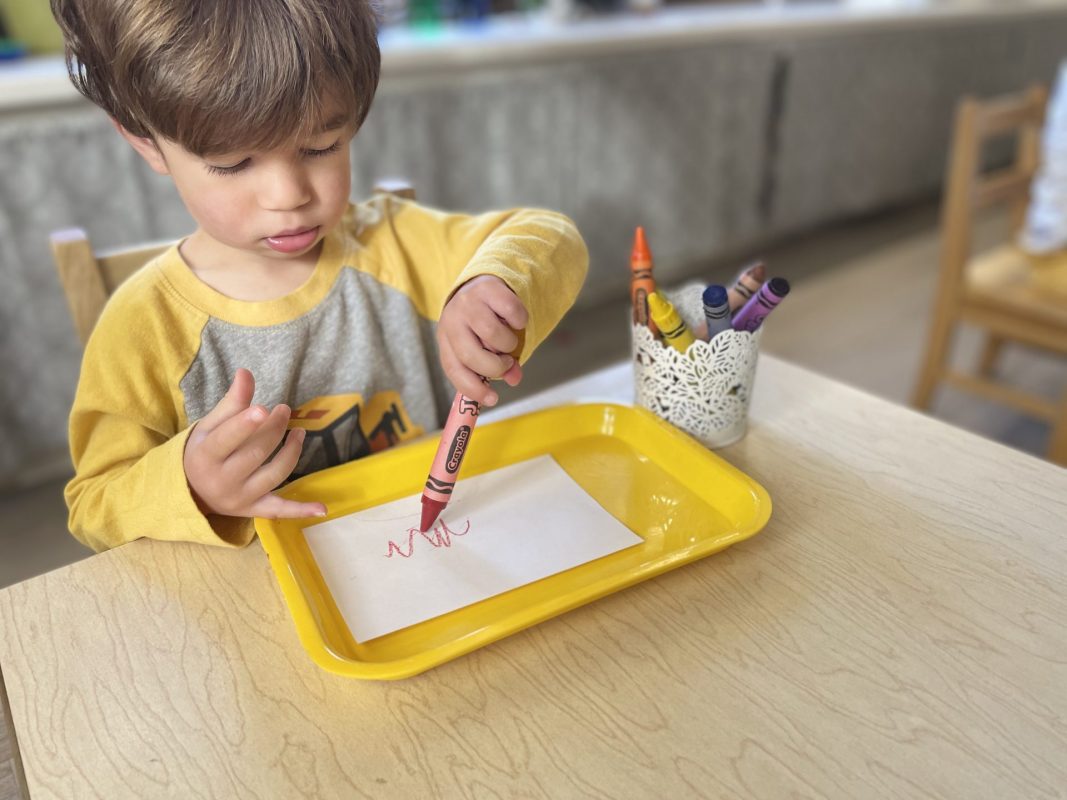
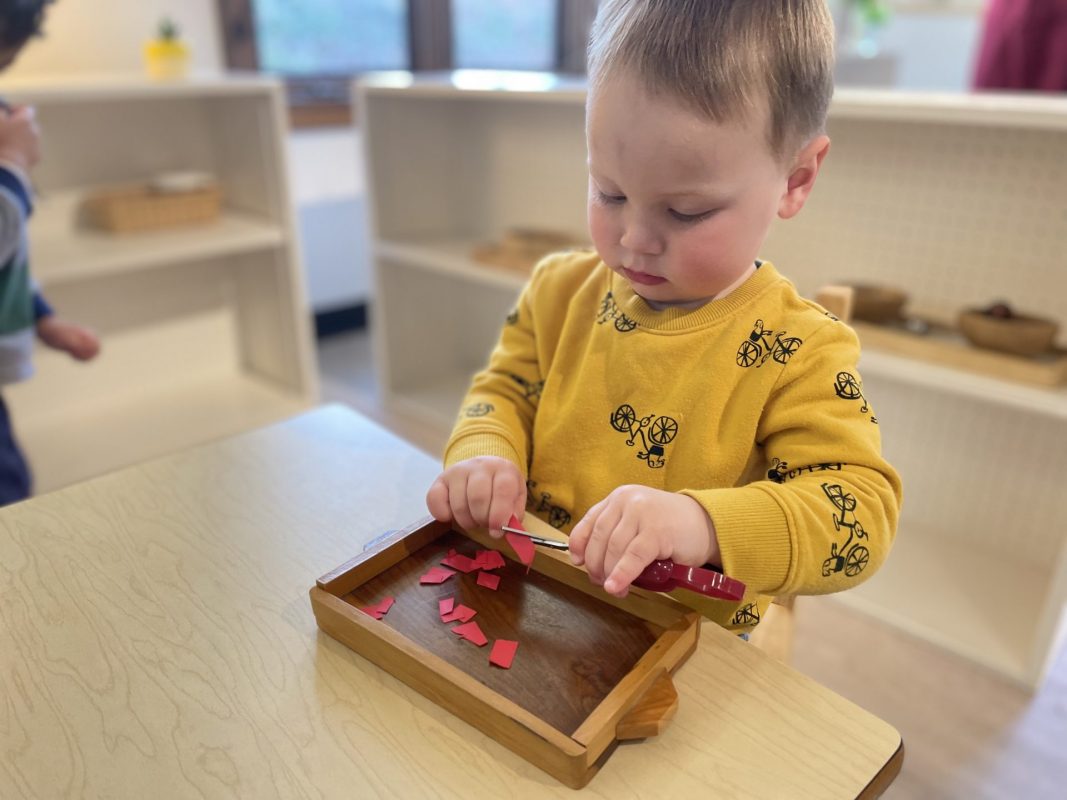
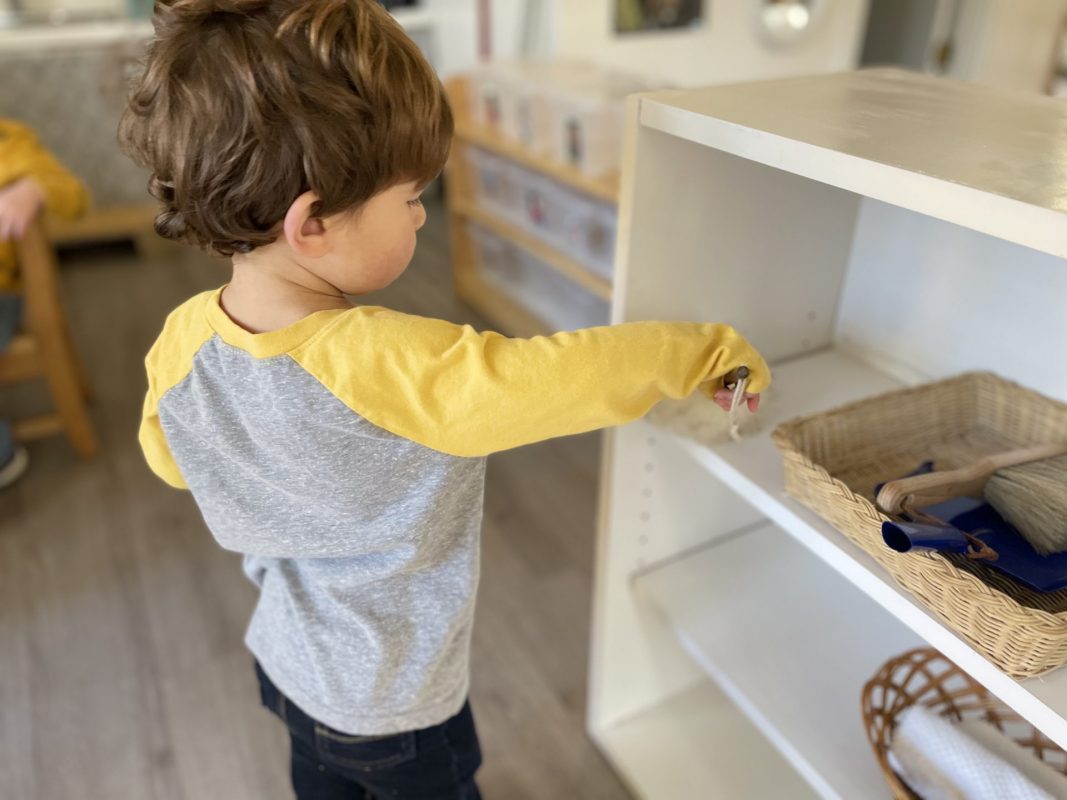
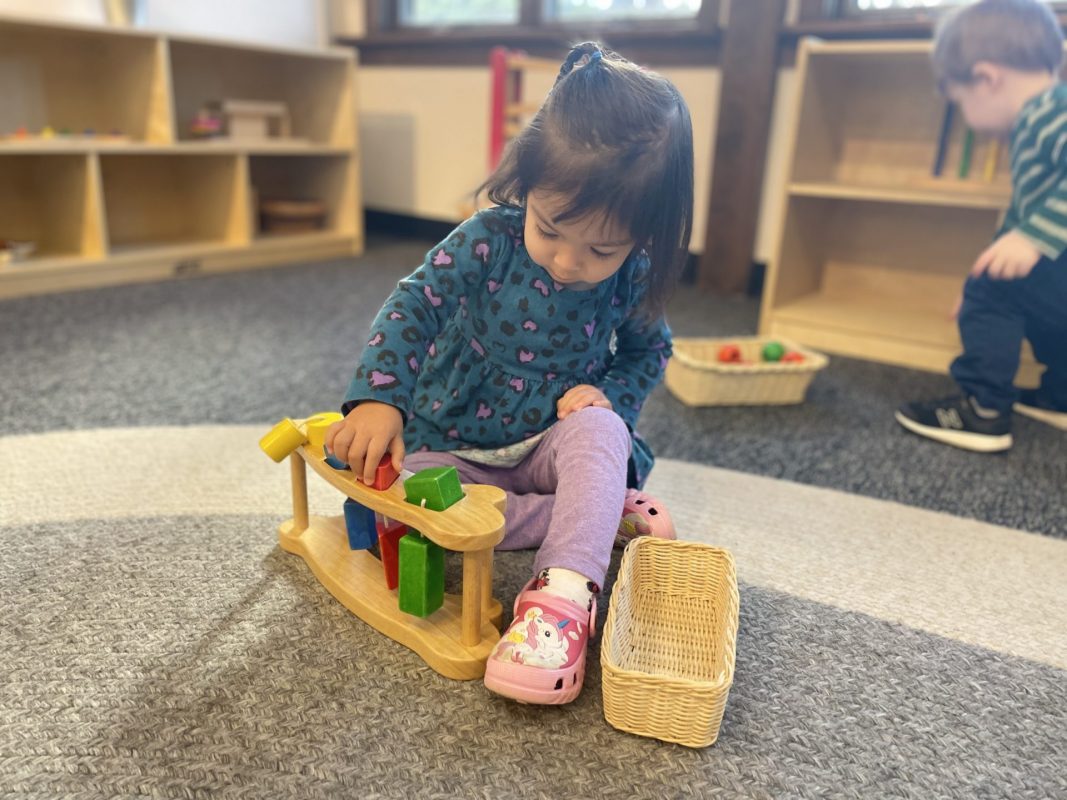
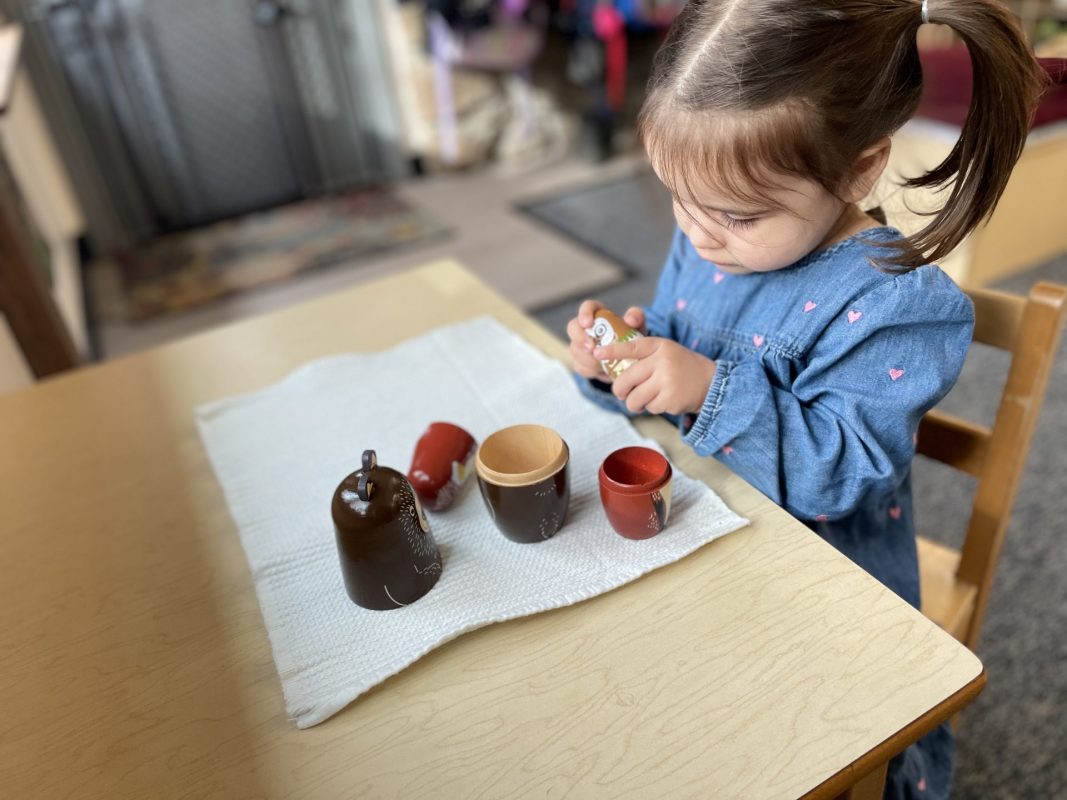
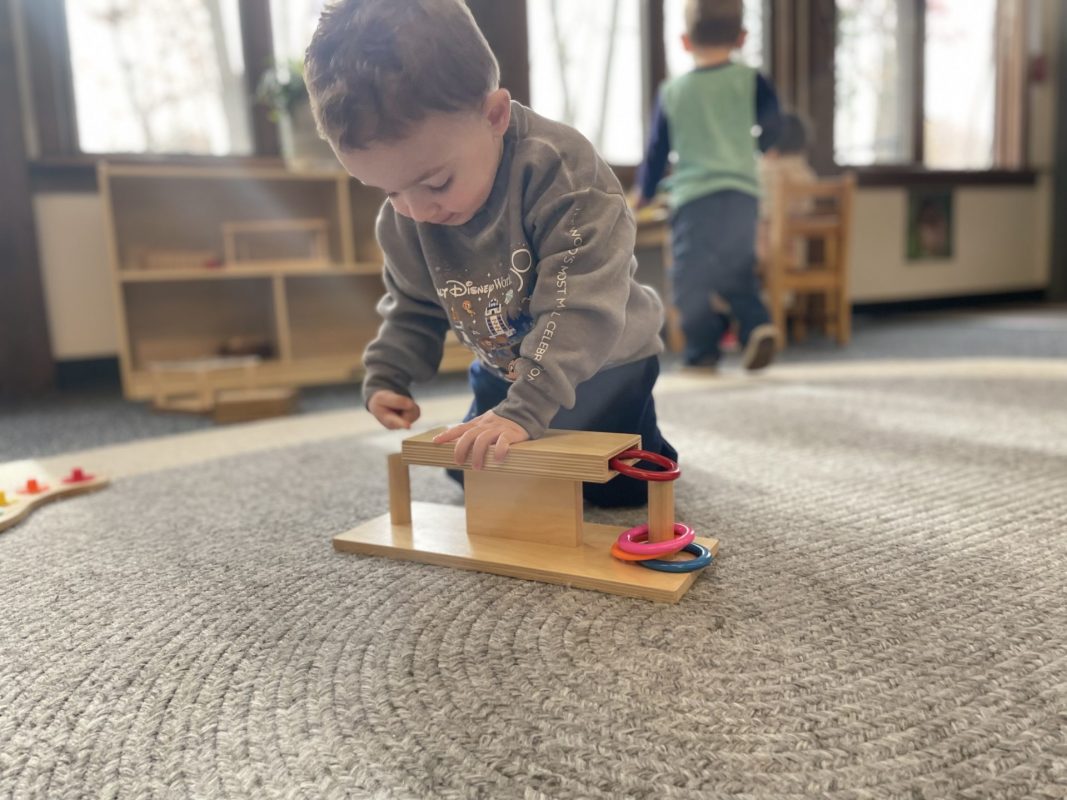
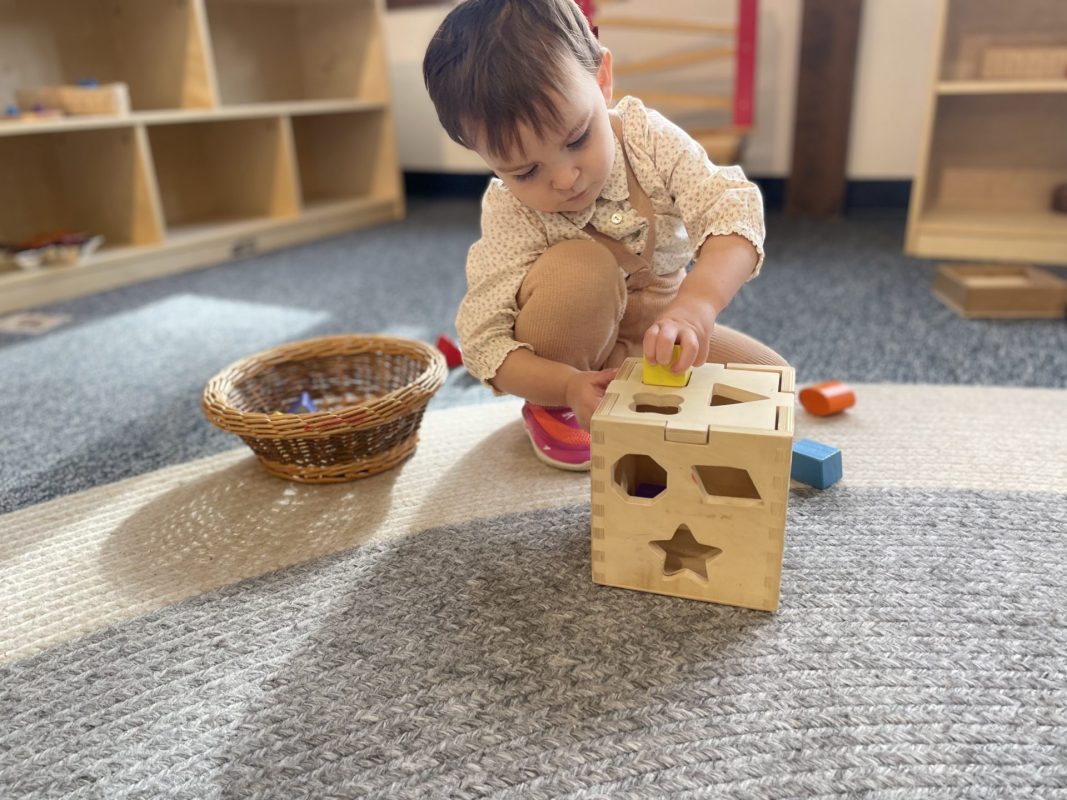
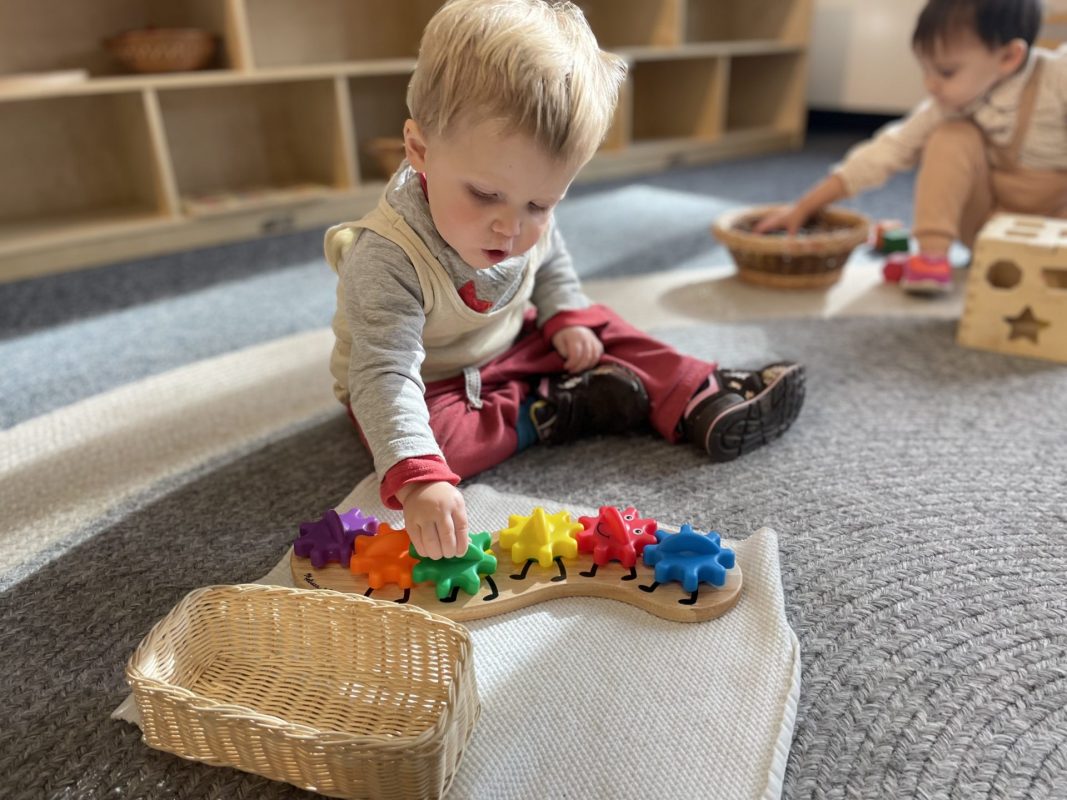
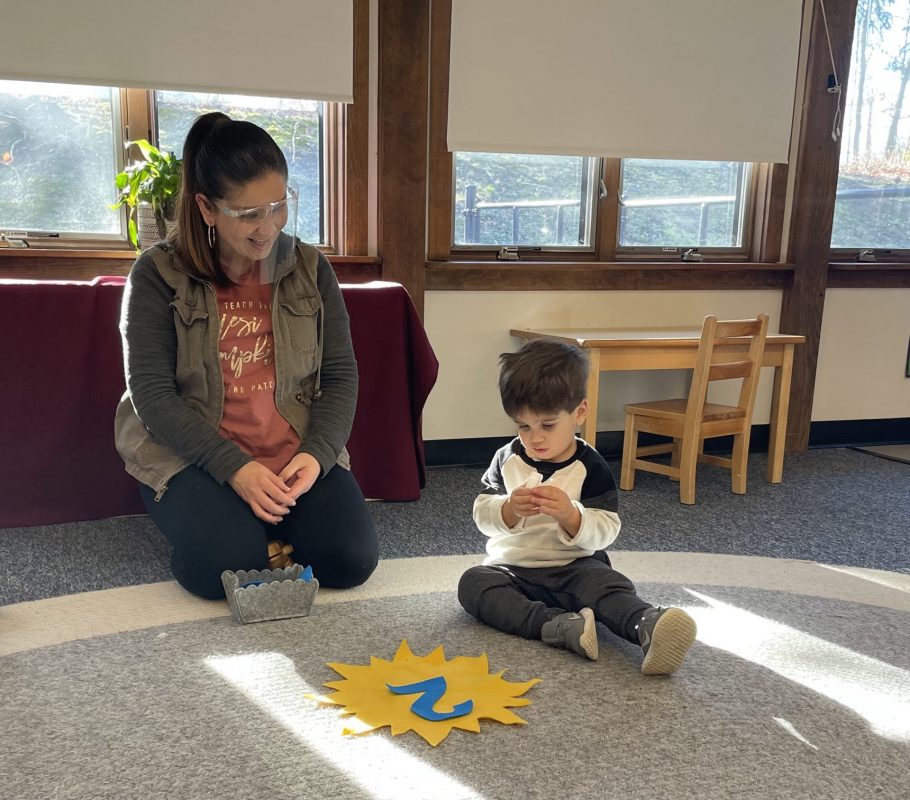
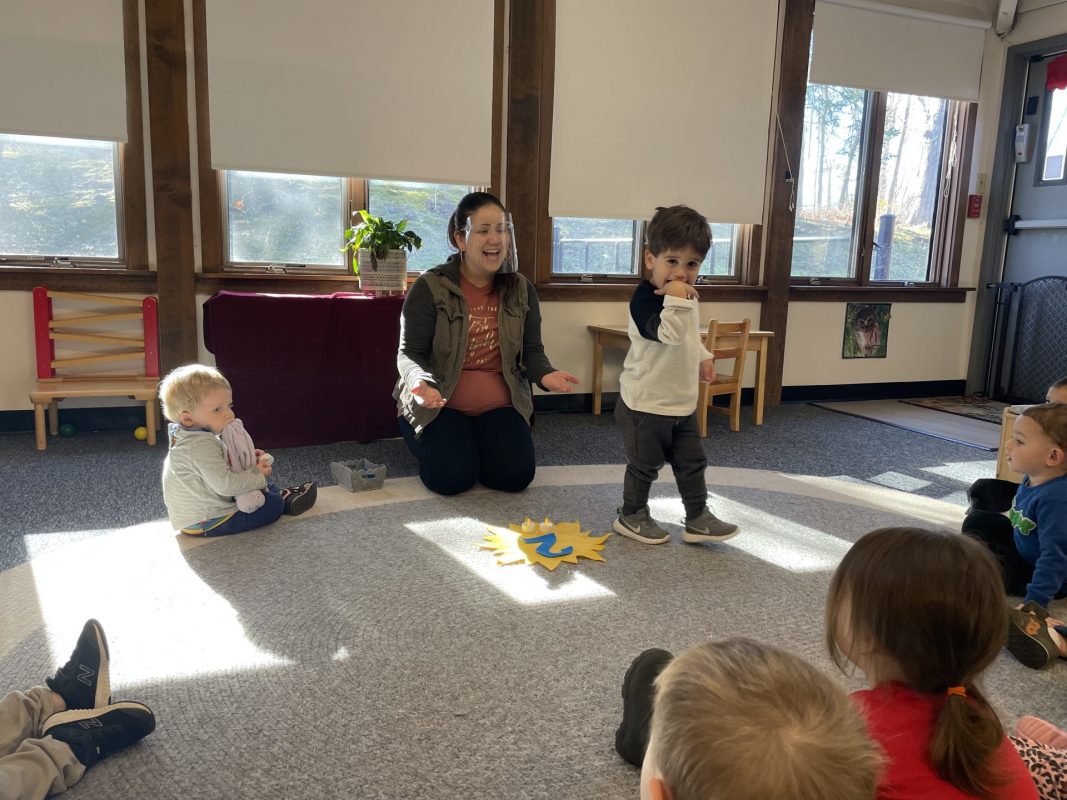
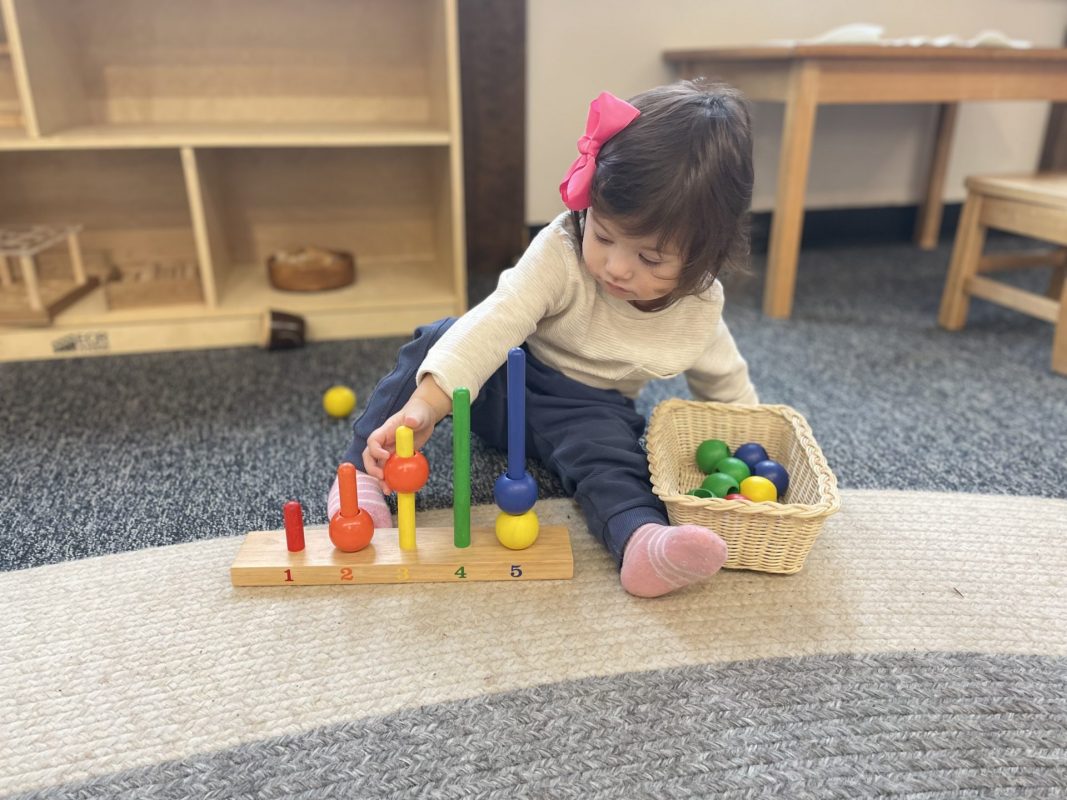
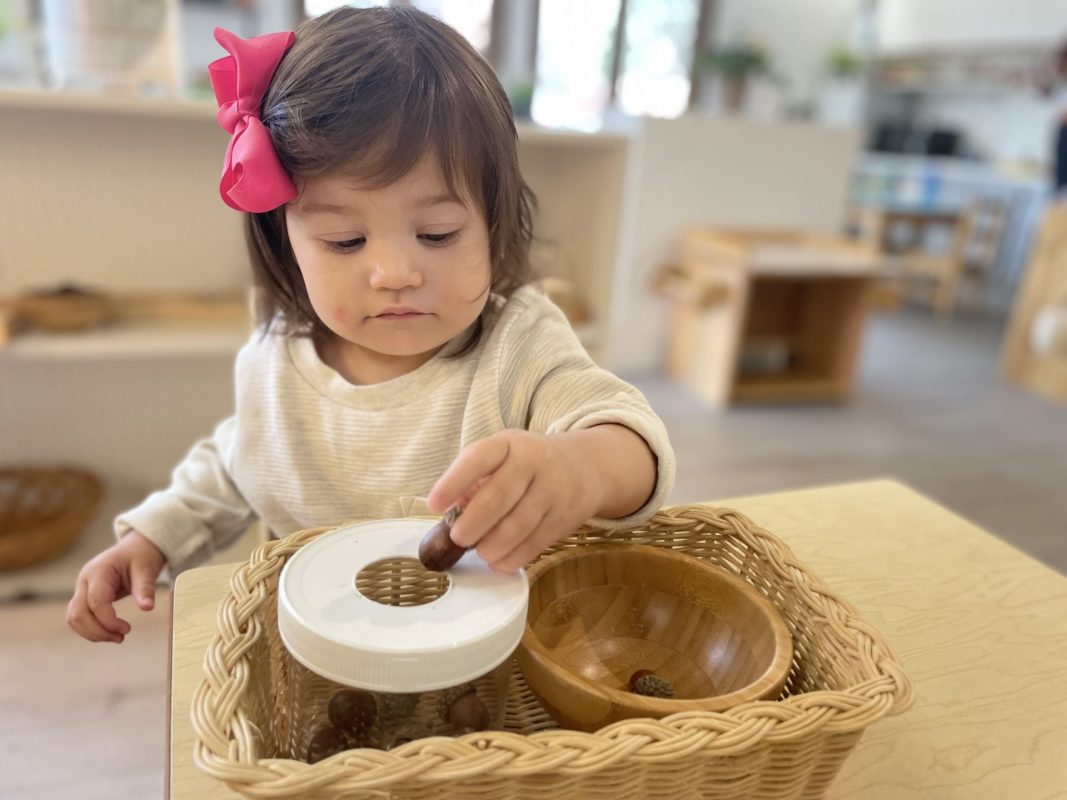
Hand-eye coordination is one of the most important parts of the learning process. It helps your child track the movements of their hands with their eyes, which is essential for reading and decoding. Because your child also uses their visual system with hand-eye coordination, it can greatly impact their writing skills and handwriting as they use their eyes to guide, direct, and control their hand movements across the page as they write letters and words.

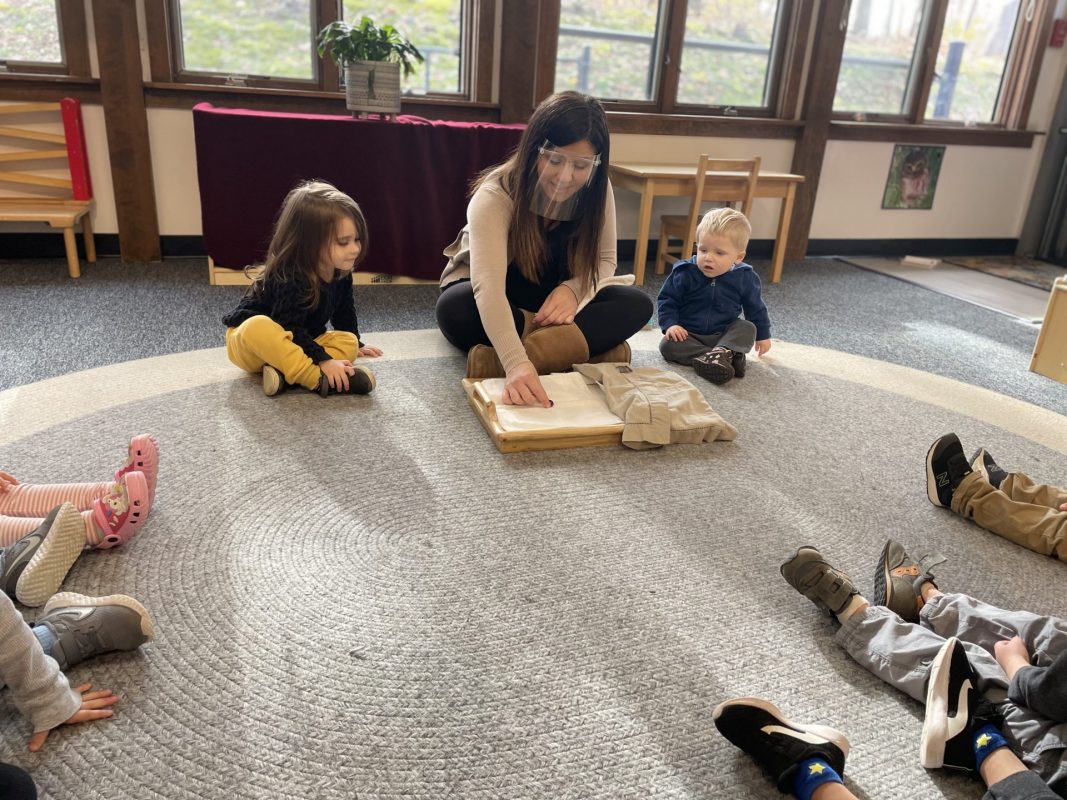
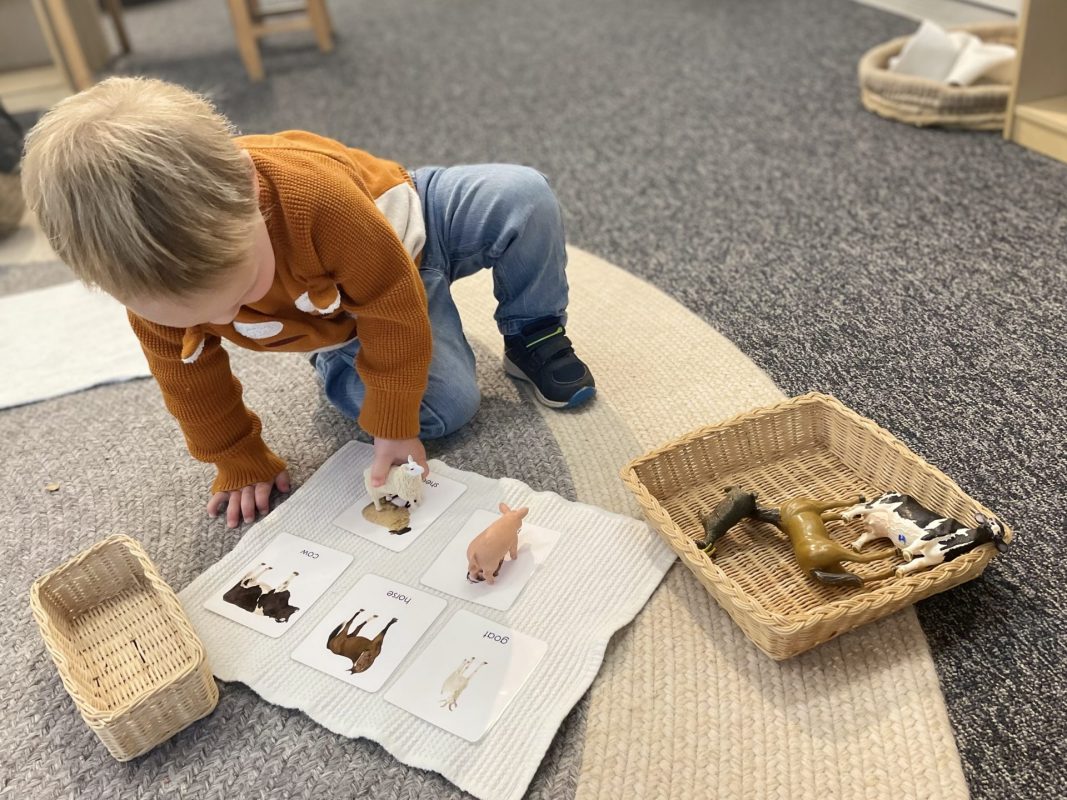
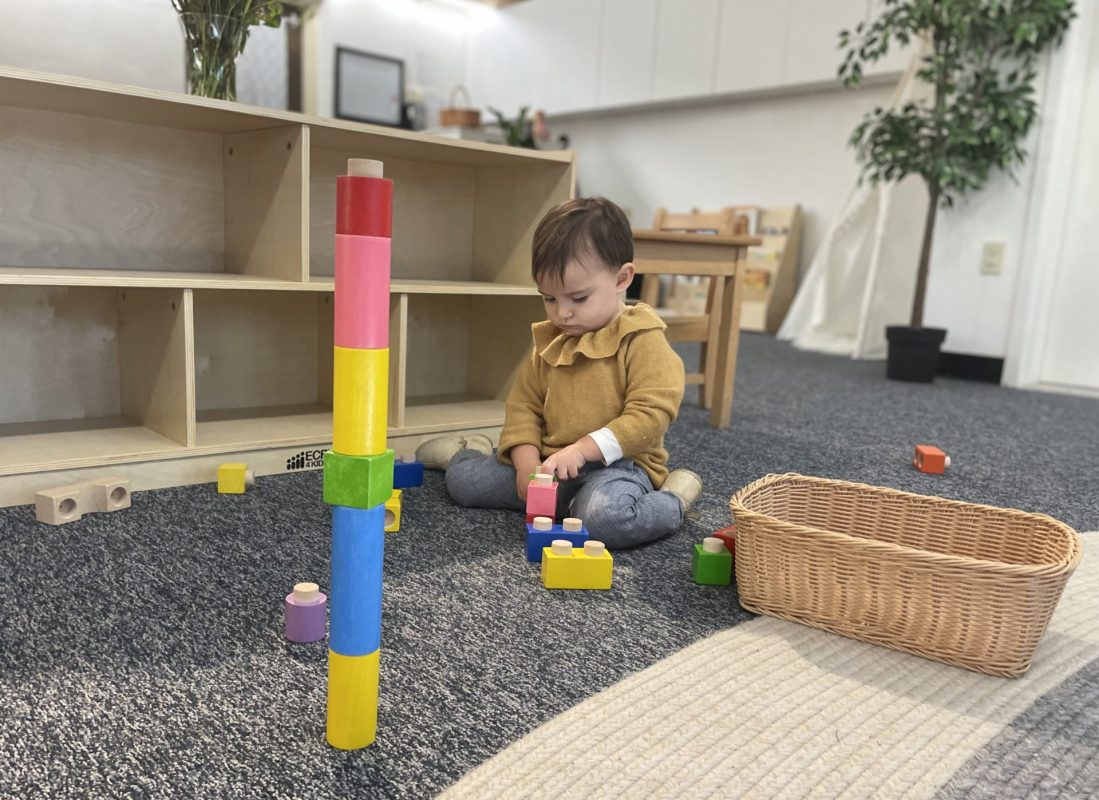
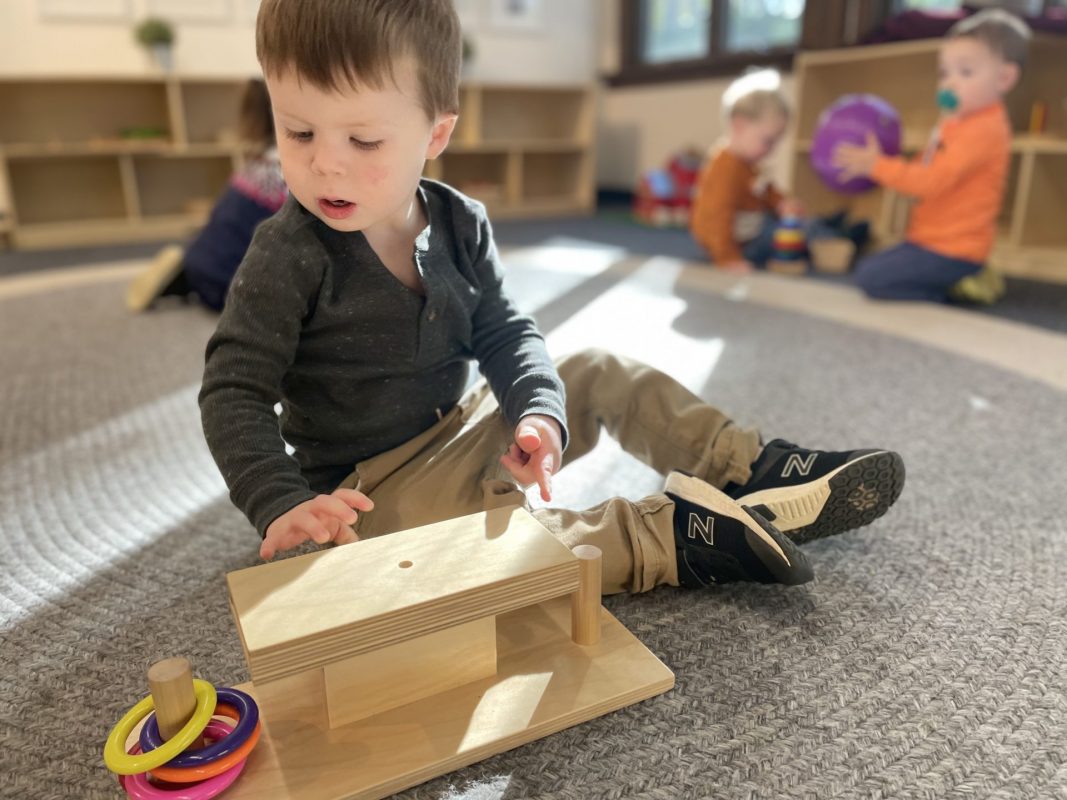
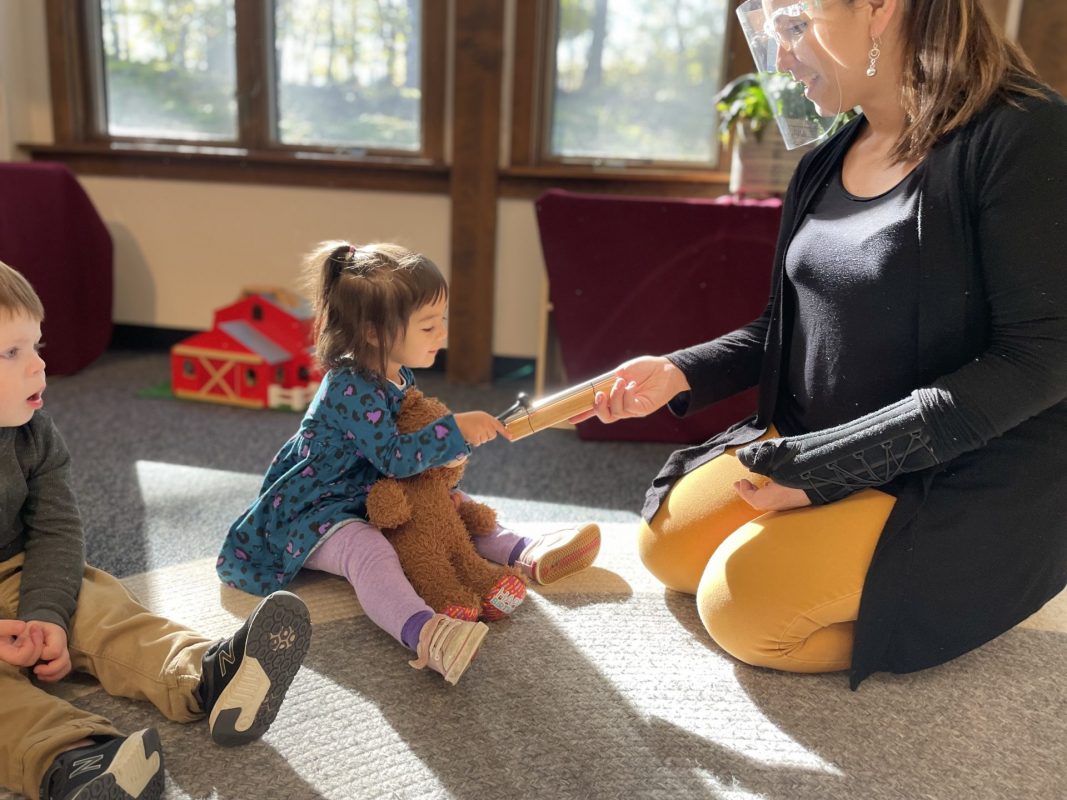
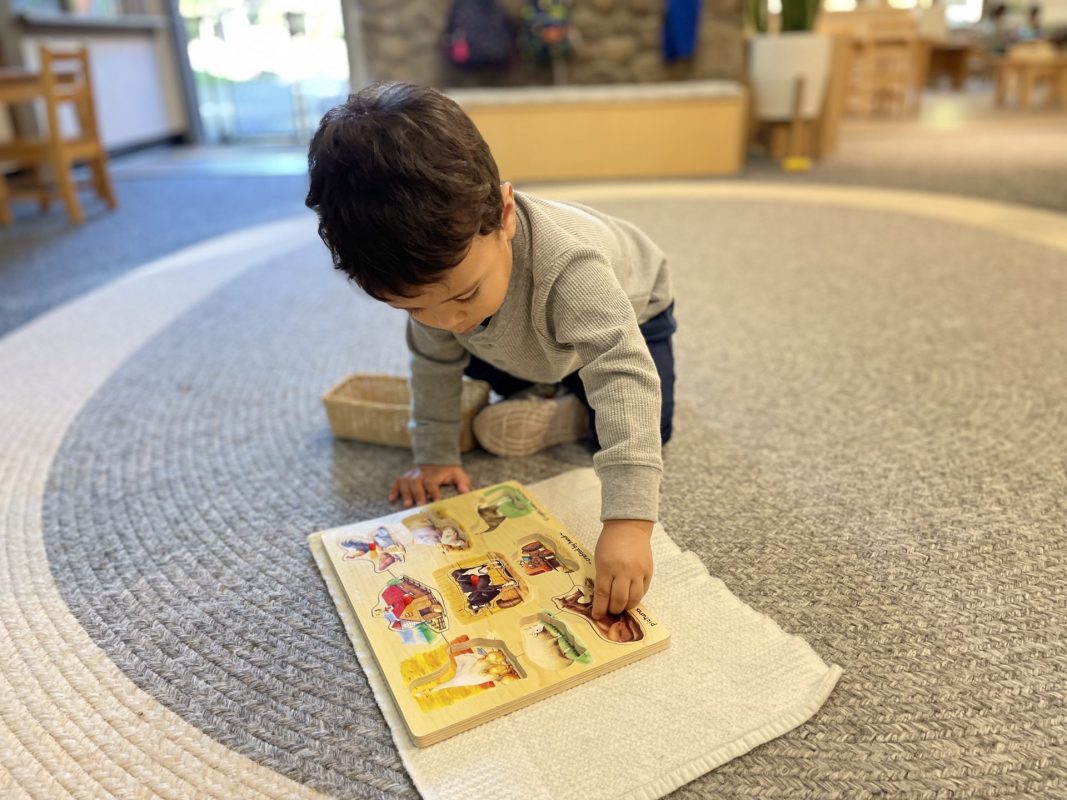
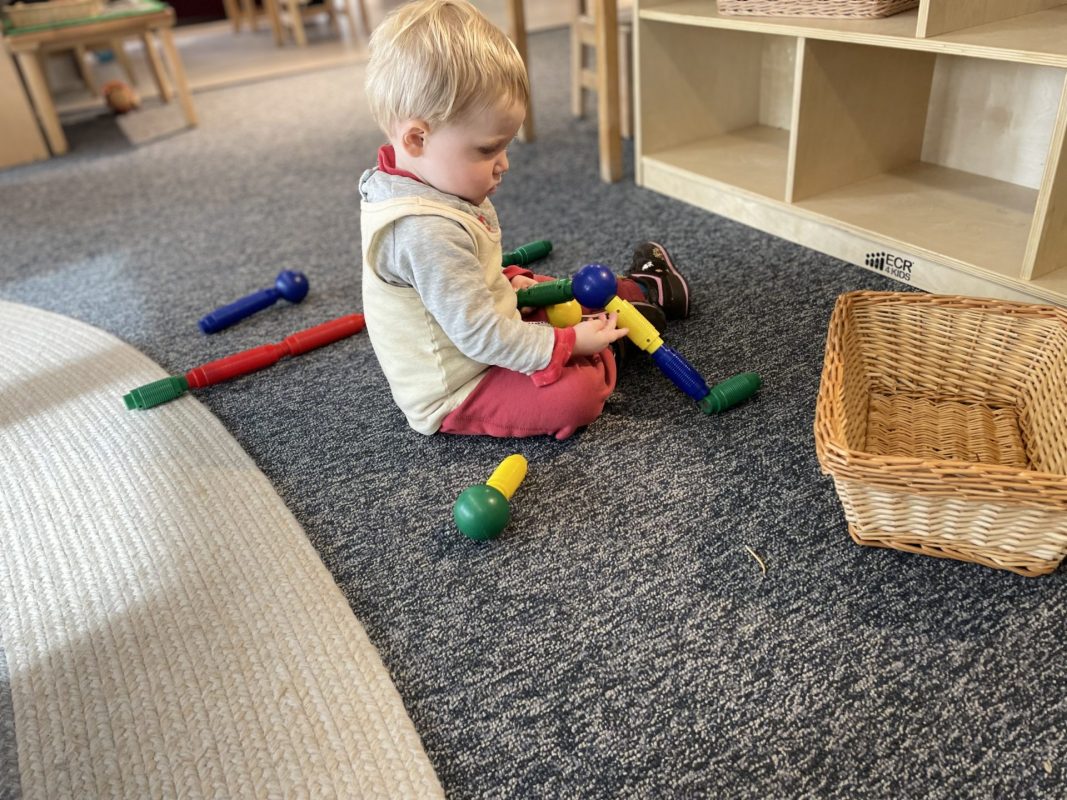
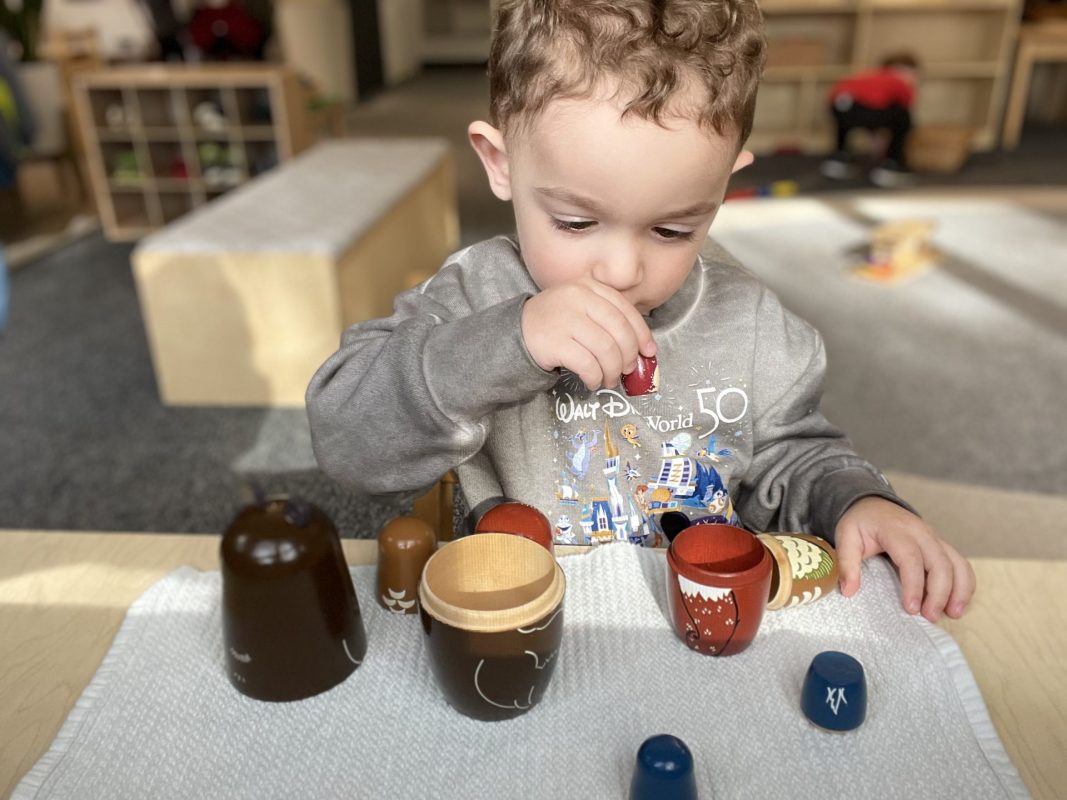
Our Toddler environment is set up in a specific way, looking to sharpen and challenge these skills while meeting your child exactly where they are developmentally. Each material is displayed in progressive order, from easiest to hardest, and from left to right. This logical structure encourages children to organize their thinking and to absorb the outcome of the material at their own pace. The left to right orientation of the materials also assists children with preparation for reading and writing, and is the way that the brain naturally processes information.

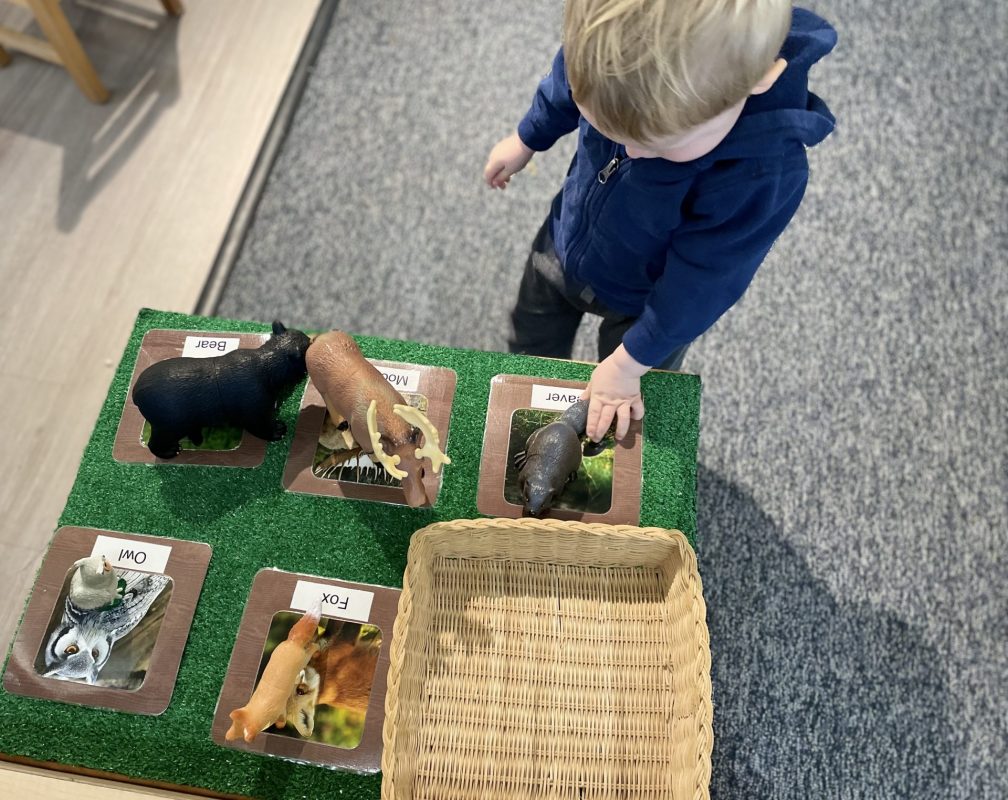
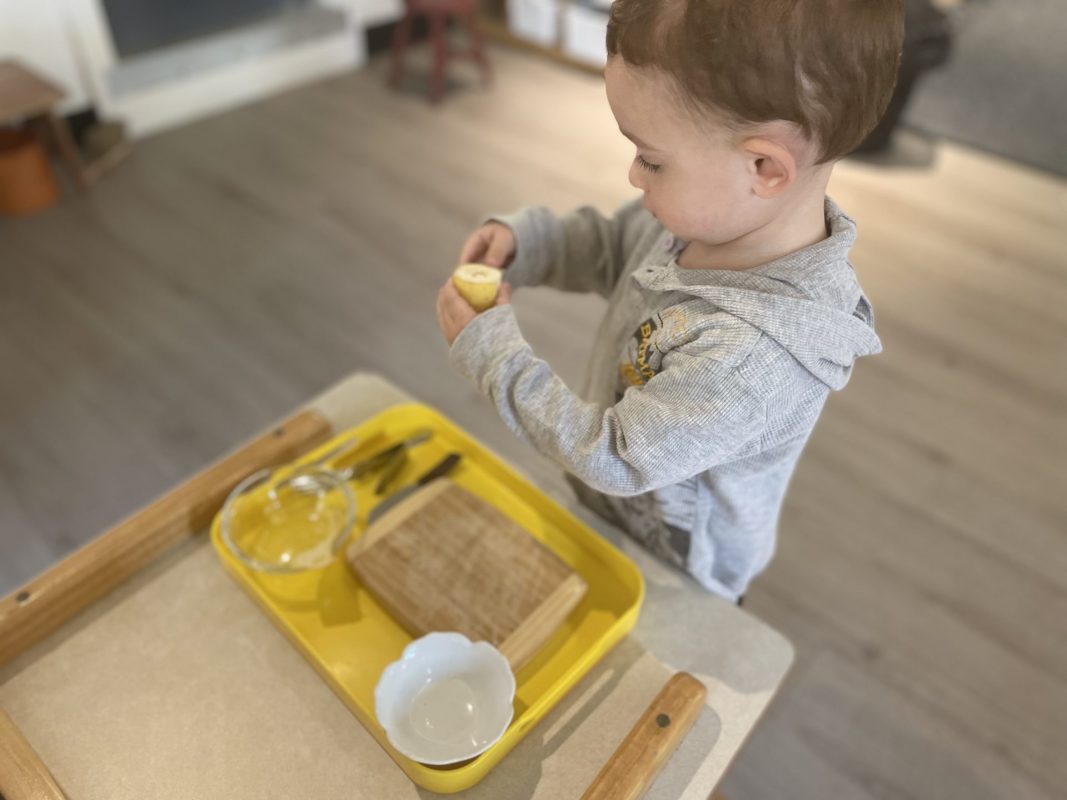
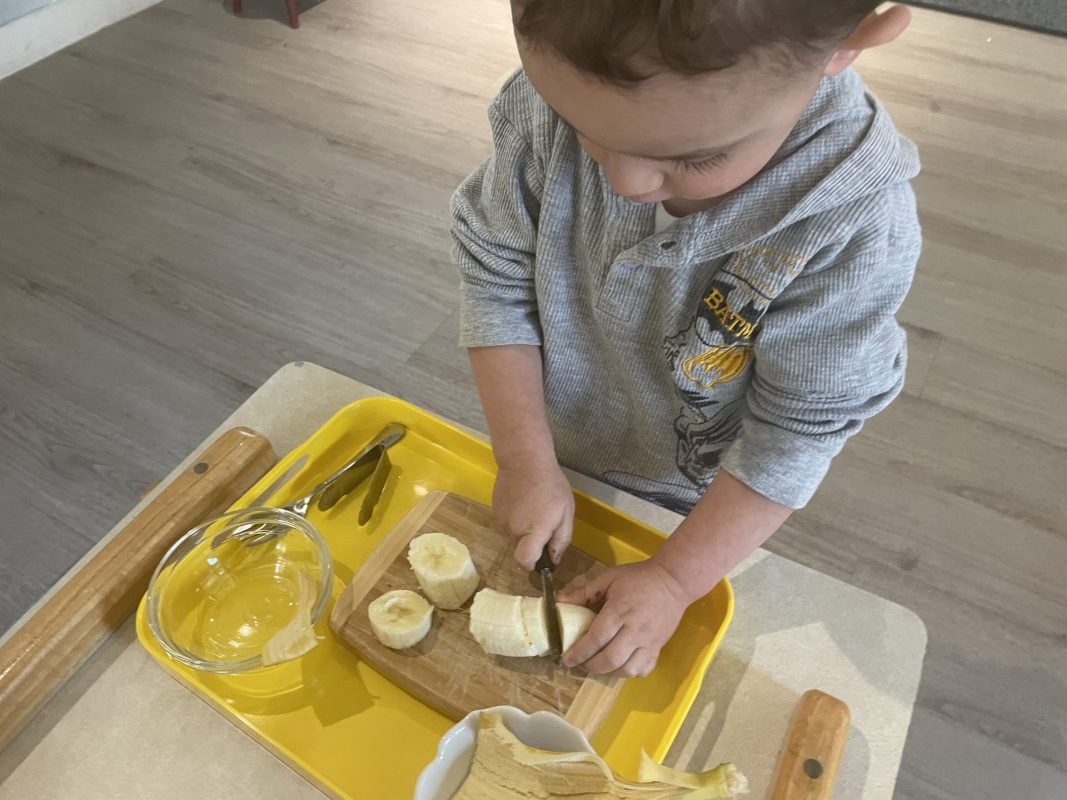
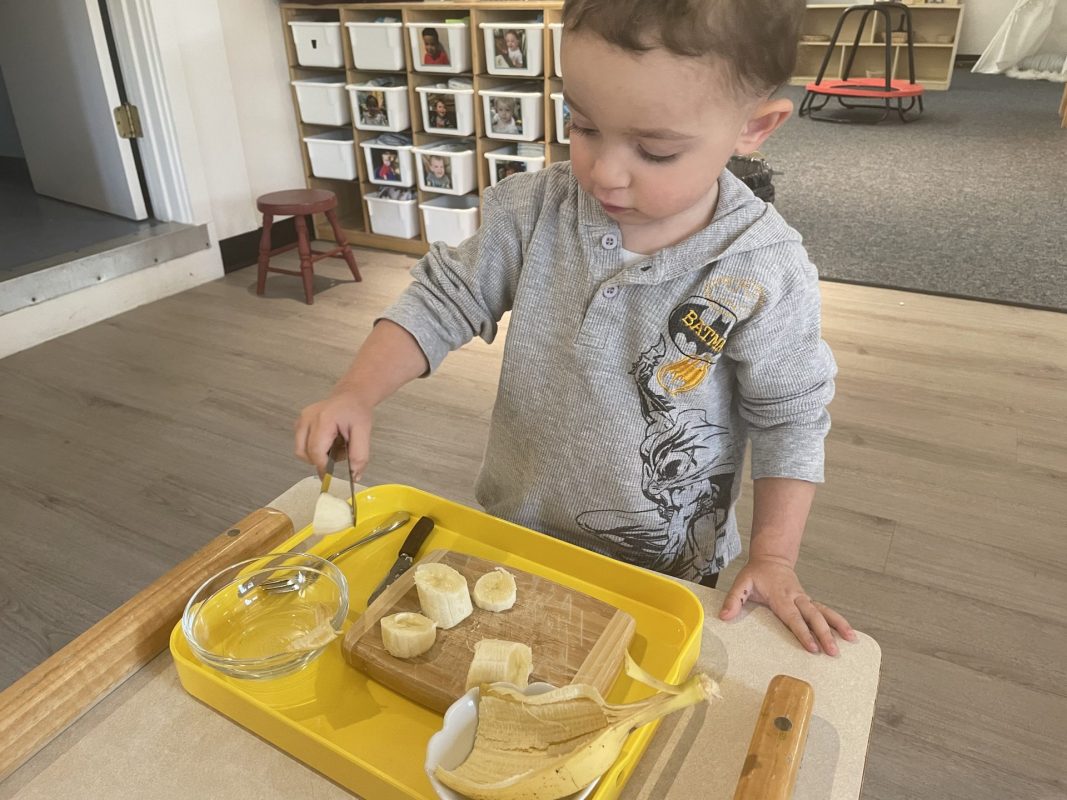
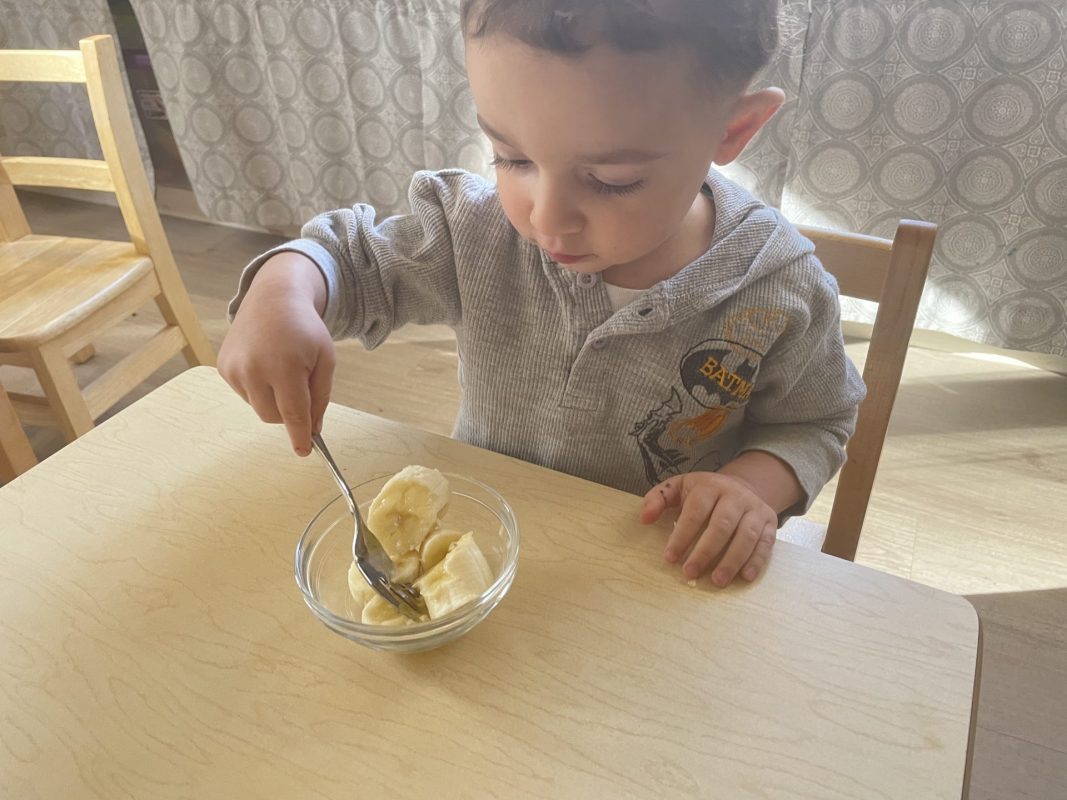
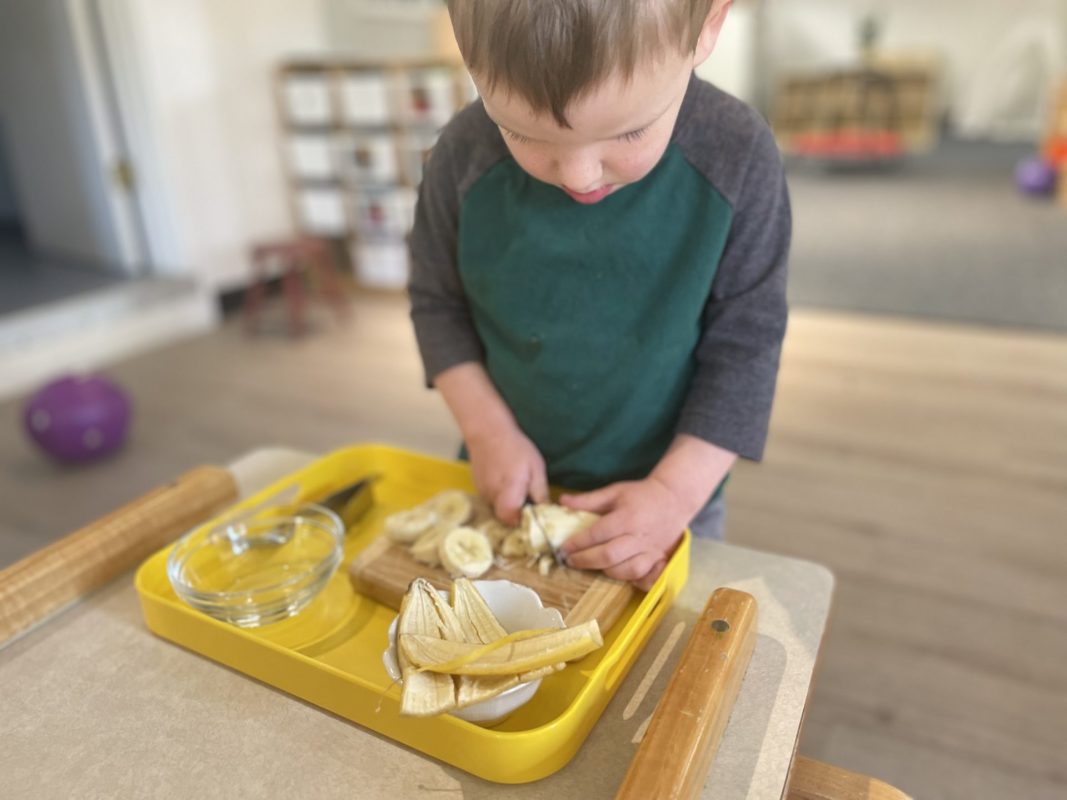
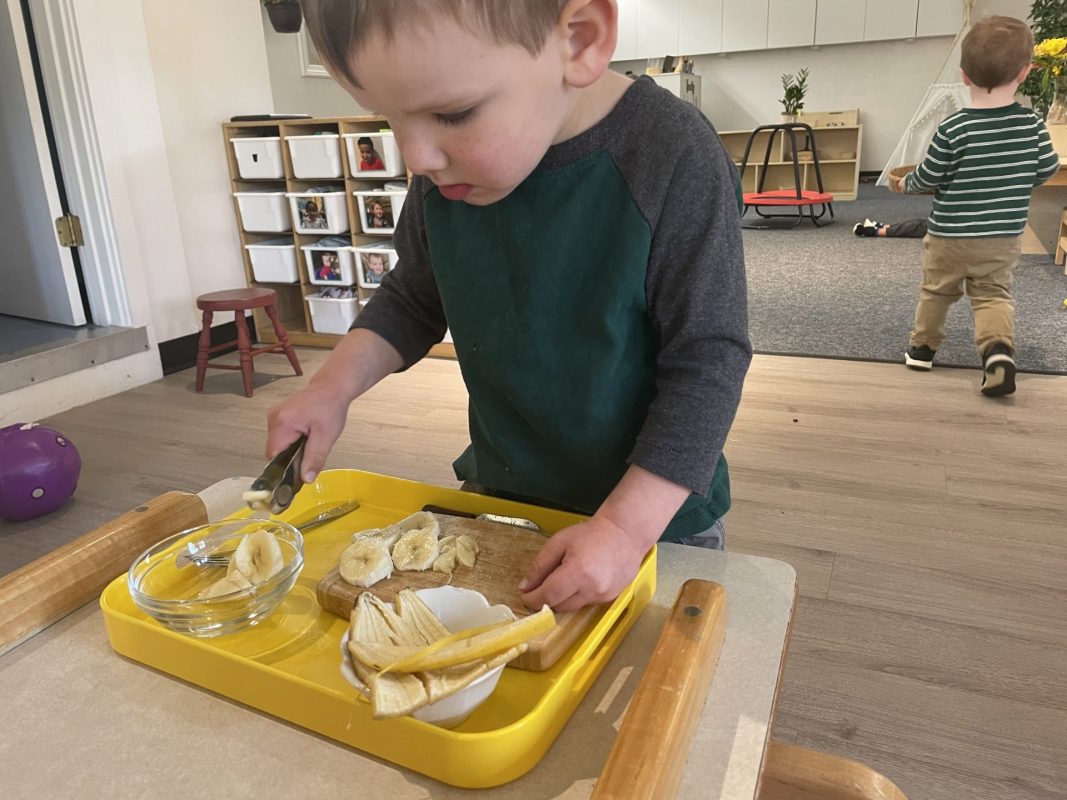
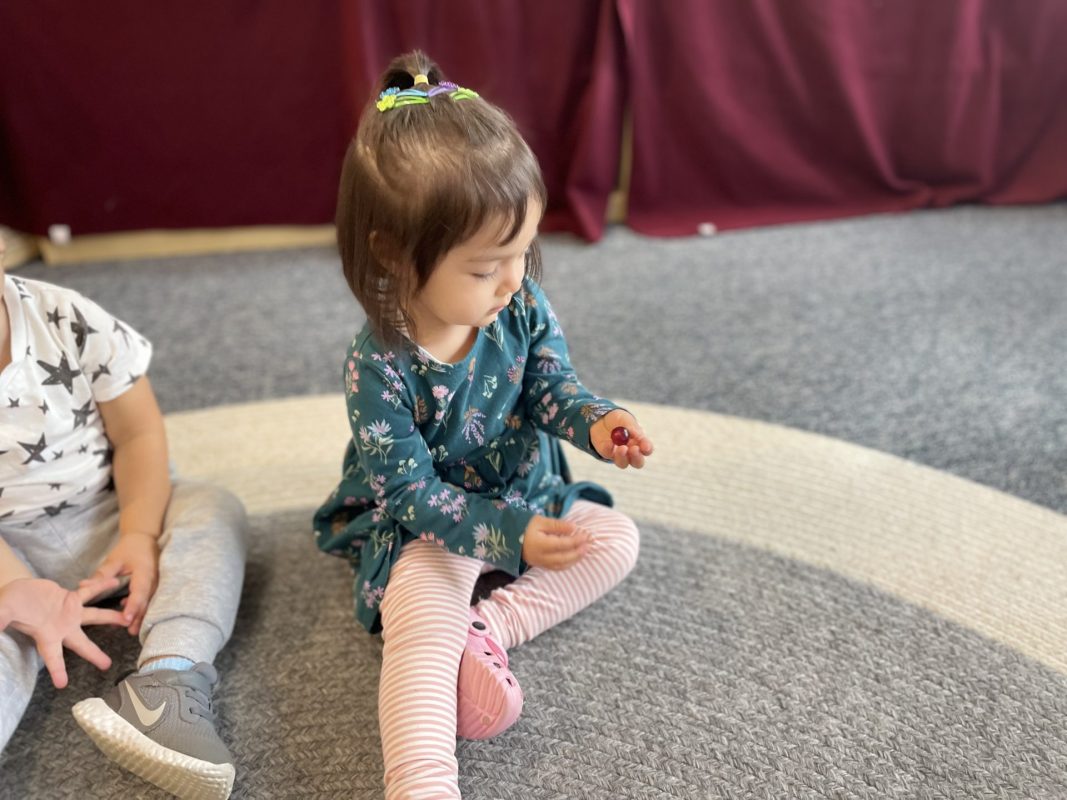
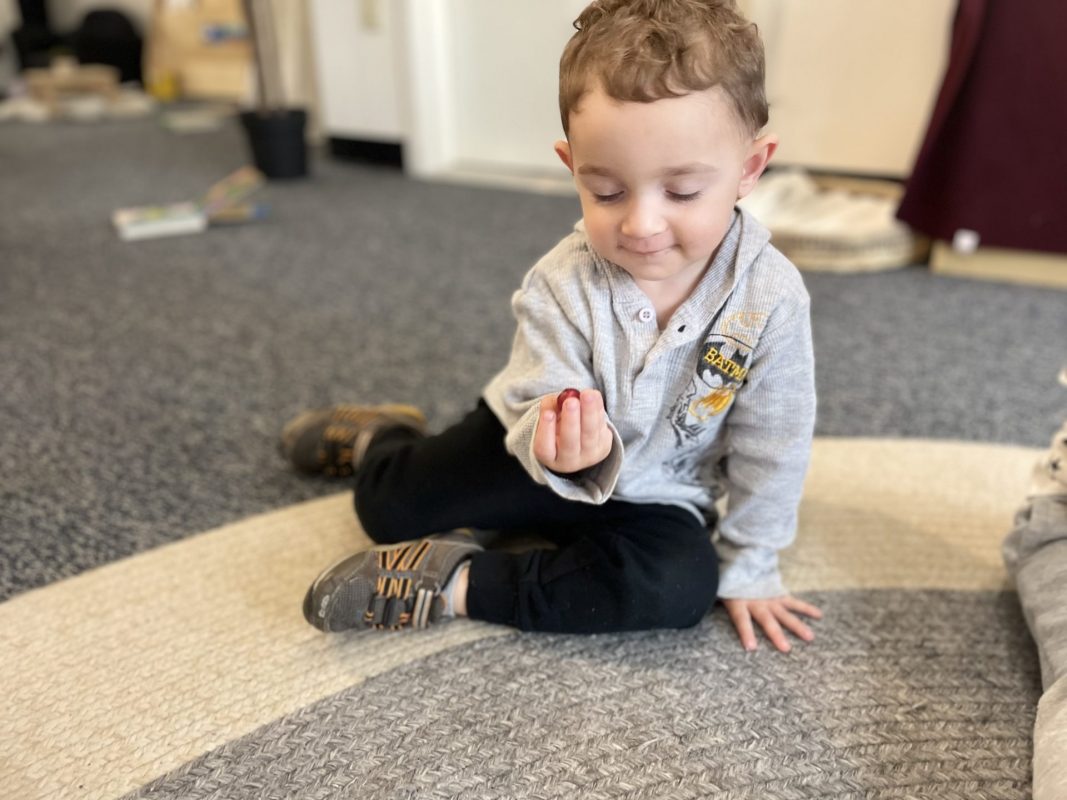
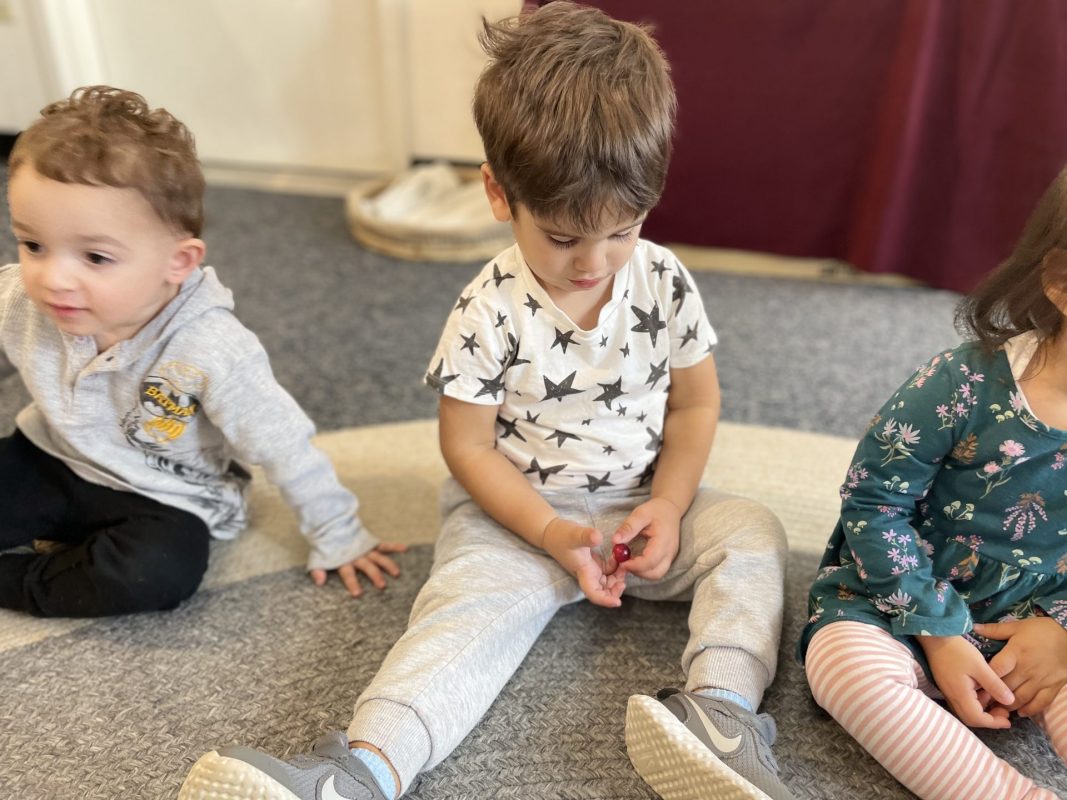
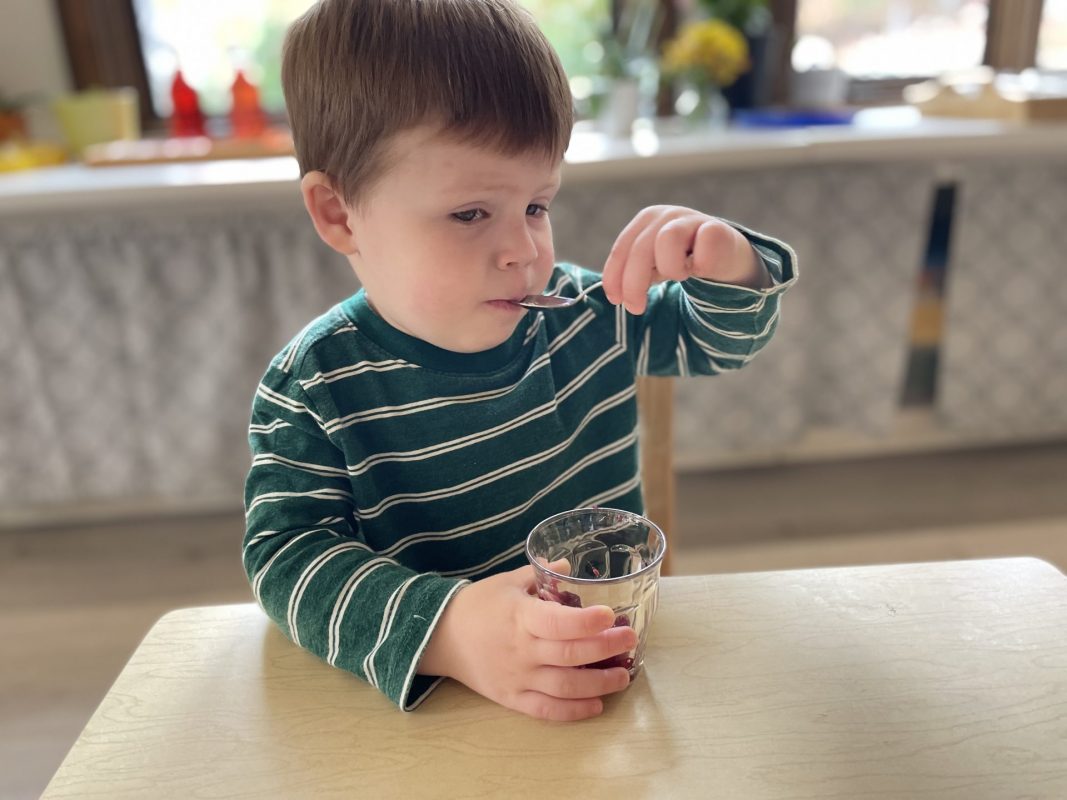
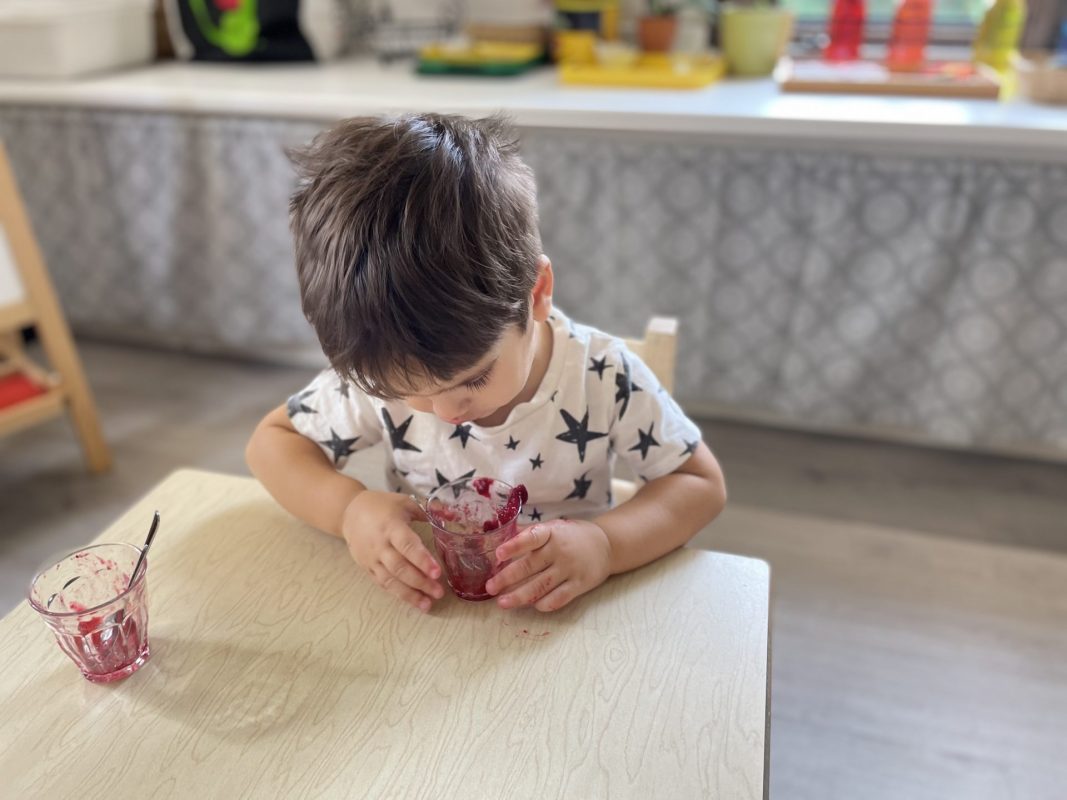
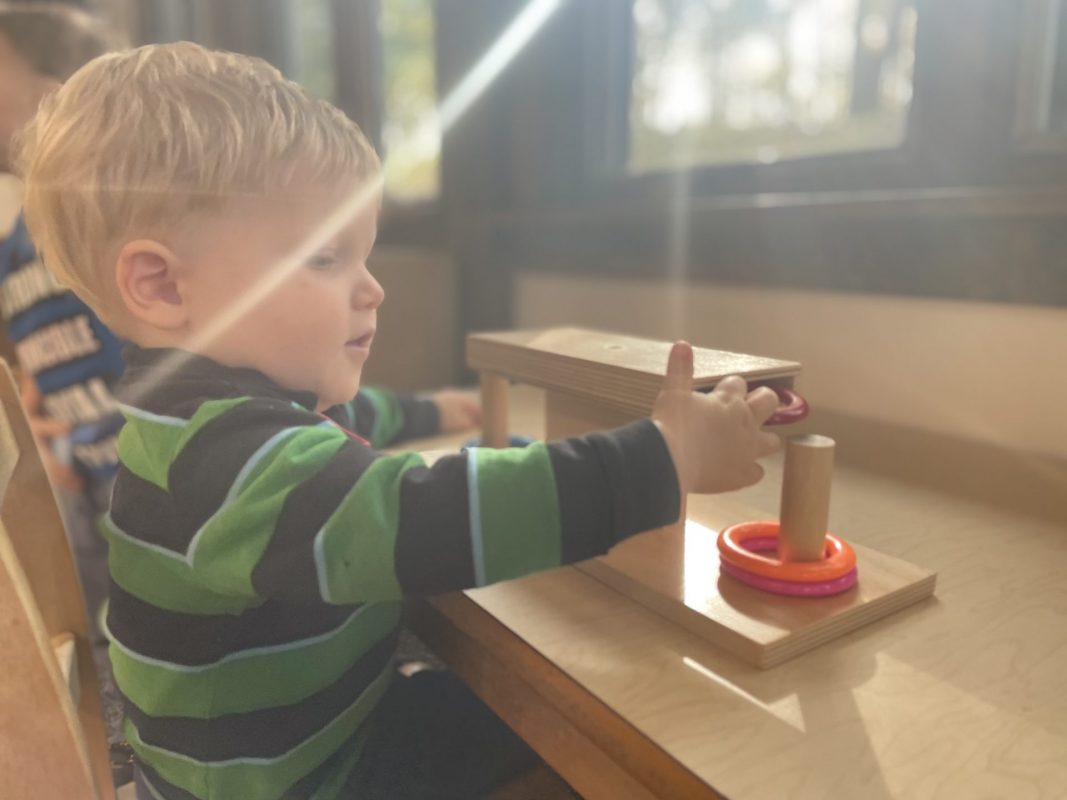
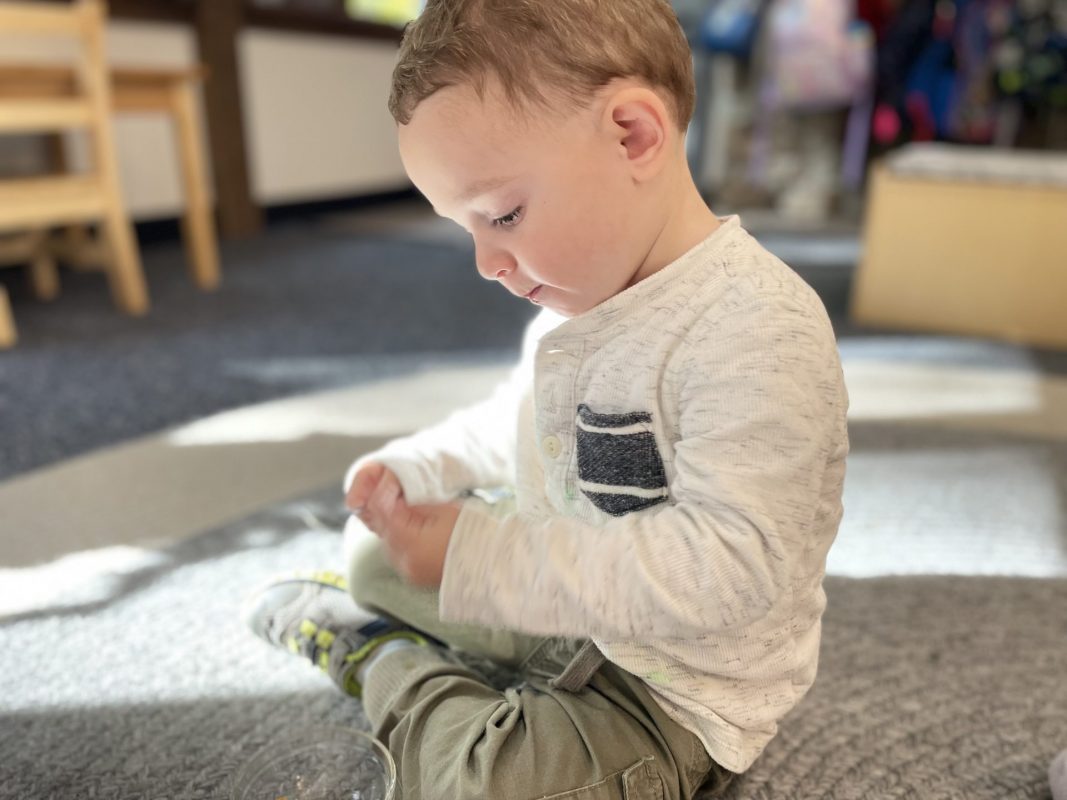
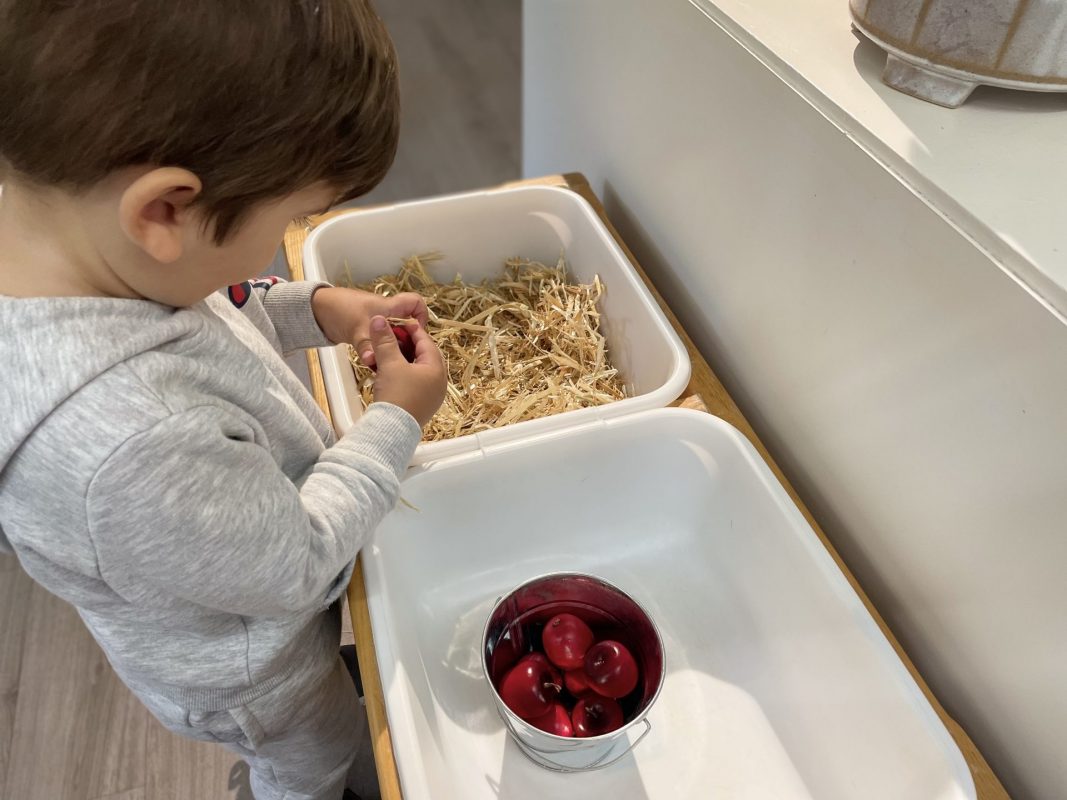
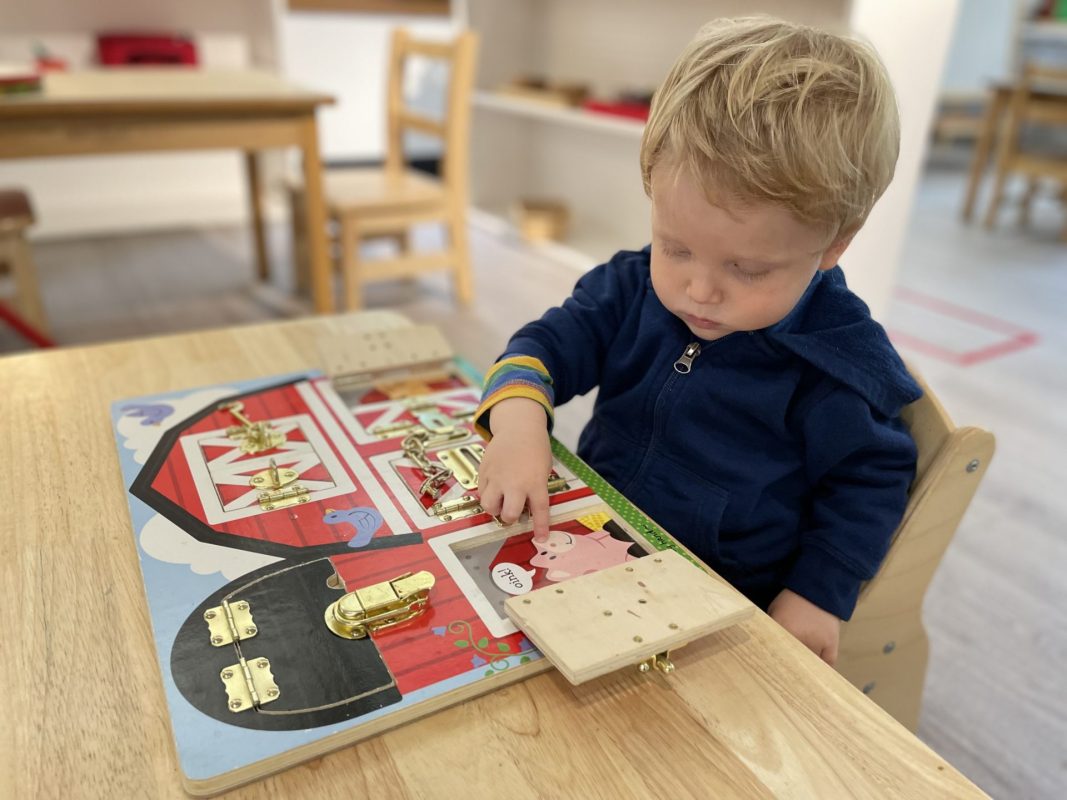
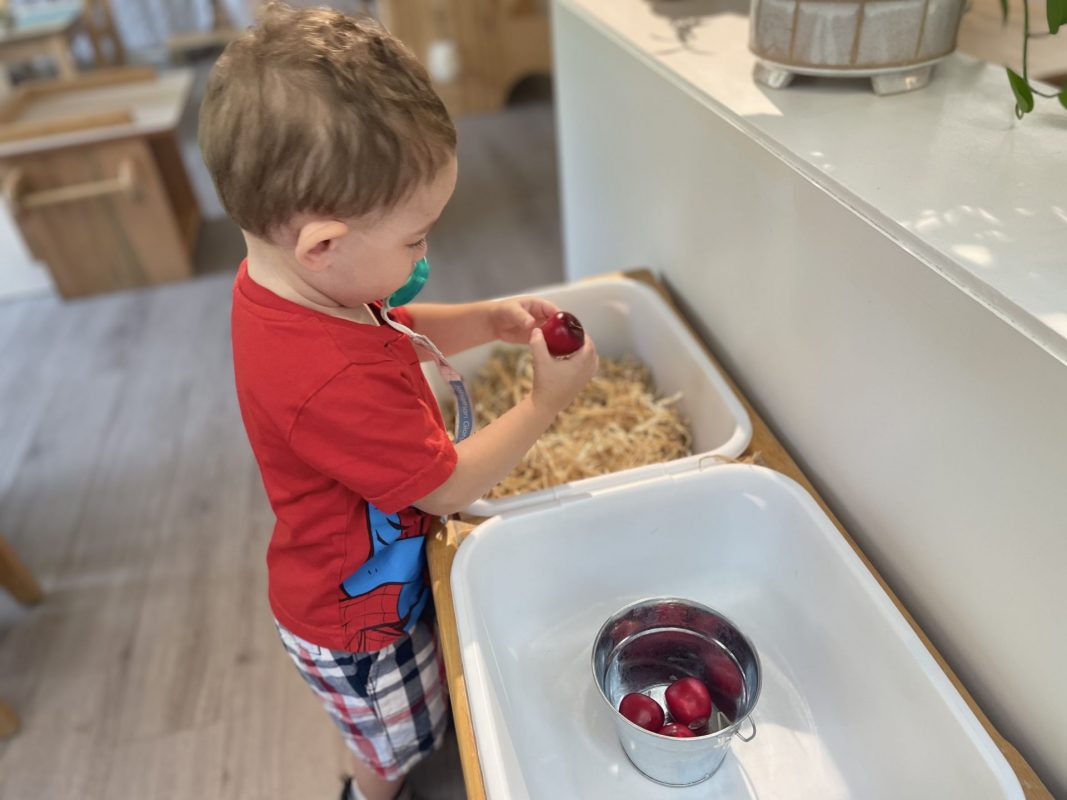
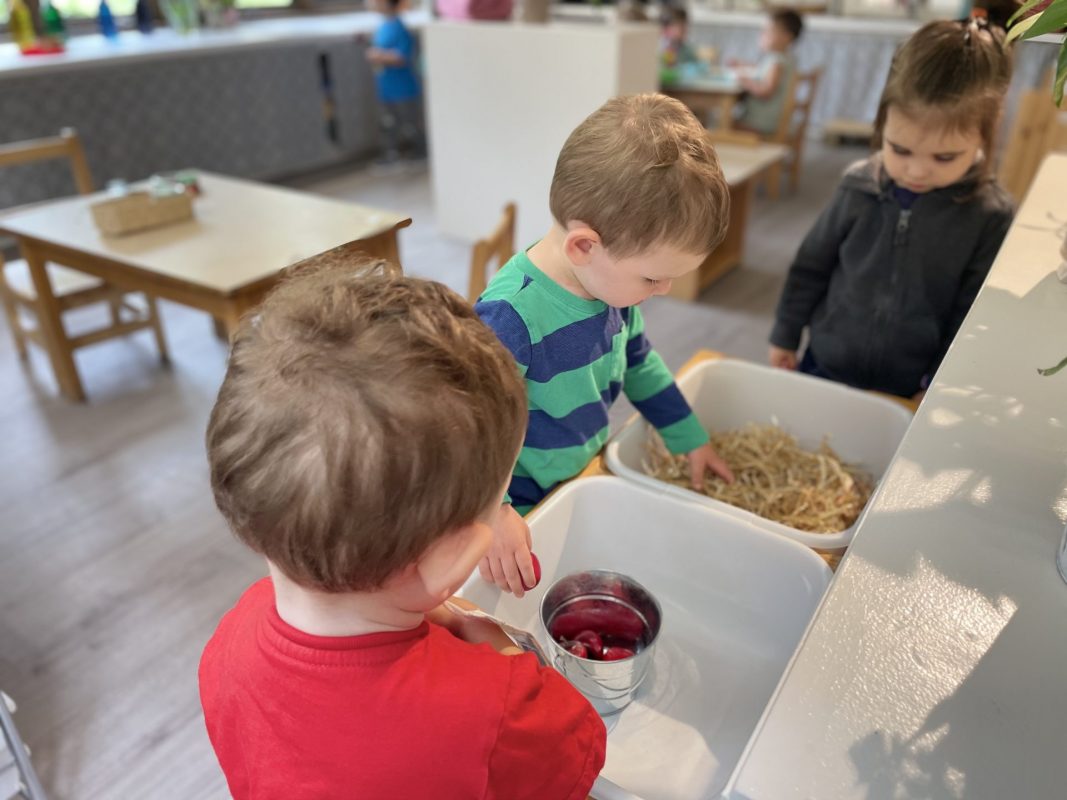
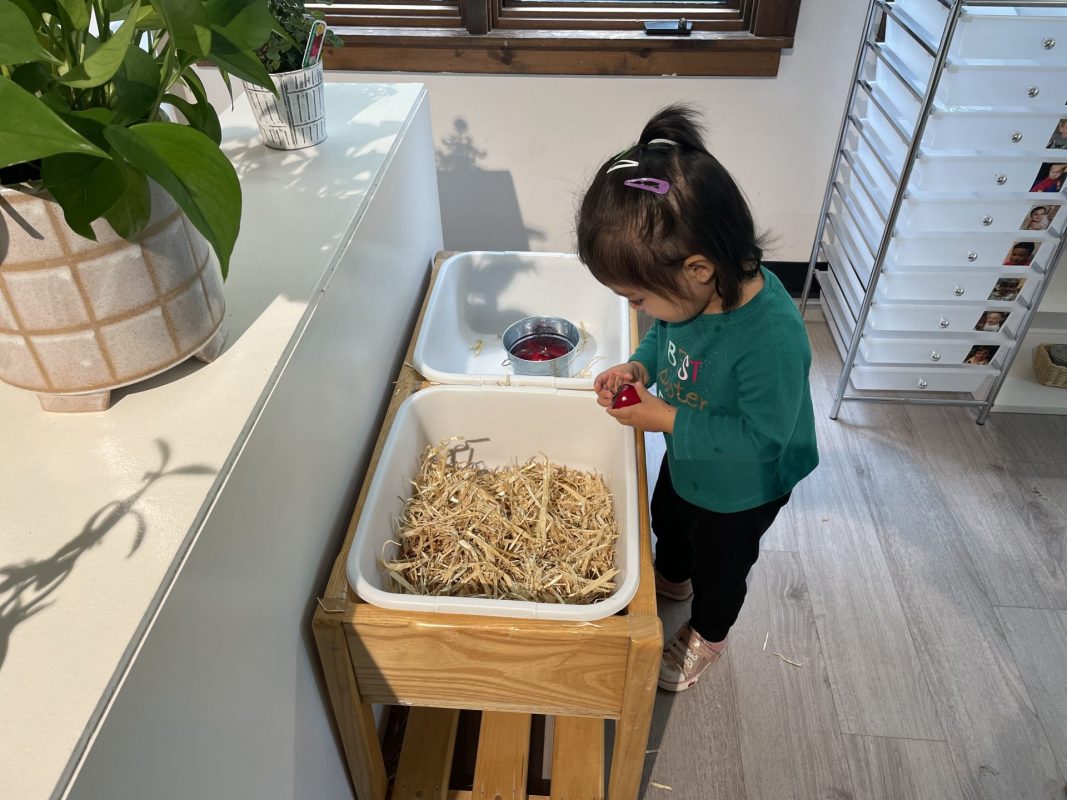
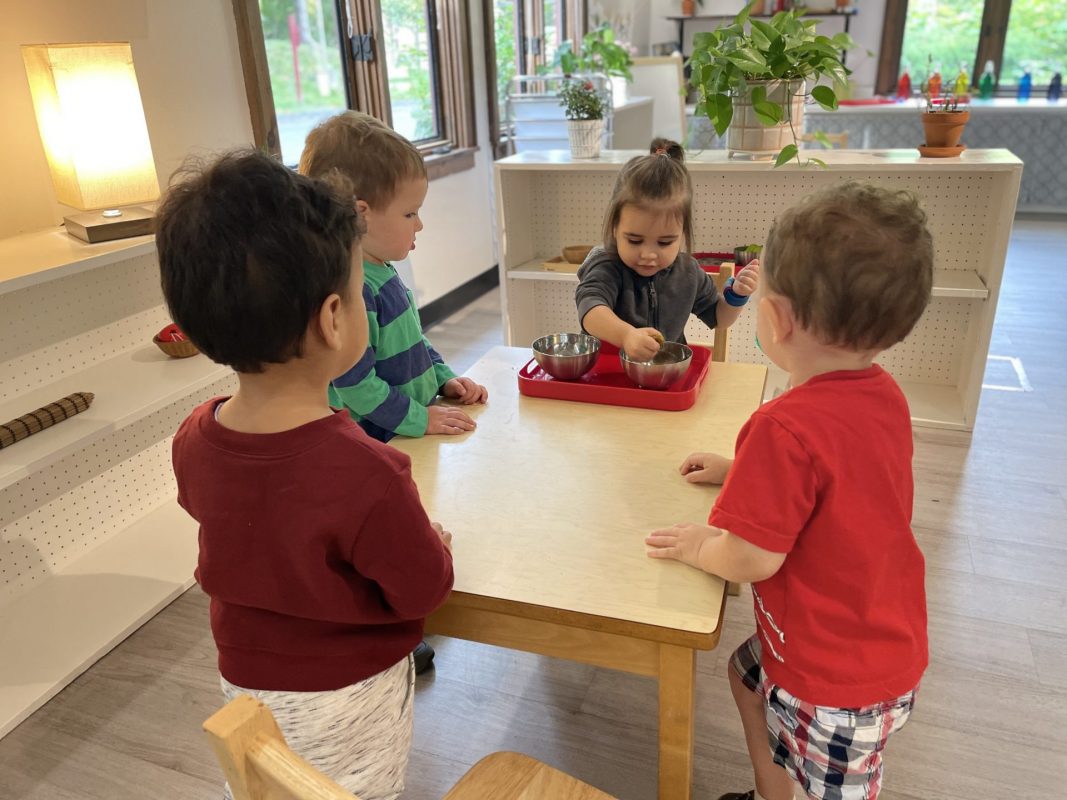
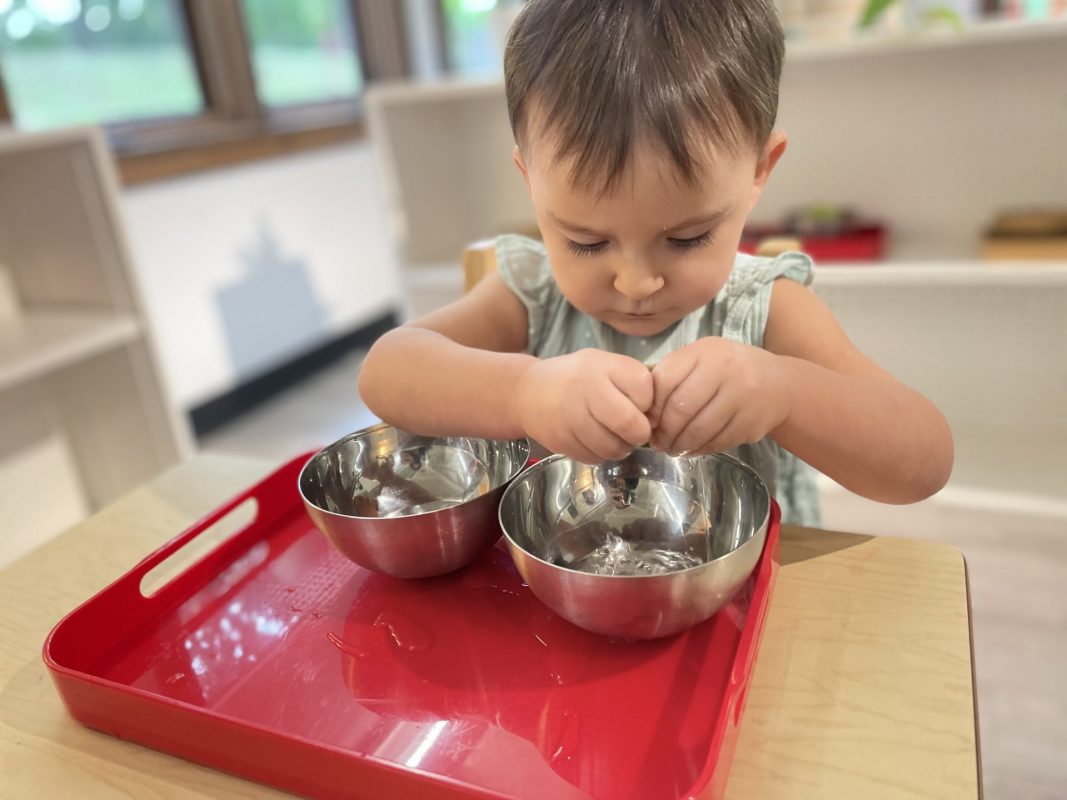
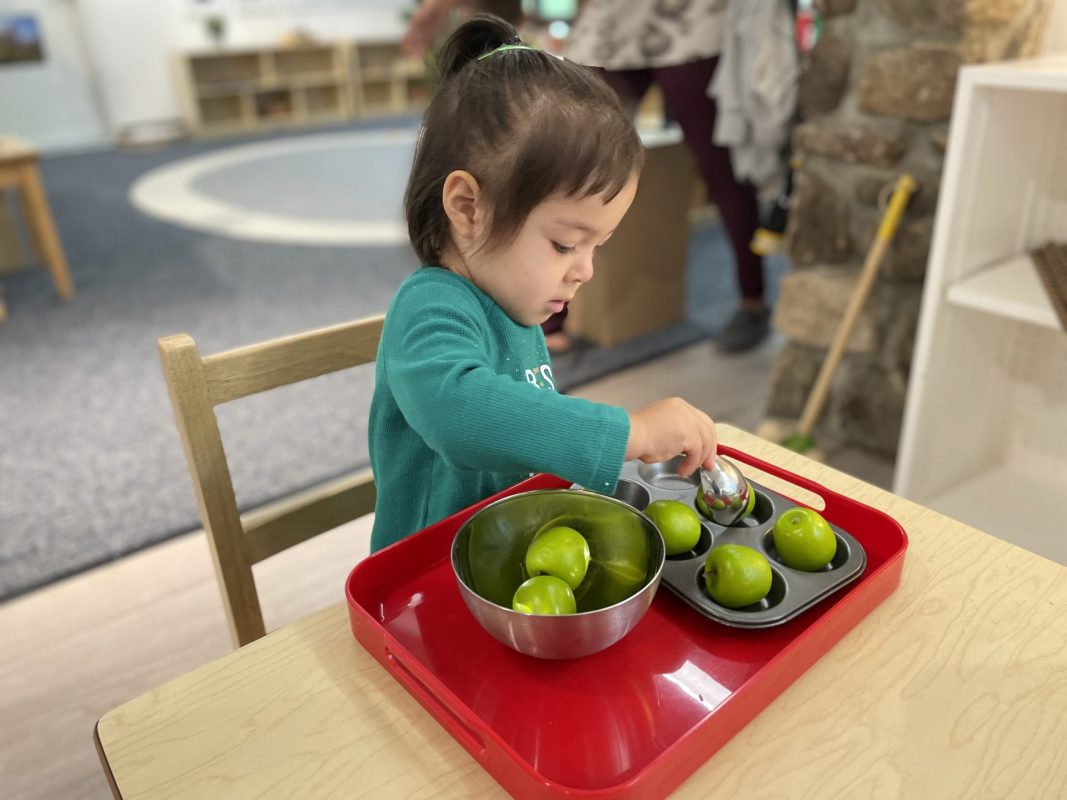
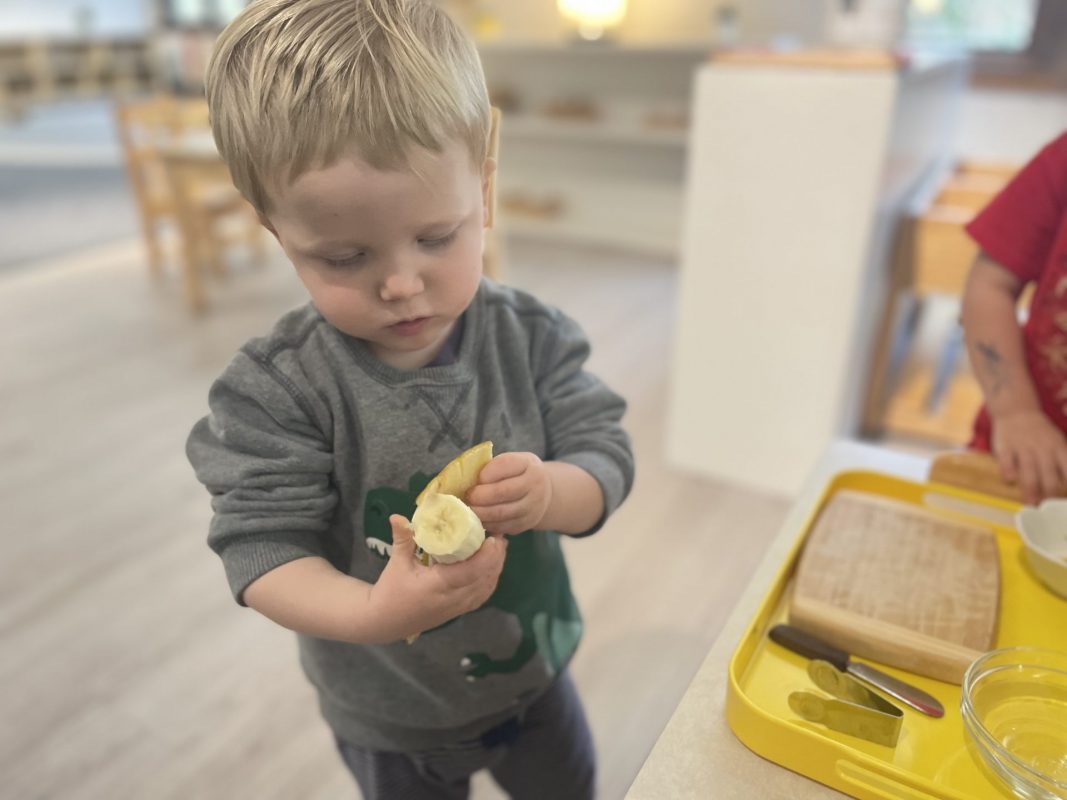
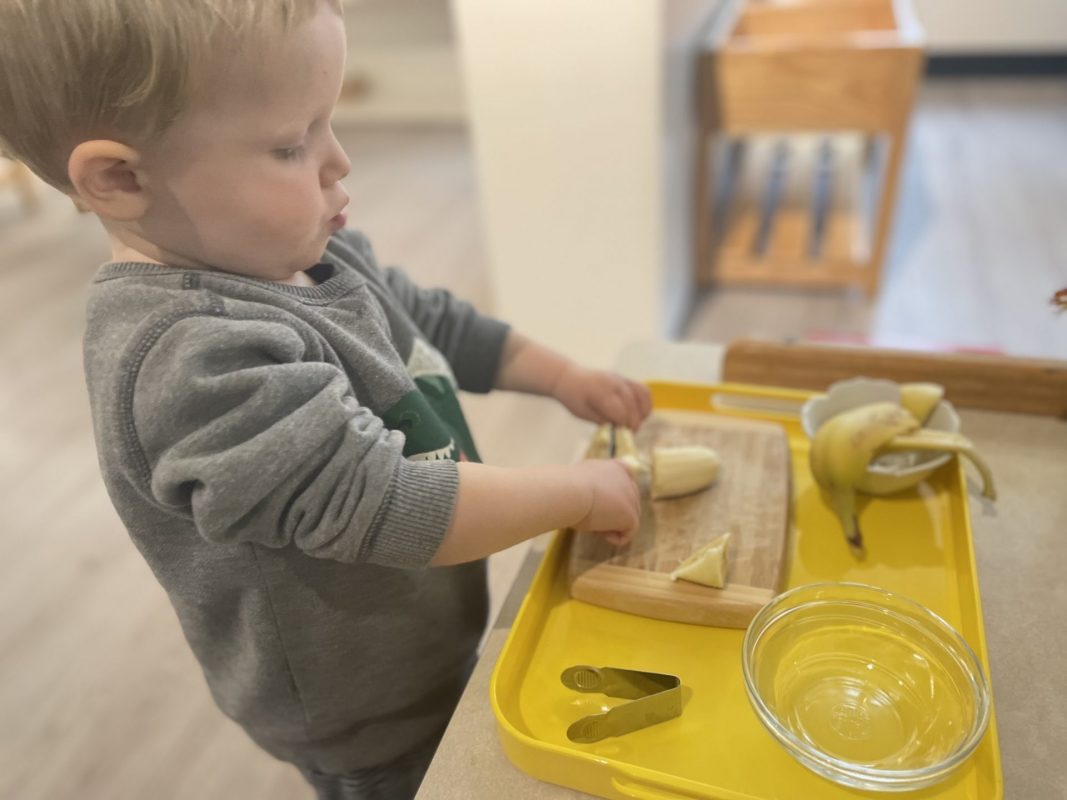
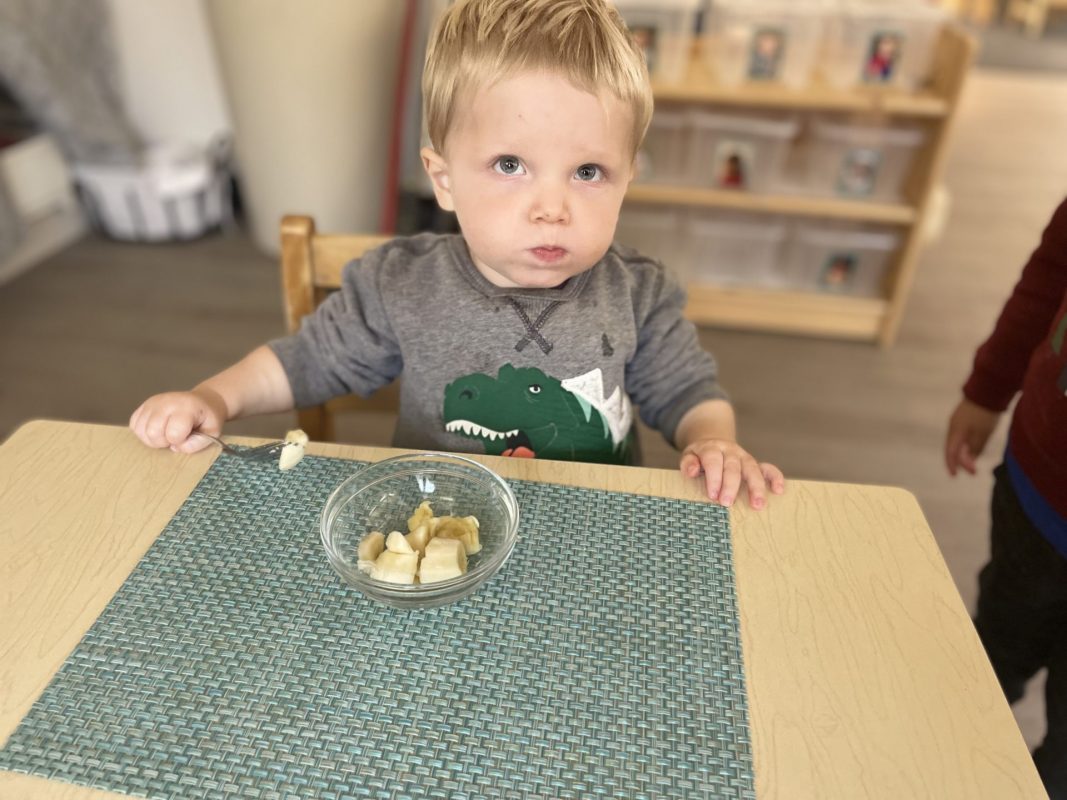
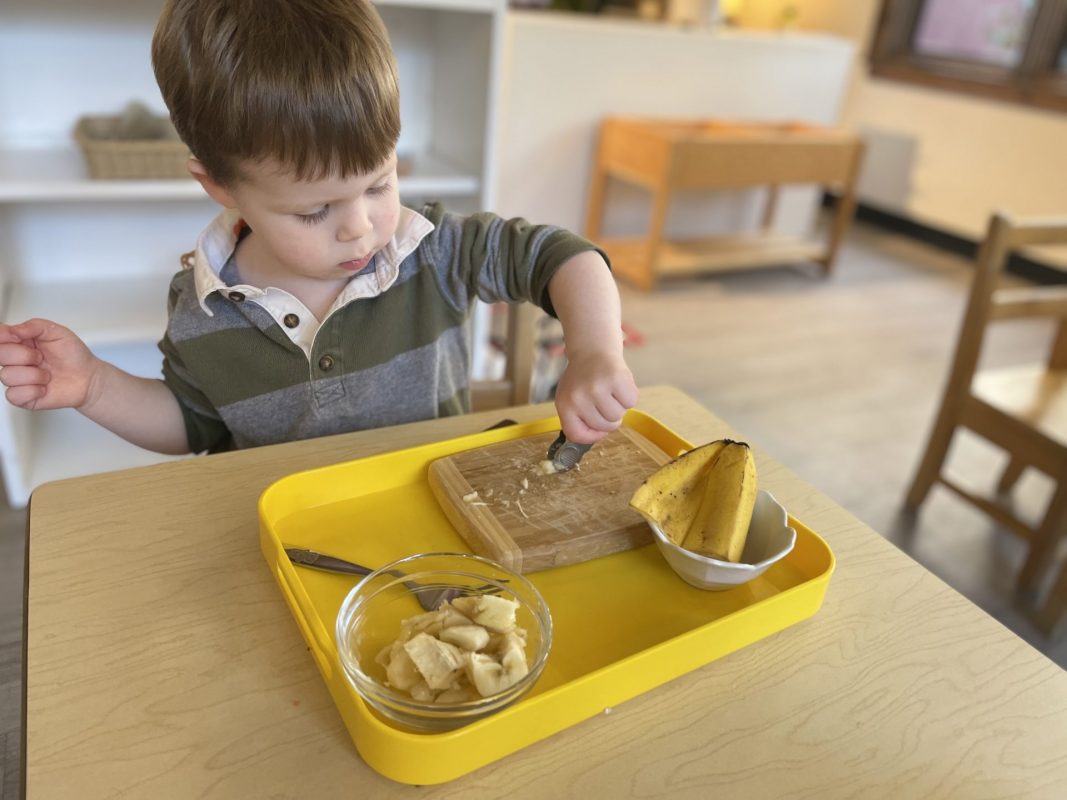
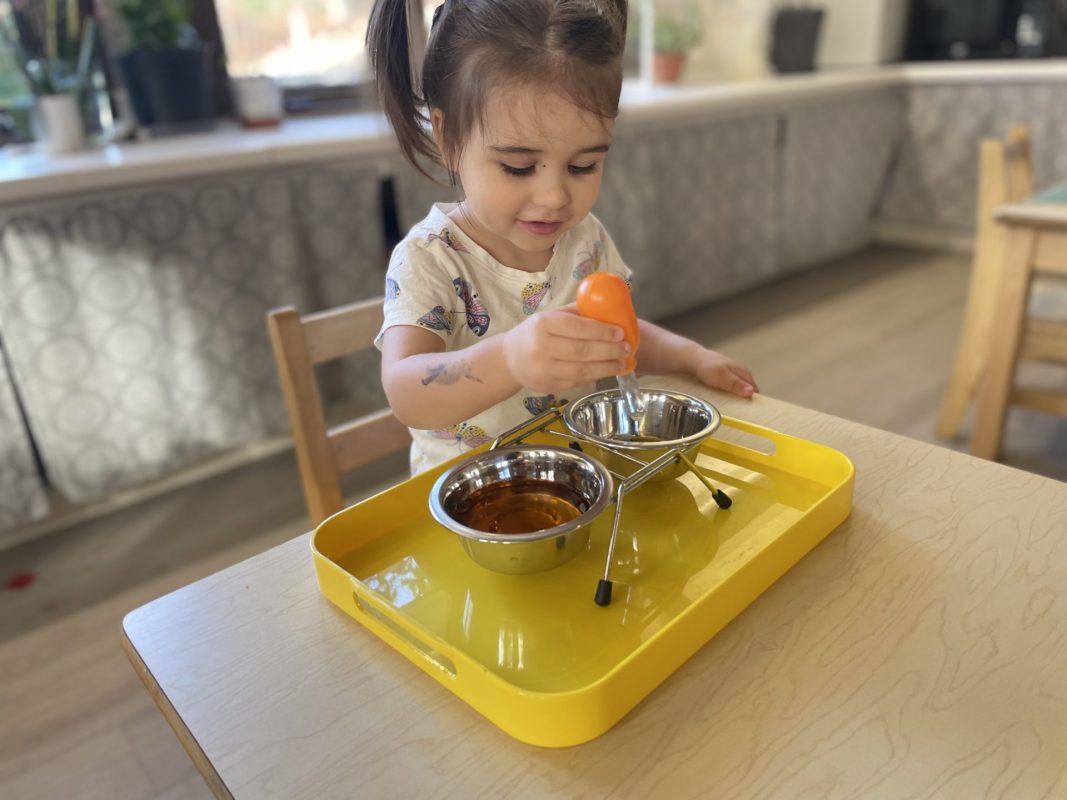
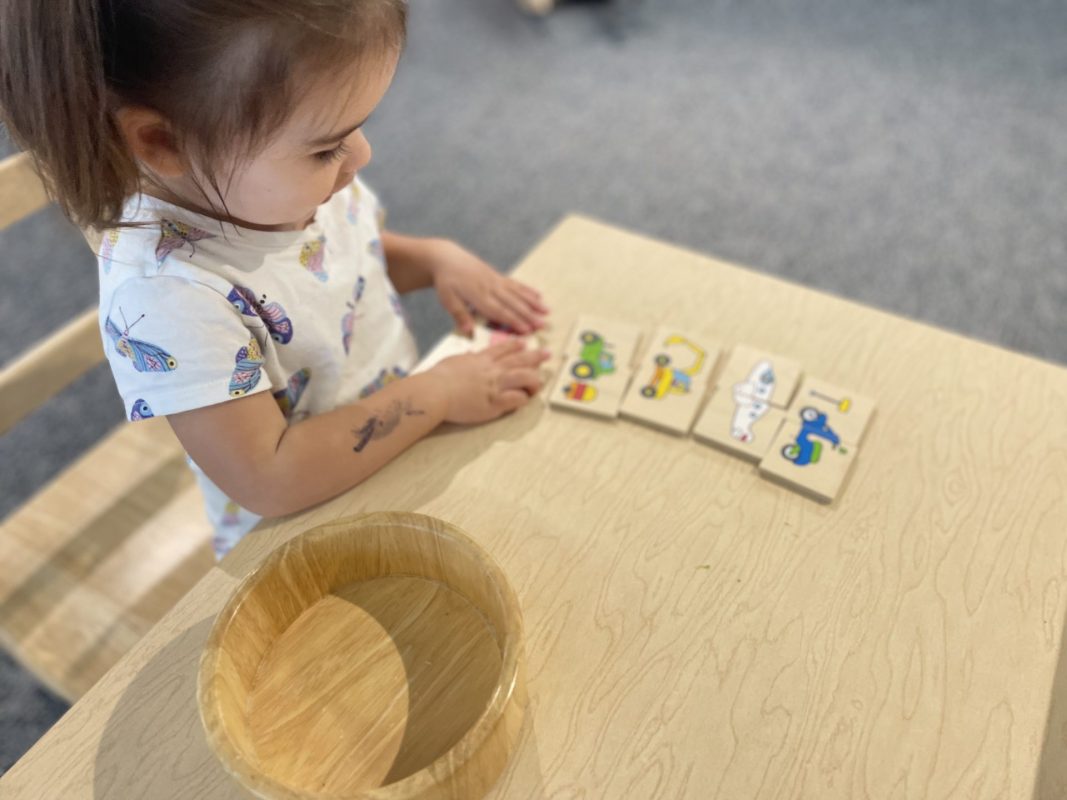
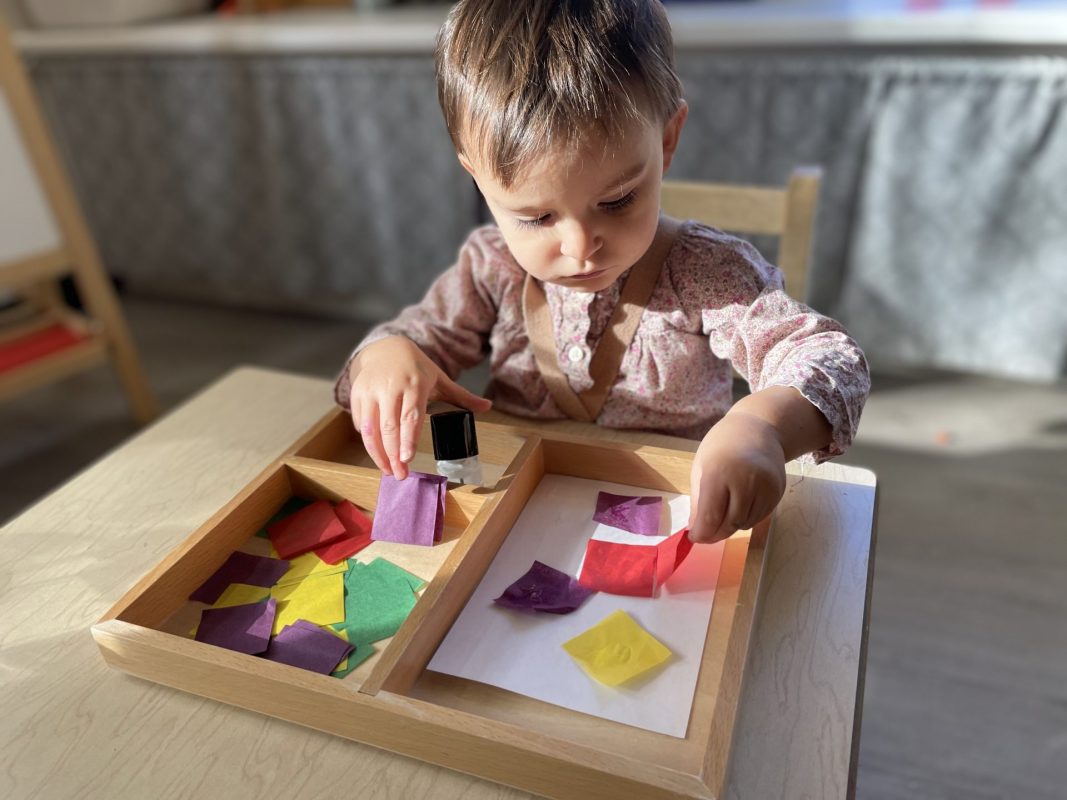
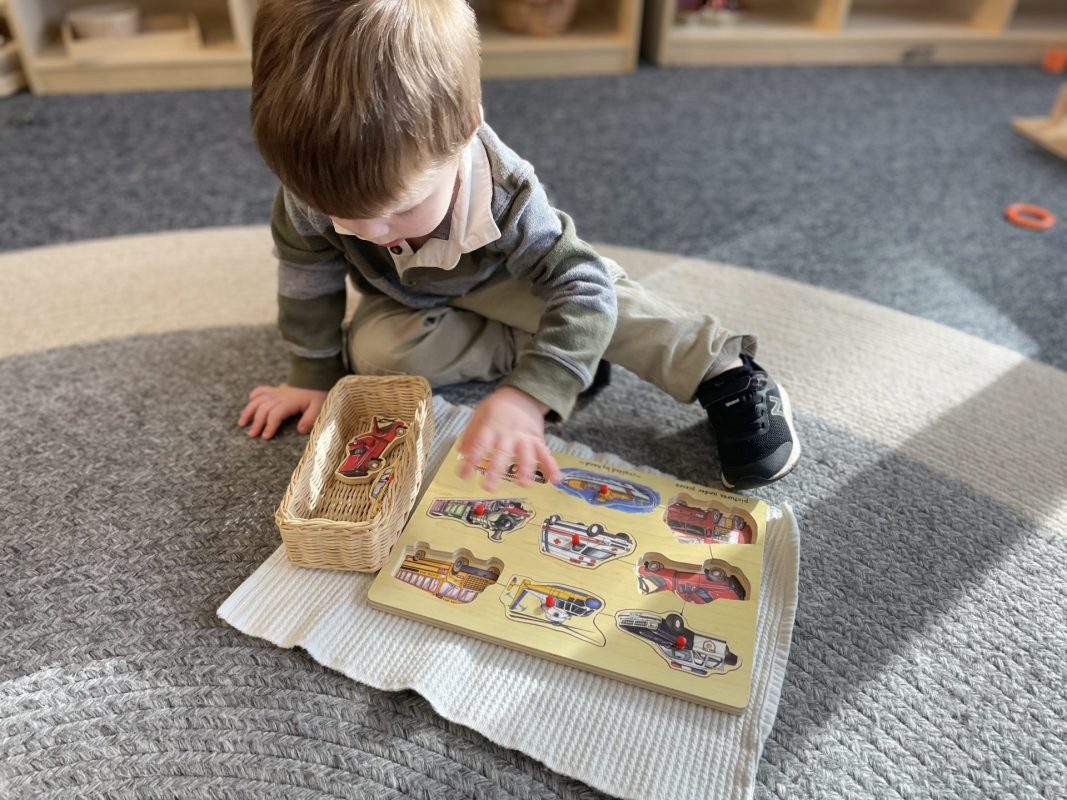
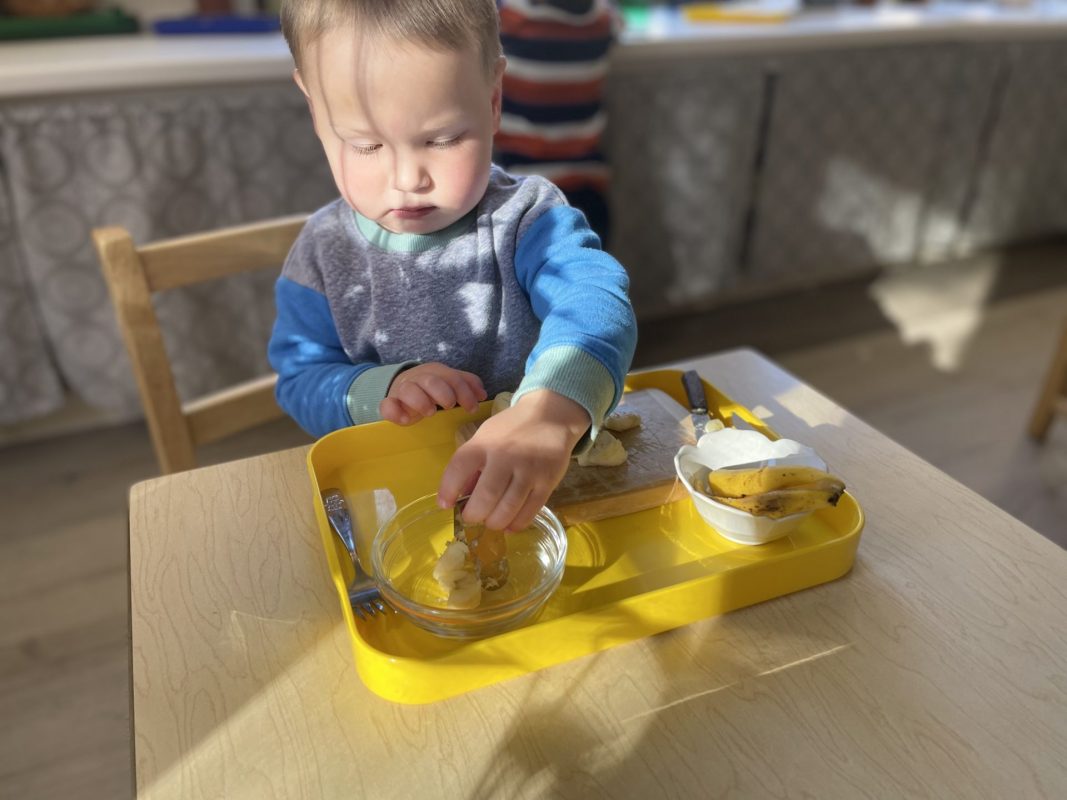
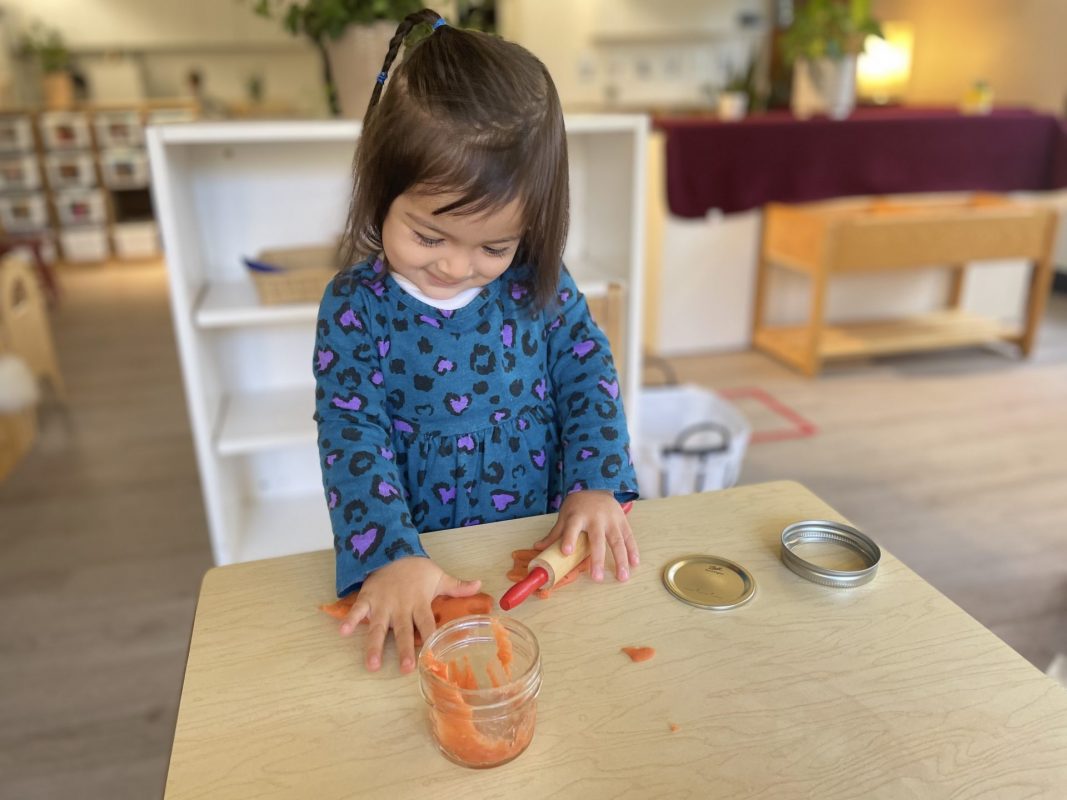
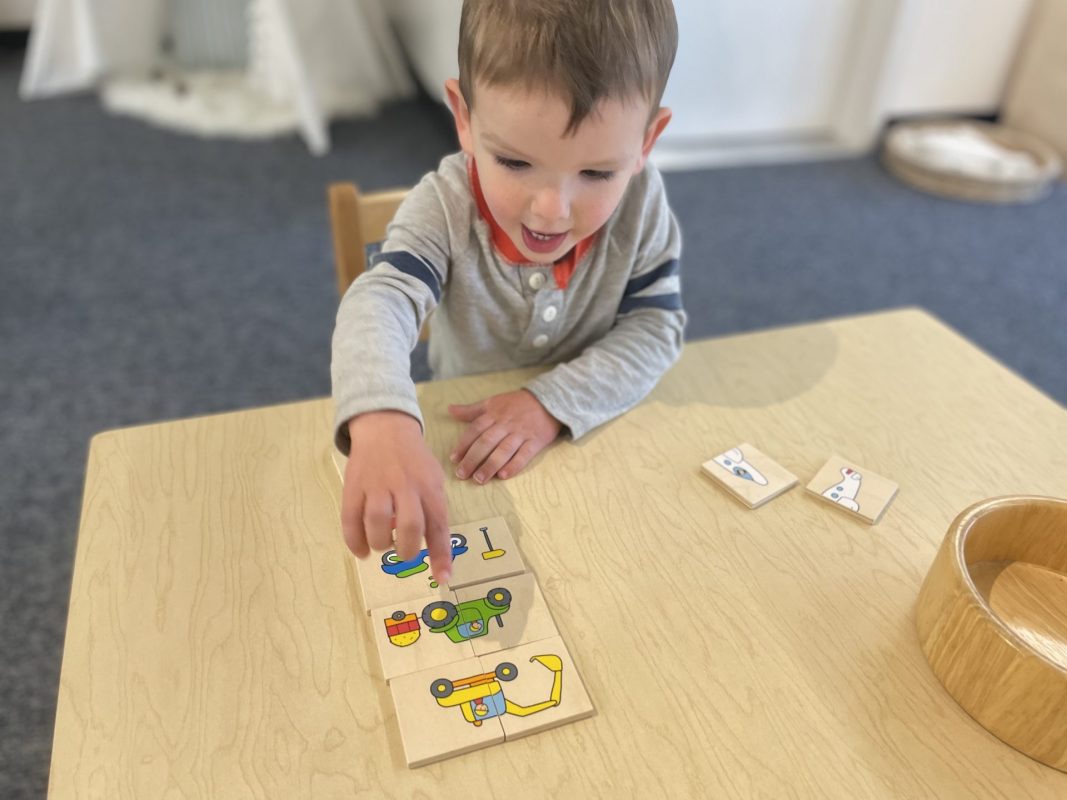
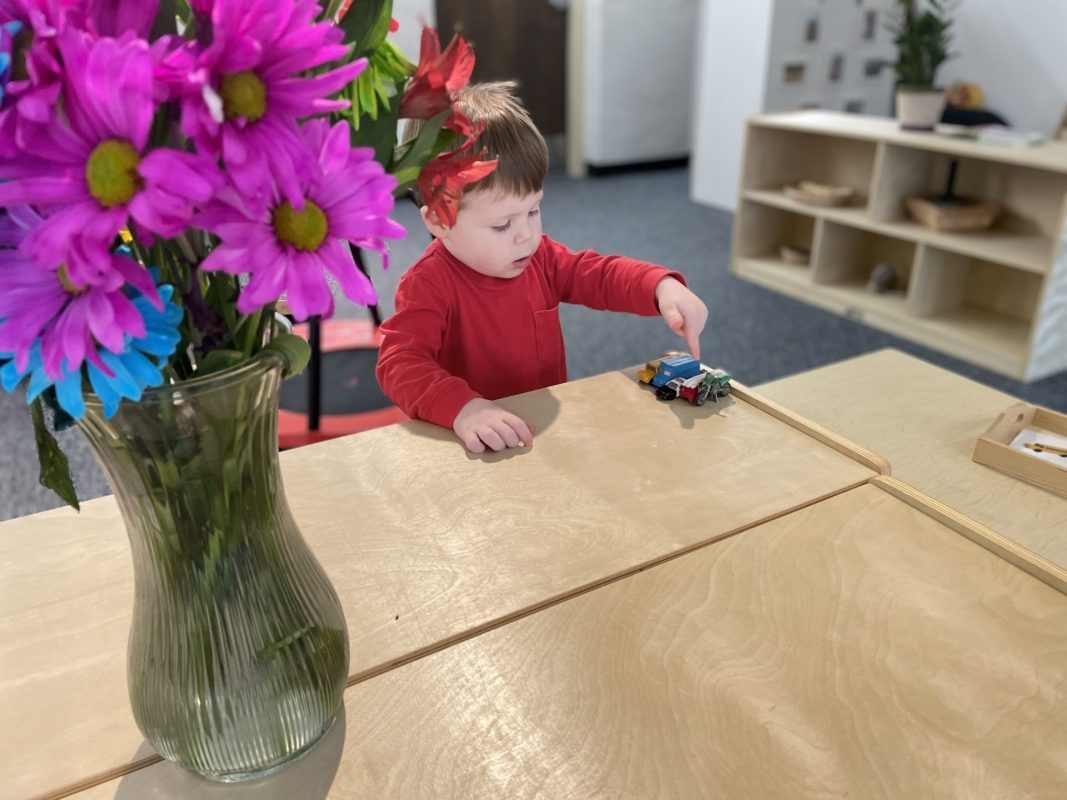
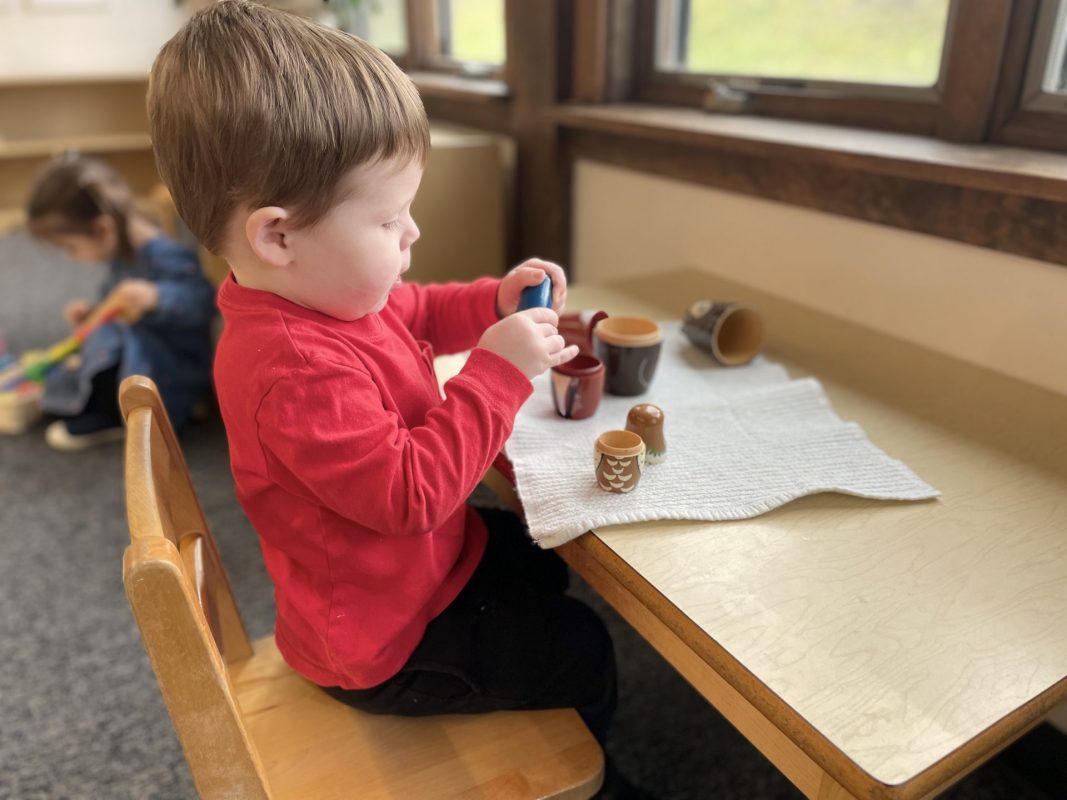
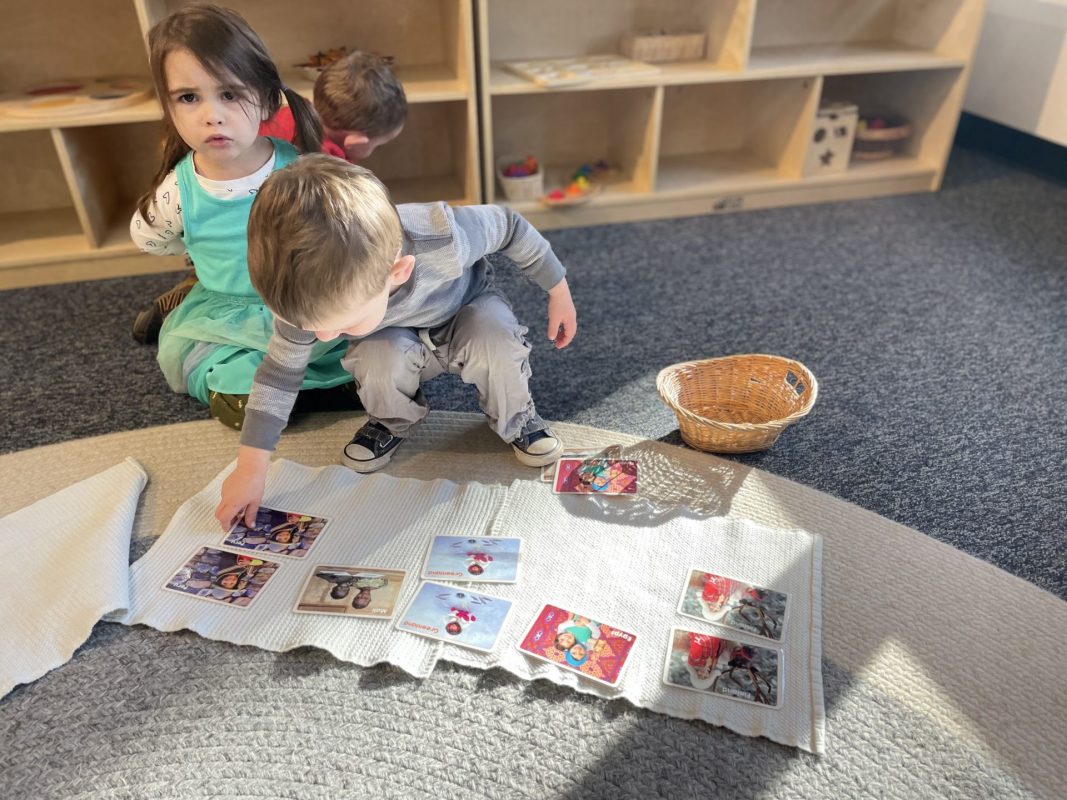
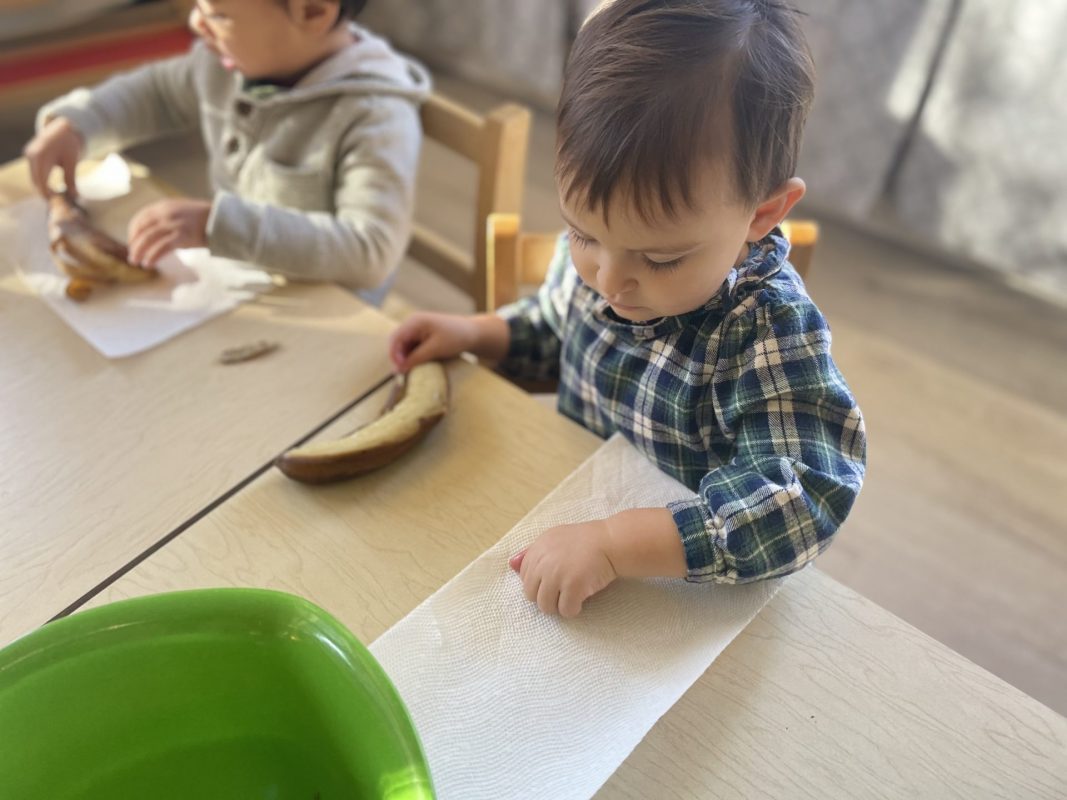
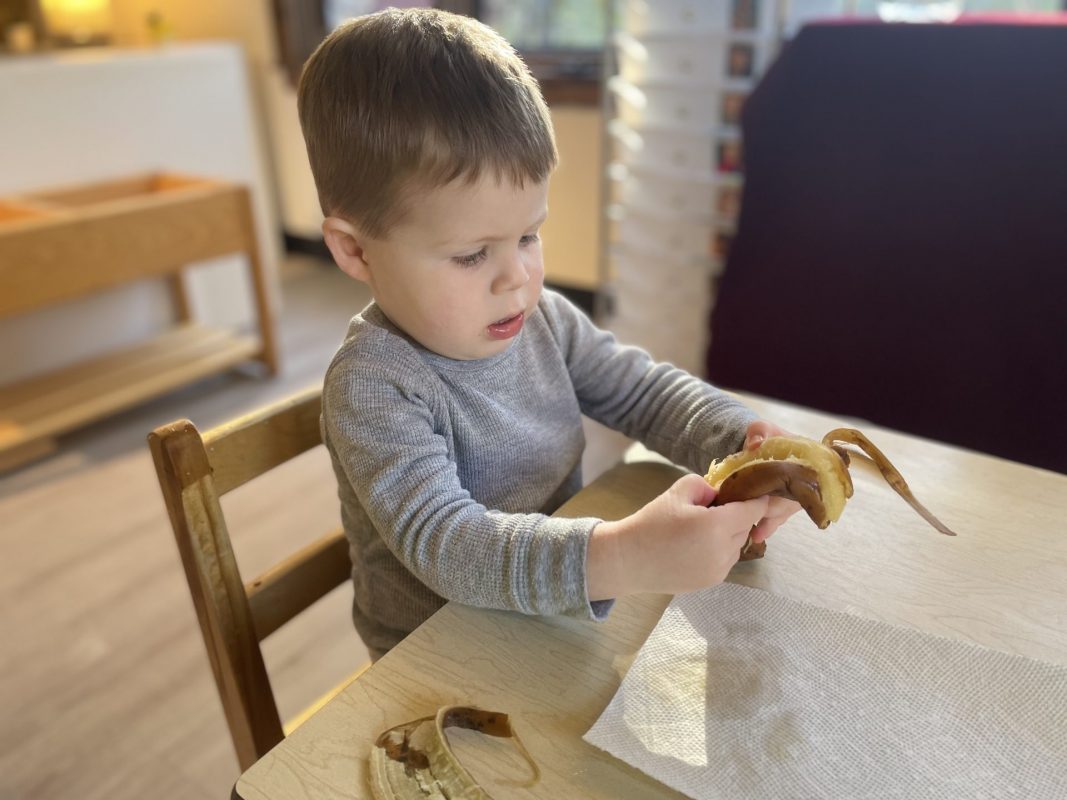
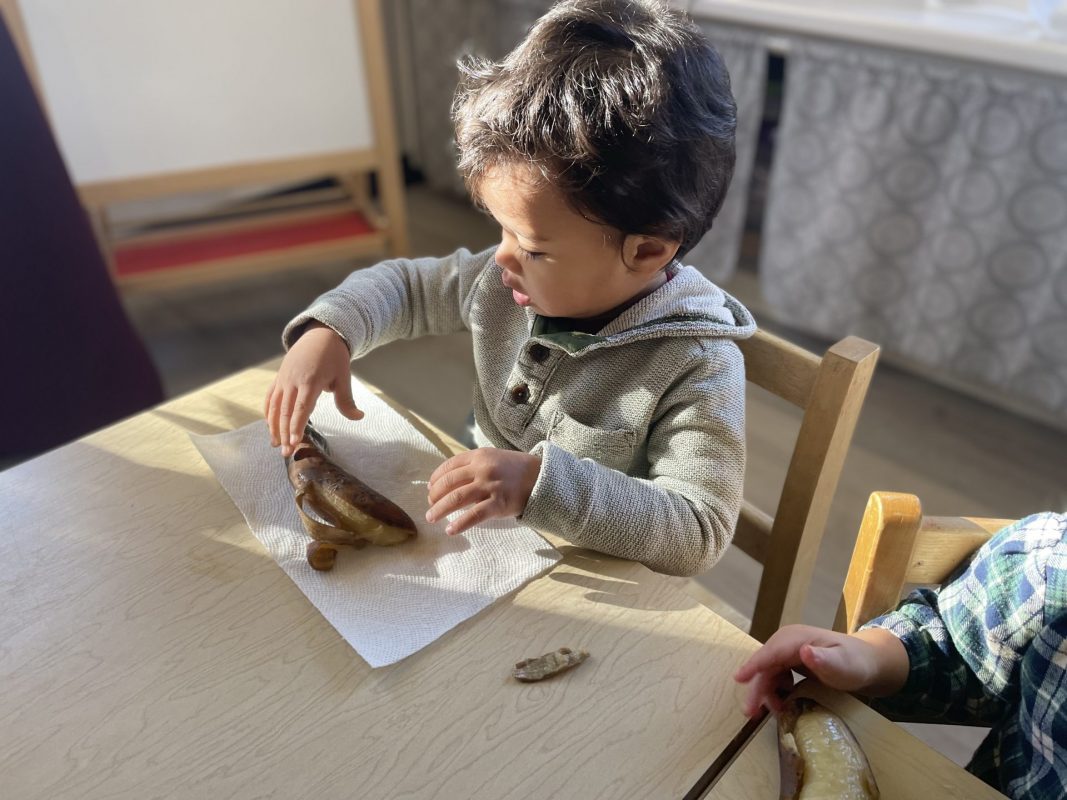
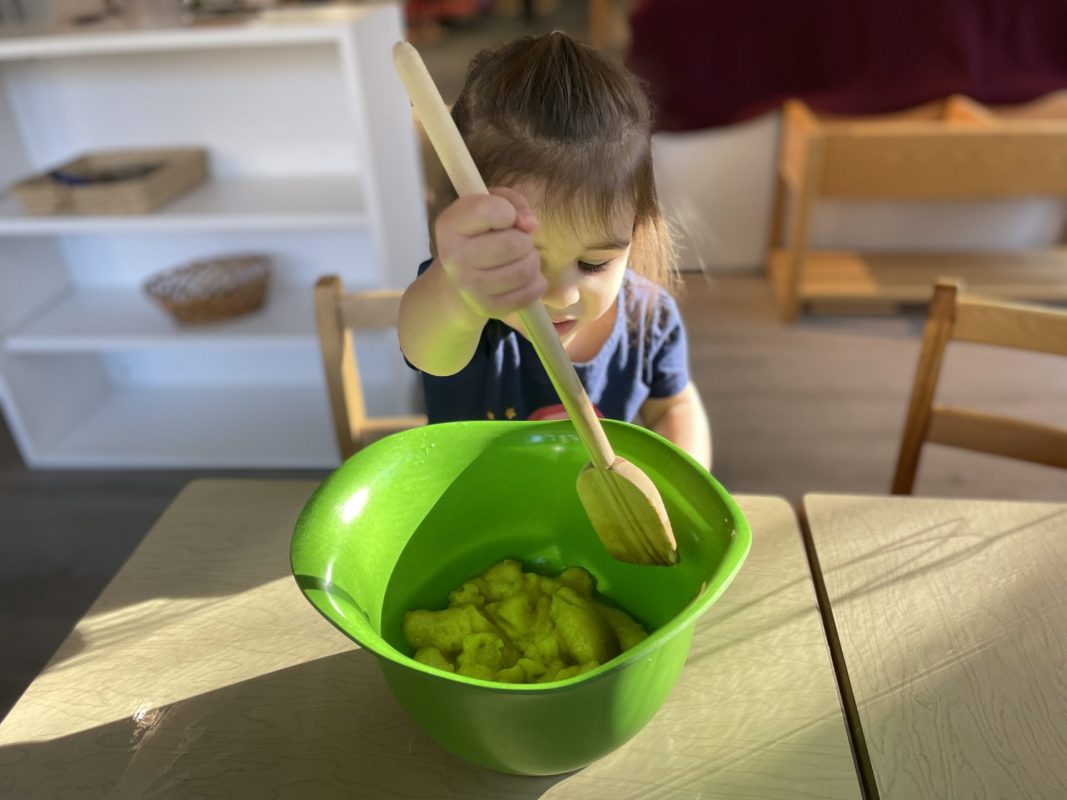
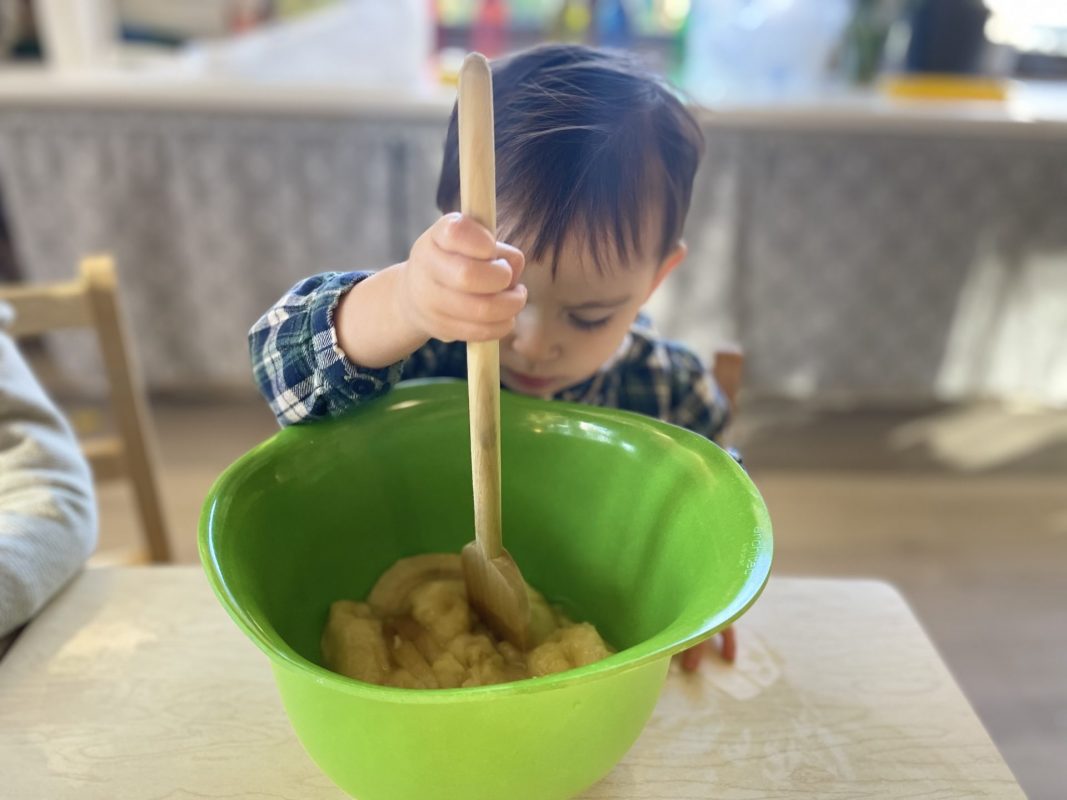
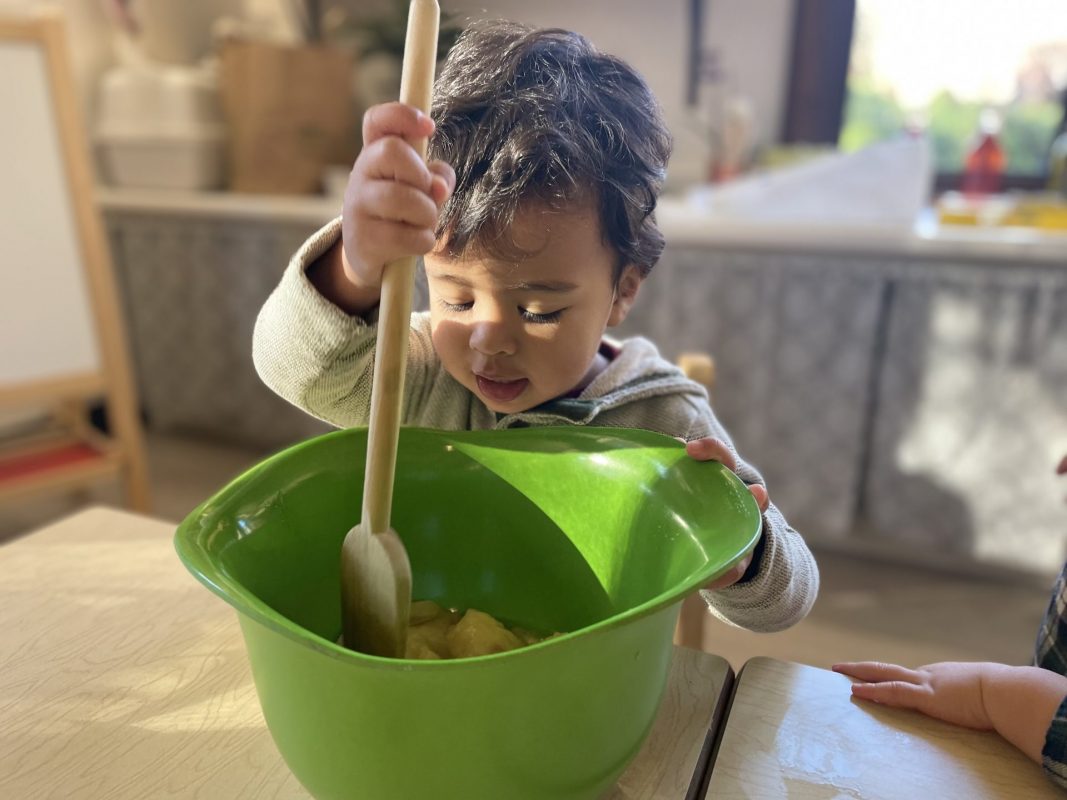
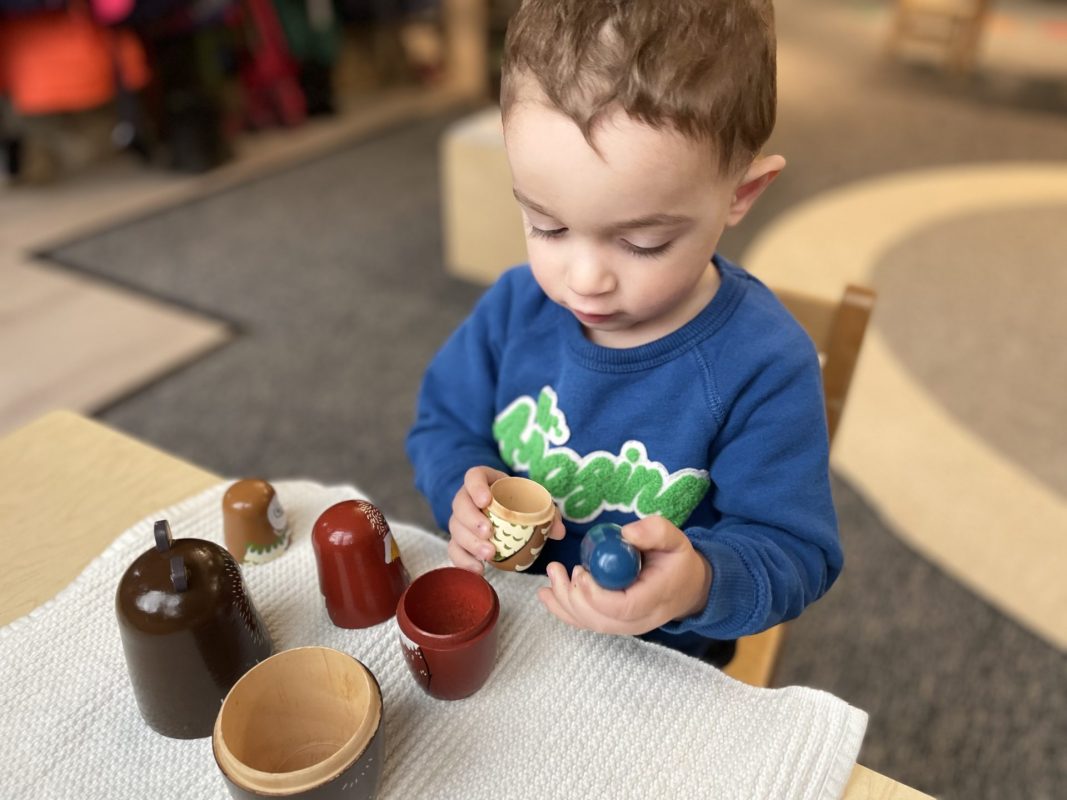
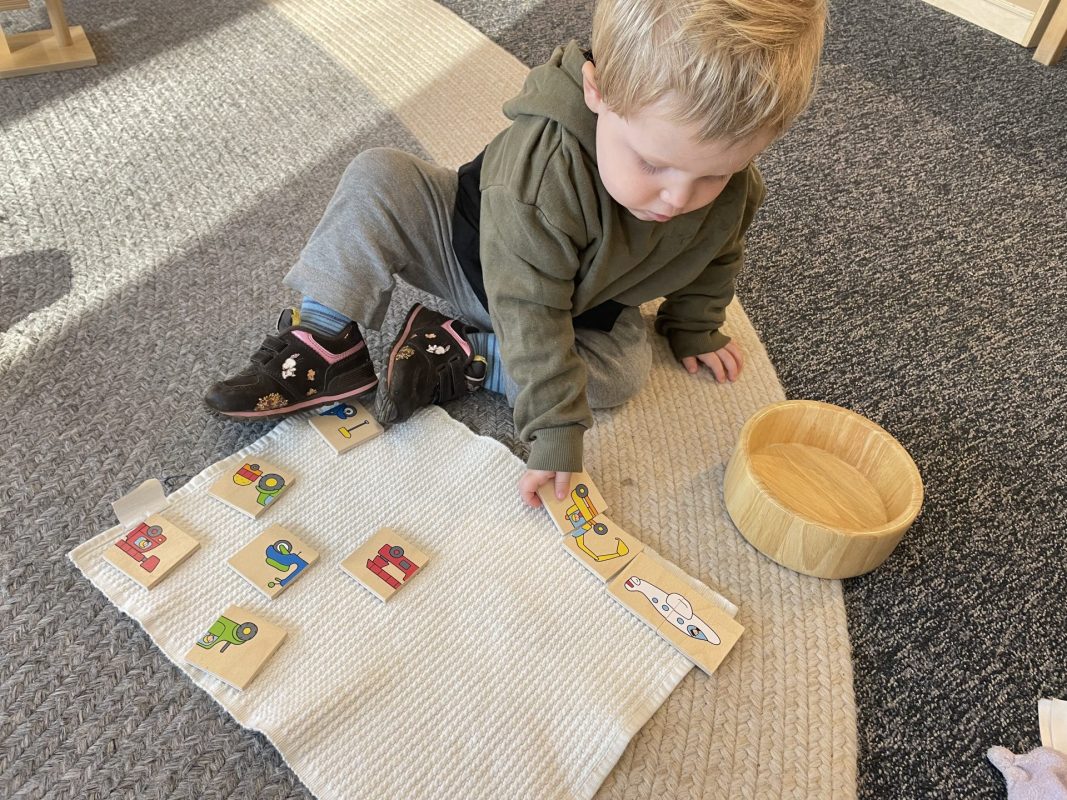
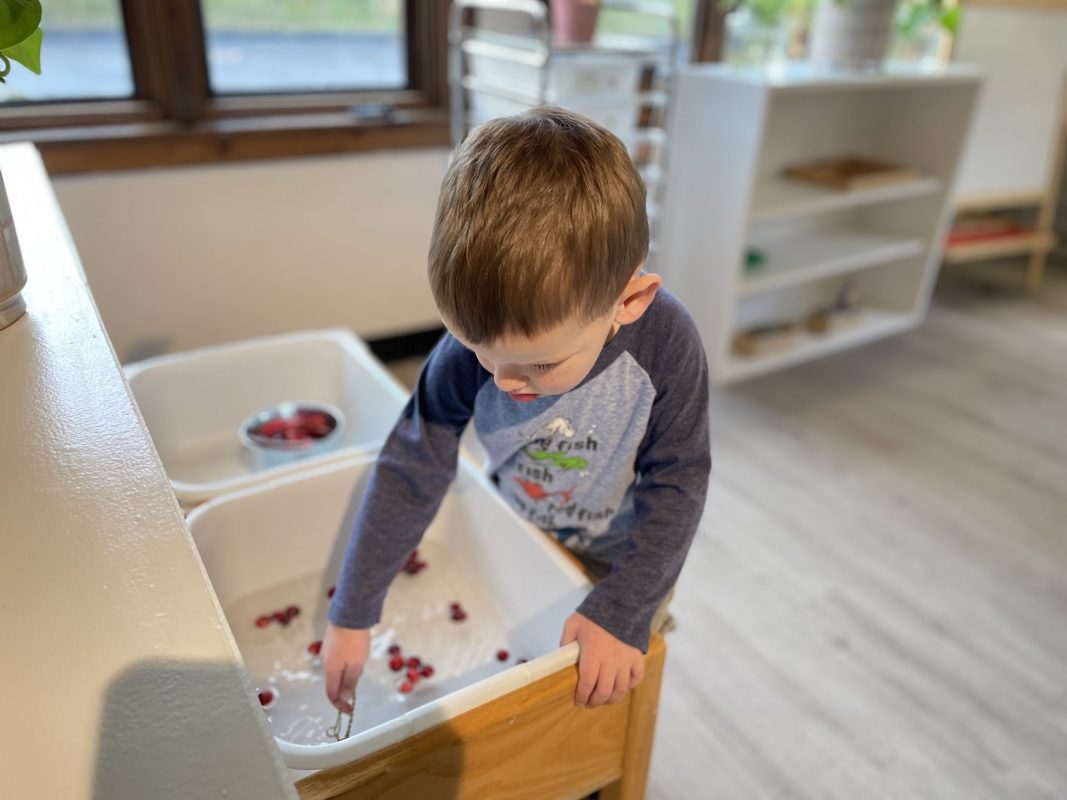
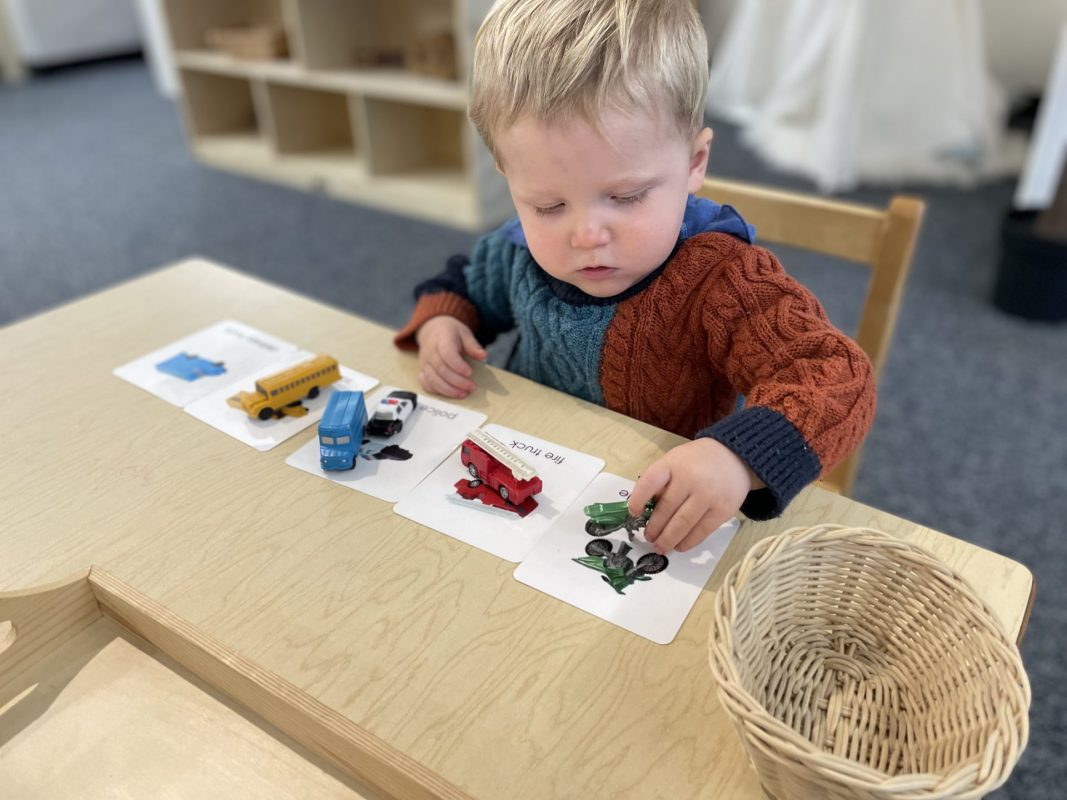
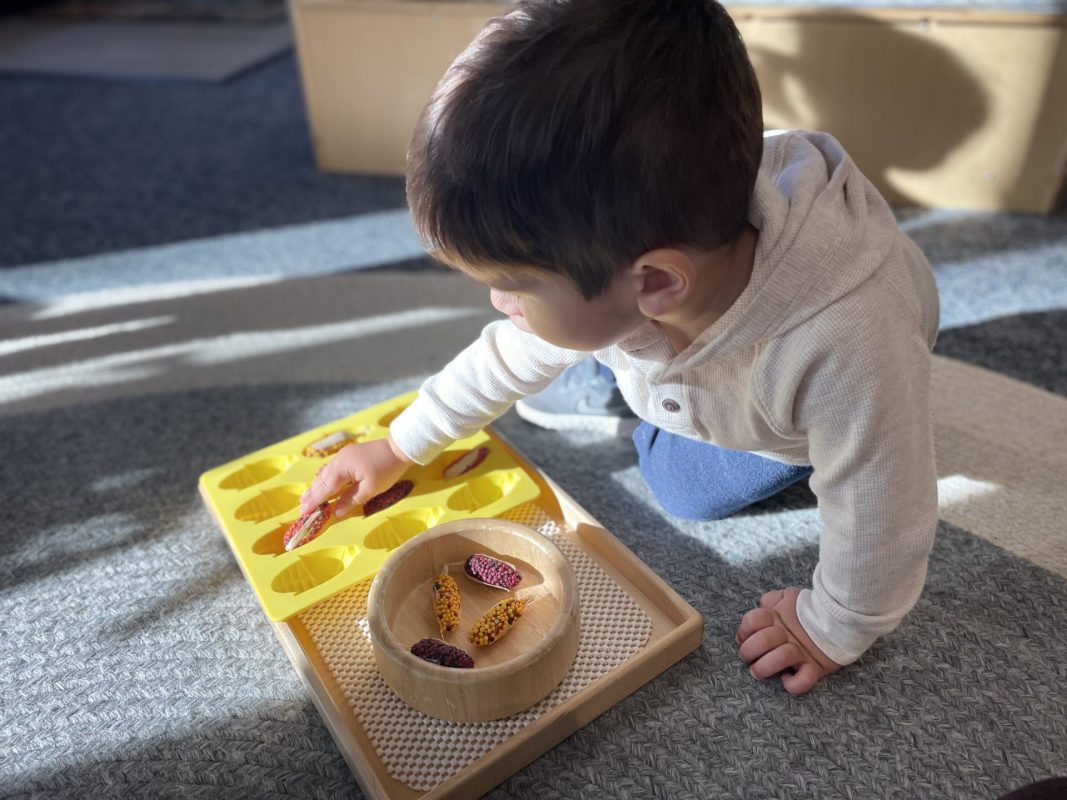
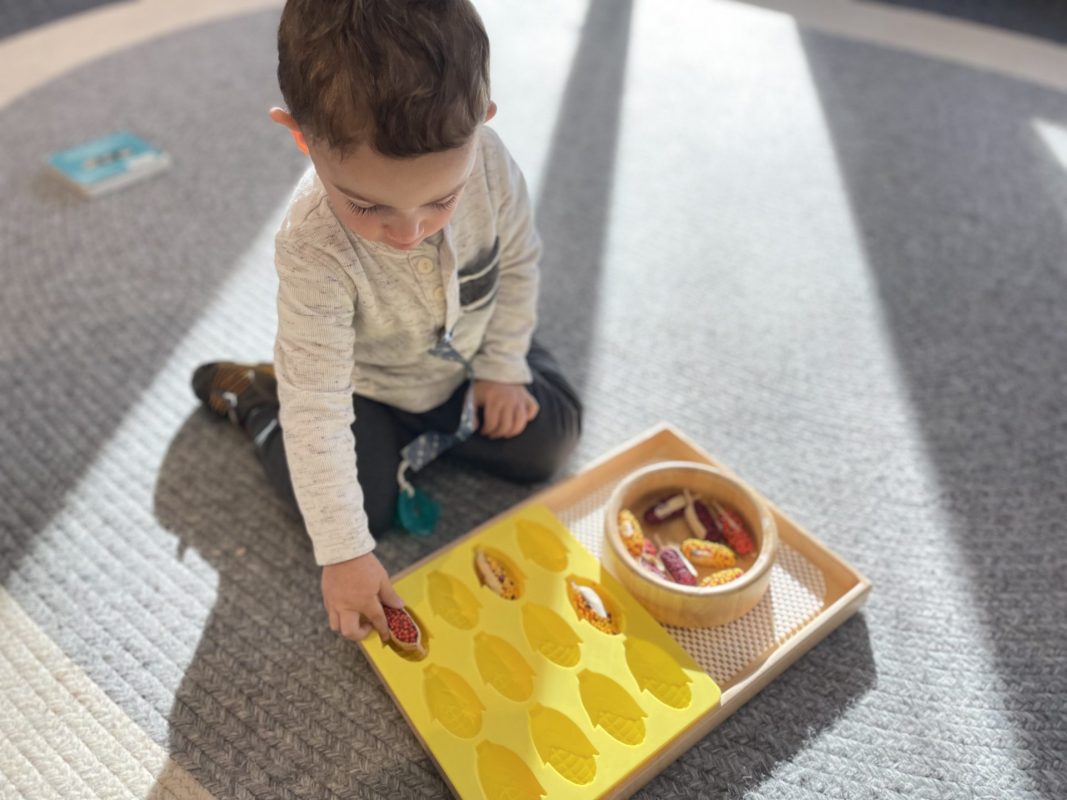
Some of the most popular works in our environment these days, sharpening these skills, are peeling, cutting, transferring, and serving a banana, the nesting forest animals, the shapes box, cranberry transferring, gluing work, matching pictures from children around the world, vehicle object to picture matching, and using a dropper to transfer water, along with many more. 

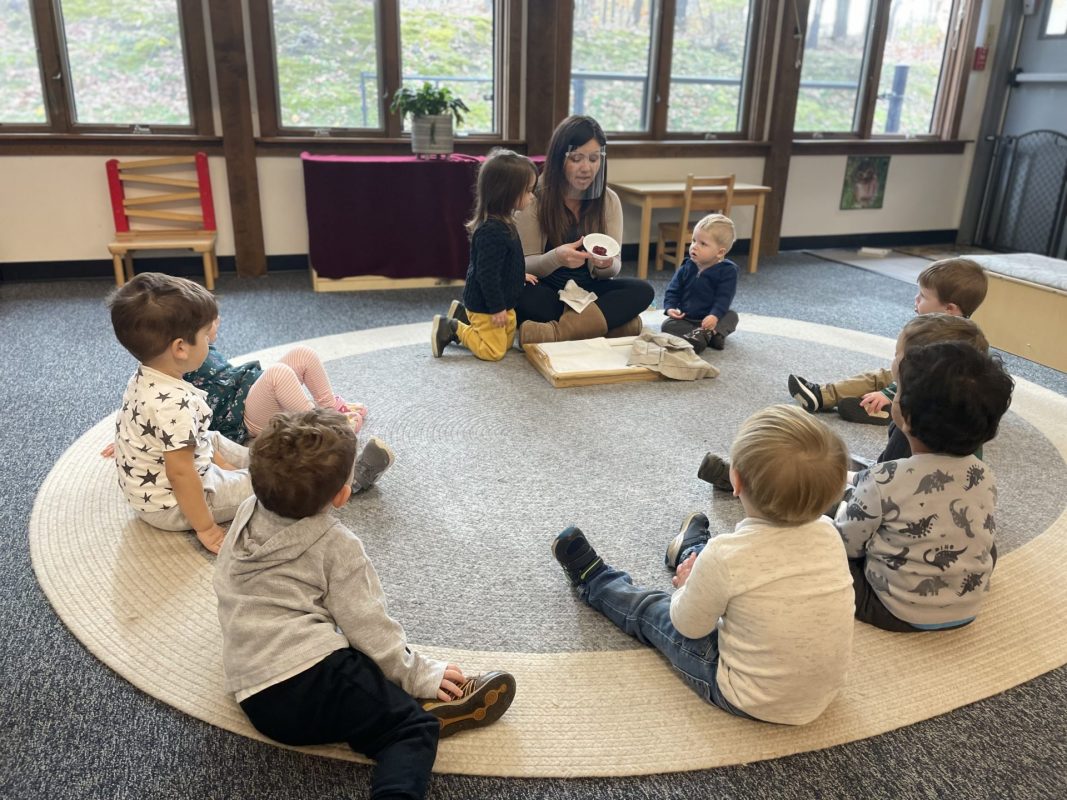
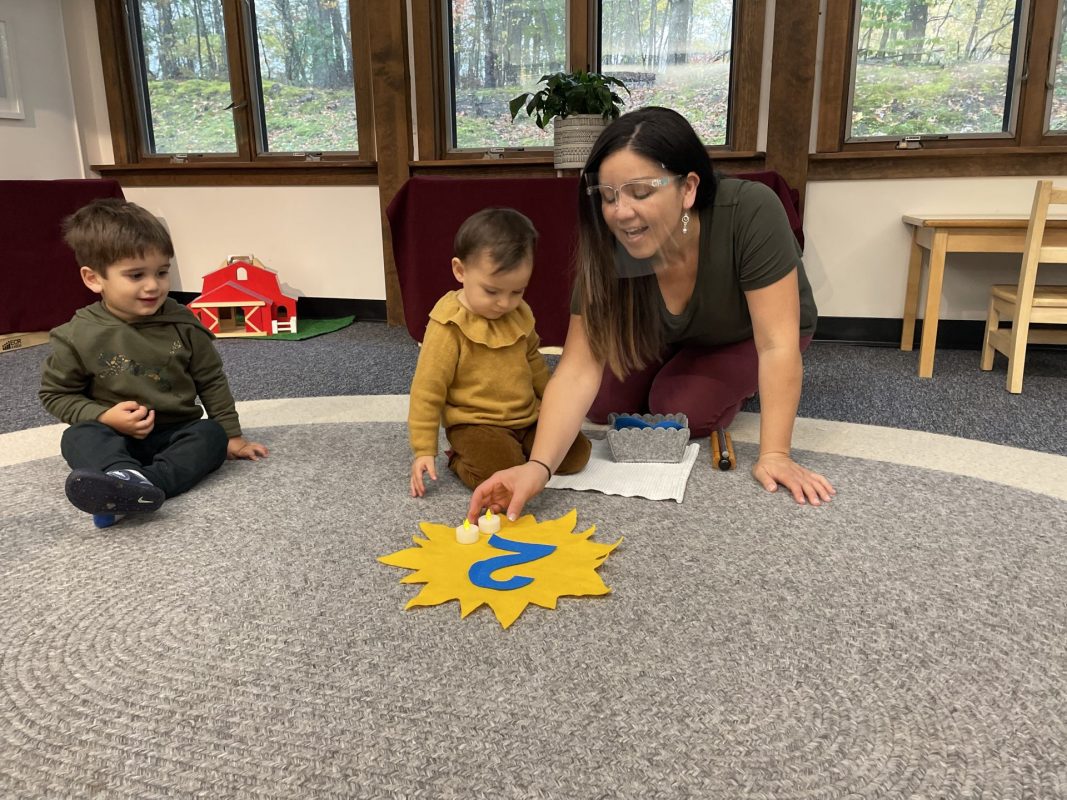
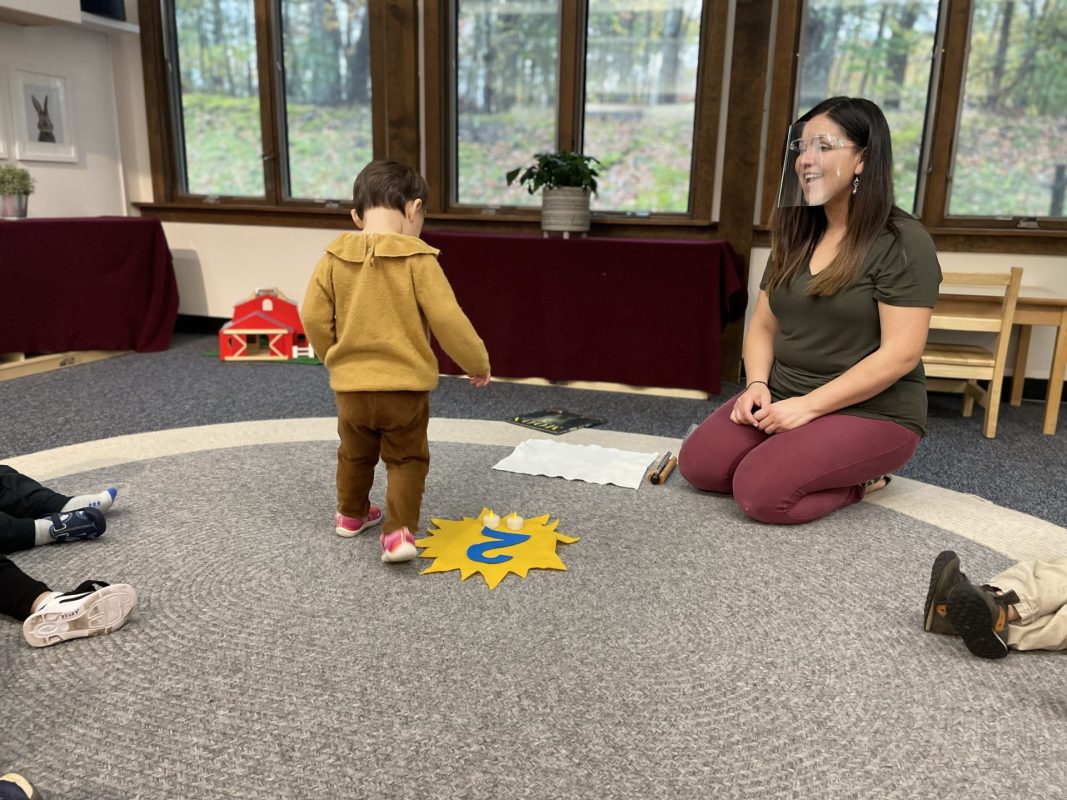
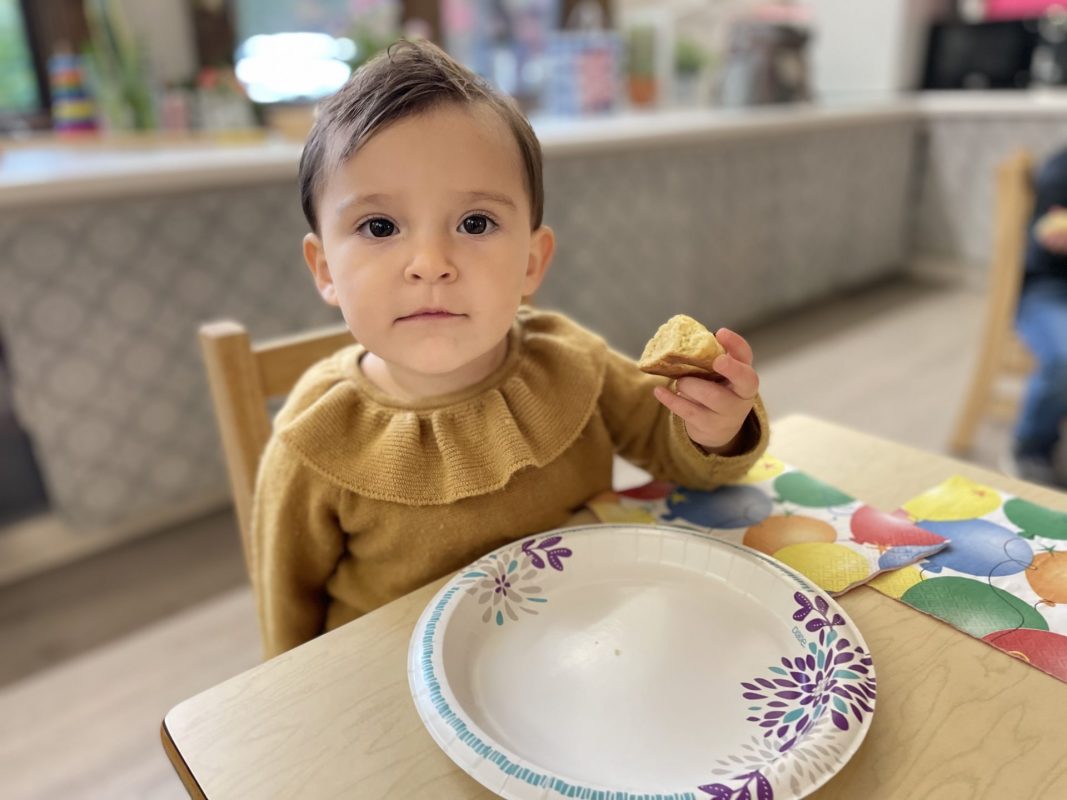
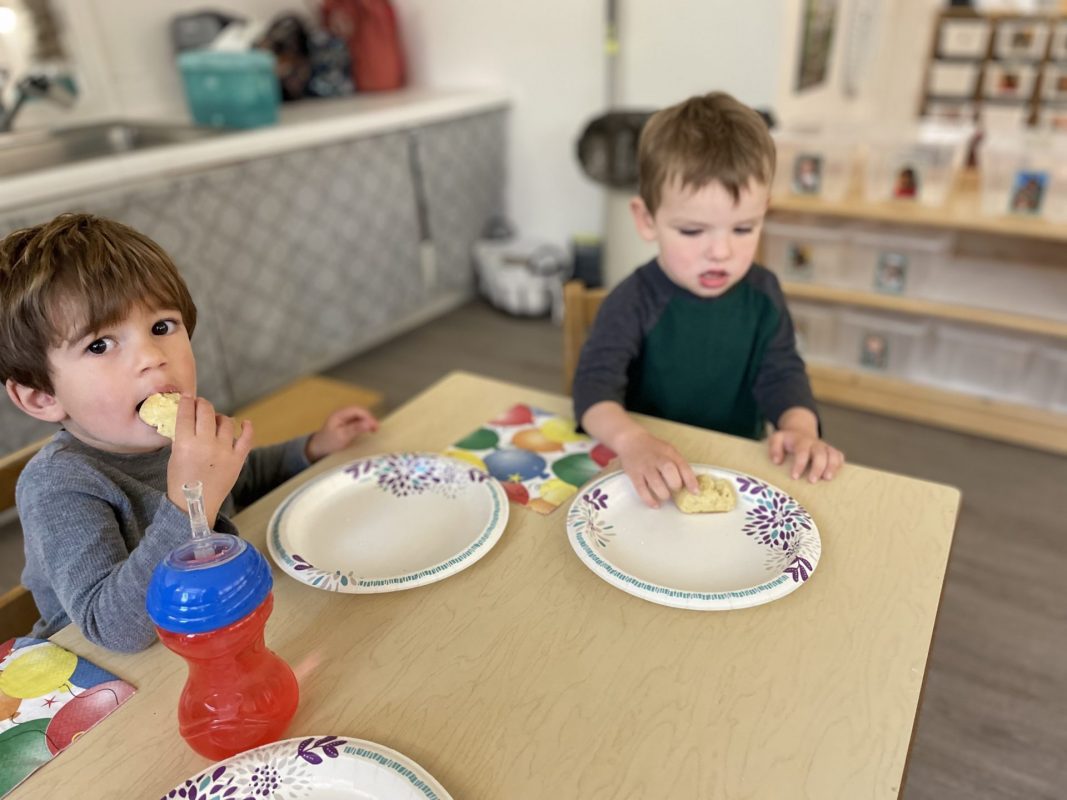
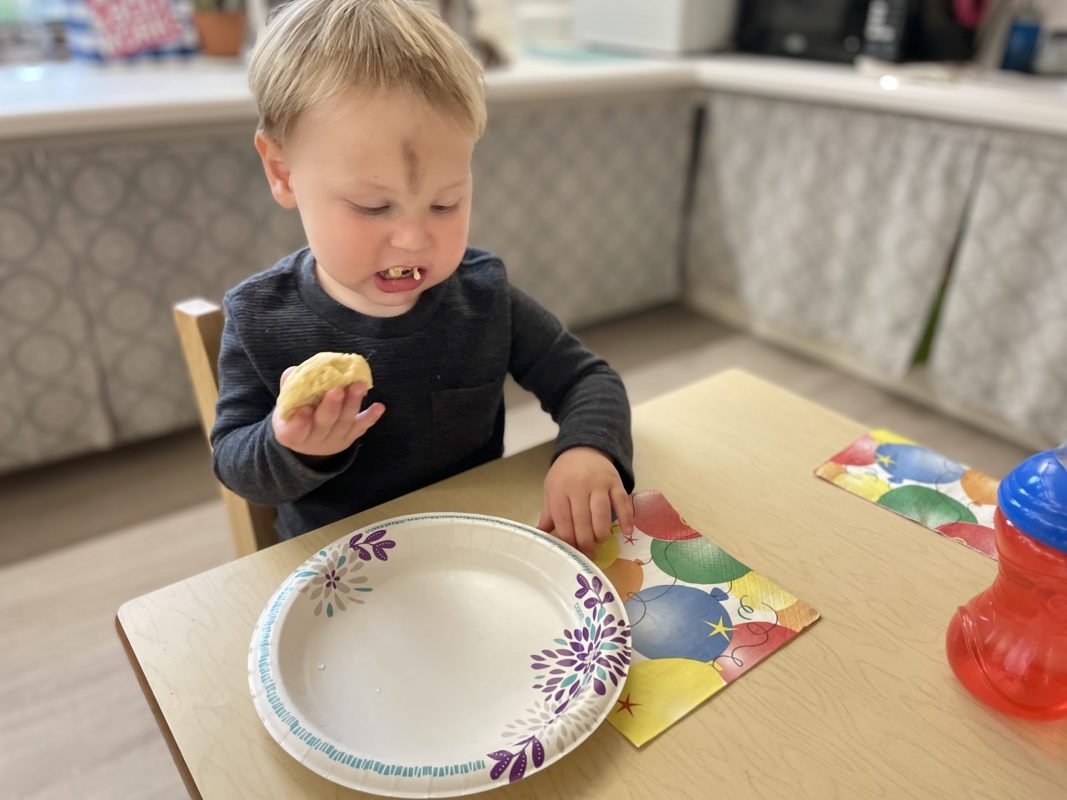
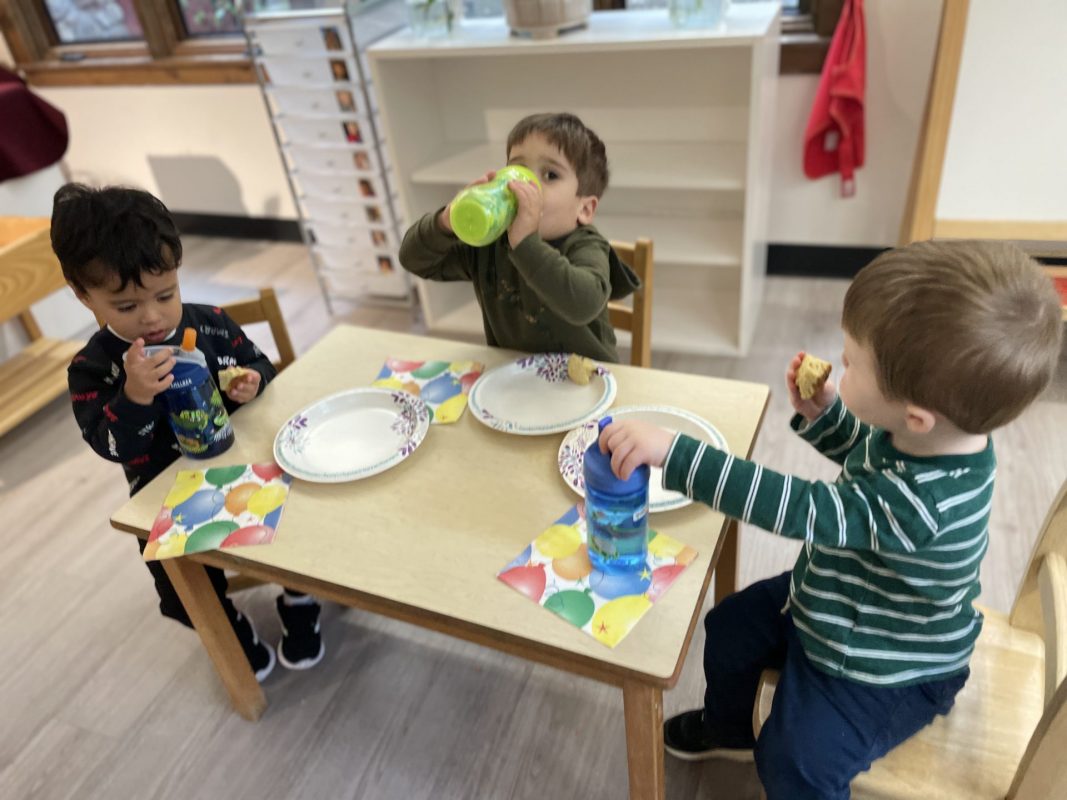
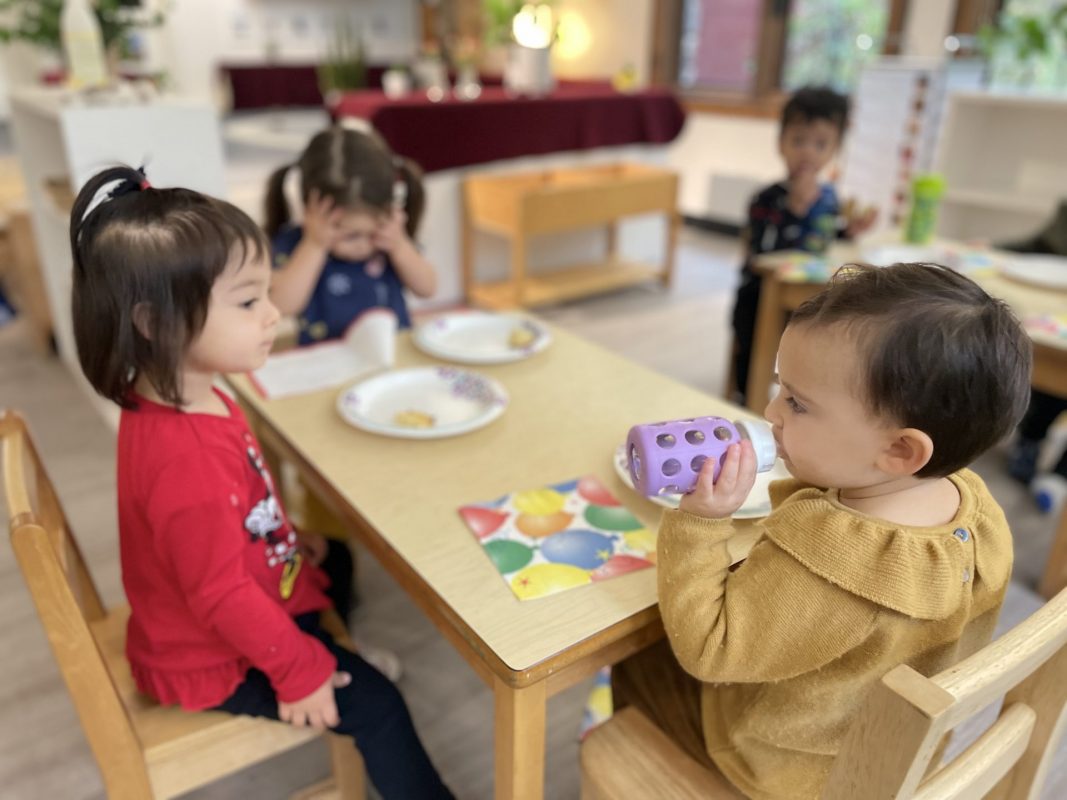
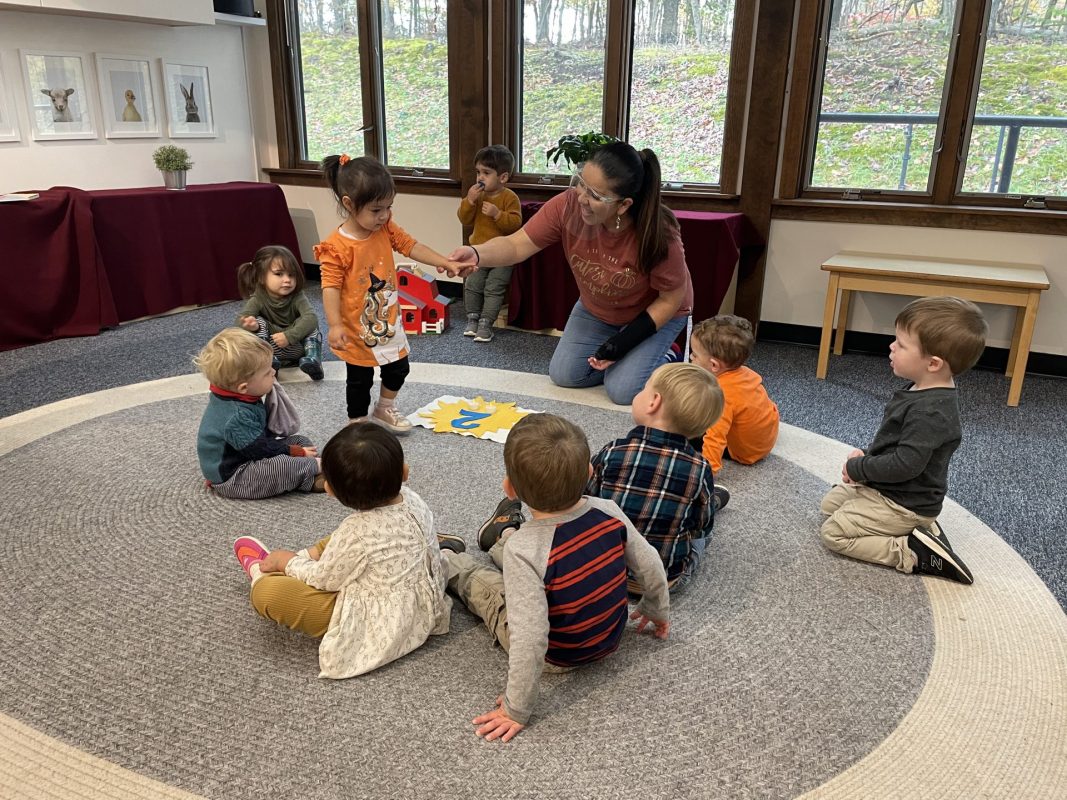
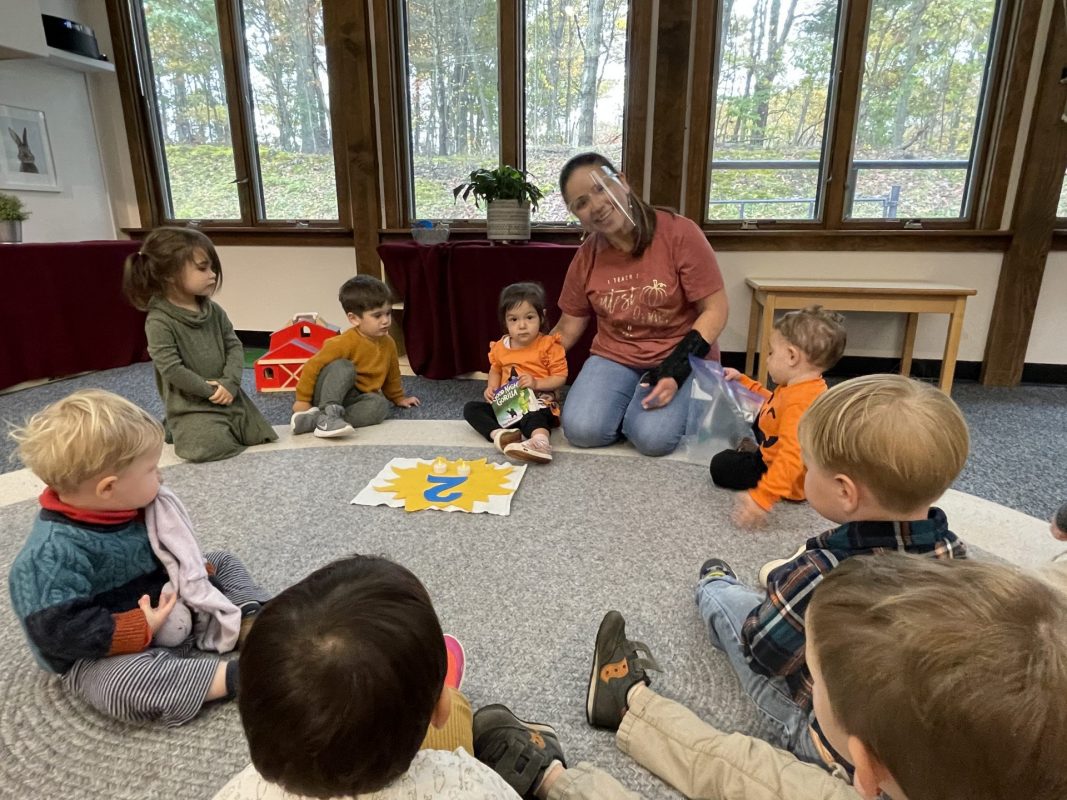
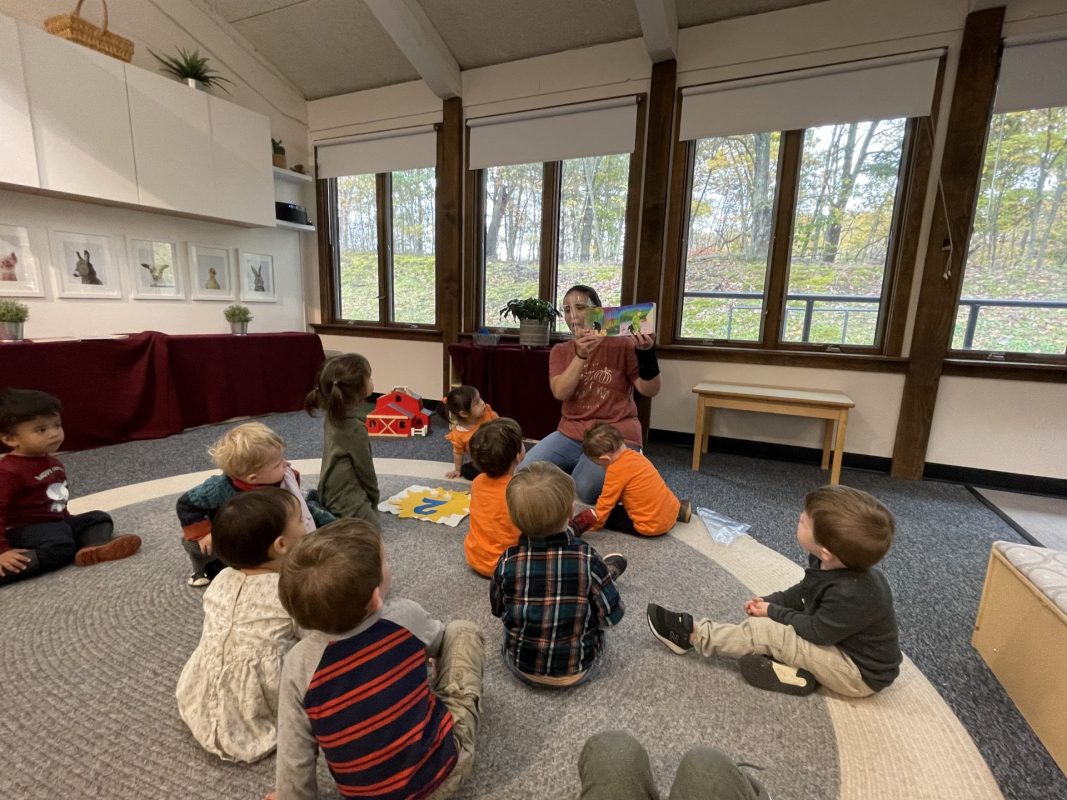
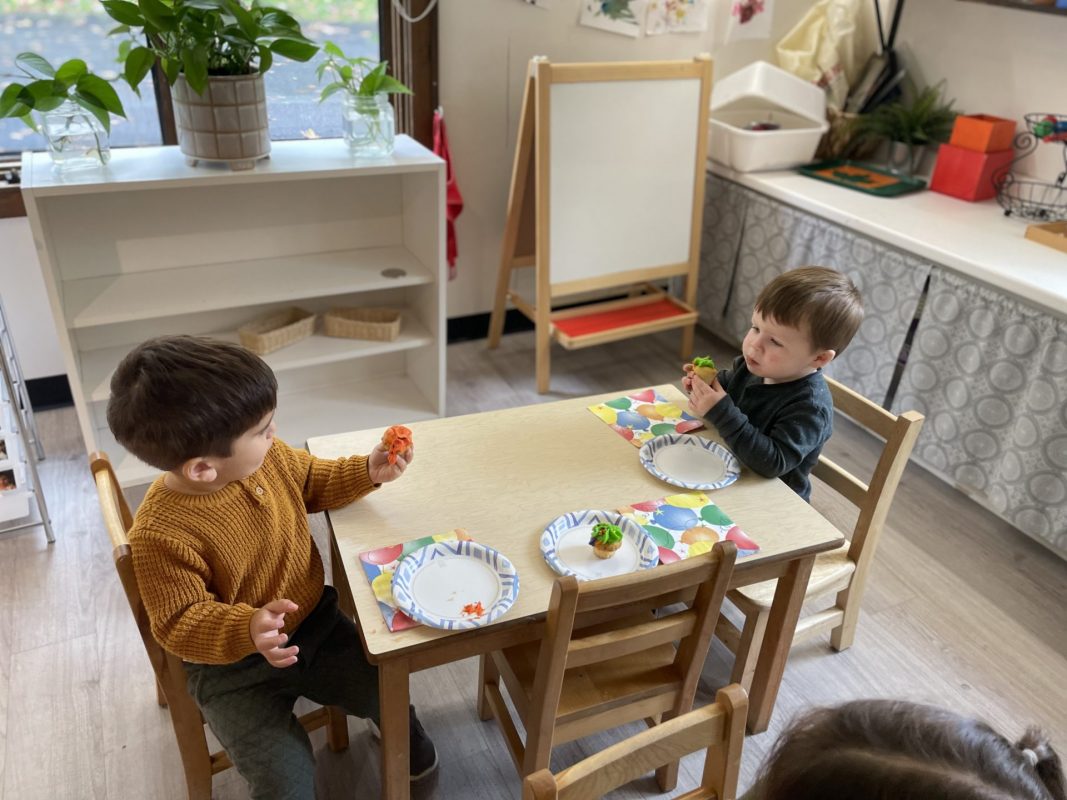
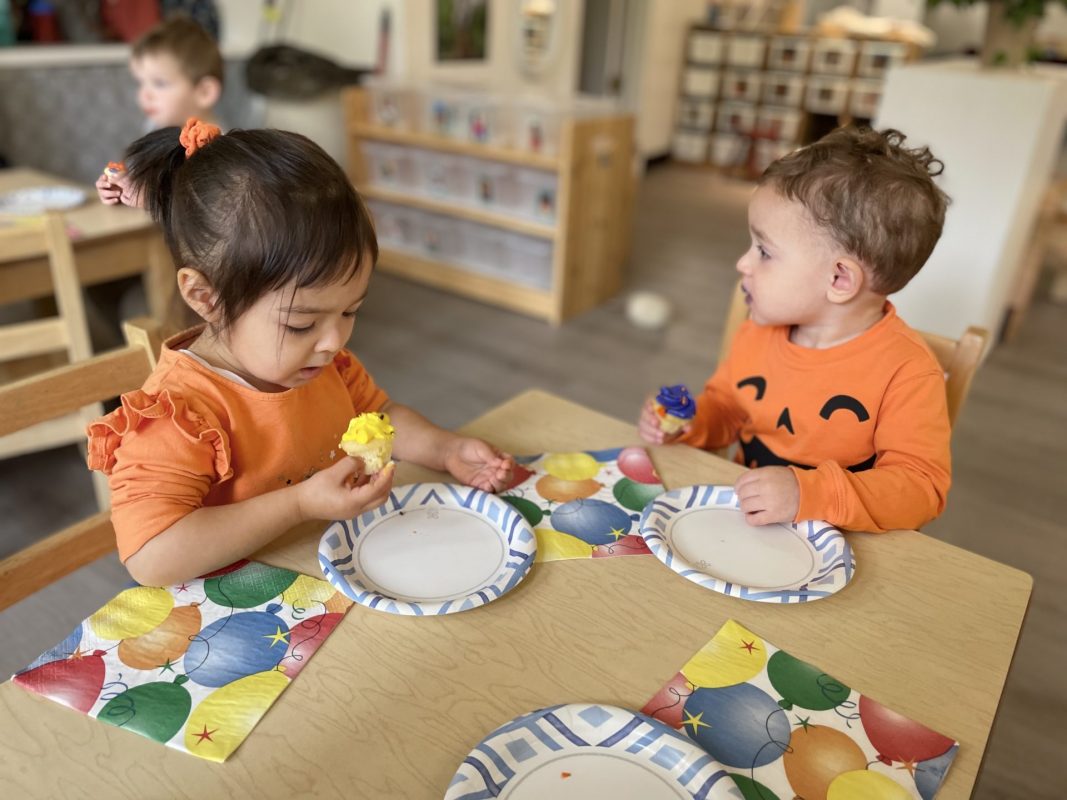
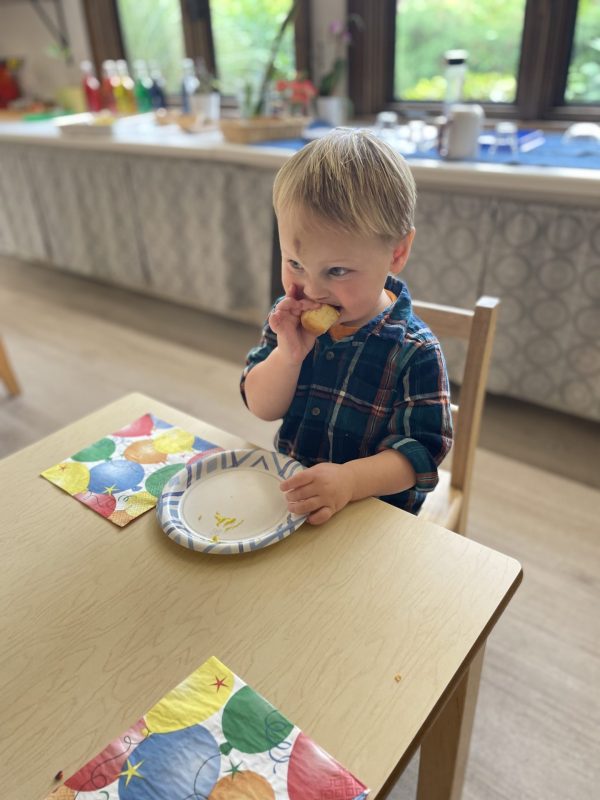
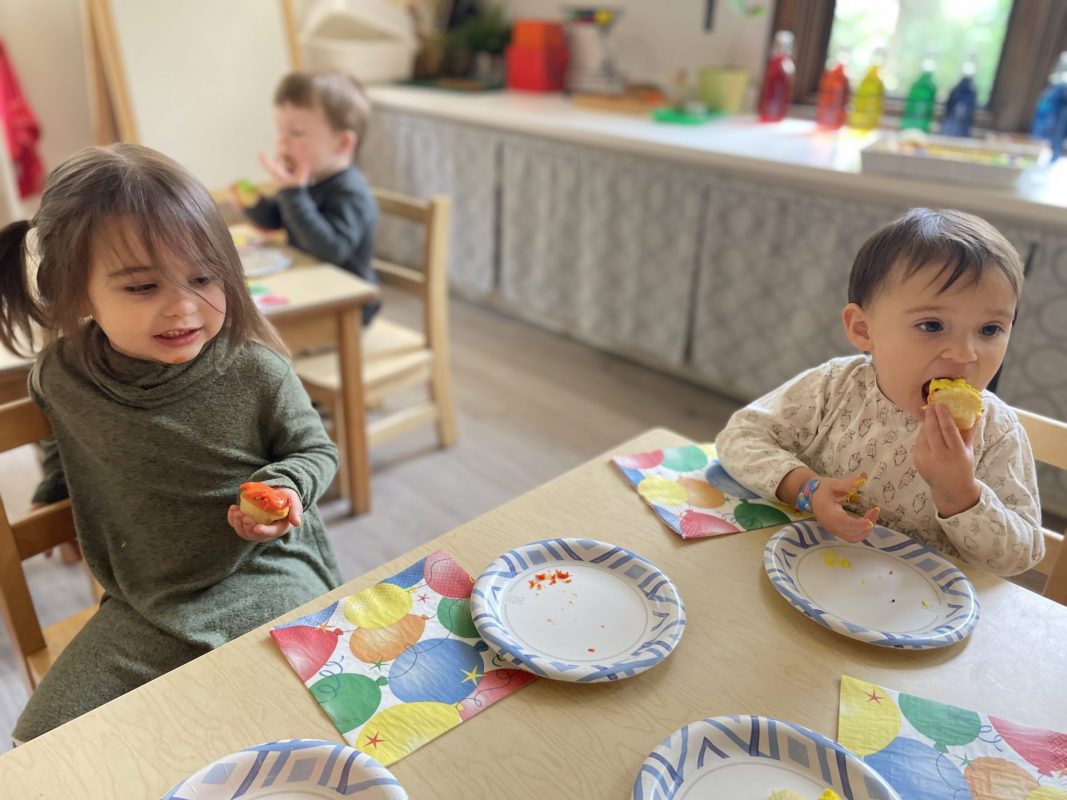
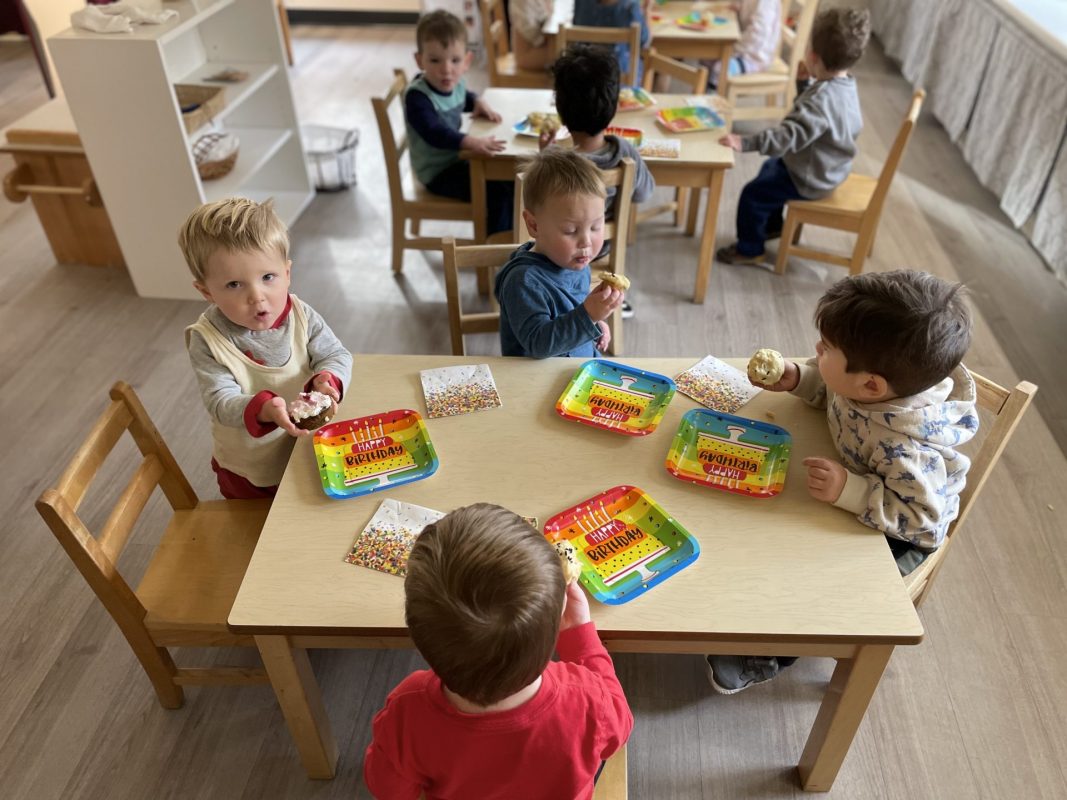
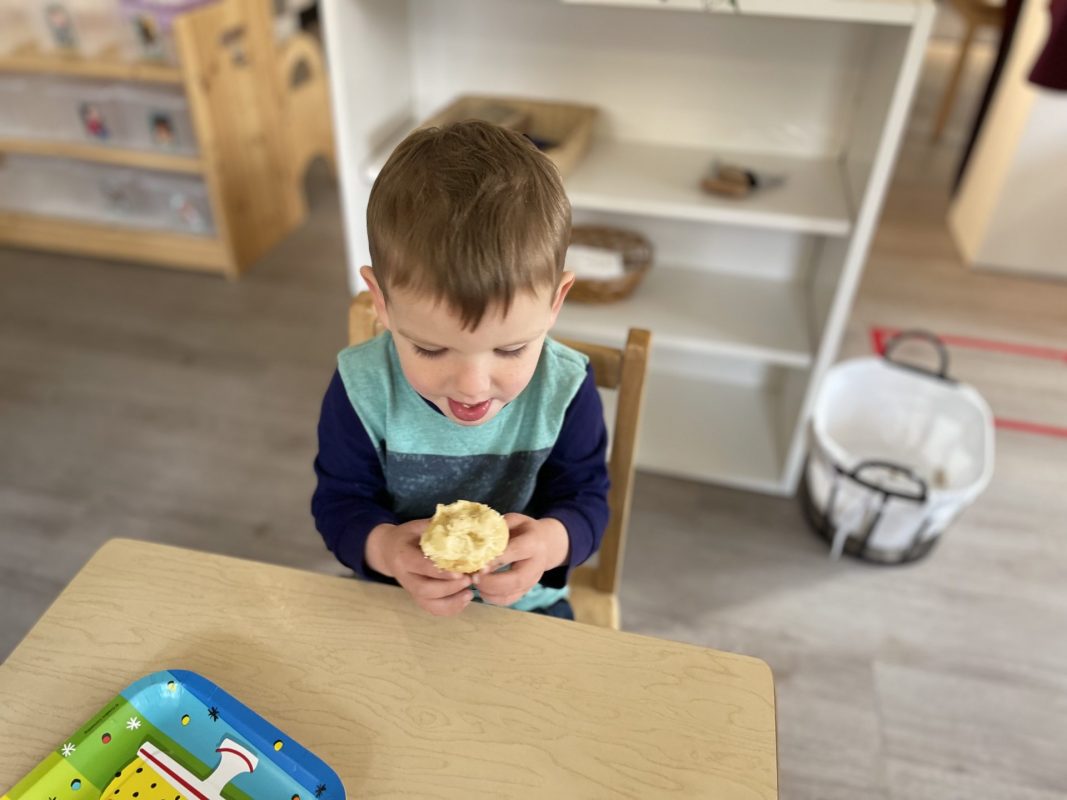
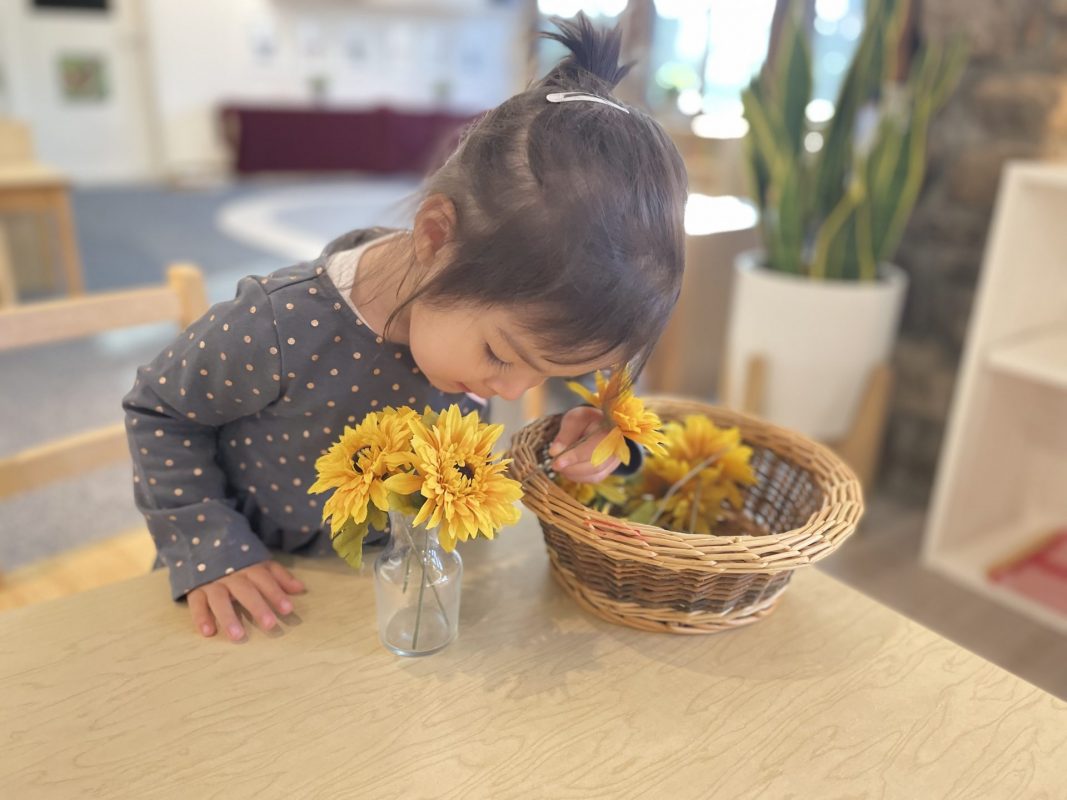
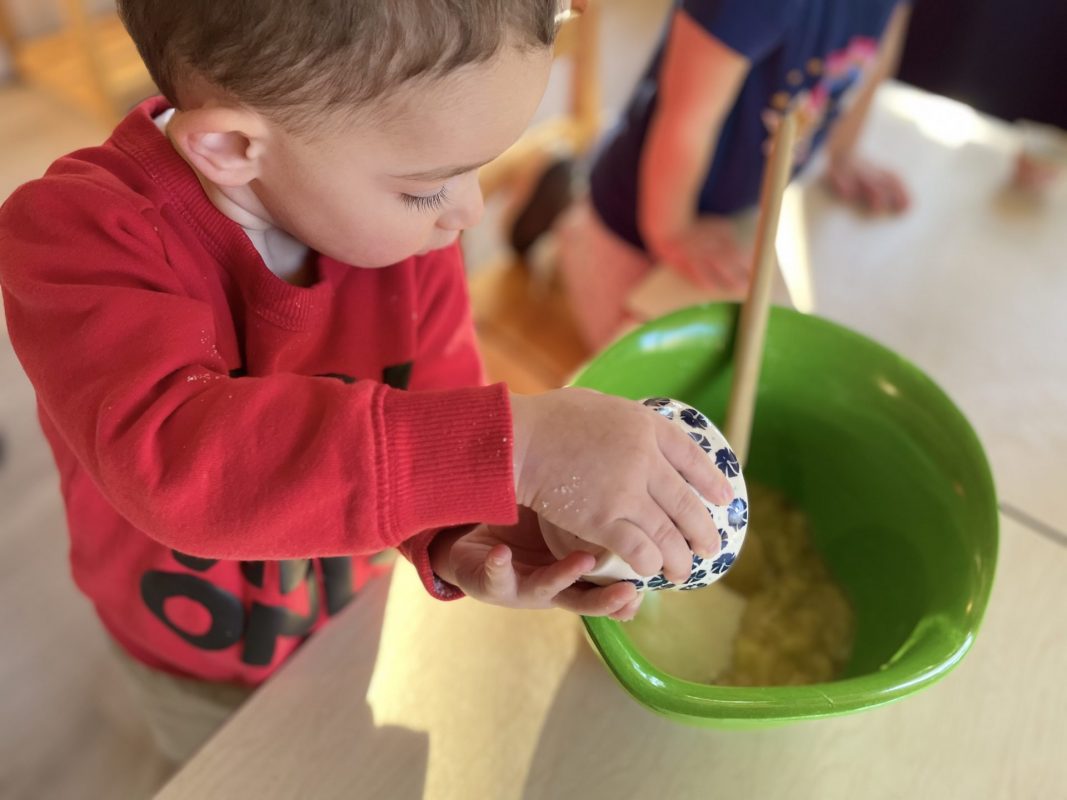
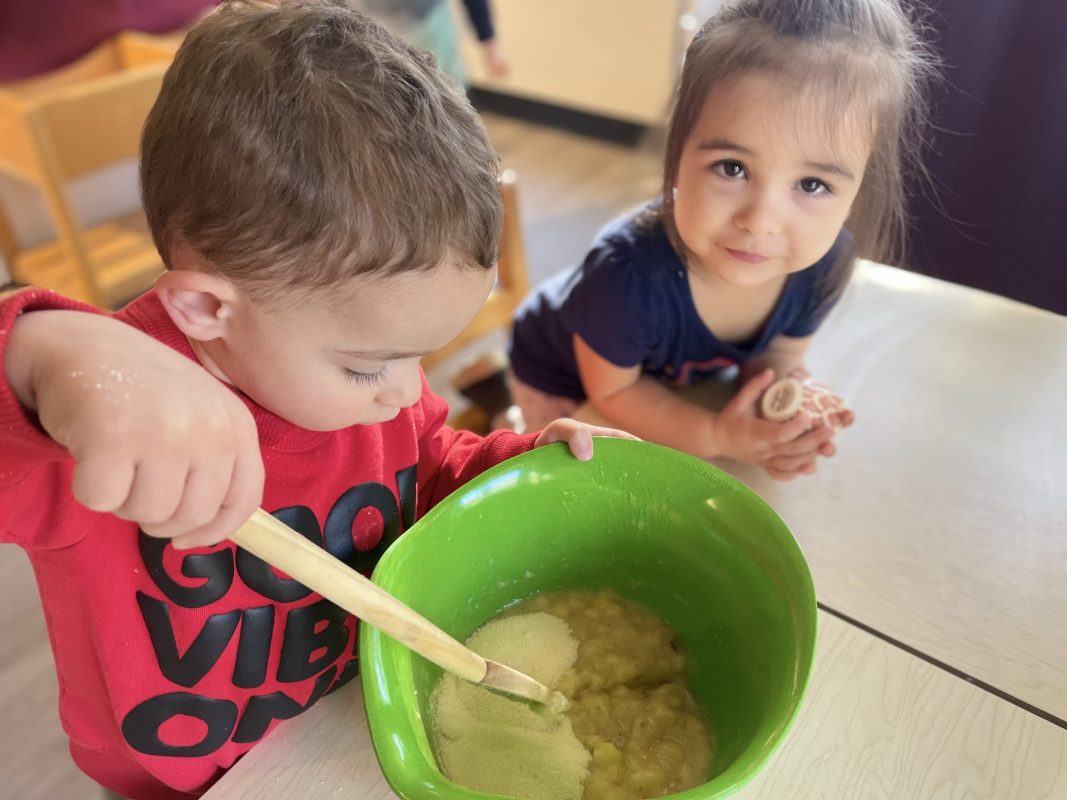
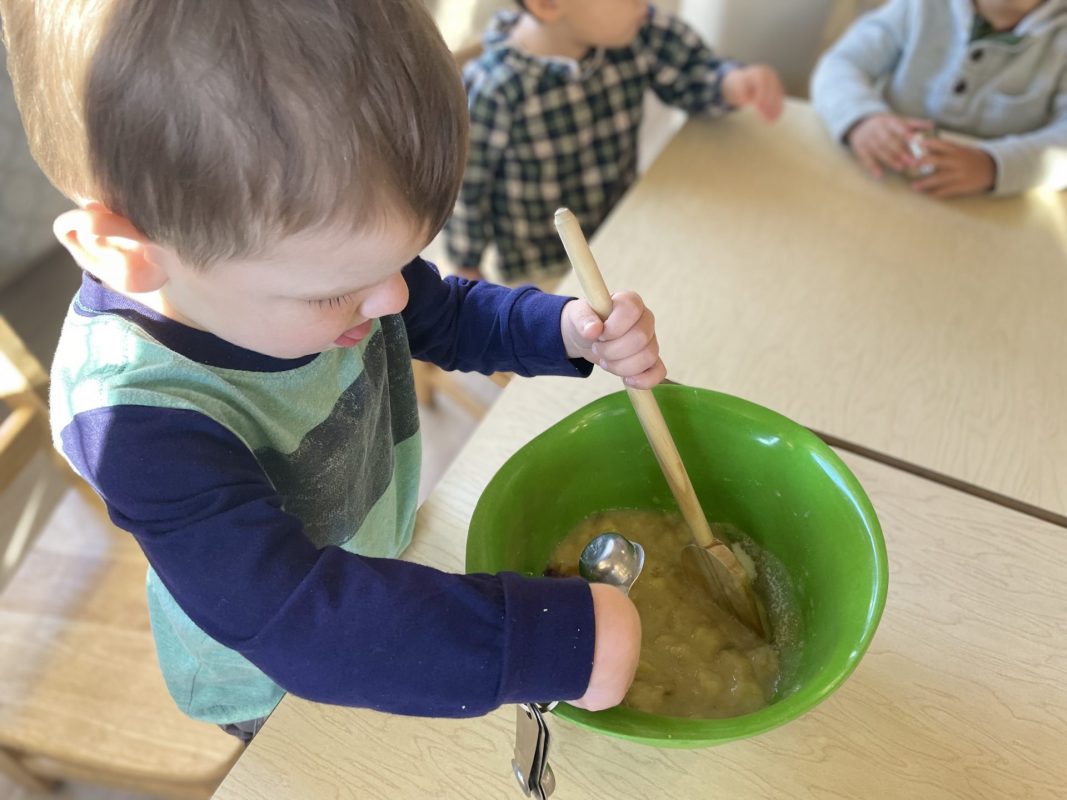
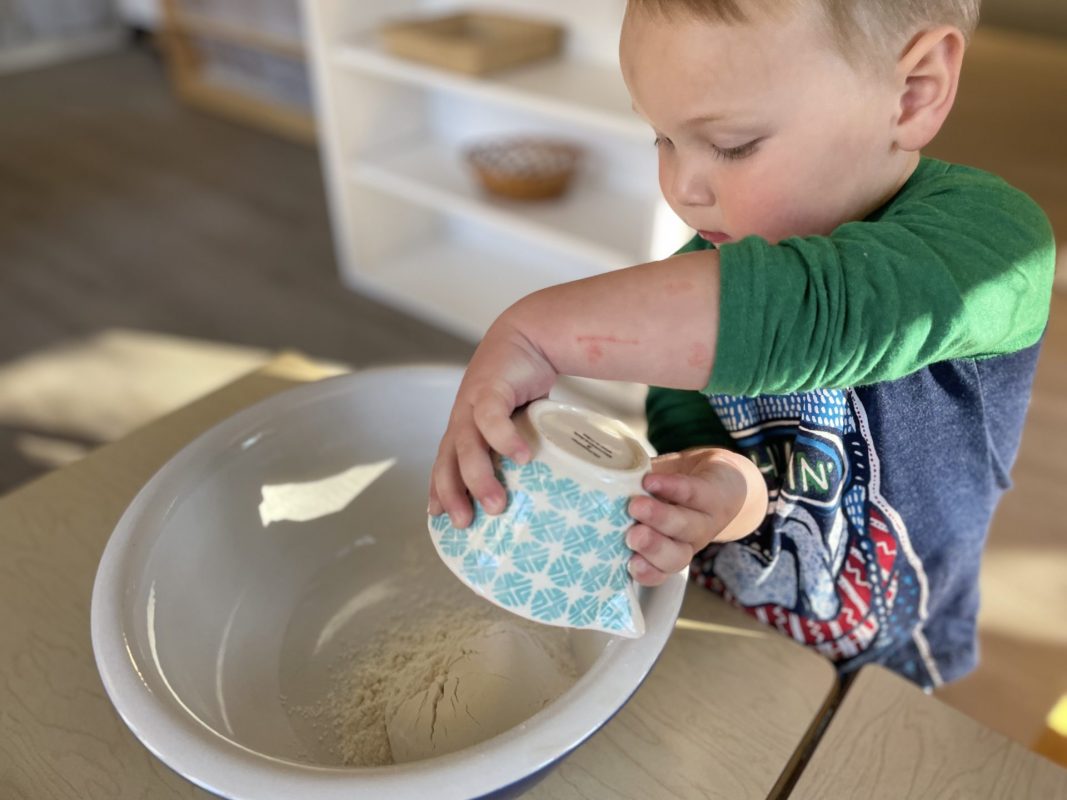
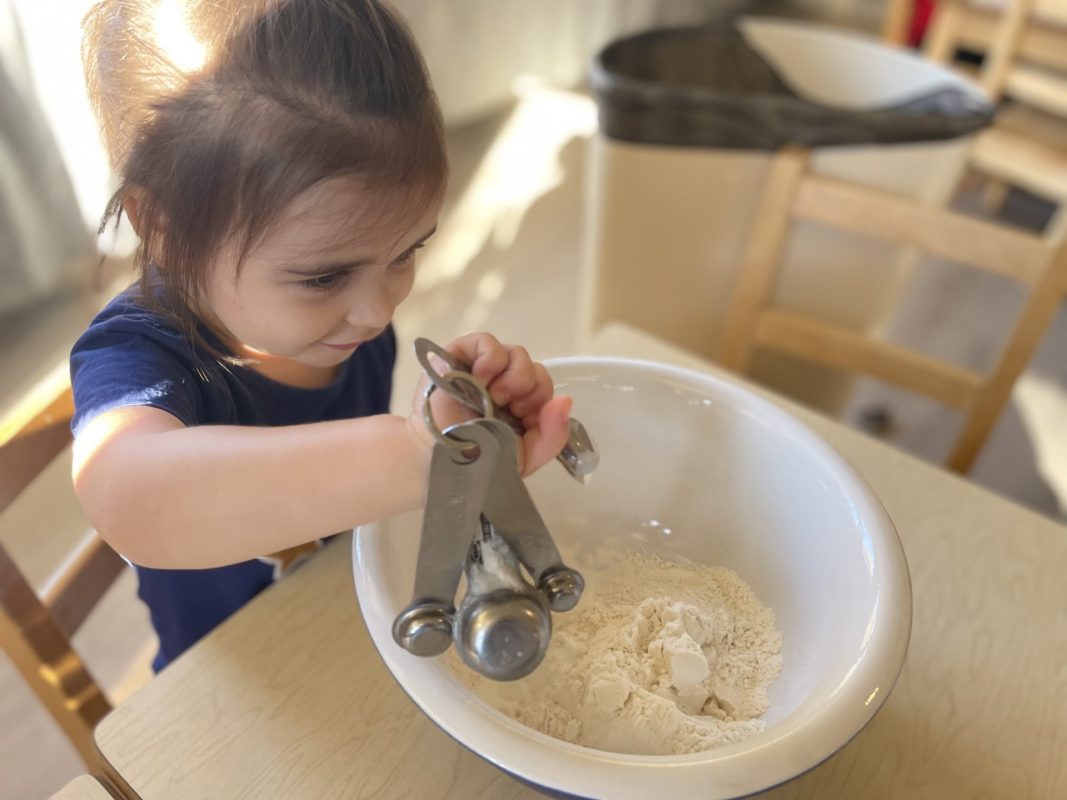
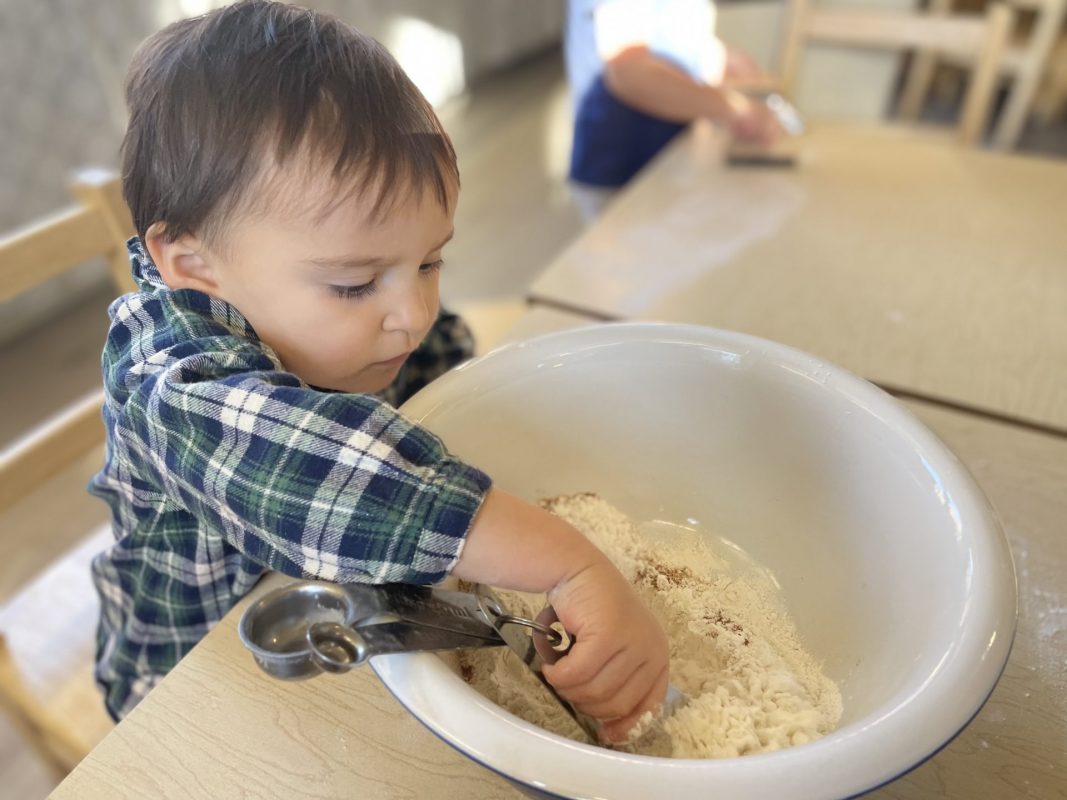
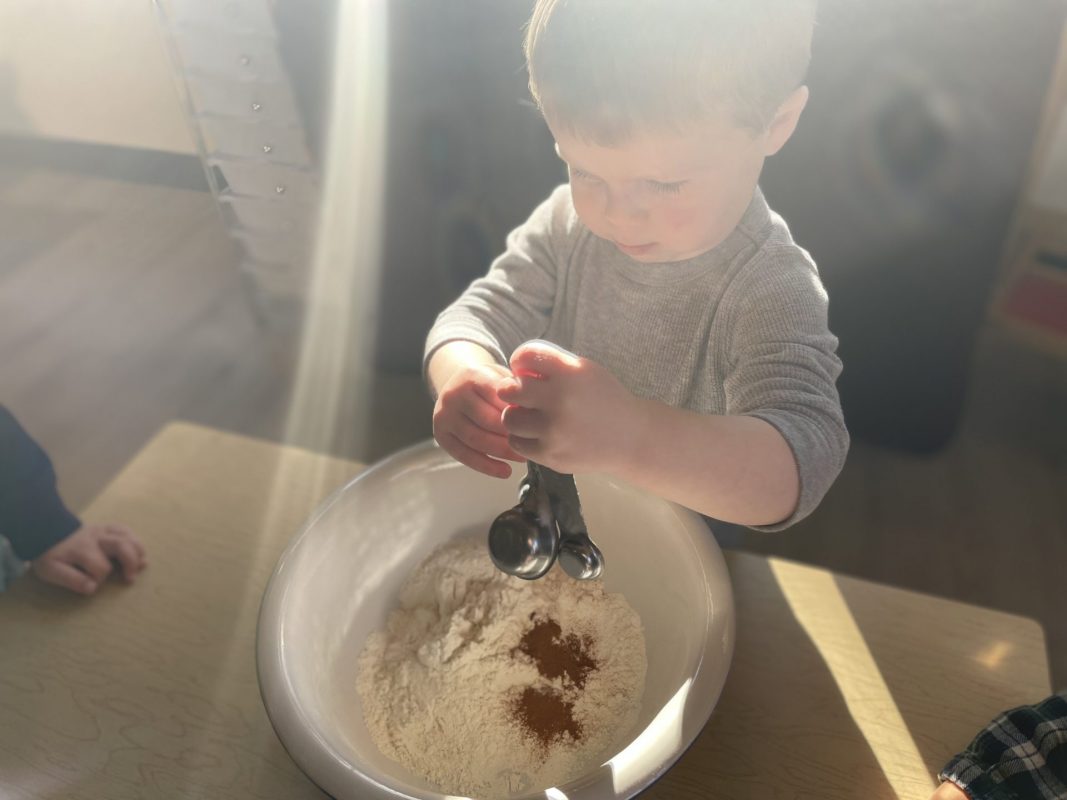
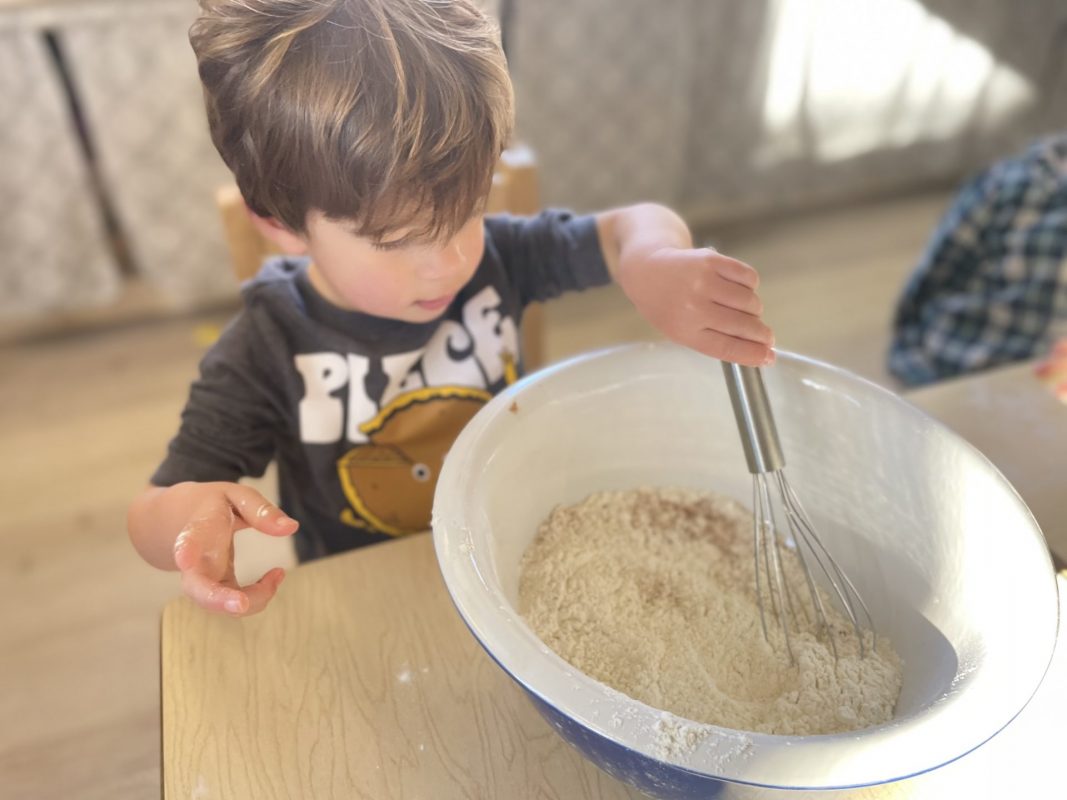
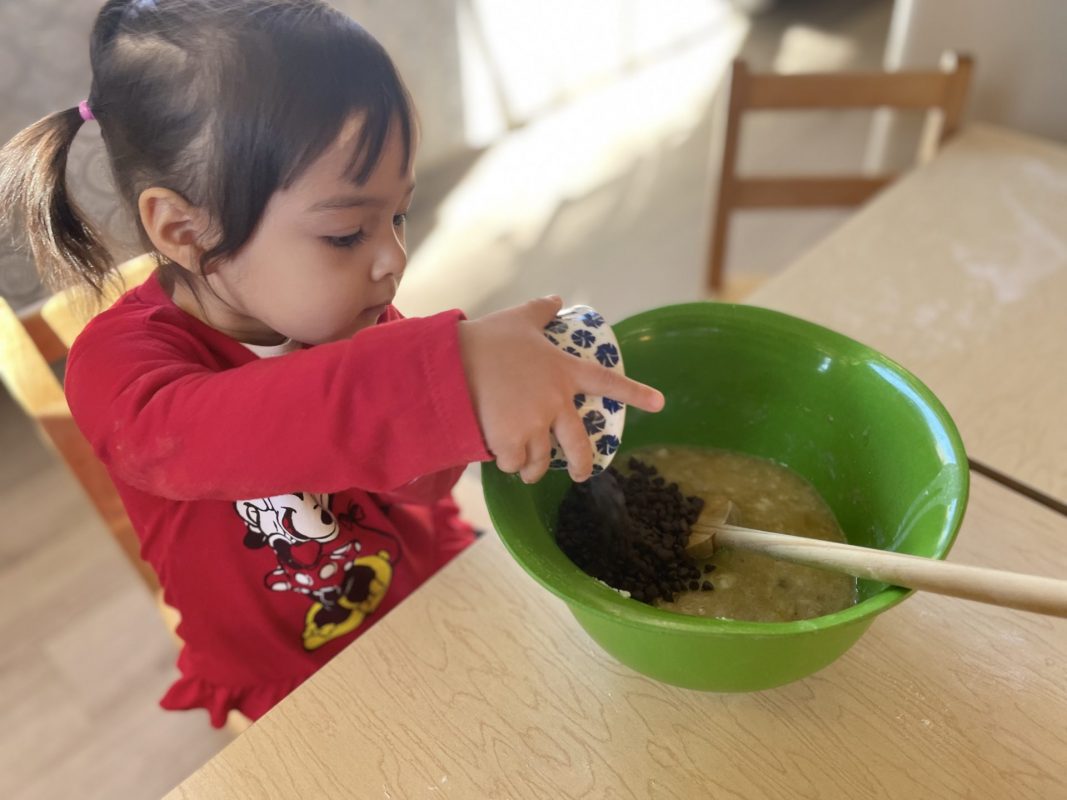
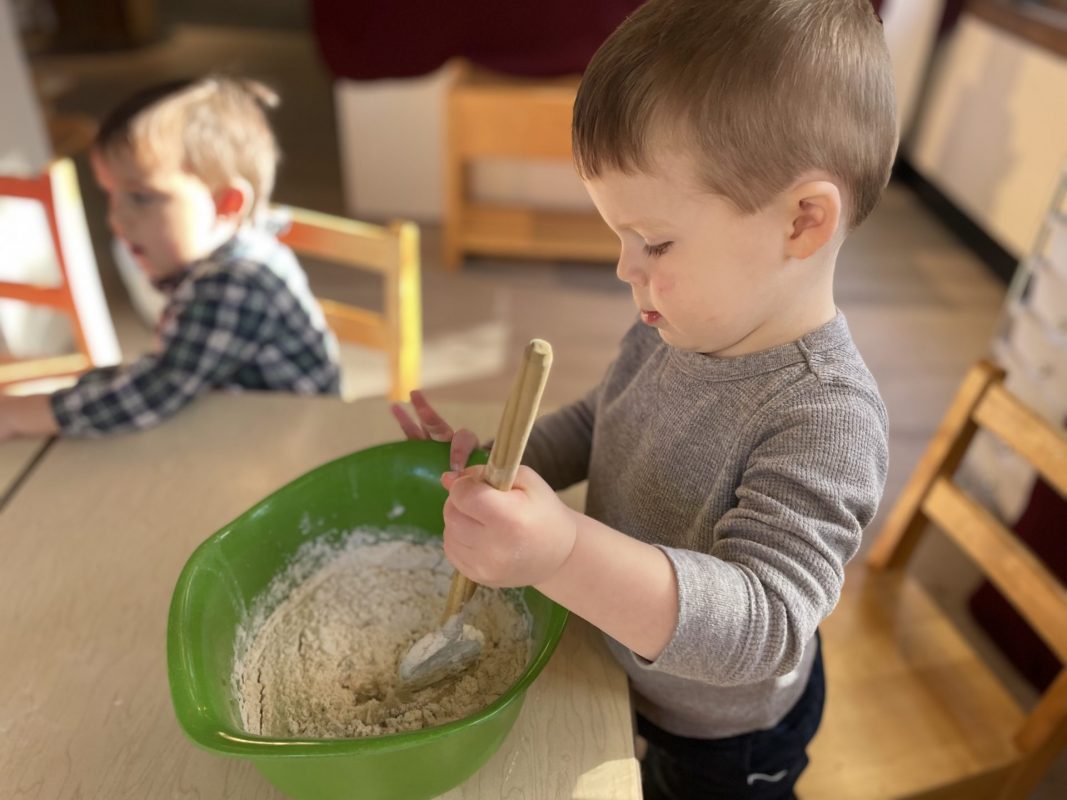
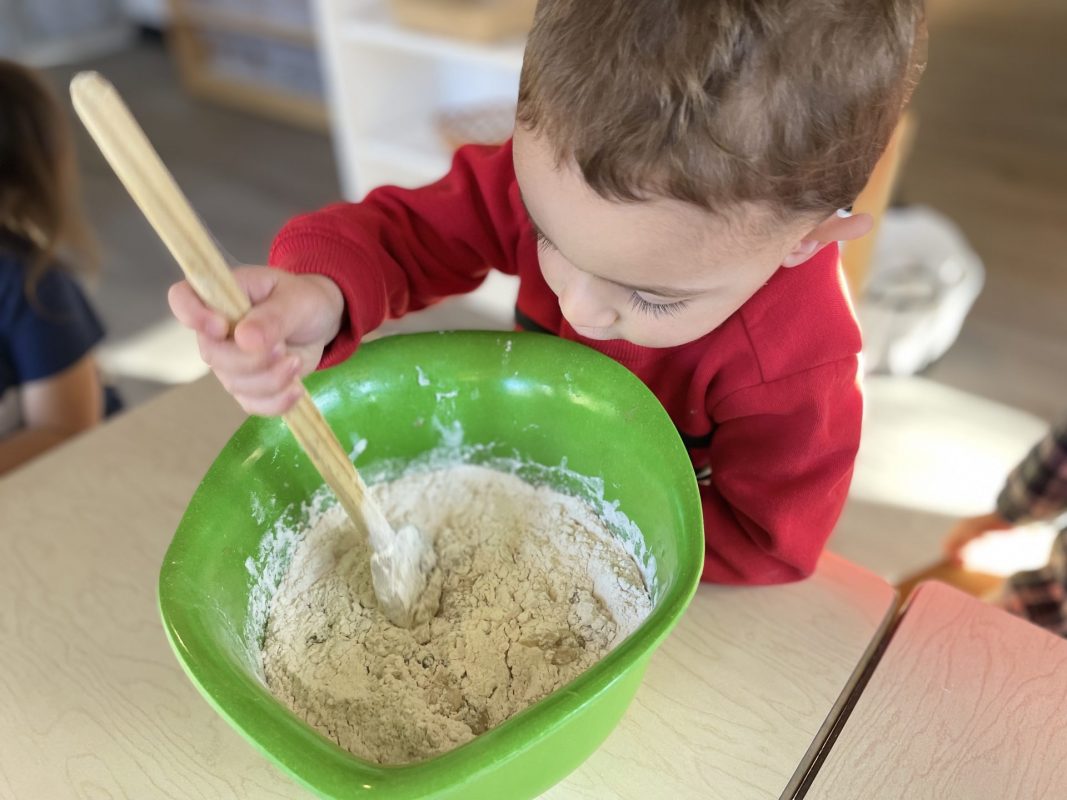
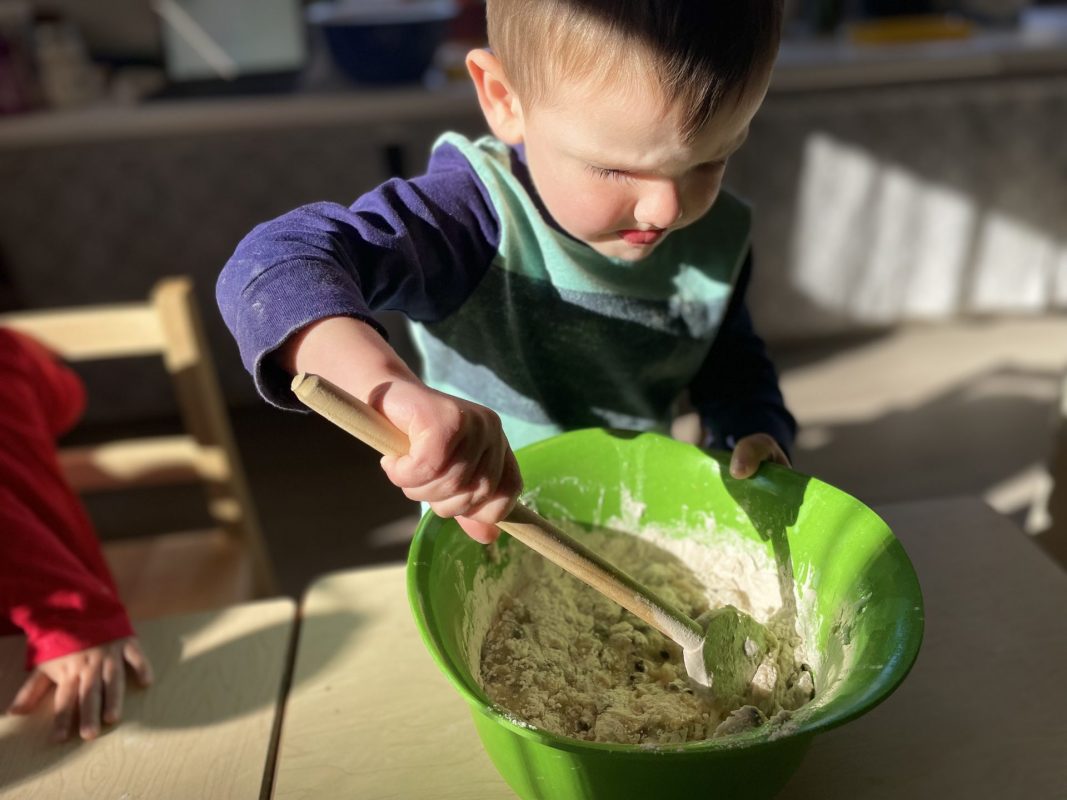
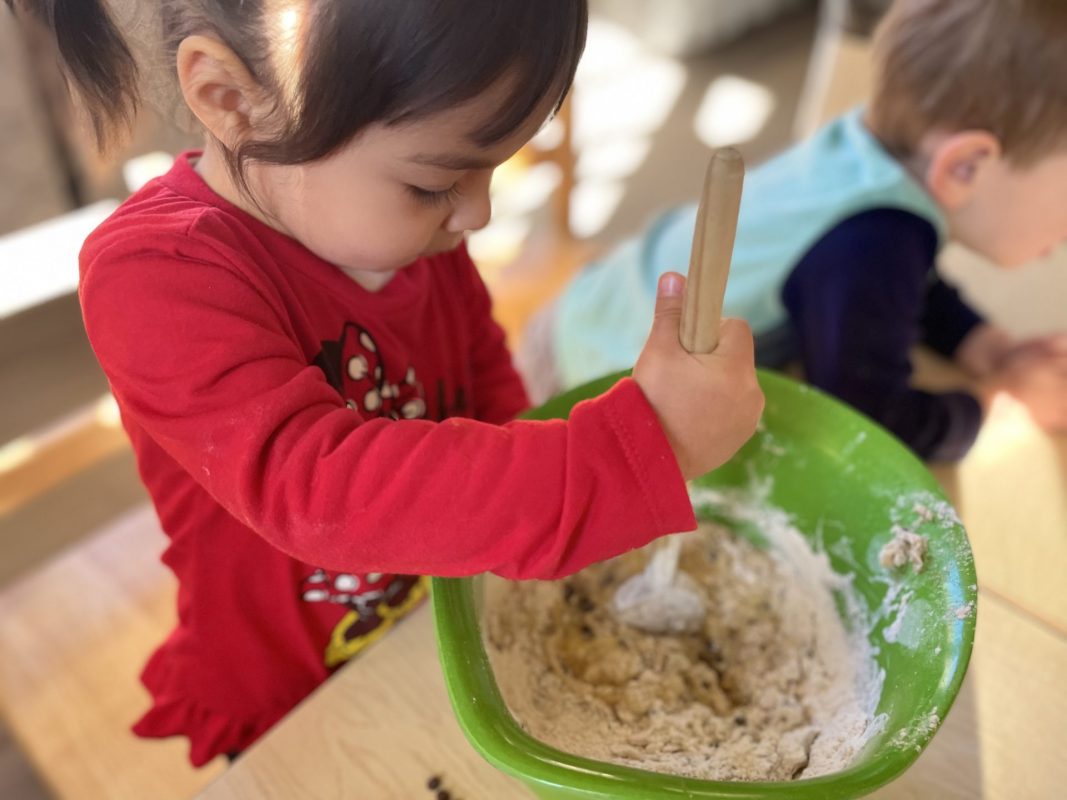
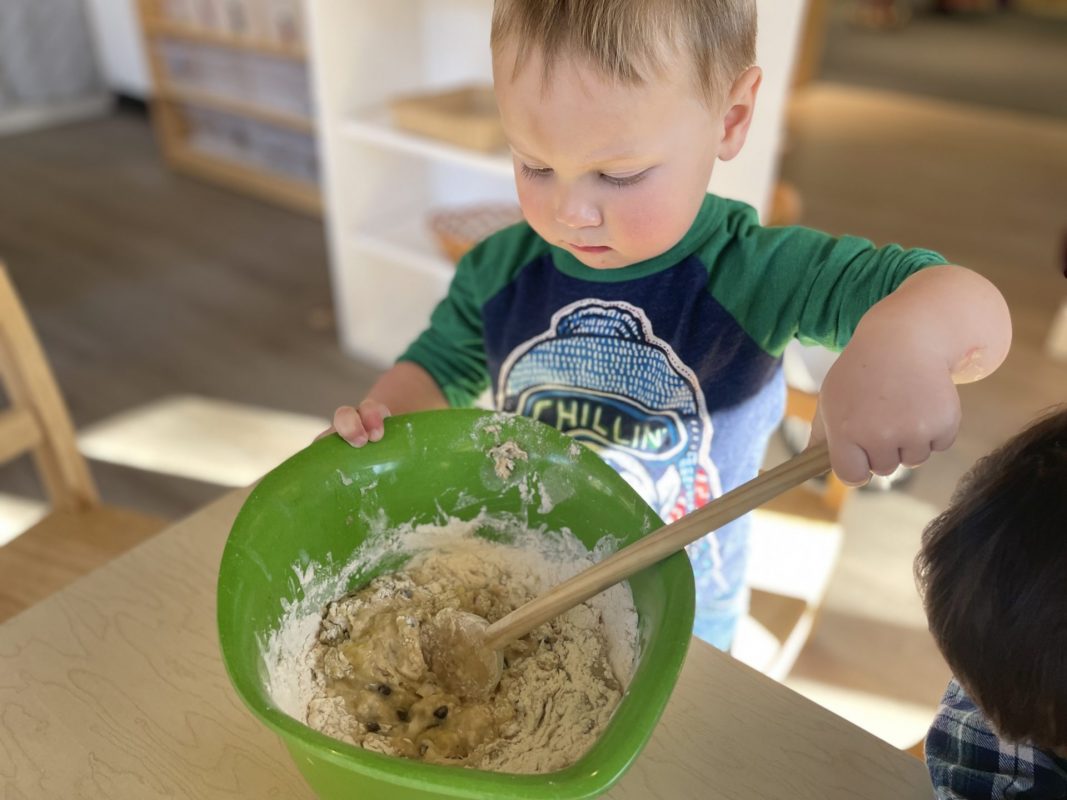
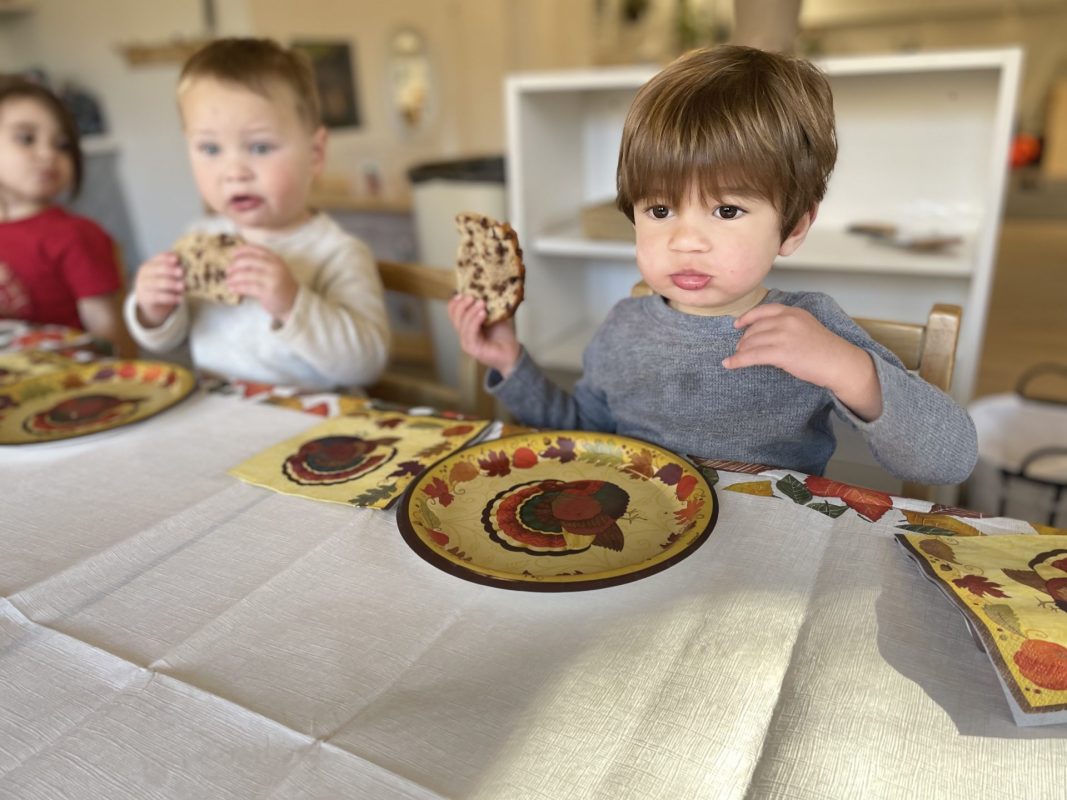
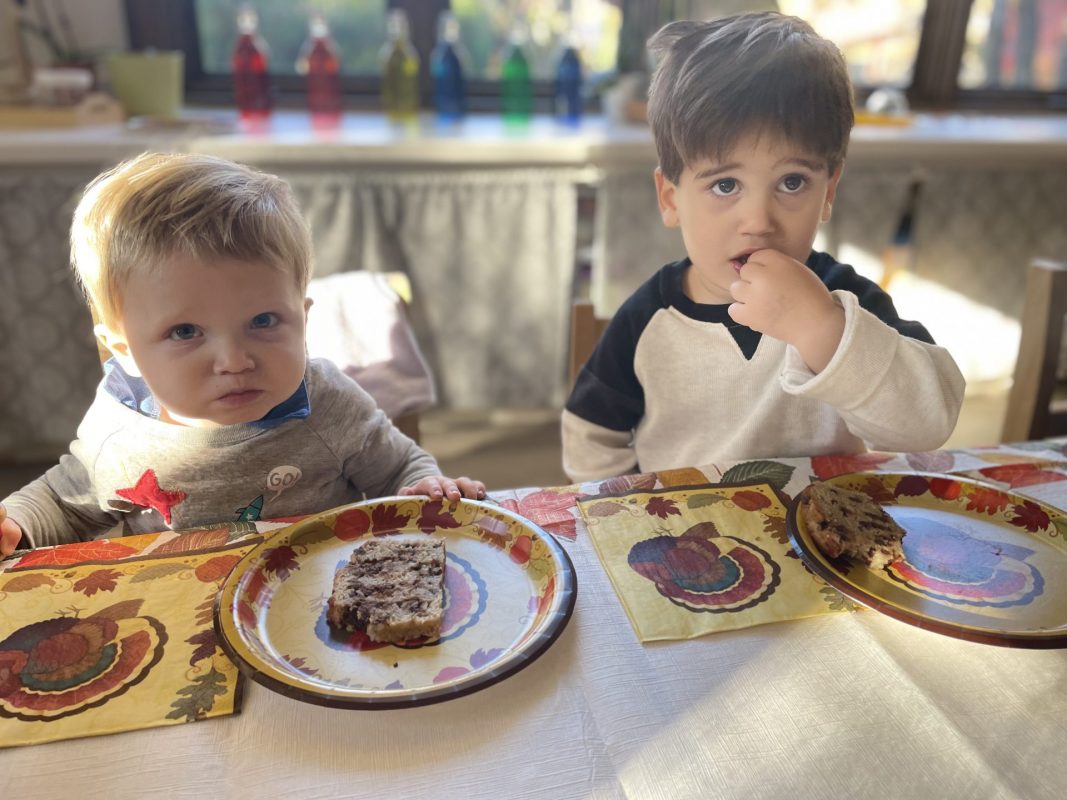
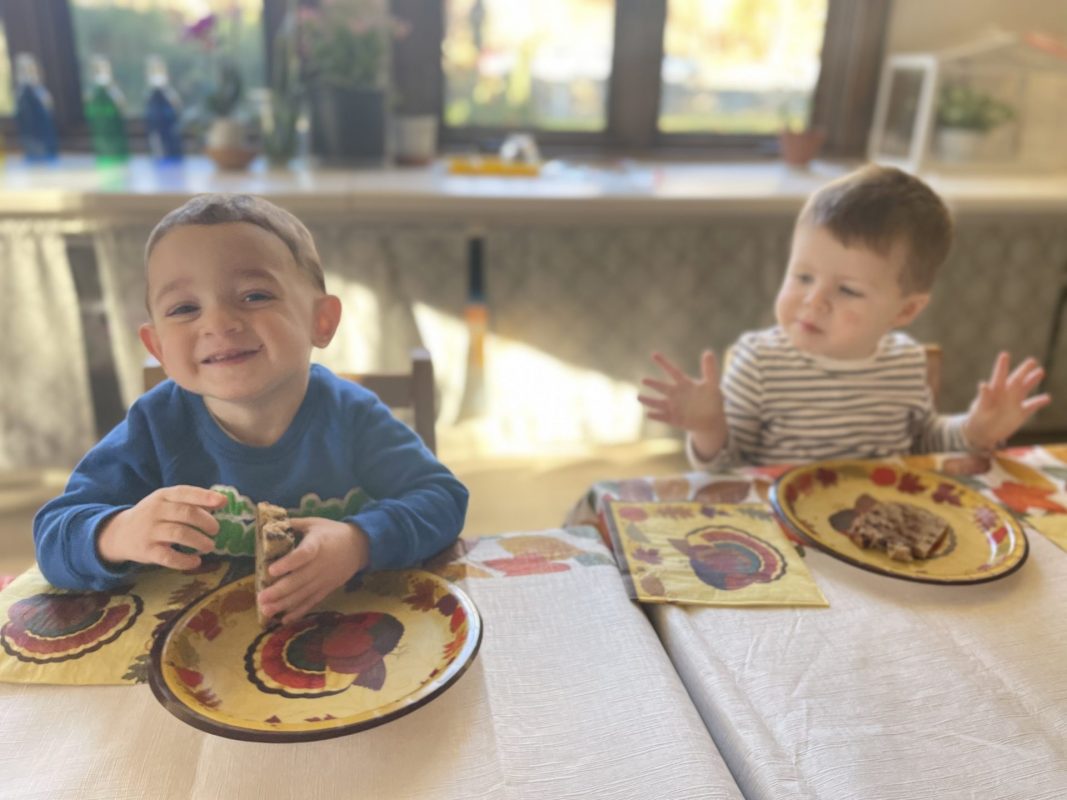
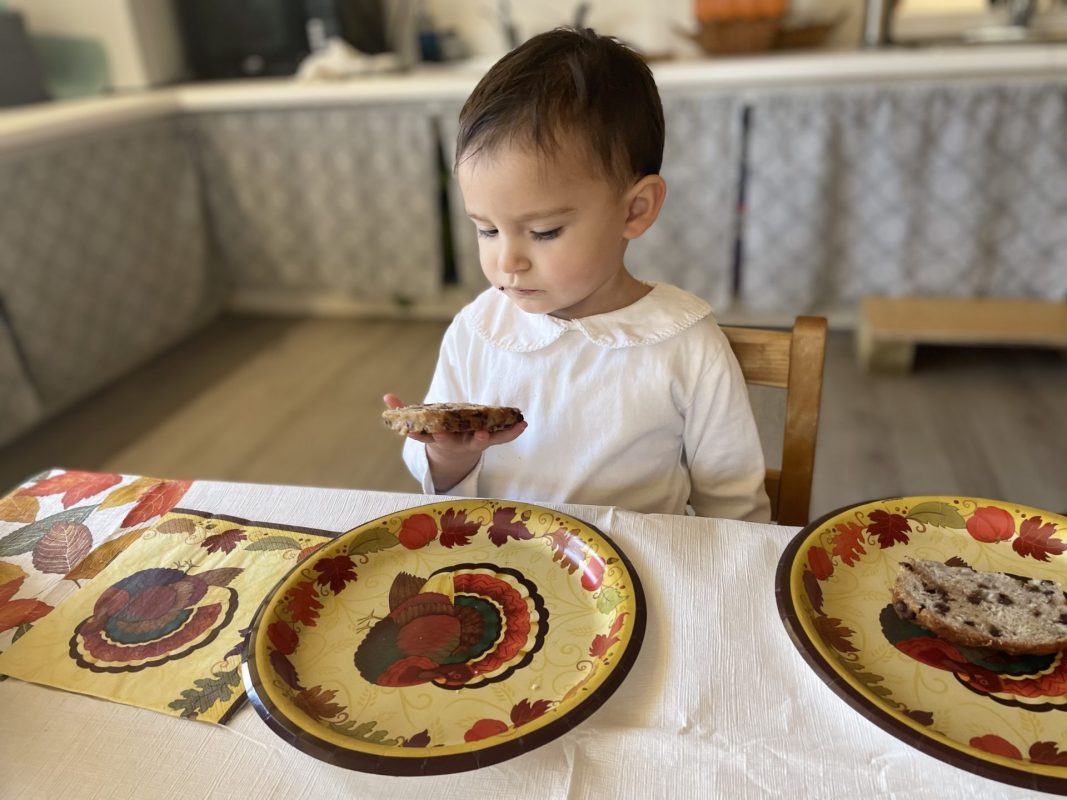
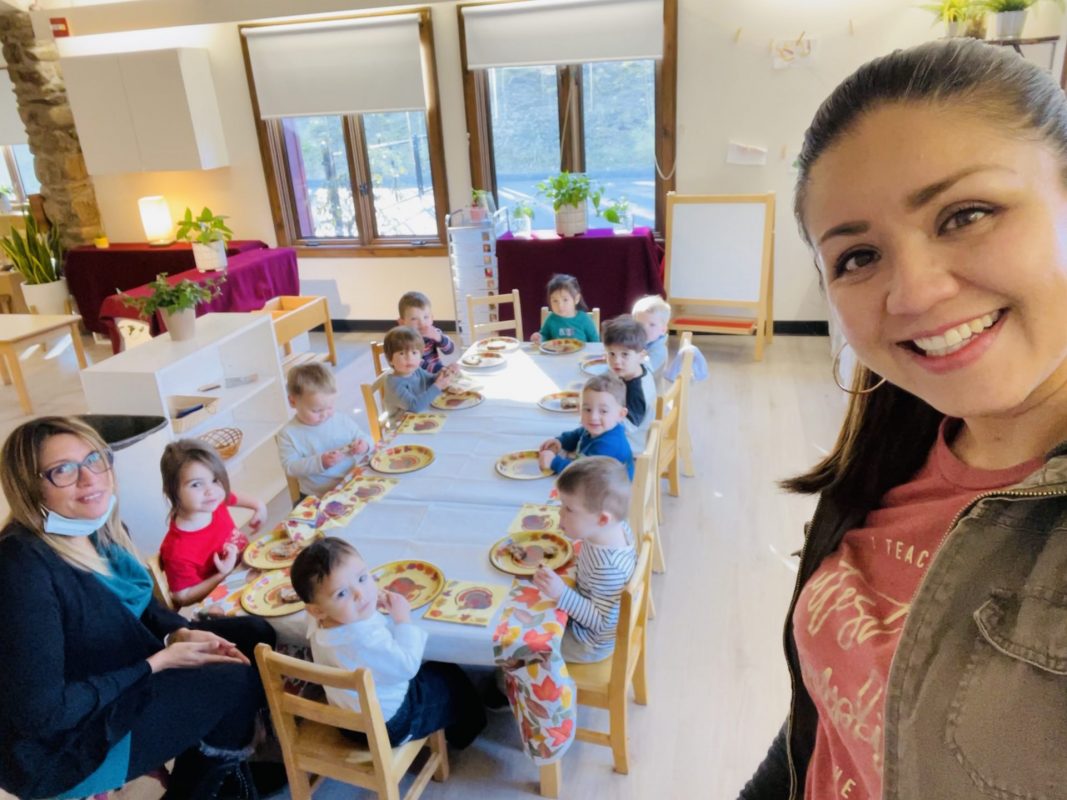
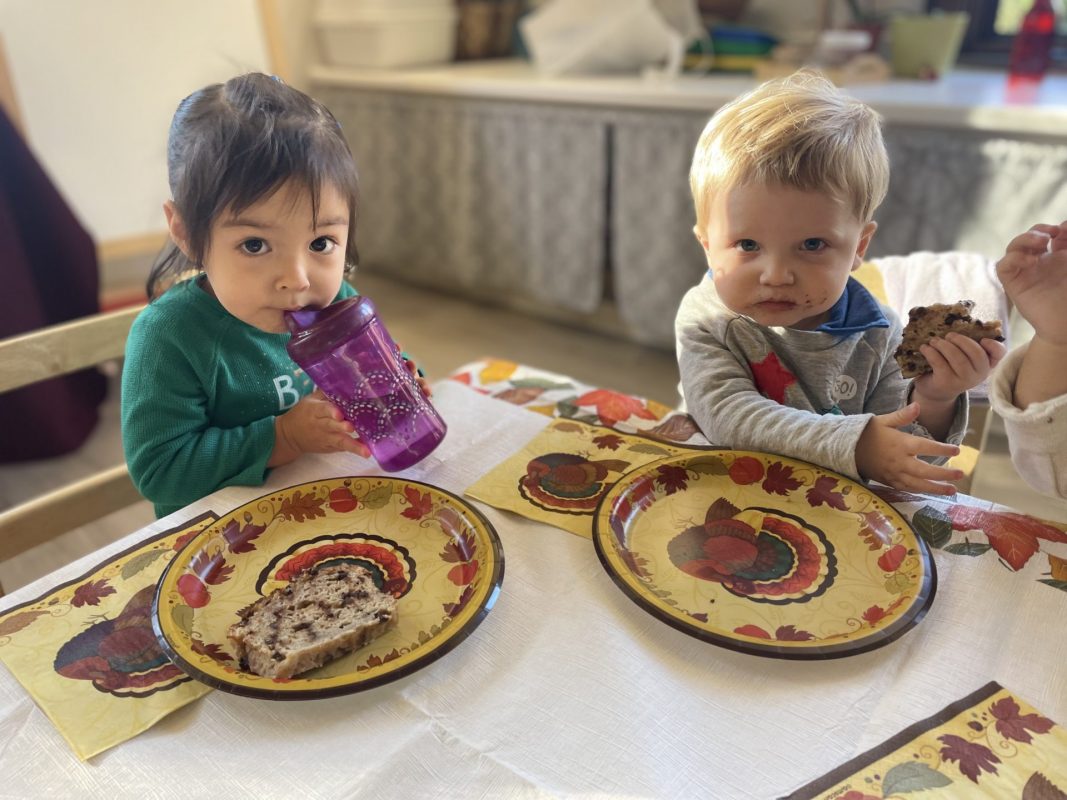
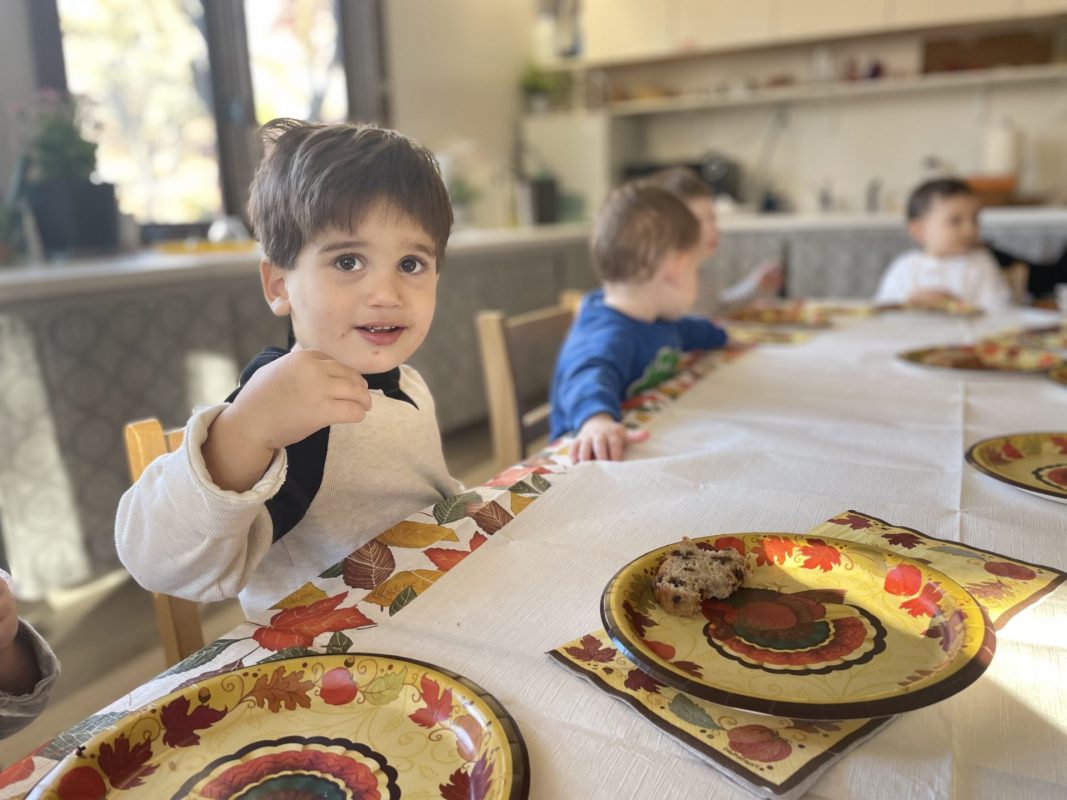
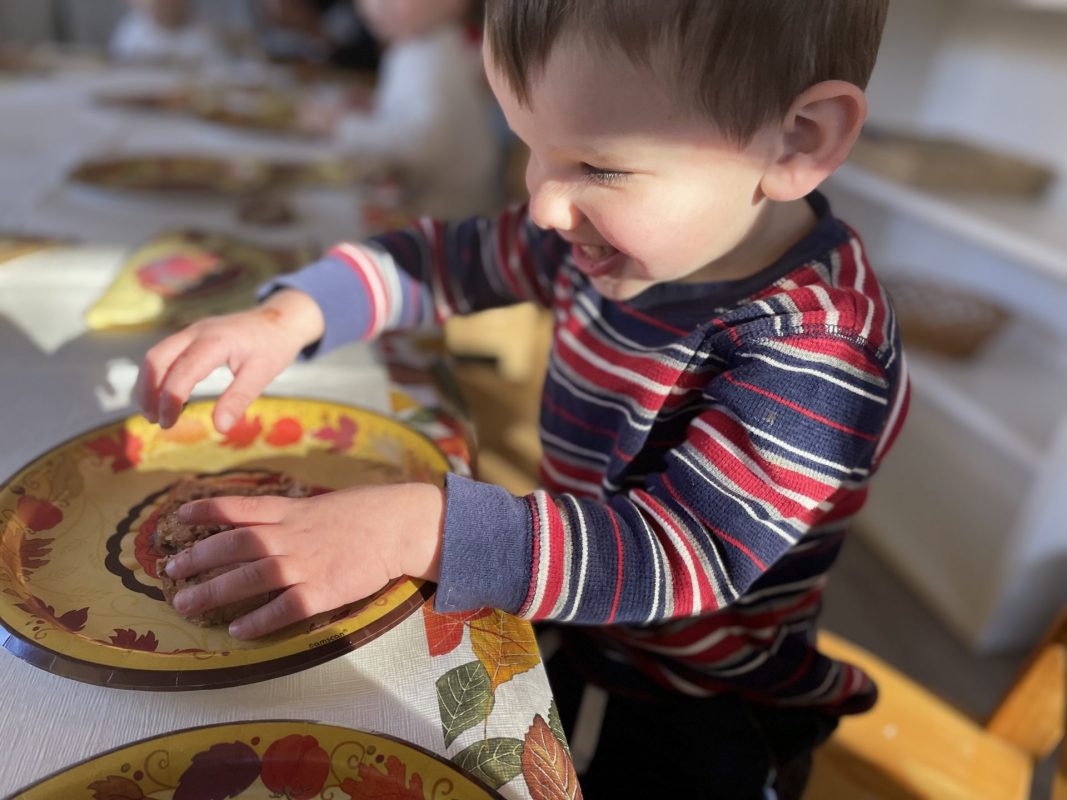
On another note, last week we had a great time baking banana bread. Children learned names of ingredients and had the opportunity to touch, smell, watch, and obviously taste the fruit of their work during our Thanksgiving celebration. Gratitude is definitely something we cultivate every day in our environment. We are conscious that showing gratitude is an important part of who we are as humans. It strengthens our relationships and our connection to our communities and even makes us happier and more compassionate people.

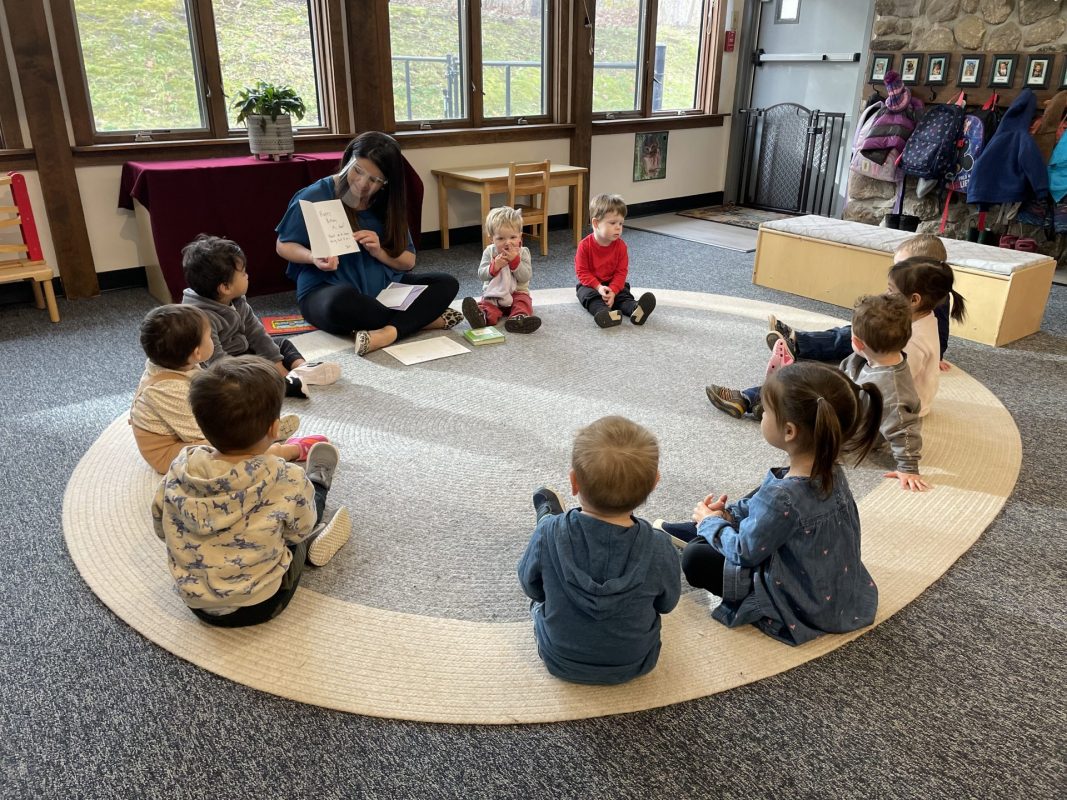
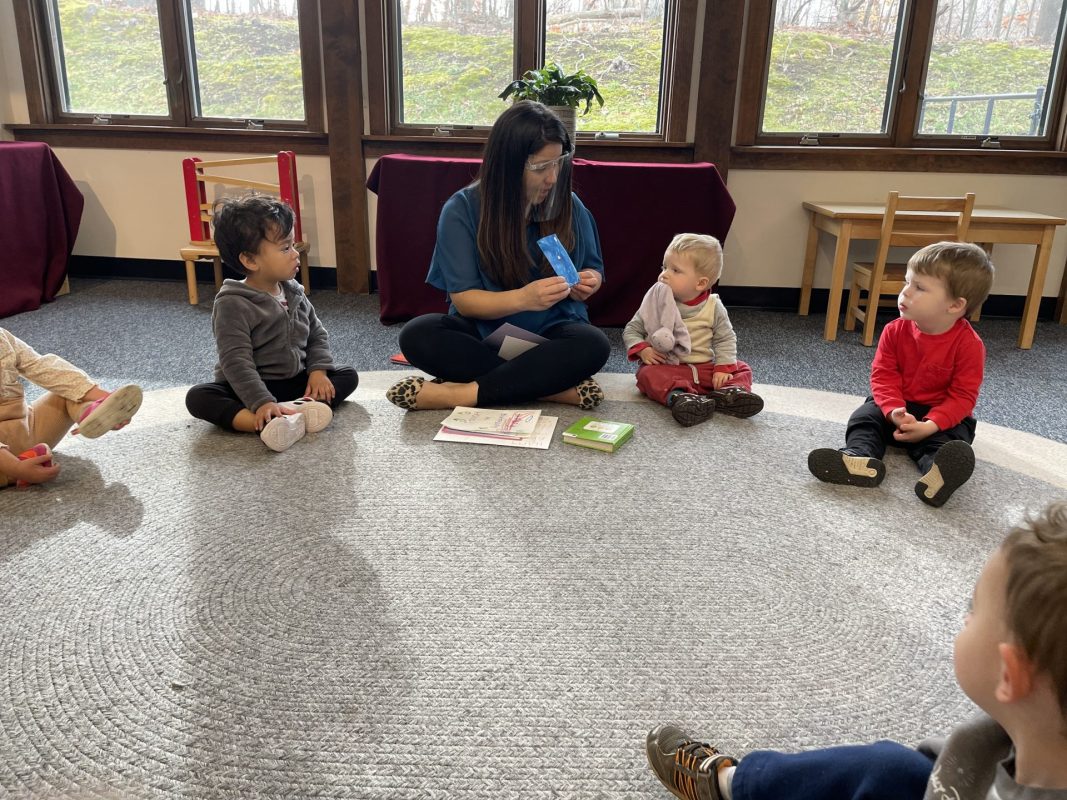
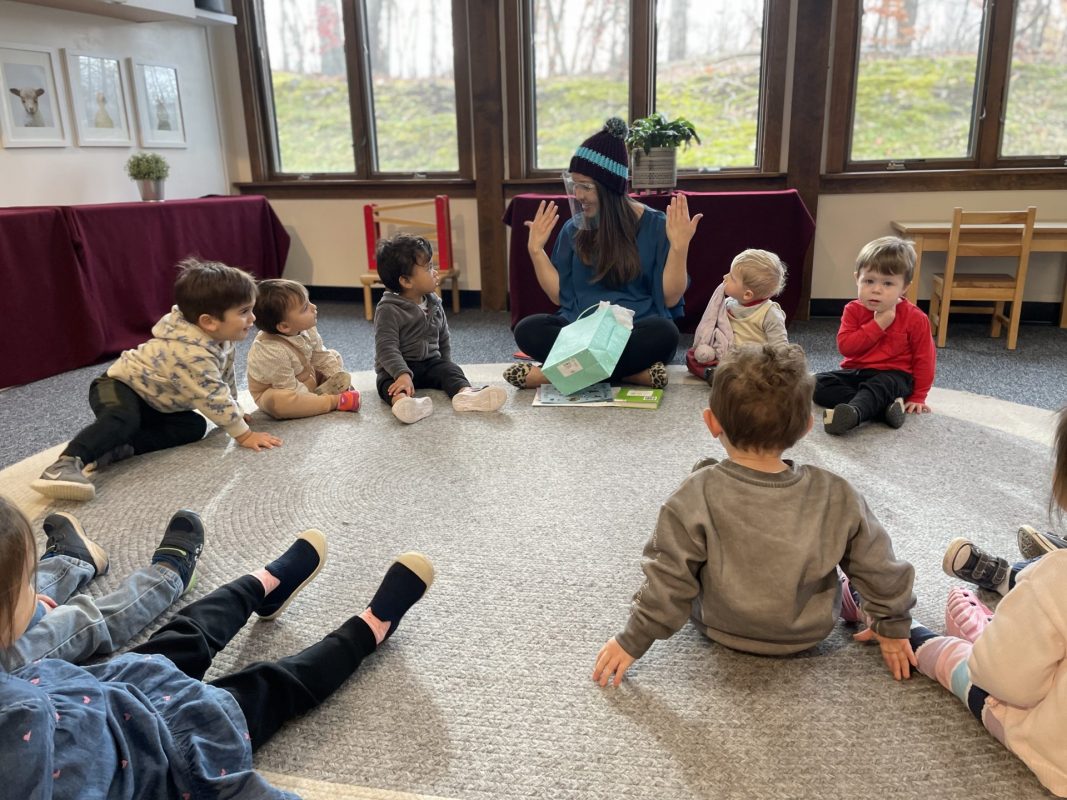
Although adults understand the worth in expressing gratitude, young children find it more difficult. Gratitude involves being sensitive and empathetic to others, and truly appreciating what others do for you. While children can quickly learn to say please and thank you, it takes time and guidance to help them truly learn to be grateful. Using The Thankful Book, we have had multiple conversations and it has been great to hear children start expressing thankfulness for things like mommies, daddies, siblings, and of course hair, shoes, ears, ice cream, dinosaurs, and “horsies”. 

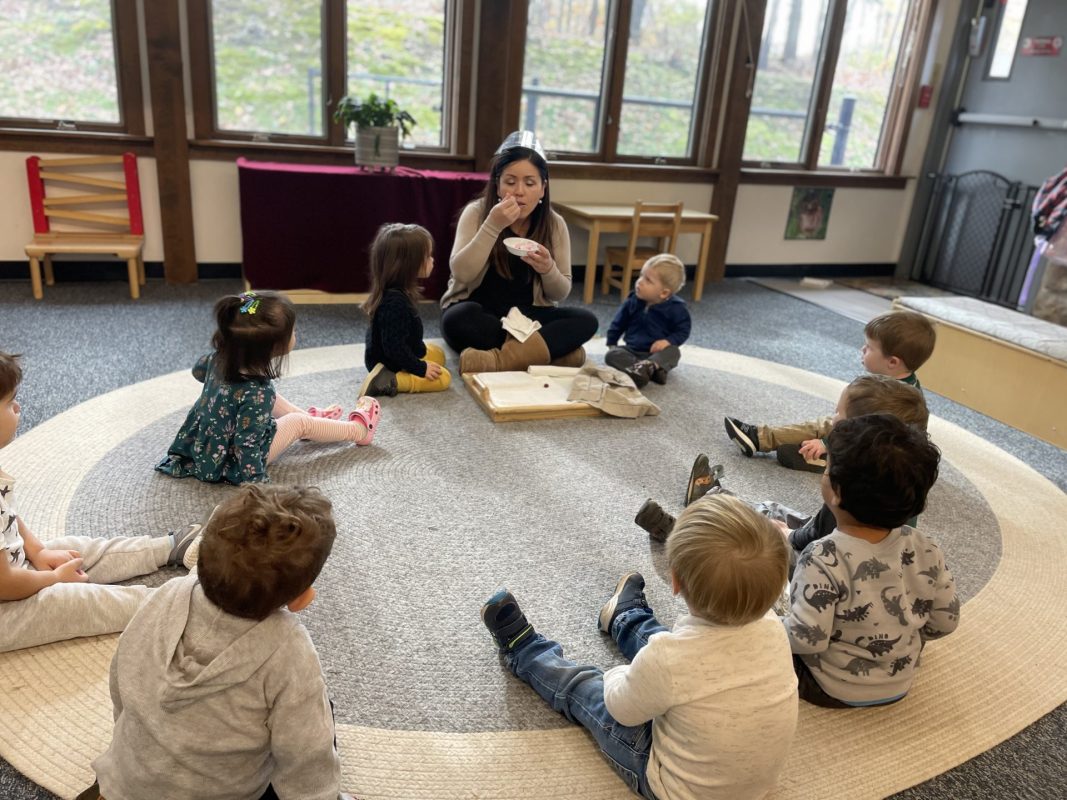
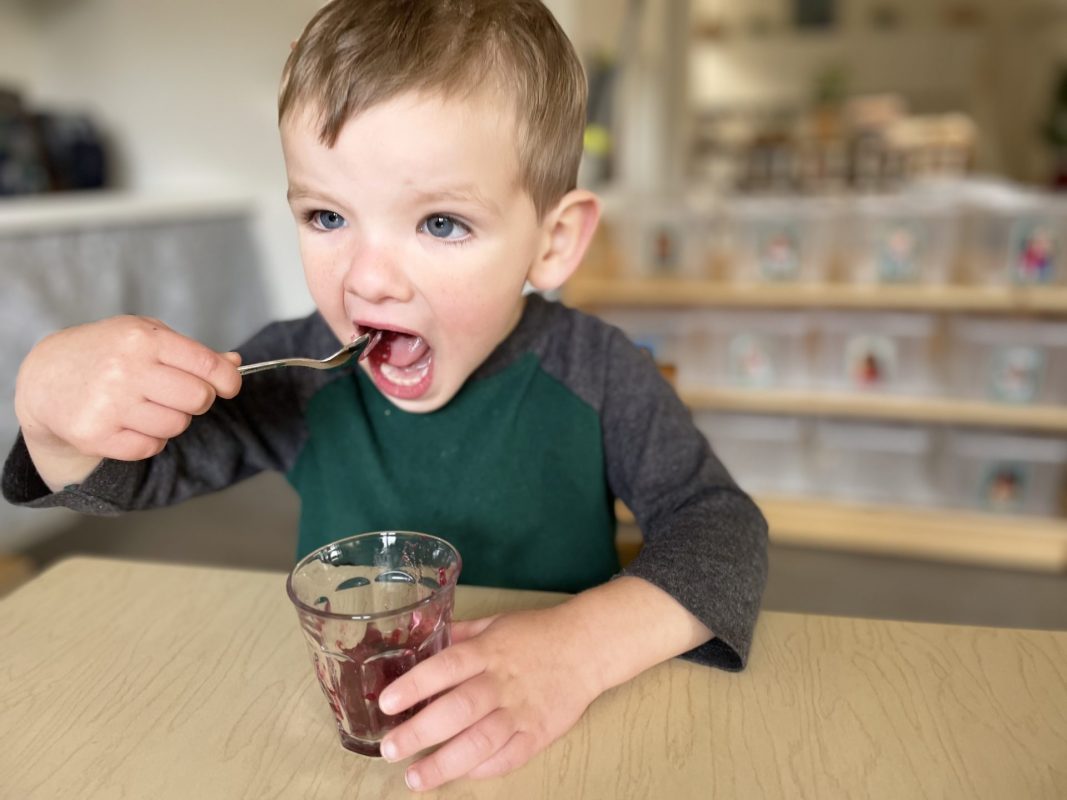
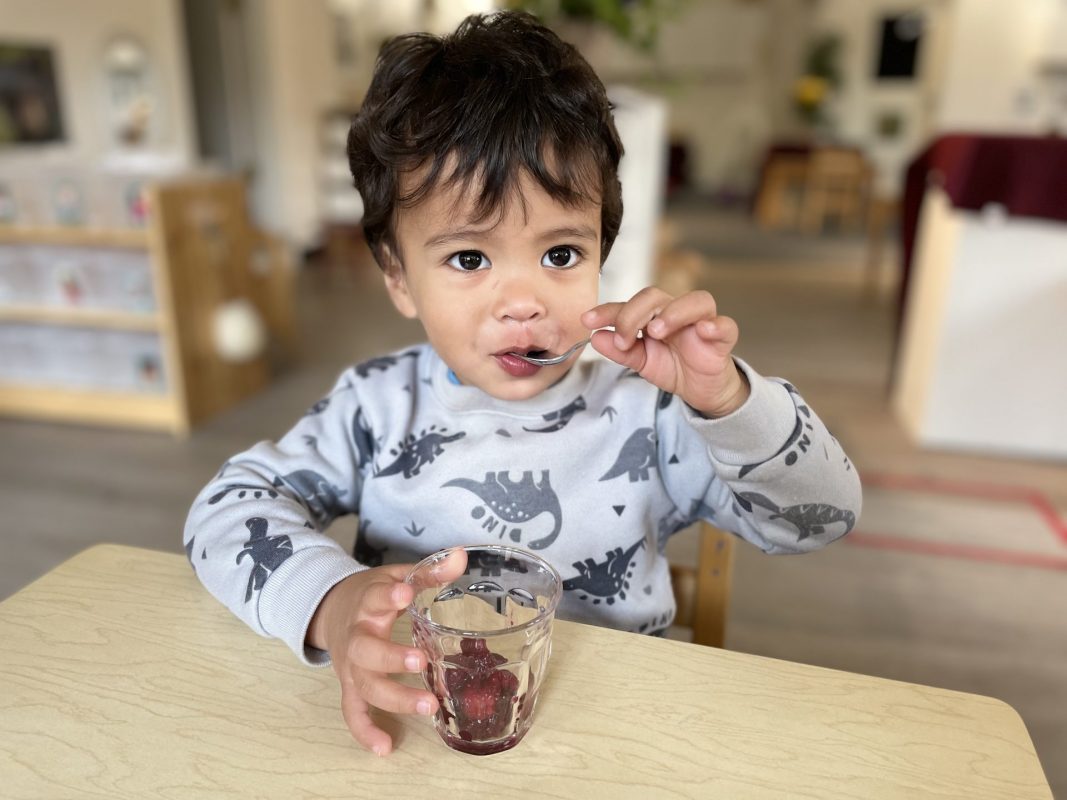
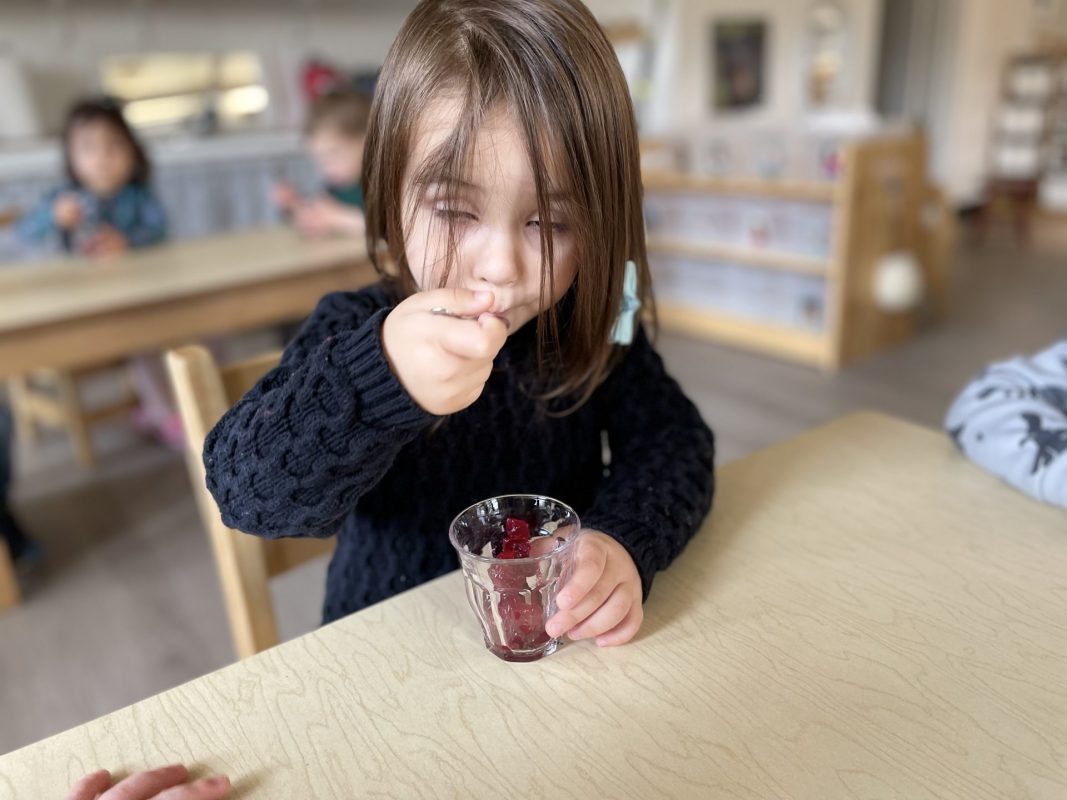
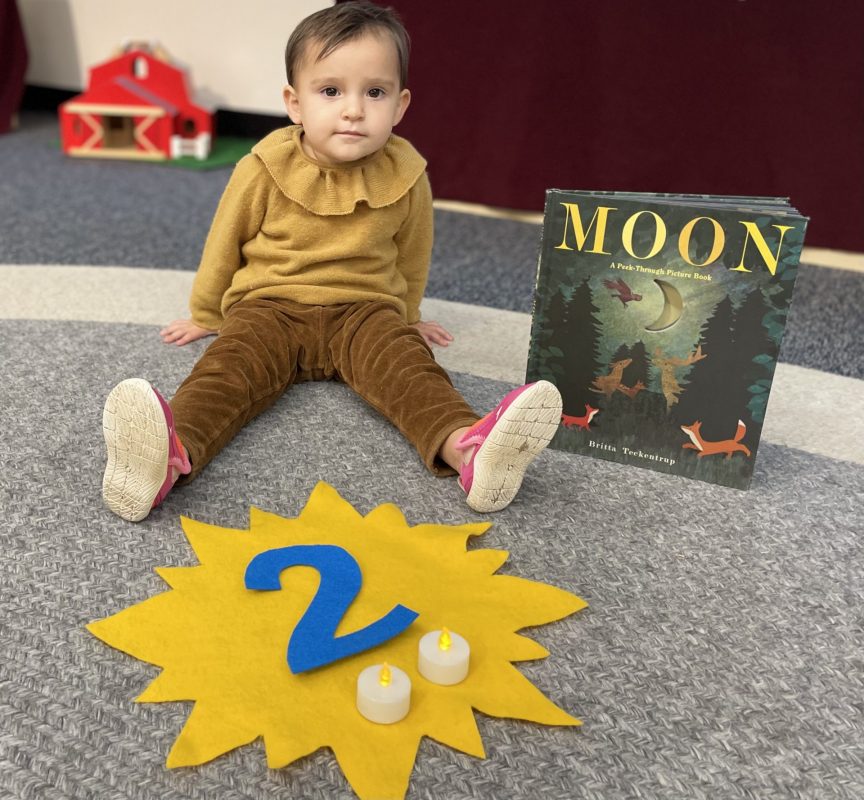
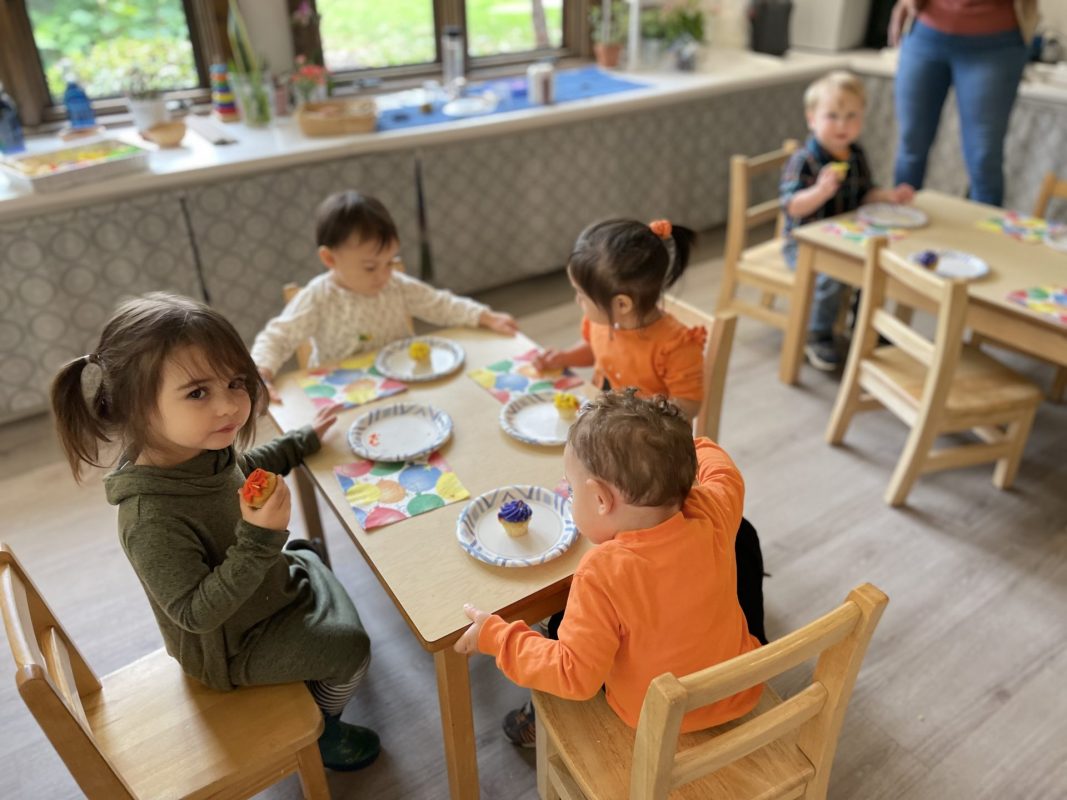
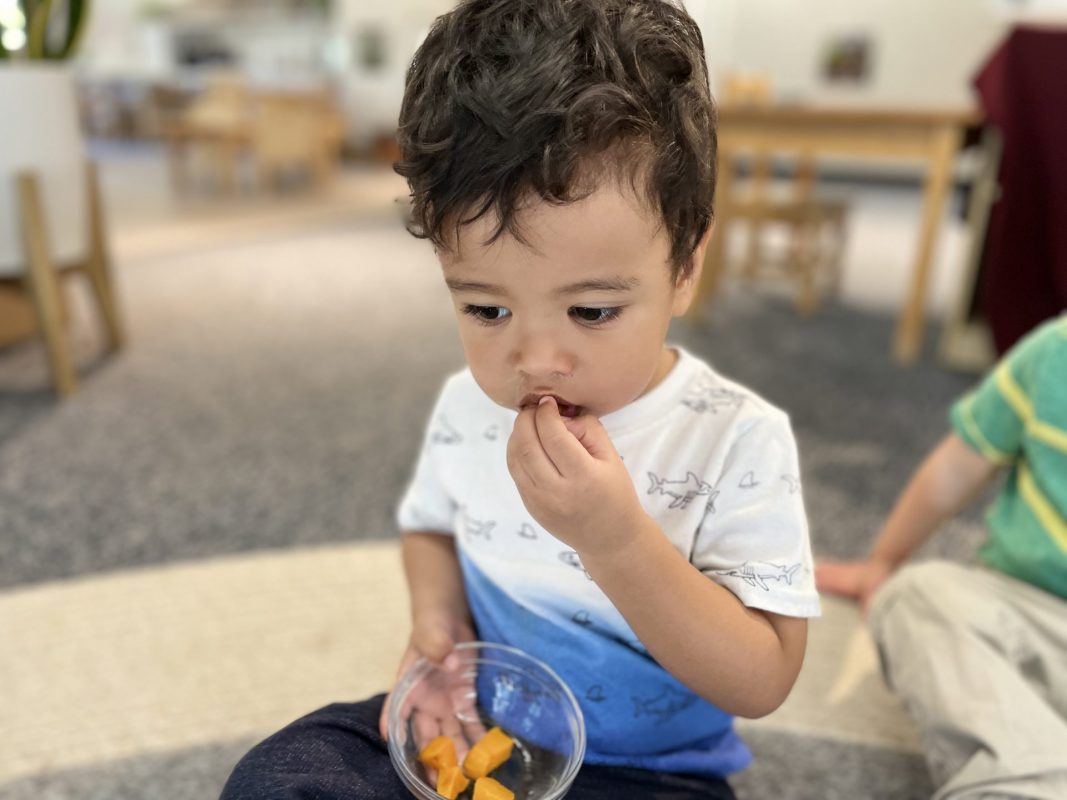
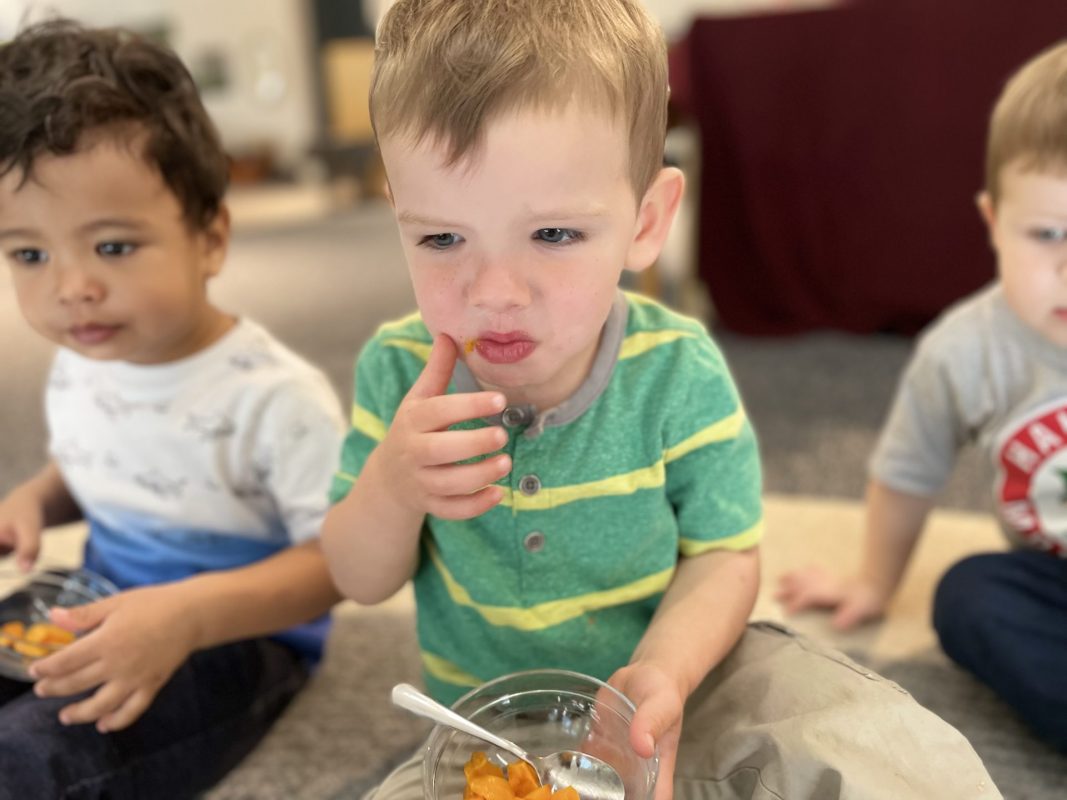
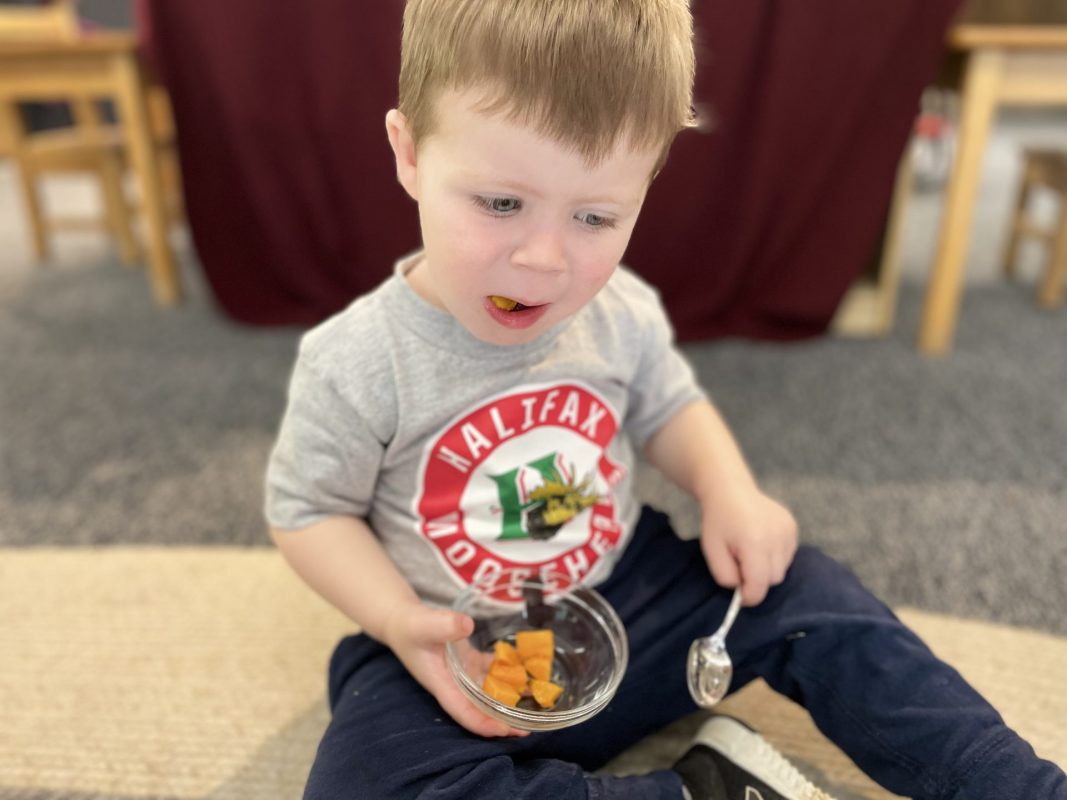
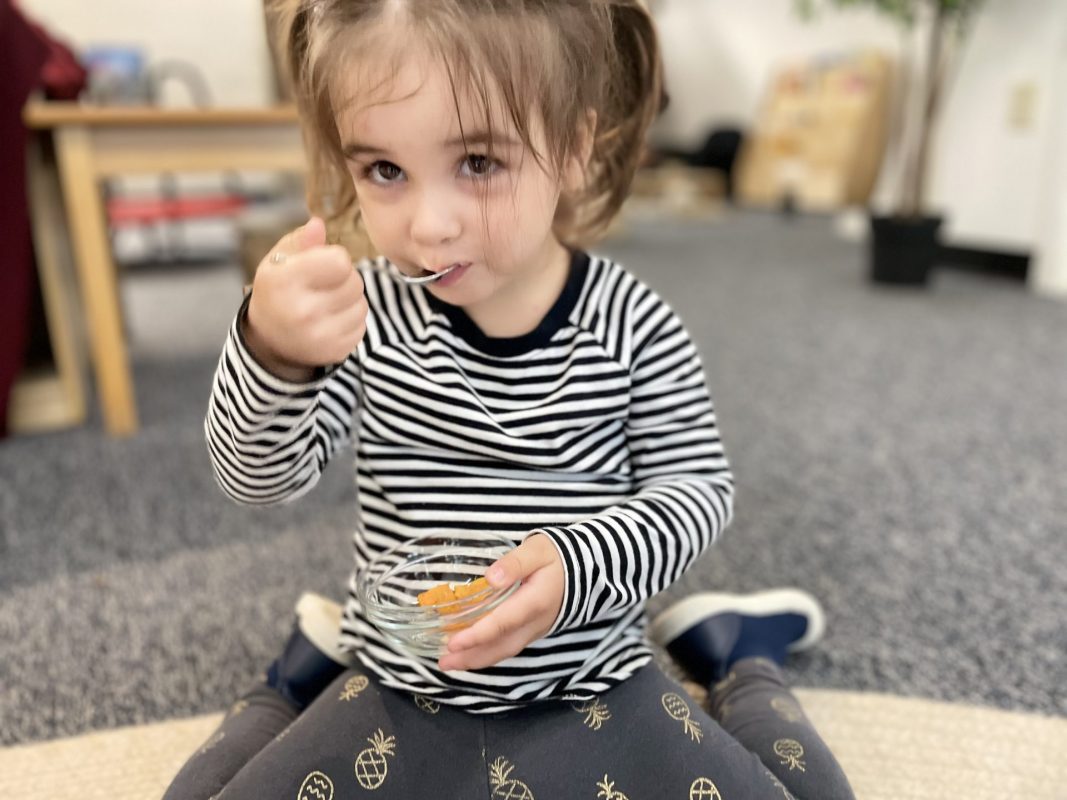
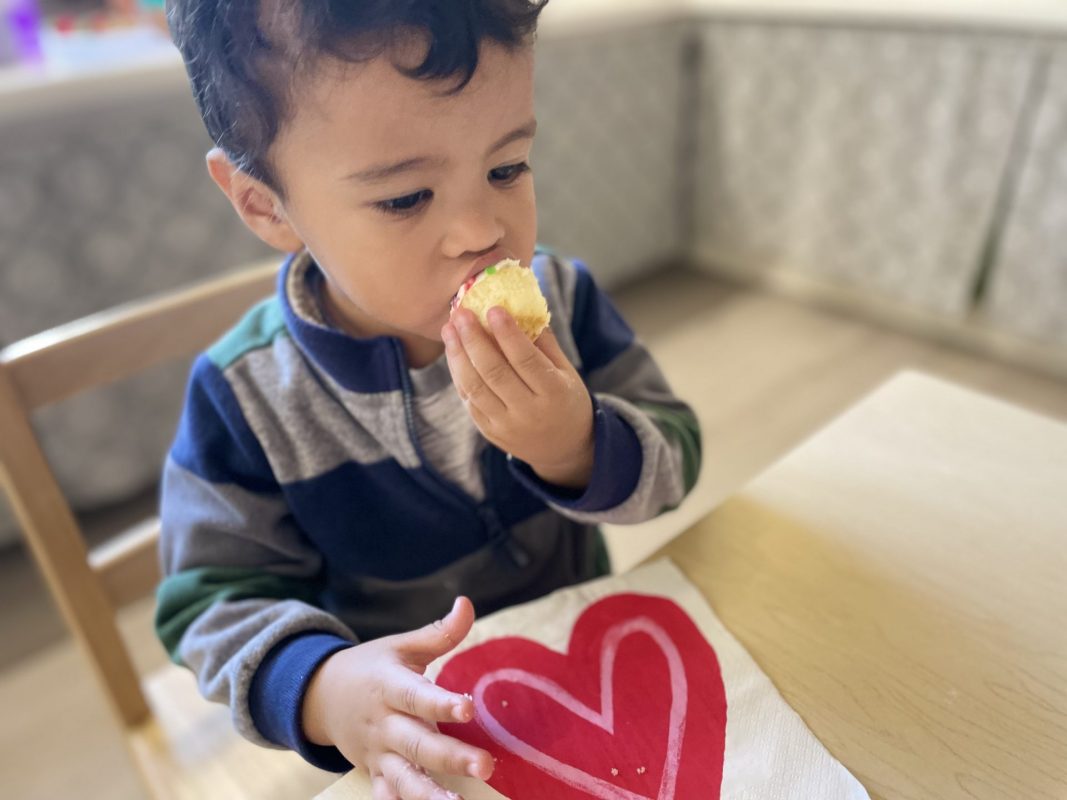
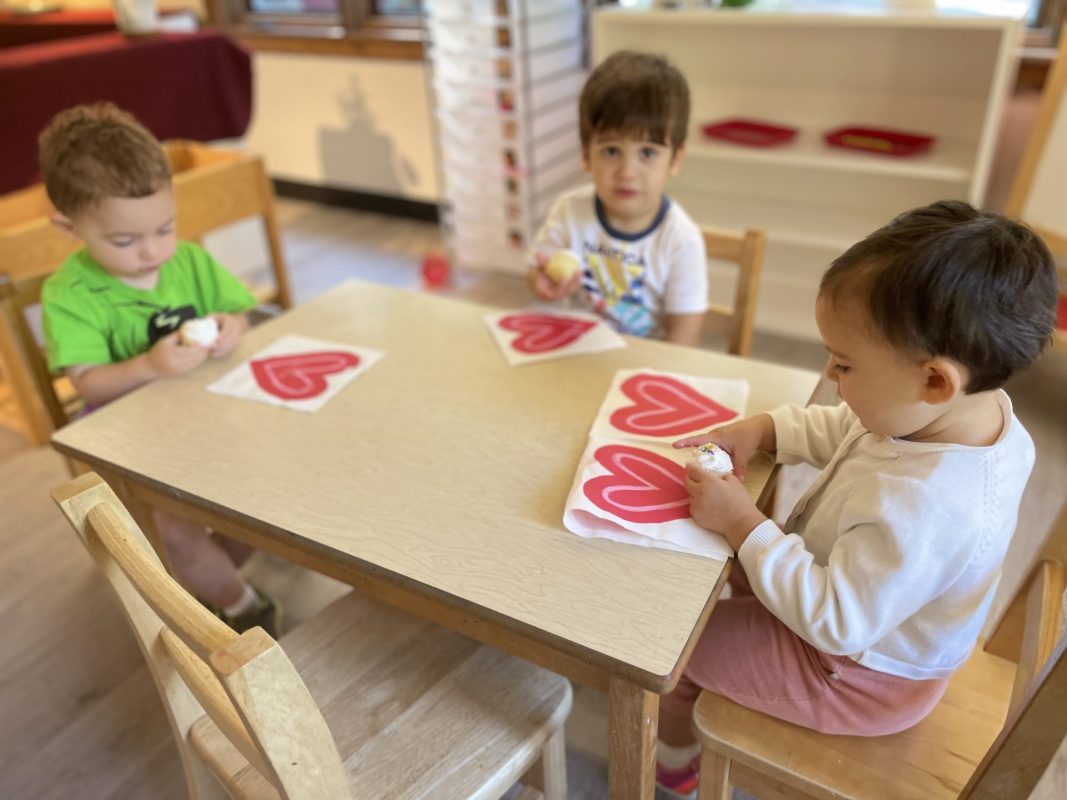
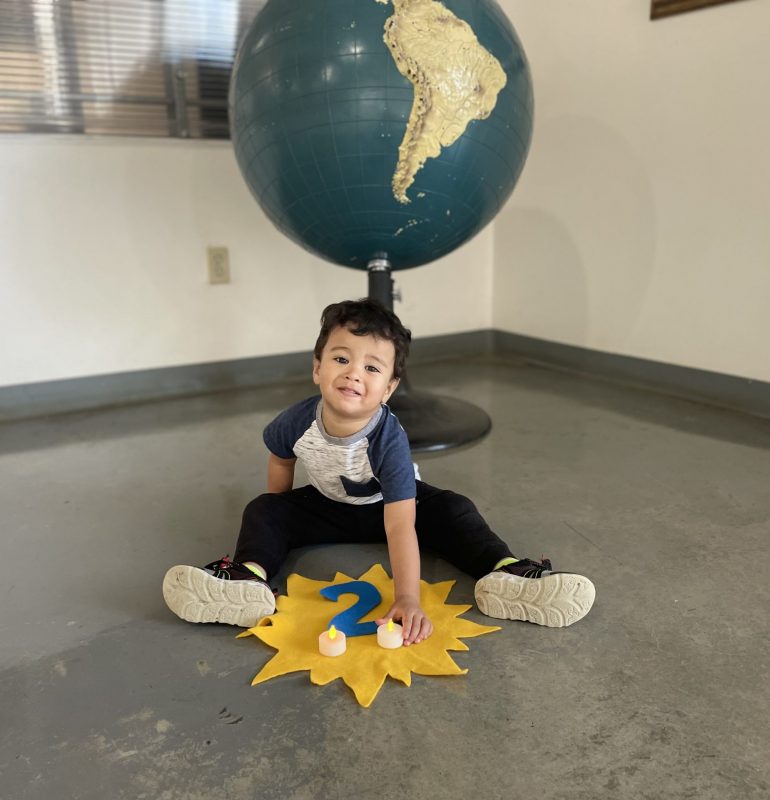
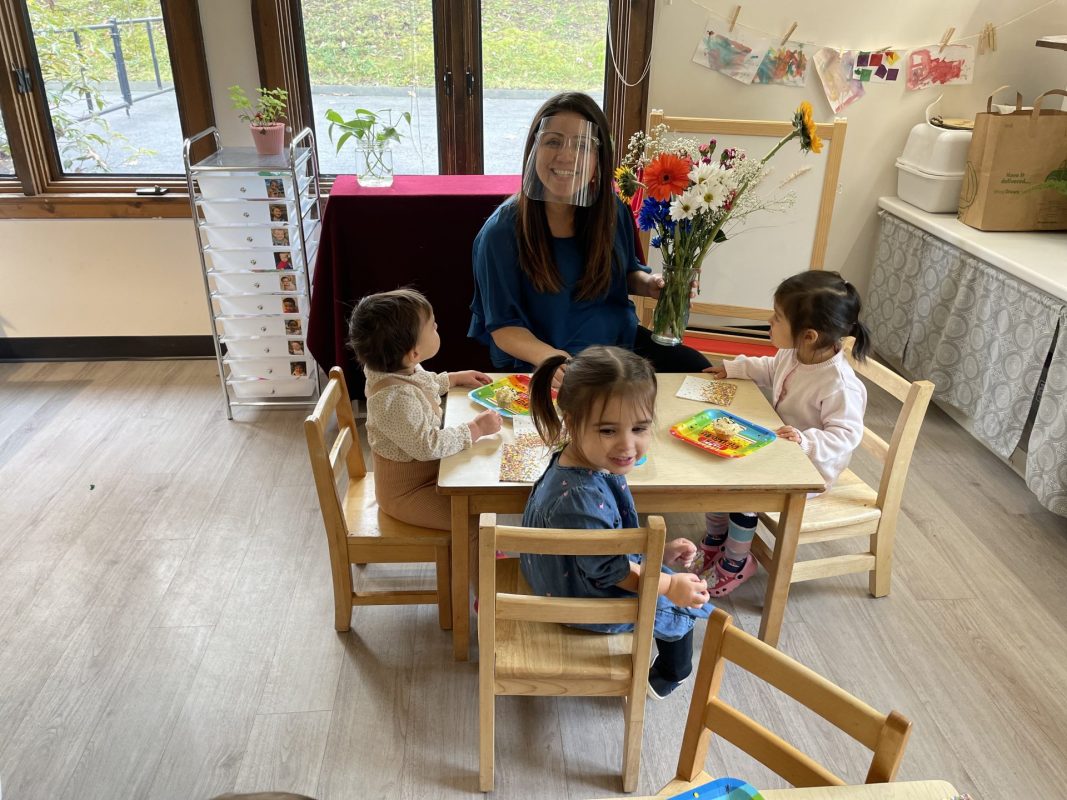
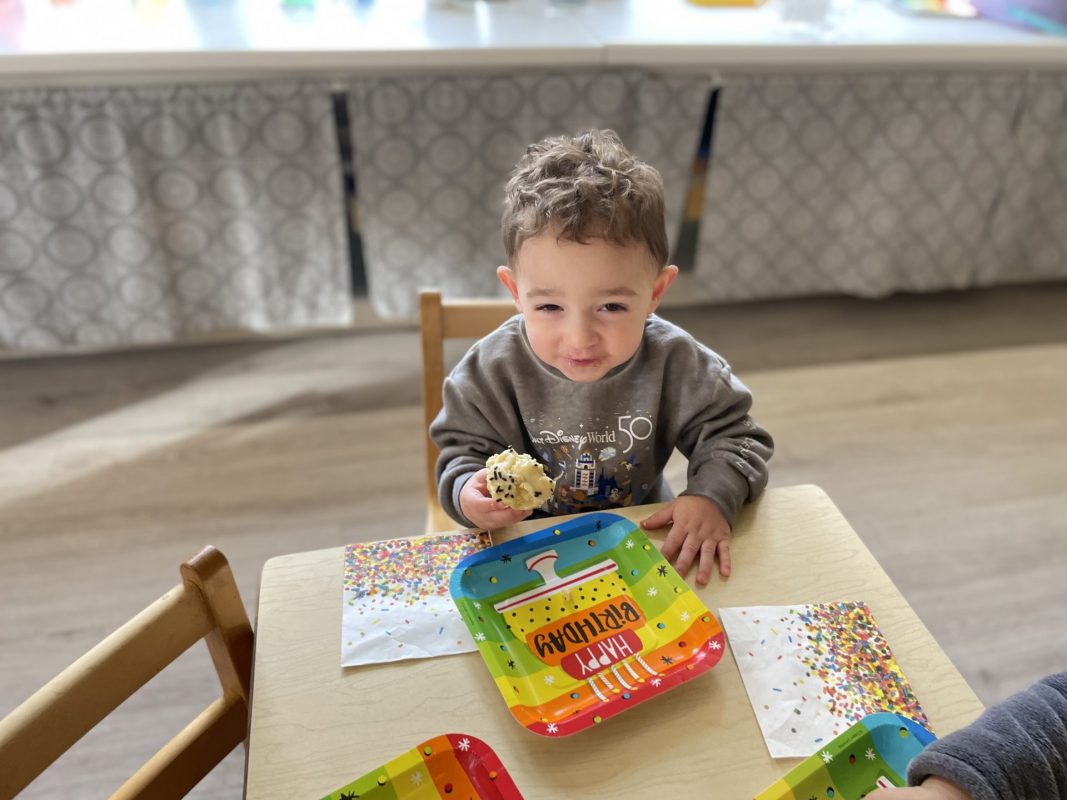
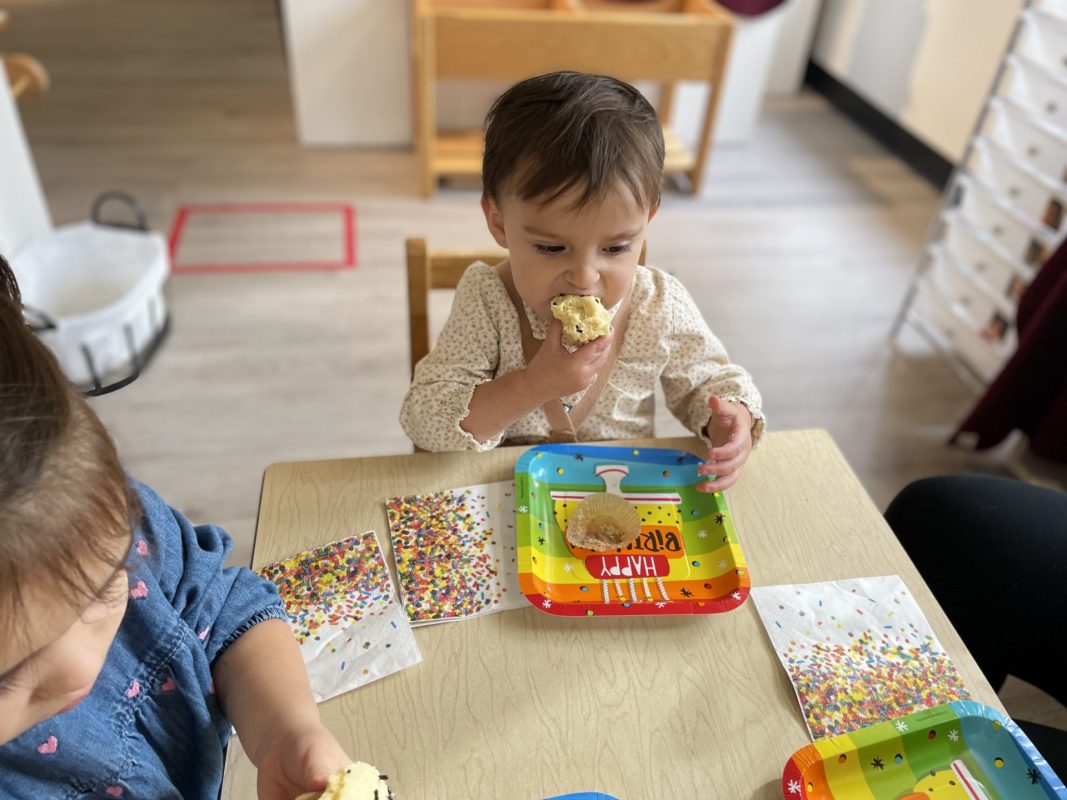
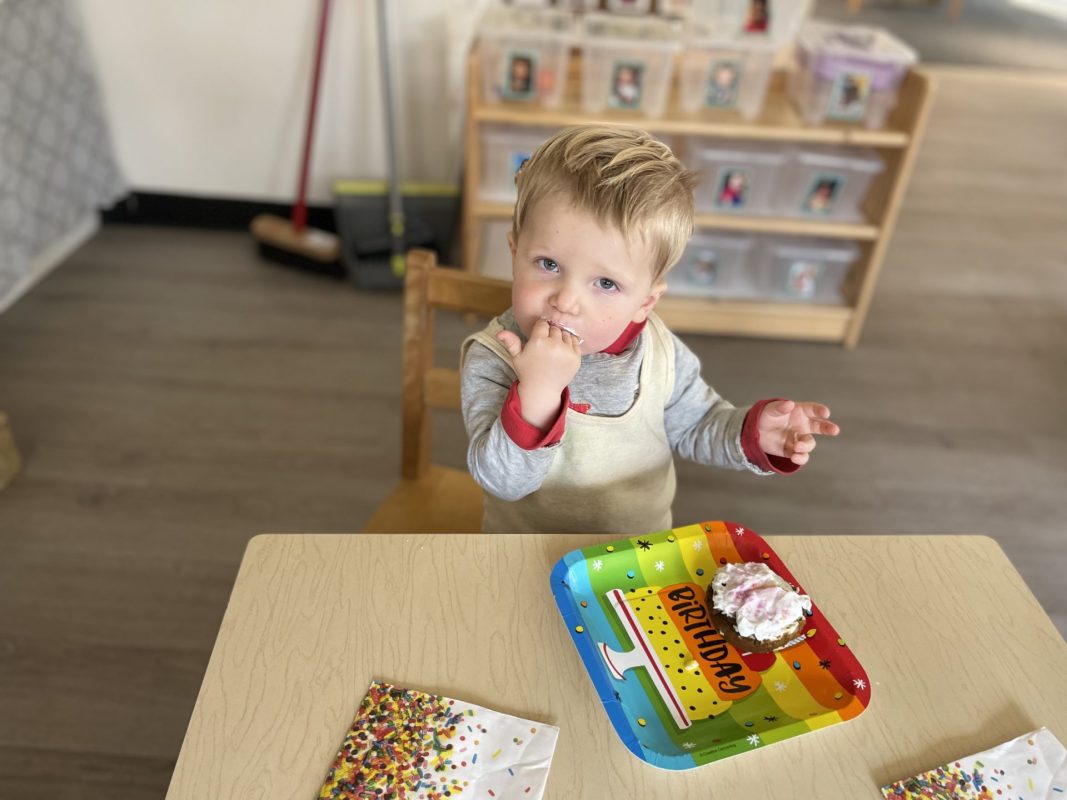
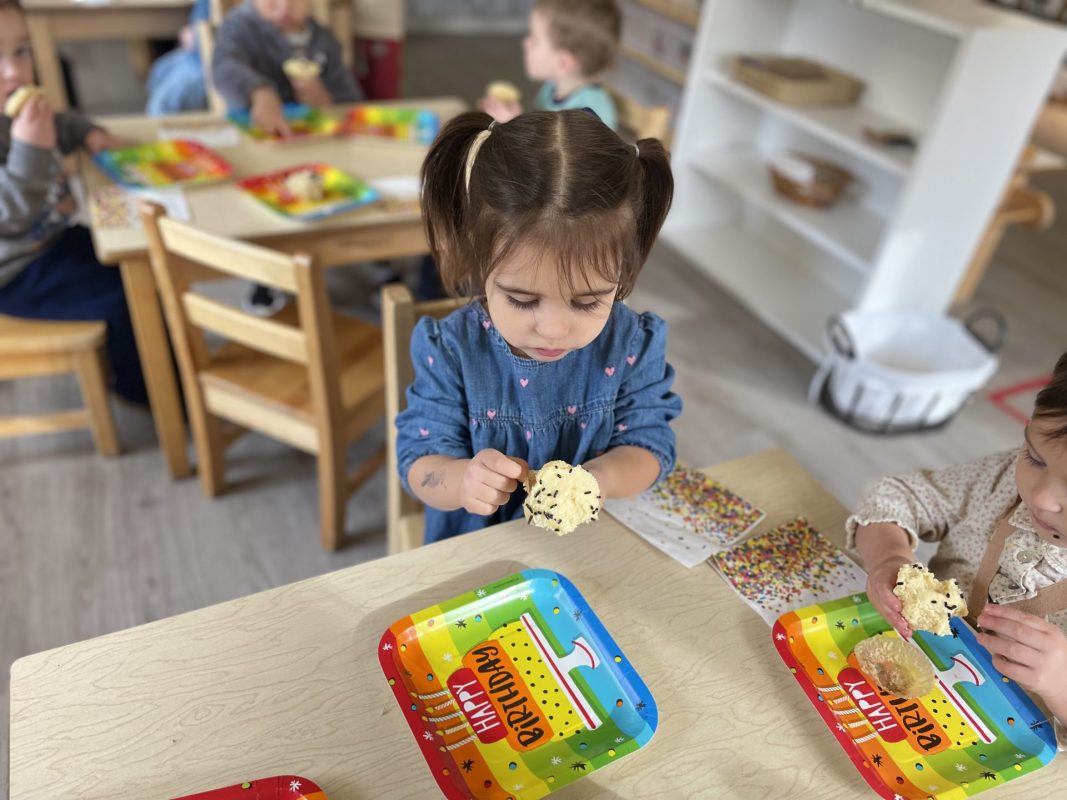
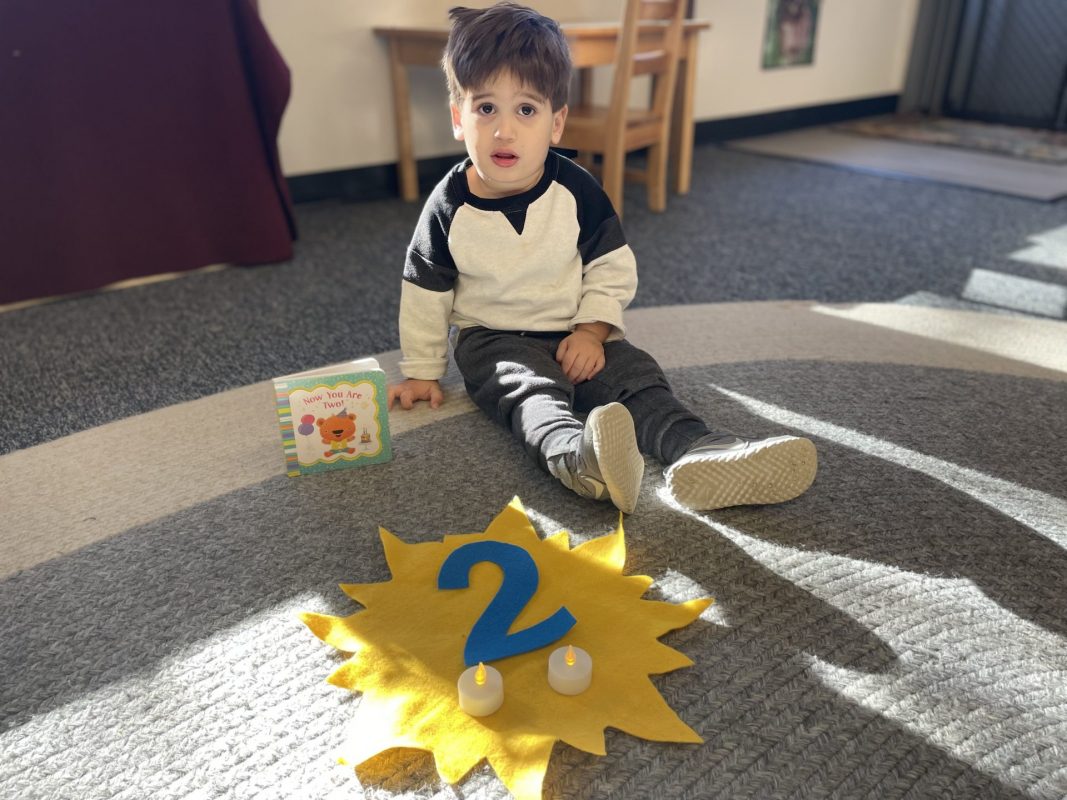
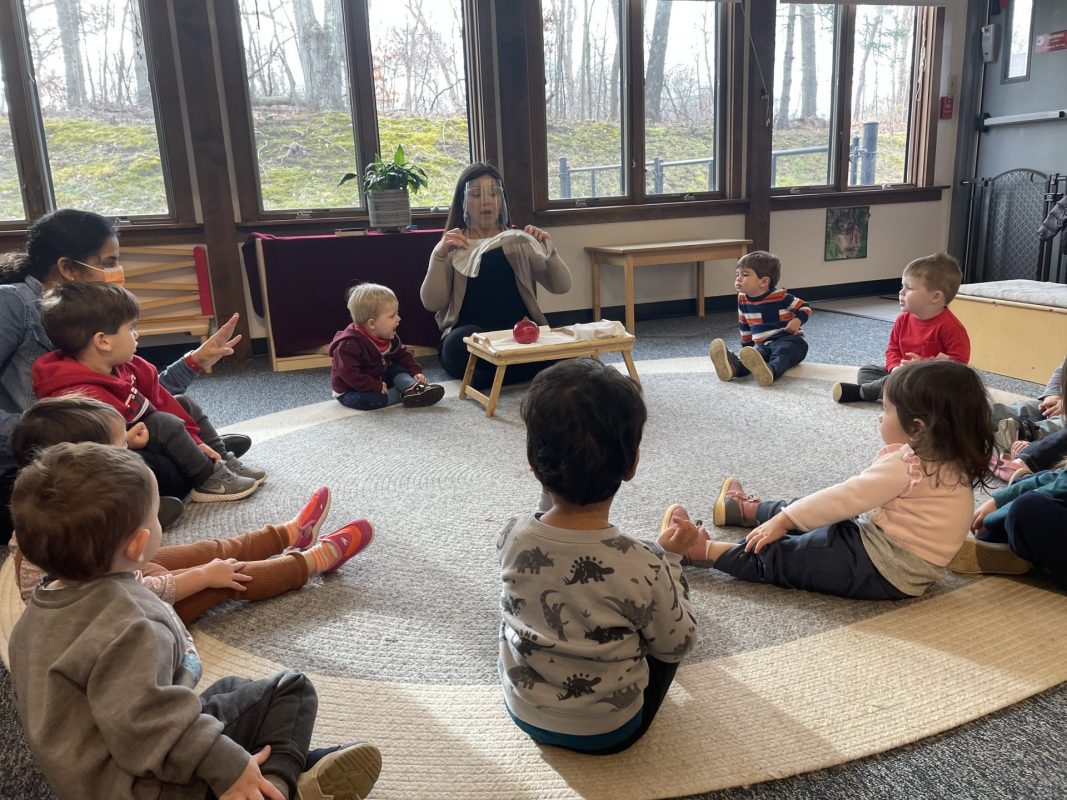
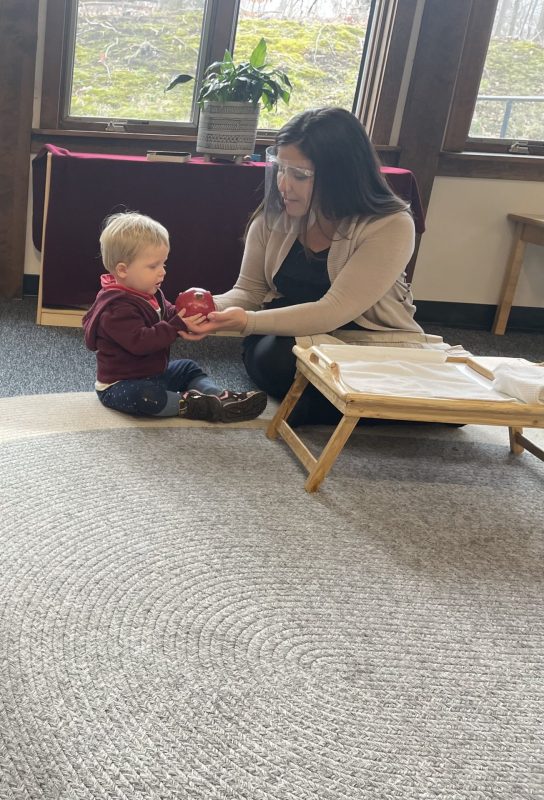
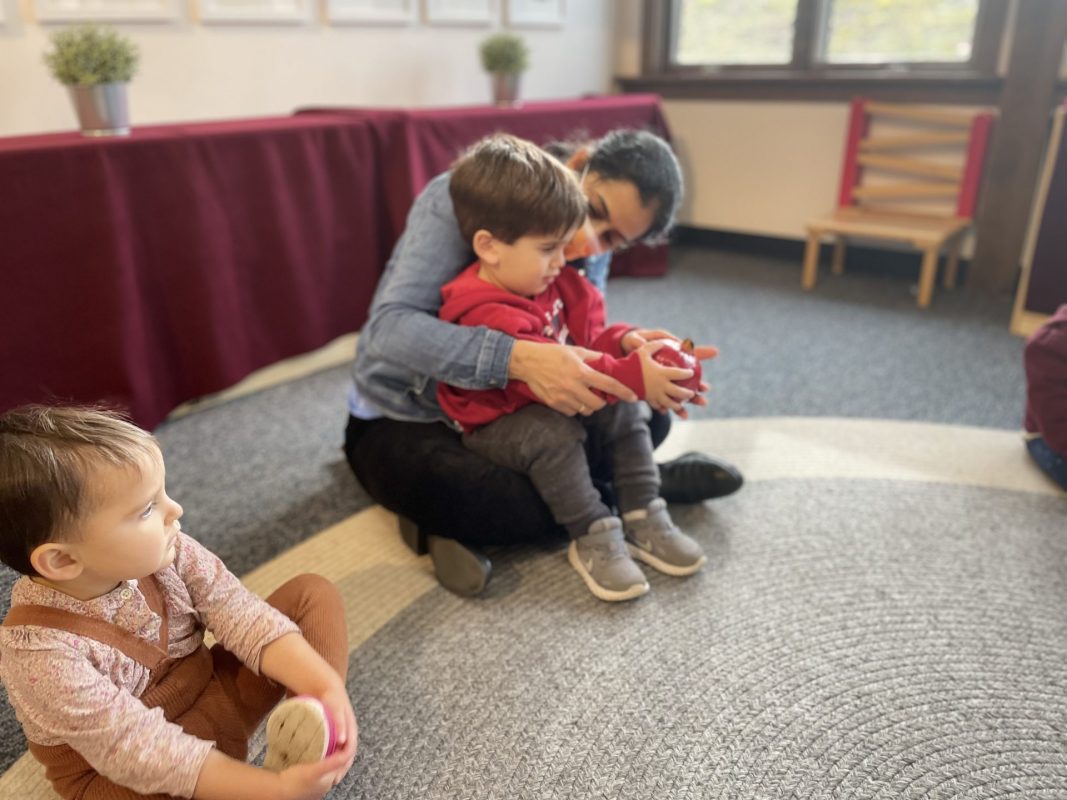
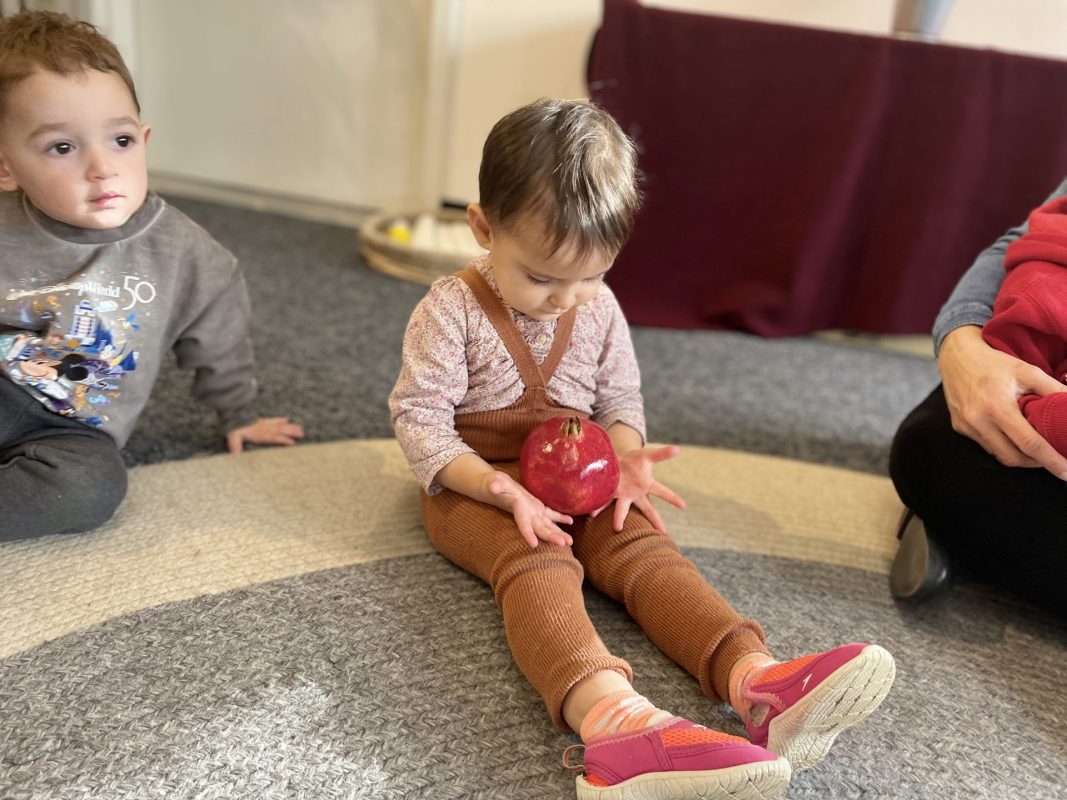
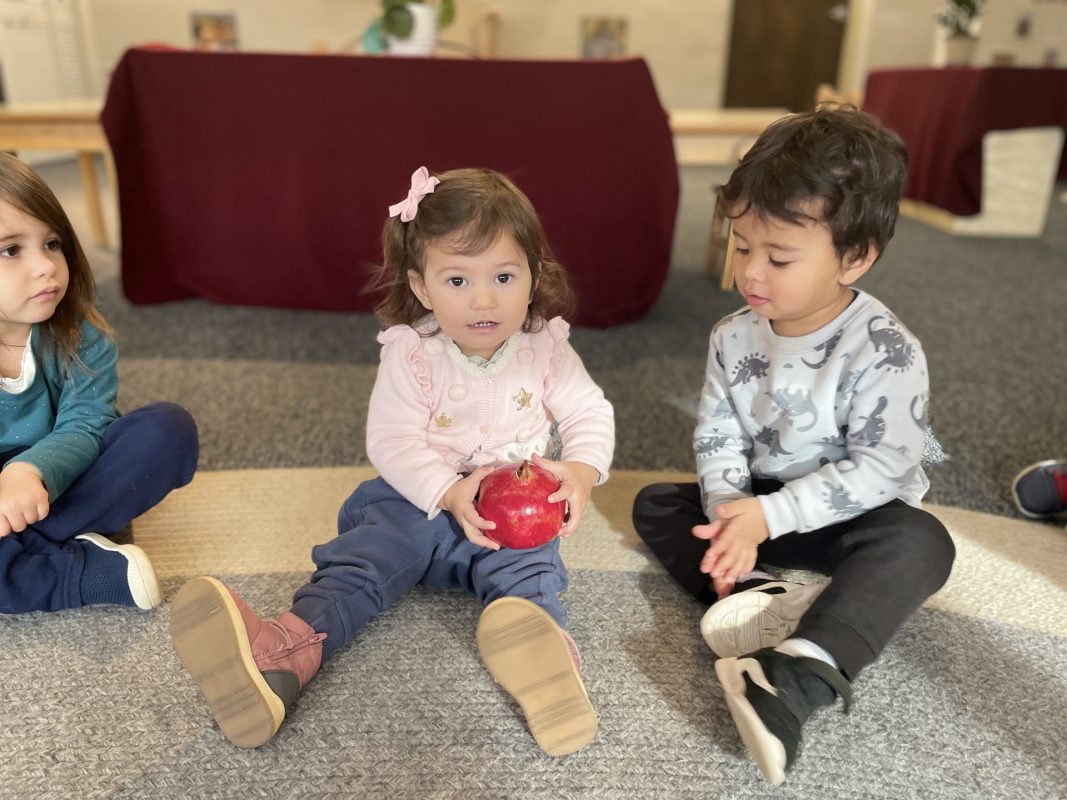
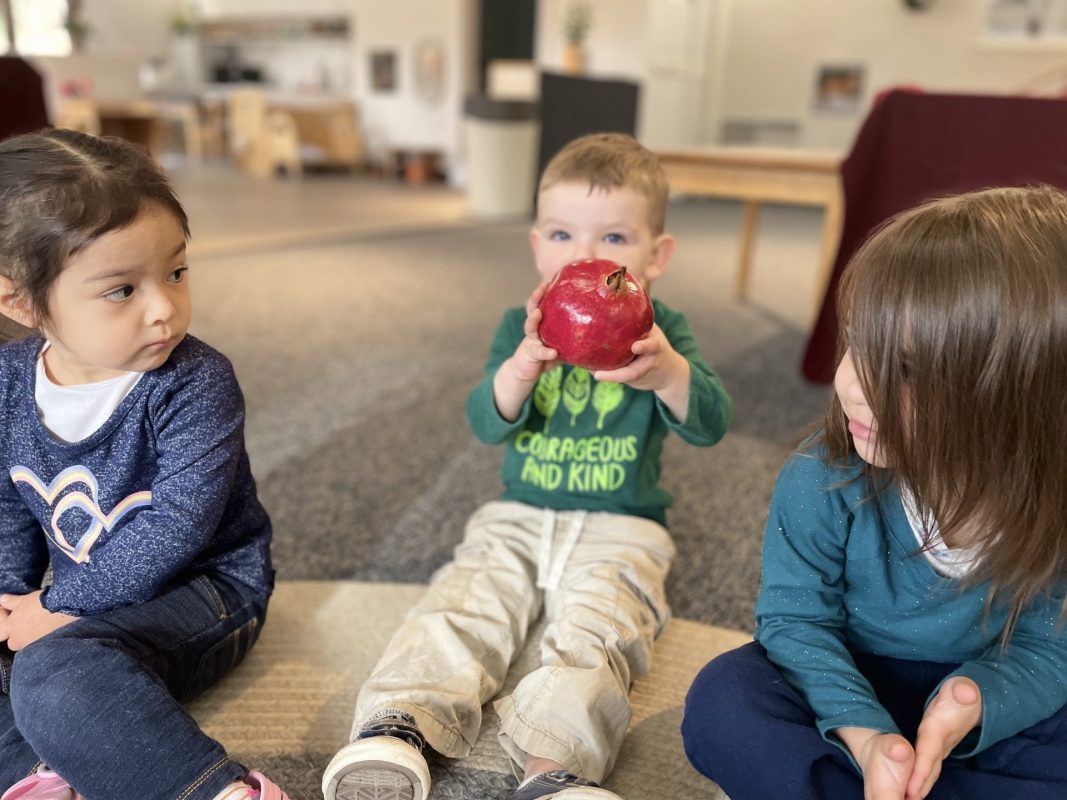
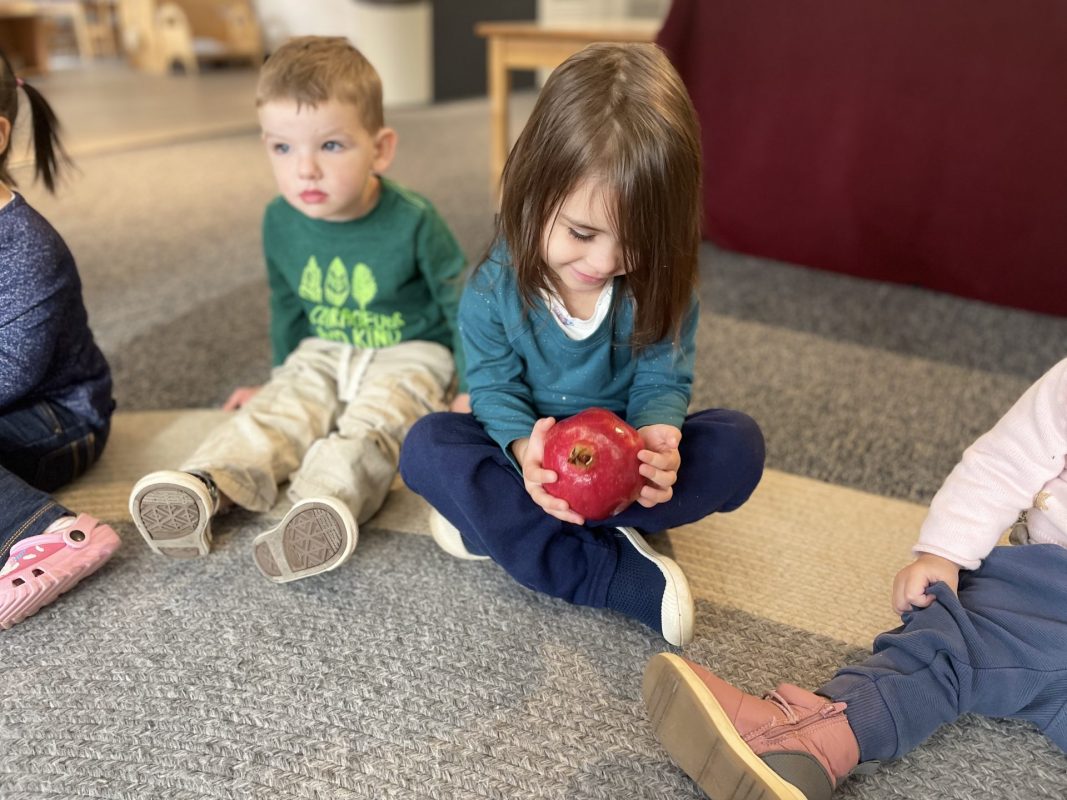
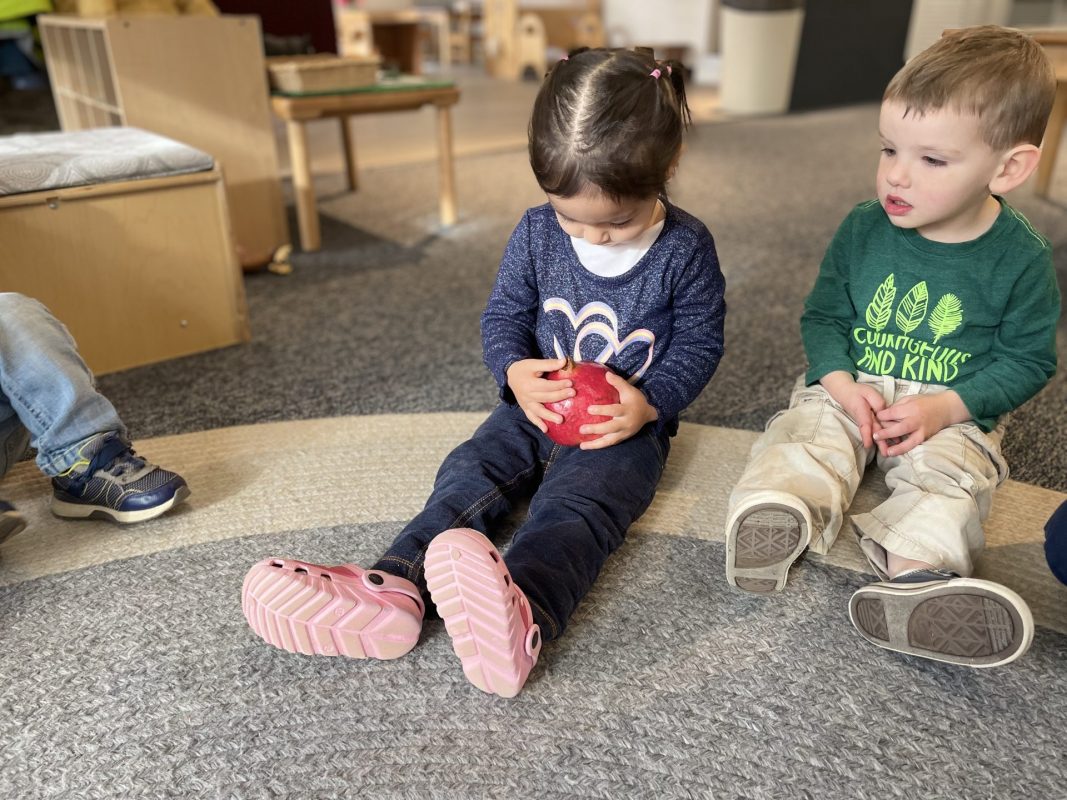
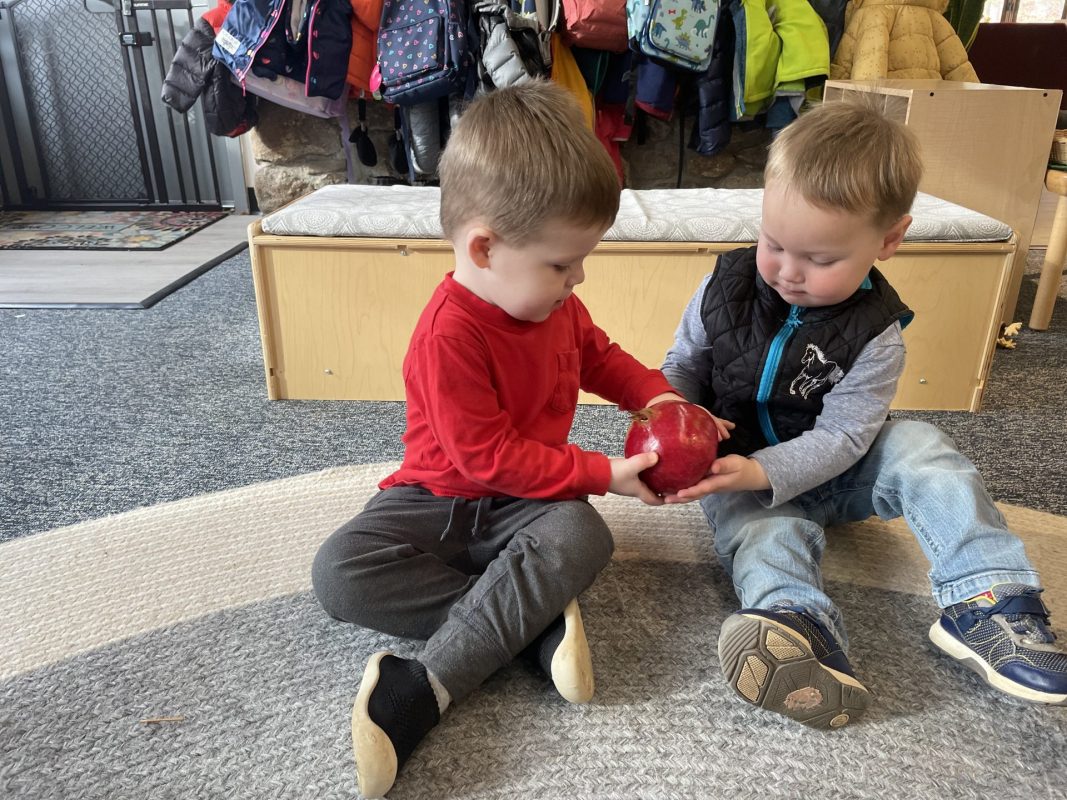
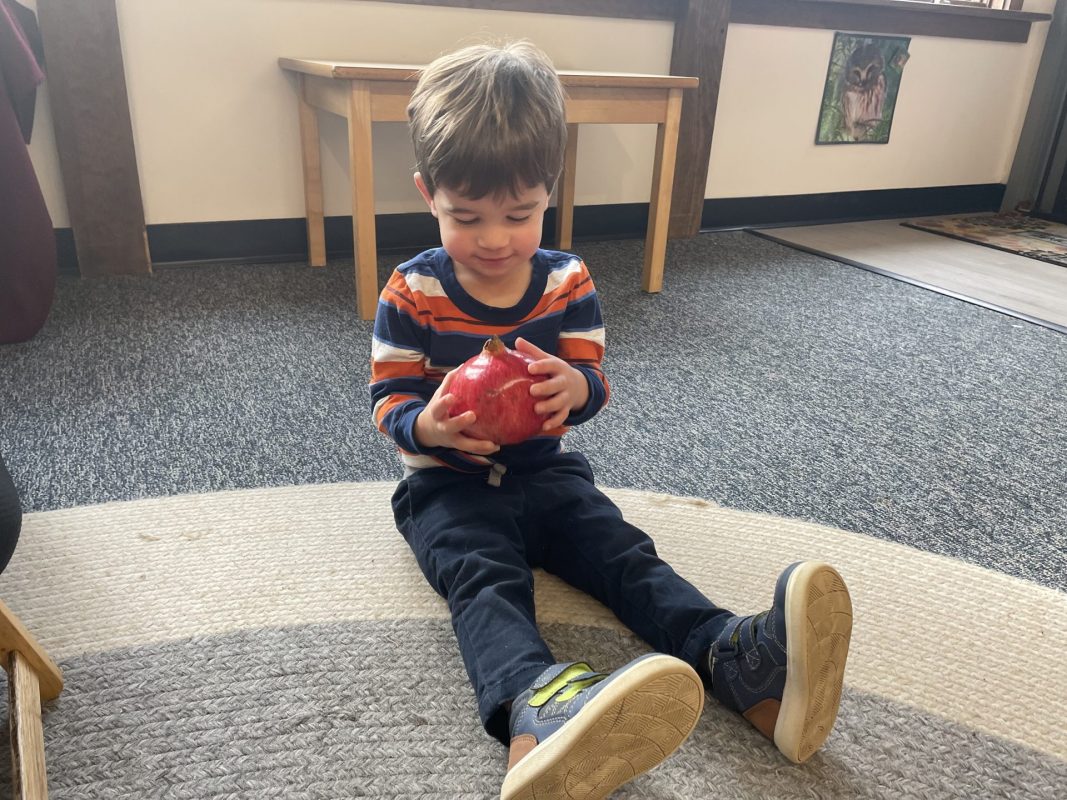
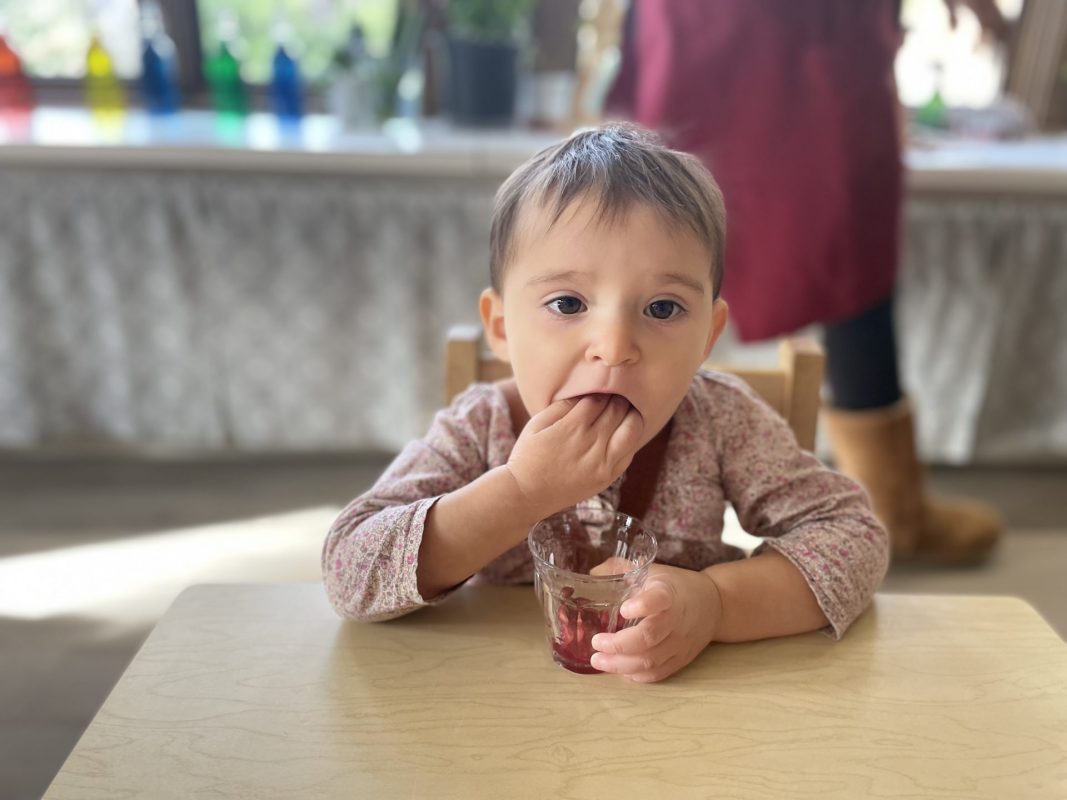
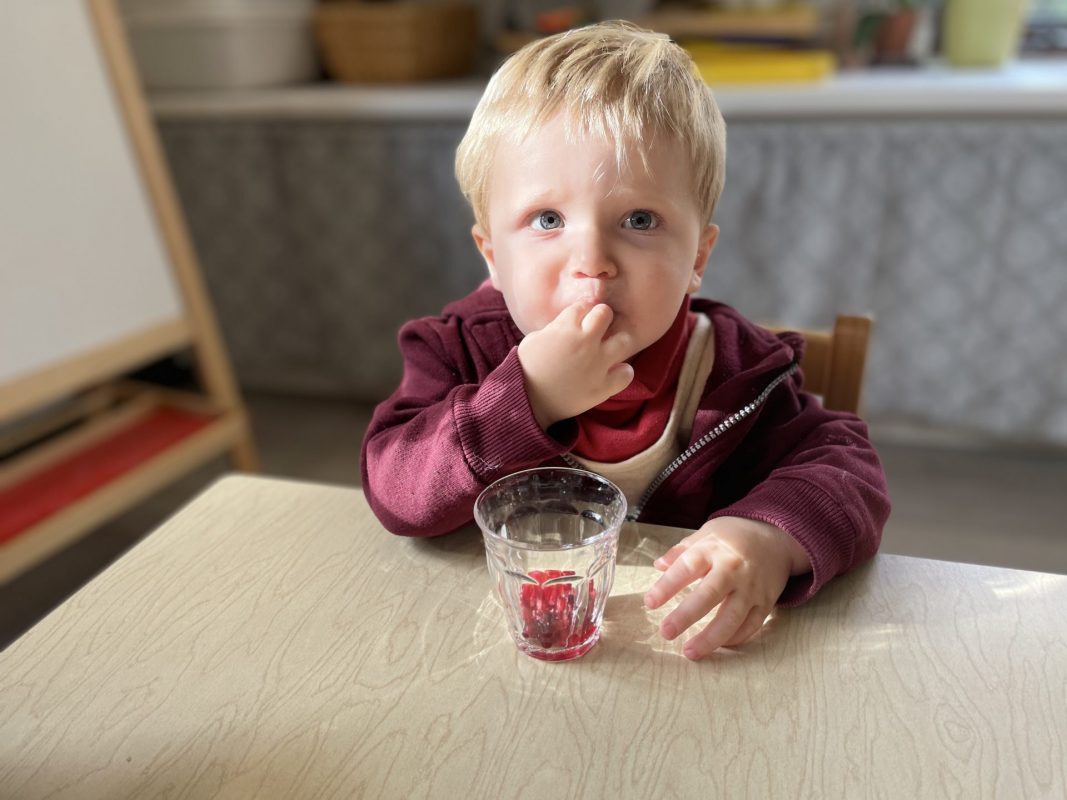
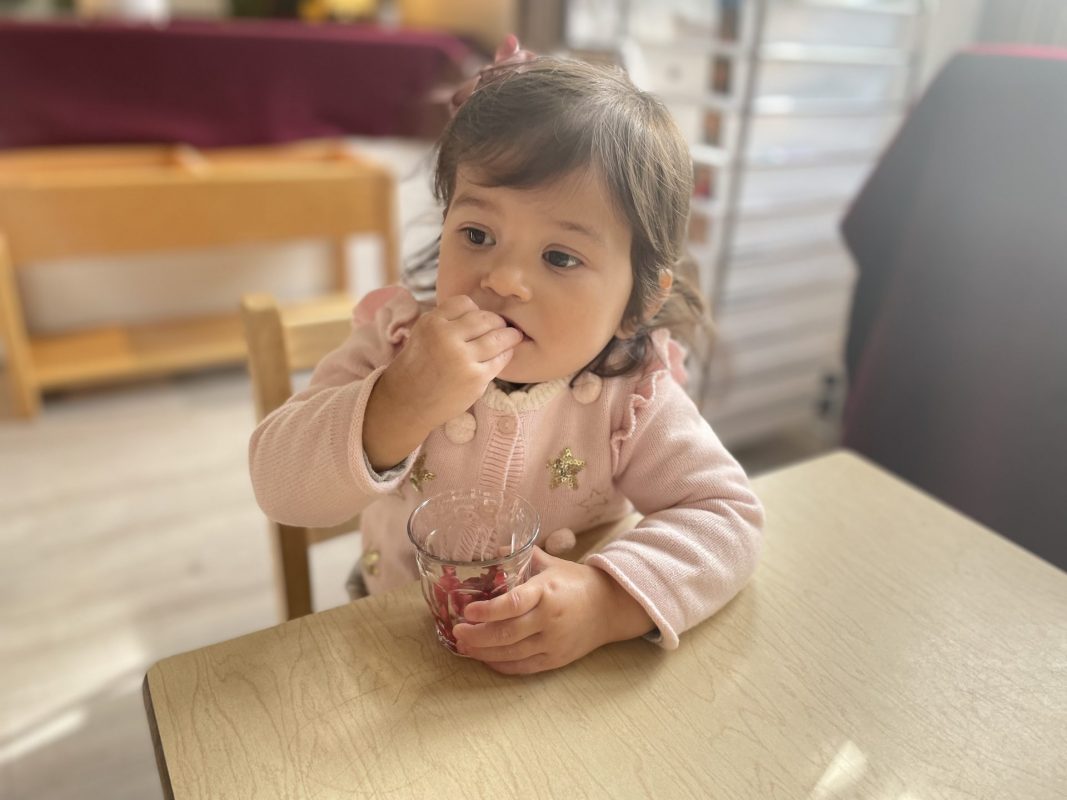
During this time we also welcomed a new student and her family to finally complete our class, celebrated two wonderful birthdays – one of those mine (THANK YOU VERY MUCH!) – and explored sweet potatoes and pomegranates as a class. 

As always we couldn’t do this without your support so we honestly thank you for it and for entrusting your children to us every day! 

As we all prepare for the holiday season, we wish you joy, love, and peace. 

Enjoy the pictures, 

Mrs. Hood and Ms. Maria

Mrs. Hood: Practicing Concentration!

Learning cannot happen without concentration. Concentration cannot happen without interest. Whether we are learning to brush our teeth, write our name, bake a cake, or solve complex algebraic equations, there is intense concentration specific to the task at hand.

Concentration is a skill that needs practice to improve and develop.

Our Montessori classroom provides an environment that offers the time and opportunity to practice deep concentration. The uninterrupted work period enables the children to focus on a task for as long as they wish without an adult-imposed schedule. The adult in the environment is cautious not to interrupt and break the children’s concentration. As the ability to concentrate improves, the children also develop better self-control and self-regulation.

What can we do to nurture and protect concentration at home?

In recent times there has been a strong social message for parents to spend lots of ‘quality time’ with children. This could be because of the increased amount of time typically spent away from the home. Parents sometimes fear their children may get bored and try to compensate for the loss of quality time by providing videos, iPads, and computer games that can keep children occupied.

It is important to spend meaningful time with your children interacting with them. It is just as important to offer children the opportunity for self-initiated play and the time to become bored. The best way to develop concentration is to practice it, and the best way to let children practice is to avoid interrupting when they are beginning to pay attention to something.

Here are some suggestions for you to do at home:

  • Observe your child and identify what it is that holds his attention.
  • Arrange the materials he uses so they are accessible and organized.
  • Nurture his creative endeavors.
  • Resist the urge to interrupt when he is deeply concentrating. Just supervise.
  • Be a good role model and show your child that you have work that needs concentration.
  • Provide uninterrupted time to complete his task or activity.
  • Ensure your child has opportunity to develop his gross motor skills through outdoor play.
  • Work on relaxation and introduce meditation or quiet time at the end of the day.

Adapting these practices at home will support your child to develop concentration, a skill essential to success in schooling and life.

“Concentration is a part of life. It is not the consequence of a method of education.” ~Maria Montessori

Best,

Mrs. Hood and Ms. Maria

Mrs. Hood: Let’s Celebrate!

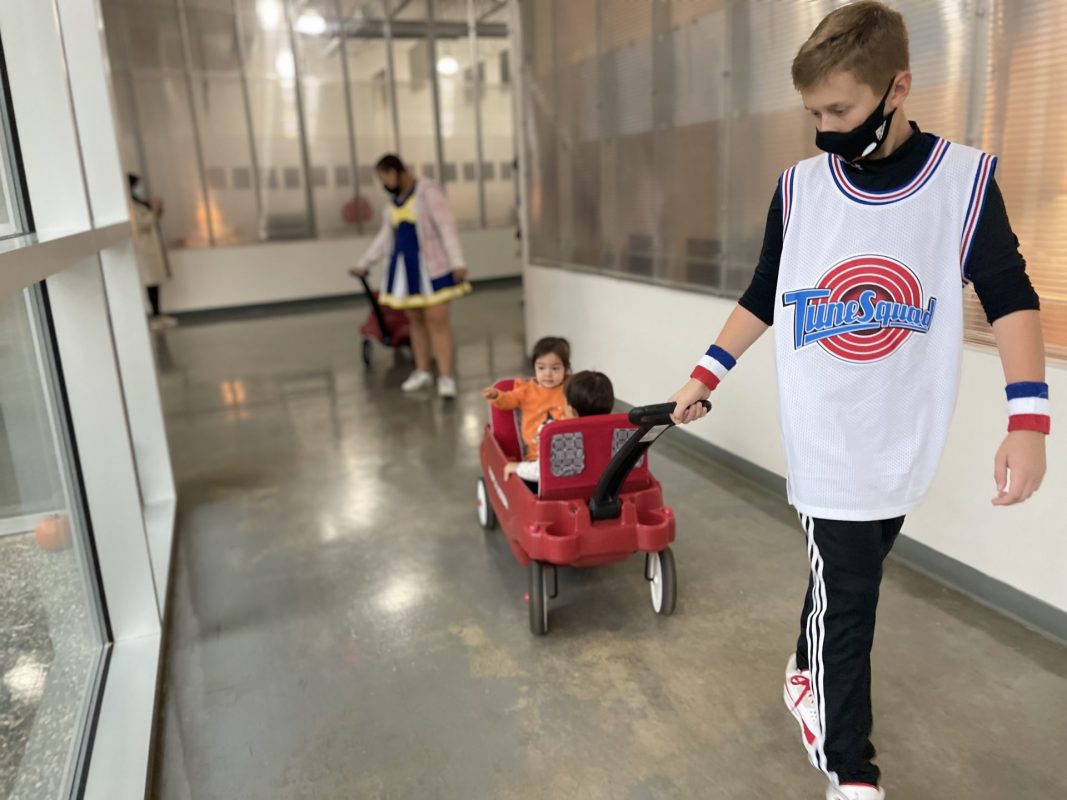
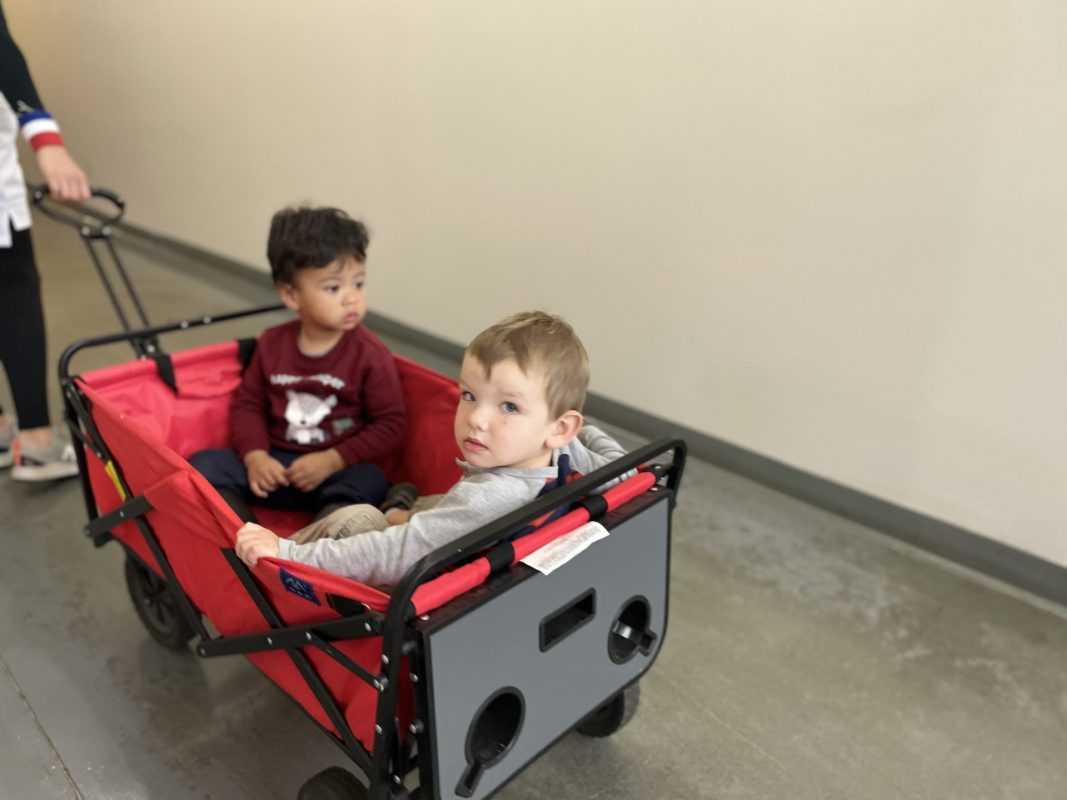
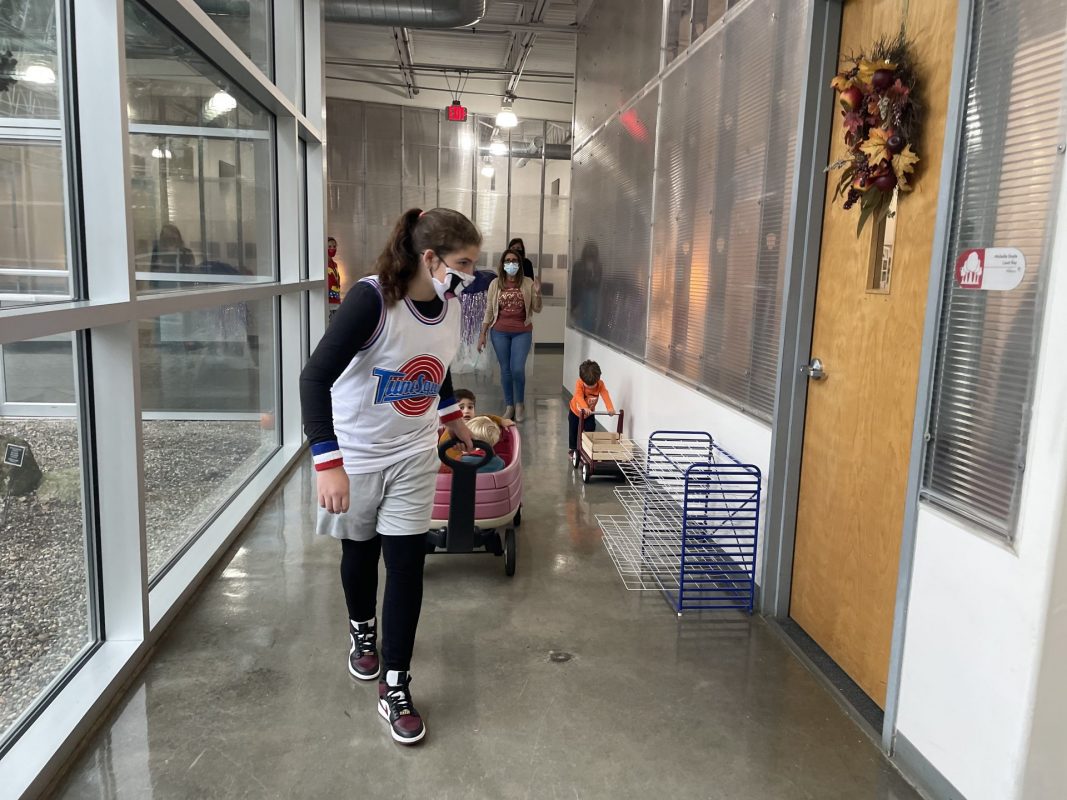
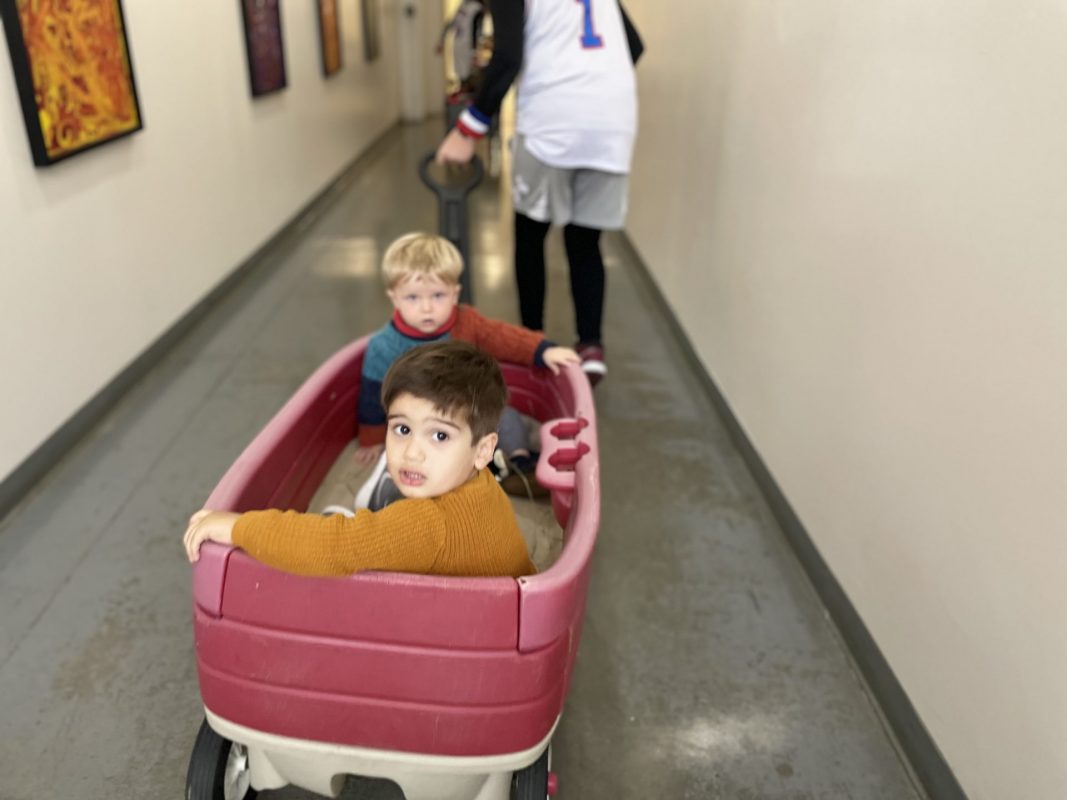
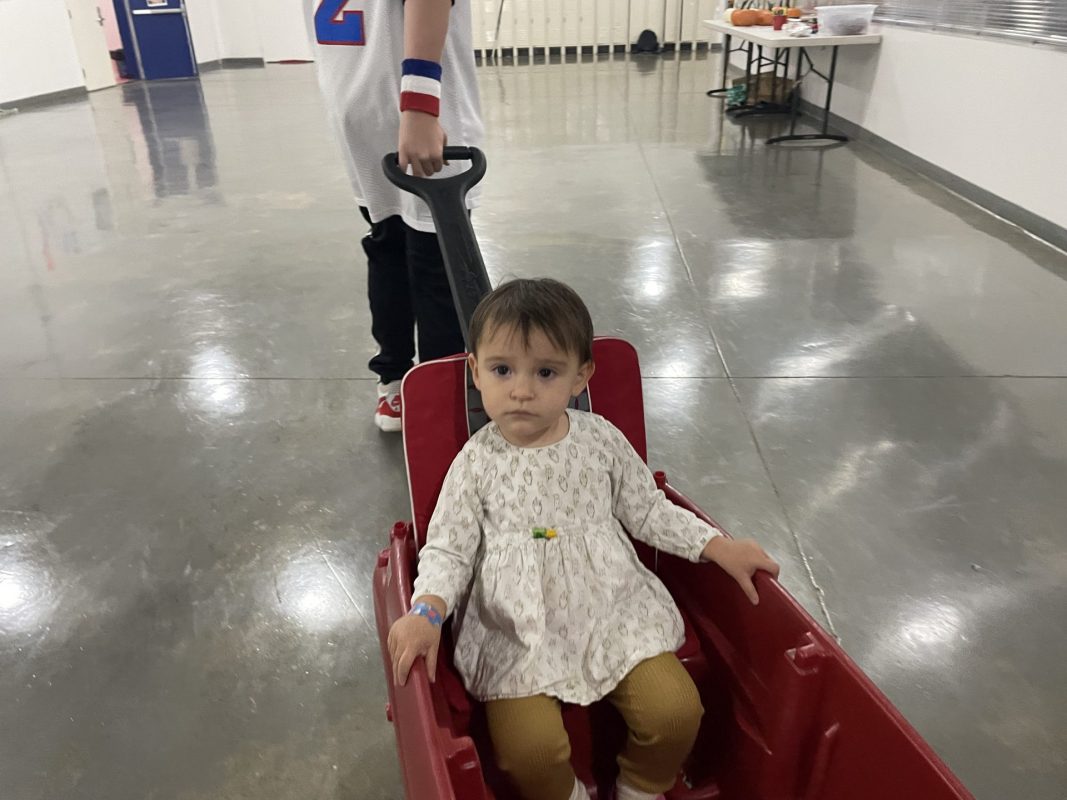
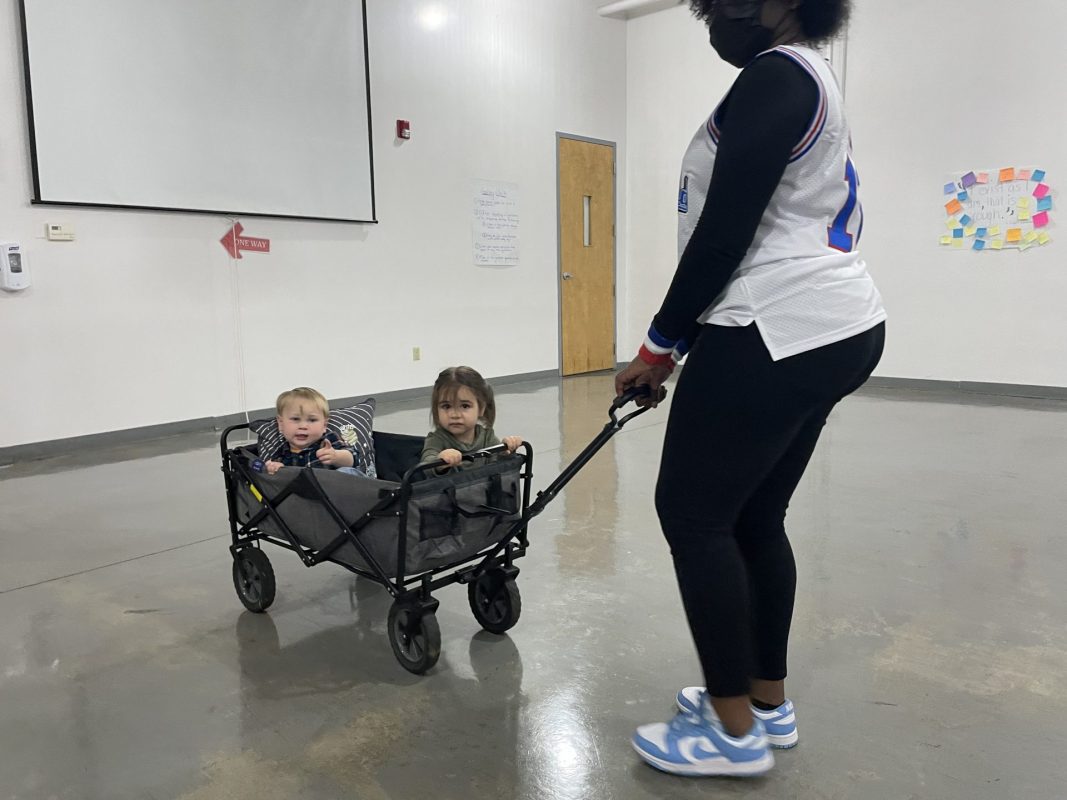
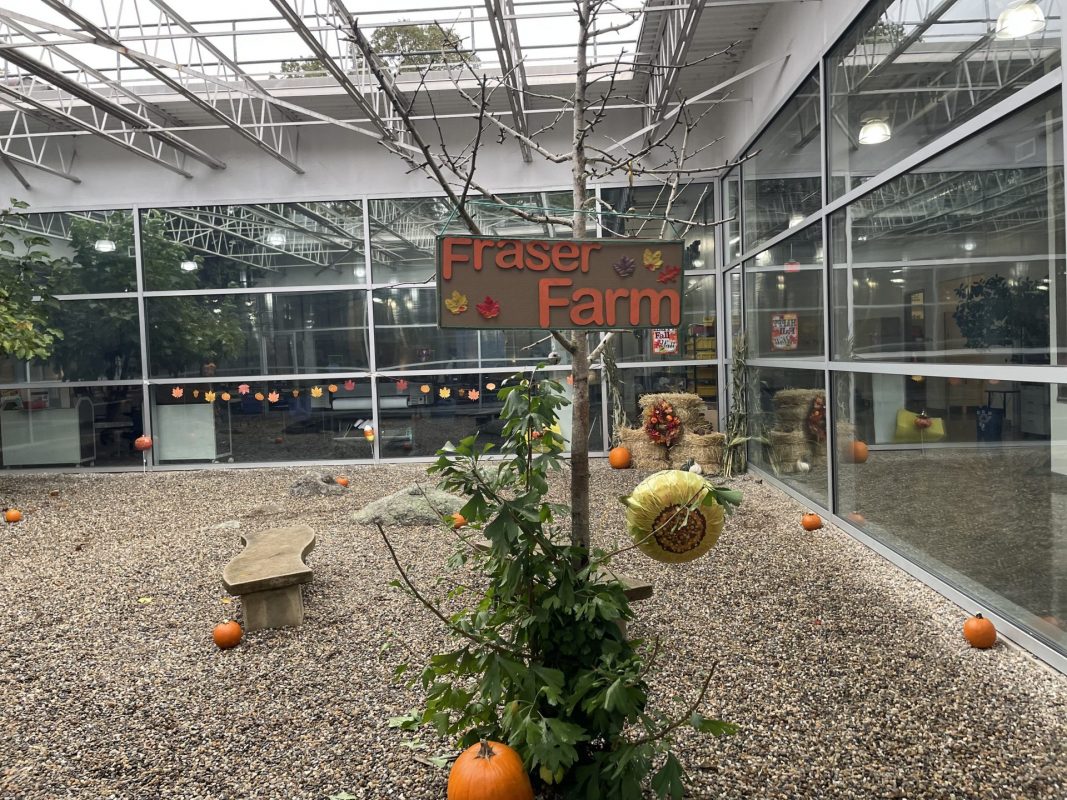
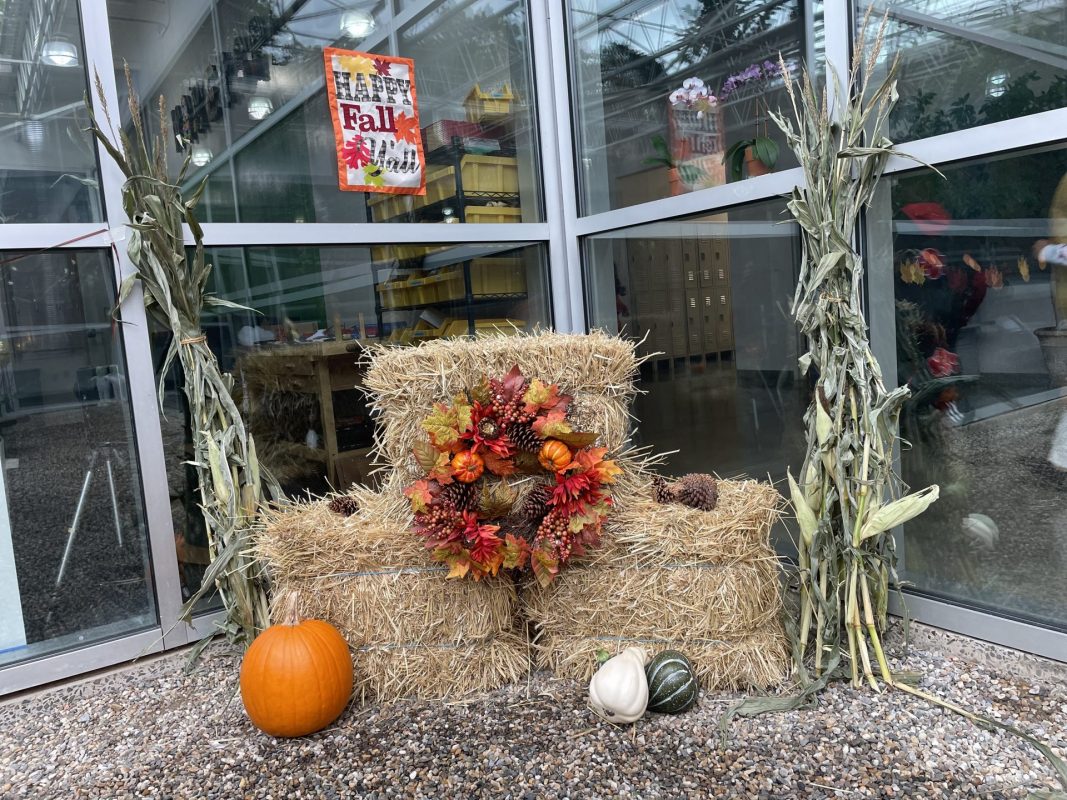
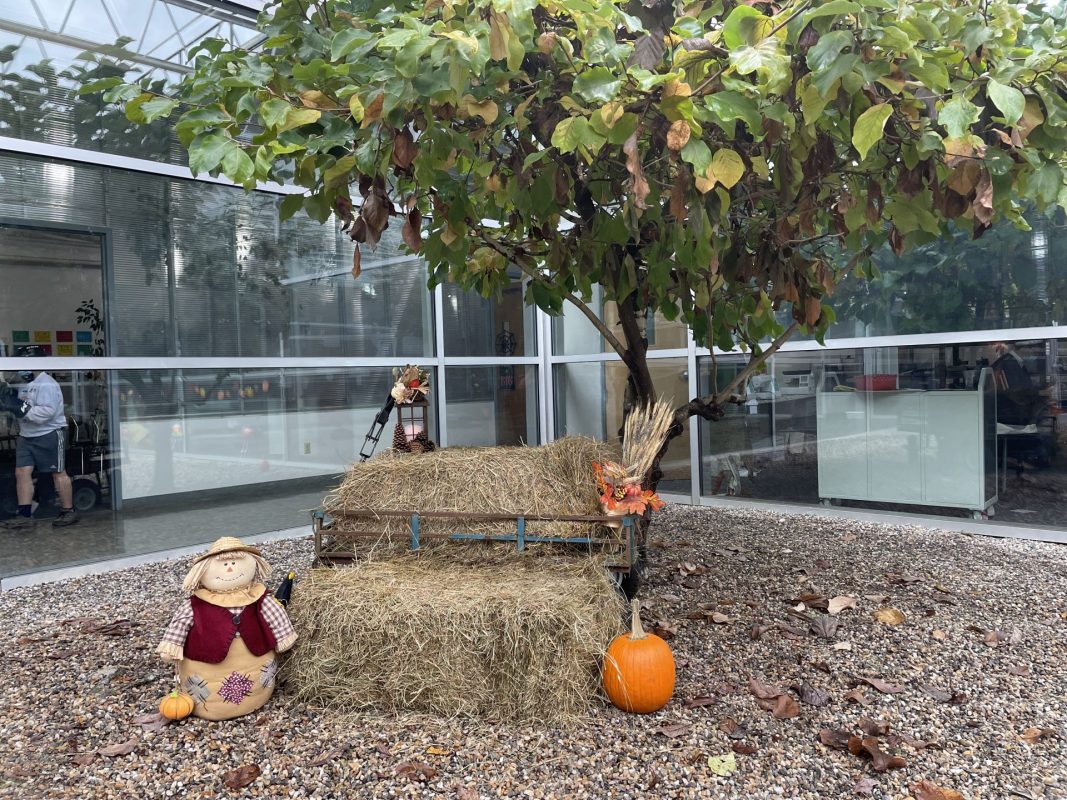
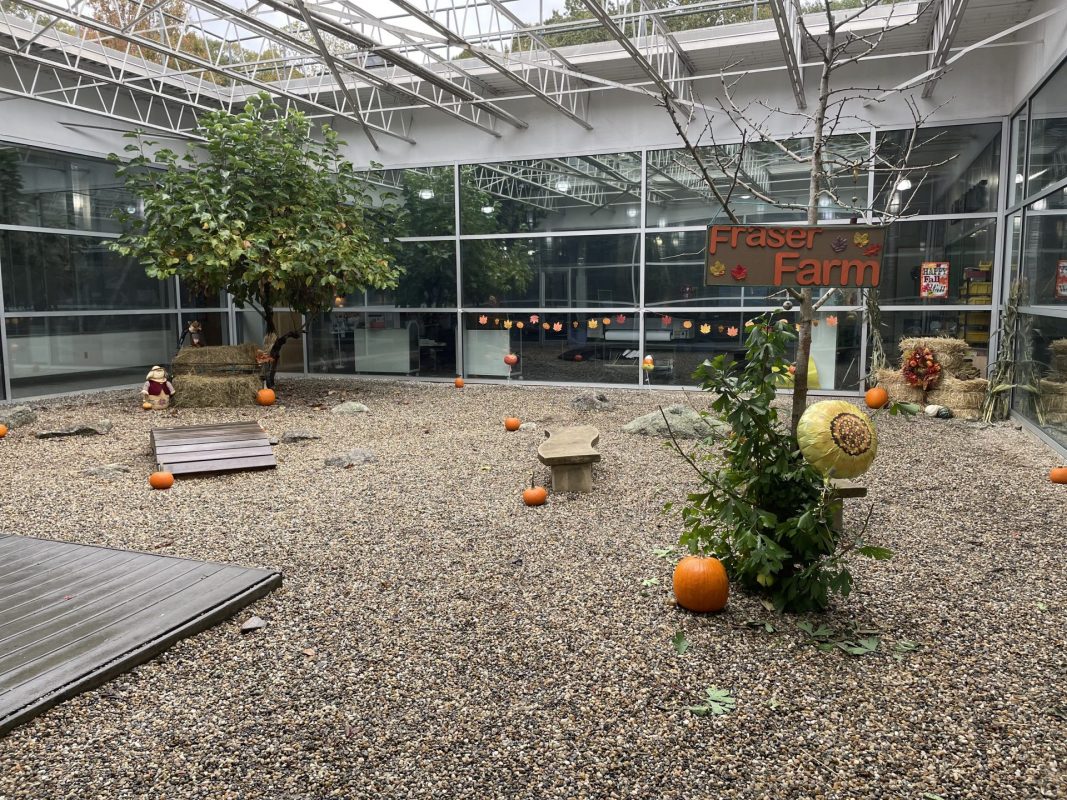
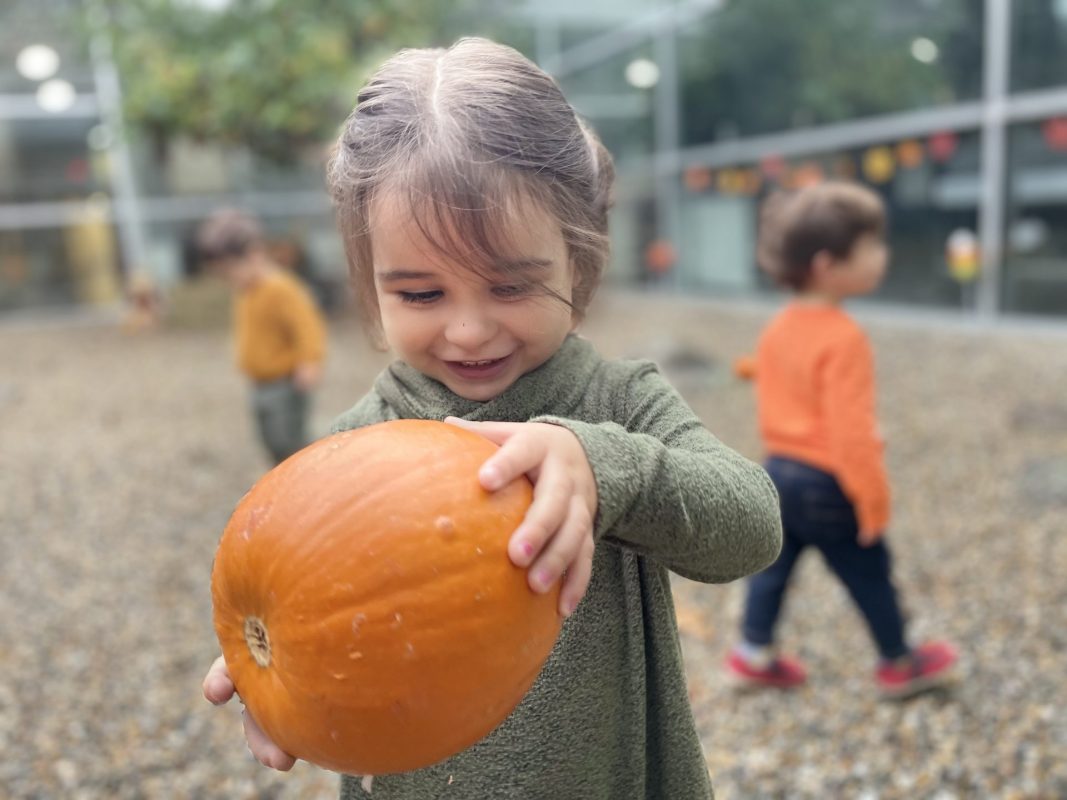
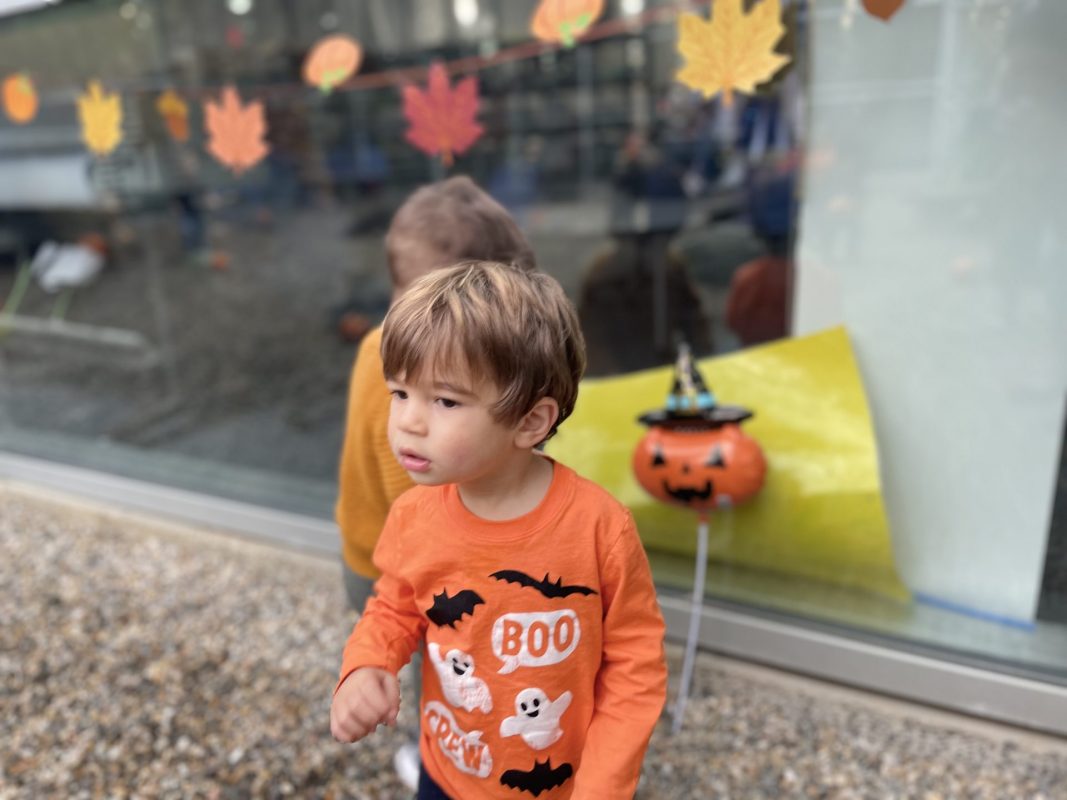
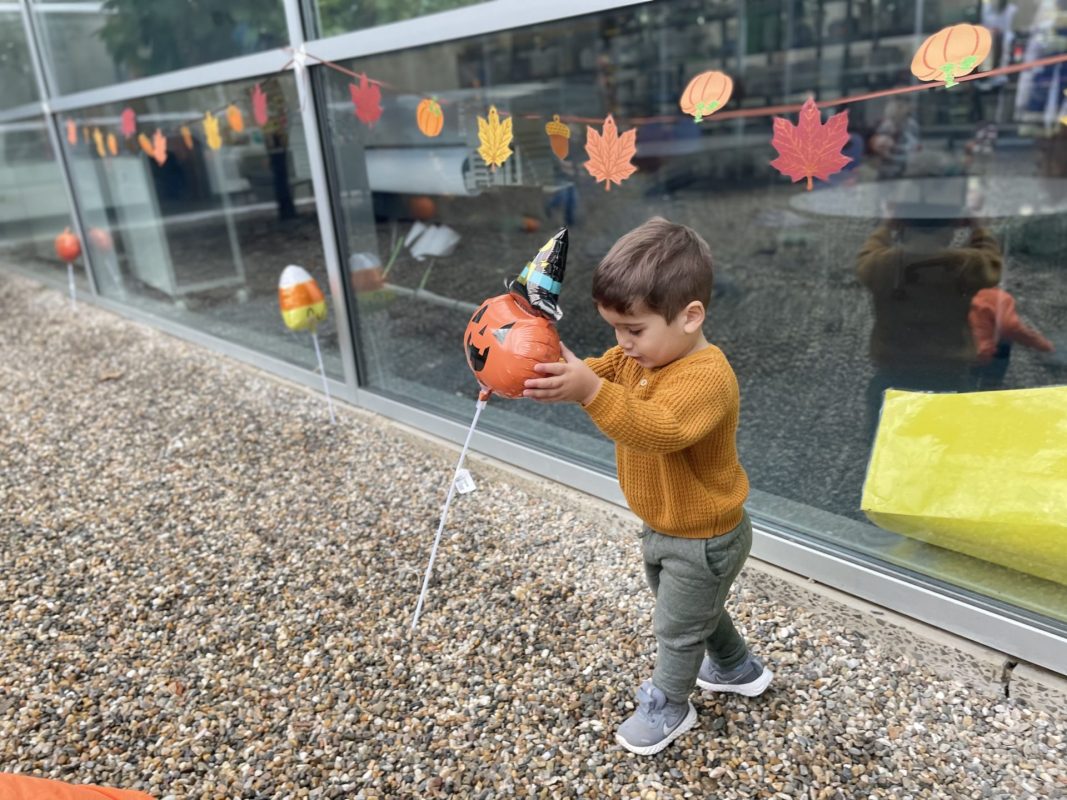
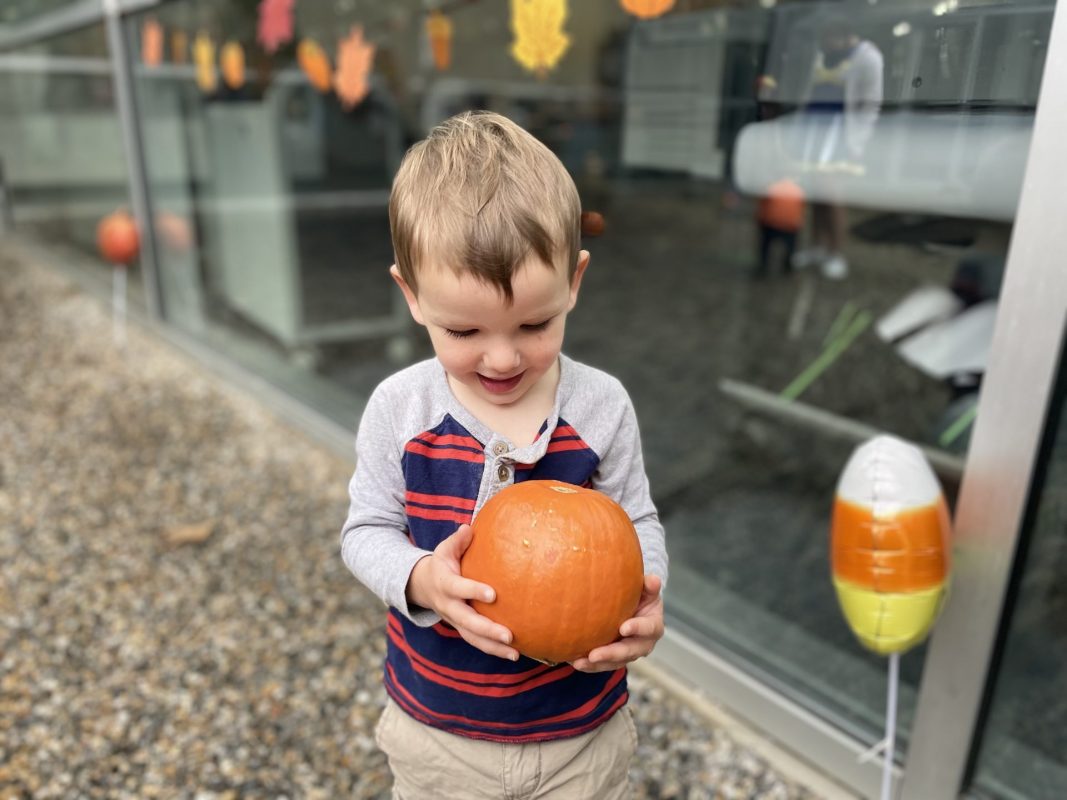
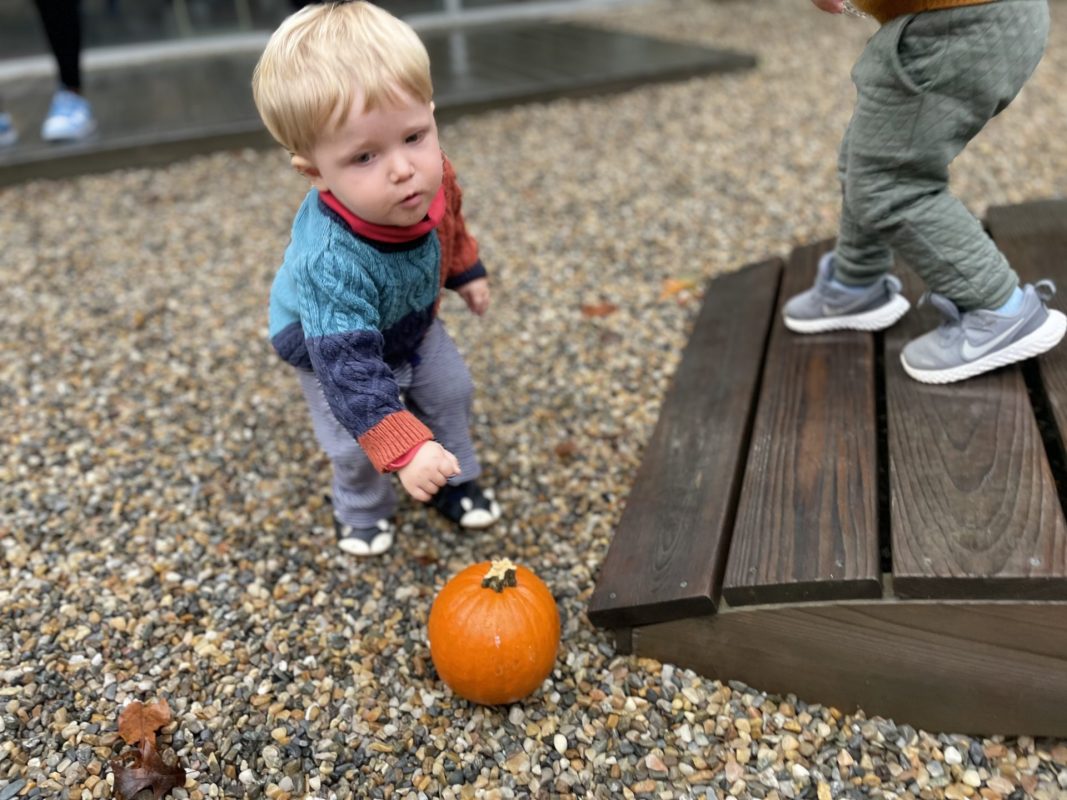
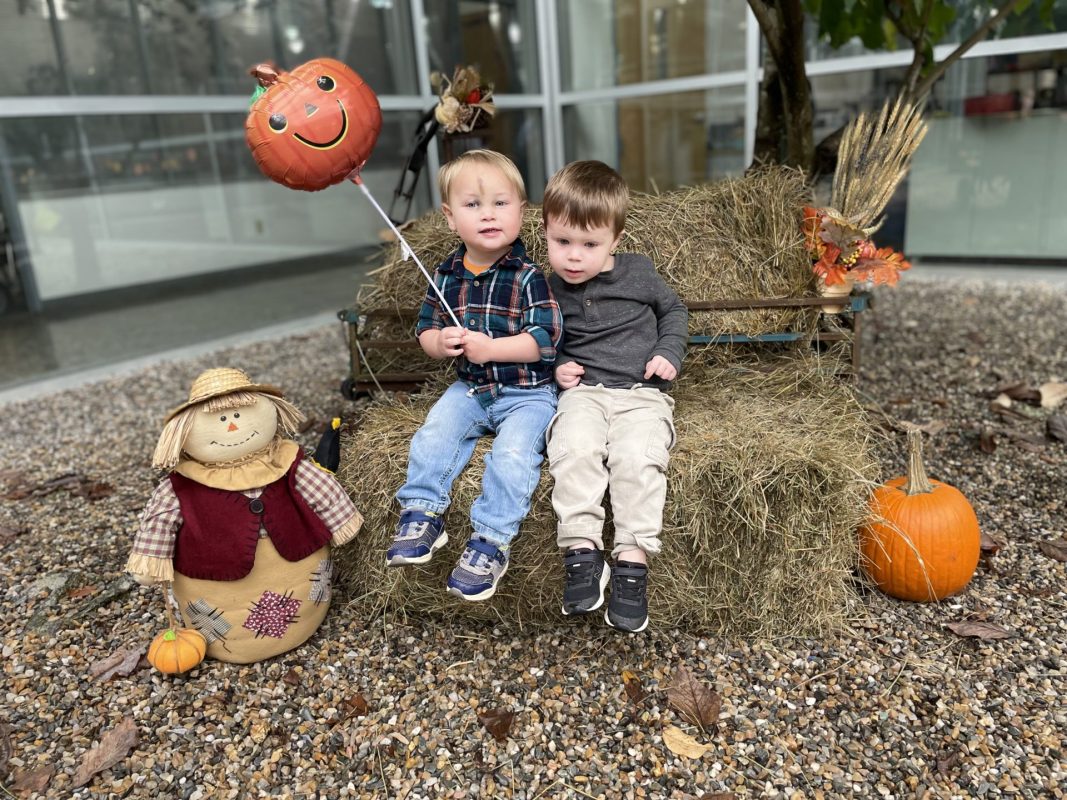
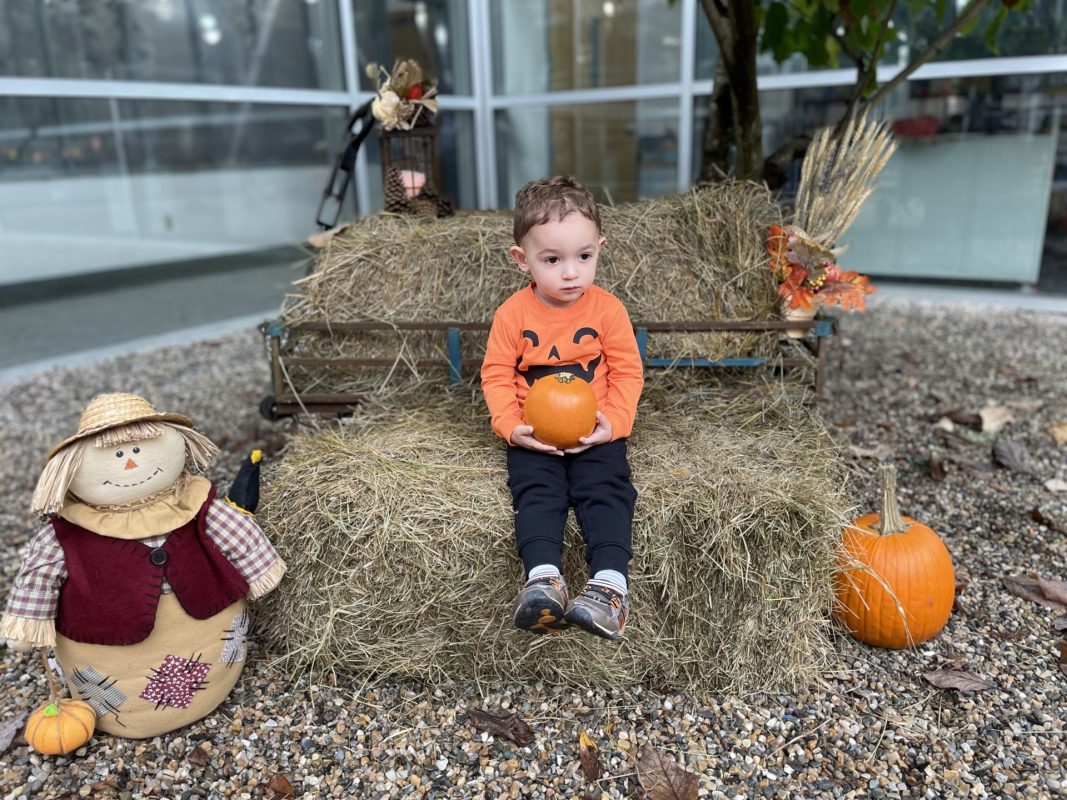
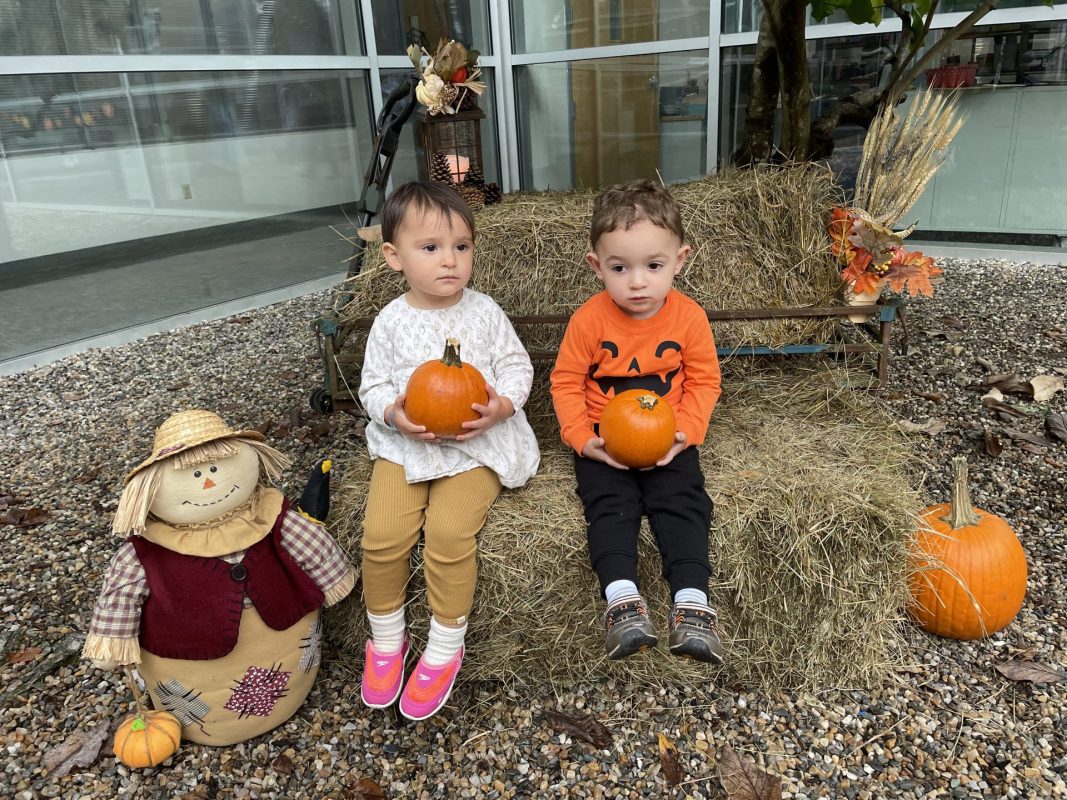
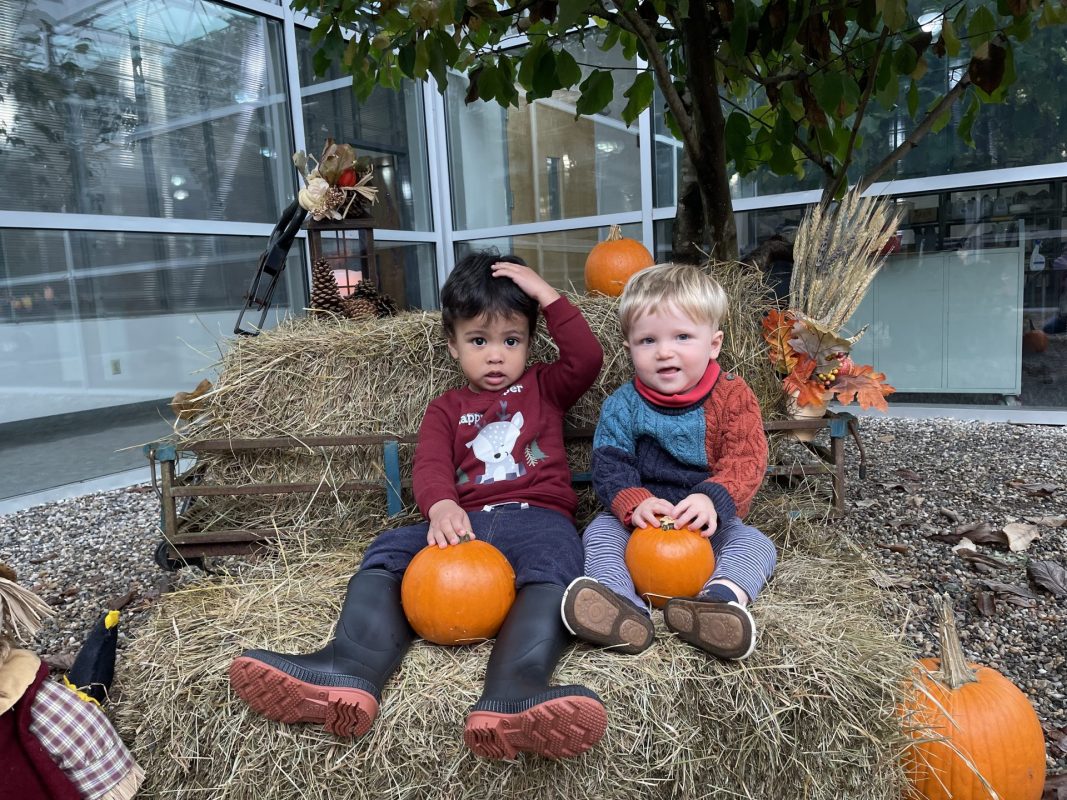
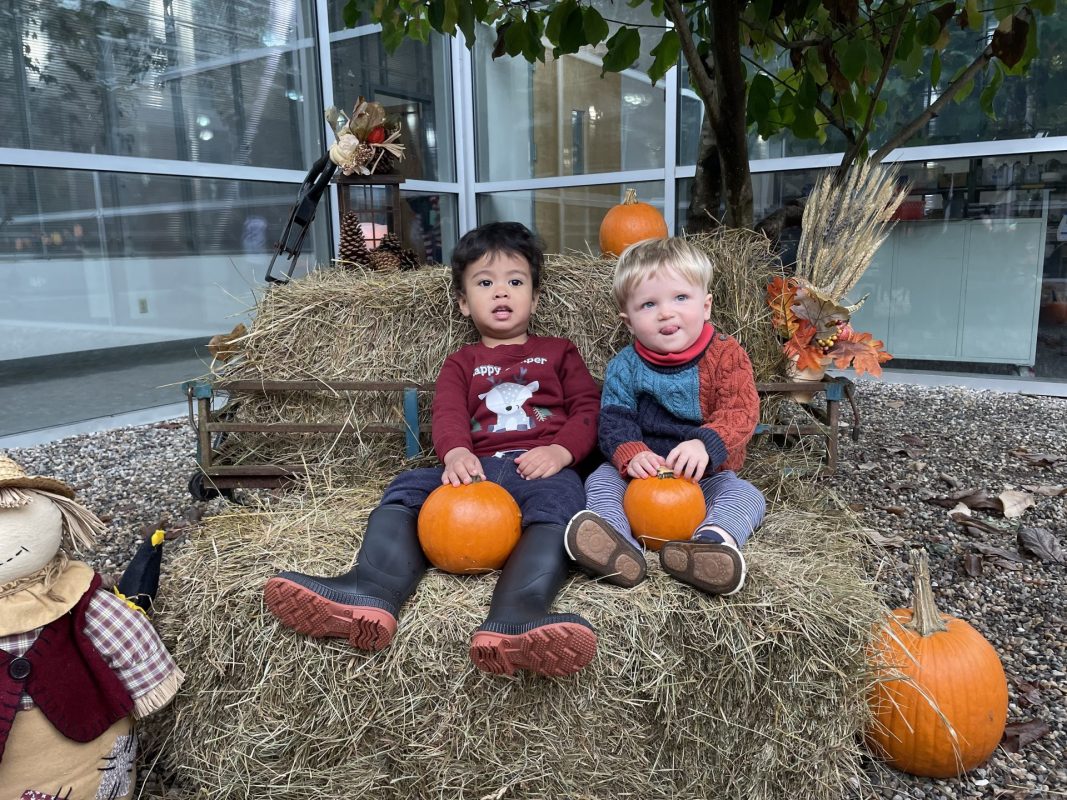
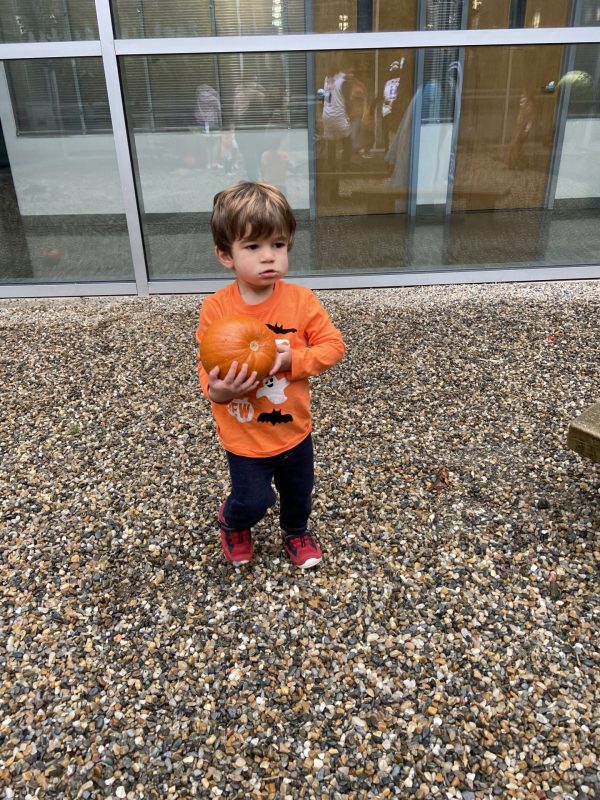
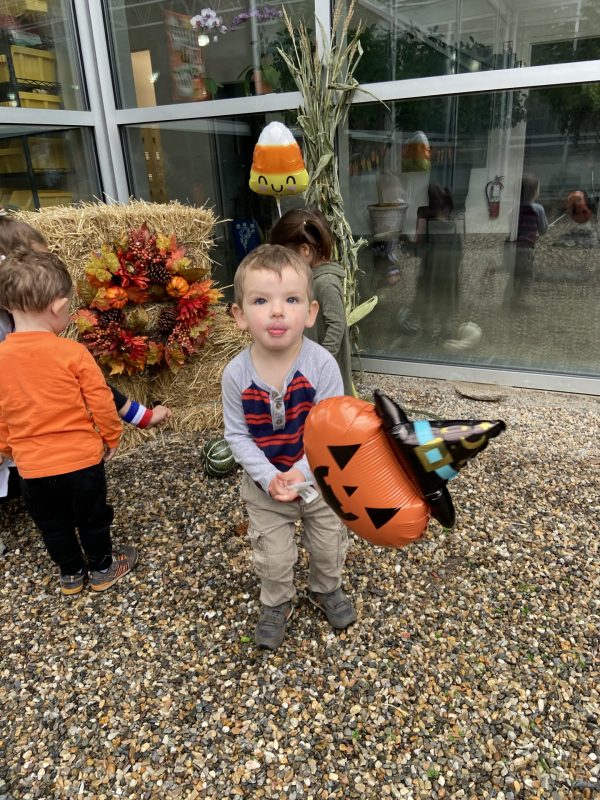
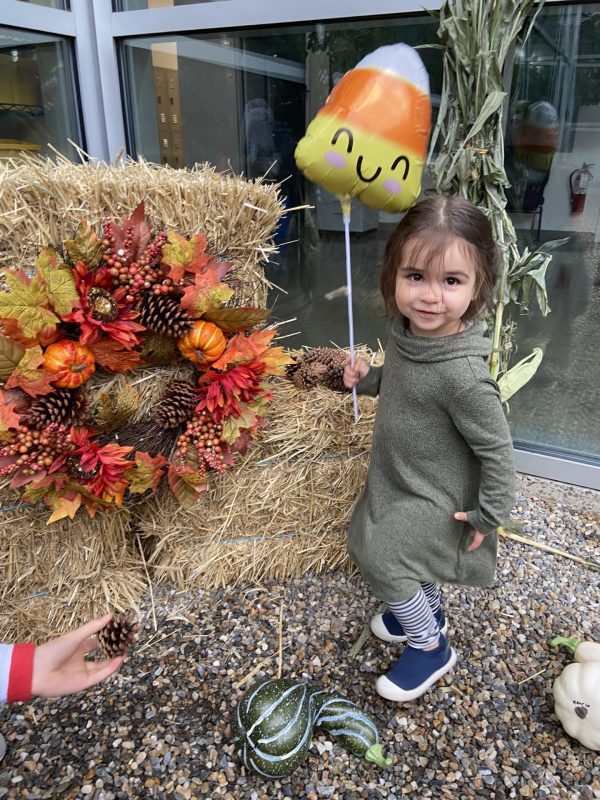
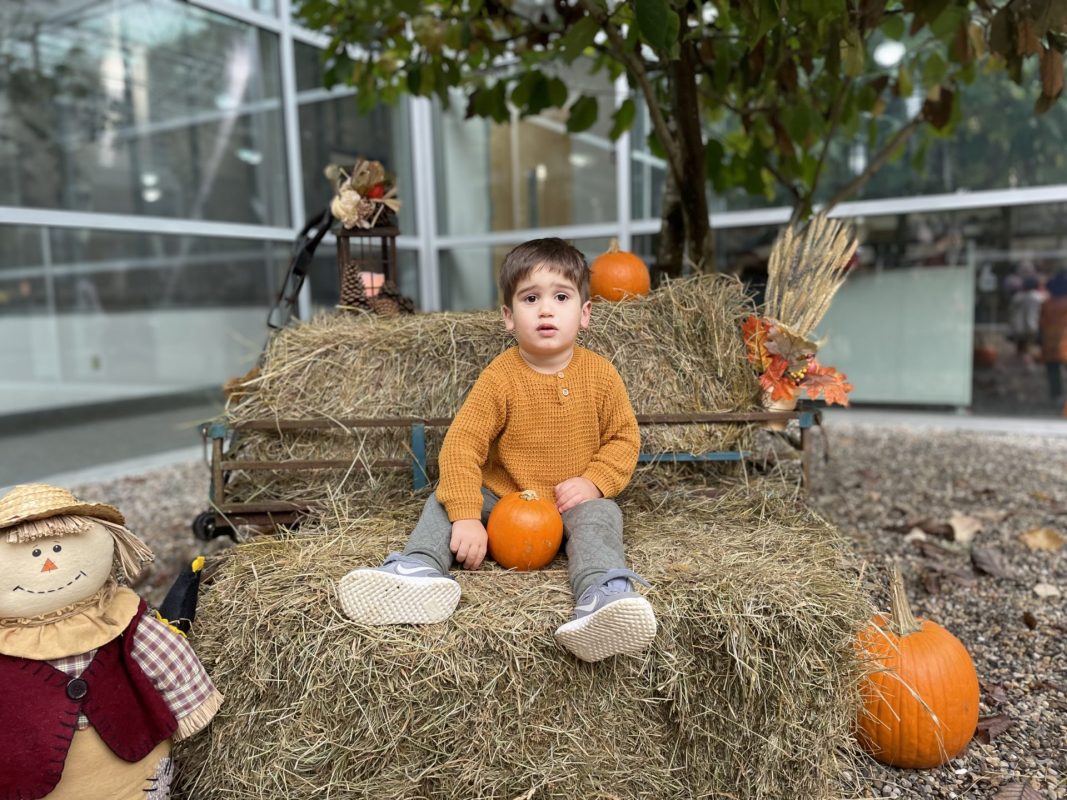
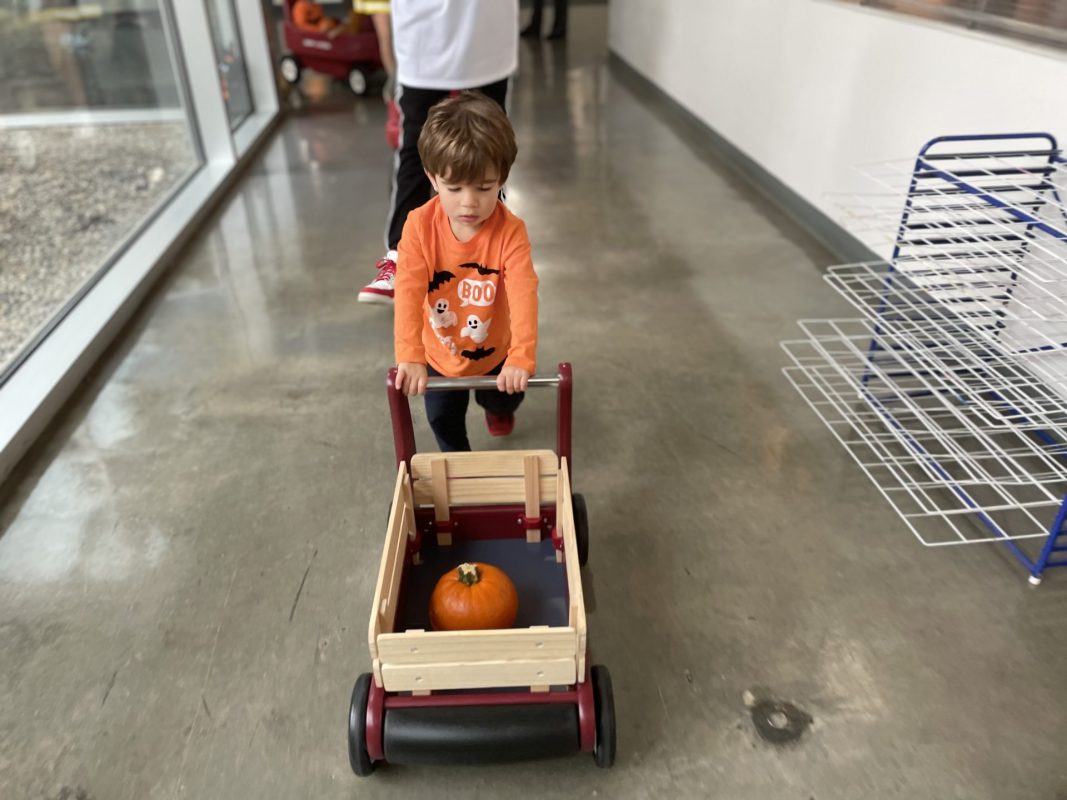
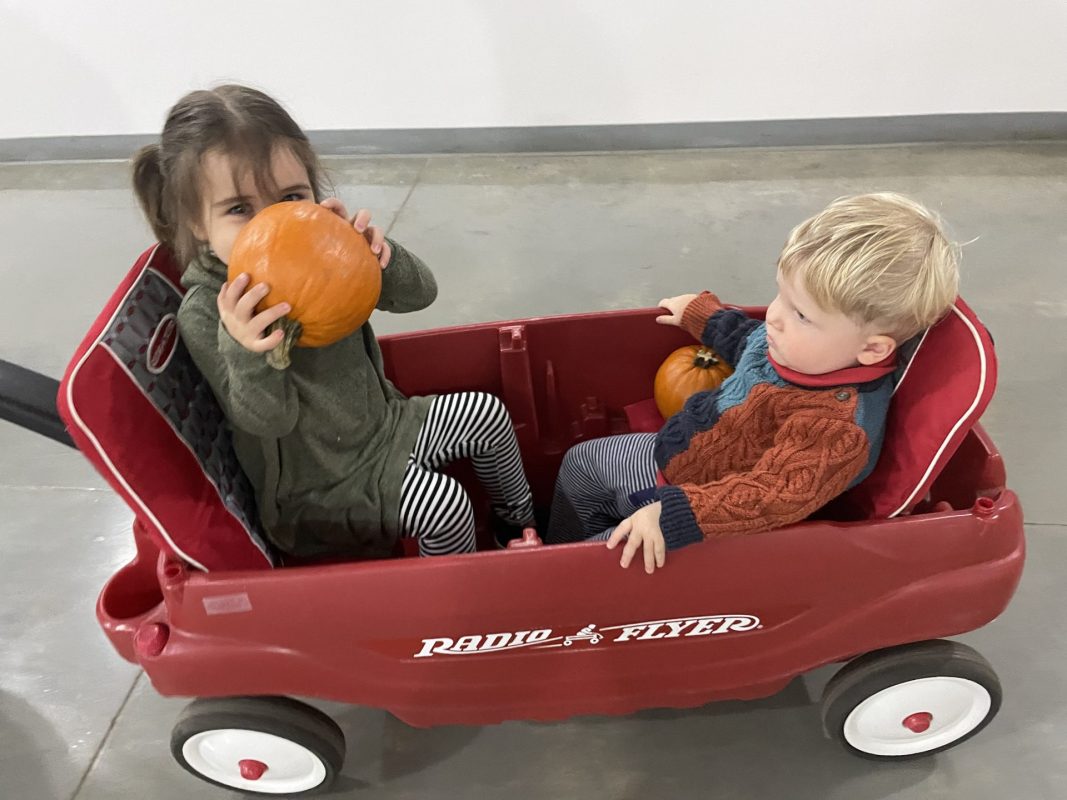
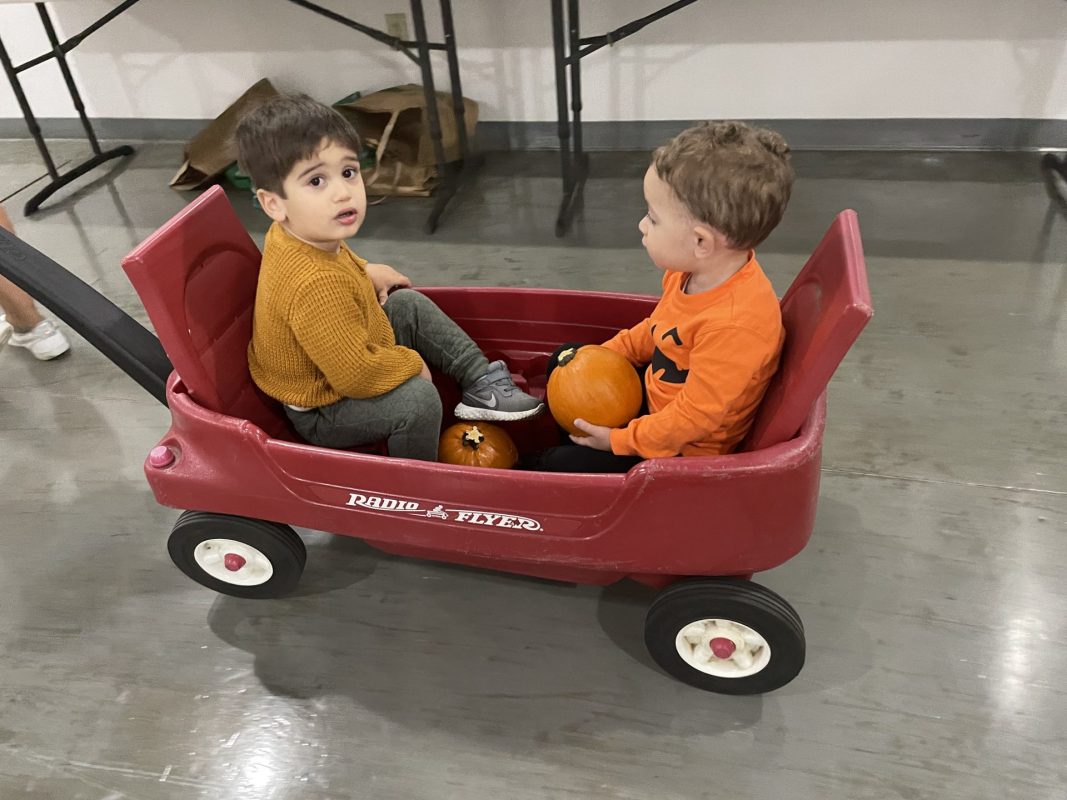
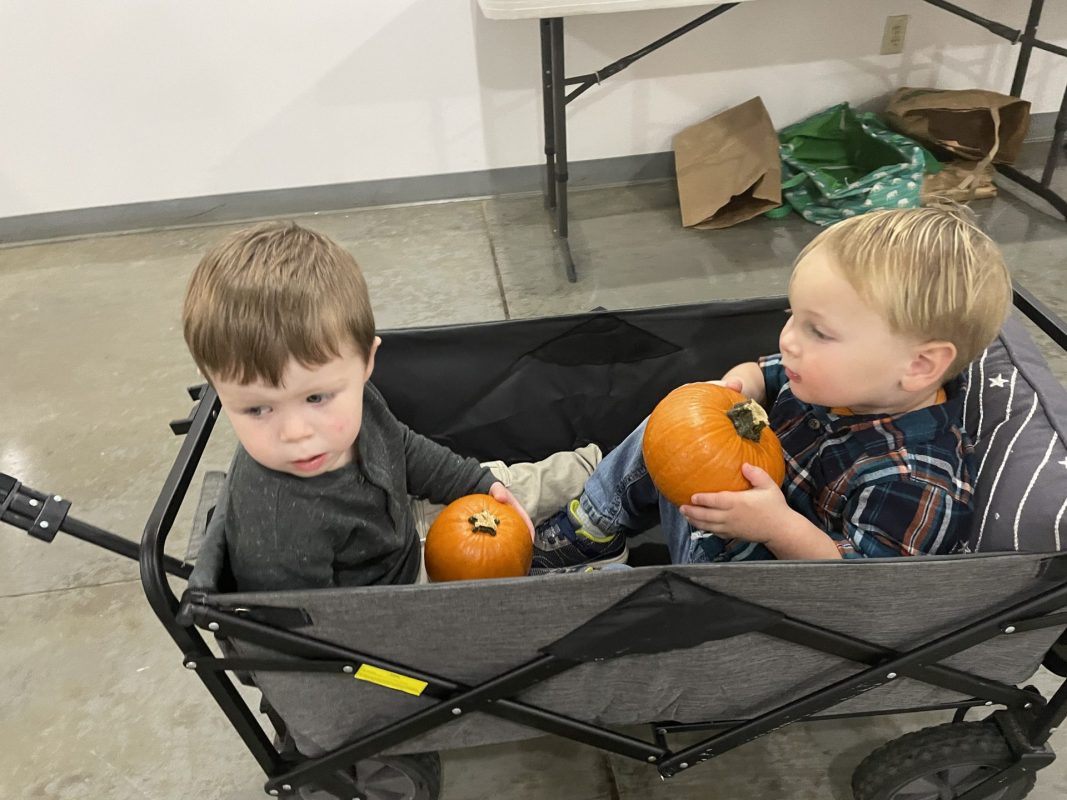
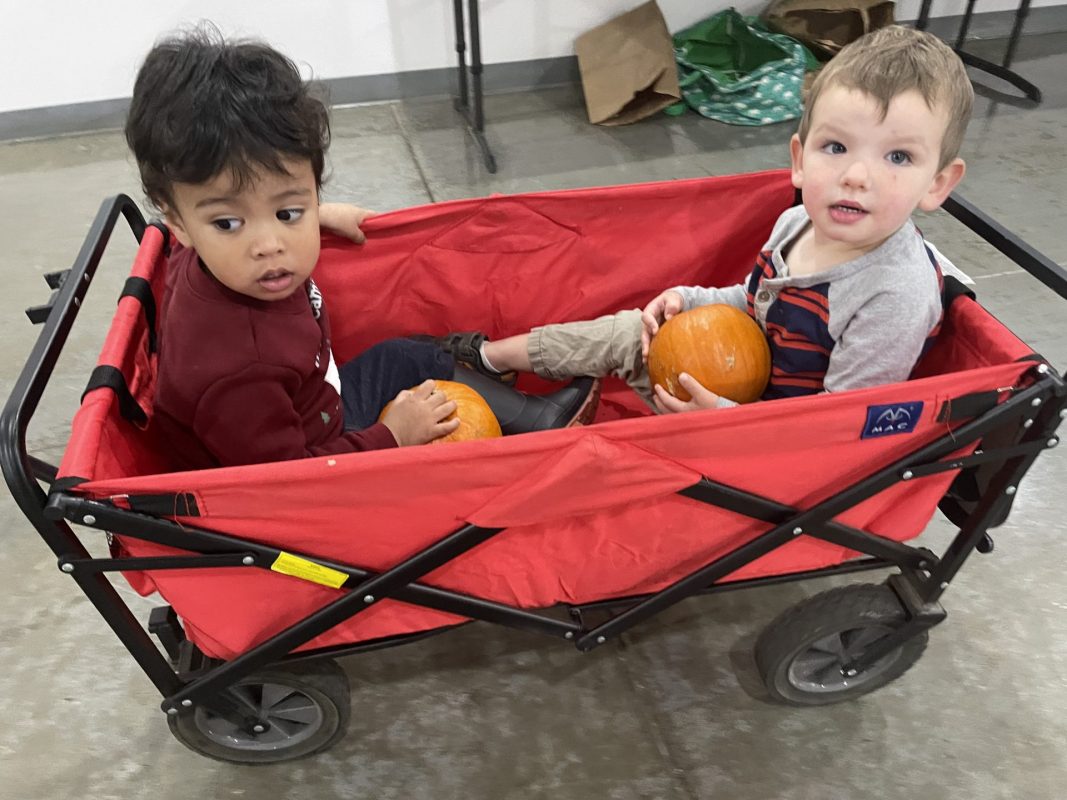
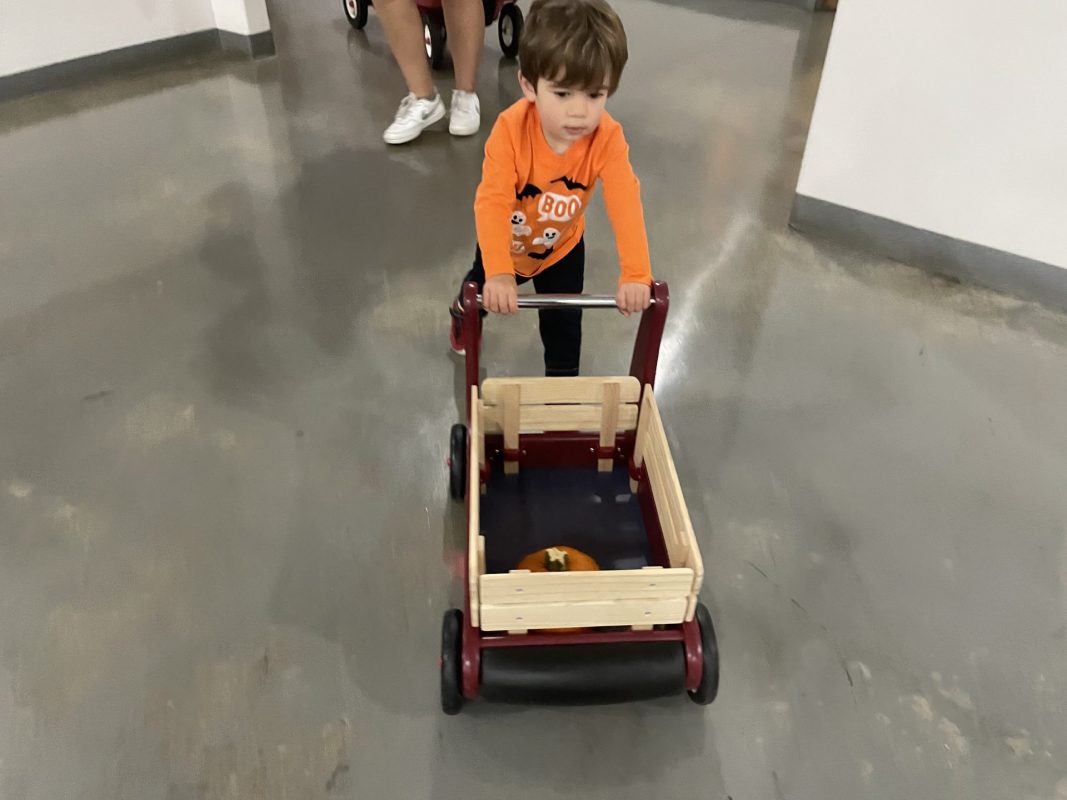
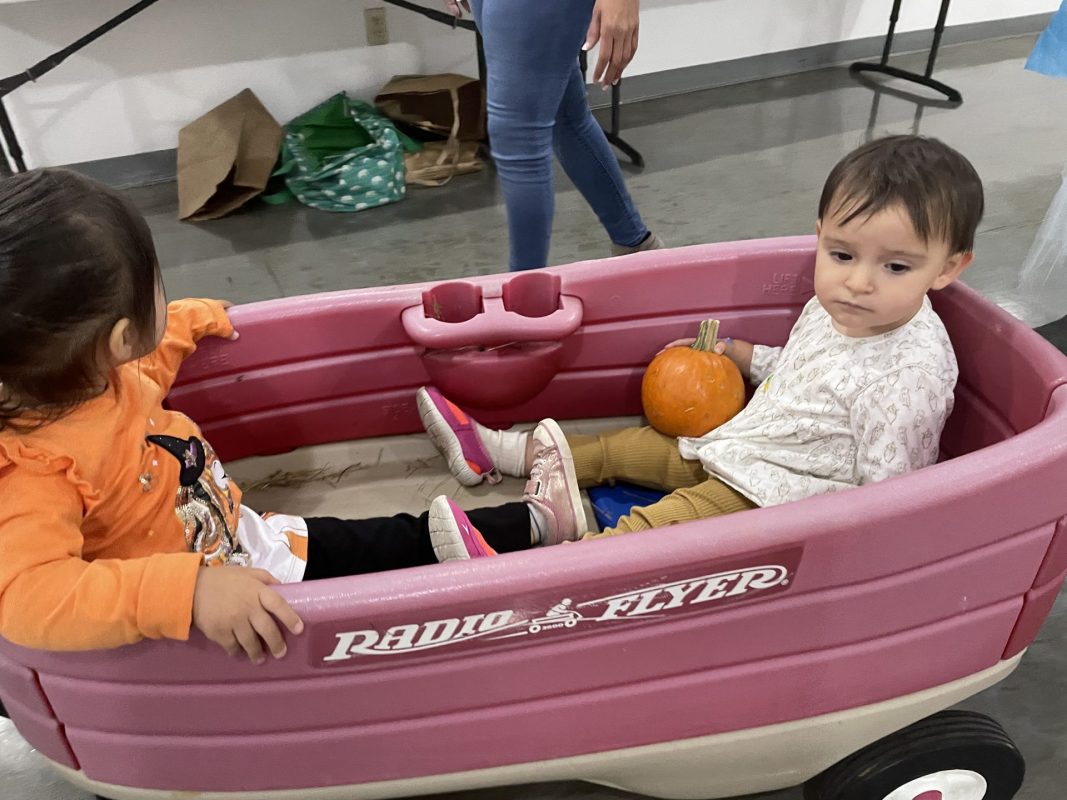
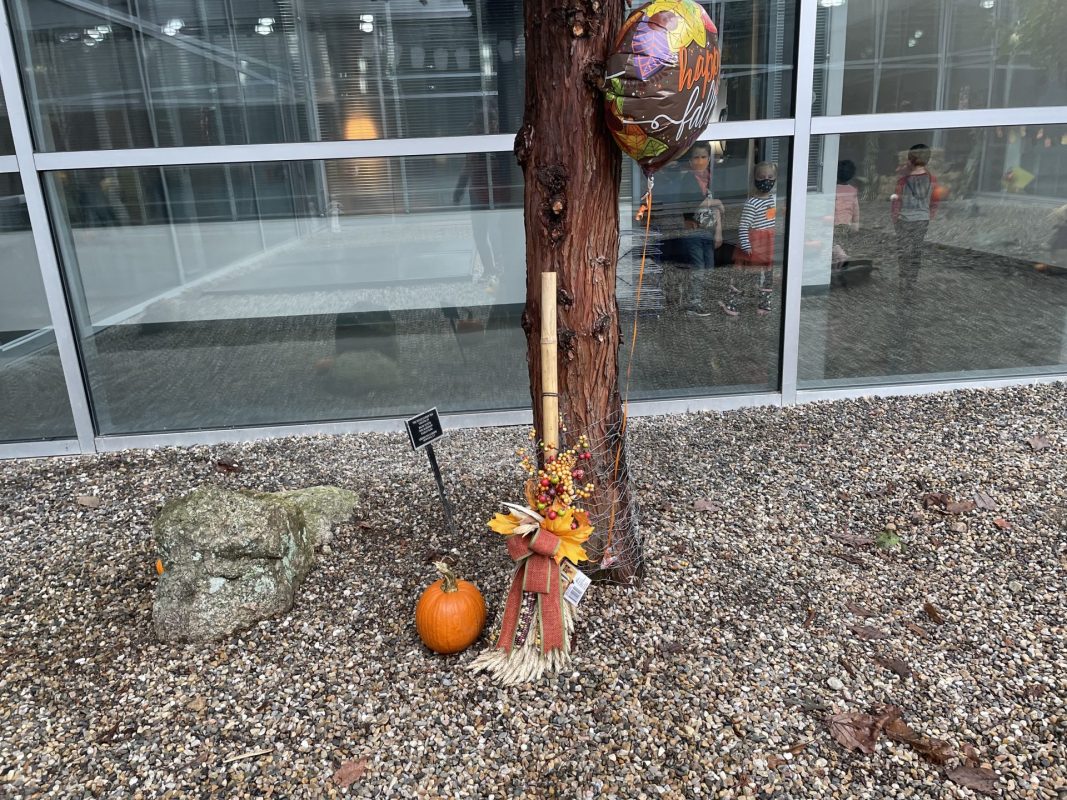
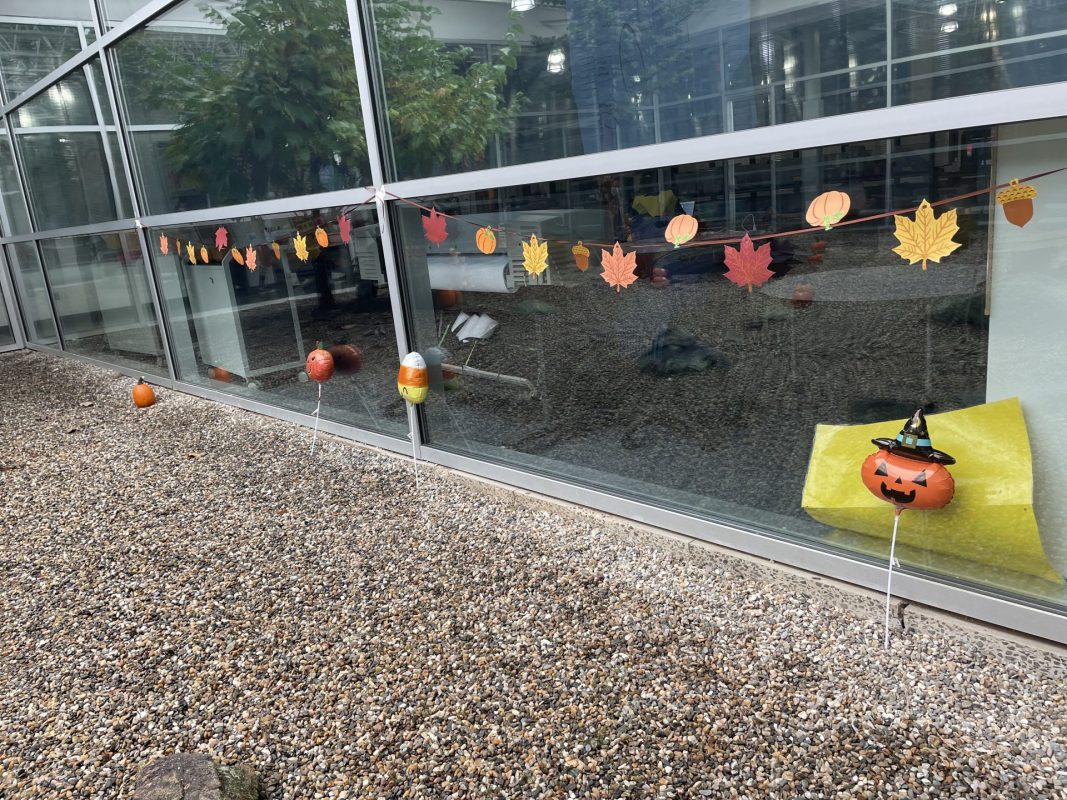
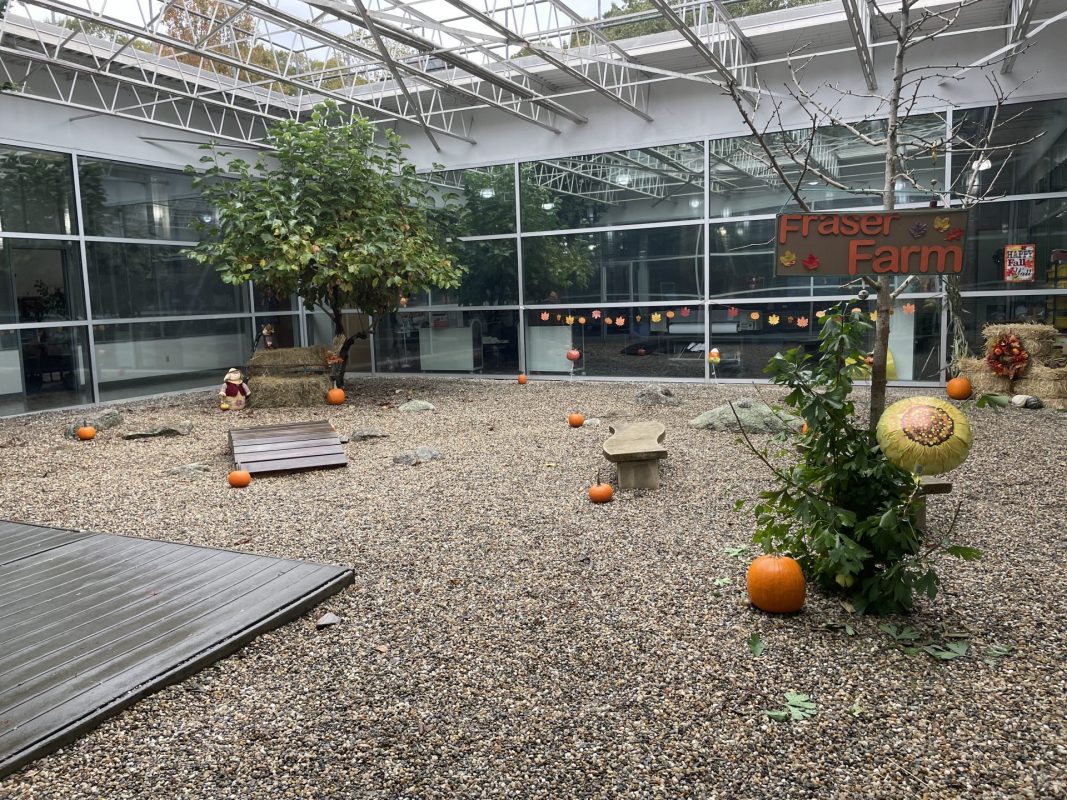
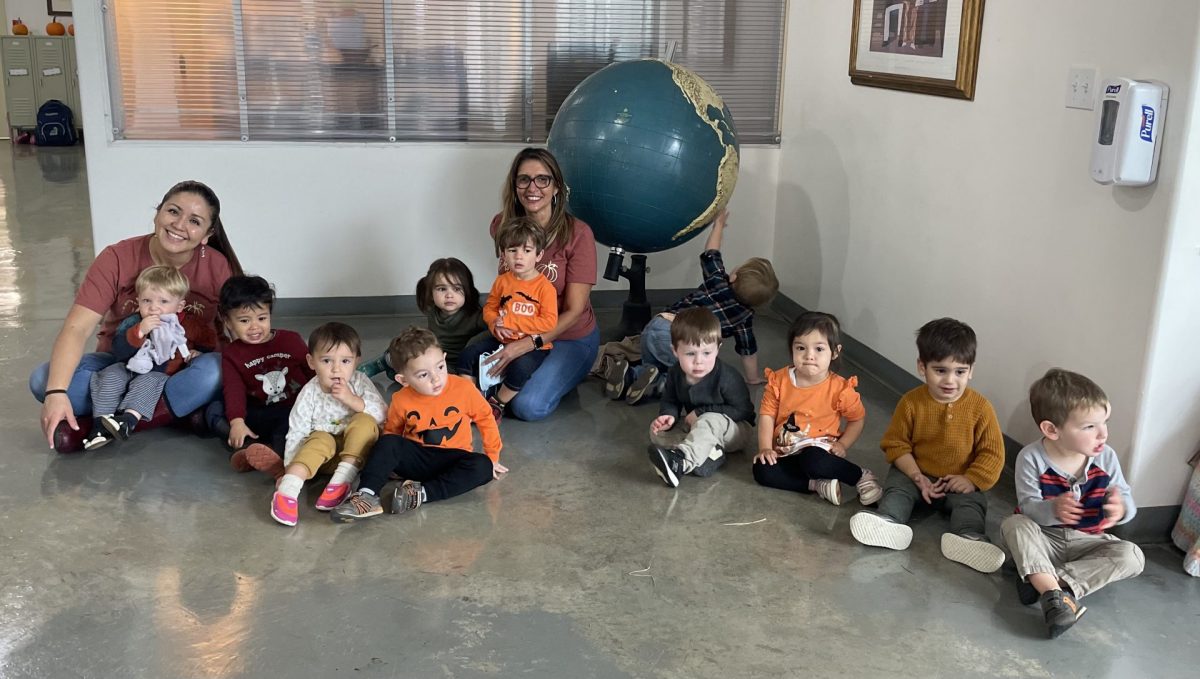
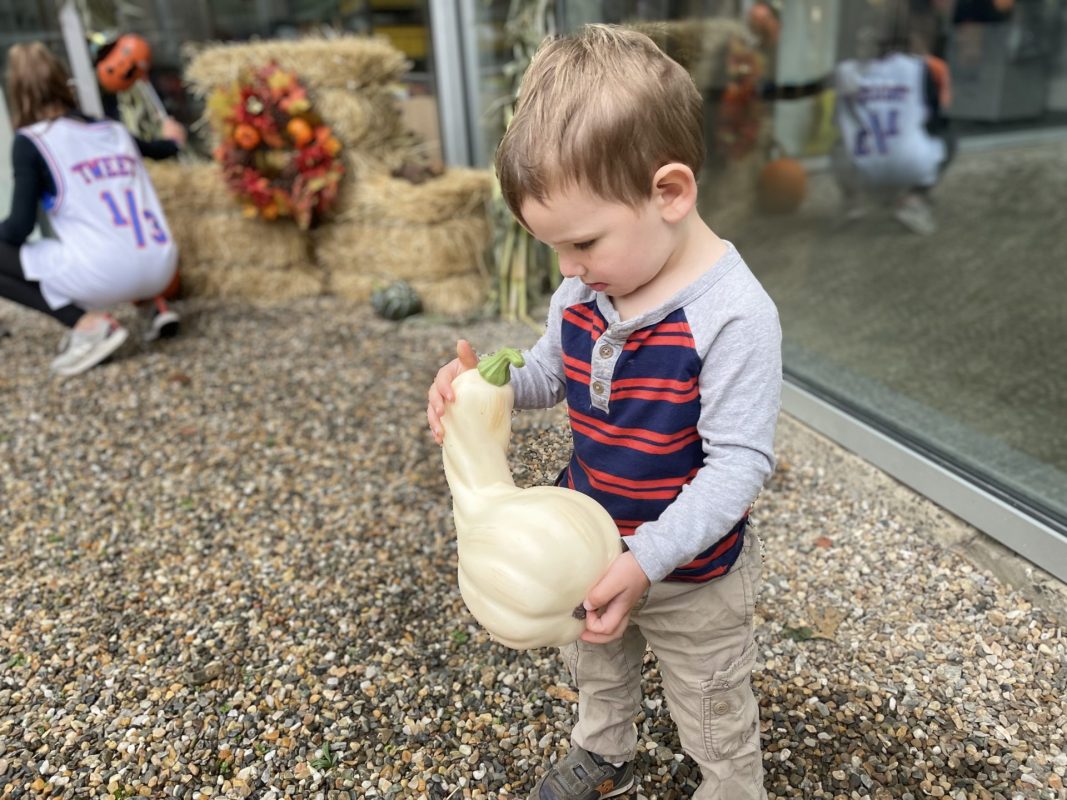
Last week we celebrated the Fall harvest with our annual wagon ride and visit to our very own “Fraser Farm” located in our Zen garden which was transformed into a beautiful Pumpkin patch for our toddlers to explore.

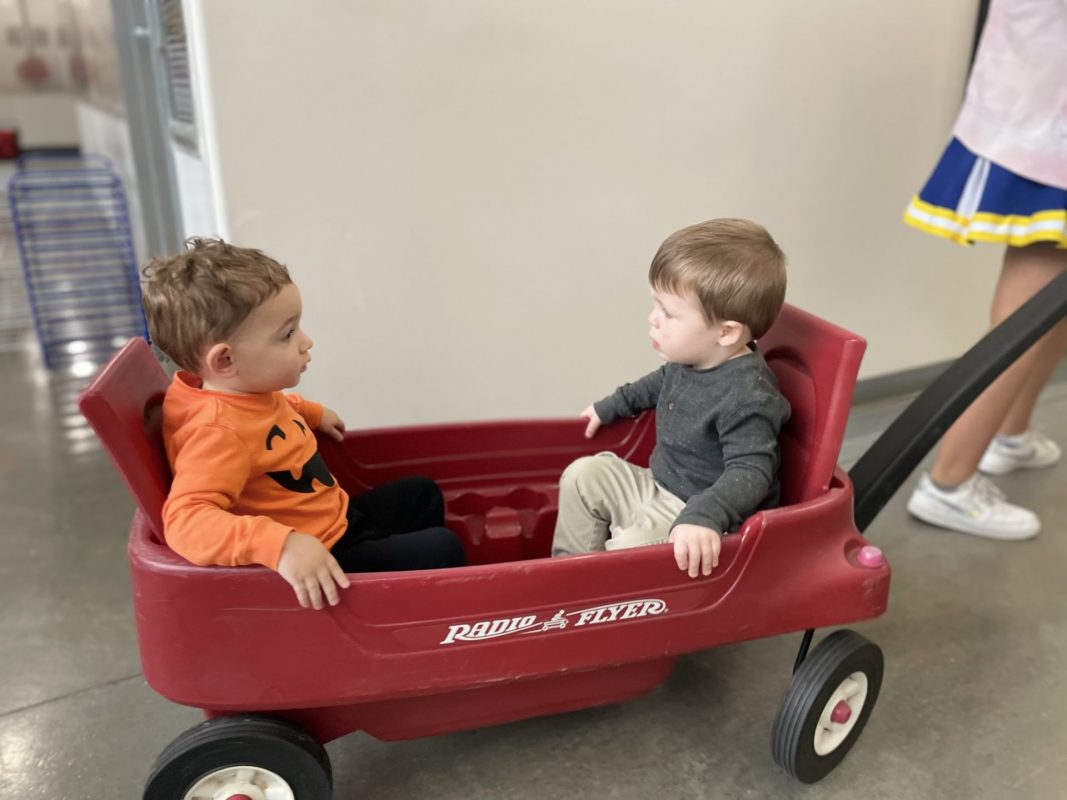
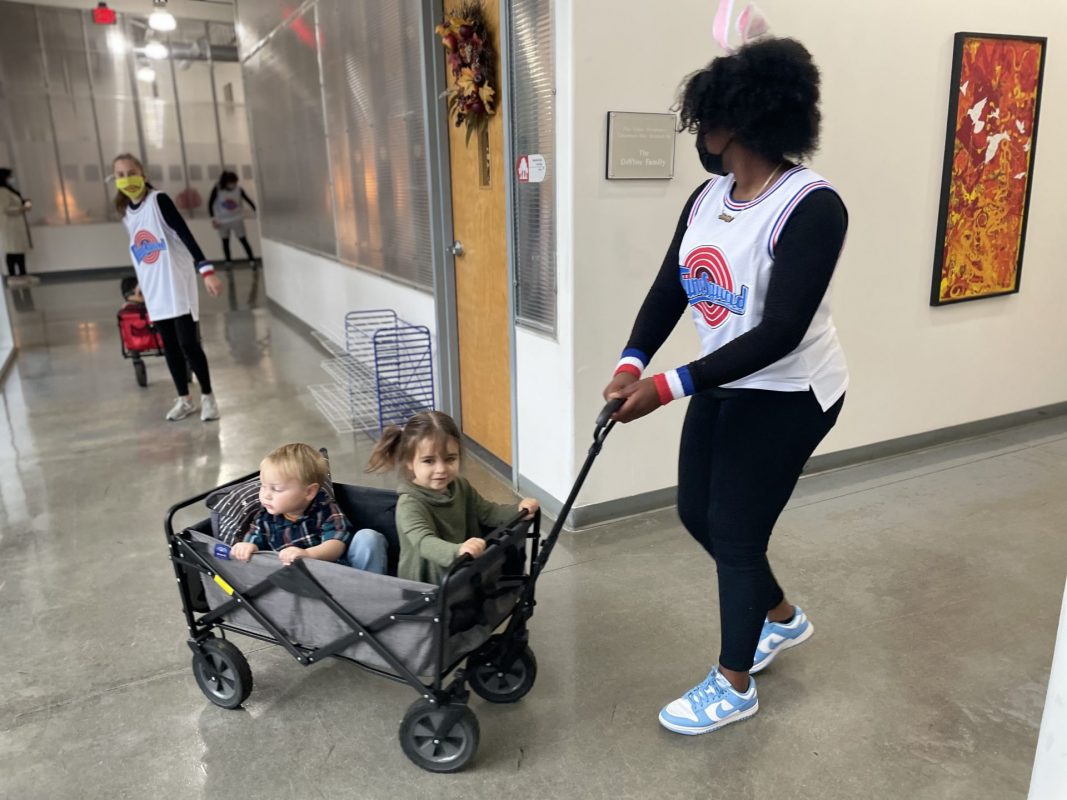
First the children were invited to ride in wagons all around the school knowing that they needed to keep their eyes open for the pumpkin patch. The children seemed to enjoy the ride and were eager to find the pumpkins.

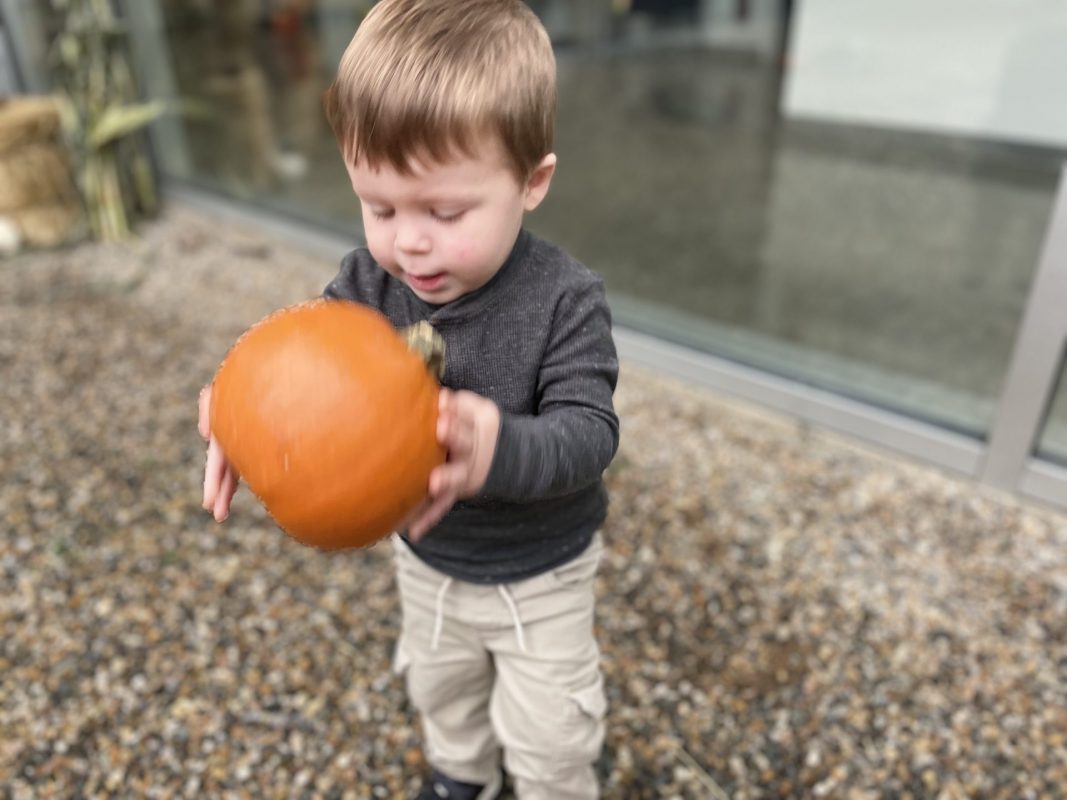
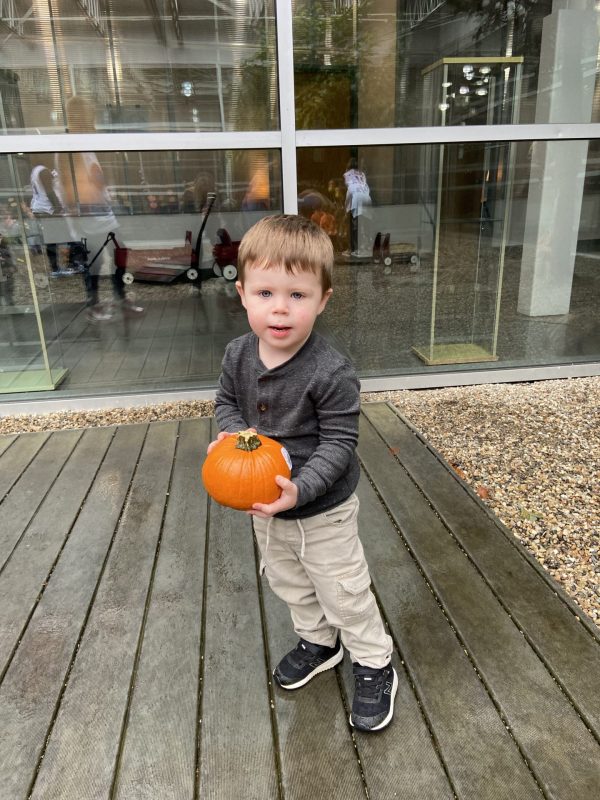
Once we arrived at our Fraser Farm,  children were ecstatic to run around and pick their own pumpkin. There were giggles and so much excitement! Children explored different sizes of pumpkins and worked hard to carry them around. We all had a great time! When the time came, every toddler got into their wagon, carrying their  chosen pumpkin and we went for another ride around the school arriving  at our classroom, satisfied with the experience and happy to hold their pumpkin.

A big shout out to our wonderful Middle School students who happily offered to pull the wagons for us. Also a big THANK YOU to Angela Giorgio for helping with communications  and Patricia Martinez for finding the decorations, wagons and purchasing the pumpkins for all the children.  Thank you to all of you as well who donated  for the pumpkins.  We are thankful to be part of a community that cares!

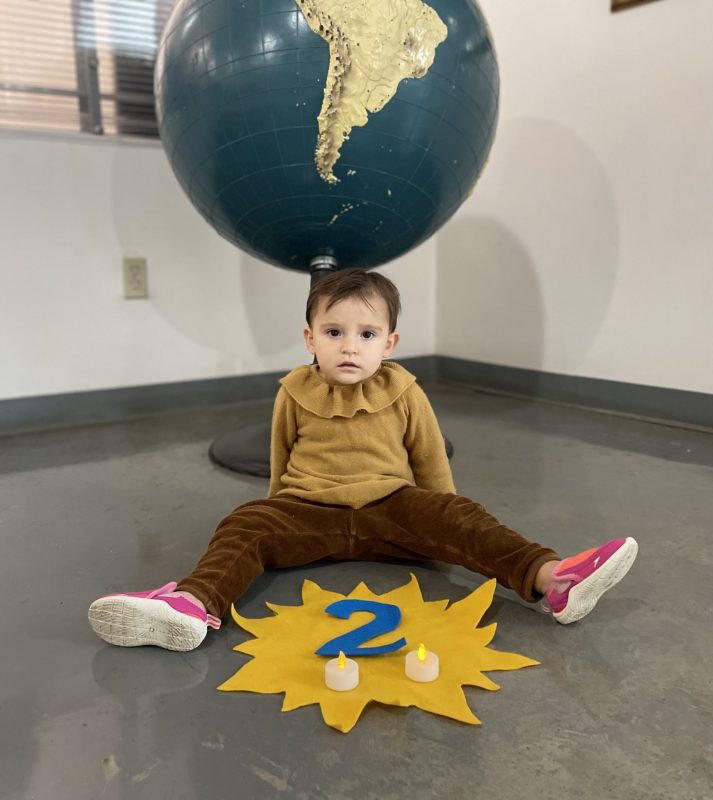
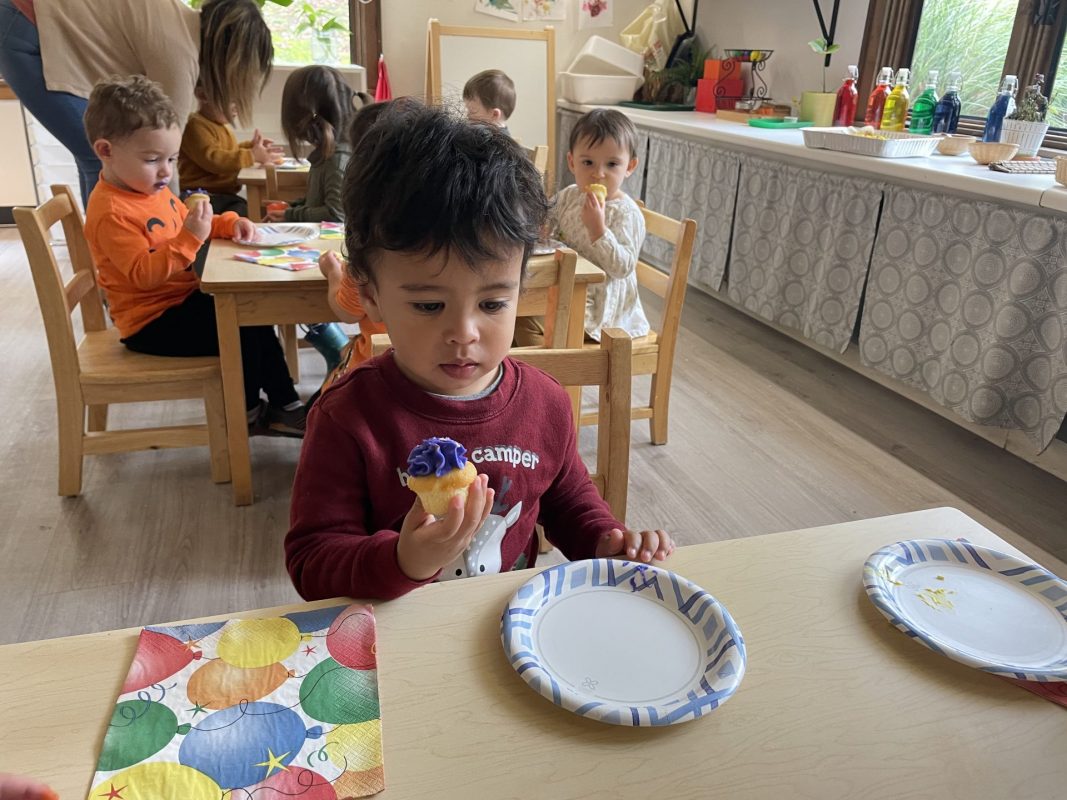
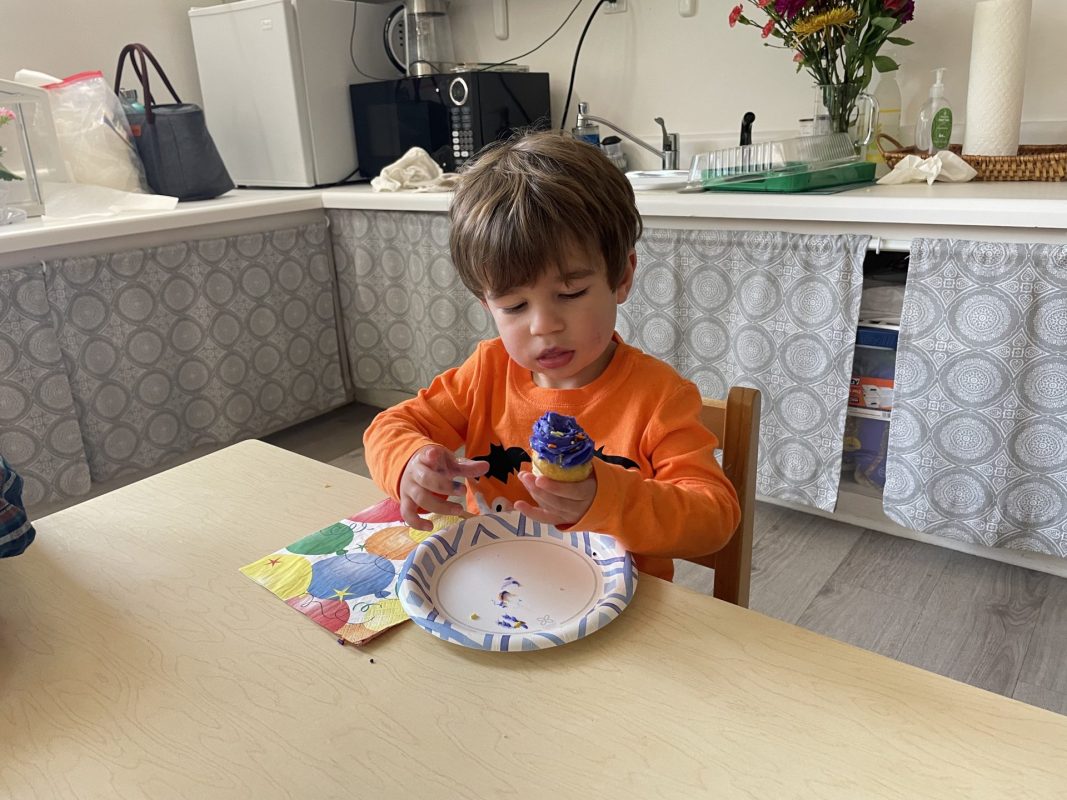
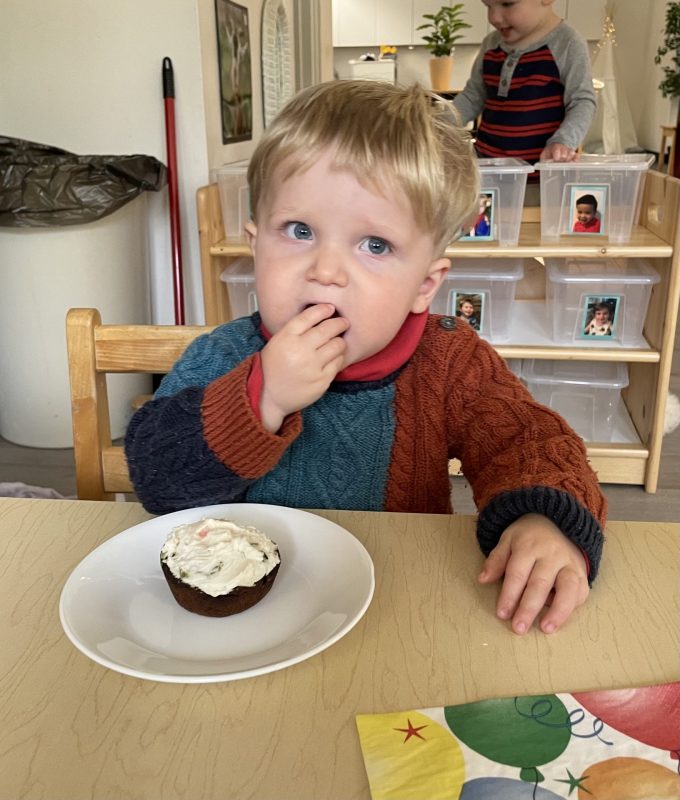
We also celebrated life and growth with two birthdays and got to enjoy some delicious treats! It was a celebration week and we went for it!

We thank you so much for sharing some time with us during Parent-teacher conferences! It’s truly one of our favorite times of the year because we get to talk more in detail about all the wonderful observations we have seen in each of your children. There is so much that happens here at school that won’t ever fit in a weekly blog! Thank you for partnering with us in providing the best experience for all our toddlers!

Sincerely,

Mrs. Hood and Ms. Maria

Mrs. Hood: Band Time!

Maria Montessori used the scientific method to study children’s natural learning processes. She found that the child absorbs the culture they are in effortlessly and without fatigue between the ages of birth – six. Whatever the child is exposed to is internalized by the child and accepted into the child’s own being, imprinted on their soul. If a child is surrounded with music, the child will be a musical person. If a child hears their parents singing, the child will sing. If a child sees their parents dancing, the child will dance.

She called this the child’s “Absorbent Mind.”

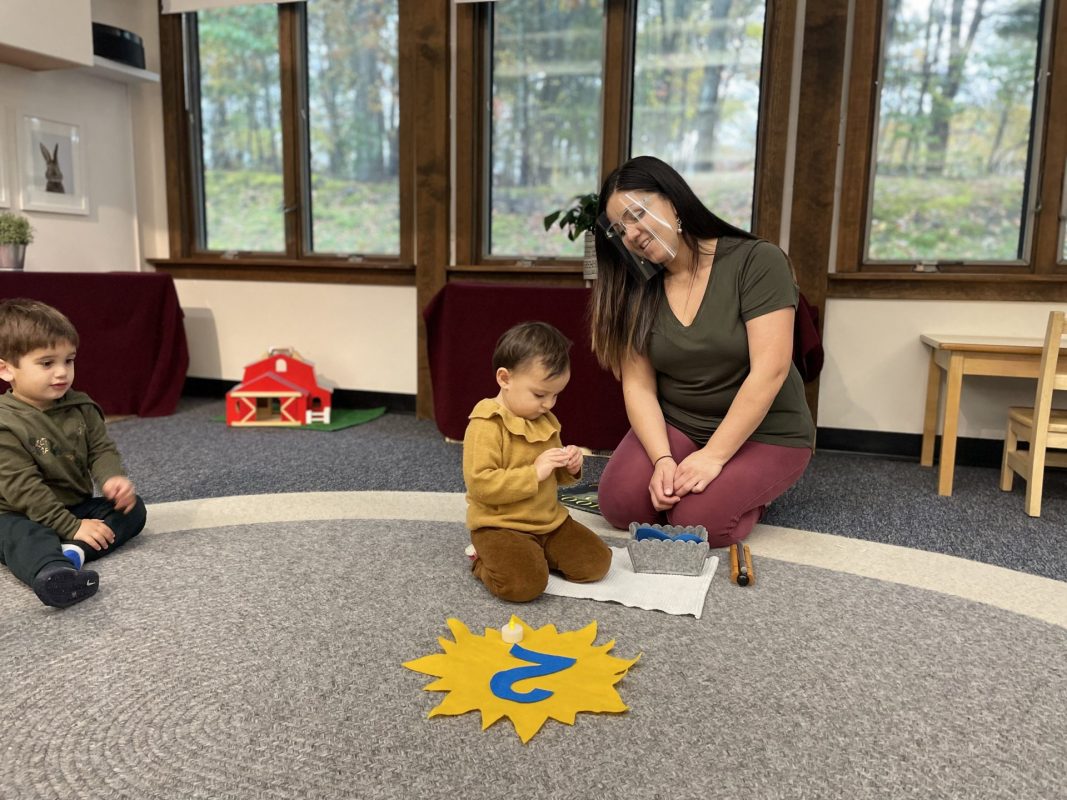
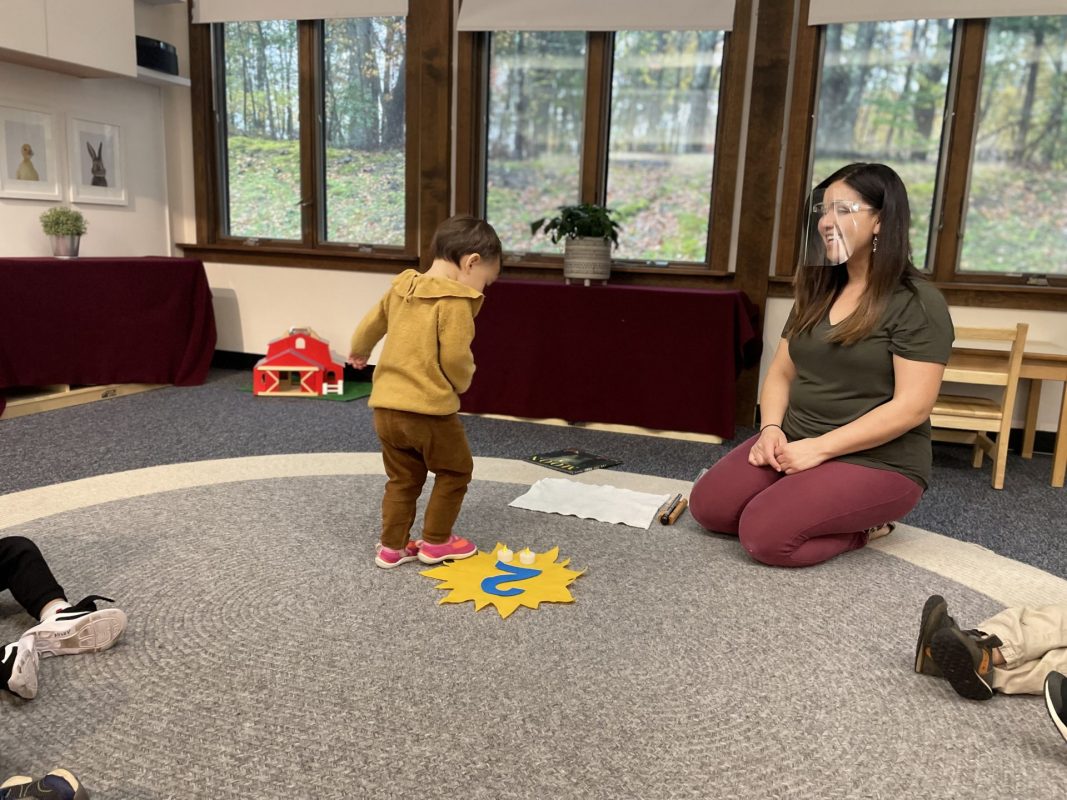
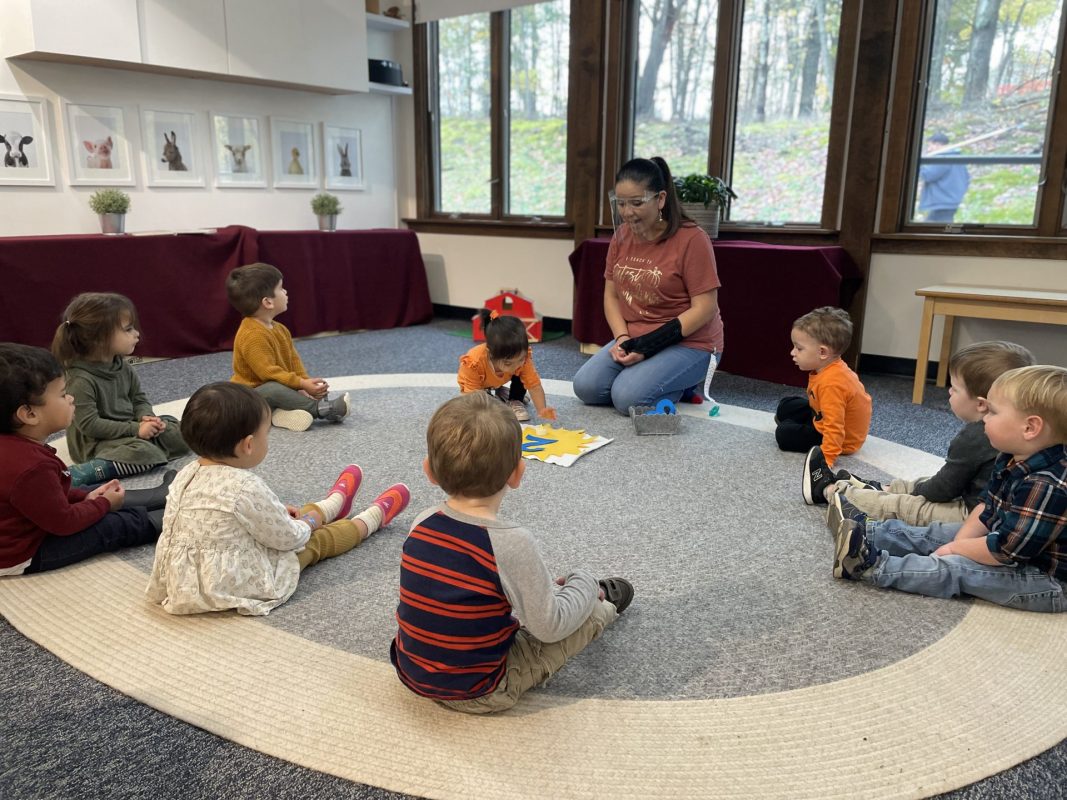
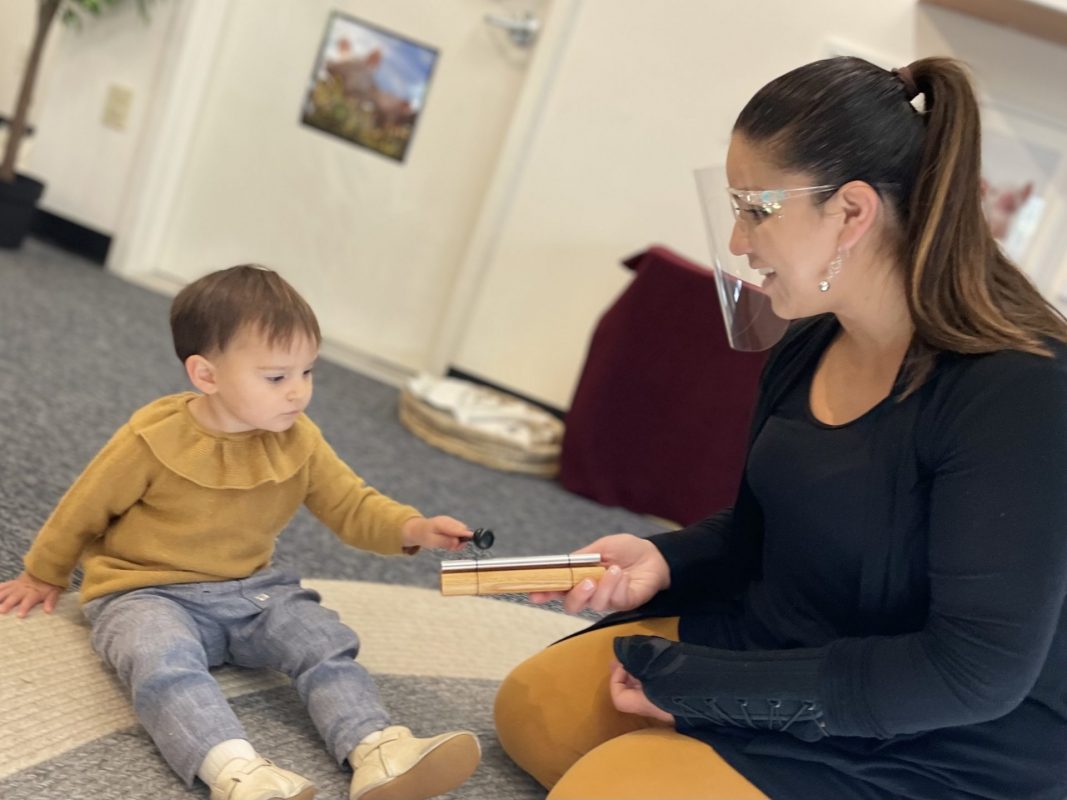
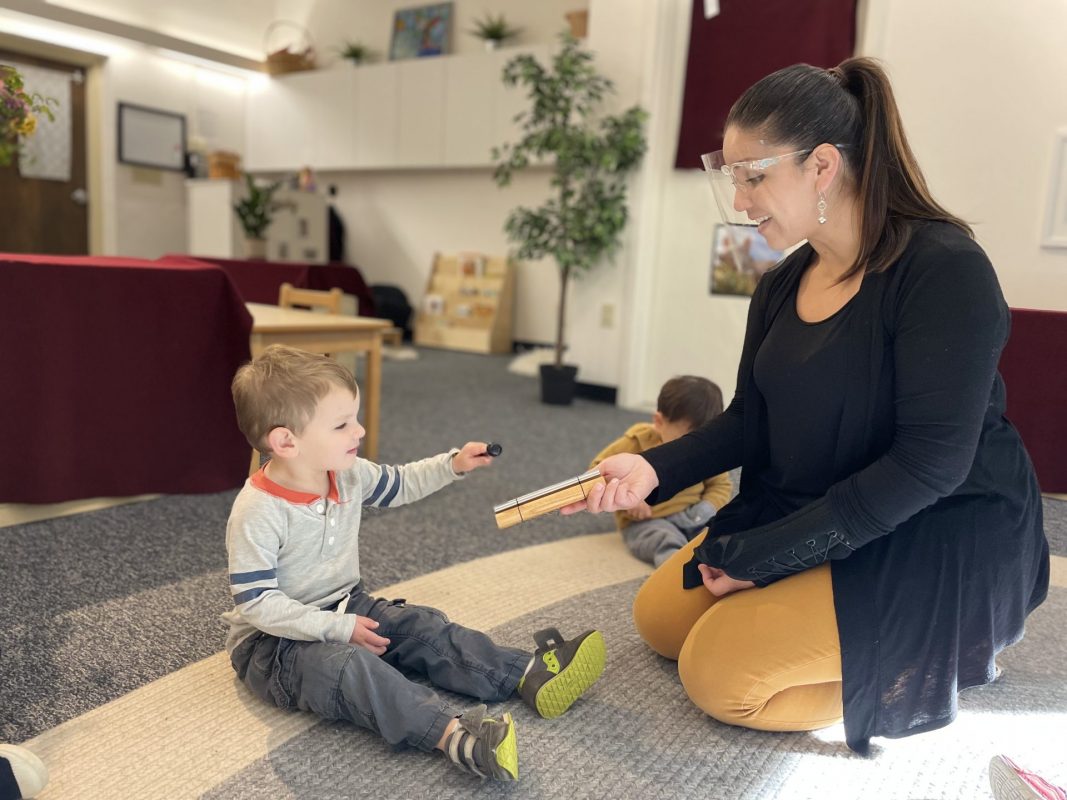
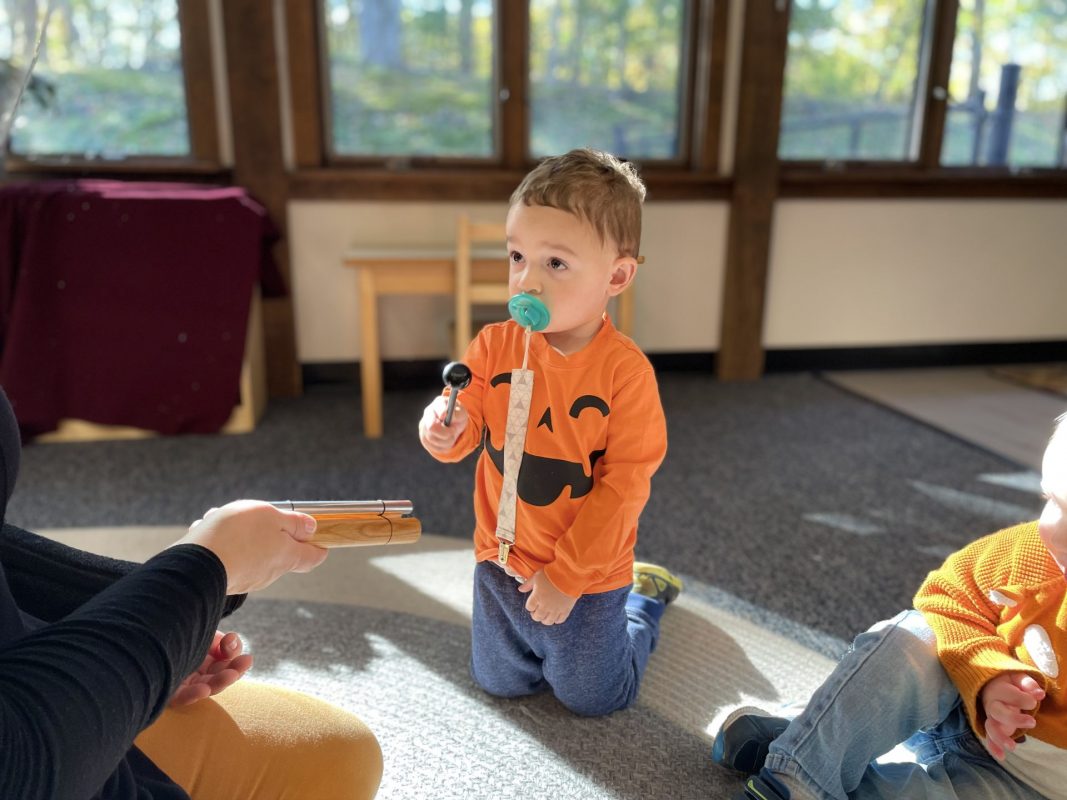
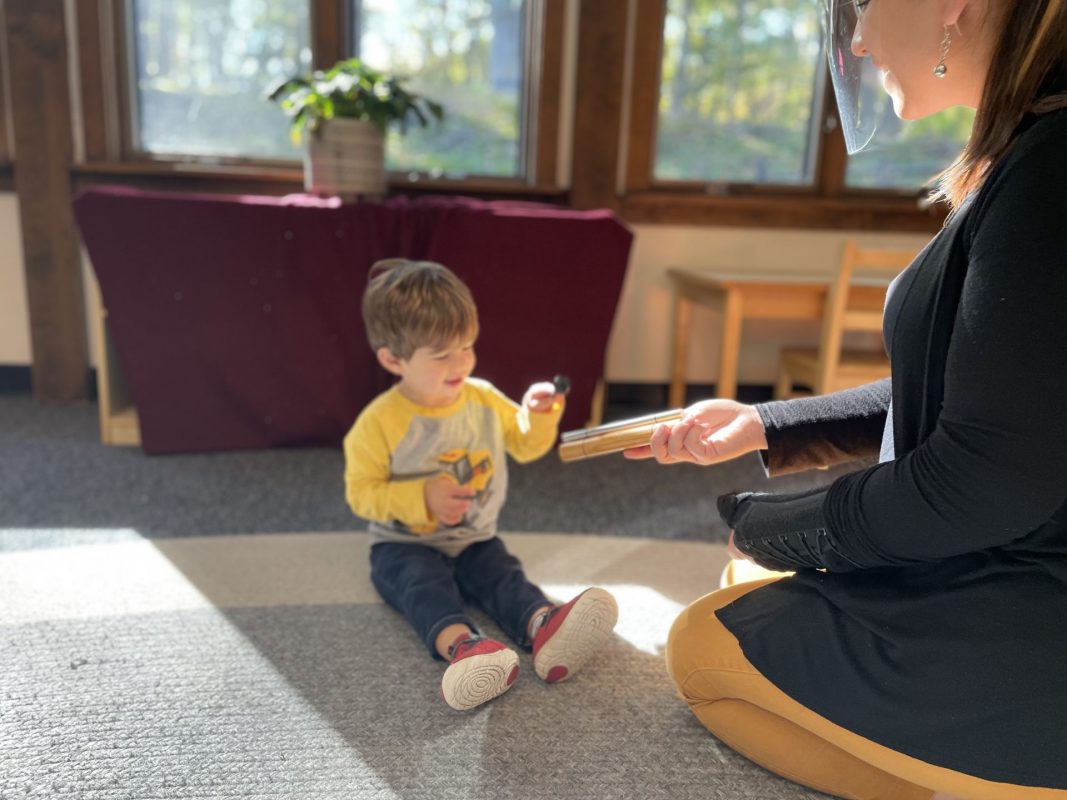
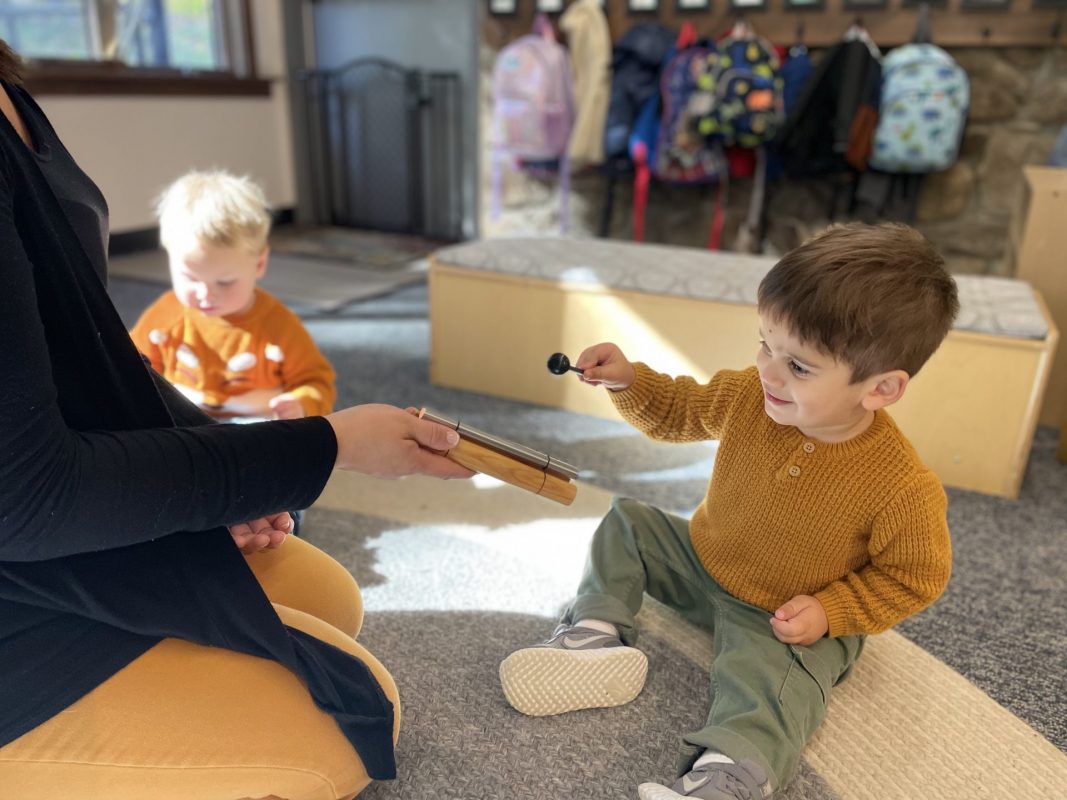
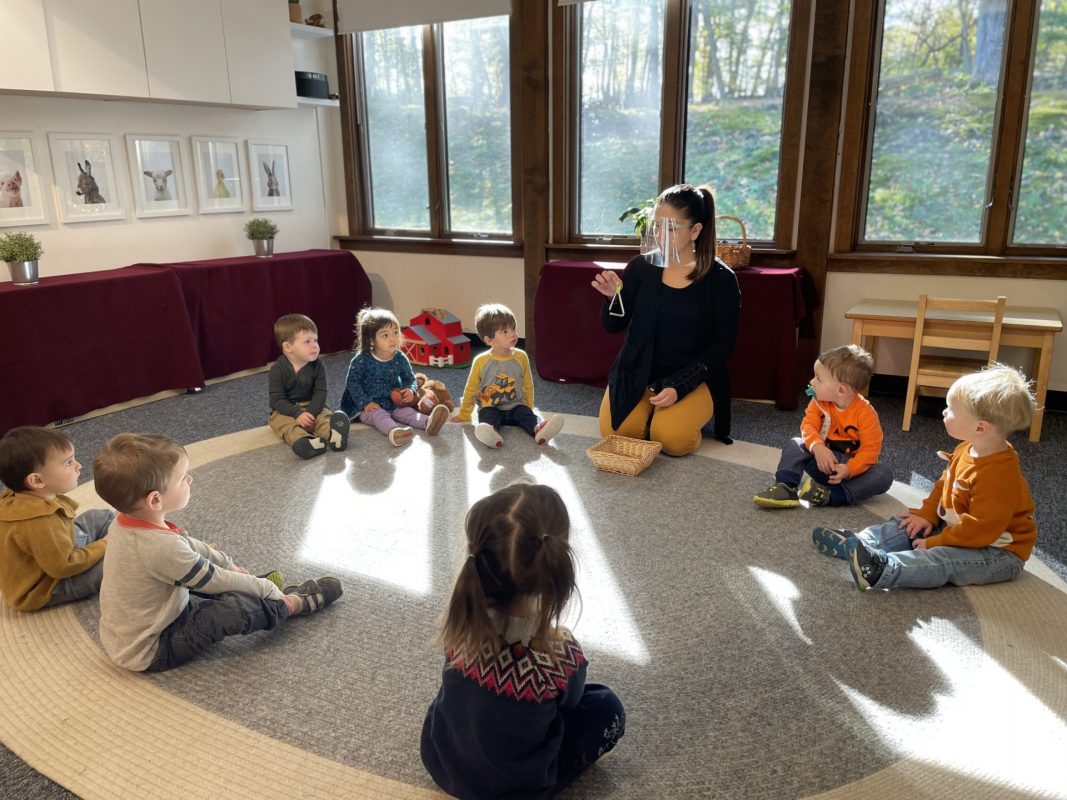
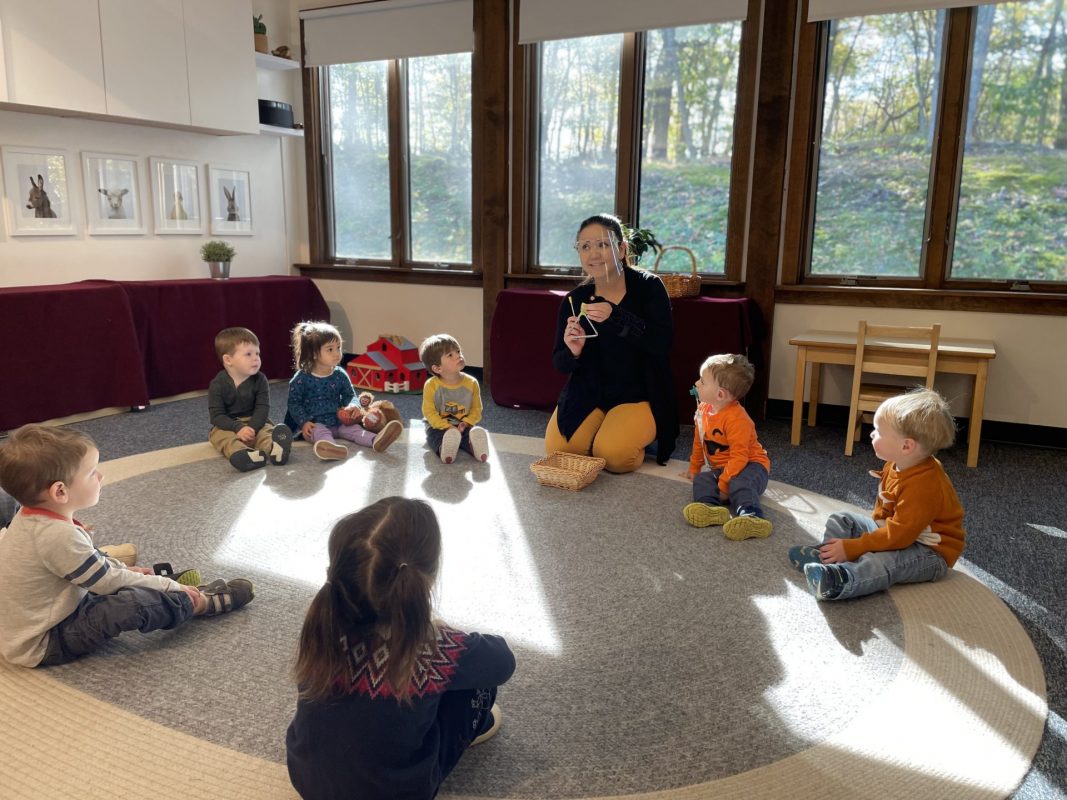
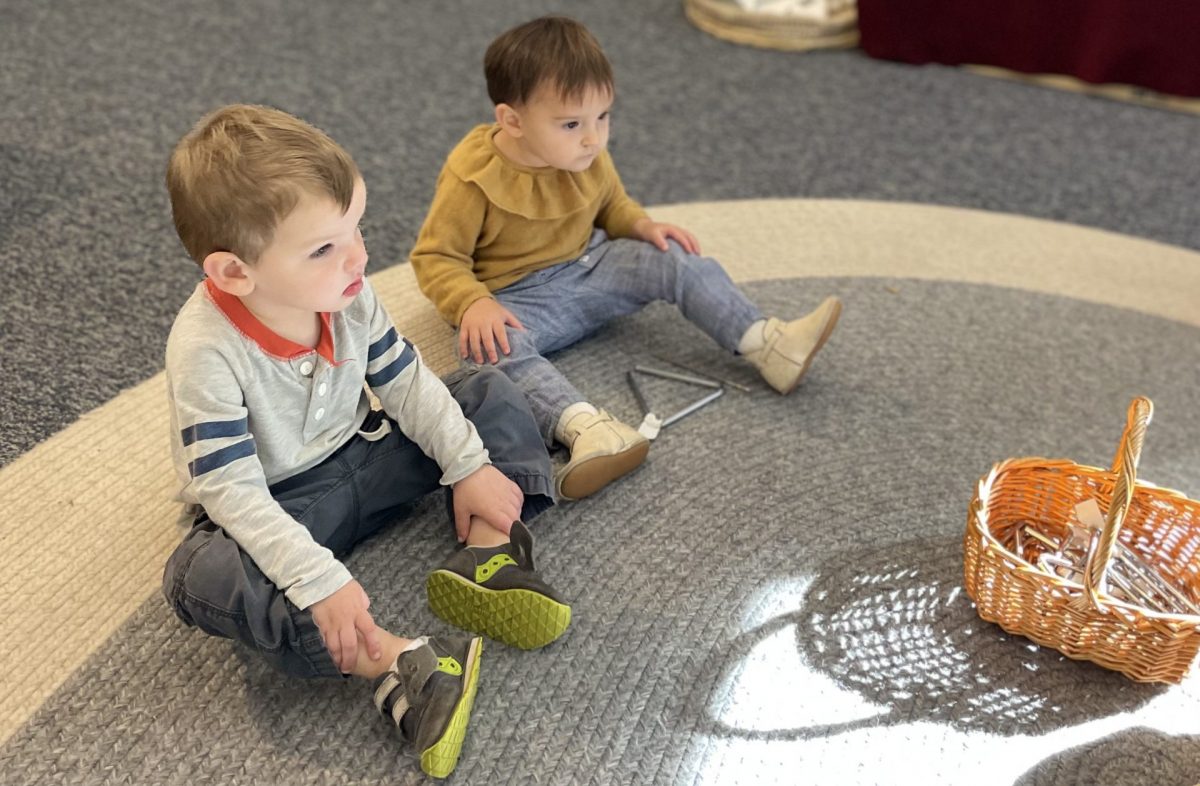
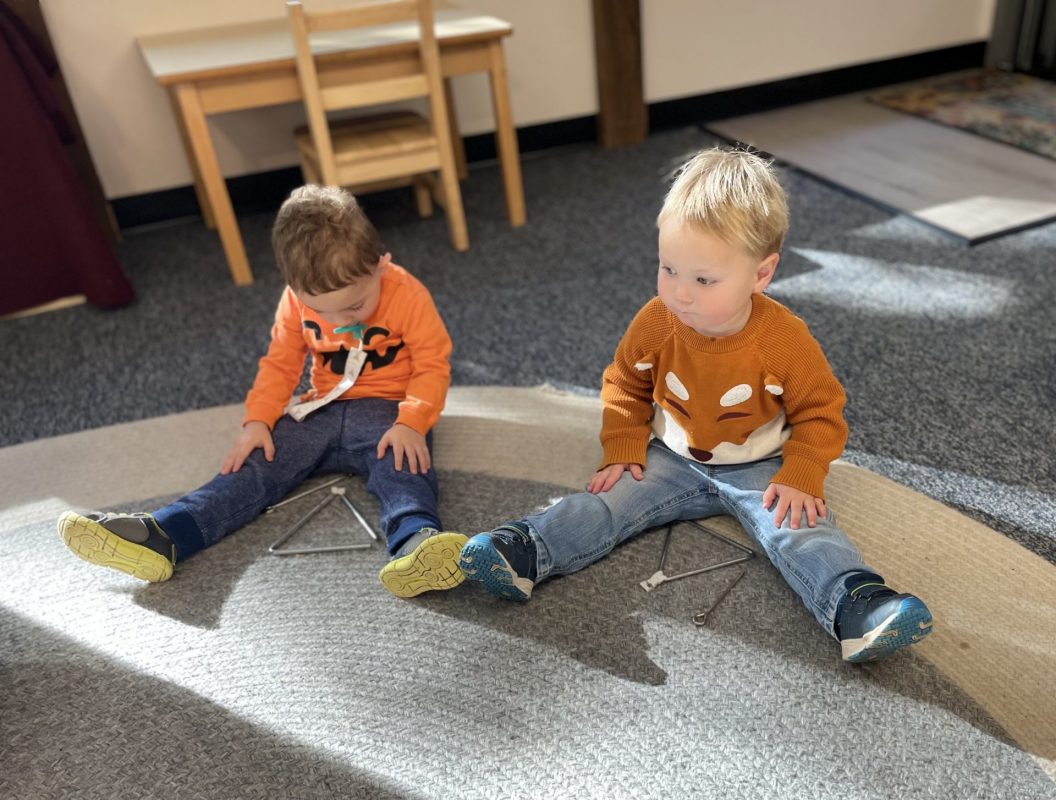
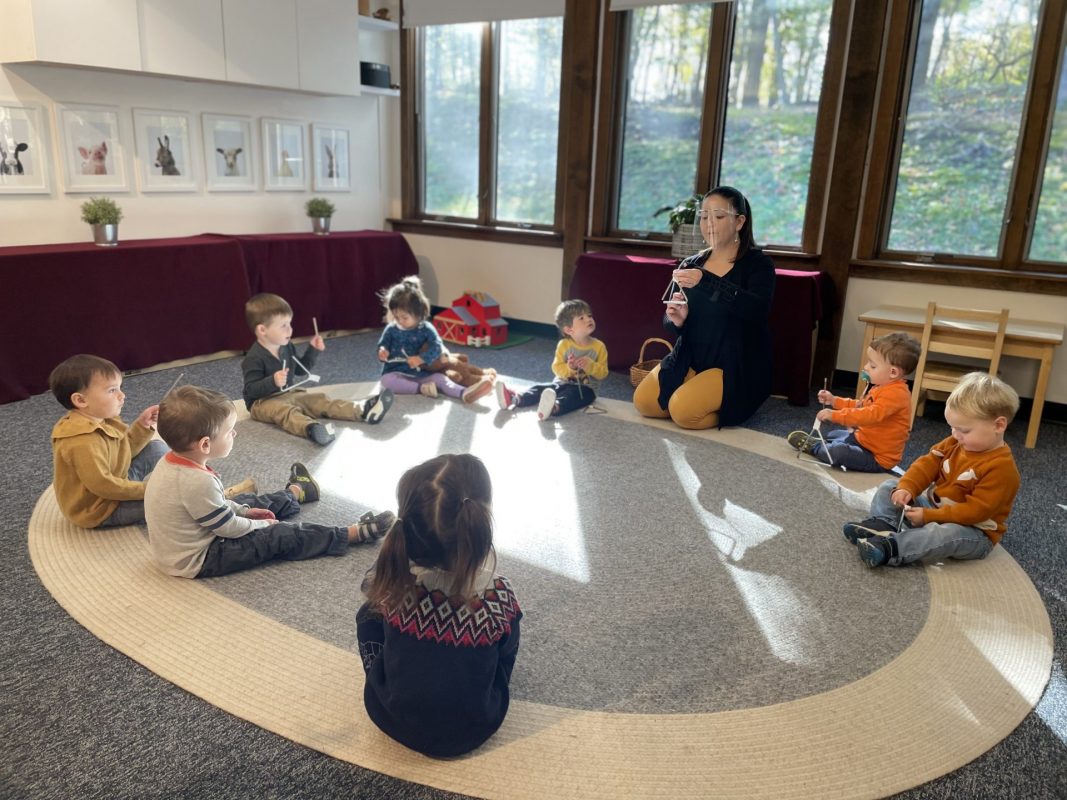
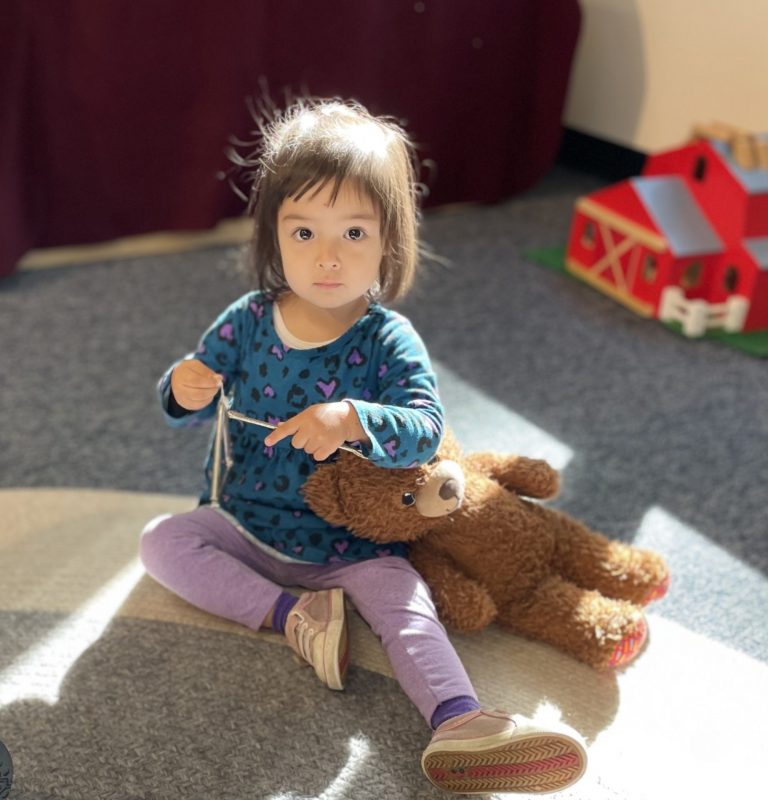
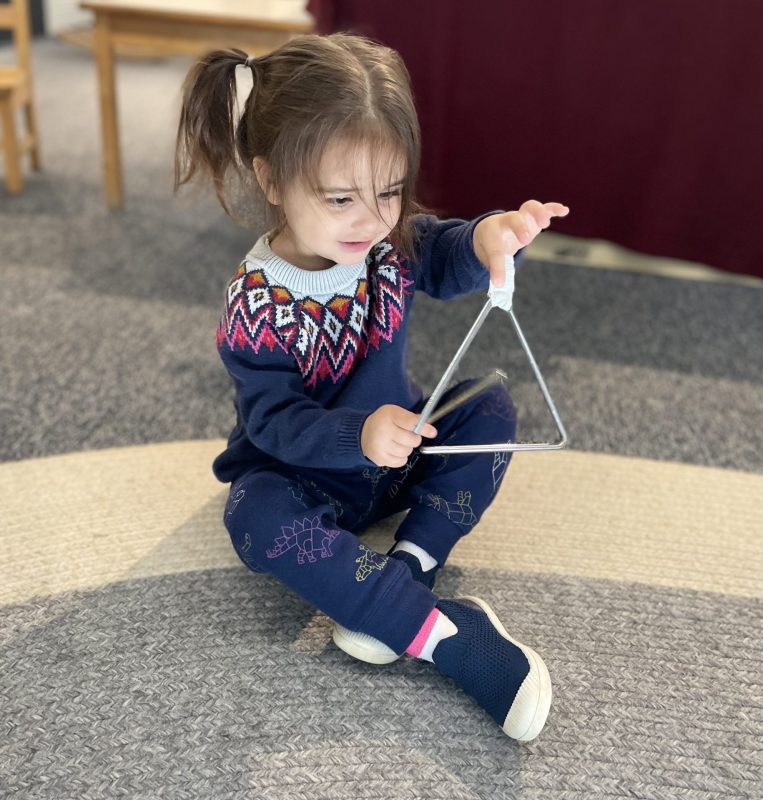
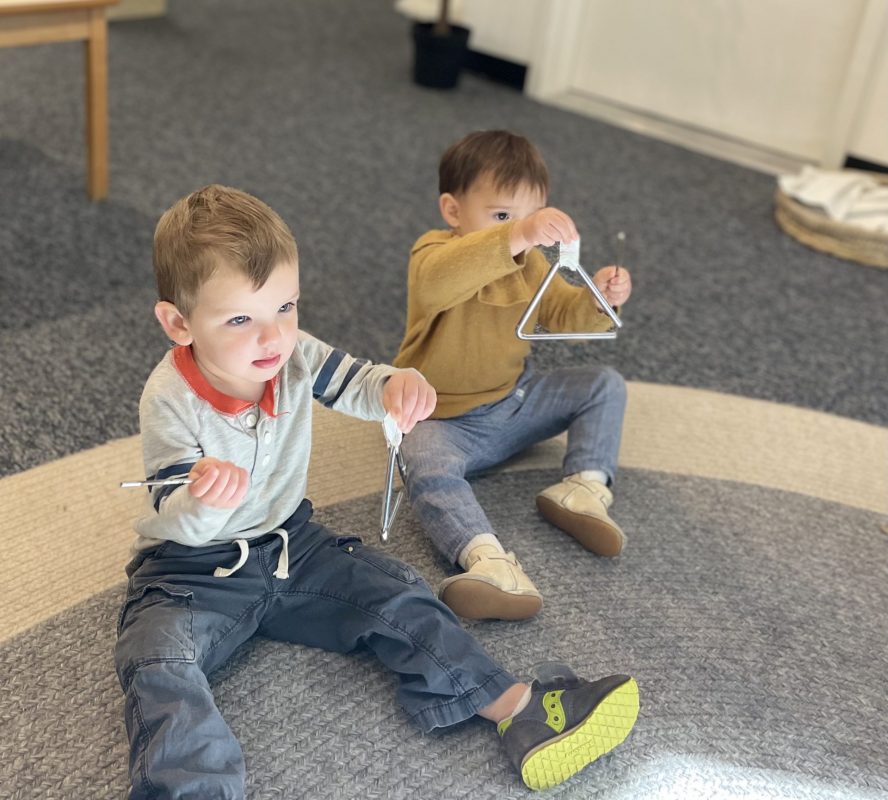
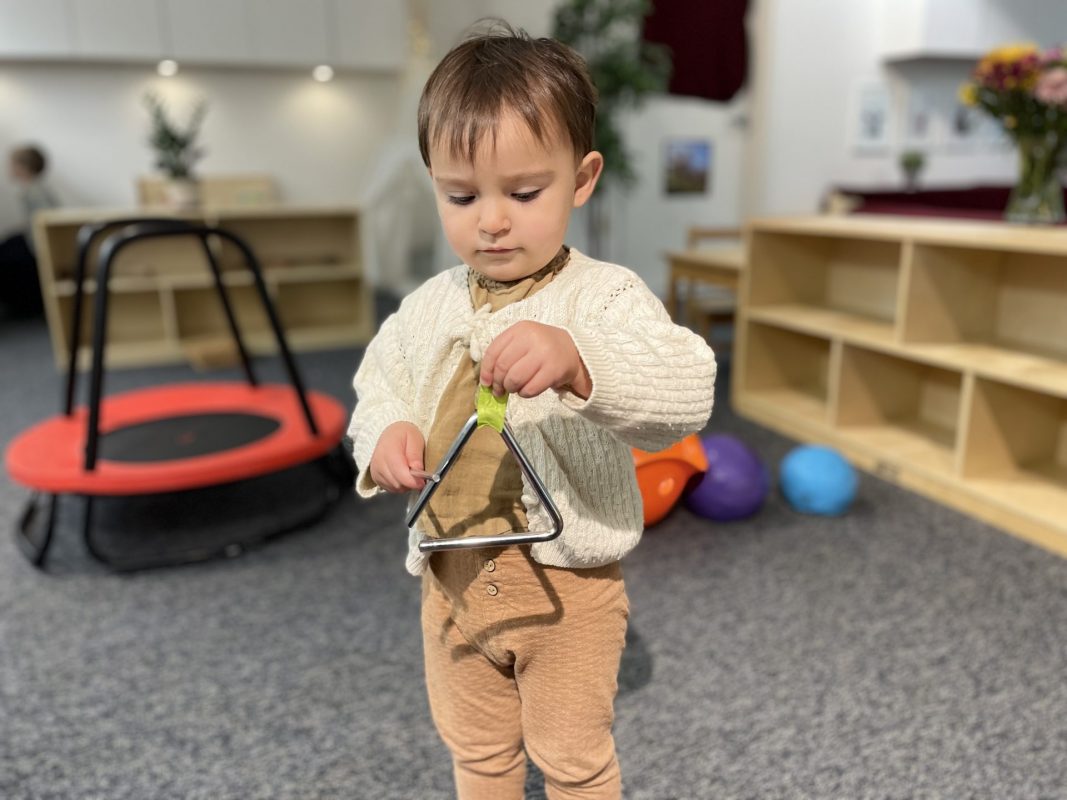
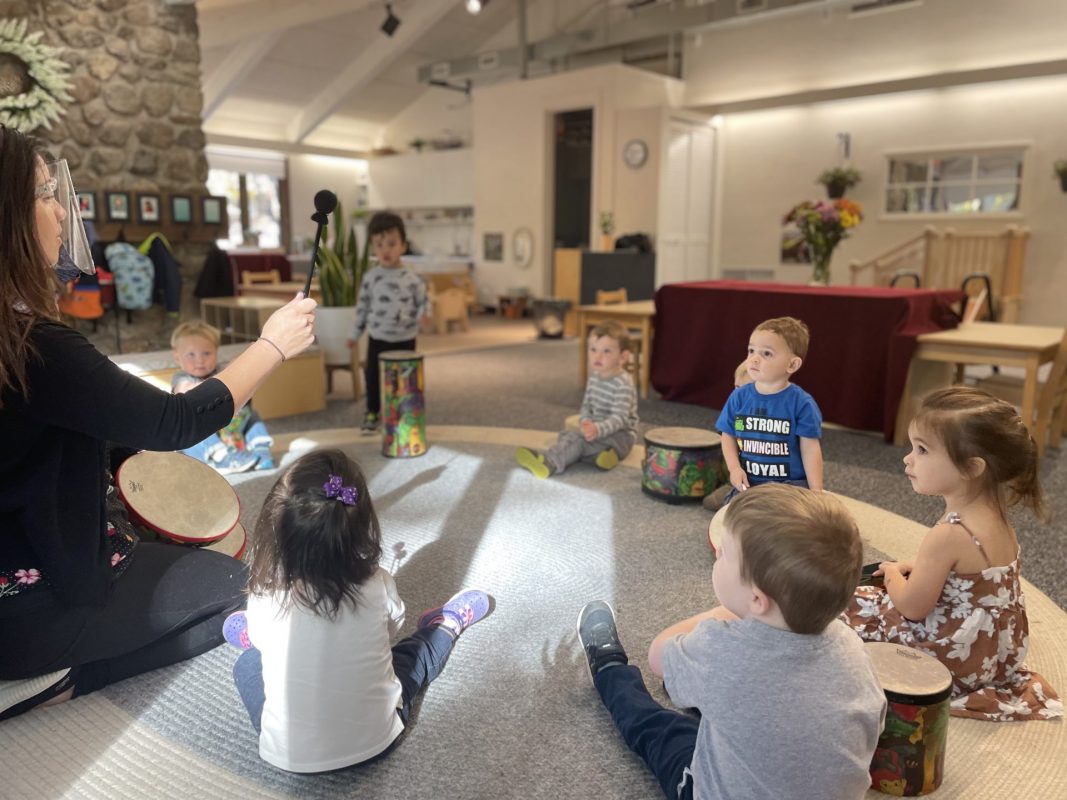
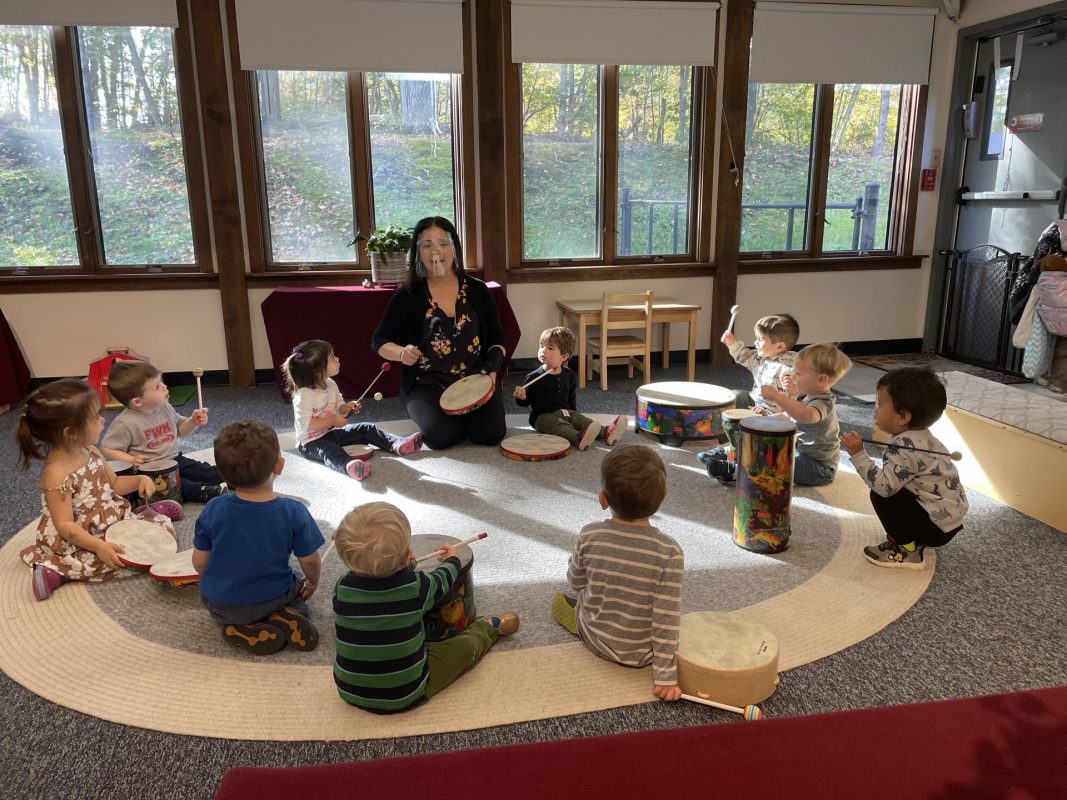
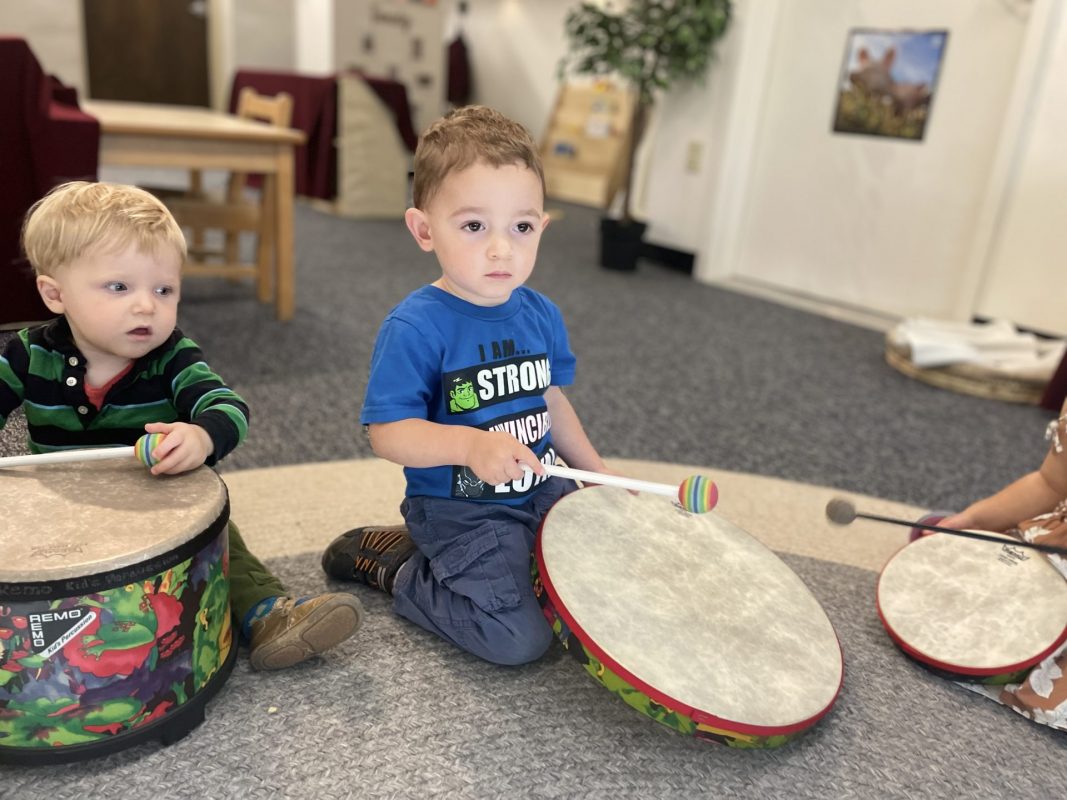
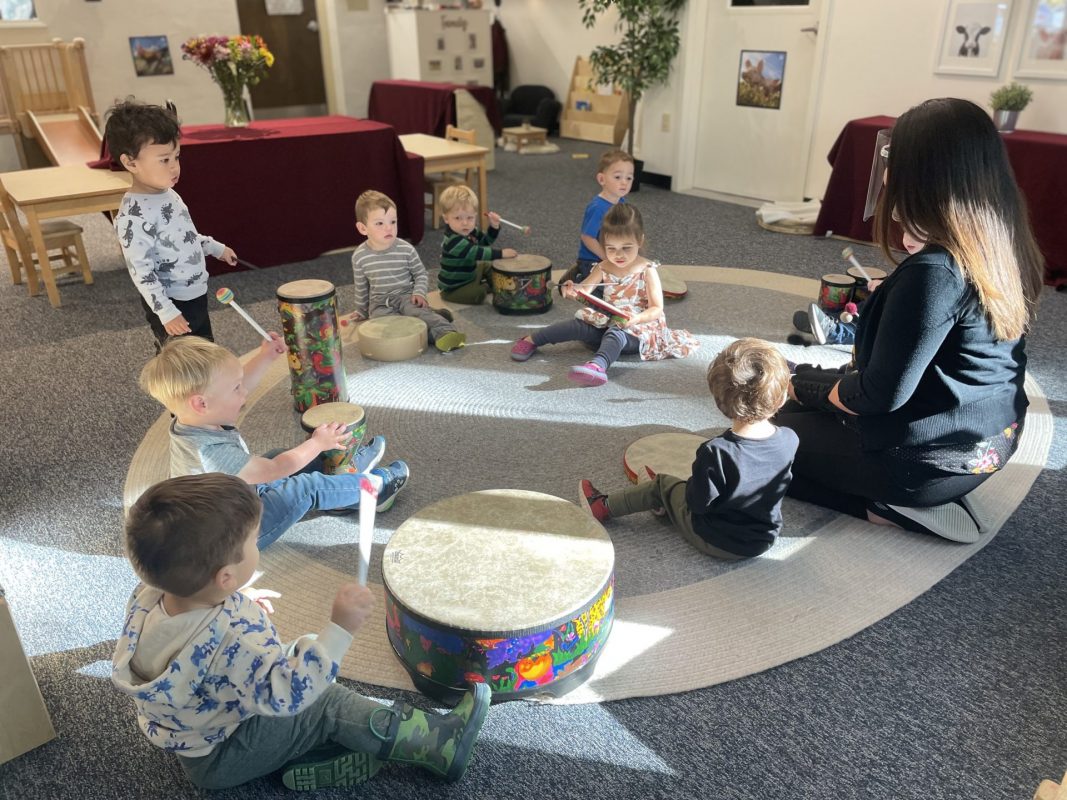
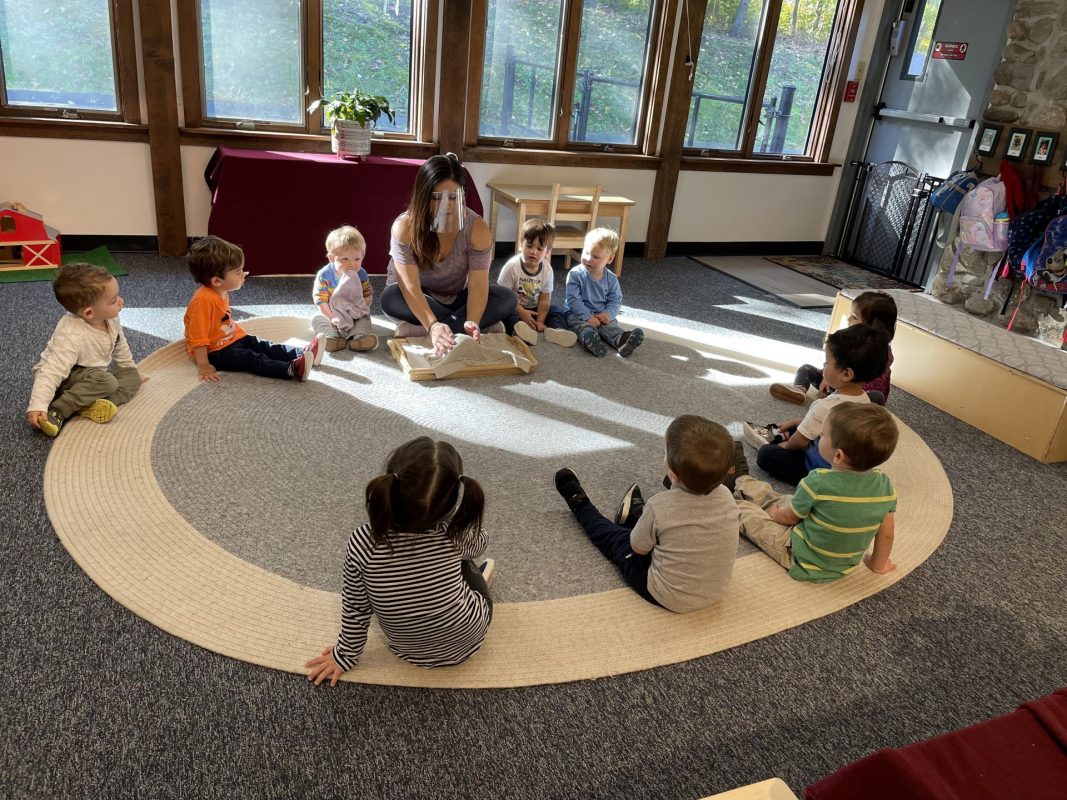
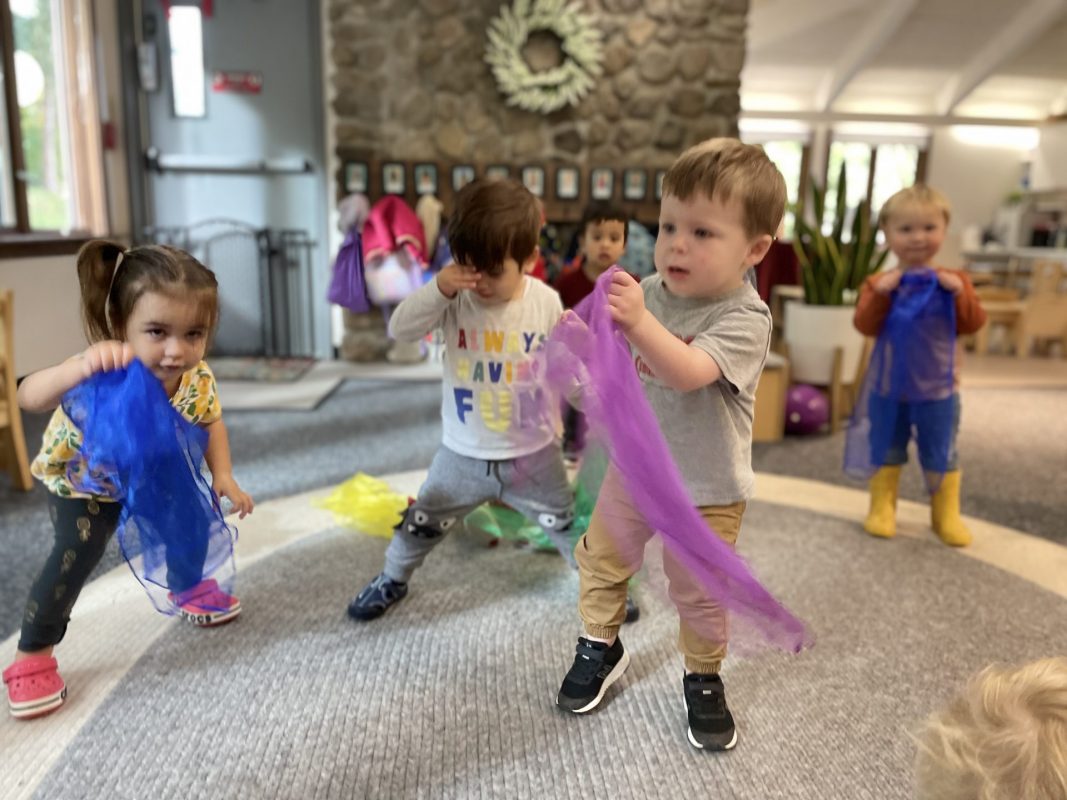
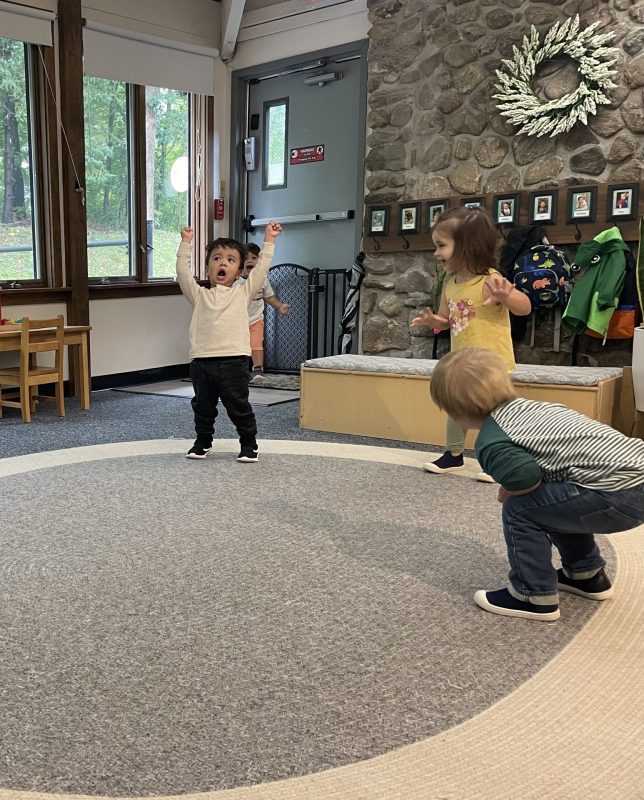
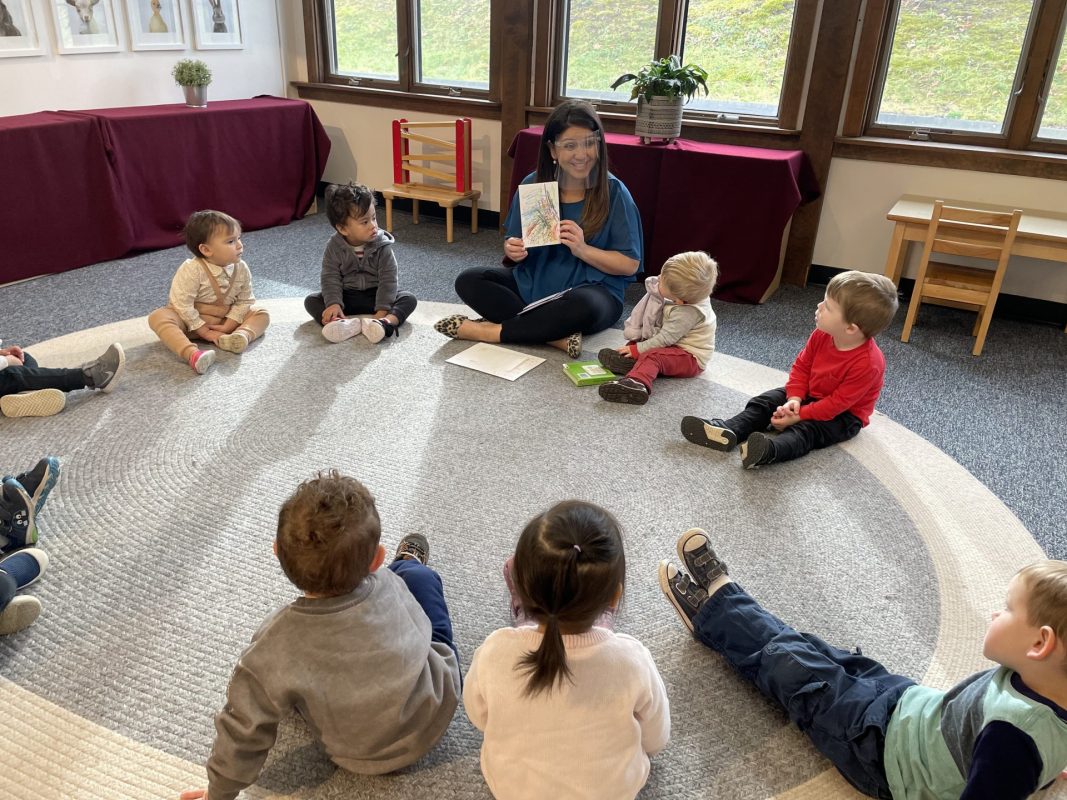
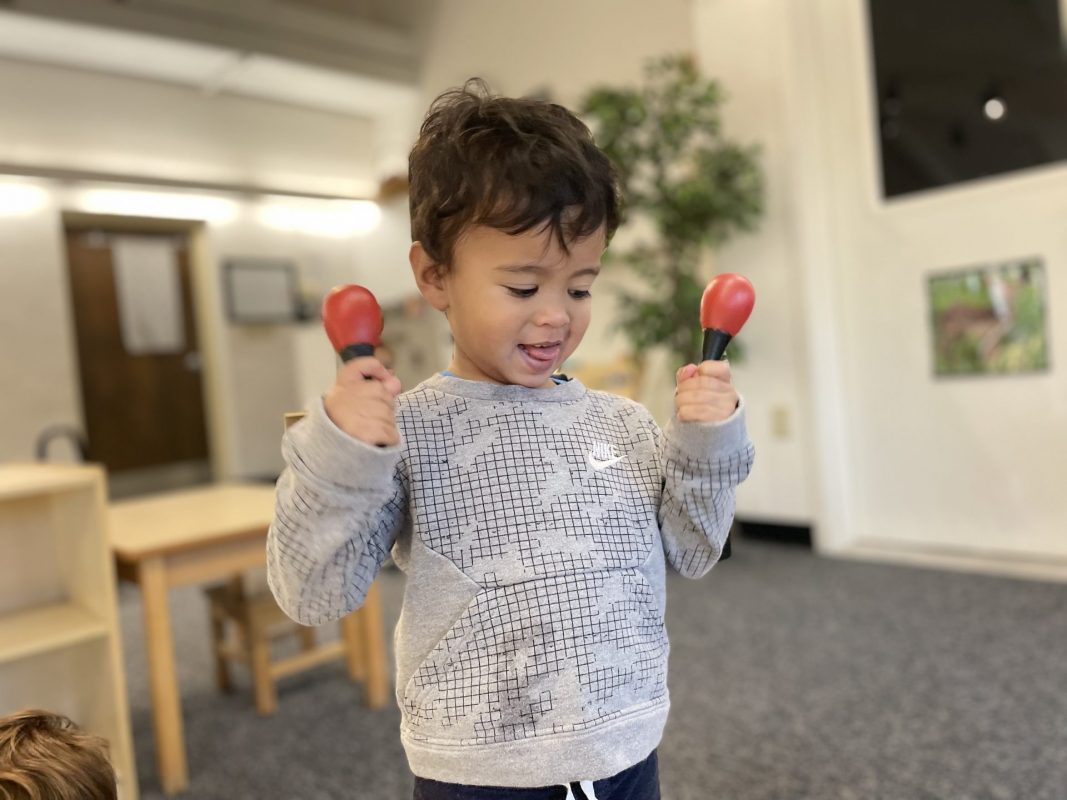
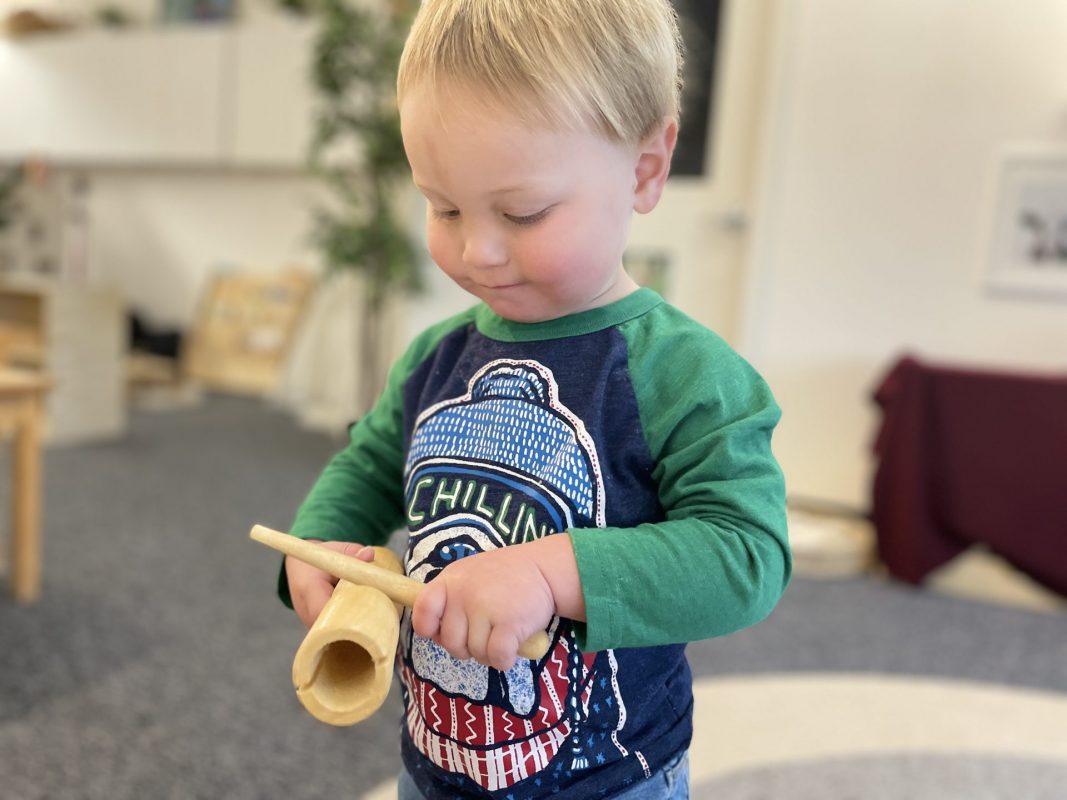
In our environment, children are exposed to meaningful music experiences everyday. Whole body movement songs, singing, finger-plays and instrument times are always part of our morning routine. Children learn the names of the instruments they are playing and they learn how to properly play them. This week we introduced the triangle and we explored the different sounds it produces when struck. We practice the importance of holding the triangle by the loop and not from the body of the instrument to find the beautiful overtones that it produces. We also had a drumming session and children had a blast practicing rhythm with different sized drums. One main part of our music lessons includes grace and courtesy. Through this, the children learn to recognize the importance of being polite and waiting until everybody gets their instrument before selecting a song and grabbing their instrument to play! Children are directed to recognize hand gestures for tempo, dynamics, and their favorite: the closing of the song. They all love to hold their fists up and watch how everybody’s instrument stops at the same time! Their smiles say it all! We call this our “band time.”

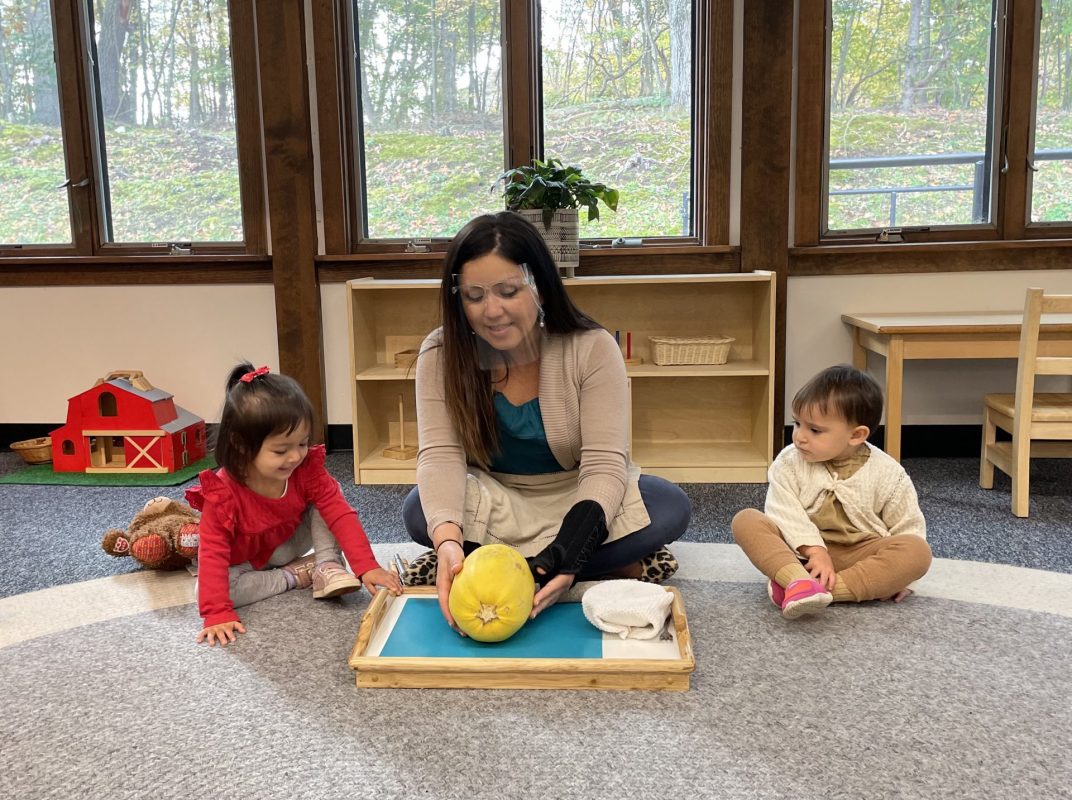
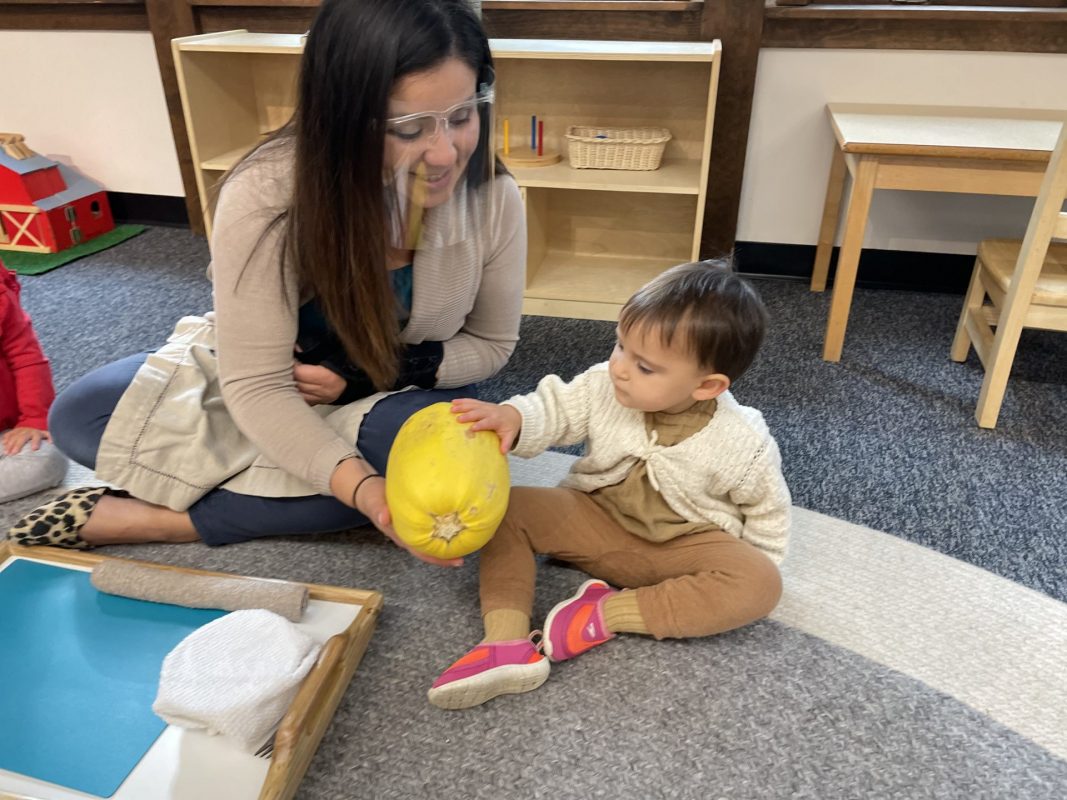
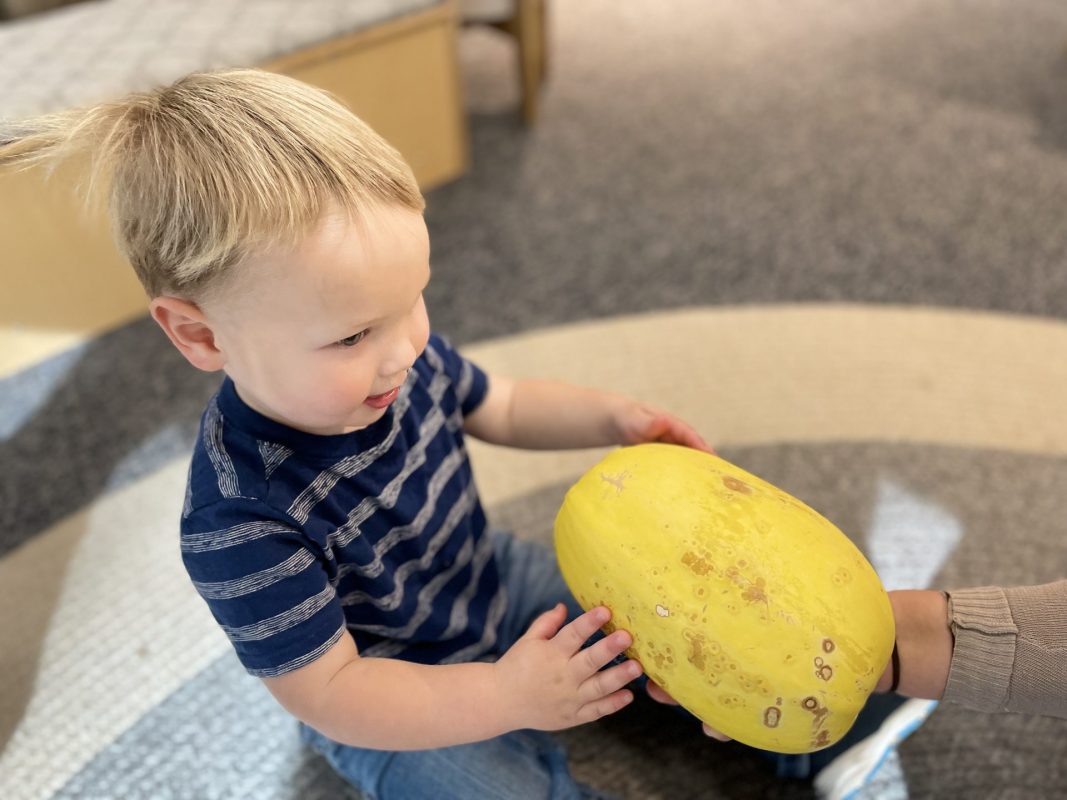
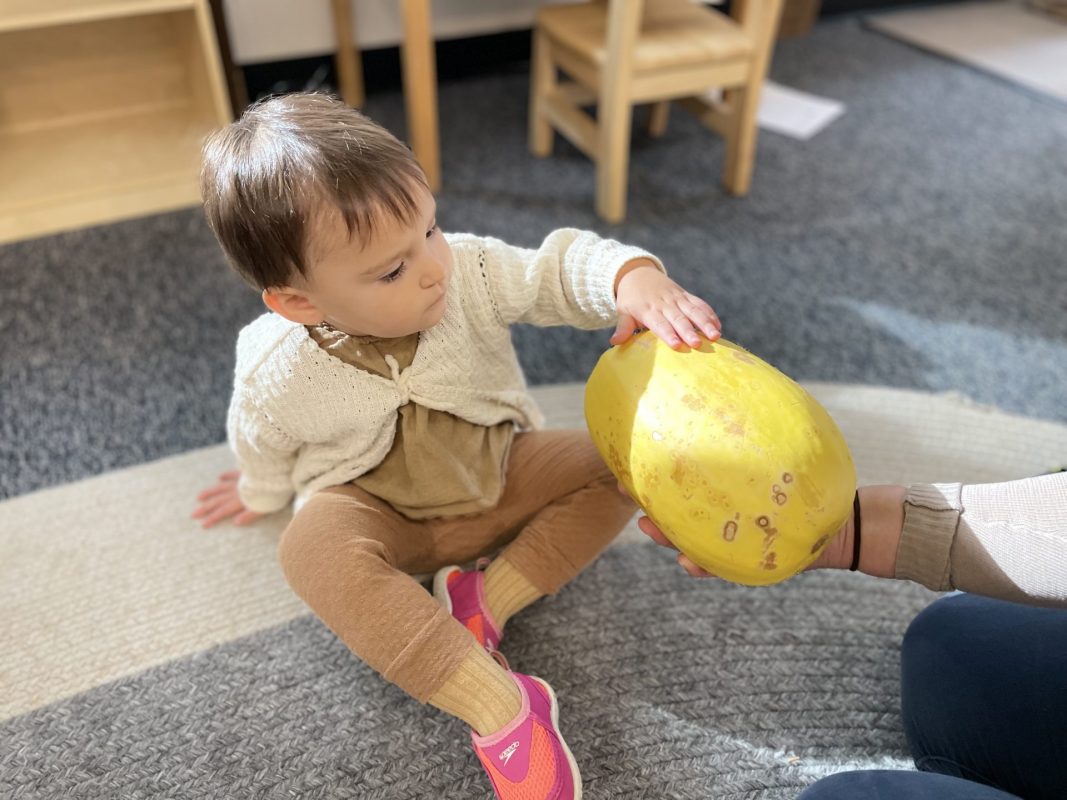
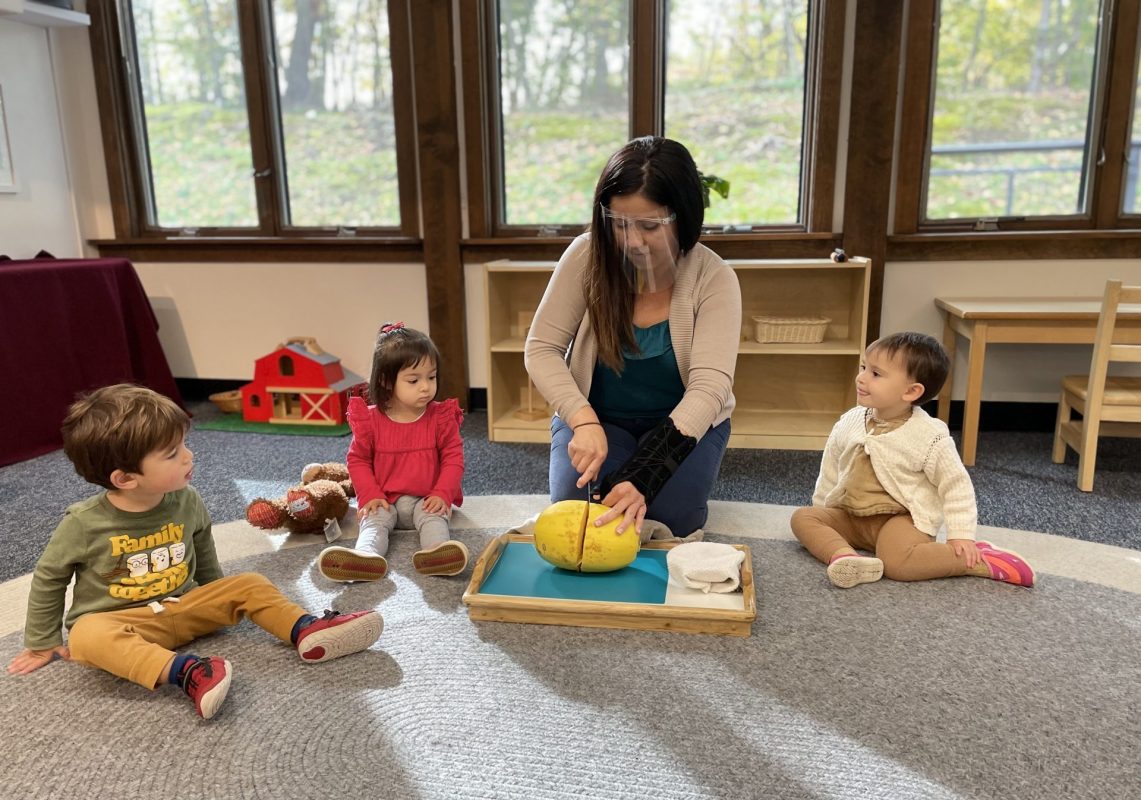
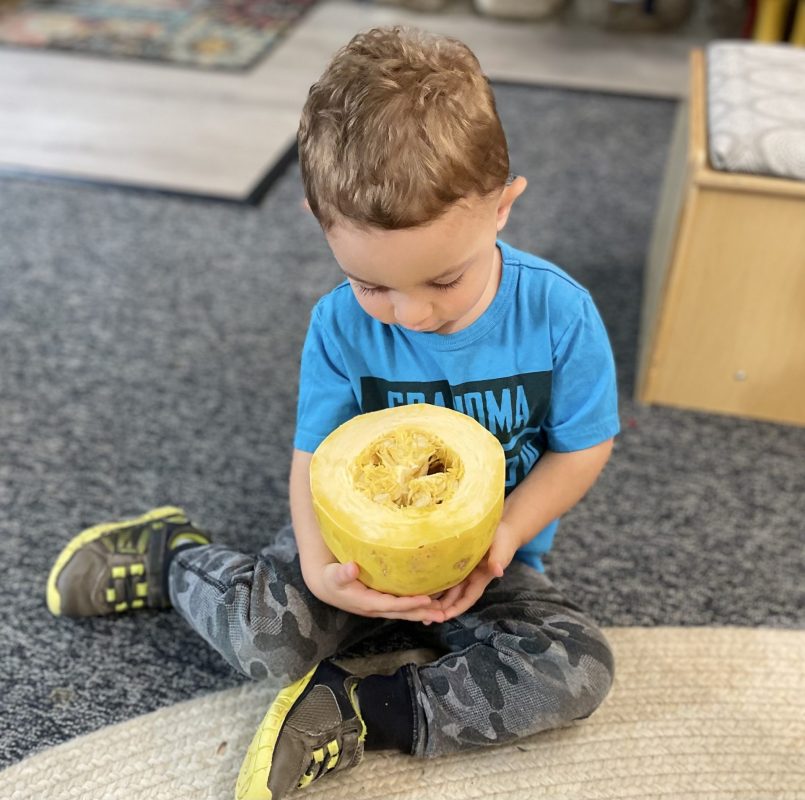
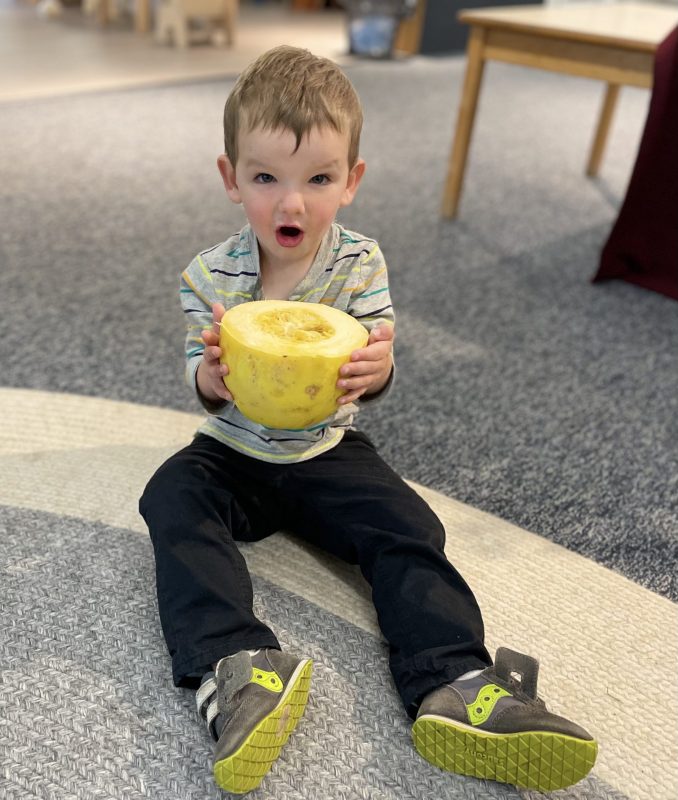
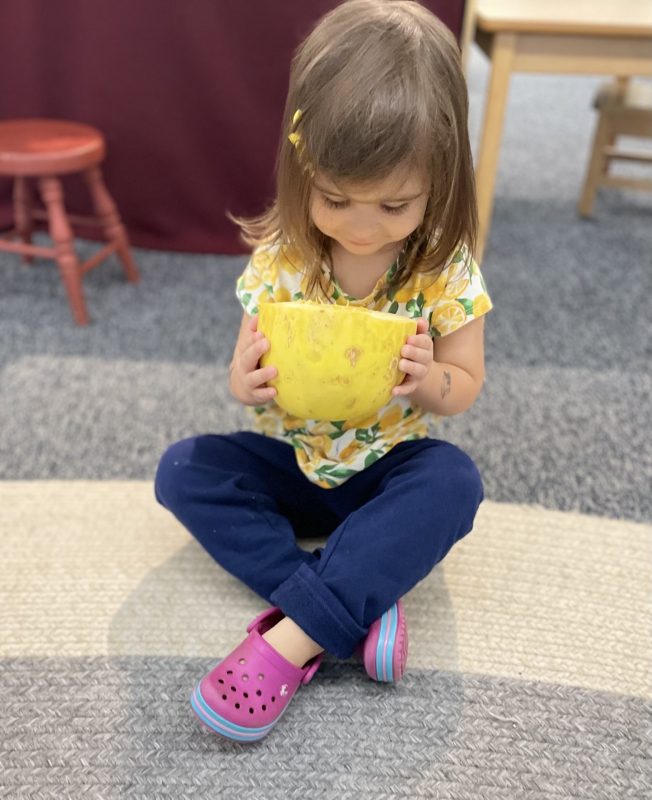
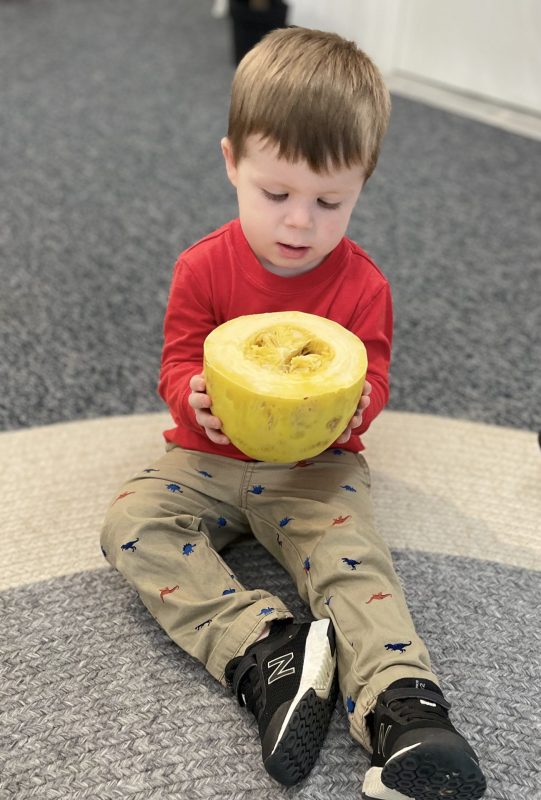
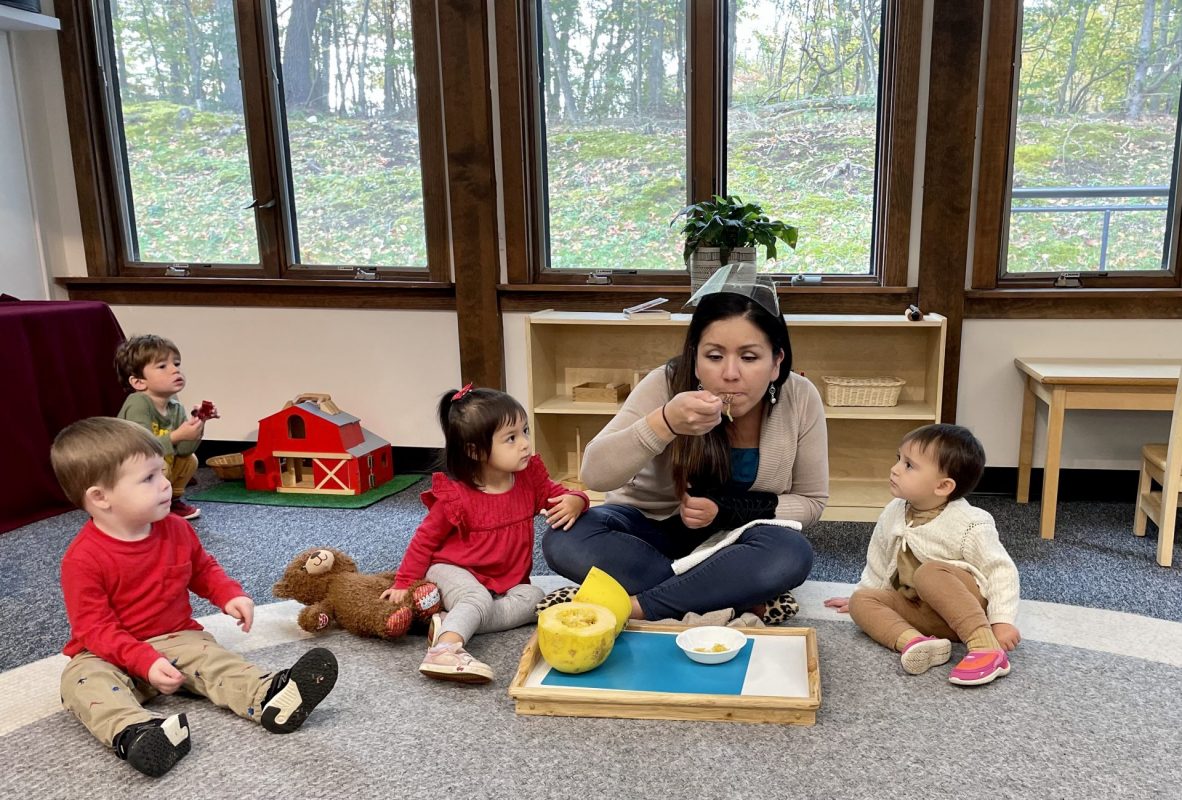
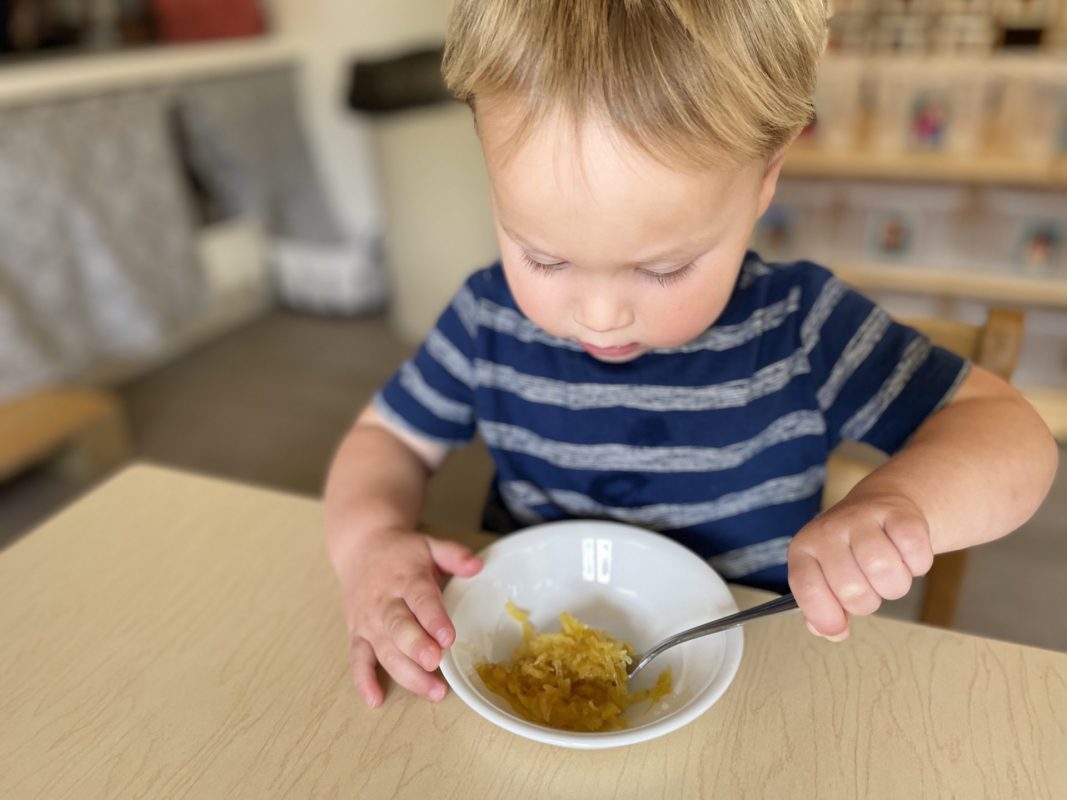
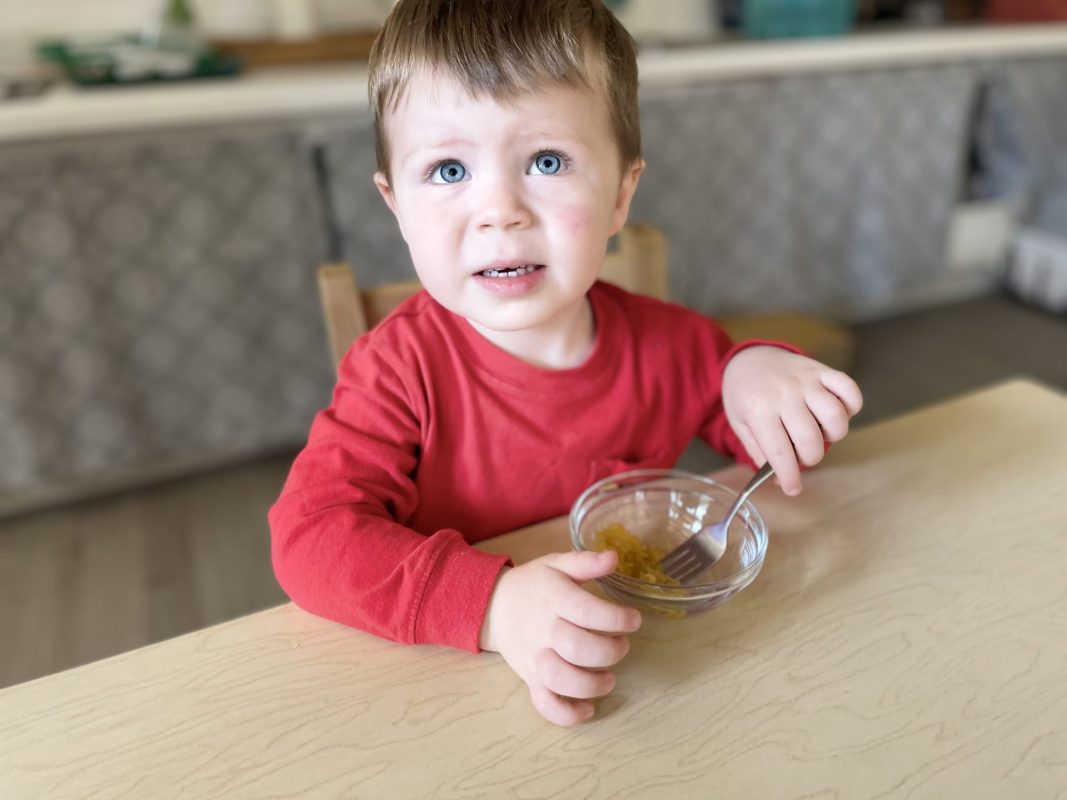
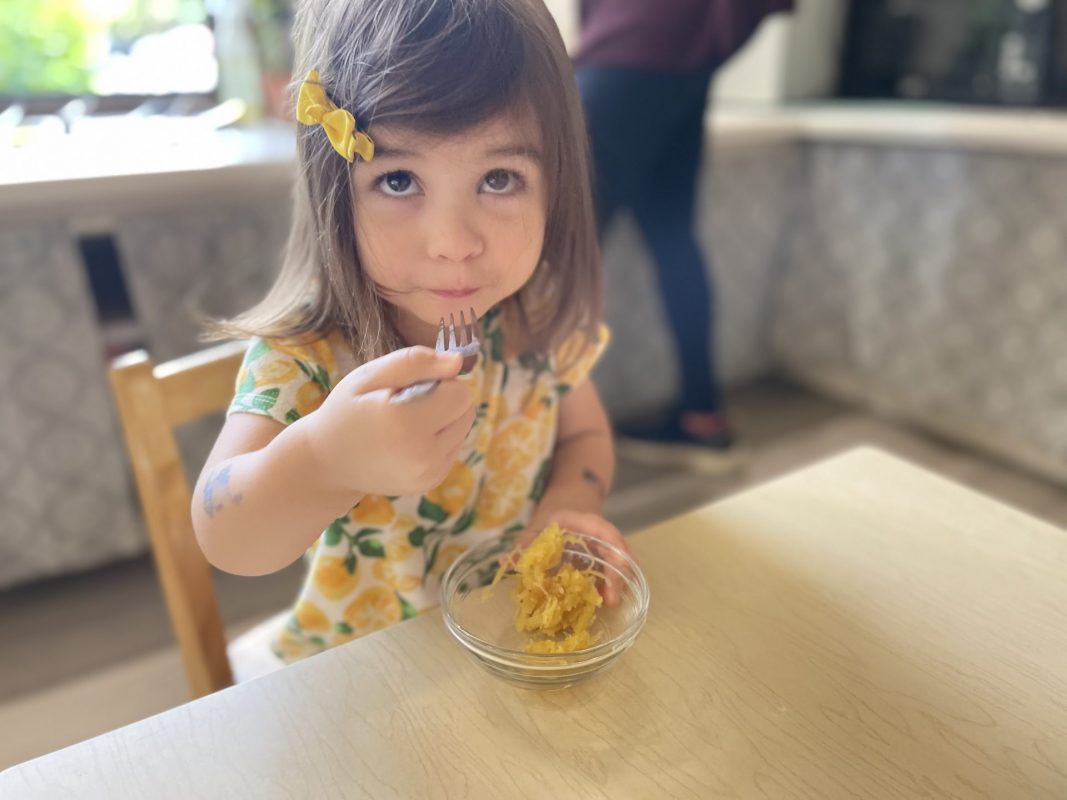
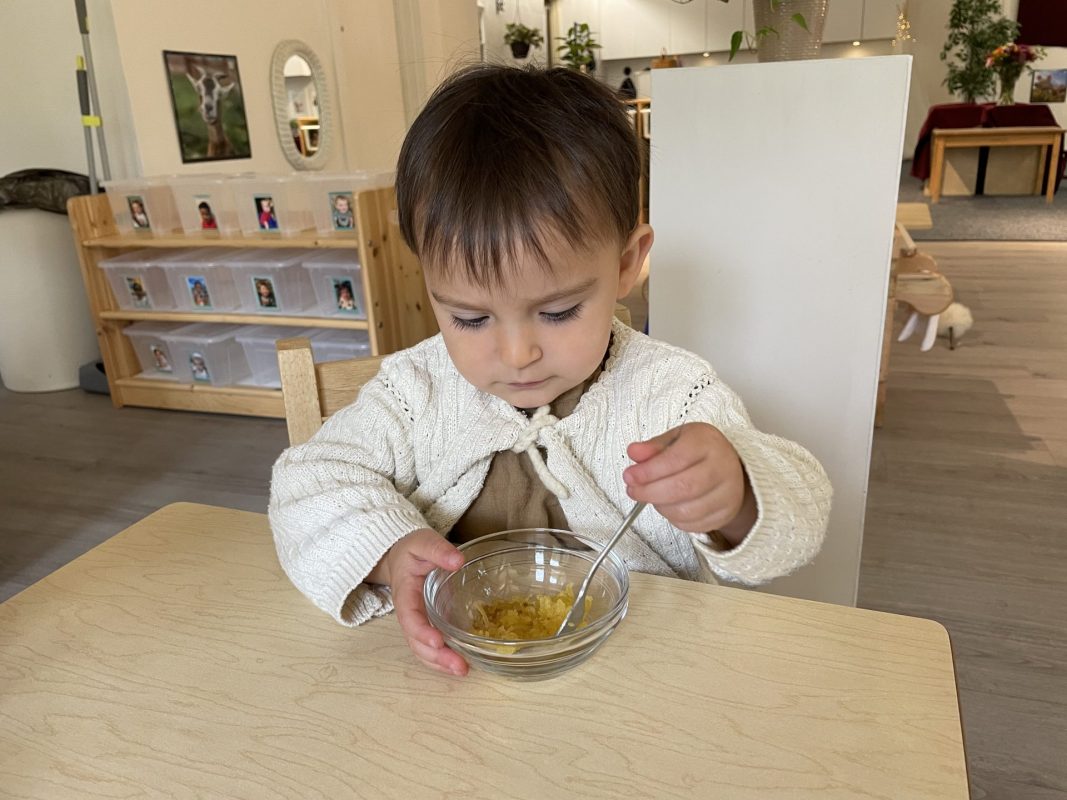
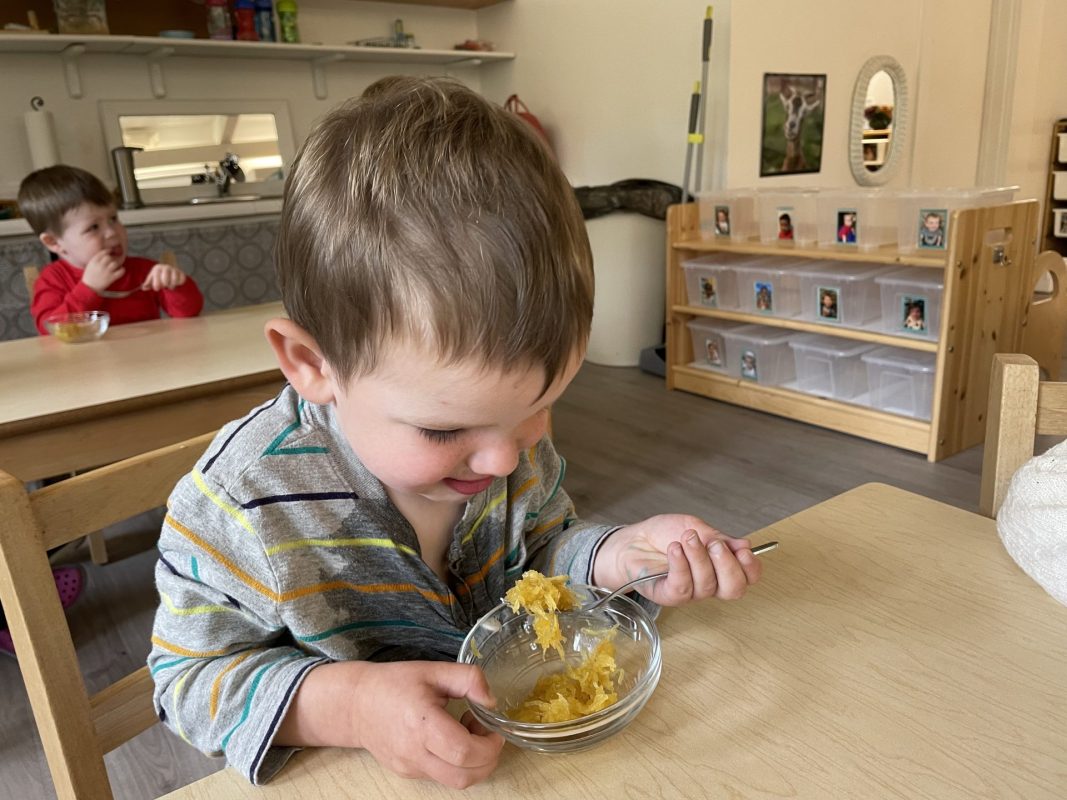
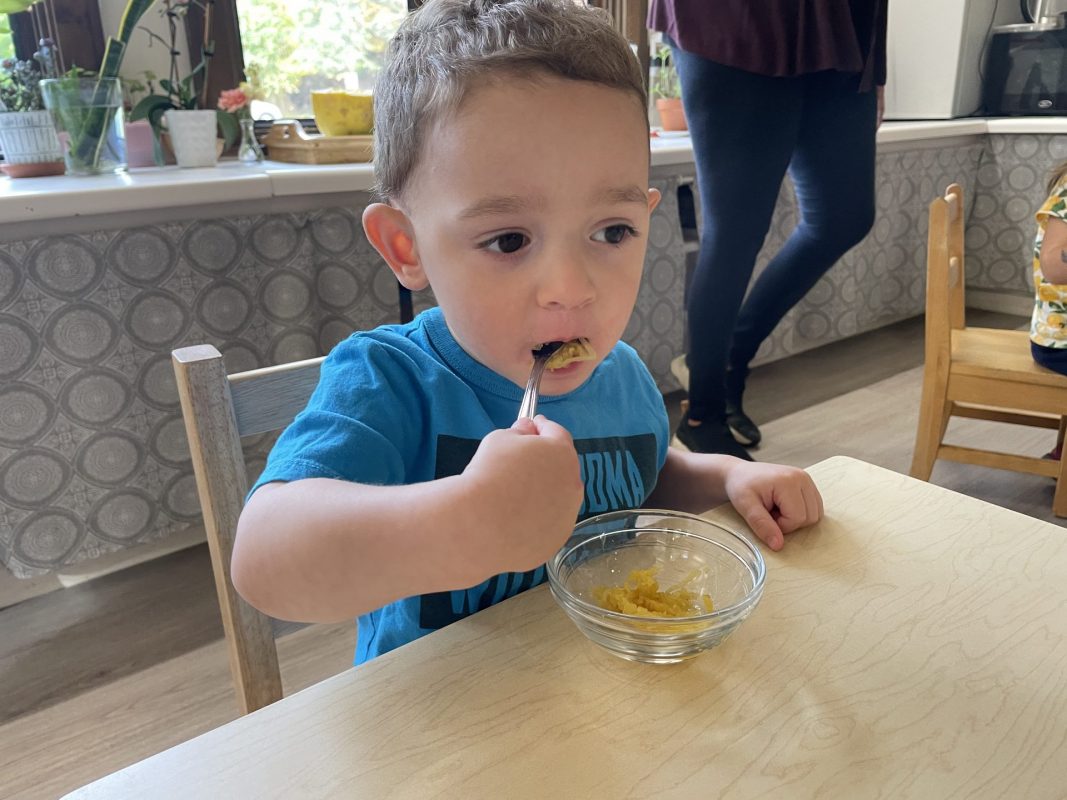
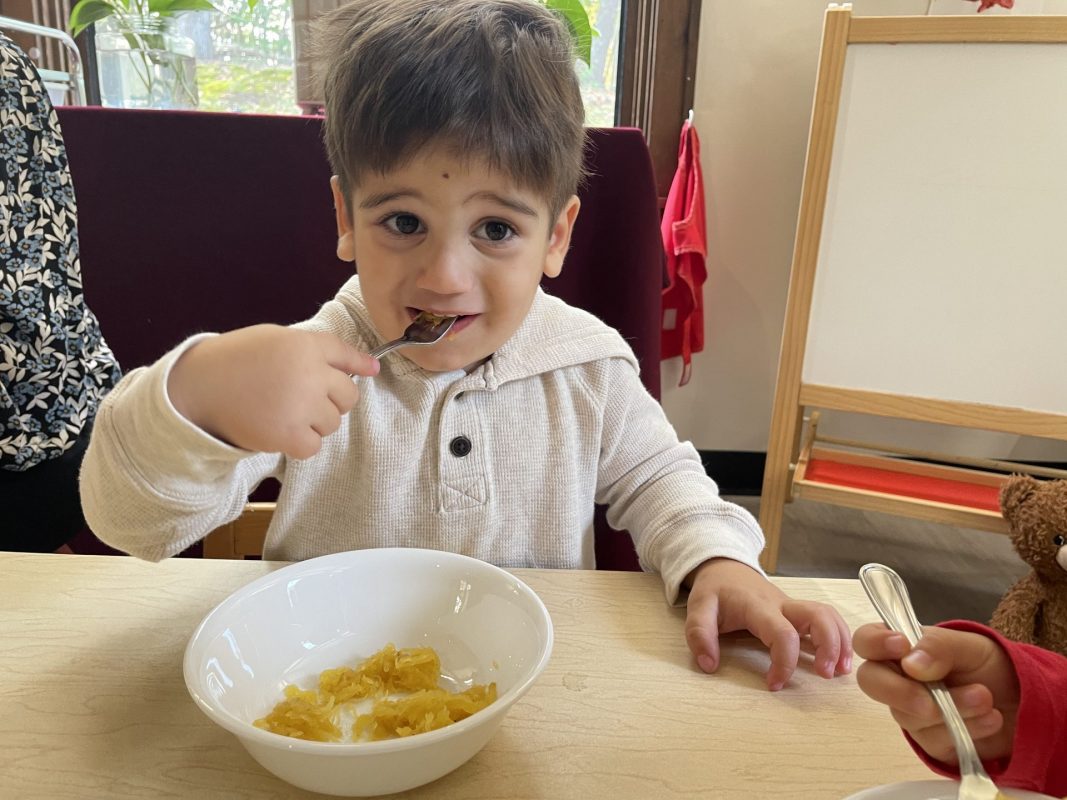
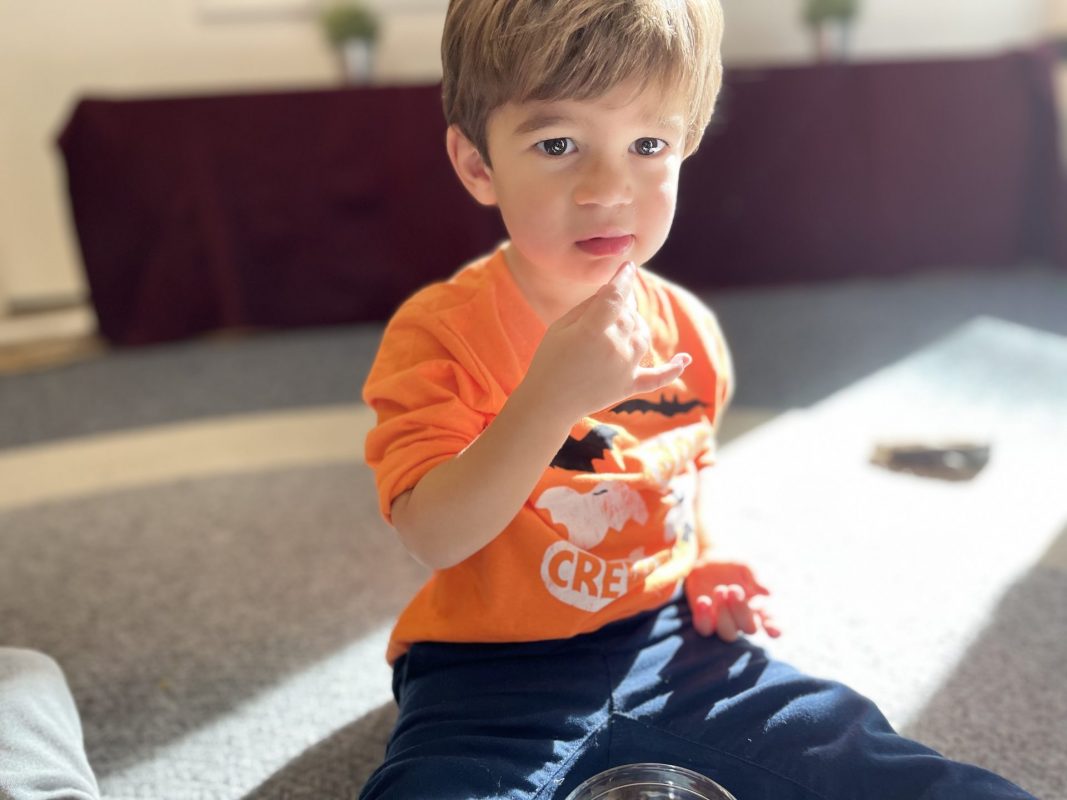
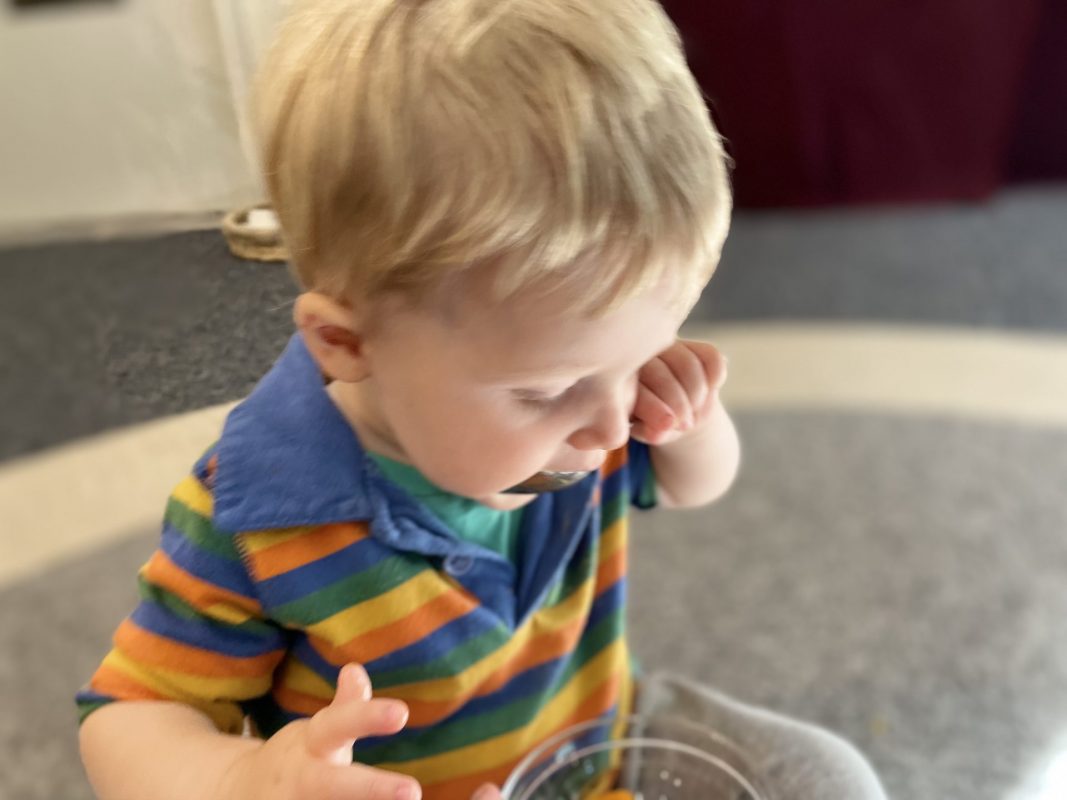
As always, we had fun exploring food and this week we enjoyed spaghetti squash! Most of our children were brave enough to taste it and surprisingly, many asked for second rounds! Yum! 

Enjoy the weekend,

Mrs. Hood and Ms. Maria

Mrs. Hood: En Otoño!

Maria Montessori believed that the initial six years of a child’s life are crucial for a their language development; that from birth a child must receive appropriate stimulation. This is also widely recognized by many specialists in language, also when referring to learning foreign languages.

Research shows that learning a second language boosts problem-solving, critical-thinking, and listening skills, in addition to improving memory, concentration, and the ability to multitask. Children proficient in other languages also show signs of enhanced creativity and mental flexibility.

In our environment, children are exposed to Spanish multiple times a day. From songs, to books, to direct conversations, Spanish is always part of our routines.

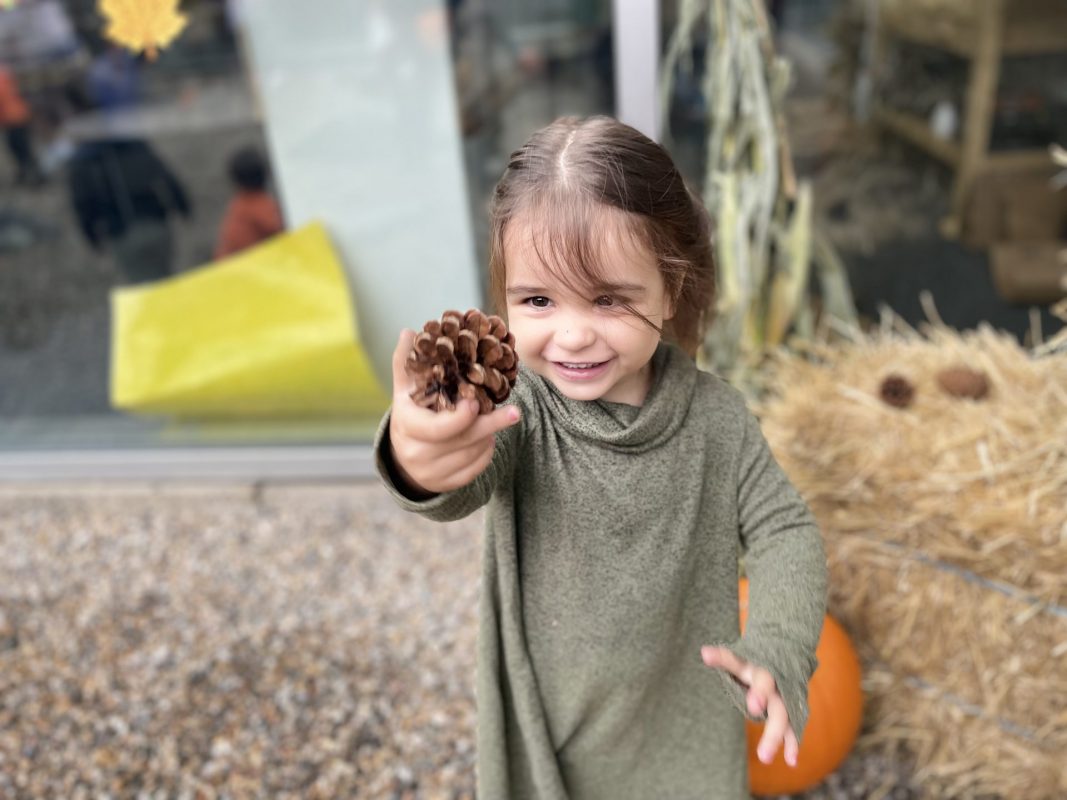
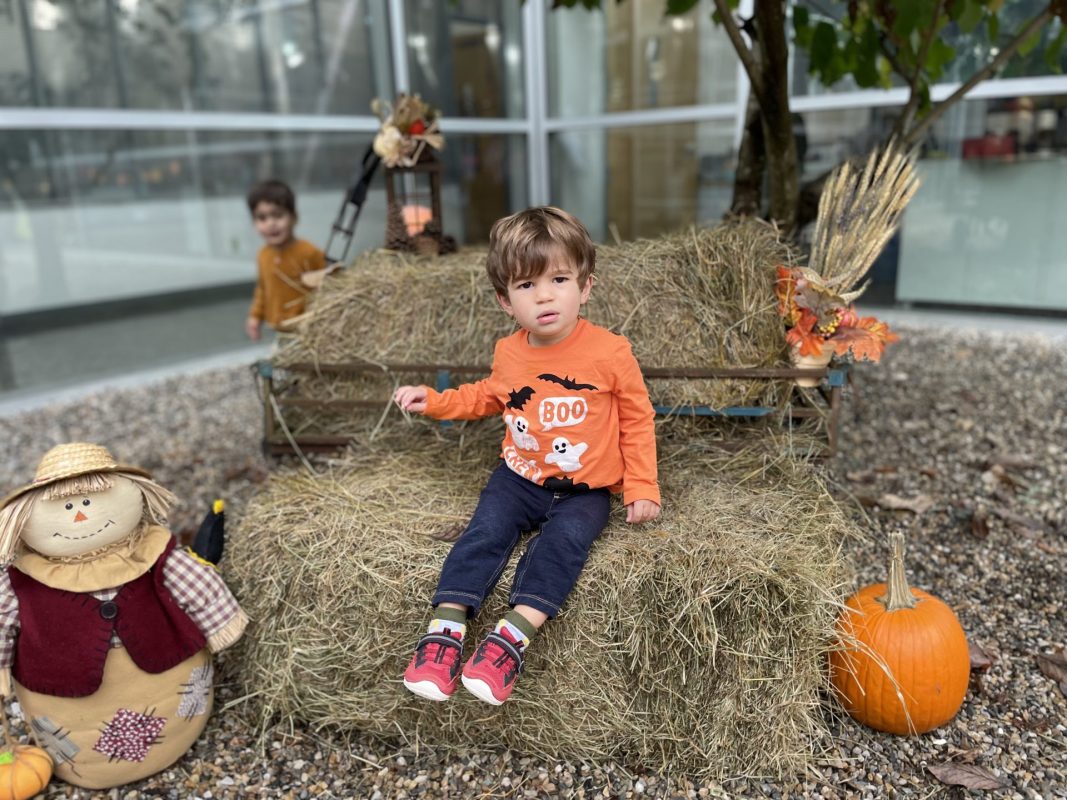
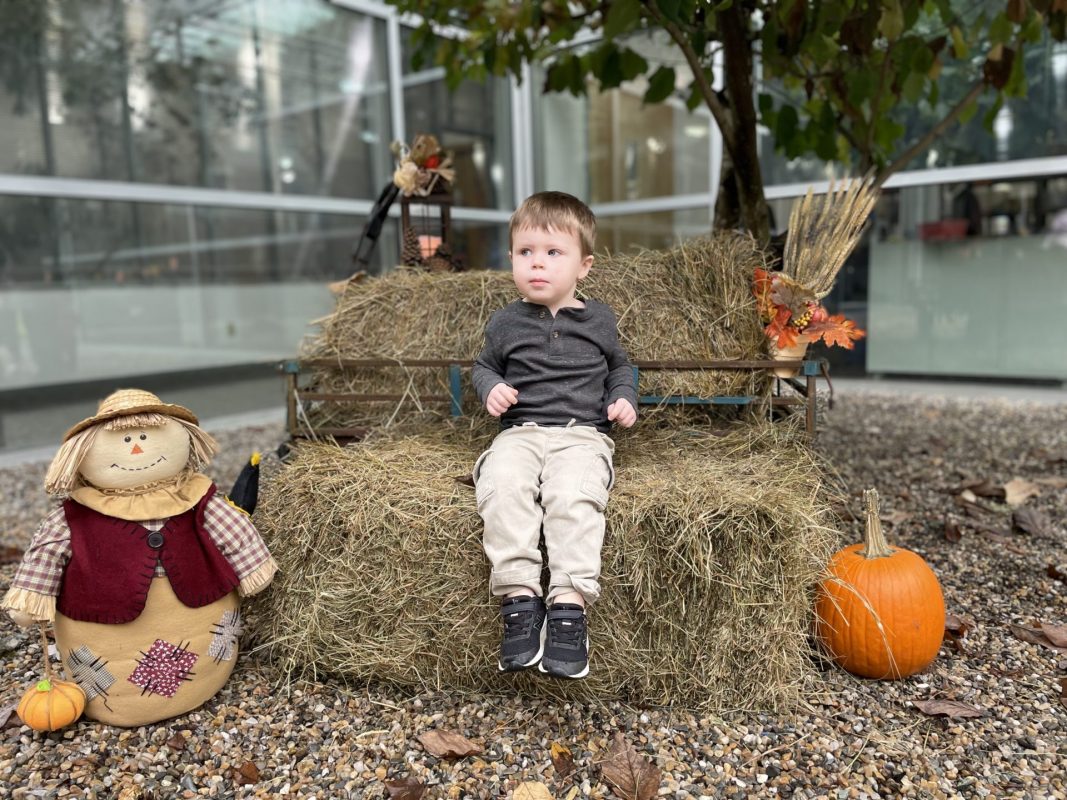
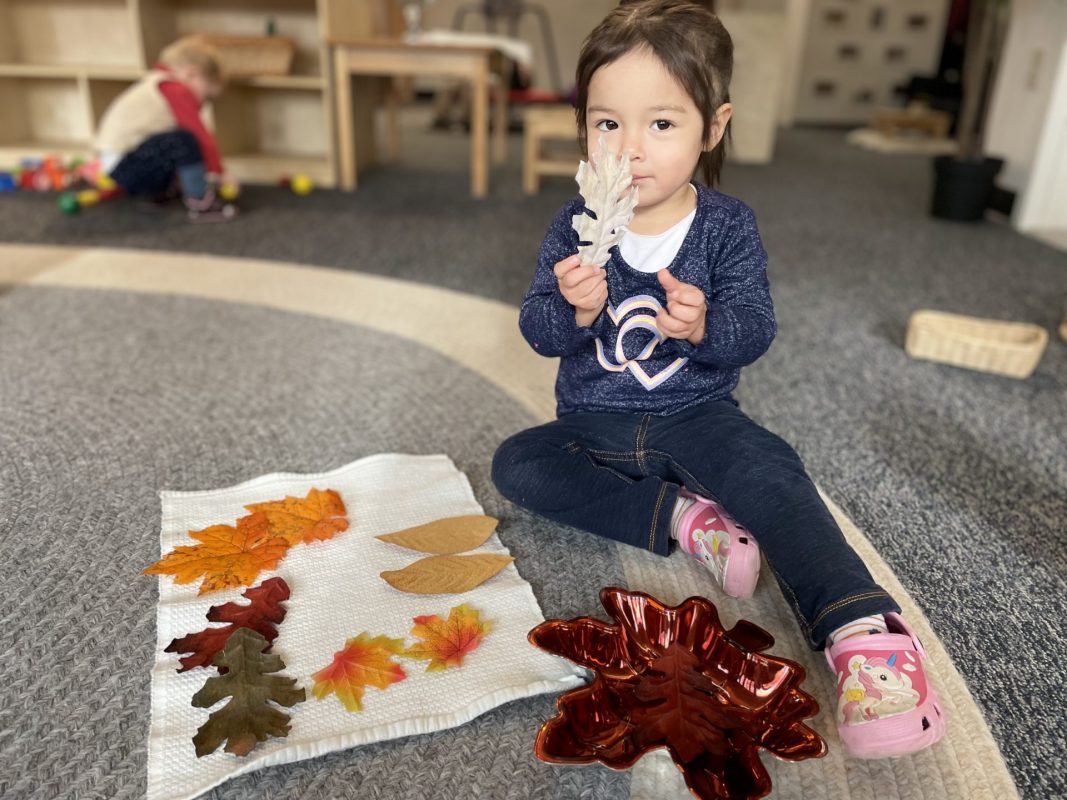
Due to the changing of the season, children have been introduced to the wonders of Otoño (Autumn) by observing and talking about what we see. The wind blowing, the leaves falling, the squirrels gathering acorns and climbing the trees, the scarecrows, the smiley pumpkins, and the different foods in season we get to explore during this time of the year are things we like to talk about, observe in nature, and imitate while reading our favorite book this week, En Otoño (In Autum) by Susana Madinabeitia Manso.

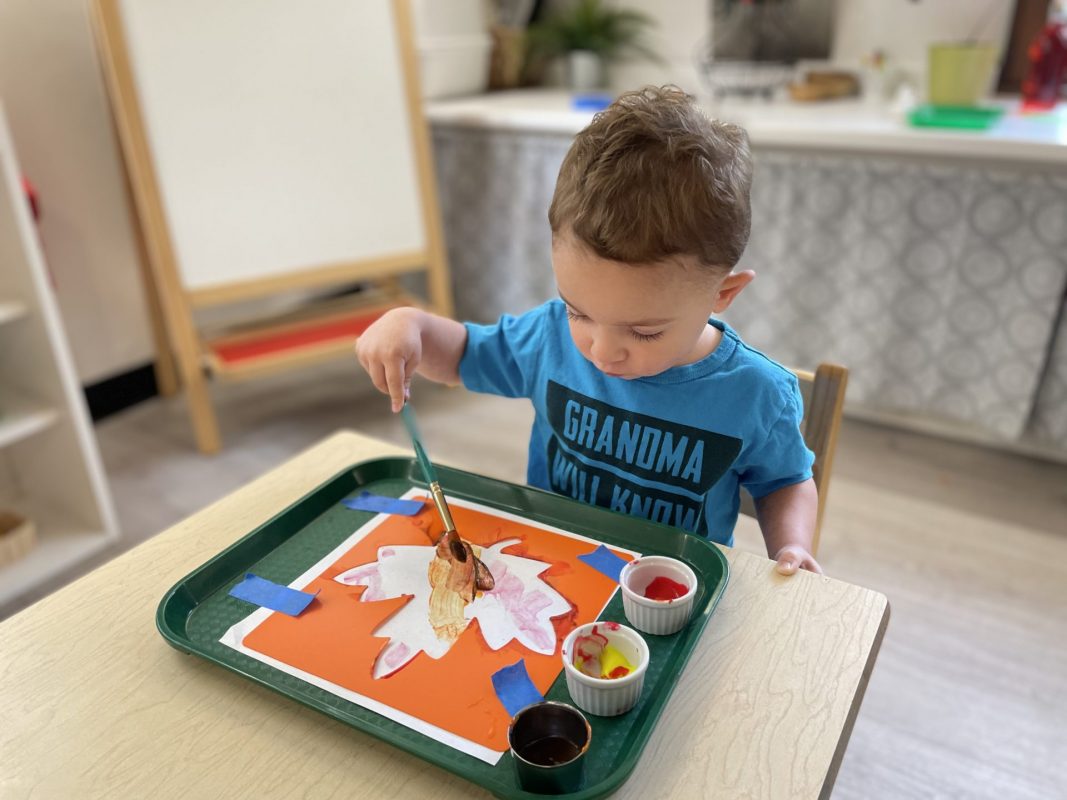
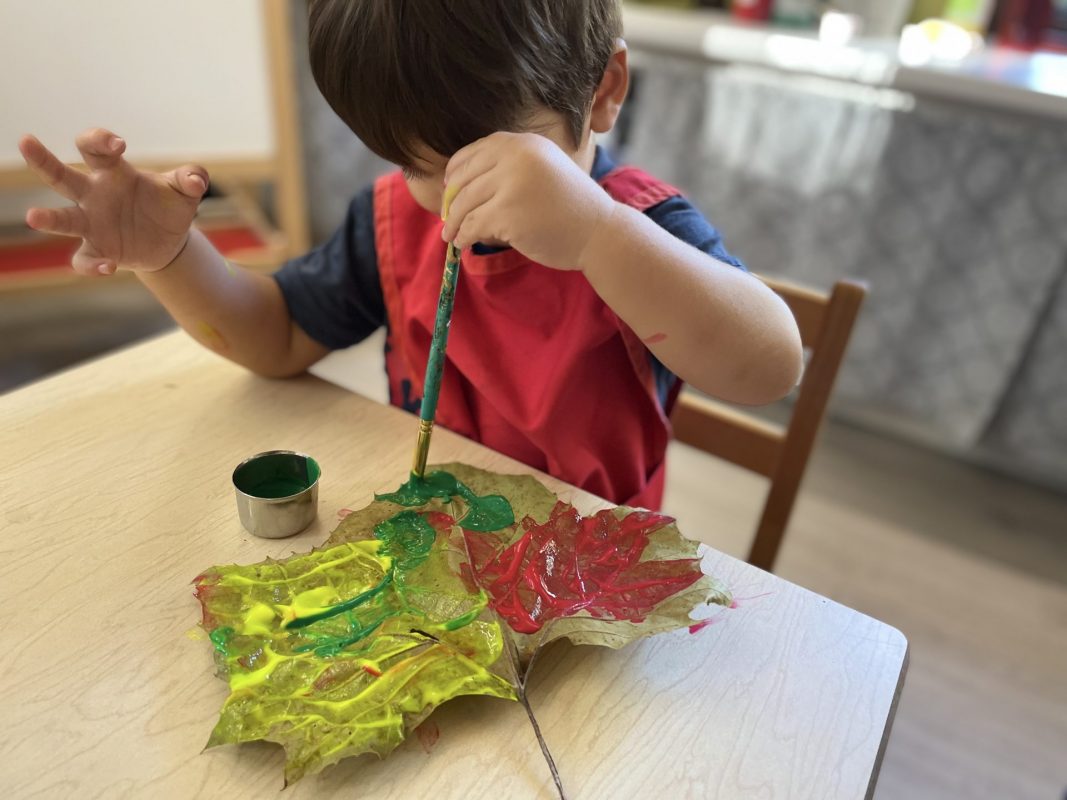
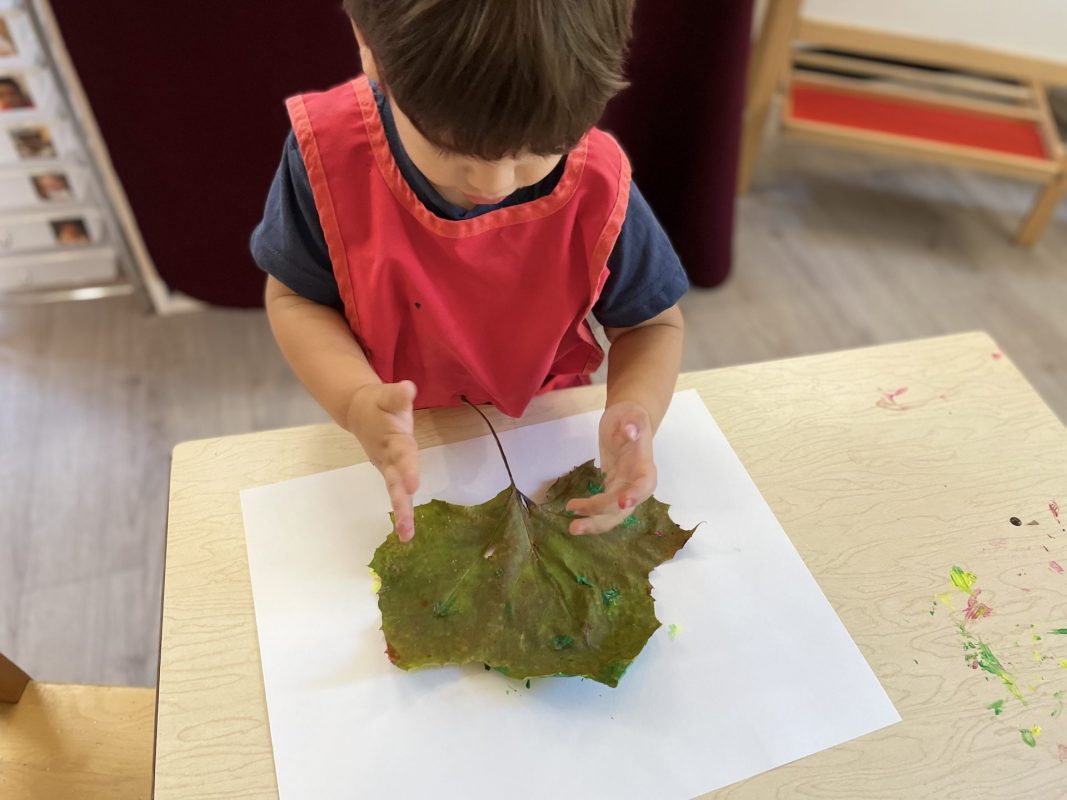
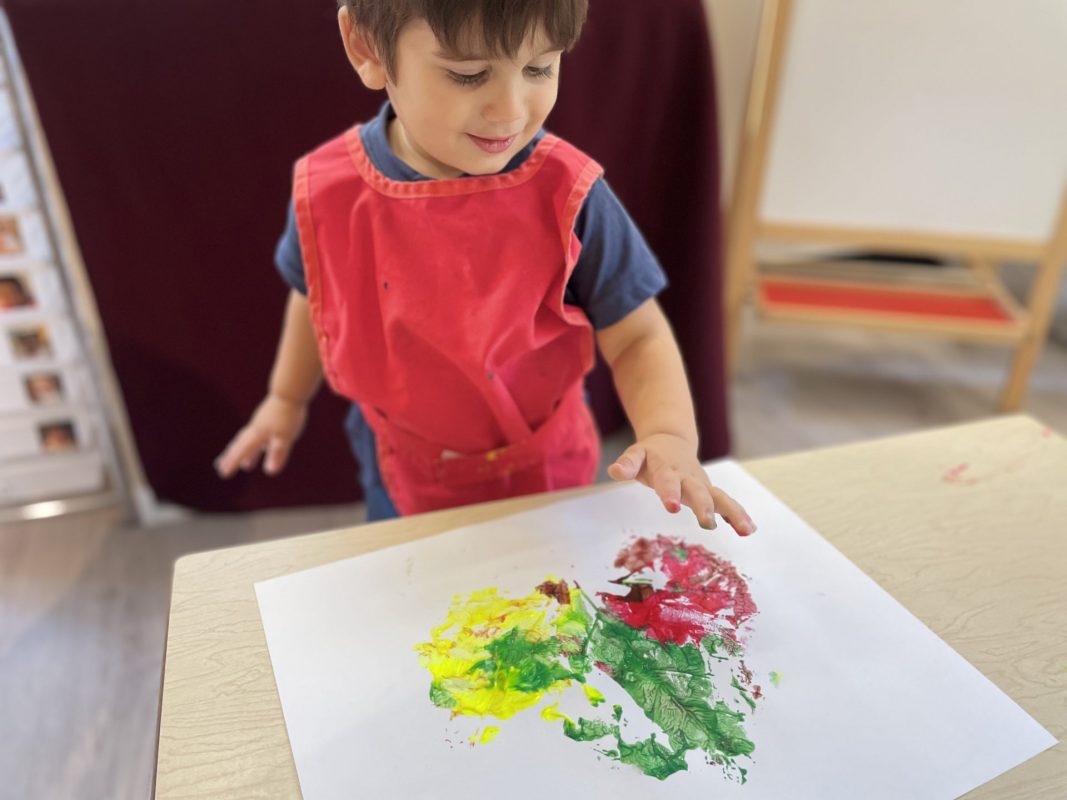
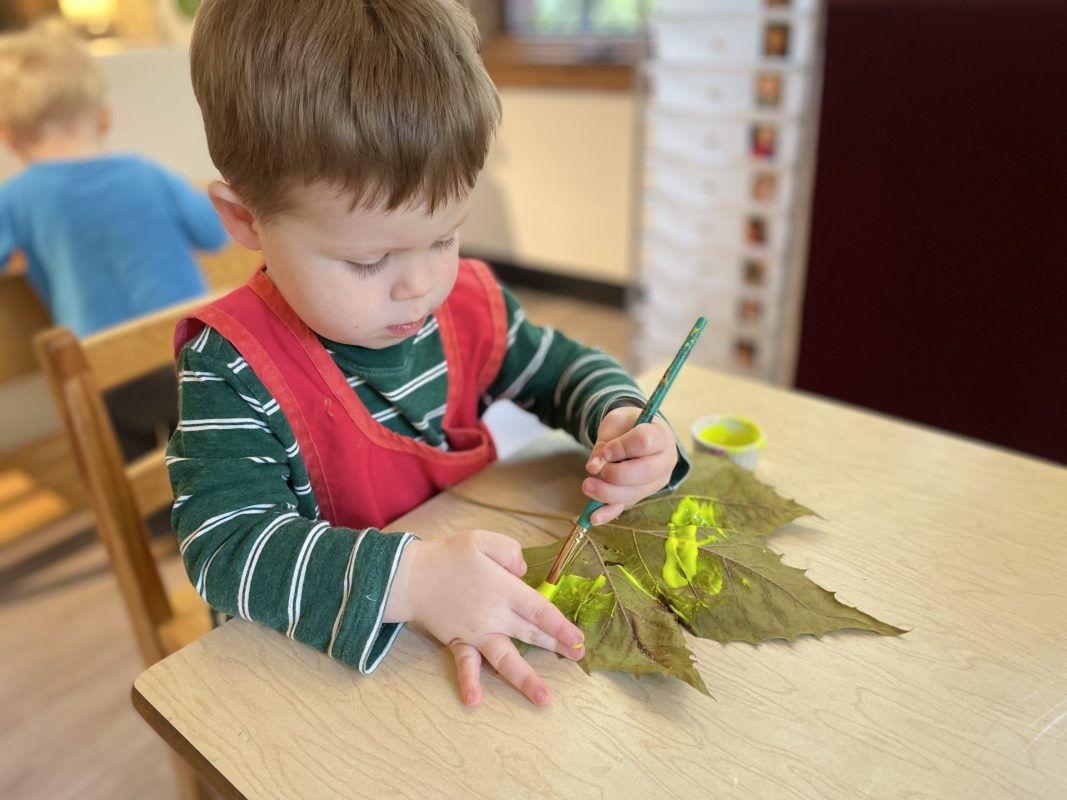
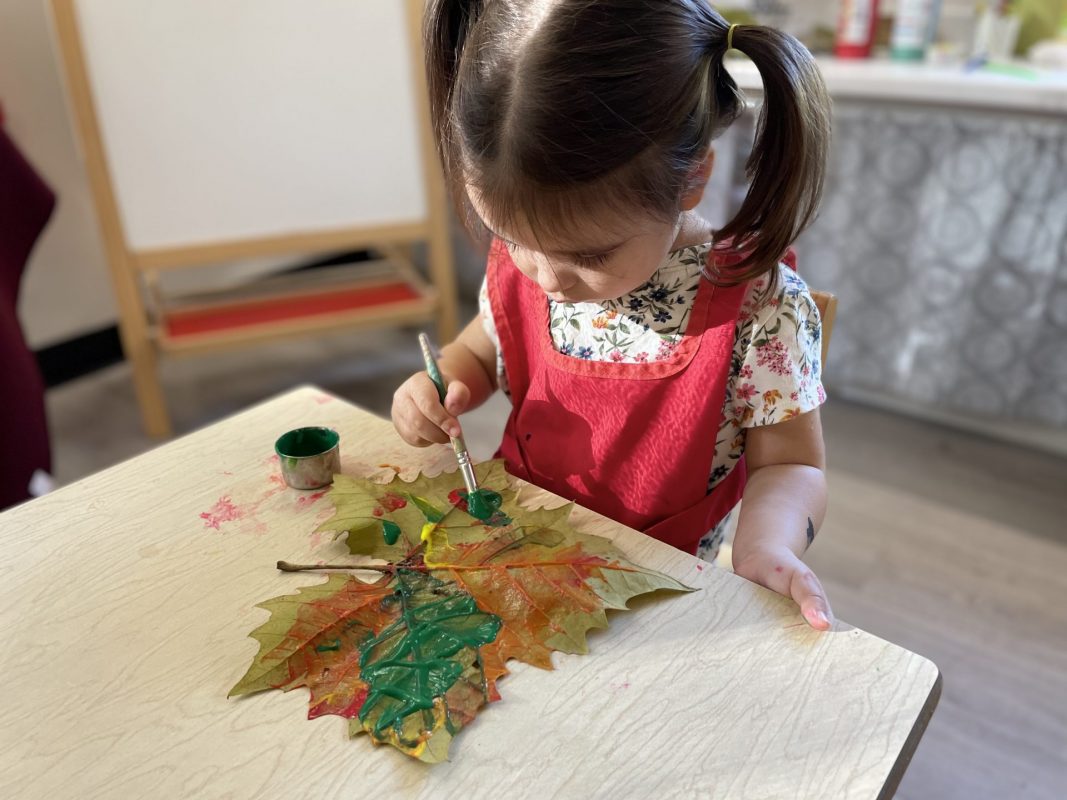
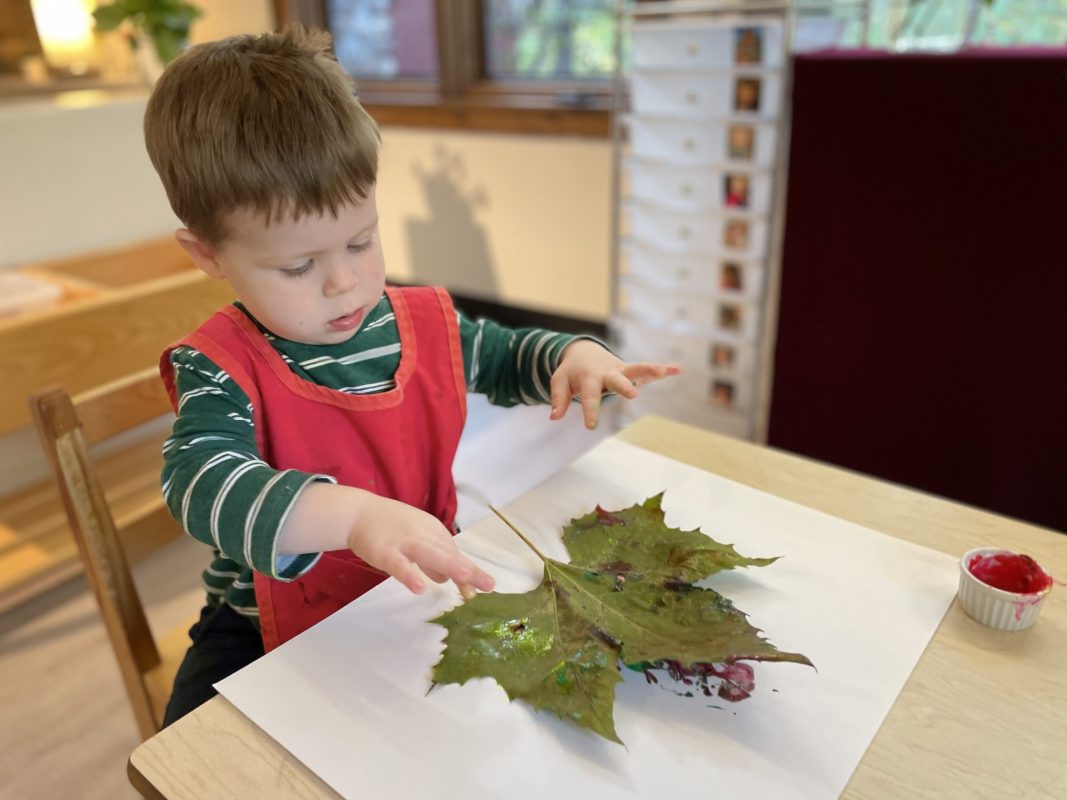
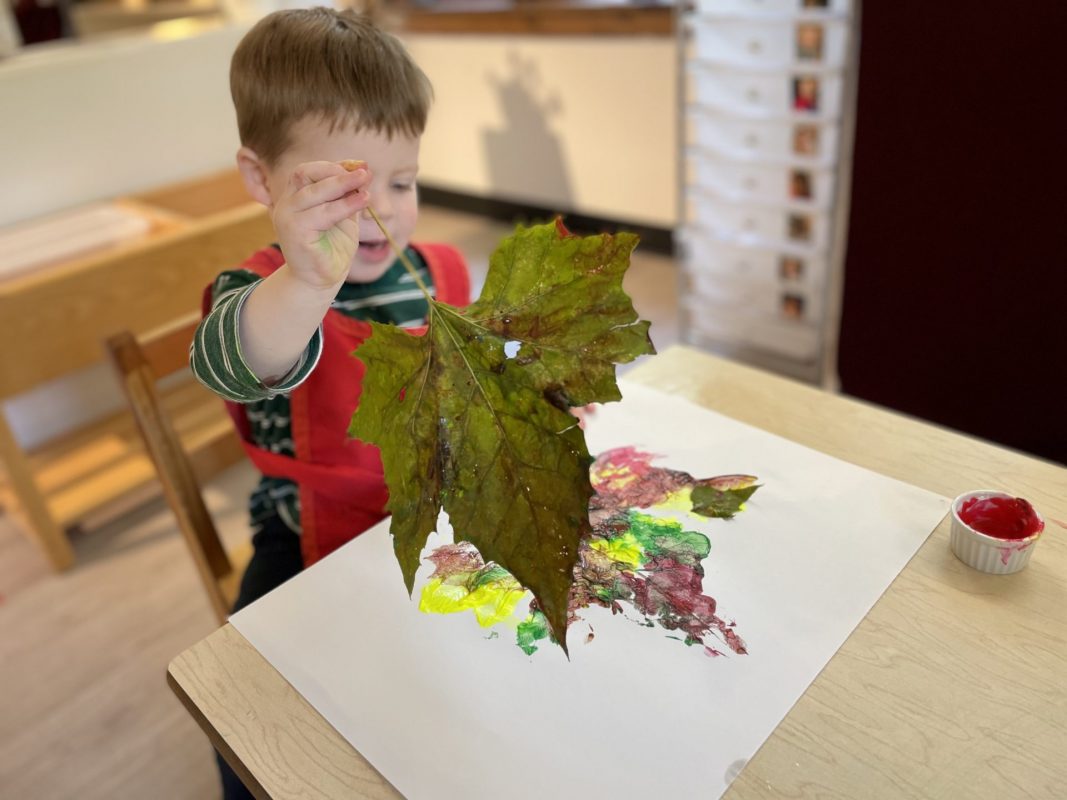
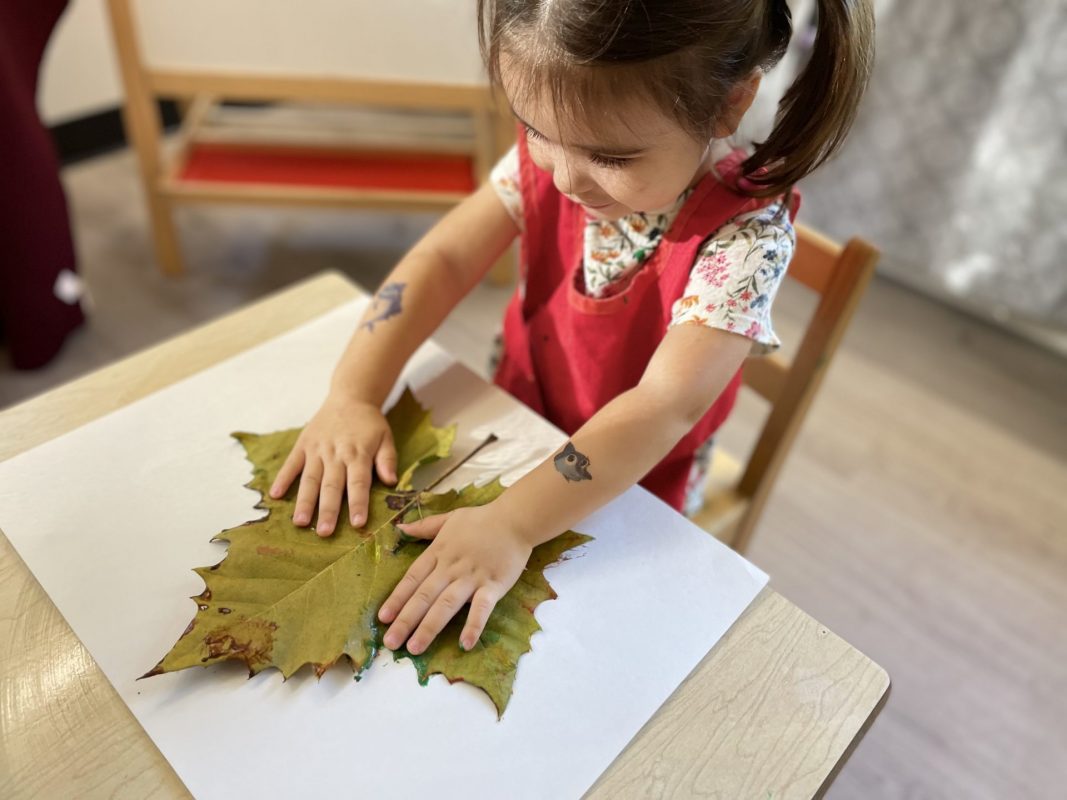
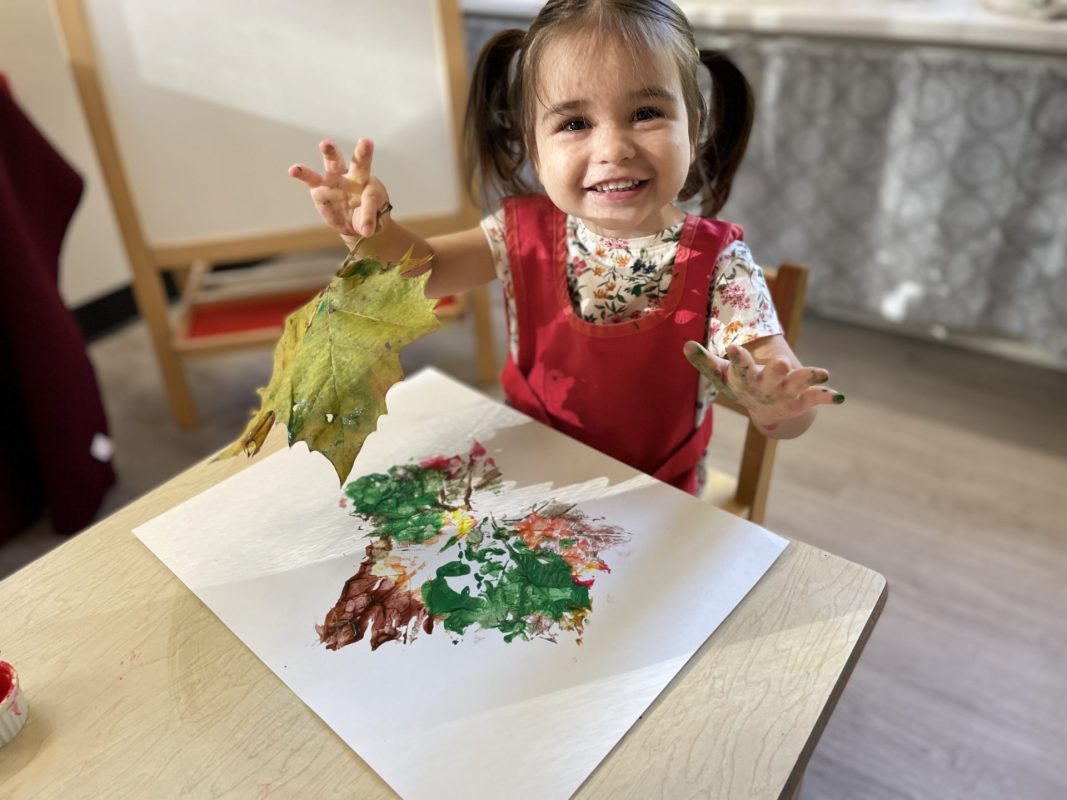
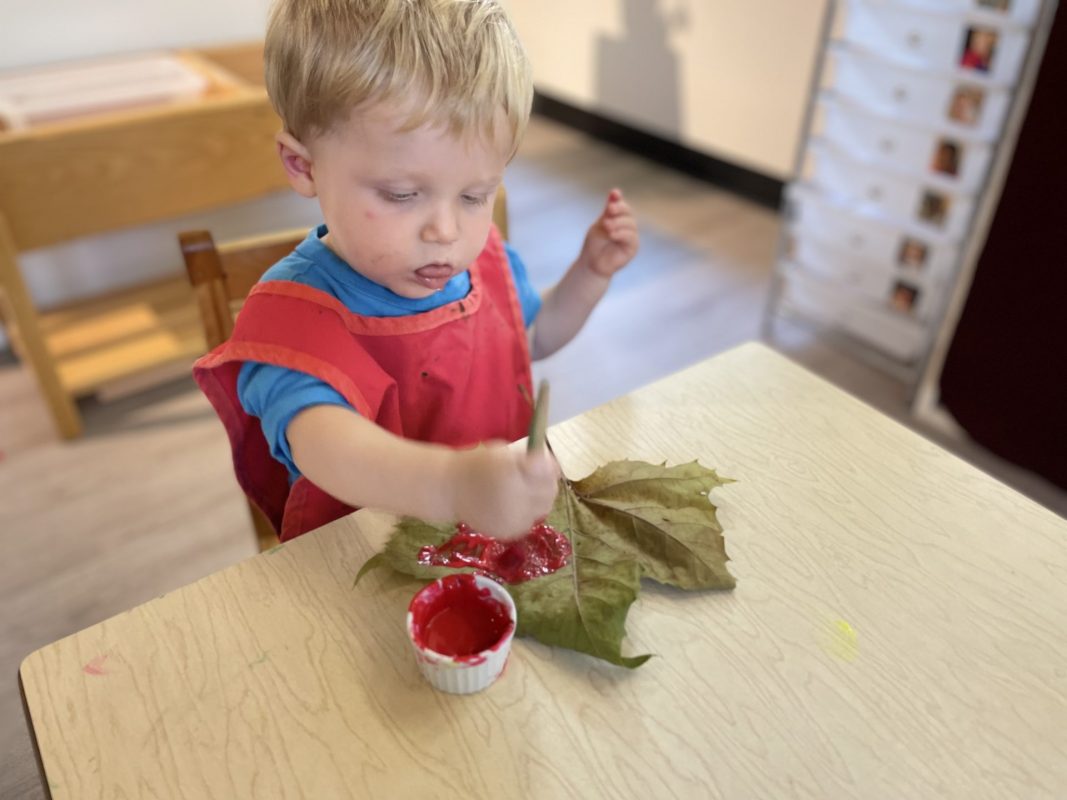
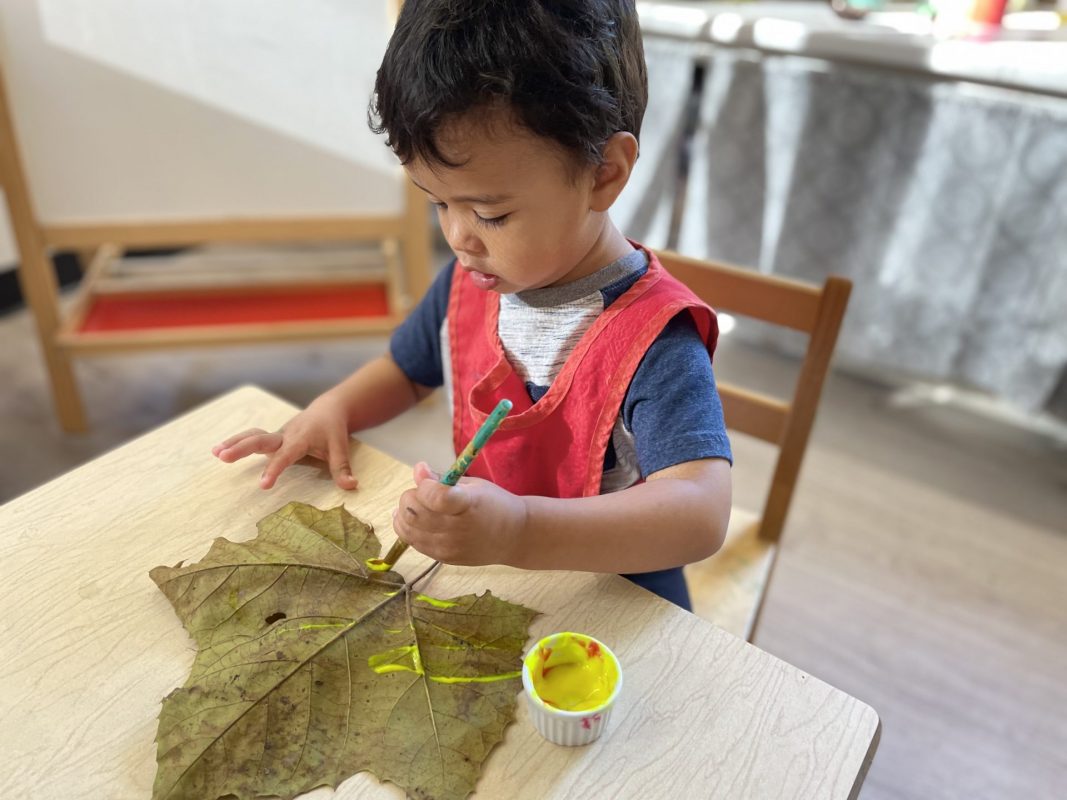
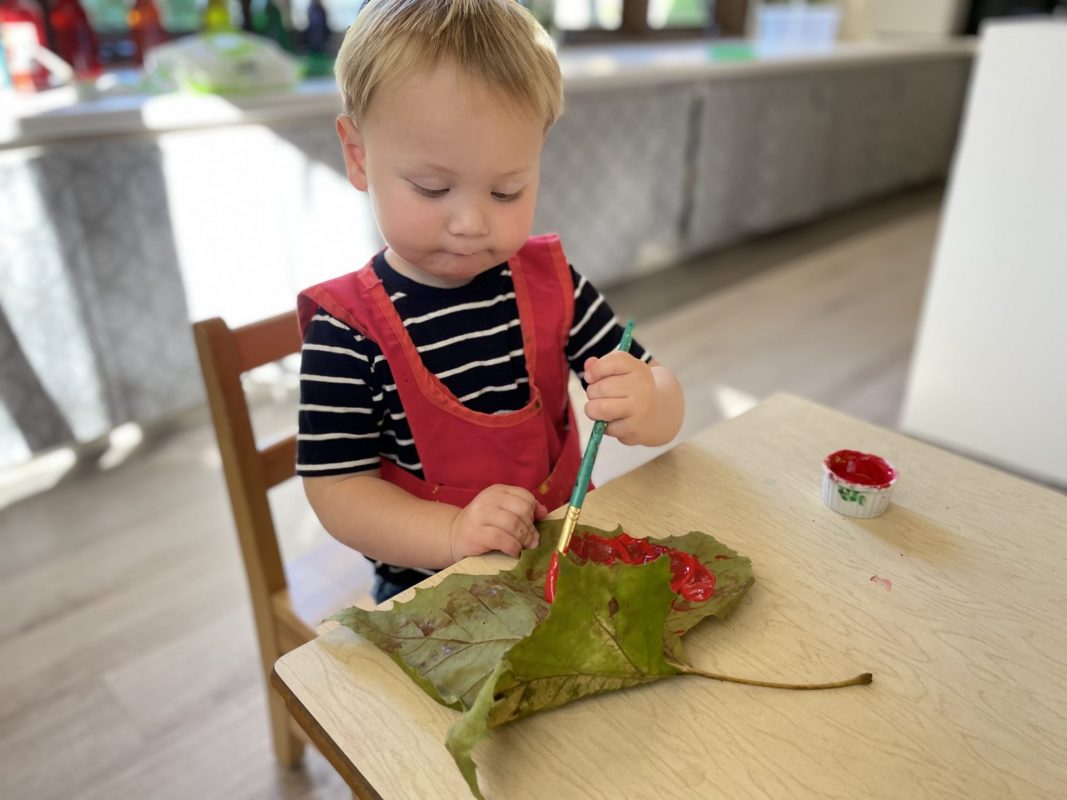
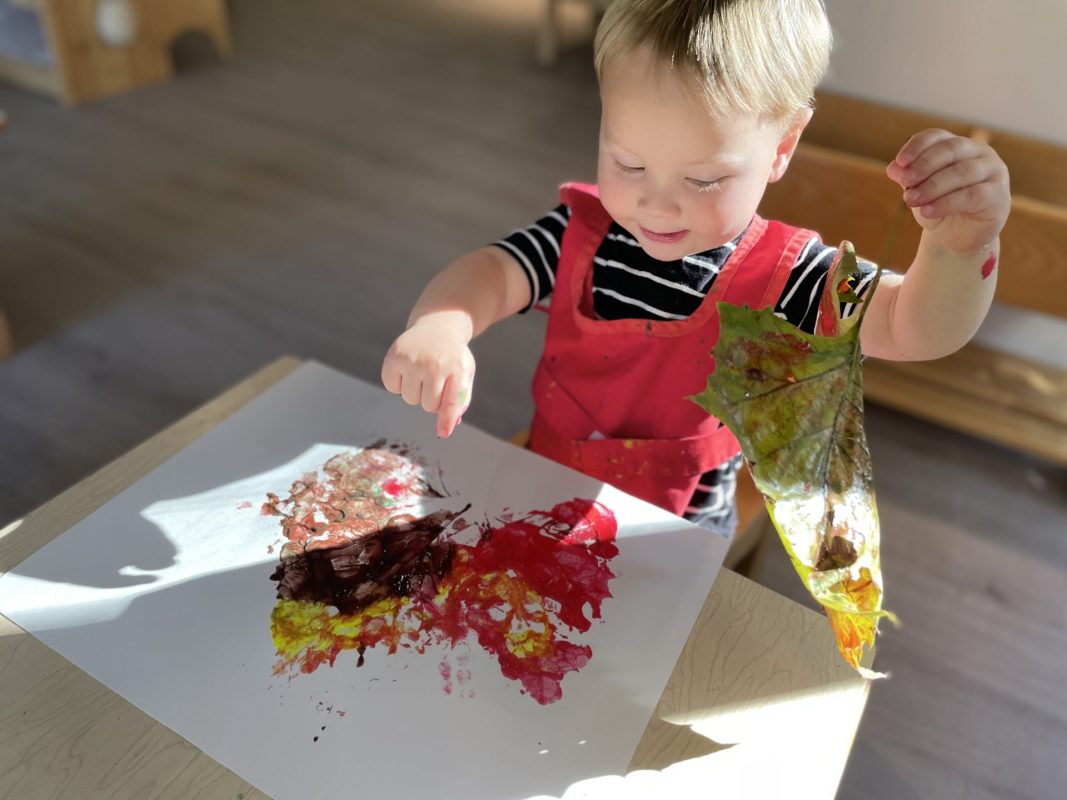
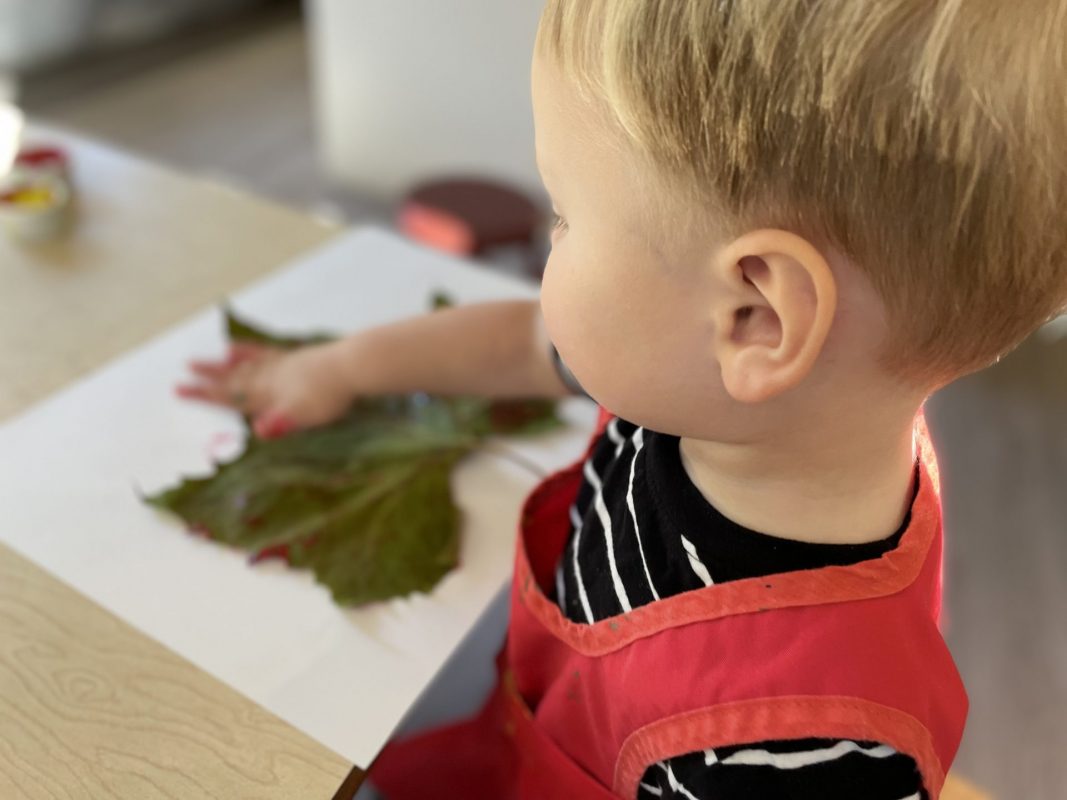
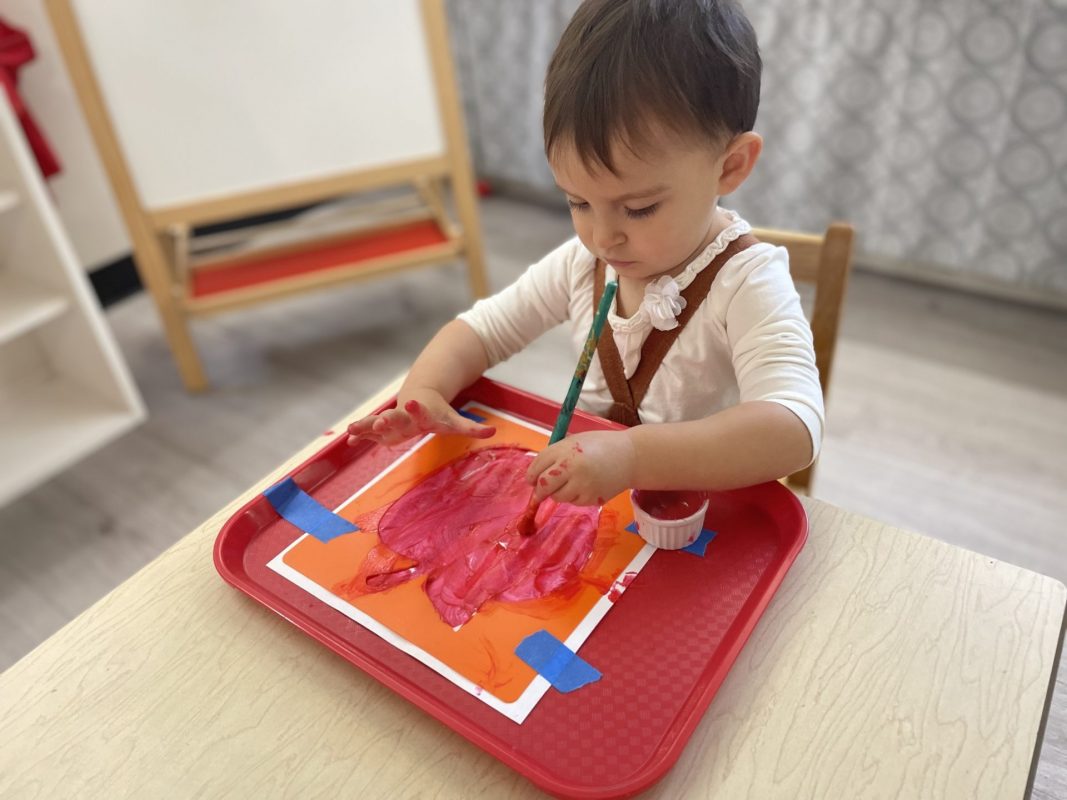
The leaves changing color has been another fun aspect we like to talk about and observe. Color recognition in both languages is always used. As a fun sensorial art work, children worked on a leaf stamping activity mixing fall colors and using giant maple leaves from our playground.

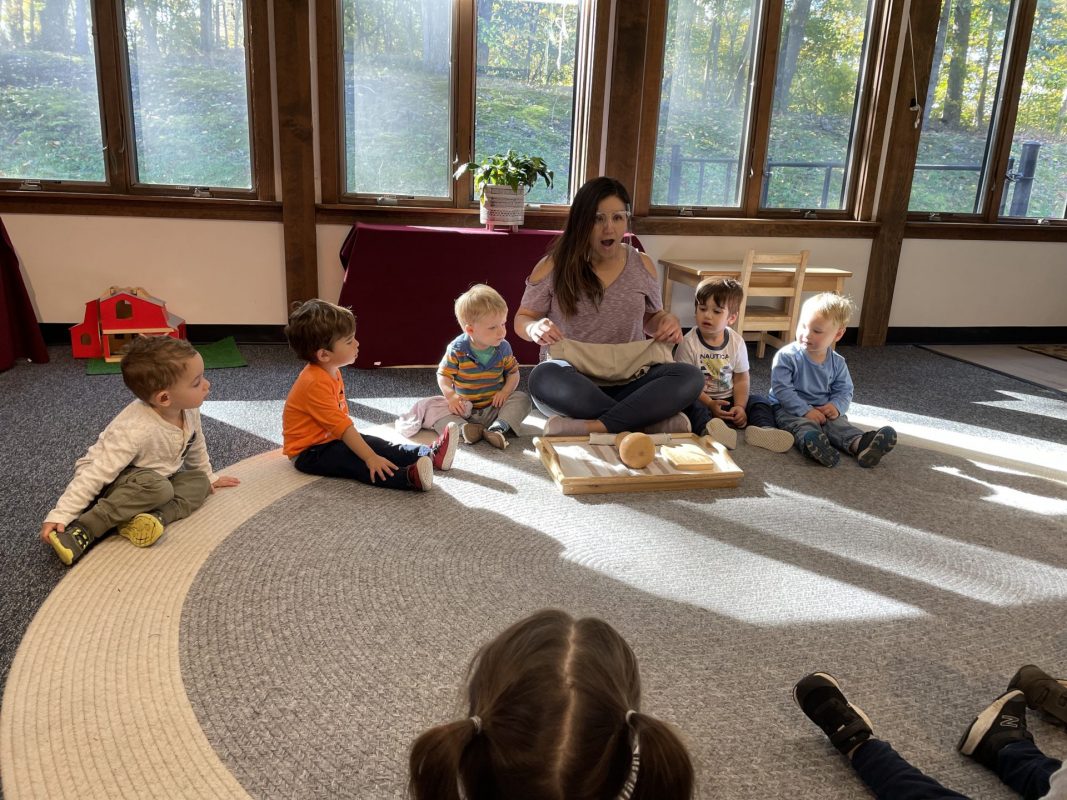
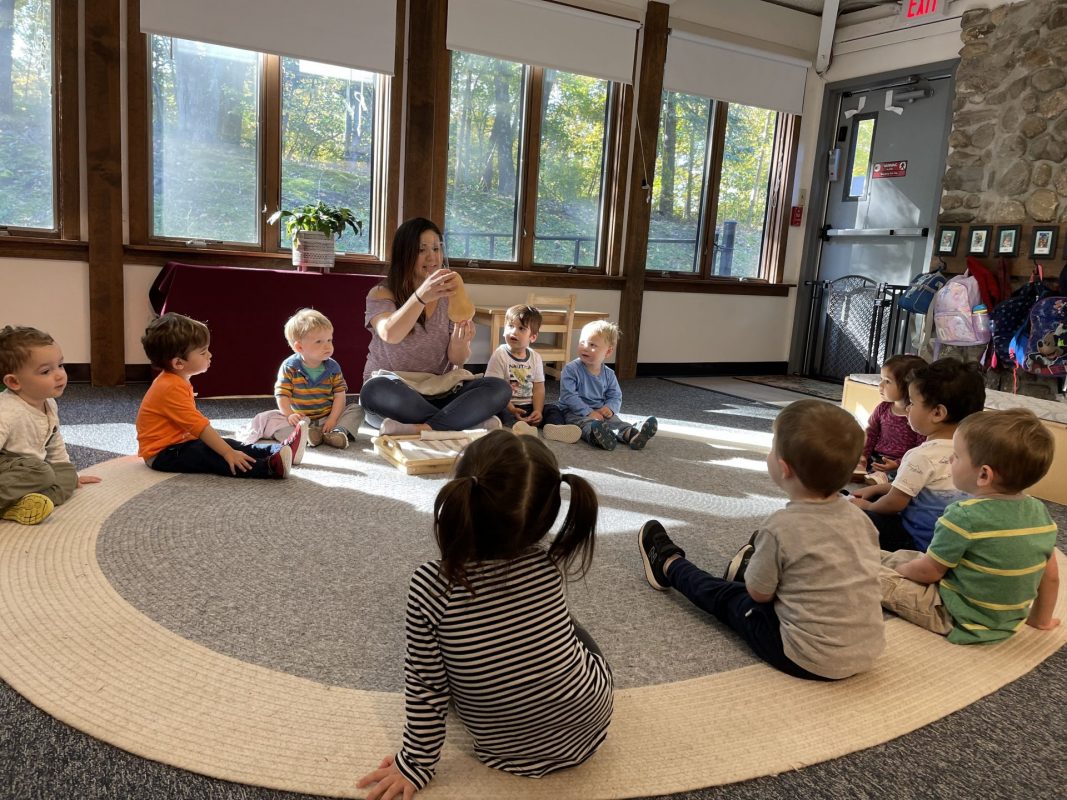
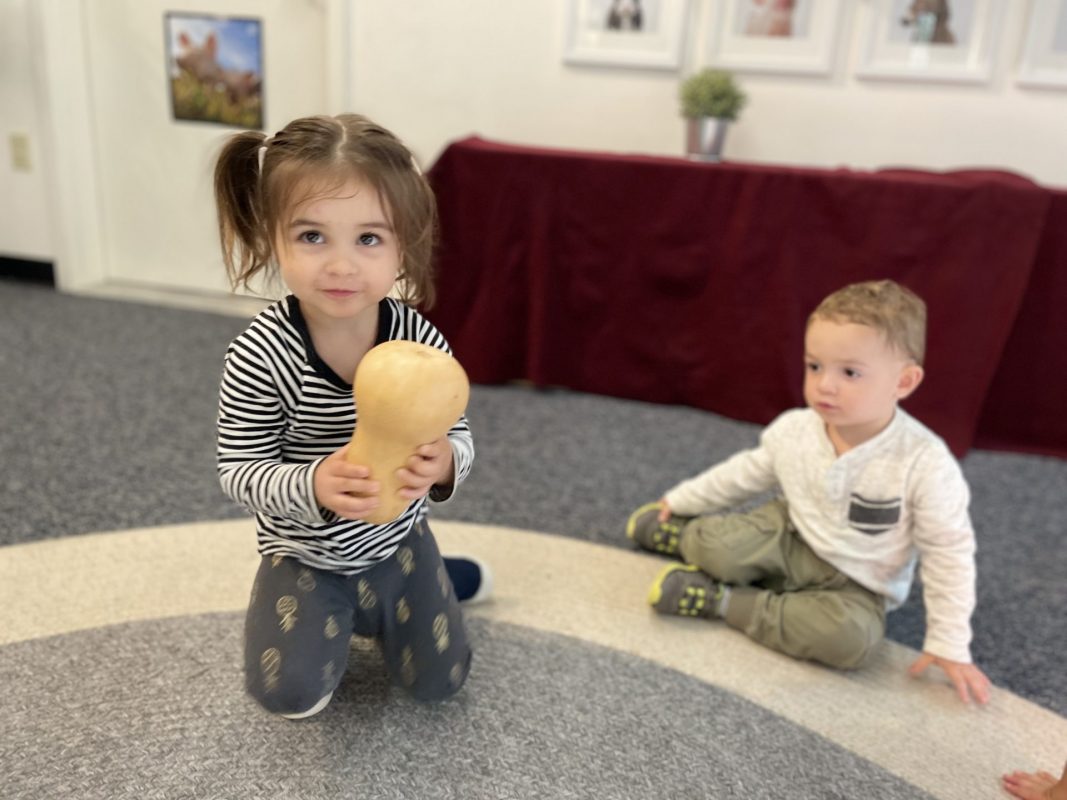
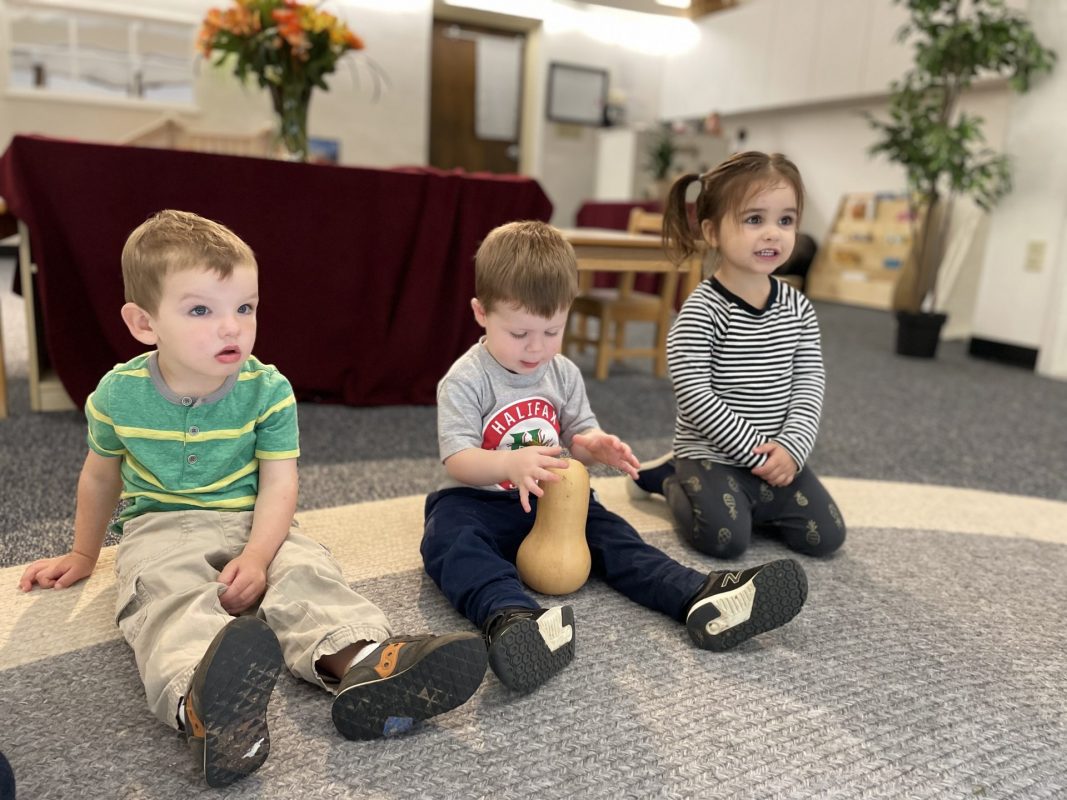
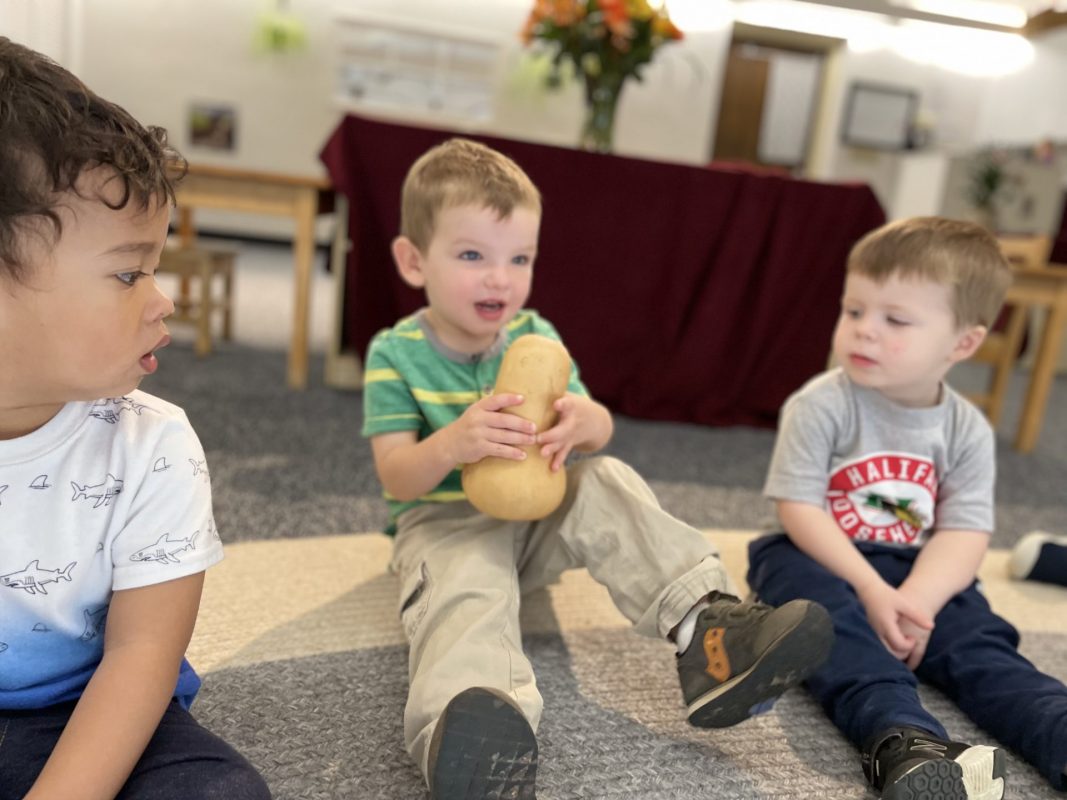
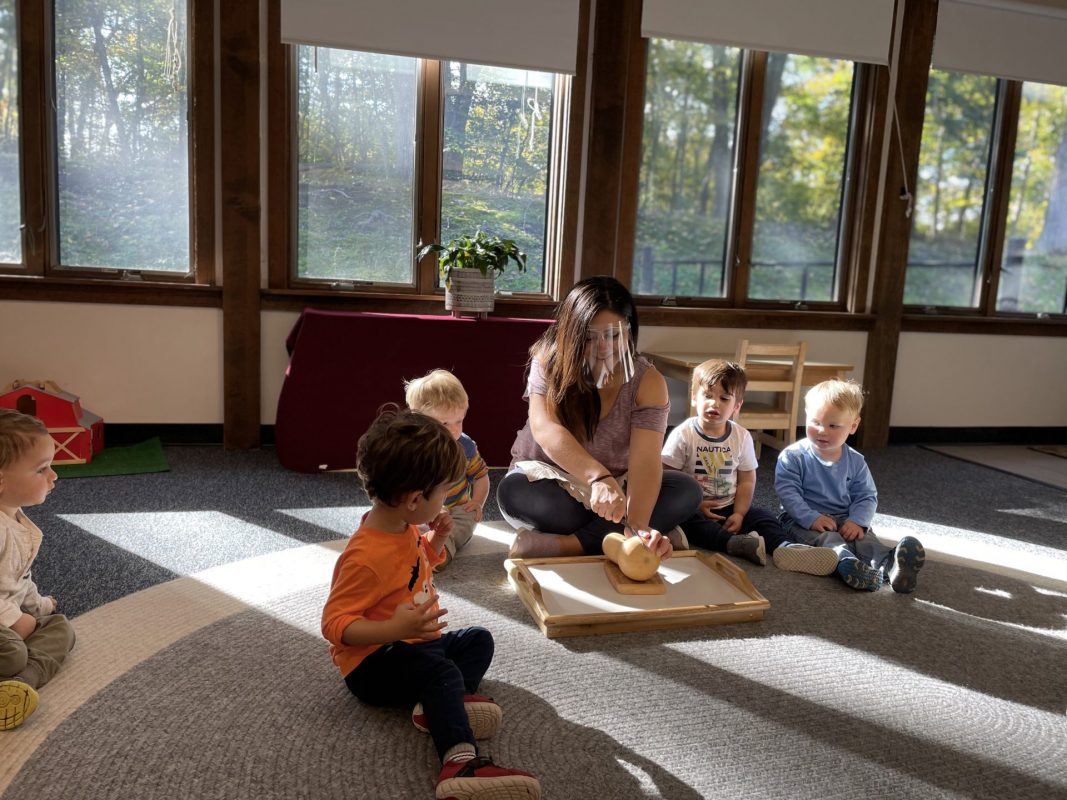
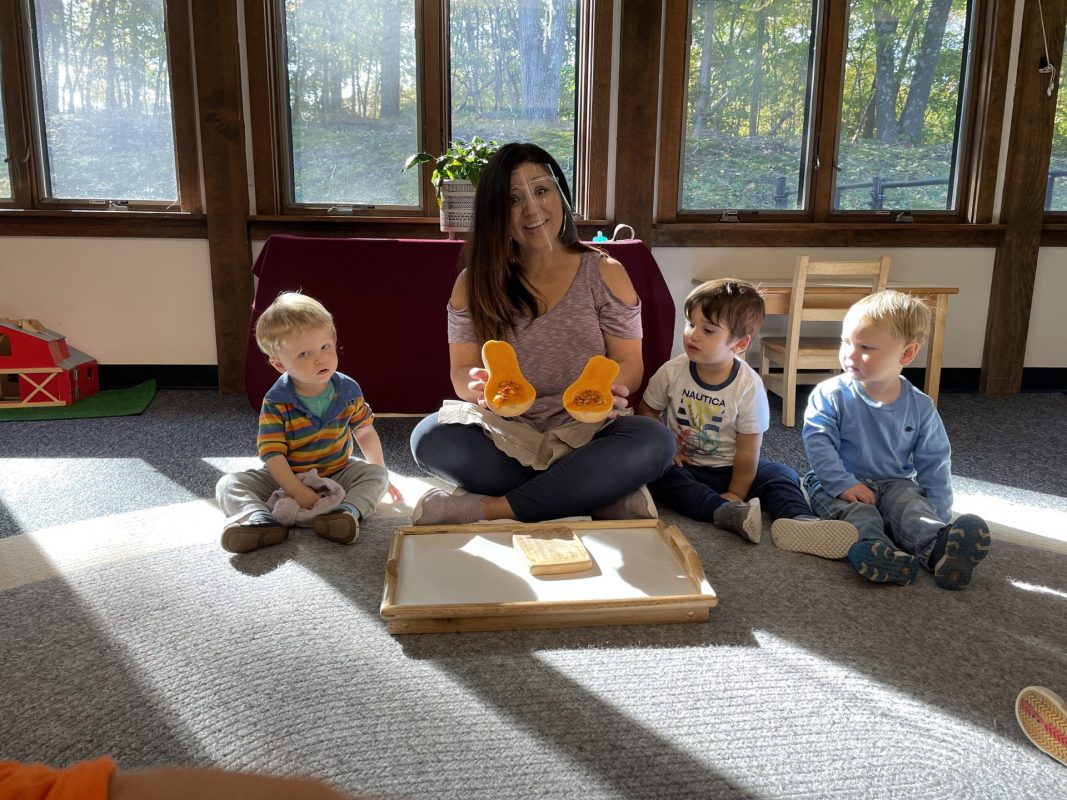
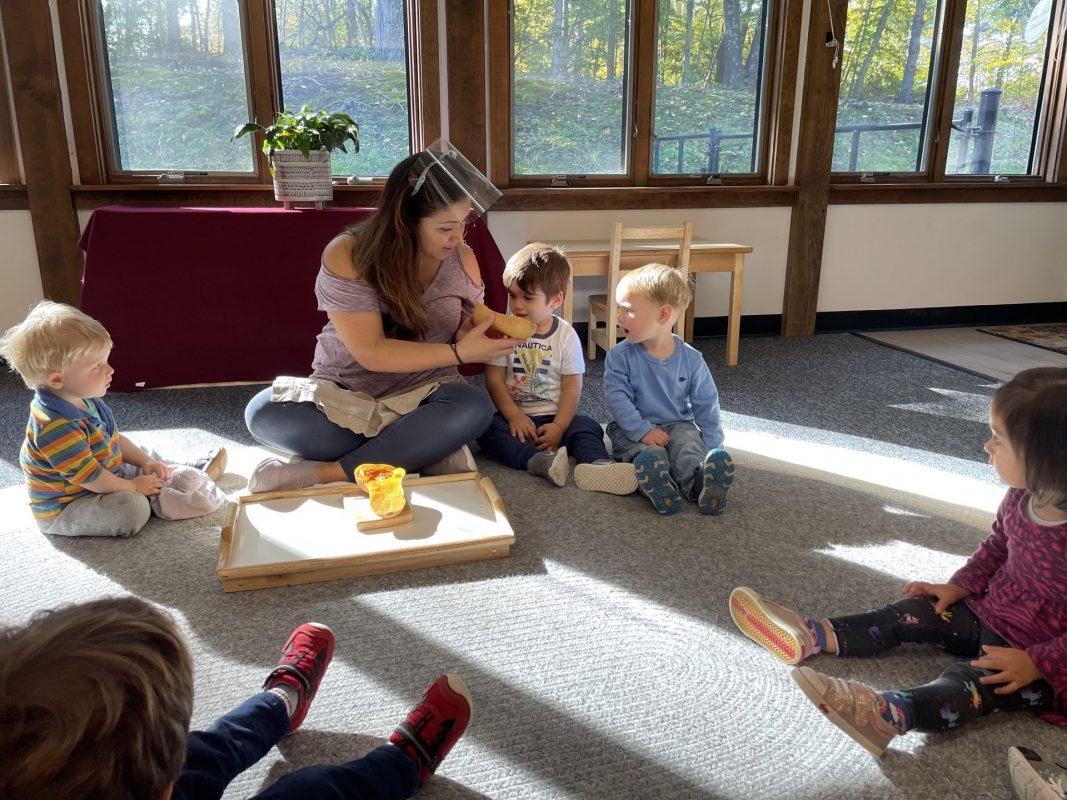
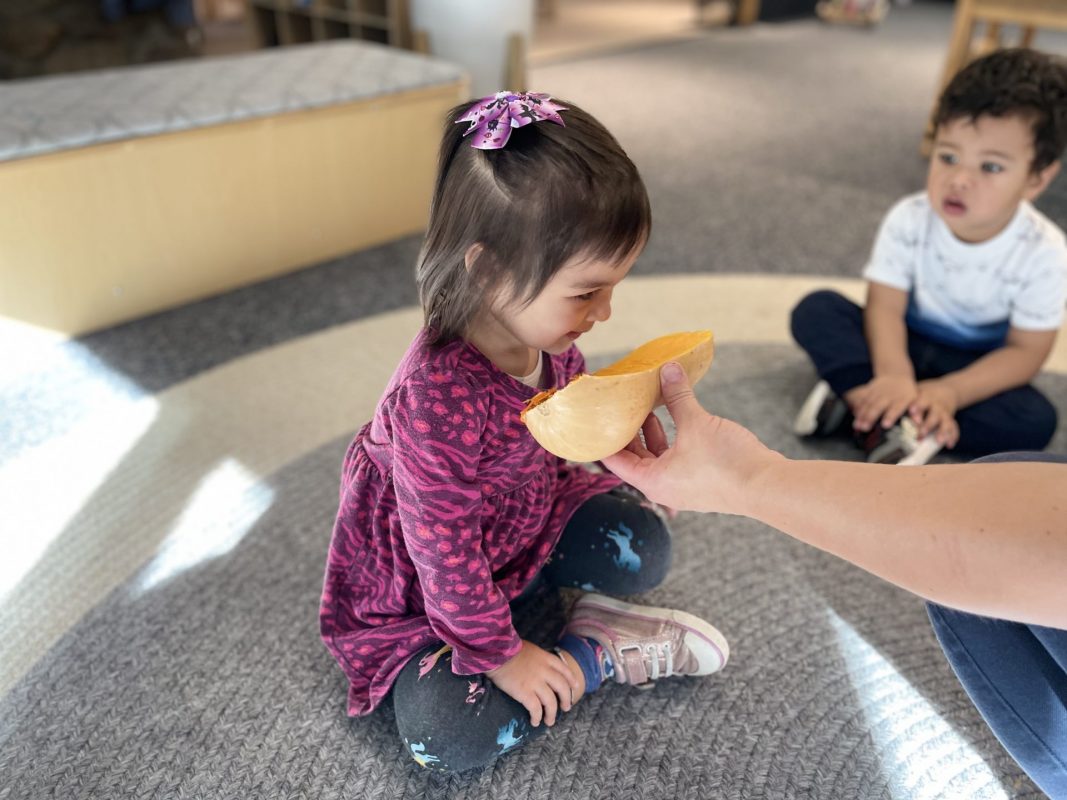
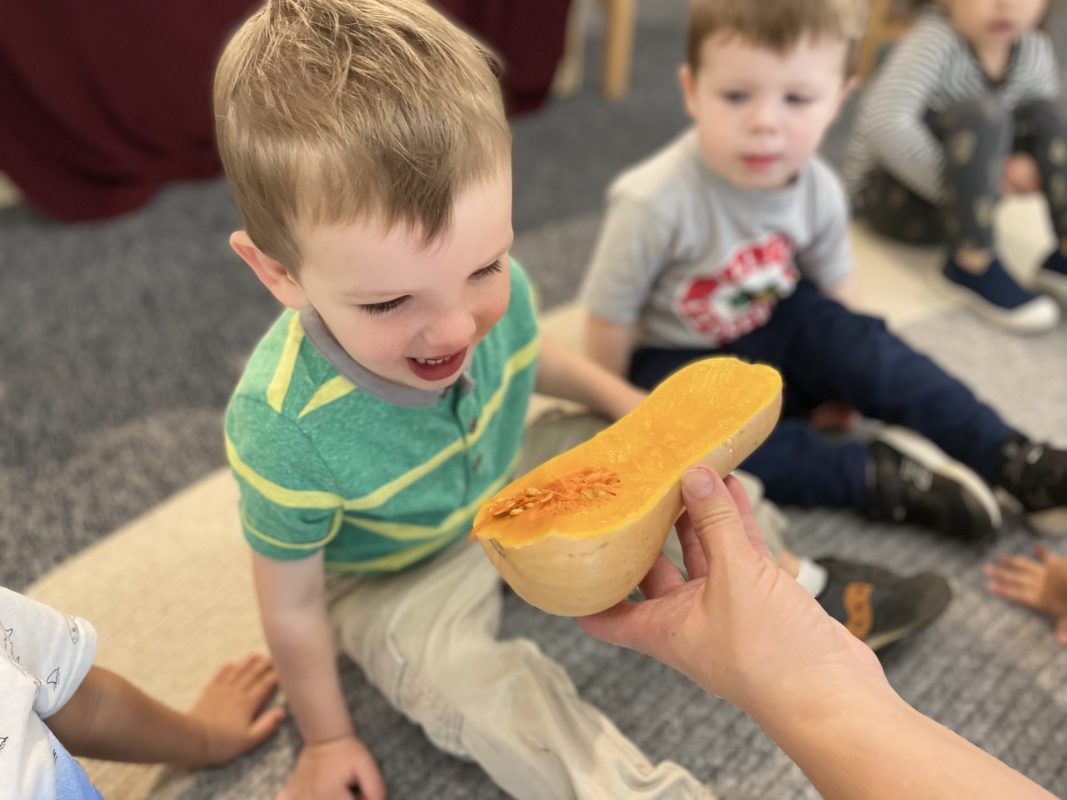
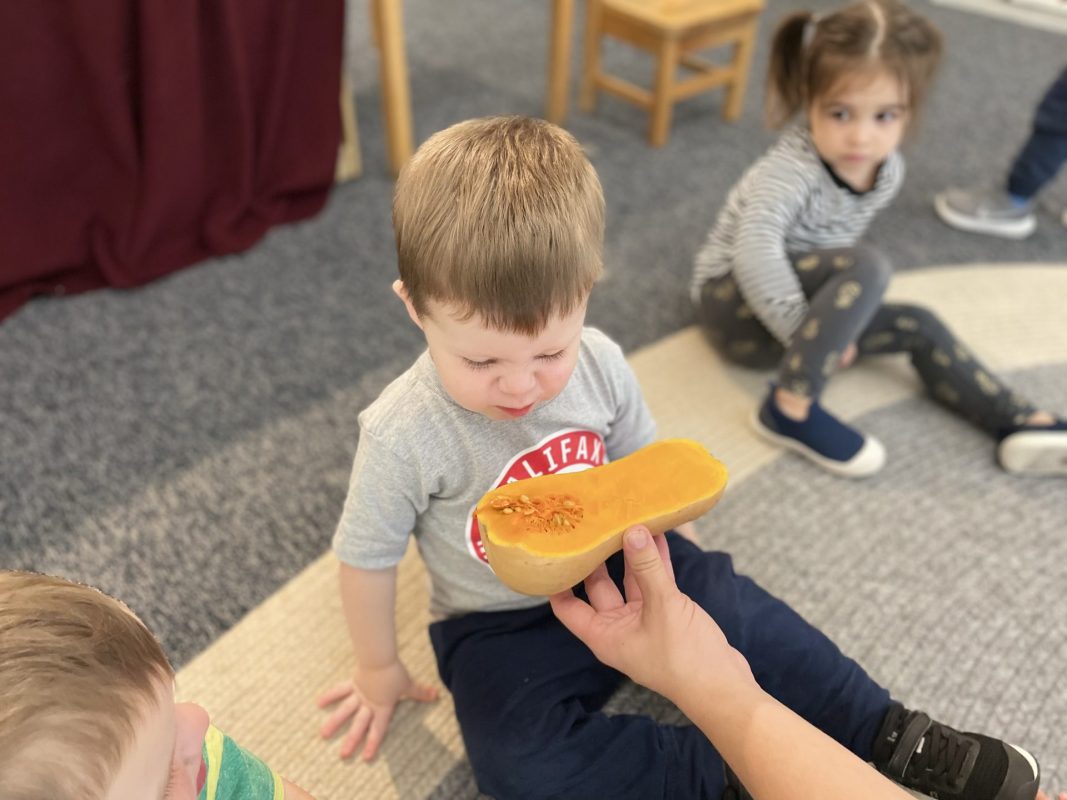
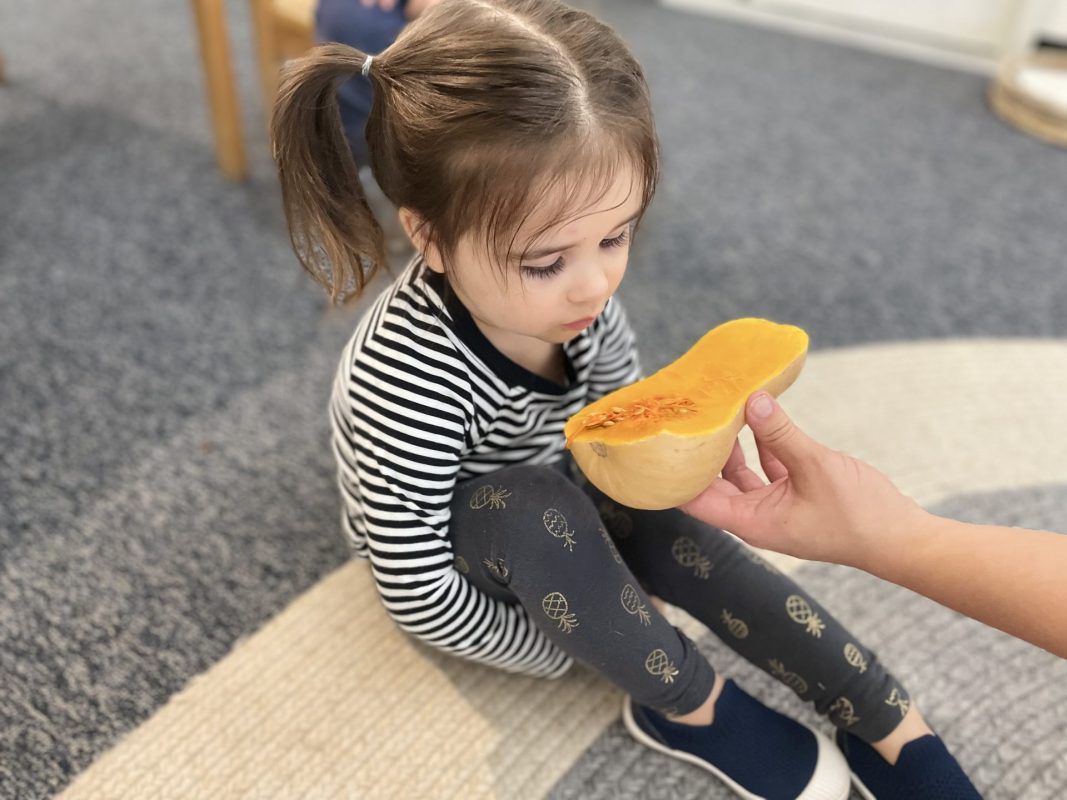
For food tasting we observed, touched, smelled and tasted butternut squash! Just a handful of students really loved it but we’ve gotta say that ALL of them tested it.

Have a great weekend,

Mrs. Hood and Ms. Maria 

Mrs. Hood: Connecting With the Environment!


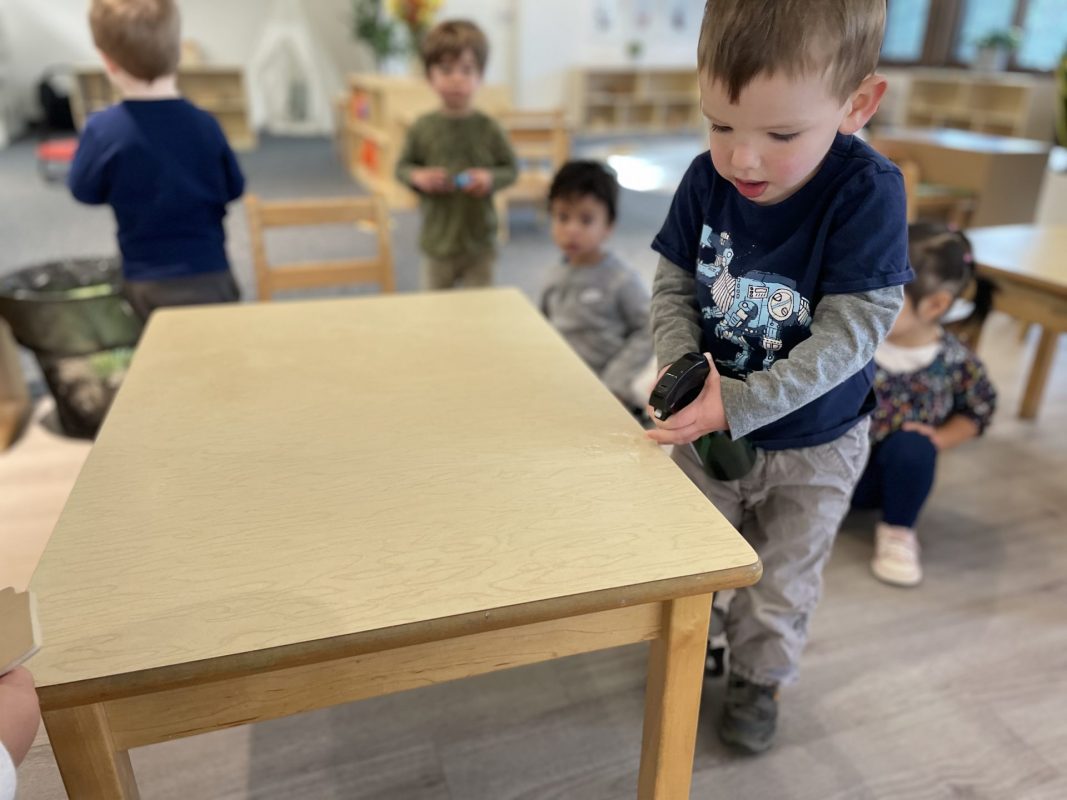
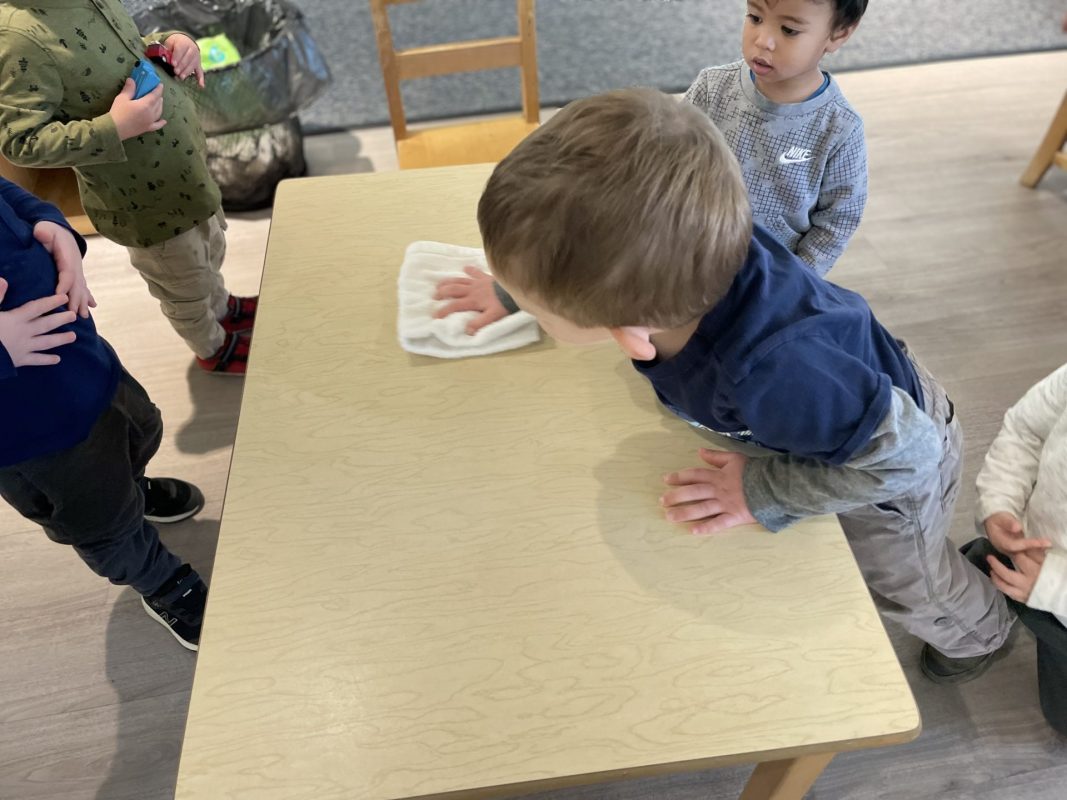
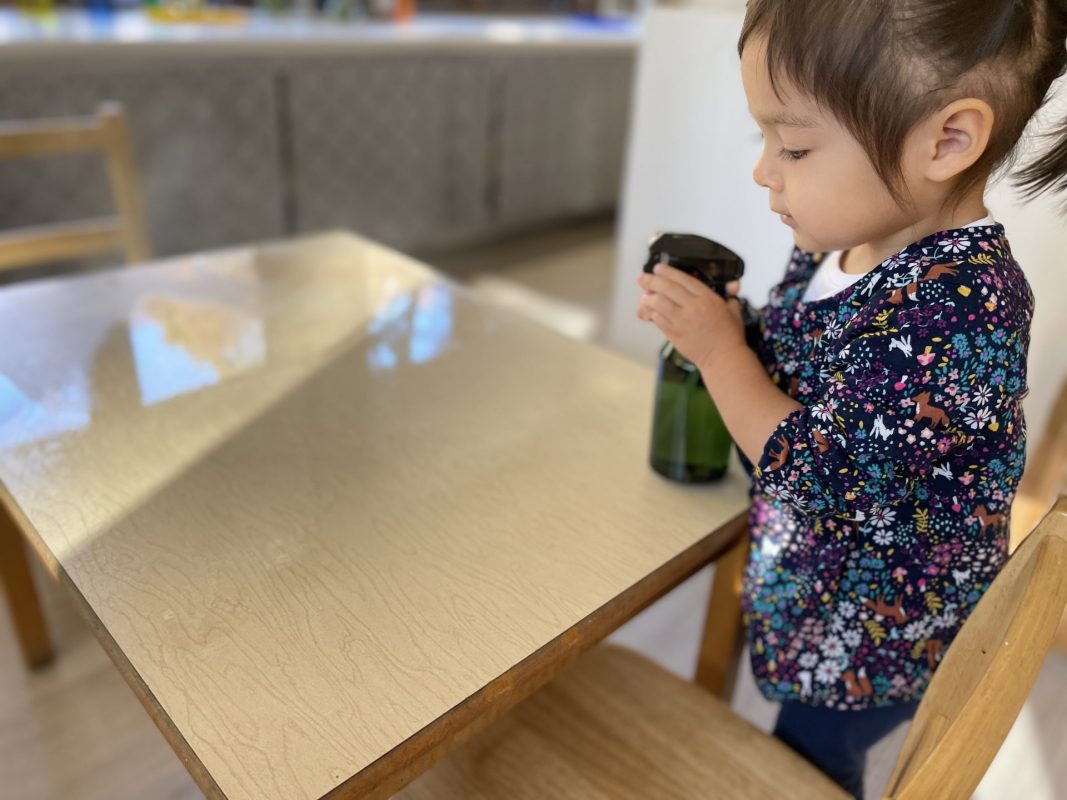
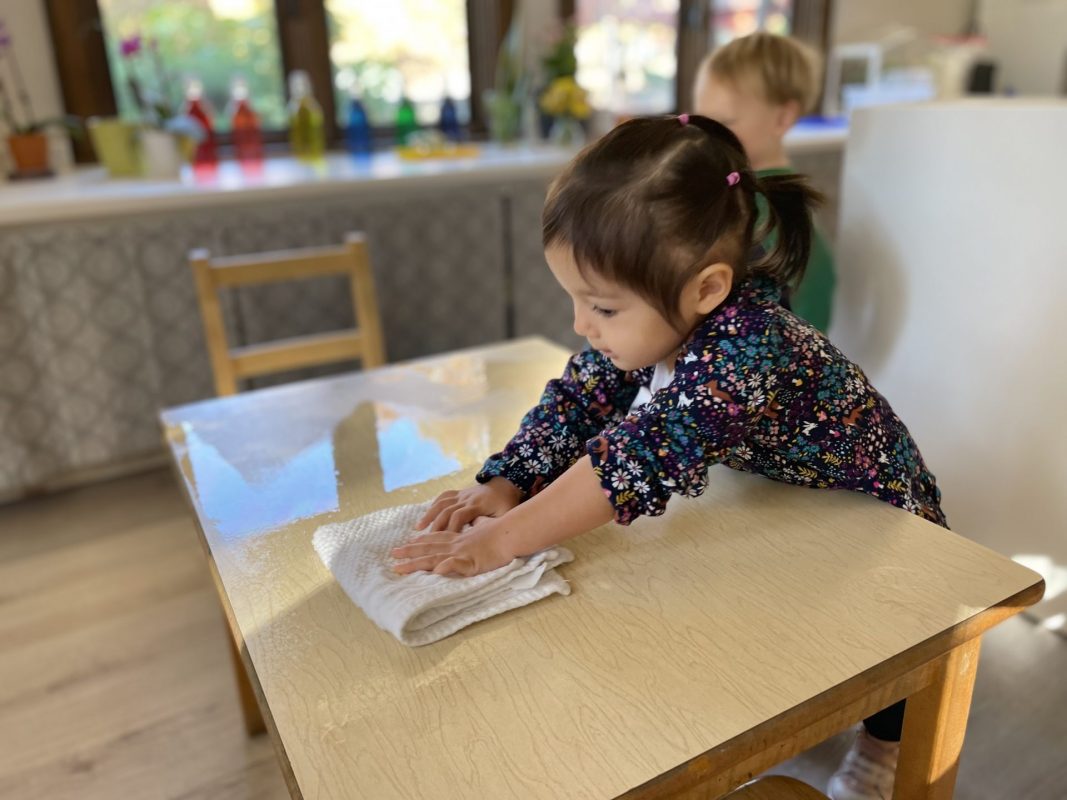
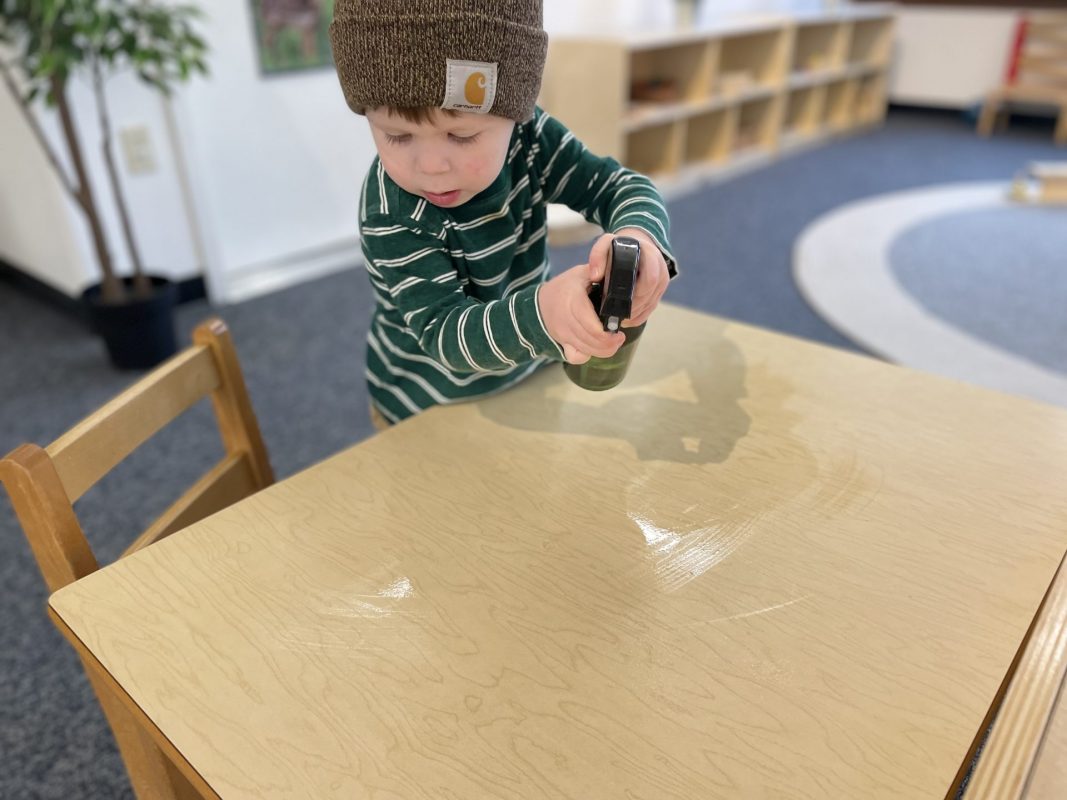
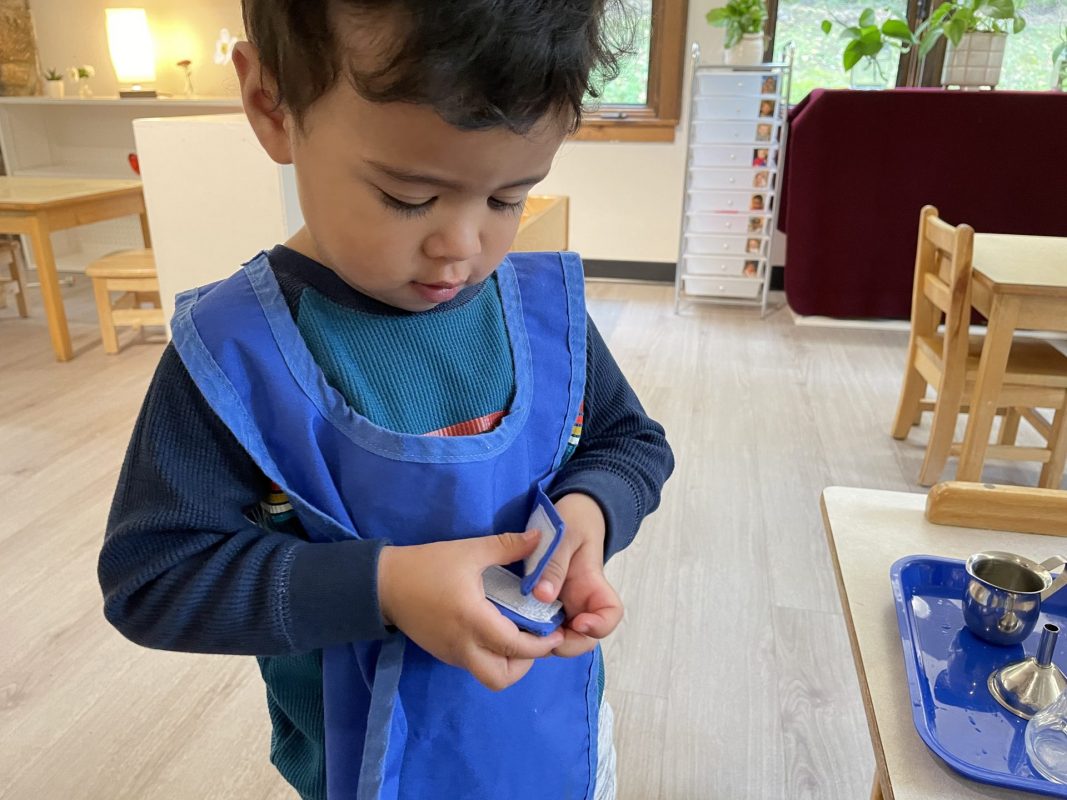
Dr. Maria Montessori introduced Practical Life exercises to provide children with opportunities to perform simple tasks that they have already observed at home. Practical Life exercises enable children to care for themselves, take care of the environment, and develop respect for others.

Care of environment activities encourage the child to interact with the environment, exhibiting respect and love. These activities help the child form a connection with their environment and find a personal responsibility towards it.

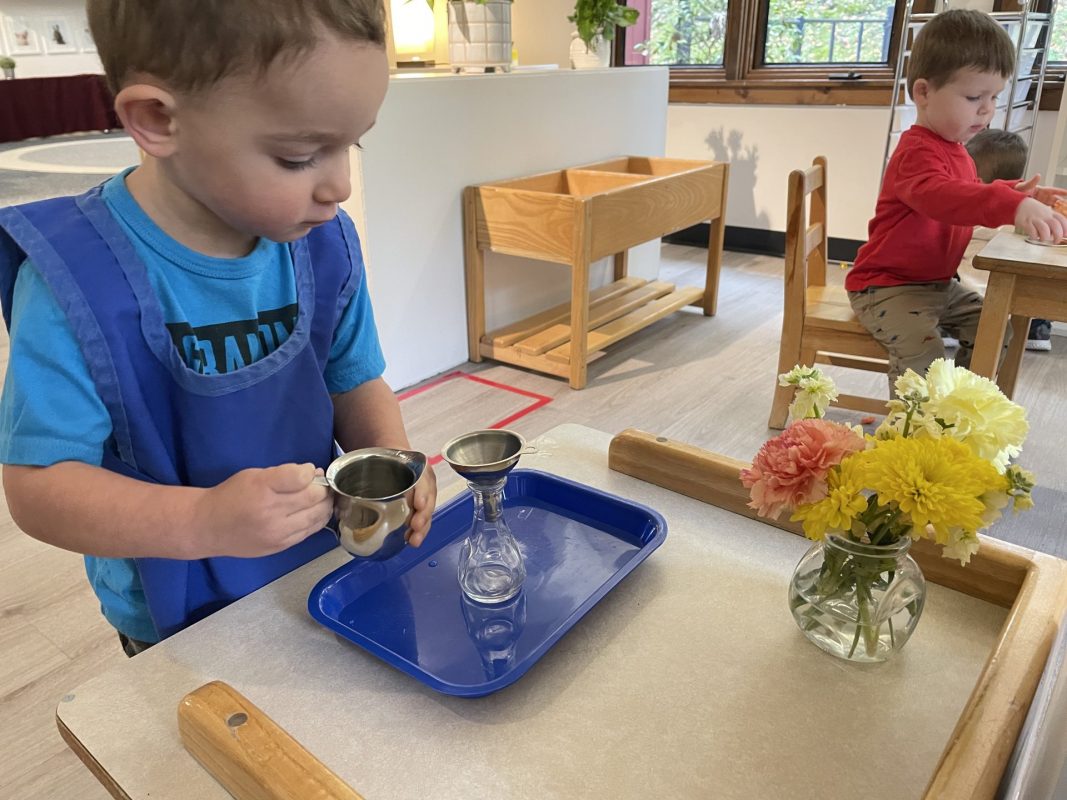
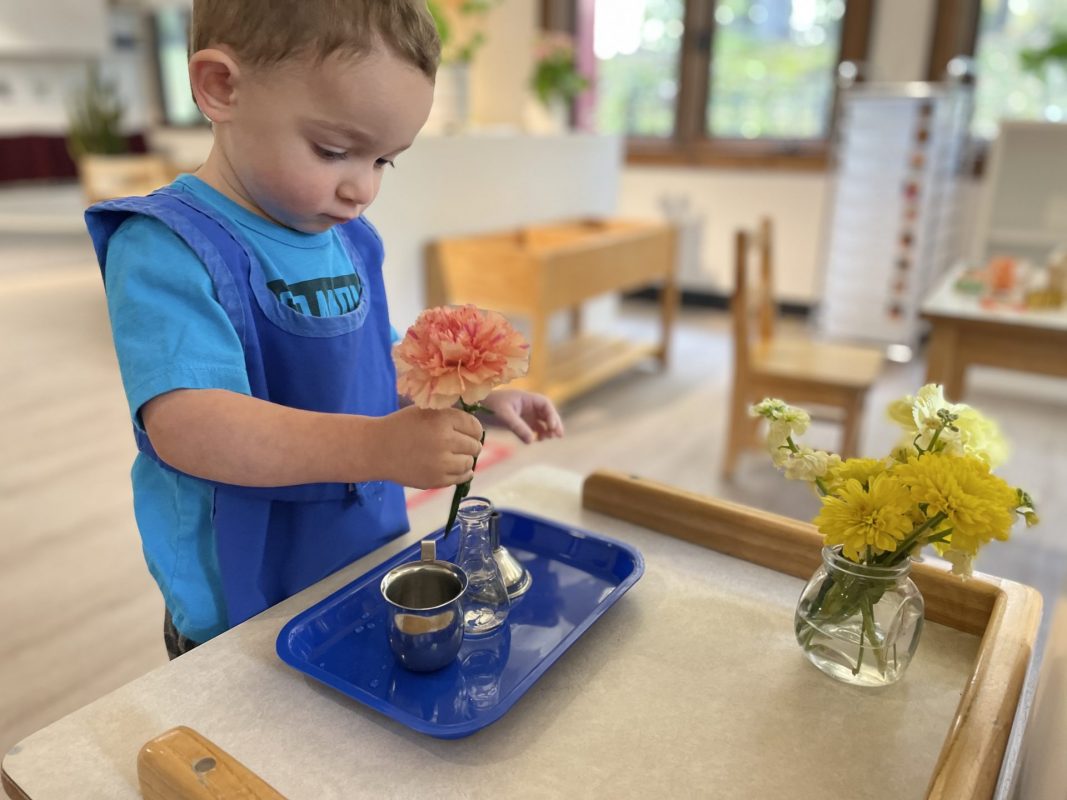
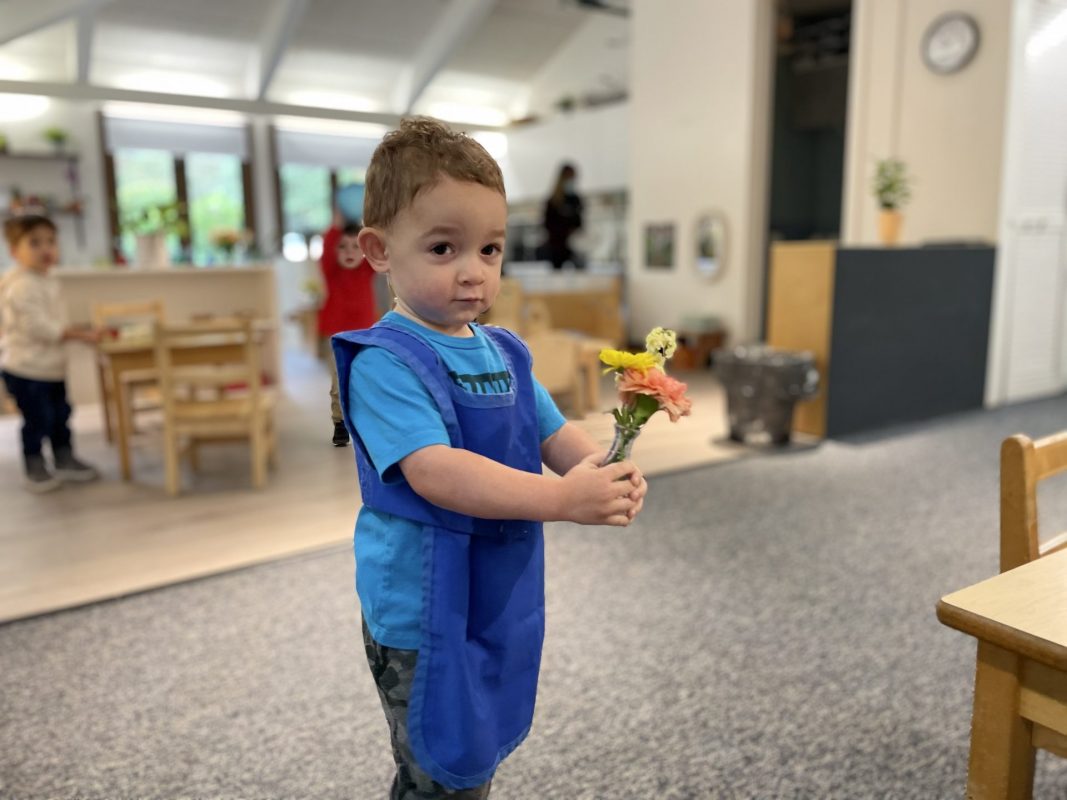
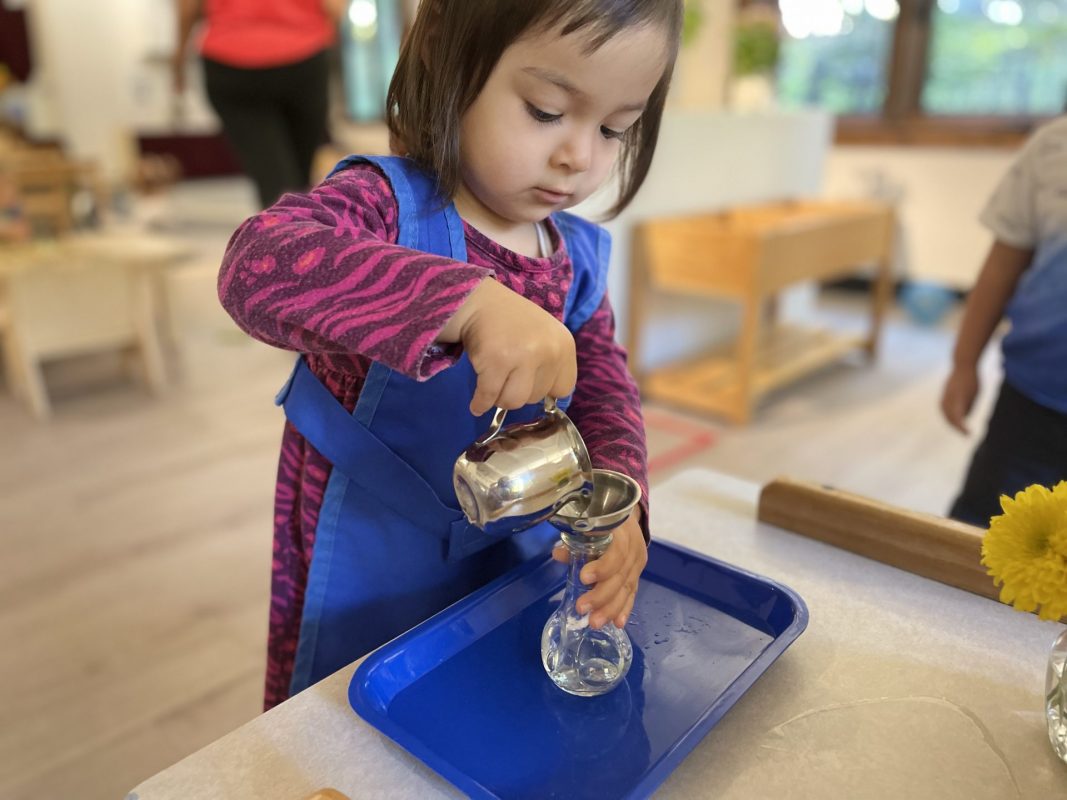
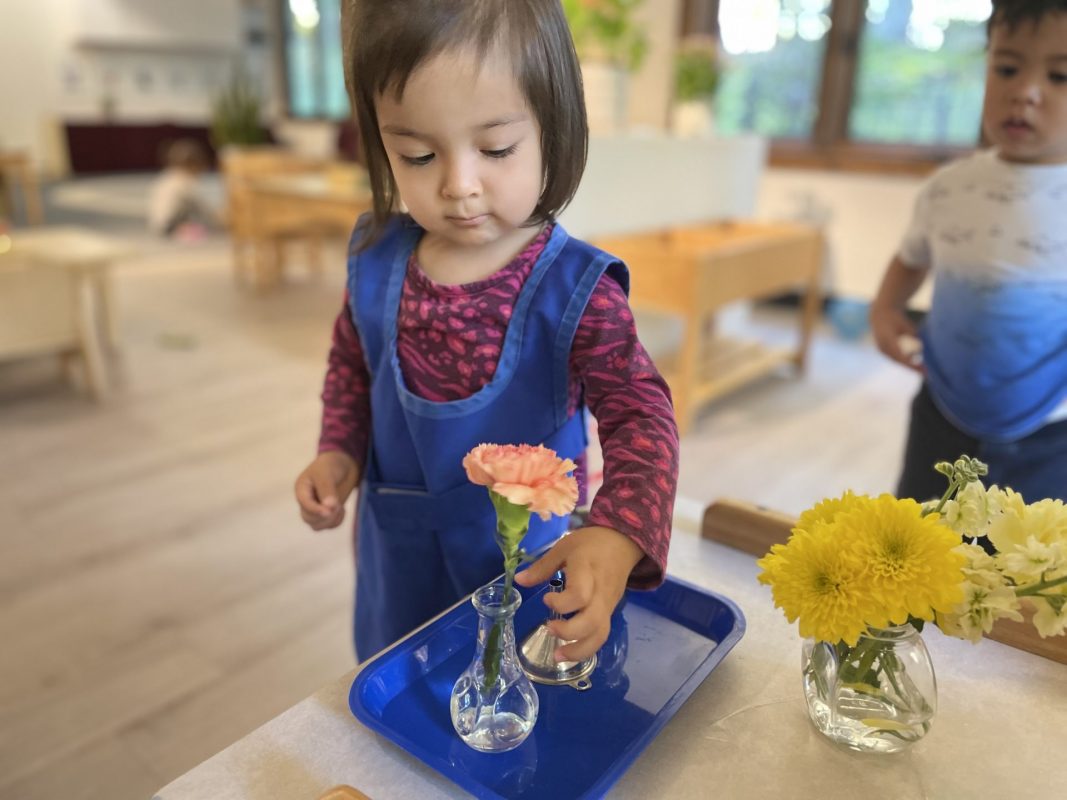
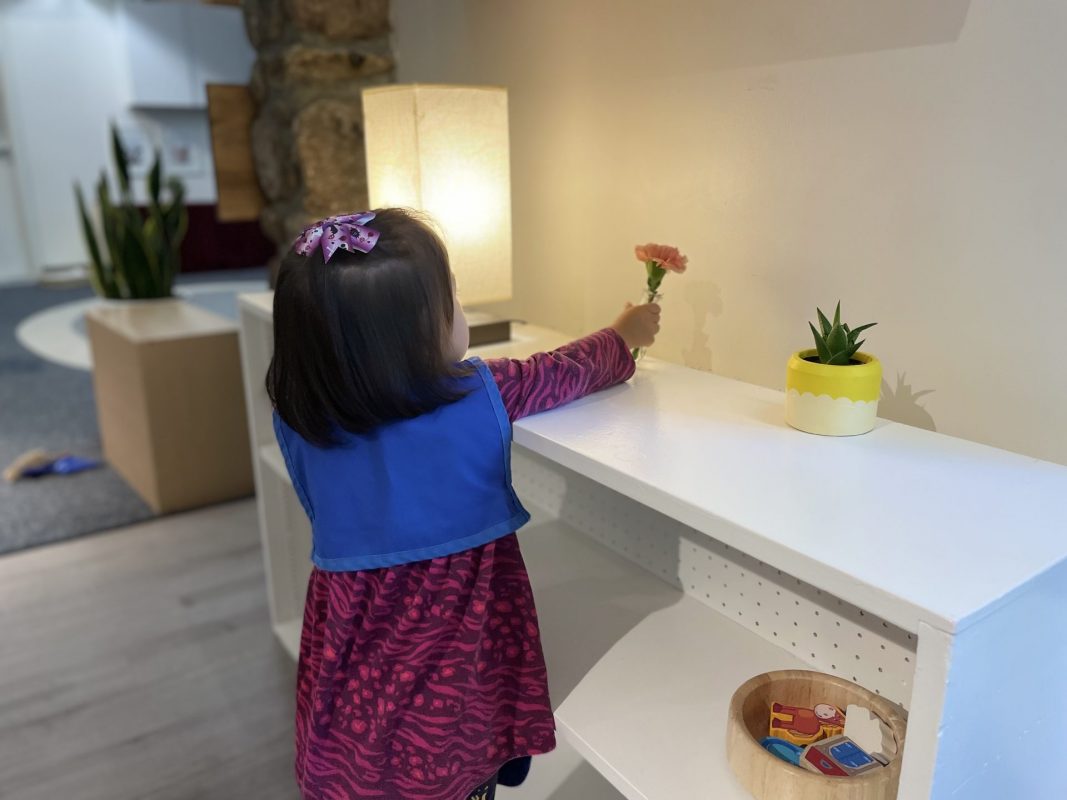
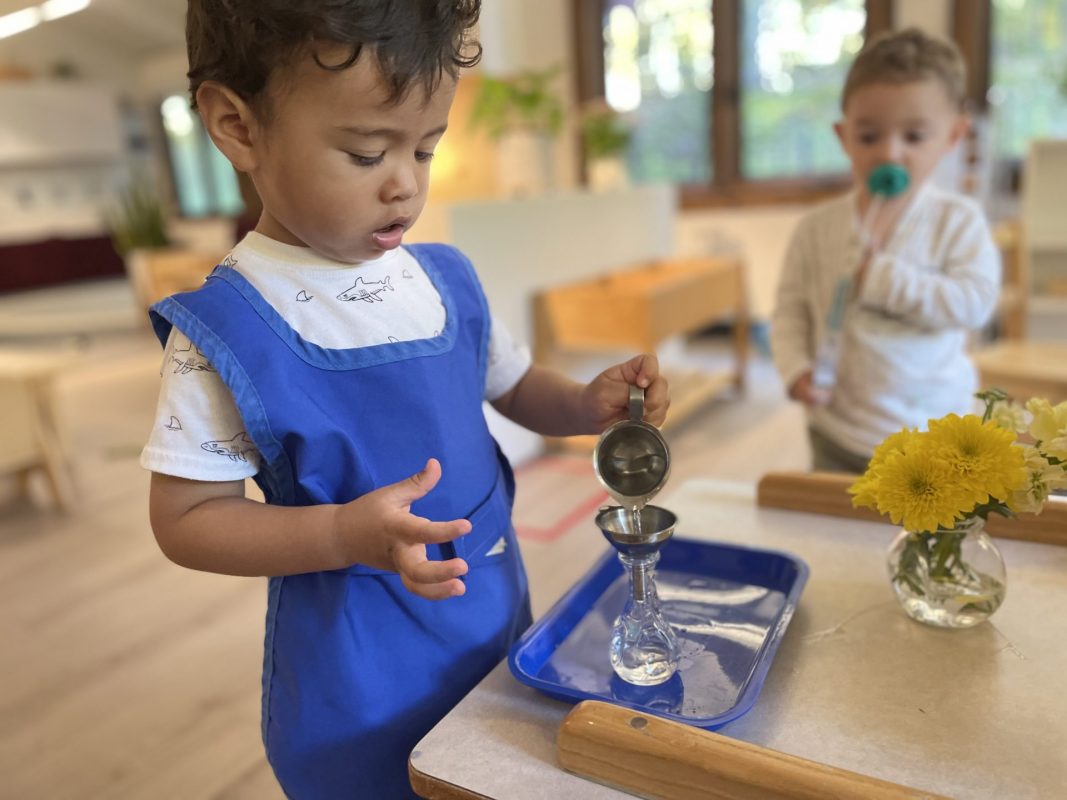
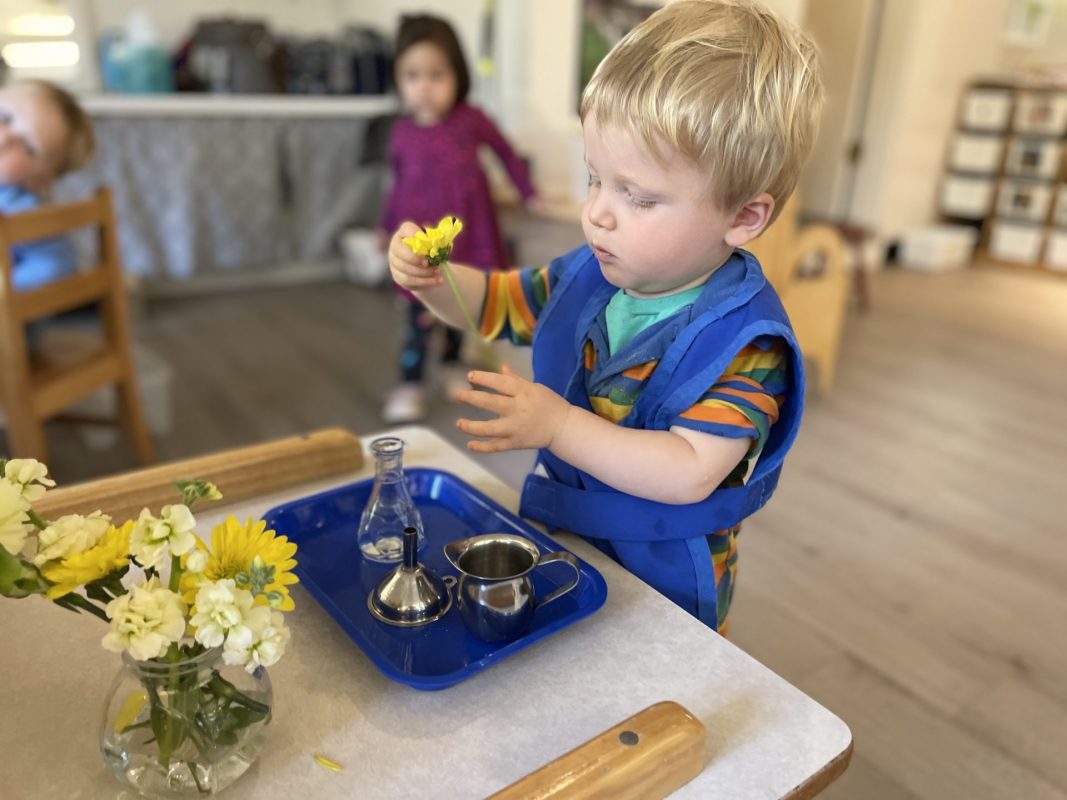
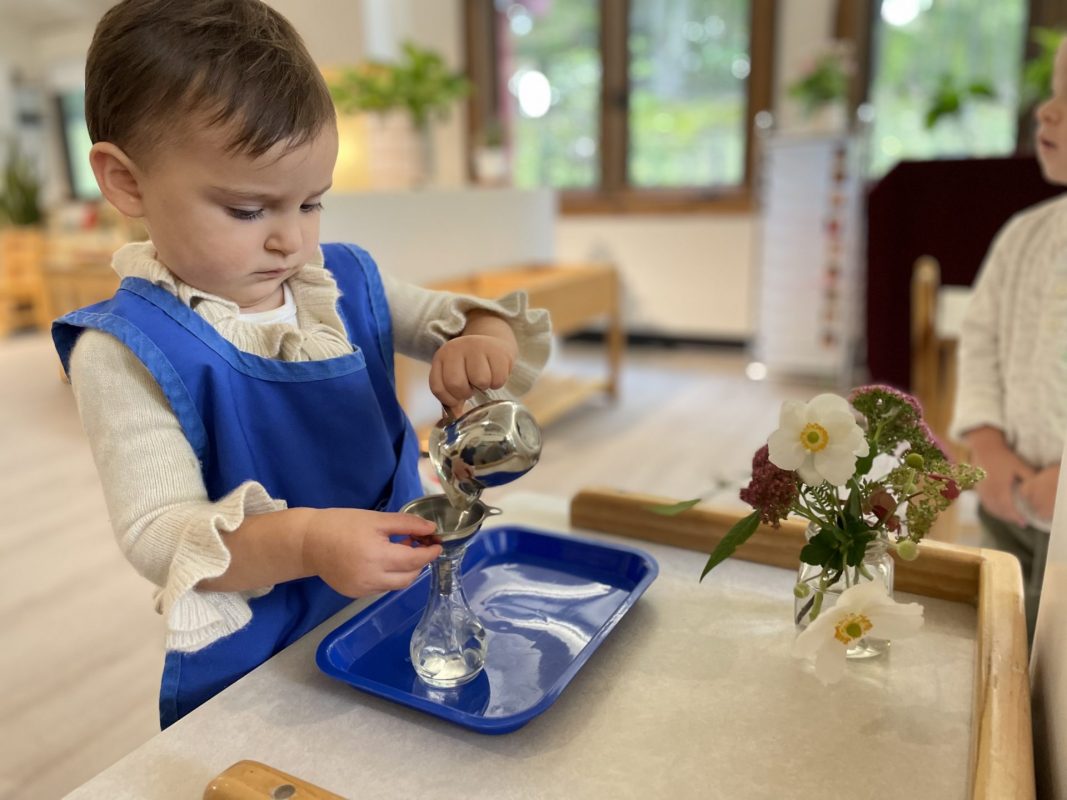
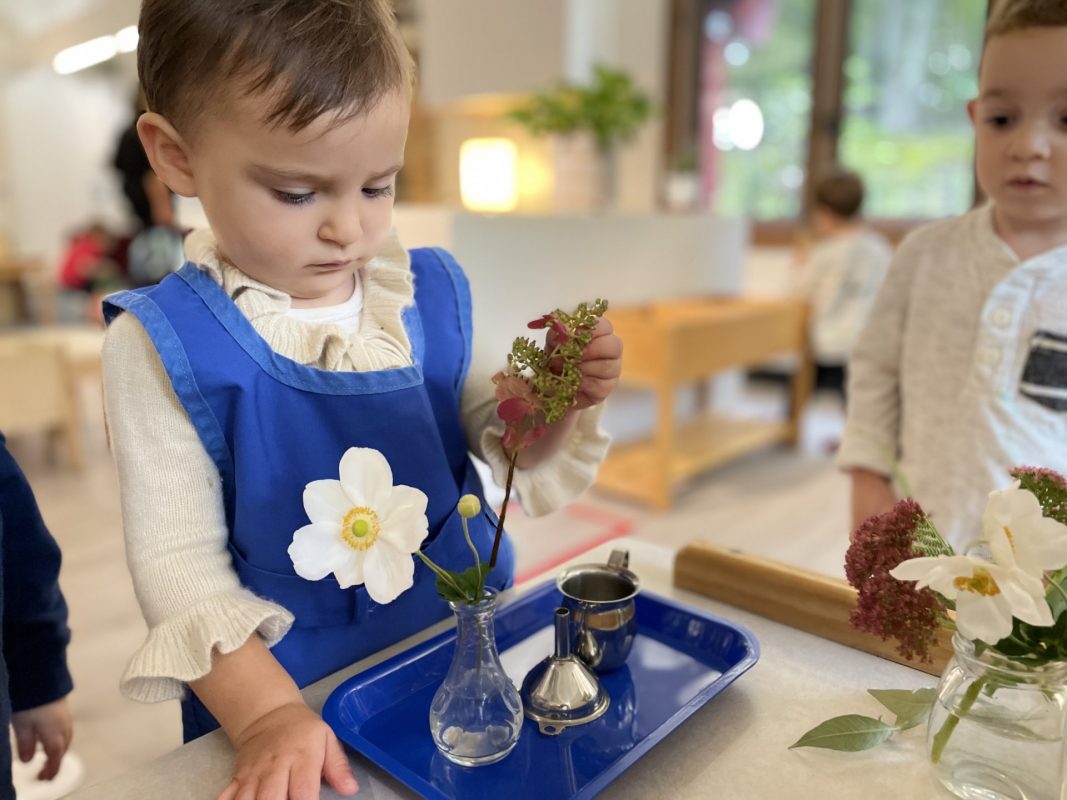
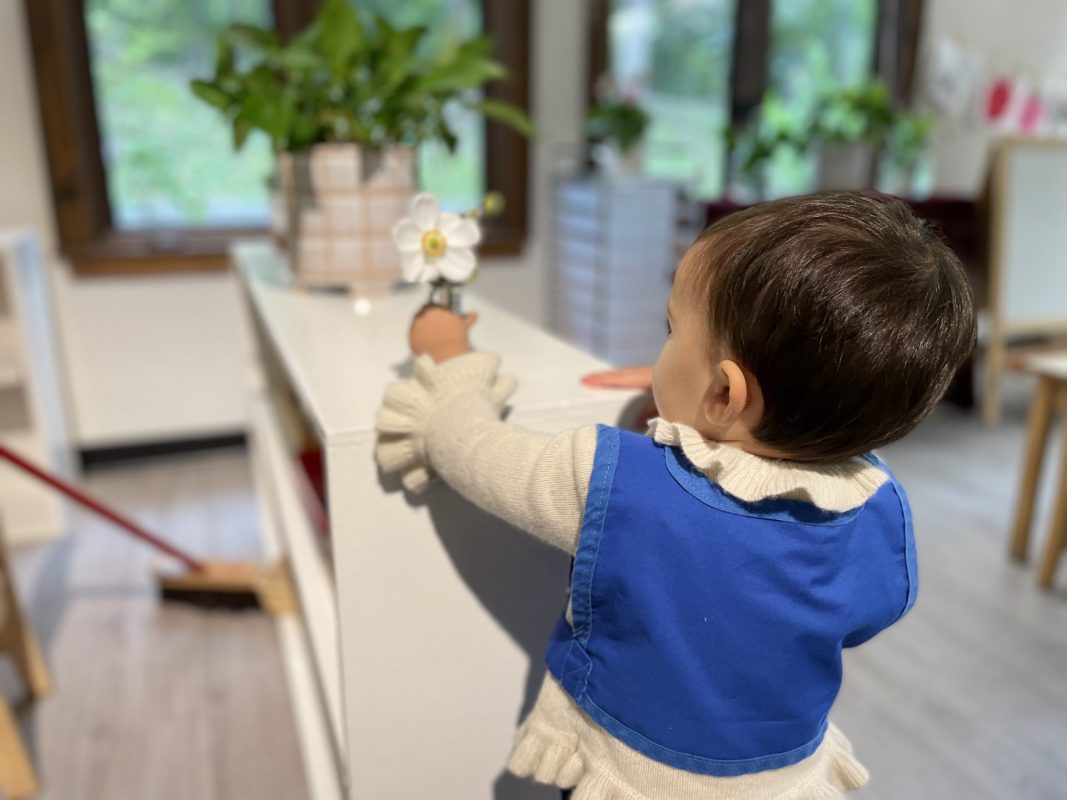
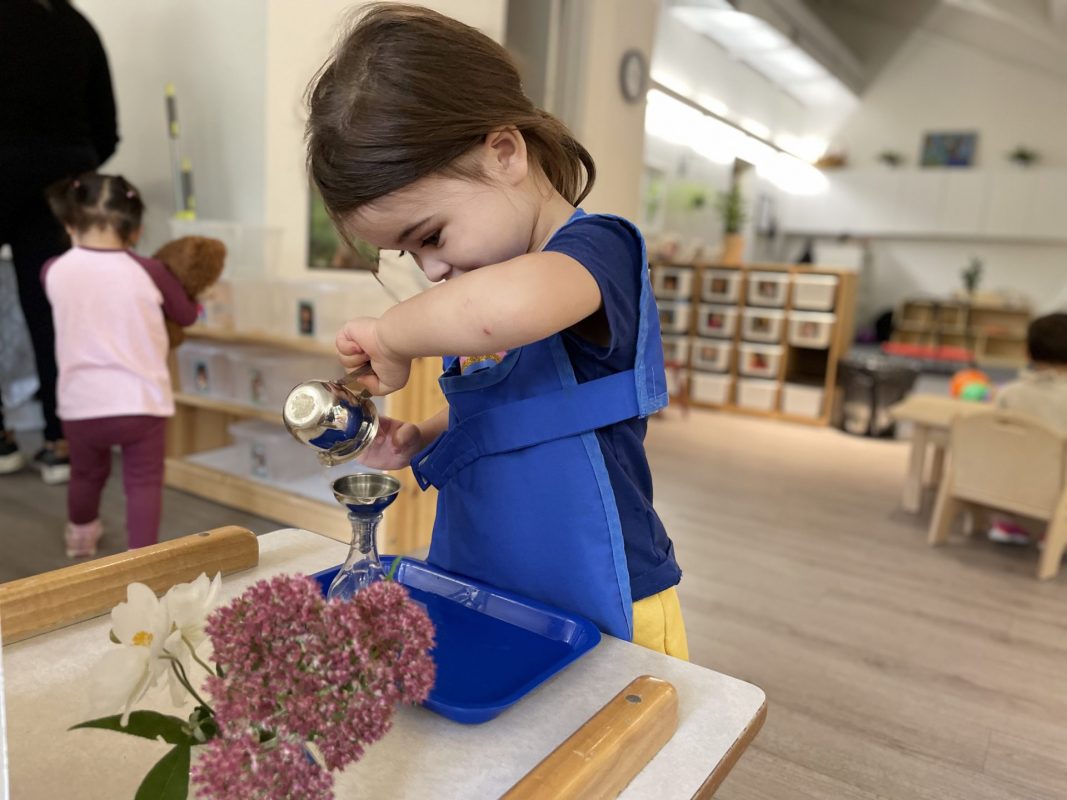
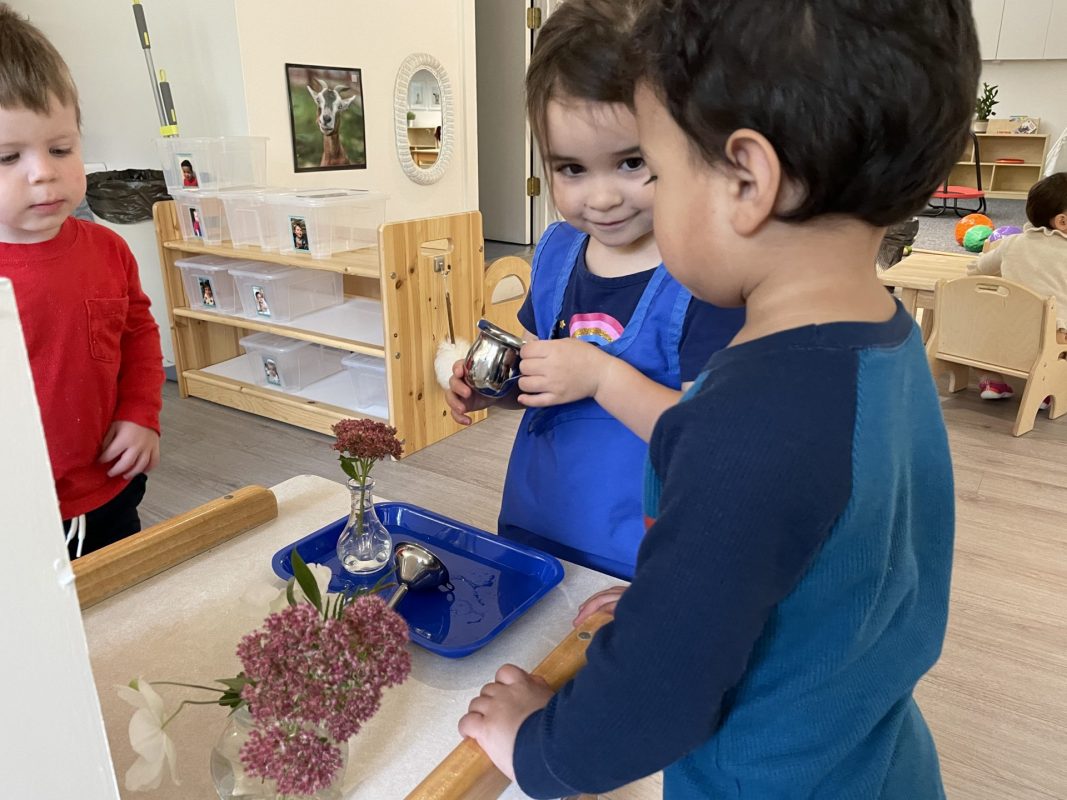
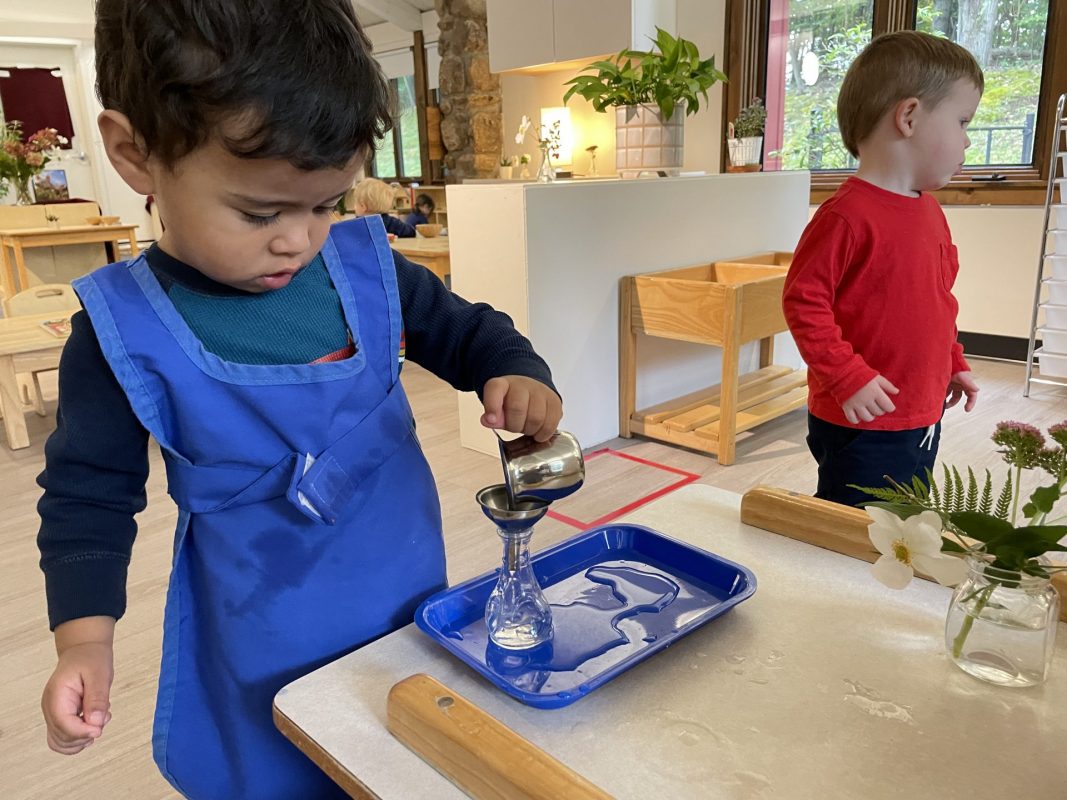
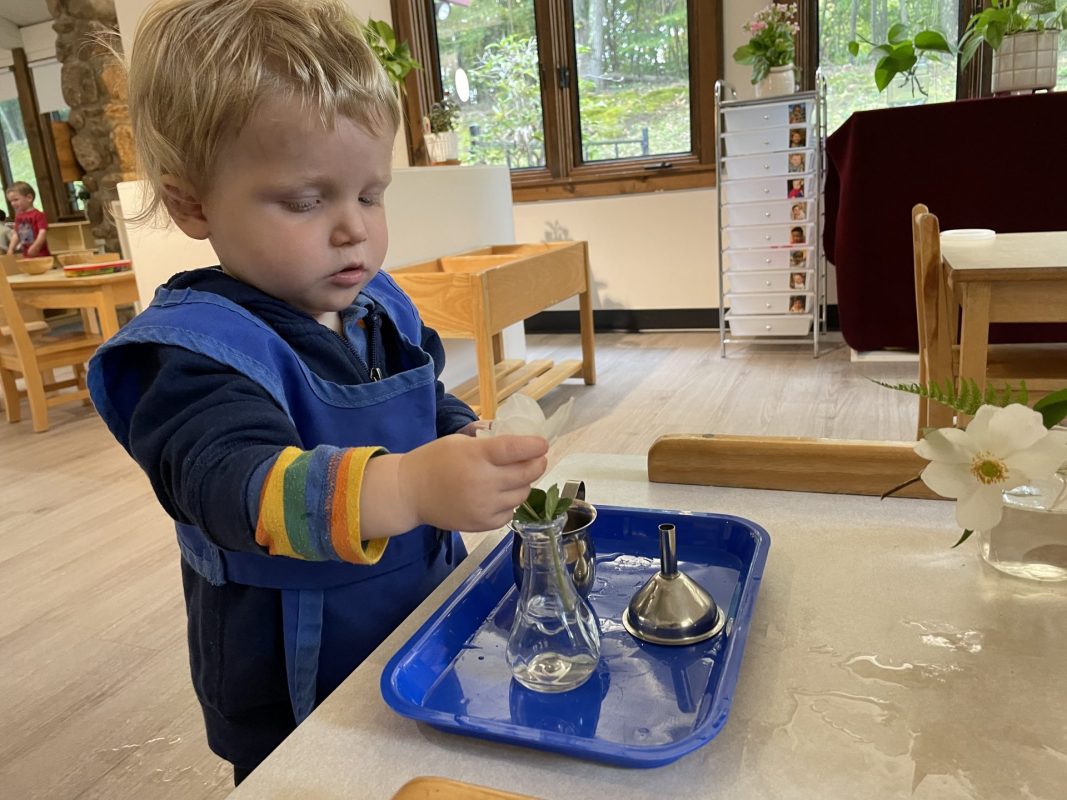
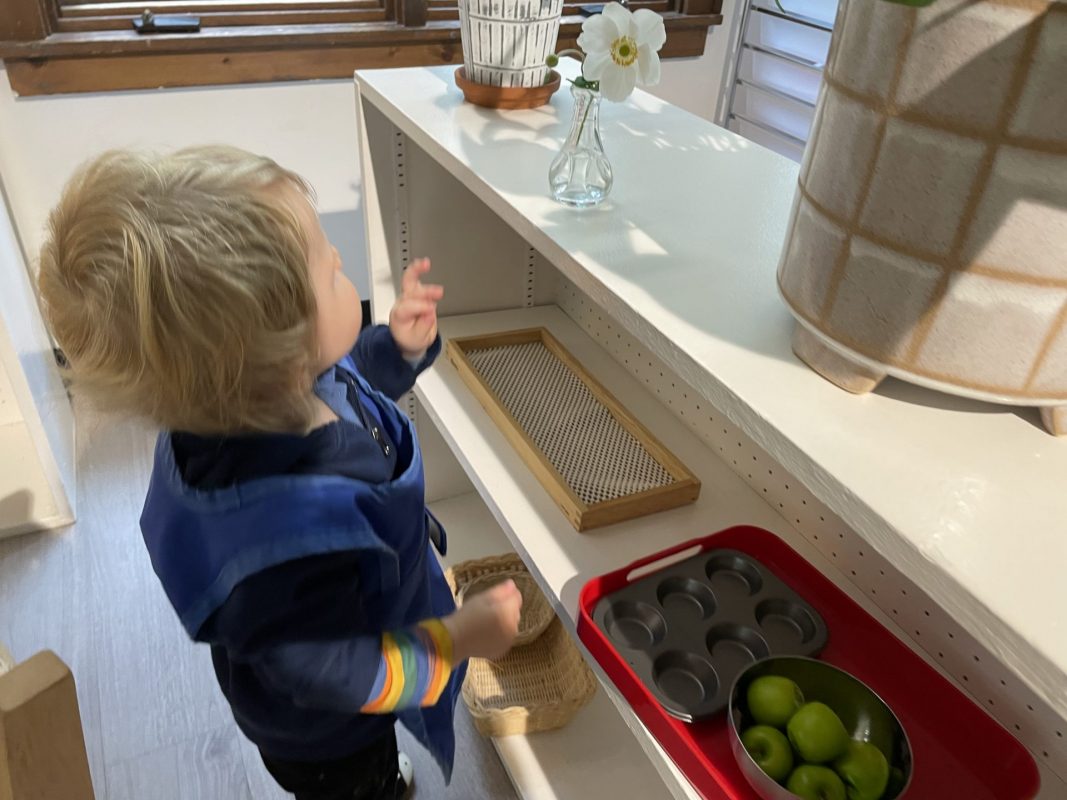
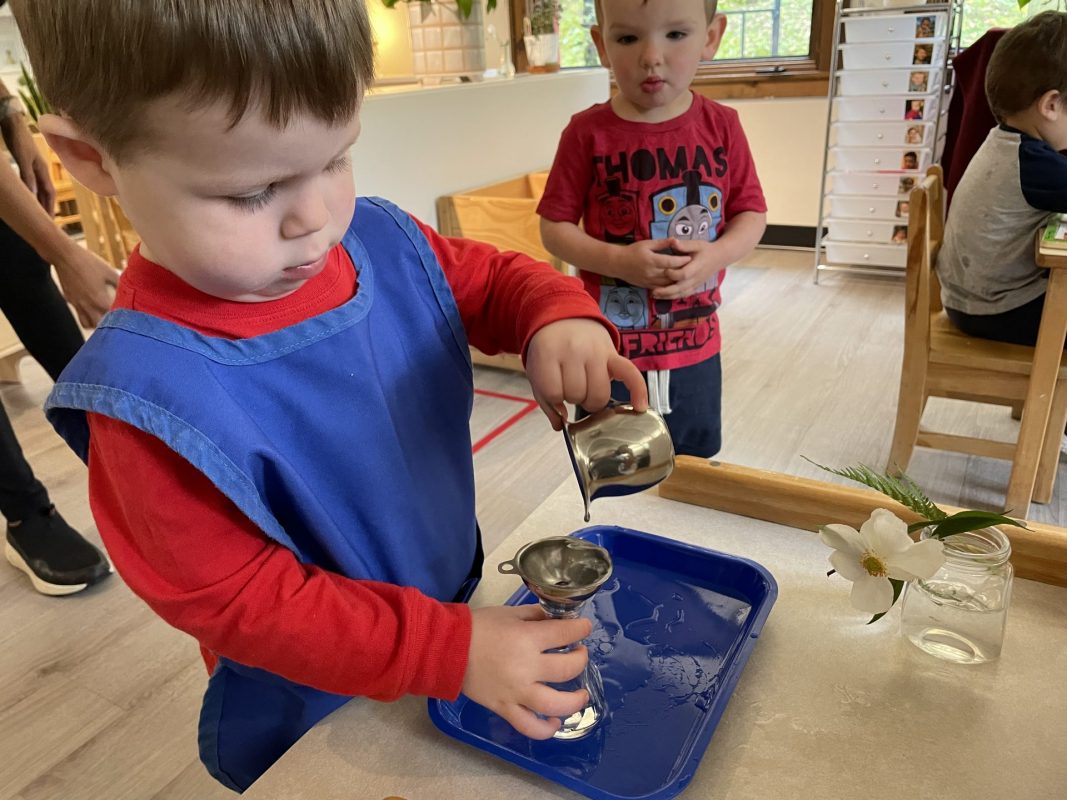
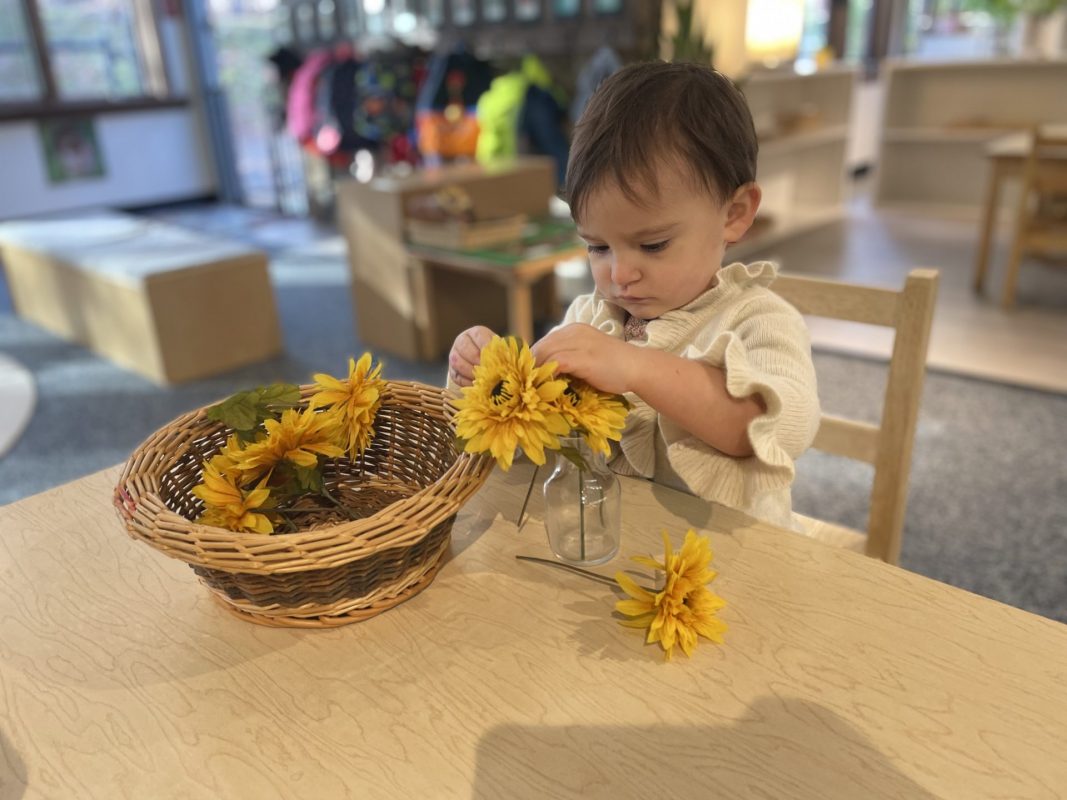
As a highlight, this week we introduced to our new students one of the most beloved activities in our Montessori environments: flower arrangement. Second year students were thrilled to observe the work and they were ready to continue sharpening their hand skills and also their leadership skills while modeling this work to new students. This is a beautiful activity that offers so much to your child’s development. Through this exercise, children develop a sense of beauty, the mental task of sequencing, they learn to exercise the judgment of size and capacity in matching flowers to vases and in pouring water, also, manual dexterity as they need to fetch water and use different tools. This activity also indirectly prepares your child for botany studies in our Primary program and offers a great opportunity to work on independence and concentration. Your children love it! We can’t thank you enough for your weekly flower donations!

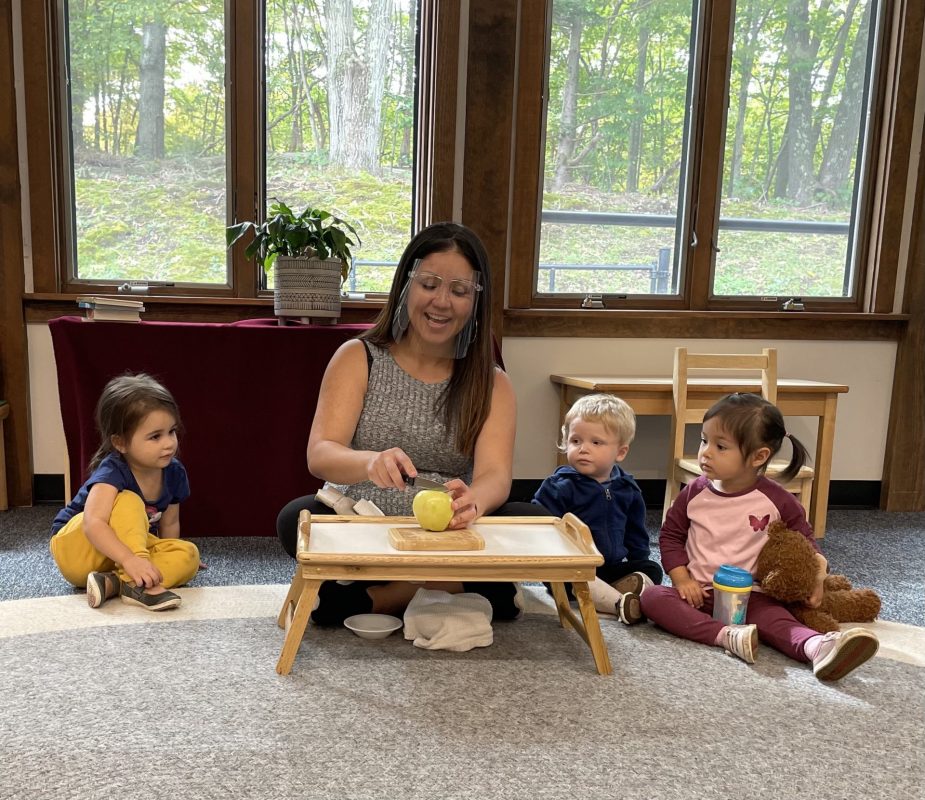
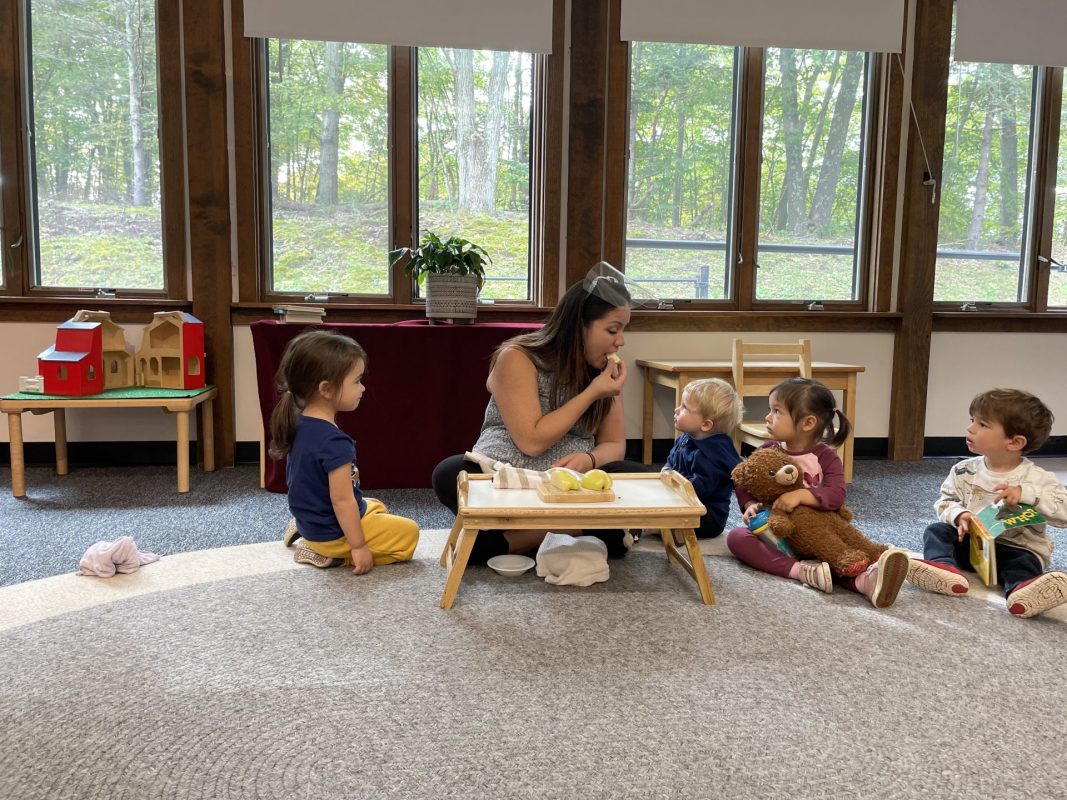
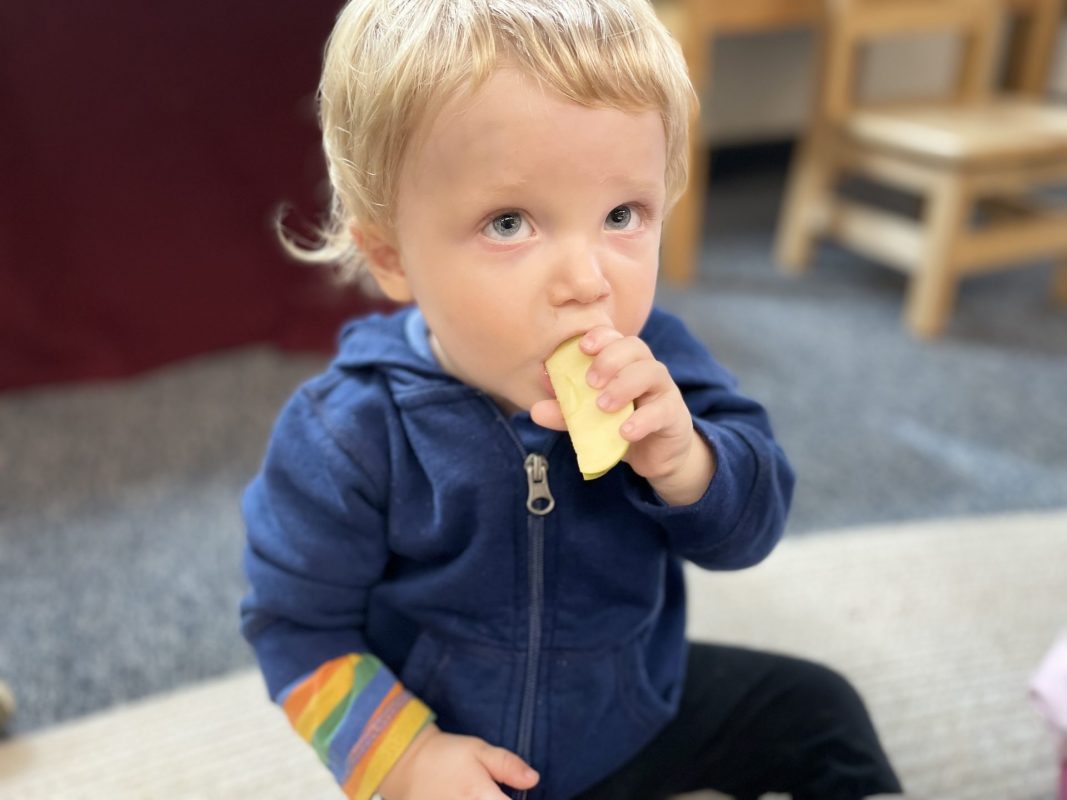
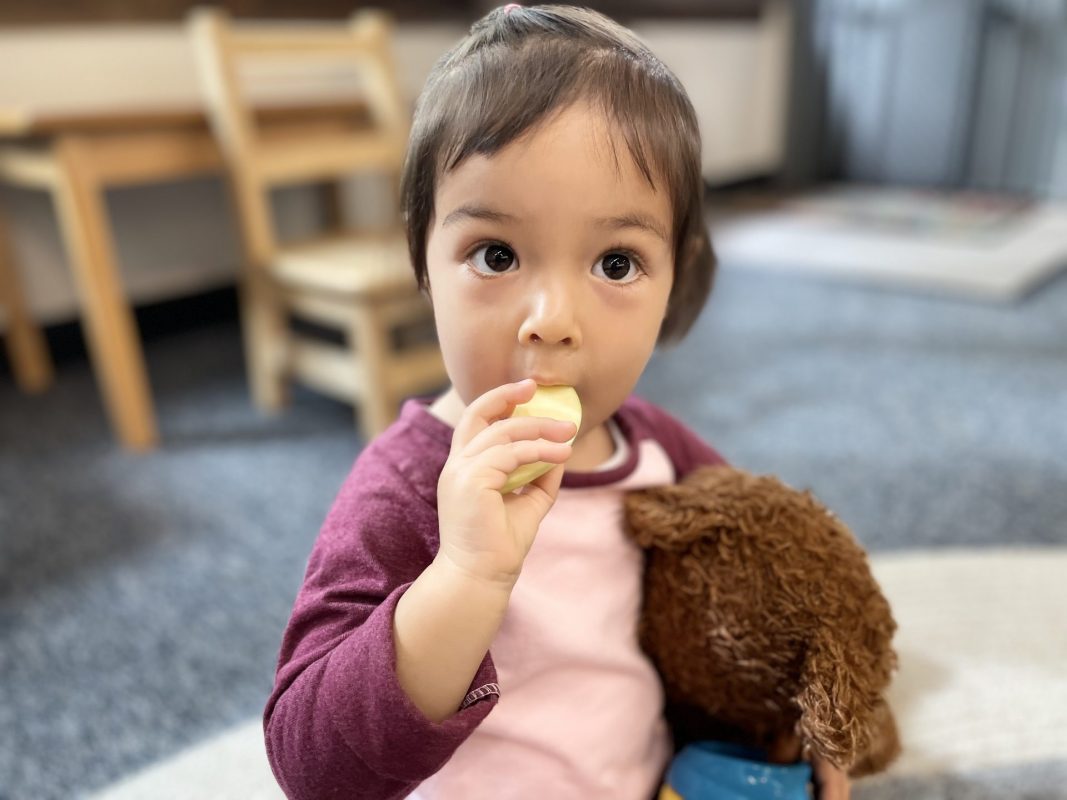
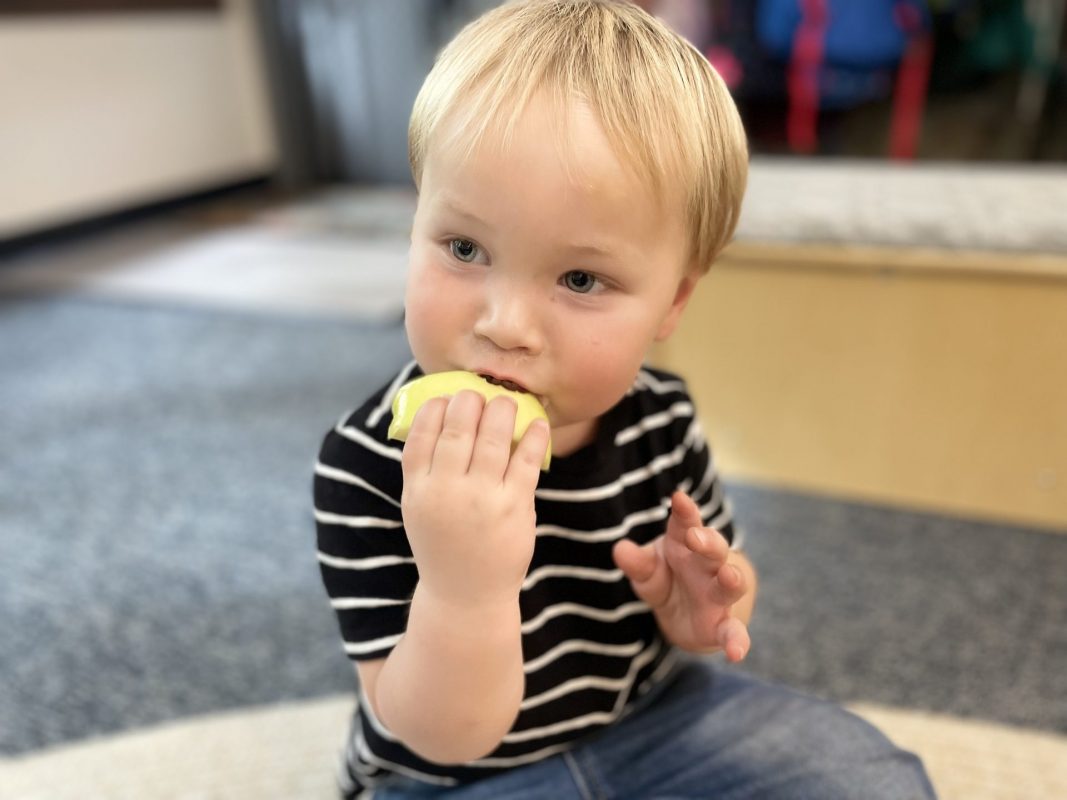
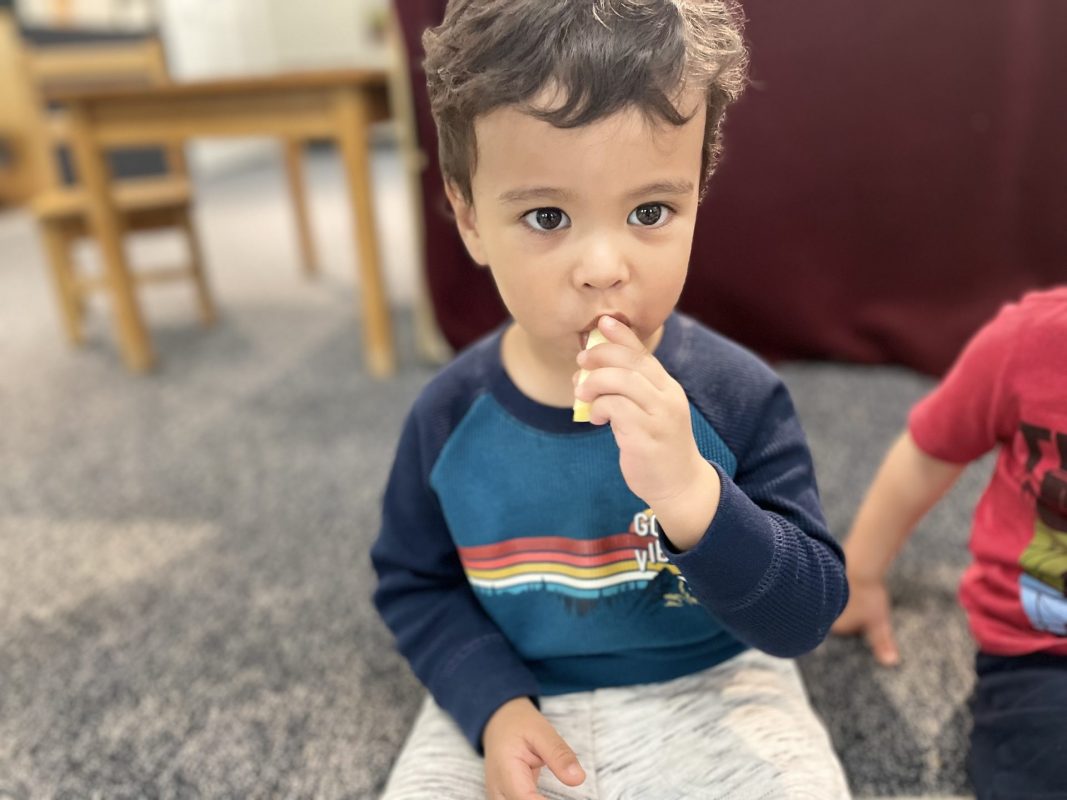
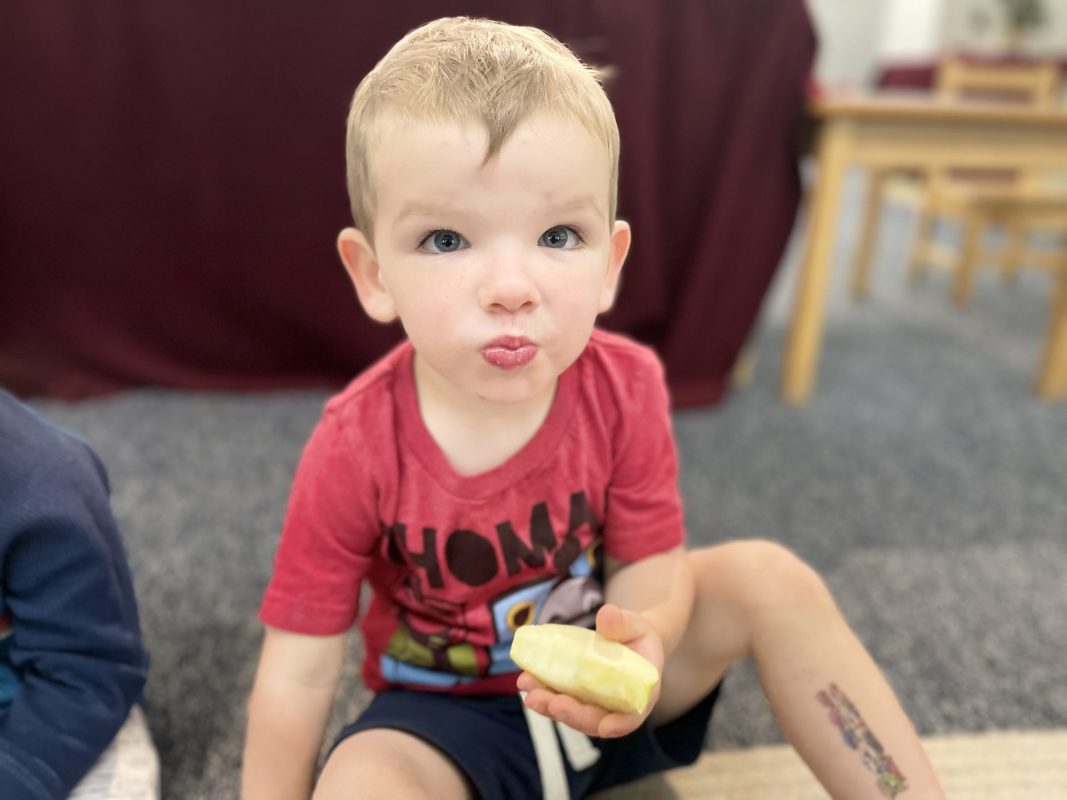
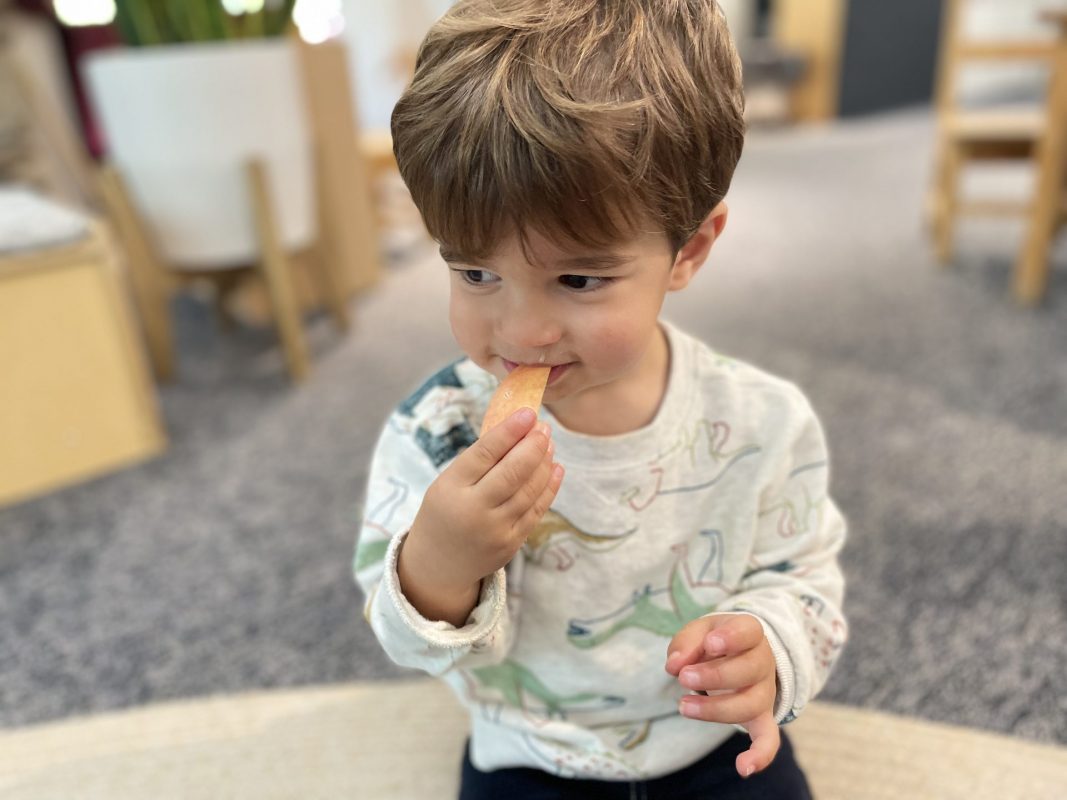
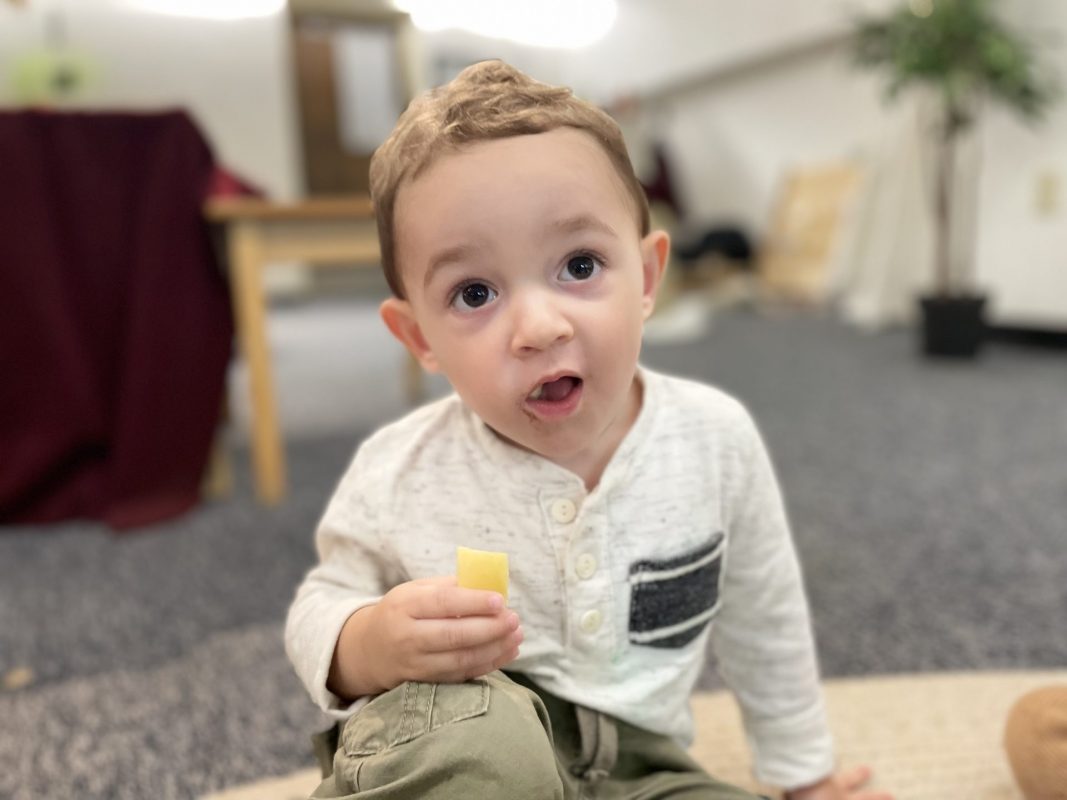
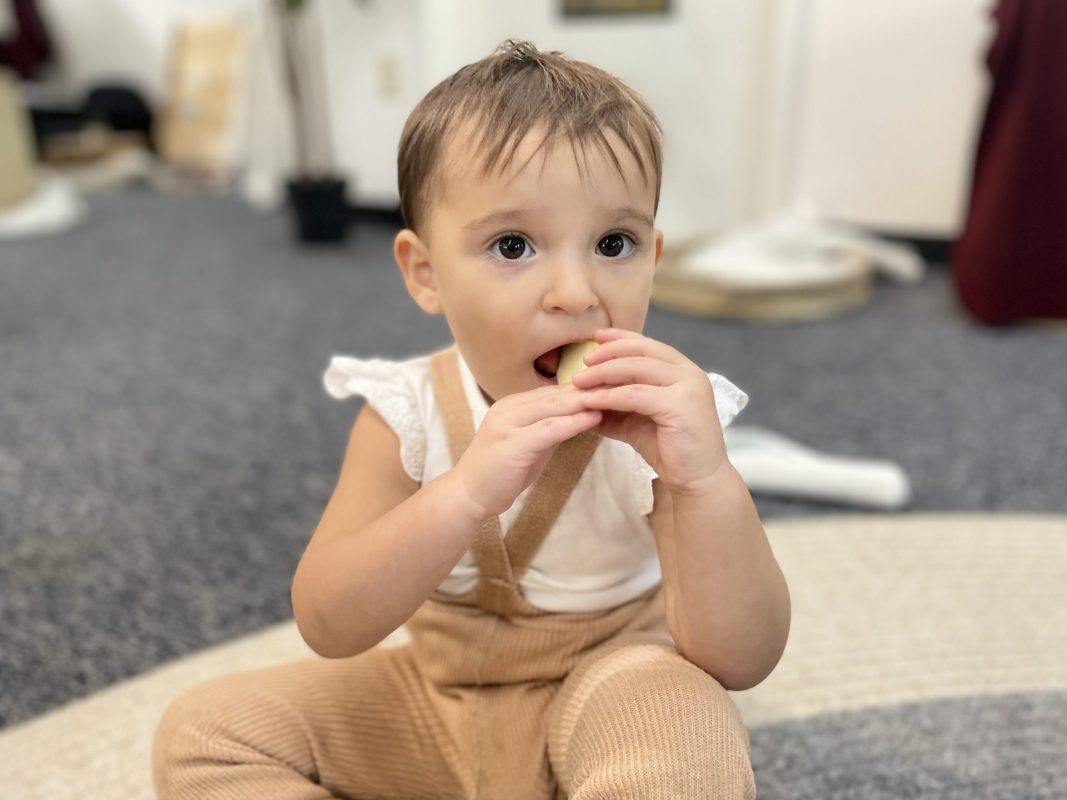
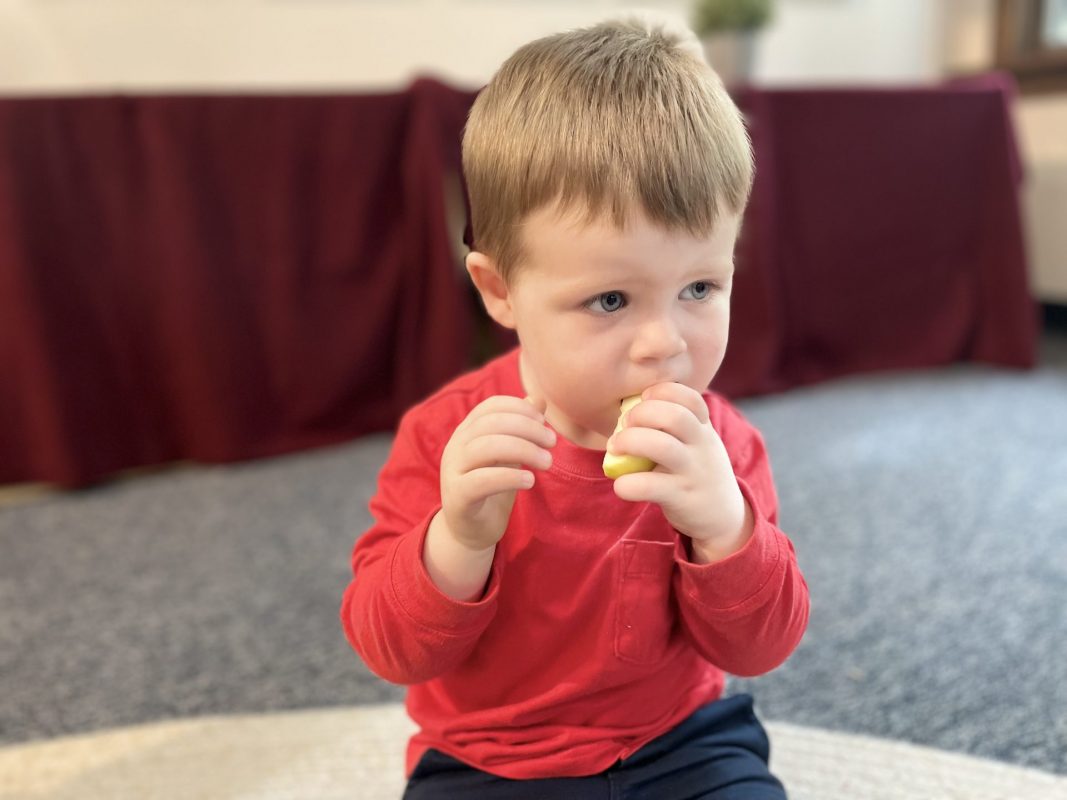
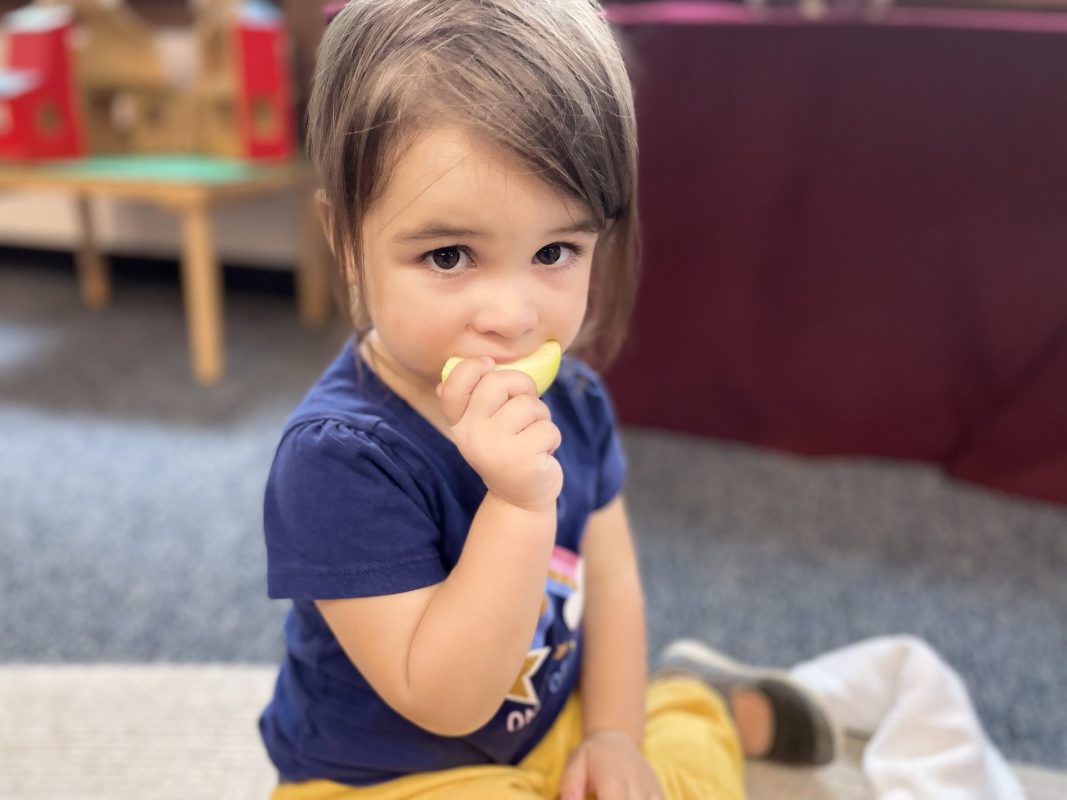
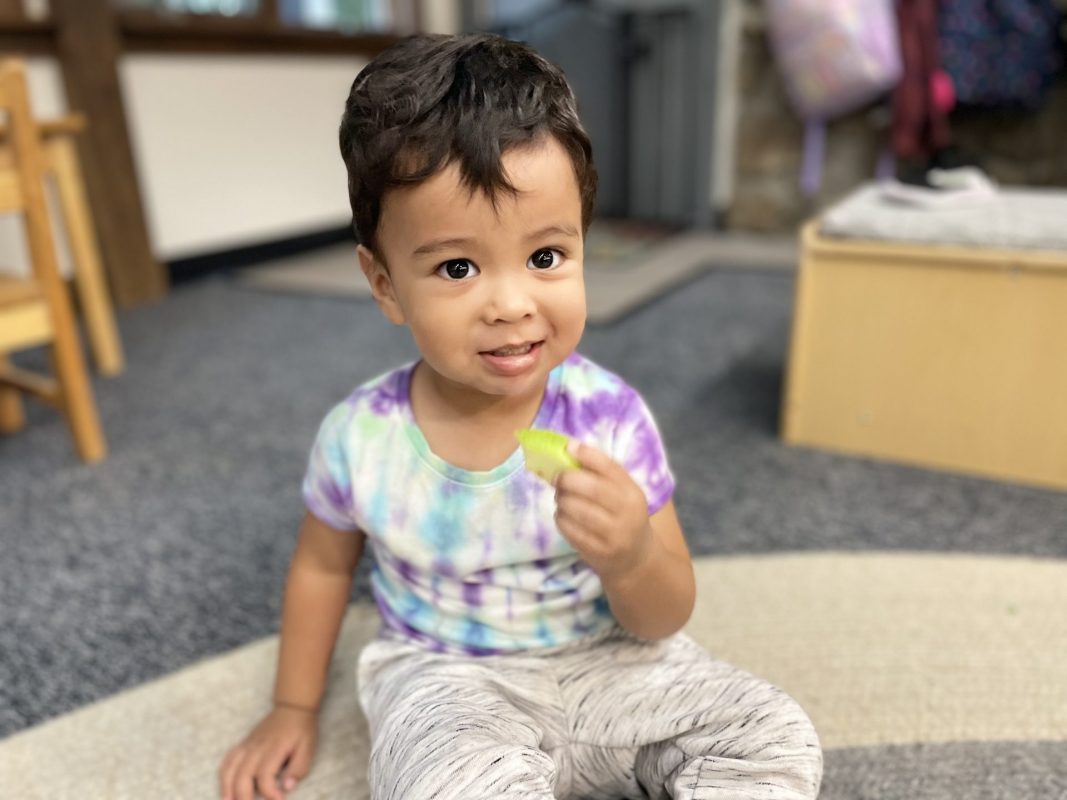
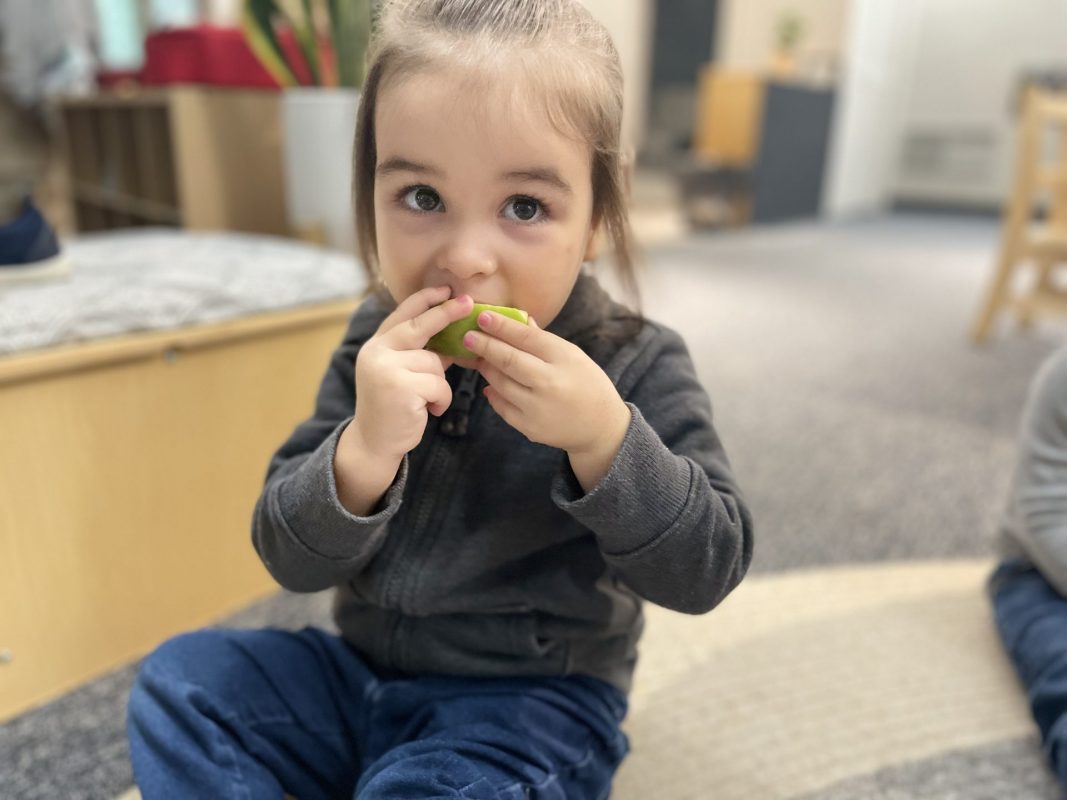
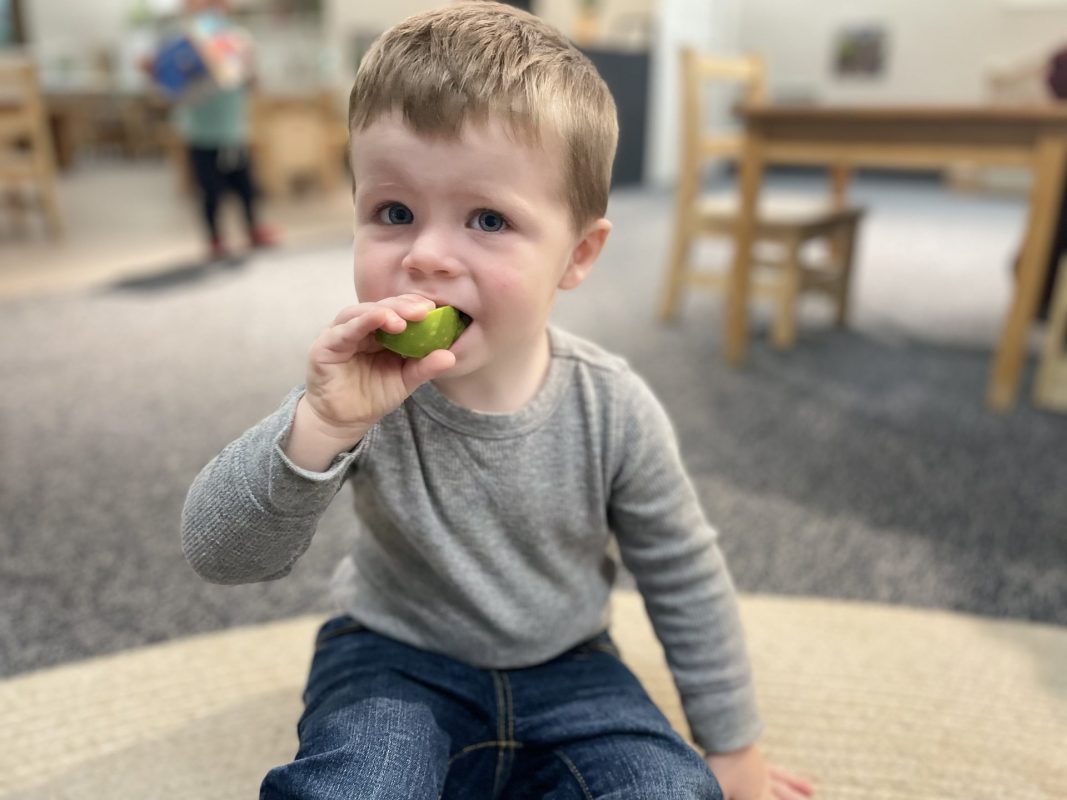
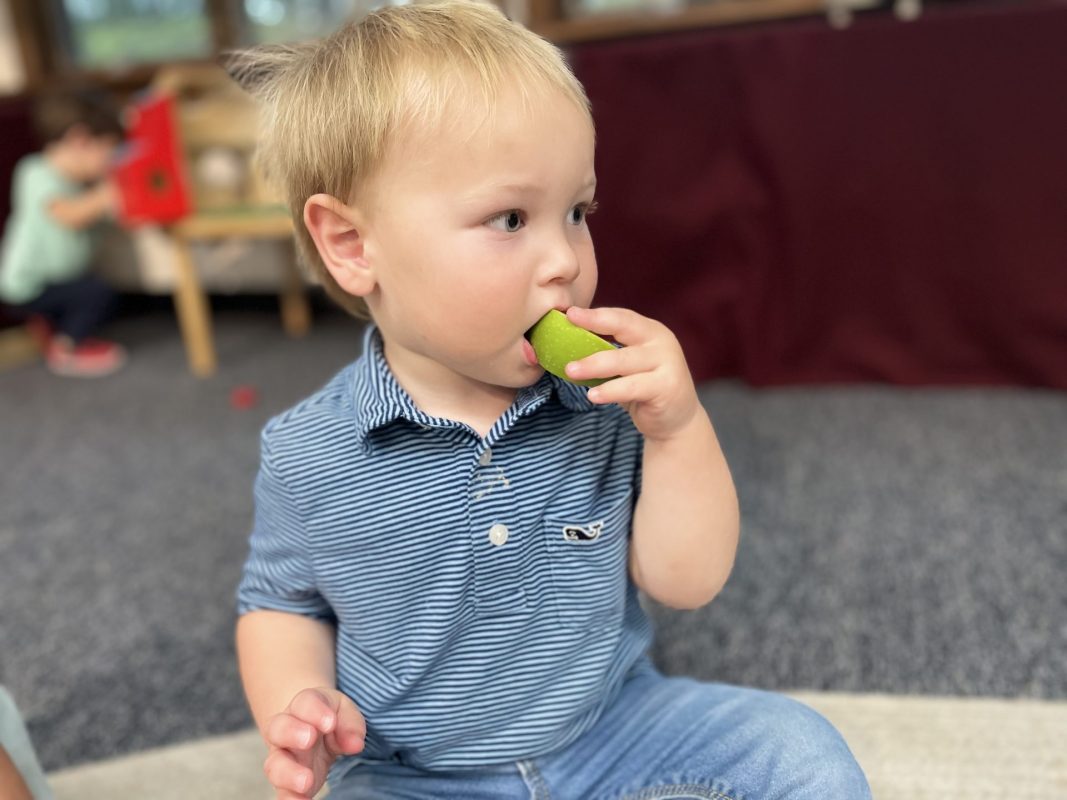
To close our apple unit studies, we explored a yellow apple during food tasting. Some of the children’s facial expressions when they saw a yellow apple were priceless! They couldn’t believe there were yellow apples! It was so funny to them! Needless to say, they enjoyed every bit of it!

Lastly, here is one of the songs your child has been learning during the last weeks. As children are working on copying finger plays and growing in language, feel free to sing it at home with your child.

Way up high in that apple tree. (place left hand under right elbow and lift right arm with fingers opened forming a tree)

Five red apples smiled down at me. (wiggle fingers)

I shook that tree as hard as I could. (shake right arm and hand)

Down came an apple! Mmmmm it was good! (hide thumb and pretend to eat and apple)

Way up high in the apple tree, 4 red apples smiled down at me (count fingers)

Repeat song until there are zero apples in the tree.

Virtual Parent-Teacher Conferences are coming up on October 28th! Please look for an email this coming Tuesday with a link for you to sign up for your conference slot. 

Reminder: School picture day is next Wednesday October 13th.

Enjoy the holiday weekend,

Mrs. Hood and Ms. Maria 

Mrs. Hood’s Class: On the Move!

“Movement, or physical activity, is thus an essential factor in intellectual growth, which depends upon the impressions received from outside. Through movement we come in contact with external reality, and it is through these contacts that we eventually acquire even abstract ideas.” – Maria Montessori, The Secret of Childhood

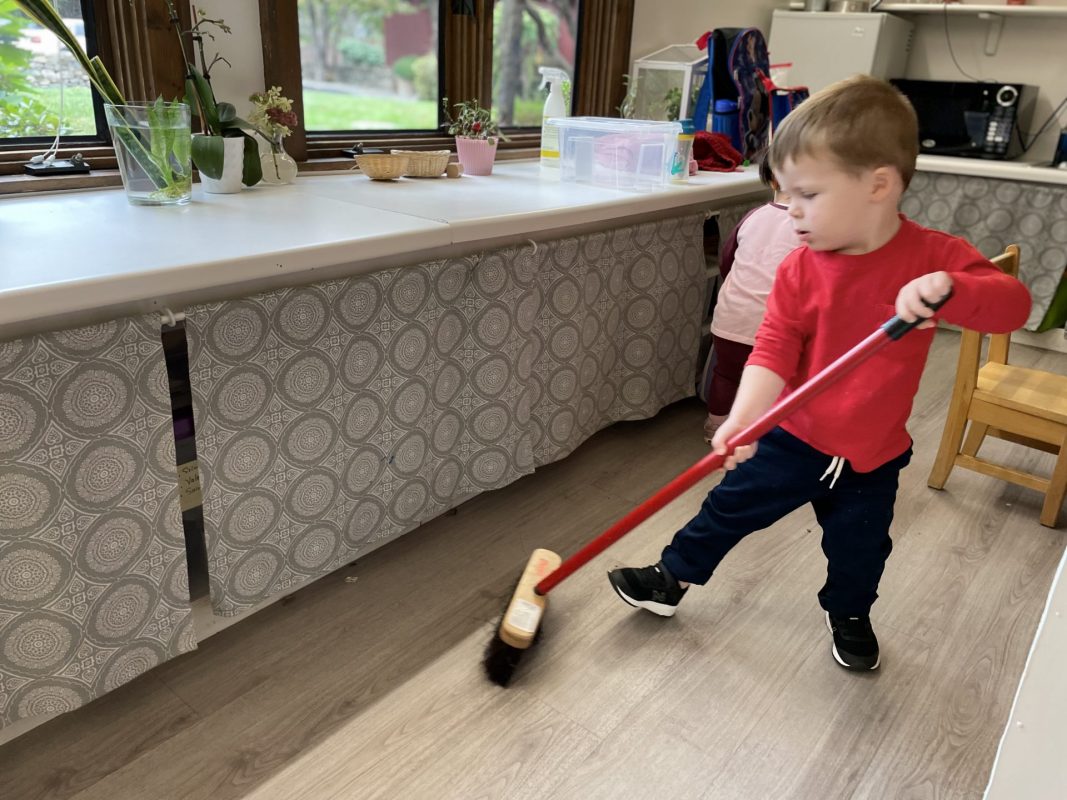
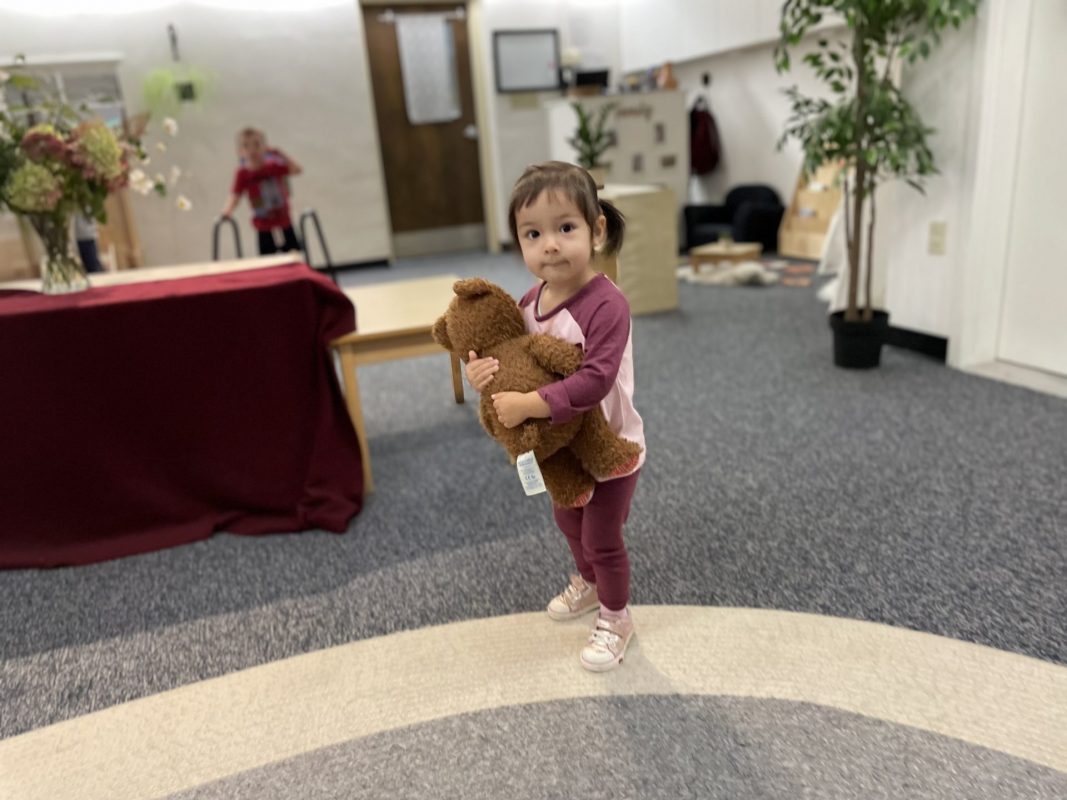
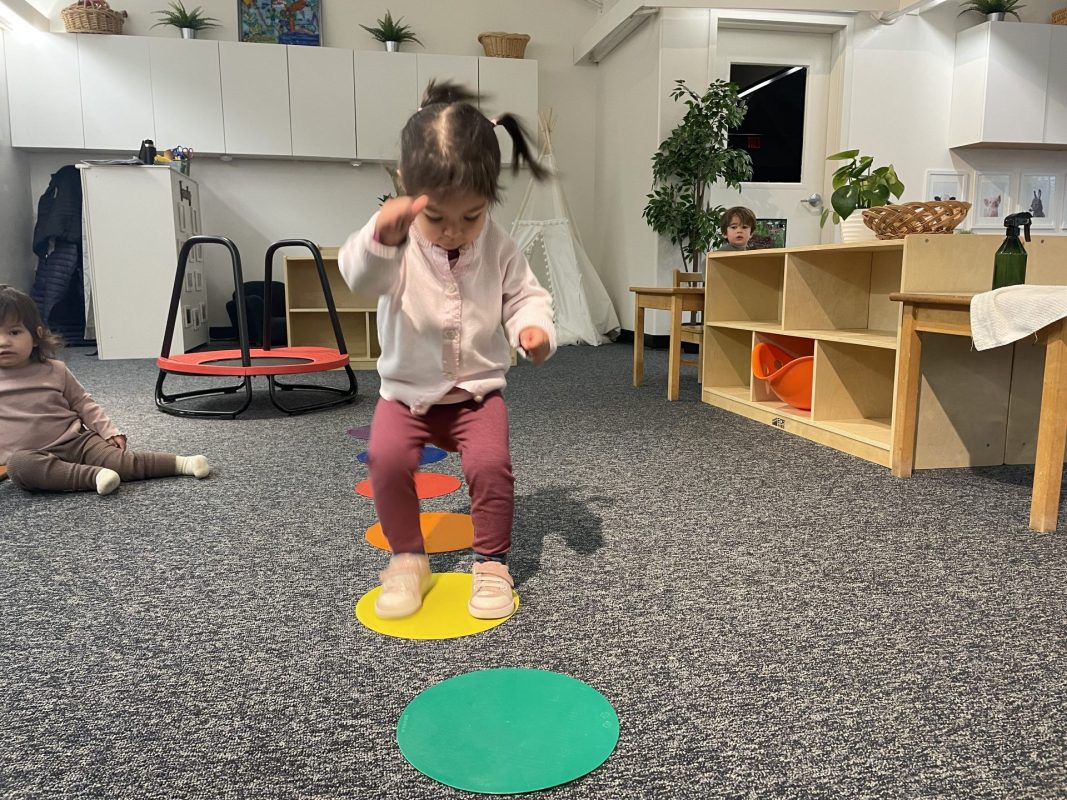
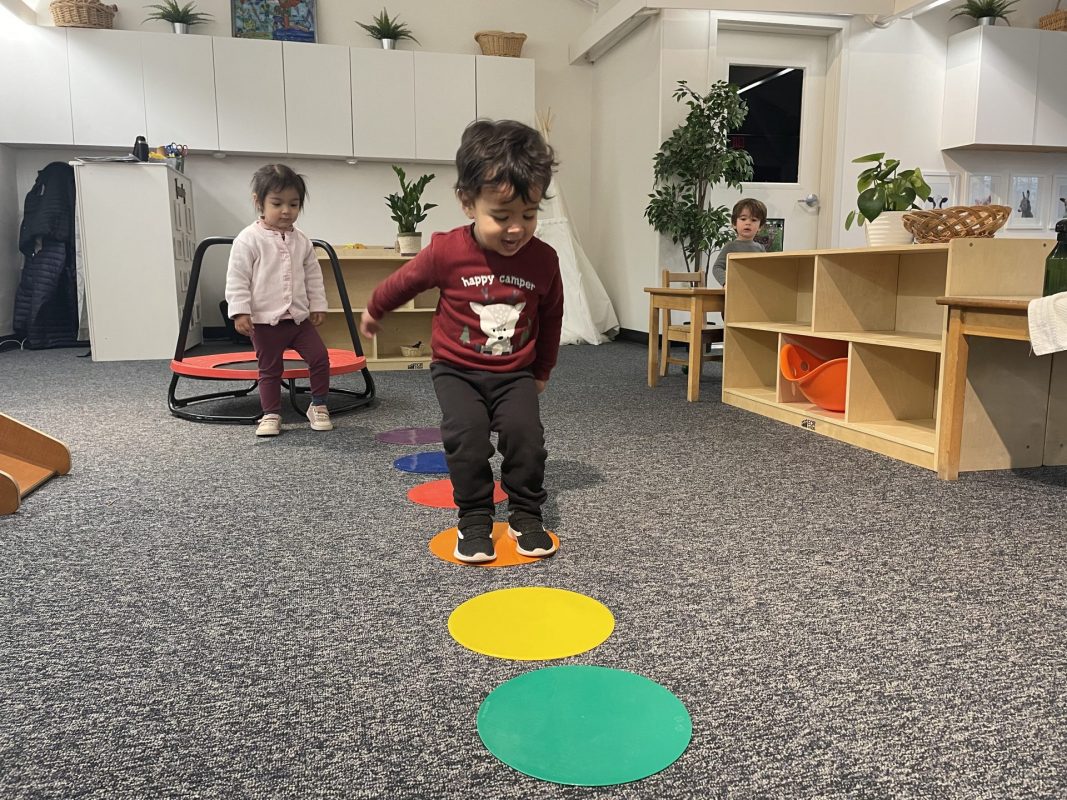
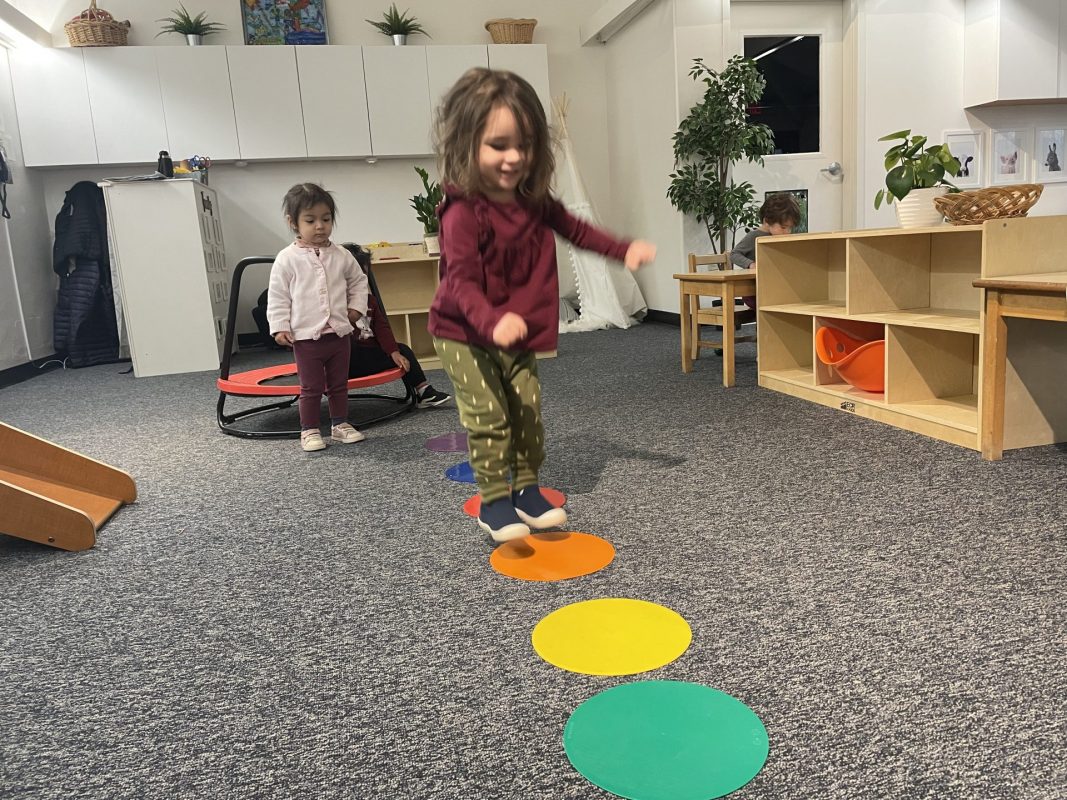
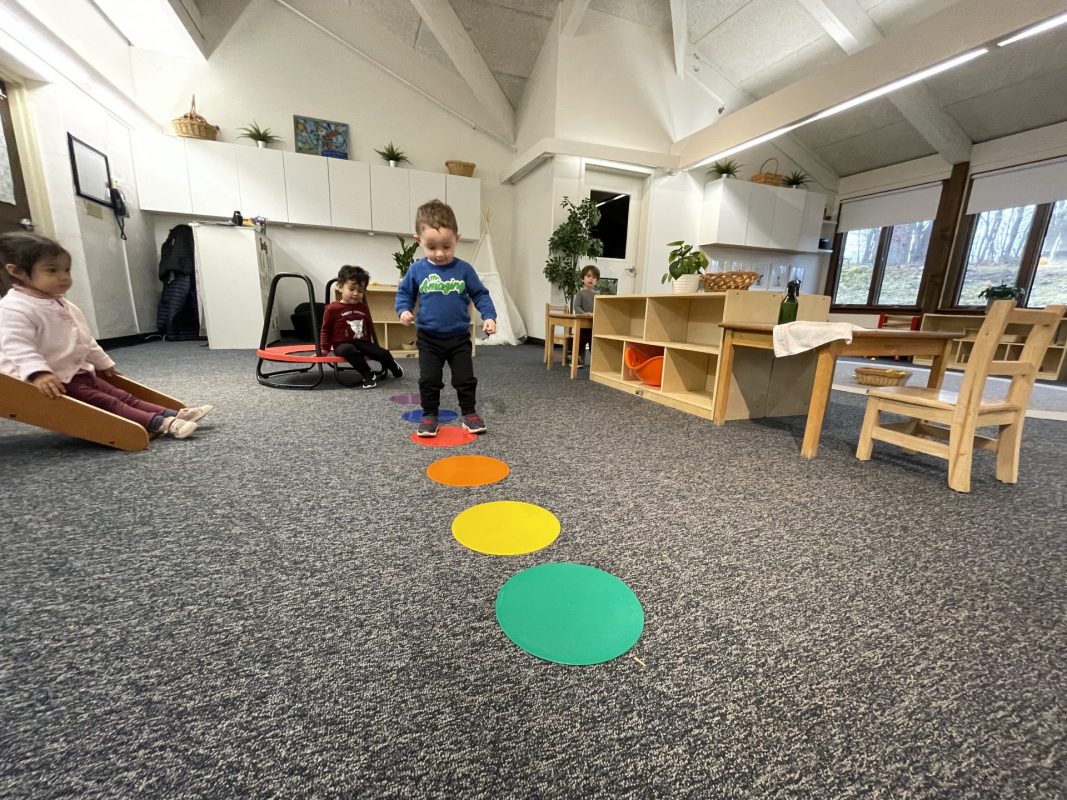
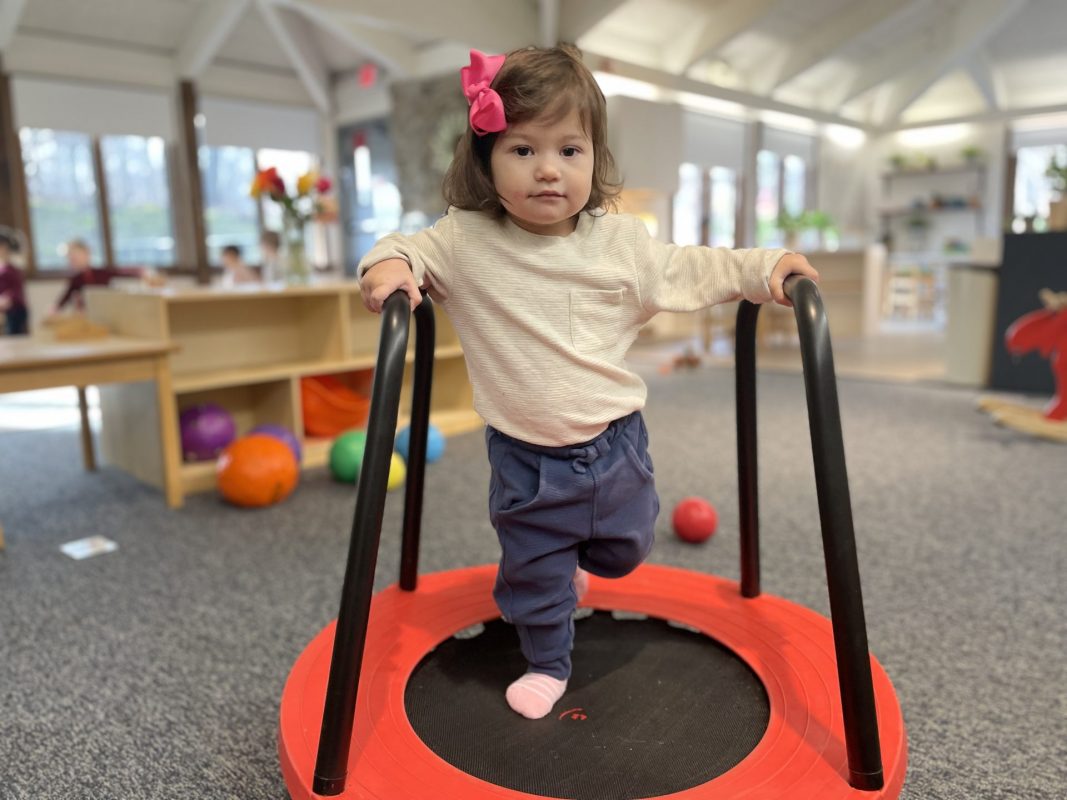
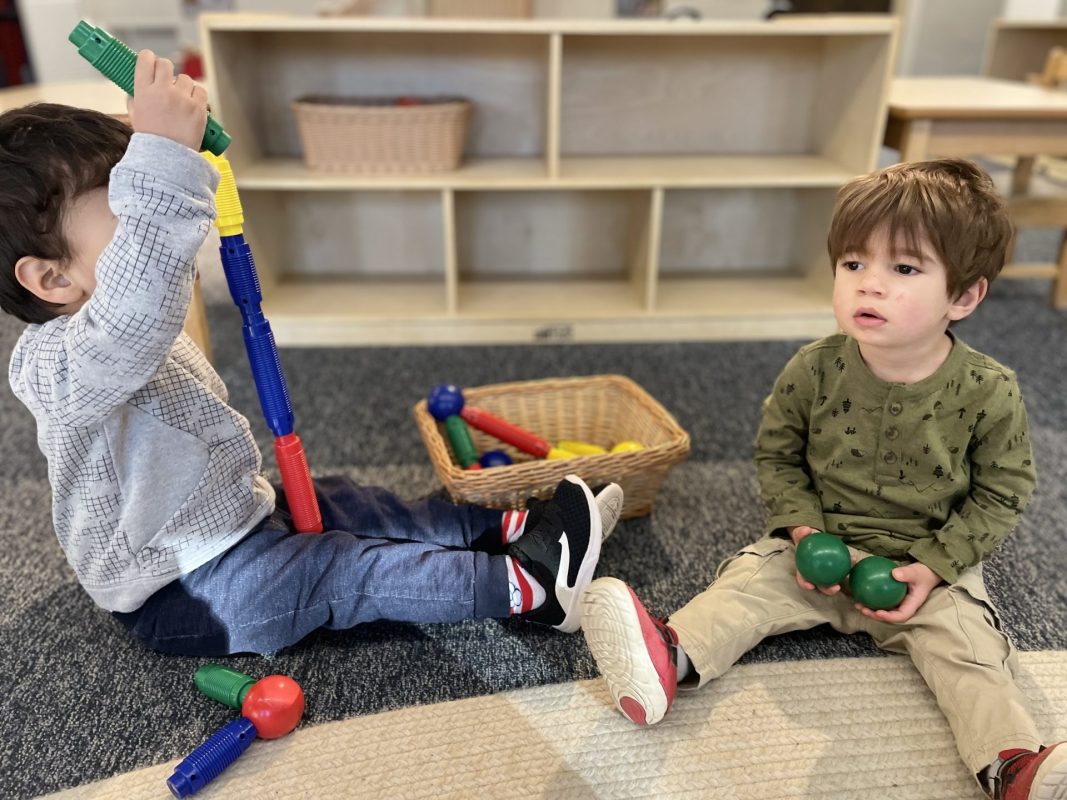
One of the main advantages of our prepared environment is the opportunity for children to move freely! Children engage with the materials for as long as they want and are able to choose activities that perfect different skills – all while they think they are just playing!

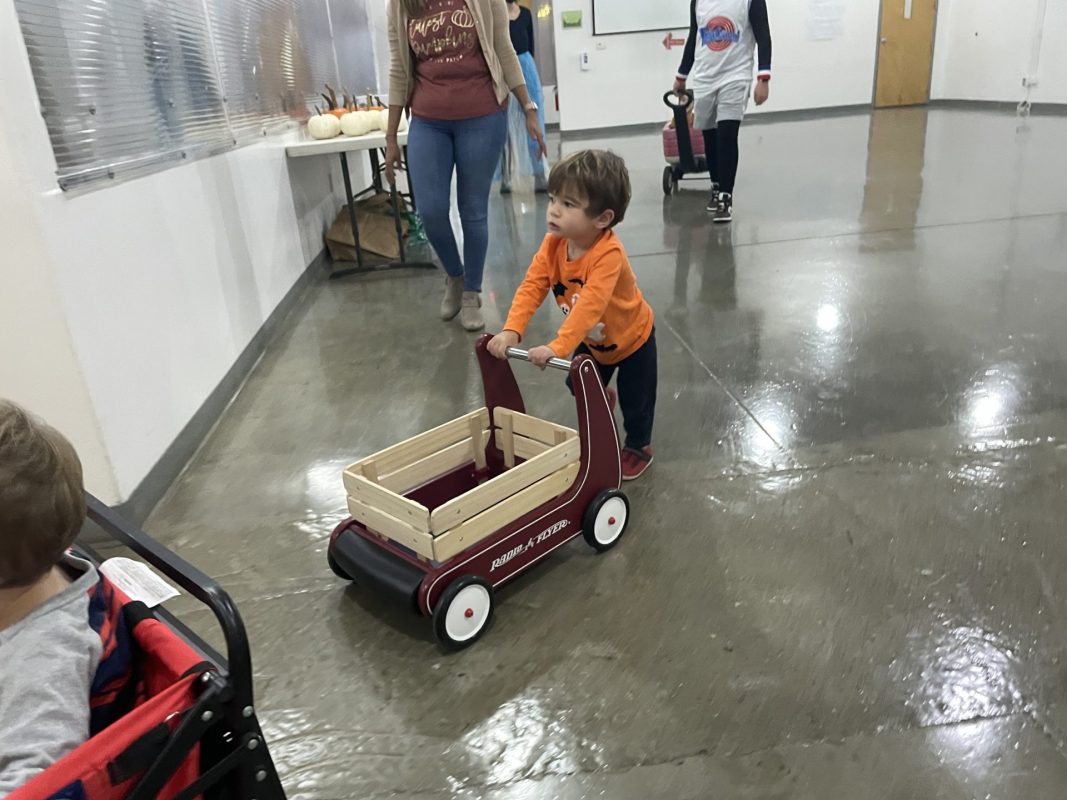
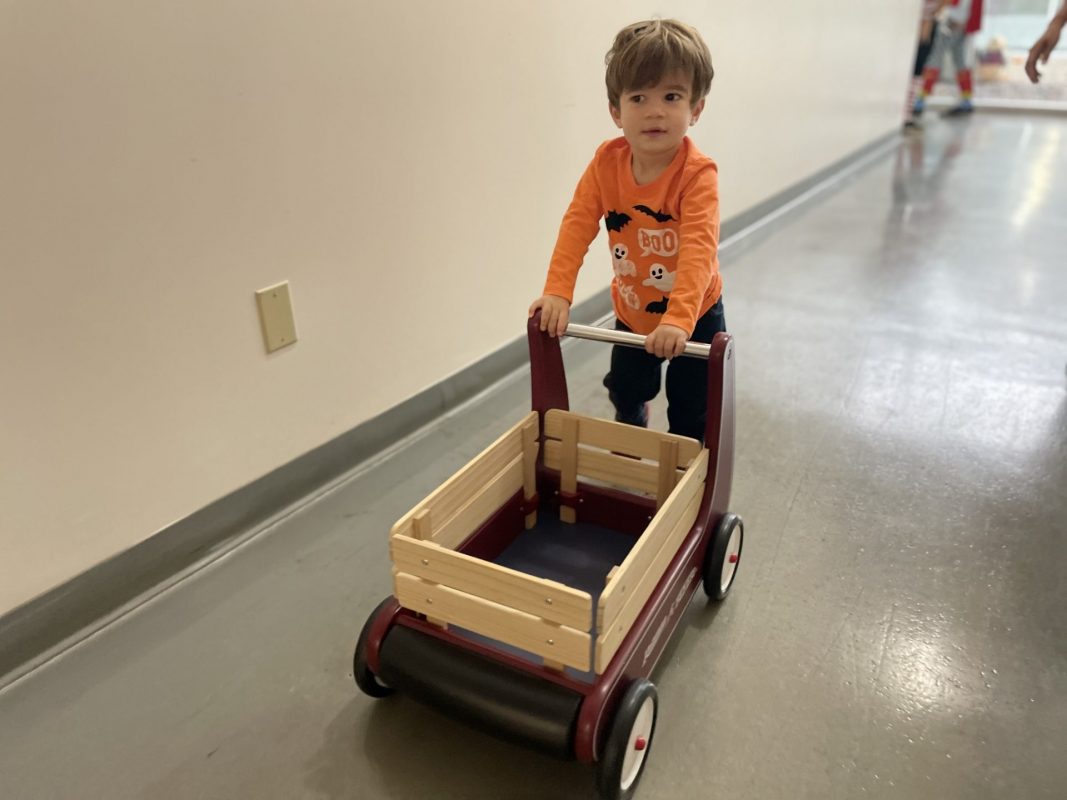
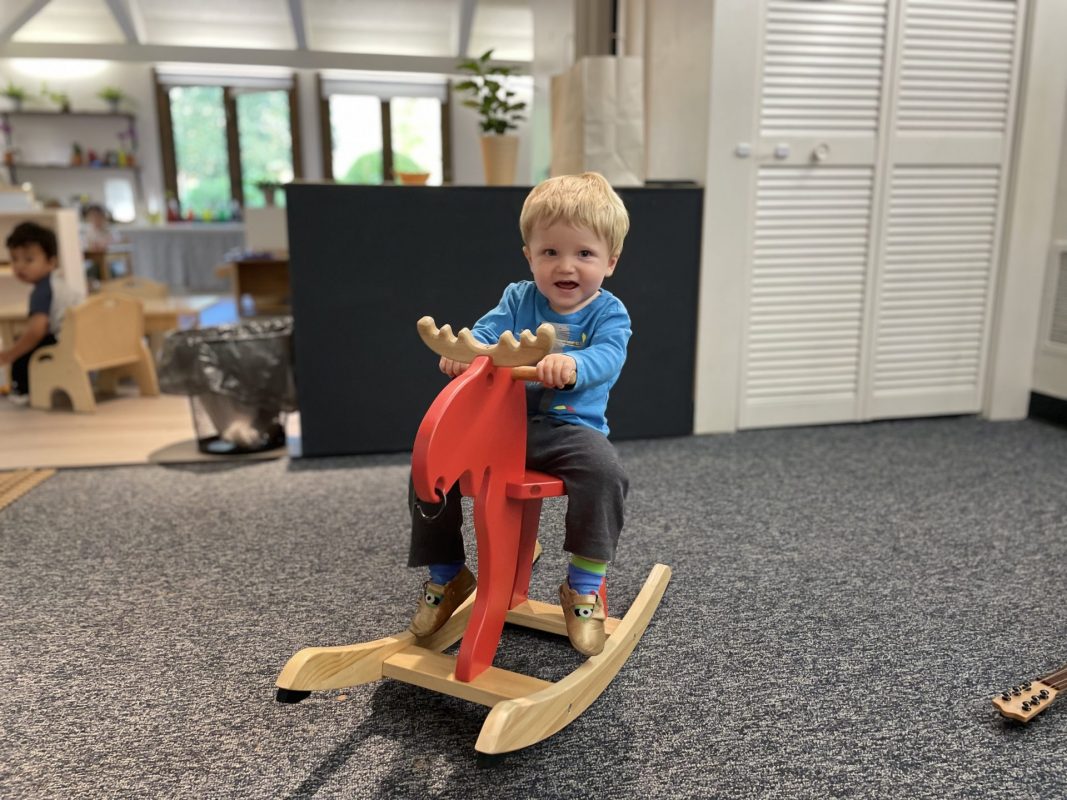
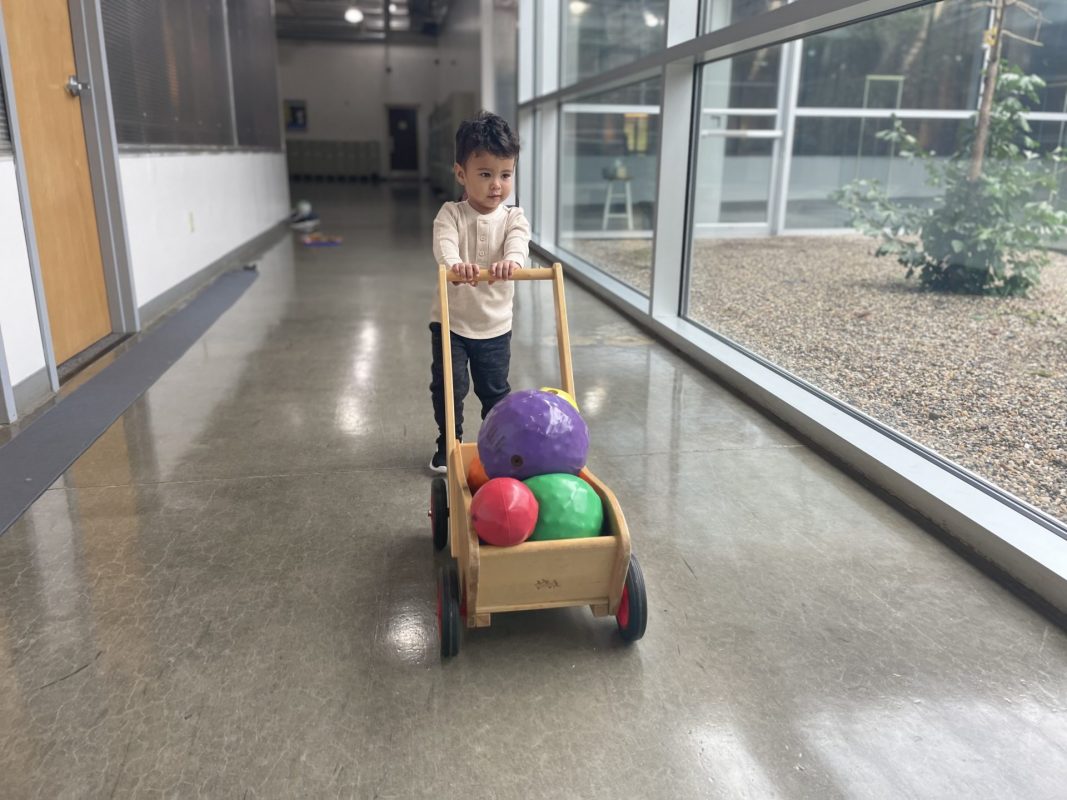
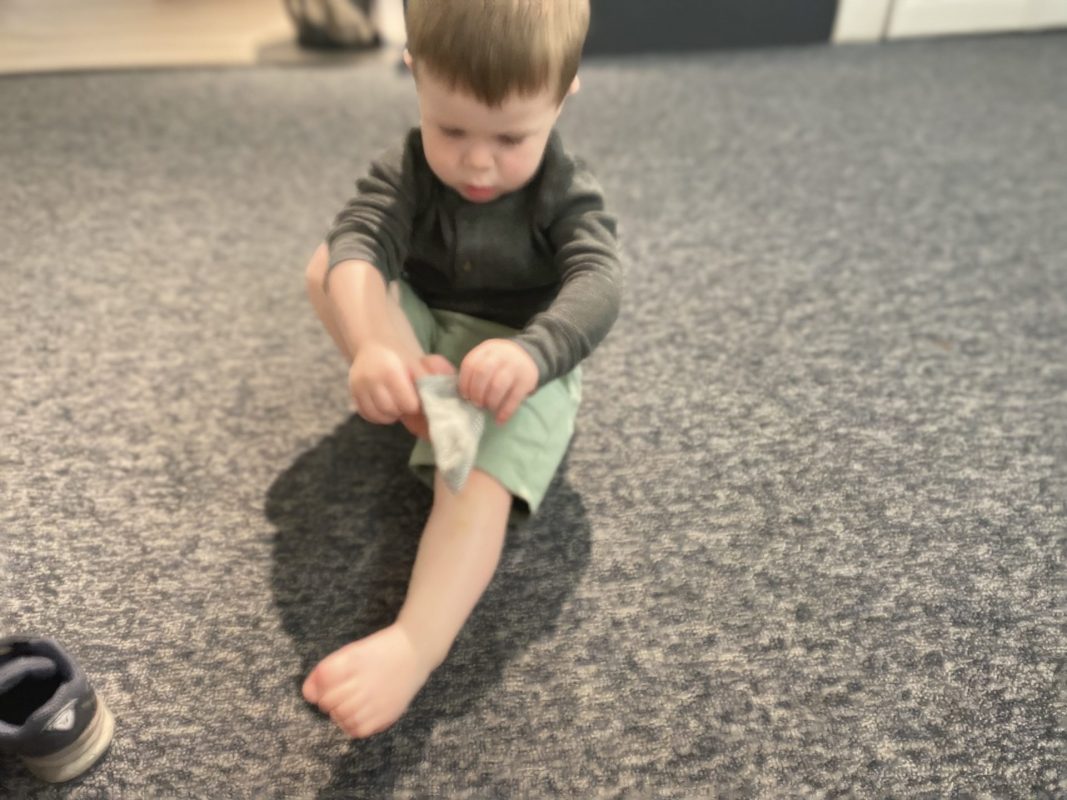
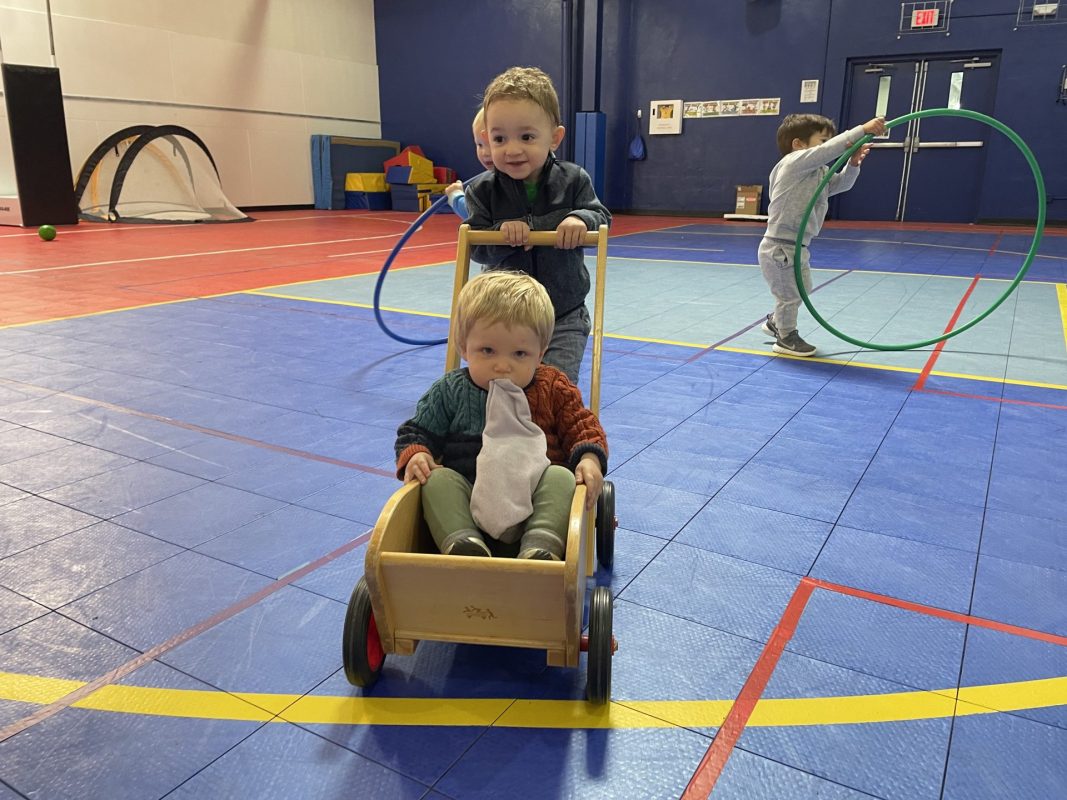
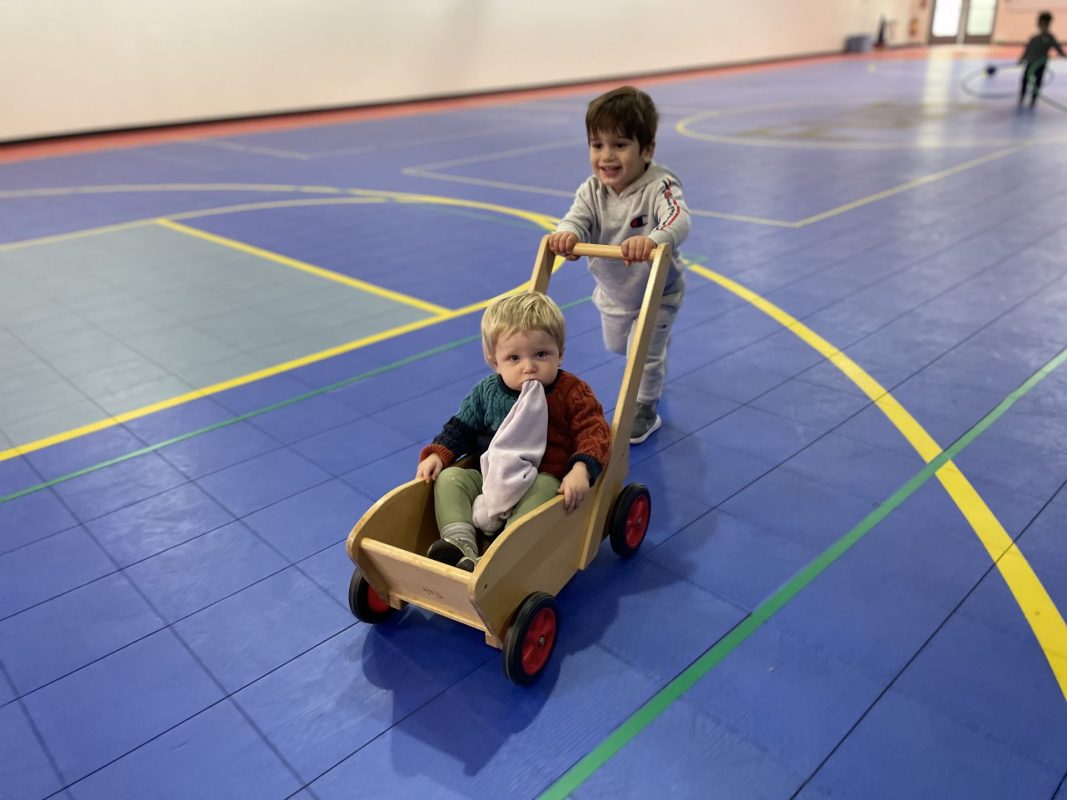
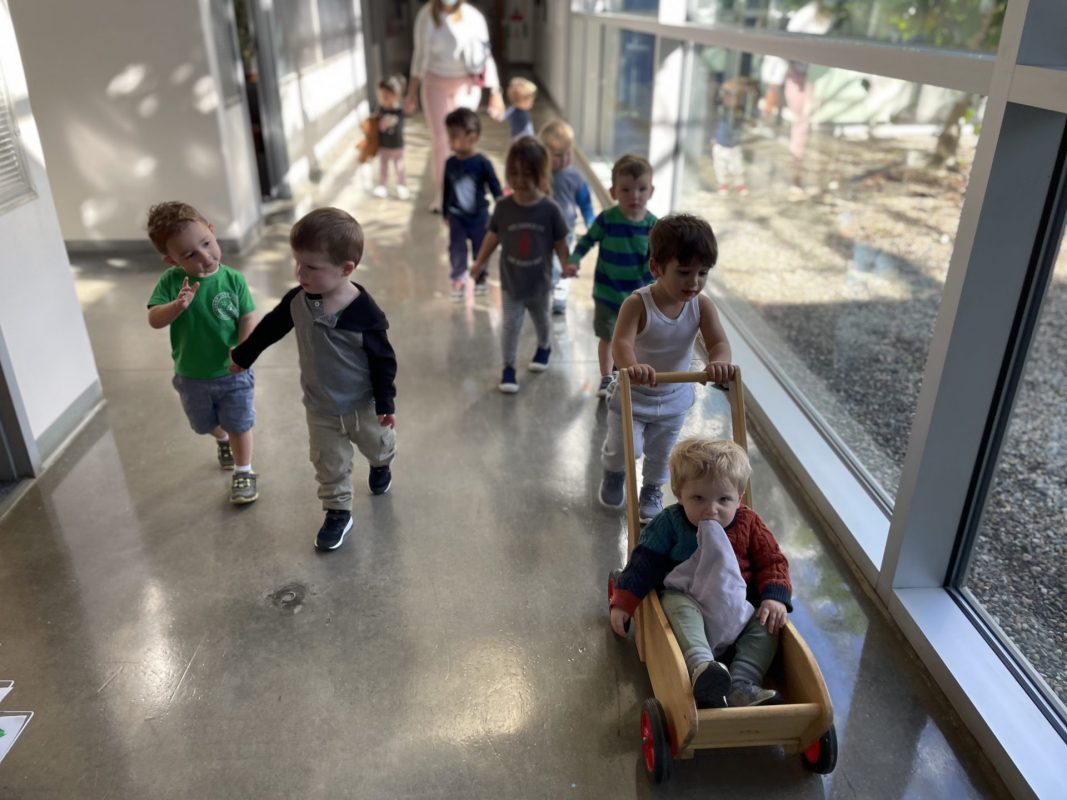
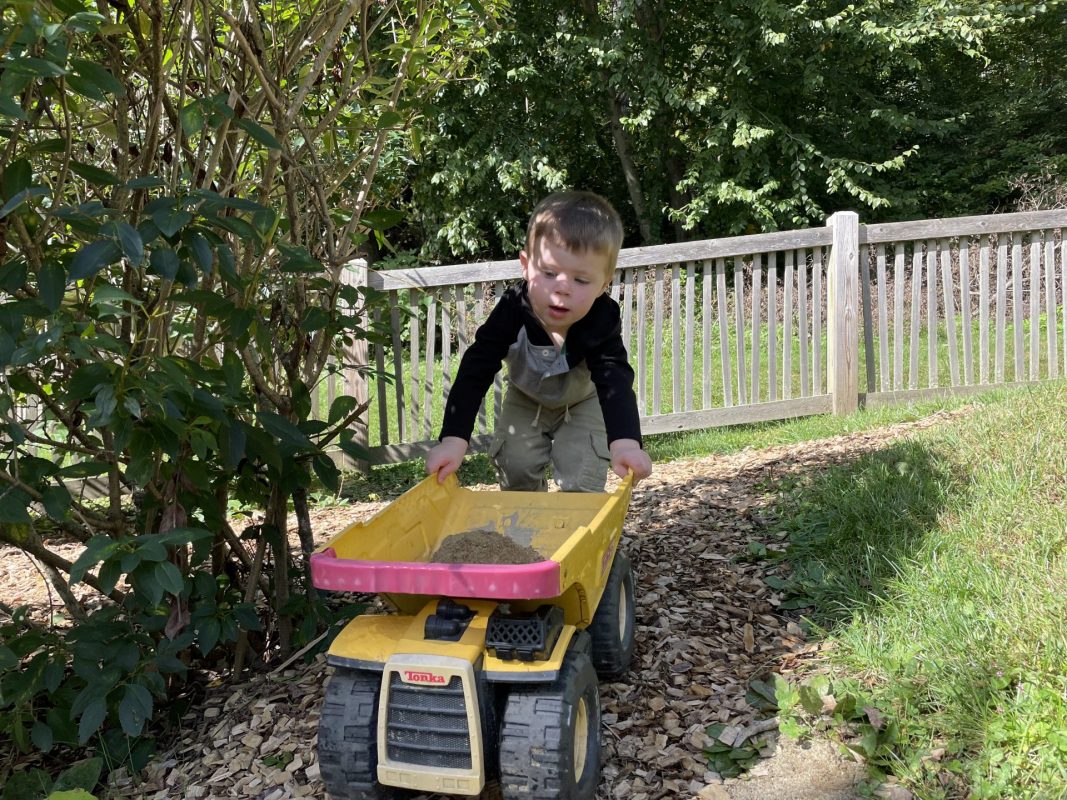
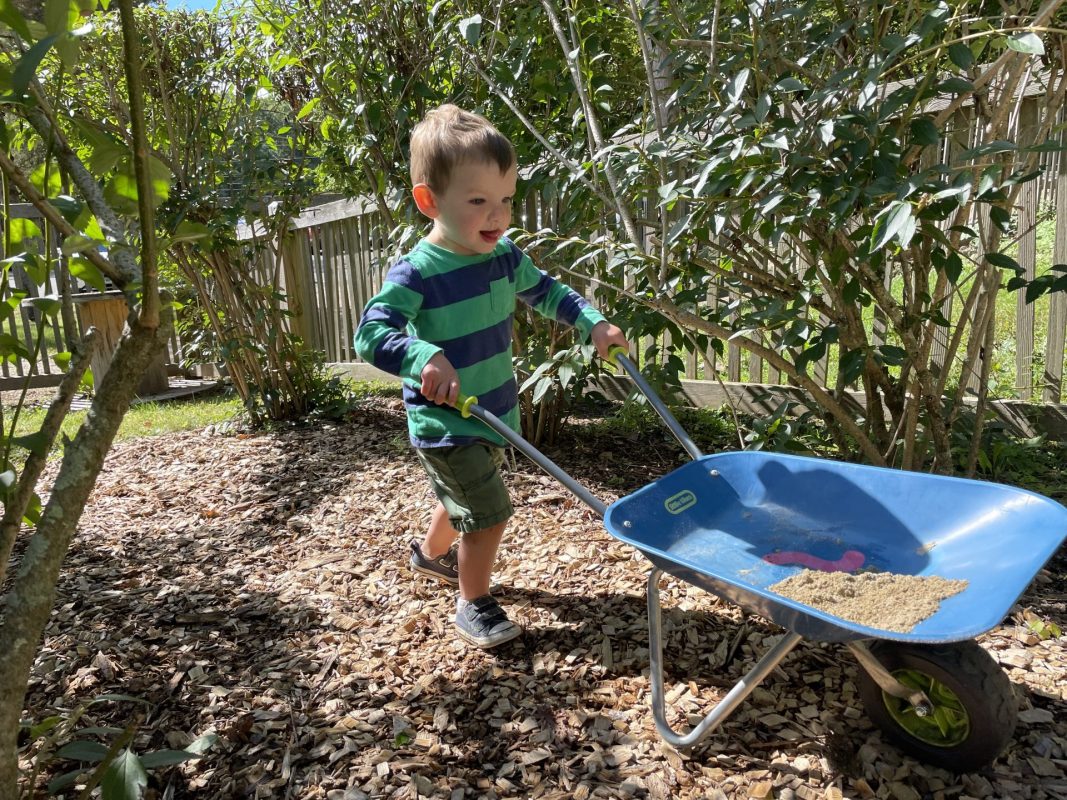
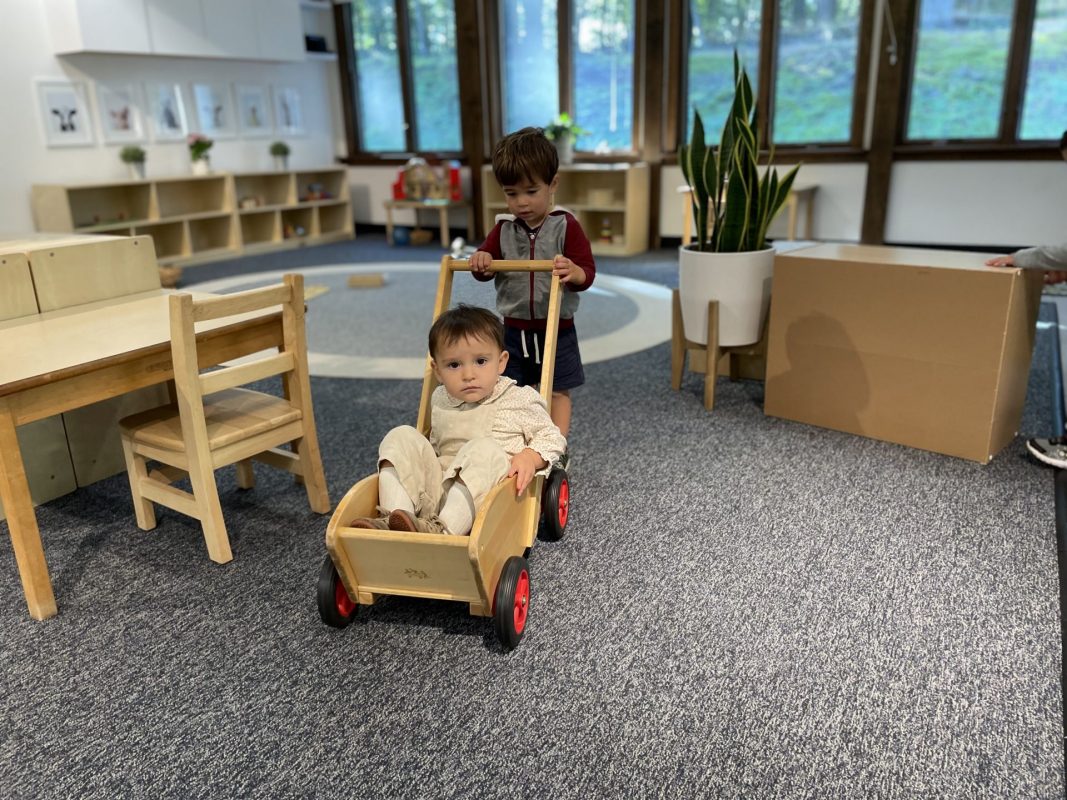
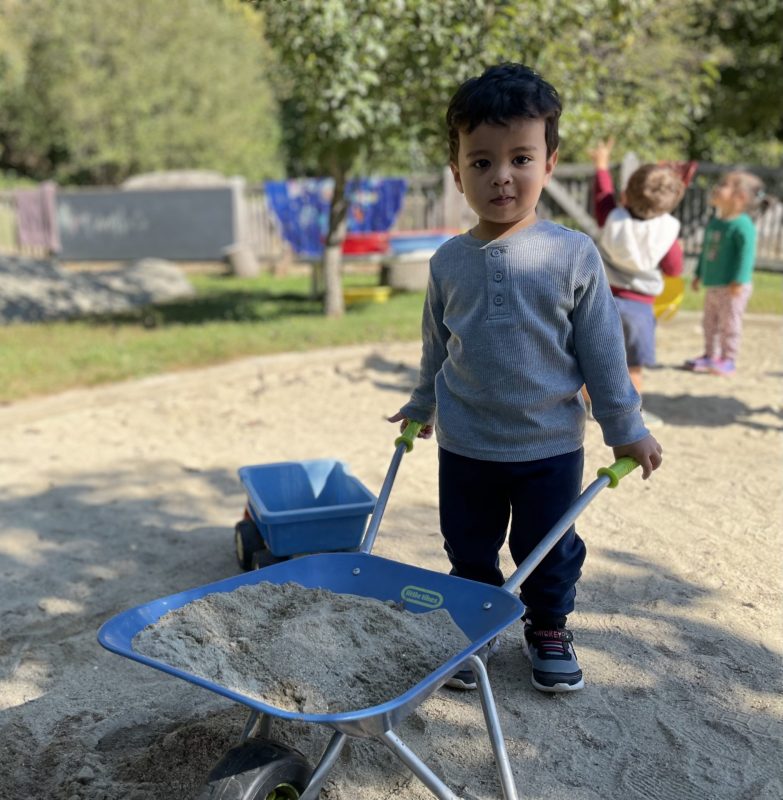
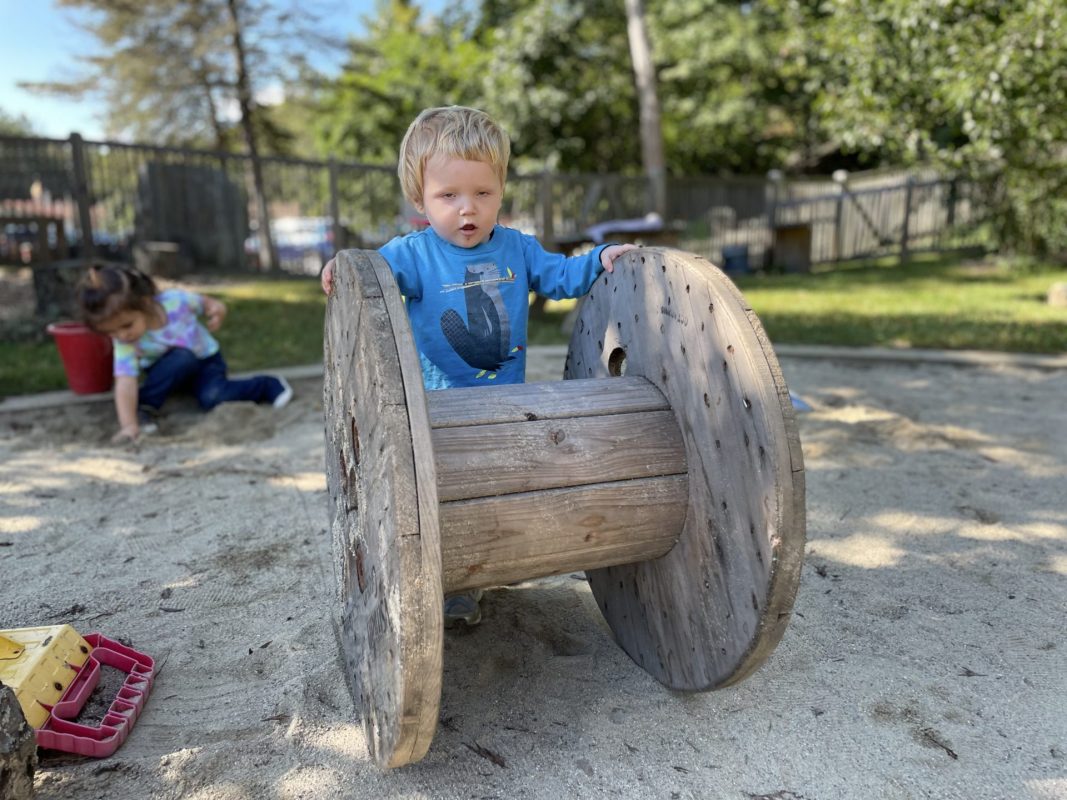
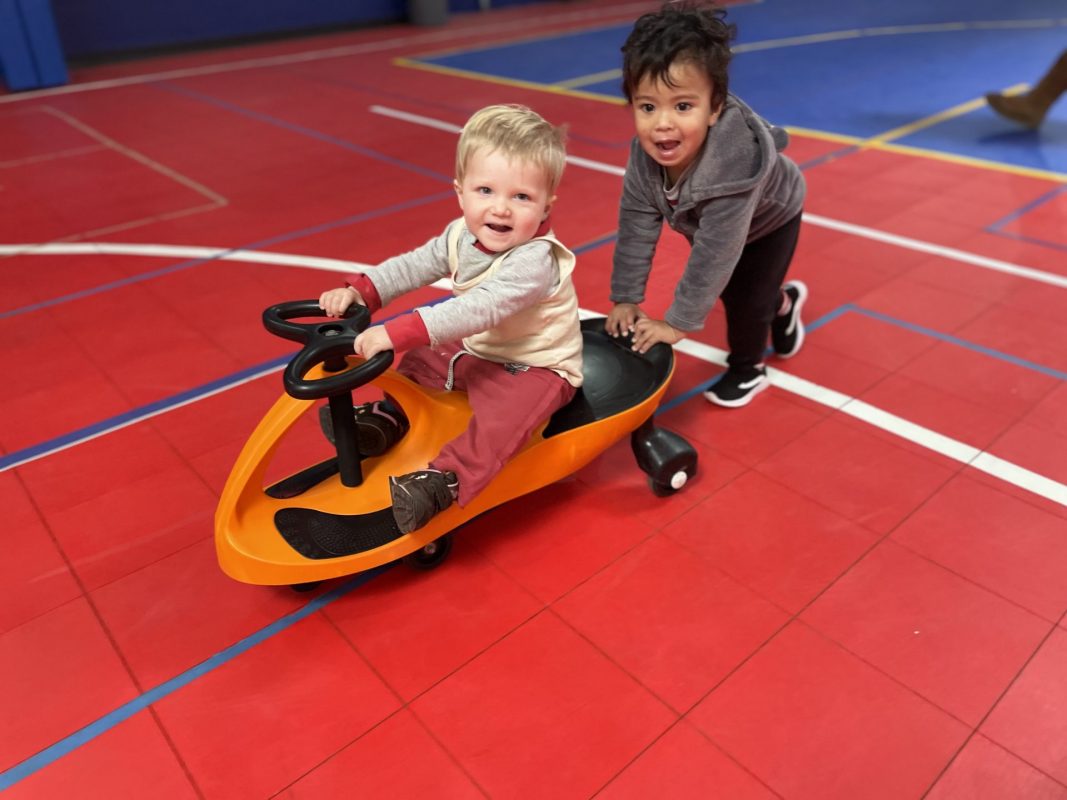
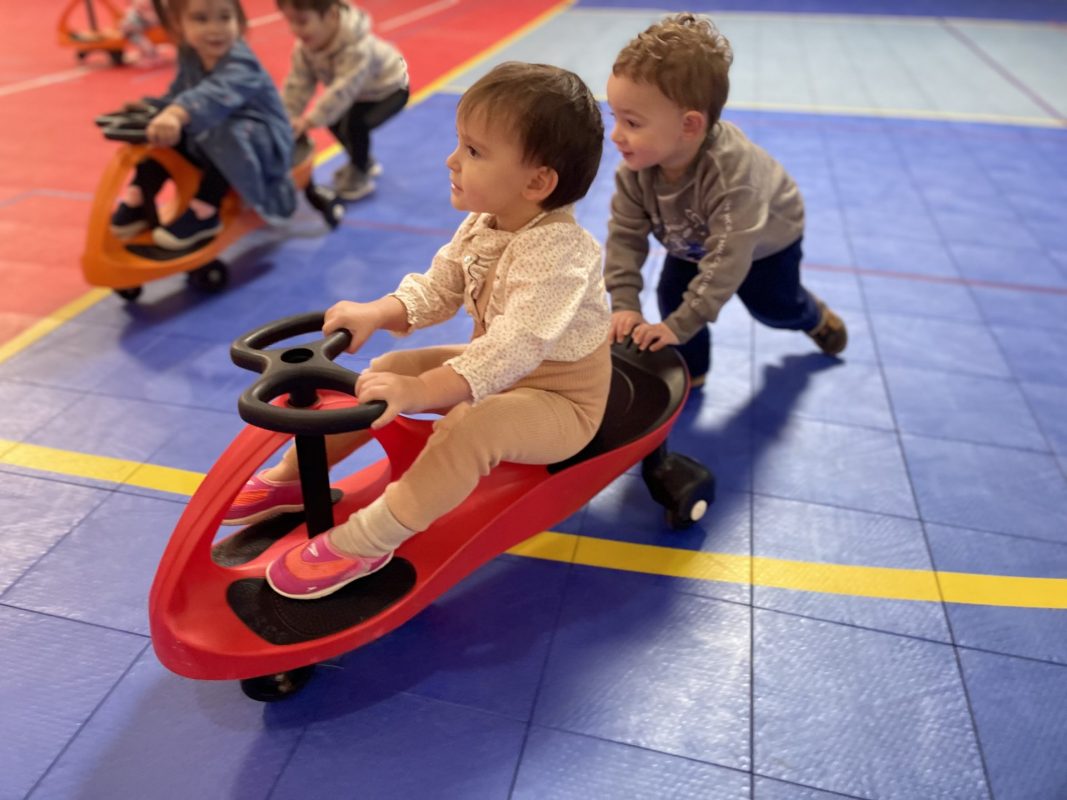
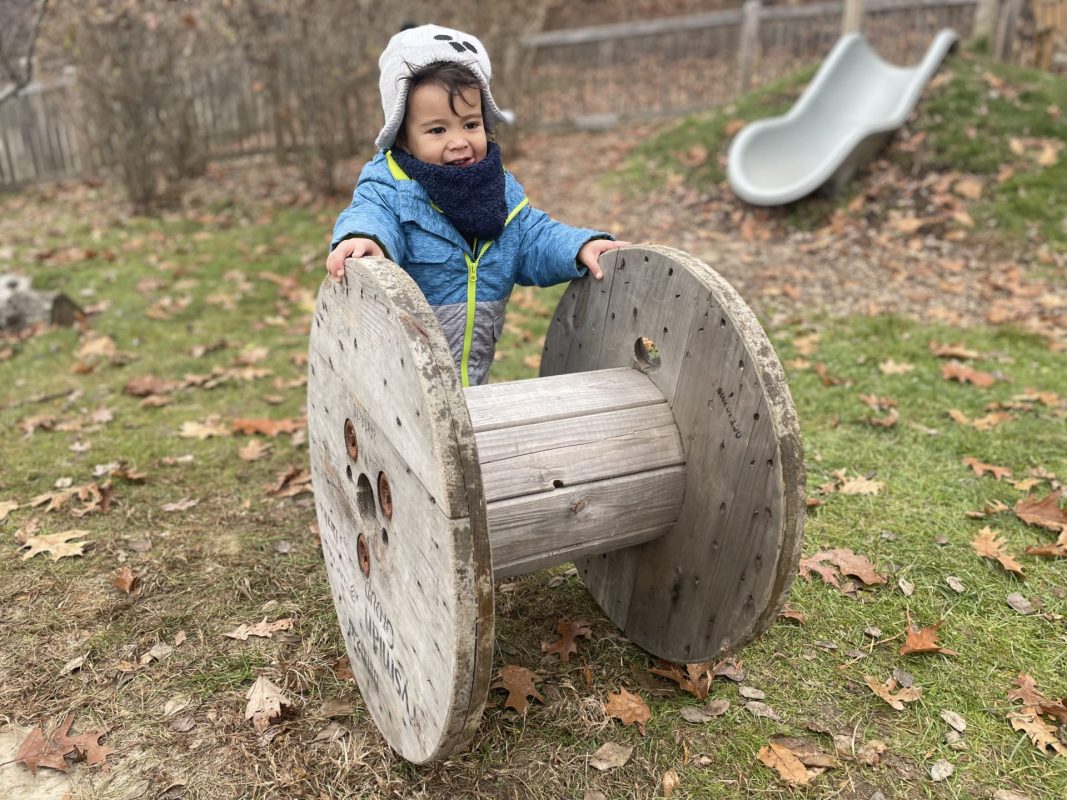
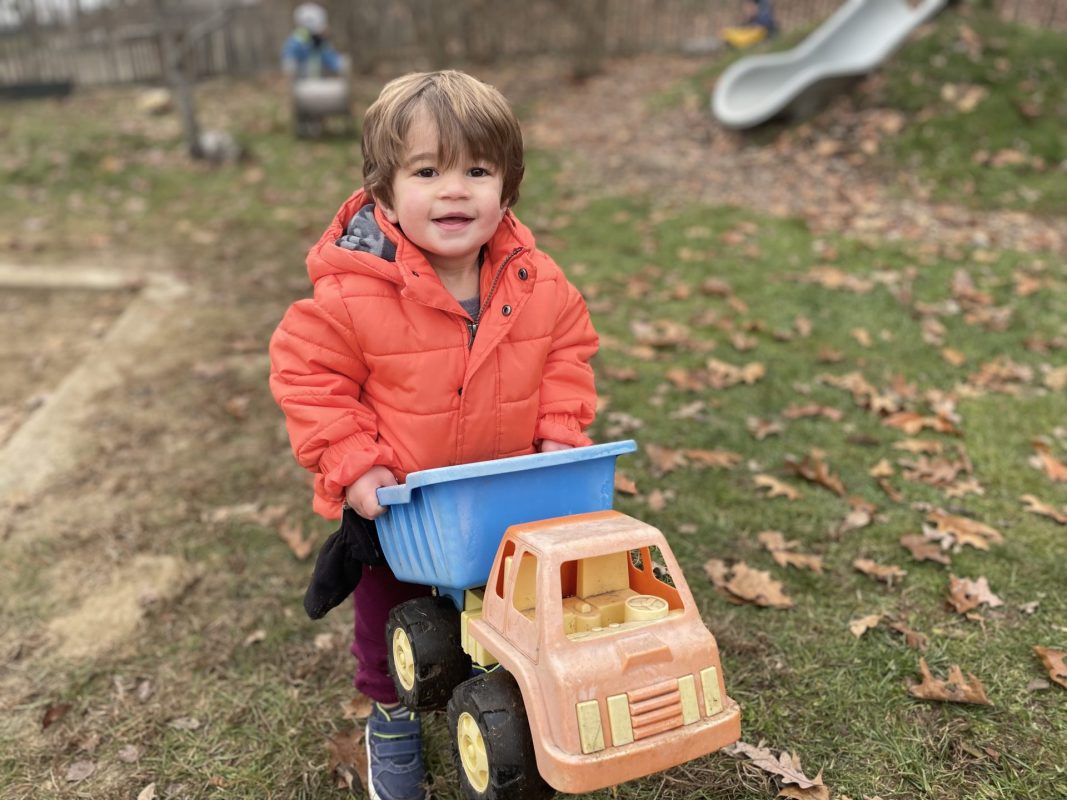
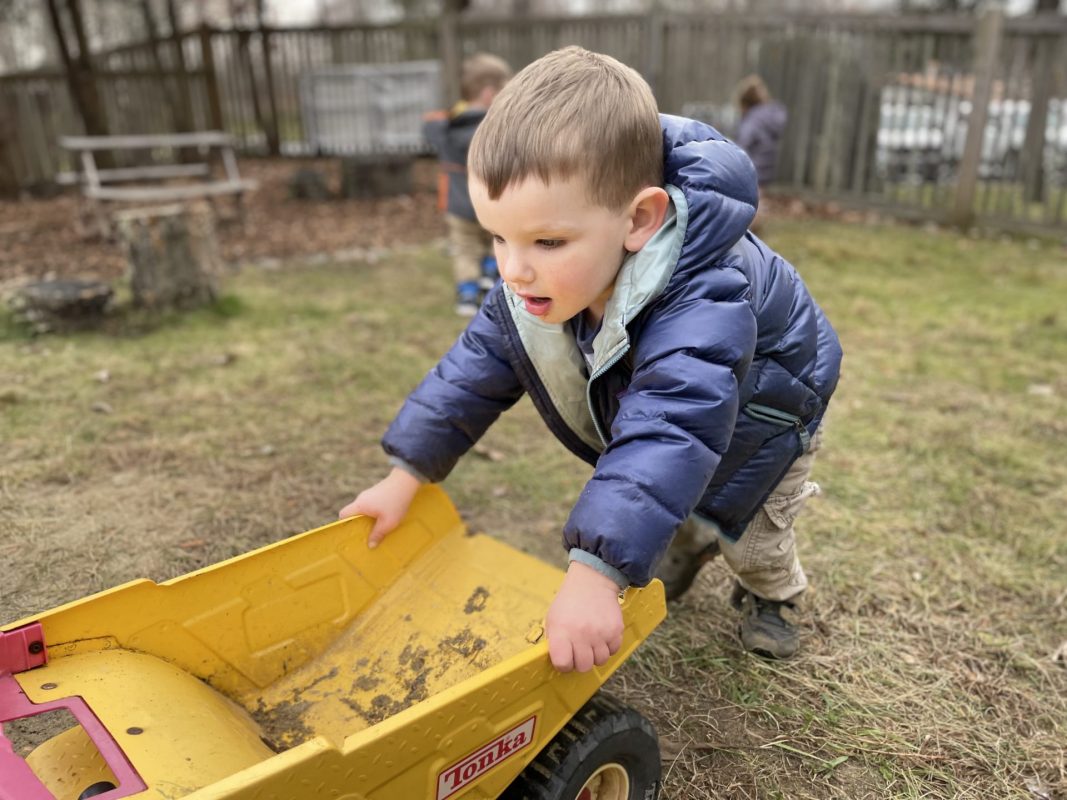
As toddlers have an inner need to reach their maximum effort, hand-powered materials that build upper body and arm strength as well as develop cardiovascular health are VERY important. In the classroom your toddler fulfills this need using different materials. One of them is a heavy wagon. Some of the children like to push it empty, others like to put some materials or heavy balls in it, and some children really enjoy asking their friends to hop on so they can give them a ride around the environment. The calmness we observe after a child has exercised using these tools are just so great!

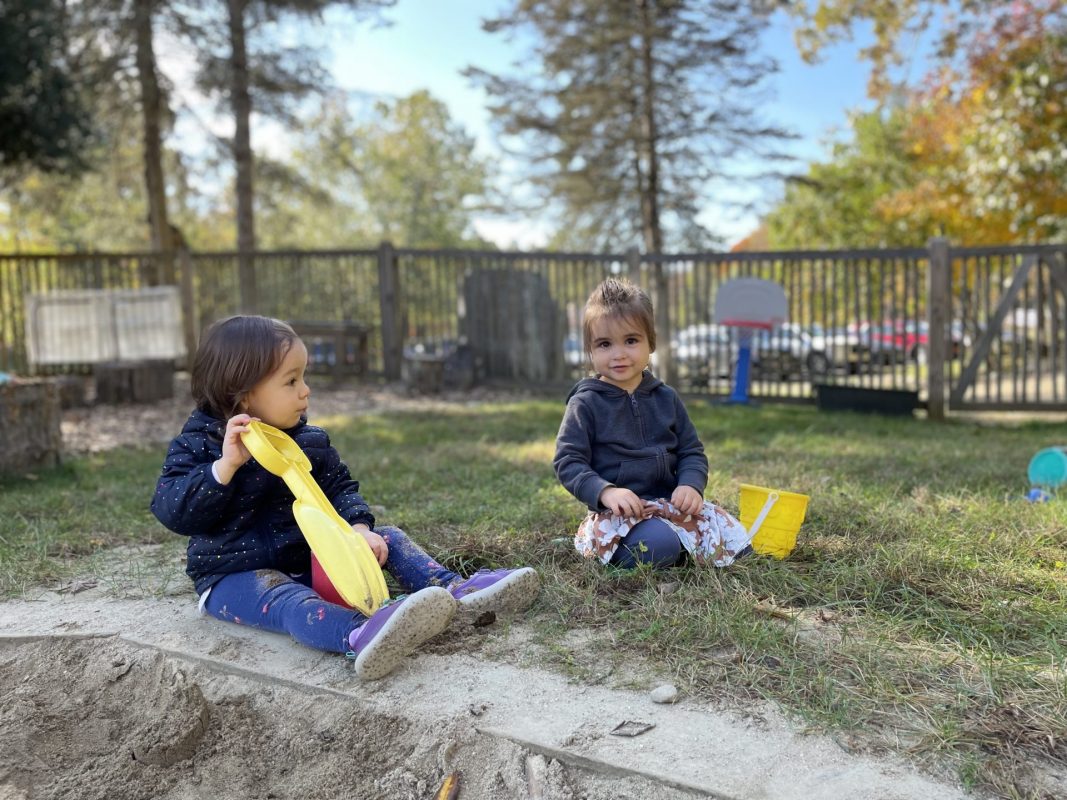
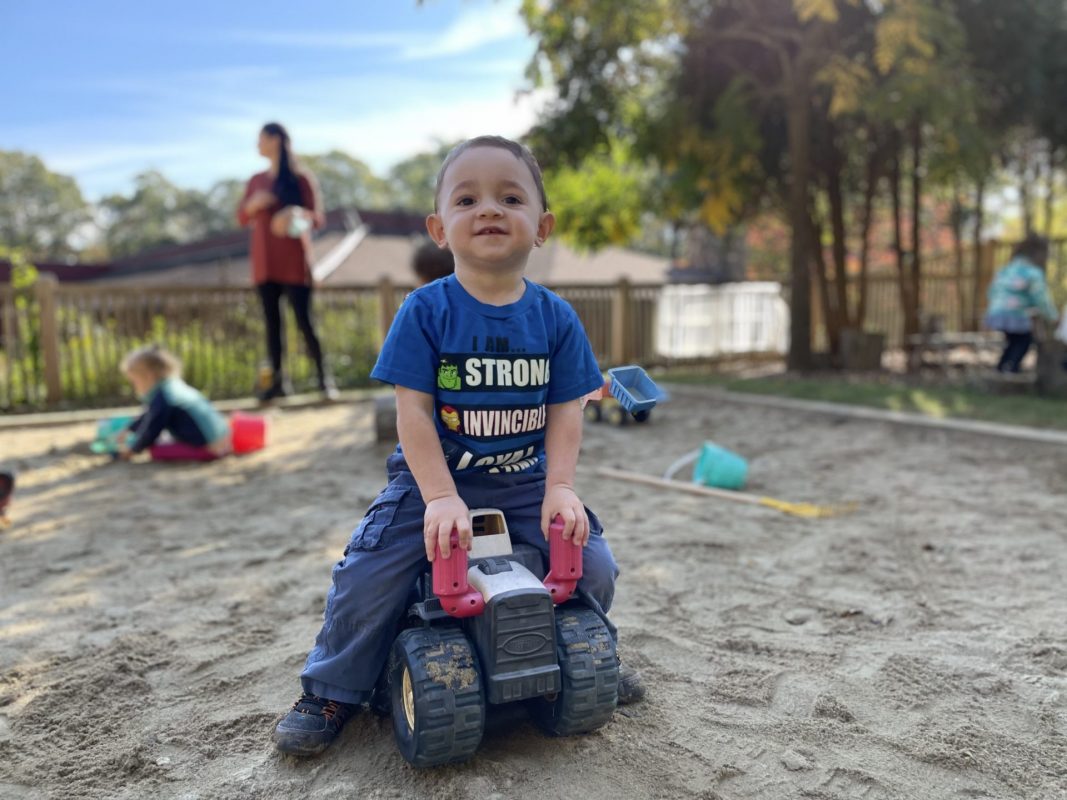
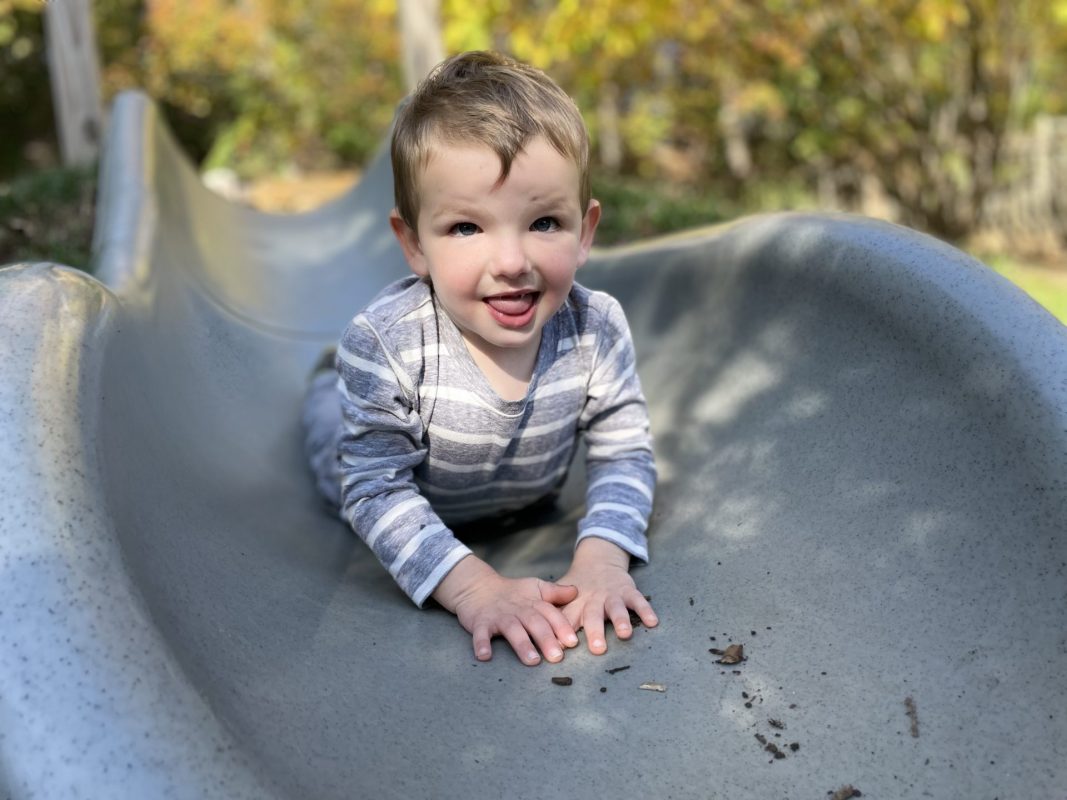
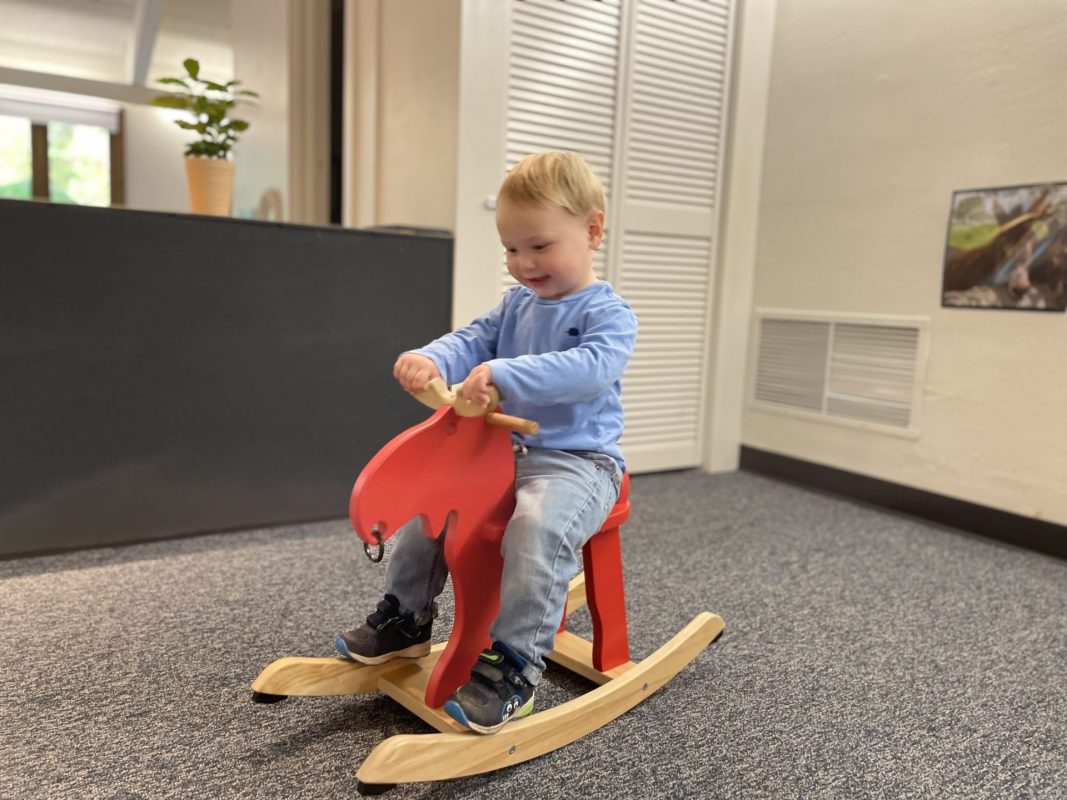
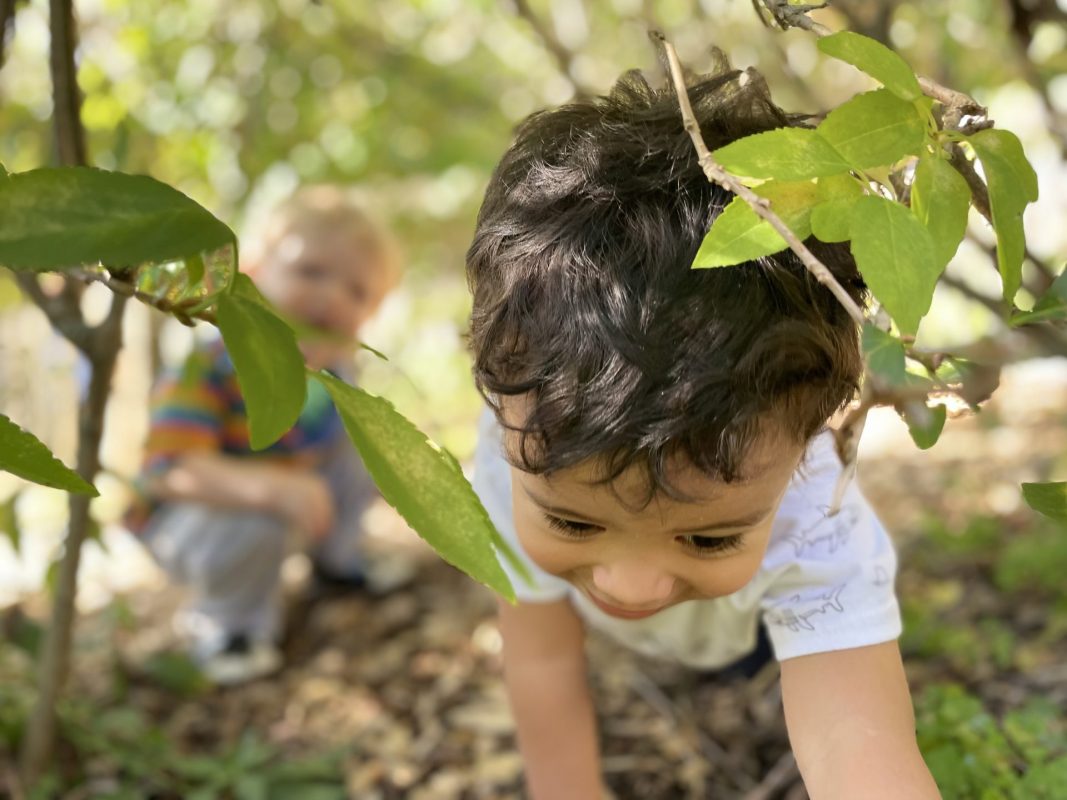
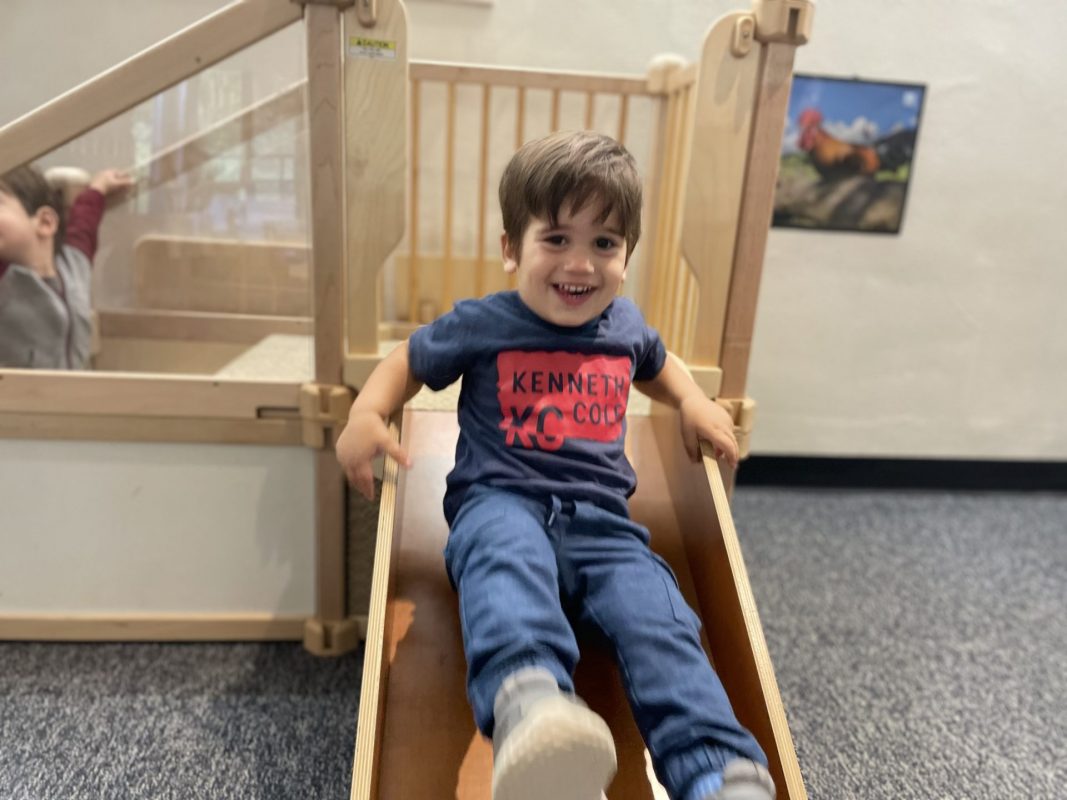
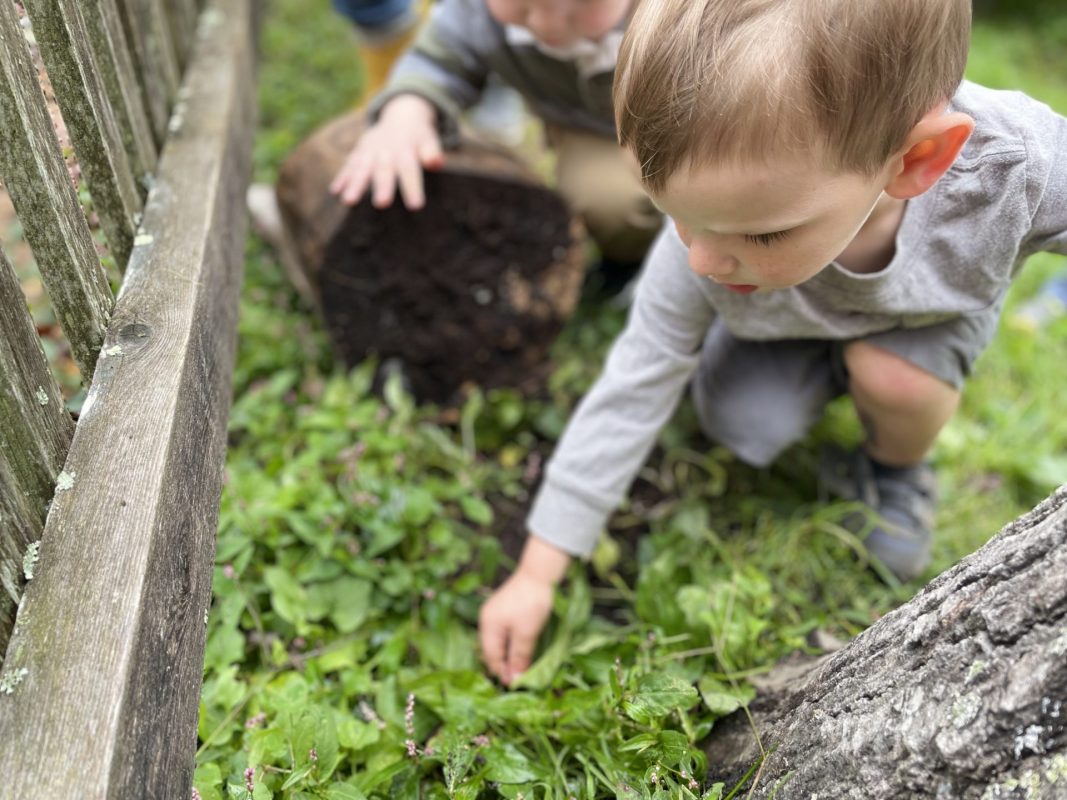
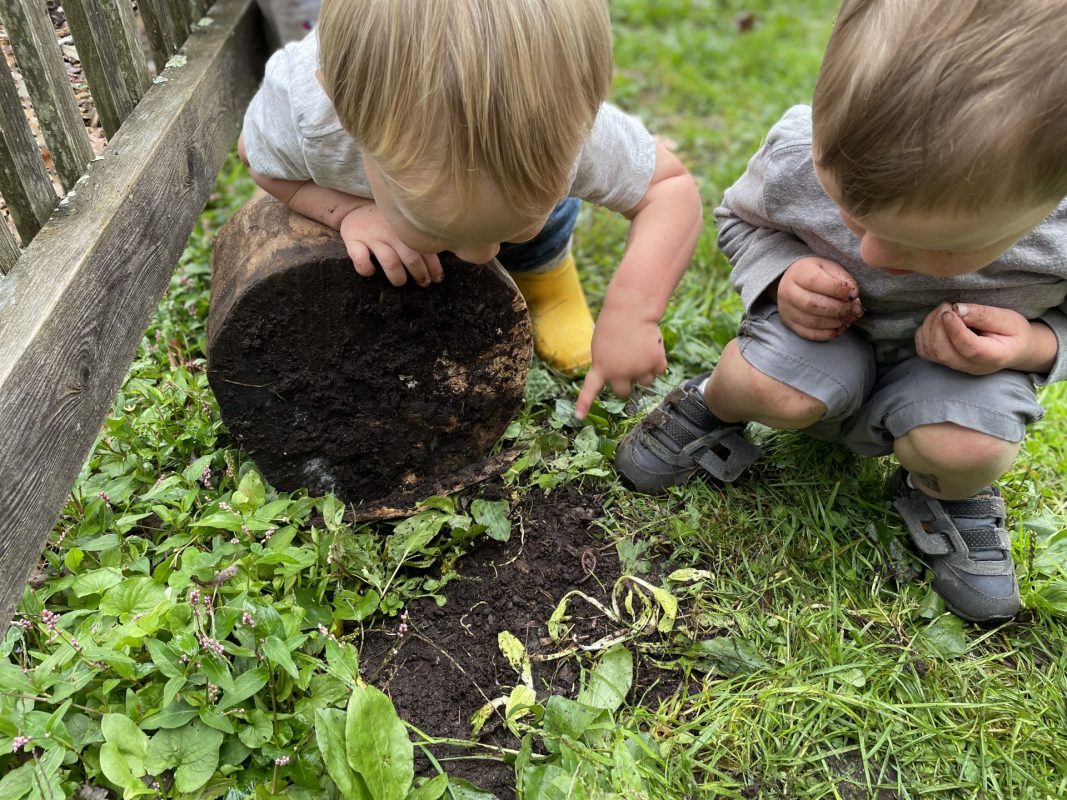
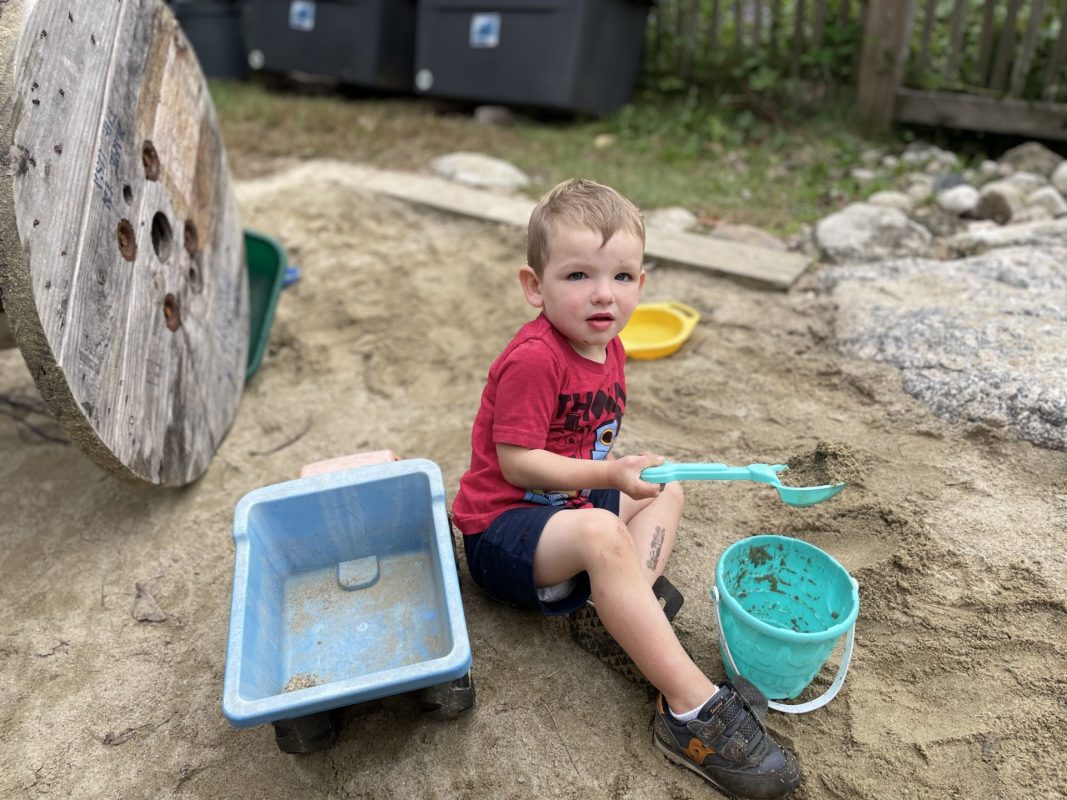
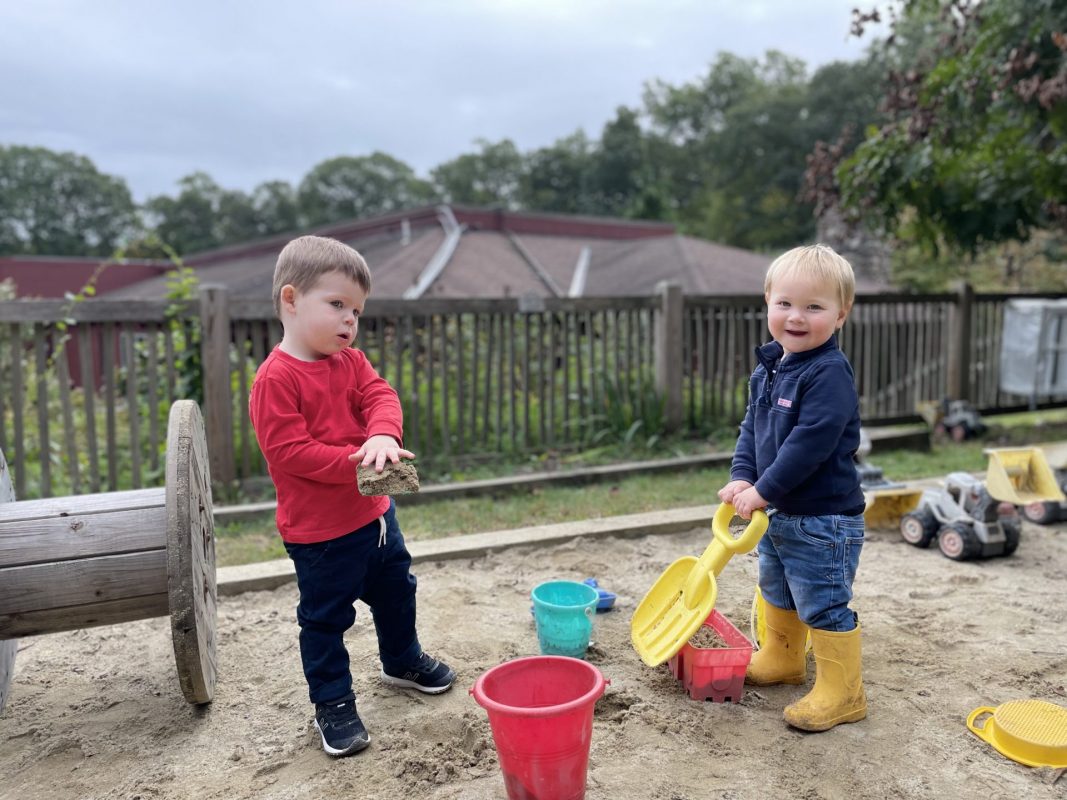
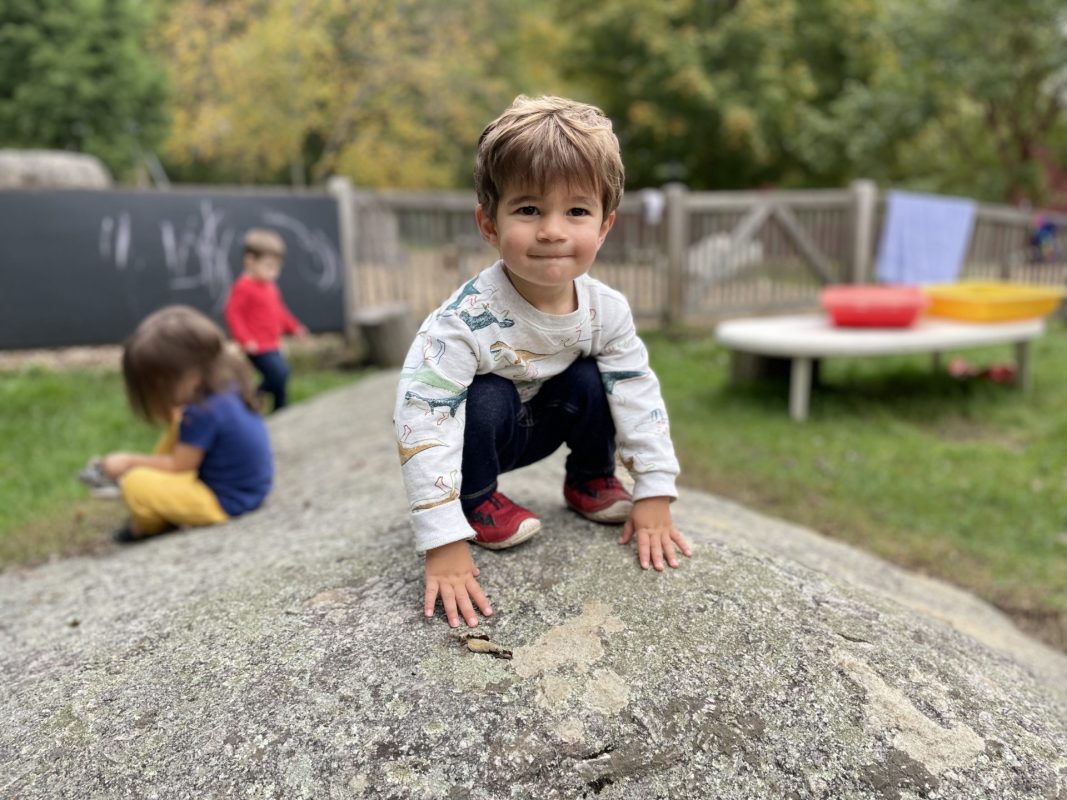
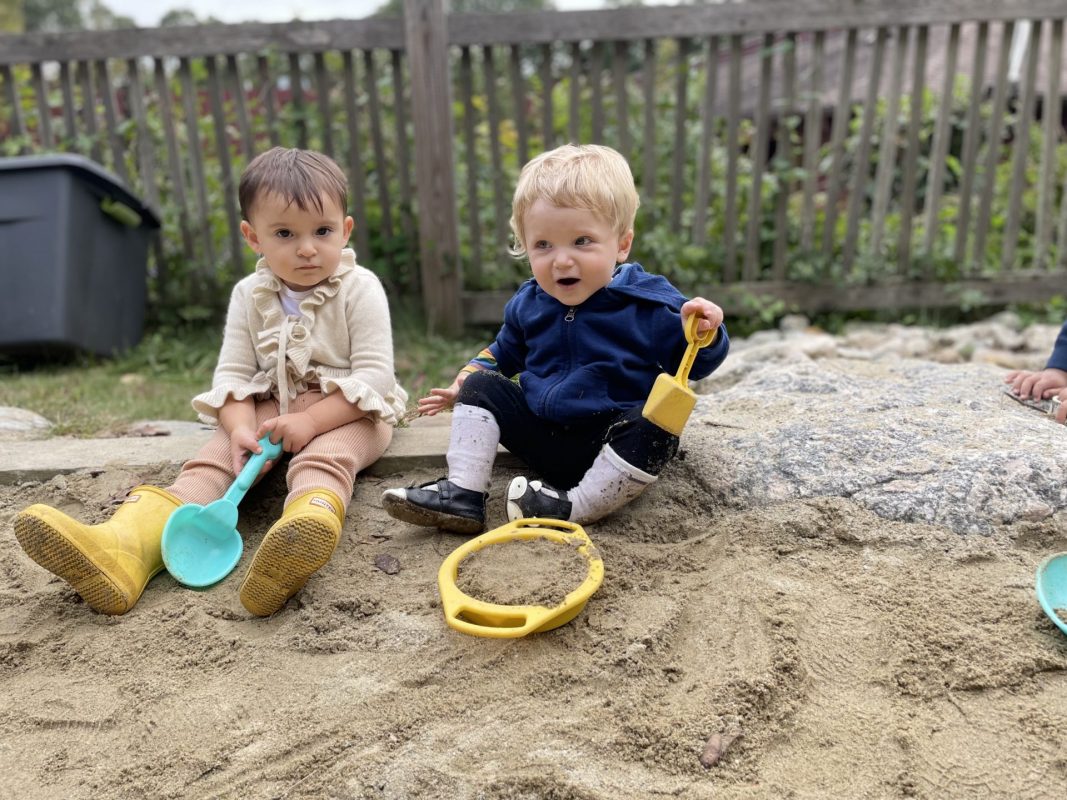
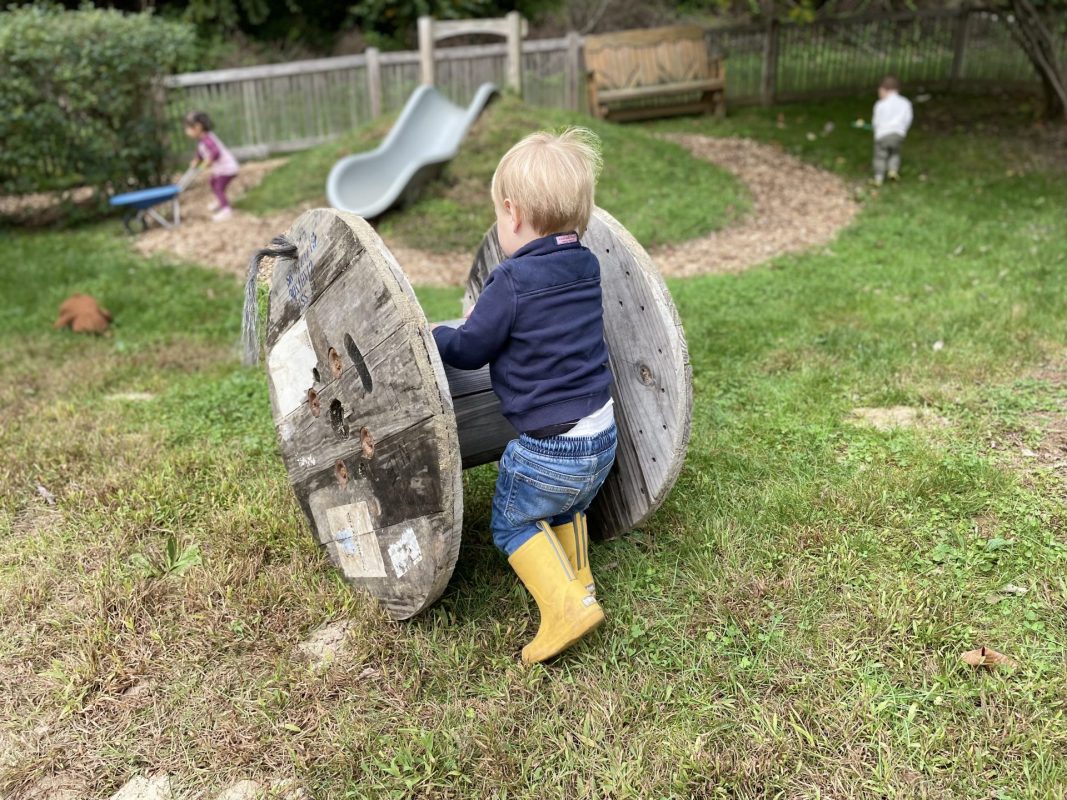
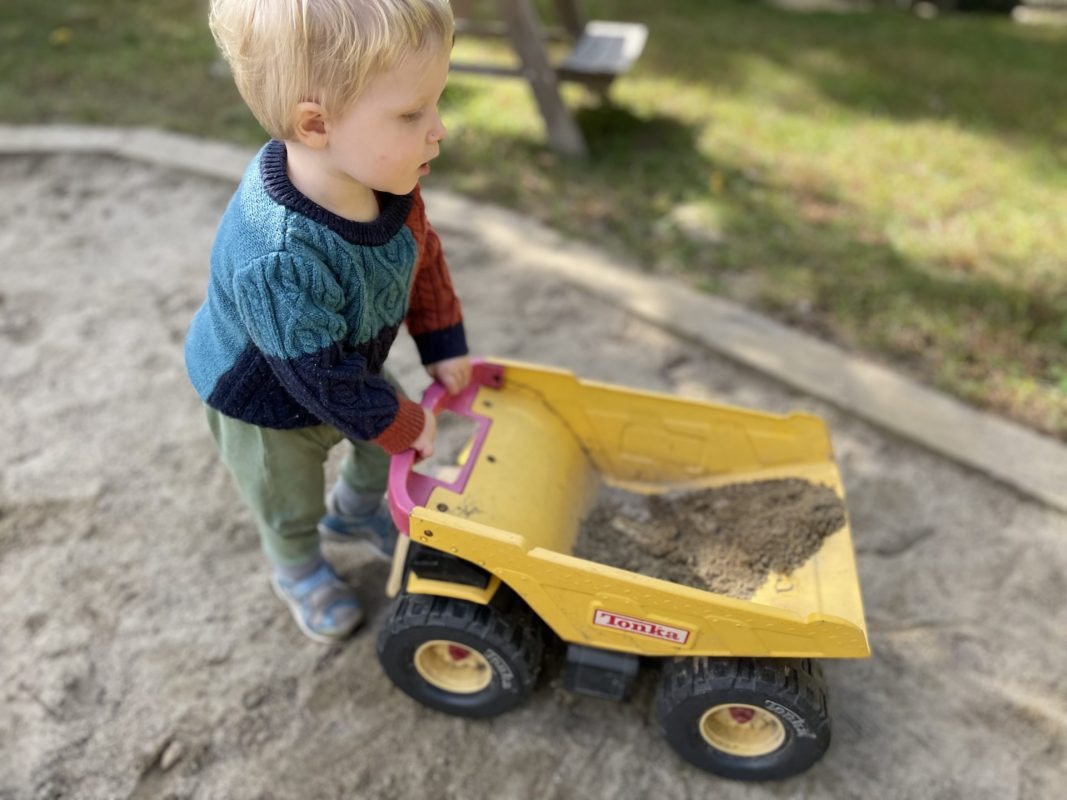
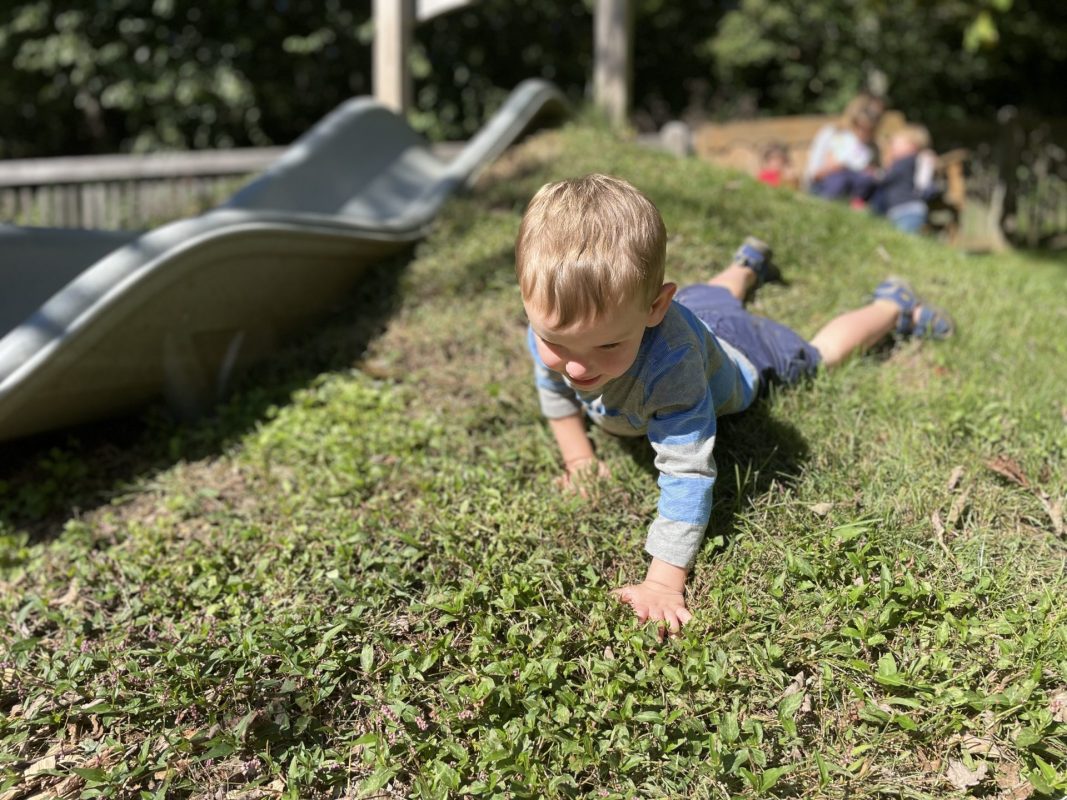
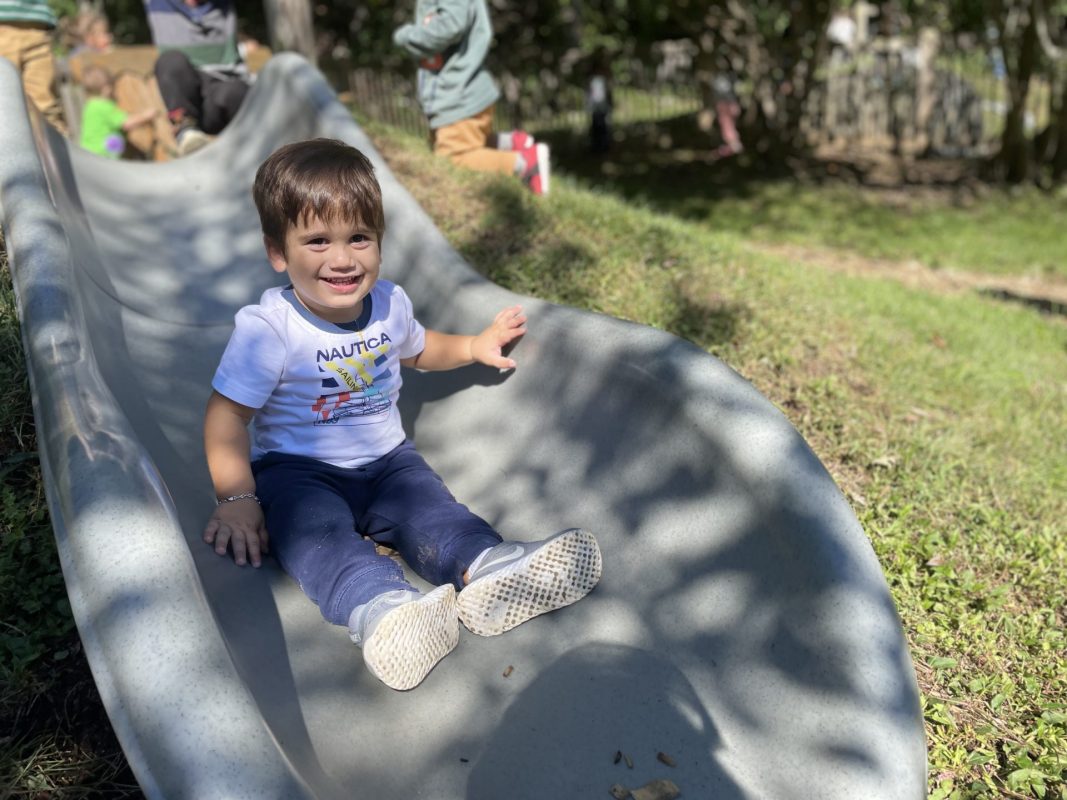
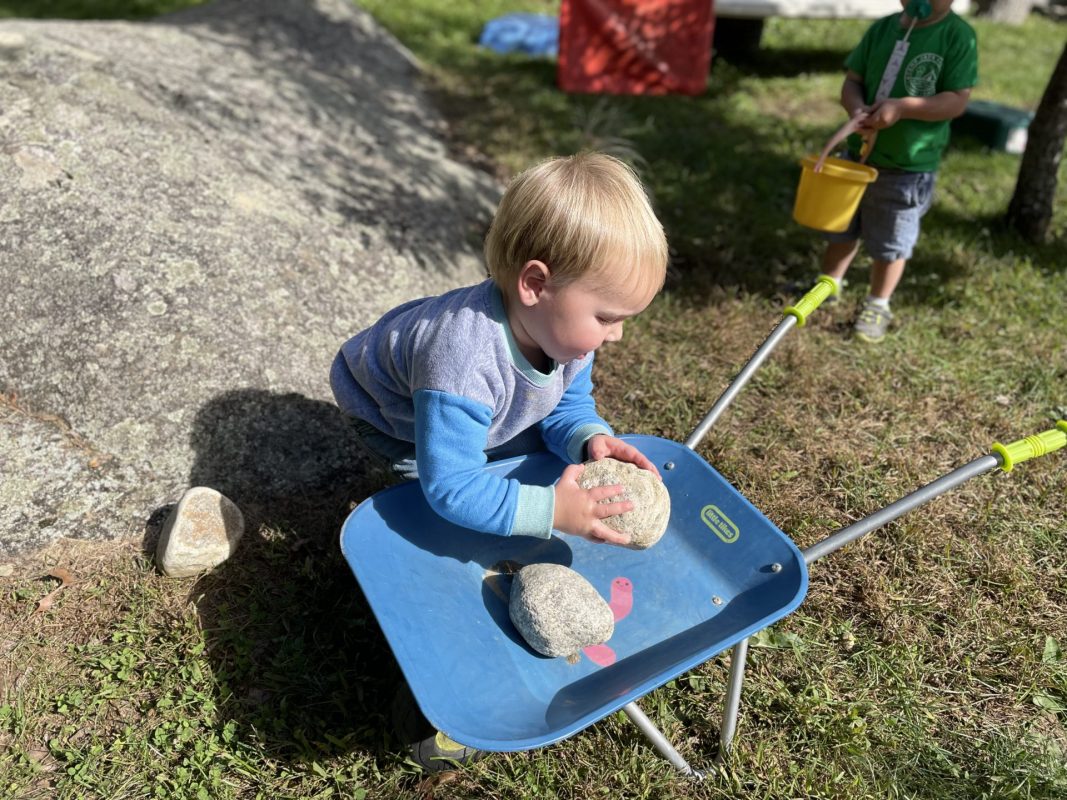
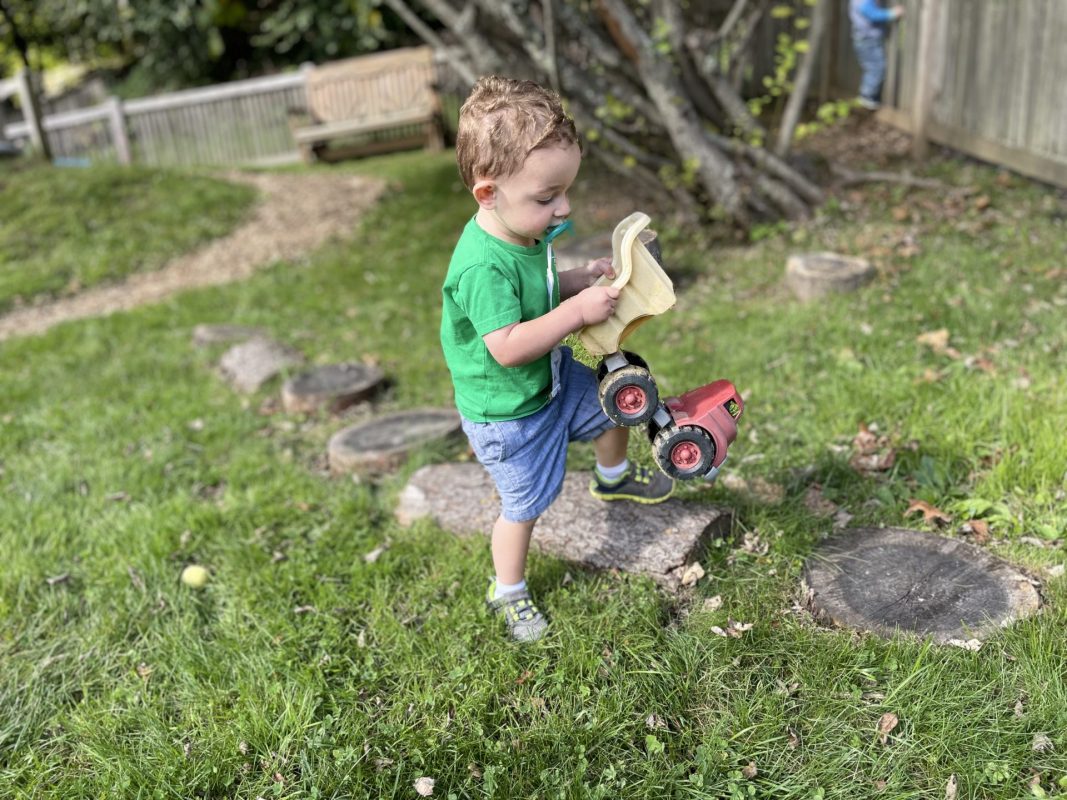
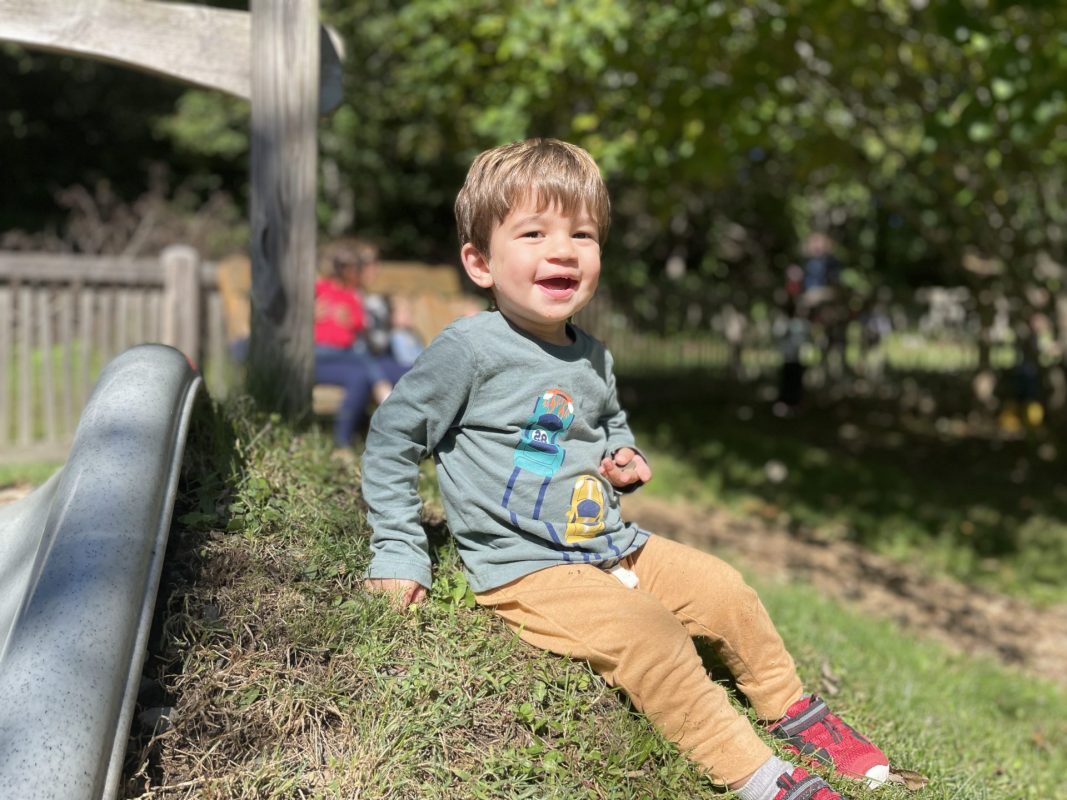
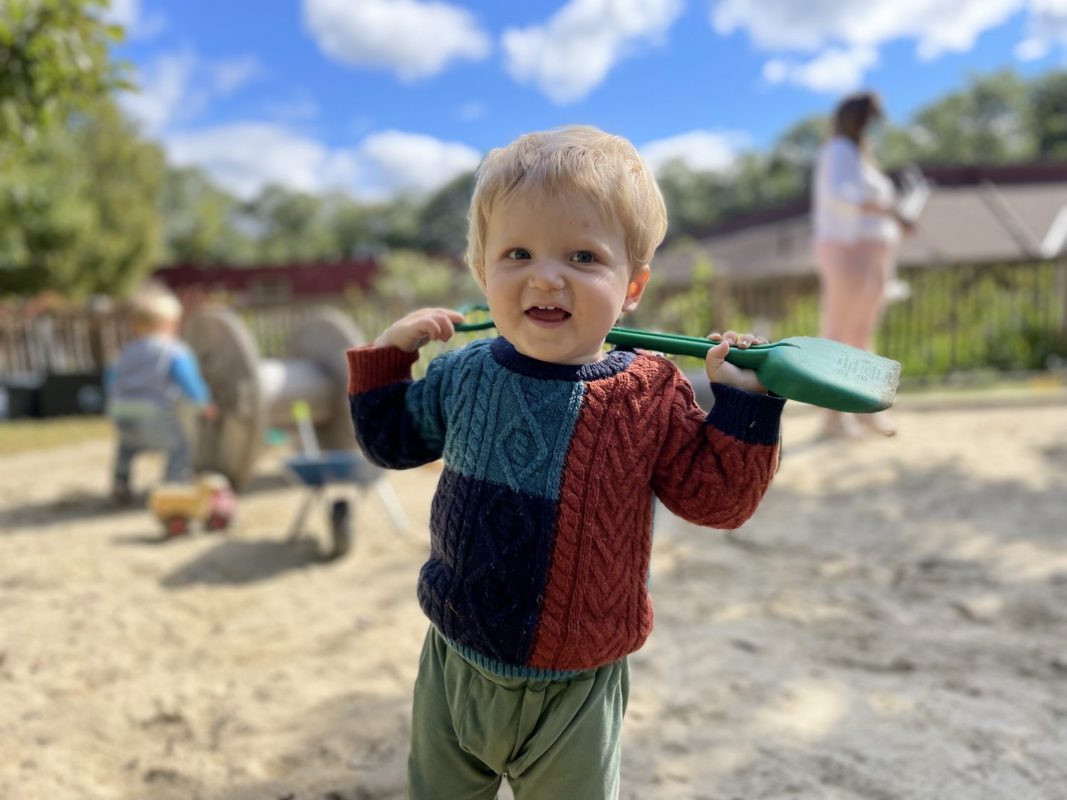
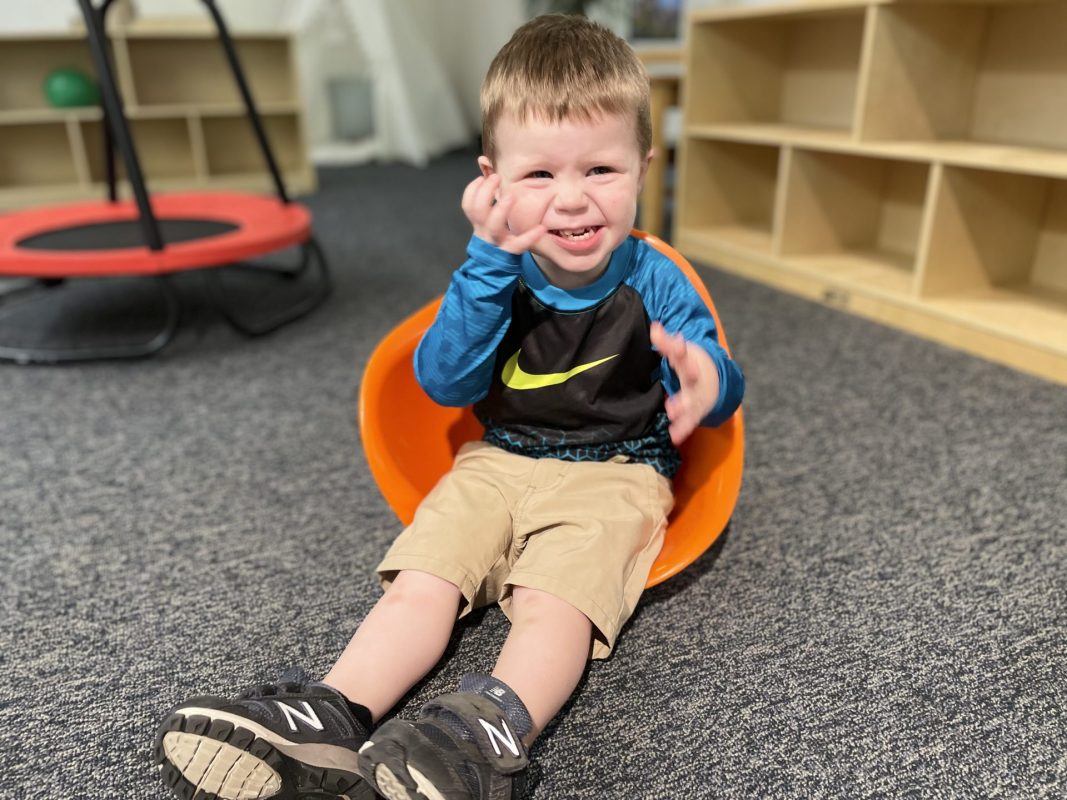
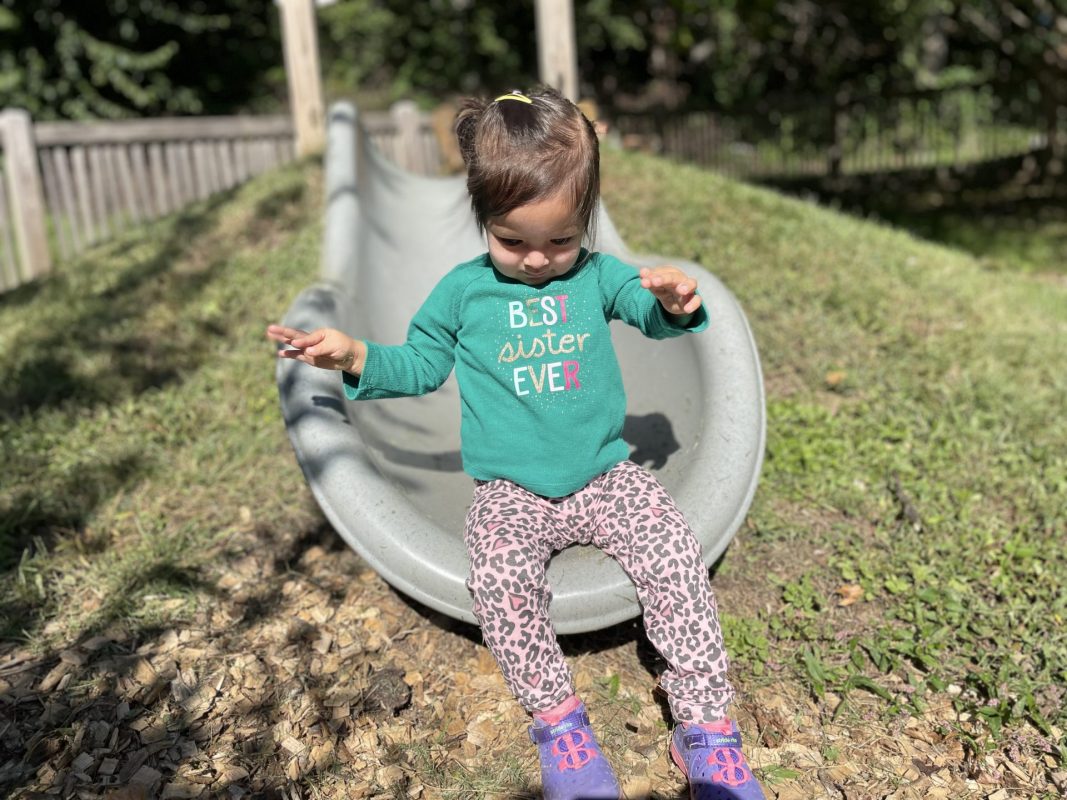
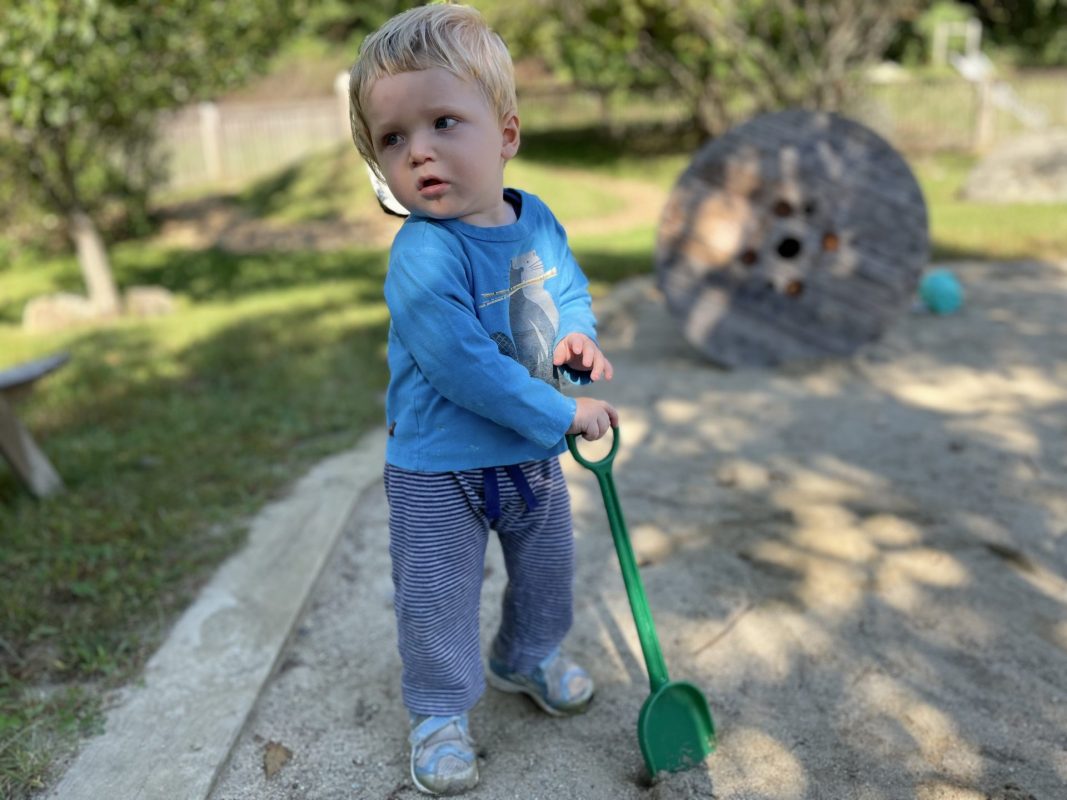
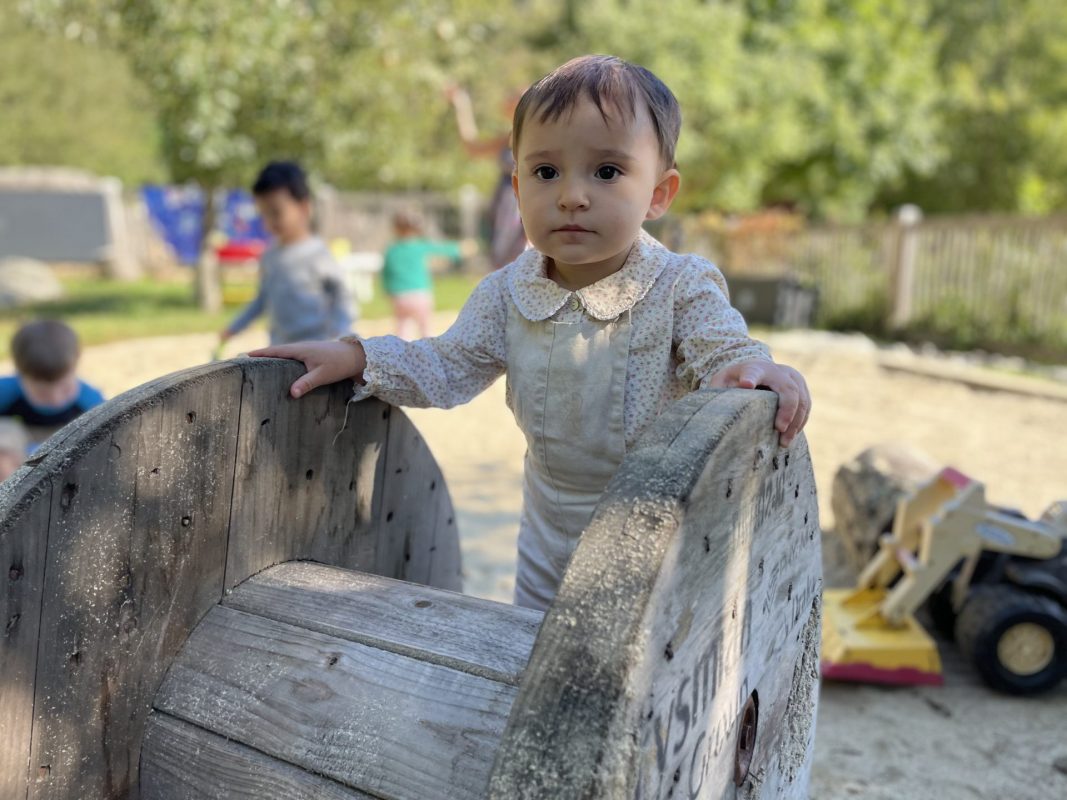
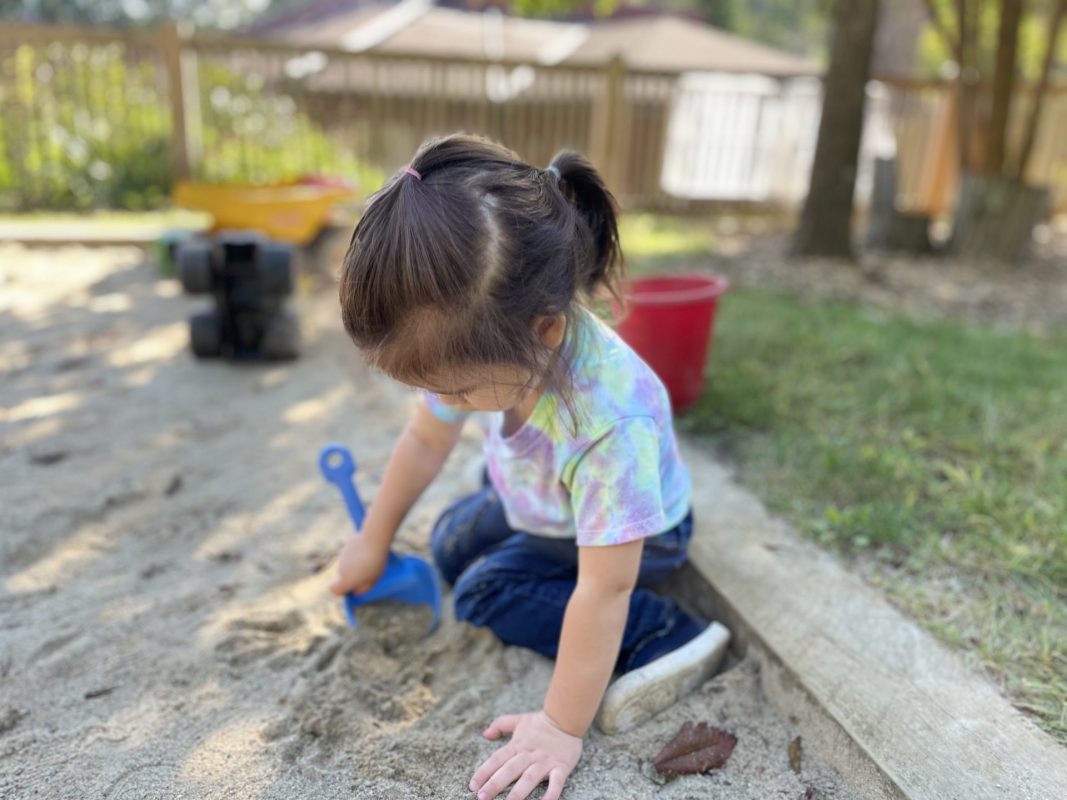
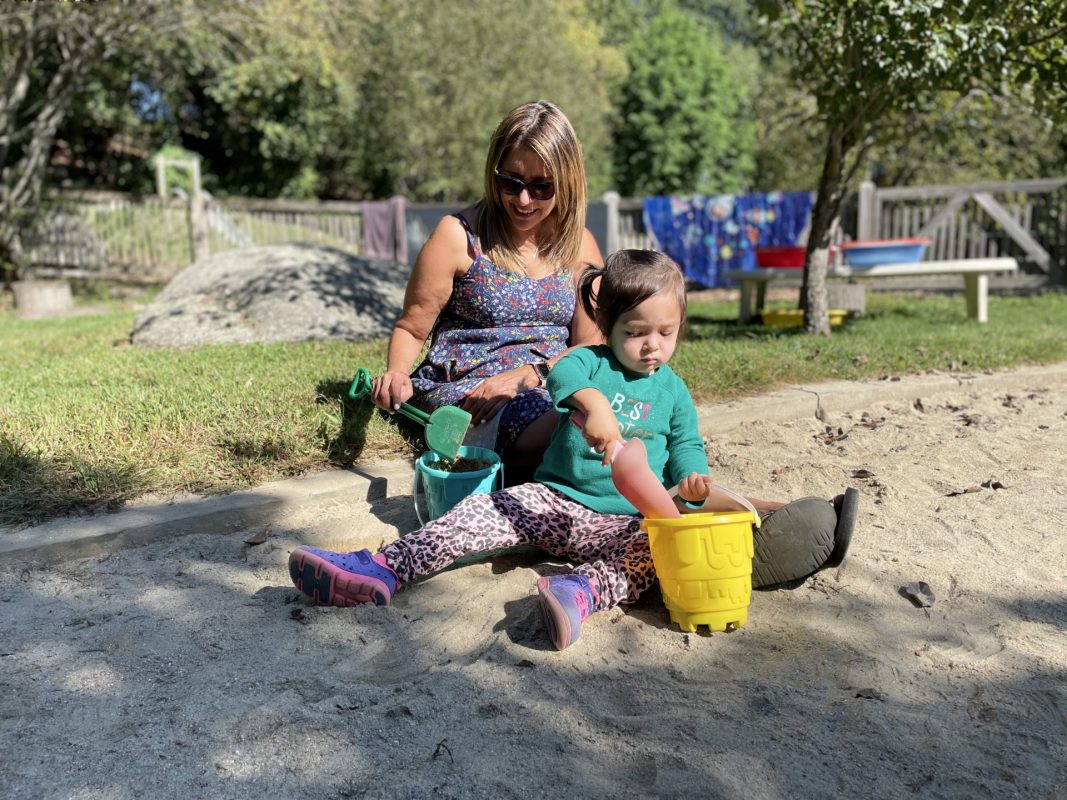
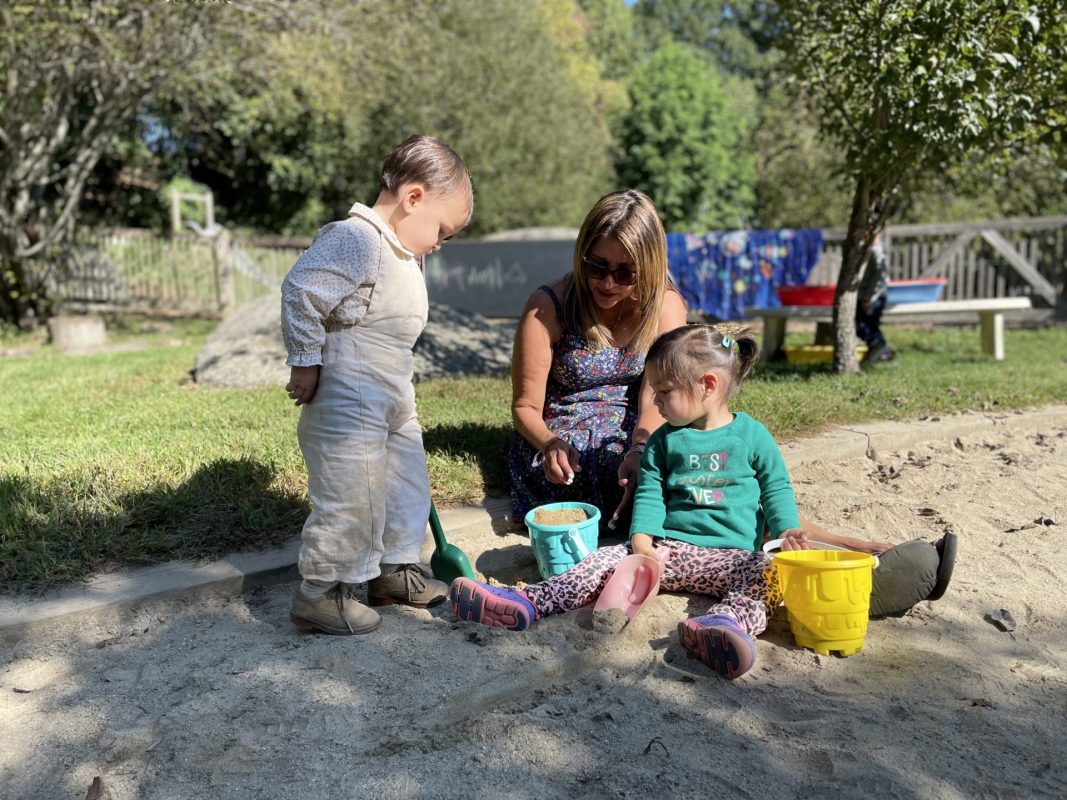
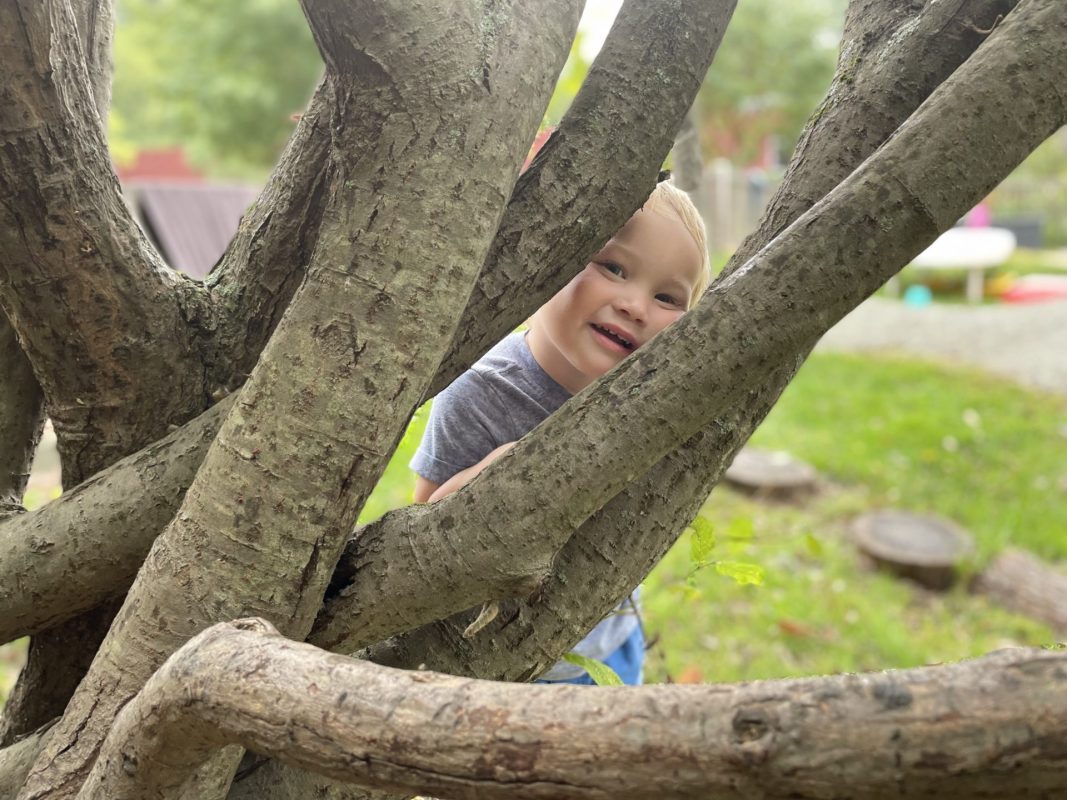
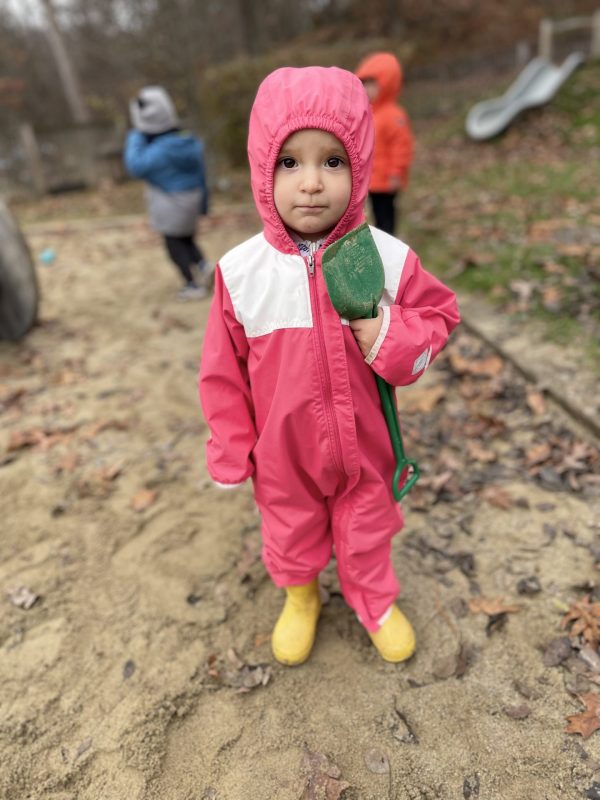
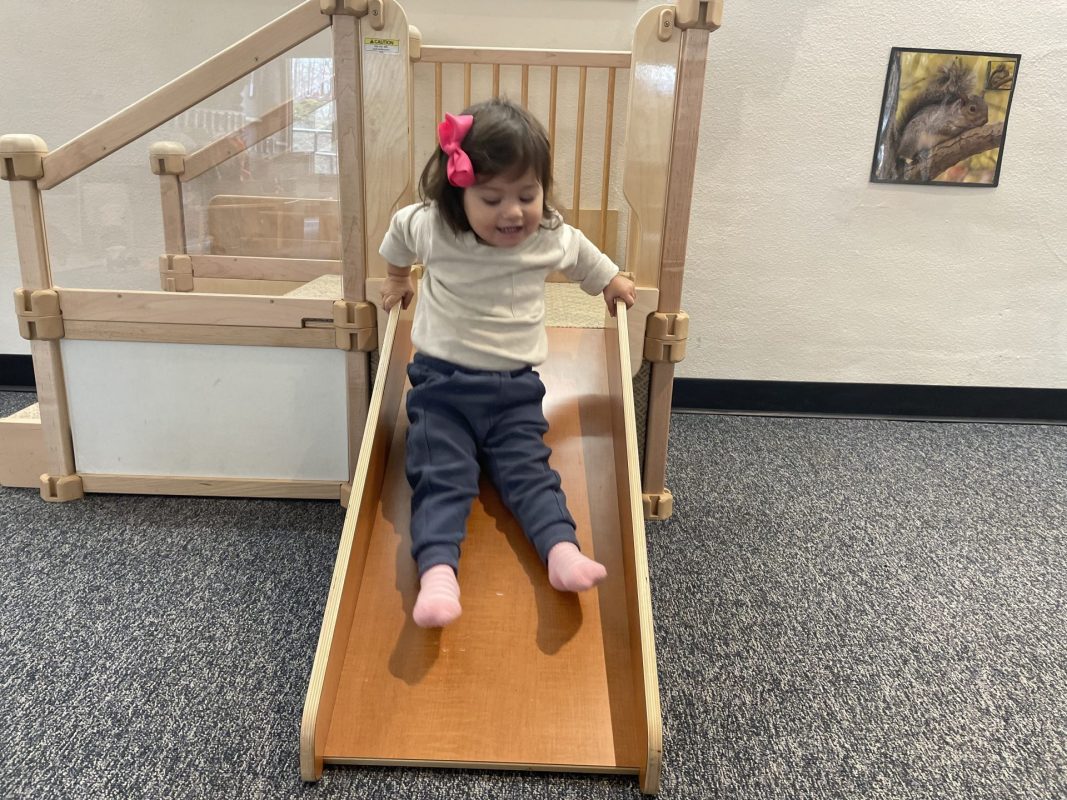
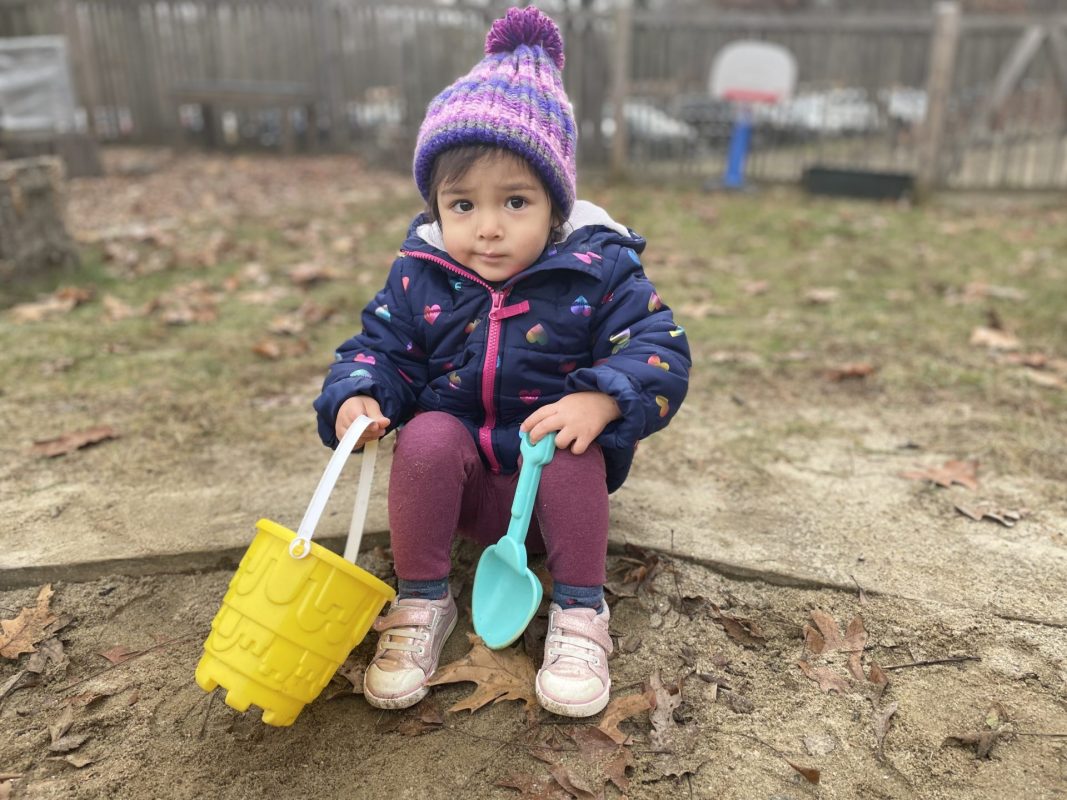
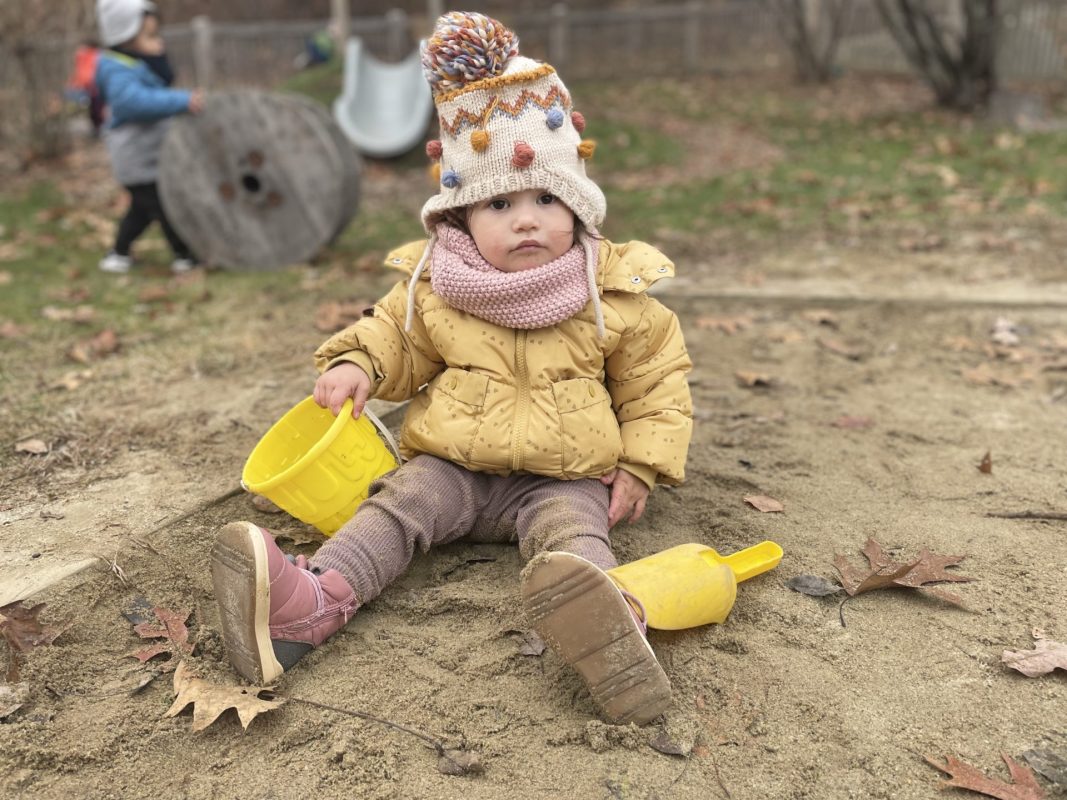
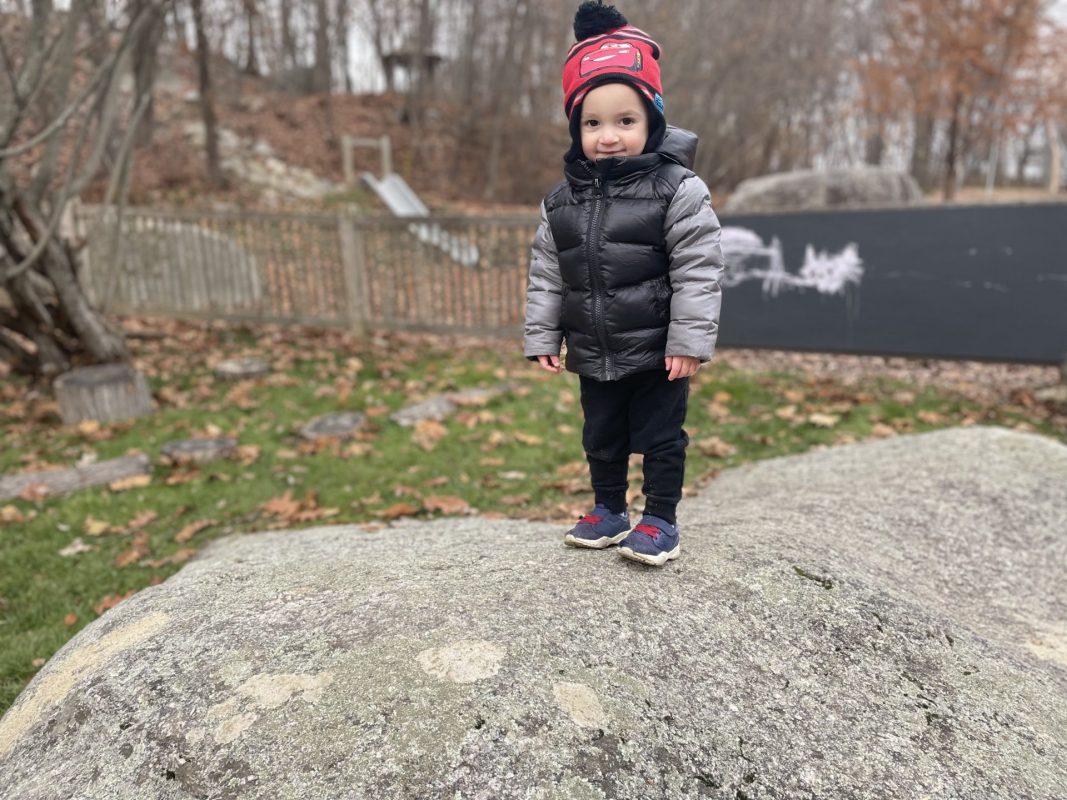
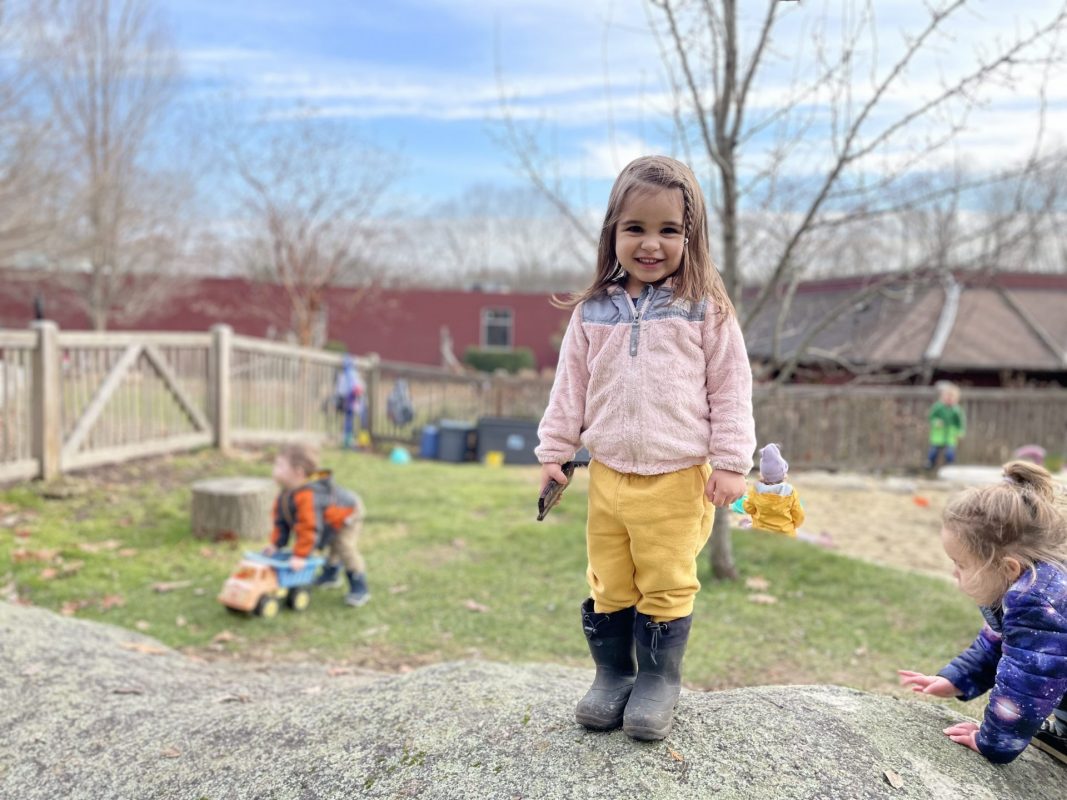
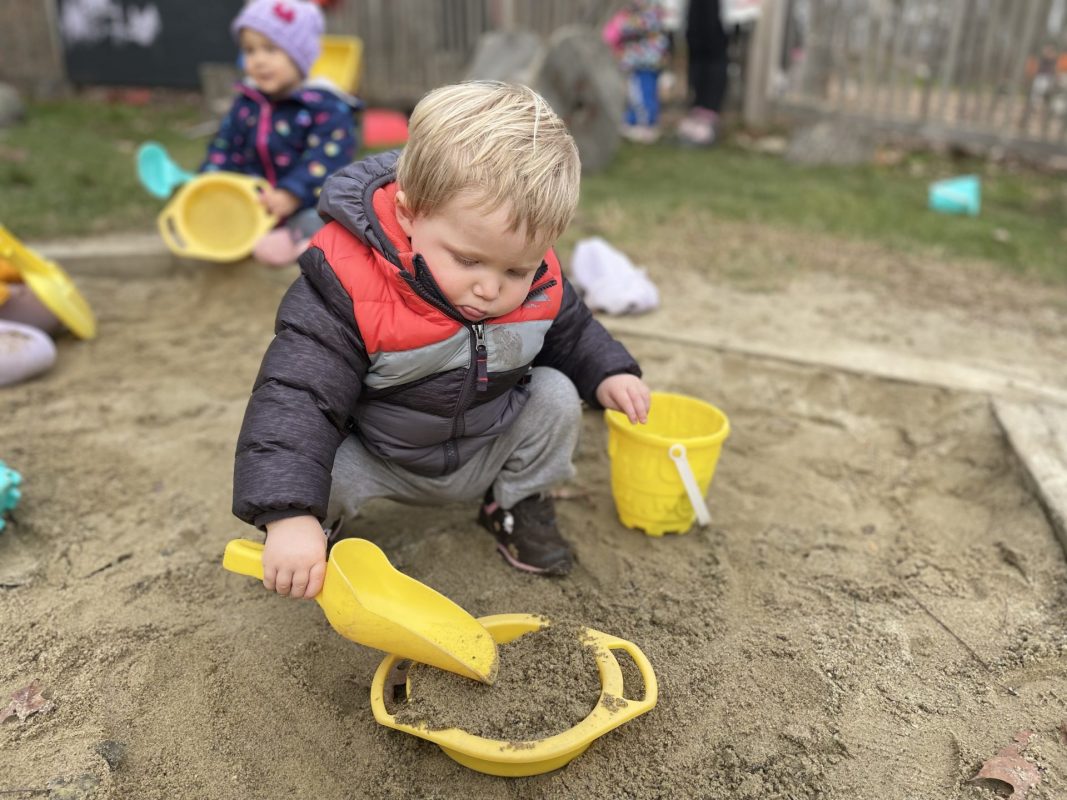
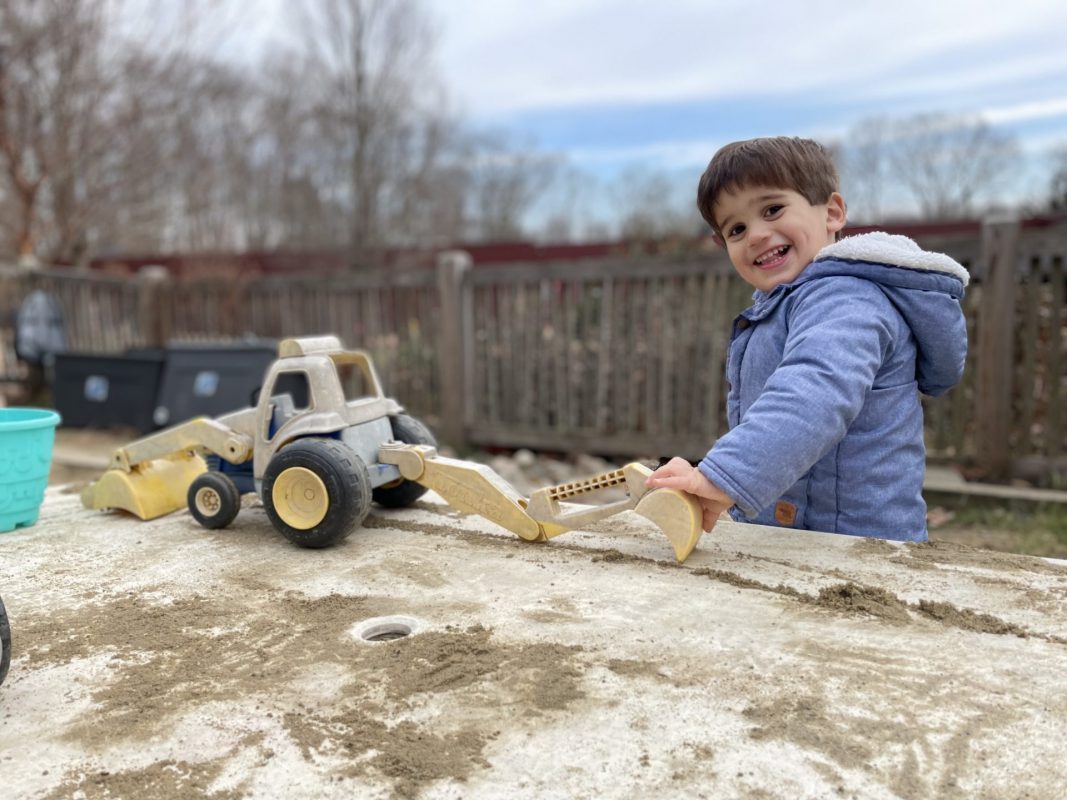
Your children have also been enjoying our outdoor environment so much! They are developing their large motor skills by climbing our big rock and the hill to get to the top of the slide. They also like to practice walking on the big rocks path and pushing the big trucks and wheelbarrow! They run and enjoy exploring in our forsythia tunnel! Some of them love walking around the sandbox frame and others seem to love the tree stump walking path which offers a bigger challenge for balancing!

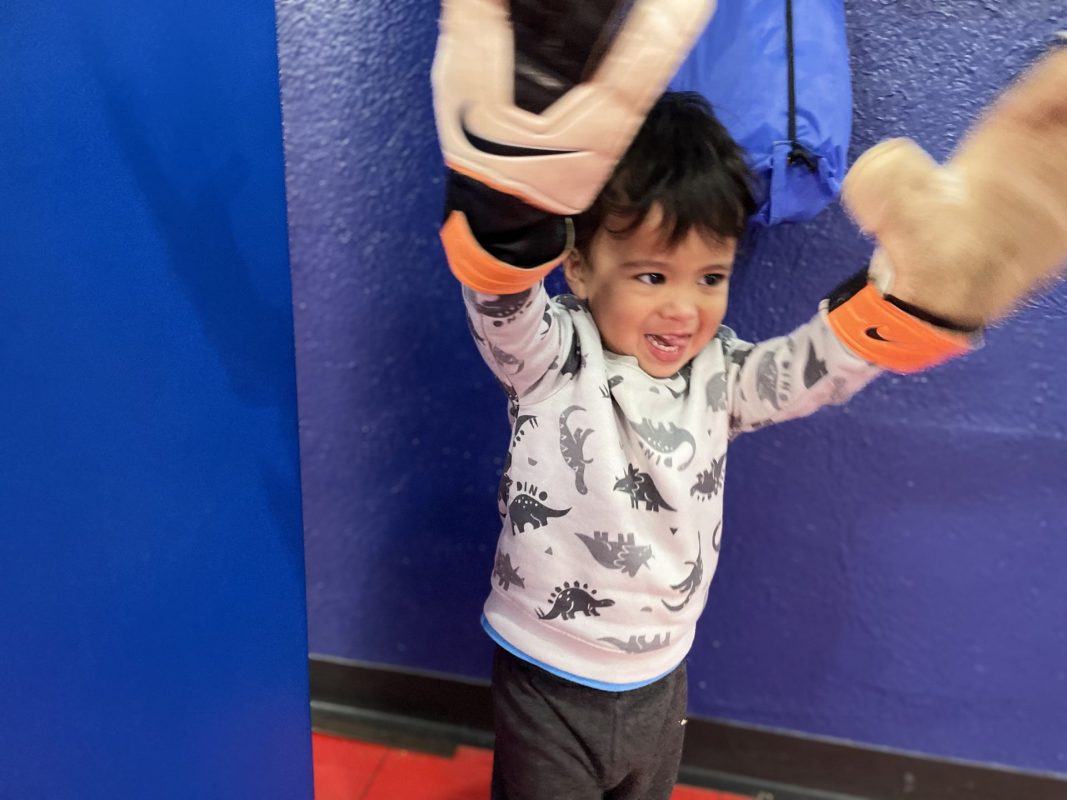
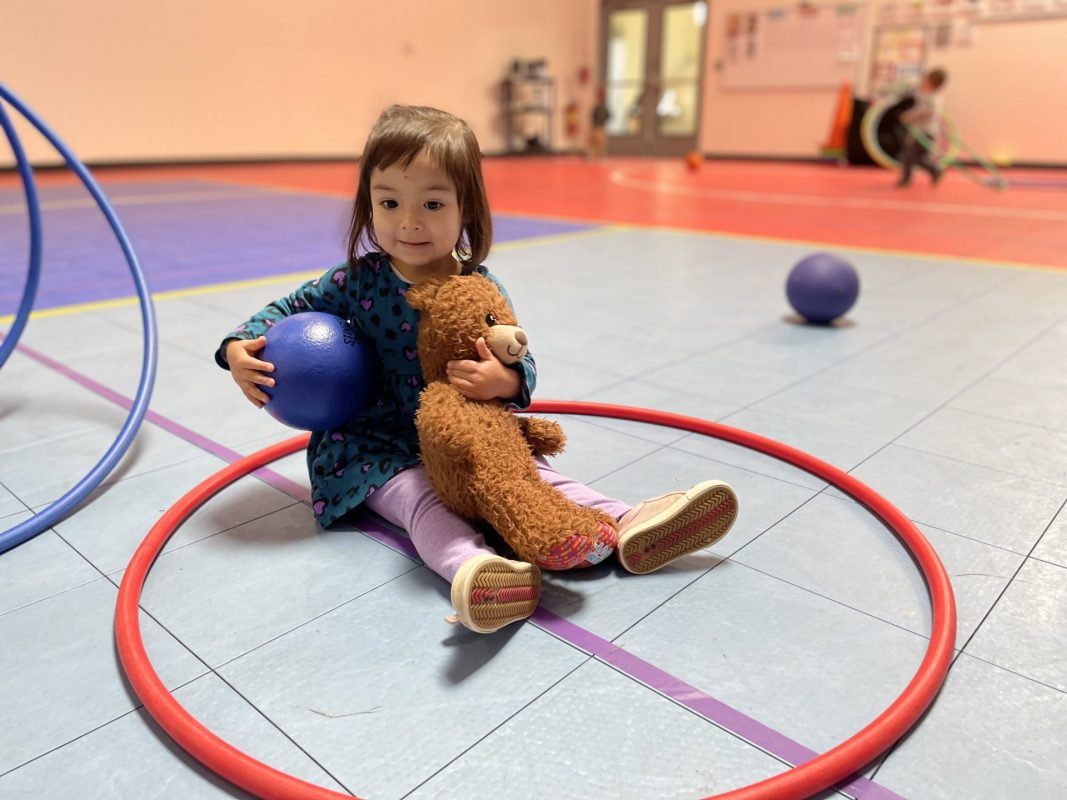
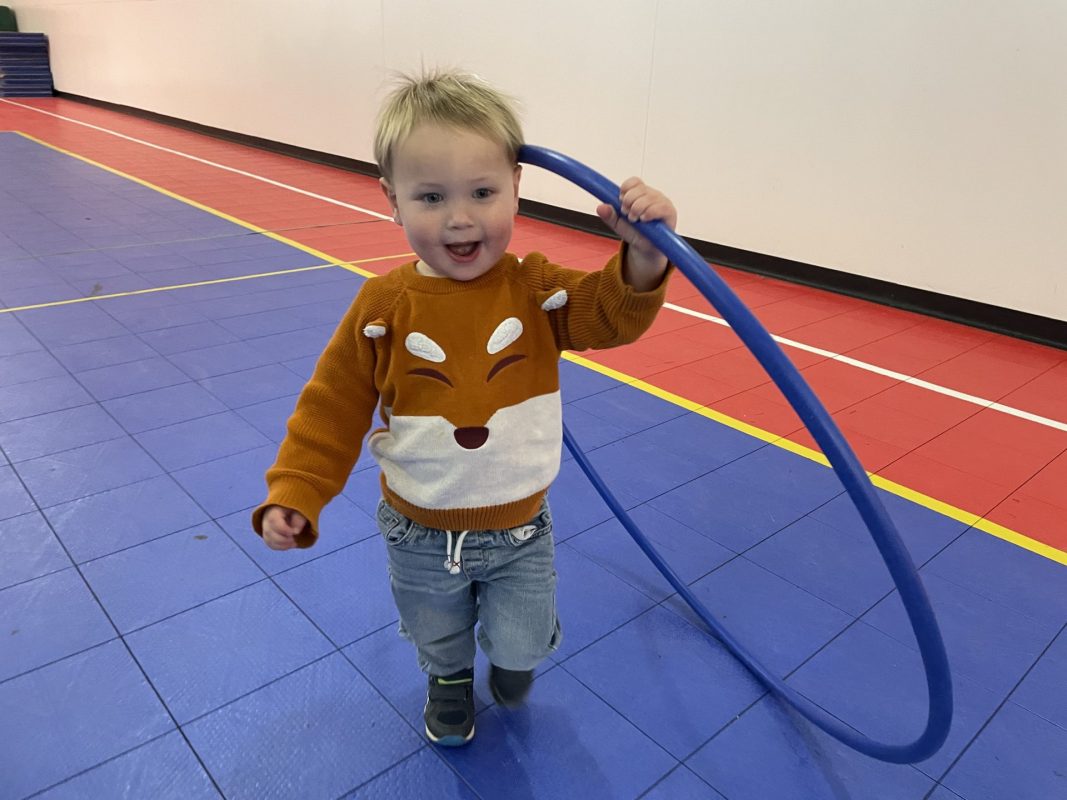
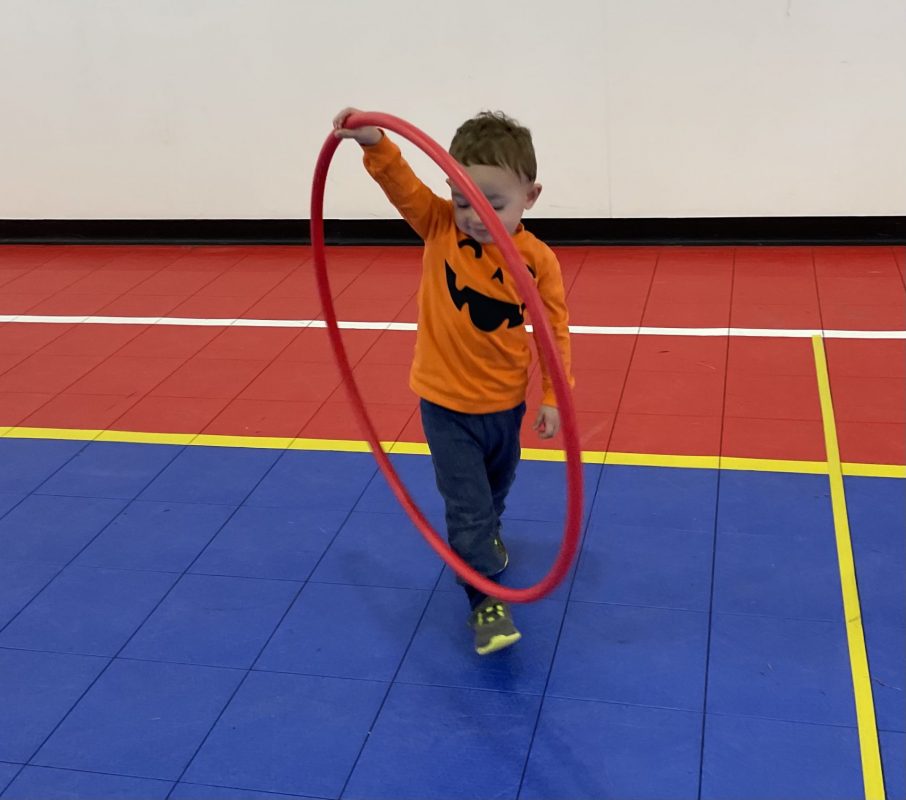
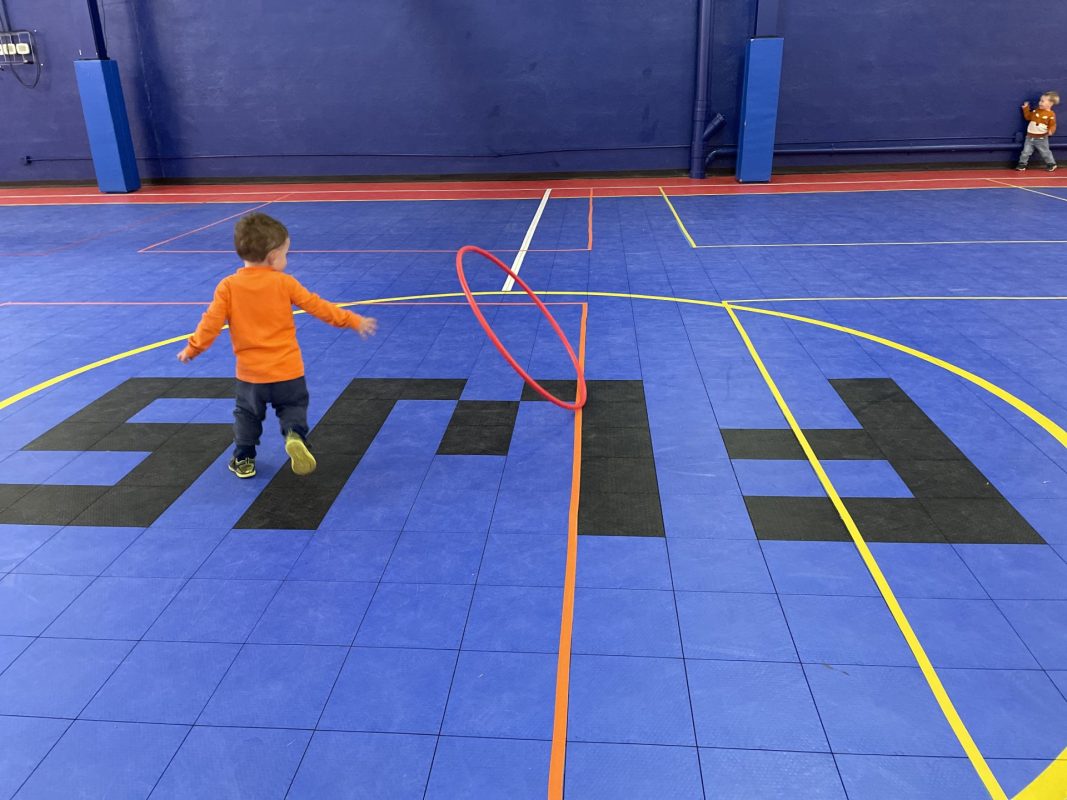
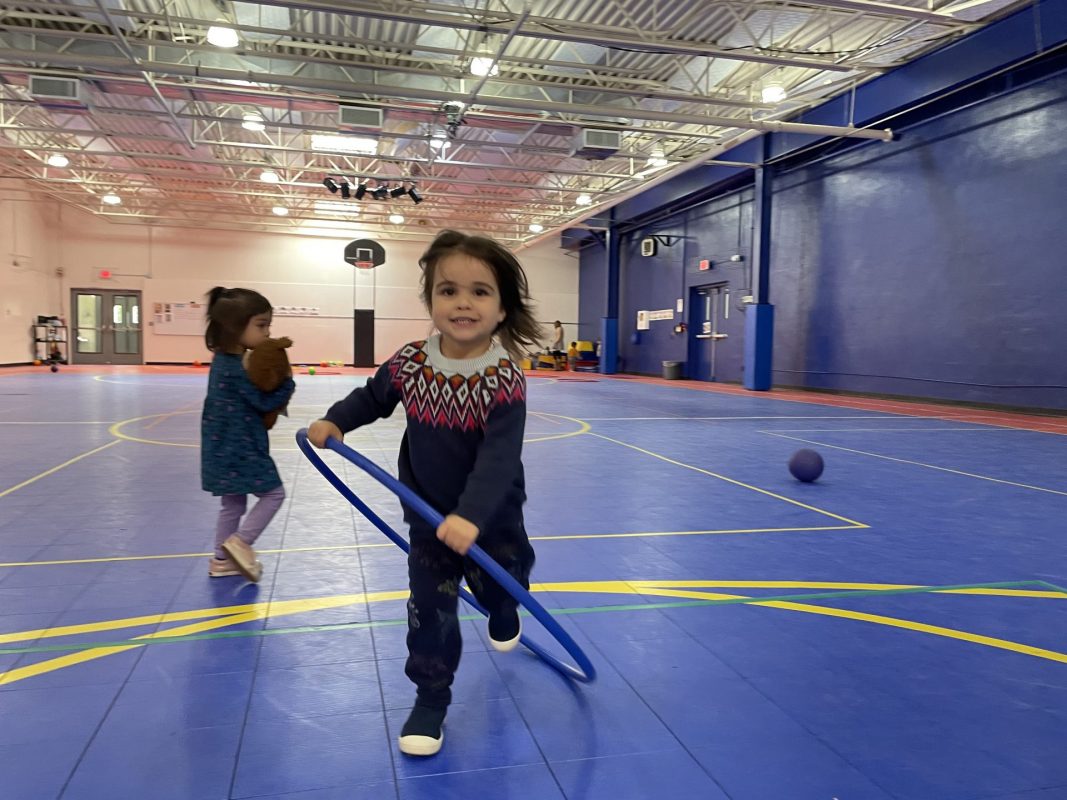
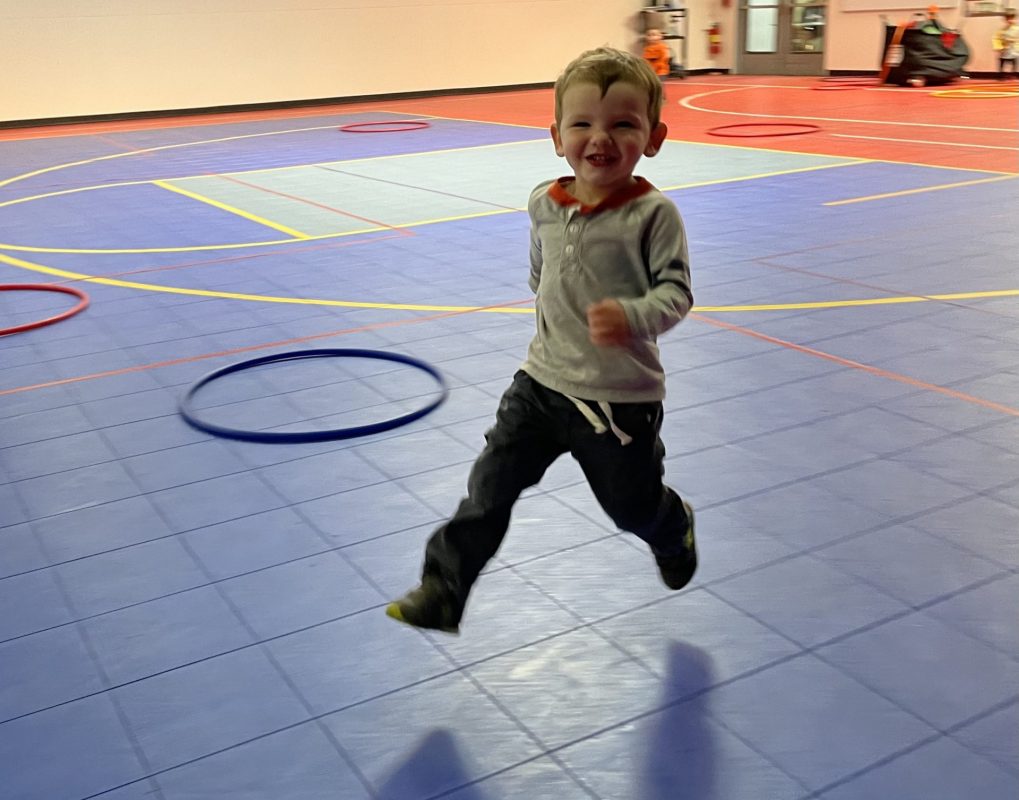
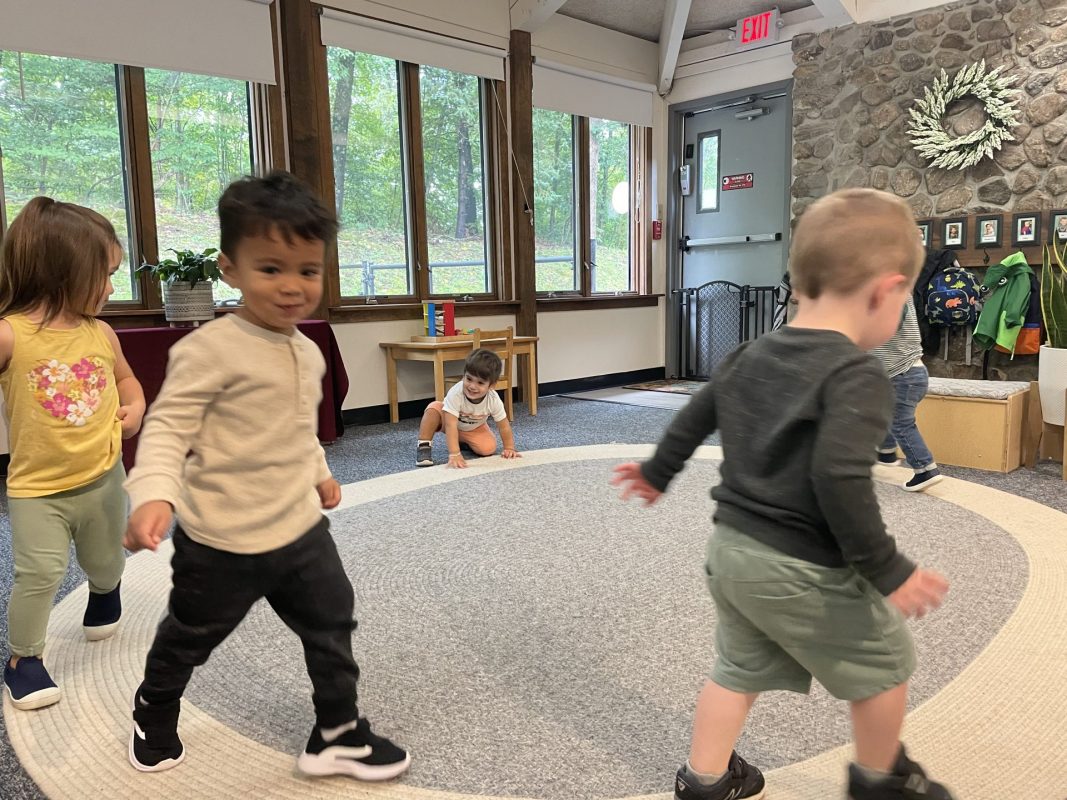
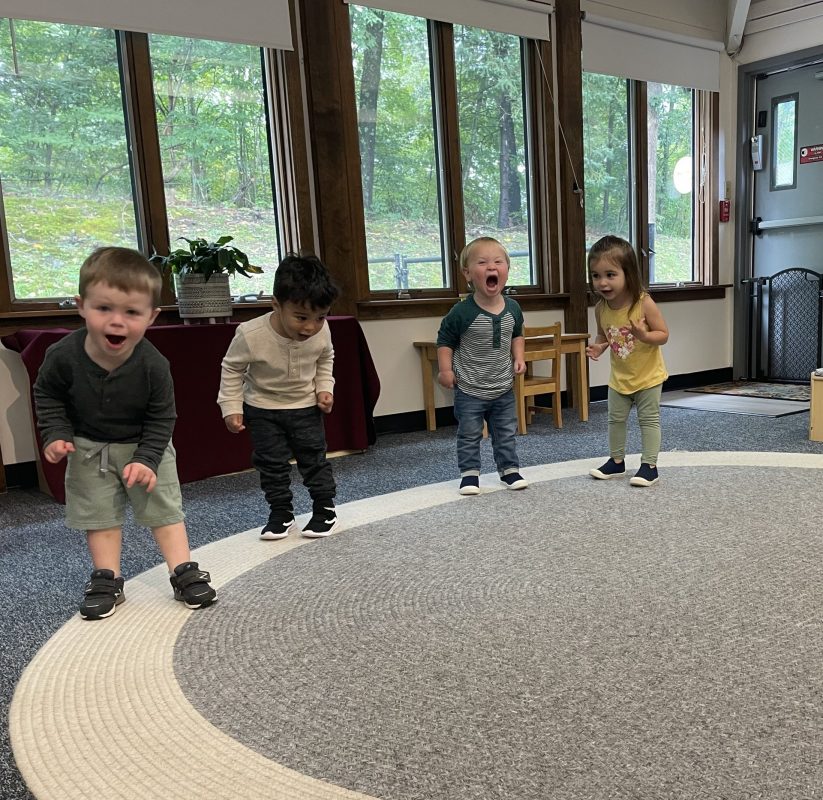
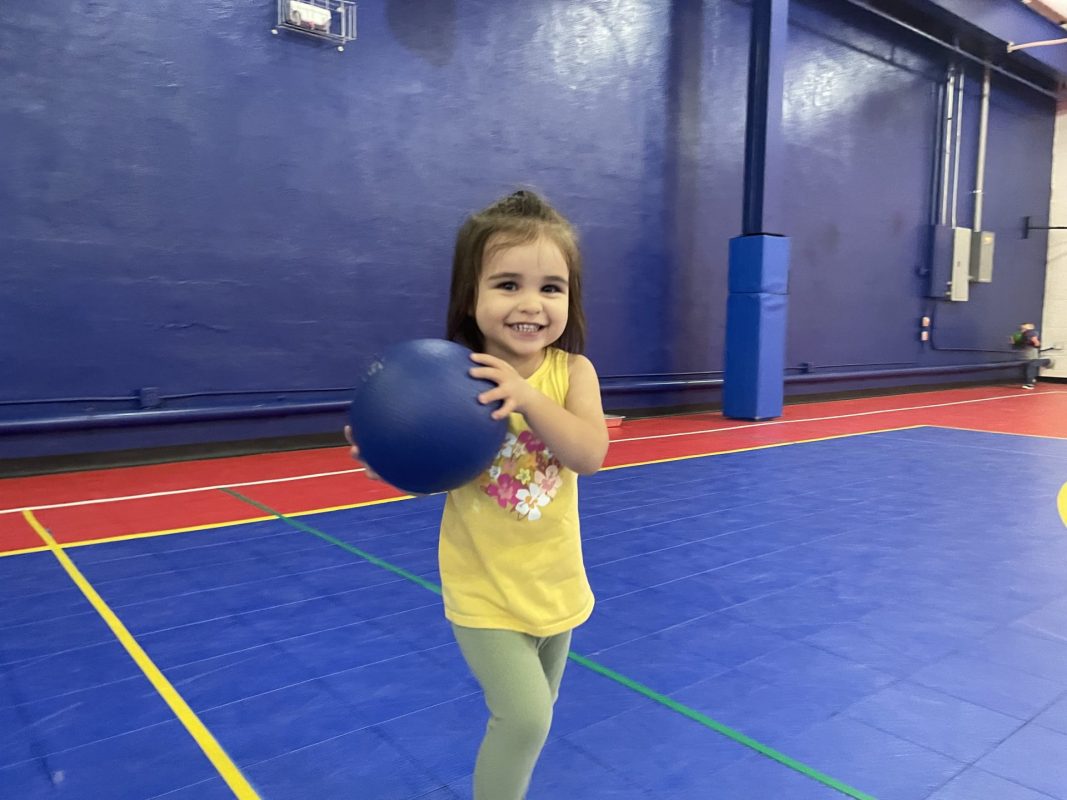
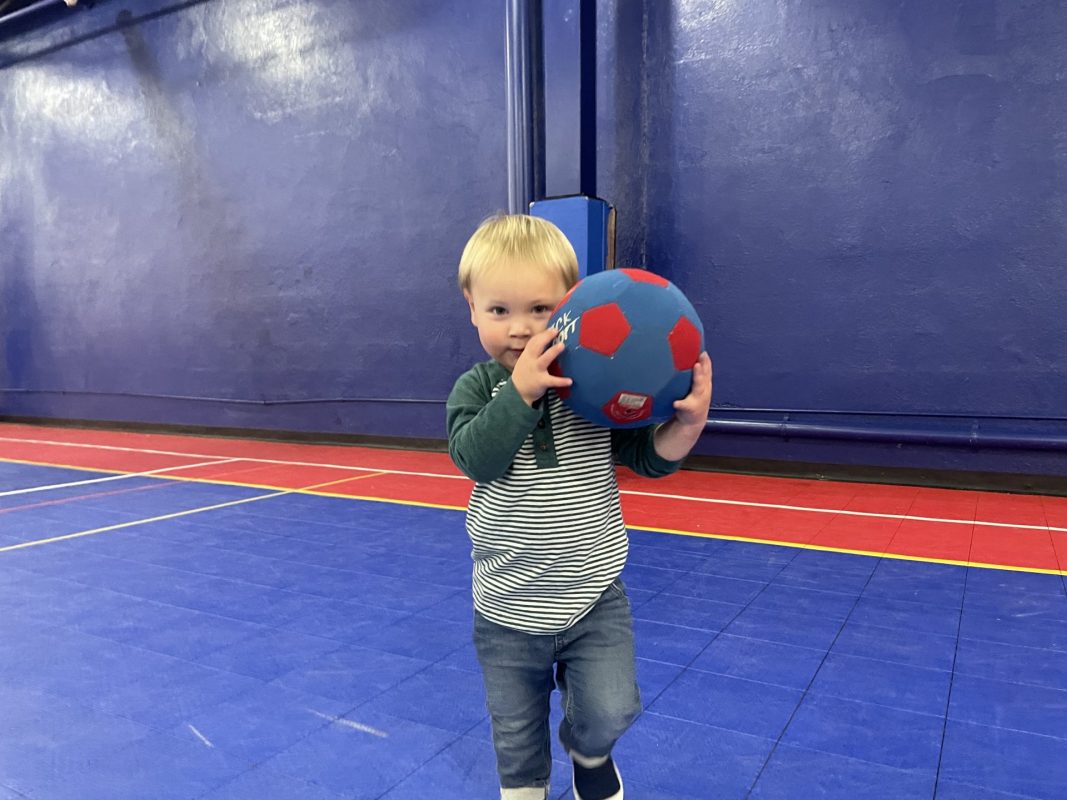
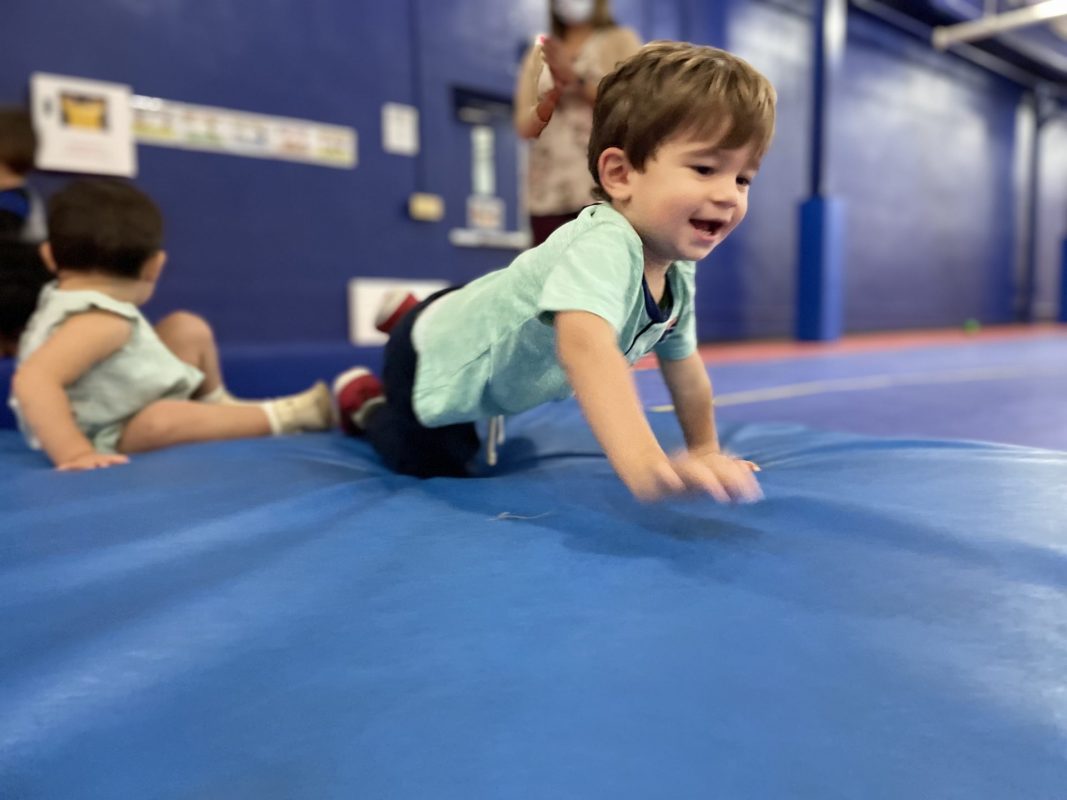
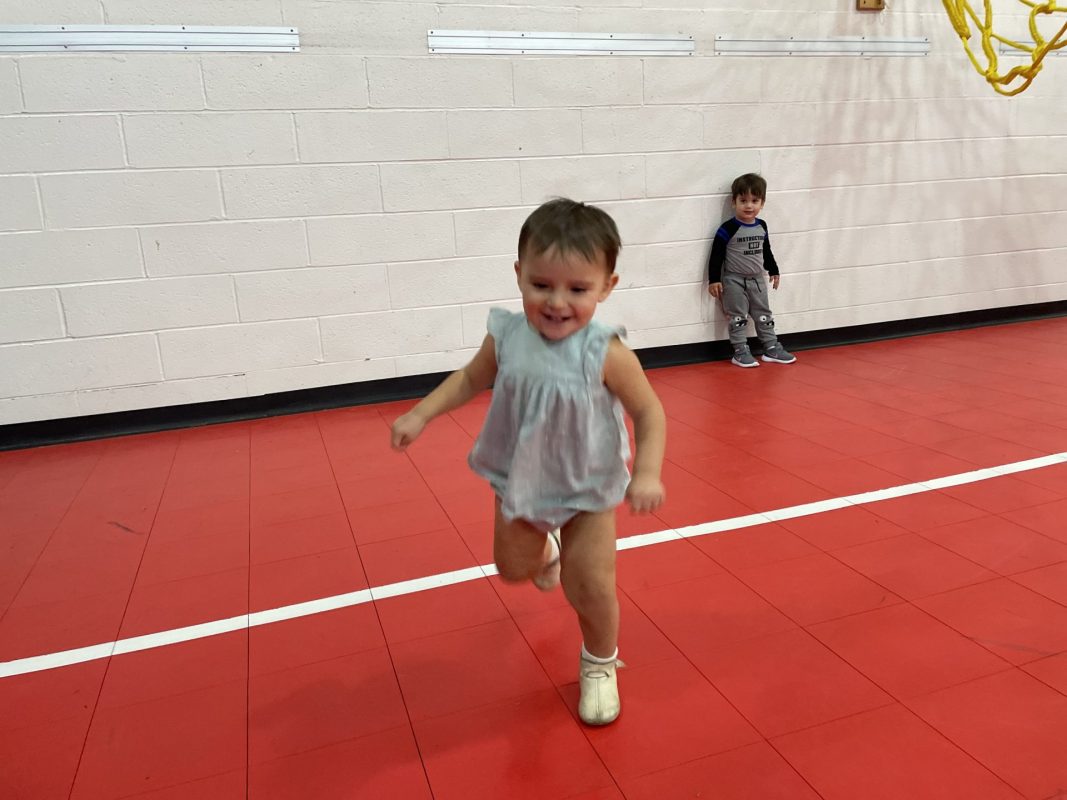
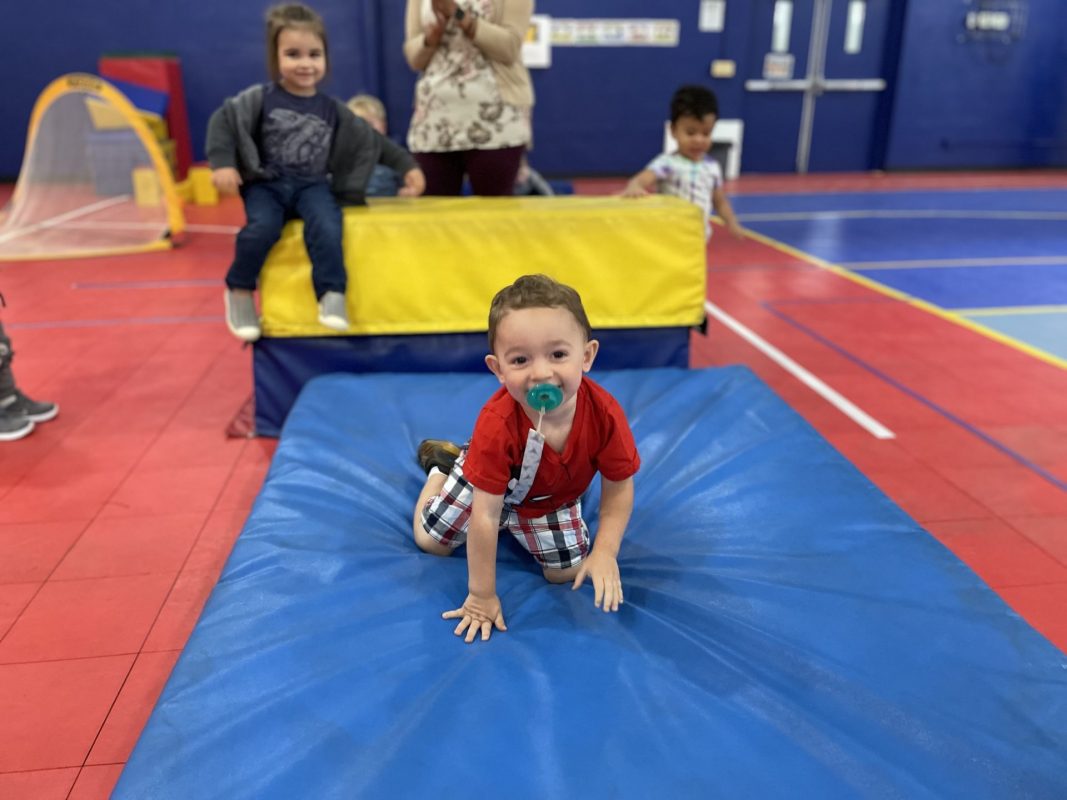
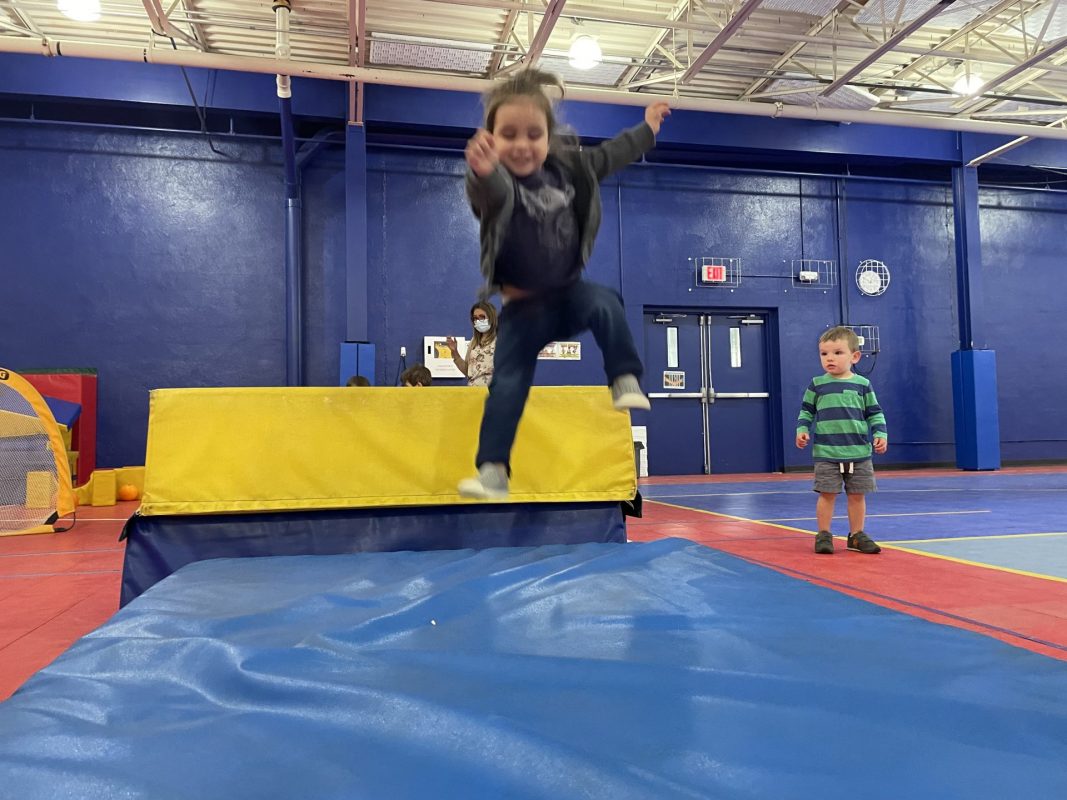
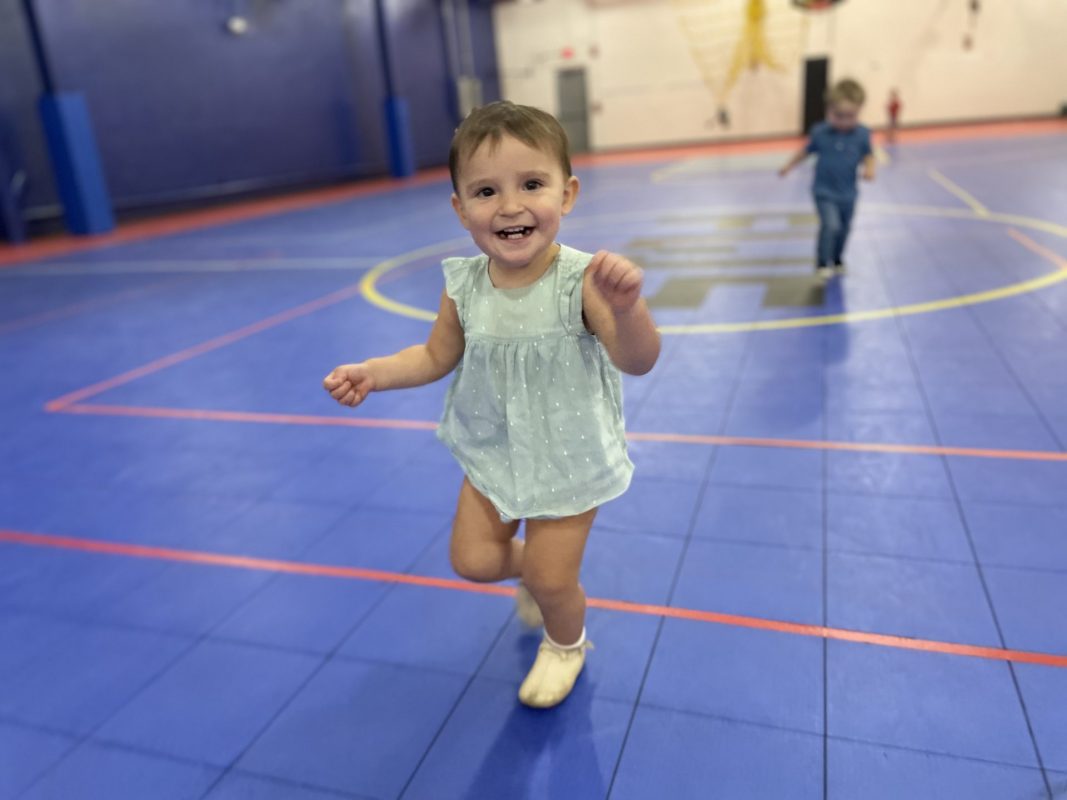
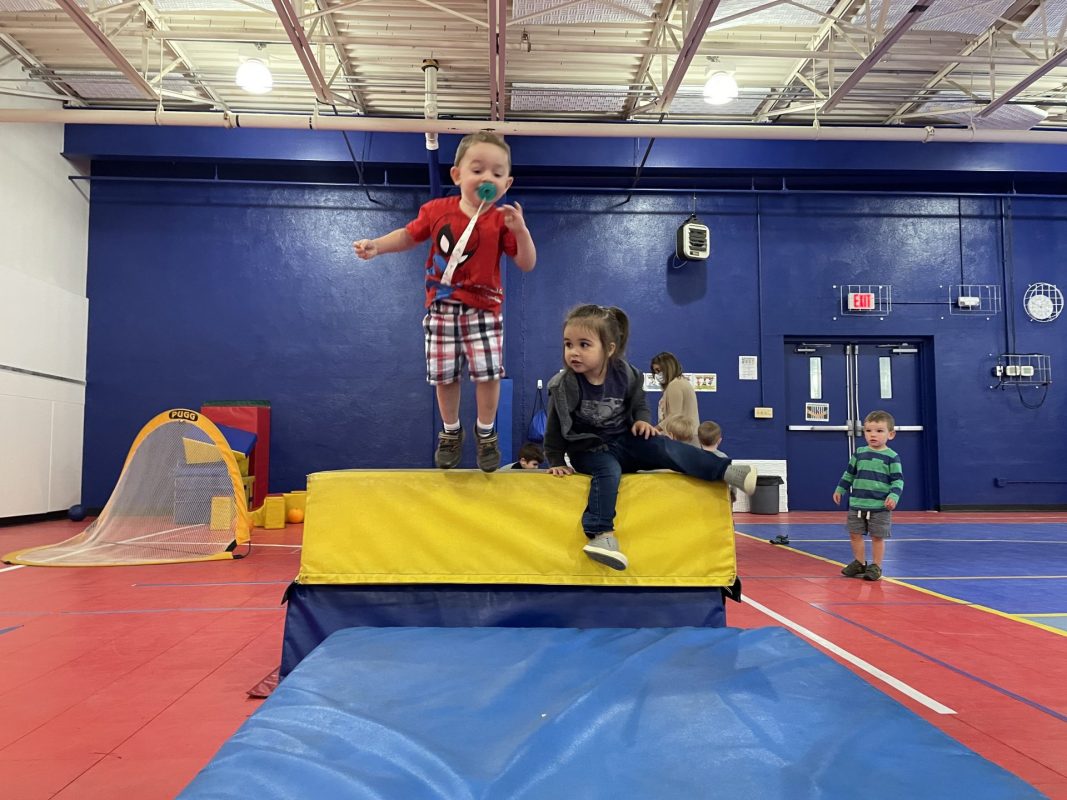
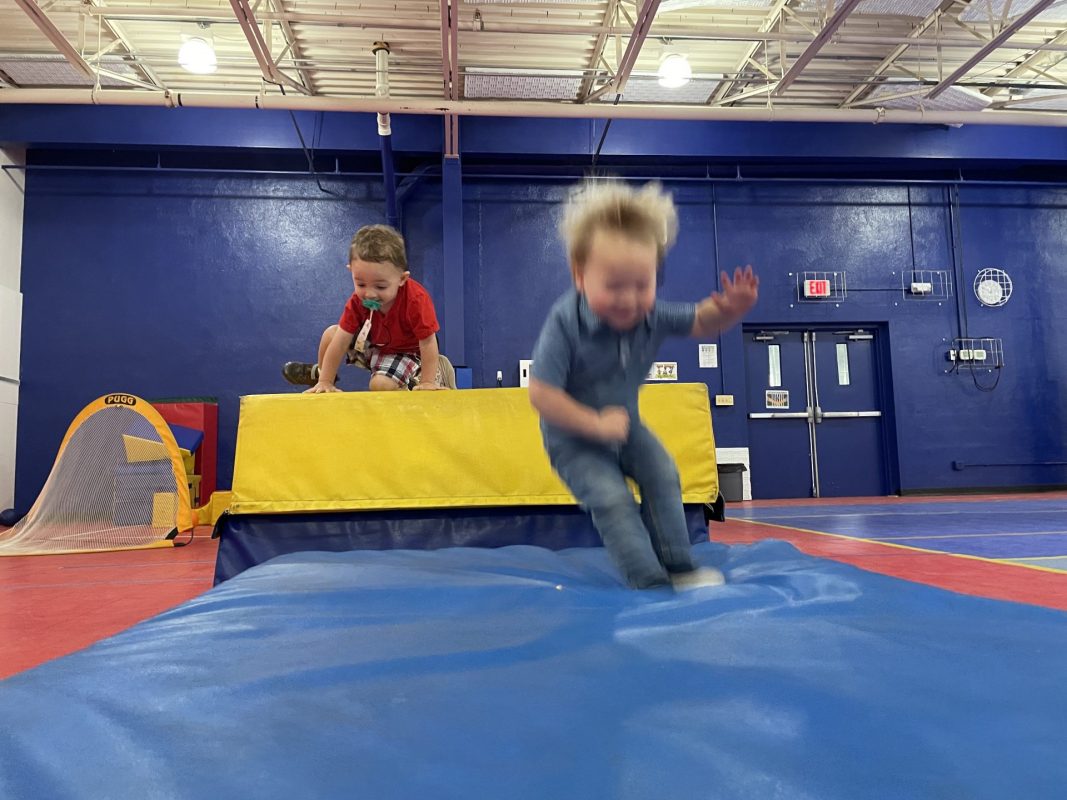
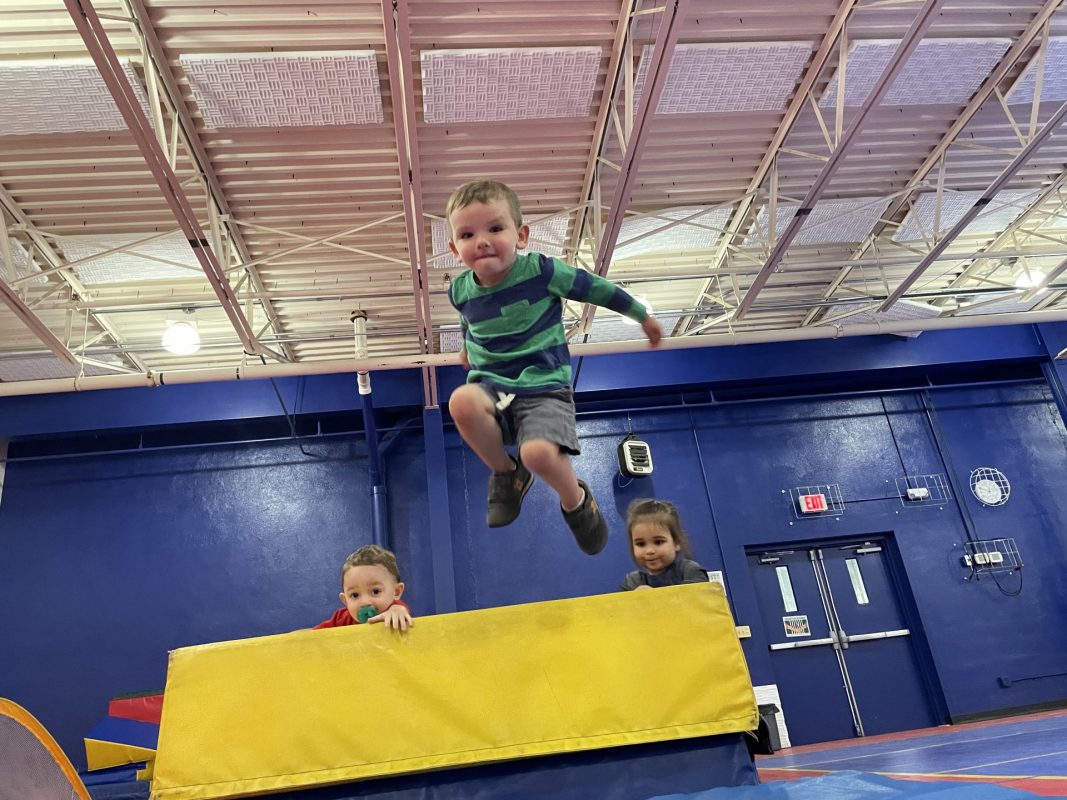
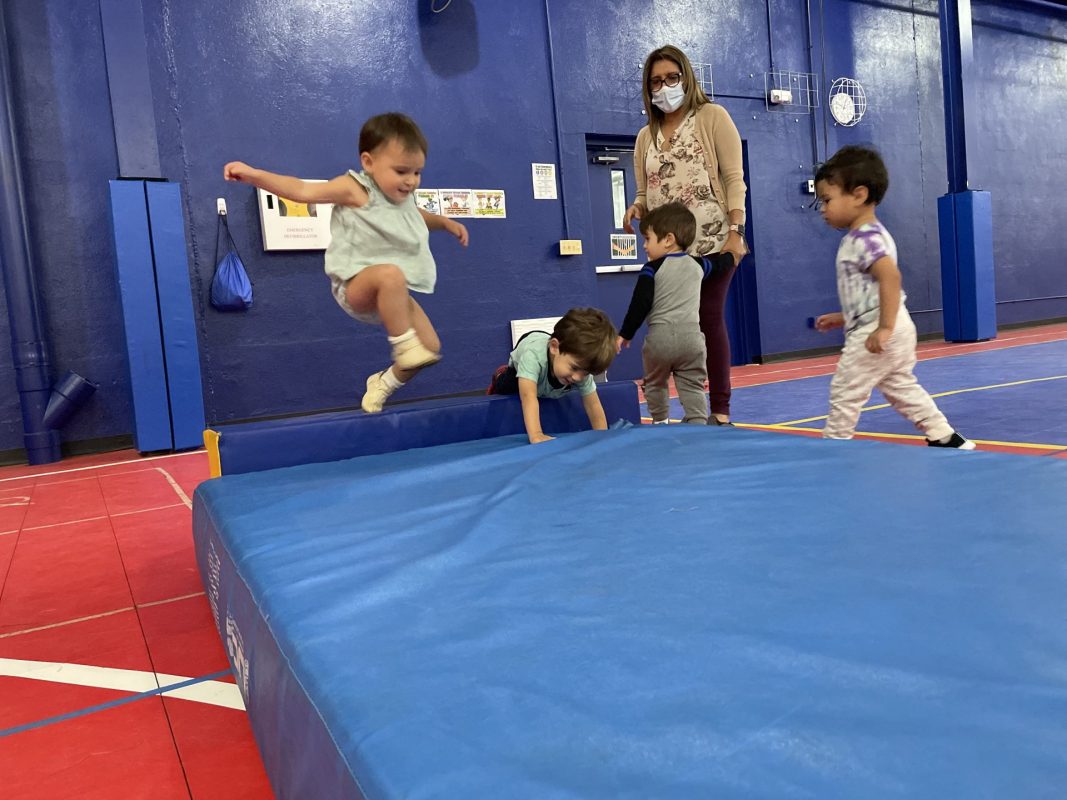
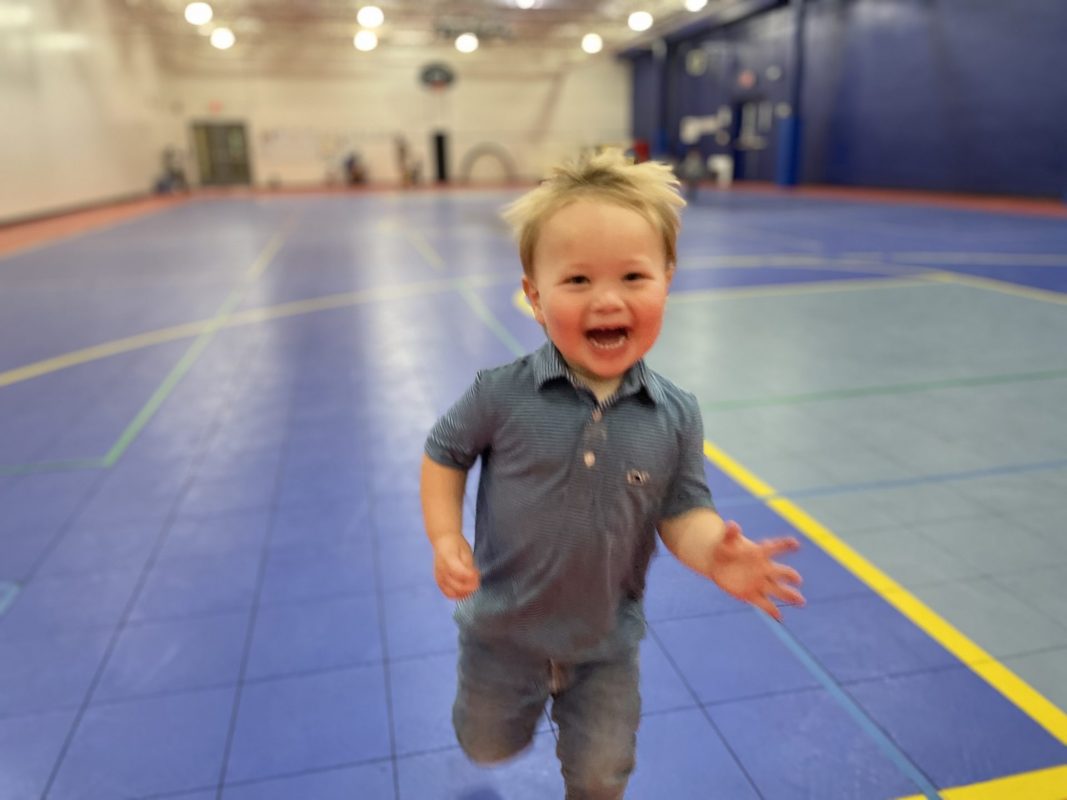
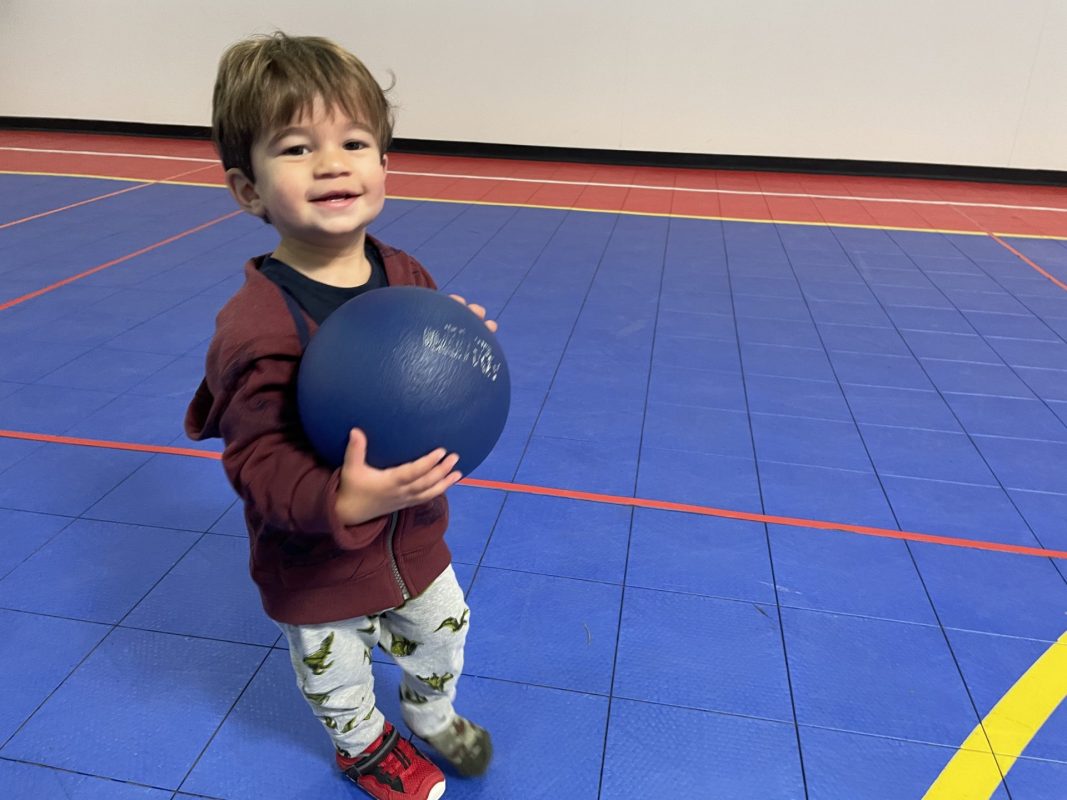
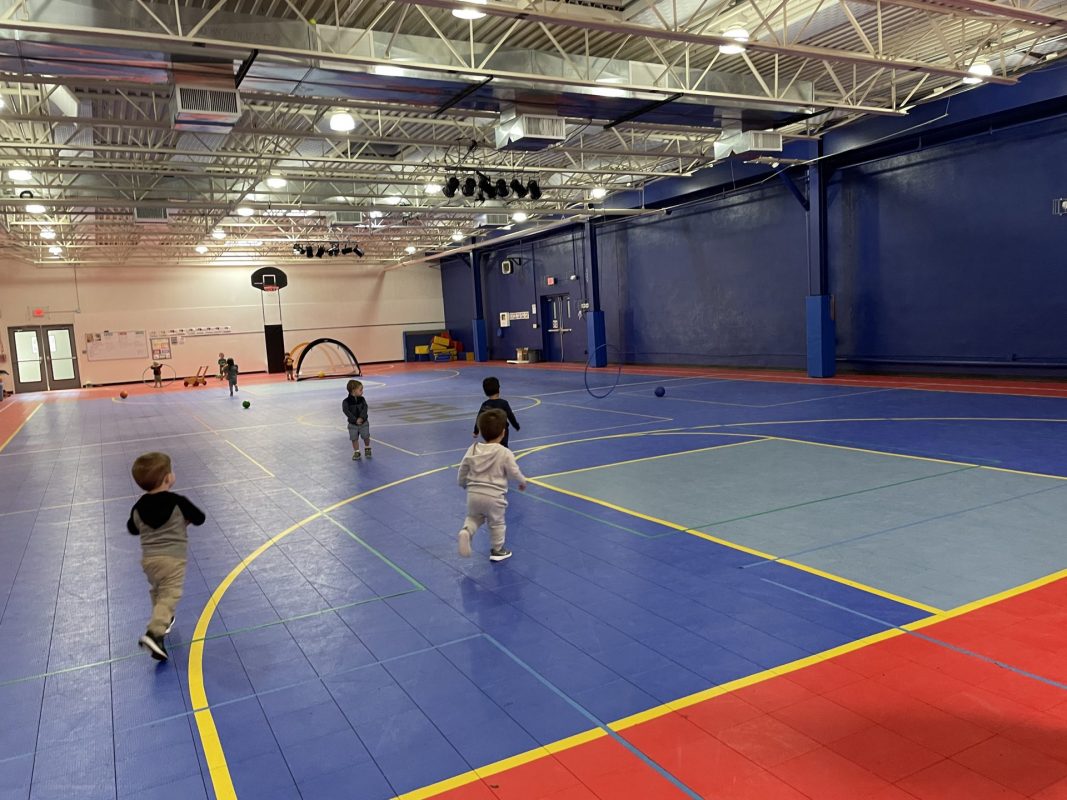
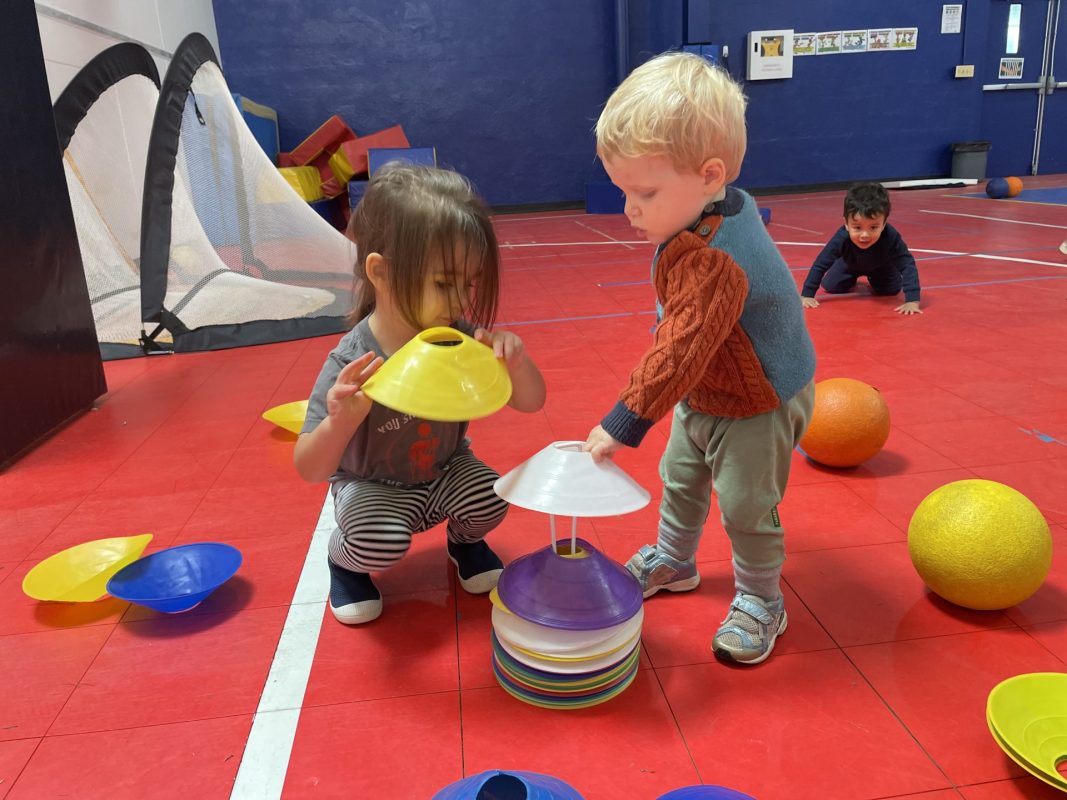
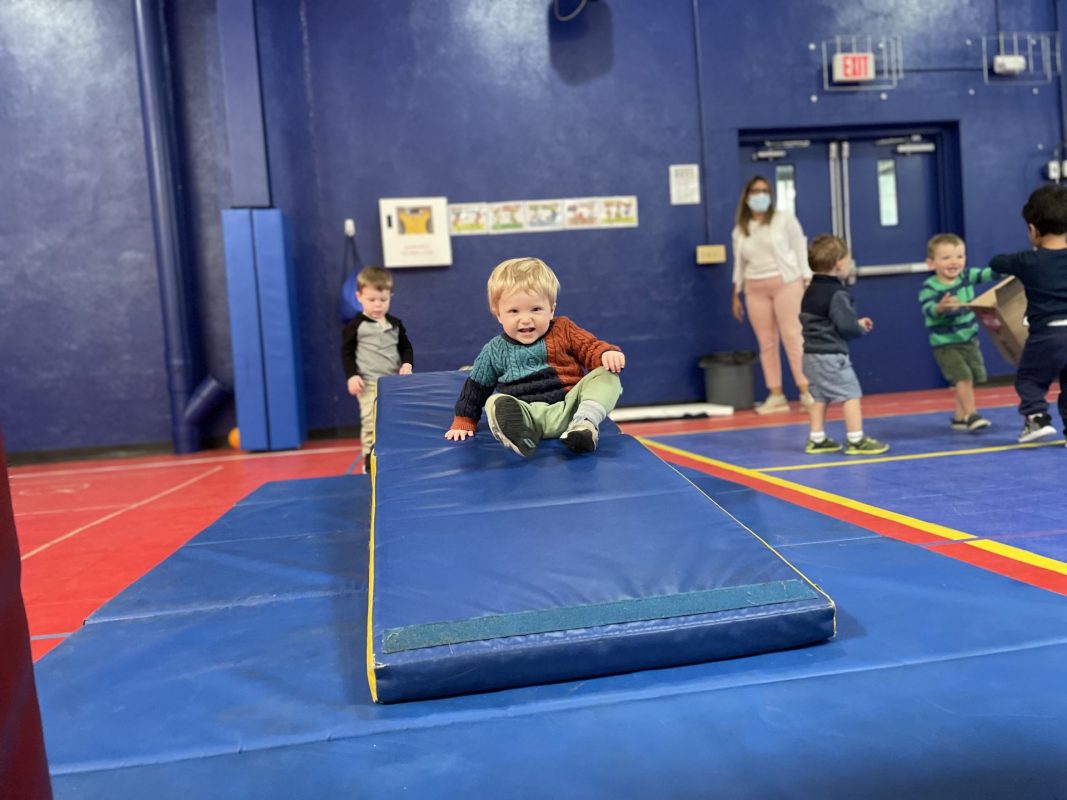
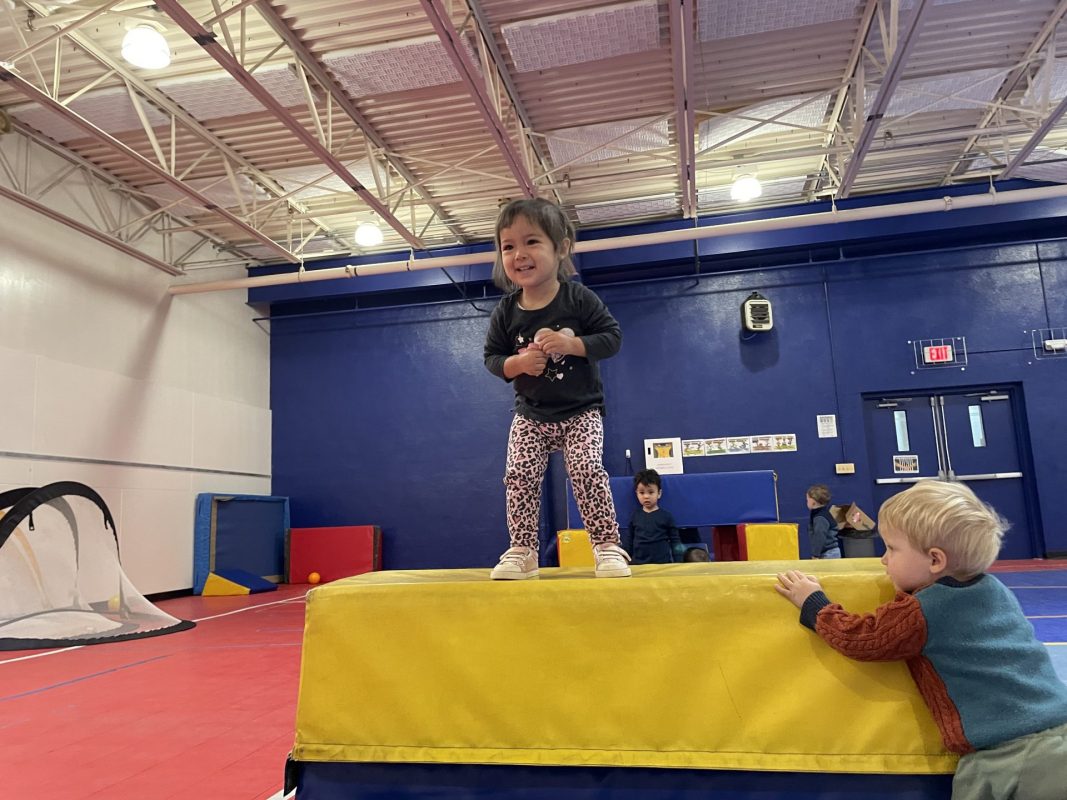
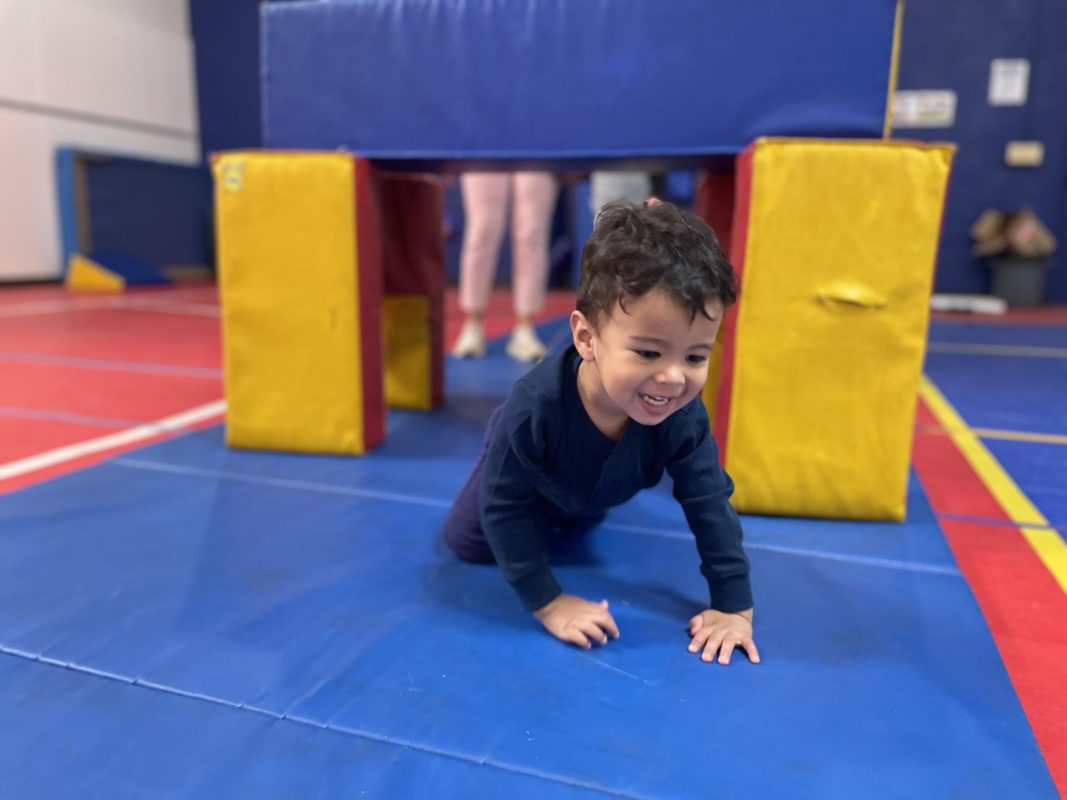
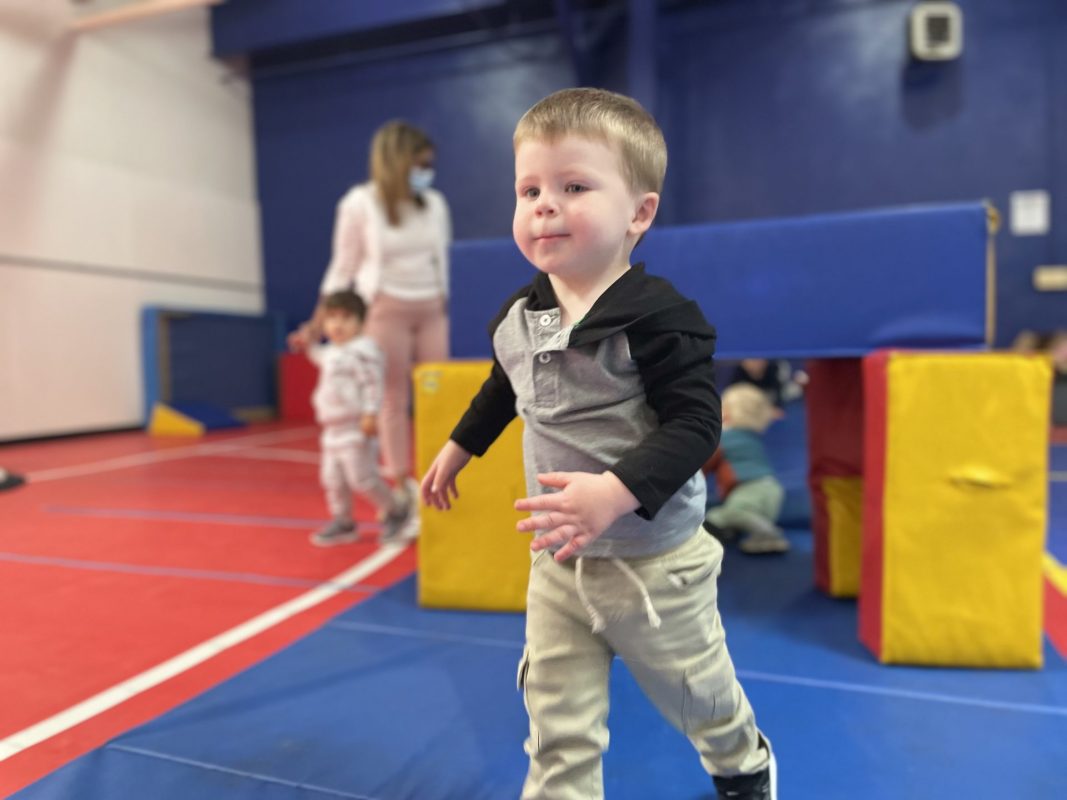
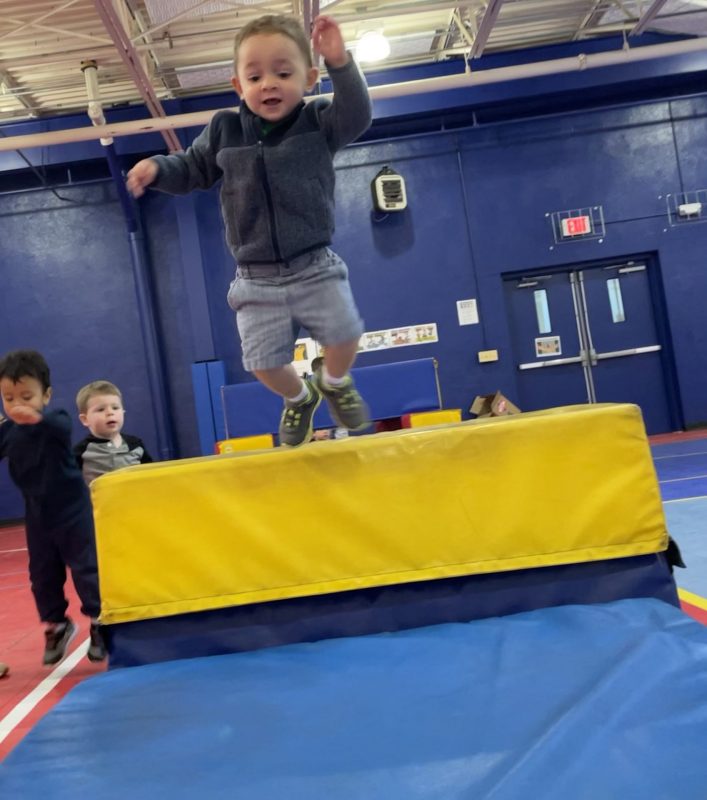
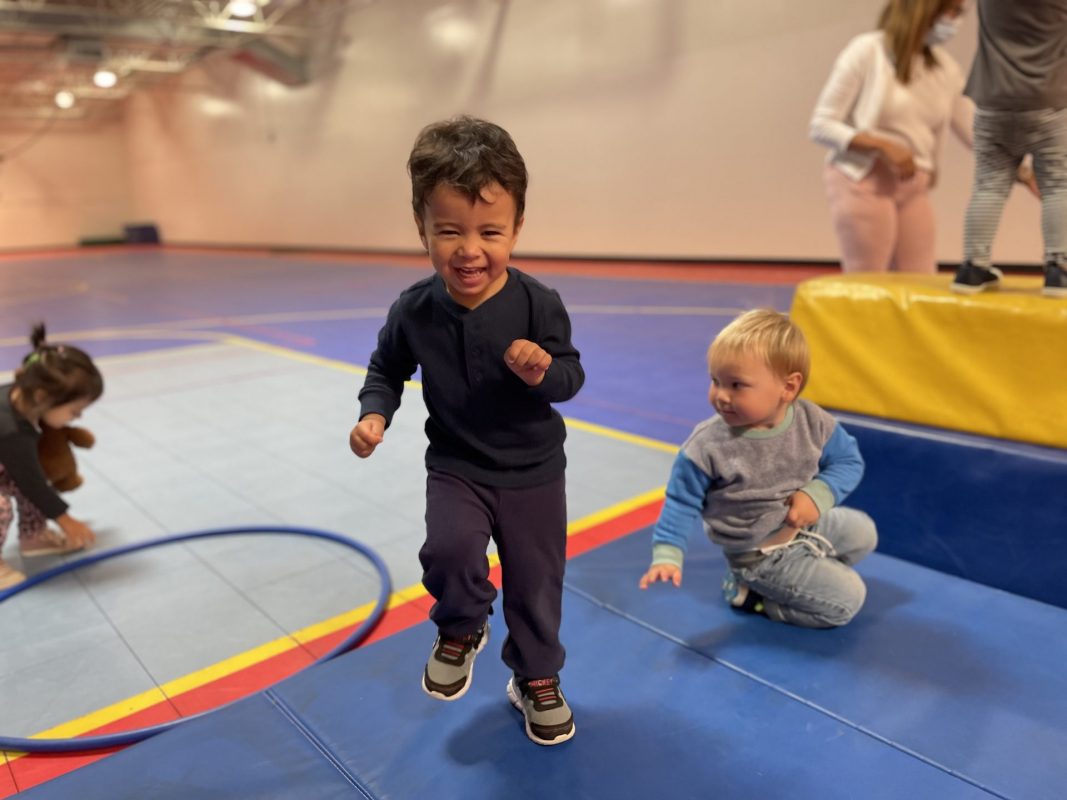
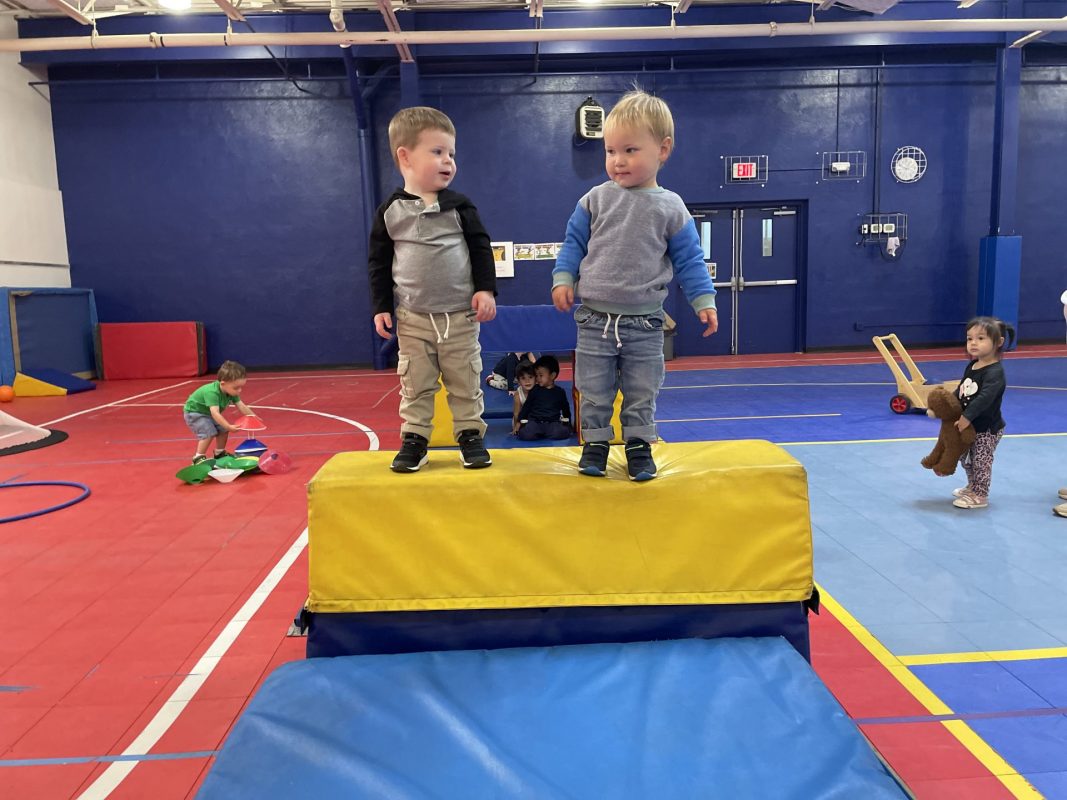
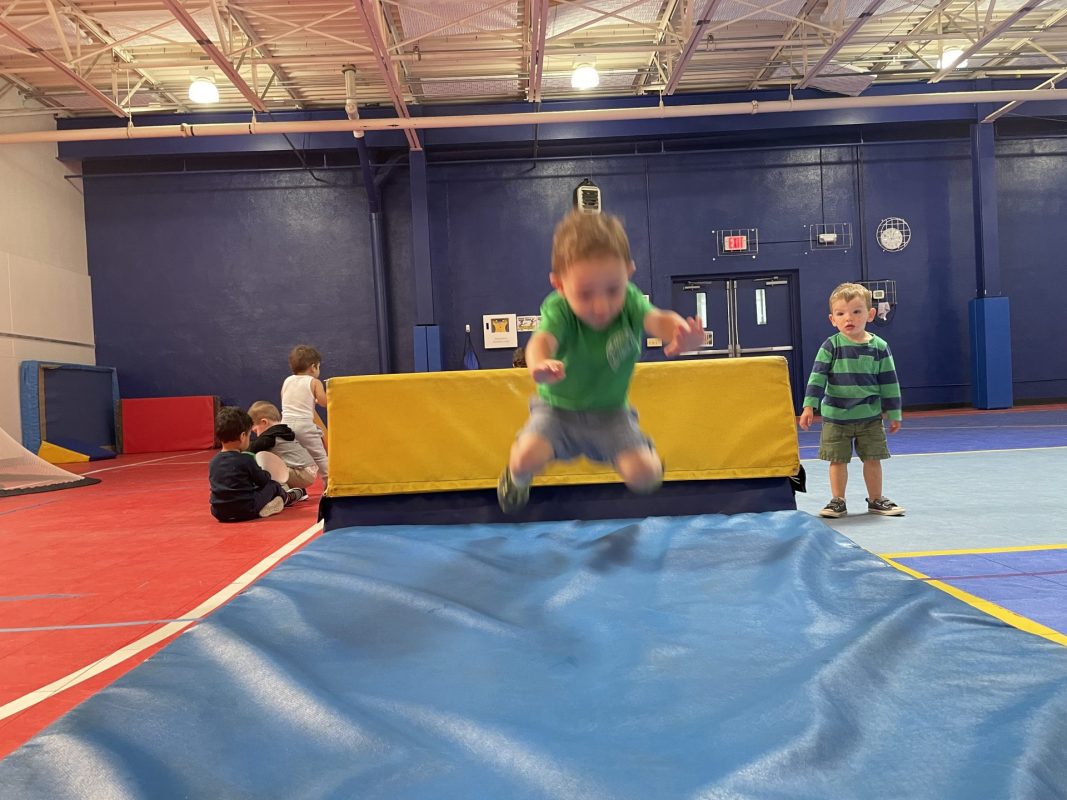
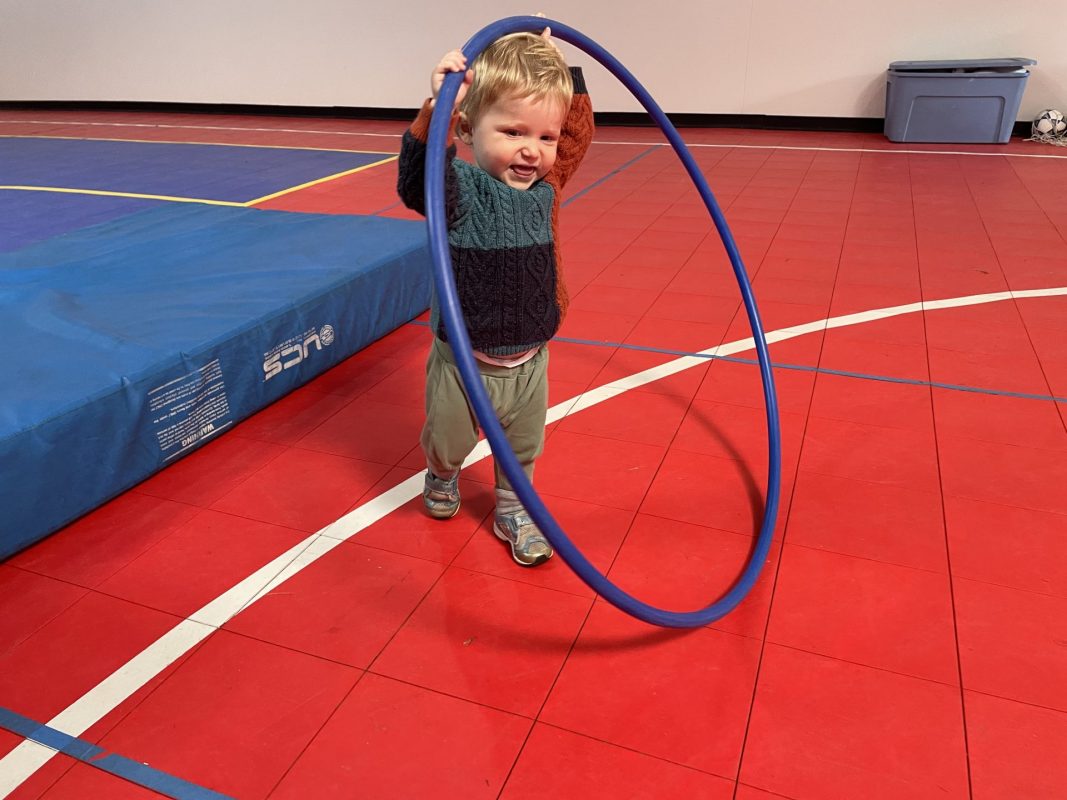
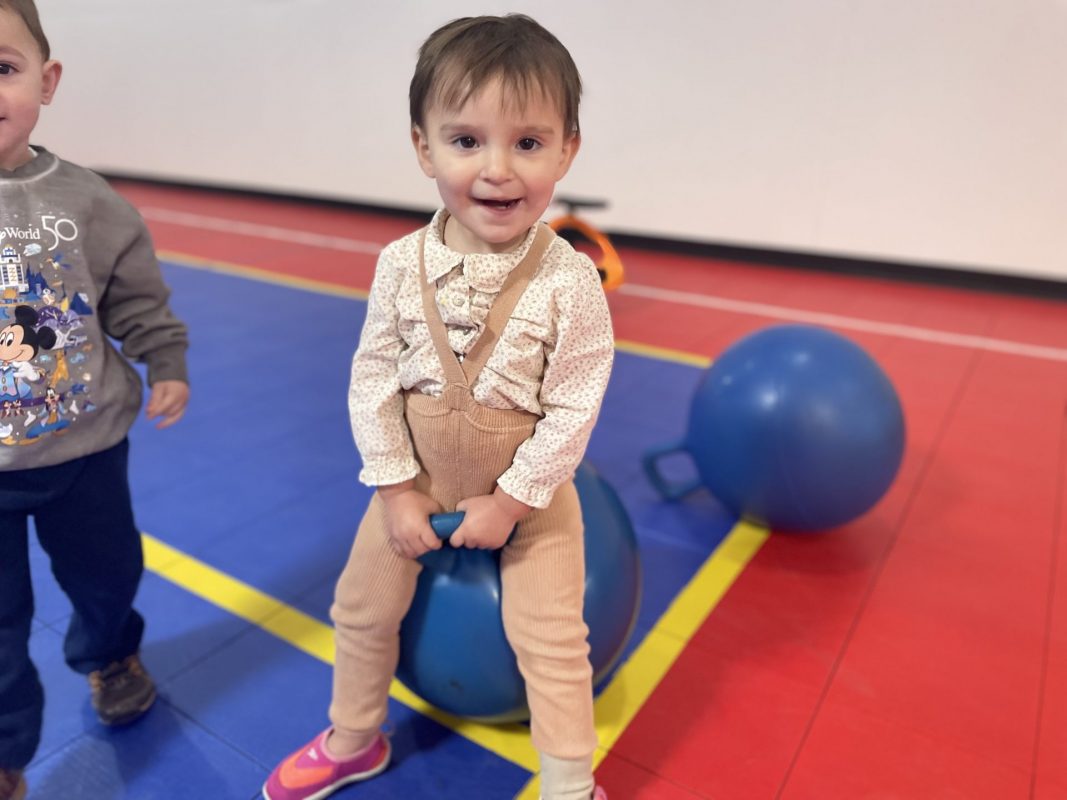
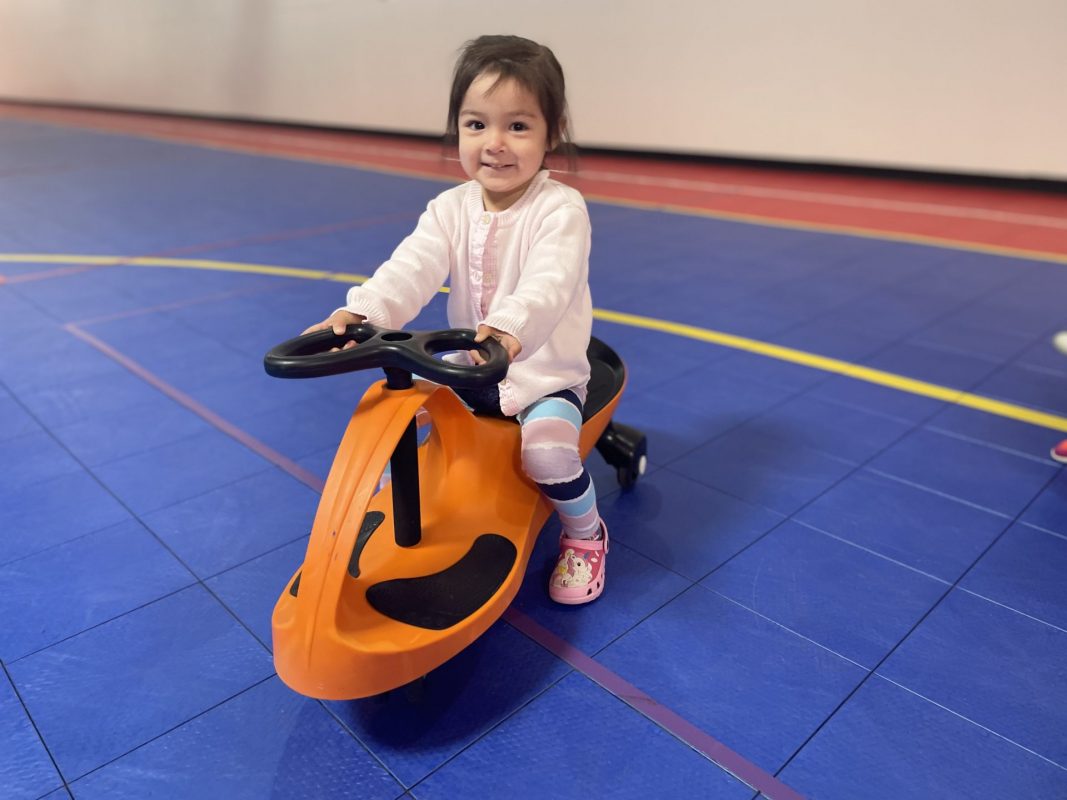
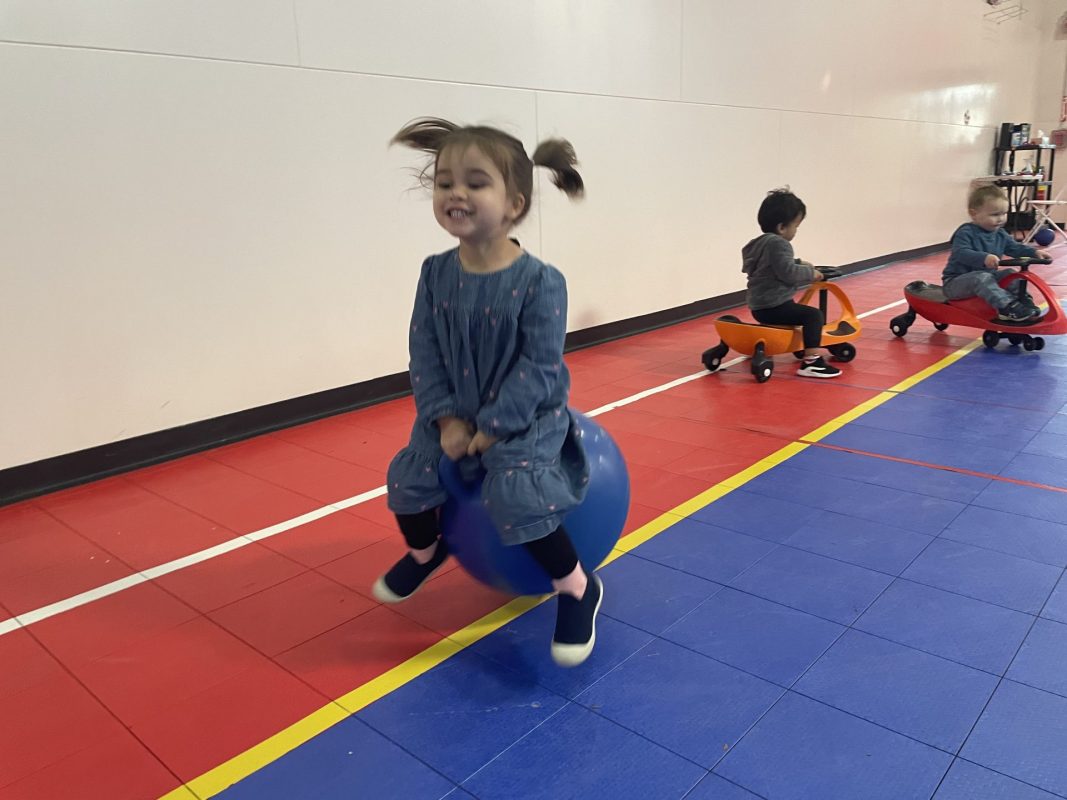
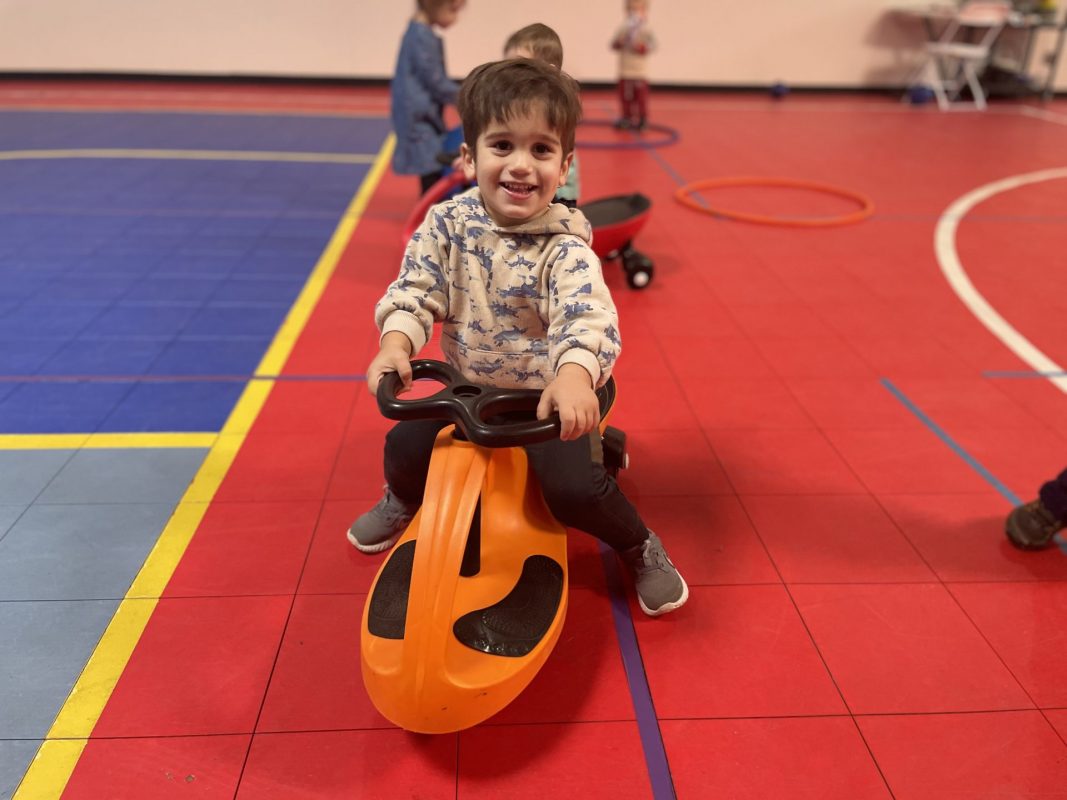
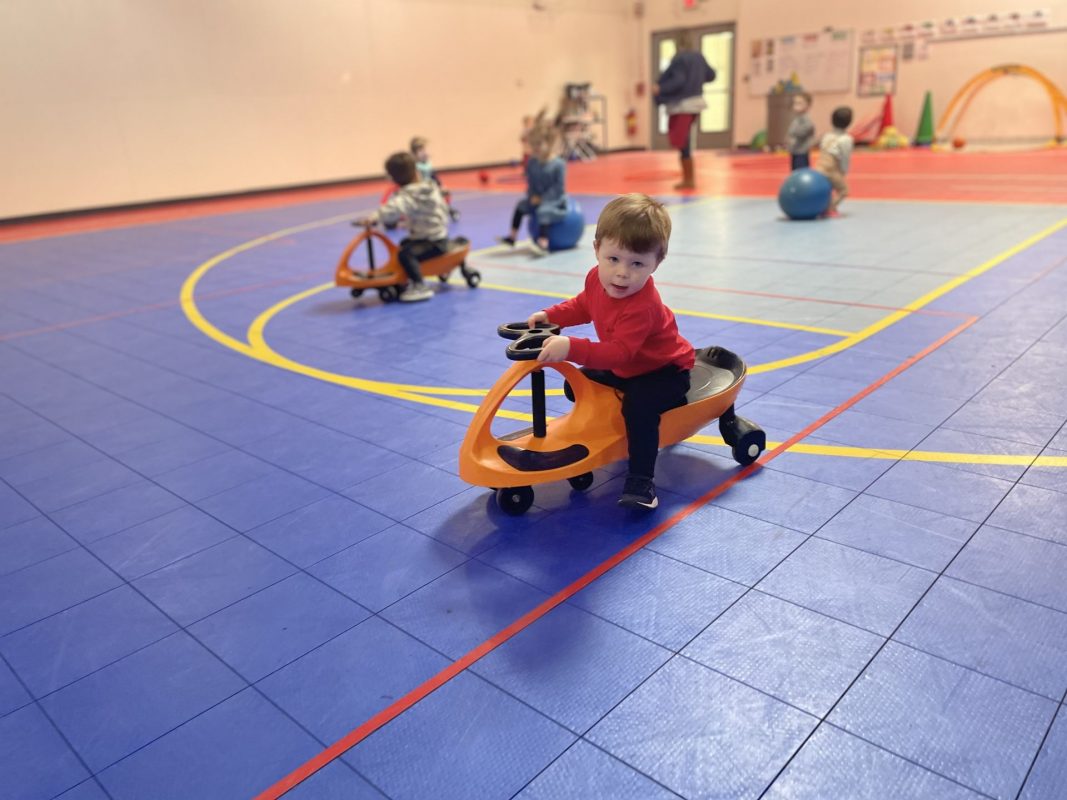
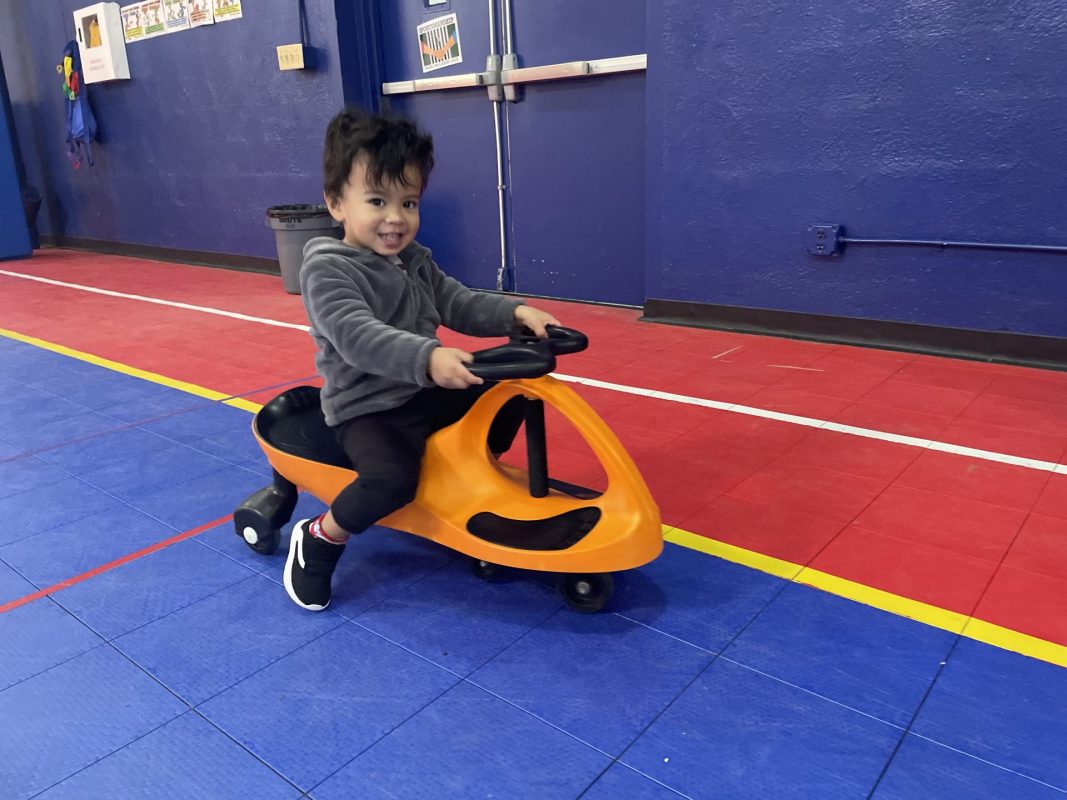
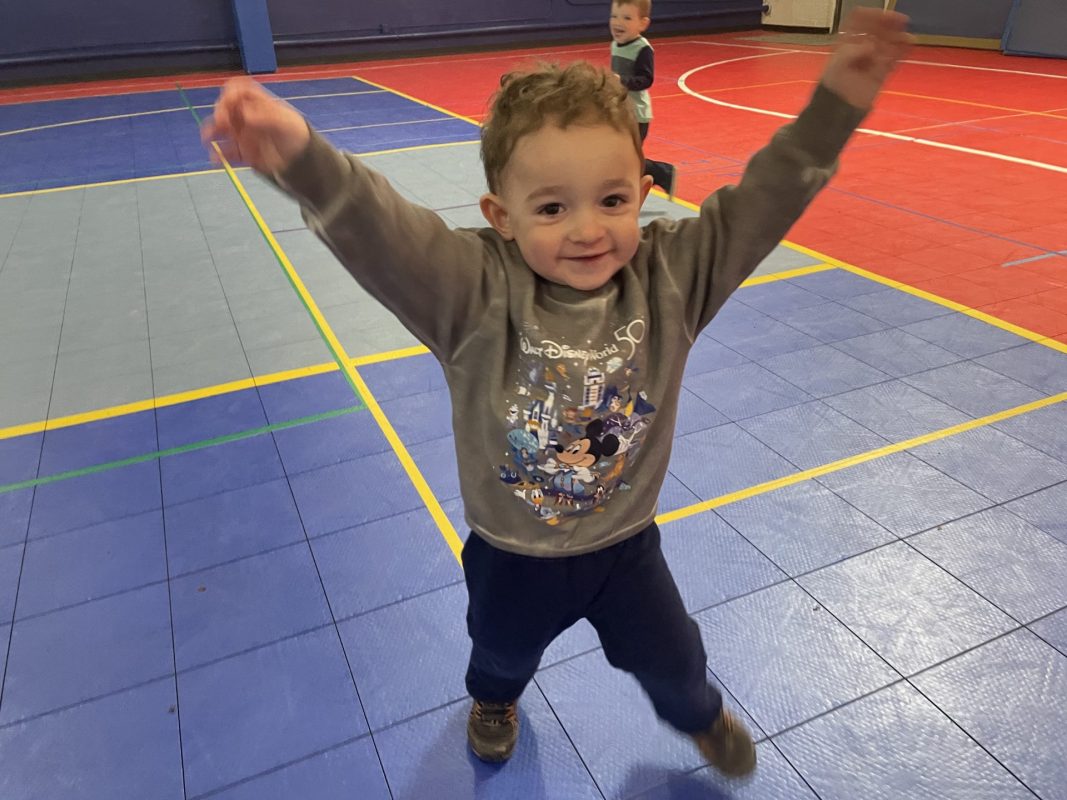
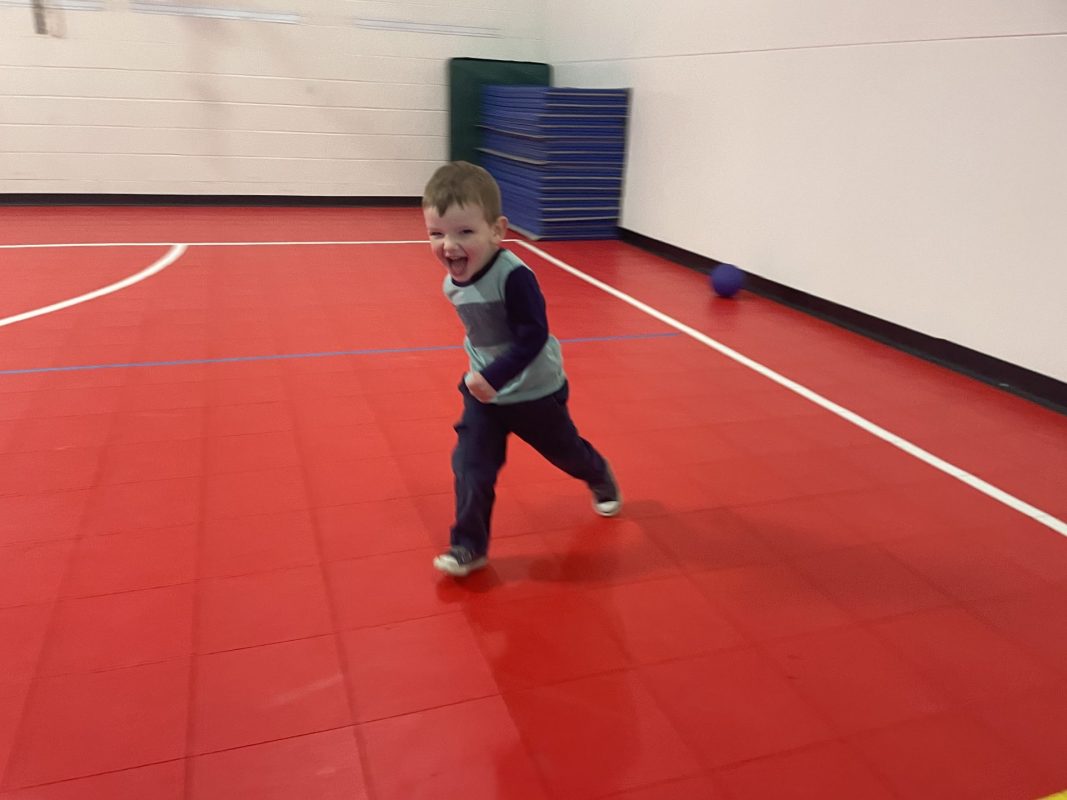
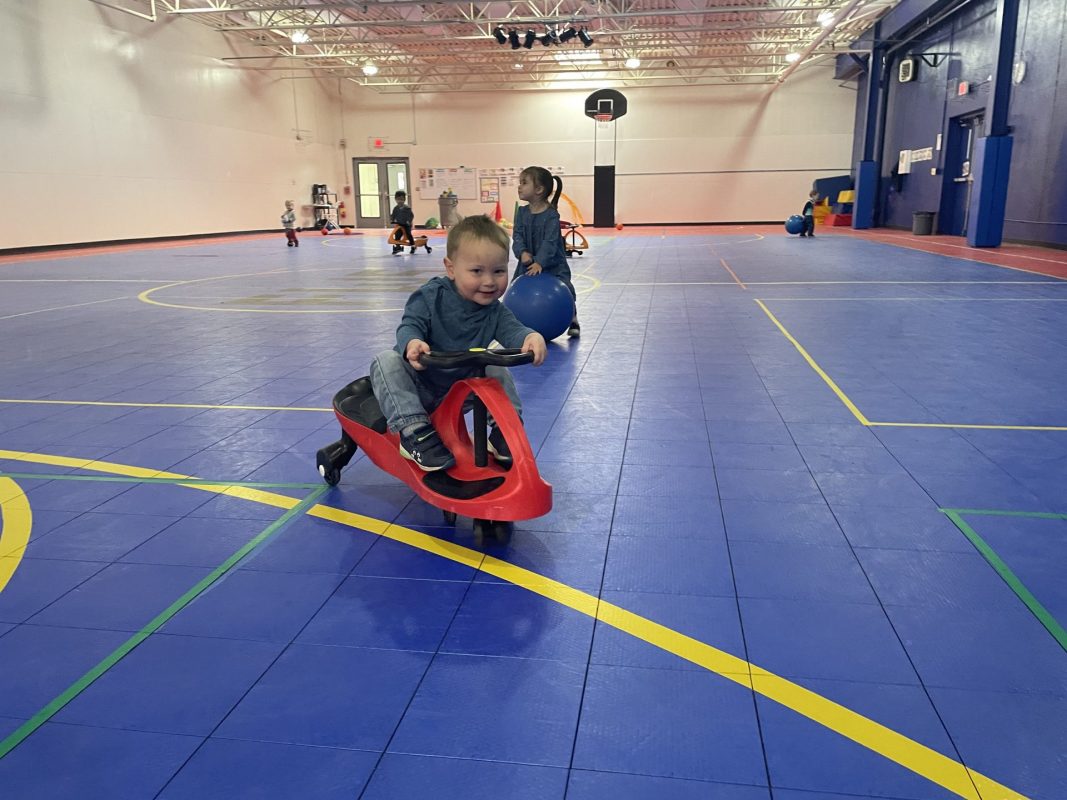
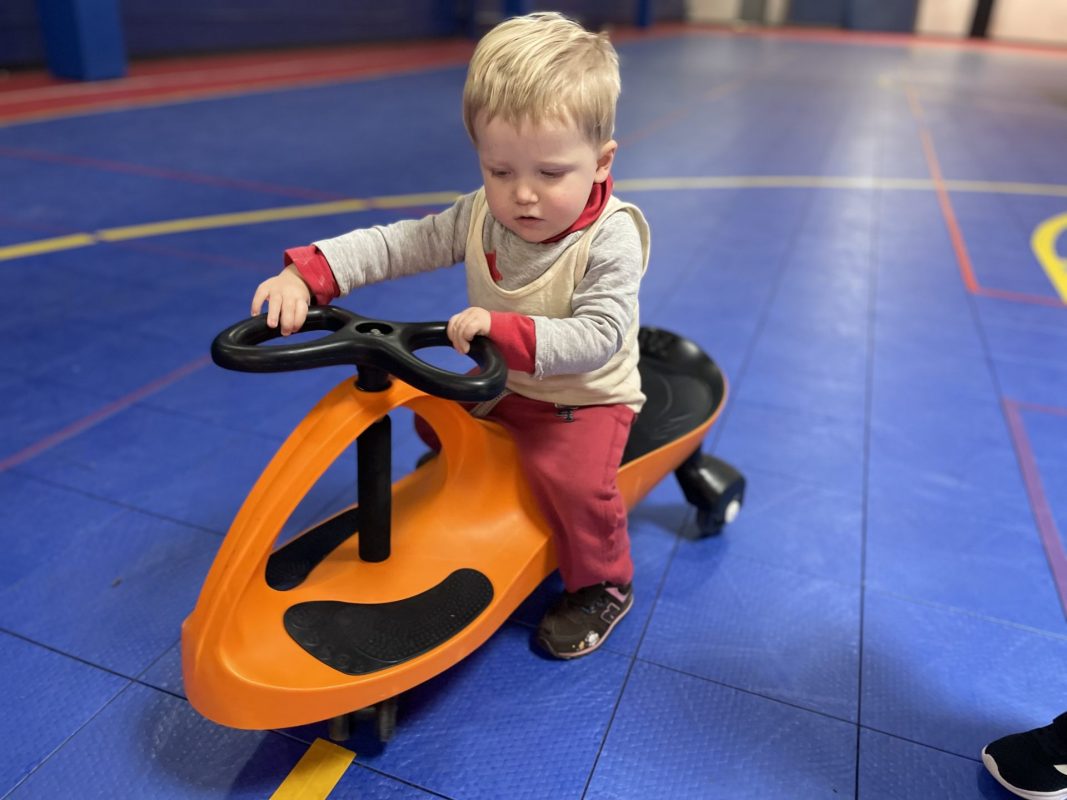
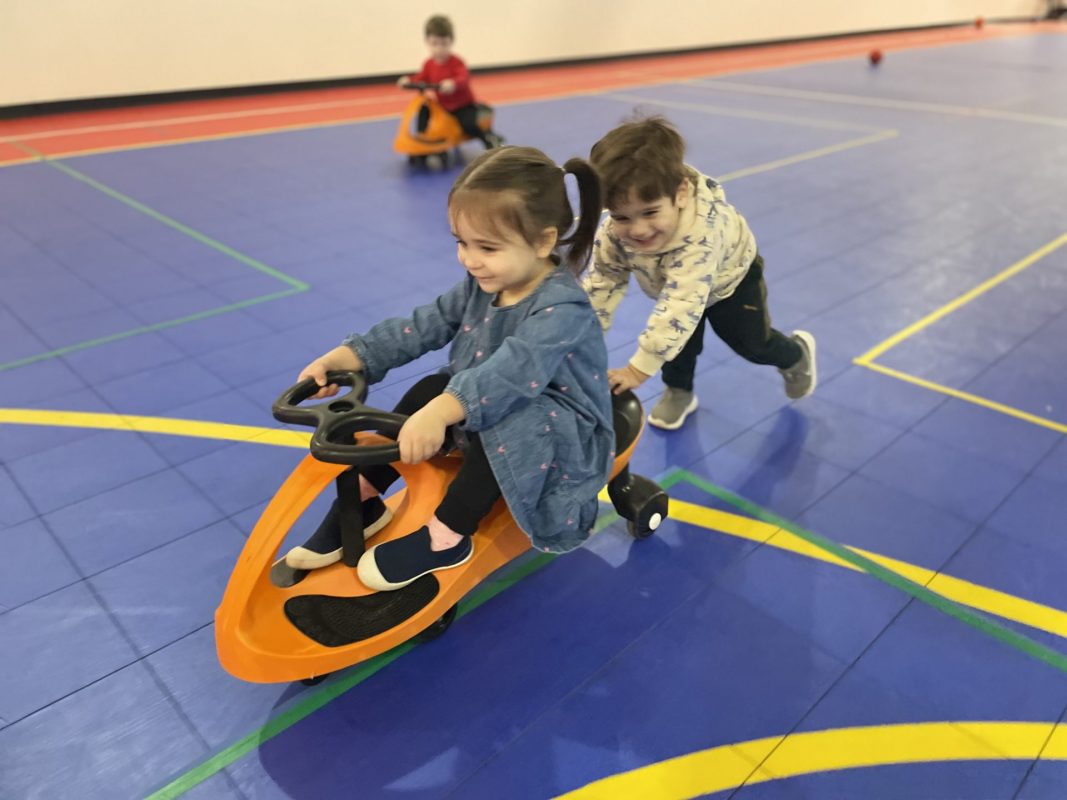
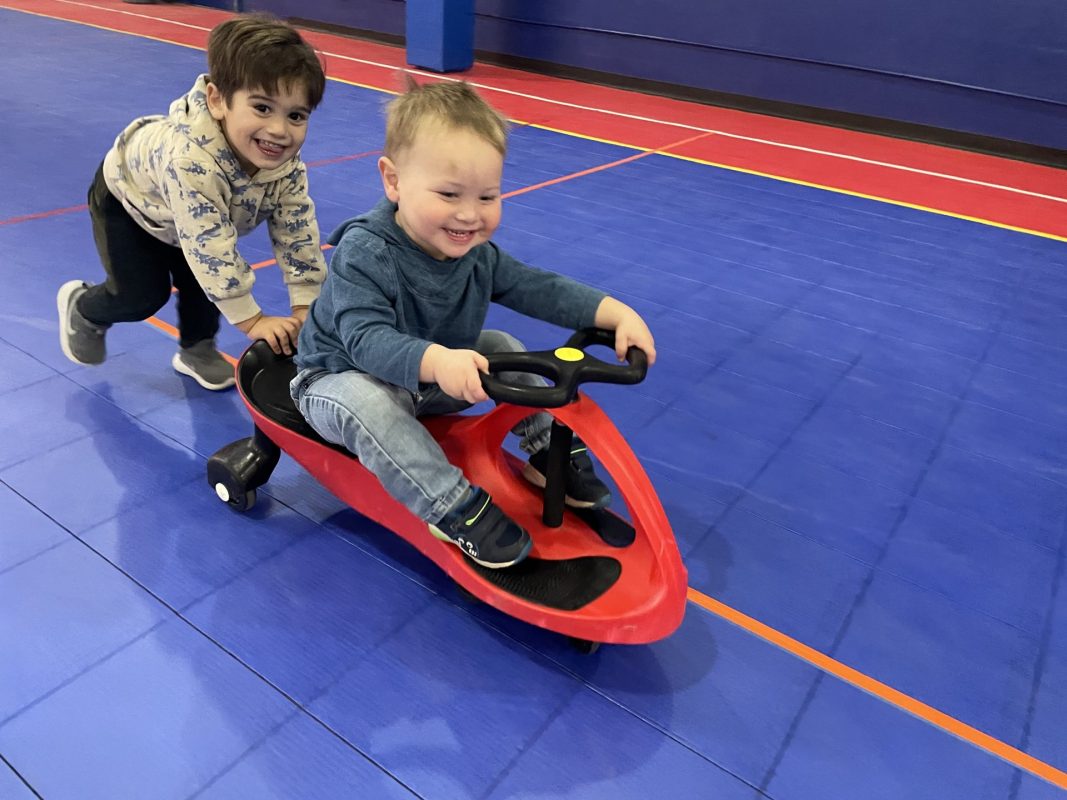
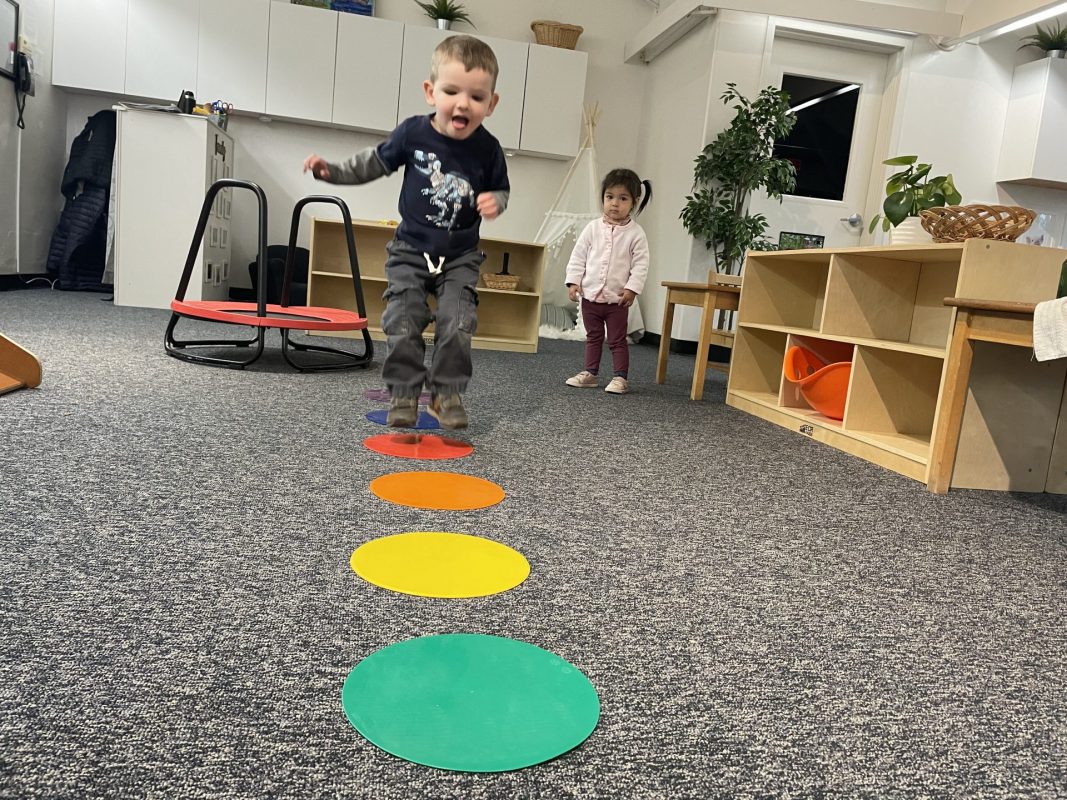
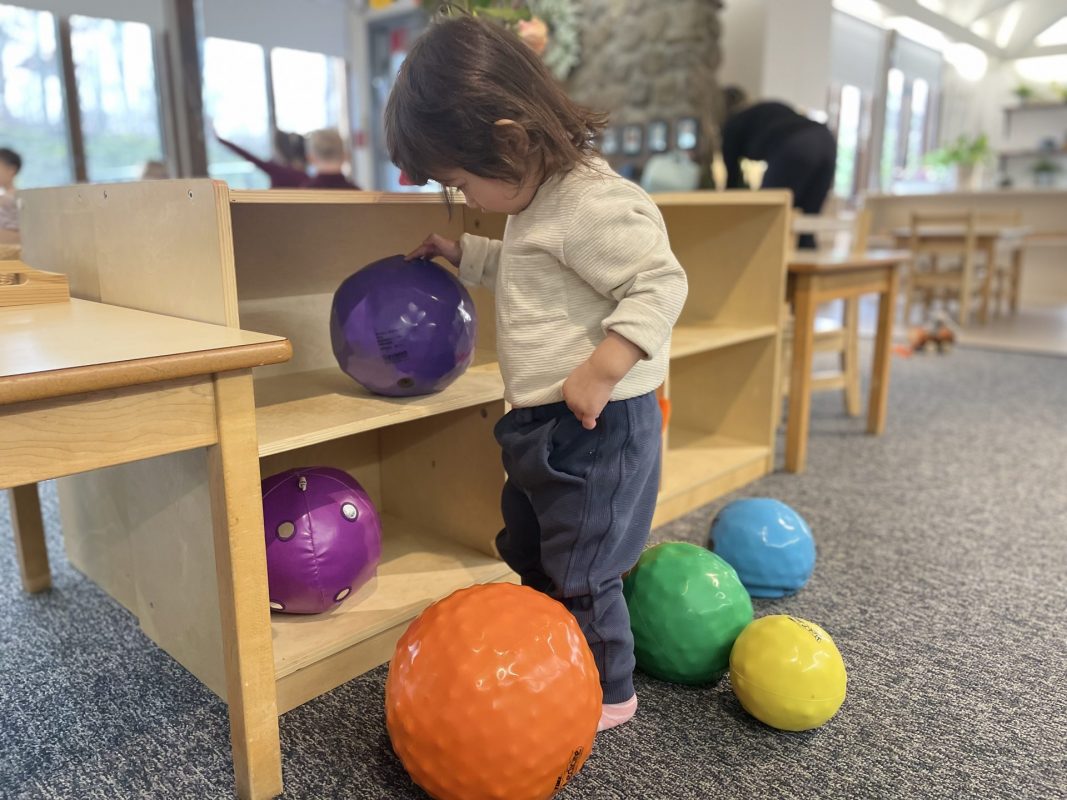
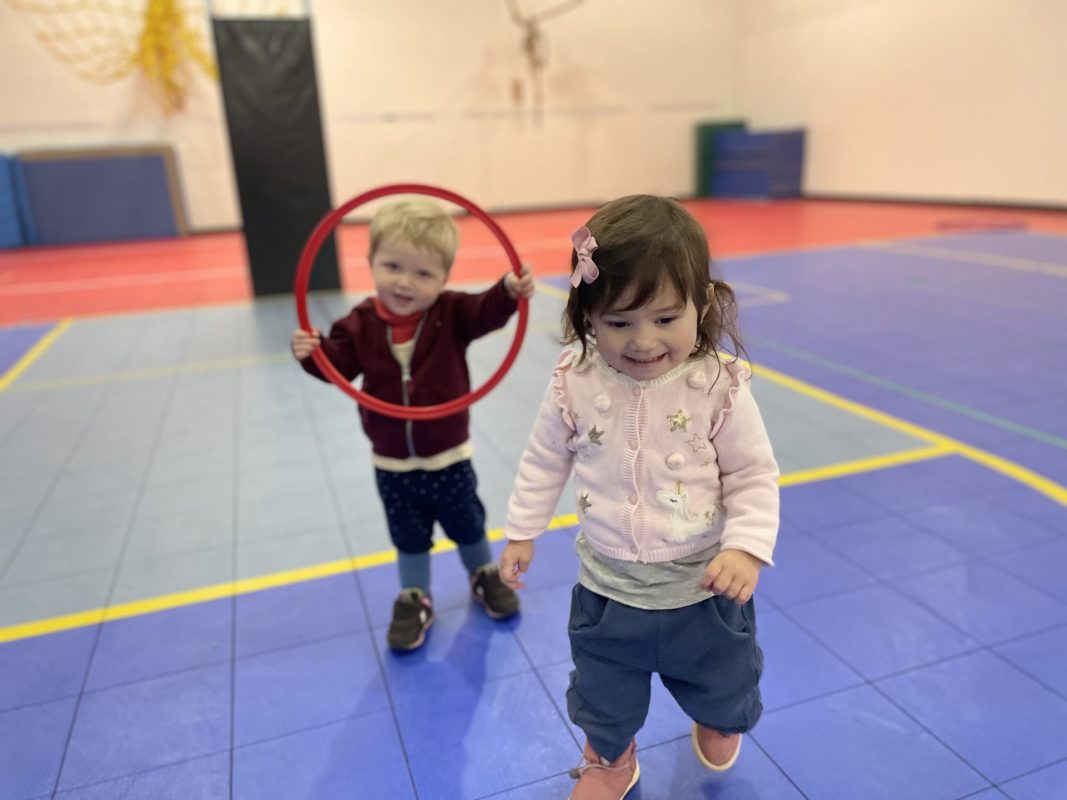
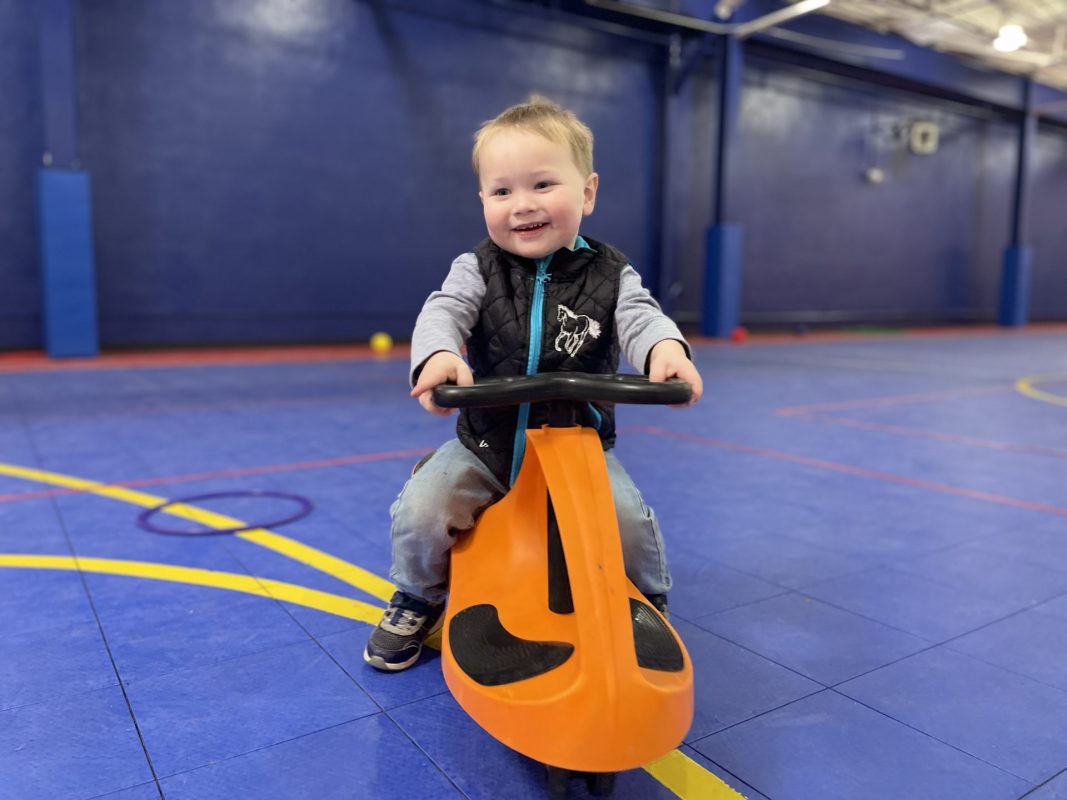
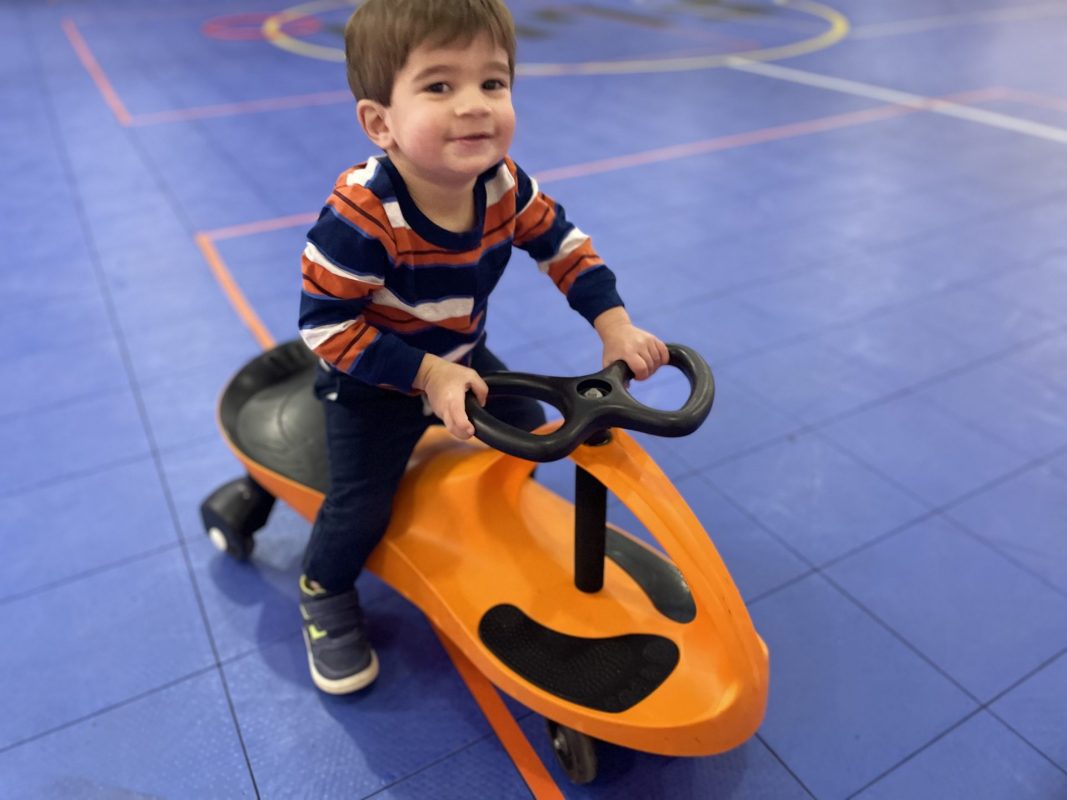
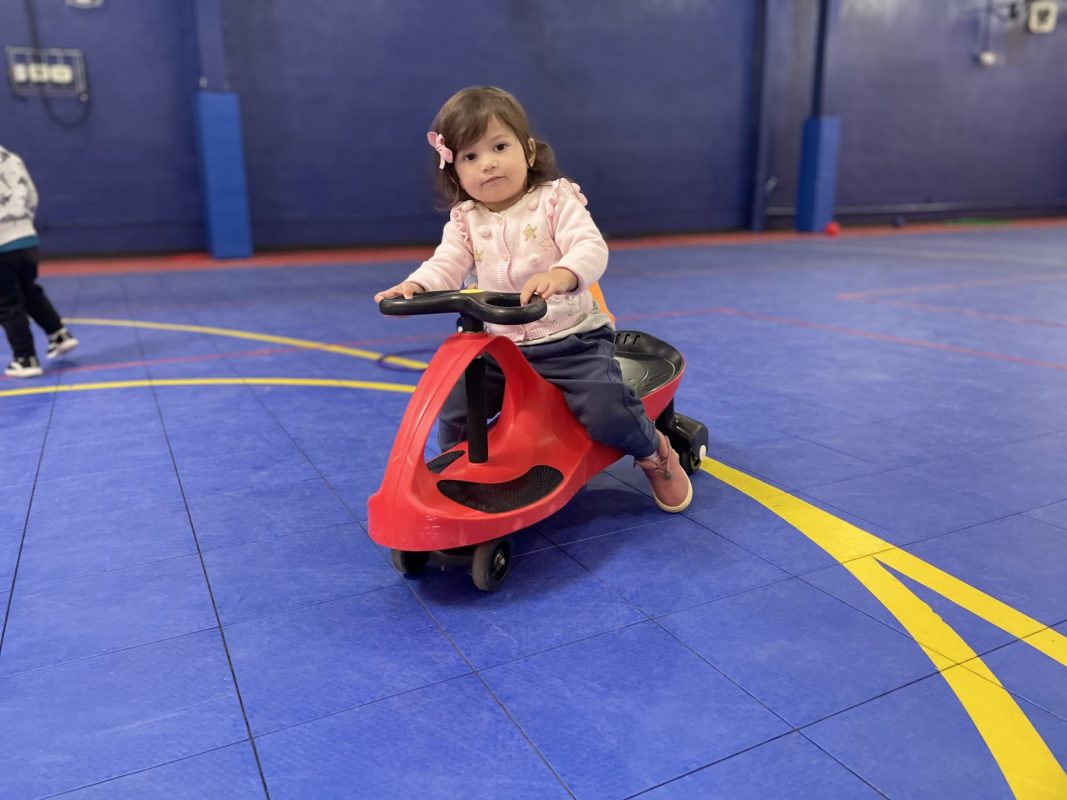
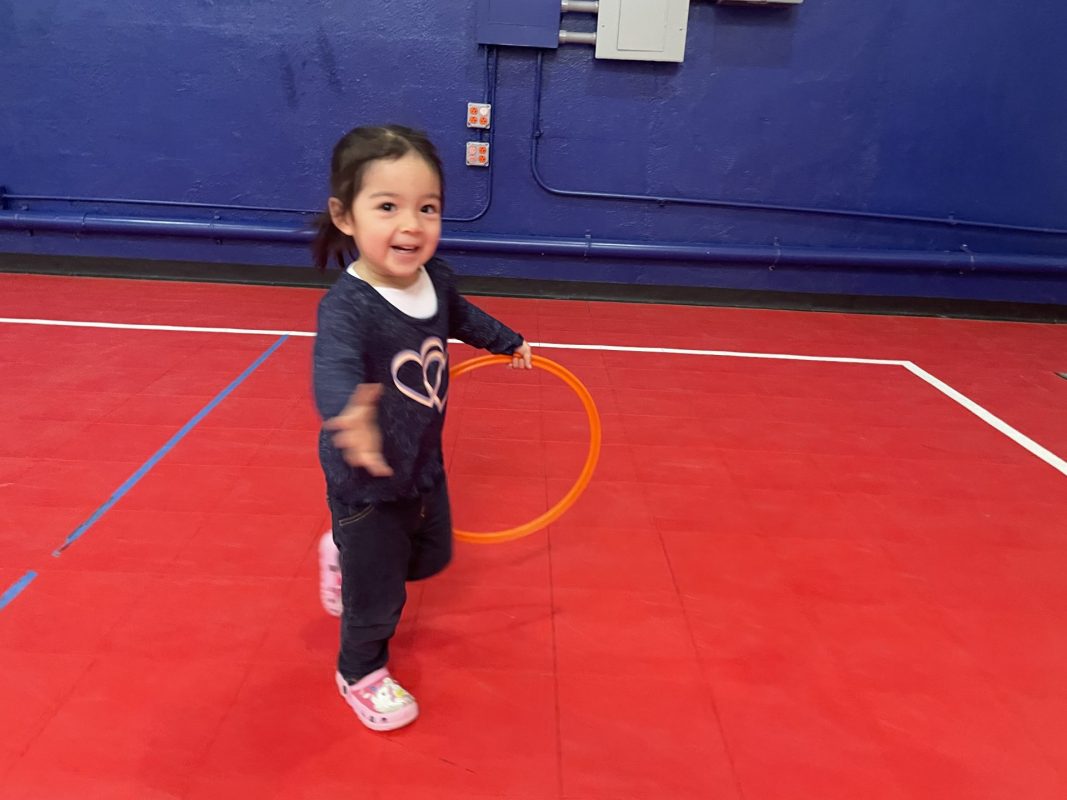
In addition, our toddlers have access to space in the gym at different times during the morning and as needed! We are SO thankful for it, as we continue to  “follow the child” and adjust activities according to their needs without interrupting their work cycle. Saying the children enjoyed their time at the gym this week is an understatement! They seemed to love the obstacle course, jumping and running as fast as they could! They enjoyed playing with the balls and  hula hoops and some of them even stopped at the music station to show off some quite impressive dance moves! 🙂 We had so much fun!

We hope you enjoy the pictures as much as we do!

Mrs. Hood and Ms. Maria

Mrs. Hood’s Class: Apple Yumminess!

One of the main highlights of our week was our first lesson on food tasting. As children grow beyond the infant stage, they begin the journey to independence as toddlers. Many parents notice this change in their children when it comes to mealtime, as they begin to hear a resounding, “No!” when it comes to eating the foods they once loved and trying new ones. In order to help families, we have integrated food tasting into our toddler program as a way to ease children into the idea of trying new foods by teaching them all about the food and encouraging them to participate as a group. 
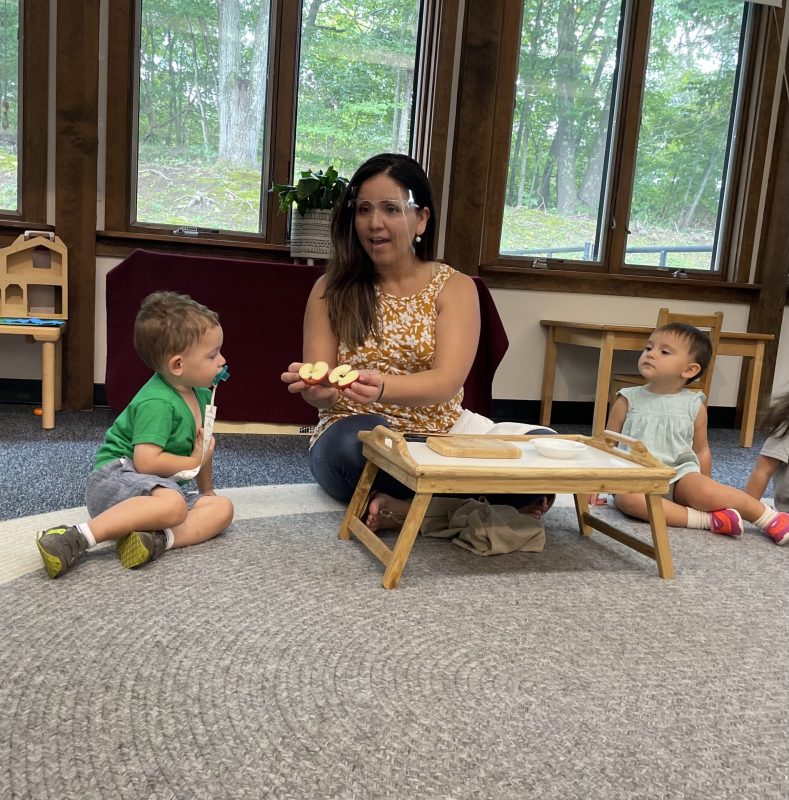
This week we introduced some delicious red apples! 

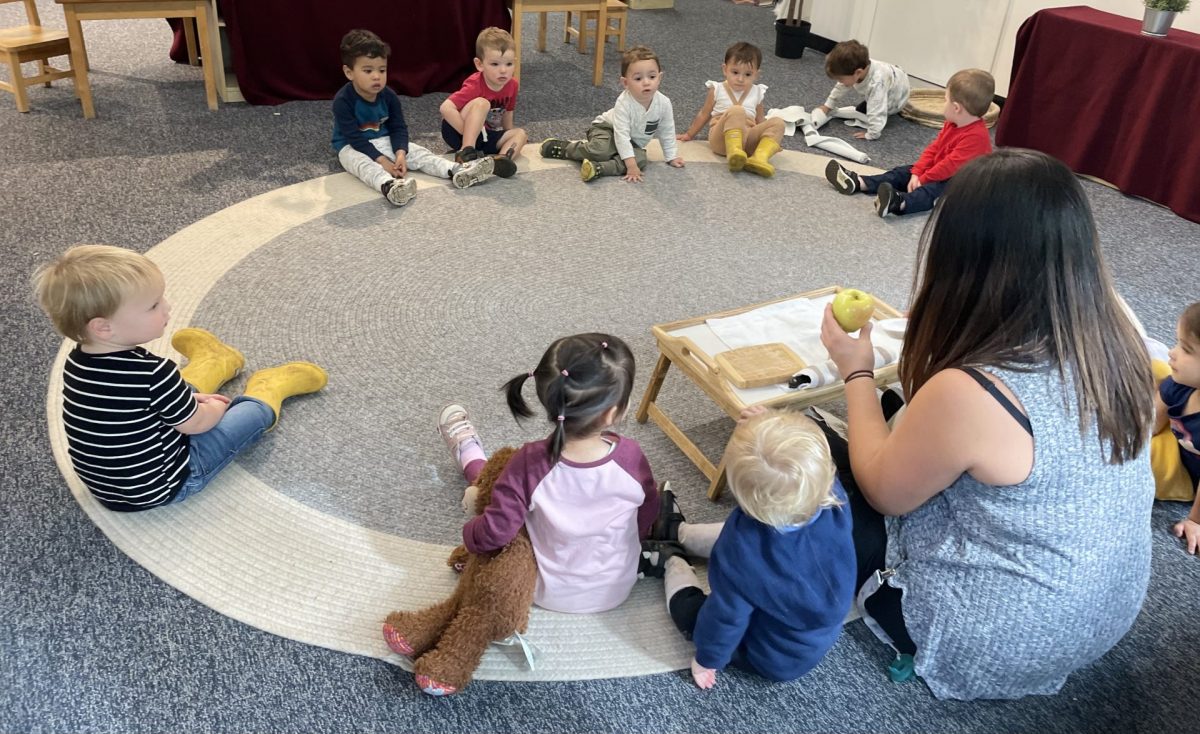
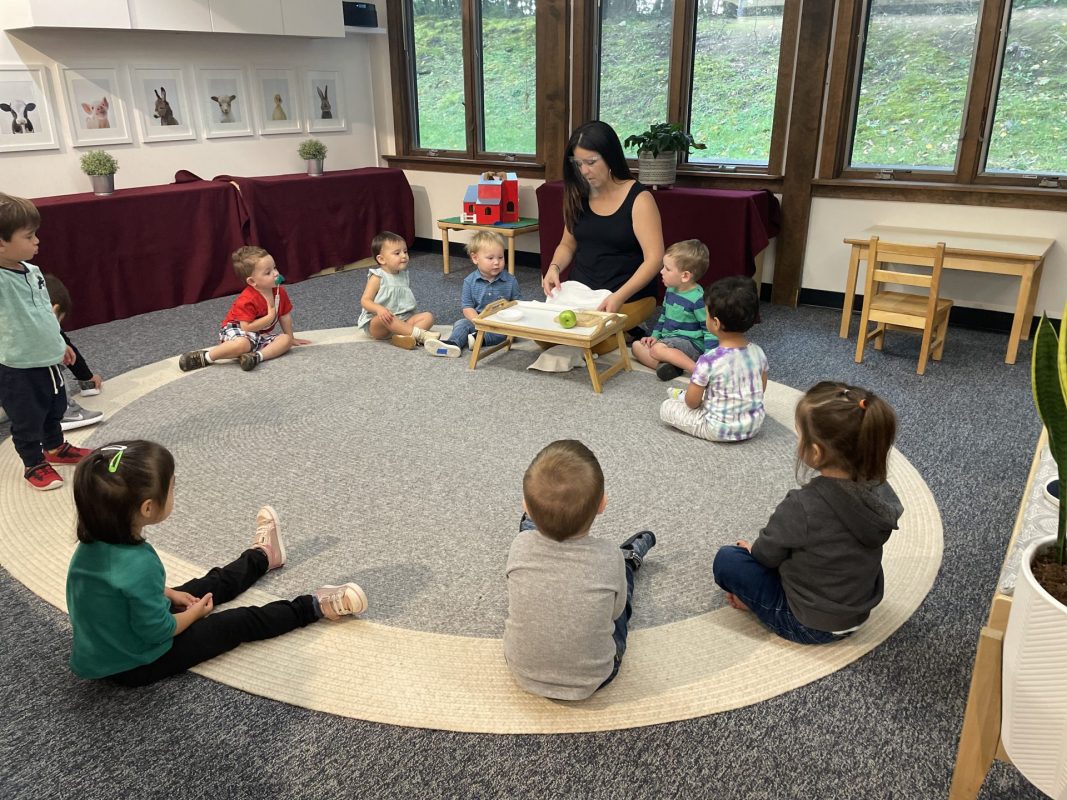
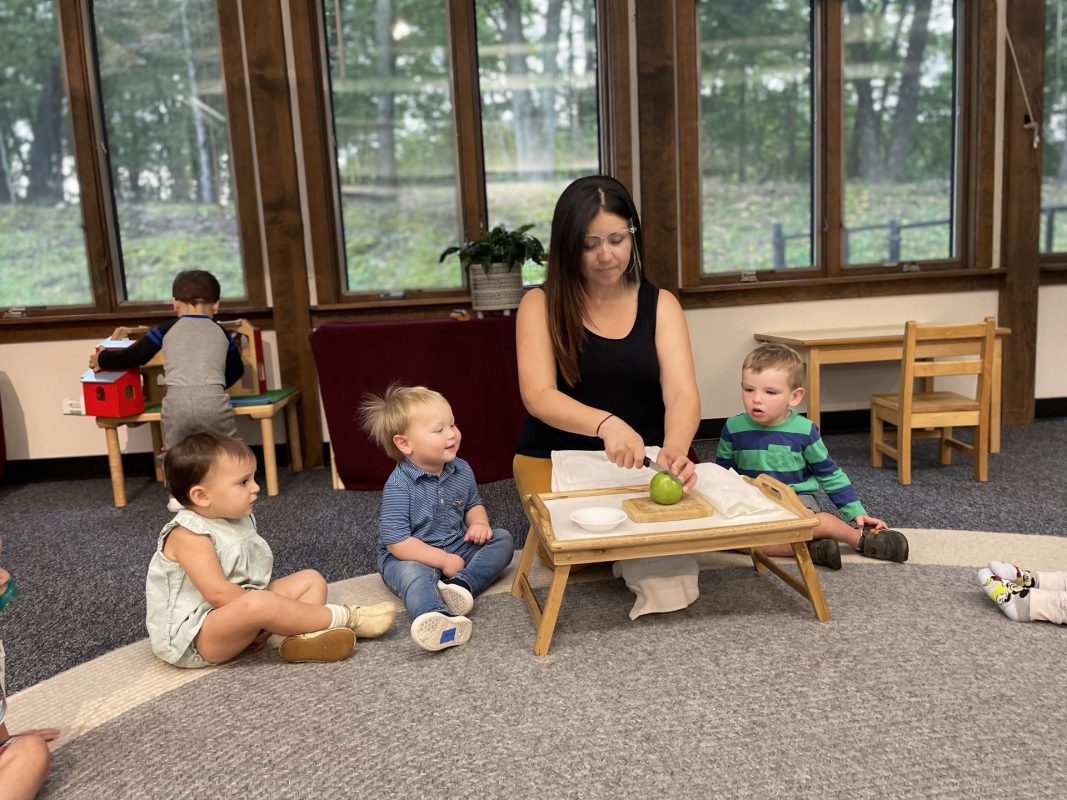
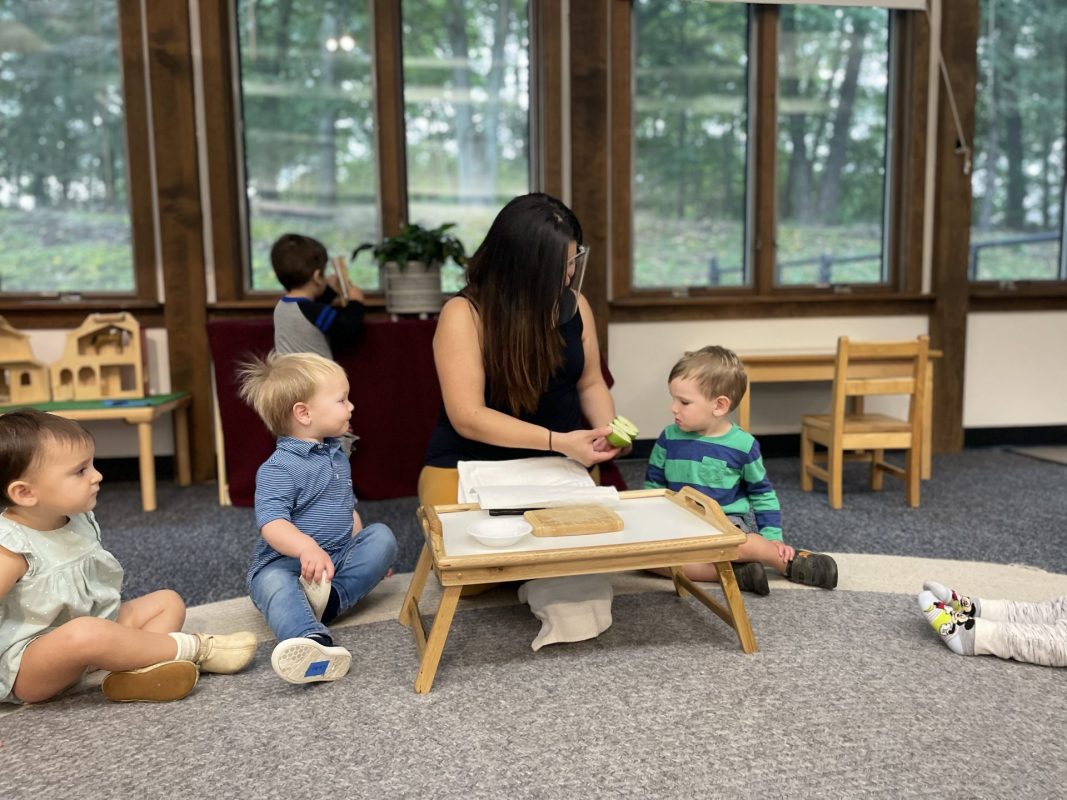
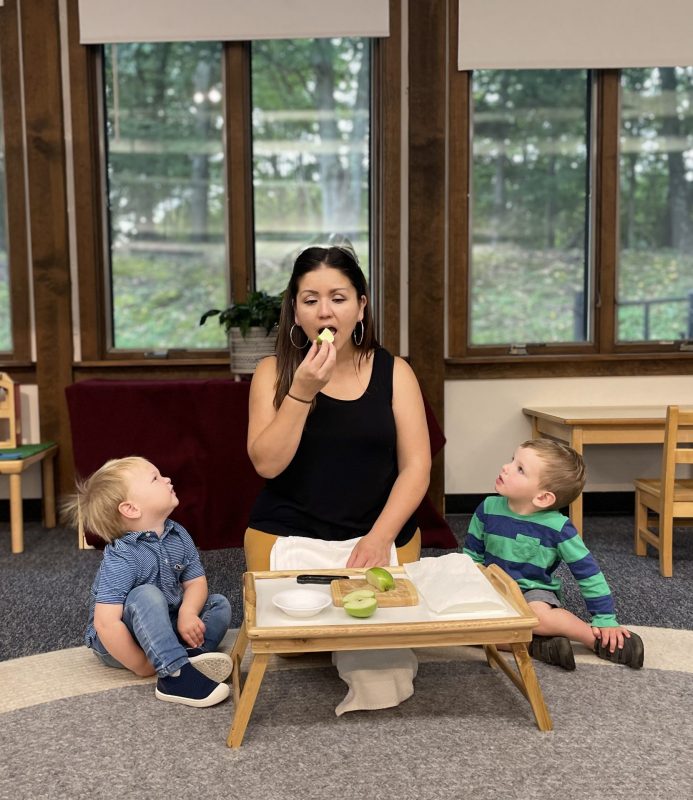
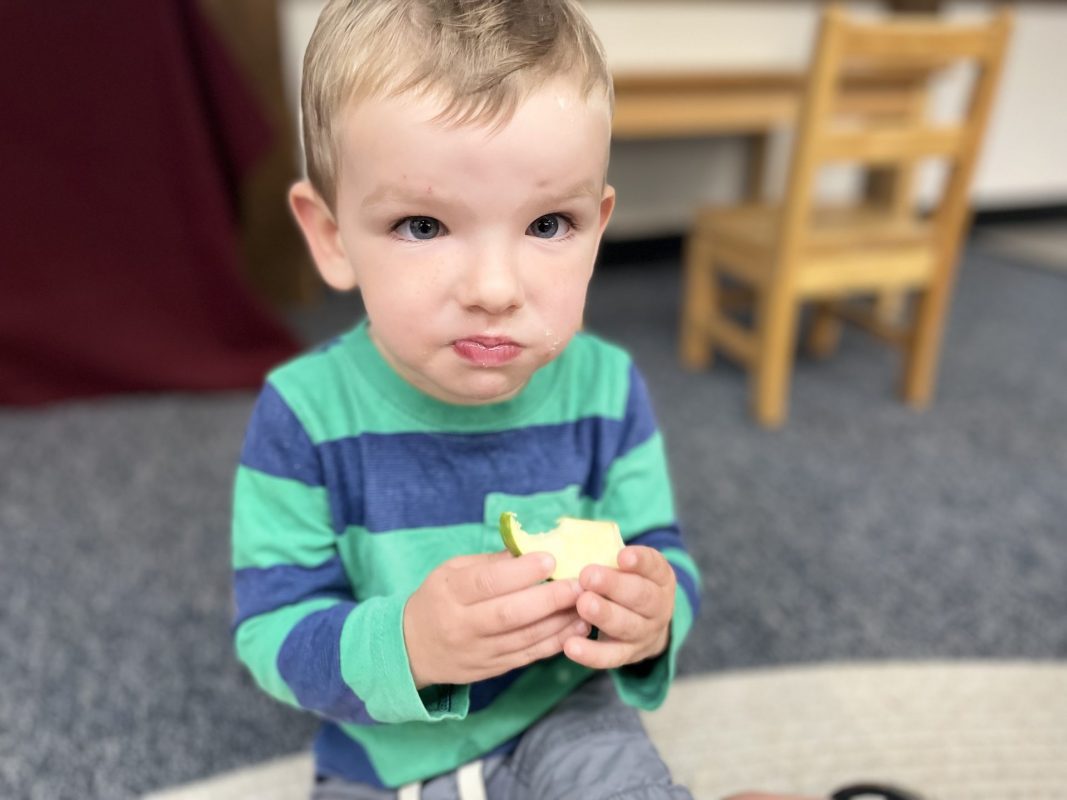
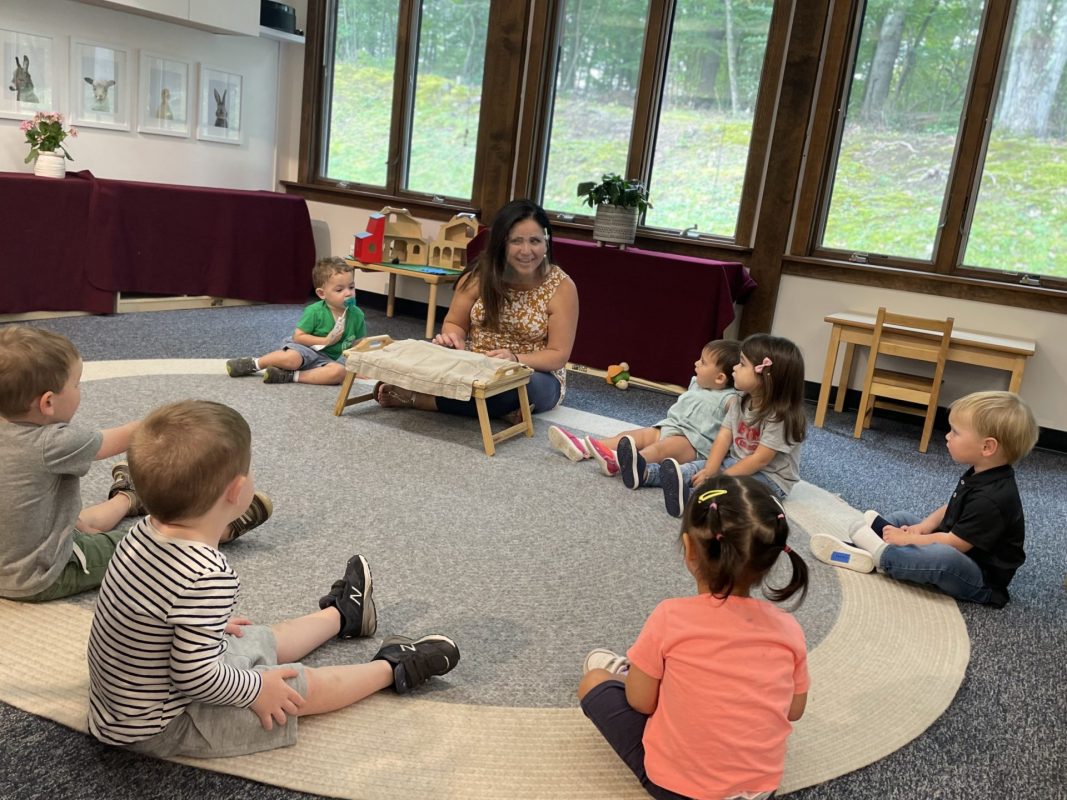
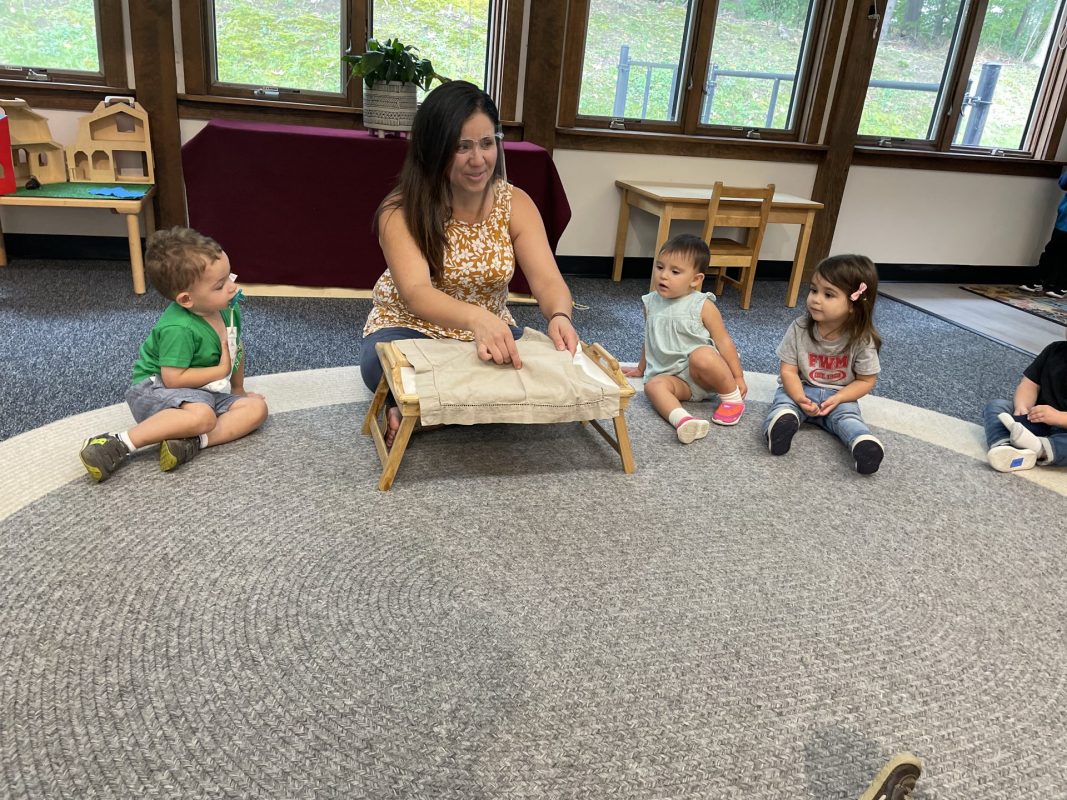
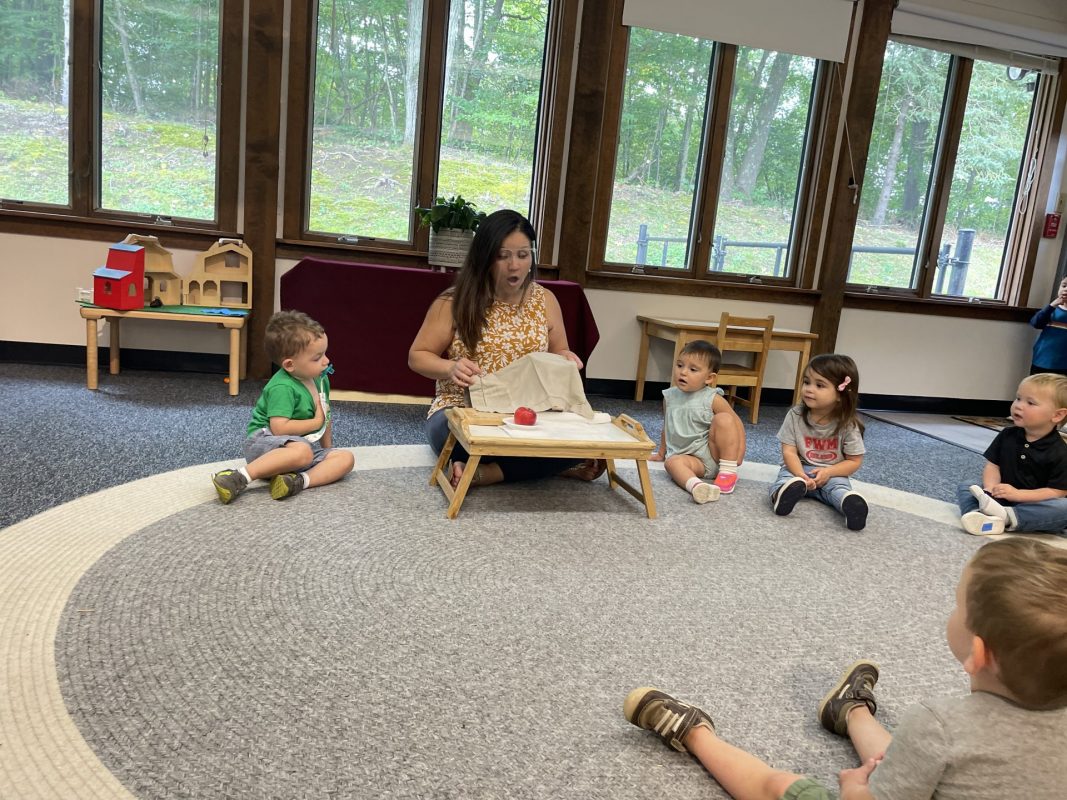
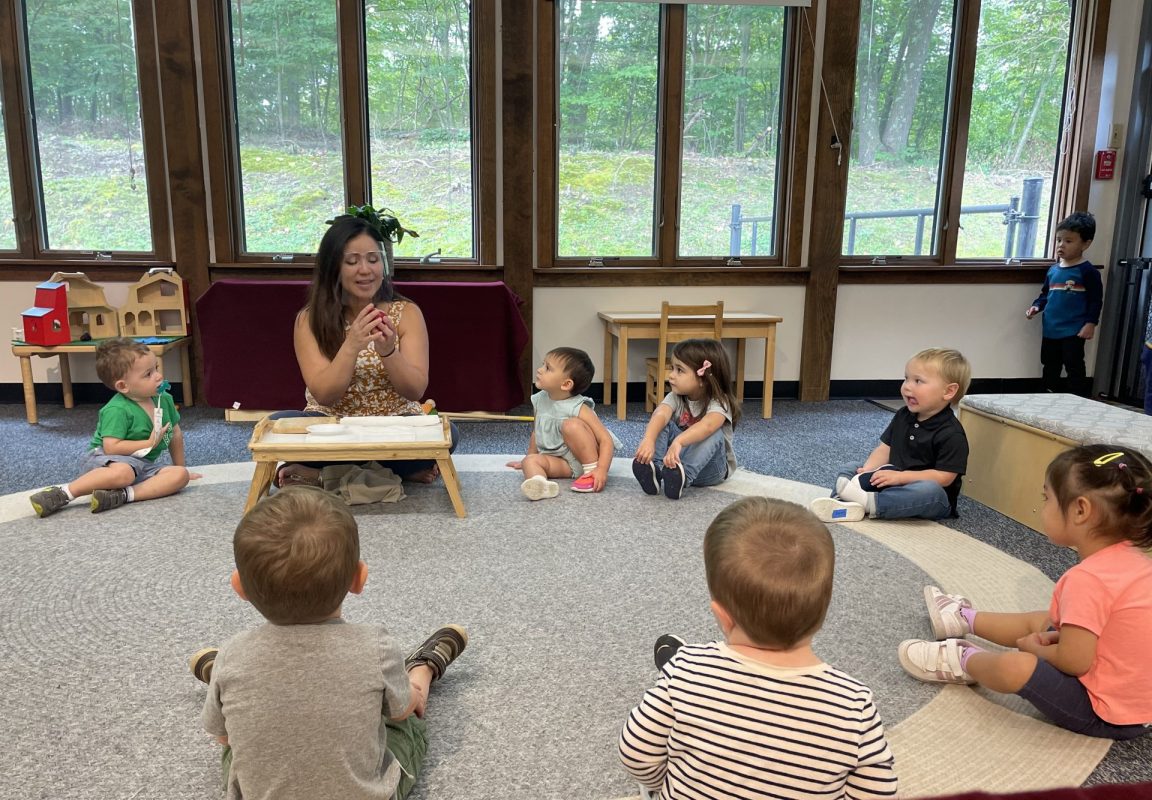
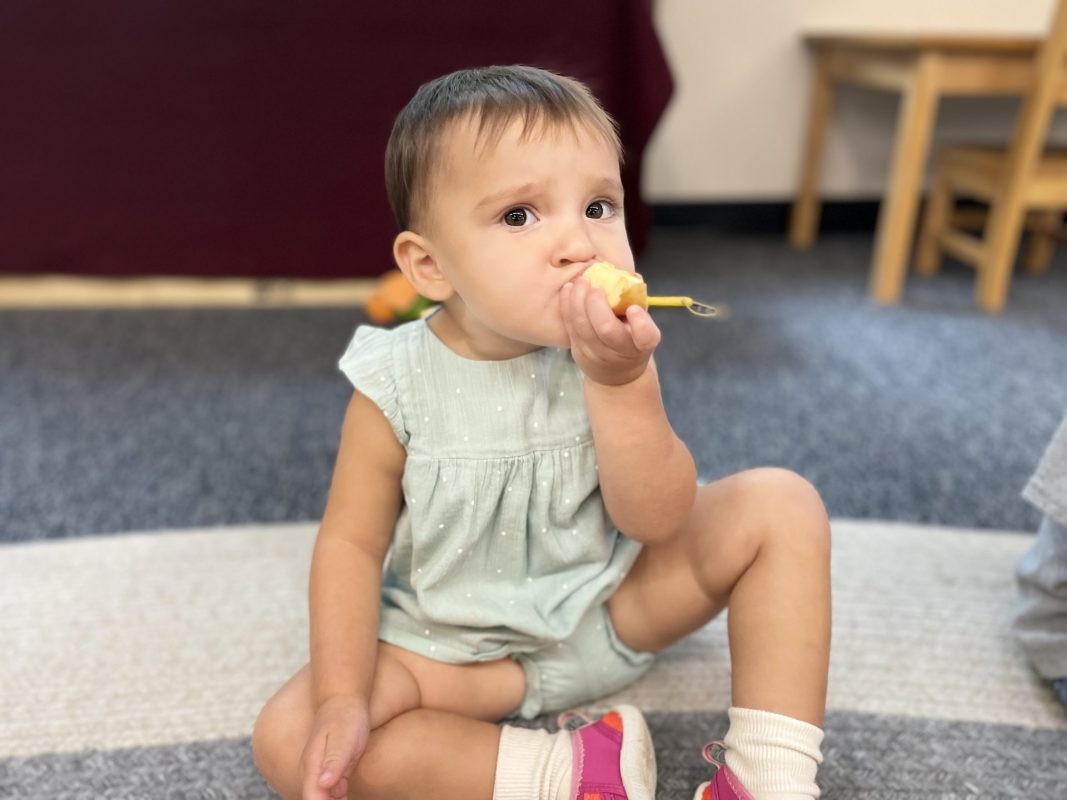
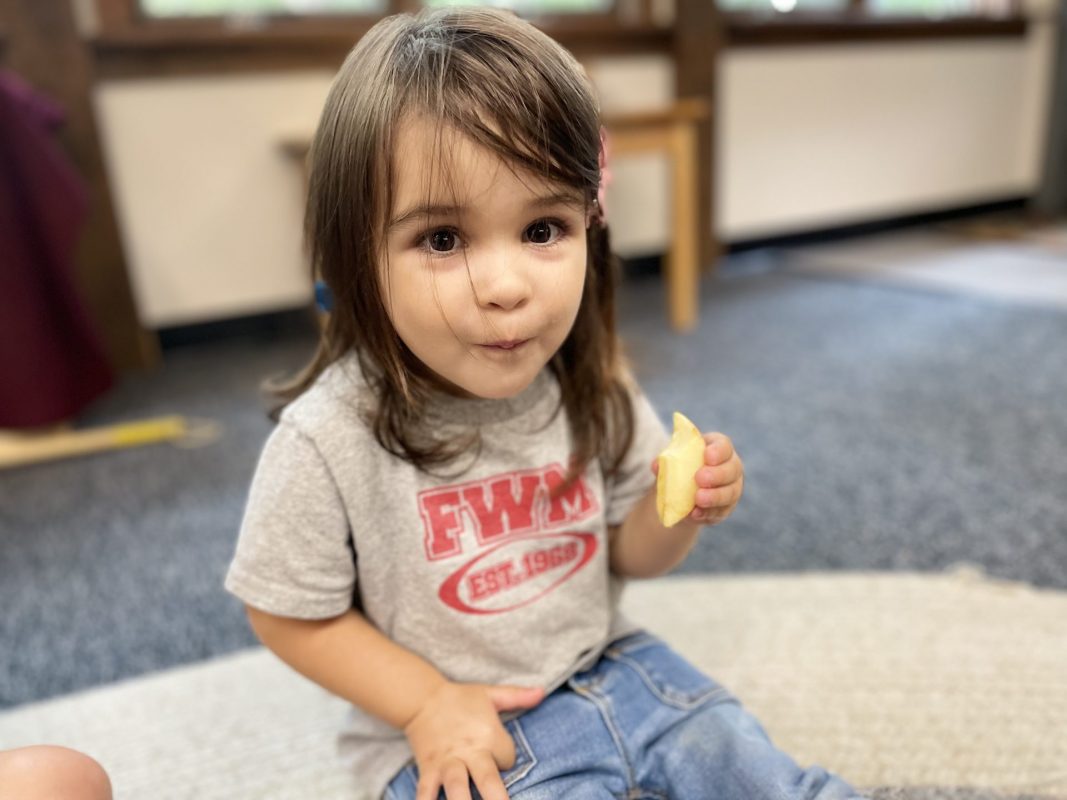
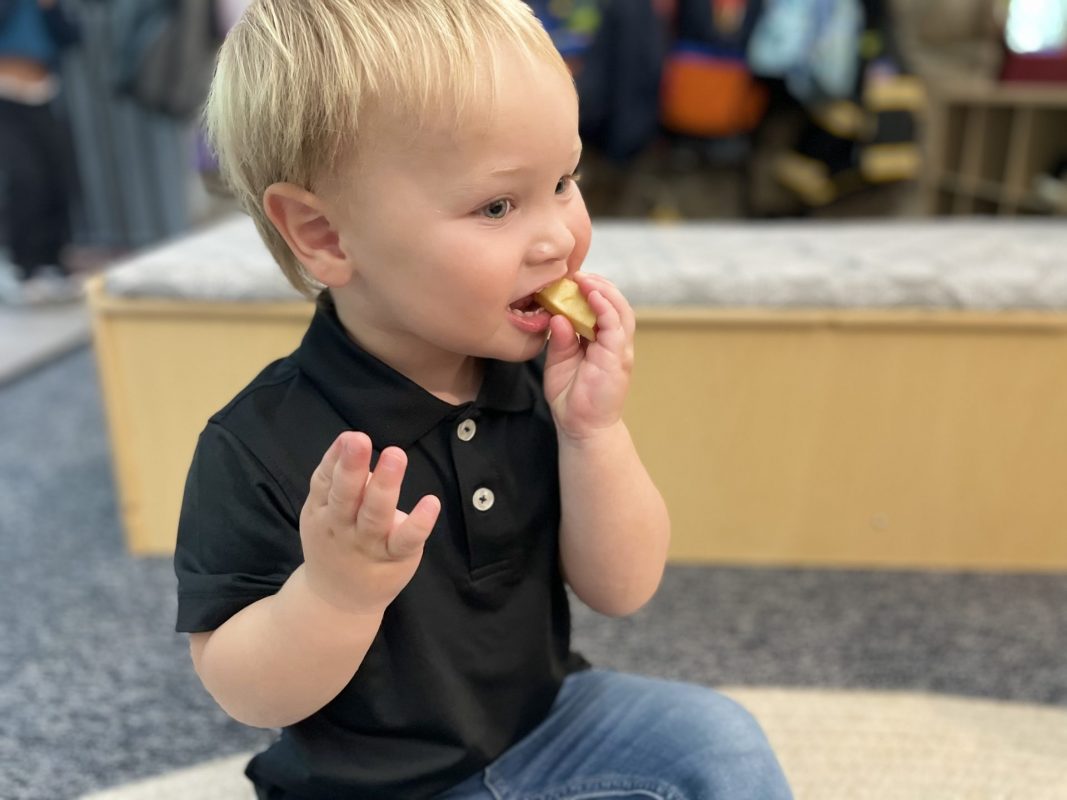
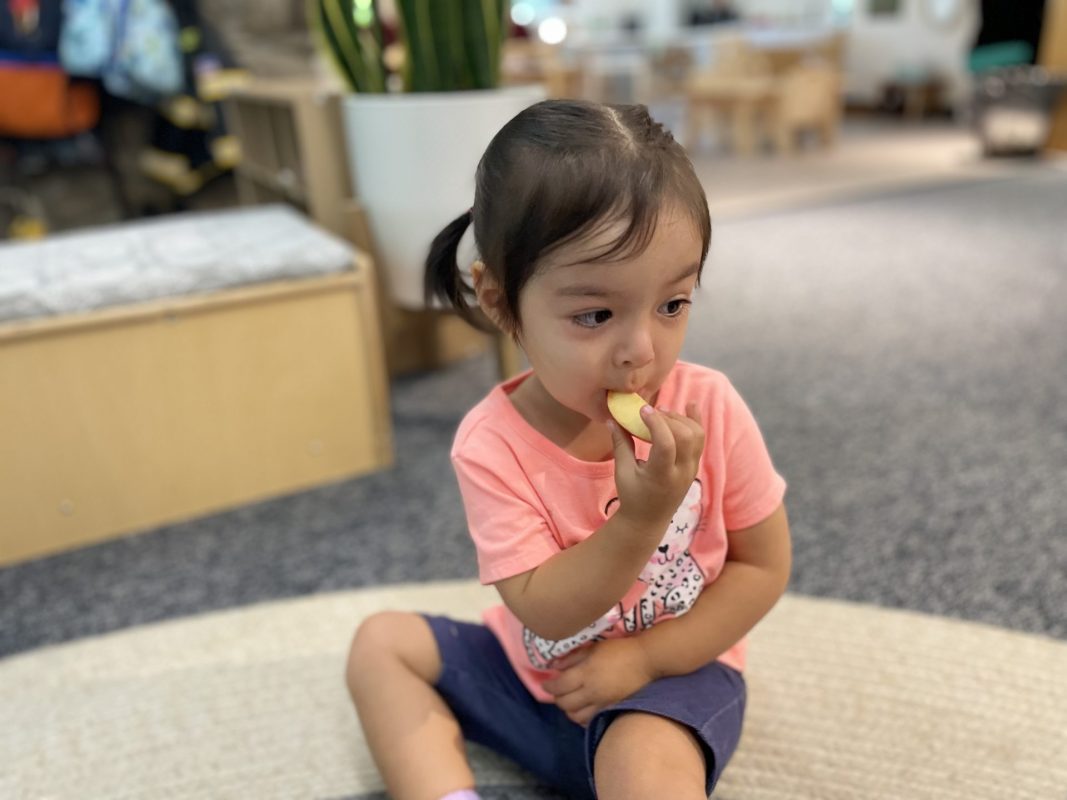
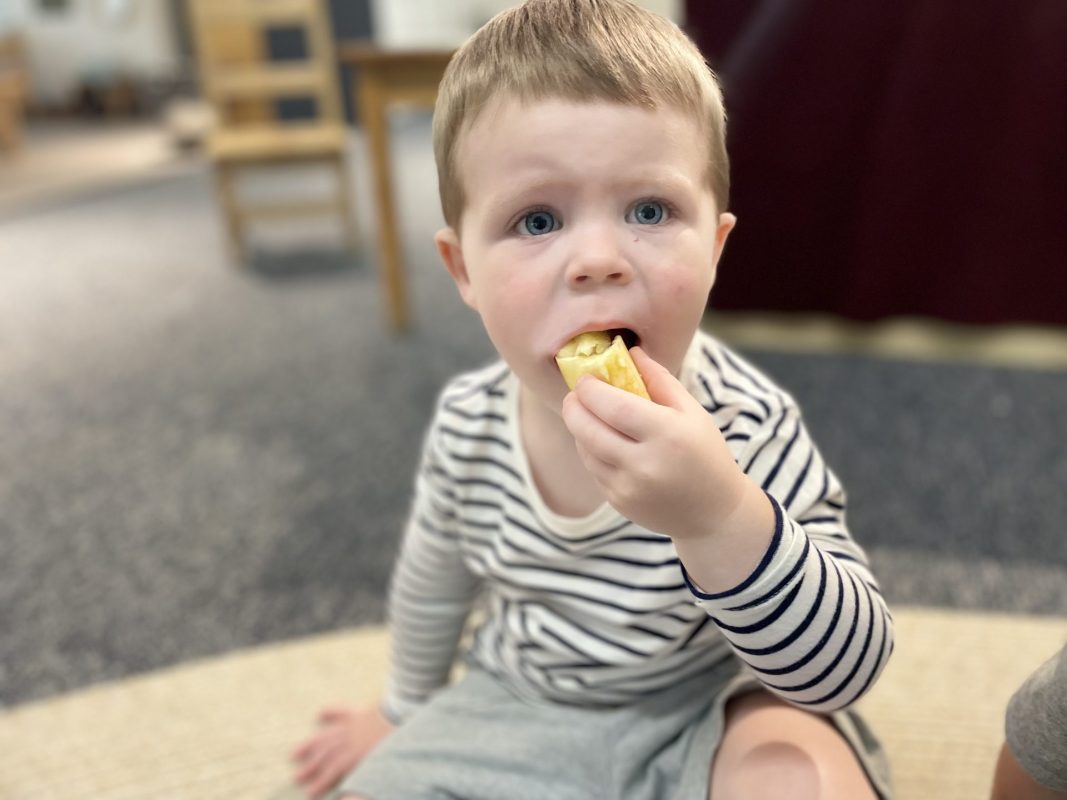
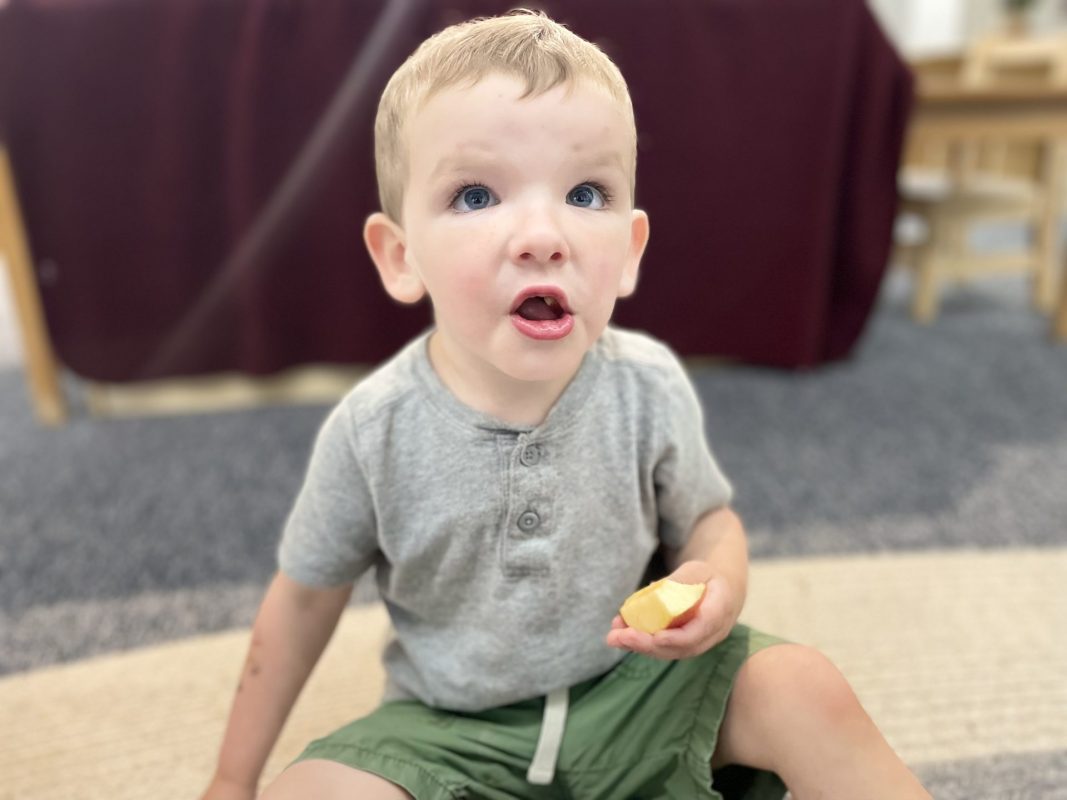
Children were really excited to see the food tasting tray covered, especially the second year students who are familiar with this routine. They knew there was a surprise and they immediately gathered quietly around the tray encouraging the first year students to gather as well. There were smiles and expressions of awe at the moment I removed the towel that was covering the apple. This fruit was presented as a whole first, then cut in front of them, presented as half, and then served individually. In our conversation, we included such adjectives as cold, big, smooth, red, and tasty to keep adding to our vocabulary. Children observed while I slowly picked up a piece of apple and placed it inside my mouth, tasting it slowly and dramatically, with the purpose of encouraging curiosity and expectation when it was their turn to taste. They immediately started to ask for their turn to taste it! They really liked it! This lesson is a favorite every year and we can’t wait to explore weekly all the different food items in our list. 

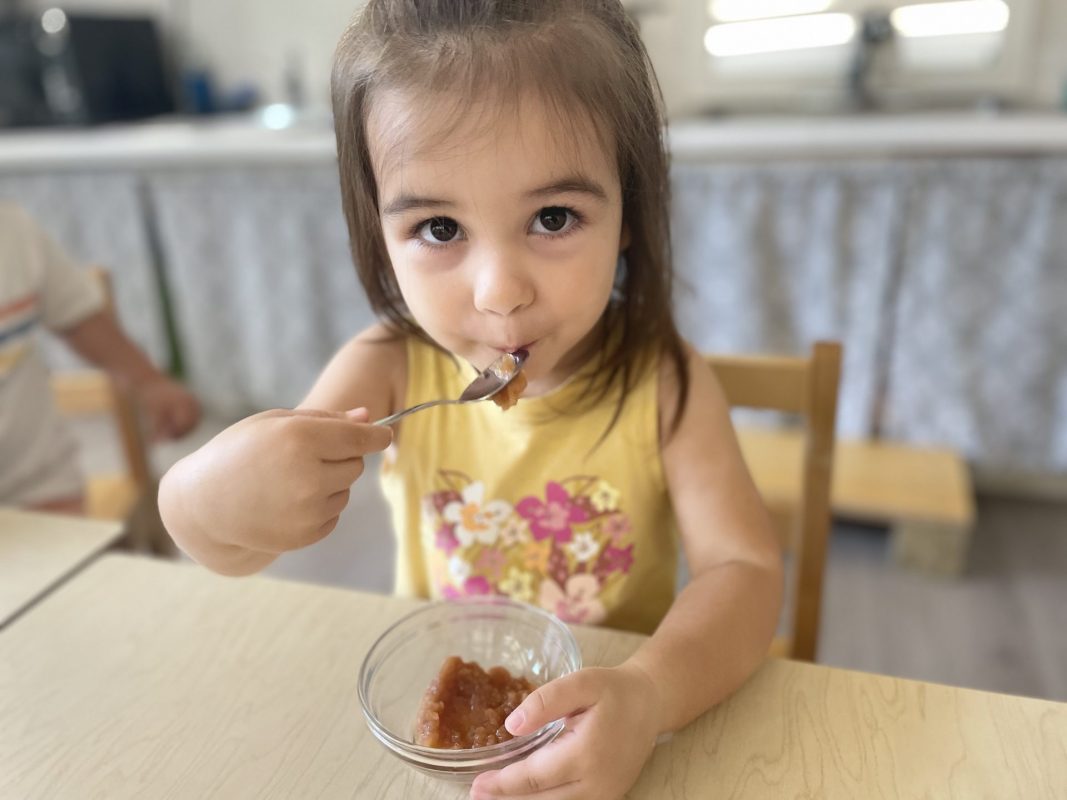
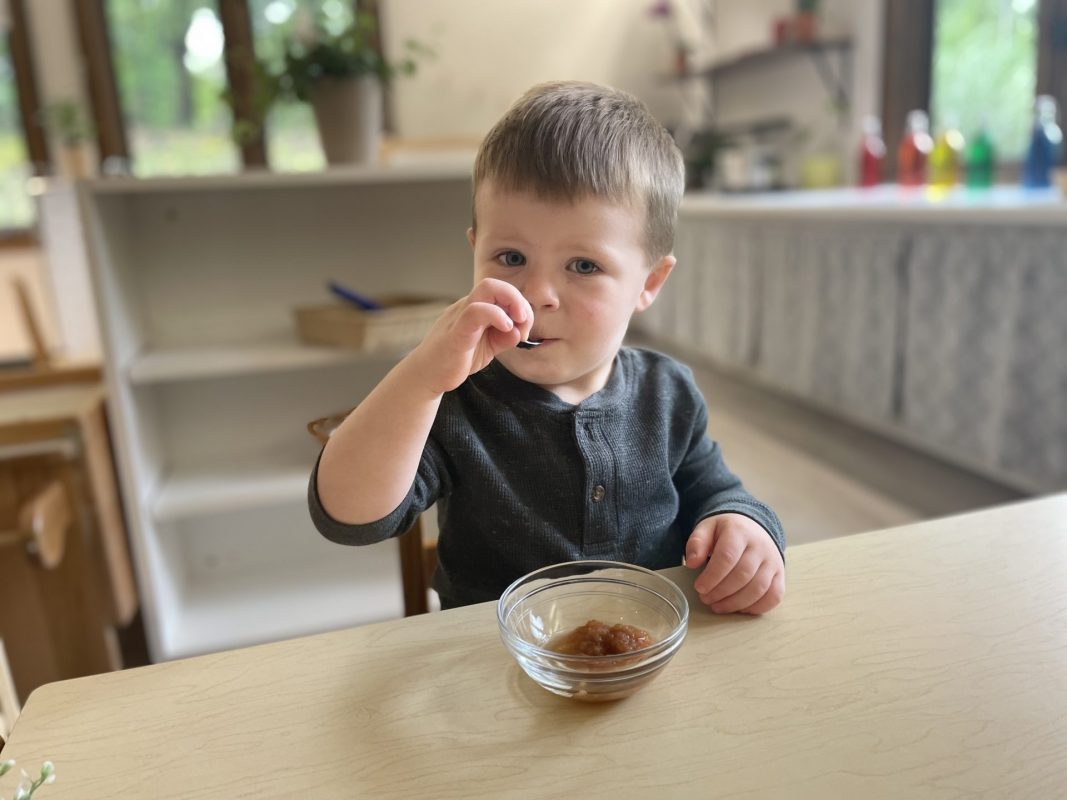
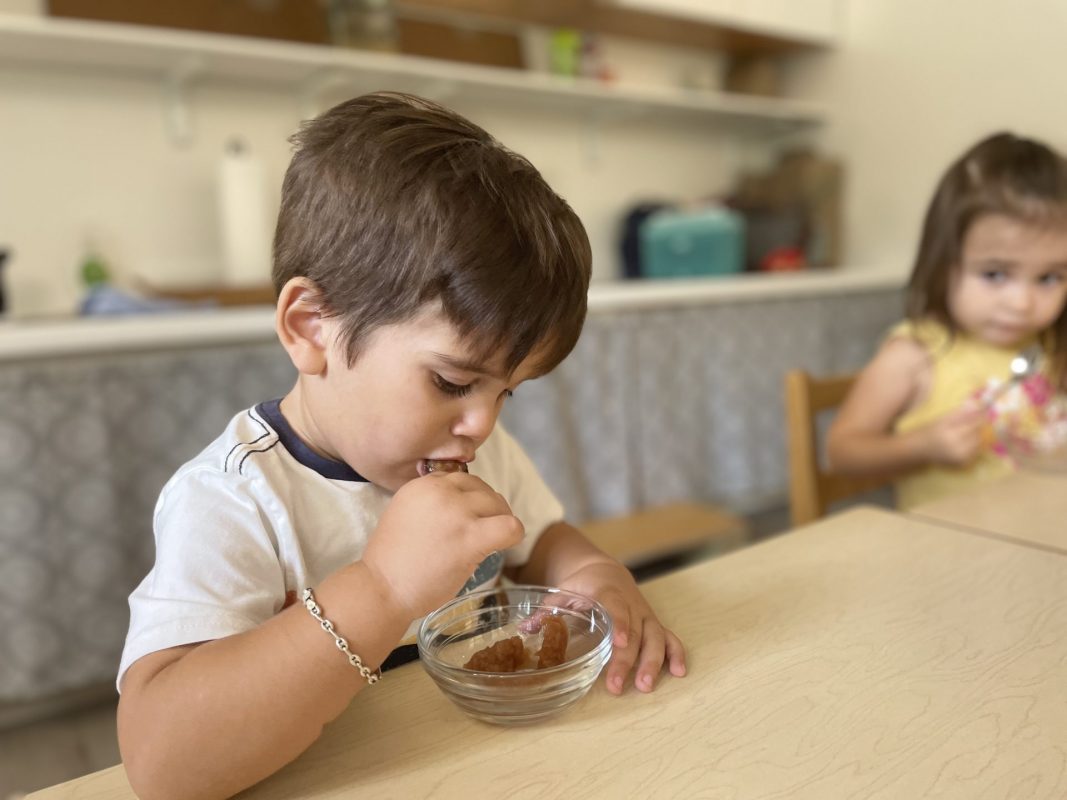
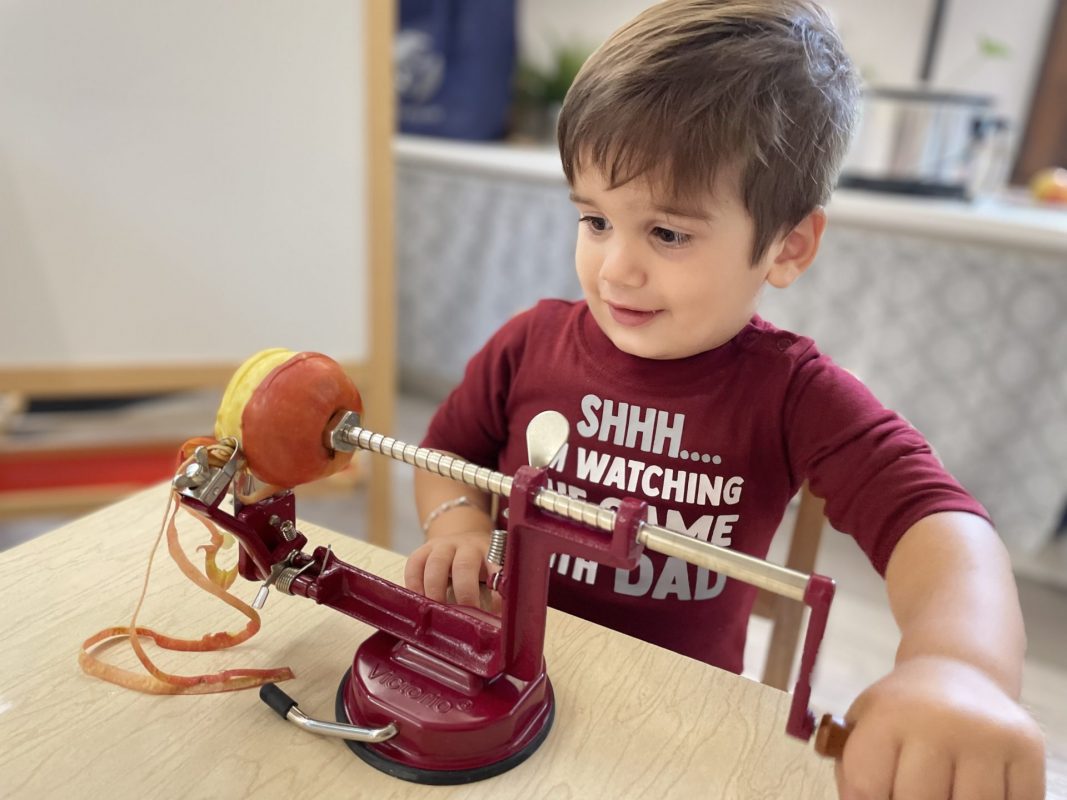
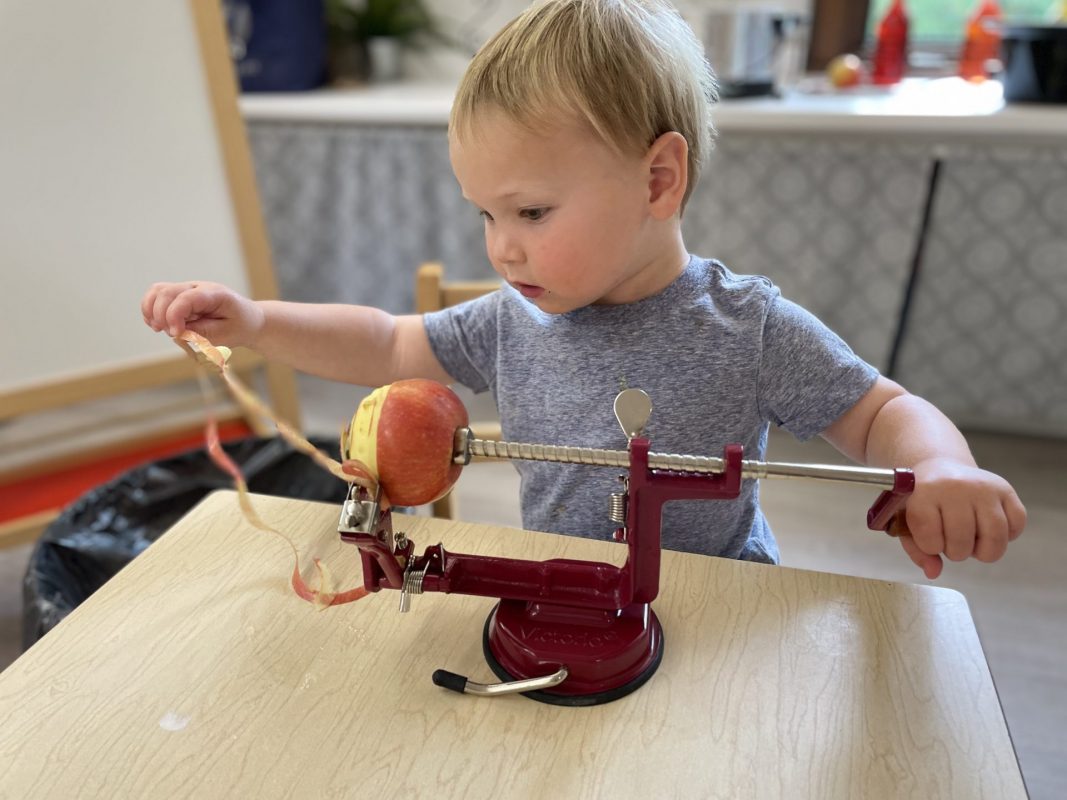
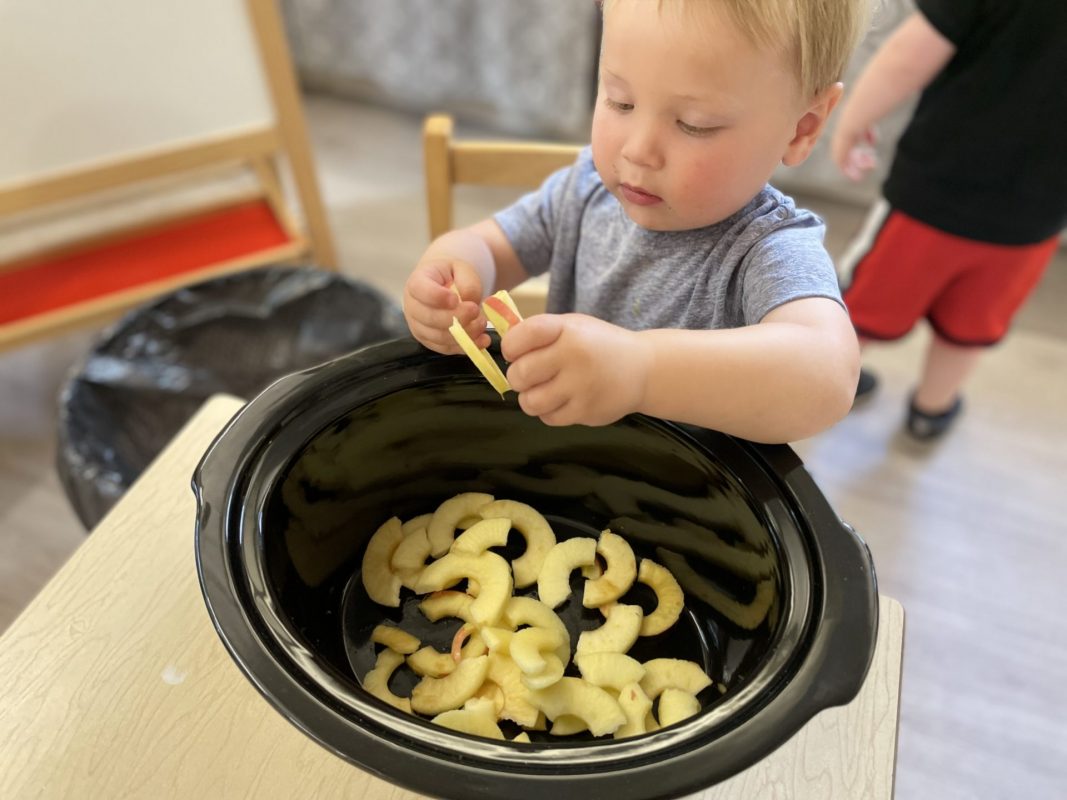
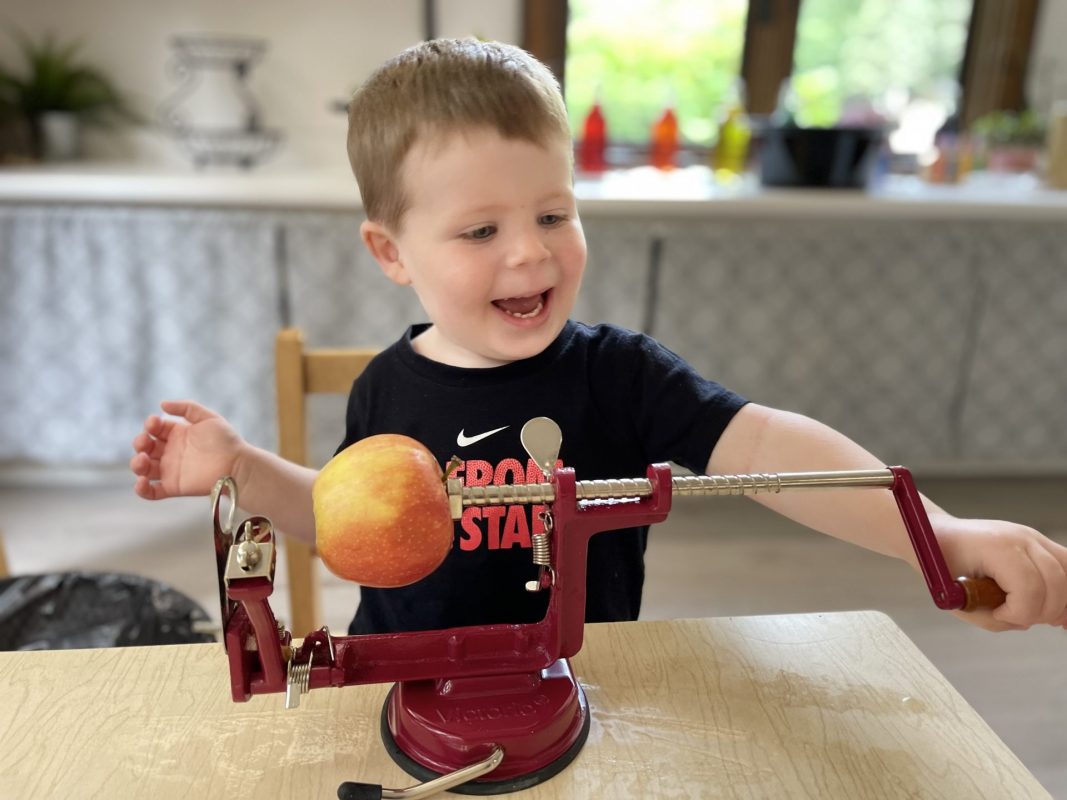
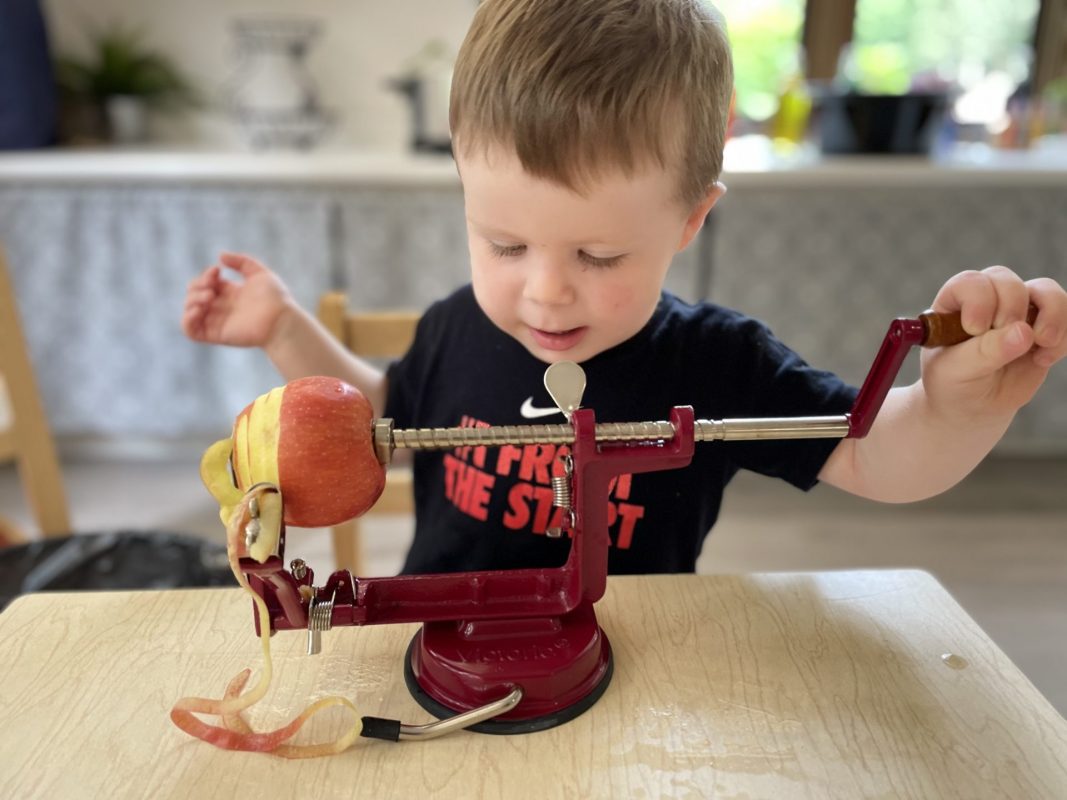
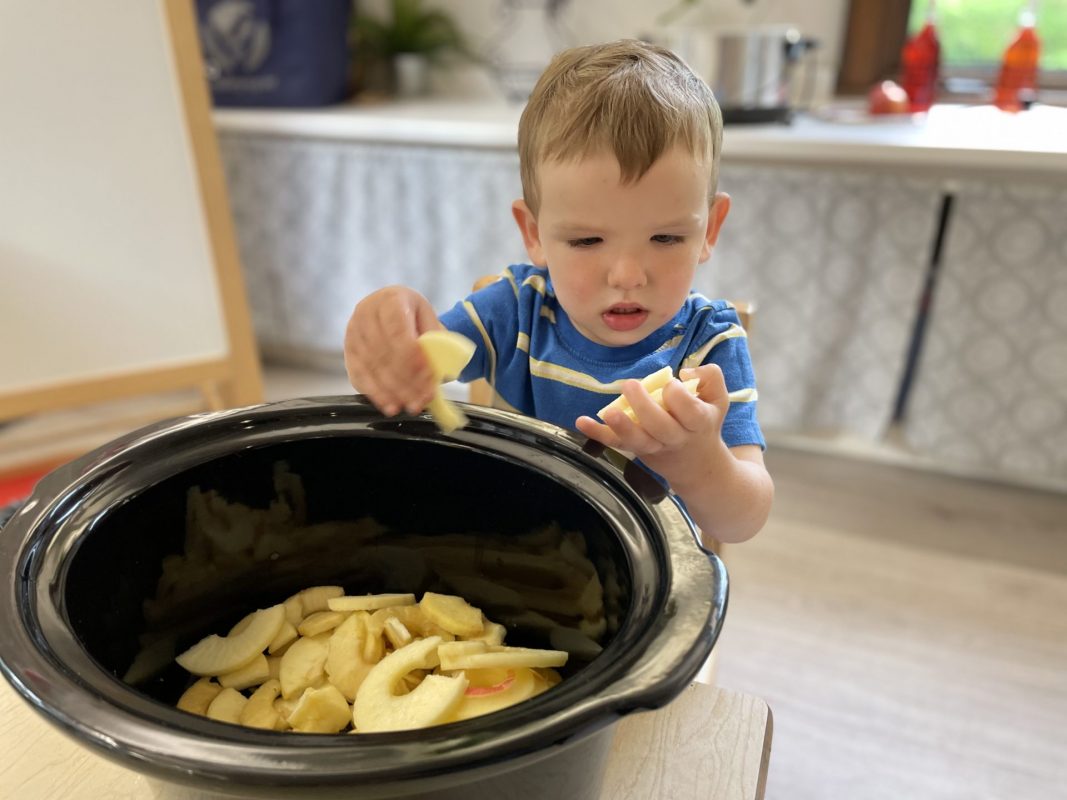
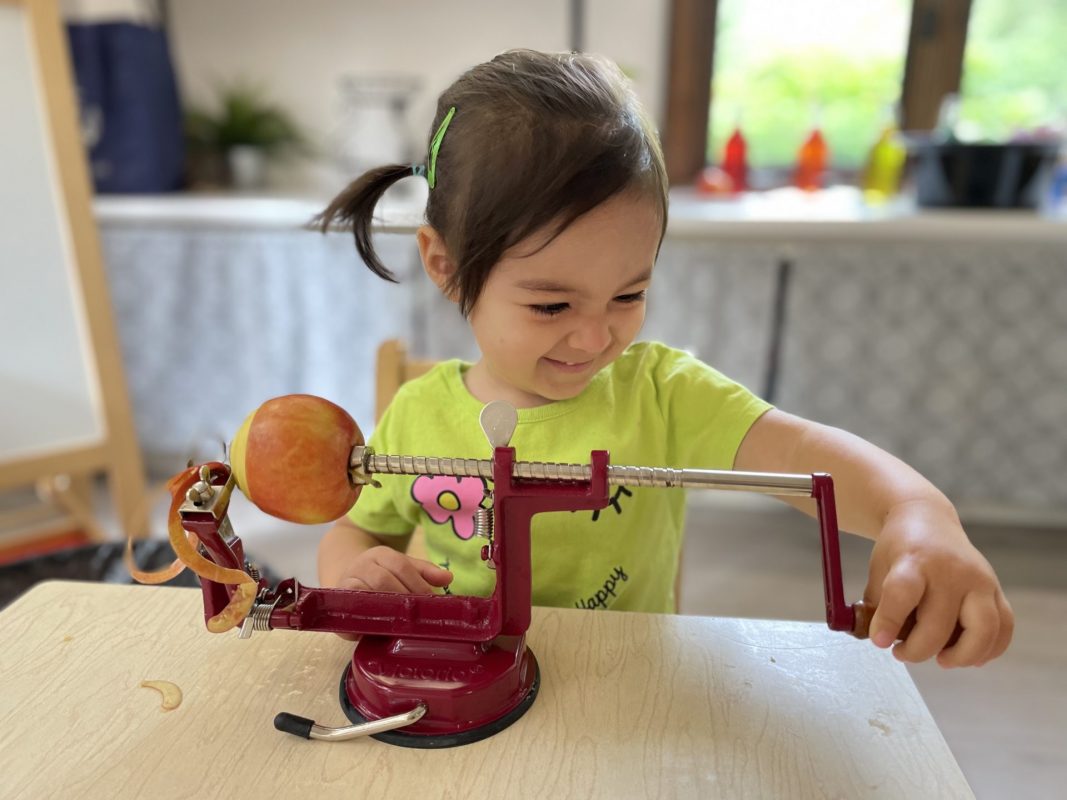
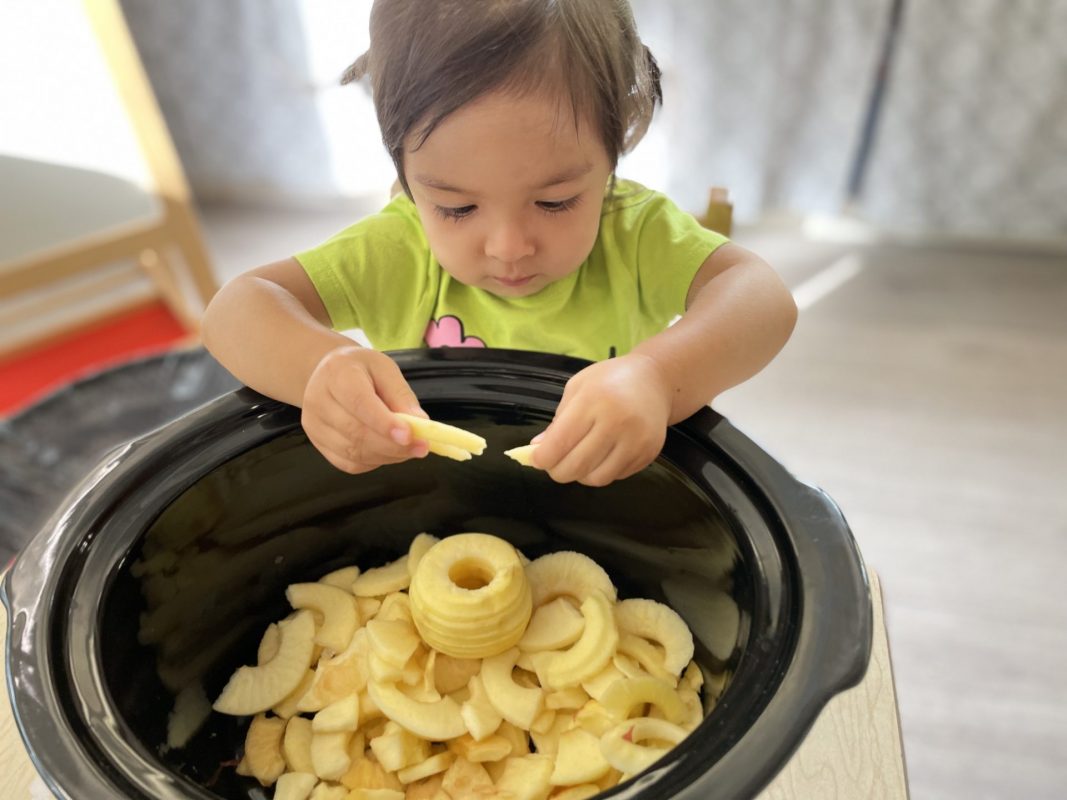
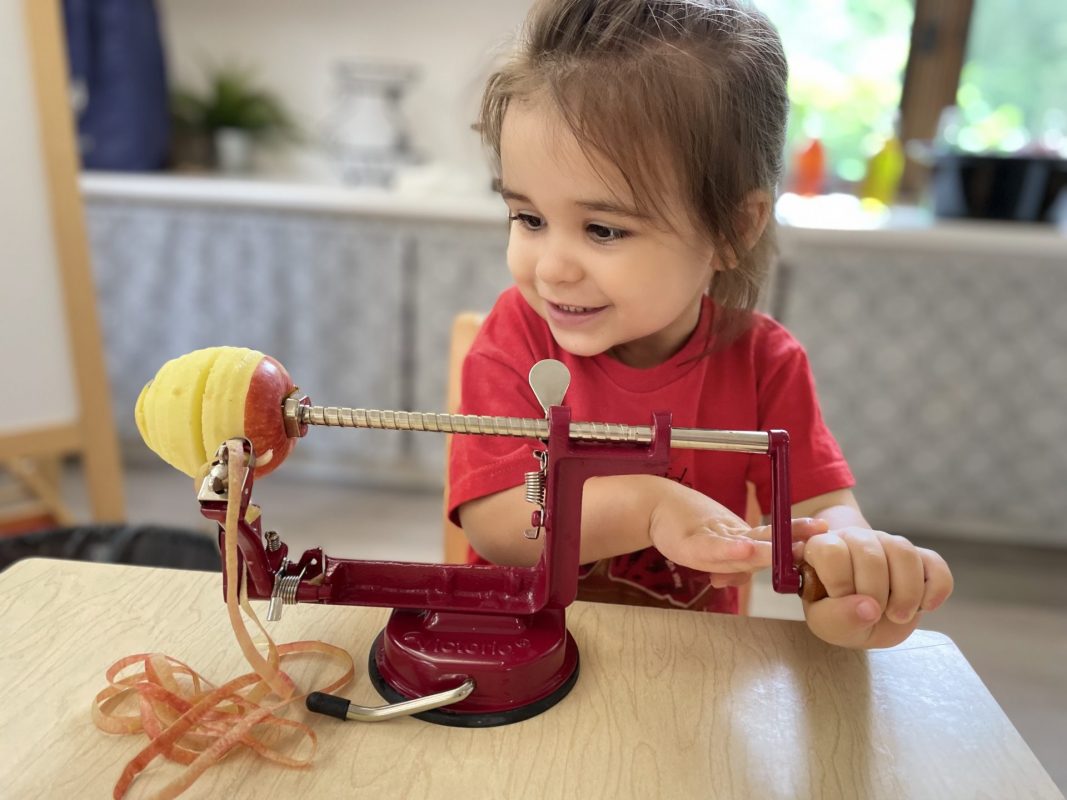
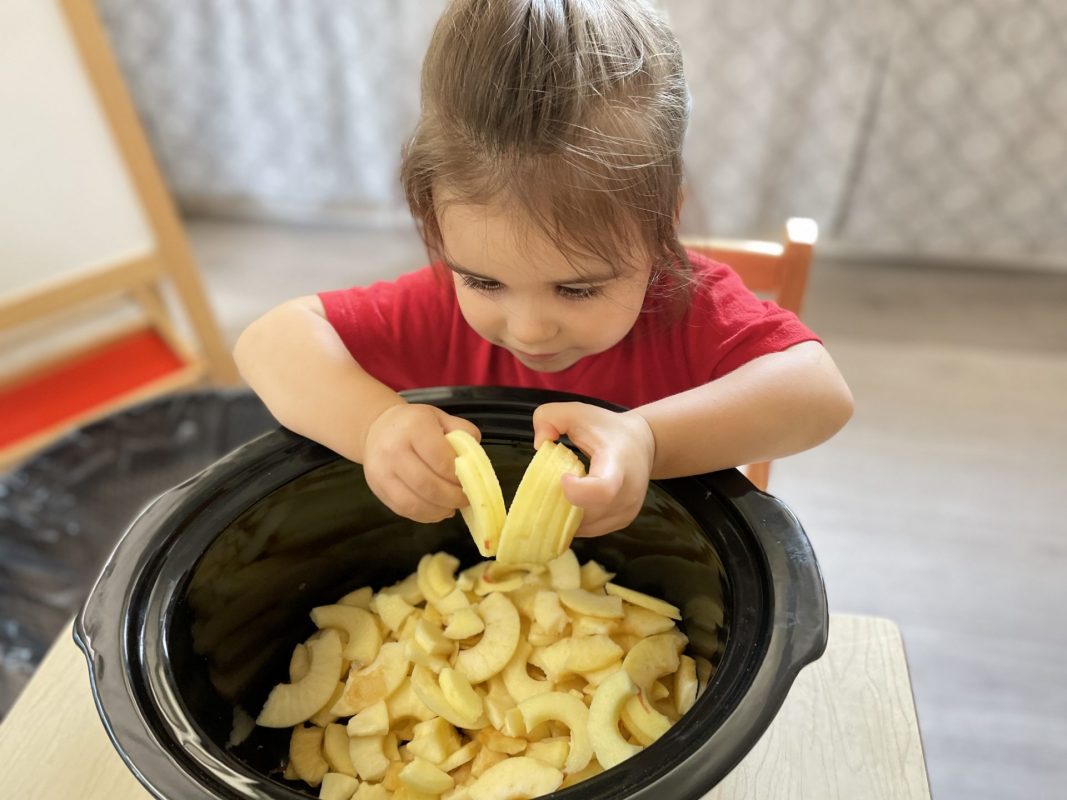
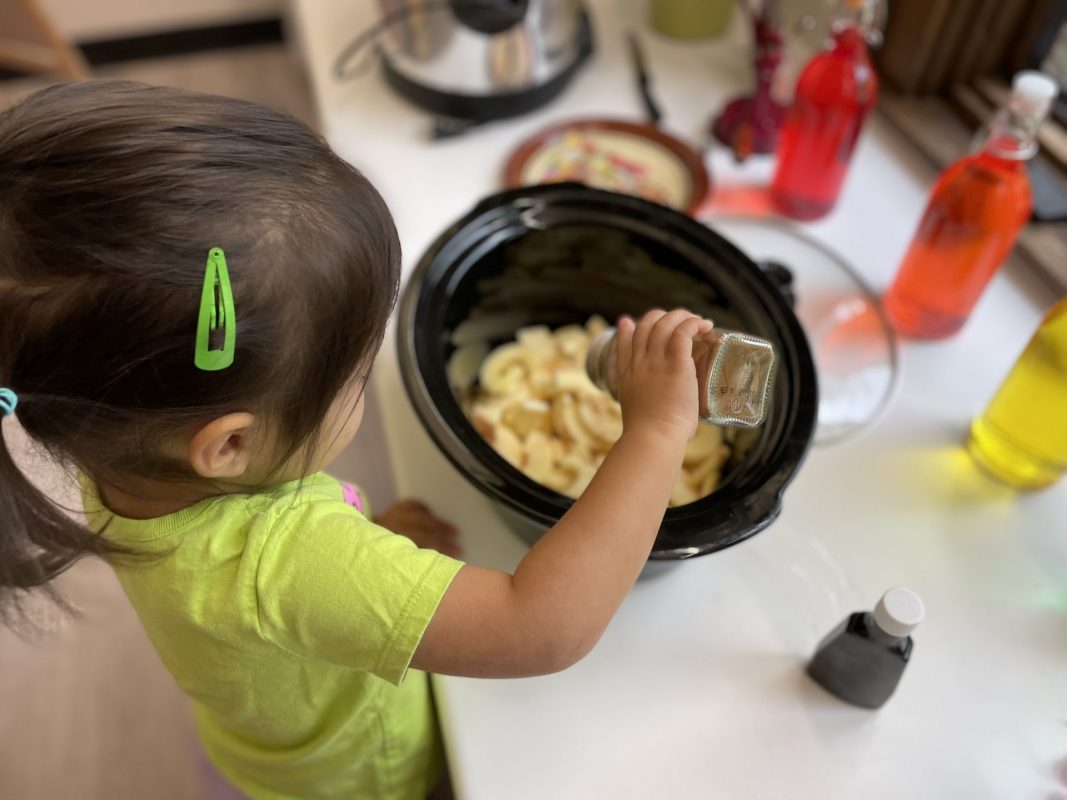
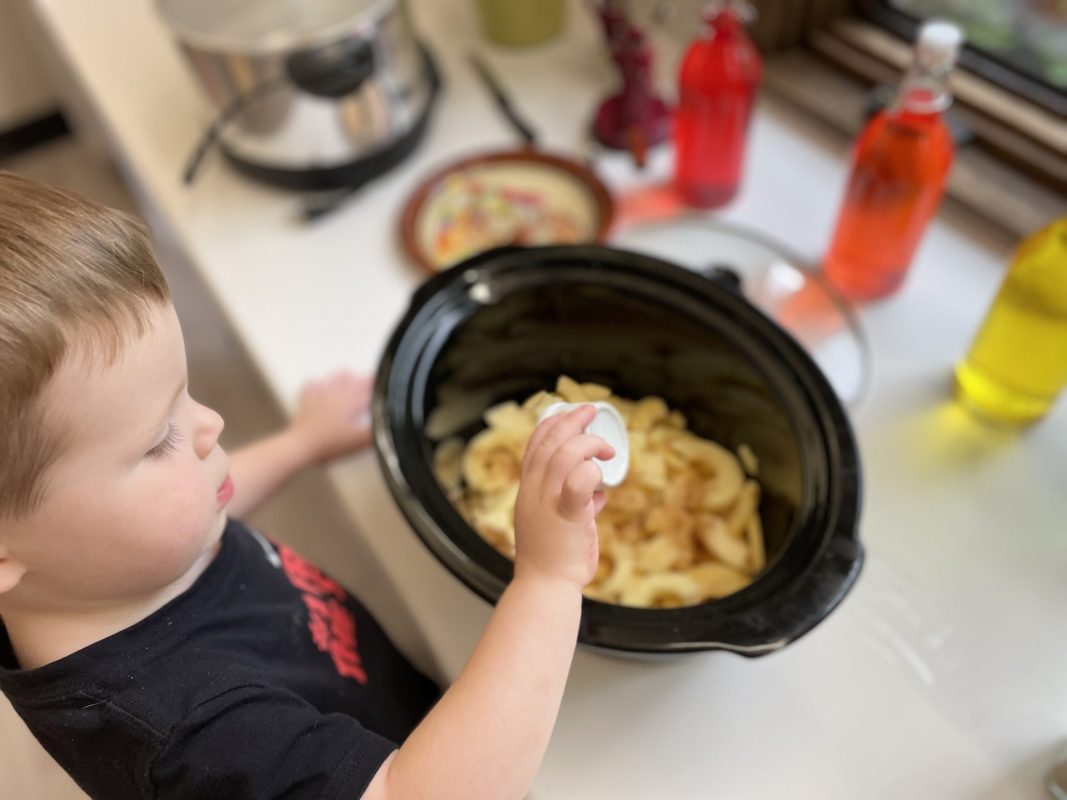
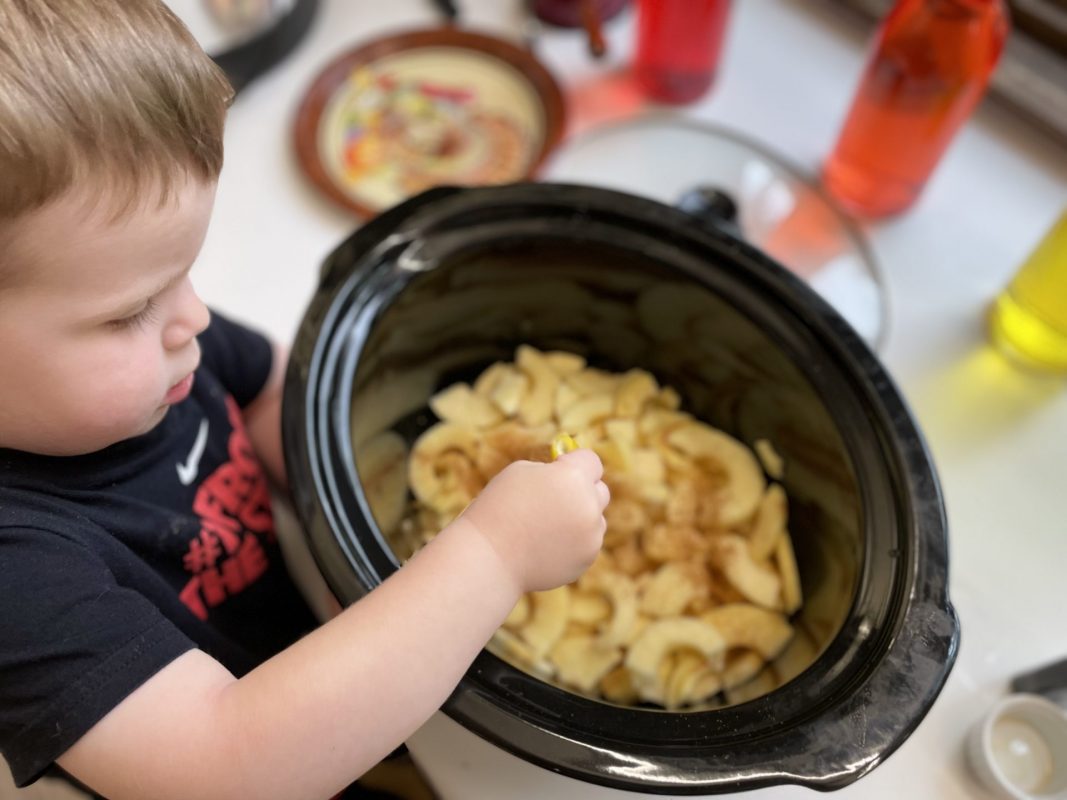
As an extension of this activity, children also had a fun Sensorial experience dissecting an apple using an apple peeler and collaborating in the creation of a delicious apple sauce!  With senses full of curiosity, children touched, observed, smelled, peeled, and cored an apple. The children found it very fun and interesting to use the handle of the peeler but their eyes really sparkled and the smiles bloomed when they started watching the skin of the apple peeling and falling on the table. New vocabulary such as skin, flesh, stem, and seeds were introduced. We then added some lemon juice, cinnamon, and a bit of vanilla to our crock pot and the smell in the classroom was just so amazing! 

Some of the children had the opportunity to taste the fruit of the work of their hands and we can’t wait for next week to share it together again with the whole class! 

We thank you so much for your support in providing food items for our class to explore. It’s a pleasure to team up with you and offer great and real experiences that your children won’t forget. 

If you haven’t had the chance yet this year, I encourage you to visit an apple farm with your toddlers one of these weekends. They might surprise you and give you an apple lesson. 😉 

Enjoy, 

Mrs. Hood and Ms. Maria