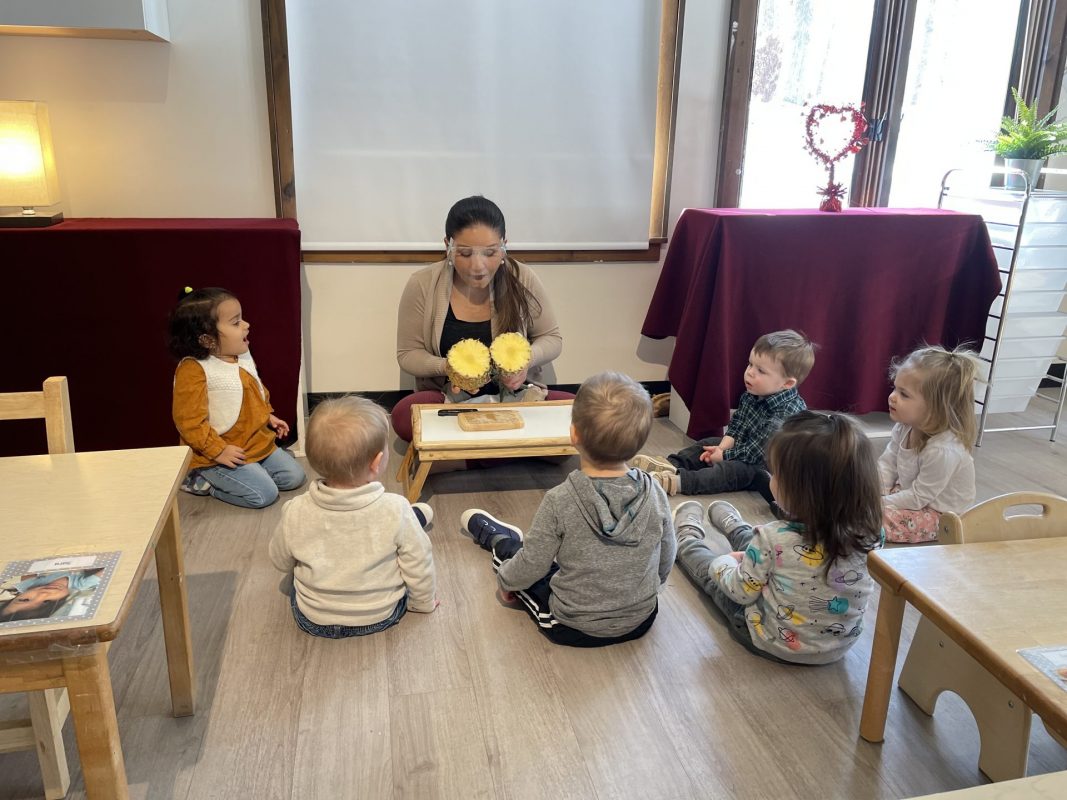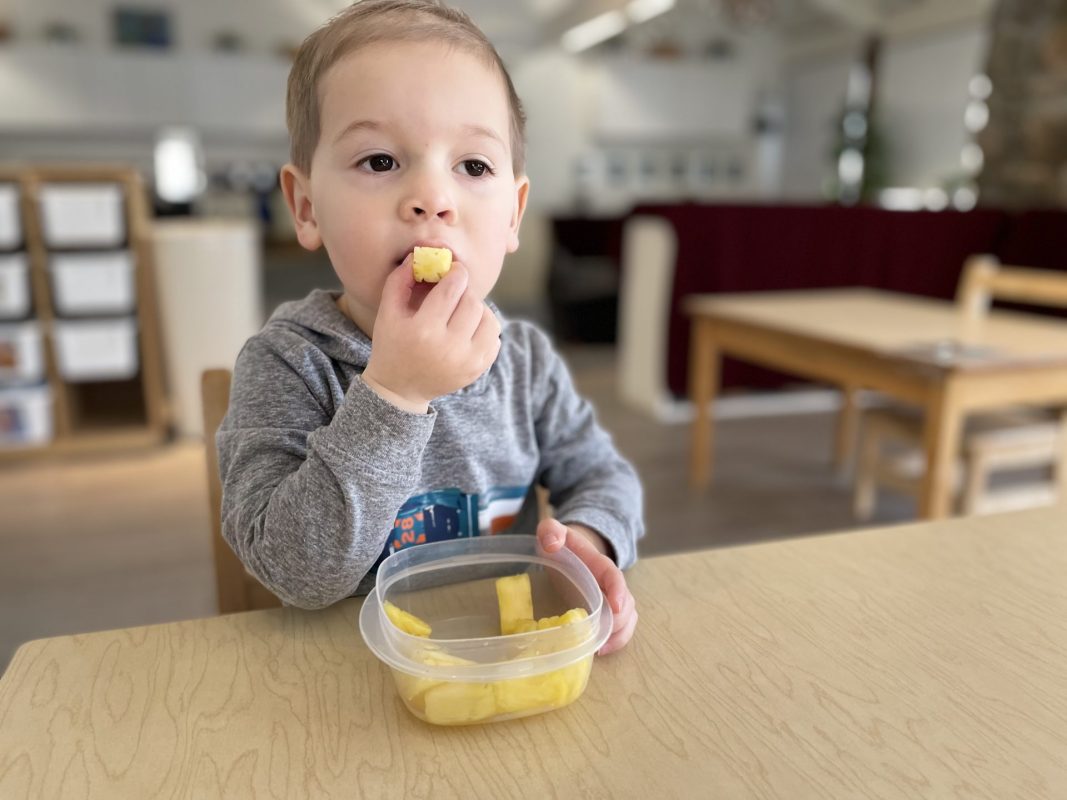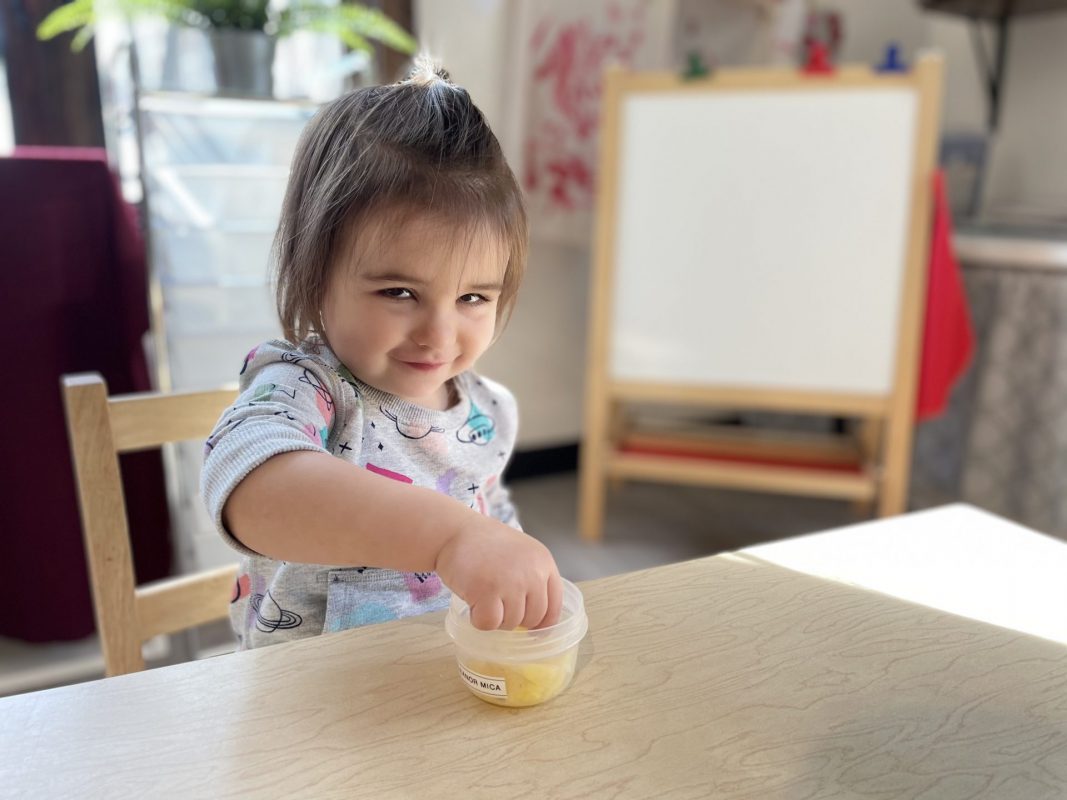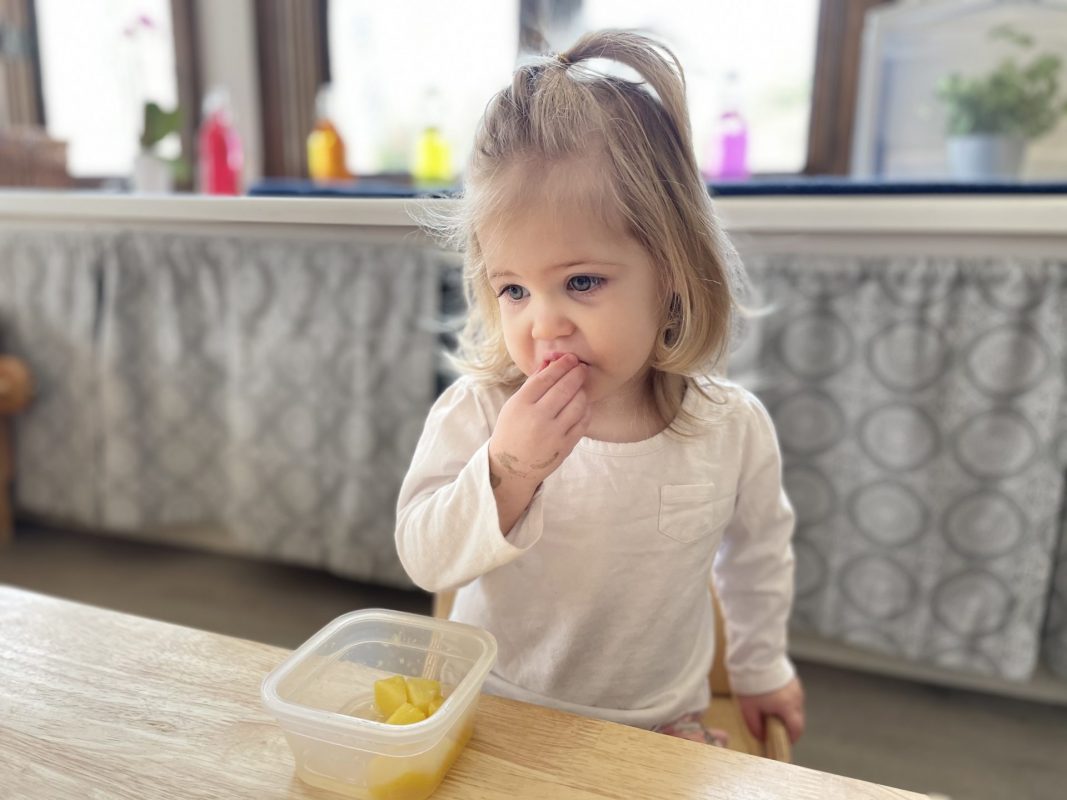
Mrs. Hood’s Class: I Know a Chicken!

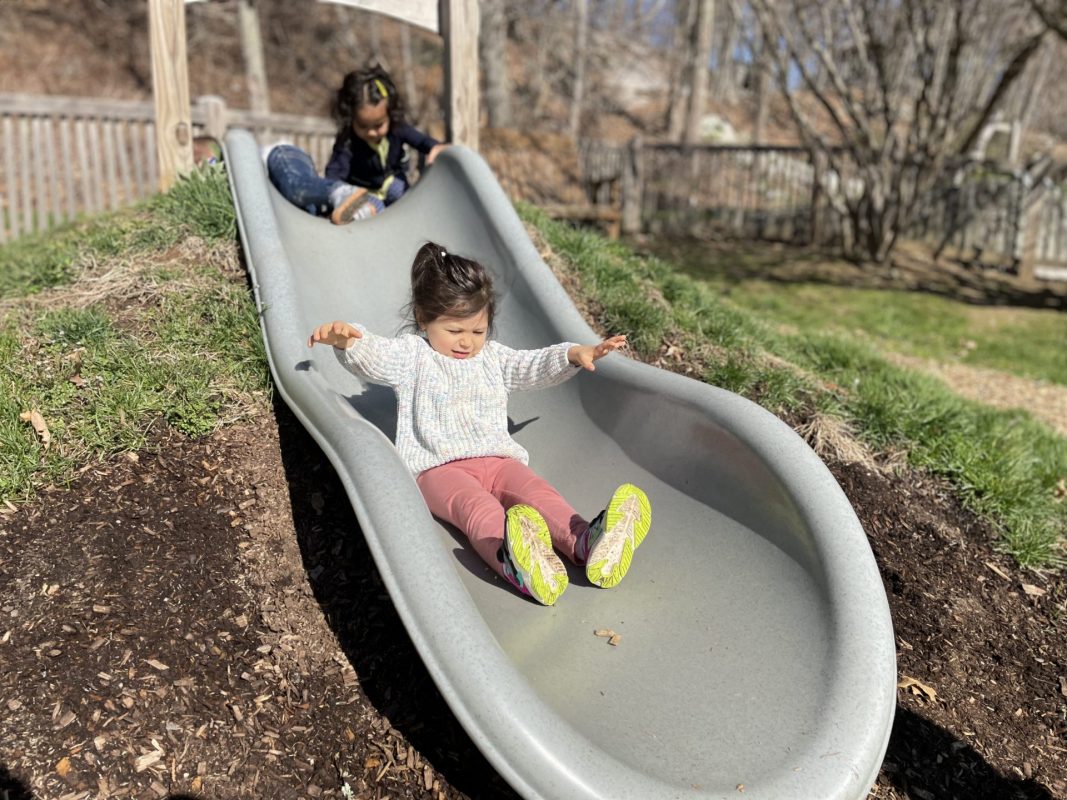
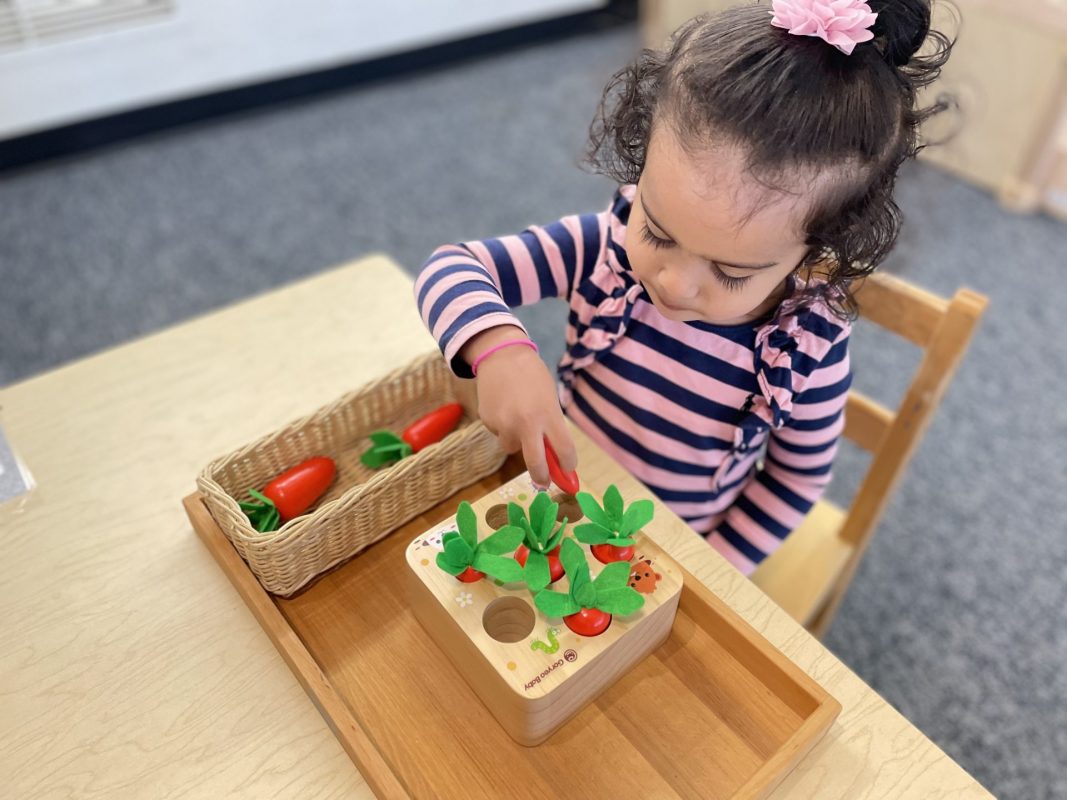
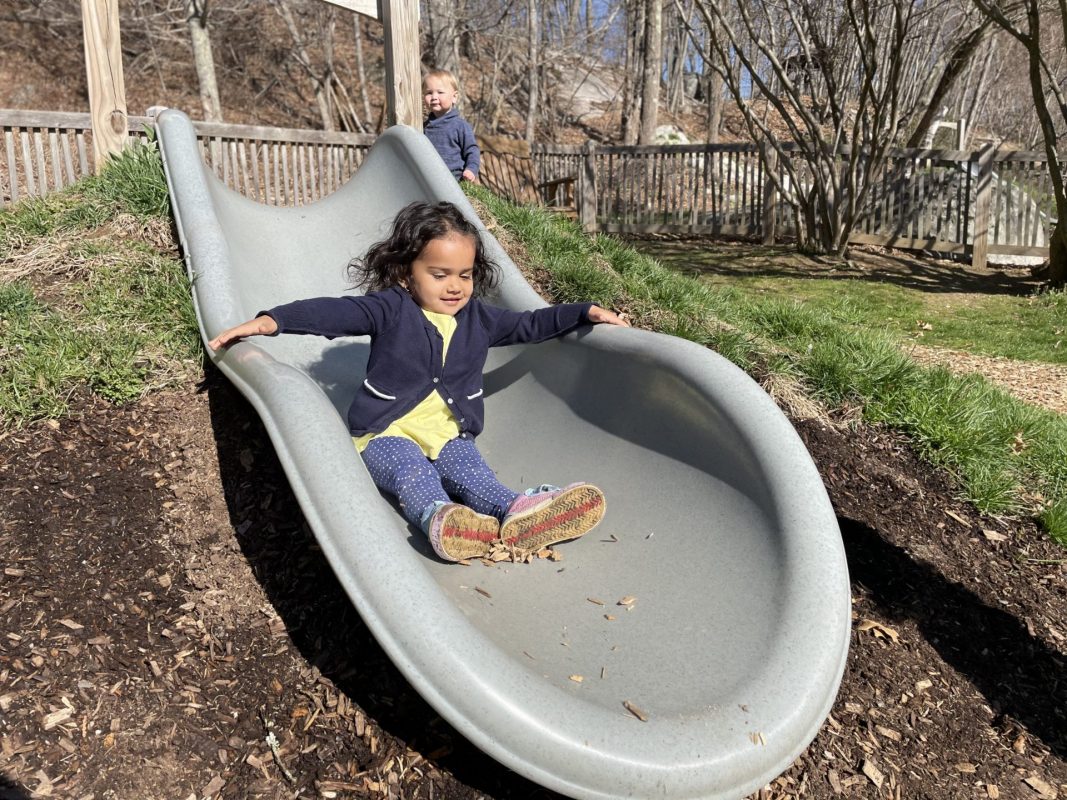
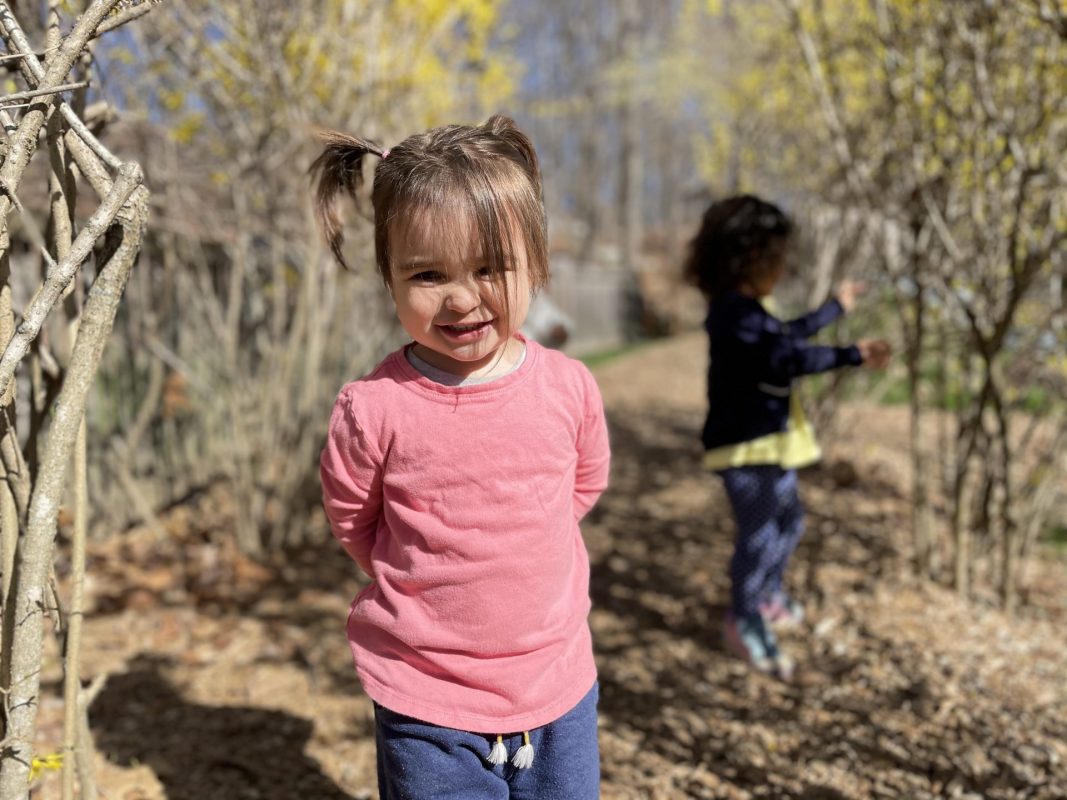
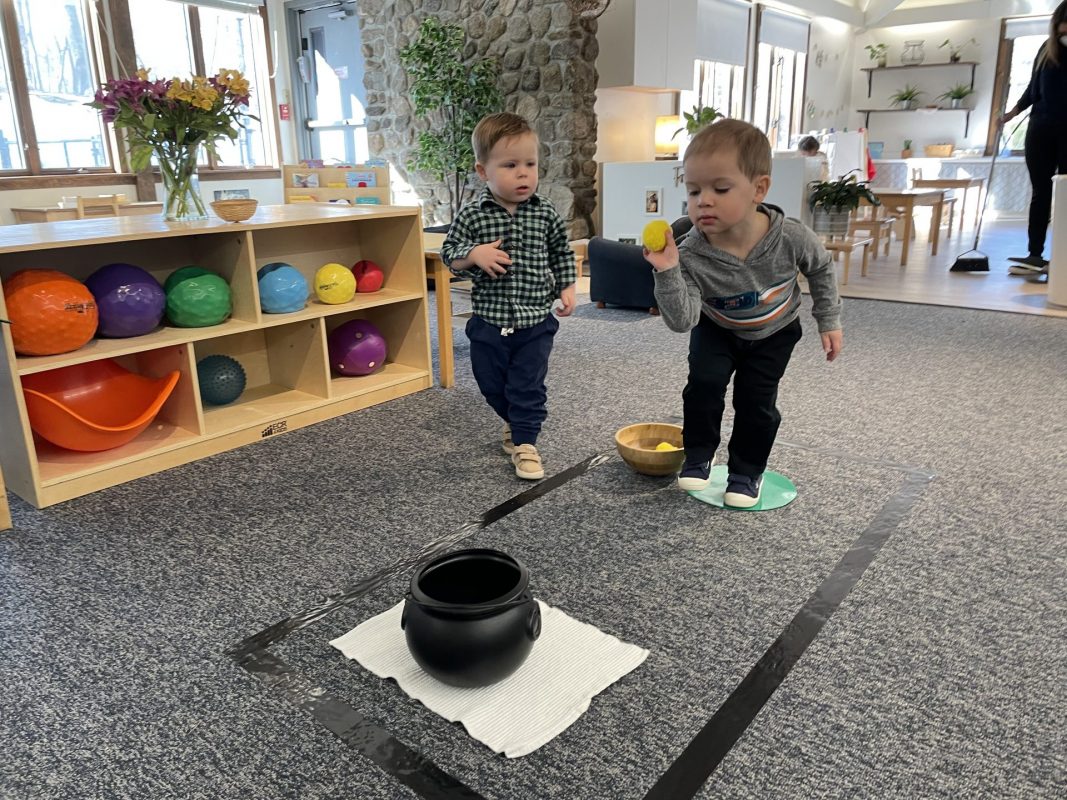
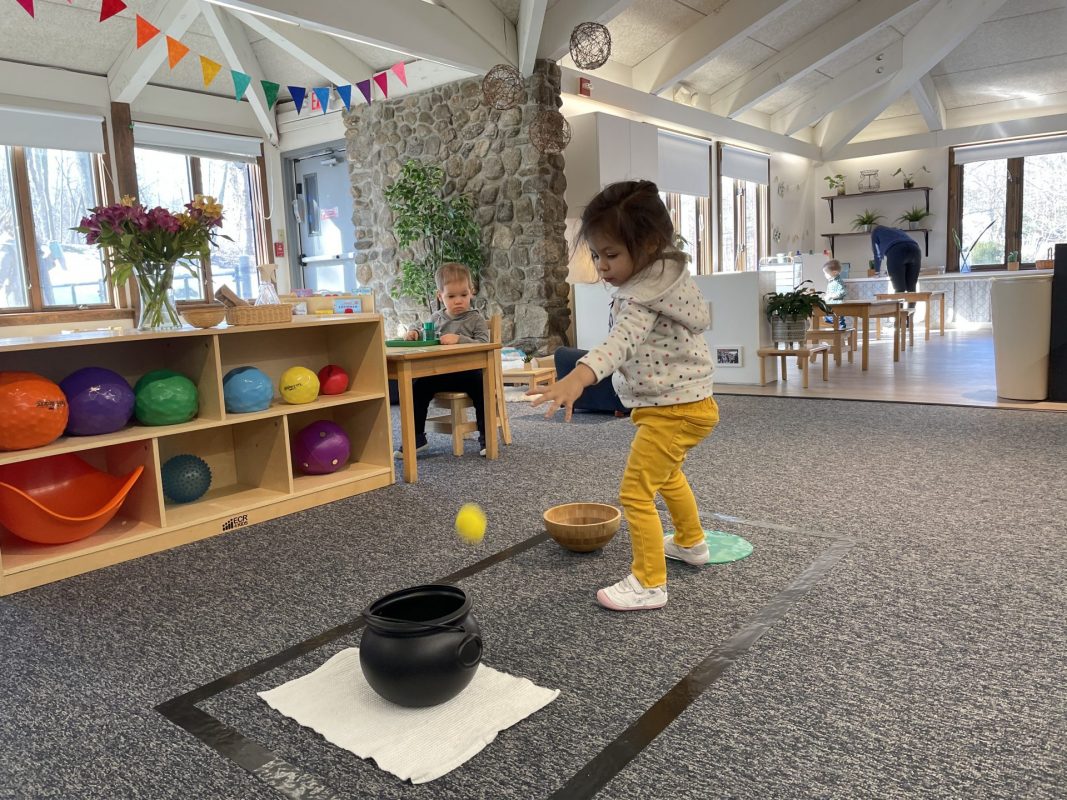
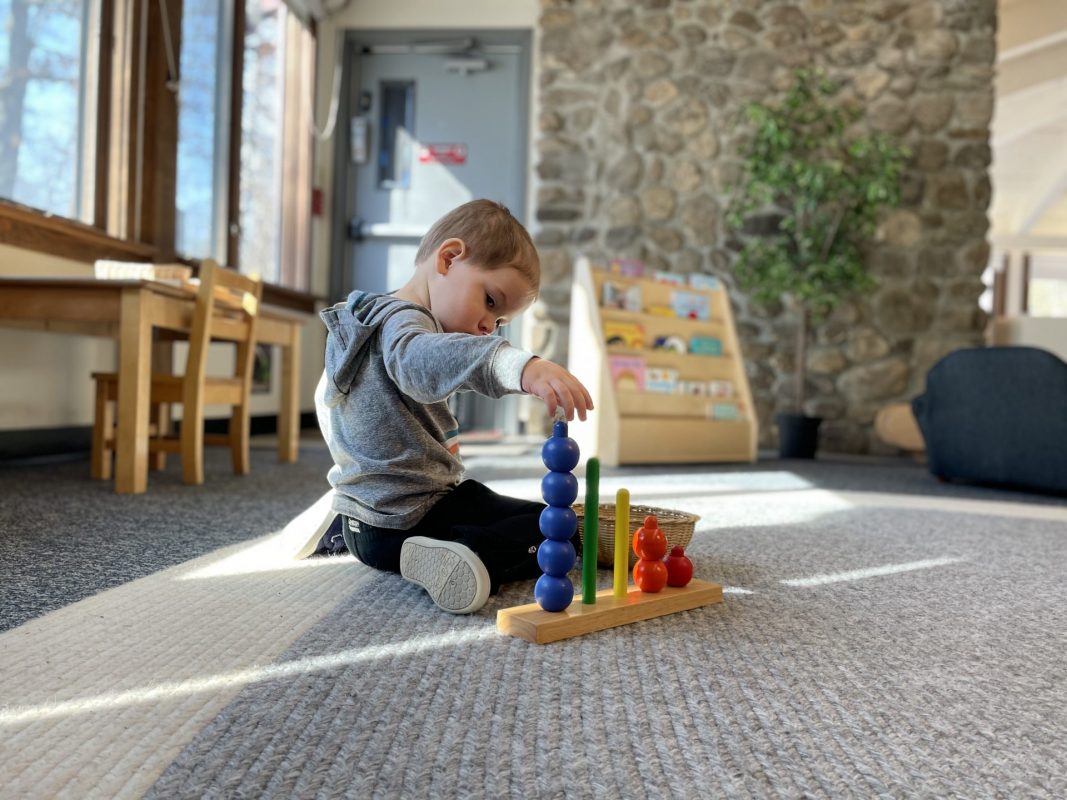
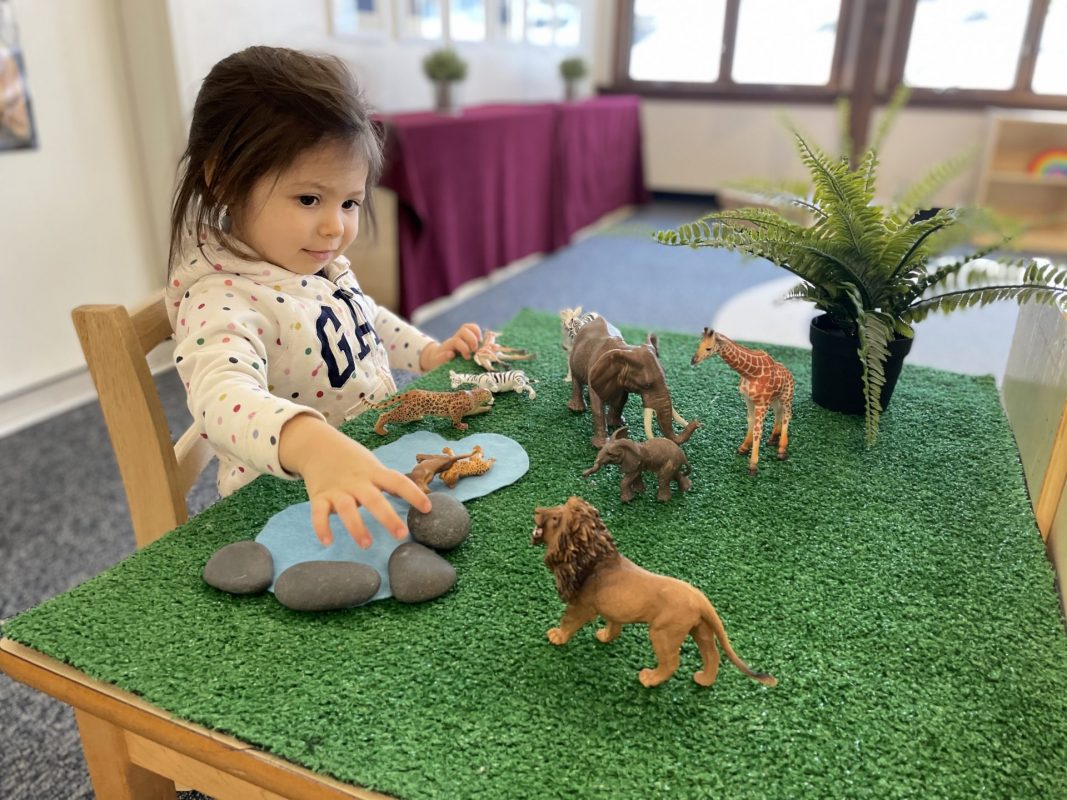
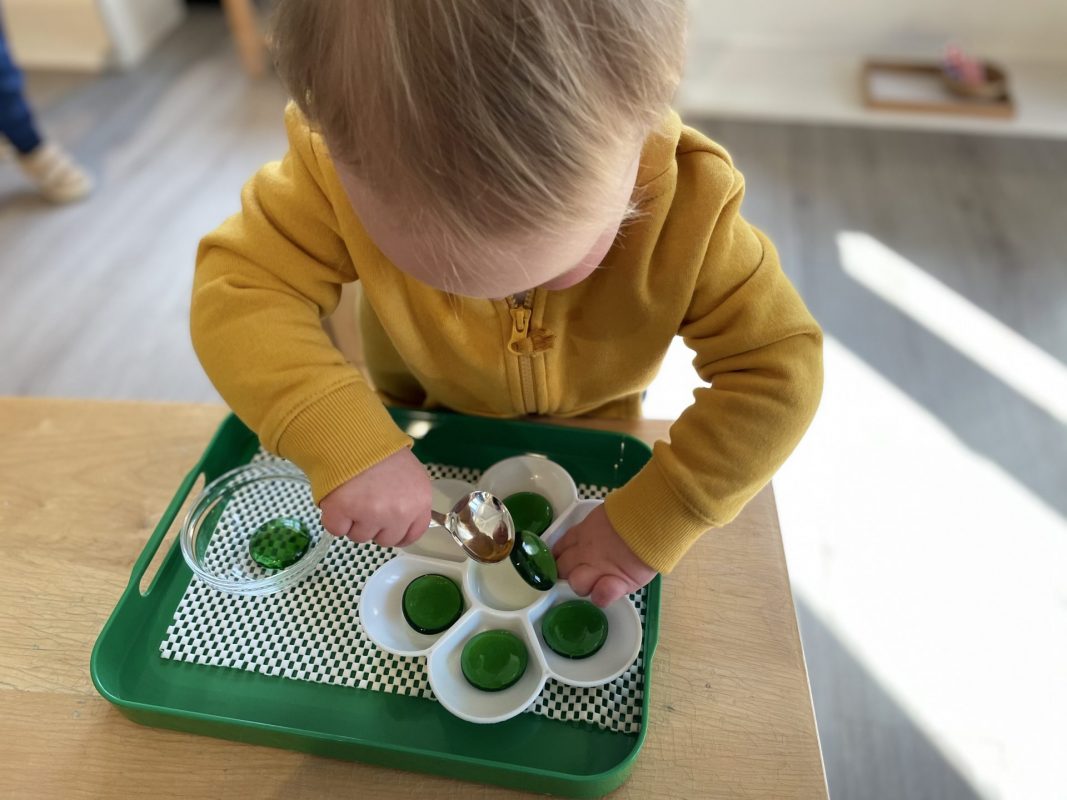
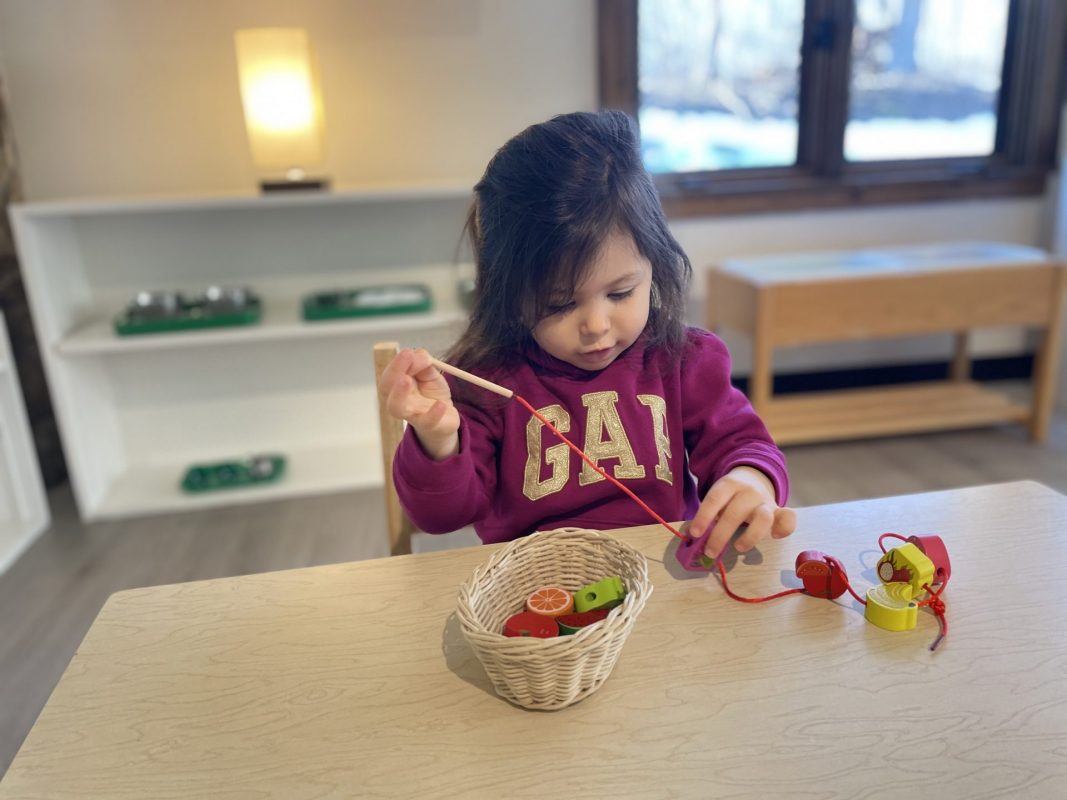
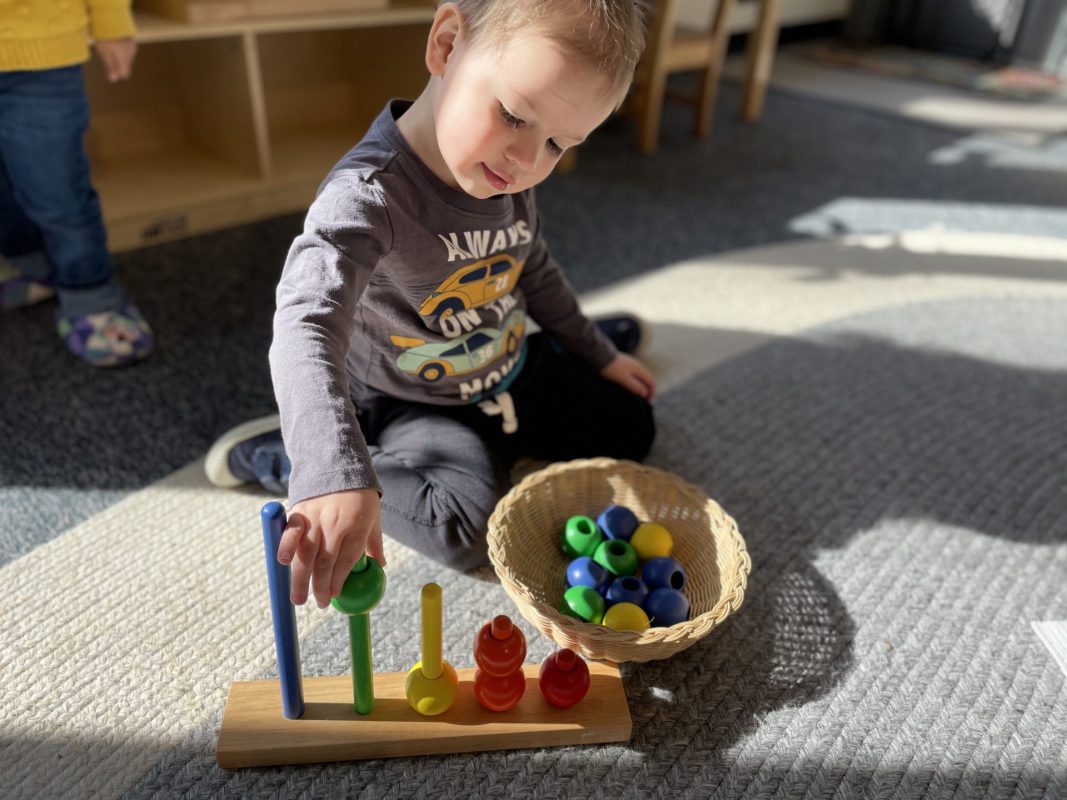
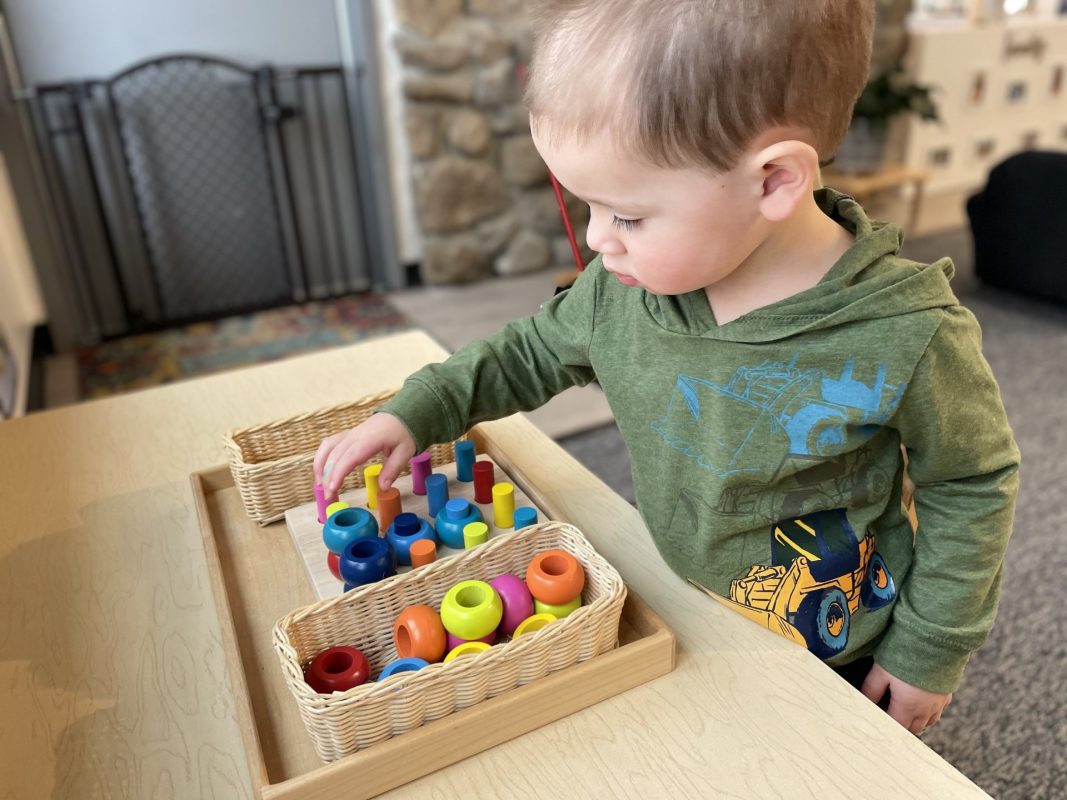
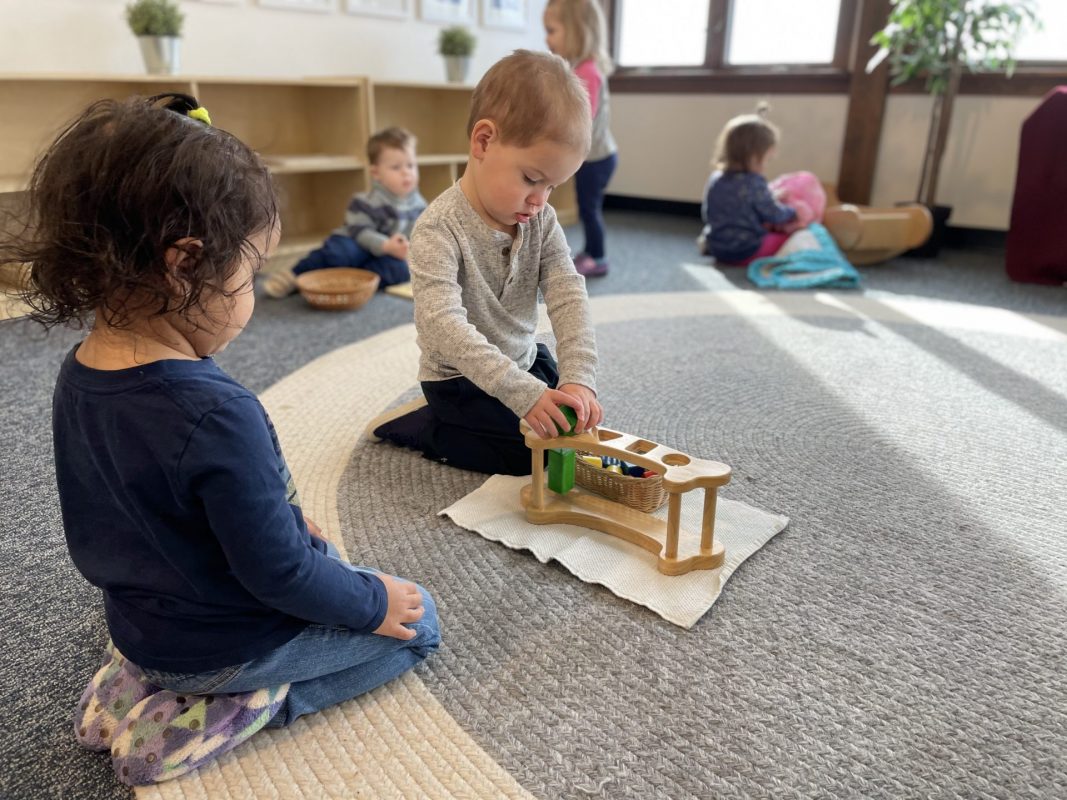
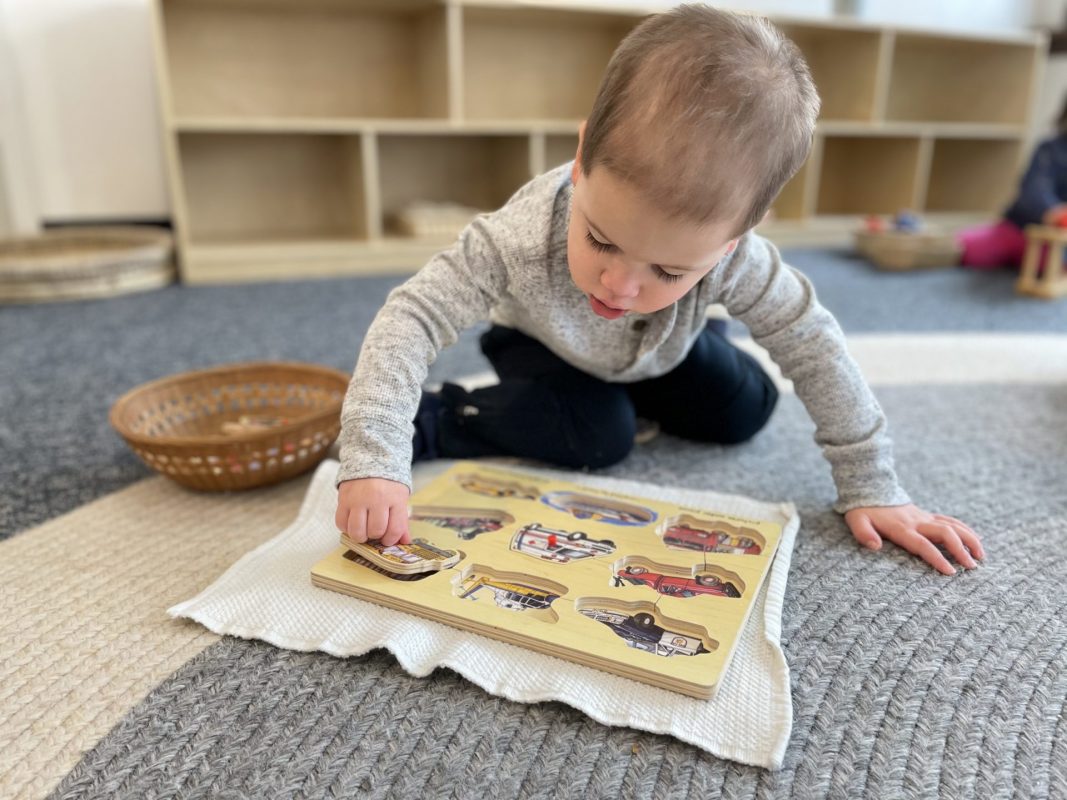
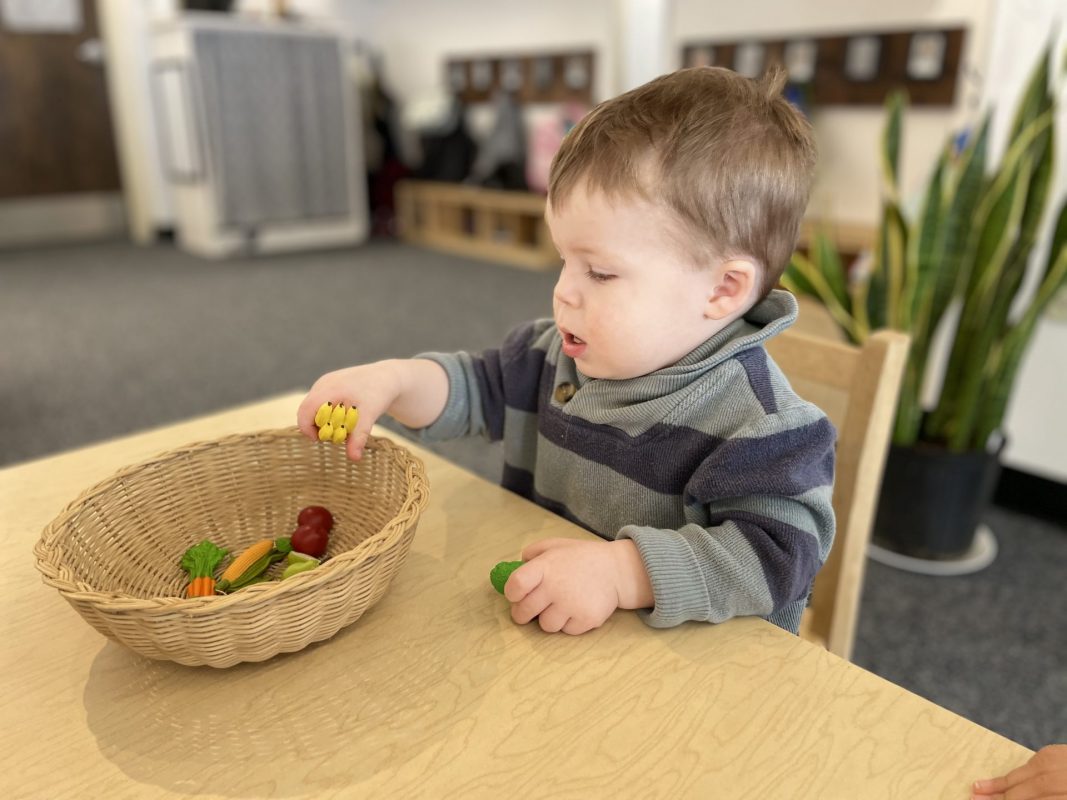
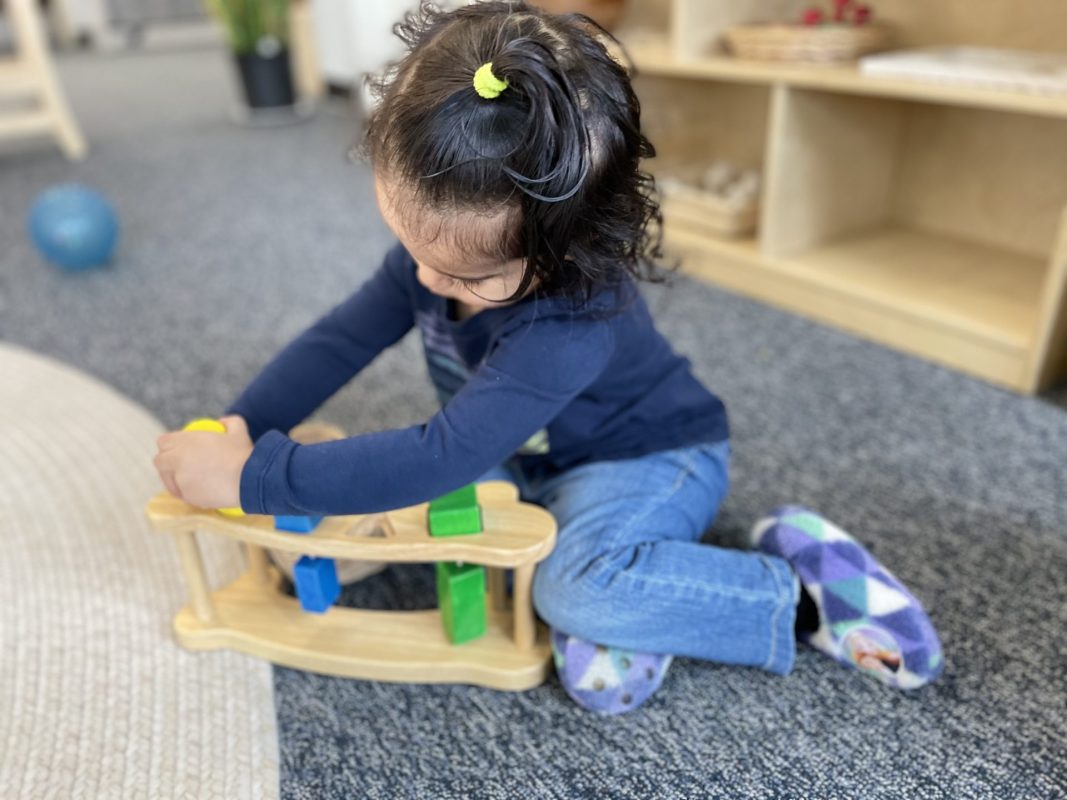
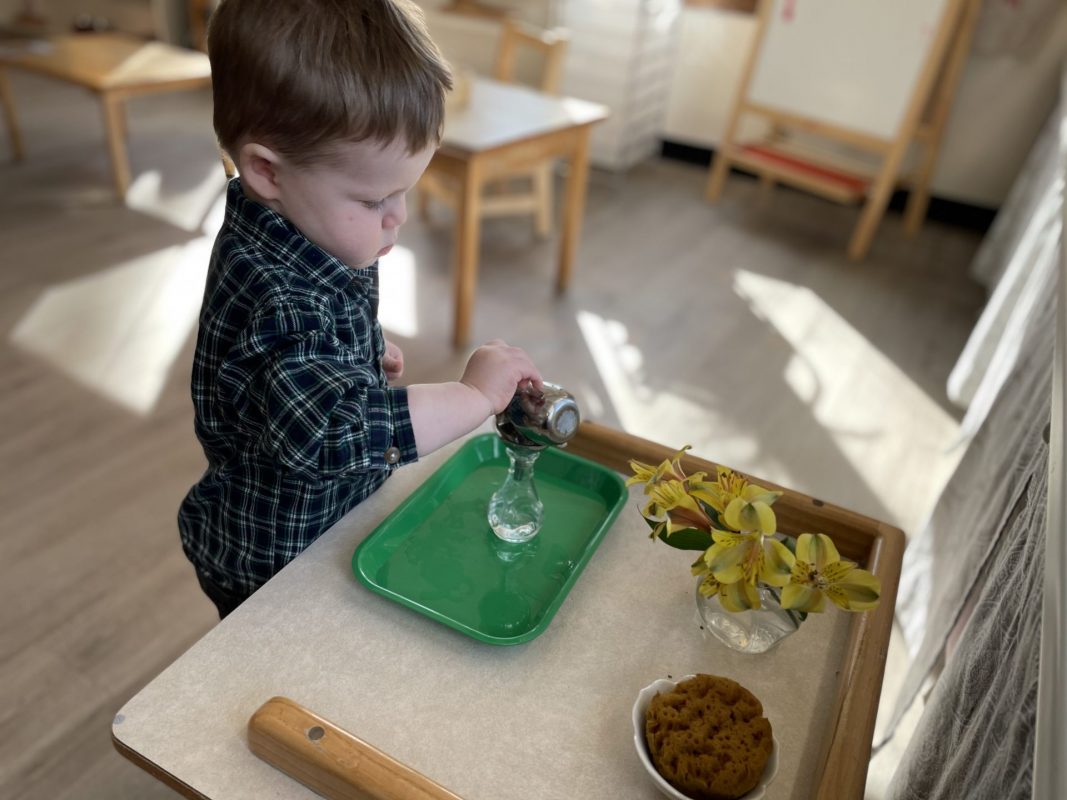
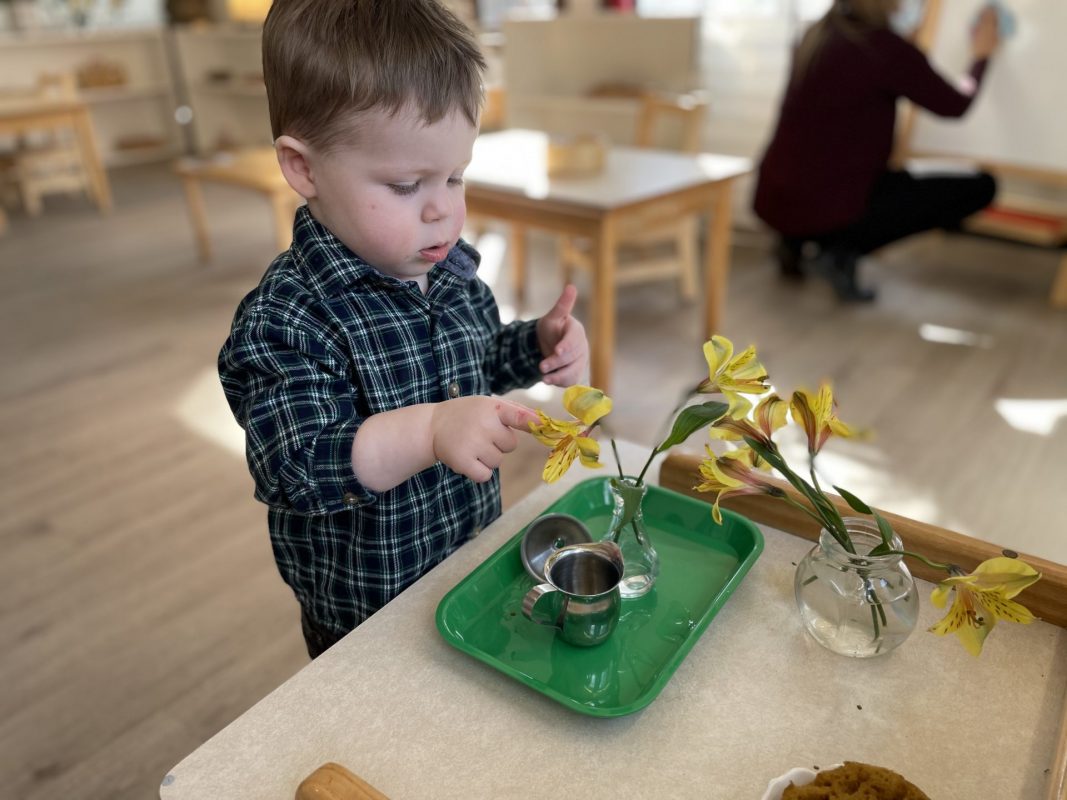
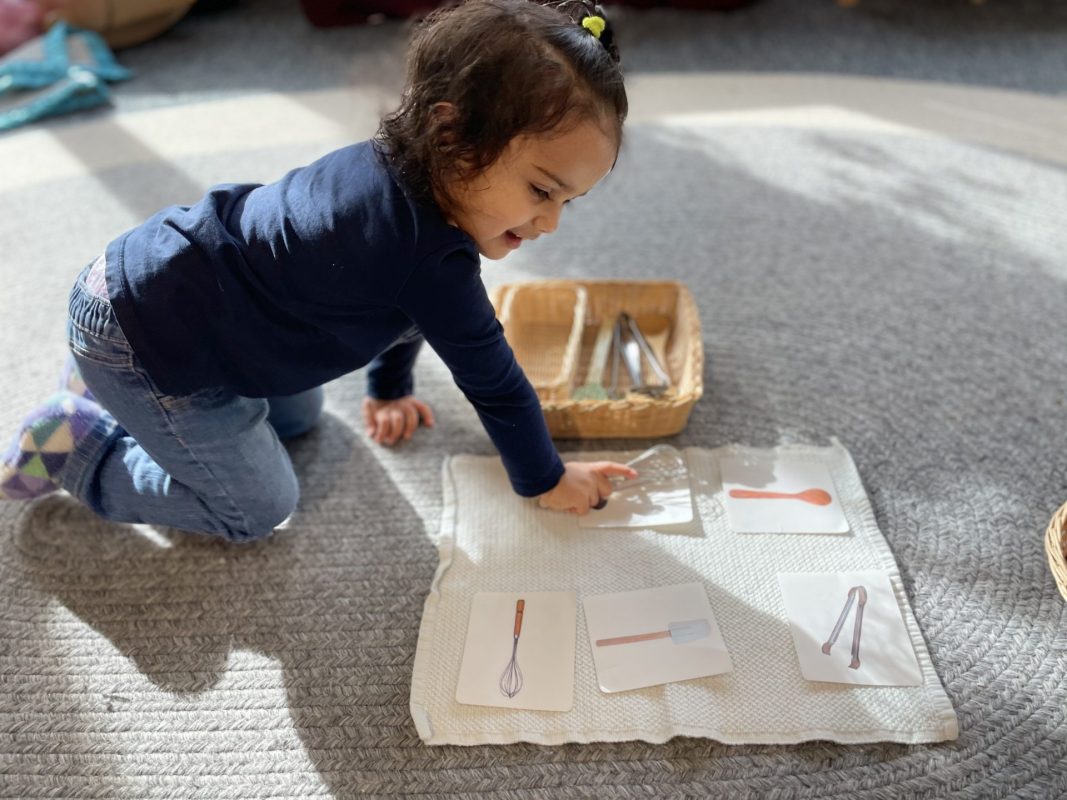
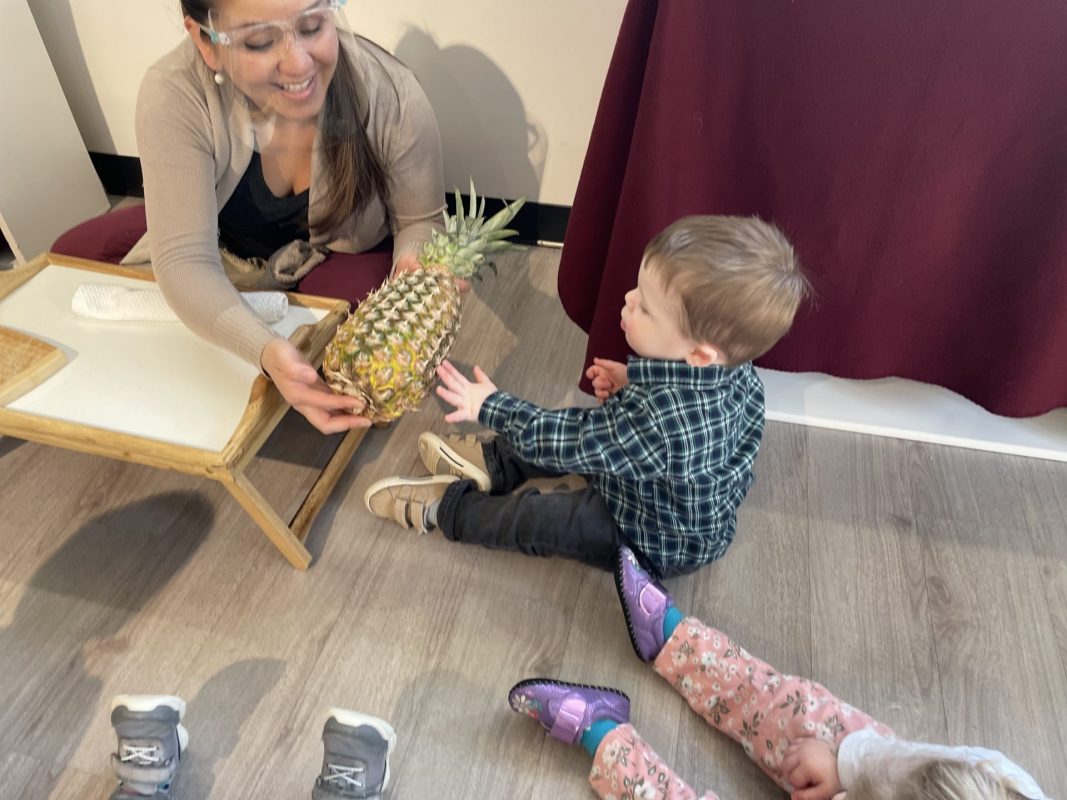
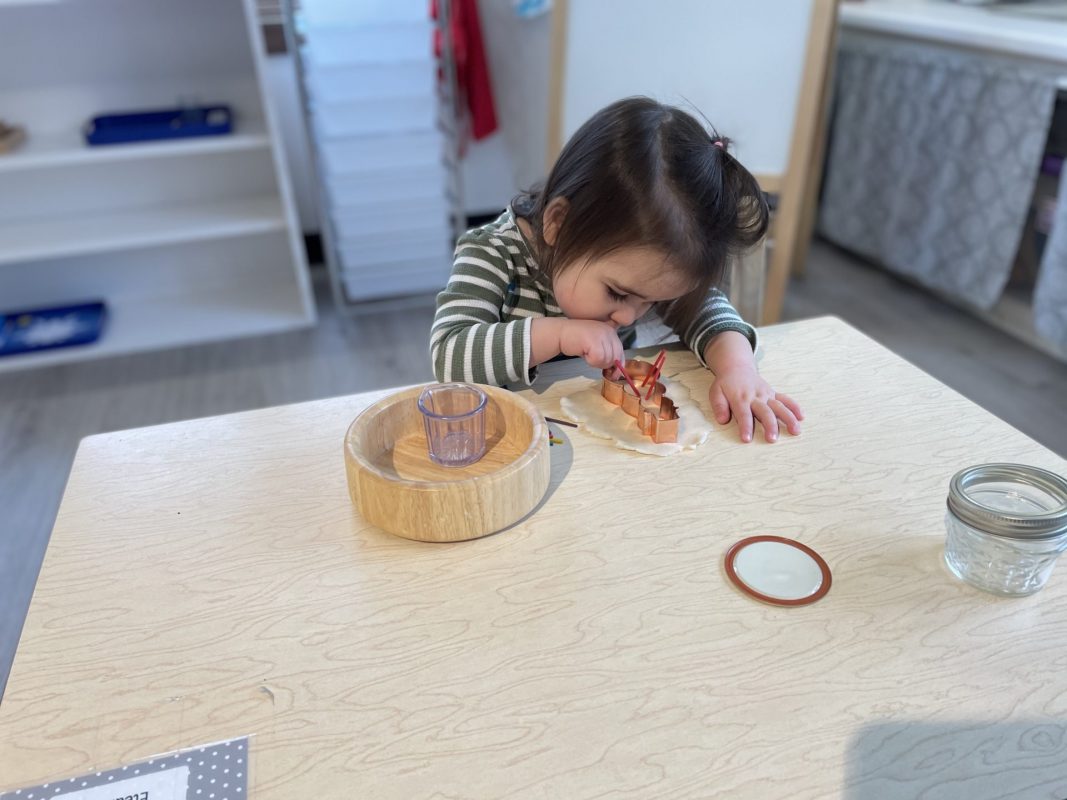
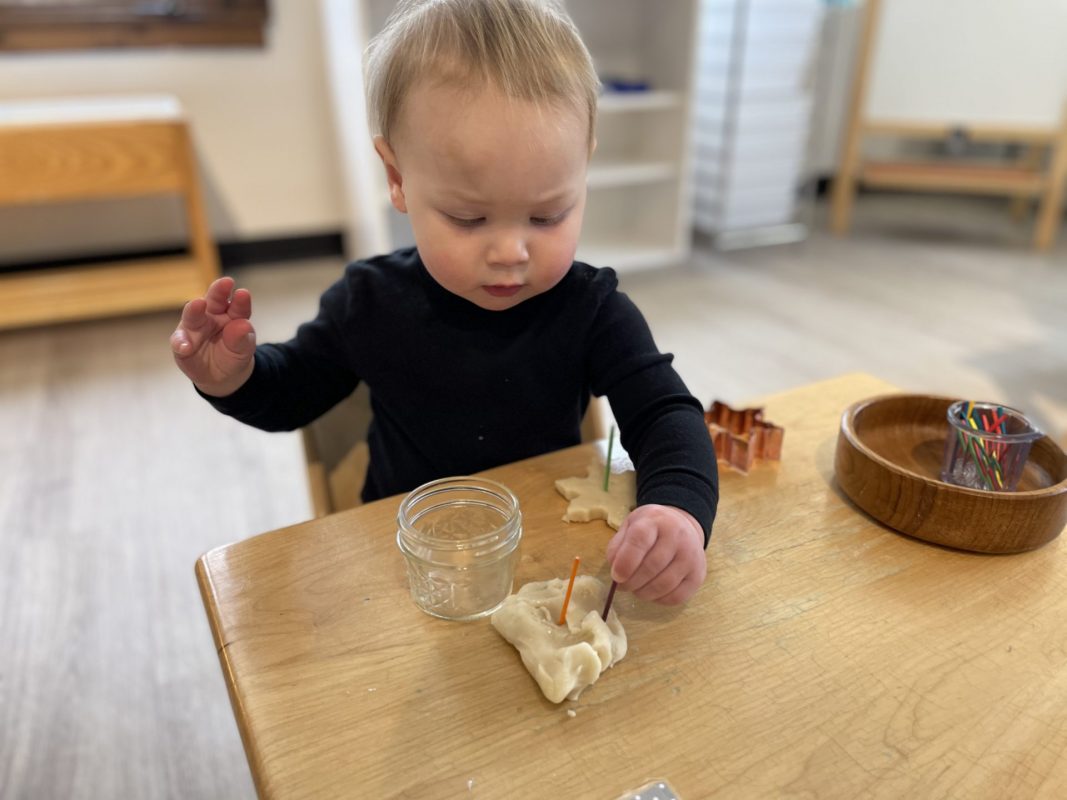
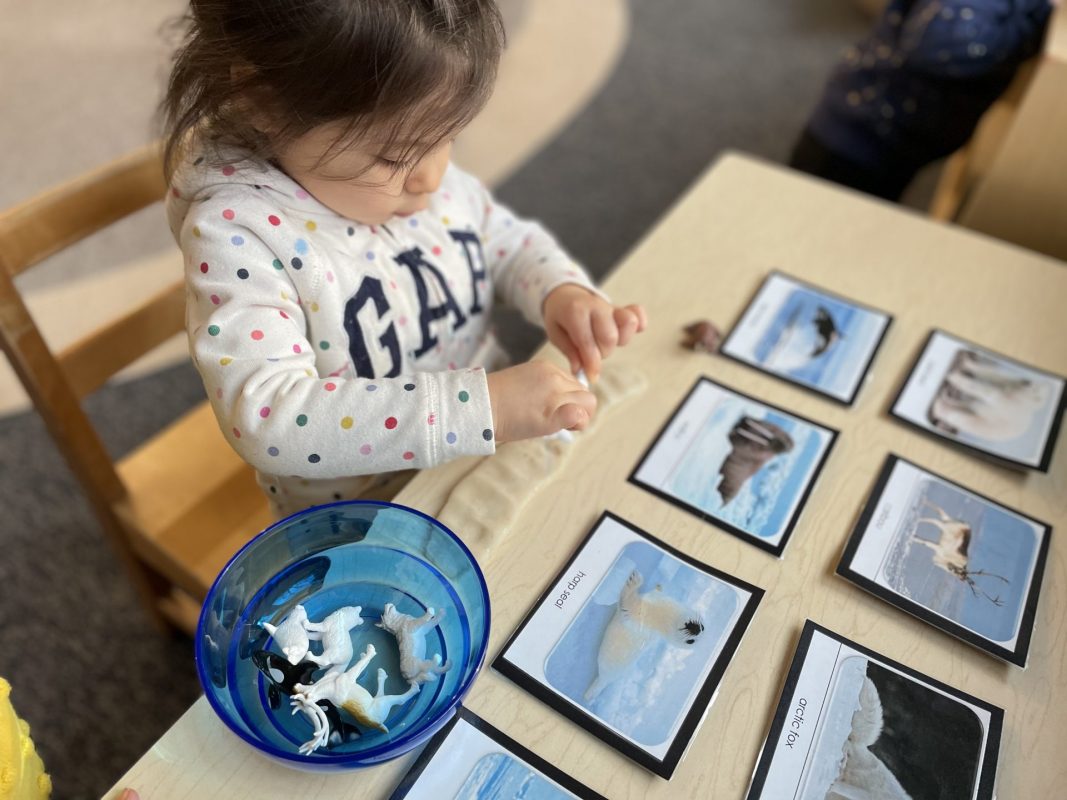
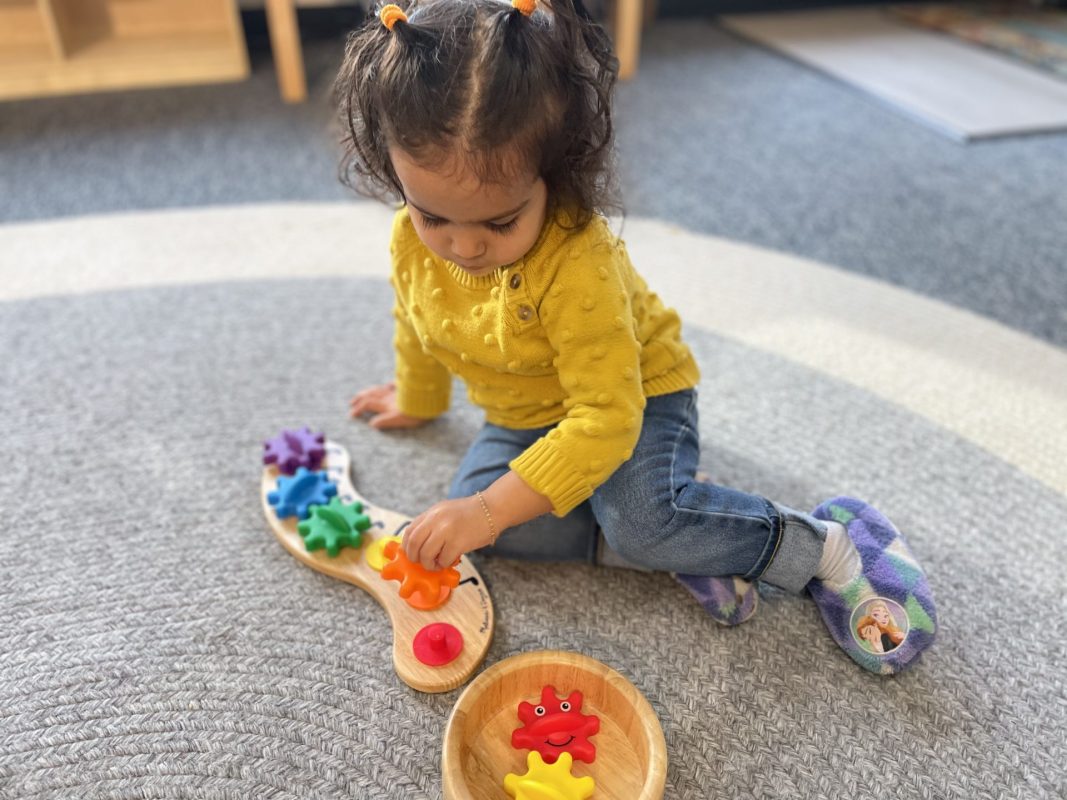
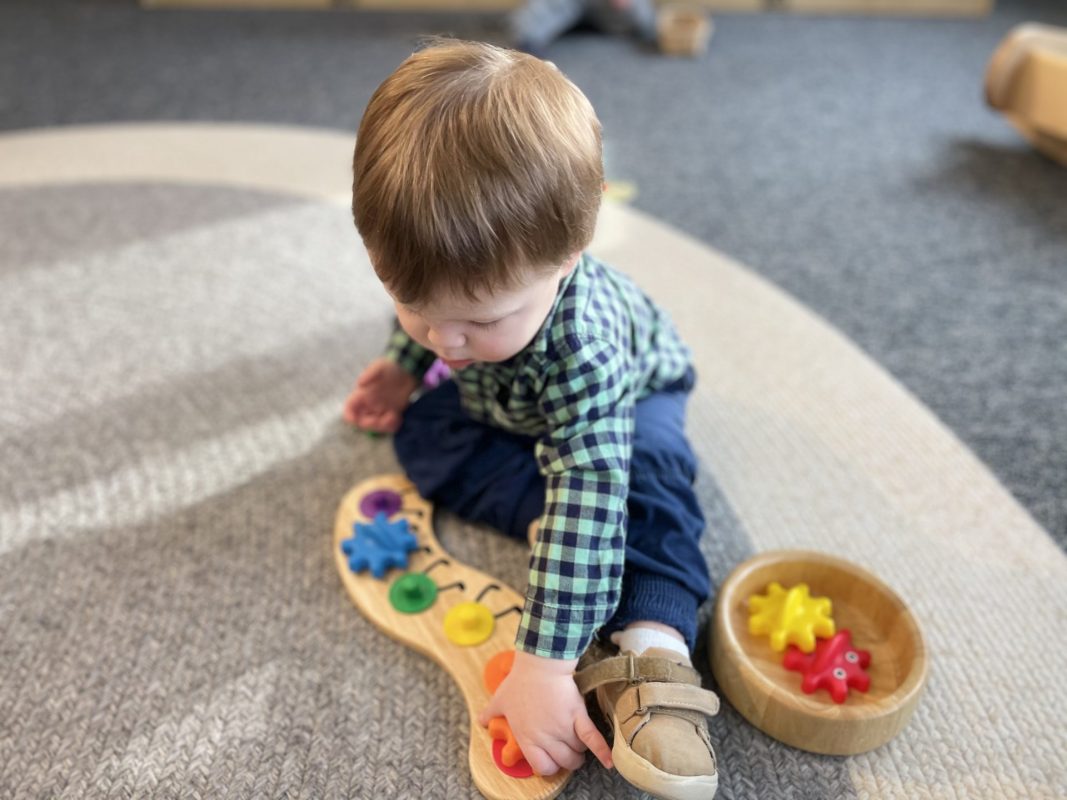
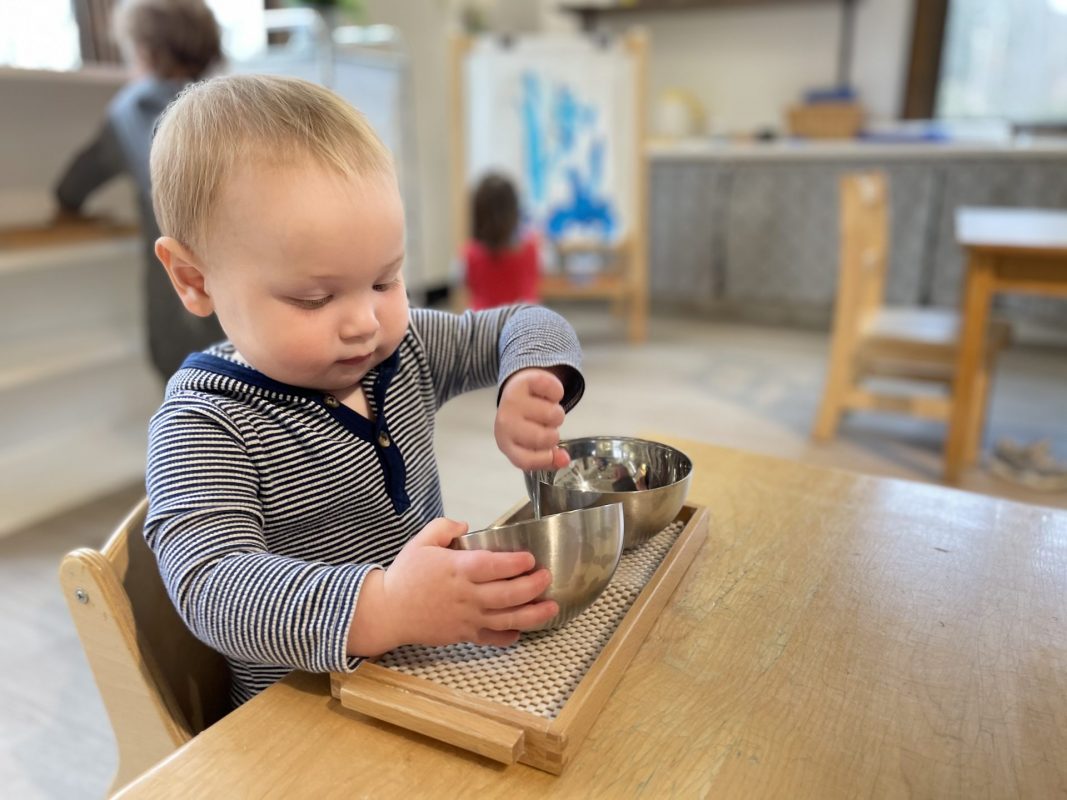
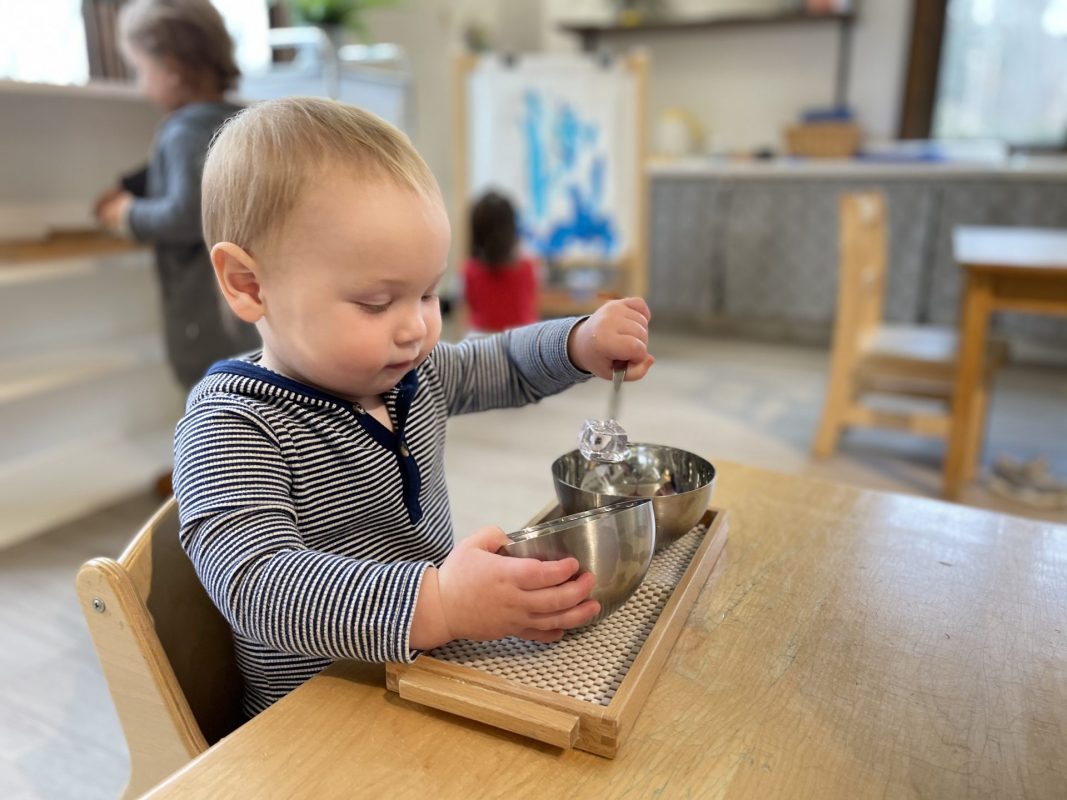
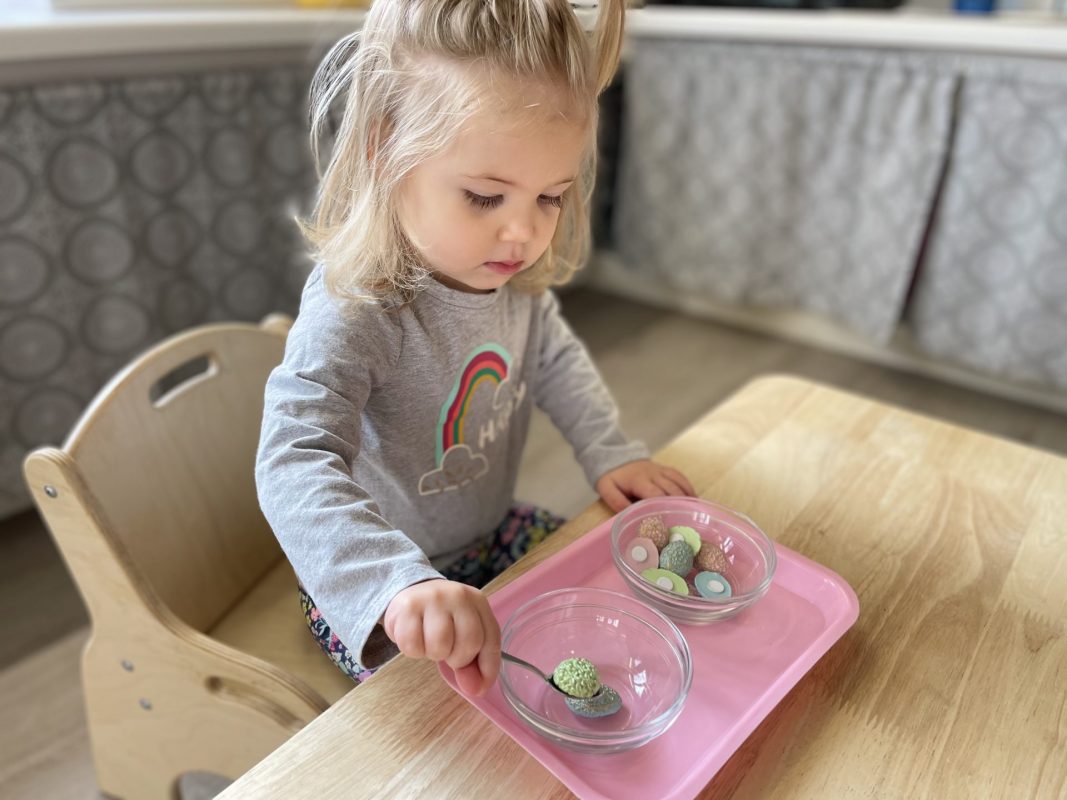
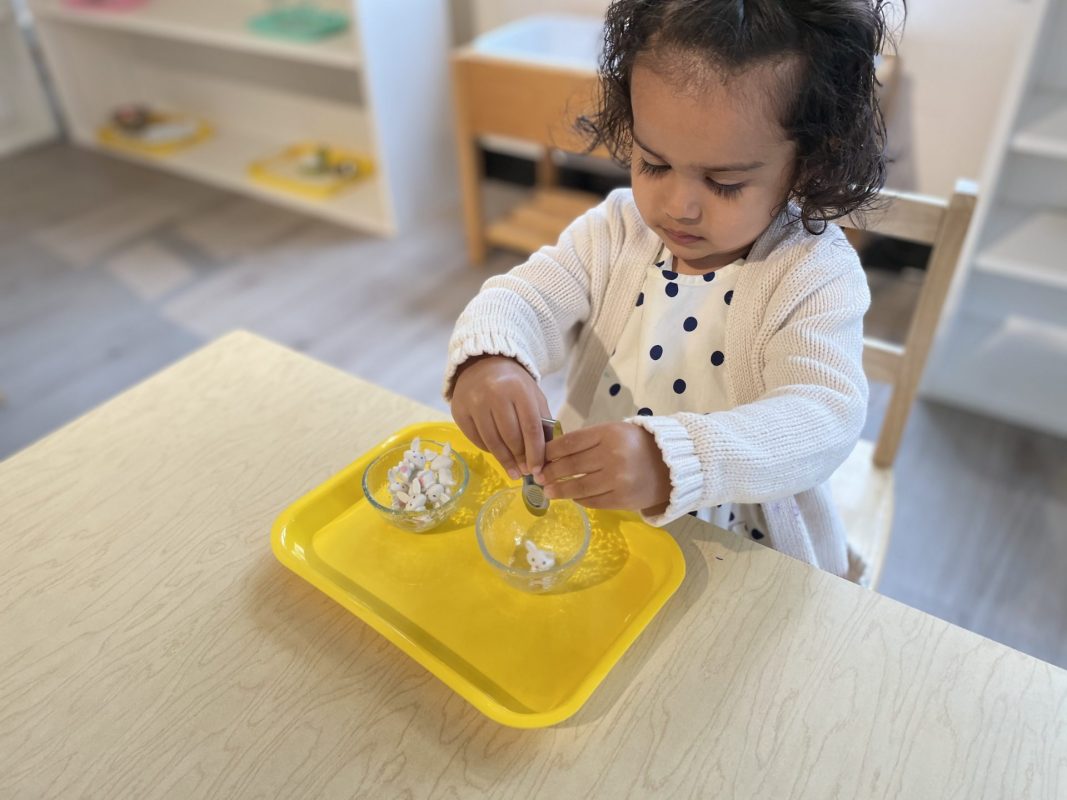
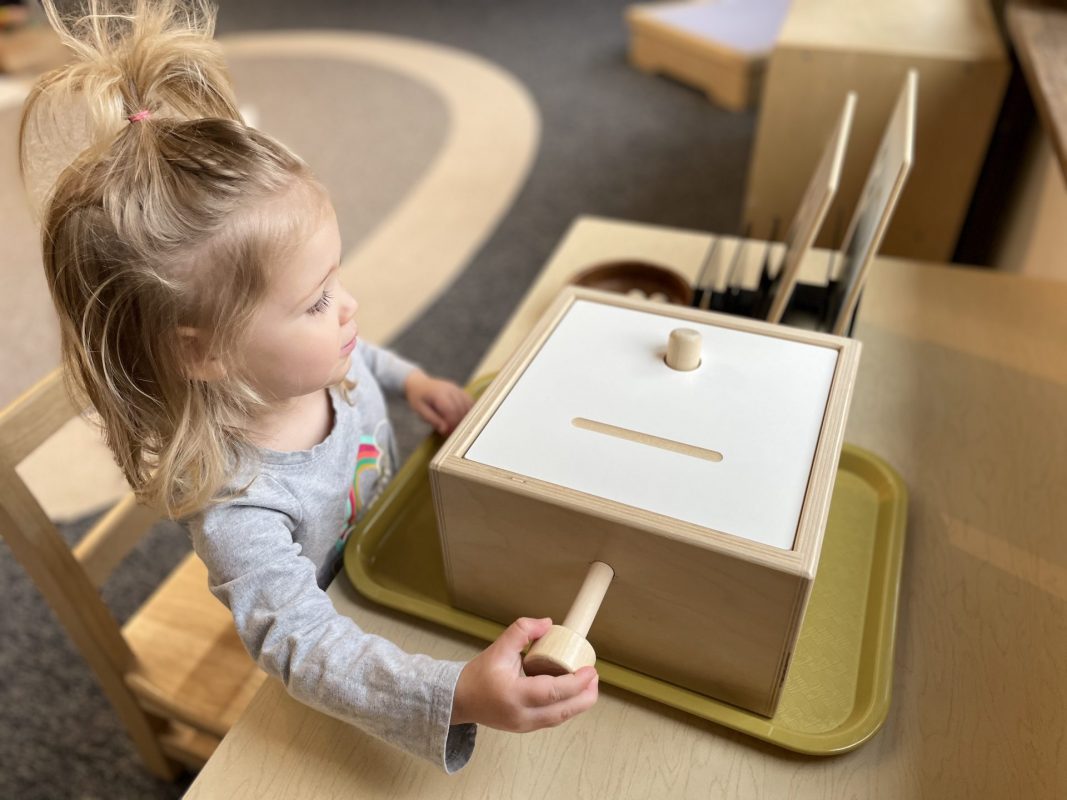
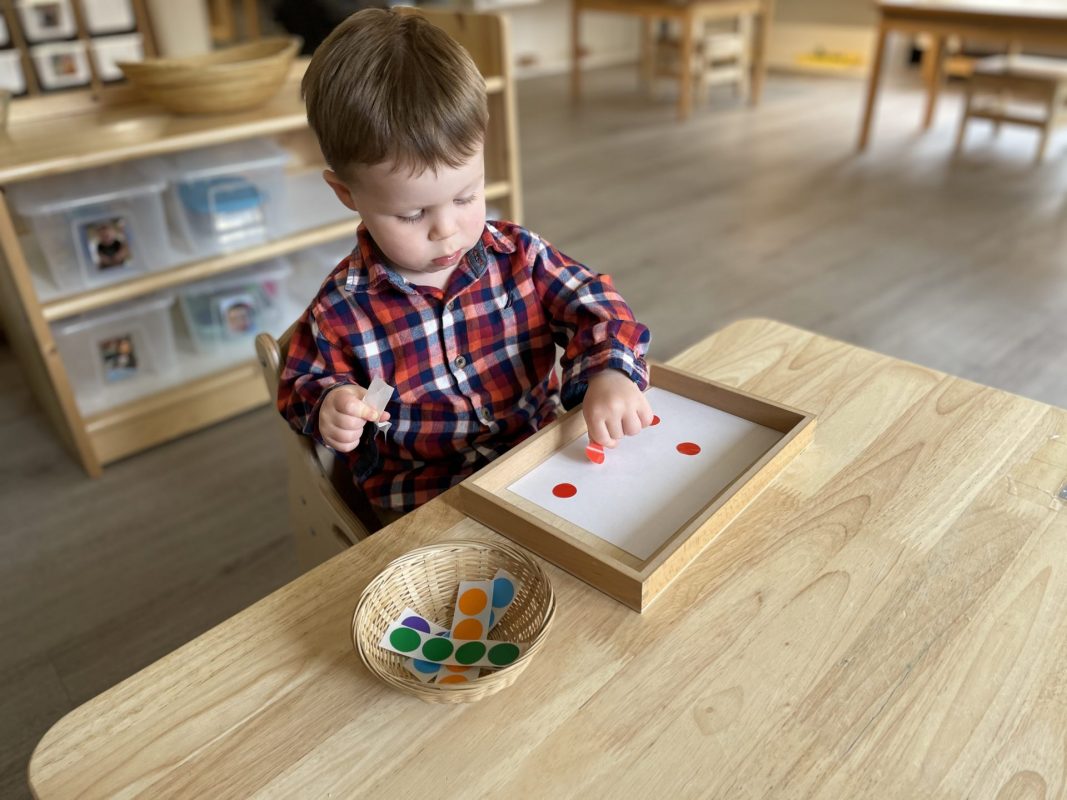
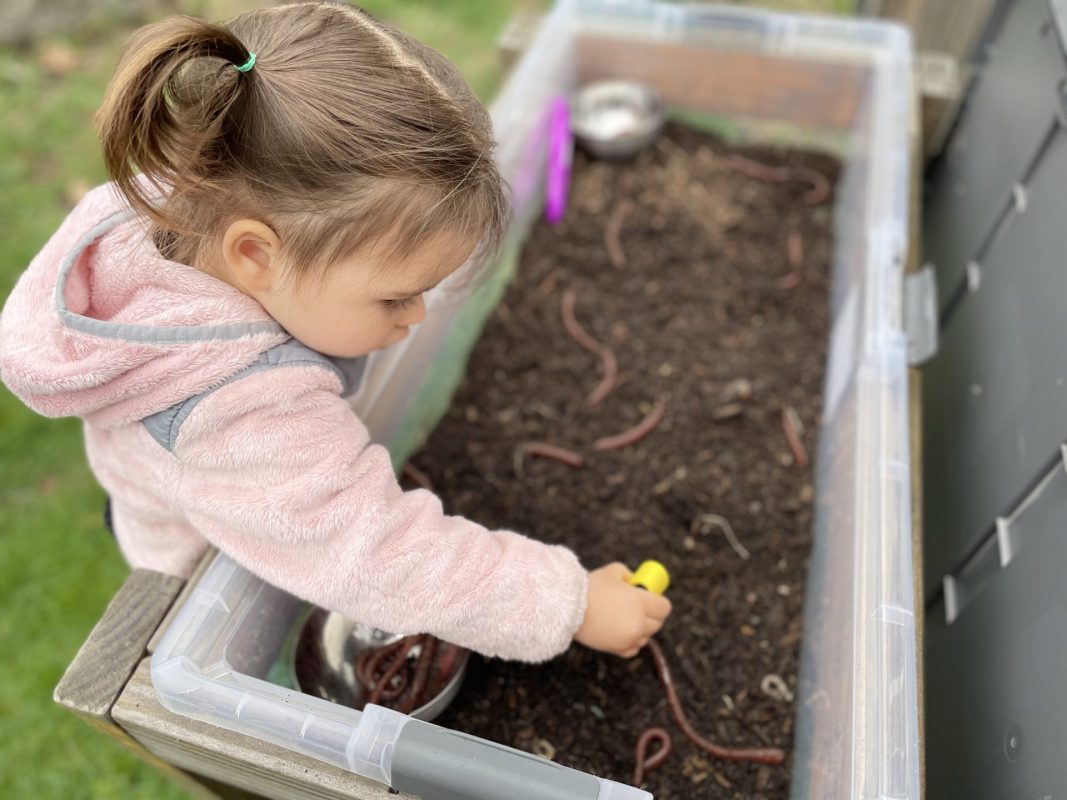
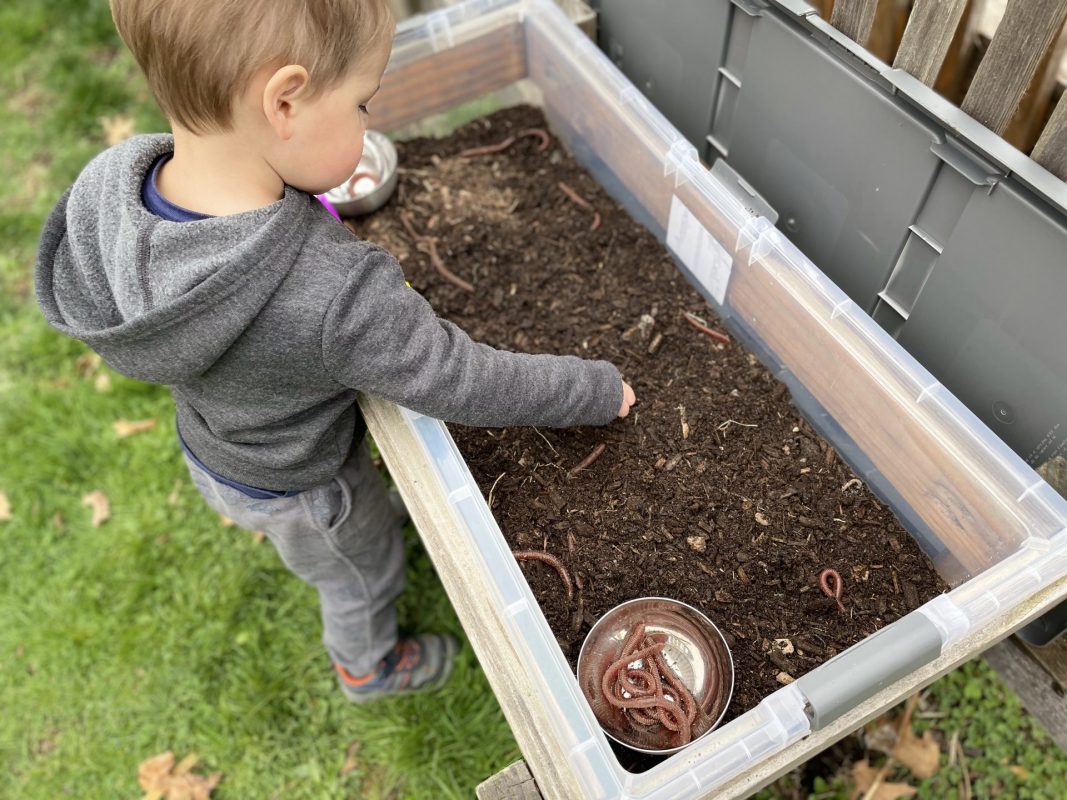
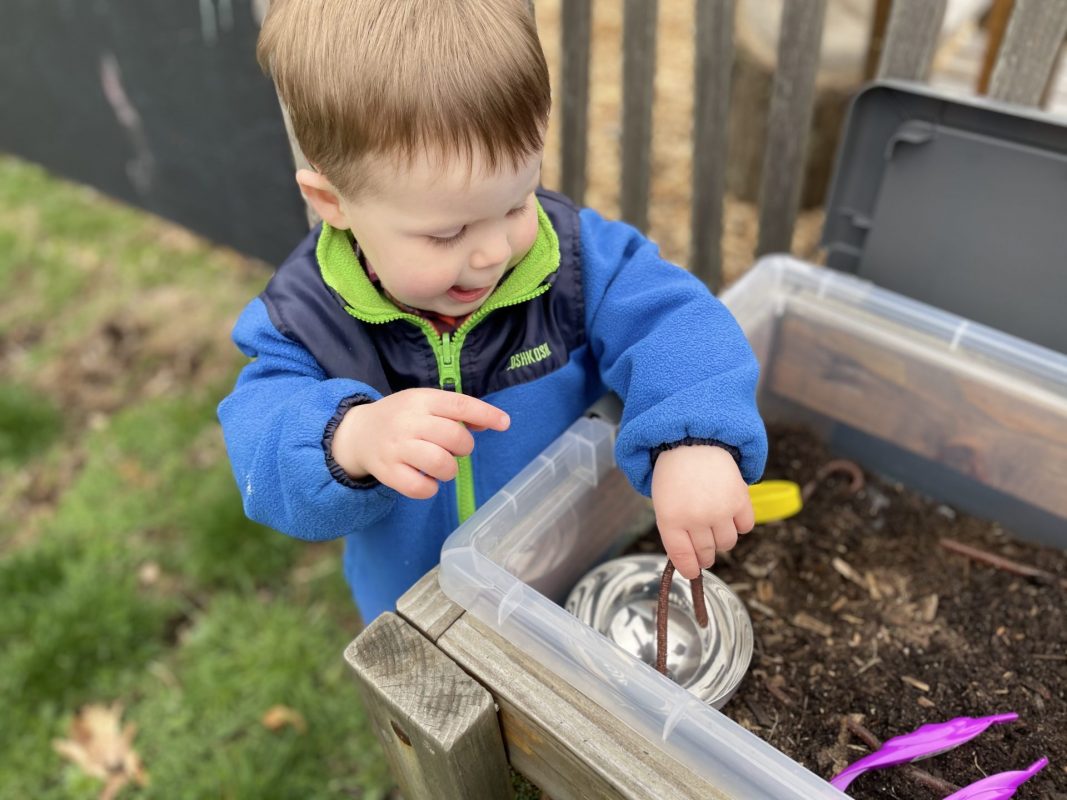
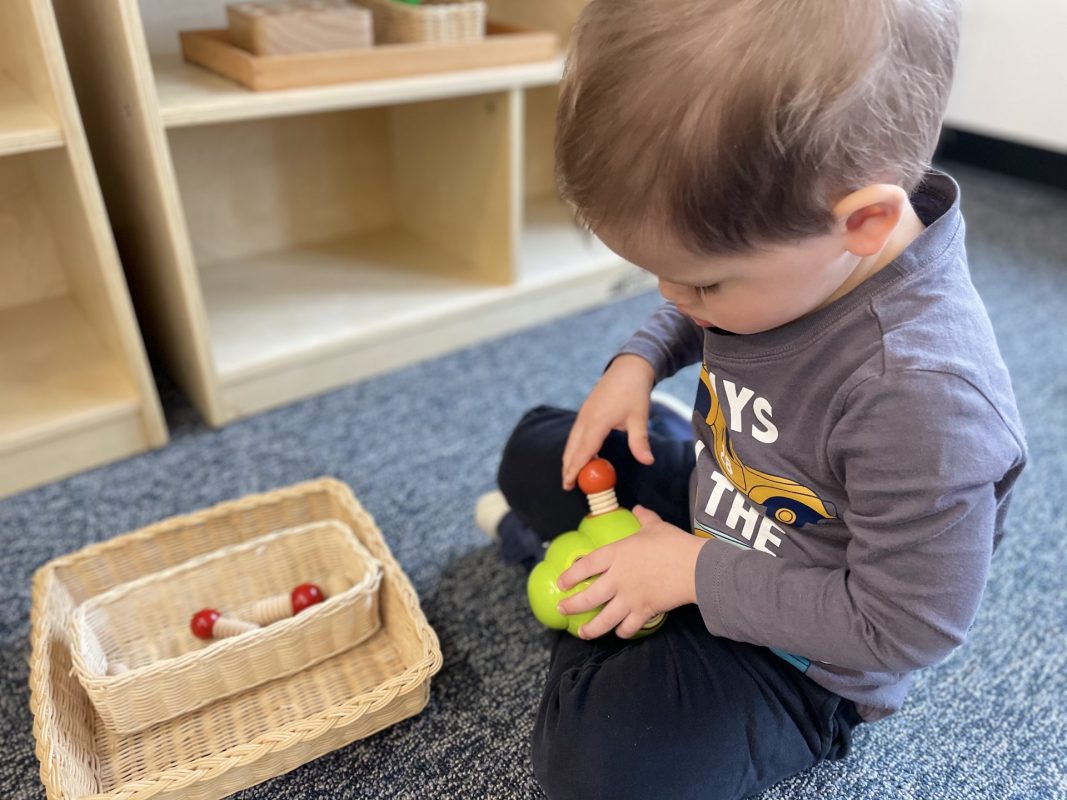
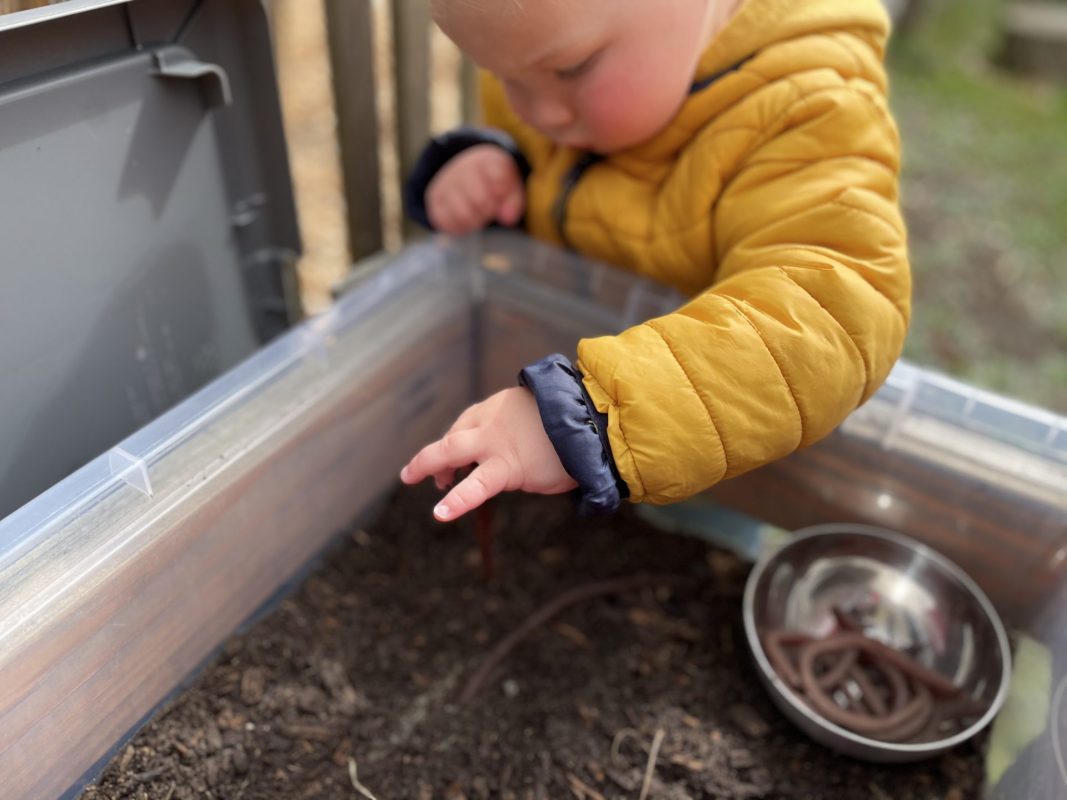
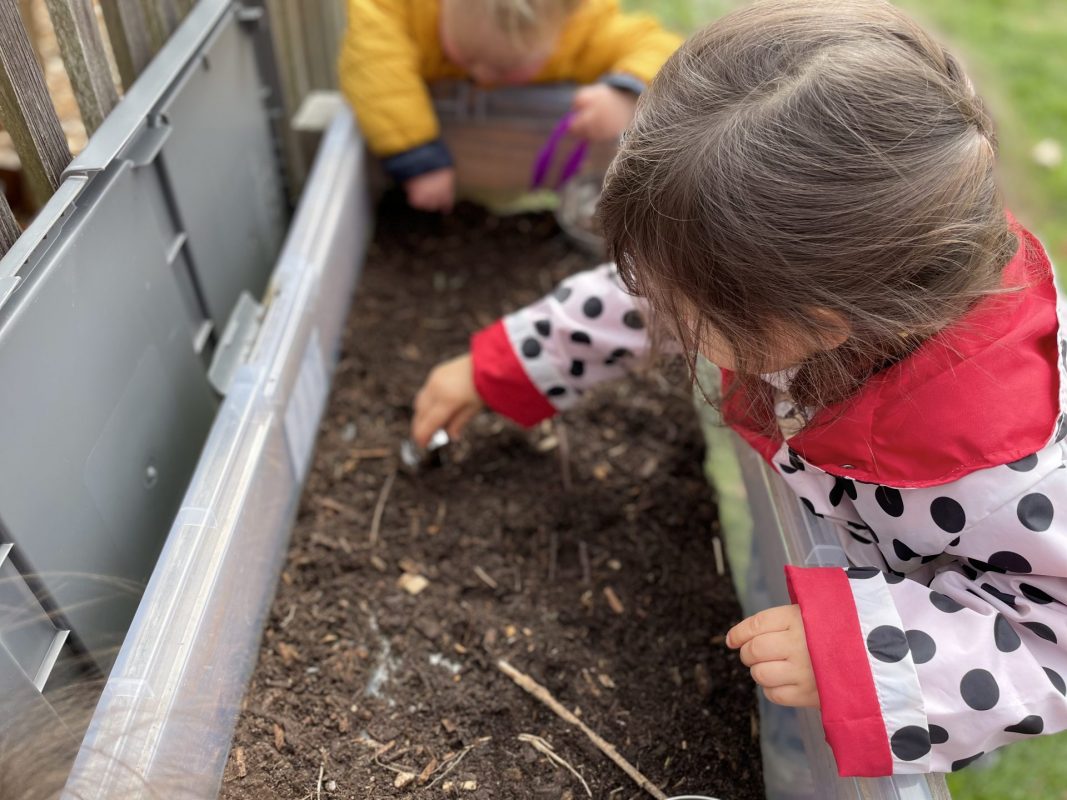
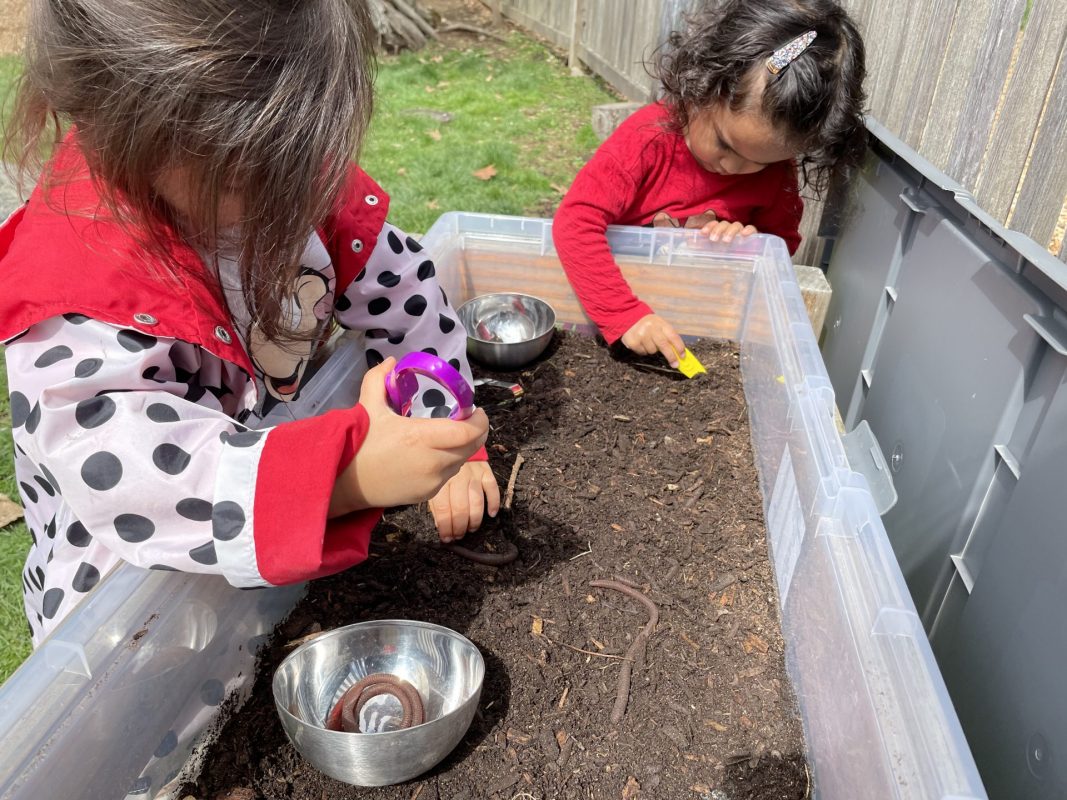
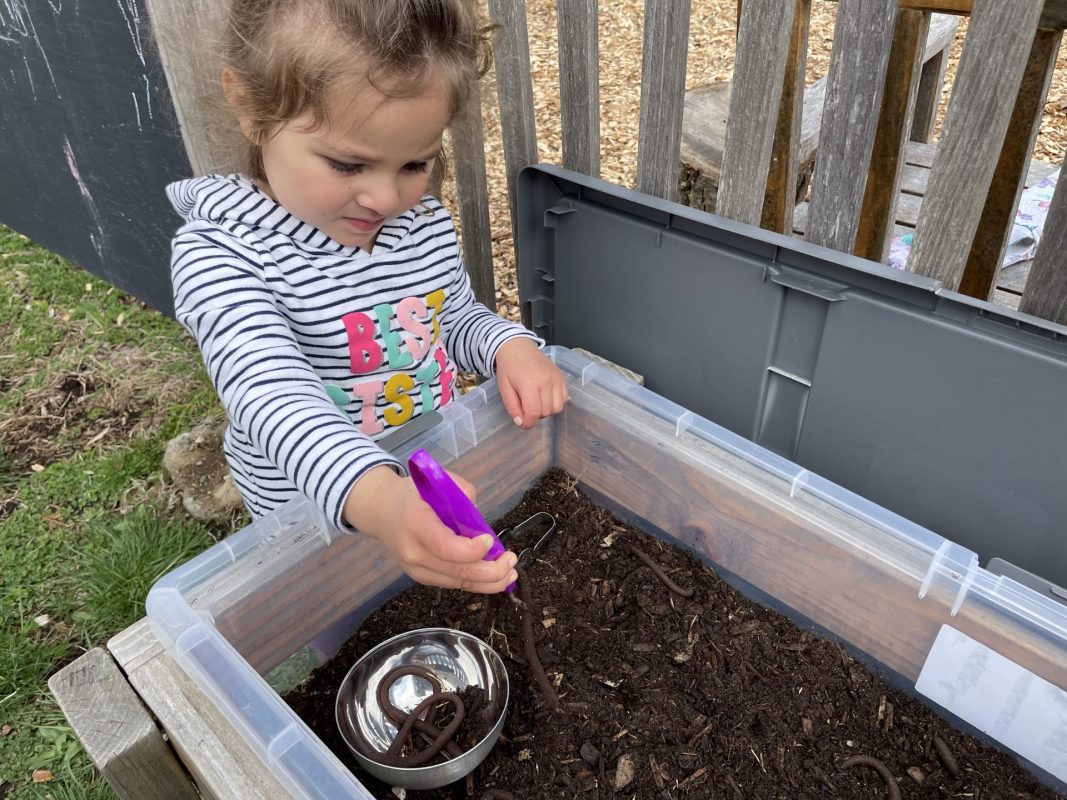
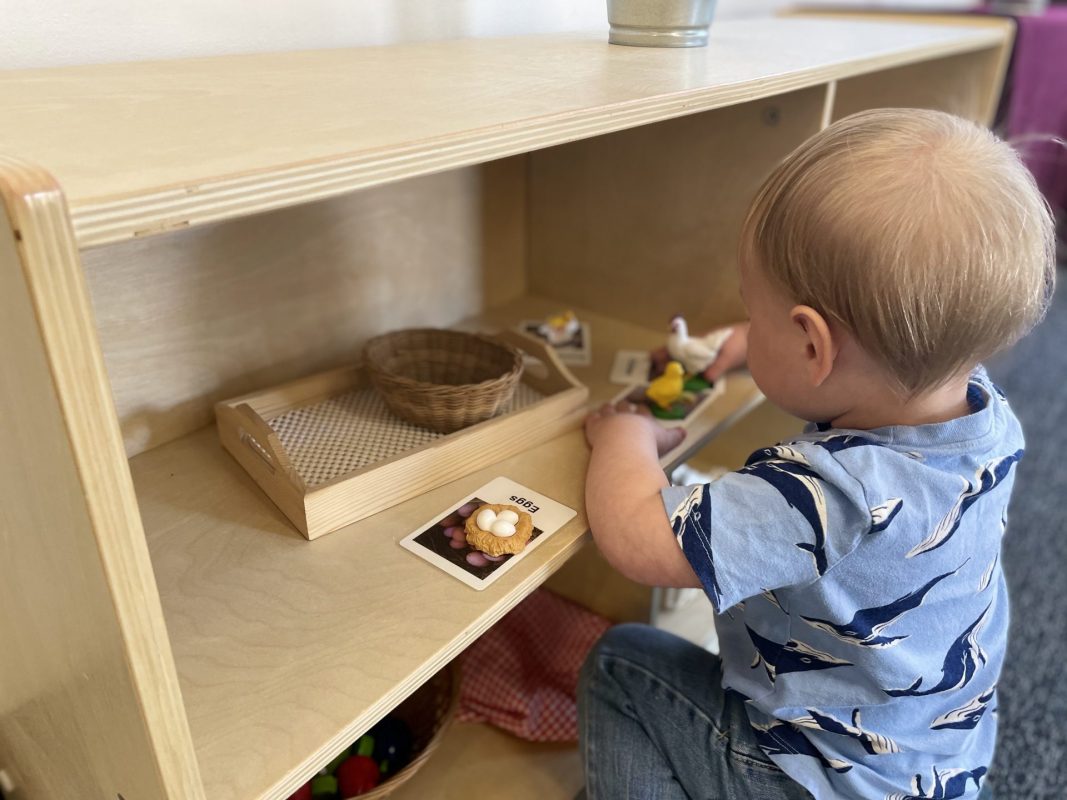
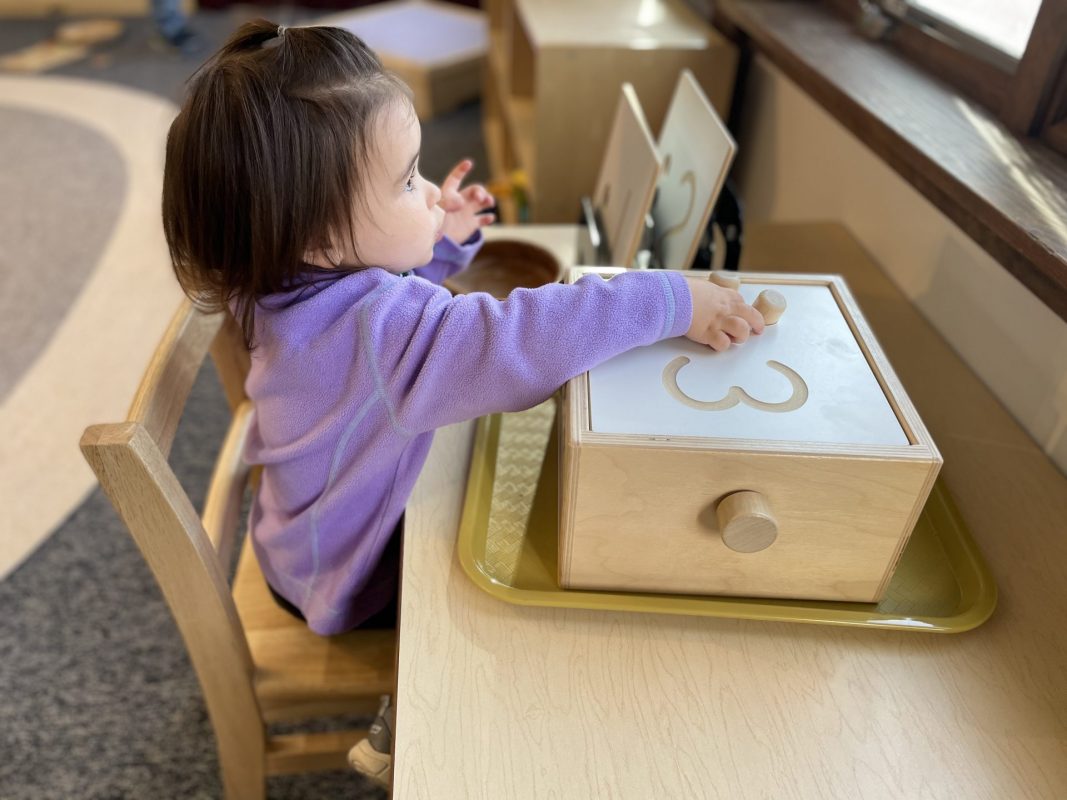
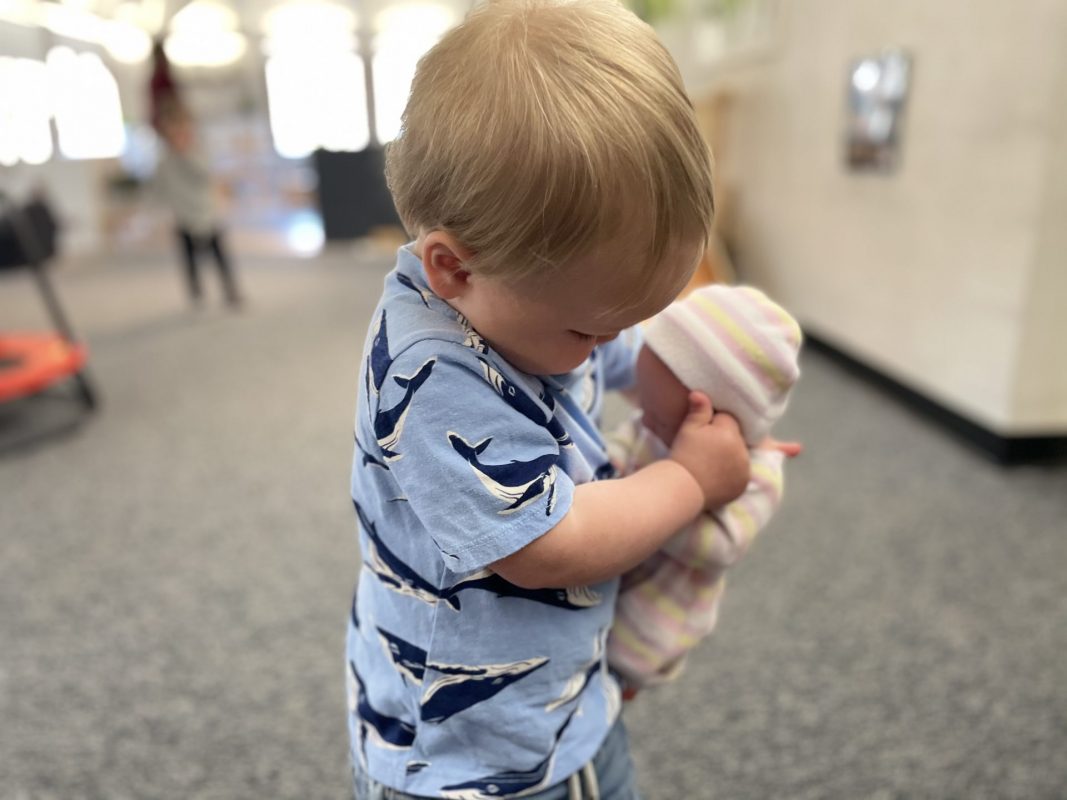
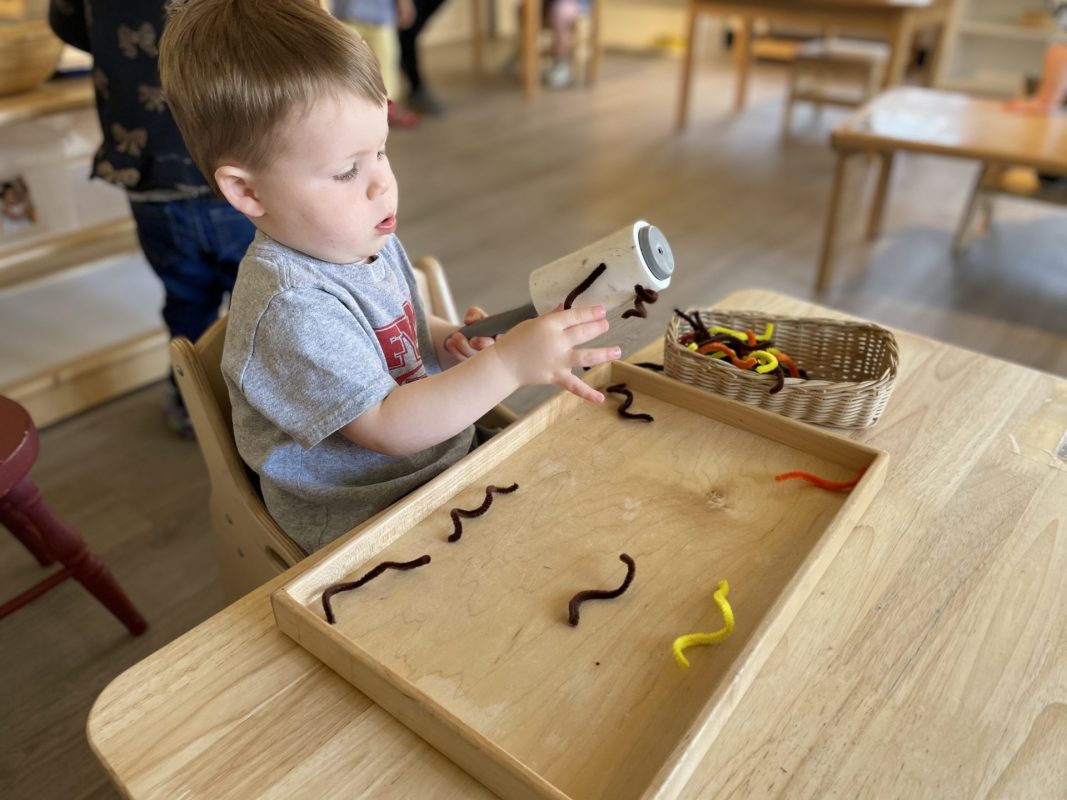
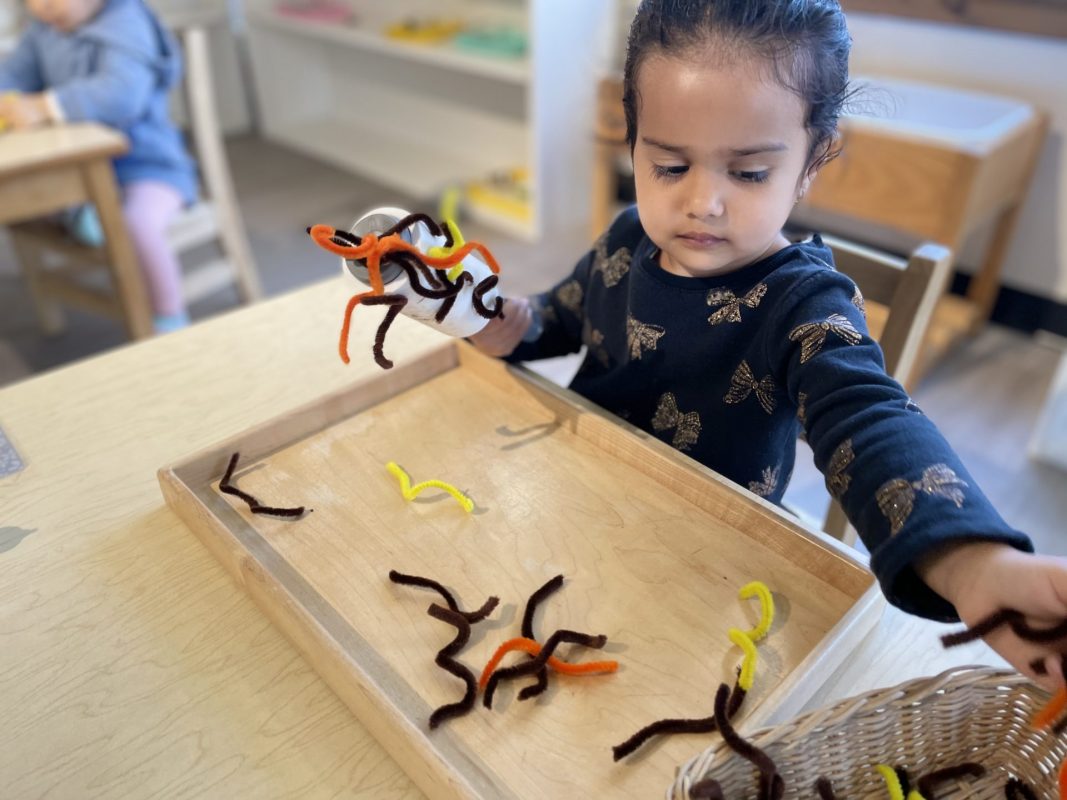
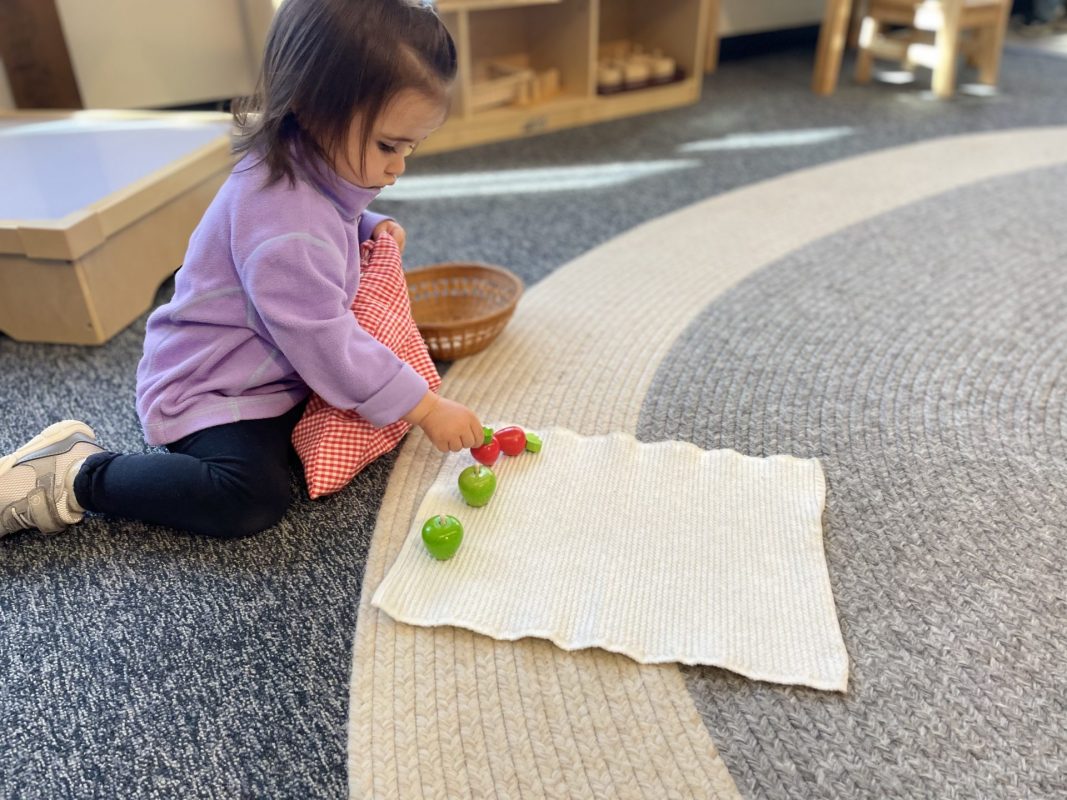
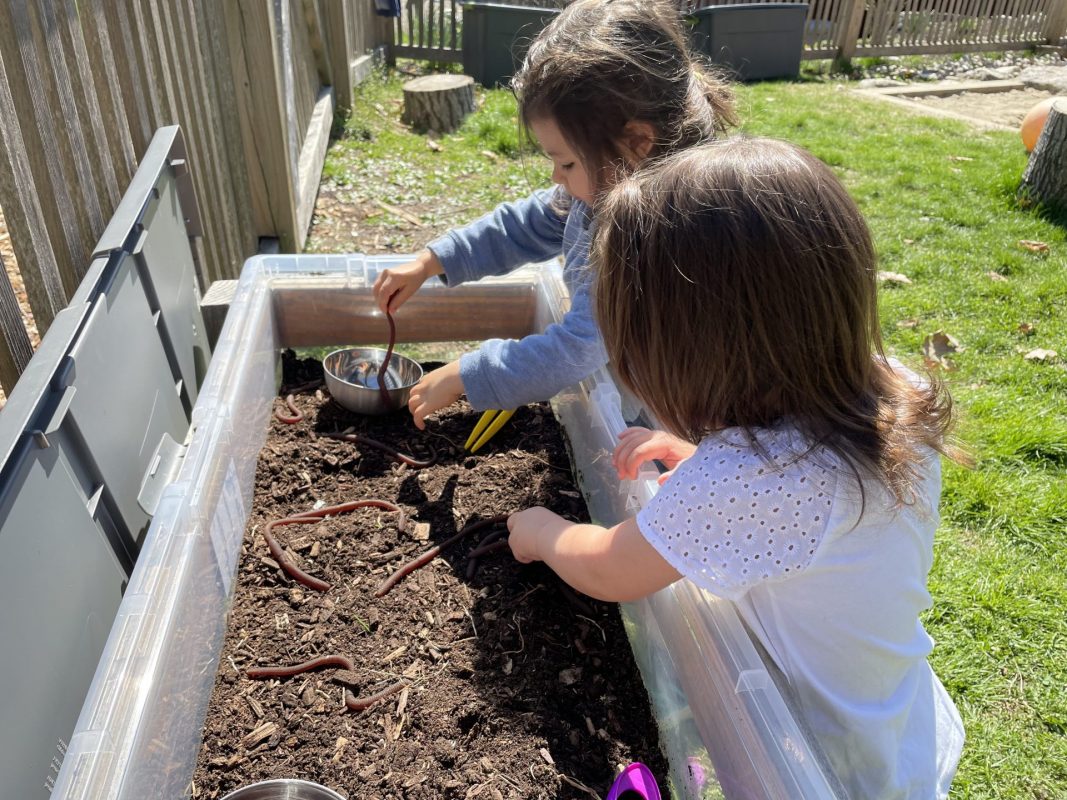
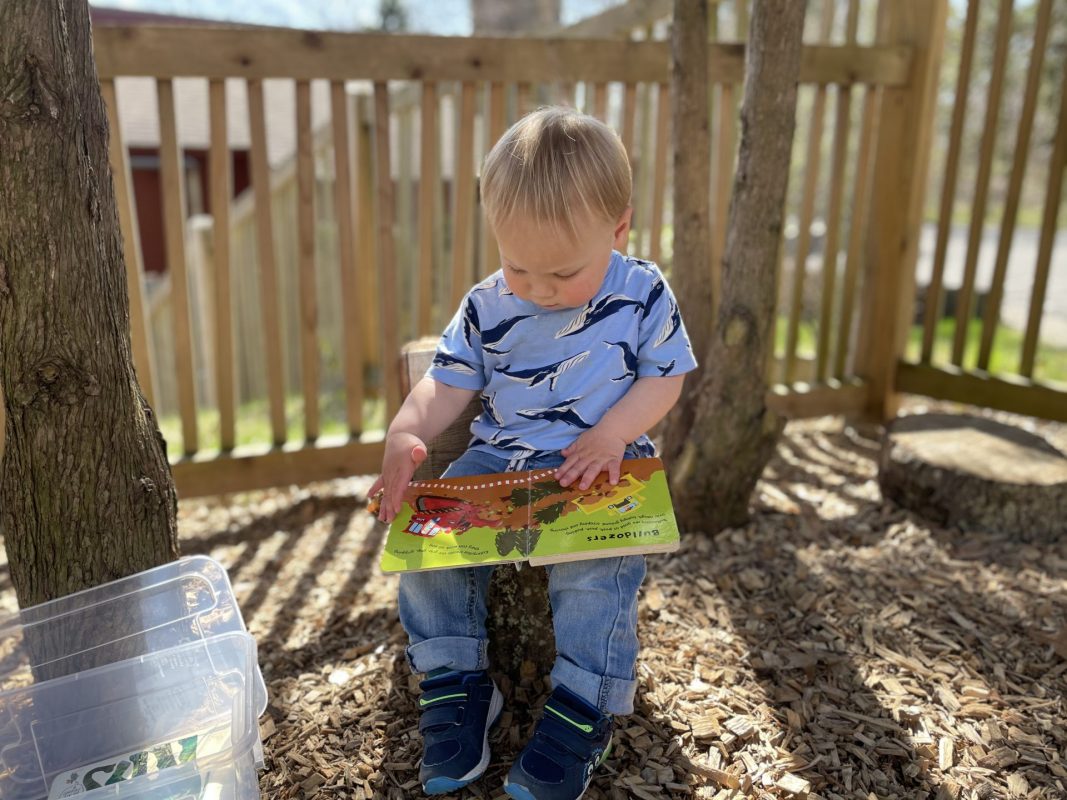
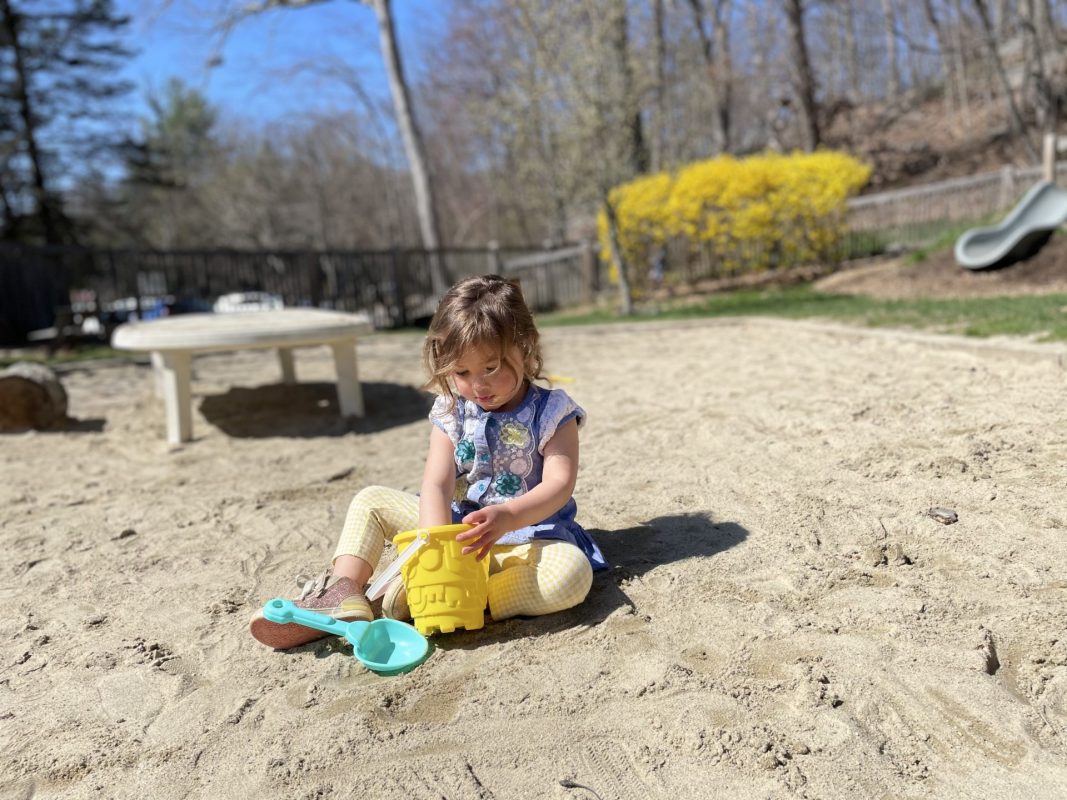
The highlights for this week are based on the continuation of our chicken studies. We focused on completing the life cycle of a chicken. We learned that after the chick has hatched from the egg, the mother hen takes care of it and provides food for it. Children learned that chickens do not have teeth but they have strong beaks to eat seeds, green plants, insects, and worms. In our outside environment we were able to find some real worms and observe them moving. We then pretended to be little chicks by exploring the worm sensory bin. Children practiced their fine motor skills by digging, finding, and picking with tweezers some life-like worms and transferring them to a bowl. 

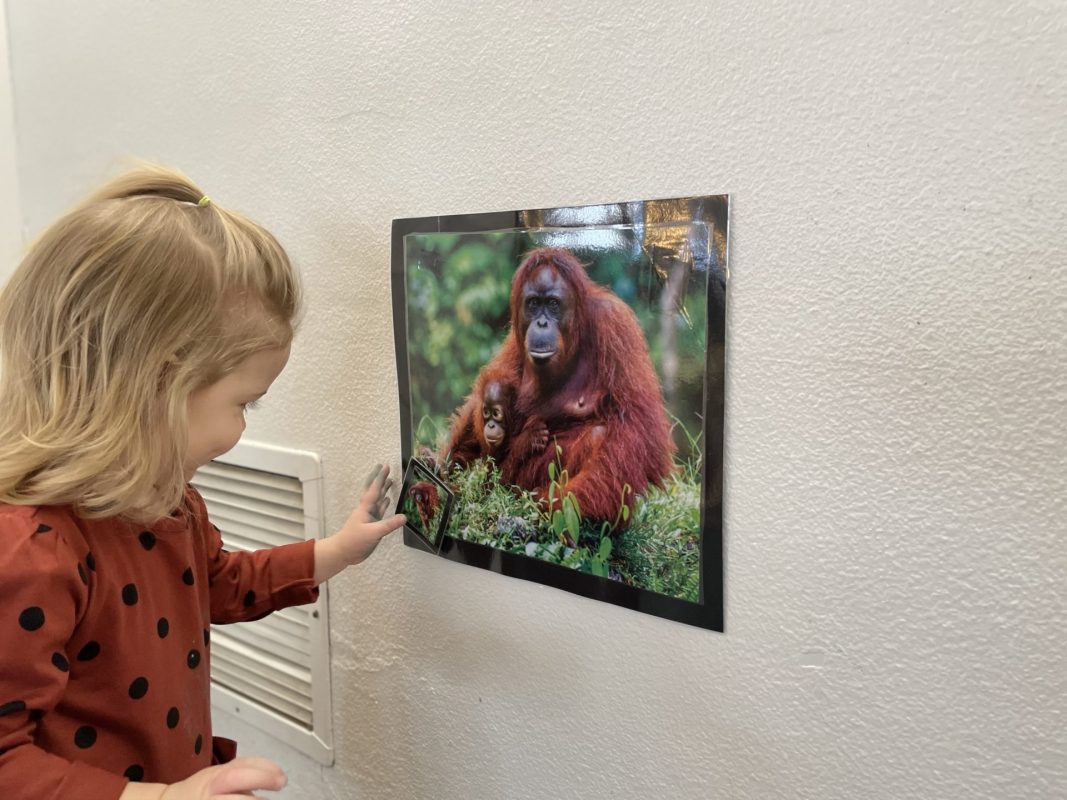
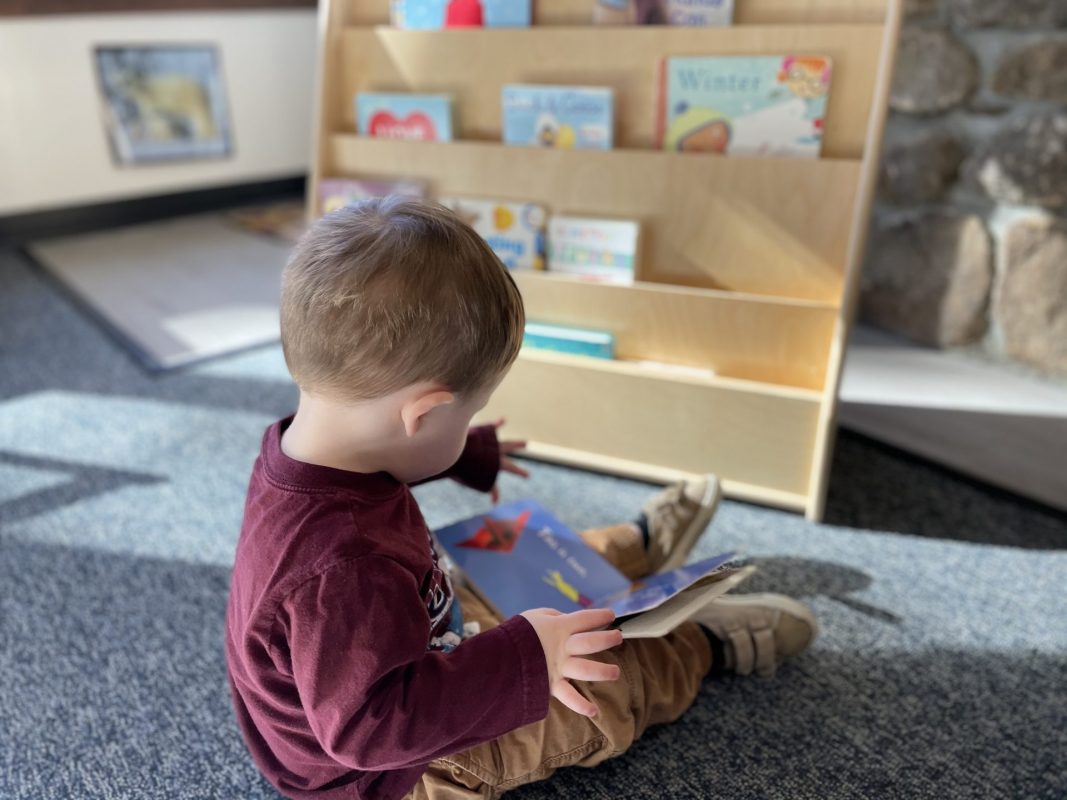
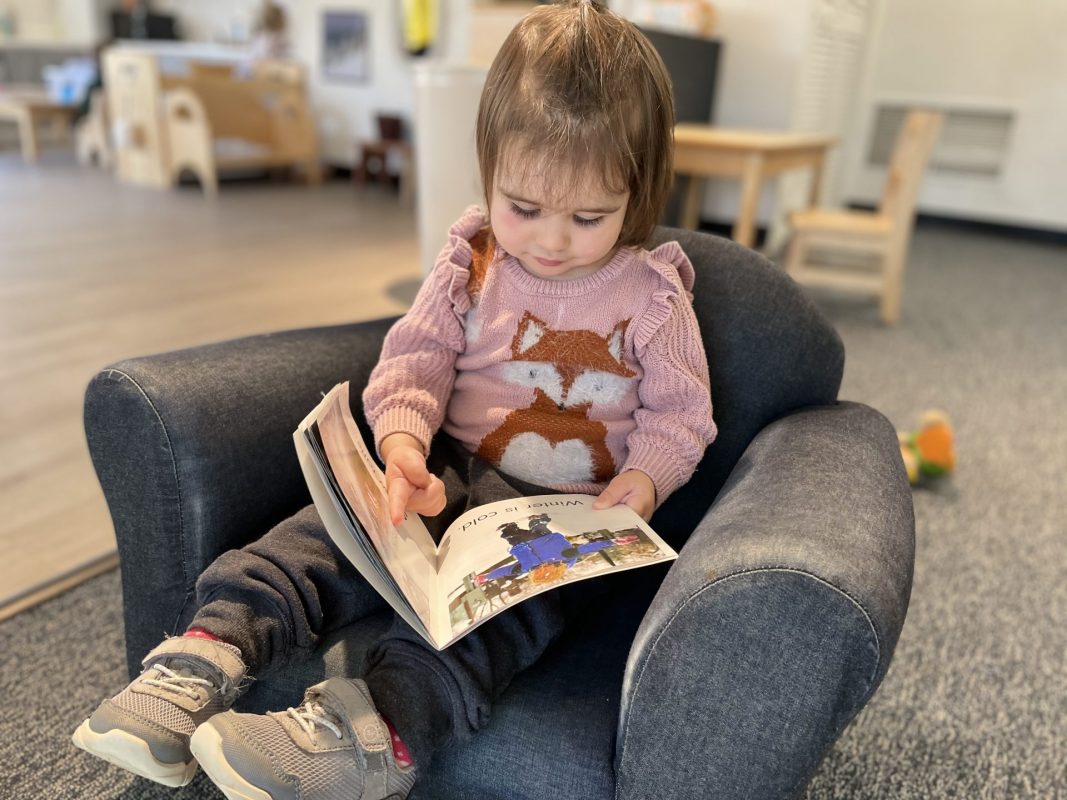
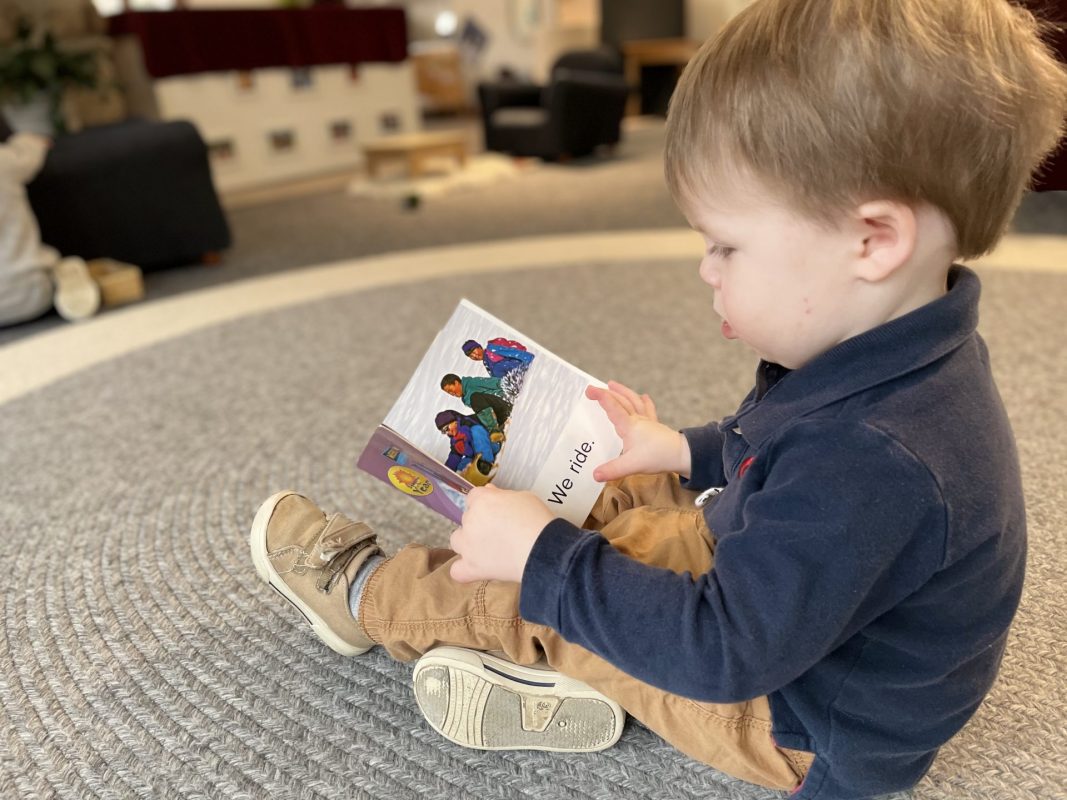
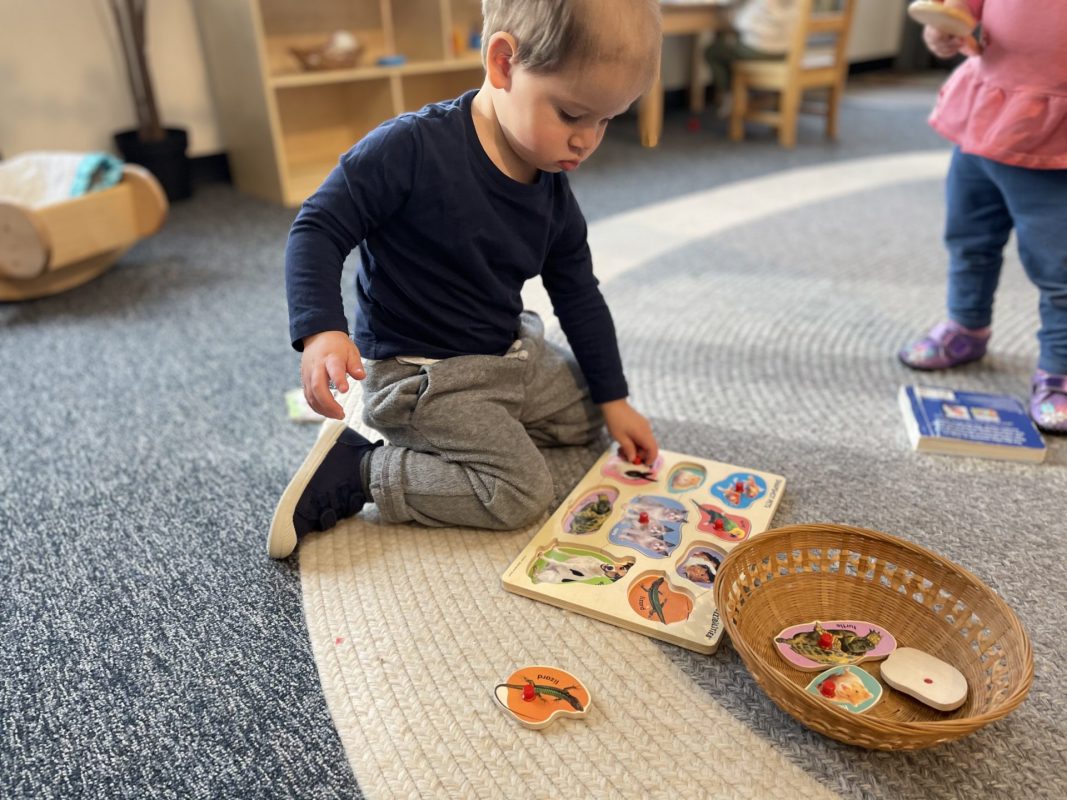
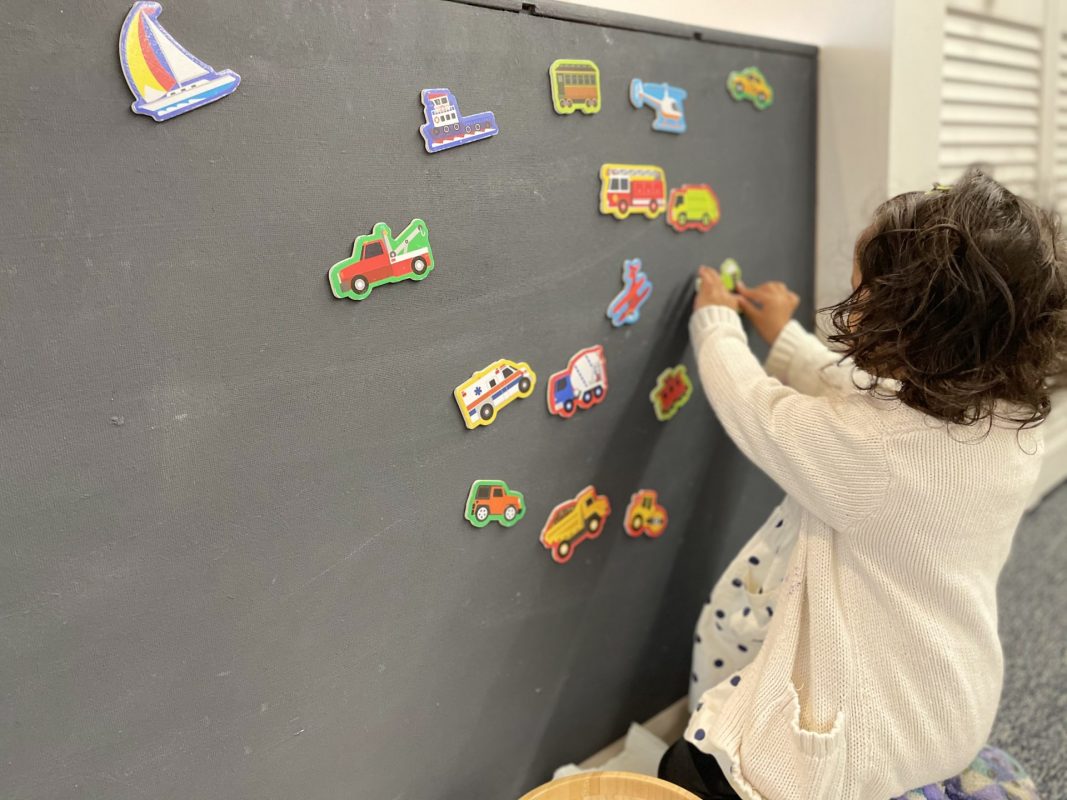
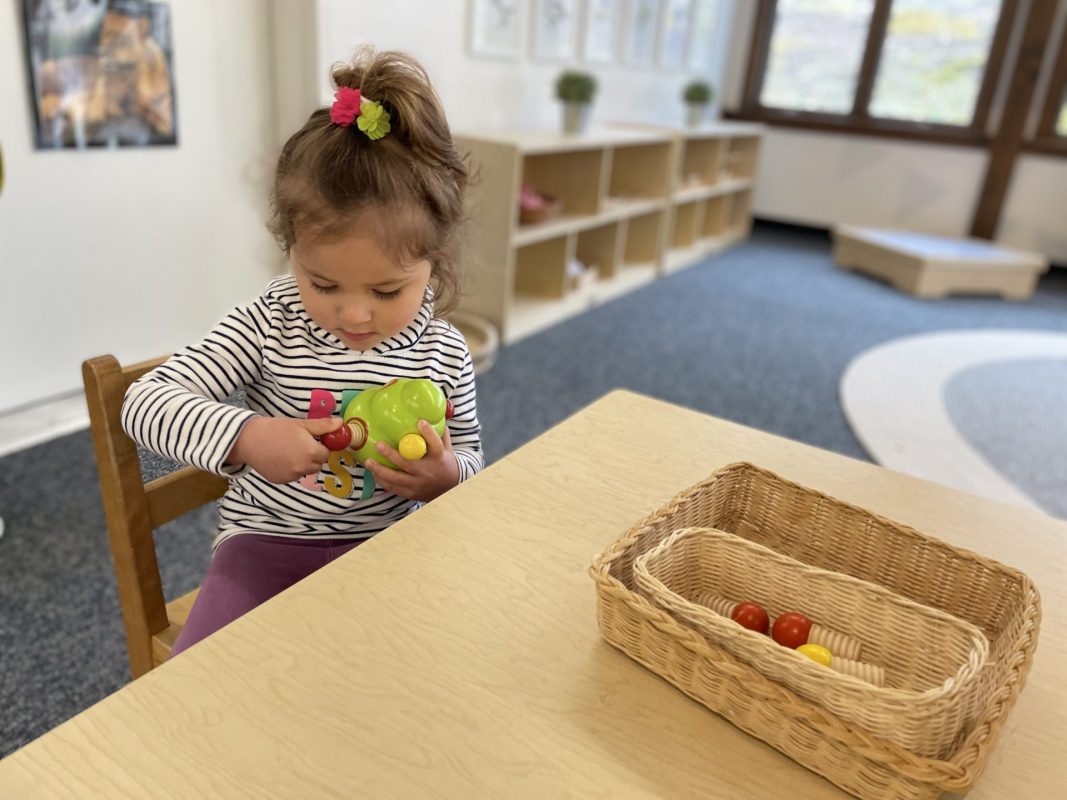
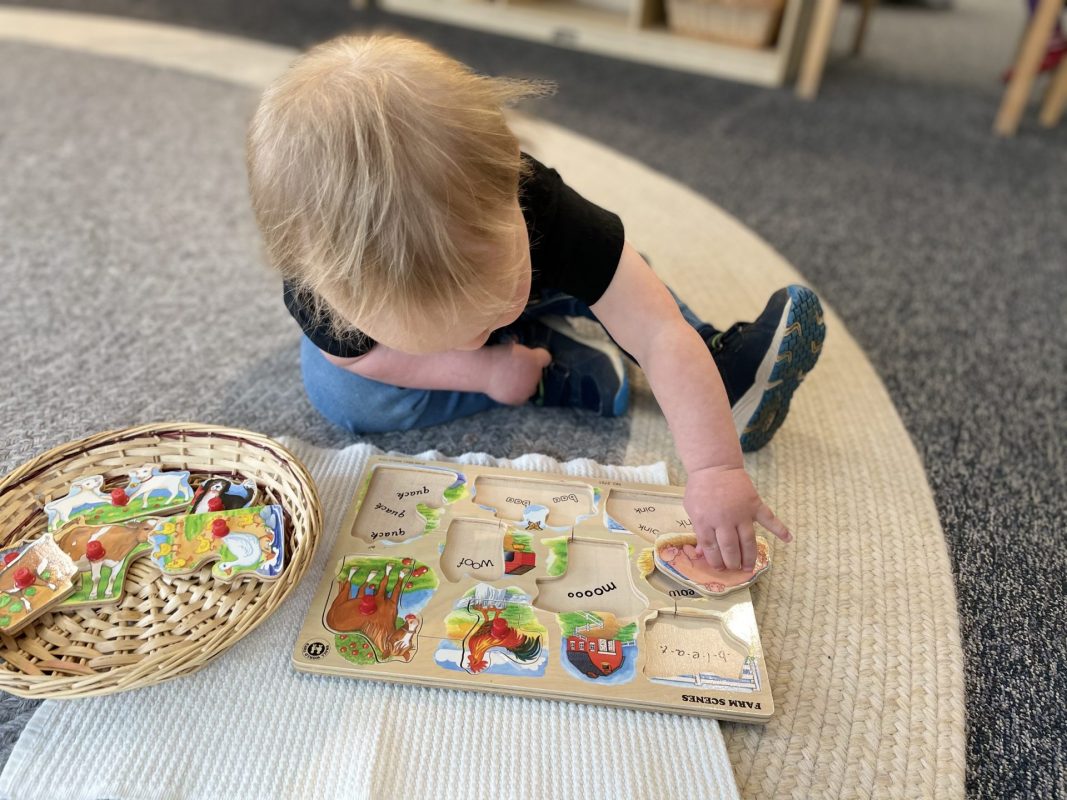
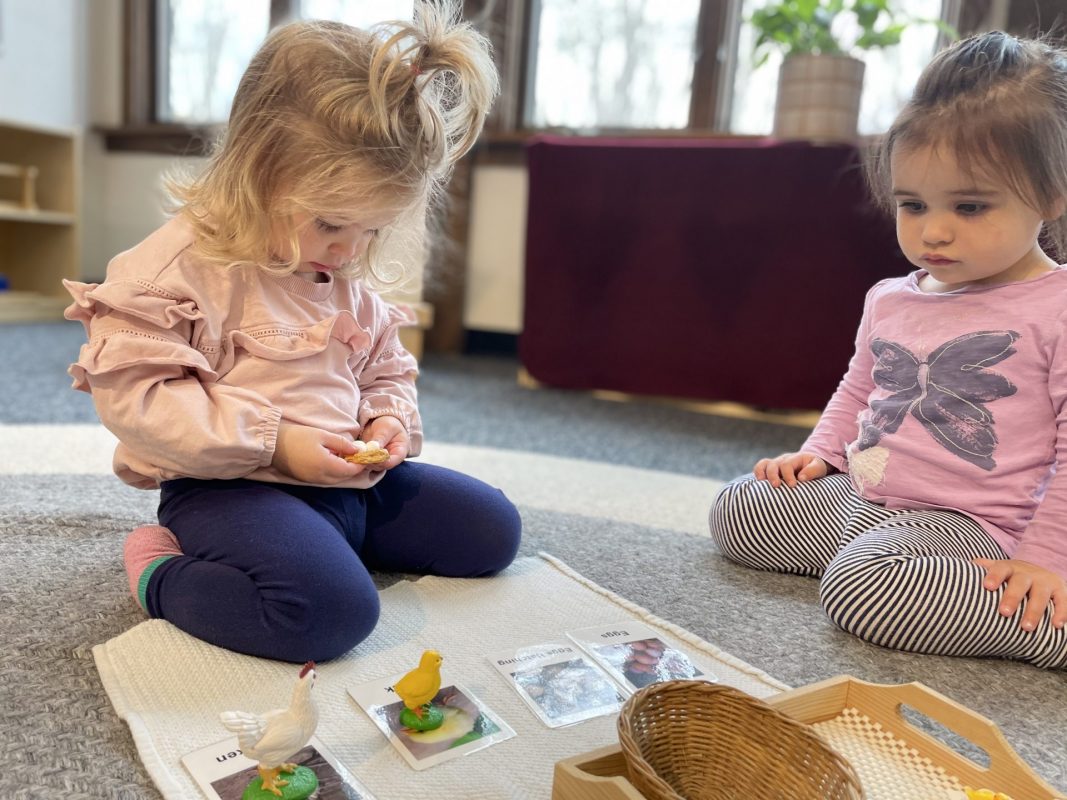
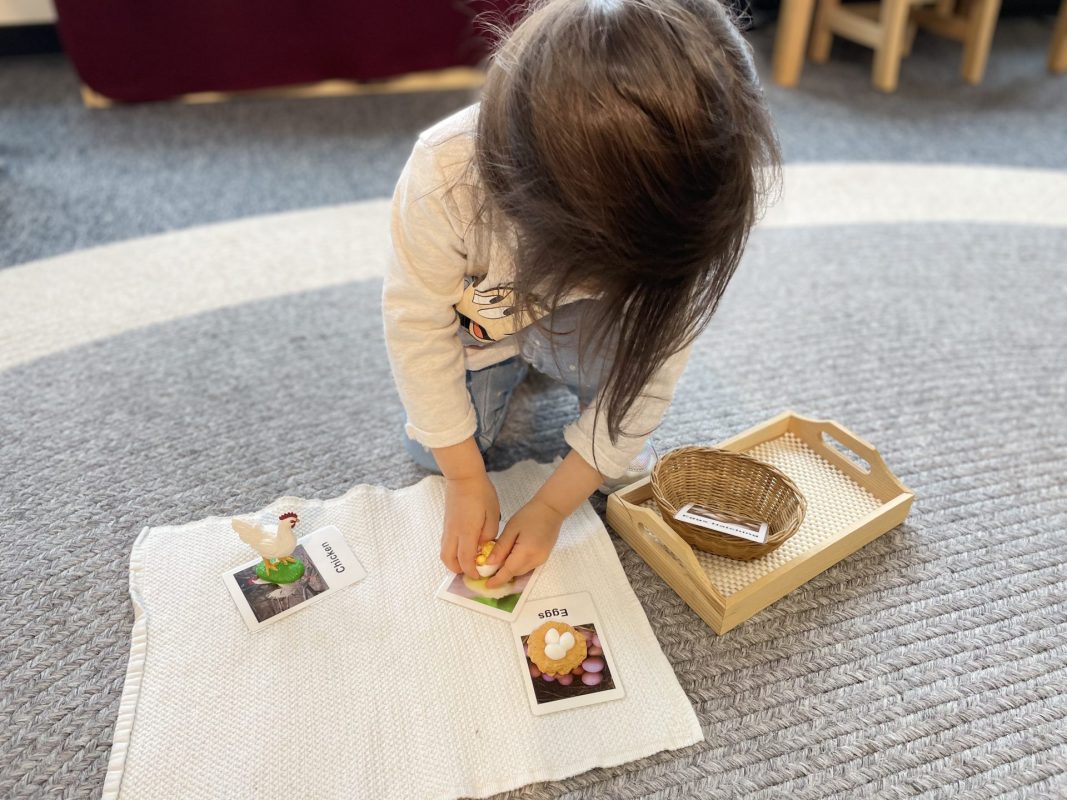
We also learned the different parts of an adult chicken including vocabulary words like comb, beak, feathers, legs, wings, claw, tail, and wattles. Children were able to observe a real chick coming out of the egg shell through an educational clip and through books in our environment and then reinforced this lesson by using an object-picture matching work in our language area. 

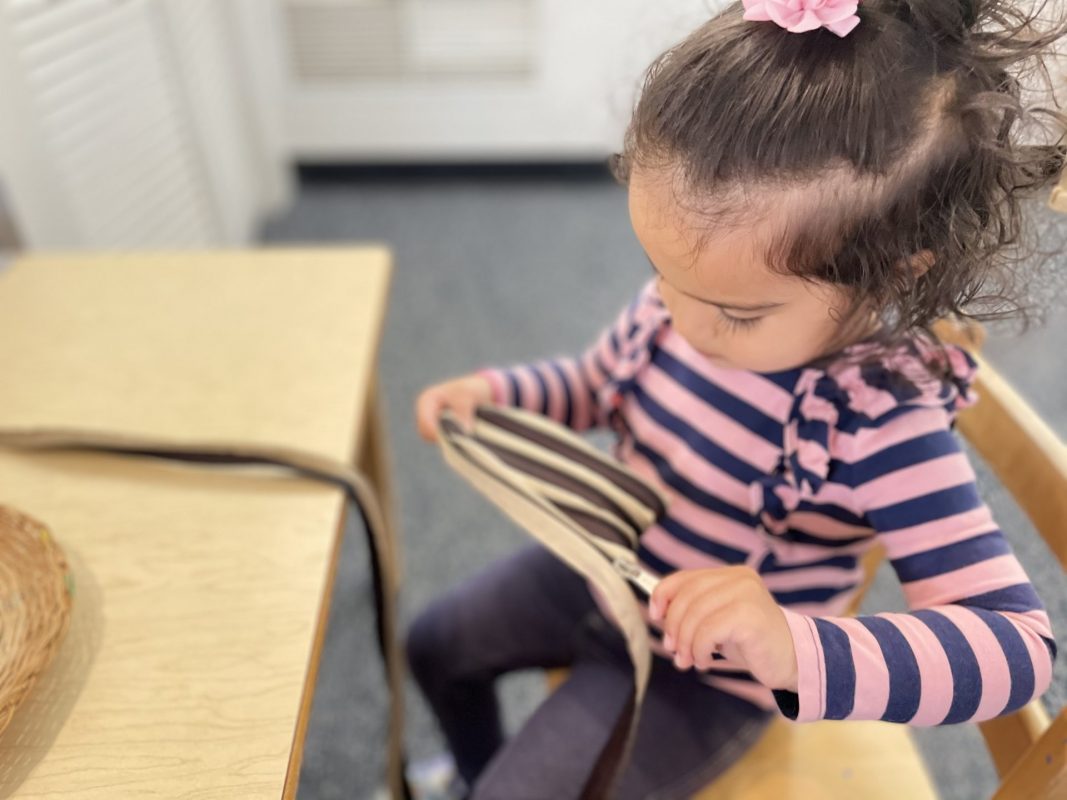
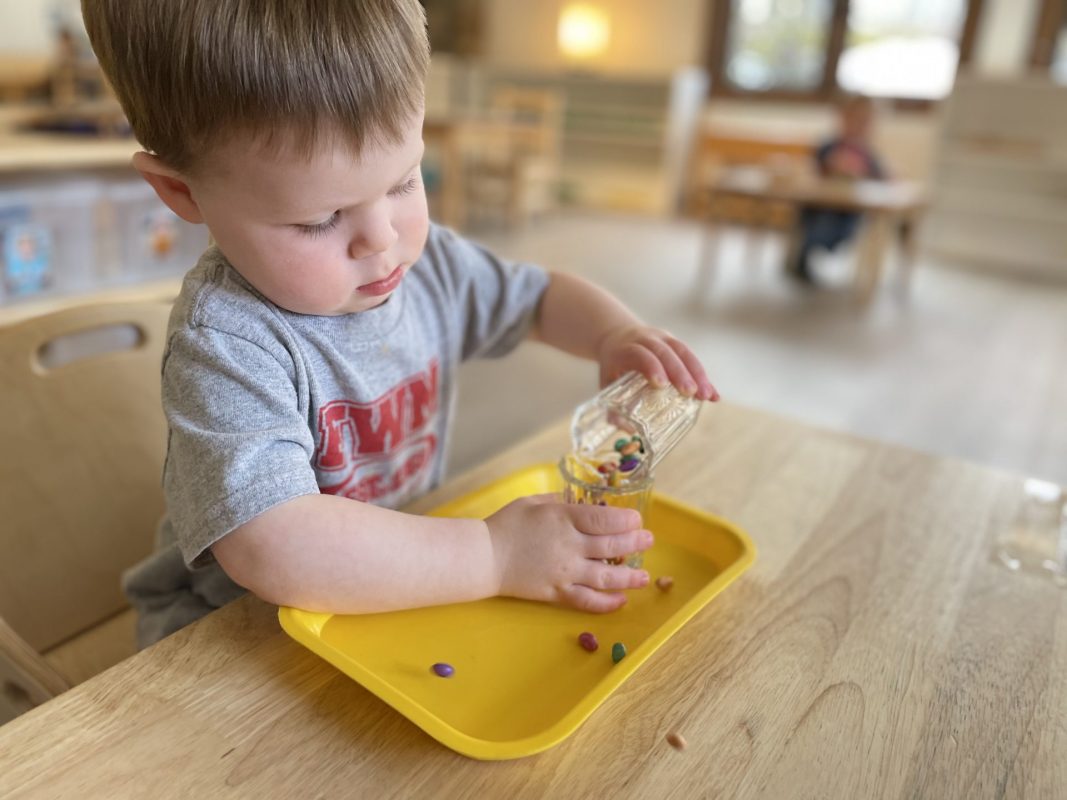
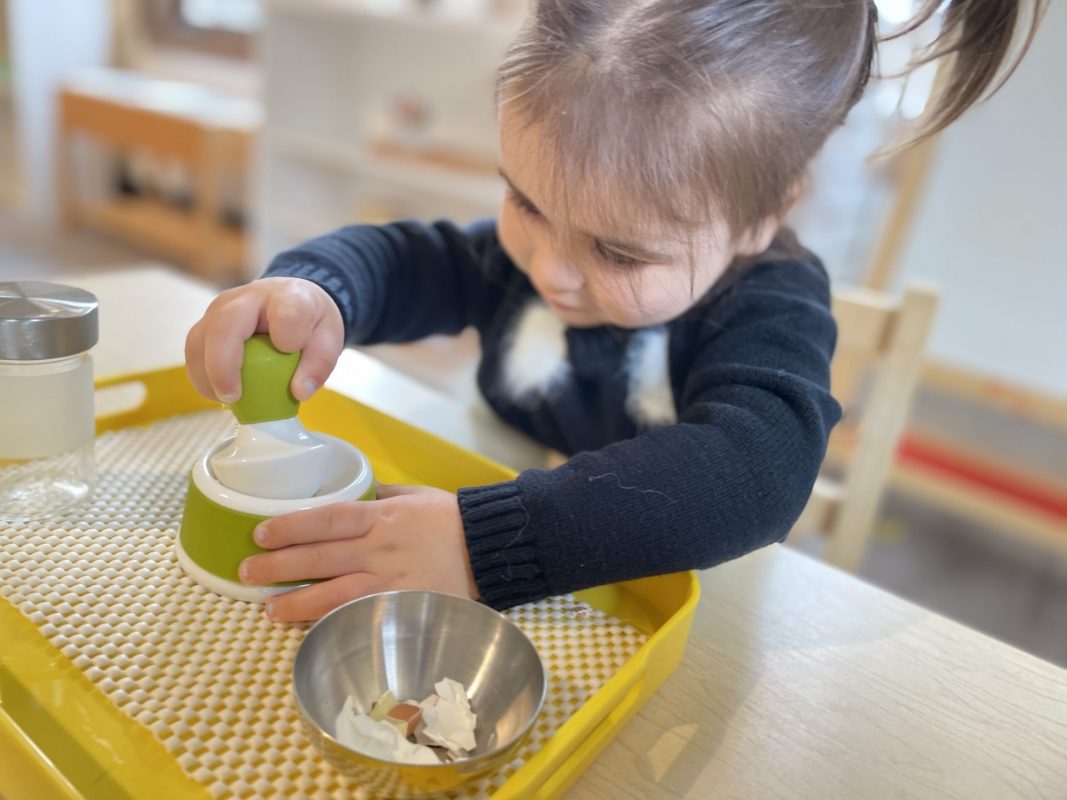
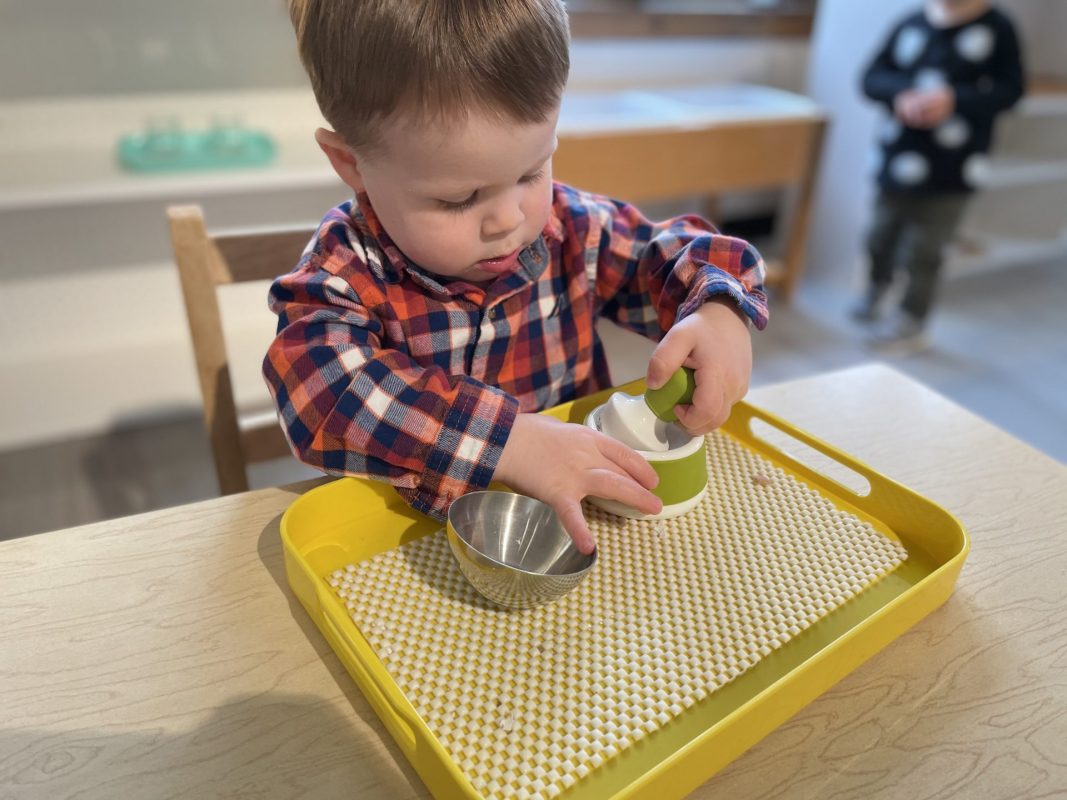
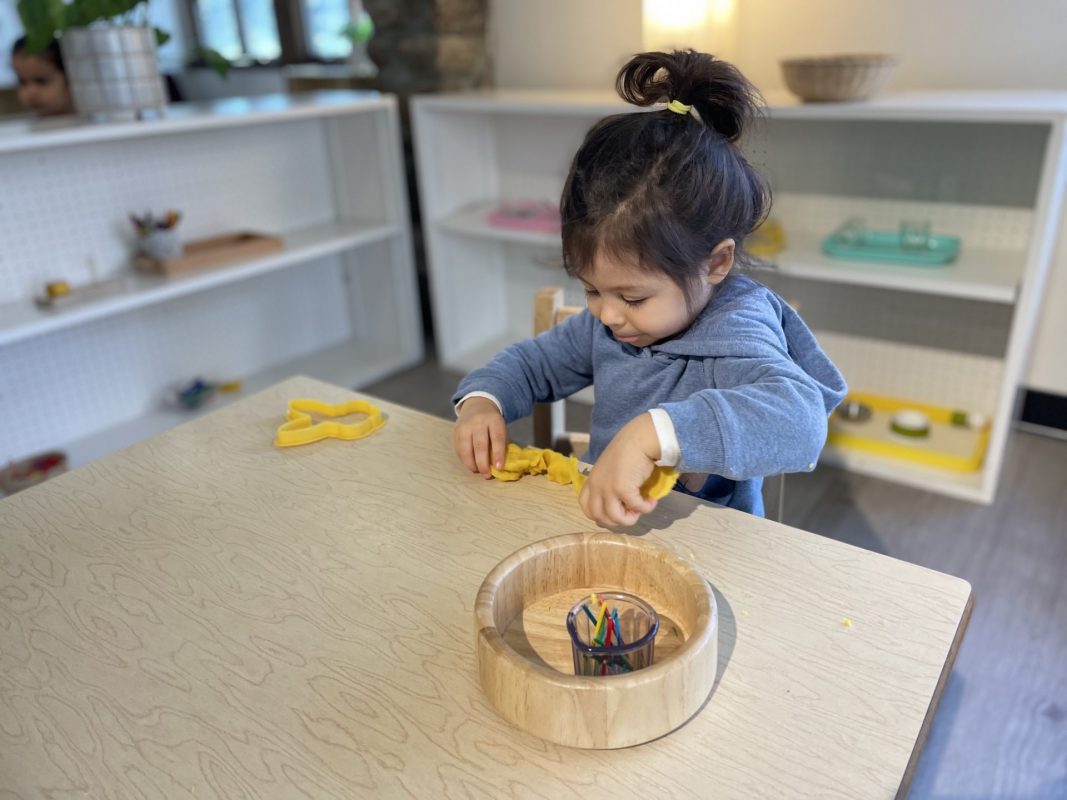
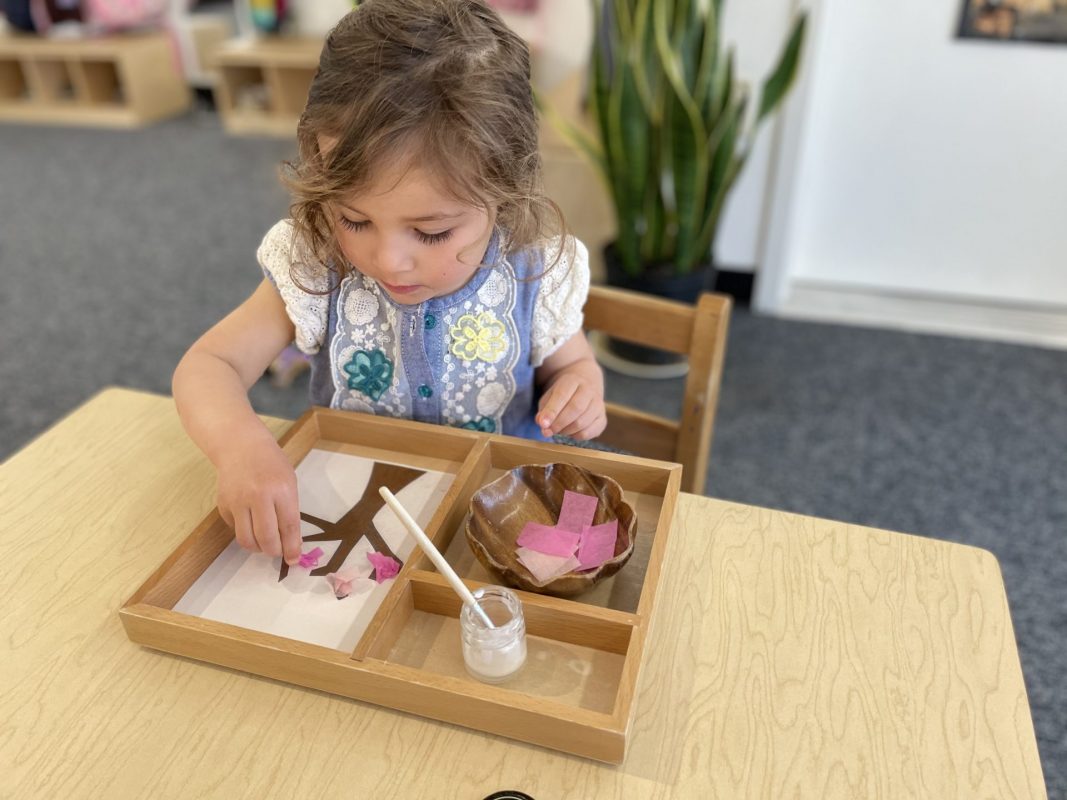
In addition to various new spring works in the environment, children learned how to use a mortar and a pestle in our practical life area. They worked hard to crush eggshells very small and transfer them into a container. We will use the crushed egg shells next week as part of our care of plants lessons. 

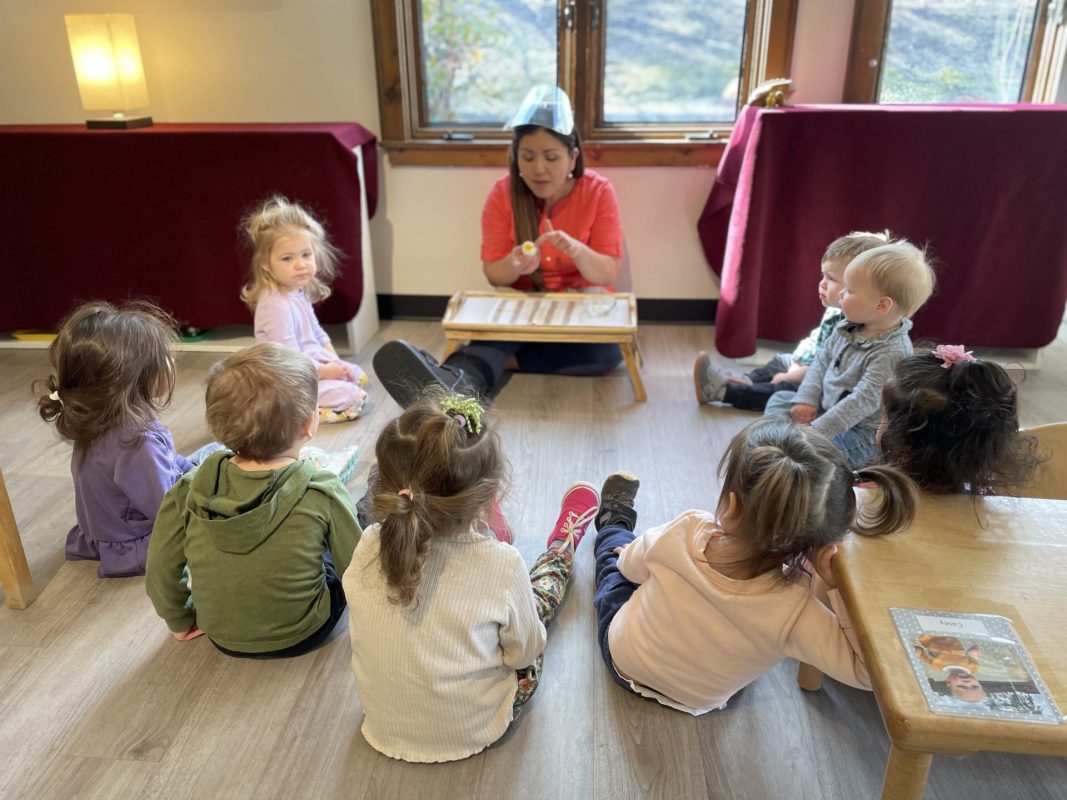
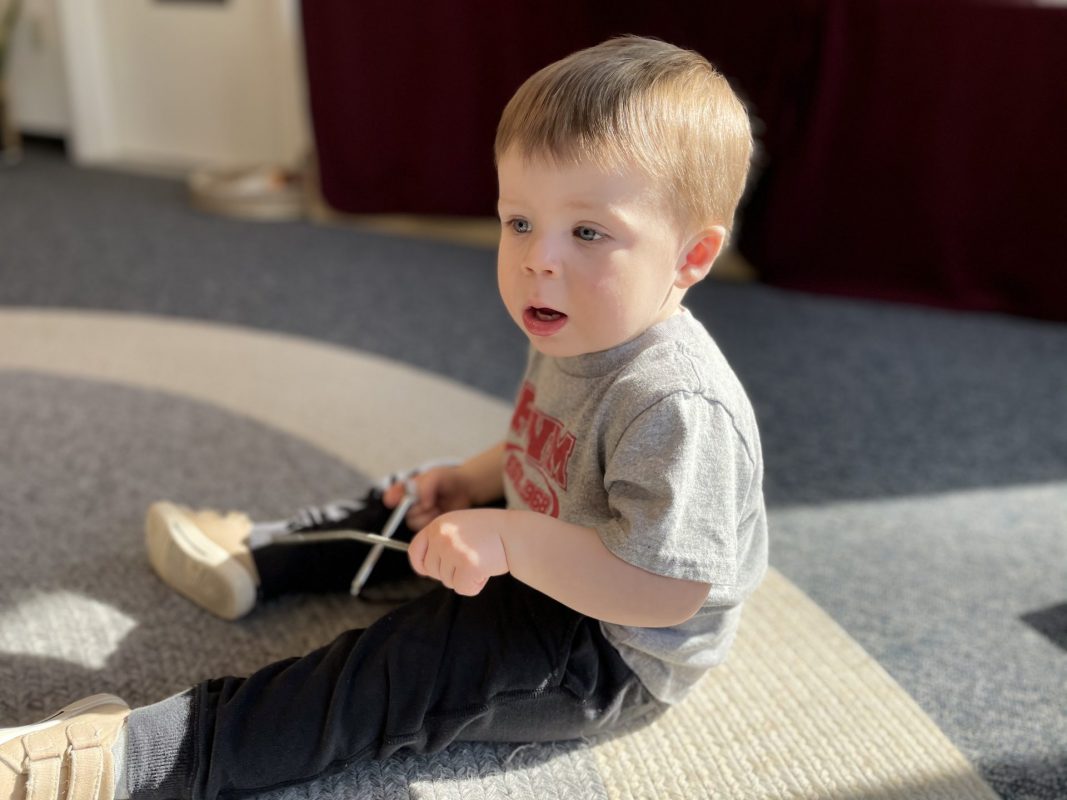
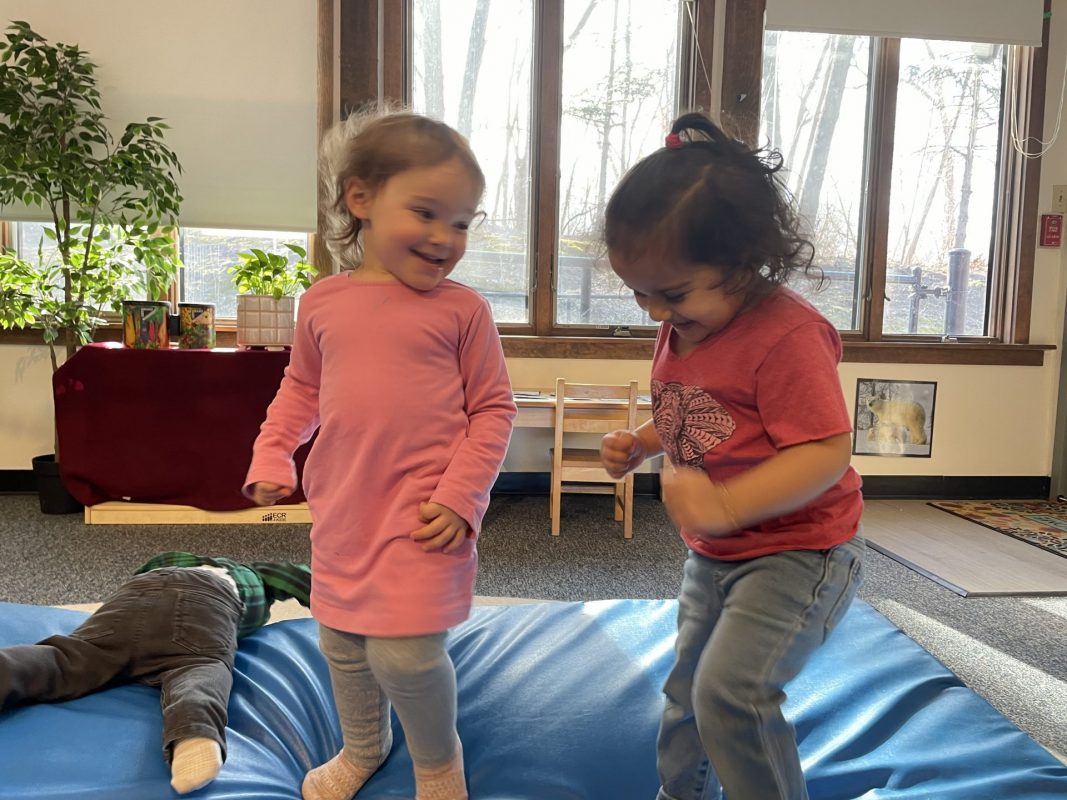
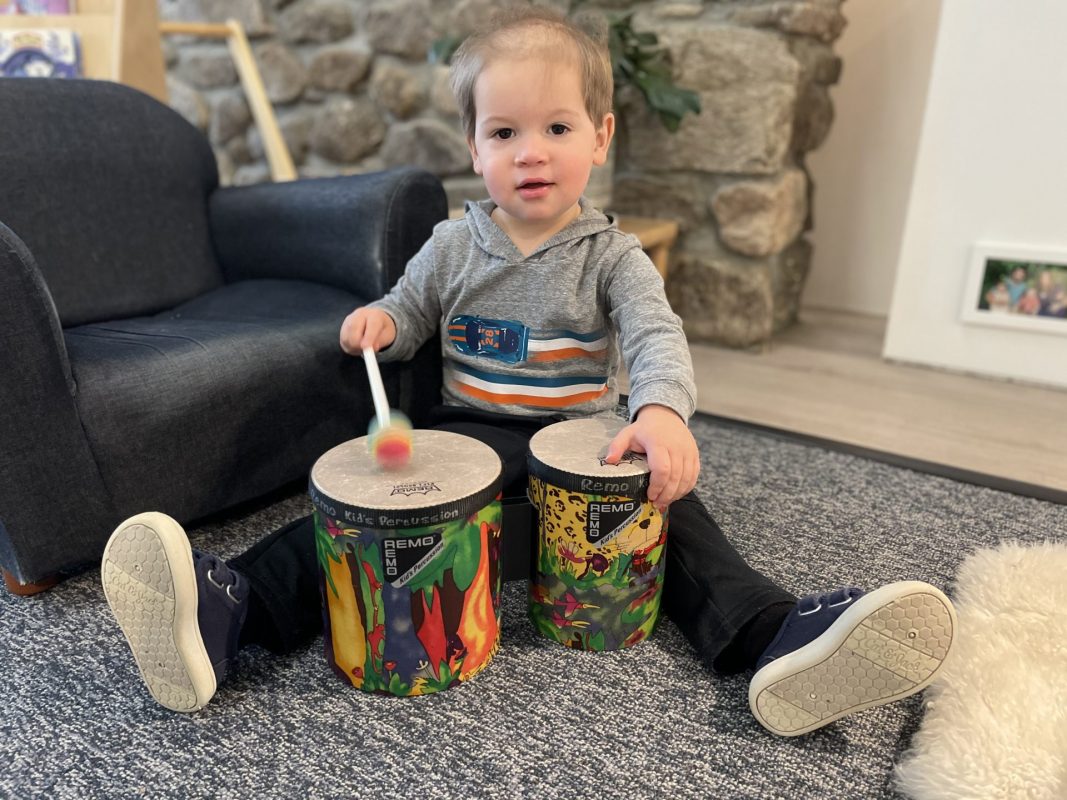
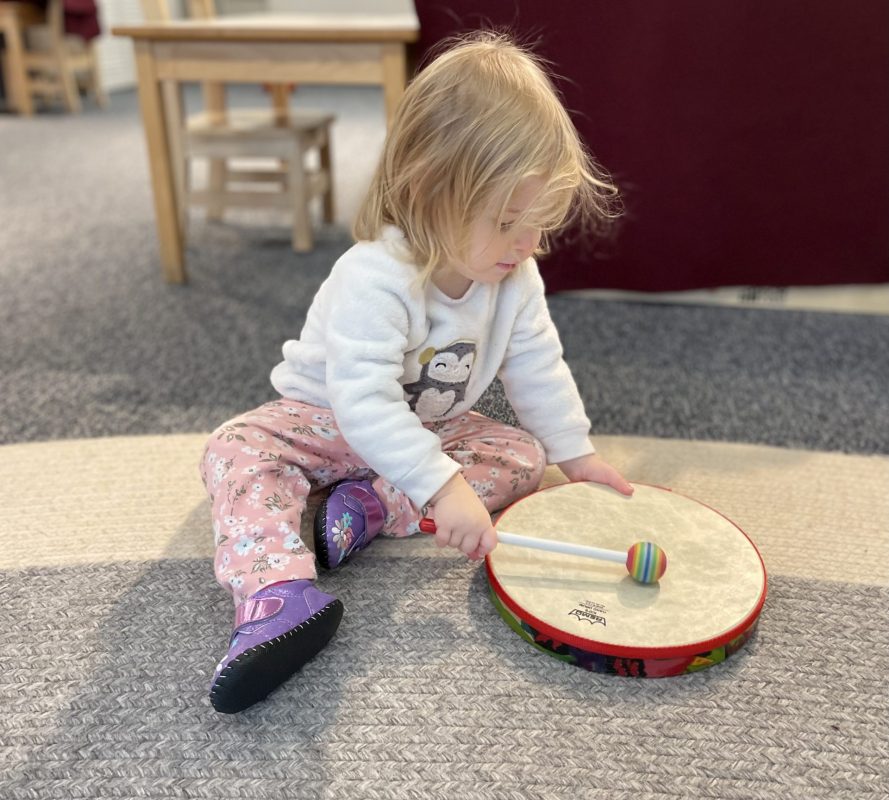
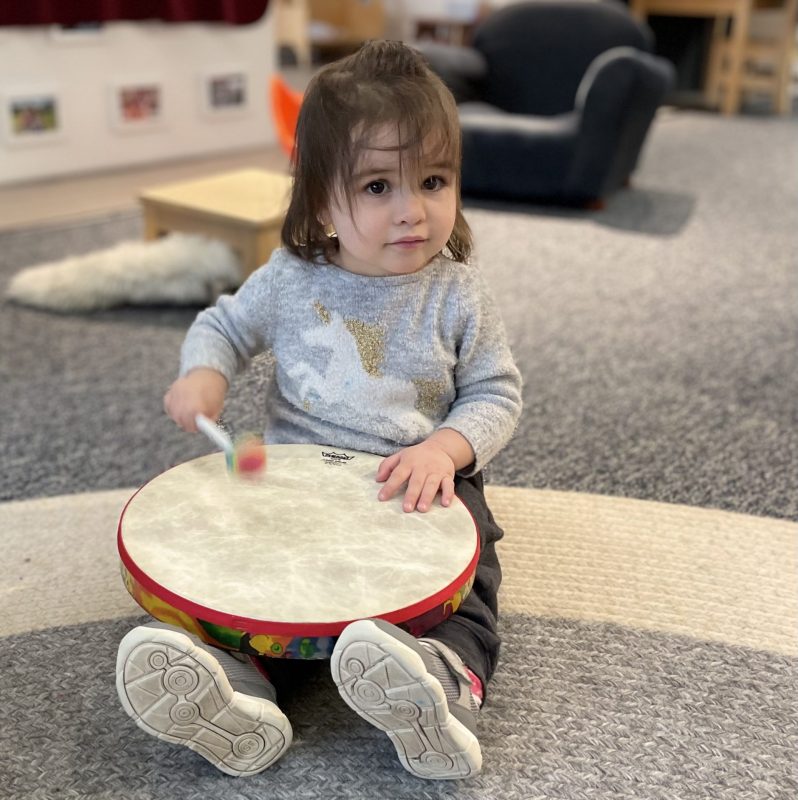
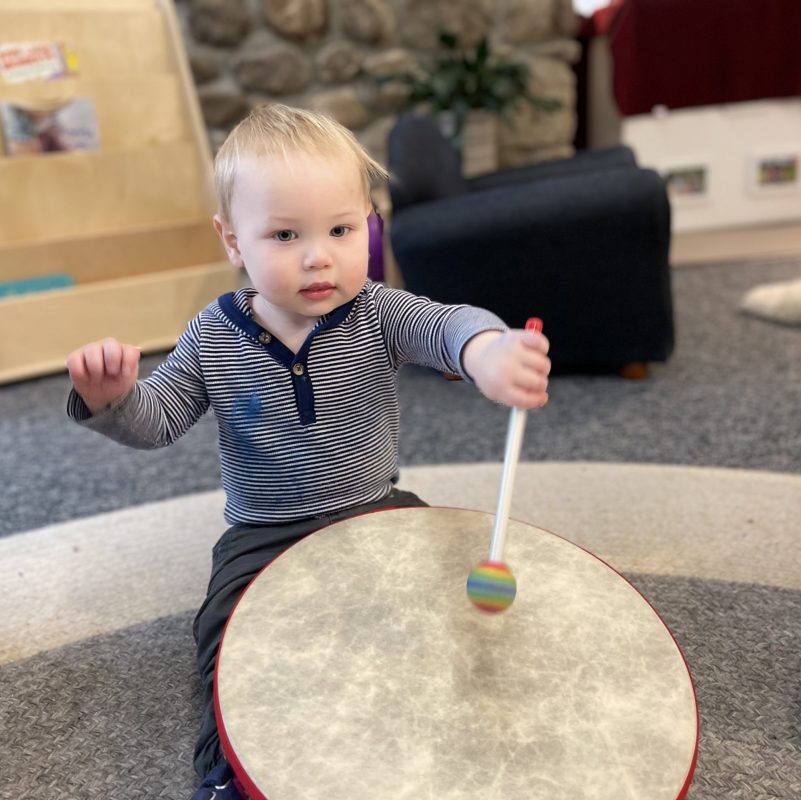
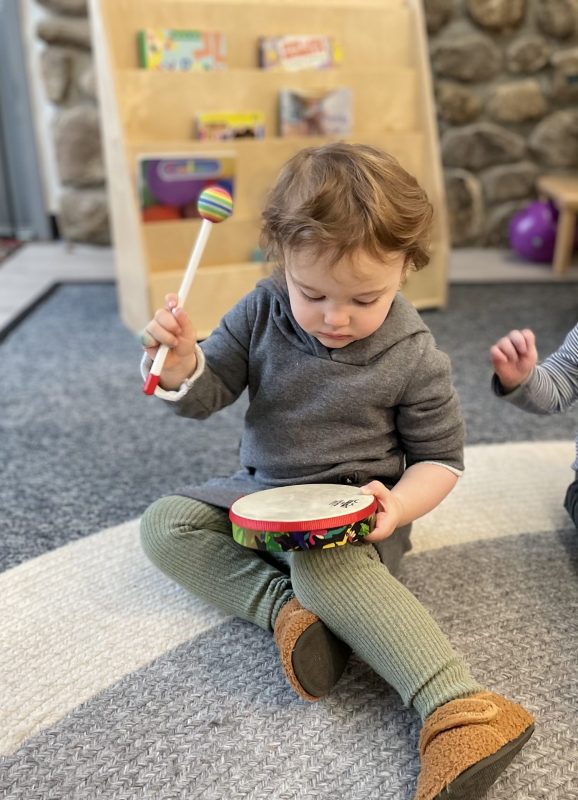
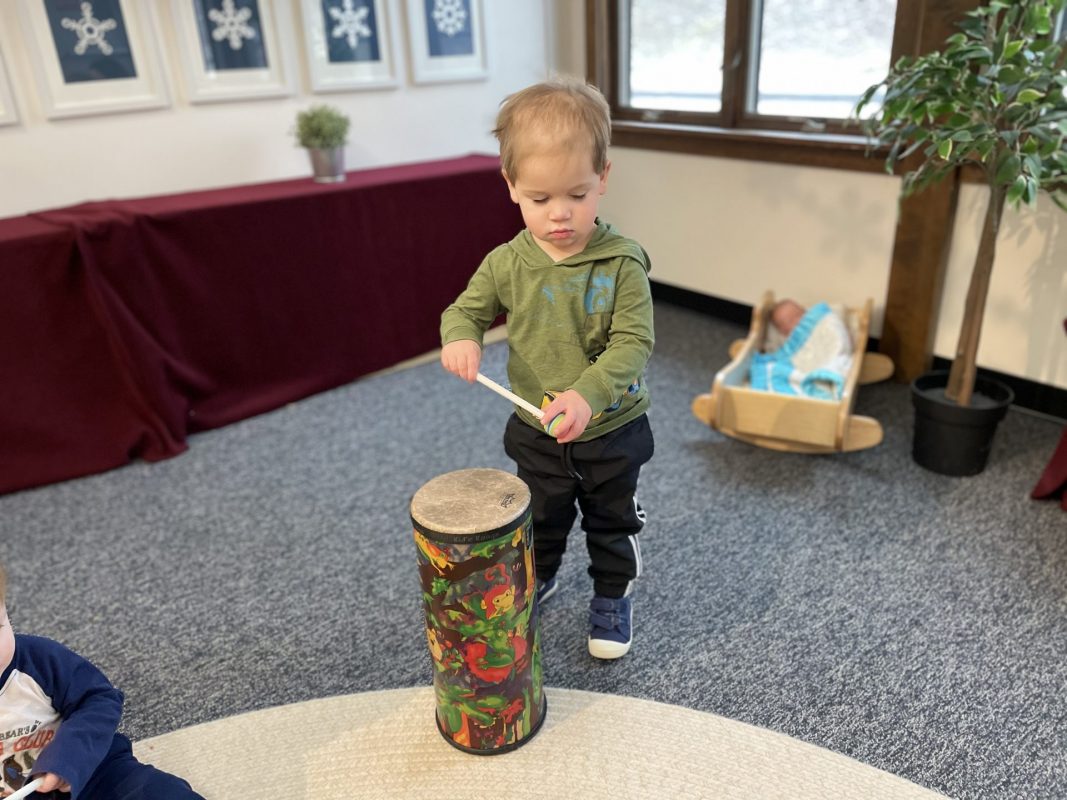
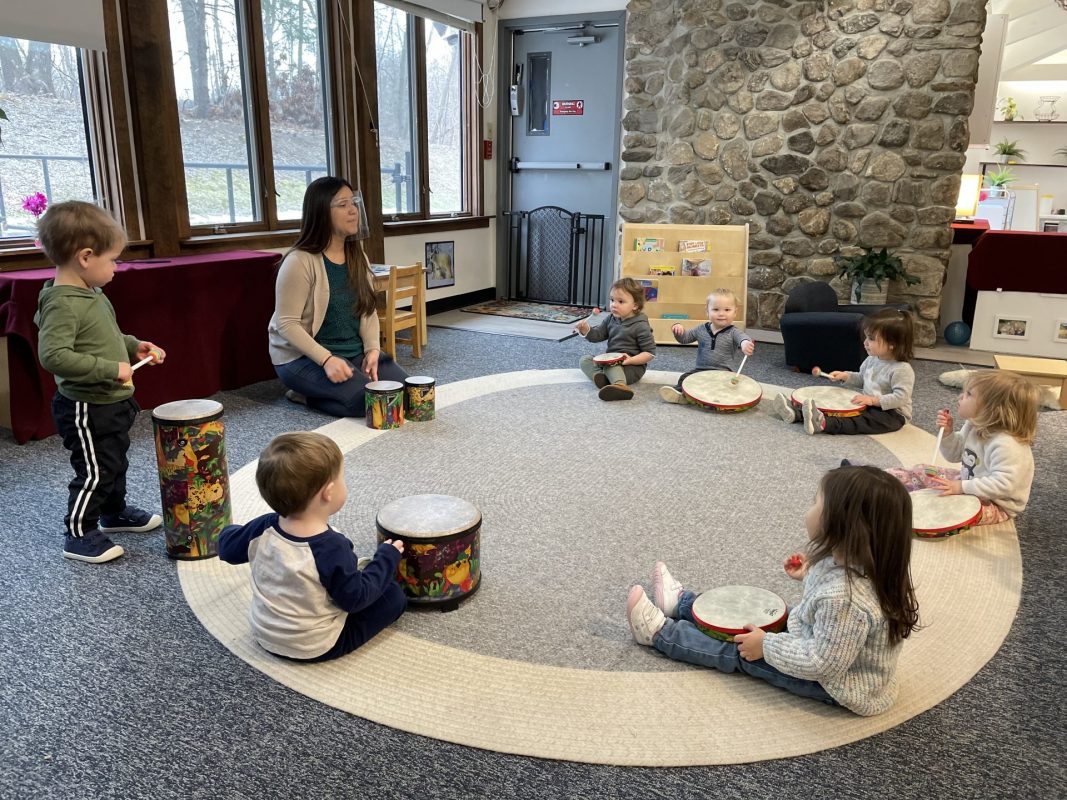
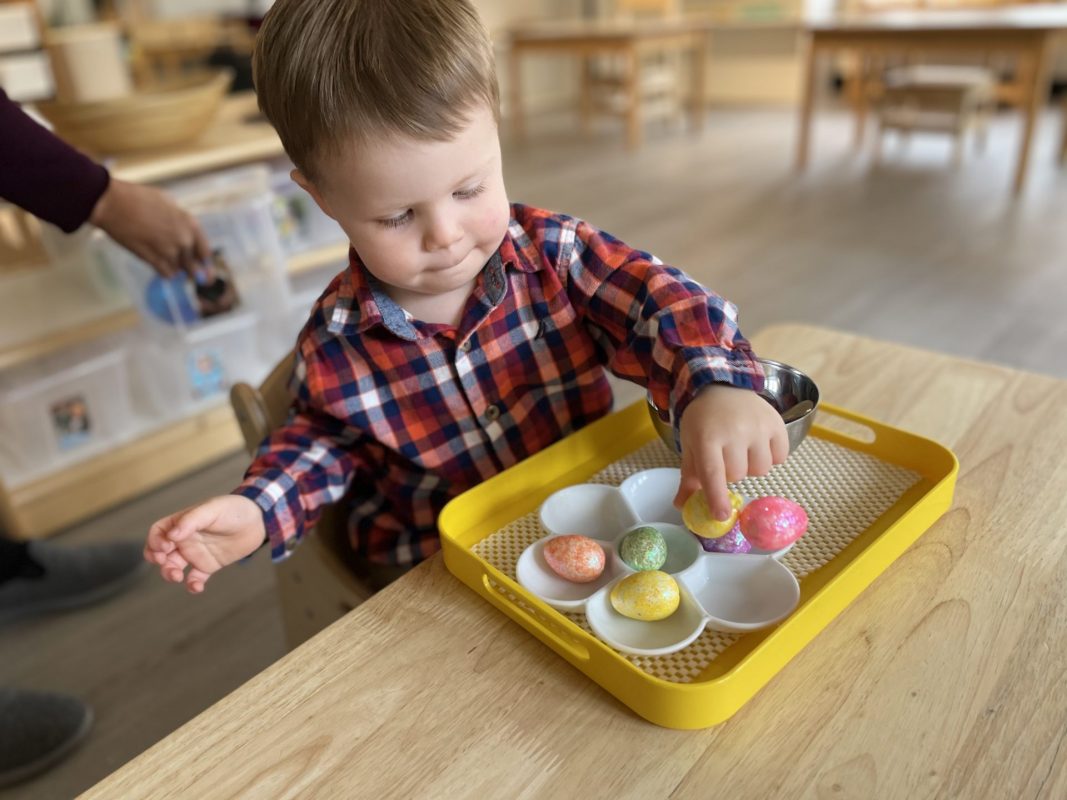
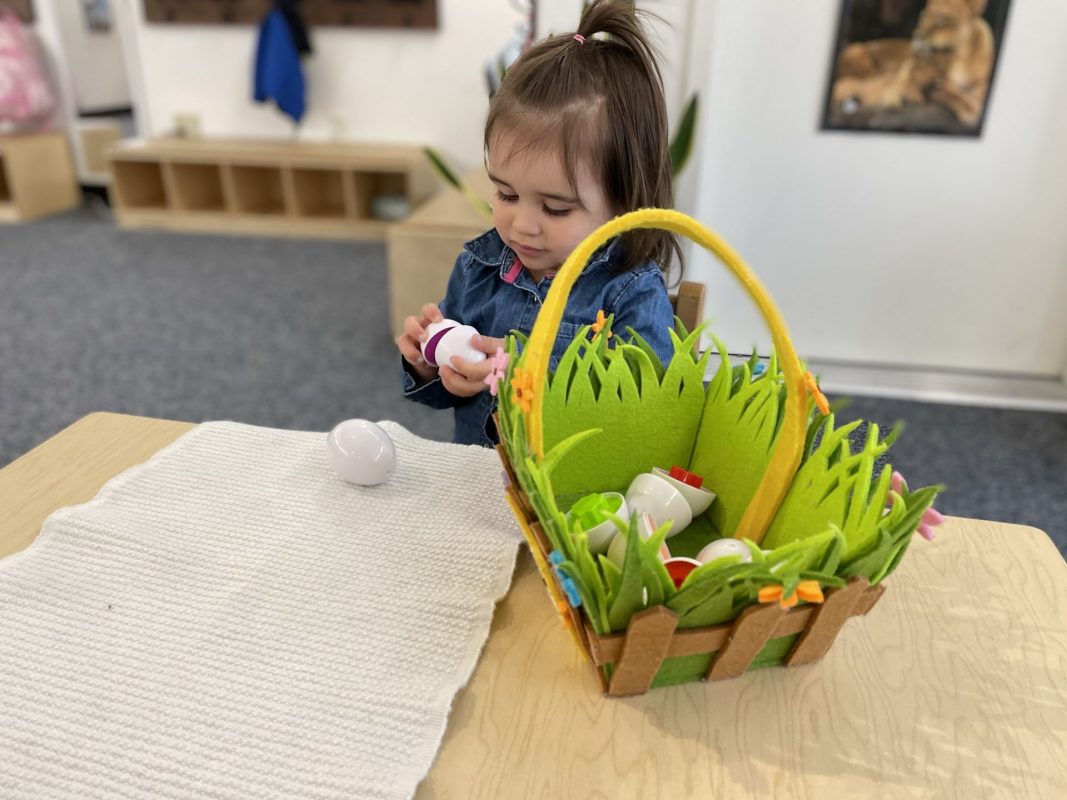
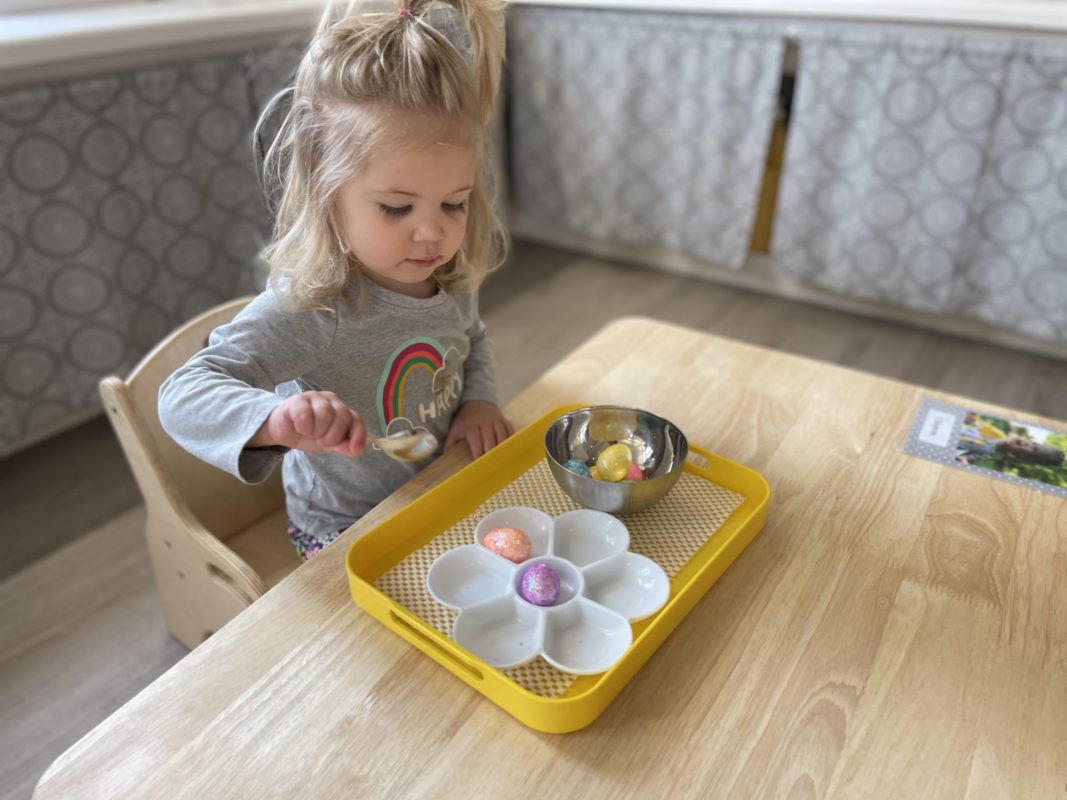
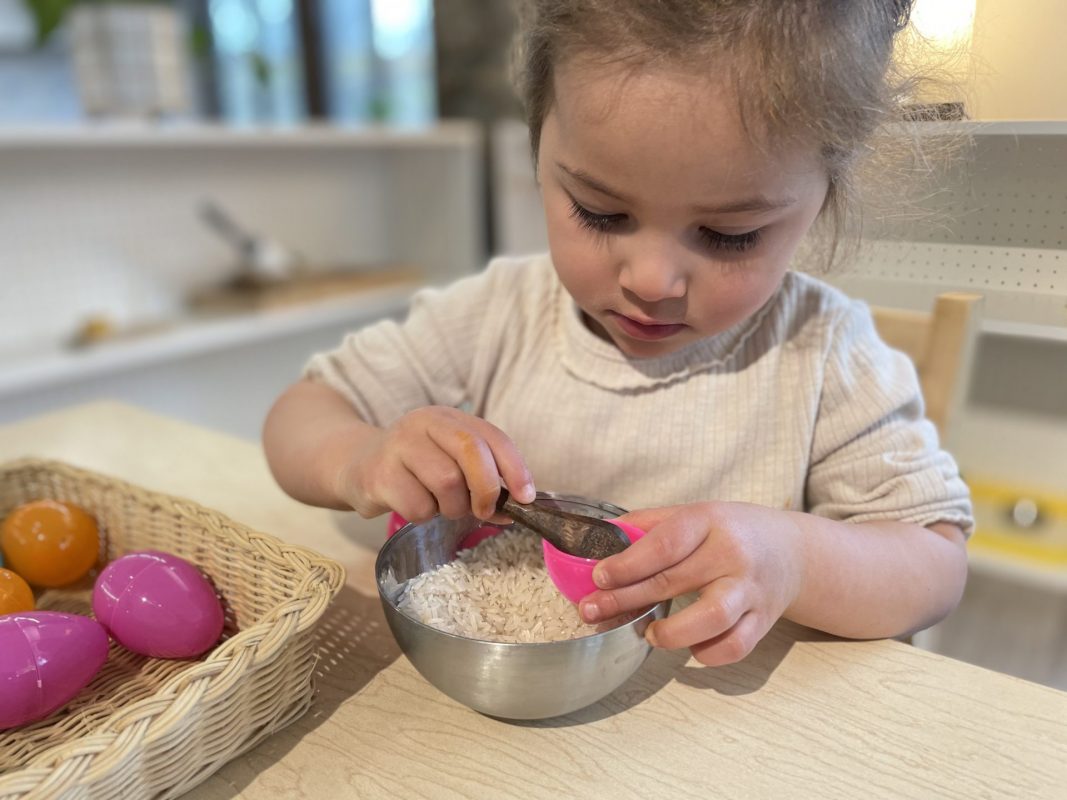
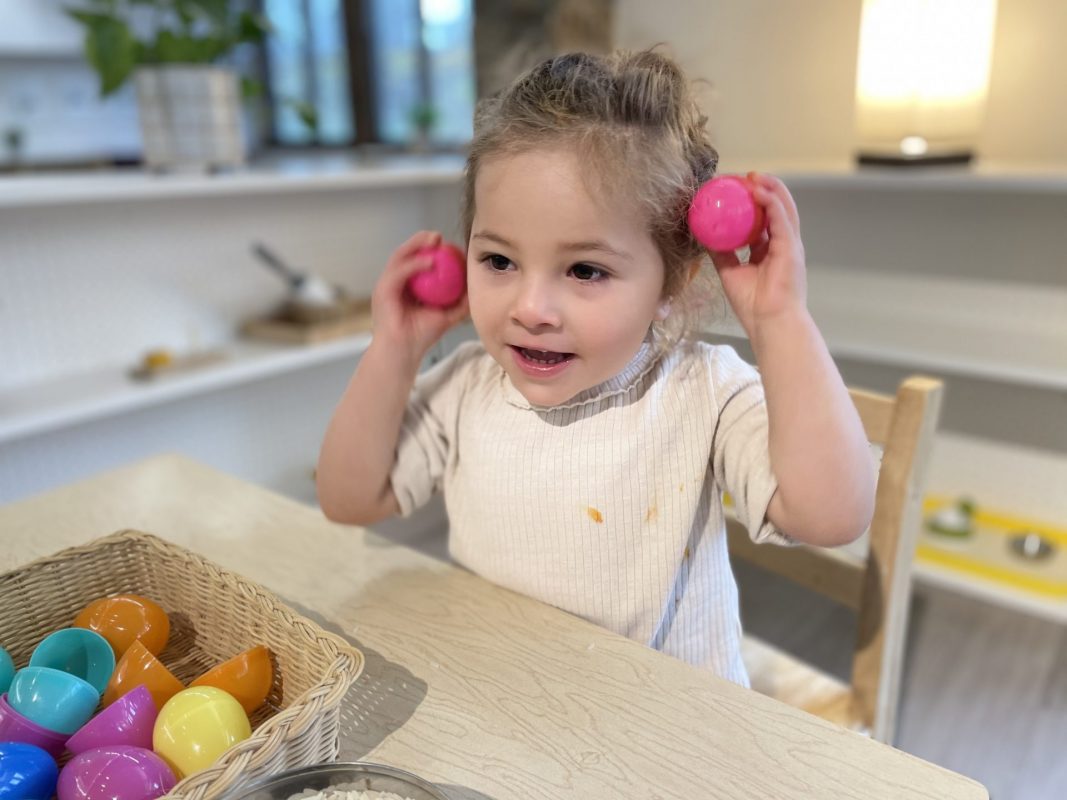
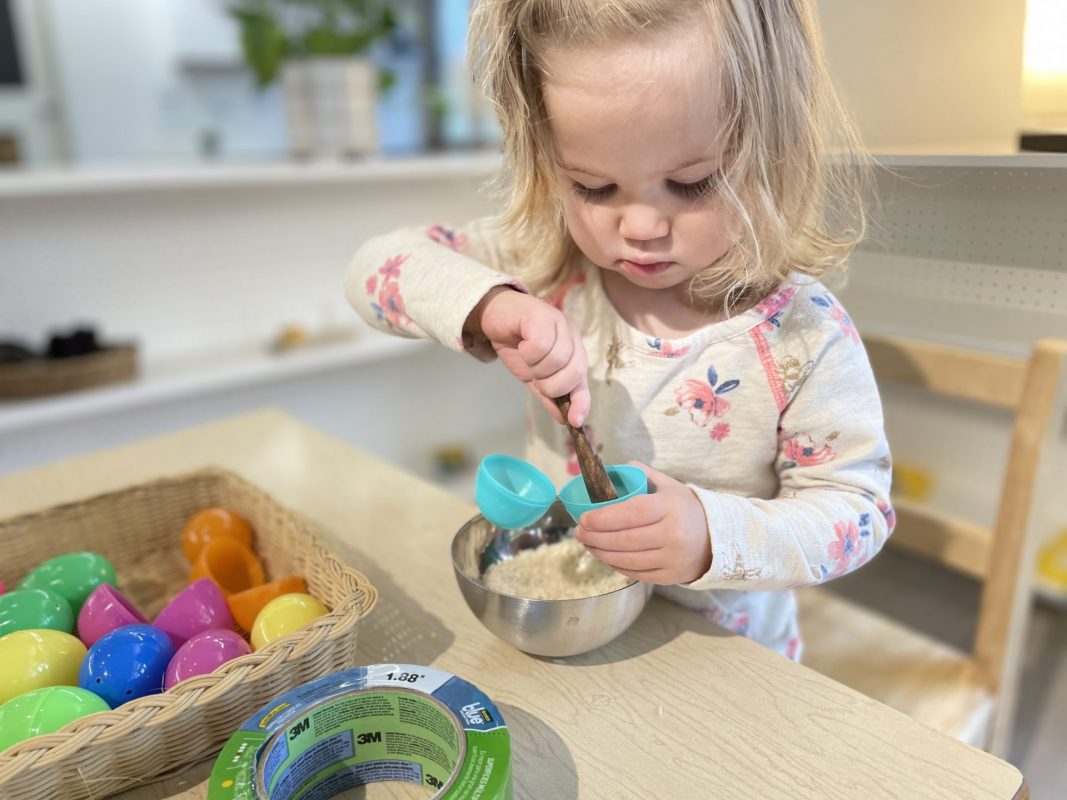
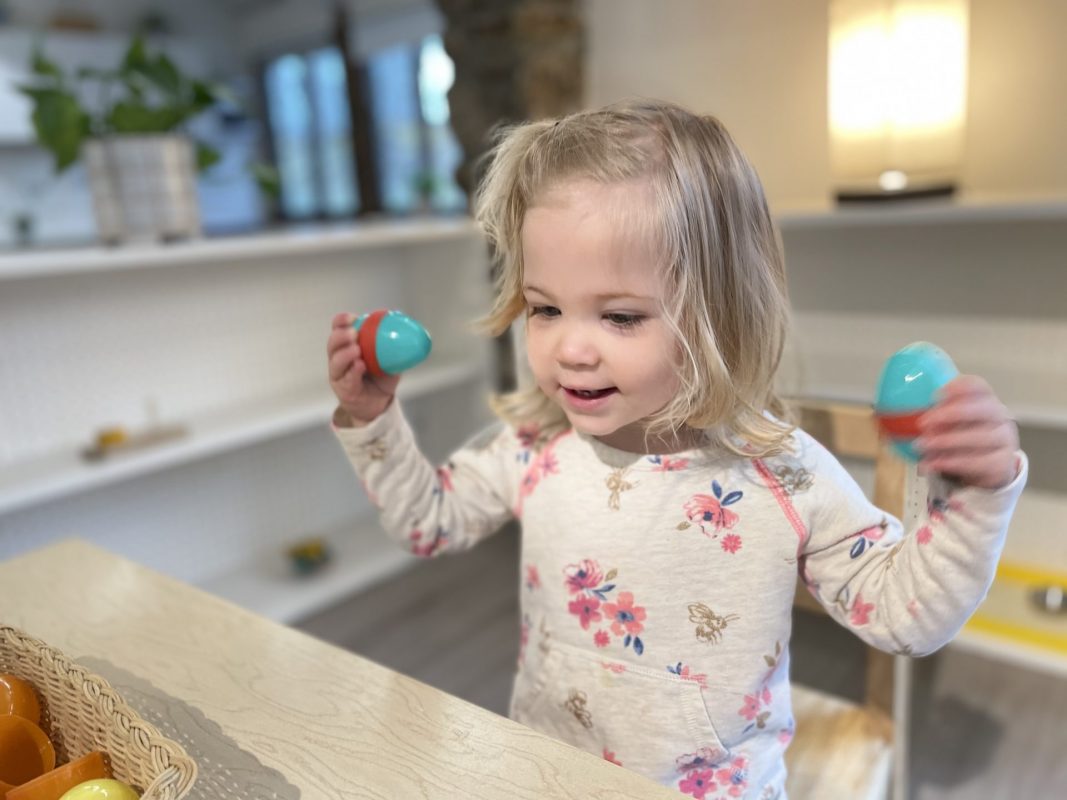
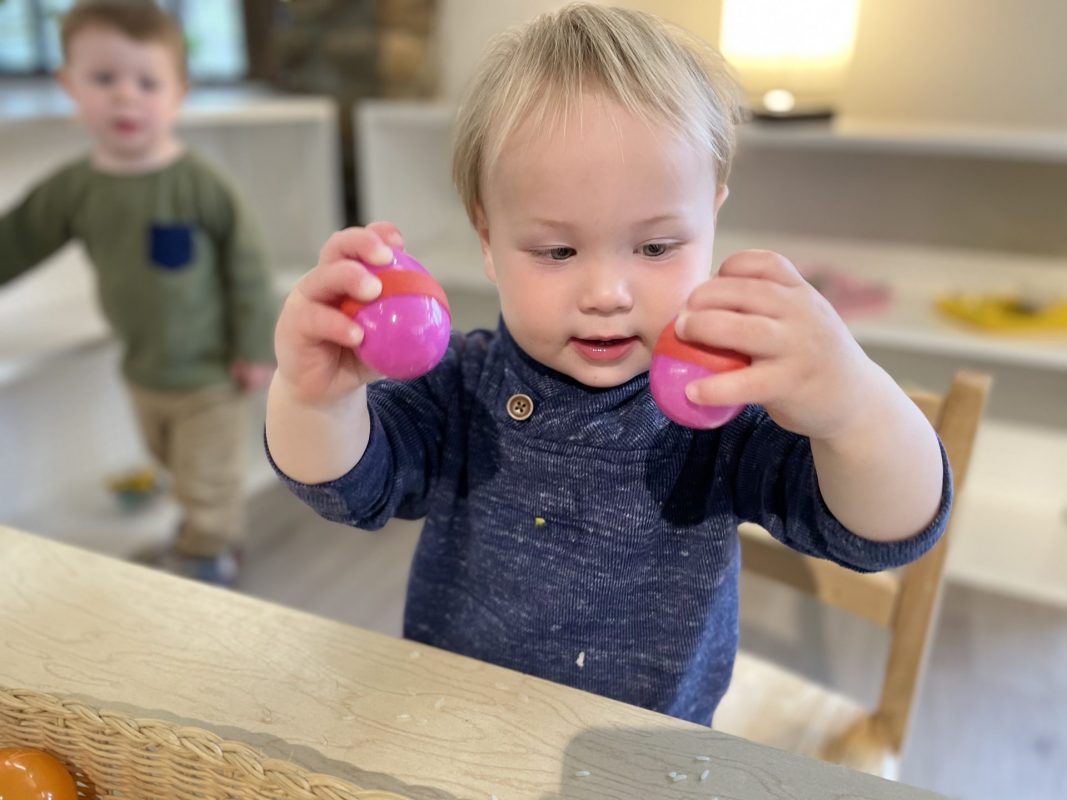
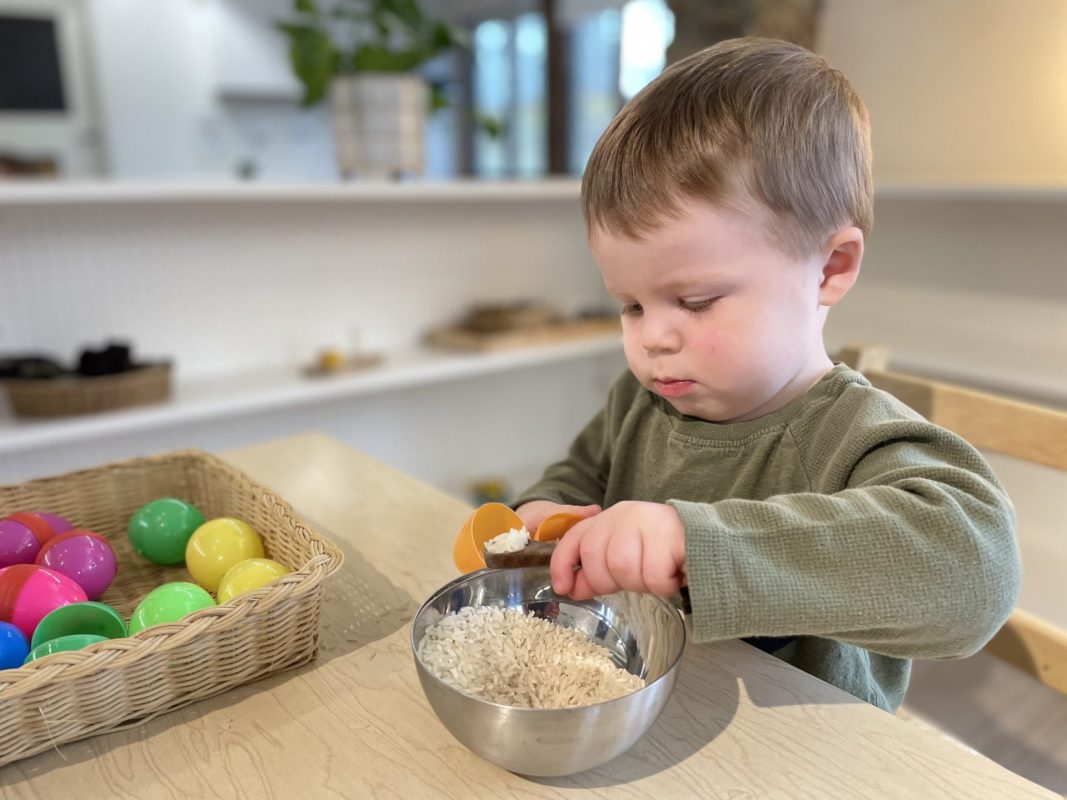
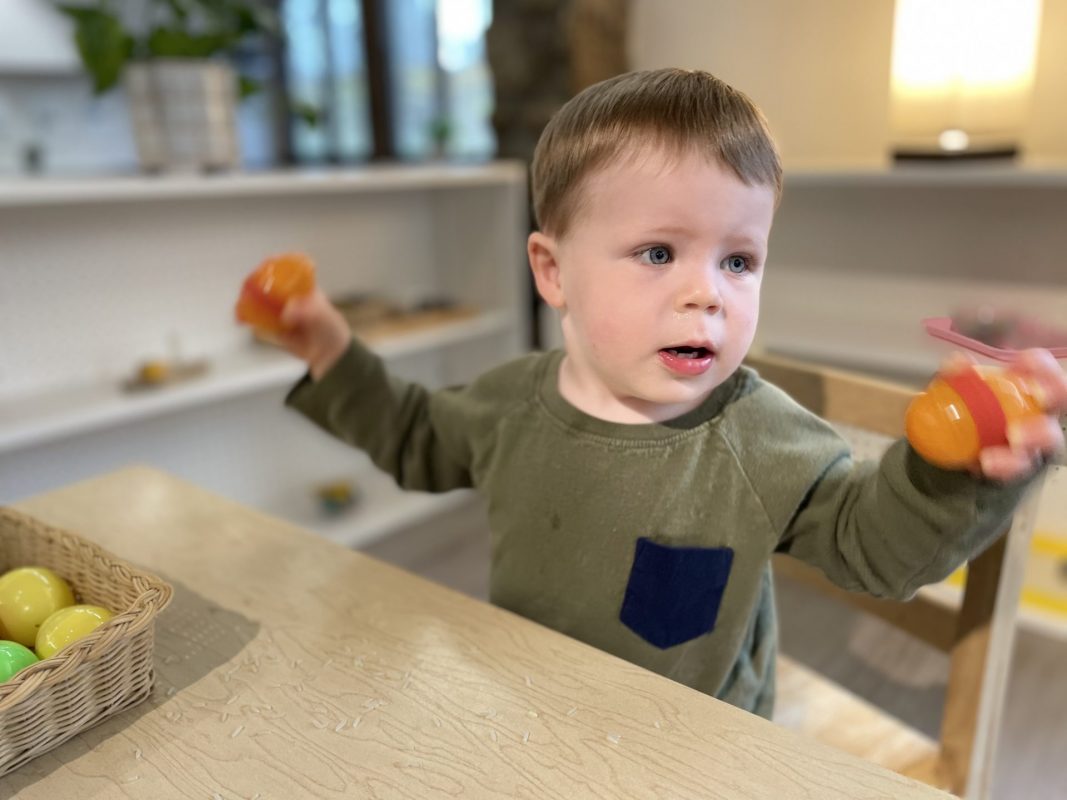
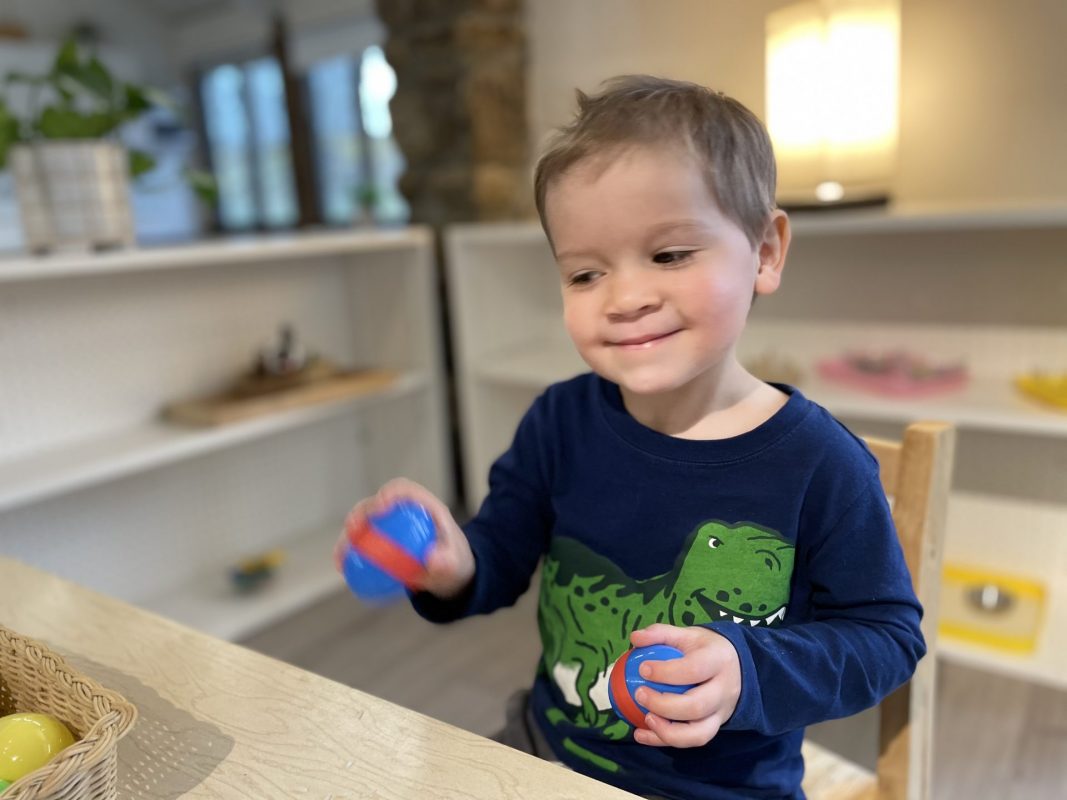
For a fun sensory activity, the children chose their favorite color egg and filled it with rice to create musical egg shakers. We then introduced the song, “I Know a Chicken,” by Laurie Berkner and we had so much fun dancing to it with our own eggs shakers.  

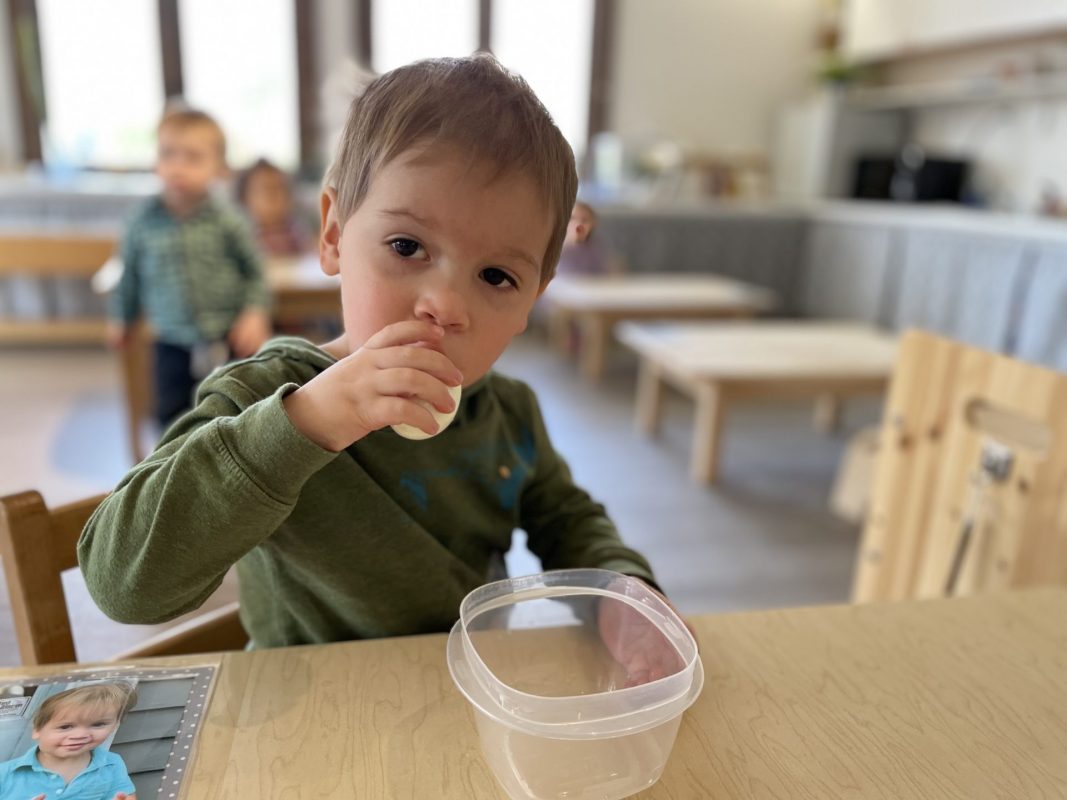
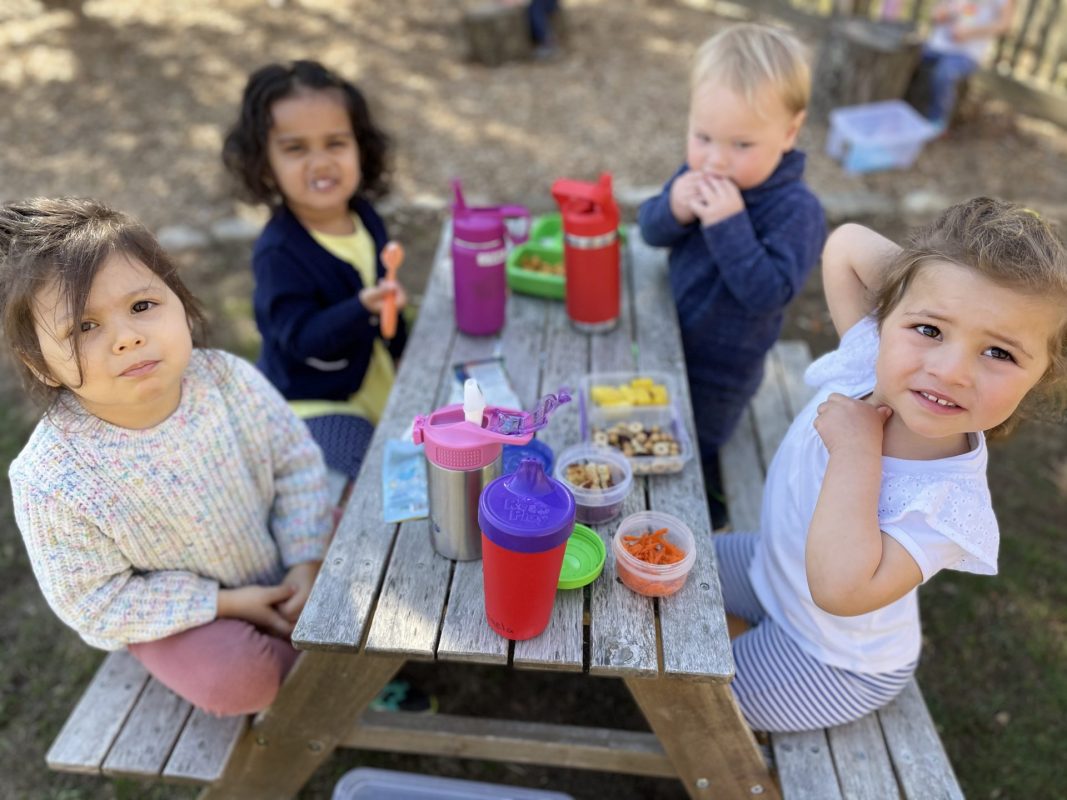
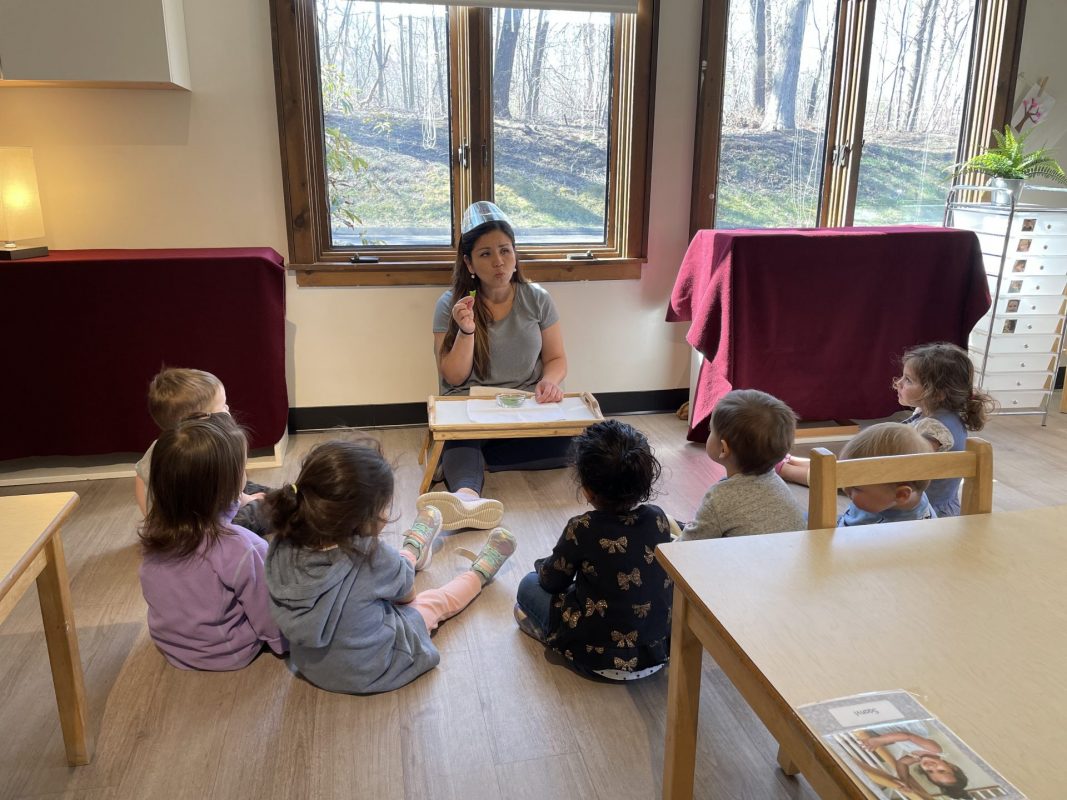
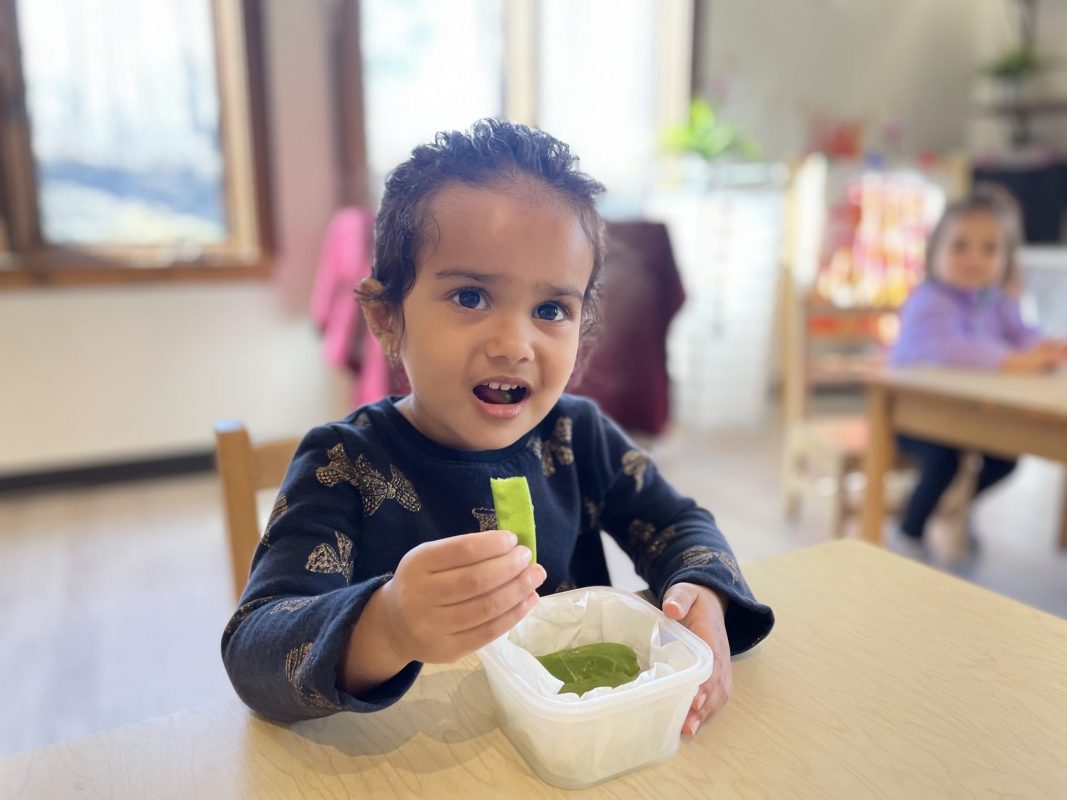
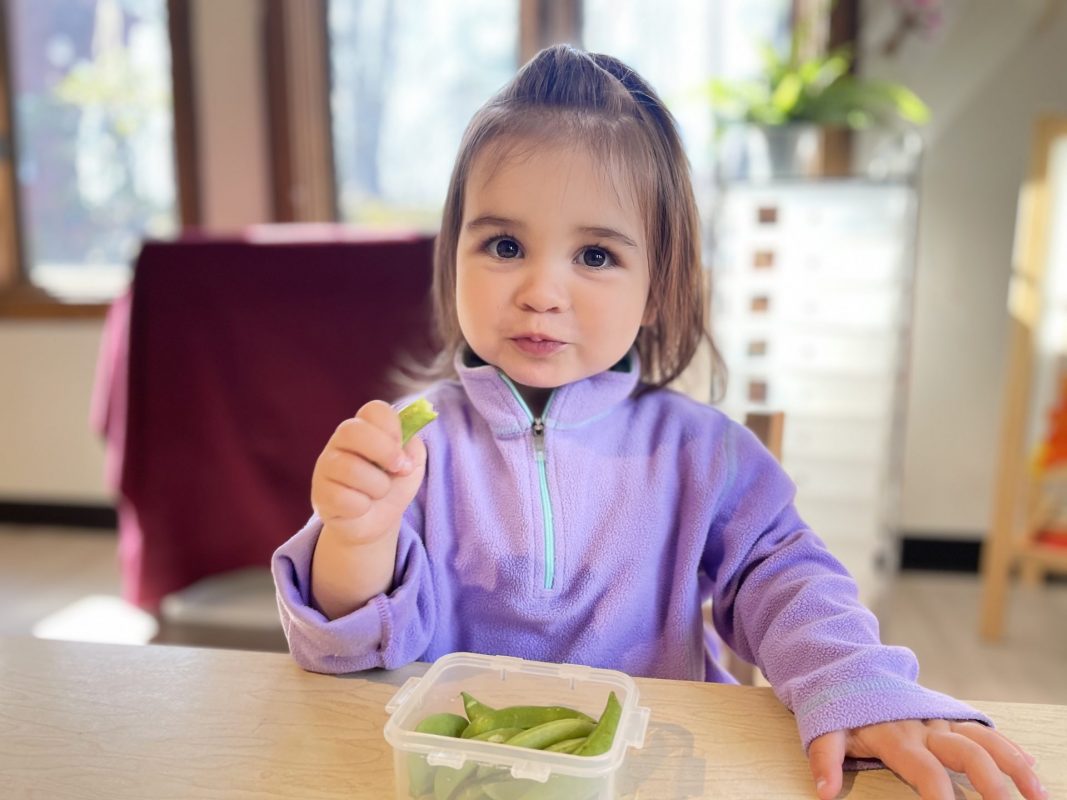
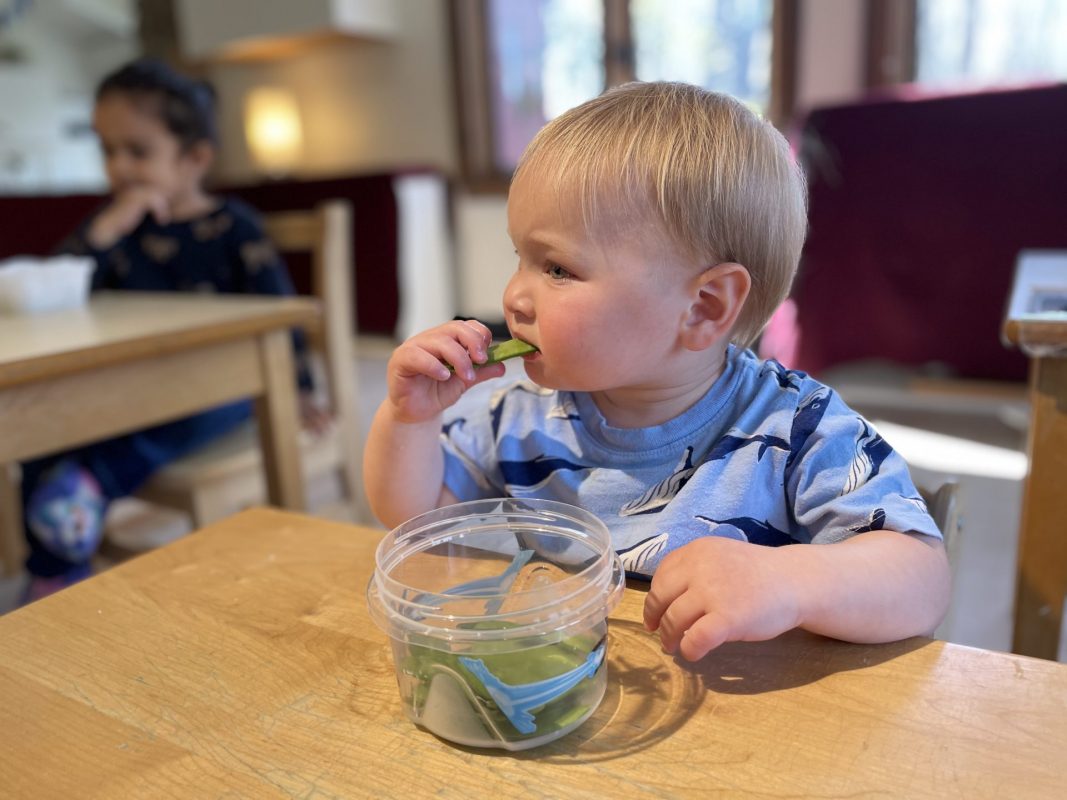
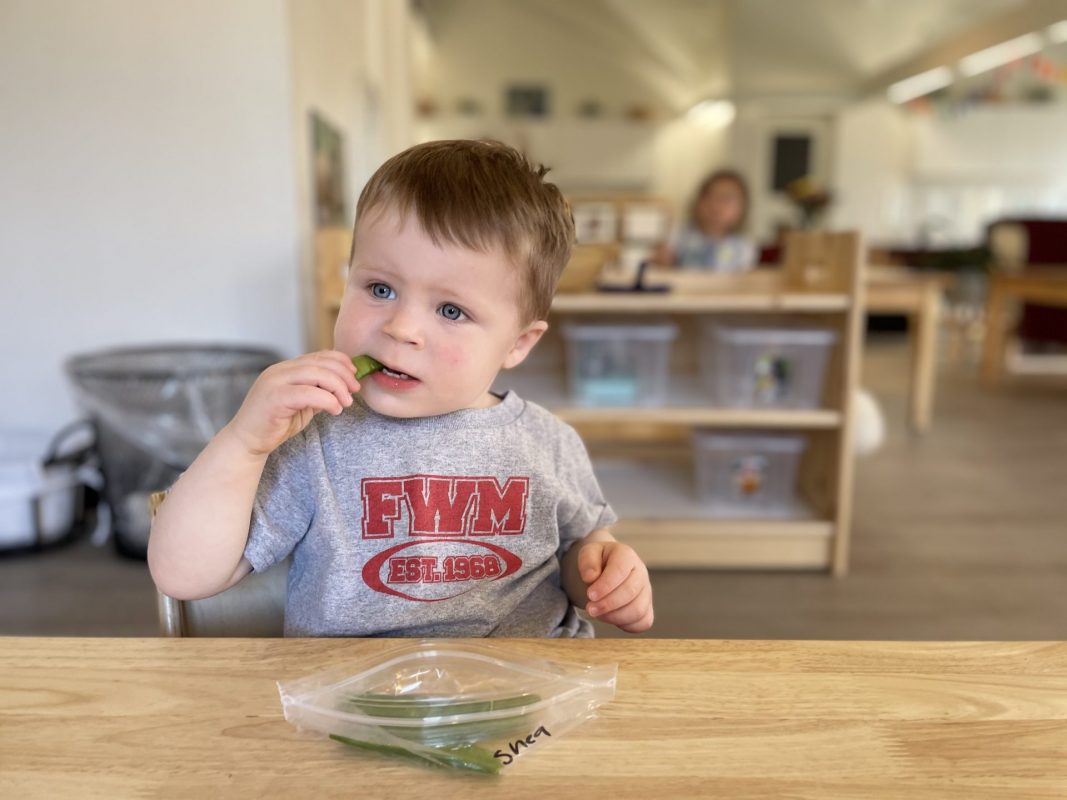
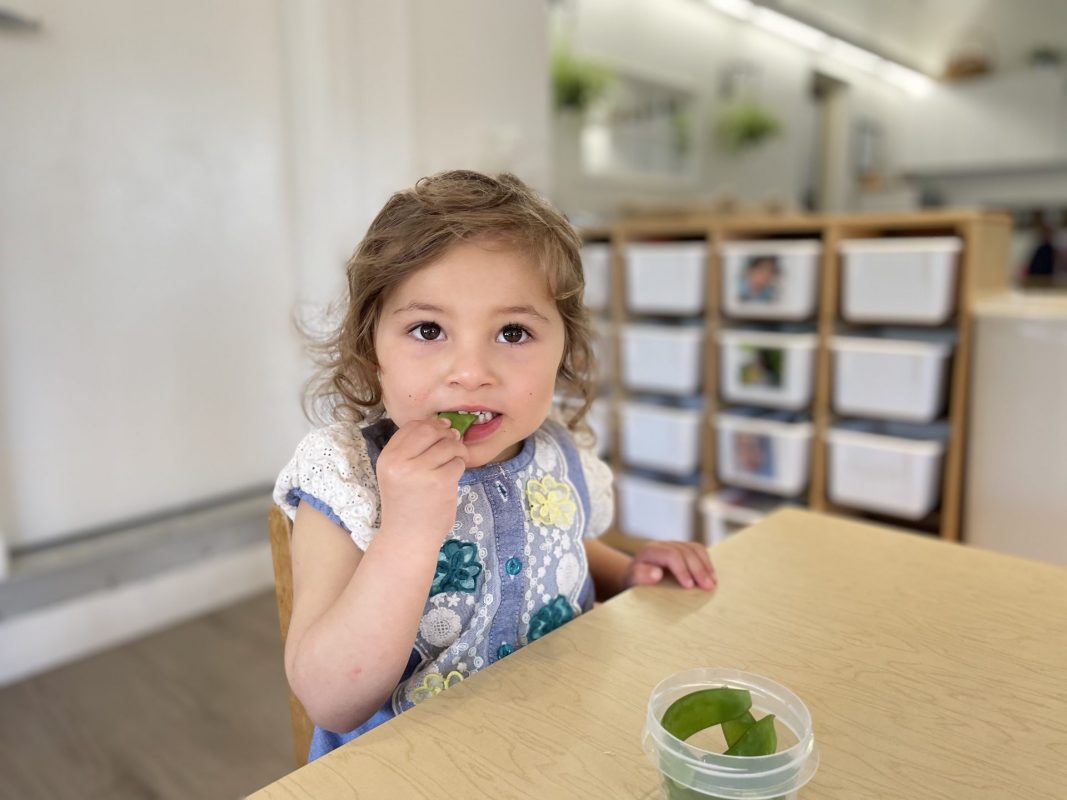
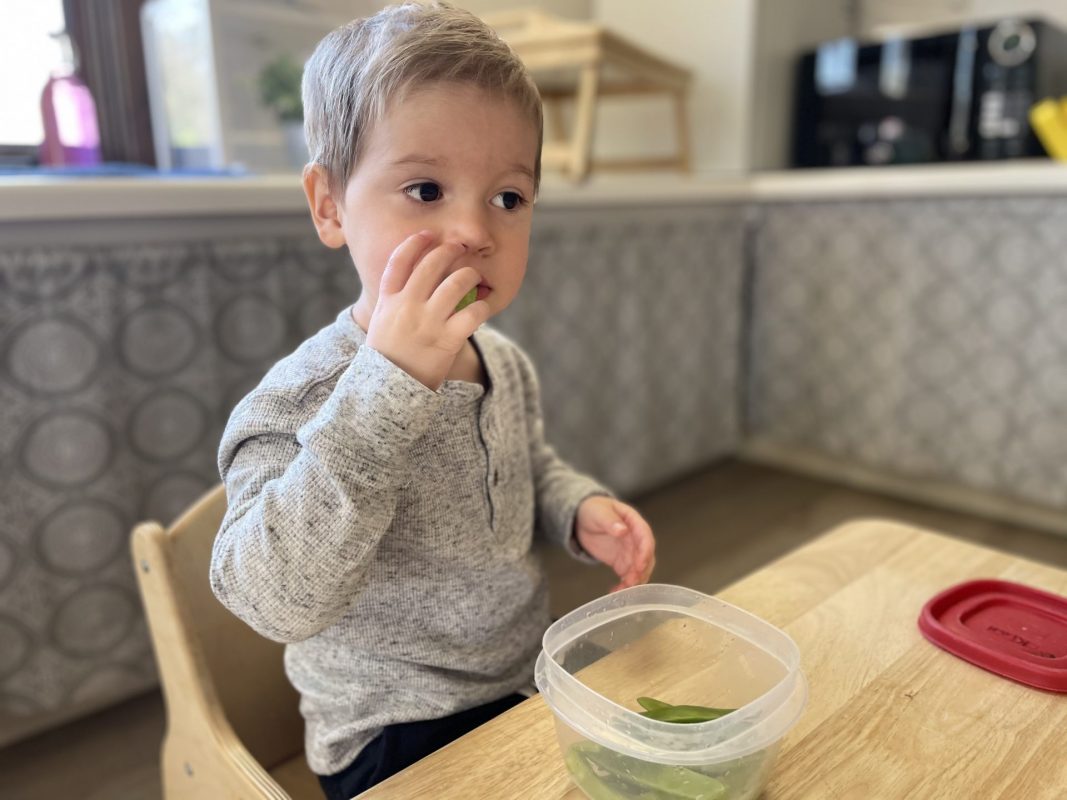
Lastly, the children seemed to enjoy exploring snow peas during our food tasting lesson. The shape, size, and crunchiness of them gave the feel of eating chips, which seemed to attract the children to explore this food item.

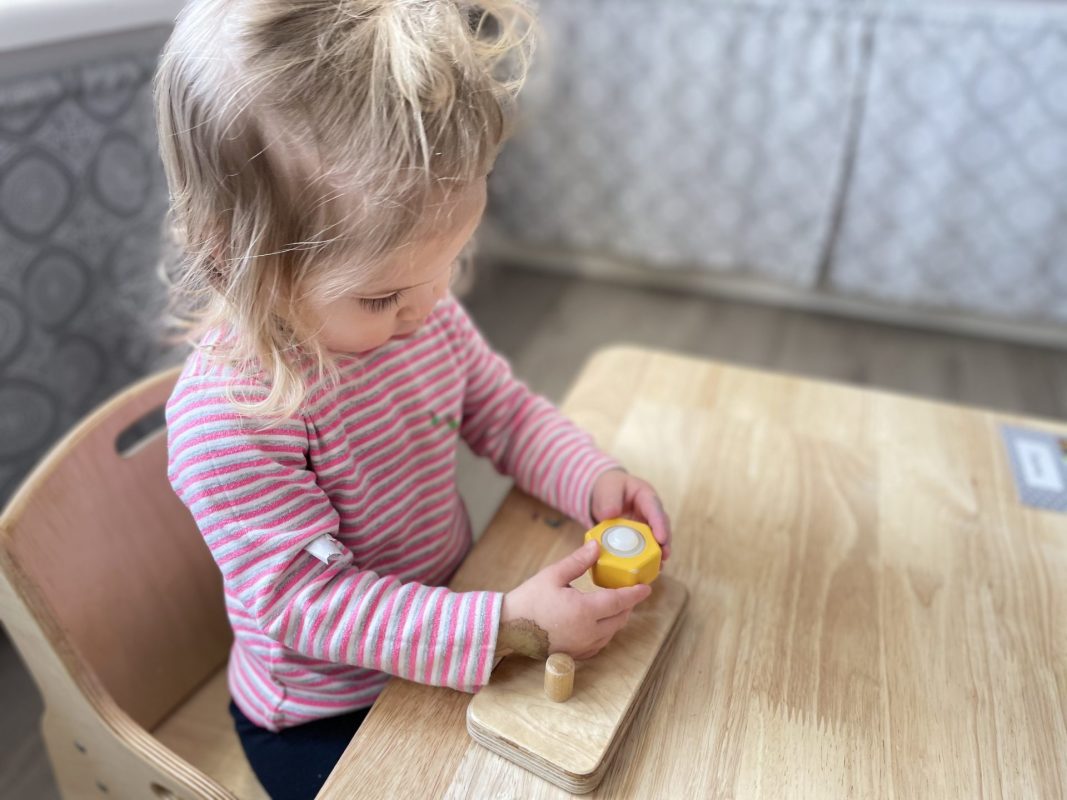
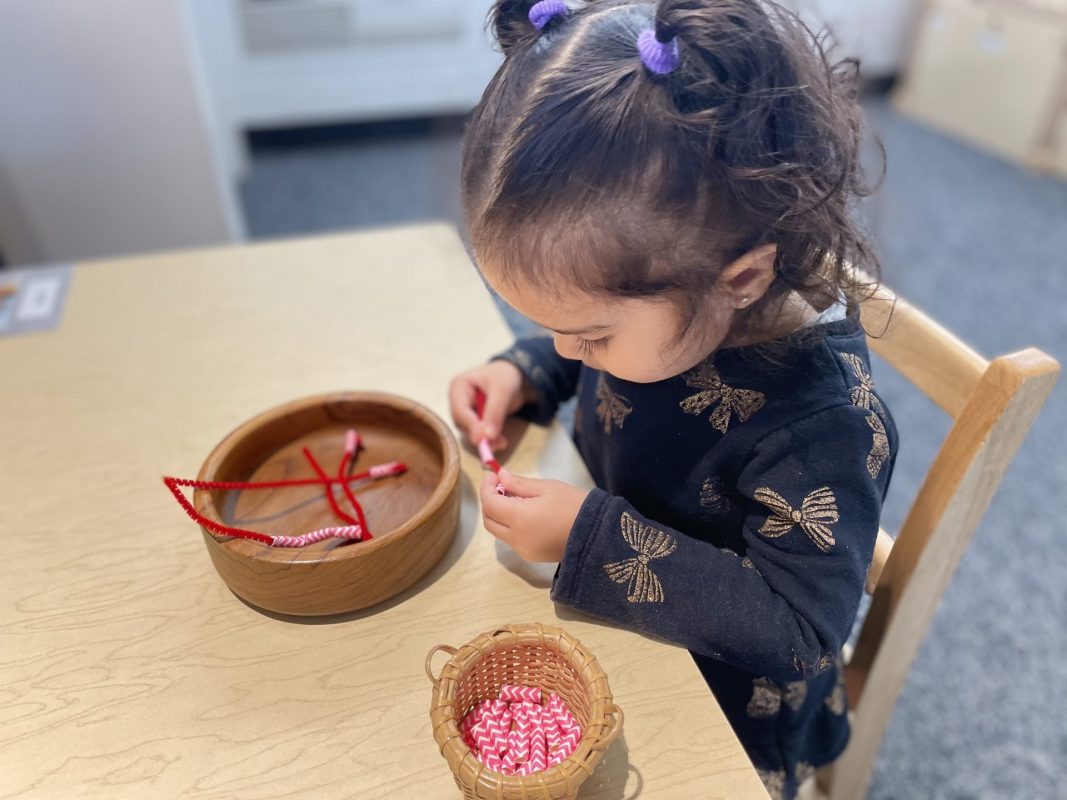
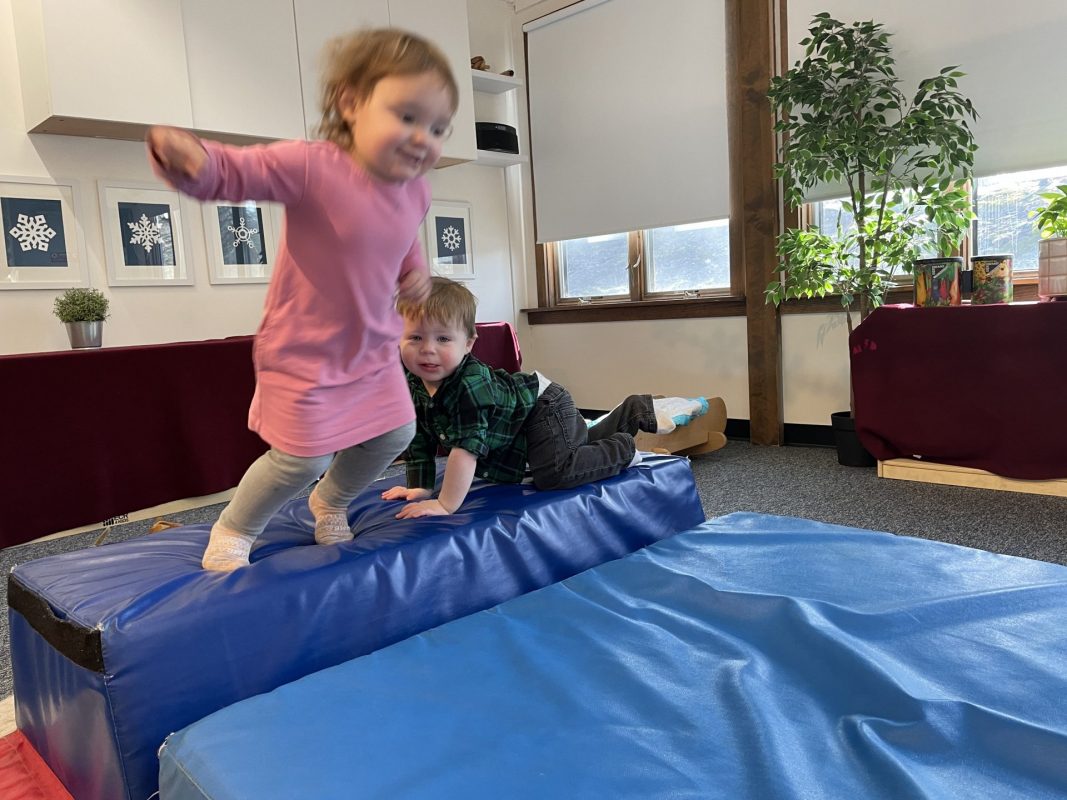
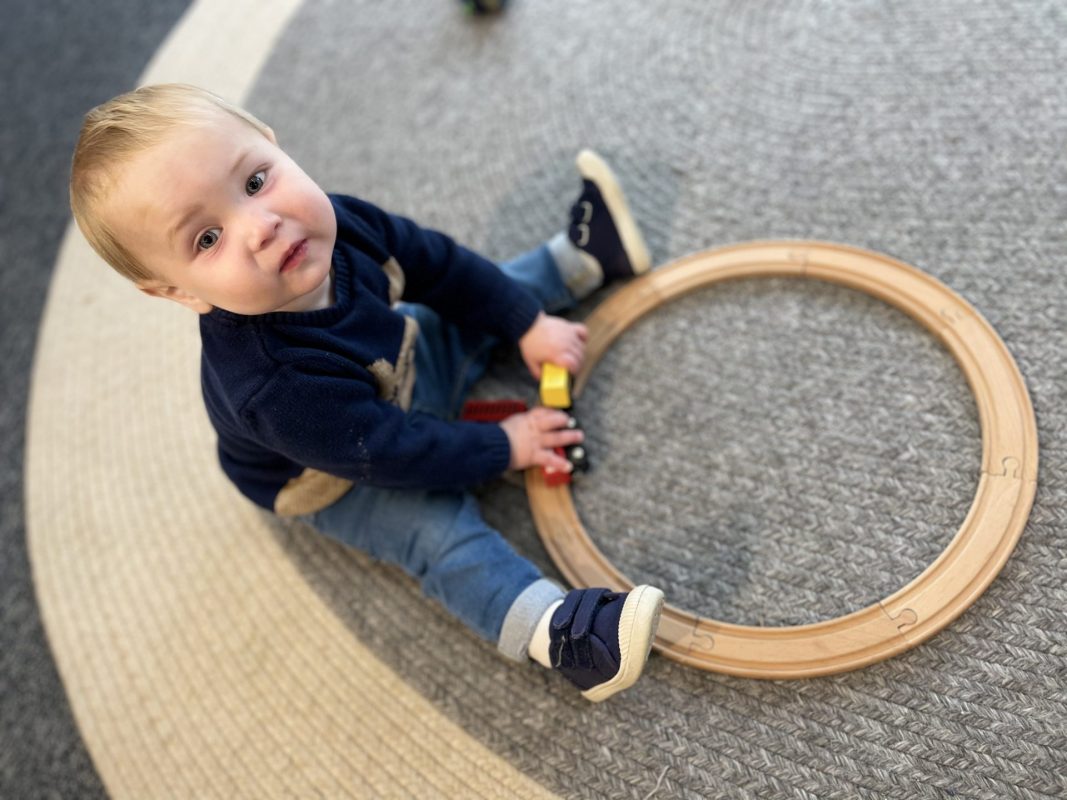
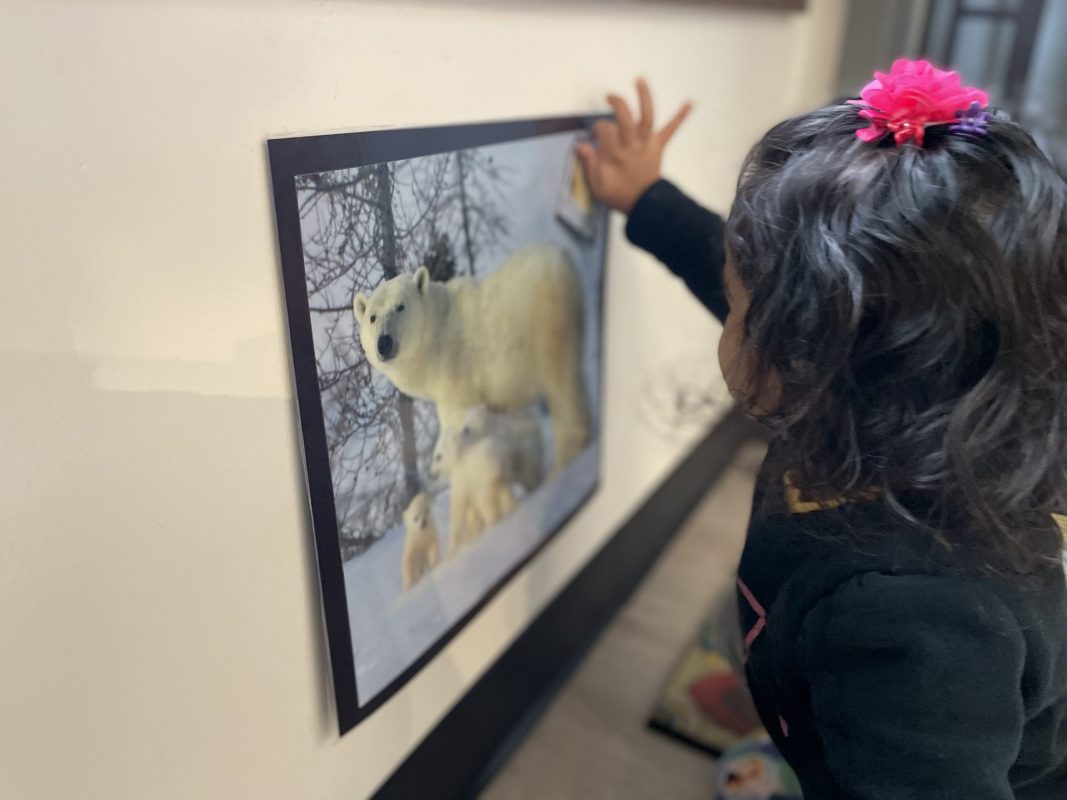
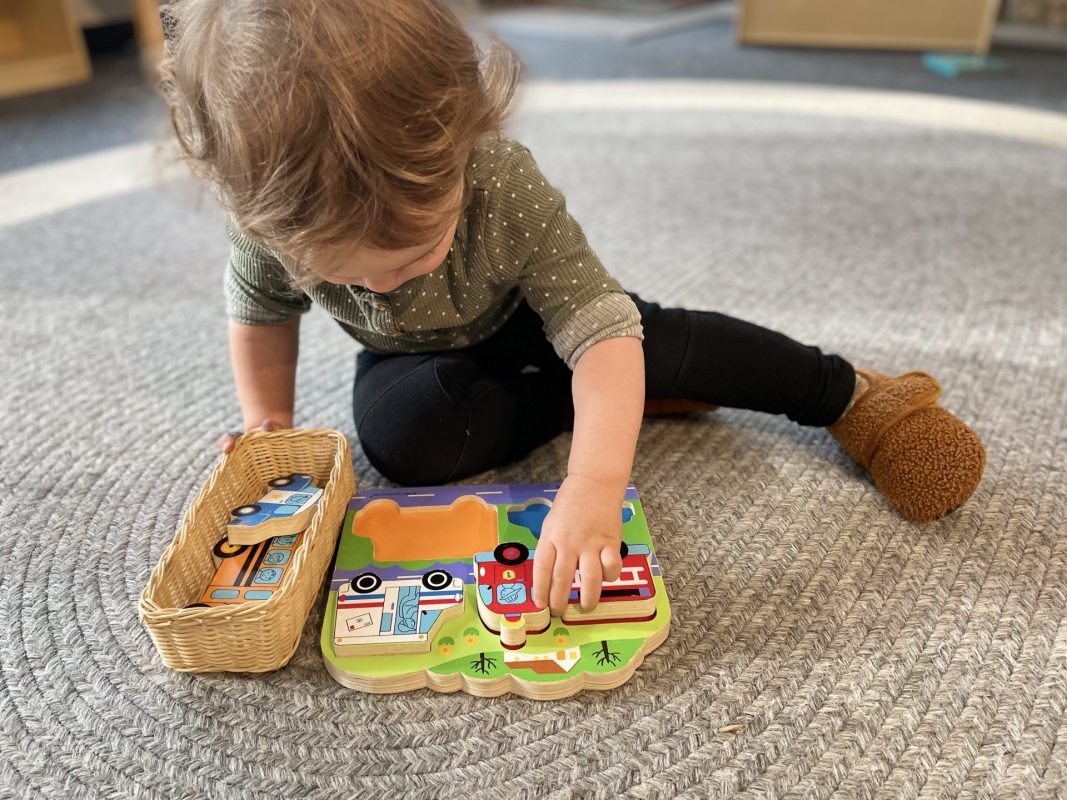
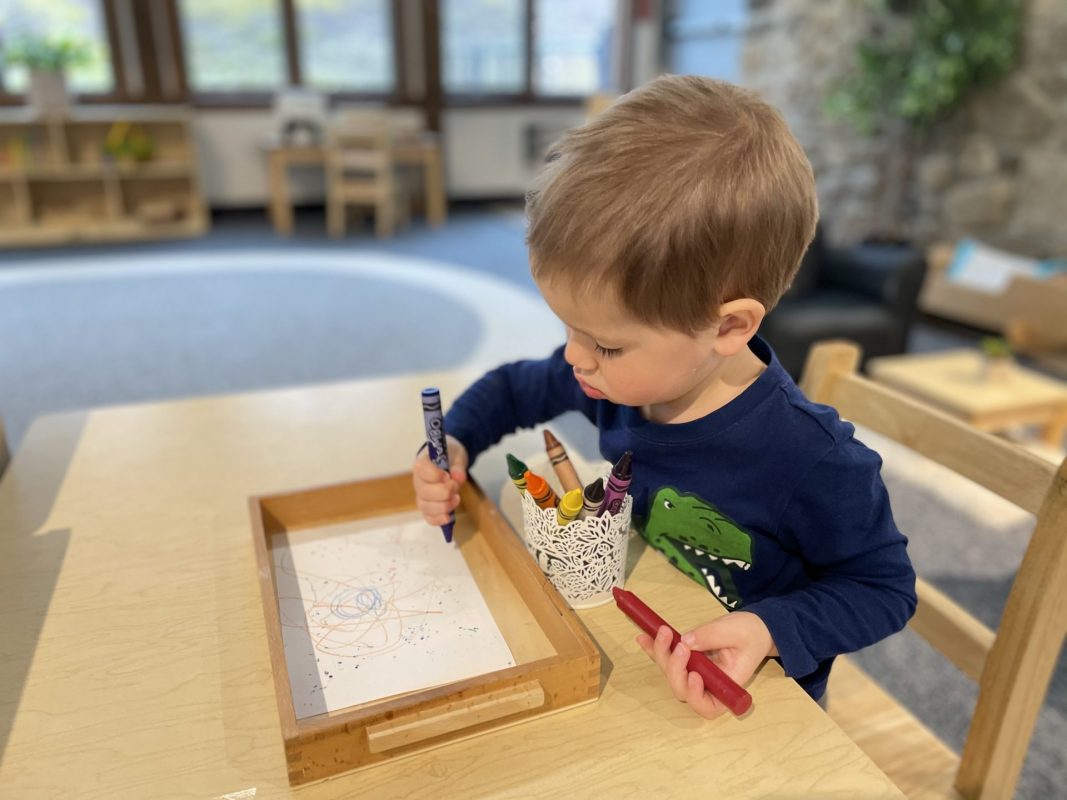
Enjoy the pictures of your beautiful children, take some time to dance, and have a great weekend! 

Mrs. Hood and Ms. Maria  

Mrs. Hood’s Class: Chirp, Chirp!!

Life cycles are all around us. They are part of us and part of every living thing. Explaining and illustrating life cycles can be an important milestone for children, helping them to learn how better to respect and care for those around them. 

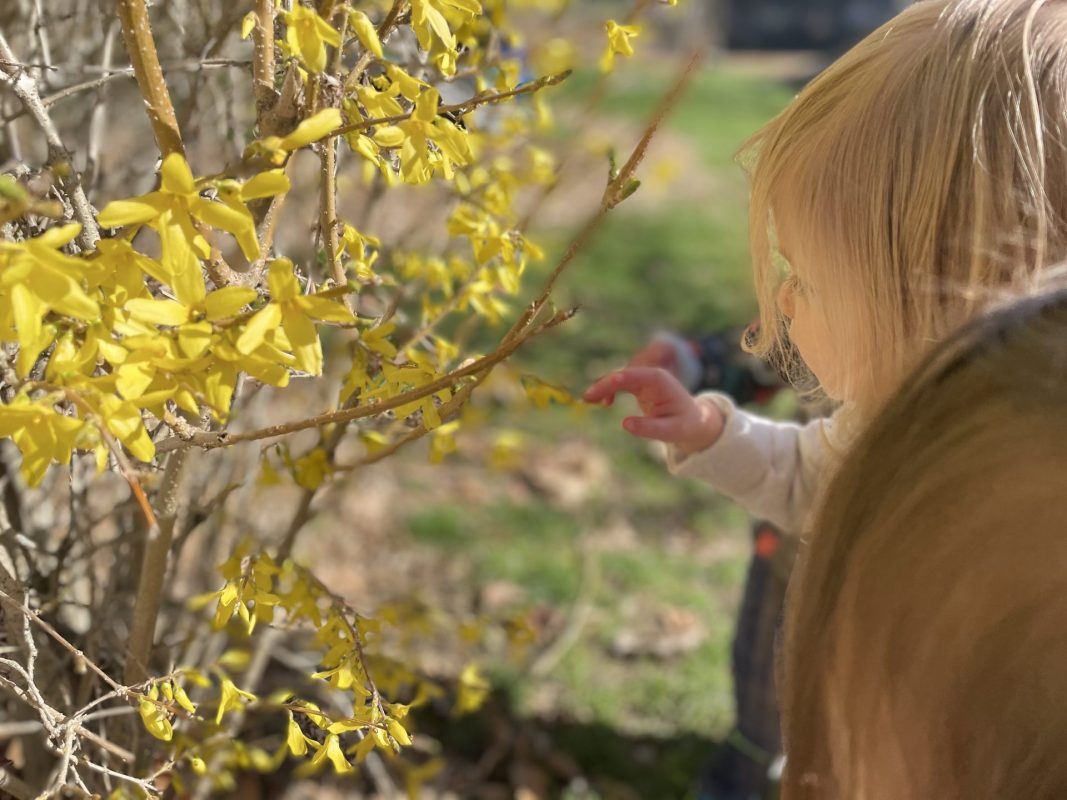
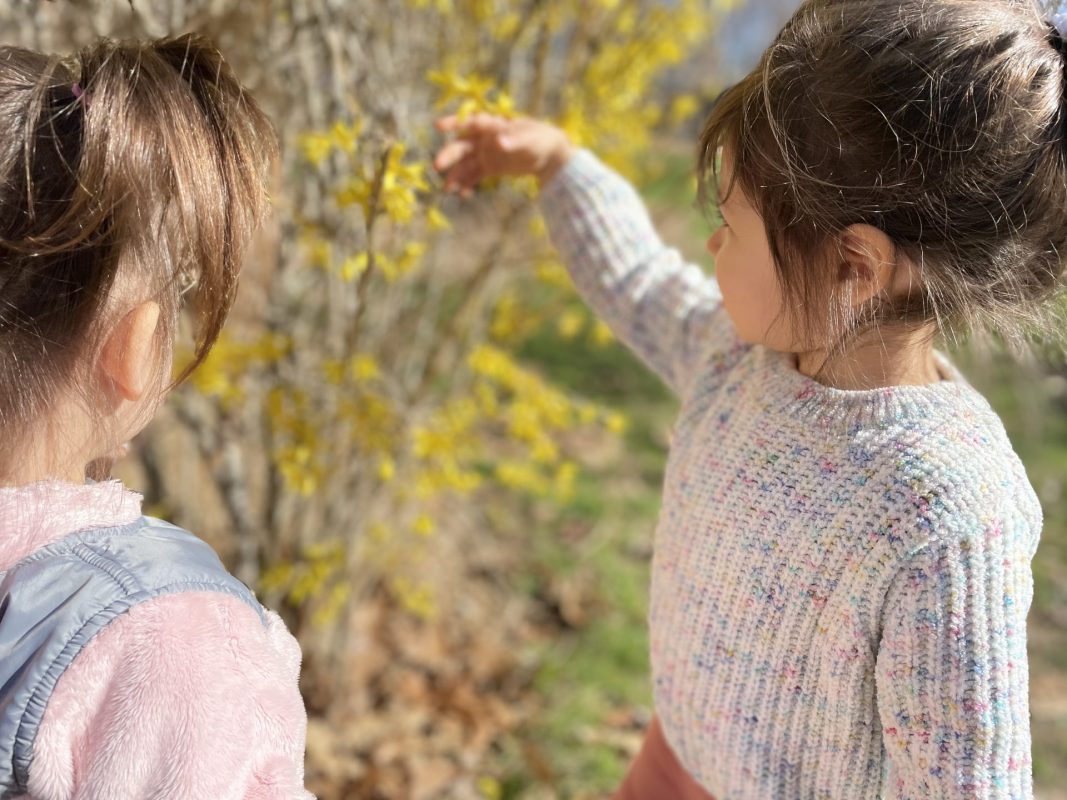
Spring is definitely the perfect season to introduce these concepts as the children not only receive information about it but learn to observe and appreciate so many of these wonders happening  just in front of their eyes. 

Based on cultural traditions surrounding last weekend’s holiday, this week we introduced eggs and chickens as a unit of study in our toddler environment. We focused on two concepts so far: chickens come from eggs, and a baby chicken is called a chick.

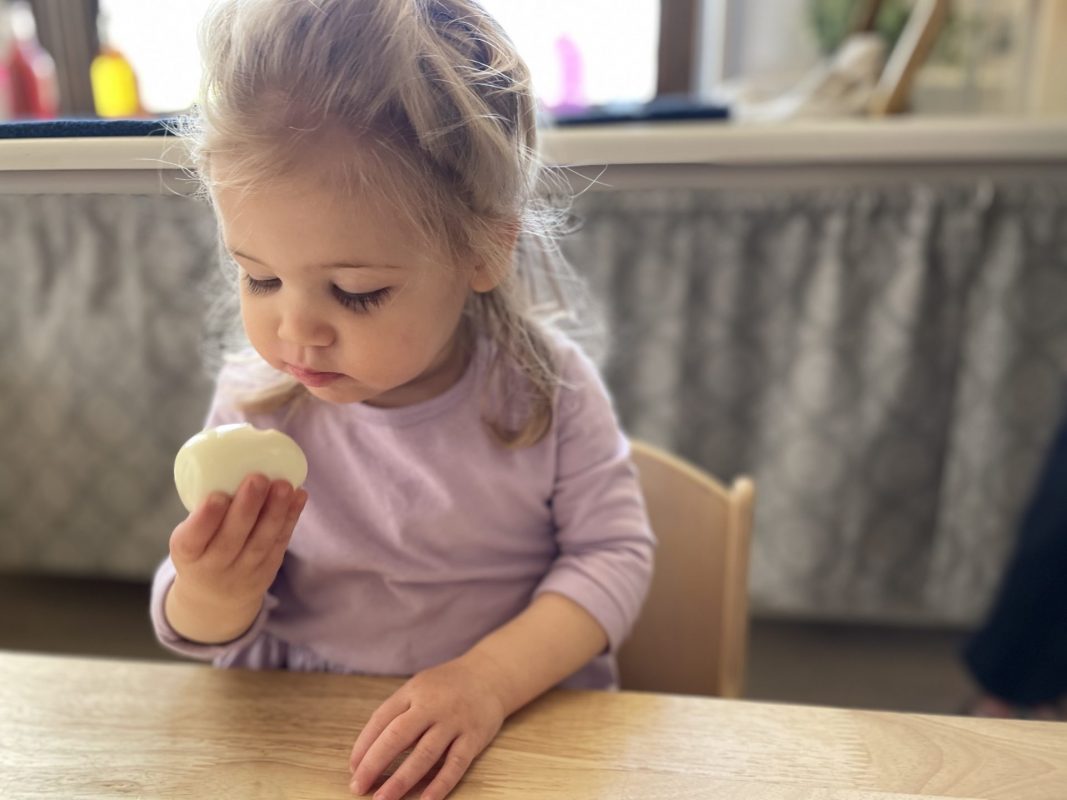
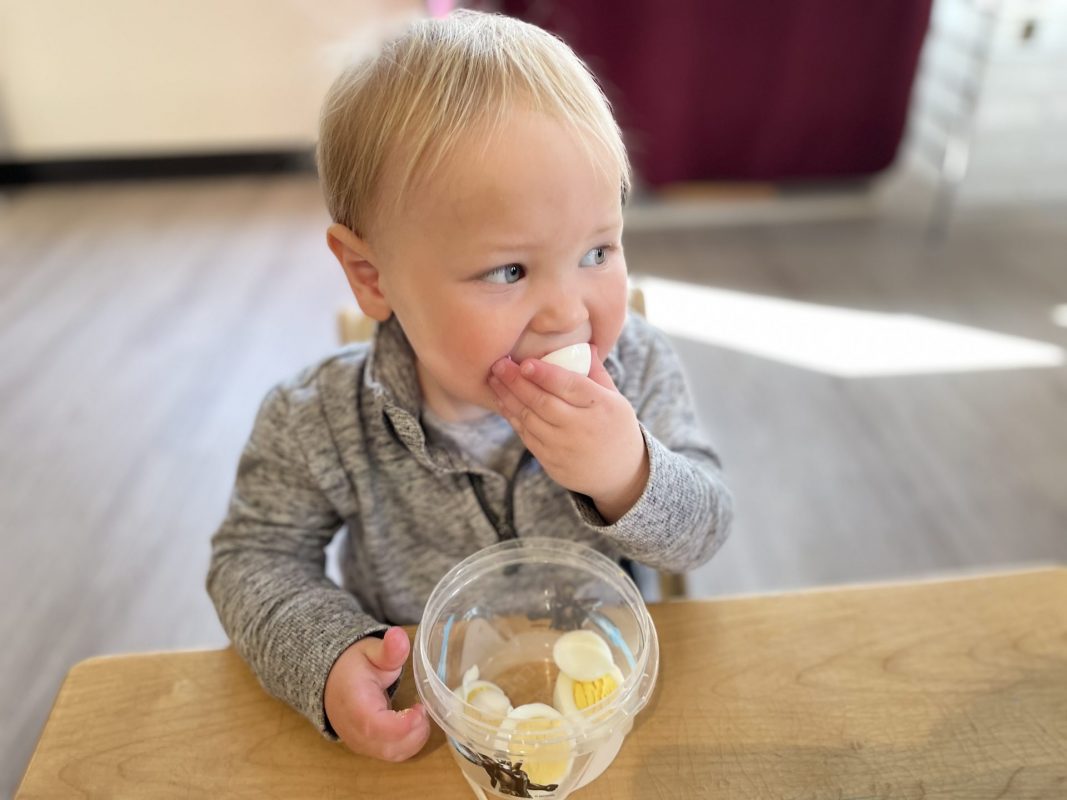
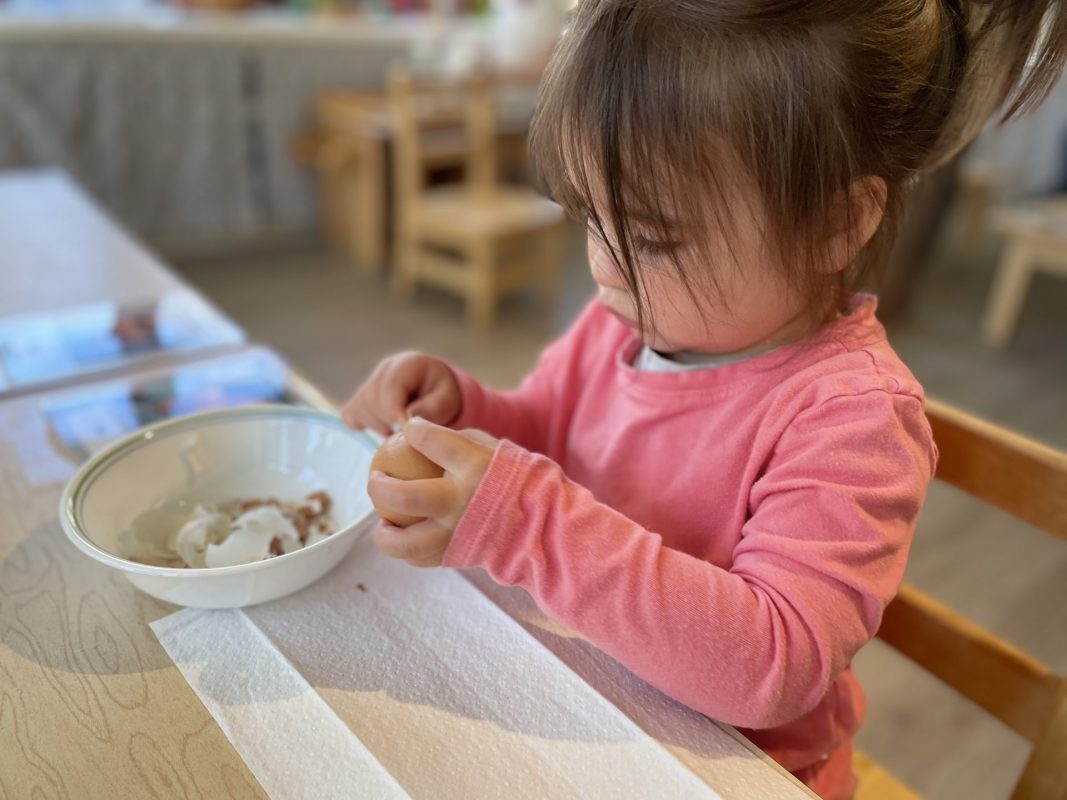
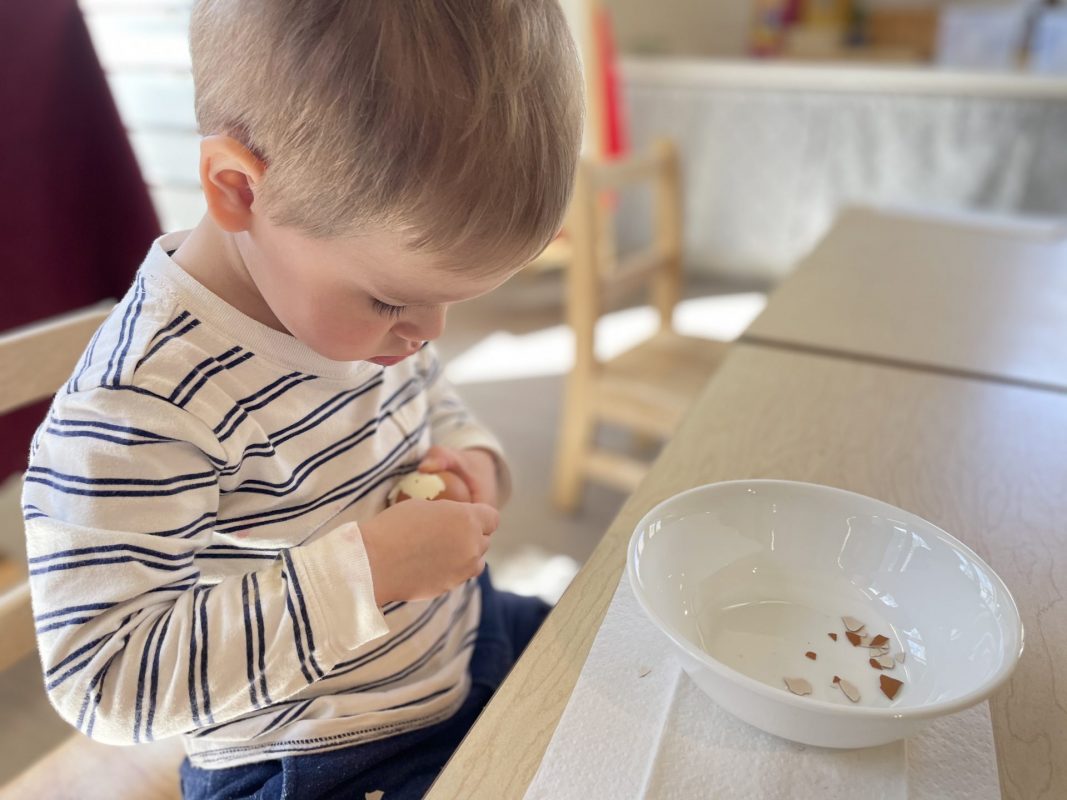
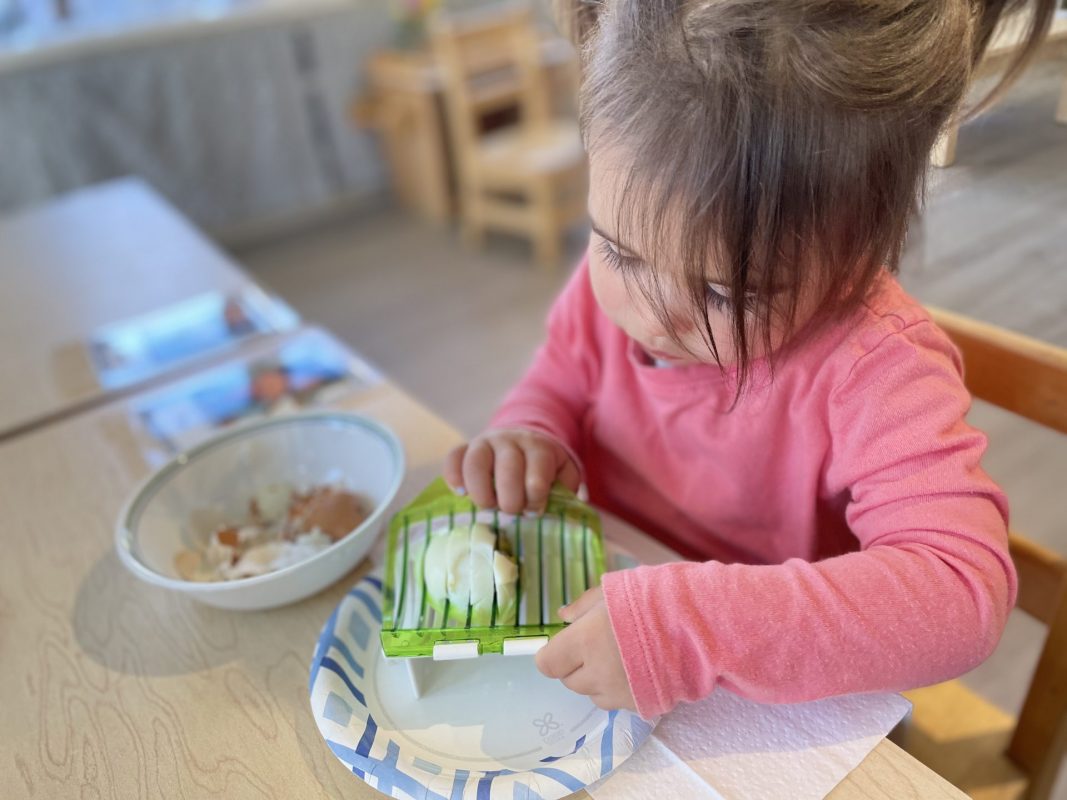
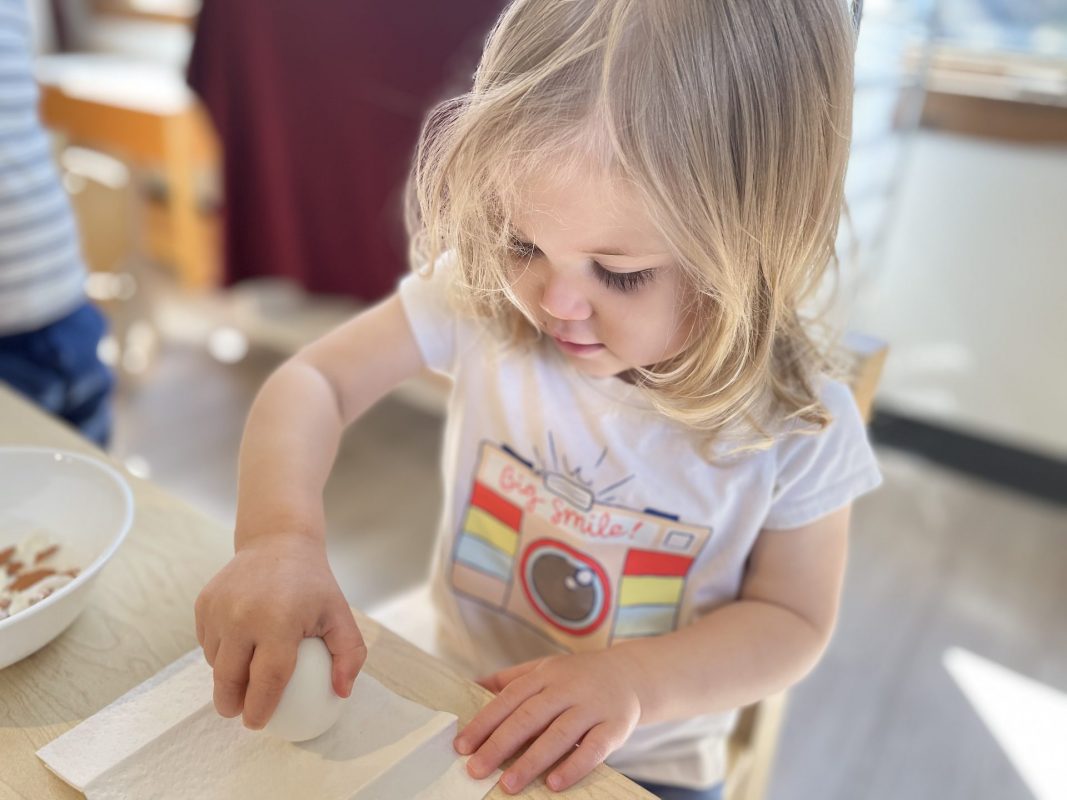
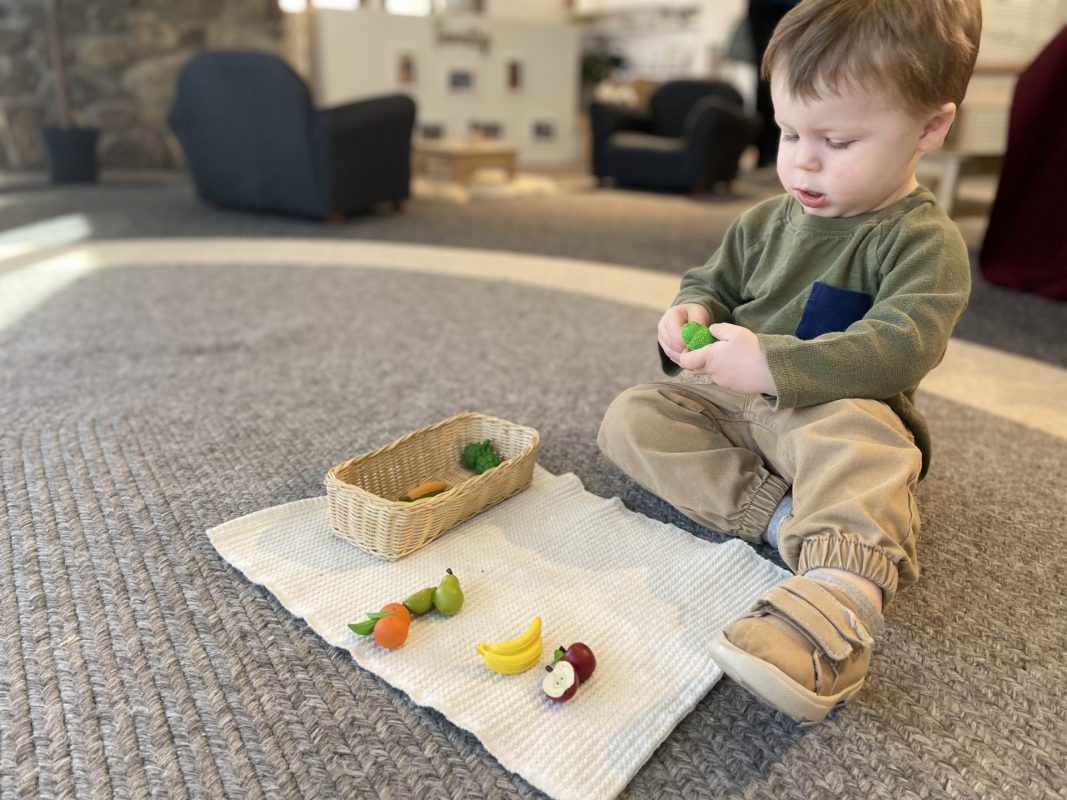
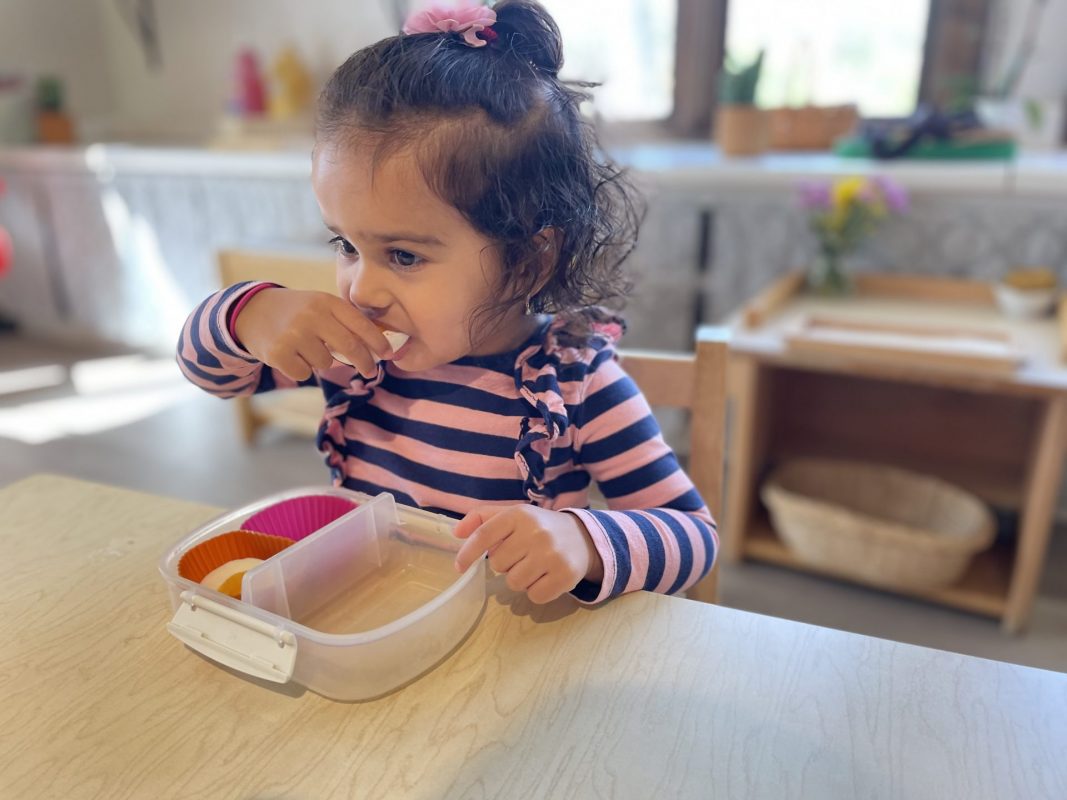
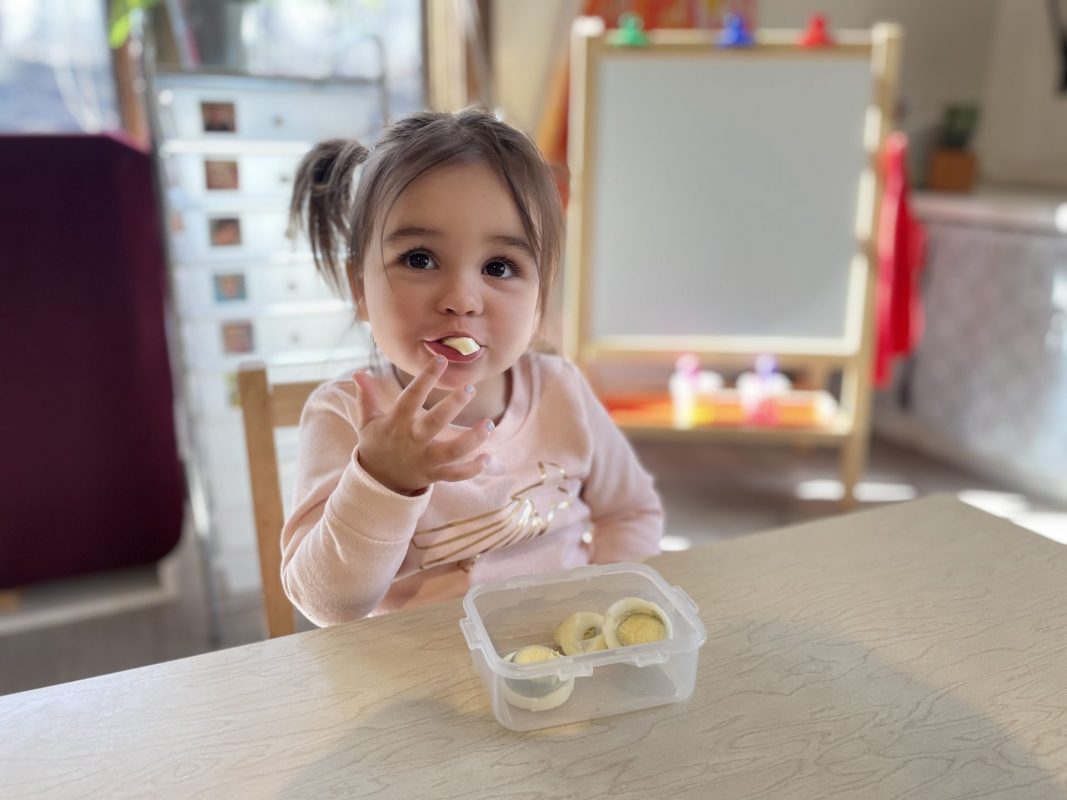
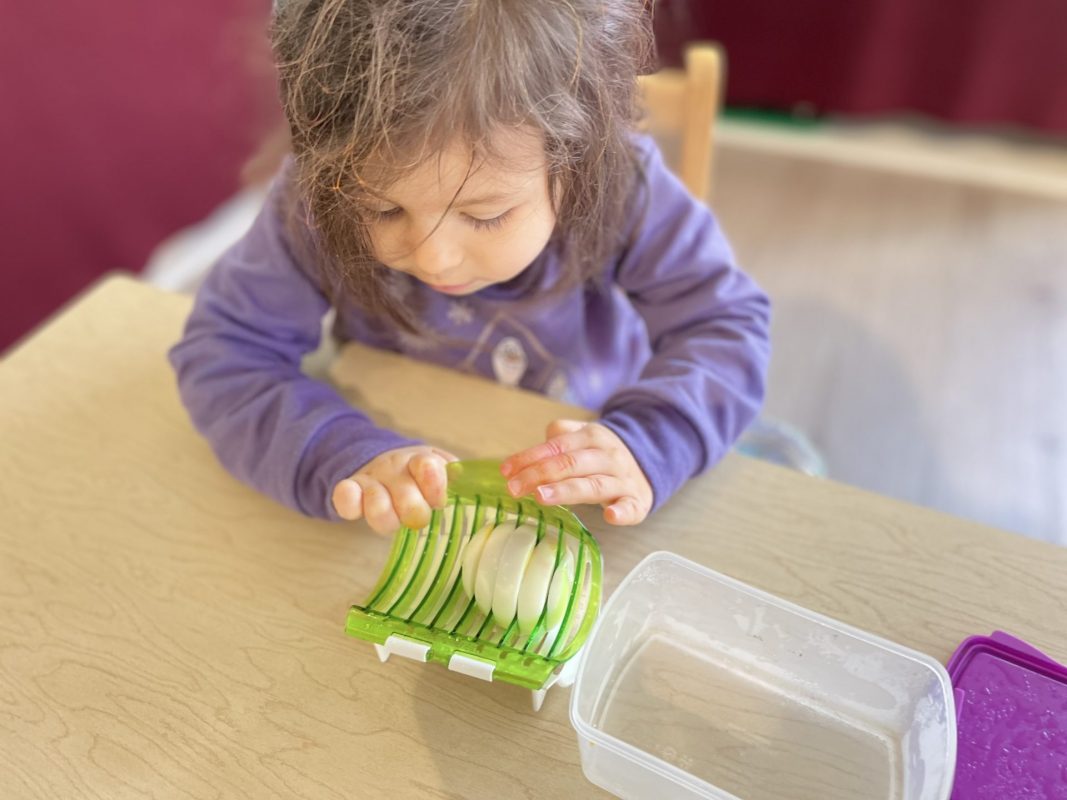
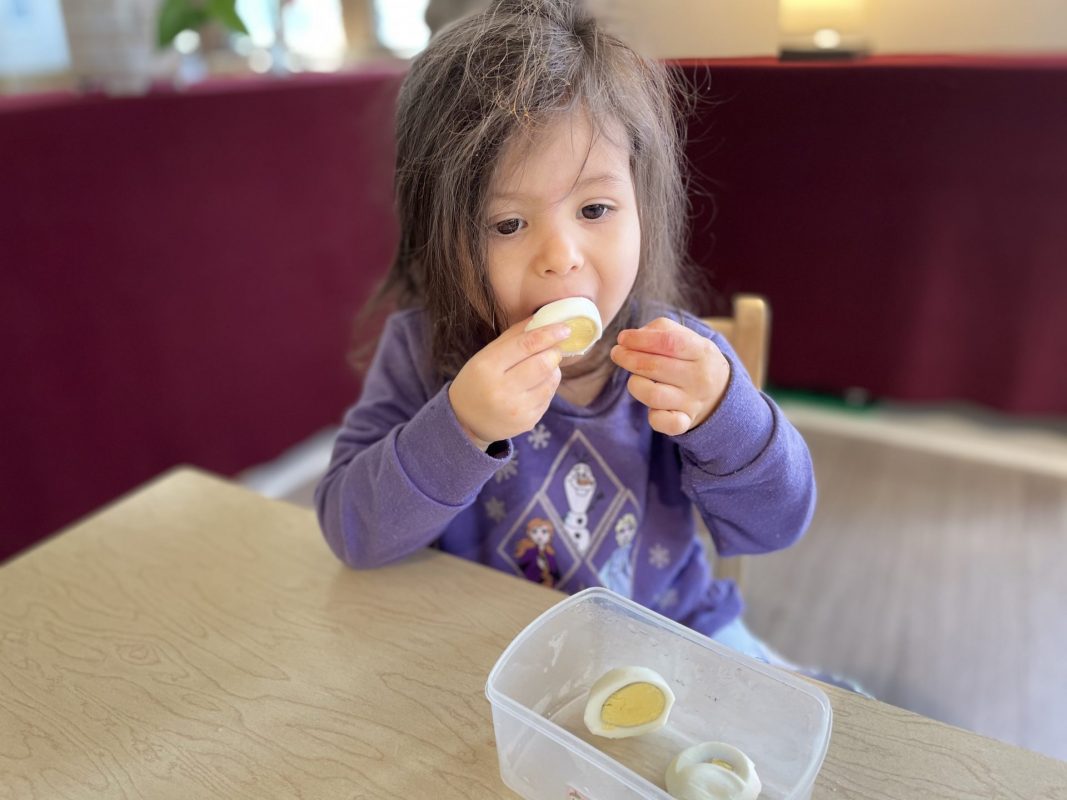
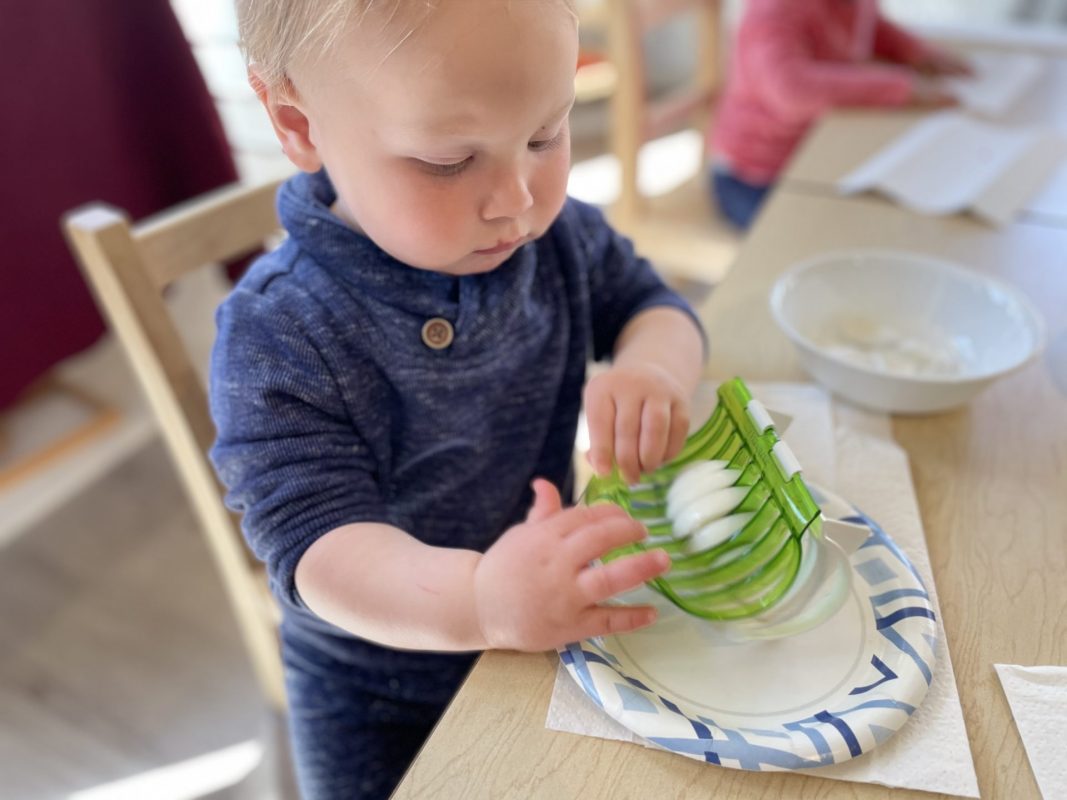
To bring a real life experience to this topic, we explored an egg as part of our food tasting lesson for the week. We introduced vocabulary words like shell, egg white, and yolk. Children seemed to be surprised to find “a yellow ball” -as one of the children called it-  inside their egg. Some of the children didn’t find the sliminess of the boiled egg very attractive and didn’t want to taste the egg, however when given the opportunity to use an egg slicer, they got excited and ended up tasting it. It’s always so fun to observe how the children react to these sensorial experiences and how their brain seems to work hard on classifying the textures and flavors of the food items we introduce. 

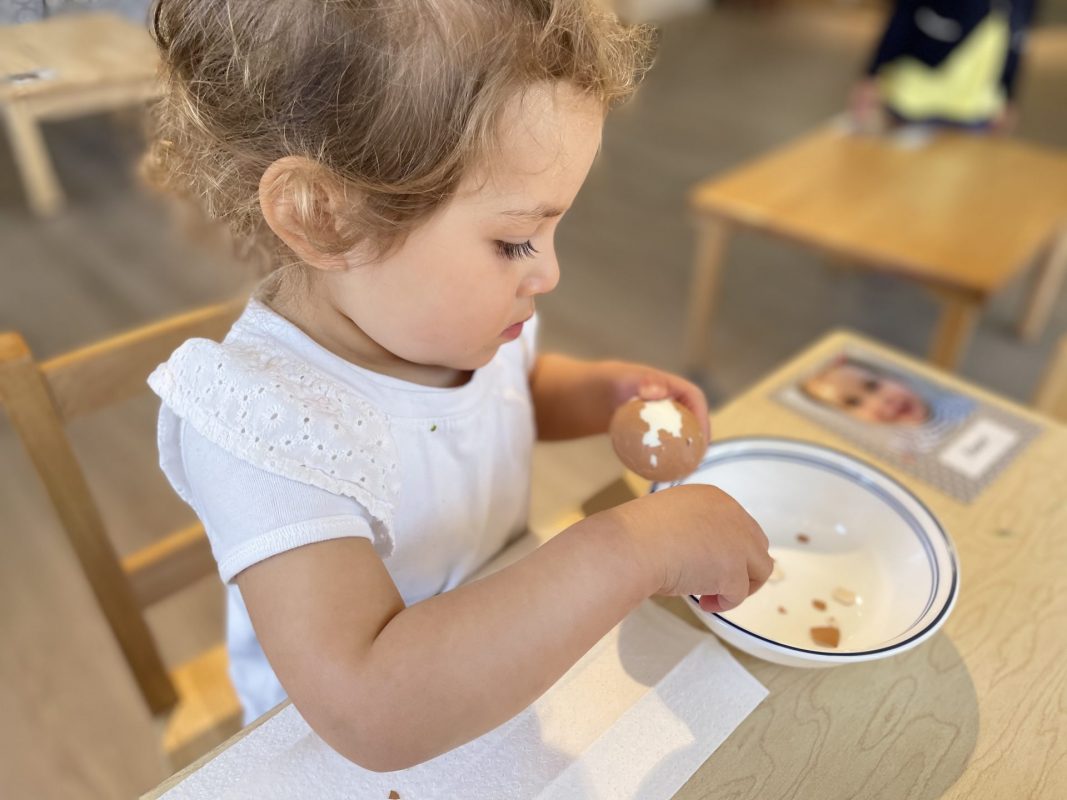
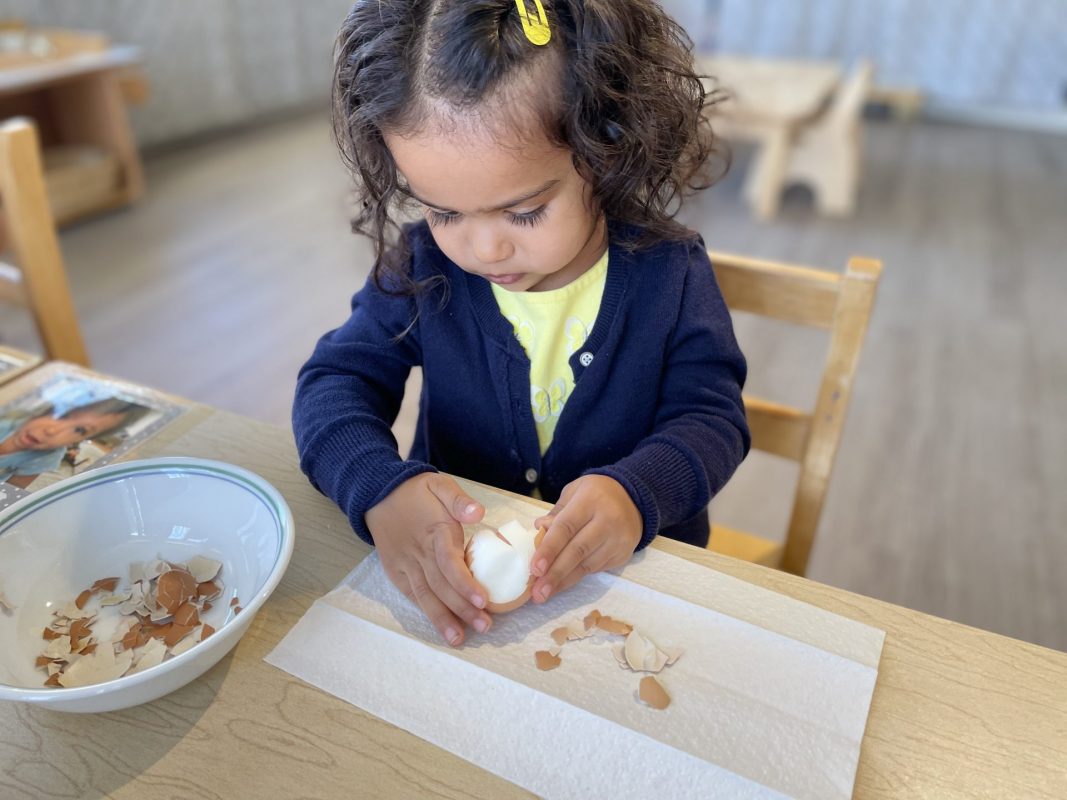
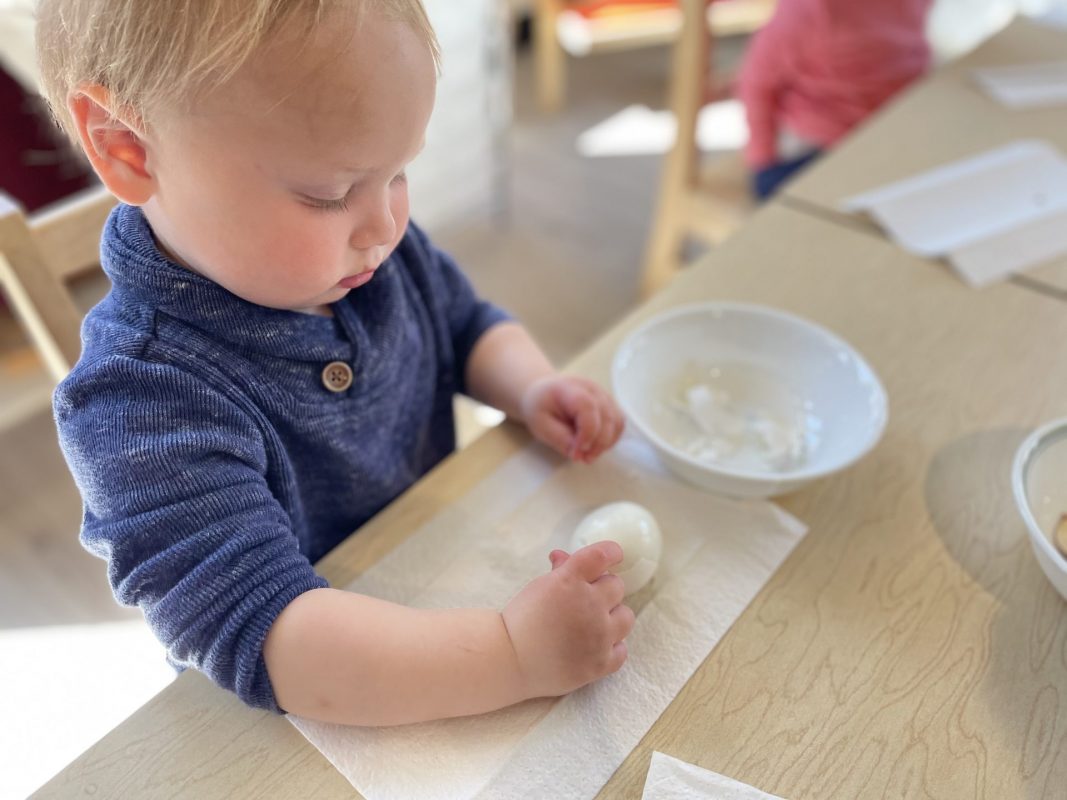
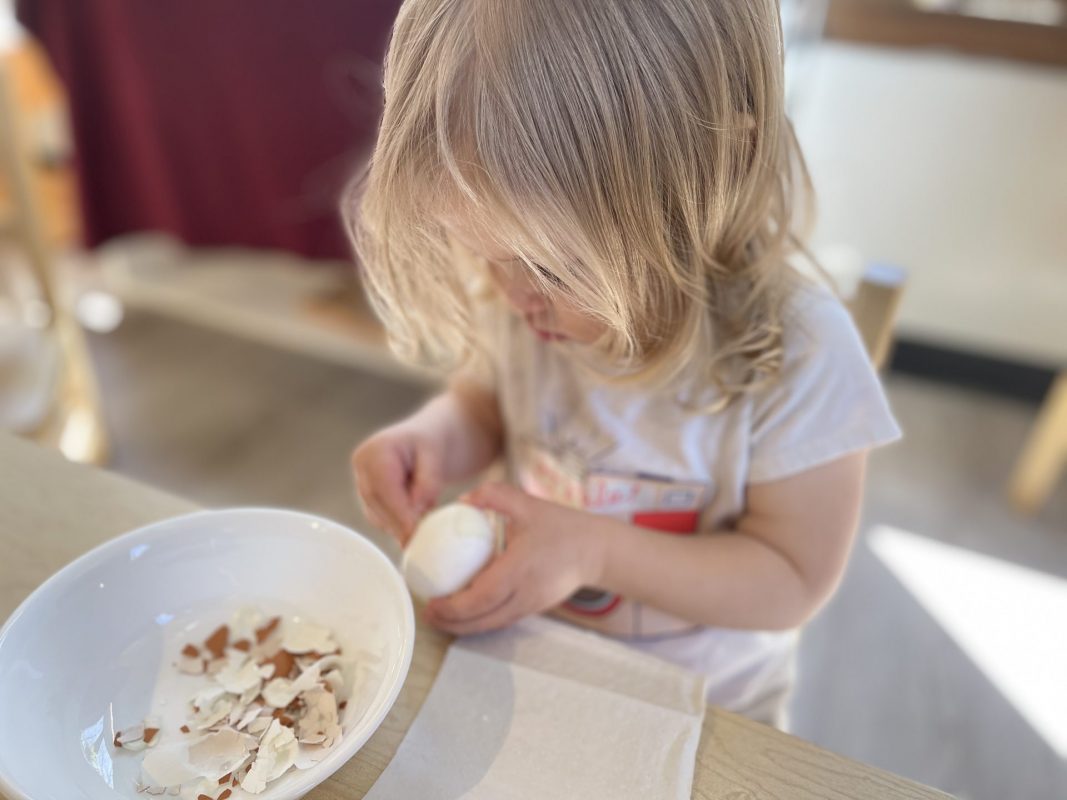
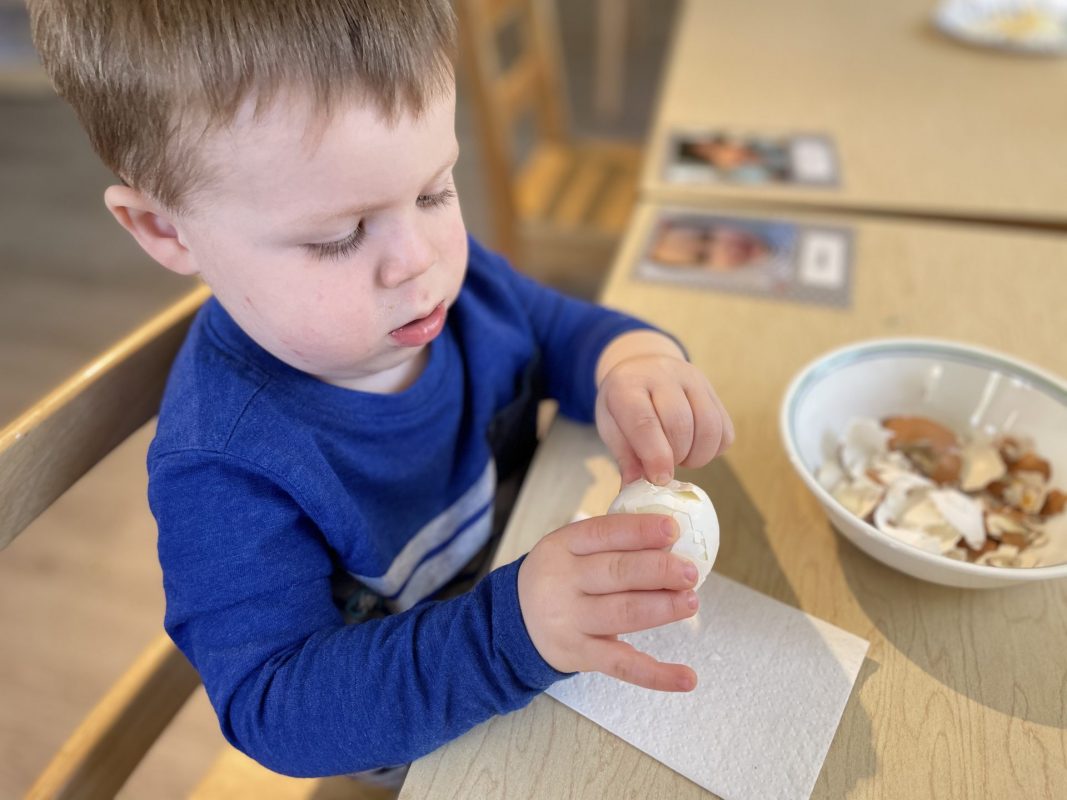
As an extension, the children had the opportunity to practice their fine motor skills by learning how to peel their own egg. They seemed to enjoy cracking the egg and carefully peeling the shell. I encourage you to give your toddler the opportunity to practice this skill at home as well. The children really seemed to feel proud of themselves. 

To reinforce the Spanish language, the children were also introduced to a fun Spanish song called: Los Pollitos. By the way,  in Spanish, the chicks say, “Pio, pio,” instead of “Chirp, chirp.” Just an interesting cultural bonus sent your way :). I hope you enjoy the song at the bottom of this note and practice with your children at home, if you would like.

Lastly, two announcements:

  1. We are happy to welcome the Osorio family to complete our FWM toddler community for this school year! So happy to have you with us!
  2. We wish a very happy 2nd birthday to our beloved Ella! She is an incredible gift to all of us! 

We hope you all have a wonderful weekend and if you are planning to visit a farm as a fun Spring activity, please take the time to observe the chickens and talk with your toddler about what you see. 

Best, 

Mrs. Hood and Ms. Maria


Mrs. Hood’s Class: As Fresh As Spring!

I remember a couple of years ago sitting by a small window and observing the gigantic icicles that covered my view. Suddenly I noticed how, so slowly, water started to drip from the icicles on a sunny morning! I remember so clearly how this sense of joy filled my life! This was the end of my first winter in America and since then, I love the hope that spring brings when Earth seems to wake up and become alive again! Longer, warmer, and sunnier days, windows opened, greener views, flowers growing, trees budding, birds singing, and that crisp in the air are just some of the things that spring offers us and that we all appreciate! 

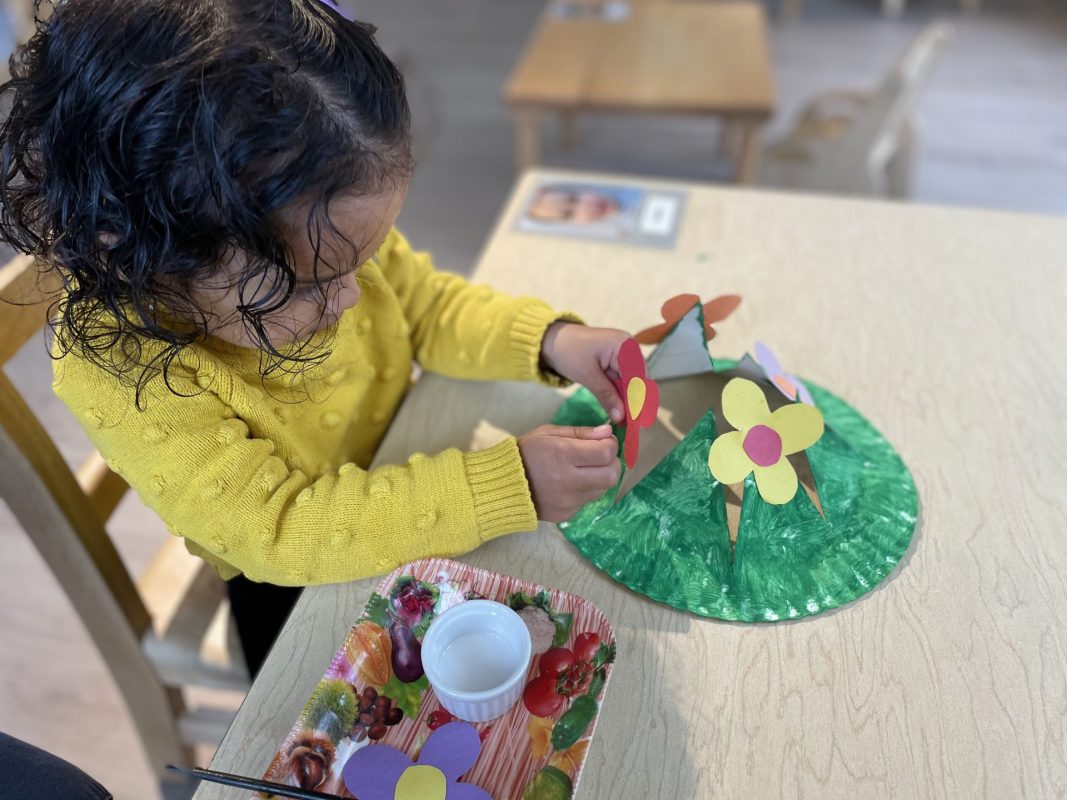
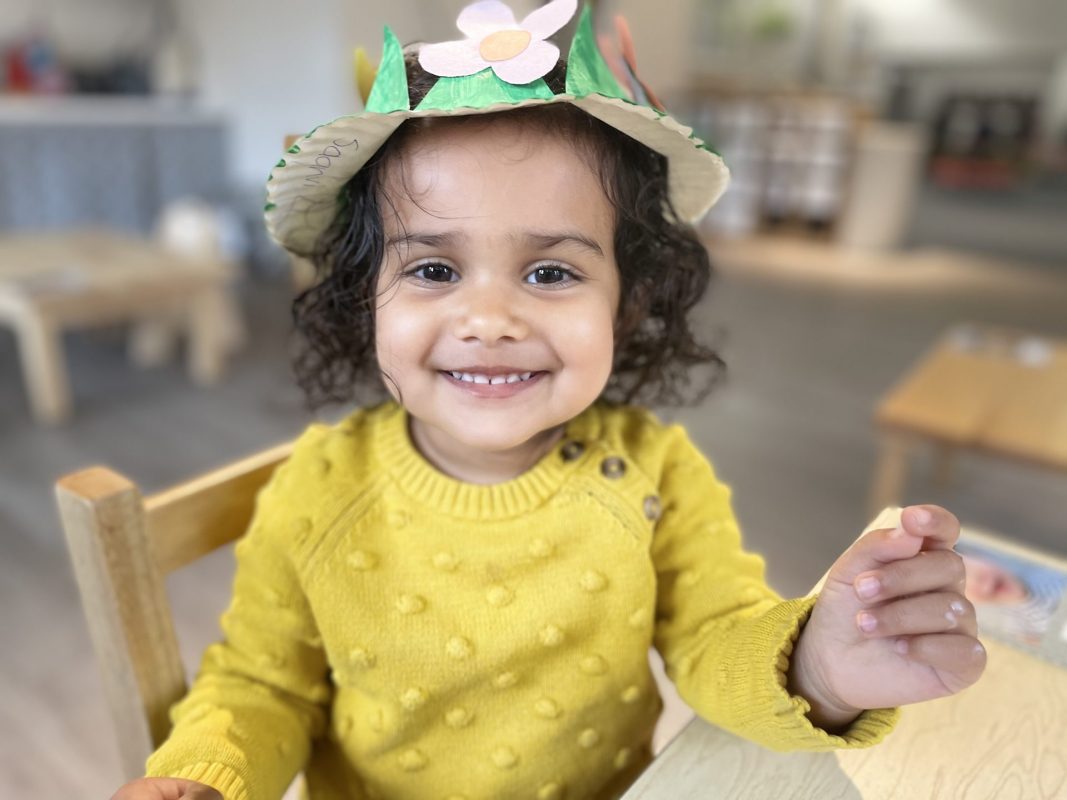
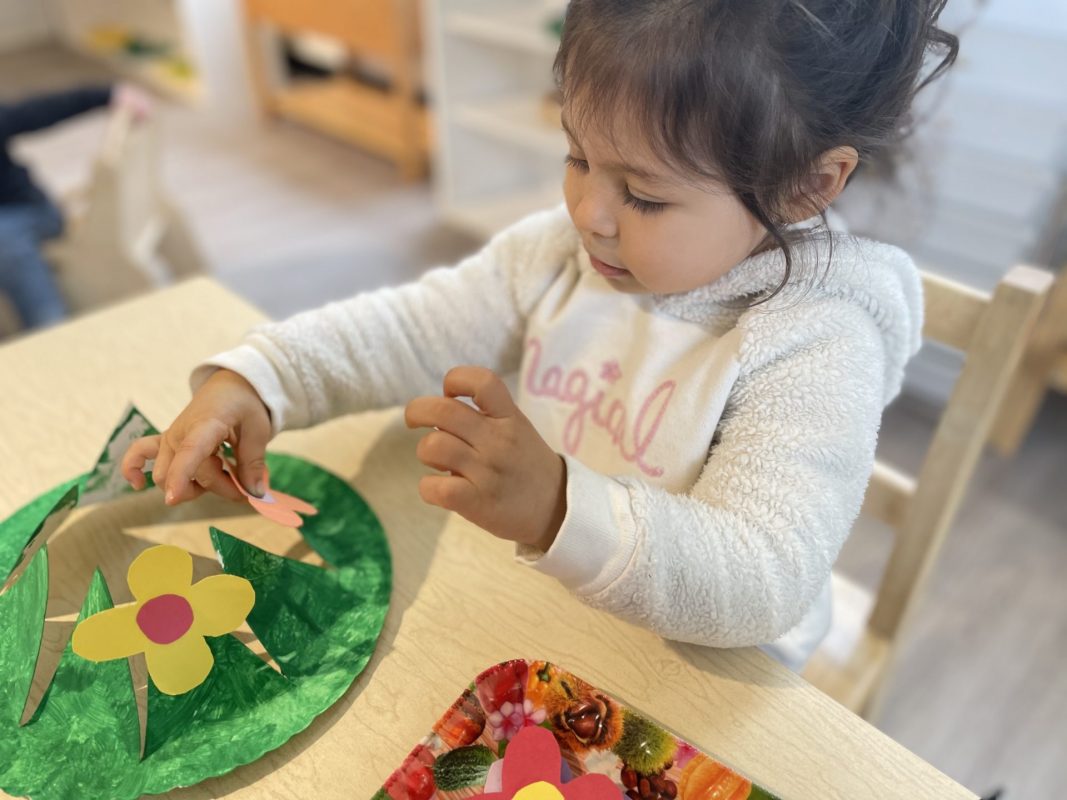
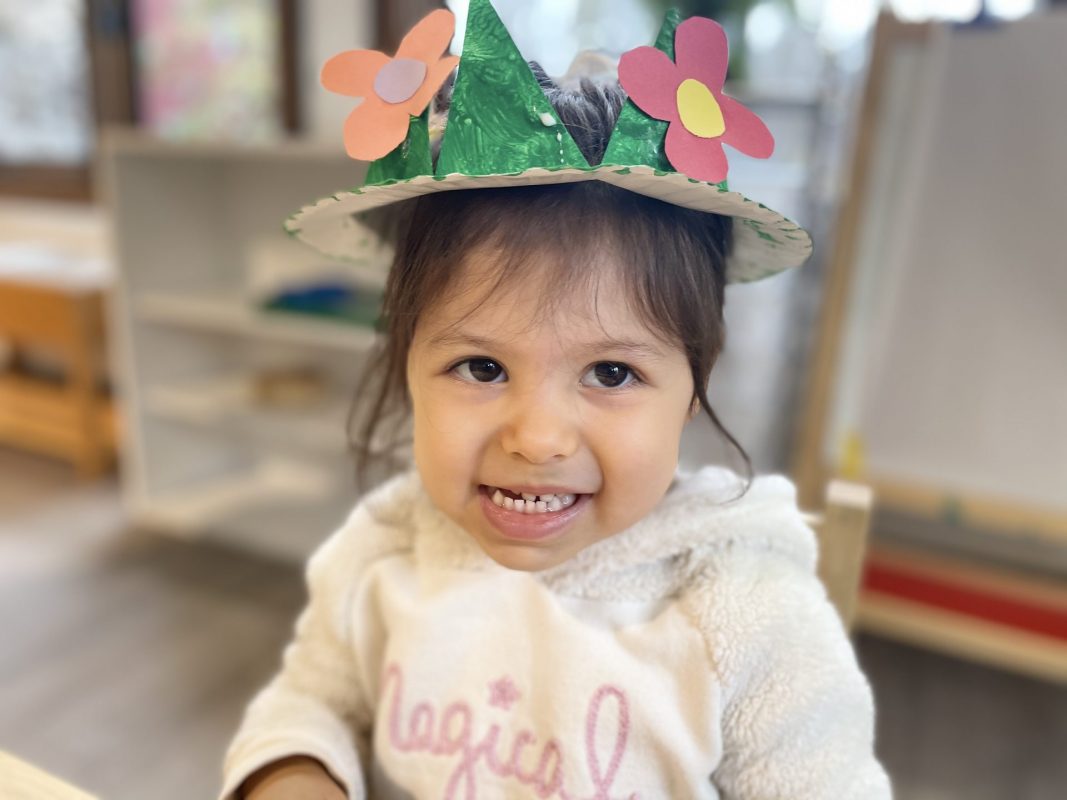
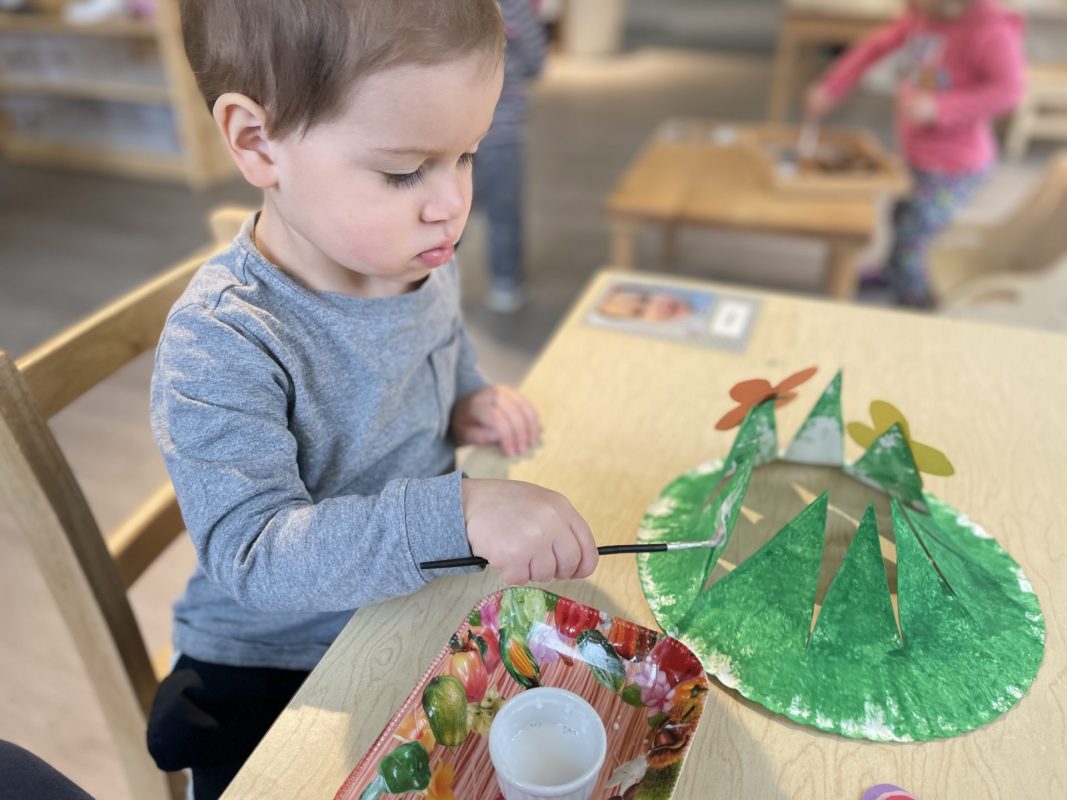
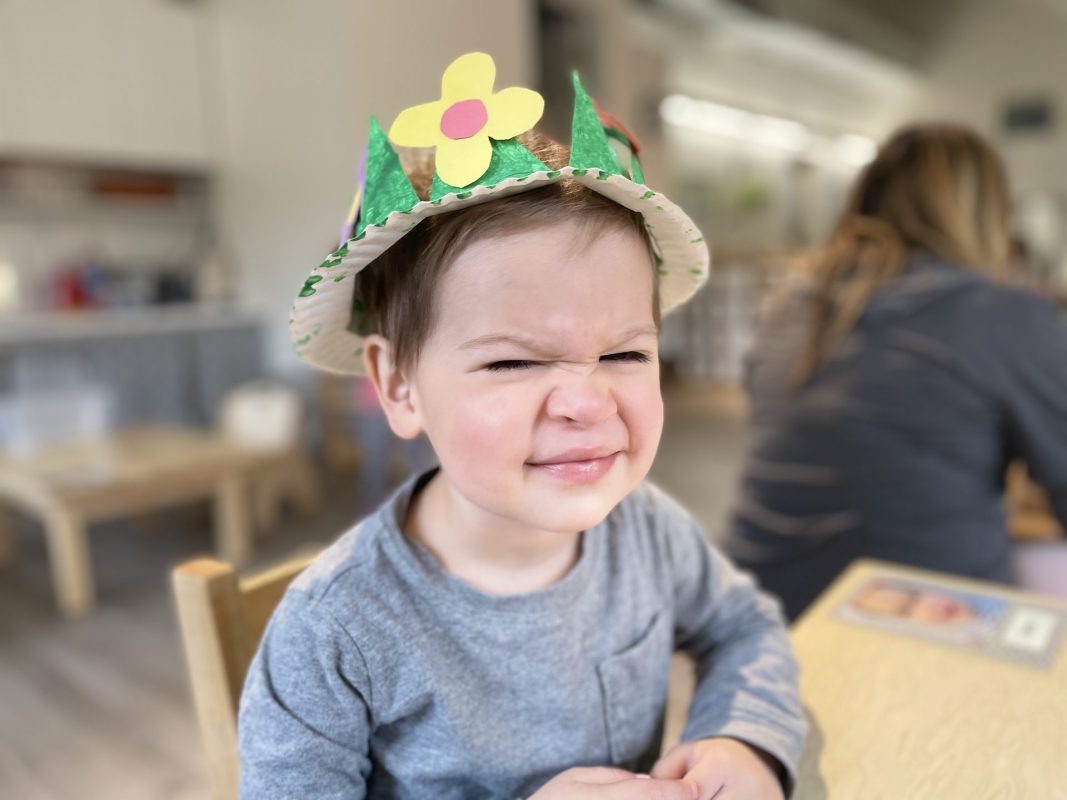
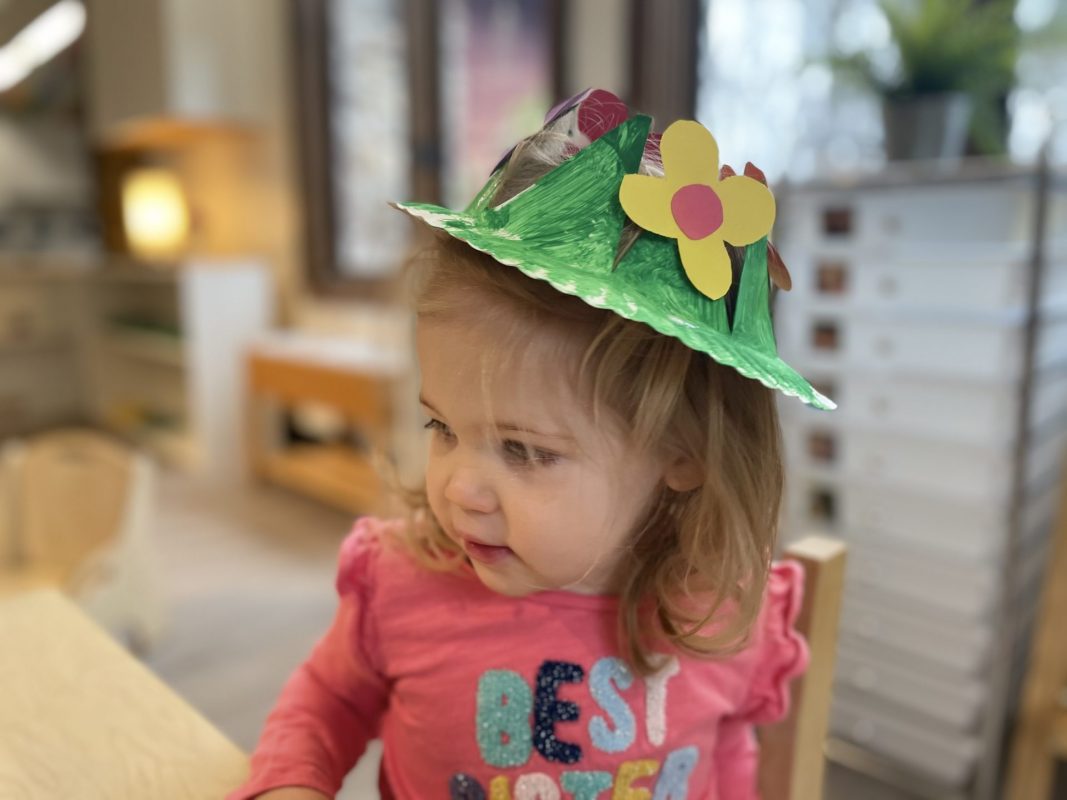
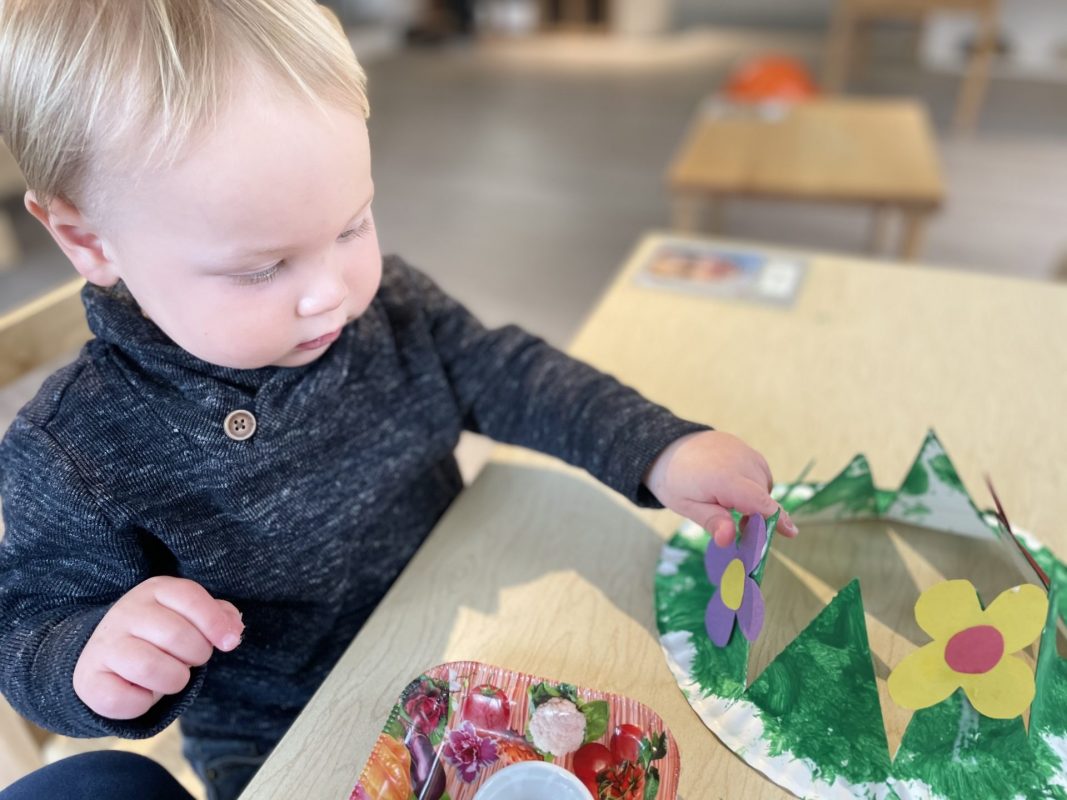
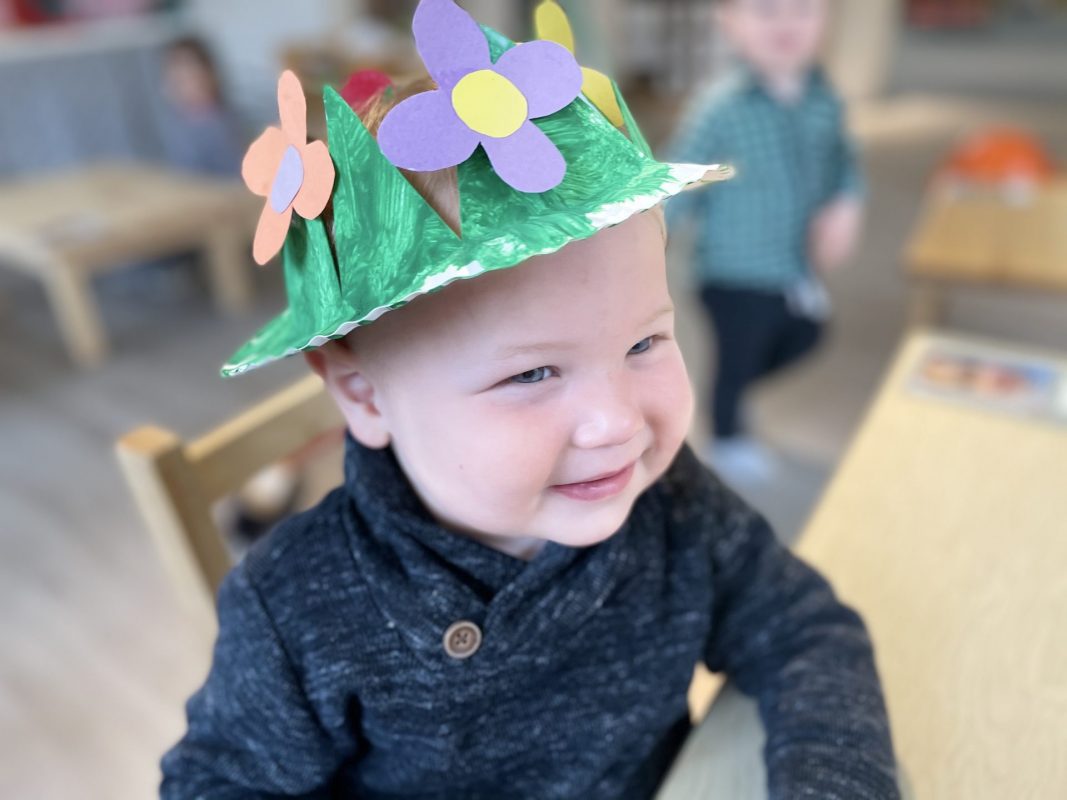
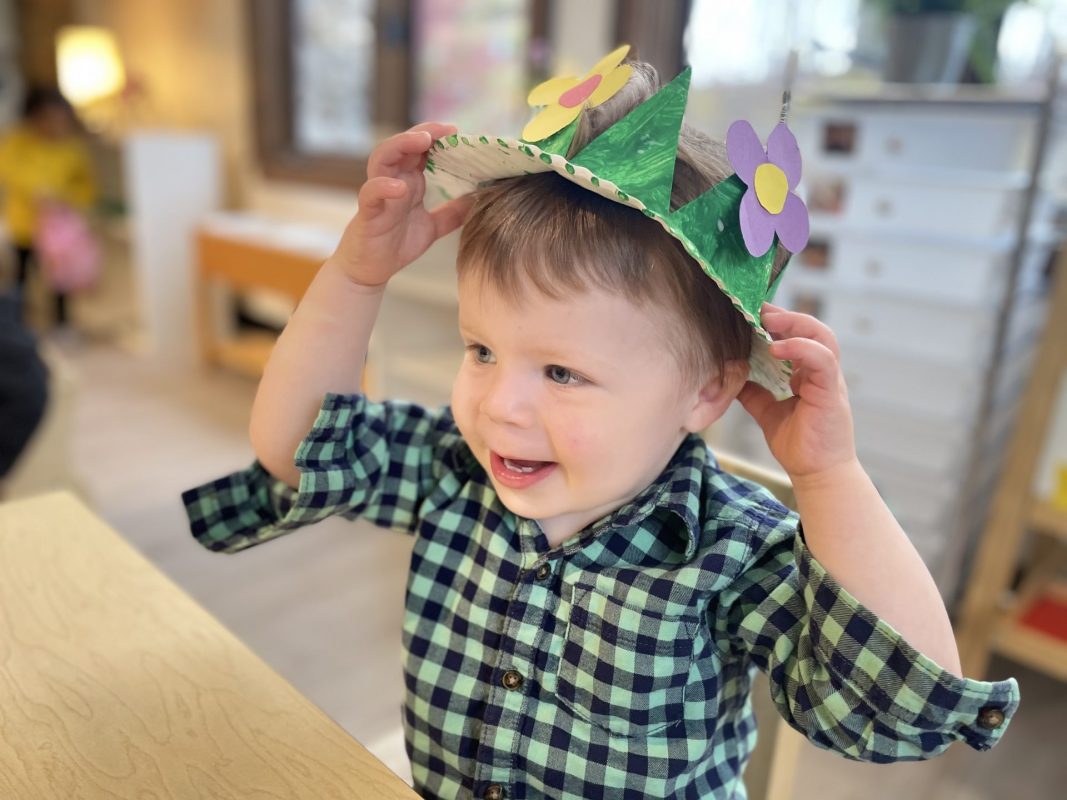
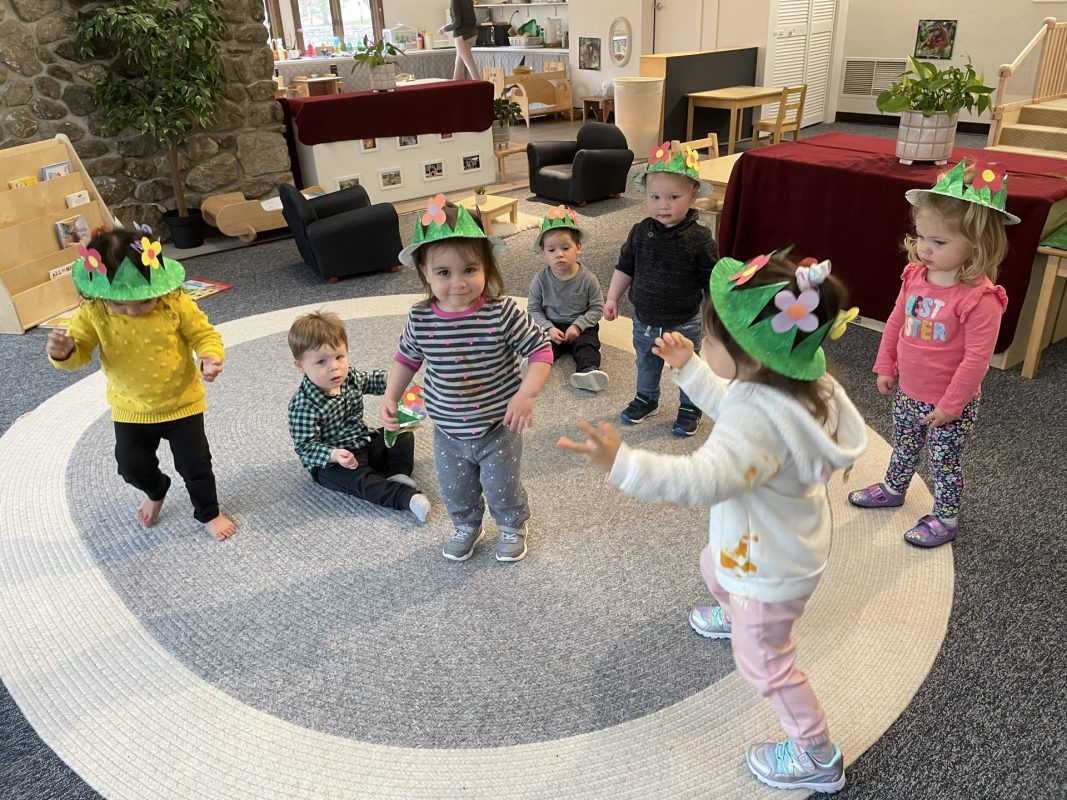
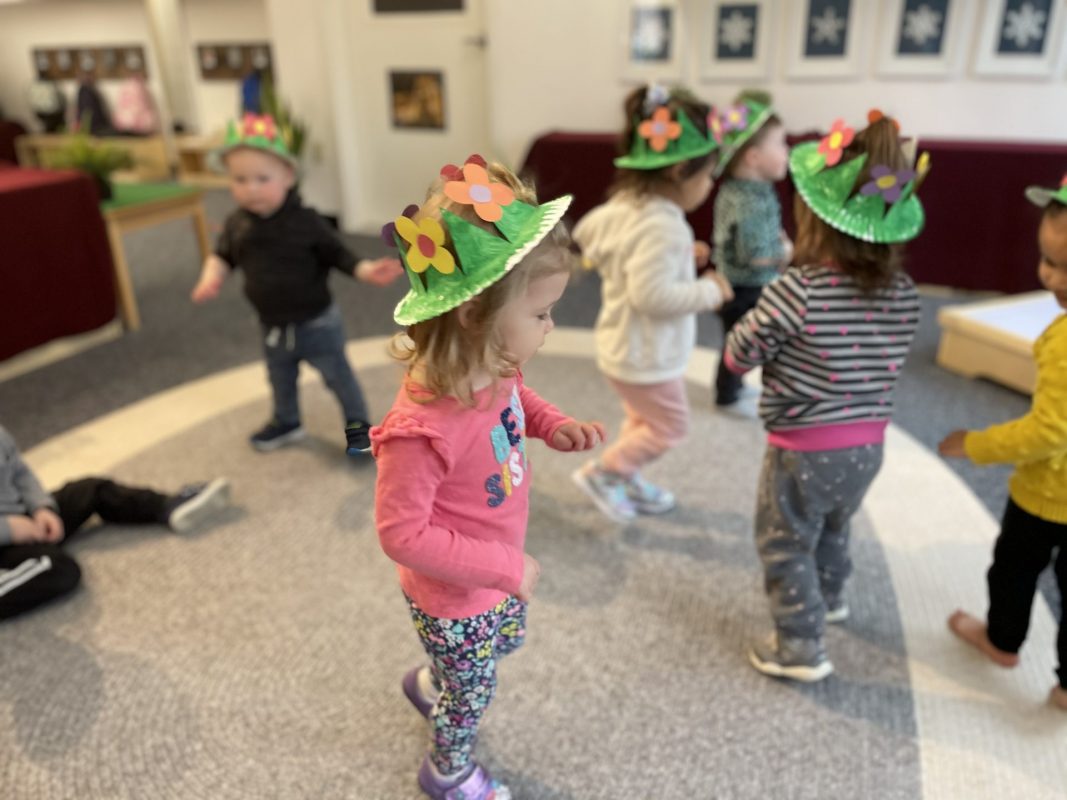
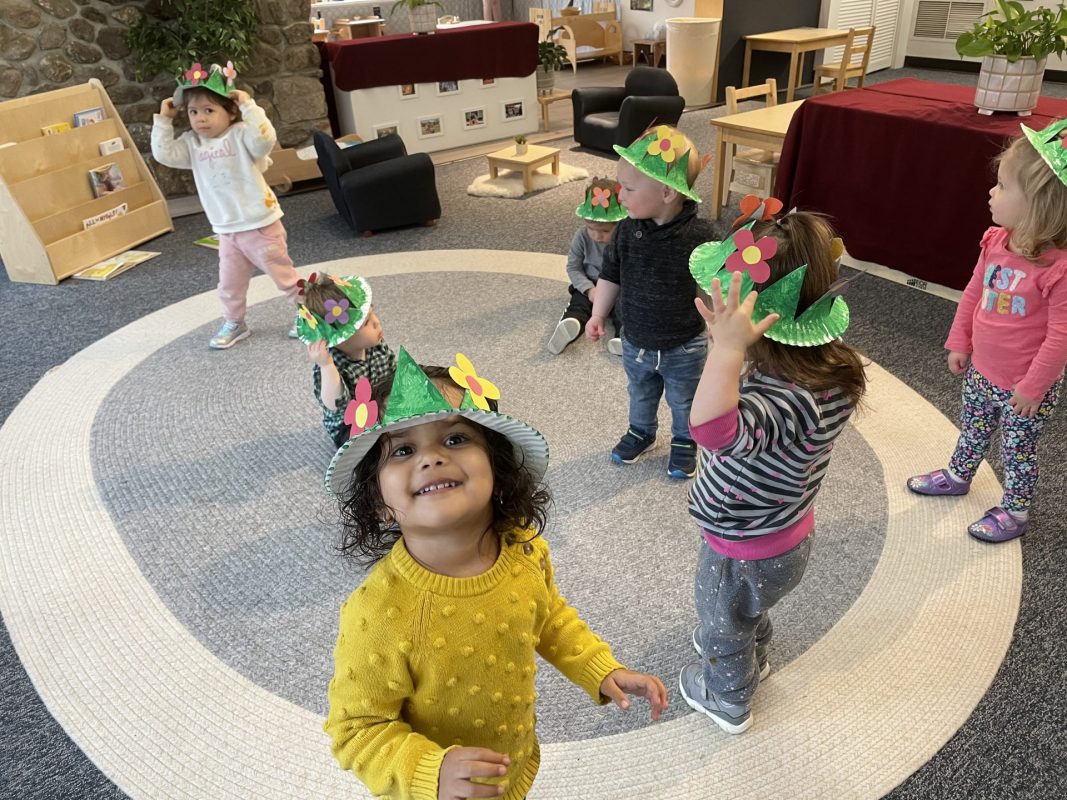
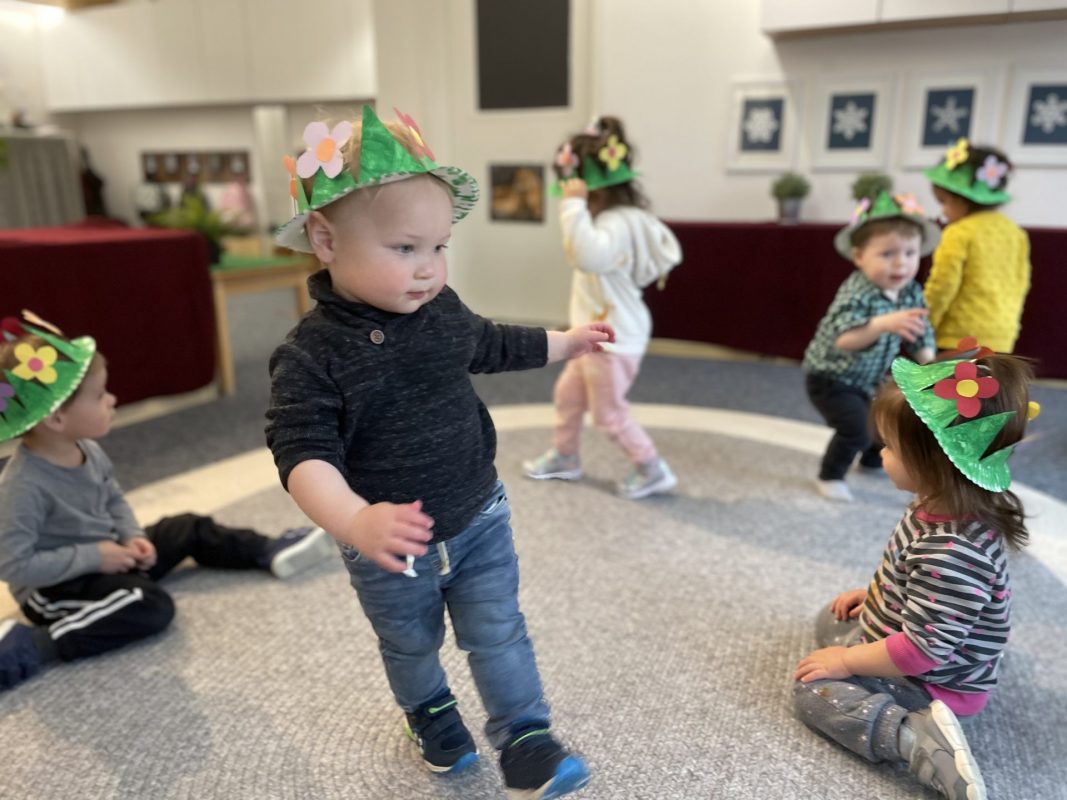
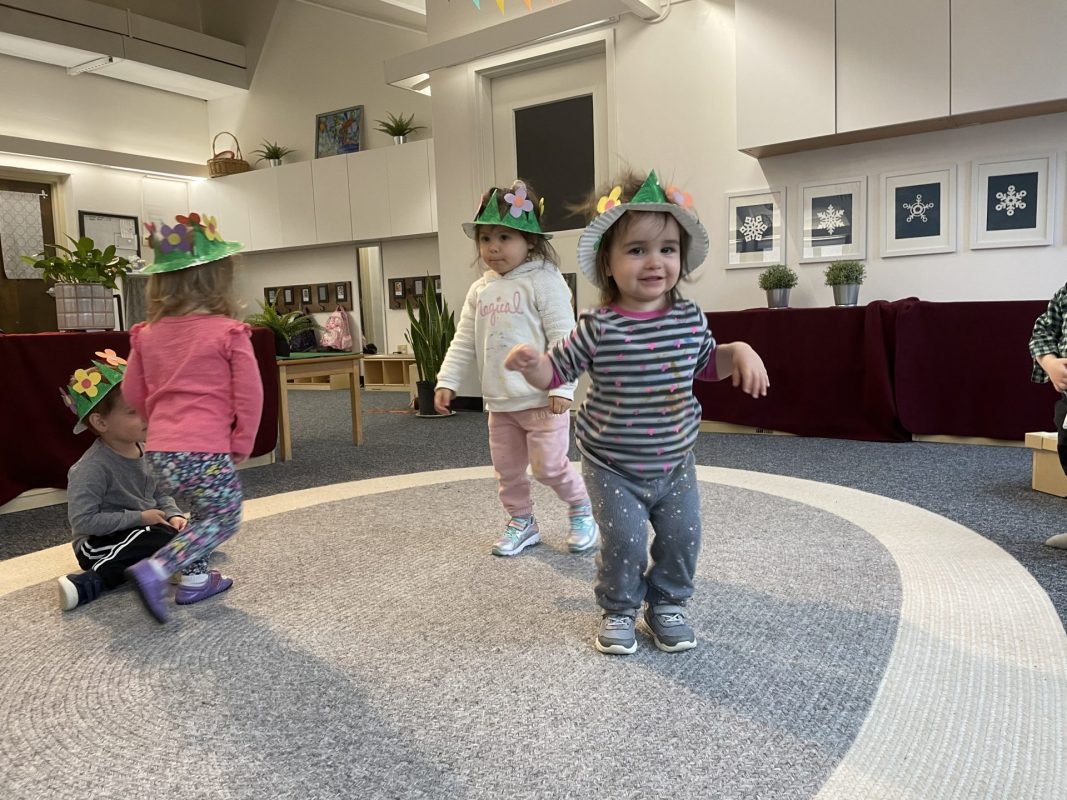
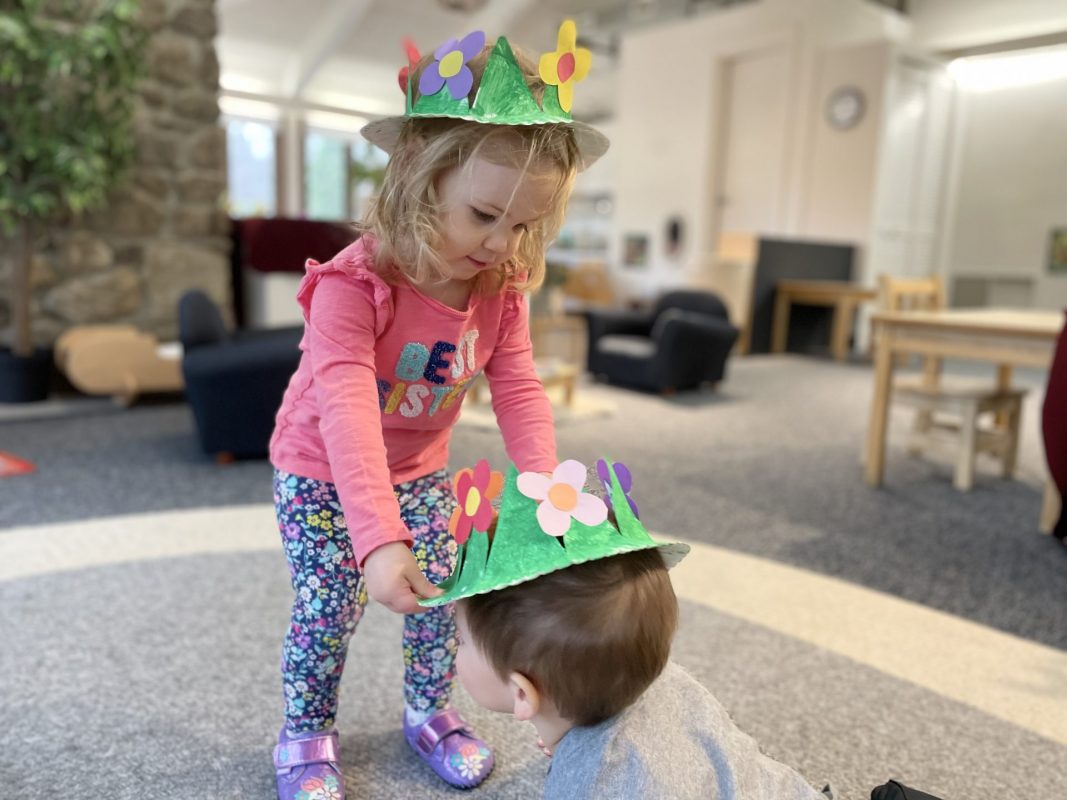
To celebrate the return to school and the  beginning of spring, the children worked on an art project creating a spring crown. They worked hard and attentively by painting and then gluing flowers on it. Together we got to say good-bye to winter and welcome spring, and naturally, dancing with the crowns on our heads was part of the welcoming.  

As we continue to practice recognizing colors, the children discovered this week what happens when you mix the color red with yellow, creating the color of the week: orange! 

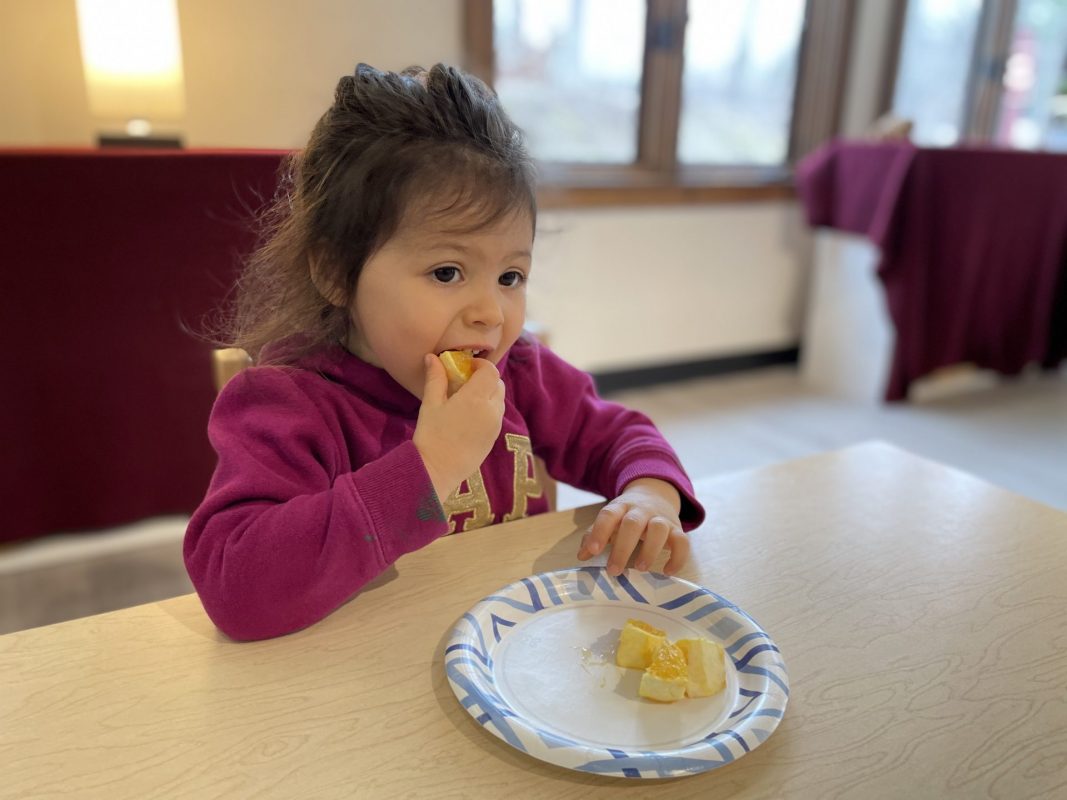
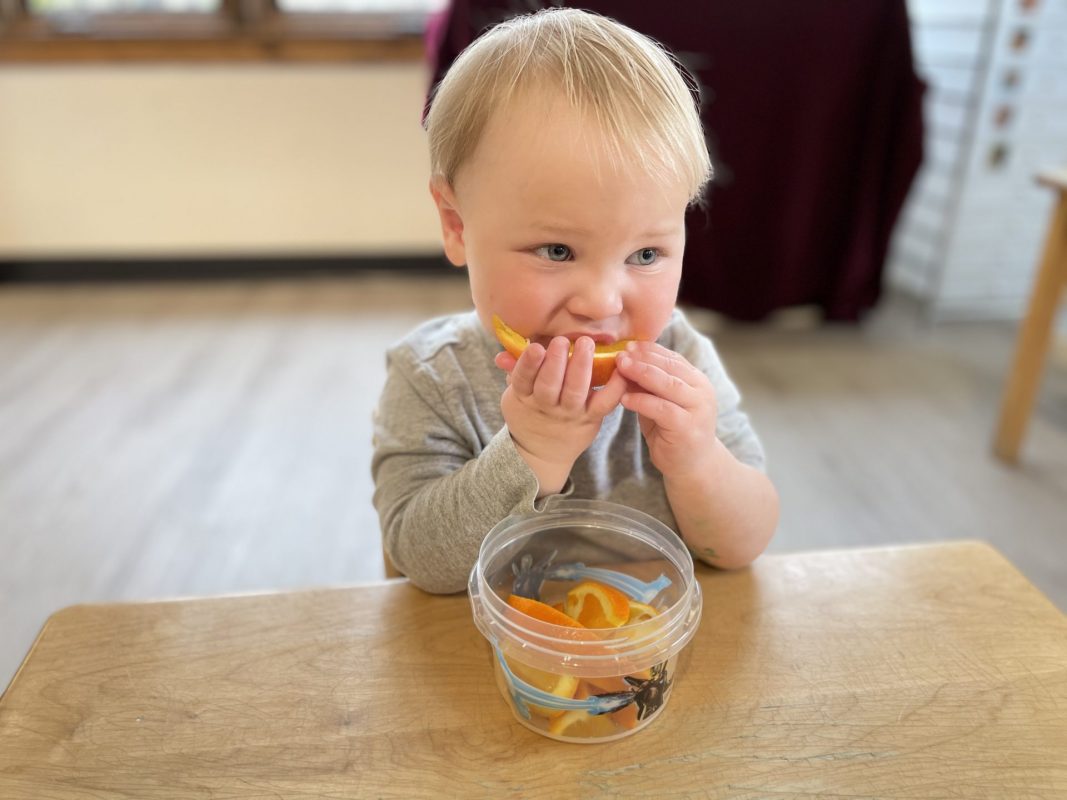
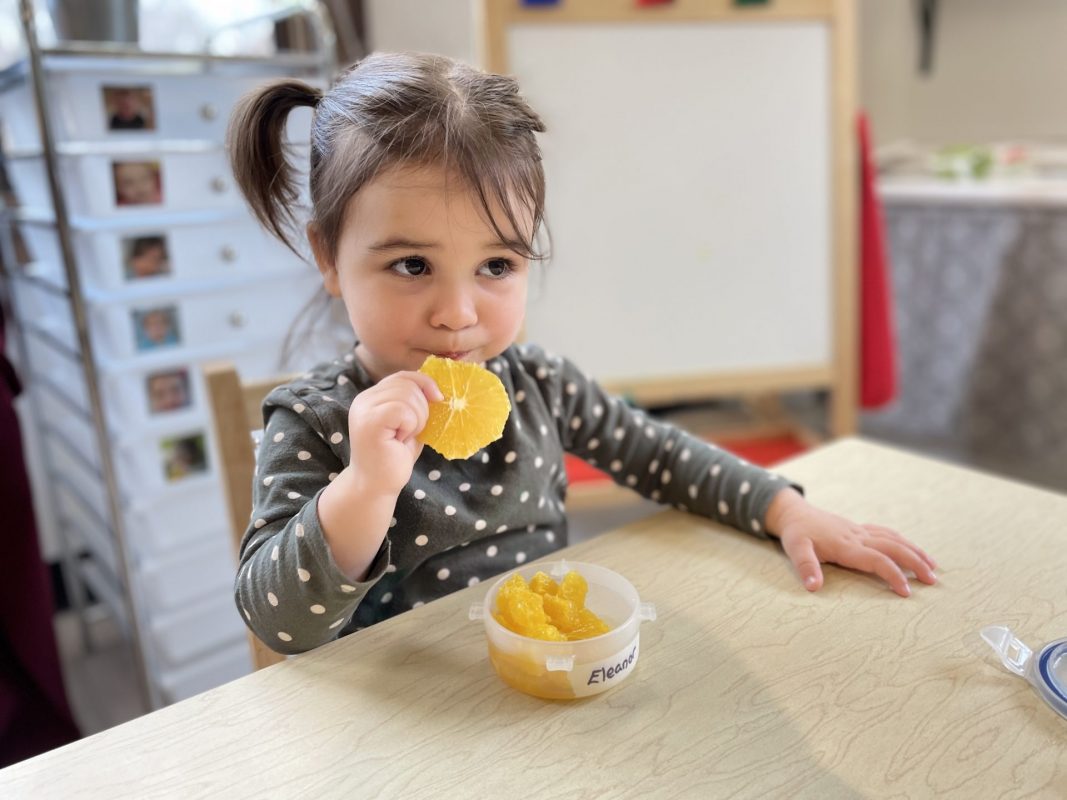
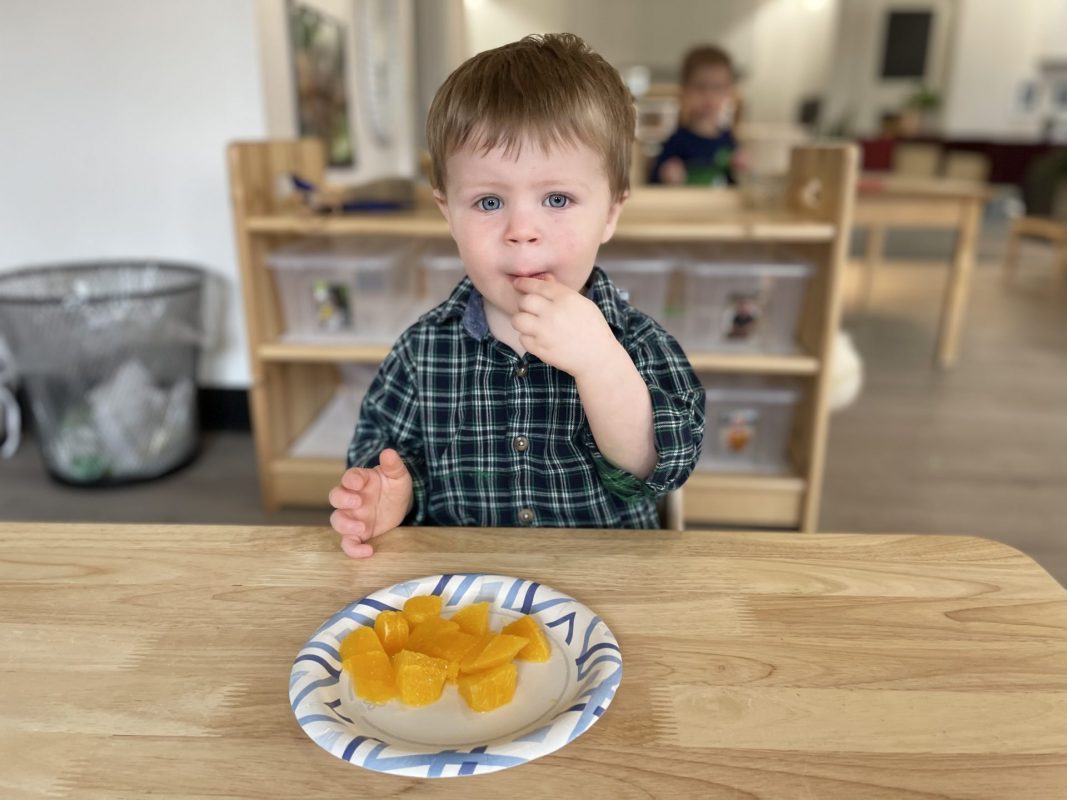
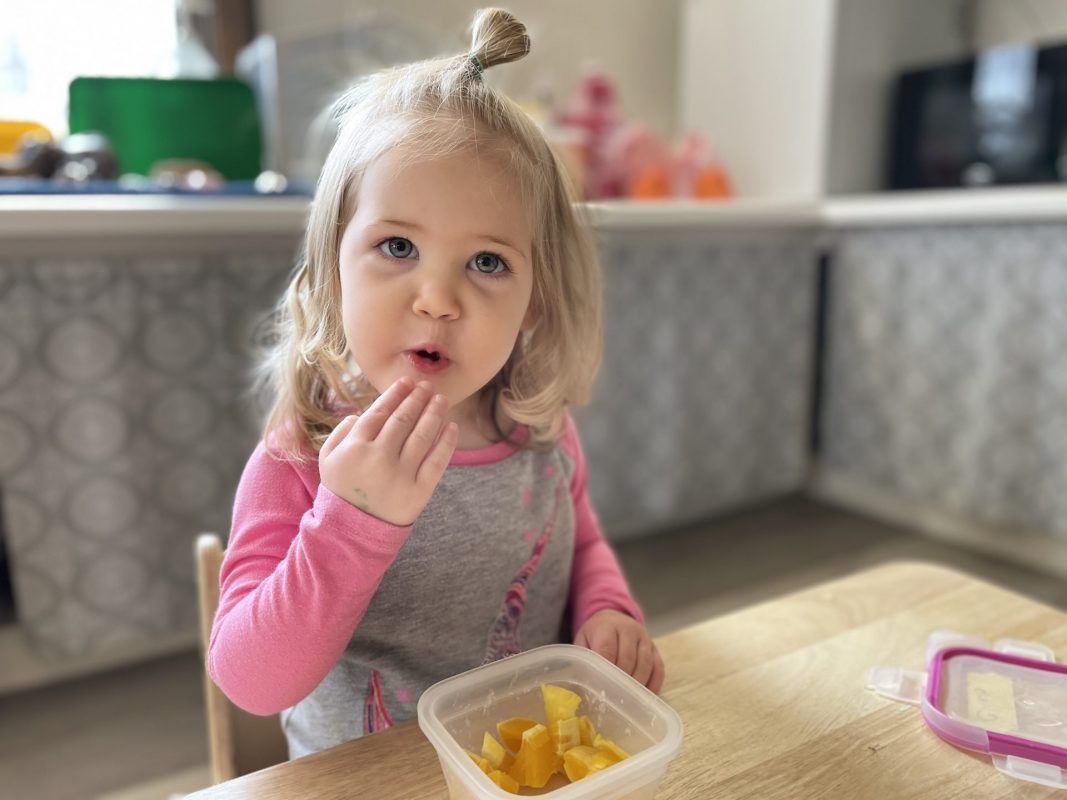
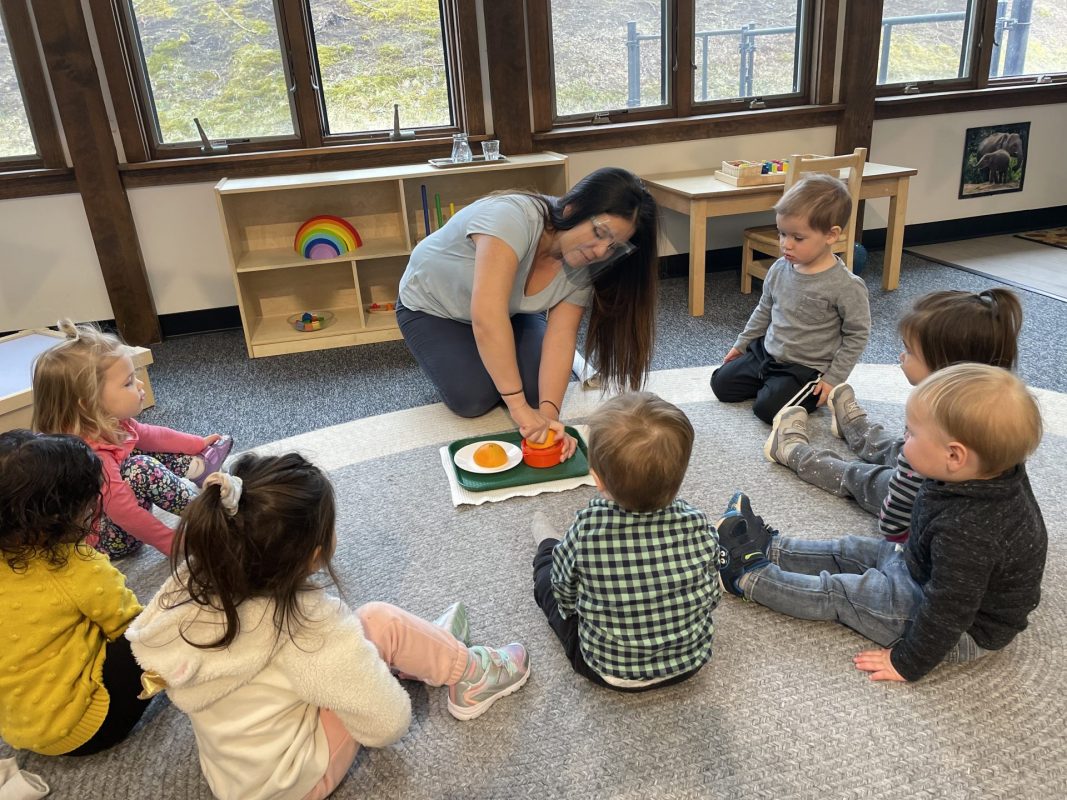
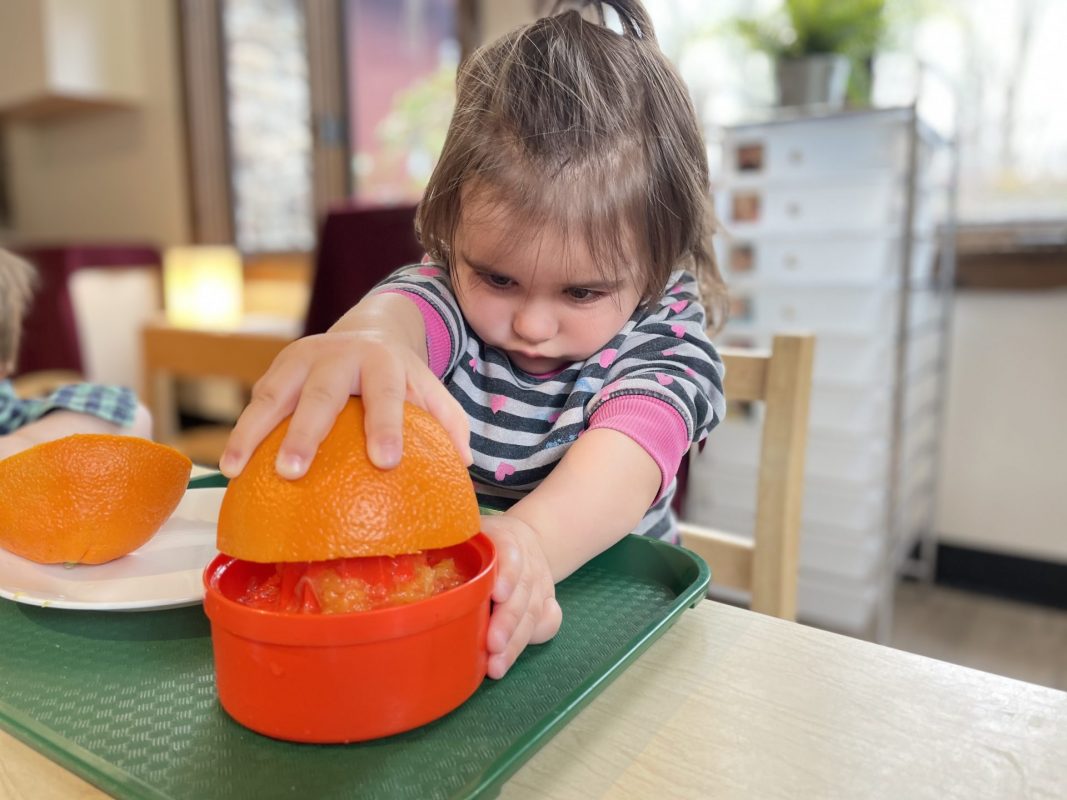
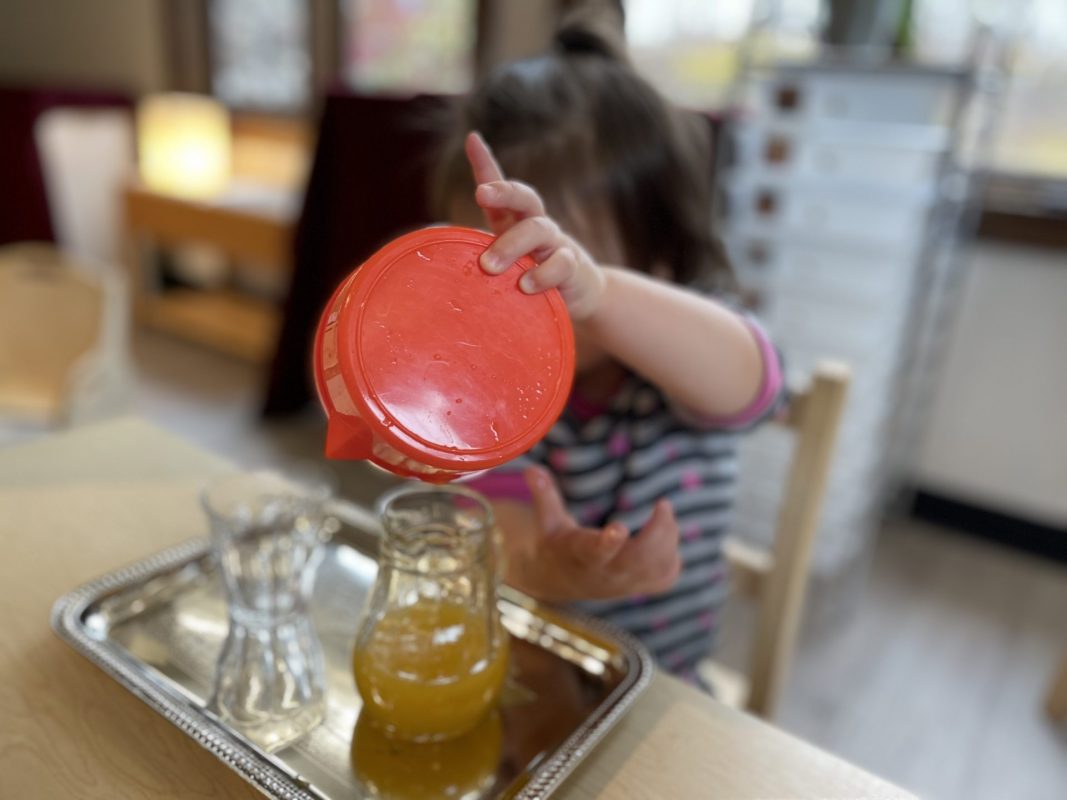
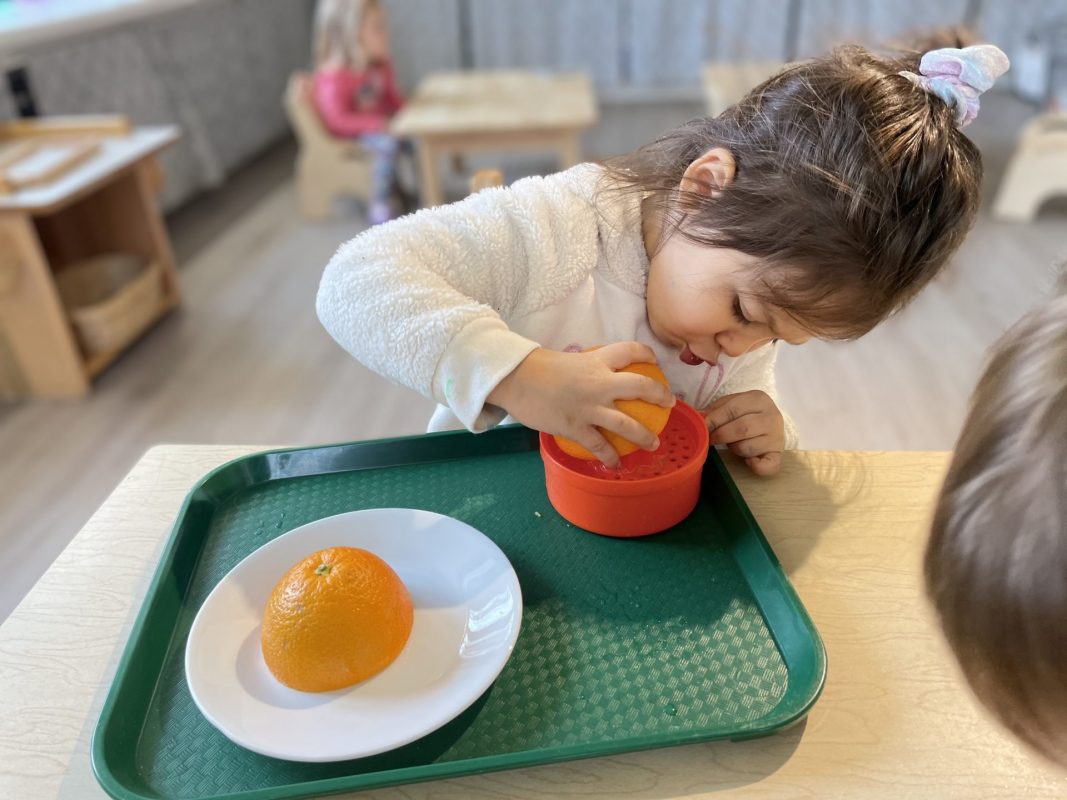
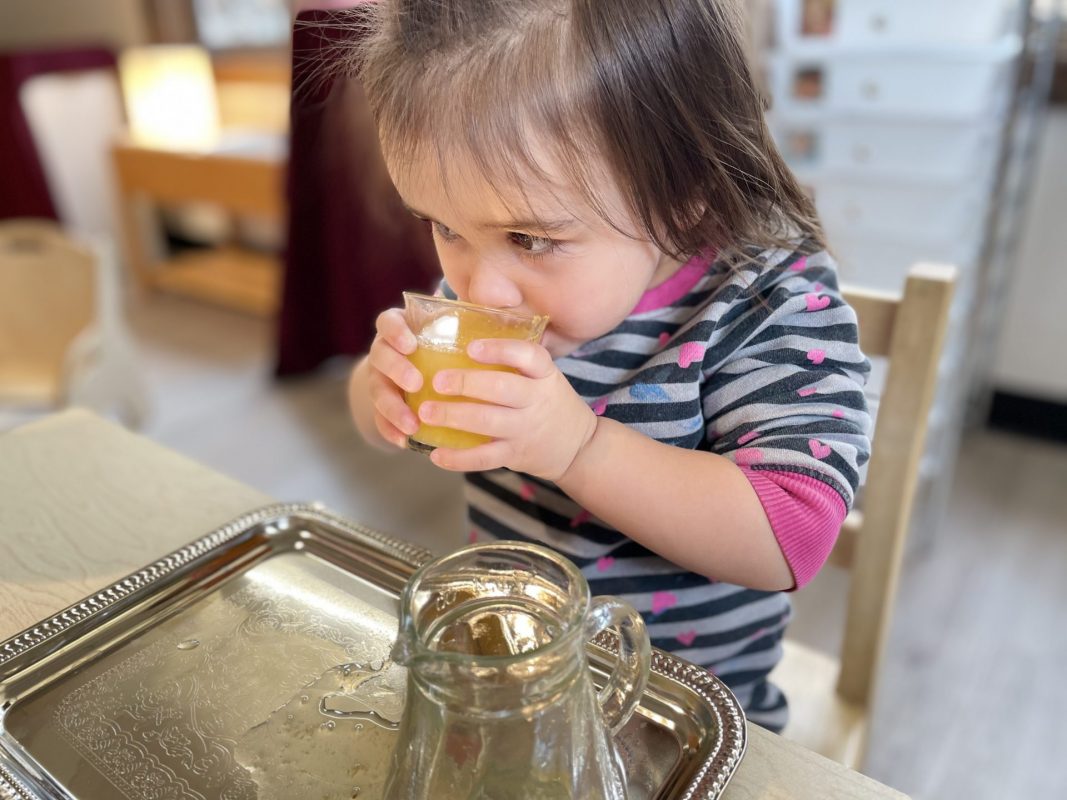
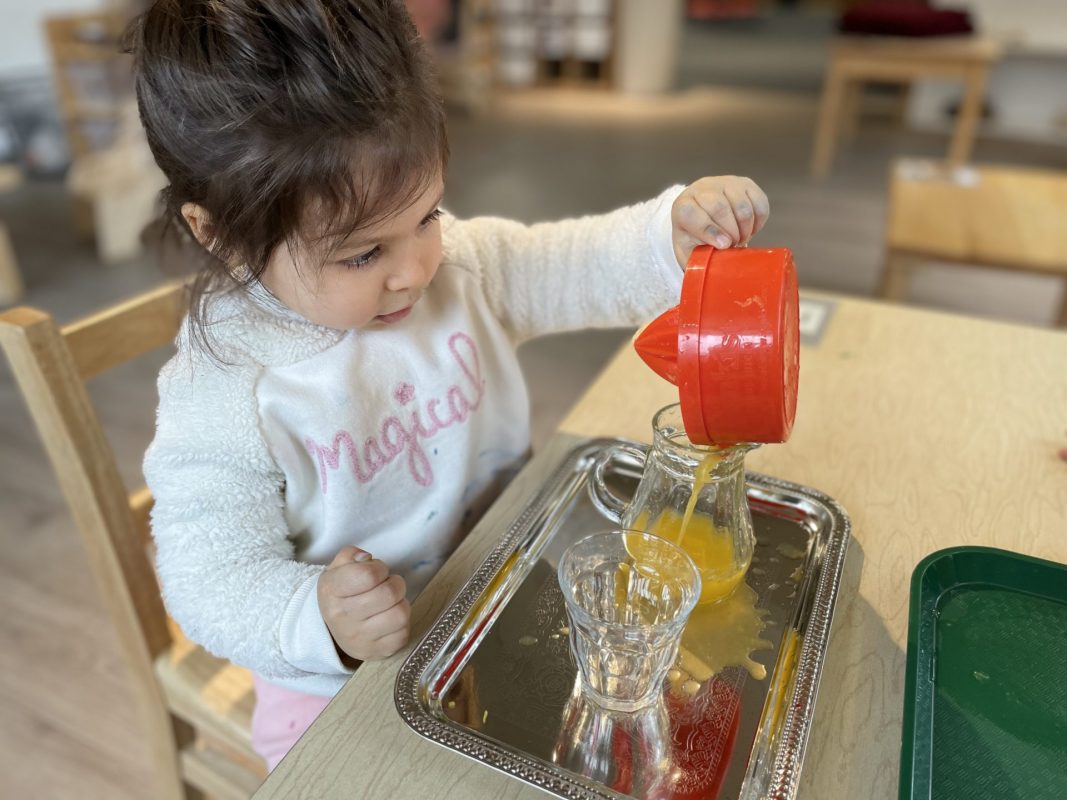
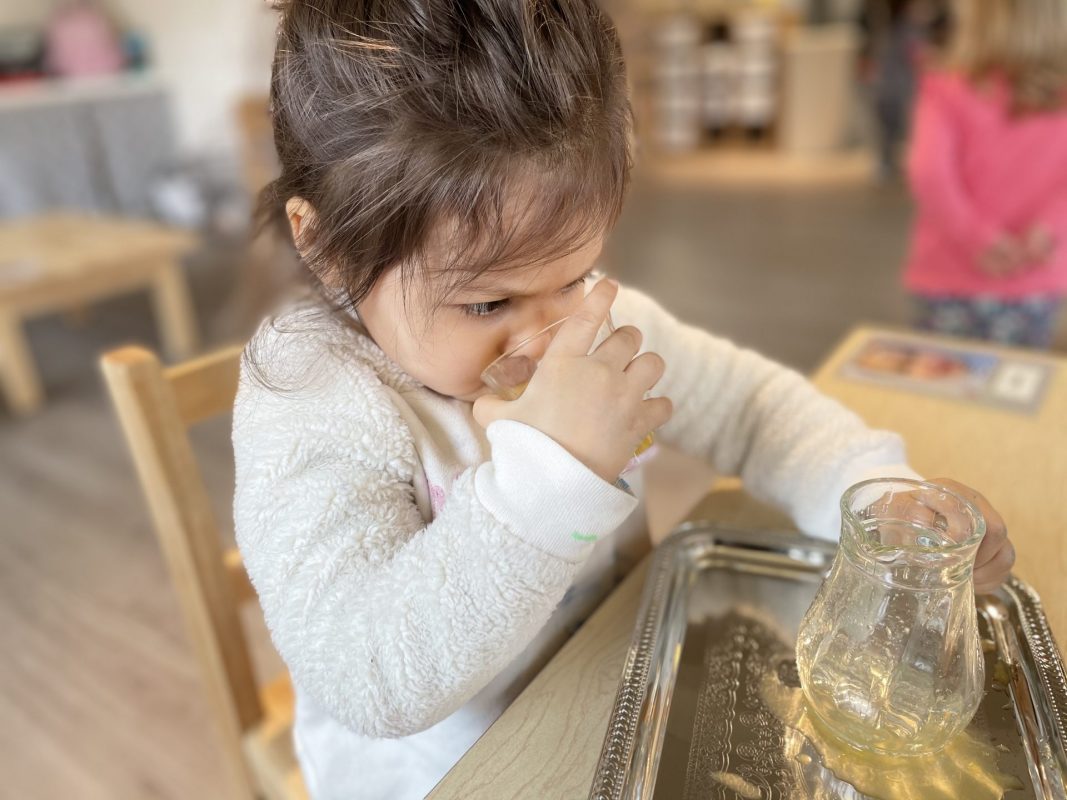
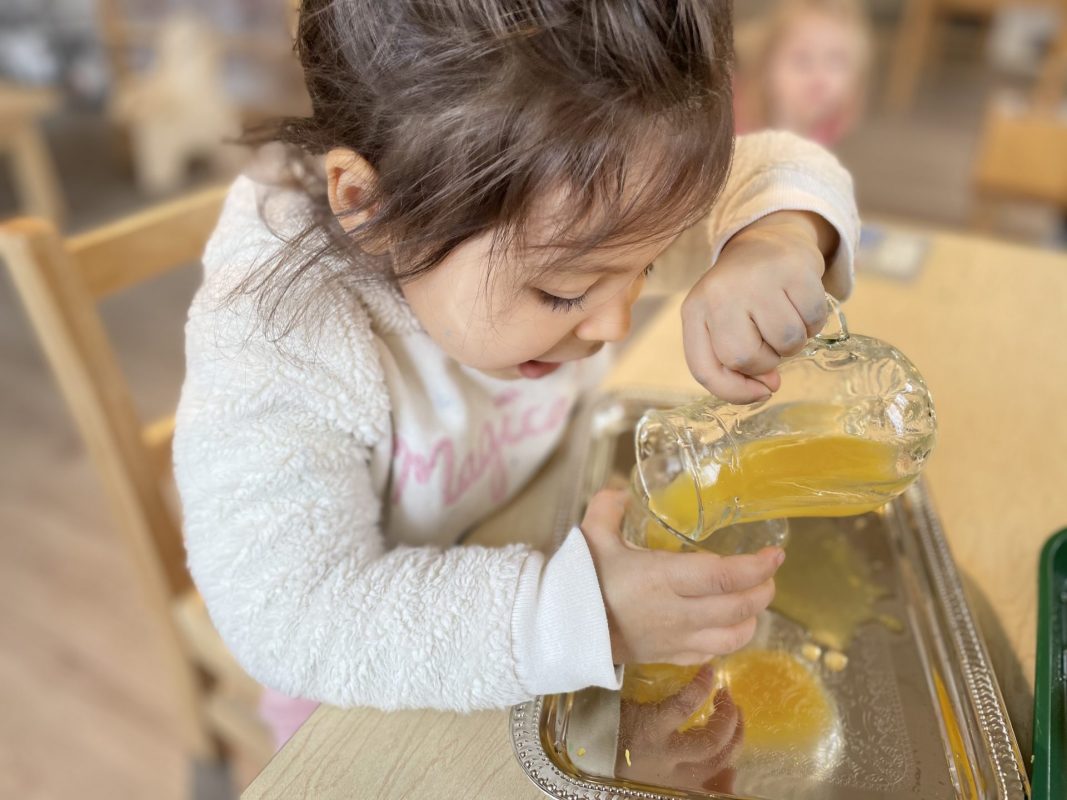
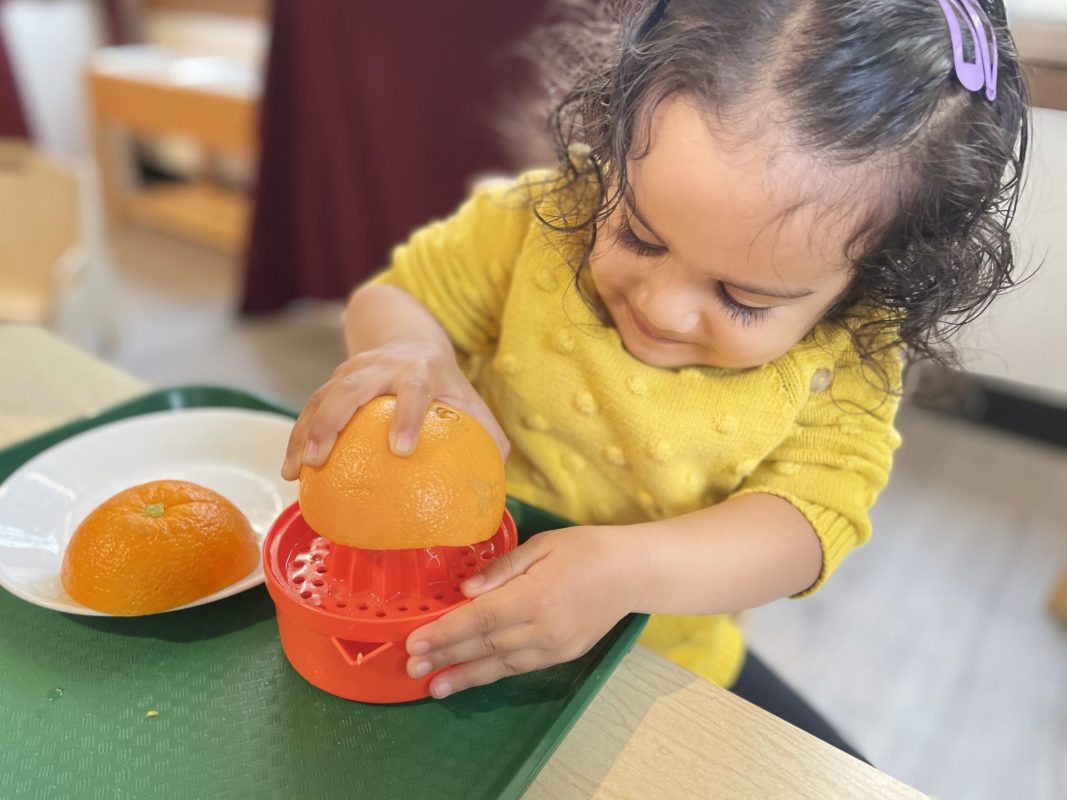
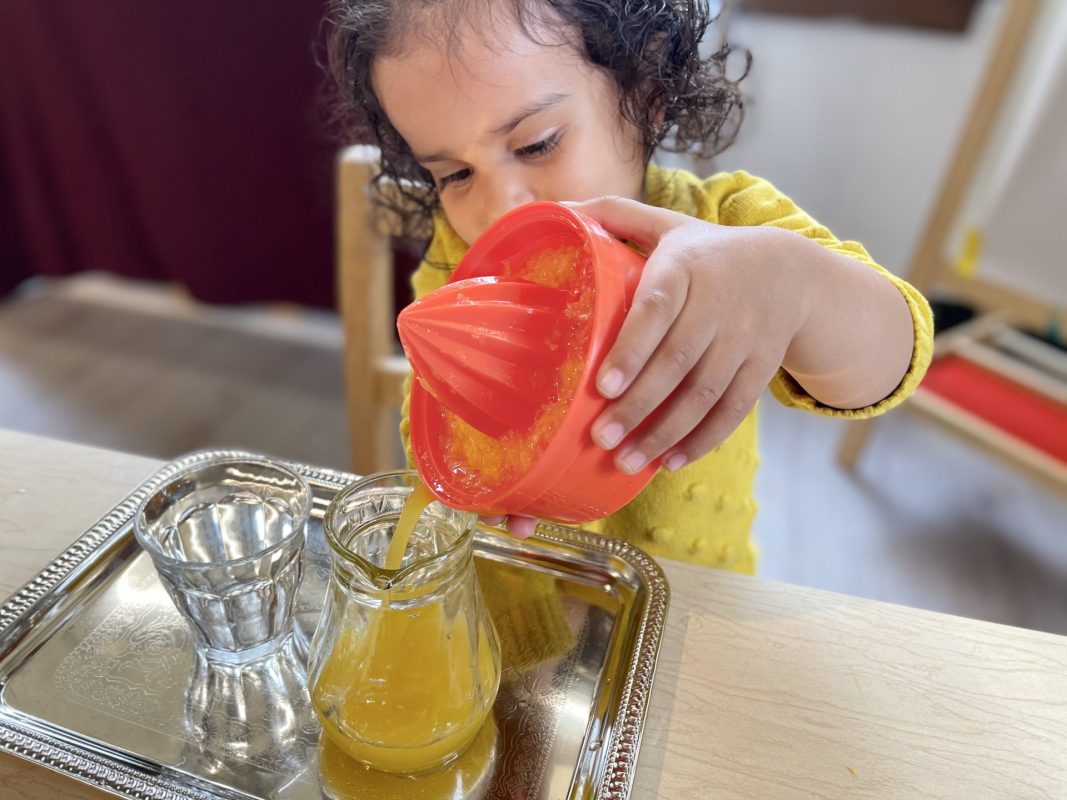
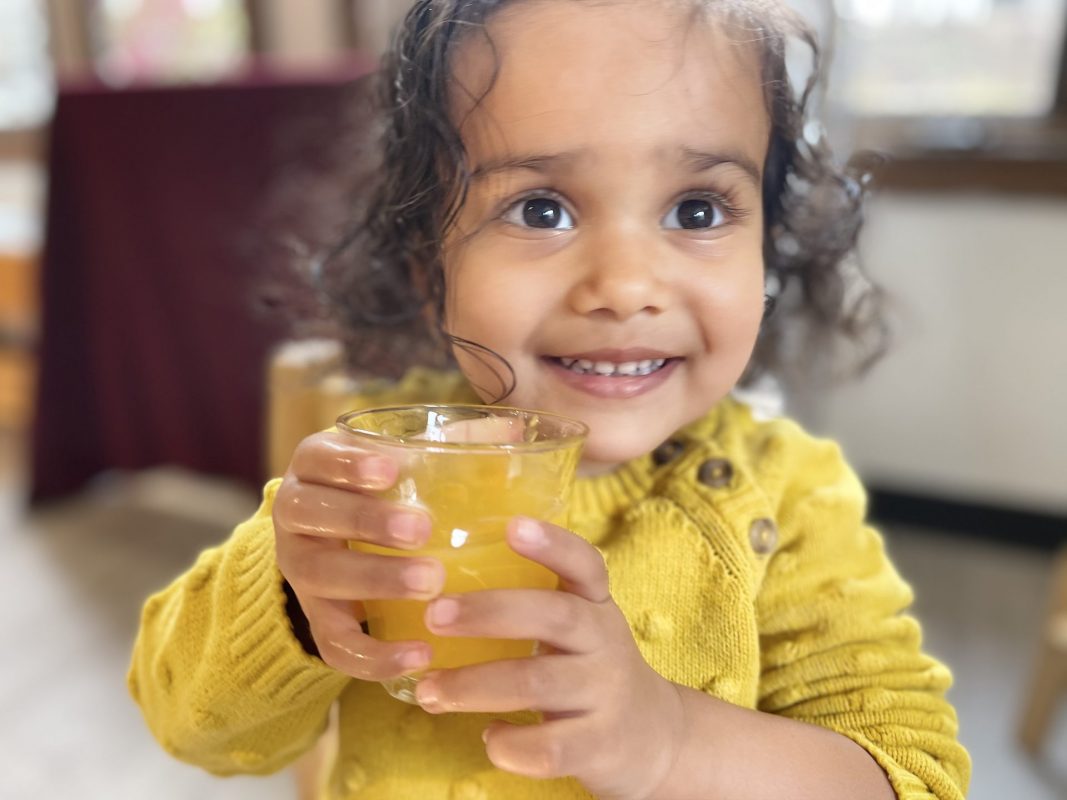
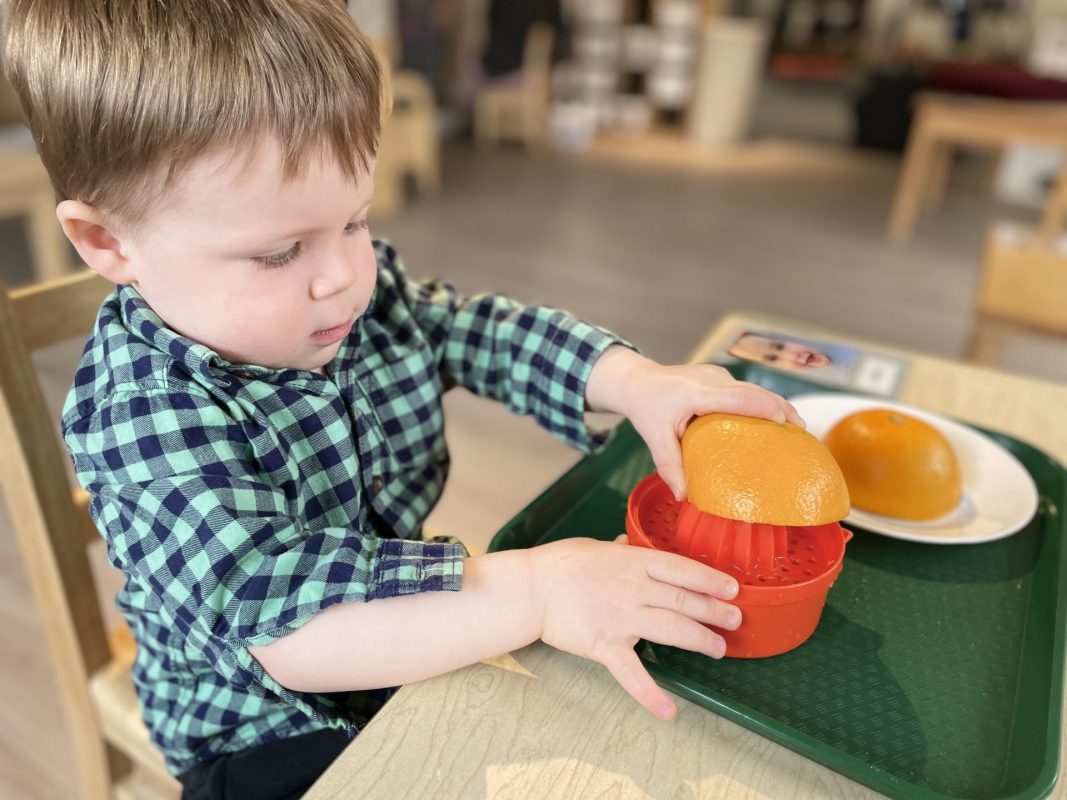
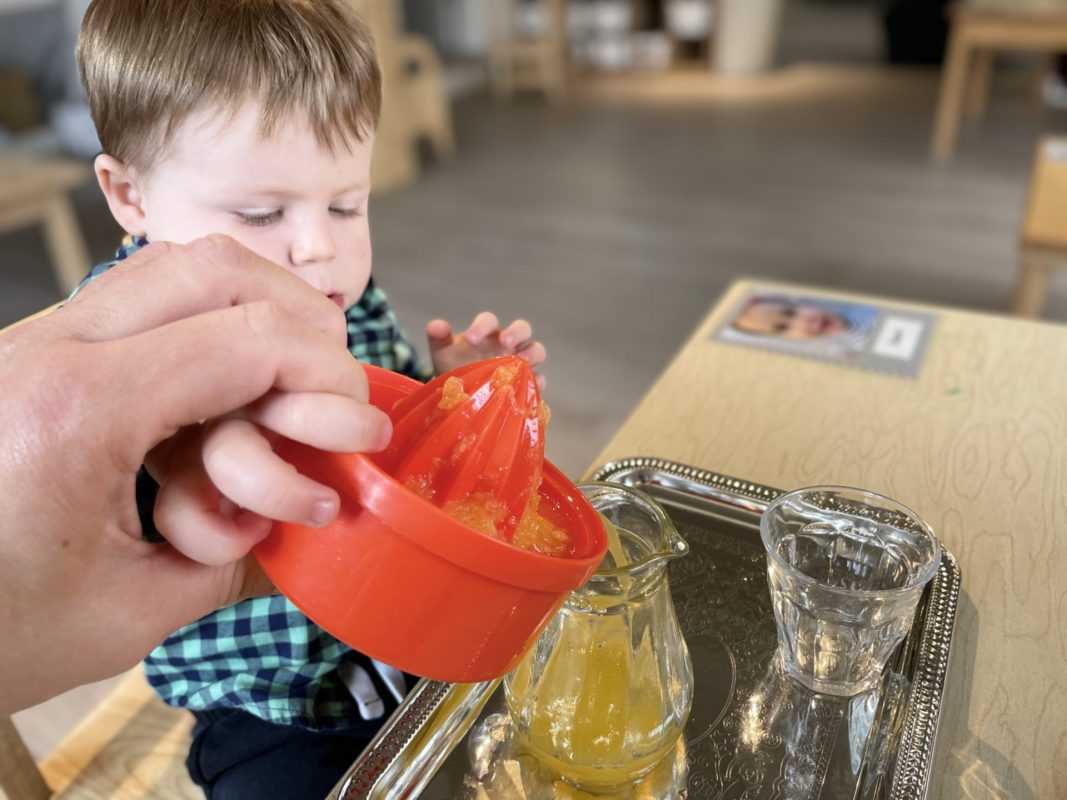
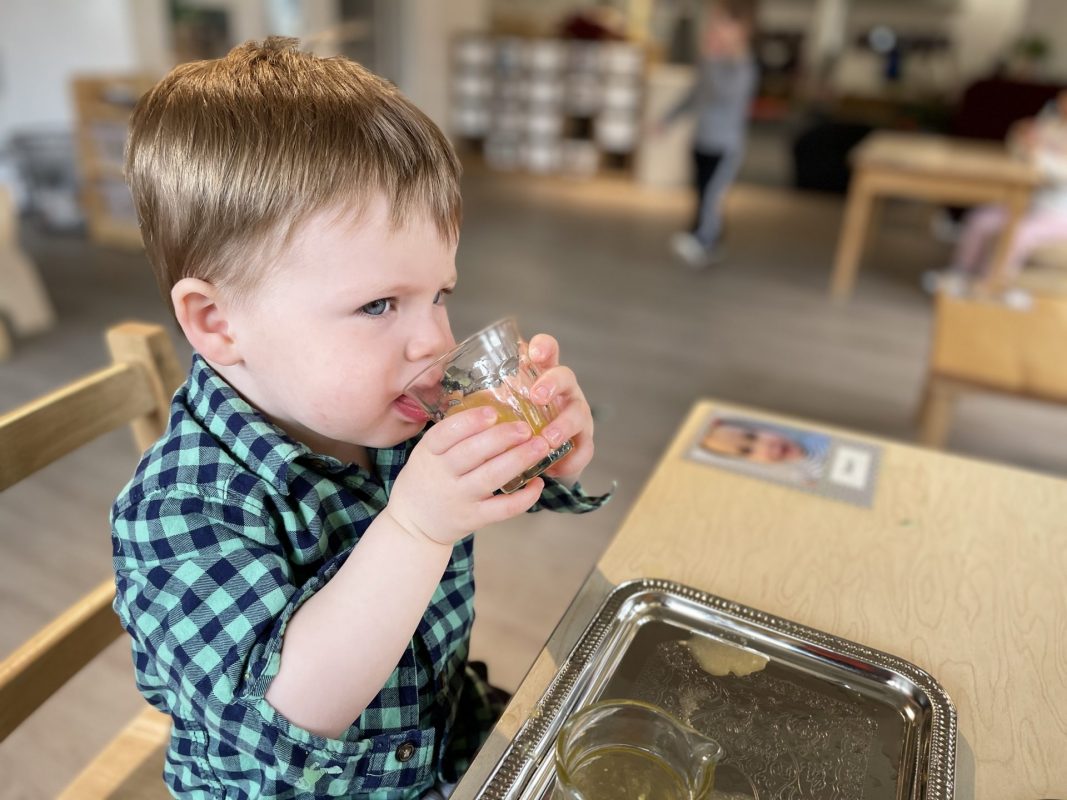
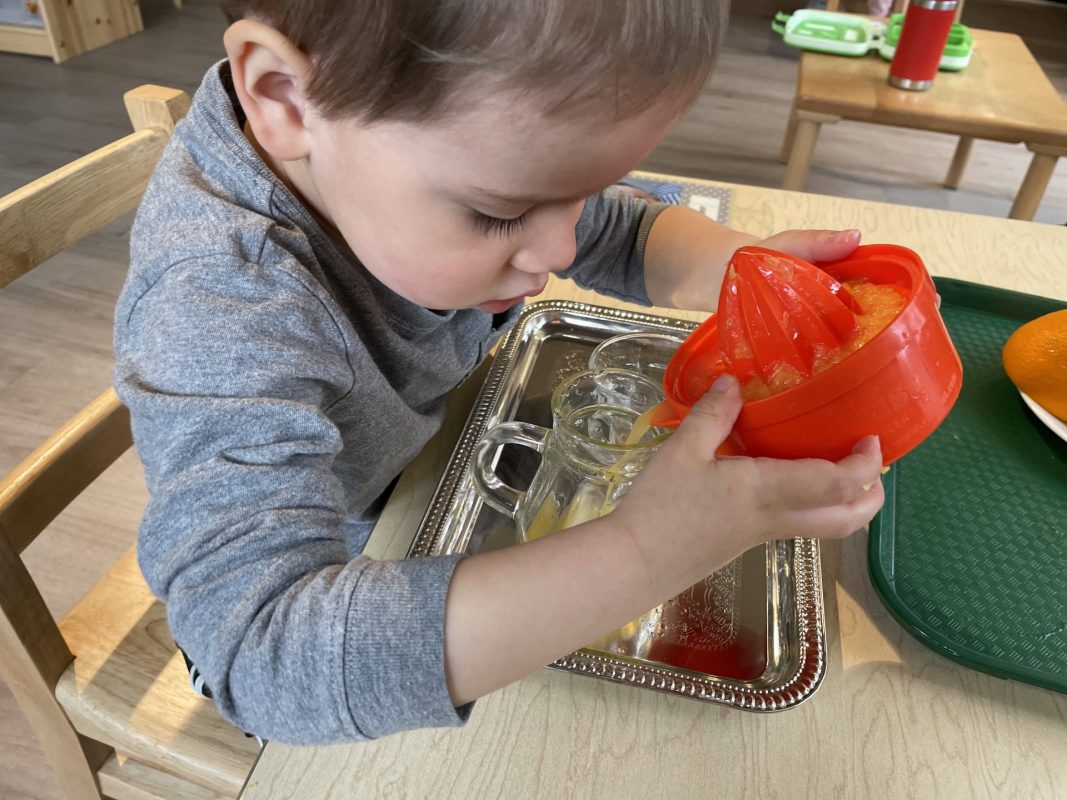
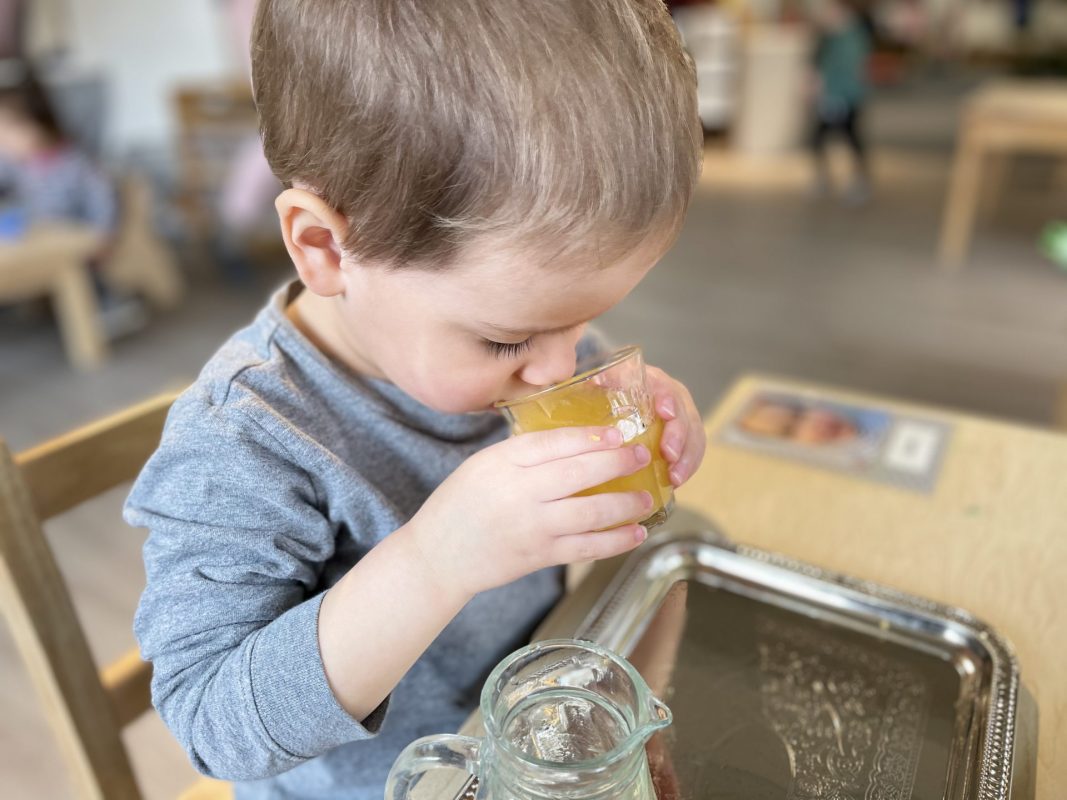
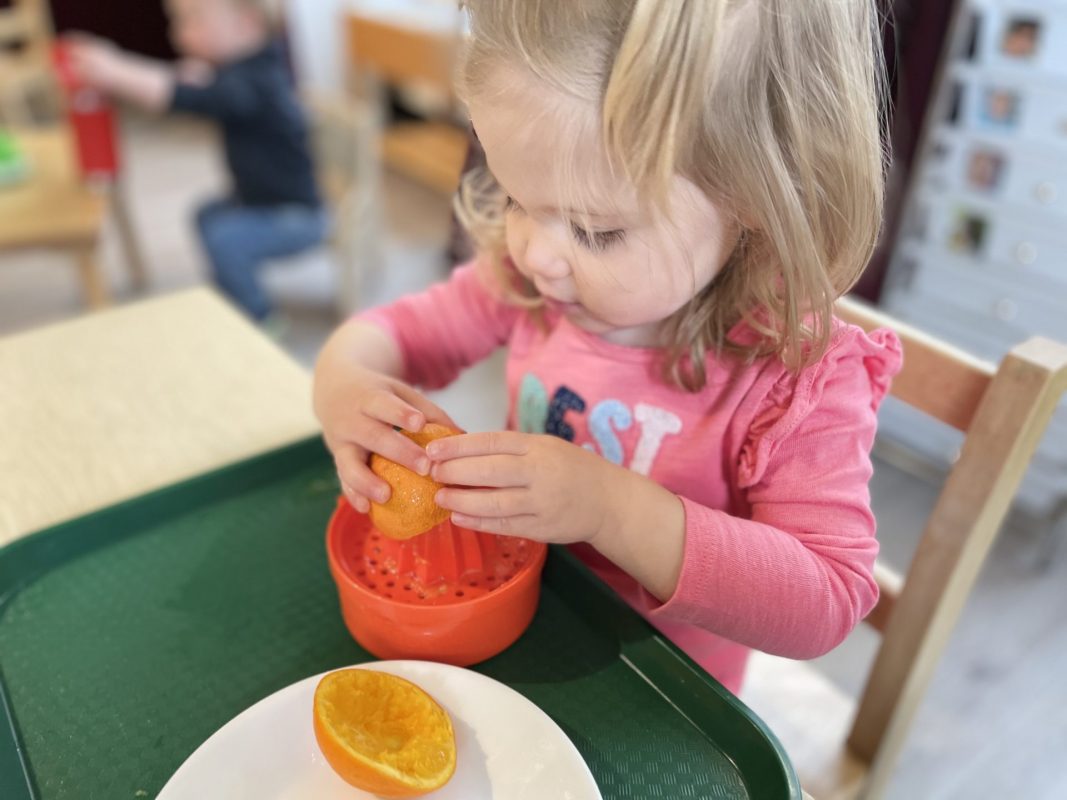
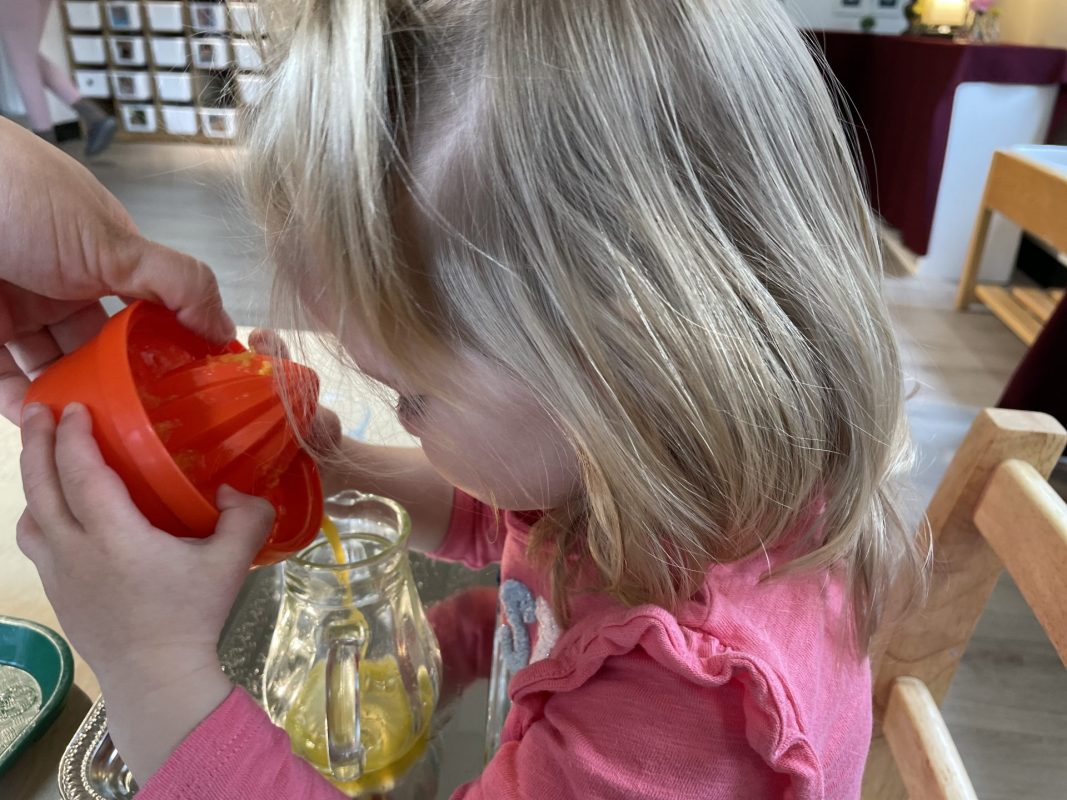
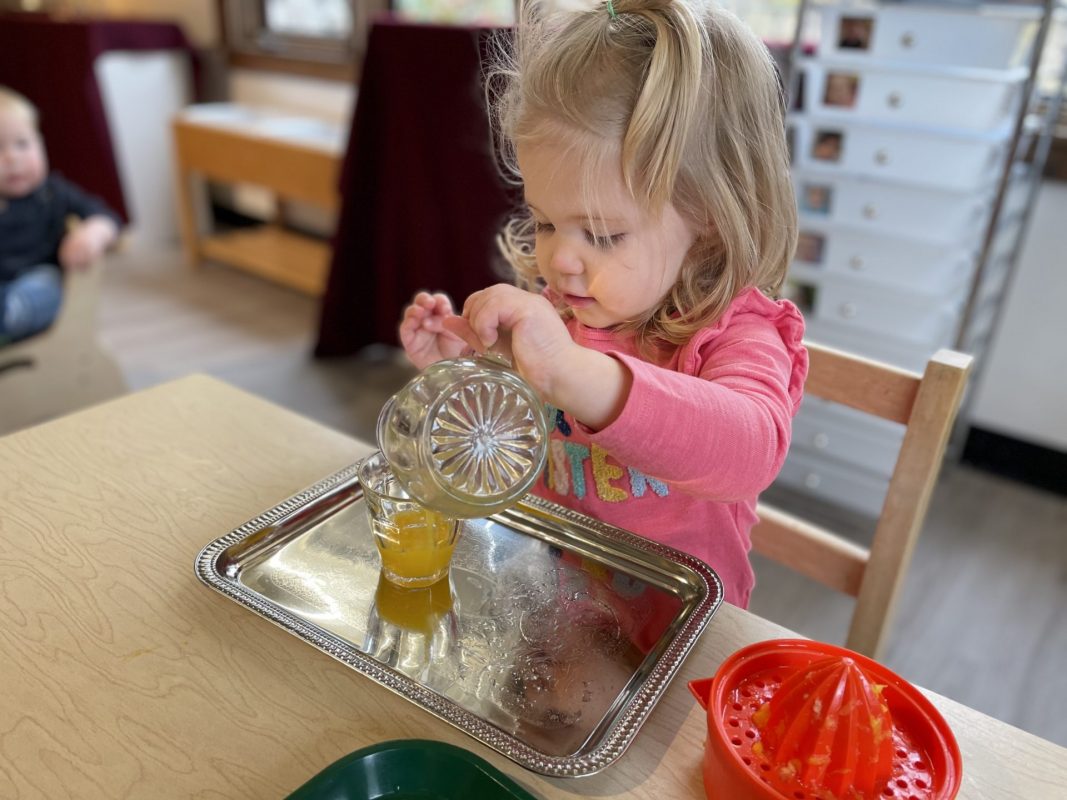
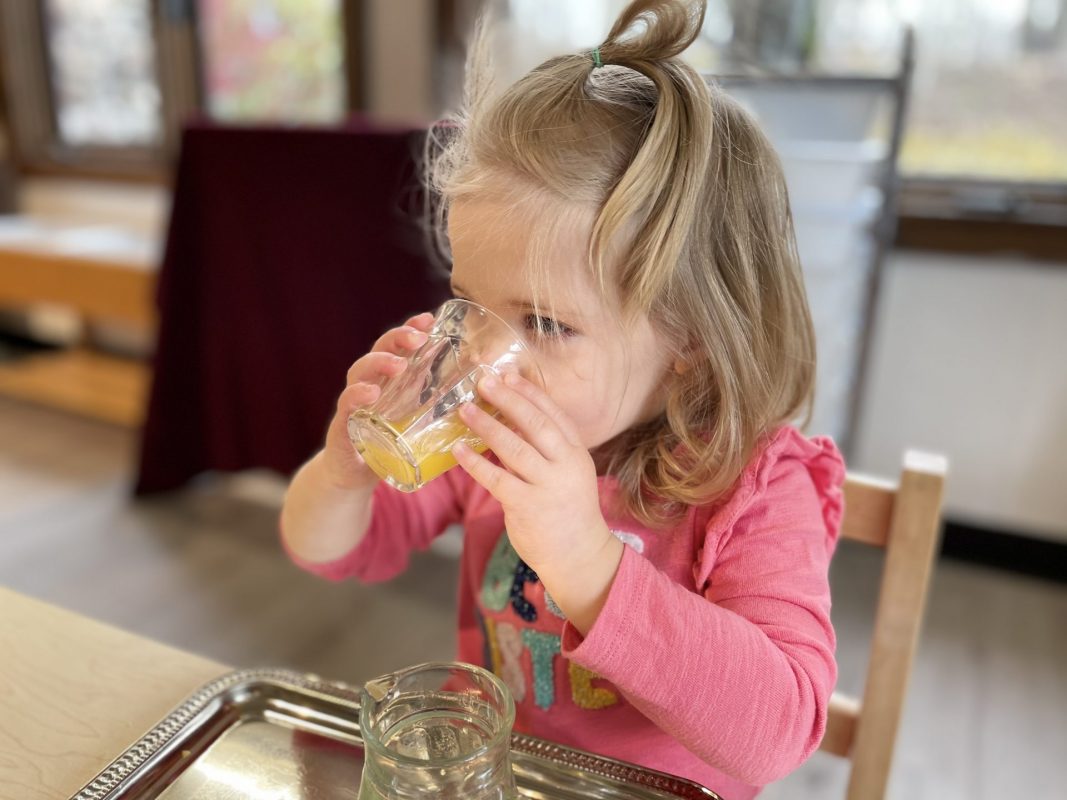
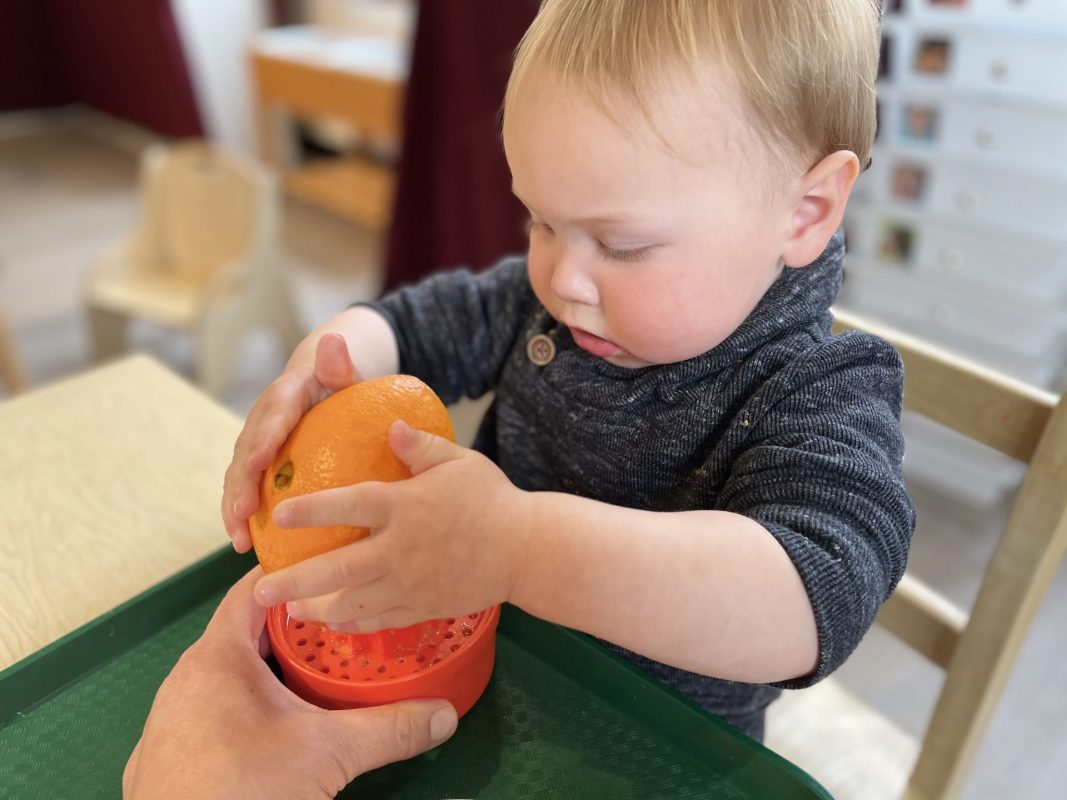
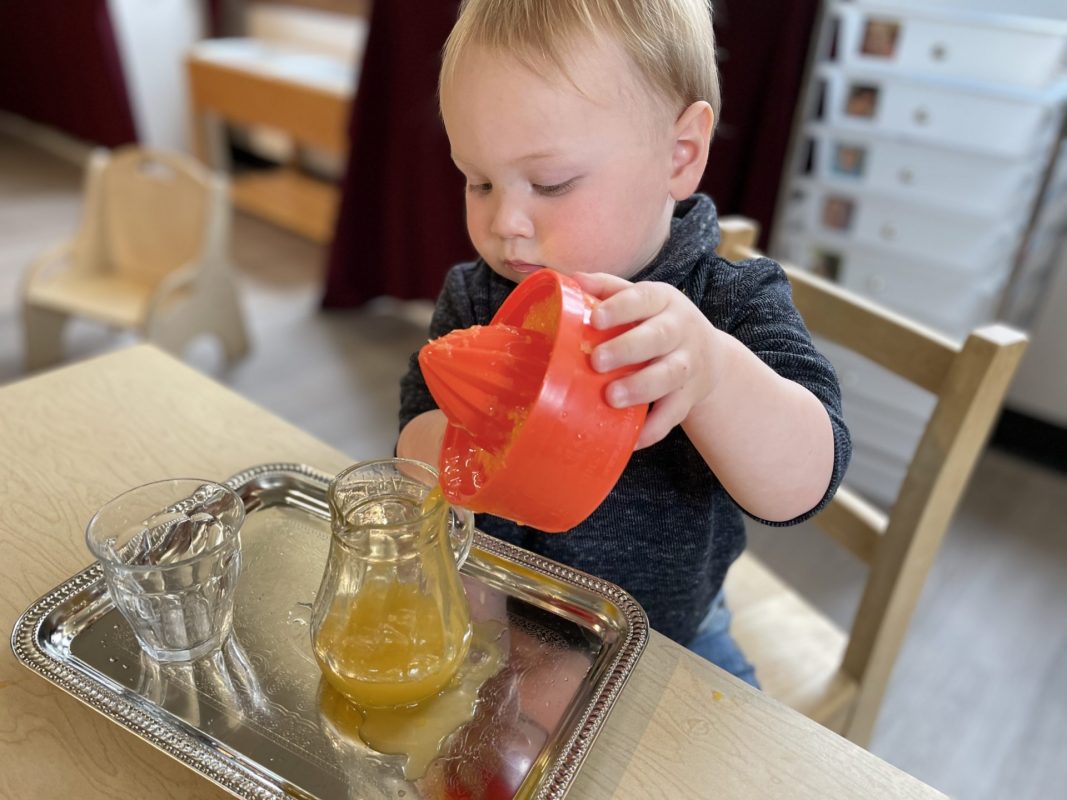
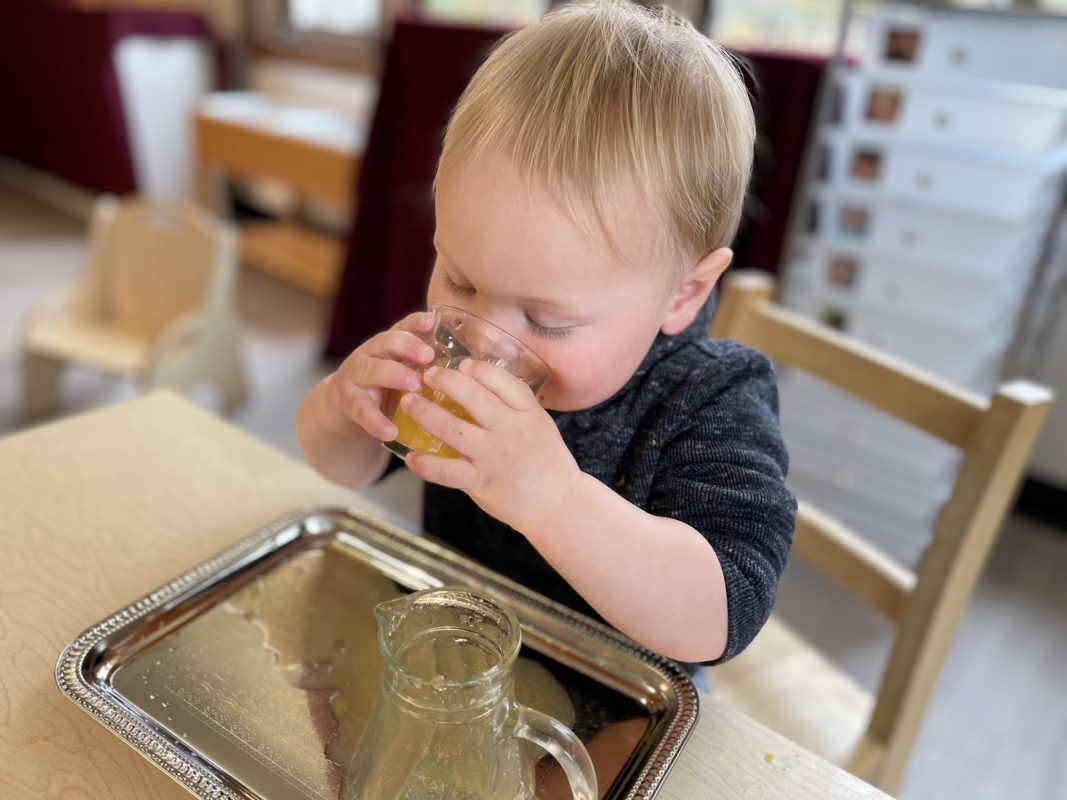
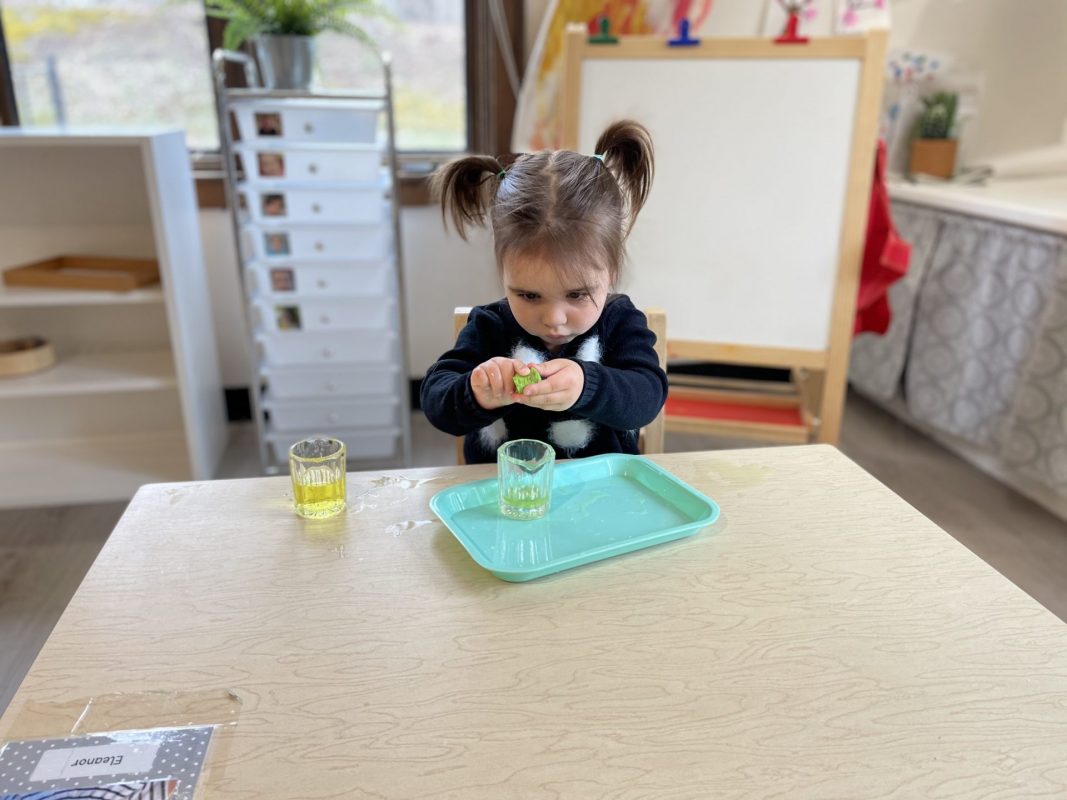
And talking about orange, children absolutely loved not just exploring and tasting a yummy orange during our food tasting lesson but also the children were introduced to the process of making orange juice all by themselves! 

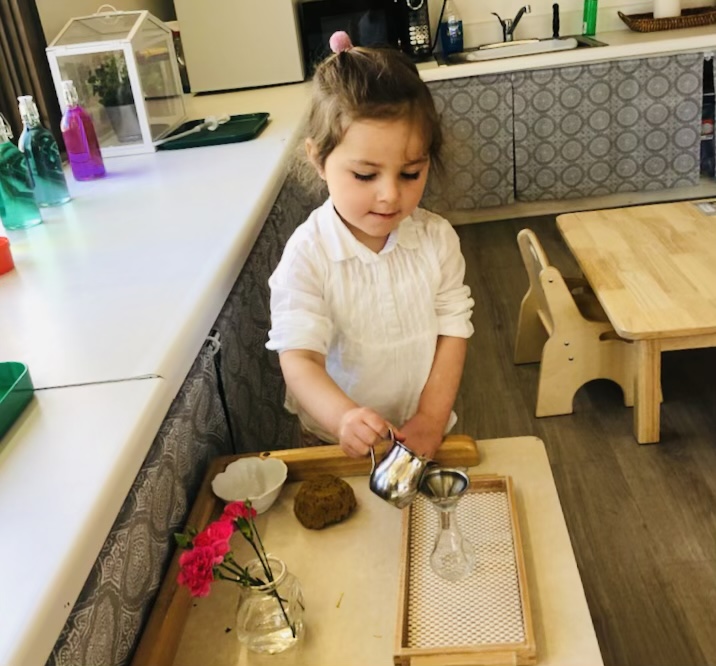
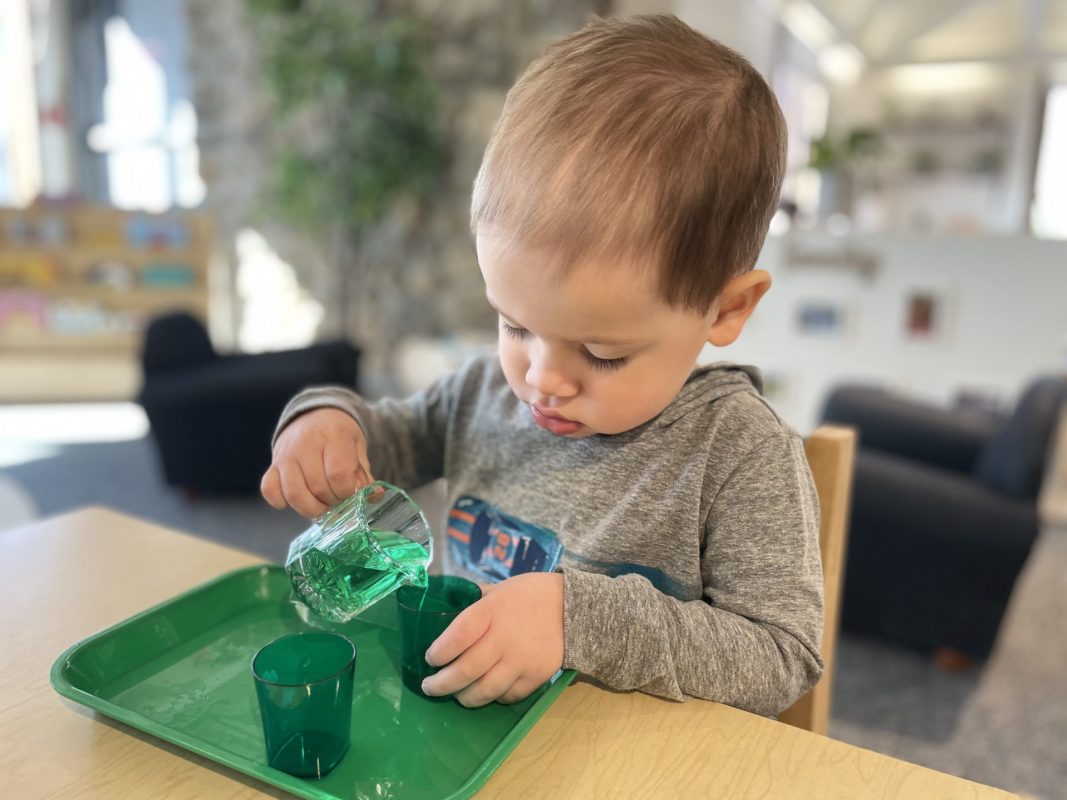
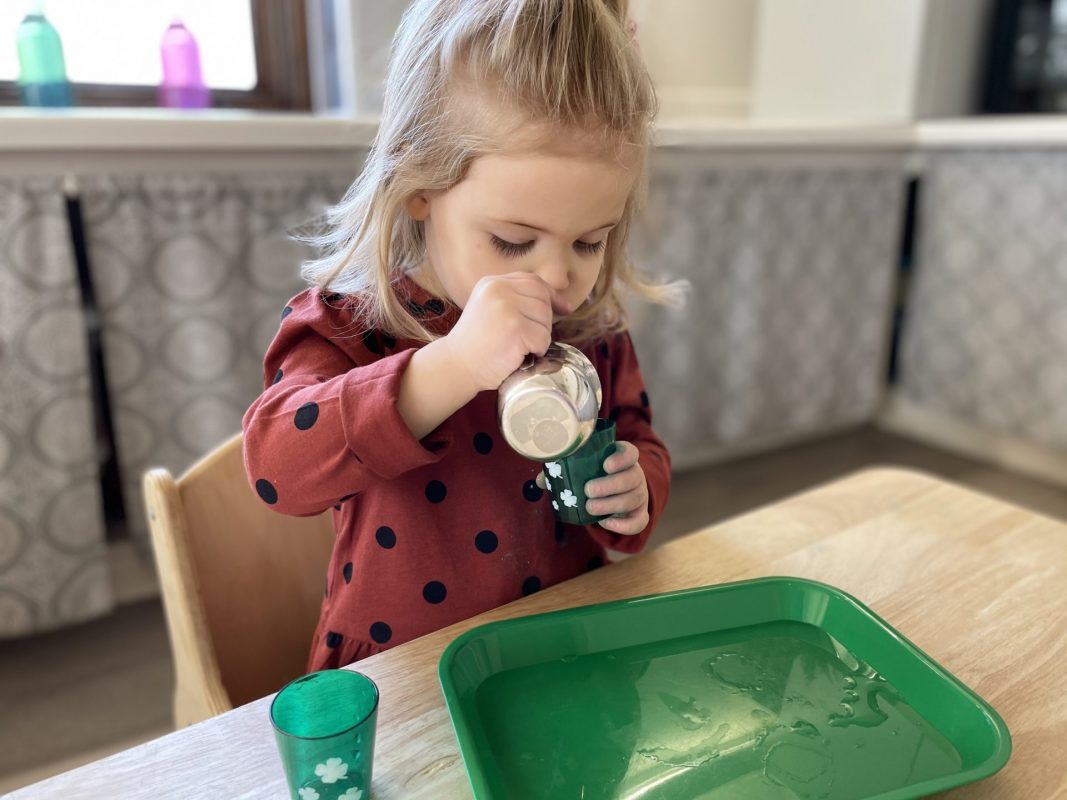
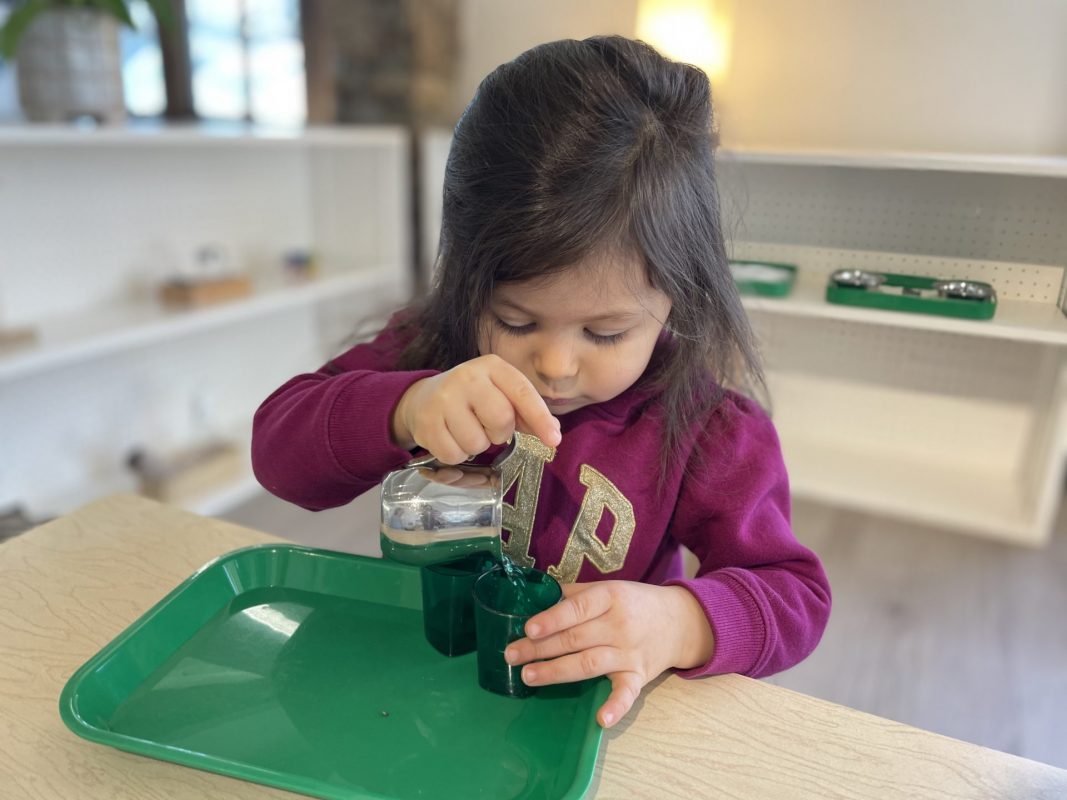
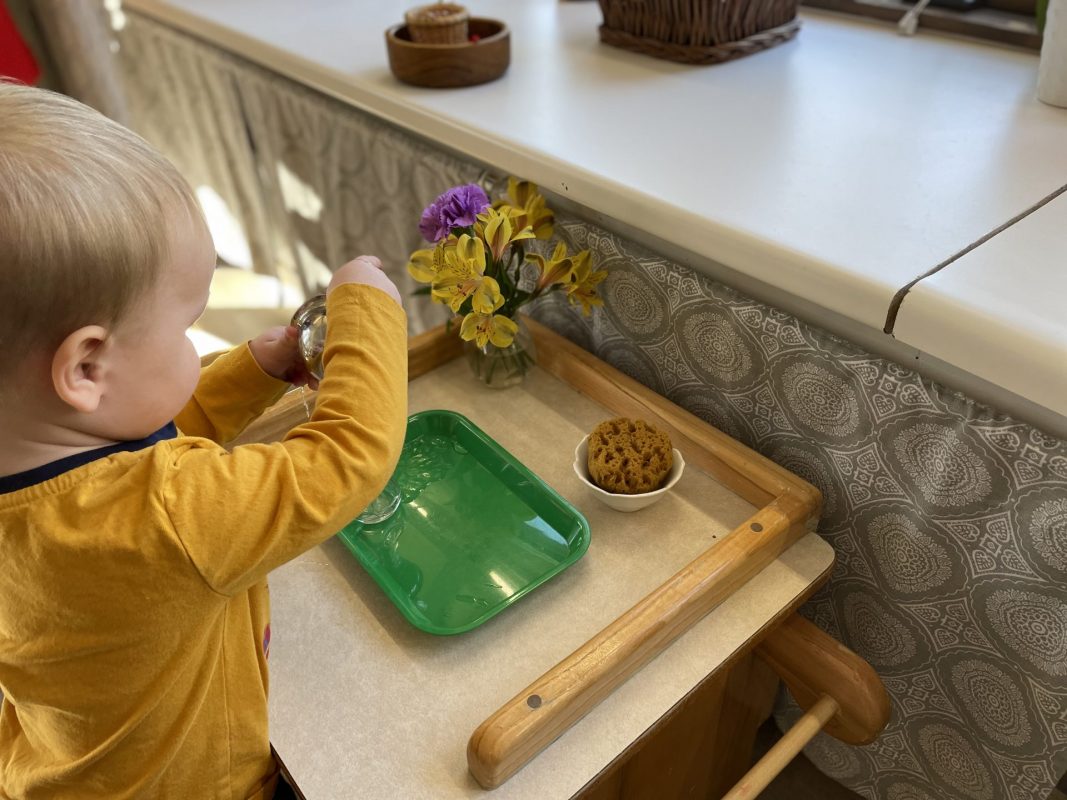
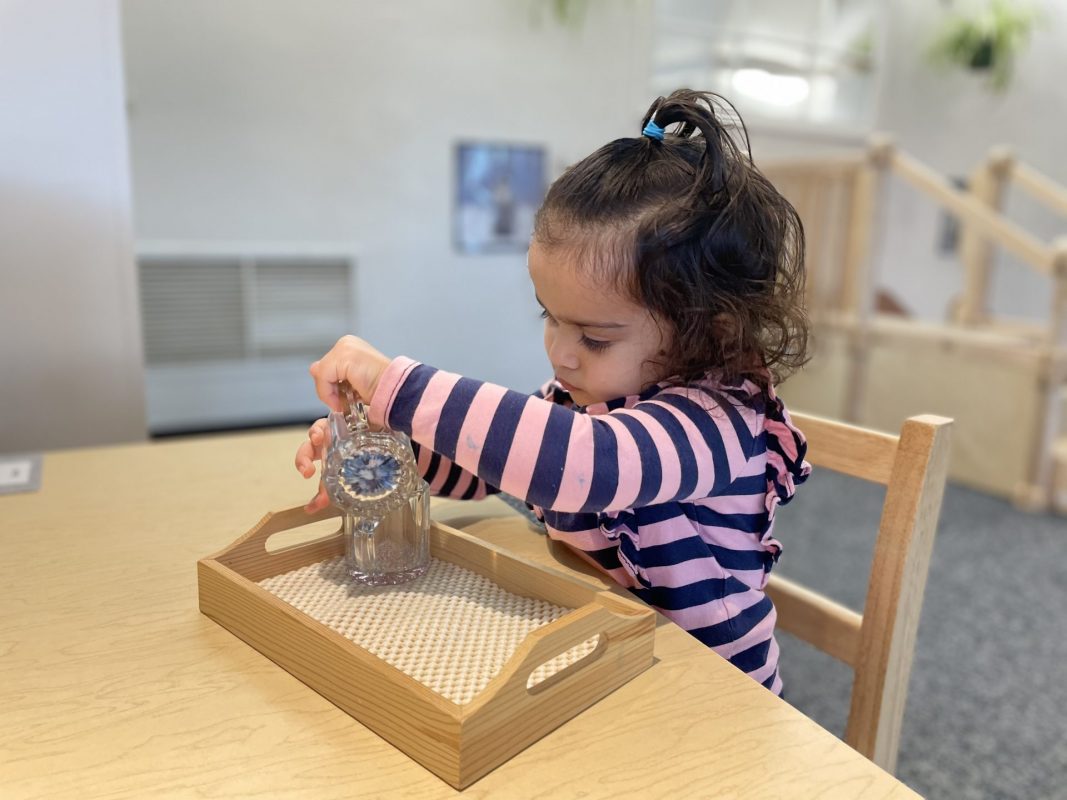
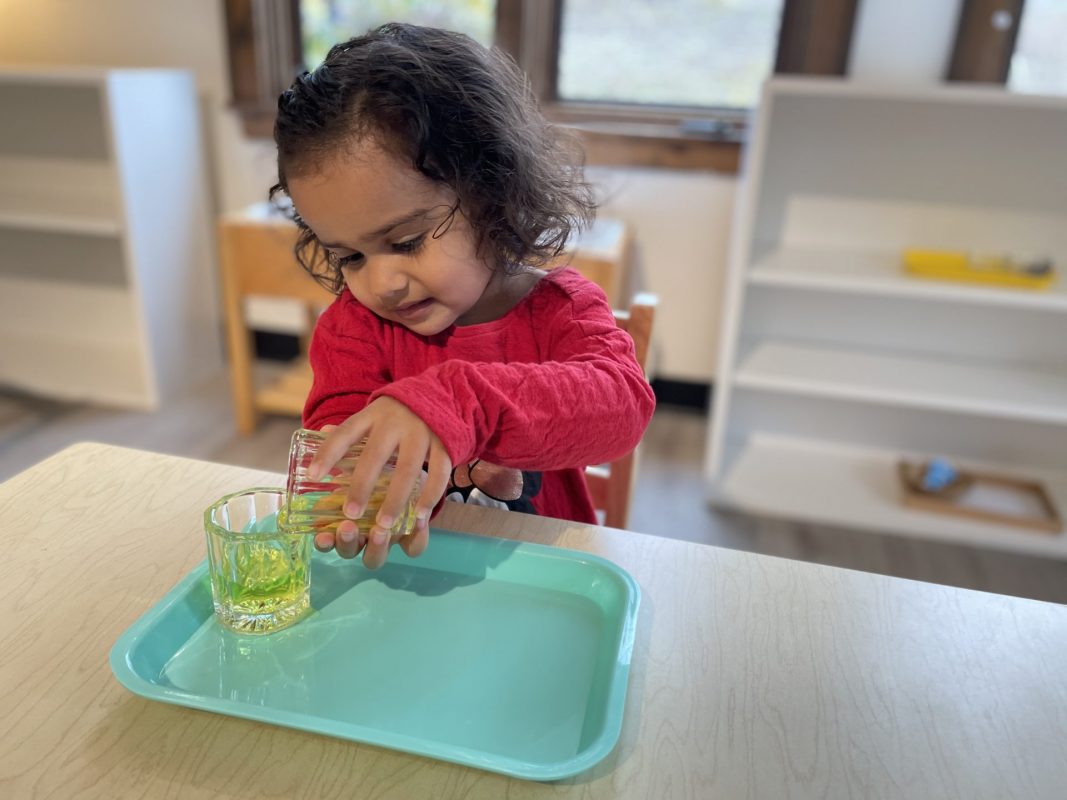
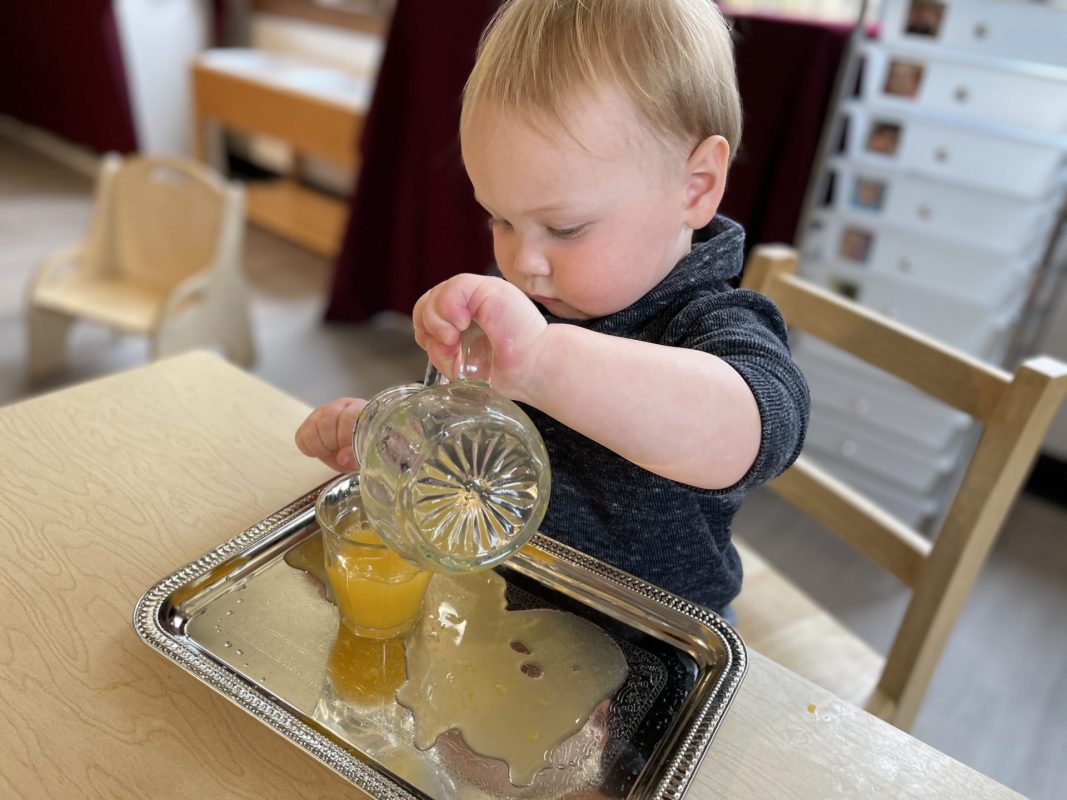
Children worked their muscles and their maximum effort by making sure they squeezed and twisted their orange into the handheld juicer. After this, children practiced their fine motor skills by transferring the juice into a small pitcher and then serving themselves their orange juice into an open cup. To say that they seem to enjoy the process and the result of this activity is an understatement. They kept asking to make it all over again and again. I highly encourage you to provide the opportunity for your child to practice this lesson at home many times! We thank you again for your support in providing the requested food items to make this type of lesson a reality during COVID times, still following the safety guidelines. 

We can’t wait to dive more deeply into our Spring studies! It’s going to be fun! 

We hope you enjoy this beautiful weekend and we wish all of you that celebrate a very Happy Easter! 

Much love, 

Mrs. Hood and Ms. Maria


Mrs. Hood’s Class: Rainbows and Tangy Kumquats!


Color recognition can provide children with essential learning tools in life. For example, in mathematics, color recognition is used to categorize, sort, compare, and organize. Additionally, as children learn to identify colors and use color as a language tool to describe things, it develops and strengthens their ability to communicate effectively. Recognizing and identifying the color names is an important part of a child’s development. It is considered a marker and milestone in a child’s cognitive process.

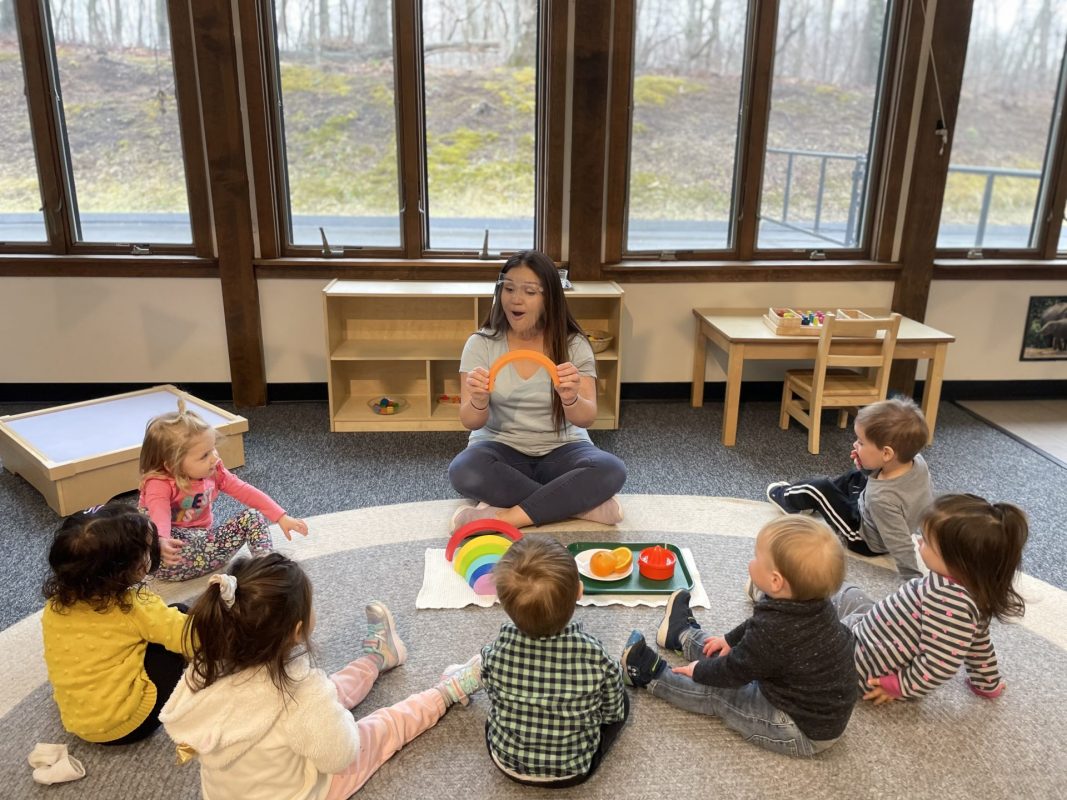
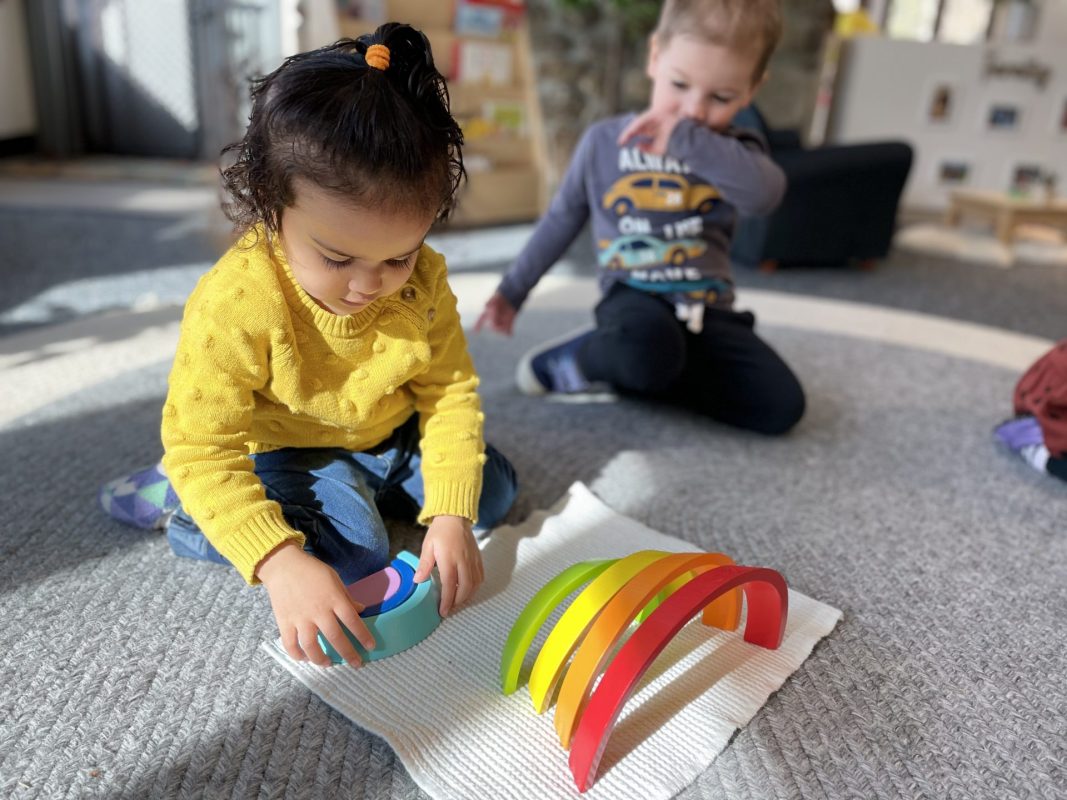
Colors are part of our daily lessons throughout the school year using the different materials, games, books, songs, and activities in our environment. However, this week we focused on studying the colors of the rainbow and children just seemed to love it!

As introductory activities this week, we used a lot of verbal communication, sorting and classifying games and activities. Verbal communication is a great way to teach the children about colors as we give them some vocabulary for starting to describe the world around them. With our youngest we focused on the primary colors and with our oldest we also worked on recognizing and identifying secondary colors. As we worked on putting our rainbow puzzle together we took time to search around the classroom for objects that represented the color assigned. Children seemed to have a lot of fun thinking, observing, and finding different colored objects in our environment!

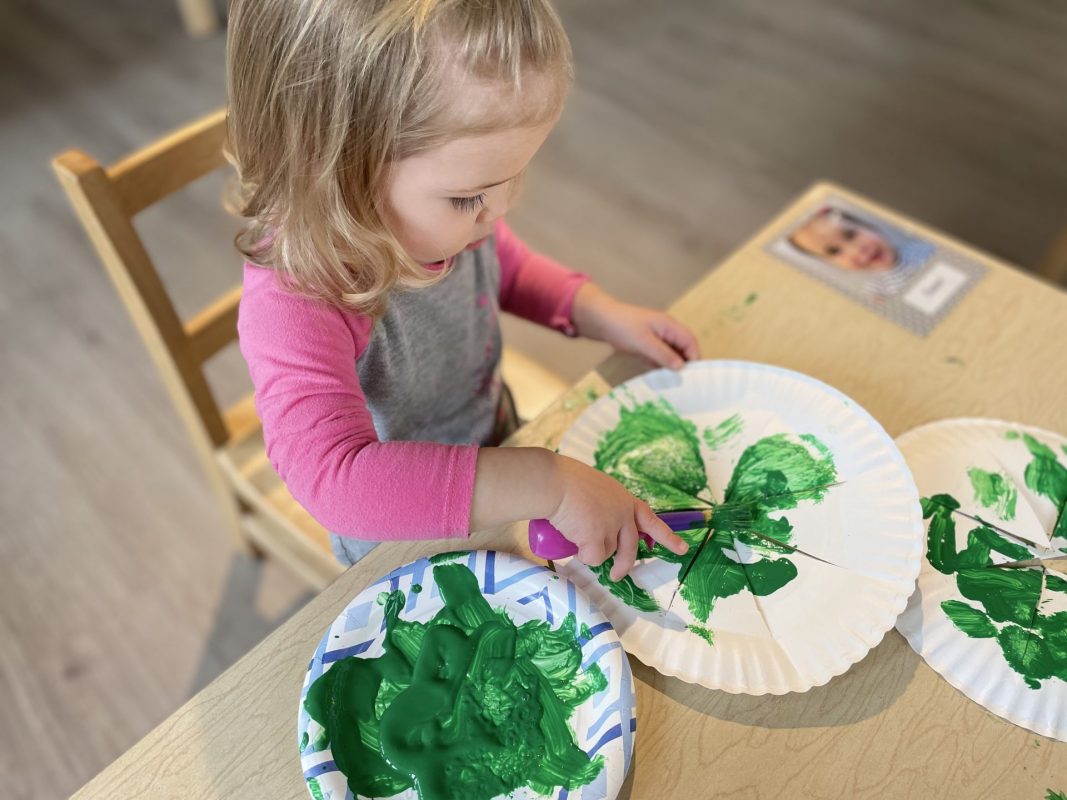
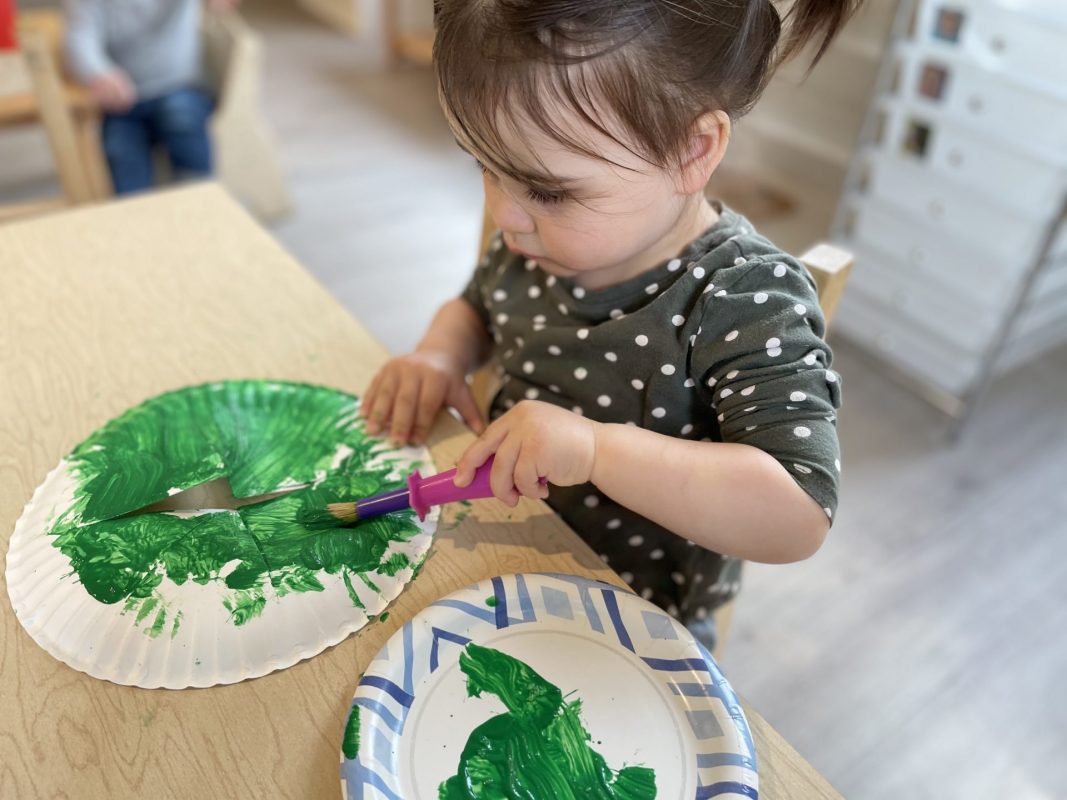
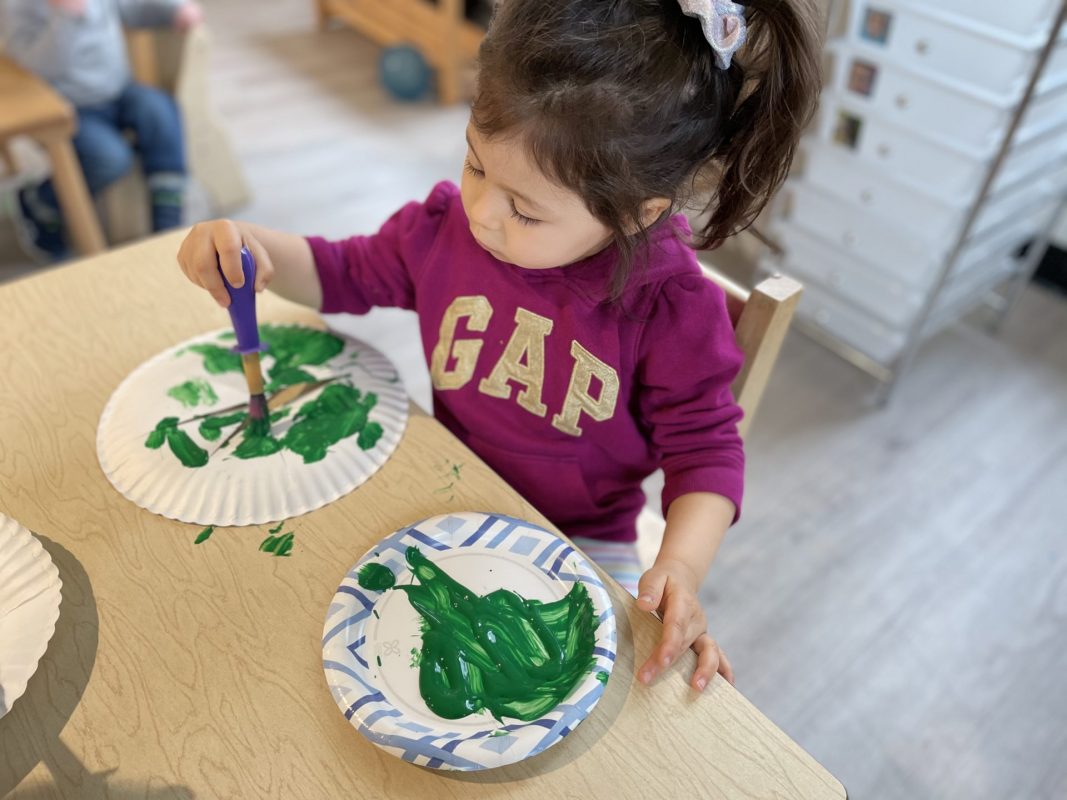
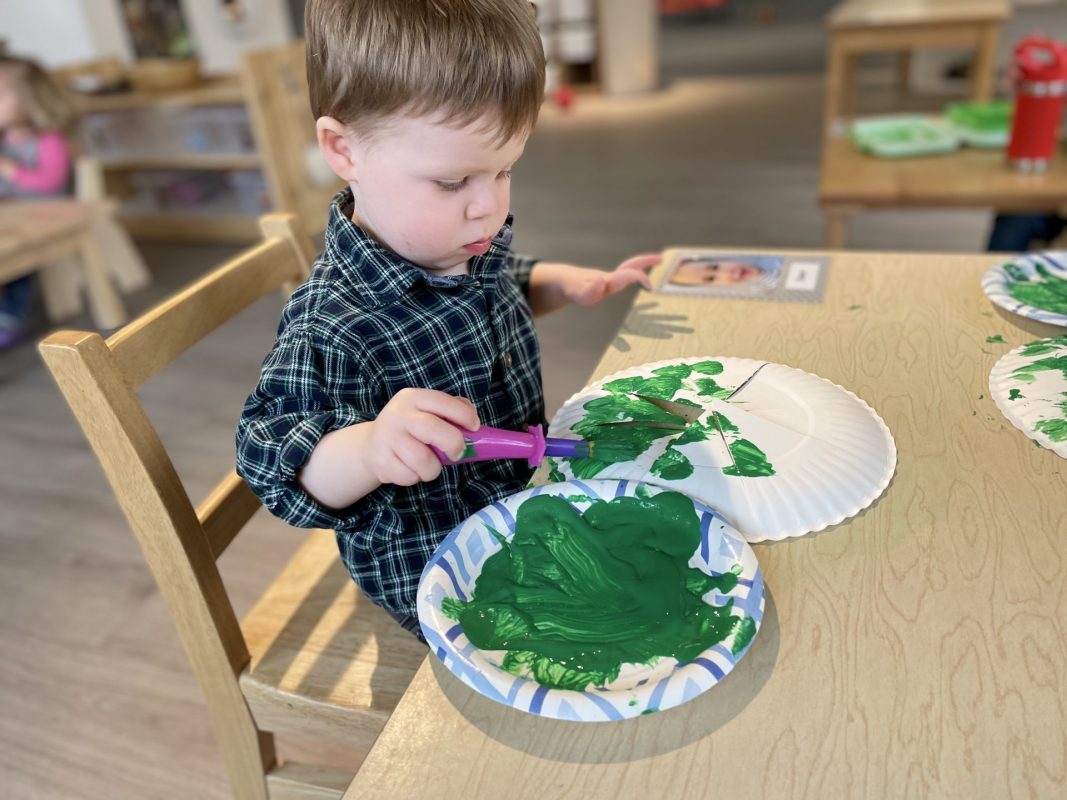
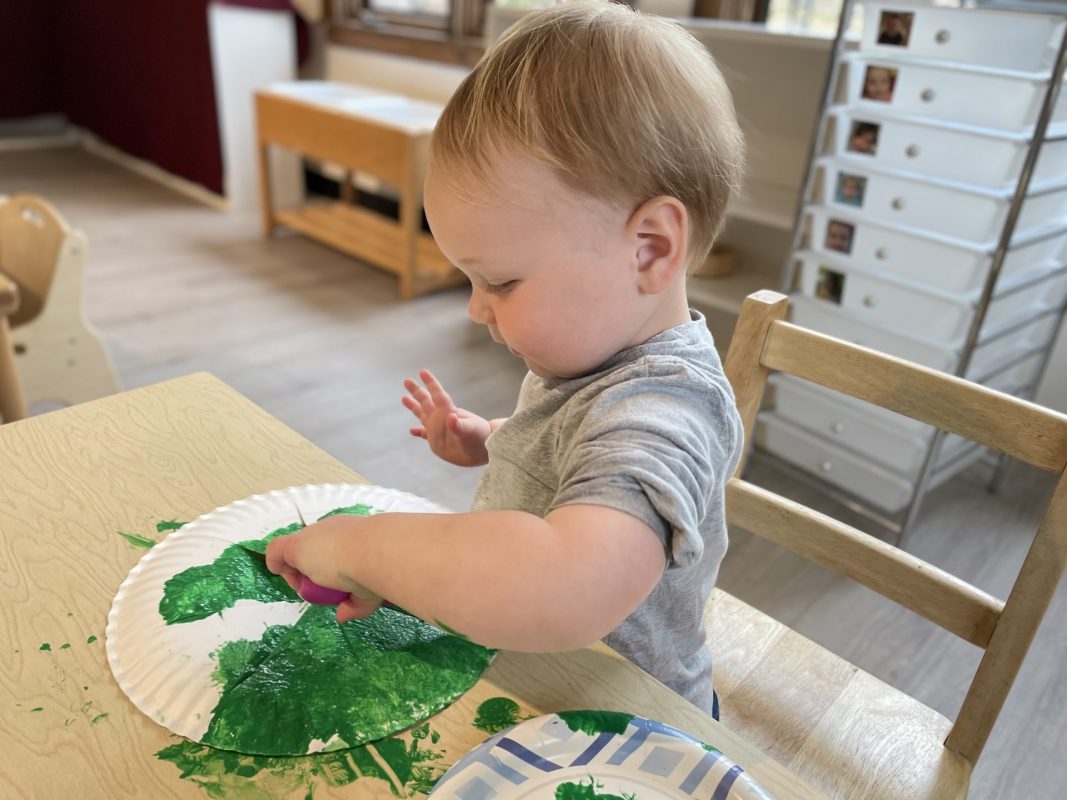
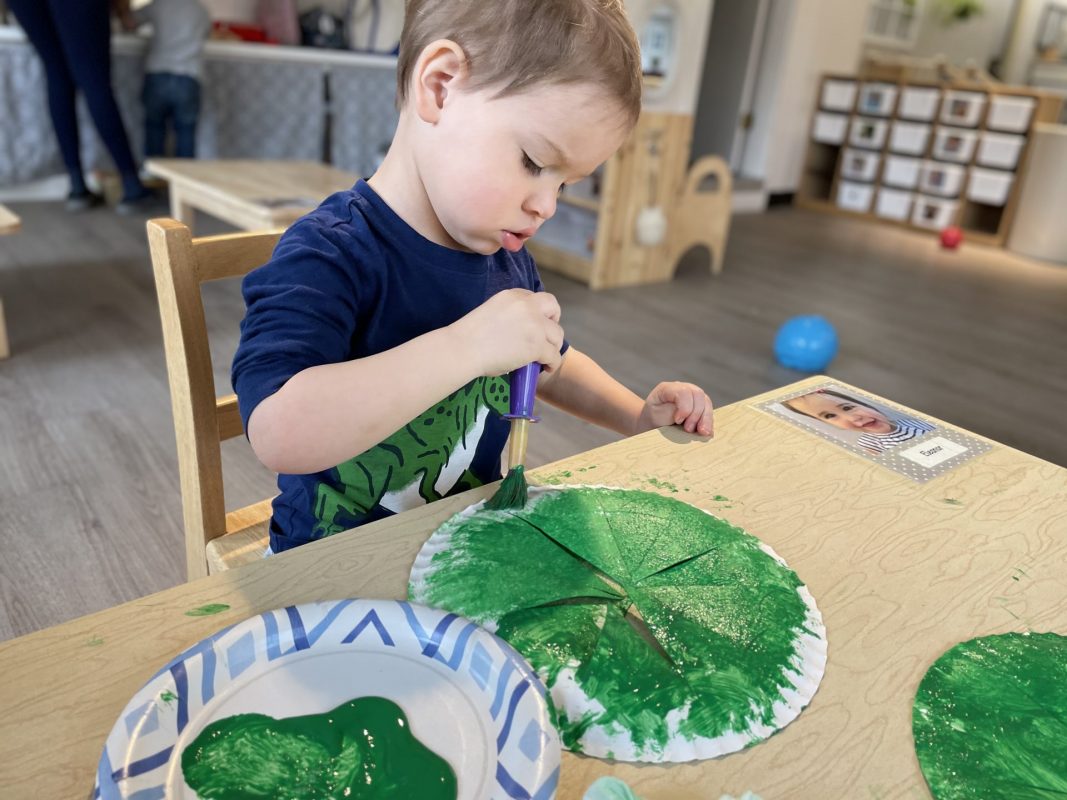
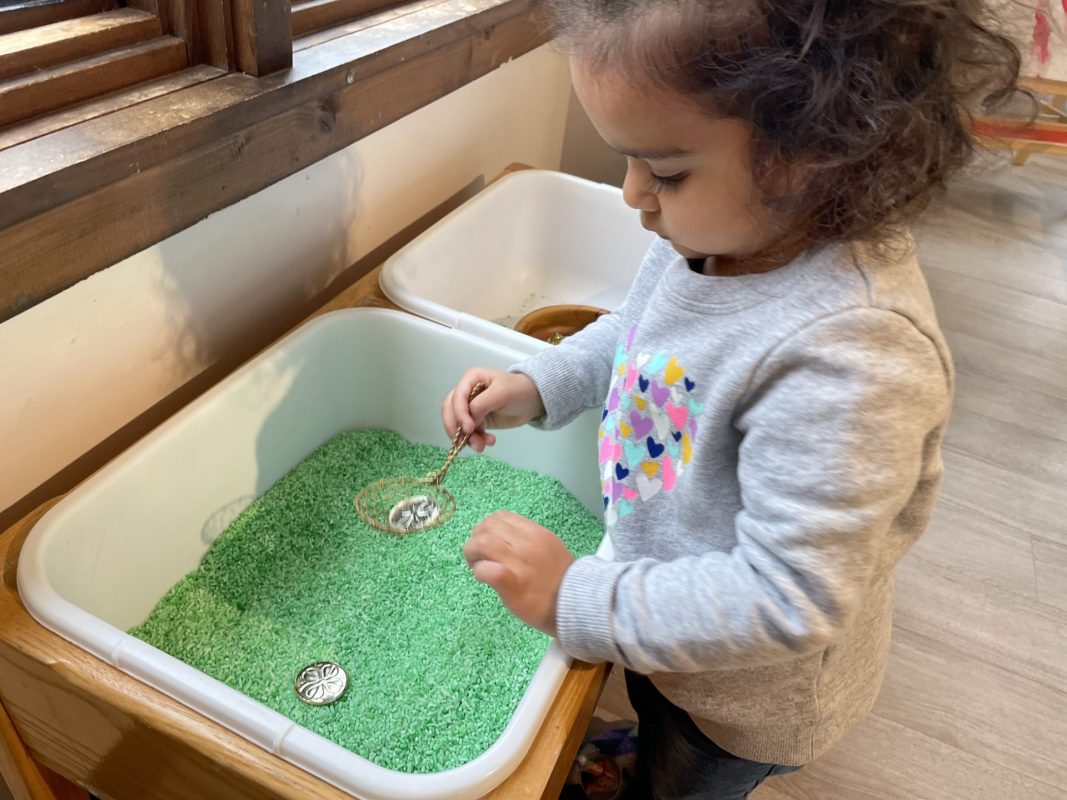
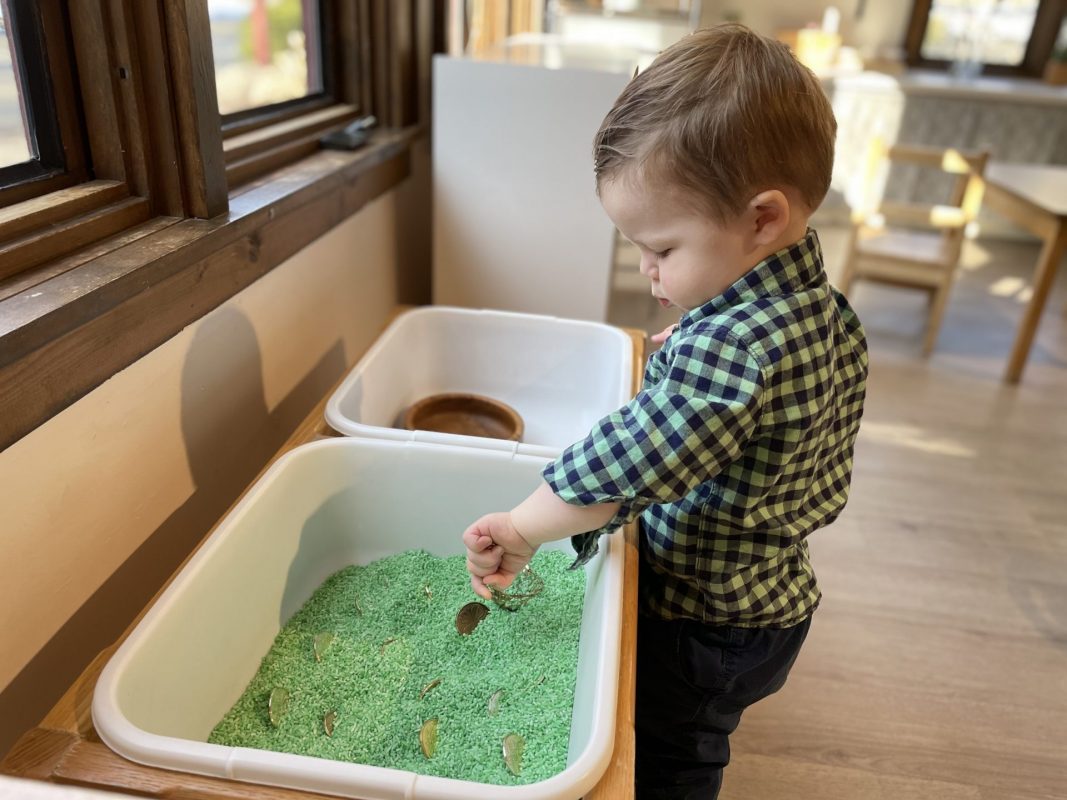
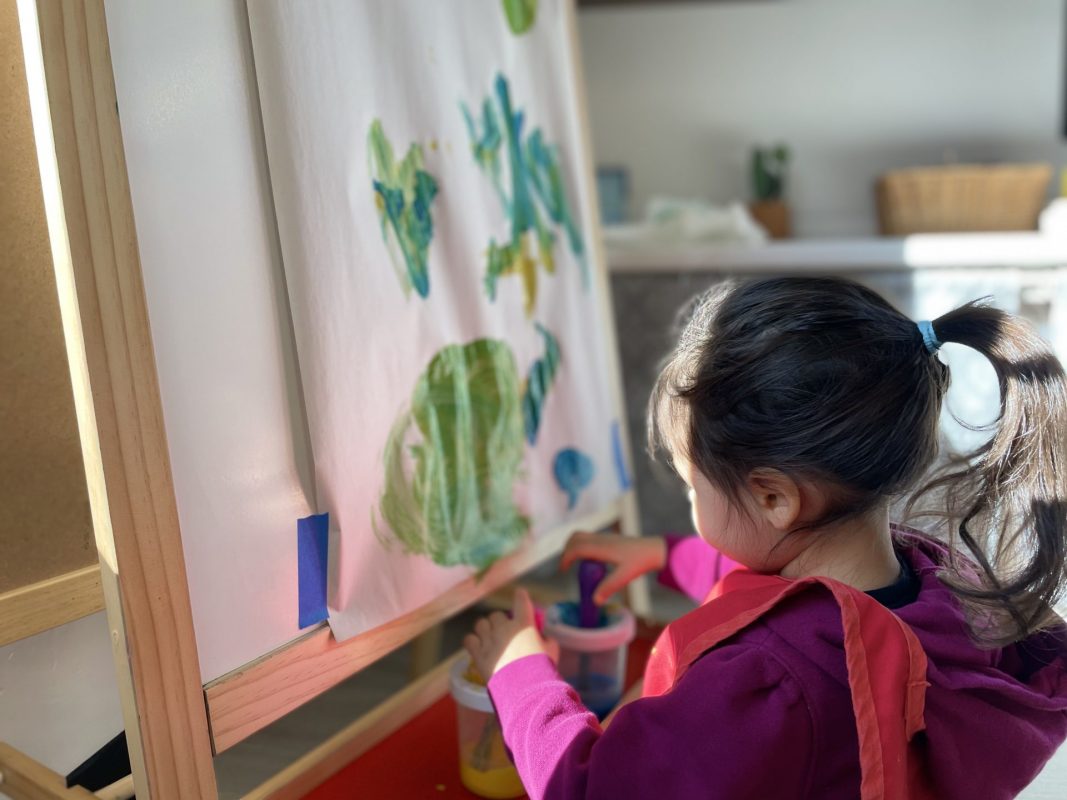
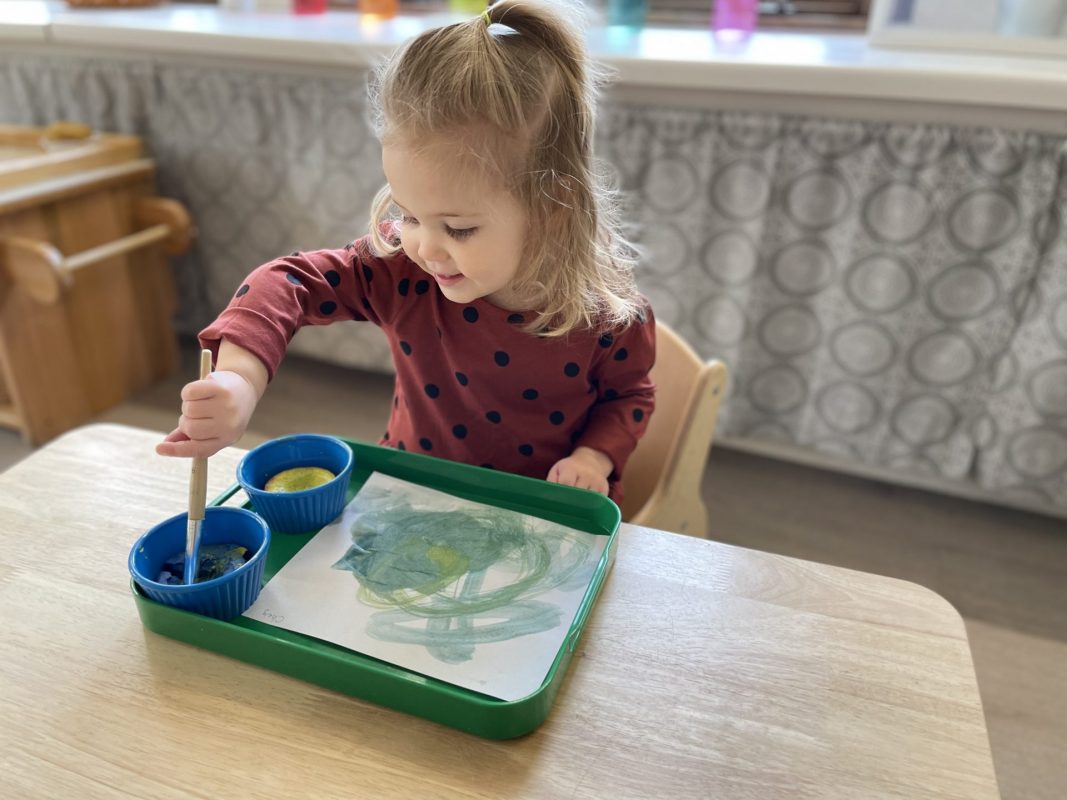
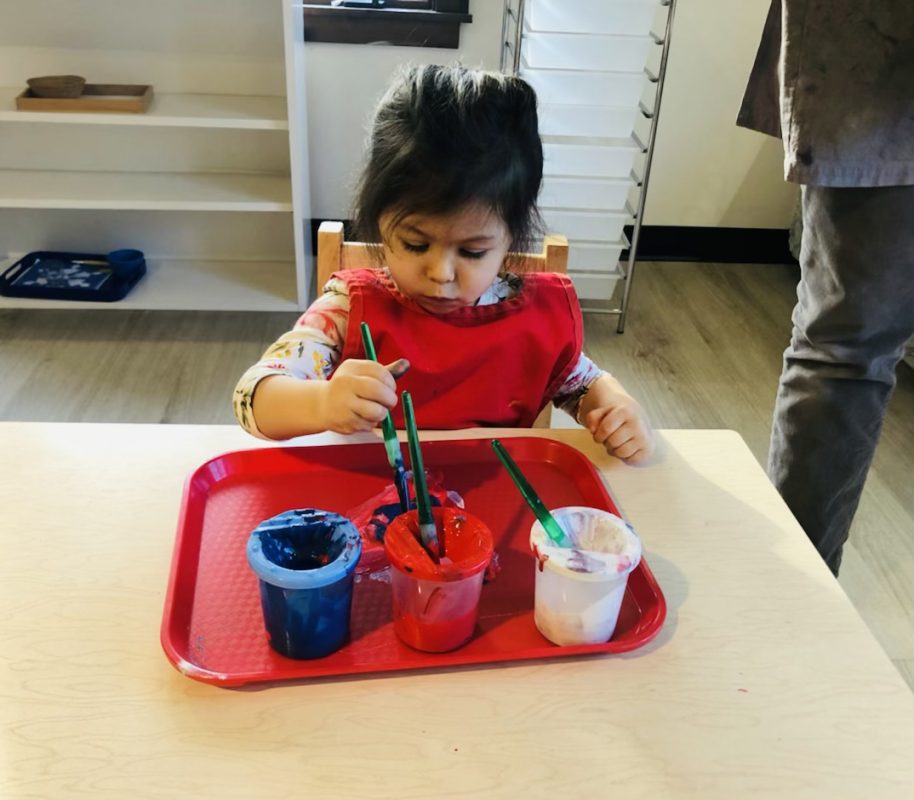
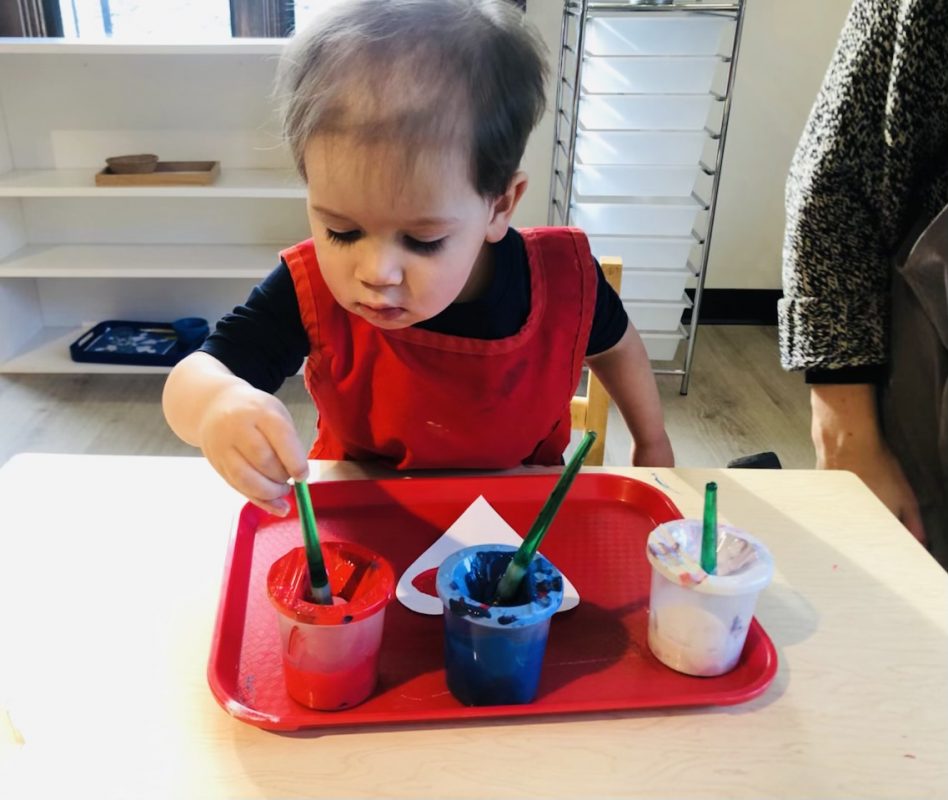
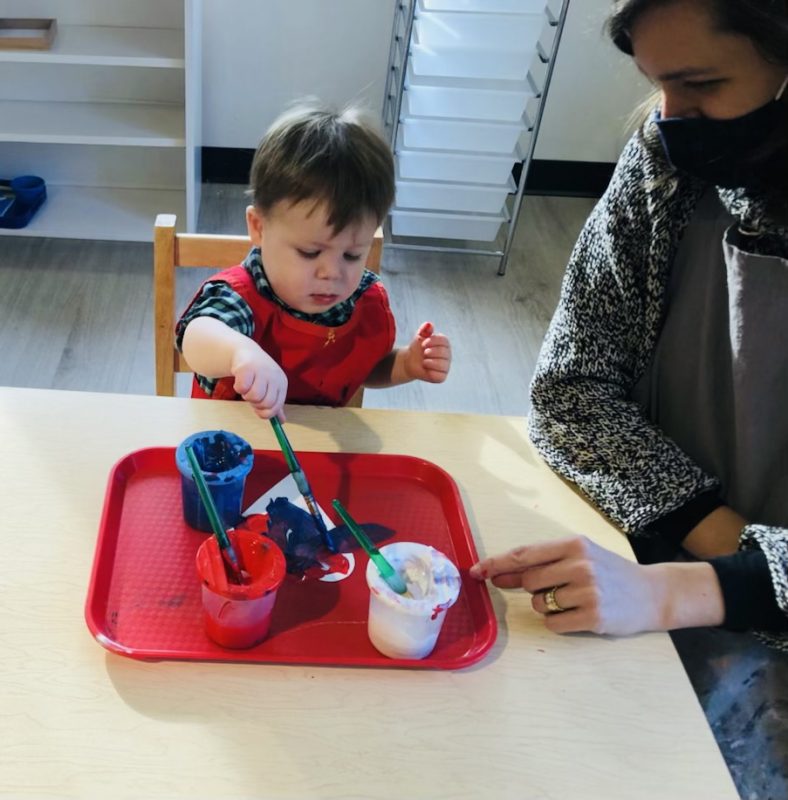
We also introduced the concept of color mixing using paint. Children explored and discovered the magical way to make new colors. We focused this week on the color GREEN in honor of St. Patrick’s Day, by mixing yellow and blue paint! The children’s expressions were amazing! They couldn’t believe that we had made a new color.  There is a tremendous joy that floods a child’s spirit when they discover a transformation happening in front of them. We love color mixing because it’s a process that helps to develop a love of learning. We can’t wait to discover new colors together!

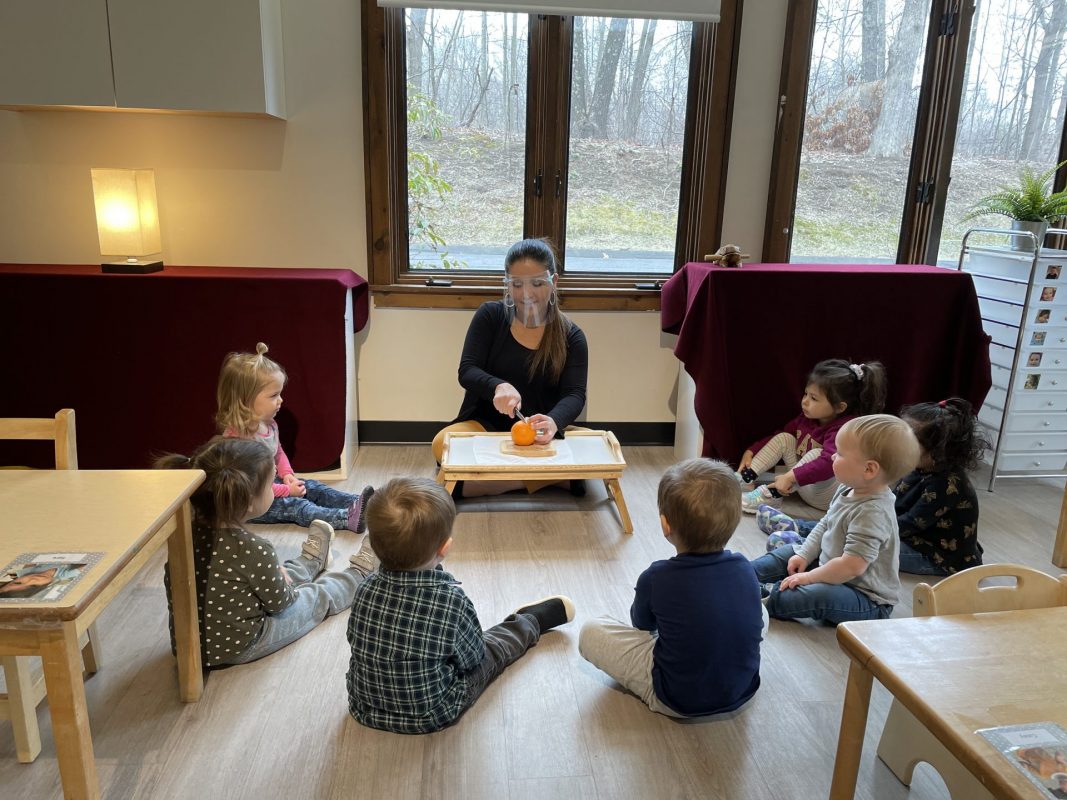
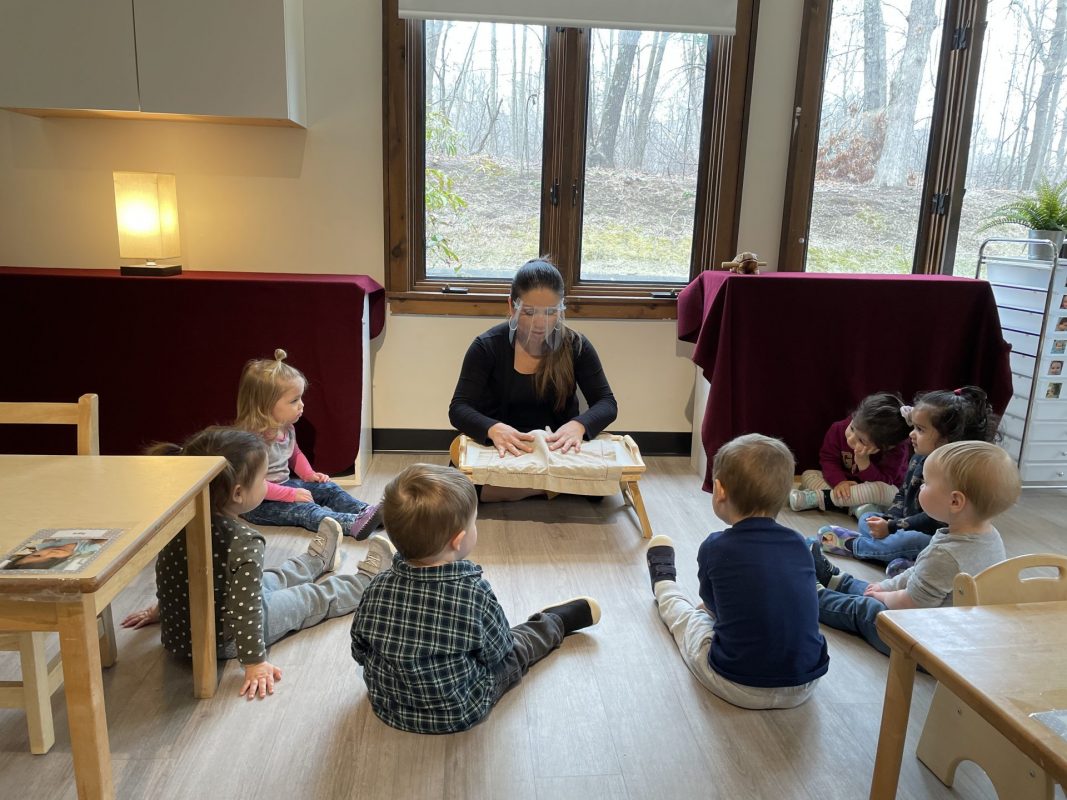
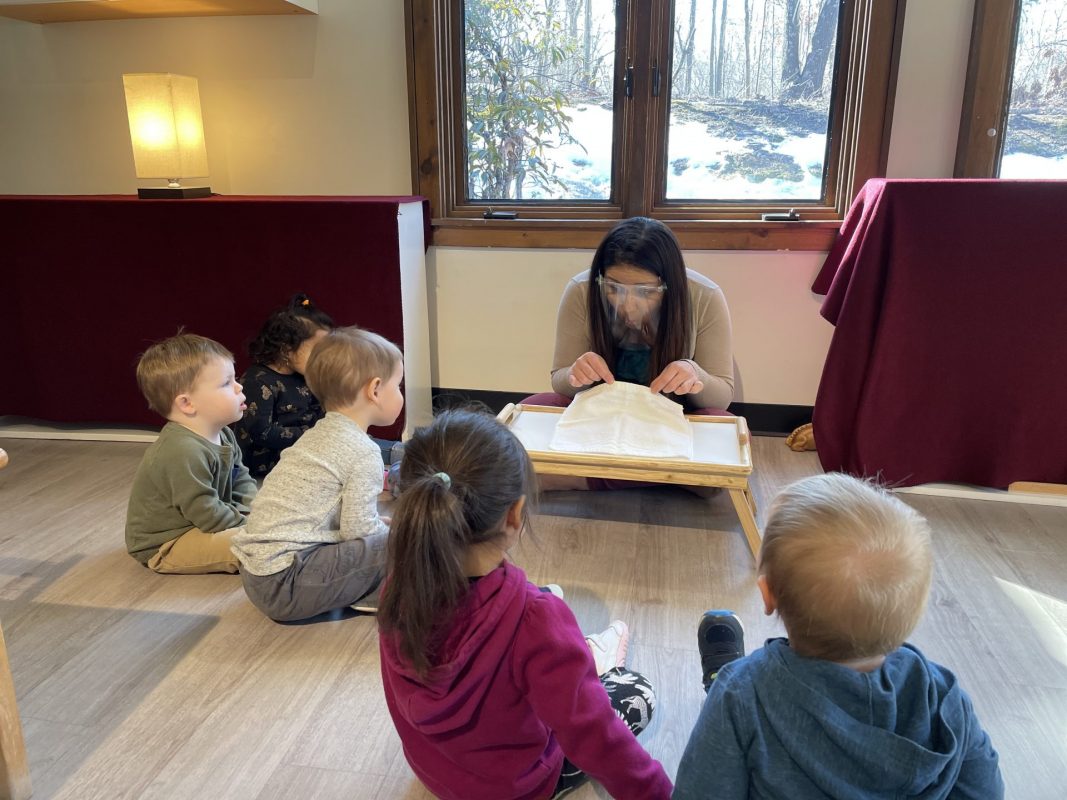
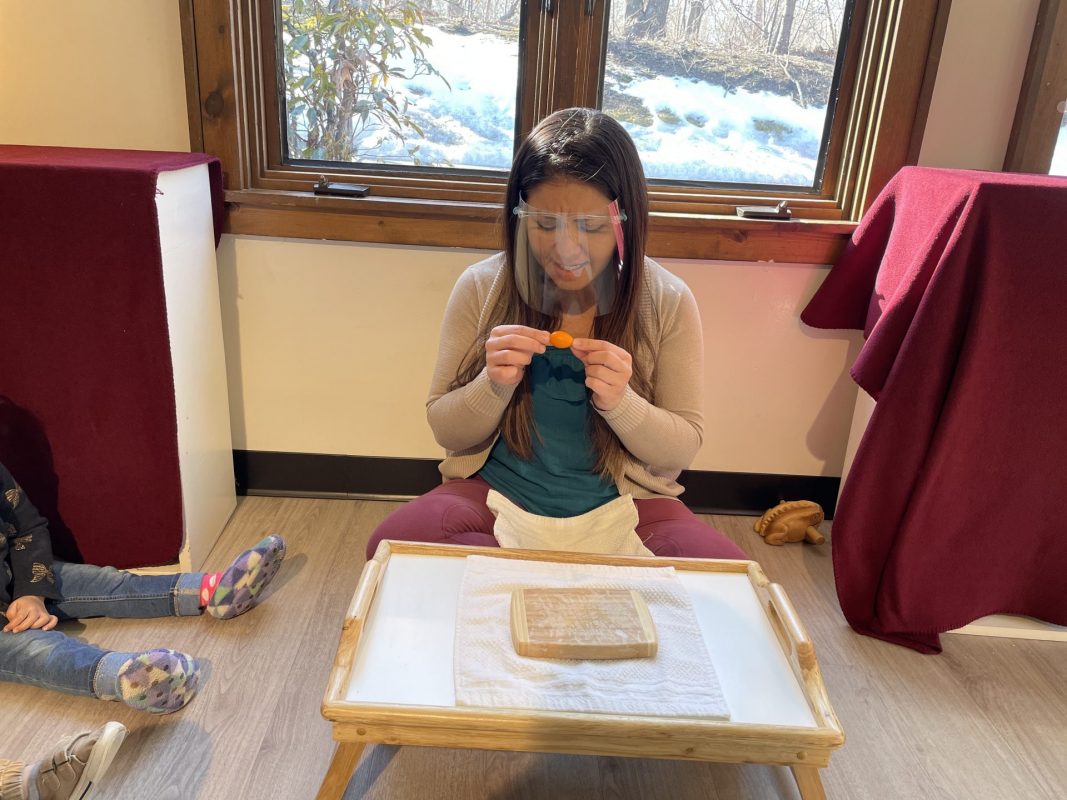
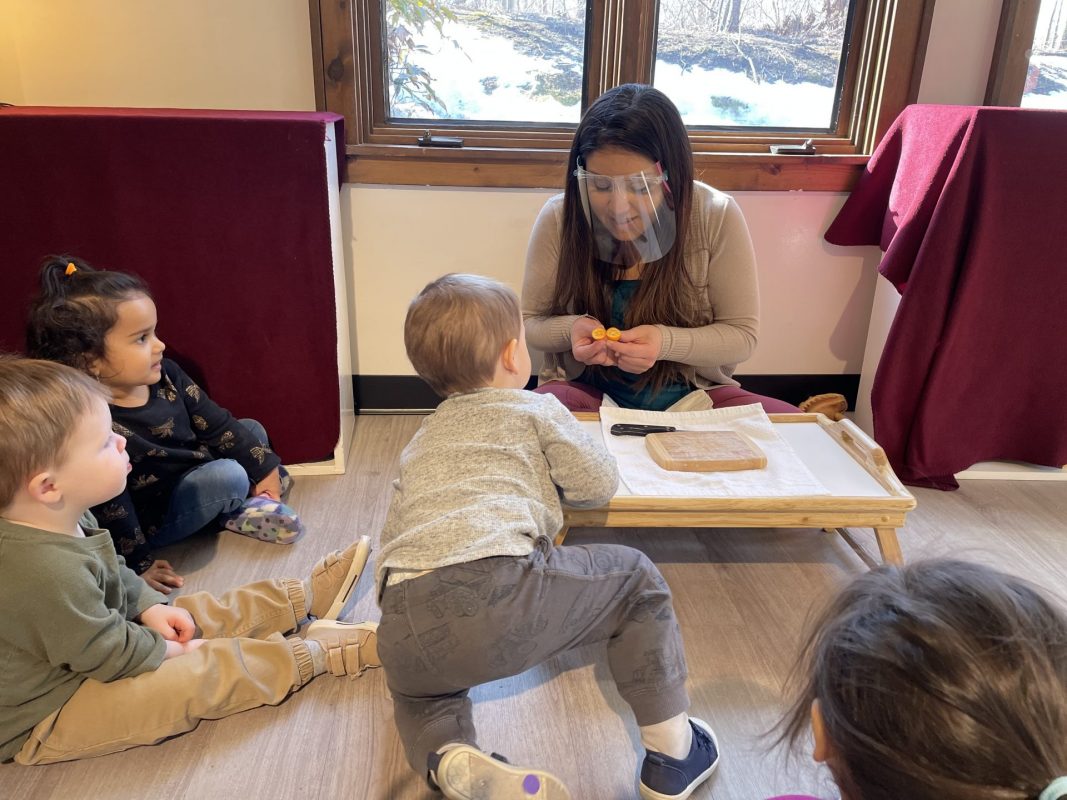
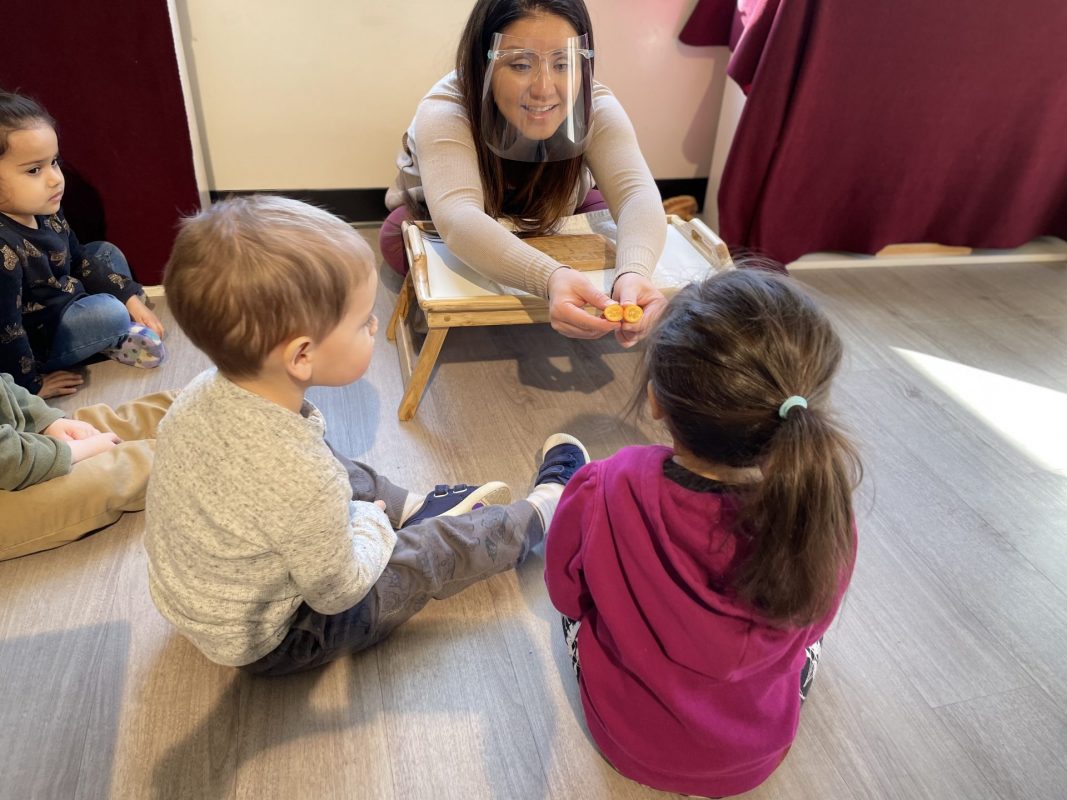
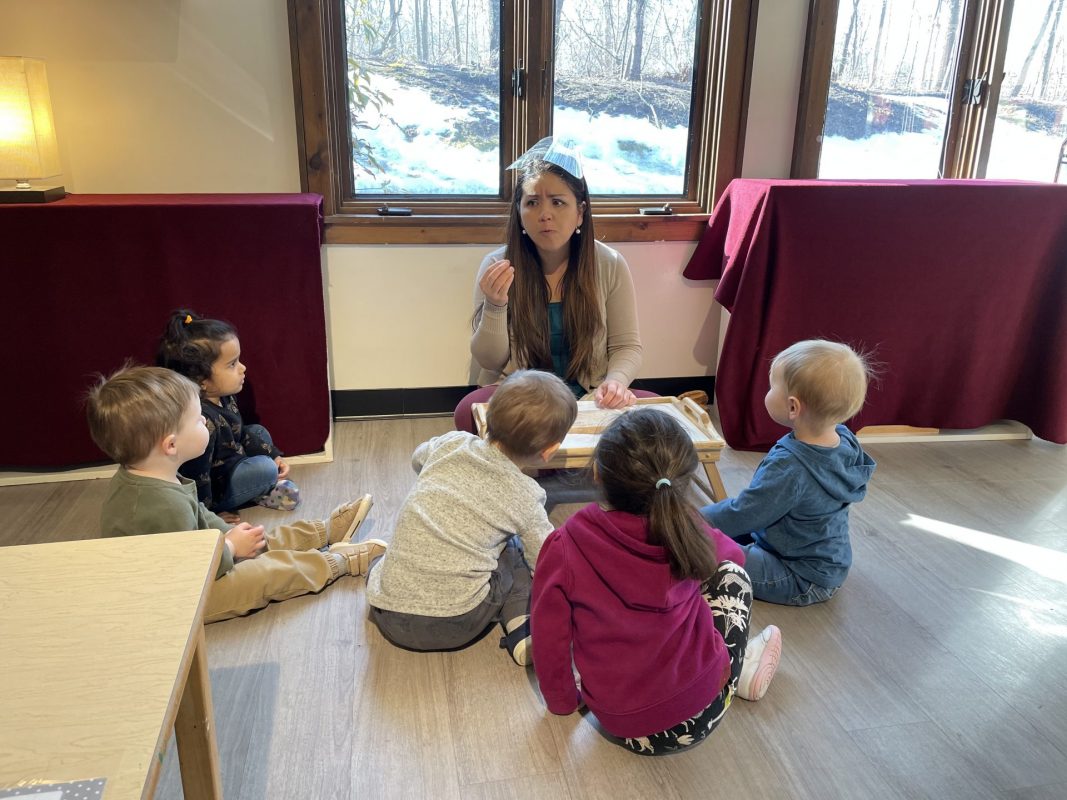
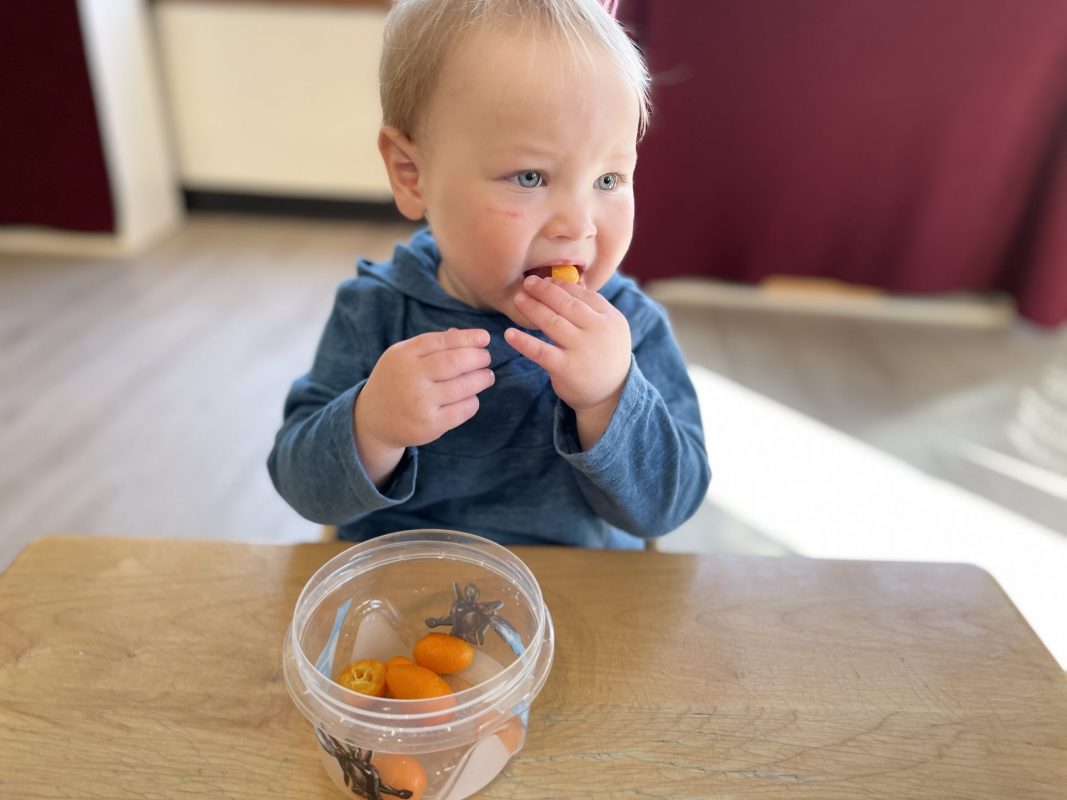
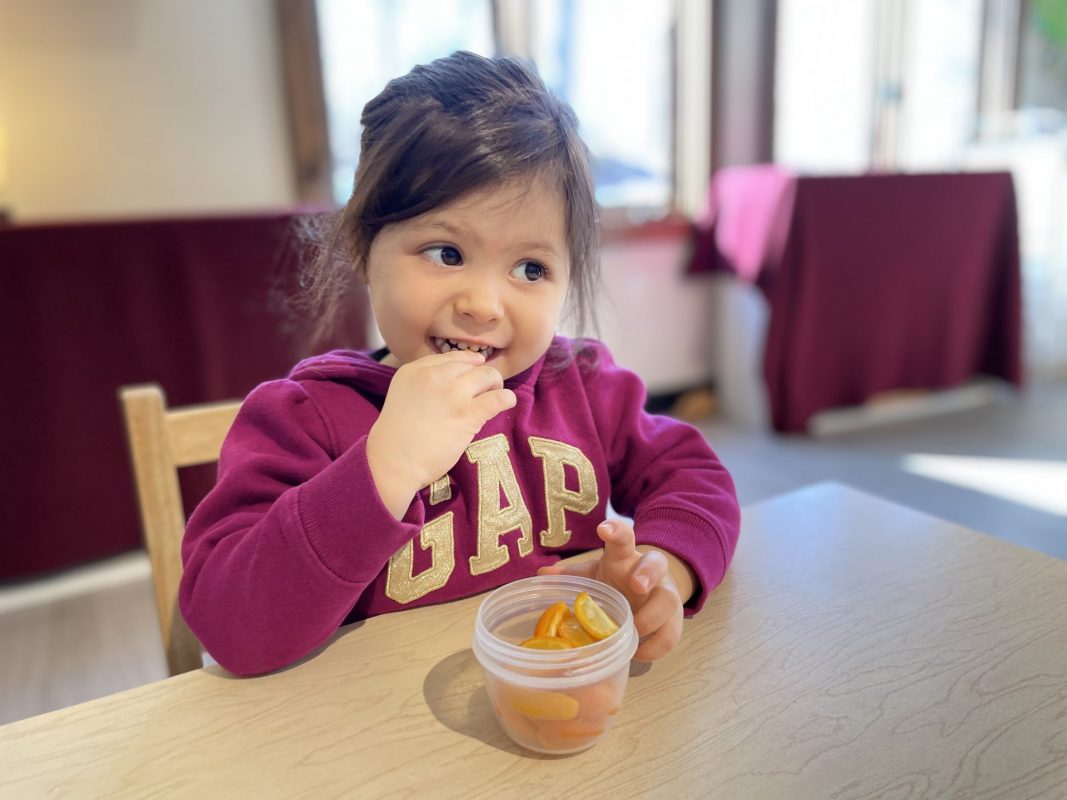
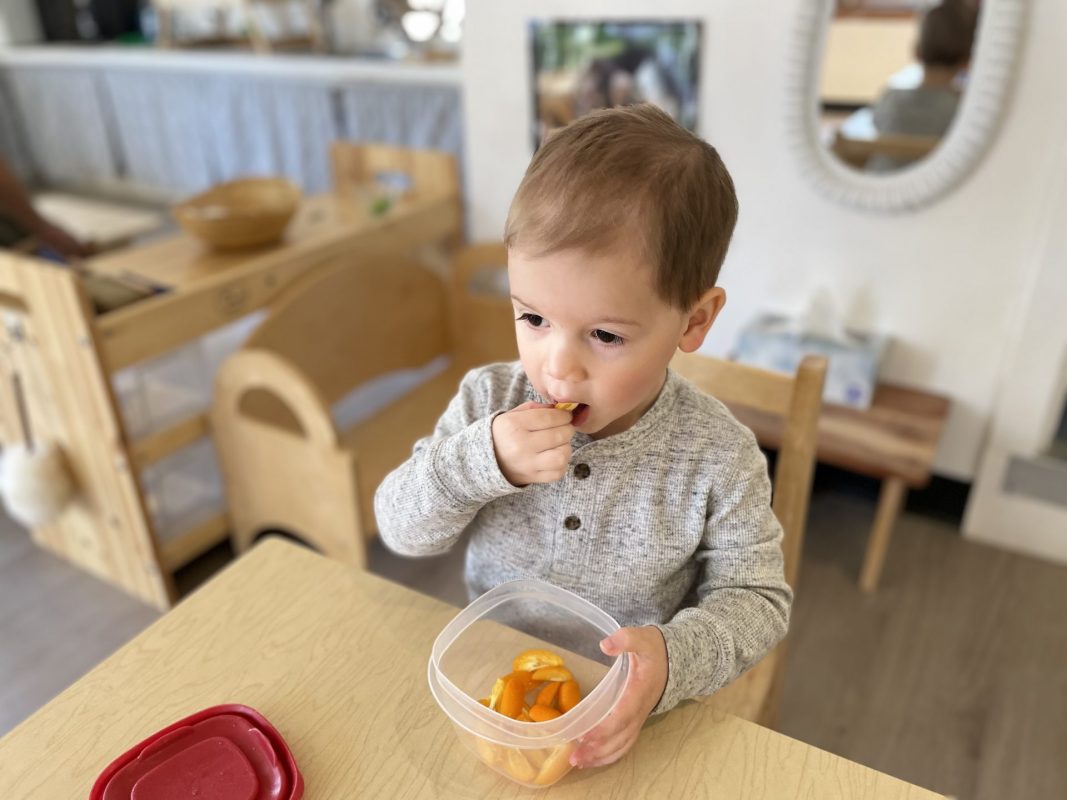
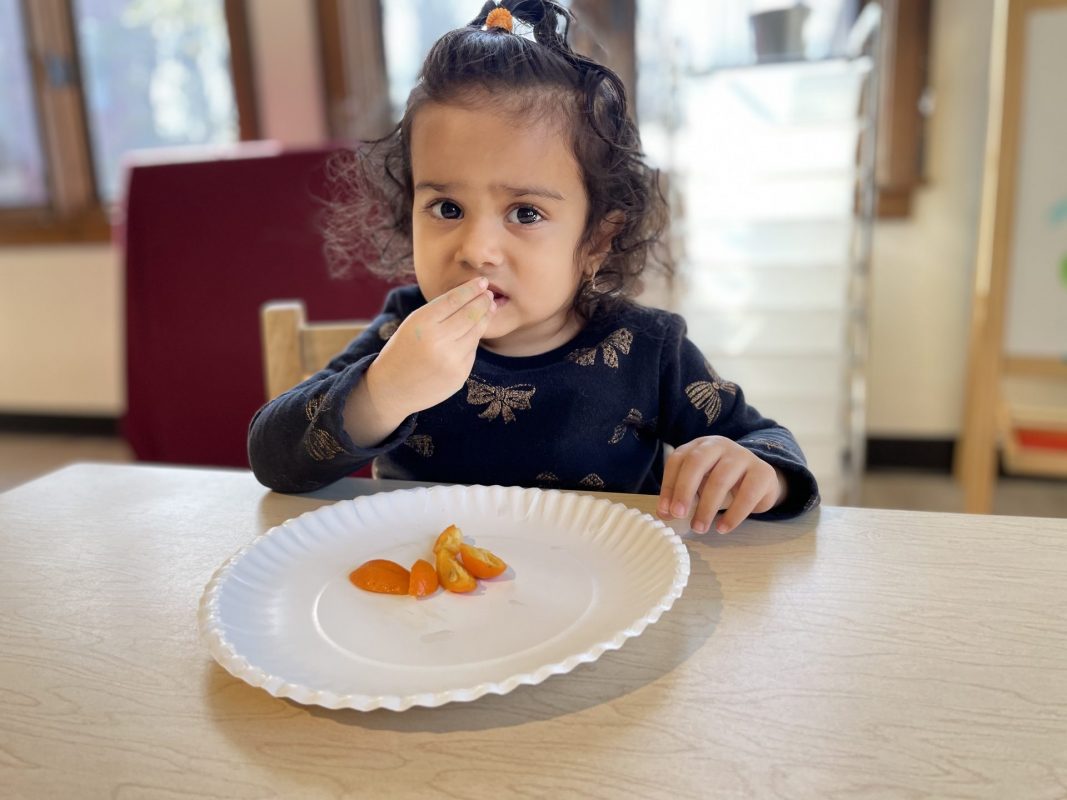
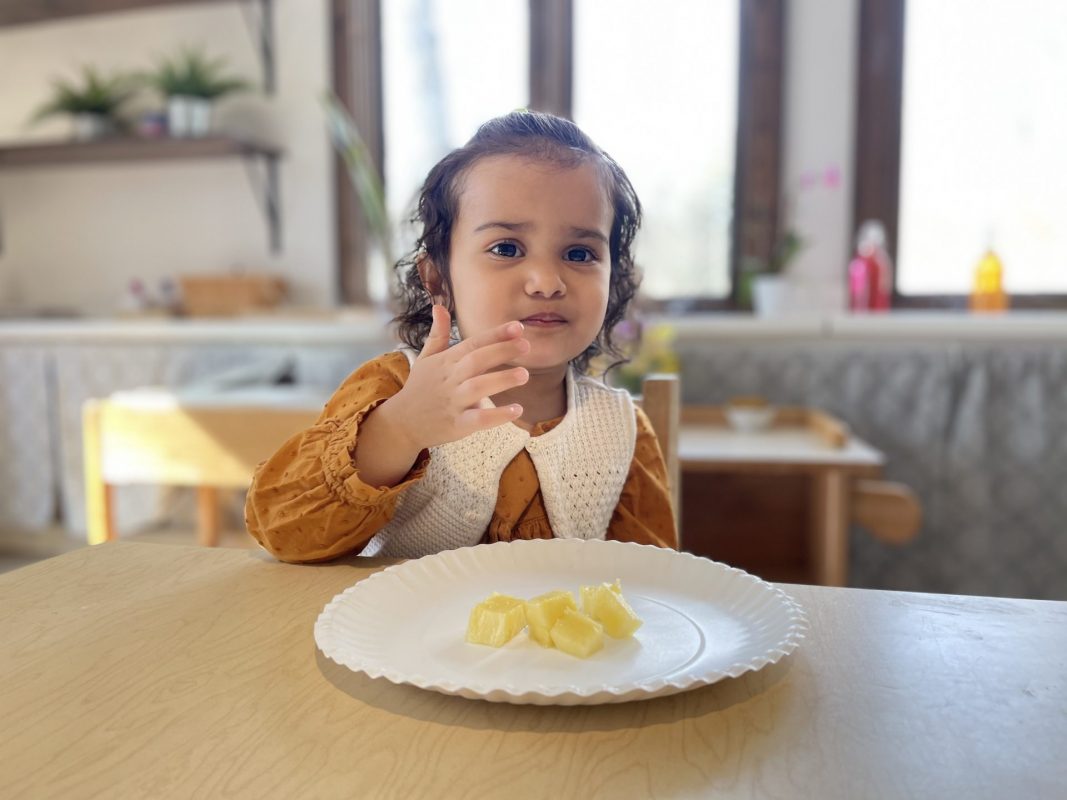
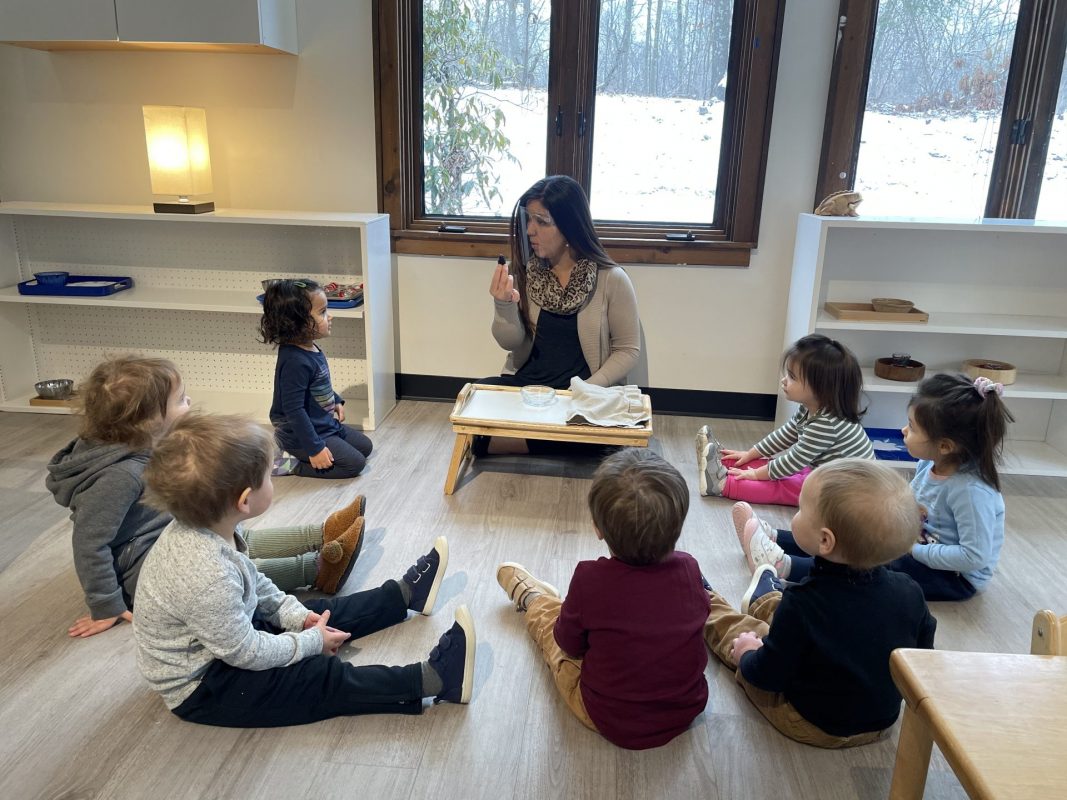
On another note, children were very curious about what food we were going to taste this week as they already recognize this activity as a part of our weekly routine. Children were surprised to find a tiny kumquat under the towel. Kumquats look like oranges but are the most diminutive member of the citrus family. We had great fun exploring and tasting this fruit! 

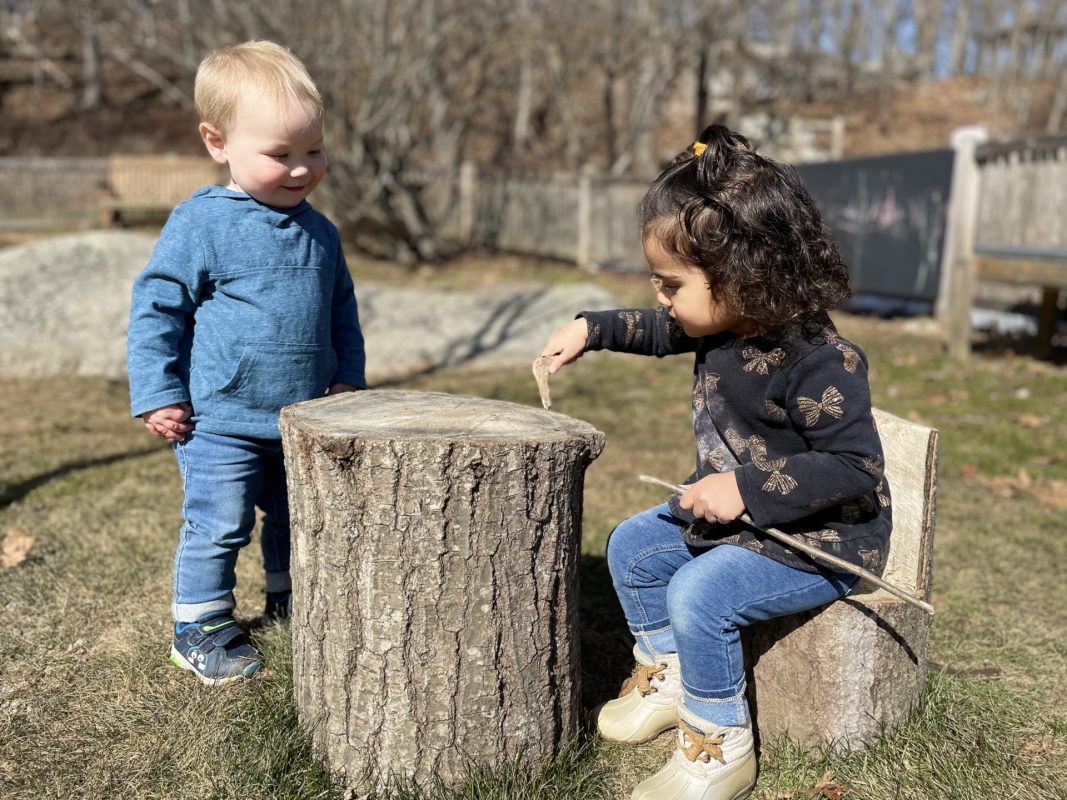
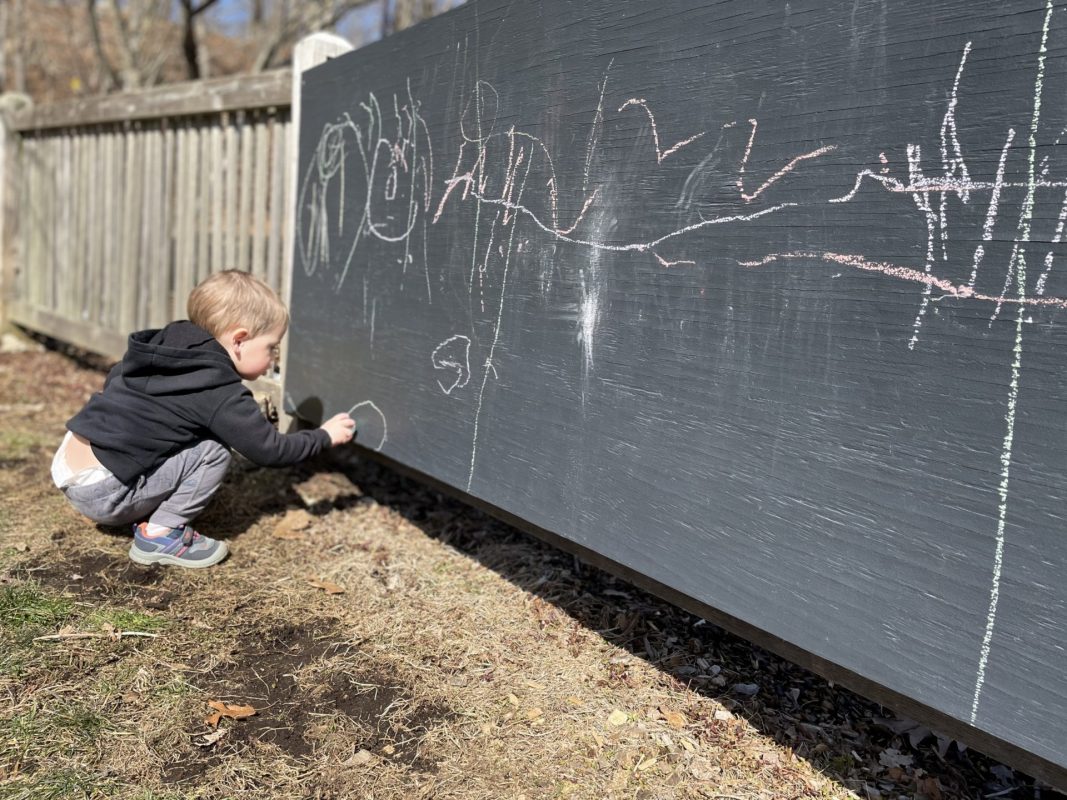
Enjoy the pictures of your little busy explorers and we hope you have a fantastic March break!

Stay safe, warm and happy!

Mrs. Hood and Ms. Maria 

Mrs. Hood’s class: Happy hearts!

“Of all things, love is the most potent.” – Maria Montessori

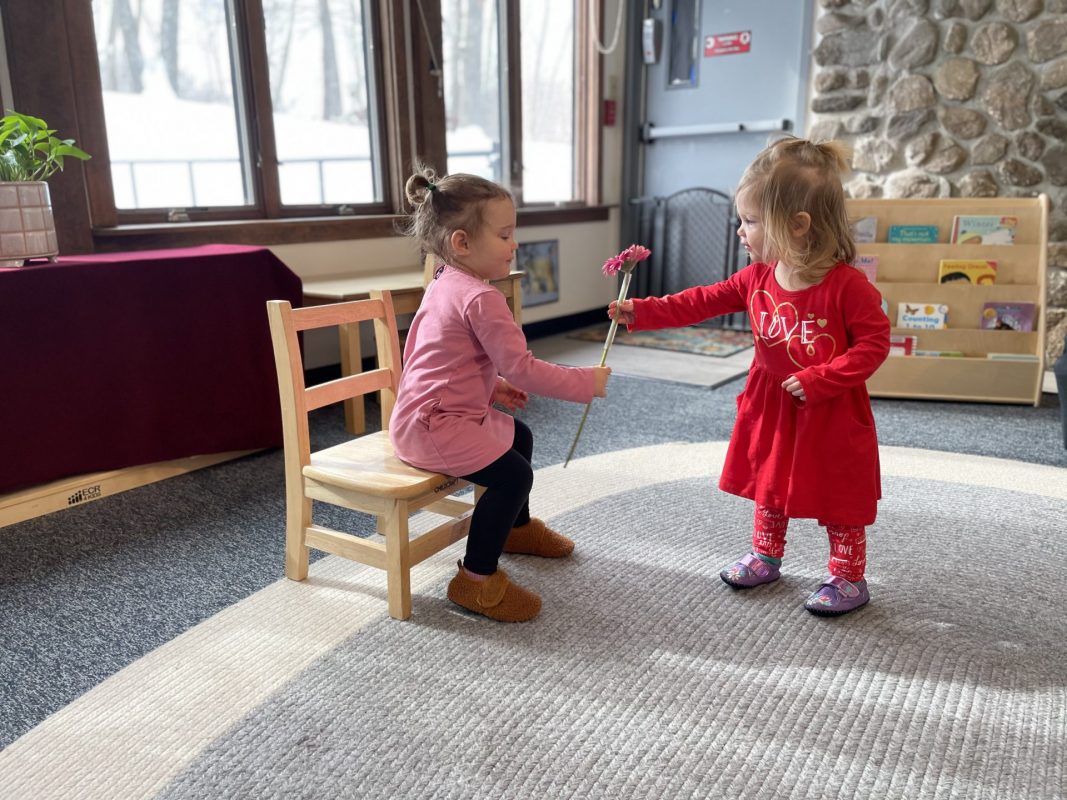
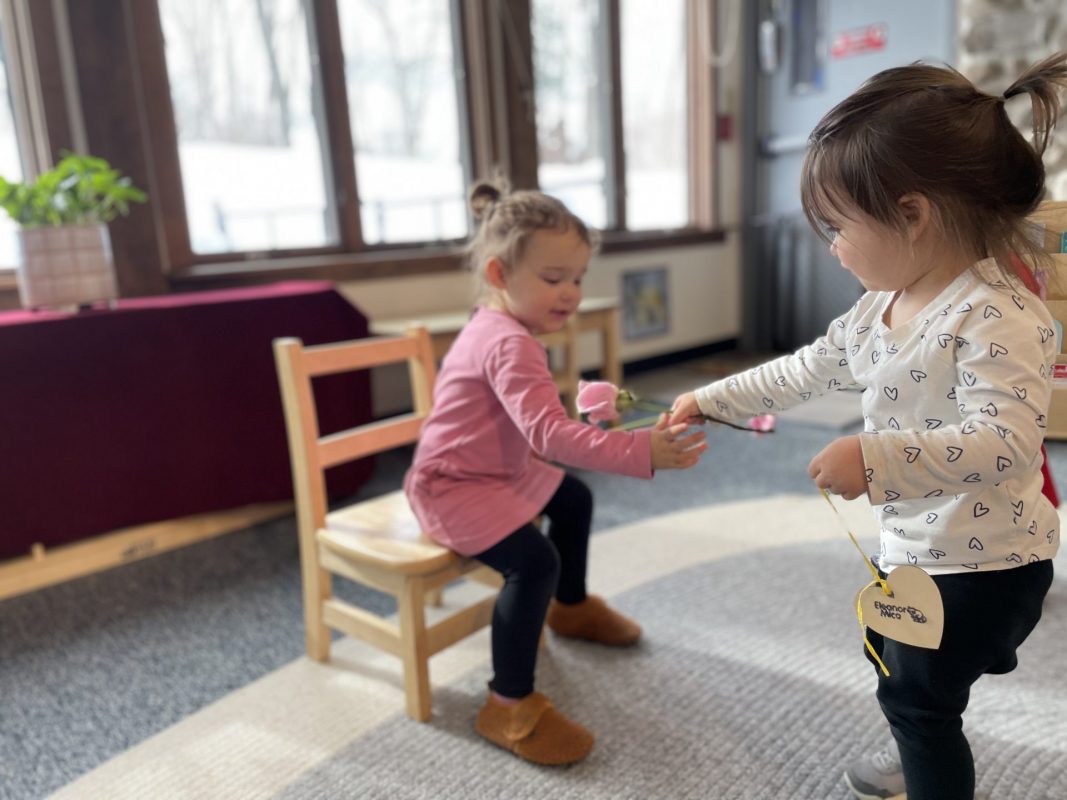
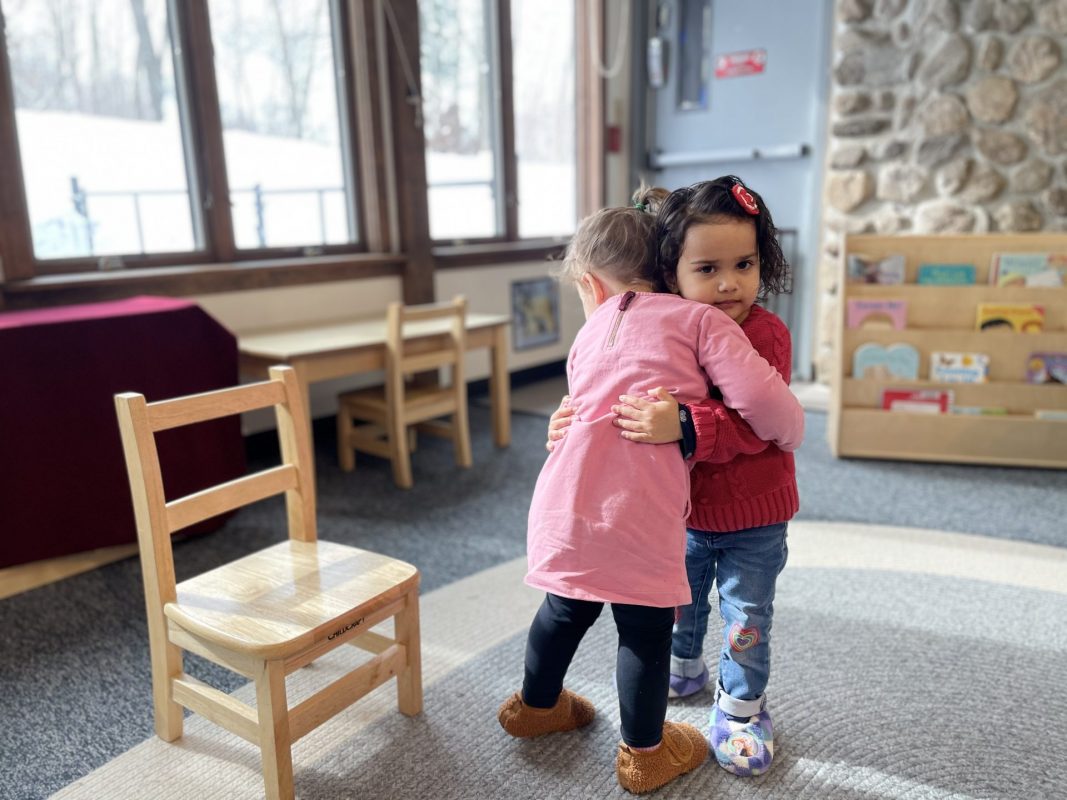
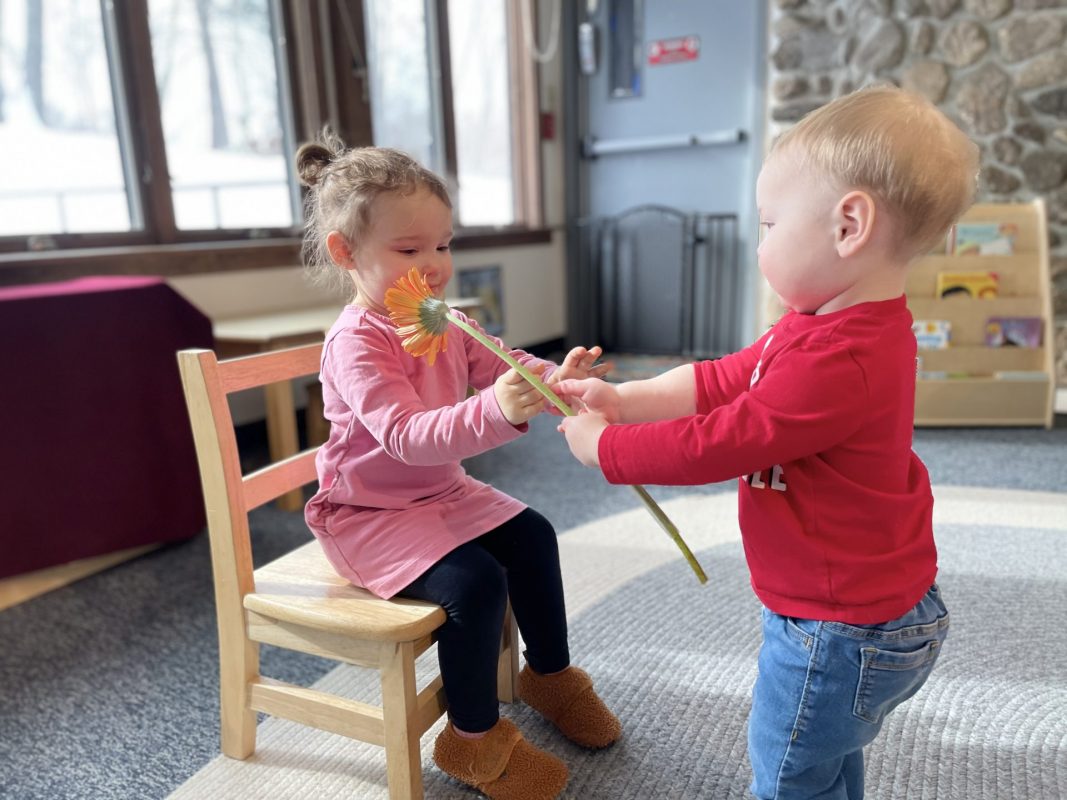
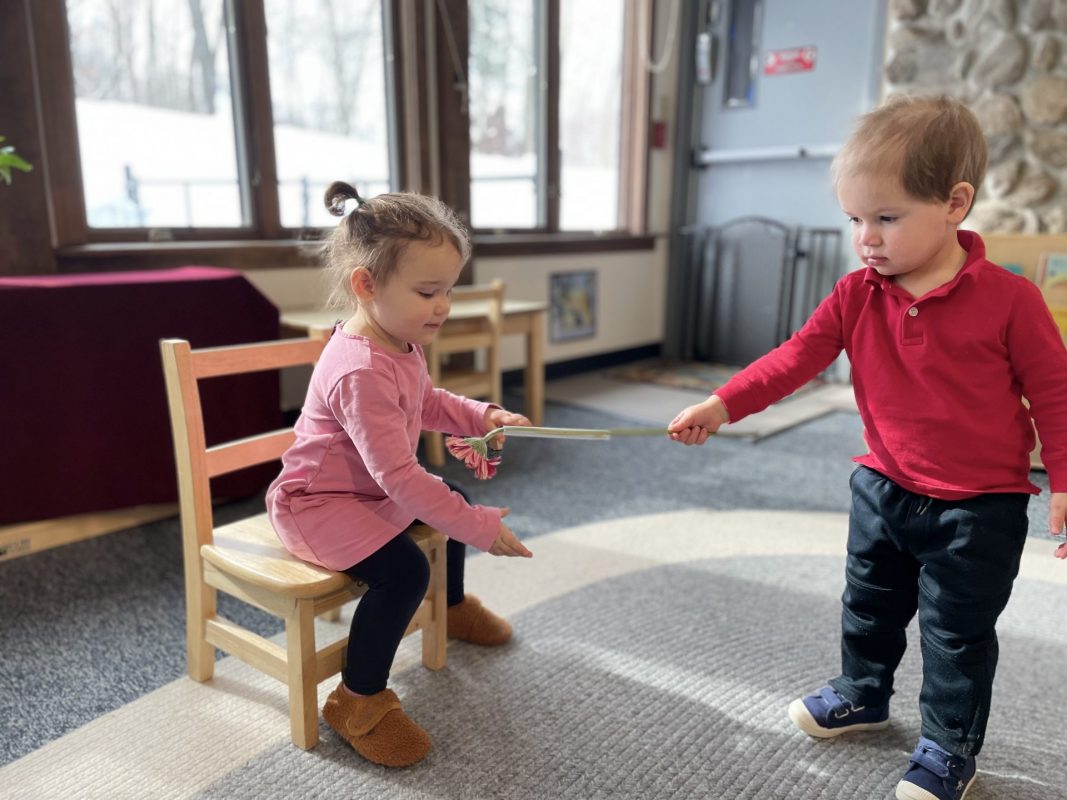
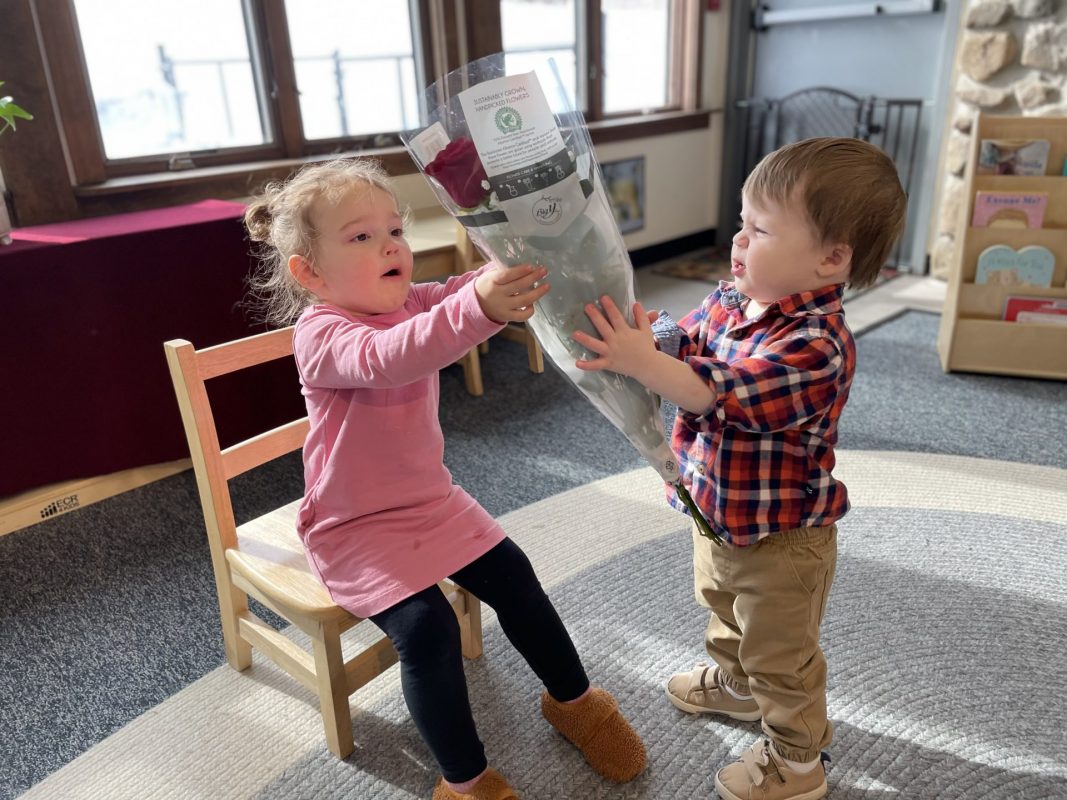
Oh, what a month we have had! Despite the school closings due to snow and other events, we have had a great time as a class and continue to specially share love and kindness between each other, each day. 

In our  Montessori environment, manners and social interaction are called Grace and Courtesy. Grace being the outer expression of our inner selves as observed in body language and movements: facial expressions such as smiles, eye- contact, tone of voice, inflection of the voice, body movements and the actual words used to express ourselves. Courtesy is the name given to the manners given for human interaction.

Neither grace nor courtesy are instinctive. They are acquired. The desire to acquire social skills is a fundamental need in a child in order for him to become fully integrated into his culture and fully adapted to society. In the Toddler level the lessons are used through intentional modeling rather than specific lessons presented, as children will encounter in our Primary levels. It’s truly amazing to observe how your children have grown in this area, despite of their young age. It’s SO wonderful!  

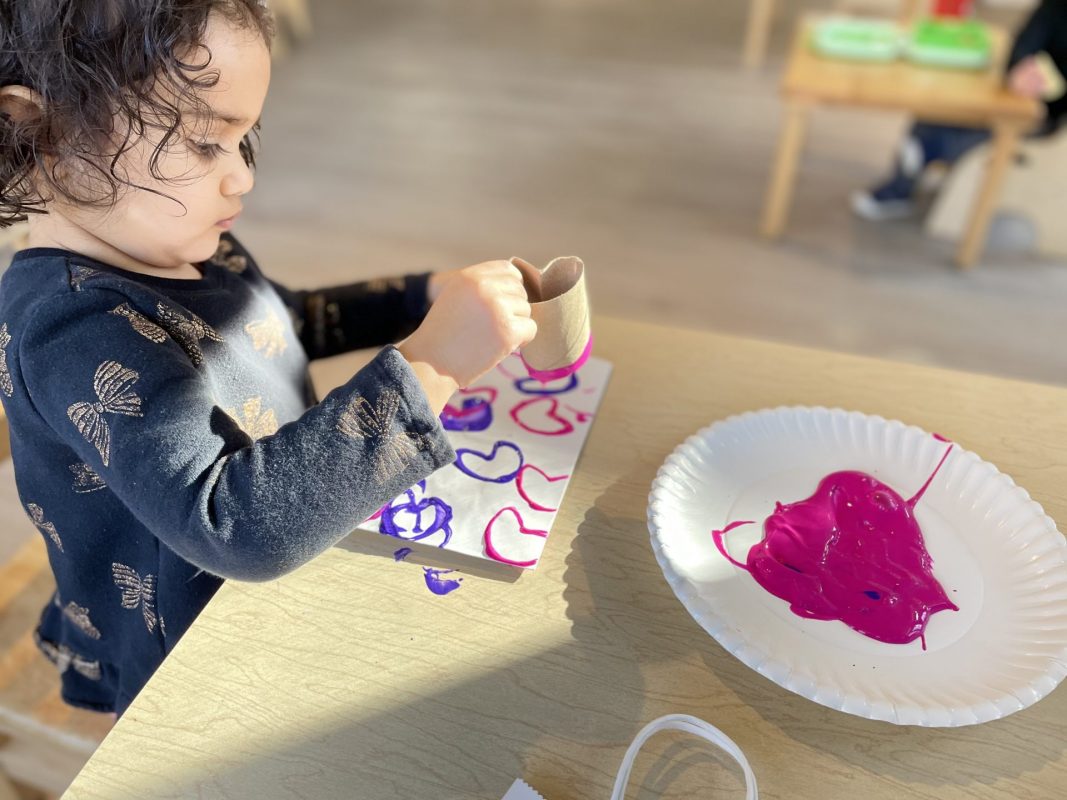
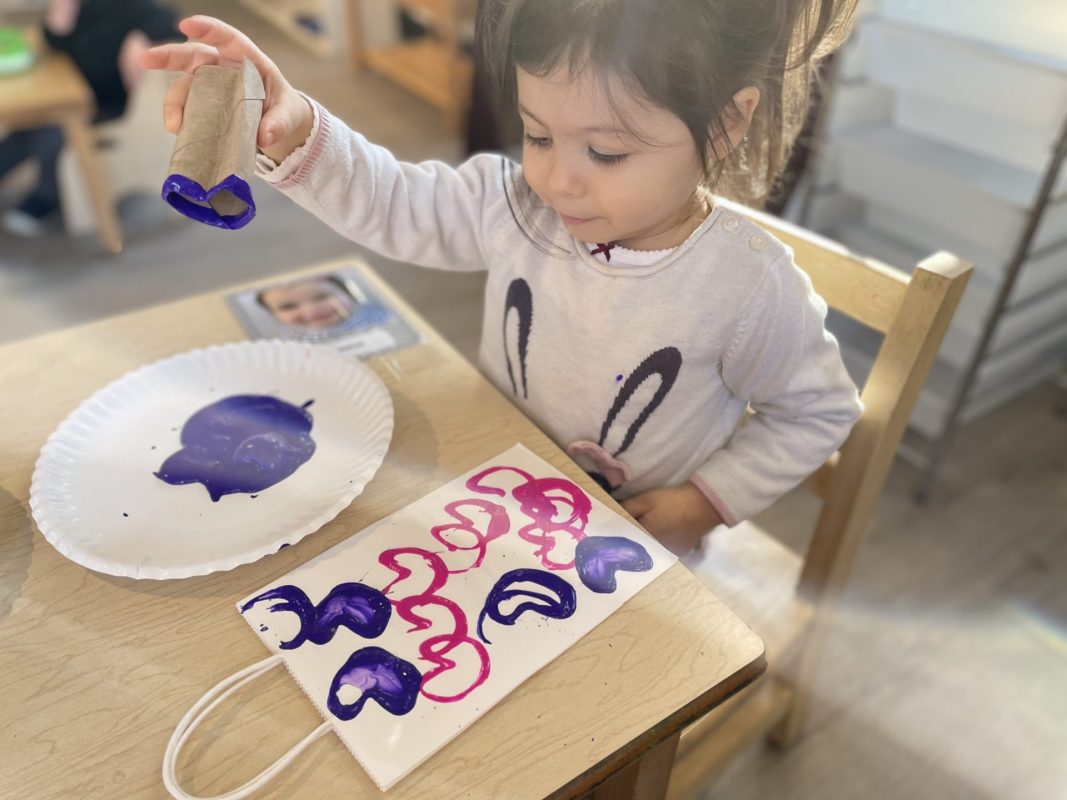
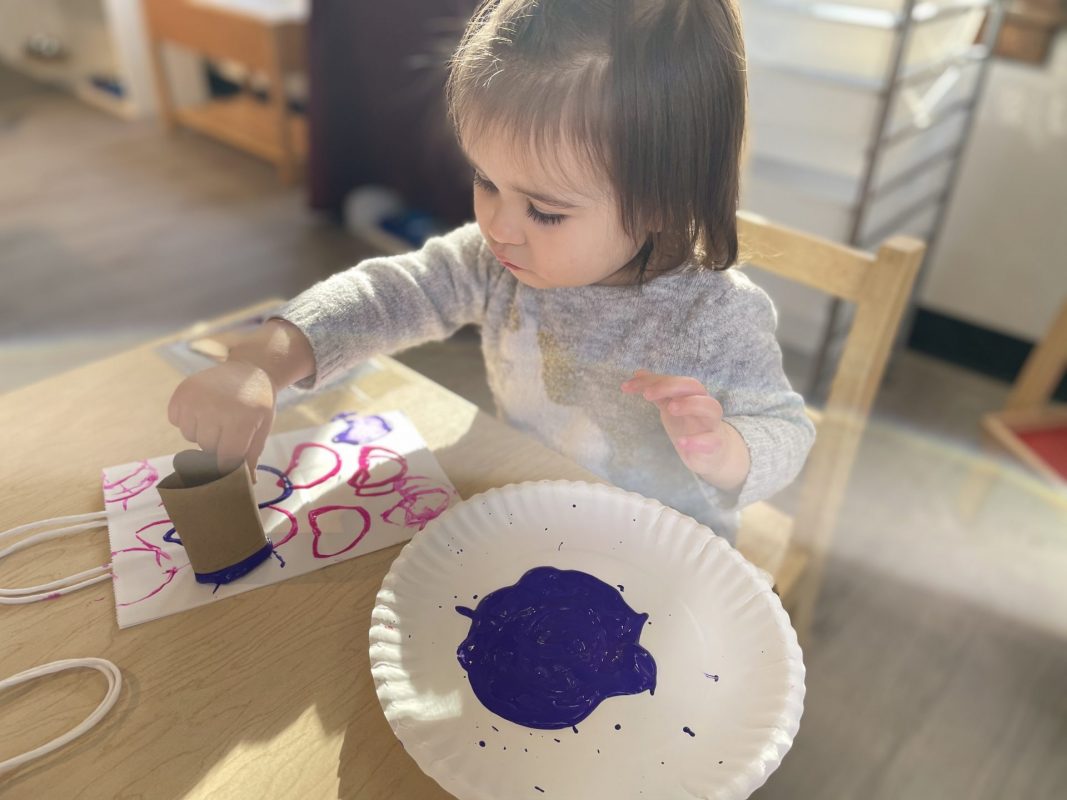
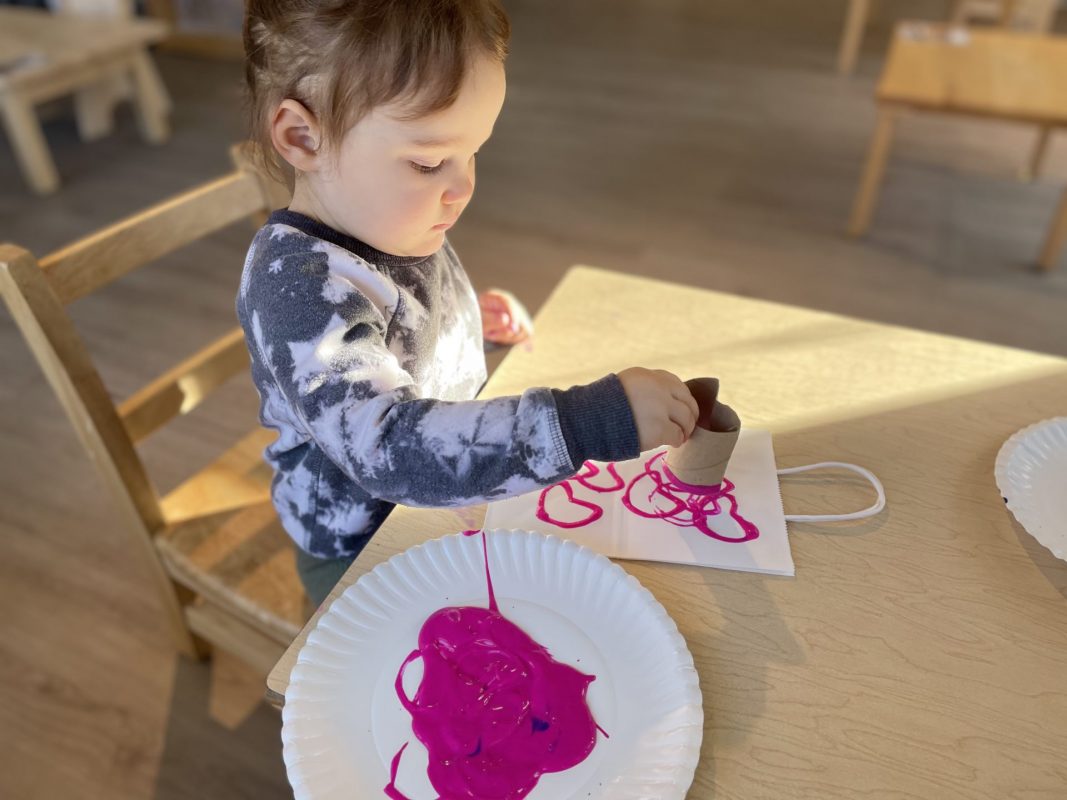
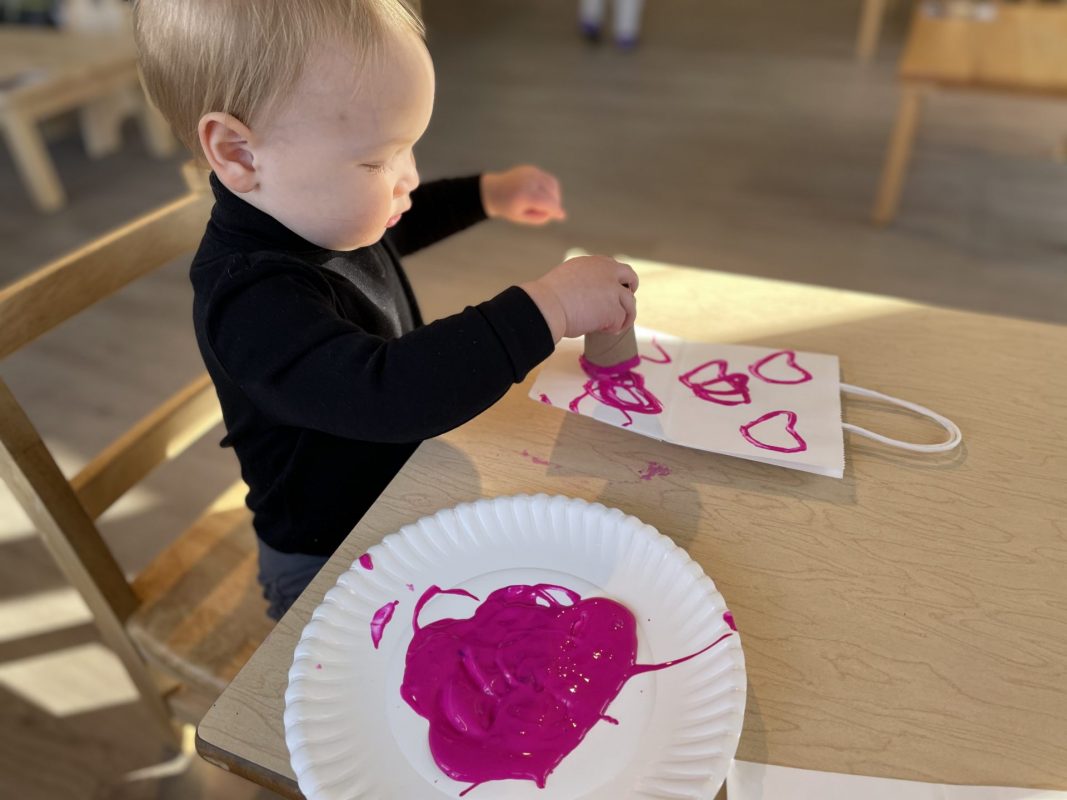
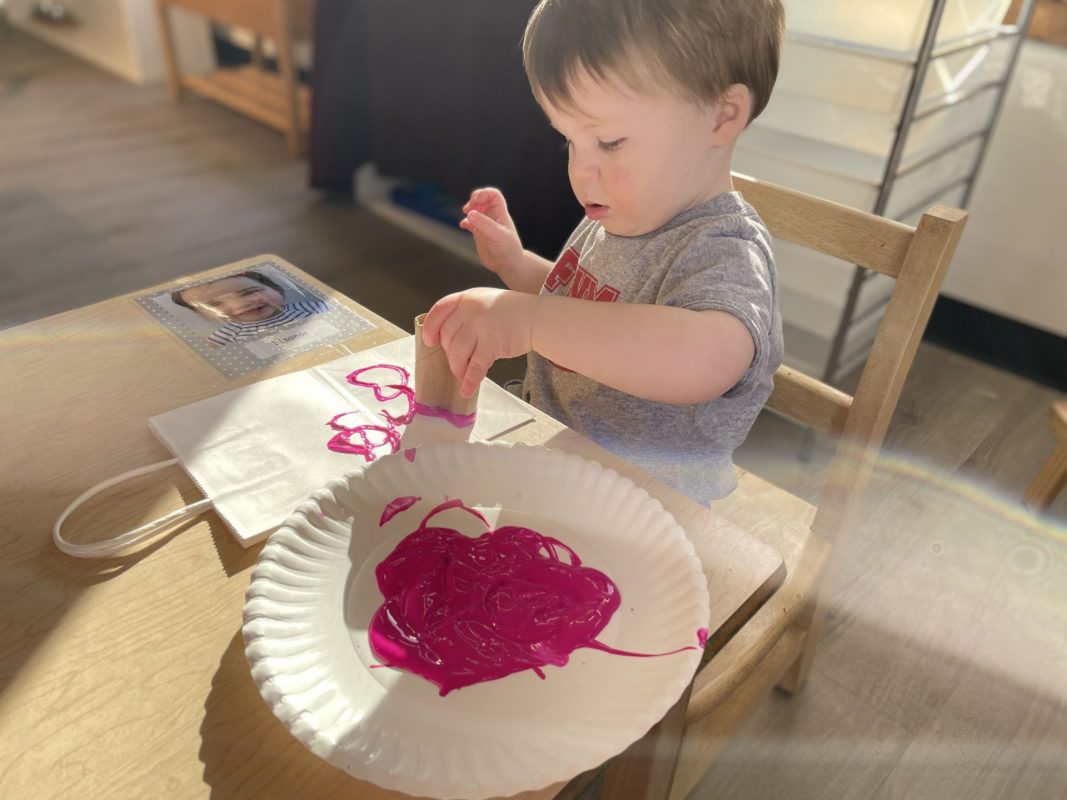
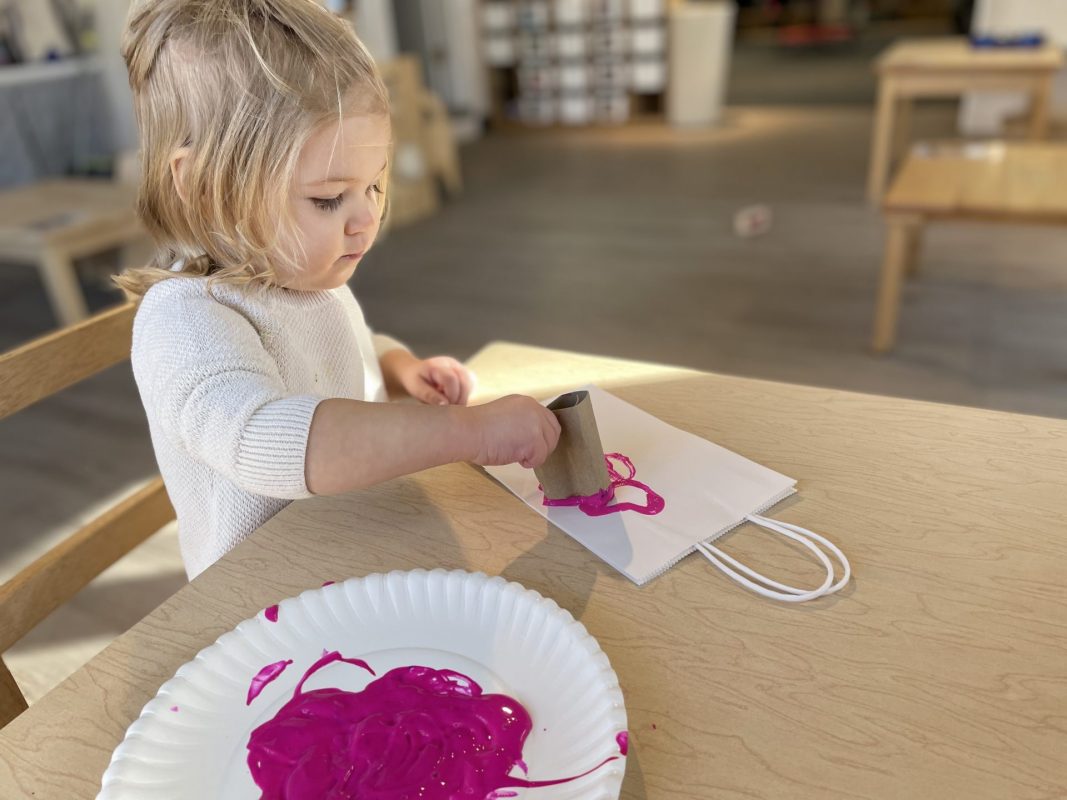
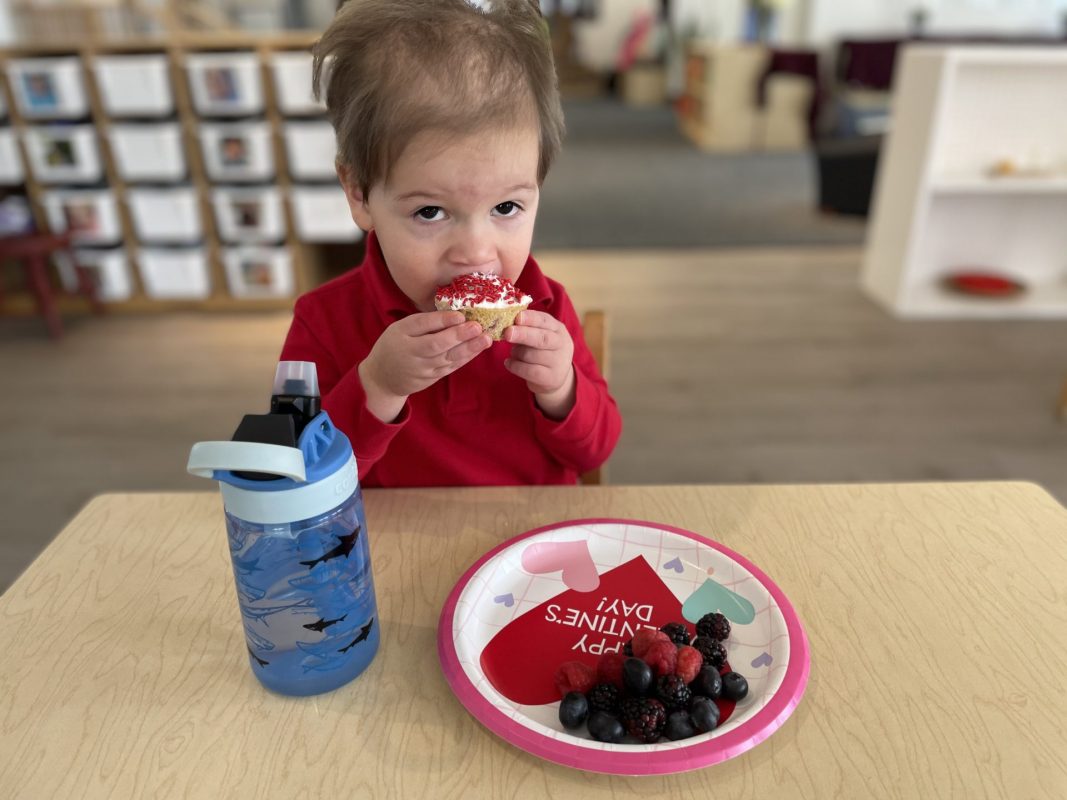
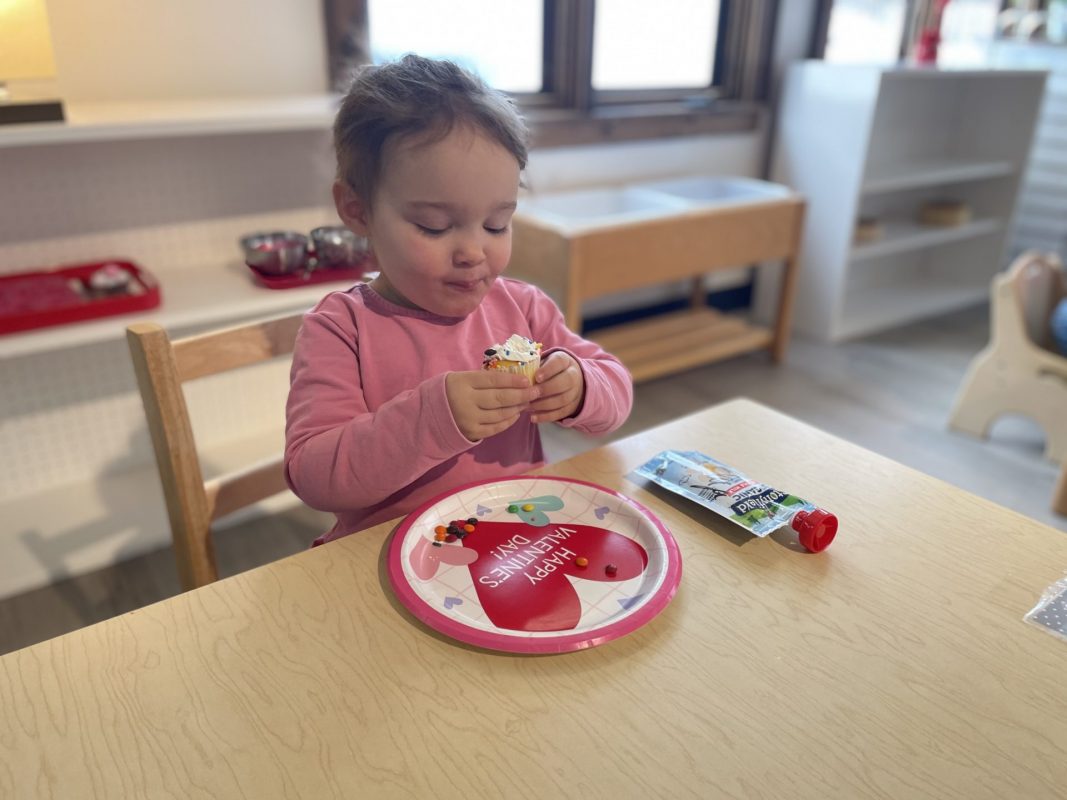
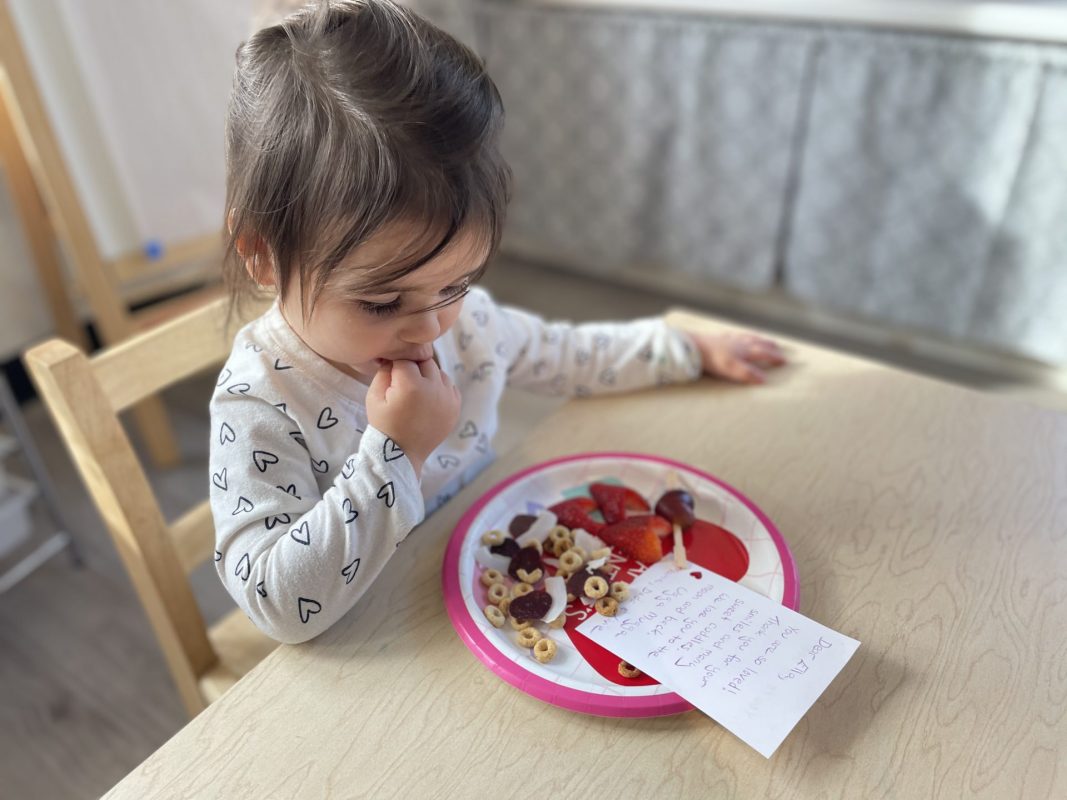
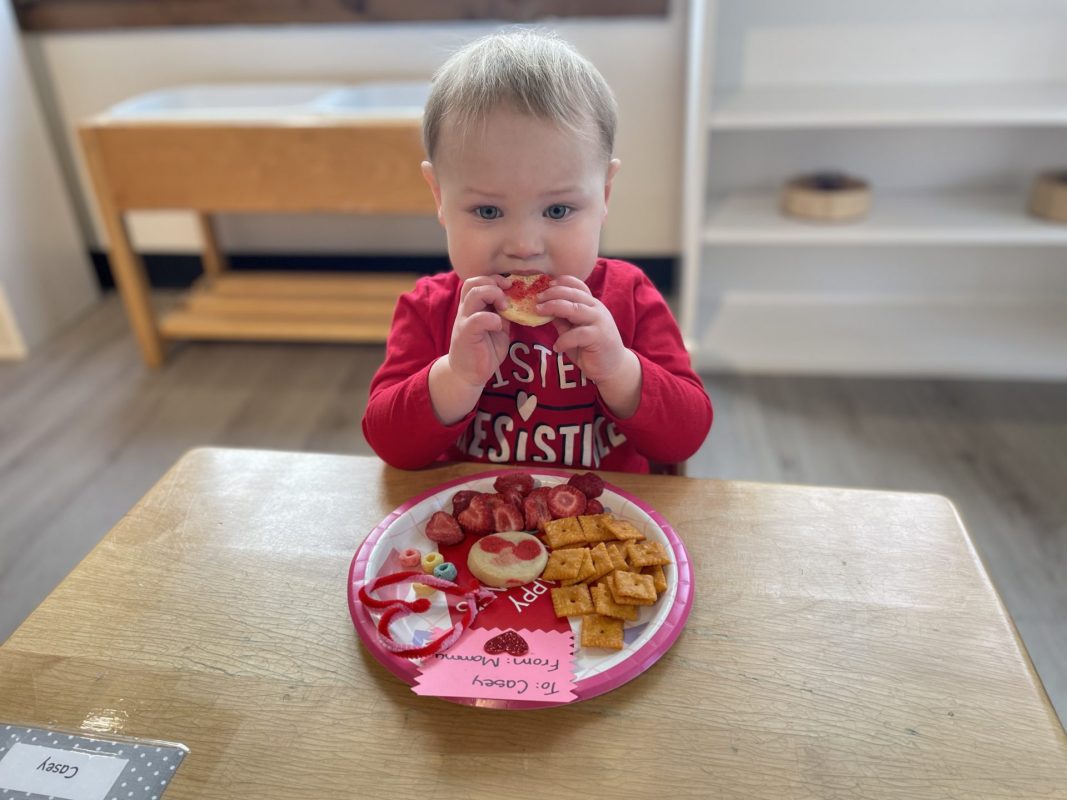
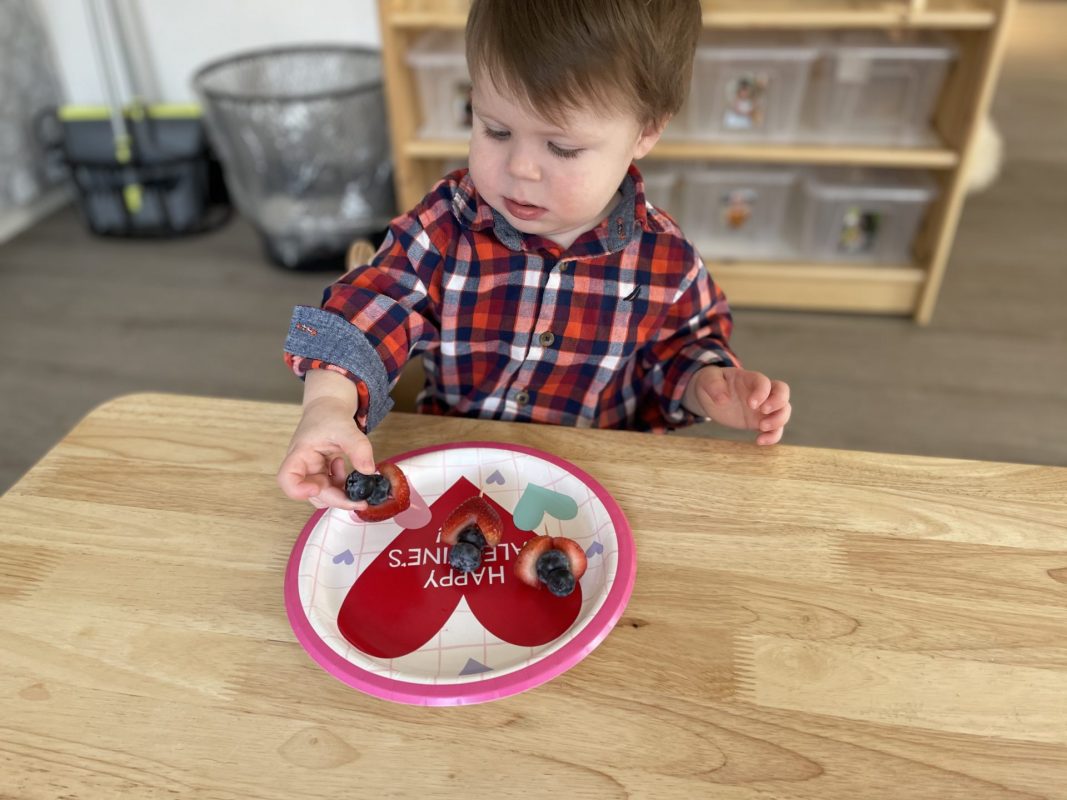
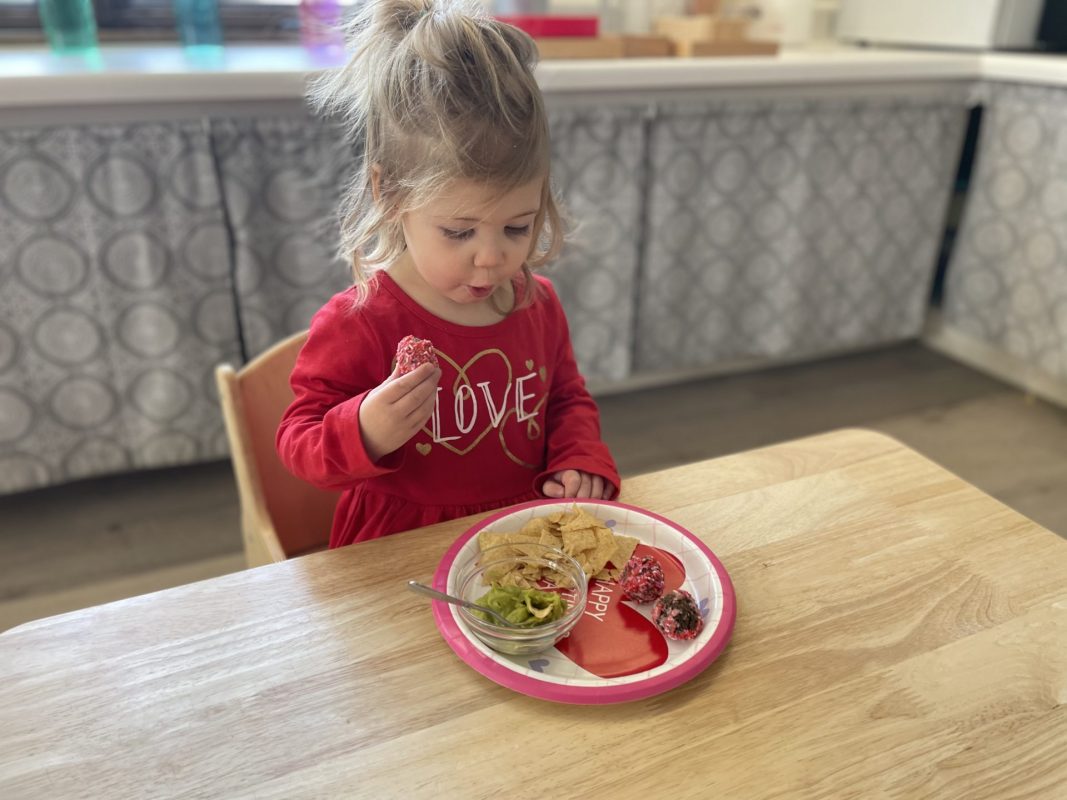
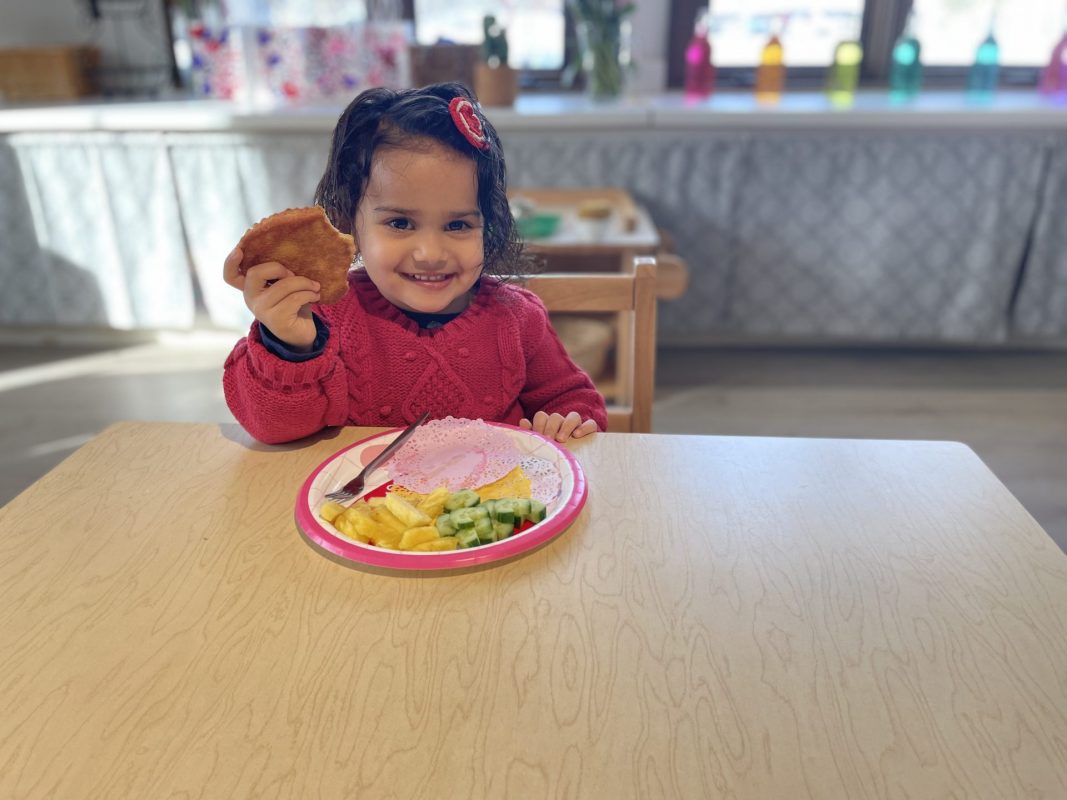
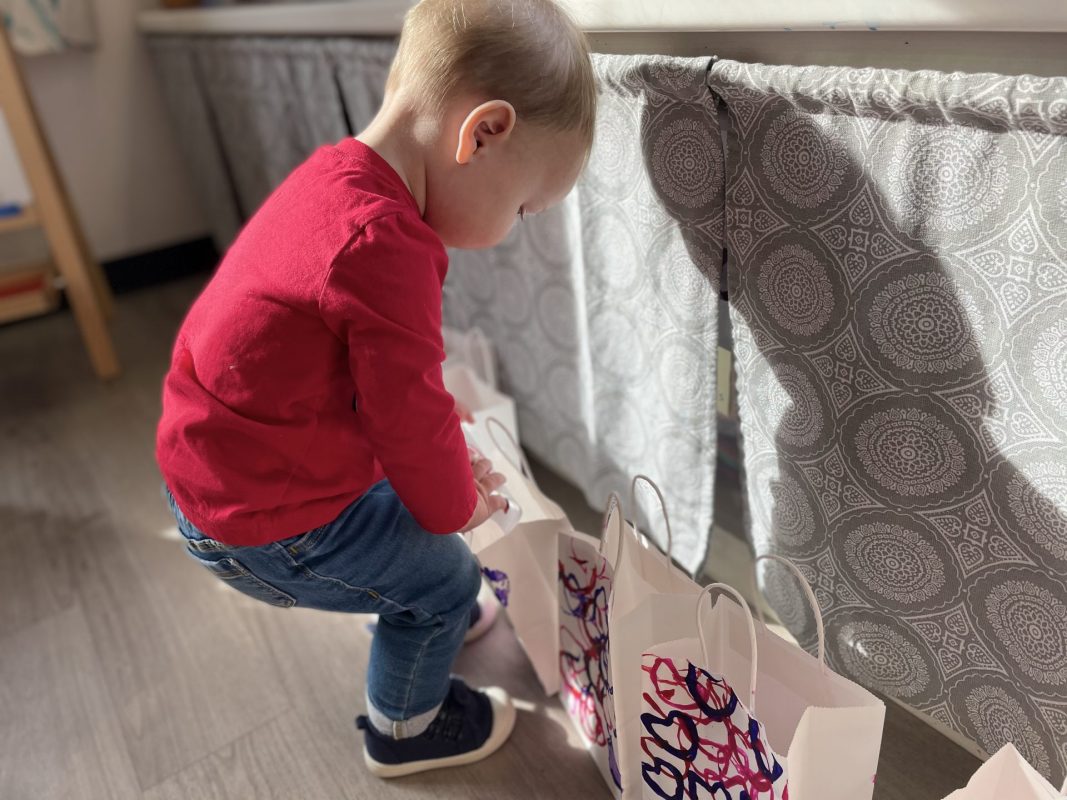
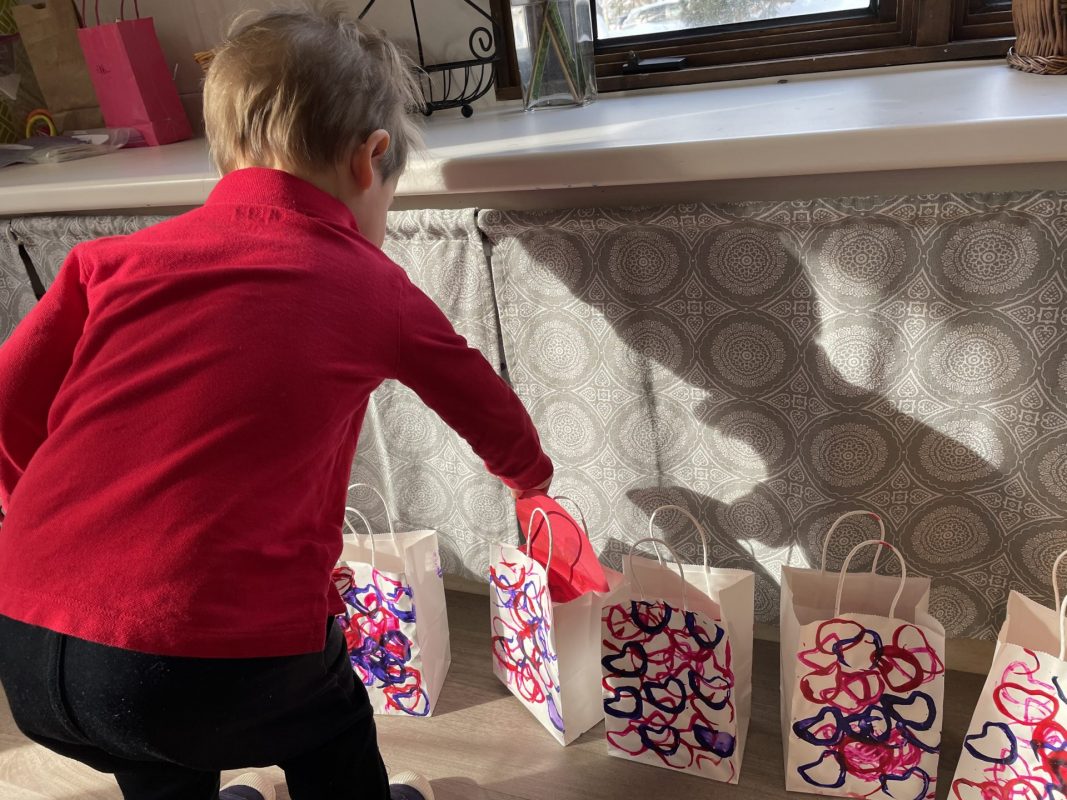
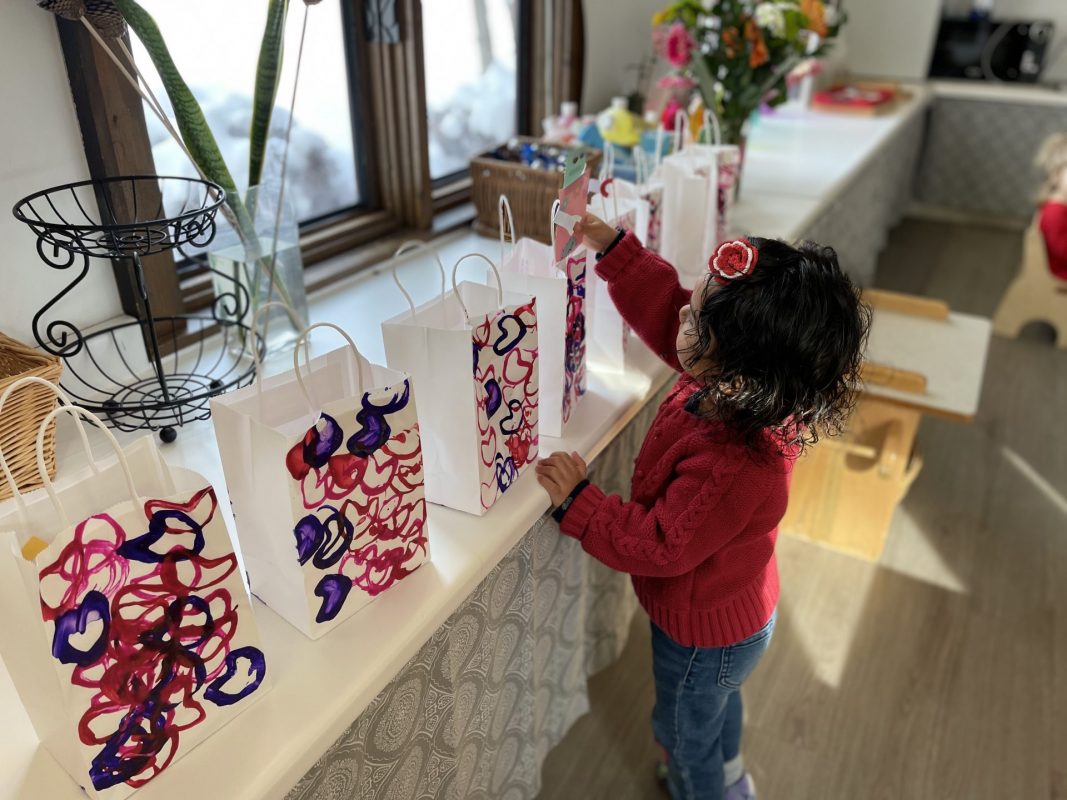
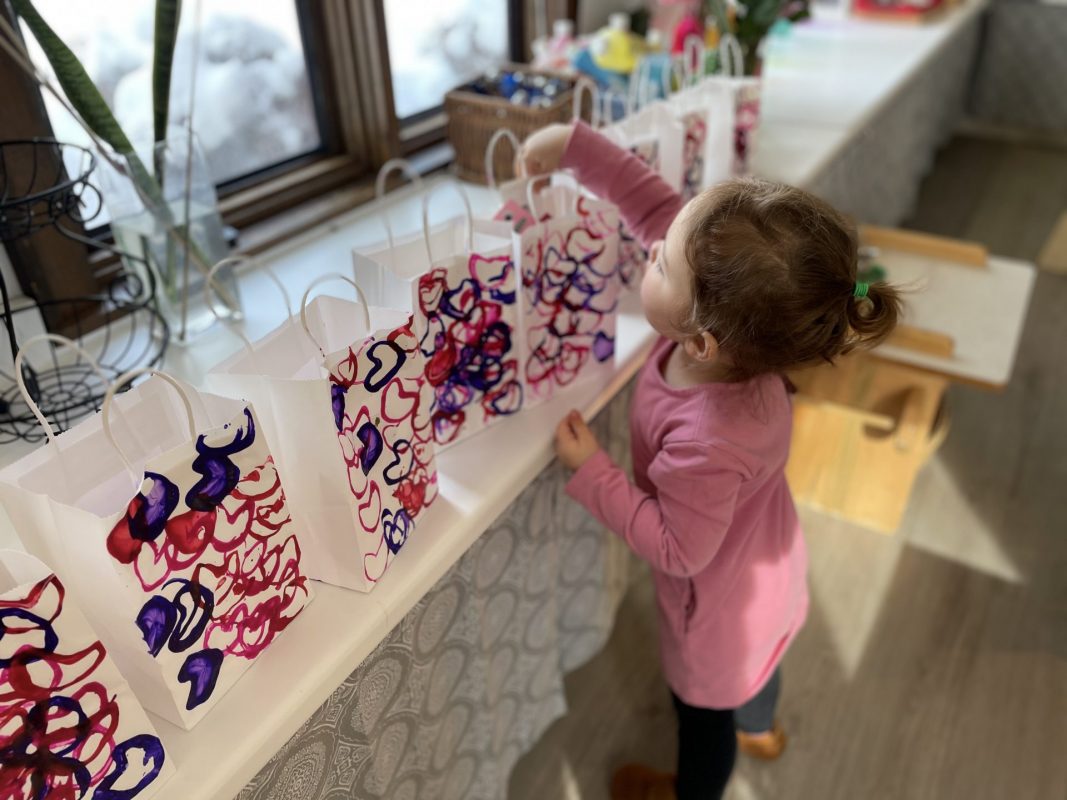
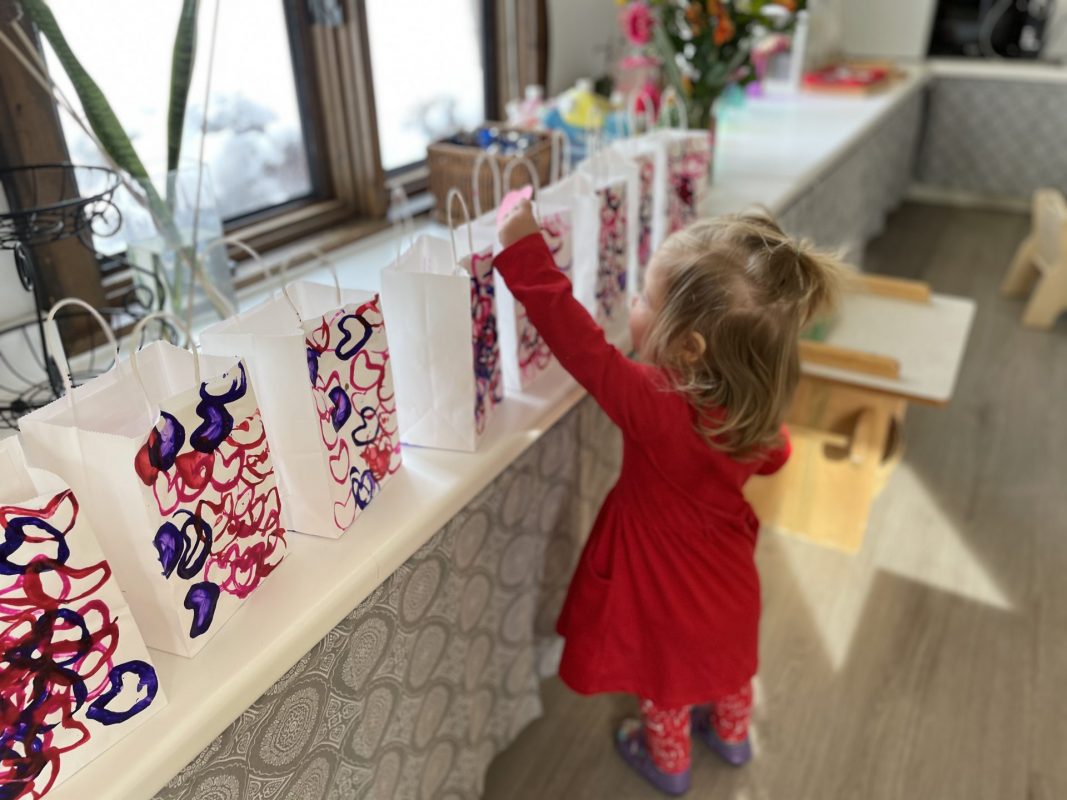
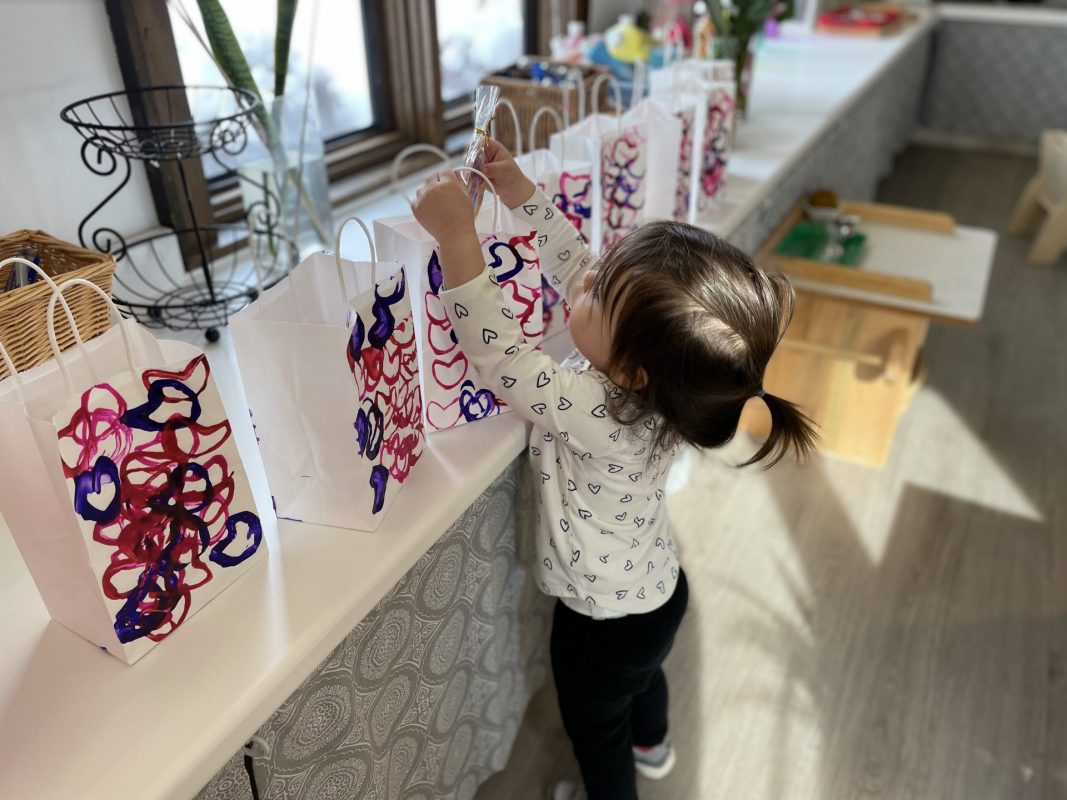
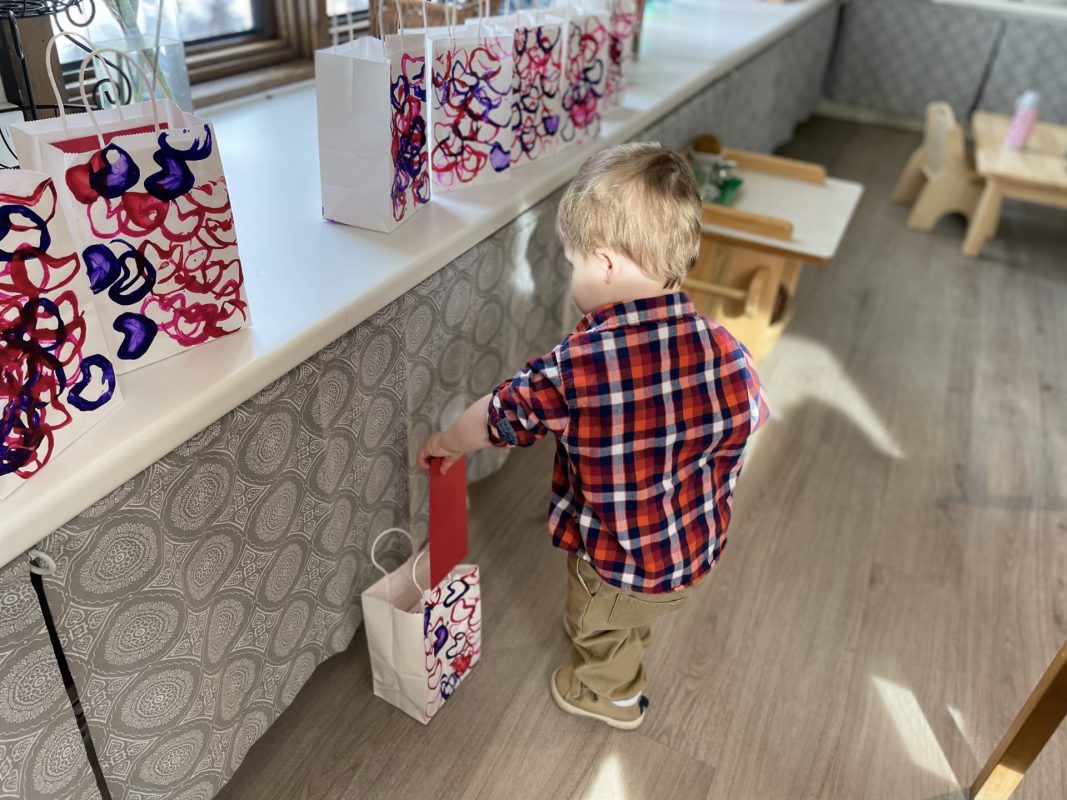
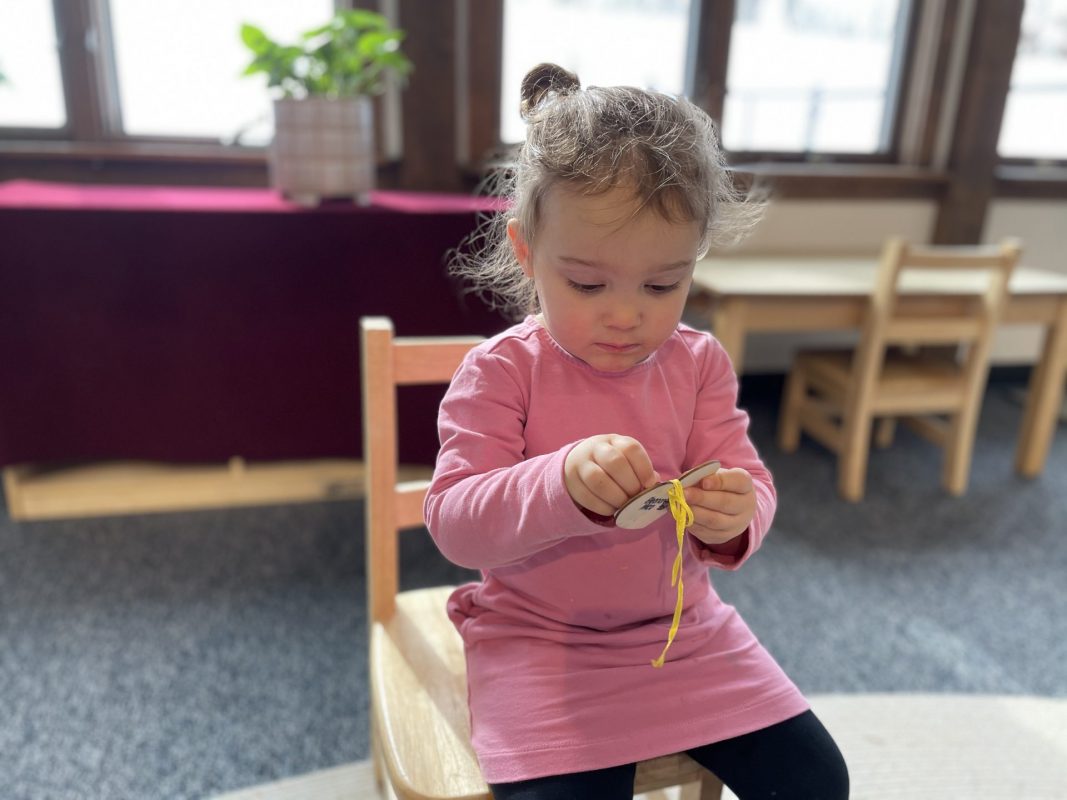
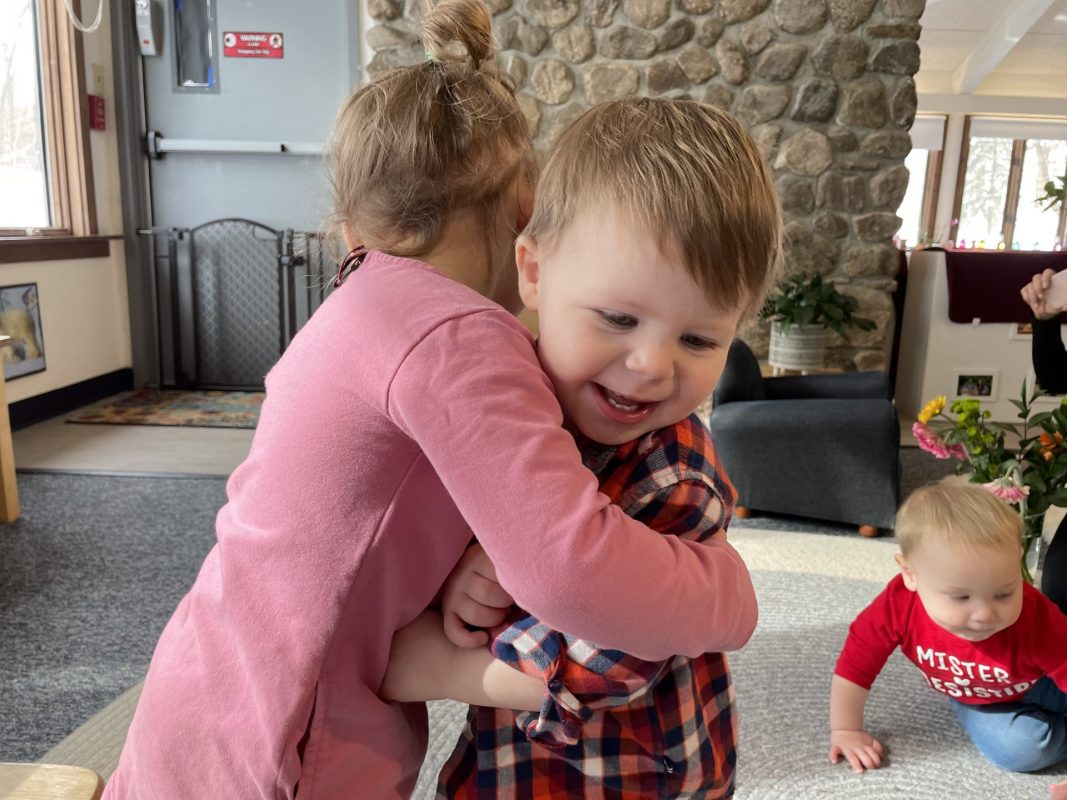
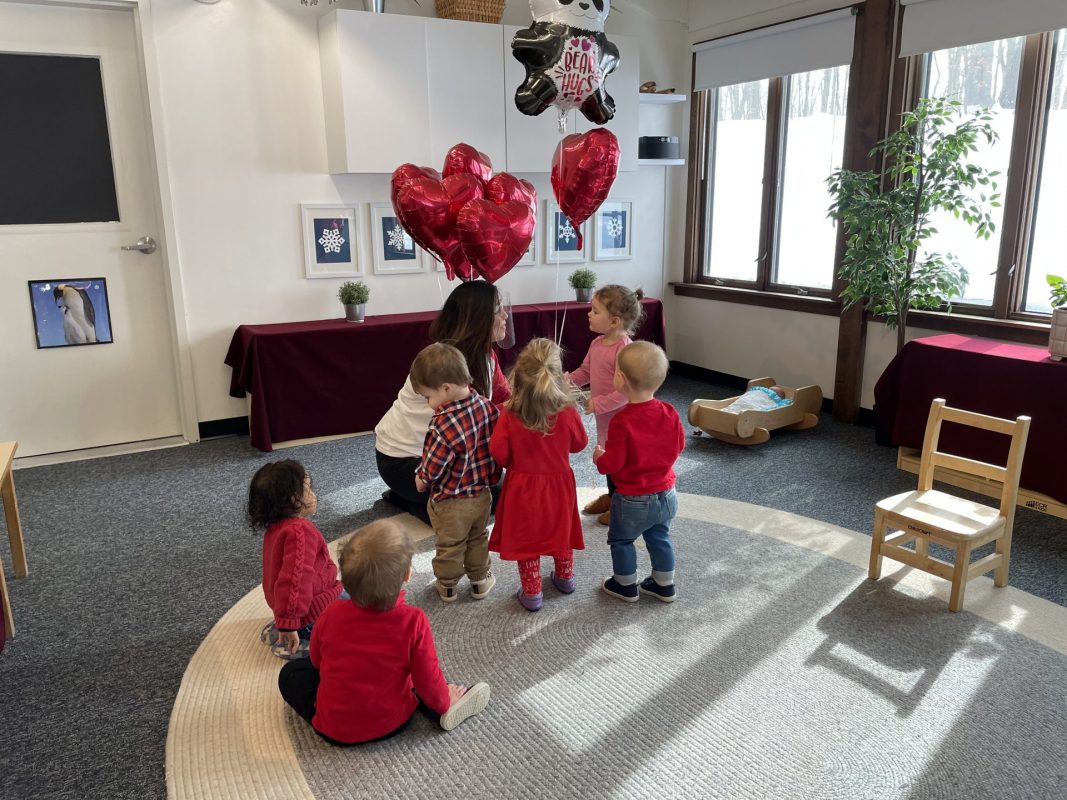
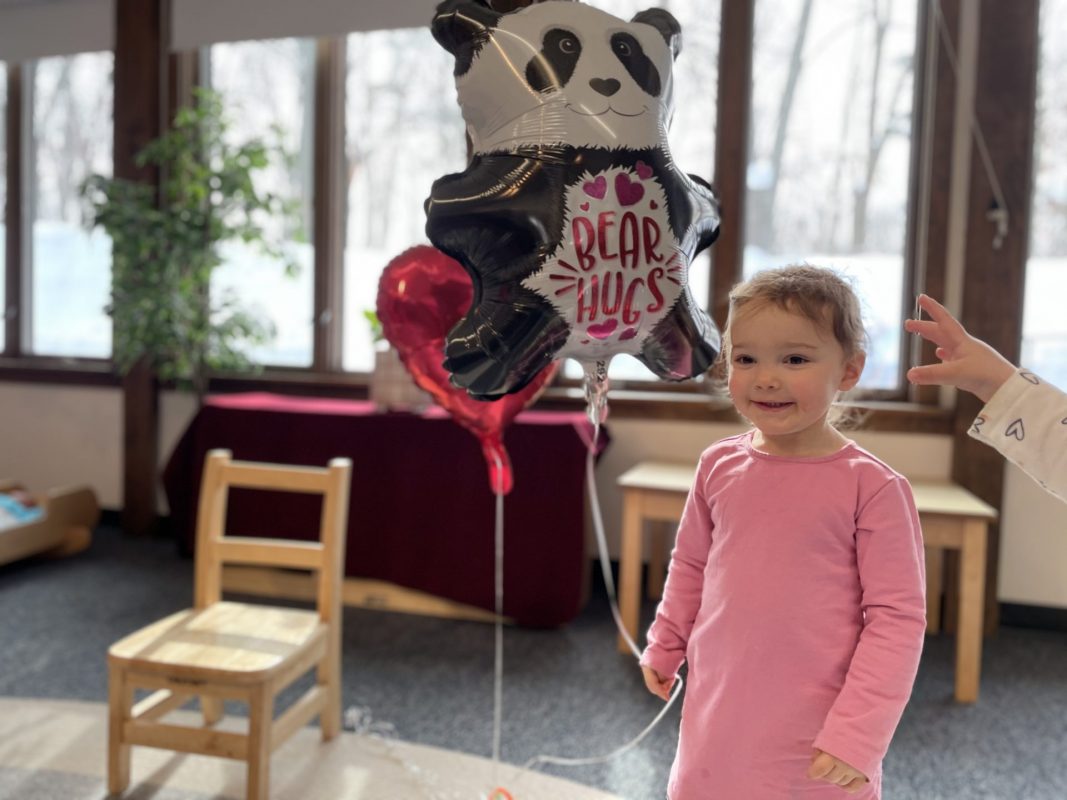
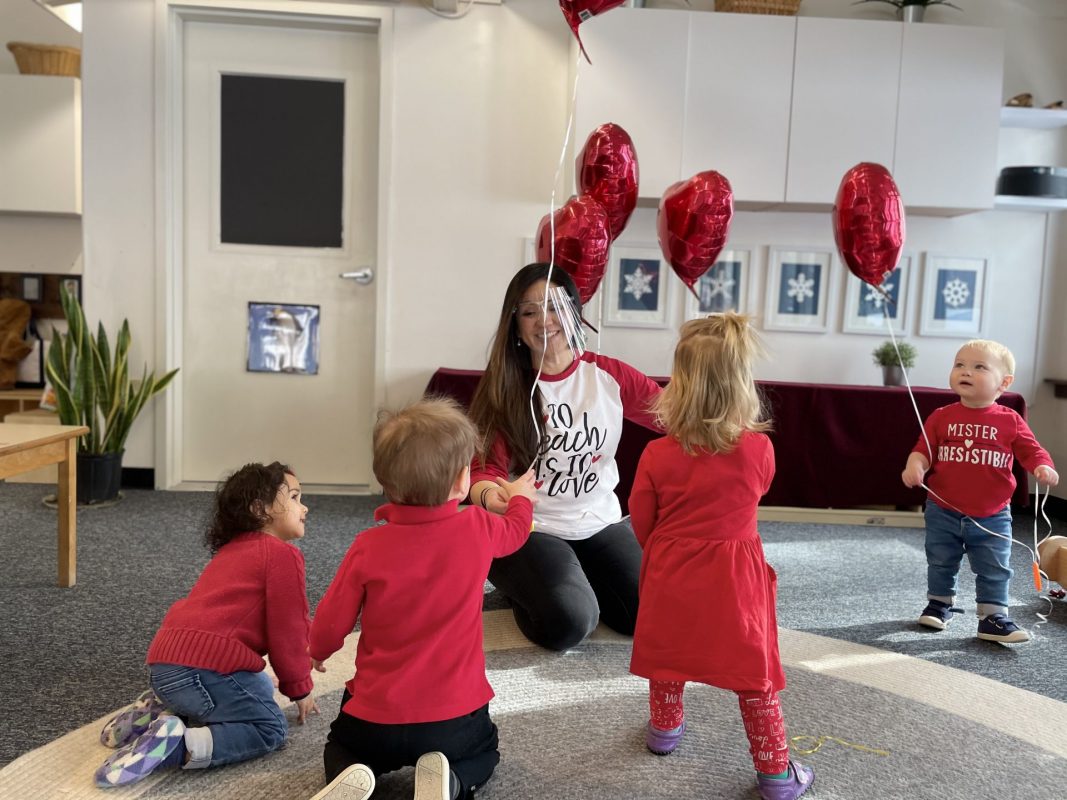
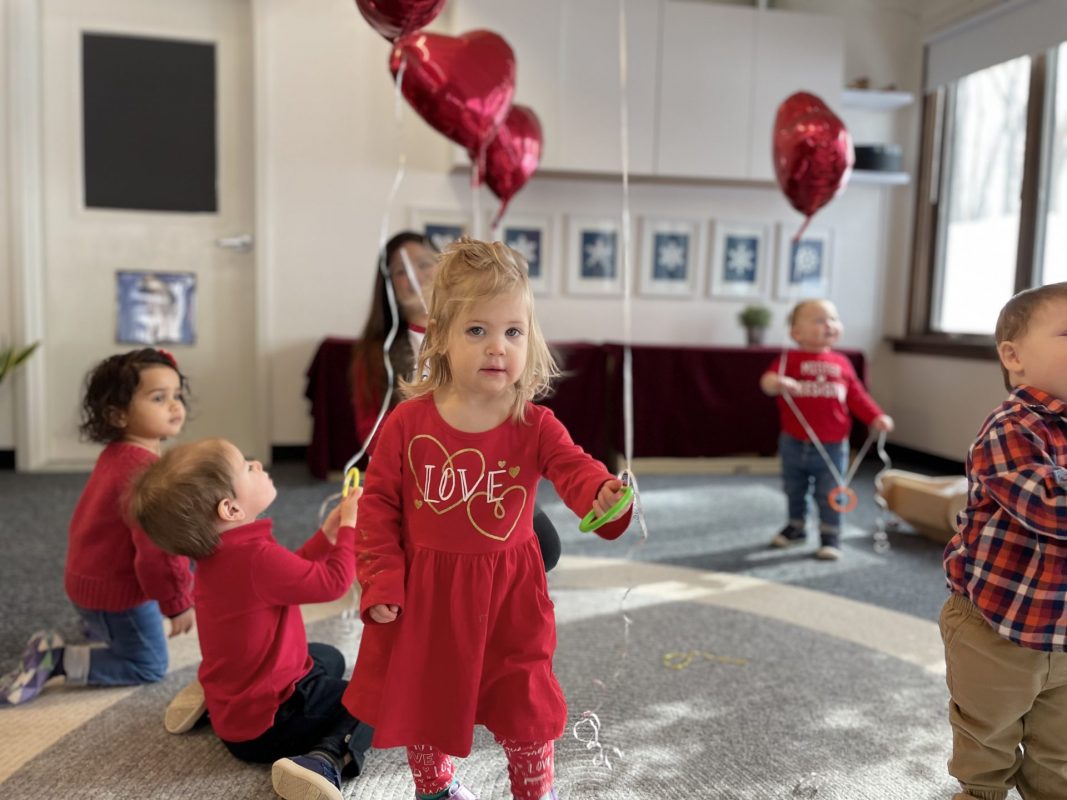
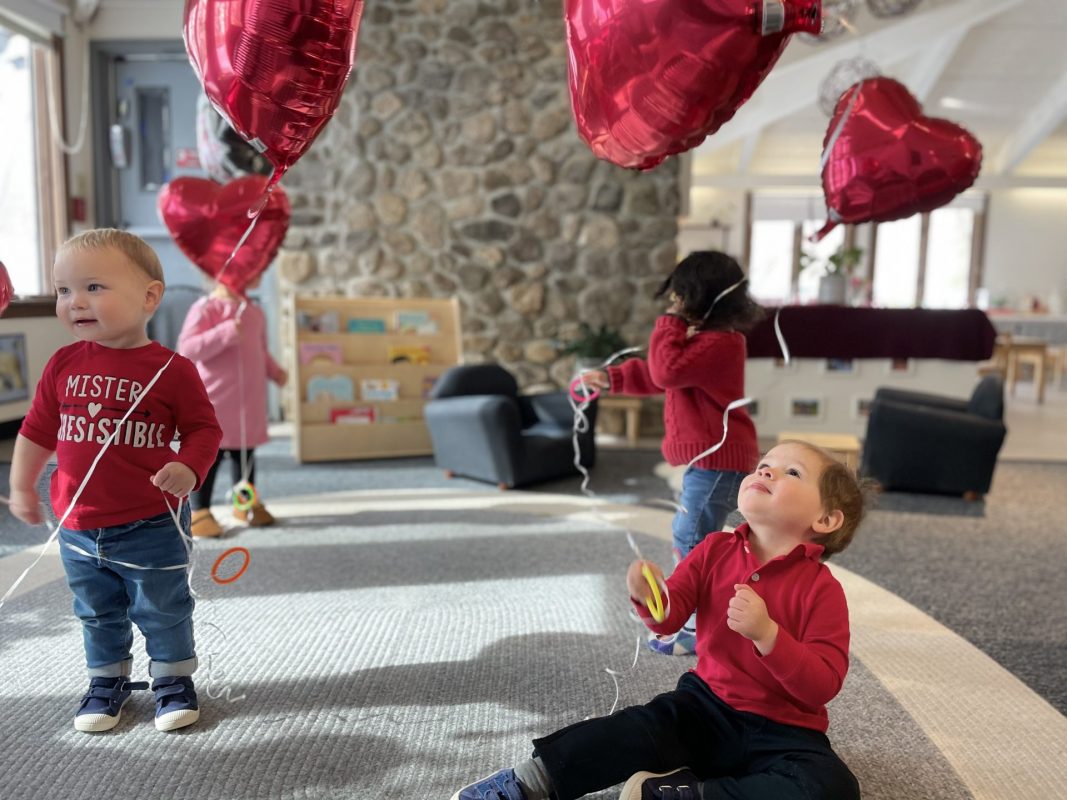
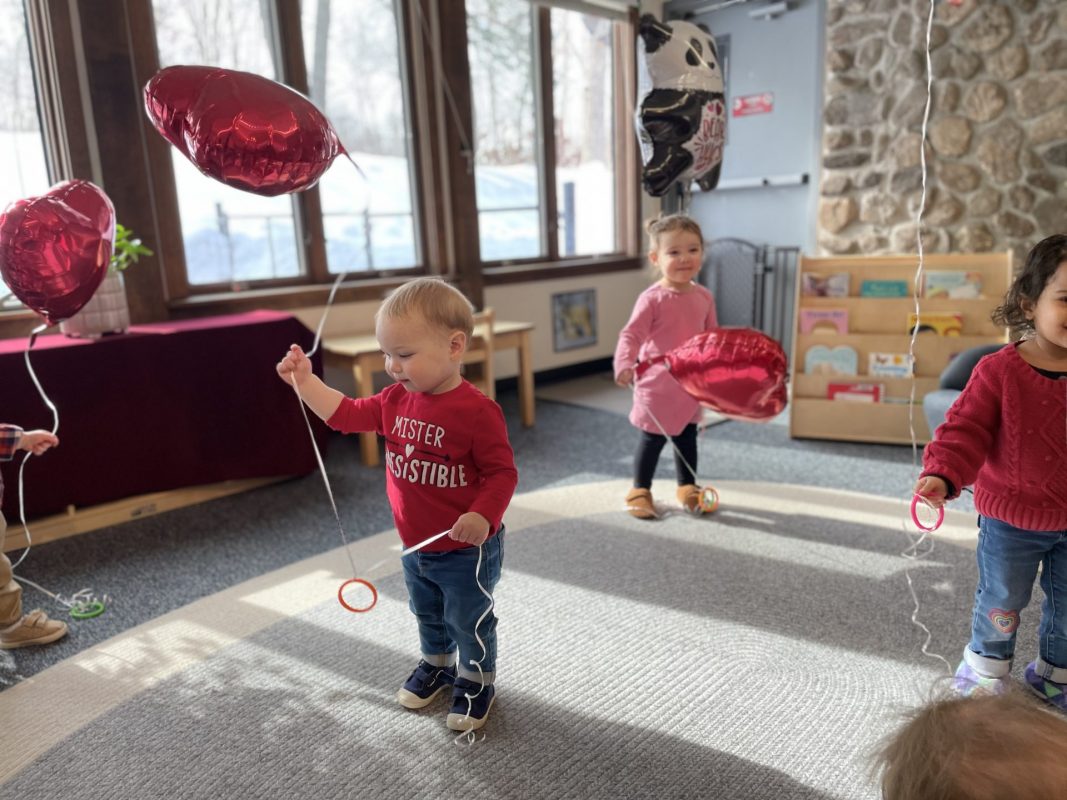
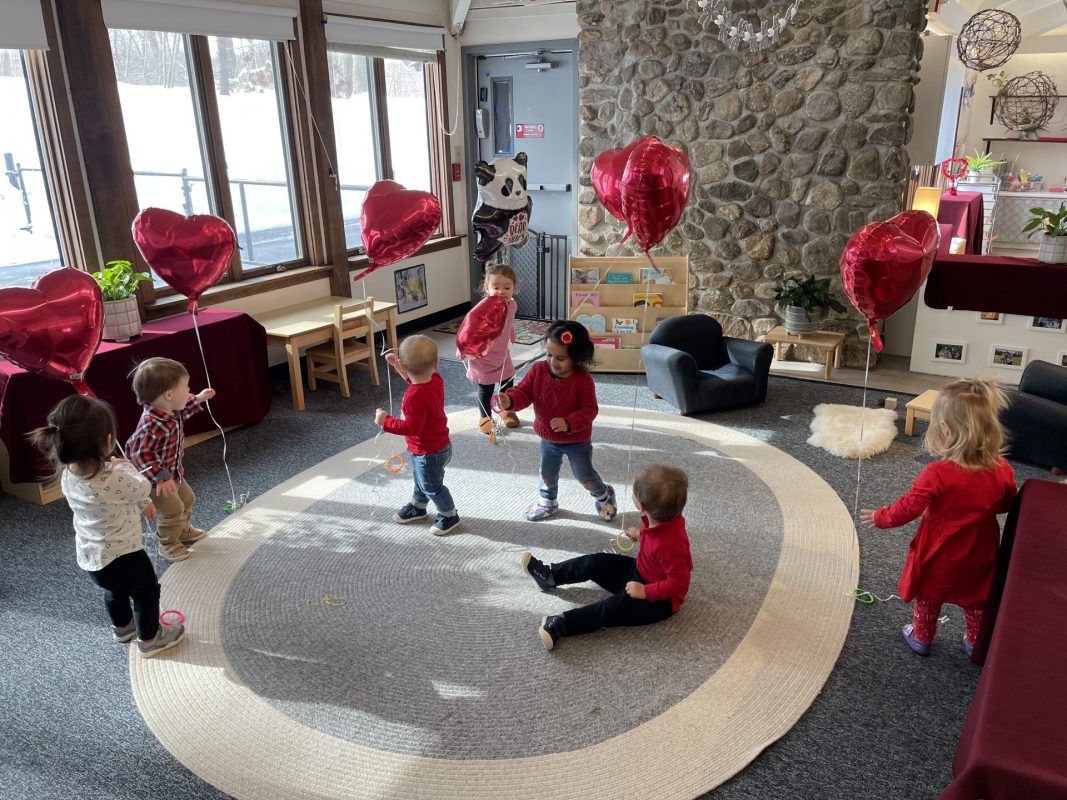
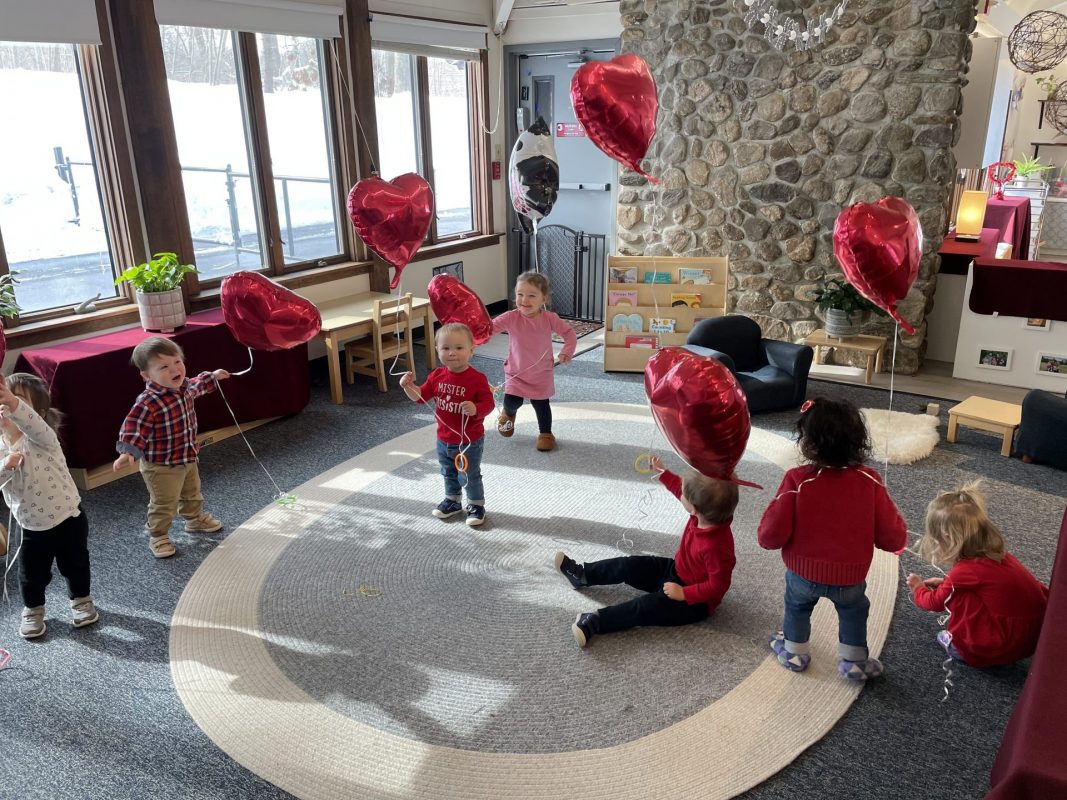
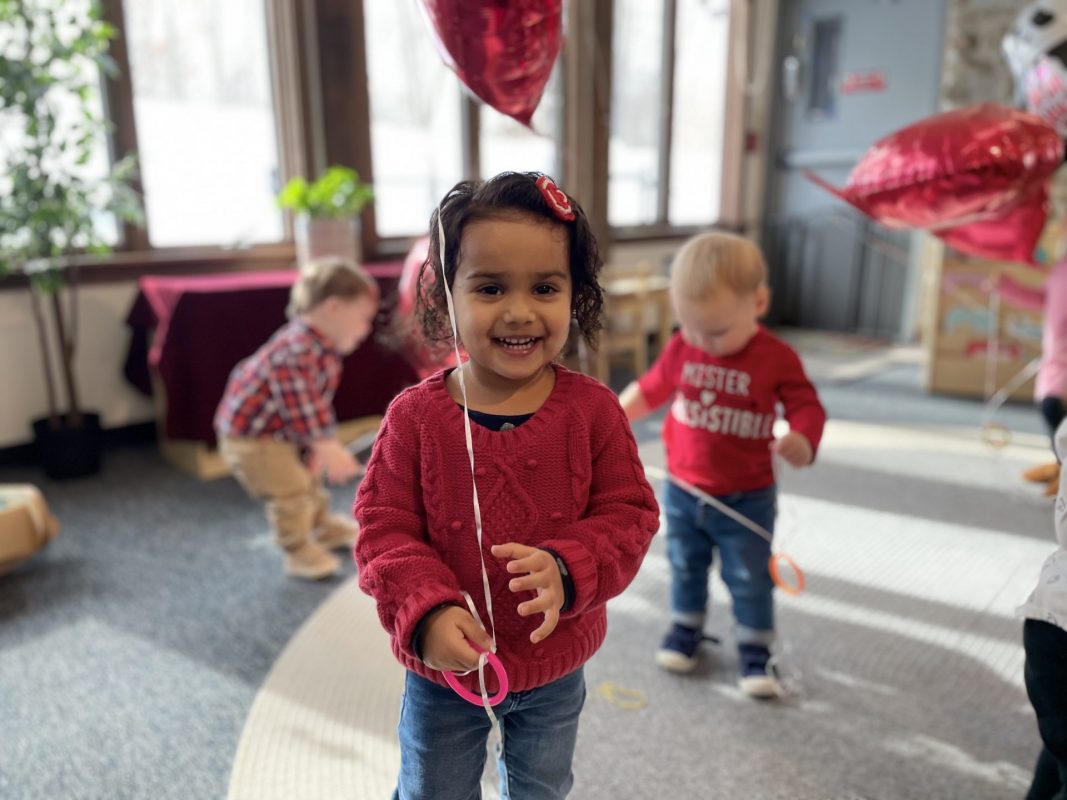
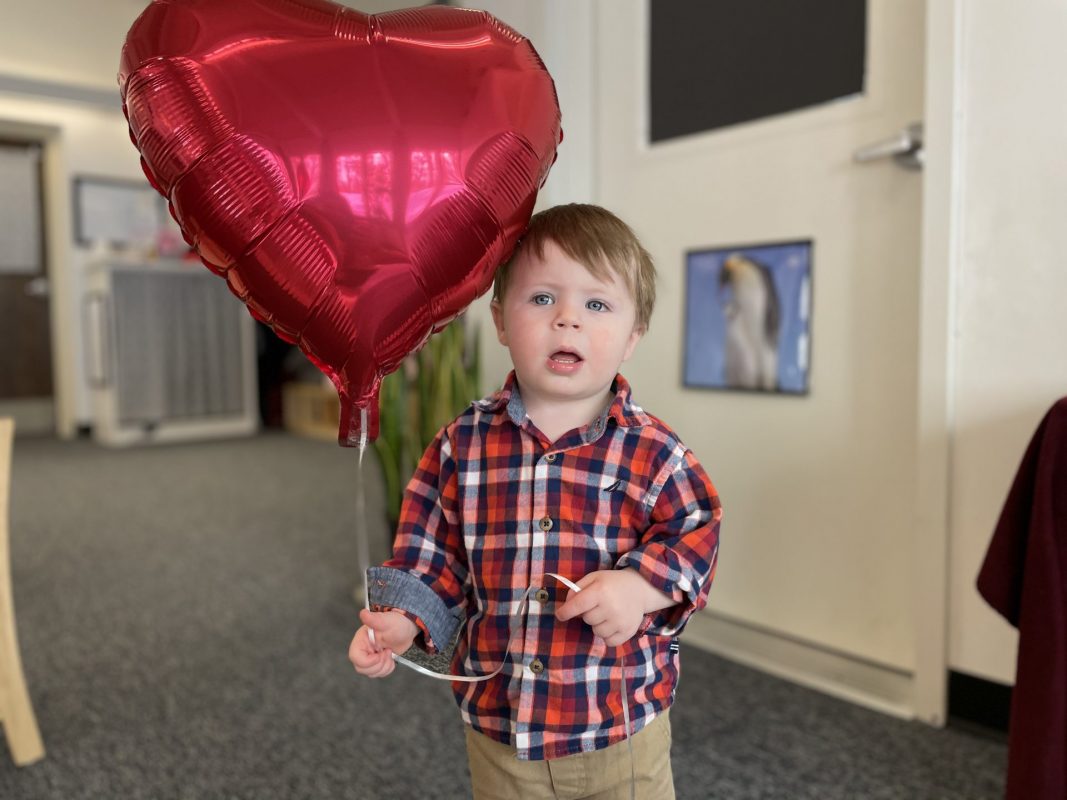
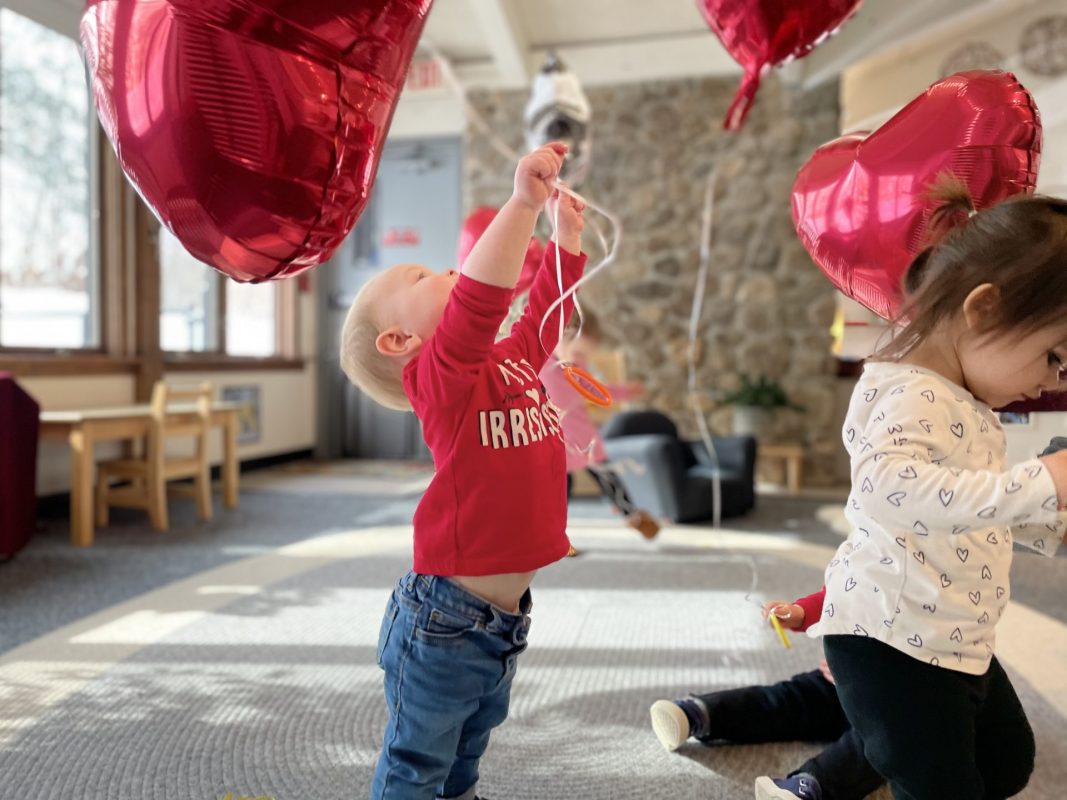
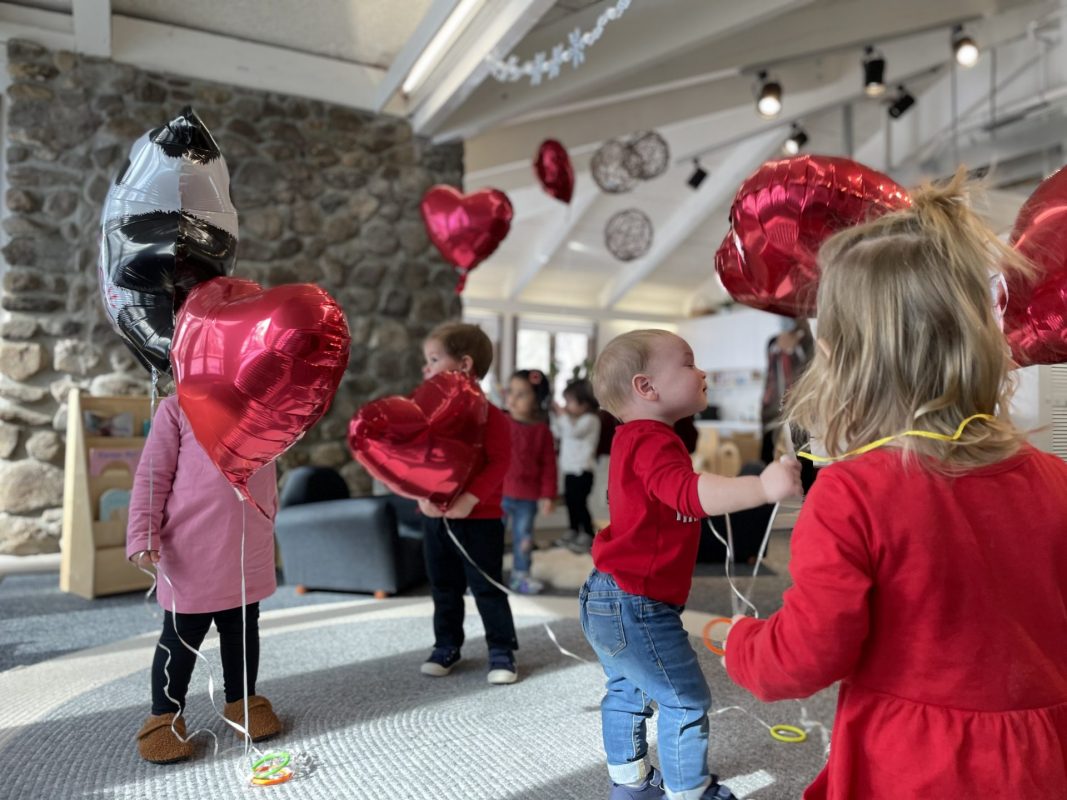
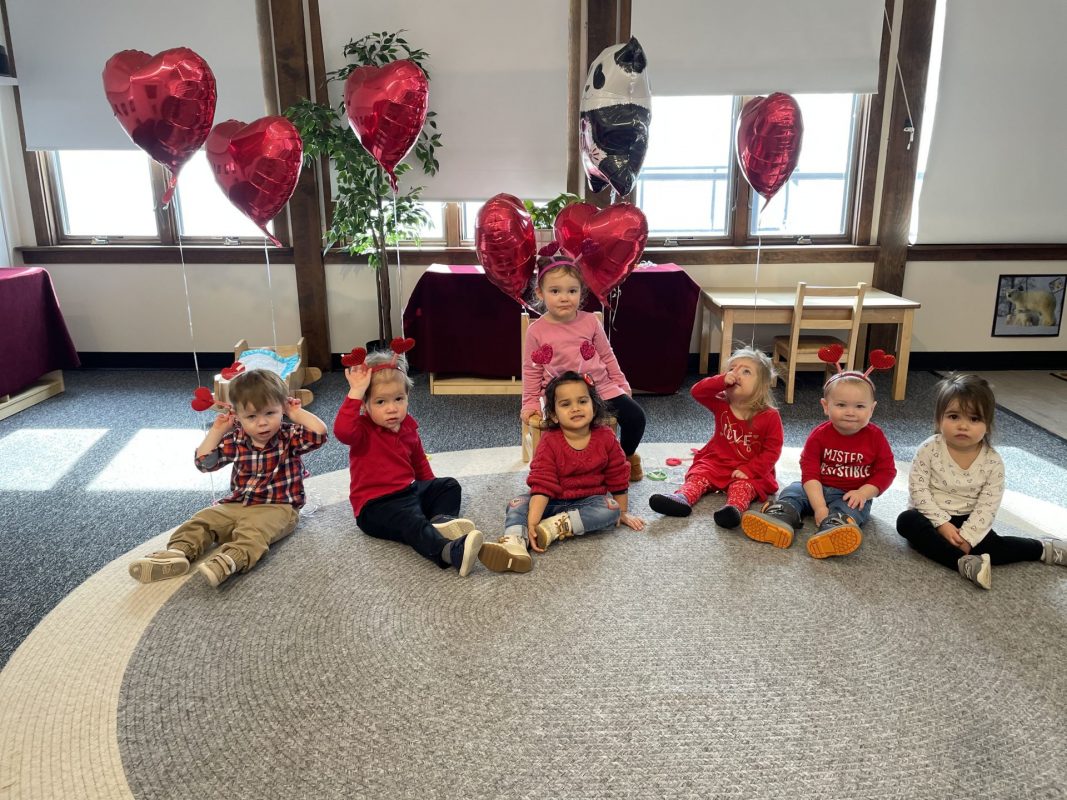
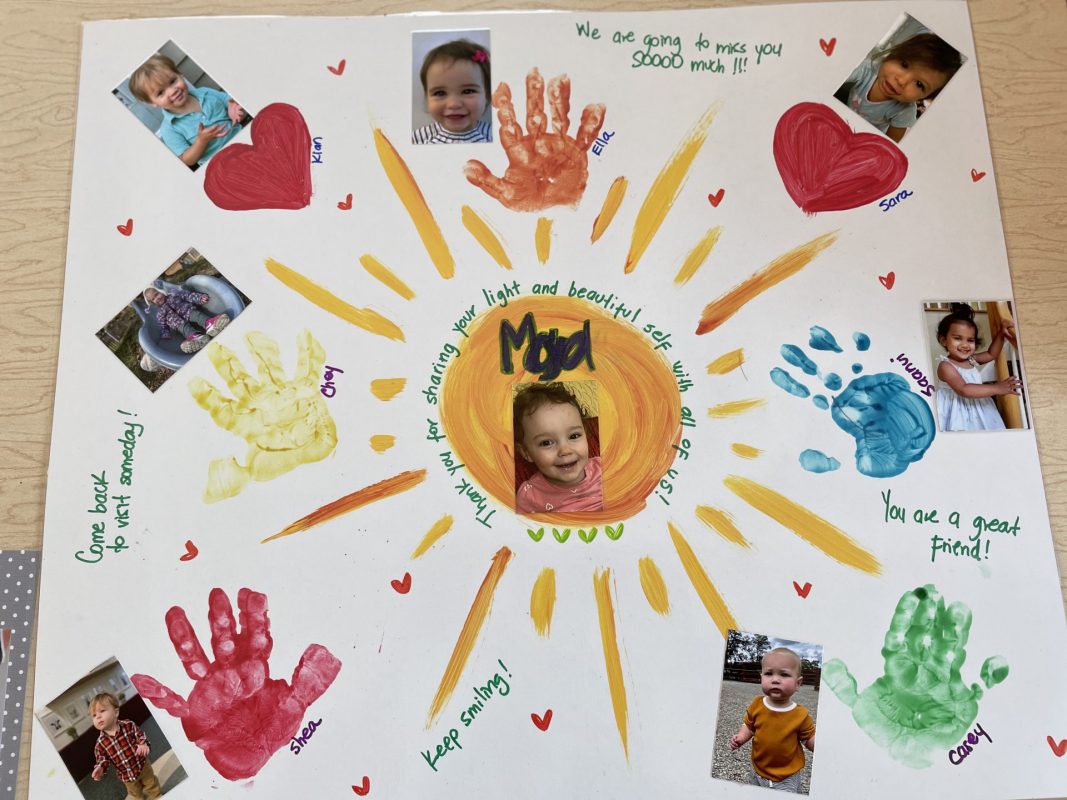
Based on Valentine’s day, children had a blast preparing for our Friendship Celebration! They exercised their fine motor skills to create their beautiful Valentine’s bags and they were super excited to share their Valentines with each of their friends! Children were so happy and surprised when they saw the beautiful Valentine’s snack provided by each one of you! We read the notes that were sent and it was obvious that the children’s hearts were warmed. We also had a great time dancing and enjoying our last morning with our beautiful friend Maya, who brought some much light and kindness to our environment during her time with us. We thank you so much for all your support in helping us to bring some type of normalcy and love to our students during this season of our lives. 

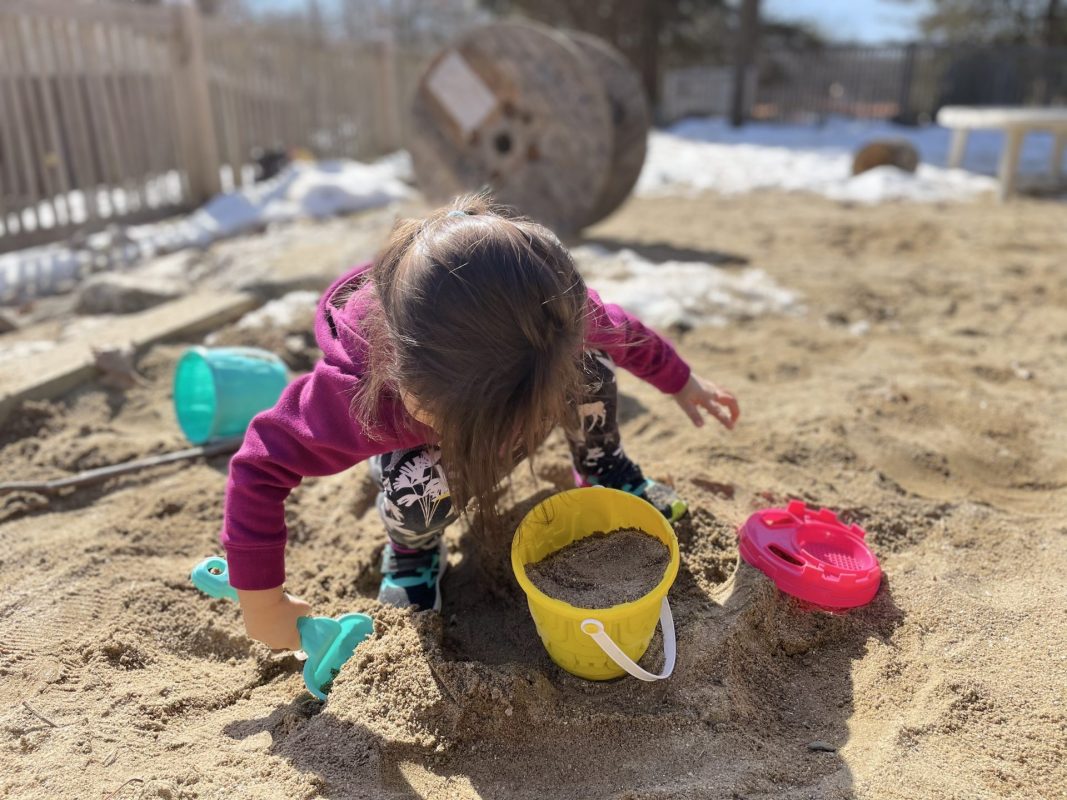
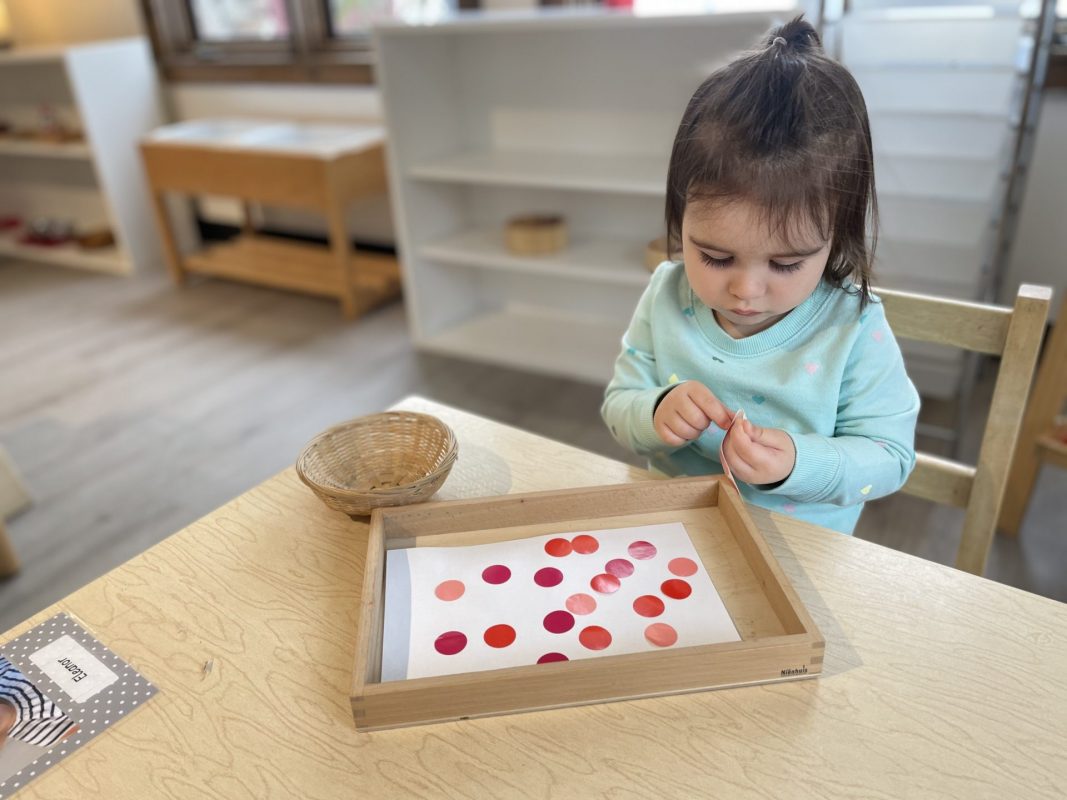
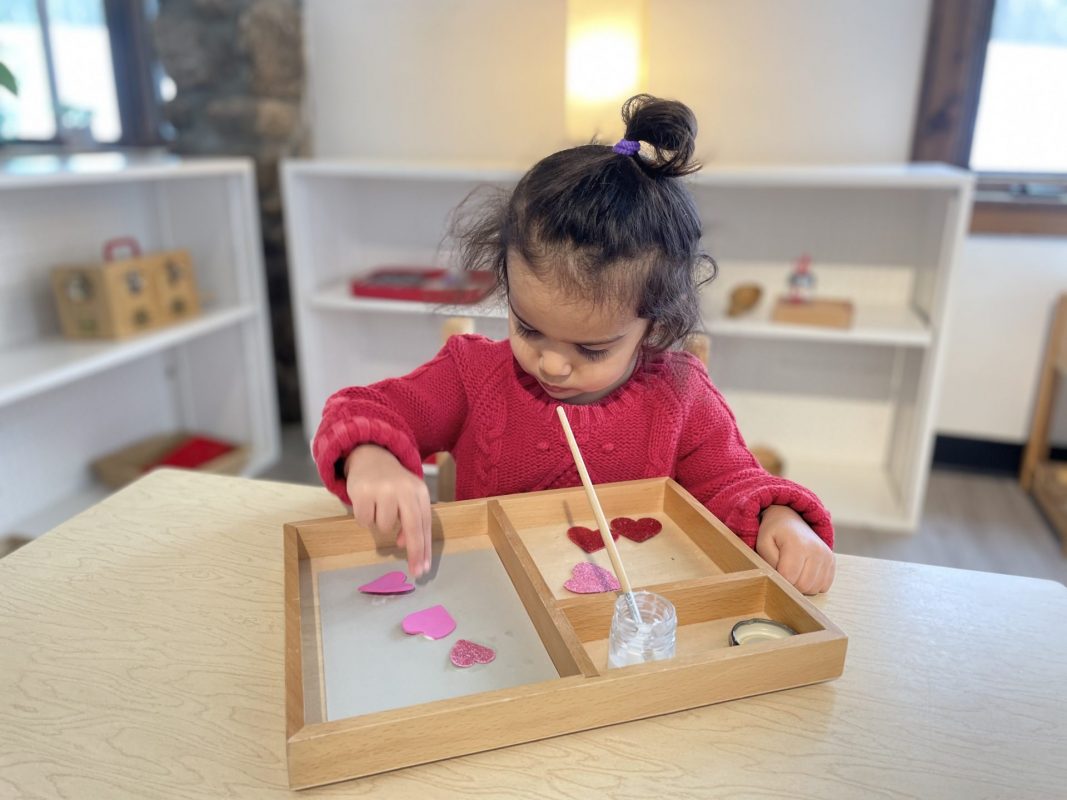
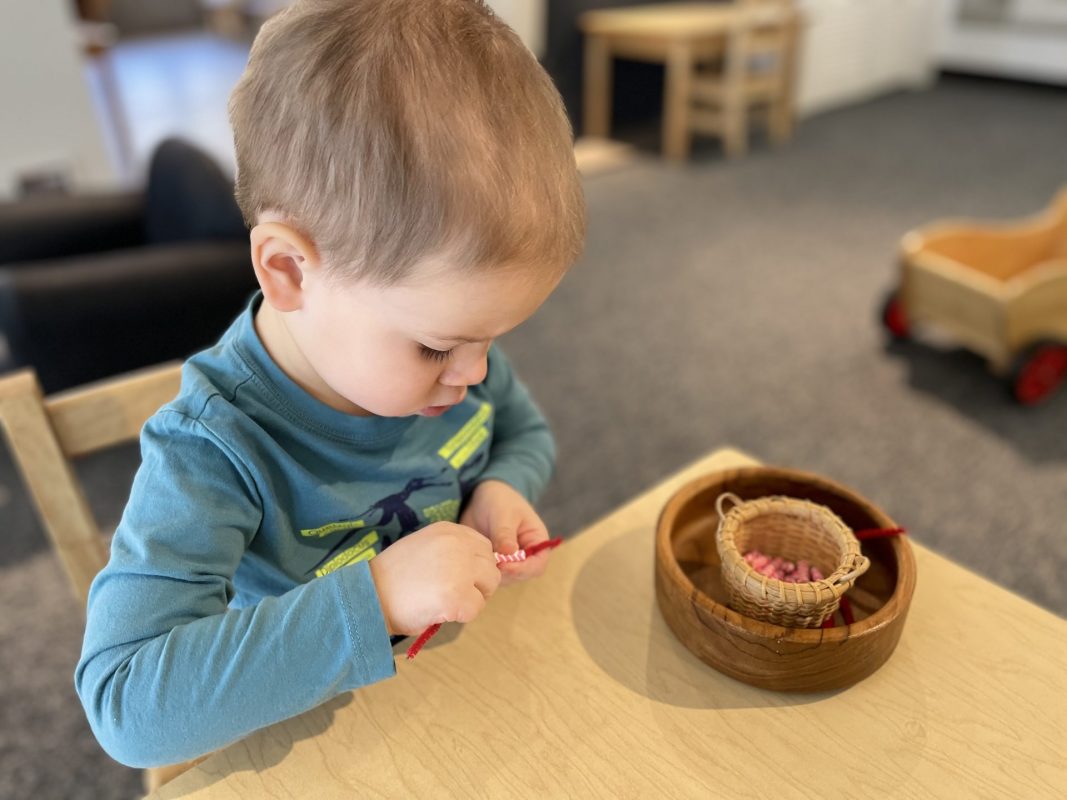
In addition to this, children continued to work on their fine motor skills using seasonal works and enjoying their time outdoors in the fun snow, as much as possible. 

This month we learned a beautiful song in sign language called: “The more we get together”. I hope you watch the video, join us to practice it with your child, and use it as a reminder that we as a community are blessed to have each other. The fact that we are able to see each other in person daily is something that I am very thankful for.

Have a great weekend, 

Mrs. Hood and Ms. Maria  

Mrs. Hood’s Class: Little Explorers!

‘The best way of invigorating a child is to immerse him in nature… it is also necessary… to place the soul of the child in contact with creation, in order that he may lay up for himself a treasure from the directly educating forces of living nature” – Maria Montessori 

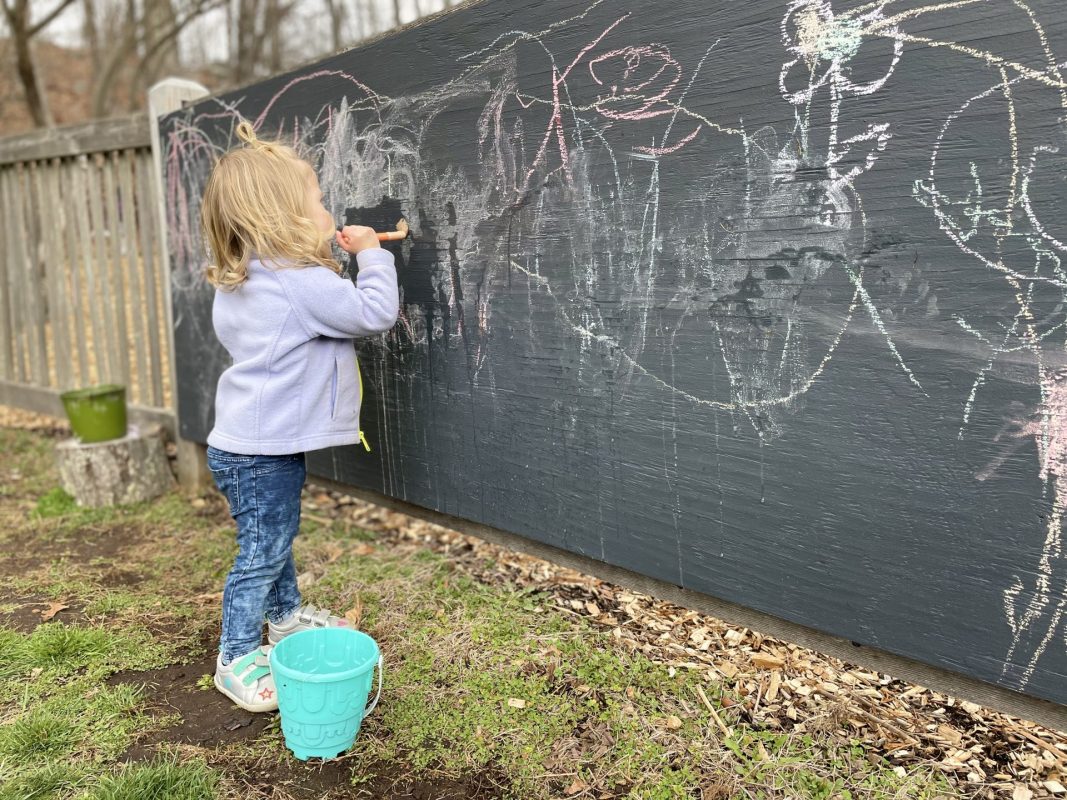
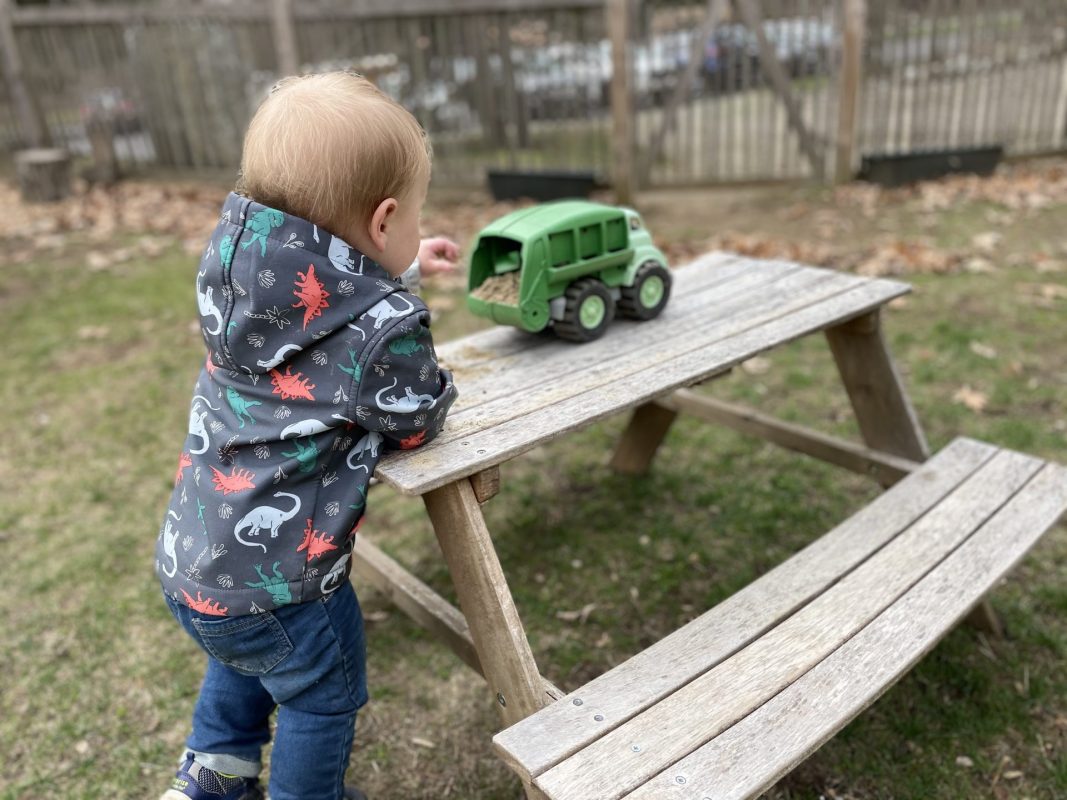
There’s no question that time spent outdoors in free, unstructured play results in happier, healthier children. They are calmer, more focused, and better able to regulate their emotions. Numerous studies have shown nature evokes creativity, imagination, and curiosity and refines cognitive thinking skills and problem-solving abilities.

In her lifetime, Maria Montessori observed that “when children come into contact with nature, they reveal their strength.” Children, whose brains, bodies, emotions, and immune systems are still developing, benefit ENORMOUSLY  from regular unstructured time in the fresh air; especially in this age of decreased physical activity and increased screen use. This developmental need does not change even when the weather turns colder, but it takes a little more effort on our part to get outside.

Maria Montessori’s call to action was to immerse children in nature in all types of weather! And I encourage you wholeheartedly to listen to her words and enjoy watching the benefits it brings to your child and to you! 

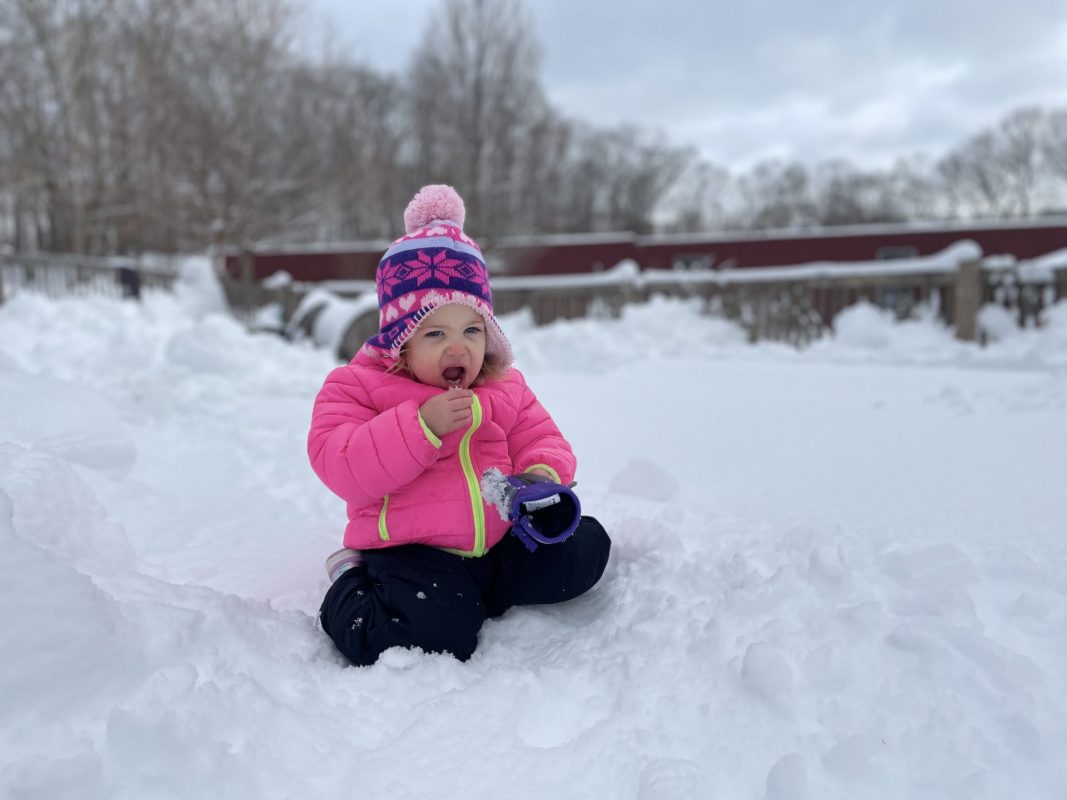
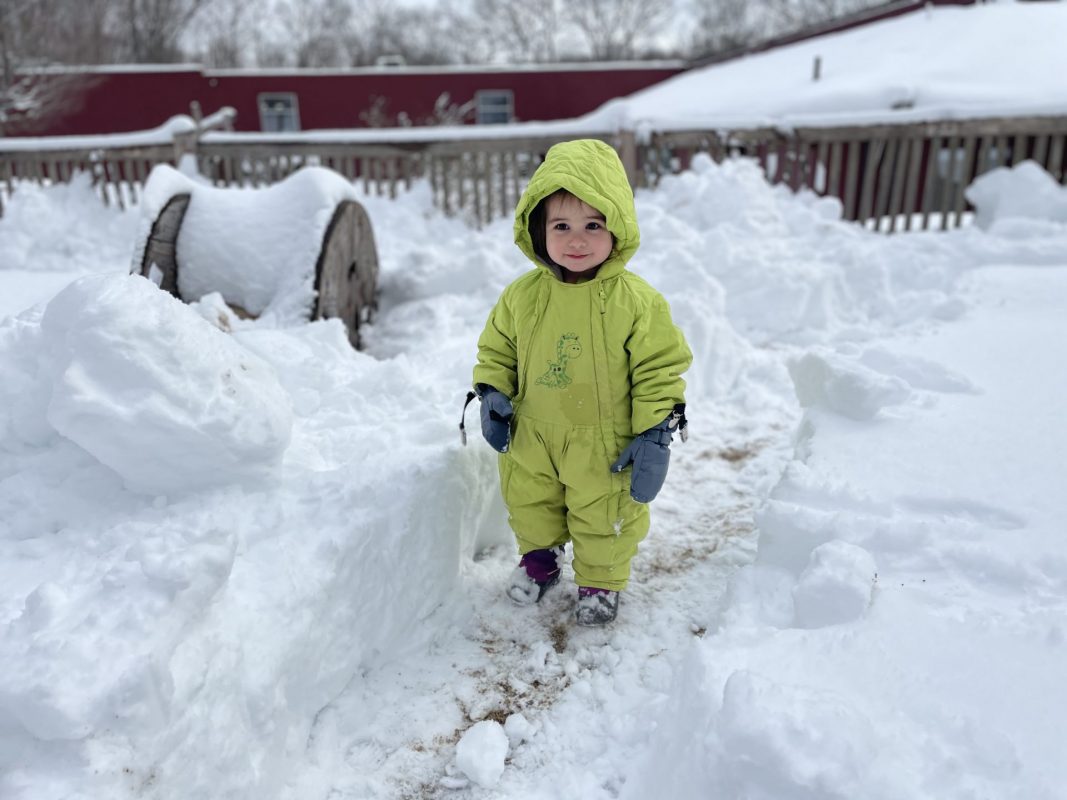
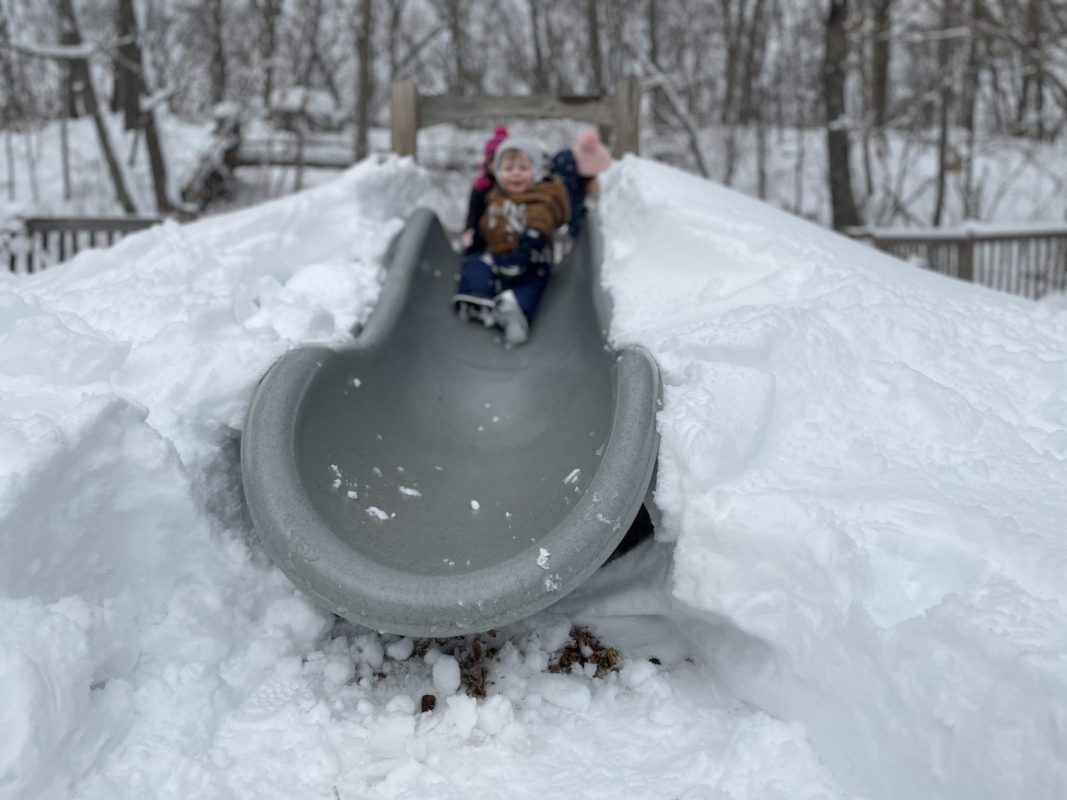
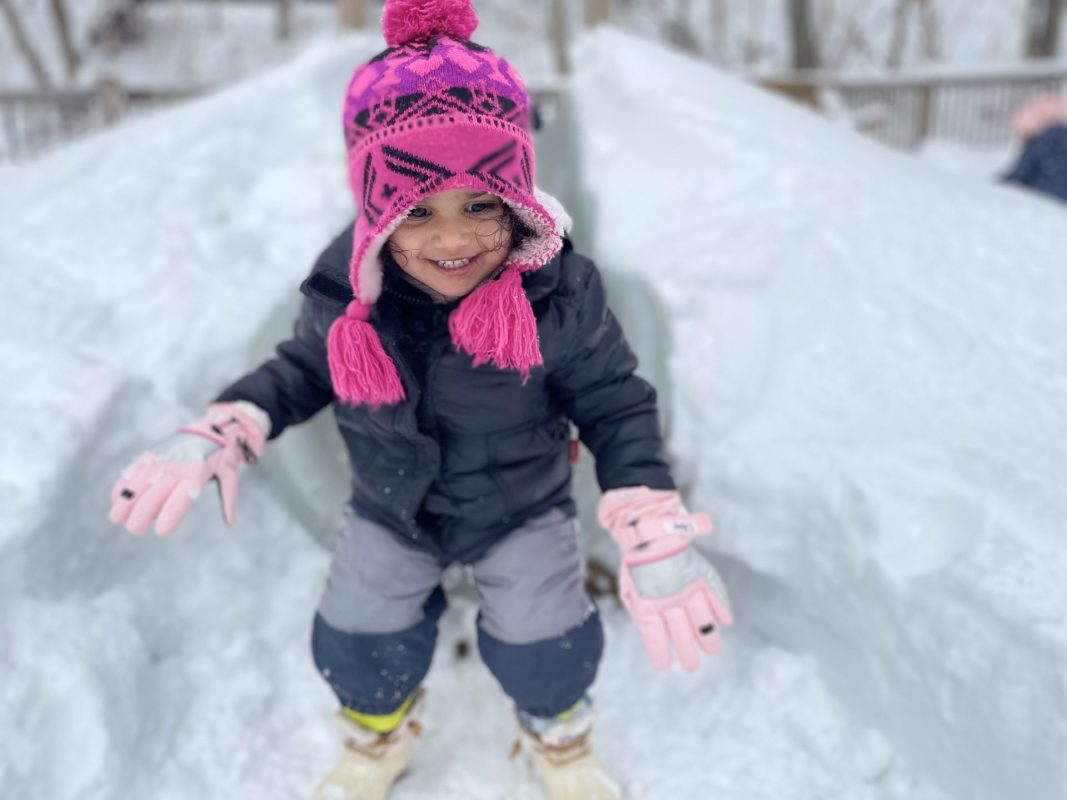
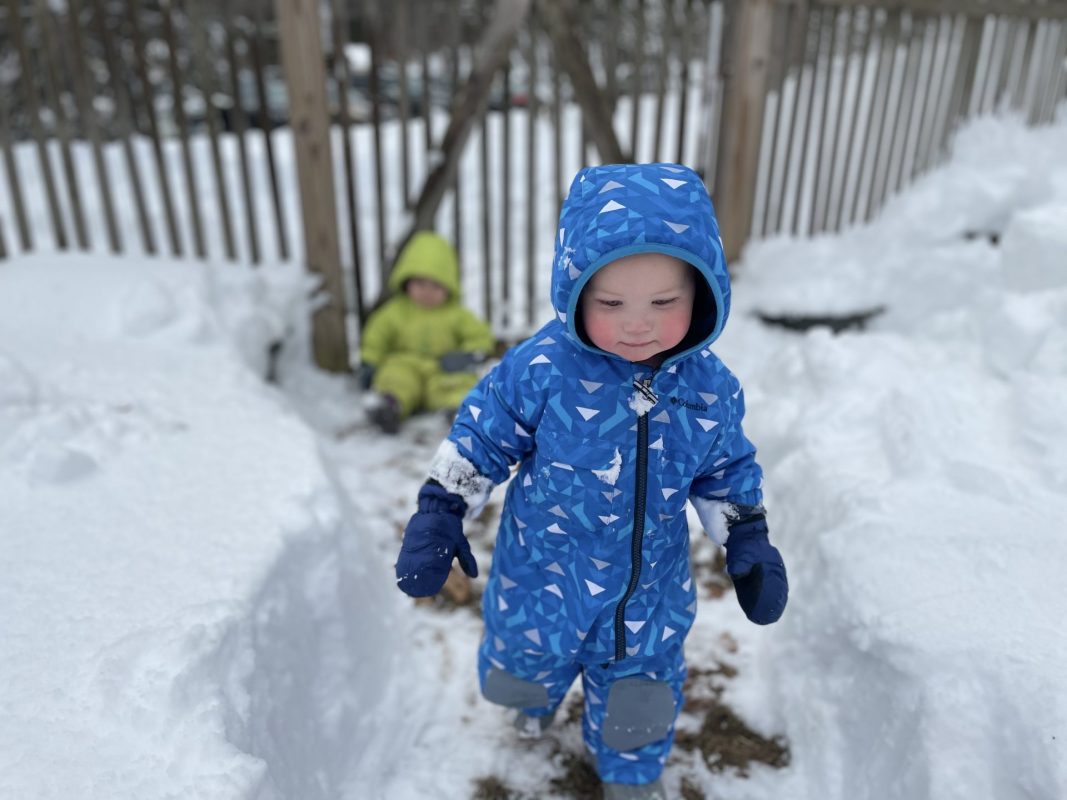
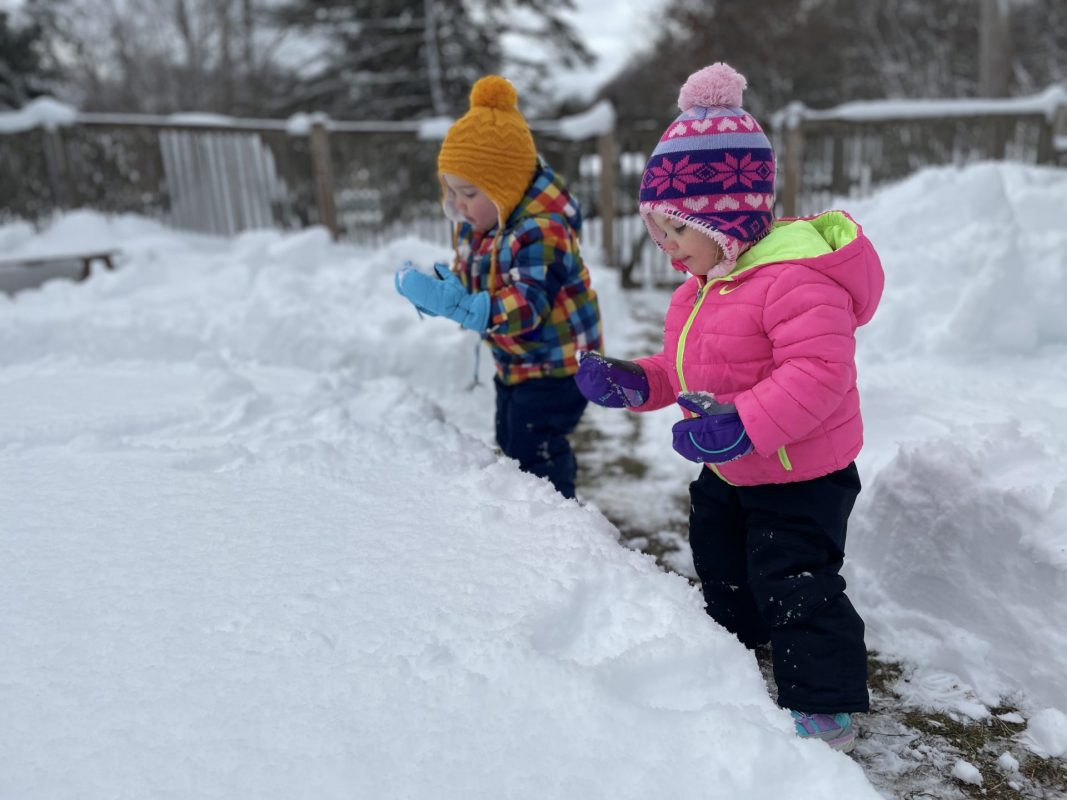
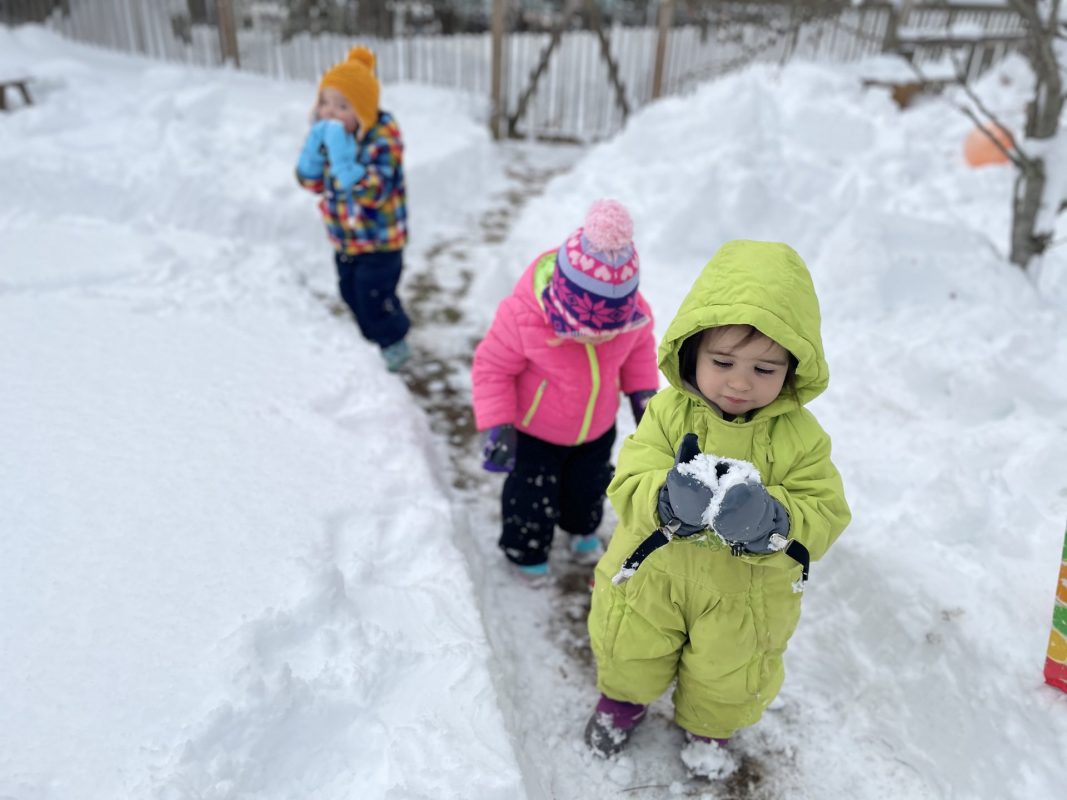
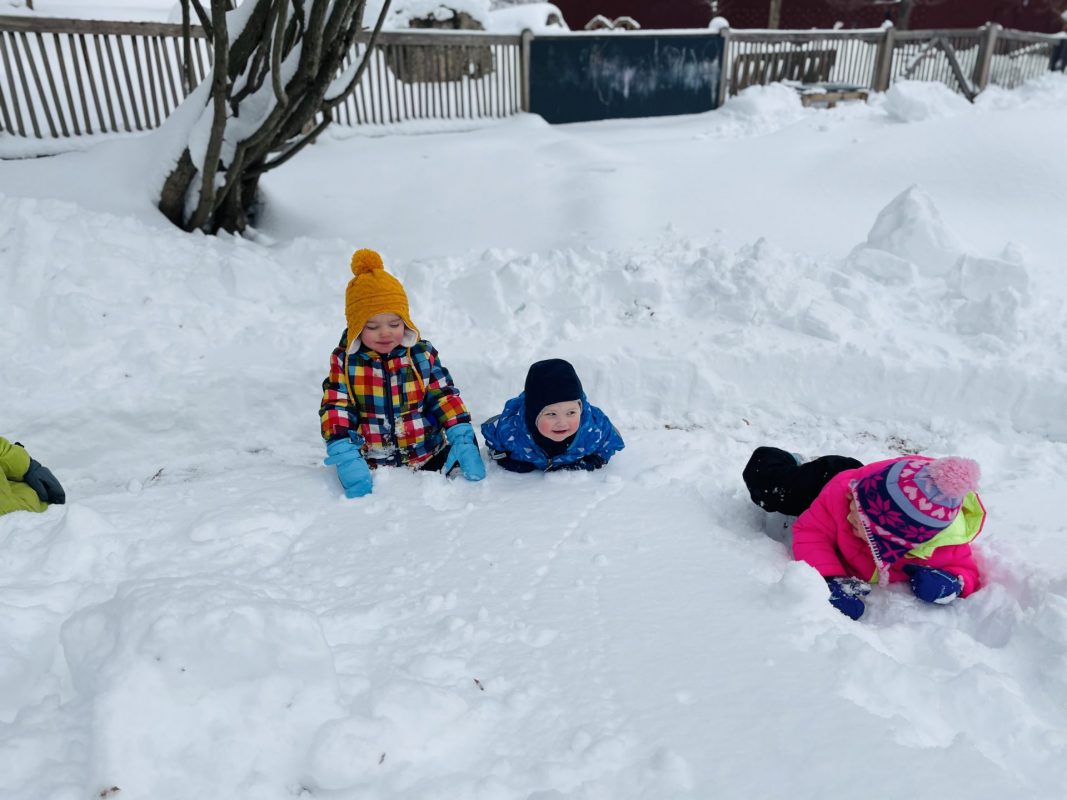
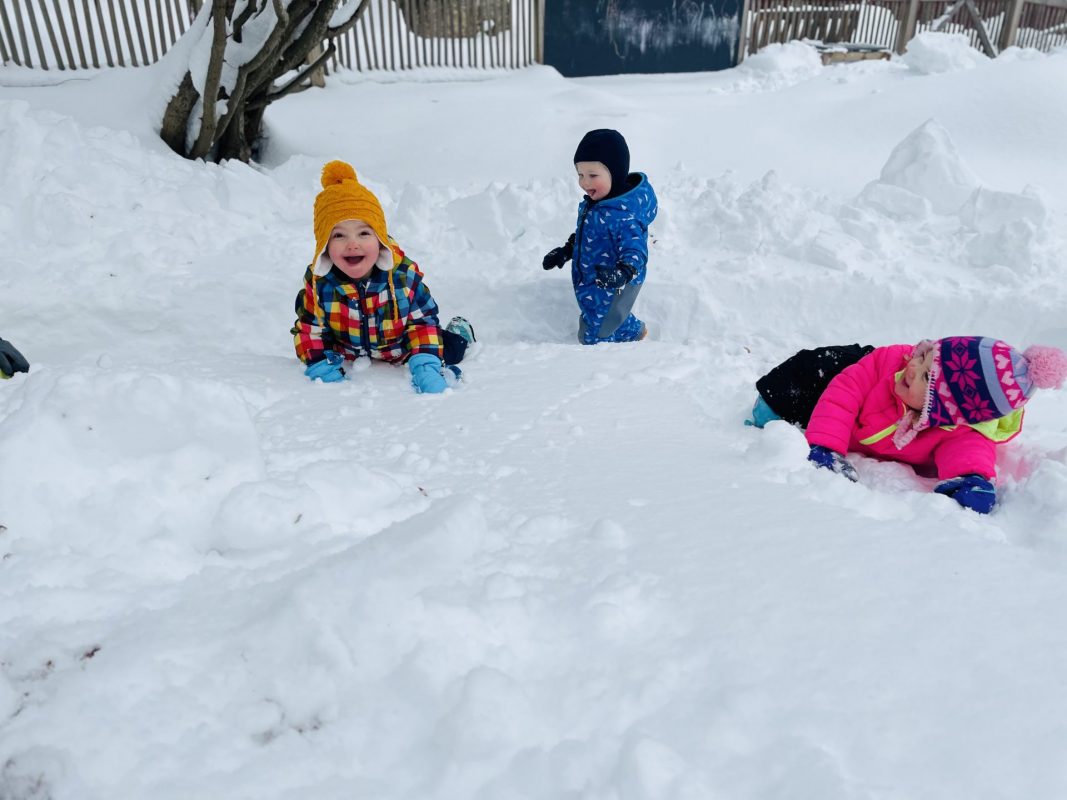
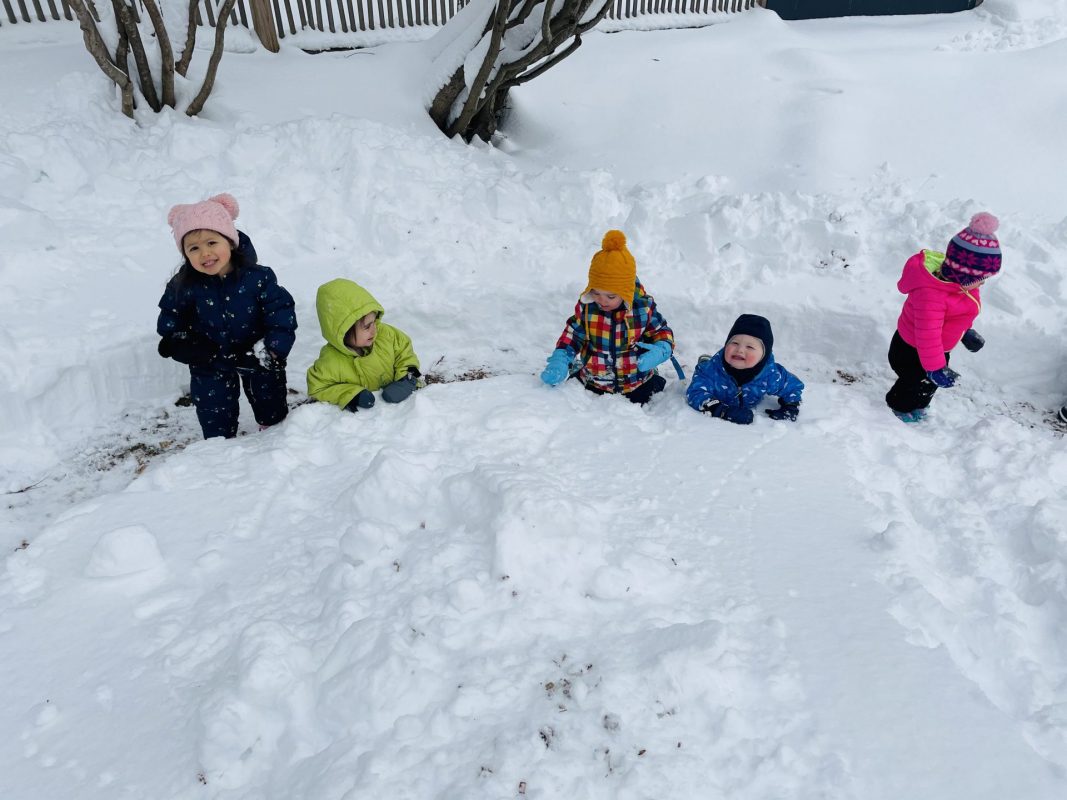
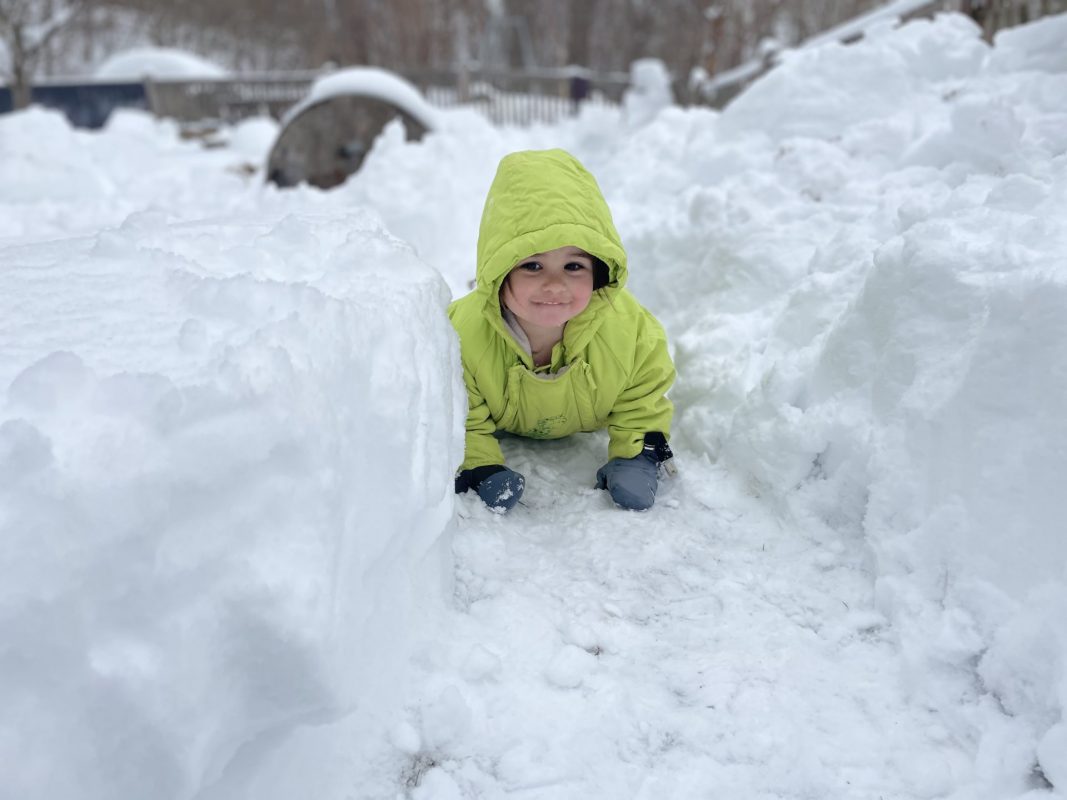
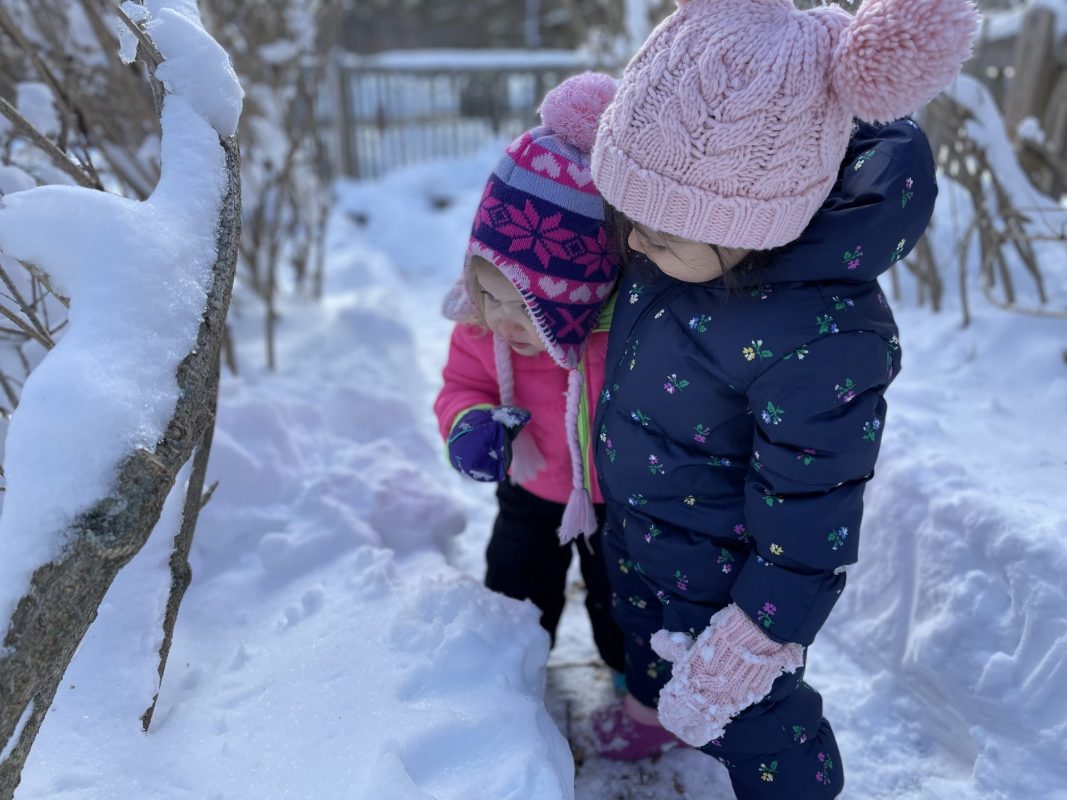
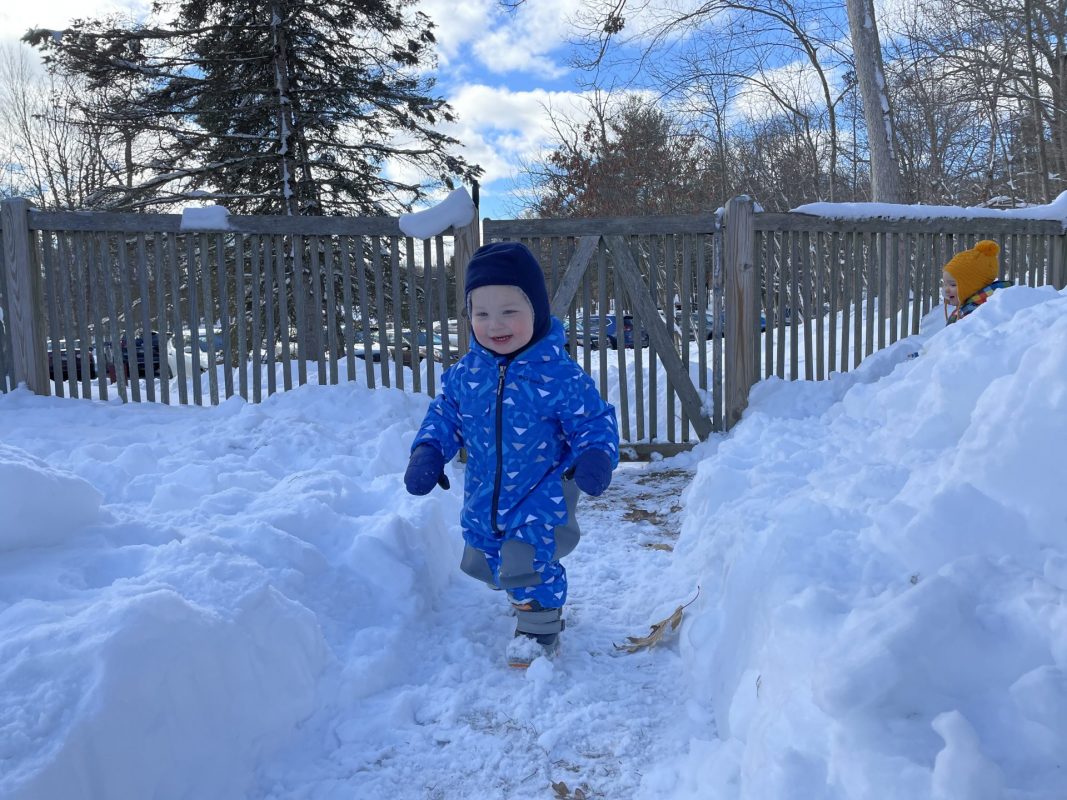
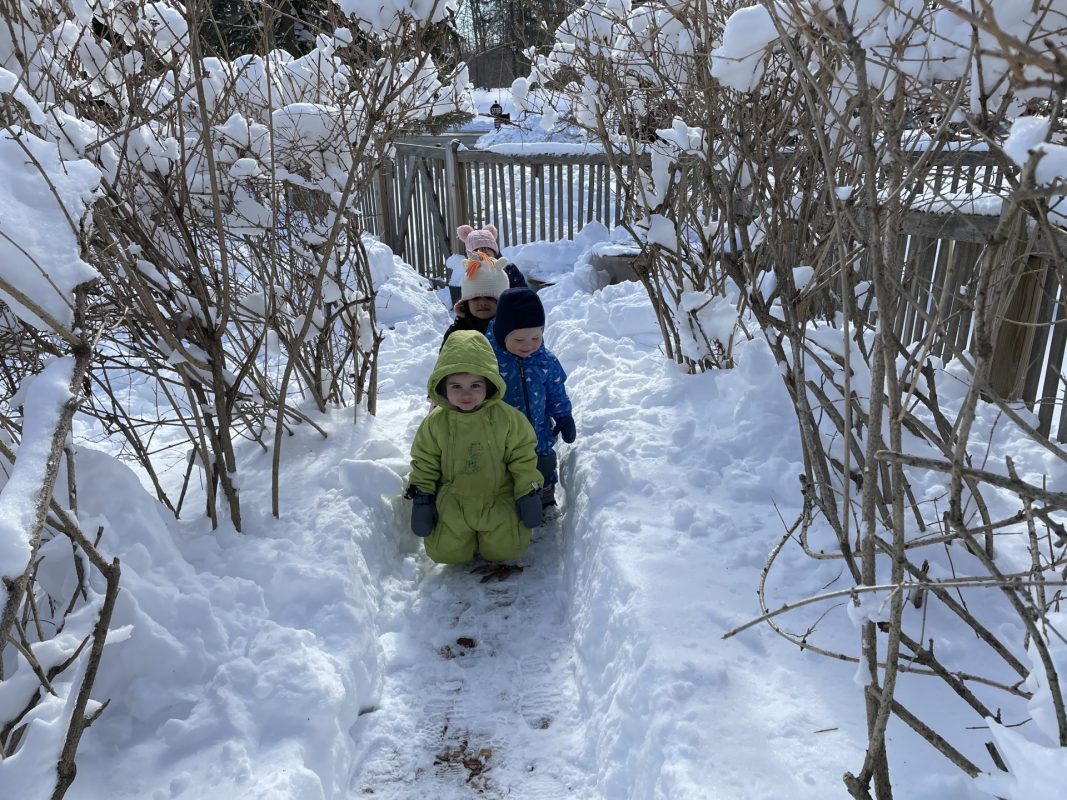
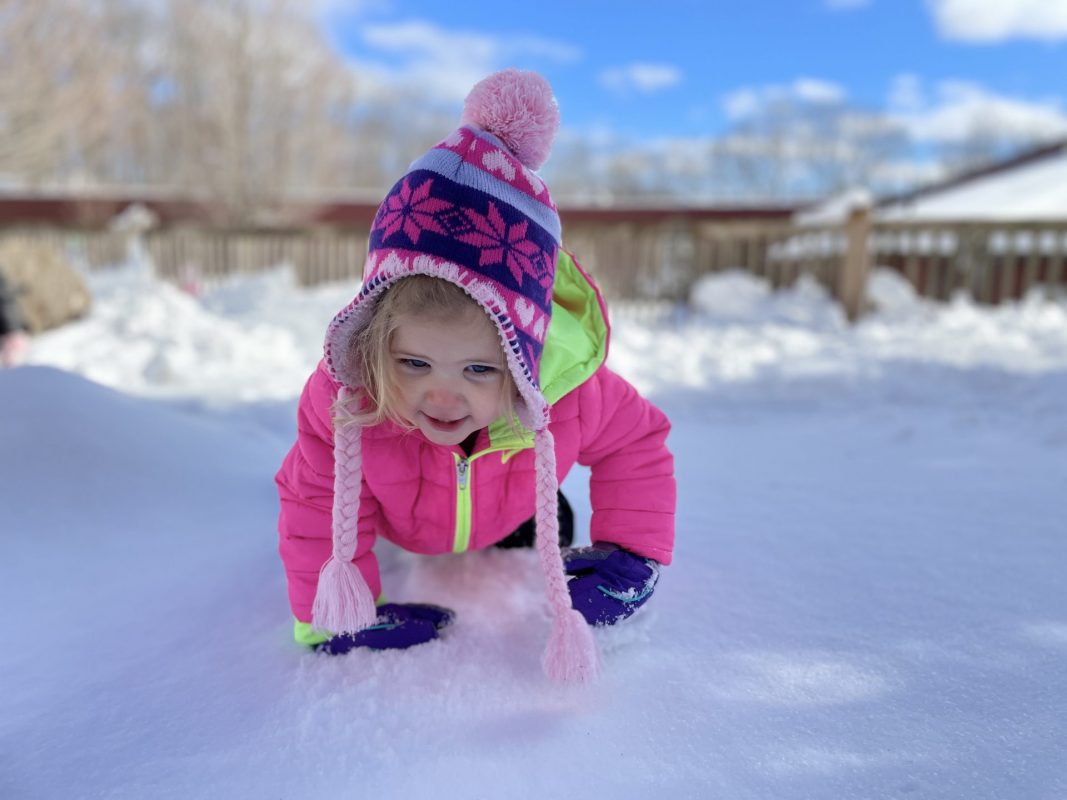
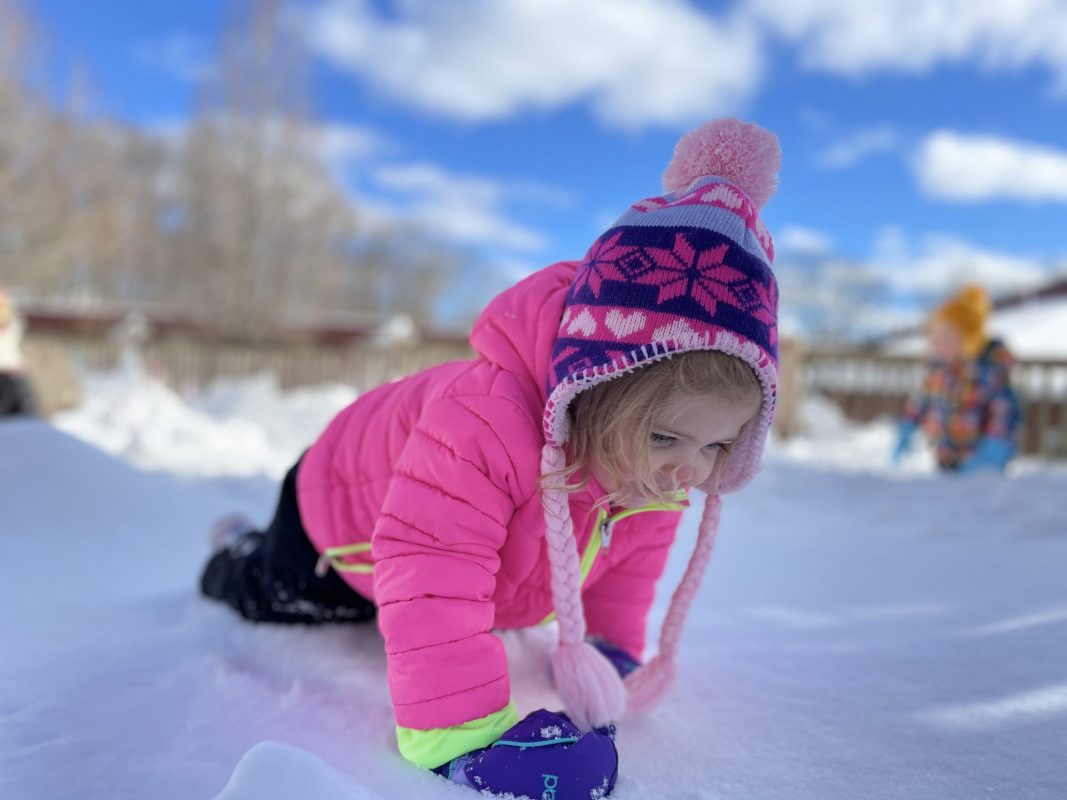
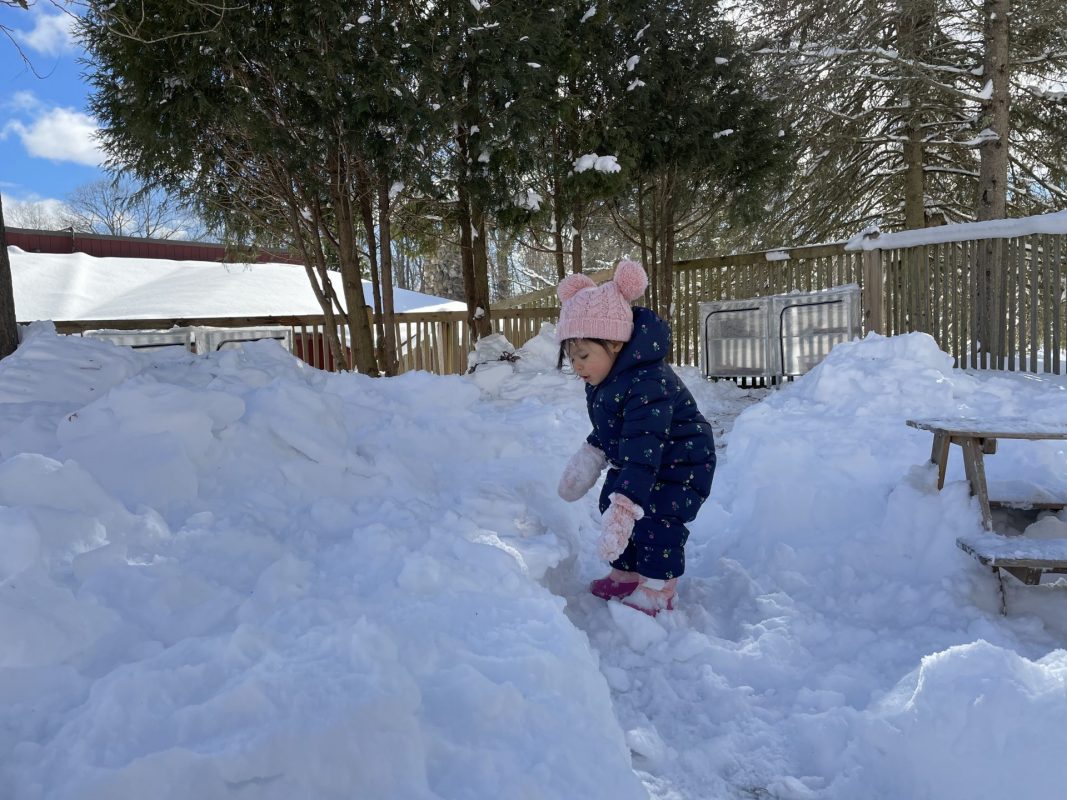
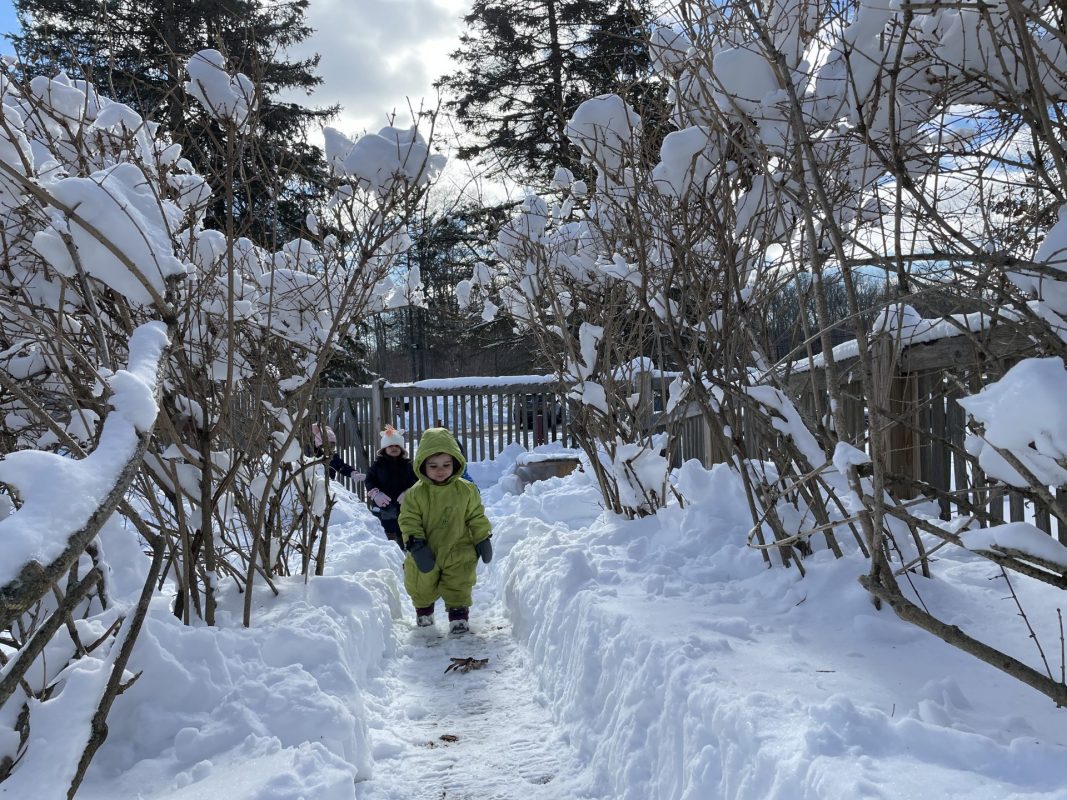
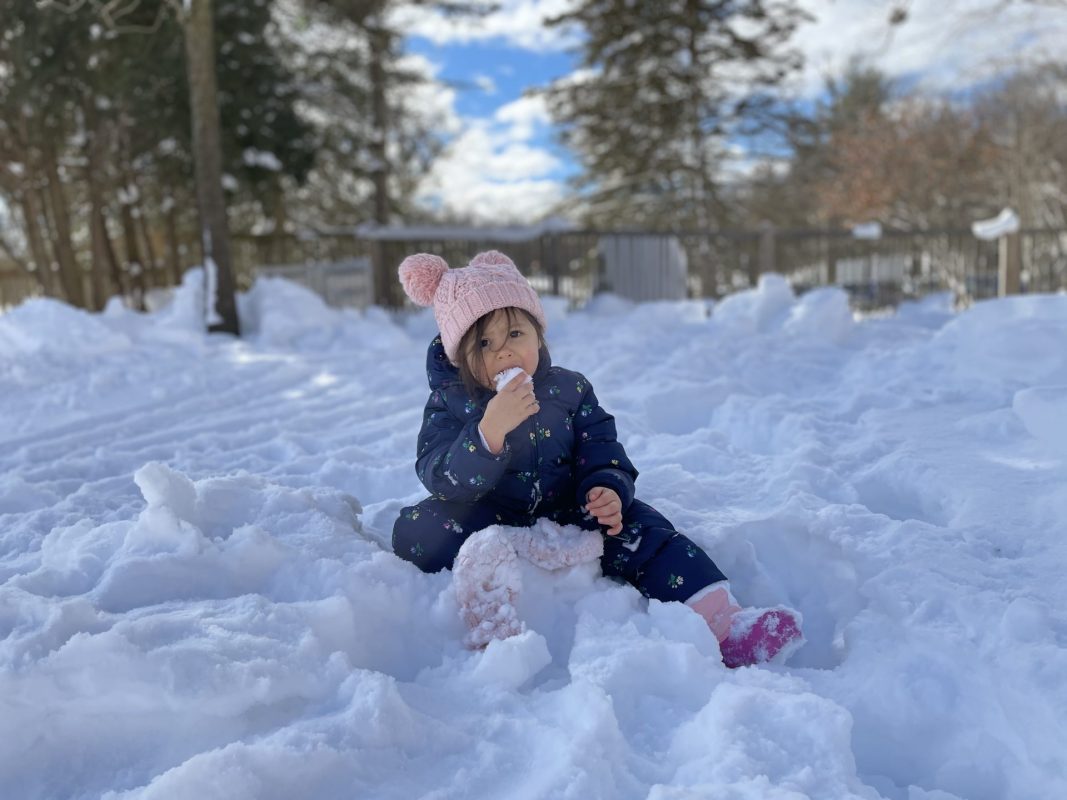
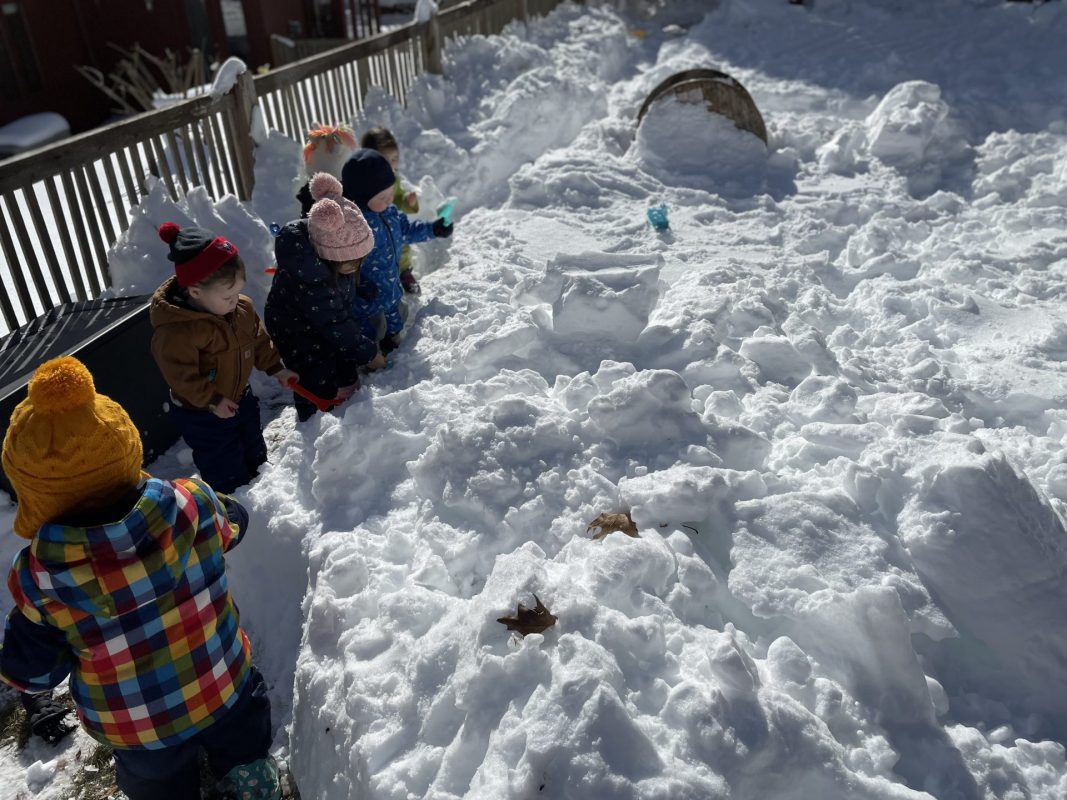
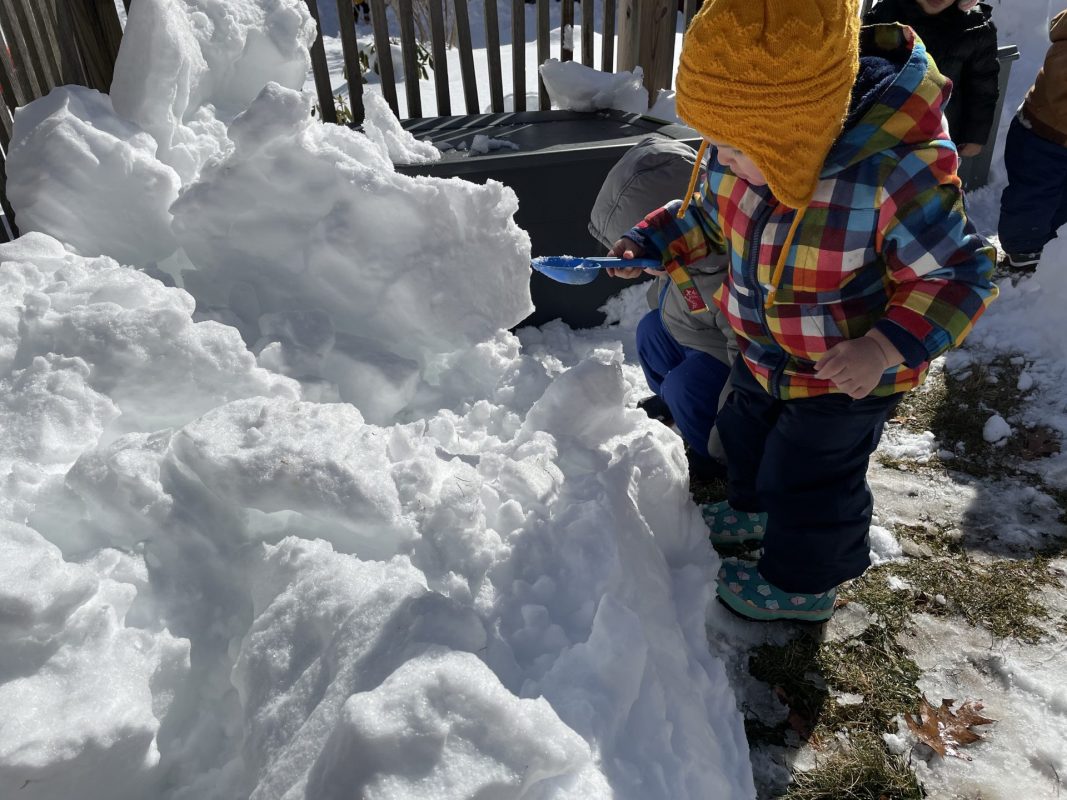
Even though I don’t like driving in the snow, I am SO thankful for the big snow storm we had and for having a great space outdoors at our school to explore with each one of your toddlers safely! It has been so fun watching the children enjoying themselves in nature!  

As winter weather requires more attention to clothing, outdoor temperatures, and wind chill in order to prepare children for appropriate cold-weather play, we thank you for your continued support in providing the necessary items for your child to stay happy and comfortable outdoors each day! 

We can’t wait to “see you” next week on our Parent-Teacher conference scheduled appointment, through Zoom.

Happy weekend,

Mrs. Hood and Ms. Maria

Mrs. Hood’s Class: The Process of Normalization

In Montessori education, the term “normalization” has a specialized meaning. “Normal” does not refer to what is considered to be “typical” or “average” or even “usual.” “Normalization” does not refer to a process of being forced to conform. Instead, Maria Montessori used the terms “normal” and “normalization” to describe a unique process she observed in child development.

Montessori observed that when children are allowed freedom in an environment suited to their needs, they blossom. After a period of intense concentration, working with materials that fully engage their interest, children appear to be refreshed and content. Through continued concentrated work of their own choice, children grow in inner discipline and peace. She called this process “normalization” and cited it as “the most important single result of our whole work (The Absorbent Mind, 1949).”

The children in our environment are on a great path to “normalization.” Every morning we get to see its signs! We also watch with joy how children have internalized the routines, and transitions are more peaceful! They recognize their friends and feel comfortable sharing and working together. Deep friendships are developing, and expressions of love and care for each other are more evident.

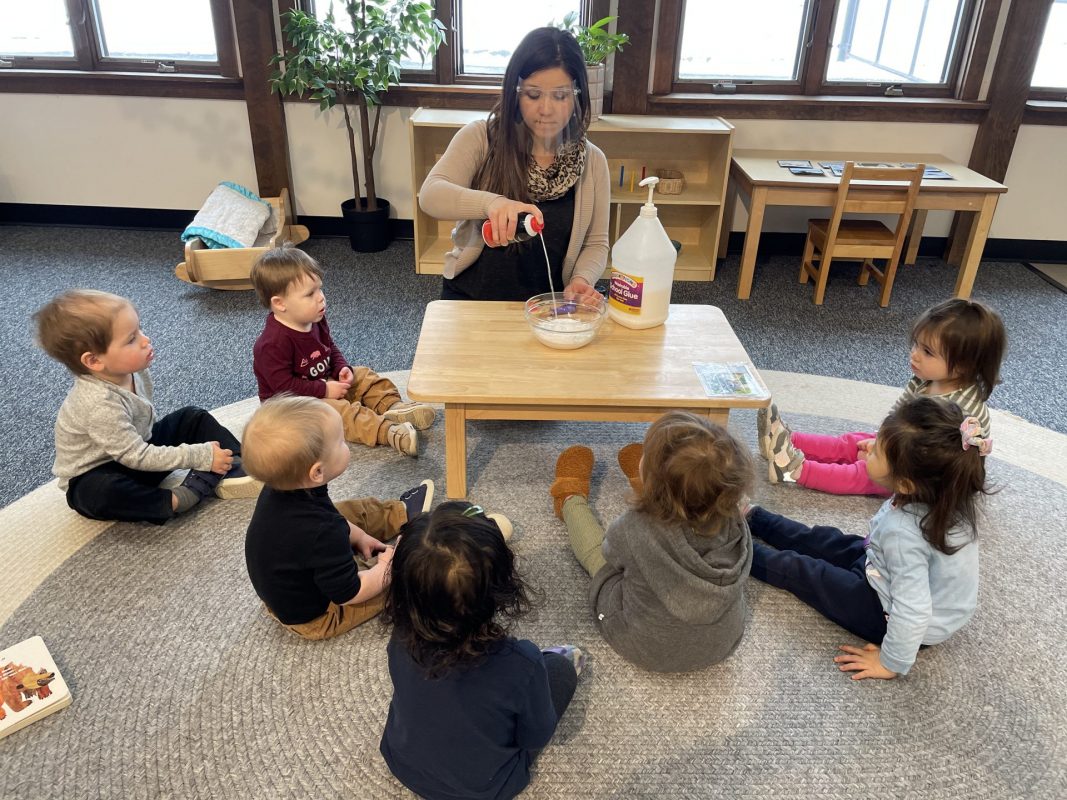
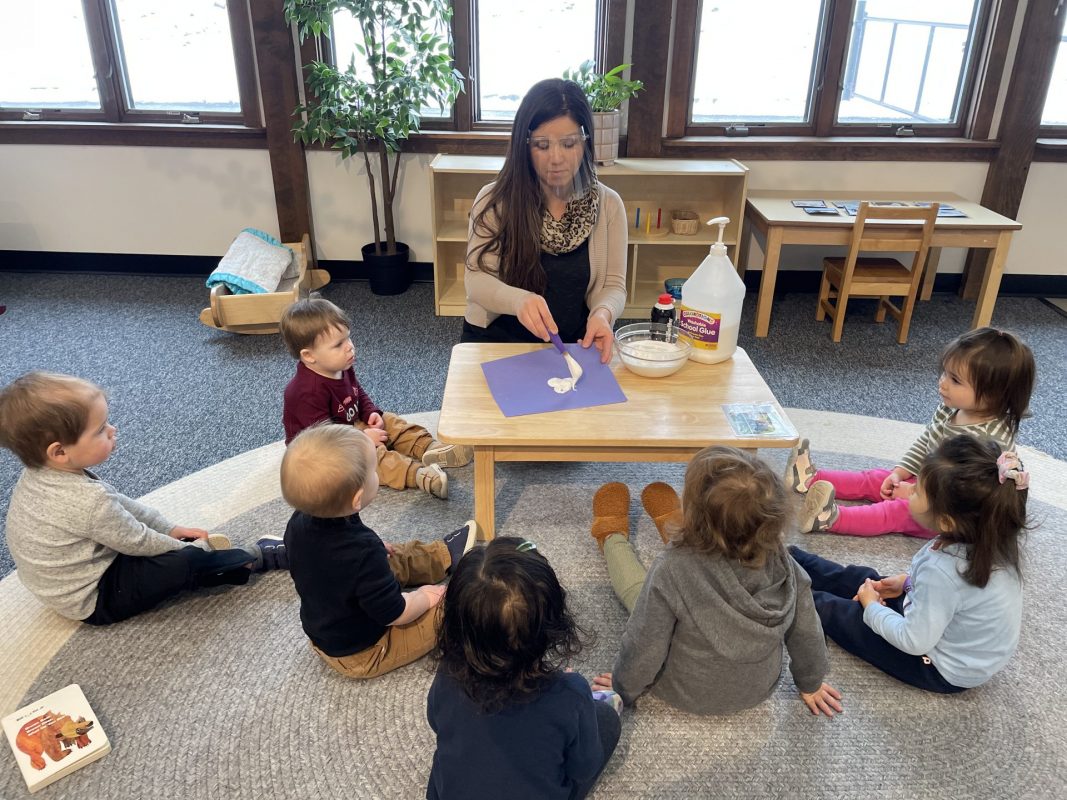
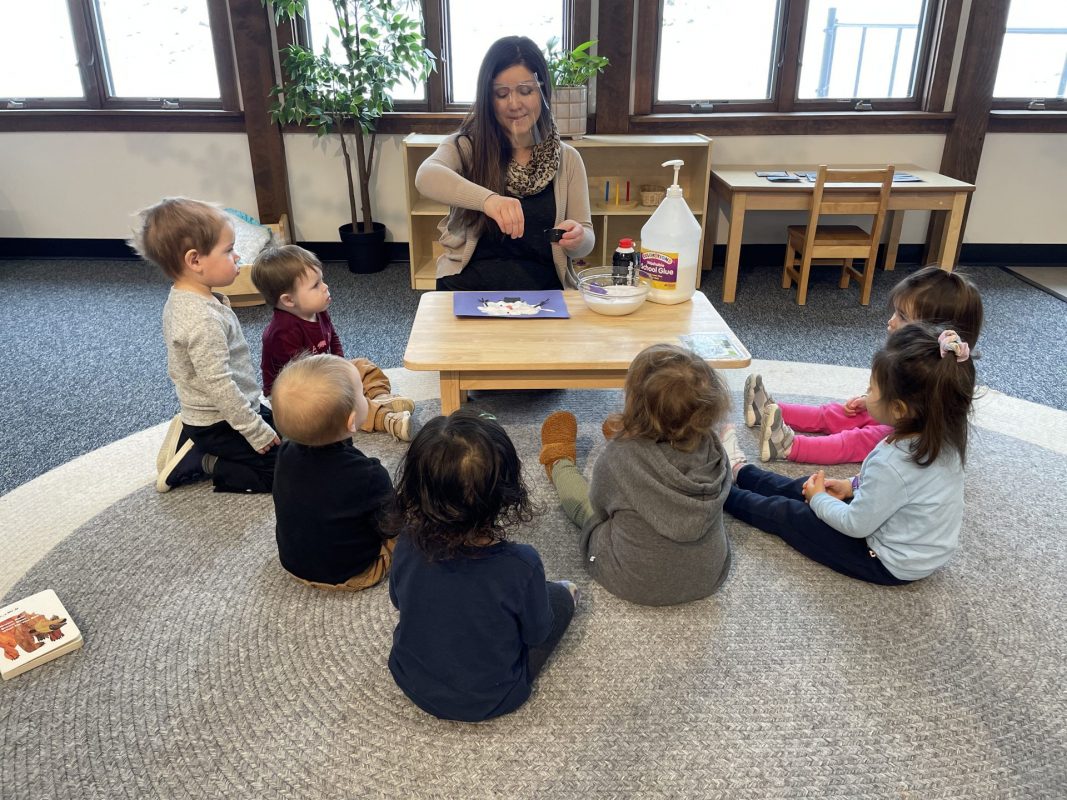
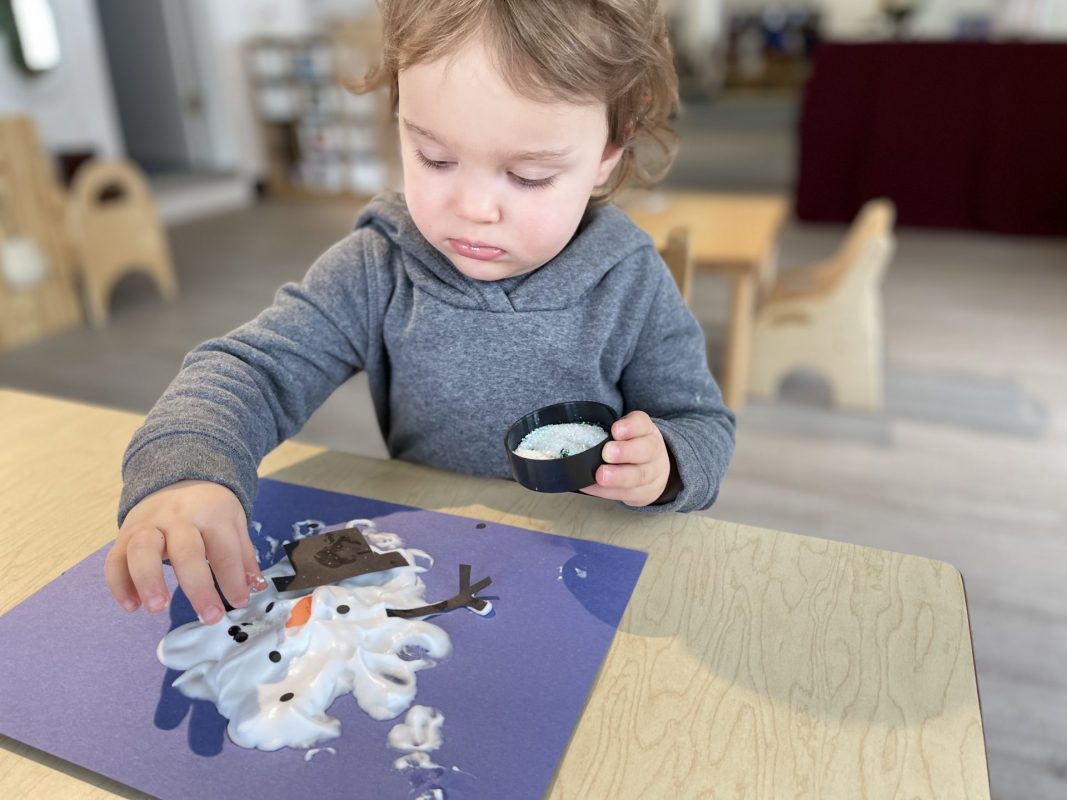
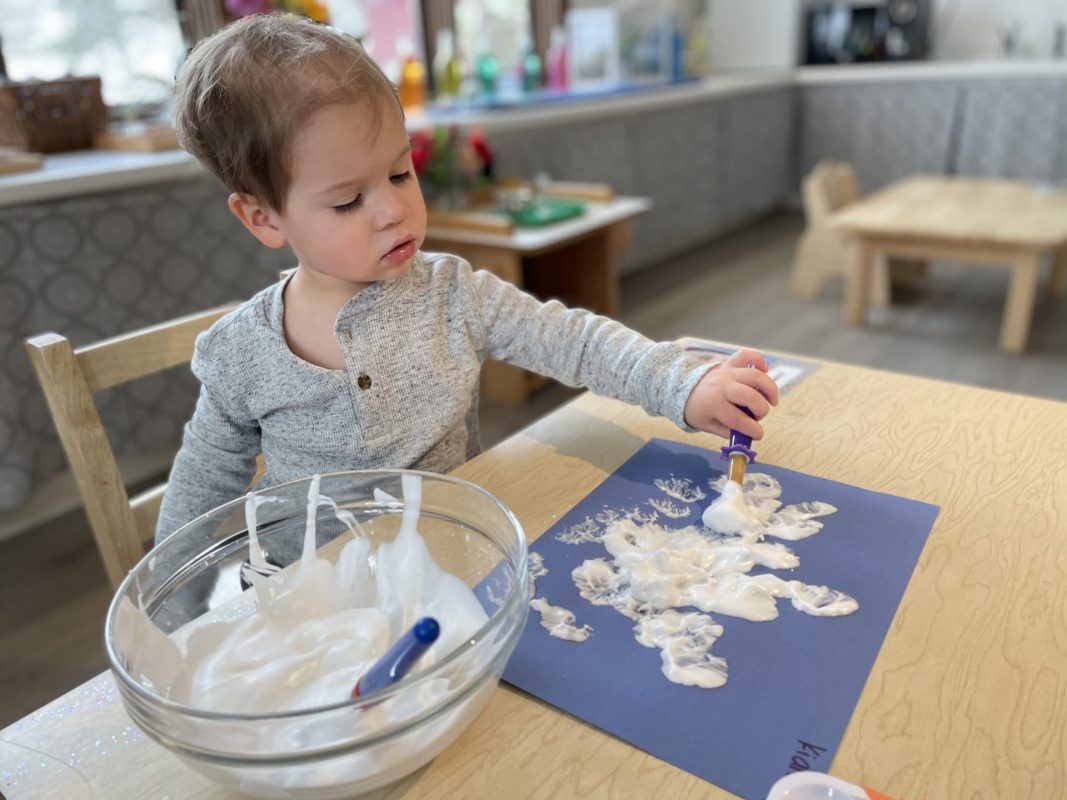
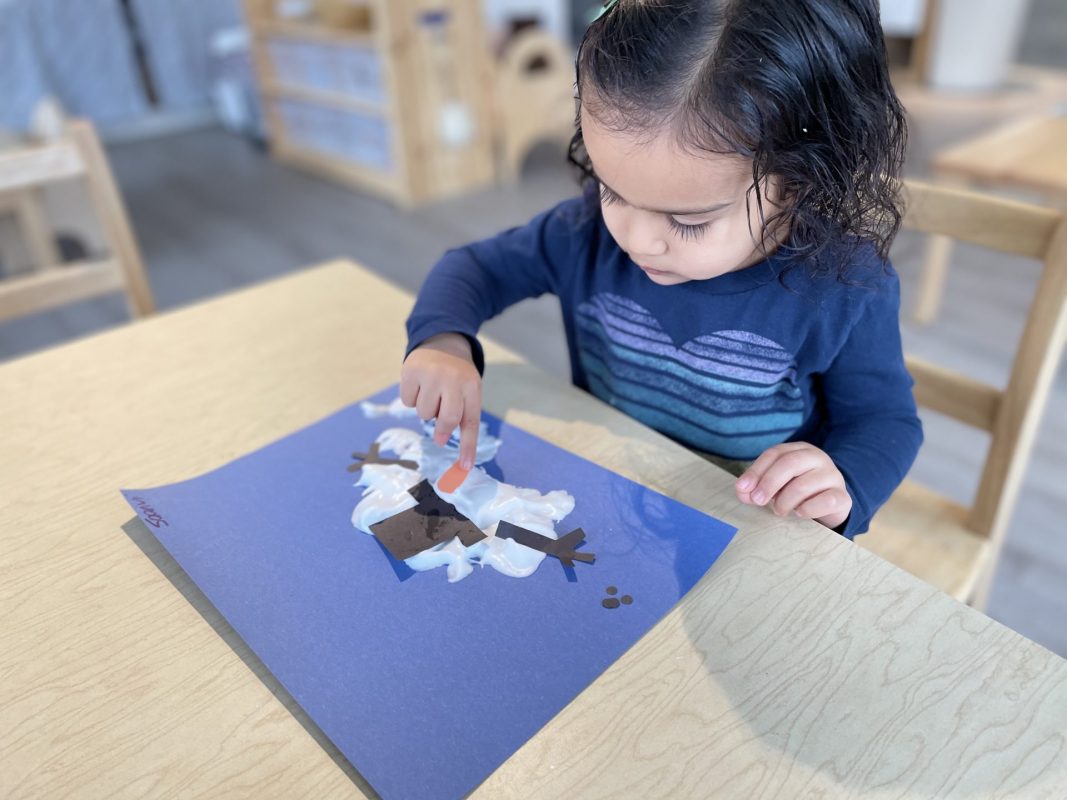
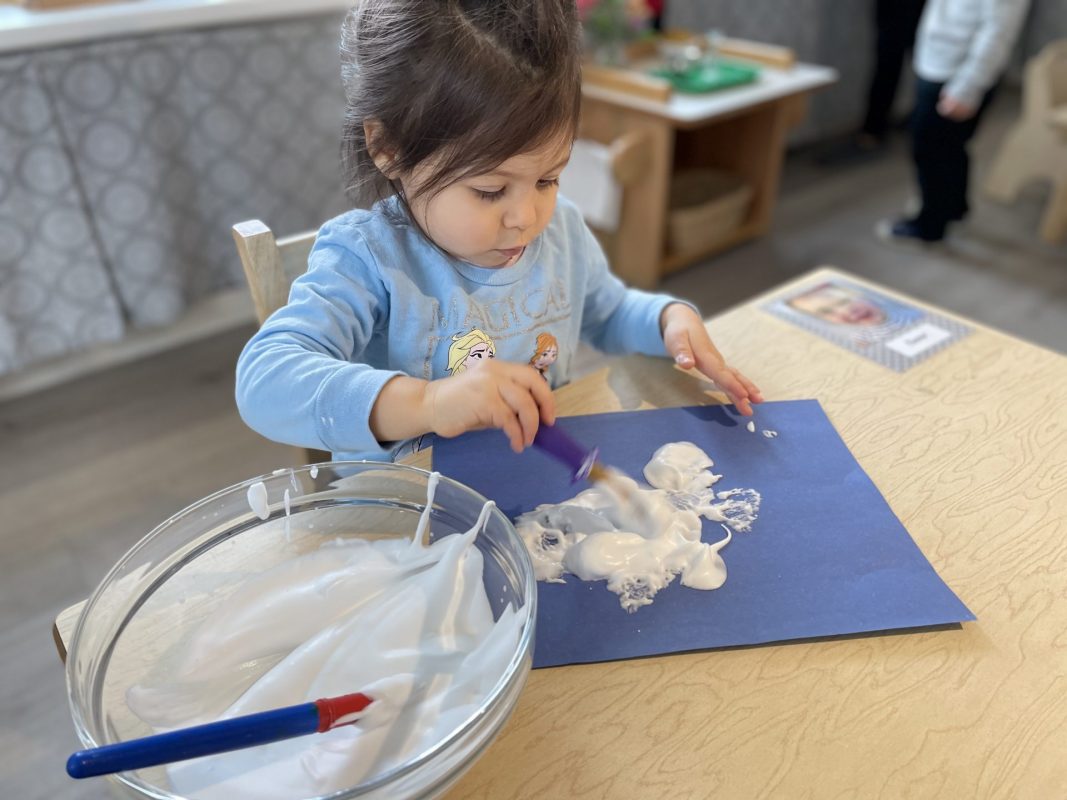
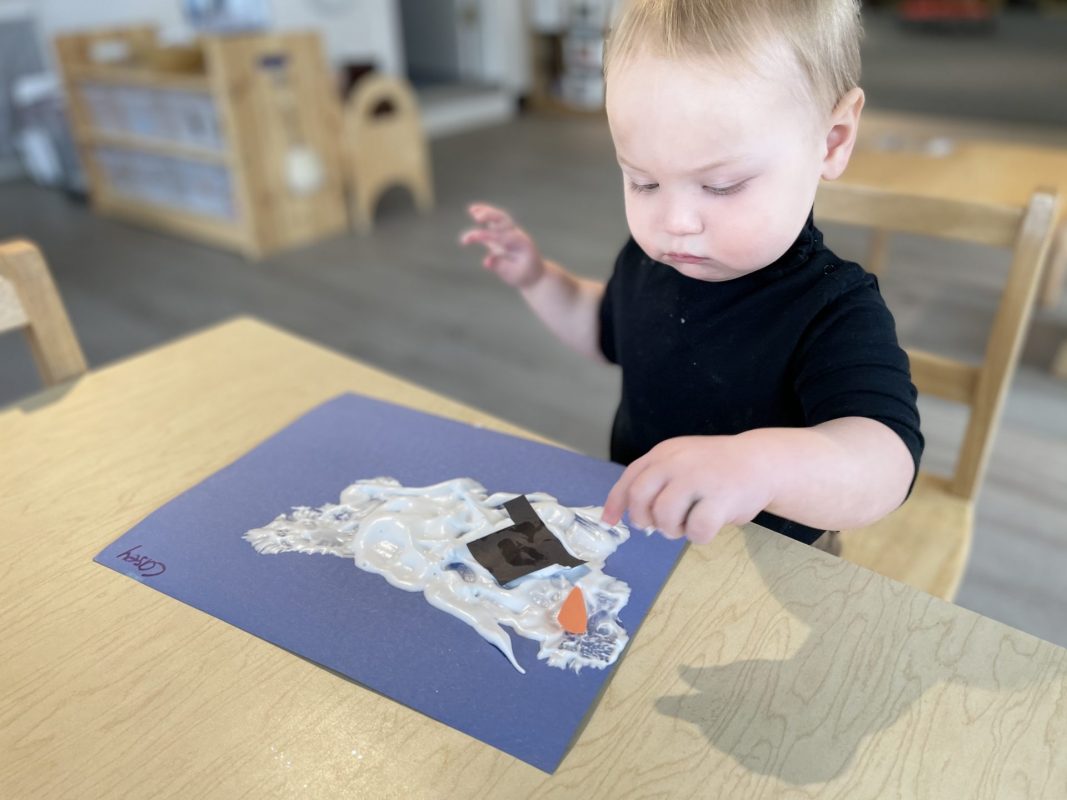
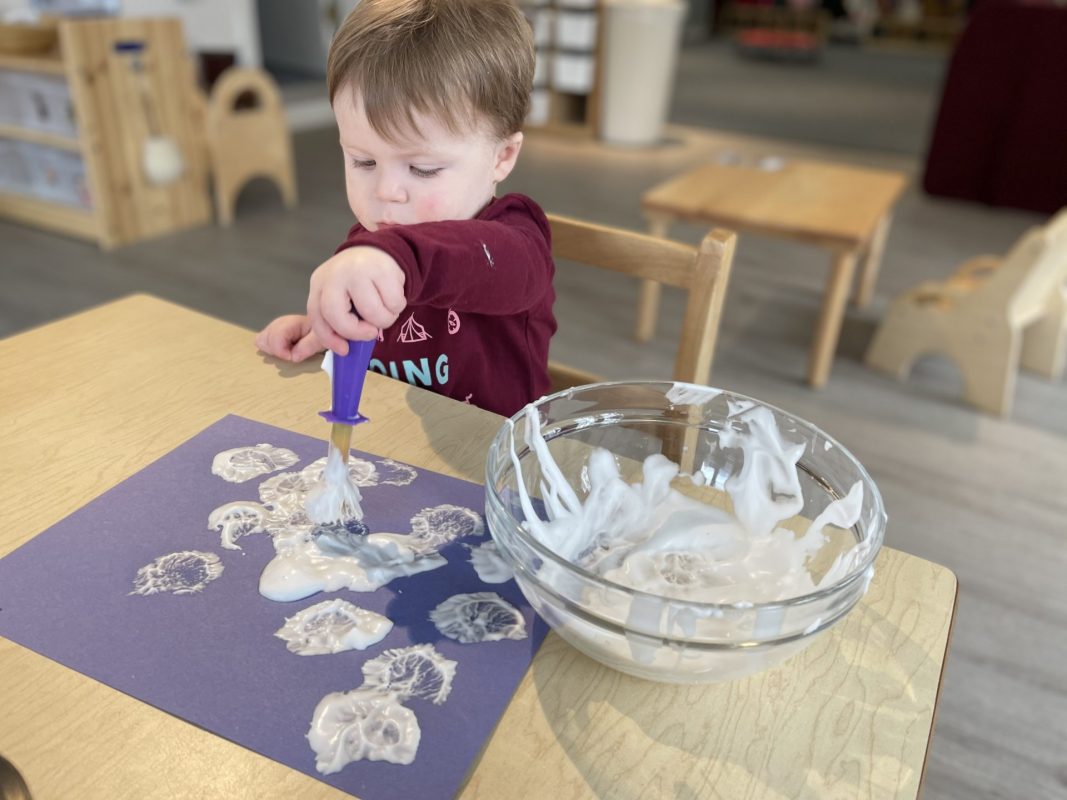
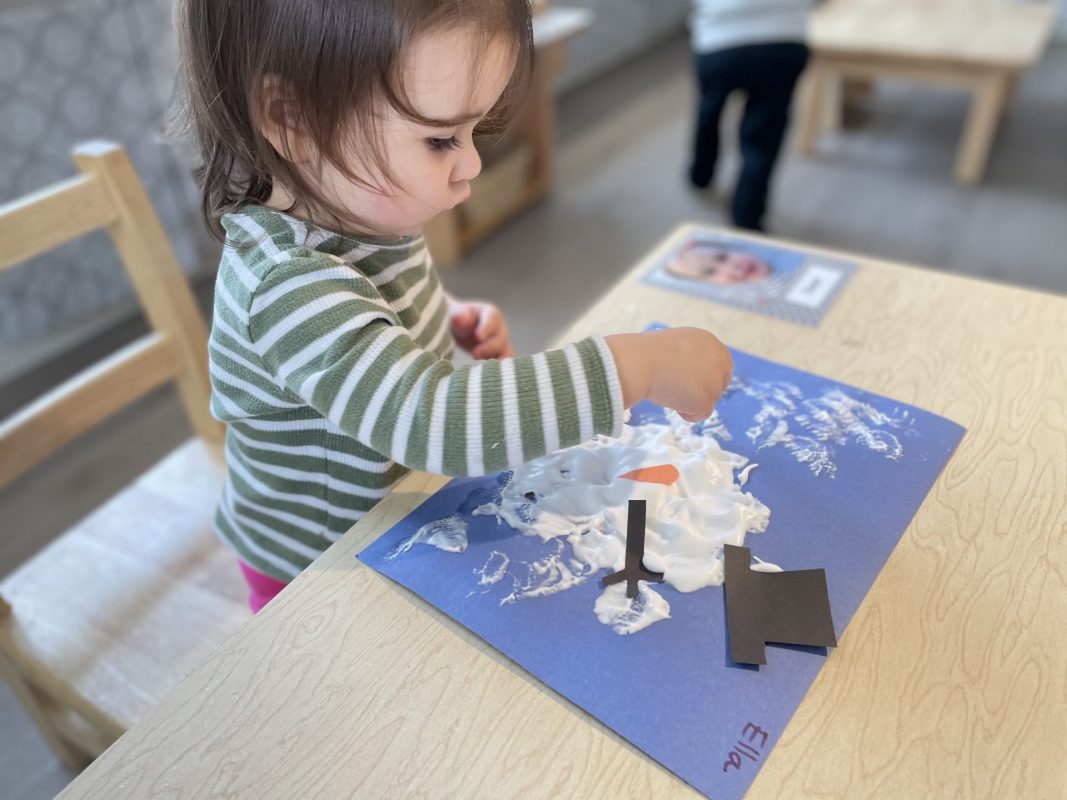
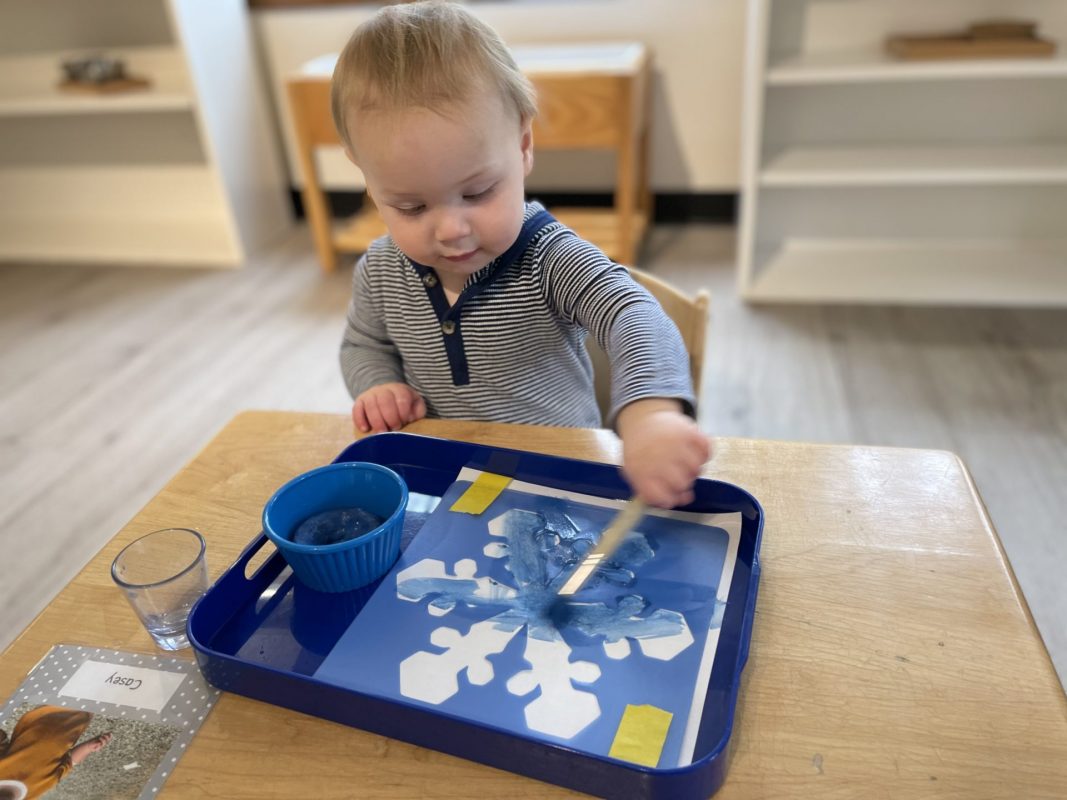
On another note and in continuation with our winter studies, children worked on a fun sensorial art piece called: “My Melted Snowman.” Children had fun mixing glue and shaving cream to create snow puff paint and then explore the mixture while painting their own piece of art. They added a hat, arms, nose, eyes, and smile as they pleased, finishing it with the magic of glitter. Even though the result was adorable, it seems what they loved the most was the experience and process of this fun project. Their smiles throughout the activity were just priceless.

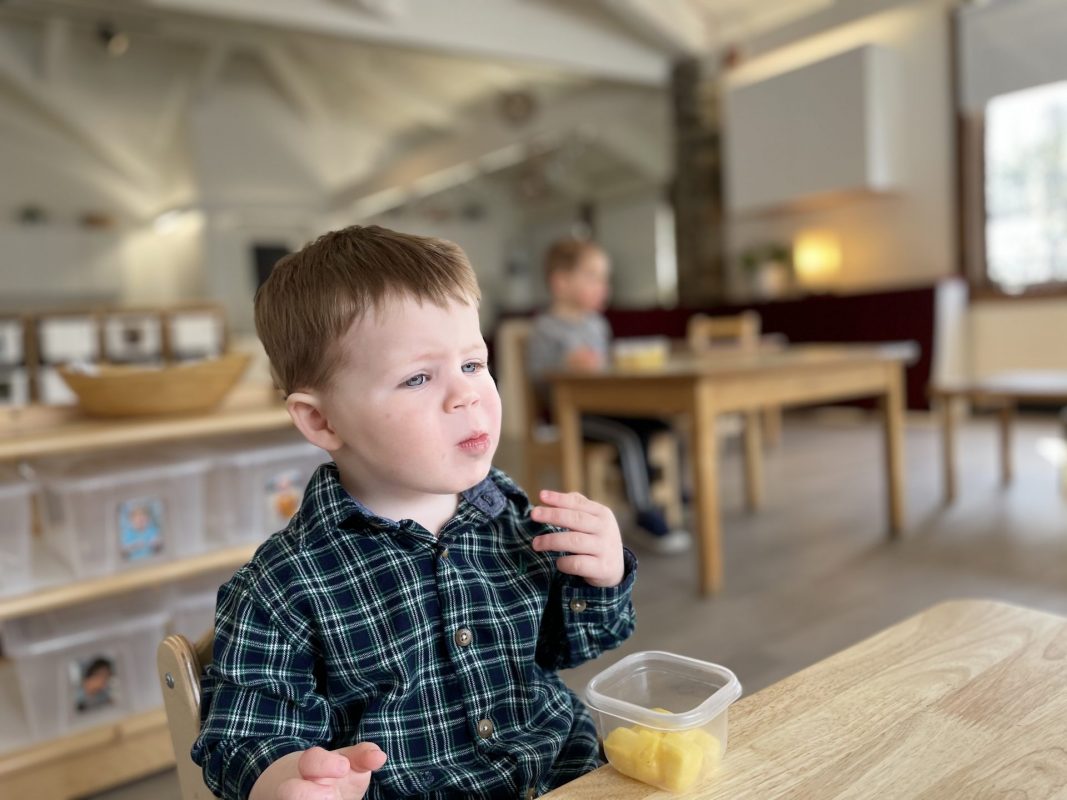
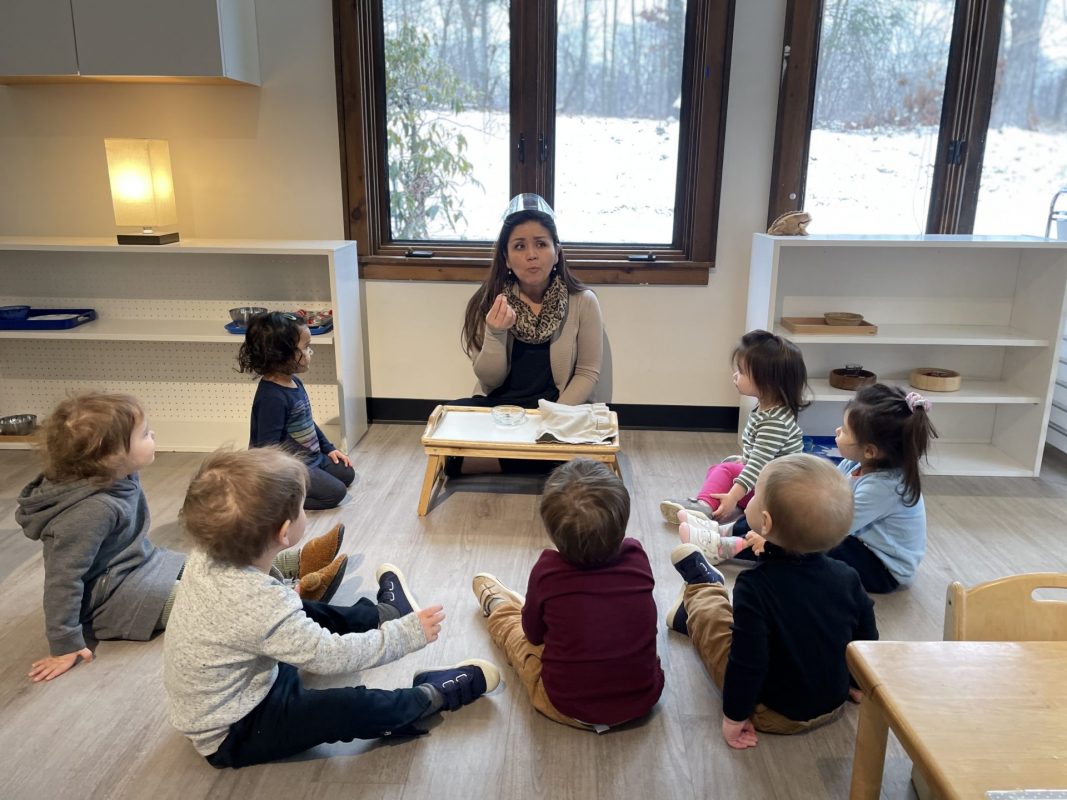
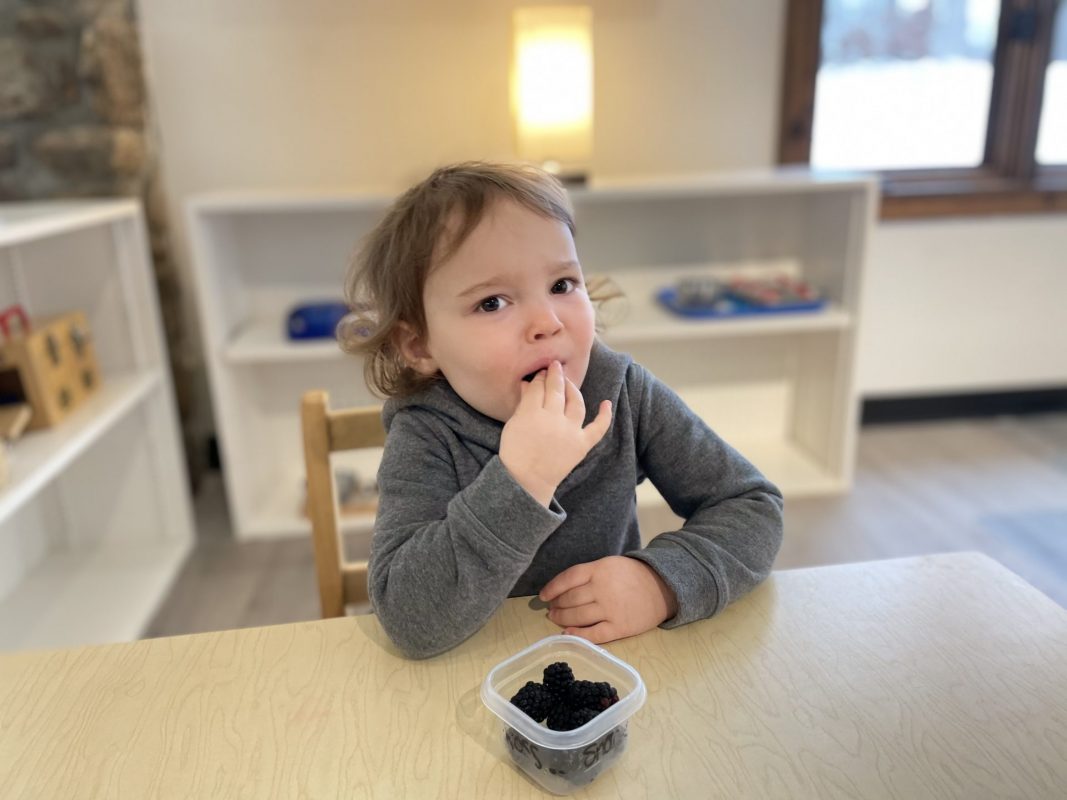
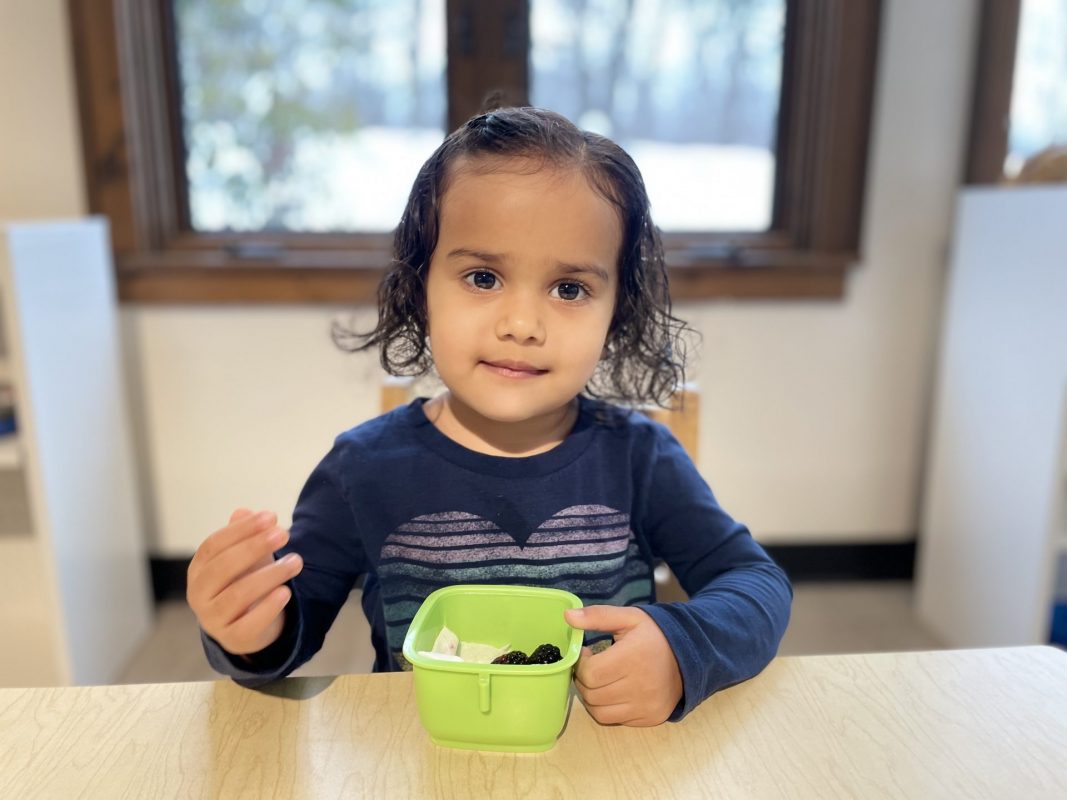
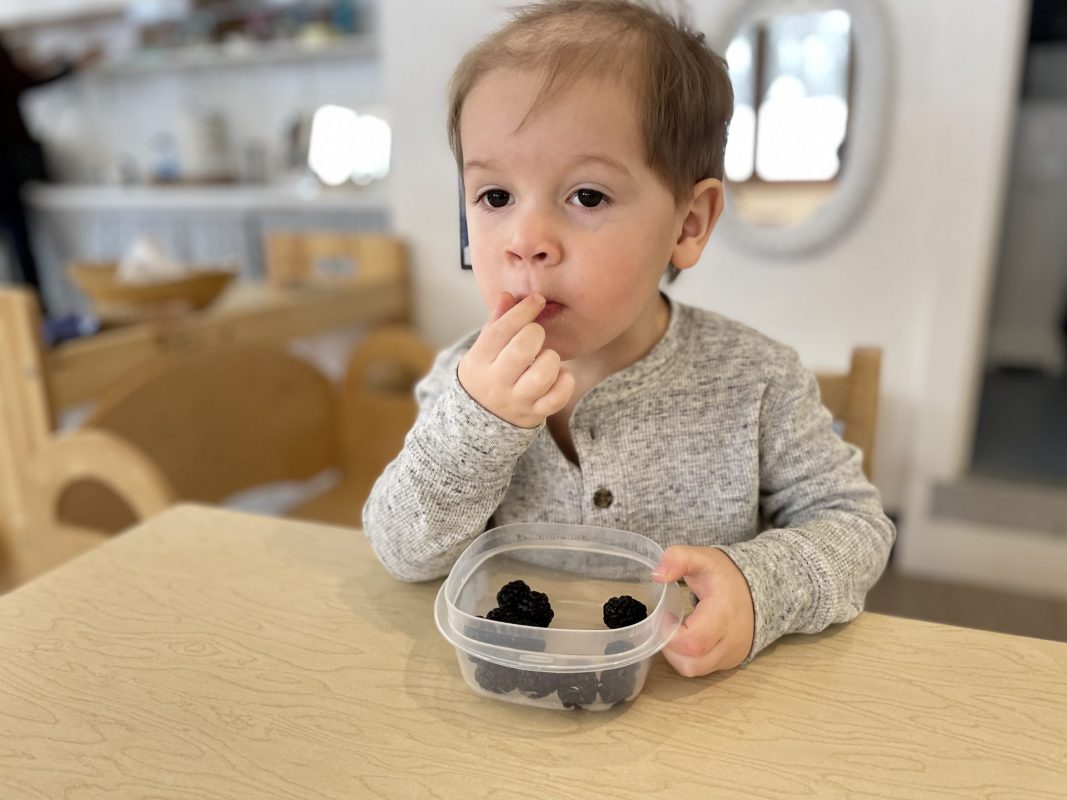
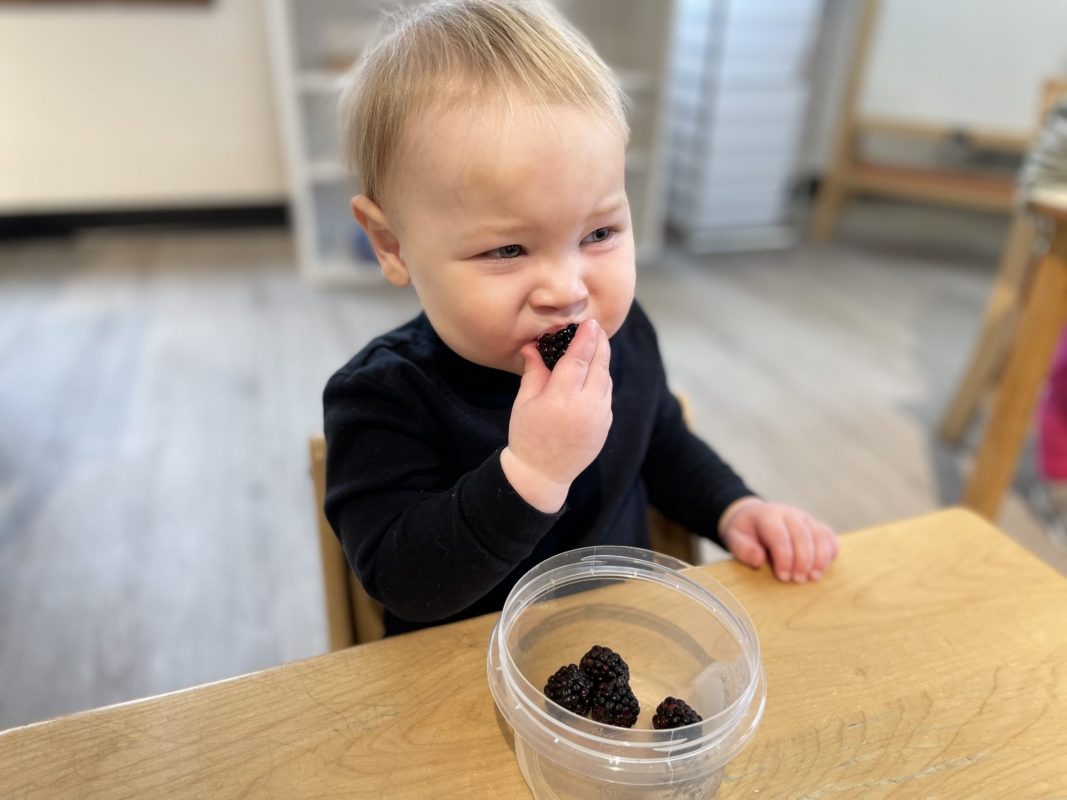
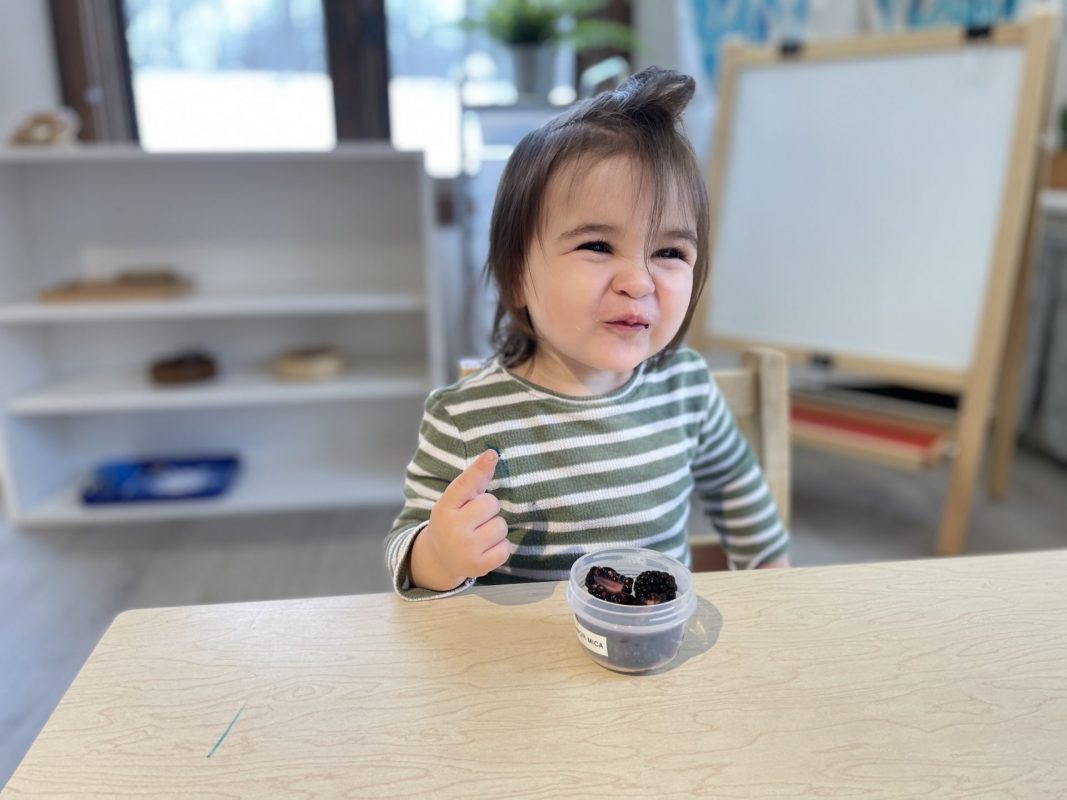
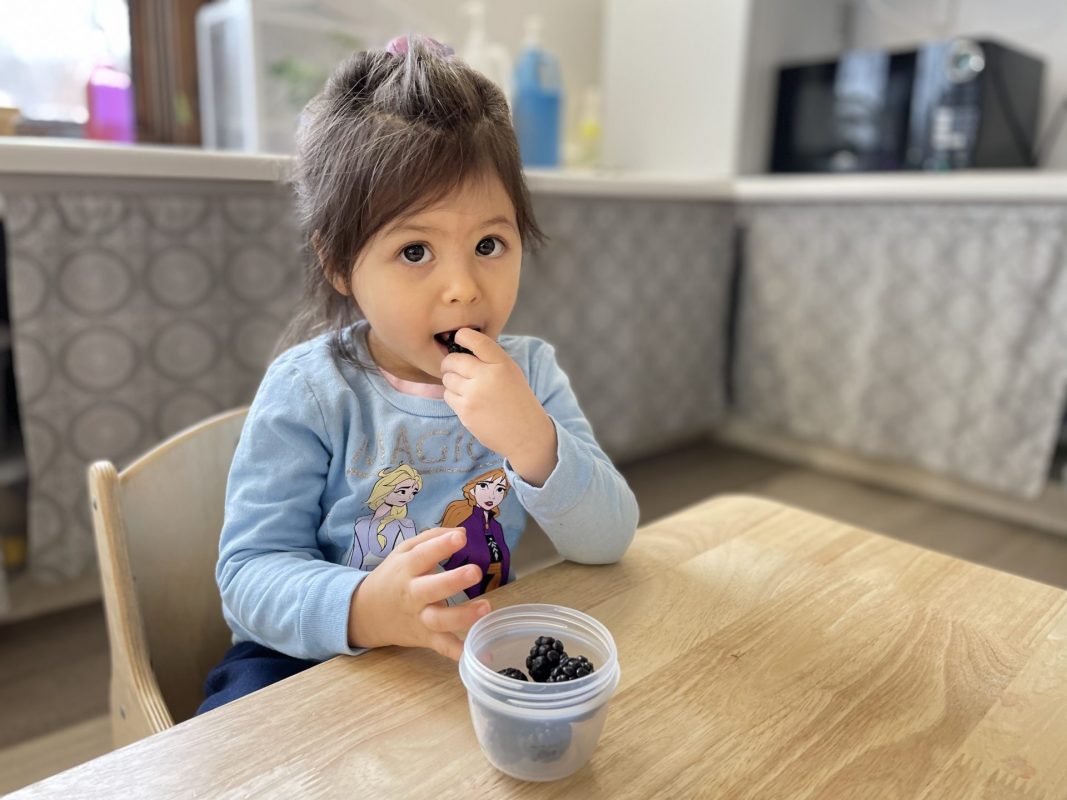
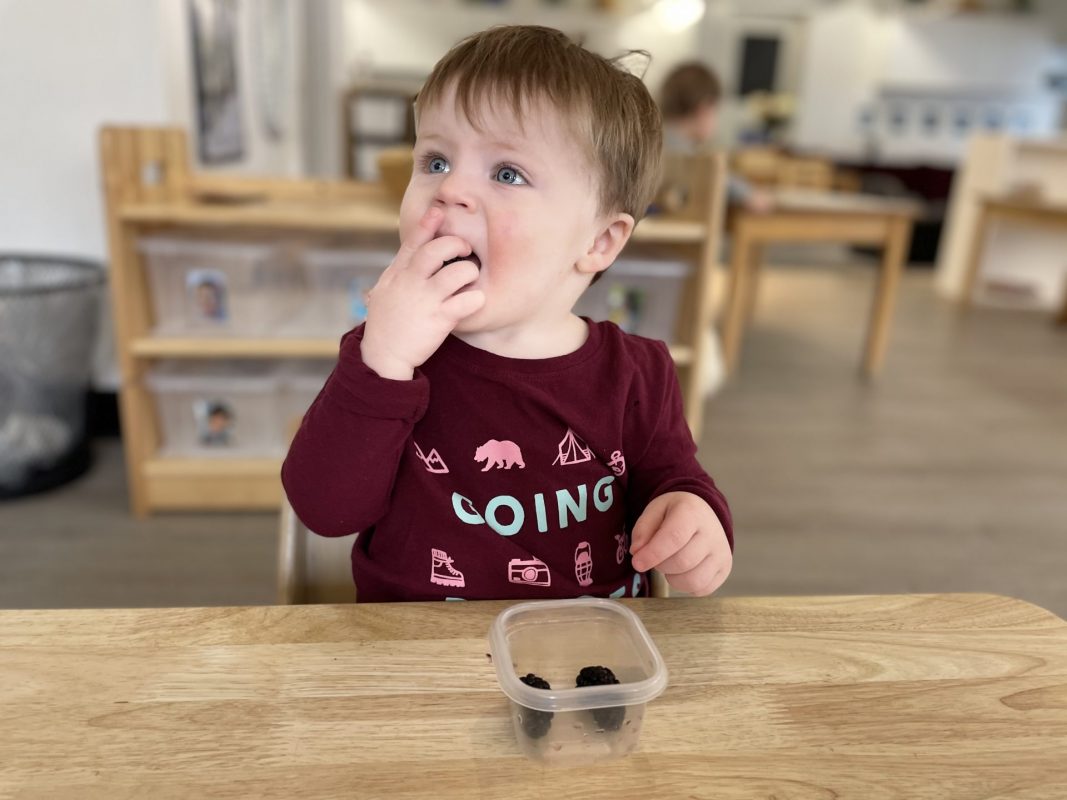
For food tasting, children enjoyed exploring blackberries! This fruit was a hit and most of the children kept asking for more!

Stay safe and warm,

Mrs. Hood and Ms. Maria

Mrs. Hood’s class: Creative Little Minds at Work!

‘The human hand allows the mind to reveal itself.’ – Maria Montessori
Art is one of the many ways children express themselves. When it comes to art, it is the process not the product that is important to the child. As adults our goal is to produce a product, but the child interacts with the world differently. The child works to develop self. The focus is on the process not the product. Once a child creates something, they do not feel the need to keep the product. It is the process that gives them satisfaction and inner joy.
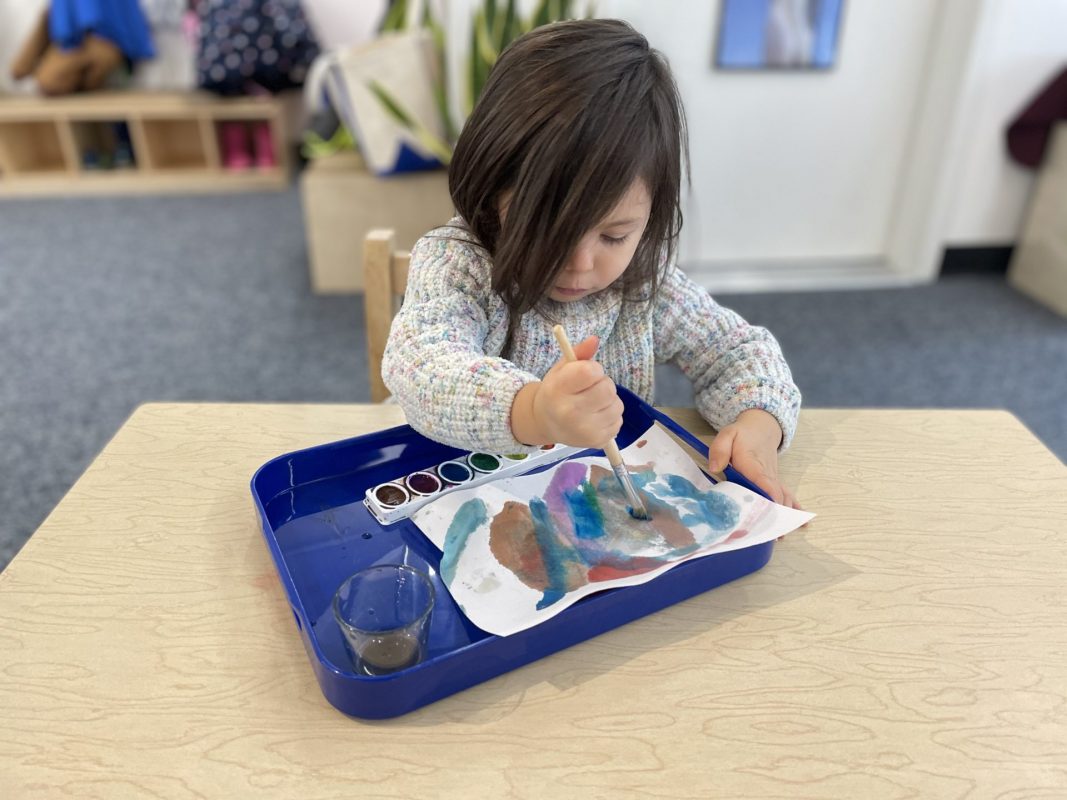
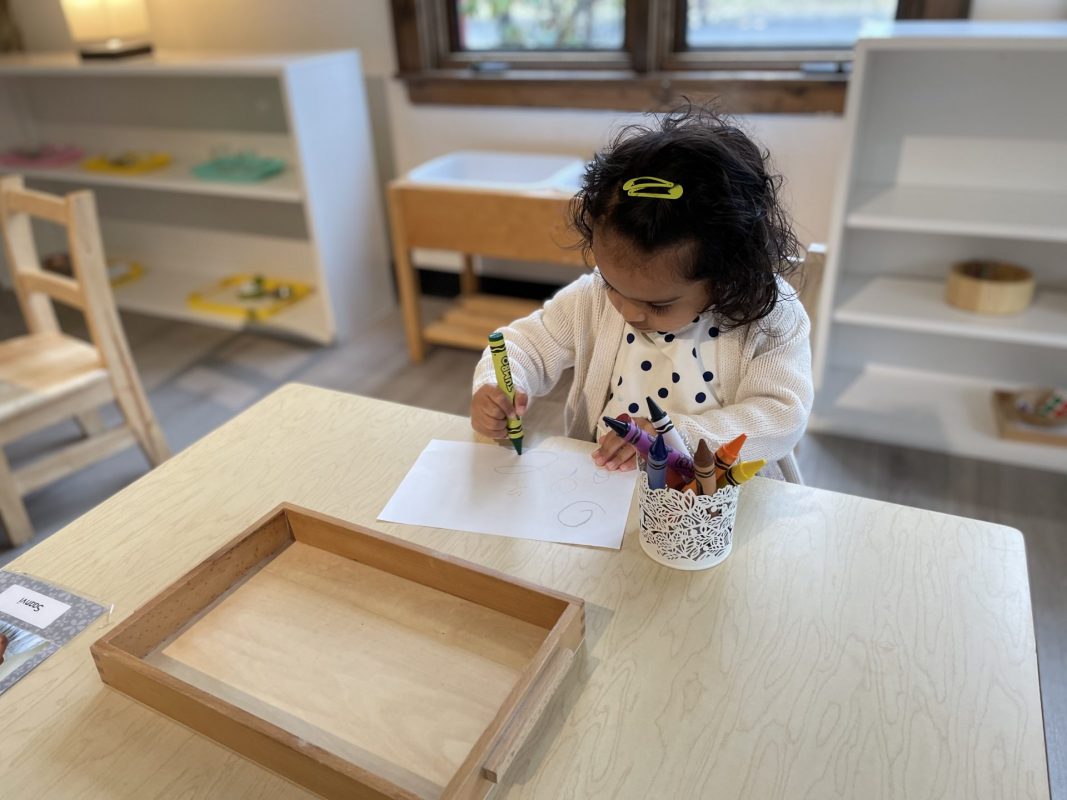
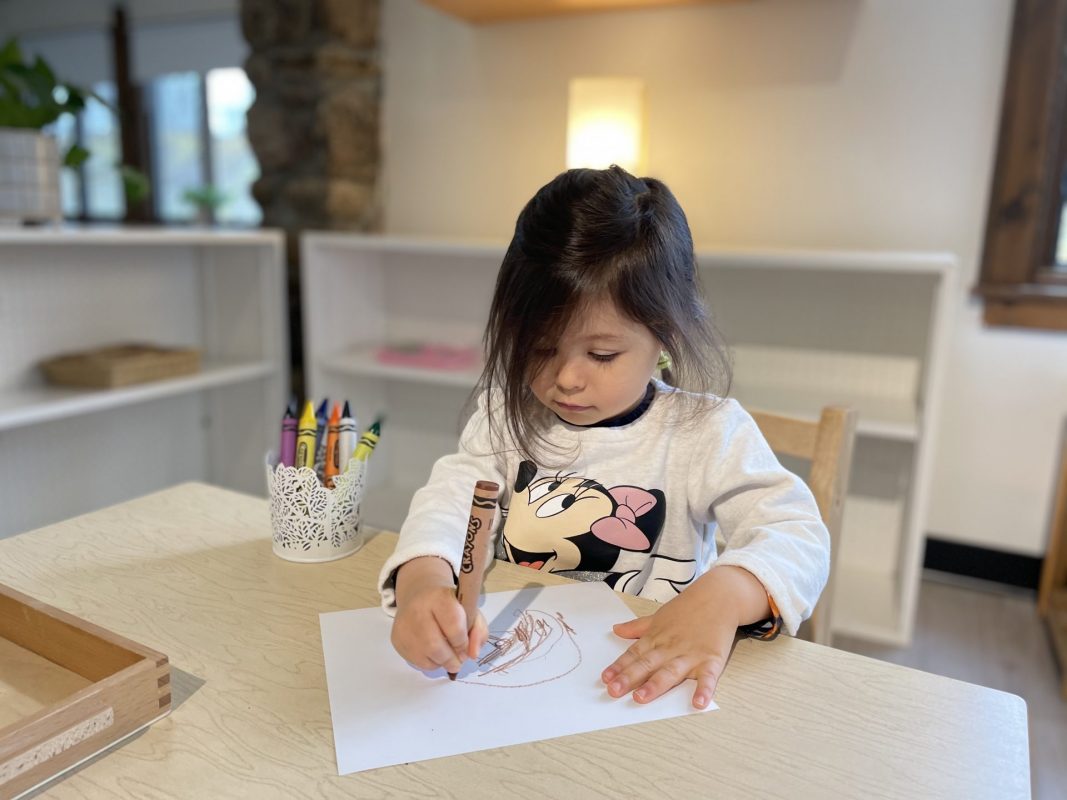
In our Montessori environment, art materials teach each skill separately so that the children can combine them on their own:  line drawing with crayons, holding and managing colored chalk, cutting without and with a guideline, stamping, working with clay, painting with watercolors, etc.  All of these skills will be mastered independently and then combined at the child’s discretion in some grand piece of artwork later on in their  development.

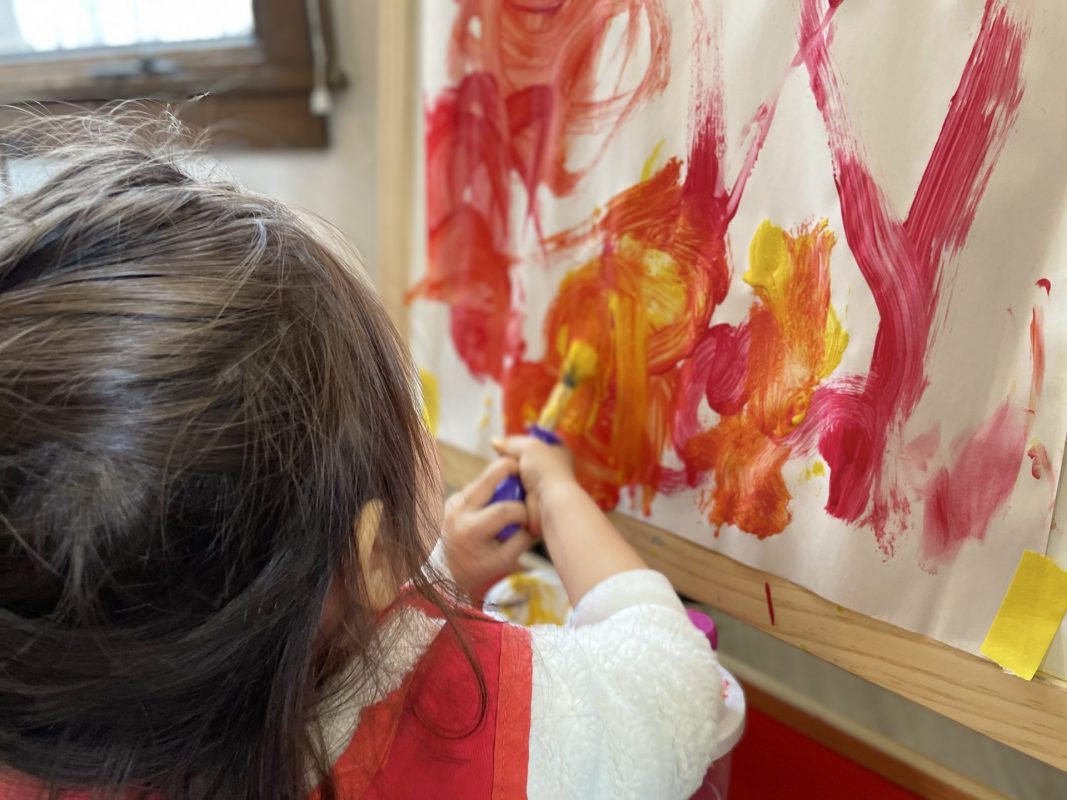
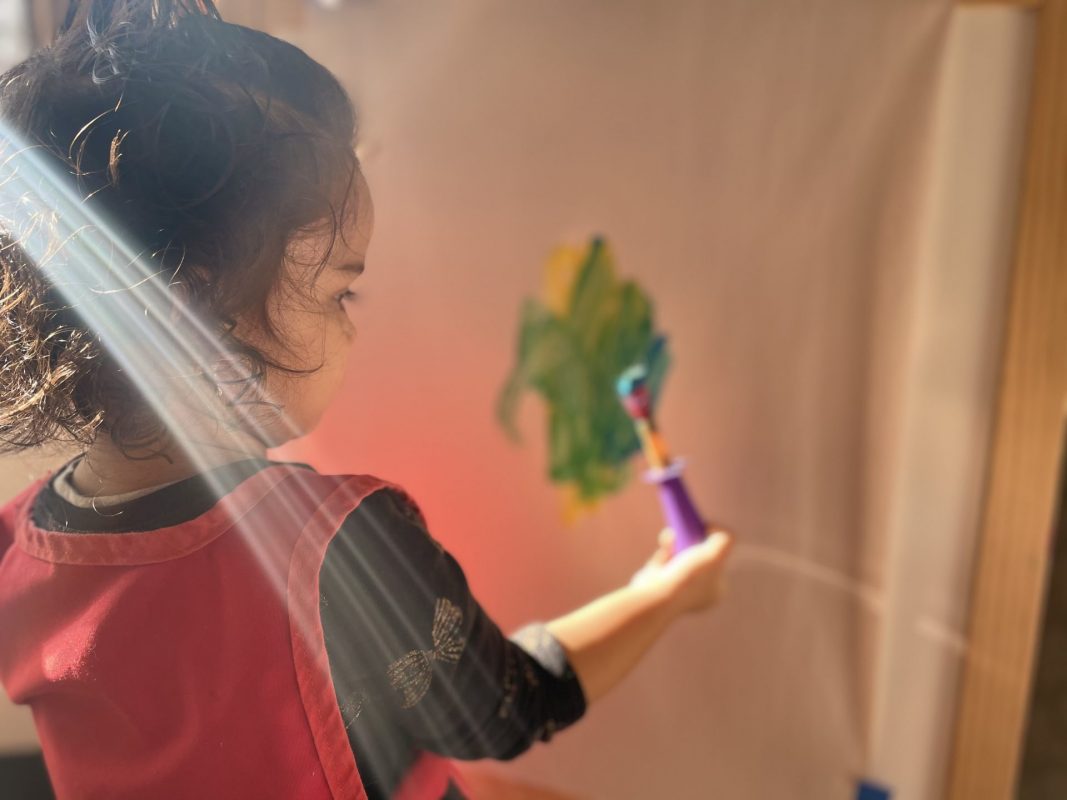
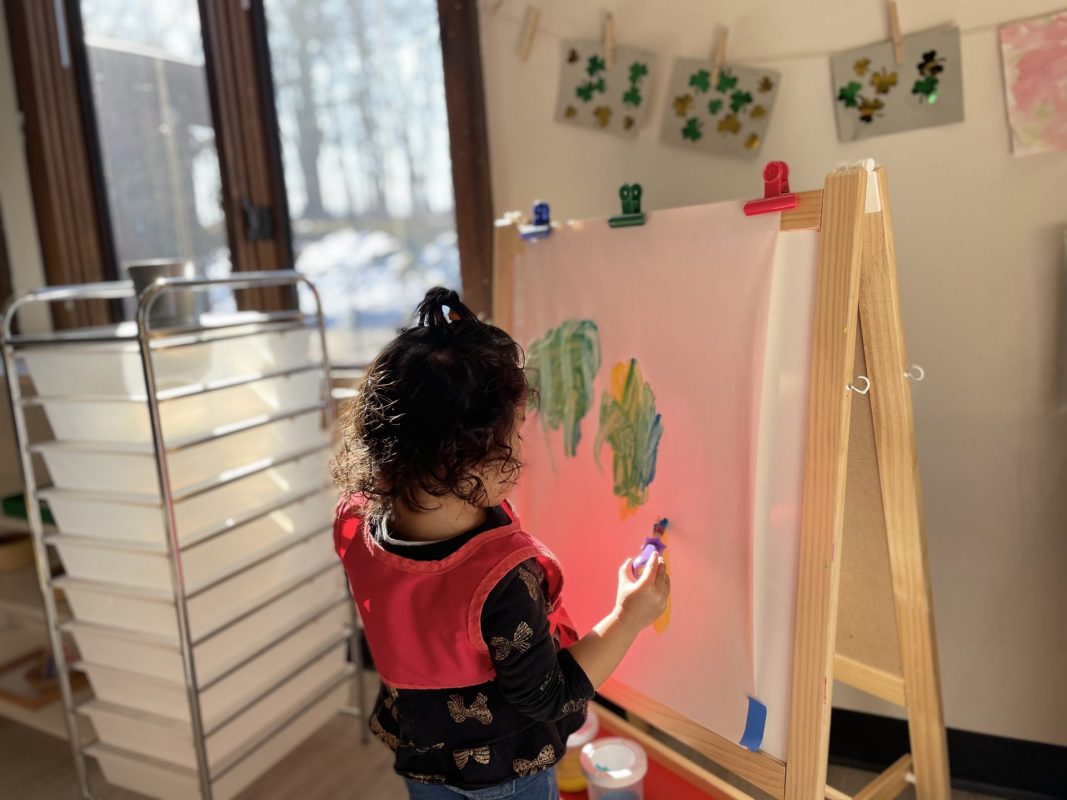
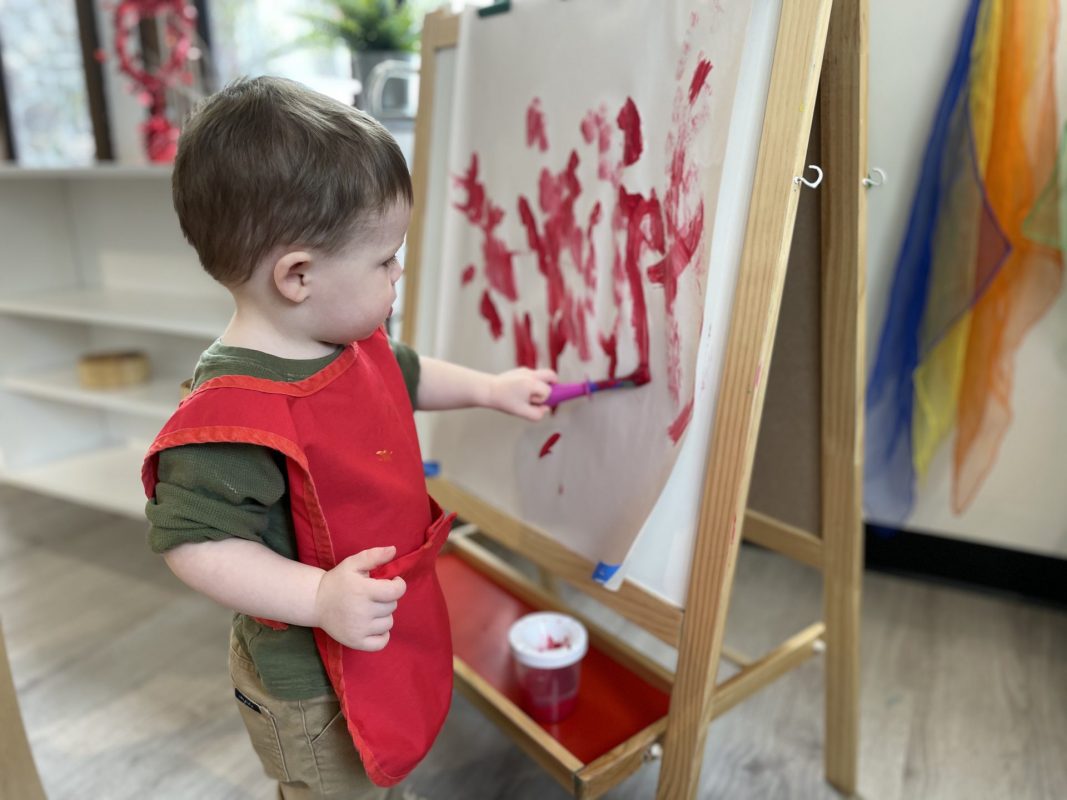
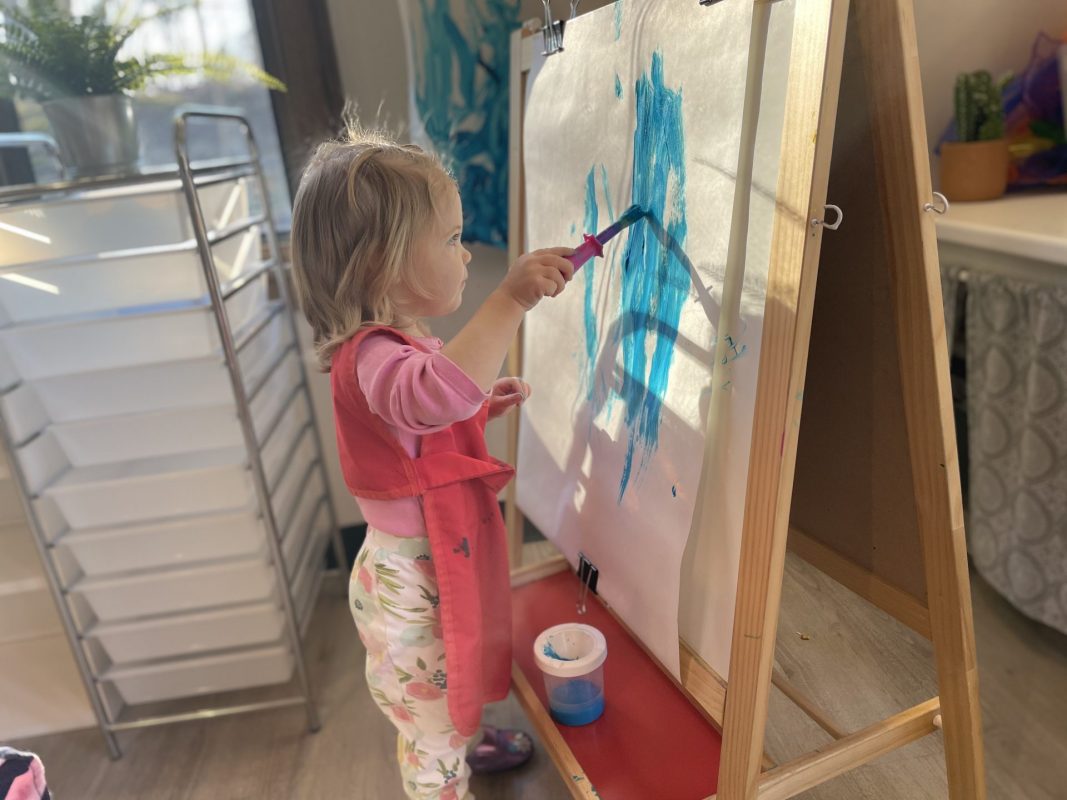
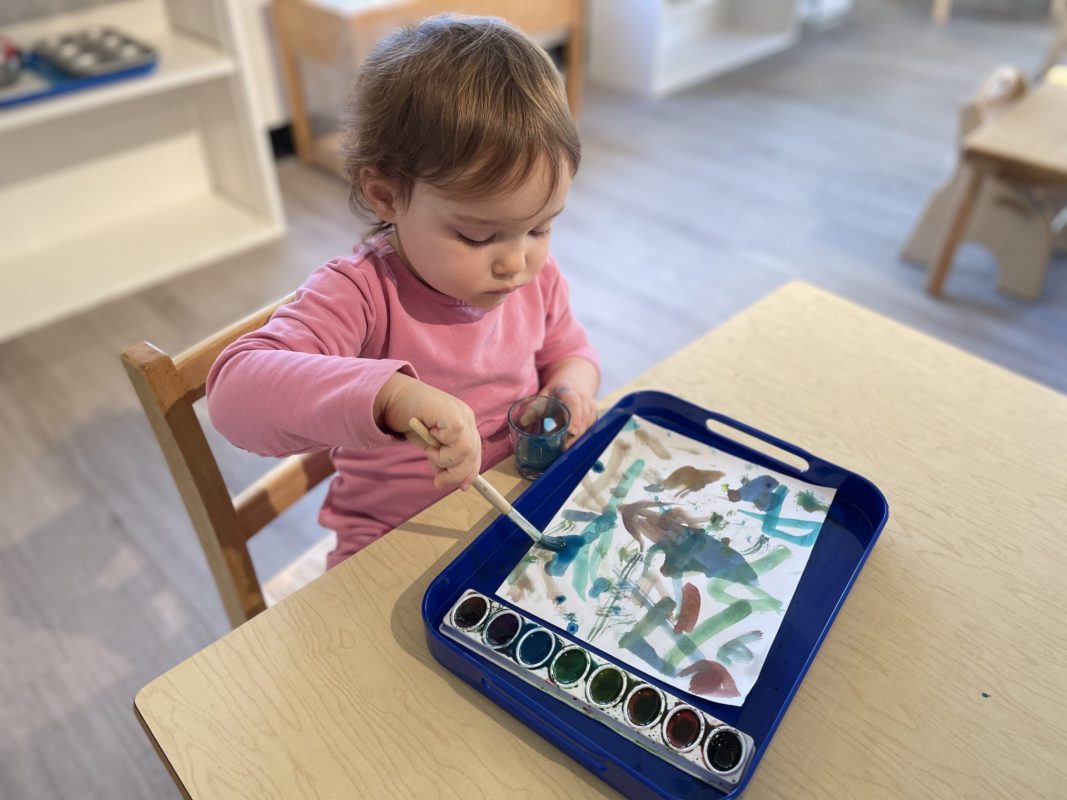
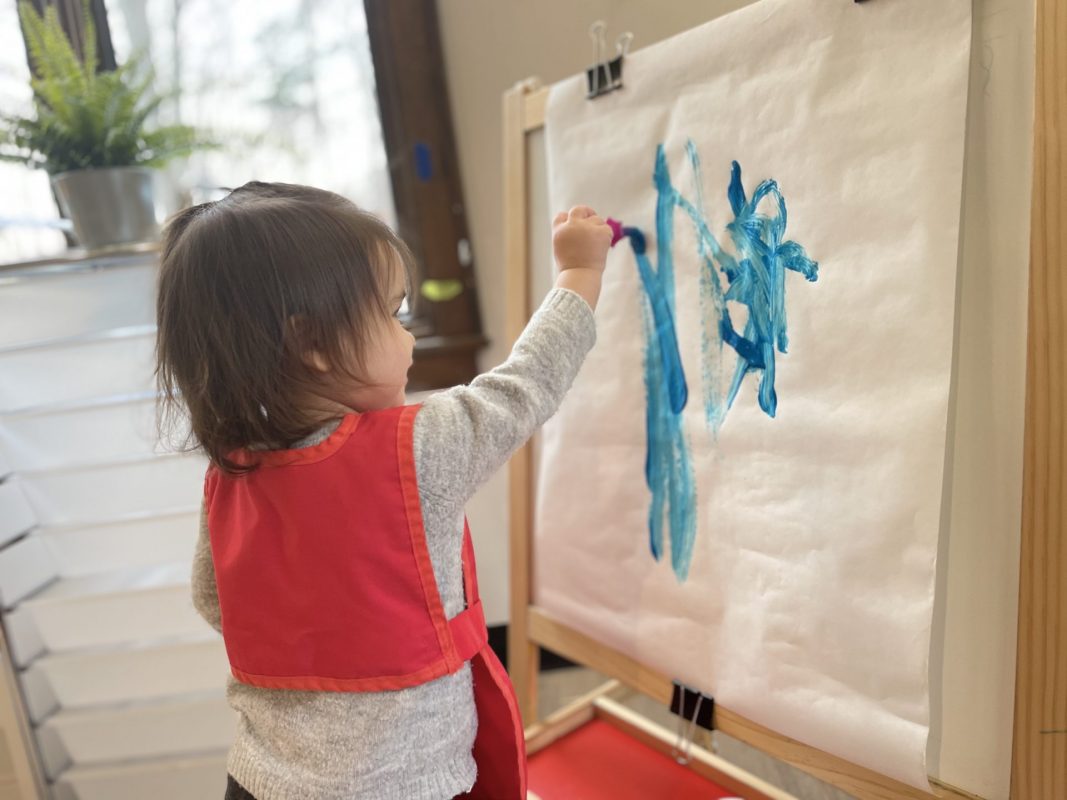
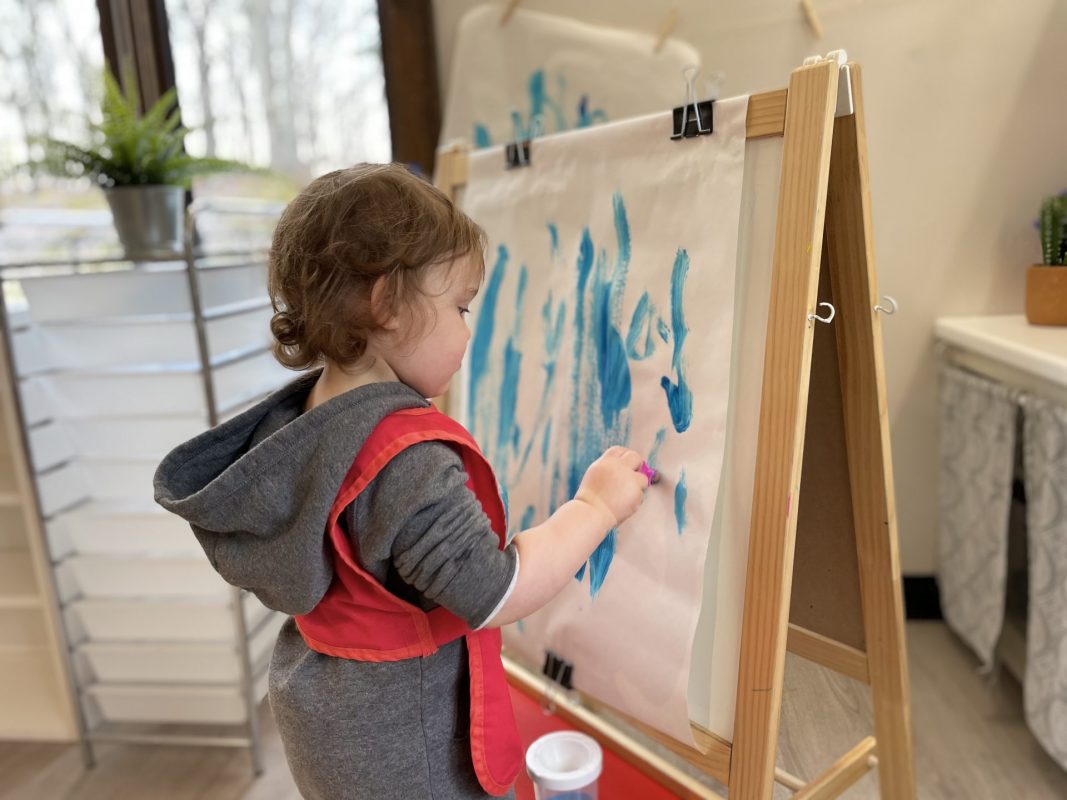
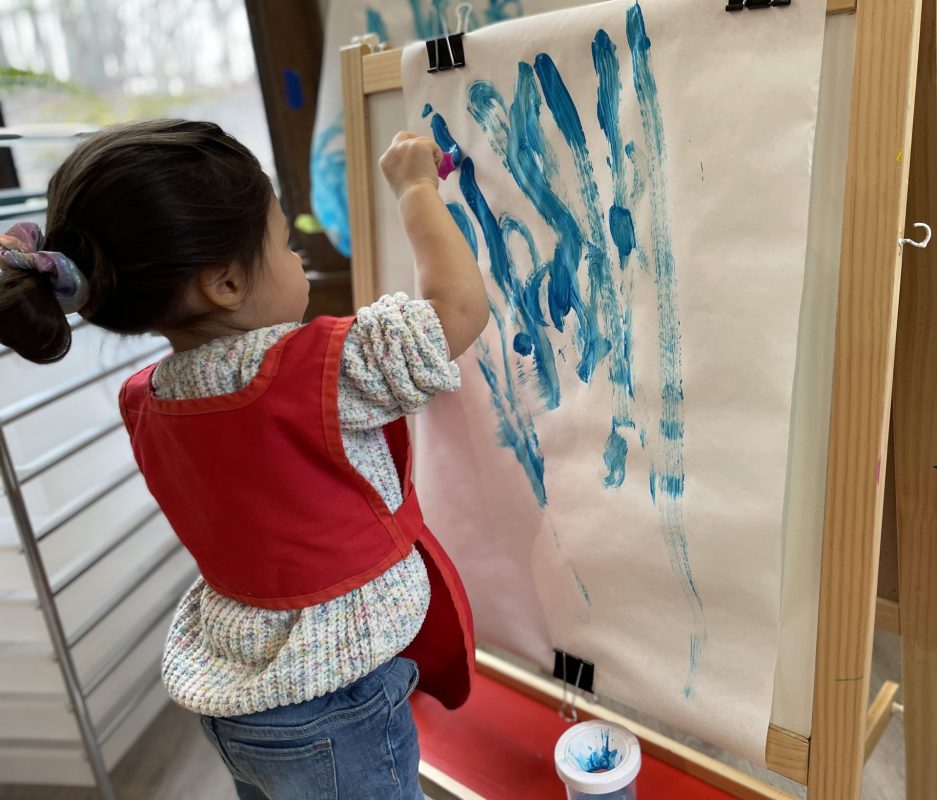
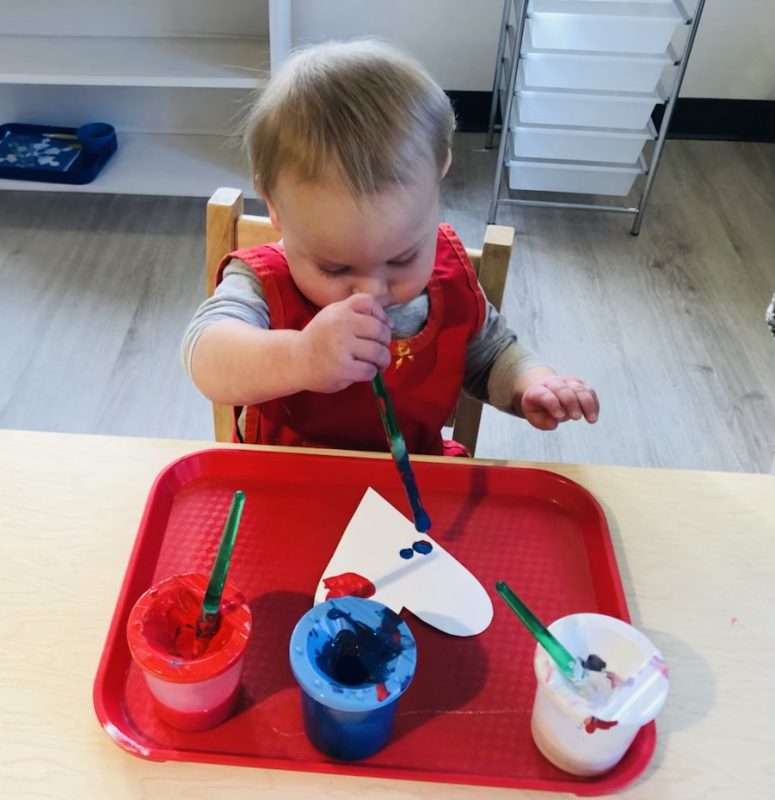
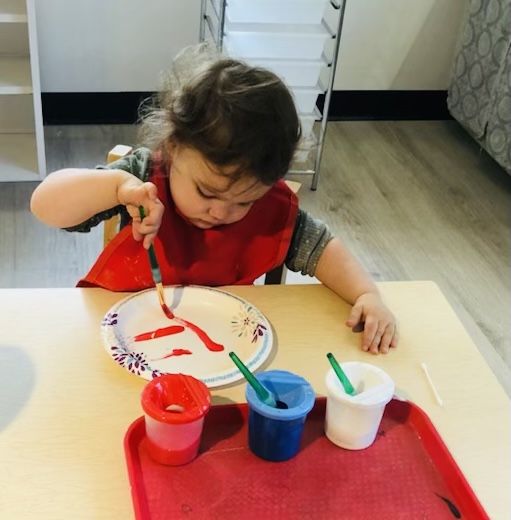
Painting on the easel was a new addition to our art shelf this week. There are three main objectives of this exercise. First, the development of hand-eye coordination. Dipping the paintbrush in and out of the paint pot requires a steady hand and a keen eye, working simultaneously. Second, small motor control. Holding the paintbrush and whooshing it across the paper in the direction you want it to go is hard work when you’re small. Think of all the pre-writing skills they are learning just by holding the brush! Third, and I have to say my favorite goal, creative independence! There are no rules when it comes to painting. There is no predetermined product, just a process. The children can plan their own painting from start to finish without any interference from adult rules or directions. The only thing they must remember is to paint only on the paper. Their sense of satisfaction after they finish their masterpiece is just incredible to witness!

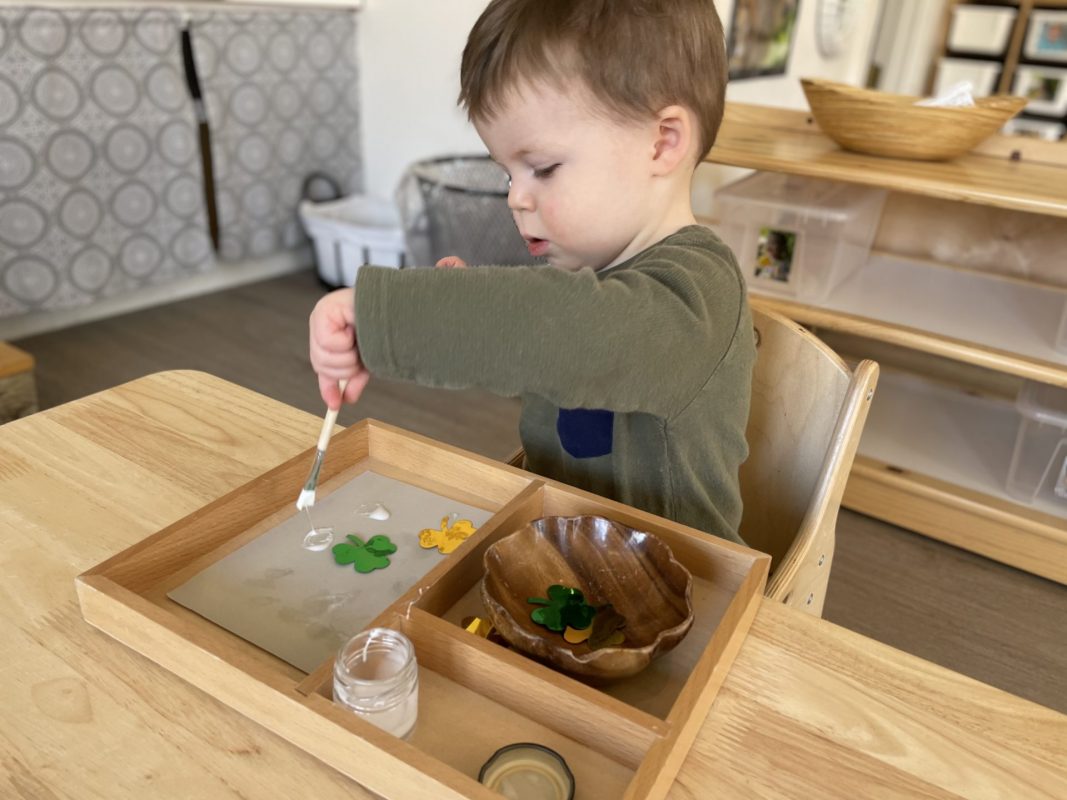
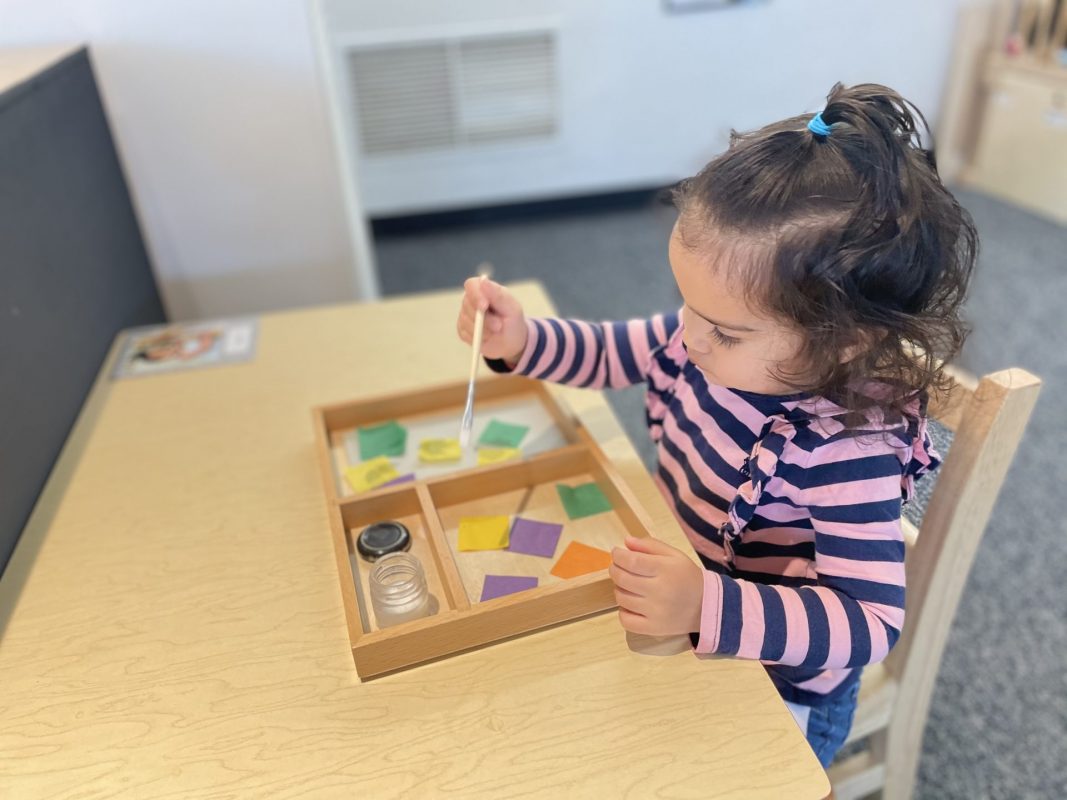
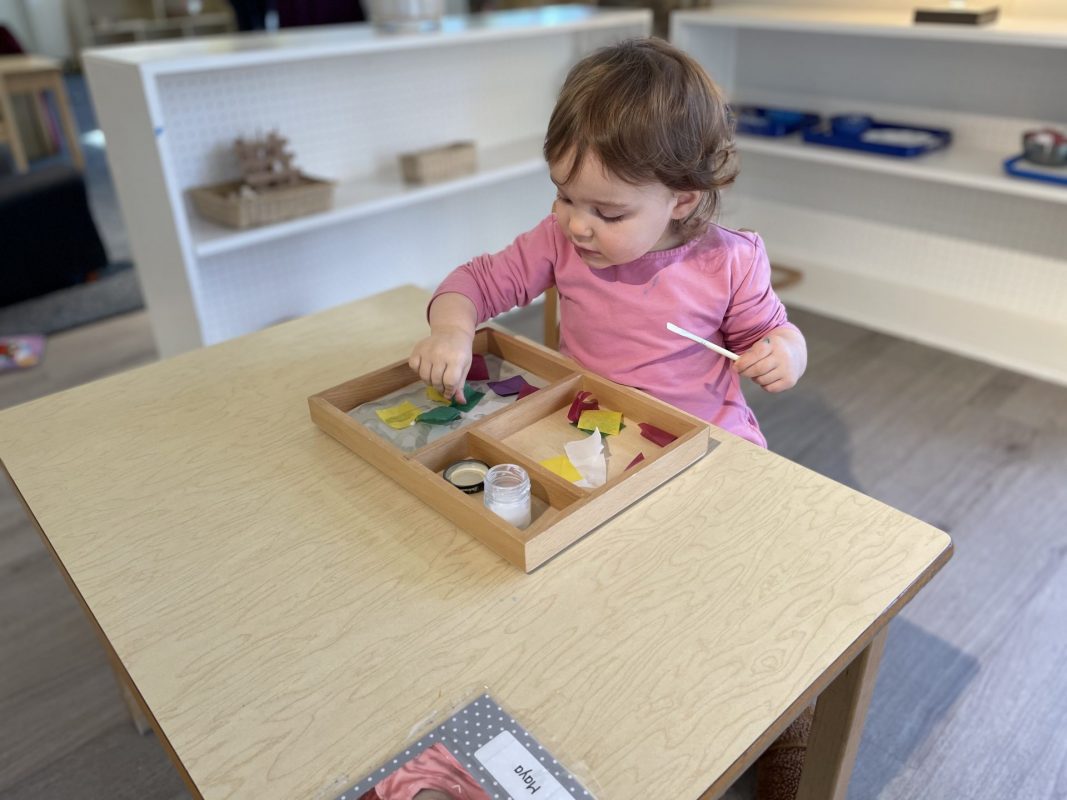
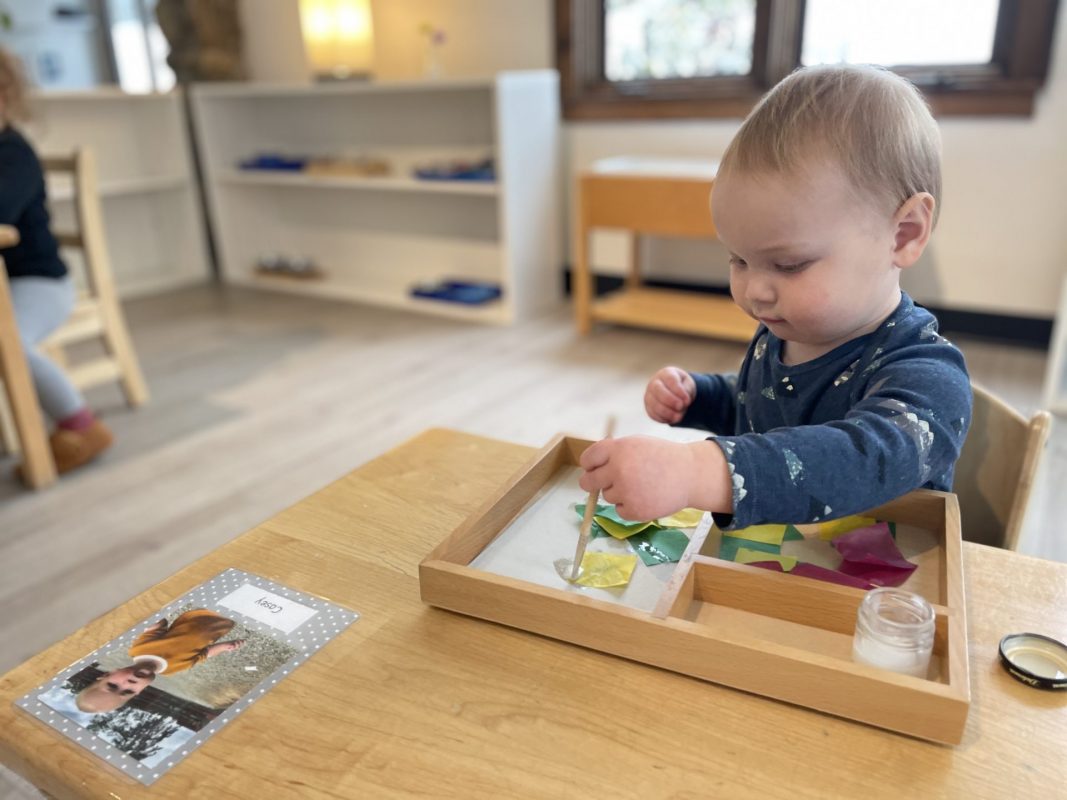
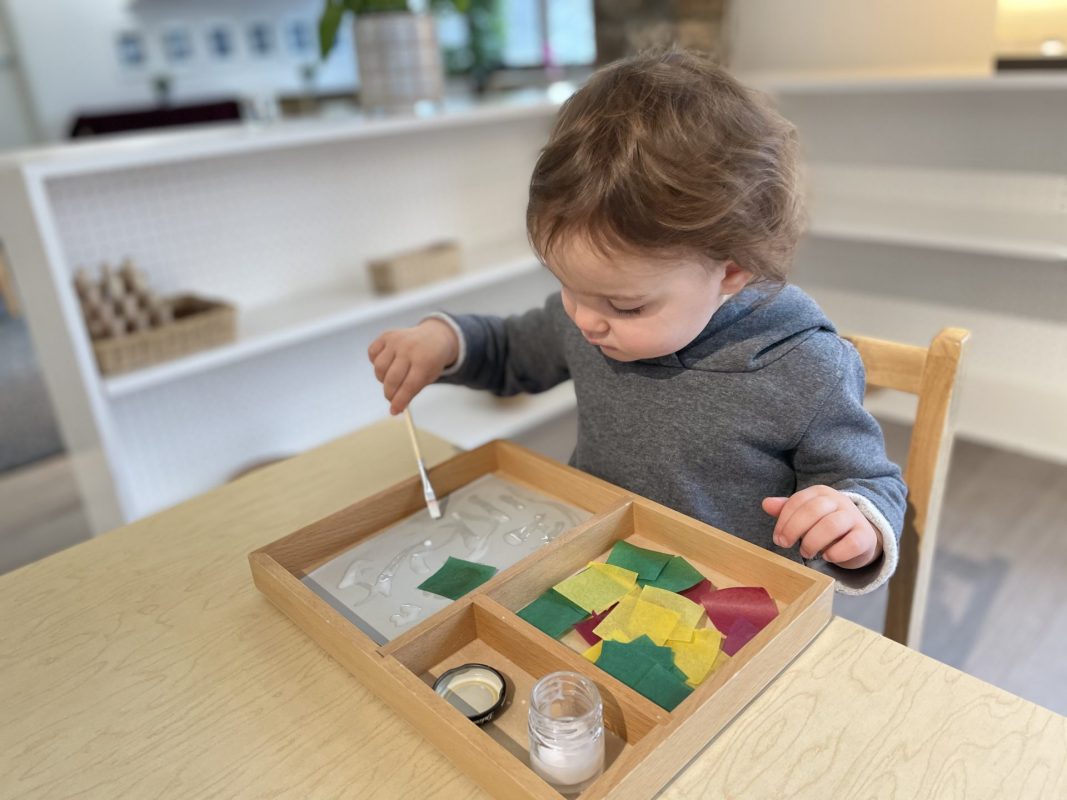
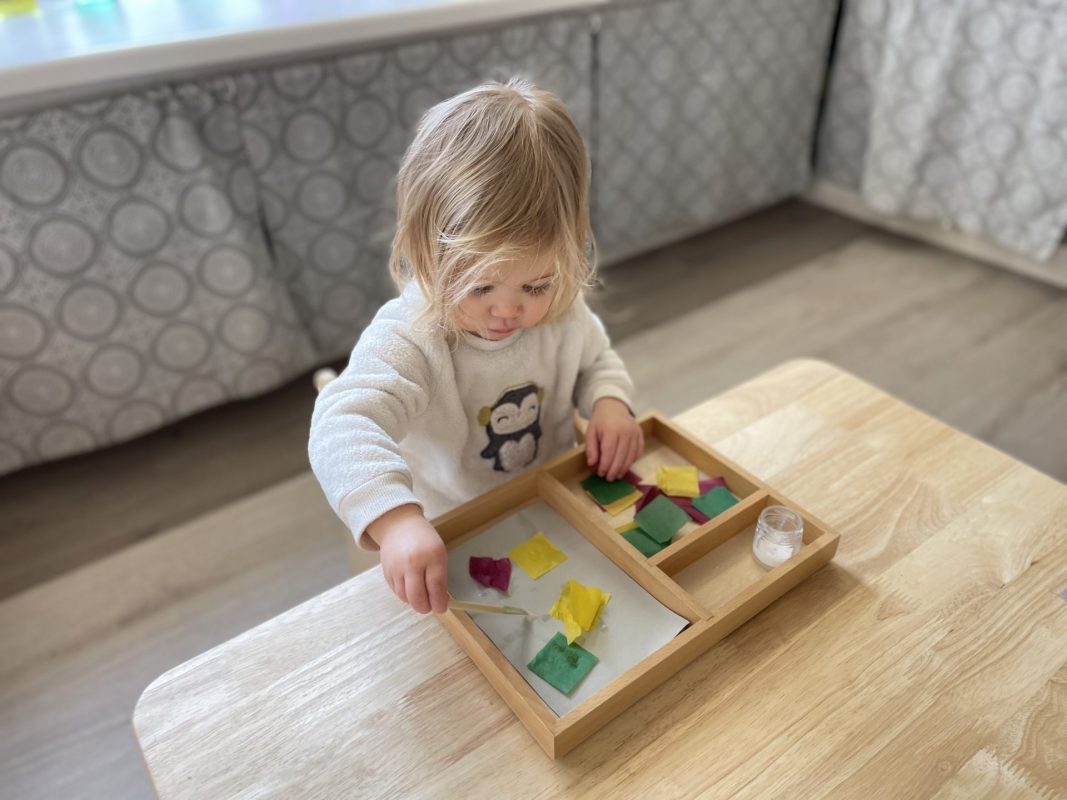
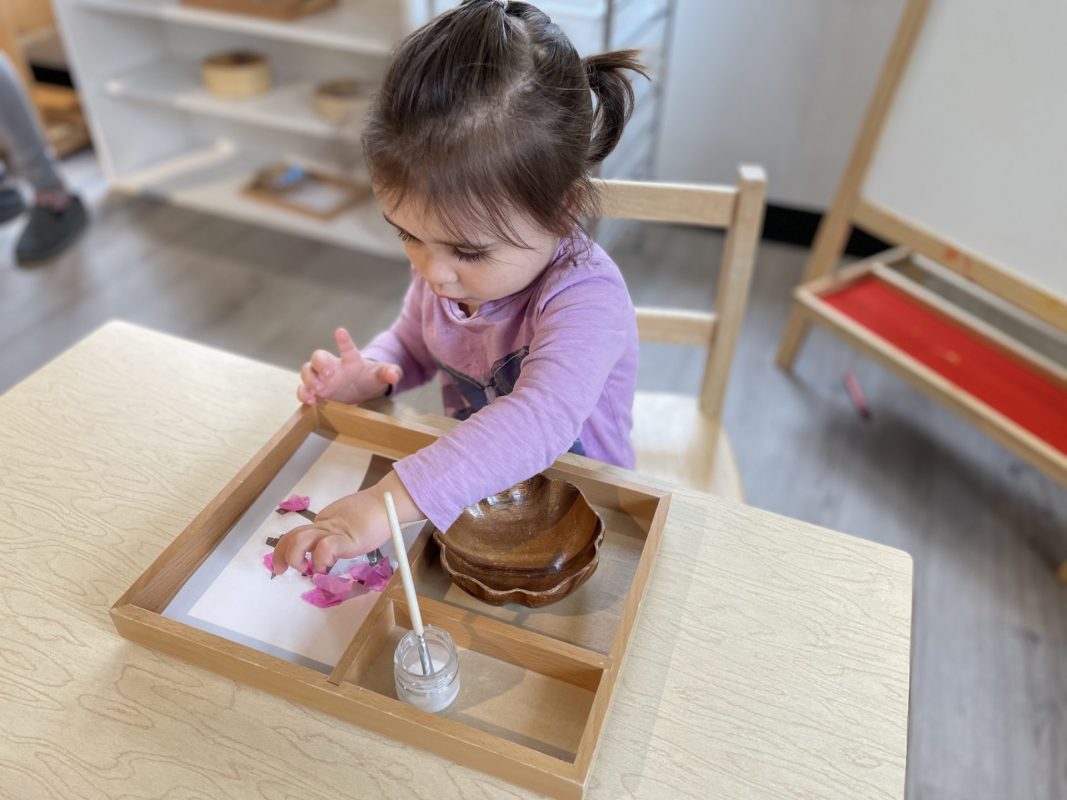
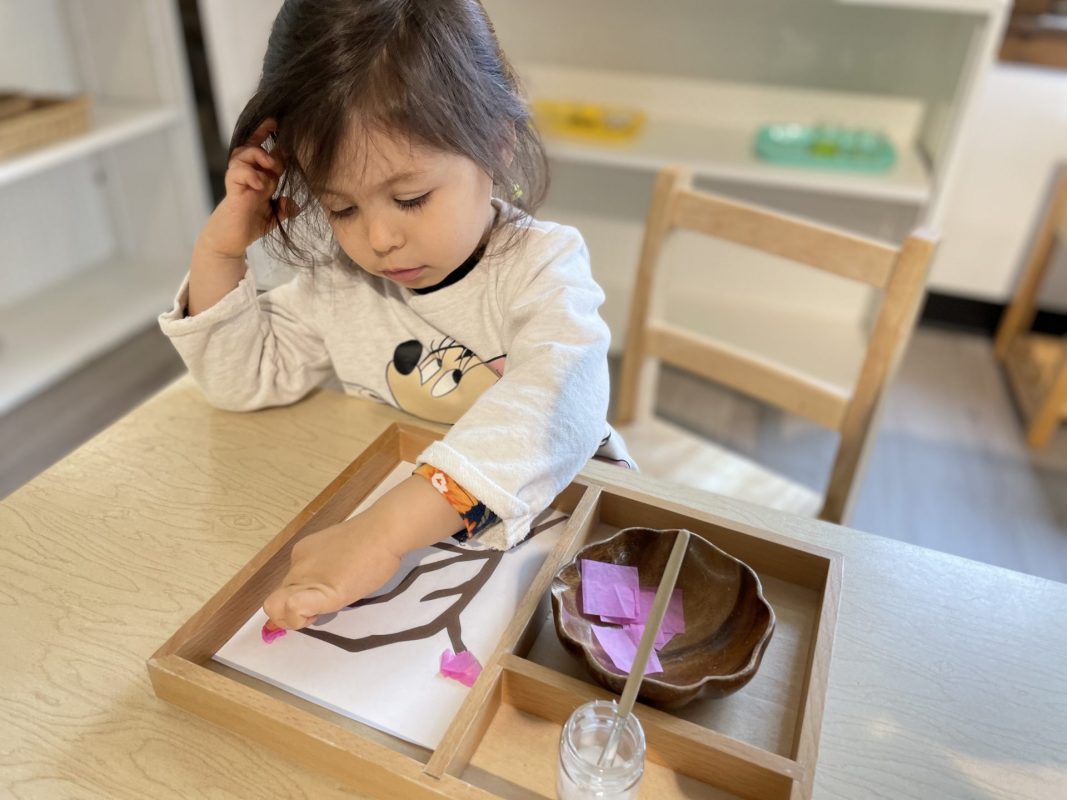
Also, we added an exercise for all the children to explore but specifically for our older toddlers to master: Gluing. Learning to use glue develops hand-eye coordination and fine motor planning skills. It also helps your child understand the sensory concept of stickiness. 

This week also, our beloved Art teacher Mrs. Reid visited us and worked individually with each child on a project for Valentine’s Day. Stay tuned as you will hear more about this soon! 

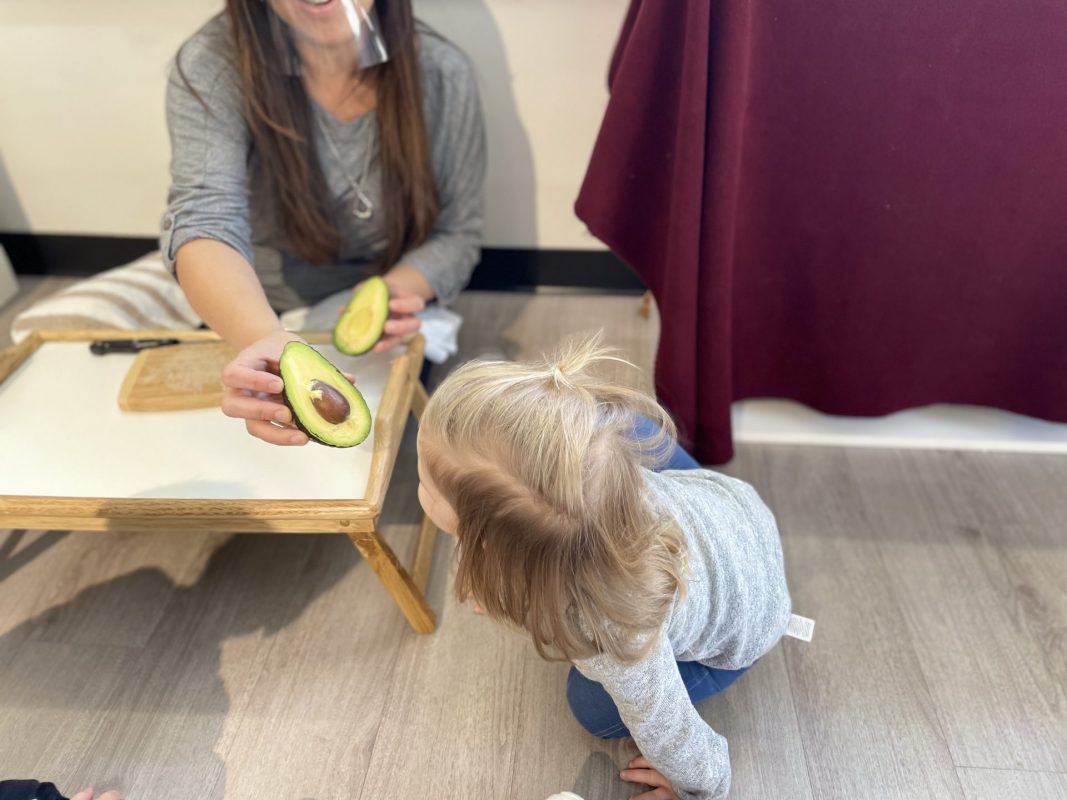
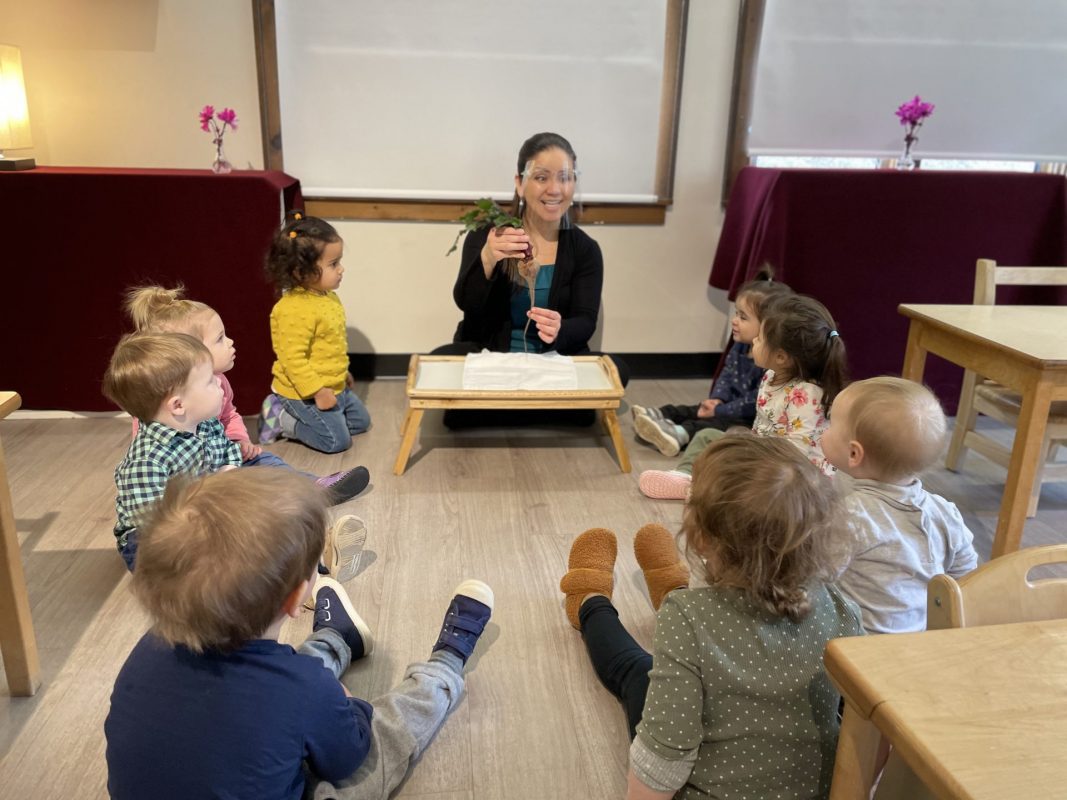
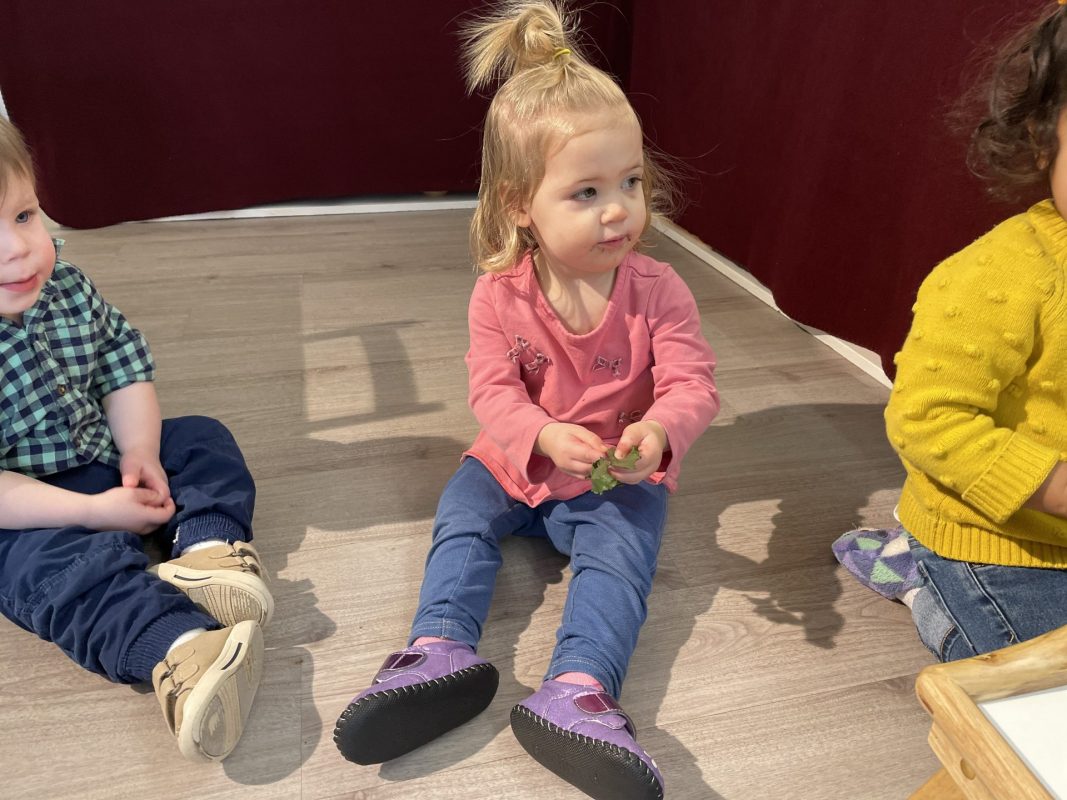
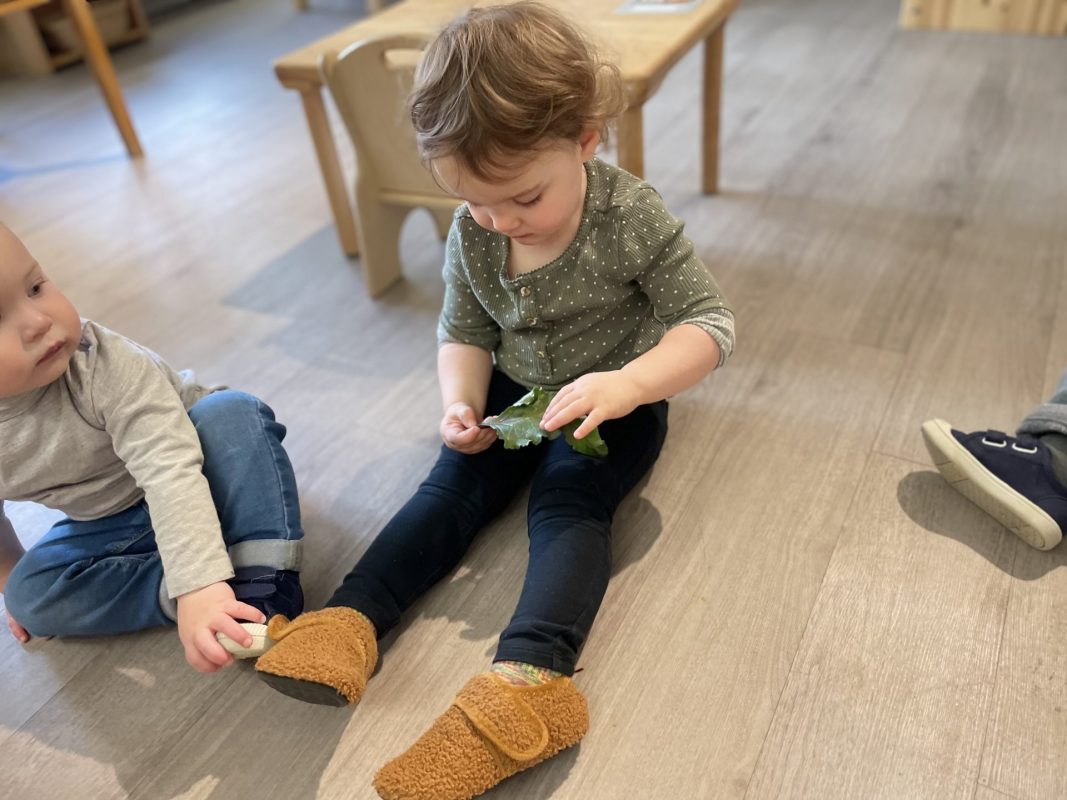
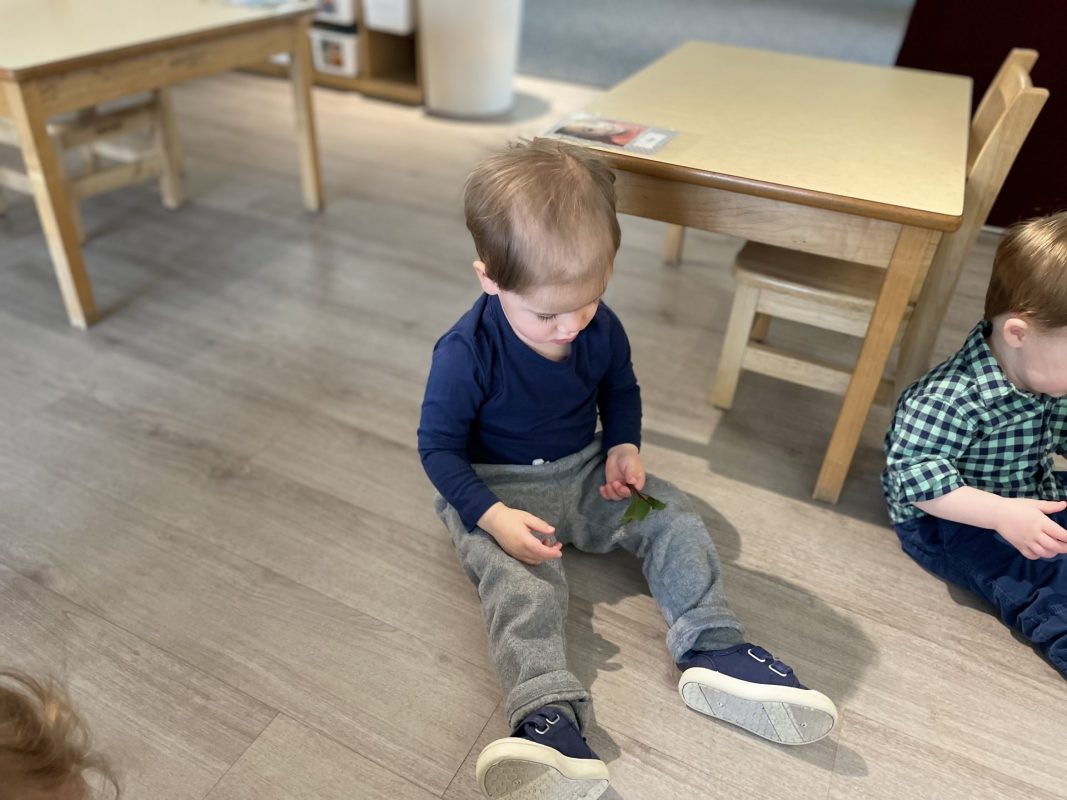
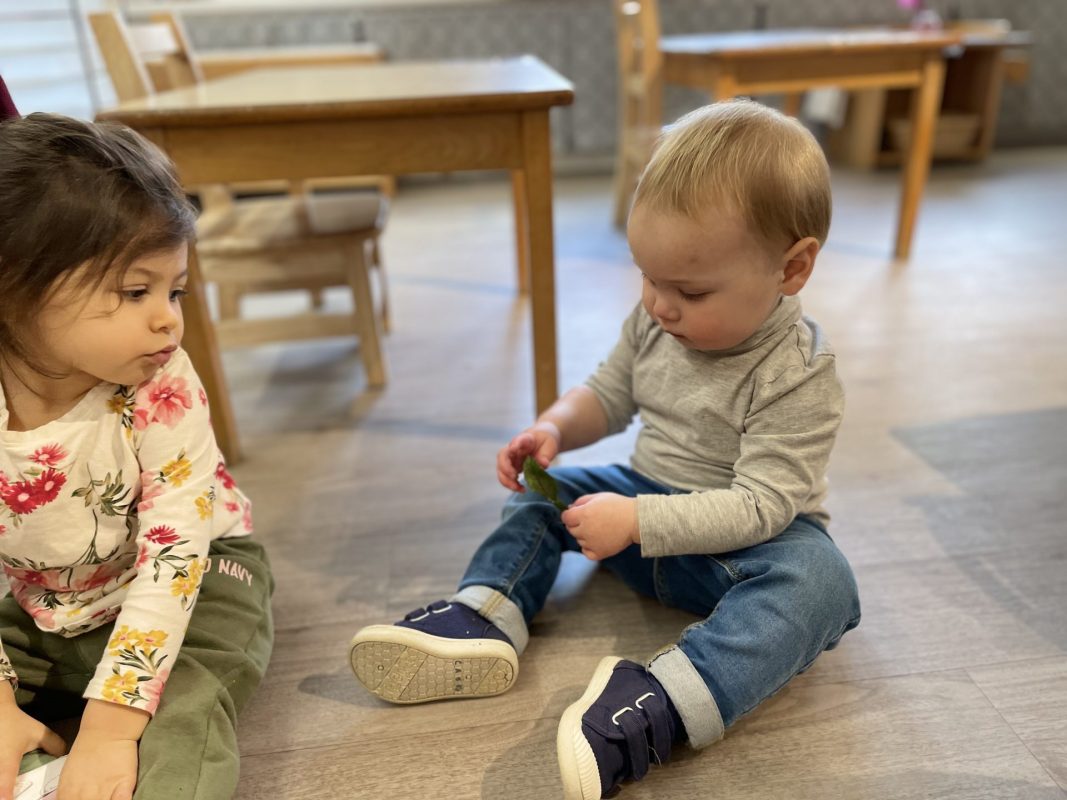
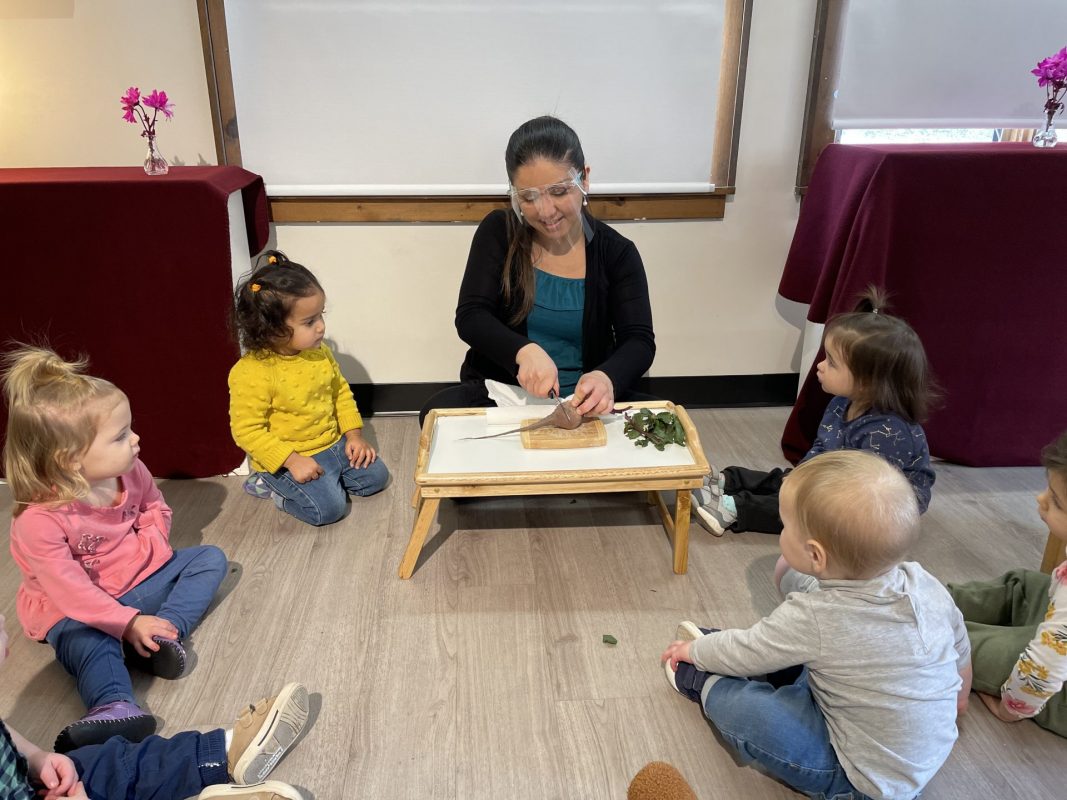
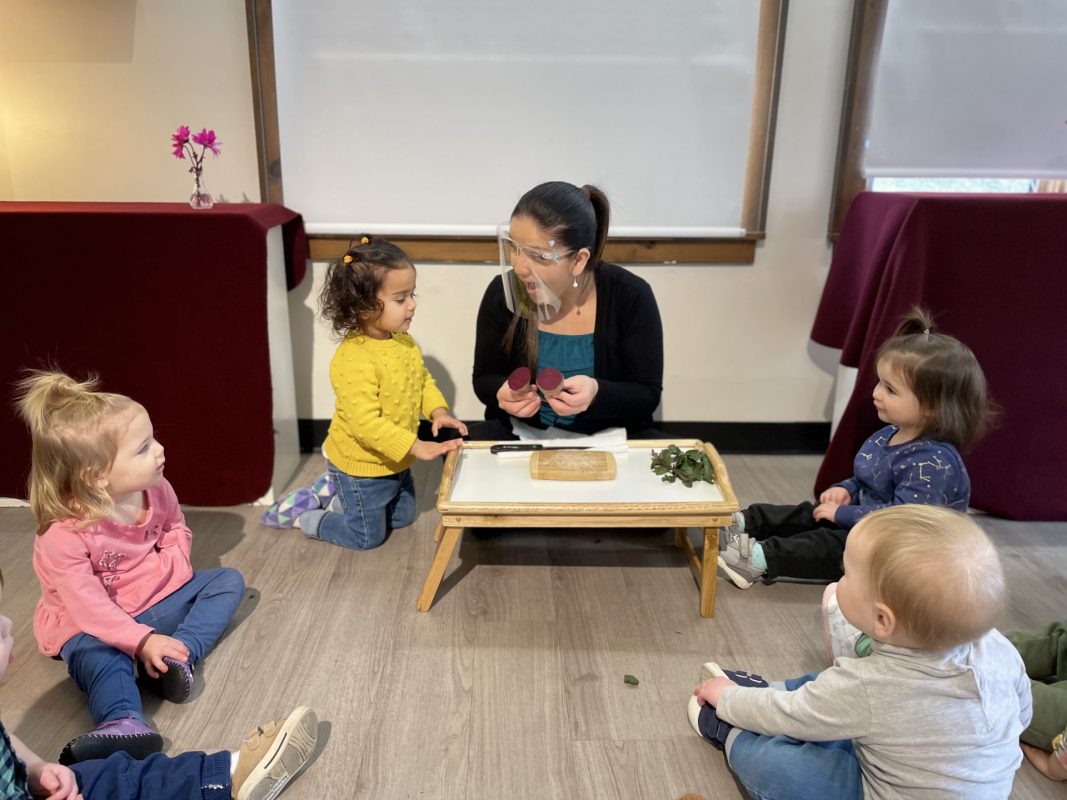
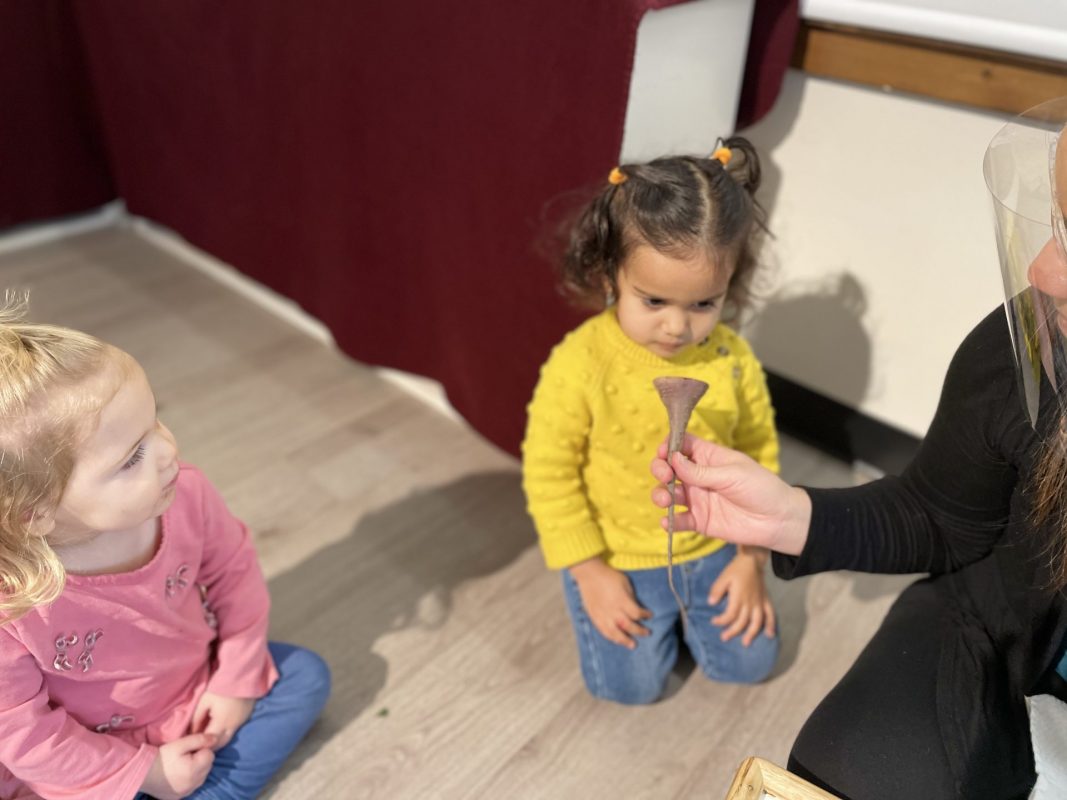
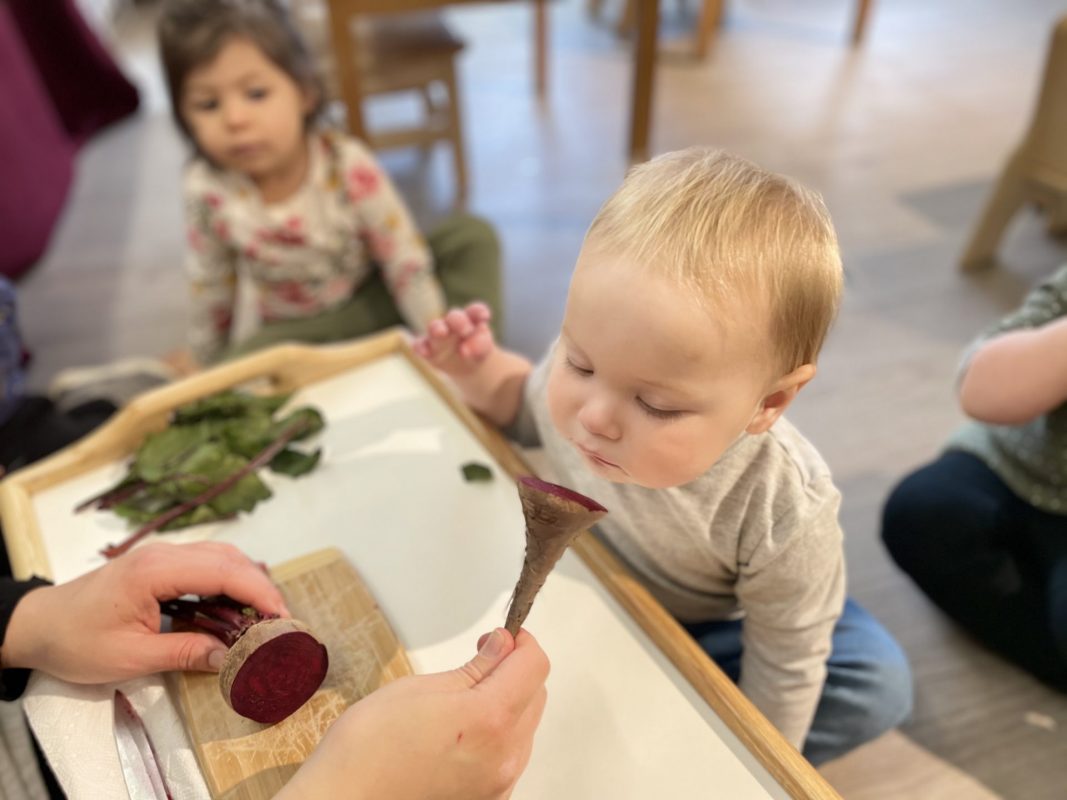
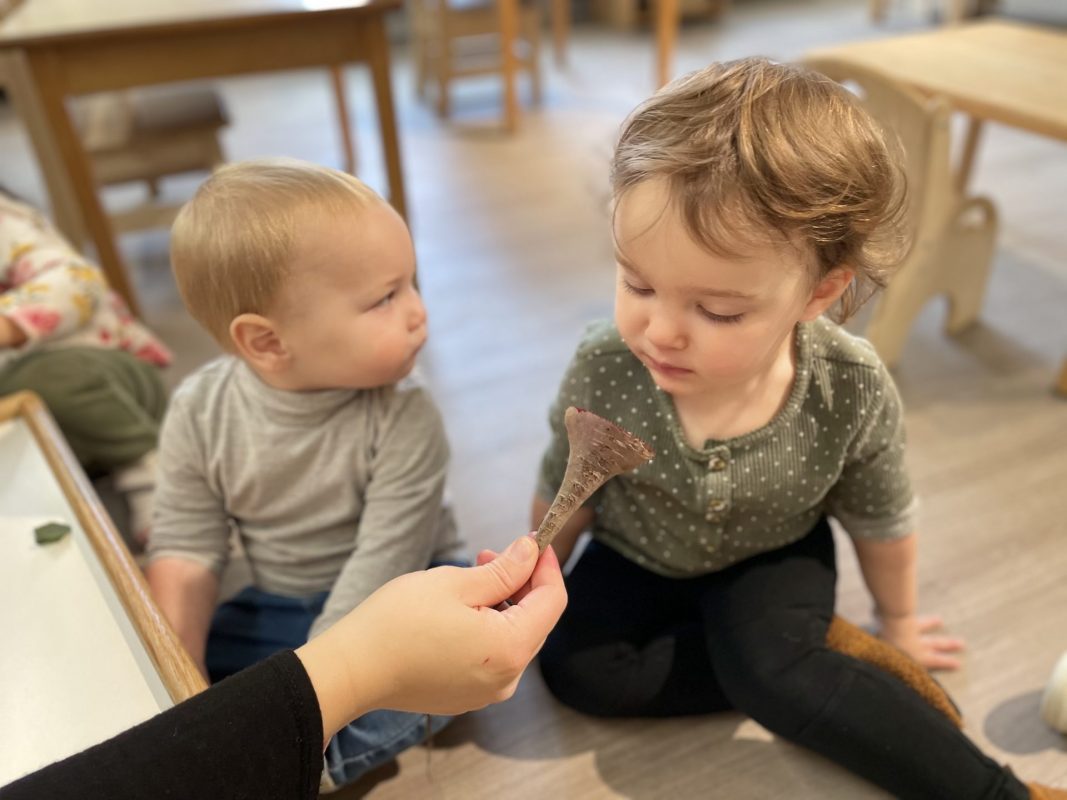
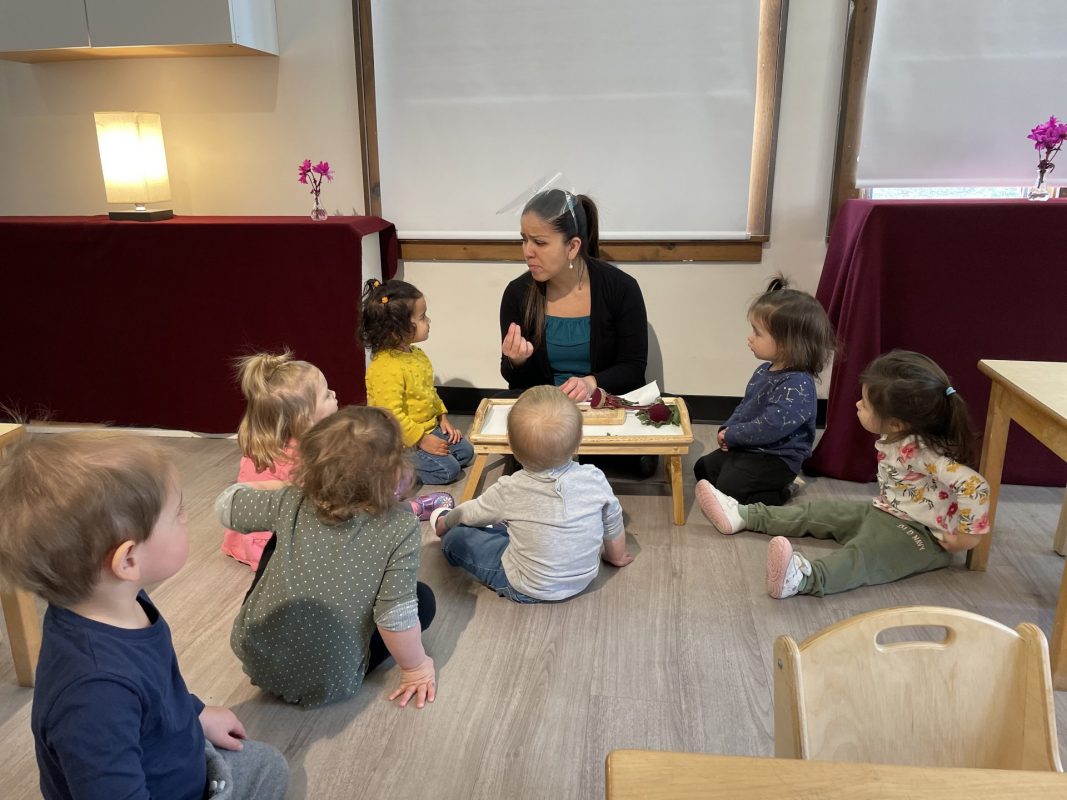
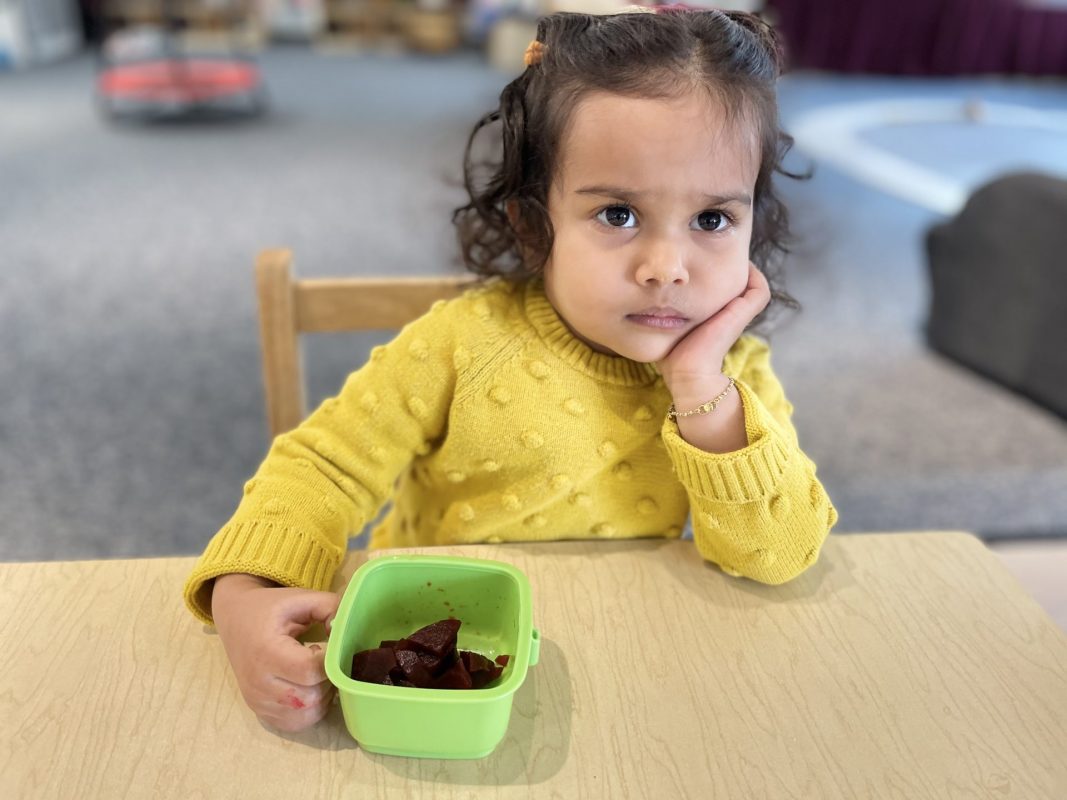
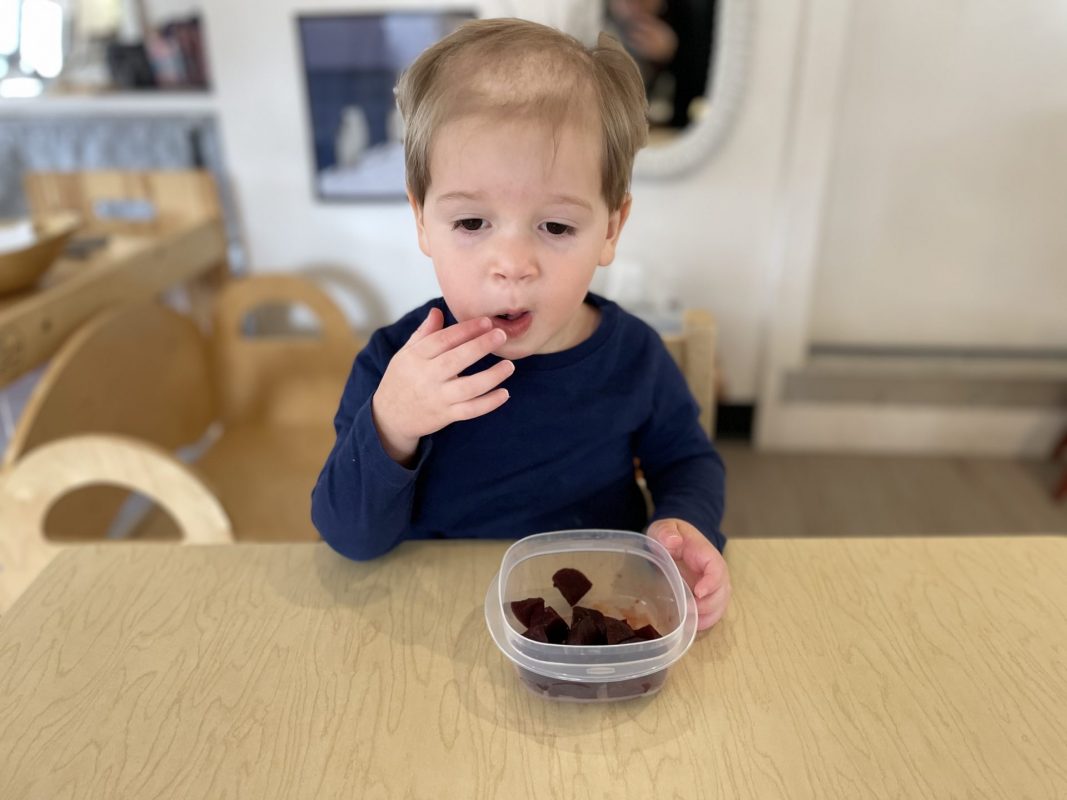
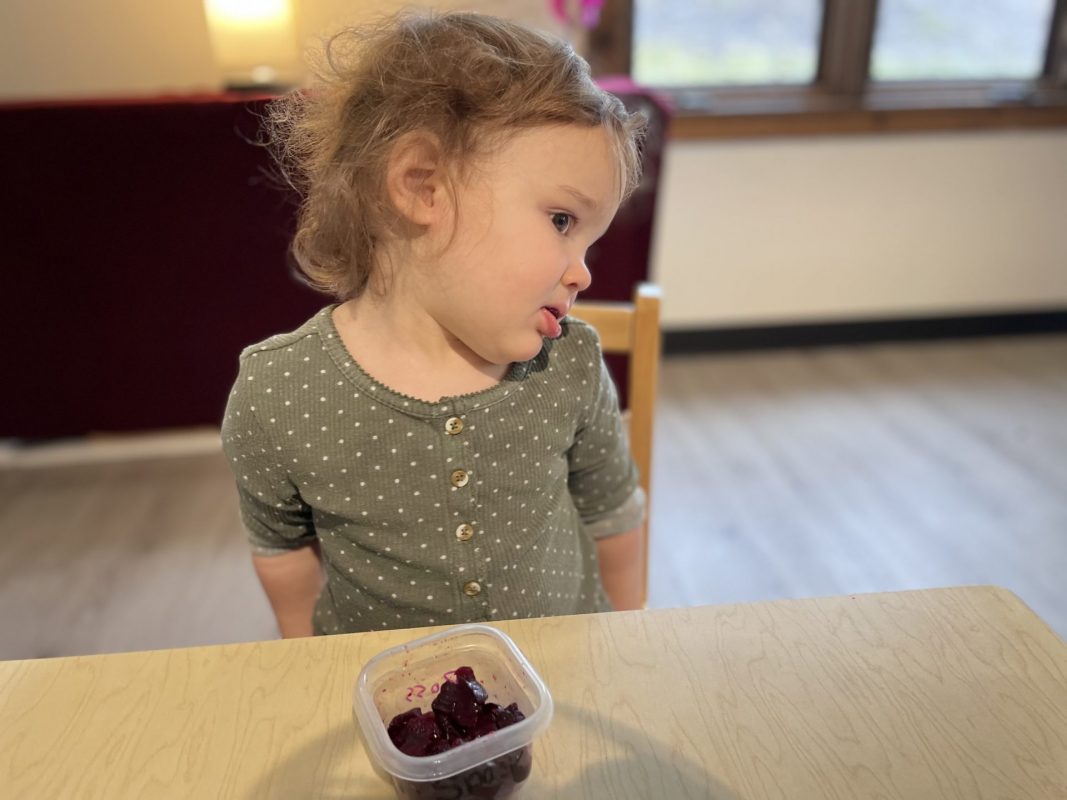
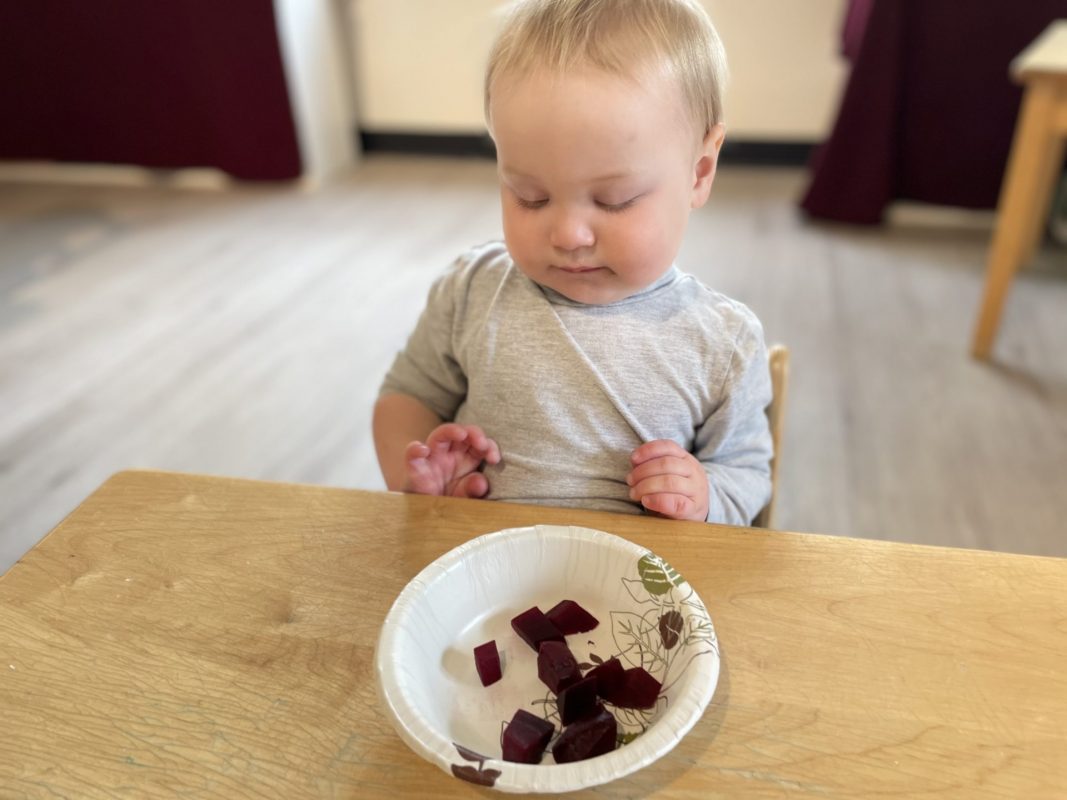
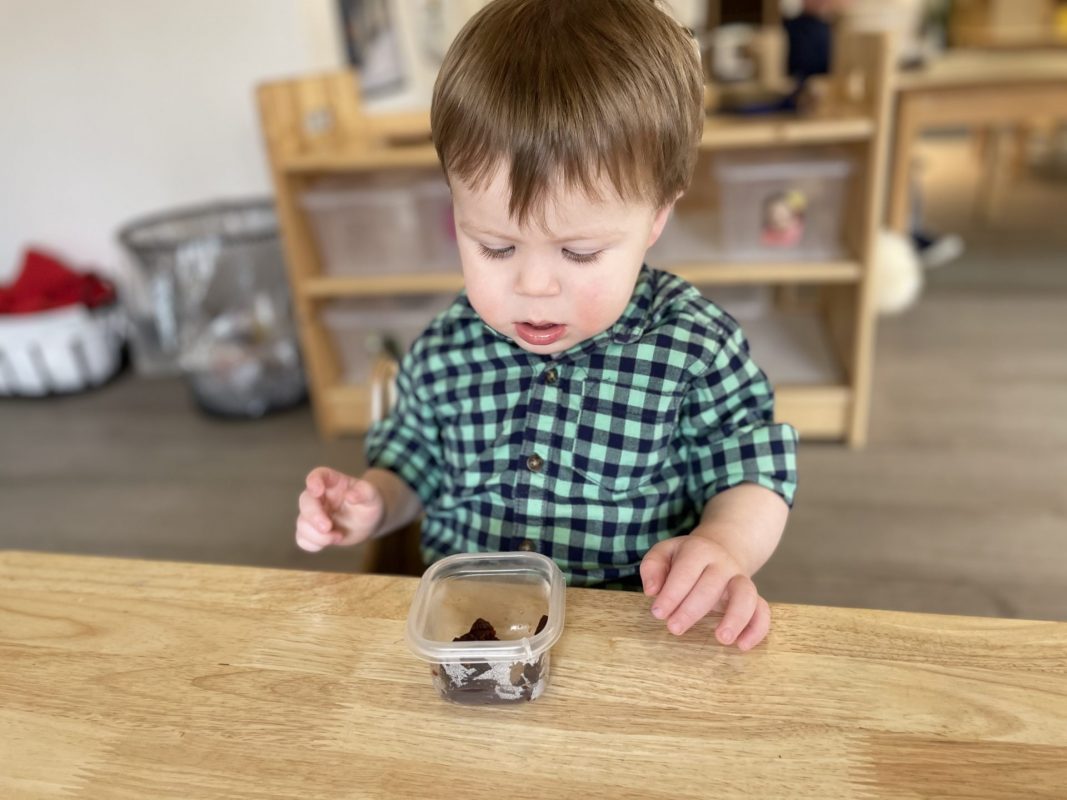
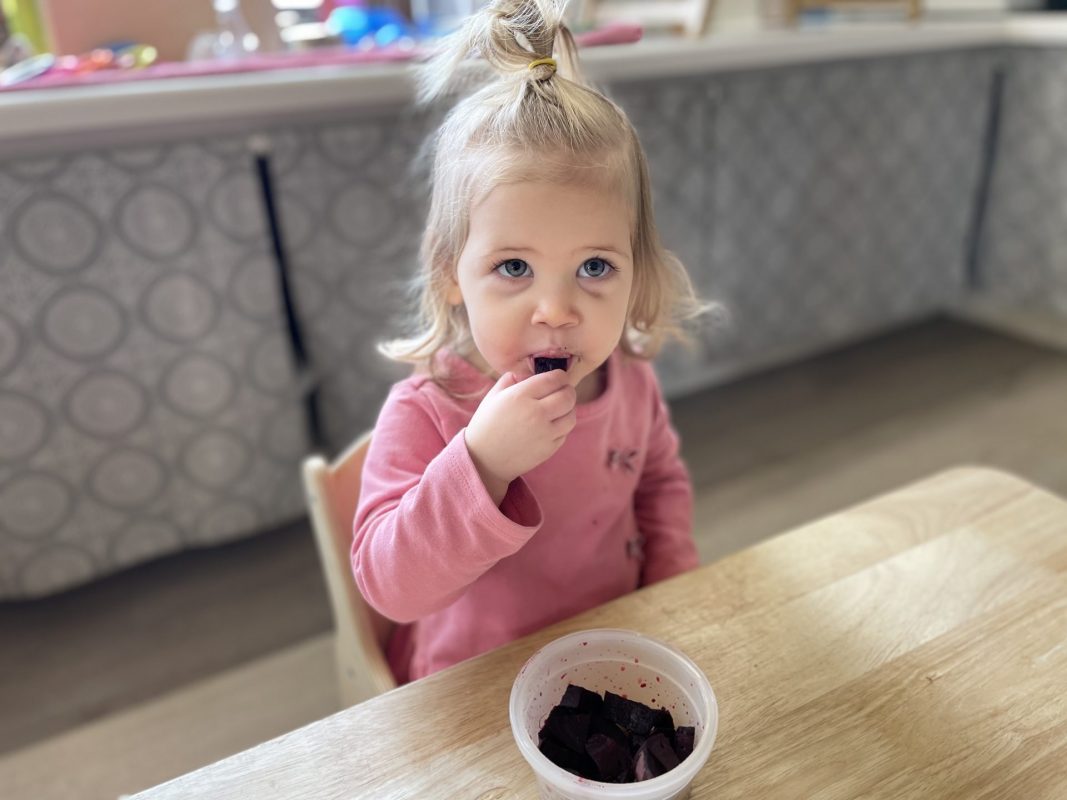
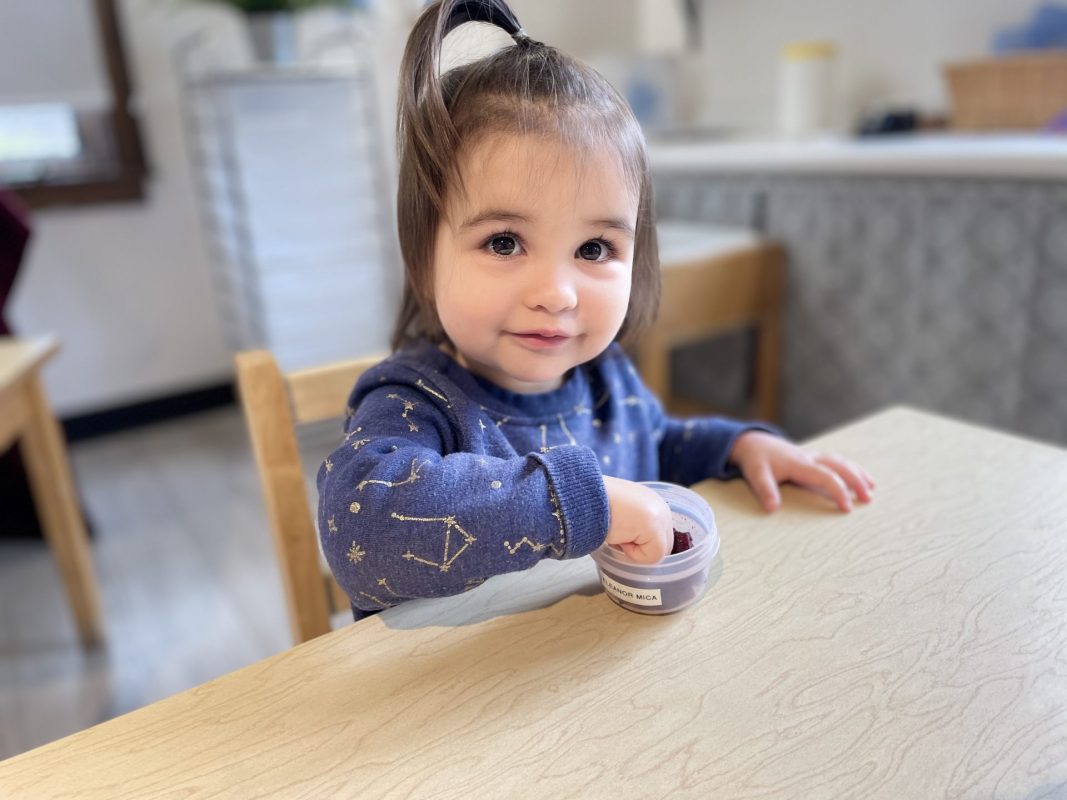
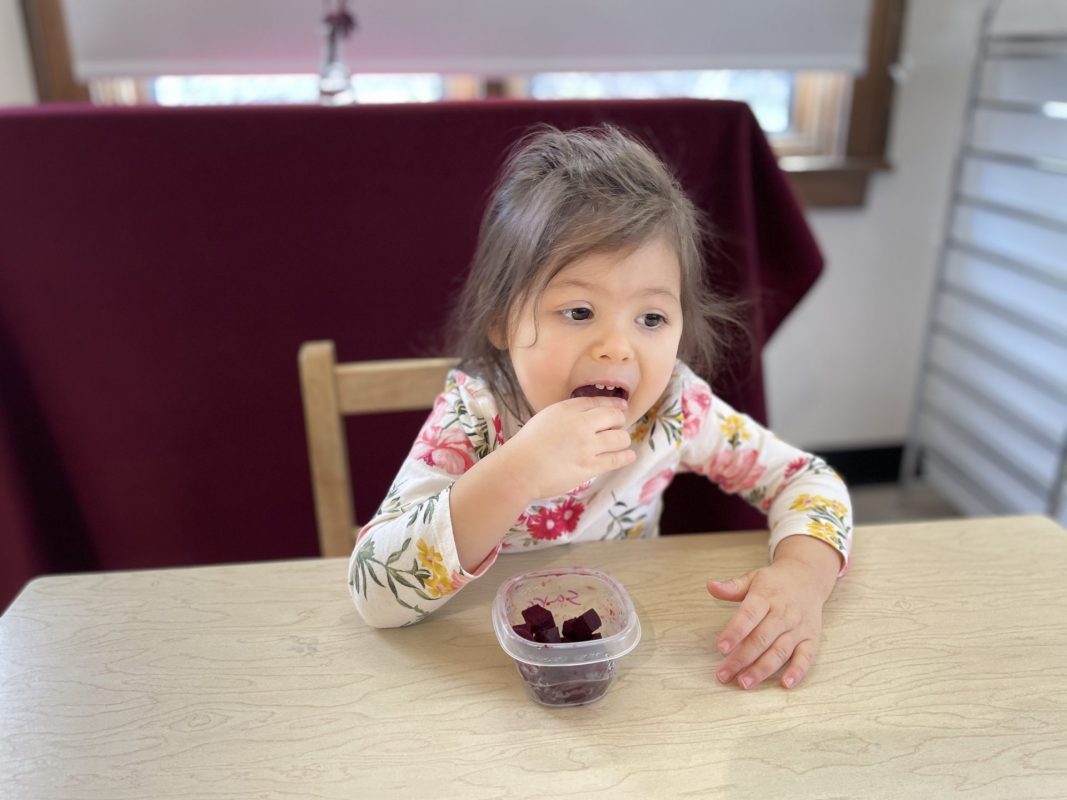
For food tasting we tried some yummy beets this week! The children were able to explore the leaves and were very curious about the root. They also expressed wonder when I cut the beet and they found out the color inside of the beet was purple! Most of them though the beet was blue inside. To our surprise only a few children really seemed to enjoy its taste! This was the first year in my book where toddlers were not excited about tasting beets! Oh well, let’s not give up on this very nutritious vegetable! Toddlers are unpredictable! Who knows.. maybe  tomorrow they will love it! 

Wishing you a peaceful and creative weekend, 

Mrs. Hood and Ms. Maria