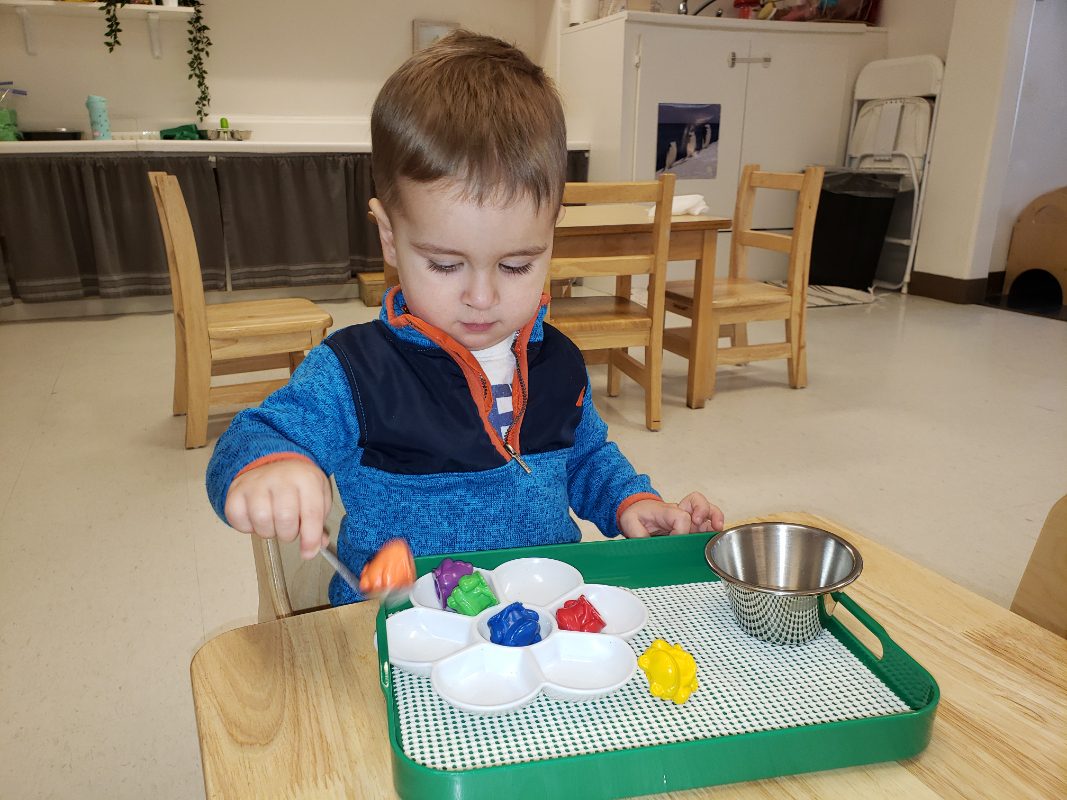
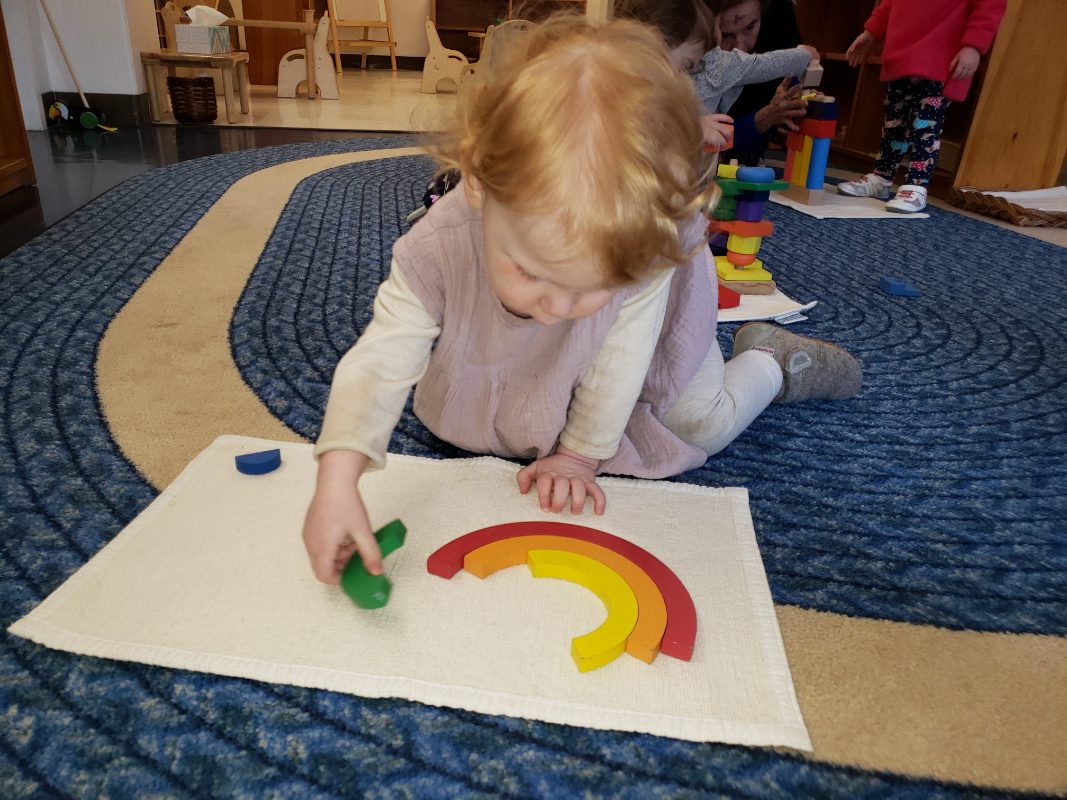
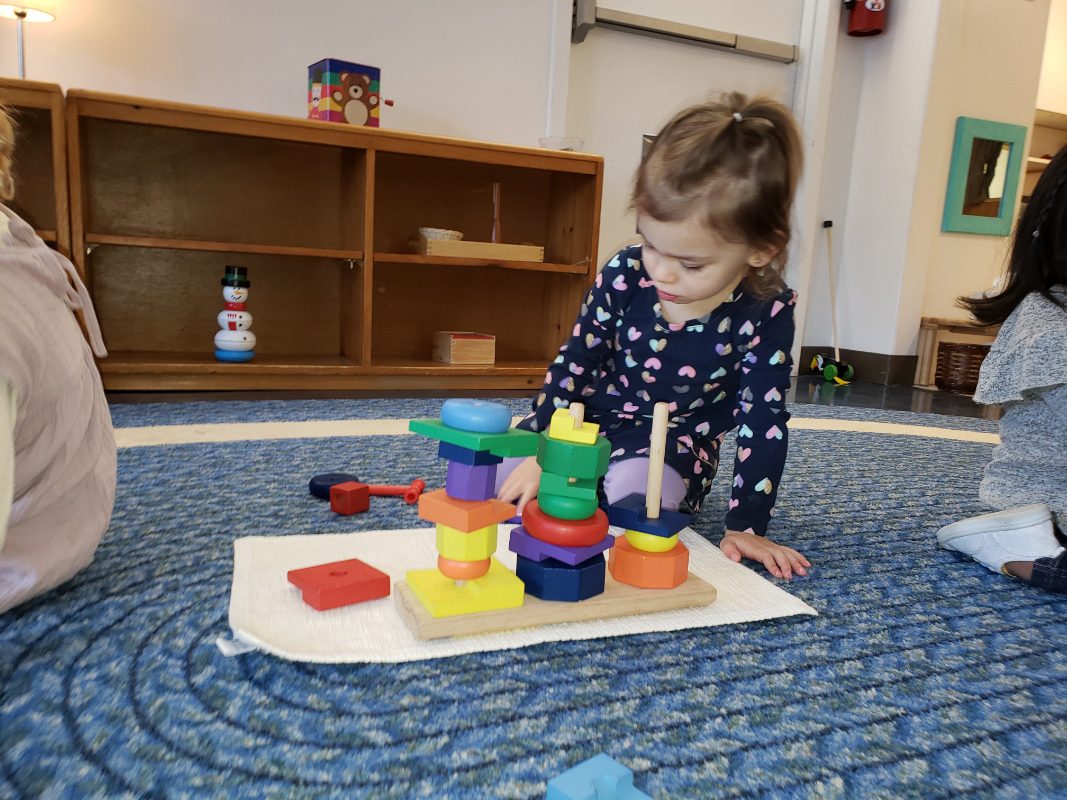
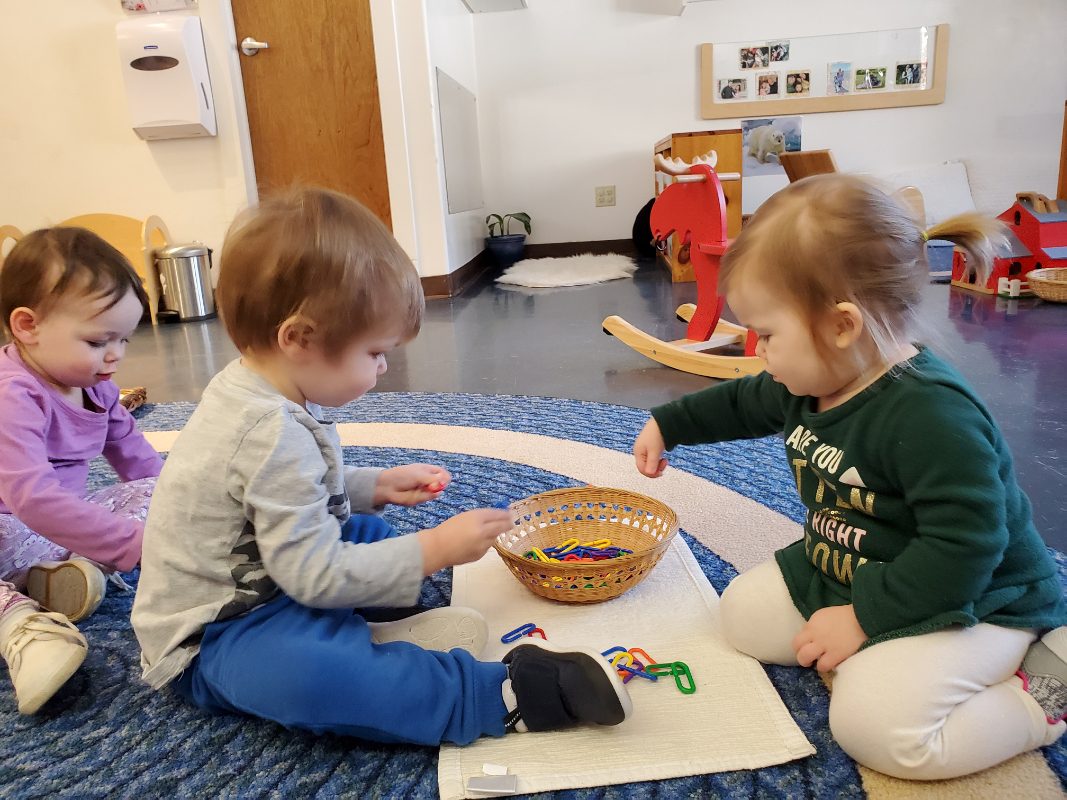
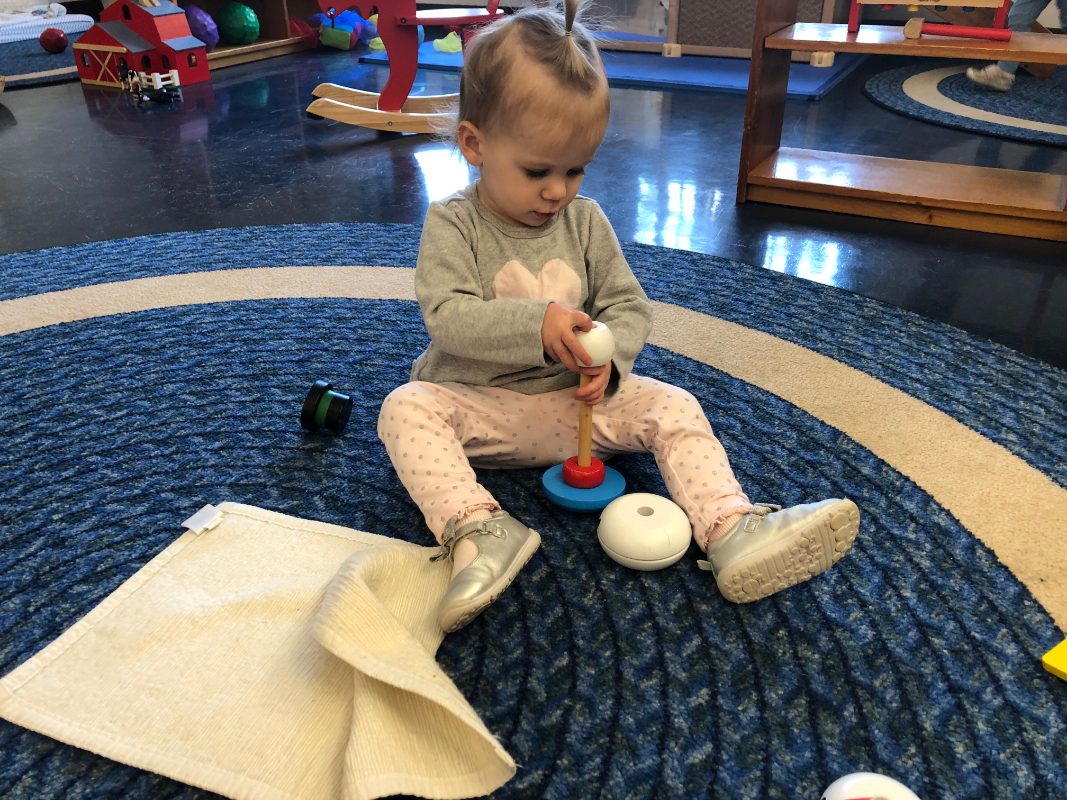
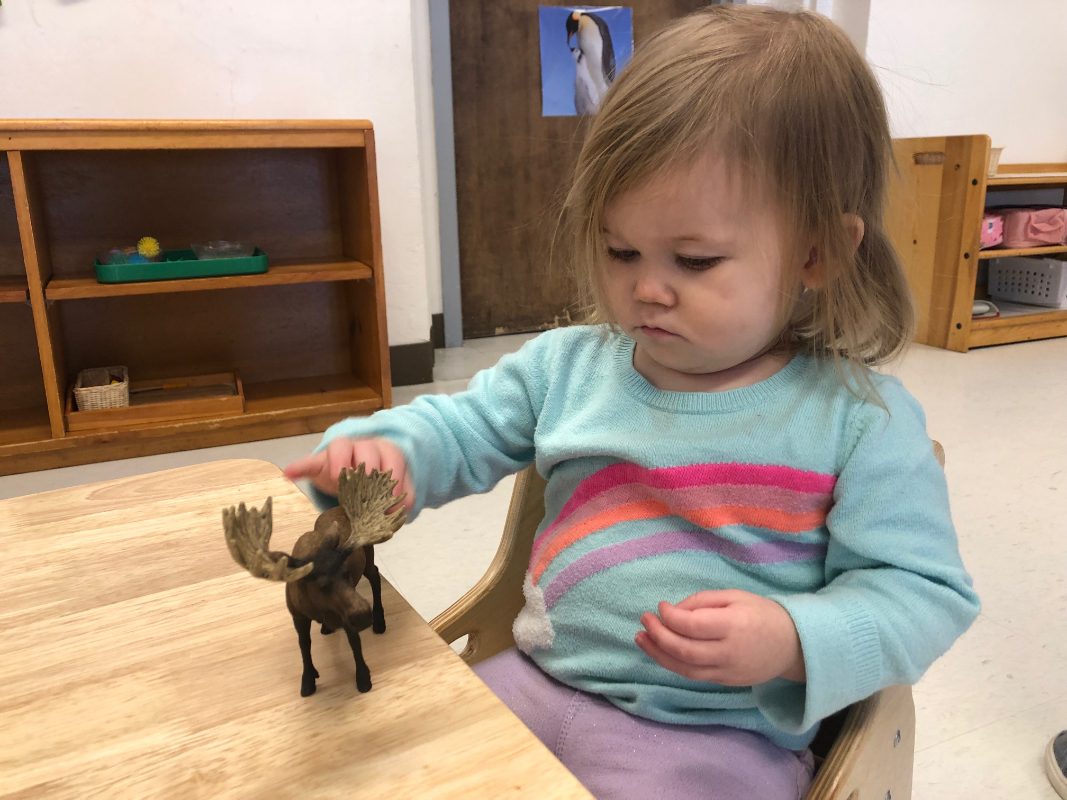
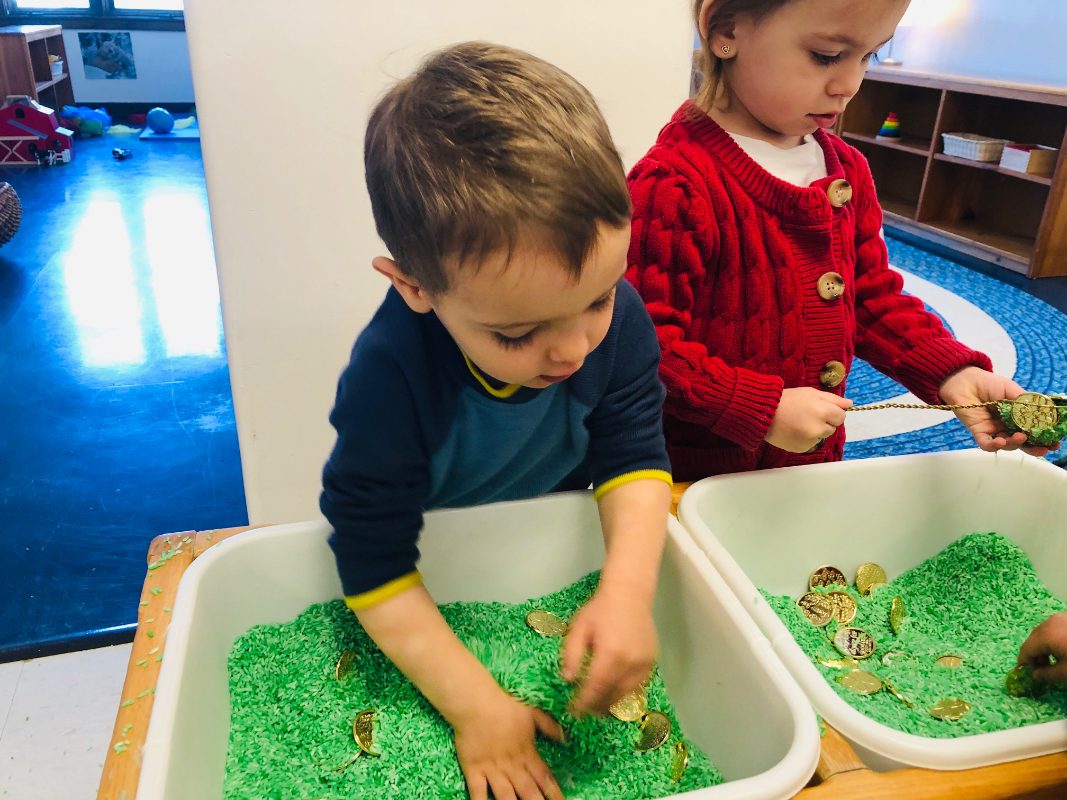
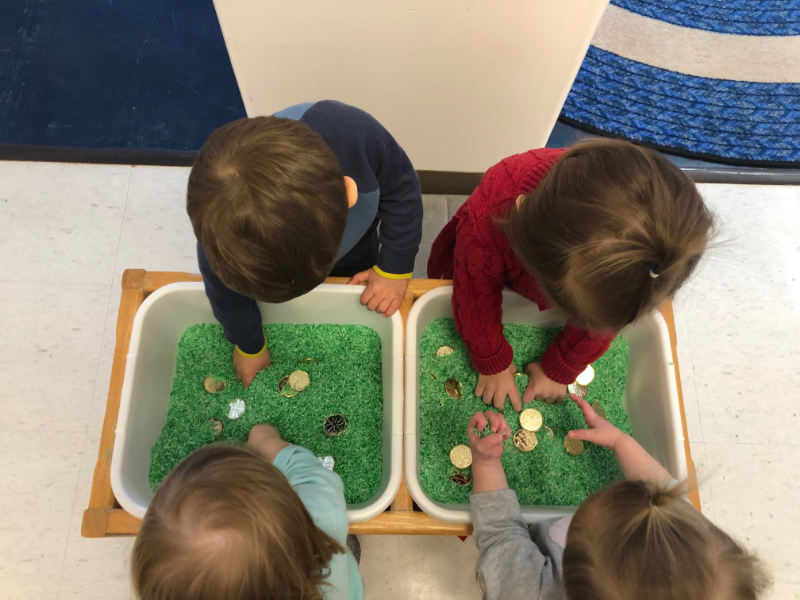
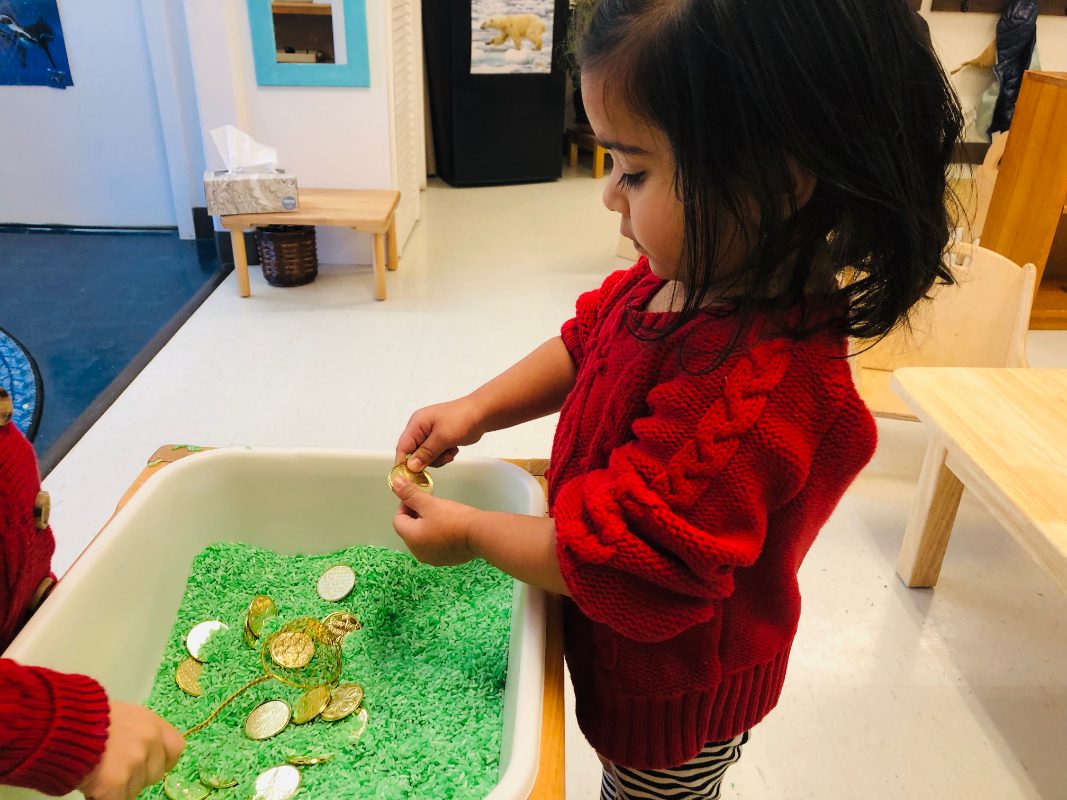
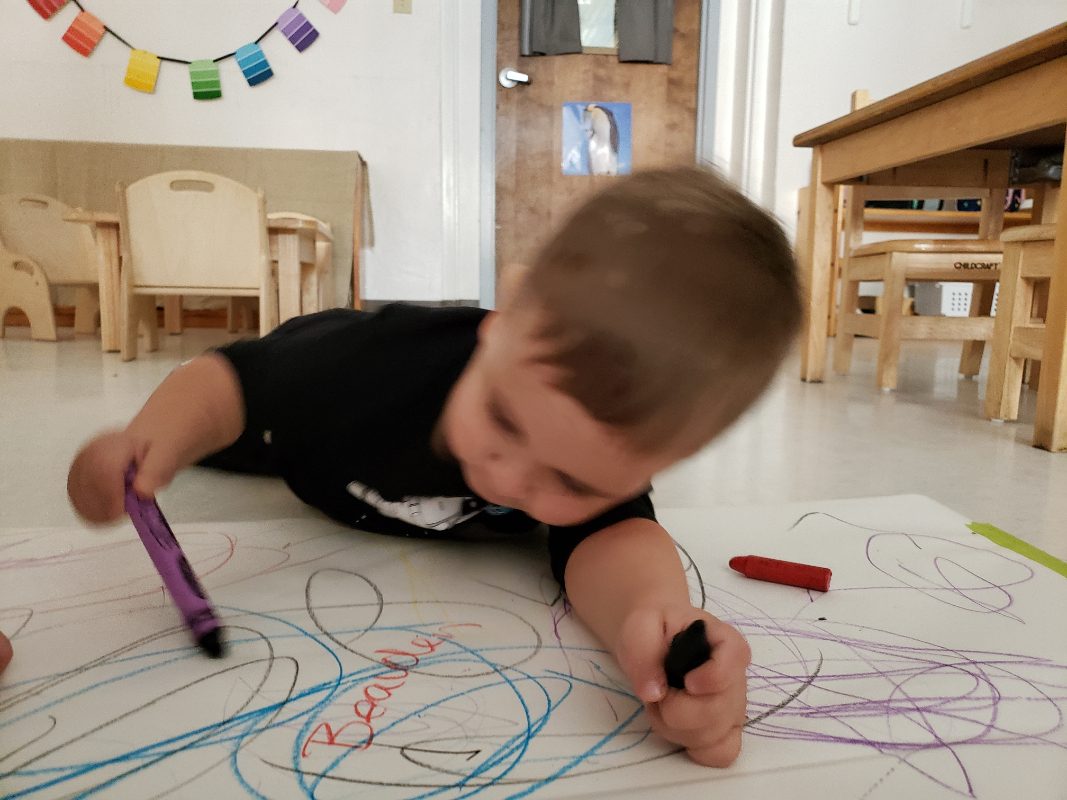
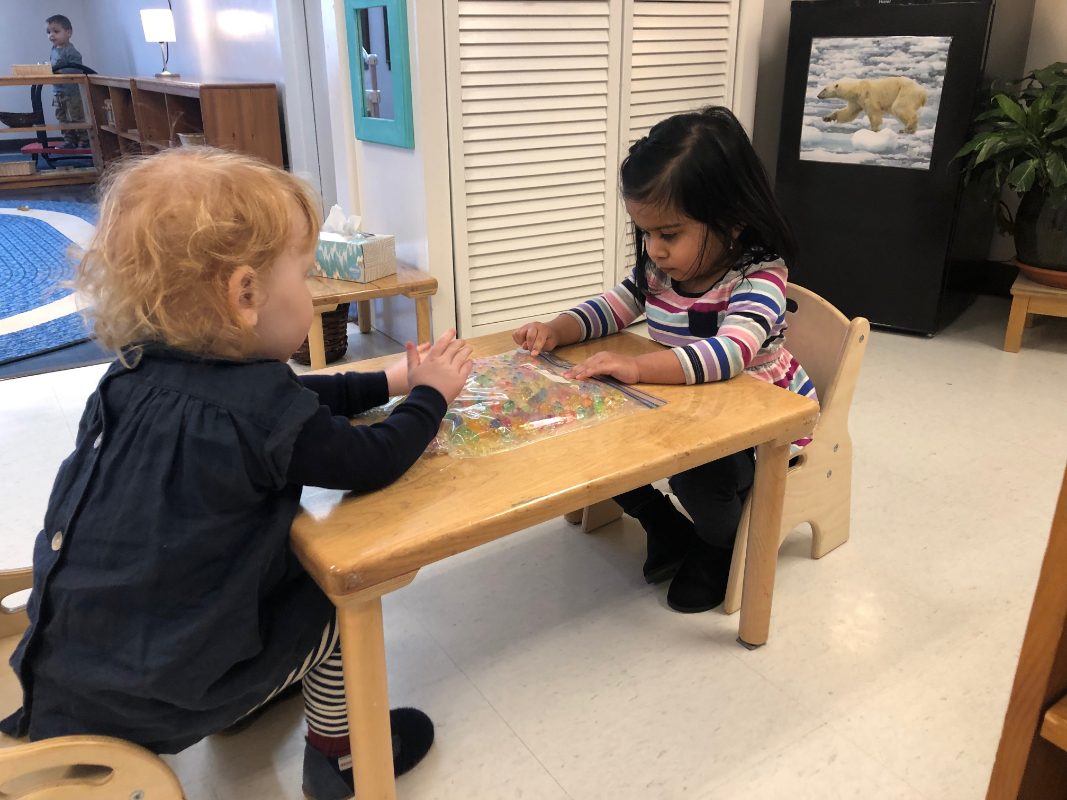
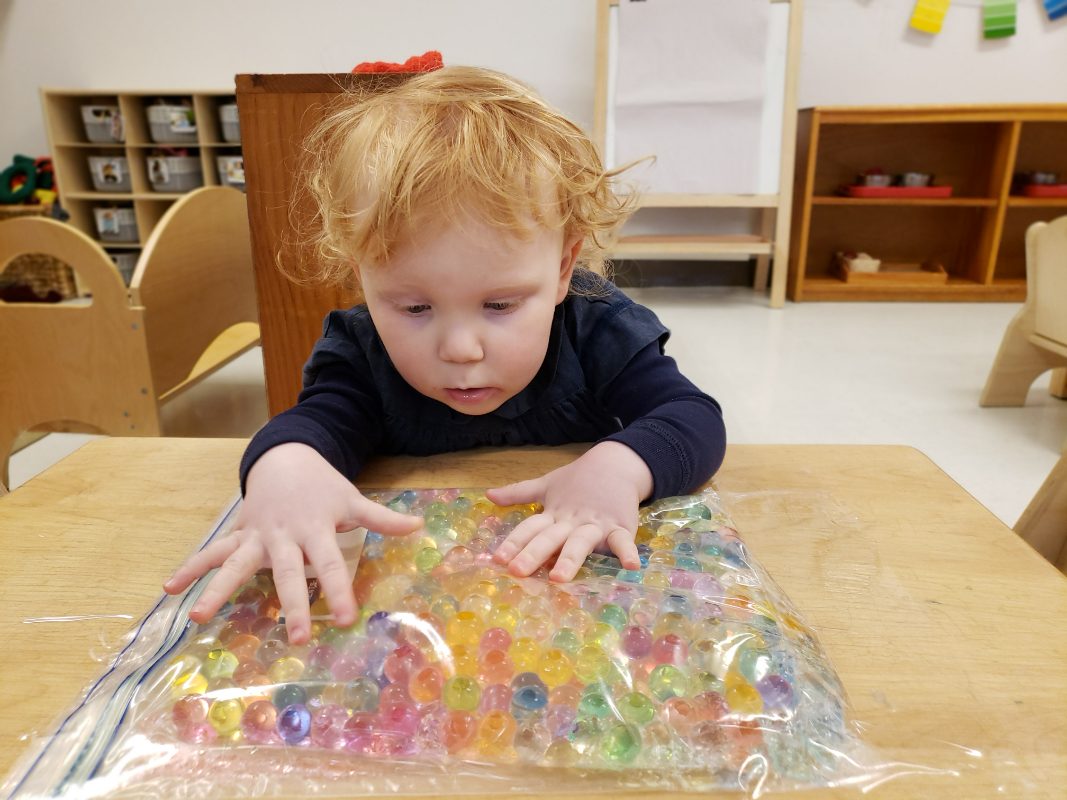
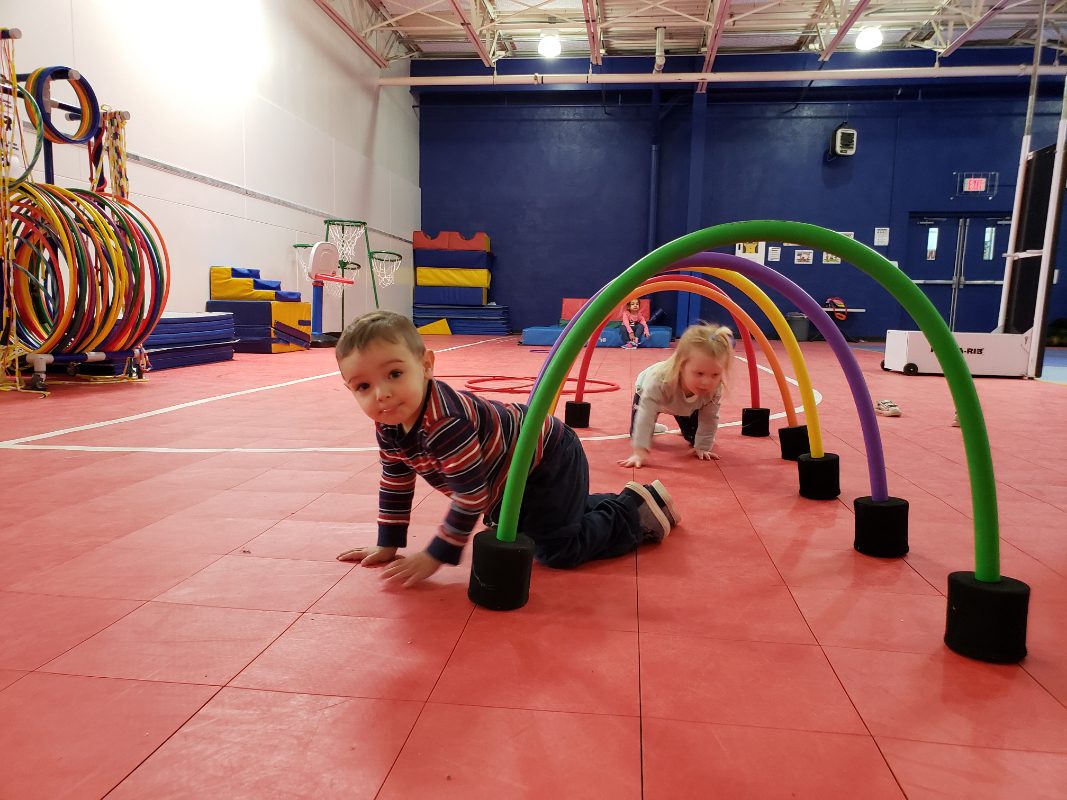
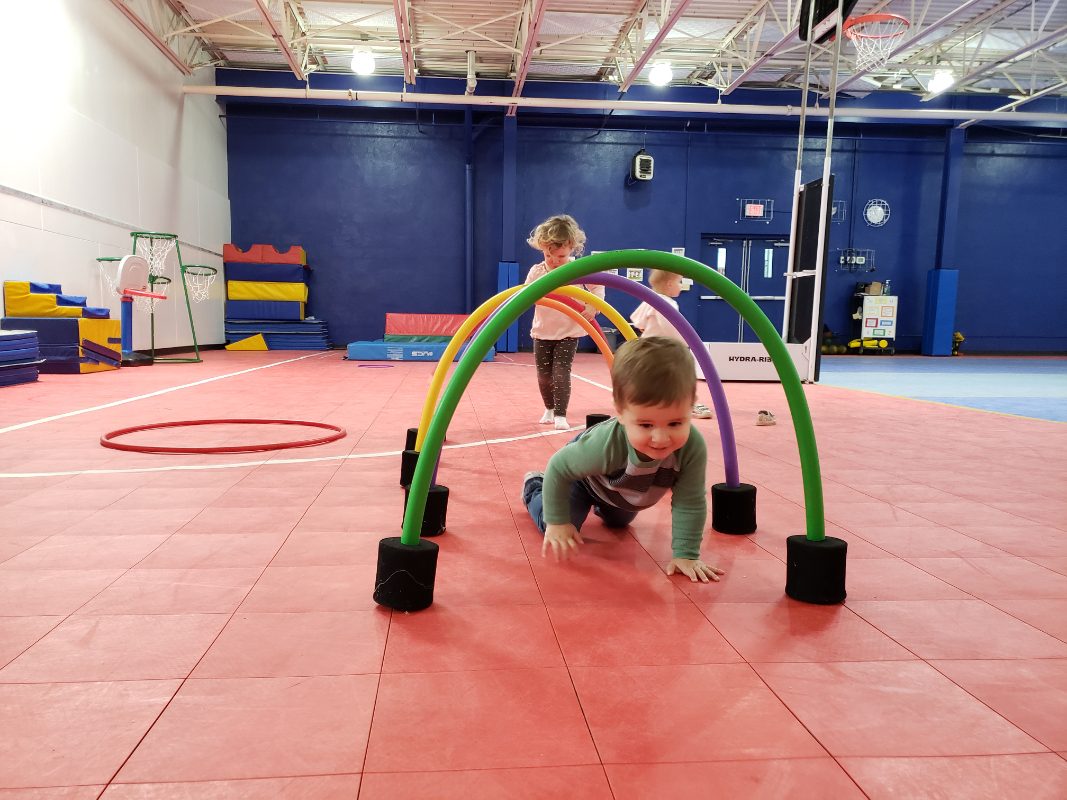
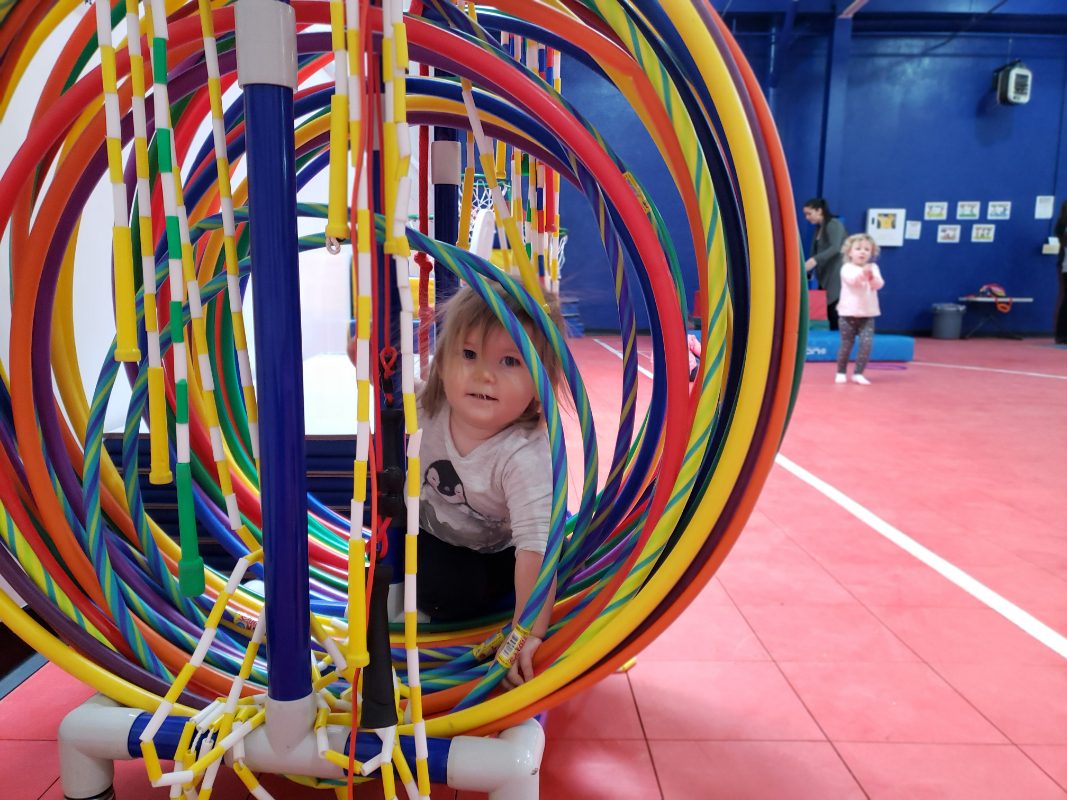
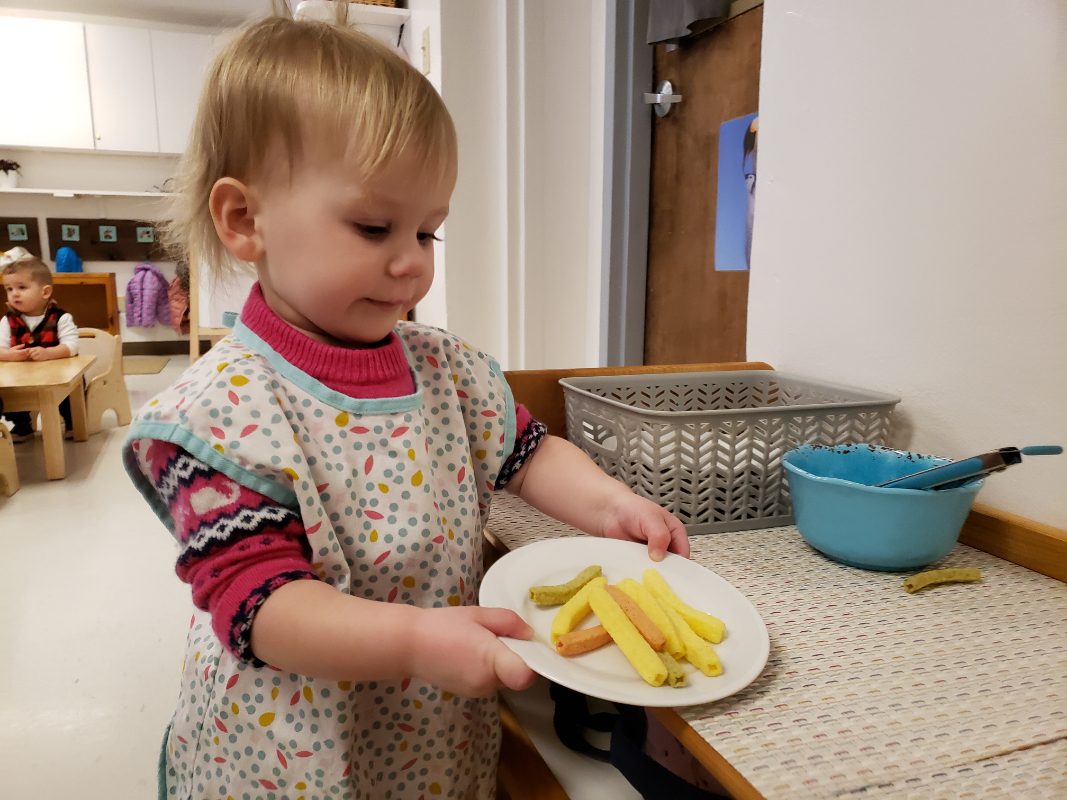
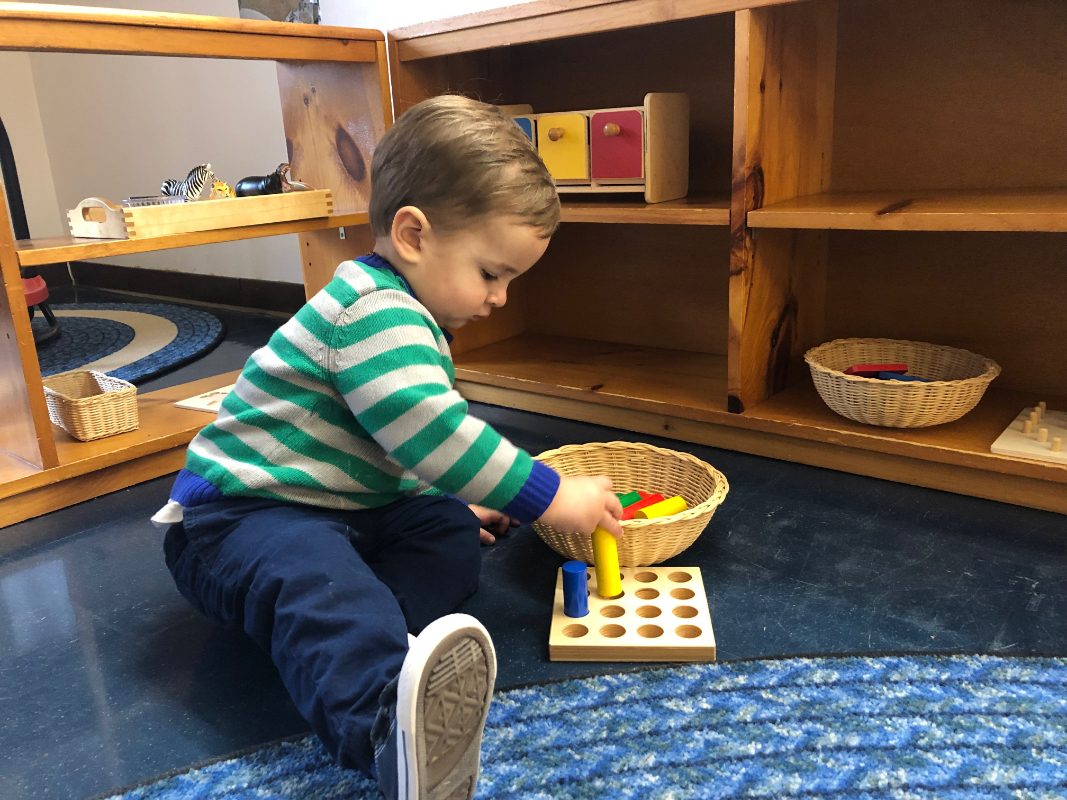
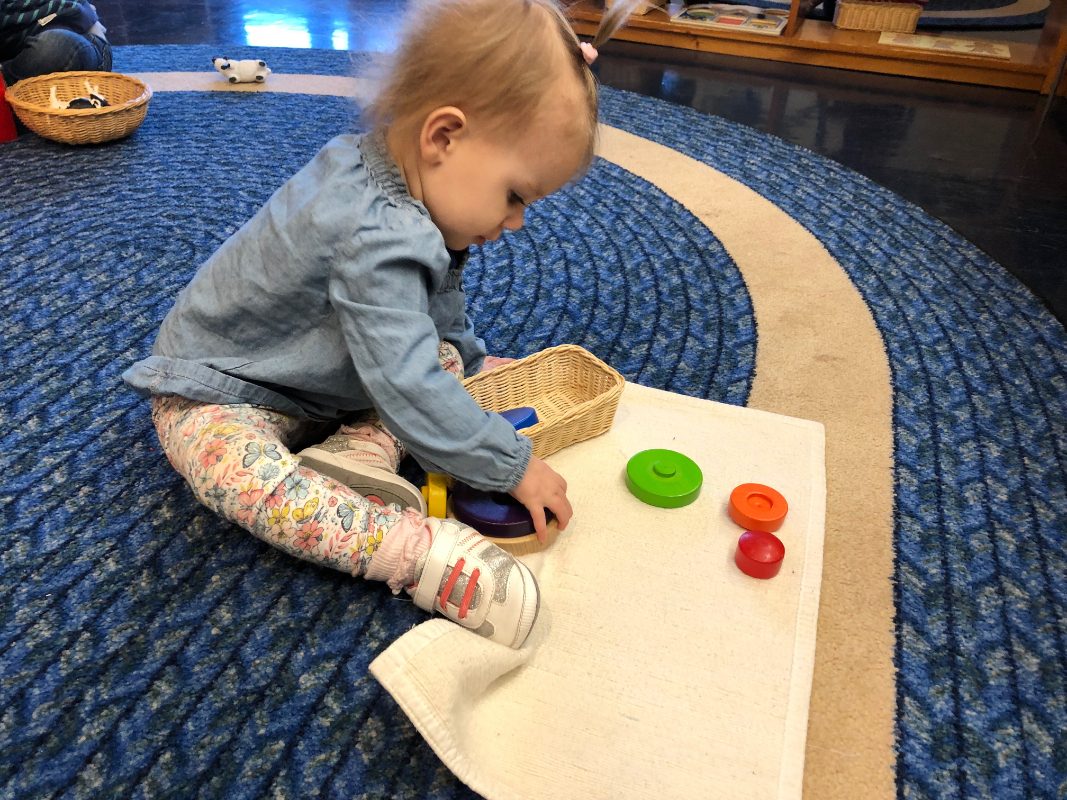
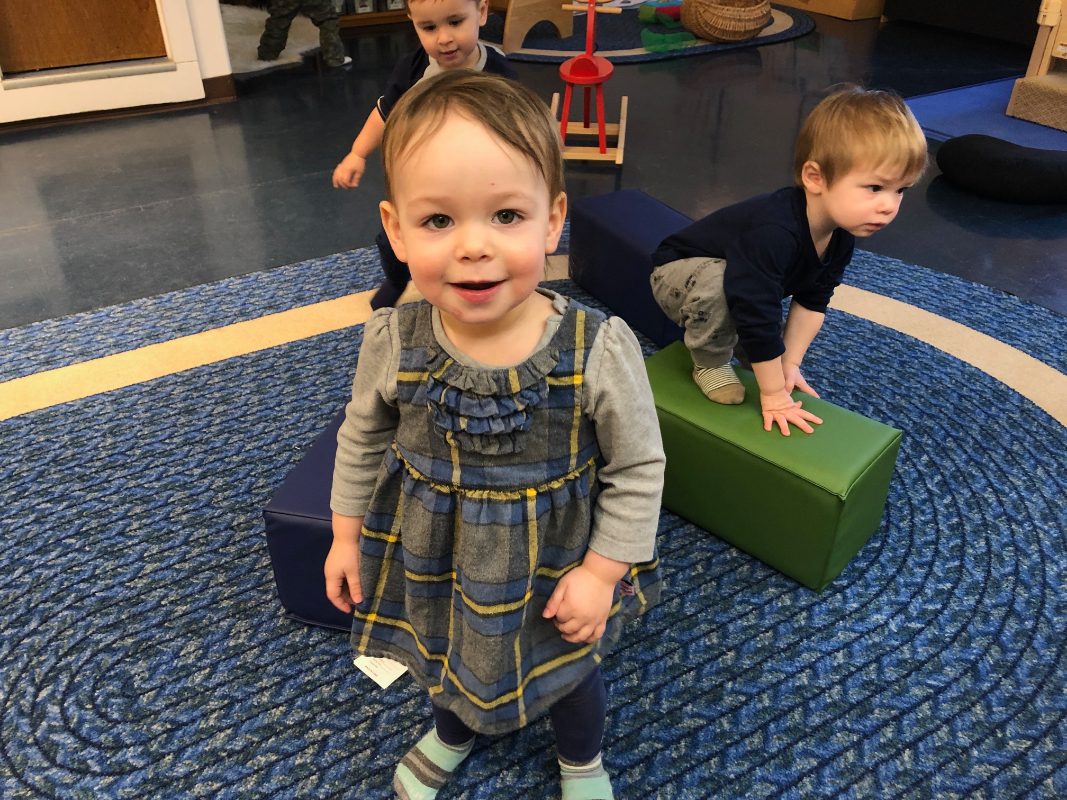
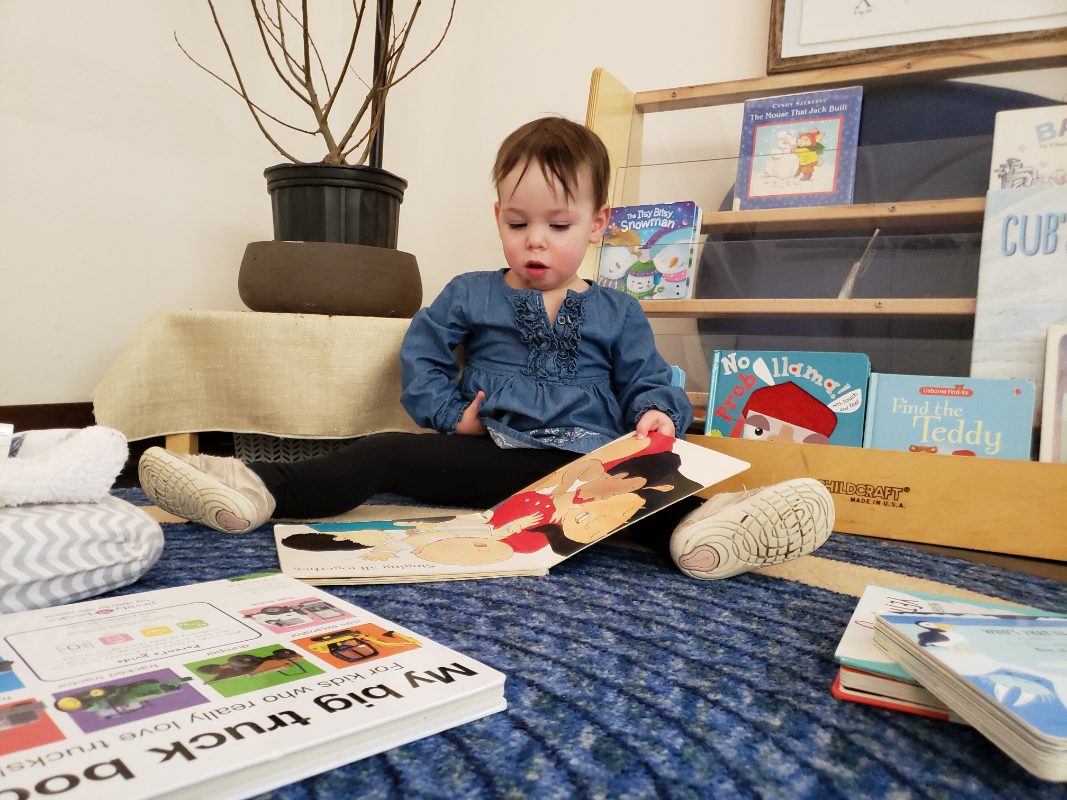
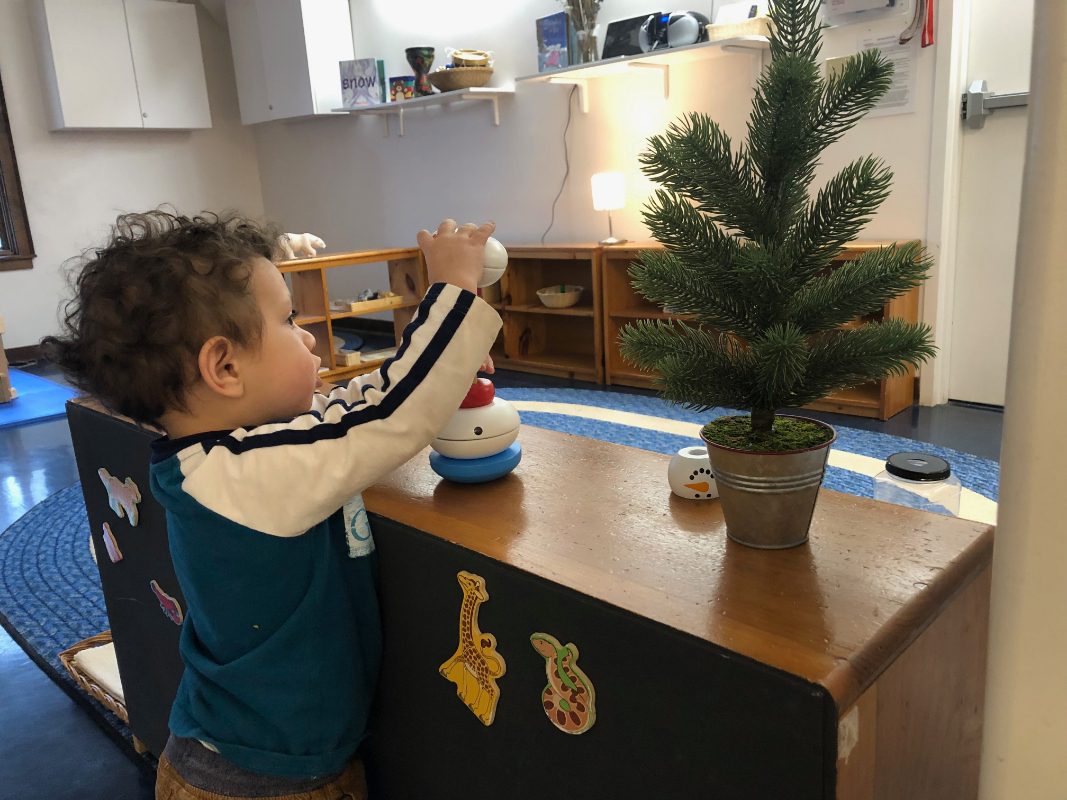
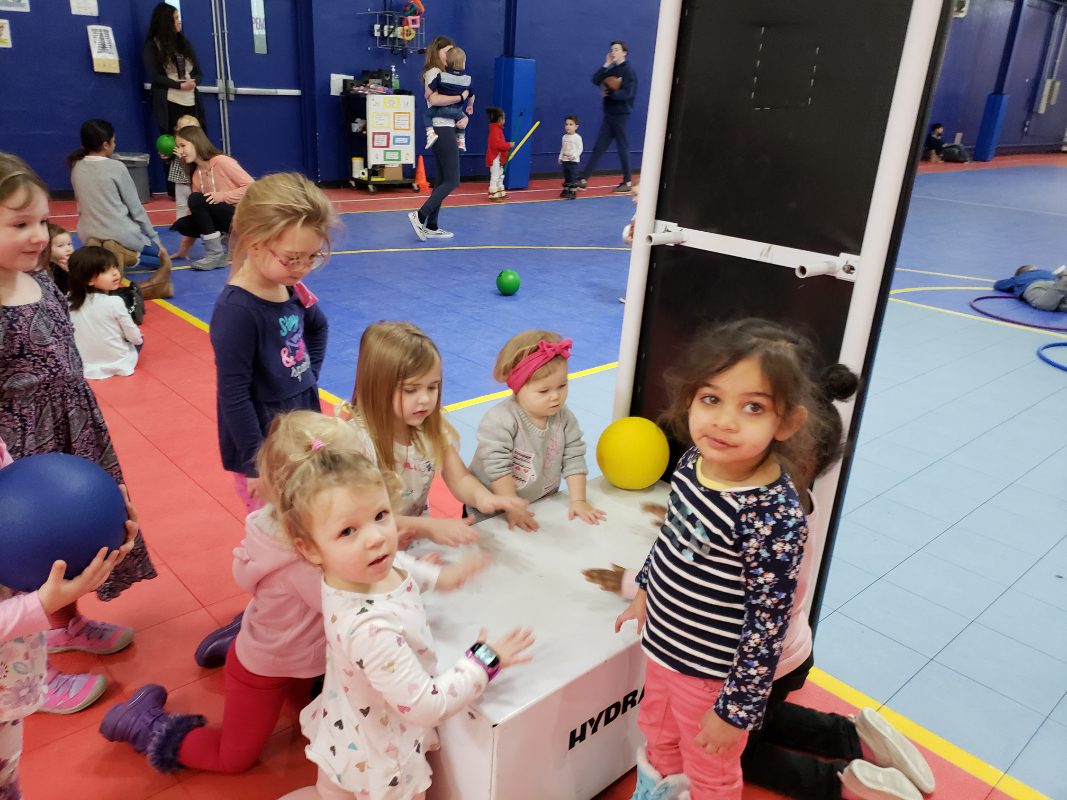
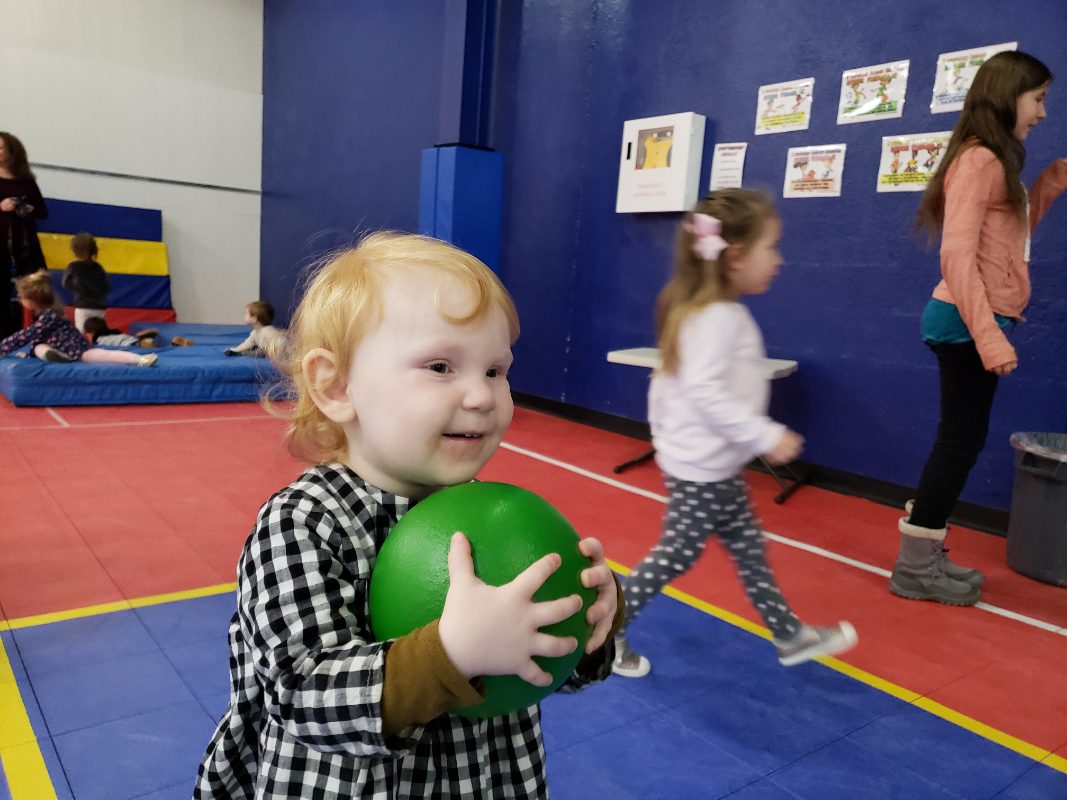
The main focus this week was based on colors. Recognizing the colors and identifying the color names is an important part of a child’s development. The ability to identify colors is considered a marker and milestone in a child’s cognitive process.
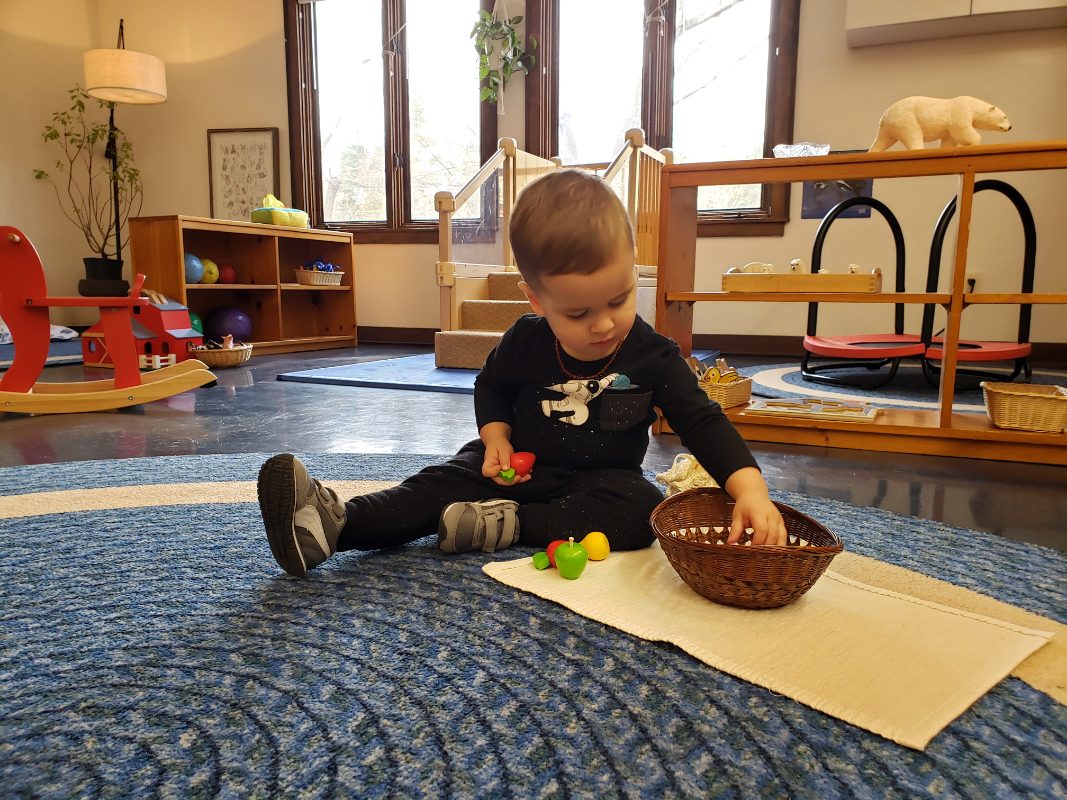
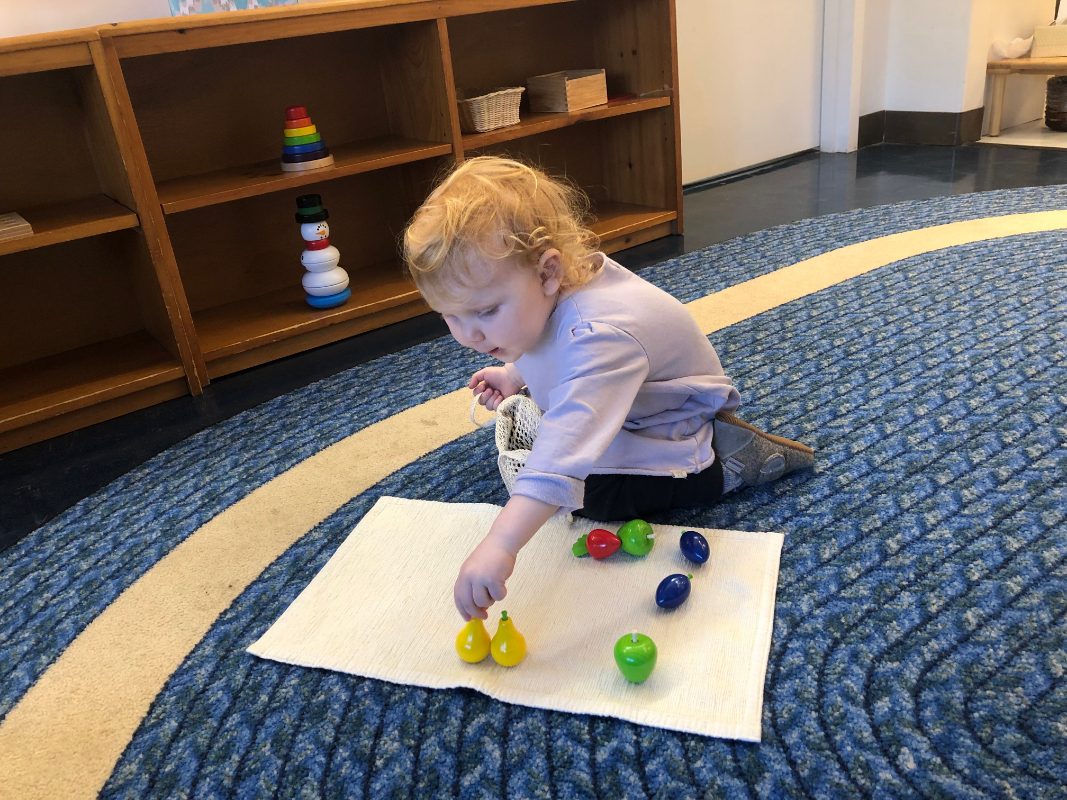
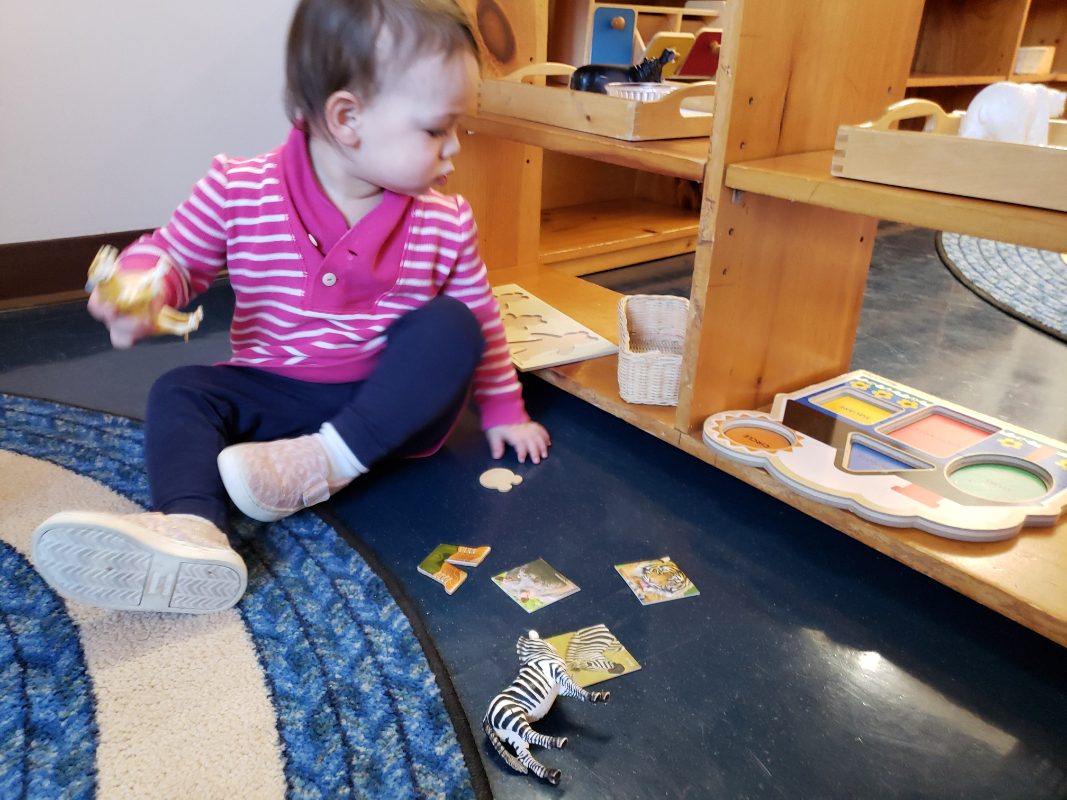
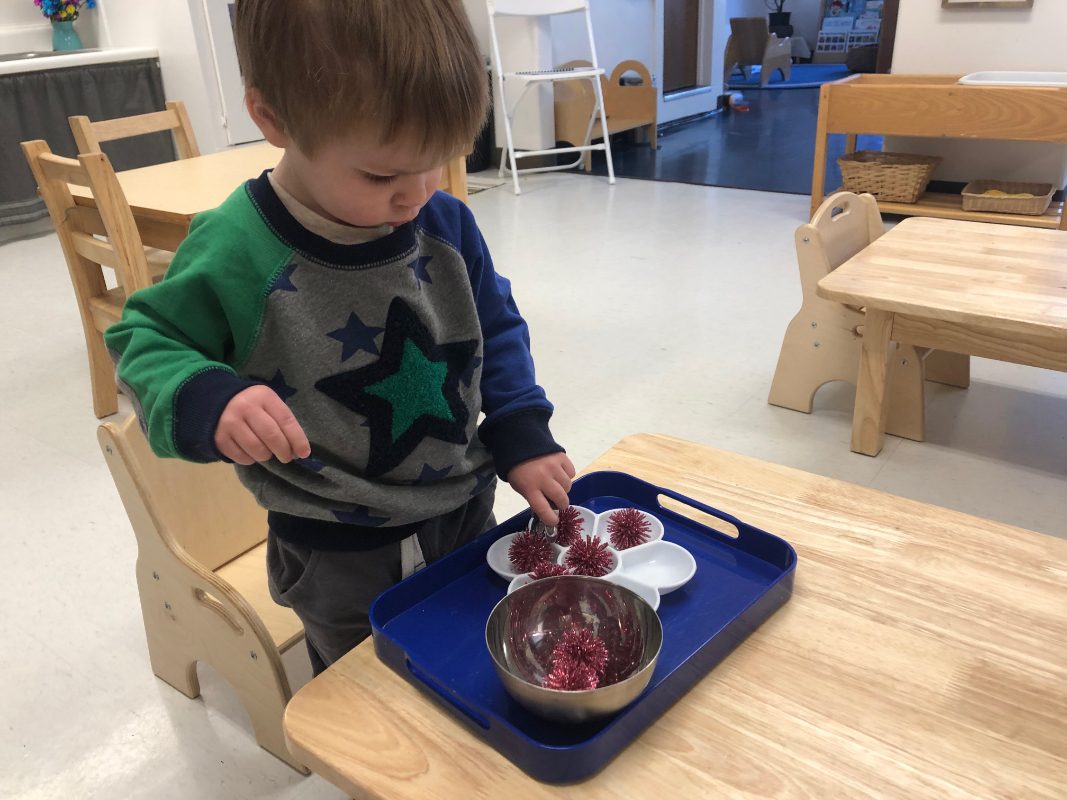
As introductory activities this week, we used a lot of verbal communication and sorting and classifying games and activities. Verbal communication is a great way to teach the children about colors as we give them some vocabulary for starting to describe the world around them. Practicing this exercise daily encourages the children to start sorting and classifying objects around them based on their color attributes. With our youngest we focused on the primary colors and with our oldest we also worked recognizing and identifying secondary colors. As we worked on putting our rainbow puzzle together we took time to search around the classroom for objects that represented the color assigned. Children had a lot of fun thinking, observing, and finding different colored objects in our environment!
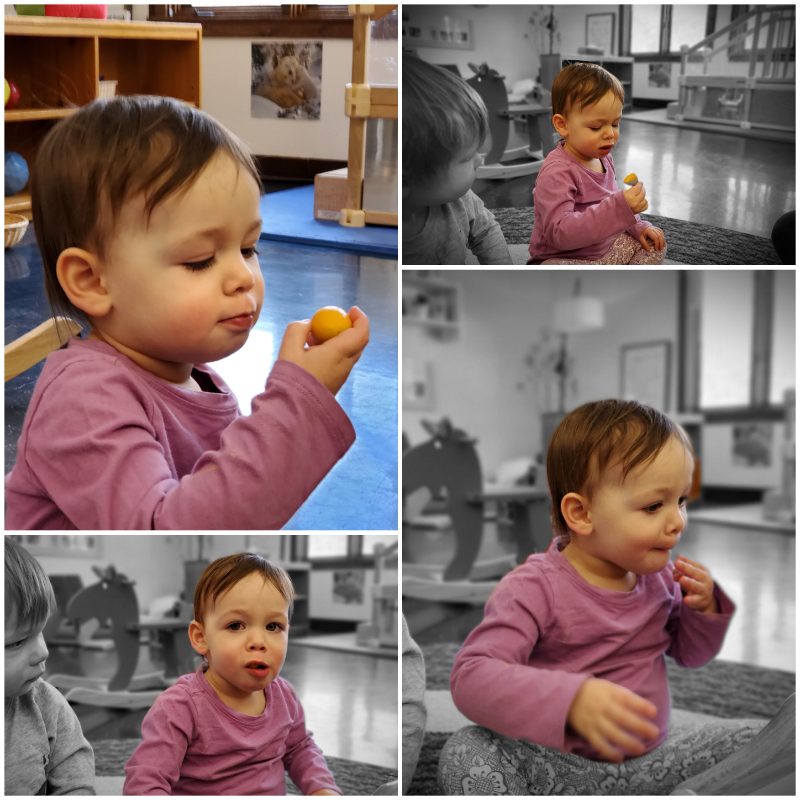
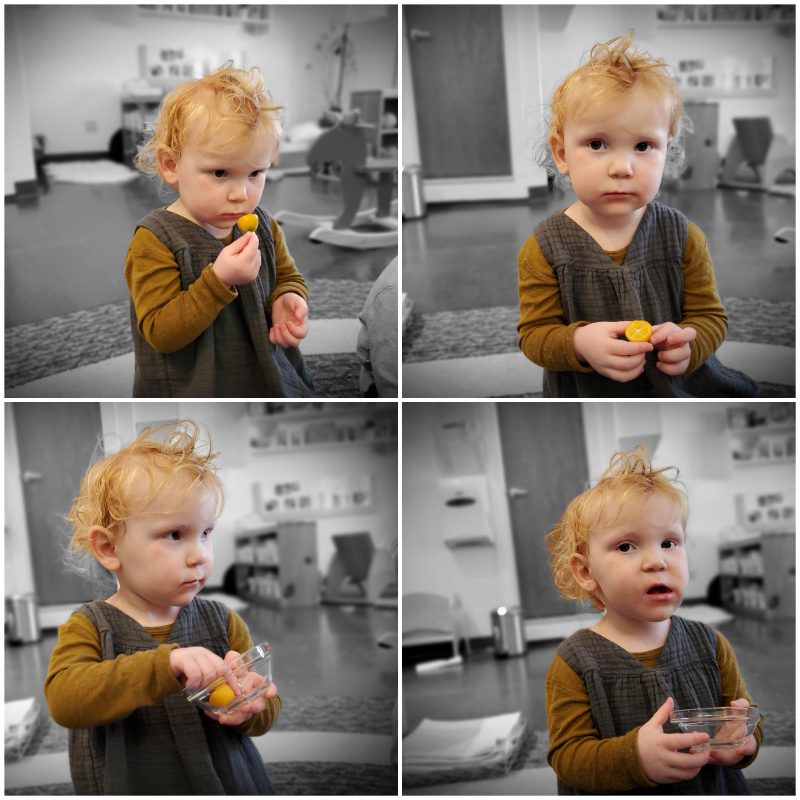
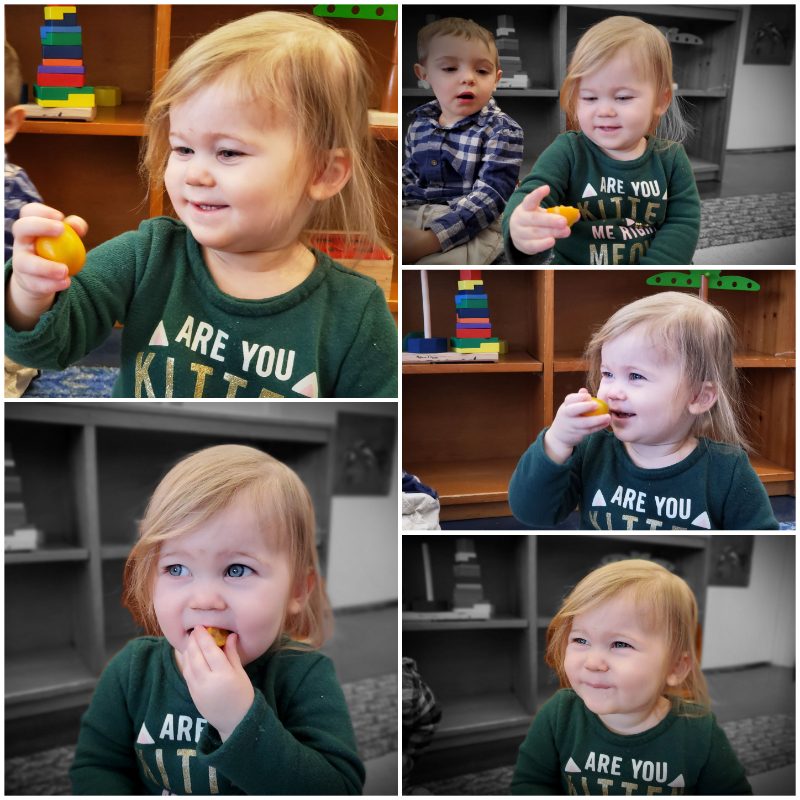
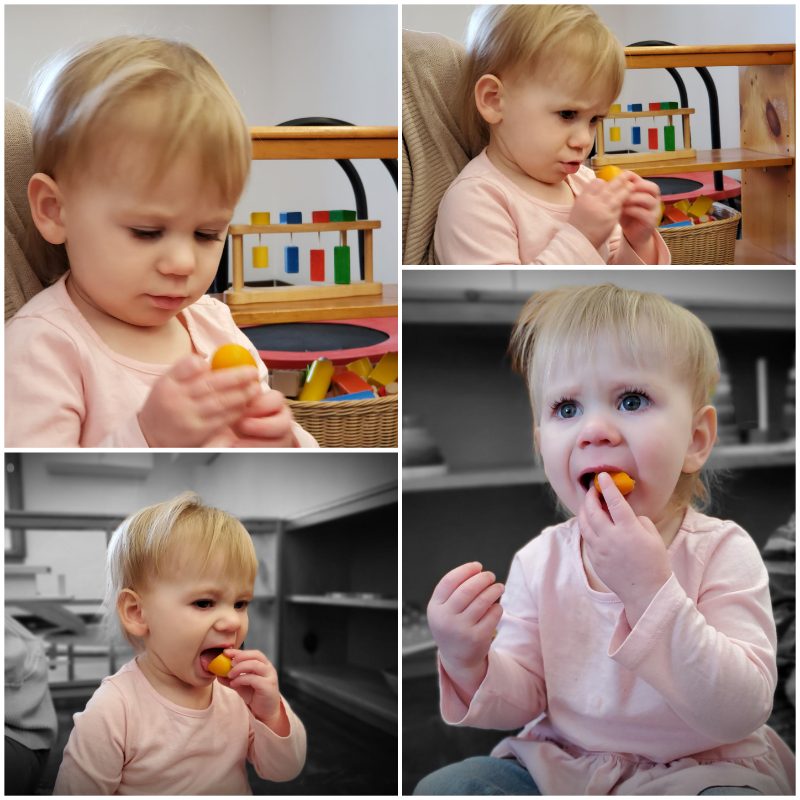
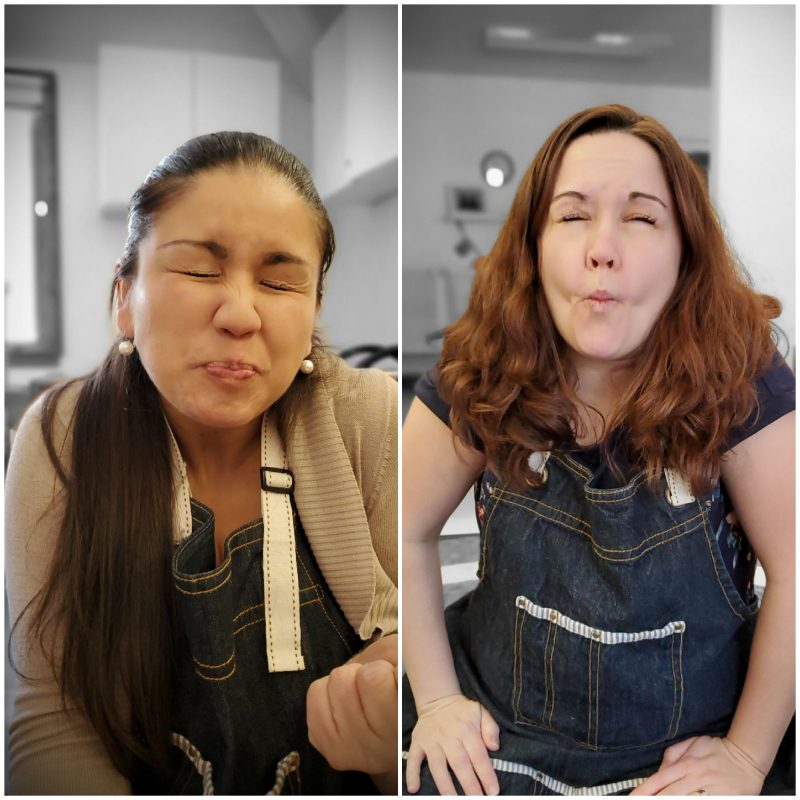
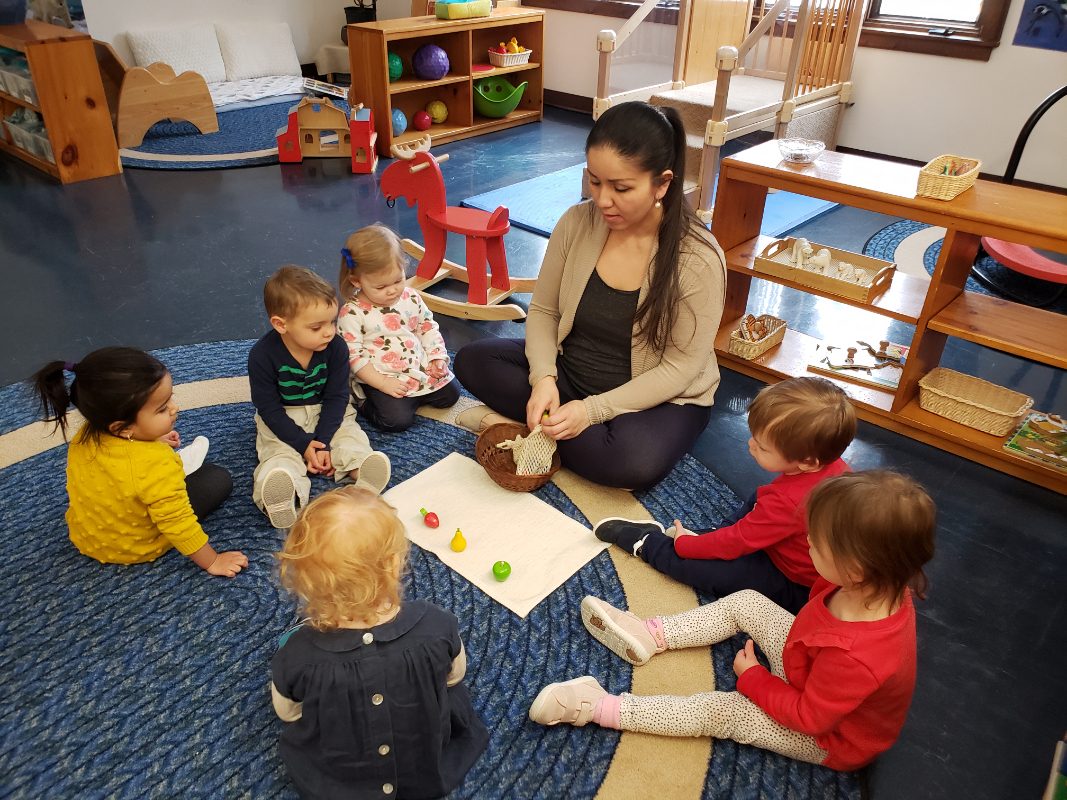
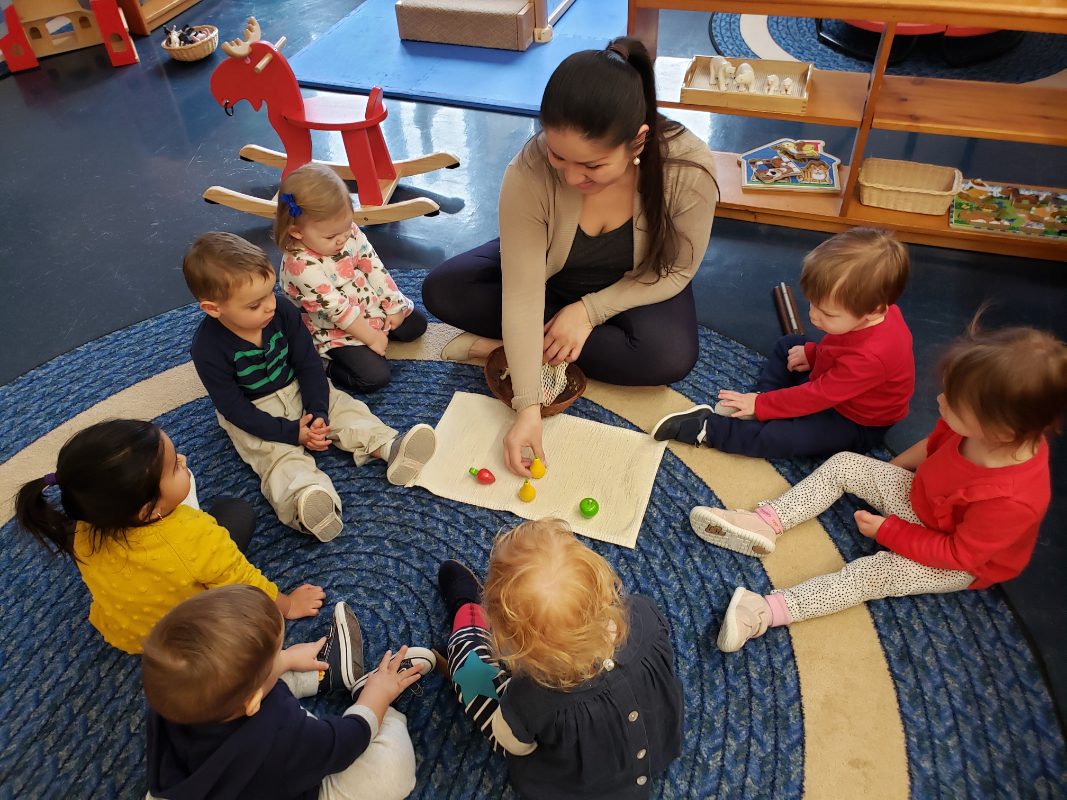
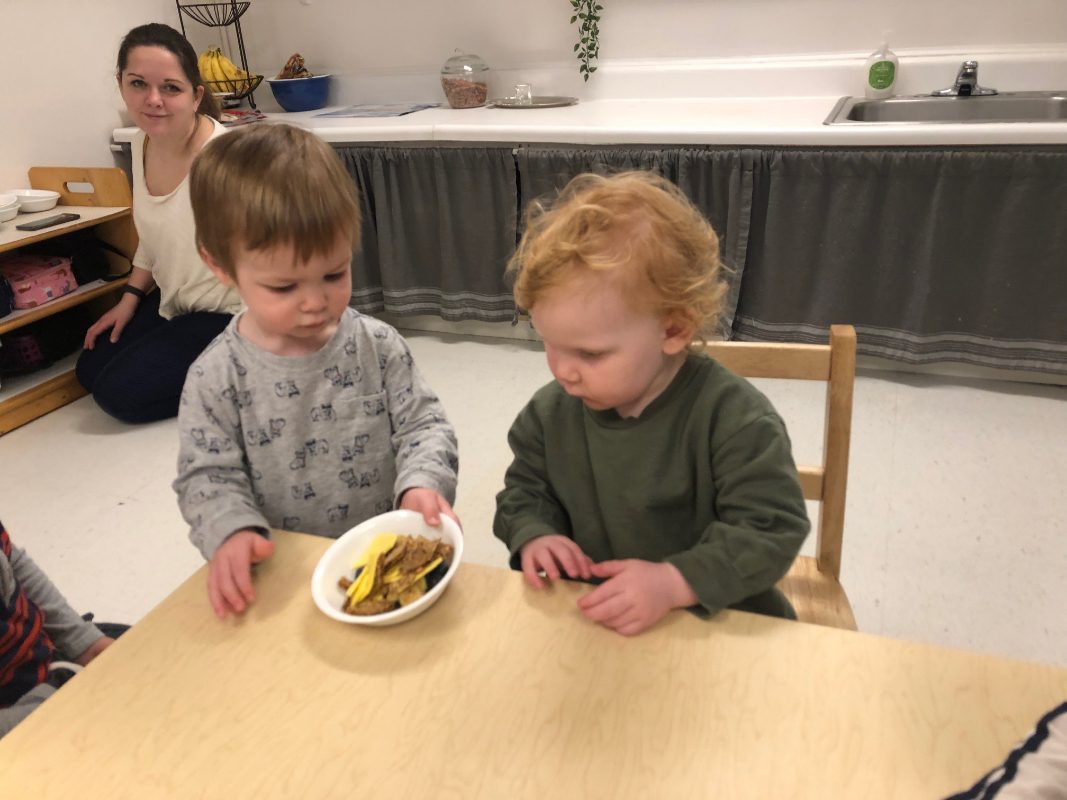
Children were very curious about what food we were going to taste this week as they already recognize this activity as a part of our weekly routine. It’s so fun to see the children gathering with great excitement onto the main rug when they see the teacher walking with the food tasting tray. They sit so quietly and so patiently waiting to see the special towel to be removed and reveal the new food to be tasted. There were a couple of conversations between the oldest toddlers speculating that the new food this week was going to be watermelons! To their surprise we enjoyed some tiny but delicious kumquats. Kumquats look like oranges but are the most diminutive member of the citrus family. We had great fun exploring and tasting this fruit! Even Mrs. Wilson and I loved being part of it!
We wish you a great, colorful, and relaxing spring break with your family and a safe trip to all of you who will be traveling!
Keep warm and happy!
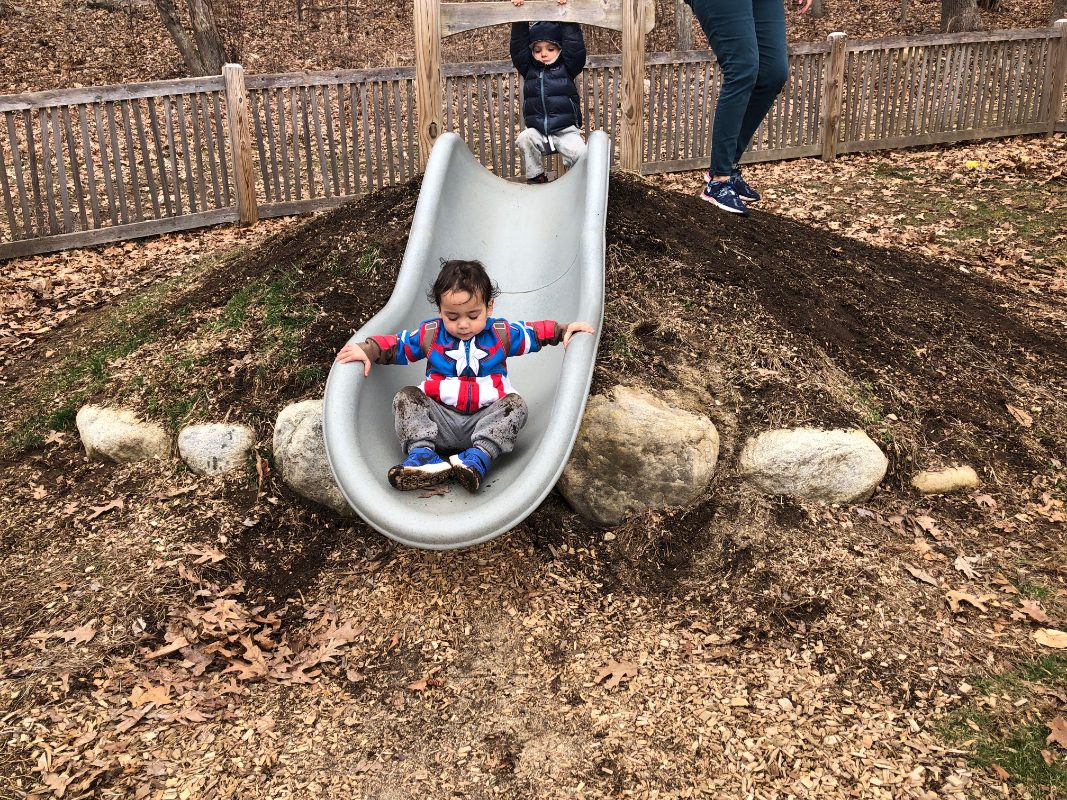
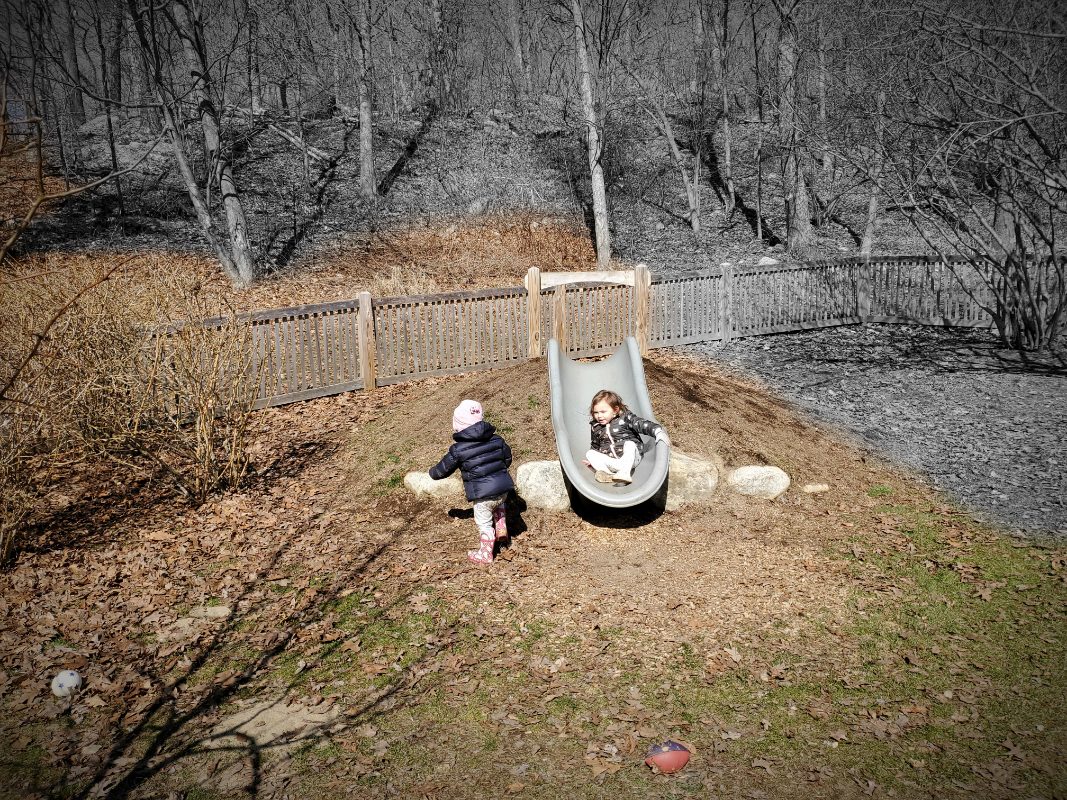
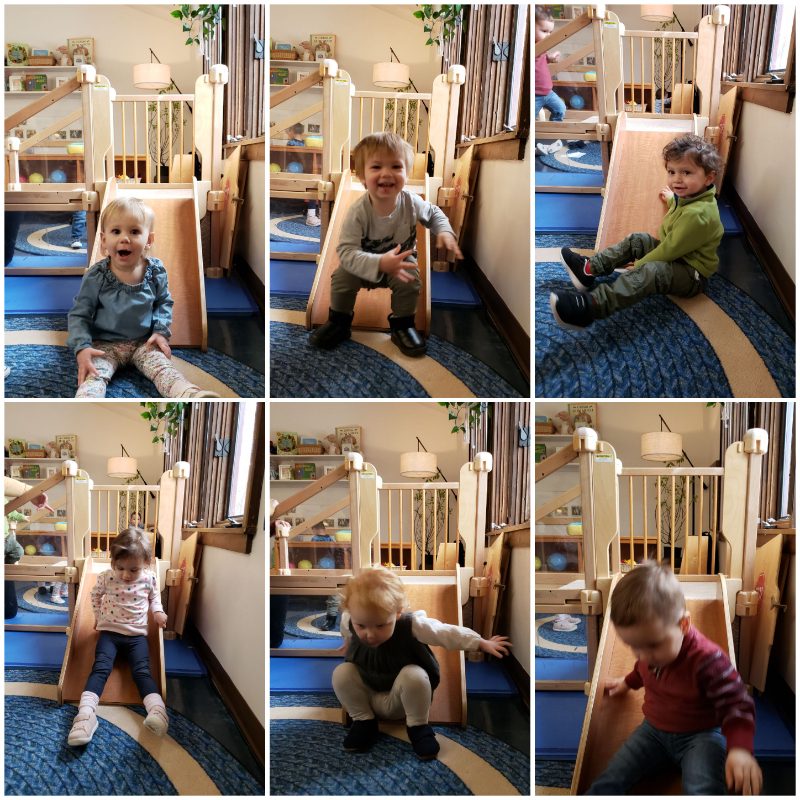
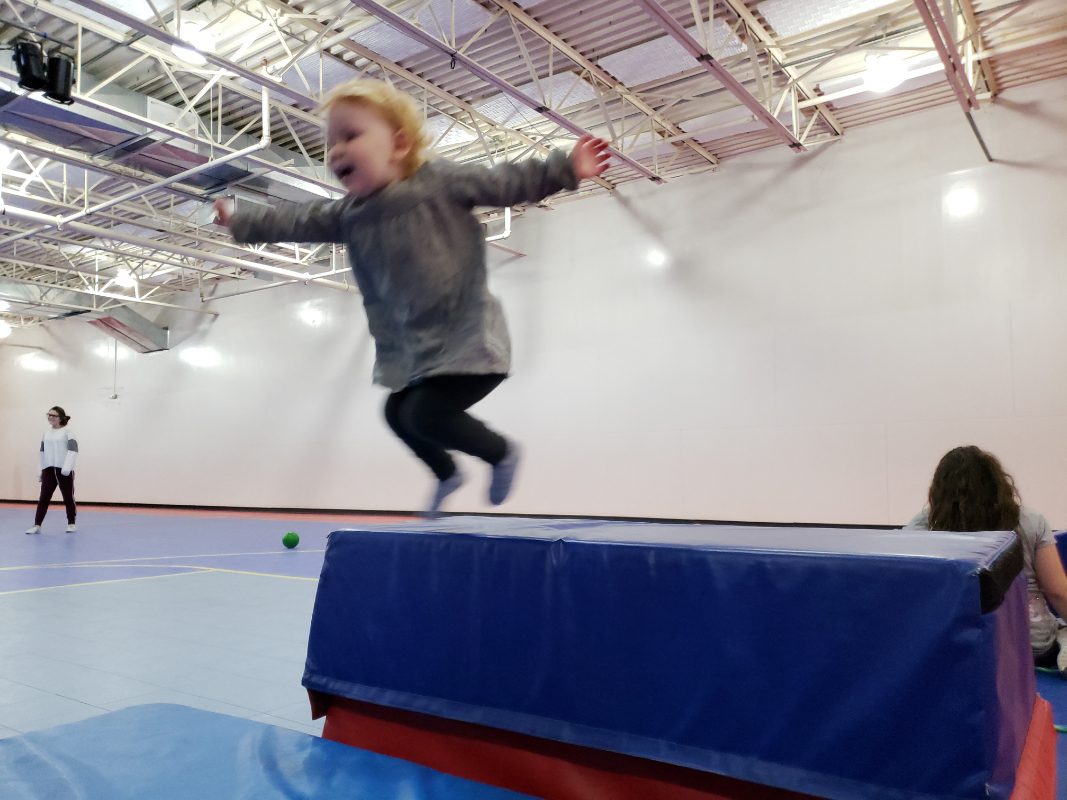
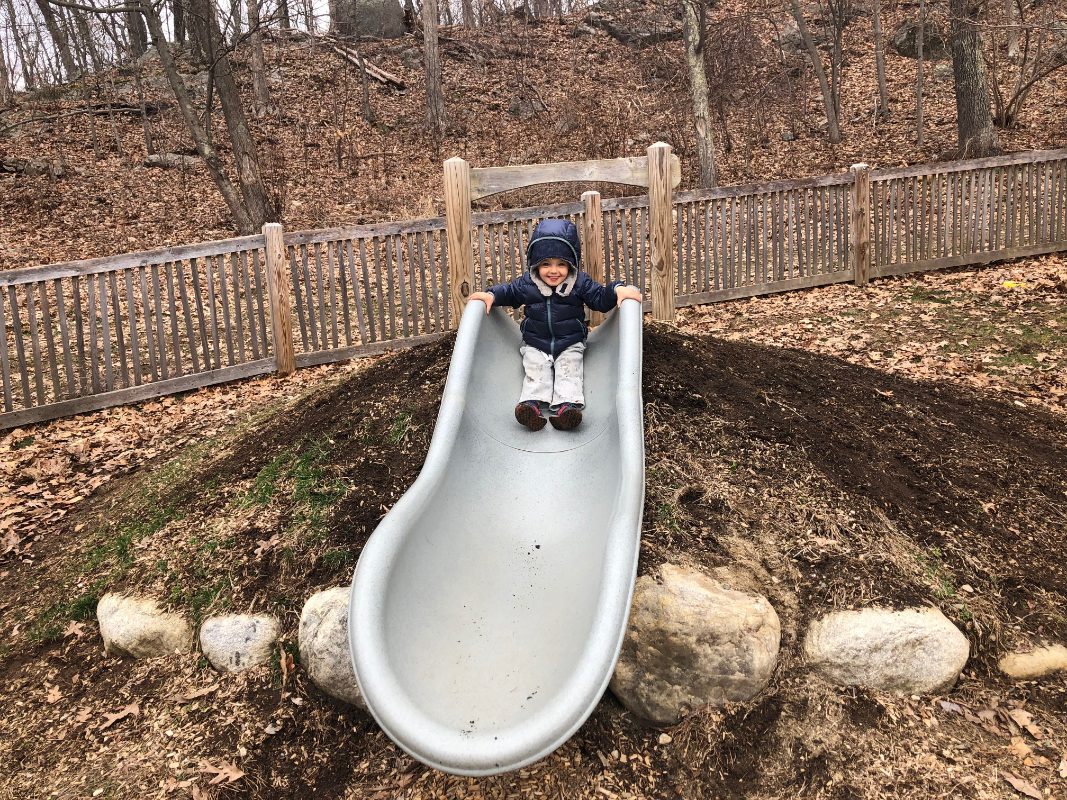
At the beginning of the week our toddlers entered the environment and were so excited to find a new object. This object is an all time favorite piece of equipment that offer great benefits to your children: The slide.
Slides are encouraging to kids and invigorating to play on. Children will climb almost anything if it means going down a slide. Since they use it over and over, it encourages balance, coordination, and spatial awareness. It also teaches the children social skills and organization. The children loved it!
With popular activities like this one, we set specific rules, the purpose of which are: Taking turns, purposeful delays, and teaching self-control. No matter how excited or how compulsive a toddler can be, learning to be patient is a necessary process that promotes good character. Children are never too young to start working on these character areas.
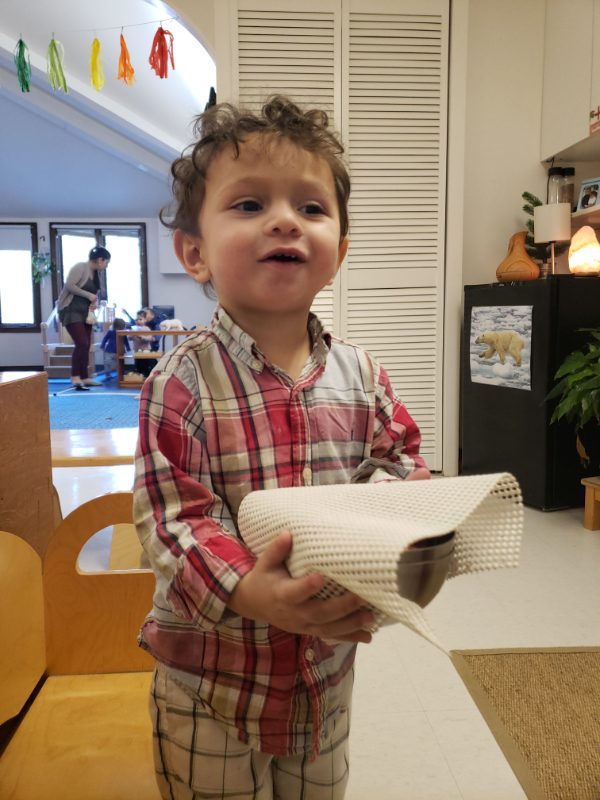
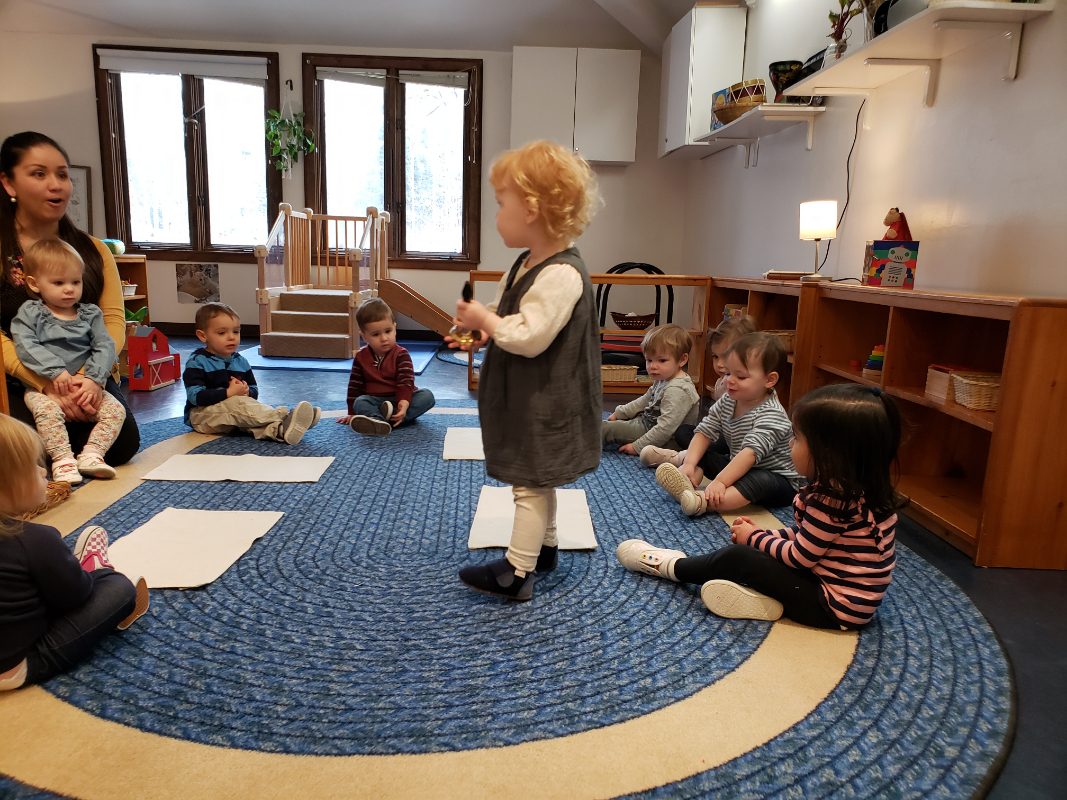
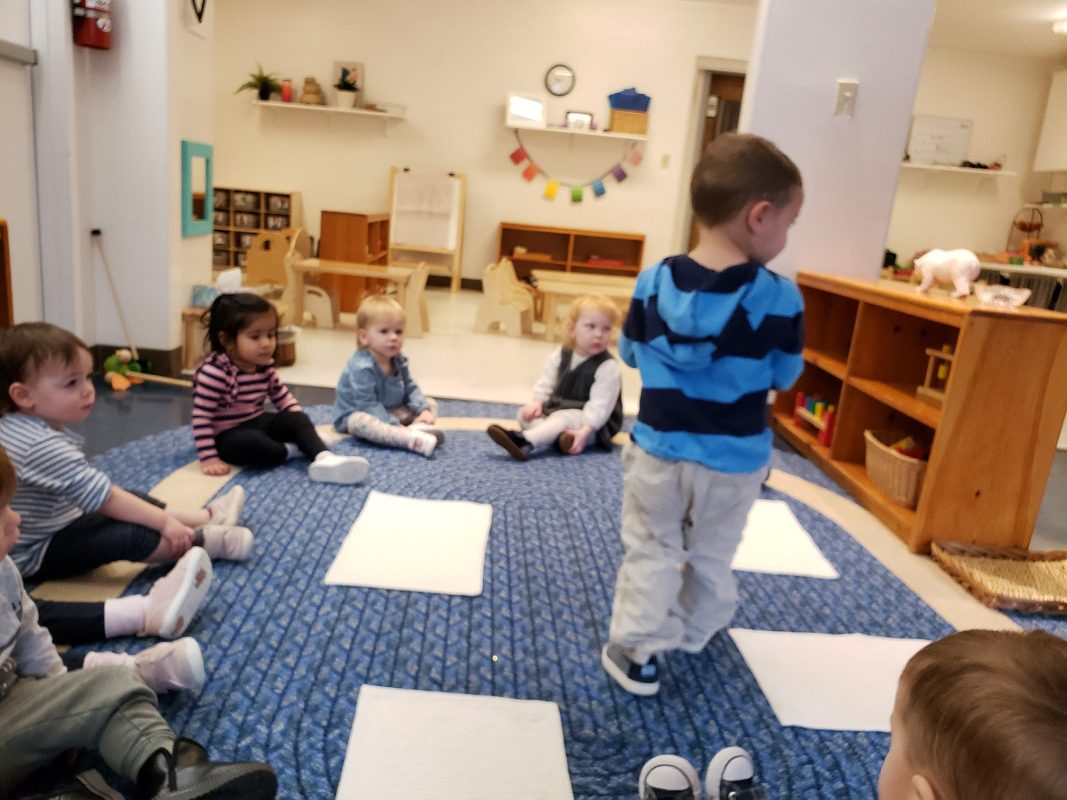
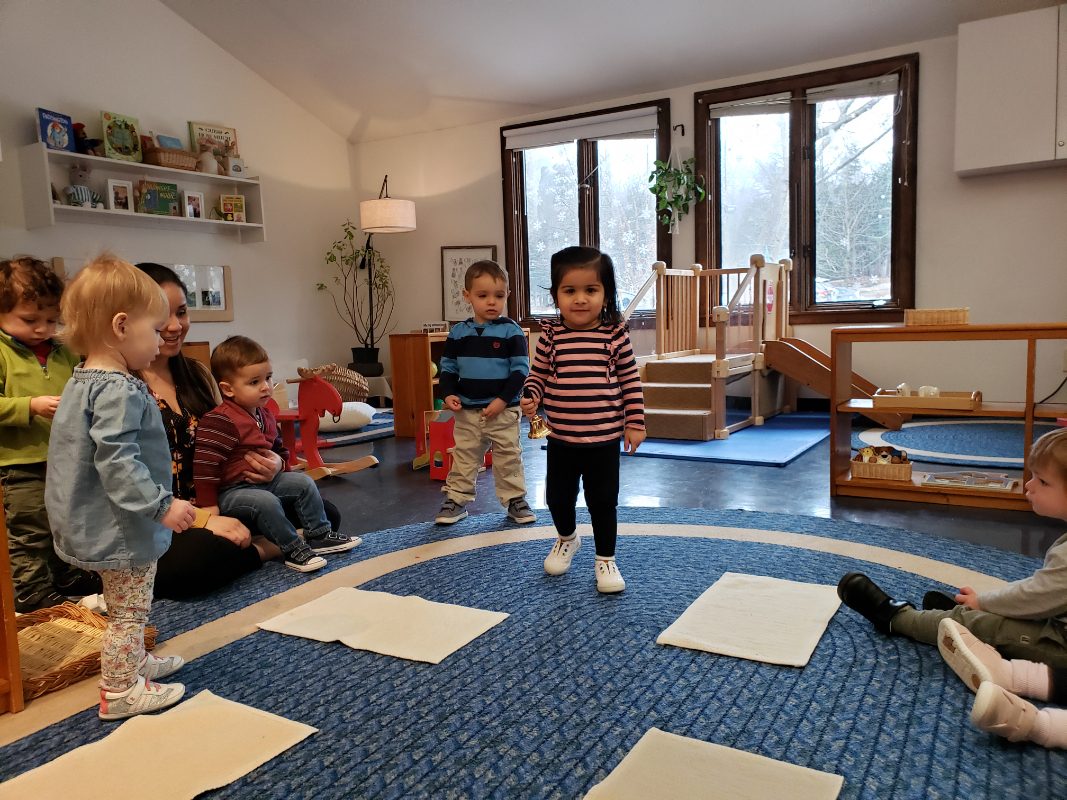
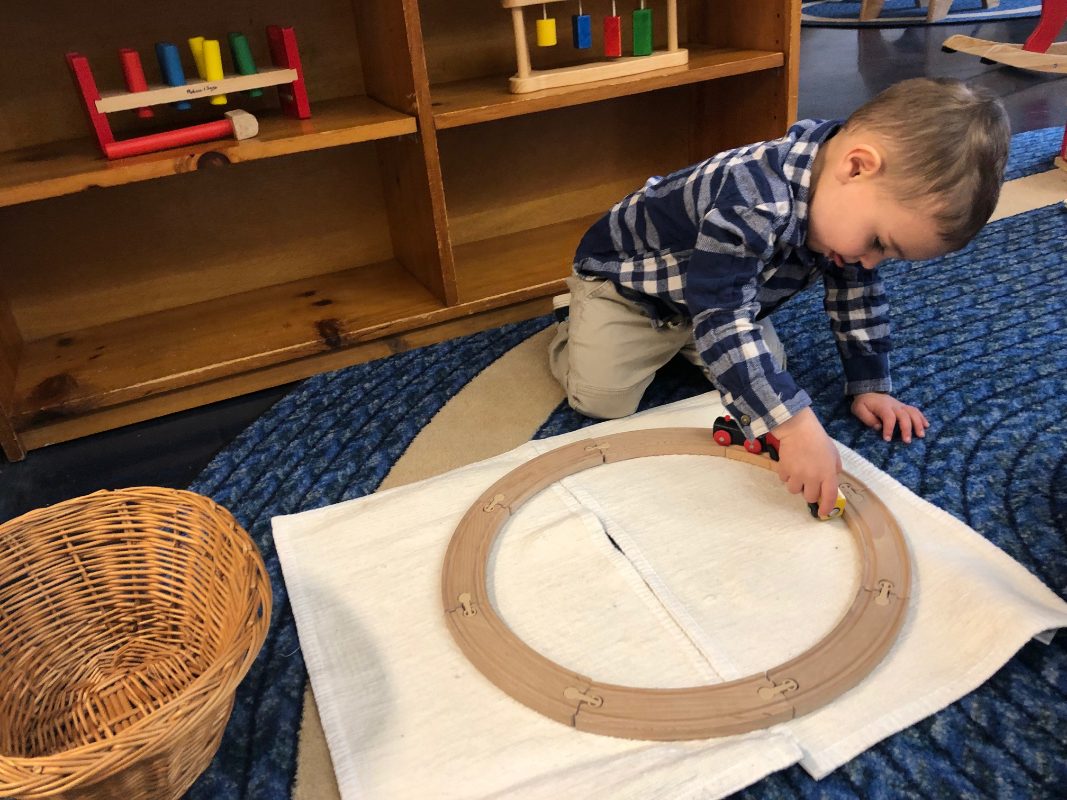
As children continue to work on body awareness we introduced a grace and courtesy activity called: Walking around a floor mat. As children have demonstrated interest in starting to use rugs to place their works on (as is typical in our Montessori classrooms), we practiced how to be aware of these mats and walk carefully around them. The purpose of the floor mats is to define the students’ workspace and to reinforce Montessori’s principle of freedom within limits.
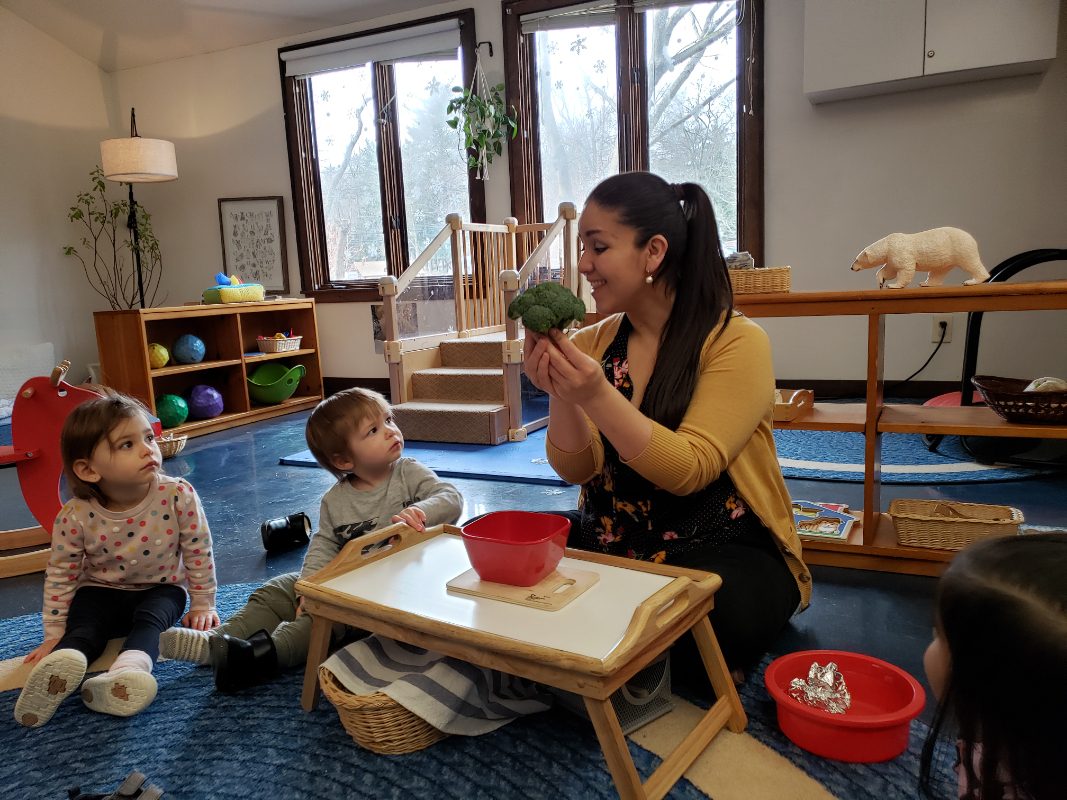
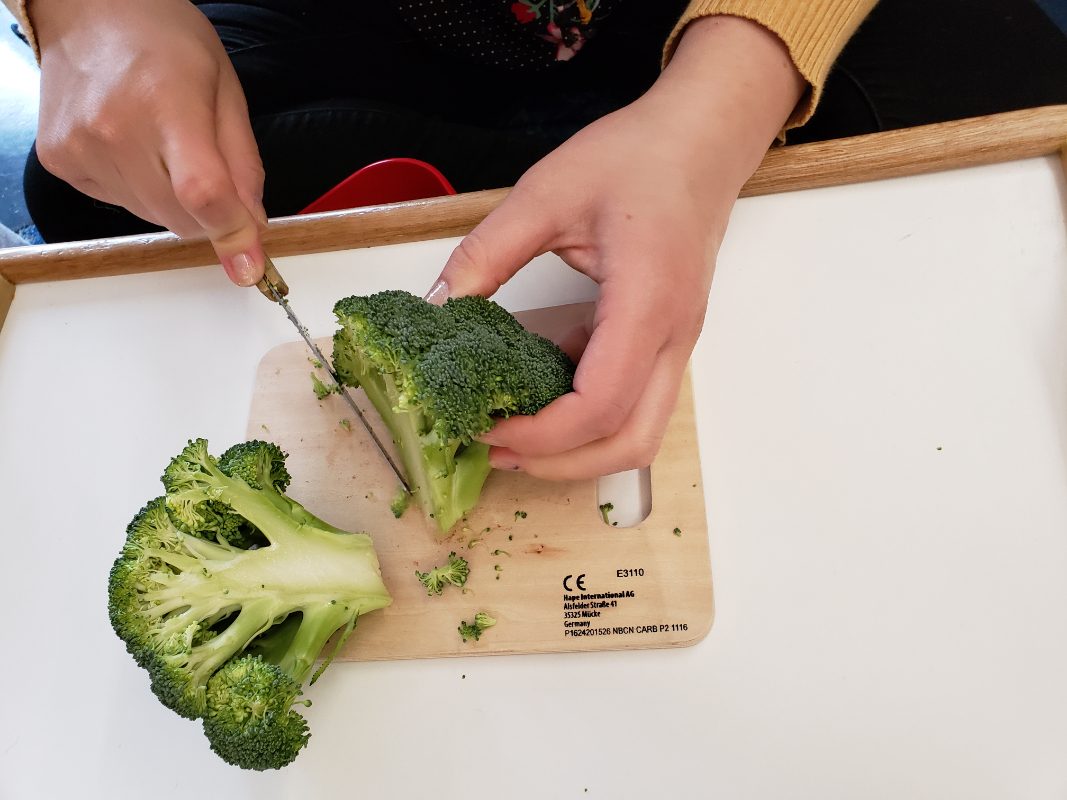
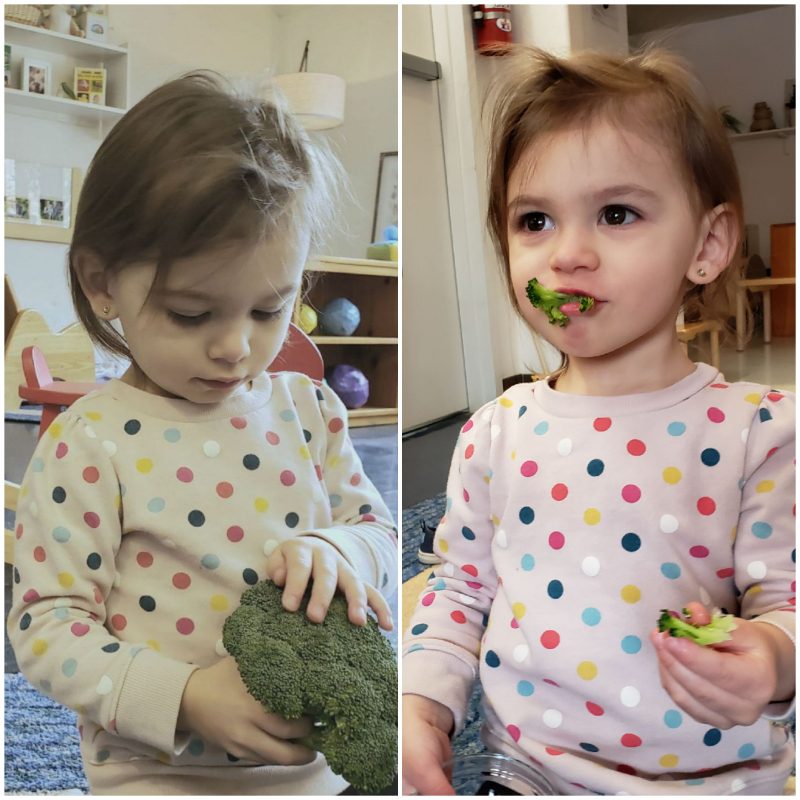
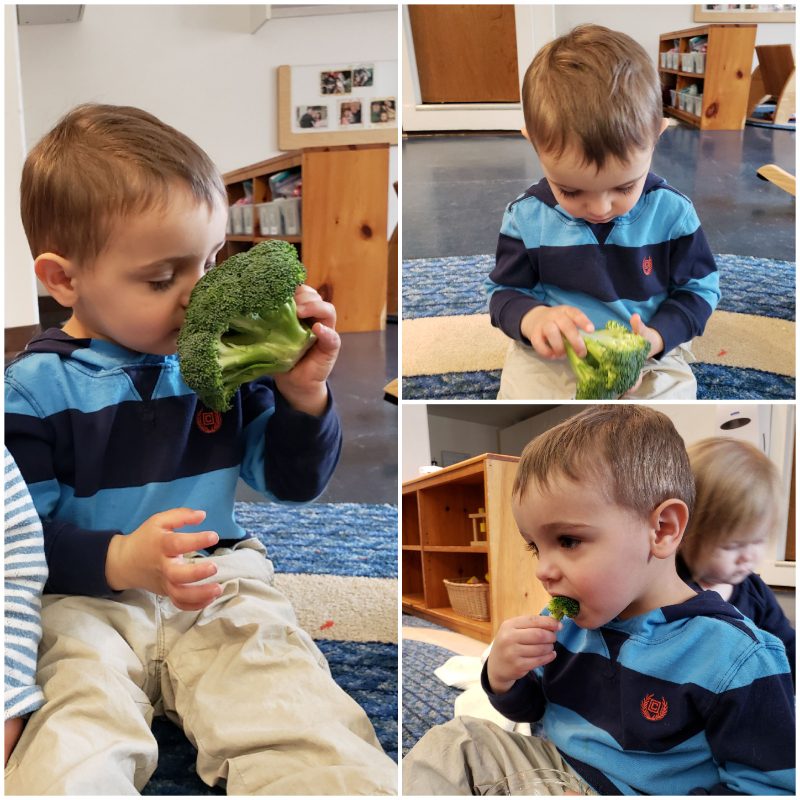
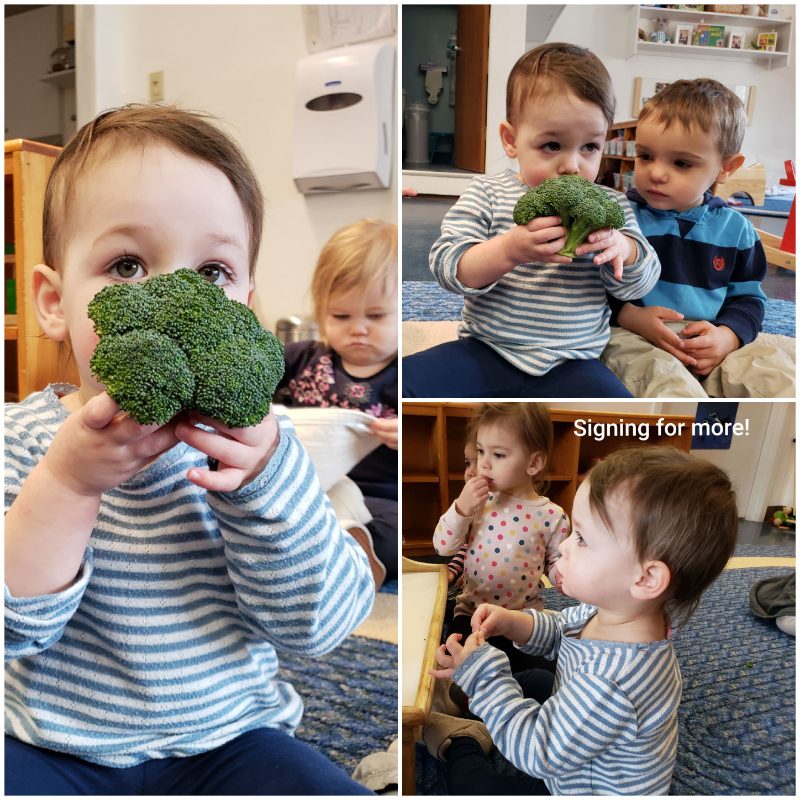
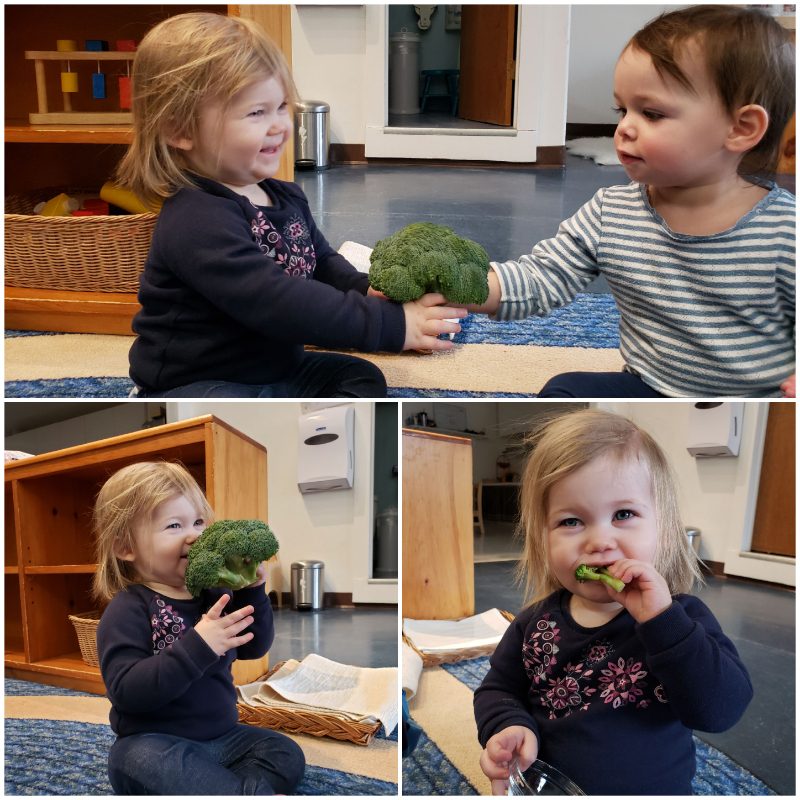
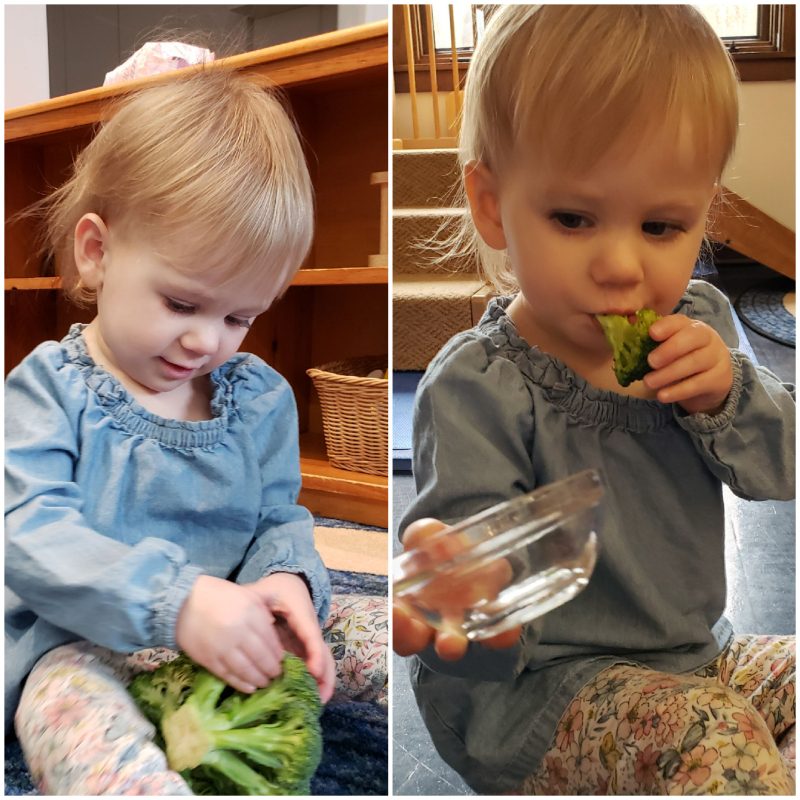
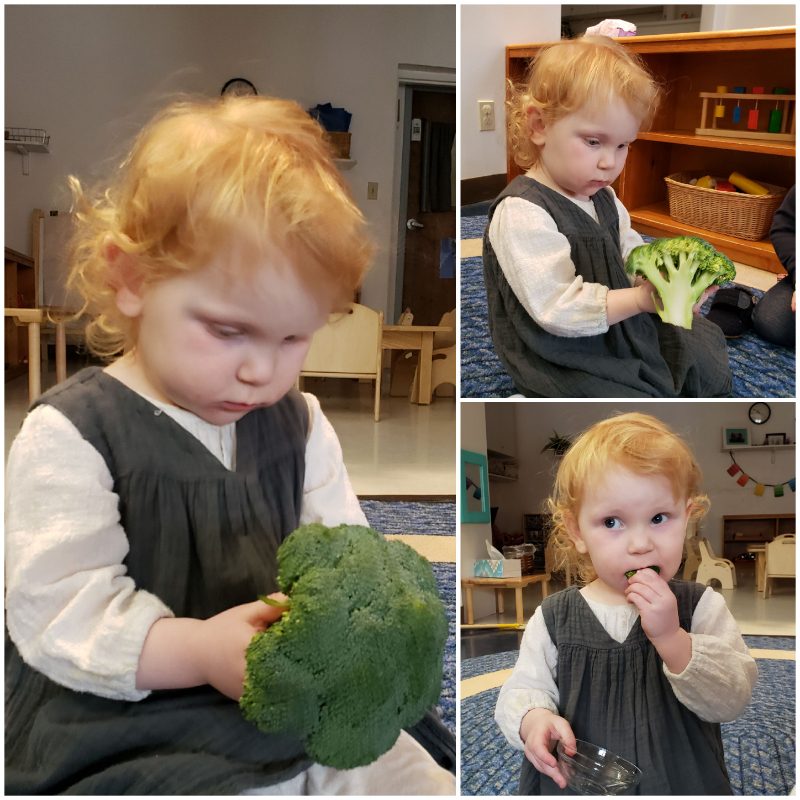
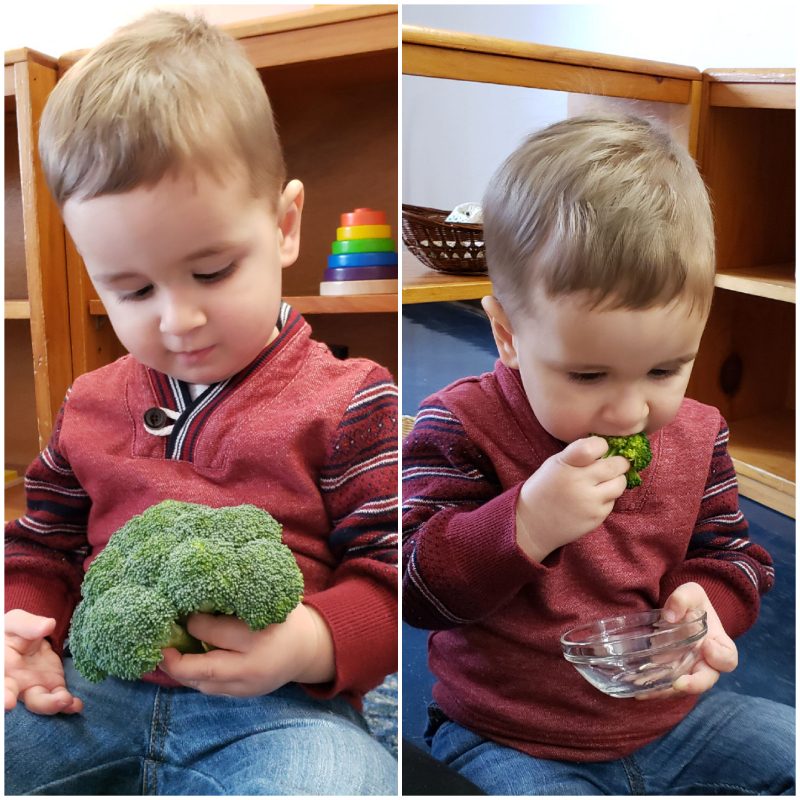
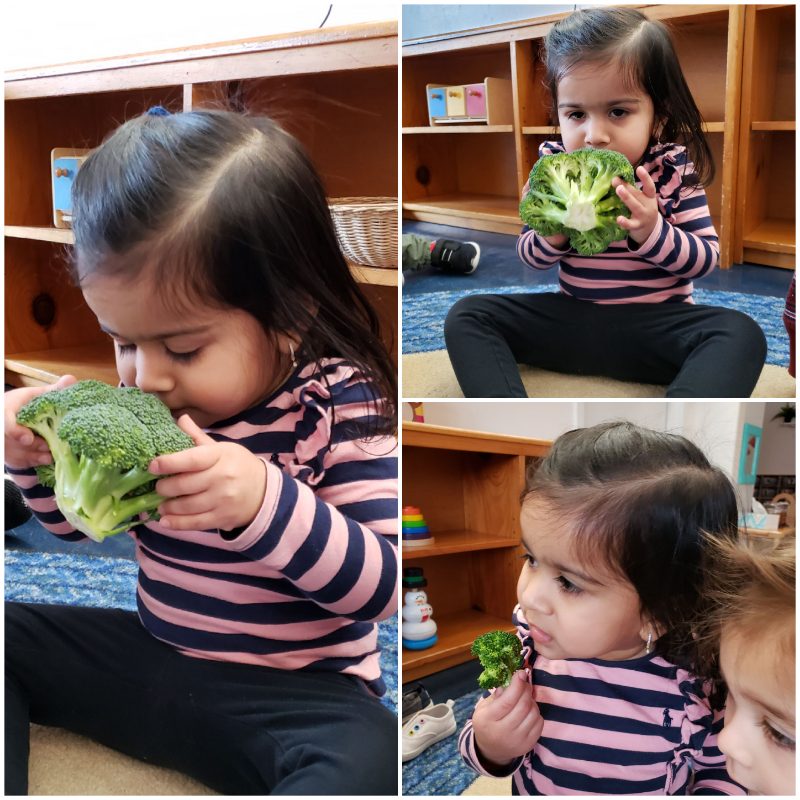
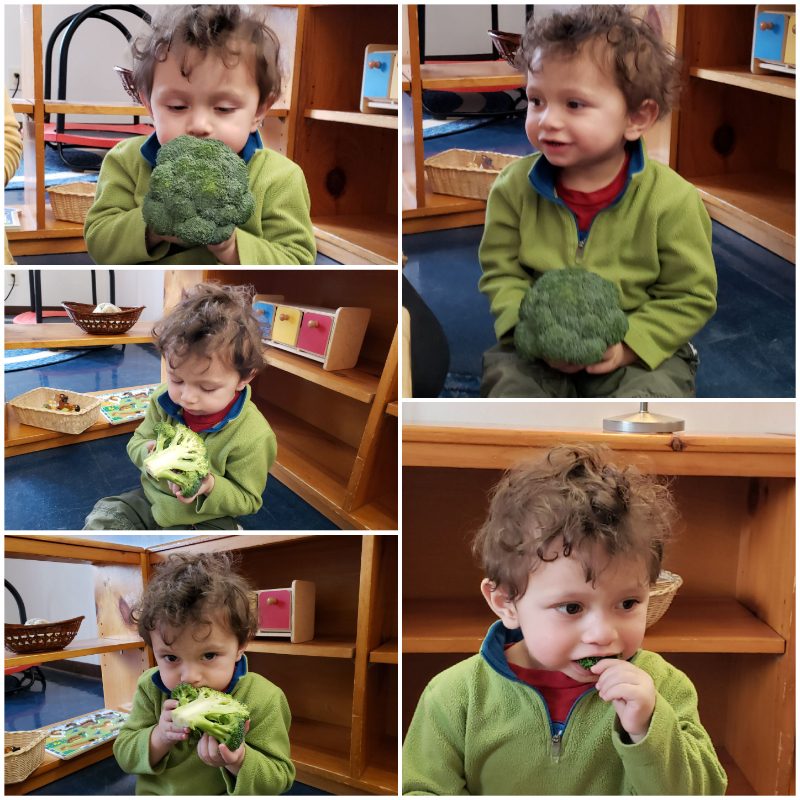
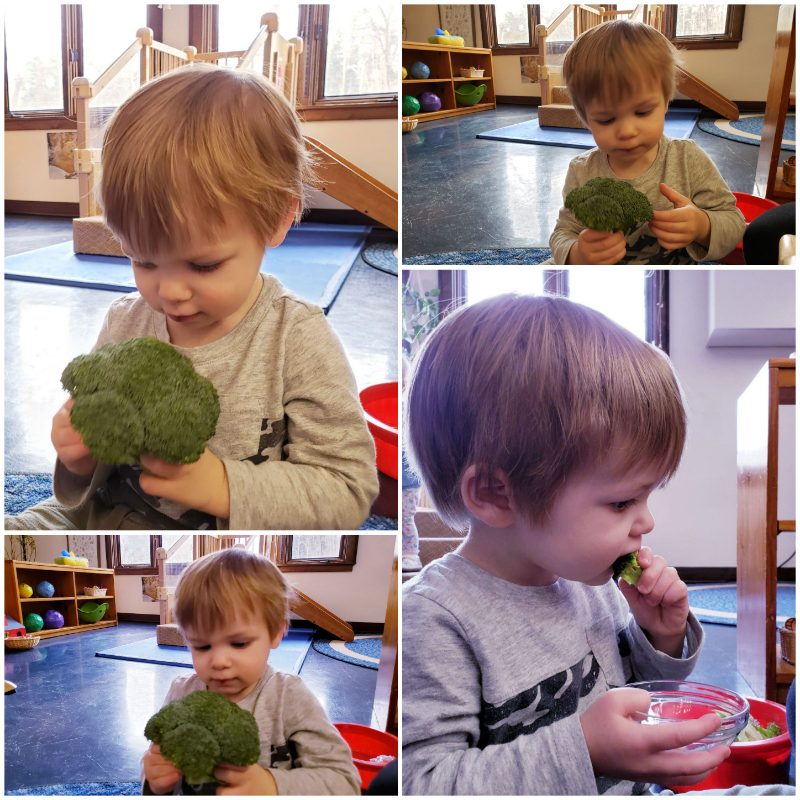
For food tasting we enjoyed some broccoli this week! 9 of 10 children loved it!
As February ends, we welcome March with great enthusiasm and hope! We appreciate winter but spring and warm weather will arrive soon and we can’t wait until it’s here!
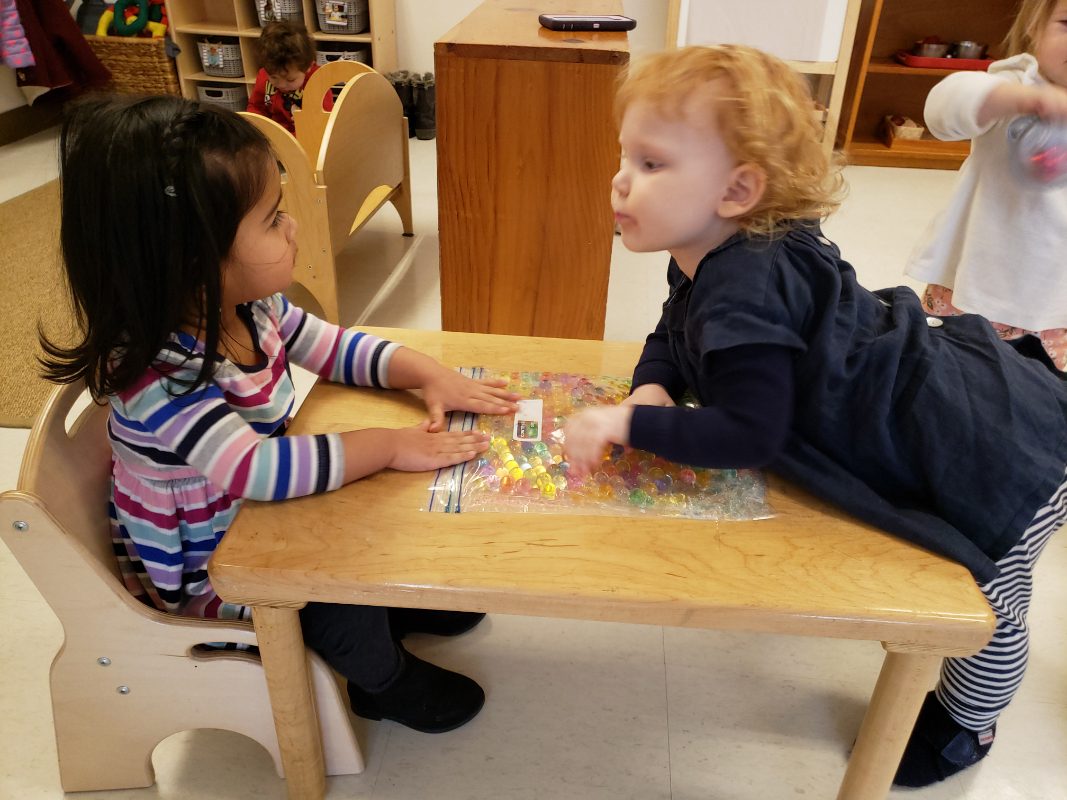
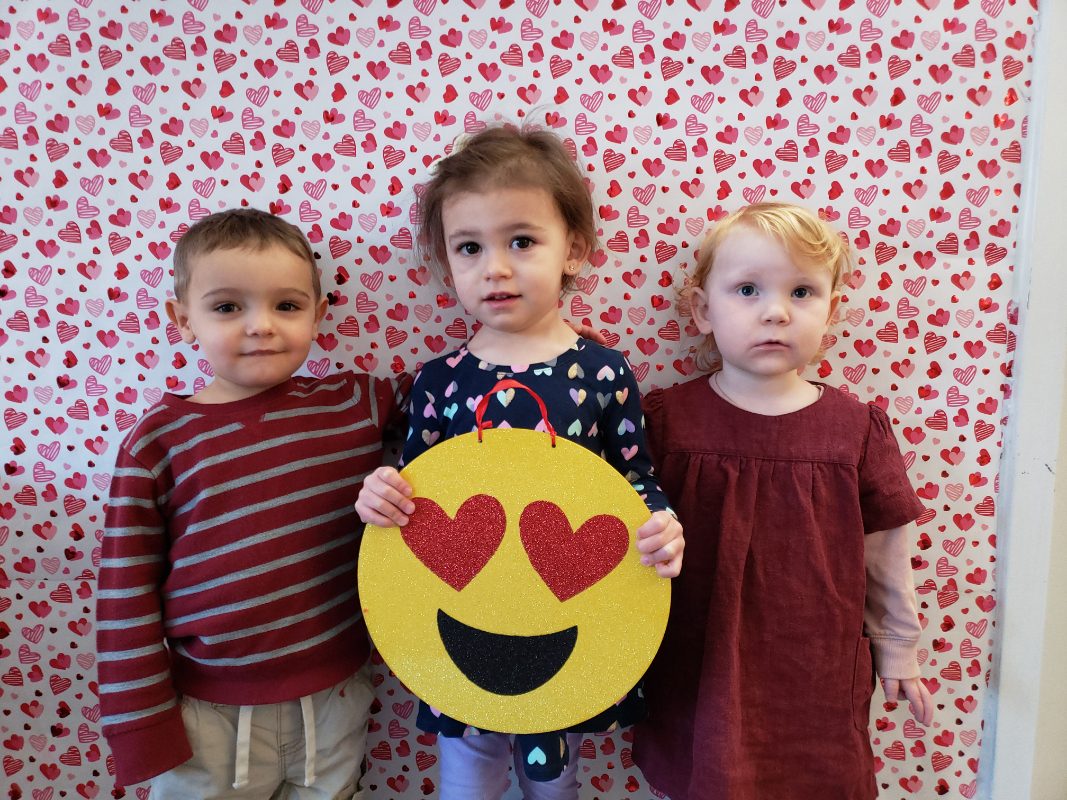
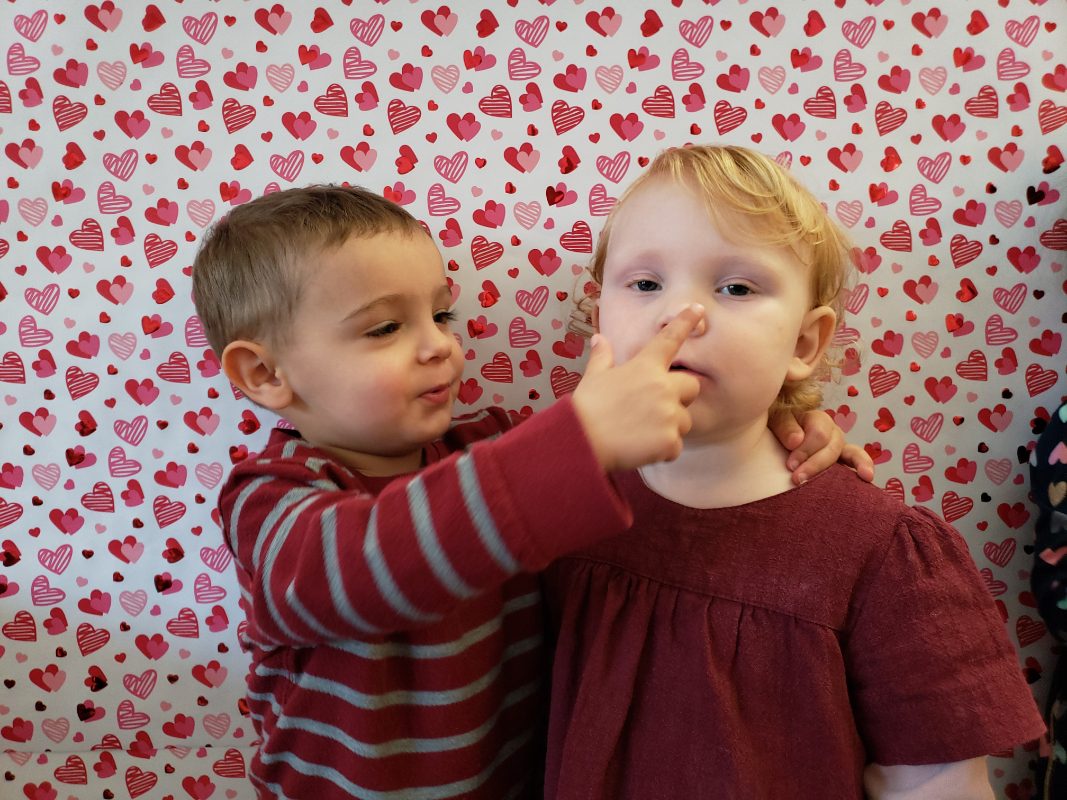
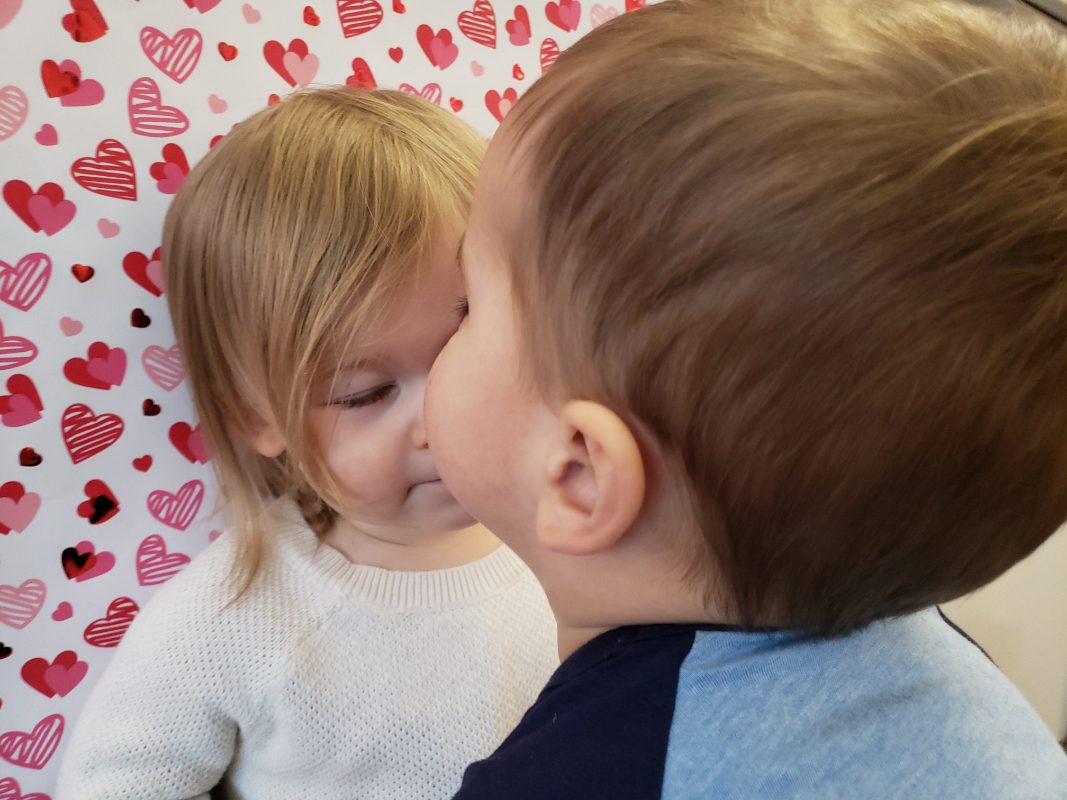
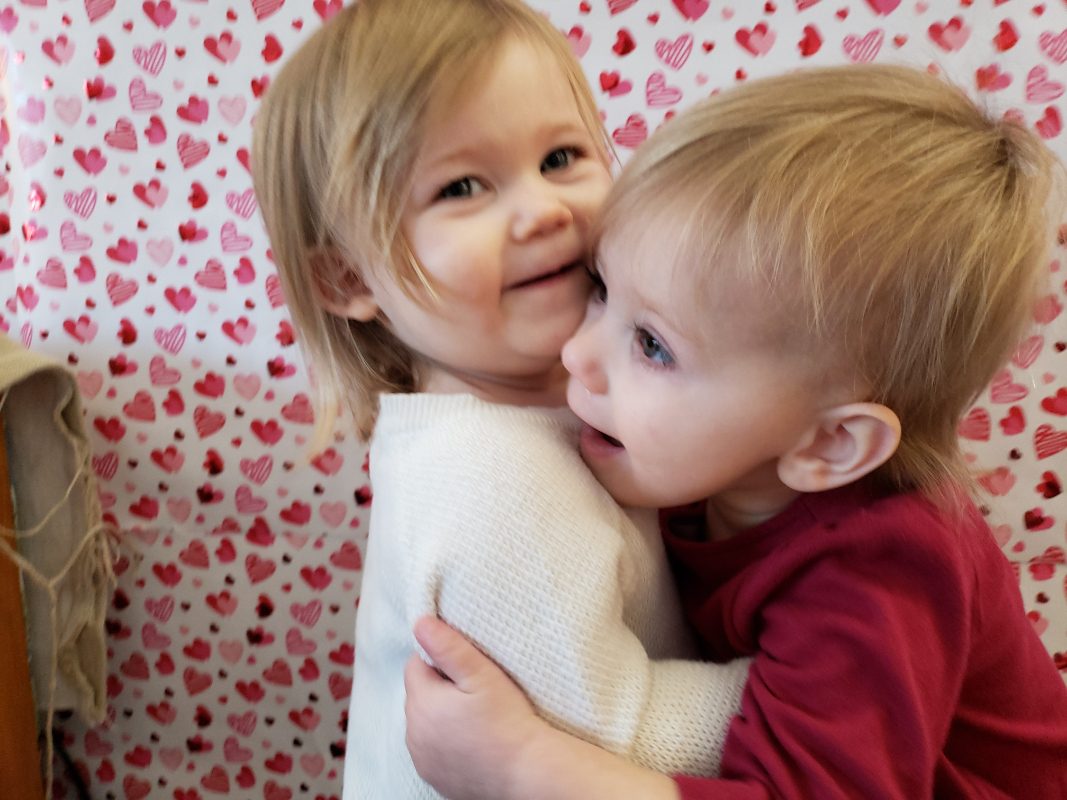
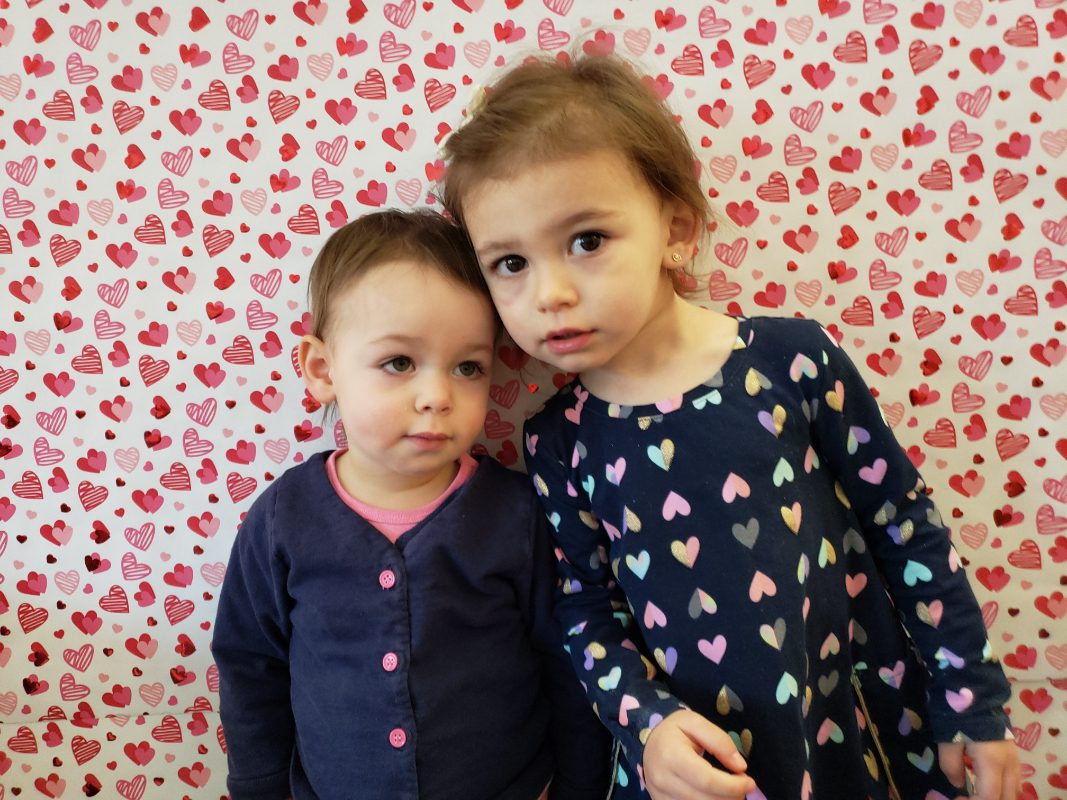
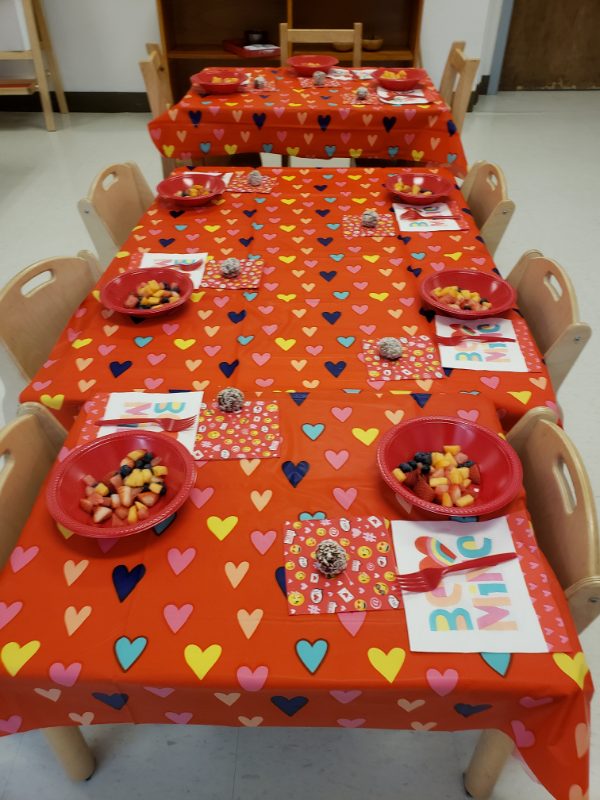
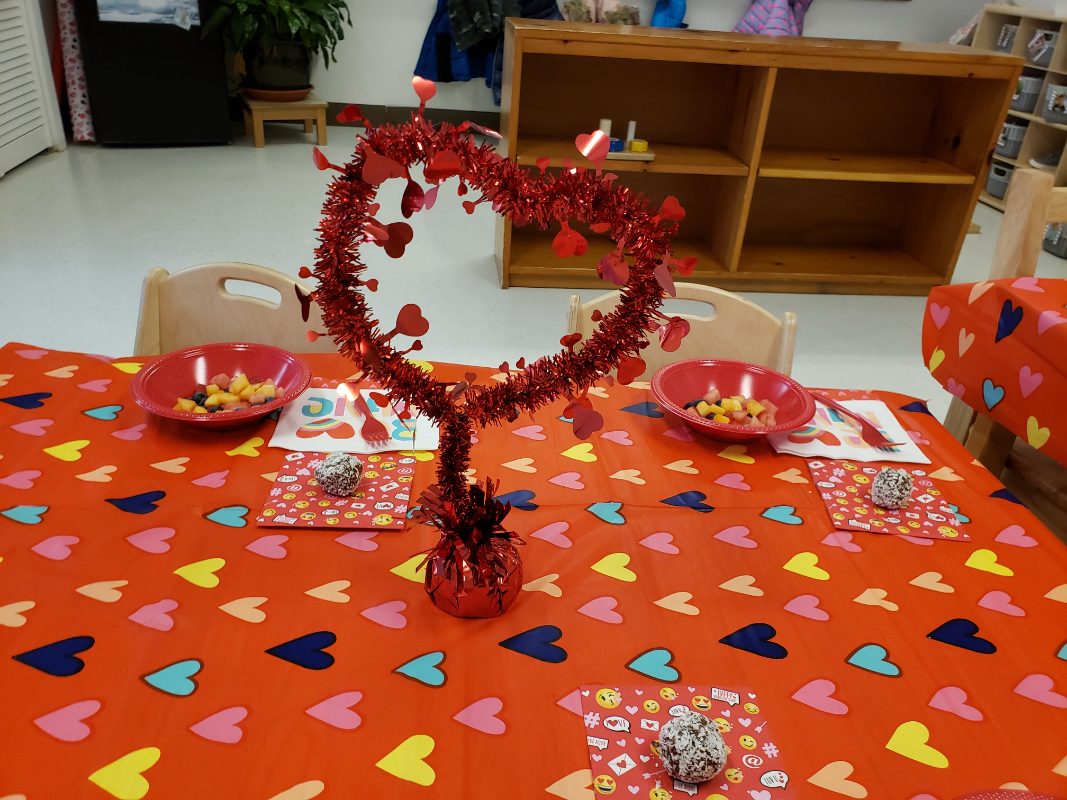
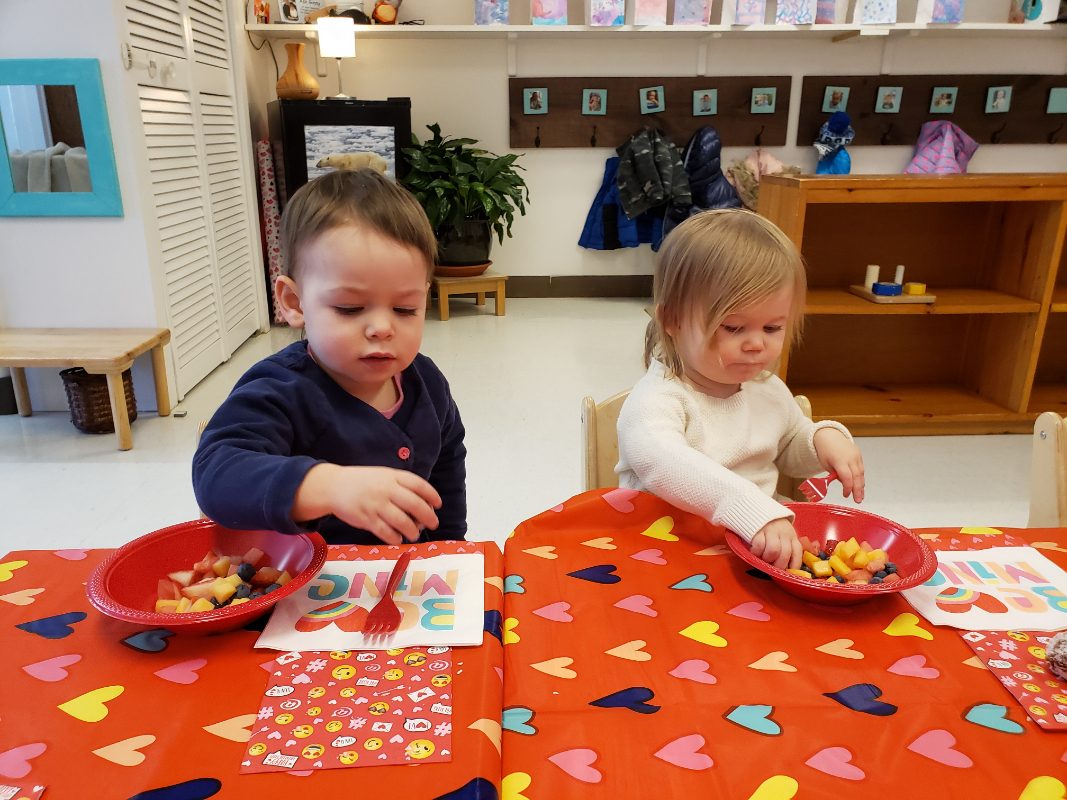
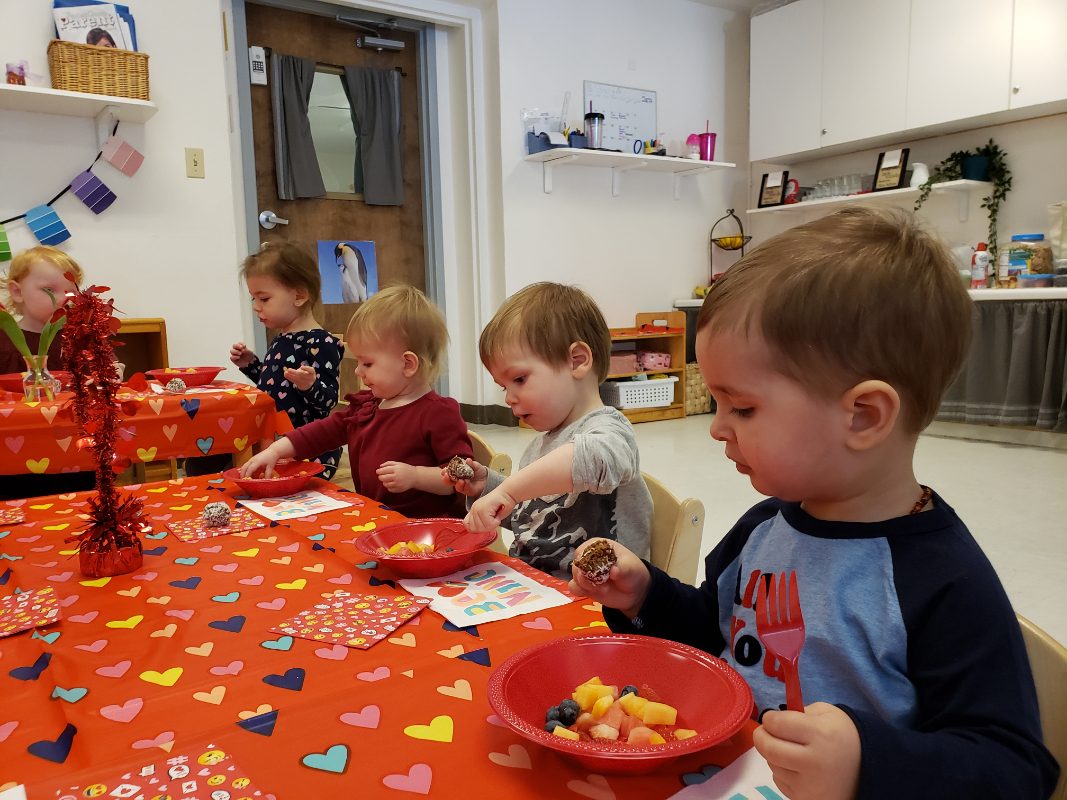
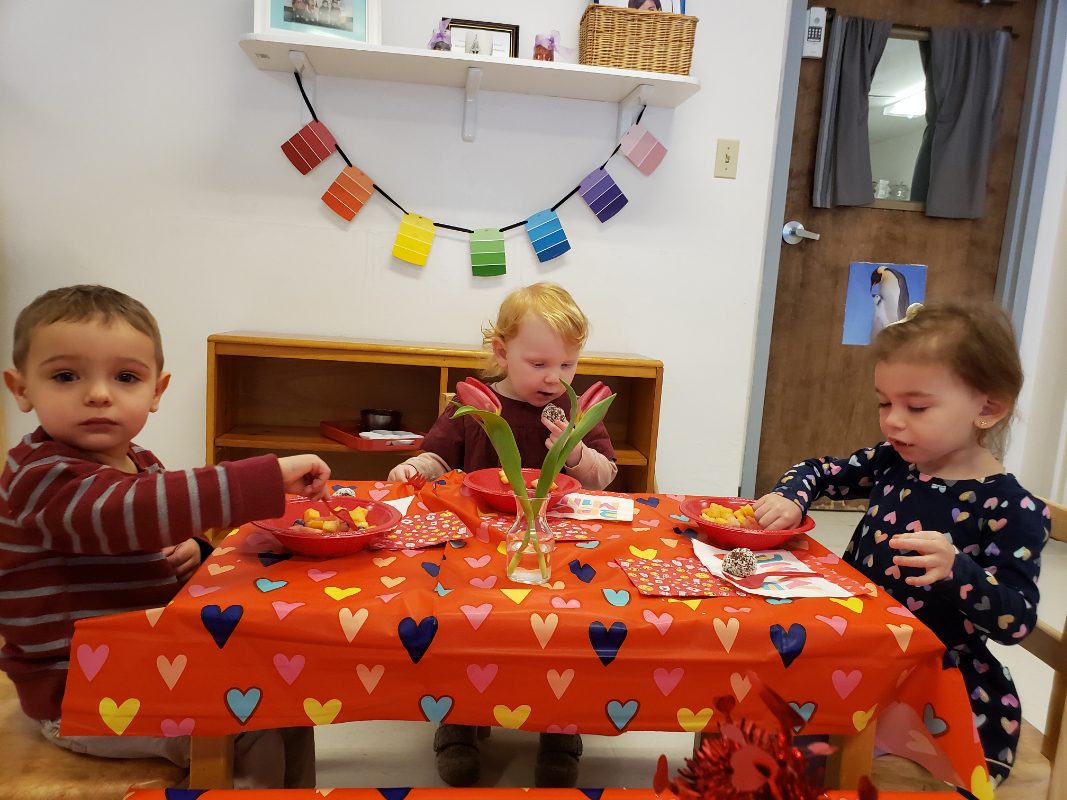
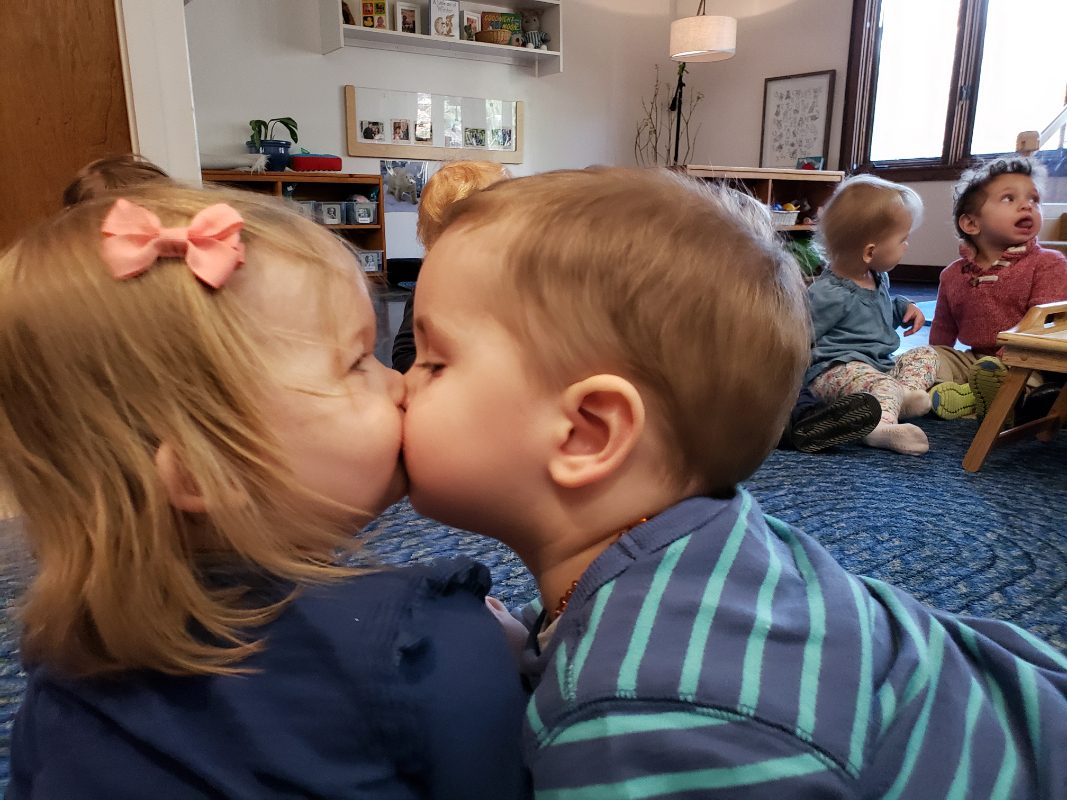
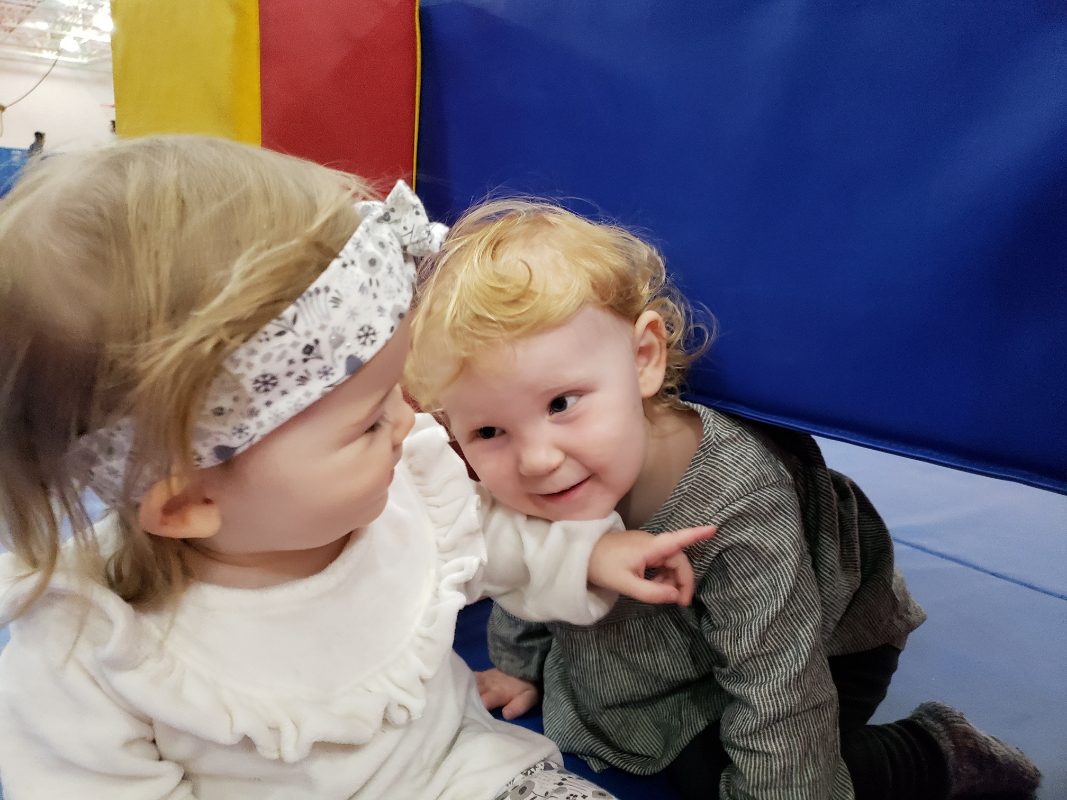
Humans have an innate desire to connect, to experience dynamic relationships with one another. At around 18 months, there are notable changes in cognitive skills that help real friendships blossom. The toddler becomes more consciously aware of himself and others. Watching toddlers making friends for the first time is truly a delight! In our environment, our youngest ones shows excitement every morning when they see their friends and even though some of them don’t have words yet, they point to their friends with a big smile on their faces, pat their friends on the back (or on their heads), offer hugs, make sounds practicing the other child’s name, and some of them even bring materials to share. Our oldest have started to enjoy working in pairs and they try to find each other throughout the morning to share activities. To celebrate friendship, we gathered together last week and shared some love, some valentines, and some yummy fruit and treats provided by you all! Thanks so much! The children had a lot of fun!
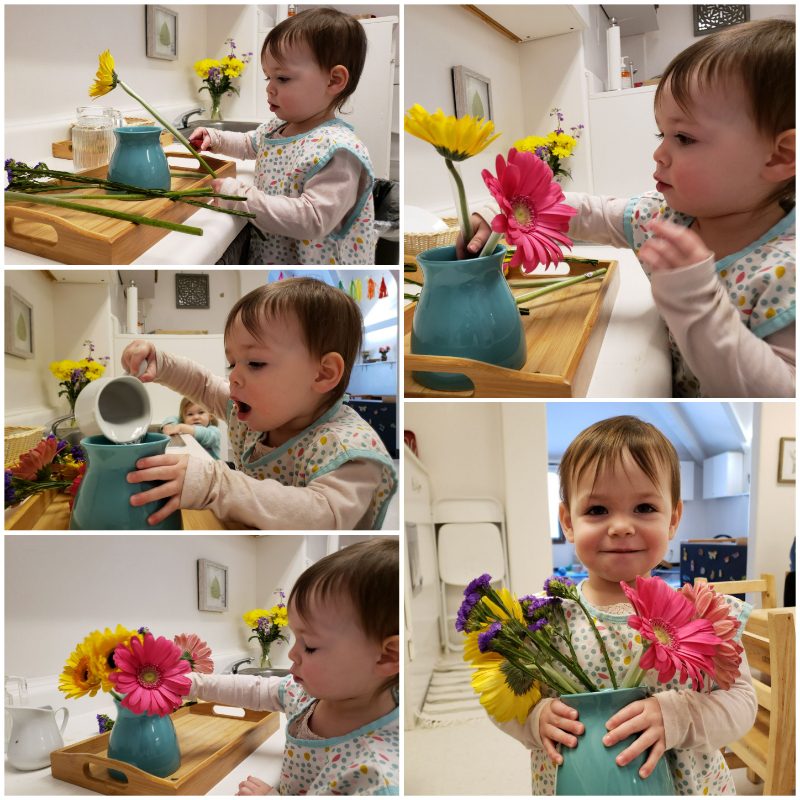
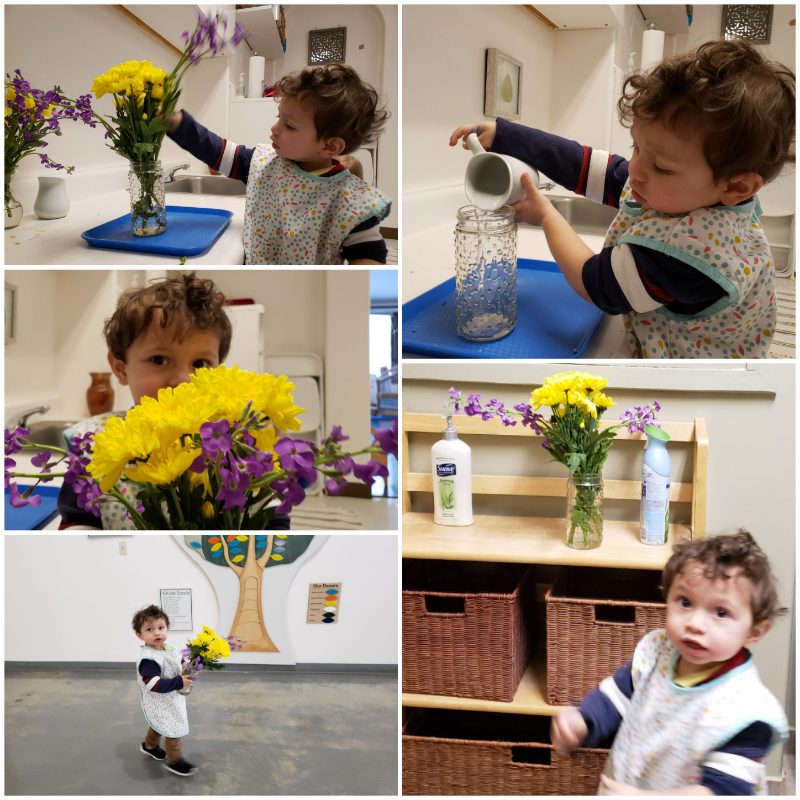
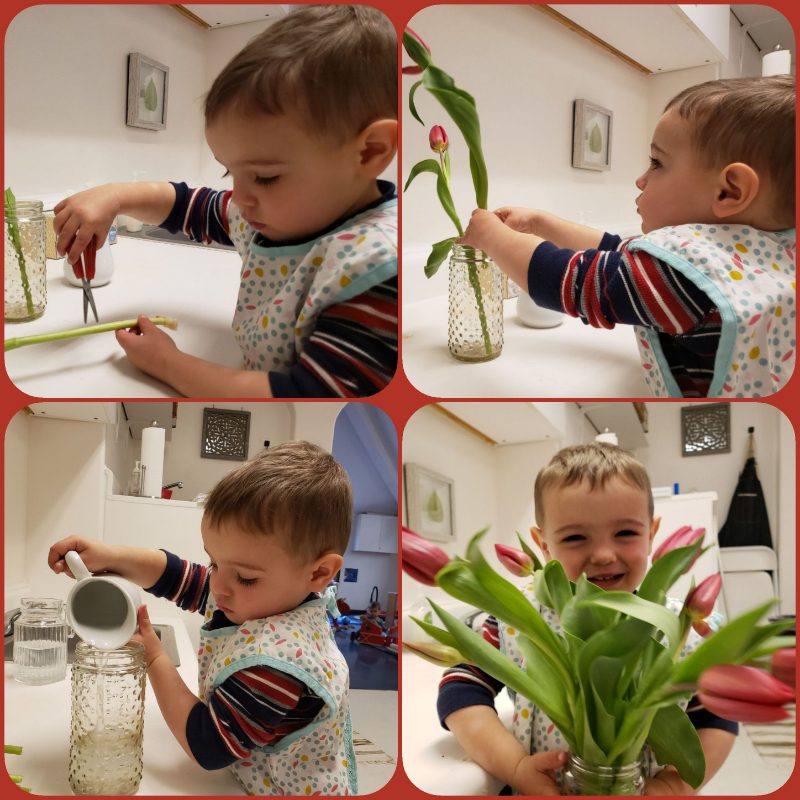
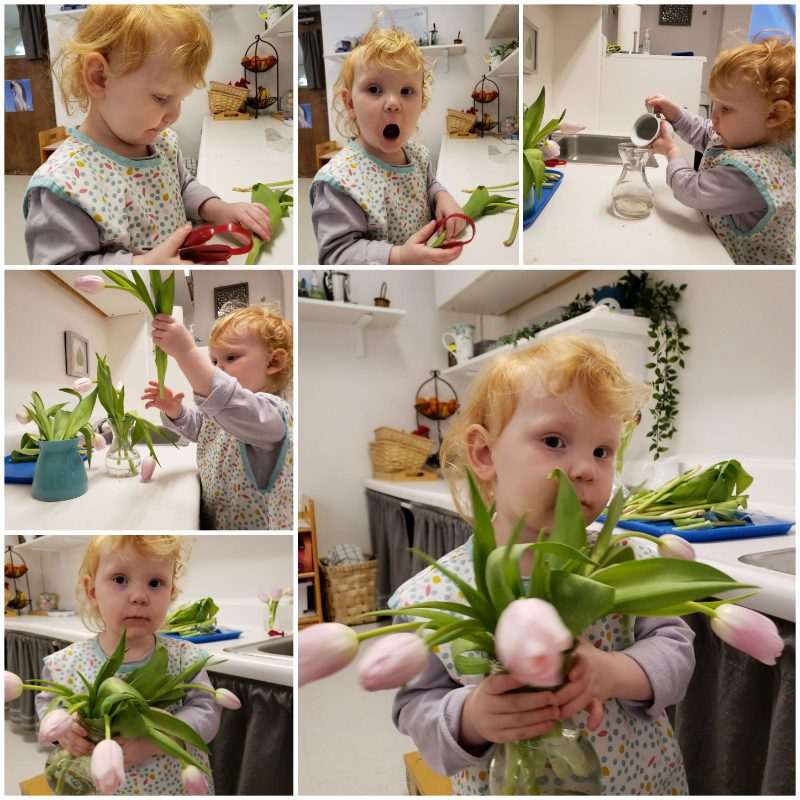
A new leadership role was introduced this week. This one is part of our Care of the Environment curriculum called: Flower Arrangement. This is a beautiful activity that offers so much to your child’s development. Through this exercise children develop a sense of beauty; the mental task of sequencing; they learn to exercise the judgment of size and capacity in matching flowers to vases and in pouring water; also, manual dexterity in using scissors. This activity also indirectly prepares your child for botany studies in our Primary programs and offers a great opportunity to work on independence and concentration. Your children love it! We can’t thank you enough for your weekly flower donations!
This week also, we welcomed a new student and her family! We are excited that she and her parents joined our FWM community!
Two new books have made the list of favorites in our class. These ones are two very loved singalong books from Barefoot Books. One is called The Animal Boogie and the other The Farmyard Jamboree! We highly recommend them if you want to add them to your library!
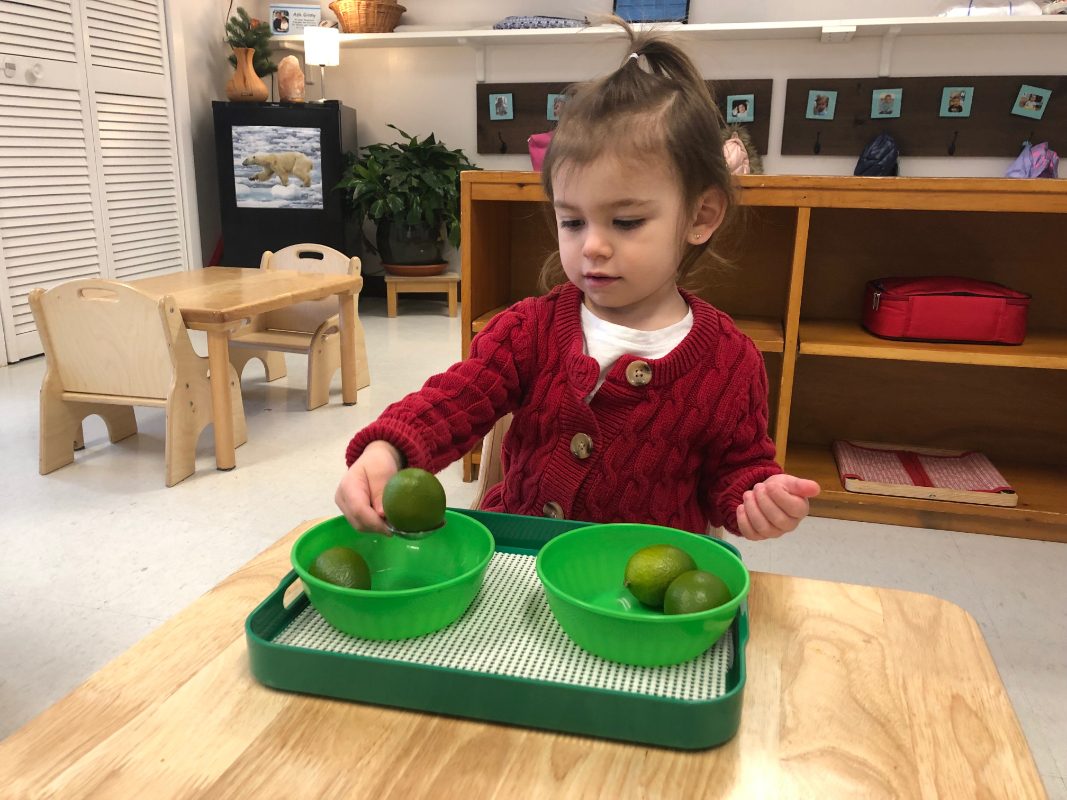
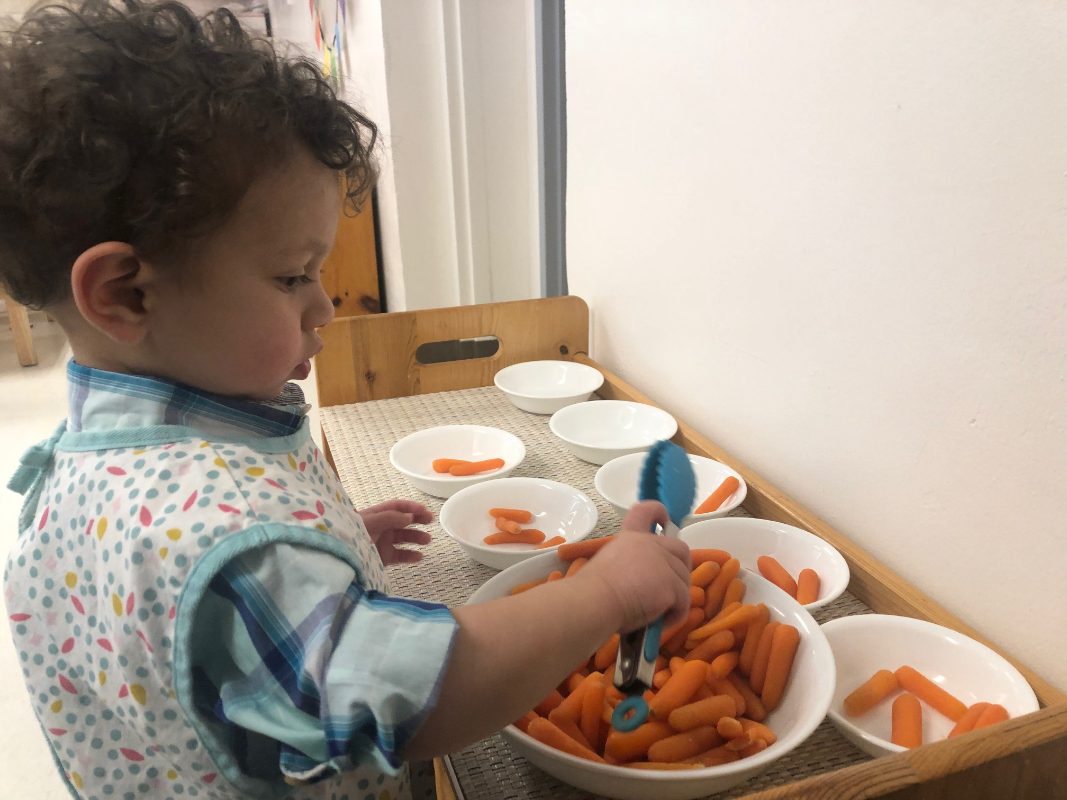
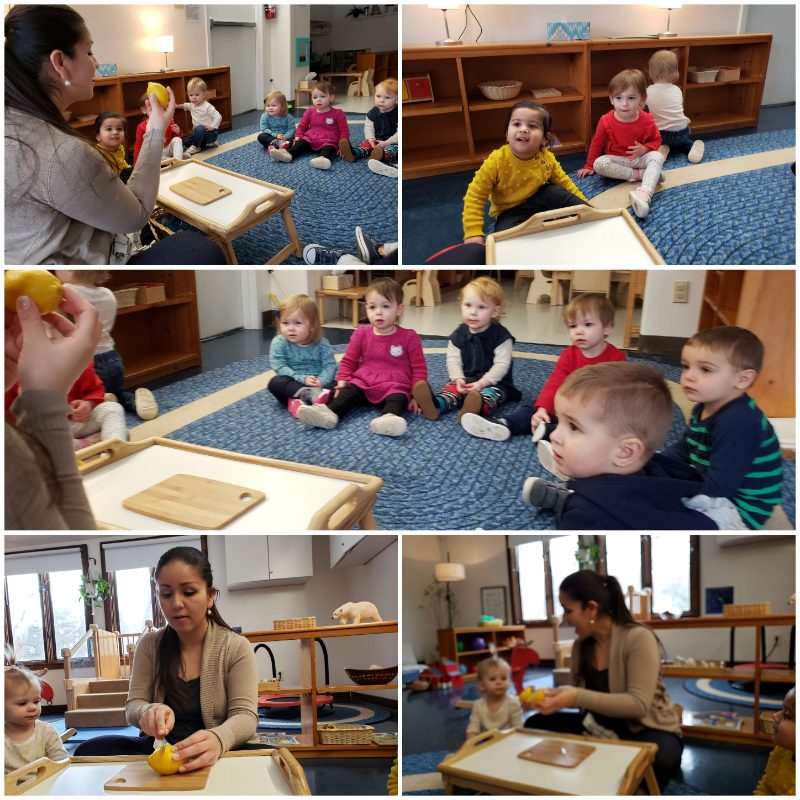
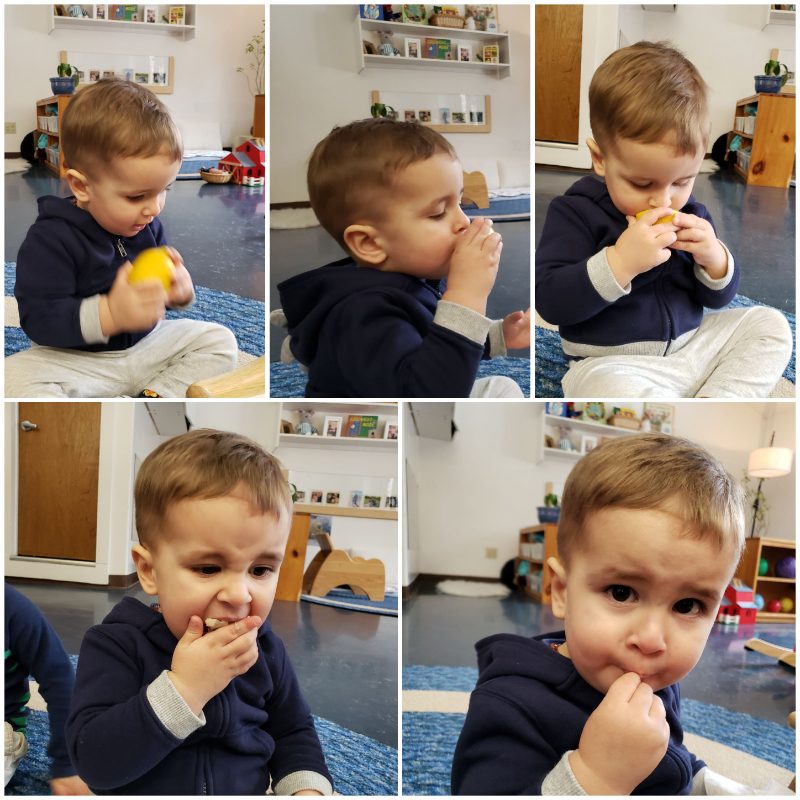
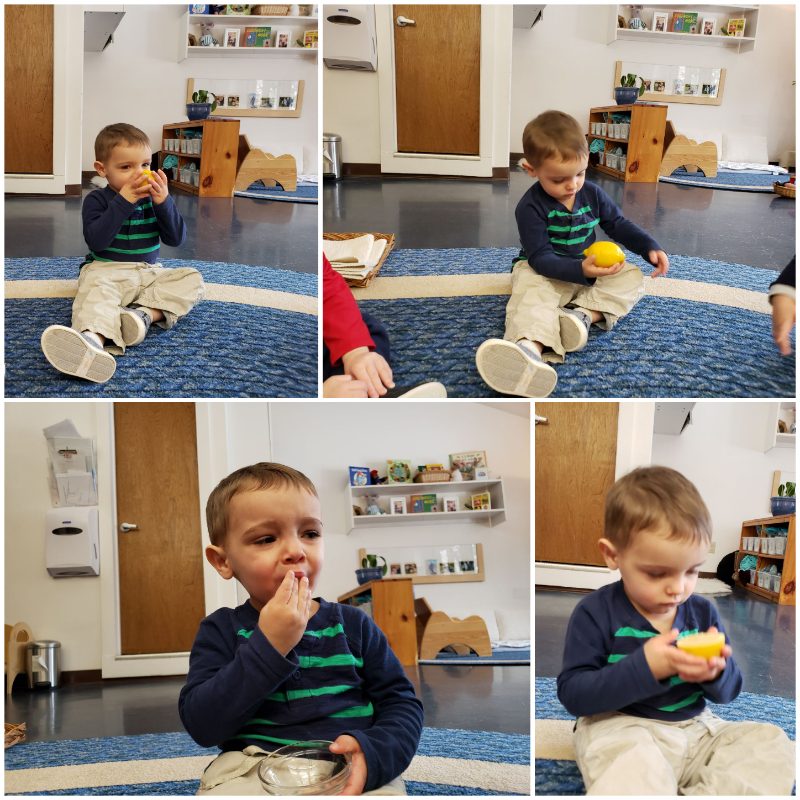
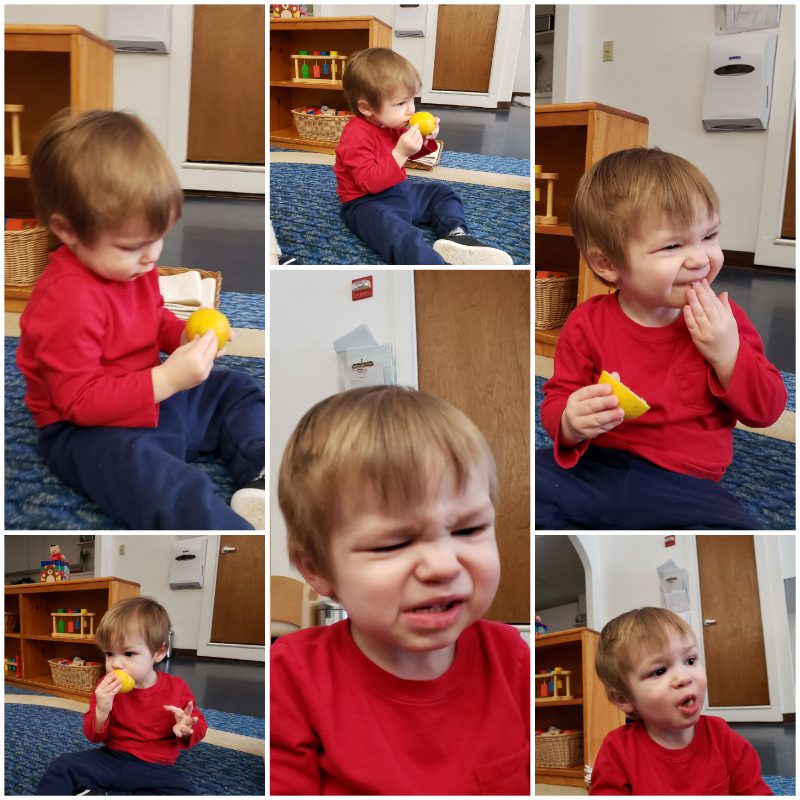
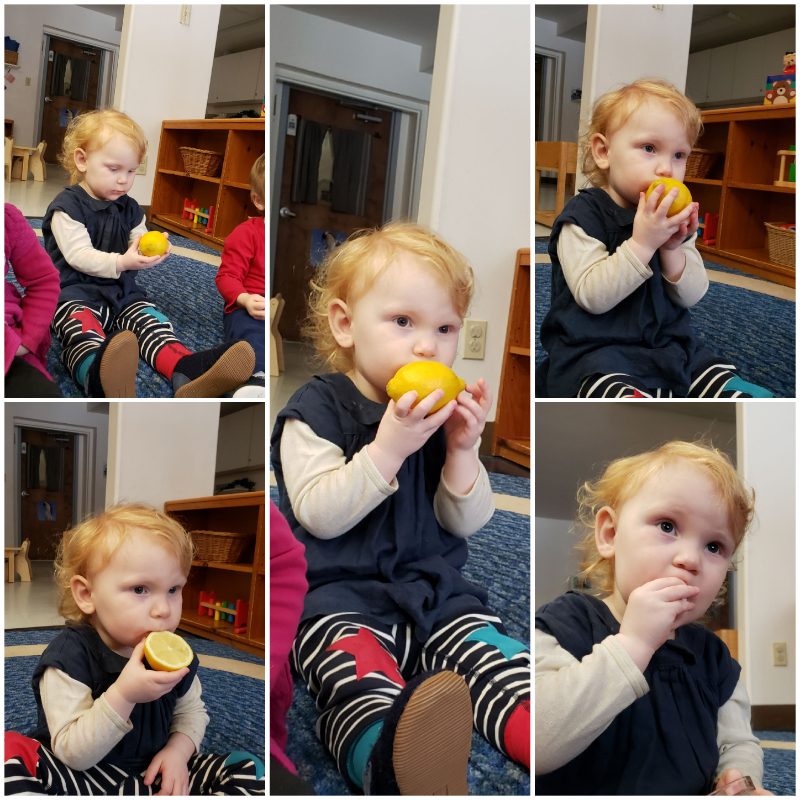
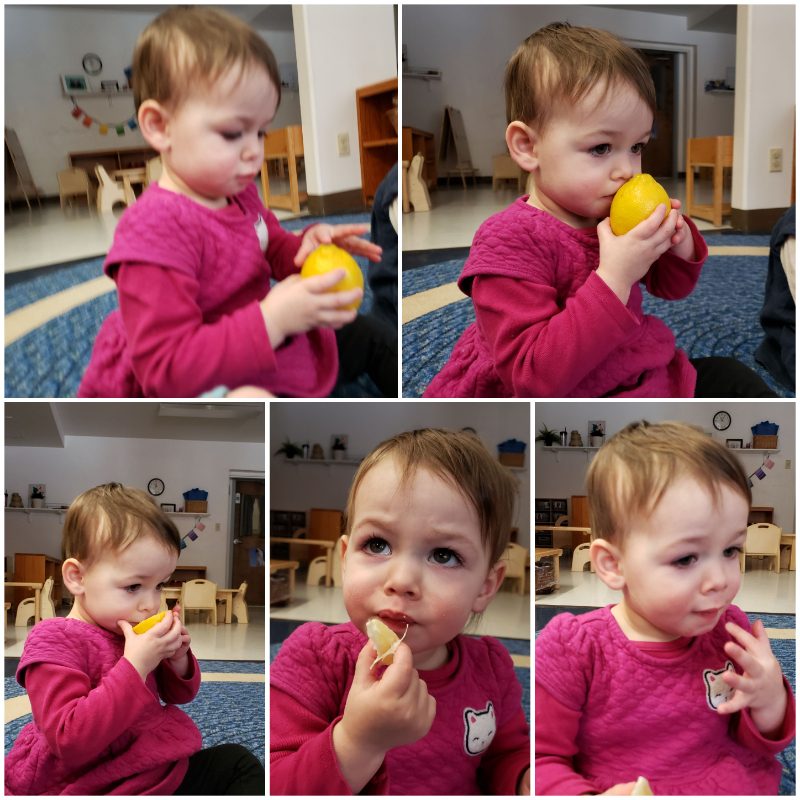
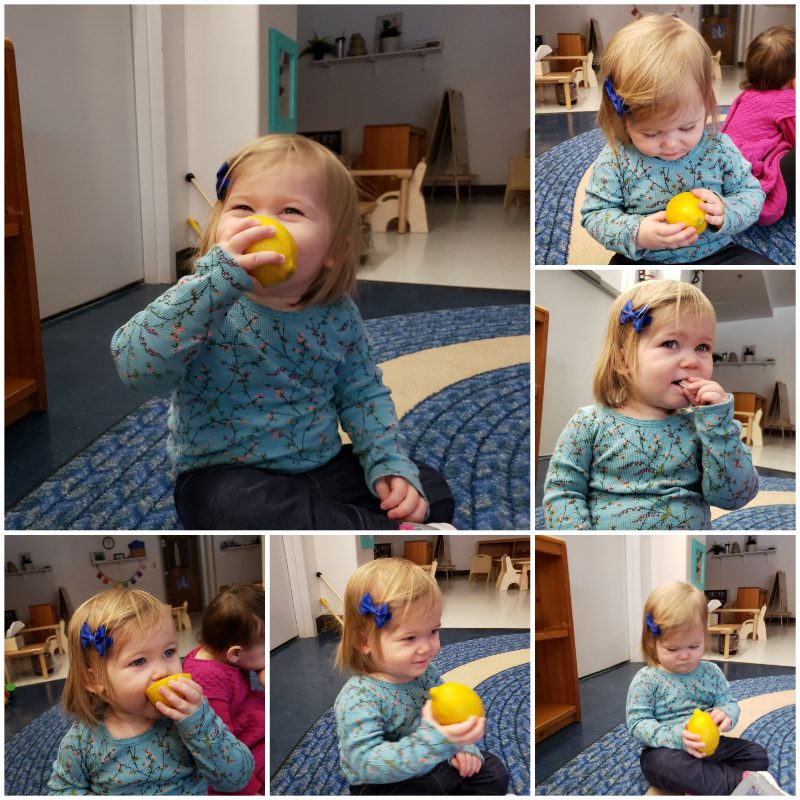
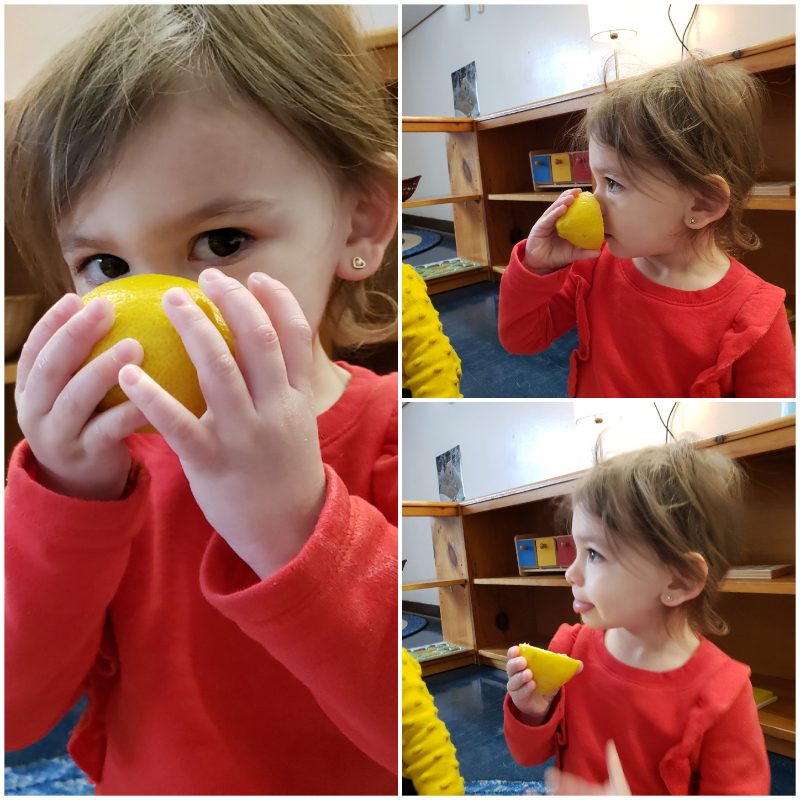
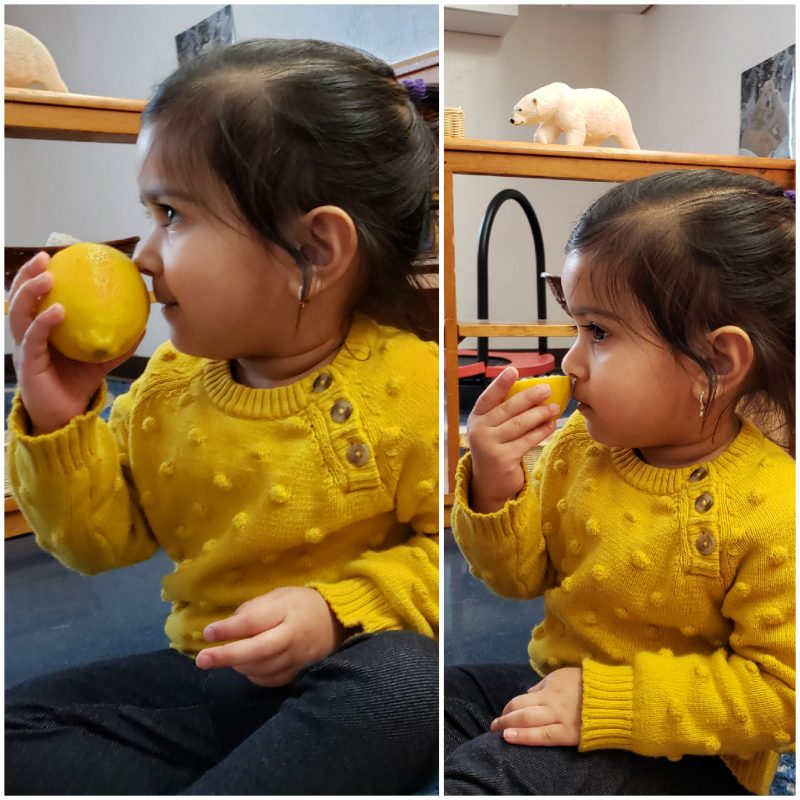
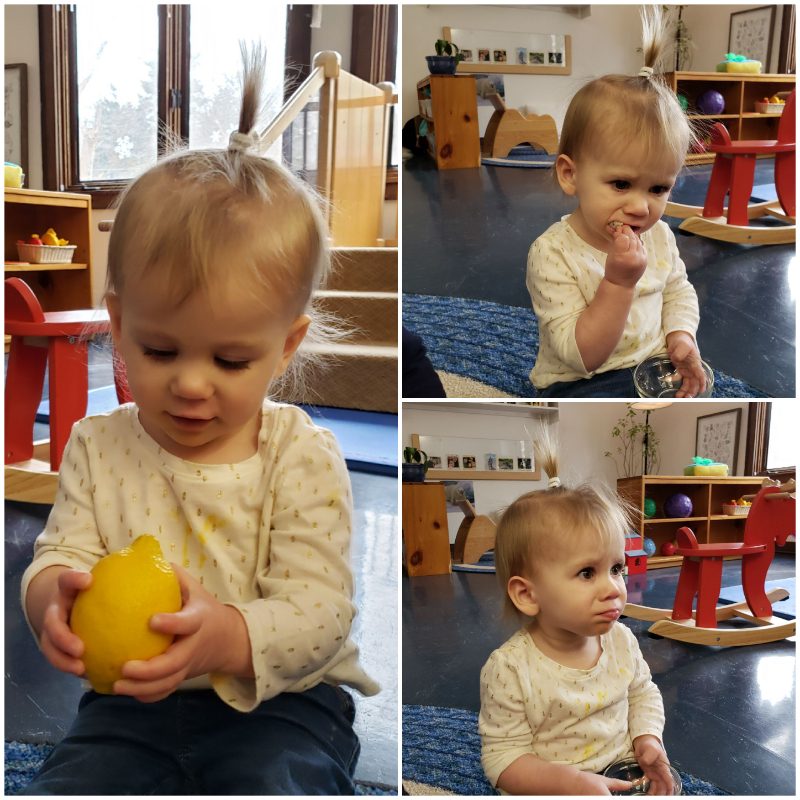
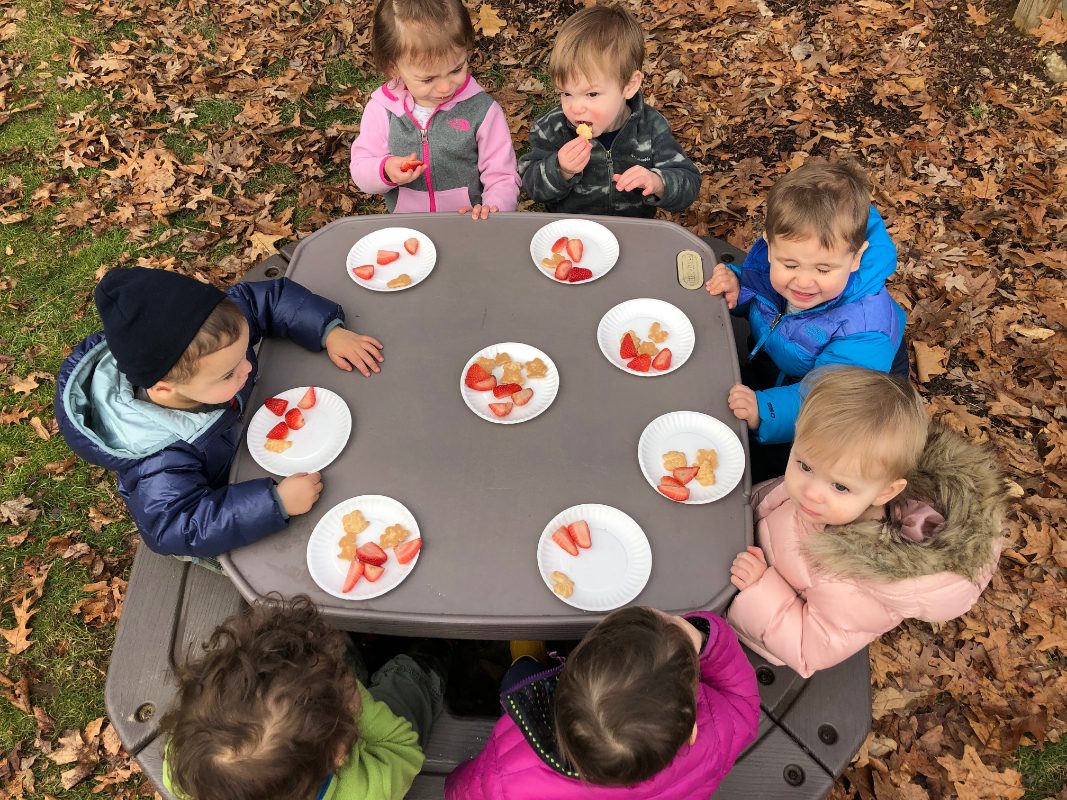
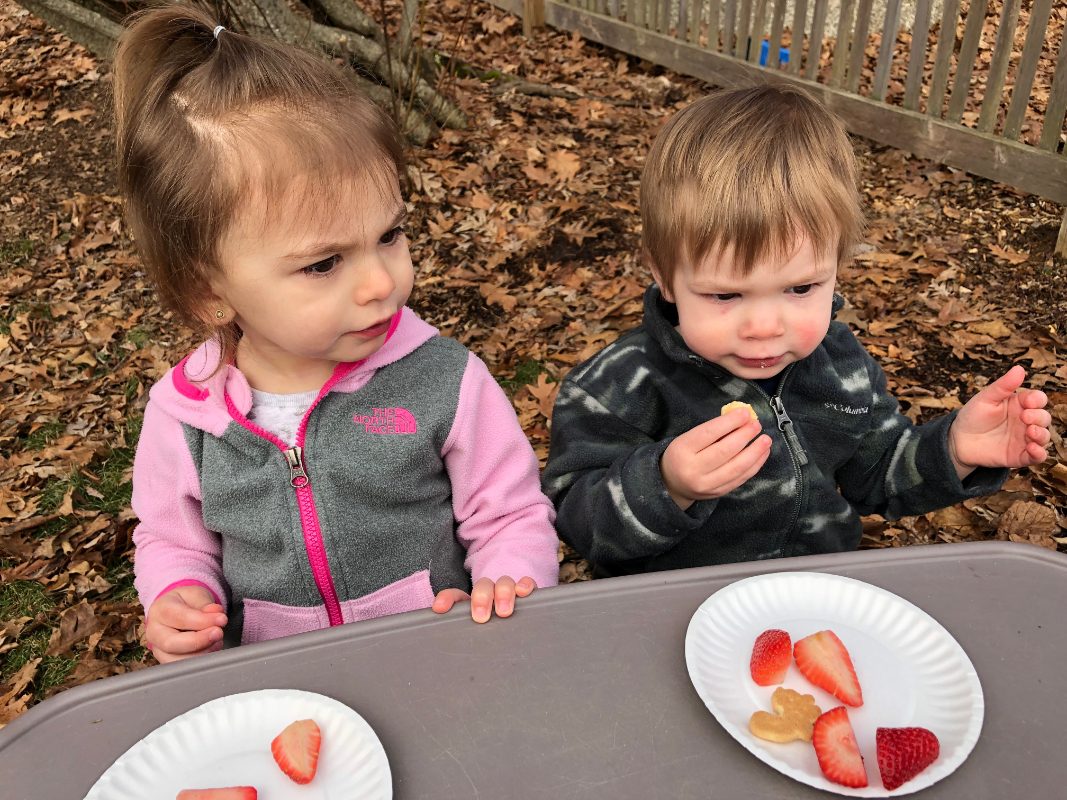
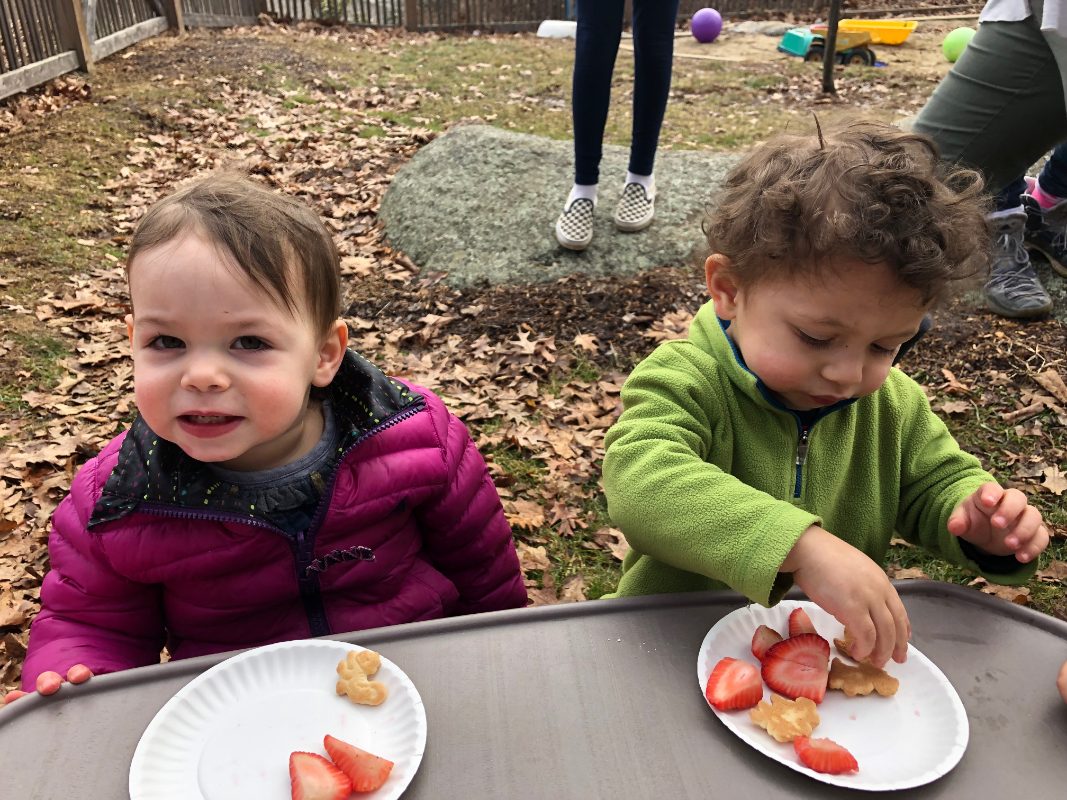
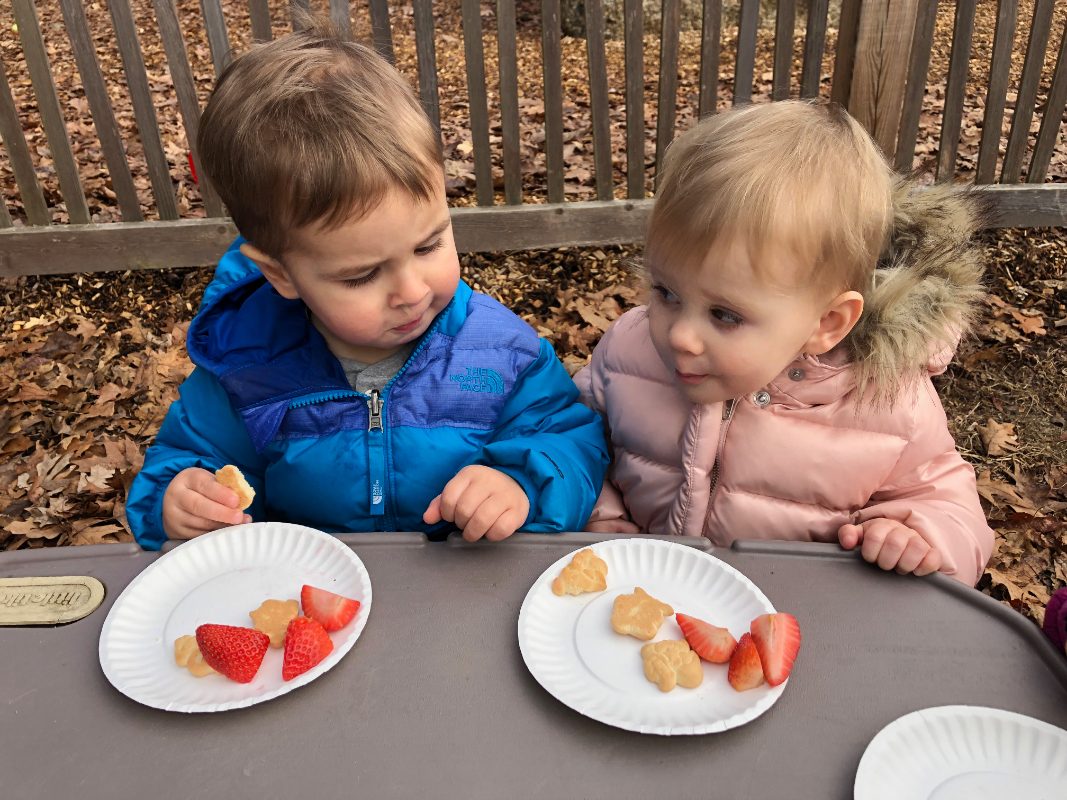
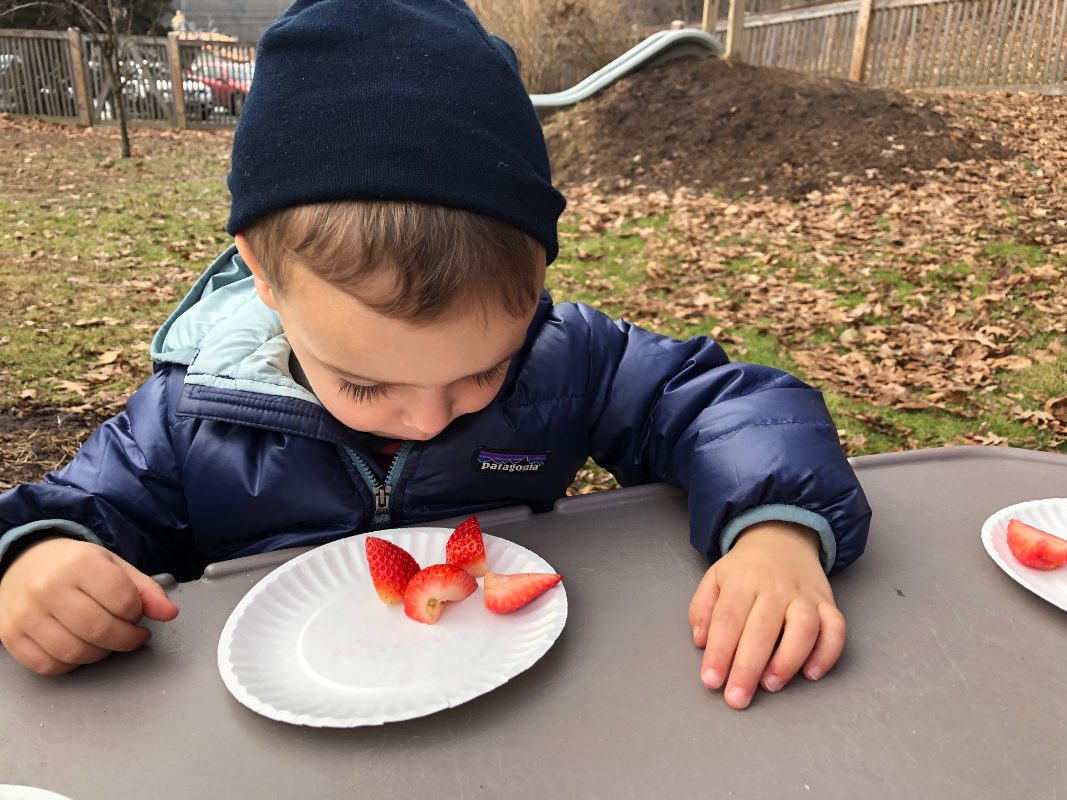
For food tasting your children tried delicious and sour lemons. They are a great source of vitamin C during the winter months. Did the children like them? Judge for yourself. Enjoy the pictures!
“The child that has had plenty of experience with matching work will be ready for the added cognitive step of sorting and categorization. Sorting, categorization and classification are all skills that we use when thinking and reasoning about the things we see, hear, touch, taste and smell. They help up to heighten our awareness, focus our attention and verbalize the patterns that we notice. The ability to sort and classify exercises the brain pathways that will later be used in mathematics, science and language.” – At Home with Montessori
Matching works in the toddler environment are essential. There are many reasons why. They bring about deep concentration which is calming and deeply satisfying for the child. It provides an opportunity to master a skill and through repetition they can demonstrate a mastery of that skill. When matching cards, children demonstrates they are capable of making the connection between the real item, the model item, and the pictorial representation. It provides the child the opportunity to think and reason, which may later transfer to other activities and behaviors. The child is given the opportunity to problem solve. Questioning and asking themselves with the satisfaction of finding the result – the answer.
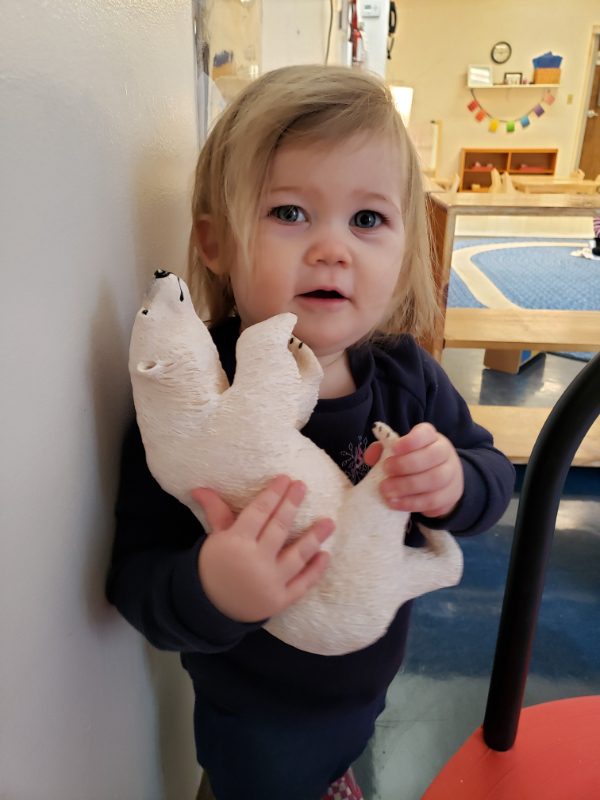
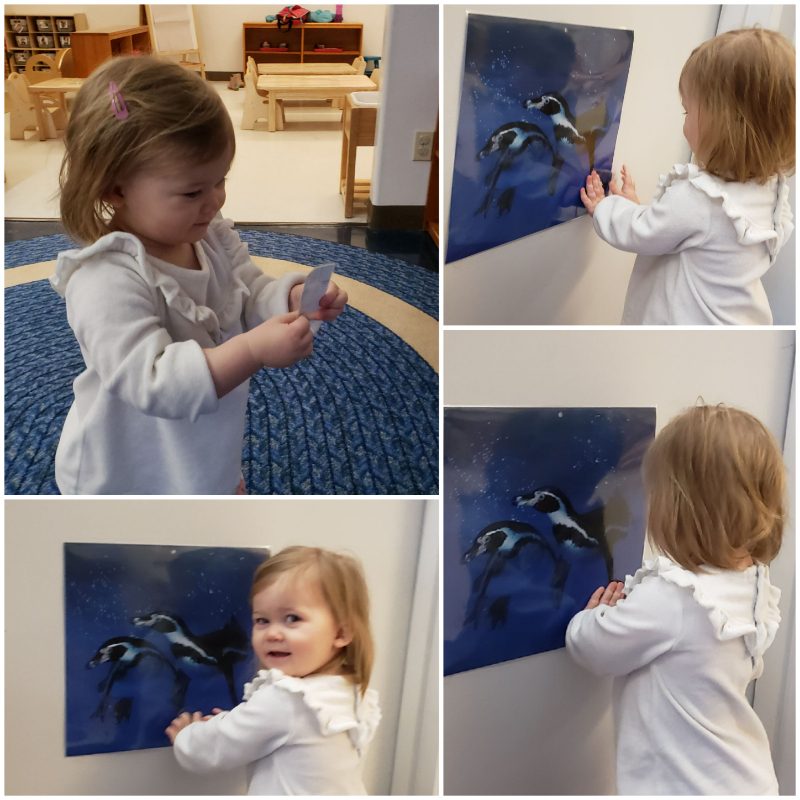
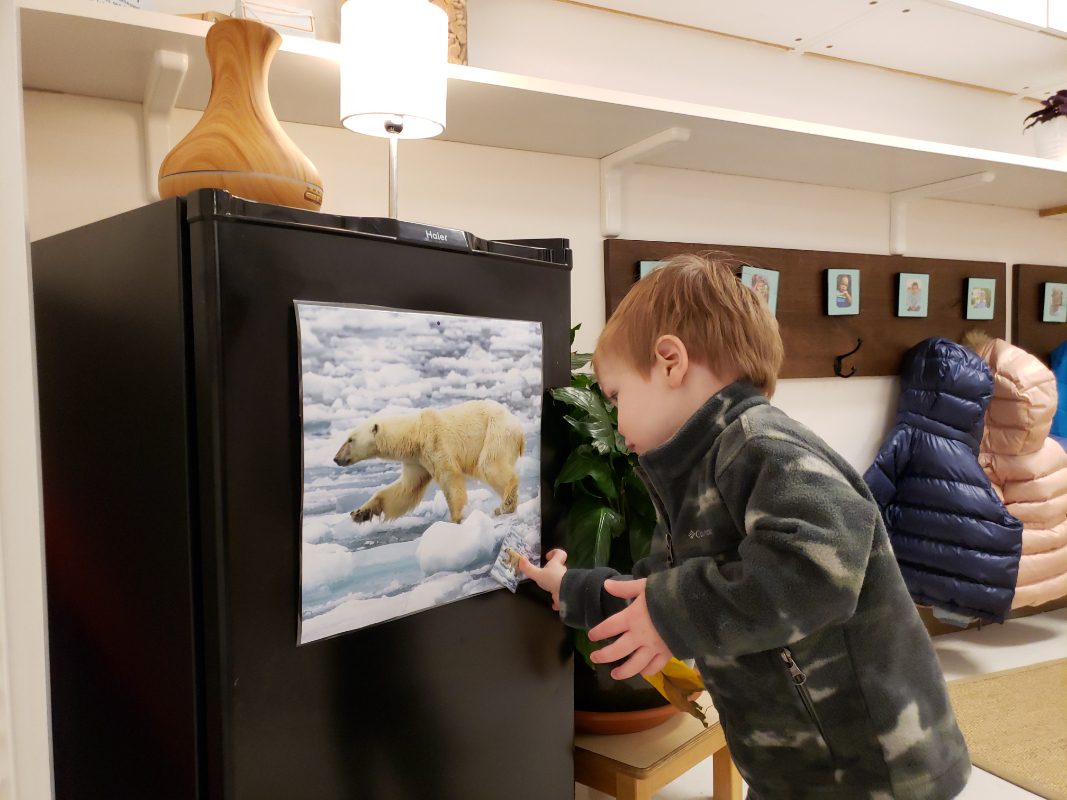
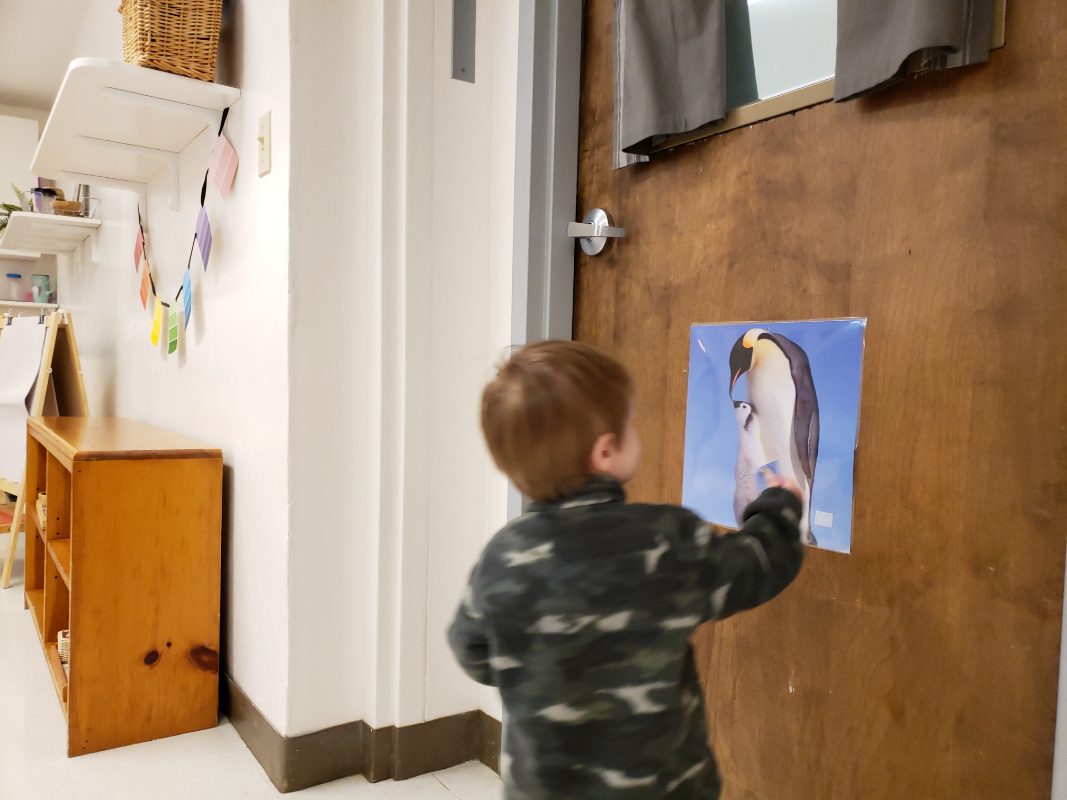
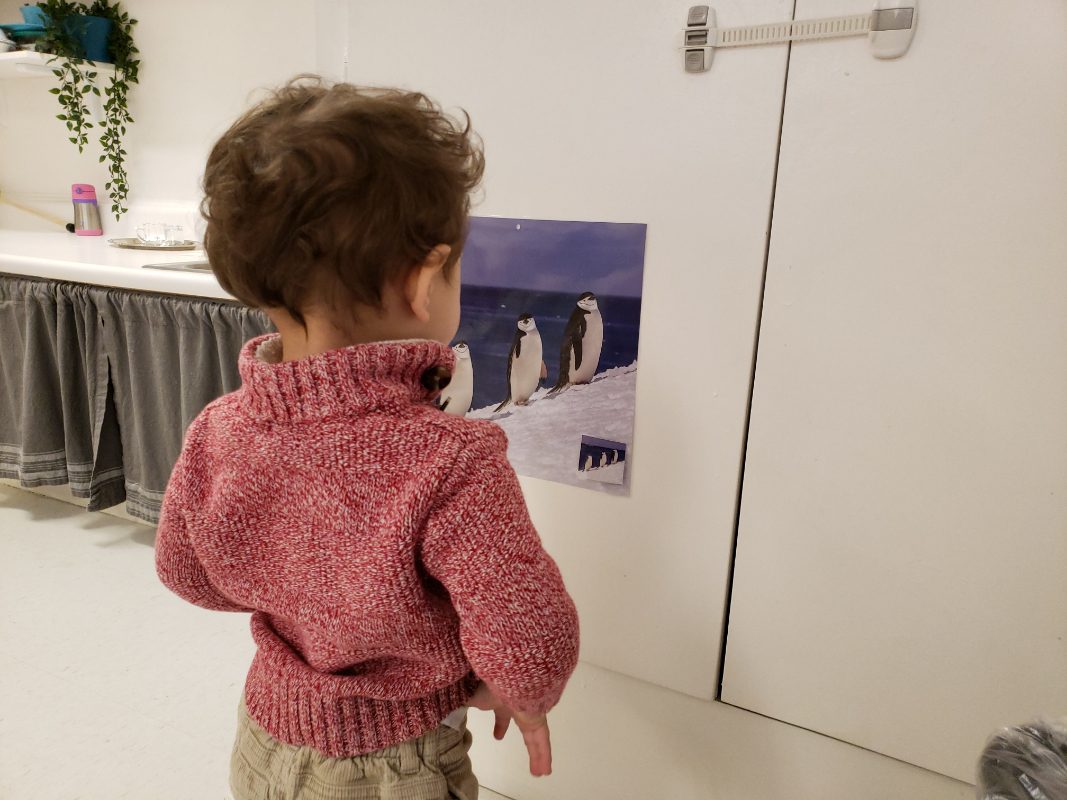
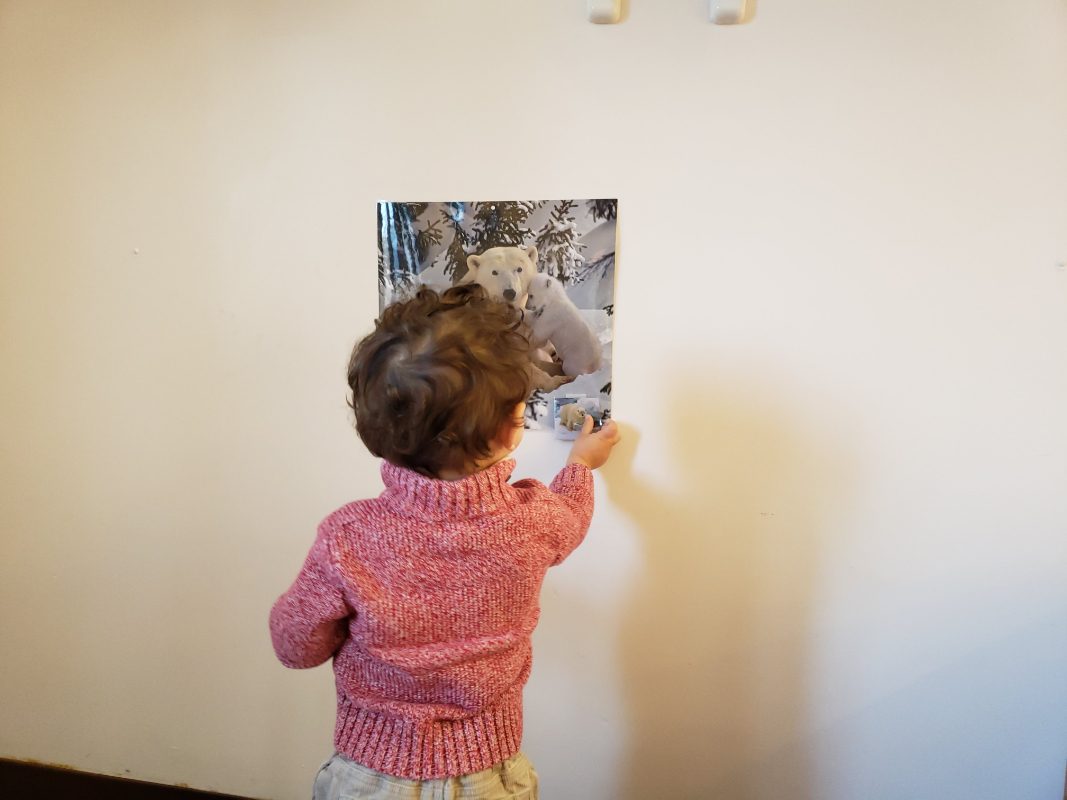
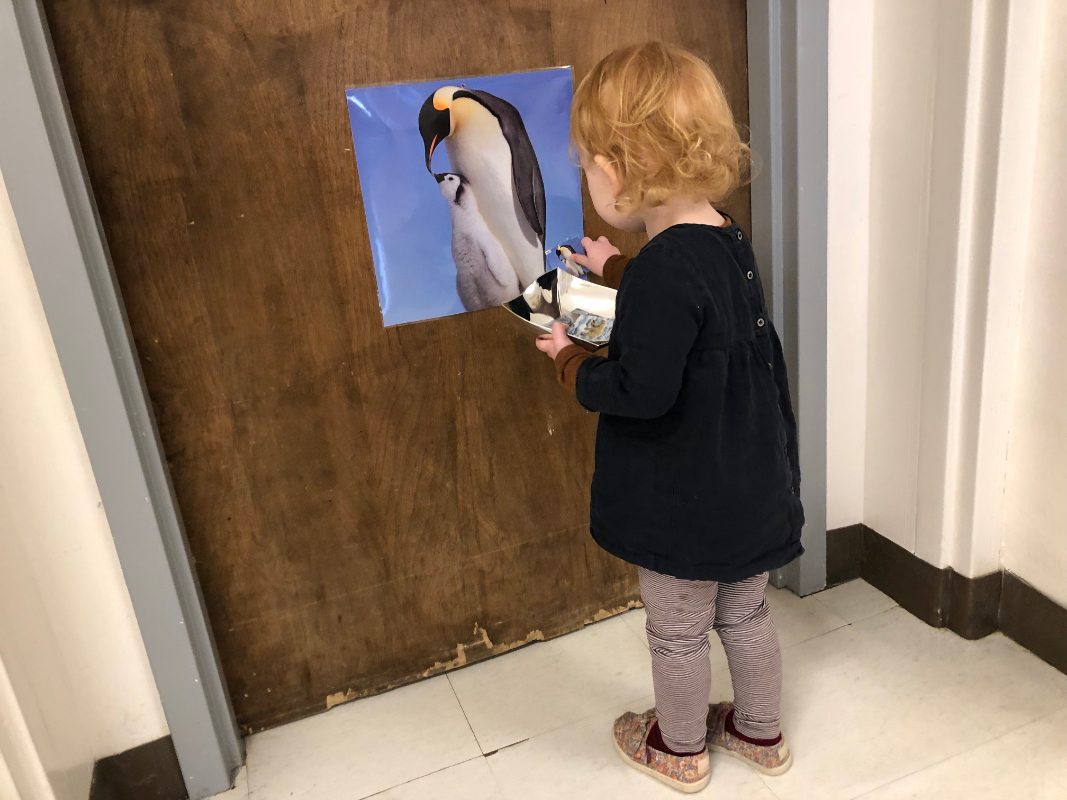
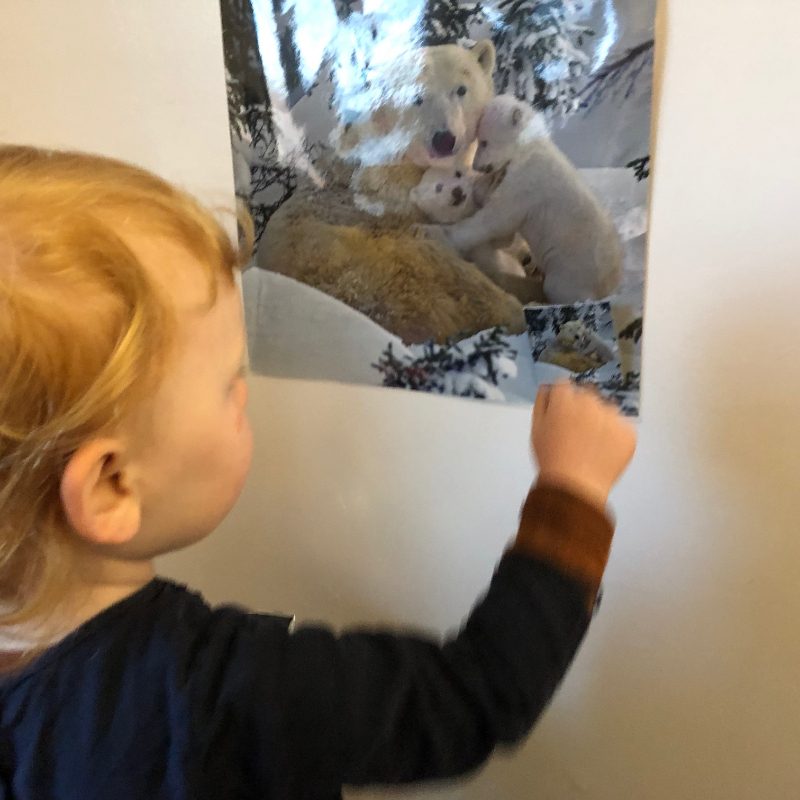
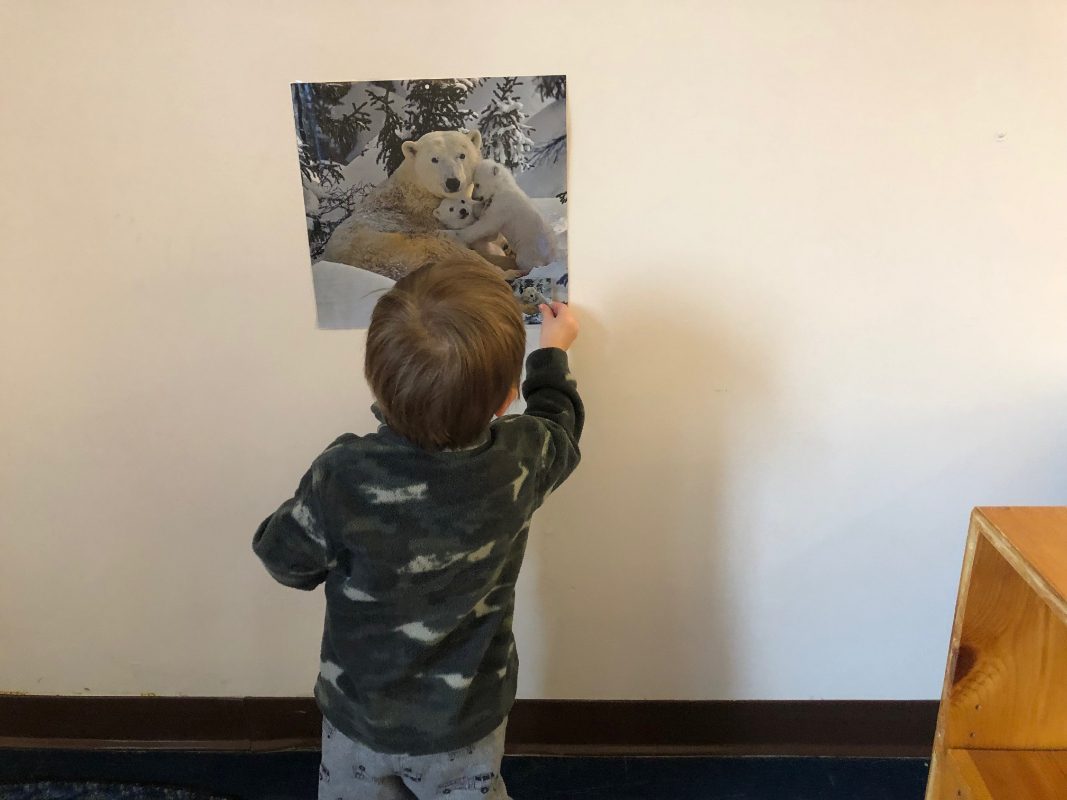
This week we added a new matching work the children already love, which also provides movement and language. We placed big pictures of polar bears and penguins around the environment and in a bowl we gathered the same amount of pictures but in a small scale. The purpose is for the child to choose a small picture and try to find its matching one while he or she walks around the classroom. This work was prepared for our older students but we were amazed that some of our younger ones were also successful at it! It’s incredible! When matching the pictures we talk about what we see in it. New language has been introduced through it: polar bear, cub, and fur, emperor, humboldt and chinstrap penguins.
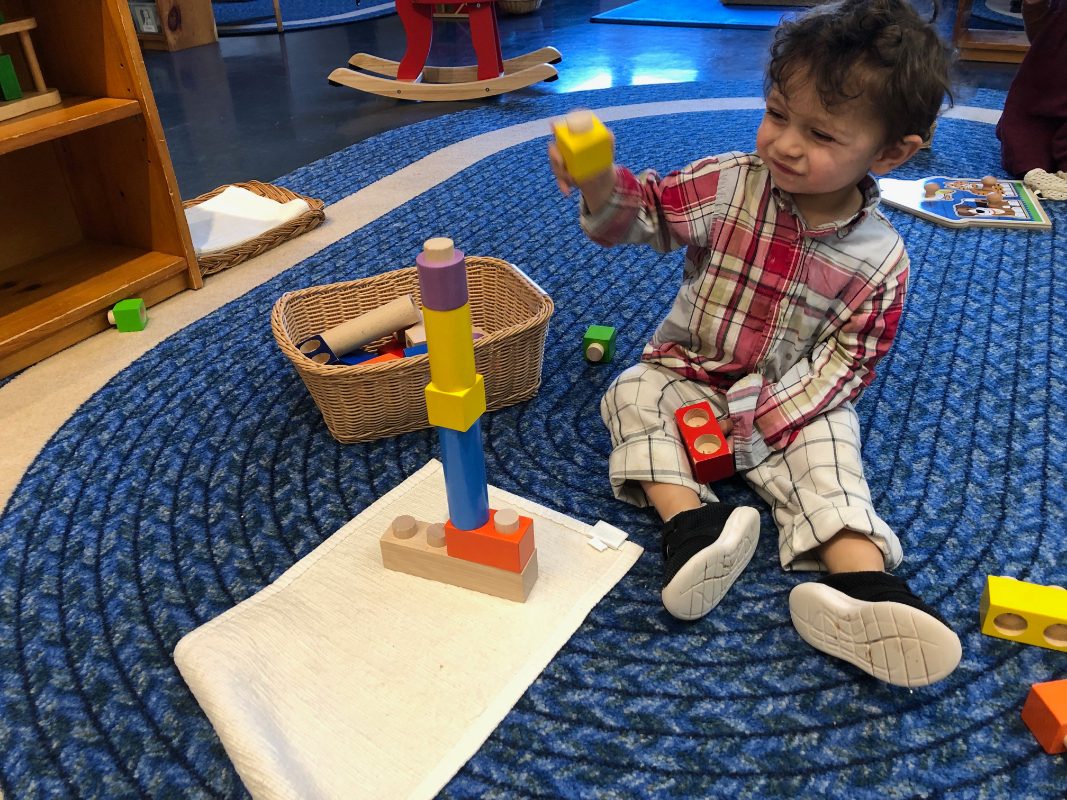
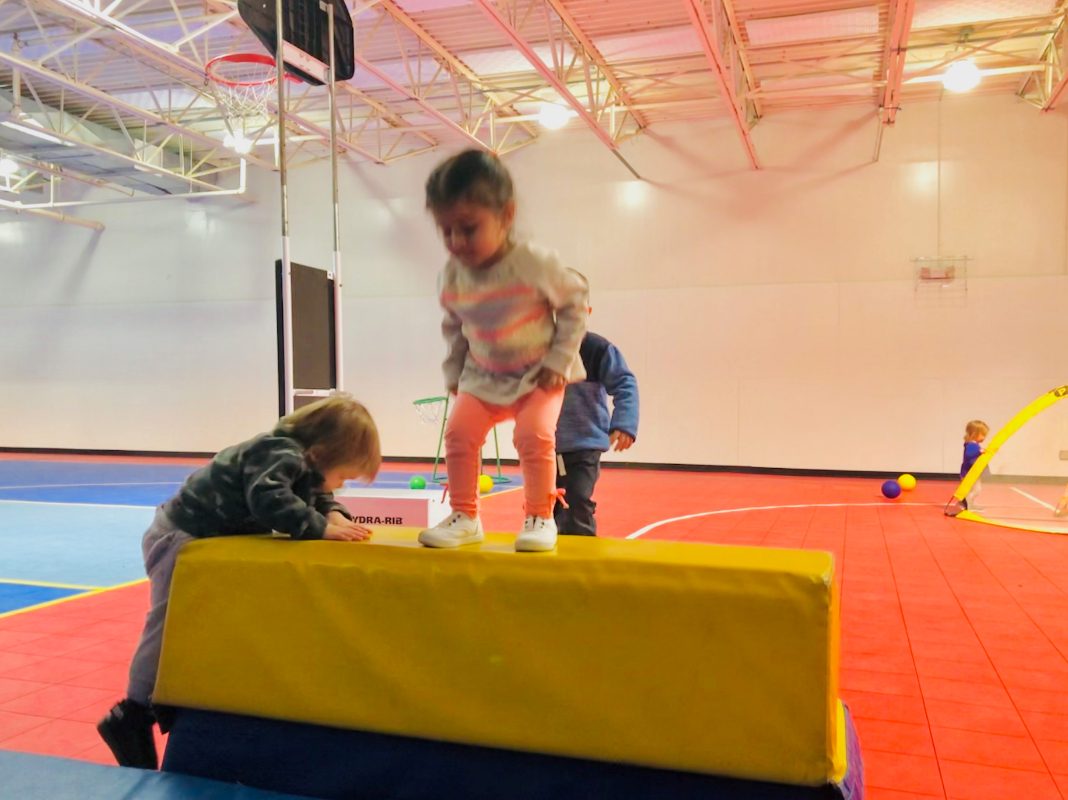
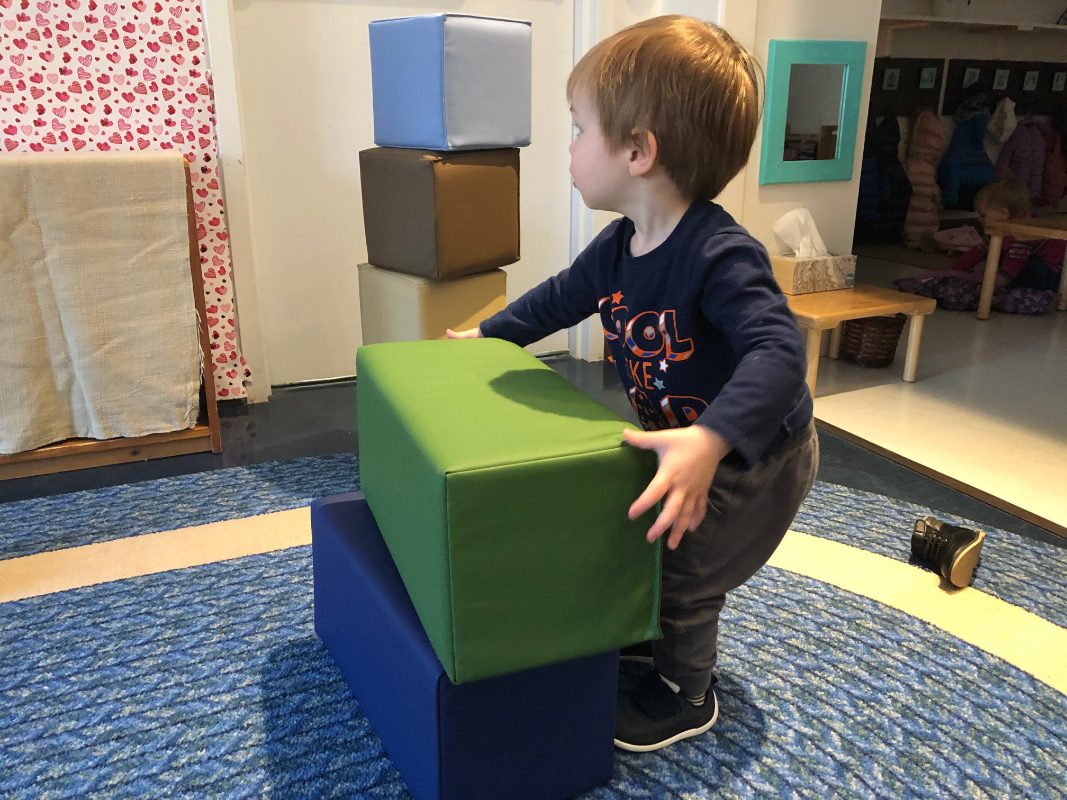
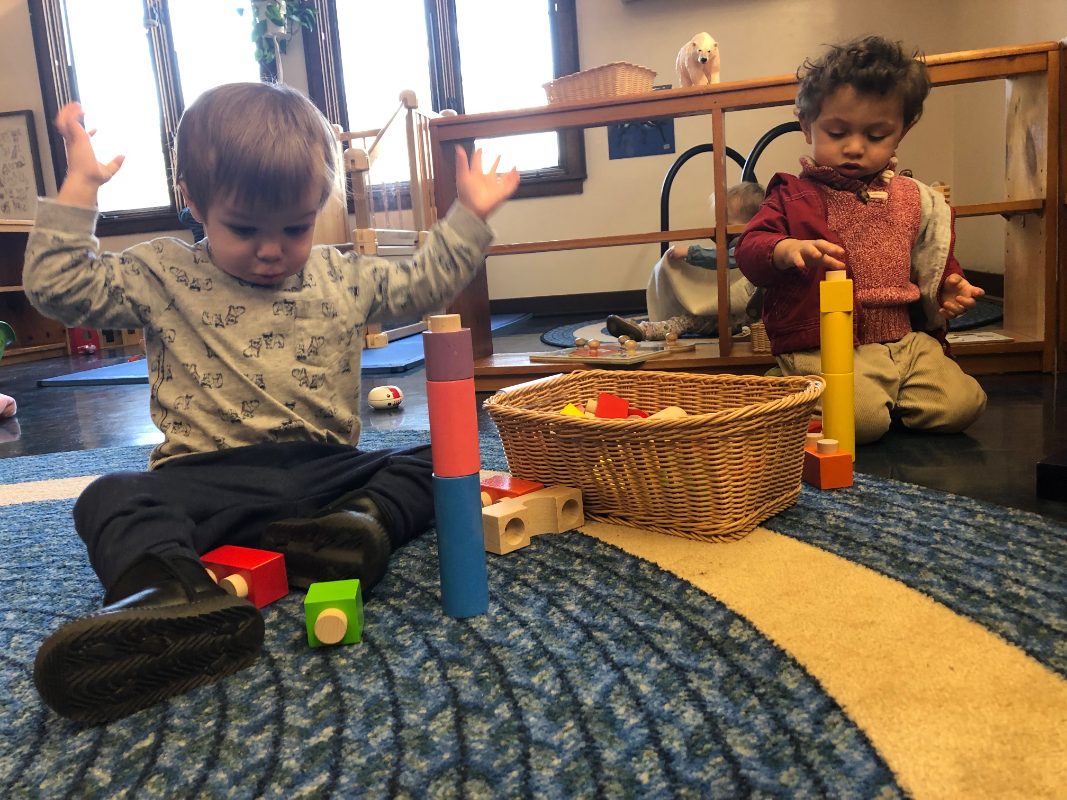
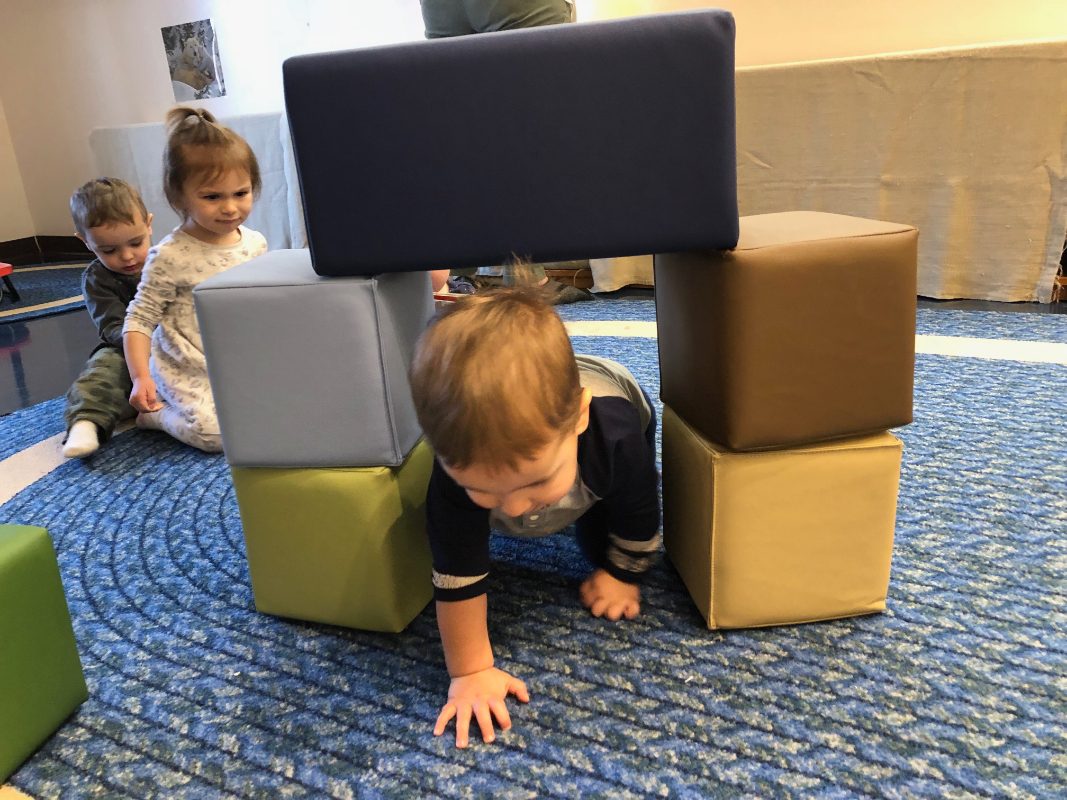
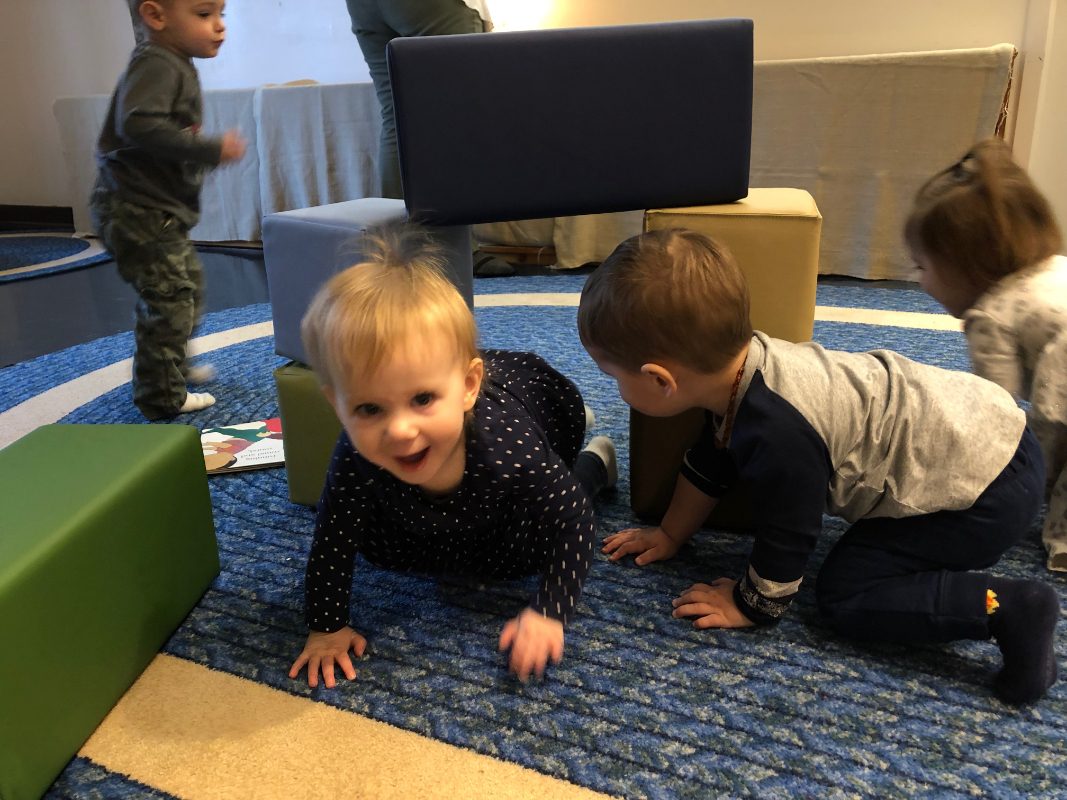
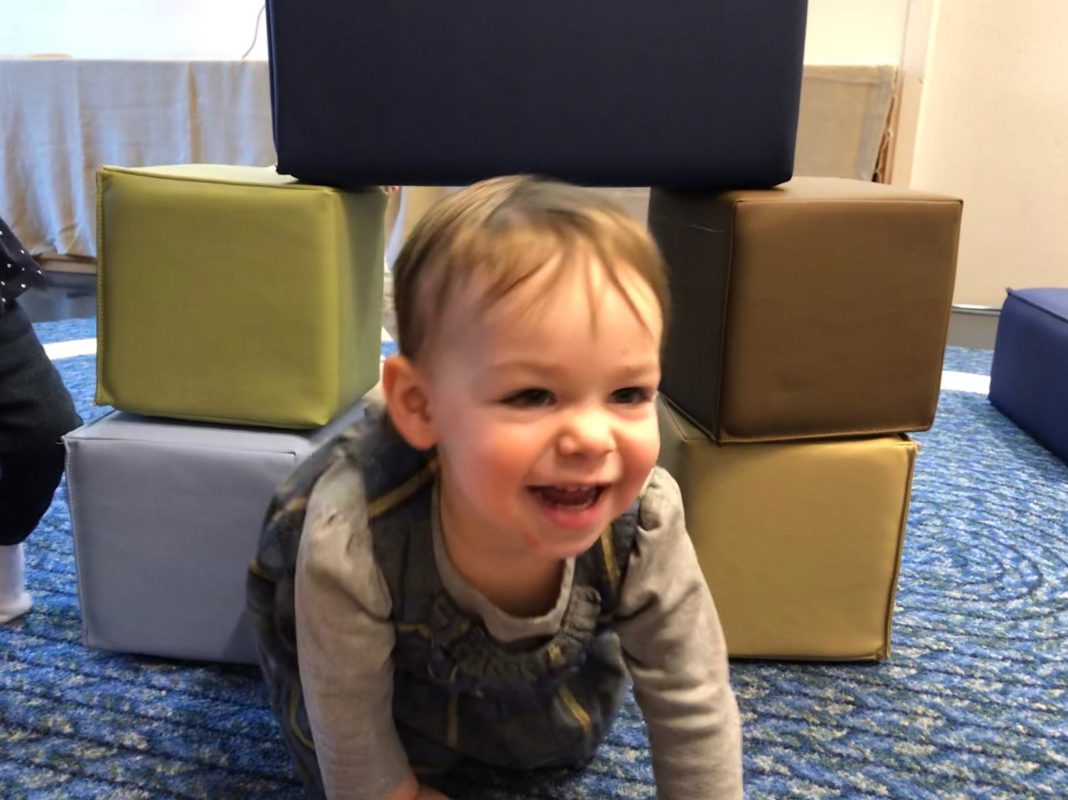
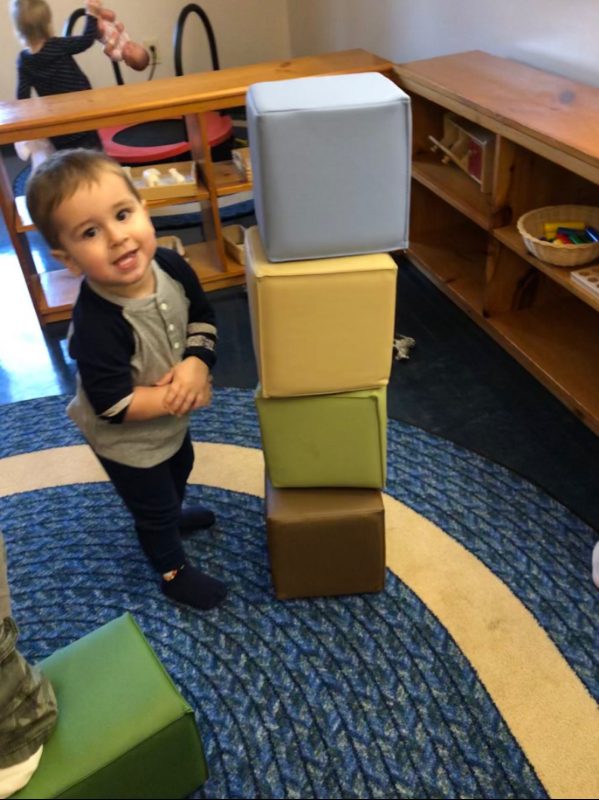
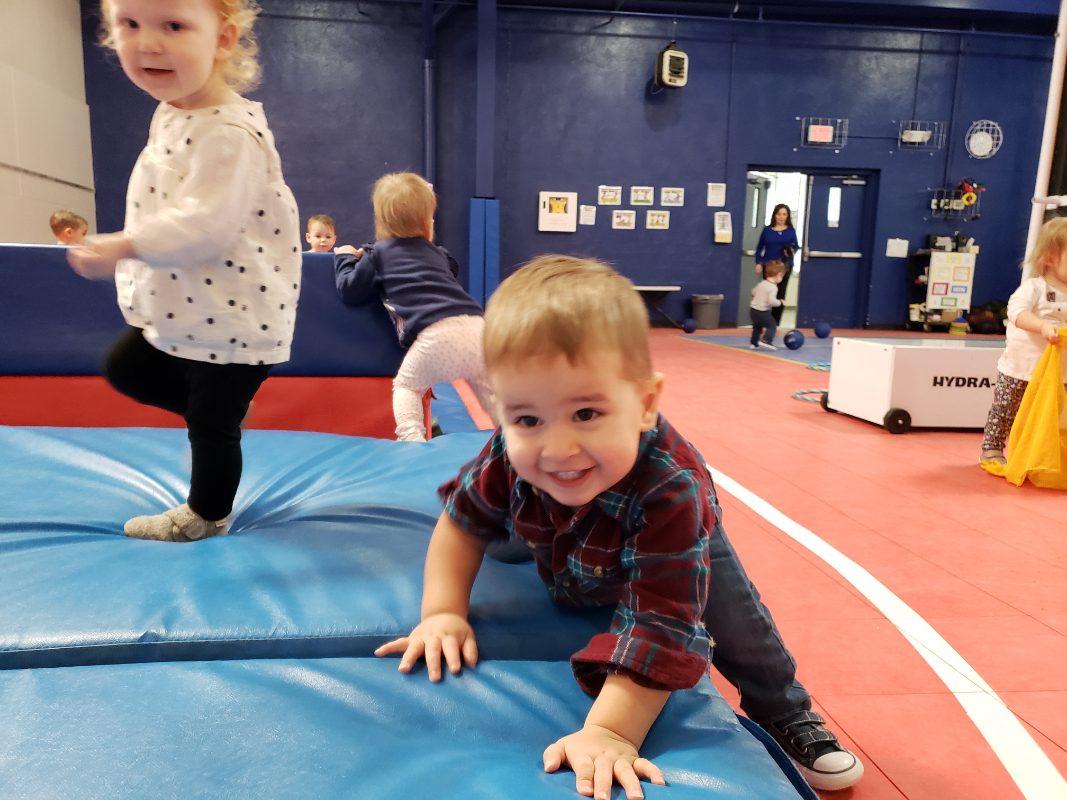
In the movement area we also introduced oversized blocks for building and imagination. Children exercise their need for maximum effort through this work. These blocks brought a lot of giggles and fun to our group playtime!
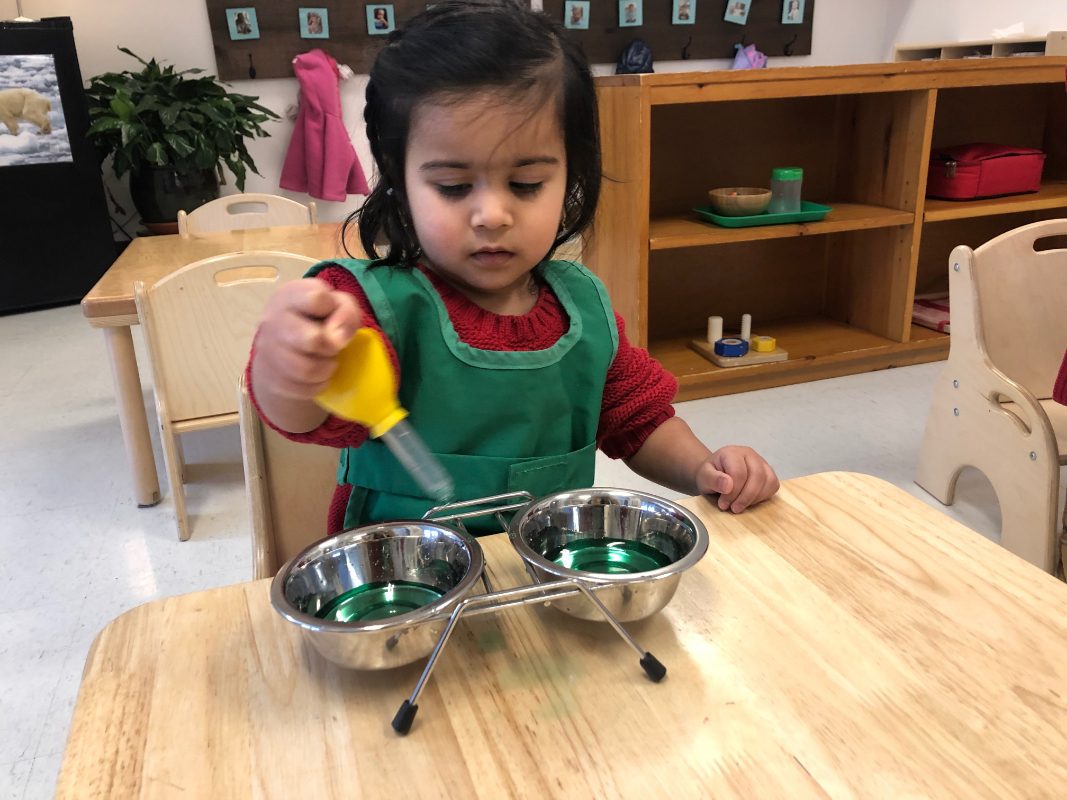
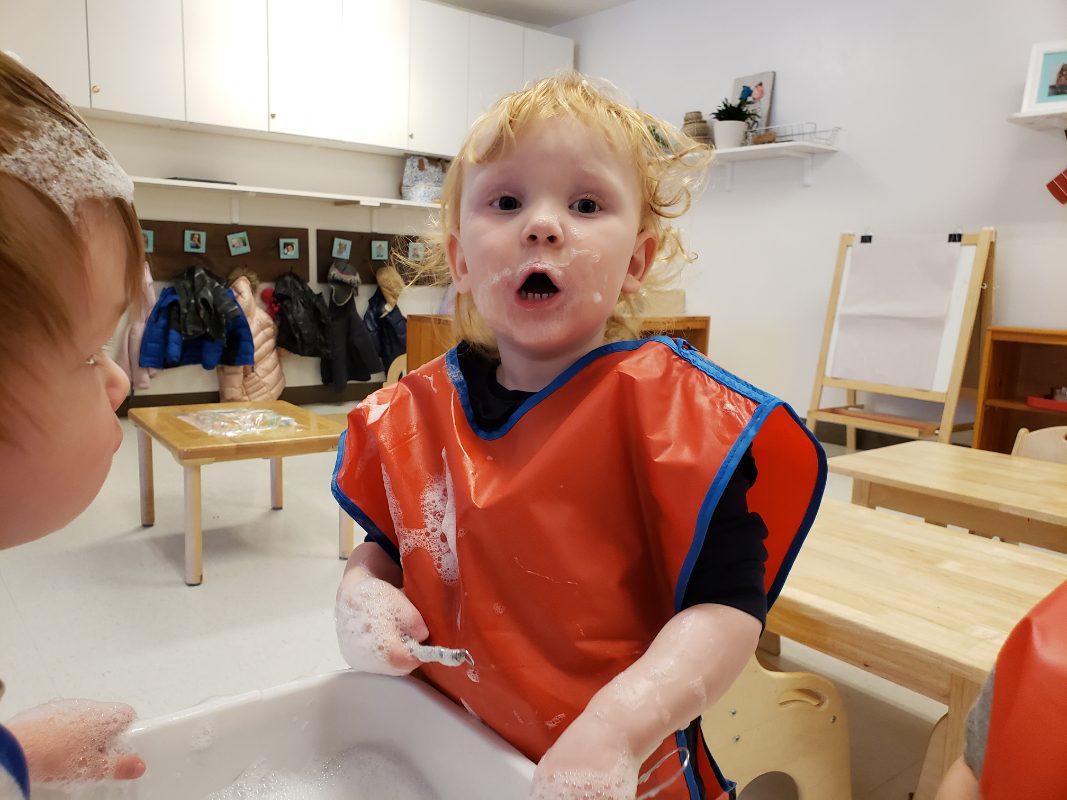
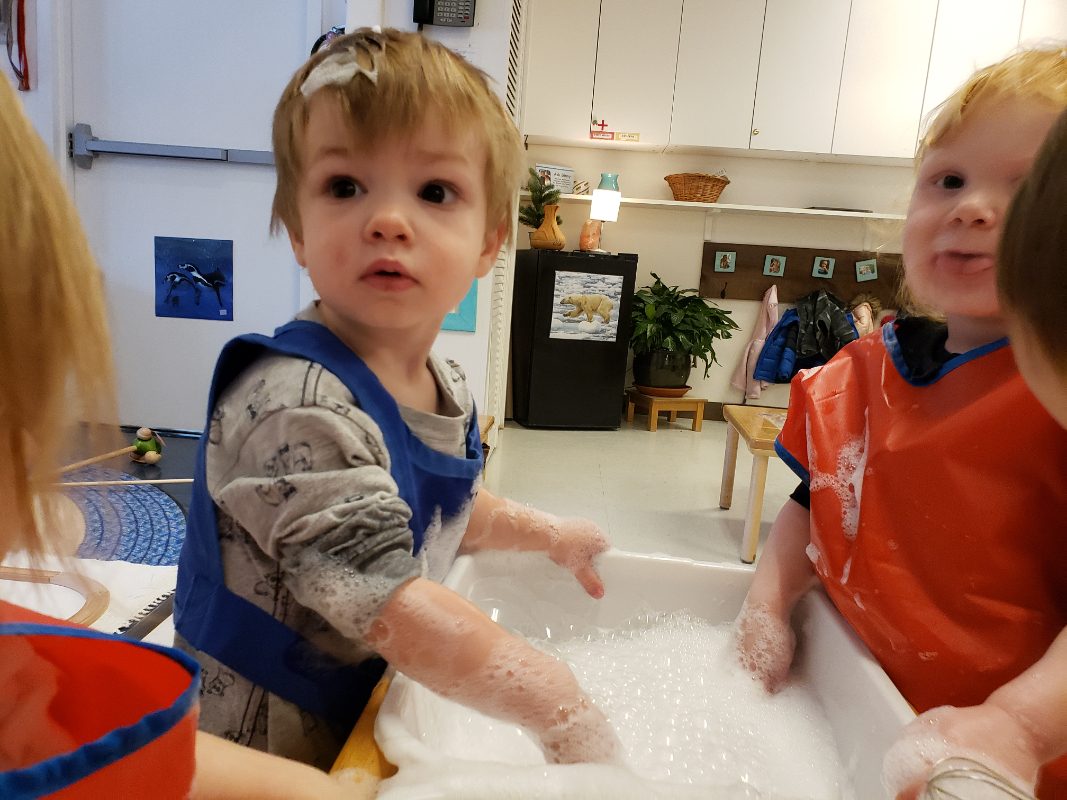
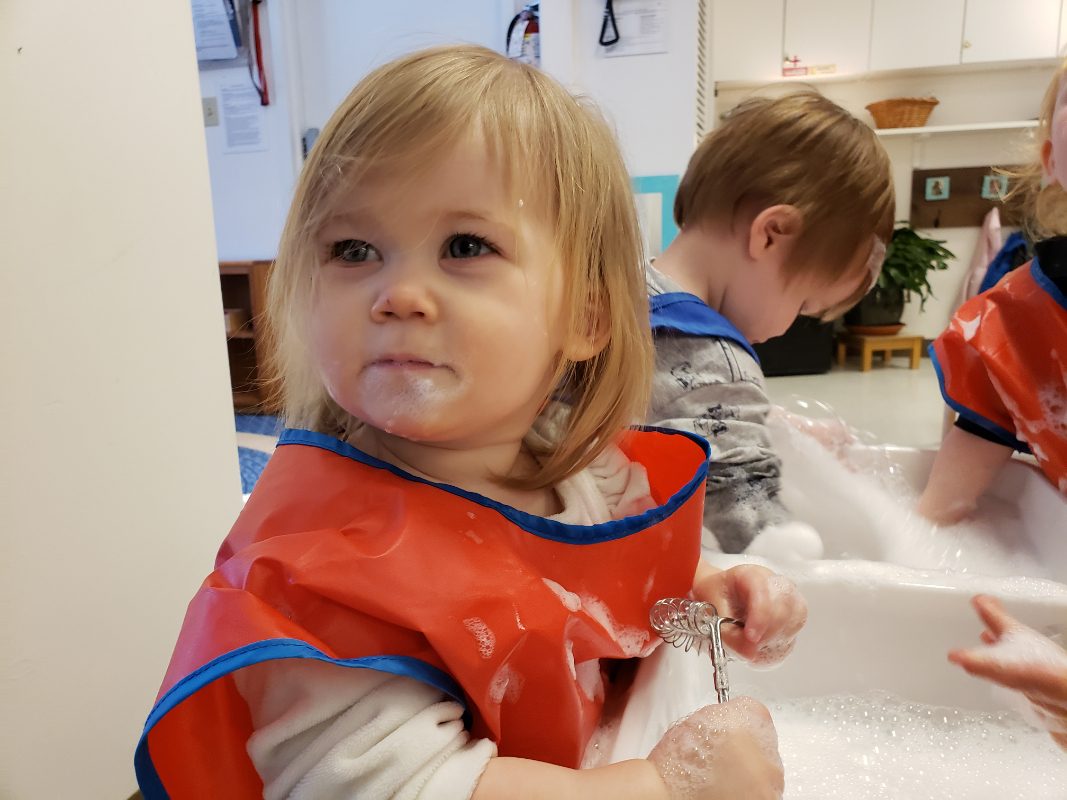
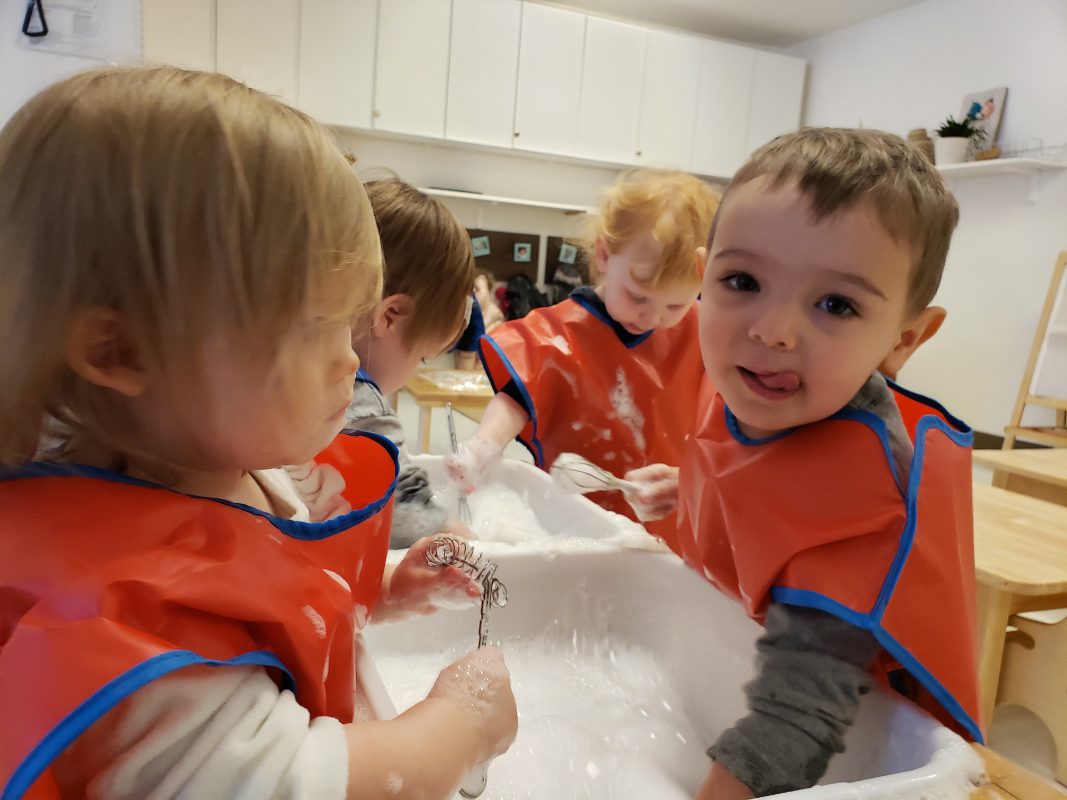
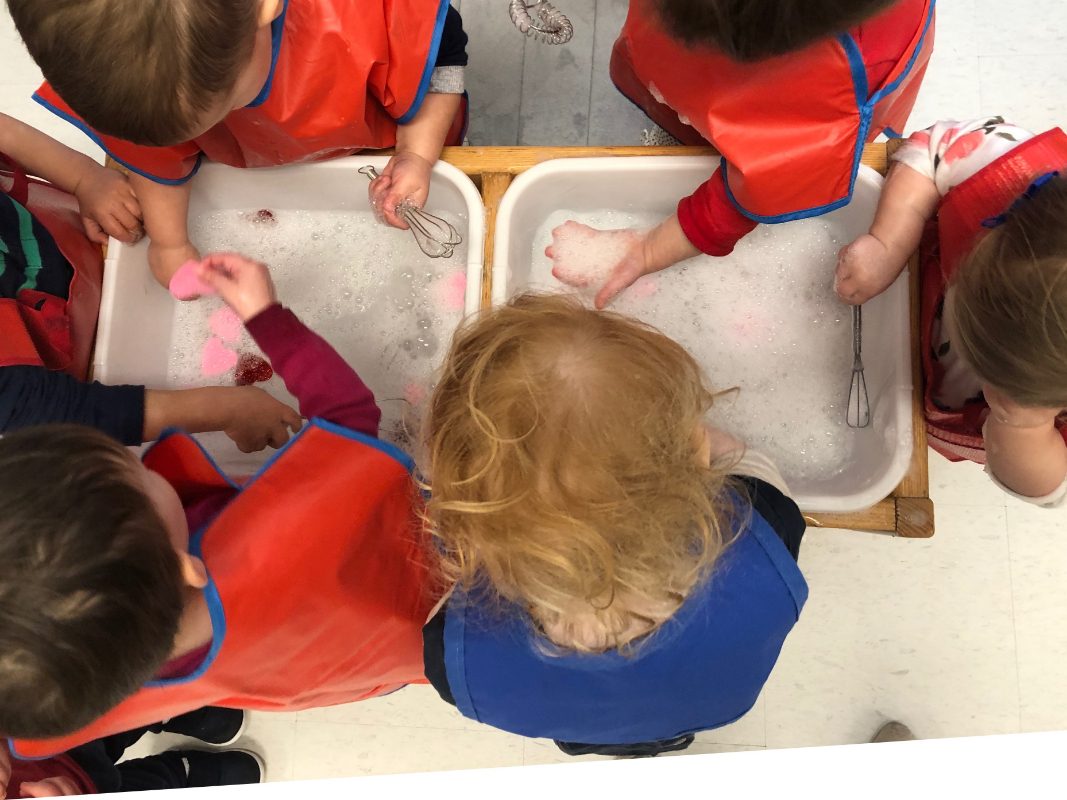
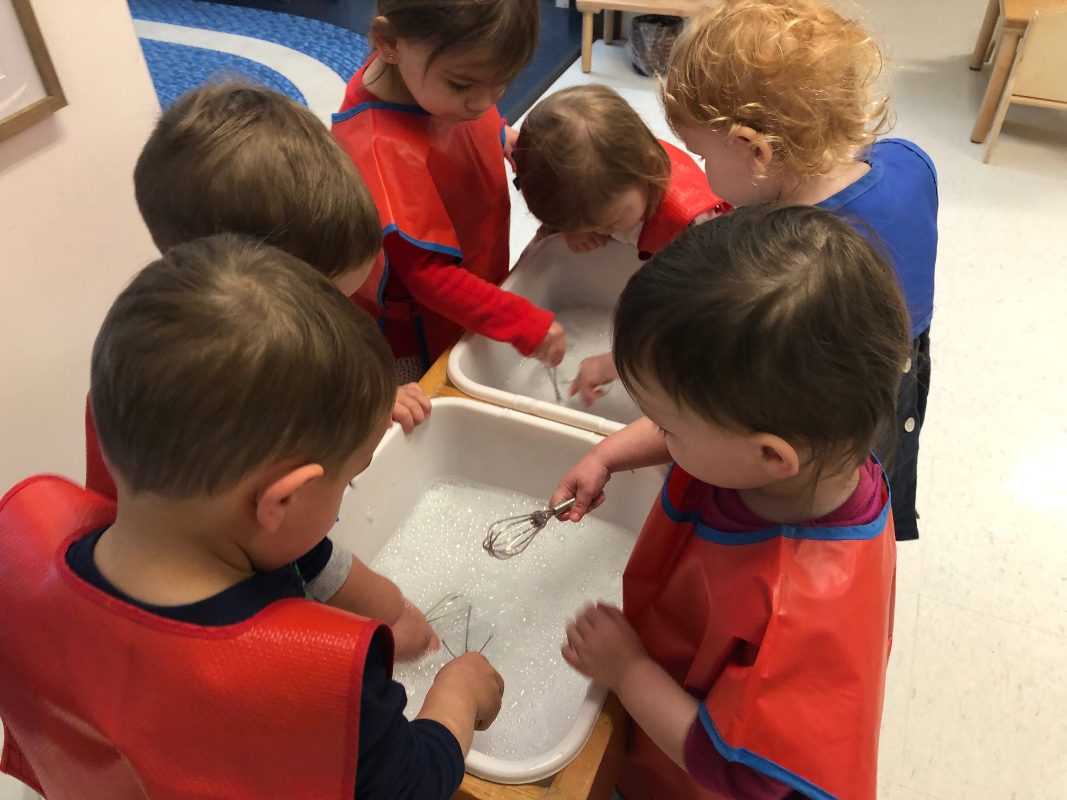
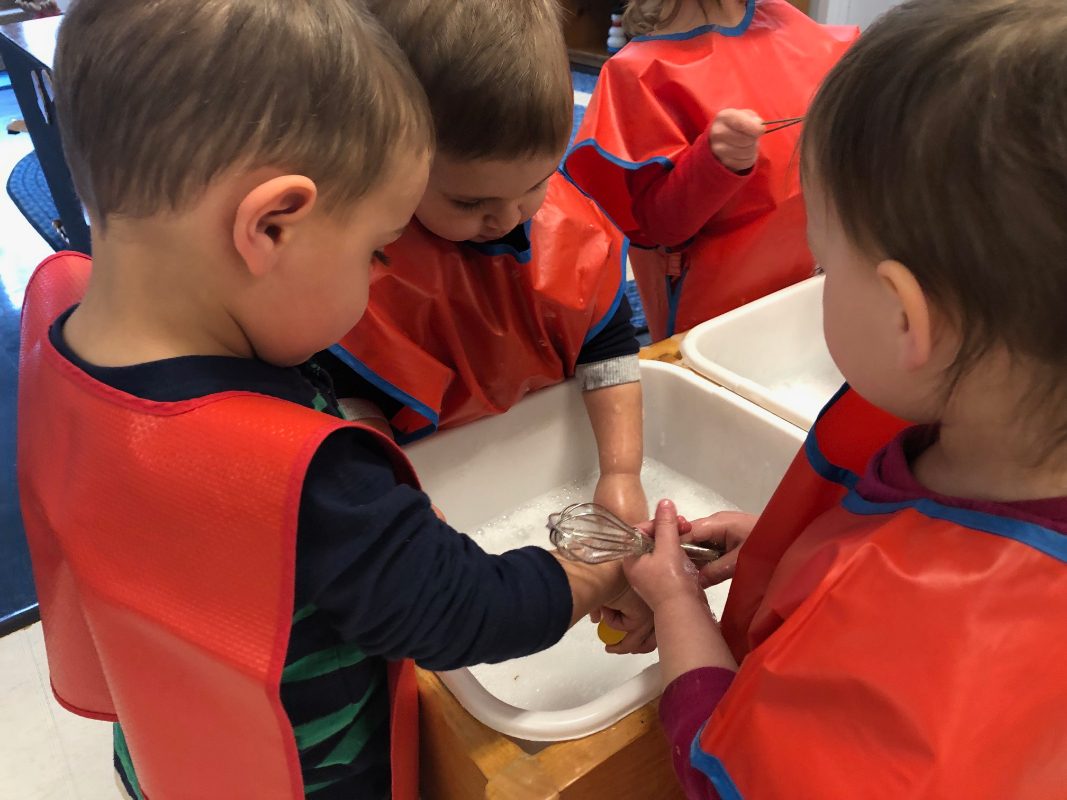
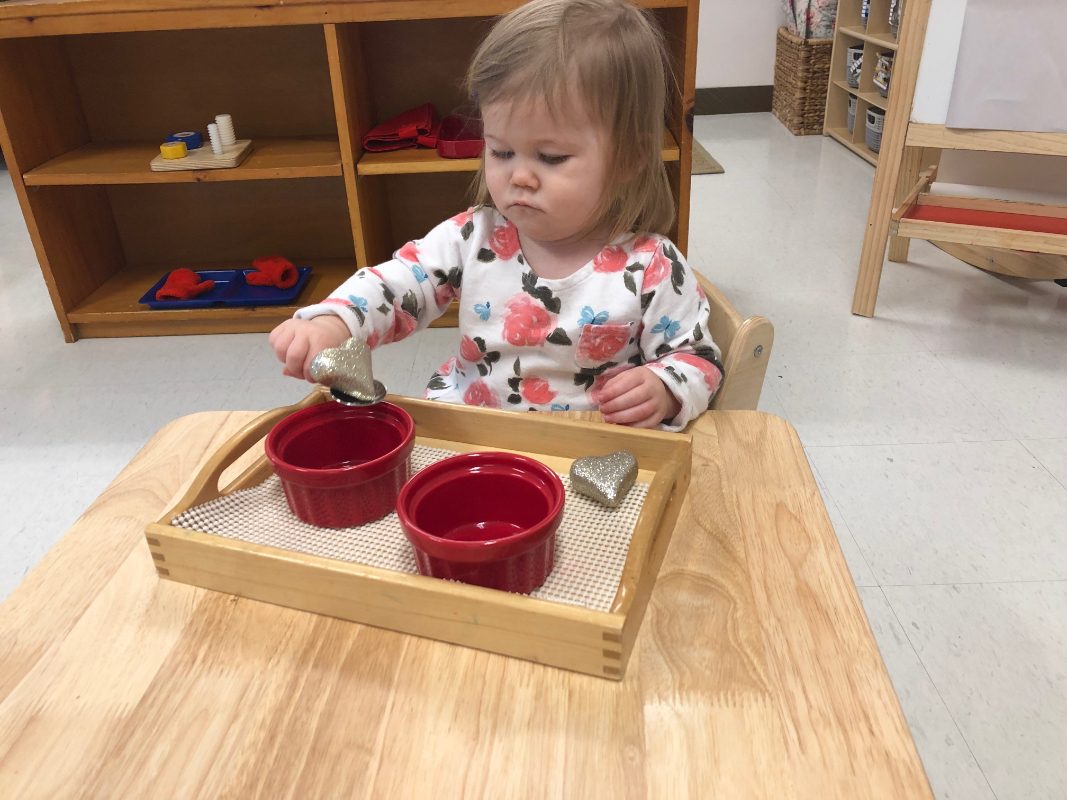
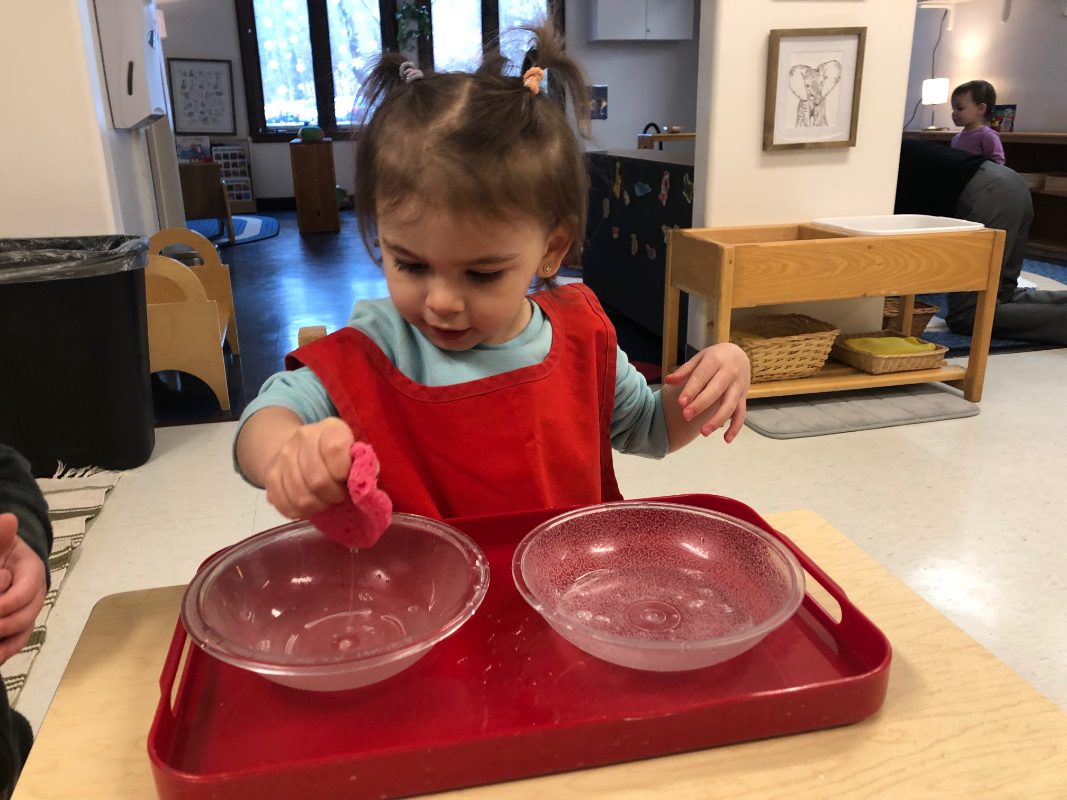
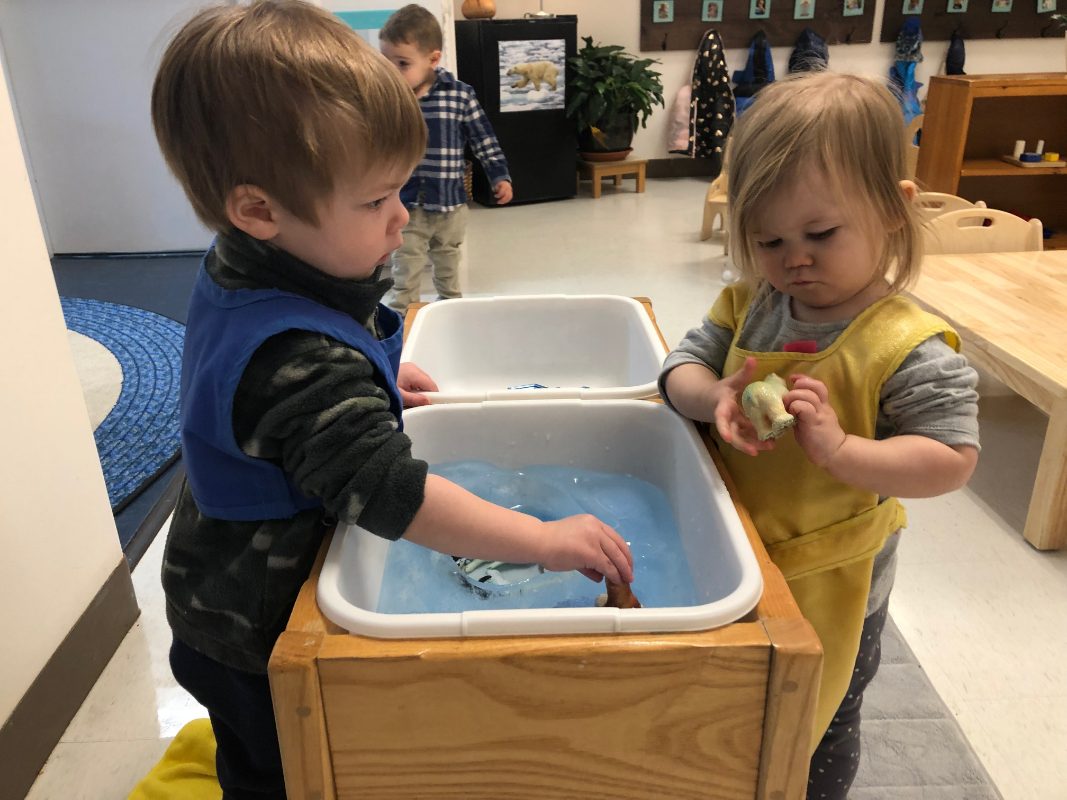
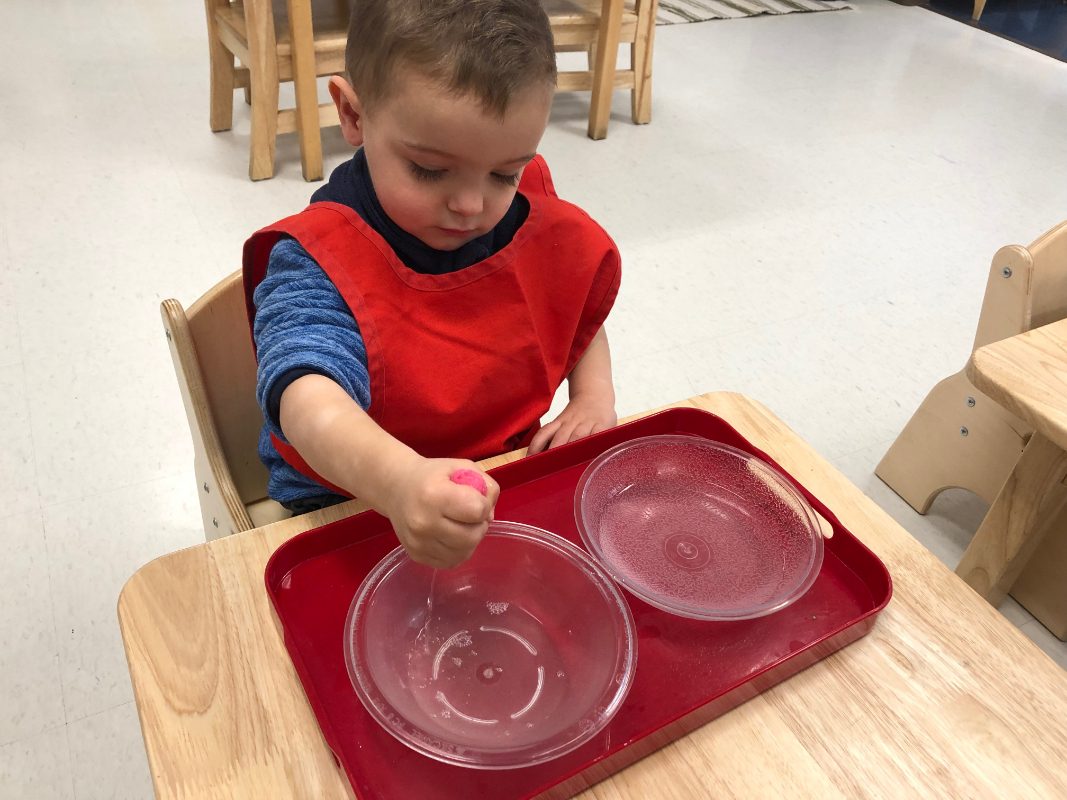
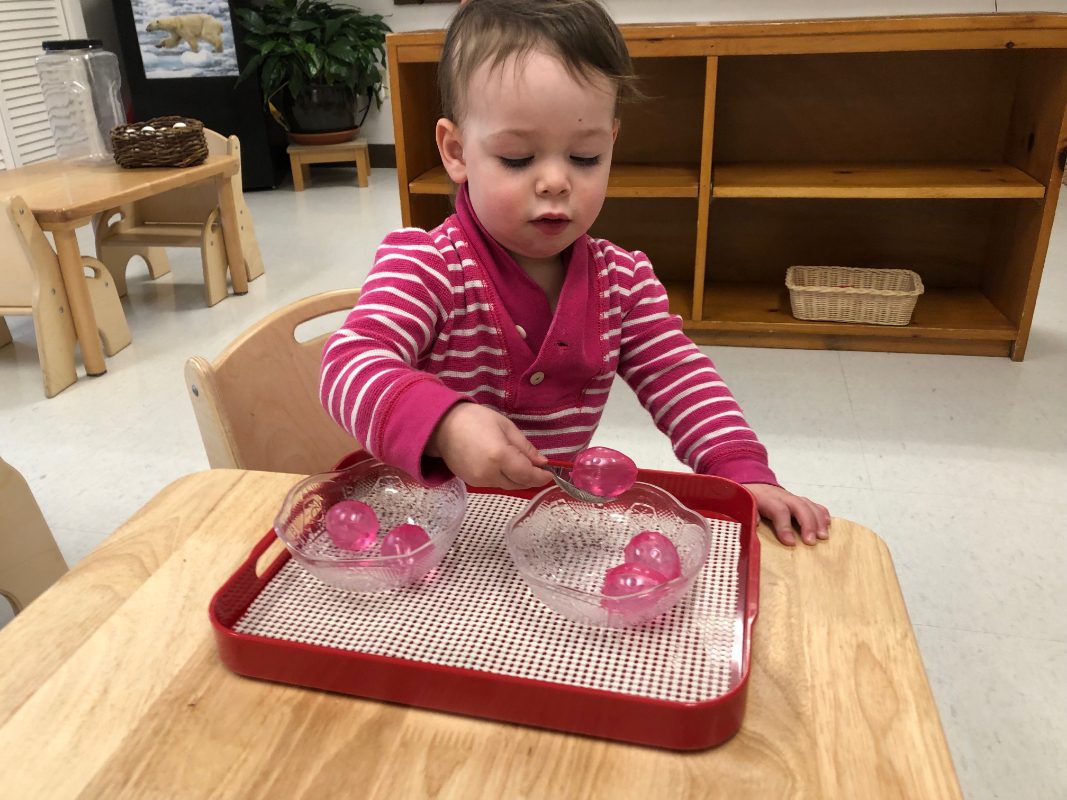
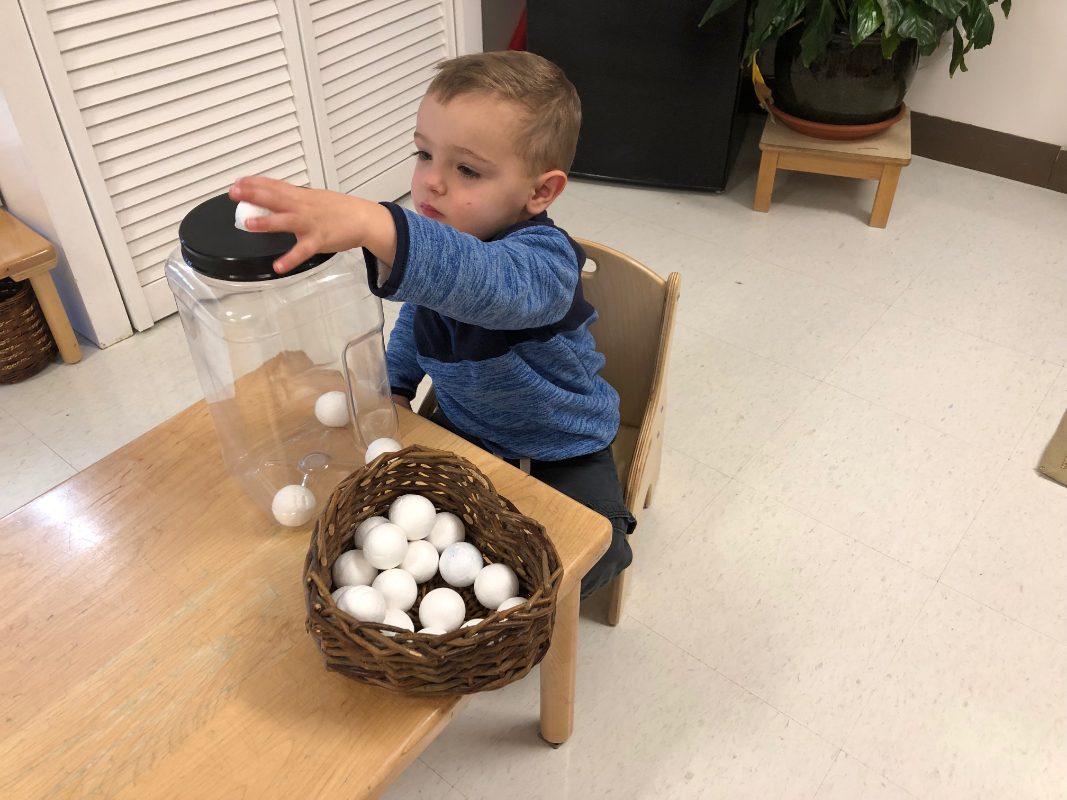
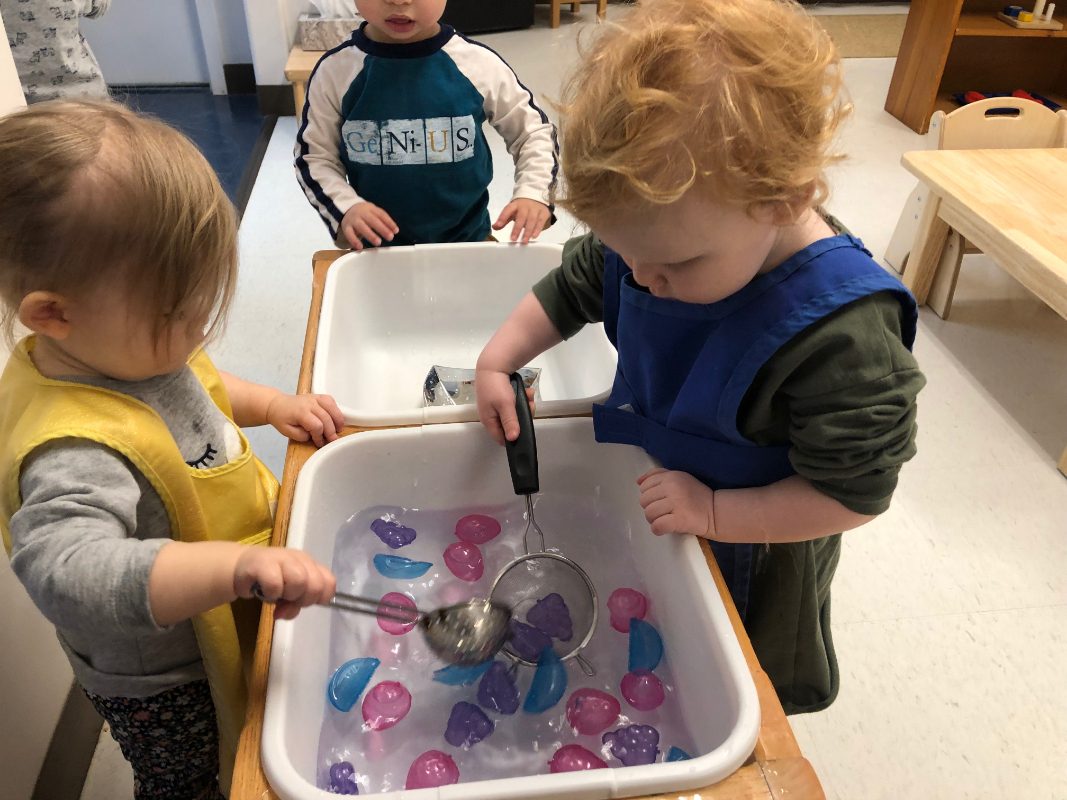
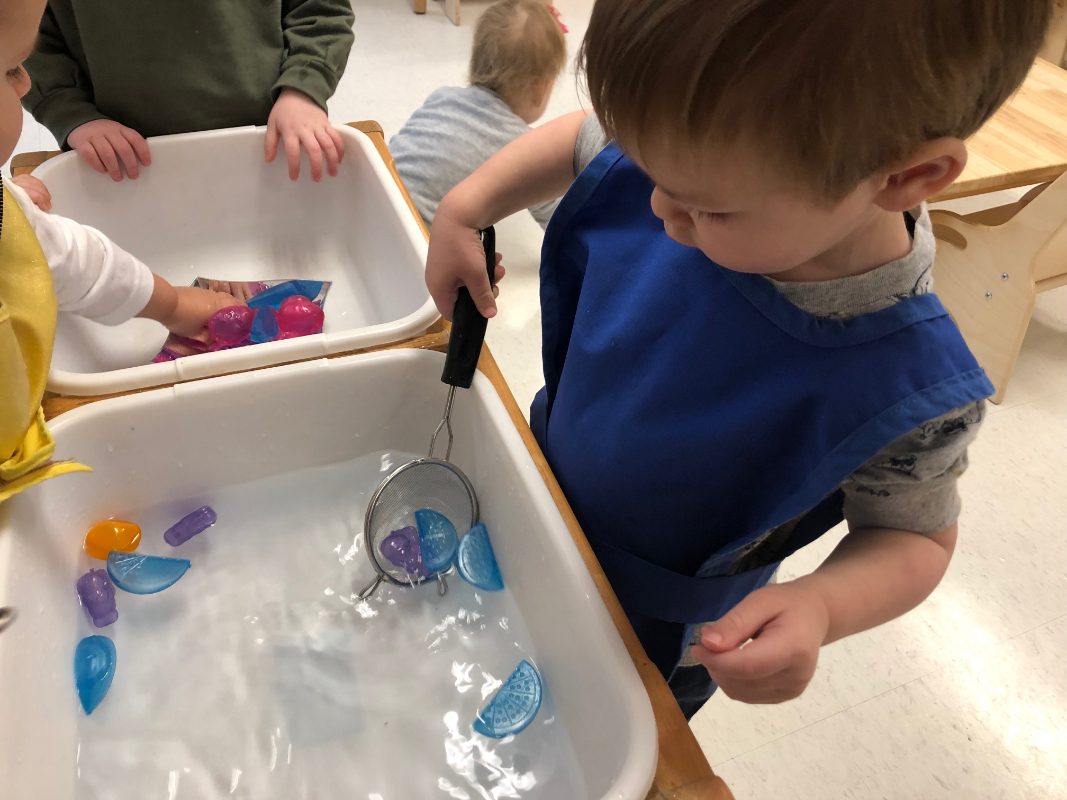
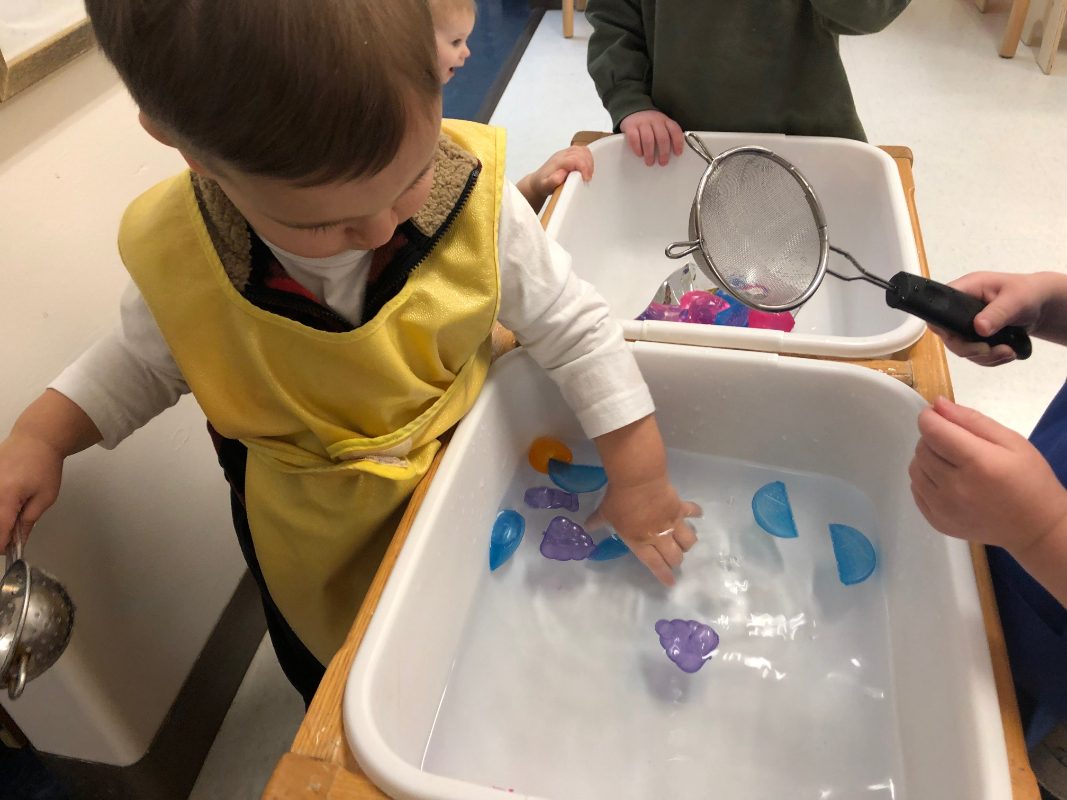
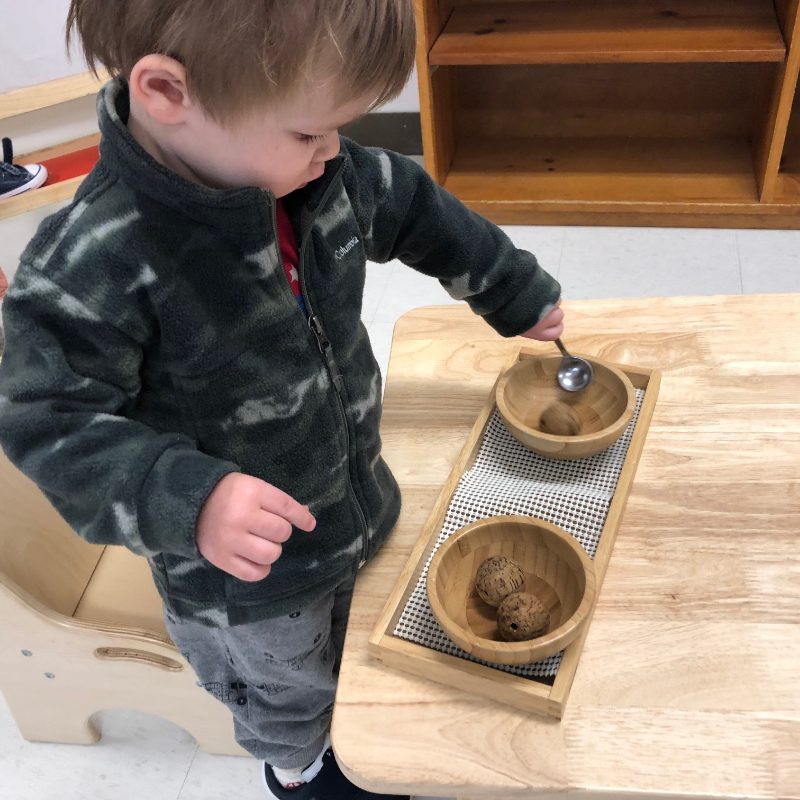
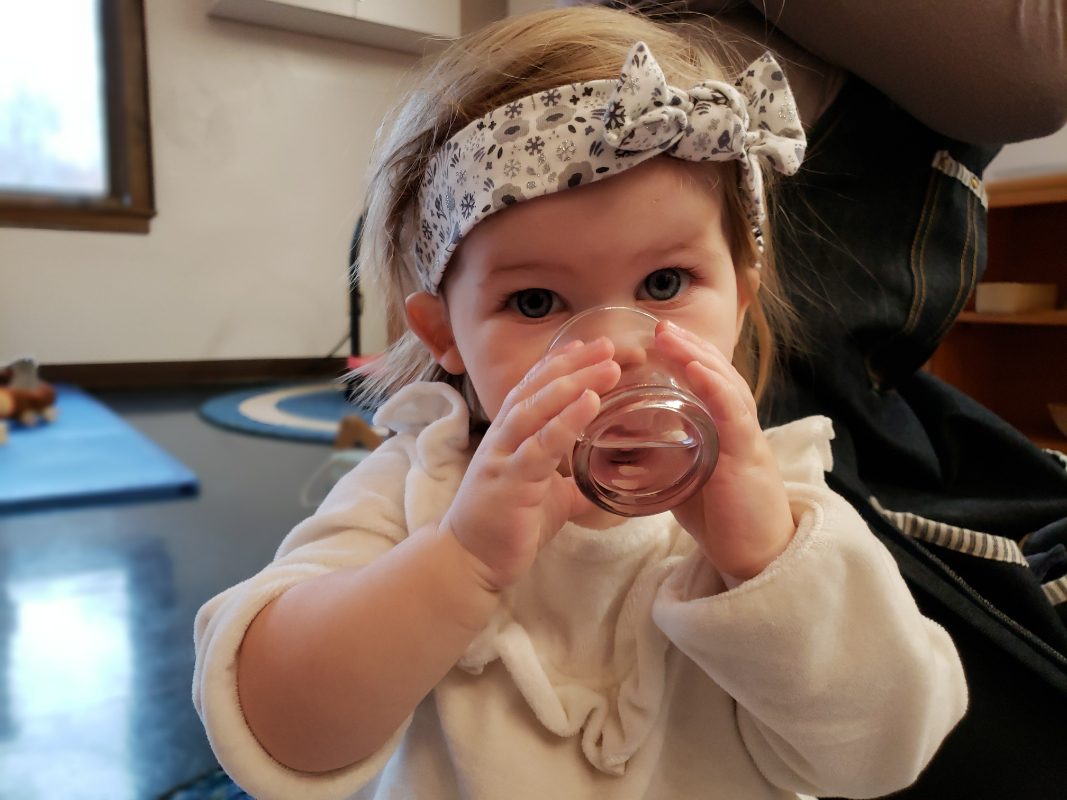
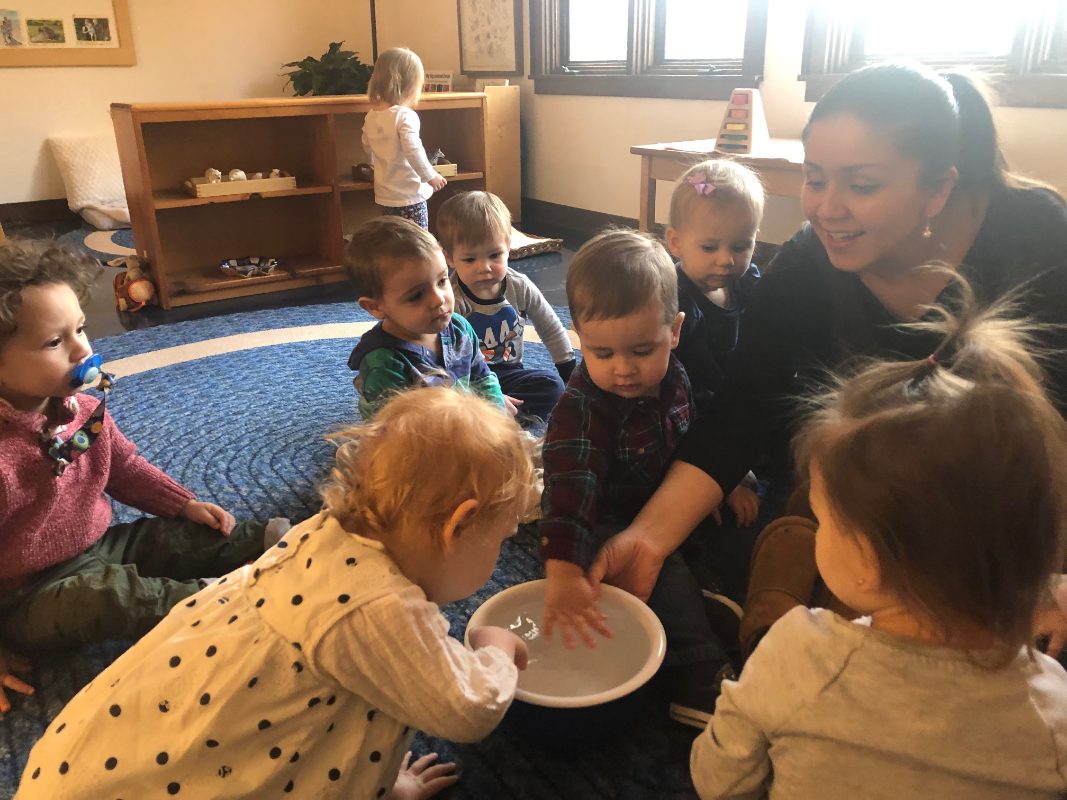
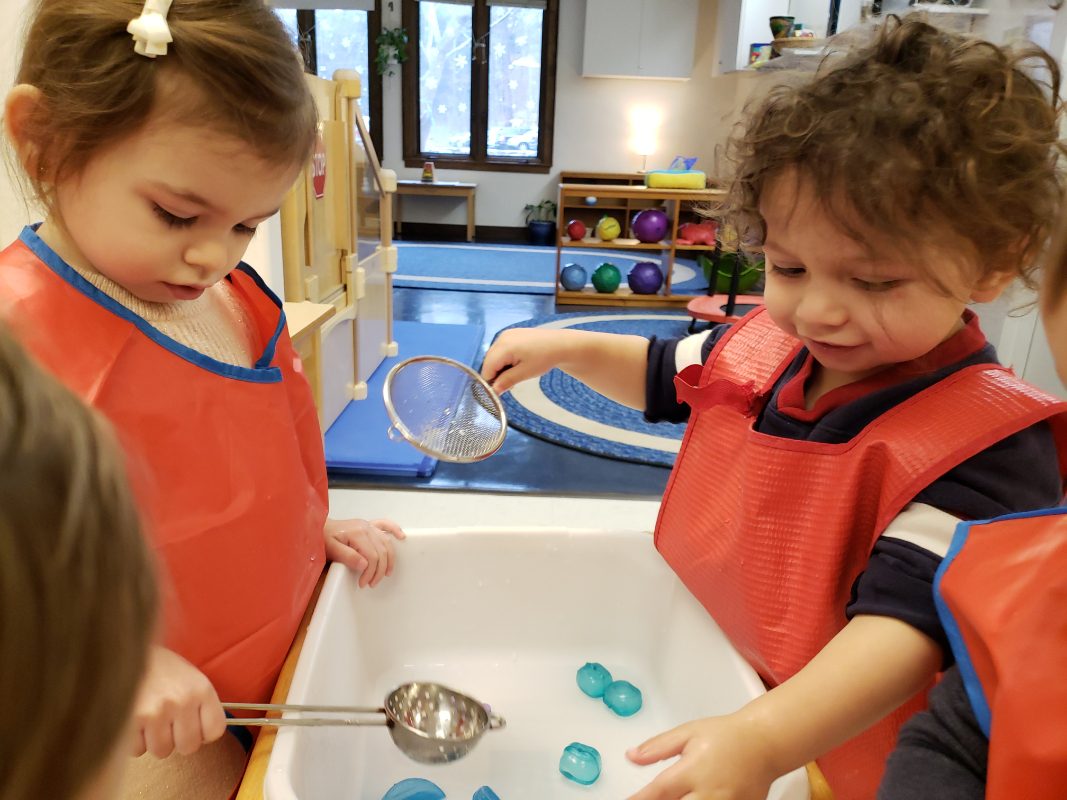
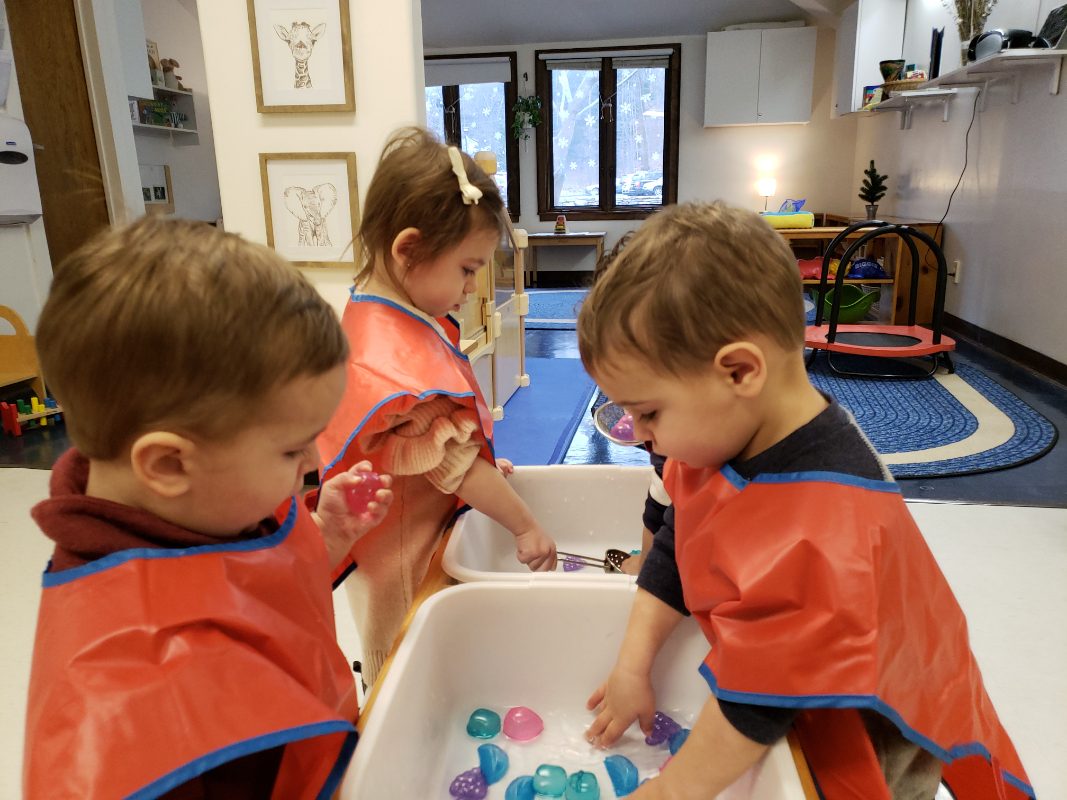
In Practical life we introduced water transferring and we have worked a lot on how to respect our water works. Children love water and these type of works bring calmness and satisfaction while strengthening their concentration skills.
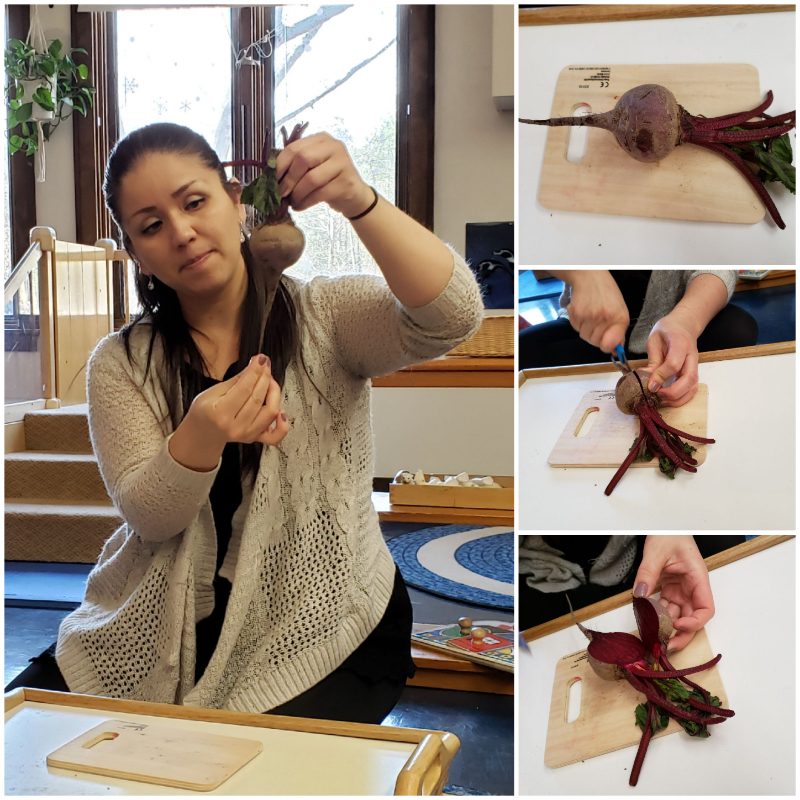
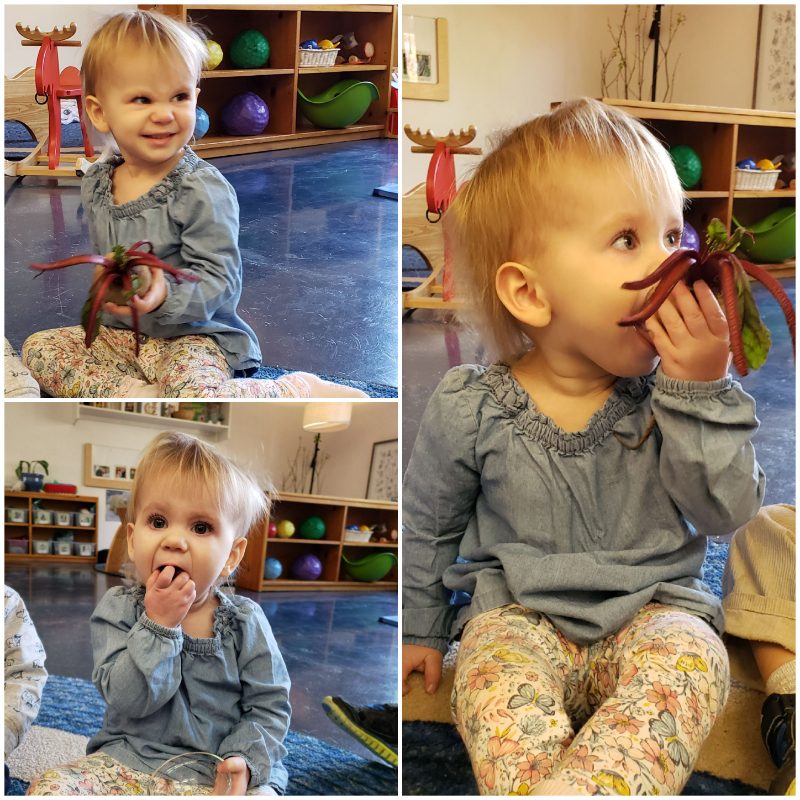
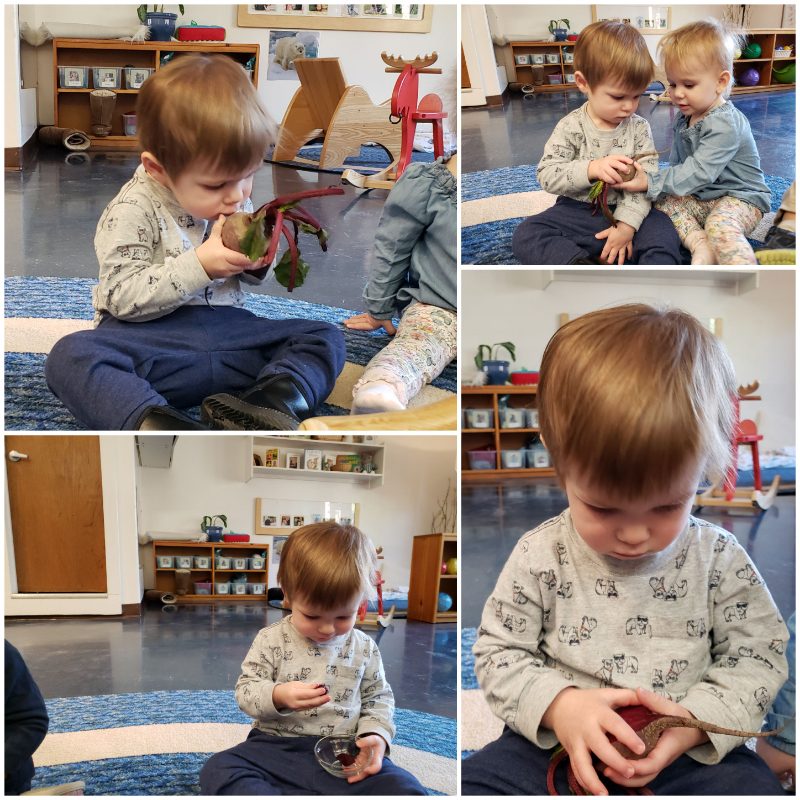
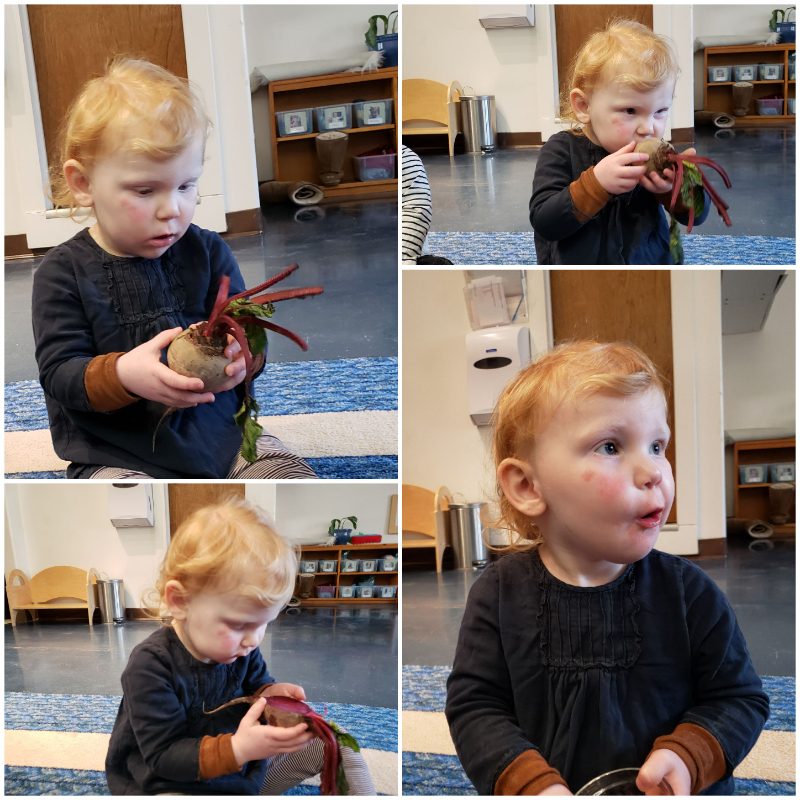
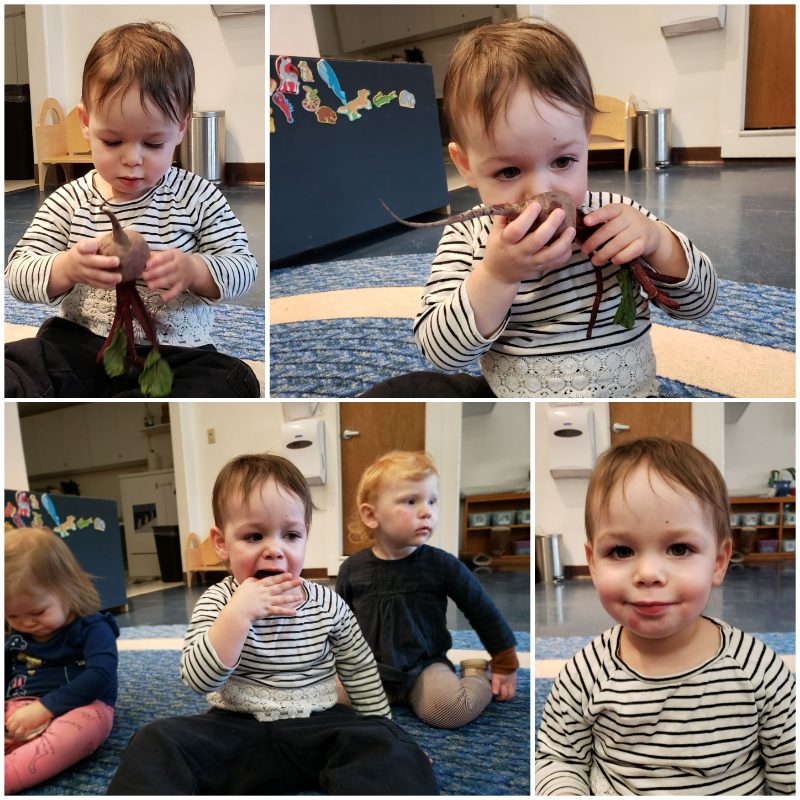
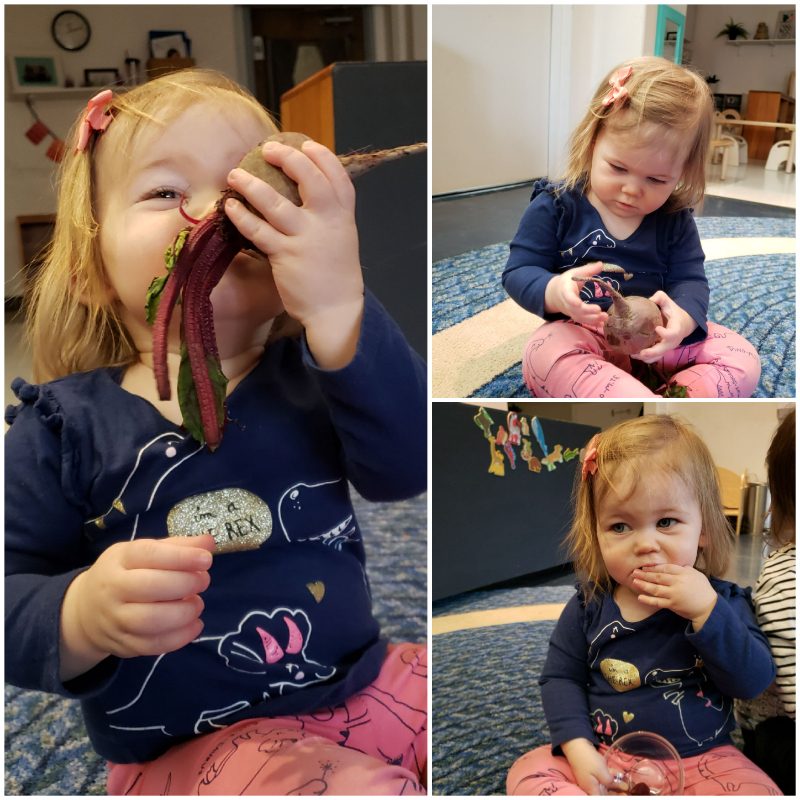
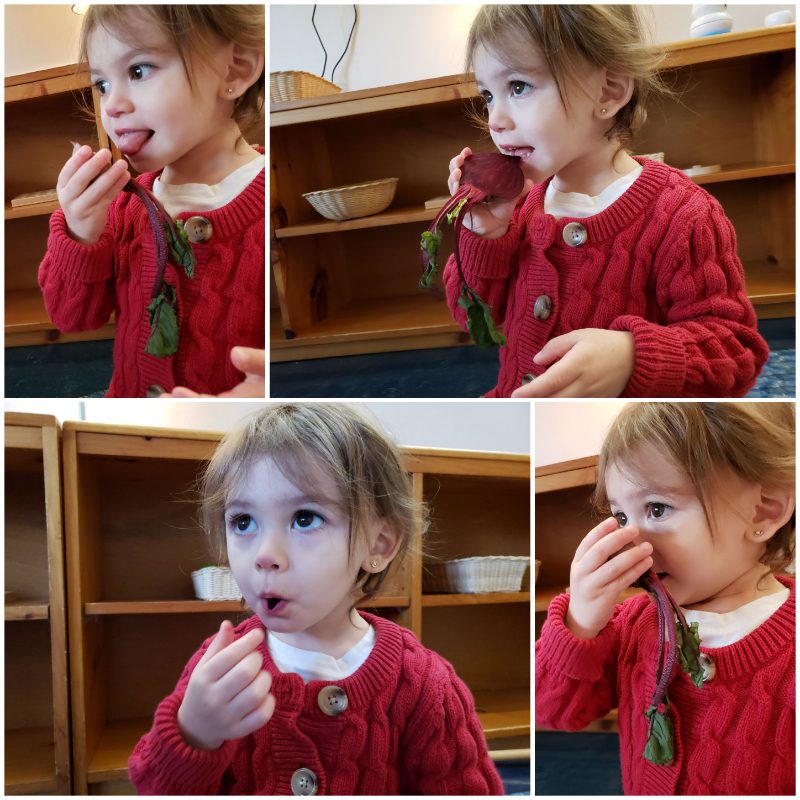
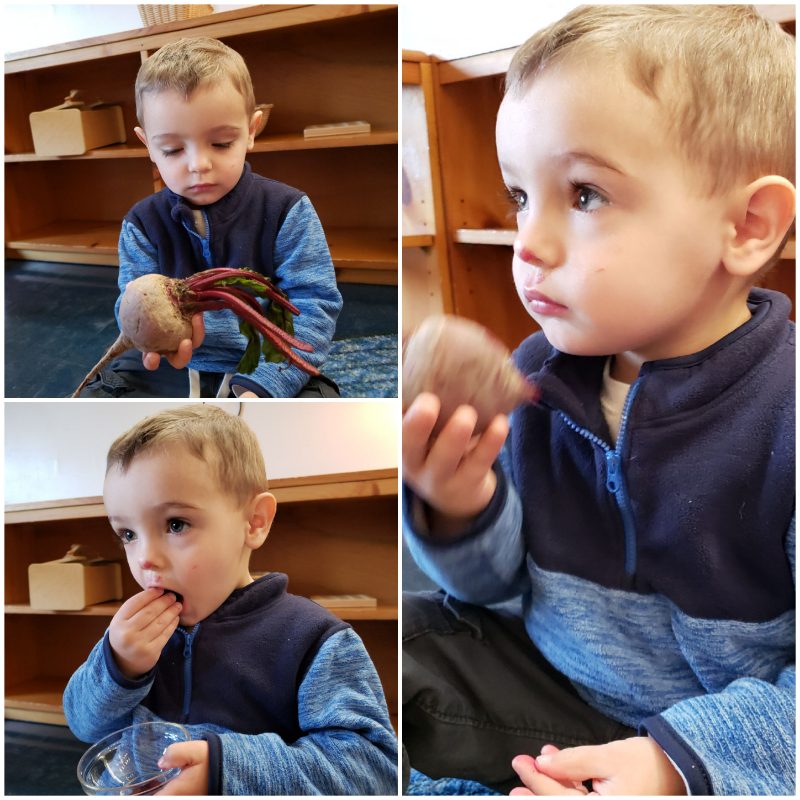
For food tasting we tried beets this week and all your children loved it so much! For language we focused on: root, stem, and leaves. Feel free to pack some beets for lunch or classroom snacks. You children devoured beets! Woo hoo!
Remember that next Wednesday, February 13th, we will celebrating friendship in our class! We can’t wait to take some fun pictures and share them with you!
“Before elaborating any system of education, we must therefore create a favorable environment that will encourage the flowering of a child’s natural gifts. All that is needed is to remove the obstacles. And this should be the basis of, and point of departure for, all future education. The first thing to be done, therefore, is to discover the true nature of a child and then assist him in his normal development.”
[Maria Montessori, The Secret of Childhood)
It’s an honor to watch your children blooming right before our eyes! Thank you for trusting them to us!
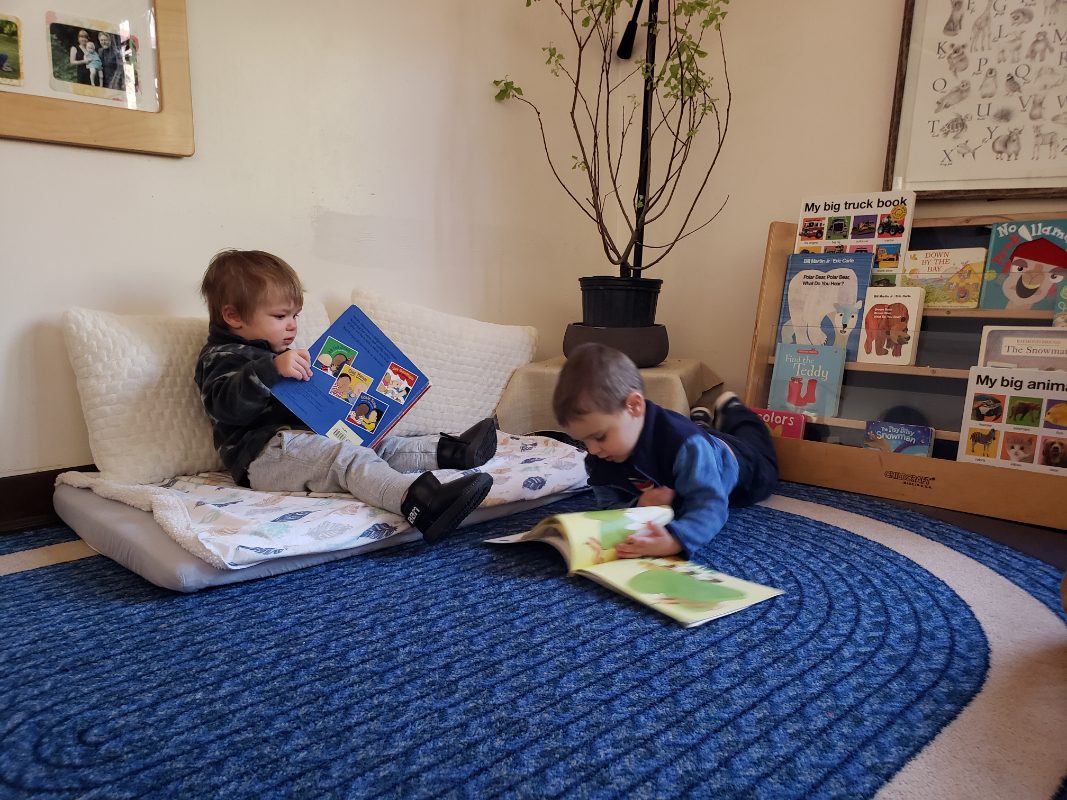
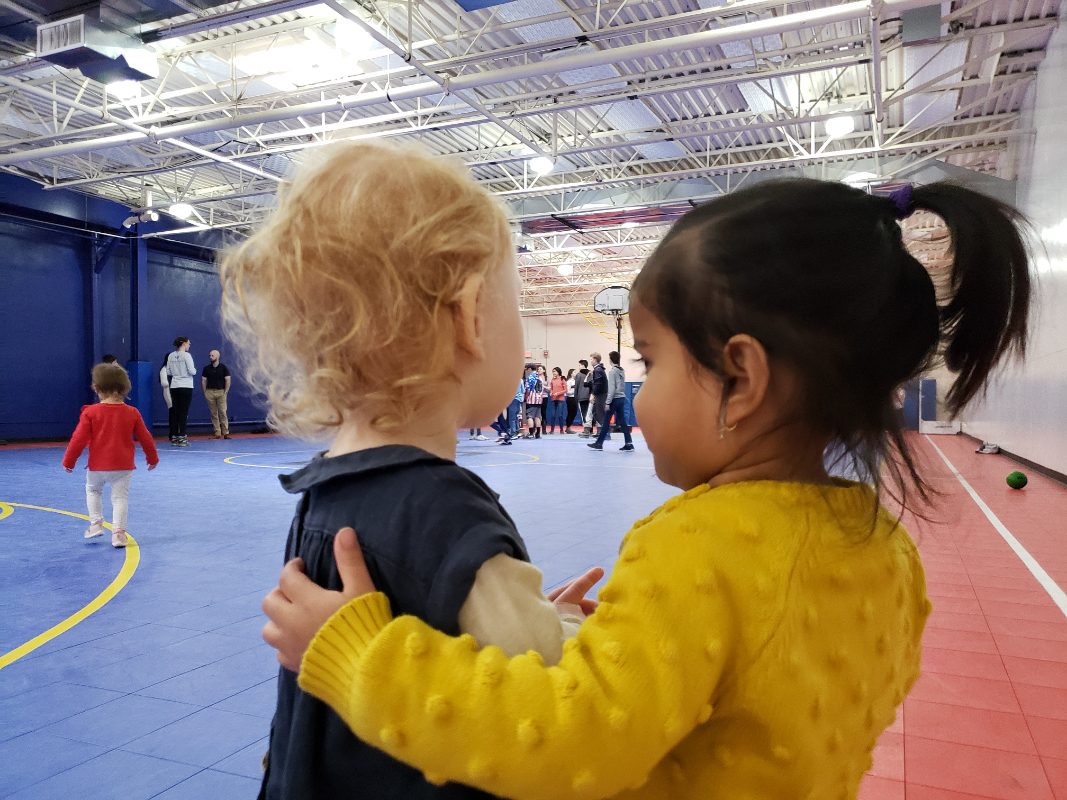
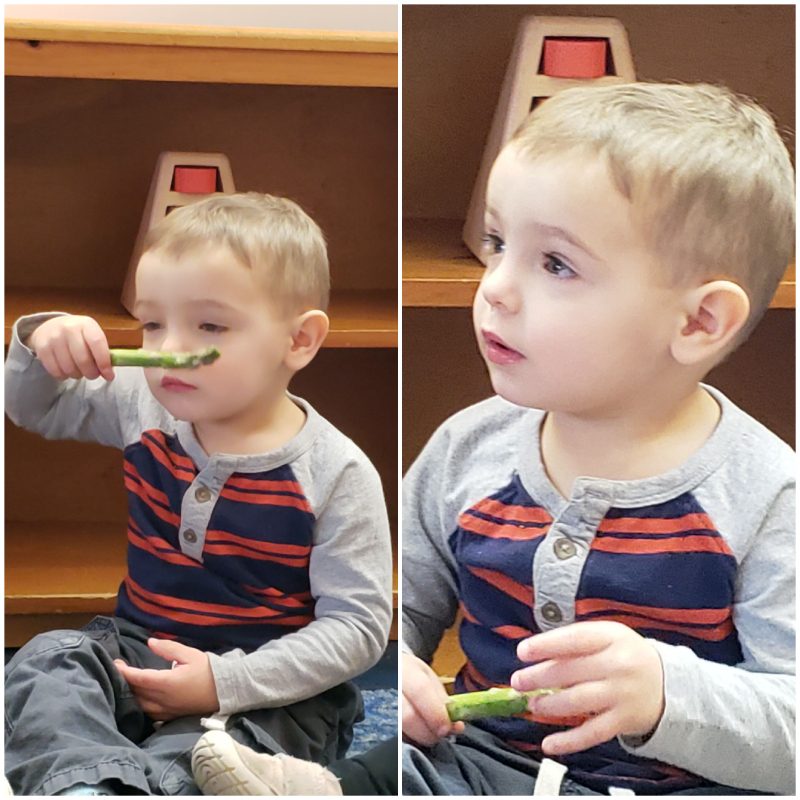
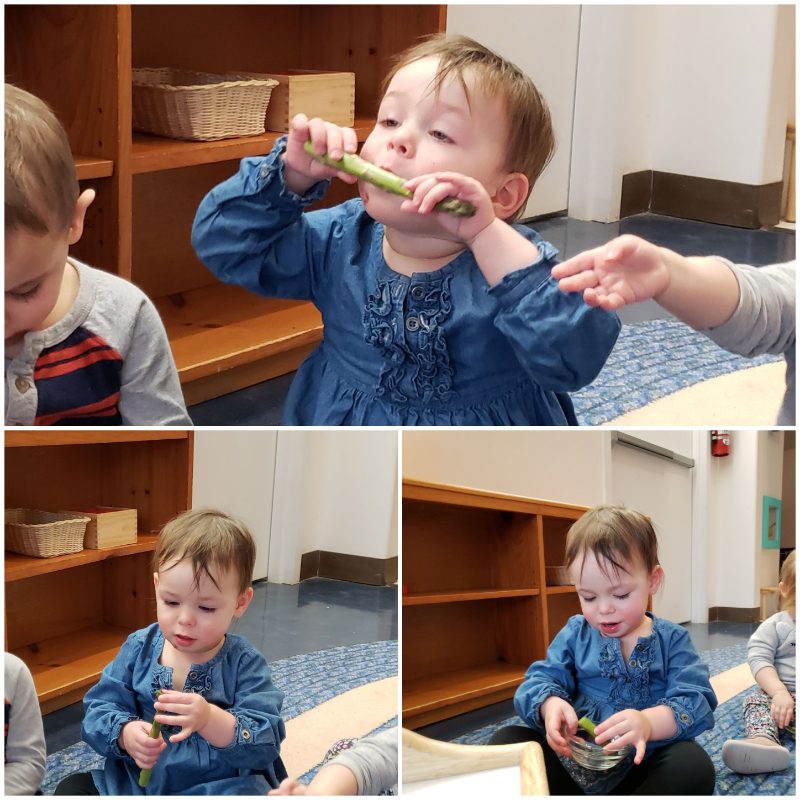
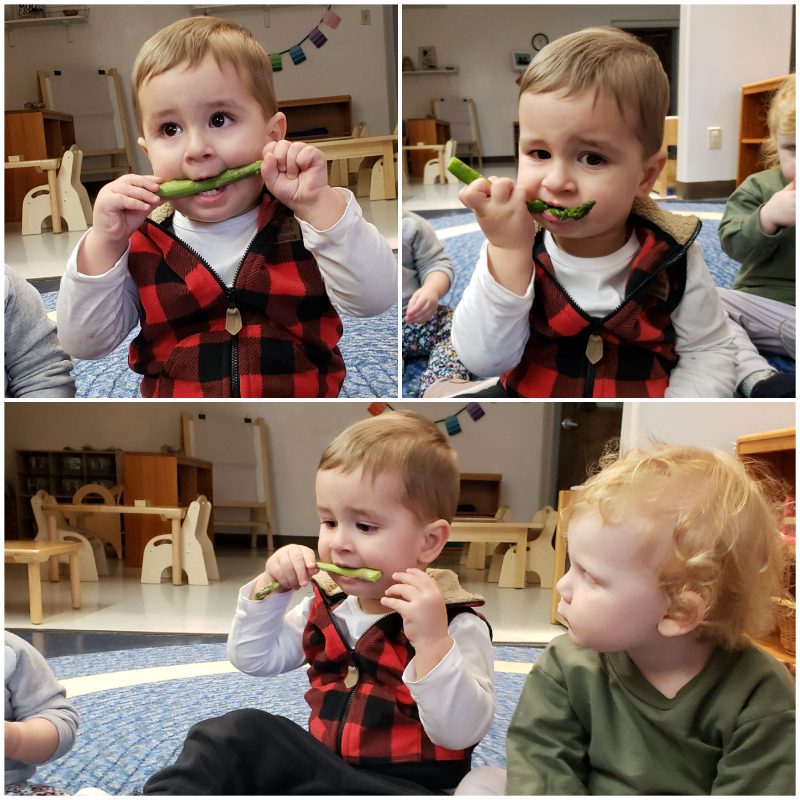
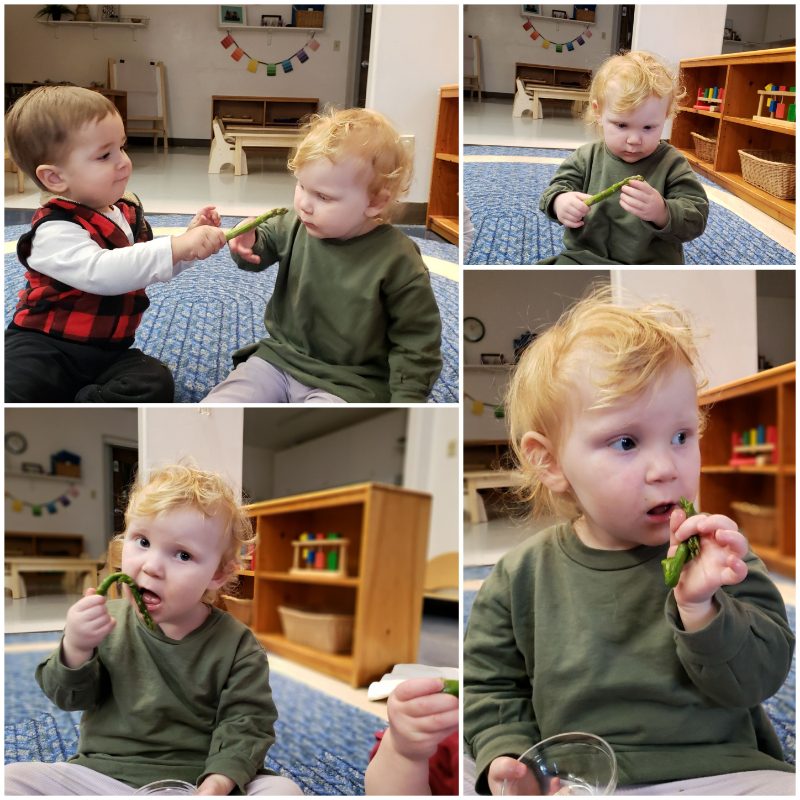
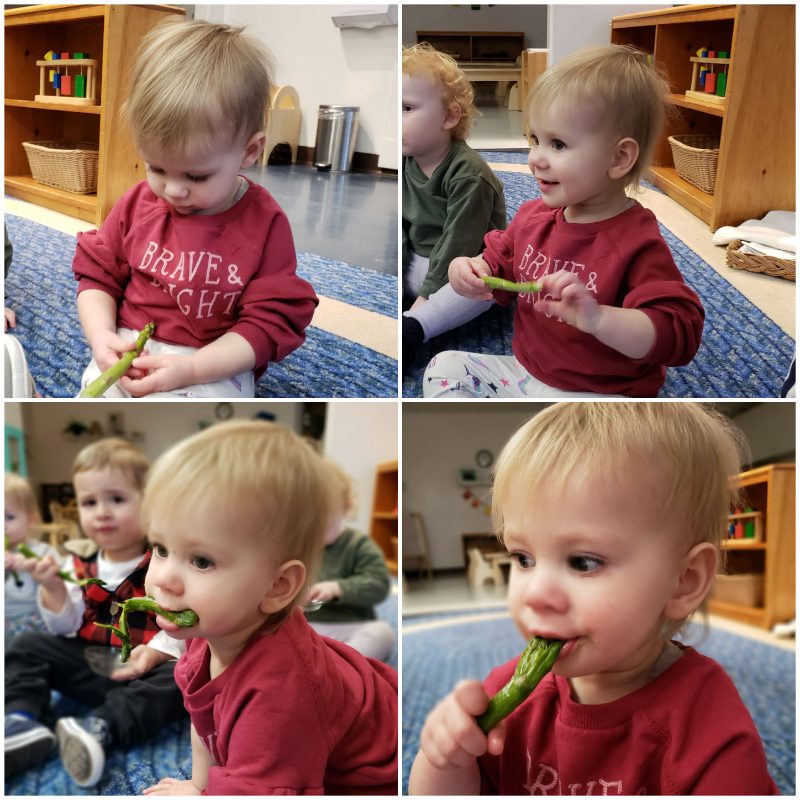
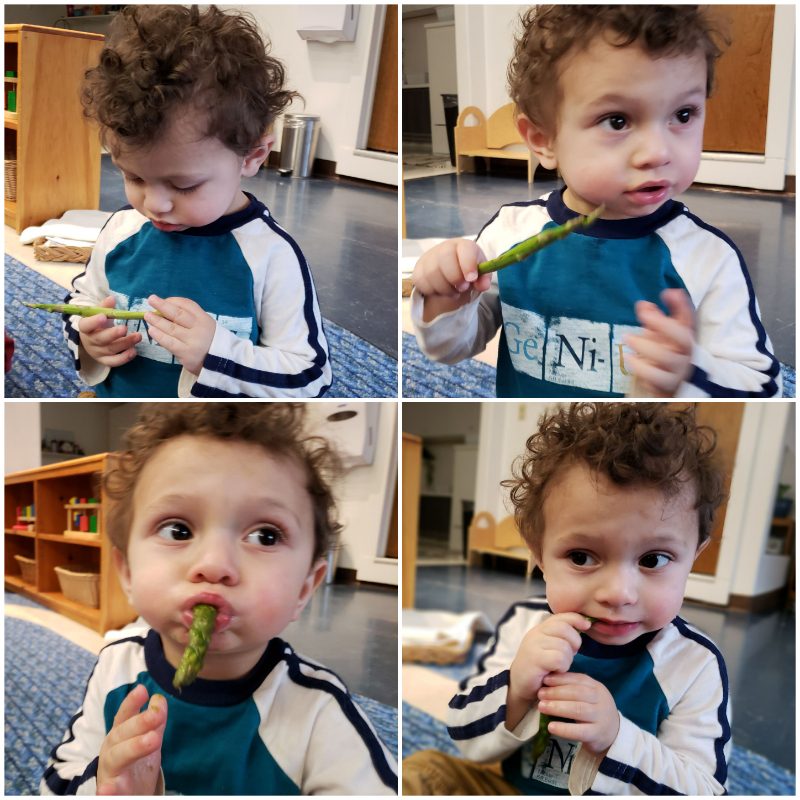
Children continue exploring the environment and working as little busy bees throughout the morning! During this short week, we introduced asparagus for food tasting! They were quite excited to taste it. Let’s say that mostly the children politely demonstrated that their taste buds don’t agree much with asparagus. However, as they get more exposure to this food, children might start accepting it better. Let’s not give up!
Parent-Teacher Conferences are coming up soon! We look forward to seeing you all and sharing your child’s progress. Please take a moment to click on the link sent through email and sign up as soon is possible!
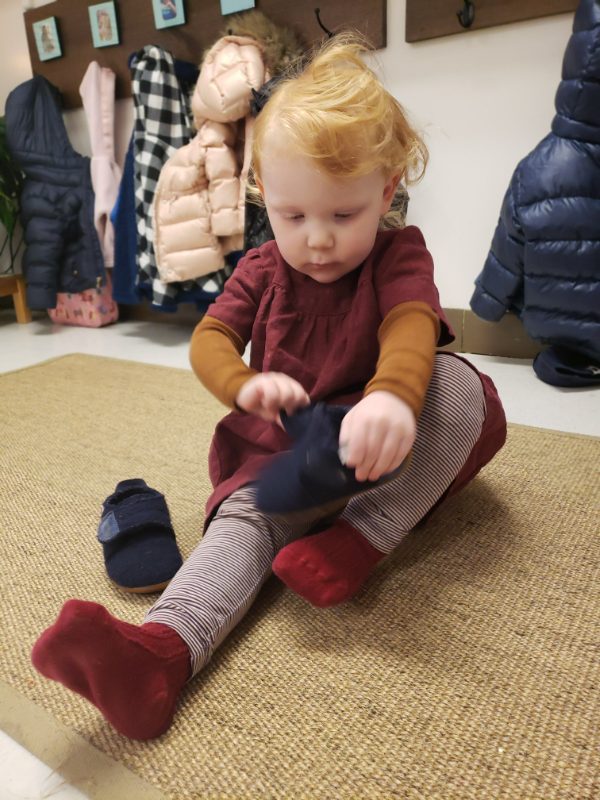
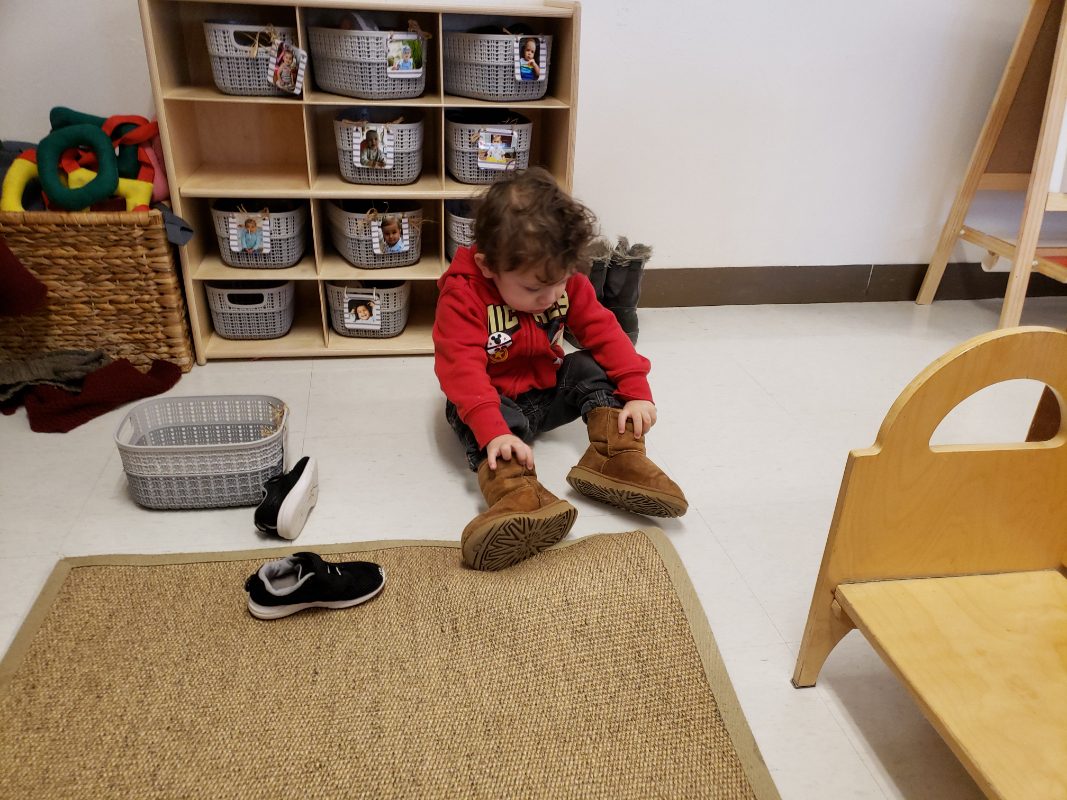
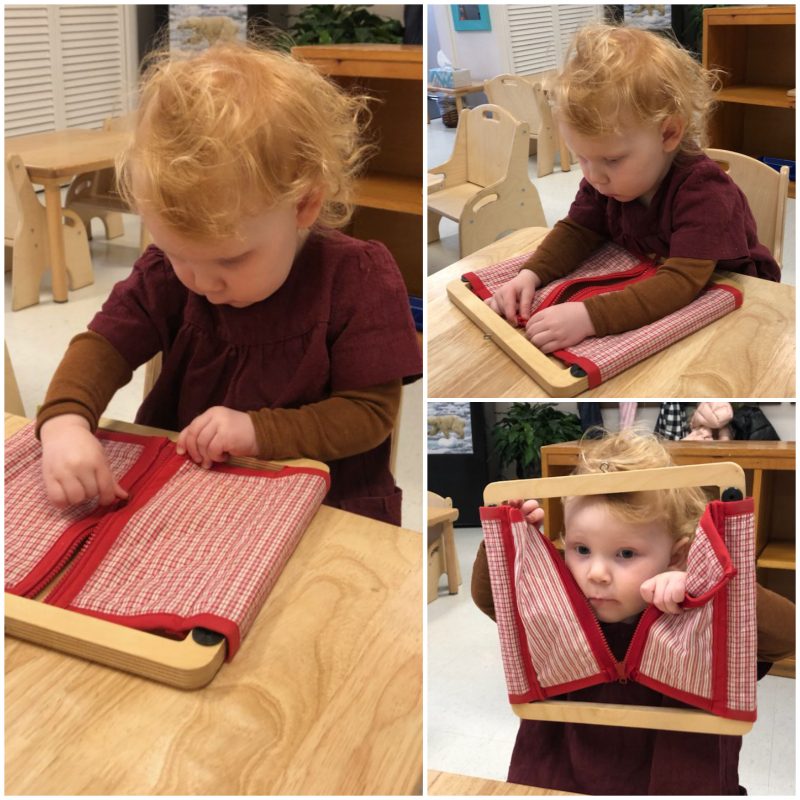
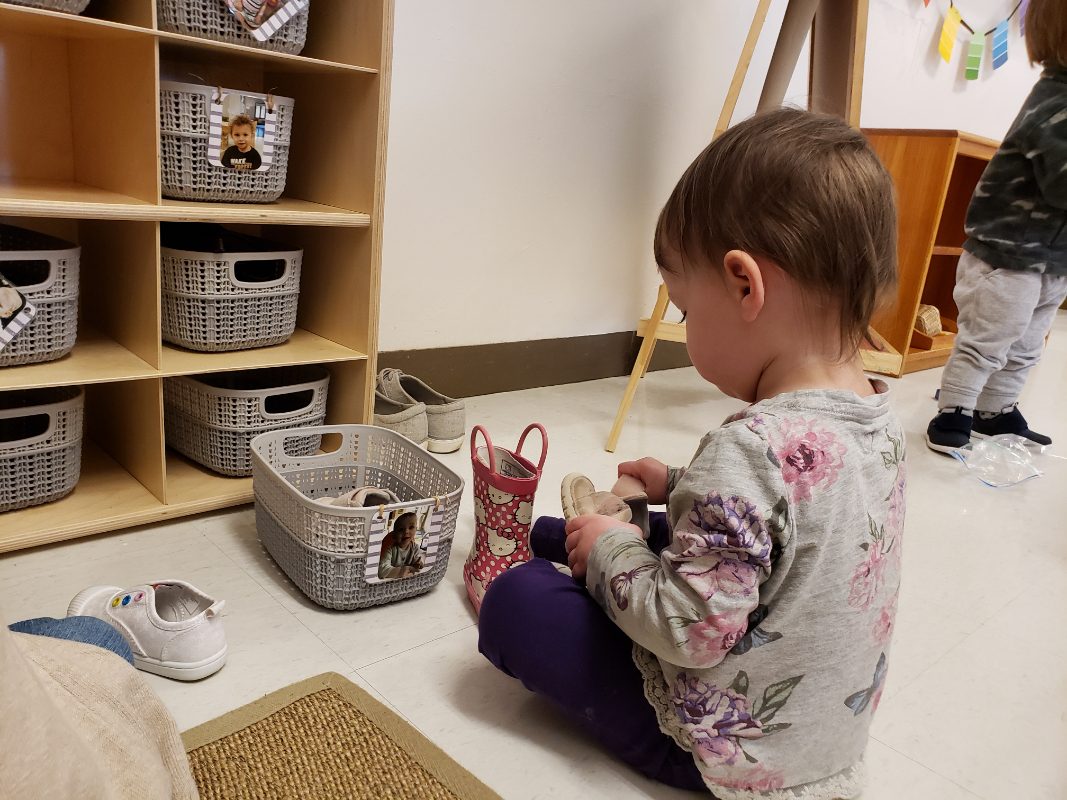
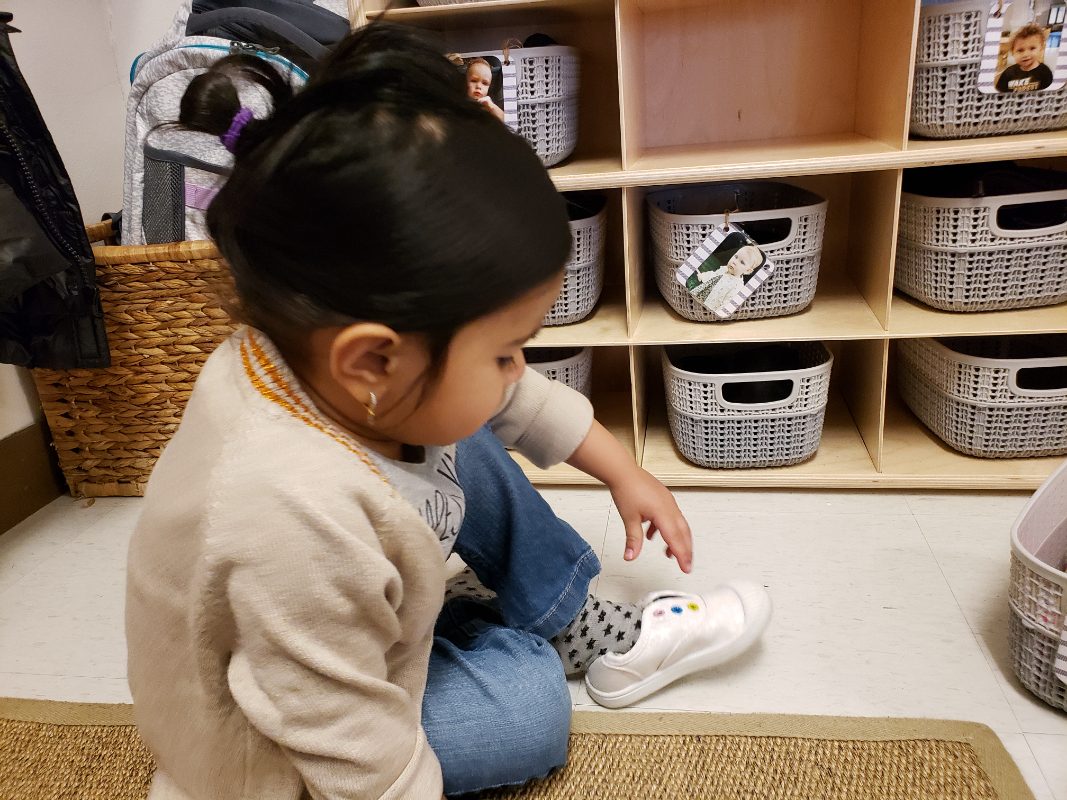
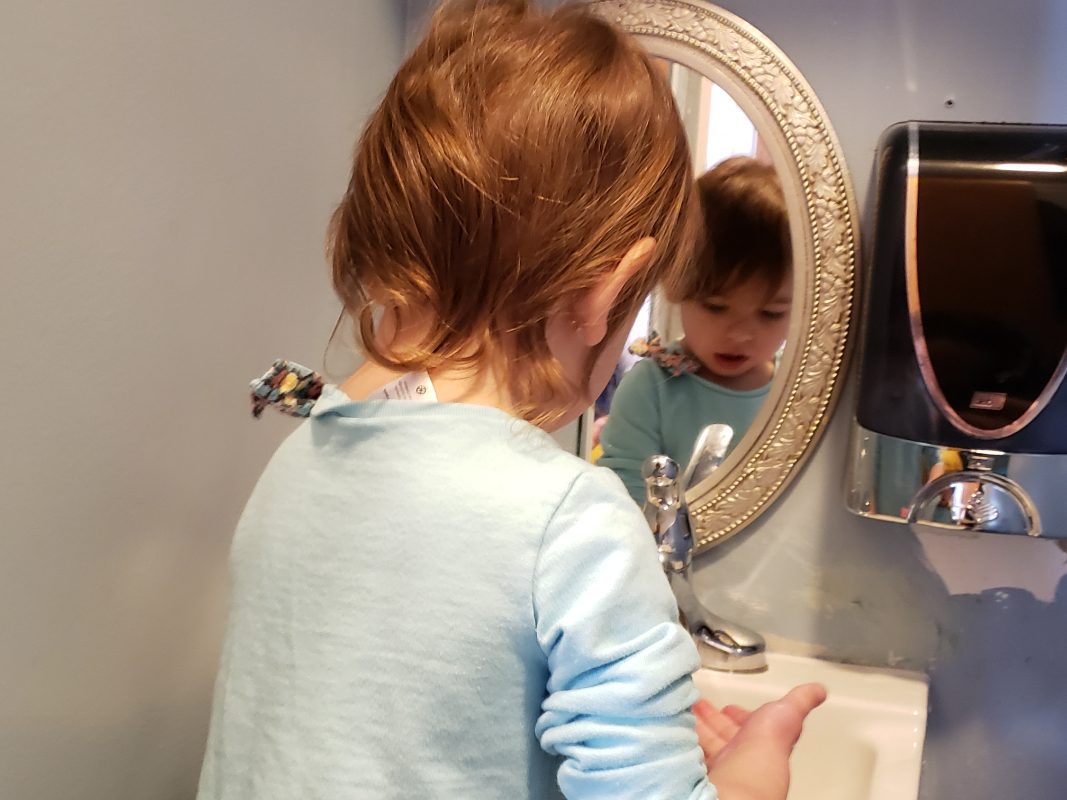
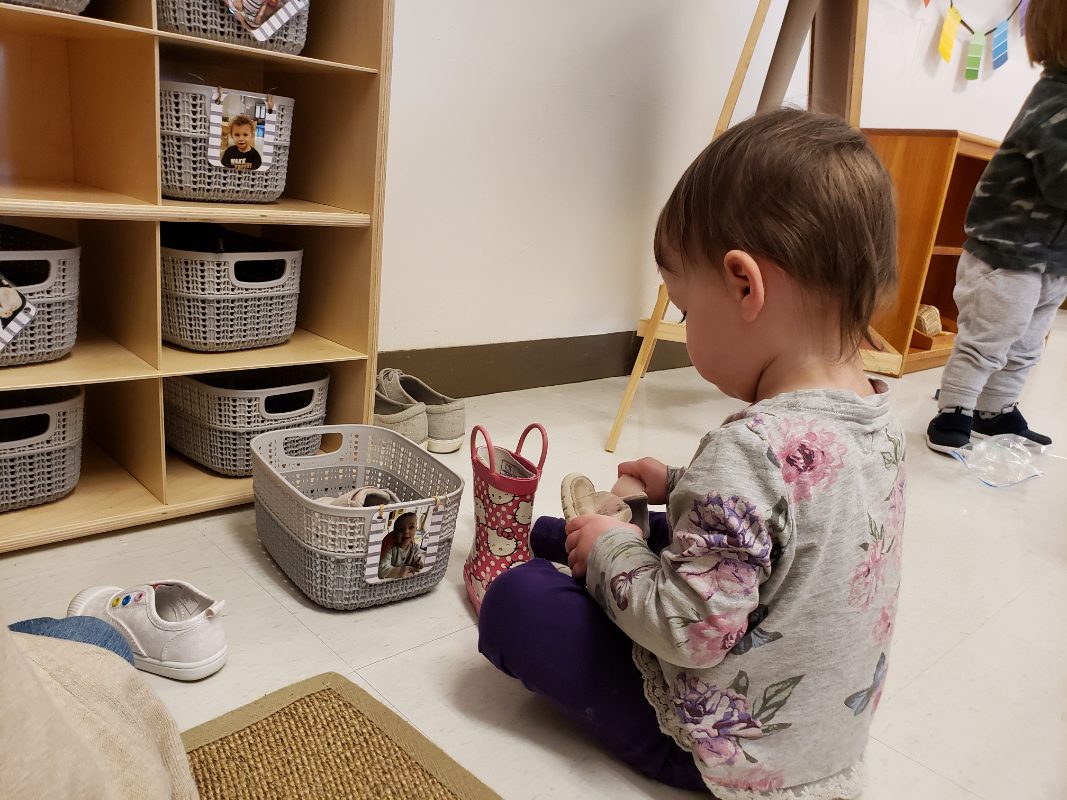
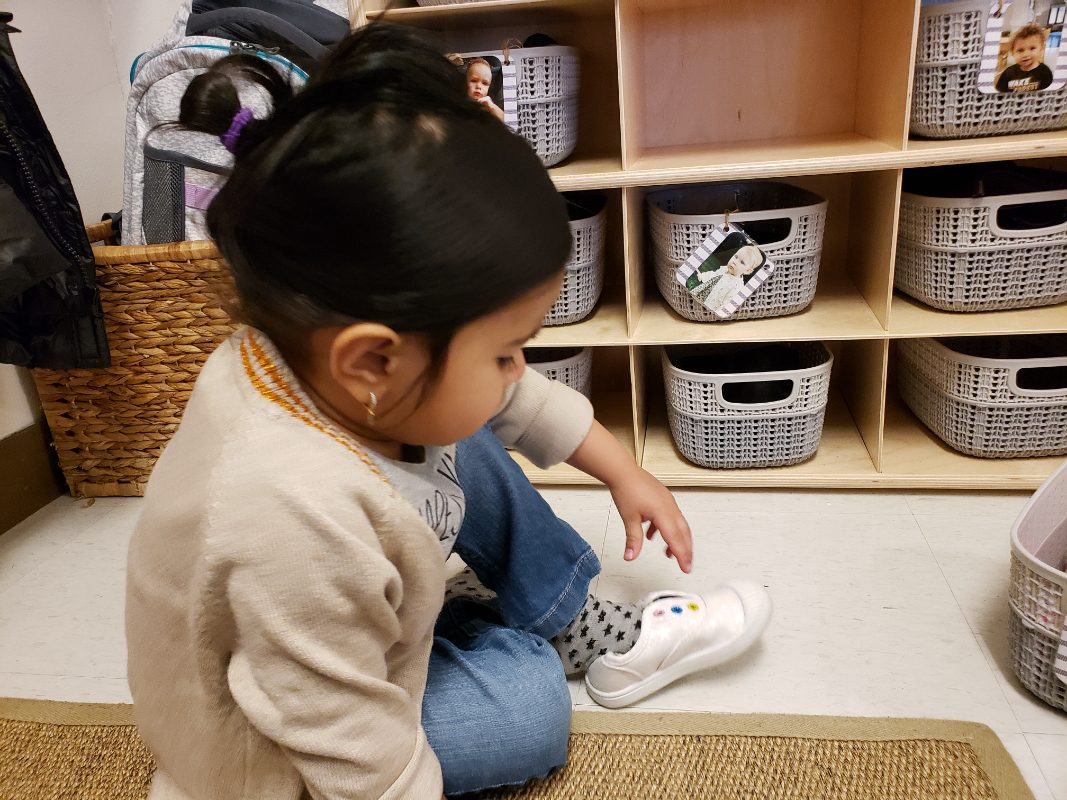
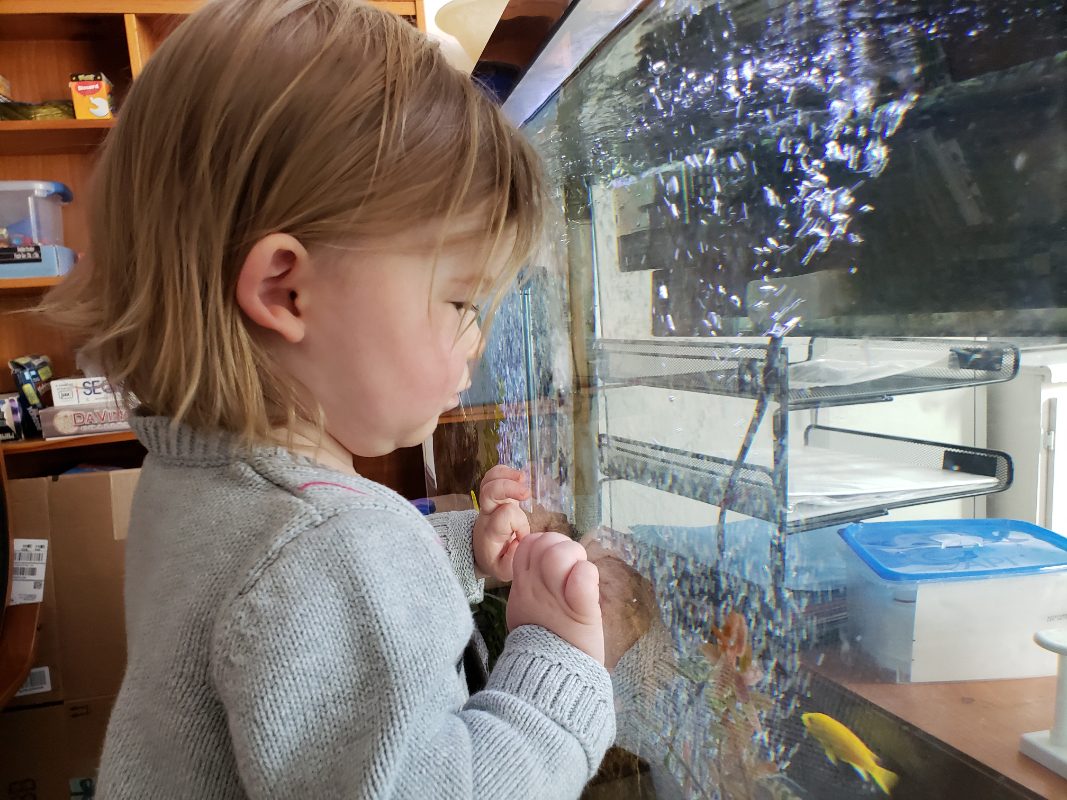
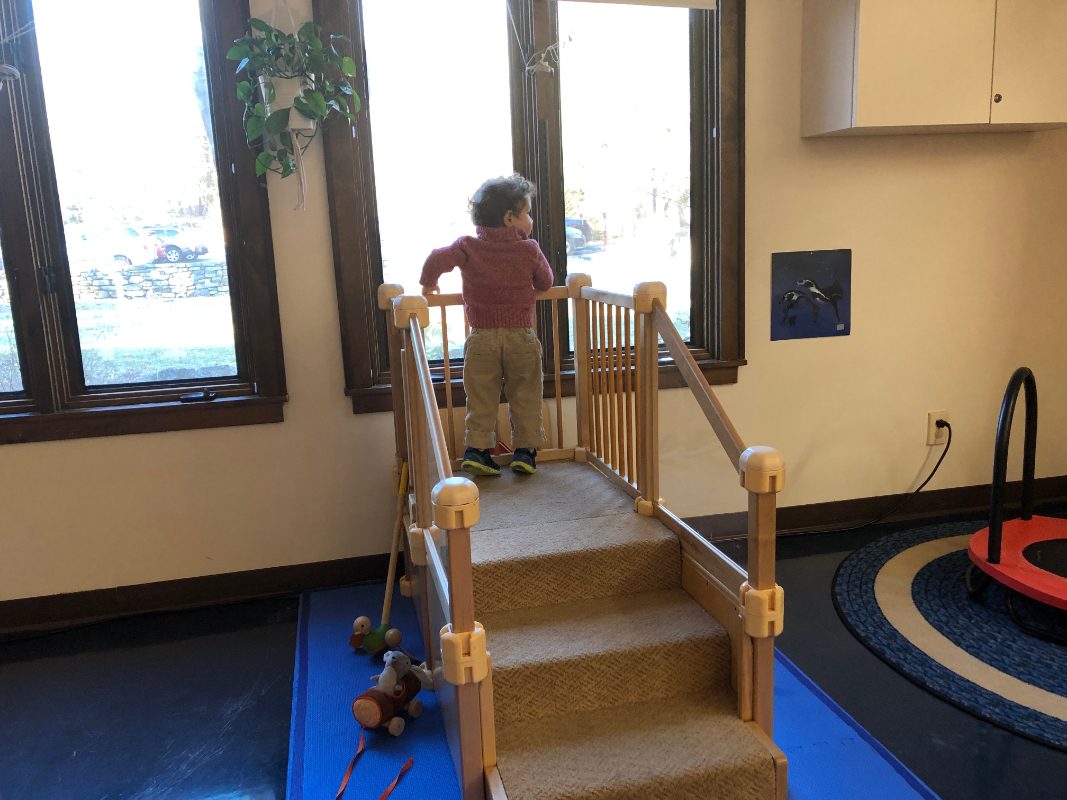
The children transitioned at the beginning of the week by carefully observing the new layout of our environment. The climber is now facing our big window which encourages the children to observe the outdoors and all the magic that happens out there. Our youngest are thrilled that they get to look outside without the need to climb furniture. Our dressing area was also modified to fulfill the needs of all our students
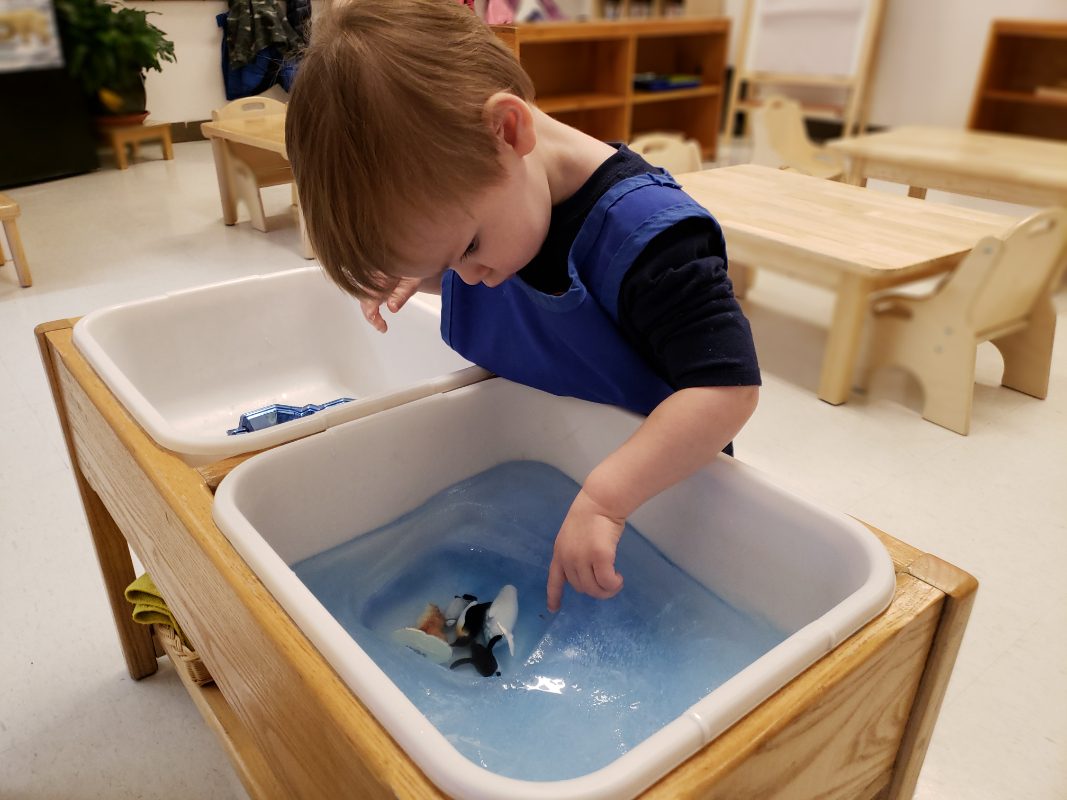
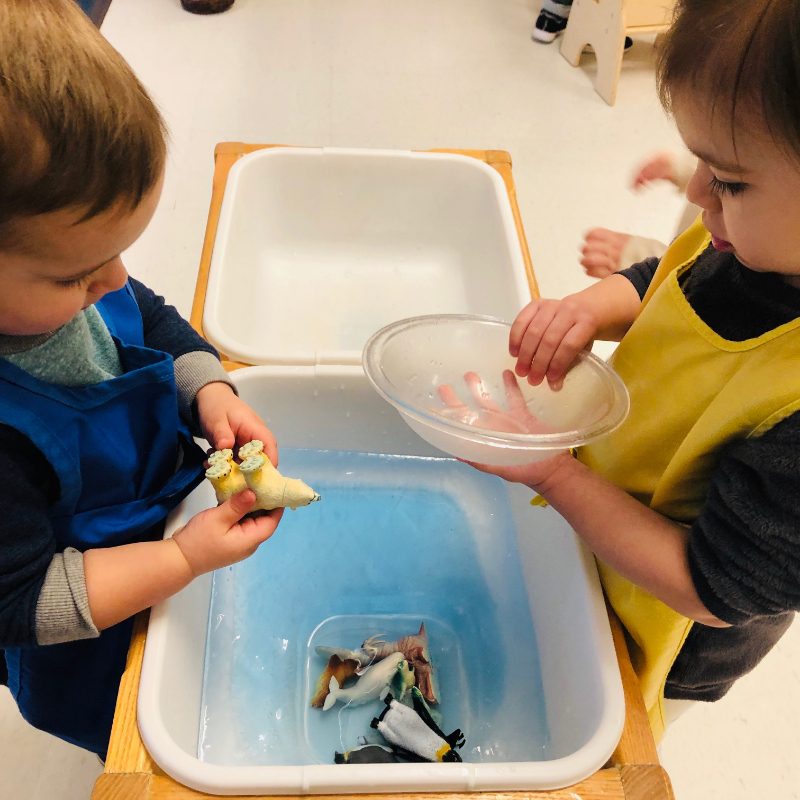
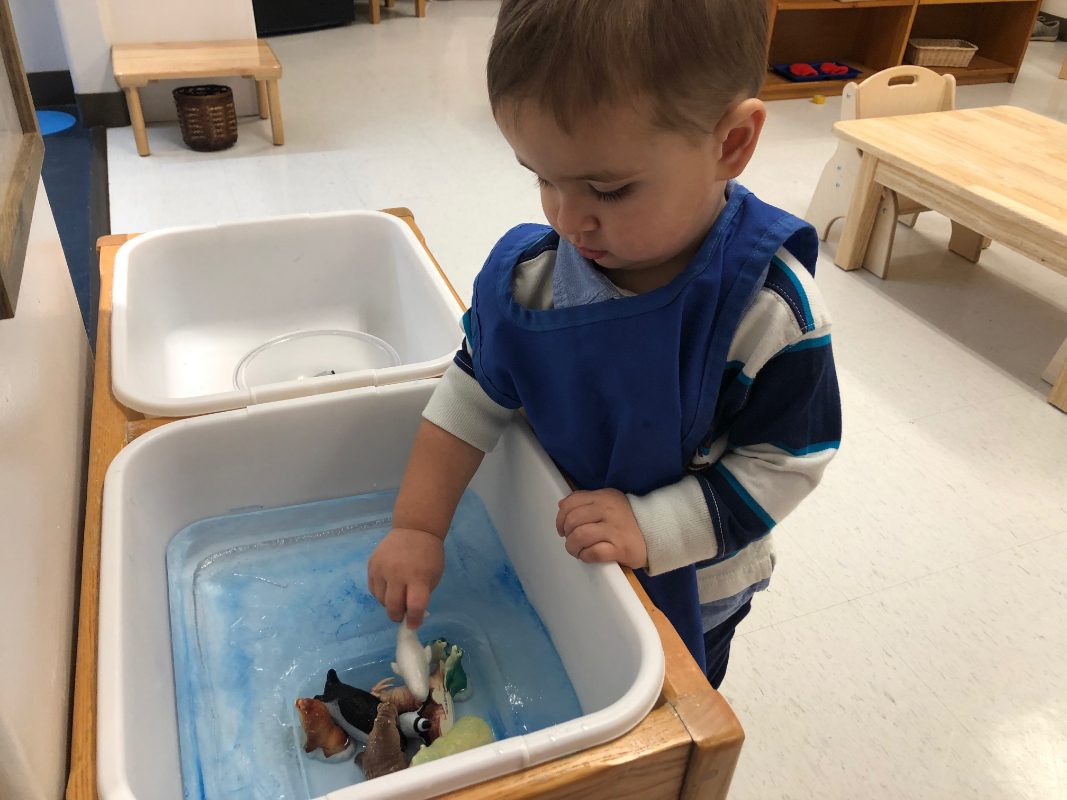
Since children are intrinsically interested in animals we use them as a tool to encourage language. This week, new arctic animals were introduced: walrus, beluga whale, sea lion and seal. Children seemed to enjoy exploring these animals in our ice sensory box. As last week we introduced the concept of cold, this week we introduced the concept of warm by placing warm water inside the ice creating a new pool for the animals to swim. Also, we added animals magnets to the environment. We have different games with these objects to encourage language. These include repetition, pointing, labeling, increased prosody, signs and gestures, simple directions, pretend play, and pairing visual with auditory elements. Children really enjoyed these activities!
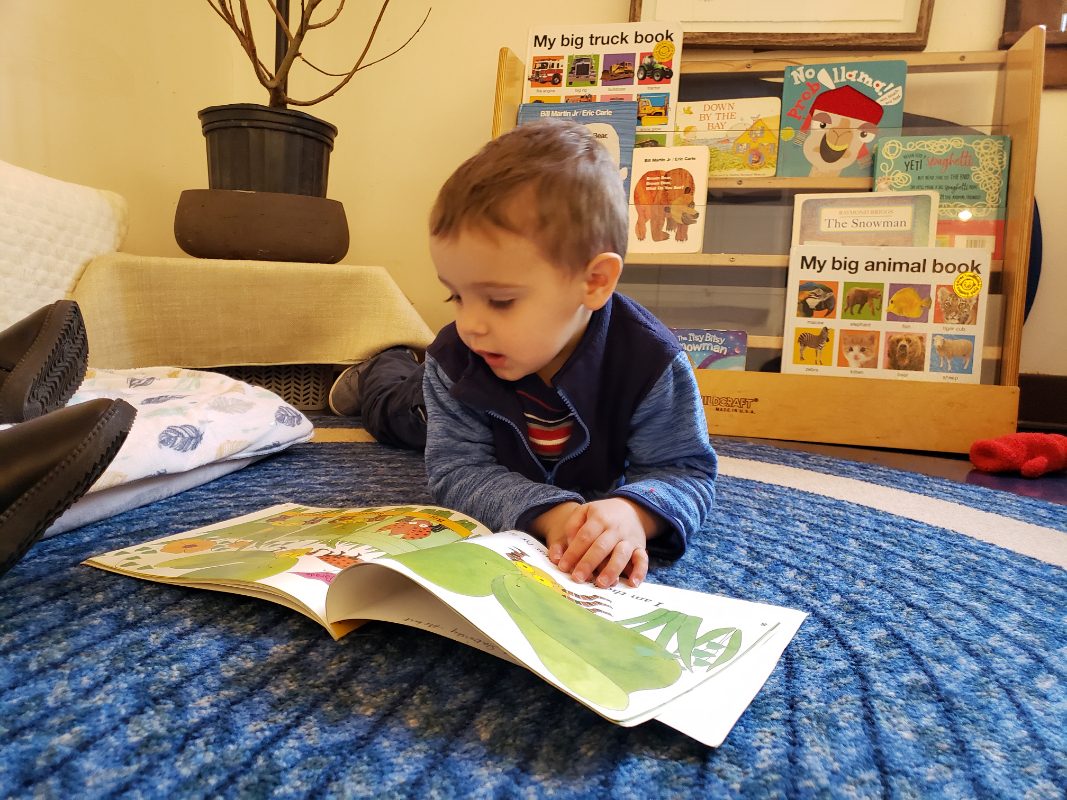
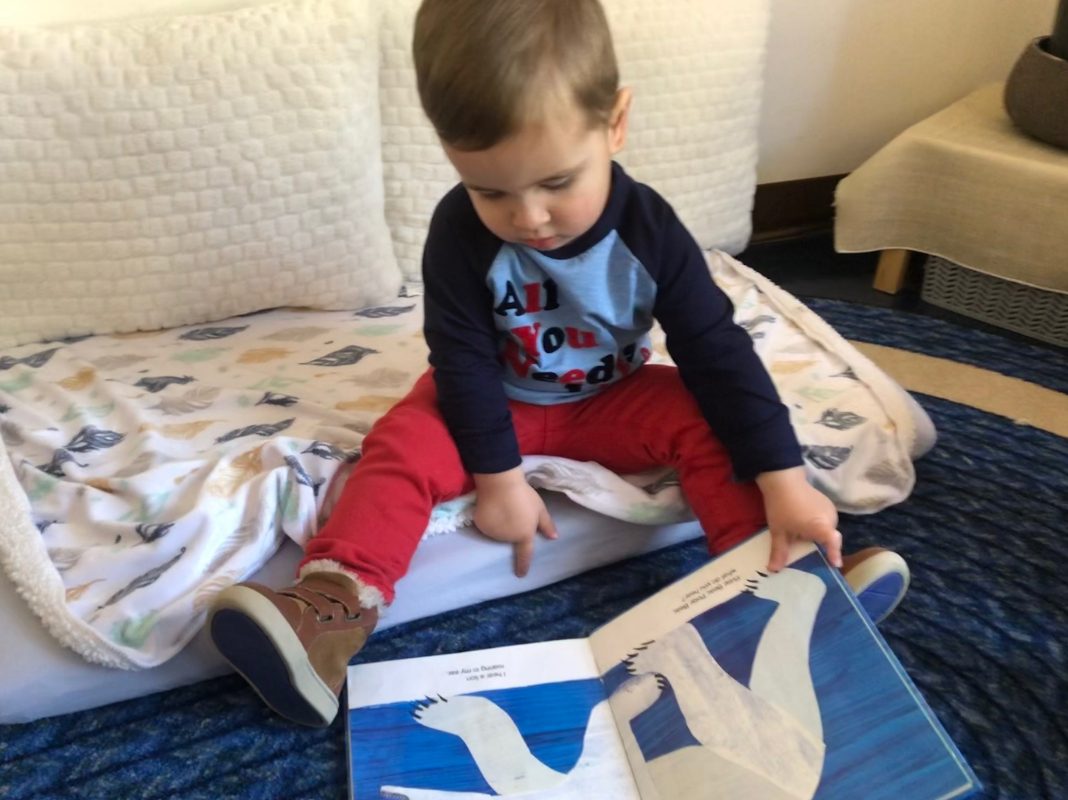
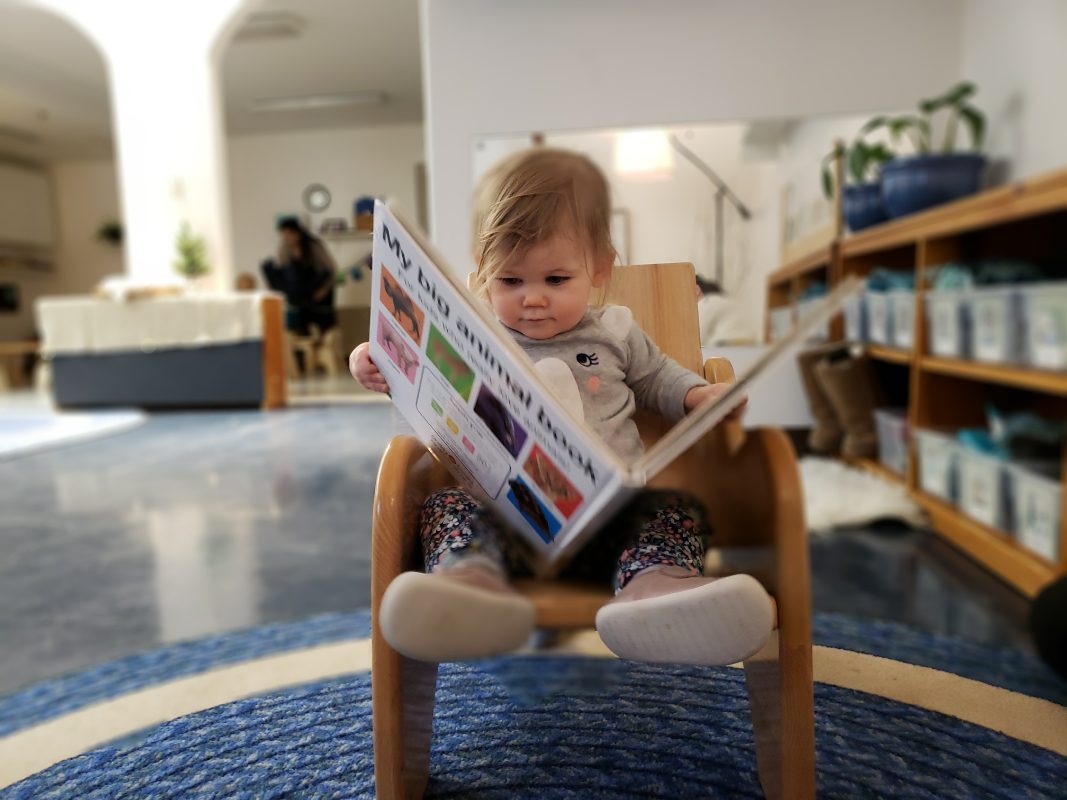
One book children loved exploring with us was My Big Animal Book by Priddy Books. Children love to carefully observe the images and listen attentively as we share facts of each animal.
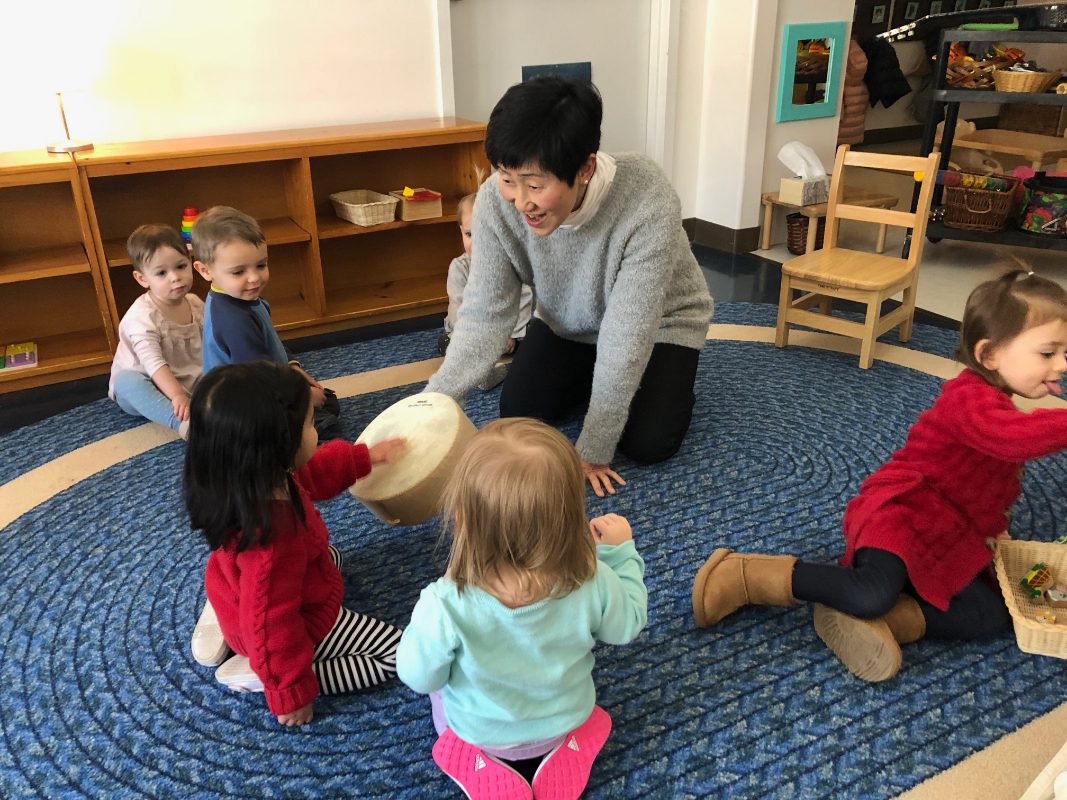
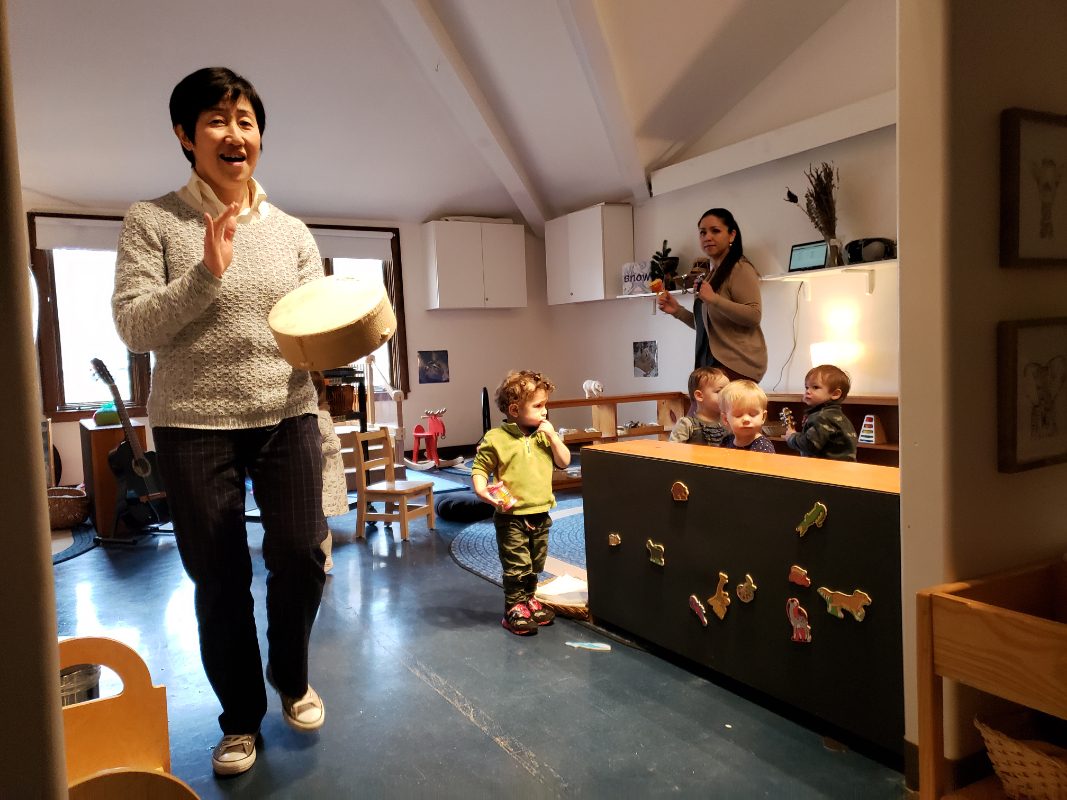
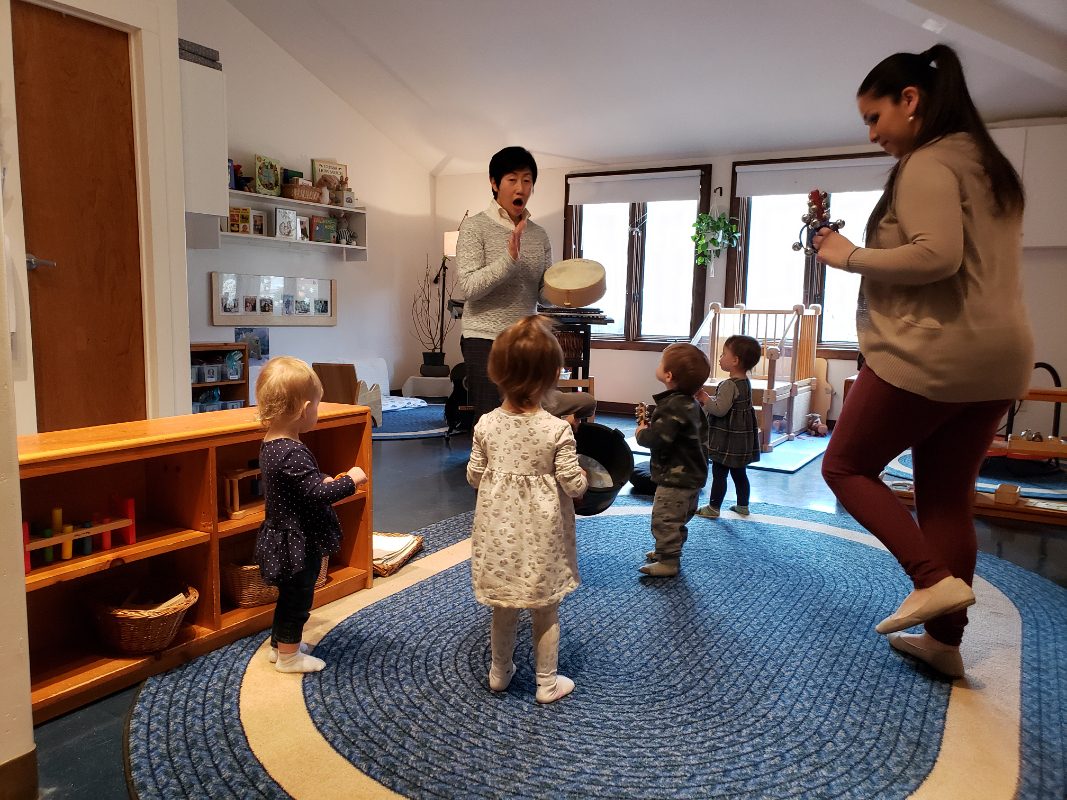
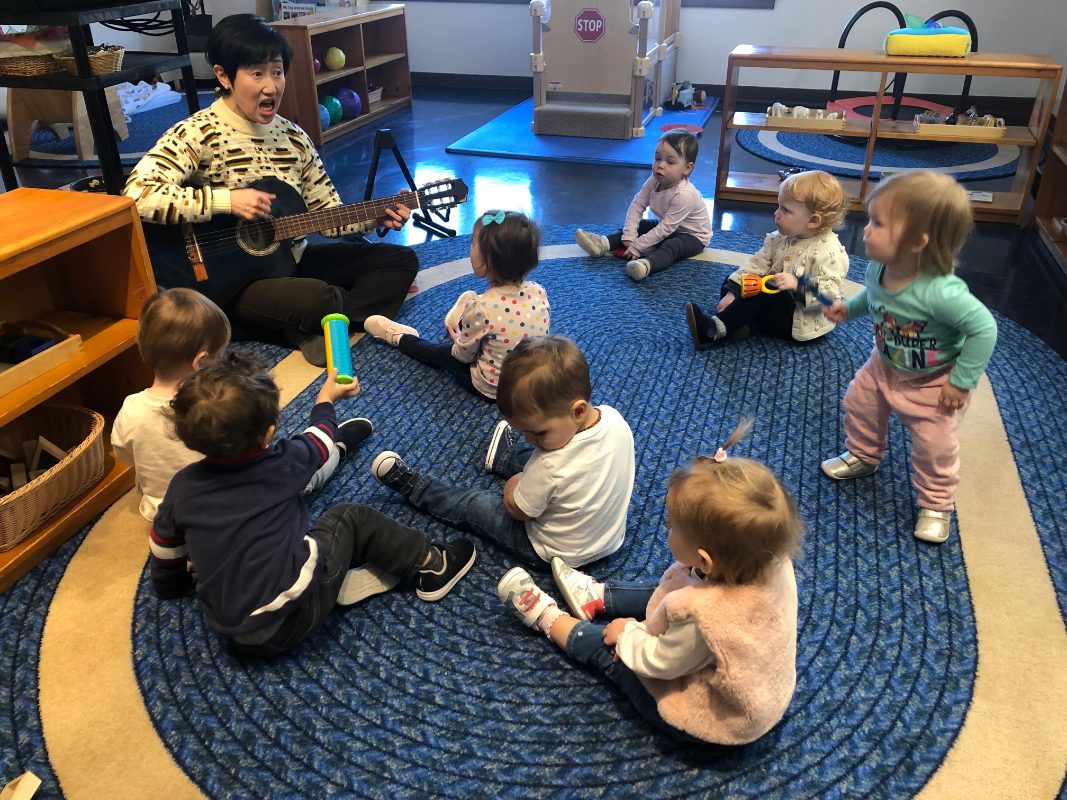
A favorite song this week was “This Little Finger.” Children keep increasing their parts of the body vocabulary through this song! In addition, children had a blast in Ms. Kim’s music class this week! There was a lot of dancing and singing!
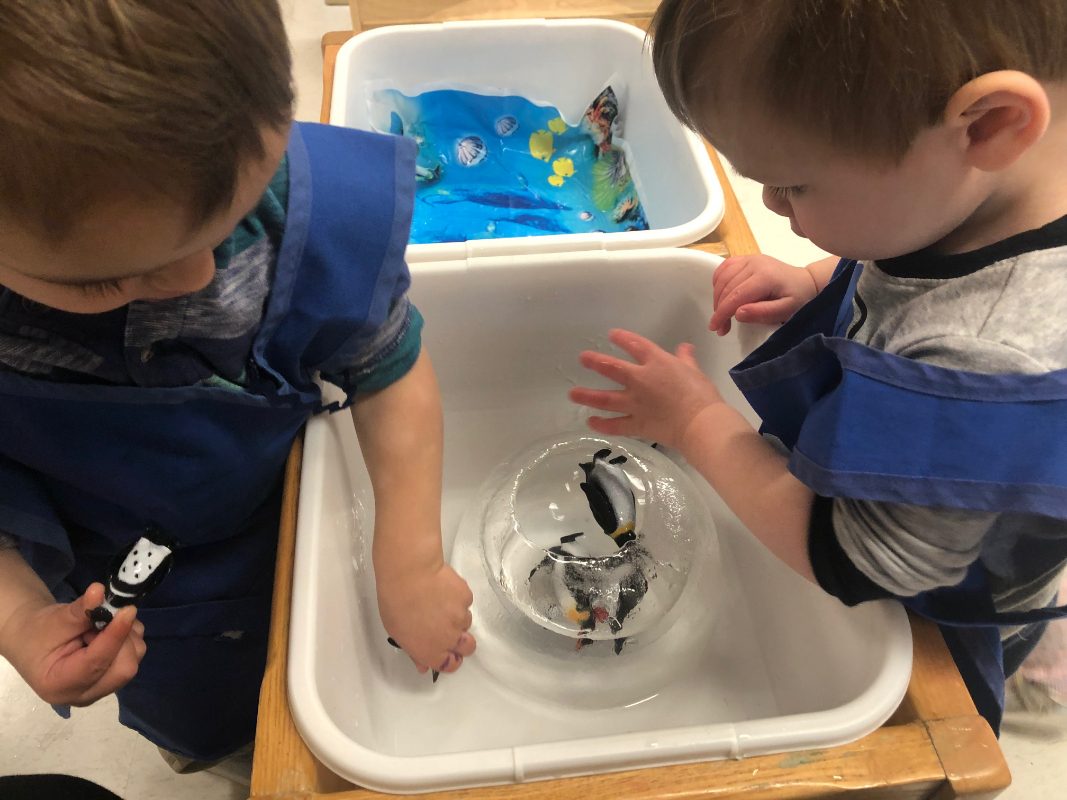
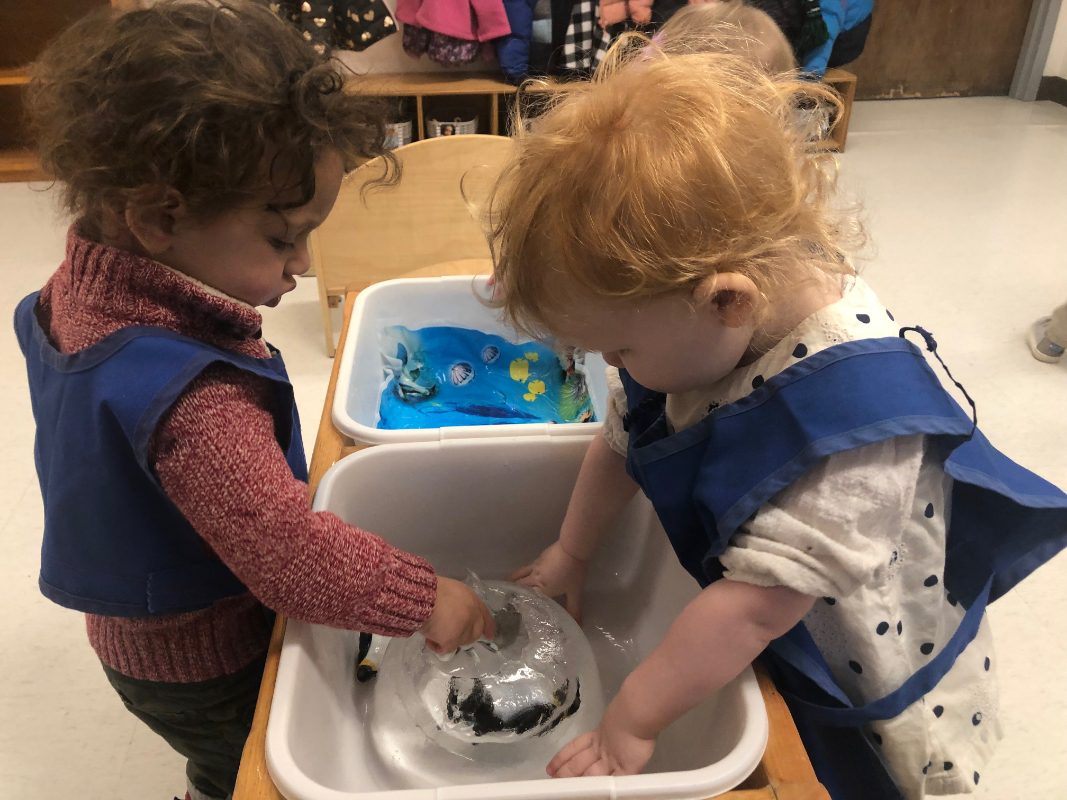
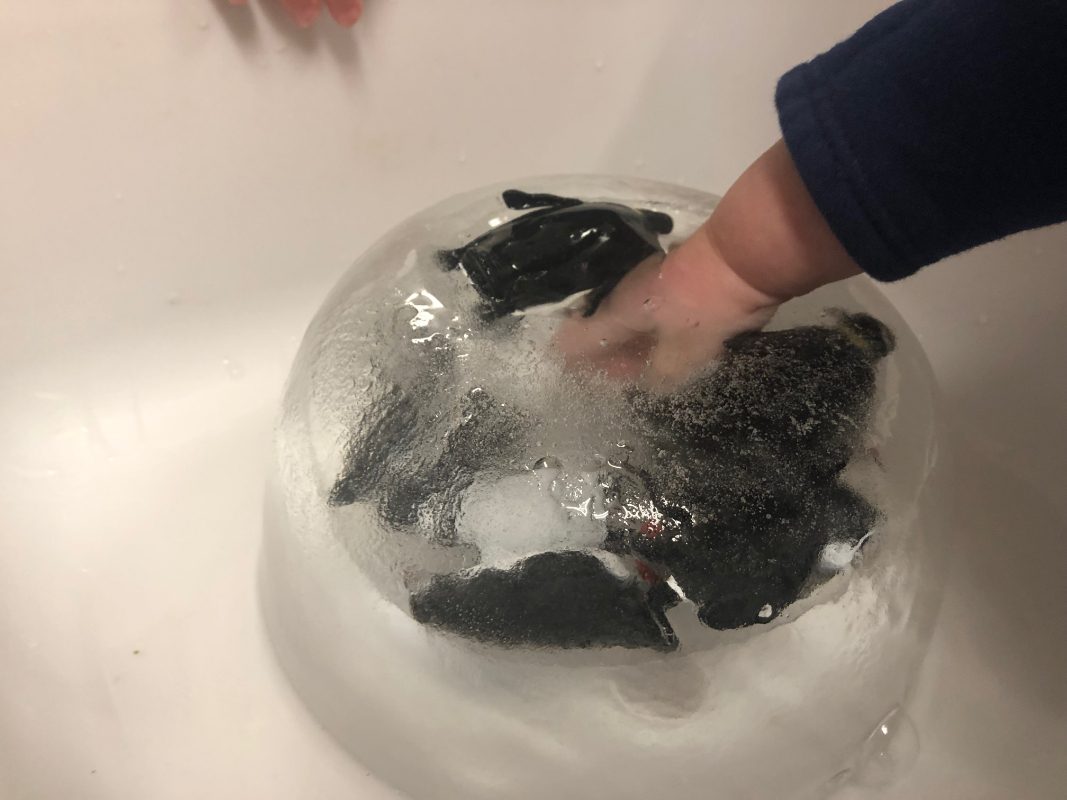
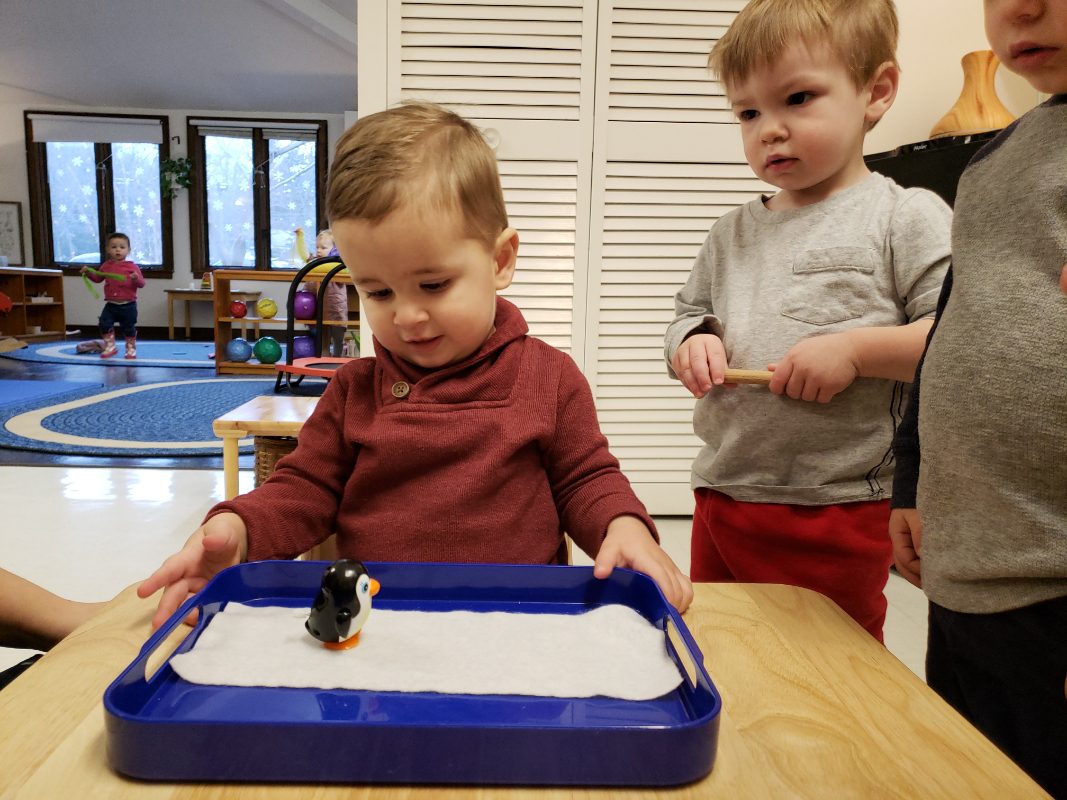
As we continue to focus on the winter season, we introduced the concept of cold this week. Children observed how cold liquid water turned into very cold solid water. The children felt the ice between their fingers with so much wonder. They enjoyed adding the ice block to our penguin sensory box and they seemed to loved the fact that after a couple minutes the ice started to melt and created a fun pool for the penguins to swim in! This sensory experience brought a lot of smiles and admiration.
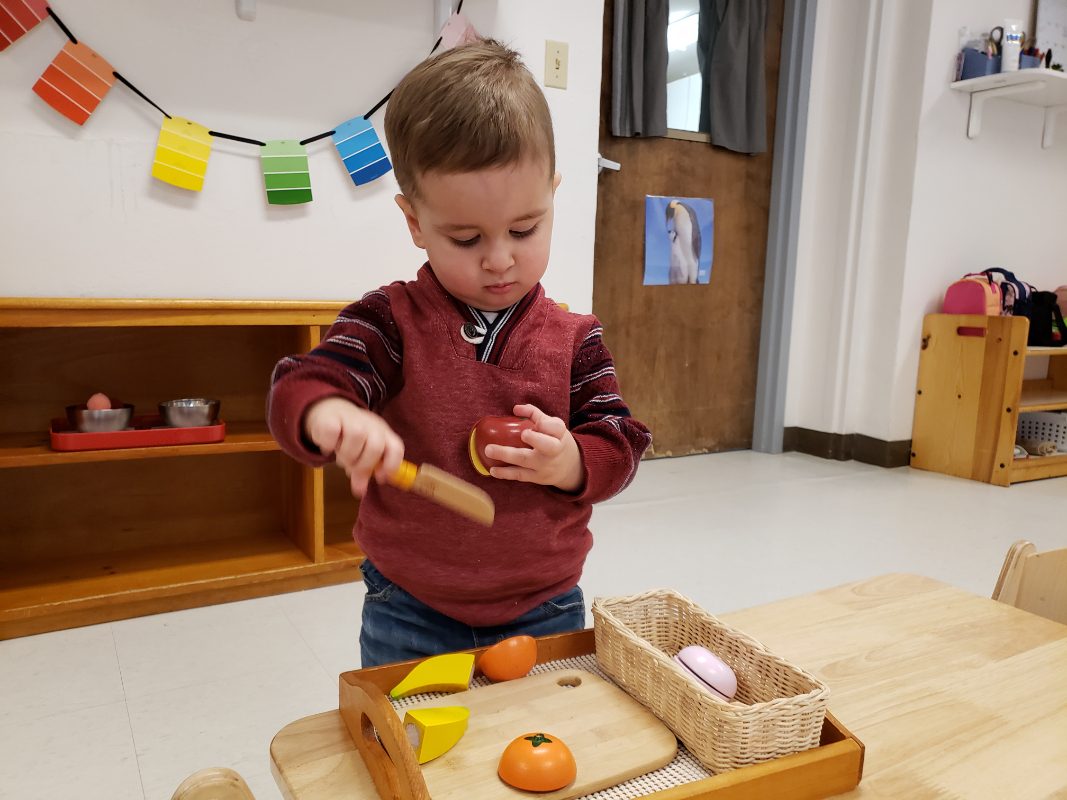
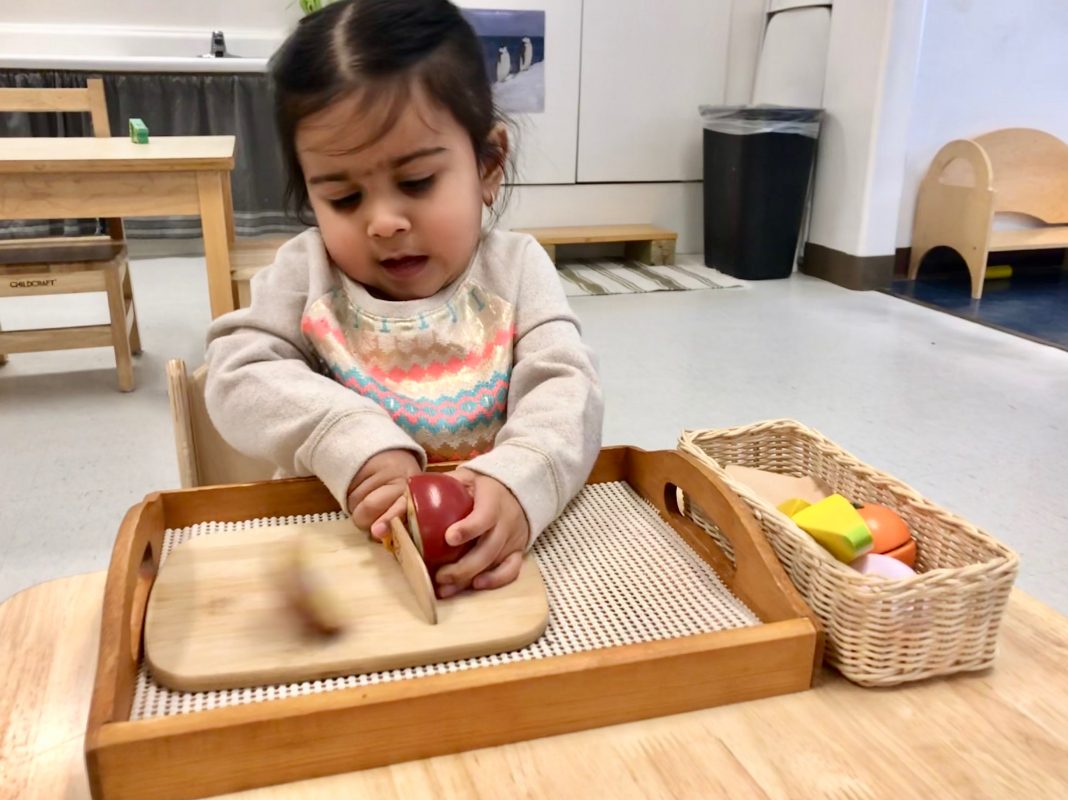
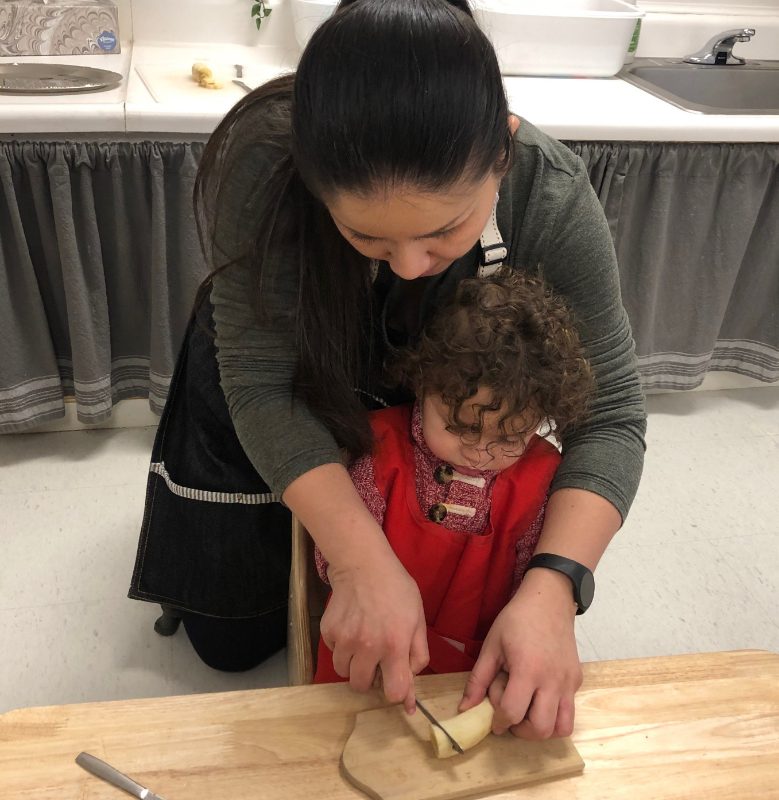
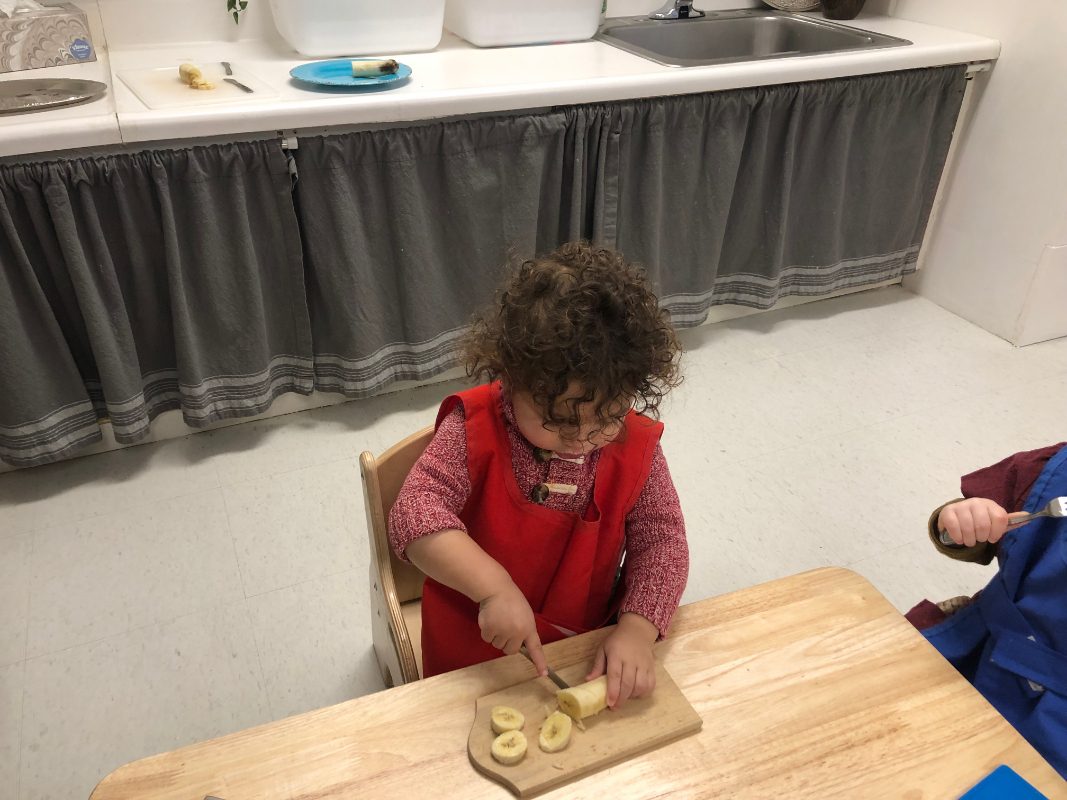
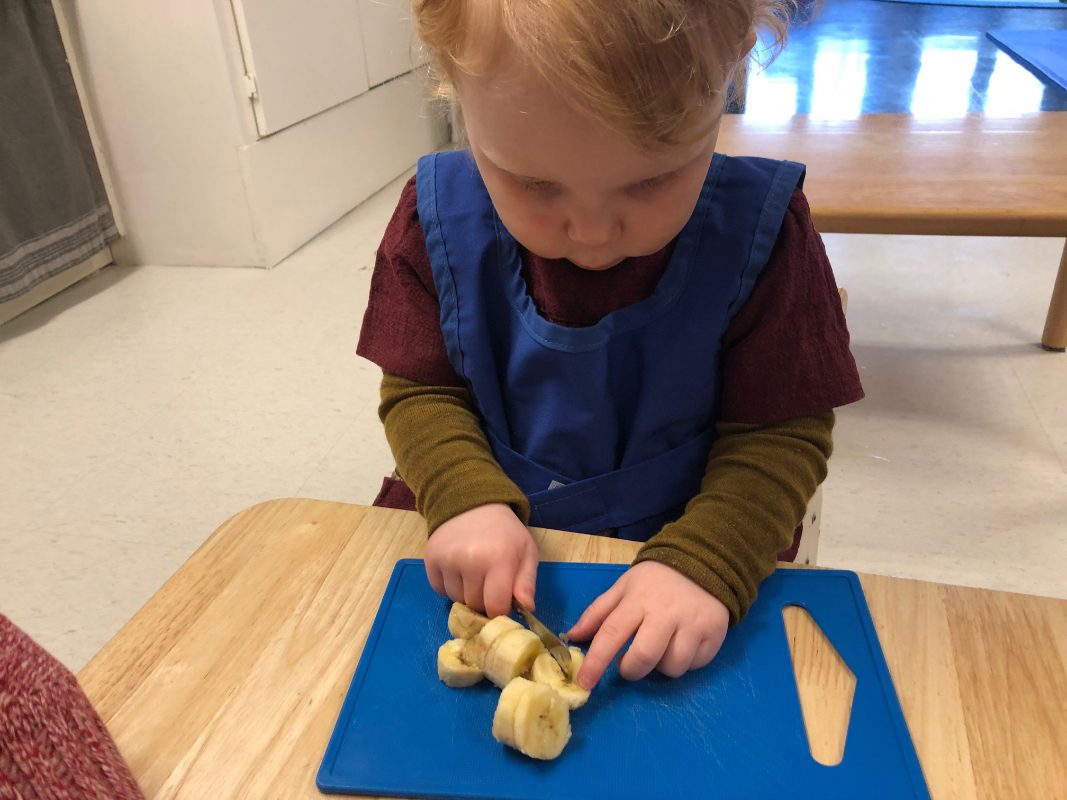
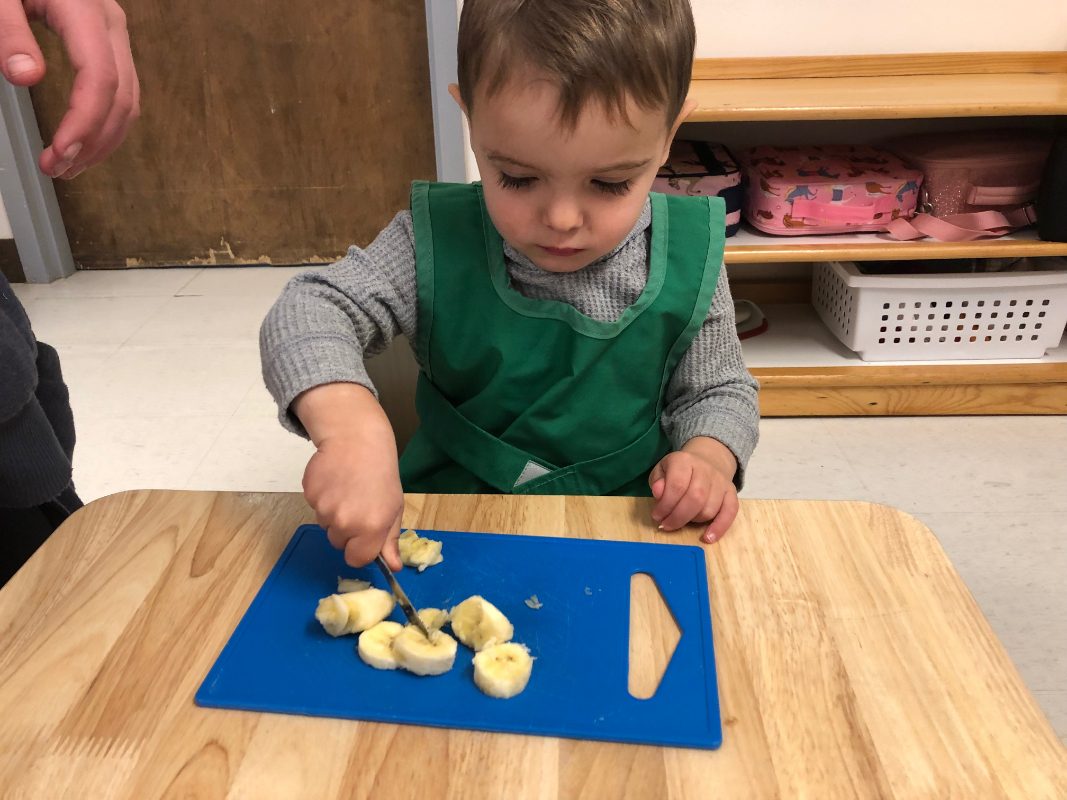
Our older students had the opportunity to receive a special practical life lesson this week. They worked on cutting real bananas with real knives. Yeah! I said it correctly, real toddler knives!. The children watched attentively how I demonstrated to cut my own banana. Then I placed my hands on top of theirs and guided them to cut slowly and carefully a couple of pieces. They finished cutting the banana on their own and later tasted the fruit of their labor! There was so much self-confidence on their faces at the end of this activity! As an extension, children will soon be cutting bananas and sharing them with their classmates as a grace and courtesy lesson.
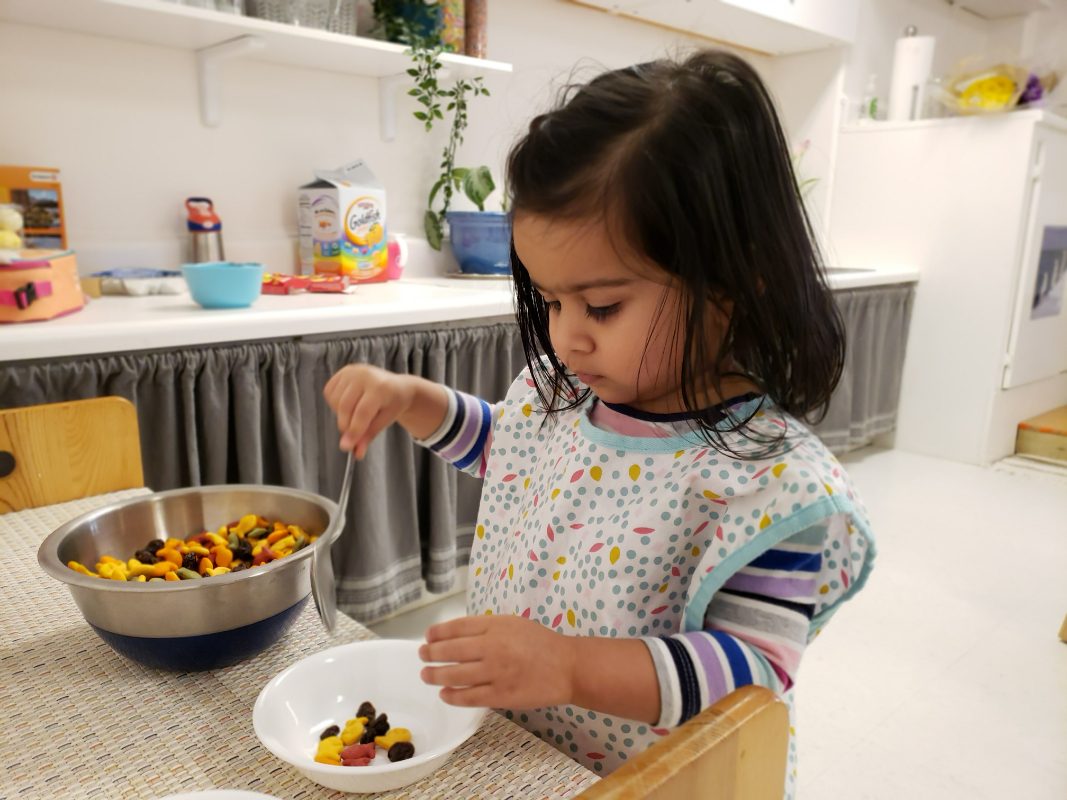
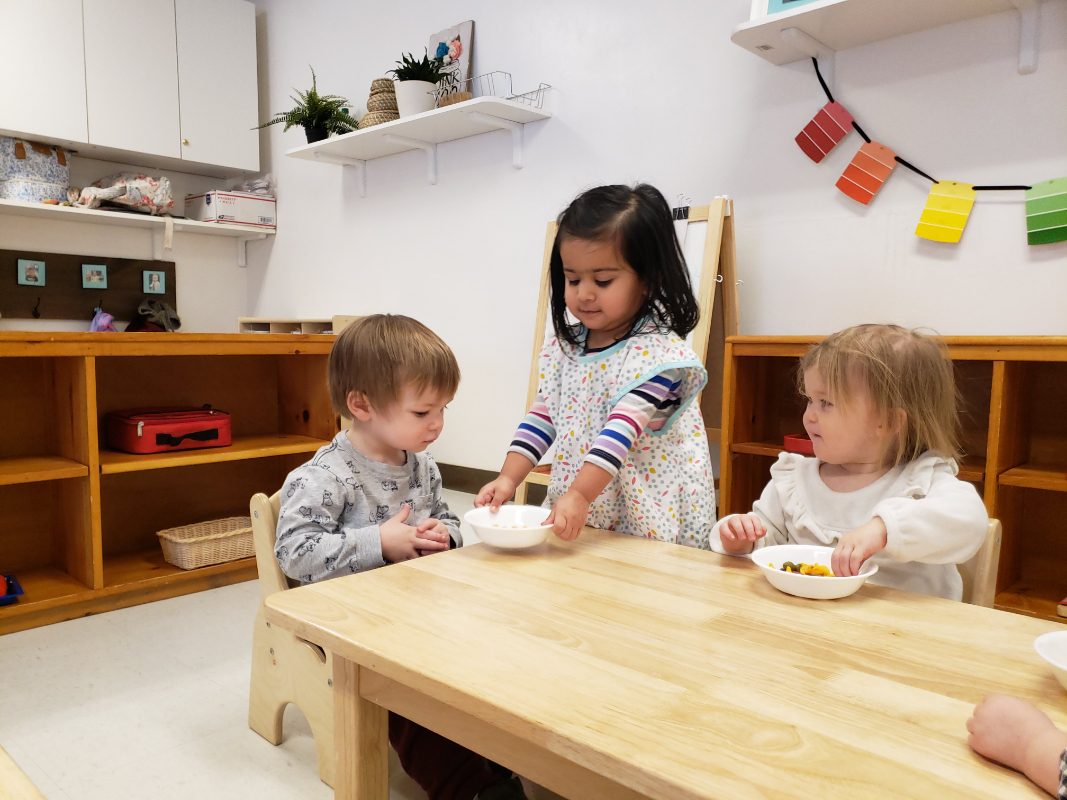
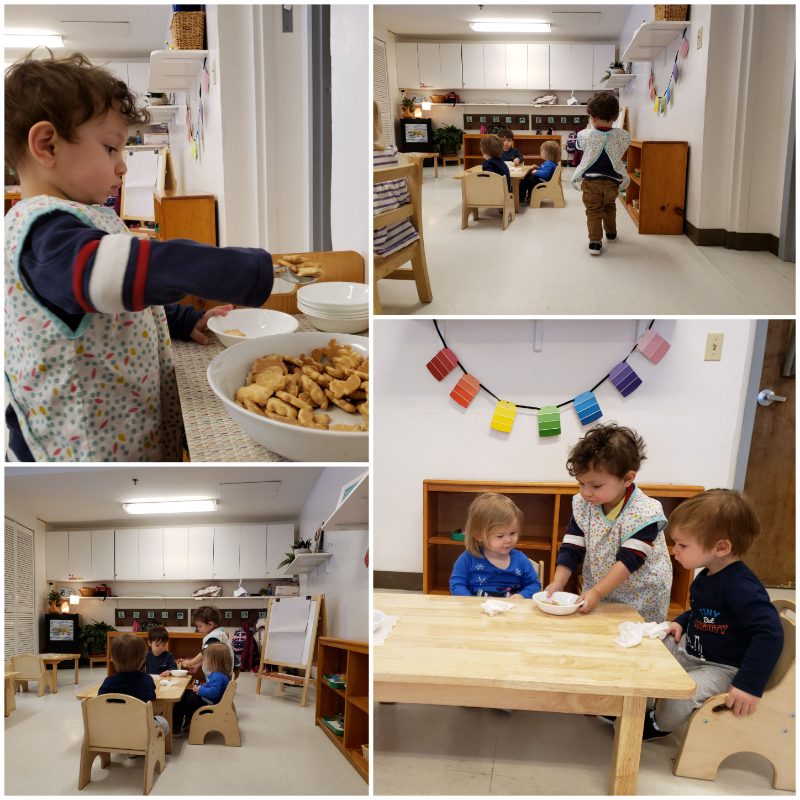
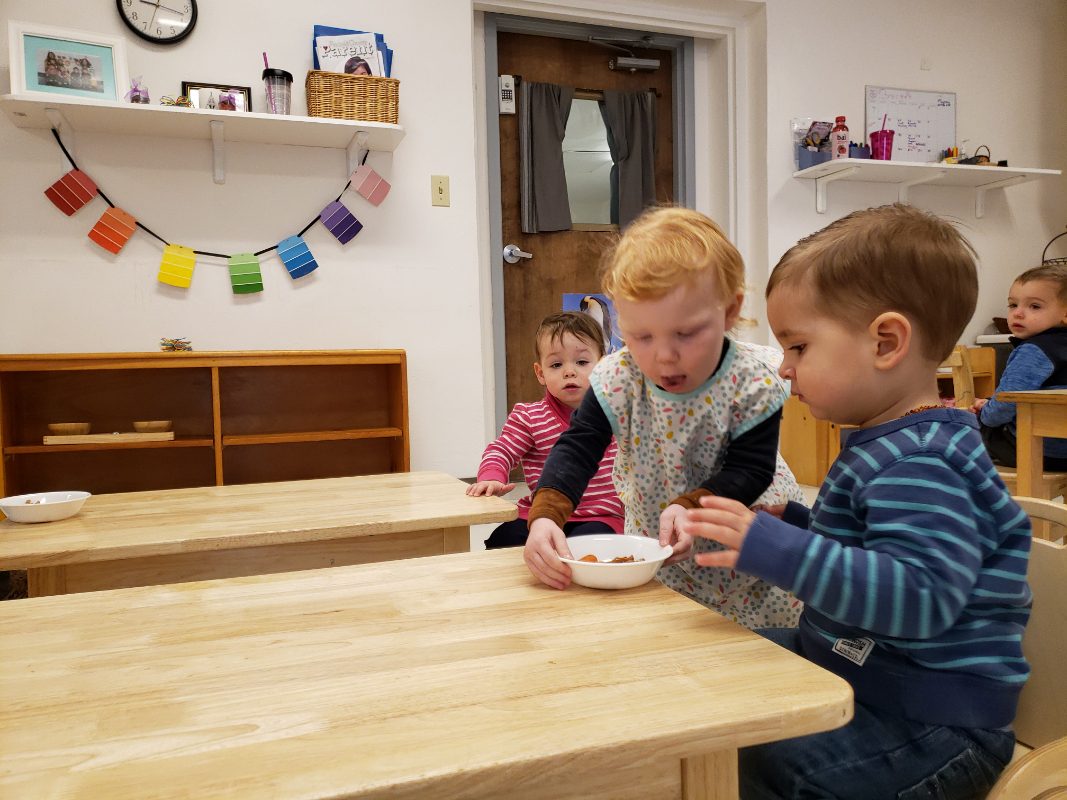
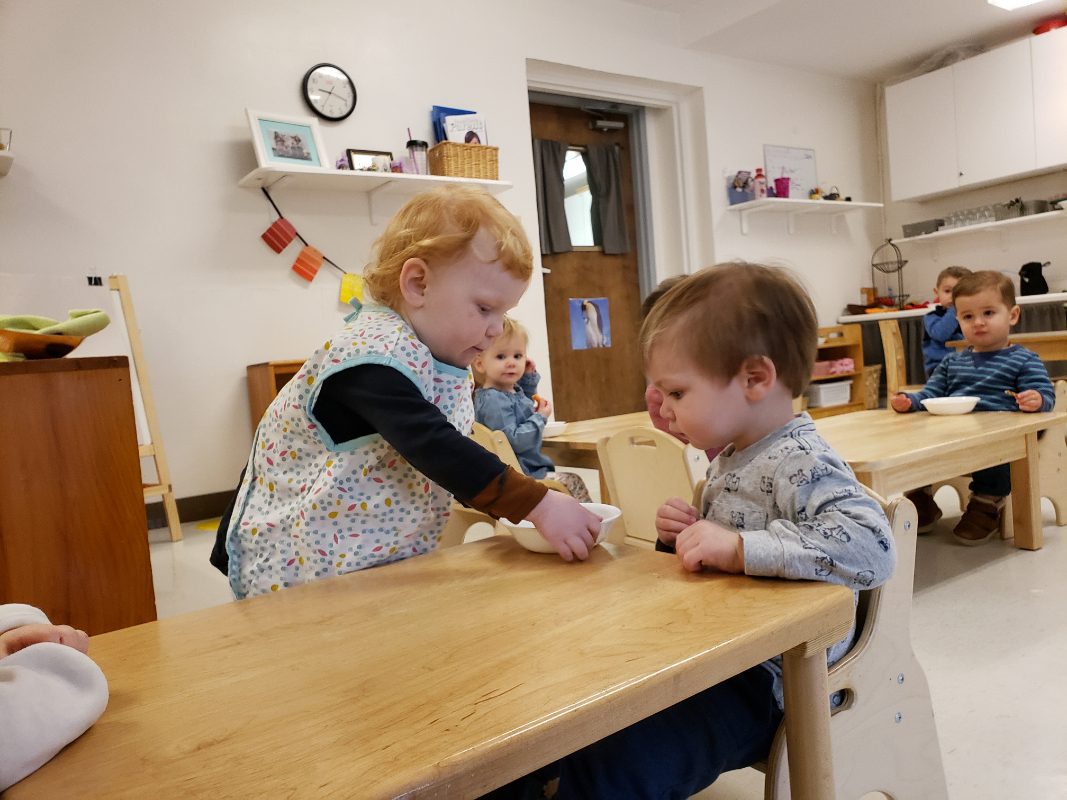
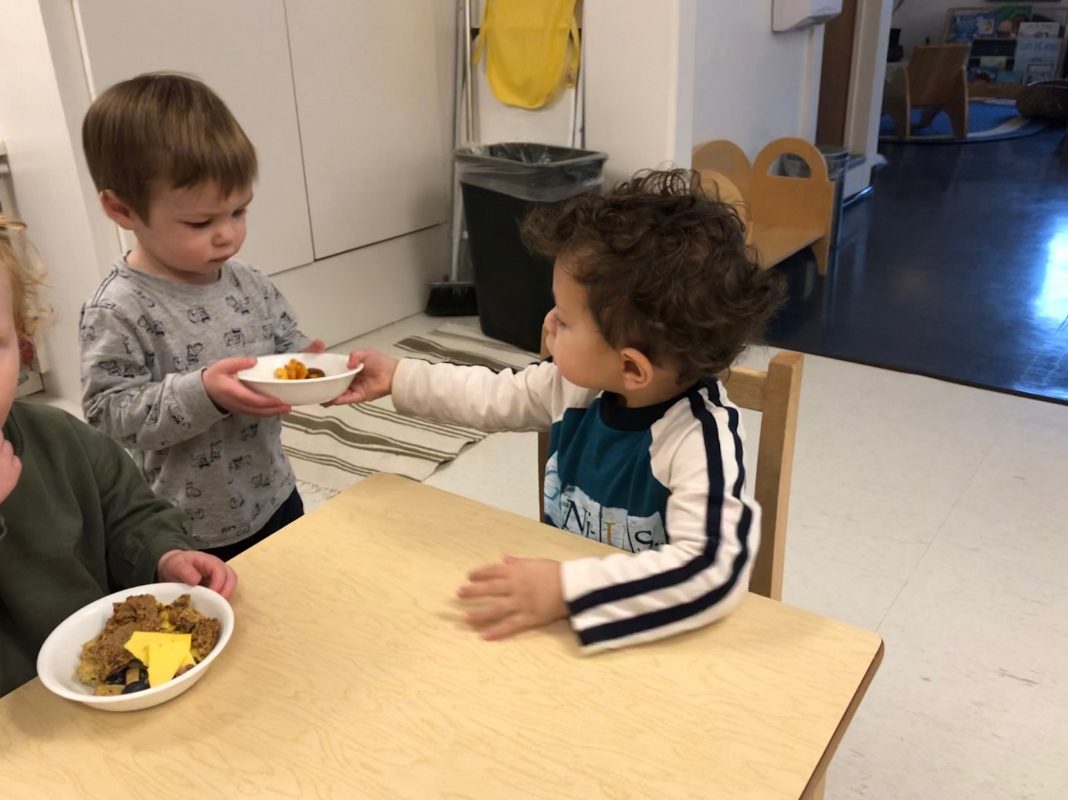
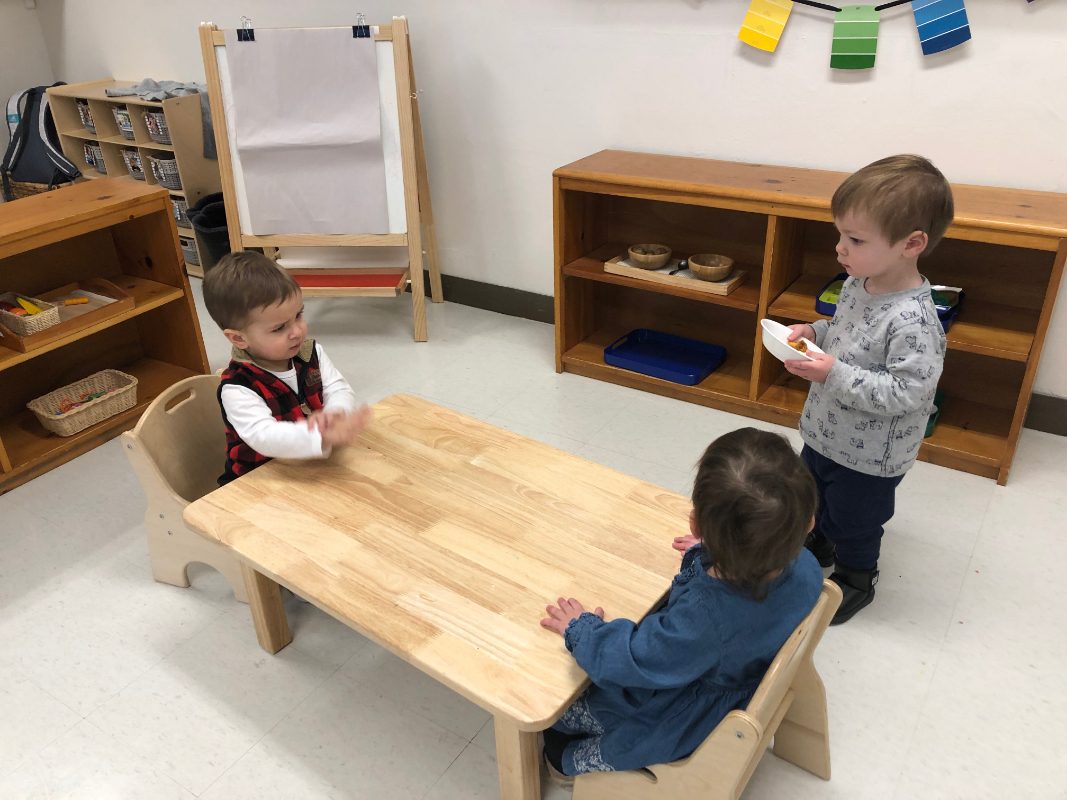
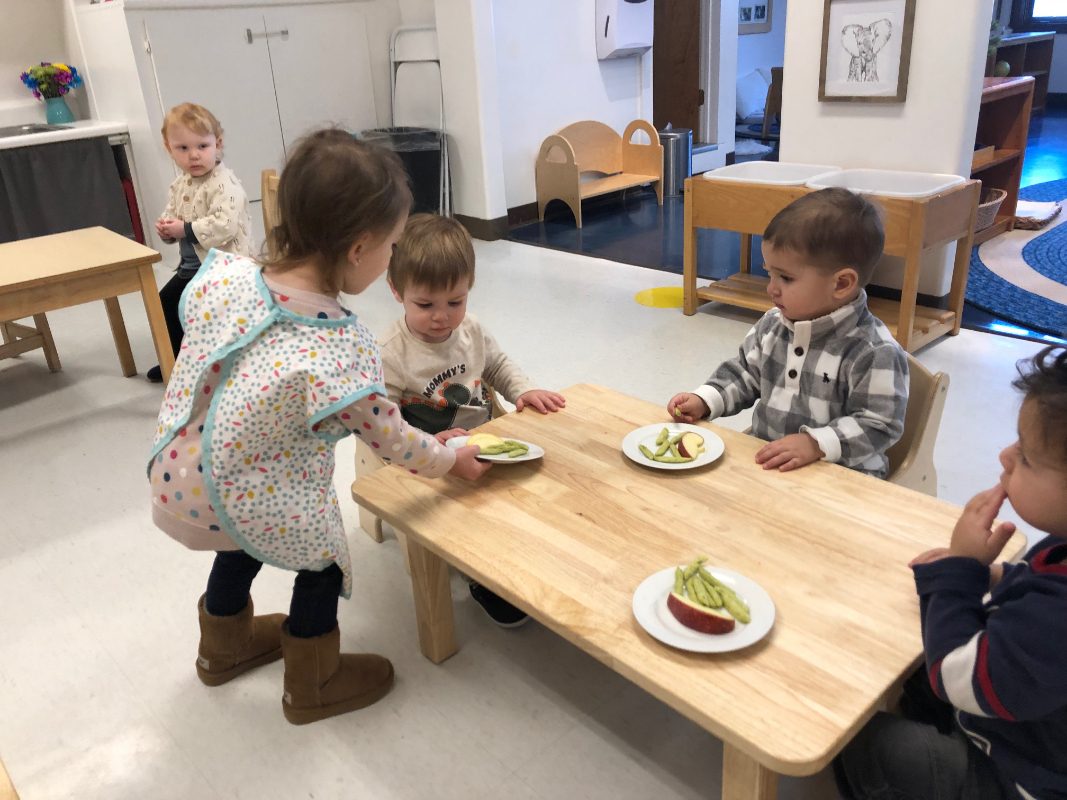
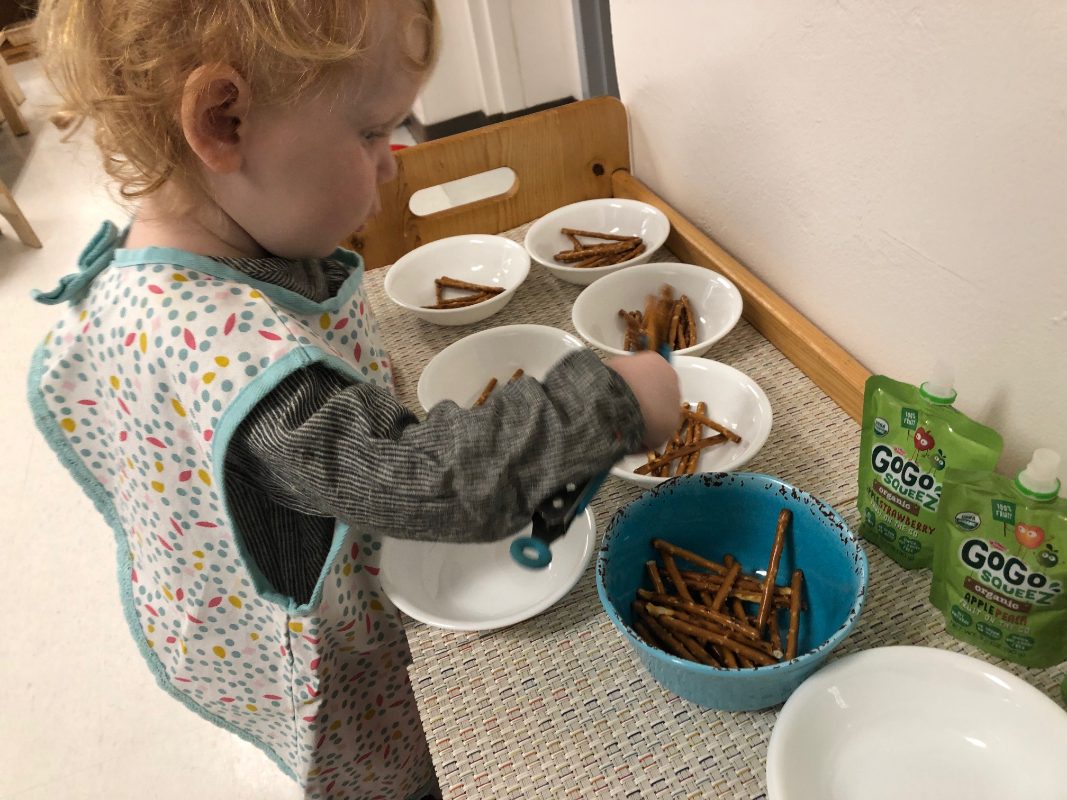
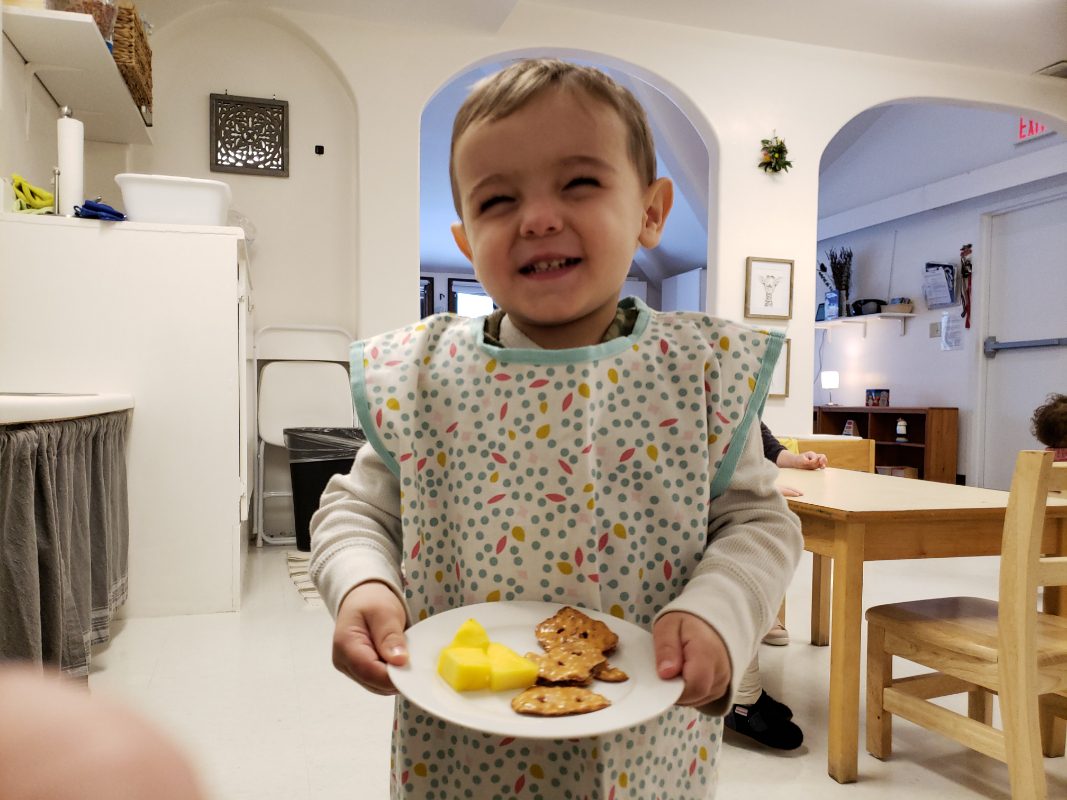
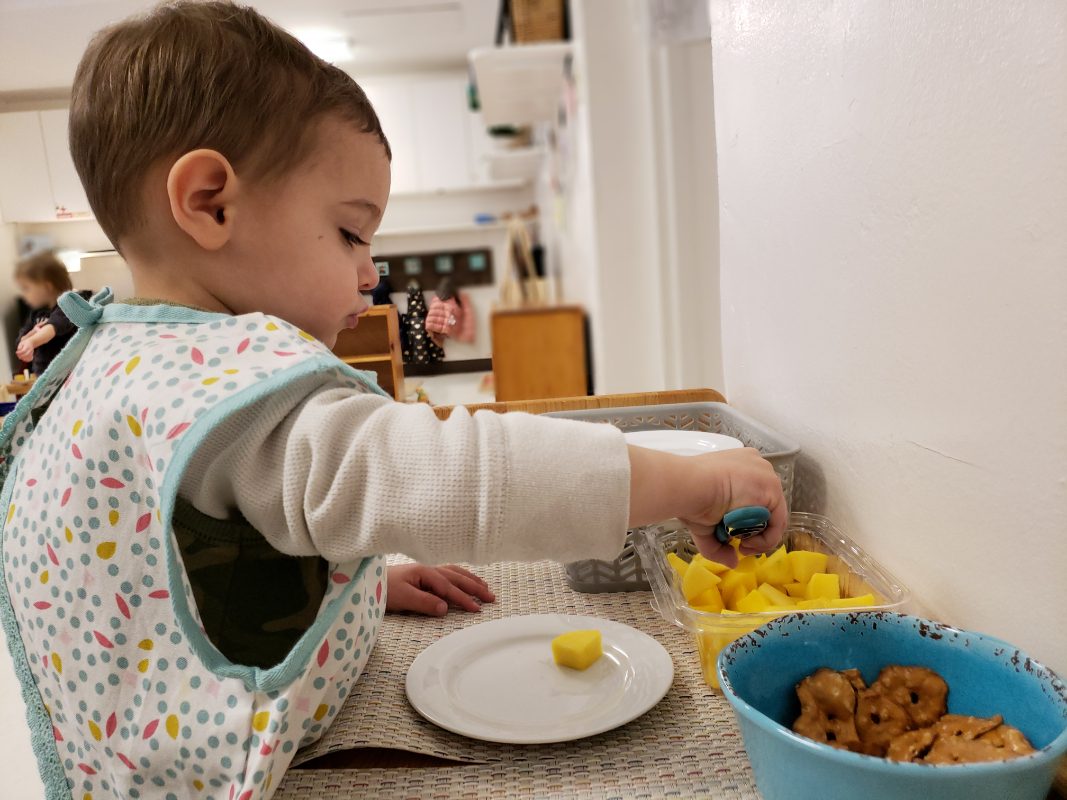
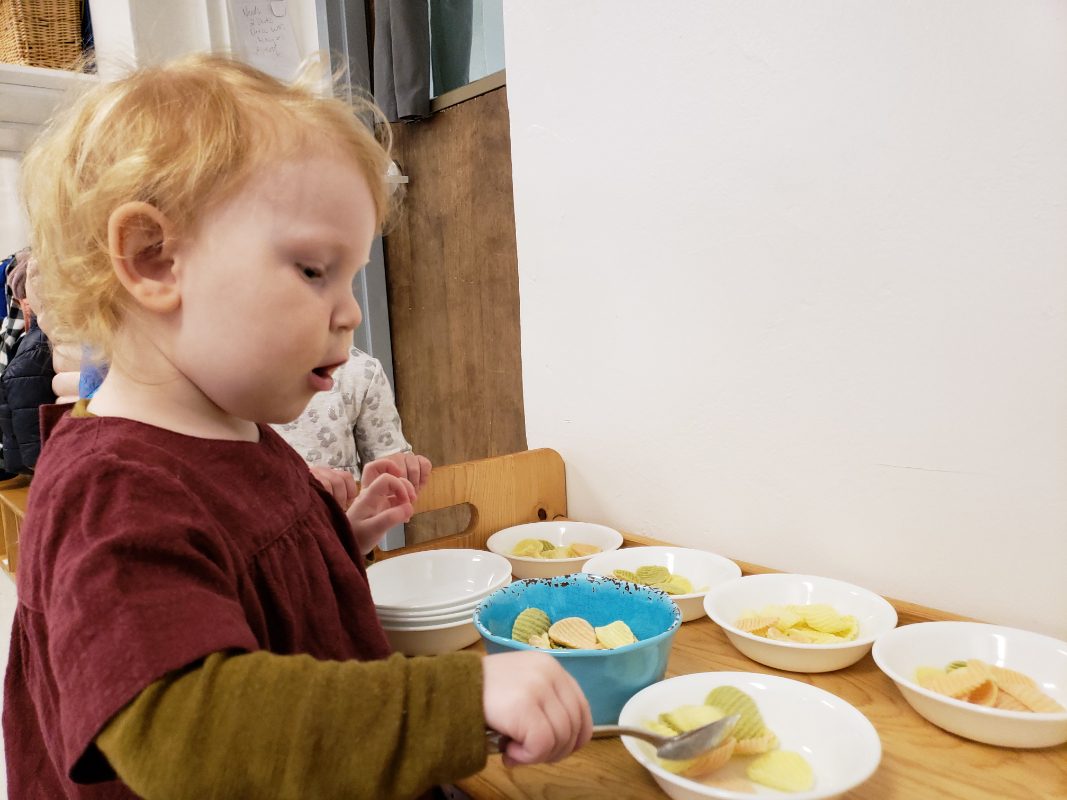
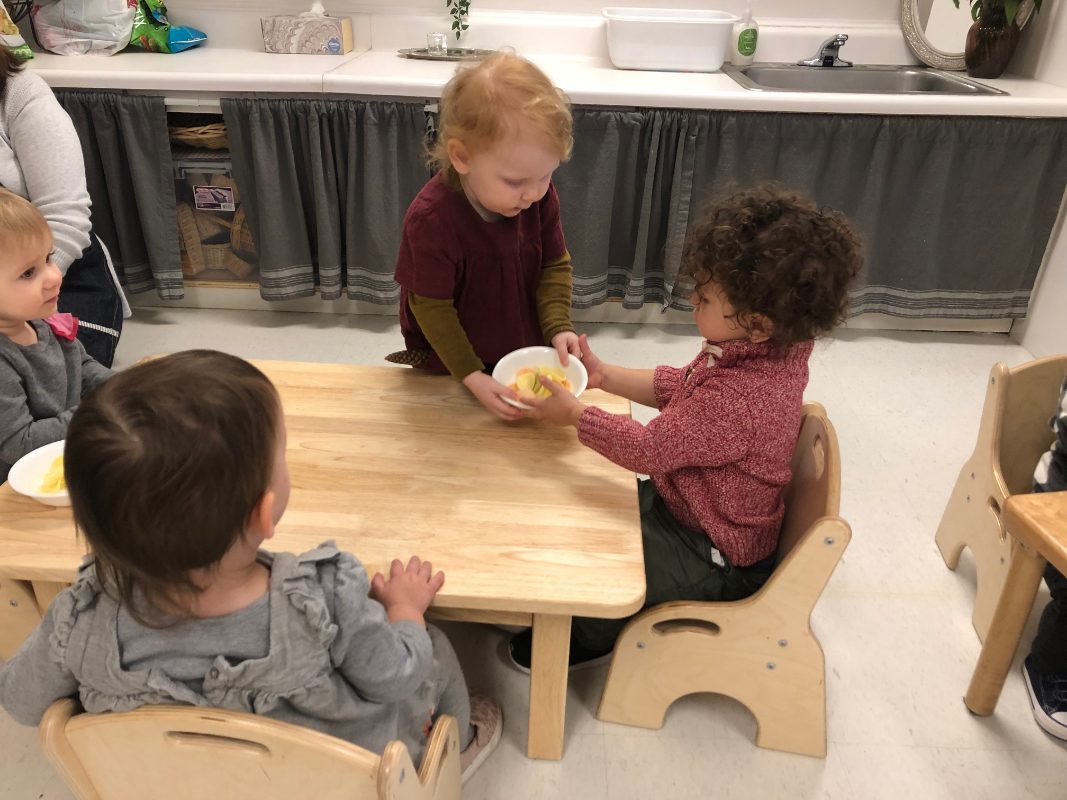
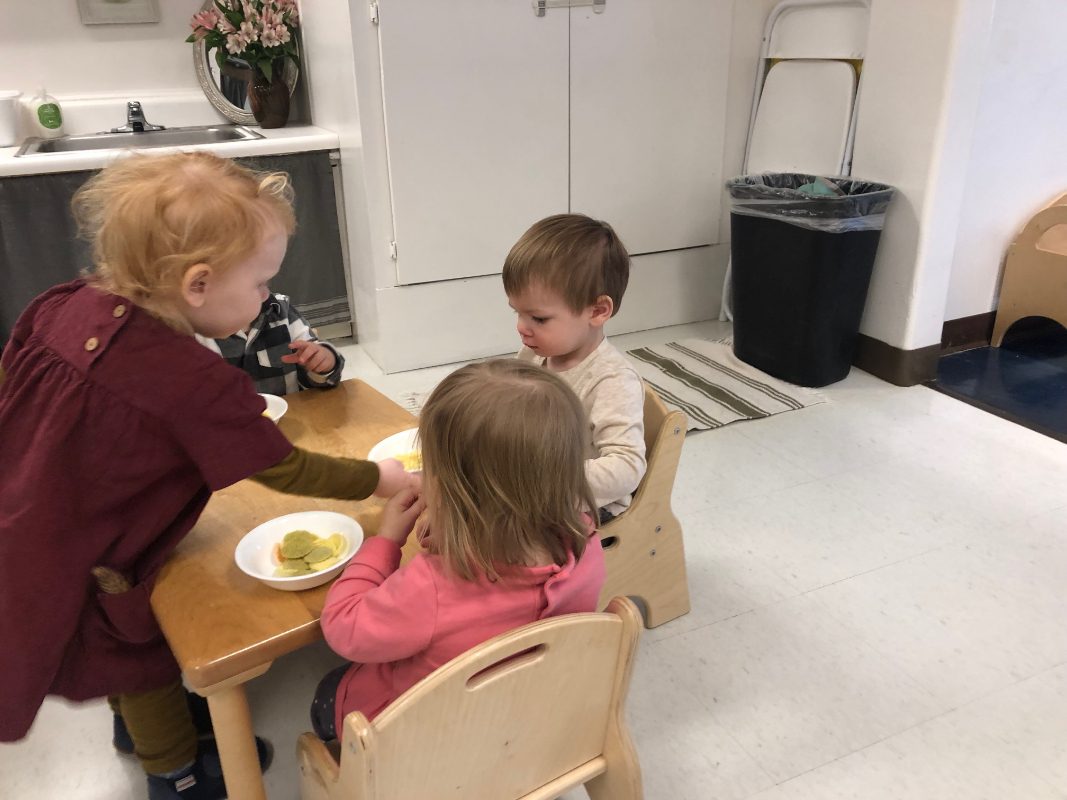
Students that show readiness will be offered special leadership roles in our environment. Being a snack helper is one of the works we introduced this week! Serving their classmates brings joy to the children as their self-esteem and independence boosts. These activities also provide important social skills that will be very helpful as they grow up as responsible and caring citizens of the world.
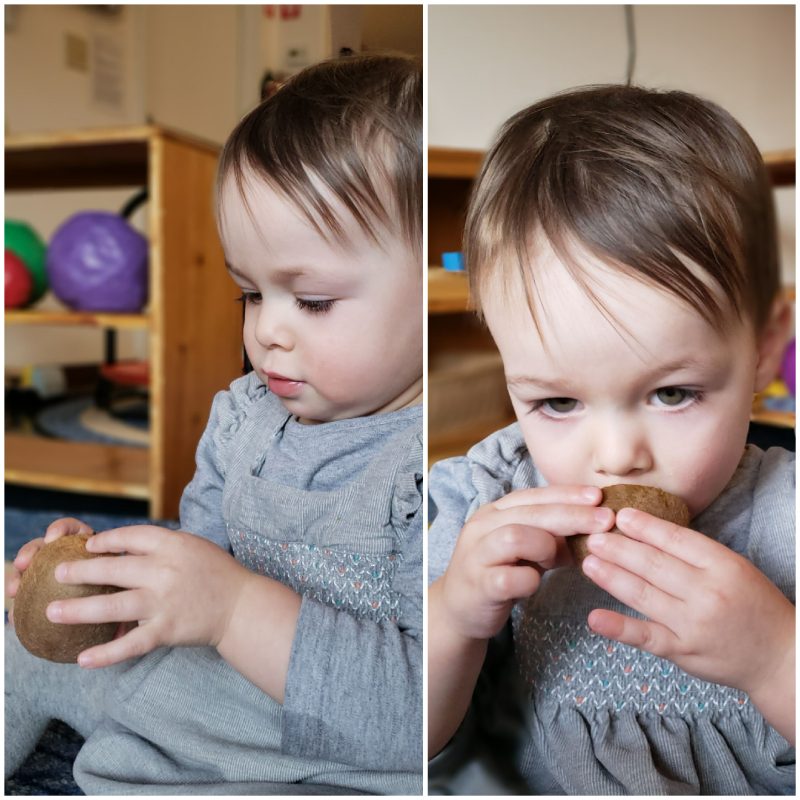
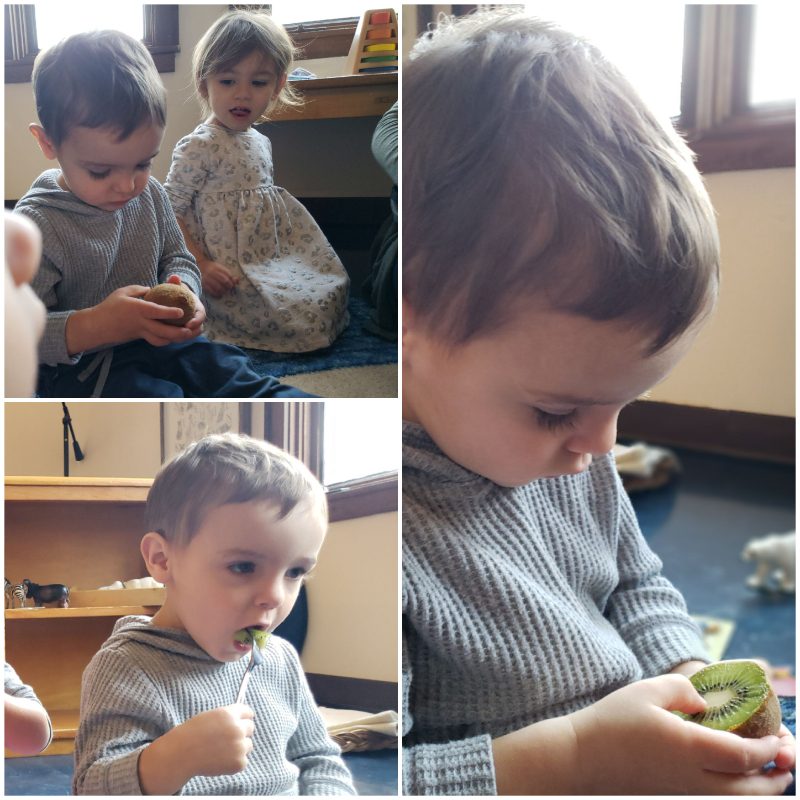
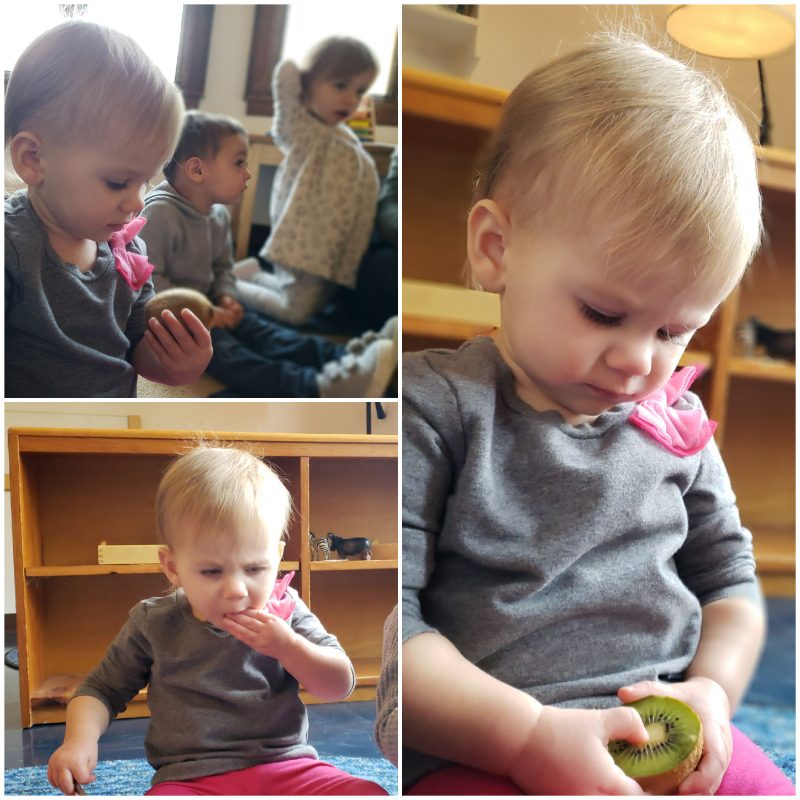
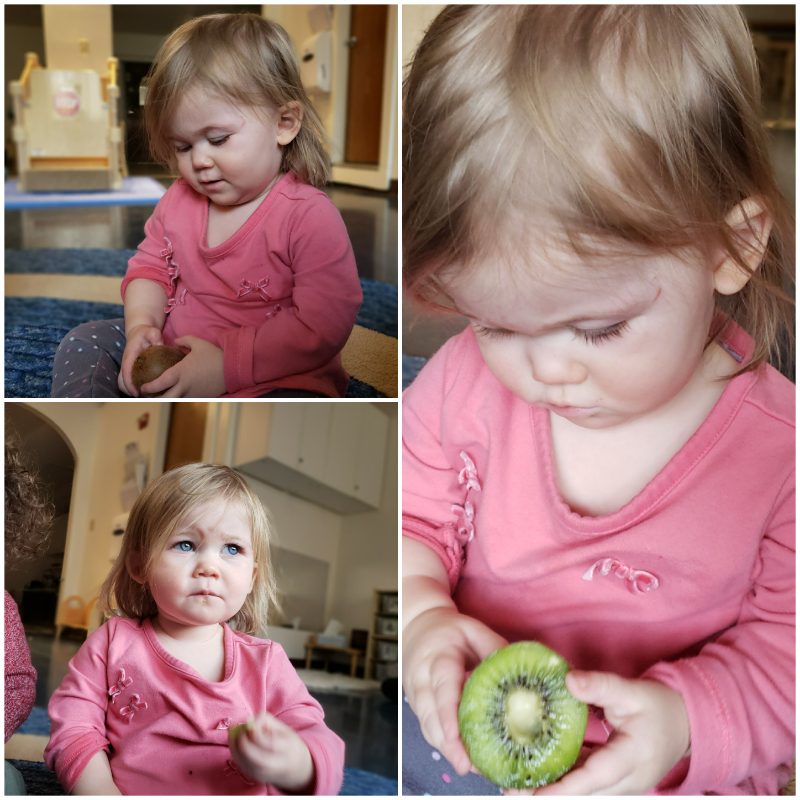
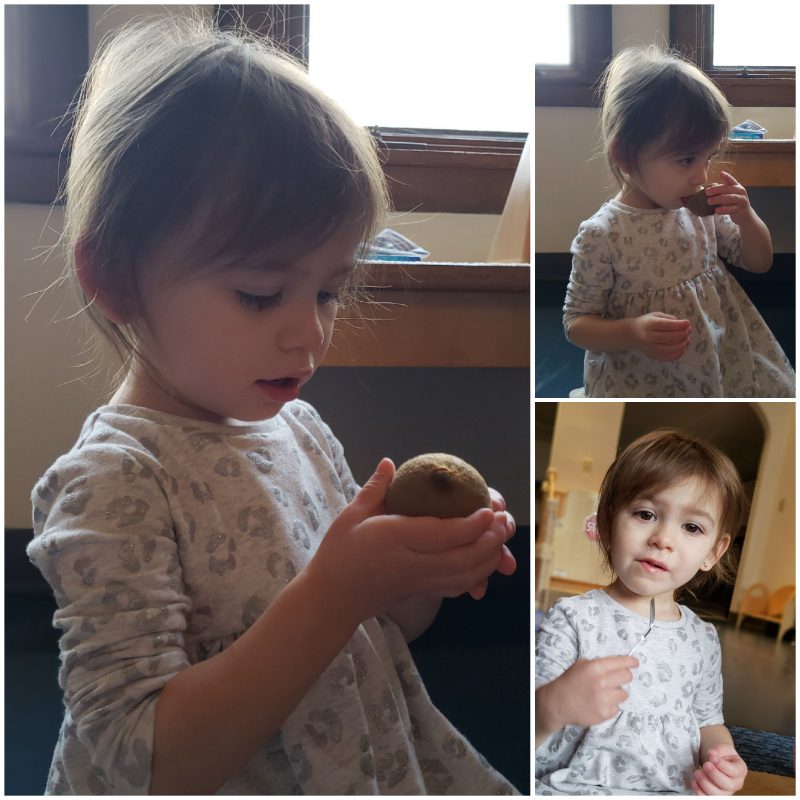
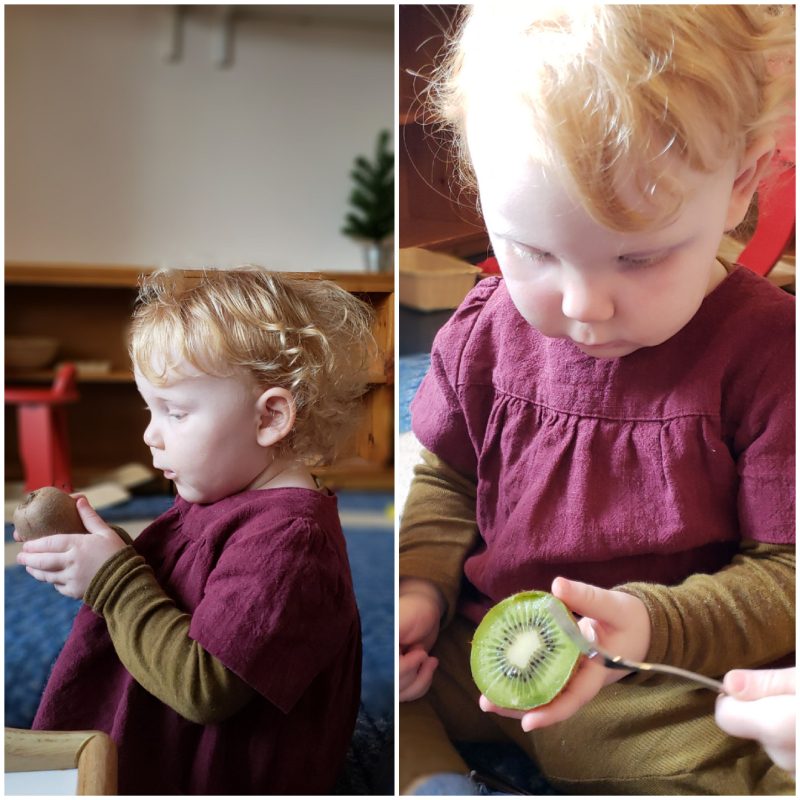
For food tasting we explored a kiwi! This winter fruit was loved by all despite of the tanginess! They wanted more and more!
Who’s That -Artic Animals by Tad Carpenter was a loved book by the children this week.
Thank you so much to the parents that have already donated items for our treasure baskets! Our youngest children are going to love them! We appreciate your support!